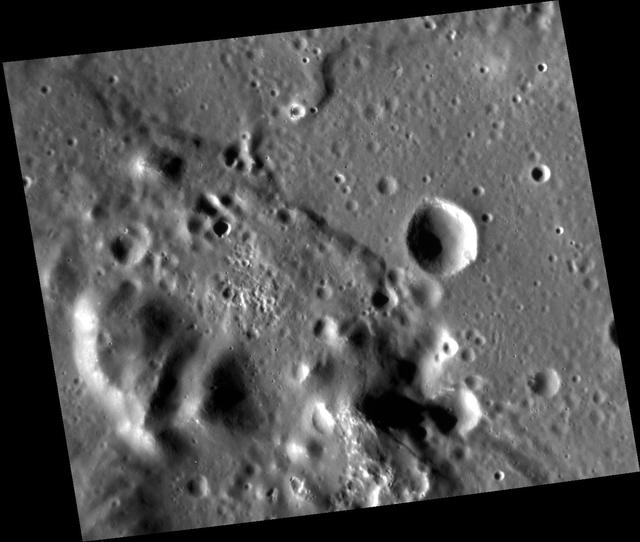
Boundary Lands
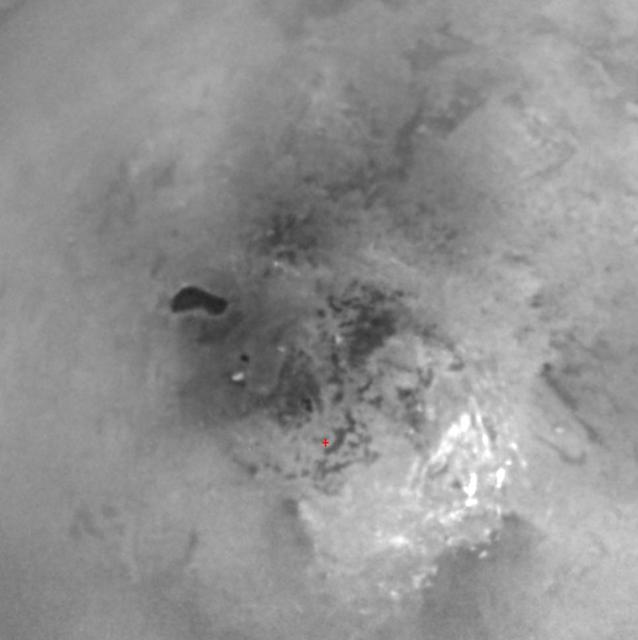
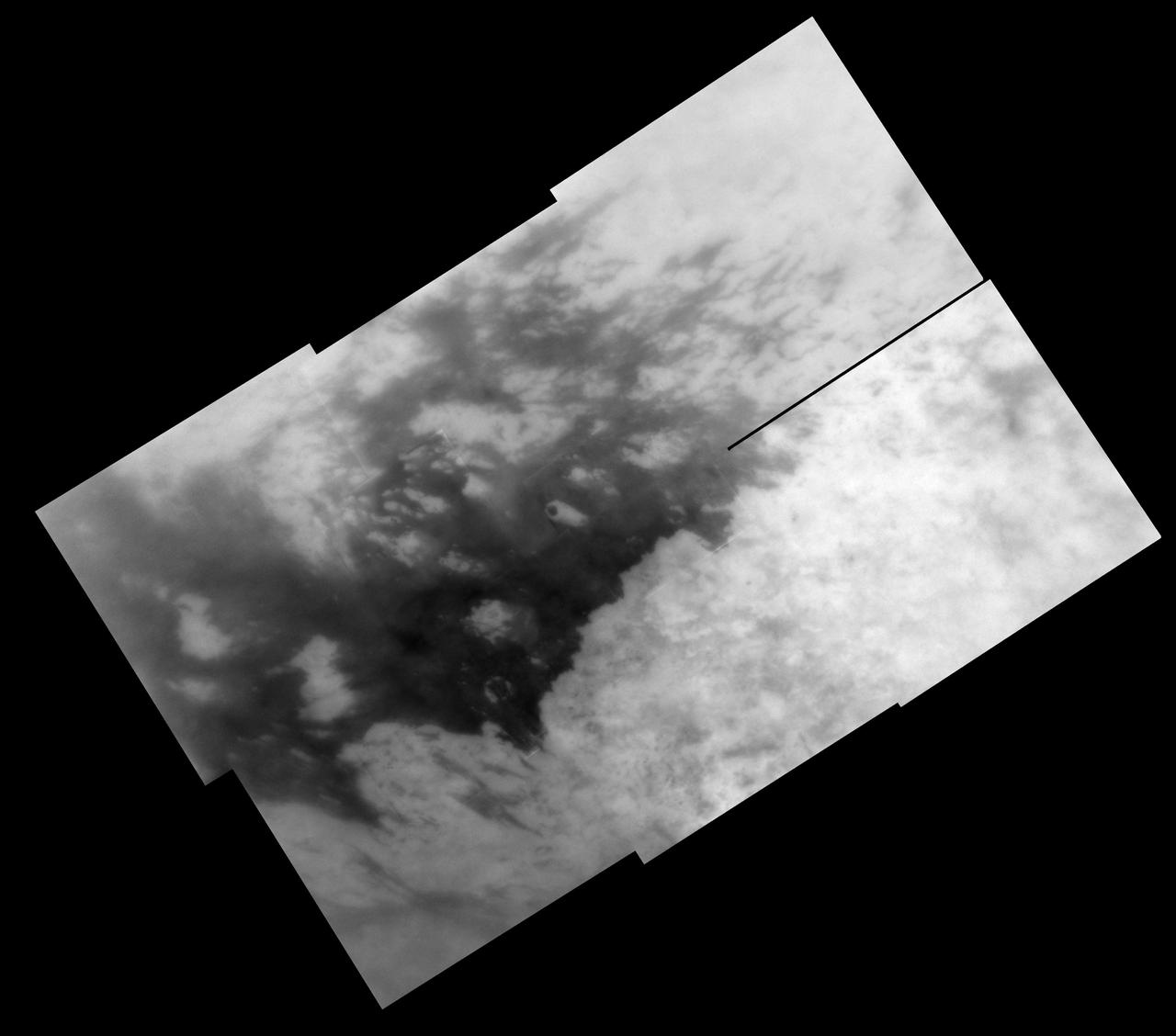
Land of Lakes?

Land of Darkness
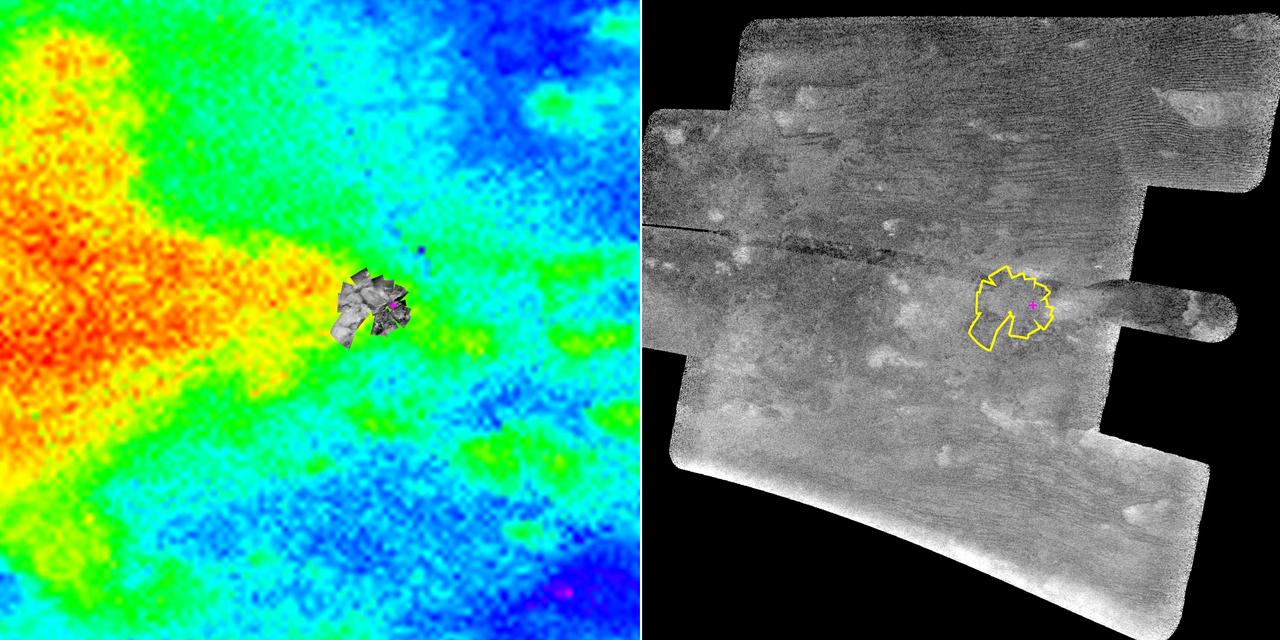
Pinpointing Huygens Landing Site
Lessons from Spirit Landing
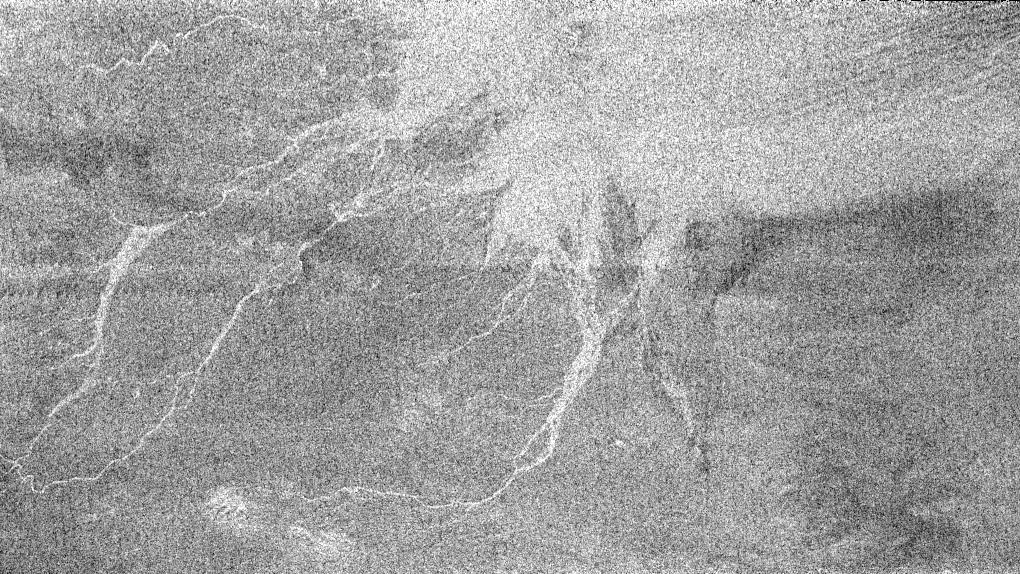
Huygens Landing Site Similarities
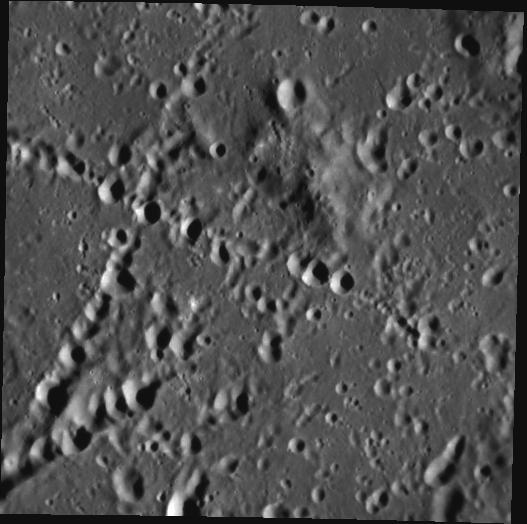
The Land of Crater Chains

The Land Beneath the Murk
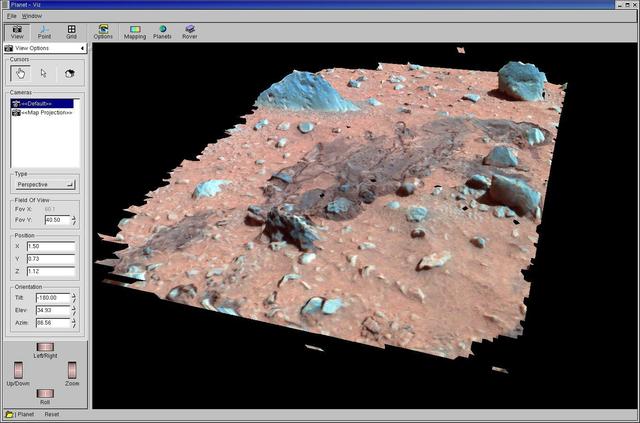
Landing Trail in 3-D
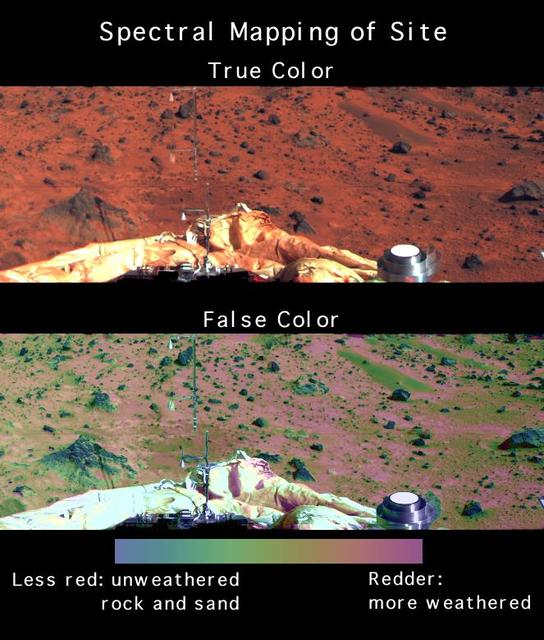
Spectral Mapping of Landing Site
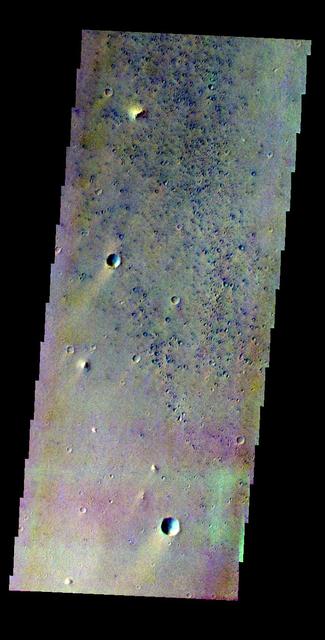
Pathfinder Landing Site in Color

Mars Pathfinder Landing Site
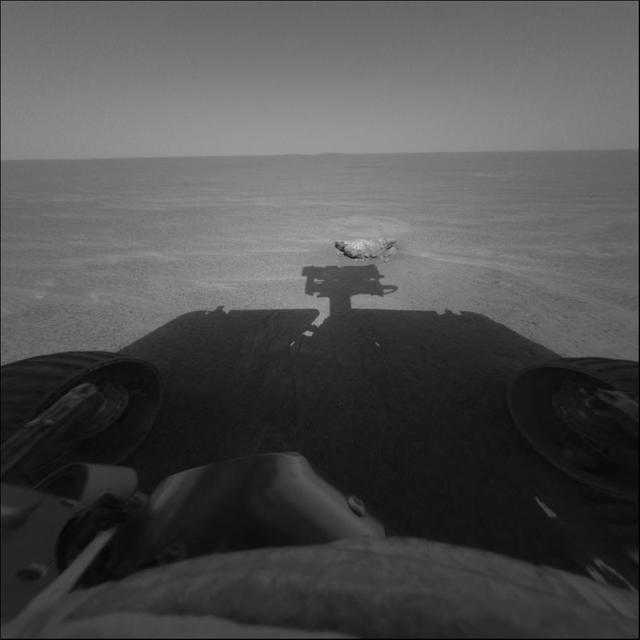
Visiting the Scene of Landing
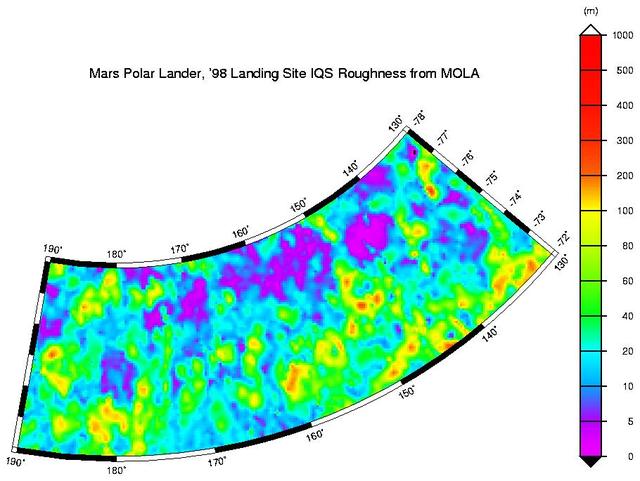
MPL LANDING SITE CORRIDOR
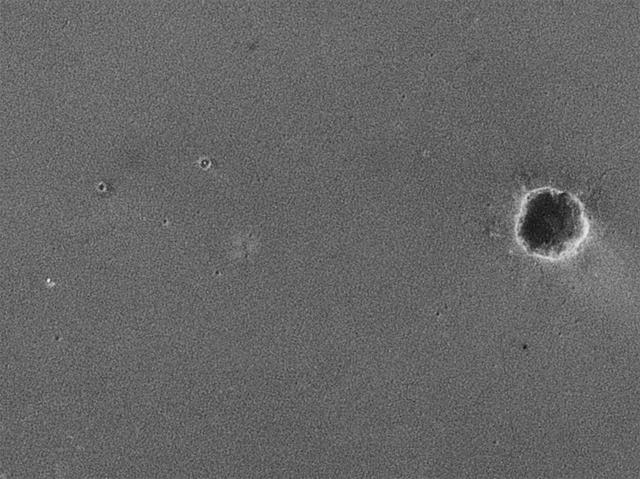
Reconstructing the Scene of Landing
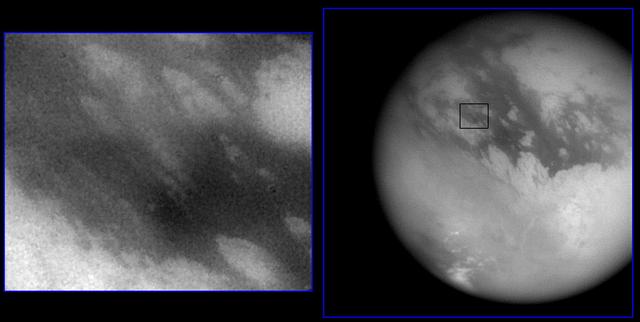
Huygen Landing Site
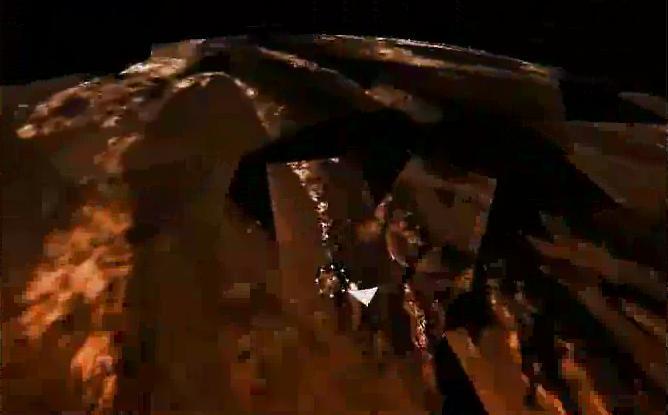
Huygens Landing Site Animation
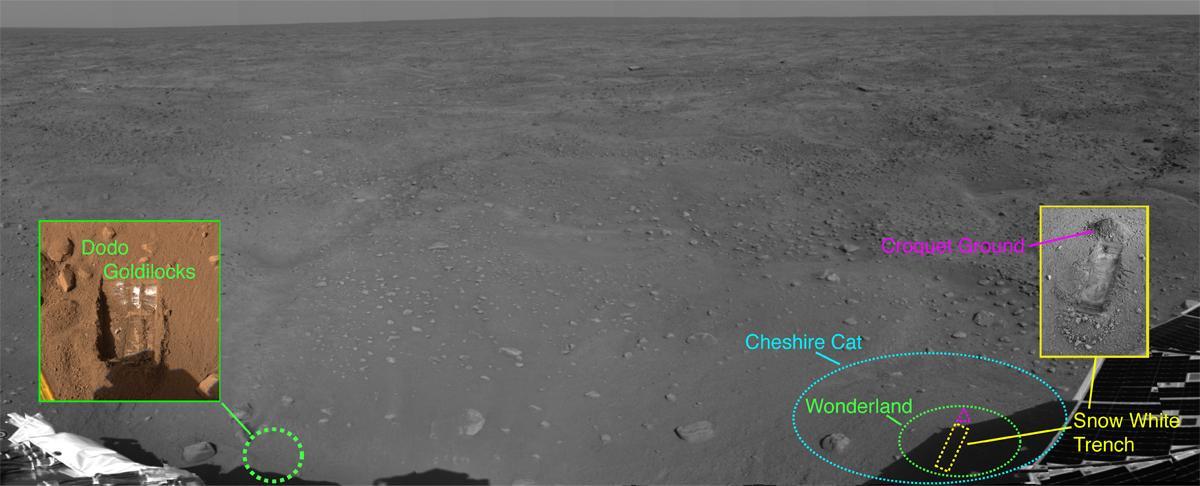
Phoenix Lay of the Land

Sweet Spot for Landing on Mars
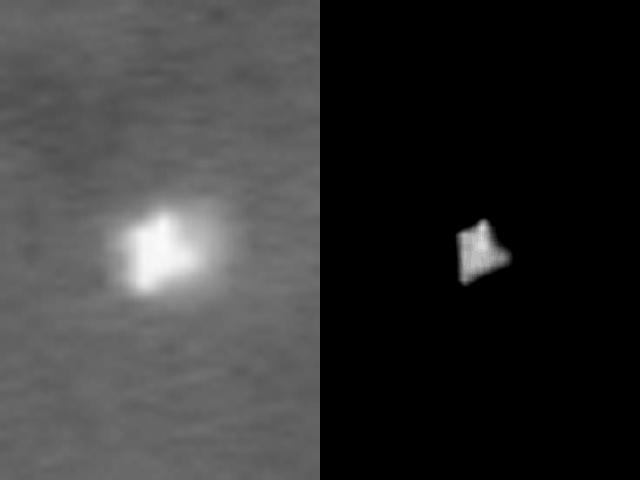
Spirit Successful Landing

Sundial Lands on Mars
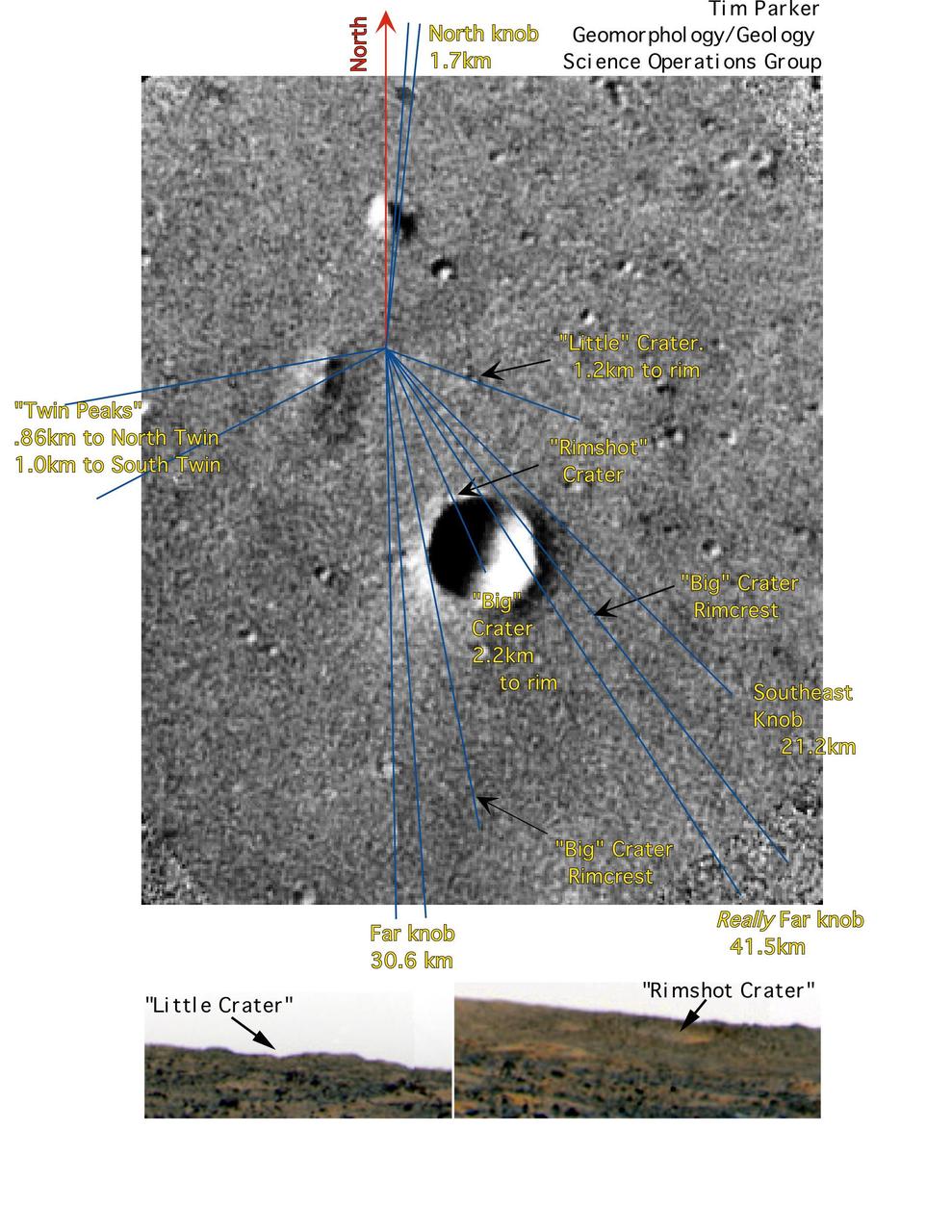
Region of Pathfinder Landing Site
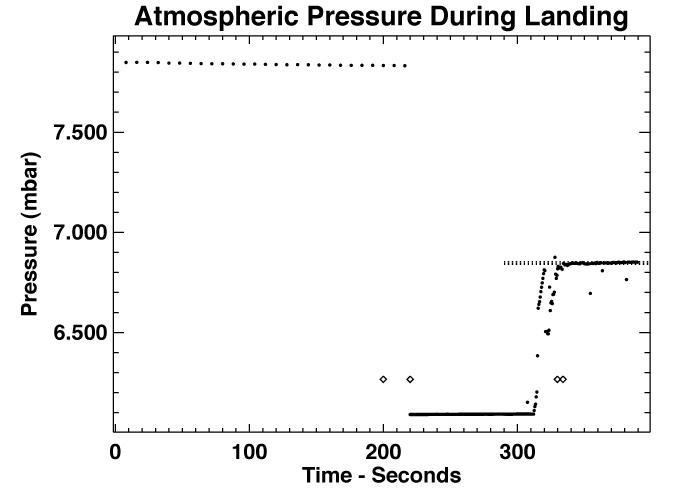
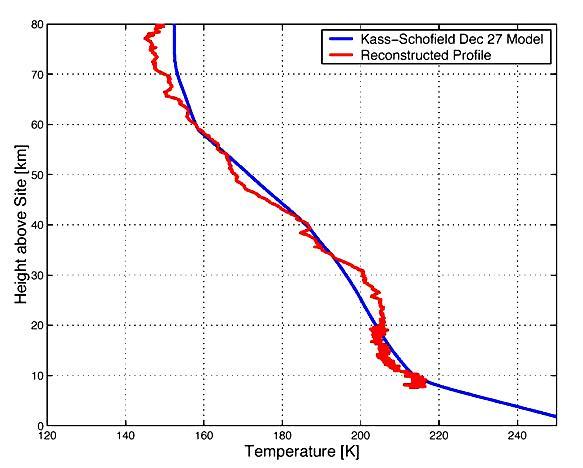
Atmospheric Pressure During Landing

Mars Pathfinder Landing Ellipses
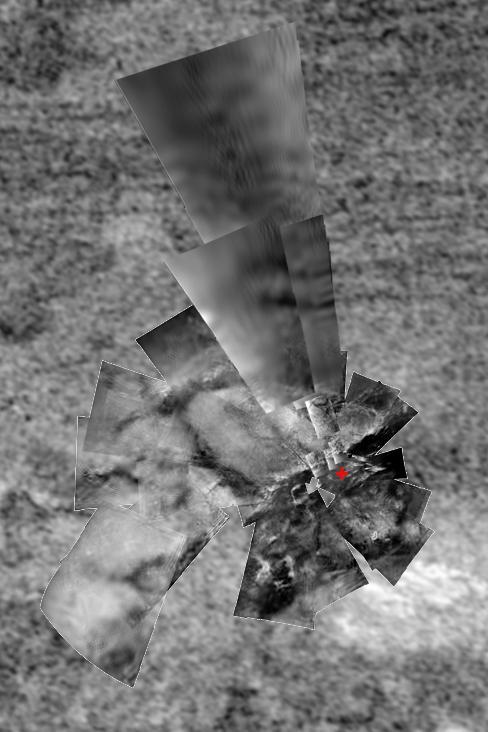
Huygens Landing Site

Titan Land-o-Lakes

Opportunity Has Landed!

Spirit Landing Site in Infrared
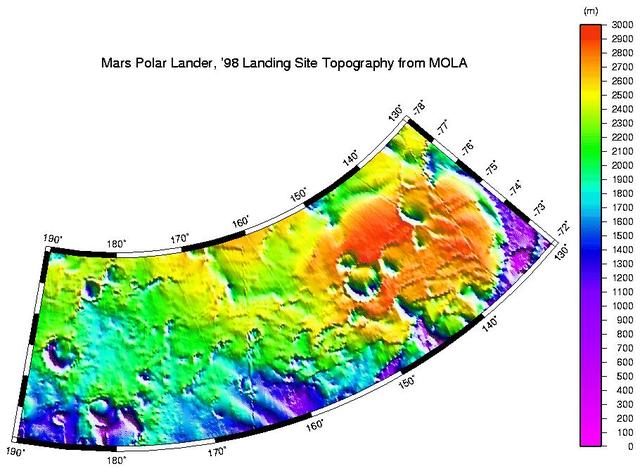
MPL LANDING SITE - DEM
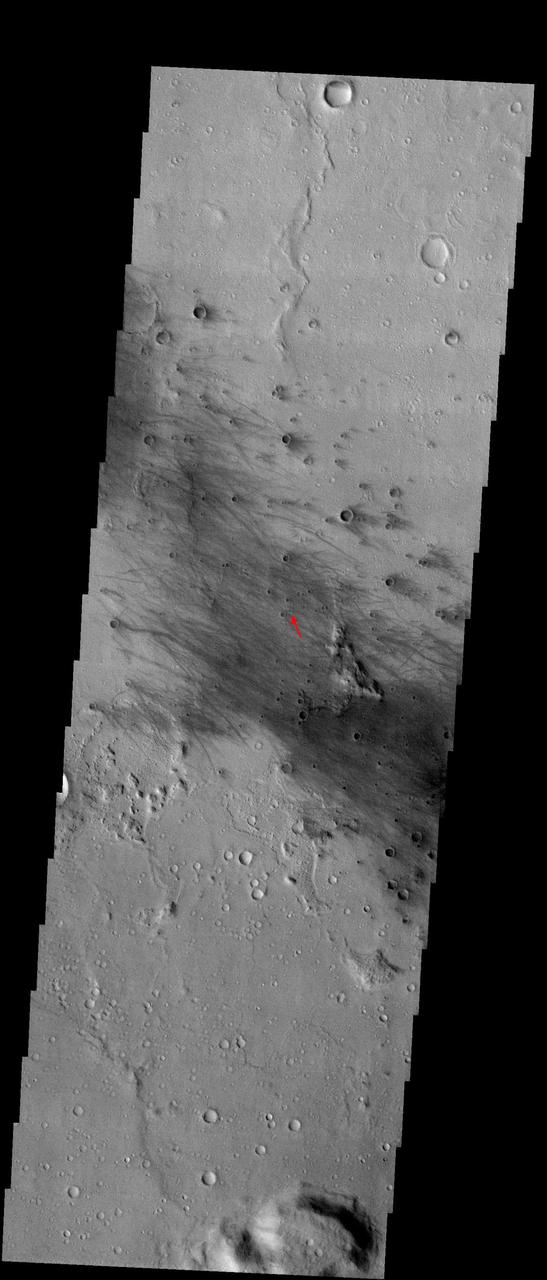
Spirit has Landed!
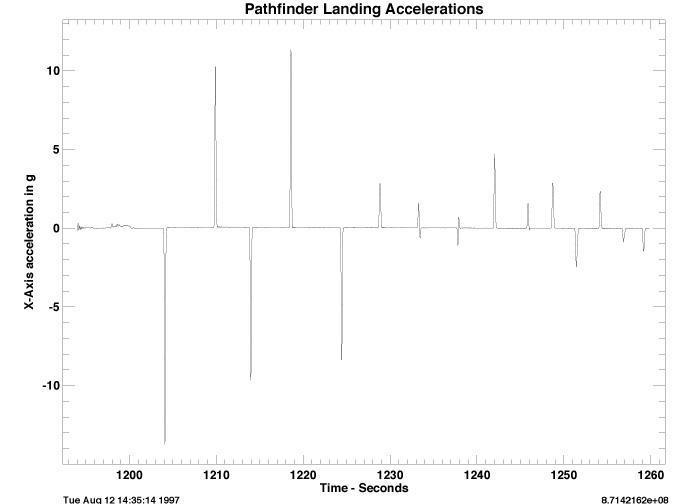
Pathfinder Landing Accelerations
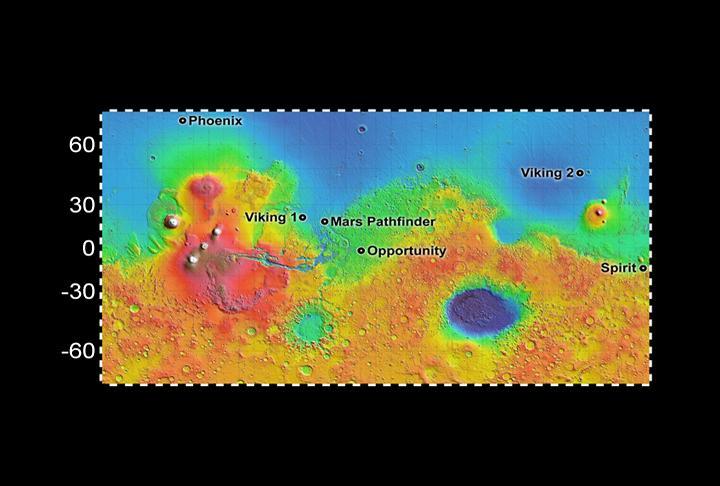
Six Landing Sites on Mars
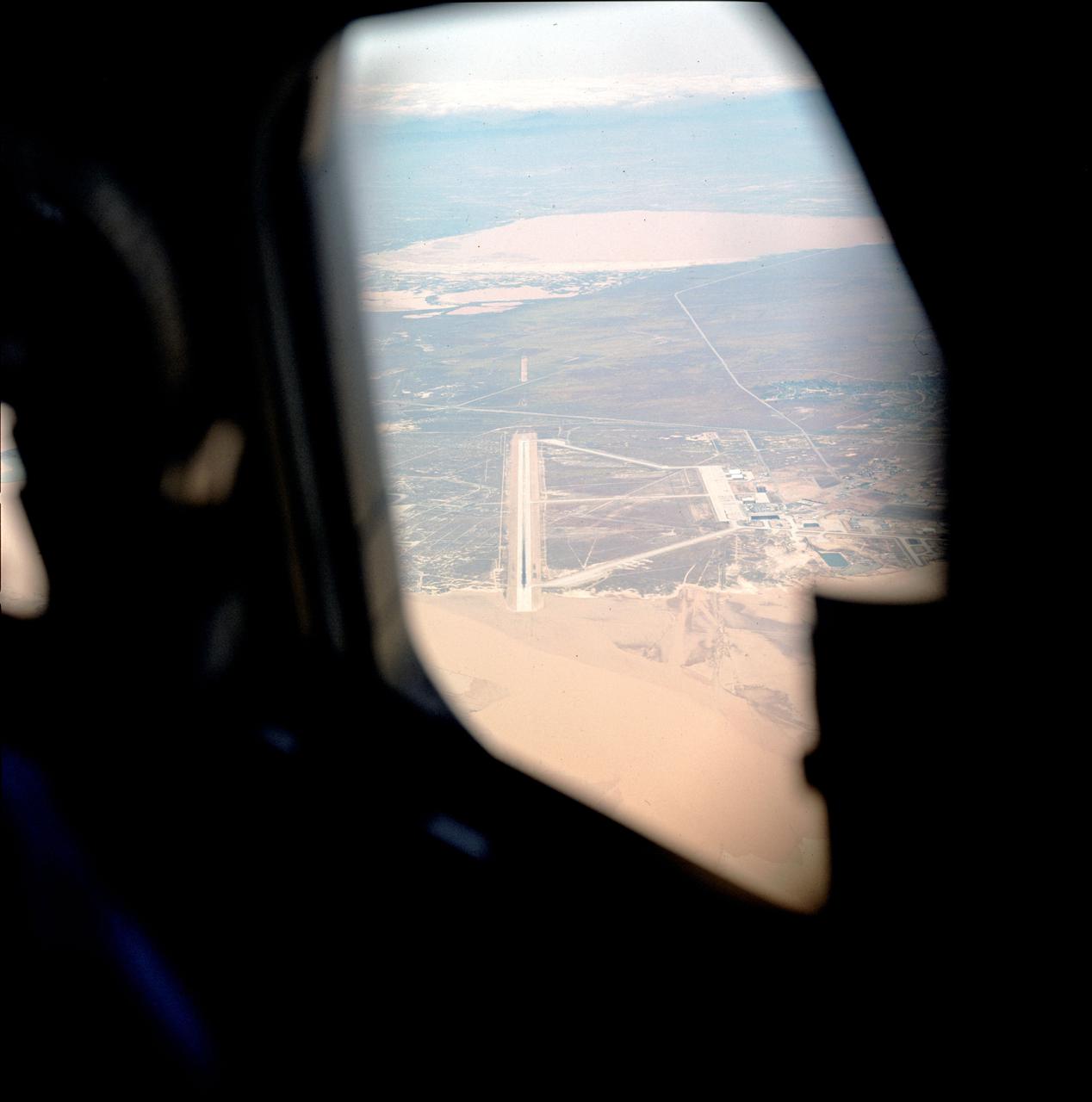
STS006-46-667 (9 April 1983) --- One of the final pictures taken aboard the space shuttle Challenger is this 35mm frame of Landing Strip 22 at Edwards Air Force Base as the reusable spacecraft was lined up for its landing only seconds later. The frame was exposed by astronaut Donald H. Peterson, STS-6 mission specialist, who was stretching behind the commander’s seat occupied by astronaut Paul J. Weitz on the flight deck. Also onboard the spacecraft for the five-day flight were astronauts Karol J. Bobko, pilot, and Dr. F. Story Musgrave, mission specialist. Photo credit: NASA

Vice President Pence arrives at Kennedy Space Center's Shuttle Landing Facility on July 20, 2019 and greets workers. At right is Apollo 11 Lunar Module Pilot Buzz Aldrin. Pence, who chairs the National Space Council, visited the Florida spaceport on the 50th anniversary of the Apollo 11 mission, which landed the first two humans on the Moon. He recognized the historic mission, while also addressing NASA’s future plans to travel to the Moon and on to Mars.

Vice President Pence arrives at Kennedy Space Center's Shuttle Landing Facility on July 20, 2019 and greets workers. Pence, who chairs the National Space Council, visited the Florida spaceport on the 50th anniversary of the Apollo 11 mission, which landed the first two humans on the Moon. He recognized the historic mission, while also addressing NASA’s future plans to travel to the Moon and on to Mars.
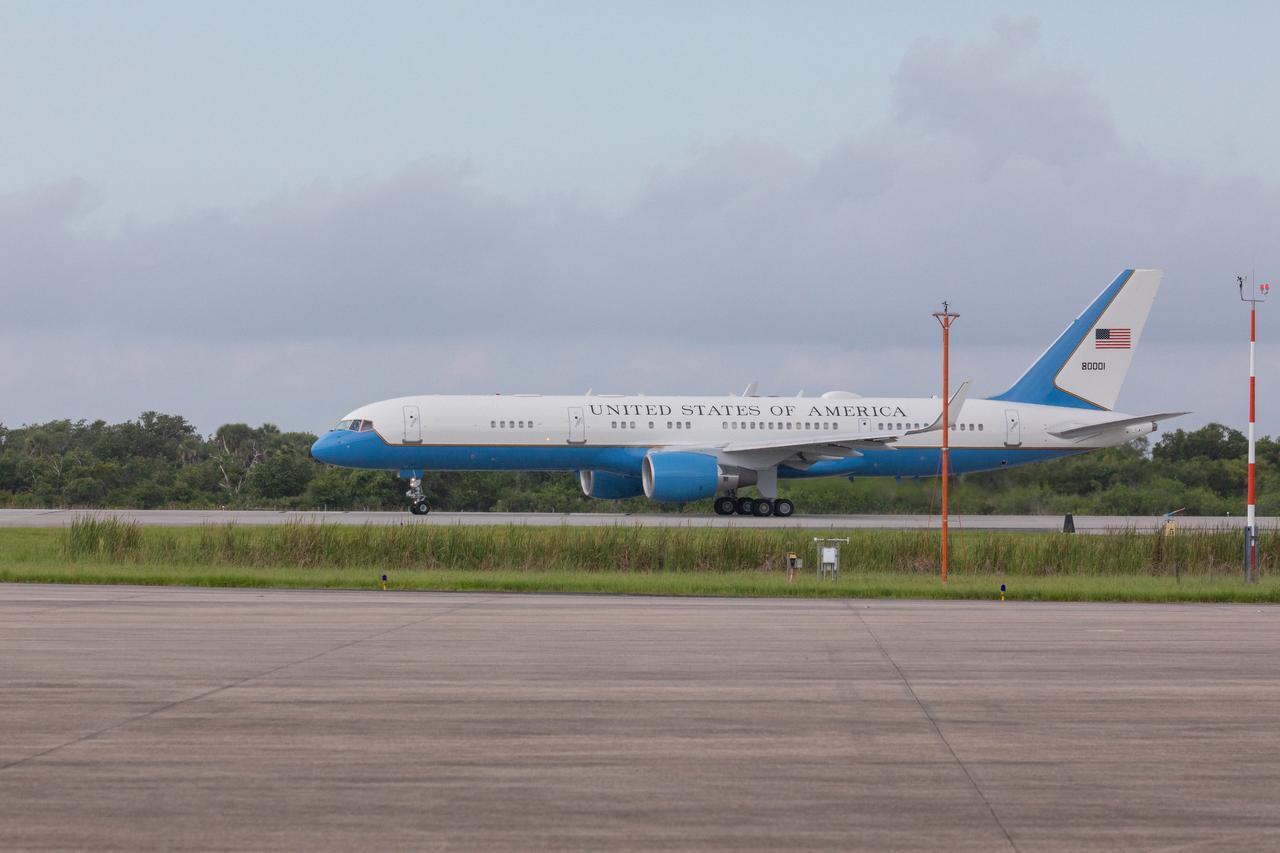
Vice President Mike Pence and second lady Karen Pence arrive aboard Air Force Two at Kennedy Space Center’s Shuttle Landing Facility on July 20, 2019. Pence, who chairs the National Space Council, visited the Florida spaceport on the 50th anniversary of the Apollo 11 mission, which landed the first two humans on the Moon. He recognized the historic mission, while also addressing NASA’s future plans to travel to the Moon and on to Mars.
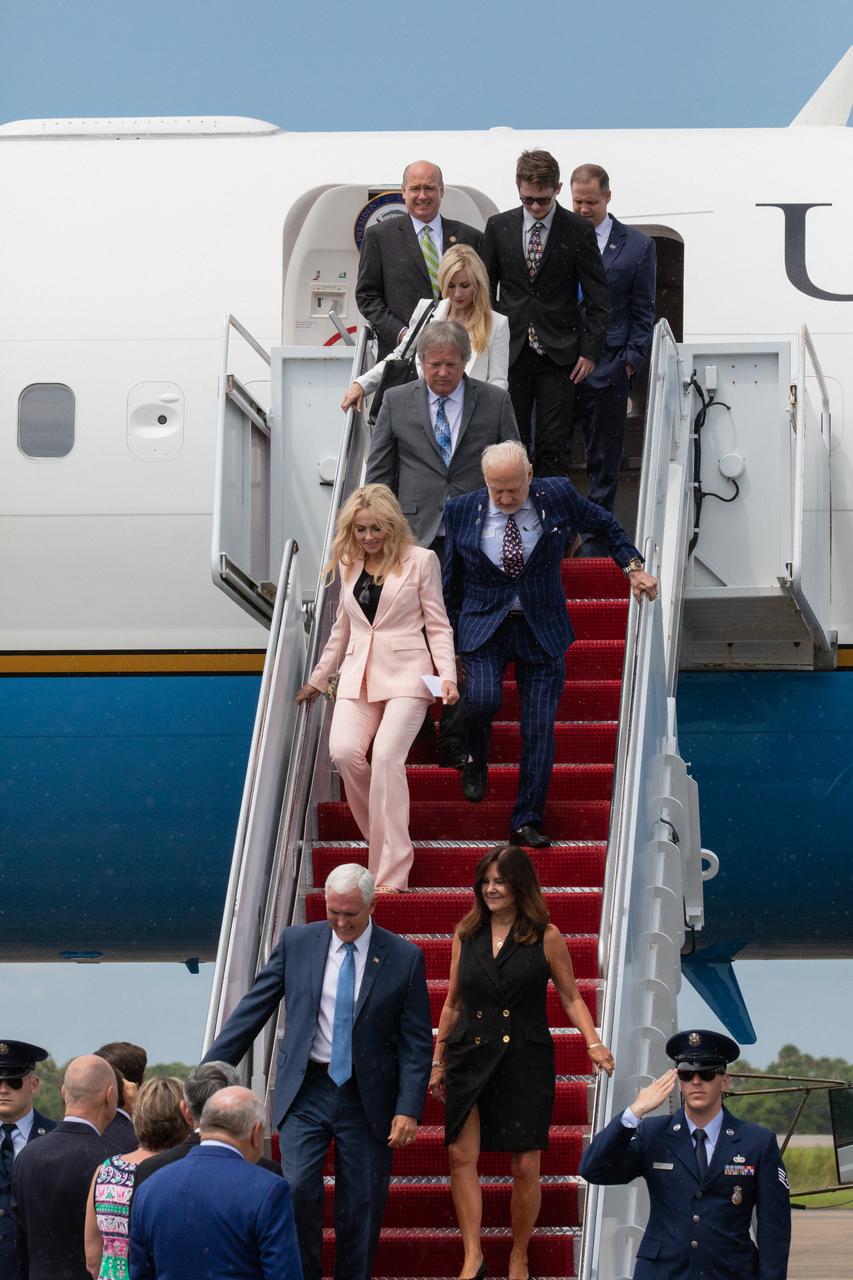
Vice President Mike Pence and second lady Karen Pence arrive at Kennedy Space Center’s Shuttle Landing Facility on July 20, 2019. Pence, who chairs the National Space Council, visited the Florida spaceport on the 50th anniversary of the Apollo 11 mission, which landed the first two humans on the Moon. He recognized the historic mission, while also addressing NASA’s future plans to travel to the Moon and on to Mars.

Vice President Pence arrives at Kennedy Space Center's Shuttle Landing Facility on July 20, 2019 and greets workers. Pence, who chairs the National Space Council, visited the Florida spaceport on the 50th anniversary of the Apollo 11 mission, which landed the first two humans on the Moon. He recognized the historic mission, while also addressing NASA’s future plans to travel to the Moon and on to Mars.
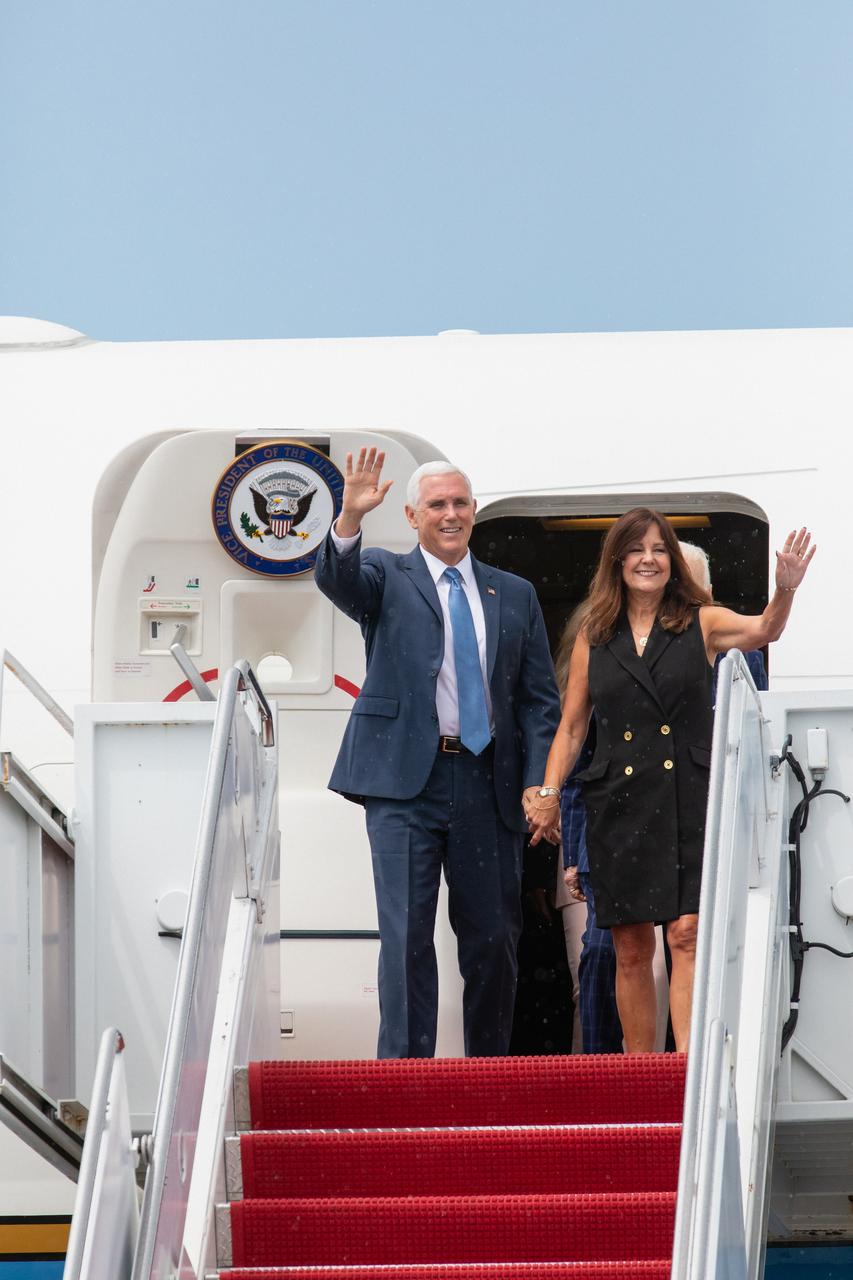
Vice President Mike Pence and second lady Karen Pence arrive at Kennedy Space Center’s Shuttle Landing Facility on July 20, 2019. Pence, who chairs the National Space Council, visited the Florida spaceport on the 50th anniversary of the Apollo 11 mission, which landed the first two humans on the Moon. He recognized the historic mission, while also addressing NASA’s future plans to travel to the Moon and on to Mars.
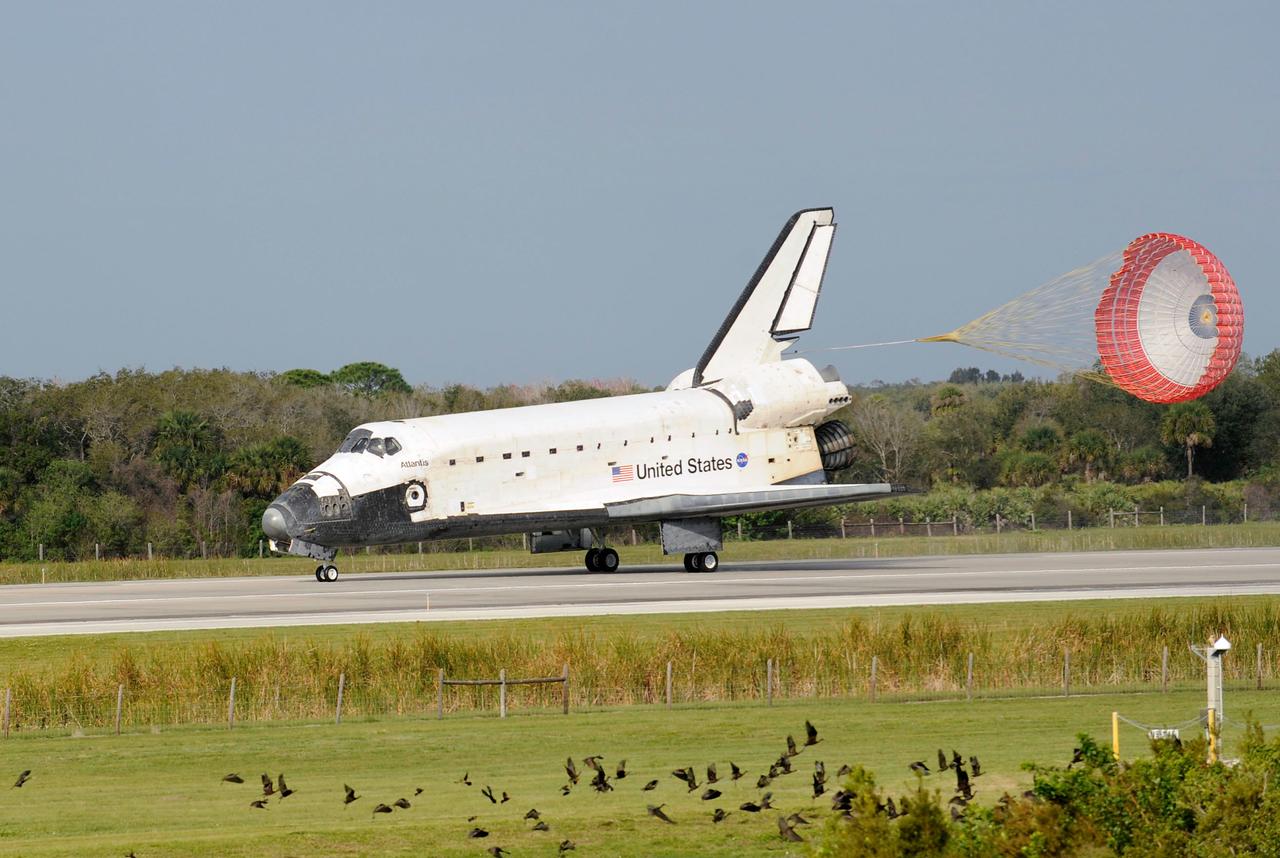
The space shuttle Atlantis (STS-122) lands at the Shuttle Landing Facility, 9:07a.m., Wednesday, Feb. 20, 2008 at Kennedy Space Center, Fla. completing delivery of the European Space Agency’s (ESA) Columbus laboratory to the International Space Station. Photo Credit: (NASA/Bill Ingalls)
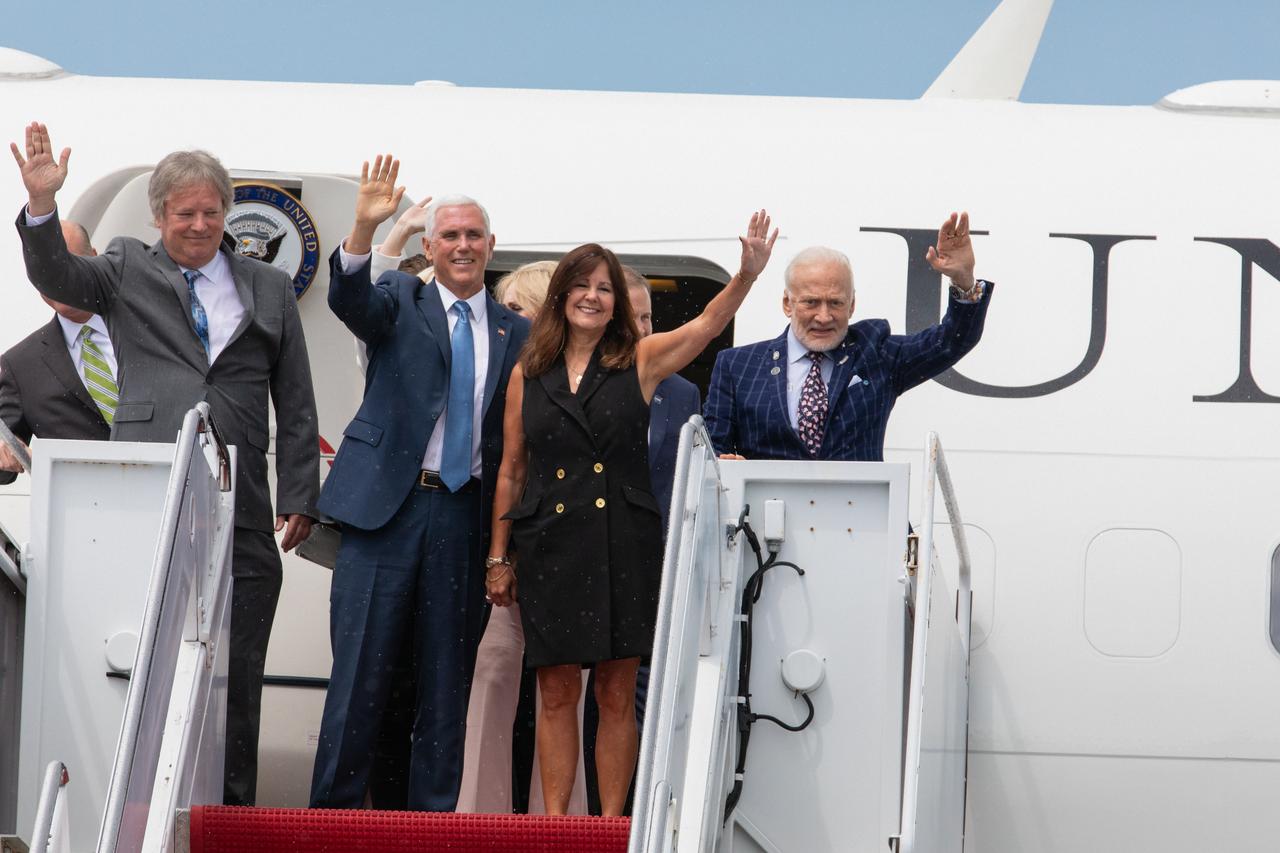
Vice President Mike Pence and second lady Karen Pence, center, arrive at Kennedy Space Center’s Shuttle Landing Facility on July 20, 2019. Pence, who chairs the National Space Council, visited the Florida spaceport on the 50th anniversary of the Apollo 11 mission, which landed the first two humans on the Moon. He recognized the historic mission, while also addressing NASA’s future plans to travel to the Moon and on to Mars. At far left is Rick Armstrong, son of Apollo 11 Commander Neil Armstrong. At far right is Apollo 11 Lunar Module Pilot Buzz Aldrin.
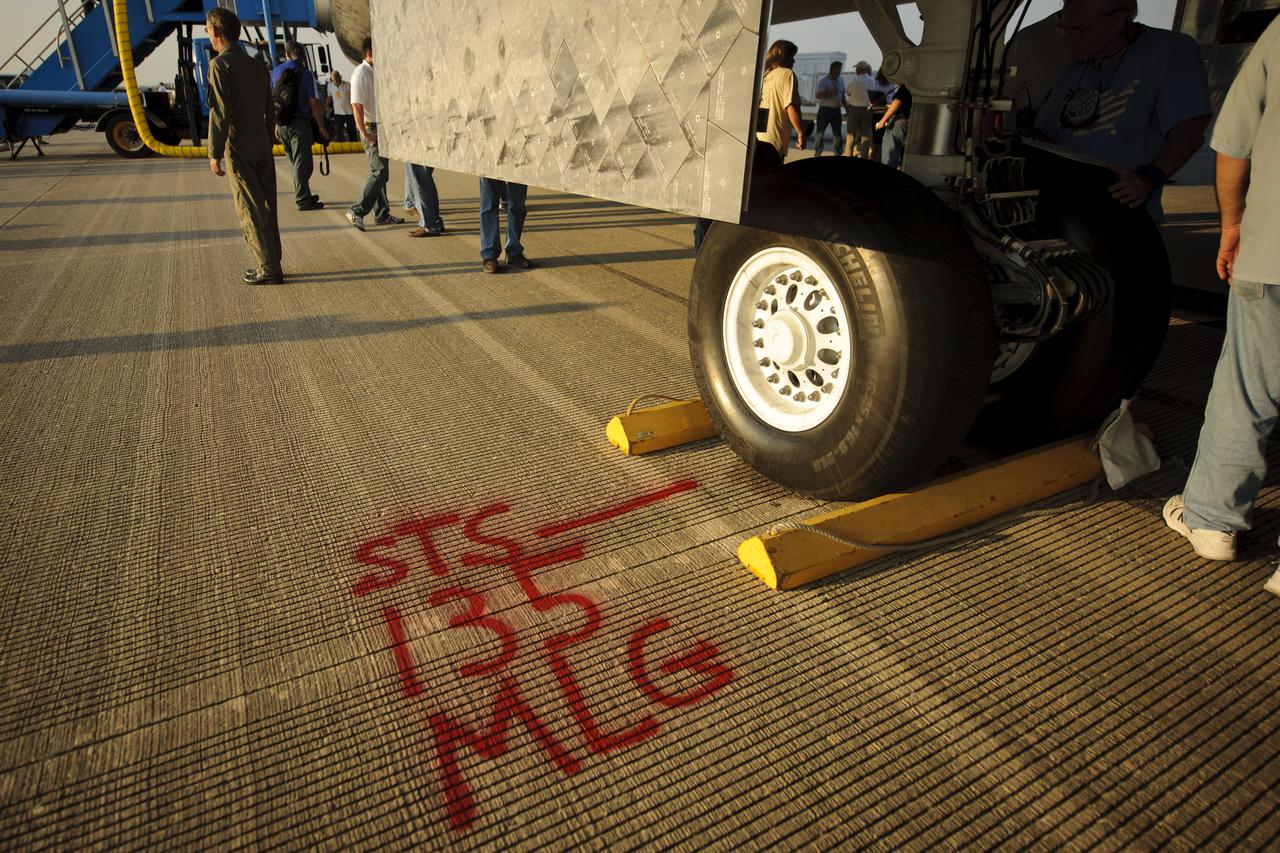
The runway of the Shuttle Landing Facility (SLF) is marked to show where the main landing gear wheels stopped for the space shuttle Atlantis (STS-135) shortly after it landed early Thursday morning, July 21, 2011, in Cape Canaveral, Fla. Overall, Atlantis spent 307 days in space and traveled nearly 126 million miles during its 33 flights. Atlantis, the fourth orbiter built, launched on its first mission on Oct. 3, 1985. Photo Credit: (NASA/Bill Ingalls)

Mars Pathfinder Landing Site and Surroundings
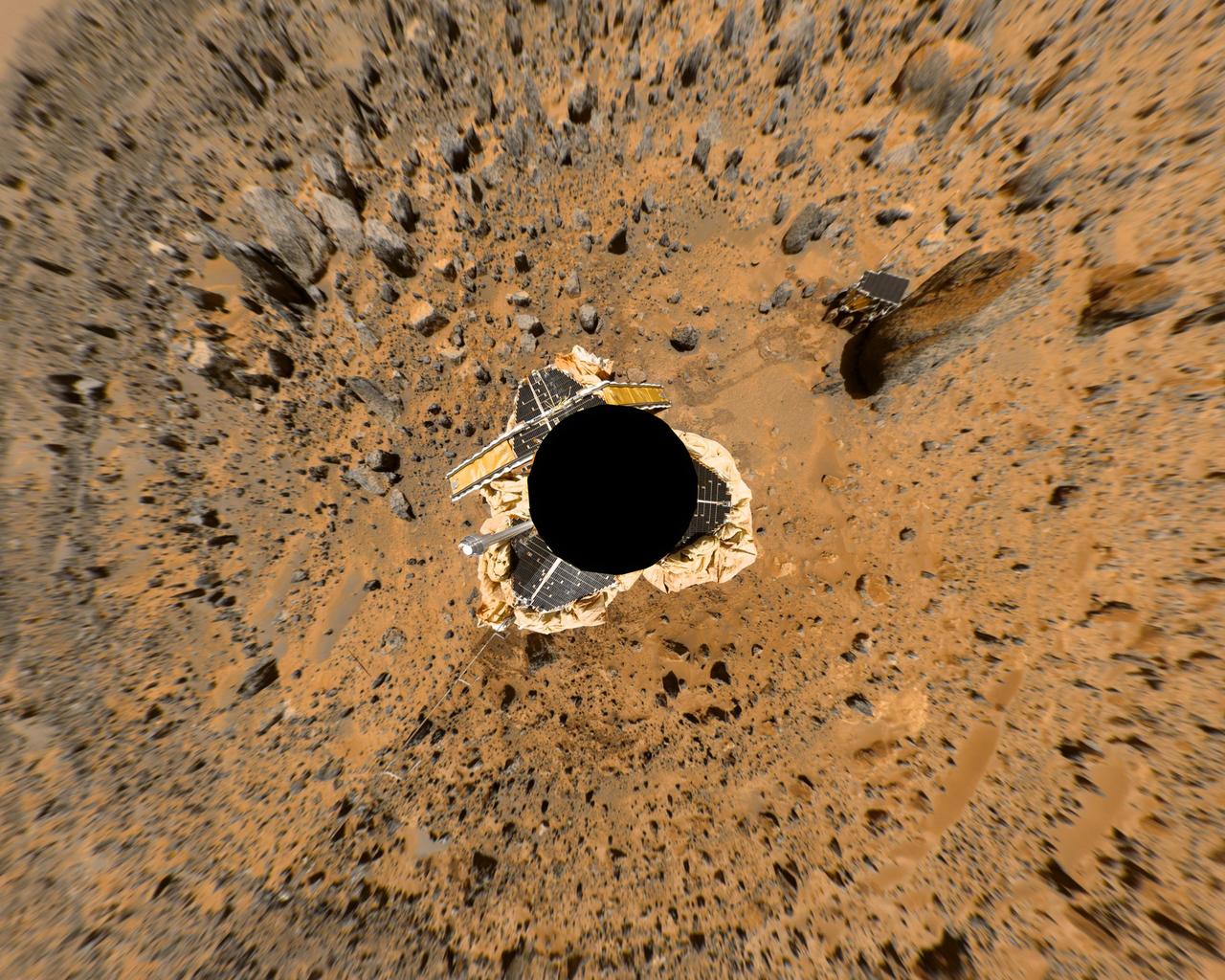
Birdseye View of Pathfinder Landing Site
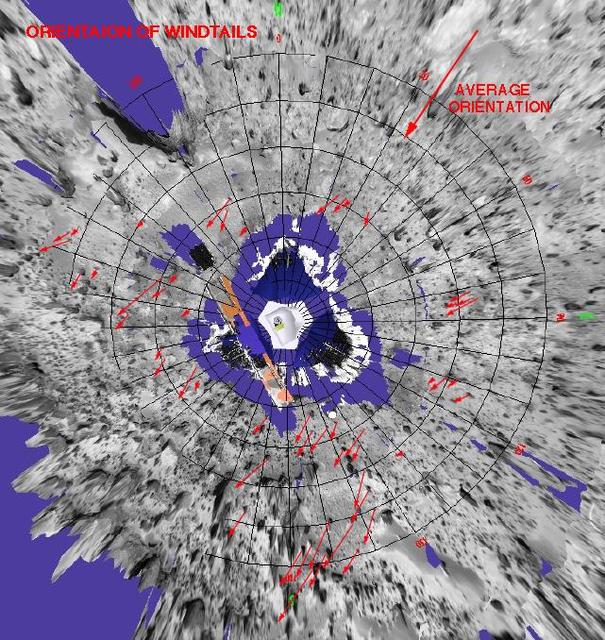
Orientation of Windtails at Pathfinder Landing Site
Naming New Lands - October Flyby
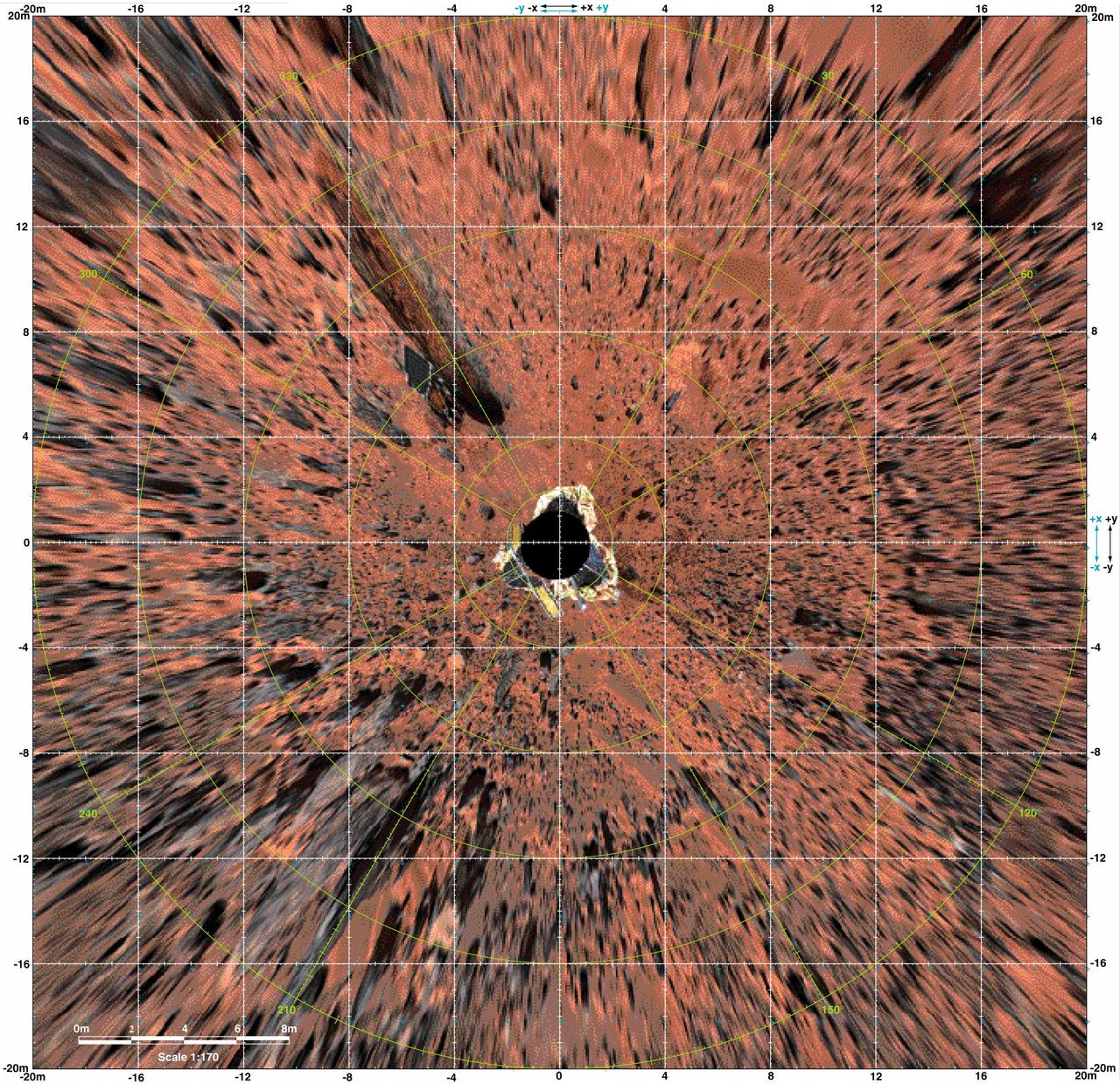
Overhead View of Pathfinder Landing Site
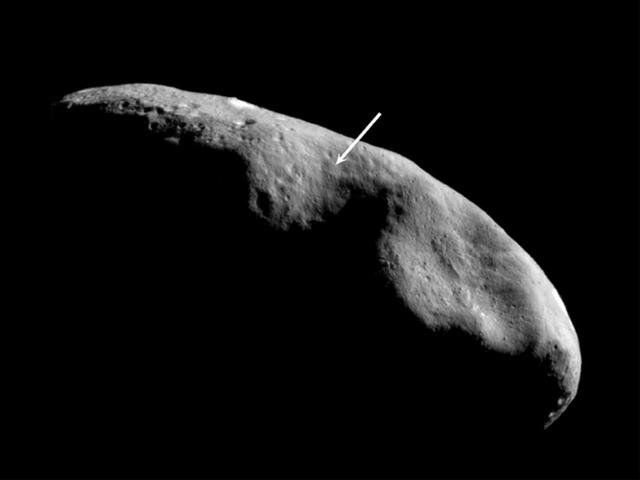
Location of the NEAR Shoemaker Landing Site
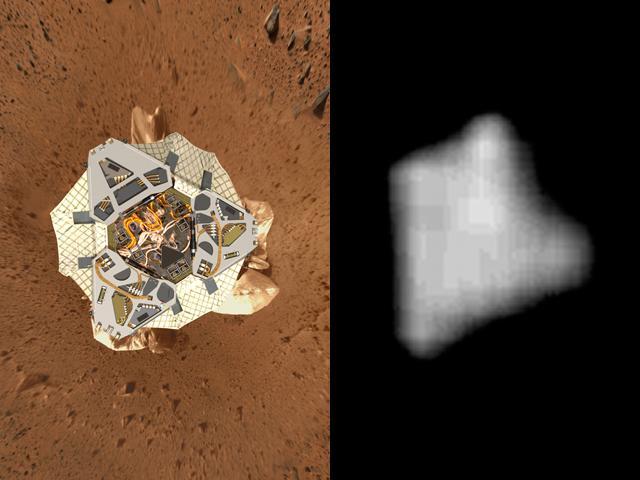
View from above Landing Site
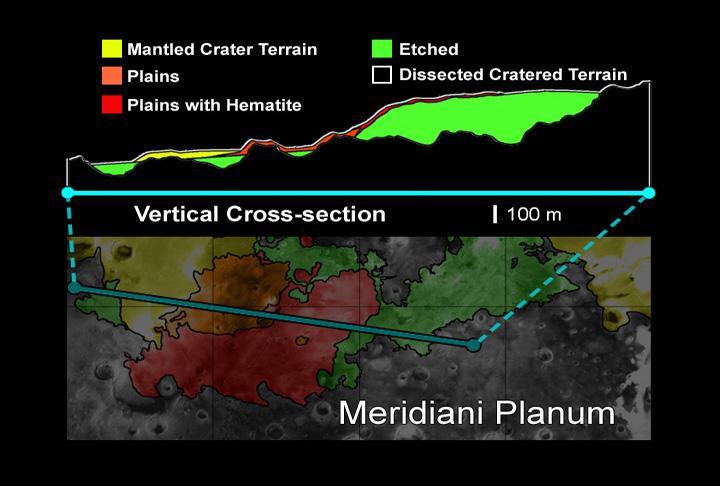
Hematite Deposits at Opportunity Landing Site
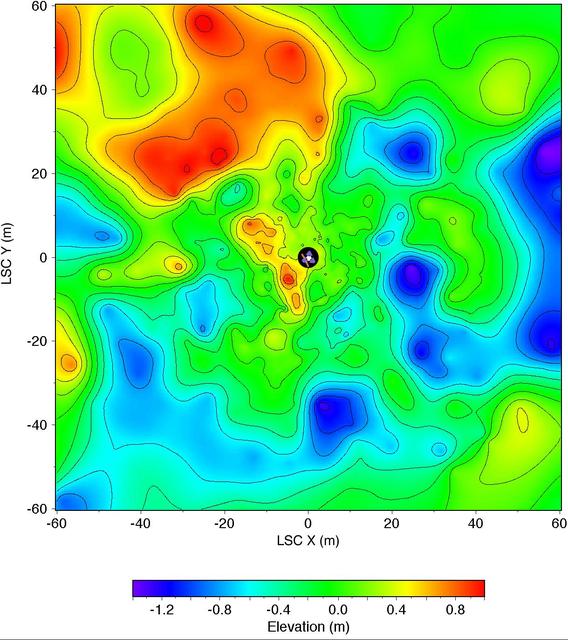
Topographic Map of Pathfinder Landing Site
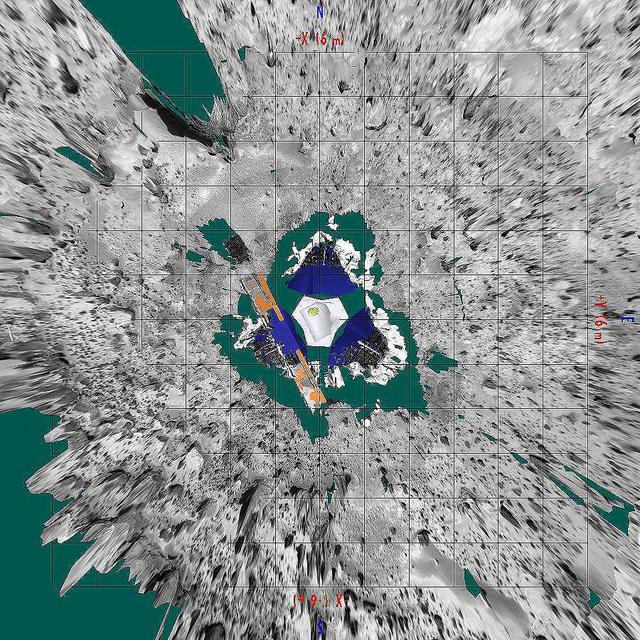
Overhead view of Pathfinder Landing Site
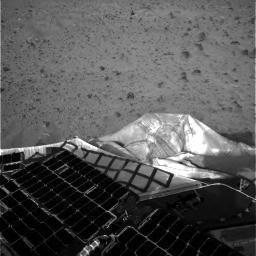
First Look at Spirit at Landing Site
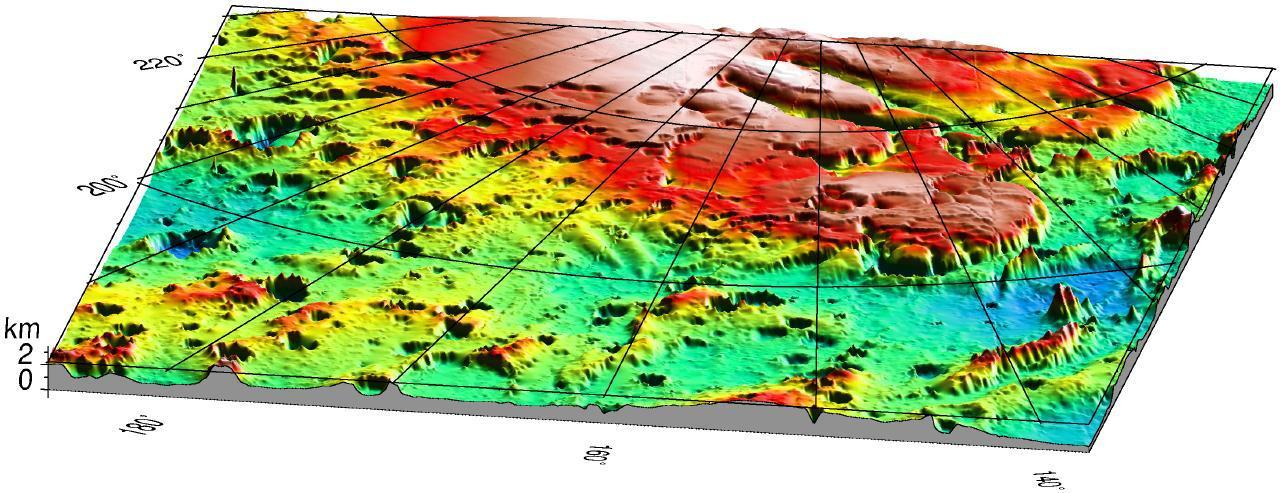
Mars 98 Polar landing site

Naming New Lands - September Flyby
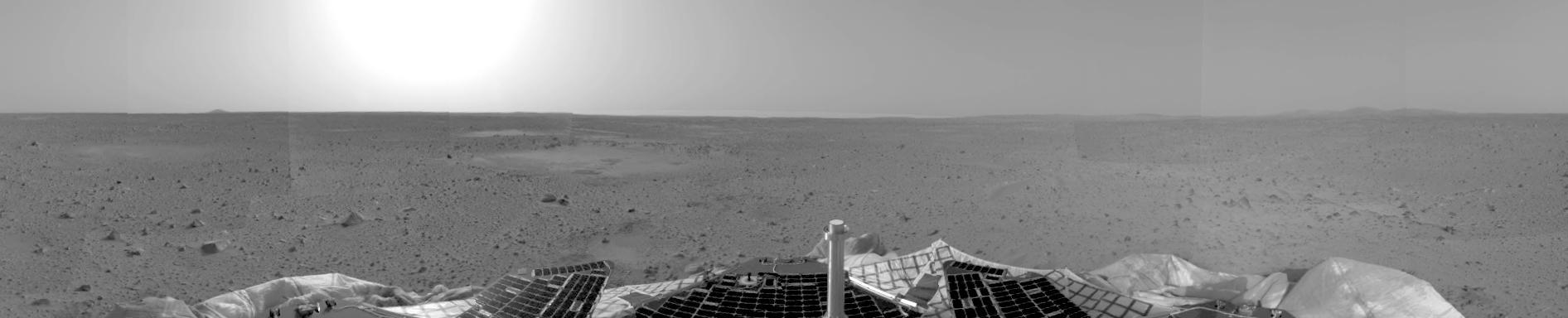
Right Panorama of Spirit Landing Site
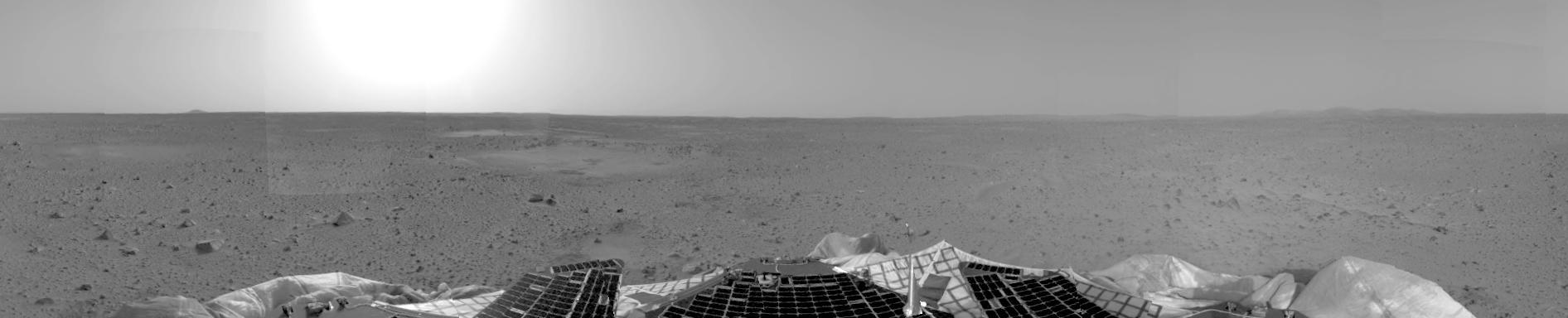
Left Panorama of Spirit Landing Site
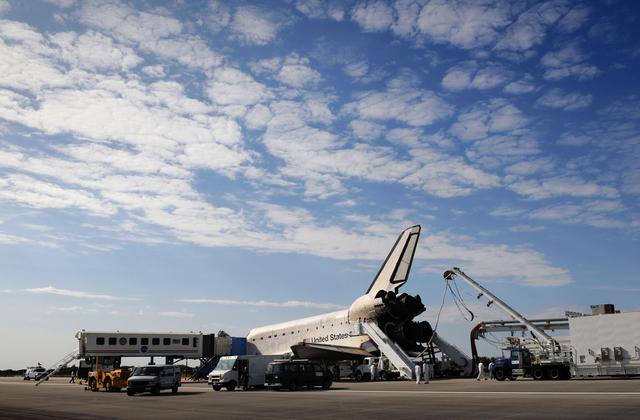
The space shuttle Atlantis (STS-122) is serviced by support vehicles and crew at the Shuttle Landing Facility after the safe landing at 9:07a.m., Wednesday, Feb. 20, 2008 at Kennedy Space Center, Fla. Atlantis and the crew of STS-122 completed delivery of the European Space Agency’s (ESA) Columbus laboratory to the International Space Station. Photo Credit: (NASA/Bill Ingalls)
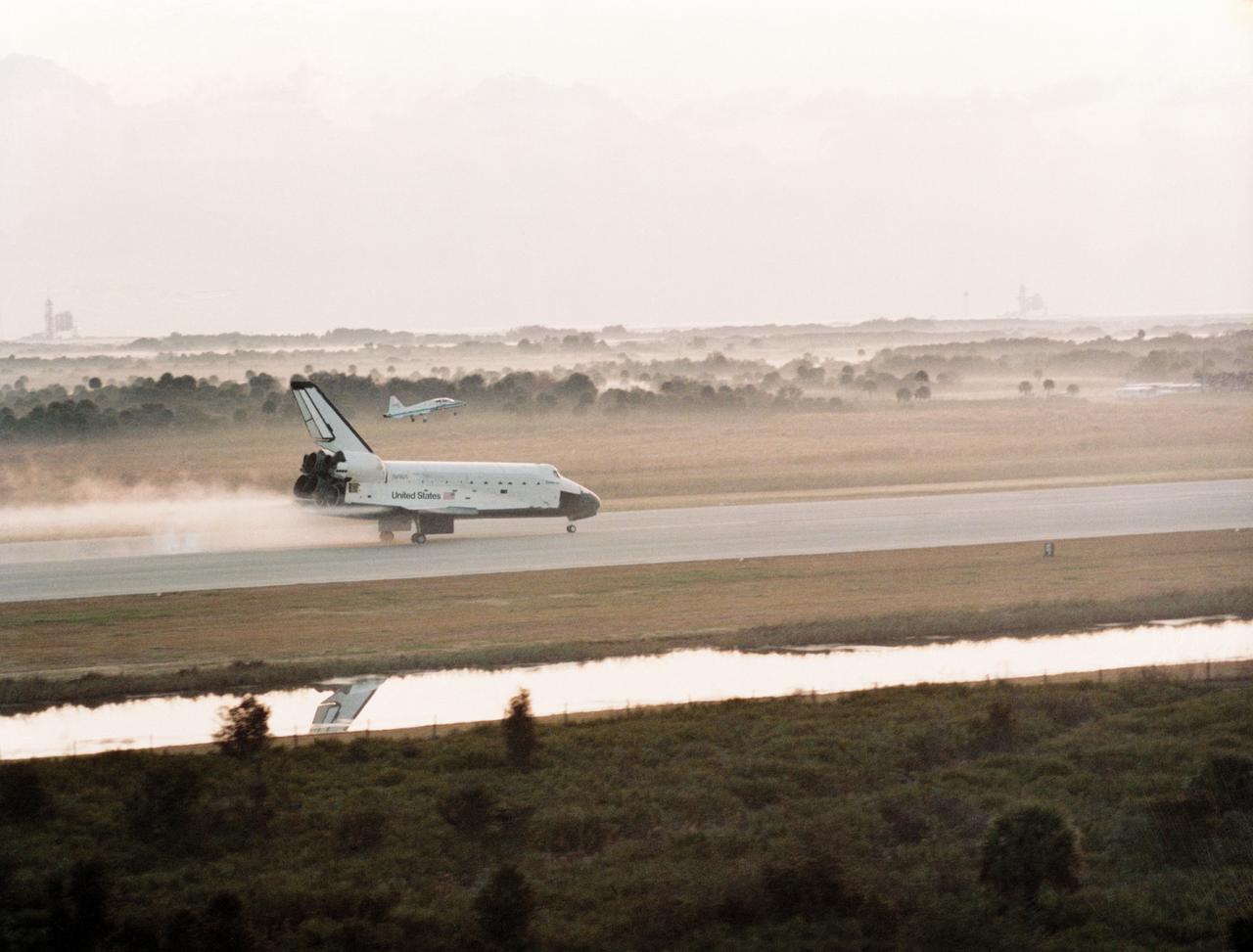
S84-27717 (11 Feb 1984) --- A chase plane gets a "front row" position to view the touchdown of the total landing gear of the Space Shuttle Challenger as the reusable spacecraft makes NASA's first landing on the runway at the Kennedy Space Center's (KSC) landing facility. This photograph was taken from another T-38 chase plane.
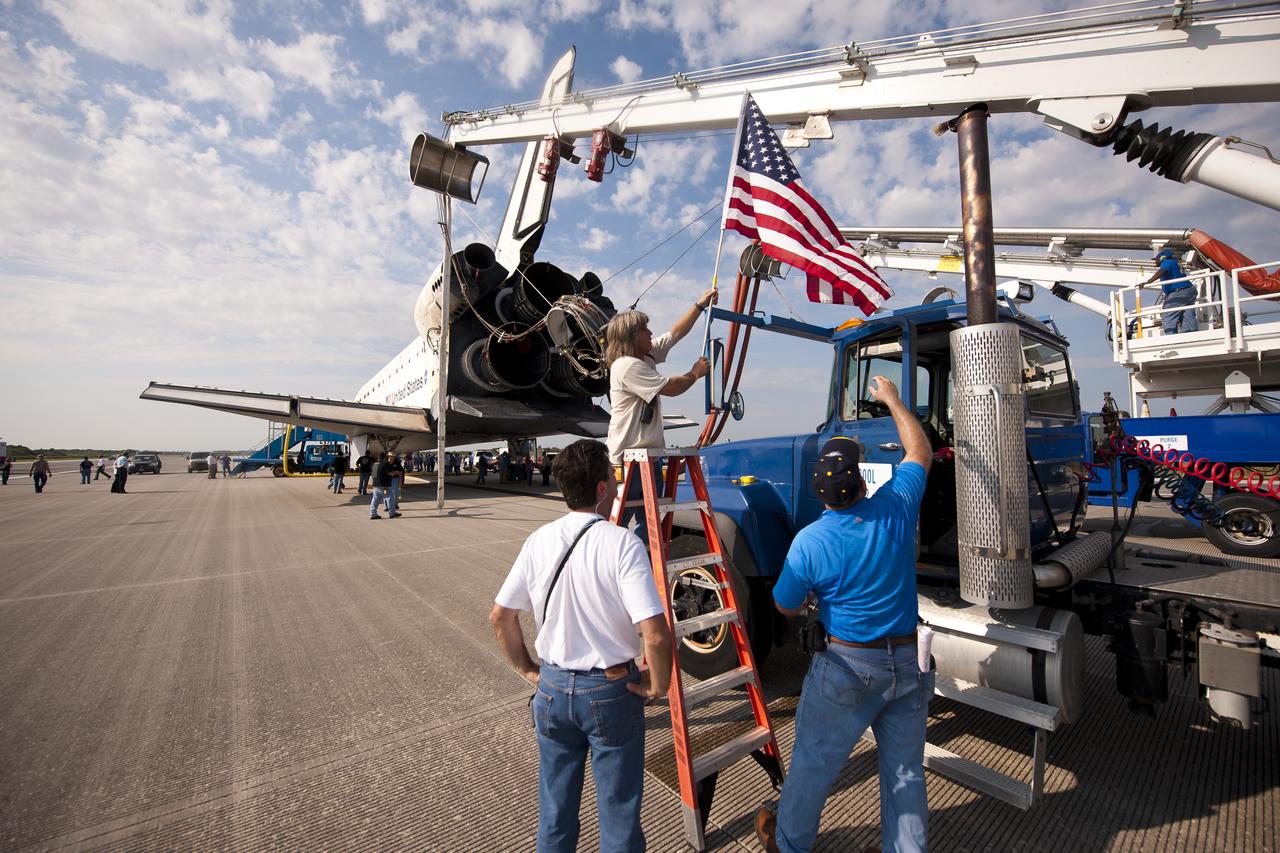
NASA and contractor personnel mount American flags to support vehicles near the space shuttle Atlantis at the Kennedy Space Center Shuttle Landing Facility (SLF) shortly after Atlantis (STS-135) landed early Thursday morning, July 21, 2011, in Cape Canaveral, Fla. The runway is marked to show where the nose landing gear wheels stopped. Overall, Atlantis spent 307 days in space and traveled nearly 126 million miles during its 33 flights. Atlantis, the fourth orbiter built, launched on its first mission on Oct. 3, 1985. Photo Credit: (NASA/Bill Ingalls)
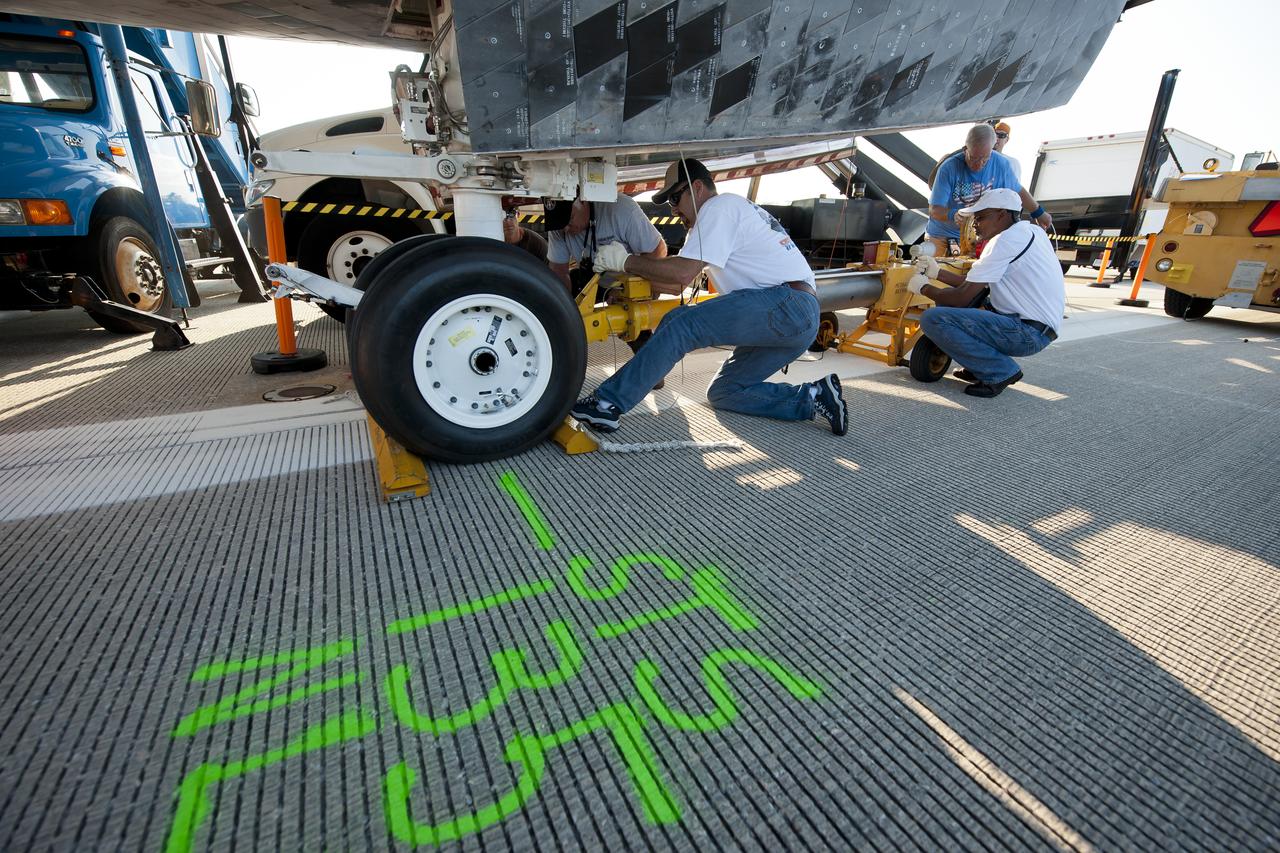
NASA and contractor personnel work to secure the tow bar onto the space shuttle Atlantis at the Kennedy Space Center Shuttle Landing Facility (SLF) shortly after Atlantis (STS-135) landed early Thursday morning, July 21, 2011, in Cape Canaveral, Fla. The runway is marked to show where the nose landing gear wheels stopped. Overall, Atlantis spent 307 days in space and traveled nearly 126 million miles during its 33 flights. Atlantis, the fourth orbiter built, launched on its first mission on Oct. 3, 1985. Photo Credit: (NASA/Bill Ingalls)
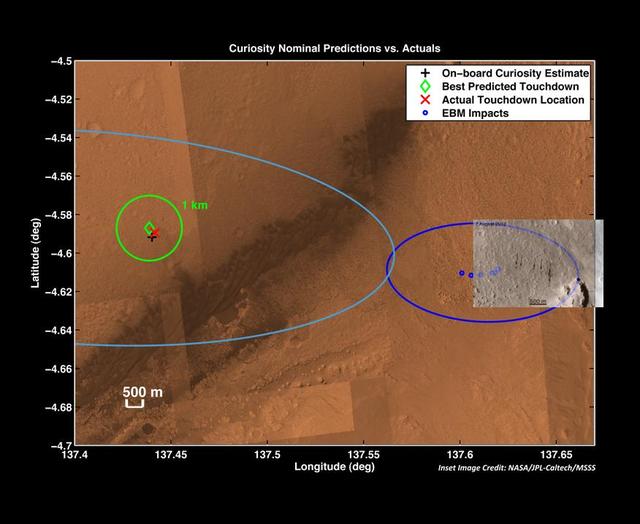
The red X marks the spot where NASA Curiosity rover landed on Mars. This is well within the targeted landing region, called the landing ellipse, marked by the light blue line.
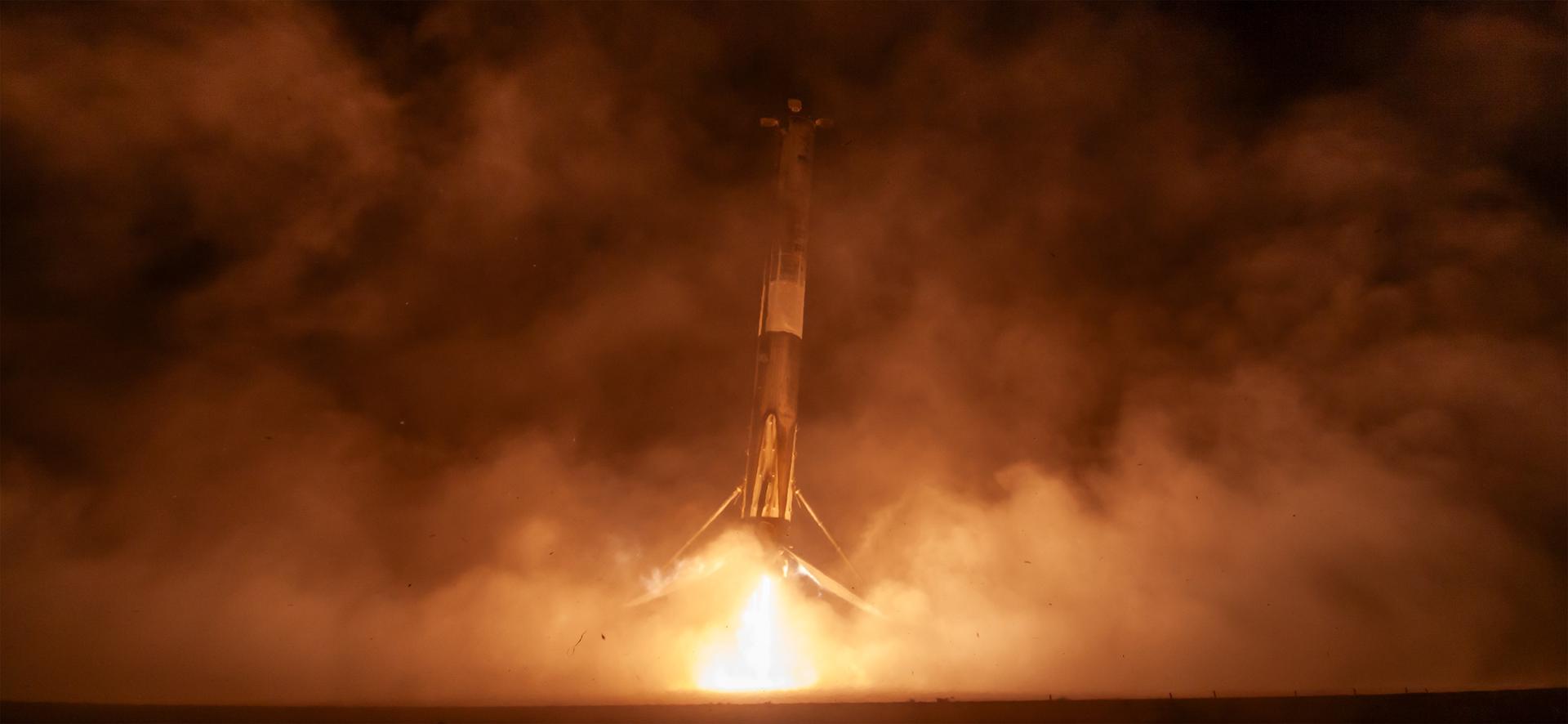
The first stage of a SpaceX Falcon 9 rocket lands at Vandenberg Space Force Base’s Landing Zone 4 in California on Sunday, Nov. 16, 2025, following the launch of the international Sentinel-6B spacecraft lifting off from Vandenberg’s Space Launch Complex 4 East. A collaboration between NASA, ESA (European Space Agency), EUMETSAT (European Organisation for the Exploitation of Meteorological Satellites), and the National Oceanic and Atmospheric Administration (NOAA), Sentinel-6B is designed to measure sea levels down to roughly an inch for about 90% of the world’s oceans.
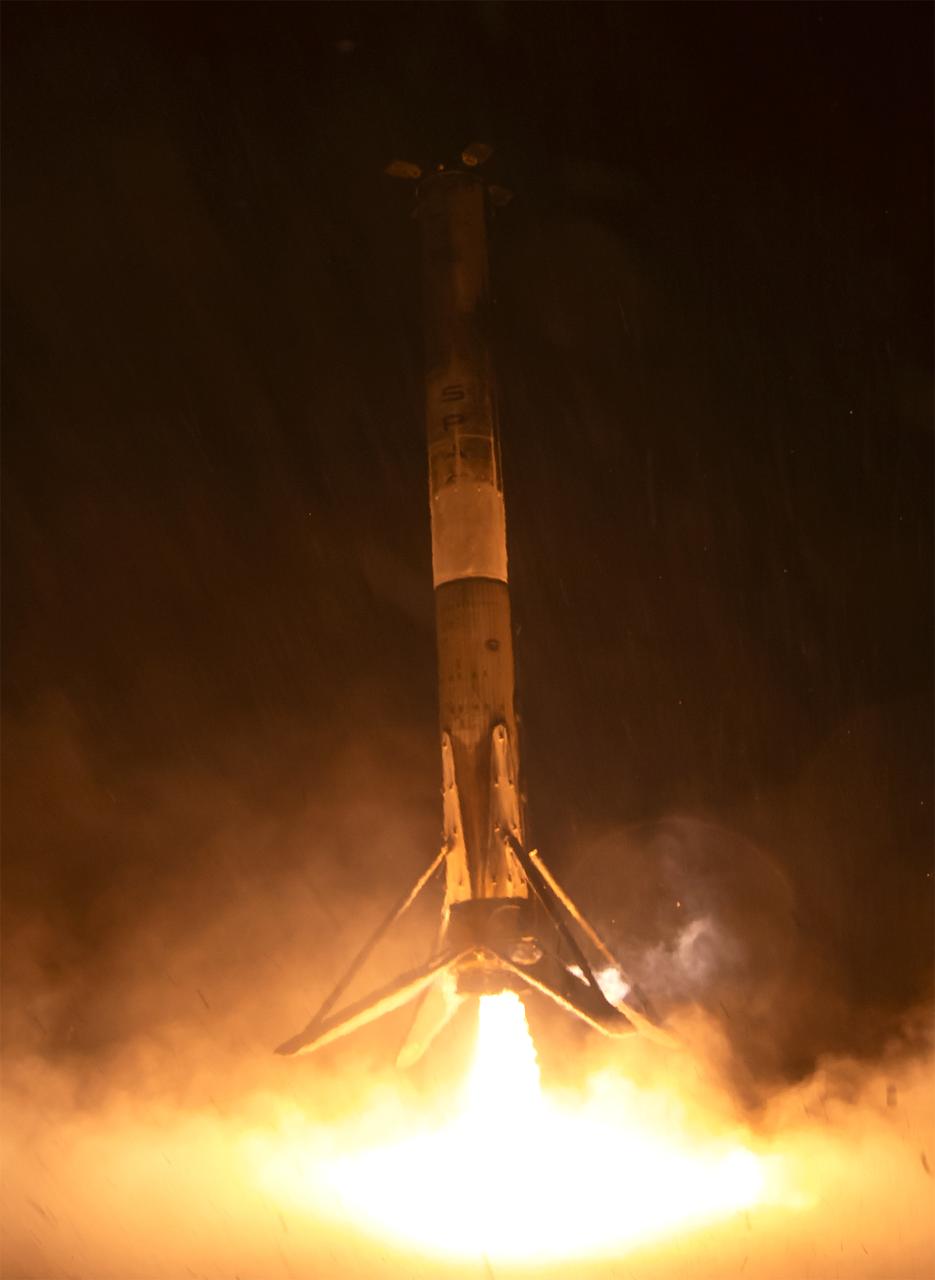
The first stage of a SpaceX Falcon 9 rocket lands at Vandenberg Space Force Base’s Landing Zone 4 in California on Sunday, Nov. 16, 2025, following the launch of the international Sentinel-6B spacecraft lifting off from Vandenberg’s Space Launch Complex 4 East. A collaboration between NASA, ESA (European Space Agency), EUMETSAT (European Organisation for the Exploitation of Meteorological Satellites), and the National Oceanic and Atmospheric Administration (NOAA), Sentinel-6B is designed to measure sea levels down to roughly an inch for about 90% of the world’s oceans.
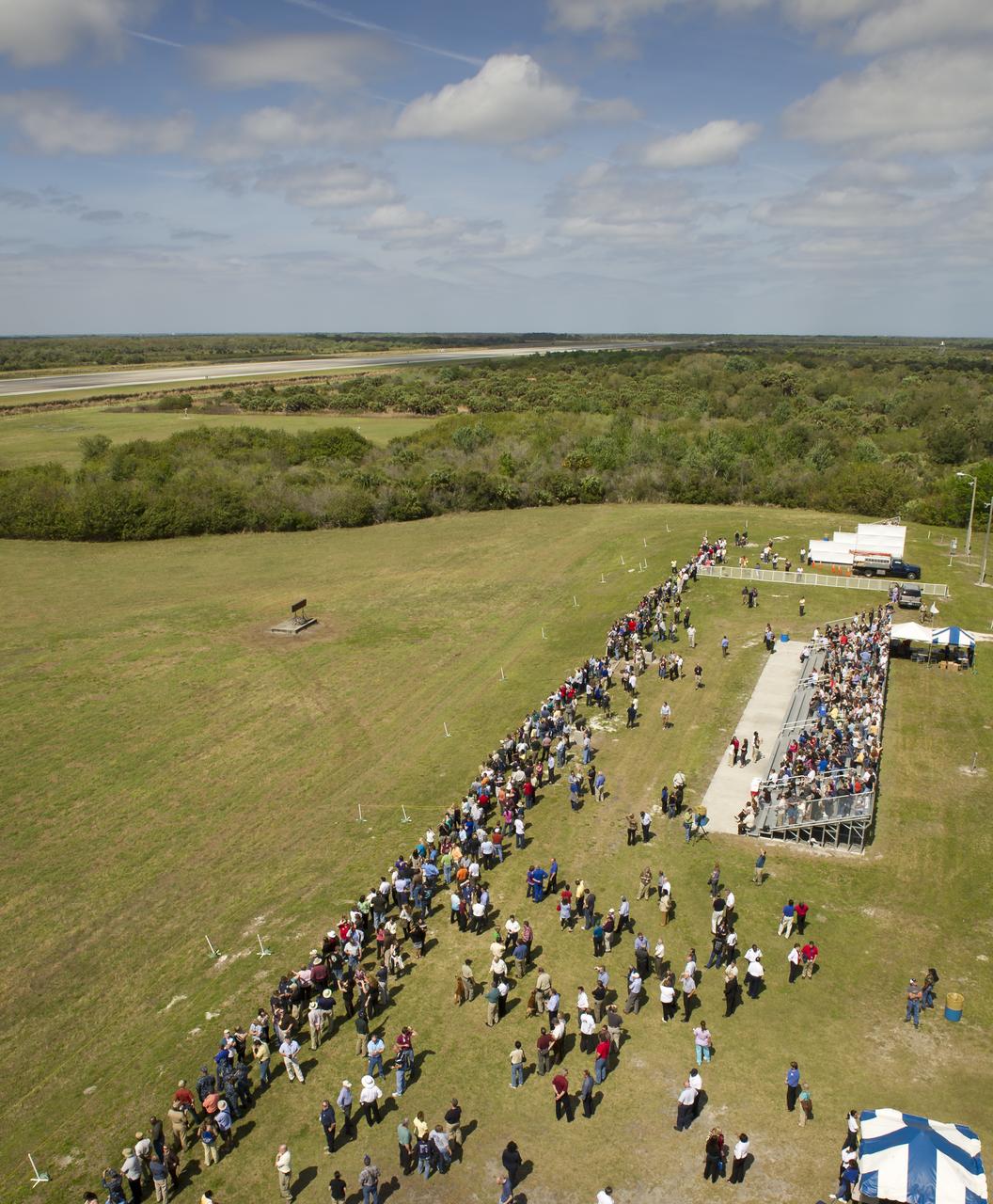
Crowds start to gather at the Shuttle Landing Facility (SLF) in preparation for the landing of the space shuttle Discovery, Wednesday, March 9, 2011, at Kennedy Space Center in Cape Canaveral, Fla. This was Discovery's final flight. Discovery flew 39 missions, spent 365 days in space, orbited Earth 5,830 times and traveled 148,221,675 miles. Photo credit: (NASA/Bill Ingalls)
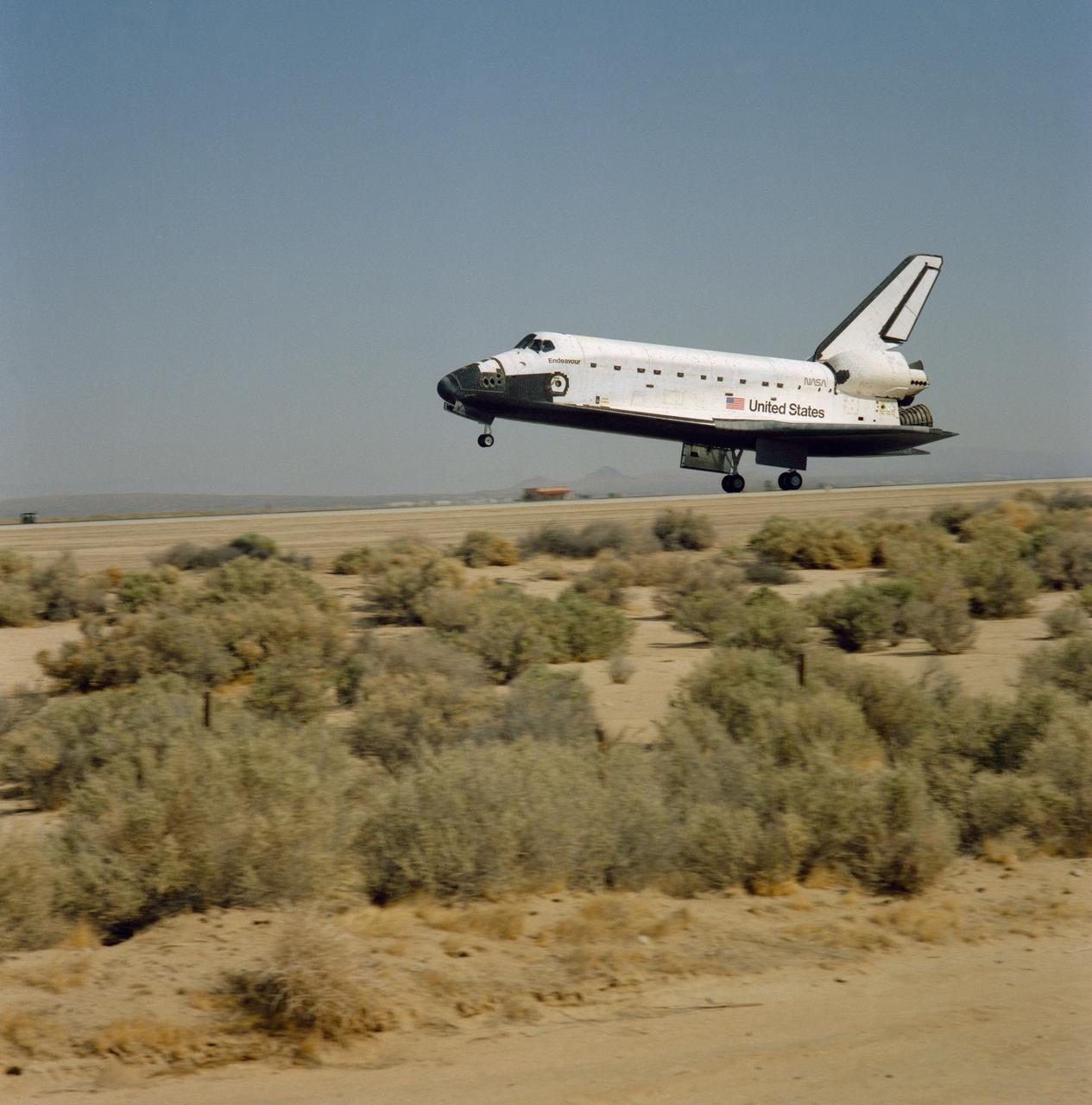
STS059-S-108 (20 April 1994) --- The main landing gear of the Space Shuttle Endeavour touches down at Edwards Air Force Base to complete the 11-day STS-59/SRL-1 mission. Landing occurred at 9:54 a.m. (PDT), April 20, 1994. Mission duration was 11 days, 5 hours, 49 minutes. Guiding Endeavour to a landing was astronaut Sidney M. Gutierrez, STS-59 commander. His crew was Kevin P. Chilton, Linda M. Godwin, Jerome (Jay) Apt, Michael R. (Rich) Clifford and Thomas D. Jones.

S84-27155 (11 Feb 1984) --- The first Space Shuttle landing in Florida was recorded just moments prior to touchdown on the long landing facility of the Kennedy Space Center. Patches of fog were sighted near the round, but they were not a factor in the landing. Along with Astronaut Vance D. Brand, crew commander at Challenger?s controls, also onboard were Astronaut Robert L. Gibson, pilot; and Bruce McCandless II, Robert L. Stewart and Ronald E. McNair, all mission specialists.
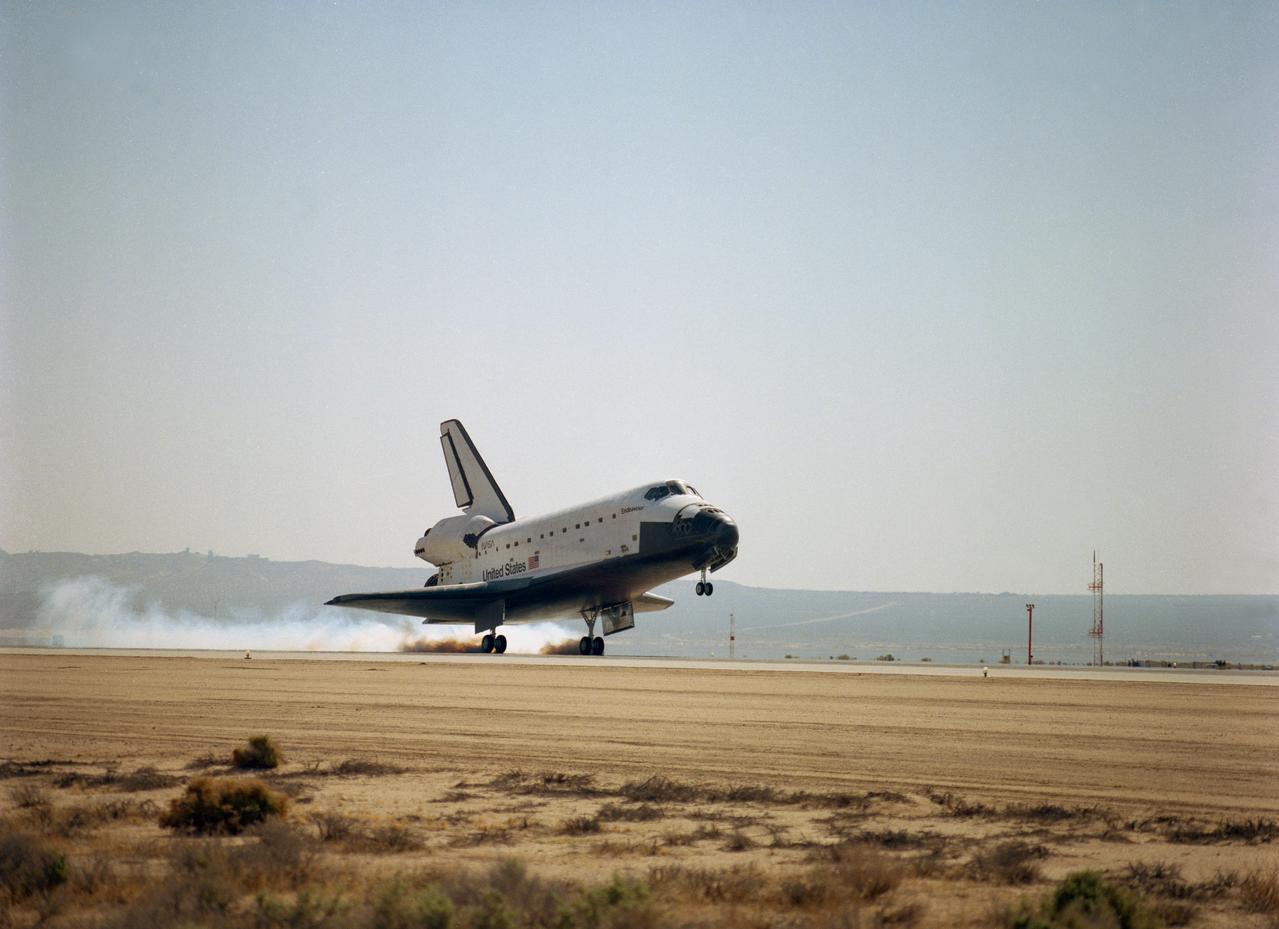
STS059-S-107 (20 April 1994) --- The main landing gear of the Space Shuttle Endeavour touches down at Edwards Air Force Base to complete the 11-day STS-59/SRL-1 mission. Landing occurred at 9:54 a.m. (PDT), April 20, 1994. Mission duration was 11 days, 5 hours, 49 minutes. Guiding Endeavour to a landing was astronaut Sidney M. Gutierrez, STS-59 commander. His crew was Kevin P. Chilton, Linda M. Godwin, Jerome (Jay) Apt, Michael R. (Rich) Clifford and Thomas D. Jones.
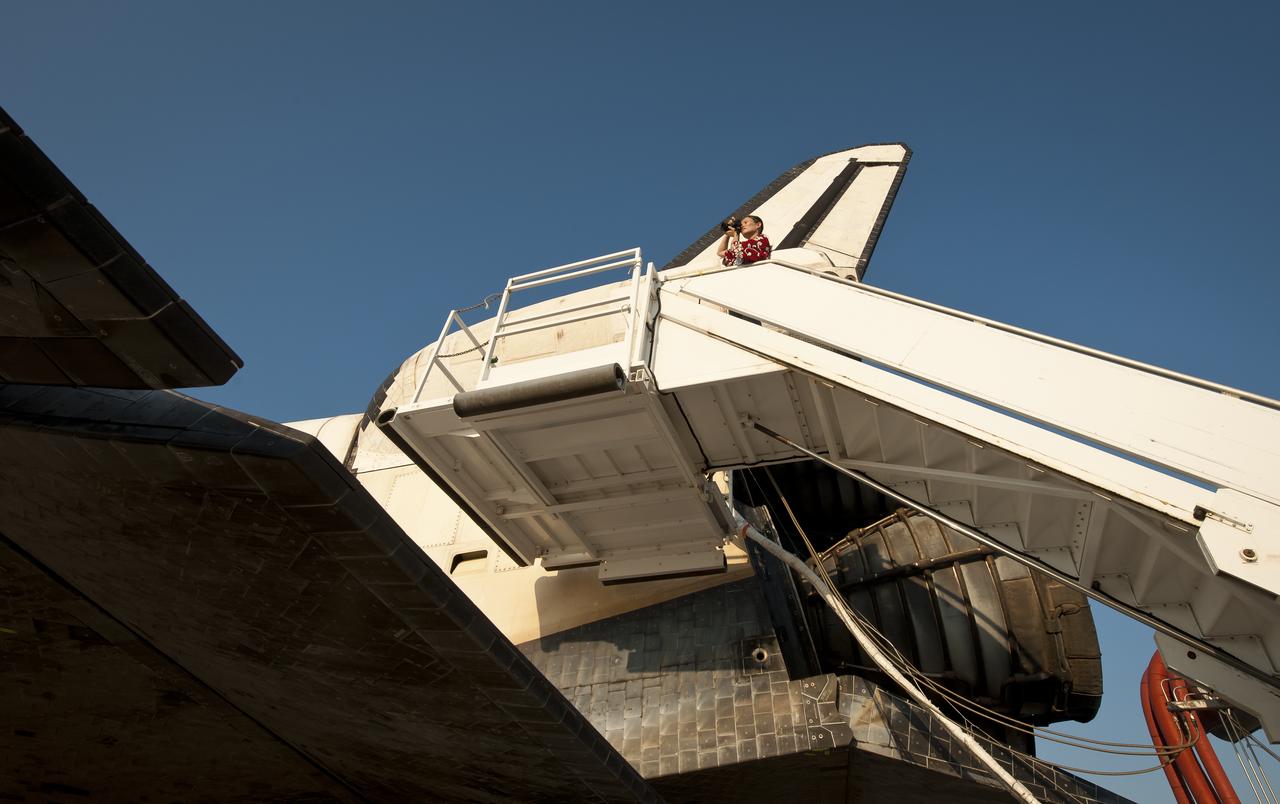
NASA and contractor personnel work on the space shuttle Atlantis at the Kennedy Space Center Shuttle Landing Facility (SLF) shortly after Atlantis (STS-135) landed early Thursday morning, July 21, 2011, in Cape Canaveral, Fla. Overall, Atlantis spent 307 days in space and traveled nearly 126 million miles during its 33 flights. Atlantis, the fourth orbiter built, launched on its first mission on Oct. 3, 1985. Photo Credit: (NASA/Bill Ingalls)
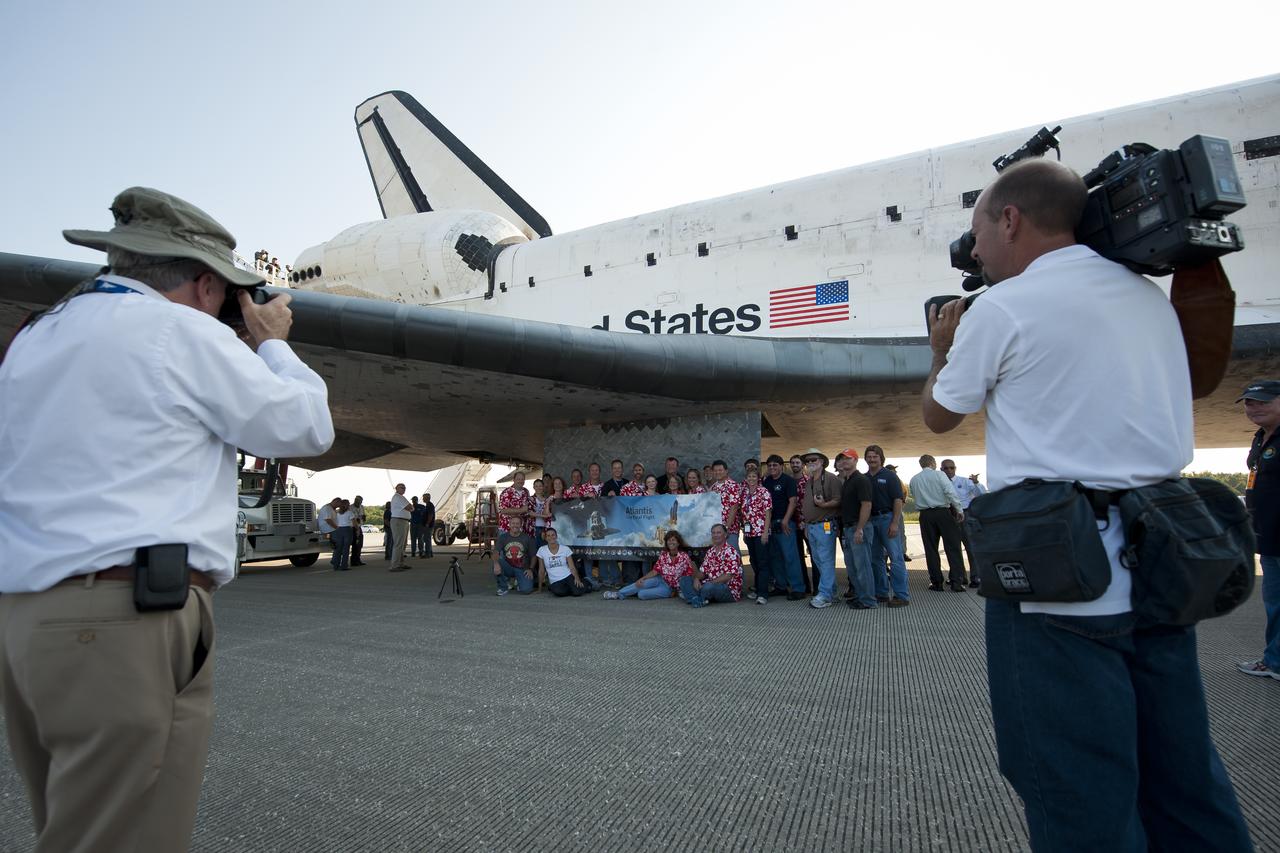
NASA and contractor personnel are photographed under the wing of the space shuttle Atlantis at the Kennedy Space Center Shuttle Landing Facility (SLF) shortly after Atlantis (STS-135) landed early Thursday morning, July 21, 2011, in Cape Canaveral, Fla. Overall, Atlantis spent 307 days in space and traveled nearly 126 million miles during its 33 flights. Atlantis, the fourth orbiter built, launched on its first mission on Oct. 3, 1985. Photo Credit: (NASA/Bill Ingalls)
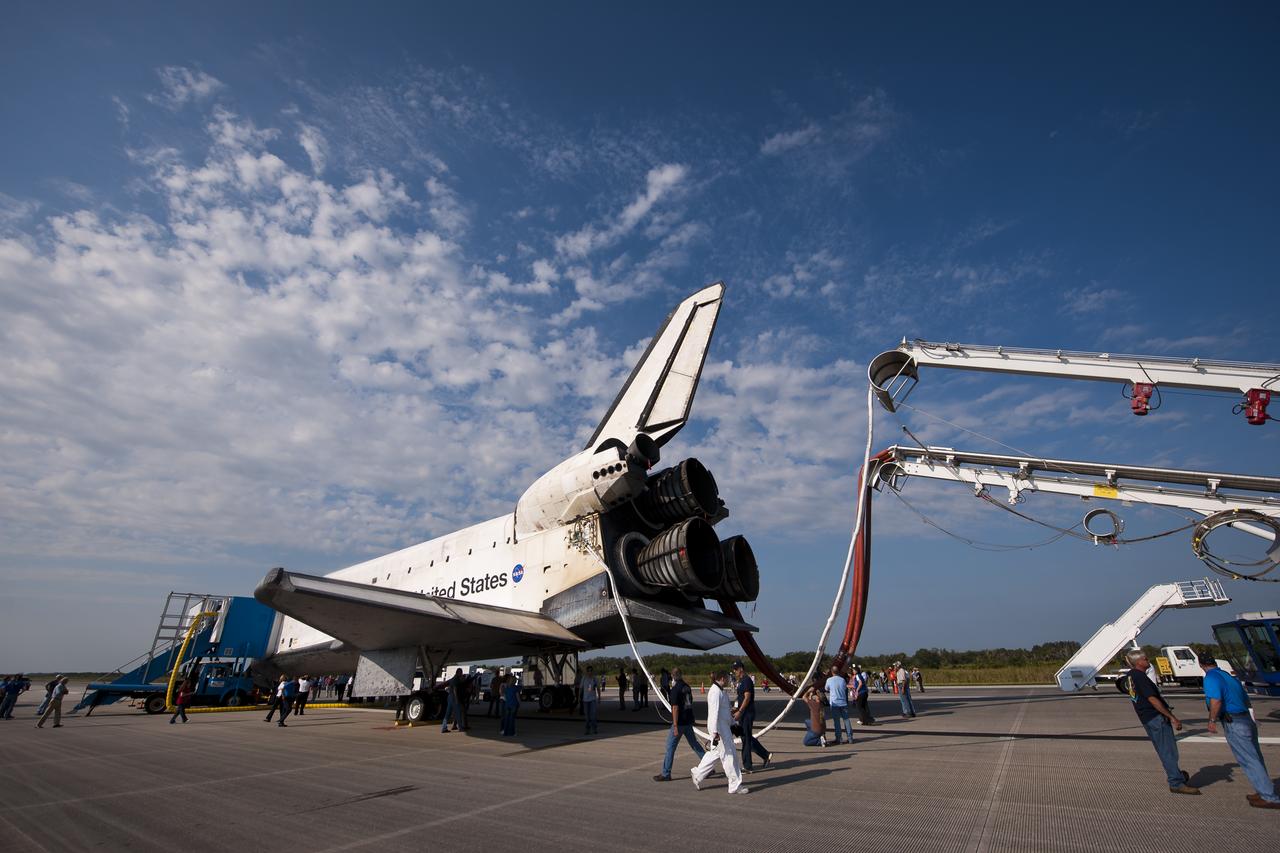
NASA and contractor personnel work on the space shuttle Atlantis at the Kennedy Space Center Shuttle Landing Facility (SLF) shortly after Atlantis (STS-135) landed early Thursday morning, July 21, 2011, in Cape Canaveral, Fla. Overall, Atlantis spent 307 days in space and traveled nearly 126 million miles during its 33 flights. Atlantis, the fourth orbiter built, launched on its first mission on Oct. 3, 1985. Photo Credit: (NASA/Bill Ingalls)
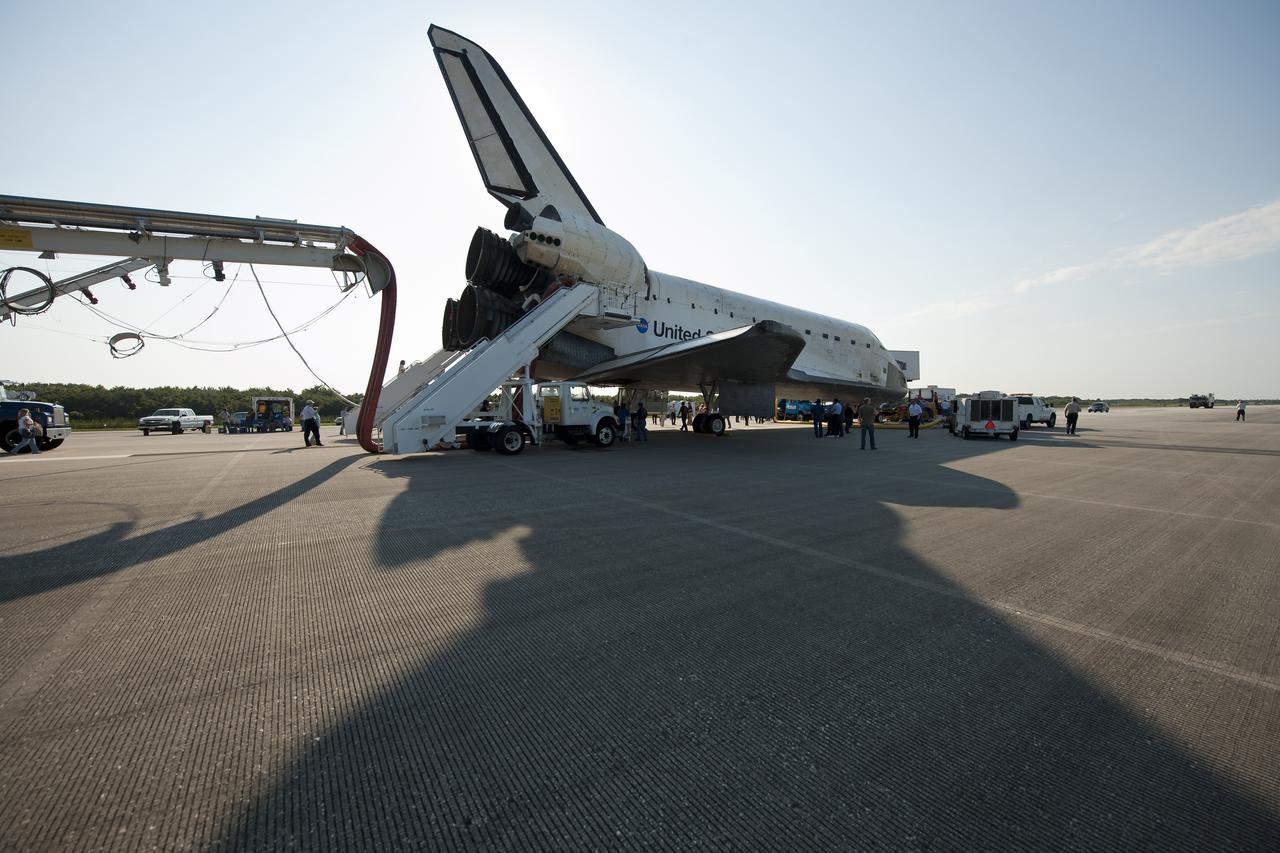
NASA and contractor personnel work on the space shuttle Atlantis at the Kennedy Space Center Shuttle Landing Facility (SLF) shortly after Atlantis (STS-135) landed early Thursday morning, July 21, 2011, in Cape Canaveral, Fla. Overall, Atlantis spent 307 days in space and traveled nearly 126 million miles during its 33 flights. Atlantis, the fourth orbiter built, launched on its first mission on Oct. 3, 1985. Photo Credit: (NASA/Bill Ingalls)
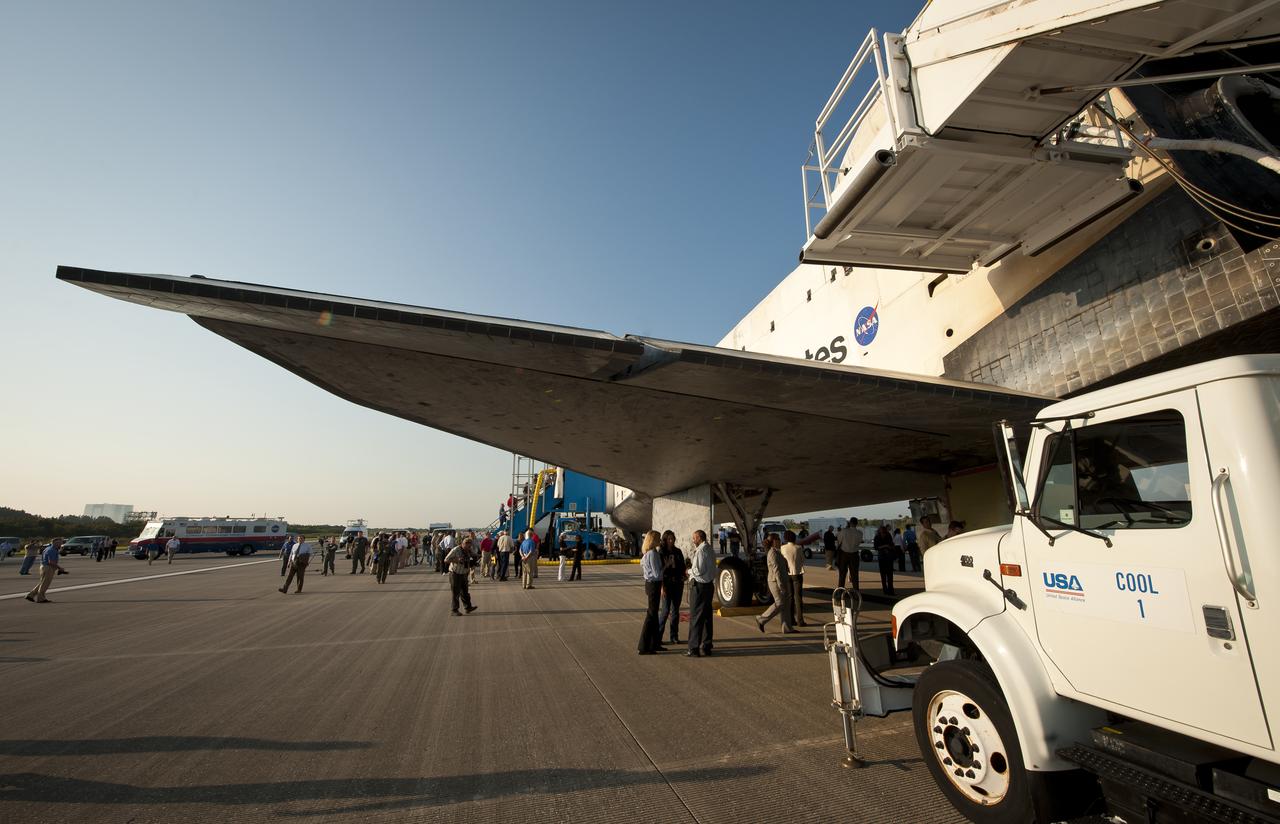
NASA and contractor personnel work on the space shuttle Atlantis at the Kennedy Space Center Shuttle Landing Facility (SLF) shortly after Atlantis (STS-135) landed early Thursday morning, July 21, 2011, in Cape Canaveral, Fla. Overall, Atlantis spent 307 days in space and traveled nearly 126 million miles during its 33 flights. Atlantis, the fourth orbiter built, launched on its first mission on Oct. 3, 1985. Photo Credit: (NASA/Bill Ingalls)
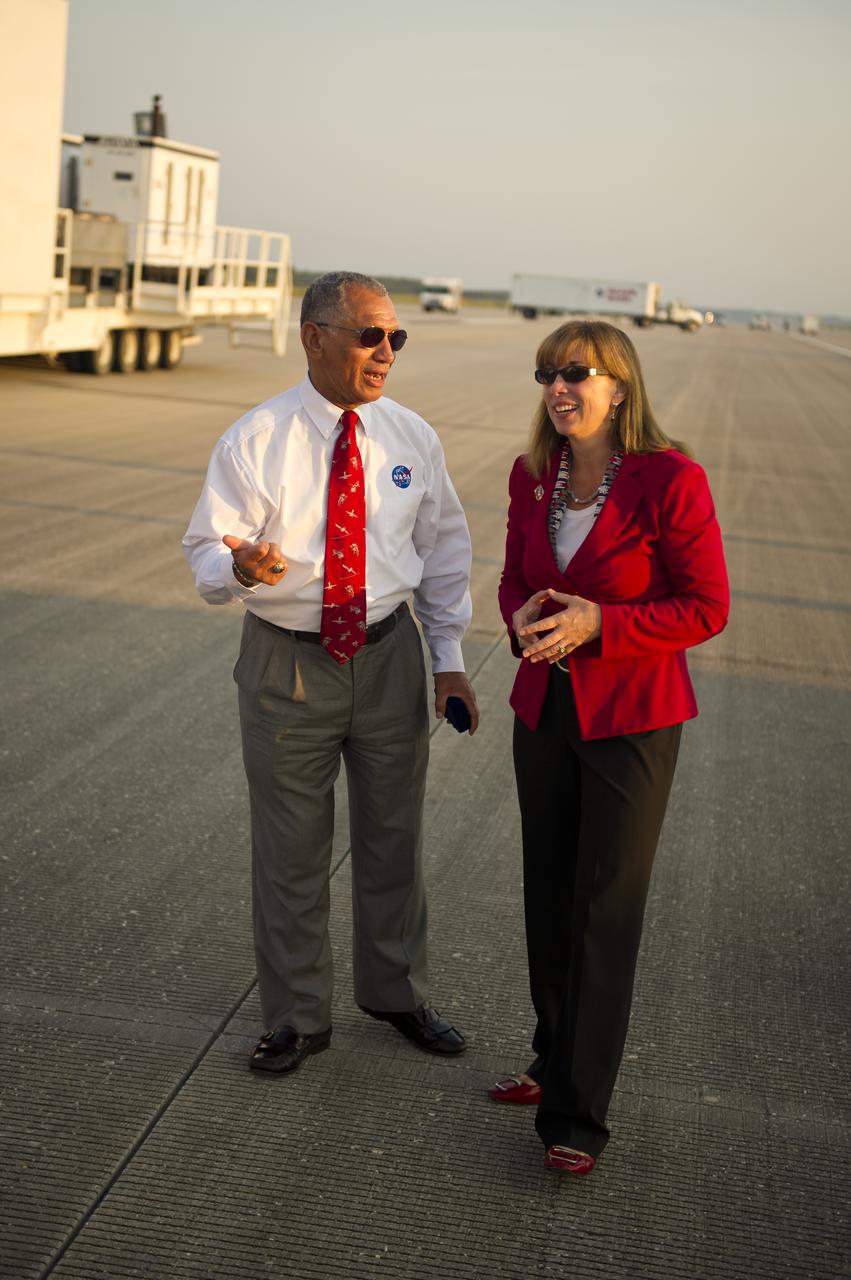
NASA Administrator Charles Bolden and Deputy Administrator Lori Garver talk at the Kennedy Space Center Shuttle Landing Facility (SLF) shortly after the space shuttle Atlantis (STS-135) landed early Thursday morning, July 21, 2011, in Cape Canaveral, Fla. Overall, Atlantis spent 307 days in space and traveled nearly 126 million miles during its 33 flights. Atlantis, the fourth orbiter built, launched on its first mission on Oct. 3, 1985. Photo Credit: (NASA/Bill Ingalls)
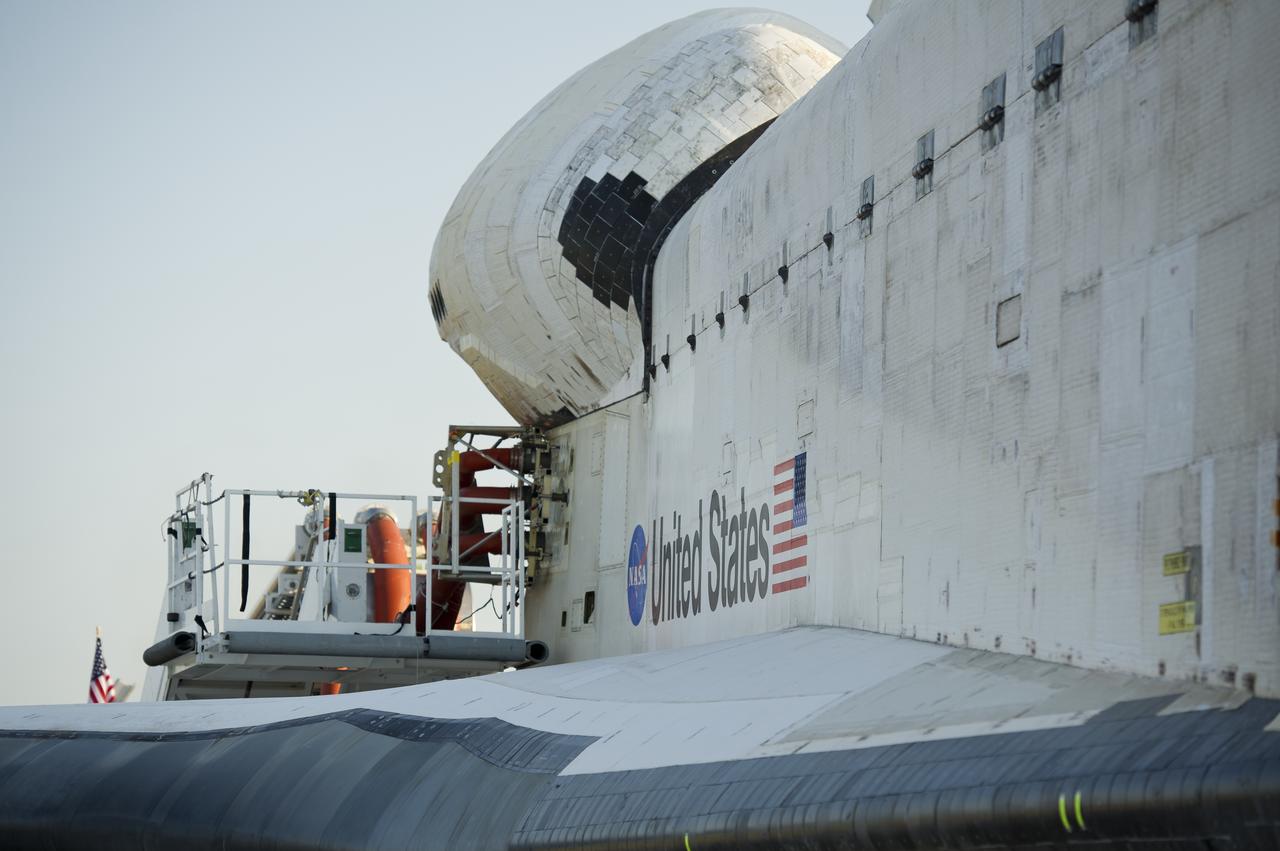
Close up view of the side the space shuttle Atlantis at the Kennedy Space Center Shuttle Landing Facility (SLF) shortly after Atlantis (STS-135) landed early Thursday morning, July 21, 2011, in Cape Canaveral, Fla. Overall, Atlantis spent 307 days in space and traveled nearly 126 million miles during its 33 flights. Atlantis, the fourth orbiter built, launched on its first mission on Oct. 3, 1985. Photo Credit: (NASA/Bill Ingalls)
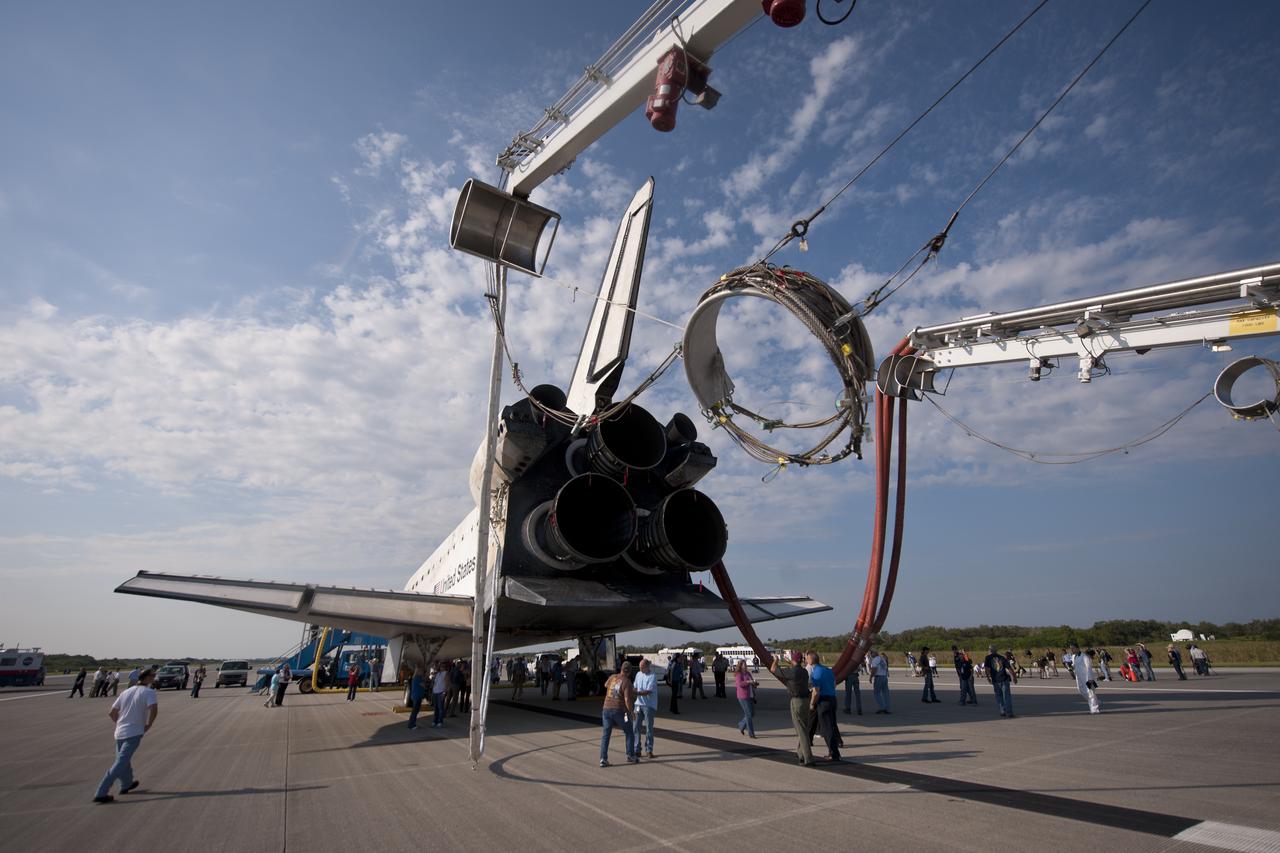
NASA and contractor personnel work on the space shuttle Atlantis at the Kennedy Space Center Shuttle Landing Facility (SLF) shortly after Atlantis (STS-135) landed early Thursday morning, July 21, 2011, in Cape Canaveral, Fla. Overall, Atlantis spent 307 days in space and traveled nearly 126 million miles during its 33 flights. Atlantis, the fourth orbiter built, launched on its first mission on Oct. 3, 1985. Photo Credit: (NASA/Bill Ingalls)
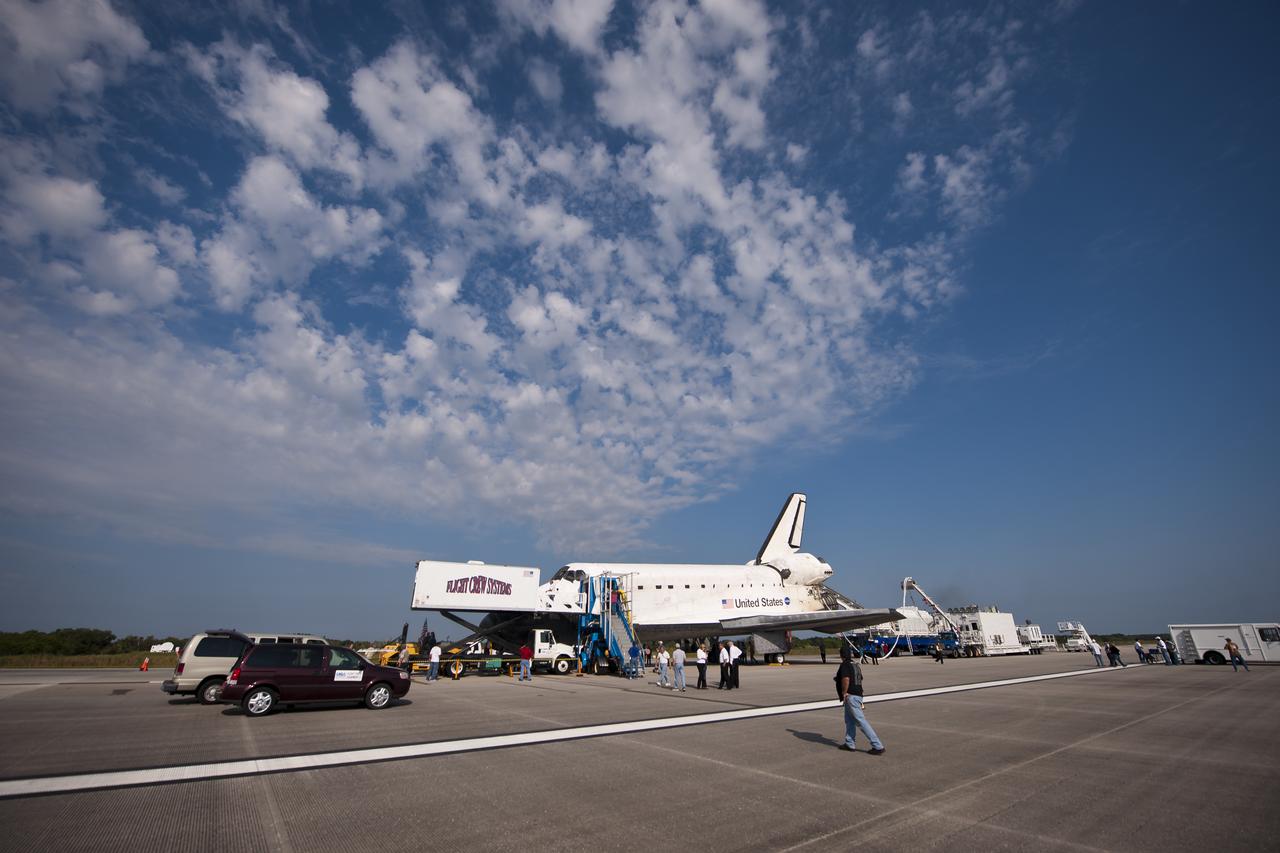
NASA and contractor personnel work on the space shuttle Atlantis at the Kennedy Space Center Shuttle Landing Facility (SLF) shortly after Atlantis (STS-135) landed early Thursday morning, July 21, 2011, in Cape Canaveral, Fla. Overall, Atlantis spent 307 days in space and traveled nearly 126 million miles during its 33 flights. Atlantis, the fourth orbiter built, launched on its first mission on Oct. 3, 1985. Photo Credit: (NASA/Bill Ingalls)
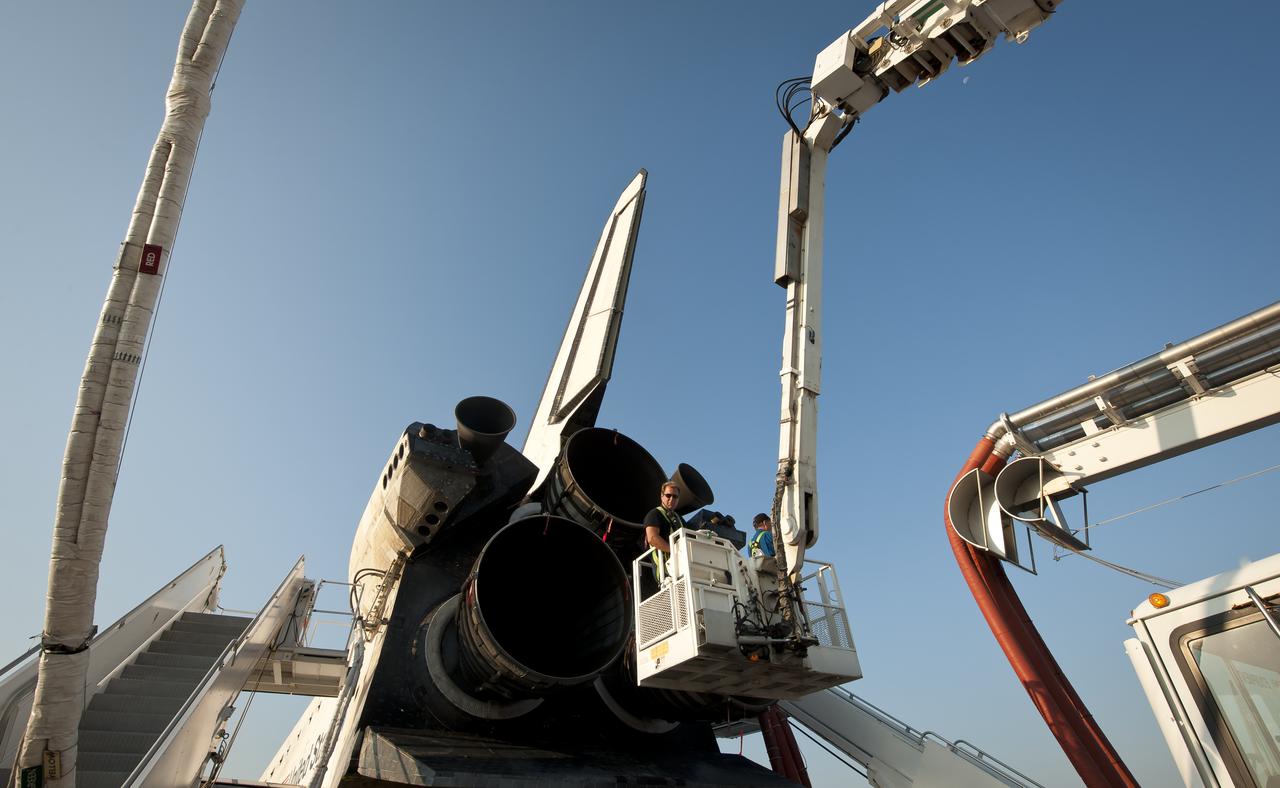
NASA and contractor personnel work on the space shuttle Atlantis at the Kennedy Space Center Shuttle Landing Facility (SLF) shortly after Atlantis (STS-135) landed early Thursday morning, July 21, 2011, in Cape Canaveral, Fla. Overall, Atlantis spent 307 days in space and traveled nearly 126 million miles during its 33 flights. Atlantis, the fourth orbiter built, launched on its first mission on Oct. 3, 1985. Photo Credit: (NASA/Bill Ingalls)
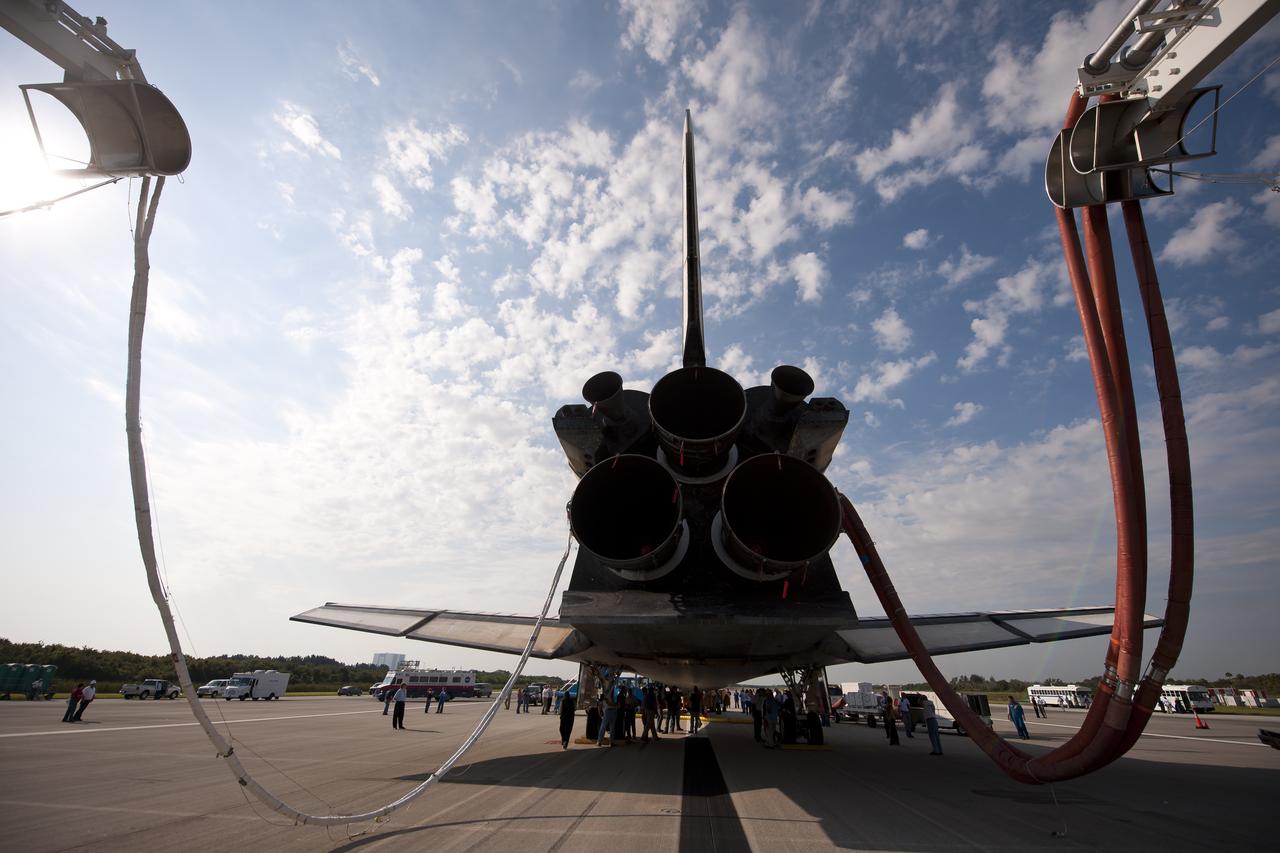
NASA and contractor personnel work on the space shuttle Atlantis at the Kennedy Space Center Shuttle Landing Facility (SLF) shortly after Atlantis (STS-135) landed early Thursday morning, July 21, 2011, in Cape Canaveral, Fla. Overall, Atlantis spent 307 days in space and traveled nearly 126 million miles during its 33 flights. Atlantis, the fourth orbiter built, launched on its first mission on Oct. 3, 1985. Photo Credit: (NASA/Bill Ingalls)
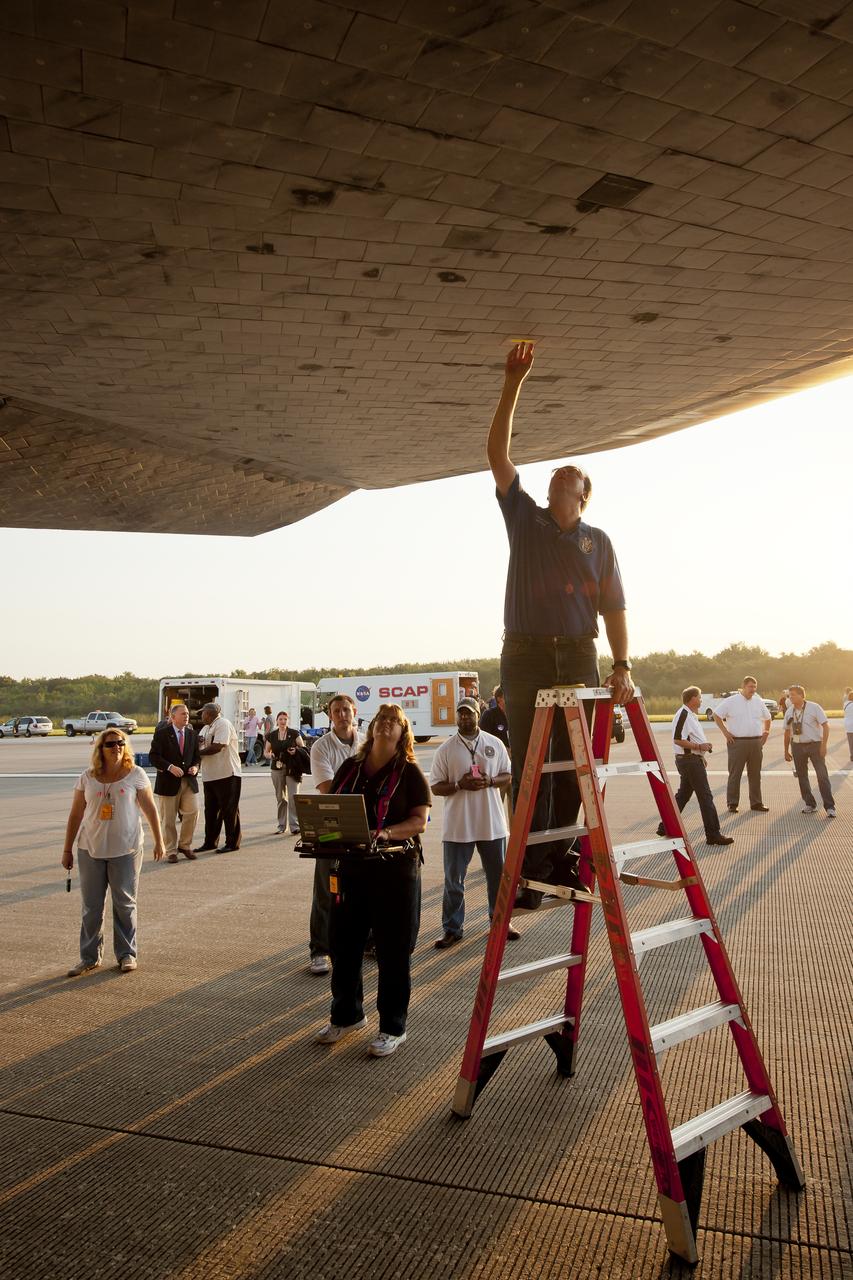
NASA and contractor personnel work under the space shuttle Atlantis at the Kennedy Space Center Shuttle Landing Facility (SLF) shortly after Atlantis (STS-135) landed early Thursday morning, July 21, 2011, in Cape Canaveral, Fla. Overall, Atlantis spent 307 days in space and traveled nearly 126 million miles during its 33 flights. Atlantis, the fourth orbiter built, launched on its first mission on Oct. 3, 1985. Photo Credit: (NASA/Bill Ingalls)
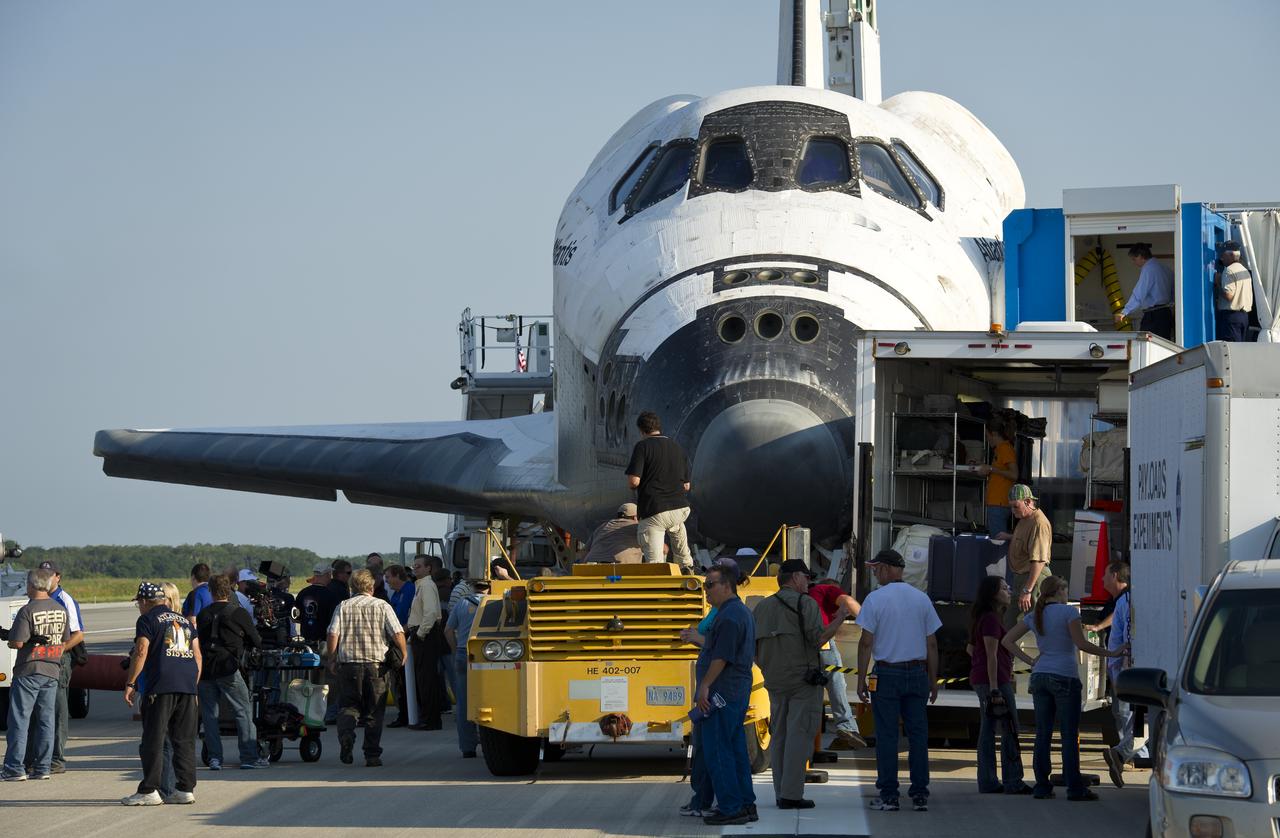
NASA and contractor personnel work on the space shuttle Atlantis at the Kennedy Space Center Shuttle Landing Facility (SLF) shortly after Atlantis (STS-135) landed early Thursday morning, July 21, 2011, in Cape Canaveral, Fla. Overall, Atlantis spent 307 days in space and traveled nearly 126 million miles during its 33 flights. Atlantis, the fourth orbiter built, launched on its first mission on Oct. 3, 1985. Photo Credit: (NASA/Bill Ingalls)
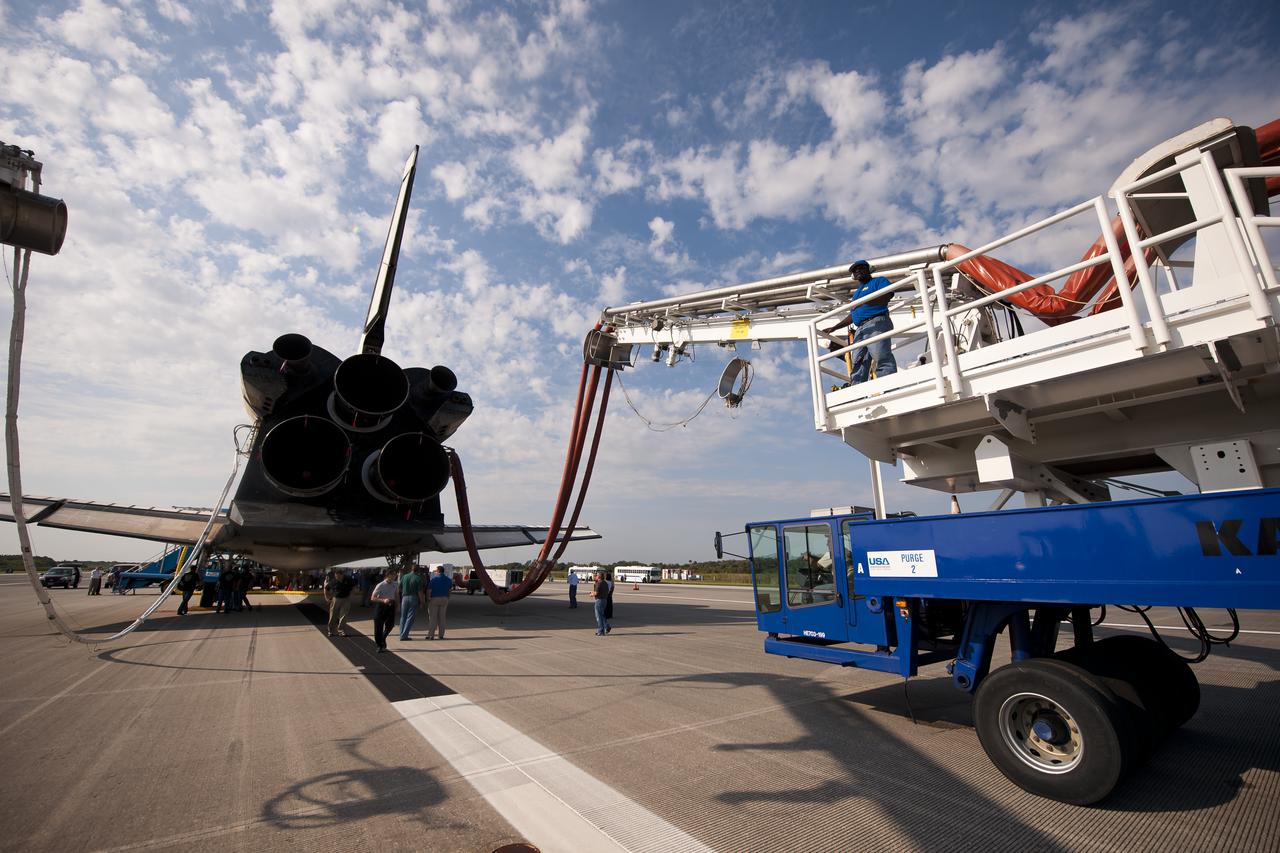
NASA and contractor personnel work on the space shuttle Atlantis at the Kennedy Space Center Shuttle Landing Facility (SLF) shortly after Atlantis (STS-135) landed early Thursday morning, July 21, 2011, in Cape Canaveral, Fla. Overall, Atlantis spent 307 days in space and traveled nearly 126 million miles during its 33 flights. Atlantis, the fourth orbiter built, launched on its first mission on Oct. 3, 1985. Photo Credit: (NASA/Bill Ingalls)
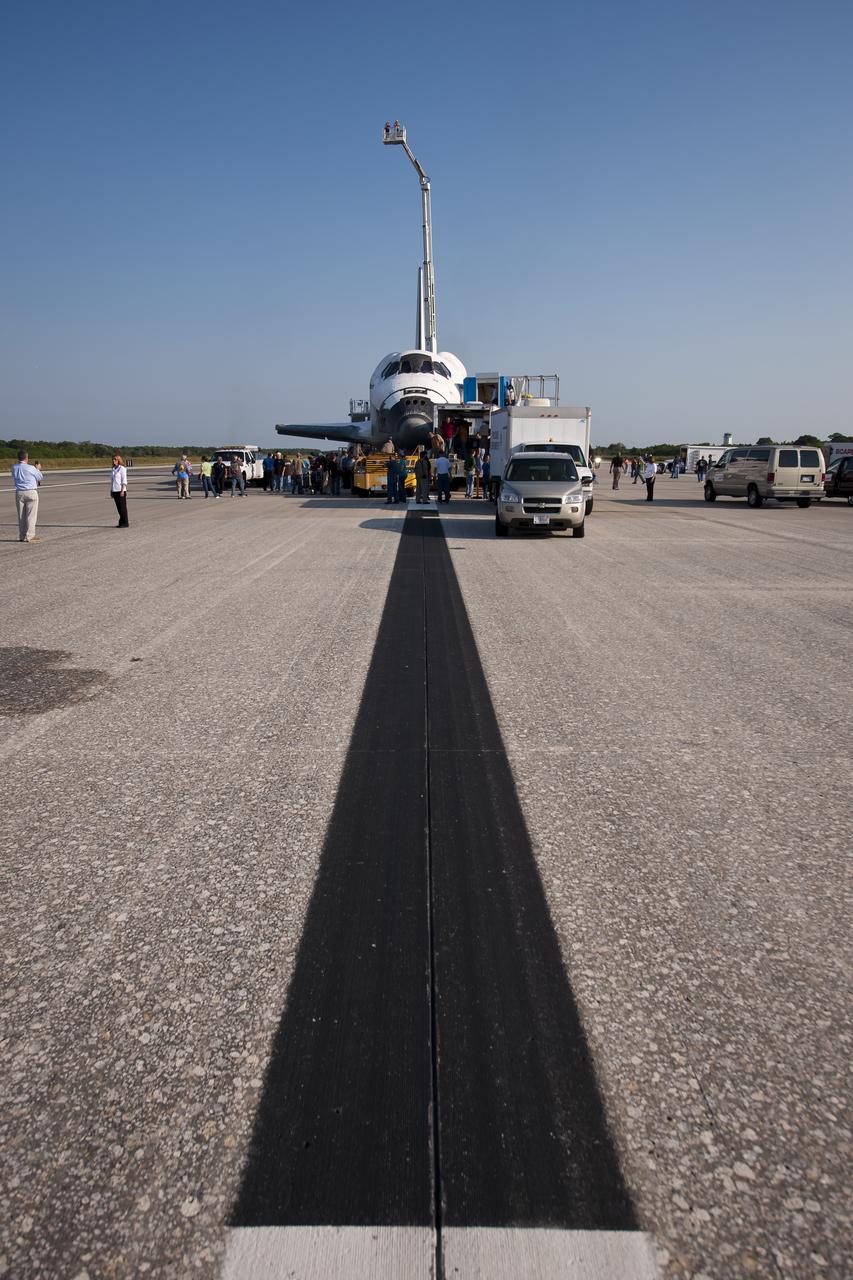
NASA and contractor personnel work on the space shuttle Atlantis at the Kennedy Space Center Shuttle Landing Facility (SLF) shortly after Atlantis (STS-135) landed early Thursday morning, July 21, 2011, in Cape Canaveral, Fla. Overall, Atlantis spent 307 days in space and traveled nearly 126 million miles during its 33 flights. Atlantis, the fourth orbiter built, launched on its first mission on Oct. 3, 1985. Photo Credit: (NASA/Bill Ingalls)
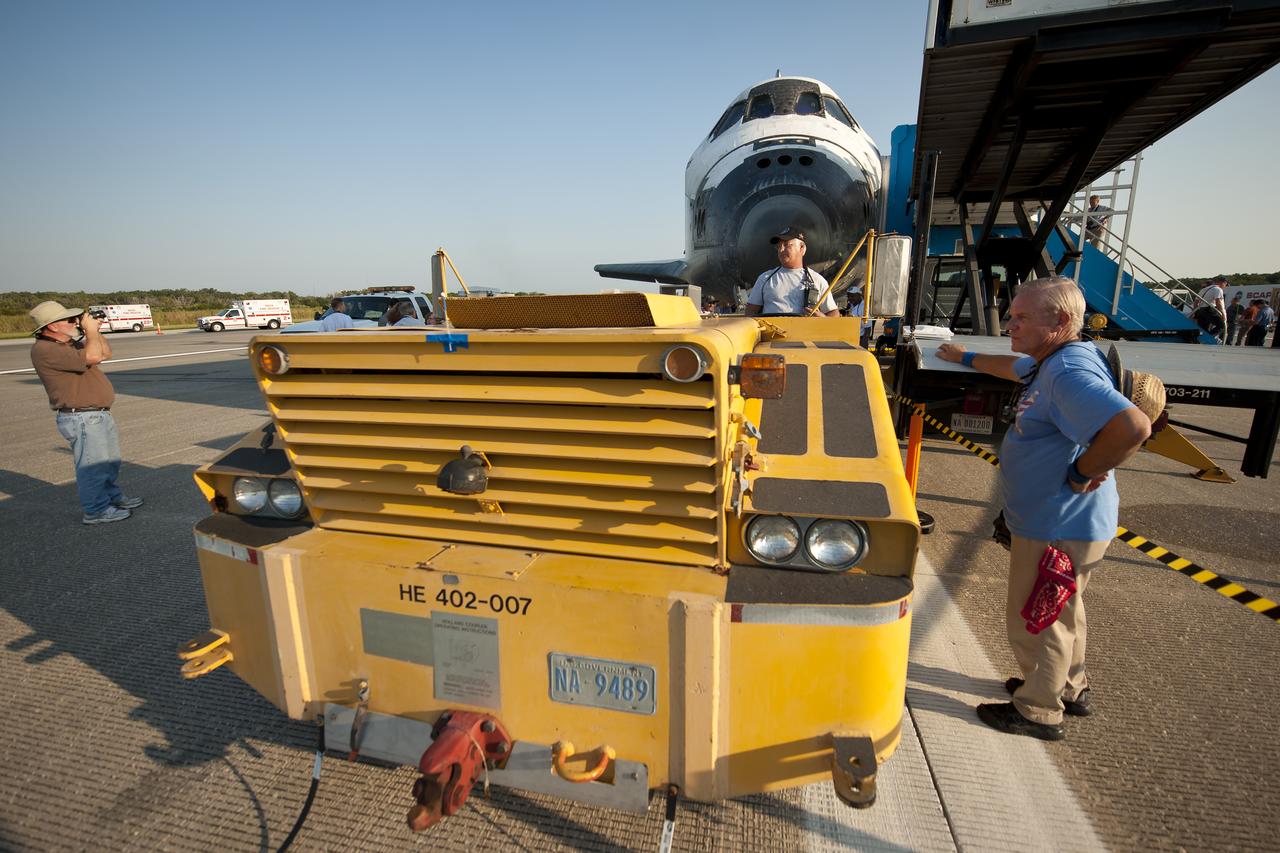
NASA and contractor personnel work on the space shuttle Atlantis at the Kennedy Space Center Shuttle Landing Facility (SLF) shortly after Atlantis (STS-135) landed early Thursday morning, July 21, 2011, in Cape Canaveral, Fla. Overall, Atlantis spent 307 days in space and traveled nearly 126 million miles during its 33 flights. Atlantis, the fourth orbiter built, launched on its first mission on Oct. 3, 1985. Photo Credit: (NASA/Bill Ingalls)
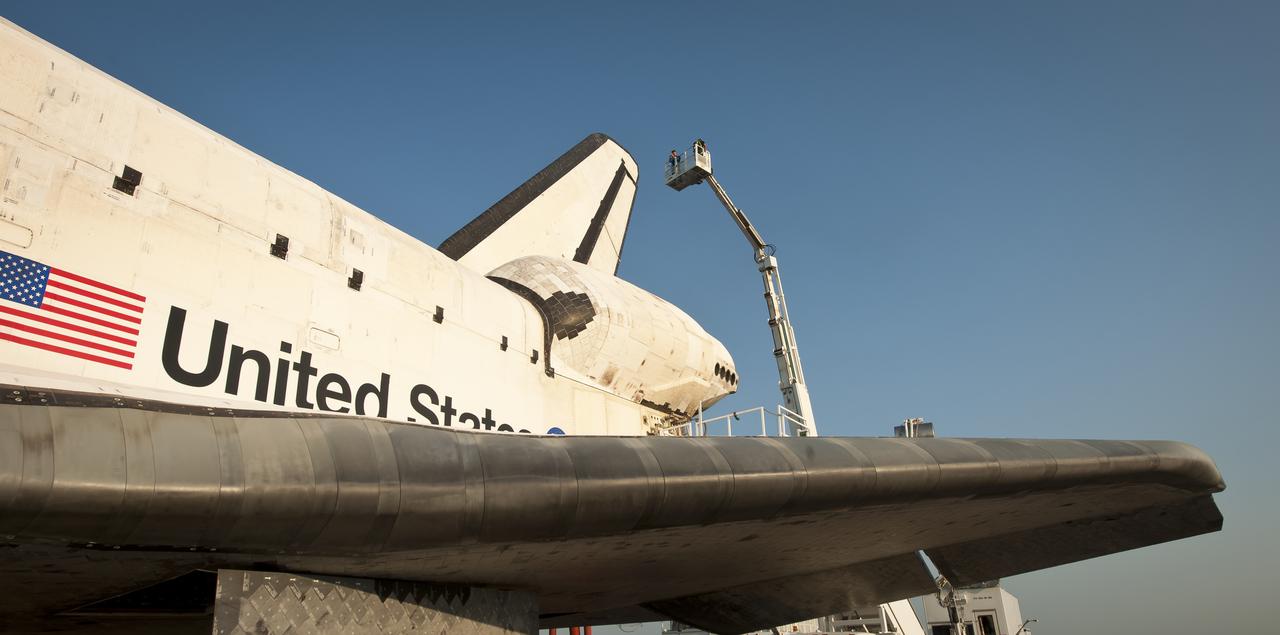
NASA and contractor personnel work on the space shuttle Atlantis at the Kennedy Space Center Shuttle Landing Facility (SLF) shortly after Atlantis (STS-135) landed early Thursday morning, July 21, 2011, in Cape Canaveral, Fla. Overall, Atlantis spent 307 days in space and traveled nearly 126 million miles during its 33 flights. Atlantis, the fourth orbiter built, launched on its first mission on Oct. 3, 1985. Photo Credit: (NASA/Bill Ingalls)
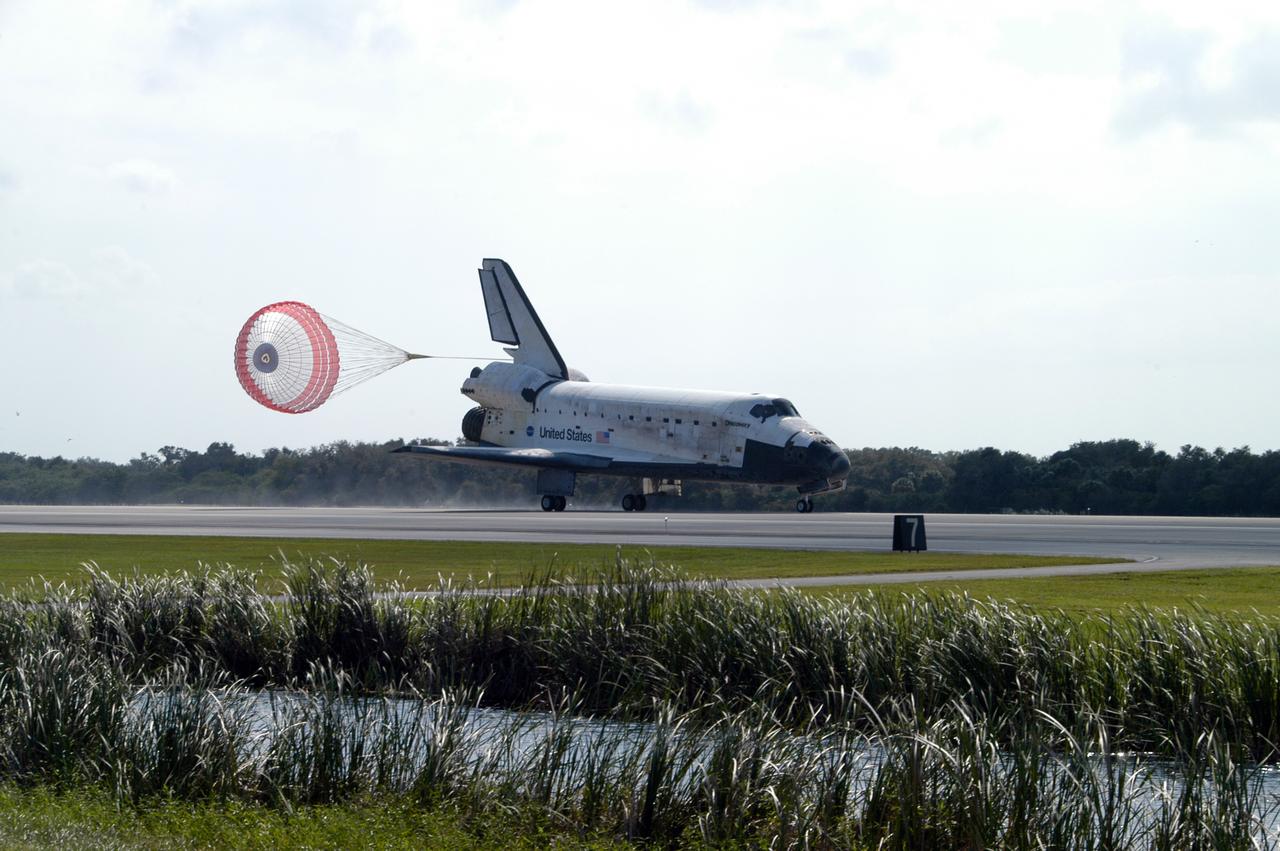
The drag chute deployed behind space shuttle Discovery helps slow its smooth landing on Runway 33 of the Shuttle Landing Facility at NASA's Kennedy Space Center, completing the 15-day mission STS-120. Main gear touchdown was 1:01:16 p.m. Wheel stop was at 1:02:07 p.m. Mission elapsed time was 15 days, 2 hours, 24 minutes and 2 seconds. The STS-120 crew continued the construction of the station with the installation of the Harmony Node 2 module and the relocation of the P6 truss.
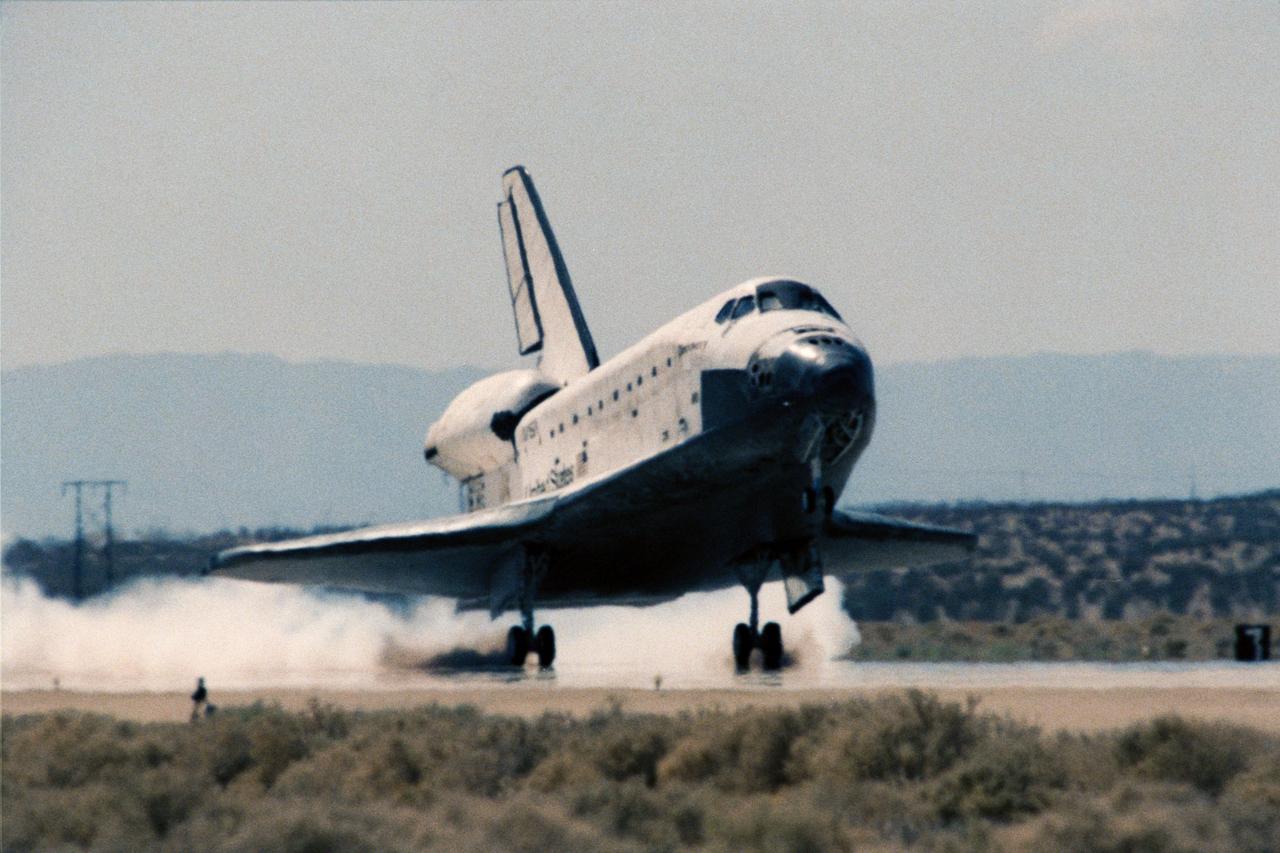
STS64-S-094 (20 Sept. 1994) --- The space shuttle Discovery, with a crew of six NASA astronauts aboard, touches down on Runway 04 at Edwards Air Force Base (EAFB), completing a 10-day, 22-hour and 50-minute mission. Following a de-orbit engine firing at 1:14 p.m. (PDT), Sept. 20, 1994. Touchdown was at 2:12:59 p.m., and the nose wheel touched down at 2:13:03 p.m., with wheel stop at 2:13:52 p.m. Bad weather in Florida called for an "eleventh hour" shift to the California landing site. Onboard for the flight, whose mission was to study Earth's atmosphere and to test tools and procedures for the International Space Station, were astronauts Richard N. Richards, L. Blaine Hammond Jr., Mark C. Lee, Carl J. Meade, Susan J. Helms and Jerry M. Linenger. Photo credit: NASA or National Aeronautics and Space Administration
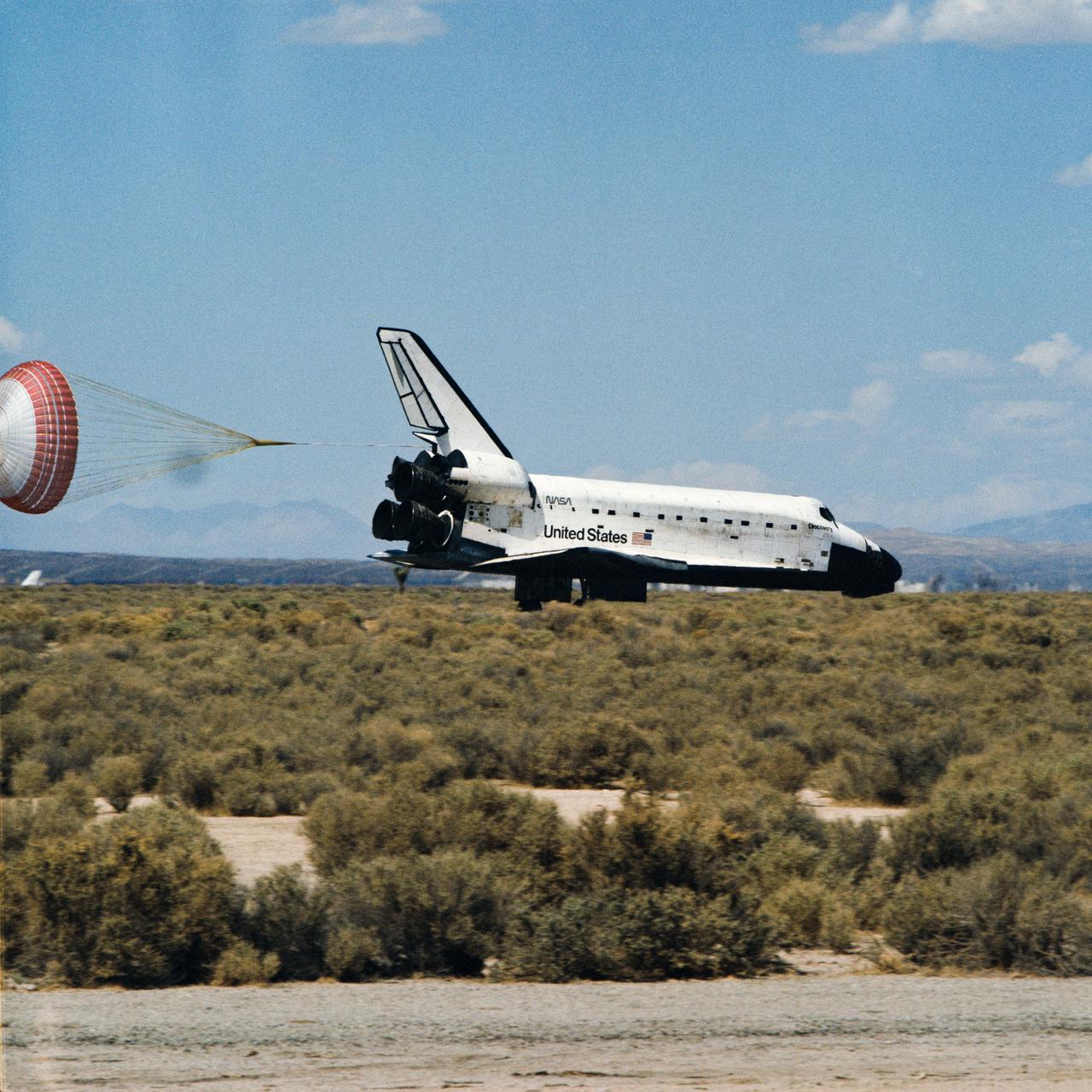
STS64-S-073 (20 Sept. 1994) --- The drag chute for the space shuttle Discovery is deployed as NASA's most-heavily flown spacecraft completes a 10-day, 22-hour and 50-minute mission. Discovery, with a crew of six NASA astronauts aboard, fired its de-orbit engine at 1:14 p.m. (PDT), Sept. 20, 1994. Touchdown was at 2:12:59 p.m. and the nose wheel touched down at 2:13:03 p.m., with wheel stop at 2:13:52 p.m. Bad weather in Florida called for an "eleventh hour" shift to the California landing site. Onboard for the flight, whose mission was to study Earth's atmosphere and to test tools and procedures for the International Space Station (ISS), were astronauts Richard N. Richards, L. Blaine Hammond, Mark C. Lee, Carl J. Meade, Susan J. Helms and Jerry M. Linenger. Photo credit: NASA or National Aeronautics and Space Administration
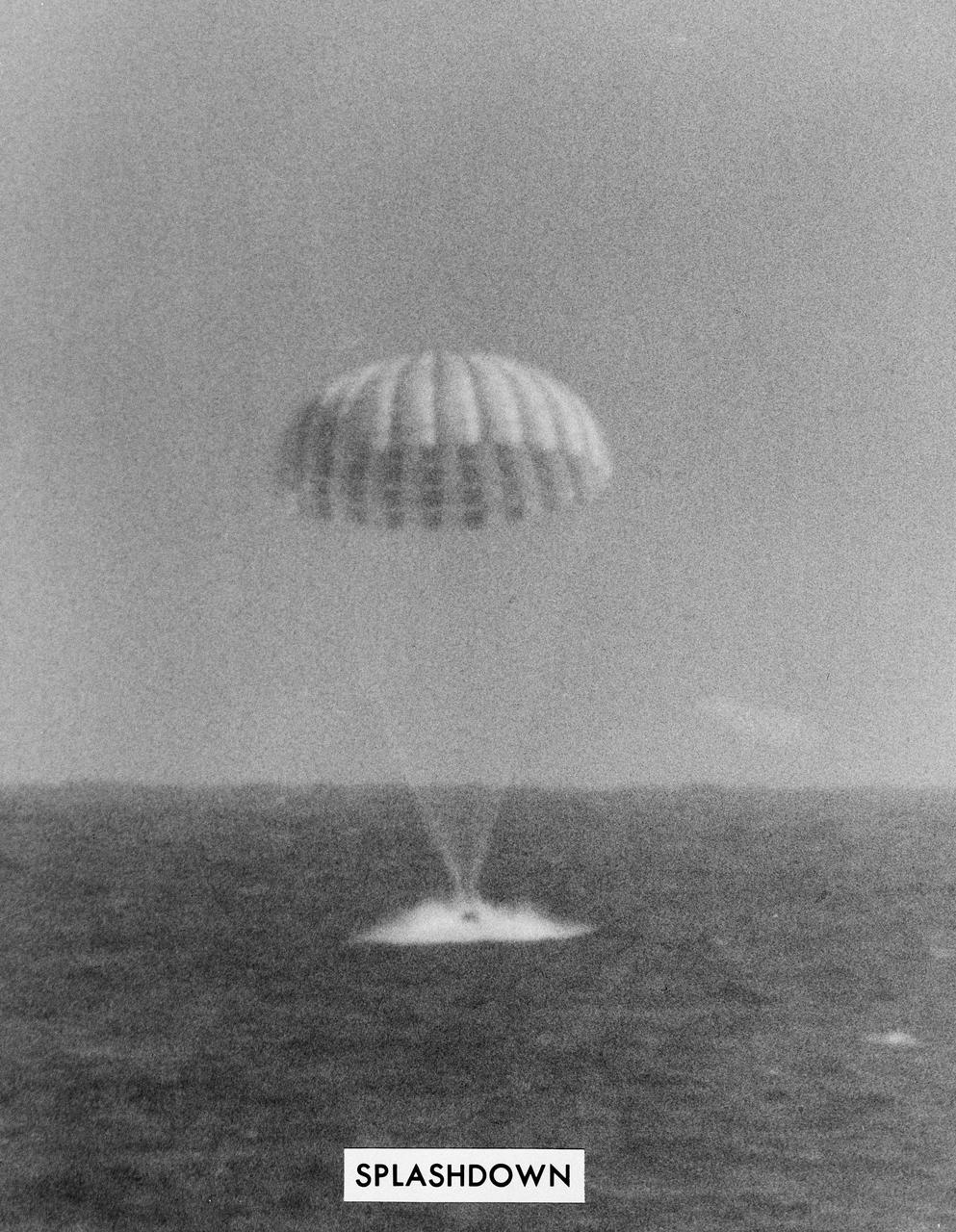
S63-00693 (3 Oct. 1962) --- Landing with parachute extended of astronaut Walter M. Schirra's Mercury-Atlas 8 (MA-8) capsule, called the Sigma 7, after a world orbital flight. Photo is labeled "Splashdown". Photo credit: NASA
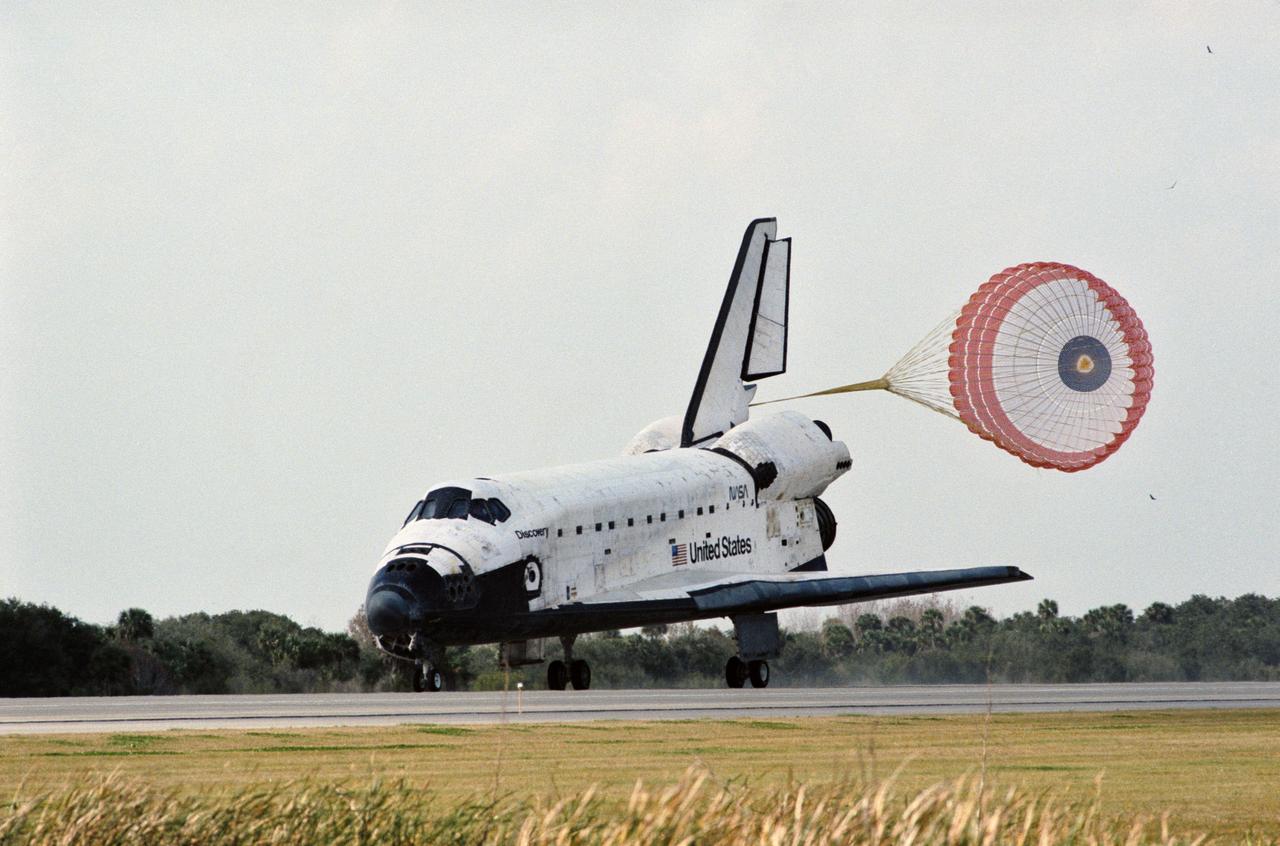
STS060-S-035 (11 Feb 1994) --- The drag chute for Space Shuttle Discovery is deployed on the Shuttle Landing Facility, marking an end to the eight-day STS-60 mission. Landing occurred at 2:19:22 p.m. (EST). Onboard were astronauts Charles F. Bolden Jr., Kenneth S. Reightler Jr., Franklin R. Chang-Diaz, N. Jan Davis and Ronald M. Sega along with Russian cosmonaut Sergei K. Krikalev.
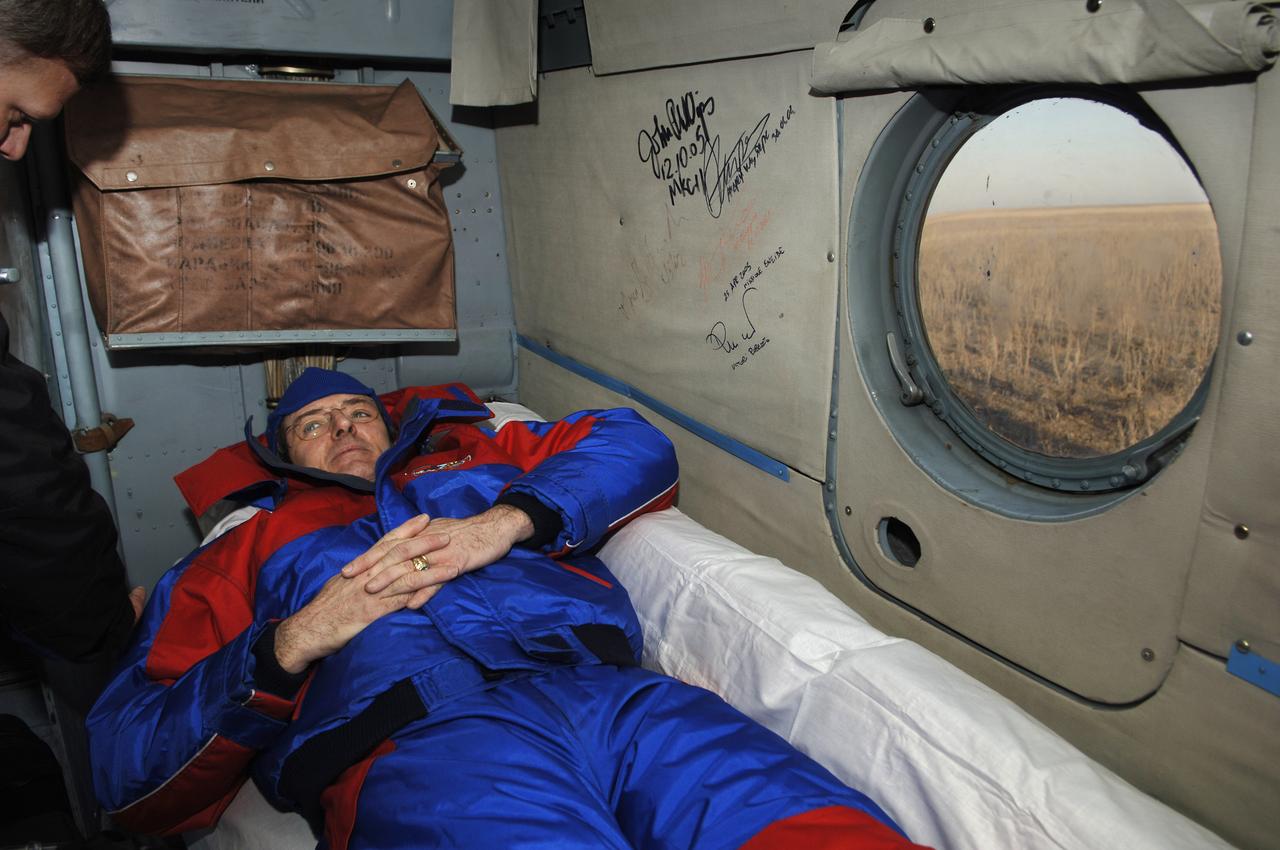
Expedition 12 Commander Bill McArthur rest onboard a Russian helicopter that will take him from the landing site to Kustanay, Kazakhstan. Expedition 12 returned to Earth and landed in the steppes of Kazakhstan onboard a Soyuz TMA-7 spacecraft that touched down at 7:48 p.m. EDT on Sunday, April 9, 2006. Returning with Commander Bill McArthur and Flight Engineer Valery Tokarev was Brazil’s first astronaut, Marcos Pontes, who arrived at the station with Expedition 13 on April 1. Photo Credit: (NASA/Bill Ingalls)
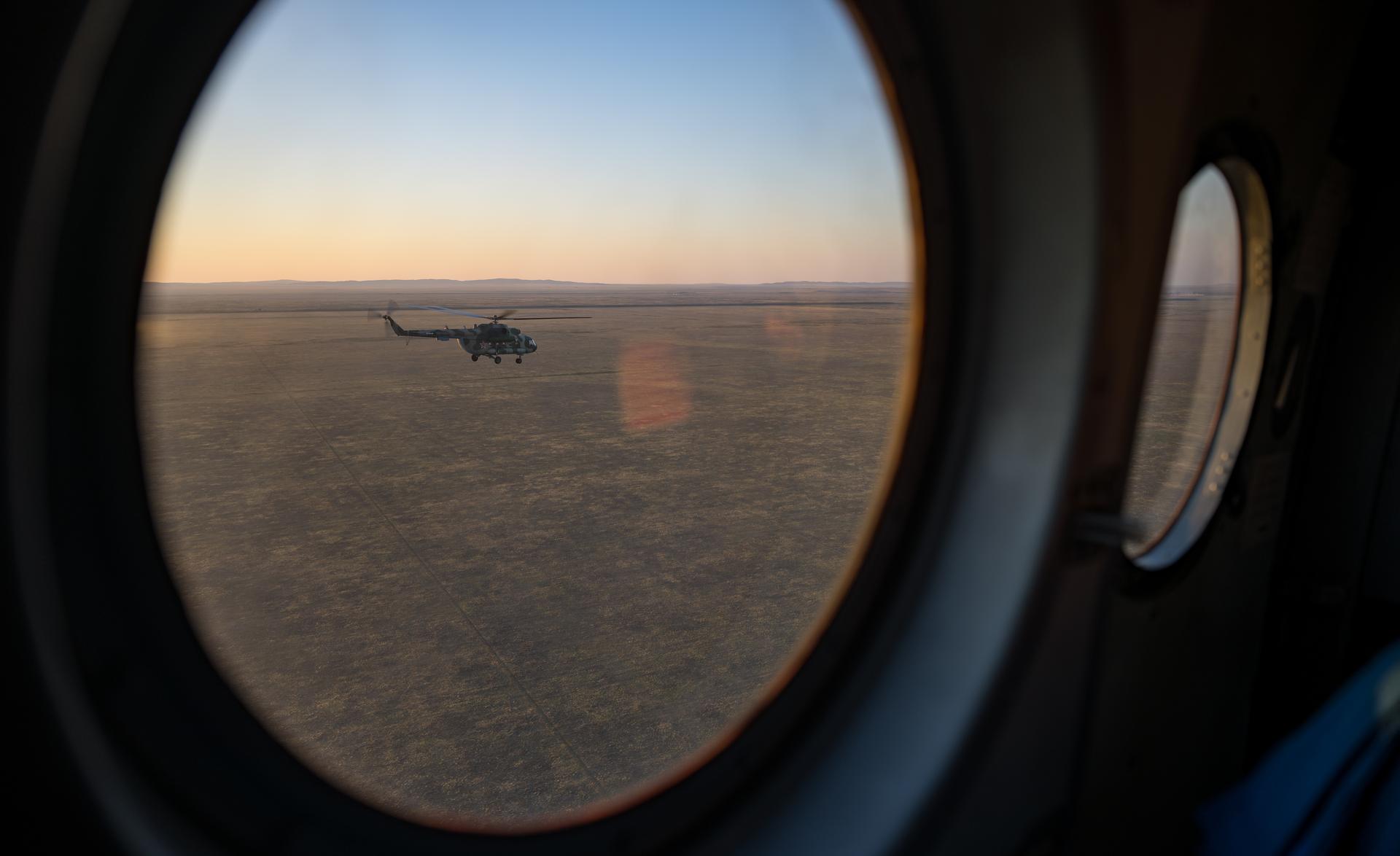
Helicopters depart the Soyuz MS-28 spacecraft landing site in a remote area near the town of Zhezkazgan, Kazakhstan after the landing of Expedition 74 NASA astronaut Chris Williams, and Roscosmos cosmonauts Sergey Kud-Sverchkov, and Sergei Mikaev, Sunday, July 26, 2026. The trio returned to Earth after logging 241 days in space as members of Expeditions 73 and 74 aboard the International Space Station. Photo Credit: (NASA/Bill Ingalls)
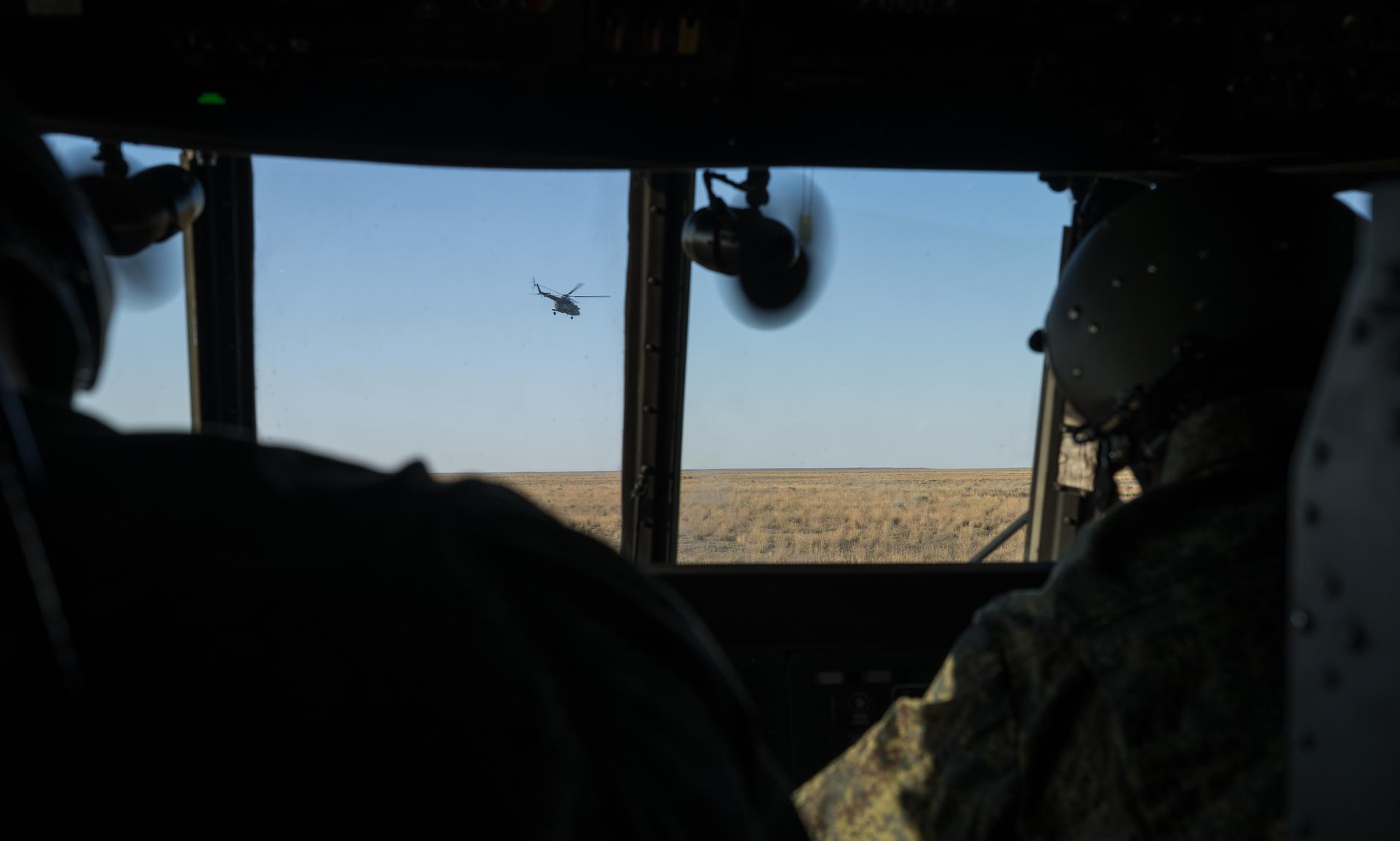
Helicopters depart the Soyuz MS-28 spacecraft landing site in a remote area near the town of Zhezkazgan, Kazakhstan after the landing of Expedition 74 NASA astronaut Chris Williams, and Roscosmos cosmonauts Sergey Kud-Sverchkov, and Sergei Mikaev, Sunday, July 26, 2026. The trio returned to Earth after logging 241 days in space as members of Expeditions 73 and 74 aboard the International Space Station. Photo Credit: (NASA/Bill Ingalls)
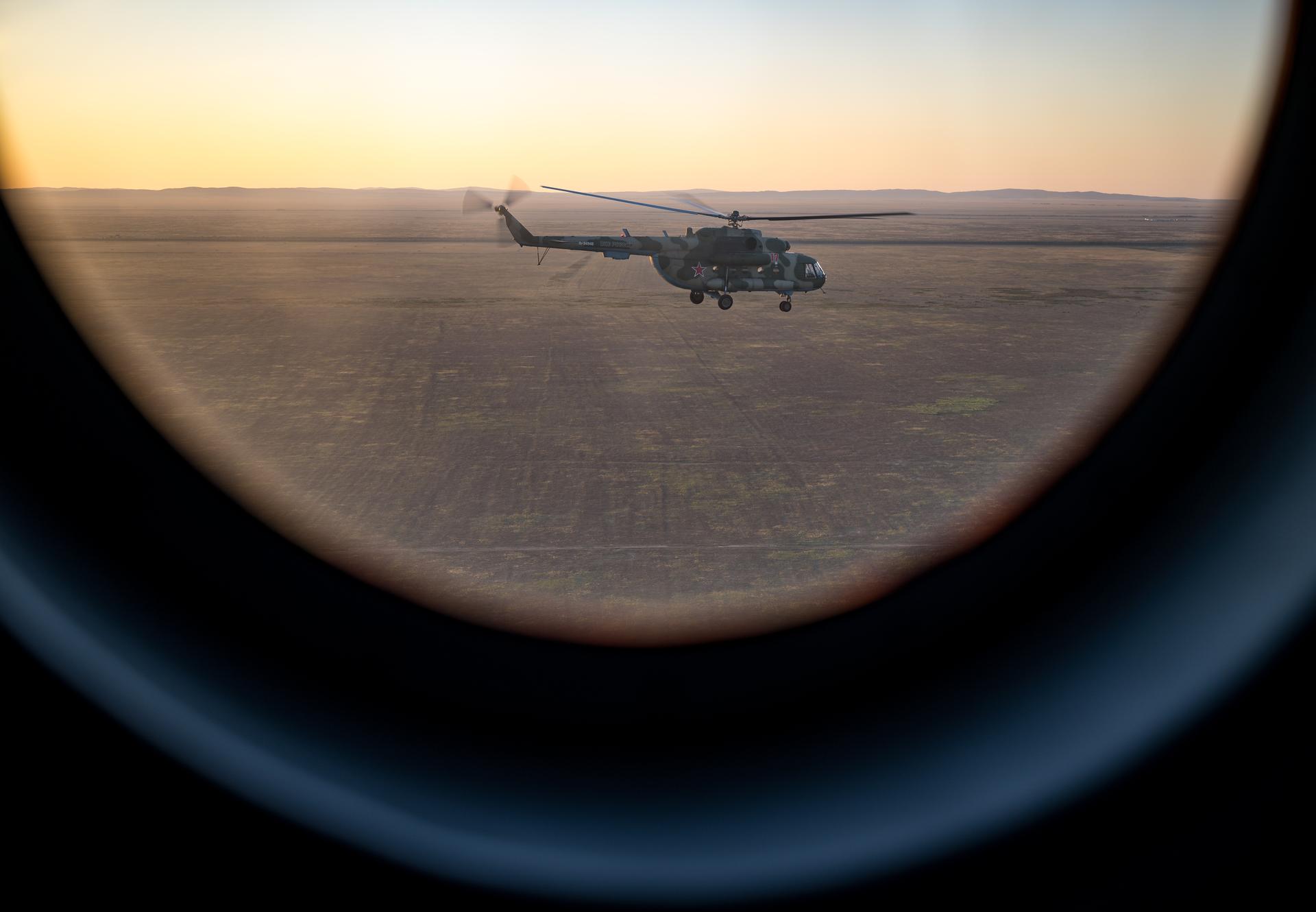
Helicopters depart the Soyuz MS-28 spacecraft landing site in a remote area near the town of Zhezkazgan, Kazakhstan after the landing of Expedition 74 NASA astronaut Chris Williams, and Roscosmos cosmonauts Sergey Kud-Sverchkov, and Sergei Mikaev, Sunday, July 26, 2026. The trio returned to Earth after logging 241 days in space as members of Expeditions 73 and 74 aboard the International Space Station. Photo Credit: (NASA/Bill Ingalls)
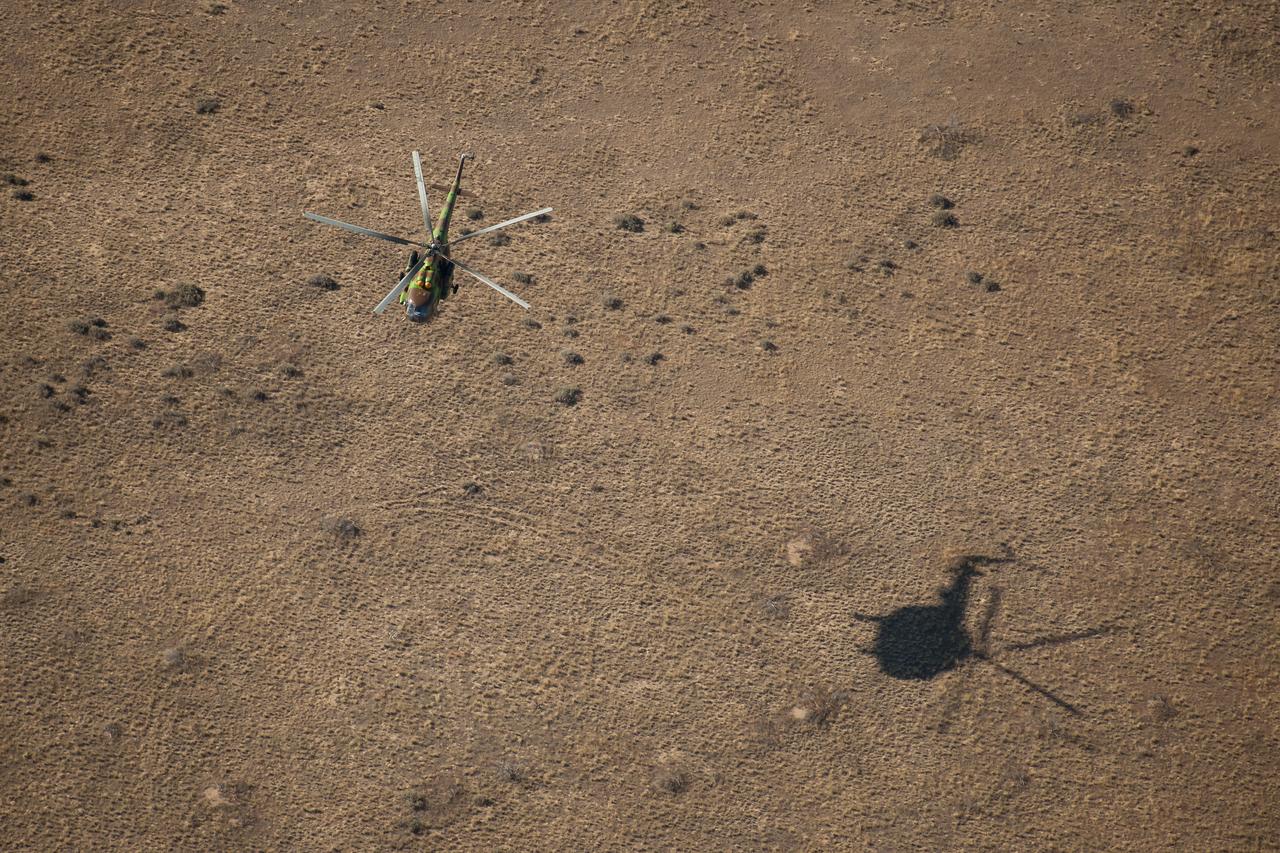
A Russian Search and Rescue helicopter approaches the landing site of the Soyuz TMA-21 spacecraft shortly after it landed with Expedition 28 Commander Andrey Borisenko, and Flight Engineers Ron Garan, and Alexander Samokutyaev in a remote area outside of the town of Zhezkazgan, Kazakhstan, on Friday, Sept. 16, 2011. NASA Astronaut Garan, Russian Cosmonauts Borisenko and Samokutyaev are returning from more than five months onboard the International Space Station where they served as members of the Expedition 27 and 28 crews. Photo Credit: (NASA/Bill Ingalls)

STS038-S-041 (20 Nov 1990) --- STS-38 Atlantis, Orbiter Vehicle (OV) 104, lands on runway 33 at Kennedy Space Center (KSC) Shuttle Landing Facility (SLF). The main landing gear (MLG) has just touched down on the runway surface as the nose landing gear (NLG) glides above it. The Department of Defense (DOD)-devoted mission came to an end (with complete wheel stop) at 4:43:37 pm (Eastern Standard Time (EST)).
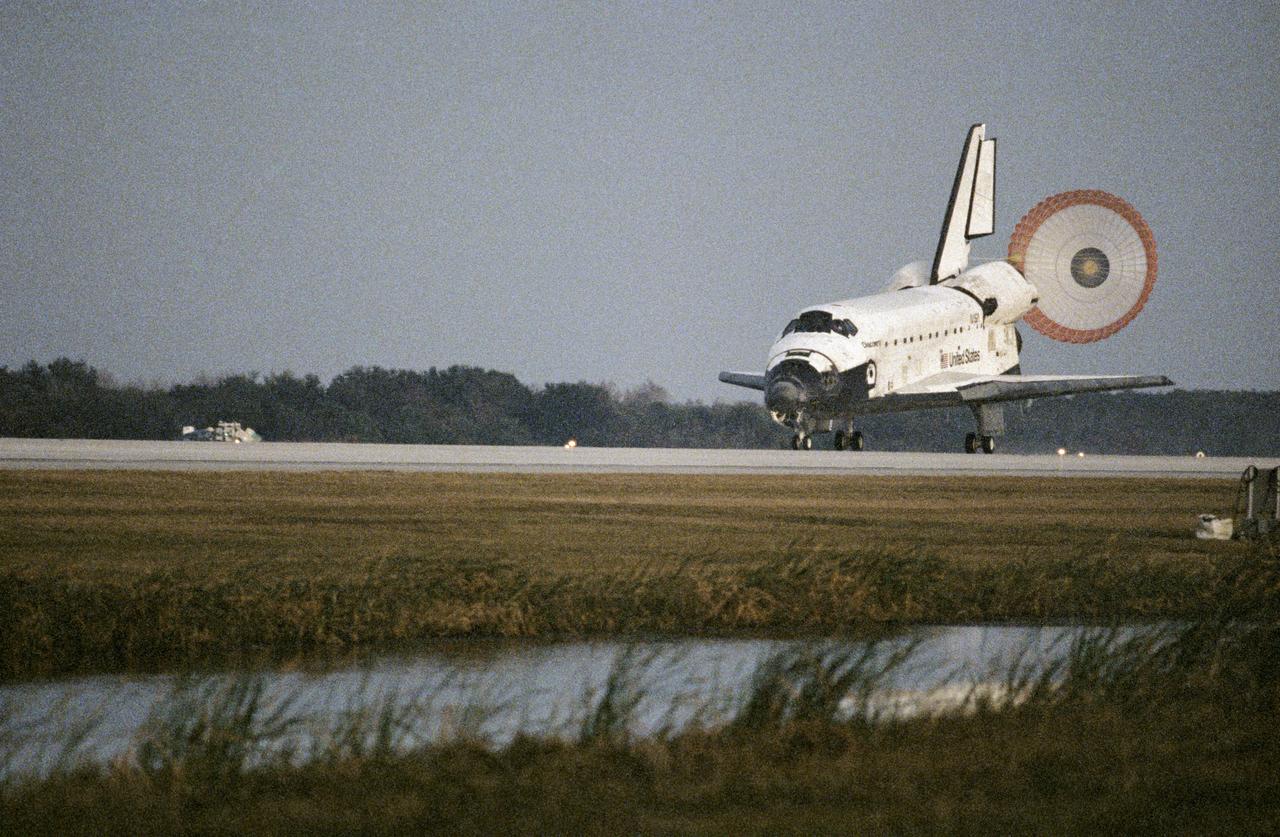
STS063-S-015 (11 Feb. 1995) --- The Space Shuttle Discovery deploys its drag chute on Runway 15 at the Kennedy Space Center's (KSC) Shuttle Landing Facility as it wraps up an eight-day mission. Touchdown occurred at 6:50:19 a.m. (EST), February 11, 1995. Onboard the Space Shuttle Discovery were astronauts James D. Wetherbee, mission commander; Eileen M. Collins, pilot; Bernard A. Harris Jr., payload commander; mission specialists C. Michael Foale, Janice E. Voss, and cosmonaut Vladimir G. Titov.
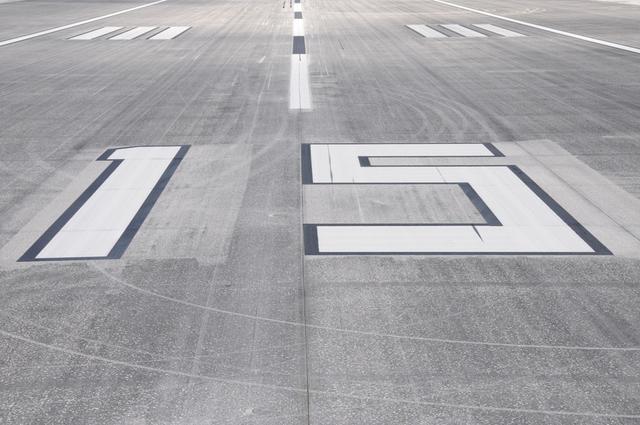
View of the Shuttle Landing Facility
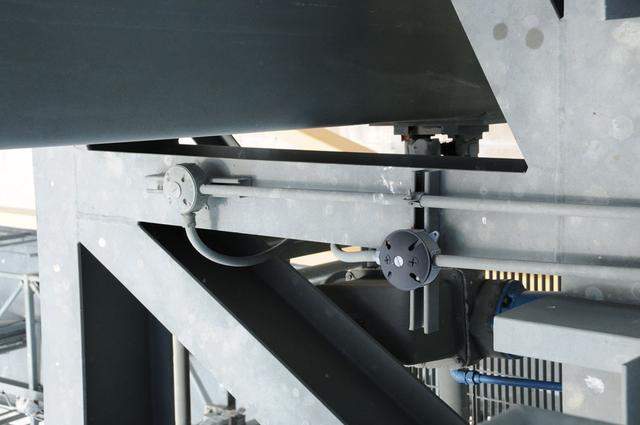
View of the Shuttle Landing Facility
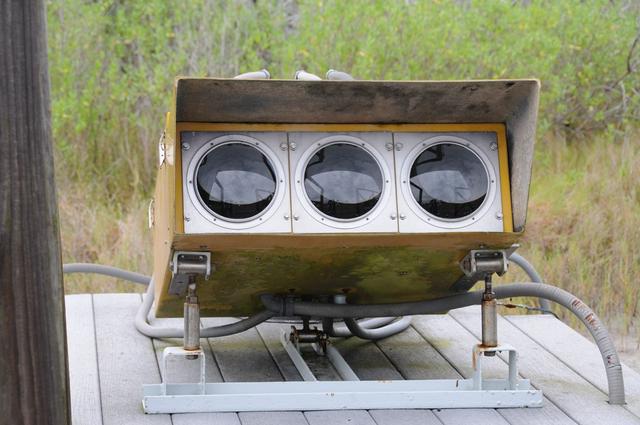
View of the Shuttle Landing Facility