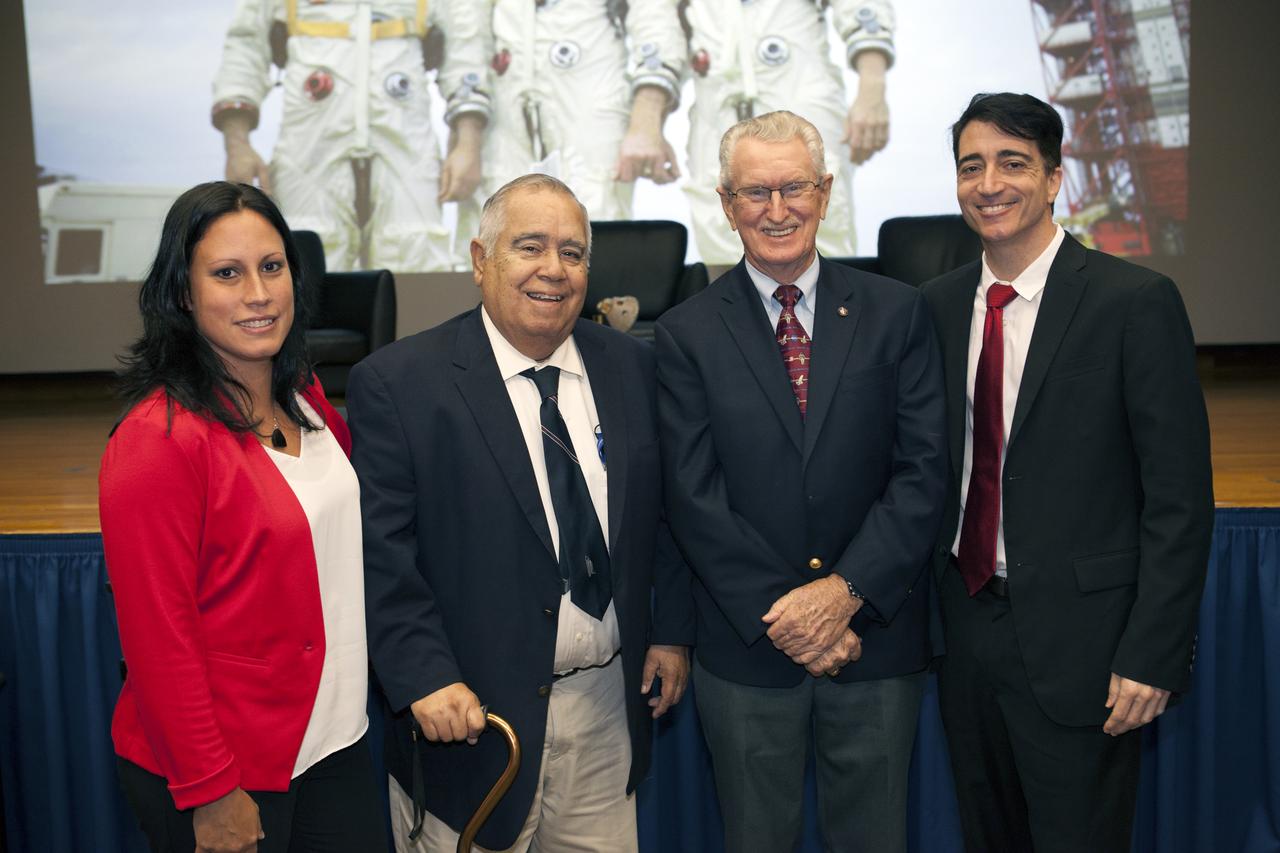
Mike Ciannilli, the Apollo, Challenger, Columbia Lessons Learned Program manager, far right, is pictured with panelists from the Apollo 1 Lessons Learned event in the Training Auditorium at NASA's Kennedy Space Center in Florida. In the center, are Ernie Reyes, retired, former Apollo 1 senior operations manager; and John Tribe, retired, former Apollo 1 Reaction and Control System lead engineer. At far left is Zulie Cipo, the Apollo, Challenger, Columbia Lessons Learned Program event support team lead. The theme of the program was "To there and Back Again." The event helped pay tribute to the Apollo 1 crew, Gus Grissom, Ed White II, and Roger Chaffee.
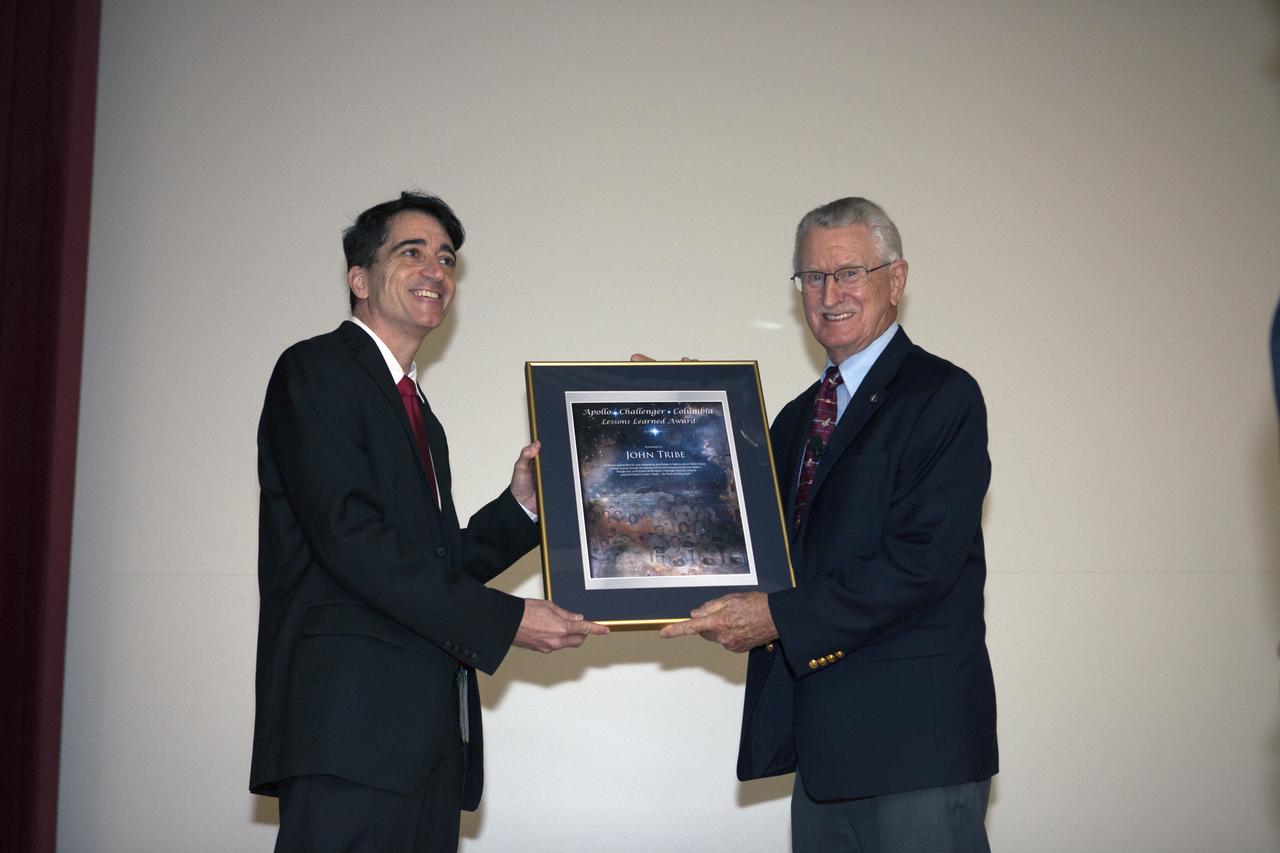
Mike Ciannilli, at left, the Apollo, Challenger, Columbia Lessons Learned Program manager, presents a certificate to John Tribe, retired, Apollo 1 Reaction and Control System lead engineer, during the Apollo 1 Lessons Learned presentation in the Training Auditorium at NASA's Kennedy Space Center in Florida. The theme of the program was "To there and Back Again." The event helped pay tribute to the Apollo 1 crew, Gus Grissom, Ed White II, and Roger Chaffee.
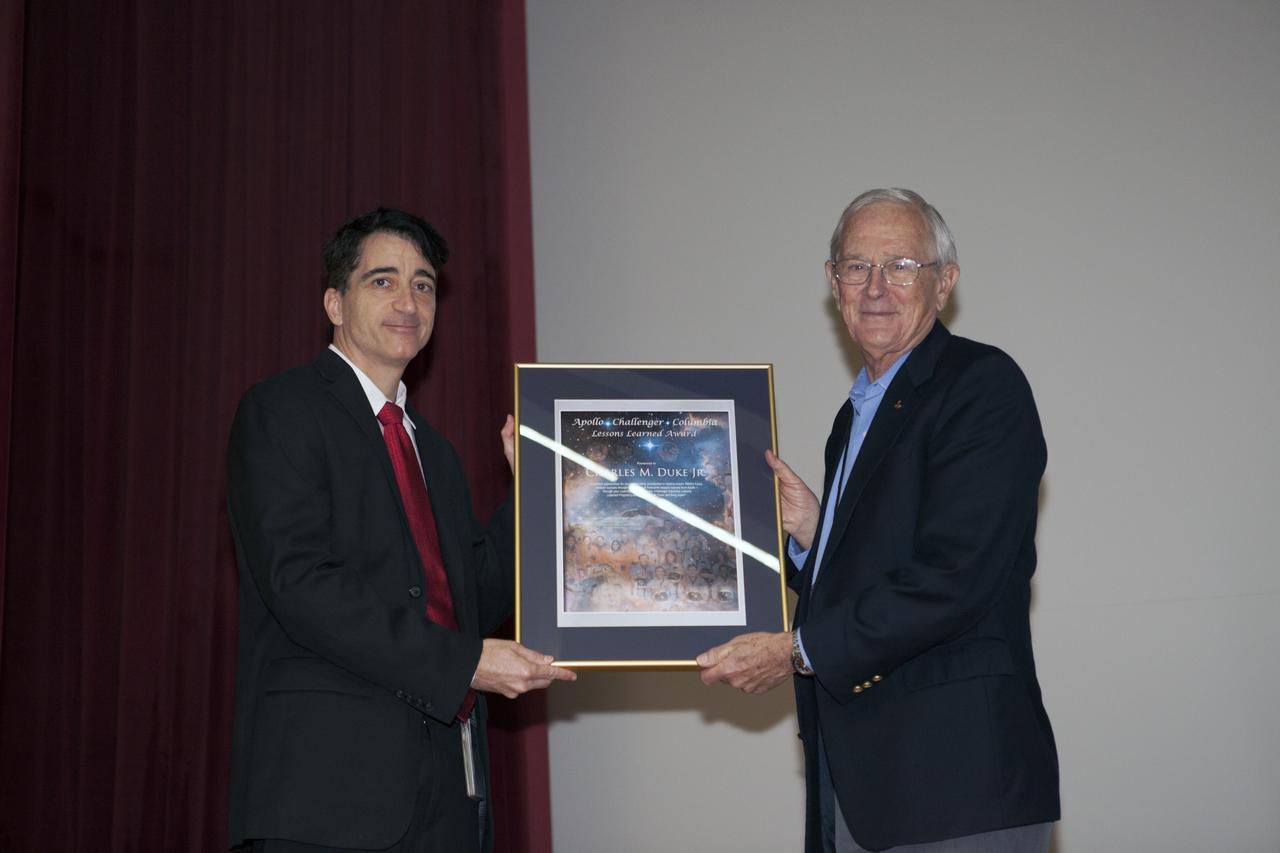
Mike Ciannilli, at left, the Apollo, Challenger, Columbia Lessons Learned Program manager, presents a certificate to Charlie Duke, former Apollo 16 astronaut and member of the Apollo 1 Emergency Egress Investigation Team, during the Apollo 1 Lessons Learned presentation in the Training Auditorium at NASA's Kennedy Space Center in Florida. The program's theme was "To There and Back Again." The event helped pay tribute to the Apollo 1 crew, Gus Grissom, Ed White II, and Roger Chaffee.
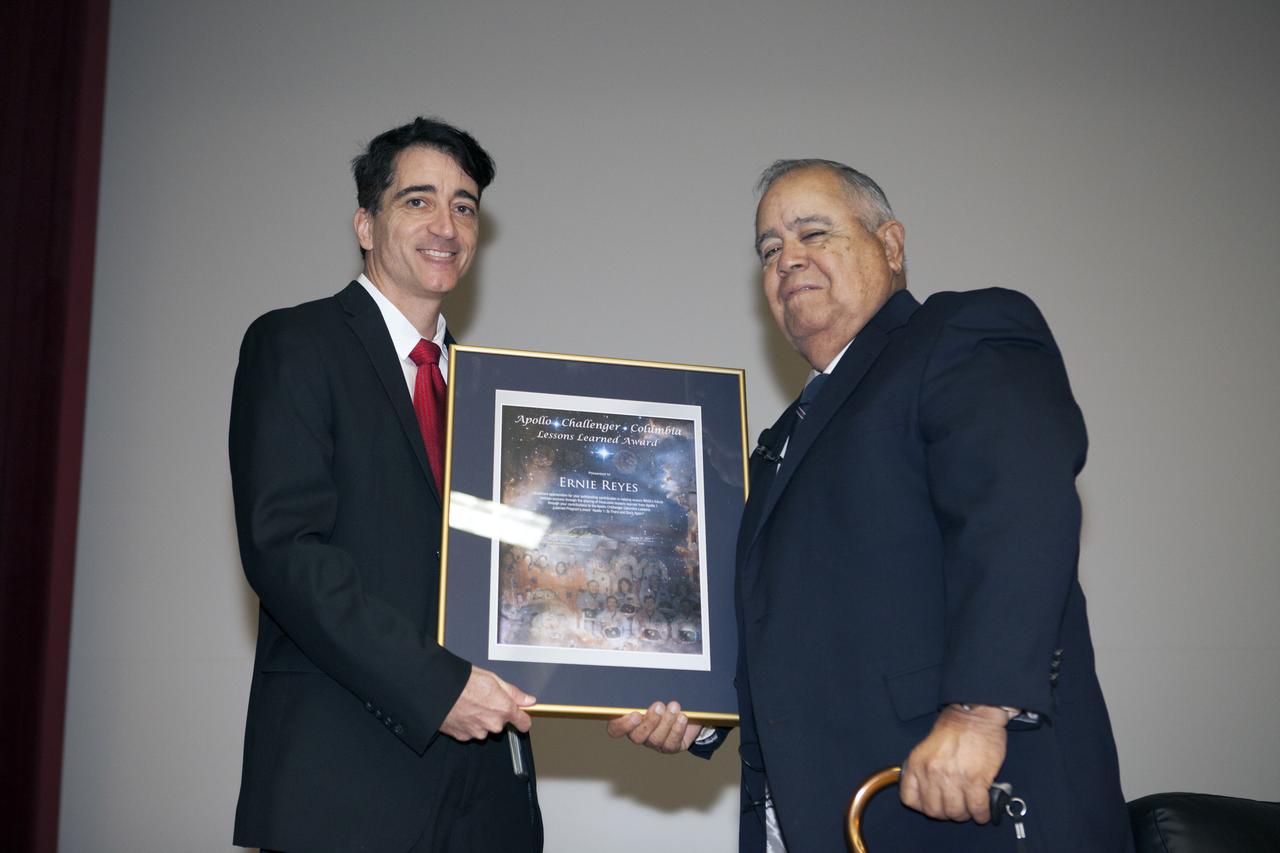
Mike Ciannilli, the Apollo, Challenger, Columbia Lessons Learned program manager, at left, presents a certificate to Ernie Reyes, retired, former Apollo 1 senior operations manager, during the Apollo 1 Lessons Learned presentation in the Training Auditorium at NASA's Kennedy Space Center in Florida. The theme of the program was "To there and Back Again." The event helped pay tribute to the Apollo 1 crew, Gus Grissom, Ed White II, and Roger Chaffee.
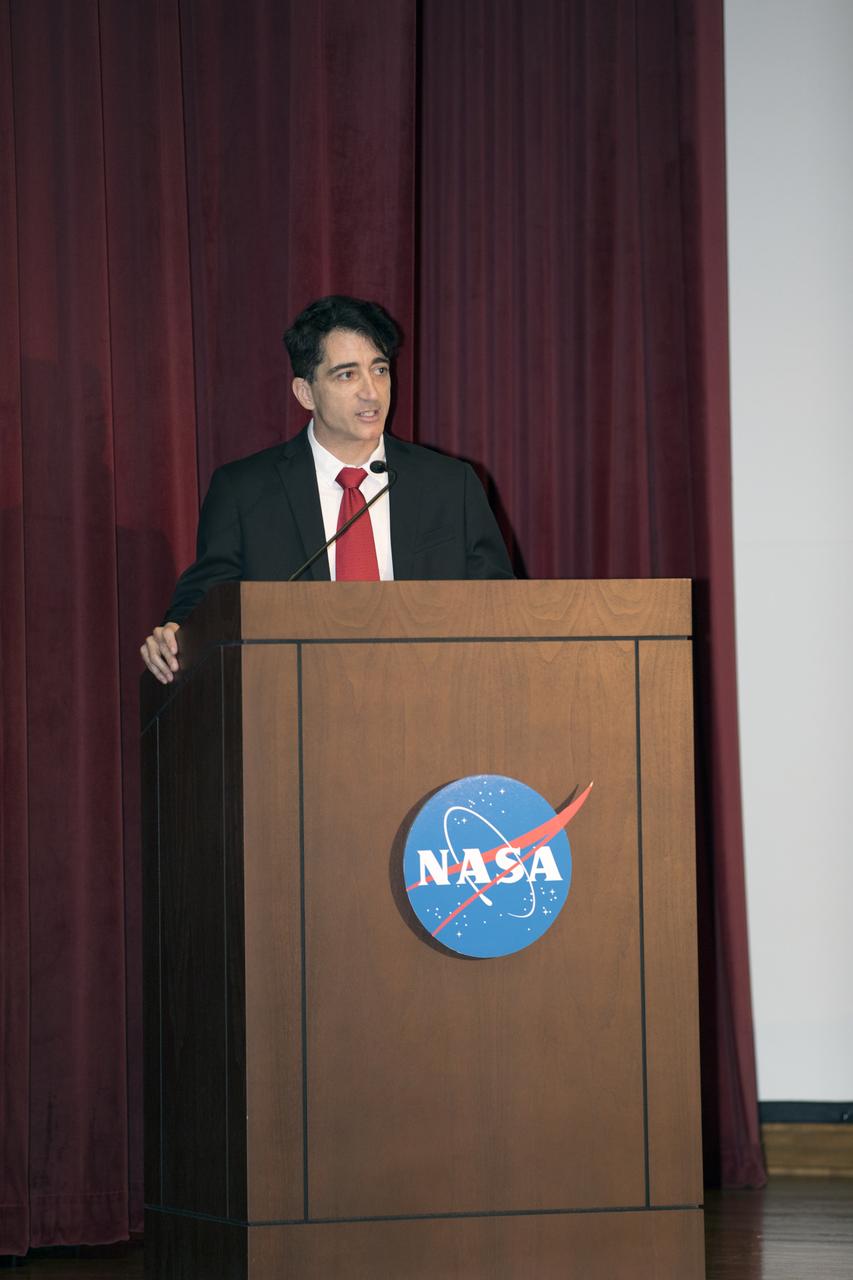
Mike Ciannilli, the Apollo, Challenger, Columbia Lessons Learned Program manager, welcomes participants to the Apollo 1 Lessons Learned presentation in the Training Auditorium at NASA’s Kennedy Space Center in Florida. The program's theme was "To There and Back Again." Guest panelists included Charlie Duke, former Apollo 16 astronaut and member of the Apollo 1 Emergency Egress Investigation Team; Ernie Reyes, retired, Apollo 1 senior operations engineer; and John Tribe, retired, Apollo 1 Reaction and Control System lead engineer. The event helped pay tribute to the Apollo 1 crew, Gus Grissom, Ed White II, and Roger Chaffee.
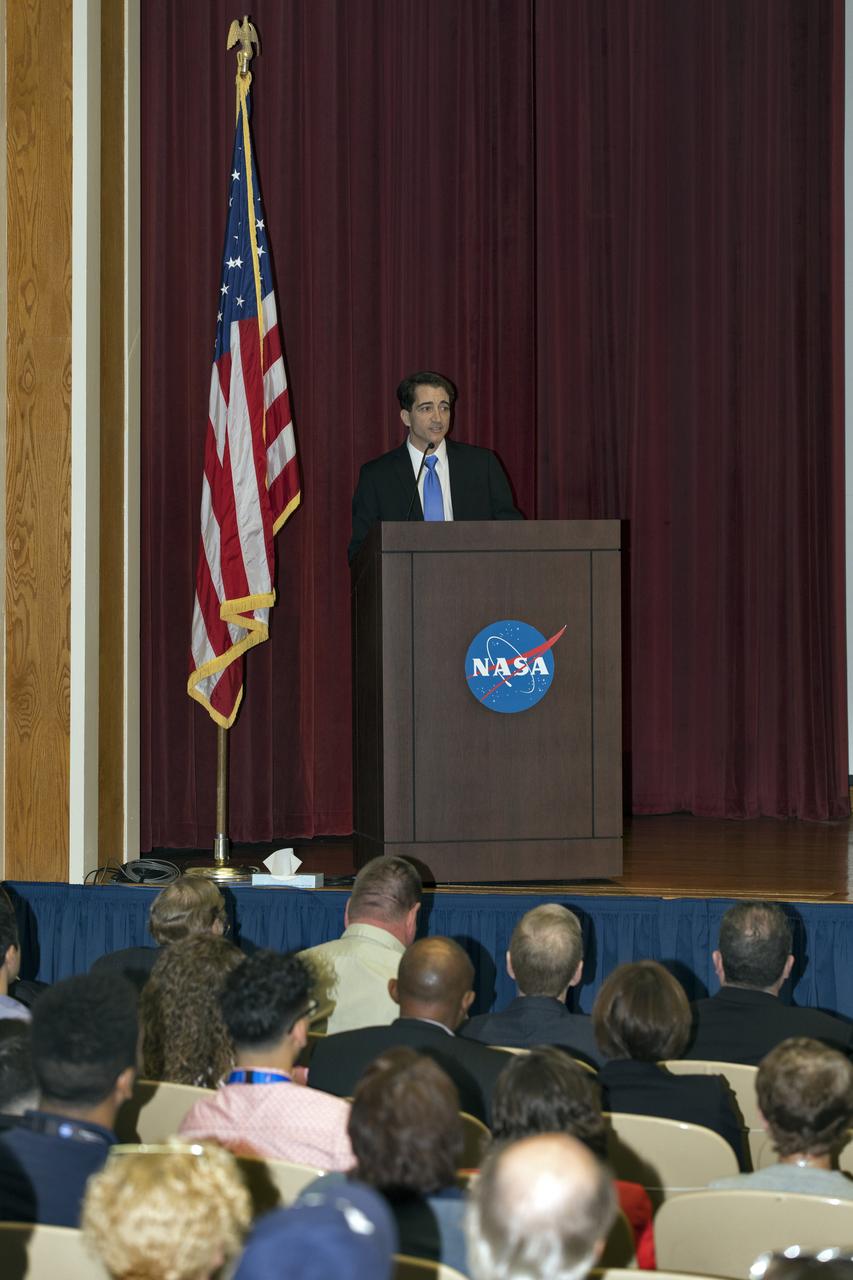
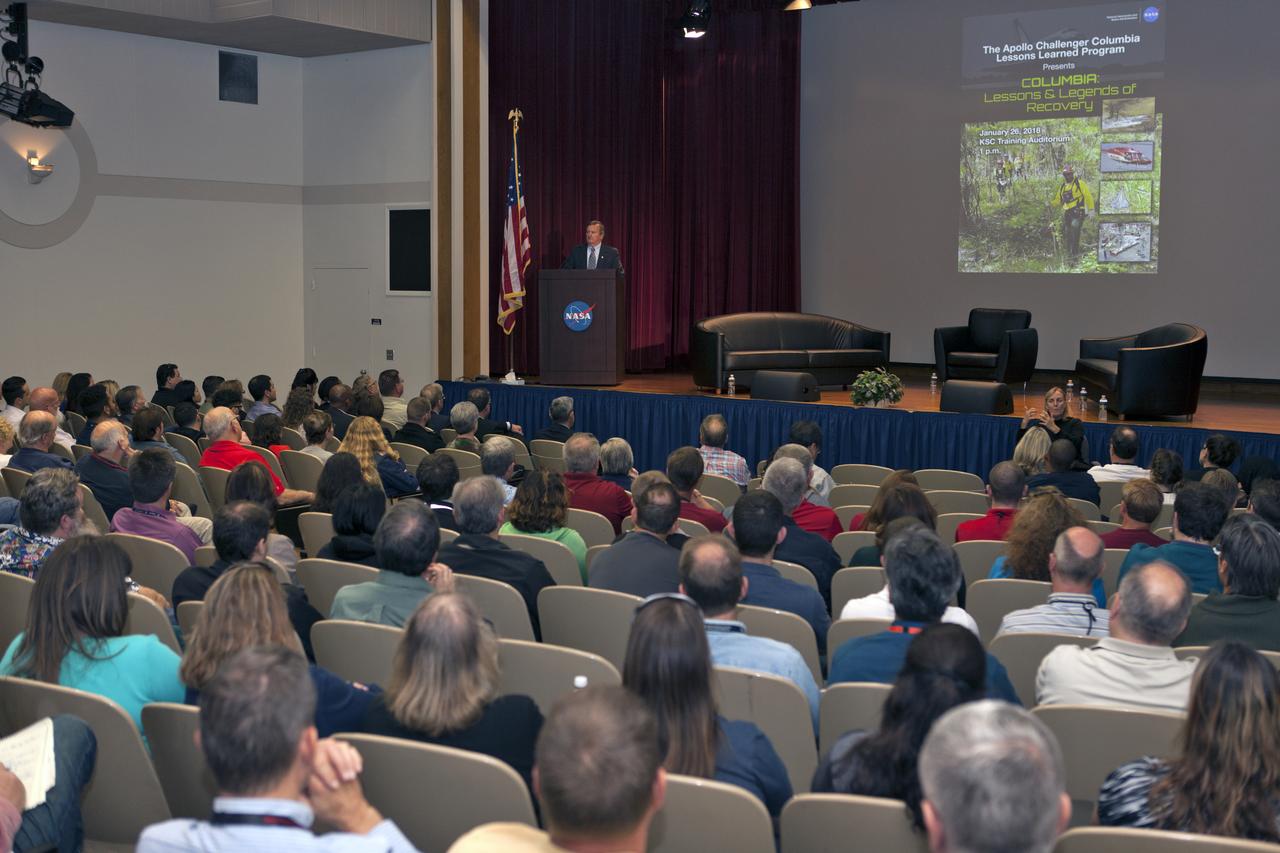
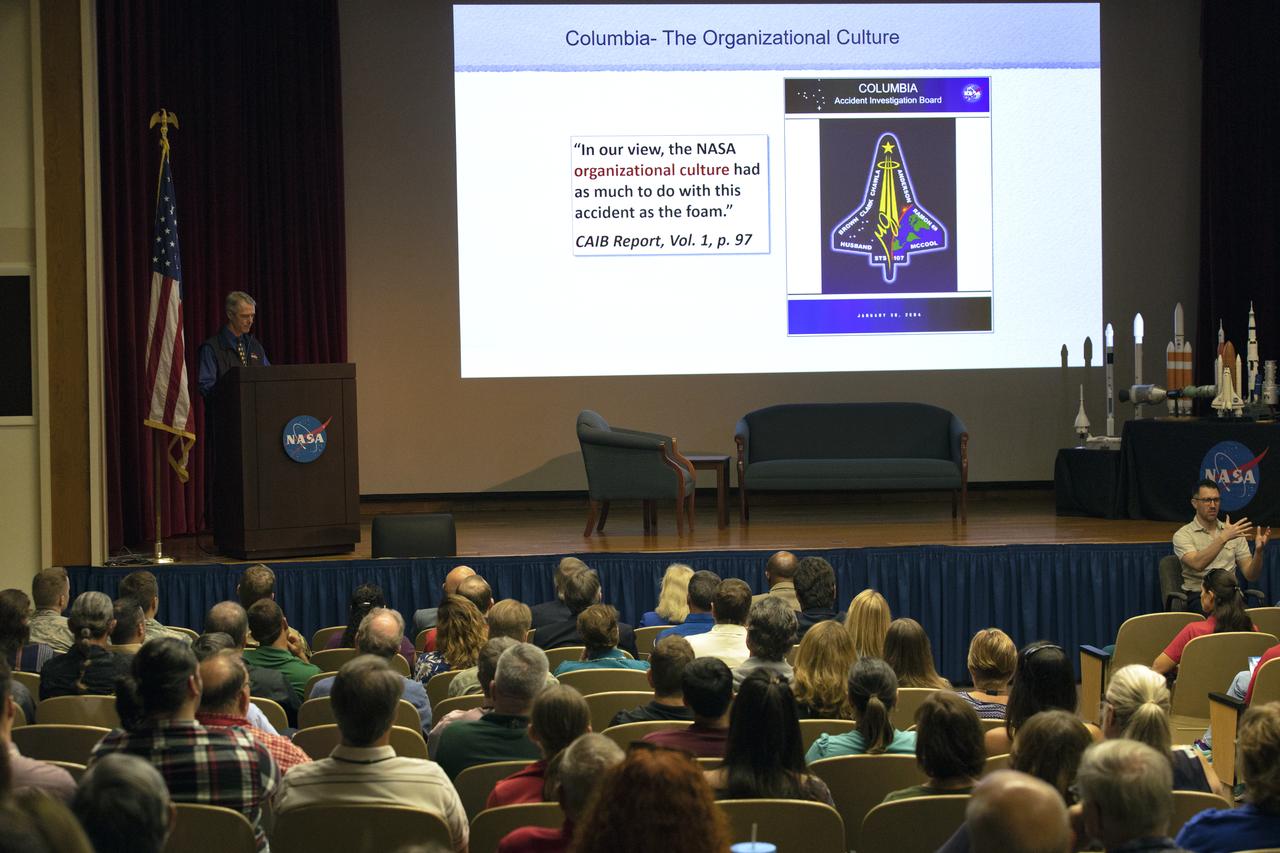
Mike Ciannilli, the Apollo, Challenger, Columbia Lessons Learned Program manager, welcomes employees to a lessons learned presentation in the Training Auditorium at NASA’s Kennedy Space Center in Florida. The program's theme was "Columbia: Lessons and Legends of Recovery." The event featured a panel discussion moderated by Kennedy Center Director Bob Cabana.
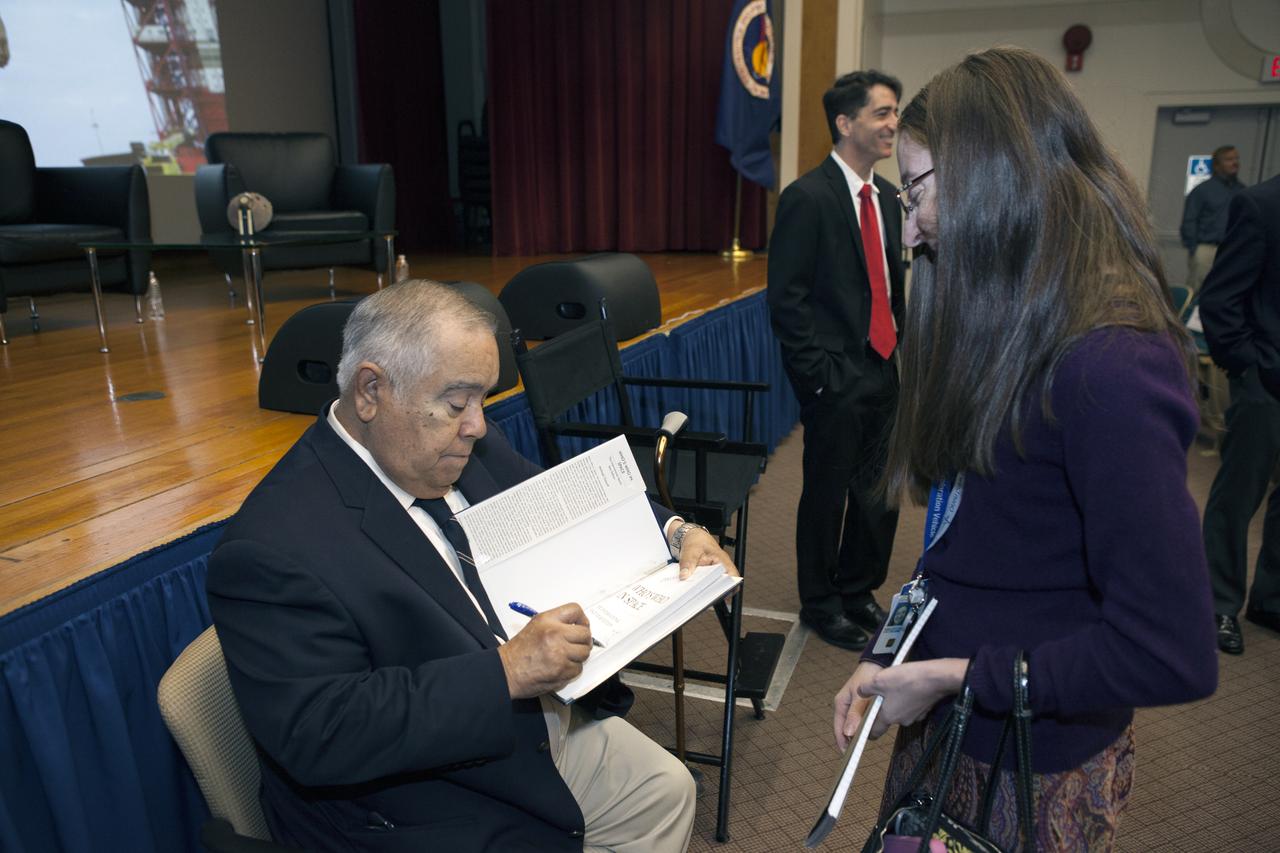
Ernie Reyes, retired, former Apollo 1 senior operations manager, signs a book for a worker after the Apollo 1 Lessons Learned presentation in the Training Auditorium at NASA's Kennedy Space Center in Florida. The theme of the program was "To there and Back Again." The event helped pay tribute to the Apollo 1 crew, Gus Grissom, Ed White II, and Roger Chaffee.
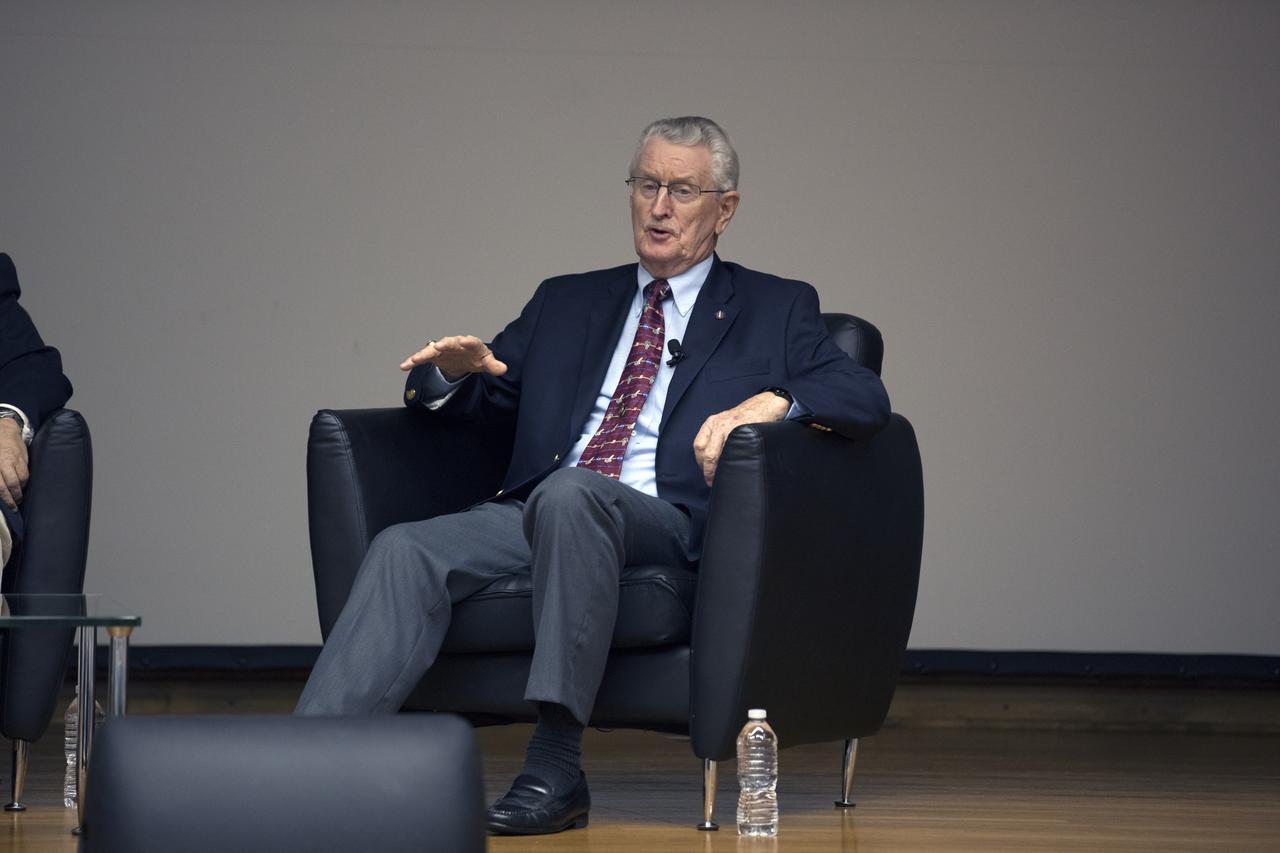
John Tribe, retired, Apollo 1 Reaction and Control System lead engineer, answers questions during the Apollo 1 Lessons Learned event in the Training Auditorium at NASA’s Kennedy Space Center in Florida. The theme of the presentation was "To There and Back Again." The event helped pay tribute to the Apollo 1 crew, Gus Grissom, Ed White II, and Roger Chaffee.
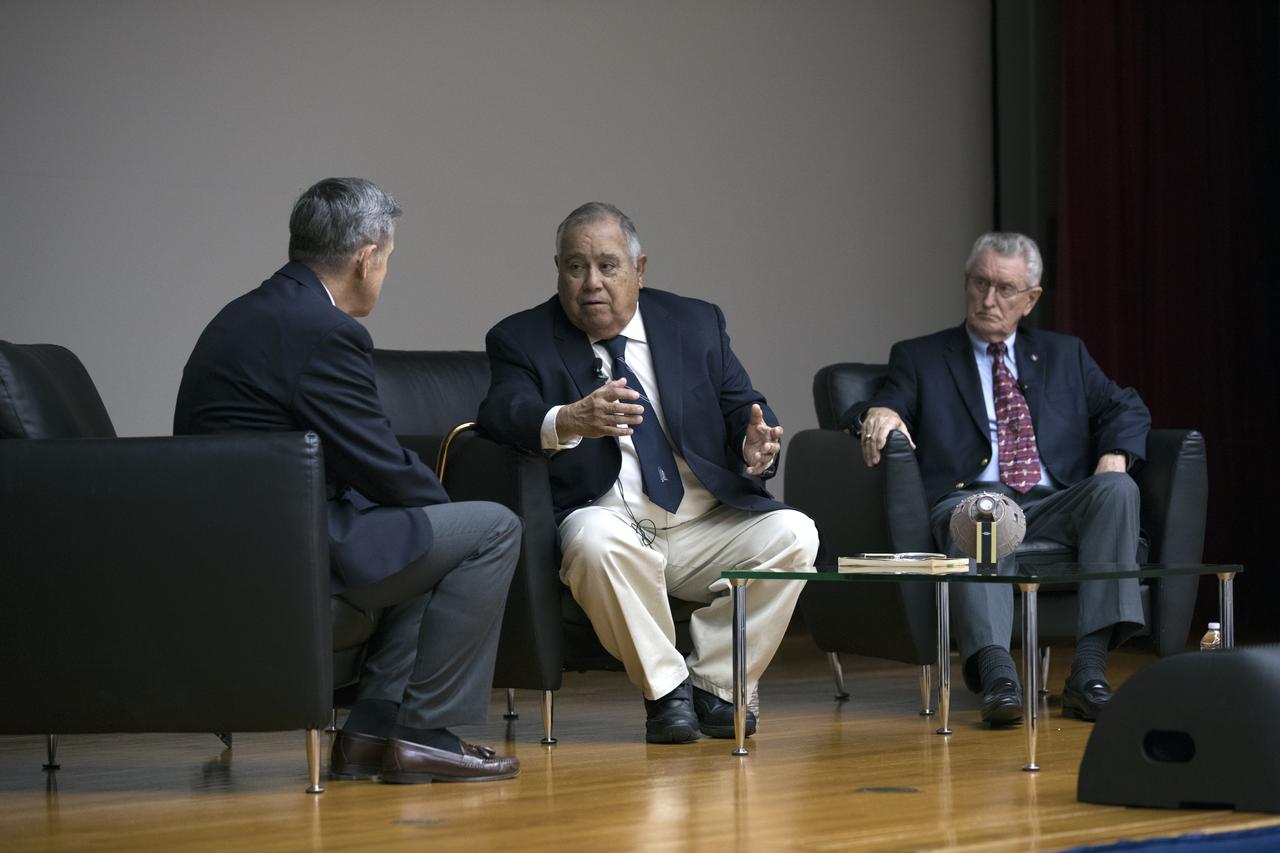
NASA Kennedy Space Center Director Bob Cabana, at left, moderates a panel discussion during the Apollo 1 Lessons Learned event in the Training Auditorium at NASA’s Kennedy Space Center in Florida. The theme of the presentation was "To There and Back Again." Answering questions are Ernie Reyes, retired, Apollo 1 senior operations engineer; and John Tribe, retired, Apollo 1 Reaction and Control System lead engineer. The event helped pay tribute to the Apollo 1 crew, Gus Grissom, Ed White II, and Roger Chaffee.
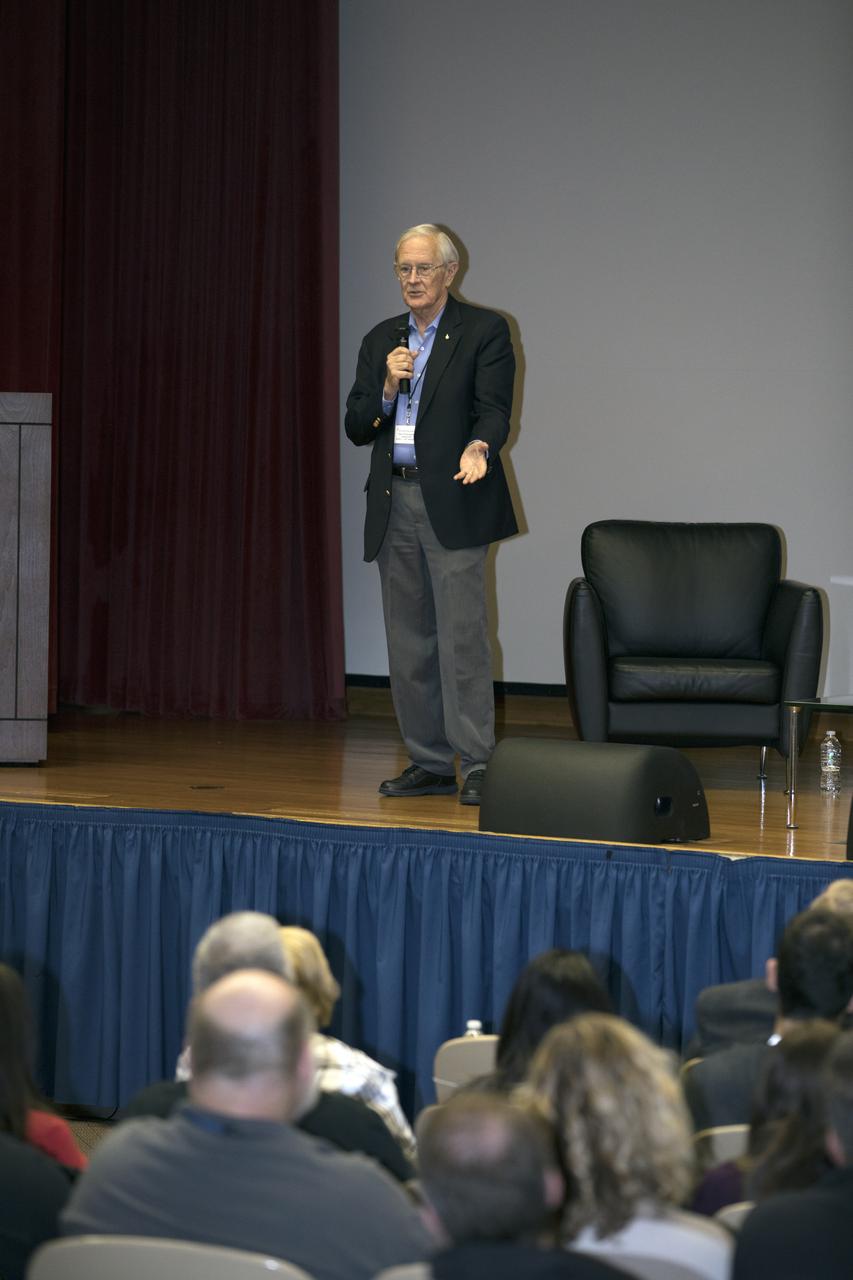
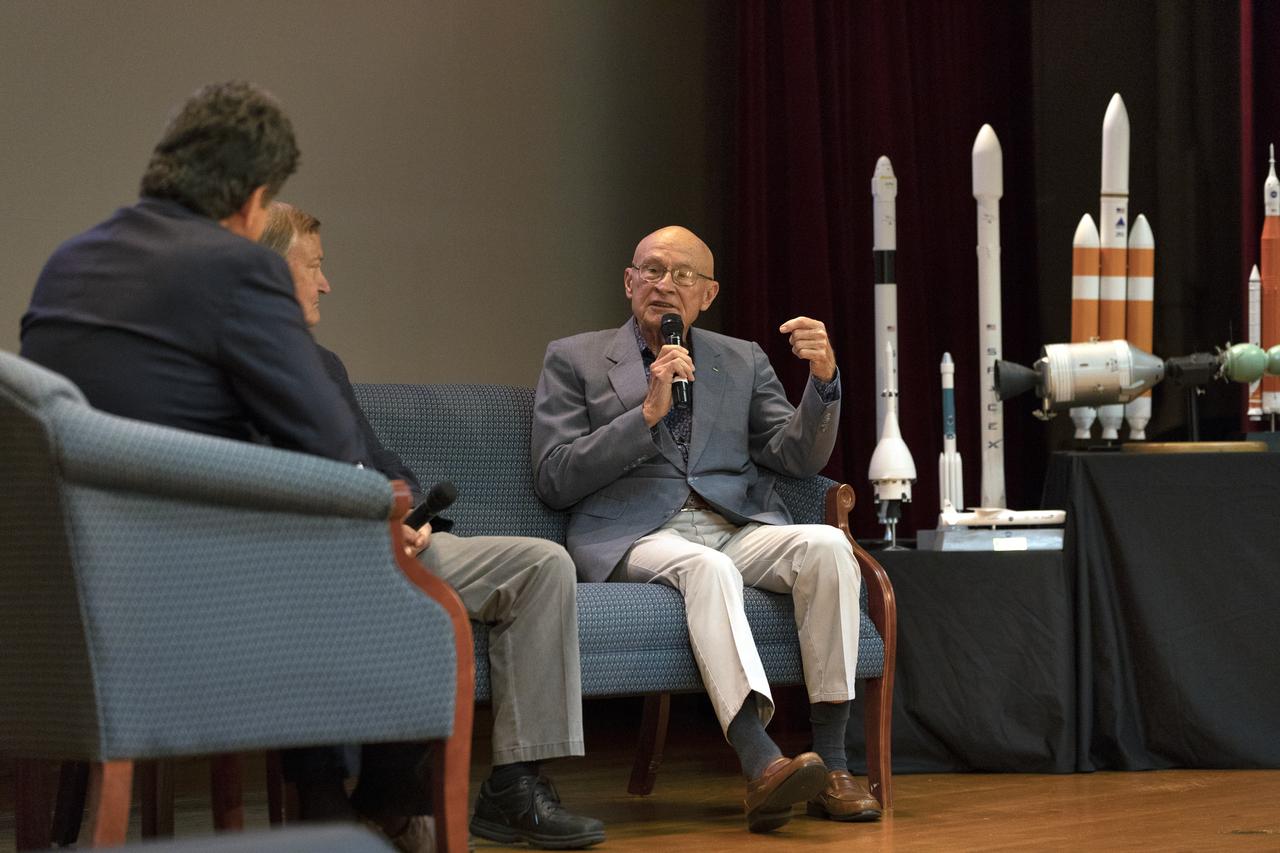
Charlie Duke, former Apollo 16 astronaut and member of the Apollo 1 Emergency Egress Investigation Team, speaks to participants during the Apollo 1 Lessons Learned presentation in the Training Auditorium at NASA's Kennedy Space Center in Florida. The program's theme was "To There and Back Again." Other guest panelists included Ernie Reyes, retired, Apollo 1 senior operations engineer; and John Tribe, retired, Apollo 1 Reaction and Control System lead engineer. The event helped pay tribute to the Apollo 1 crew, Gus Grissom, Ed White II, and Roger Chaffee.
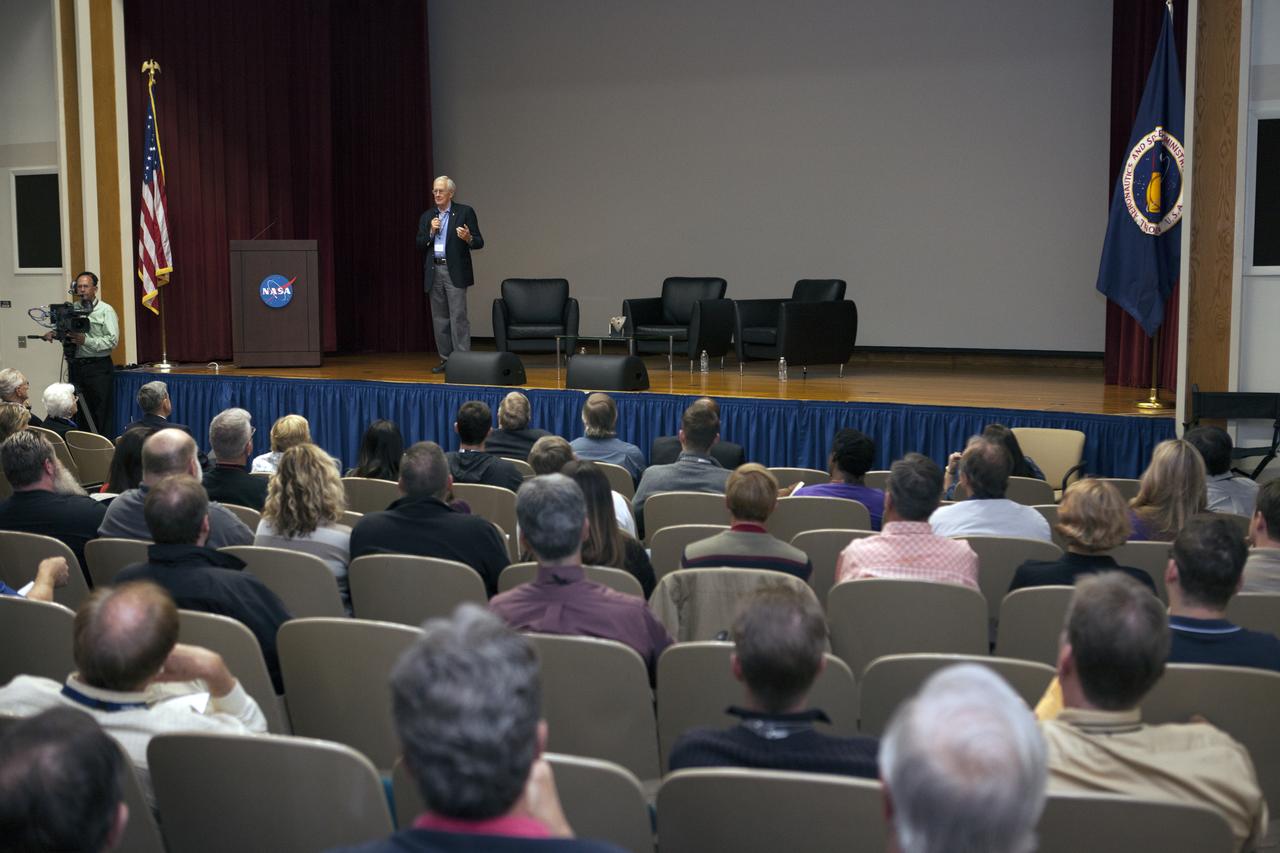
Charlie Duke, former Apollo 16 astronaut and member of the Apollo 1 Emergency Egress Investigation Team, speaks to participants during the Apollo 1 Lessons Learned presentation in the Training Auditorium at NASA's Kennedy Space Center in Florida. The program's theme was "To There and Back Again." Other guest panelists included Ernie Reyes, retired, Apollo 1 senior operations engineer; and John Tribe, retired, Apollo 1 Reaction and Control System lead engineer. The event helped pay tribute to the Apollo 1 crew, Gus Grissom, Ed White II, and Roger Chaffee.
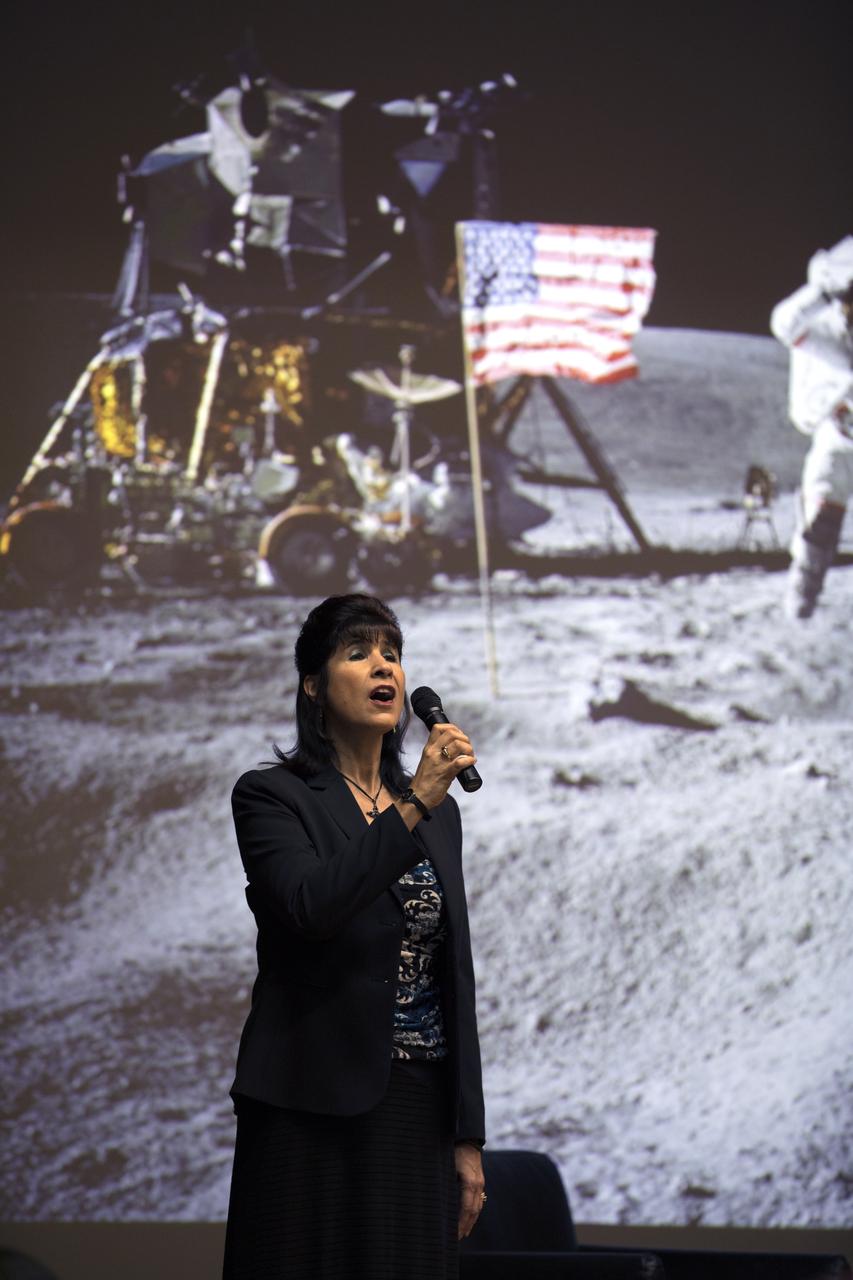
Suzy Cunningham, with the Communication and Public Engagement Directorate, sings the National Anthem before the start of the Apollo 1 Lessons Learned presentation in the Training Auditorium at NASA’s Kennedy Space Center in Florida. The program's theme was "To There and Back Again." Guest panelists included Charlie Duke, former Apollo 16 astronaut and member of the Apollo 1 Emergency Egress Investigation Team; Ernie Reyes, retired, Apollo 1 senior operations engineer; and John Tribe, retired, Apollo 1 Reaction and Control System lead engineer. The event helped pay tribute to the Apollo 1 crew, Gus Grissom, Ed White II, and Roger Chaffee.
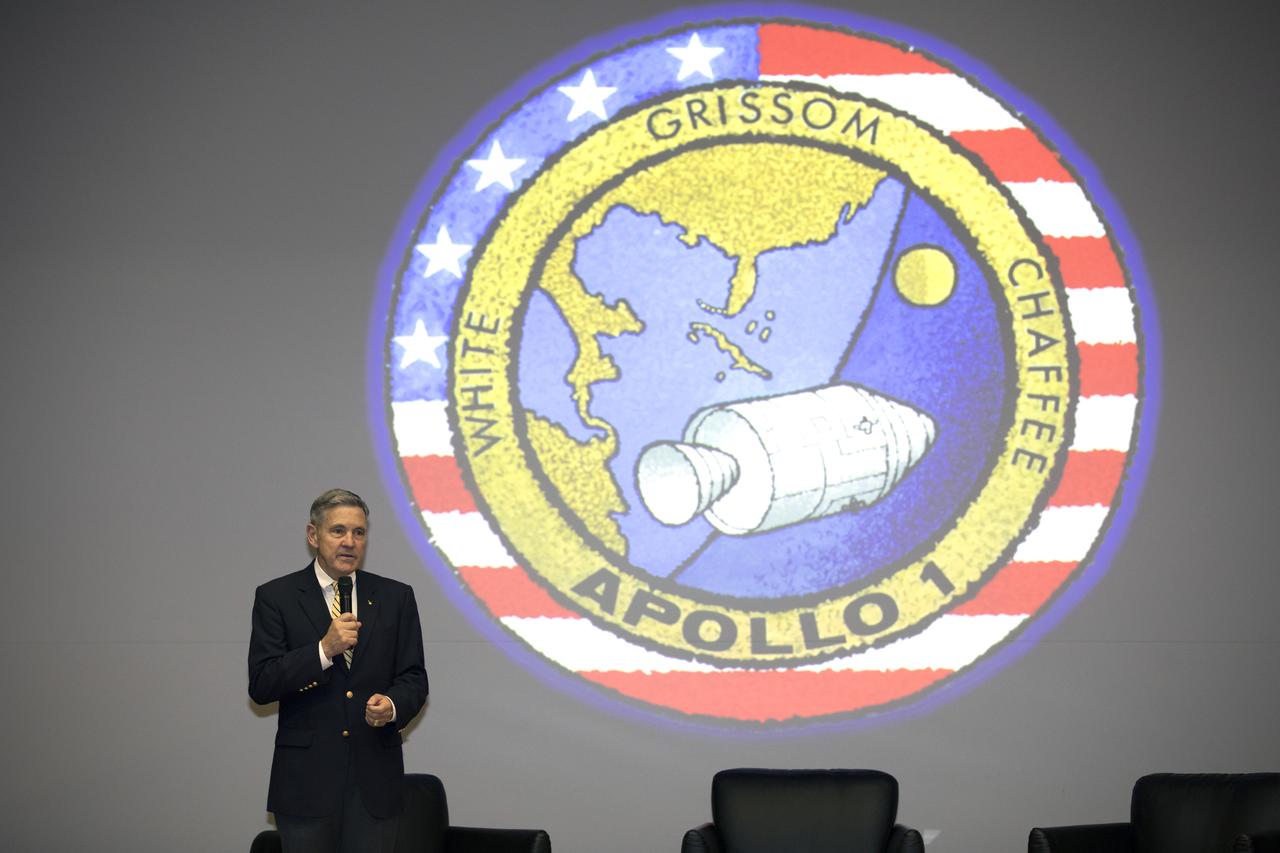
Kennedy Space Center Director Bob Cabana welcomes participants to the Apollo 1 Lessons Learned presentation in the Training Auditorium at NASA’s Kennedy Space Center in Florida. The program's theme was "To There and Back Again." Guest panelists included Charlie Duke, former Apollo 16 astronaut and member of the Apollo 1 Emergency Egress Investigation Team; Ernie Reyes, retired, Apollo 1 senior operations engineer; and John Tribe, retired, Apollo 1 Reaction and Control System lead engineer. The event helped pay tribute to the Apollo 1 crew, Gus Grissom, Ed White II, and Roger Chaffee.
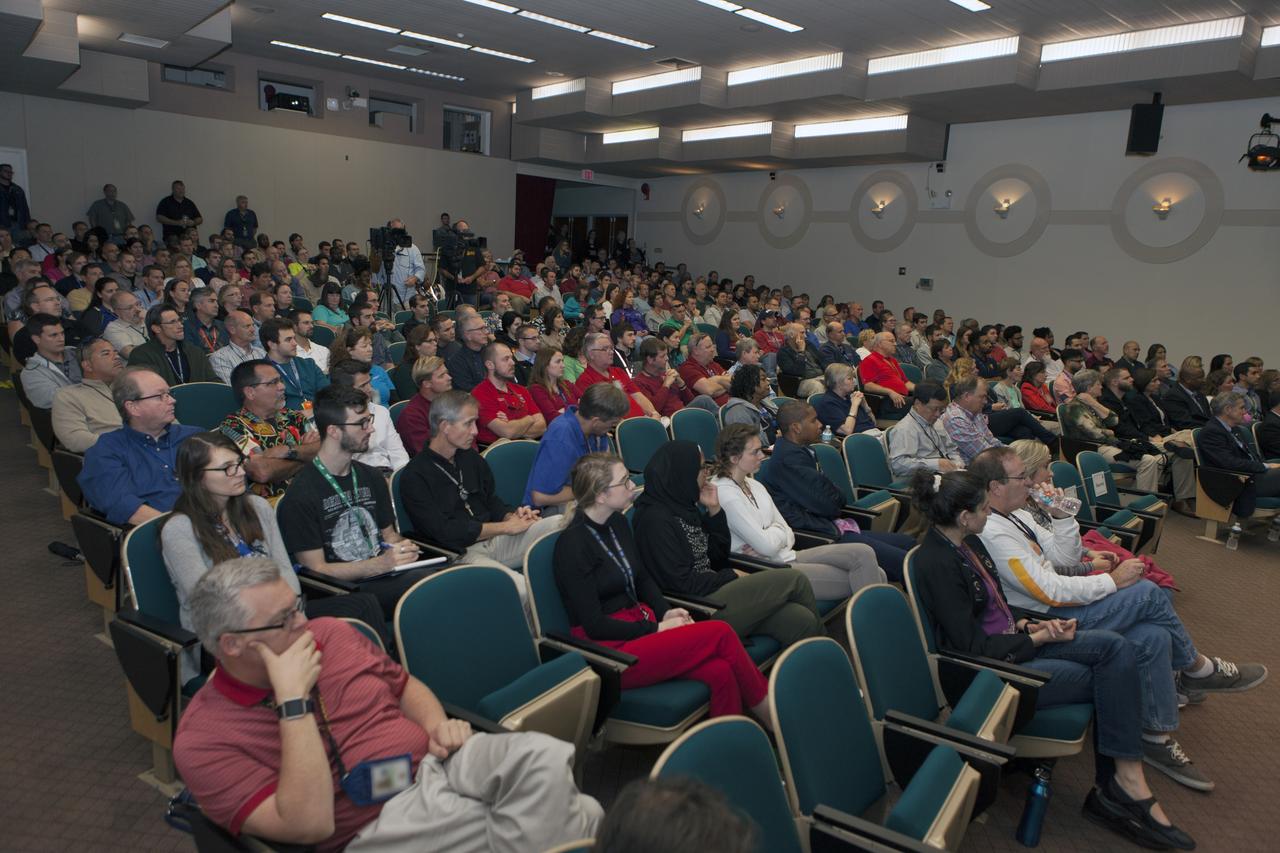
Employees listen intently during an Apollo, Challenger, Columbia Lessons Learned Program event in the Training Auditorium at NASA's Kennedy Space Center in Florida. The program's theme was "Columbia: Lessons and Legends of Recovery." Kennedy Center Director Bob Cabana moderated a panel discussion featuring guests with connections to Columbia and recovery efforts.
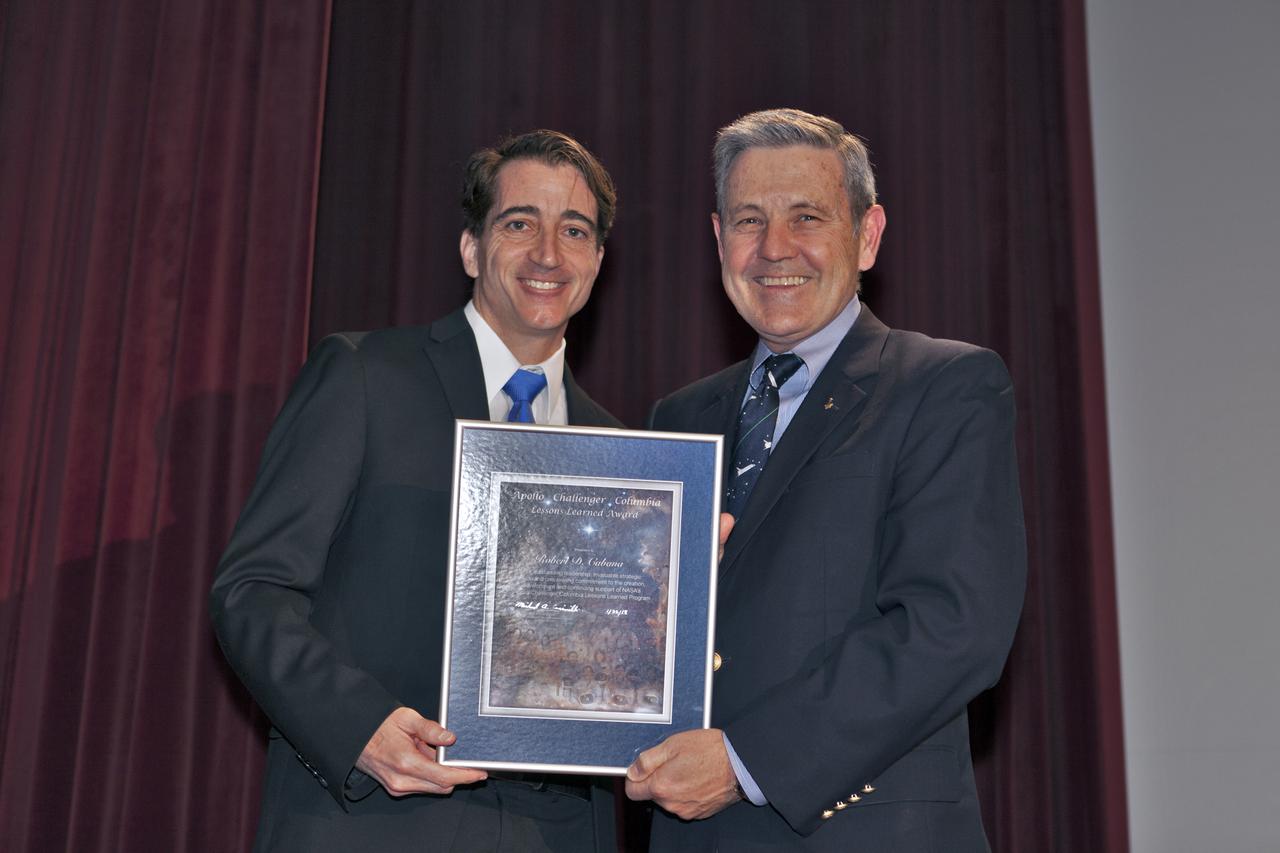
Mike Ciannilli, left, manager of the Apollo, Challenger, Columbia Lessons Learned Program (ACCLLP), presents a certificate of appreciation to Kennedy Space Center Director Bob Cabana, during an ACCLLP employee event in the Training Auditorium at the center in Florida. The theme of the presentation was "Columbia: Lessons and Legends of Recovery," and featured a panel discussion moderated by Cabana.
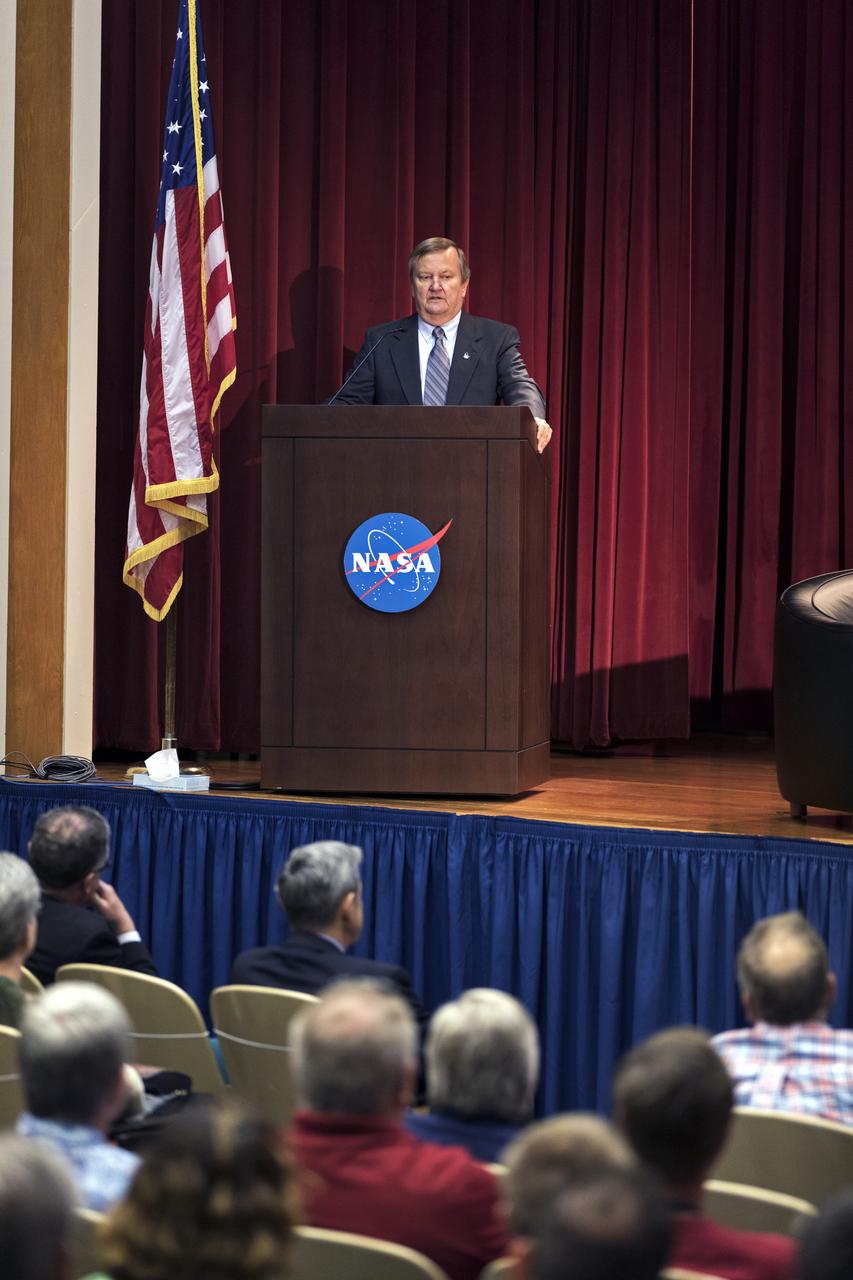
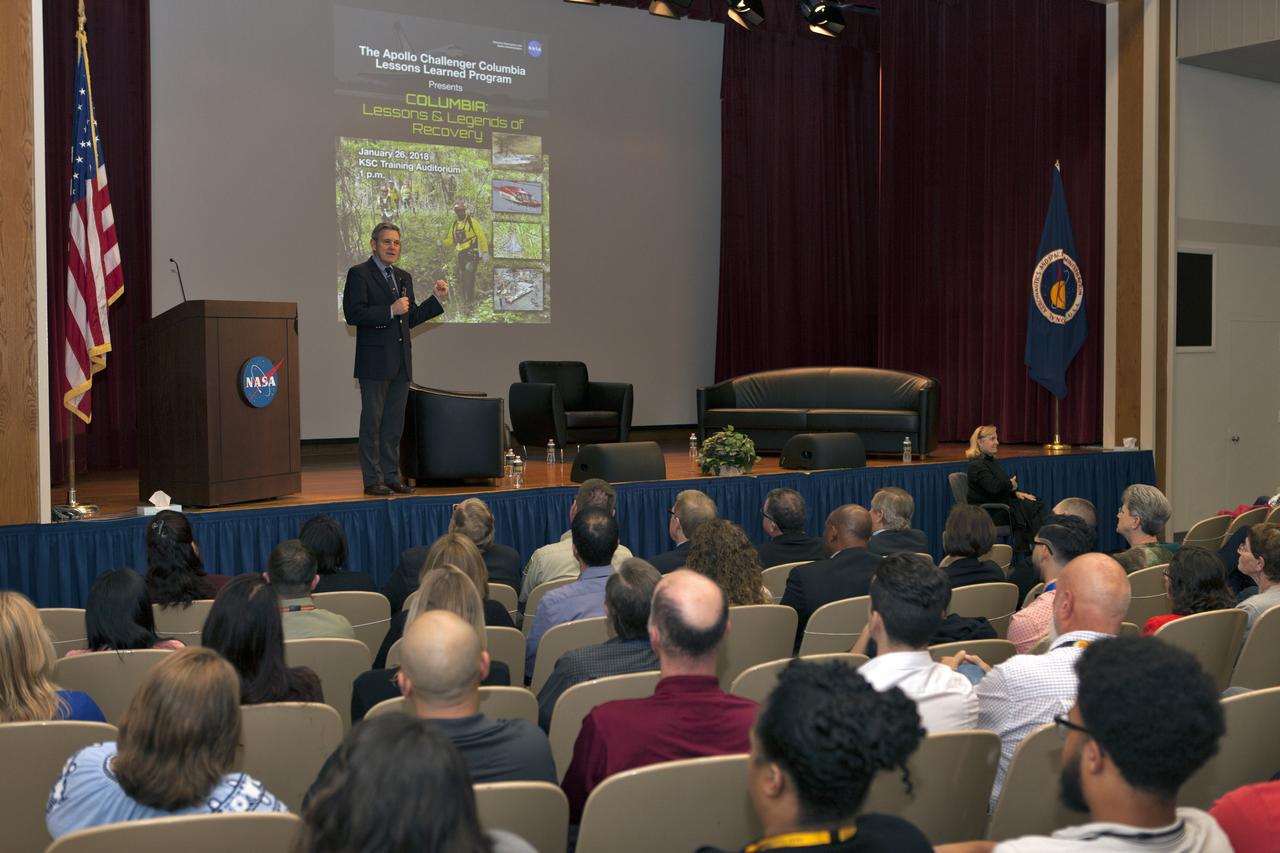
Former NASA Shuttle Launch Director Mike Leinbach speaks to employees during an Apollo, Challenger, Columbia Lessons Learned Program event in the Training Auditorium at Kennedy Space Center in Florida. The program's theme was "Columbia: Lessons and Legends of Recovery." Leinbach participated in a panel discussion during the event.
Former NASA Shuttle Launch Director Mike Leinbach speaks to employees during an Apollo, Challenger, Columbia Lessons Learned Program event in the Training Auditorium at Kennedy Space Center in Florida. The program's theme was "Columbia: Lessons and Legends of Recovery." Leinbach participated in a panel discussion during the event.
NASA Kennedy Space Center Director Bob Cabana speaks to employees during an Apollo, Challenger, Columbia Lessons Learned Program event in the center's Training Auditorium. The program's theme was "Columbia: Lessons and Legends of Recovery." Cabana moderated a panel discussion featuring guests with connections to Columbia and recovery efforts.

Dave King, former director of Marshall Space Flight Center in Huntsville, Alabama, and NASA Columbia Recovery director, gives the keynote speech during an Apollo, Challenger, Columbia Lessons Learned Program employee event at NASA's Kennedy Space Center in Florida. The theme of the presentation was "Columbia: Lessons and Legends of Recovery." King also participated in a panel discussion moderated by Kennedy Space Center Director Bob Cabana.
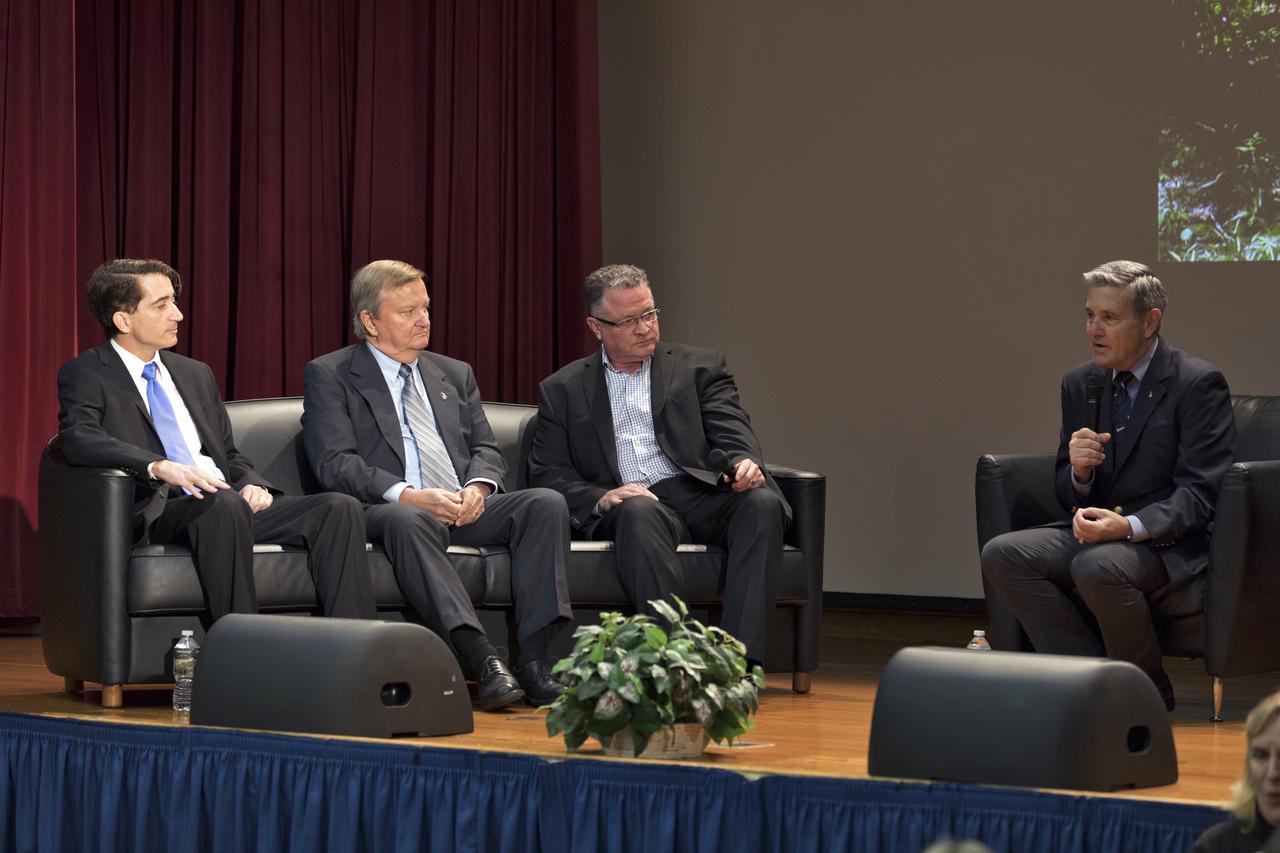
NASA Kennedy Space Center Director Bob Cabana, far right, poses a question to several panelists during an Apollo, Challenger, Columbia Lessons Learned Program (ACCLLP) employee event. The theme of the presentation was "Columbia: Lessons and Legends of Recovery." Participating, from left, are Mike Ciannilli, ACCLLP manager; Mike Leinbach, former shuttle launch director; and Dave King, NASA Columbia Recovery director and former director of Marshall Space Flight Center.
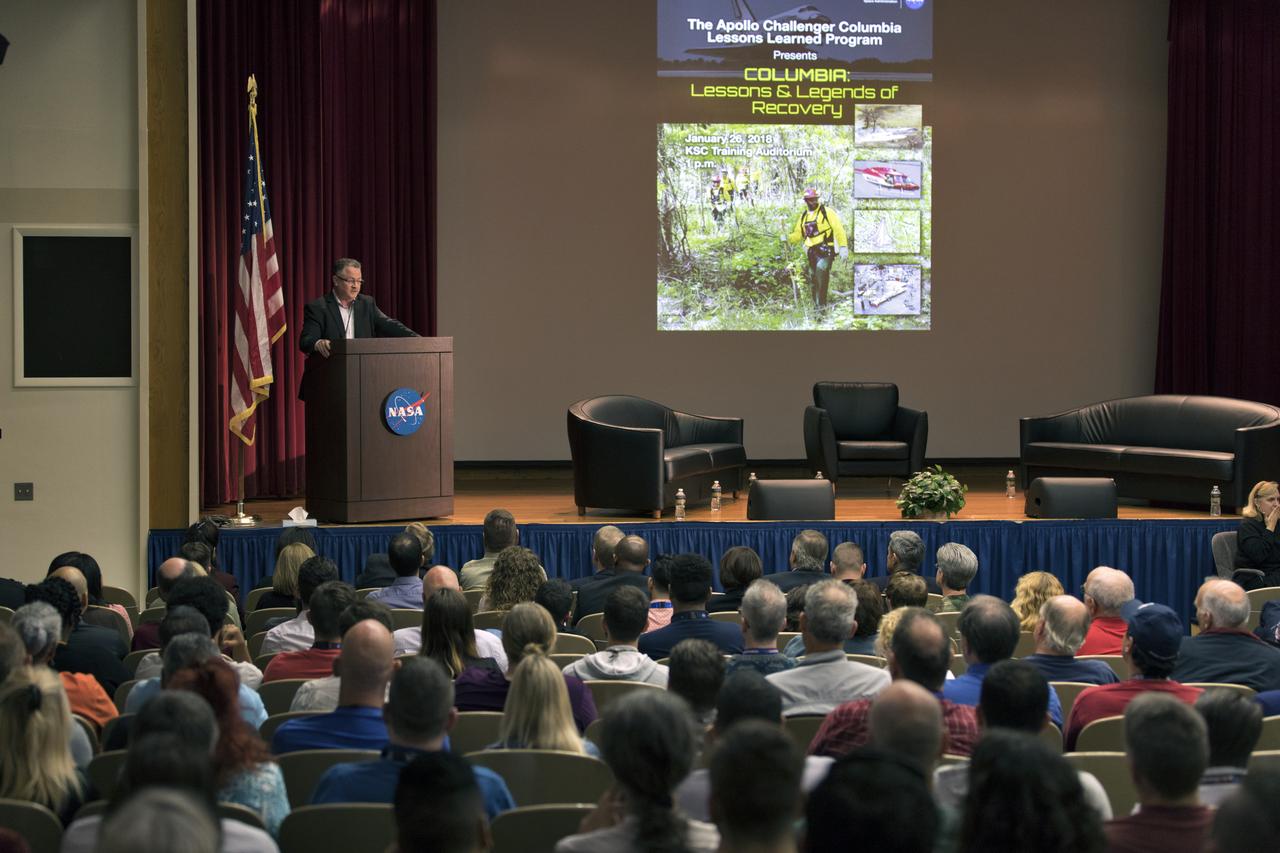
Dave King, former director of Marshall Space Flight Center in Huntsville, Alabama, and NASA Columbia Recovery director, gives the keynote speech during an Apollo, Challenger, Columbia Lessons Learned Program employee event at NASA's Kennedy Space Center in Florida. The theme of the presentation was "Columbia: Lessons and Legends of Recovery." King also participated in a panel discussion moderated by Kennedy Space Center Director Bob Cabana.
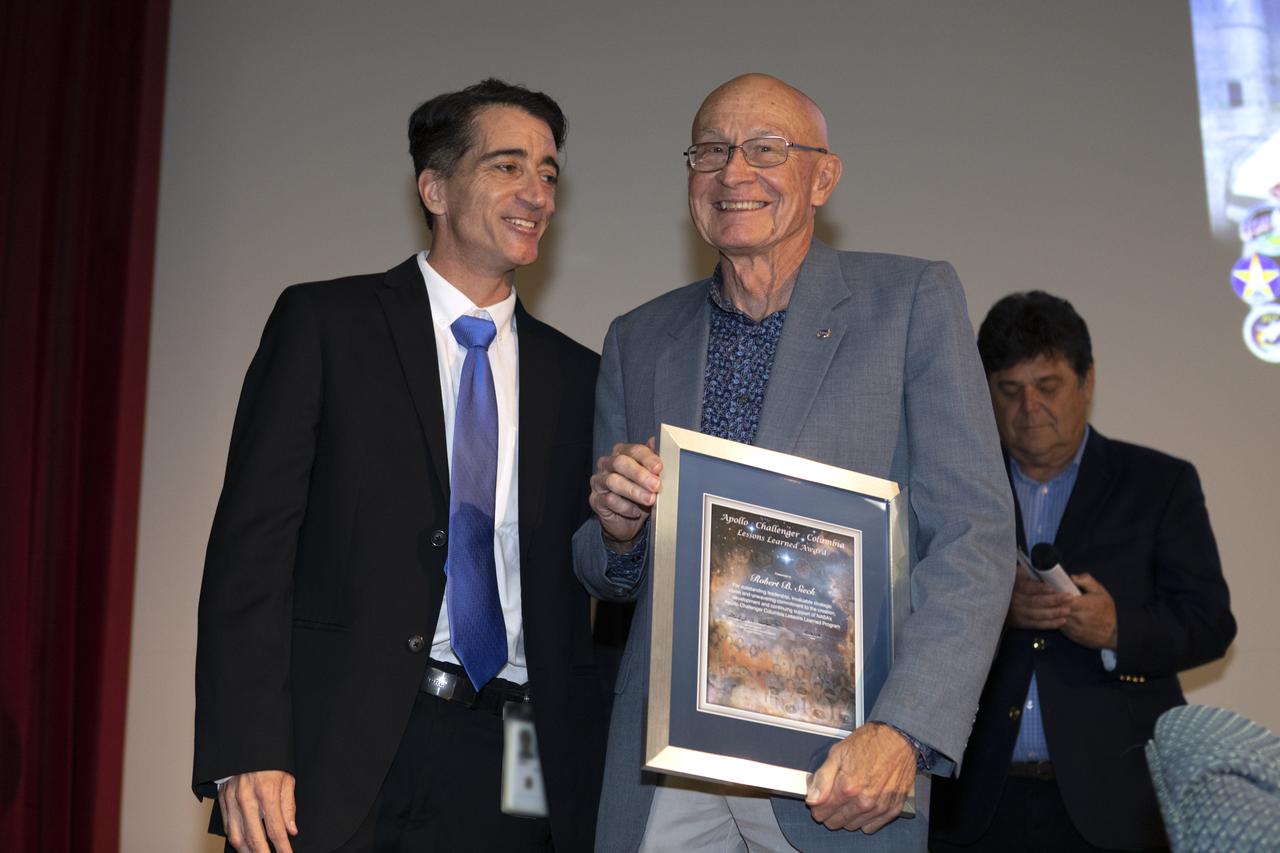
Apollo Challenger Columbia Lessons Learned Program (ACCLLP) Manager Mike Ciannilli, left, presents former space shuttle launch director Bob Sieck with a Lessons Learned Award in Kennedy Space Center’s Training Auditorium on April 12, 2019. The two men were a part of “Columbia: The Mission Continues,” an event organized by the ACCLLP. The event is part of the Space Shuttle Columbia national tour and took place on the 38th anniversary of STS-1, the first orbital spaceflight of NASA’s Space Shuttle Program. The tour launched at Kennedy and will make its way to each of the 10 NASA centers.
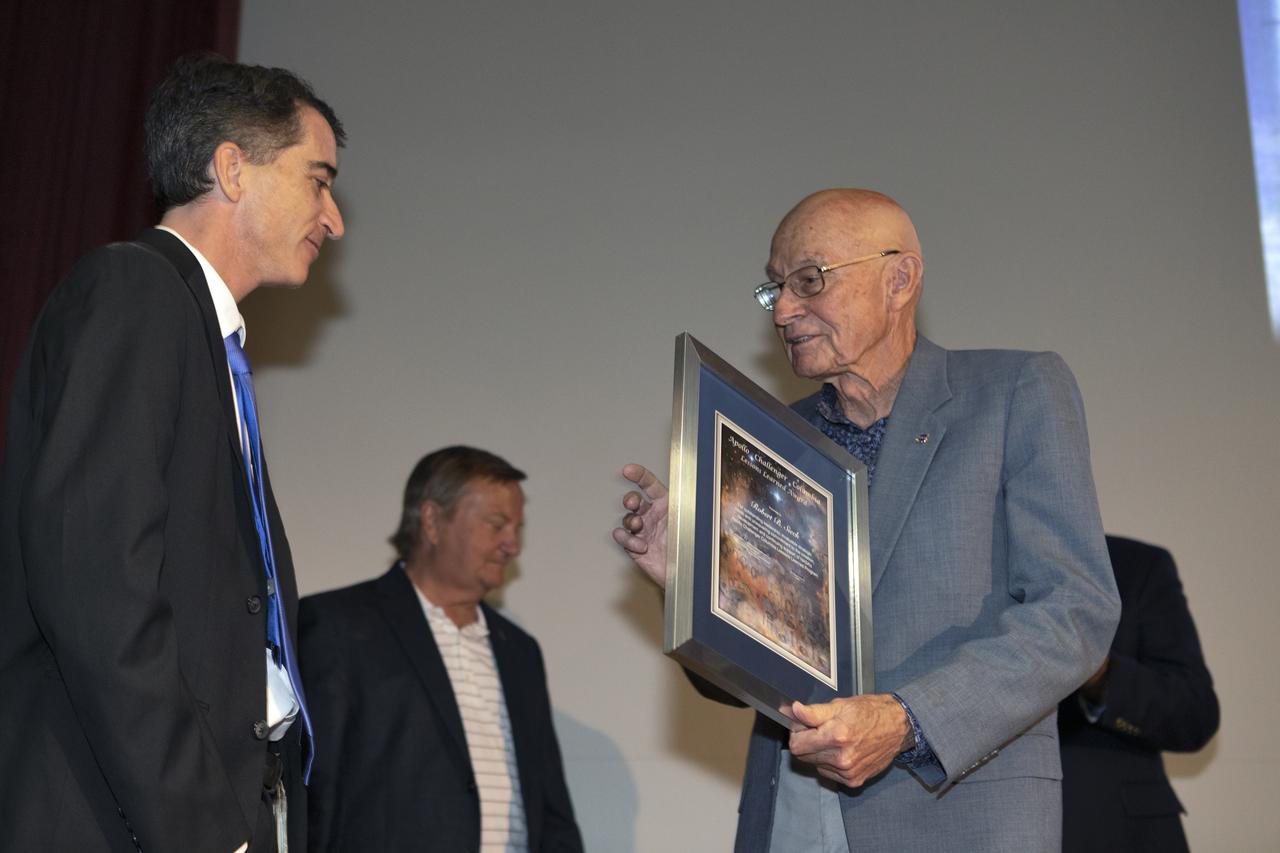
Former space shuttle launch director Bob Sieck, right, receives a Lessons Learned Award from Apollo Challenger Columbia Lessons Learned Program (ACCLLP) Manager Mike Ciannilli in Kennedy Space Center’s Training Auditorium on April 12, 2019. Sieck participated in a discussion during “Columbia: The Mission Continues,” an event organized by the ACCLLP. The event is part of the Space Shuttle Columbia national tour and took place on the 38th anniversary of STS-1, the first orbital spaceflight of NASA’s Space Shuttle Program. The tour launched at Kennedy and will make its way to each of the 10 NASA centers.
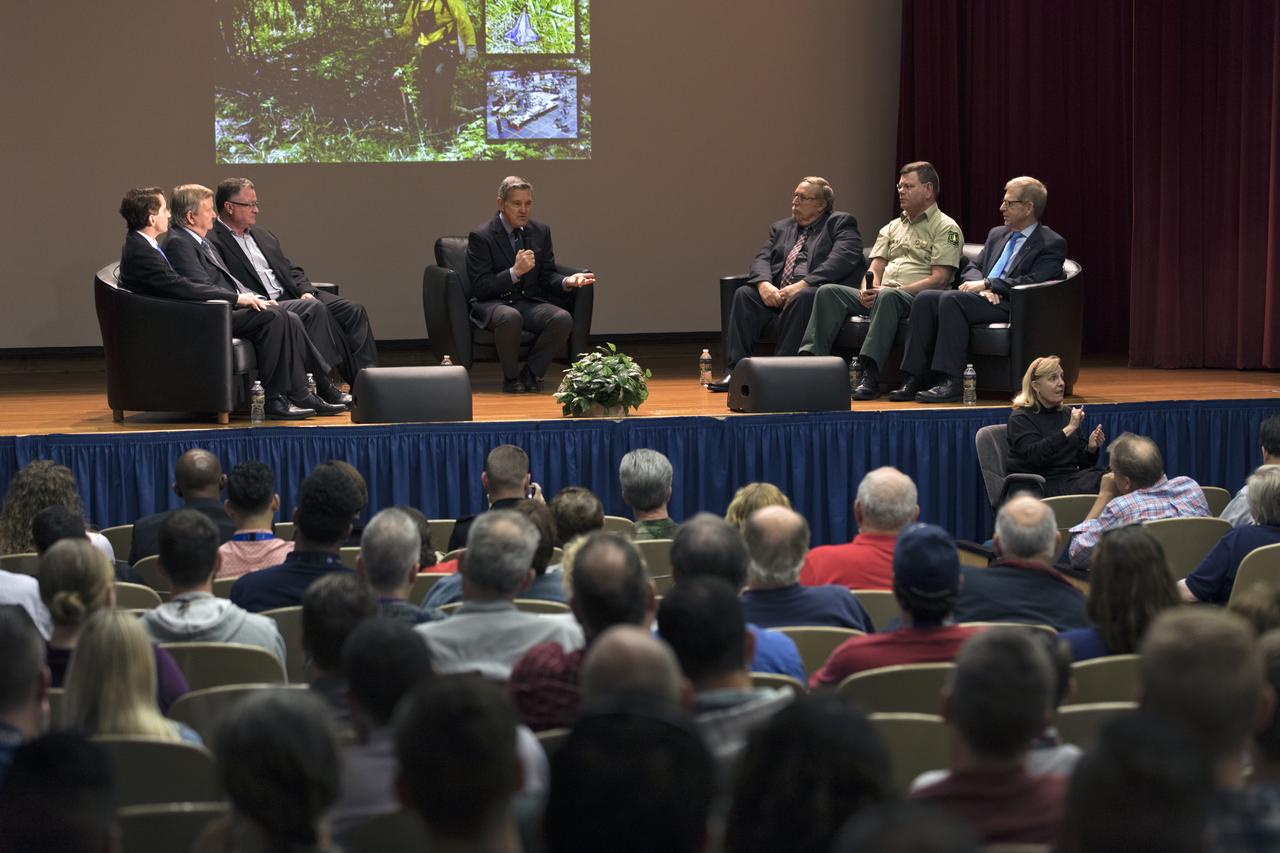
NASA Kennedy Space Center Director Bob Cabana, center, leads a panel discussion during an Apollo, Challenger, Columbia Lessons Learned Program (ACCLLP) employee event. The theme of the presentation was "Columbia: Lessons and Legends of Recovery." Participating, from left, are Mike Ciannilli, ACCLLP manager; Mike Leinbach, former shuttle launch director; Dave King, NASA Columbia Recovery director and former director of Marshall Space Flight Center; Gerry Schumann, NASA Mishap Investigation manager; Greg Cohrs, U.S. Forestry Service ranger; and Jonathan Ward, author and space historian.

NASA Kennedy Space Center Director Bob Cabana, center, leads a panel discussion during an Apollo, Challenger, Columbia Lessons Learned Program (ACCLLP) employee event. The theme of the presentation was "Columbia: Lessons and Legends of Recovery." Participating, from left, are Mike Ciannilli, ACCLLP manager; Mike Leinbach, former shuttle launch director; Dave King, NASA Columbia Recovery director and former director of Marshall Space Flight Center; Gerry Schumann, NASA Mishap Investigation manager; Greg Cohrs, U.S. Forestry Service ranger; and Jonathan Ward, author and space historian.
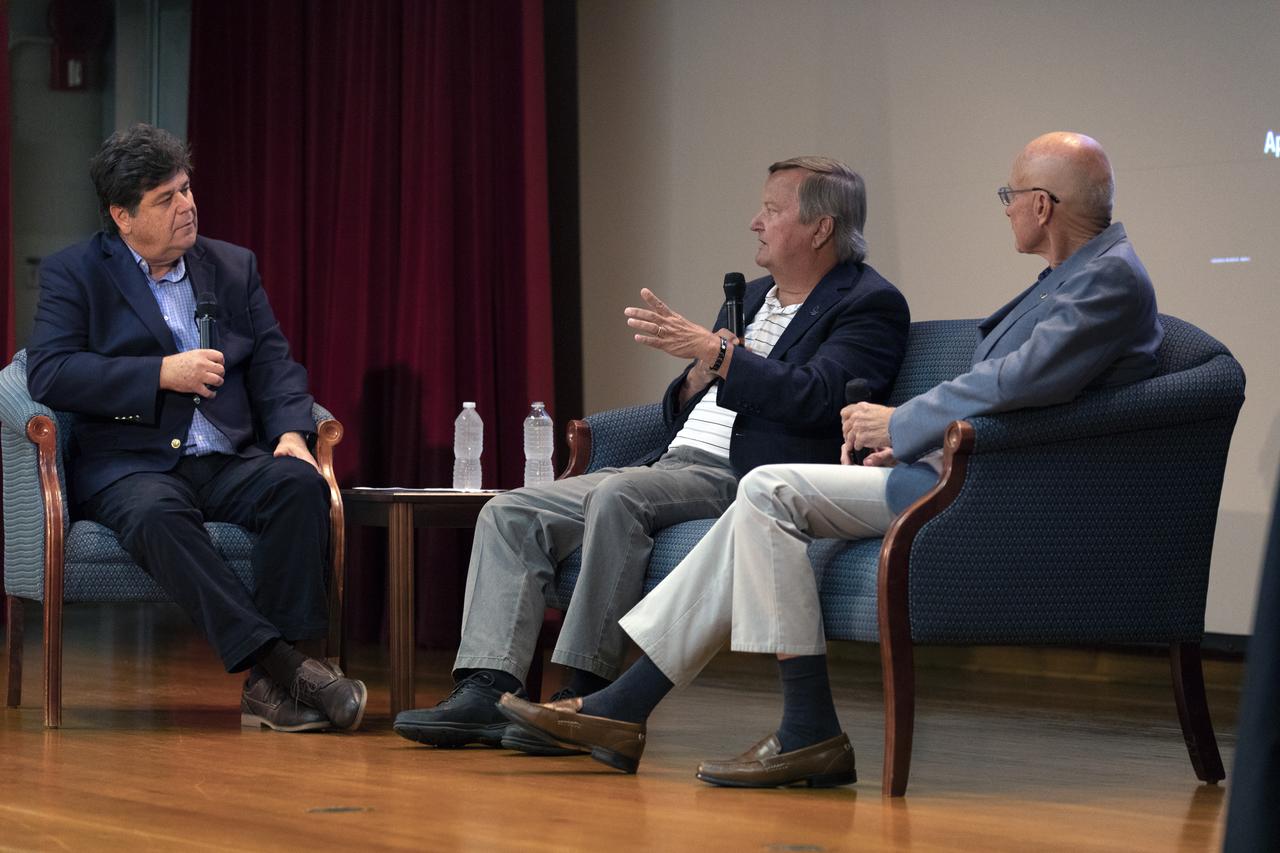
Veteran space reporter John Zarrella, left, moderates a “Lessons of Columbia” discussion with former space shuttle launch directors Mike Leinbach, center, and Bob Sieck in Kennedy Space Center’s Training Auditorium on April 12, 2019. The discussion took place during “Columbia: The Mission Continues,” an event organized by the Apollo Challenger Columbia Lessons Learned Program (ACCLLP). The event is part of the Space Shuttle Columbia national tour and took place on the 38th anniversary of STS-1, the first orbital spaceflight of NASA’s Space Shuttle Program. The tour launched at Kennedy and will make its way to each of the 10 NASA centers.
Veteran space reporter John Zarrella, left, moderates a “Lessons of Columbia” discussion with former space shuttle launch directors Mike Leinbach, center, and Bob Sieck in Kennedy Space Center’s Training Auditorium on April 12, 2019. The discussion took place during “Columbia: The Mission Continues,” an event organized by the Apollo Challenger Columbia Lessons Learned Program (ACCLLP). The event is part of the Space Shuttle Columbia national tour and took place on the 38th anniversary of STS-1, the first orbital spaceflight of NASA’s Space Shuttle Program. The tour launched at Kennedy and will make its way to each of the 10 NASA centers.
Goddard Space Flight Center Chief Knowledge Officer Ed Rogers speaks to NASA civil service and contractor employees and guests in Kennedy Space Center’s Training Auditorium on April 12, 2019. Rogers talked about lessons in decision-making during “Columbia: The Mission Continues,” an event organized by the Apollo Challenger Columbia Lessons Learned Program (ACCLLP). The event is part of the Space Shuttle Columbia national tour and took place on the 38th anniversary of STS-1, the first orbital spaceflight of NASA’s Space Shuttle Program. The tour launched at Kennedy and will make its way to each of the 10 NASA centers.
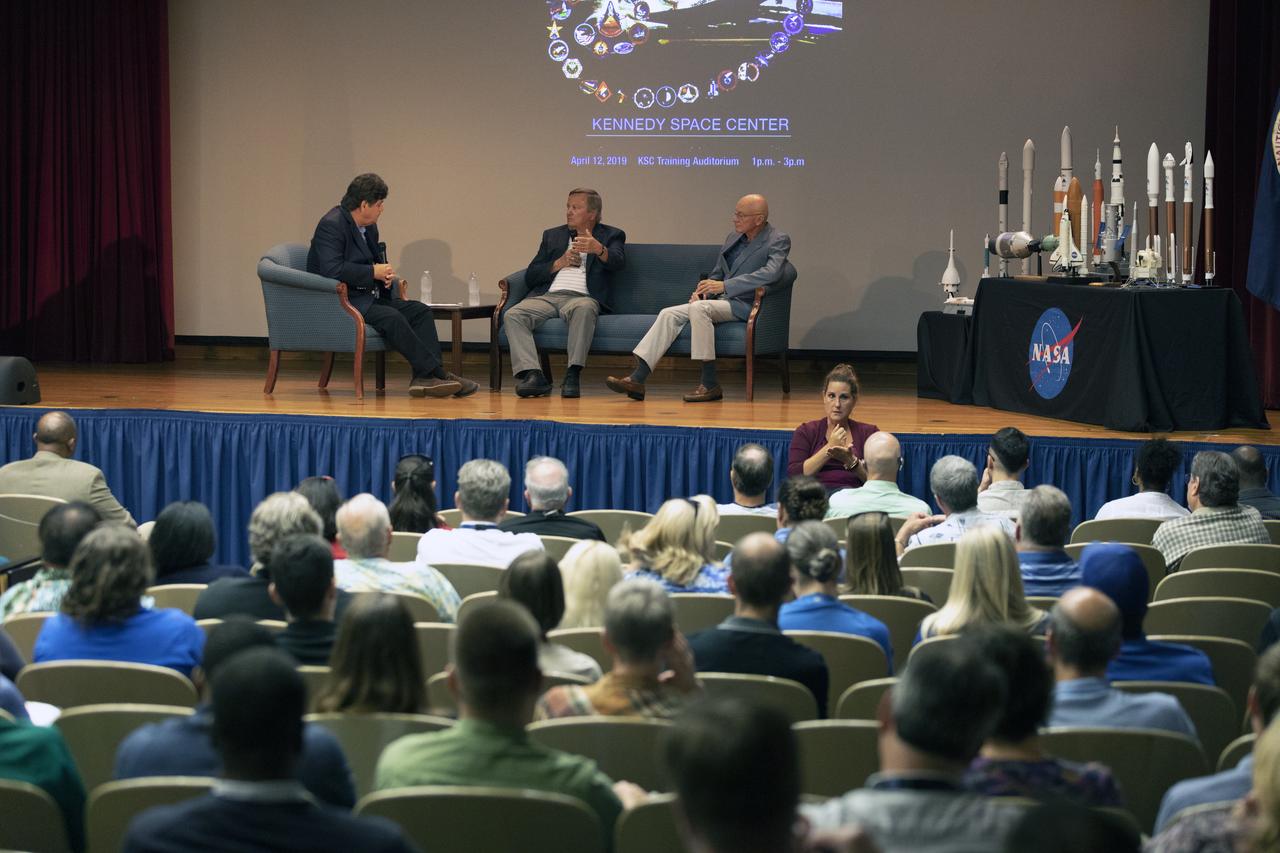
Veteran space reporter John Zarrella, left, moderates a “Lessons of Columbia” discussion with former space shuttle launch directors Mike Leinbach, center, and Bob Sieck in Kennedy Space Center’s Training Auditorium on April 12, 2019. The discussion took place during “Columbia: The Mission Continues,” an event organized by the Apollo Challenger Columbia Lessons Learned Program (ACCLLP). The event is part of the Space Shuttle Columbia national tour and took place on the 38th anniversary of STS-1, the first orbital spaceflight of NASA’s Space Shuttle Program. The tour launched at Kennedy and will make its way to each of the 10 NASA centers.
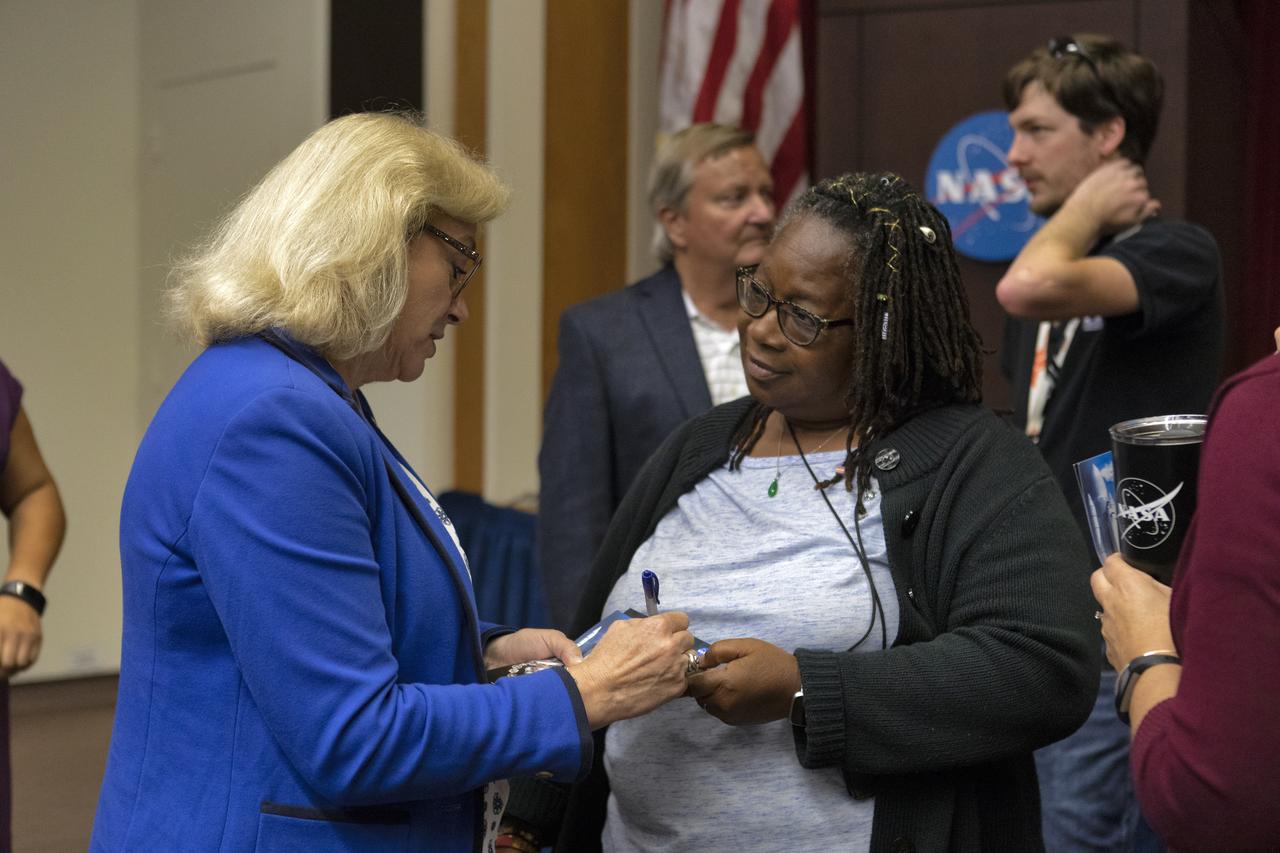
Evelyn Husband Thompson, widow of STS-107 Commander Rick Husband, talks with an attendee of “Columbia: The Mission Continues,” in Kennedy Space Center’s Training Auditorium on April 12, 2019. Organized by the Apollo Challenger Columbia Lessons Learned Program (ACCLLP), the event is part of the Space Shuttle Columbia national tour and took place on the 38th anniversary of STS-1, the first orbital spaceflight of NASA’s Space Shuttle Program. The tour launched at Kennedy and will make its way to each of the 10 NASA centers.
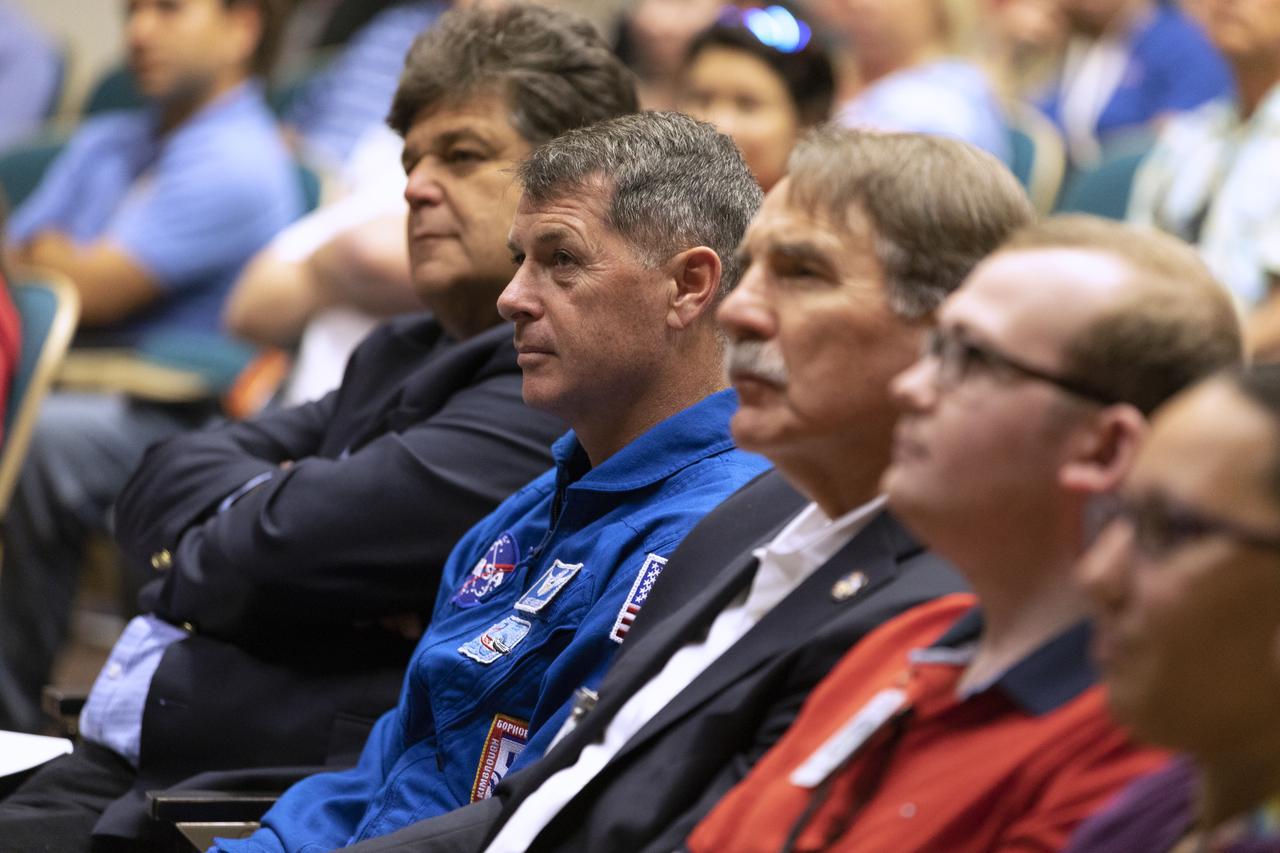
NASA astronaut Shane Kimbrough, blue flight suit, listens to a presentation in Kennedy Space Center’s Training Auditorium on April 12, 2019, during “Columbia: The Mission Continues,” an event organized by the Apollo Challenger Columbia Lessons Learned Program (ACCLLP). Kimbrough also was a speaker at the event, which is part of the Space Shuttle Columbia national tour and took place on the 38th anniversary of STS-1, the first orbital spaceflight of NASA’s Space Shuttle Program. The tour launched at Kennedy and will make its way to each of the 10 NASA centers.
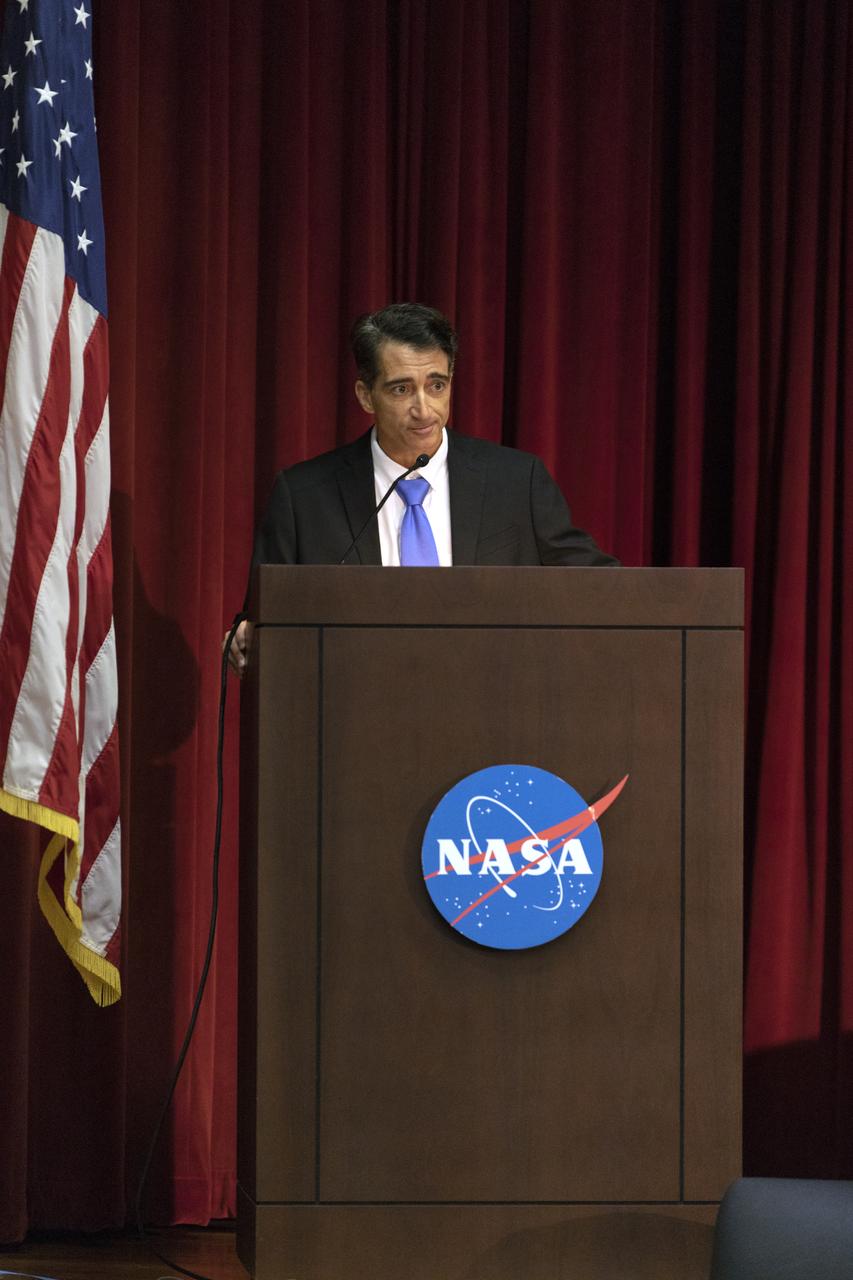
Apollo Challenger Columbia Lessons Learned Program (ACCLLP) Manager Mike Ciannilli speaks to NASA civil service and contractor employees and guests in Kennedy Space Center’s Training Auditorium on April 12, 2019. Ciannilli was the master of ceremonies for “Columbia: The Mission Continues,” an event organized by the ACCLLP. The event is part of the Space Shuttle Columbia national tour and took place on the 38th anniversary of STS-1, the first orbital spaceflight of NASA’s Space Shuttle Program. The tour launched at Kennedy and will make its way to each of the 10 NASA centers.
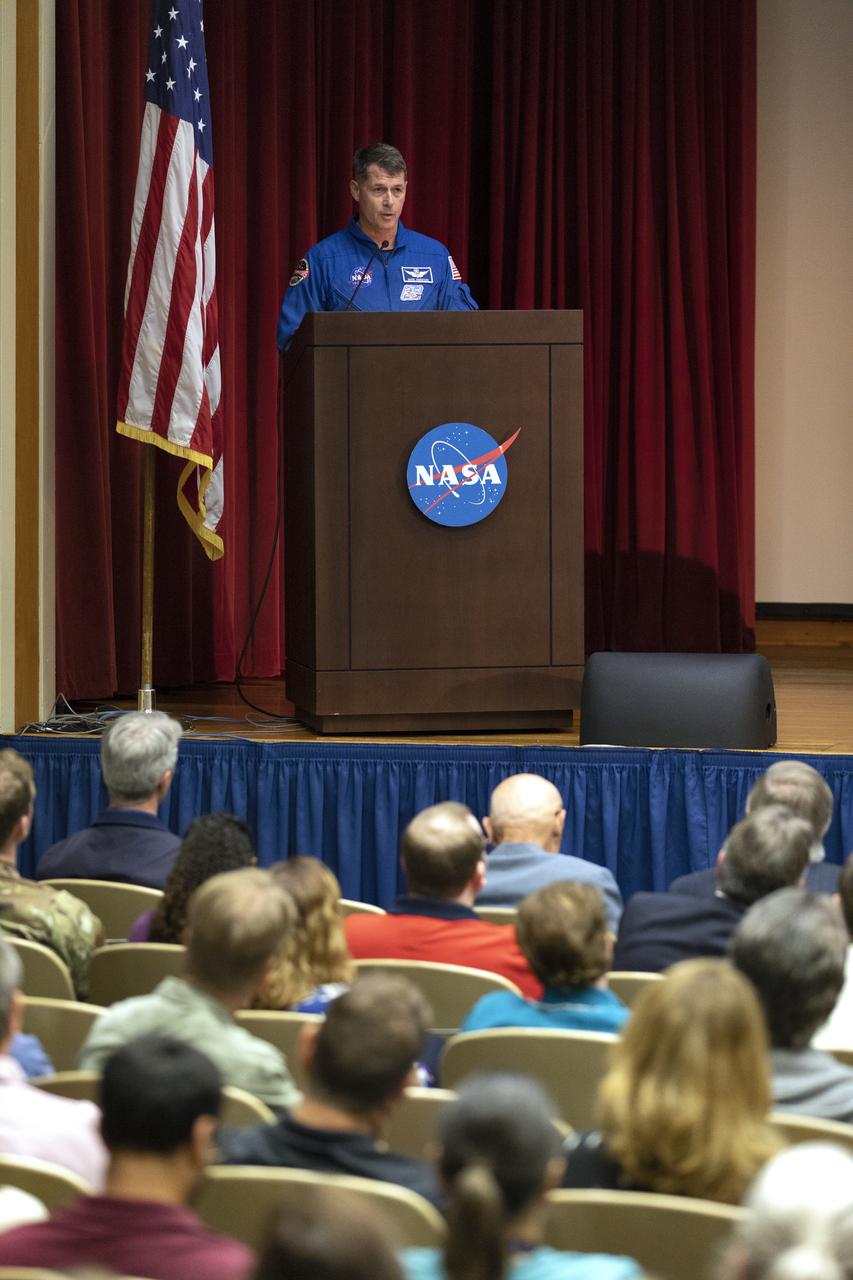
Astronaut Shane Kimbrough speaks to NASA civil service and contractor employees and guests in Kennedy Space Center’s Training Auditorium on April 12, 2019. Kimbrough was the final speaker for “Columbia: The Mission Continues,” an event organized by the Apollo Challenger Columbia Lessons Learned Program (ACCLLP). The event is part of the Space Shuttle Columbia national tour and took place on the 38th anniversary of STS-1, the first orbital spaceflight of NASA’s Space Shuttle Program. The tour launched at Kennedy and will make its way to each of the 10 NASA centers.
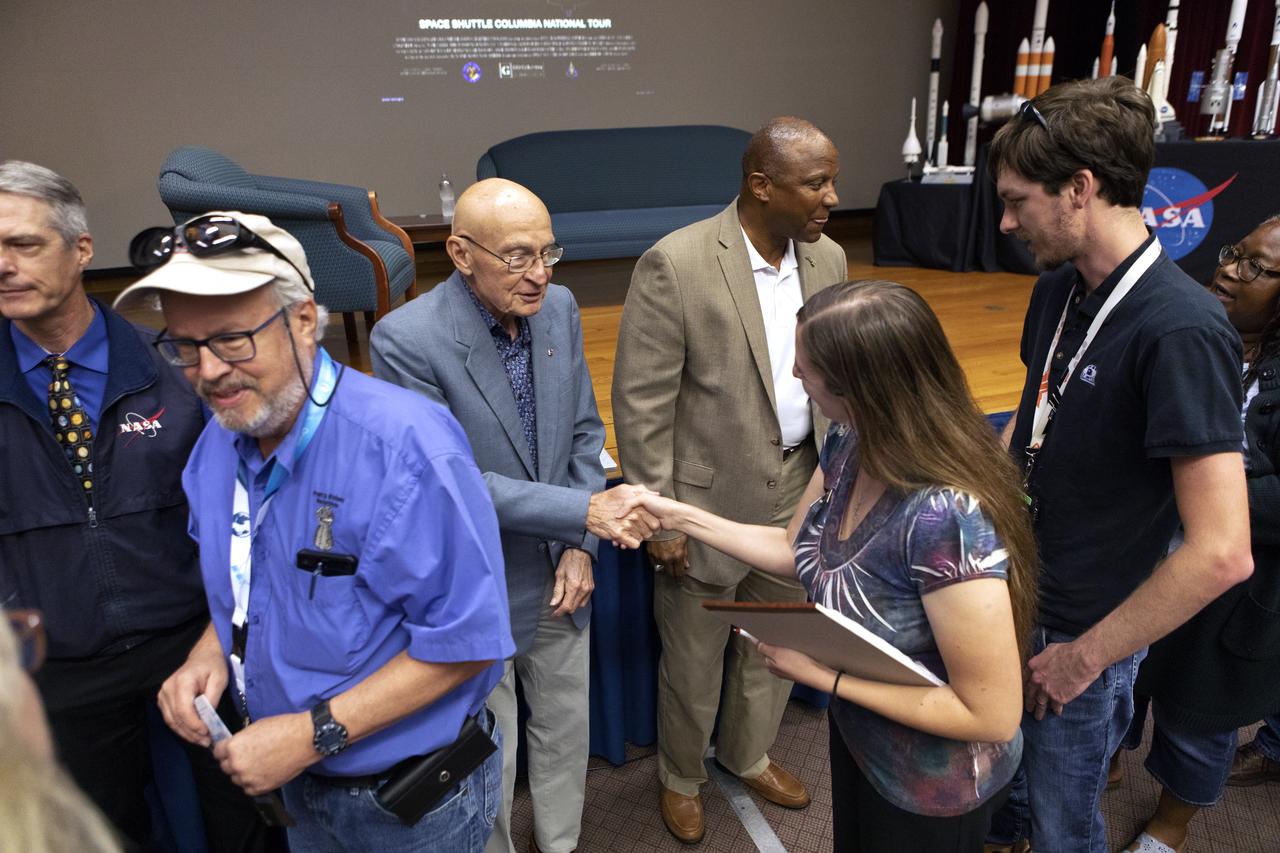
Former space shuttle launch director Bob Sieck shakes hands with an attendee of “Columbia: The Mission Continues,” in Kennedy Space Center’s Training Auditorium on April 12, 2019. Organized by the Apollo Challenger Columbia Lessons Learned Program (ACCLLP), the event is part of the Space Shuttle Columbia national tour and took place on the 38th anniversary of STS-1, the first orbital spaceflight of NASA’s Space Shuttle Program. The tour launched at Kennedy and will make its way to each of the 10 NASA centers.
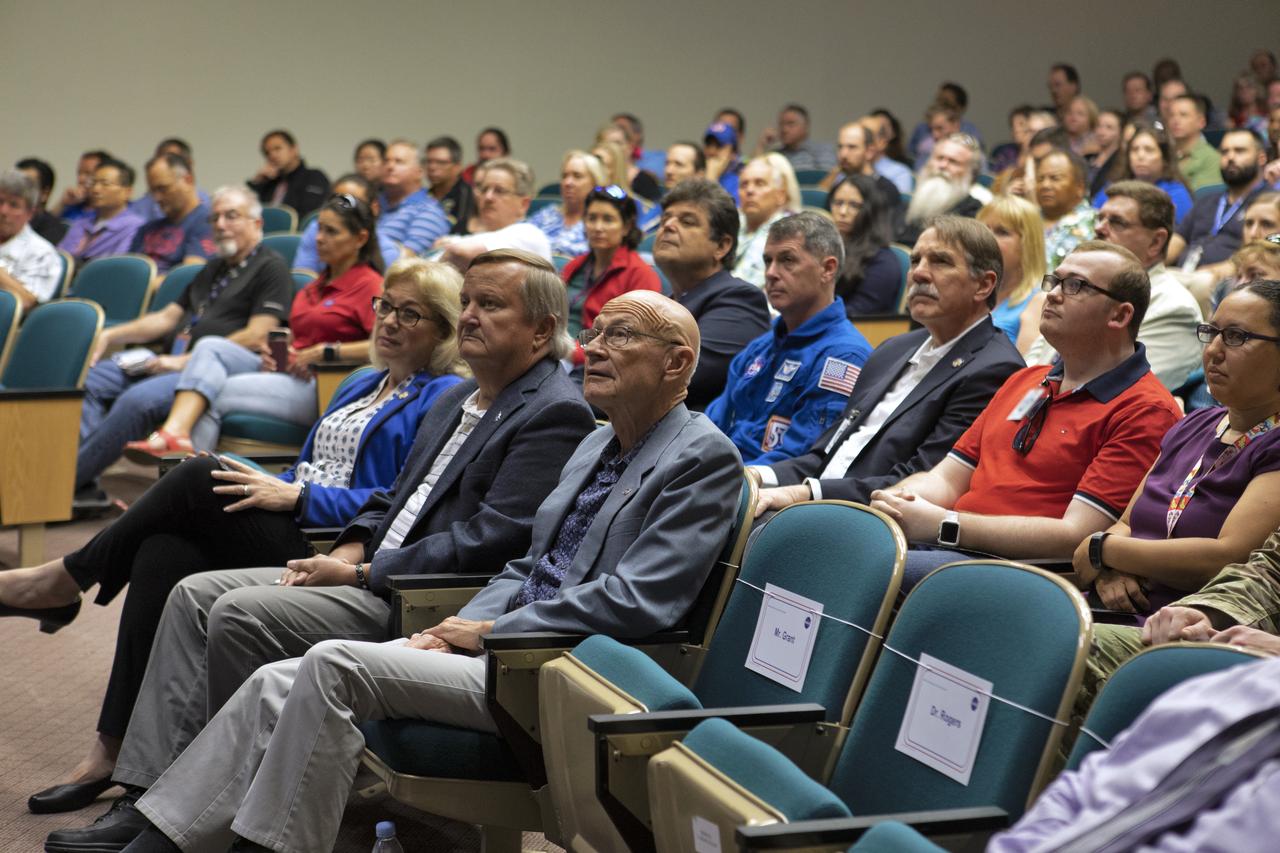
NASA civil service and contractor employees and guests gather in Kennedy Space Center’s Training Auditorium on April 12, 2019, for “Columbia: The Mission Continues,” an event organized by the Apollo Challenger Columbia Lessons Learned Program (ACCLLP). The event is part of the Space Shuttle Columbia national tour and took place on the 38th anniversary of STS-1, the first orbital spaceflight of NASA’s Space Shuttle Program. The tour launched at Kennedy and will make its way to each of the 10 NASA centers.
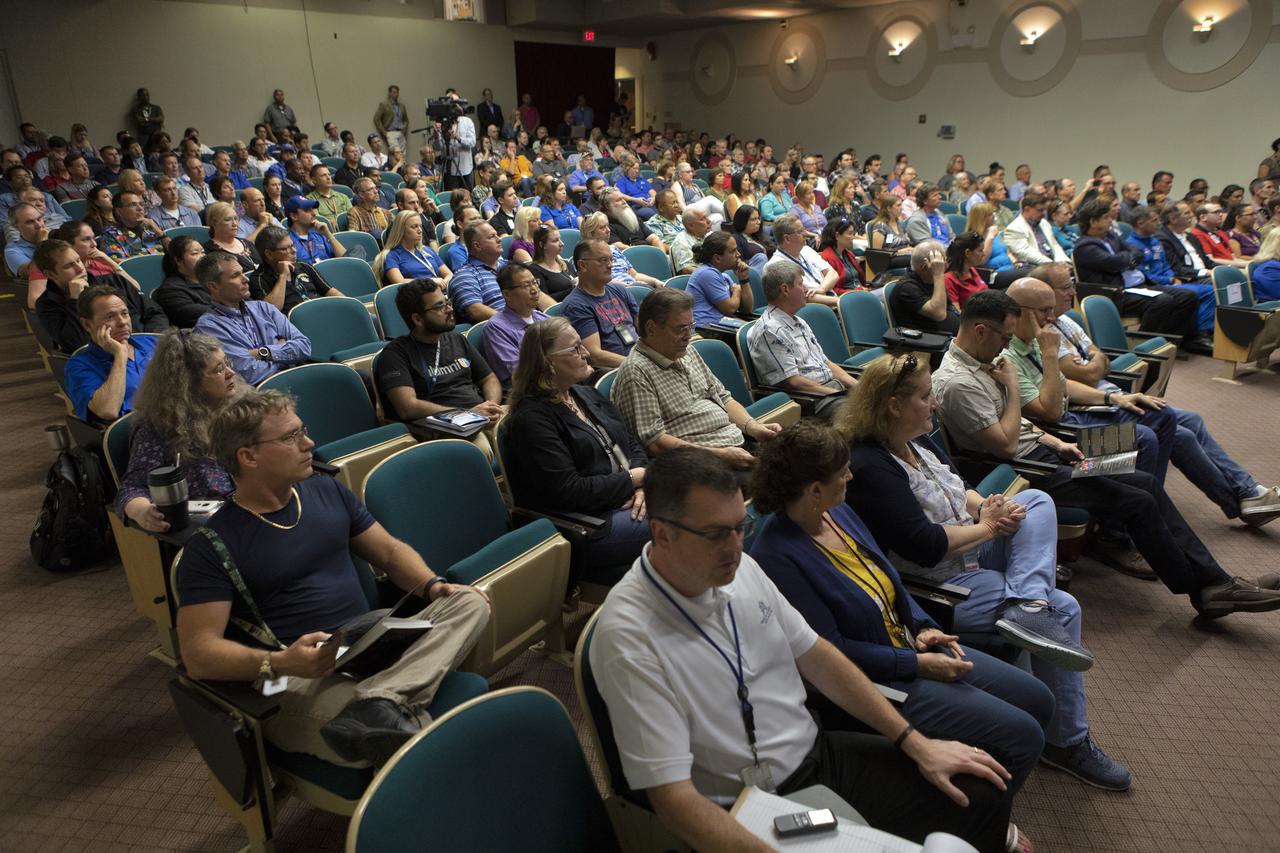
NASA civil service and contractor employees and guests gather in Kennedy Space Center’s Training Auditorium on April 12, 2019, for “Columbia: The Mission Continues,” an event organized by the Apollo Challenger Columbia Lessons Learned Program (ACCLLP). The event is part of the Space Shuttle Columbia national tour and took place on the 38th anniversary of STS-1, the first orbital spaceflight of NASA’s Space Shuttle Program. The tour launched at Kennedy and will make its way to each of the 10 NASA centers.
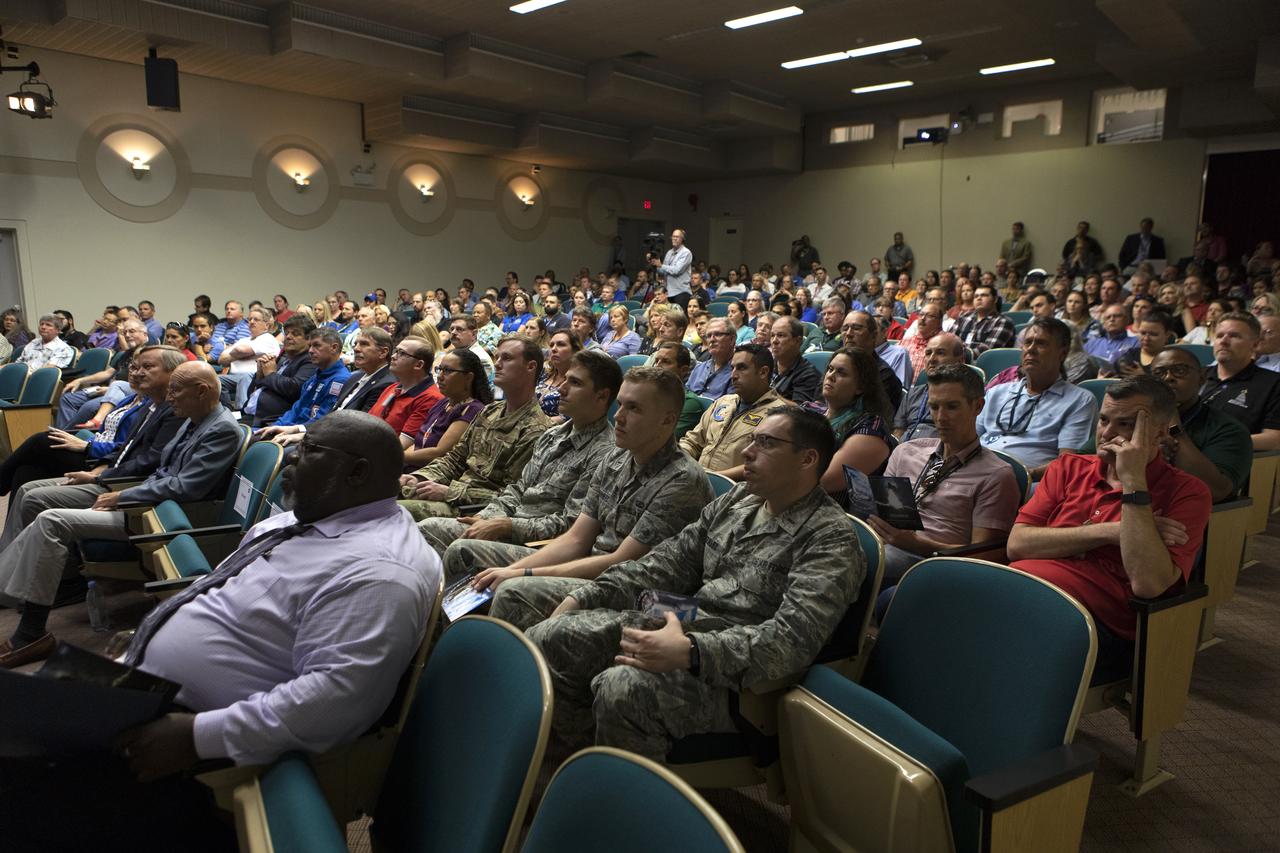
NASA civil service and contractor employees and guests gather in Kennedy Space Center’s Training Auditorium on April 12, 2019, for “Columbia: The Mission Continues,” an event organized by the Apollo Challenger Columbia Lessons Learned Program (ACCLLP). The event is part of the Space Shuttle Columbia national tour and took place on the 38th anniversary of STS-1, the first orbital spaceflight of NASA’s Space Shuttle Program. The tour launched at Kennedy and will make its way to each of the 10 NASA centers.
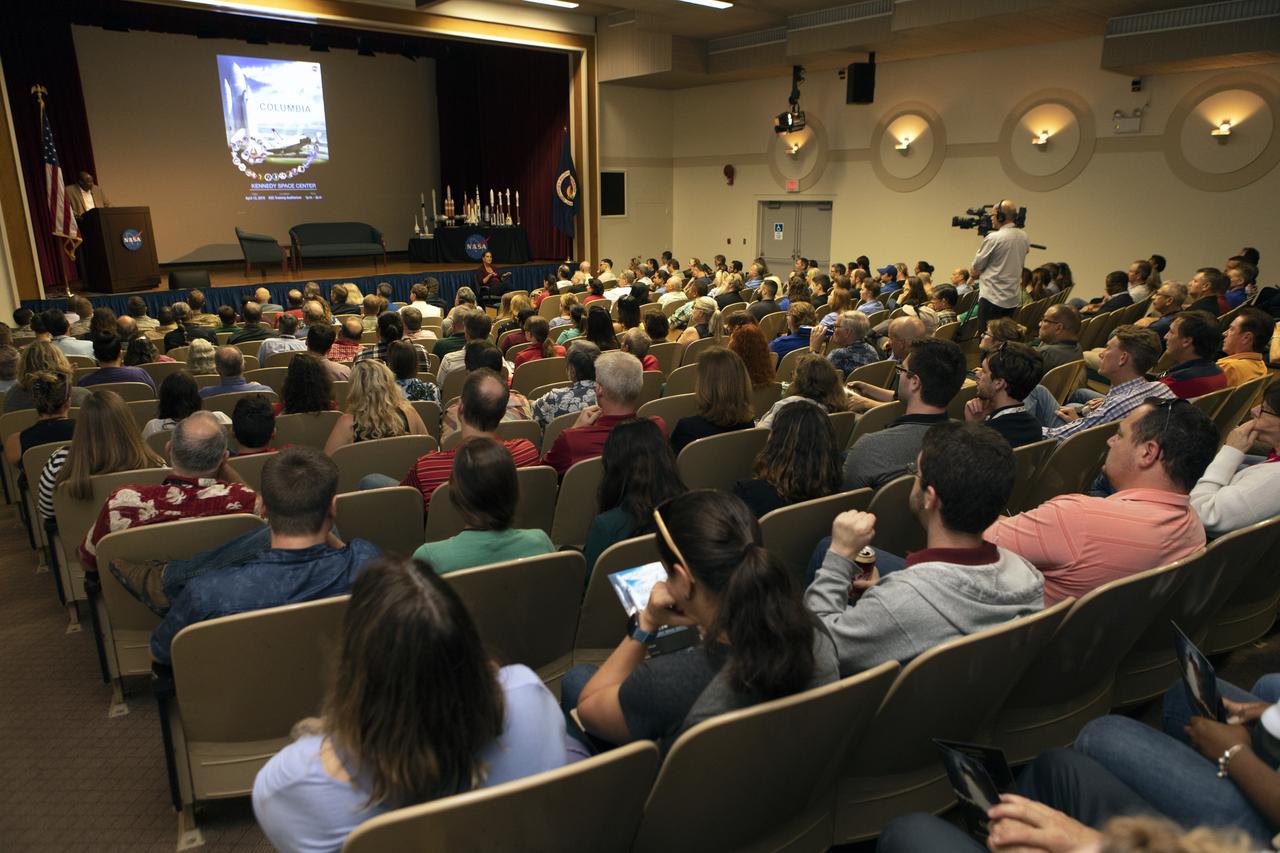
NASA civil service and contractor employees and guests gather in Kennedy Space Center’s Training Auditorium on April 12, 2019, for “Columbia: The Mission Continues,” an event organized by the Apollo Challenger Columbia Lessons Learned Program (ACCLLP). The event is part of the Space Shuttle Columbia national tour and took place on the 38th anniversary of STS-1, the first orbital spaceflight of NASA’s Space Shuttle Program. The tour launched at Kennedy and will make its way to each of the 10 NASA centers.

Former space shuttle launch director Mike Leinbach, left, talks with attendees of “Columbia: The Mission Continues,” in Kennedy Space Center’s Training Auditorium on April 12, 2019. Organized by the Apollo Challenger Columbia Lessons Learned Program (ACCLLP), the event is part of the Space Shuttle Columbia national tour and took place on the 38th anniversary of STS-1, the first orbital spaceflight of NASA’s Space Shuttle Program. The tour launched at Kennedy and will make its way to each of the 10 NASA centers.
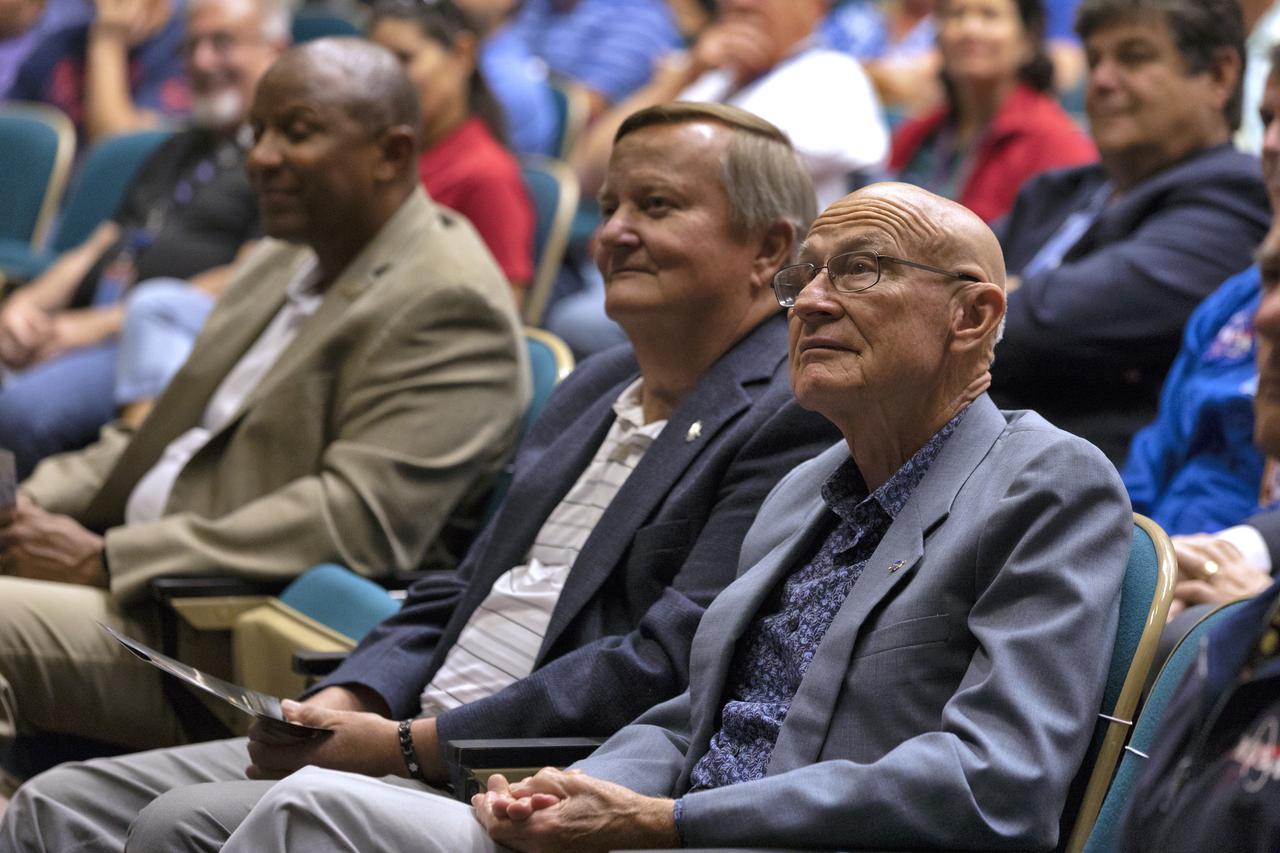
Former space shuttle launch directors Mike Leinbach, left, and Bob Sieck listen to a presentation in Kennedy Space Center’s Training Auditorium on April 12, 2019, during “Columbia: The Mission Continues,” an event organized by the Apollo Challenger Columbia Lessons Learned Program (ACCLLP). The event is part of the Space Shuttle Columbia national tour and took place on the 38th anniversary of STS-1, the first orbital spaceflight of NASA’s Space Shuttle Program. The tour launched at Kennedy and will make its way to each of the 10 NASA centers.
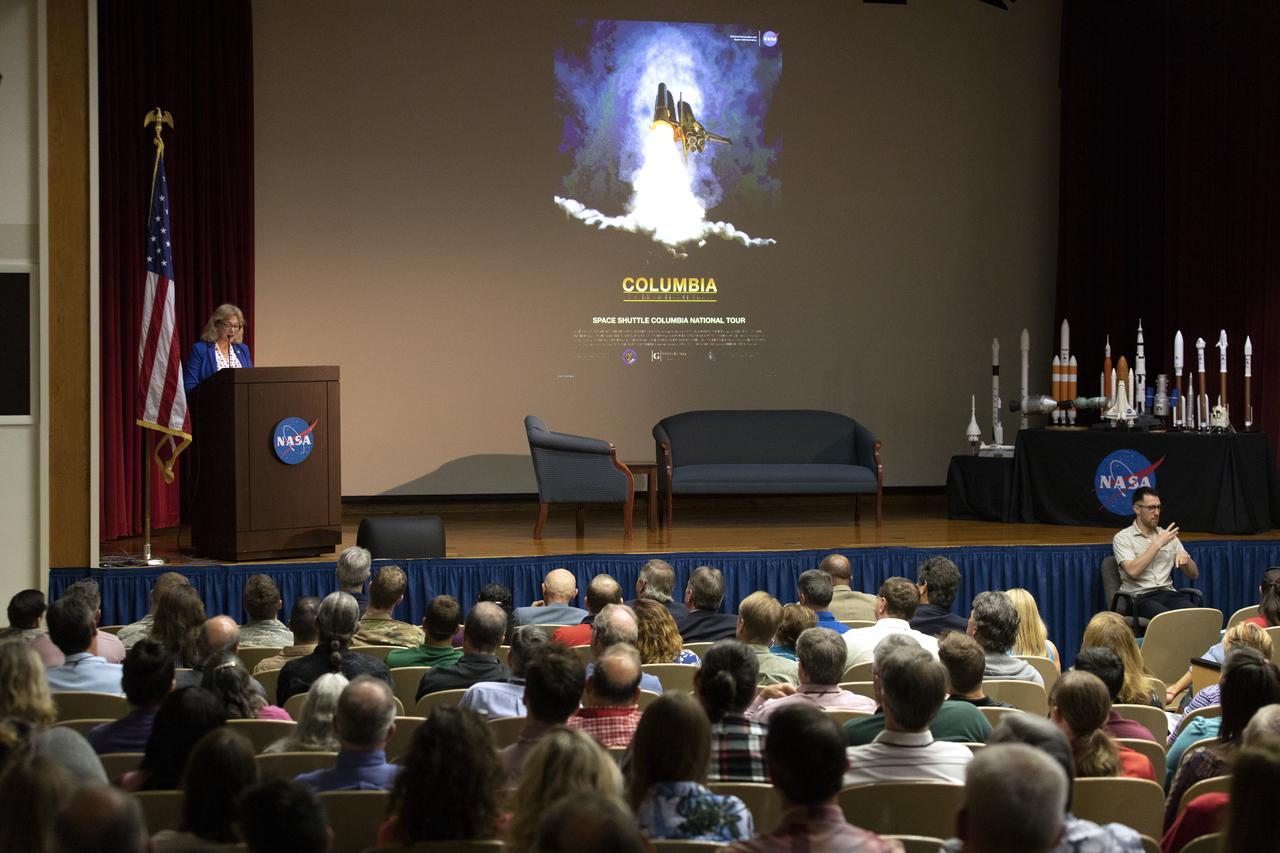
Evelyn Husband Thompson, widow of STS-107 Commander Rick Husband, speaks to NASA civil service and contractor employees and guests in Kennedy Space Center’s Training Auditorium on April 12, 2019. Husband Thompson was one of the presenters for “Columbia: The Mission Continues,” an event organized by the Apollo Challenger Columbia Lessons Learned Program (ACCLLP). The event is part of the Space Shuttle Columbia national tour and took place on the 38th anniversary of STS-1, the first orbital spaceflight of NASA’s Space Shuttle Program. The tour launched at Kennedy and will make its way to each of the 10 NASA centers.

Evelyn Husband Thompson, widow of STS-107 Commander Rick Husband, speaks to NASA civil service and contractor employees and guests in Kennedy Space Center’s Training Auditorium on April 12, 2019. Husband Thompson was one of the presenters for “Columbia: The Mission Continues,” an event organized by the Apollo Challenger Columbia Lessons Learned Program (ACCLLP). The event is part of the Space Shuttle Columbia national tour and took place on the 38th anniversary of STS-1, the first orbital spaceflight of NASA’s Space Shuttle Program. The tour launched at Kennedy and will make its way to each of the 10 NASA centers.
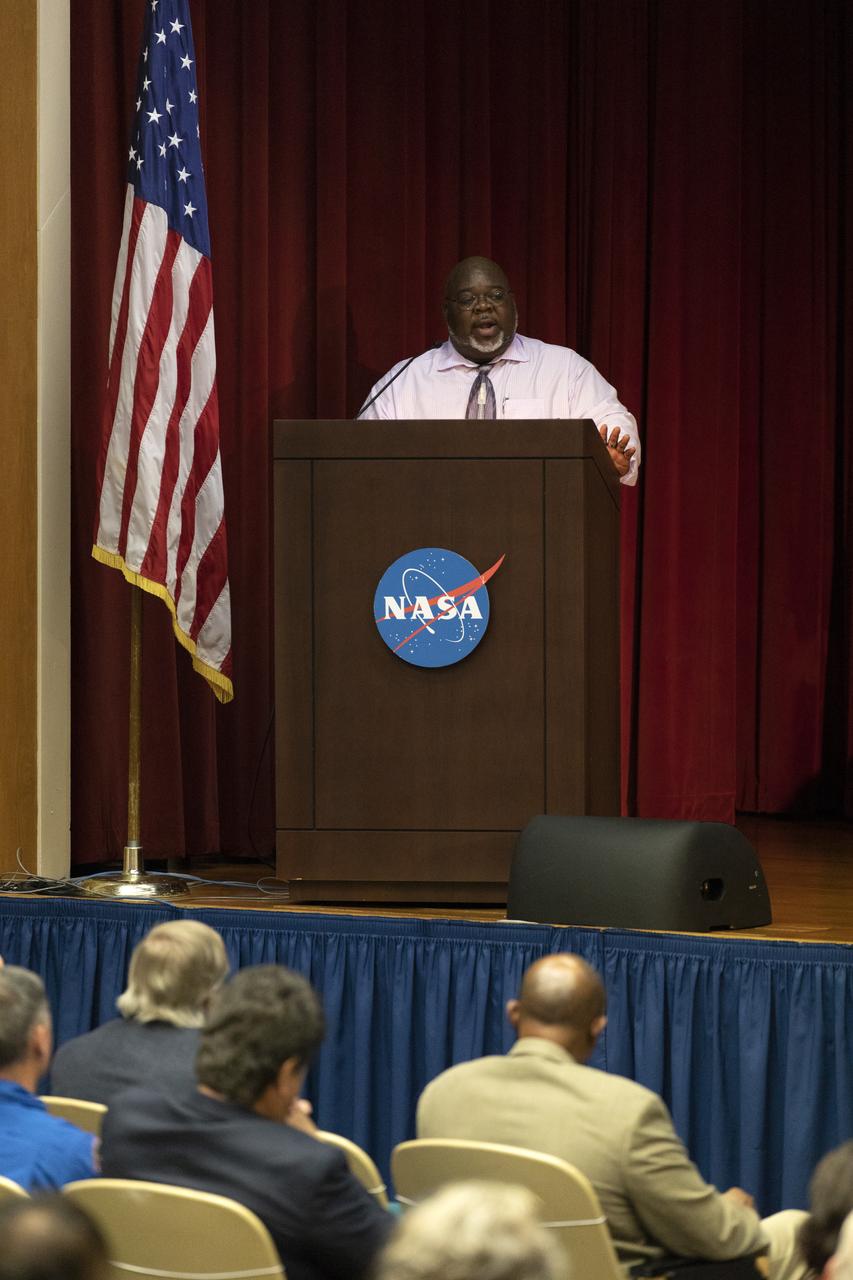
Kennedy Space Center Office of Diversity and Equal Opportunity Manager Rob Grant speaks to NASA civil service and contractor employees and guests in Kennedy Space Center’s Training Auditorium on April 12, 2019. Rogers talked about the power of diversity during “Columbia: The Mission Continues,” an event organized by the Apollo Challenger Columbia Lessons Learned Program (ACCLLP). The event is part of the Space Shuttle Columbia national tour and took place on the 38th anniversary of STS-1, the first orbital spaceflight of NASA’s Space Shuttle Program. The tour launched at Kennedy and will make its way to each of the 10 NASA centers.
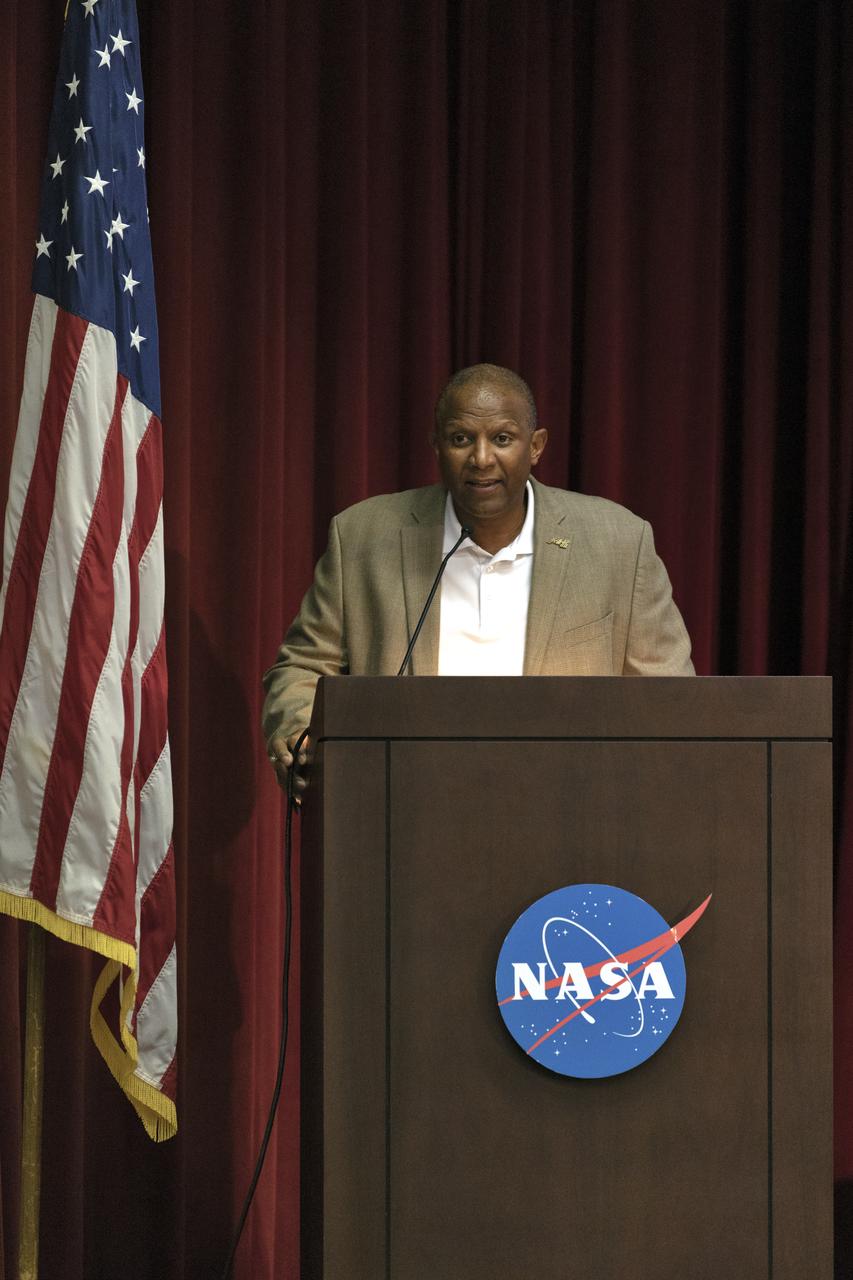
Kelvin Manning, Kennedy Space Center associate director, technical, speaks to NASA civil service and contractor employees and guests in the Florida spaceport’s Training Auditorium on April 12, 2019. Manning delivered opening remarks for “Columbia: The Mission Continues,” an event organized by the Apollo Challenger Columbia Lessons Learned Program (ACCLLP). The event is part of the Space Shuttle Columbia national tour and took place on the 38th anniversary of STS-1, the first orbital spaceflight of NASA’s Space Shuttle Program. The tour launched at Kennedy and will make its way to each of the 10 NASA centers.
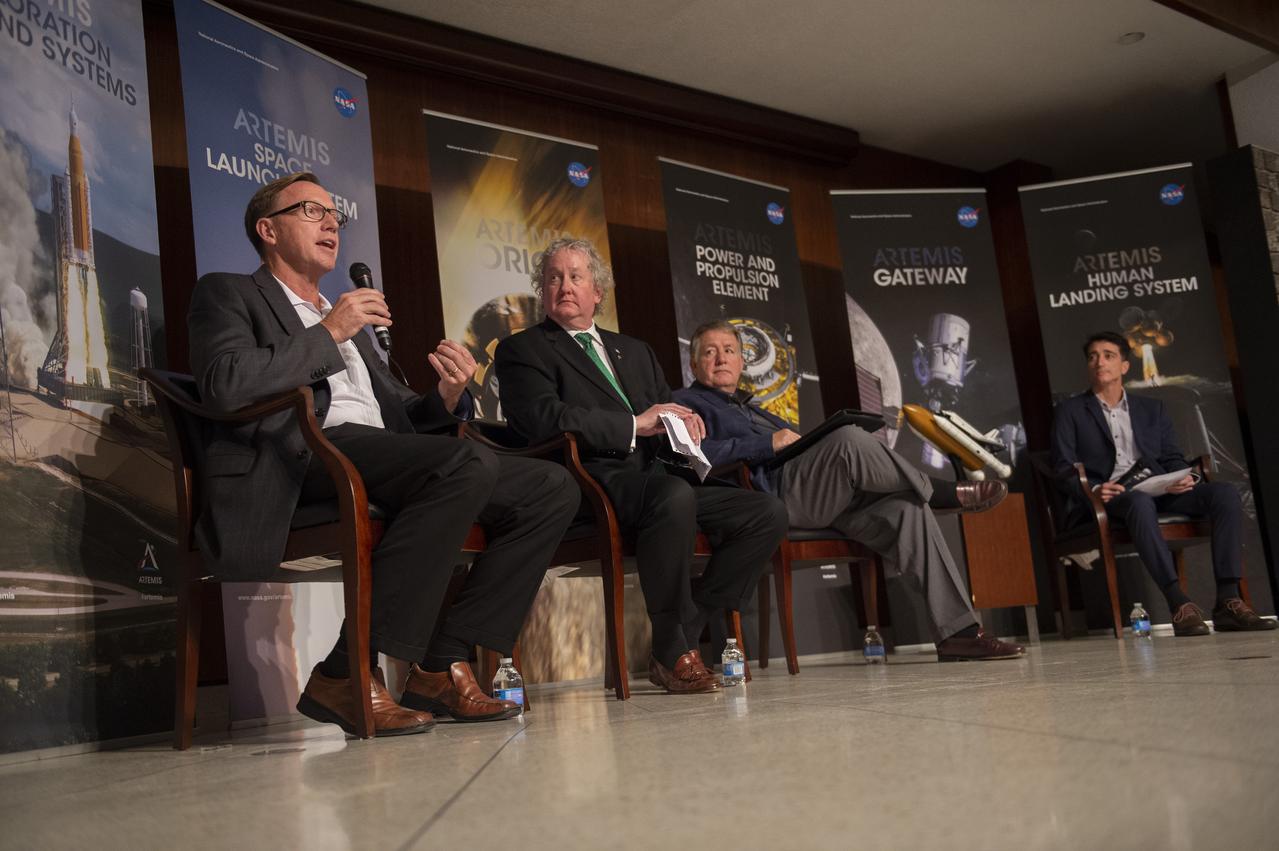
A Nov. 5 panel at NASA’s Marshall Space Flight Center discusses lessons learned from Columbia including, from left, Steve Miley, associate director of Marshall; Bill Hill, director of advanced technology at Marshall; Preston Jones, associate director, technical, at Marshall; and Mike Ciannilli, Apollo Challenger Columbia Lessons Learned Program manager at NASA’s Kennedy Space Center.
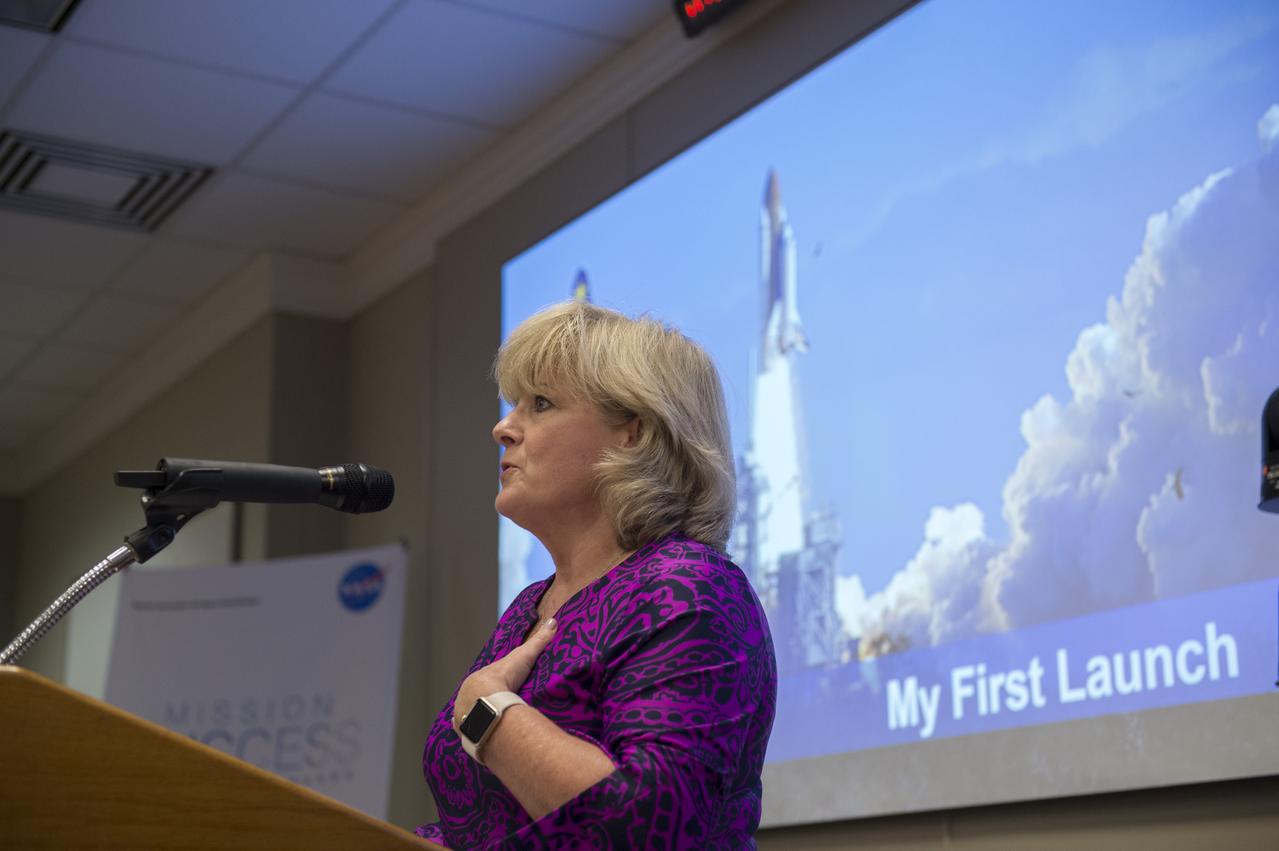
Marshall Deputy Director Jody Singer shares career experiences and lessons learned during the July 20 Shared Experiences Forum.
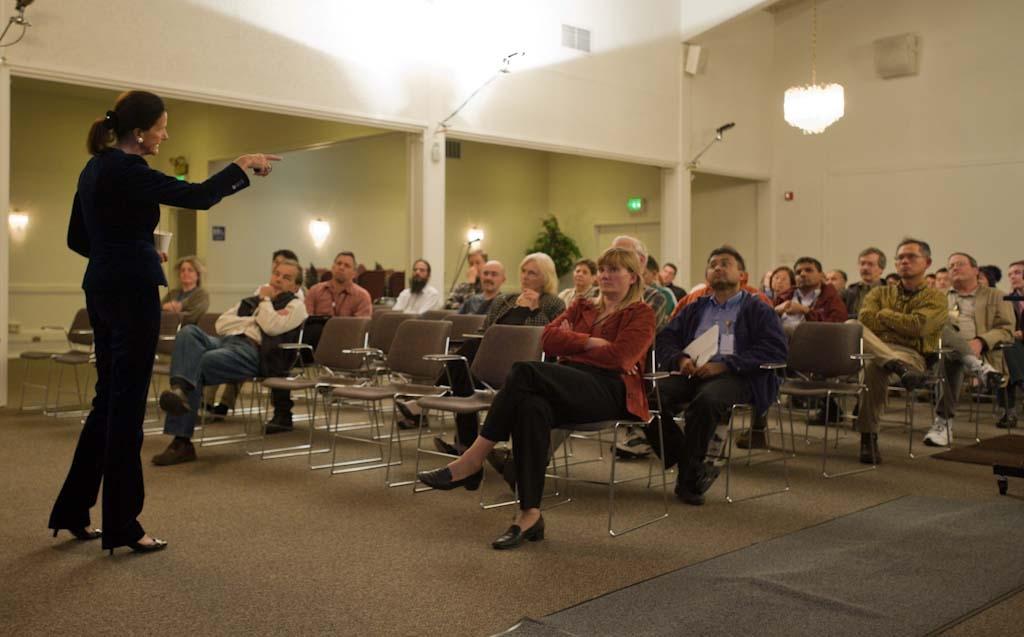
Aeronautics Technical Seminar: Dr. Elisabeth Pate-Cornell, Burt and Deedee McMurtry professor and chair of the Department of Management Science and Engineering at Stanford University presents 'Lessons Learned in Applying Engineering Risk Analysis'.
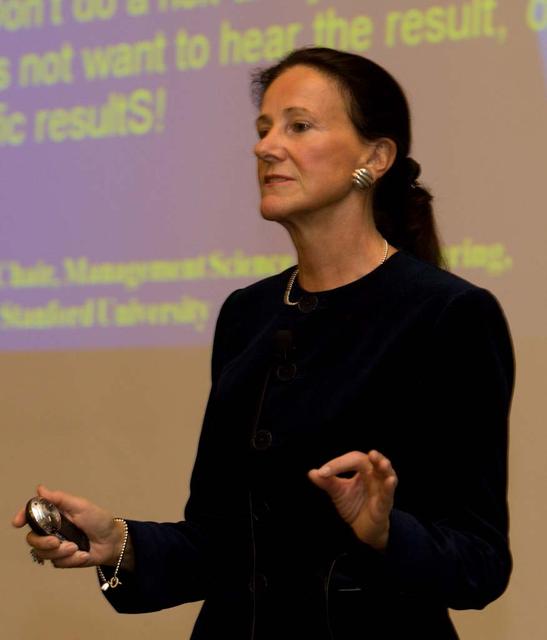
Aeronautics Technical Seminar: Dr. Elisabeth Pate-Cornell, Burt and Deedee McMurtry professor and chair of the Department of Management Science and Engineering at Stanford University presents 'Lessons Learned in Applying Engineering Risk Analysis'.
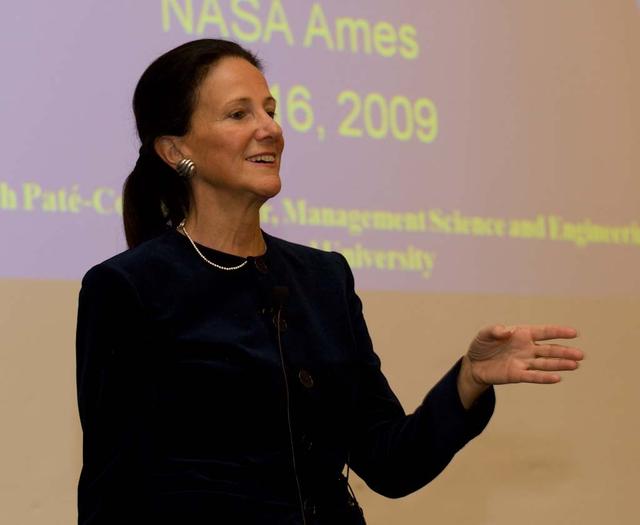
Aeronautics Technical Seminar: Dr. Elisabeth Pate-Cornell, Burt and Deedee McMurtry professor and chair of the Department of Management Science and Engineering at Stanford University presents 'Lessons Learned in Applying Engineering Risk Analysis'.
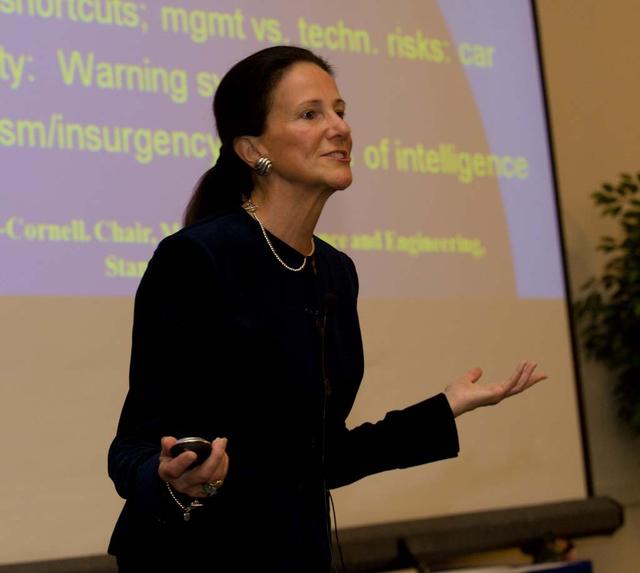
Aeronautics Technical Seminar: Dr. Elisabeth Pate-Cornell, Burt and Deedee McMurtry professor and chair of the Department of Management Science and Engineering at Stanford University presents 'Lessons Learned in Applying Engineering Risk Analysis'.
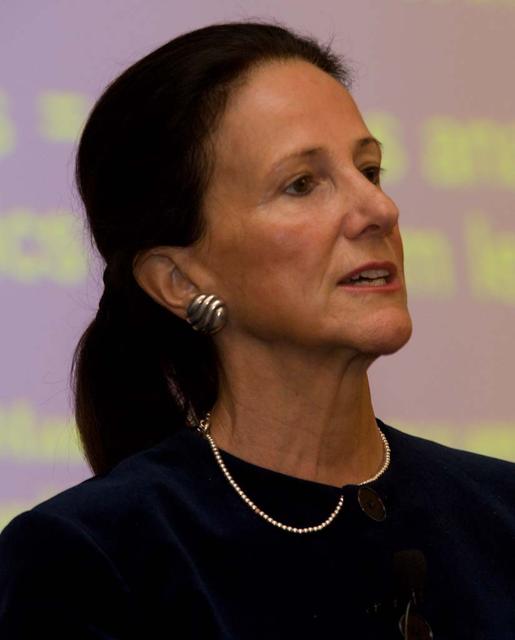
Aeronautics Technical Seminar: Dr. Elisabeth Pate-Cornell, Burt and Deedee McMurtry professor and chair of the Department of Management Science and Engineering at Stanford University presents 'Lessons Learned in Applying Engineering Risk Analysis'.
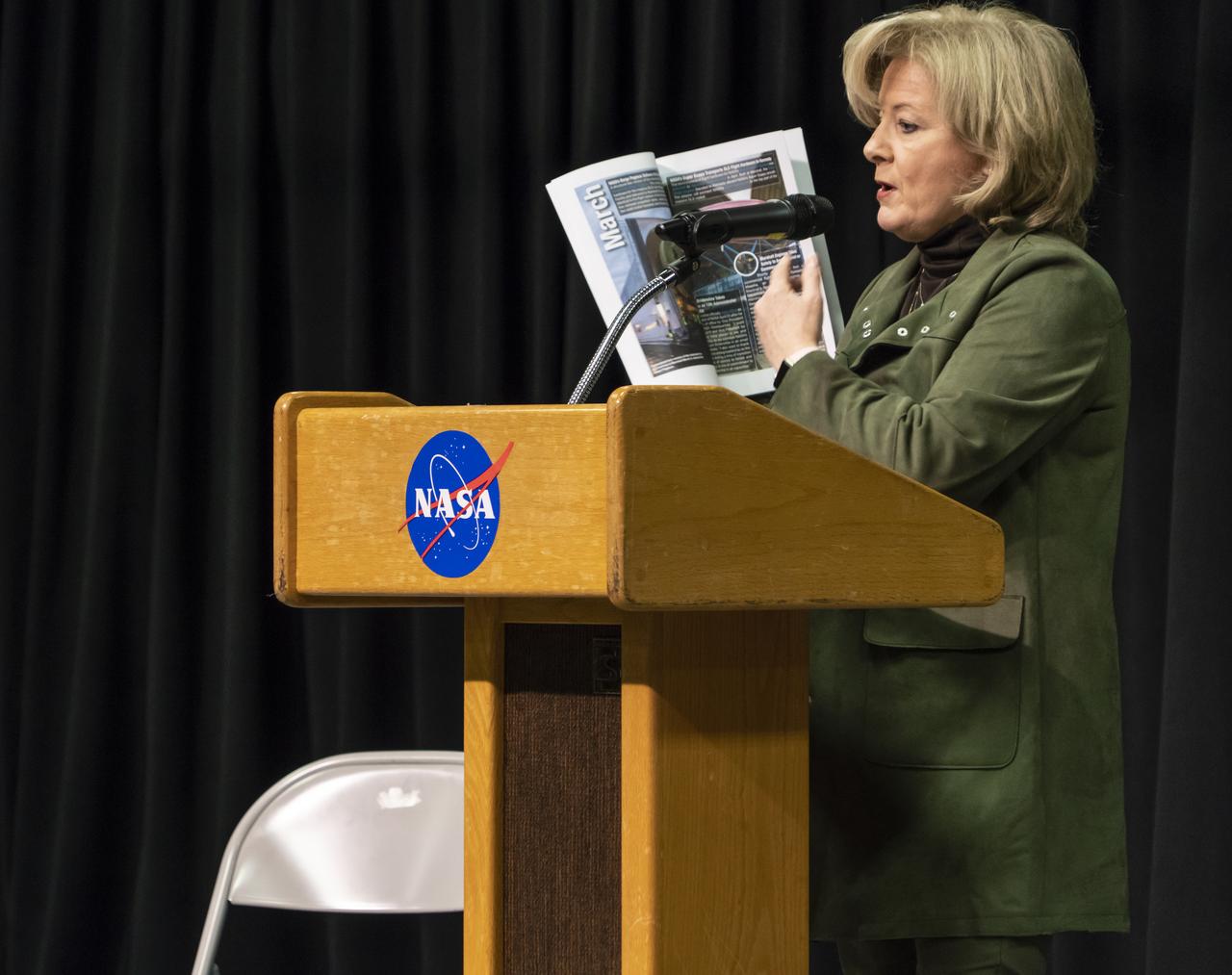
Marshall Space Flight Center Director Jody Singer addresses Marshall employees regarding the effects of the just ended furlough and talks about lessons learned. Assisting Ms. Singer was Deputy Director Paul McConnaughey, Associate Director Steve Miley, and Director of the Office of Strategic Analysis and Communications Johnny Stephenson.
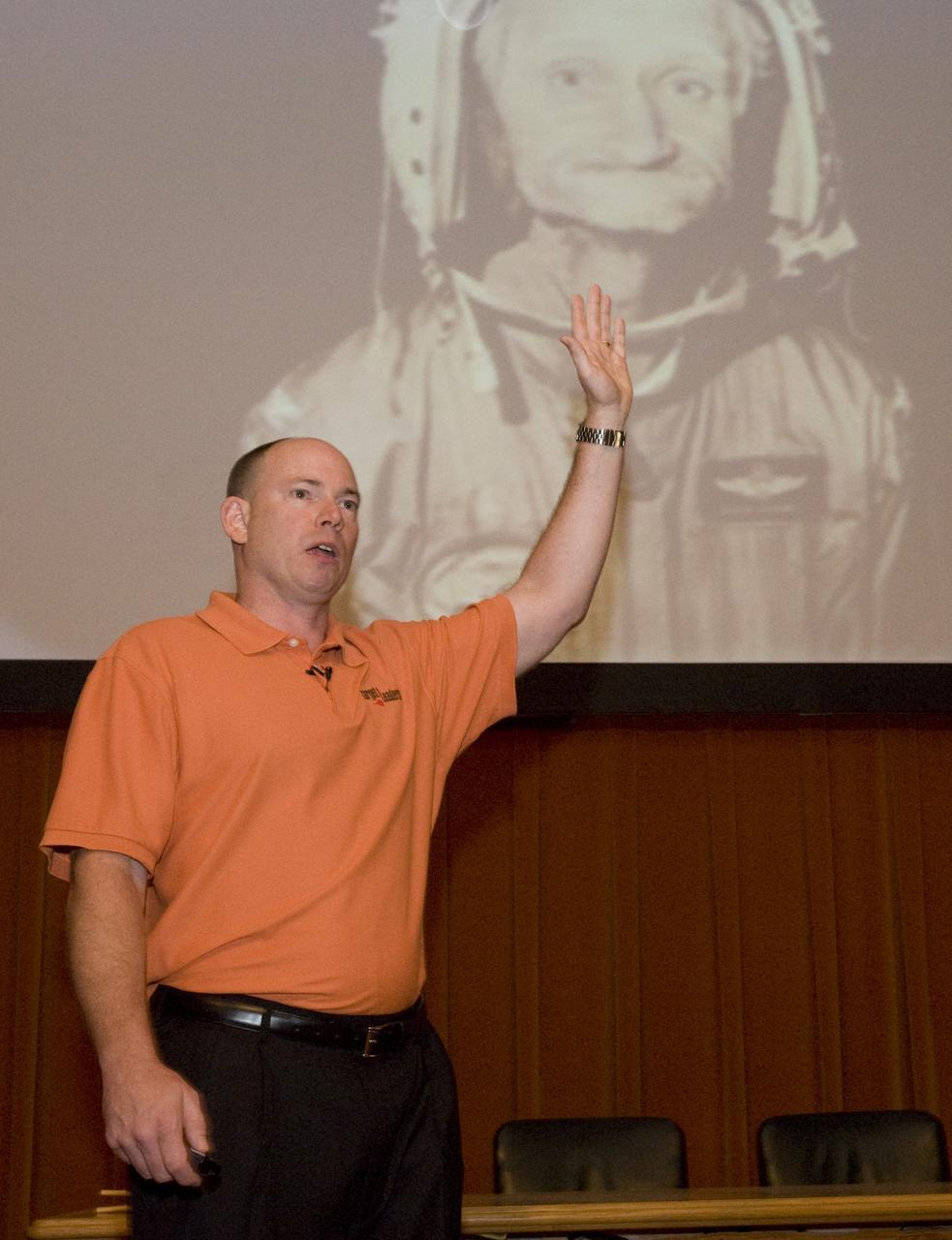
Safety Day Events 2008 Keynote speaker at the !0th Annual Safety Awareness Week Lt Col Wes Sharp shares his reveting account of an F-18 midair collision, his insight into the root cause, lessons he learned and how to excell under pressure to perform.
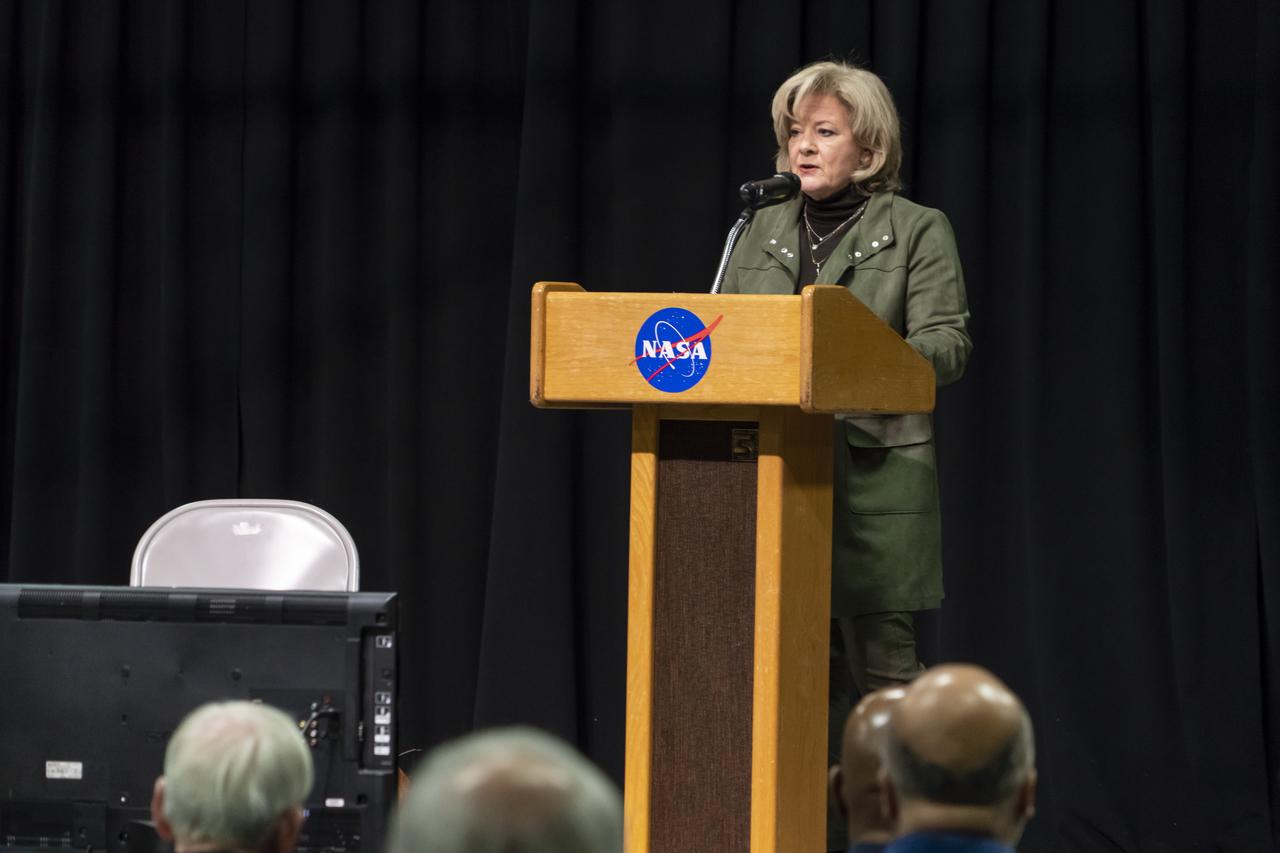
Marshall Space Flight Center Director Jody Singer addresses Marshall employees regarding the effects of the just ended furlough and talks about lessons learned. Assisting Ms. Singer was Deputy Director Paul McConnaughey, Associate Director Steve Miley, and Director of the Office of Strategic Analysis and Communications Johnny Stephenson.
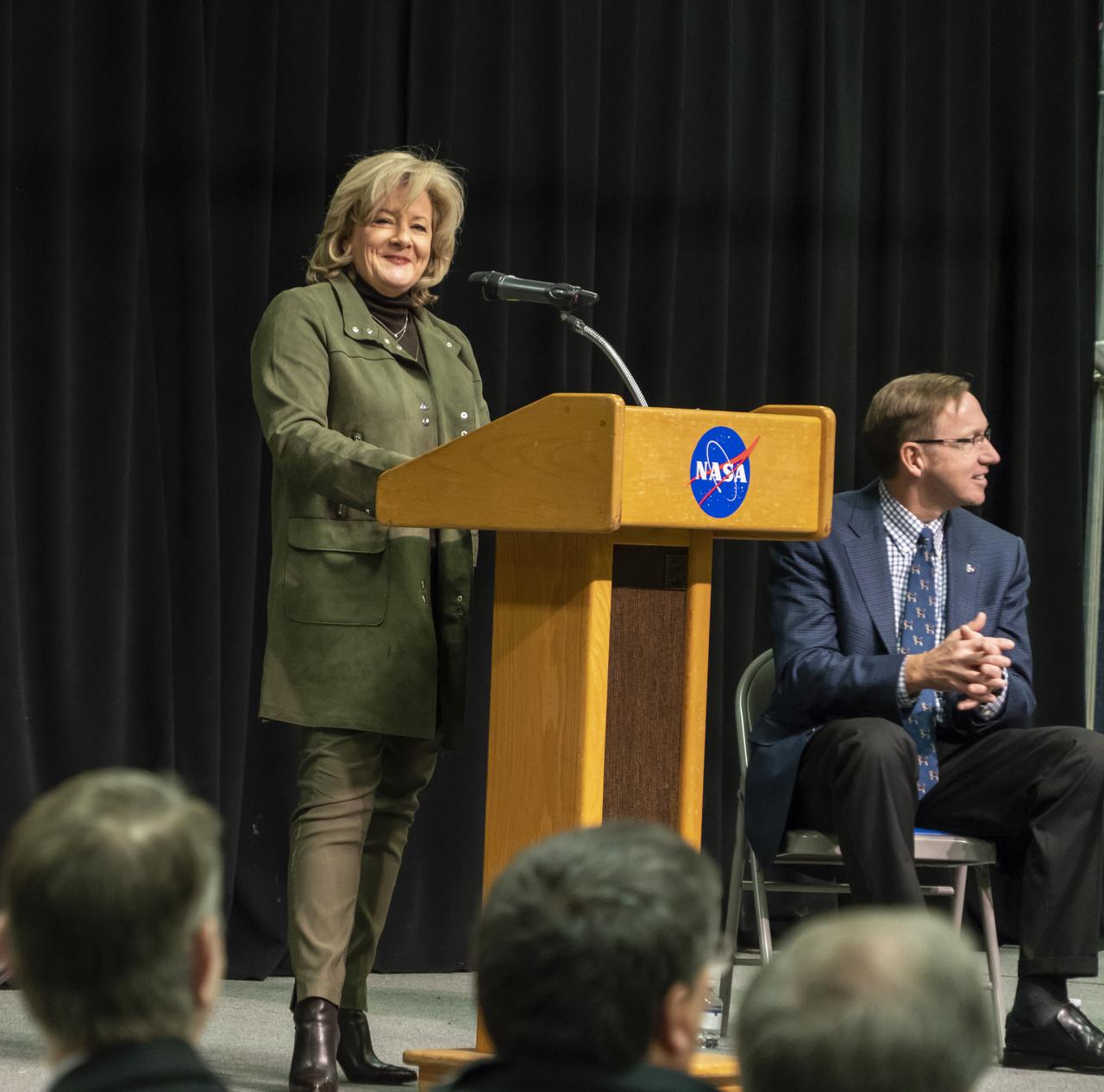
Marshall Space Flight Center Director Jody Singer addresses Marshall employees regarding the effects of the just ended furlough and talks about lessons learned. Assisting Ms. Singer was Deputy Director Paul McConnaughey, Associate Director Steve Miley, and Director of the Office of Strategic Analysis and Communications Johnny Stephenson.
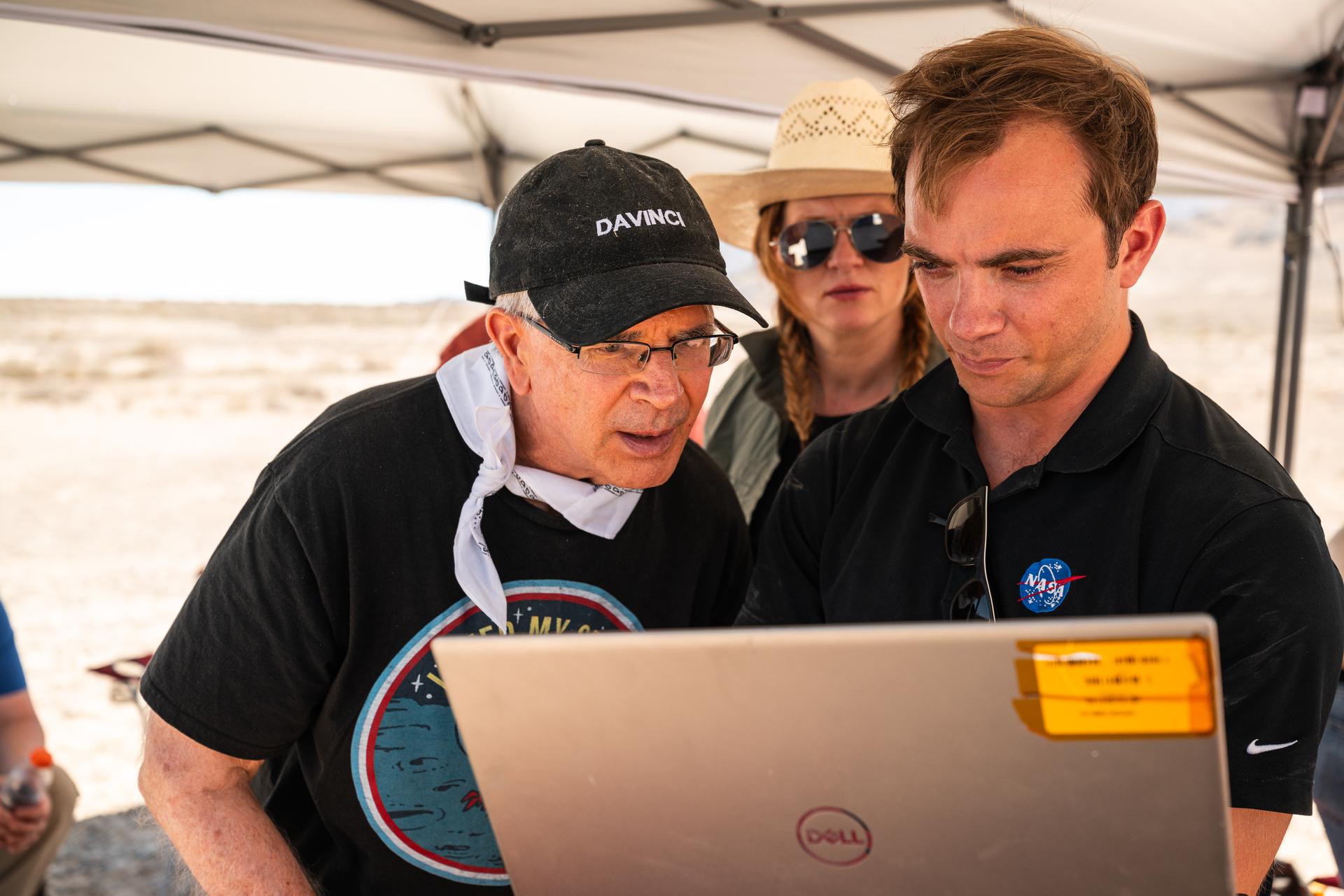
Pictured are DAVINCI’s (left to right) Jim Garvin, mission principal investigator; Erika Kohler, acting deputy principal investigator; and Matthew Mullin, space laser engineer, evaluating flight data in real-time to adapt their future tests to the lessons learned from each flight. The researchers are standing in an area of Crater Island, Utah, which was the site of a series of tests (June 23-25, 2026) of the camera system that will one day fly aboard NASA’s DAVINCI mission probe to Venus.
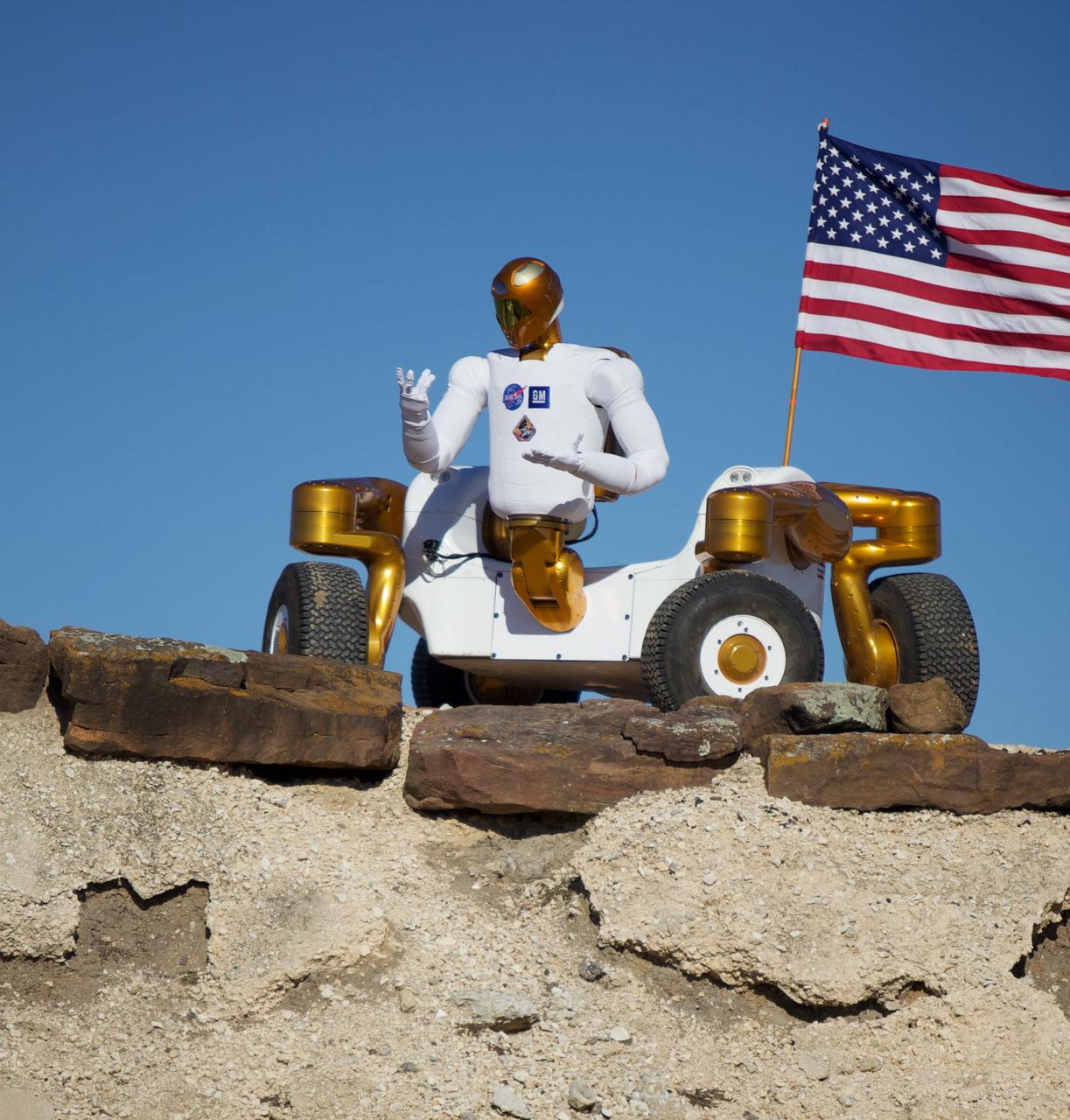
JSC2011-E-017945 (February 2011) --- Robonaut 2 poses atop its new wheeled base, Centaur 2, at the Johnson Space Center Planetary Analog Test Site. The Centaur base builds off of lessons learned through the Space Exploration Vehicle, a rover for astronauts, and could allow the dexterous humanoid robot to help with the future exploration of distant planetary surfaces. Photo credit: NASA or National Aeronautics and Space Administration

A giant hand-made quilt in honor of space shuttle Columbia and her crew was turned over to the Columbia Preservation Room inside the Vehicle Assembly Building at NASA's Kennedy Space Center in Florida. The quilt was made by Katherine Walsh, a lifelong NASA and space program fan originally from Kentucky. From left, behind the quilt are Janet Phillips, property custodian in Kennedy's Office of Procurement; and Mike Ciannilli, Apollo, Challenger, Columbia Lessons Learned Program manager
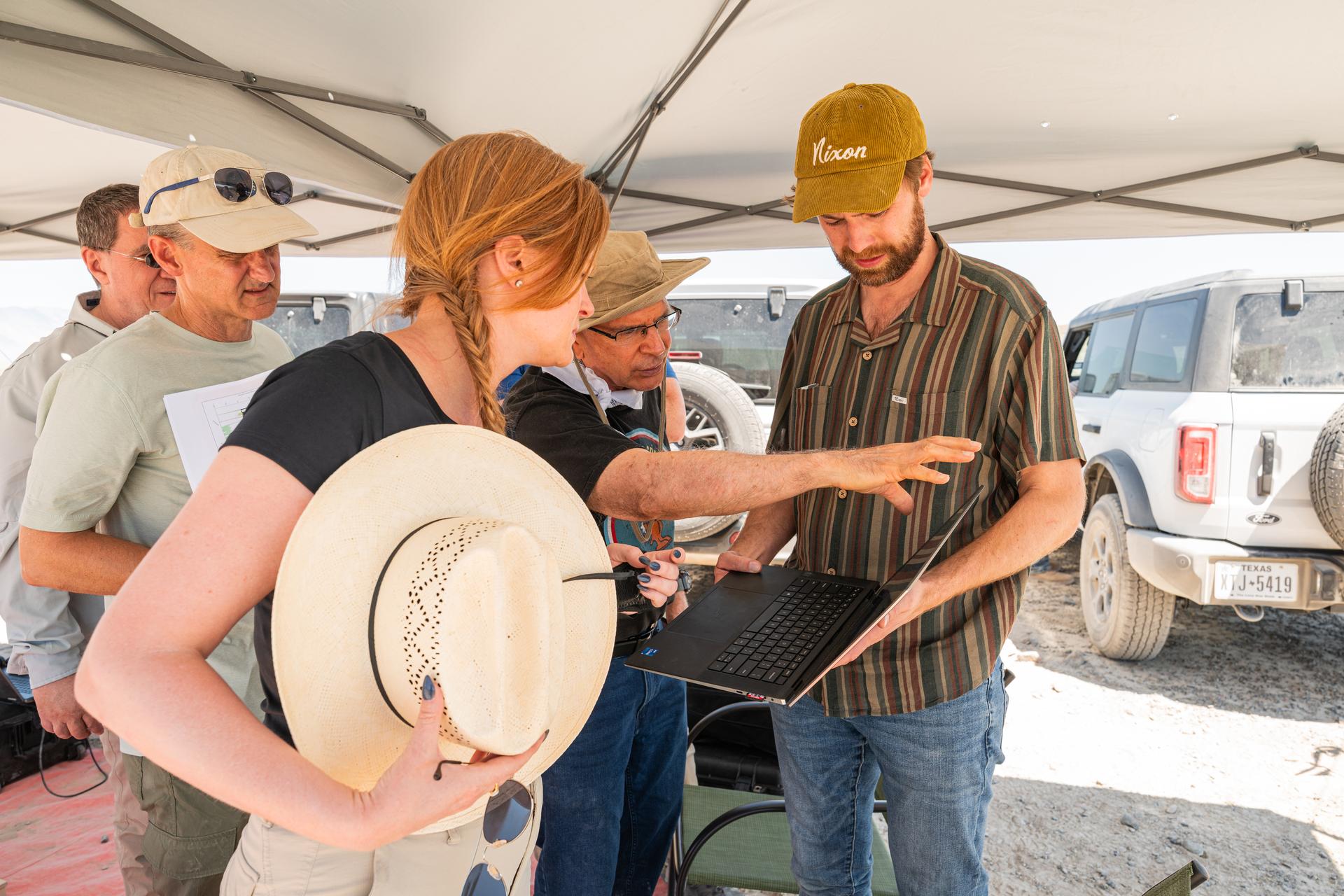
Pictured are DAVINCI’s (left to right) Mike Ravine, Brent Bos, Erika Kohler, Jim Garvin, and Christian Tate, evaluating flight data in real-time to adapt their future tests to the lessons learned from each flight. The researchers are standing in an area of Crater Island, Utah, which was the site of a series of tests (June 23-25, 2026) of the camera system that will one day fly aboard NASA’s DAVINCI mission probe to Venus. NASA/Mike Guinto
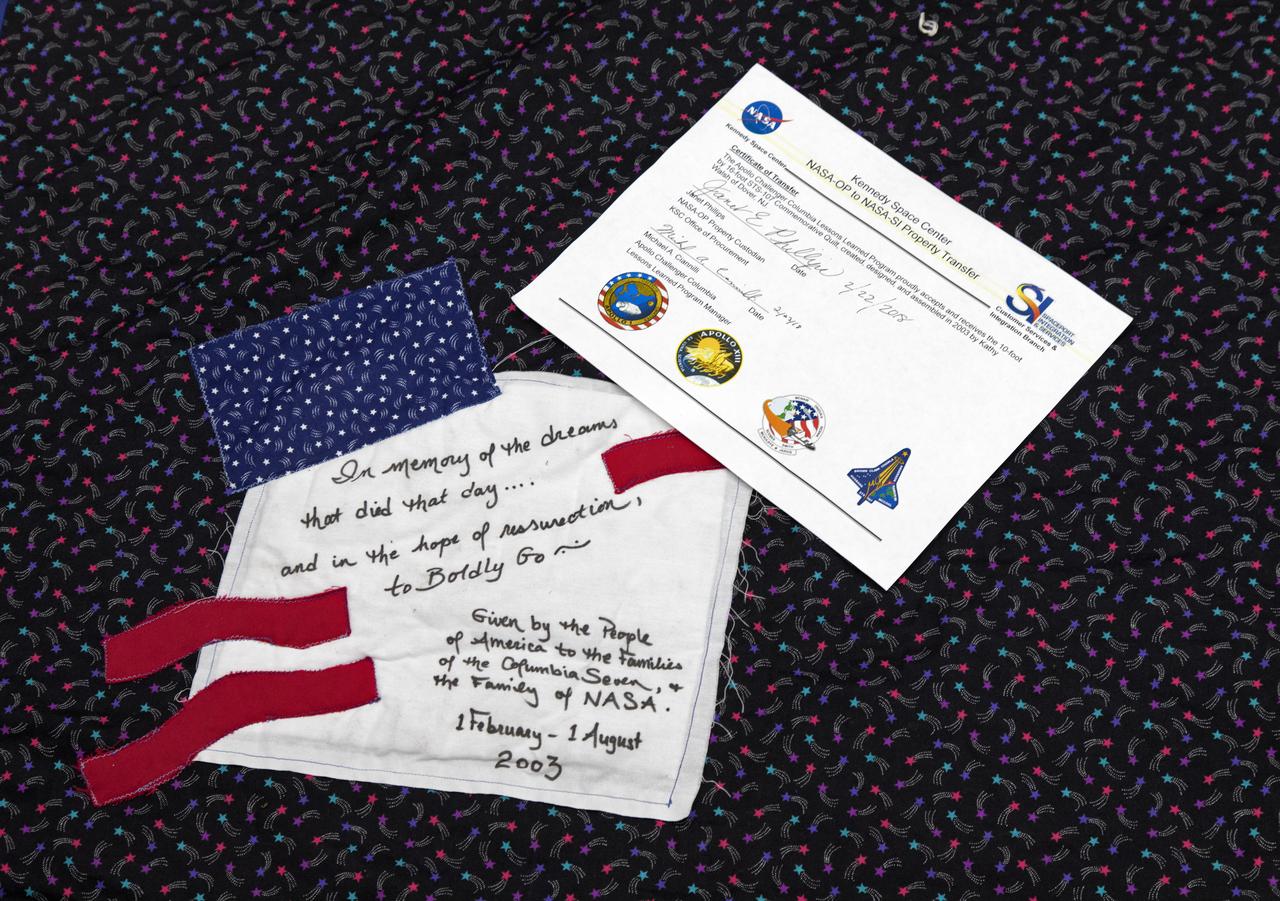
A certificate and quilt square are on display that confirms the transfer of a giant hand-made quilt in honor of space shuttle Columbia and her crew from the Office of Procurement to the Columbia Preservation Room inside the Vehicle Assembly Building at NASA's Kennedy Space Center in Florida. The quilt was made by Katherine Walsh, a lifelong NASA and space program fan originally from Kentucky. The quilt will be displayed in the preservation room with its certificate as part of NASA's Apollo, Challenger, Columbia Lessons Learned Program.
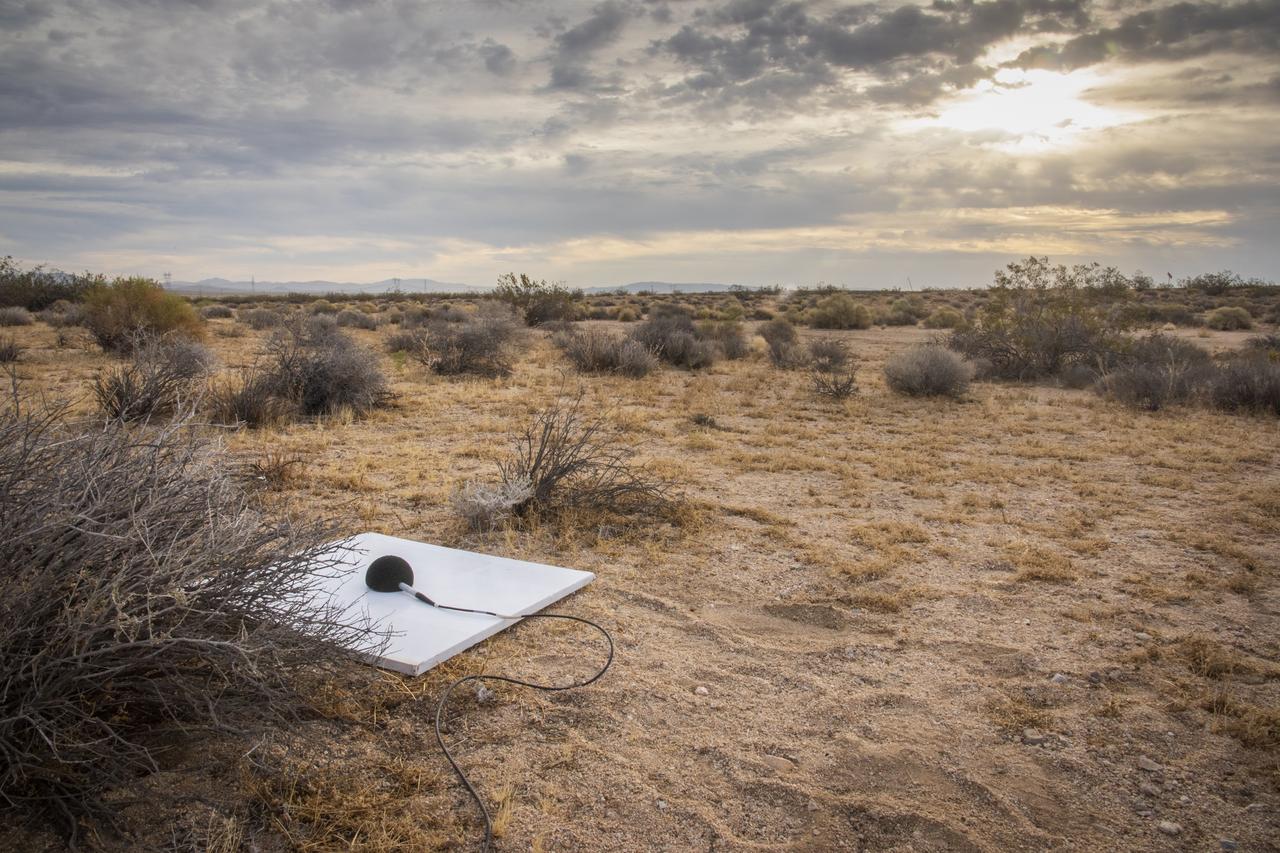
One of multiple microphone stations used in the CarpetDIEM flight series, which gave researchers valuable lessons learned in preparations to deploy a similar array for the quiet supersonic X-59. Prior to community overflights, X-59 will undergo an acoustic validation phase, during which NASA will deploy the array of specially-configured microphones to measure the X-59’s thumps, in order to verify that they are as quiet as predicted.
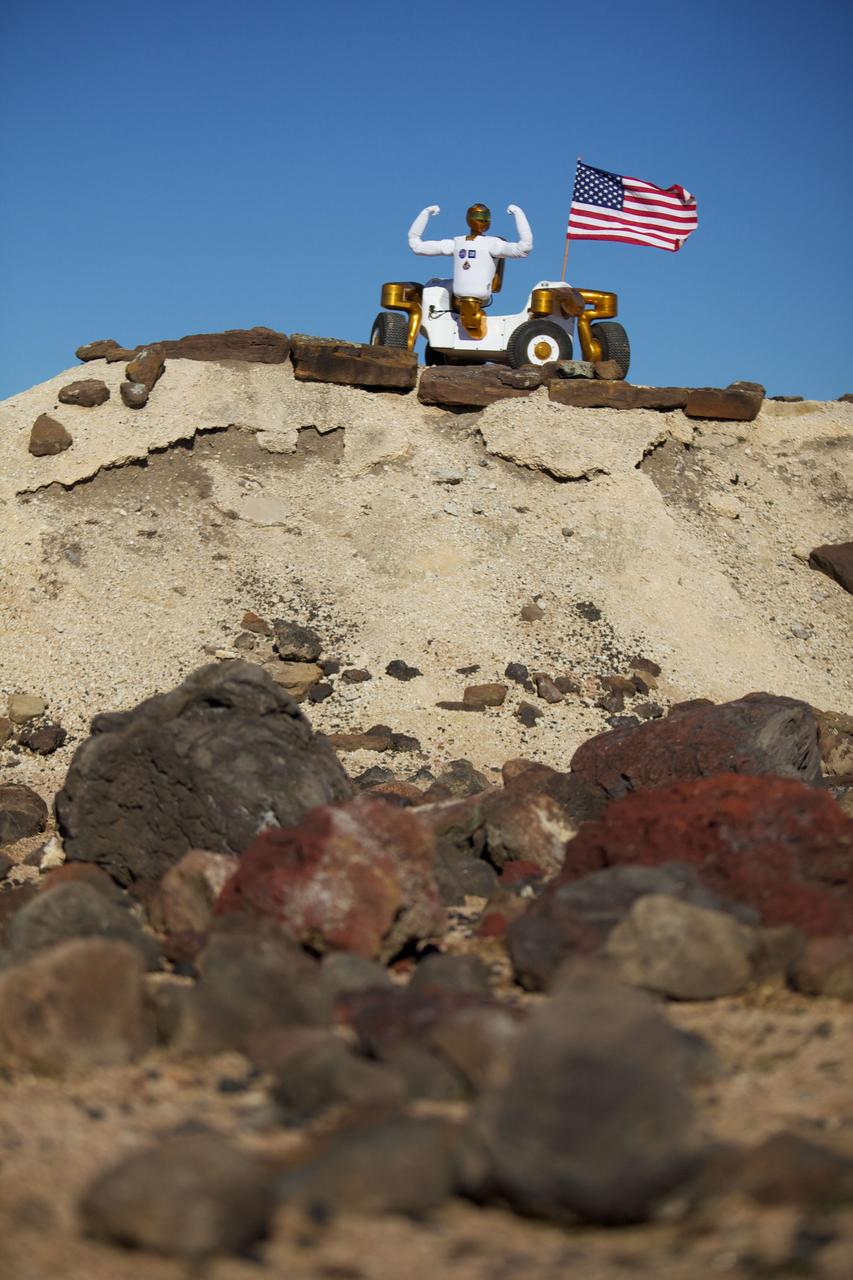
JSC2011-E-017946 (February 2011) --- Robonaut 2 poses atop its new wheeled base, Centaur 2, at the Johnson Space Center Planetary Analog Test Site. The Centaur base builds off of lessons learned through the Space Exploration Vehicle, a rover for astronauts, and could allow the dexterous humanoid robot to help with the future exploration of distant planetary surfaces. Photo credit: NASA or National Aeronautics and Space Administration
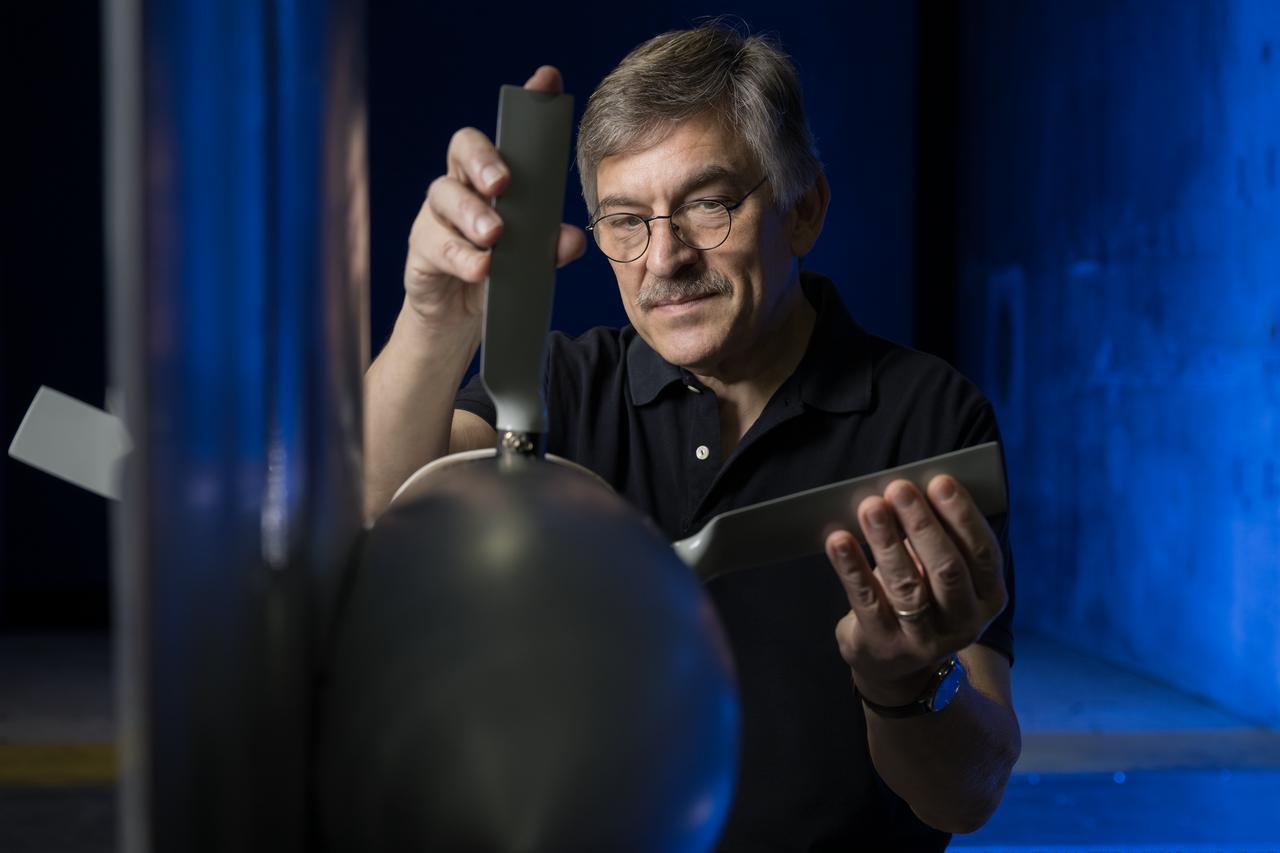
NASA researcher Norman W. Schaeffler adjusts a propellor, which is part of a 7-foot wing model that was recently tested at NASA’s Langley Research Center in Hampton, Virginia. In May and June, NASA researchers tested the wing in the 14-by-22-Foot Subsonic Wind Tunnel to collect data on critical propeller-wing interactions. The lessons learned from this testing will be shared with the public to support advanced air mobility aircraft development.
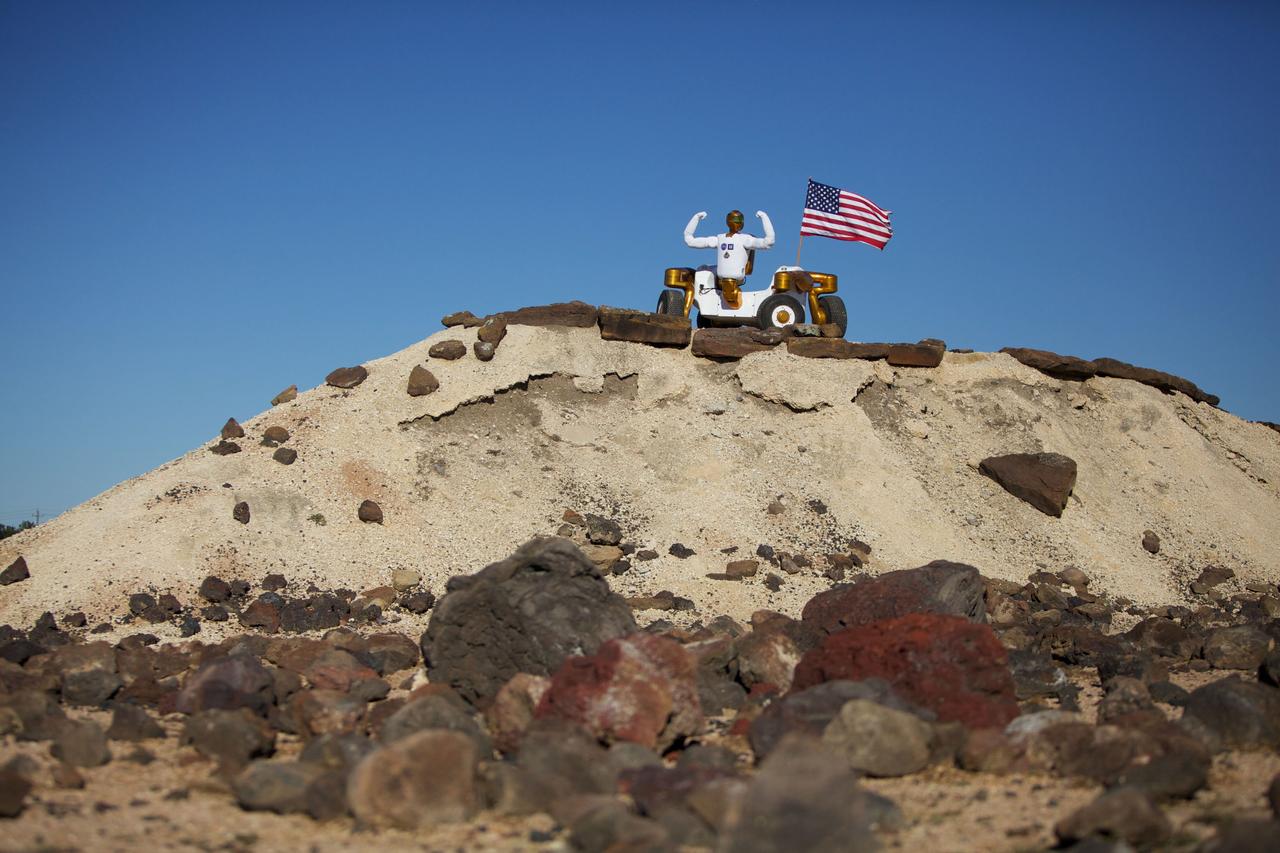
JSC2011-E-017947 (February 2011) --- Robonaut 2 poses atop its new wheeled base, Centaur 2, at the Johnson Space Center Planetary Analog Test Site. The Centaur base builds off of lessons learned through the Space Exploration Vehicle, a rover for astronauts, and could allow the dexterous humanoid robot to help with the future exploration of distant planetary surfaces. Photo credit: NASA or National Aeronautics and Space Administration
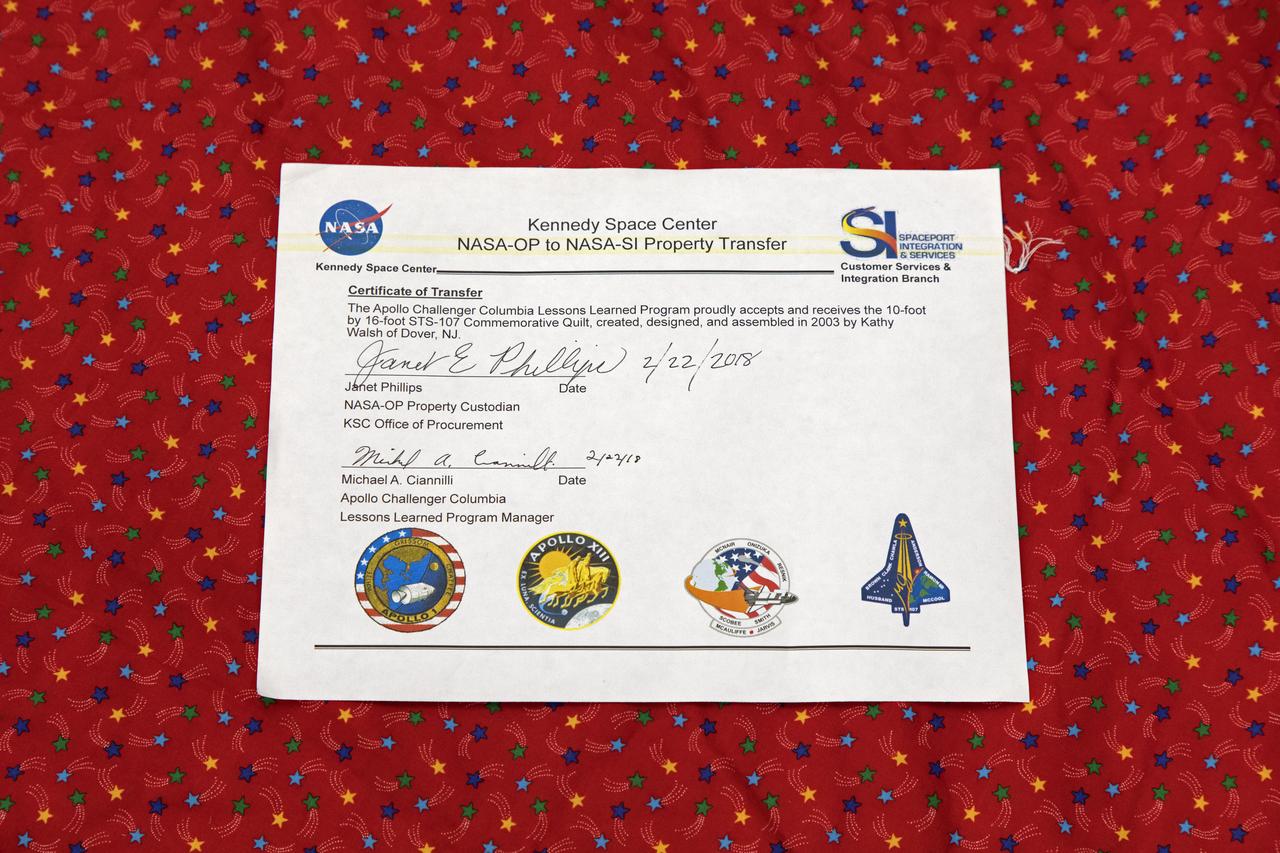
A certificate is on display that confirms the transfer of a giant hand-made quilt in honor of space shuttle Columbia and her crew from the Office of Procurement to the Columbia Preservation Room inside the Vehicle Assembly Building at NASA's Kennedy Space Center in Florida. The quilt was made by Katherine Walsh, a lifelong NASA and space program fan originally from Kentucky. The quilt will be displayed with its certificate in the preservation room as part of NASA's Apollo, Challenger, Columbia Lessons Learned Program.

Mike Ciannilli, Apollo, Challenger, Columbia Lessons Learned Program manager, at right, accepts a certificate for turnover of a hand-made quilt in honor of space shuttle Columbia and her crew from Janet Phillips, property custodian in NASA Kennedy Space Center's Office of Procurement. Turnover of the quilt took place in the Columbia Preservation Room inside the Vehicle Assembly Building at Kennedy Space Center in Florida. The quilt was made by Katherine Walsh, a lifelong NASA and space program fan originally from Kentucky.

NASA employees Broderic J. Gonzalez, left, and David W. Shank, right, install pieces of a 7-foot wing model in preparation for testing in the 14-by-22-Foot Subsonic Wind Tunnel at NASA's Langley Research Center in Hampton, Virginia, in May 2025. The lessons learned from this testing will be shared with the public to support advanced air mobility aircraft development.
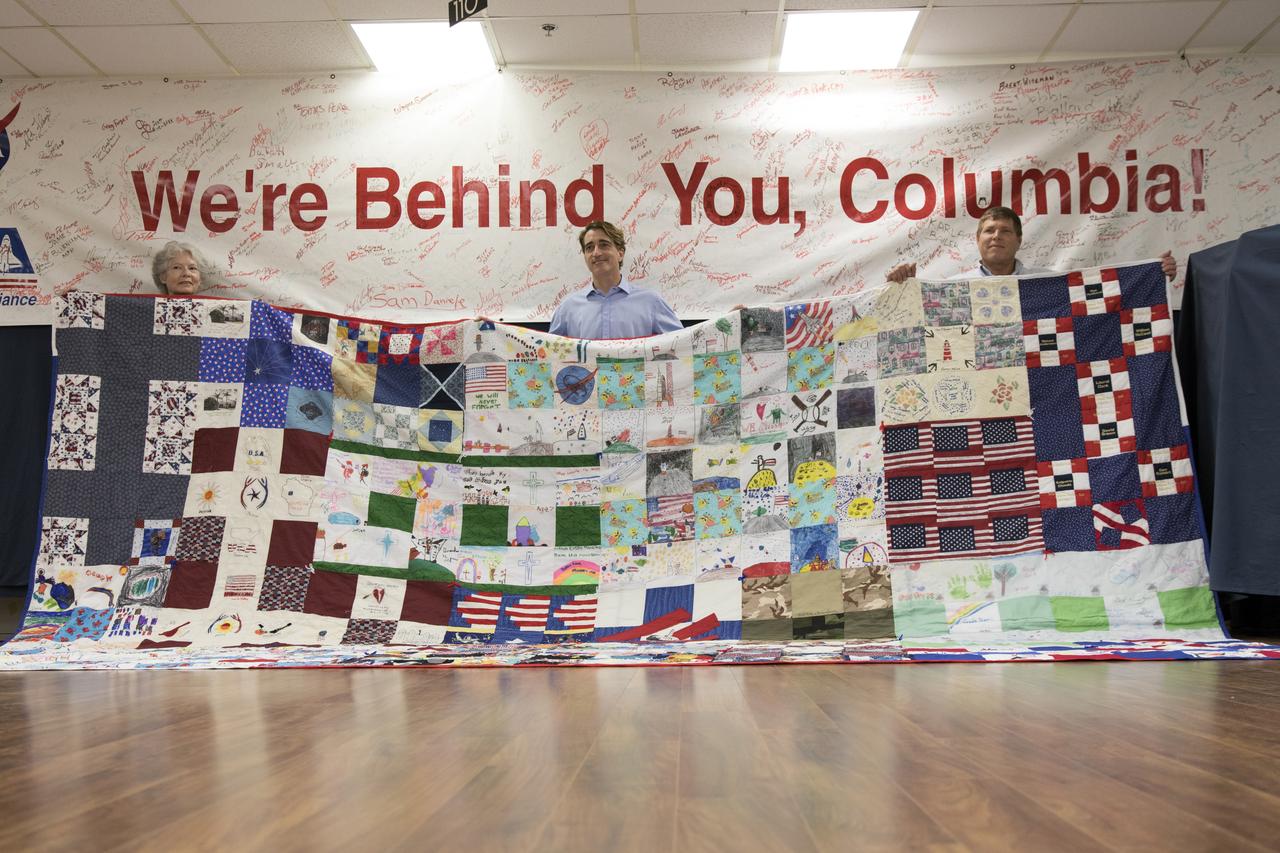
A giant hand-made quilt in honor of space shuttle Columbia and her crew was turned over to the Columbia Preservation Room inside the Vehicle Assembly Building at NASA's Kennedy Space Center in Florida. The quilt was made by Katherine Walsh, a lifelong NASA and space program fan originally from Kentucky. From left, behind the quilt are Janet Phillips, property custodian in Kennedy's Office of Procurement; Mike Ciannilli, Apollo, Challenger, Columbia Lessons Learned Program manager; and Kevin Panik, customer advocate in Spaceport Integration.
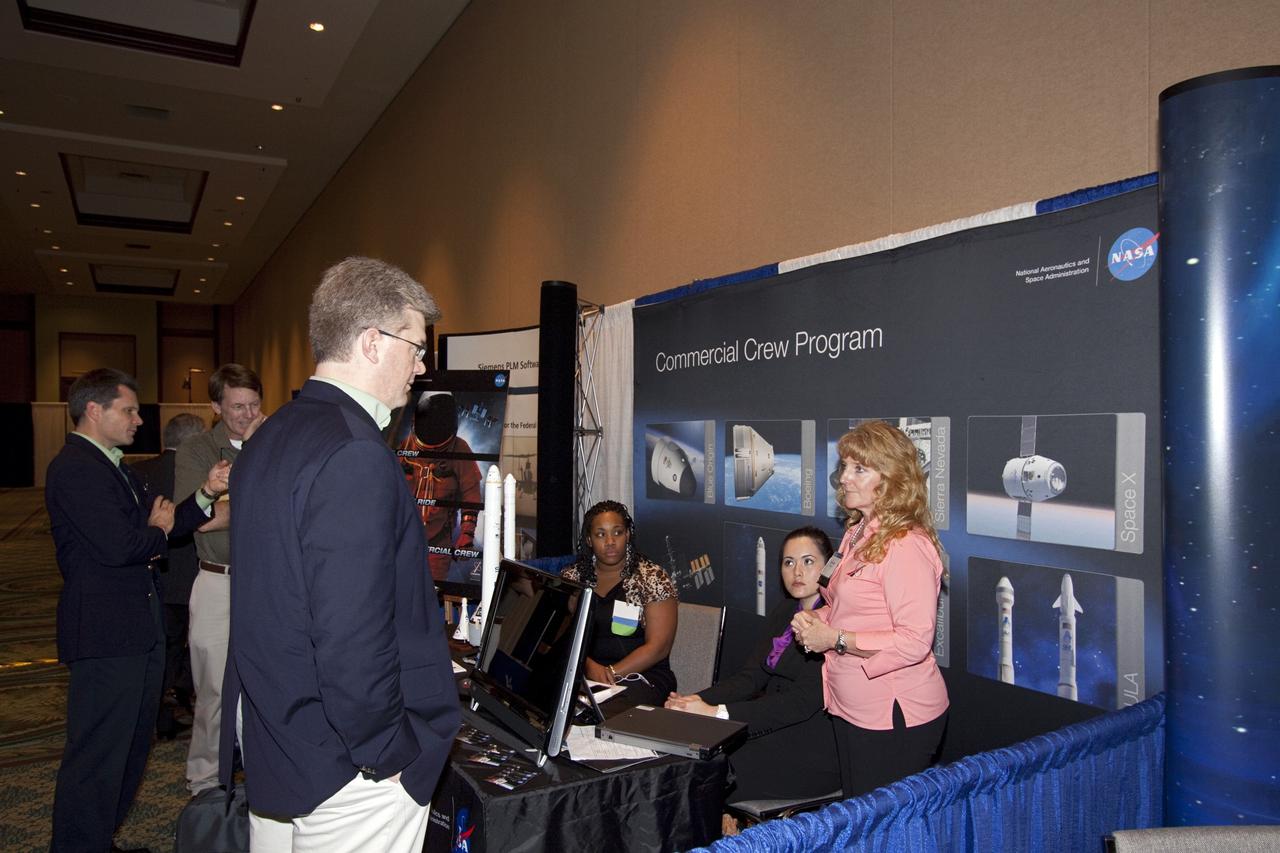
ORLANDO, Fla. -- Representatives from NASA’s Kennedy Space Center in Florida provide information on the Commercial Crew Program to participants in NASA’s Project Management Challenge 2012. PM Challenge 2012 was held at the Caribe Royale Hotel and Convention Center in Orlando, Fla., on February 22-23, to provide a forum for all stakeholders in the project management community to meet and share stories, lessons learned and new uses of technology in the industry. The PM Challenge is sponsored by NASA's Office of the Chief Engineer. For additional information, visit http://www.nasa.gov/offices/oce/pmchallenge/index.html. Photo credit: NASA/Jim Grossmann

CAPE CANAVERAL, Fla. – Inside the Educator Resource Center at NASA’s Kennedy Space Center Visitor Complex in Florida, science teacher April Lanotte displays the Museum in a Box that contains activities and learning materials for K-12 students. Lanotte, who is an Albert Einstein Distinguished Educator Fellow working in NASA’s Aeronautics Research Mission Directorate, was at Kennedy to train education specialists and Kennedy Educate to Innovate program volunteers in the new series of lessons and activities. The Museum in a Box is a program designed to teach physical science through aeronautics using hands-on activities and experiments. Photo credit: NASA_Jim Grossmann
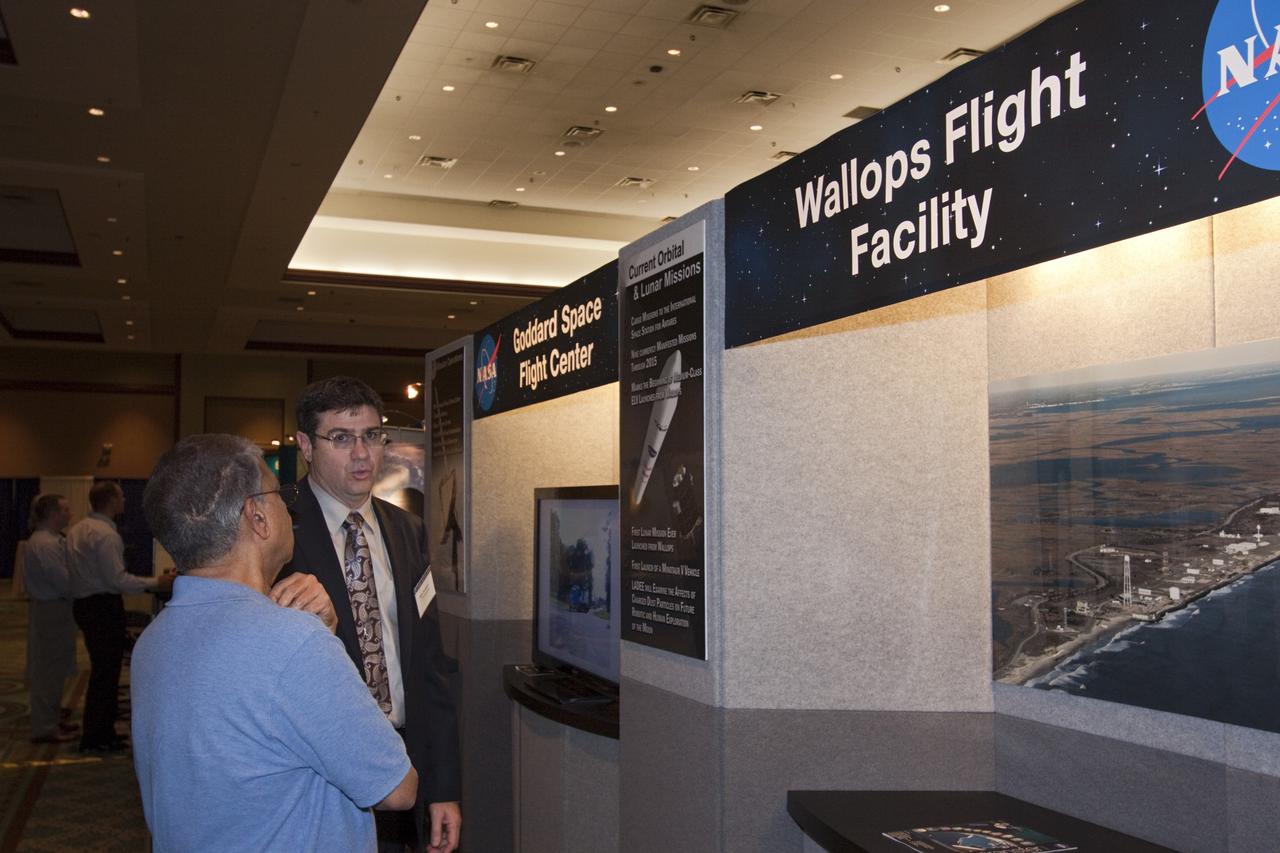
ORLANDO, Fla. -- Representatives from NASA’s Wallops Flight Facility, located in Virginia, provide information on their center’s programs and projects to participants in NASA’s Project Management Challenge 2012. PM Challenge 2012 was held at the Caribe Royale Hotel and Convention Center in Orlando, Fla., on February 22-23, to provide a forum for all stakeholders in the project management community to meet and share stories, lessons learned and new uses of technology in the industry. The PM Challenge is sponsored by NASA's Office of the Chief Engineer. For additional information, visit http://www.nasa.gov/offices/oce/pmchallenge/index.html. Photo credit: NASA/Jim Grossmann
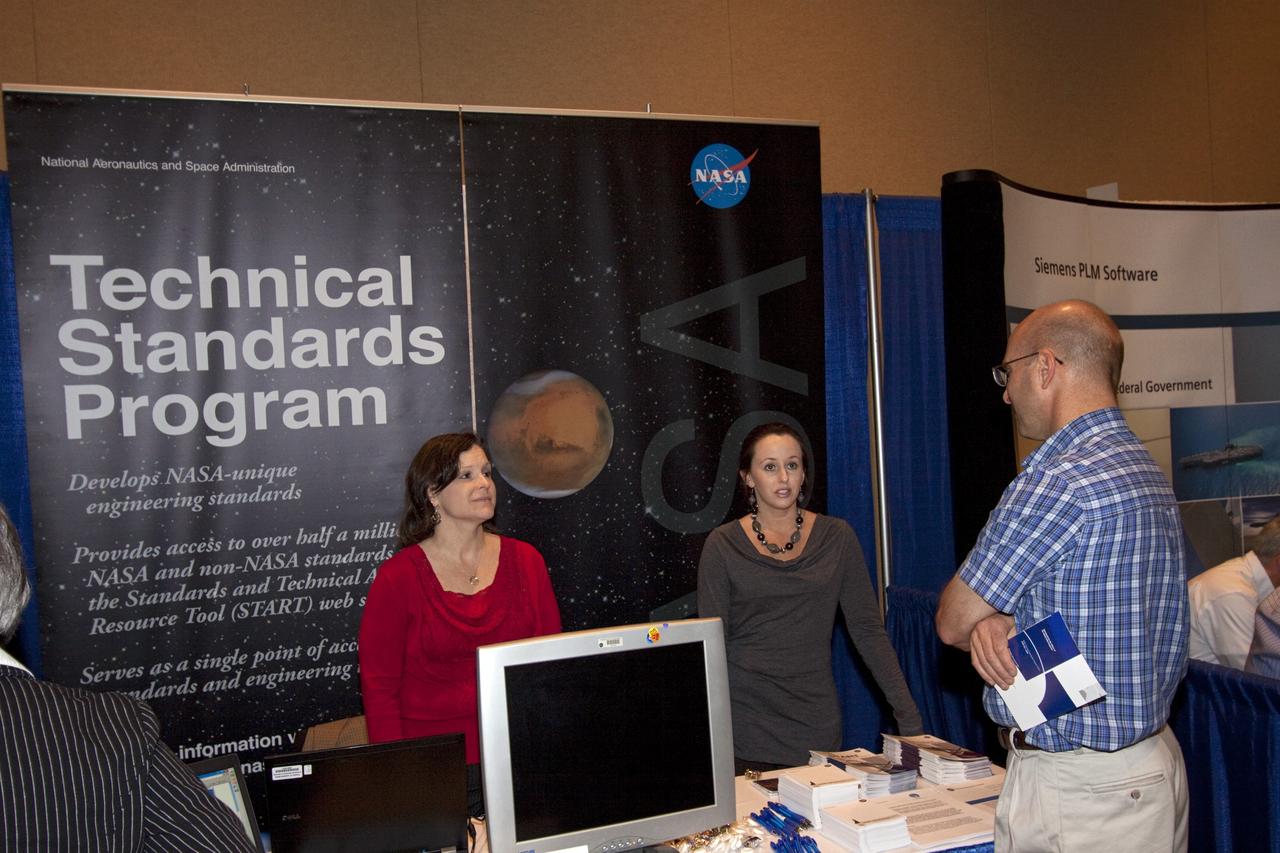
ORLANDO, Fla. -- NASA representatives provide information on the agency’s Technical Standards Program to participants in NASA’s Project Management Challenge 2012. PM Challenge 2012 was held at the Caribe Royale Hotel and Convention Center in Orlando, Fla., on February 22-23, to provide a forum for all stakeholders in the project management community to meet and share stories, lessons learned and new uses of technology in the industry. The PM Challenge is sponsored by NASA's Office of the Chief Engineer. For additional information, visit http://www.nasa.gov/offices/oce/pmchallenge/index.html. Photo credit: NASA/Jim Grossmann
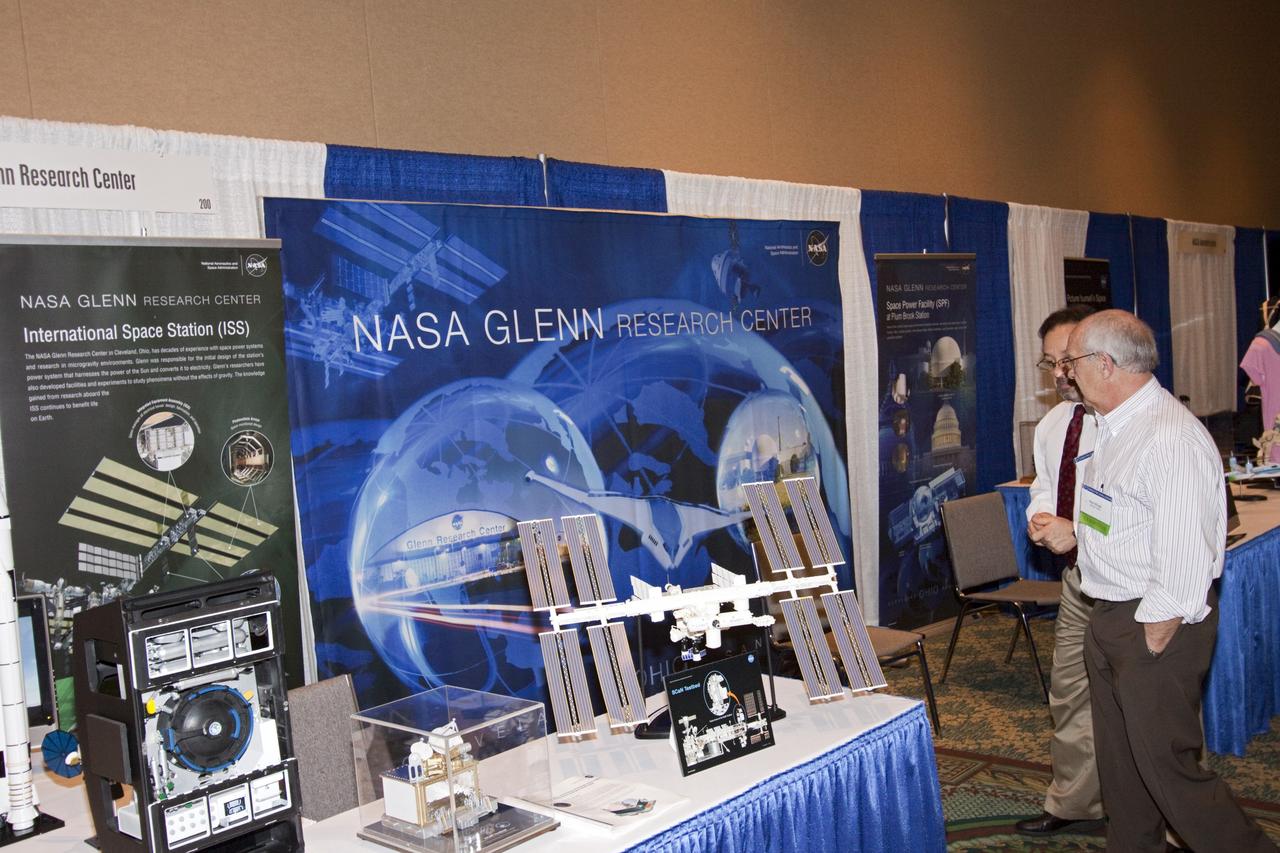
ORLANDO, Fla. -- Representatives from NASA’s Glenn Research Center, located in Cleveland, provide information on their center’s programs and projects to participants in NASA’s Project Management Challenge 2012. PM Challenge 2012 was held at the Caribe Royale Hotel and Convention Center in Orlando, Fla., on February 22-23, to provide a forum for all stakeholders in the project management community to meet and share stories, lessons learned and new uses of technology in the industry. The PM Challenge is sponsored by NASA's Office of the Chief Engineer. For additional information, visit http://www.nasa.gov/offices/oce/pmchallenge/index.html. Photo credit: NASA/Jim Grossmann
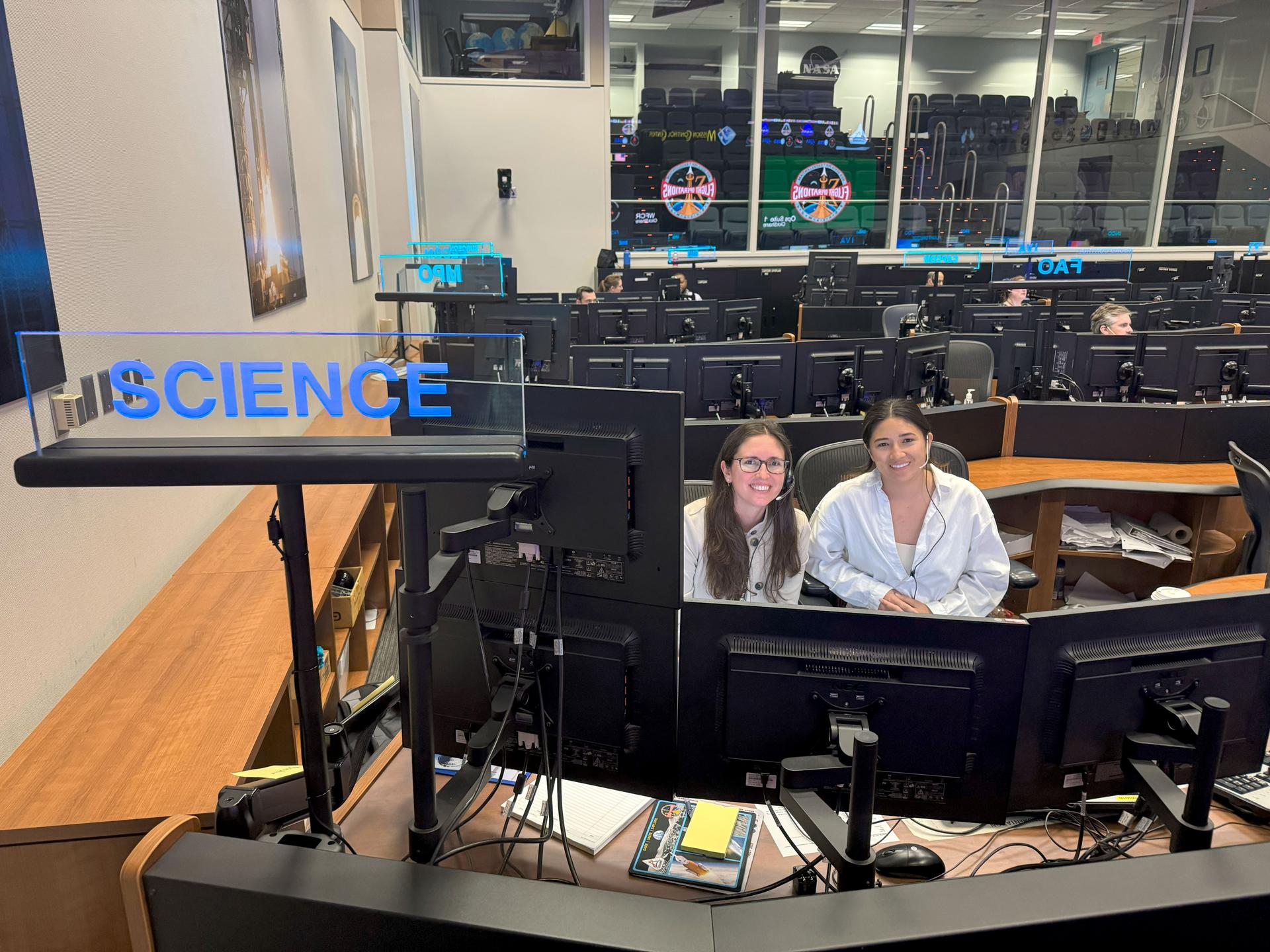
jsc2025e067512 --- Artemis II science officers Kelsey Young, left, and Angela Garcia sit at the SCIENCE console during a training simulation in the White Flight Control Room of the Mission Control Center at NASA's Johnson Space Center in Houston. Artemis II will test mission science operations and integration into flight control. Lessons learned during Artemis II science operations will pave the way for lunar science operations for future Artemis missions. A team of experts will staff the Science Evaluation Room (SER) at Johnson, providing lunar scientific expertise, data analysis, and strategic guidance in real-time to the science officer and the rest of Mission Control.
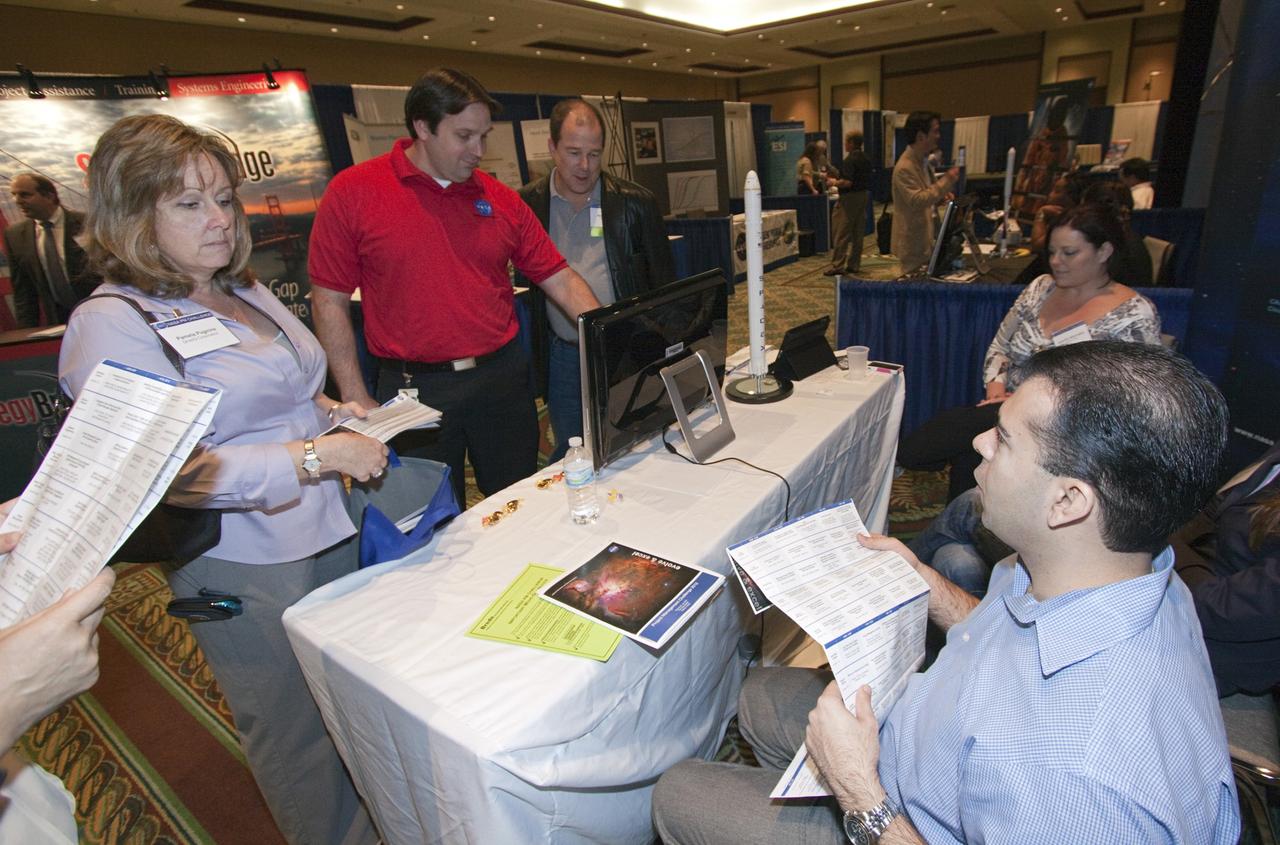
ORLANDO, Fla. -- Representatives from NASA’s Launch Services Program, located at Kennedy Space Center in Florida, provide information on the program to participants in NASA’s Project Management Challenge 2012. PM Challenge 2012 was held at the Caribe Royale Hotel and Convention Center in Orlando, Fla., on February 22-23, to provide a forum for all stakeholders in the project management community to meet and share stories, lessons learned and new uses of technology in the industry. The PM Challenge is sponsored by NASA's Office of the Chief Engineer. For additional information, visit http://www.nasa.gov/offices/oce/pmchallenge/index.html. Photo credit: NASA/Jim Grossmann
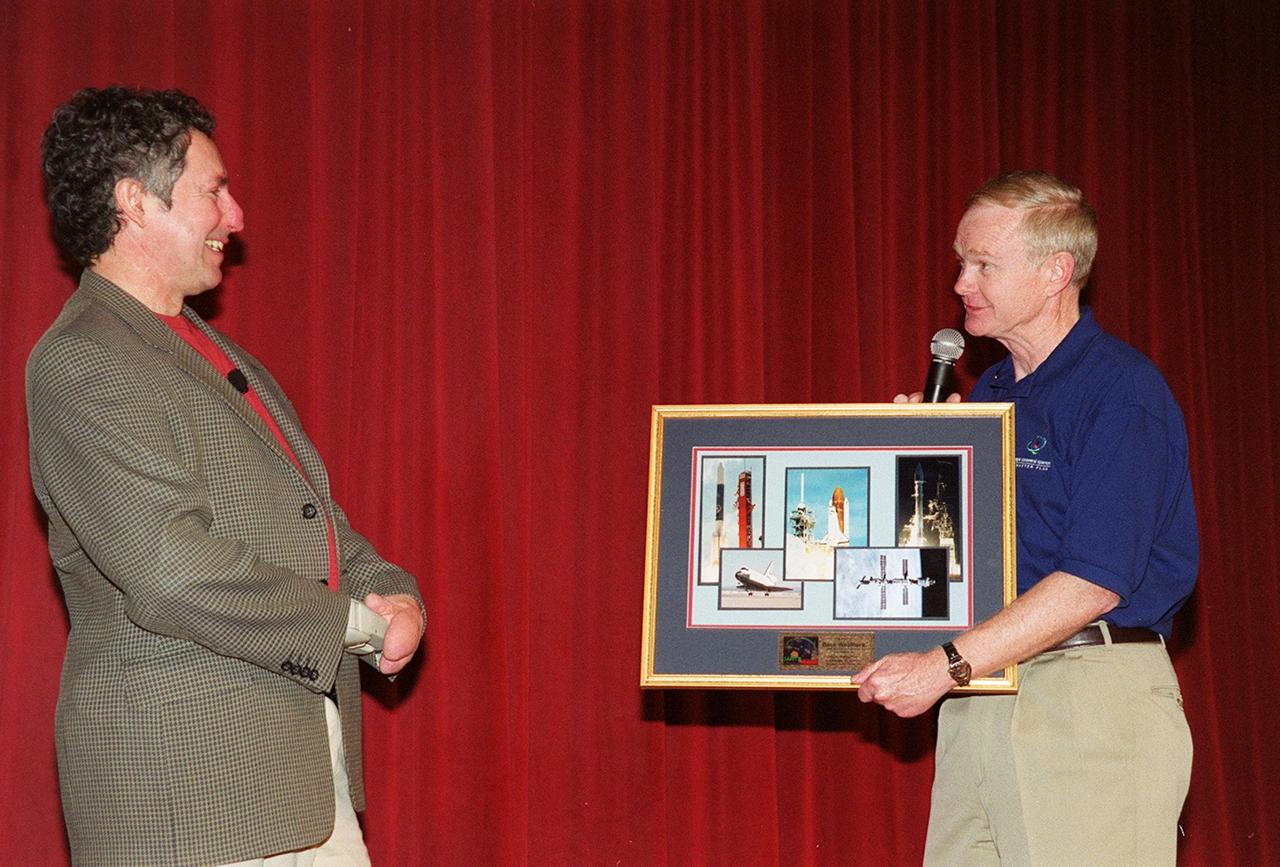
During Super Safety and Health Day at KSC, keynote speaker Dr. Beck Weathers is given a memento of his visit by Center Director Roy Bridges. Weathers spoke about his ordeal of surviving the 1996 Mt. Everest disaster and the lessons learned from the experience. Safety Day is a full day of NASA-sponsored, KSC and 45th Space Wing events involving a number of health and safety related activities: Displays, vendors, technical paper sessions, panel discussions, a keynote speaker, etc. The entire Center and Wing stand down to participate in the planned events. Safety Day is held annually to proactively increase awareness in safety and health among the government and contractor workforce population. The first guiding principle at KSC is “Safety and Health First.” KSC’s number one goal is to “Assure sound, safe and efficient practices and processes are in place for privatized/commercialized launch site processing.
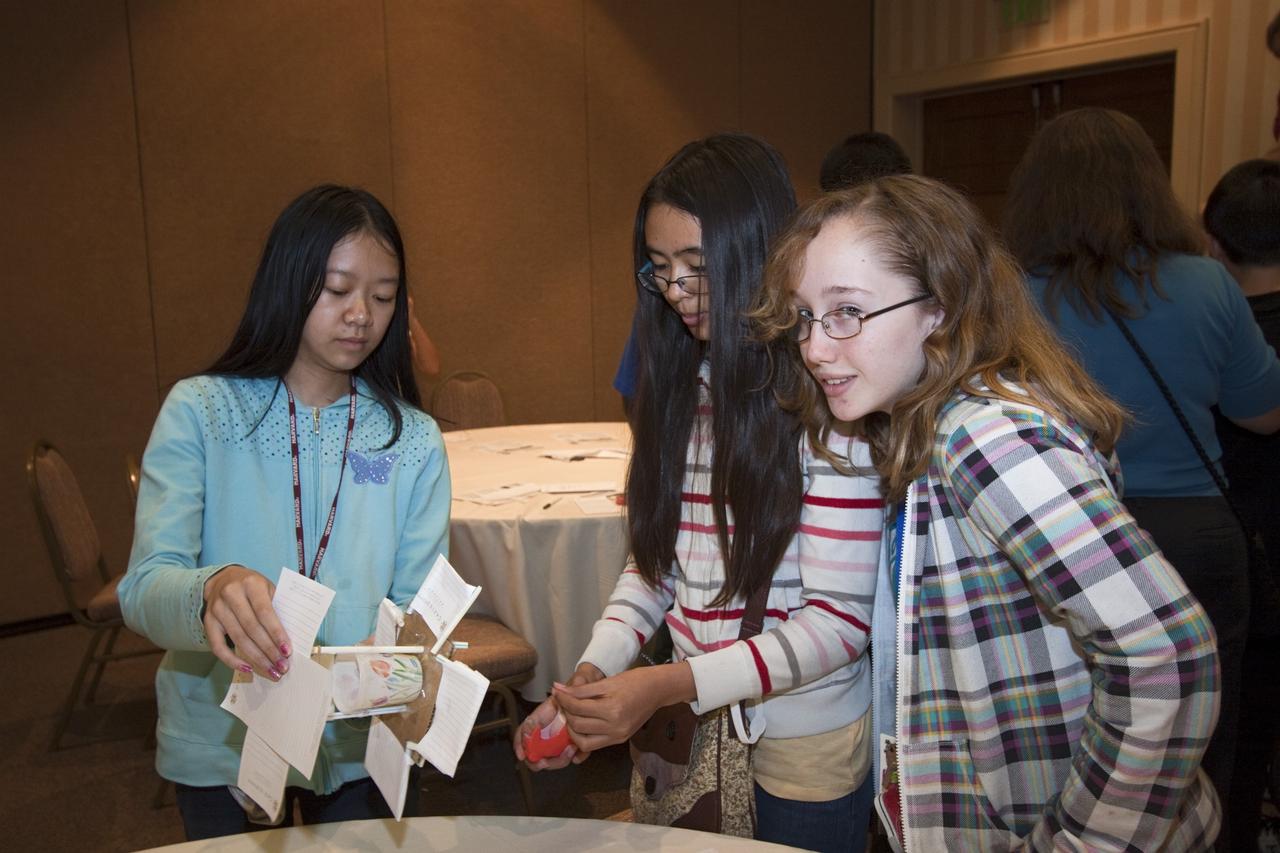
ORLANDO, Fla. – Students from Meadow Woods Middle School in Orlando take part in a hands-on activity during NASA’s Project Management PM Challenge 2012. Education specialists from NASA’s Kennedy Space Center supported the annual PM Challenge with demonstrations designed to illustrate various principles of physics. The demonstrations are designed to increase student interest and pursuit of the science, technology, engineering and mathematics STEM fields integral to producing the next generation of scientists and engineers. PM Challenge 2012 was held at the Caribe Royale Hotel and Convention Center in Orlando, Fla., on Feb. 22-23, to provide a forum for all stakeholders in the project management community to meet and share stories, lessons learned and new uses of technology in the industry. The PM Challenge is sponsored by NASA's Office of the Chief Engineer. For additional information, visit http://www.nasa.gov/offices/oce/pmchallenge/index.html. Photo credit: NASA/Jim Grossmann
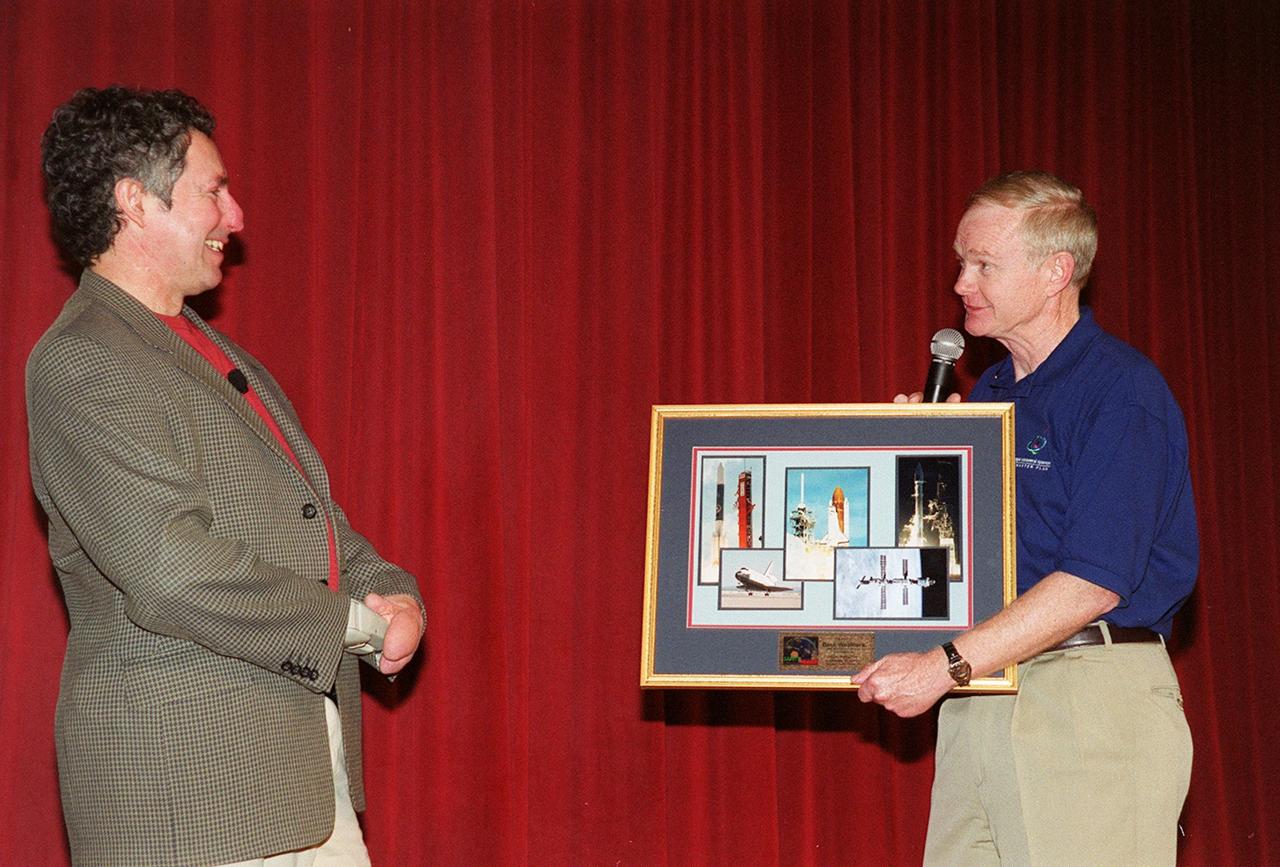
During Super Safety and Health Day at KSC, keynote speaker Dr. Beck Weathers is given a memento of his visit by Center Director Roy Bridges. Weathers spoke about his ordeal of surviving the 1996 Mt. Everest disaster and the lessons learned from the experience. Safety Day is a full day of NASA-sponsored, KSC and 45th Space Wing events involving a number of health and safety related activities: Displays, vendors, technical paper sessions, panel discussions, a keynote speaker, etc. The entire Center and Wing stand down to participate in the planned events. Safety Day is held annually to proactively increase awareness in safety and health among the government and contractor workforce population. The first guiding principle at KSC is “Safety and Health First.” KSC’s number one goal is to “Assure sound, safe and efficient practices and processes are in place for privatized/commercialized launch site processing.
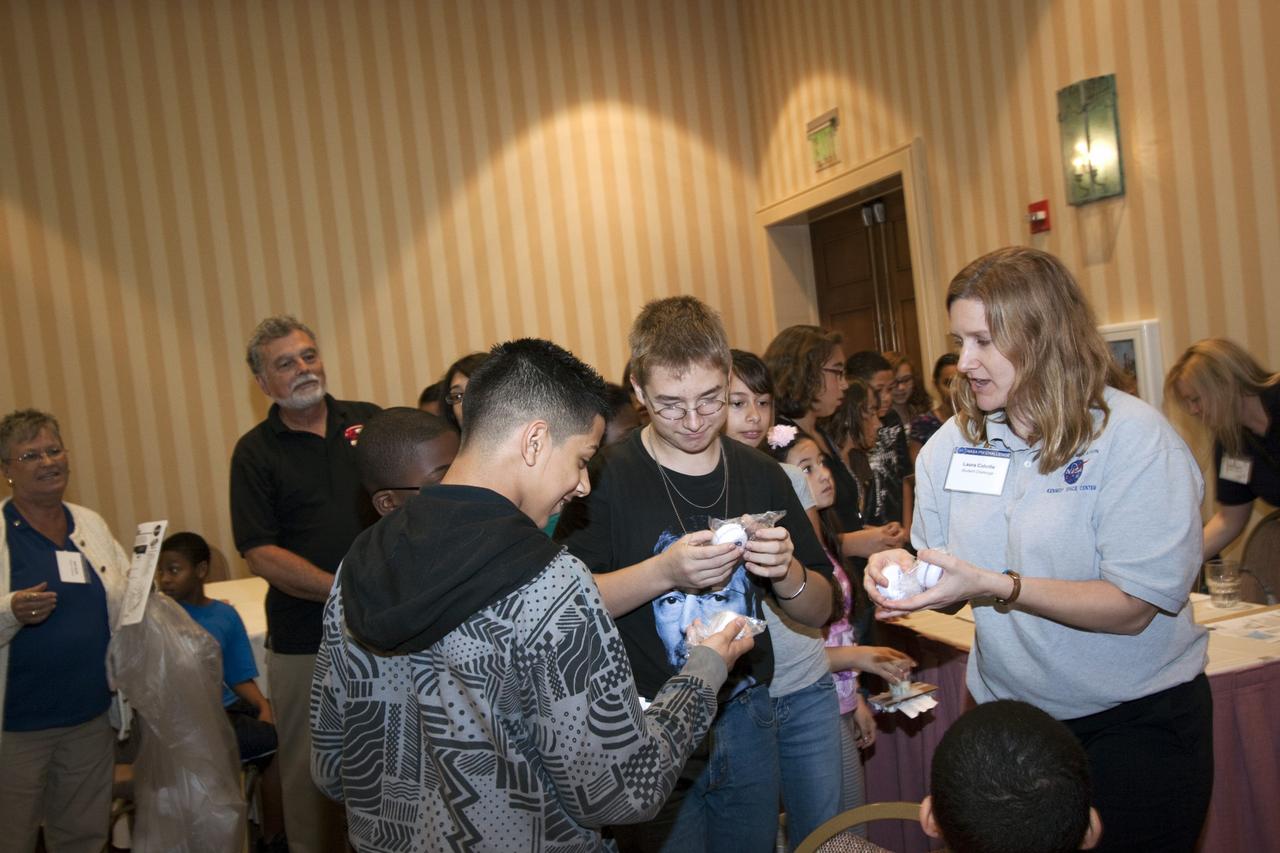
ORLANDO, Fla. – Laura Colville, in the gray shirt at right, from the Educator Resource Center at NASA’s Kennedy Space Center, interacts with students from Meadow Woods Middle School in Orlando during NASA’s Project Management PM Challenge 2012. The demonstrations are designed to increase student interest and pursuit of the science, technology, engineering and mathematics STEM fields integral to producing the next generation of scientists and engineers. PM Challenge 2012 was held at the Caribe Royale Hotel and Convention Center in Orlando, Fla., on Feb. 22-23, to provide a forum for all stakeholders in the project management community to meet and share stories, lessons learned and new uses of technology in the industry. The PM Challenge is sponsored by NASA's Office of the Chief Engineer. For additional information, visit http://www.nasa.gov/offices/oce/pmchallenge/index.html. Photo credit: NASA/Jim Grossmann
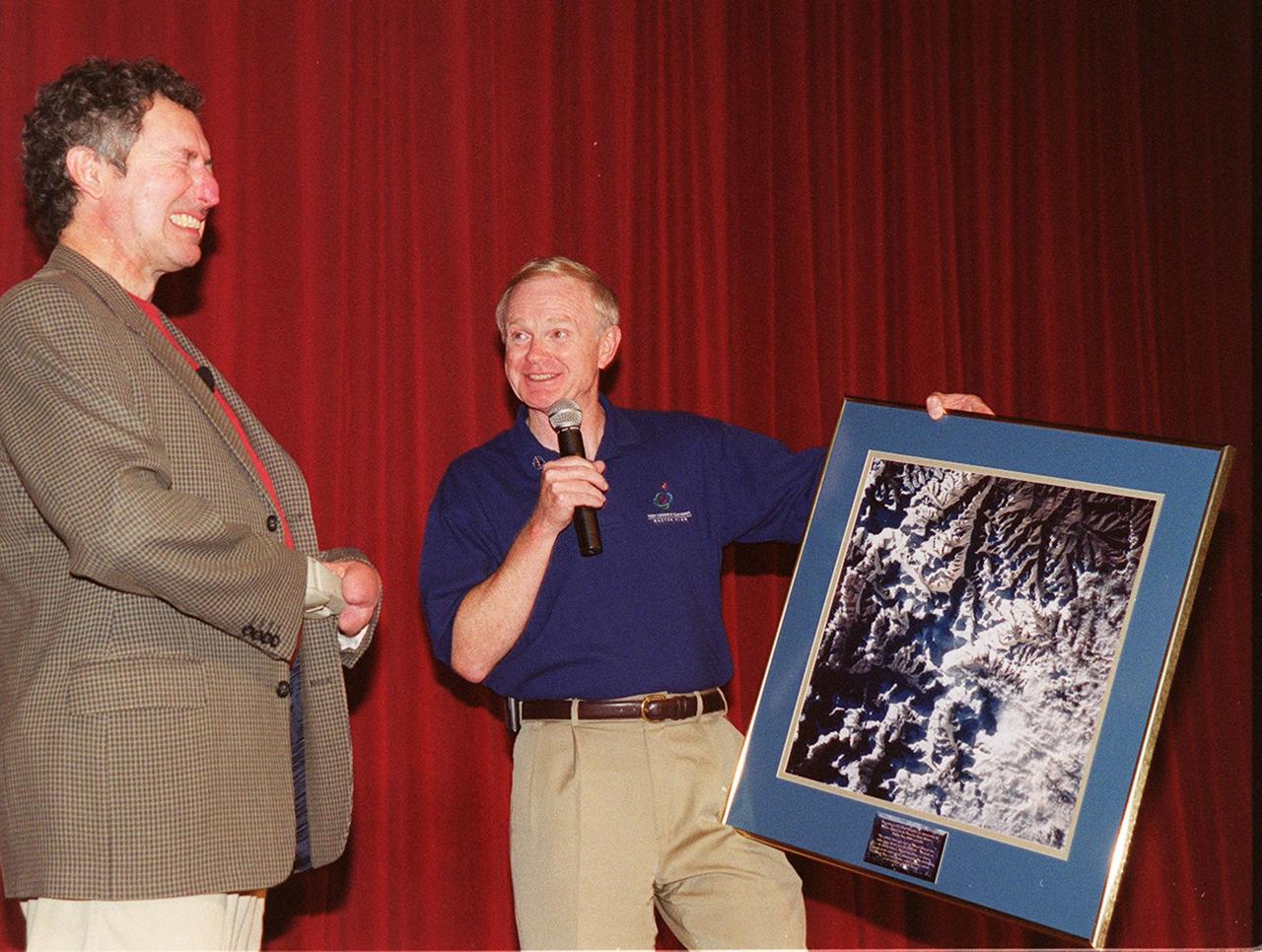
During Super Safety and Health Day at KSC, keynote speaker Dr. Beck Weathers grimaces over the satellite photo of Mt. Everest being presented by Center Director Roy Bridges. Weathers spoke about his ordeal of surviving the 1996 Mt. Everest disaster and the lessons learned from the experience. Safety Day is a full day of NASA-sponsored, KSC and 45th Space Wing events involving a number of health and safety related activities: Displays, vendors, technical paper sessions, panel discussions, a keynote speaker, etc. The entire Center and Wing stand down to participate in the planned events. Safety Day is held annually to proactively increase awareness in safety and health among the government and contractor workforce population. The first guiding principle at KSC is “Safety and Health First.” KSC’s number one goal is to “Assure sound, safe and efficient practices and processes are in place for privatized/commercialized launch site processing.
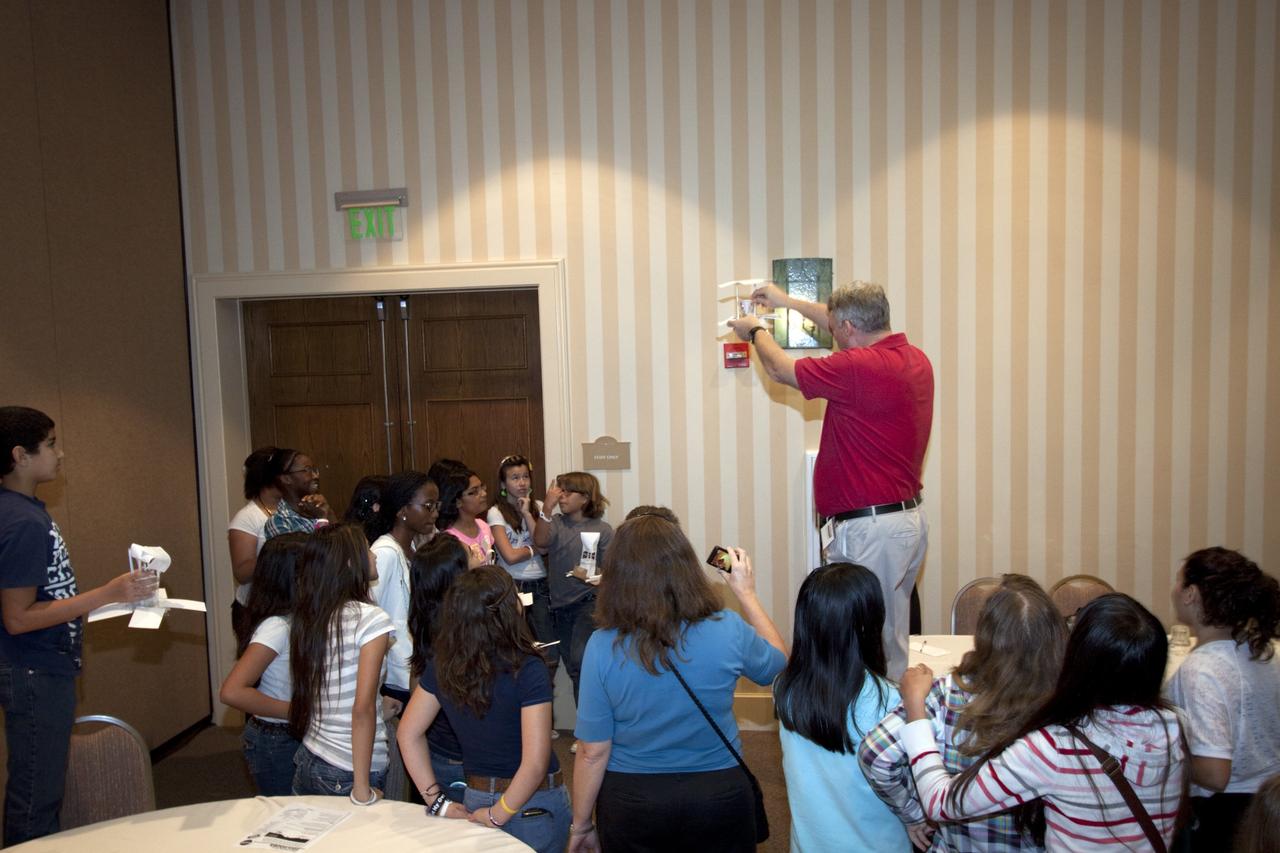
ORLANDO, Fla. – Education specialist Jim Gerard, in the red shirt, from NASA’s Kennedy Space Center, prepares a physics demonstration for students from Meadow Woods Middle School in Orlando during NASA’s Project Management PM Challenge 2012. The demonstrations are designed to increase student interest and pursuit of the science, technology, engineering and mathematics STEM fields integral to producing the next generation of scientists and engineers. PM Challenge 2012 was held at the Caribe Royale Hotel and Convention Center in Orlando, Fla., on Feb. 22-23, to provide a forum for all stakeholders in the project management community to meet and share stories, lessons learned and new uses of technology in the industry. The PM Challenge is sponsored by NASA's Office of the Chief Engineer. For additional information, visit http://www.nasa.gov/offices/oce/pmchallenge/index.html. Photo credit: NASA/Jim Grossmann
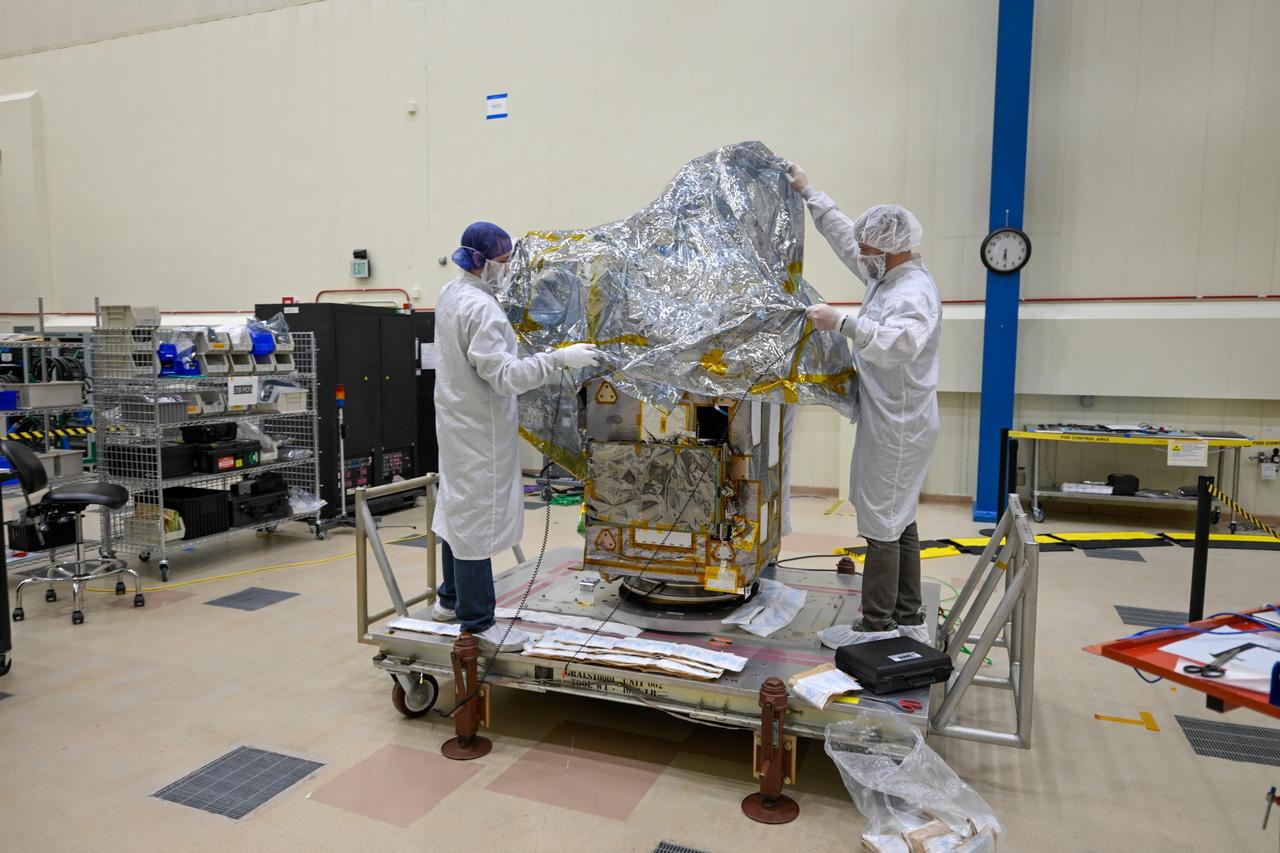
NASA's Lunar Trailblazer spacecraft gets covered in anti-static wrap before being shipped from Lockheed Martin Space in Littleton, Colorado, to Florida, where it arrived on Jan. 29, 2025. The spacecraft was built and tested at Lockheed and will launch no earlier than Feb. 26 from Launch Complex 39A at the agency's Kennedy Space Center. Lunar Trailblazer was a selection of NASA's SIMPLEx (Small Innovative Missions for Planetary Exploration), which provides opportunities for low-cost science spacecraft to ride-share with selected primary missions. To maintain the lower overall cost, SIMPLEx missions have a higher risk posture and lighter requirements for oversight and management. This higher risk acceptance allows NASA to test pioneering technologies, and the definition of success for these missions includes the lessons learned from more experimental endeavors. https://photojournal.jpl.nasa.gov/catalog/PIA26458
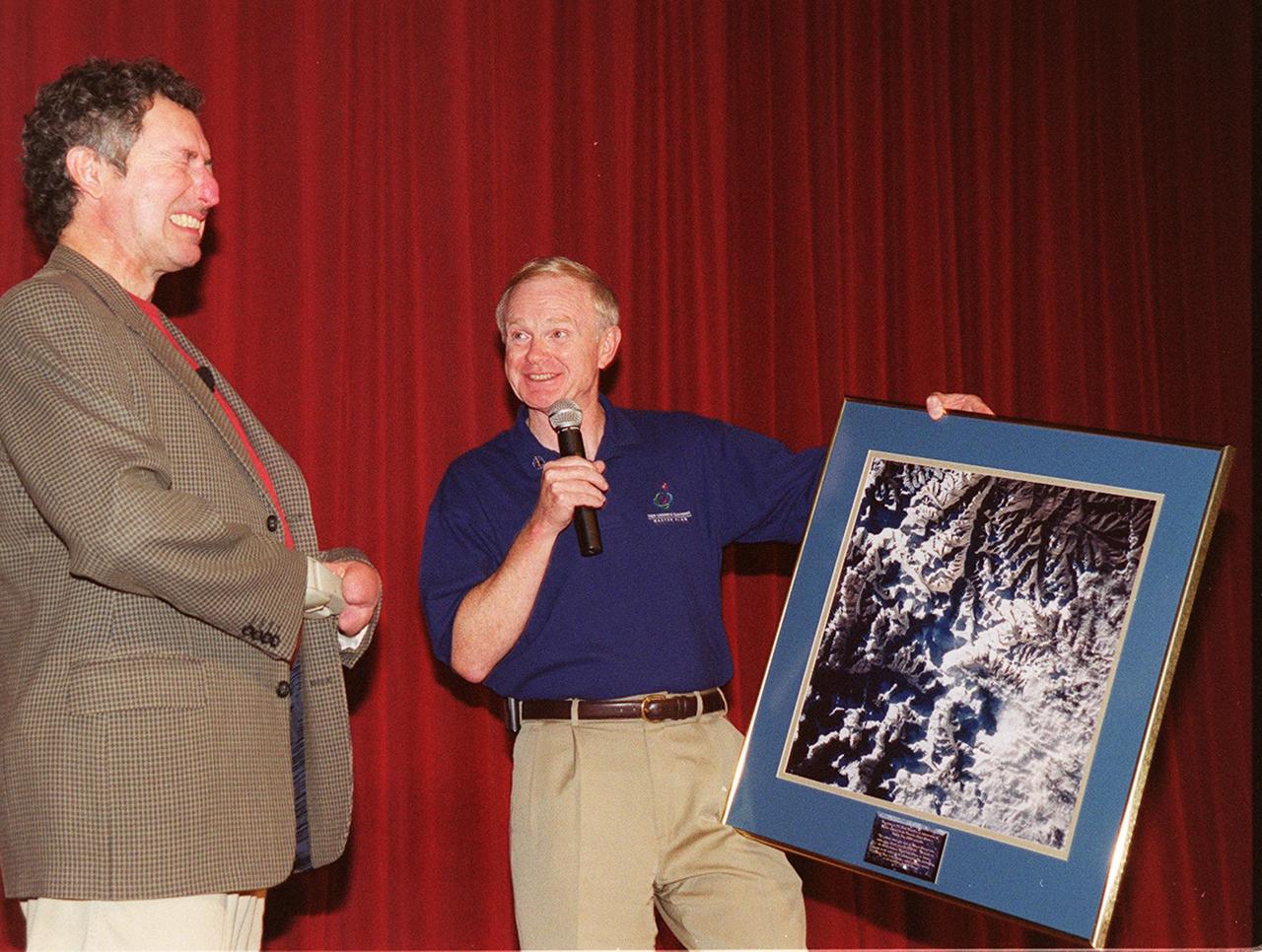
During Super Safety and Health Day at KSC, keynote speaker Dr. Beck Weathers grimaces over the satellite photo of Mt. Everest being presented by Center Director Roy Bridges. Weathers spoke about his ordeal of surviving the 1996 Mt. Everest disaster and the lessons learned from the experience. Safety Day is a full day of NASA-sponsored, KSC and 45th Space Wing events involving a number of health and safety related activities: Displays, vendors, technical paper sessions, panel discussions, a keynote speaker, etc. The entire Center and Wing stand down to participate in the planned events. Safety Day is held annually to proactively increase awareness in safety and health among the government and contractor workforce population. The first guiding principle at KSC is “Safety and Health First.” KSC’s number one goal is to “Assure sound, safe and efficient practices and processes are in place for privatized/commercialized launch site processing.
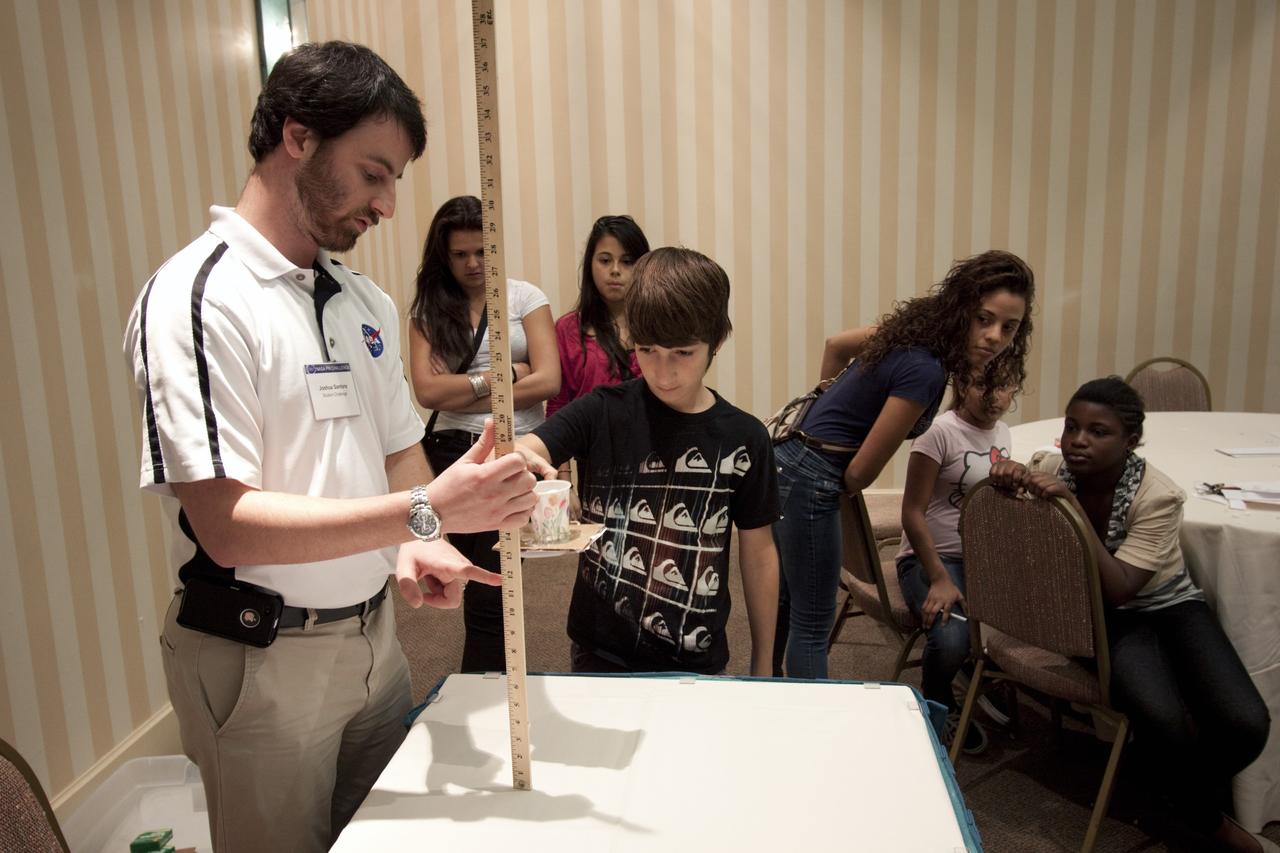
ORLANDO, Fla. – Education project specialist Josh Santora, left, from NASA’s Kennedy Space Center, engages a student from Meadow Woods Middle School in Orlando in a physics demonstration during NASA’s Project Management PM Challenge 2012. The demonstrations are designed to increase student interest and pursuit of the science, technology, engineering and mathematics STEM fields integral to producing the next generation of scientists and engineers. PM Challenge 2012 was held at the Caribe Royale Hotel and Convention Center in Orlando, Fla., on Feb. 22-23, to provide a forum for all stakeholders in the project management community to meet and share stories, lessons learned and new uses of technology in the industry. The PM Challenge is sponsored by NASA's Office of the Chief Engineer. For additional information, visit http://www.nasa.gov/offices/oce/pmchallenge/index.html. Photo credit: NASA/Jim Grossmann
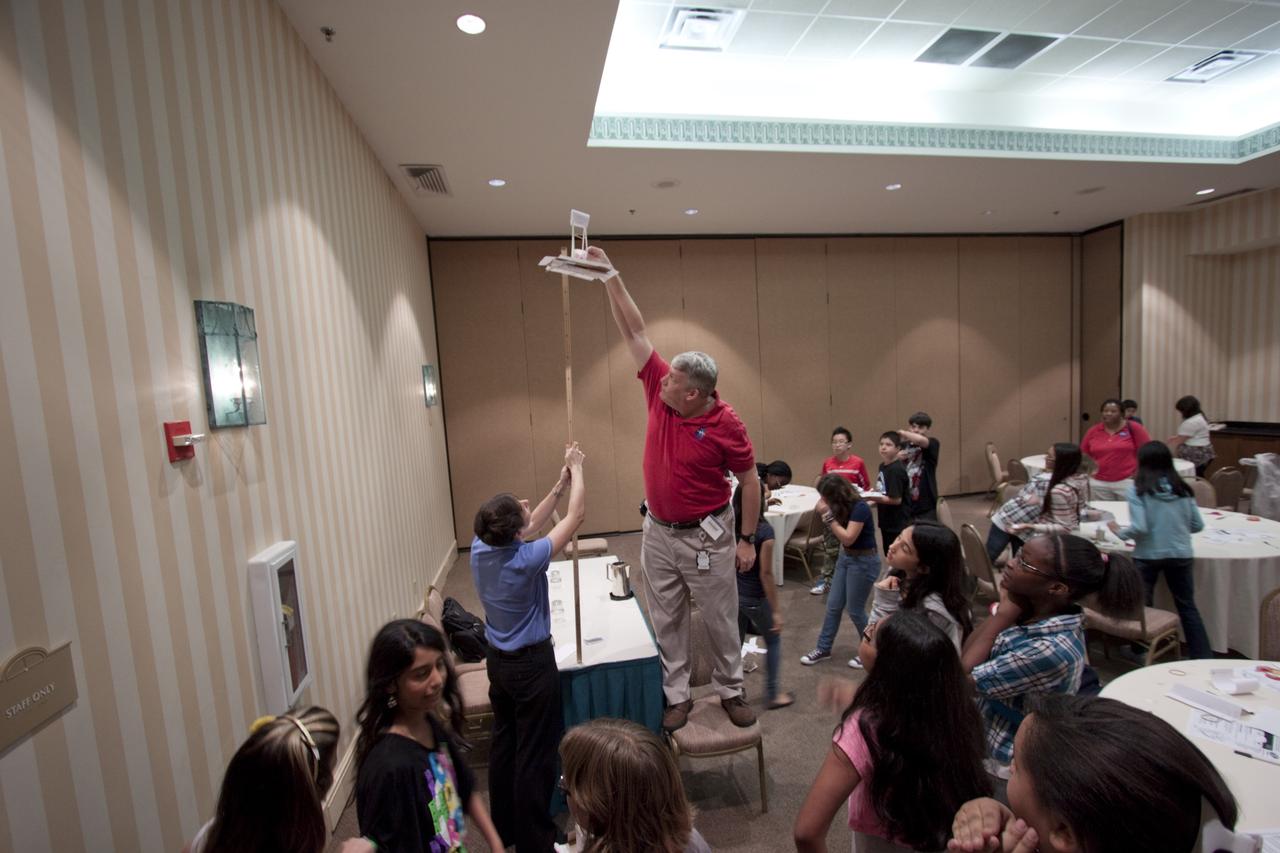
ORLANDO, Fla. – Education specialists from NASA’s Kennedy Space Center set up a physics demonstration for the students from Meadow Woods Middle School in Orlando during NASA’s Project Management PM Challenge 2012. Here, Jim Gerard, in the red shirt at center, is assisted by Rachel Powers, in the blue shirt. The demonstrations are designed to increase student interest and pursuit of the science, technology, engineering and mathematics STEM fields integral to producing the next generation of scientists and engineers. PM Challenge 2012 was held at the Caribe Royale Hotel and Convention Center in Orlando, Fla., on Feb. 22-23, to provide a forum for all stakeholders in the project management community to meet and share stories, lessons learned and new uses of technology in the industry. The PM Challenge is sponsored by NASA's Office of the Chief Engineer. For additional information, visit http://www.nasa.gov/offices/oce/pmchallenge/index.html. Photo credit: NASA/Jim Grossmann
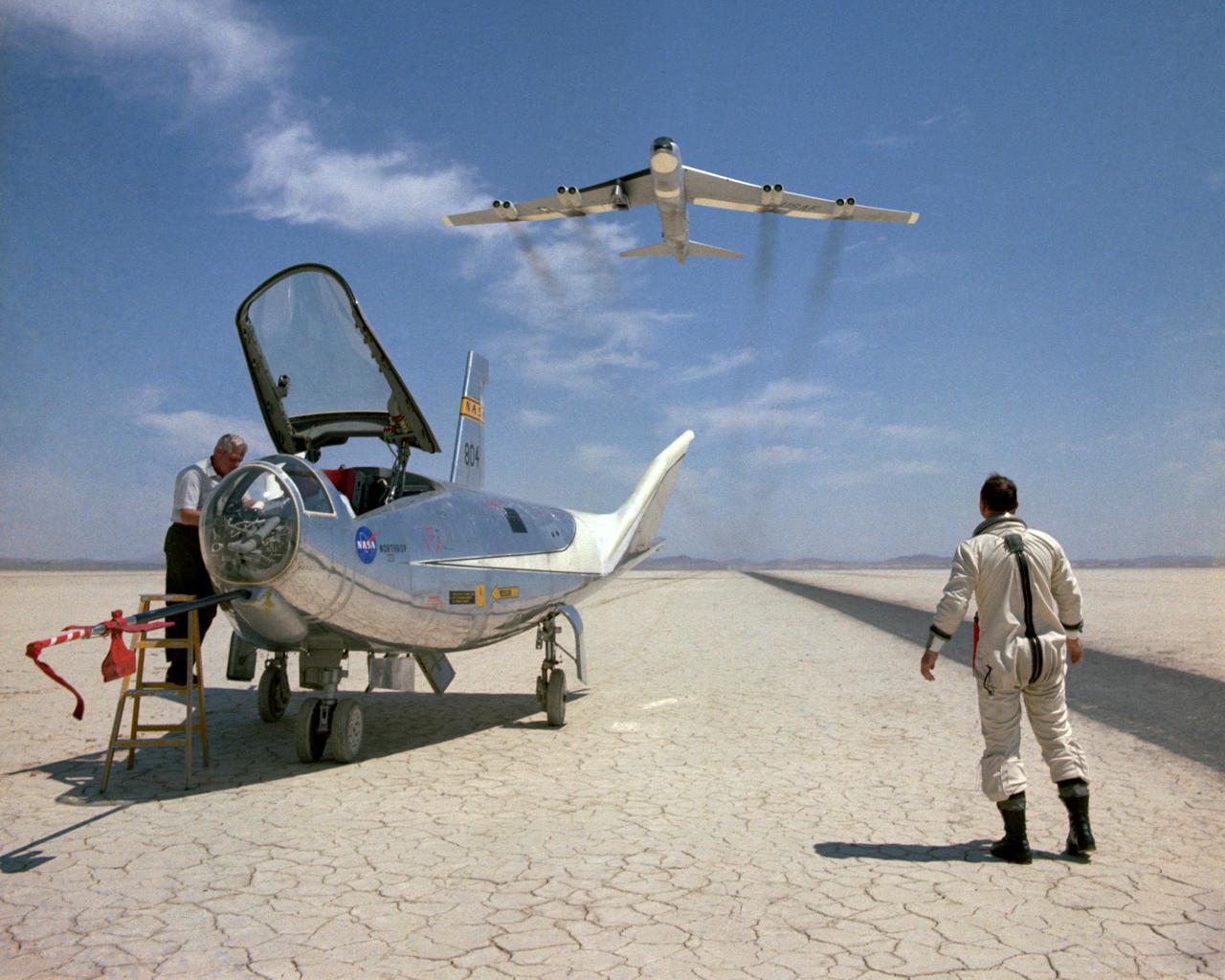
The HL-10 was one of five heavyweight lifting-body designs flown at NASA's Flight Research Center (FRC--later Dryden Flight Research Center), Edwards, California, from July 1966 to November 1975 to study and validate the concept of safely maneuvering and landing a low lift-over-drag vehicle designed for reentry from space. Northrop Corporation built the HL-10 and M2-F2, the first two of the fleet of "heavy" lifting bodies flown by the NASA Flight Research Center. The contract for construction of the HL-10 and the M2-F2 was $1.8 million. "HL" stands for horizontal landing, and "10" refers to the tenth design studied by engineers at NASA's Langley Research Center, Hampton, Va. After delivery to NASA in January 1966, the HL-10 made its first flight on Dec. 22, 1966, with research pilot Bruce Peterson in the cockpit. Although an XLR-11 rocket engine was installed in the vehicle, the first 11 drop flights from the B-52 launch aircraft were powerless glide flights to assess handling qualities, stability, and control. In the end, the HL-10 was judged to be the best handling of the three original heavy-weight lifting bodies (M2-F2/F3, HL-10, X-24A). The HL-10 was flown 37 times during the lifting body research program and logged the highest altitude and fastest speed in the Lifting Body program. On Feb. 18, 1970, Air Force test pilot Peter Hoag piloted the HL-10 to Mach 1.86 (1,228 mph). Nine days later, NASA pilot Bill Dana flew the vehicle to 90,030 feet, which became the highest altitude reached in the program. Some new and different lessons were learned through the successful flight testing of the HL-10. These lessons, when combined with information from it's sister ship, the M2-F2/F3, provided an excellent starting point for designers of future entry vehicles, including the Space Shuttle.
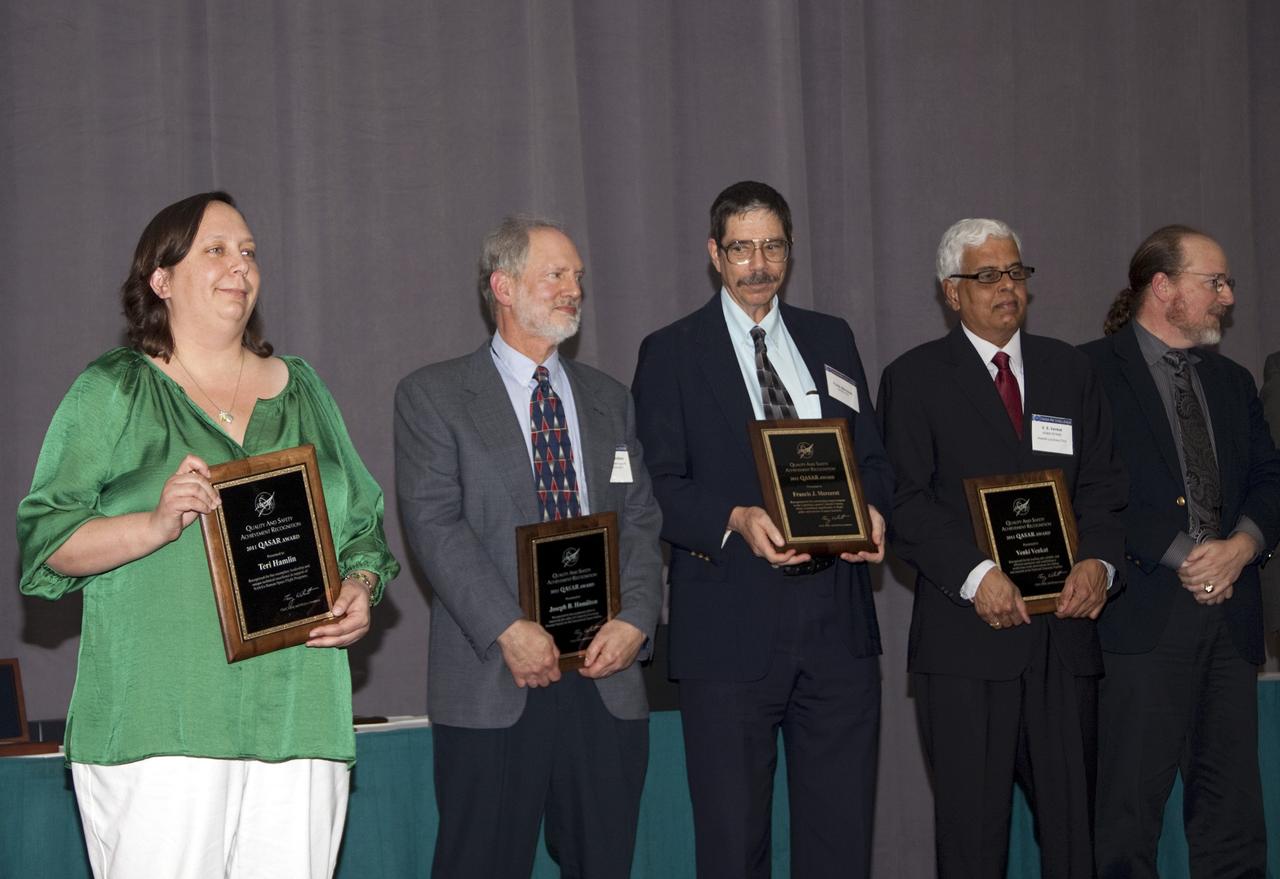
ORLANDO, Fla. -- The winners of NASA’s Quality and Safety Achievement Recognition, or QASAR, awards for 2011 pose for a group portrait during NASA’s ninth annual Project Management Challenge. From left are Teri Hamlin, Johnson Space Center Joseph B. Hamilton, Kennedy Space Center Francis “Frank” Merceret, Kennedy Space Center and Venki Venkat, Langley Research Center. Kennedy retiree Humberto "Bert" T. Garrido, not pictured, also received the award. NASA's QASAR award recognizes individual government and contractor employees who have demonstrated exemplary performance in contributing to the quality or safety of products, services, processes, or management programs and activities. PM Challenge 2012 was held at the Caribe Royale Hotel and Convention Center in Orlando, Fla., on February 22-23, to provide a forum for all stakeholders in the project management community to meet and share stories, lessons learned and new uses of technology in the industry. The PM Challenge is sponsored by NASA's Office of the Chief Engineer. For additional information, visit http://www.nasa.gov/offices/oce/pmchallenge/index.html. Photo credit: NASA/Jim Grossmann
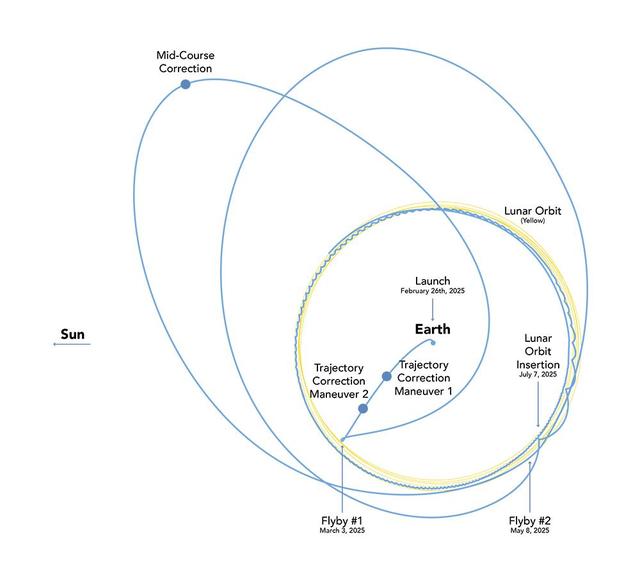
Lunar Trailblazer's voyage to the Moon will take between four and seven months, depending on the day it launches. This orbital diagram shows the low-energy transfer trajectory of the NASA mission should it launch on Feb. 26, the earliest date in a four-day launch period. If it launches that date, the spacecraft is expected to arrive in lunar orbit about four months later. Shown in this diagram are key dates of trajectory correction maneuvers, when the spacecraft will use its thrusters to shape its orbit, and lunar flybys. Lunar Trailblazer was a selection of NASA's SIMPLEx (Small Innovative Missions for Planetary Exploration), which provides opportunities for low-cost science spacecraft to ride-share with selected primary missions. To maintain the lower overall cost, SIMPLEx missions have a higher risk posture and lighter requirements for oversight and management. This higher risk acceptance allows NASA to test pioneering technologies, and the definition of success for these missions includes the lessons learned from more experimental endeavors. https://photojournal.jpl.nasa.gov/catalog/PIA26459
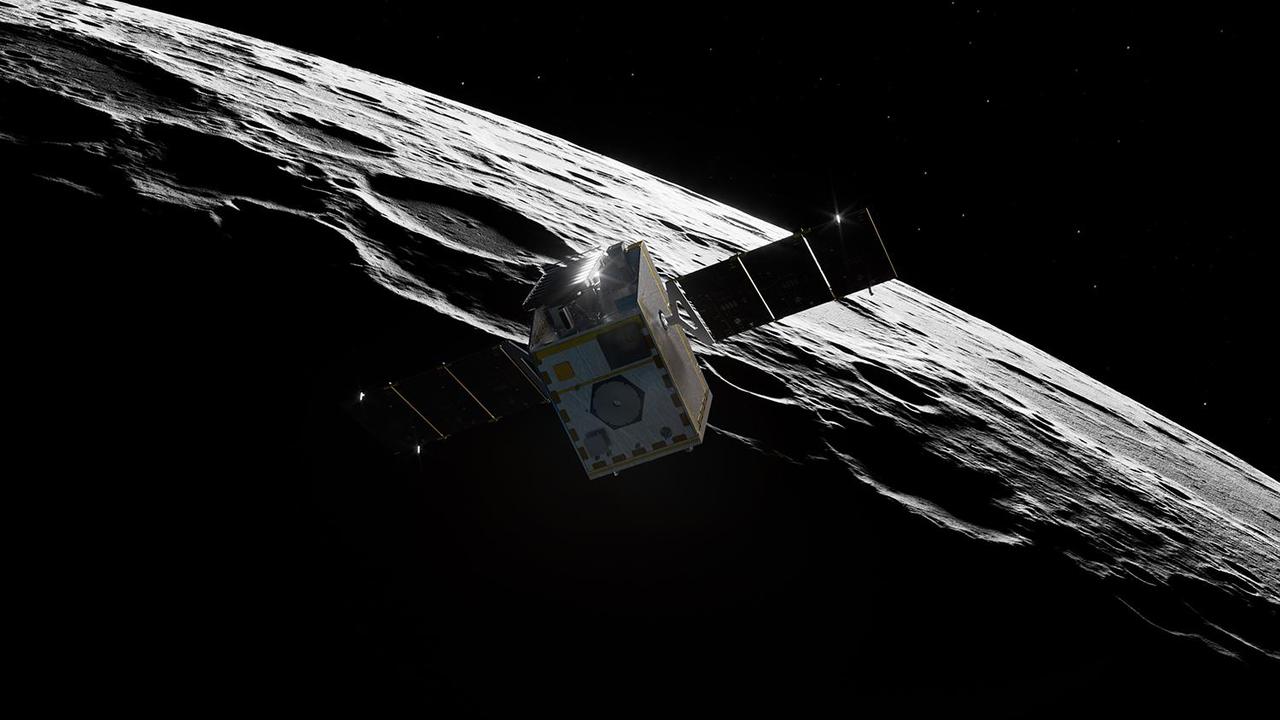
NASA's Lunar Trailblazer mission approaches the Moon as it enters its science orbit in this artist's concept. The small satellite will orbit about 60 miles (100 kilometers) above the lunar surface, producing the best-yet maps of water on the Moon. Lunar Trailblazer will discover where the Moon's water is, what form it is in, and how it changes over time. Observations gathered during the spacecraft's two-year prime mission will contribute to the understanding of water cycles on airless bodies throughout the solar system while also supporting future human and robotic missions to the Moon by identifying where water is located. Lunar Trailblazer was a selection of NASA's SIMPLEx (Small Innovative Missions for Planetary Exploration), which provides opportunities for low-cost science spacecraft to ride-share with selected primary missions. To maintain the lower overall cost, SIMPLEx missions have a higher risk posture and lighter requirements for oversight and management. This higher risk acceptance allows NASA to test pioneering technologies, and the definition of success for these missions includes the lessons learned from more experimental endeavors. https://photojournal.jpl.nasa.gov/catalog/PIA26457
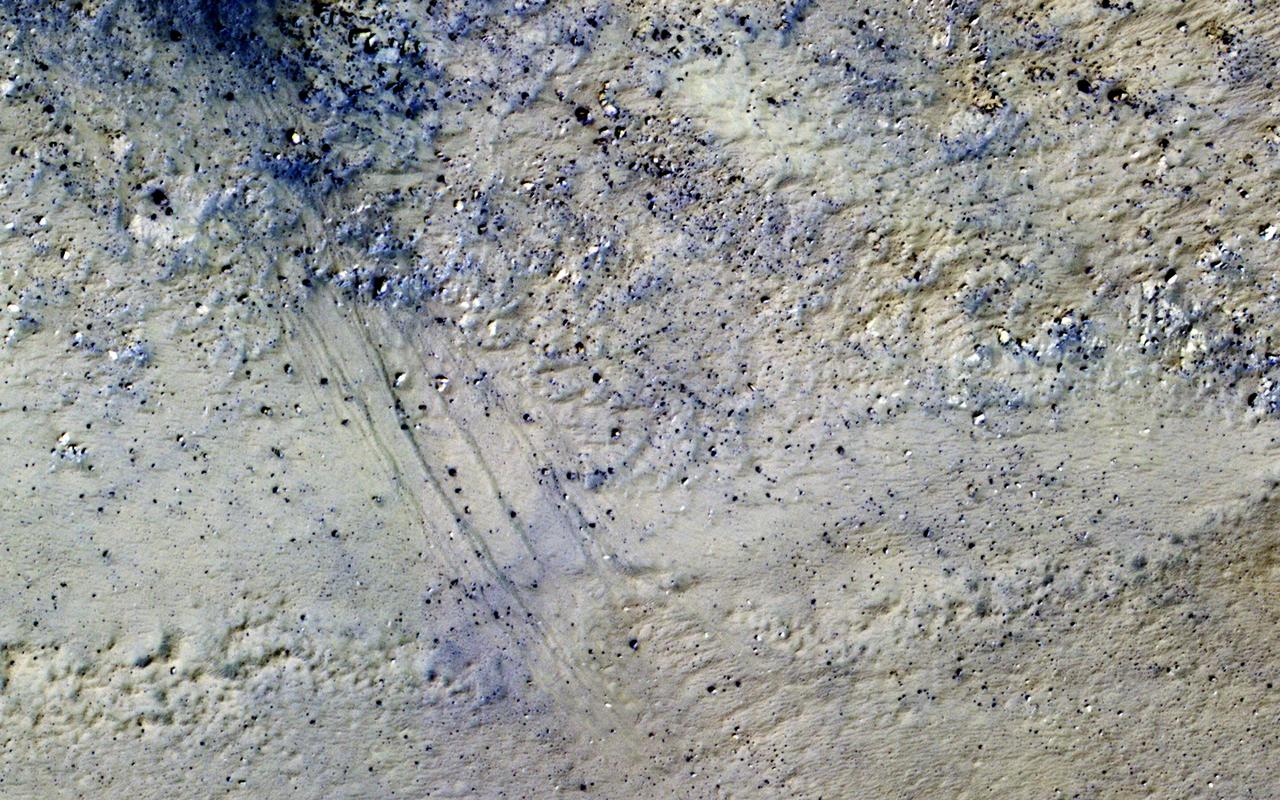
The extended-mission status of the Mars Reconnaissance Orbiter and the HiRISE camera has greatly increased our understanding of numerous active processes occurring on Mars. By taking carefully planned repeat images of surface, we now have an important record of how the surface evolves for a maximum of 5 Mars years. This image shows the central peak in Porter Crater. Although there are no repeat images here we can infer several active geologic processes, based on morphologic evidence and lessons learned from past well-monitored sites. Shallow gullies are located on the south and east facing slopes of the central peak. These features might have been carved by volatiles, such as carbon dioxide frost, sometime in the recent geologic past. Meanwhile on the northern slopes are several smaller slope features that have a morphology hinting at recurring slope lineae (RSL). Alternatively, these features could be the remnants of past active gullies. Several more HiRISE images would be needed to characterize their behavior and confirm their status as RSL (see "Recurring Slope Lineae in Equatorial Regions of Mars"). Southward on the slopes below the peak is a large dune field. Dunes show sharp crests with prominent ripples, both signs of actively migrating dunes. Also, we can see dust devil tracks crossing the nearby dusty surfaces and clear evidence for ongoing modification by swirling winds that persistently remove surface dust. Ongoing operations by HiRISE are dedicated to studying all of the active surface and atmospheric processes operating on Mars. http://photojournal.jpl.nasa.gov/catalog/PIA19853
![“I’ve always been creative. I was always in dance class and taking violin lessons. I would say, ‘Hey Dad, I don't wanna take ballet anymore. Can I take African dance? Dad, I don't wanna take African dance anymore. Can I take Irish clog dancing? Can I take swing ballroom?’ [As an adult] I began studying Brazilian Samba. Then, COVID happened. There were no more dance classes. No more bars. No more Pilates. Everything is closed. So, I just started writing more. I started pitching scripts because I didn’t have anything else to do. I just enter contests and see what happens. I don’t always place, but I always get really good feedback. I like [writing] because it helps me be able to create good strategic campaigns for NASA. I'm thinking outside of my own thought processes. I'm thinking about how average people experience stories, how they expect them to go. This helps when producing videos for NASA. It helps with developing campaigns for programs people might not otherwise know about. I think all my creative passions meet somewhere in the middle of the road. I can draw on those tools, I can learn from other things, and I can deal with difficult people or situations. I get a chance to figure out how to tell this story.” NASA Public Affairs Specialist, Aubree Hill, poses for a portrait, Thursday, Jan. 20, 2021 at the Mary W. Jackson NASA Headquarters building in Washington. Photo Credit: (NASA/Aubrey Gemignani)](https://images-assets.nasa.gov/image/NHQ202201200001/NHQ202201200001~medium.jpg)
“I’ve always been creative. I was always in dance class and taking violin lessons. I would say, ‘Hey Dad, I don't wanna take ballet anymore. Can I take African dance? Dad, I don't wanna take African dance anymore. Can I take Irish clog dancing? Can I take swing ballroom?’ [As an adult] I began studying Brazilian Samba. Then, COVID happened. There were no more dance classes. No more bars. No more Pilates. Everything is closed. So, I just started writing more. I started pitching scripts because I didn’t have anything else to do. I just enter contests and see what happens. I don’t always place, but I always get really good feedback. I like [writing] because it helps me be able to create good strategic campaigns for NASA. I'm thinking outside of my own thought processes. I'm thinking about how average people experience stories, how they expect them to go. This helps when producing videos for NASA. It helps with developing campaigns for programs people might not otherwise know about. I think all my creative passions meet somewhere in the middle of the road. I can draw on those tools, I can learn from other things, and I can deal with difficult people or situations. I get a chance to figure out how to tell this story.” NASA Public Affairs Specialist, Aubree Hill, poses for a portrait, Thursday, Jan. 20, 2021 at the Mary W. Jackson NASA Headquarters building in Washington. Photo Credit: (NASA/Aubrey Gemignani)
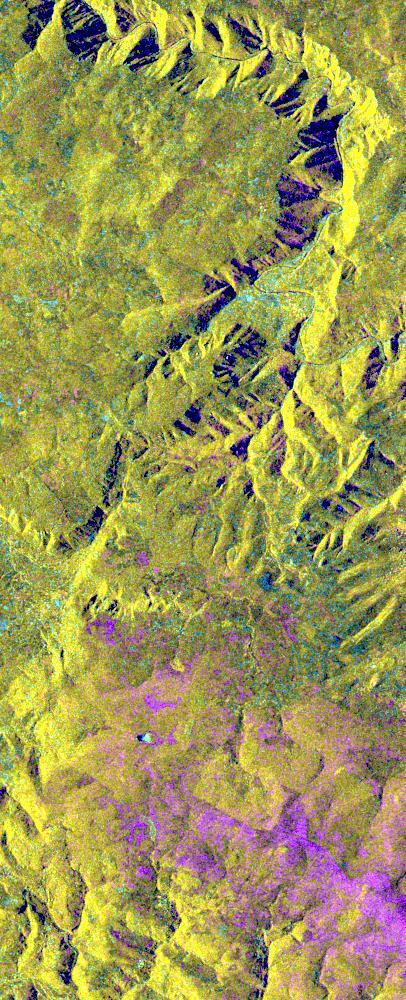
This is an X-band seasonal image of the central part of Lozere Departement situated south of the Massif Central in France. The image is 10 kilometers by 25 kilometers (6 miles by 15.5 miles) and is centered at approximately 44.3 degrees north latitude and 3 degrees east longitude. This image was acquired by the Spaceborne Imaging Radar-C/X-band Synthetic Aperture Radar aboard the space shuttle Endeavour on April 15, 1994 and on October 6, 1994. The image channels have the following color assignments: red was acquired in April; green was acquired in October; and blue is the ratio of the two data sets combined. Seasonal differences in the vegetation are visible in pink, which are heaths growing in the spring. This research area features two large limestone plateaus cut by the famous Gorges du Tarn, standing in parallel with the granite mountain range known as the Cevennes Mountains nearby. Land-use consists mainly of grasslands, heaths and forests. Forest types seen in the images are Austrian pines,Scots pines, spruce, fir and beech trees. Most forests were planted at the end of the 19th century through a national reforestation program aimed at reducing the strong erosion risks in these areas. This program was so successful that today the forests are exploited for forest pulpwood and sawlogs, but also remain protected as conservation regions. The study being performed in this area will assess the potential of spaceborne radar remote sensing for temperate forest type mapping and forest resource monitoring. The combination of X-band SAR data with lower frequency data (such as the SIR-C L-band data) allows scientists to distinguish forest tree species and biomass, or areas of ground vegetation. The lessons learned from the radar images of these controlled forest regions can be applied to larger areas and naturally grown forests to help ecologists protect and maintain them. The SIR-C/X-SAR images will be investigated by scientists from the remote sensing laboratory Cemagref in Montpellier and the National Forestry Board in Mende, France. http://photojournal.jpl.nasa.gov/catalog/PIA01755

This image depicts a vast canyon of dust and gas in the Orion Nebula from a 3-D computer model based on observations by NASA's Hubble Space Telescope and created by science visualization specialists at the Space Telescope Science Institute (STScI) in Baltimore, Md. A 3-D visualization of this model takes viewers on an amazing four-minute voyage through the 15-light-year-wide canyon. Credit: NASA, G. Bacon, L. Frattare, Z. Levay, and F. Summers (STScI/AURA) Go here to learn more about Hubble 3D: <a href="http://www.nasa.gov/topics/universe/features/hubble_imax_premiere.html" rel="nofollow">www.nasa.gov/topics/universe/features/hubble_imax_premier...</a> or <a href="http://www.imax.com/hubble/" rel="nofollow">www.imax.com/hubble/</a> Take an exhilarating ride through the Orion Nebula, a vast star-making factory 1,500 light-years away. Swoop through Orion's giant canyon of gas and dust. Fly past behemoth stars whose brilliant light illuminates and energizes the entire cloudy region. Zoom by dusty tadpole-shaped objects that are fledgling solar systems. This virtual space journey isn't the latest video game but one of several groundbreaking astronomy visualizations created by specialists at the Space Telescope Science Institute (STScI) in Baltimore, the science operations center for NASA's Hubble Space Telescope. The cinematic space odysseys are part of the new Imax film "Hubble 3D," which opens today at select Imax theaters worldwide. The 43-minute movie chronicles the 20-year life of Hubble and includes highlights from the May 2009 servicing mission to the Earth-orbiting observatory, with footage taken by the astronauts. The giant-screen film showcases some of Hubble's breathtaking iconic pictures, such as the Eagle Nebula's "Pillars of Creation," as well as stunning views taken by the newly installed Wide Field Camera 3. While Hubble pictures of celestial objects are awe-inspiring, they are flat 2-D photographs. For this film, those 2-D images have been converted into 3-D environments, giving the audience the impression they are space travelers taking a tour of Hubble's most popular targets. "A large-format movie is a truly immersive experience," says Frank Summers, an STScI astronomer and science visualization specialist who led the team that developed the movie visualizations. The team labored for nine months, working on four visualization sequences that comprise about 12 minutes of the movie. "Seeing these Hubble images in 3-D, you feel like you are flying through space and not just looking at picture postcards," Summers continued. "The spacescapes are all based on Hubble images and data, though some artistic license is necessary to produce the full depth of field needed for 3-D." The most ambitious sequence is a four-minute voyage through the Orion Nebula's gas-and-dust canyon, about 15 light-years across. During the ride, viewers will see bright and dark, gaseous clouds; thousands of stars, including a grouping of bright, hefty stars called the Trapezium; and embryonic planetary systems. The tour ends with a detailed look at a young circumstellar disk, which is much like the structure from which our solar system formed 4.5 billion years ago. Based on a Hubble image of Orion released in 2006, the visualization was a collaborative effort between science visualization specialists at STScI, including Greg Bacon, who sculpted the Orion Nebula digital model, with input from STScI astronomer Massimo Roberto; the National Center for Supercomputing Applications at the University of Illinois at Urbana-Champaign; and the Spitzer Science Center at the California Institute of Technology in Pasadena. For some of the sequences, STScI imaging specialists developed new techniques for transforming the 2-D Hubble images into 3-D. STScI image processing specialists Lisa Frattare and Zolt Levay, for example, created methods of splitting a giant gaseous pillar in the Carina Nebula into multiple layers to produce a 3-D effect, giving the structure depth. The Carina Nebula is a nursery for baby stars. Frattare painstakingly removed the thousands of stars in the image so that Levay could separate the gaseous layers on the isolated Carina pillar. Frattare then replaced the stars into both foreground and background layers to complete the 3-D model. For added effect, the same separation was done for both visible and infrared Hubble images, allowing the film to cross-fade between wavelength views in 3-D. In another sequence viewers fly into a field of 170,000 stars in the giant star cluster Omega Centauri. STScI astronomer Jay Anderson used his stellar database to create a synthetic star field in 3-D that matches recent razor-sharp Hubble photos. The film's final four-minute sequence takes viewers on a voyage from our Milky Way Galaxy past many of Hubble's best galaxy shots and deep into space. Some 15,000 galaxies from Hubble's deepest surveys stretch billions of light-years across the universe in a 3-D sequence created by STScI astronomers and visualizers. The view dissolves into a cobweb that traces the universe's large-scale structure, the backbone from which galaxies were born. In addition to creating visualizations, STScI's education group also provided guidance on the "Hubble 3D" Educator Guide, which includes standards-based lesson plans and activities about Hubble and its mission. Students will use the guide before or after seeing the movie. "The guide will enhance the movie experience for students and extend the movie into classrooms," says Bonnie Eisenhamer, STScI's Hubble Formal Education manager. The Hubble Space Telescope is a project of international cooperation between NASA and the European Space Agency (ESA) and is managed by NASA’s Goddard Space Flight Center (GSFC) in Greenbelt, Md. The Space Telescope Science Institute (STScI) conducts Hubble science operations. The institute is operated for NASA by the Association of Universities for Research in Astronomy, Inc., Washington, D.C.