Look Back -- Look Ahead
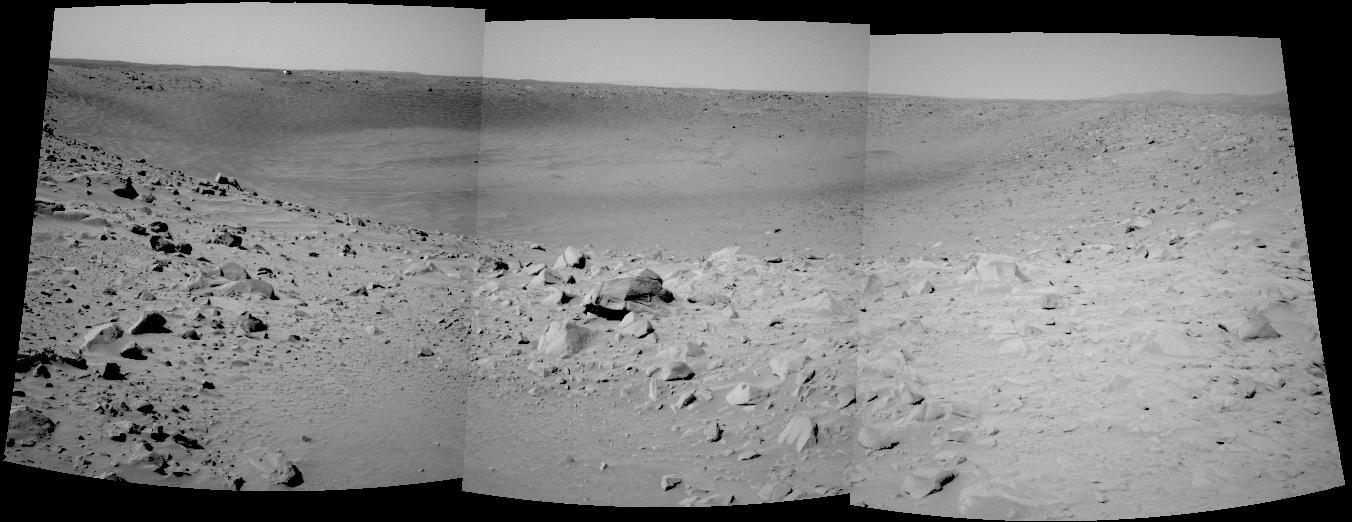
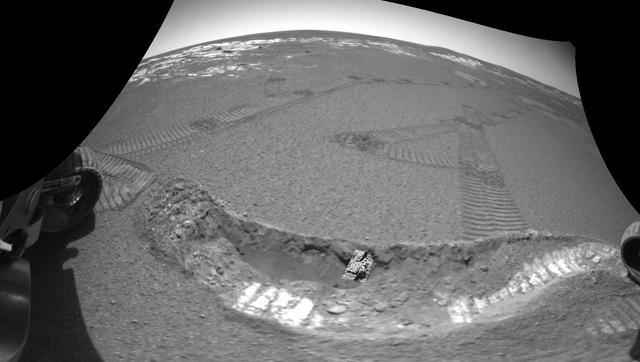
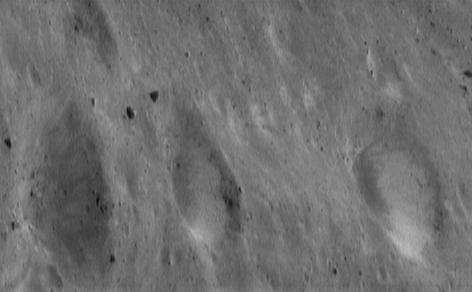
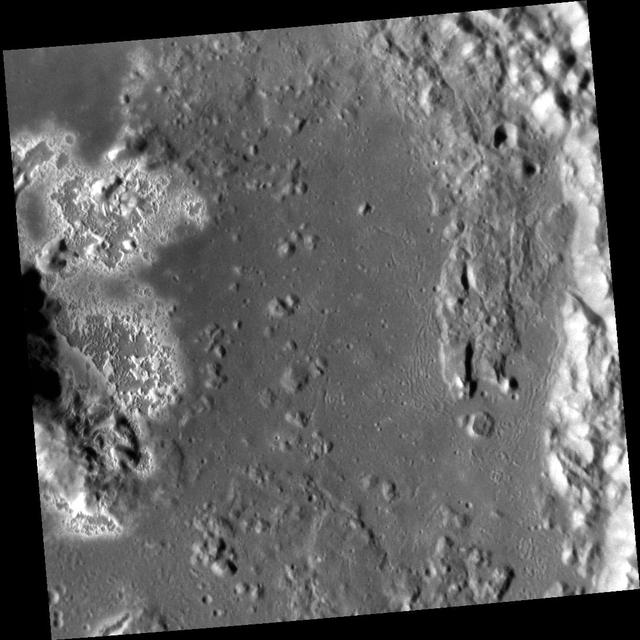
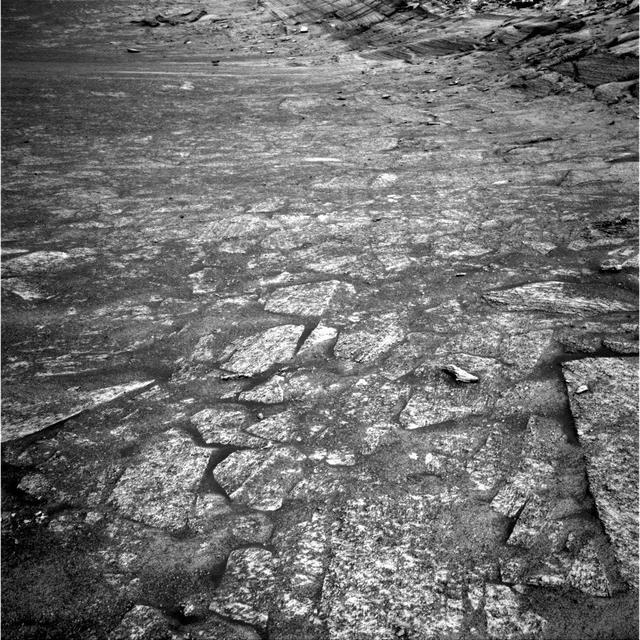
Looking Into a Trough
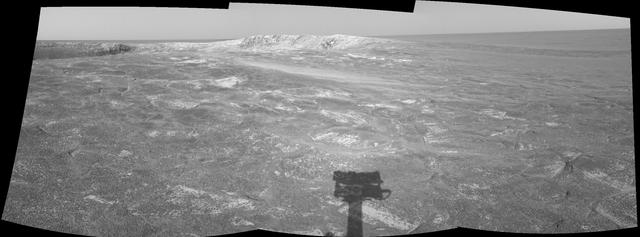
Look West
Look West
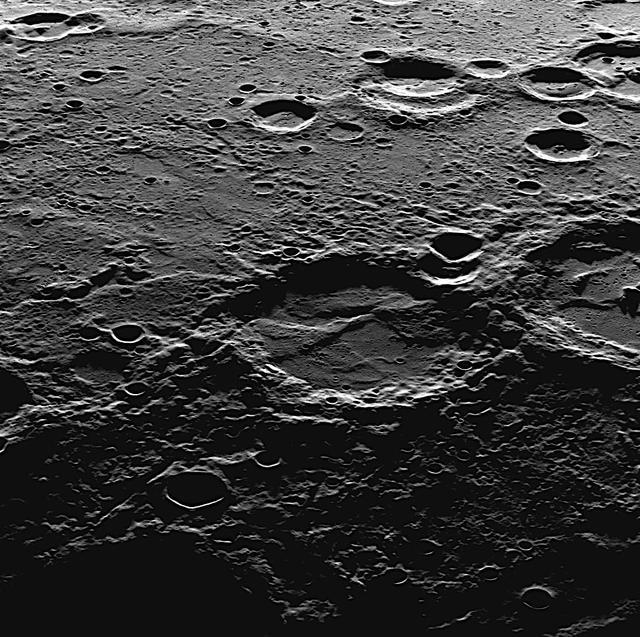
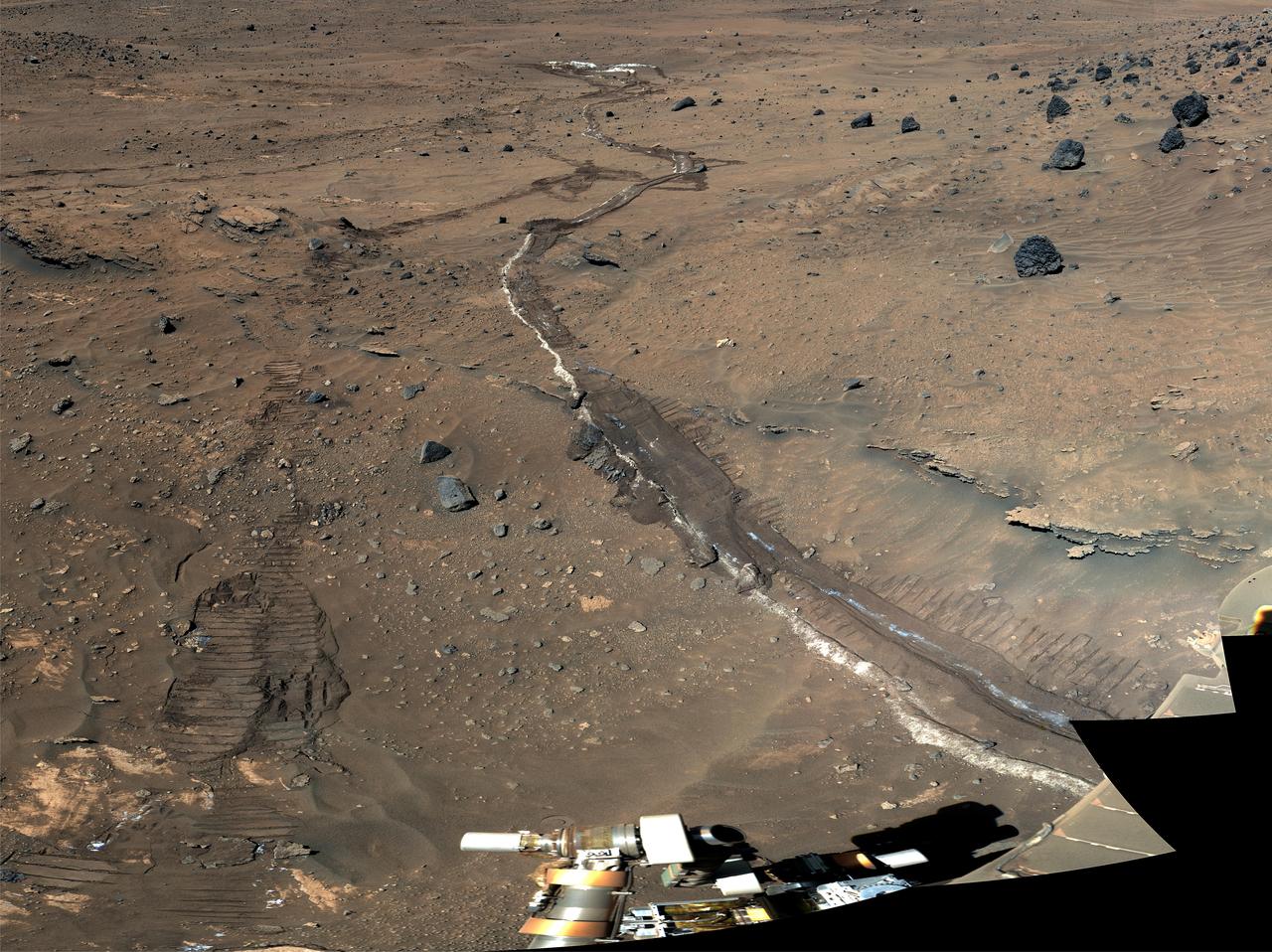
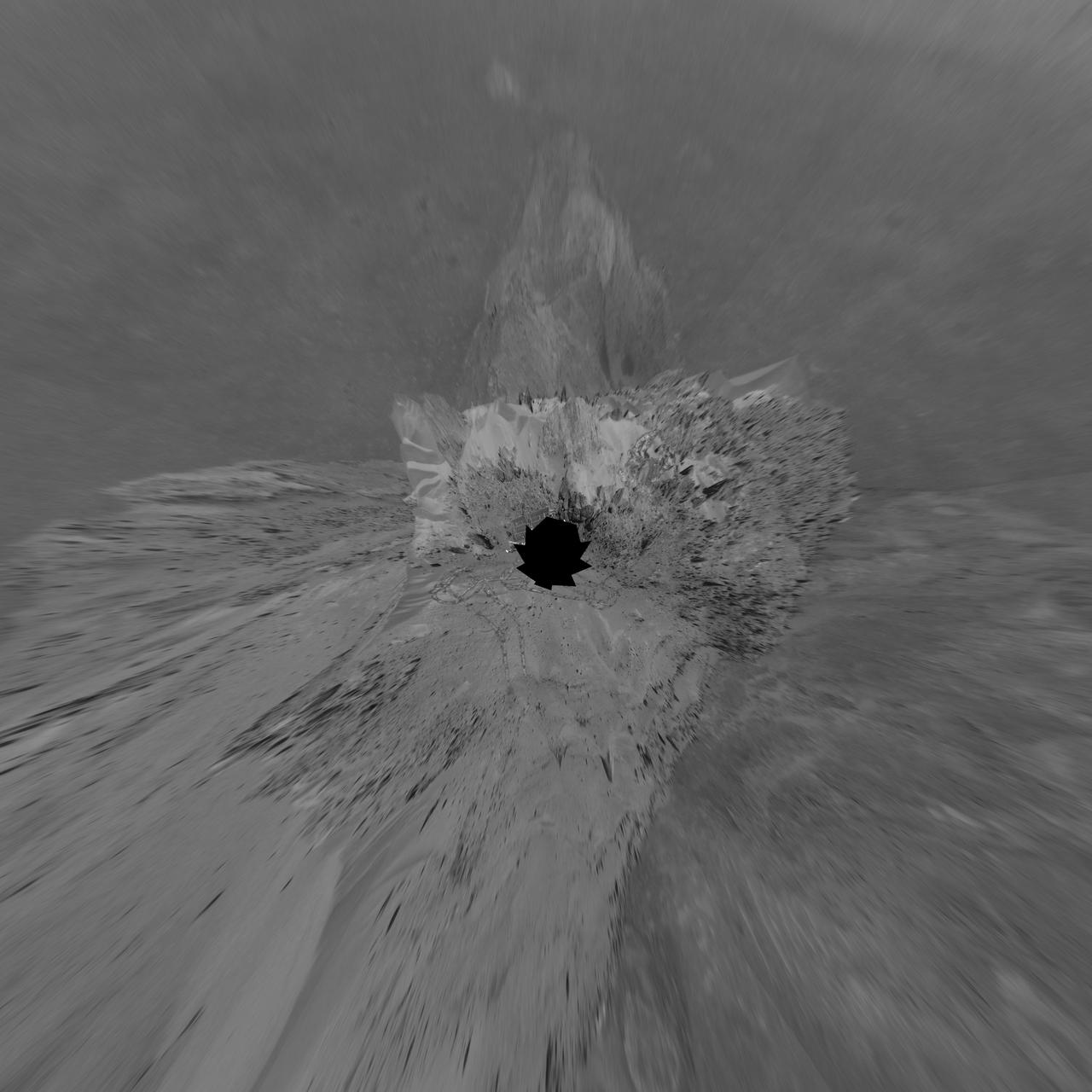
Looking Down
Looking Down
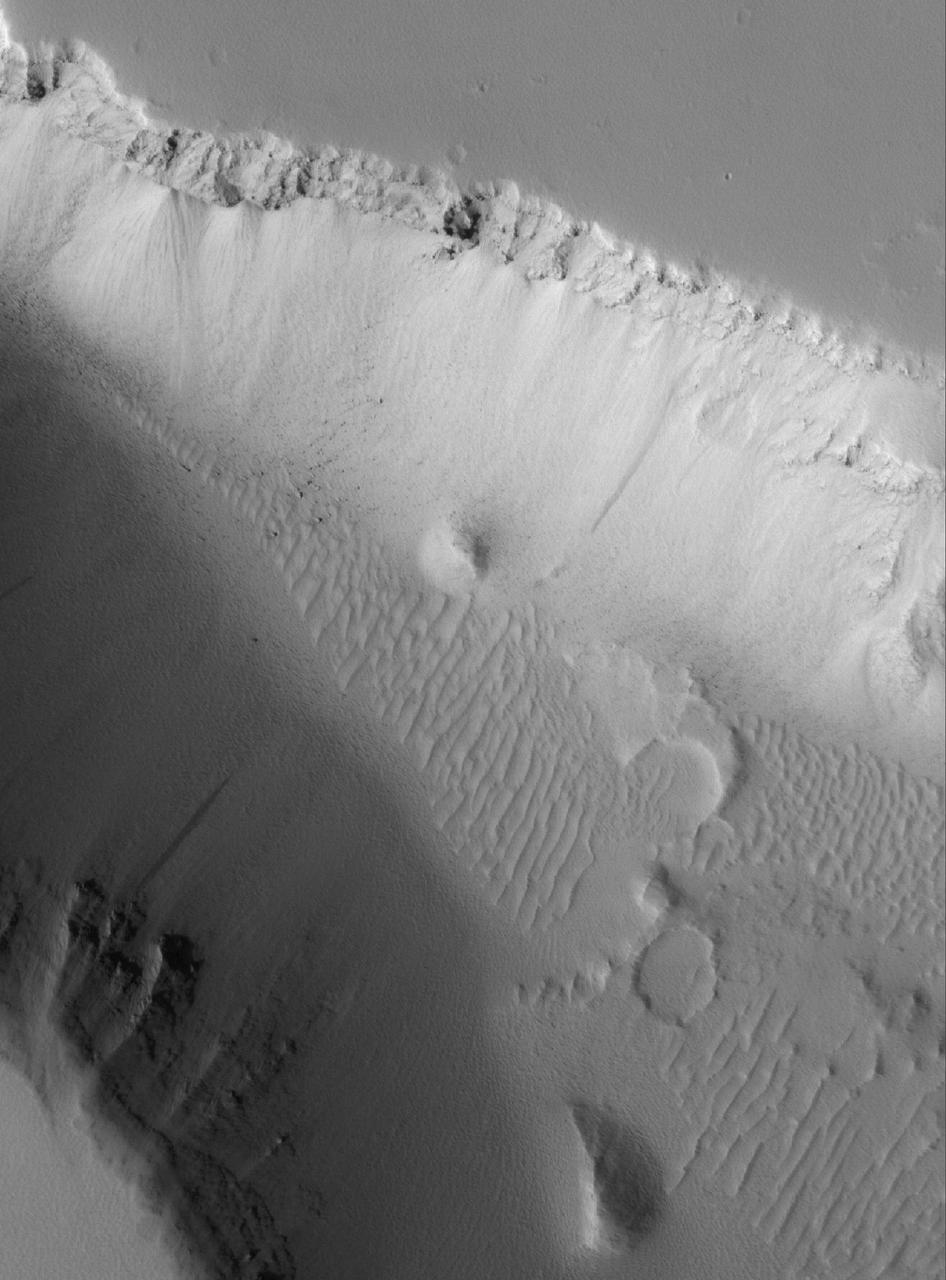
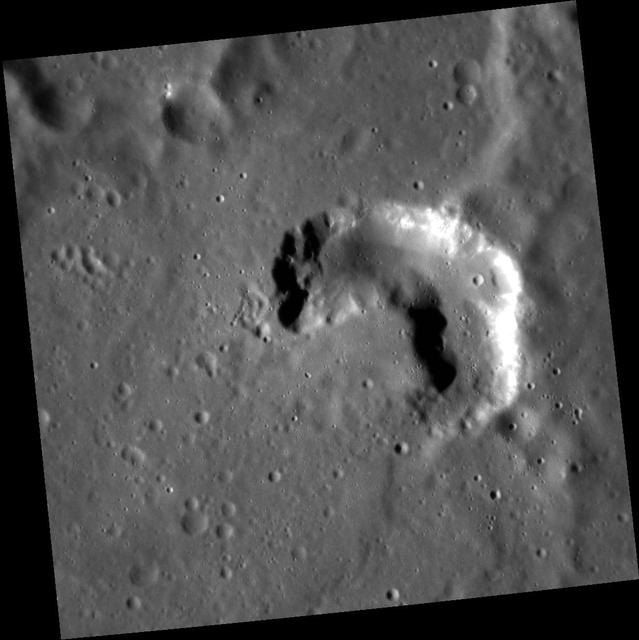
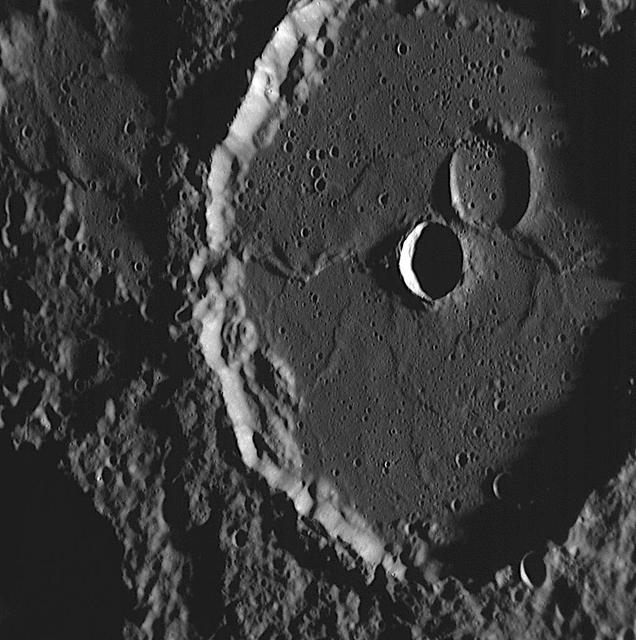
At the Rim, Looking In
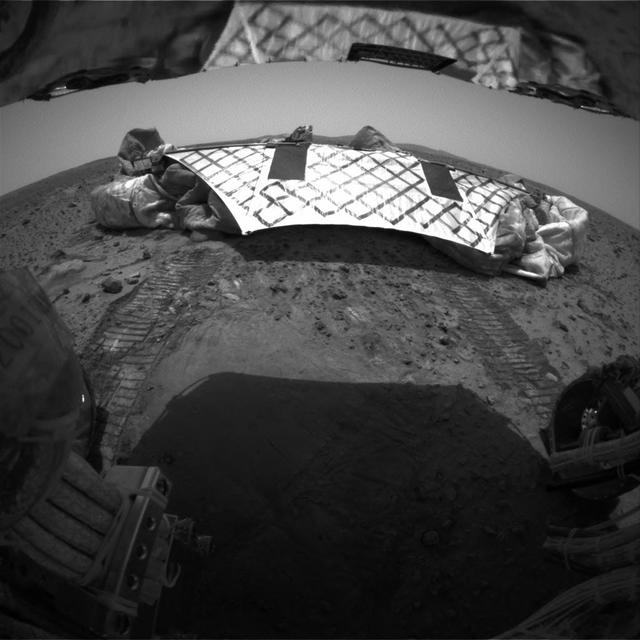
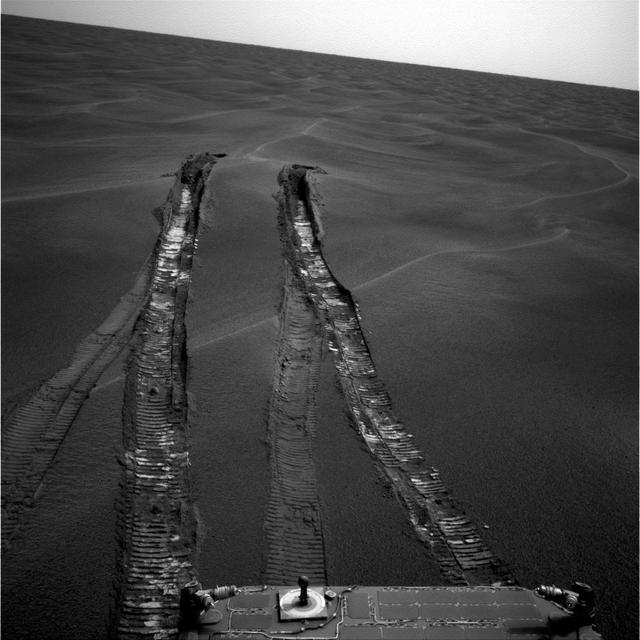
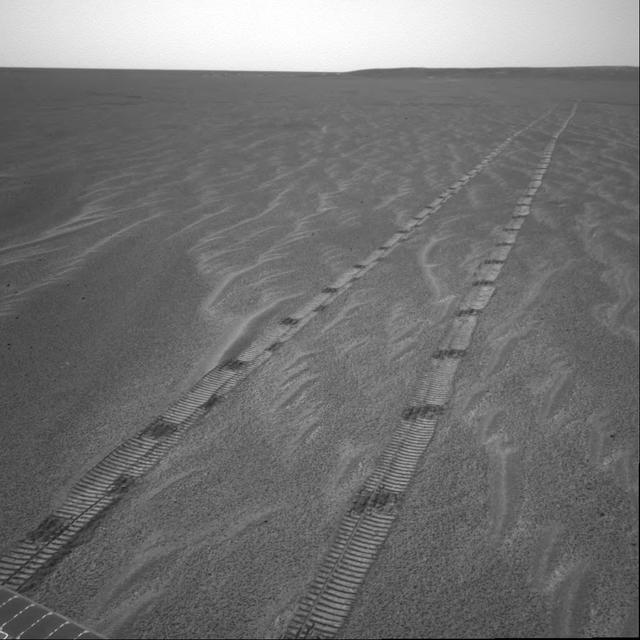
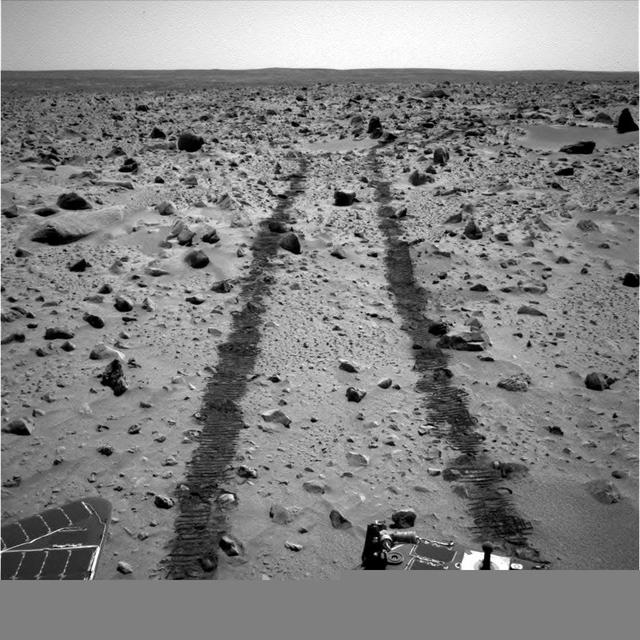
No Looking Back
No Looking Back
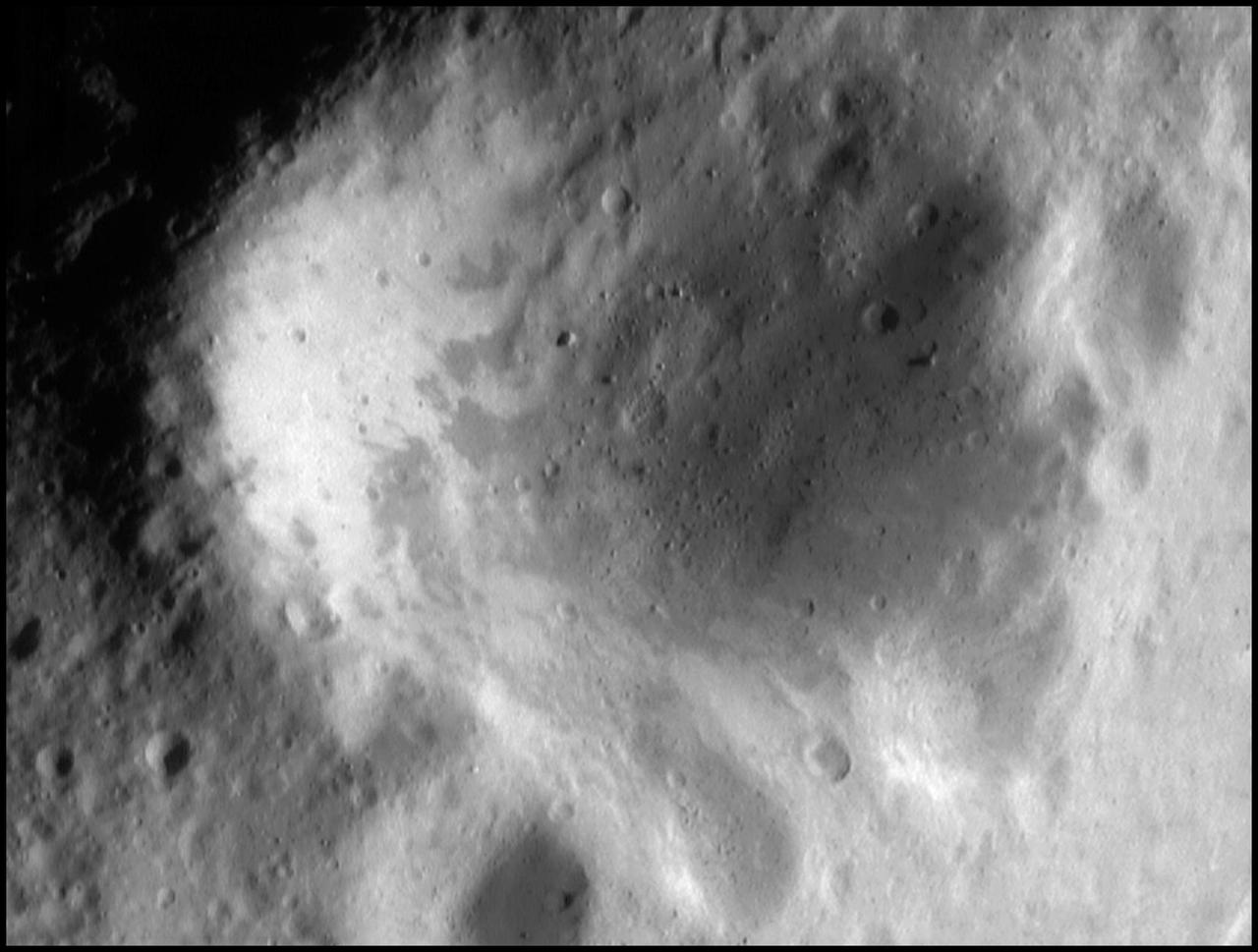
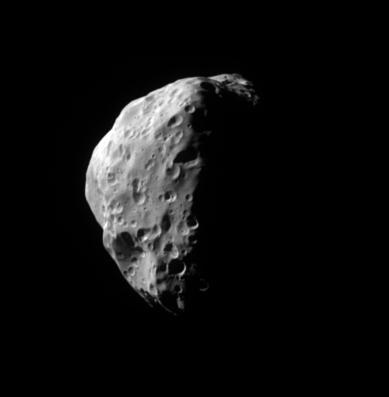
A Look at Psyche
A Look at Psyche
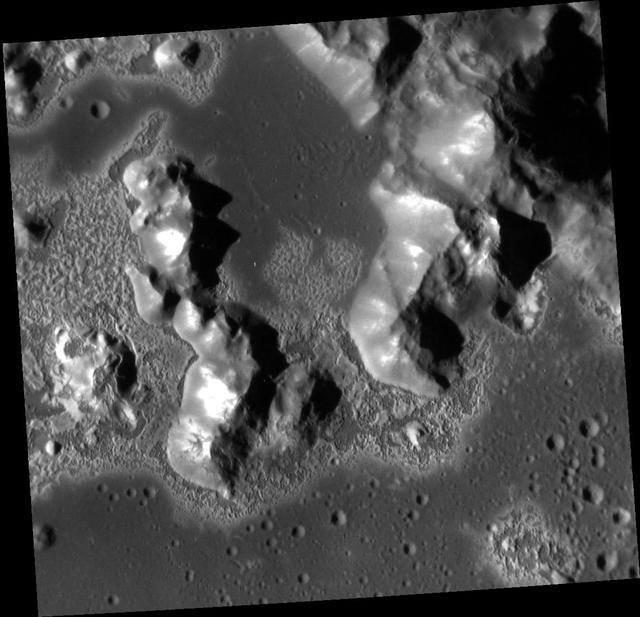
Looking Into the Dark
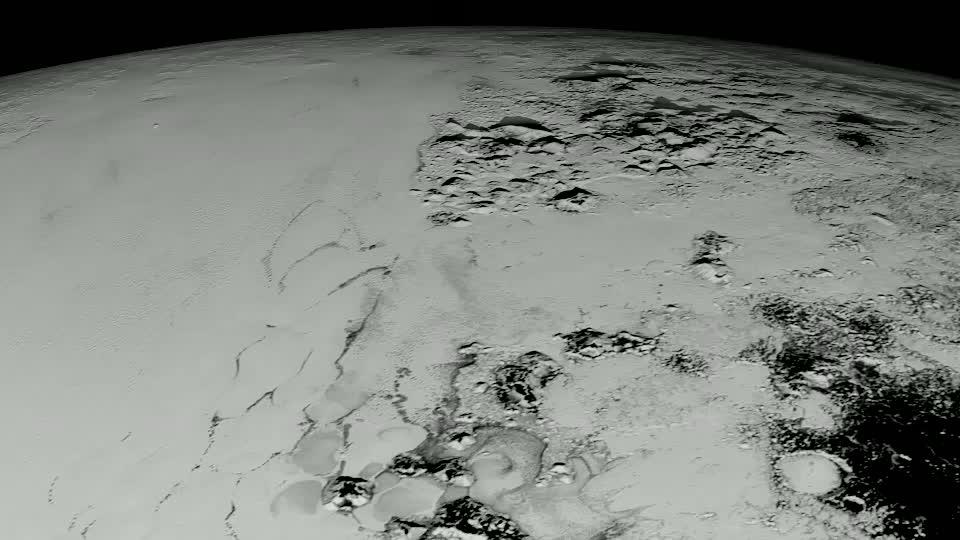
Pluto has long been a mystery, a dot at our solar system’s margins. The best images, even with NASA’s Hubble Space Telescope, were fuzzy and pixelated. In July 2015, NASA’s New Horizons spacecraft flew past Pluto and captured the sharpest views of the dwarf planet to date. One of the most striking areas, informally named "Sputnik Planum," is a sweeping, frozen plain the size of Texas and ringed by mountains of ice. Its smooth deposits are unmarred by impact craters, a stark contrast to the rest of Pluto’s battered surface. As a result, scientists believe the region formed recently, within the last few hundred million years. This contradicts past depictions of Pluto as an unchanging world. By analyzing images taken during the flyby, scientists hope to unravel more of the dwarf planet’s history. Watch the video for an up-close look at Pluto.  Credit: NASA's Goddard Space Flight Center  Video courtesy of NASA/Johns Hopkins University Applied Physics Laboratory/Southwest Research Institute/S. Robbins
A Close Look At Pluto
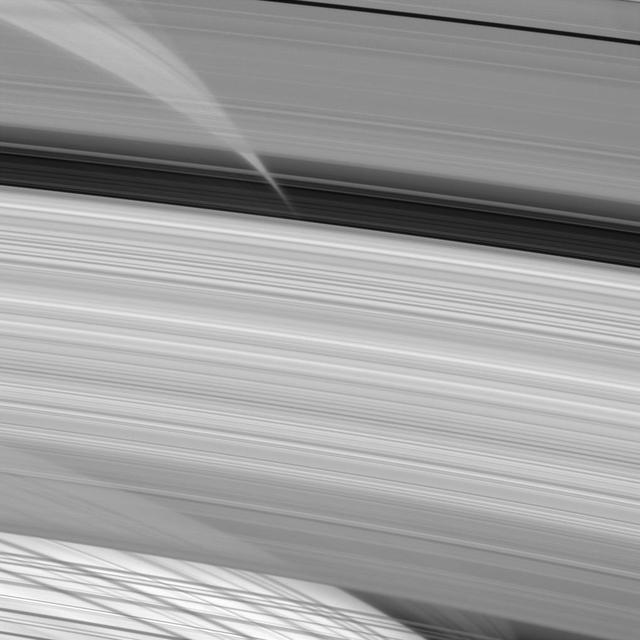
Looking Through the Rings
Looking up from the South
A Look from LEISA
A Look from LEISA
Looking East to Tyrone
Another Look at Atget
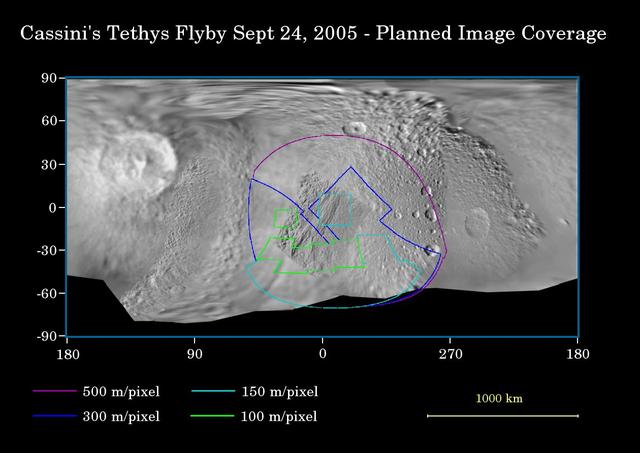
Cassini Close Look at Tethys
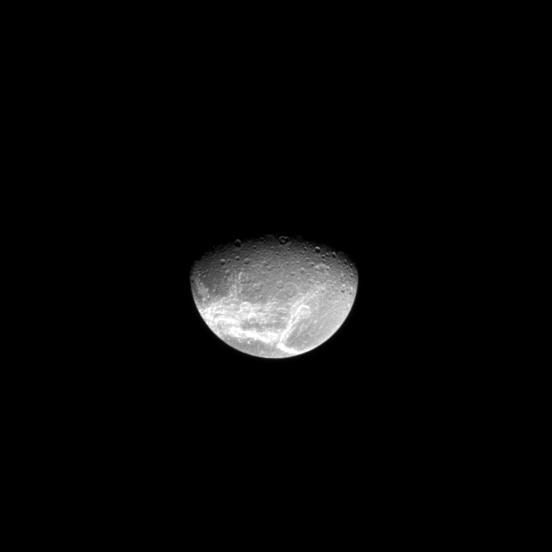
Looking Down on Dione
Looking Toward the Limb
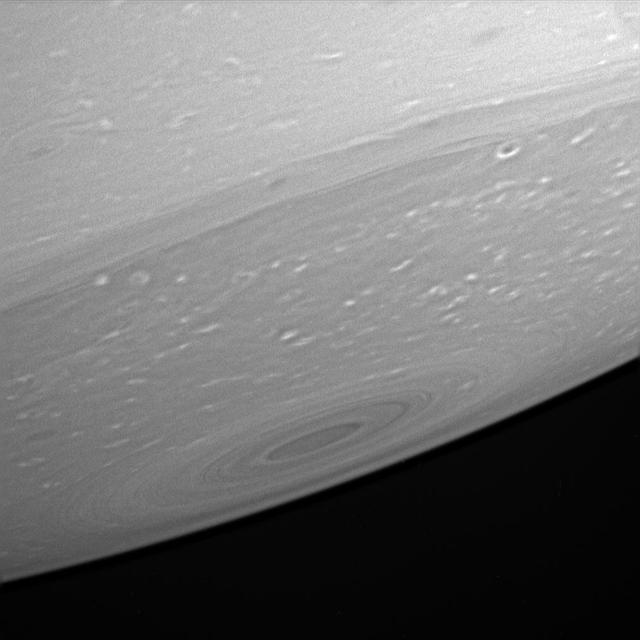
Close Look at the Pole
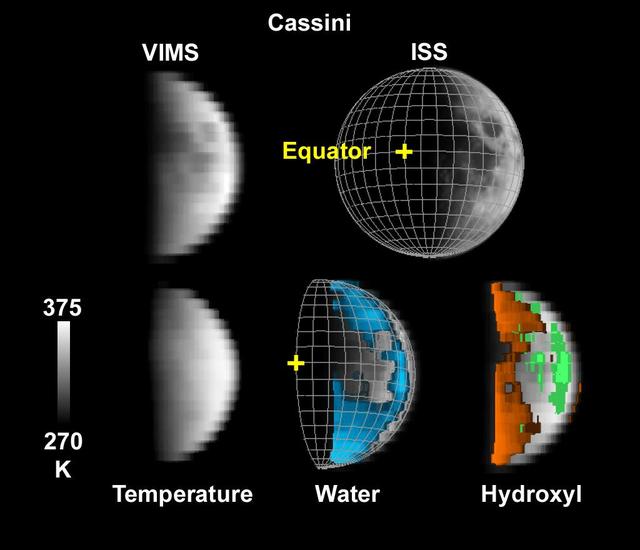
Cassini Look at Water on the Moon
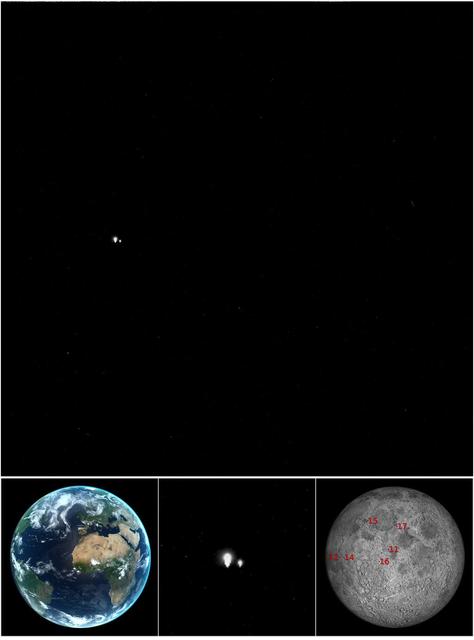
Looking Back at Us
Looking Back at Us
Looking Back at Arena of Exploration
Looking Westward at the Lander
A Closer Look at Kalavrita
Look, It a Sublimation Formation!
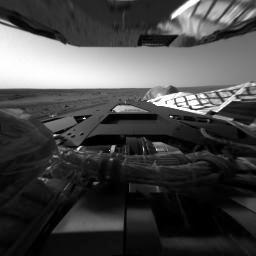
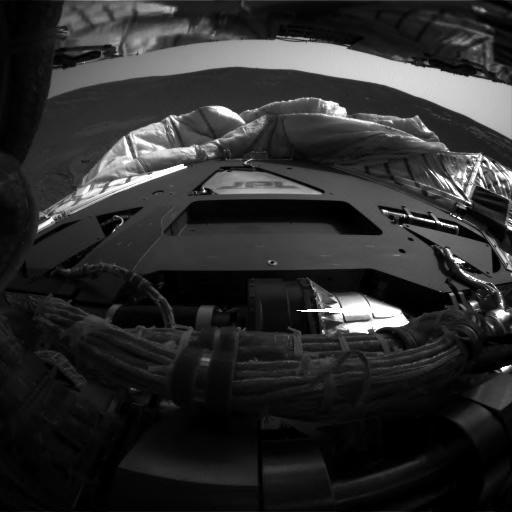
First Look Behind Spirit
An Intimate Look at a Martian Crater
Looking Back to the Source
A Closer Look at Glinka
Here Looking at You
Here Looking at You
Looking Saturn in the Eye
Taking a Deeper Look
Looking Back at Purgatory Dune
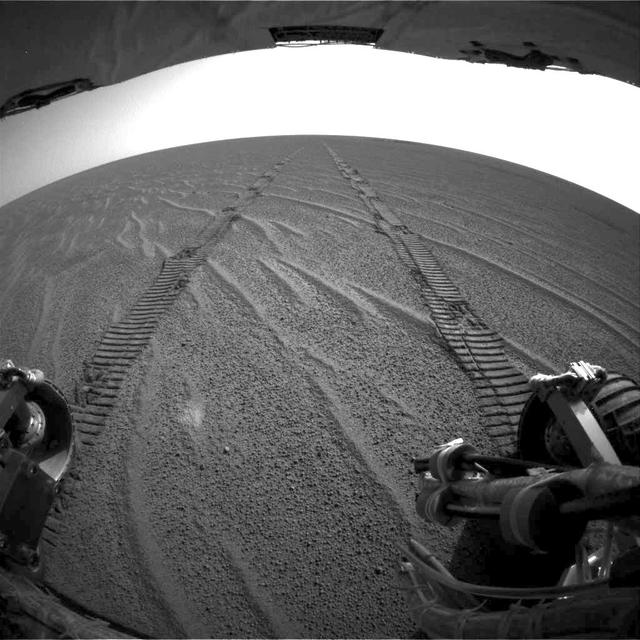
Spirit Looks Back
Spirit Looks Back
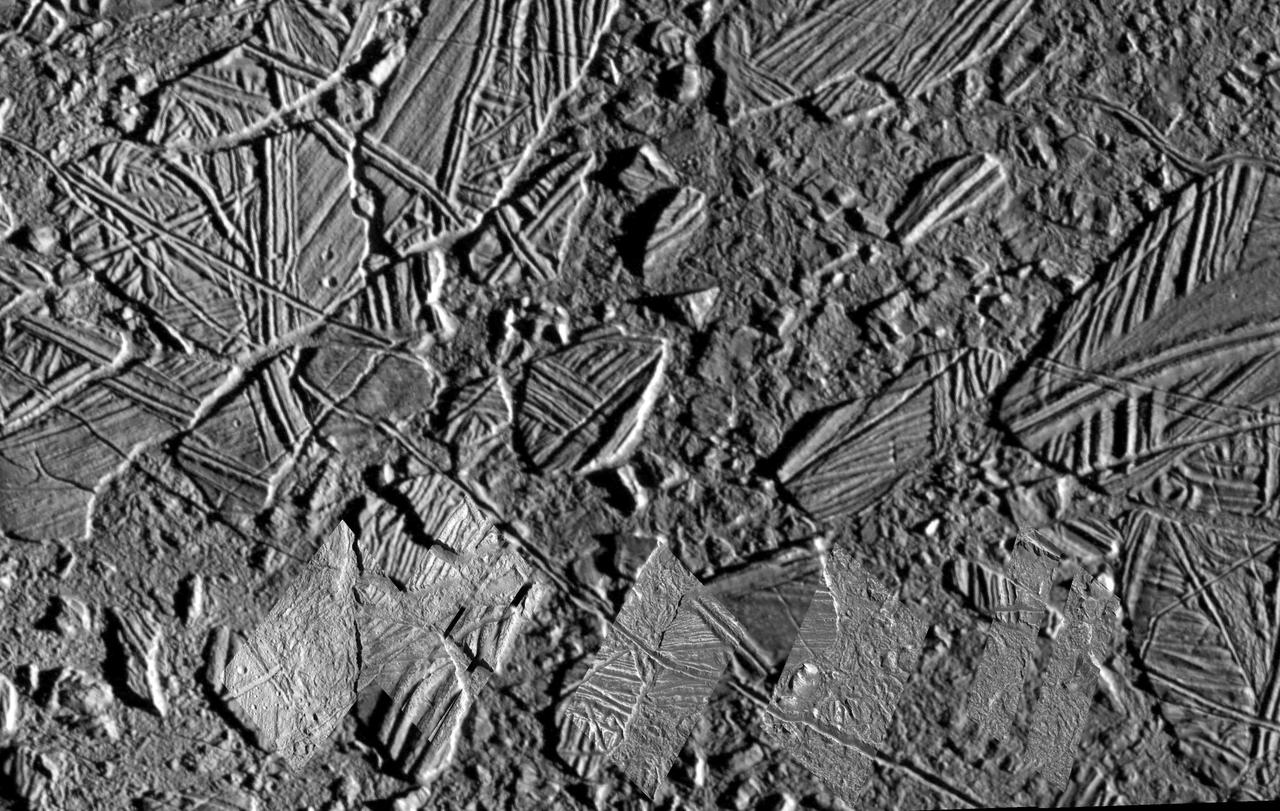
A Closer Look at Chaos on Europa
Looking Up from the Deep
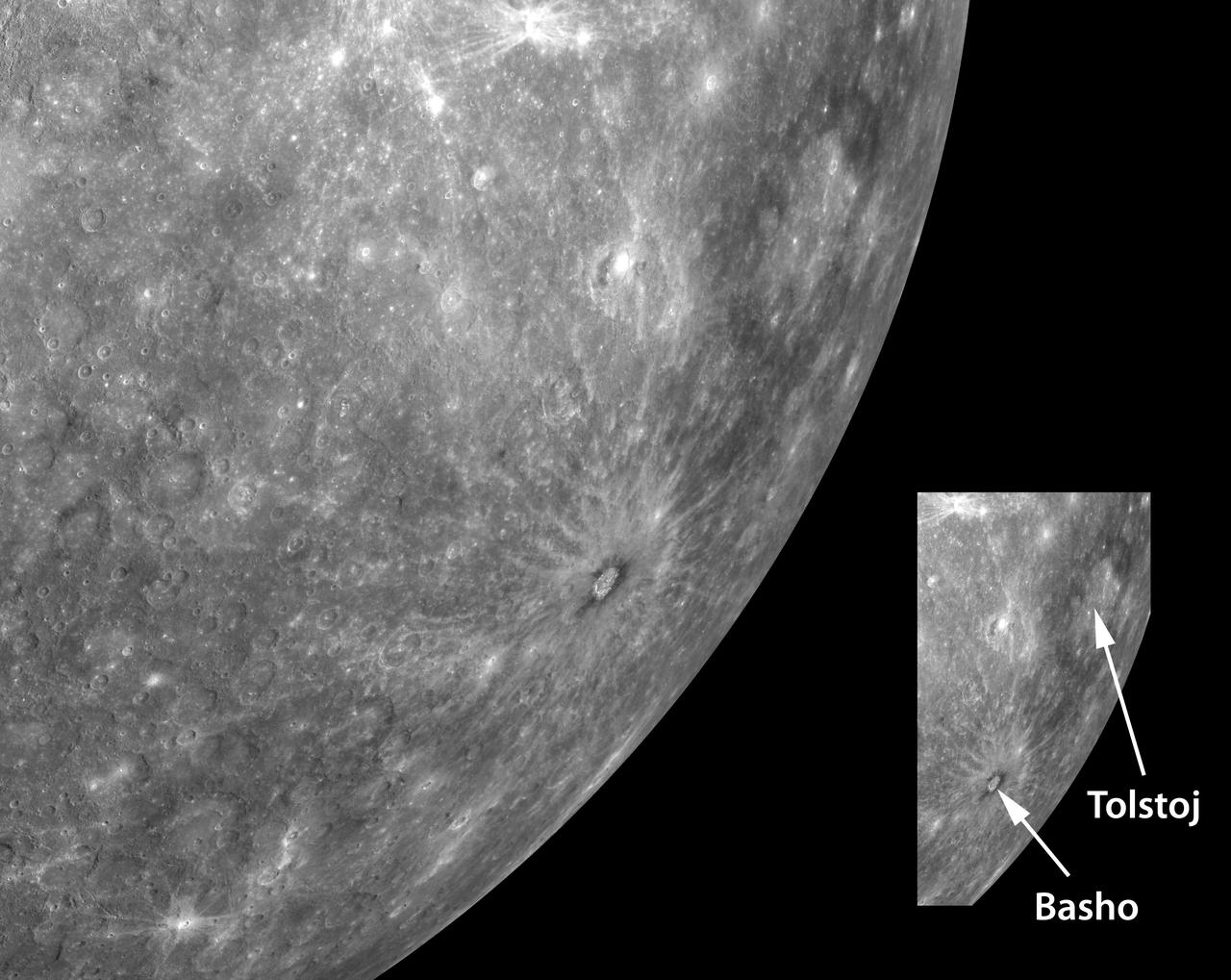
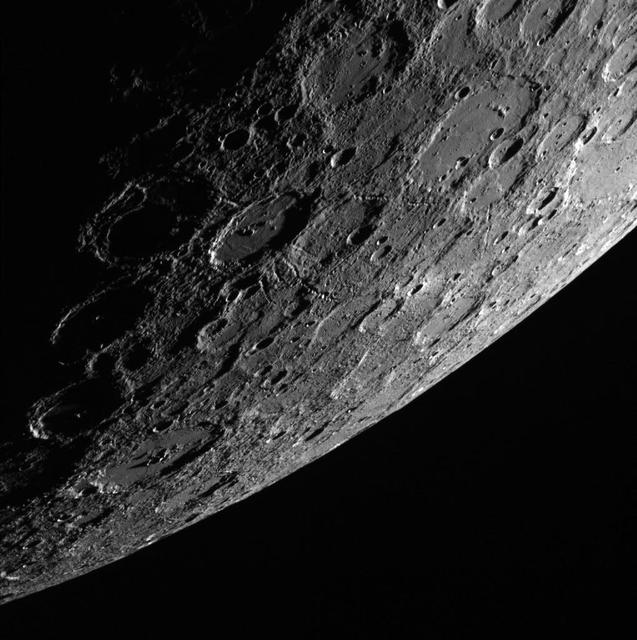
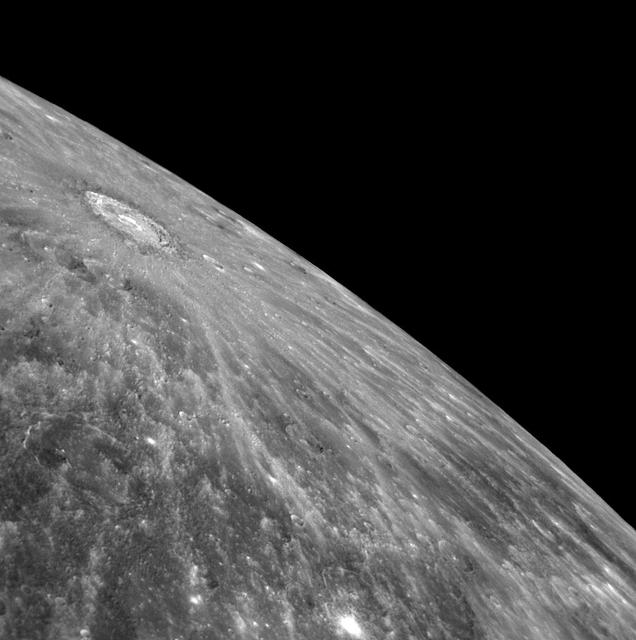
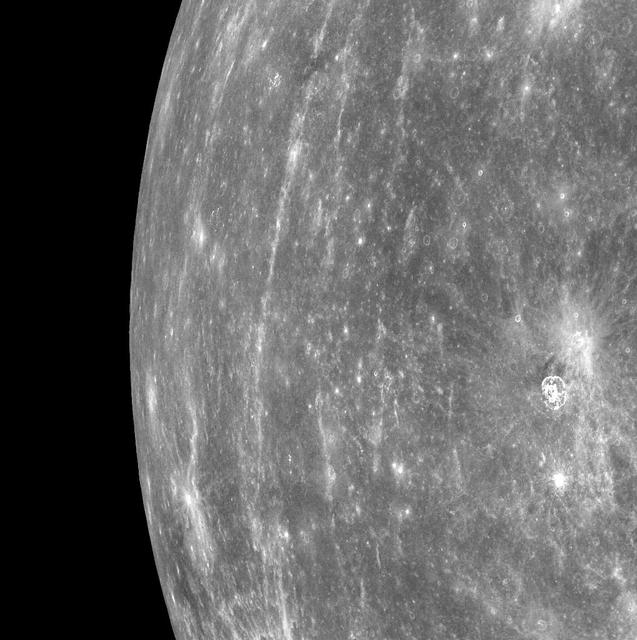
MESSENGER Looks out on a Limb
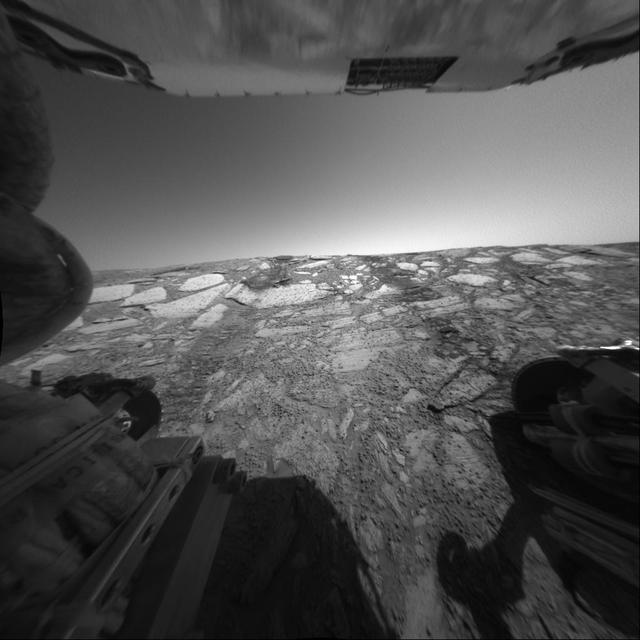
Inside Looking Up
Inside Looking Up
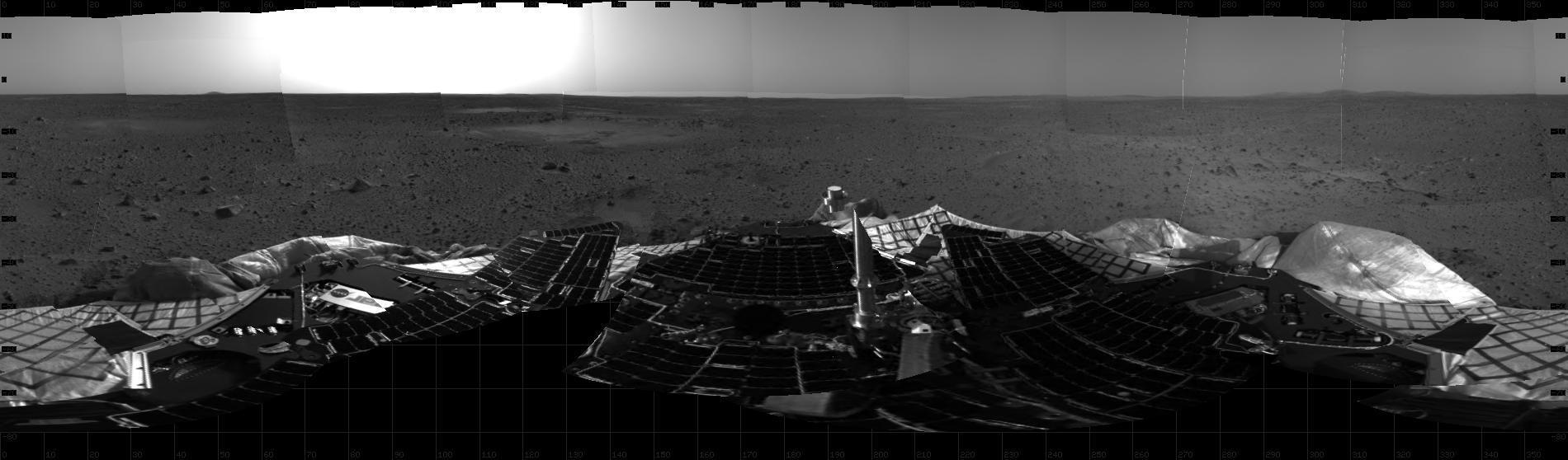
First Look at Spirit on Mars
A New Look at Old Terrain
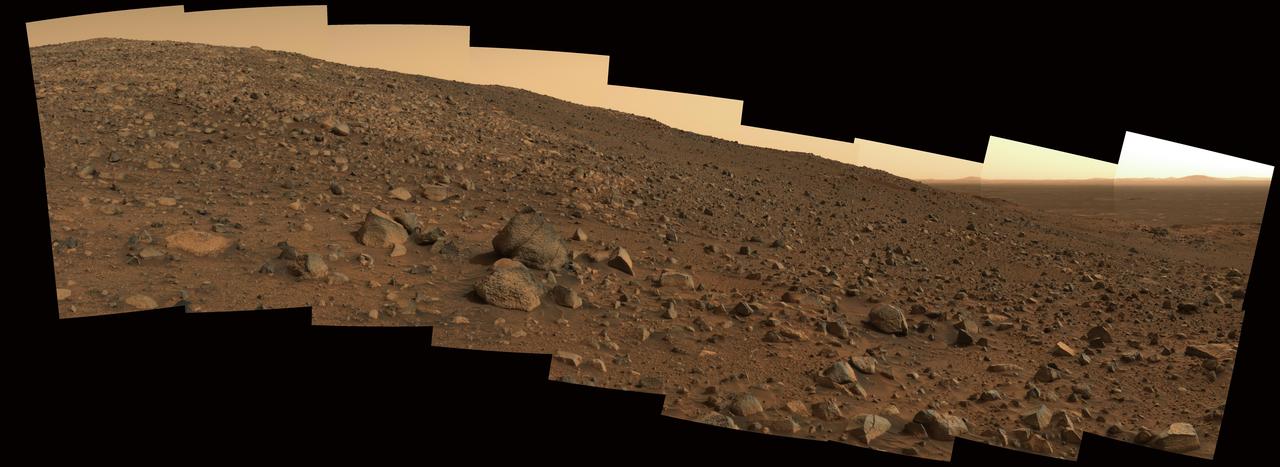
A Closer Look at the Columbia Hills
First Look Behind Opportunity
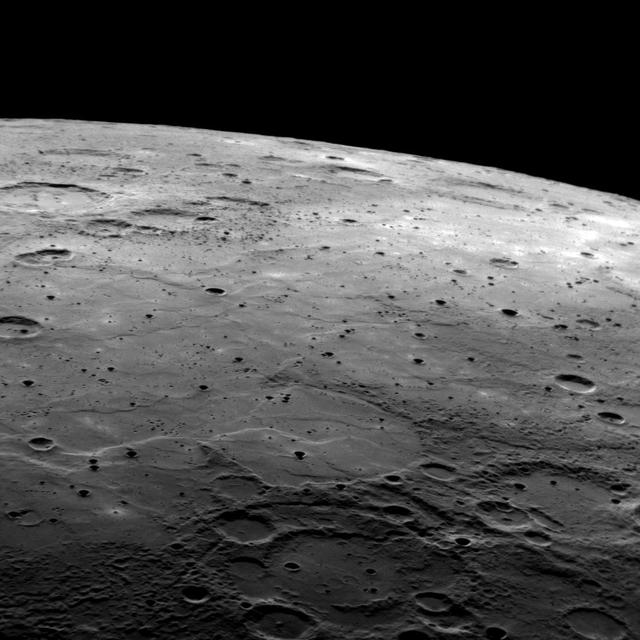
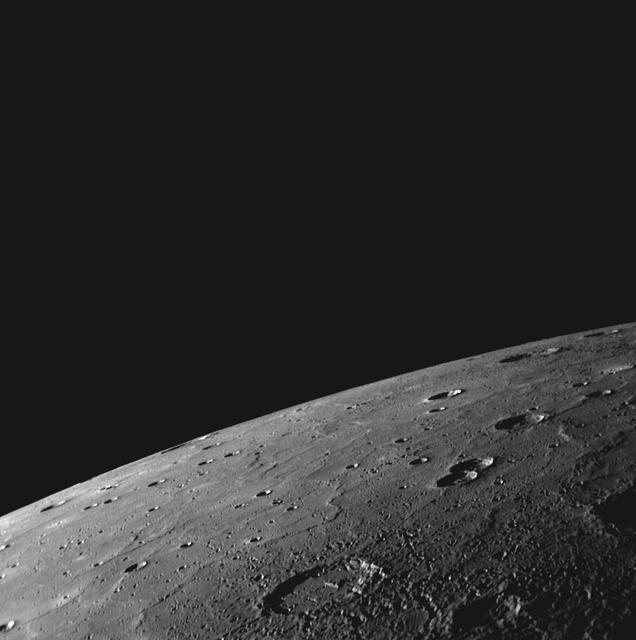
Looking Toward Mercury Horizon
Looking Out the Window
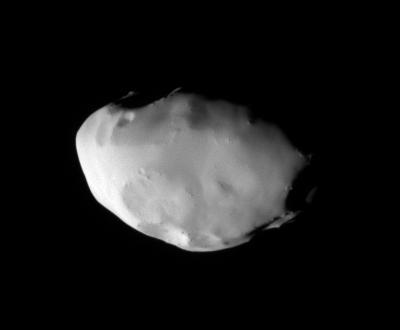
A Closer Look at Telesto Monochrome
A Colorful New Look
A Colorful New Look
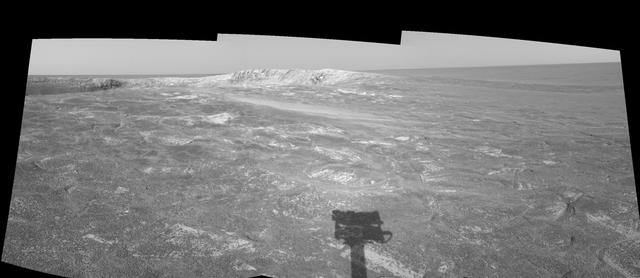
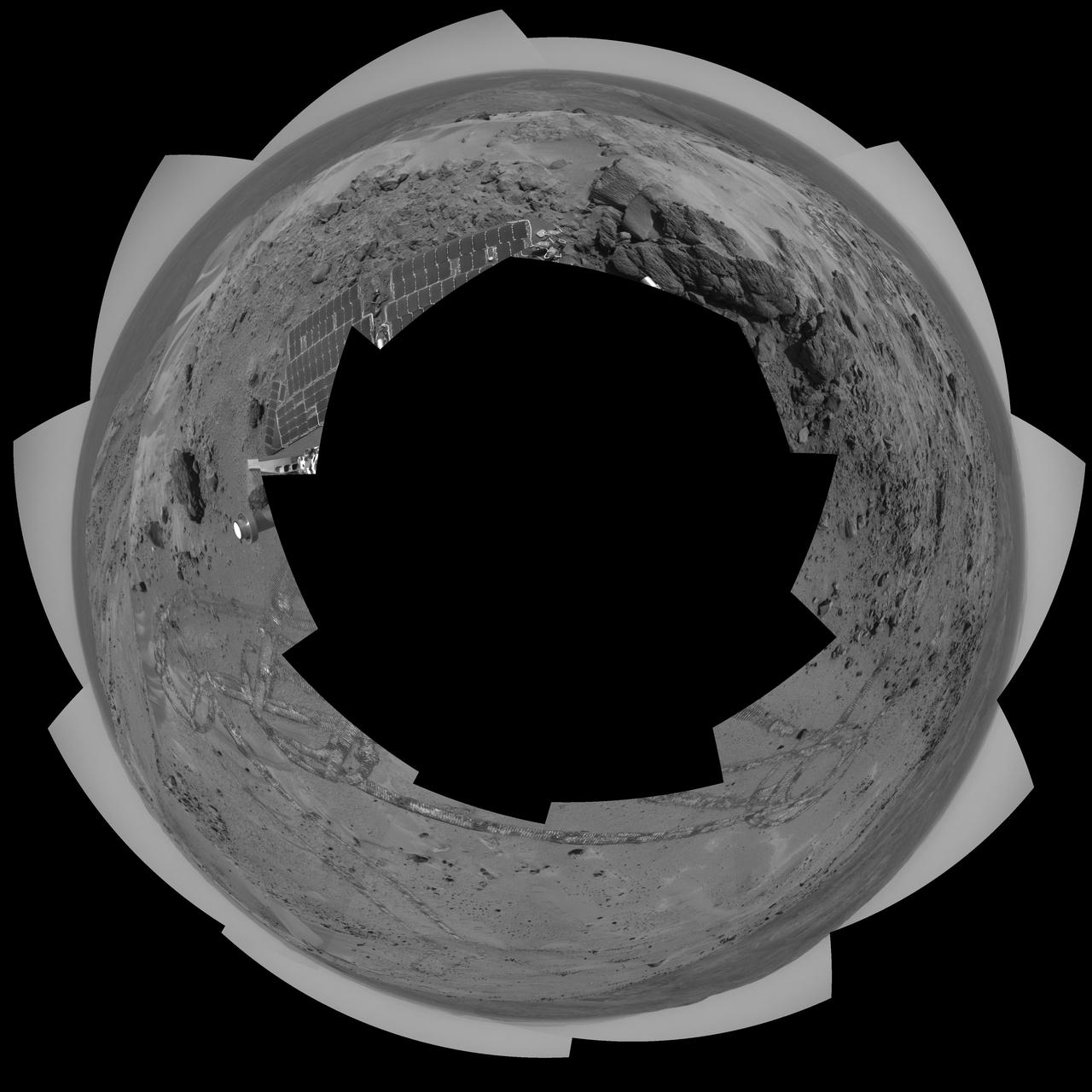
Looking at Endurance on Sol 108
A Closer Look at Eminescu
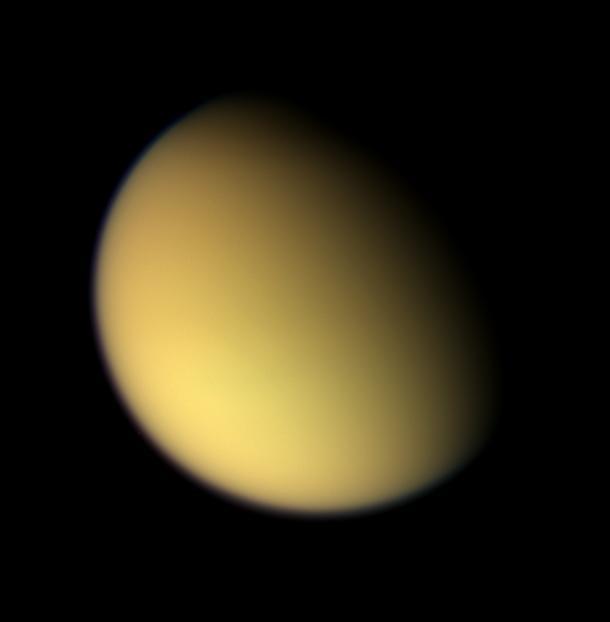
Looking on the Brightside of Titan
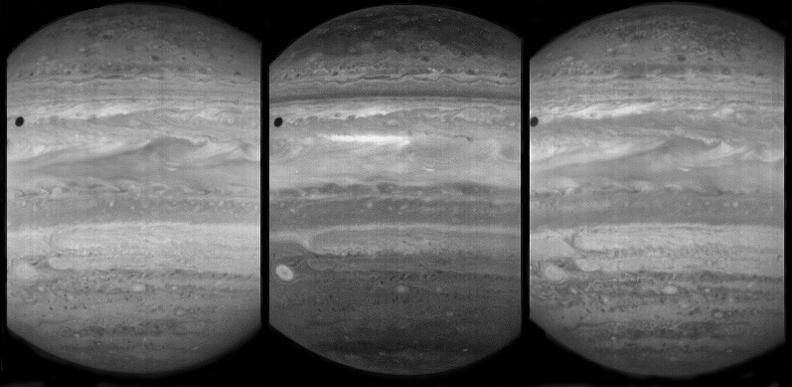
Eight Looks at the Jupiter Impact
Looking Down on Epimetheus
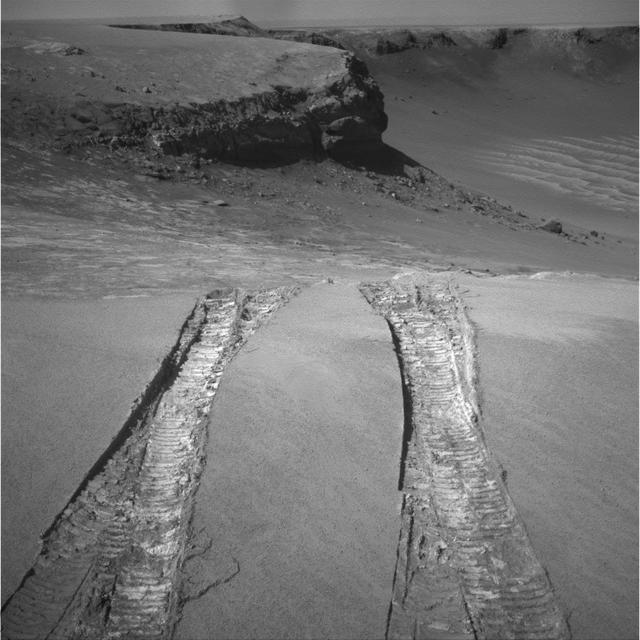
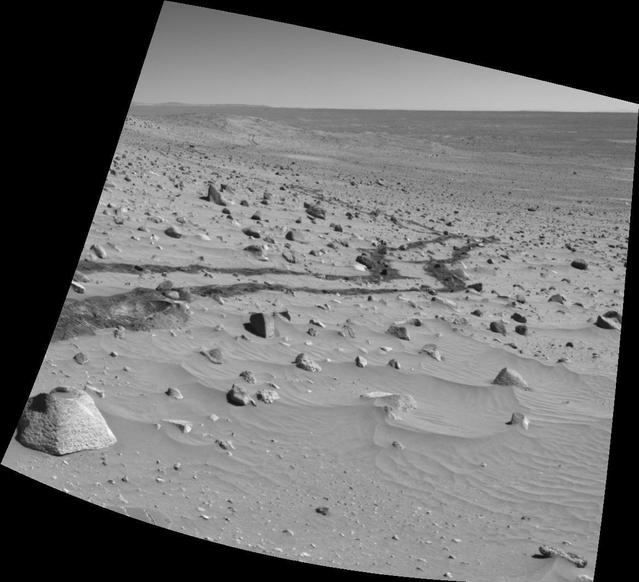
Looking Back Across the Plains
A Sharp Look at Robert E
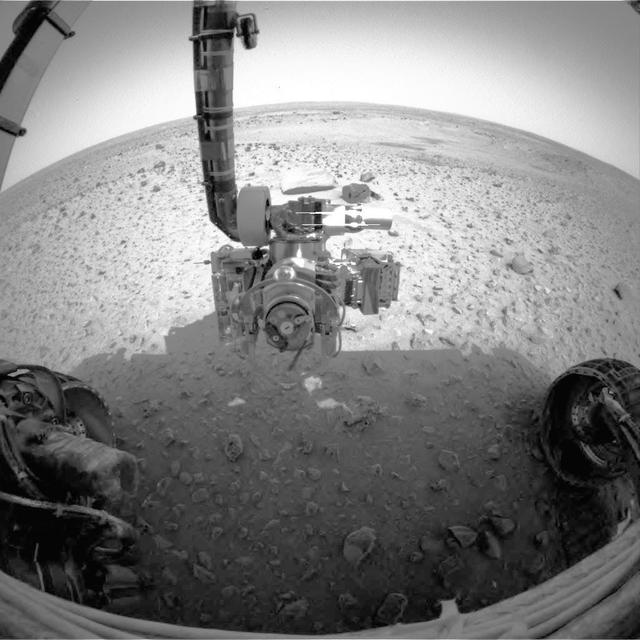
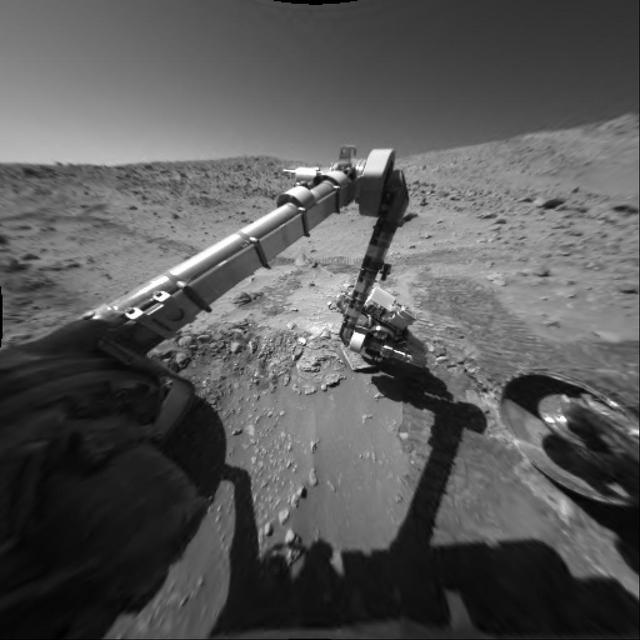
Spirit Reaches for Closer Look
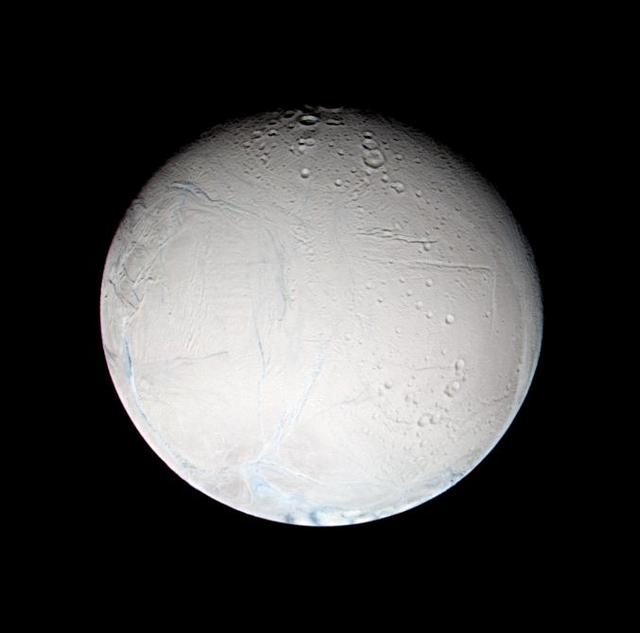
False Color Look at Enceladus
Looking Closely at Yuri
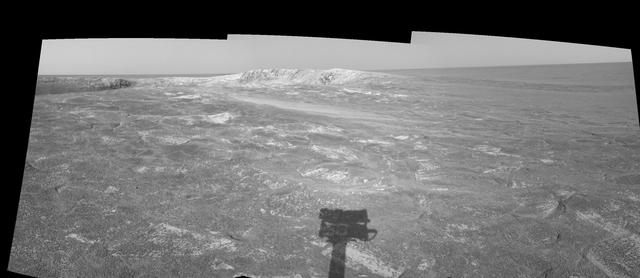
Looking Back at Eagle Crater
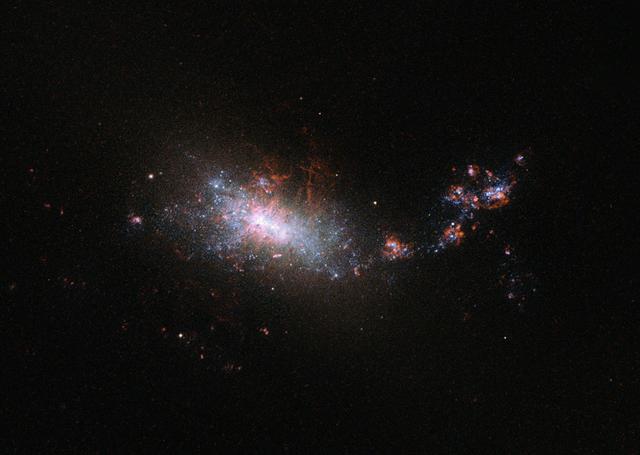
This dramatic image shows the NASA/ESA Hubble Space Telescope’s view of dwarf galaxy known as NGC 1140, which lies 60 million light-years away in the constellation of Eridanus. As can be seen in this image NGC 1140 has an irregular form, much like the Large Magellanic Cloud — a small galaxy that orbits the Milky Way.  This small galaxy is undergoing what is known as a starburst. Despite being almost ten times smaller than the Milky Way it is creating stars at about the same rate, with the equivalent of one star the size of our sun being created per year. This is clearly visible in the image, which shows the galaxy illuminated by bright, blue-white, young stars.  Galaxies like NGC 1140 — small, starbursting and containing large amounts of primordial gas with far fewer elements heavier than hydrogen and helium than are present in our sun — are of particular interest to astronomers. Their composition makes them similar to the intensely star-forming galaxies in the early Universe. And these early Universe galaxies were the building blocks of present-day large galaxies like our galaxy, the Milky Way. But, as they are so far away these early Universe galaxies are harder to study so these closer starbursting galaxies are a good substitute for learning more about galaxy evolution.  The vigorous star formation will have a very destructive effect on this small dwarf galaxy in its future. When the larger stars in the galaxy die, and explode as supernovae, gas is blown into space and may easily escape the gravitational pull of the galaxy. The ejection of gas from the galaxy means it is throwing out its potential for future stars as this gas is one of the building blocks of star formation. NGC 1140’s starburst cannot last for long.  Image credit: ESA/Hubble & NASA
Hubble Looks in on a Galactic Nursery
First Look at Martian Arctic Plains
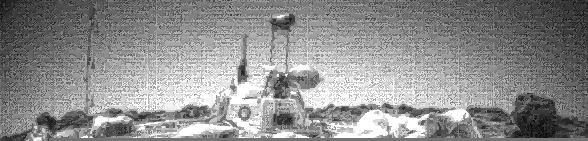
Looking Back, Spirit Sol 90
One Last Look at the Martian Arctic
Spirit Looks Back on Sol 332
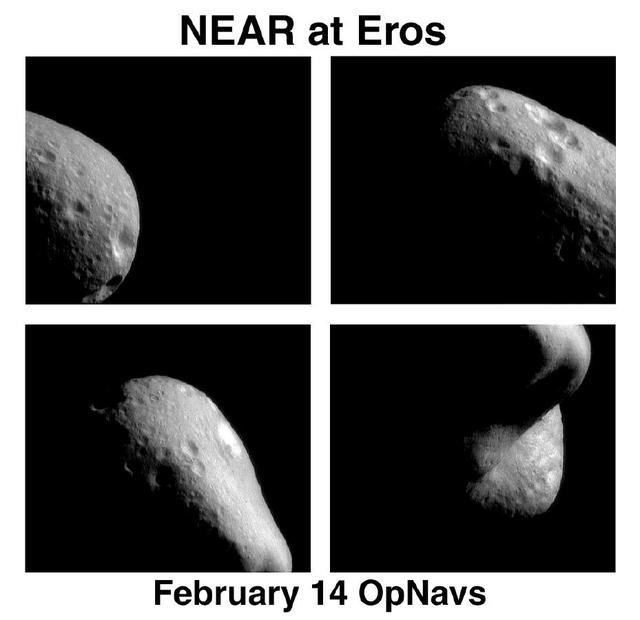
Eros: The First Look from Orbit
Looking Toward Mercury North Pole
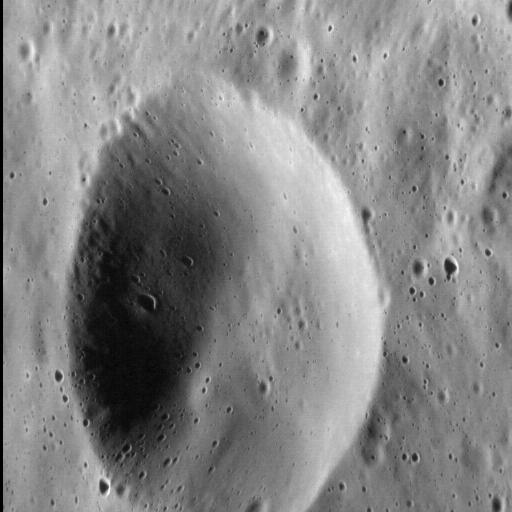
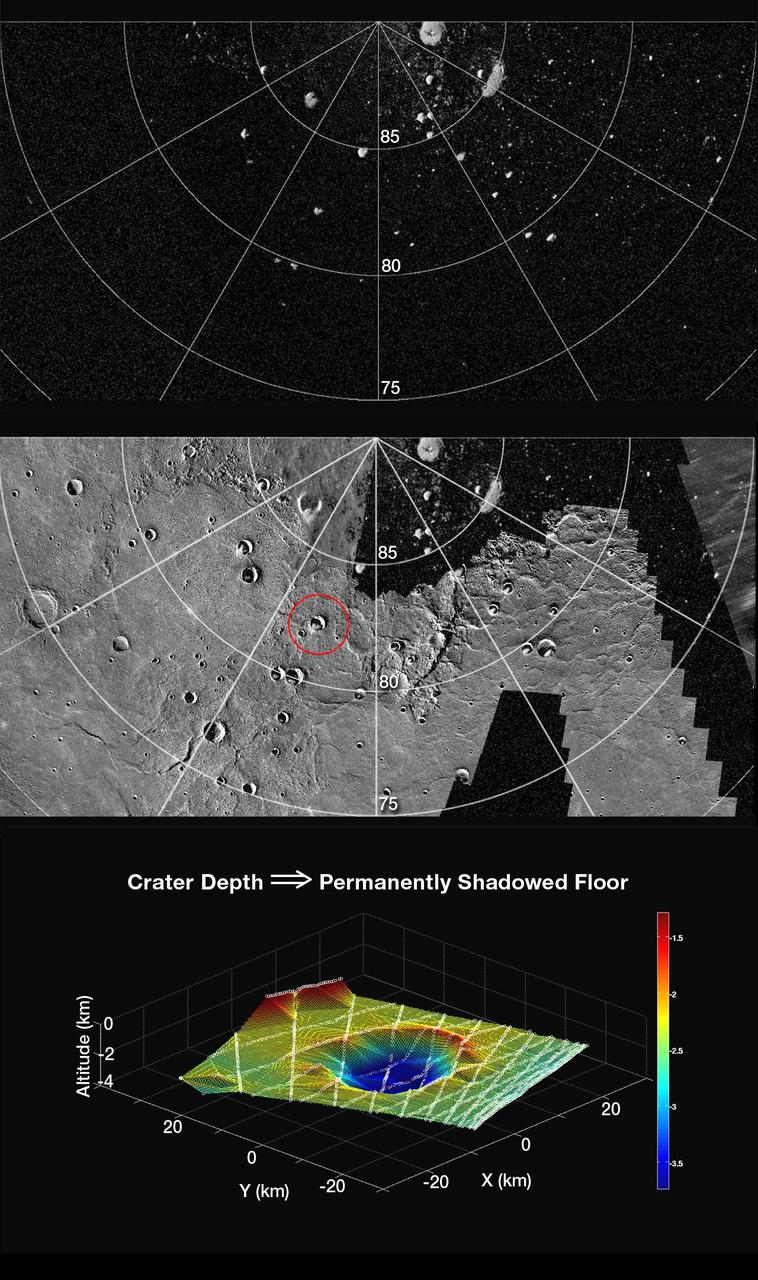
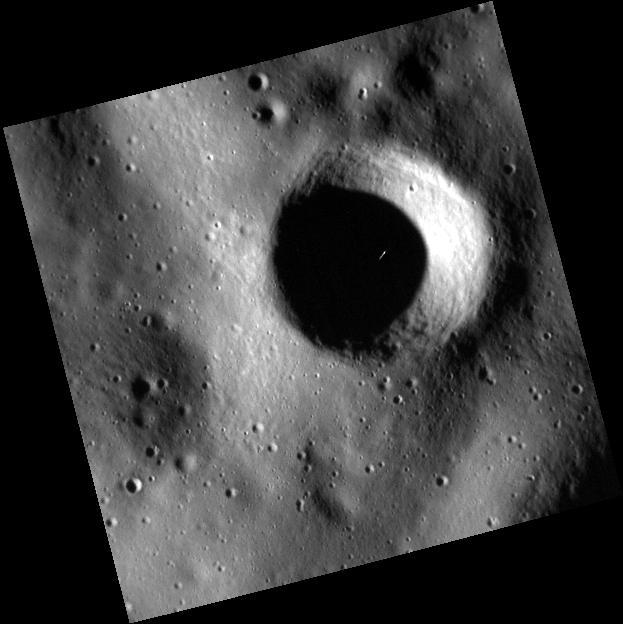
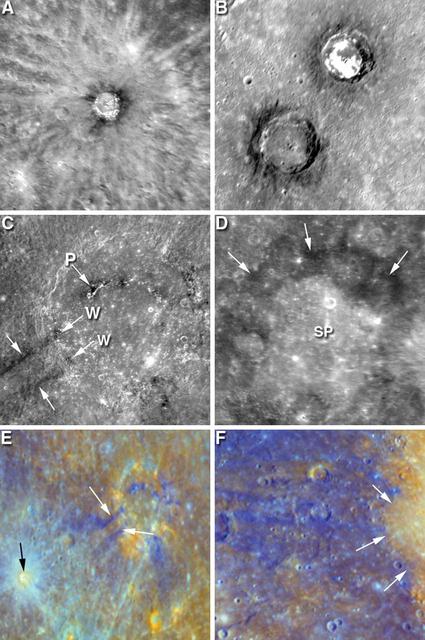
A Look at Craters Hosting Polar Deposits
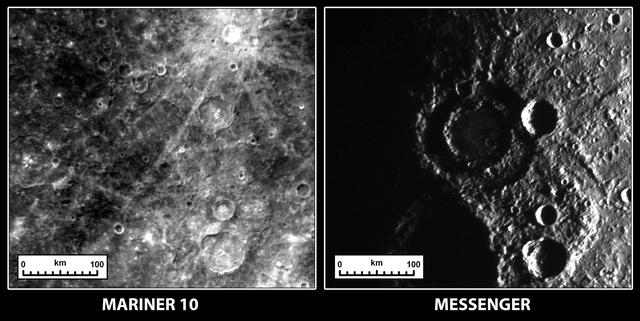
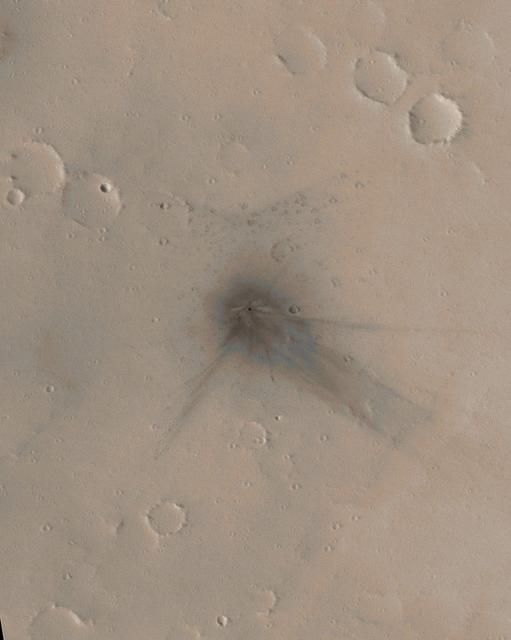
Before-and-After Look at Impact Craters
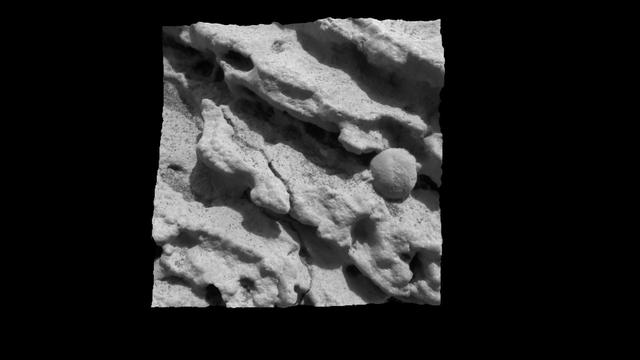
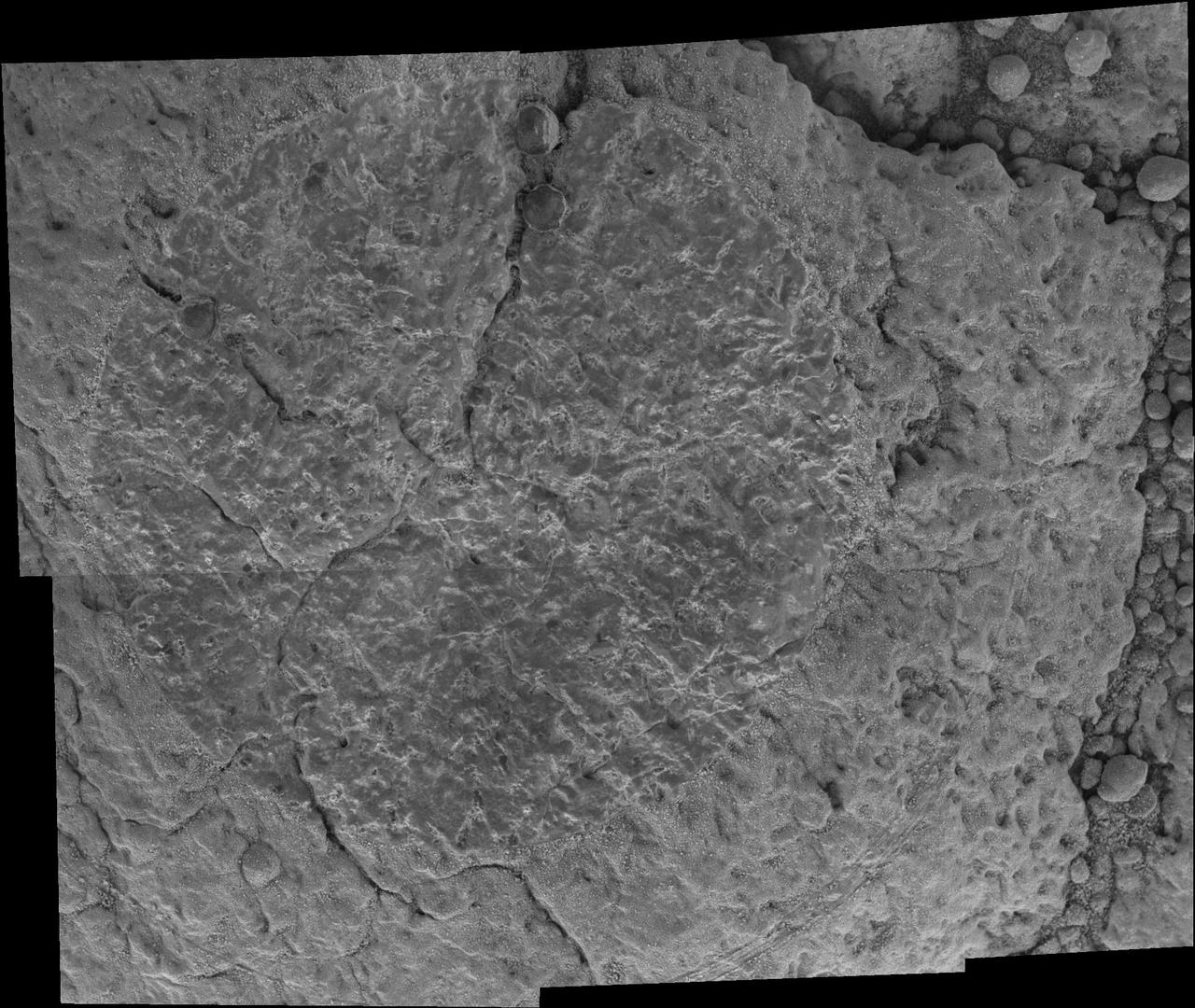
Up-Close Look at Bread-Basket
Opportunity Looks Ahead on Sol 274
Looking Back at Spirit Trail to the Summit
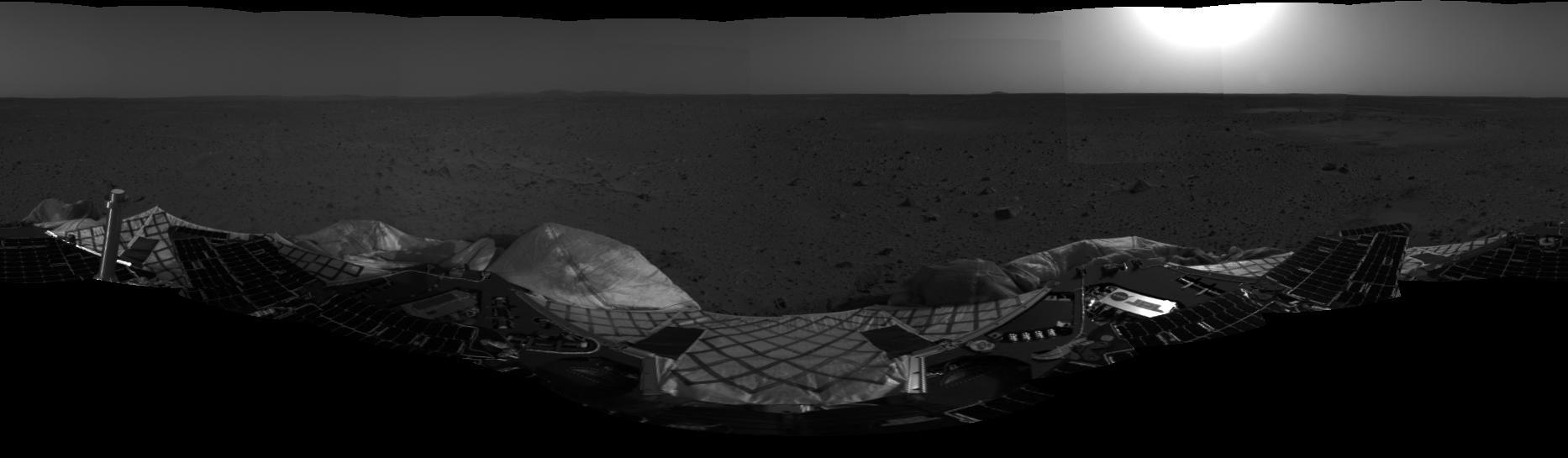
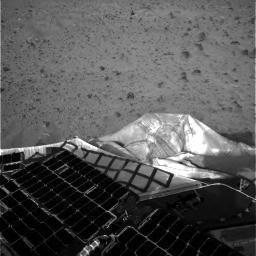
First Look at Spirit at Landing Site
Looking Back, Opportunity Sol 70
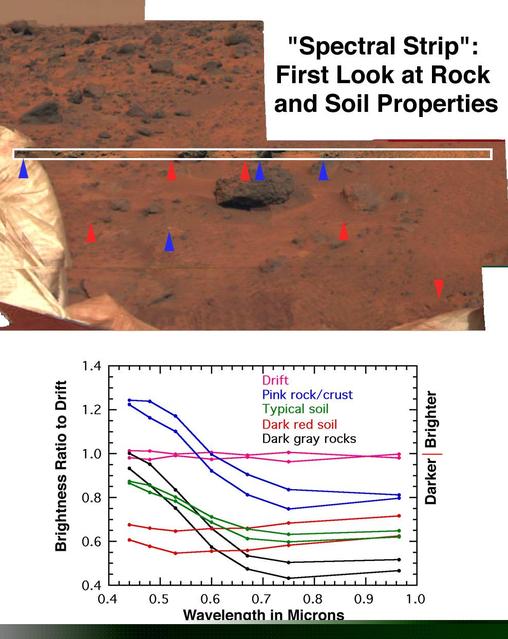
First Look at Rock & Soil Properties
Look for What Seems Out of Place
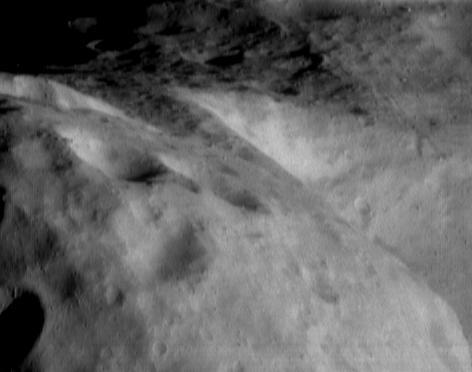
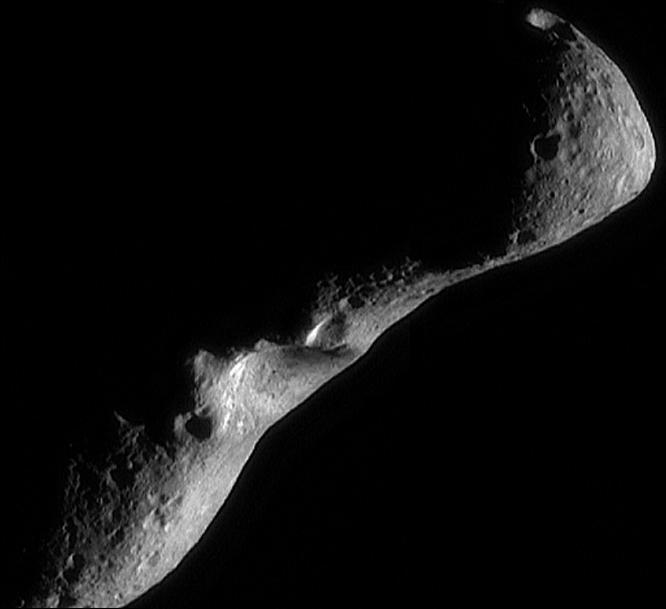
Looking Along the Southern Hemisphere of Eros
First Look at Martian Arctic Plains
Eros Image Mosaic, Looking North
Looking Back at Eagle CraterLeft-eye
First Look at Spirit on Mars-2
Looking Back at Eagle CraterRight-eye
“We like to say that Archean Earth is the most alien planet we have geochemical data for,”    For astronomers trying to understand which distant planets might have habitable conditions, the role of atmospheric haze has been hazy. To help sort it out, a team of researchers has been looking to Earth – specifically Earth during the Archean era, an epic 1-1/2-billion-year period early in our planet’s history. Read more: <a href="http://go.nasa.gov/2kTBhPU" rel="nofollow">go.nasa.gov/2kTBhPU</a>  Caption: When haze built up in the atmosphere of Archean Earth, the young planet might have looked like this artist's interpretation - a pale orange dot.   A team led by Goddard scientists thinks the haze was self-limiting, cooling the surface by about 36 degrees Fahrenheit (20 Kelvins) – not enough to cause runaway glaciation. The team’s modeling suggests that atmospheric haze might be helpful for identifying earthlike exoplanets that could be habitable.  Credits: NASA’s Goddard Space Flight Center/Francis Reddy
NASA Team Looks to Ancient Earth First to Study Hazy Exoplanets
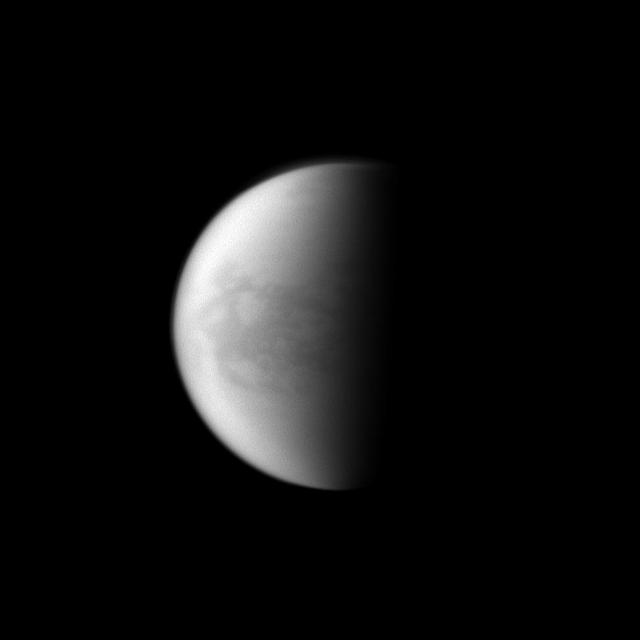
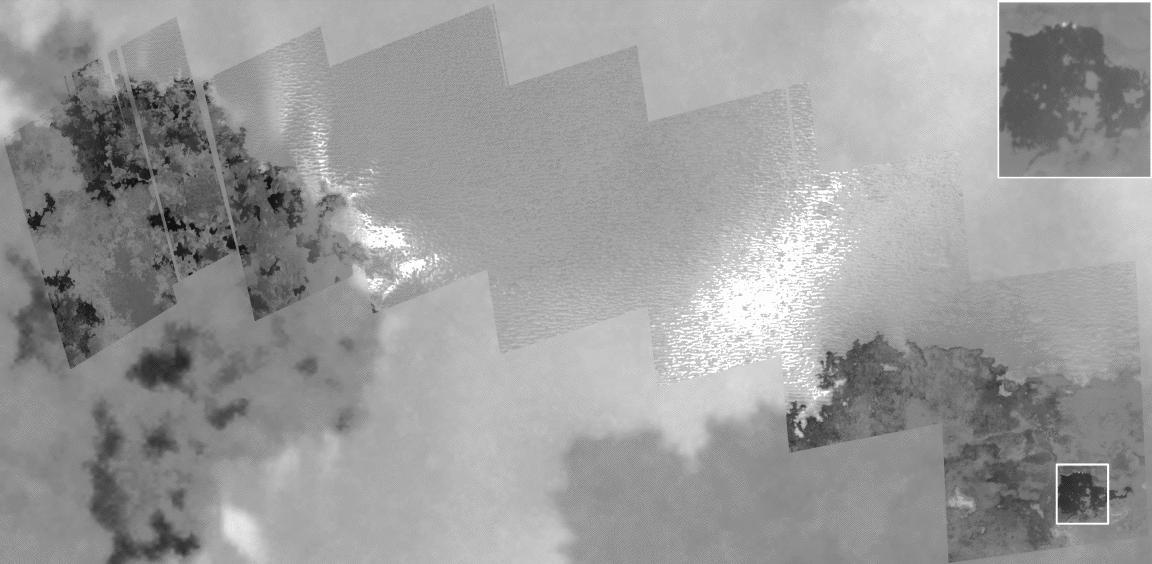
NASA Cassini spacecraft looks toward Saturn largest moon and maps the dark Belet region on Titan.
A Look at Belet
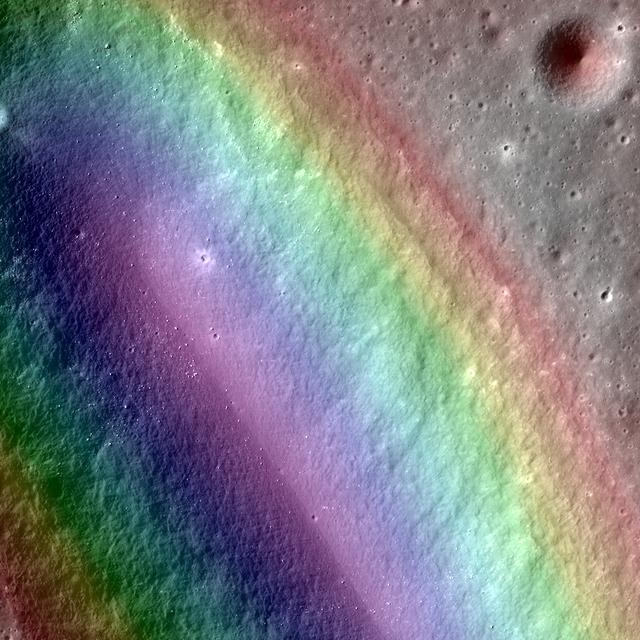
This false color image of  Birt E crater shows the topography of the moon and it is thought to be the source region for lava that carved out Rima Birt, a rille in Mare Nubium. This mare is older than 3.4 billion years, and so is this vent!   LROC NAC M1144849711L/R with the a color DTM overlaid; North is up.  Download high res: <a href="http://lroc.sese.asu.edu/posts/794" rel="nofollow">lroc.sese.asu.edu/posts/794</a>  Credit: NASA/GSFC/Arizona State University  More info: Birt E crater was not created like most craters on the Moon; there was no meteorite impact. Lava sputtered out of this pyroclastic vent in Mare Nubium over 3.4 billion years ago, dispersing lava onto the surface and leaving the crater we see today. How can we tell it is a volcanic vent and not an impact crater? Impact craters and volcanic vents can be differentiated because vents often have an irregular or elongated shape (as with Birt E). Impact craters are usually circular in shape, created by the shockwave during an impact event.  Also, the vee-shape of this crater is likely a product of the formation mechanism. Vee-shaped vents are thought to be formed from a pyroclastic eruption. Gasses fractionating out of the liquid rock create violent events during eruptions. Explosive eruptions created the shape that we see today, but Birt E could have had a complex history with effusive eruptions forming Rima Birt, a rille flowing from Birt E to the SE.  Over long enough time scales Birt E will be filled in with ejecta from newly formed craters around Mare Nubium or by mass wasting of the walls into the crater. Let’s enjoy this ancient crater today while we still can!  <b><a href="http://www.nasa.gov/audience/formedia/features/MP_Photo_Guidelines.html" rel="nofollow">NASA image use policy.</a></b>    <b><a href="http://www.nasa.gov/centers/goddard/home/index.html" rel="nofollow">NASA Goddard Space Flight Center</a></b> enables NASA’s mission through four scientific endeavors: Earth Science, Heliophysics, Solar System Exploration, and Astrophysics. Goddard plays a leading role in NASA’s accomplishments by contributing compelling scientific knowledge to advance the Agency’s mission.  <b>Follow us on <a href="http://twitter.com/NASAGoddardPix" rel="nofollow">Twitter</a></b>  <b>Like us on <a href="http://www.facebook.com/pages/Greenbelt-MD/NASA-Goddard/395013845897?ref=tsd" rel="nofollow">Facebook</a></b>  <b>Find us on <a href="http://instagram.com/nasagoddard?vm=grid" rel="nofollow">Instagram</a></b>
A Colorful Look at the Birt E Crater on the Moon
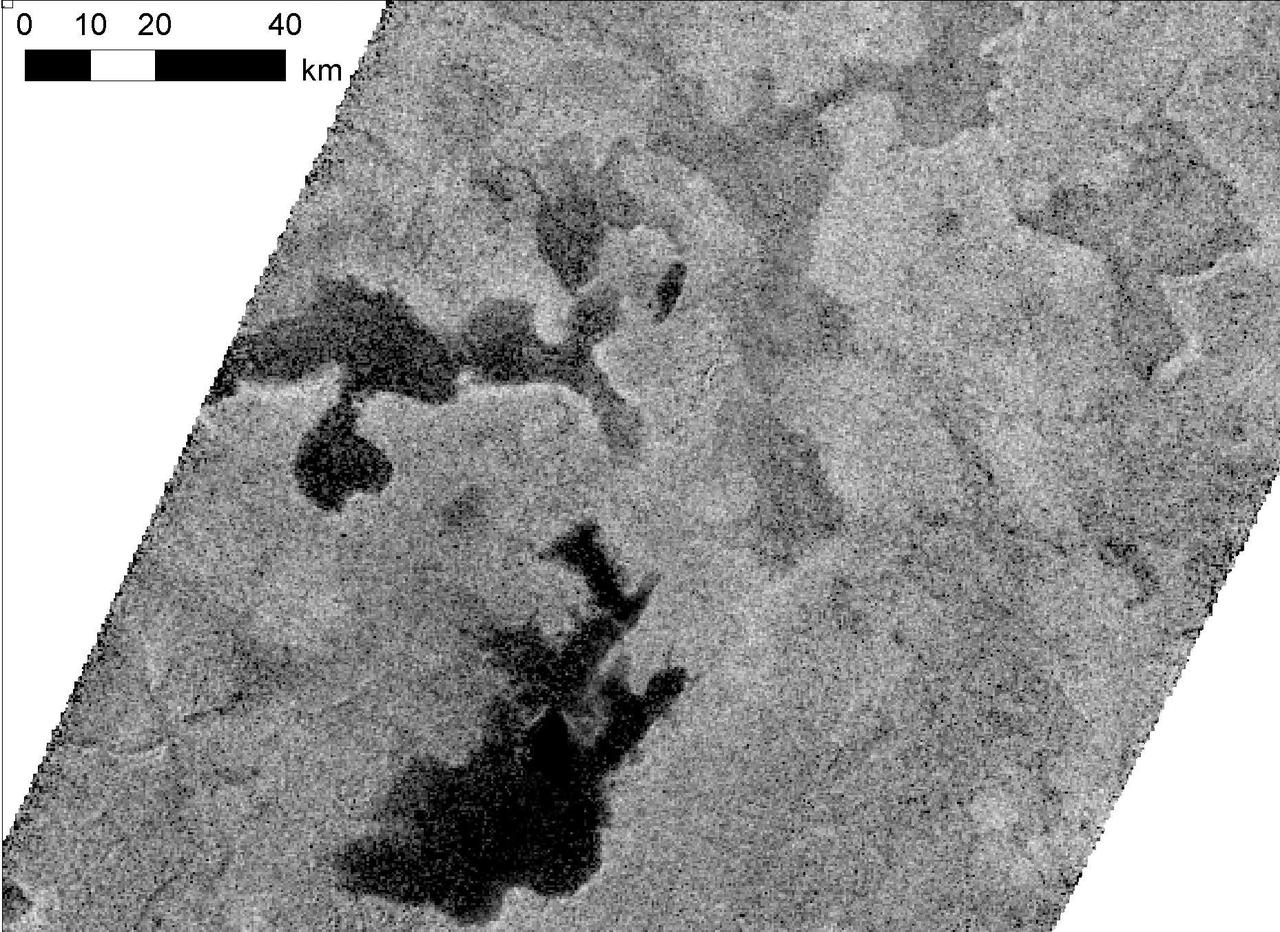
Lakes on Saturn moon Titan reflect radio waves in varying ways in this image from NASA Cassini spacecraft. If a lake is fully liquid, it looks dark, but if it is only partially liquid, it looks brighter.
Different Looks for Titan Lakes
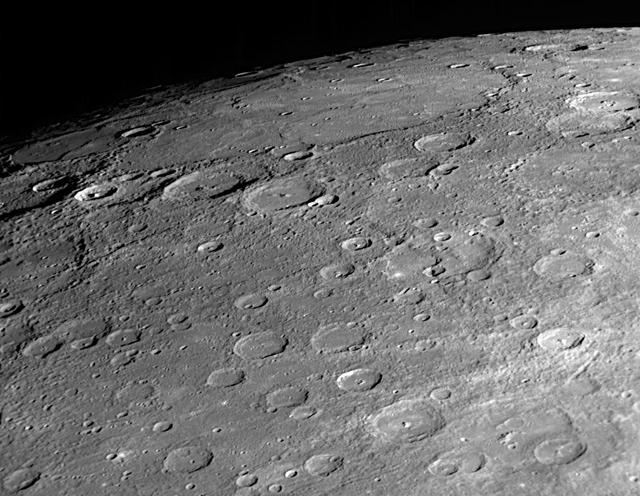
A High-resolution Look over Mercury Northern Horizon
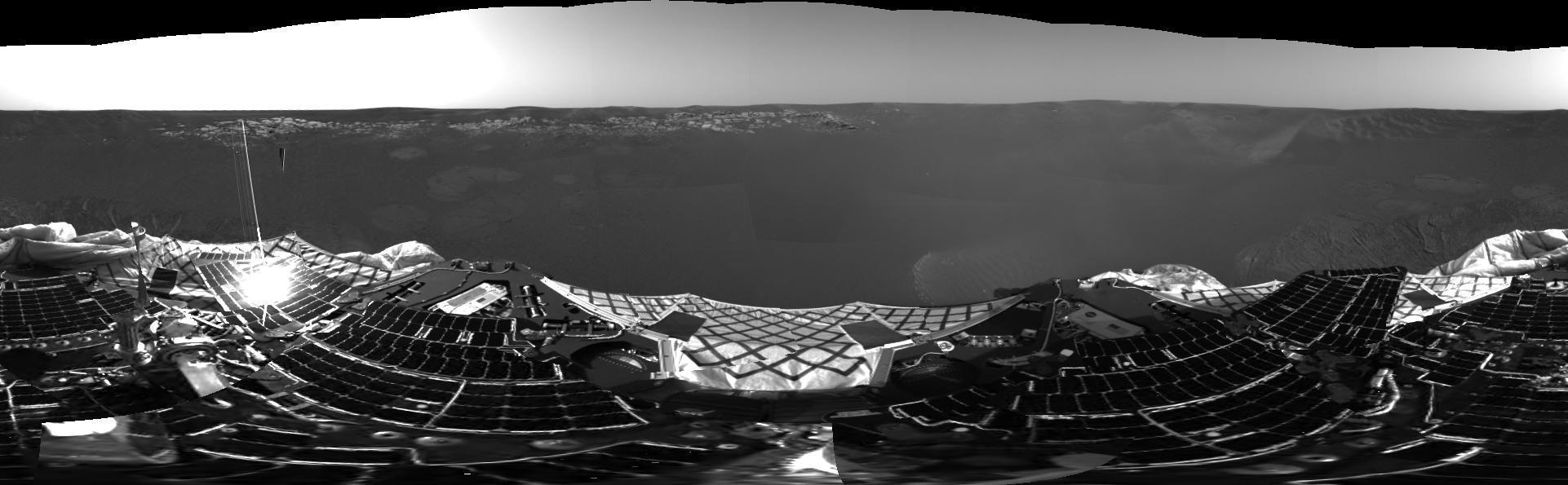
First Panoramic Look at Meridiani Planum, Mars
From Orbit, Looking toward Mercury Horizon
Looking at Endurance on Sol 108 left eye
Galileo Takes a Close-up Look at Prometheus
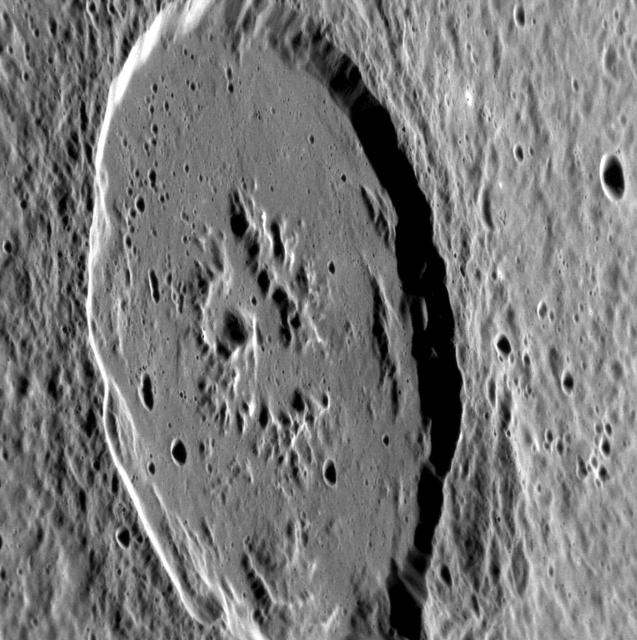
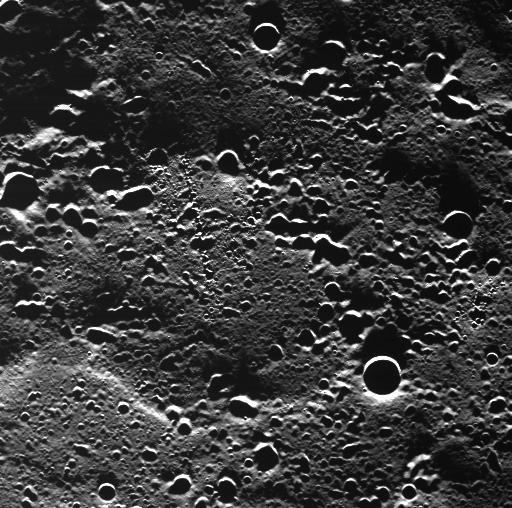
Detailed Look within a Previously Known Crater
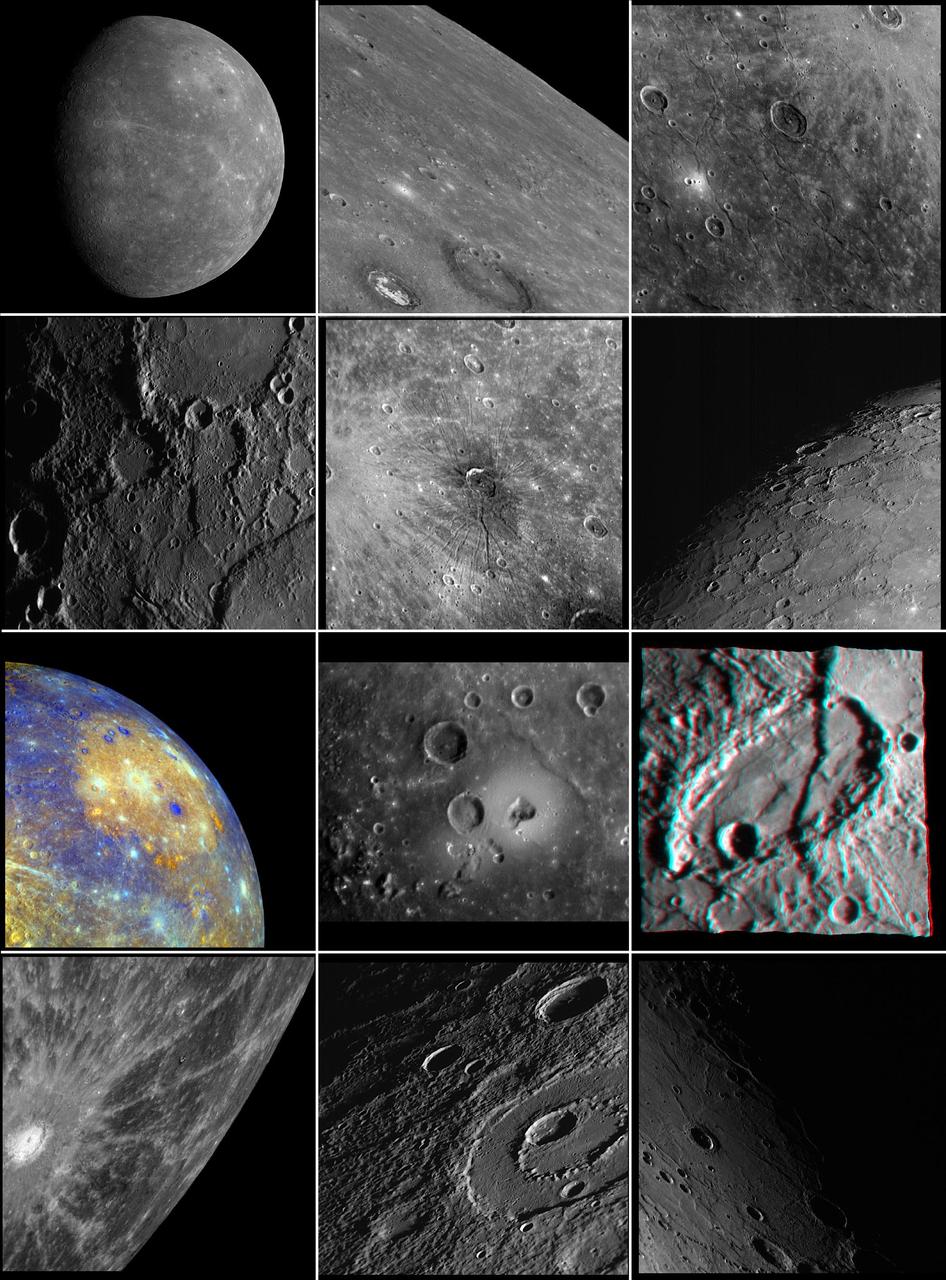
2008: Looking Back at the Year with MESSENGER Images
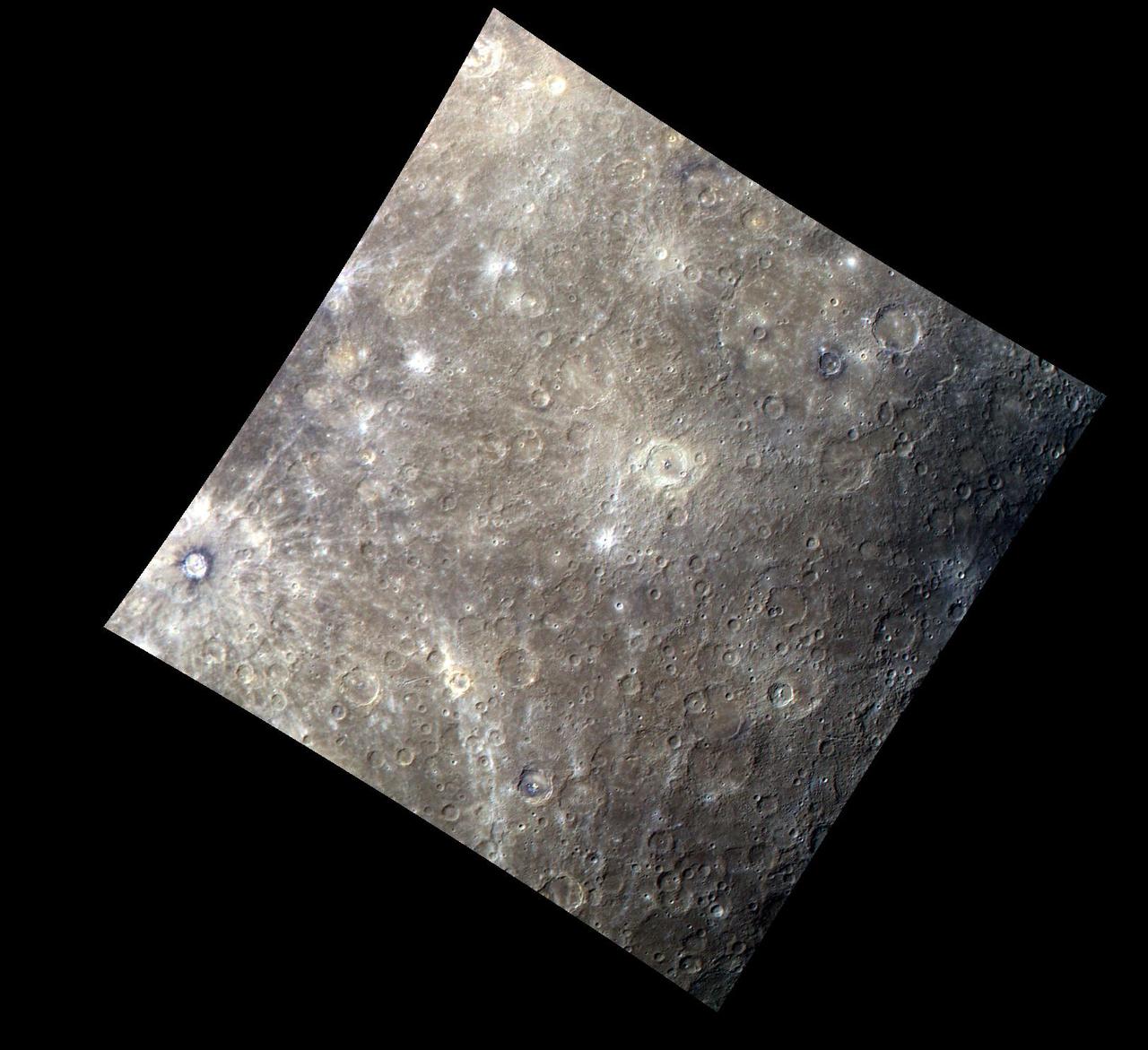
A Closer Look at Albedo and Color Variations on Mercury
Looking Back at Spirit Trail to the Summit Polar
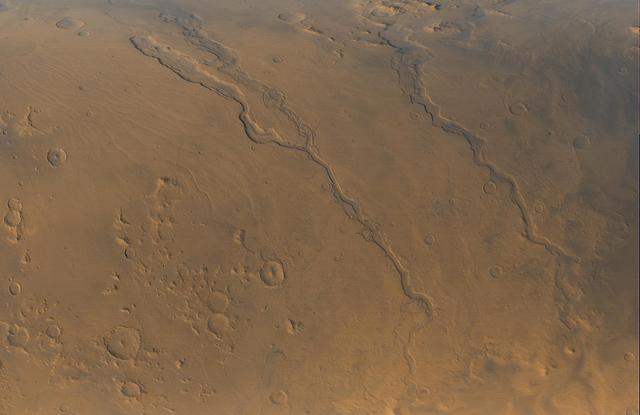
Looking Out Across Dao, Niger, and Harmakhis Valles
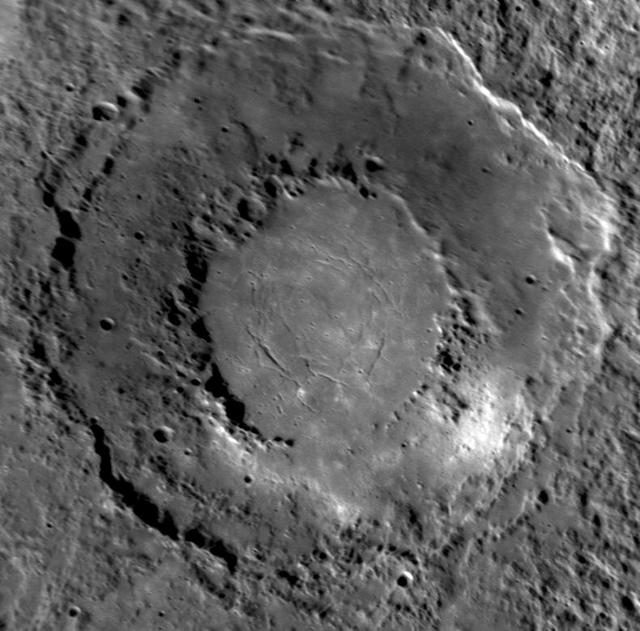
Looking in Detail at a Spectacular Double-Ring Basin
Looking at Endurance on Sol 108 right eye
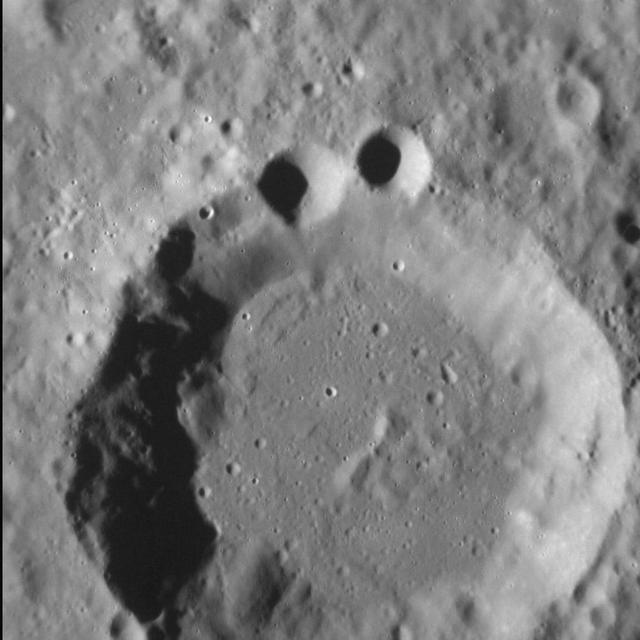
Anyone Else Think This Looks Like the Cookie Monster?
A First Look at Terrain Near Mercury North Pole
Looking Back at Spirit Trail to the Summit Vertical
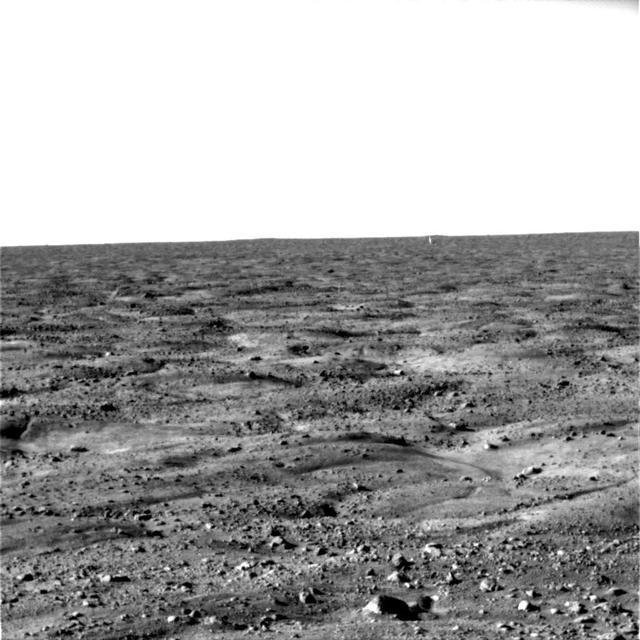
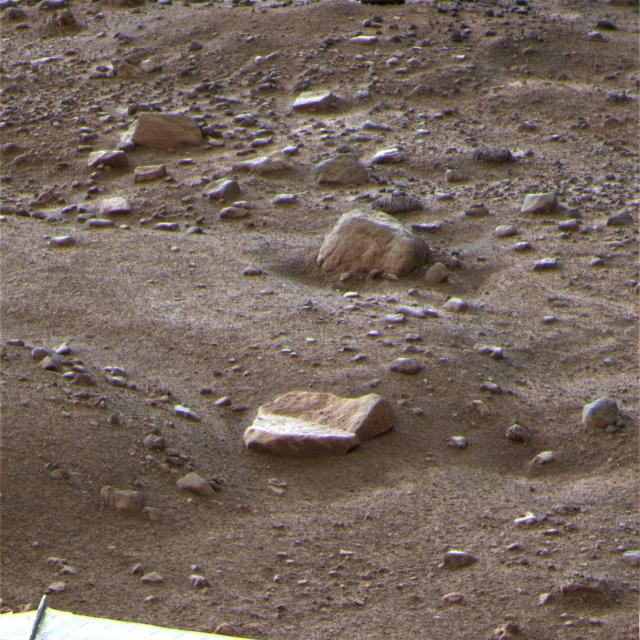
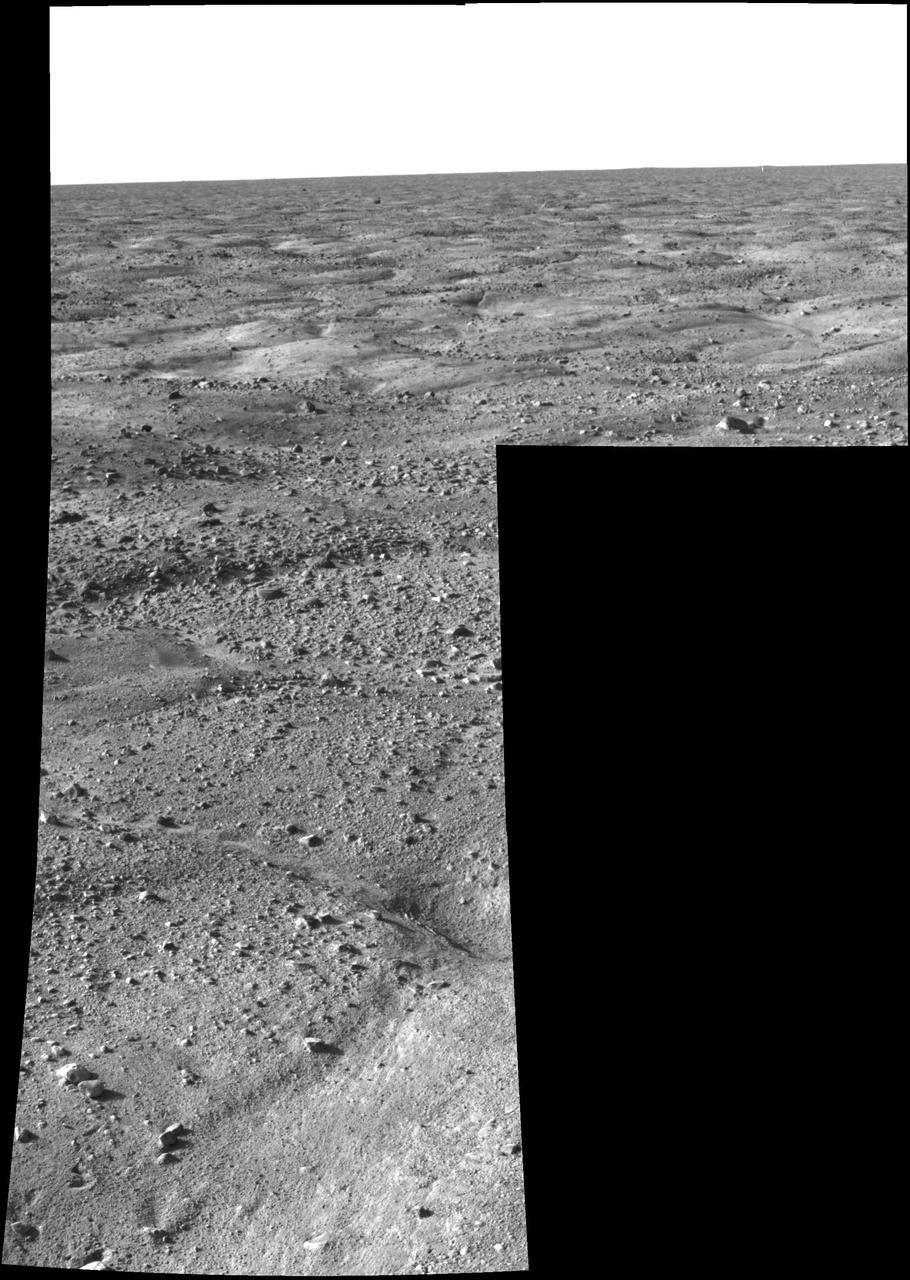
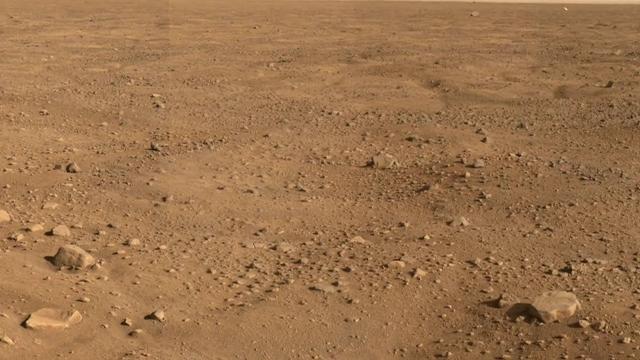
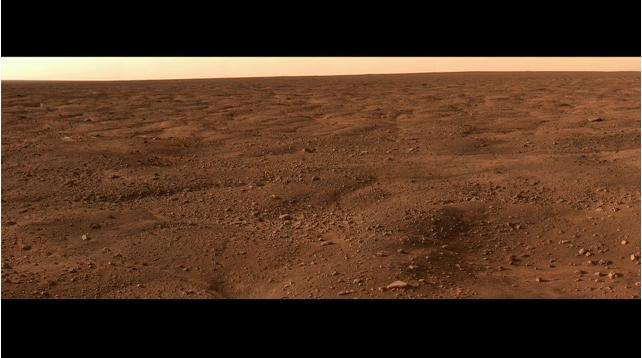
This panorama looks to the southeast and shows rocks casting shadows, polygons on the surface and as the image looks to the horizon, NASA Phoenix Mars Lander backshell gleams in the distance.
Animation of Panorama of Phoenix Landing Area Looking Southeast
This new NASA/ESA Hubble Space Telescope image shows a variety of intriguing cosmic phenomena.  Surrounded by bright stars, towards the upper middle of the frame we see a small young stellar object (YSO) known as SSTC2D J033038.2+303212. Located in the constellation of Perseus, this star is in the early stages of its life and is still forming into a fully-grown star. In this view from Hubble’s Advanced Camera for Surveys(ACS) it appears to have a murky chimney of material emanating outwards and downwards, framed by bright bursts of gas flowing from the star itself. This fledgling star is actually surrounded by a bright disk of material swirling around it as it forms — a disc that we see edge-on from our perspective.   However, this small bright speck is dwarfed by its cosmic neighbor towards the bottom of the frame, a clump of bright, wispy gas swirling around as it appears to spew dark material out into space. The bright cloud is a reflection nebula known as [B77] 63, a cloud of interstellar gas that is reflecting light from the stars embedded within it. There are actually a number of bright stars within [B77] 63, most notably the emission-line star LkHA 326, and it nearby neighbor LZK 18.  These stars are lighting up the surrounding gas and sculpting it into the wispy shape seen in this image. However, the most dramatic part of the image seems to be a dark stream of smoke piling outwards from [B77] 63 and its stars — a dark nebula called Dobashi 4173. Dark nebulae are incredibly dense clouds of pitch-dark material that obscure the patches of sky behind them, seemingly creating great rips and eerily empty chunks of sky. The stars speckled on top of this extreme blackness actually lie between us and Dobashi 4173.  Credit: ESA/NASA  <b><a href="http://www.nasa.gov/audience/formedia/features/MP_Photo_Guidelines.html" rel="nofollow">NASA image use policy.</a></b>  <b><a href="http://www.nasa.gov/centers/goddard/home/index.html" rel="nofollow">NASA Goddard Space Flight Center</a></b> enables NASA’s mission through four scientific endeavors: Earth Science, Heliophysics, Solar System Exploration, and Astrophysics. Goddard plays a leading role in NASA’s accomplishments by contributing compelling scientific knowledge to advance the Agency’s mission. <b>Follow us on <a href="http://twitter.com/NASAGoddardPix" rel="nofollow">Twitter</a></b> <b>Like us on <a href="http://www.facebook.com/pages/Greenbelt-MD/NASA-Goddard/395013845897?ref=tsd" rel="nofollow">Facebook</a></b> <b>Find us on <a href="http://instagram.com/nasagoddard?vm=grid" rel="nofollow">Instagram</a></b>
Hubble Looks at Light and Dark in the Universe
Images taken by NASA Phoenix Mars Lander Surface Stereo Imager, combined into a panoramic view looking north from the lander.
Phoenix Animation Looking North