
The Stennis Space Center Farmer's Market marked its move to a new onsite location and its six-month anniversary with a spring celebration event April 24, 2012. Activities included entertainment by local musicians and dance groups, such as the Coastal County Pickers and Diamondhead Line Dancers. The NASA Exchange sponsors the twice-monthly market.

The Stennis Space Center Farmer's Market marked its move to a new onsite location and its six-month anniversary with a spring celebration event April 24, 2012. Activities included entertainment by local musicians and dance groups, such as the Coastal County Pickers and Diamondhead Line Dancers. The NASA Exchange sponsors the twice-monthly market.
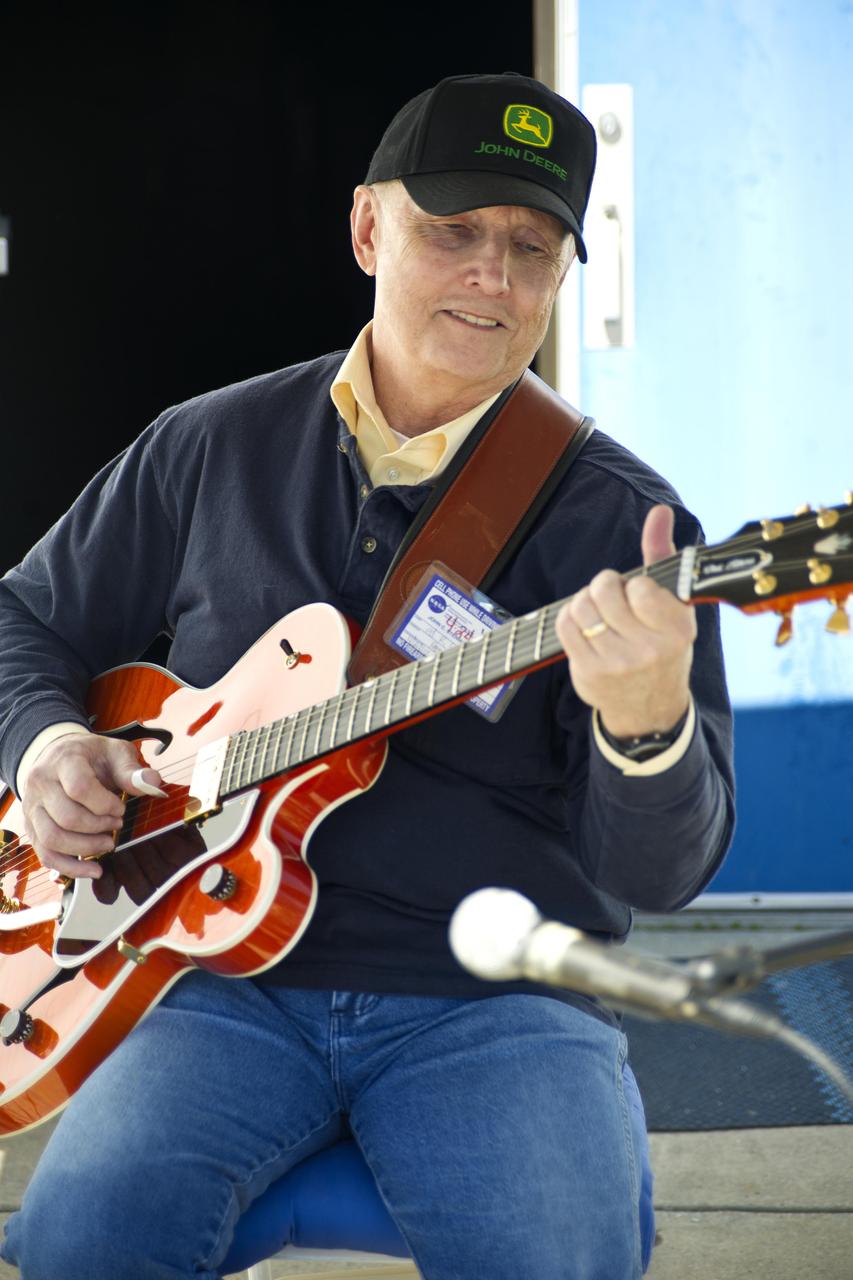
The Stennis Space Center Farmer's Market marked its move to a new onsite location and its six-month anniversary with a spring celebration event April 24, 2012. Activities included entertainment by local musicians and dance groups, such as the Coastal County Pickers and Diamondhead Line Dancers. The NASA Exchange sponsors the twice-monthly market.
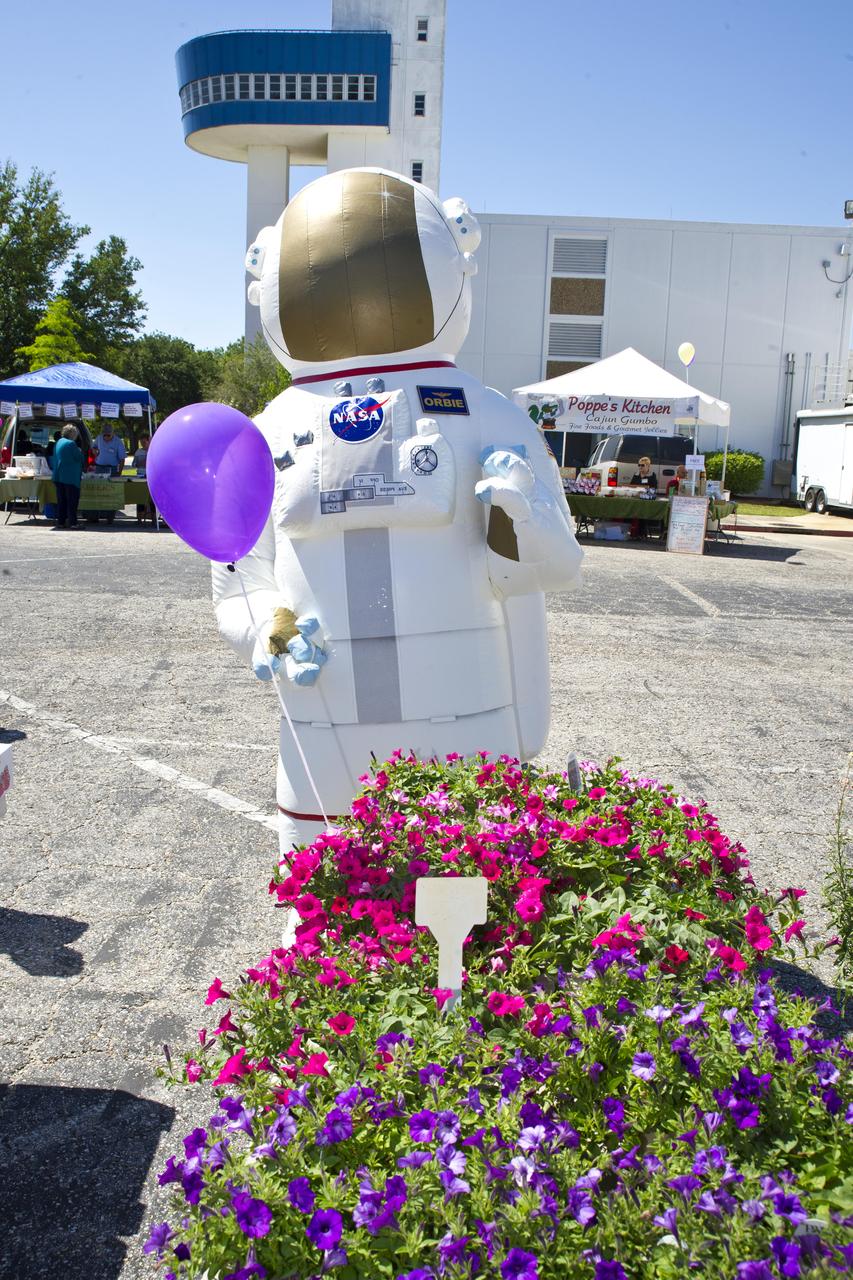
The Stennis Space Center mascot, Orbie, participated in the Stennis Farmer's Market spring celebration April 24, 2012. The market marked its move to a new onsite location and its six-month anniversary with a spring celebration event that included door prizes, vendor discounts and entertainment by local musicians and dance groups.

Navy Aerial of San Francisco, California; over downtown lookin down Market Street toward Ferry Building (shadow of U.S. Macon)

iss074e0723716 (June 16, 2026) --- Seattle, Washington, with a metropolitan population of over 4.15 million, sits between Puget Sound and Lake Washington and is also known as the "Emerald City" due to the lush evergreen forests surrounding it. Two famous landmarks in Seattle include Pike Place Market, America's oldest continuously operating farmers market since 1907, and the Space Needle, built for the 1962 World's Fair. The International Space Station was orbiting 265 miles above the U.S.–Canadian border at the time of this photograph. Credit: NASA/Chris Williams
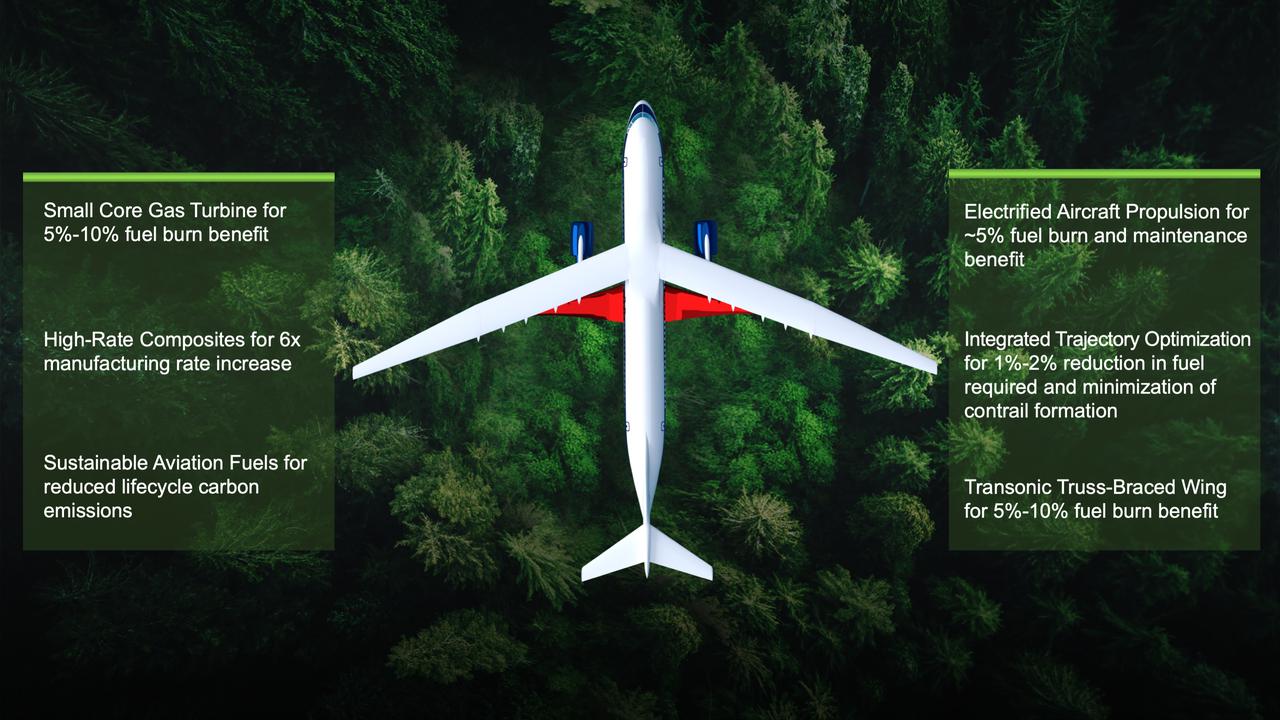
NASA will demonstrate high-risk, high-payoff technology advancements critical for U.S. aerospace manufacturers to bring to market innovative, cost-effective, and sustainable products and services demanded by airlines and customers.
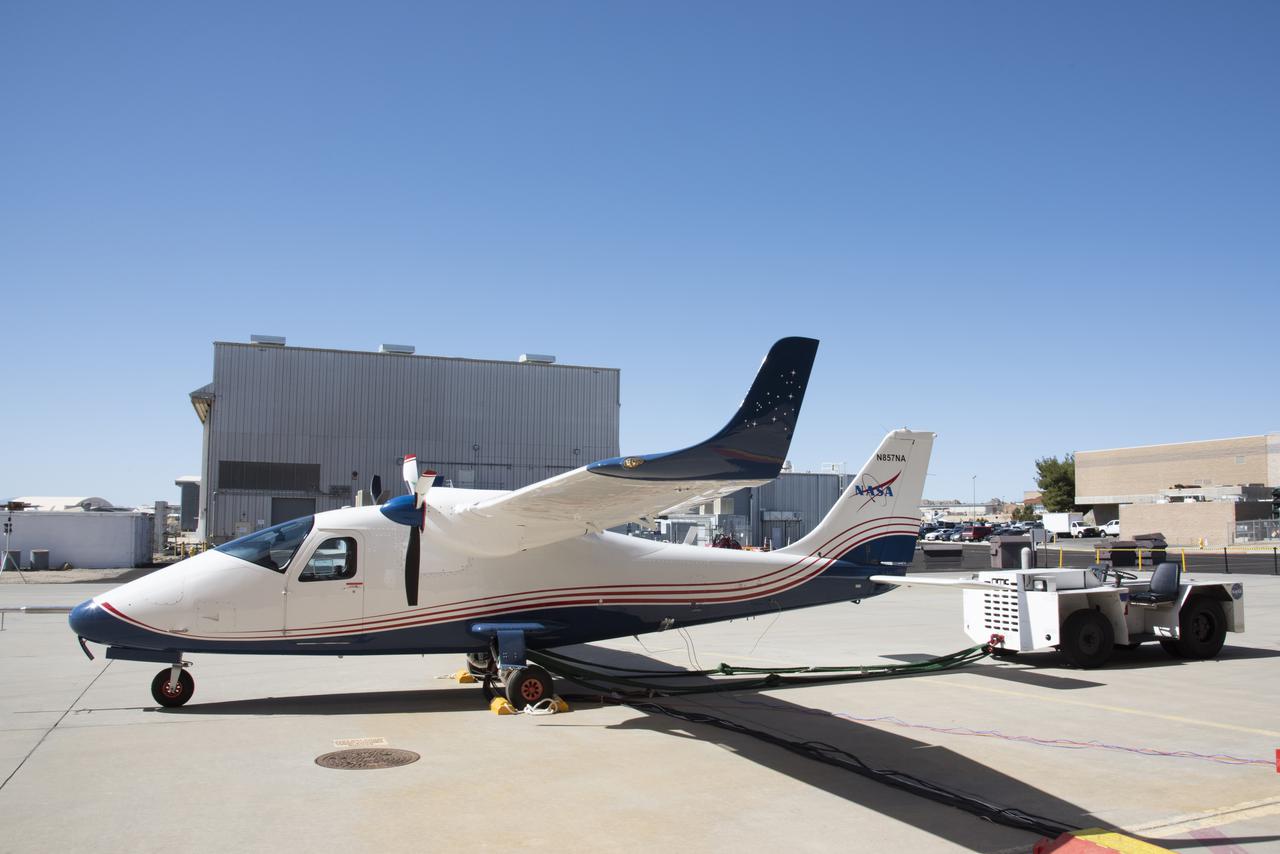
NASA's all-electric X-57 Maxwell aircraft undergoes high voltage ground testing at NASA's Armstrong Flight Research Center in California. A goal of the X-57 project is to help the Federal Aviation Administration set certification standards for emerging electric aircraft markets.
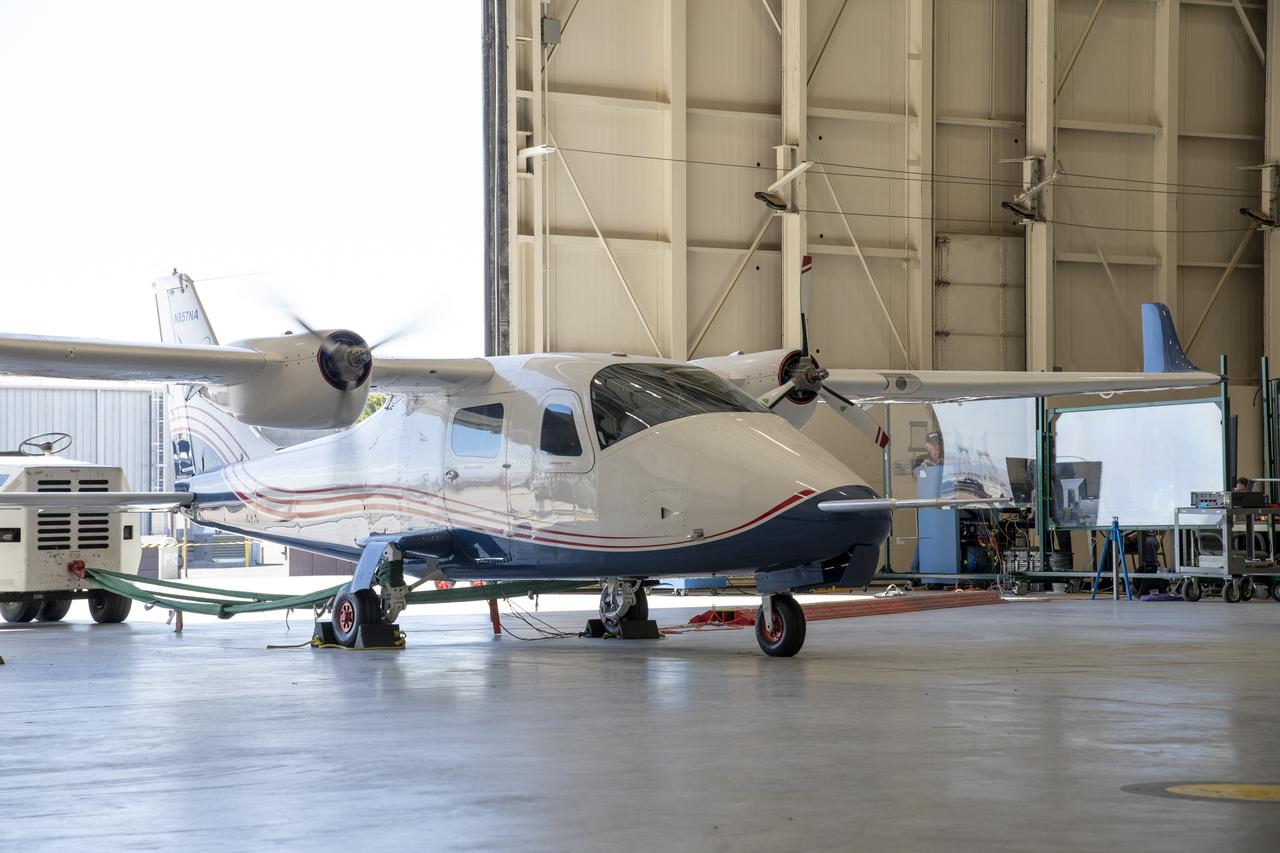
NASA's all-electric X-57 Maxwell aircraft tests the motors with the battery packs installed on the aircraft at NASA's Armstrong Flight Research Center in California. A goal of the X-57 project is to help the Federal Aviation Administration set certification standards for emerging electric aircraft markets.
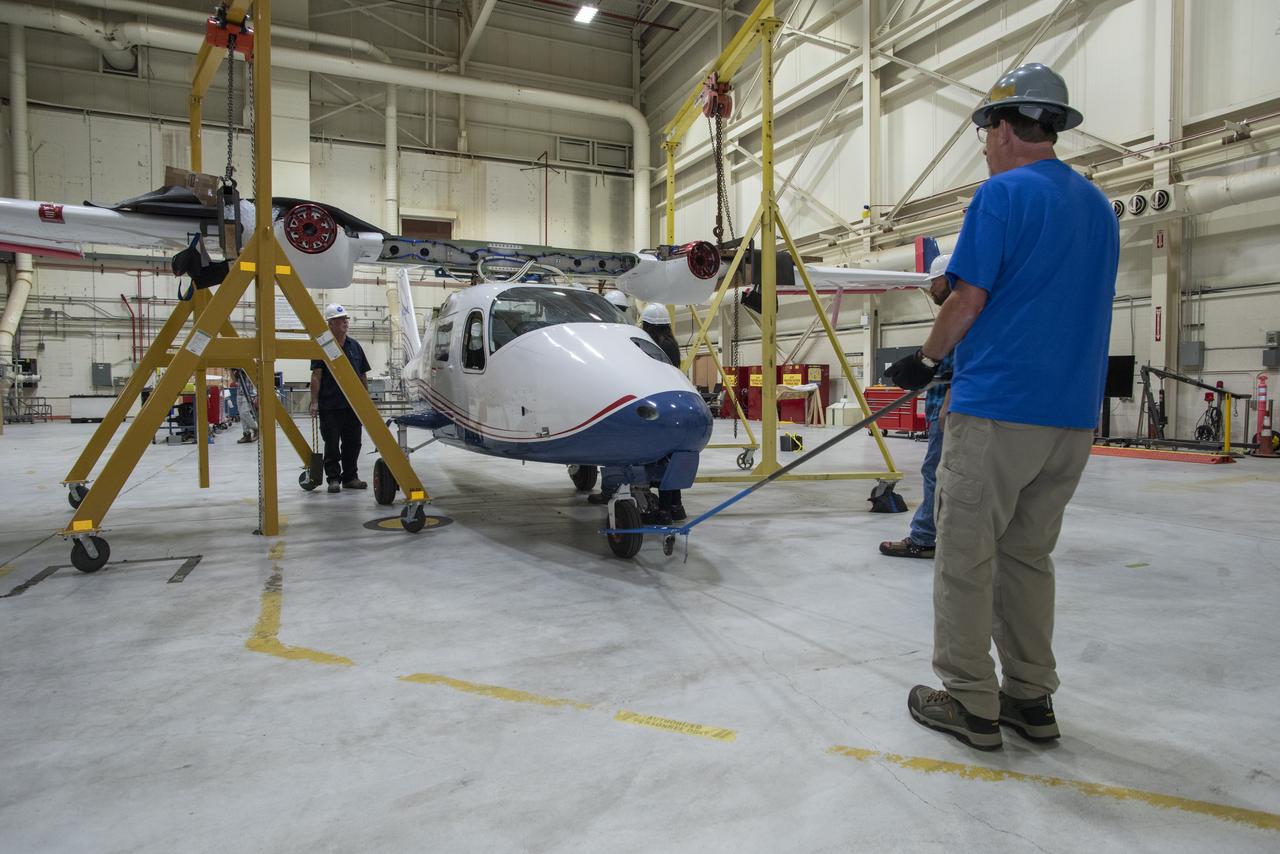
The X-57 fuselage is positioned under the Mod II wing section so that it can be reattached. The components were separated for transport to NASA's Armstrong Flight Research Center in California. Reintegration began shortly after the aircraft arrived. The X-57 is intended to help develop certification standards for emerging electric aircraft markets.
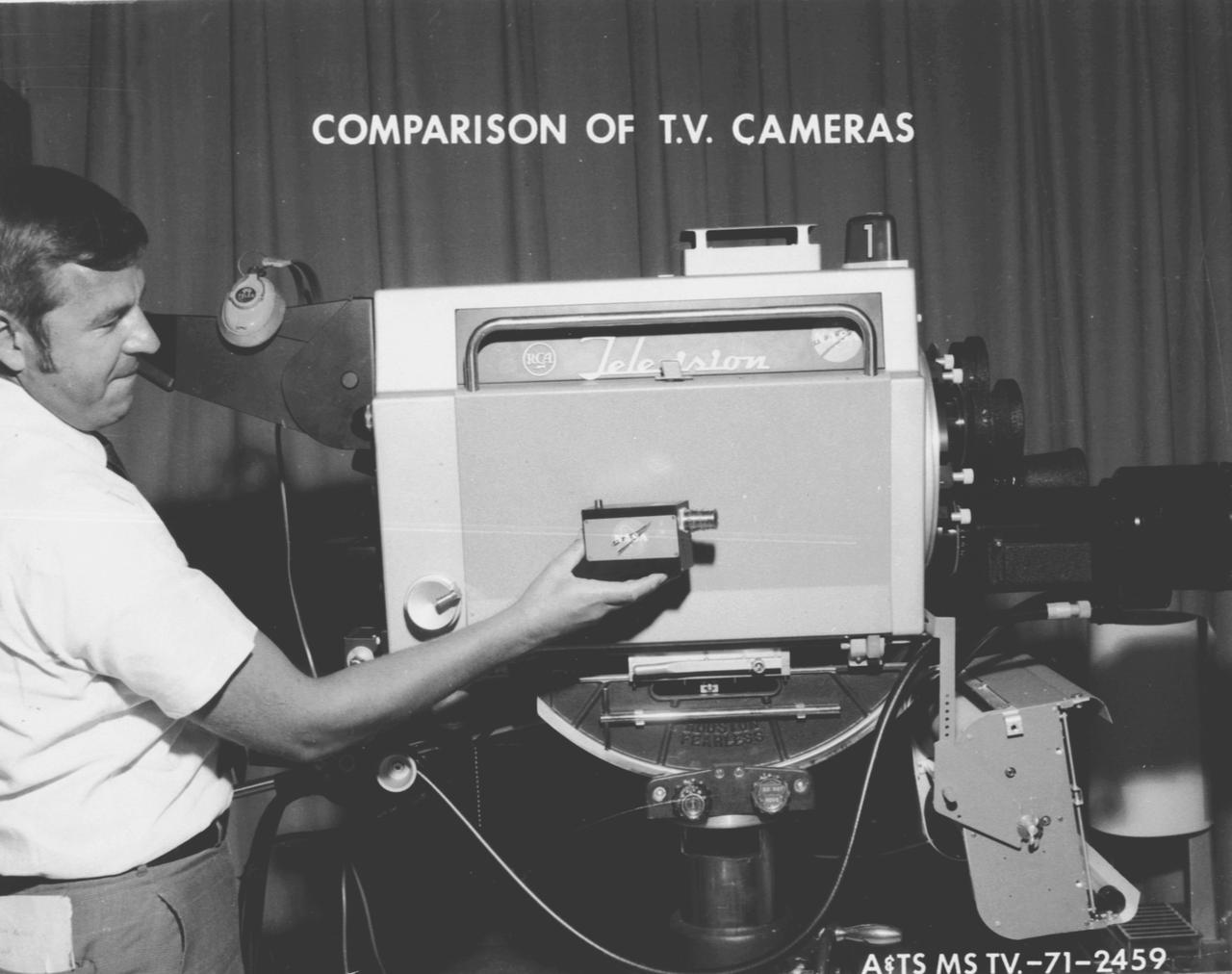
Originally devised to observe Saturn stage separation during Apollo flights, Marshall Space Flight Center's Miniature Television Camera, measuring only 4 x 3 x 1 1/2 inches, quickly made its way to the commercial telecommunications market.
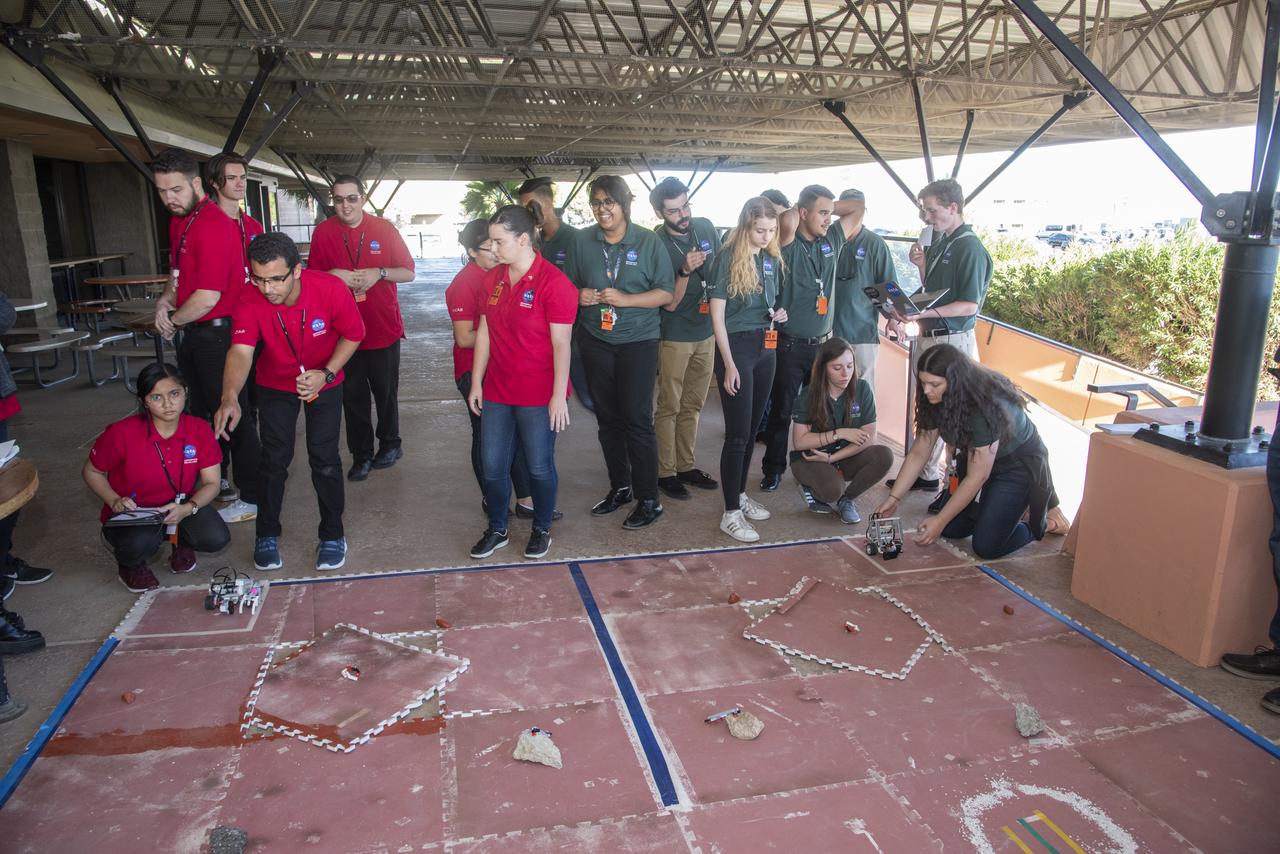
Four student teams: Blue, Gold, Green and Red built, designed and tested a LEGO robotic Martian rover prototype at NASA's Armstrong Flight Research Center. The teams competed against each other during a four-day workshop coordinated by the NASA Community College Aerospace Scholars. Each team prepared a marketing package to "sell" their design to NASA based on the performance of its Martian rover.
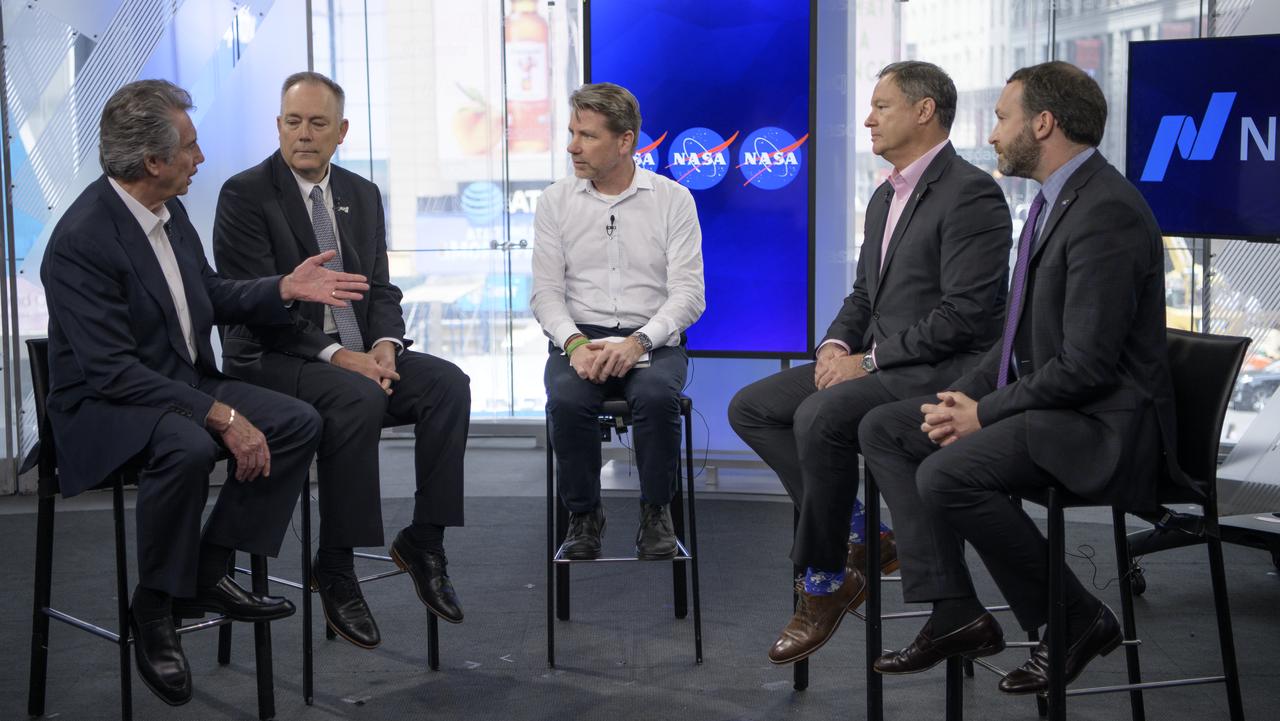
A Nasdaq moderator, center, talks with Bigelow Aerospace, LLC Founder and President Robert Bigelow, left, Boeing Global Sales and Marketing, Space Exploration, Kevin Foley, Axiom Vice President of Business Development Michael Lopez-Alegria, and NASA Senior Economic Advisor Alex MacDonald, right, during a live social media event shortly after NASA announced a five-part plan to open the International Space Station to expanded commercial and marketing activities and private astronaut missions to the station and enable additional commercial destinations in low-Earth orbit, Friday, June 7, 2019 at the Nasdaq MarketSite in New York City. NASA will continue to maintain human presence and research in low-Earth orbit, and the long-term goal is to achieve a robust economy from which NASA can purchase services at a lower cost. Photo Credit: (NASA/Bill Ingalls)
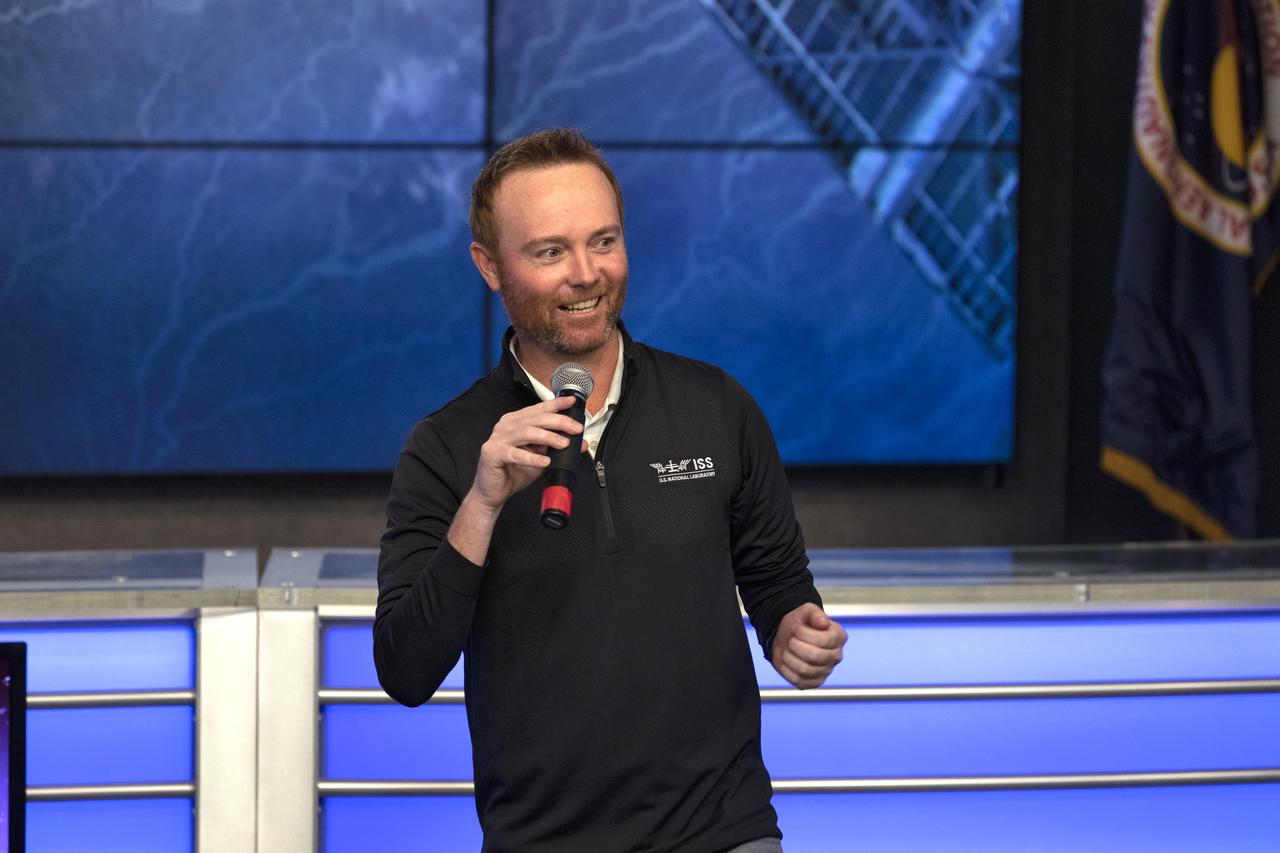
Patrick O’Neill, senior manager of Marketing and Communications for the International Space Station U.S. National Laboratory, speaks to members of the media in the Kennedy Space Center’s Press Site auditorium. The briefing focused on research planned for launch to the International Space Station. The scientific materials and supplies will be aboard a Dragon spacecraft scheduled for liftoff from Cape Canaveral Air Force Station's Space Launch Complex 40. The SpaceX Falcon 9 rocket will launch the company's 16th Commercial Resupply Services mission to the space station.

NASA announces the agency’s five-part plan to open the International Space Station to expanded commercial and marketing activities and private astronaut missions to the station and enable additional commercial destinations in low-Earth orbit, Friday, June 7, 2019 at the Nasdaq MarketSite in New York City. NASA will continue to maintain human presence and research in low-Earth orbit, and the long-term goal is to achieve a robust economy from which NASA can purchase services at a lower cost. Photo Credit: (NASA/Bill Ingalls)

NASA engineers put the X-57 Maxwell, NASA's first all-electric X-plane, through its initial telemetry tests at NASA's Armstrong Flight Research Center in California, testing the aircraft's ability to transmit data to teams on the ground. The data is packaged and transmitted down to ground assets, where it's decoded into a format that can be presented to a flight control team to look at screens in real time for flight operations. X-57's goal is to help set certification standards for emerging electric aircraft markets.
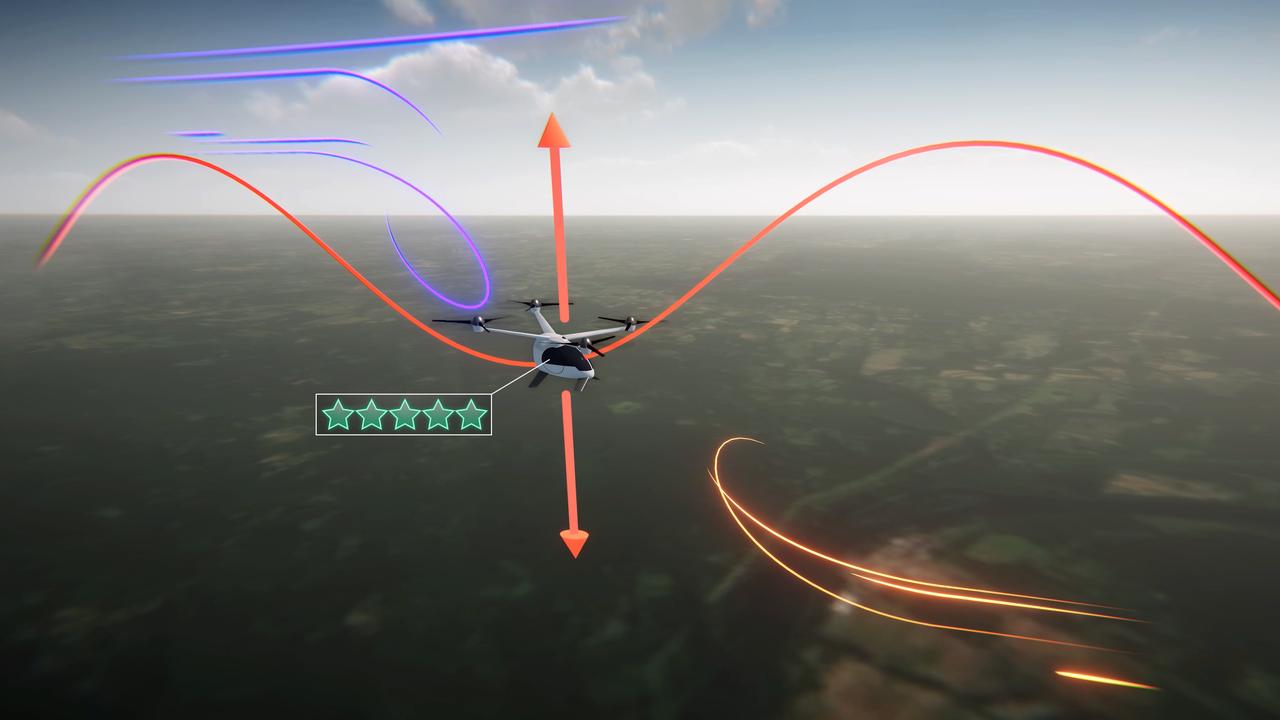
Electrical vertical takeoff and landing aircraft (eVTOLs), like the one shown in this concept art, could be a crucial part of the next generation of air transportation. In order to create a viable market, designers will have to create a comfortable passenger experience. NASA's Advanced Air Mobility mission is researching ride quality to better understand how these aircraft should be designed.
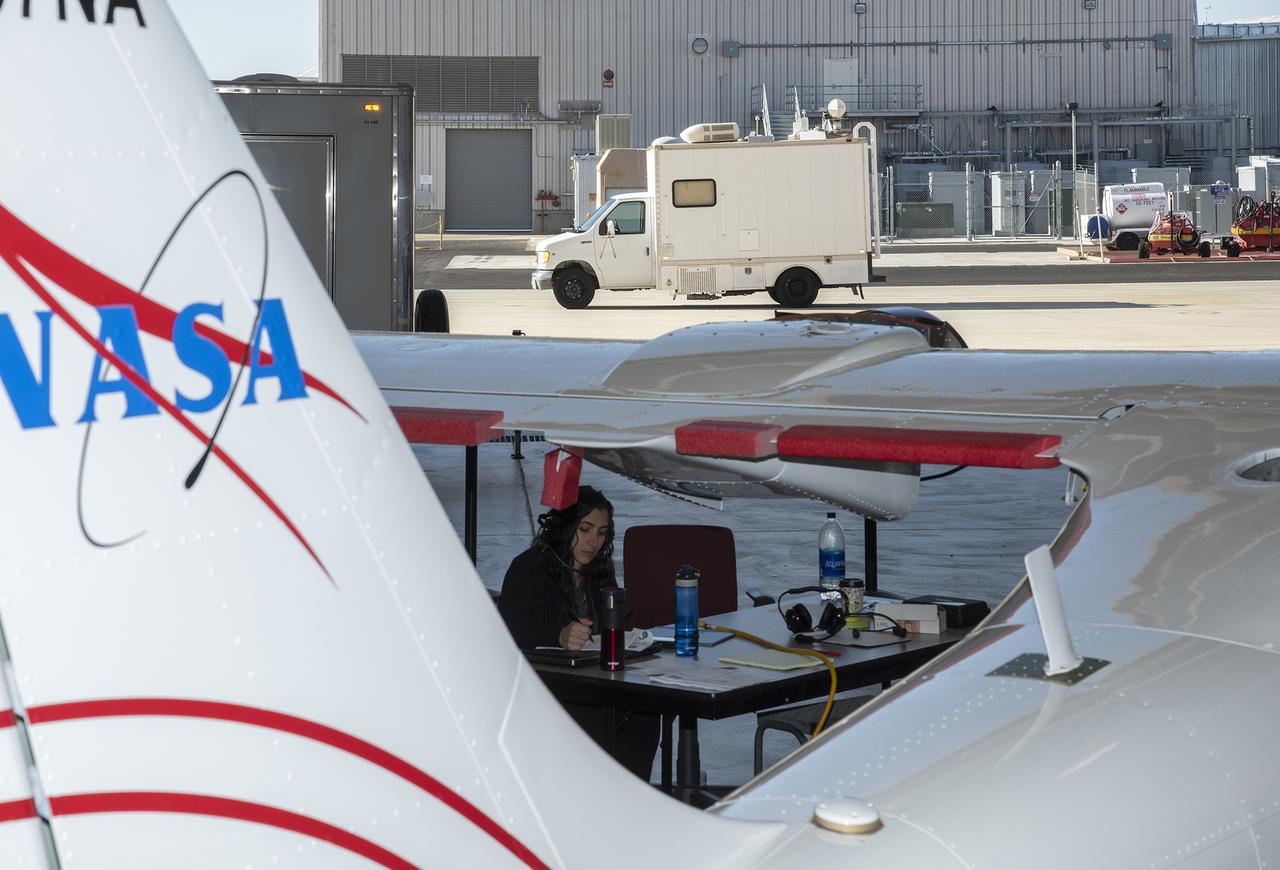
NASA engineers put the X-57 Maxwell, NASA's first all-electric X-plane, through its initial telemetry tests at NASA's Armstrong Flight Research Center in California, testing the aircraft's ability to transmit data to teams on the ground. The data is packaged and transmitted down to ground assets, where it's decoded into a format that can be presented to a flight control team to look at screens in real time for flight operations. X-57's goal is to help set certification standards for emerging electric aircraft markets.
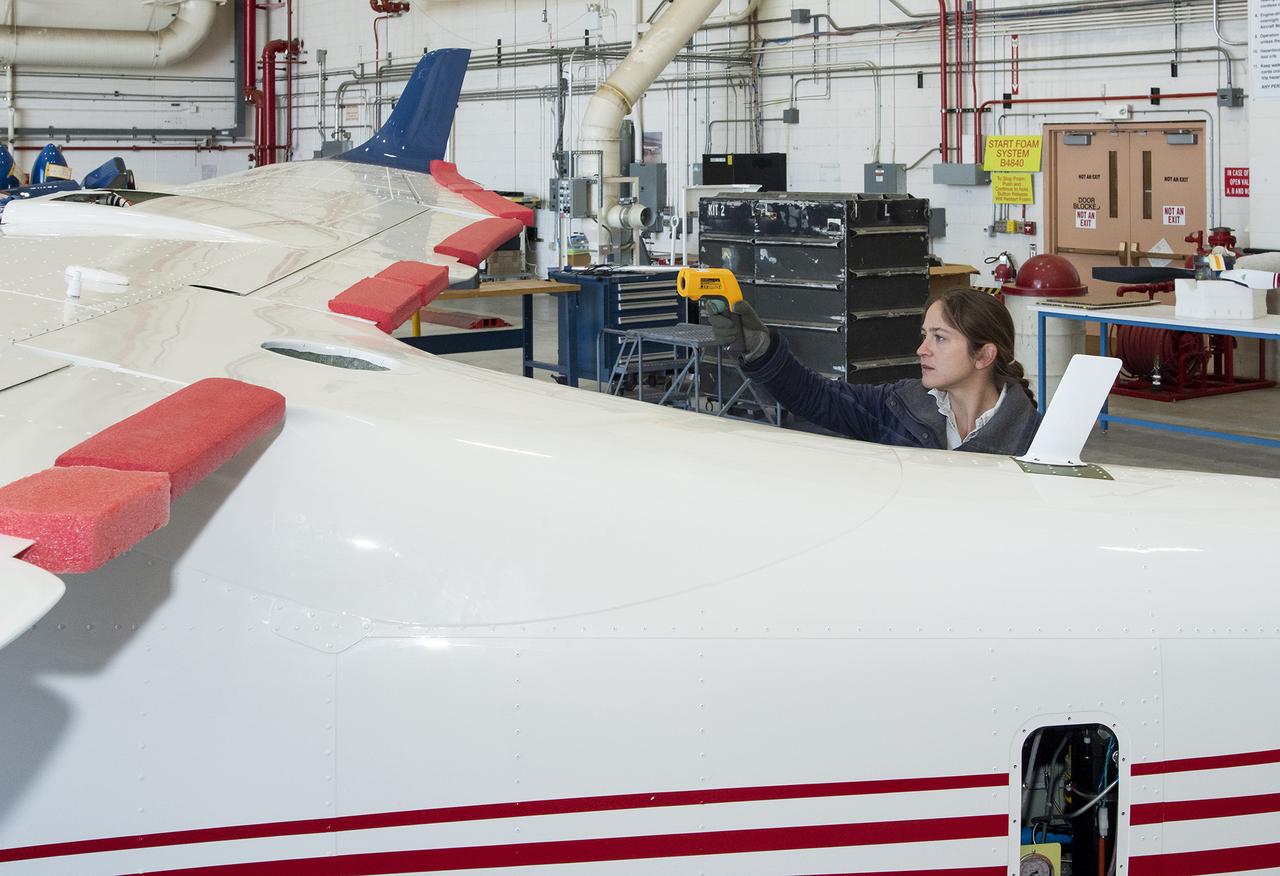
NASA engineers put the X-57 Maxwell, NASA’s first all-electric X-plane, through its initial telemetry tests at NASA’s Armstrong Flight Research Center in California, testing the aircraft’s ability to transmit data to teams on the ground. The data is packaged and transmitted down to ground assets, where it’s decoded into a format that can be presented to a flight control team to look at screens in real time for flight operations. X-57’s goal is to help set certification standards for emerging electric aircraft markets.
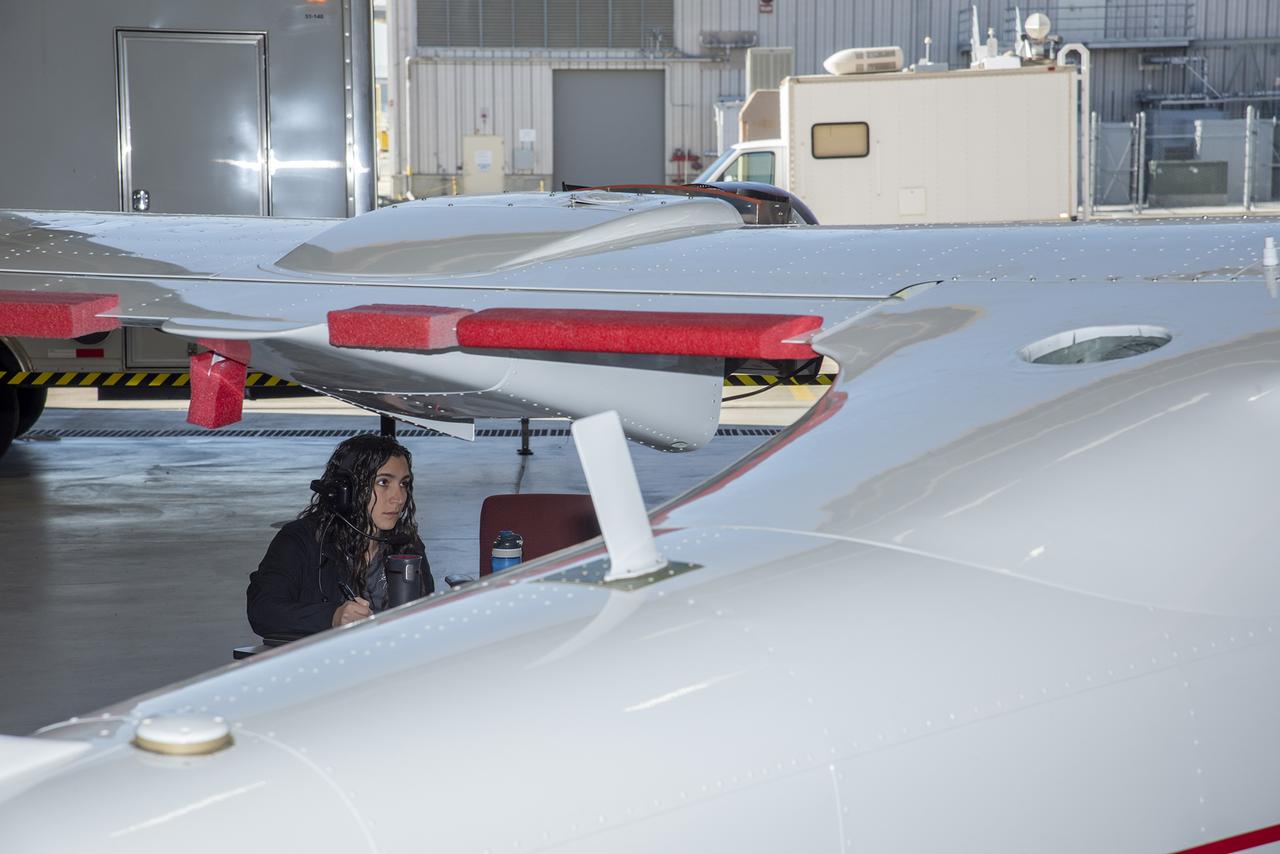
NASA engineers put the X-57 Maxwell, NASA’s first all-electric X-plane, through its initial telemetry tests at NASA’s Armstrong Flight Research Center in California, testing the aircraft’s ability to transmit data to teams on the ground. The data is packaged and transmitted down to ground assets, where it’s decoded into a format that can be presented to a flight control team to look at screens in real time for flight operations. X-57’s goal is to help set certification standards for emerging electric aircraft markets.
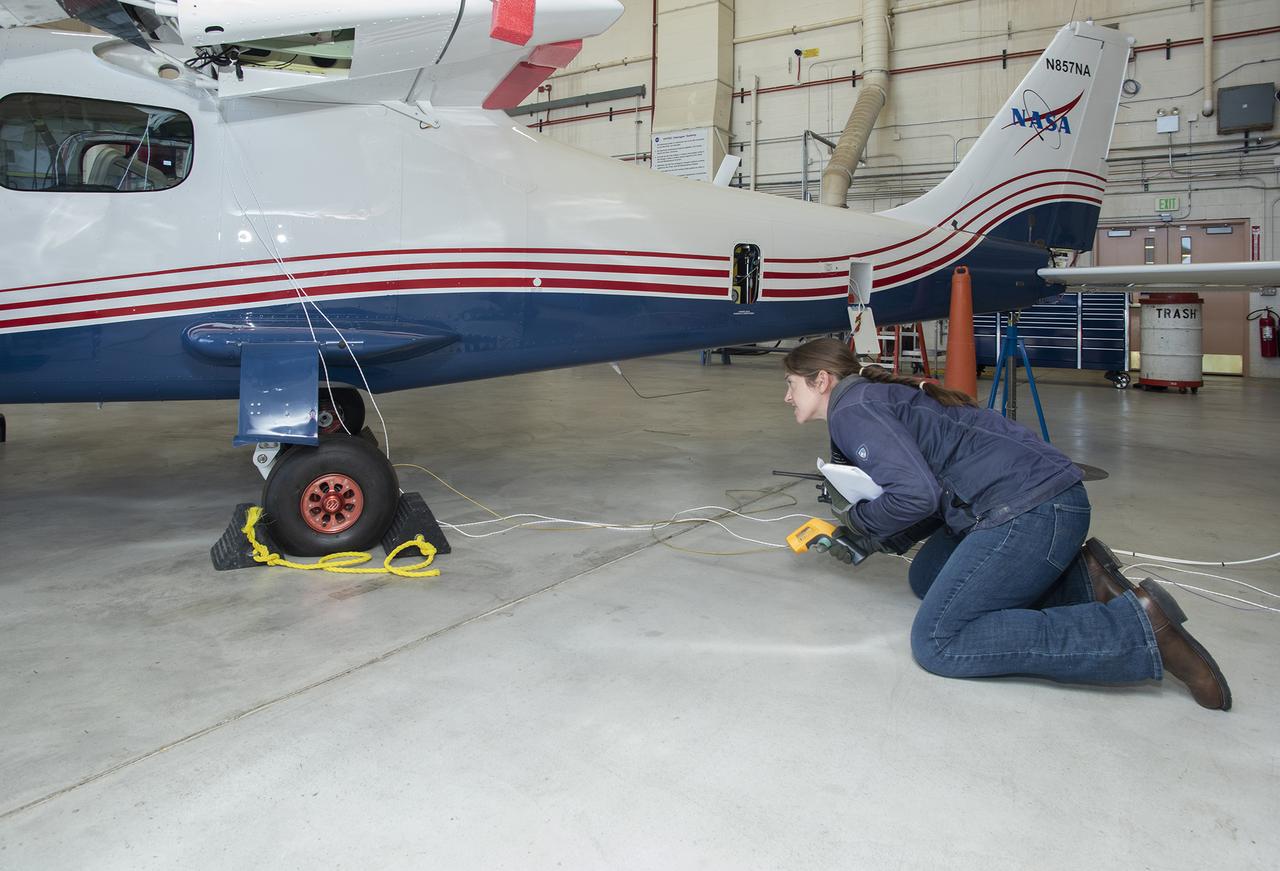
NASA engineers put the X-57 Maxwell, NASA’s first all-electric X-plane, through its initial telemetry tests at NASA’s Armstrong Flight Research Center in California, testing the aircraft’s ability to transmit data to teams on the ground. The data is packaged and transmitted down to ground assets, where it’s decoded into a format that can be presented to a flight control team to look at screens in real time for flight operations. X-57’s goal is to help set certification standards for emerging electric aircraft markets.
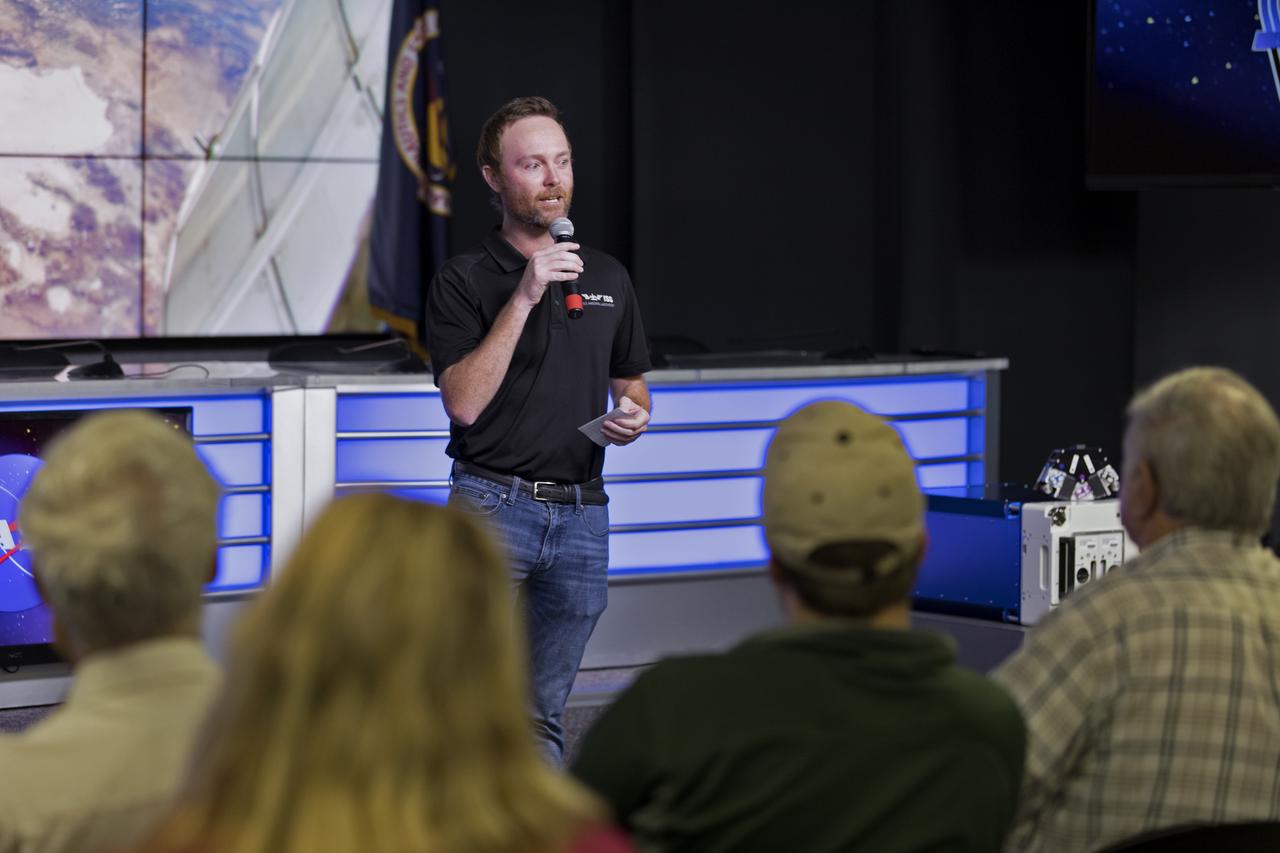
Patrick O'Neill, Marketing and Communications Manager, Center for the Advancement of Science in Space, speaks to members of the media in the Kennedy Space Center Press Site auditorium. The briefing focused on research planned for launch to the International Space Station. The scientific materials and supplies will be aboard a Dragon spacecraft scheduled for liftoff from Cape Canaveral Air Force Station's Space Launch Complex 40 at 4:30 p.m. EST, on April 2, 2018. The SpaceX Falcon 9 rocket will launch the company's 14th Commercial Resupply Services mission to the space station.
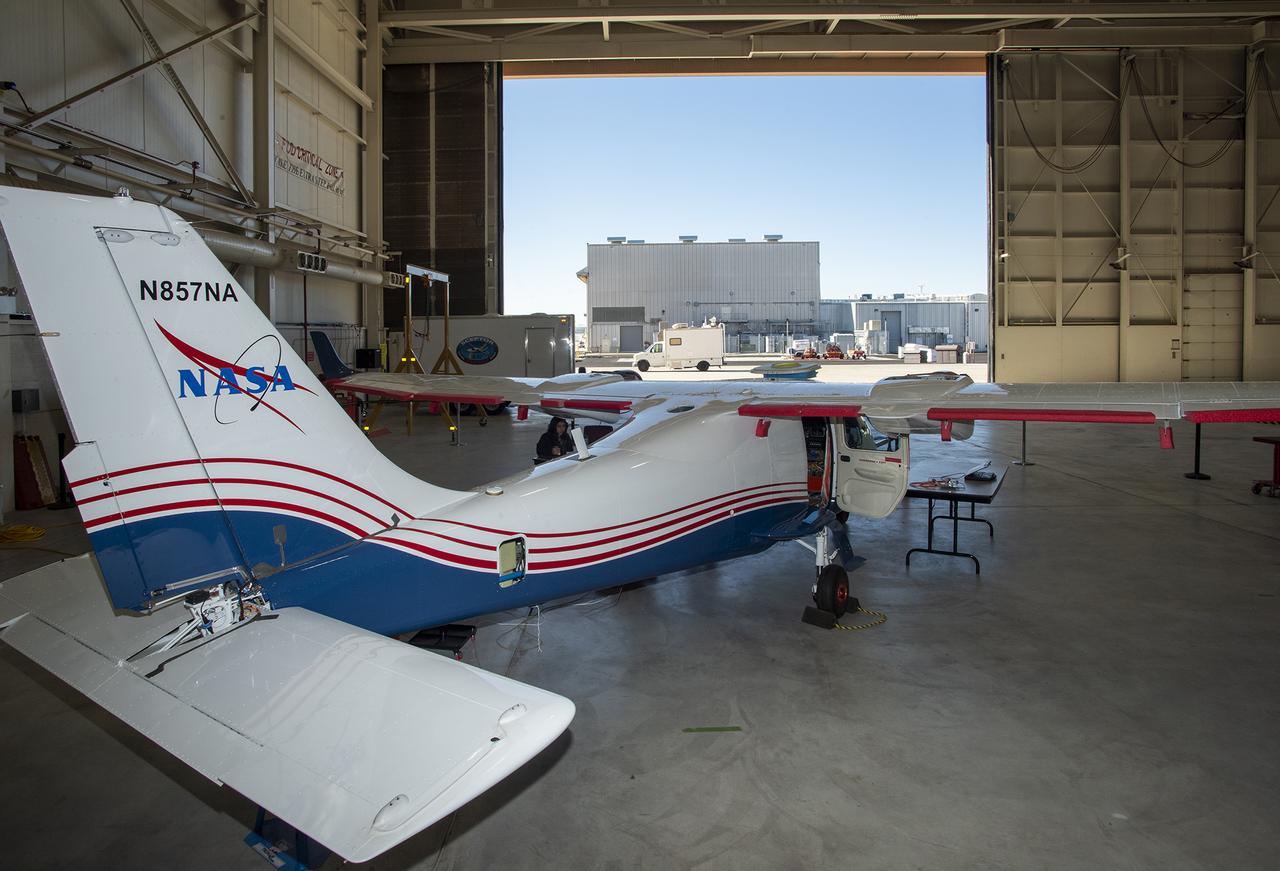
NASA engineers put the X-57 Maxwell, NASA's first all-electric X-plane, through its initial telemetry tests at NASA's Armstrong Flight Research Center in California, testing the aircraft's ability to transmit data to teams on the ground. The data is packaged and transmitted down to ground assets, where it's decoded into a format that can be presented to a flight control team to look at screens in real time for flight operations. X-57's goal is to help set certification standards for emerging electric aircraft markets.
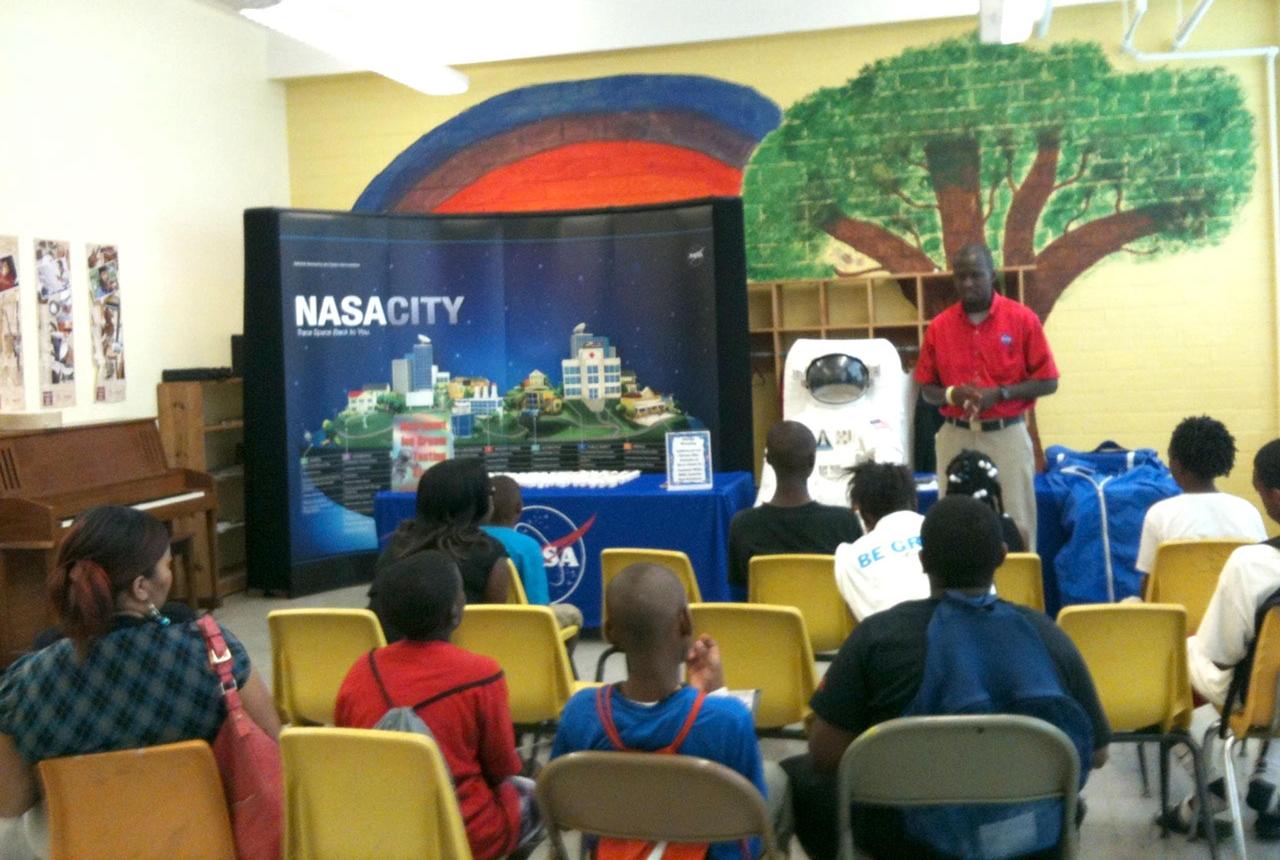
A Stennis Space Center employee talks to young people gathered for a NASA outreach activity at the Boys and Girls Club in Yazoo City, Miss., on June 5, 2012. The Stennis Office of External Affairs hosted outreach activities during a farmers' market in Canton on June 2 prior to visiting Yazoo City. In each instance, visitors were able to collect information about NASA, rocket engine testing and other work at Stennis.
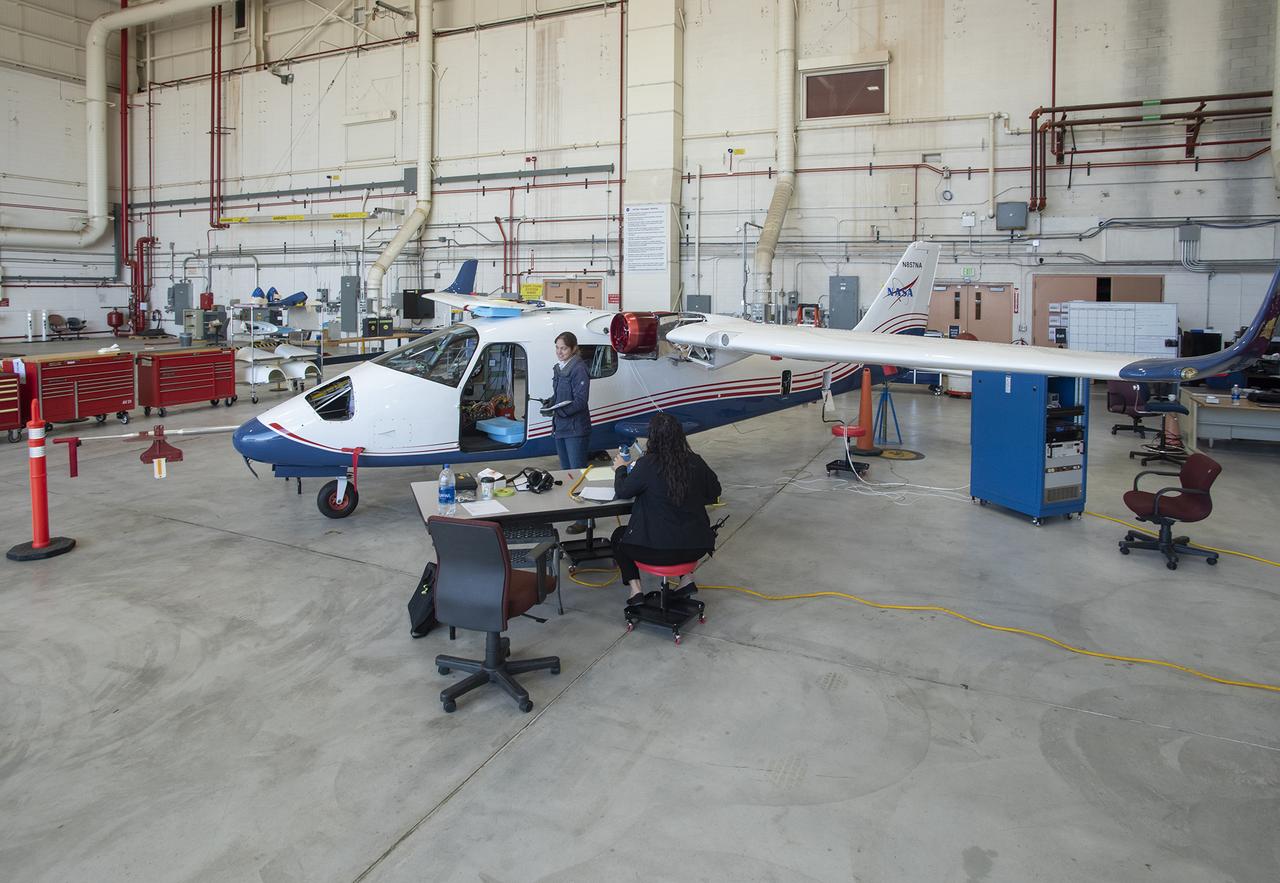
NASA engineers put the X-57 Maxwell, NASA’s first all-electric X-plane, through its initial telemetry tests at NASA’s Armstrong Flight Research Center in California, testing the aircraft’s ability to transmit data to teams on the ground. The data is packaged and transmitted down to ground assets, where it’s decoded into a format that can be presented to a flight control team to look at screens in real time for flight operations. X-57’s goal is to help set certification standards for emerging electric aircraft markets.
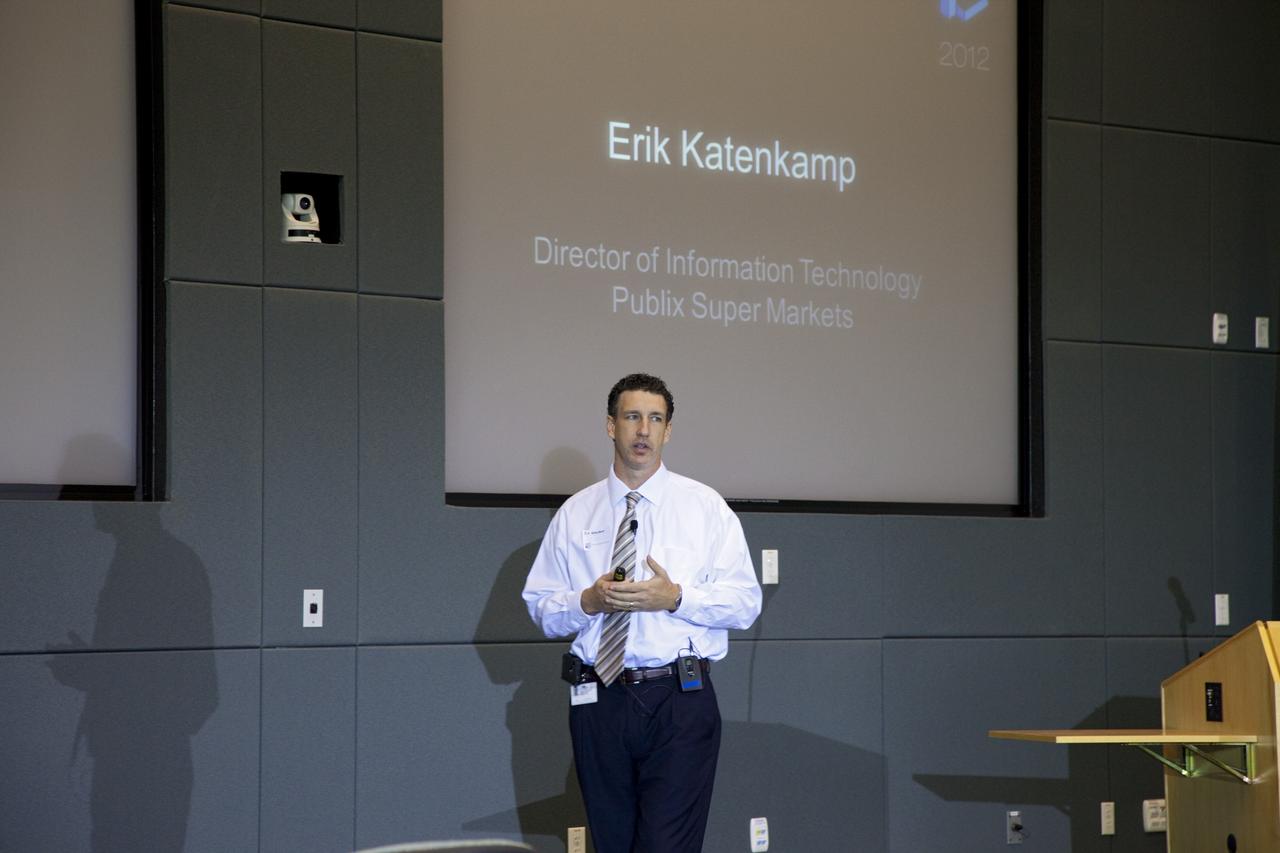
CAPE CANAVERAL, Fla. – Erik Katenkamp, director of Information Technology for Publix Super Markets, speaks during Kennedy Space Center's Innovation Expo in the Operations Support Building II. The center-wide event gave researchers a chance to show some of their work to others at the center and gave employees the opportunity to see facilities they hadn't viewed before. Photo credit: Gianni Woods
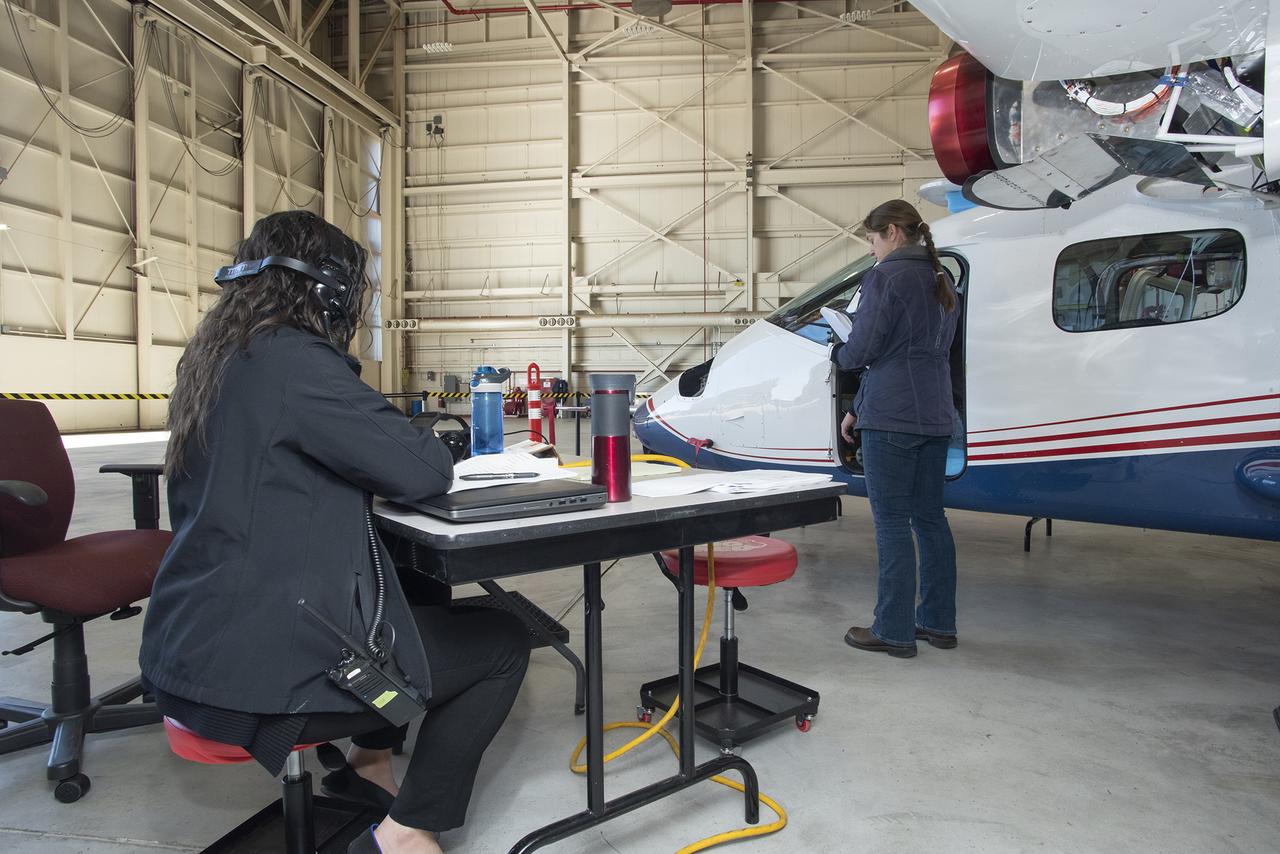
NASA engineers put the X-57 Maxwell, NASA's first all-electric X-plane, through its initial telemetry tests at NASA's Armstrong Flight Research Center in California, testing the aircraft's ability to transmit data to teams on the ground. The data is packaged and transmitted down to ground assets, where it's decoded into a format that can be presented to a flight control team to look at screens in real time for flight operations. X-57's goal is to help set certification standards for emerging electric aircraft markets.
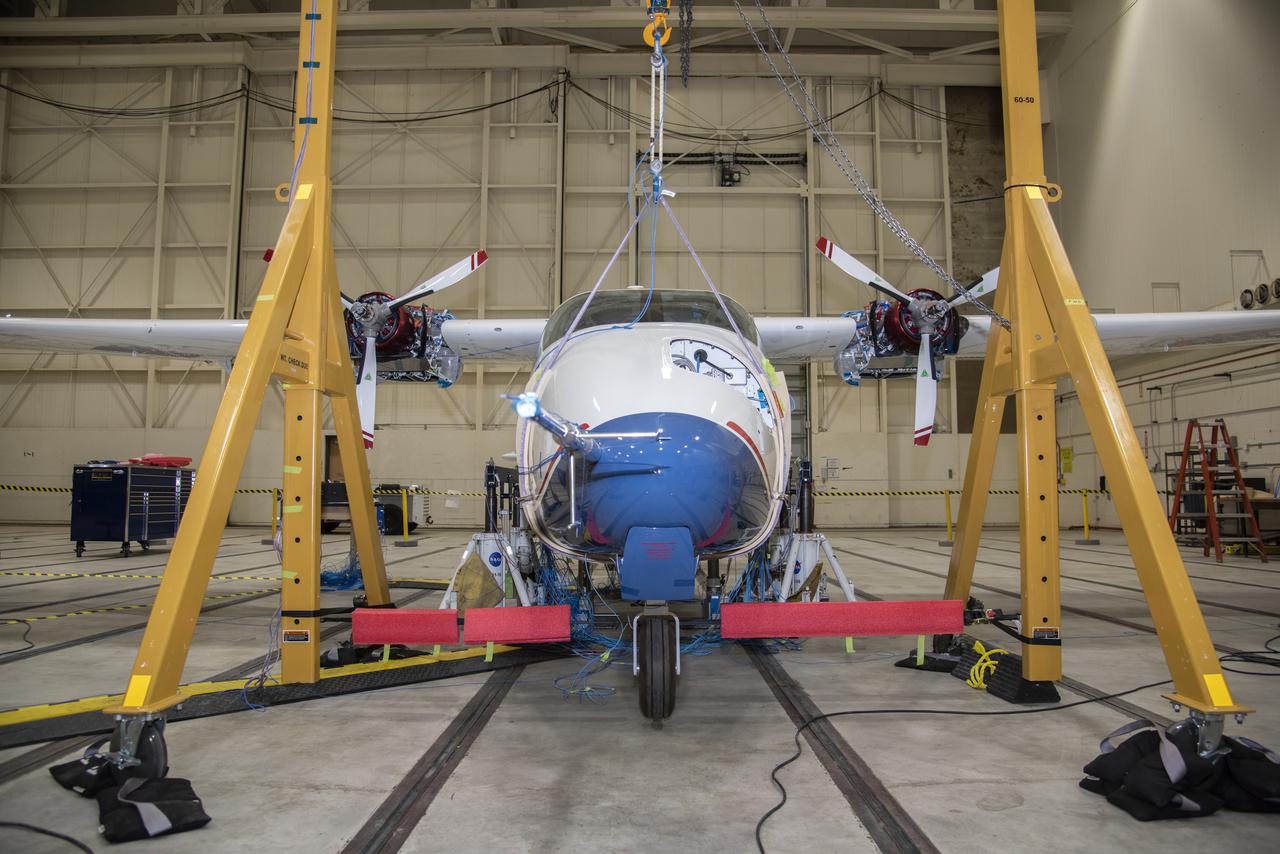
NASA’s all-electric X-57 Maxwell prepares for ground vibration testing, or GVT, at NASA’s Armstrong Flight Research Center in California. Done in parallel with cruise motor controller testing, the GVT tested the vehicle at various vibration levels, helping engineers to examine and validate the integrity of the vehicle for flight conditions. A goal of X-57 is to help the Federal Aviation Administration set certification standards for emerging electric aircraft markets.

iss072e757452 (March 6, 2025) --- Delhi, India—the second-largest metropolitan area in the world with a population of approximately 34.7 million—is pictured from the International Space Station at around 11:42 p.m. local time as it orbited 259 miles above. Home to the South Asian nation's capital and Asia’s largest spice market, Delhi is actively combating the effects of its urban heat island status through artificial intelligence, cool roof initiatives, increased tree coverage, modernized urban planning, and updated building codes.

iss074e0149548 (Jan. 18, 2026) --- Vienna, Austria, and Bratislava, Slovakia, light up the Central European nightscape, each divided by the Danube River. Surrounding the two capital cities are wine‑country towns and historic market villages that dot the landscape. The International Space Station was orbiting 262 miles above Earth at approximately 9:09 p.m. local time when this photograph was taken. Credit: NASA/Chris Williams
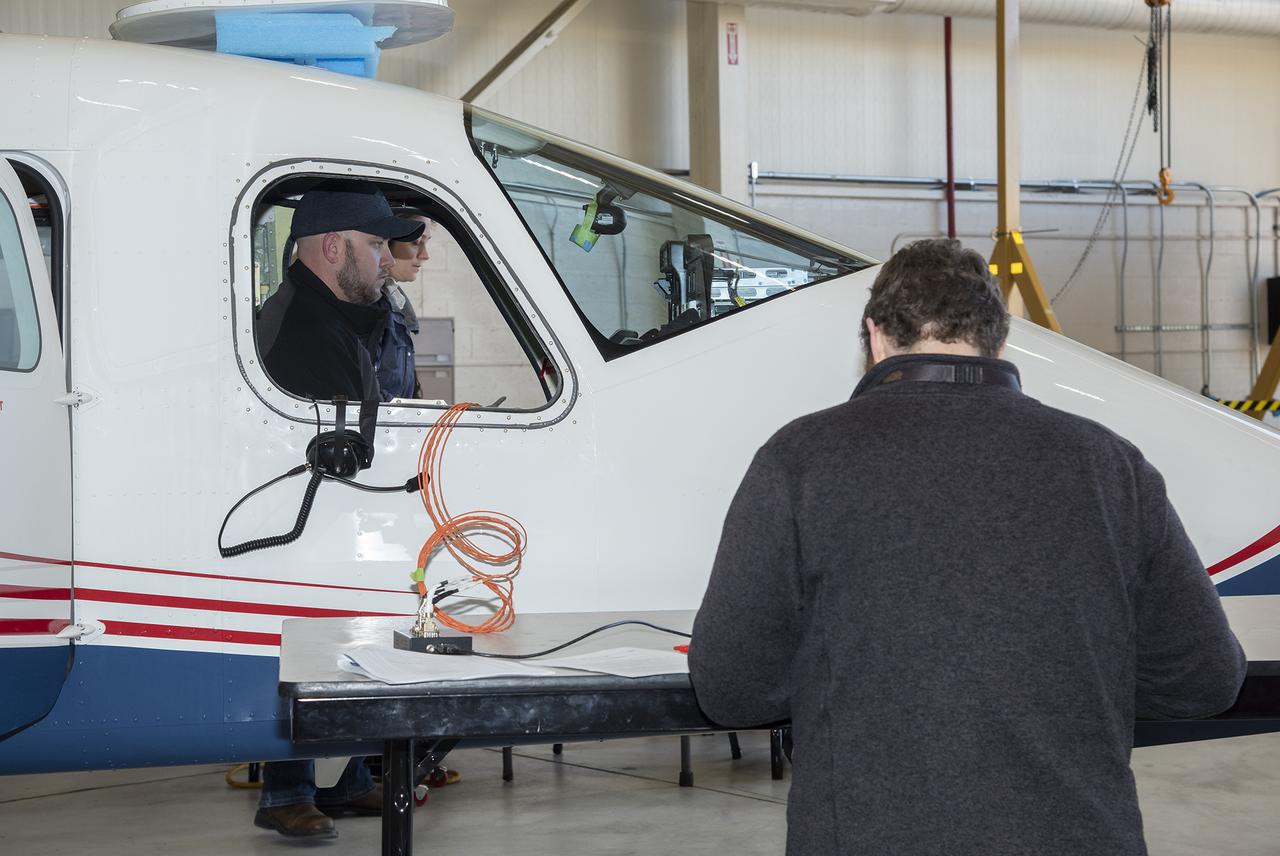
Telemetry testing begins on the X-57 Maxwell, NASA’s first all-electric X-plane, as the operations crew at NASA’s Armstrong Flight Research Center records the results. Telemetry testing is a critical phase in X-57’s functional test series. In addition to confirming the ability of the X-57 aircraft to transmit speed, altitude, direction, and location to teams on the ground, telemetry testing also confirms the ability to transmit mission-critical-data, such as voltage, power consumption, and structural integrity. X-57’s goal is to help set certification standards for emerging electric aircraft markets.
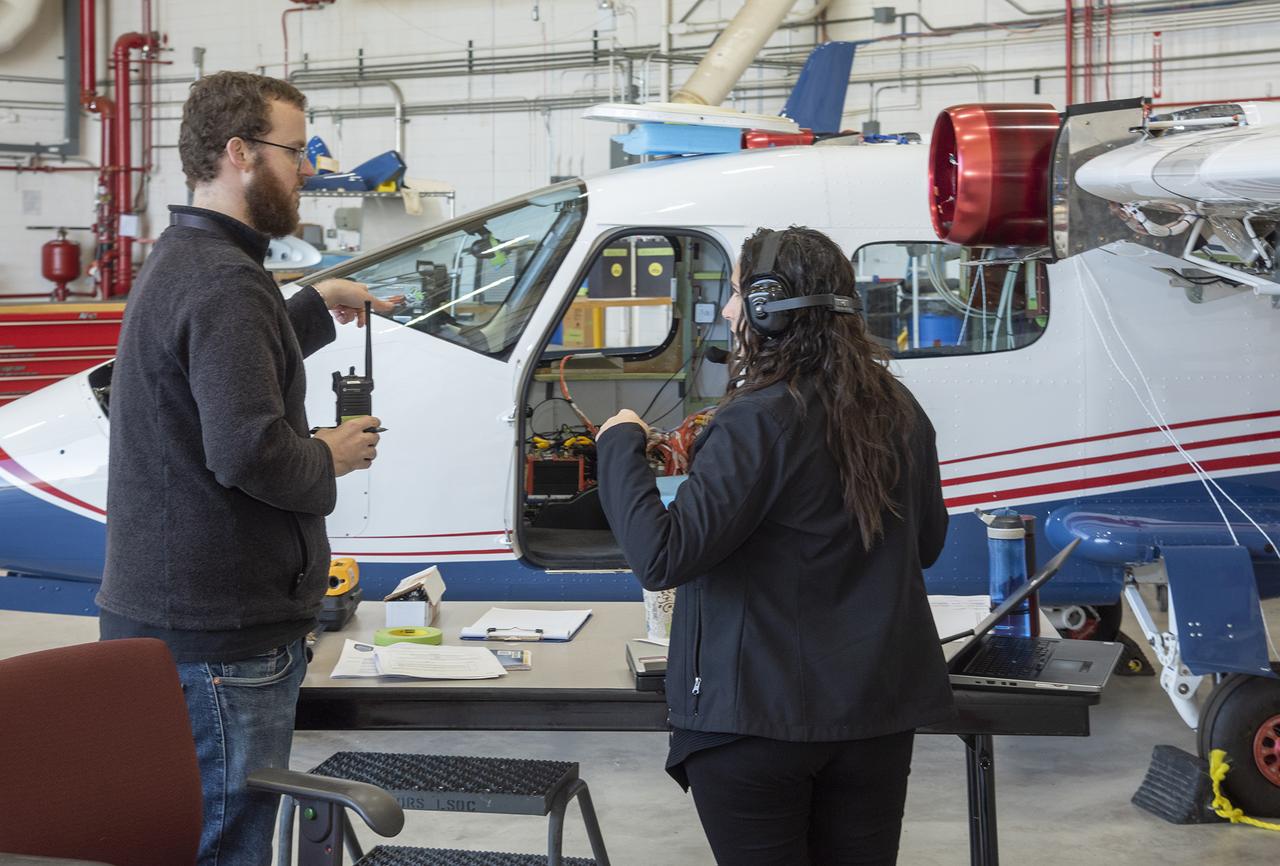
The X-57 operations crew at NASA's Armstrong Flight Research Center prepare for telemetry testing on NASA's first all-electric X-plane, the X-57 Maxwell. Shown here in its first all-electric configuration, known as Mod II, X-57's series of functional tests helps engineers confirm that the vehicle will be ready for taxi and flight tests, and the telemetry testing confirms the ability of the aircraft to transmit location and test data to the ground. X-57 will help set certification standards for emerging electric aircraft markets.
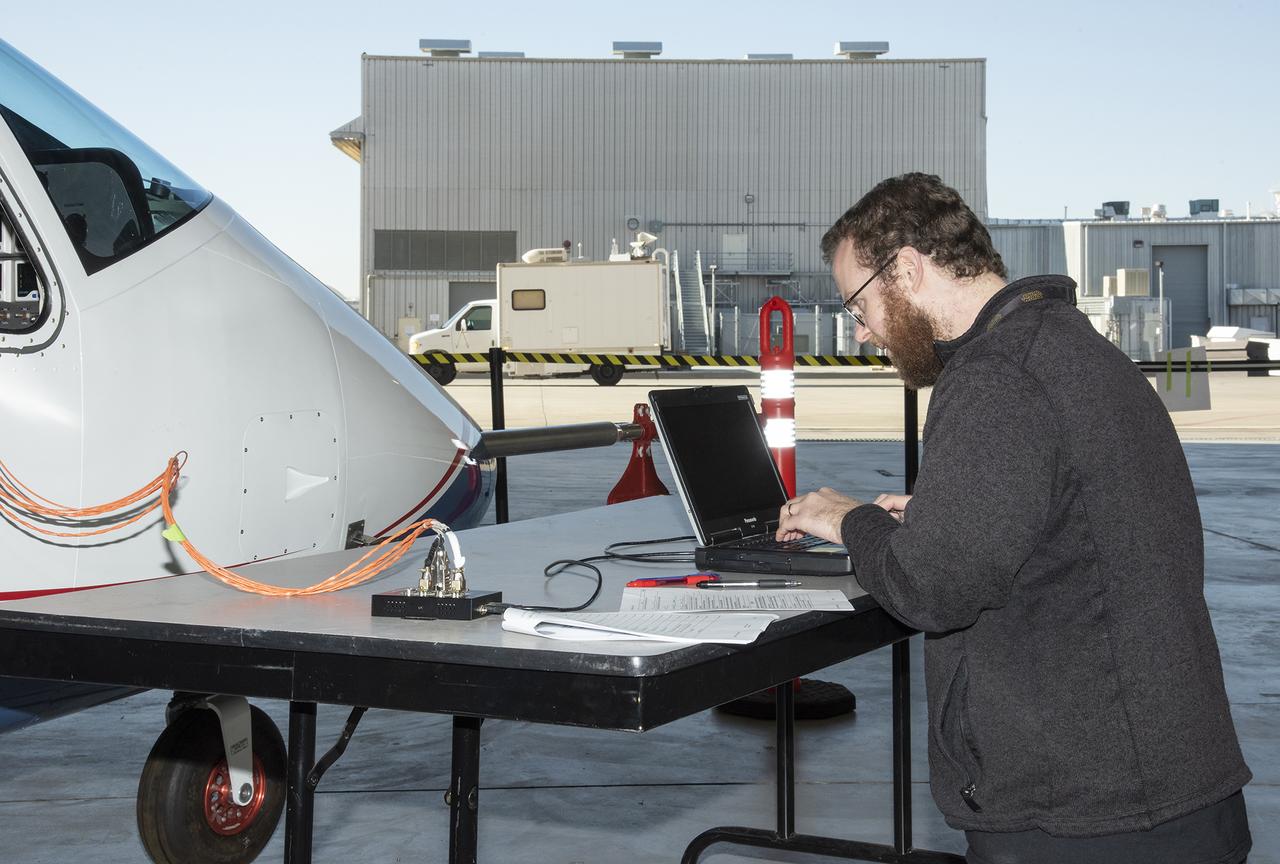
Telemetry testing begins on the X-57 Maxwell, NASA’s first all-electric X-plane, as the operations crew at NASA’s Armstrong Flight Research Center records the results. Telemetry testing is a critical phase in X-57’s functional test series. In addition to confirming the ability of the X-57 aircraft to transmit speed, altitude, direction, and location to teams on the ground, telemetry testing also confirms the ability to transmit mission-critical-data, such as voltage, power consumption, and structural integrity. X-57’s goal is to help set certification standards for emerging electric aircraft markets.
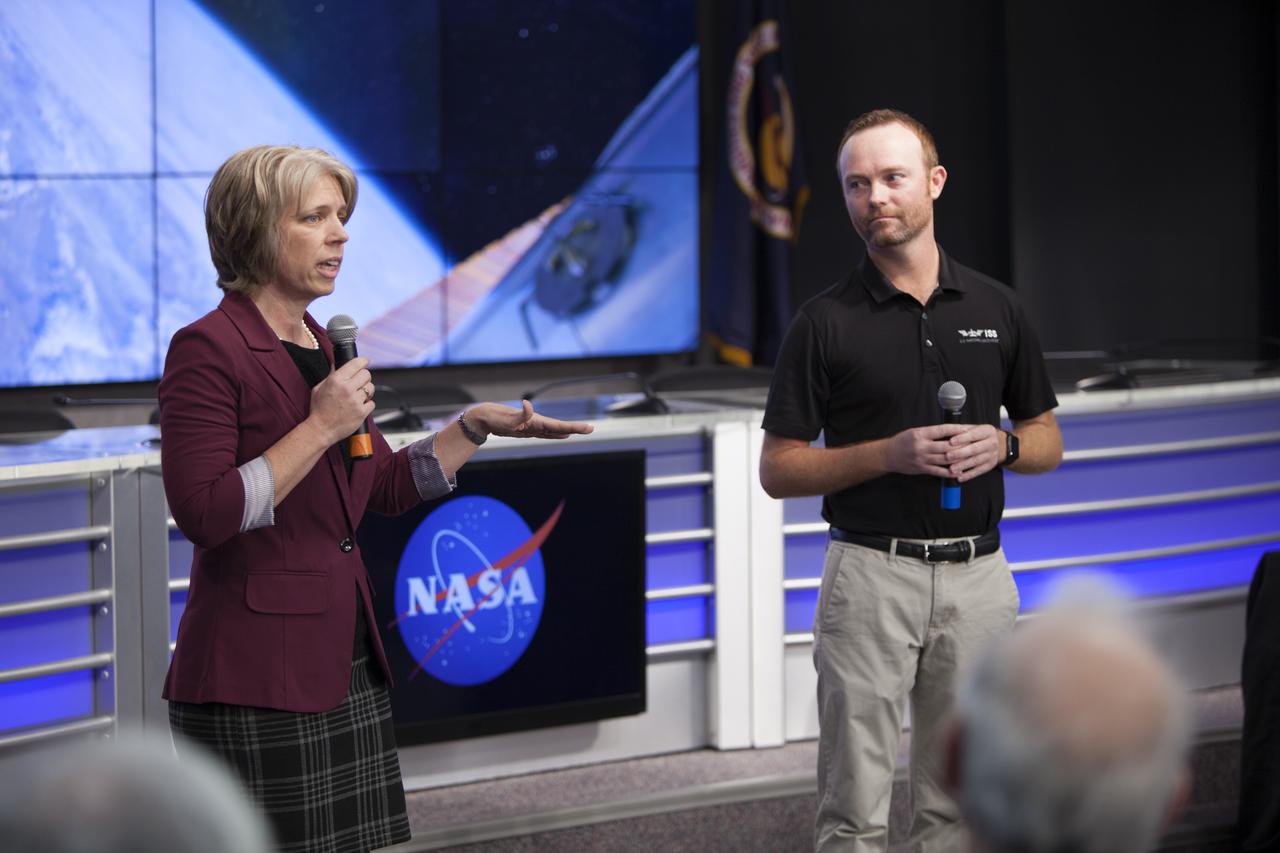
Tara Ruttley, NASA associate scientist for the International Space Station Program, left, and Patrick O'Nell, Marketing and Communications manager for the Center for the Advancement of Science in Space (CASIS), speak to members of social media in the Kennedy Space Center’s Press Site auditorium. The briefing focused on research planned for launch to the International Space Station. The scientific materials and supplies will be aboard a Dragon spacecraft scheduled for launch from Kennedy’s Launch Complex 39A on Feb. 18 atop a SpaceX Falcon 9 rocket on the company's 10th Commercial Resupply Services mission to the space station.

The Nasdaq MarketSite tower displays a congratulatory message to NASA as the agency announces a five-part plan to open the International Space Station to expanded commercial and marketing activities and private astronaut missions to the station and enable additional commercial destinations in low-Earth orbit, Friday, June 7, 2019 at Nasdaq MarketSite in New York City. NASA will continue to maintain human presence and research in low-Earth orbit, and the long-term goal is to achieve a robust economy from which NASA can purchase services at a lower cost. Photo Credit: (NASA/Bill Ingalls)

NASA Chief Financial Officer Jeff DeWit gives remarks during a briefing where NASA announced the agency’s five-part plan to open the International Space Station to expanded commercial and marketing activities and private astronaut missions to the station and enable additional commercial destinations in low-Earth orbit, Friday, June 7, 2019 at the Nasdaq MarketSite in New York City. NASA will continue to maintain human presence and research in low-Earth orbit, and the long-term goal is to achieve a robust economy from which NASA can purchase services at a lower cost. Photo Credit: (NASA/Bill Ingalls)
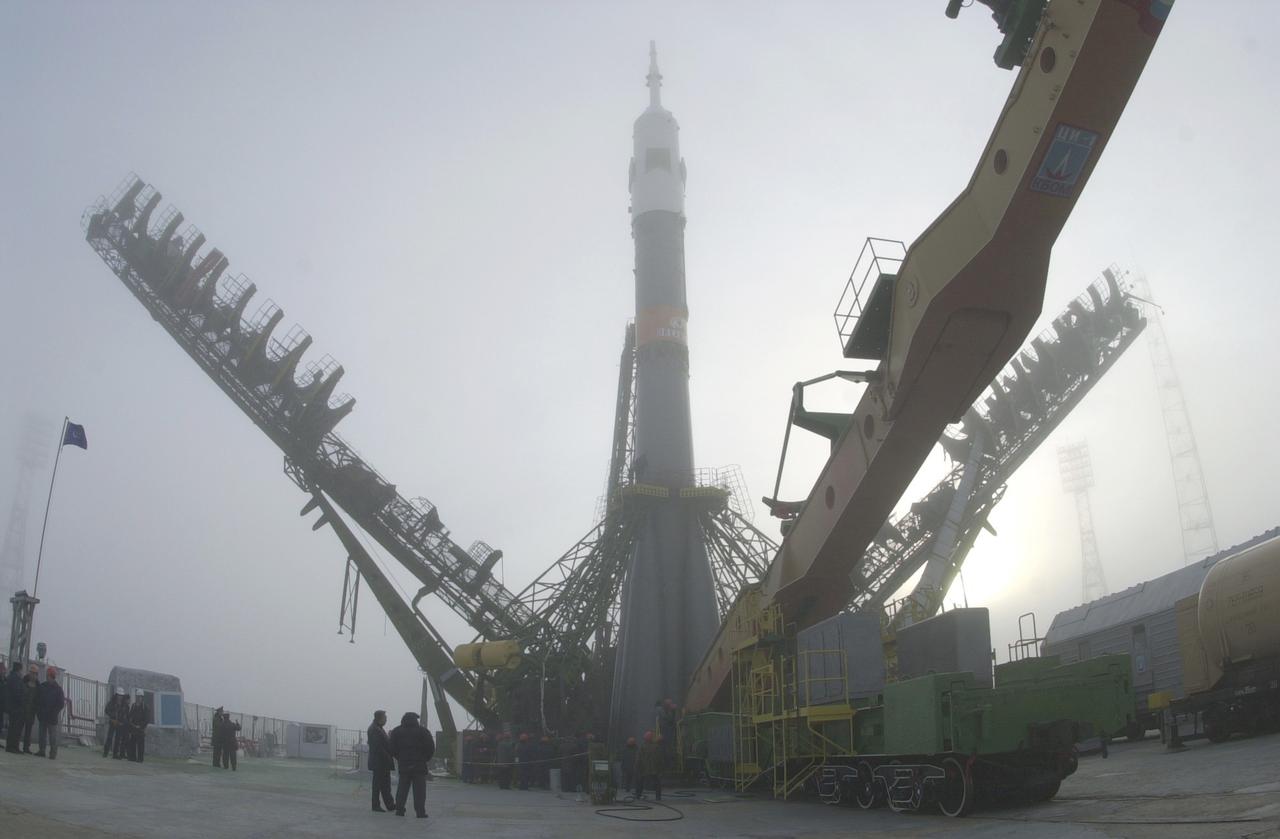
The Soyuz TM-31 launch vehicle is shown in the vertical position for its launch from Baikonur, carrying the first resident crew to the International Space Station. The Russian Soyuz launch vehicle is an expendable spacecraft that evolved out of the original Class A (Sputnik). From the early 1960s until today, the Soyuz launch vehicle has been the backbone of Russia's marned and unmanned space launch fleet. Today, the Soyuz launch vehicle is marketed internationally by a joint Russian/French consortium called STARSEM. As of August 2001, there have been ten Soyuz missions under the STARSEM banner.

NASA Associate Administrator for the Human Exploration and Operations Directorate William Gerstenmaier gives remarks during a briefing where NASA announced the agency’s five-part plan to open the International Space Station to expanded commercial and marketing activities and private astronaut missions to the station and enable additional commercial destinations in low-Earth orbit, Friday, June 7, 2019 at the Nasdaq MarketSite in New York City. NASA will continue to maintain human presence and research in low-Earth orbit, and the long-term goal is to achieve a robust economy from which NASA can purchase services at a lower cost. Photo Credit: (NASA/Bill Ingalls)
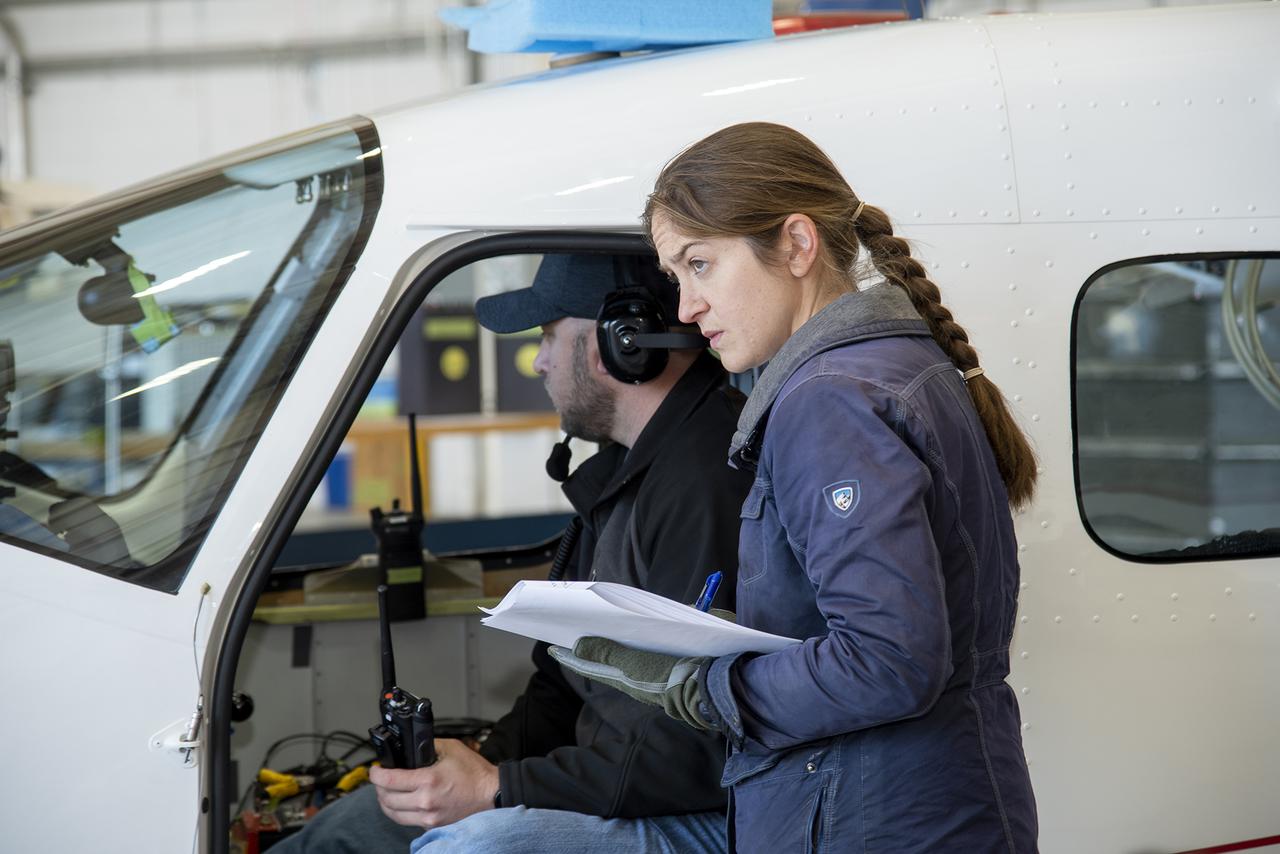
Telemetry testing begins on the X-57 Maxwell, NASA's first all-electric X-plane, as the operations crew at NASA's Armstrong Flight Research Center records the results. Telemetry testing is a critical phase in X-57's functional test series. In addition to confirming the ability of the X-57 aircraft to transmit speed, altitude, direction, and location to teams on the ground, telemetry testing also confirms the ability to transmit mission-critical-data, such as voltage, power consumption, and structural integrity. X-57's goal is to help set certification standards for emerging electric aircraft markets.
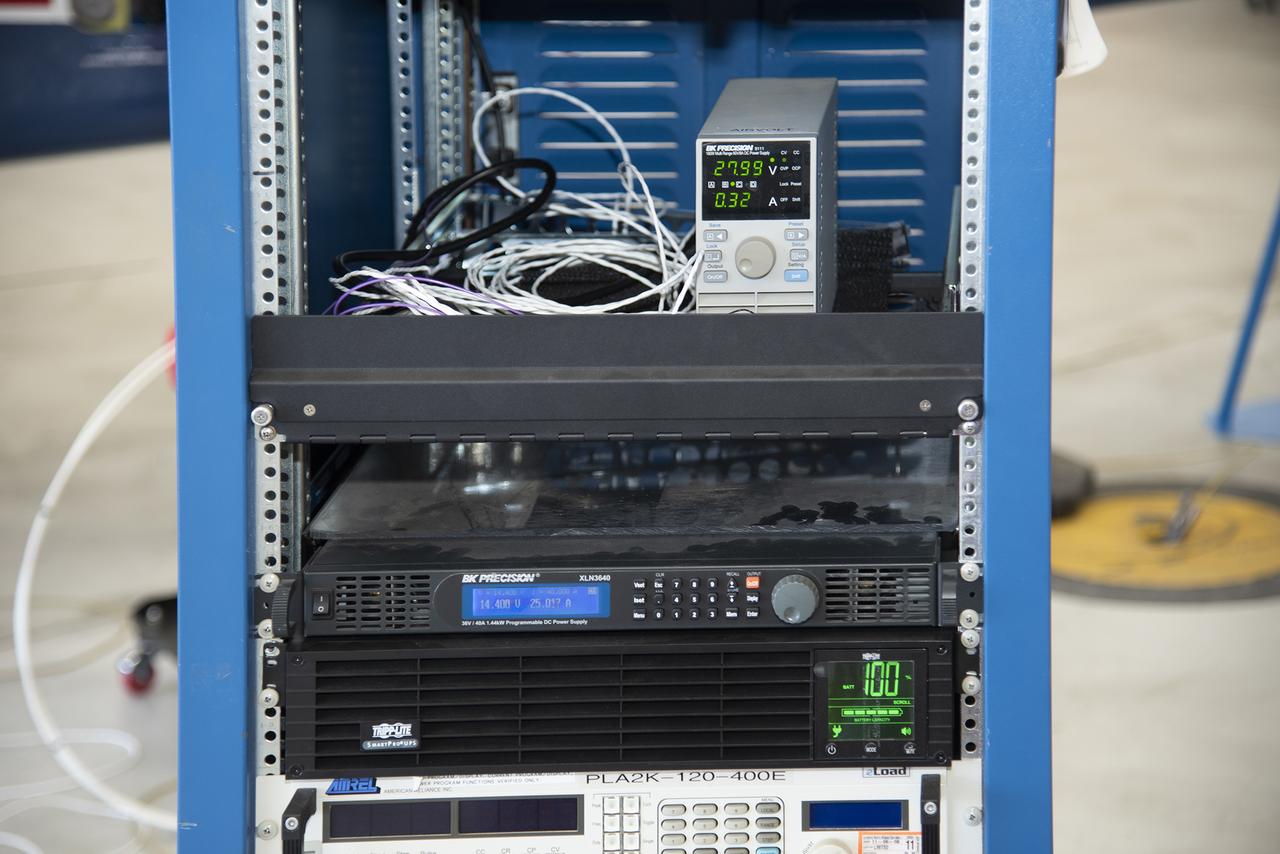
Telemetry testing begins on the X-57 Maxwell, NASA’s first all-electric X-plane, as the operations crew at NASA’s Armstrong Flight Research Center records the results. Telemetry testing is a critical phase in X-57’s functional test series. In addition to confirming the ability of the X-57 aircraft to transmit speed, altitude, direction, and location to teams on the ground, telemetry testing also confirms the ability to transmit mission-critical-data, such as voltage, power consumption, and structural integrity. X-57’s goal is to help set certification standards for emerging electric aircraft markets.

Telemetry testing begins on the X-57 Maxwell, NASA’s first all-electric X-plane, as the operations crew at NASA’s Armstrong Flight Research Center records the results. Telemetry testing is a critical phase in X-57’s functional test series. In addition to confirming the ability of the X-57 aircraft to transmit speed, altitude, direction, and location to teams on the ground, telemetry testing also confirms the ability to transmit mission-critical-data, such as voltage, power consumption, and structural integrity. X-57’s goal is to help set certification standards for emerging electric aircraft markets.
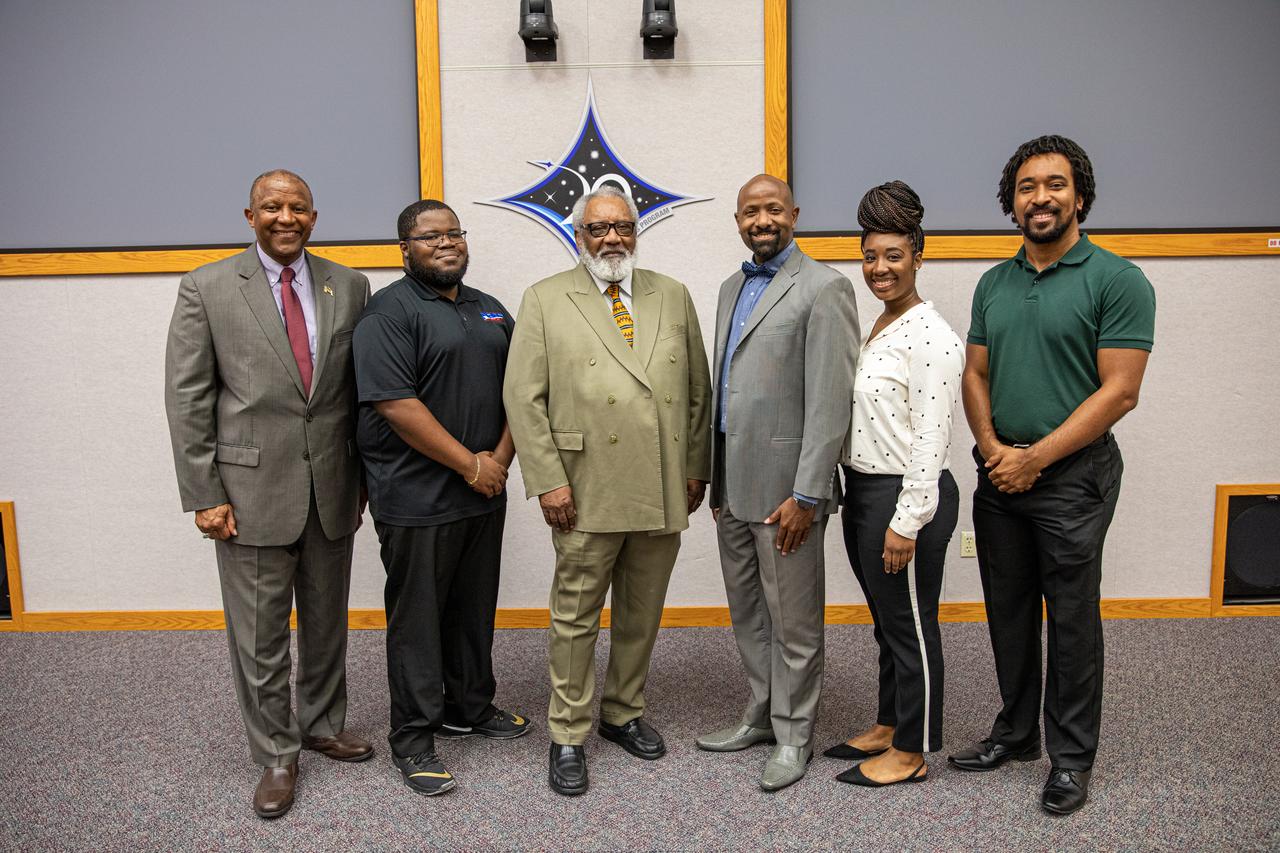
A Black History Month celebration was held on Feb. 18, 2020 at NASA’s Kennedy Space Center in Florida. The program was organized by the Black Employee Strategy Team (BEST), one of the center’s employee resource groups. This year’s theme was “African Americans and the Vote.” From left are Kelvin Manning, Kennedy’s associate director, technical; Daren Etienne, BEST marketing director; James Jennings, keynote speaker, former NASA associate administrator for Institutions and Management and Kennedy’s former deputy director; Martin Hayes, BEST chairperson; Jakebia Keith, program and contract analyst for the IT Resources Management Office and BEST secretary; and Phillip Hargrove, BEST co-chairperson.
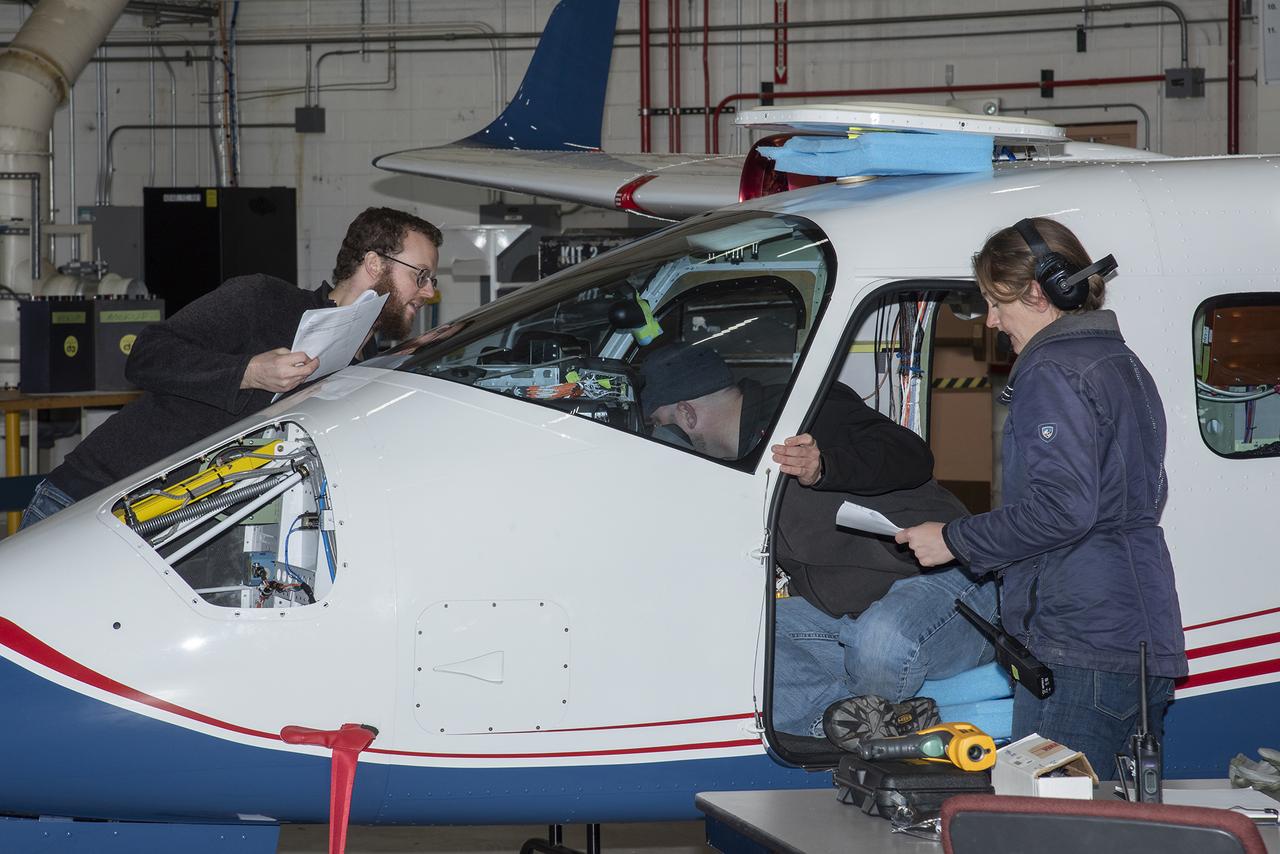
Telemetry testing begins on the X-57 Maxwell, NASA’s first all-electric X-plane, as the operations crew at NASA’s Armstrong Flight Research Center records the results. Telemetry testing is a critical phase in X-57’s functional test series. In addition to confirming the ability of the X-57 aircraft to transmit speed, altitude, direction, and location to teams on the ground, telemetry testing also confirms the ability to transmit mission-critical-data, such as voltage, power consumption, and structural integrity. X-57’s goal is to help set certification standards for emerging electric aircraft markets.

Telemetry testing begins on the X-57 Maxwell, NASA's first all-electric X-plane, as the operations crew at NASA's Armstrong Flight Research Center records the results. Telemetry testing is a critical phase in X-57's functional test series. In addition to confirming the ability of the X-57 aircraft to transmit speed, altitude, direction, and location to teams on the ground, telemetry testing also confirms the ability to transmit mission-critical-data, such as voltage, power consumption, and structural integrity. X-57's goal is to help set certification standards for emerging electric aircraft markets.
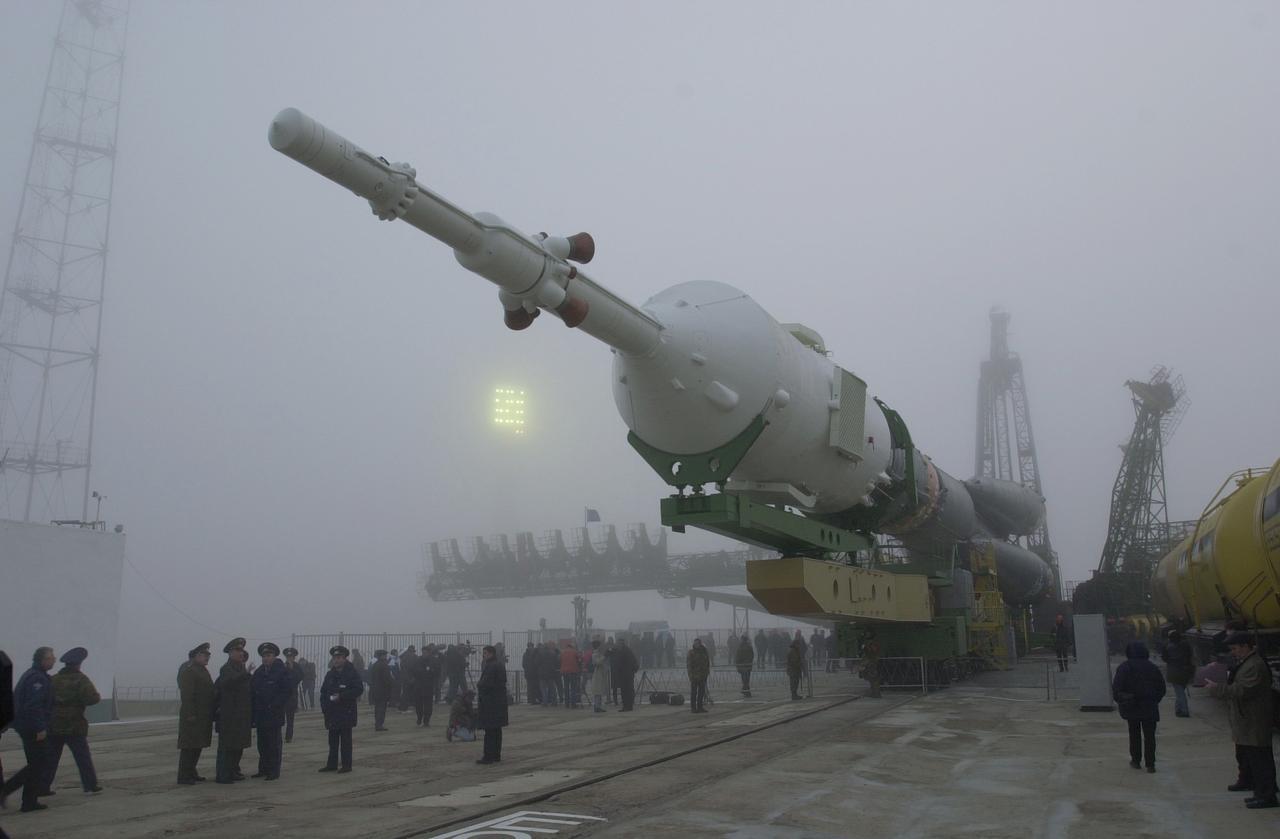
The Soyuz TM-31 launch vehicle, which carried the first resident crew to the International Space Station, moves toward the launch pad at the Baikonur complex in Kazakhstan. The Russian Soyuz launch vehicle is an expendable spacecraft that evolved out of the original Class A (Sputnik). From the early 1960' until today, the Soyuz launch vehicle has been the backbone of Russia's marned and unmanned space launch fleet. Today, the Soyuz launch vehicle is marketed internationally by a joint Russian/French consortium called STARSEM. As of August 2001, there have been ten Soyuz missions under the STARSEM banner.

NASA astronaut Christina Koch onboard the International Space Station gives remarks in a video during a briefing where NASA announced the agency’s five-part plan to open the International Space Station to expanded commercial and marketing activities and private astronaut missions to the station and enable additional commercial destinations in low-Earth orbit, Friday, June 7, 2019 at the Nasdaq MarketSite in New York City. NASA will continue to maintain human presence and research in low-Earth orbit, and the long-term goal is to achieve a robust economy from which NASA can purchase services at a lower cost. Photo Credit: (NASA/Bill Ingalls)

NASA International Space Station Deputy Director Robyn Gatens answers questions during a briefing where NASA announced the agency’s five-part plan to open the International Space Station to expanded commercial and marketing activities and private astronaut missions to the station and enable additional commercial destinations in low-Earth orbit, Friday, June 7, 2019 at the Nasdaq MarketSite in New York City. NASA will continue to maintain human presence and research in low-Earth orbit, and the long-term goal is to achieve a robust economy from which NASA can purchase services at a lower cost. Photo Credit: (NASA/Bill Ingalls)

Angie Jackman, a NASA project manager in microgravity research, demonstrates the enhanced resilience of undercooled metal alloys as compared to conventional alloys. Experiments aboard the Space Shuttle helped scientists refine their understanding of the physical properties of certain metal alloys when undercooled (i.e., kept liquid below their normal solidification temperature). This new knowledge then allowed scientists to modify a terrestrial production method so they can now make limited quantities marketed under the Liquid Metal trademark. The exhibit was a part of the NASA outreach activity at AirVenture 2000 sponsored by the Experimental Aircraft Association in Oshkosh, WI.
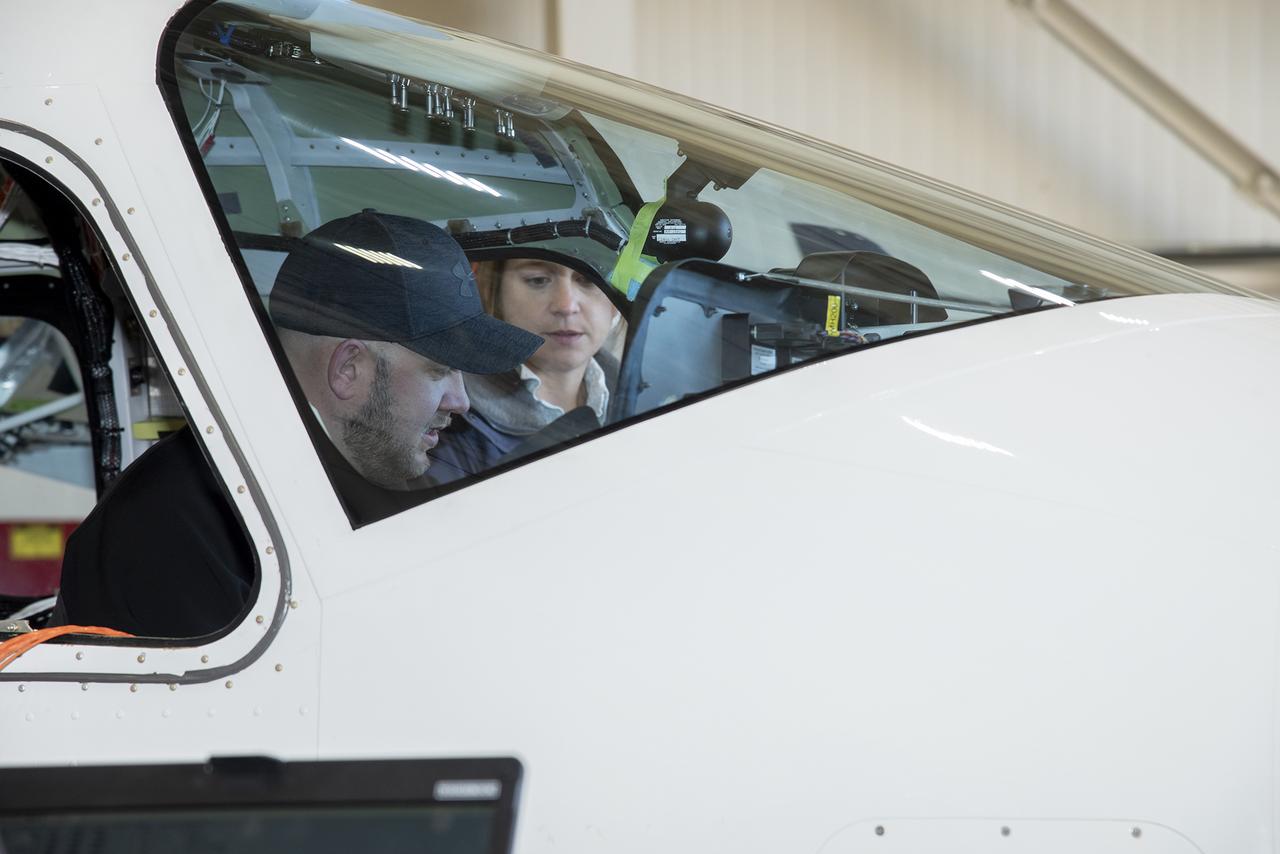
Telemetry testing begins on the X-57 Maxwell, NASA’s first all-electric X-plane, as the operations crew at NASA’s Armstrong Flight Research Center records the results. Telemetry testing is a critical phase in X-57’s functional test series. In addition to confirming the ability of the X-57 aircraft to transmit speed, altitude, direction, and location to teams on the ground, telemetry testing also confirms the ability to transmit mission-critical-data, such as voltage, power consumption, and structural integrity. X-57’s goal is to help set certification standards for emerging electric aircraft markets.
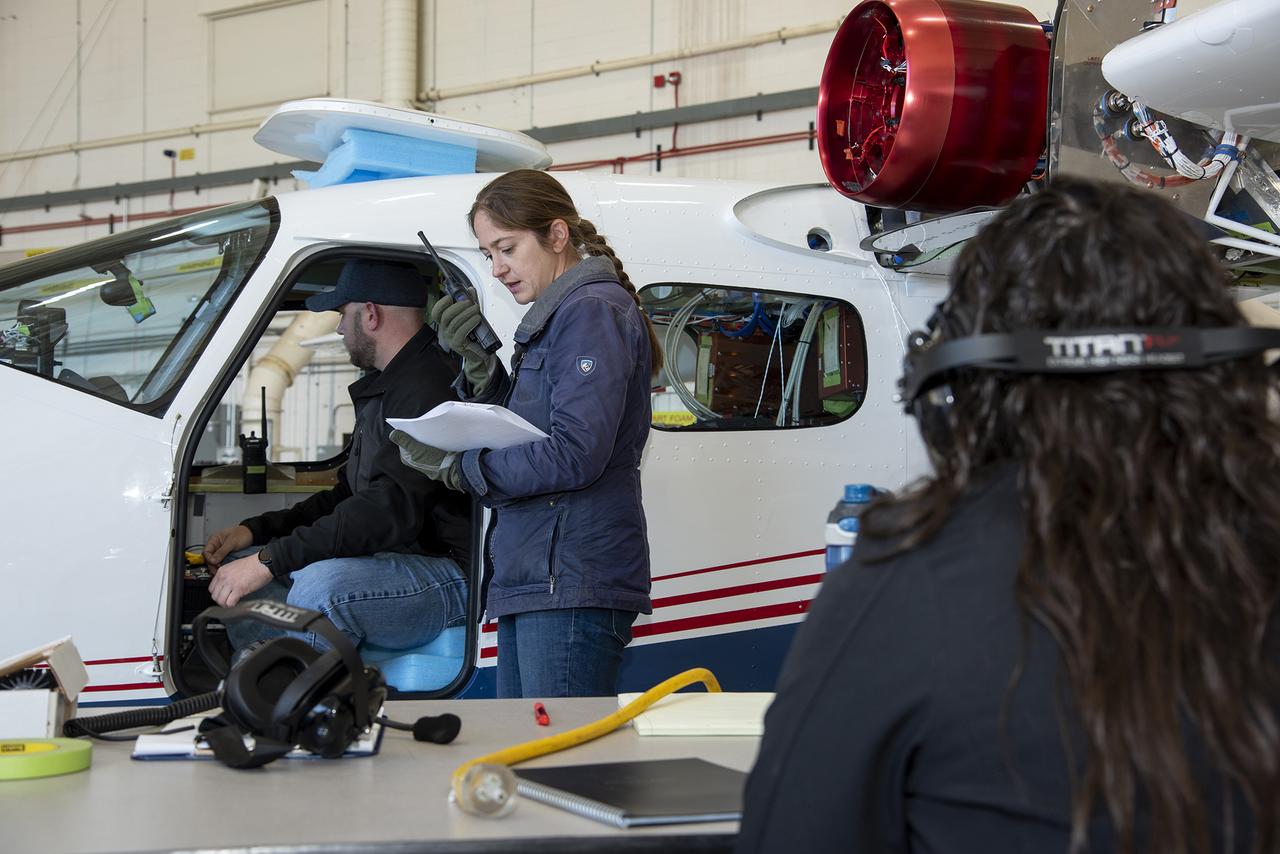
Telemetry testing begins on the X-57 Maxwell, NASA’s first all-electric X-plane, as the operations crew at NASA’s Armstrong Flight Research Center records the results. Telemetry testing is a critical phase in X-57’s functional test series. In addition to confirming the ability of the X-57 aircraft to transmit speed, altitude, direction, and location to teams on the ground, telemetry testing also confirms the ability to transmit mission-critical-data, such as voltage, power consumption, and structural integrity. X-57’s goal is to help set certification standards for emerging electric aircraft markets.
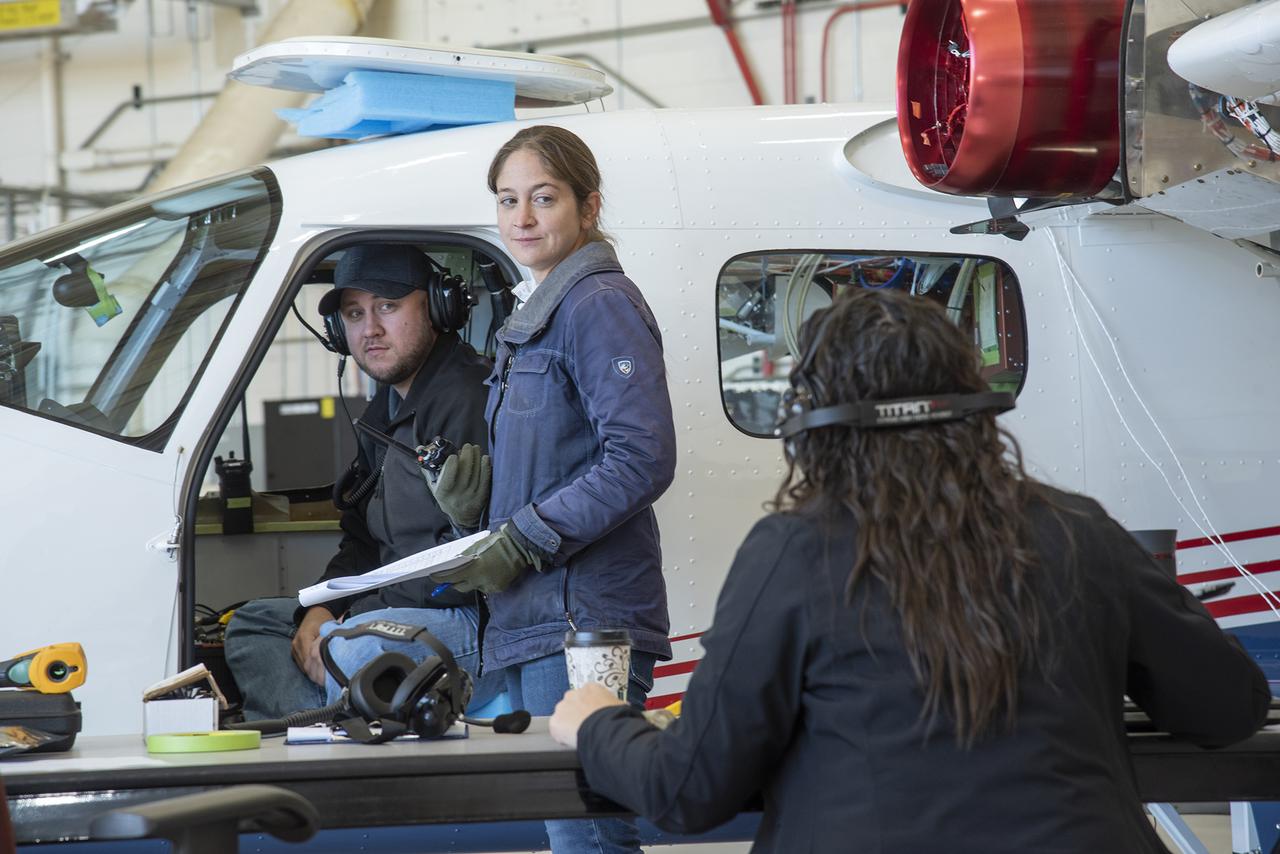
Telemetry testing begins on the X-57 Maxwell, NASA's first all-electric X-plane, as the operations crew at NASA's Armstrong Flight Research Center records the results. Telemetry testing is a critical phase in X-57's functional test series. In addition to confirming the ability of the X-57 aircraft to transmit speed, altitude, direction, and location to teams on the ground, telemetry testing also confirms the ability to transmit mission-critical-data, such as voltage, power consumption, and structural integrity. X-57's goal is to help set certification standards for emerging electric aircraft markets.
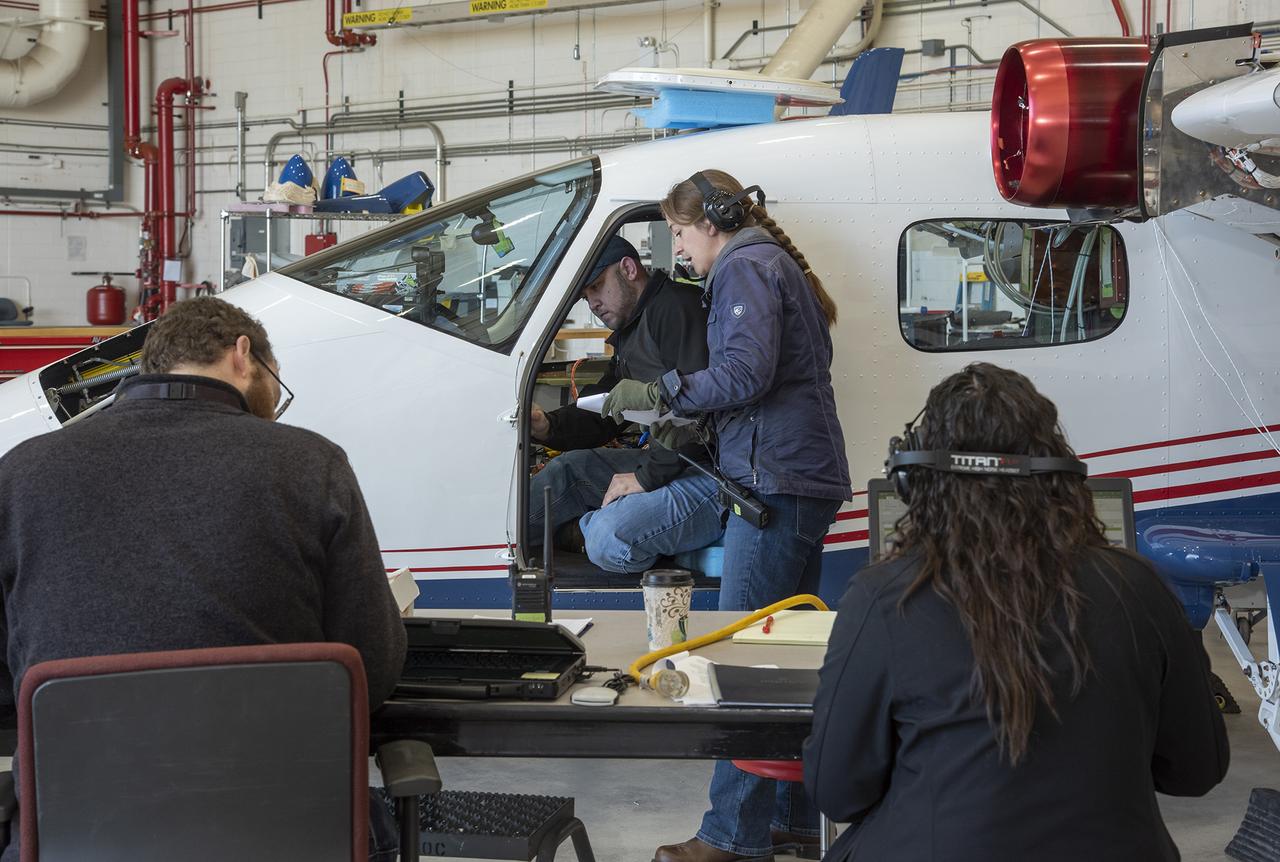
Telemetry testing begins on the X-57 Maxwell, NASA's first all-electric X-plane, as the operations crew at NASAâ' Armstrong Flight Research Center records the results. Telemetry testing is a critical phase in X-57's functional test series. In addition to confirming the ability of the X-57 aircraft to transmit speed, altitude, direction, and location to teams on the ground, telemetry testing also confirms the ability to transmit mission-critical-data, such as voltage, power consumption, and structural integrity. X-57's goal is to help set certification standards for emerging electric aircraft markets.
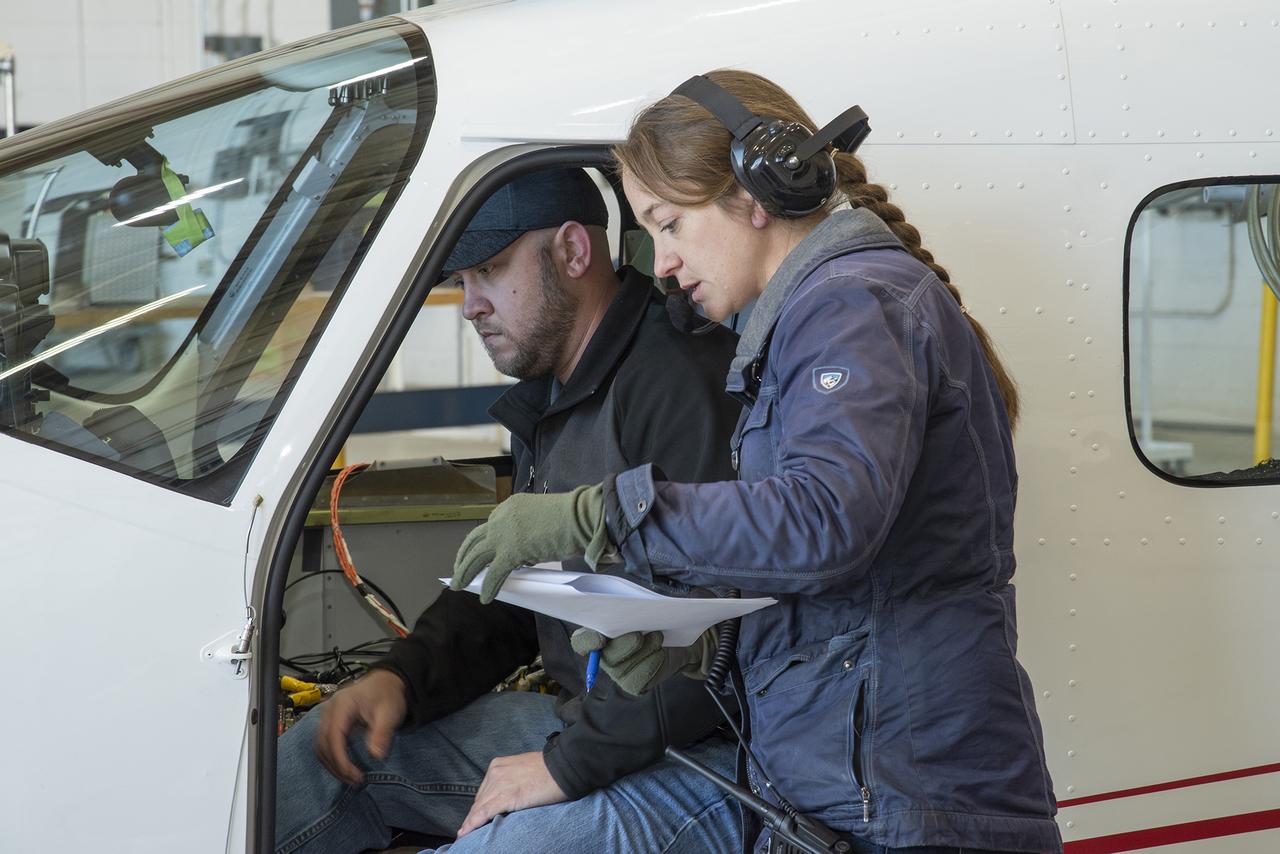
Telemetry testing begins on the X-57 Maxwell, NASA's first all-electric X-plane, as the operations crew at NASA's Armstrong Flight Research Center records the results. Telemetry testing is a critical phase in X-57's functional test series. In addition to confirming the ability of the X-57 aircraft to transmit speed, altitude, direction, and location to teams on the ground, telemetry testing also confirms the ability to transmit mission-critical-data, such as voltage, power consumption, and structural integrity. X-57's goal is to help set certification standards for emerging electric aircraft markets.
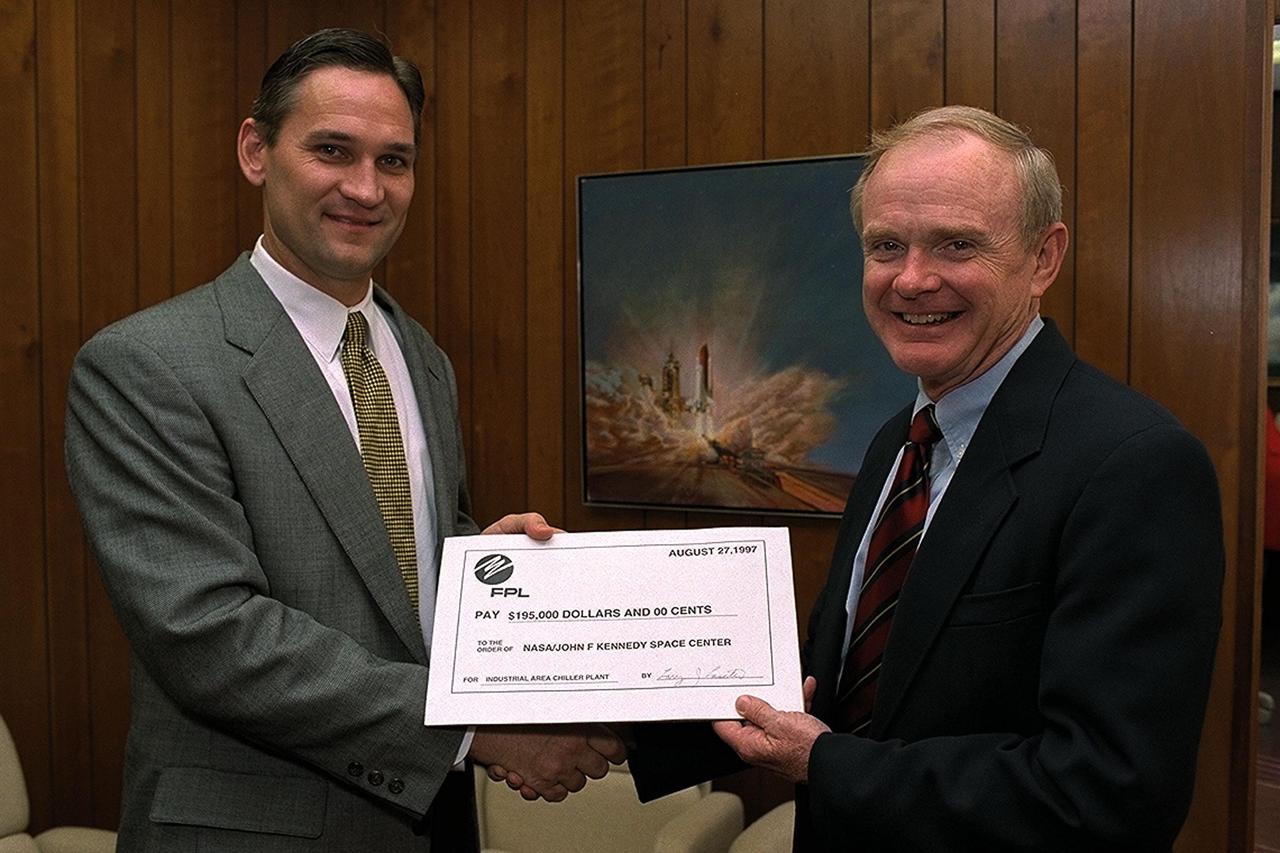
Larry Laseter (left), vice president of Sales and Marketing for the Florida Power & Light (FPL) Company, presents Kennedy Space Center (KSC) Director Roy Bridges Jr., with a rebate check for $195,000, recognizing KSC's commitment to reducing overall energy consumption and costs now and in the future. The energy savings realized by KSC come as a direct result of installing new chilled water systems hardware in the KSC Industrial Area Chiller Plant. KSC has received FPL rebates for its energy-saving efforts since 1993, but this check is the largest single-project rebate to date
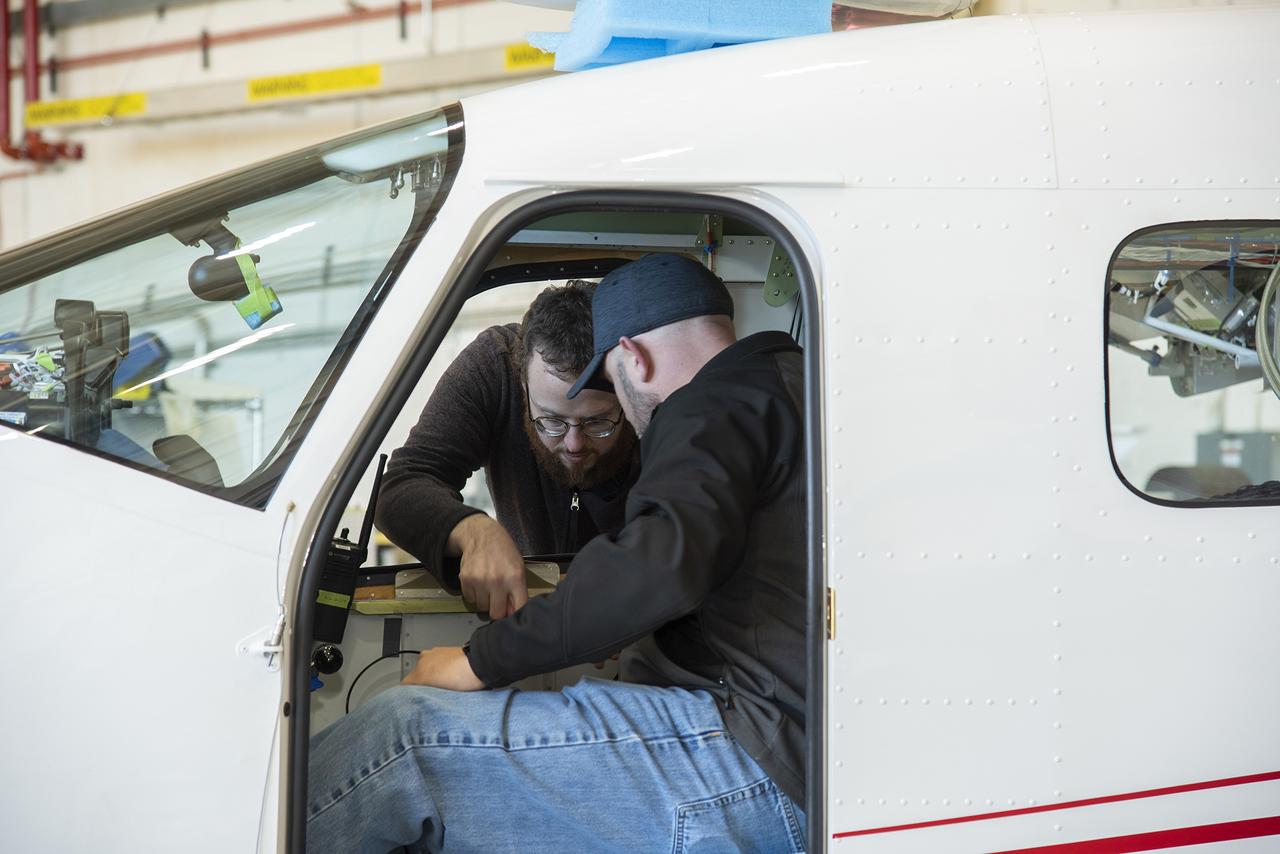
The X-57 operations crew at NASA's Armstrong Flight Research Center prepare for telemetry testing on NASA's first all-electric X-plane, the X-57 Maxwell. Shown here in its first all-electric configuration, known as Mod II, X-57's series of functional tests helps engineers confirm that the vehicle will be ready for taxi and flight tests, and the telemetry testing confirms the ability of the aircraft to transmit location and test data to the ground. X-57 will help set certification standards for emerging electric aircraft markets.
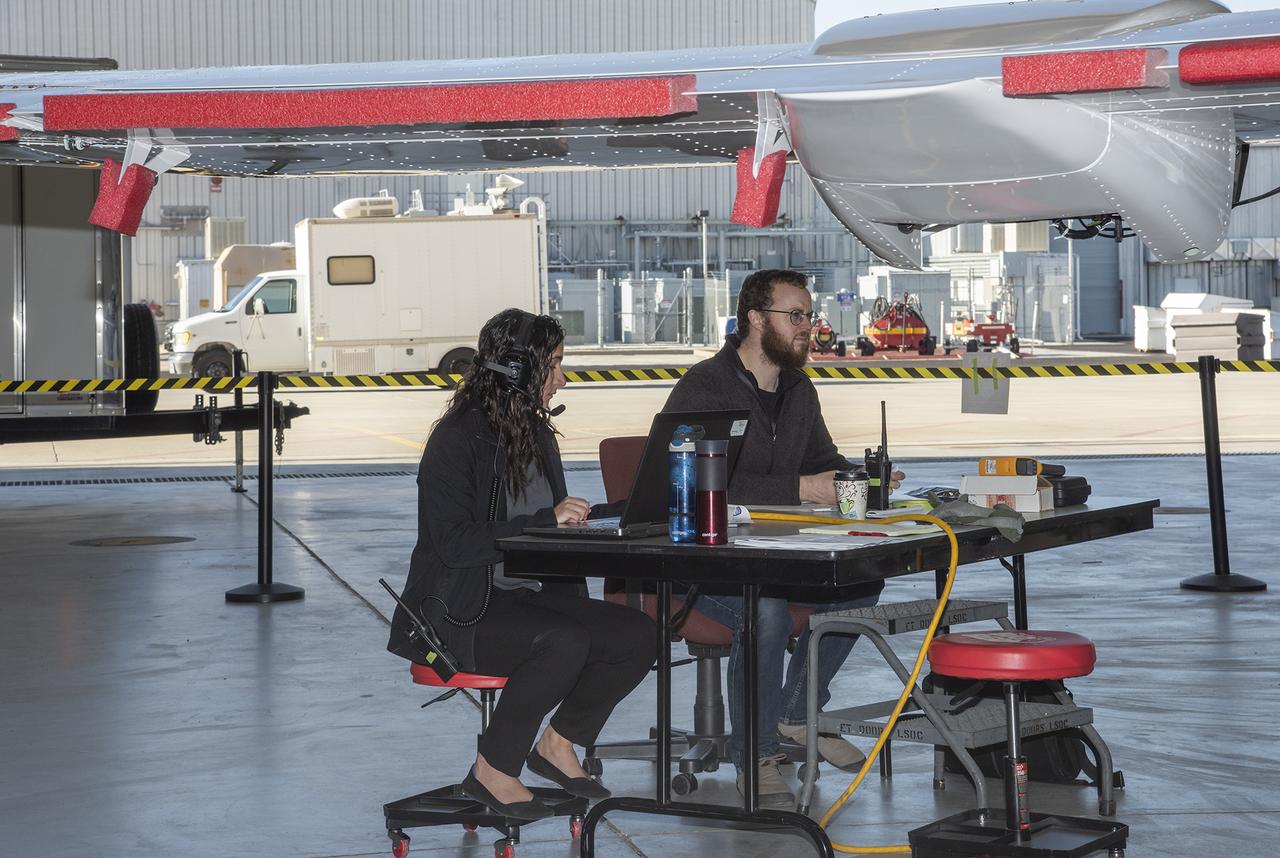
Telemetry testing begins on the X-57 Maxwell, NASA's first all-electric X-plane, as the operations crew at NASA's Armstrong Flight Research Center records the results. Telemetry testing is a critical phase in X-57's functional test series. In addition to confirming the ability of the X-57 aircraft to transmit speed, altitude, direction, and location to teams on the ground, telemetry testing also confirms the ability to transmit mission-critical-data, such as voltage, power consumption, and structural integrity. X-57's goal is to help set certification standards for emerging electric aircraft markets.

NASA Public Affairs Officer Stephanie Schierholz moderates a briefing where NASA announced the agency’s five-part plan to open the International Space Station to expanded commercial and marketing activities and private astronaut missions to the station and enable additional commercial destinations in low-Earth orbit, Friday, June 7, 2019 at the Nasdaq MarketSite in New York City. NASA will continue to maintain human presence and research in low-Earth orbit, and the long-term goal is to achieve a robust economy from which NASA can purchase services at a lower cost. Photo Credit: (NASA/Bill Ingalls)

Nasdaq Chair and Chief Executive Officer Adena T. Friedman, left, and NASA’s Artemis II crewmembers: CSA (Canadian Space Agency) astronaut Jeremy Hansen, mission specialist; NASA astronauts Christina Koch, mission specialist; Victor Glover, pilot; and Reid Wiseman, commander, right, ring the closing bell of the Nasdaq market session, Thursday, April 30, 2026. NASA’s Artemis II mission took Wiseman, Glover, Koch, and Hansen on a nearly 10-day journey around the Moon and back to Earth earlier in April, 2026. Photo Credit: (NASA/Bill Ingalls)

Nasdaq Chair and Chief Executive Officer Adena T. Friedman, left, and NASA’s Artemis II crewmembers: CSA (Canadian Space Agency) astronaut Jeremy Hansen, mission specialist; NASA astronauts Christina Koch, mission specialist; Victor Glover, pilot; and Reid Wiseman, commander, right, celebrate after ringing the closing bell of the Nasdaq market session, Thursday, April 30, 2026, in New York, NY. NASA’s Artemis II mission took Wiseman, Glover, Koch, and Hansen on a nearly 10-day journey around the Moon and back to Earth earlier in April 2026. Photo Credit: (NASA/Bill Ingalls)

NASA’s Artemis II crewmembers: CSA (Canadian Space Agency) astronaut Jeremy Hansen, mission specialist; left, NASA astronauts Victor Glover, pilot; Christina Koch, mission specialist; and Reid Wiseman, commander, right, pose for a photograph after ringing the closing bell of the Nasdaq market session, Thursday, April 30, 2026, in Times Square, New York. NASA’s Artemis II mission took Wiseman, Glover, Koch, and Hansen on a nearly 10-day journey around the Moon and back to Earth earlier in April 2026. Photo Credit: (NASA/Bill Ingalls)

NASA’s Artemis II crewmembers: NASA astronauts Reid Wiseman, commander; left, Christina Koch, mission specialist; Victor Glover, pilot; and CSA (Canadian Space Agency) astronaut Jeremy Hansen, mission specialist, right, watch a replay of them ringing the closing bell of the Nasdaq market session, Thursday, April 30, 2026, in Times Square, New York. NASA’s Artemis II mission took Wiseman, Glover, Koch, and Hansen on a nearly 10-day journey around the Moon and back to Earth earlier in April 2026. Photo Credit: (NASA/Bill Ingalls)

NASA’s Artemis II pilot Victor Glover, poses for a photograph in Times Square, New York, soon after ringing the closing bell of the Nasdaq market session, with fellow crewmembers; CSA (Canadian Space Agency) astronaut Jeremy Hansen, mission specialist; and NASA astronauts Reid Wiseman, commander; Christina Koch, mission specialist, Thursday, April 30, 2026. NASA’s Artemis II mission took Wiseman, Glover, Koch, and Hansen on a nearly 10-day journey around the Moon and back to Earth earlier in April 2026. Photo Credit: (NASA/Bill Ingalls)

NASA’s Artemis II pilot Victor Glover, center, reacts while seeing a special recognition of his 50th birthday by the Nasdaq in Times Square, New York, after ringing the closing bell of the Nasdaq market session, with fellow crewmembers; CSA (Canadian Space Agency) astronaut Jeremy Hansen, mission specialist; and NASA astronauts Reid Wiseman, commander; Christina Koch, mission specialist, Thursday, April 30, 2026. NASA’s Artemis II mission took Wiseman, Glover, Koch, and Hansen on a nearly 10-day journey around the Moon and back to Earth earlier in April 2026. Photo Credit: (NASA/Bill Ingalls)

NASA’s Artemis II commander Reid Wiseman, holds ‘Rise’ the zero gravity indicator, up for a photograph in Times Square, New York, after ringing the closing bell of the Nasdaq market session, with fellow crewmembers; CSA (Canadian Space Agency) astronaut Jeremy Hansen, mission specialist; and NASA astronauts Victor Glover, pilot; Christina Koch, mission specialist, Thursday, April 30, 2026. NASA’s Artemis II mission took Wiseman, Glover, Koch, and Hansen on a nearly 10-day journey around the Moon and back to Earth earlier in April 2026. Photo Credit: (NASA/Bill Ingalls)

NASA’s Artemis II crewmembers: CSA (Canadian Space Agency) astronaut Jeremy Hansen, mission specialist; left, NASA astronauts Victor Glover, pilot; Christina Koch, mission specialist; and Reid Wiseman, commander, right, watch a replay of them ringing the closing bell of the Nasdaq market session, Thursday, April 30, 2026, in Times Square, New York. NASA’s Artemis II mission took Wiseman, Glover, Koch, and Hansen on a nearly 10-day journey around the Moon and back to Earth earlier in April 2026. Photo Credit: (NASA/Bill Ingalls)

NASA’s Artemis II commander Reid Wiseman, poses for a photograph, in Times Square, New York, while holding ‘Rise’ the zero gravity indicator, soon after ringing the closing bell of the Nasdaq market session, with fellow crewmembers; CSA (Canadian Space Agency) astronaut Jeremy Hansen, mission specialist; and NASA astronauts Victor Glover, pilot; Christina Koch, mission specialist, Thursday, April 30, 2026. NASA’s Artemis II mission took Wiseman, Glover, Koch, and Hansen on a nearly 10-day journey around the Moon and back to Earth earlier in April 2026. Photo Credit: (NASA/Bill Ingalls)

NASA’s Artemis II mission specialist Christina Koch is seen on the Nasdaq building in New York’s Times Square soon after ringing the closing bell of the Nasdaq market session, with fellow crewmembers; CSA (Canadian Space Agency) astronaut Jeremy Hansen, mission specialist; and NASA astronauts Reid Wiseman, commander; and Victor Glover, pilot, Thursday, April 30, 2026. NASA’s Artemis II mission took Wiseman, Glover, Koch, and Hansen on a nearly 10-day journey around the Moon and back to Earth earlier in April 2026. Photo Credit: (NASA/Bill Ingalls)

NASA’s Artemis II commander Reid Wiseman, is seen on the Nasdaq building in New York’s Times Square soon after ringing the closing bell of the Nasdaq market session with fellow crewmembers; CSA (Canadian Space Agency) astronaut Jeremy Hansen, mission specialist; and NASA astronauts Victor Glover, pilot; Christina Koch, mission specialist, Thursday, April 30, 2026. NASA’s Artemis II mission took Wiseman, Glover, Koch, and Hansen on a nearly 10-day journey around the Moon and back to Earth earlier in April 2026. Photo Credit: (NASA/Bill Ingalls)

NASA’s Artemis II mission specialist, CSA (Canadian Space Agency) astronaut Jeremy Hansen, is seen on the Nasdaq building in New York’s Times Square soon after ringing the closing bell of the Nasdaq market session, with fellow crewmembers; NASA astronauts Christina Koch, mission specialist; Reid Wiseman, commander; and Victor Glover, pilot, Thursday, April 30, 2026. NASA’s Artemis II mission took Wiseman, Glover, Koch, and Hansen on a nearly 10-day journey around the Moon and back to Earth earlier in April 2026. Photo Credit: (NASA/Bill Ingalls)

NASA’s Artemis II pilot Victor Glover, reacts as his fellow crewmembers sing happy birthday to him in Times Square, New York, shortly after ringing the closing bell of the Nasdaq market session, with fellow crewmembers; CSA (Canadian Space Agency) astronaut Jeremy Hansen, mission specialist; and NASA astronauts Reid Wiseman, commander; Christina Koch, mission specialist, Thursday, April 30, 2026. NASA’s Artemis II mission took Wiseman, Glover, Koch, and Hansen on a nearly 10-day journey around the Moon and back to Earth earlier in April 2026. Photo Credit: (NASA/Bill Ingalls)

NASA’s Artemis II pilot Victor Glover, is seen on the Nasdaq building in New York’s Times Square soon after ringing the closing bell of the Nasdaq market session, with fellow crewmembers; CSA (Canadian Space Agency) astronaut Jeremy Hansen, mission specialist; and NASA astronauts Reid Wiseman, commander; Christina Koch, mission specialist, Thursday, April 30, 2026. NASA’s Artemis II mission took Wiseman, Glover, Koch, and Hansen on a nearly 10-day journey around the Moon and back to Earth earlier in April 2026. Photo Credit: (NASA/Bill Ingalls)

NASA’s Artemis II mission specialist Christina Koch poses for a photograph in Times Square, New York, soon after ringing the closing bell of the Nasdaq market session, with fellow crewmembers; CSA (Canadian Space Agency) astronaut Jeremy Hansen, mission specialist; and NASA astronauts Reid Wiseman, commander; and Victor Glover, pilot, Thursday, April 30, 2026. NASA’s Artemis II mission took Wiseman, Glover, Koch, and Hansen on a nearly 10-day journey around the Moon and back to Earth earlier in April 2026. Photo Credit: (NASA/Bill Ingalls)

NASA’s Artemis II mission specialist, CSA (Canadian Space Agency) astronaut Jeremy Hansen, poses for a photograph in Times Square, New York, soon after ringing the closing bell of the Nasdaq market session, with fellow crewmembers; NASA astronauts Christina Koch, mission specialist; Reid Wiseman, commander; and Victor Glover, pilot, Thursday, April 30, 2026. NASA’s Artemis II mission took Wiseman, Glover, Koch, and Hansen on a nearly 10-day journey around the Moon and back to Earth earlier in April 2026. Photo Credit: (NASA/Bill Ingalls)
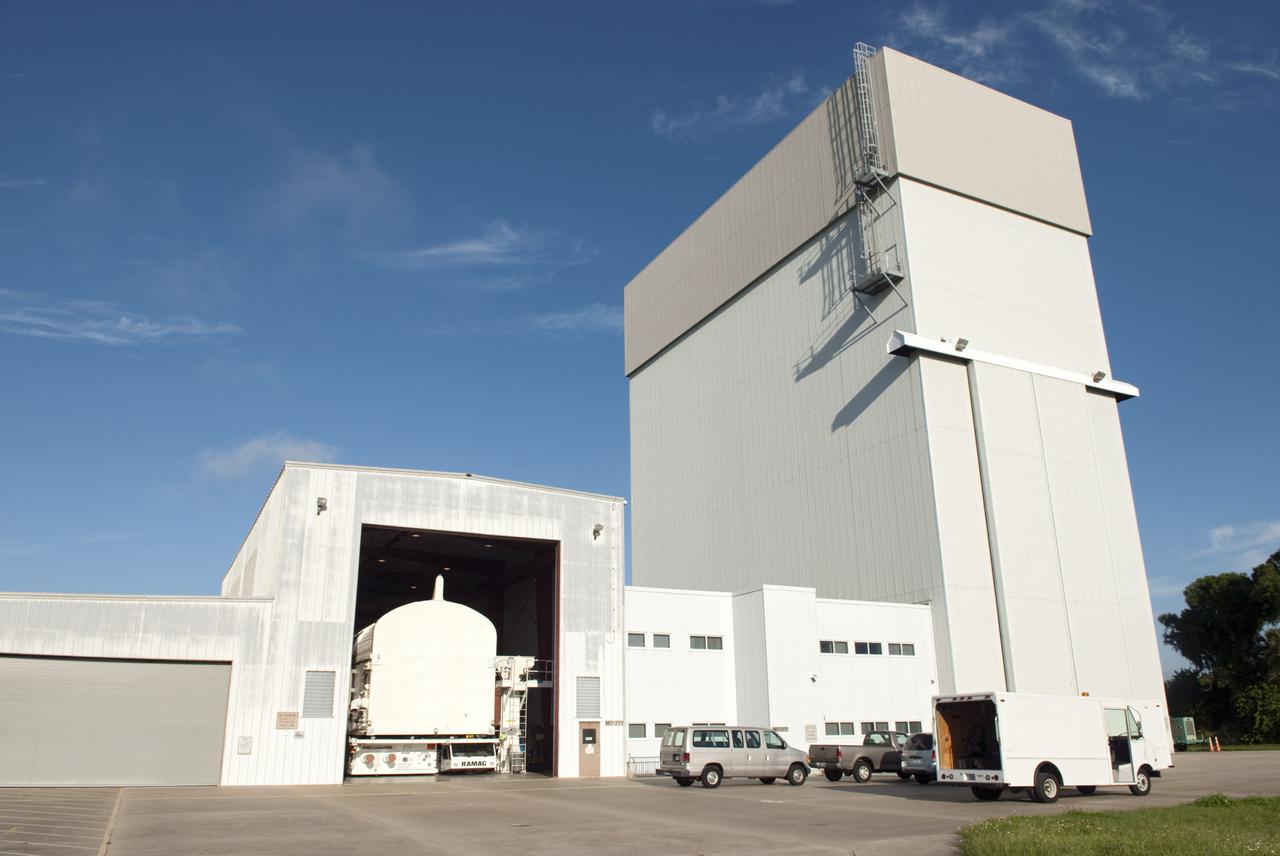
CAPE CANAVERAL, Fla. -- At the Canister Rotation Facility at NASA's Kennedy Space Center in Florida, preparations are under way to move payload canister #2 to the Reutilization, Recycling and Marketing Facility on Ransom Road. The two payload canisters used to transport space shuttle payloads to the launch pad for installation in the shuttles' cargo bays are being decommissioned following the end of the Space Shuttle Program. Each canister weighs 110,000 pounds and is 65 feet long, 22 feet wide, and 18 feet, 7 inches high. The canisters were prescreened through NASA Headquarters as possible artifacts, but their size makes them difficult to transport to locations off the center. Federal and state agencies now will be given the opportunity to screen the canisters for potential use before a final decision is made on their disposition. For more information, visit http:__www.nasa.gov_centers_kennedy_pdf_167403main_CRF-06.pdf. Photo credit: NASA_Jim Grossmann
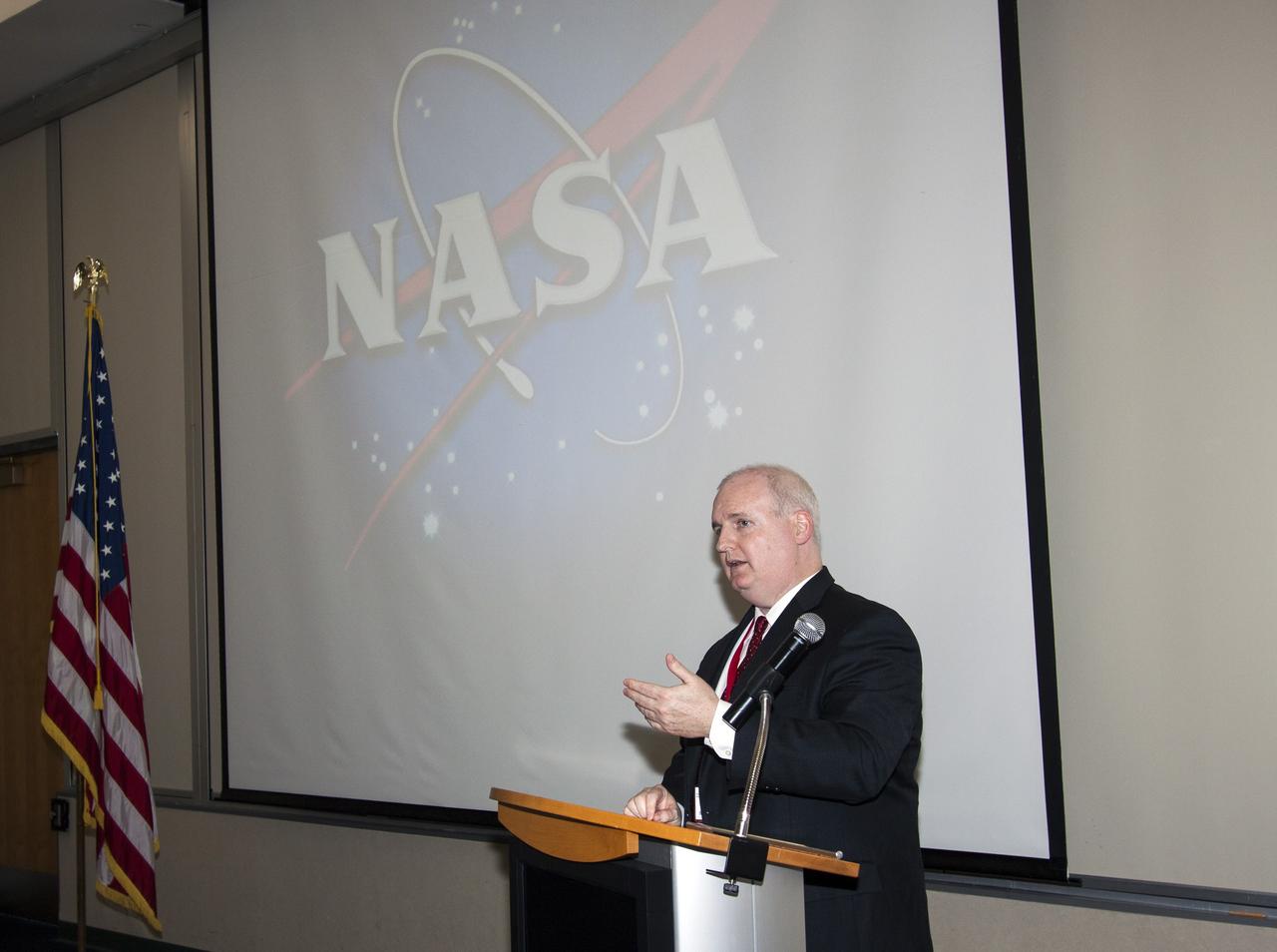
CAPE CANAVERAL, Fla. – At the Kennedy Space Center Visitor Complex in Florida, Marc Doyle, Dupont's global marketing and product director, addresses students, teachers, parents and VIPs during the 2013 DuPont Challenge Science Essay Competition awards ceremony. The challenge, now in its 27th year, reaches out to students from grades seven through 12 from all 50 states and Canada. More than 200,000 students entered the competition. The DuPont Challenge aims to inspire students to excel and achieve in scientific writing and pursue careers in science, technology, engineering and mathematics STEM. The challenge honors space shuttle Challenger's STS-51L crew members who gave their lives while furthering the cause of exploration and discovery. For more information on the challenge, go to http://thechallenge.dupont.com/sponsors/nasa.php.
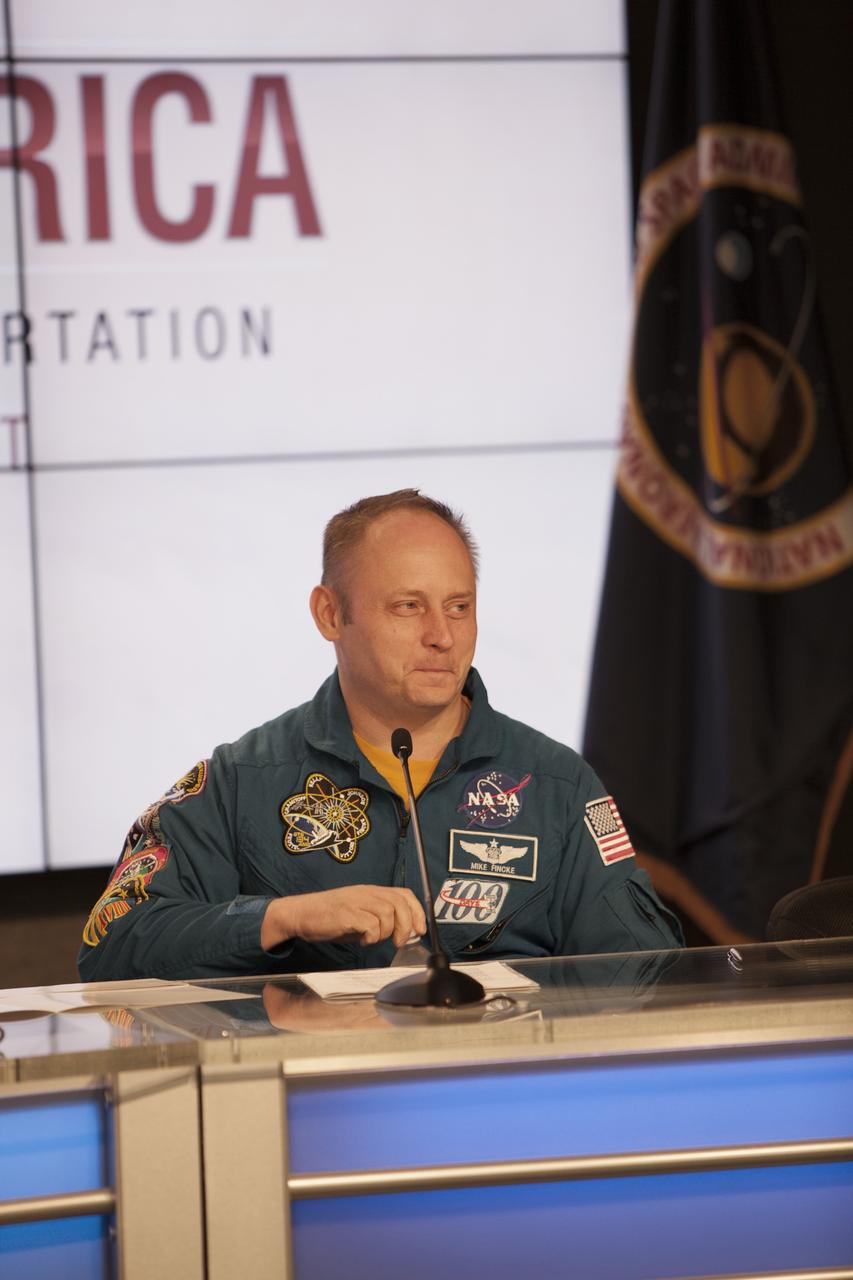
CAPE CANAVERAL, Fla. – Astronaut Mike Fincke, a former commander of the International Space Station, speaks during the Commercial Crew Transportation Capability CCtCap contract announcement ceremony. Speaking from Kennedy Space Center’s Press Site, Fincke detailed the importance of the development effort by the agency's Commercial Crew Program for station crew members, United States space exploration ambitions and the economic potential of creating new markets in space transportation for people. Boeing and SpaceX were awarded contracts to complete the design of the CST-100 and Crew Dragon spacecraft, respectively, and begin manufacturing for flight tests with a goal of achieving certification to take astronauts to the International Space Station by 2017. CCtCap also covers the beginning of operational missions for these new spacecraft and their systems. Photo credit: NASA/Jim Grossmann
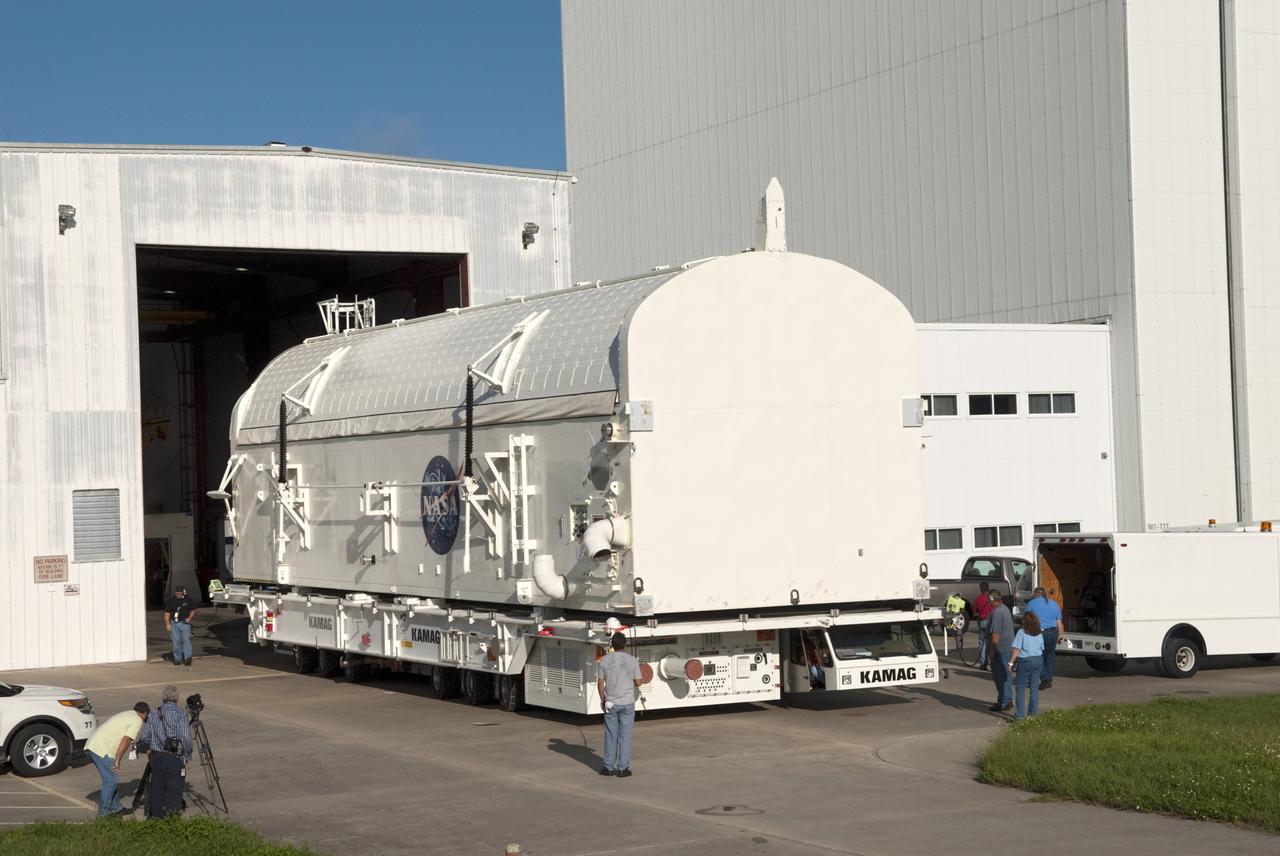
CAPE CANAVERAL, Fla. -- Employees monitor payload canister #2 as it rolls out of the high bay of the Canister Rotation Facility at NASA's Kennedy Space Center in Florida for its trip to the Reutilization, Recycling and Marketing Facility on Ransom Road. The two payload canisters used to transport space shuttle payloads to the launch pad for installation in the shuttles' cargo bays are being decommissioned following the end of the Space Shuttle Program. Each canister weighs 110,000 pounds and is 65 feet long, 22 feet wide, and 18 feet, 7 inches high. The canisters were prescreened through NASA Headquarters as possible artifacts, but their size makes them difficult to transport to locations off the center. Federal and state agencies now will be given the opportunity to screen the canisters for potential use before a final decision is made on their disposition. For more information, visit http:__www.nasa.gov_centers_kennedy_pdf_167403main_CRF-06.pdf. Photo credit: NASA_Jim Grossmann
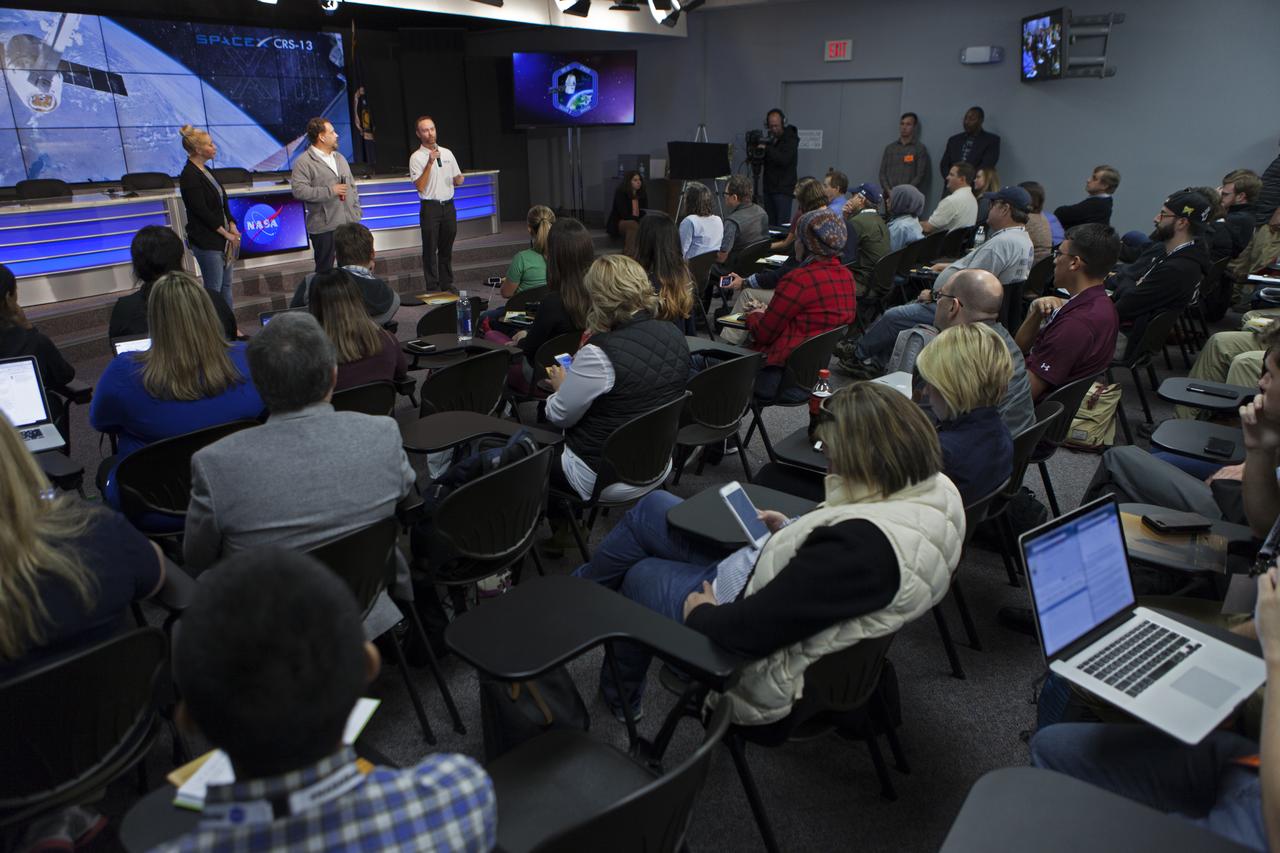
Cheryl Warner of NASA Communications, left, Kirt Costello, deputy chief scientist for the International Space Station Program at NASA’s Johnson Space Center in Houston, center, and Patrick O'Neill, Marketing and Communications manager at the Center of Advancement of Science in Space (CASIS), speak to members of social media in the Kennedy Space Center’s Press Site auditorium. The briefing focused on research planned for launch to the International Space Station. The scientific materials and supplies will be aboard a Dragon spacecraft scheduled for liftoff from Cape Canaveral Air Force Station's Space Launch Complex 40 at 11:46 a.m. EST, on Dec. 12, 2017. The SpaceX Falcon 9 rocket will launch the company's 13th Commercial Resupply Services mission to the space station.
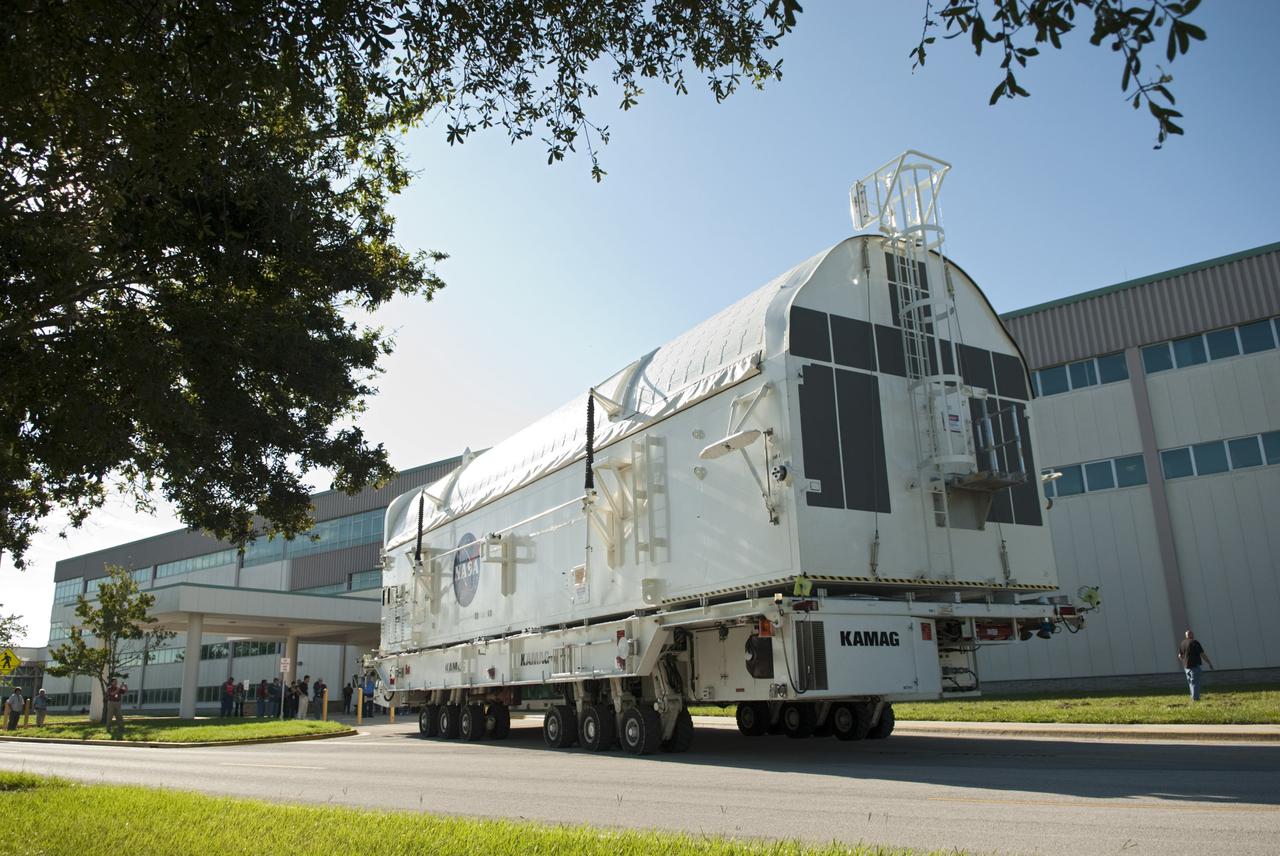
CAPE CANAVERAL, Fla. -- Payload canister #2 approaches the Space Station Processing Facility for a group employee photo opportunity. The canister is on its way from the Canister Rotation Facility at NASA's Kennedy Space Center in Florida to the Reutilization, Recycling and Marketing Facility on Ransom Road. The two payload canisters used to transport space shuttle payloads to the launch pad for installation in the shuttles' cargo bays are being decommissioned following the end of the Space Shuttle Program. Each canister weighs 110,000 pounds and is 65 feet long, 22 feet wide, and 18 feet, 7 inches high. The canisters were prescreened through NASA Headquarters as possible artifacts, but their size makes them difficult to transport to locations off the center. Federal and state agencies now will be given the opportunity to screen the canisters for potential use before a final decision is made on their disposition. For more information, visit http:__www.nasa.gov_centers_kennedy_pdf_167403main_CRF-06.pdf. Photo credit: NASA_Jim Grossmann
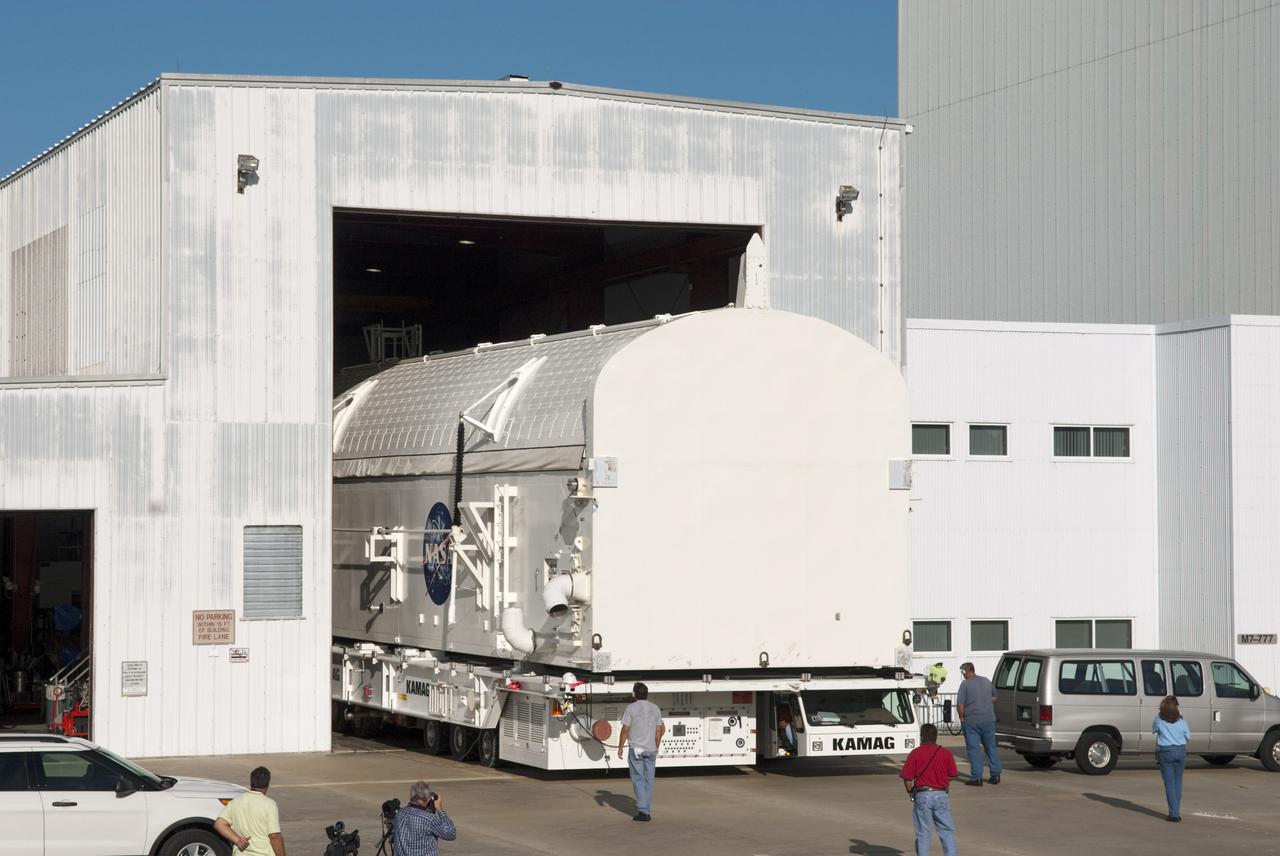
CAPE CANAVERAL, Fla. -- Payload canister #2 rolls out of the high bay of the Canister Rotation Facility at NASA's Kennedy Space Center in Florida on its way to the Reutilization, Recycling and Marketing Facility on Ransom Road. The two payload canisters used to transport space shuttle payloads to the launch pad for installation in the shuttles' cargo bays are being decommissioned following the end of the Space Shuttle Program. Each canister weighs 110,000 pounds and is 65 feet long, 22 feet wide, and 18 feet, 7 inches high. The canisters were prescreened through NASA Headquarters as possible artifacts, but their size makes them difficult to transport to locations off the center. Federal and state agencies now will be given the opportunity to screen the canisters for potential use before a final decision is made on their disposition. For more information, visit http:__www.nasa.gov_centers_kennedy_pdf_167403main_CRF-06.pdf. Photo credit: NASA_Jim Grossmann
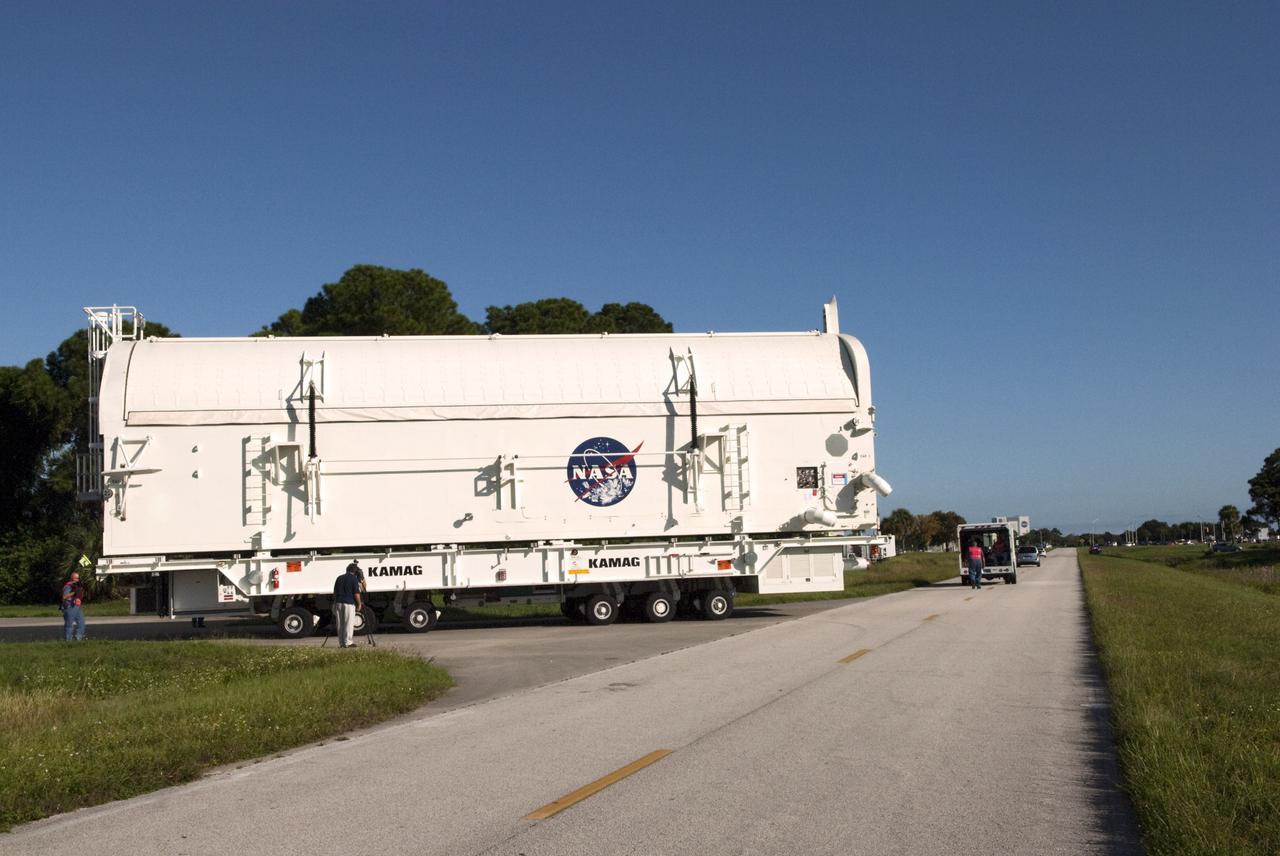
CAPE CANAVERAL, Fla. -- At NASA's Kennedy Space Center in Florida, payload canister #1 winds its way along the roads from the Canister Rotation Facility to the Reutilization, Recycling and Marketing Facility on Ransom Road. The two payload canisters used to transport space shuttle payloads to the launch pad for installation in the shuttles' cargo bays are being decommissioned following the end of the Space Shuttle Program. Each canister weighs 110,000 pounds and is 65 feet long, 22 feet wide, and 18 feet, 7 inches high. The canisters were prescreened through NASA Headquarters as possible artifacts, but their size makes them difficult to transport to locations off the center. Federal and state agencies now will be given the opportunity to screen the canisters for potential use before a final decision is made on their disposition. For more information, visit http:__www.nasa.gov_centers_kennedy_pdf_167403main_CRF-06.pdf. Photo credit: NASA_Jim Grossmann
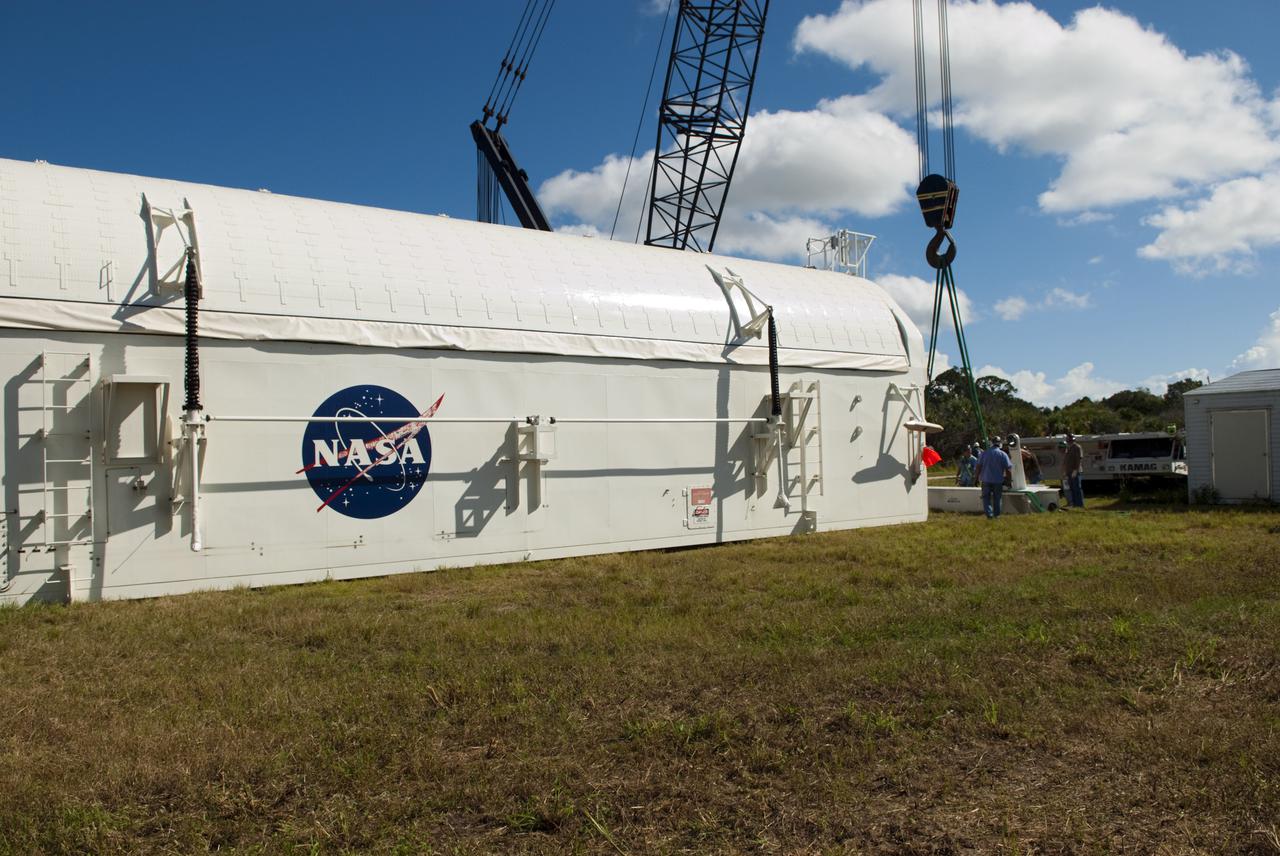
CAPE CANAVERAL, Fla. -- Payload canister #1 awaits decommissioning outside the Reutilization, Recycling and Marketing Facility on Ransom Road at NASA's Kennedy Space Center in Florida. The two payload canisters used to transport space shuttle payloads to the launch pad for installation in the shuttles' cargo bays are being decommissioned following the end of the Space Shuttle Program. Each canister weighs 110,000 pounds and is 65 feet long, 22 feet wide, and 18 feet, 7 inches high. The canisters were prescreened through NASA Headquarters as possible artifacts, but their size makes them difficult to transport to locations off the center. Federal and state agencies now will be given the opportunity to screen the canisters for potential use before a final decision is made on their disposition. For more information, visit http:__www.nasa.gov_centers_kennedy_pdf_167403main_CRF-06.pdf. Photo credit: NASA_Jim Grossmann
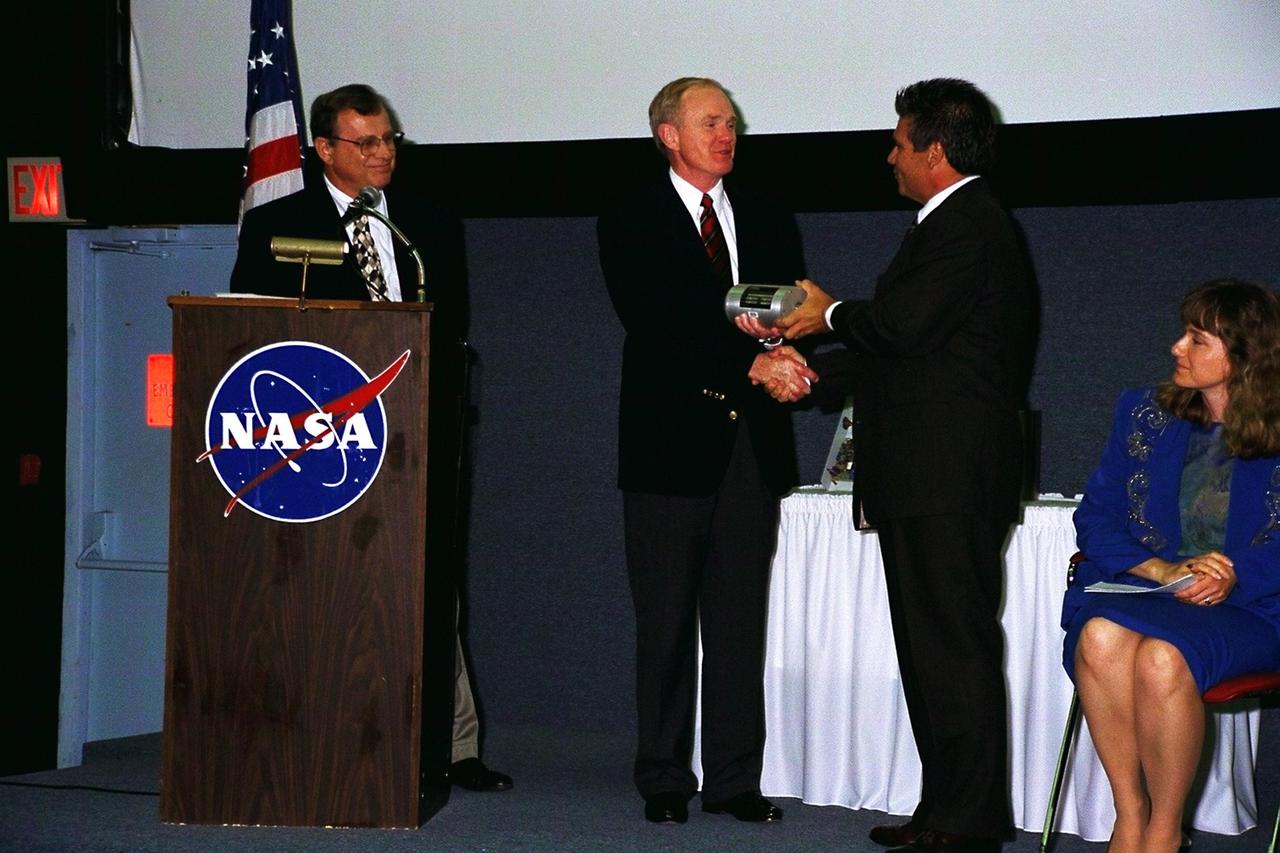
KENNEDY SPACE CENTER, FLA. -- William Saputo, L-3 Communications, presents a new piece of technology, developed through a National Aeronautics and Space Administration (NASA) partnership with industry, to Kennedy Space Center (KSC) Director Roy Bridges, Jr. (second from left). The piece of technology being presented, the Universal Signal Conditioning Amplifier (USCA), is a key component of the codeveloped Automated Data Acquisition System (ADAS) that measures temperature, pressure and vibration at KSC's launch pads. The breakthrough technology is expected to reduce sensor setup and configuration times from hours to seconds. KSC teamed up with Florida's Technological Research and Development Authority and manufacturer L-3 Communications to produce a system that would benefit the aerospace industry and other commercial markets
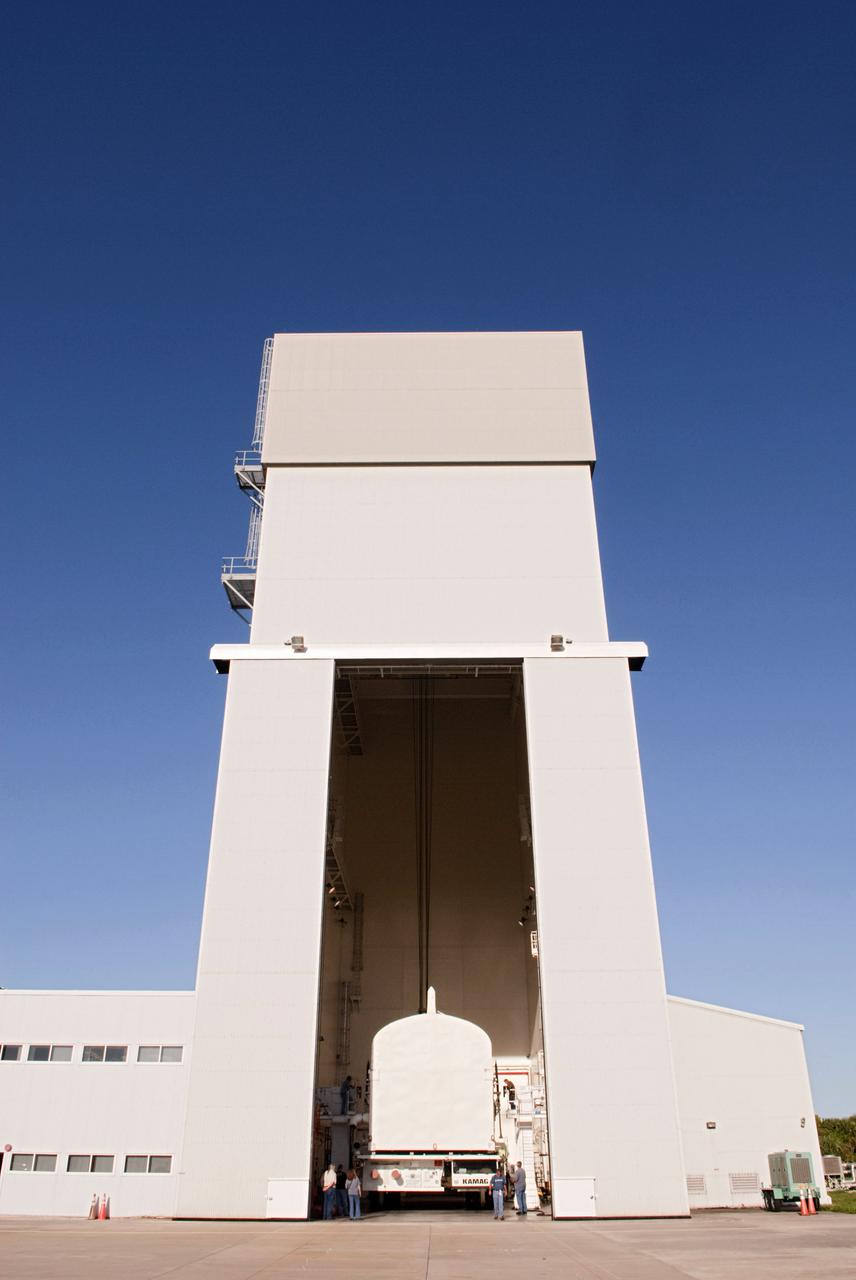
CAPE CANAVERAL, Fla. -- At the Canister Rotation Facility at NASA's Kennedy Space Center in Florida, preparations are under way to move payload canister #1 to the Reutilization, Recycling and Marketing Facility on Ransom Road. The two payload canisters used to transport space shuttle payloads to the launch pad for installation in the shuttles' cargo bays are being decommissioned following the end of the Space Shuttle Program. Each canister weighs 110,000 pounds and is 65 feet long, 22 feet wide, and 18 feet, 7 inches high. The canisters were prescreened through NASA Headquarters as possible artifacts, but their size makes them difficult to transport to locations off the center. Federal and state agencies now will be given the opportunity to screen the canisters for potential use before a final decision is made on their disposition. For more information, visit http:__www.nasa.gov_centers_kennedy_pdf_167403main_CRF-06.pdf. Photo credit: NASA_Jim Grossmann
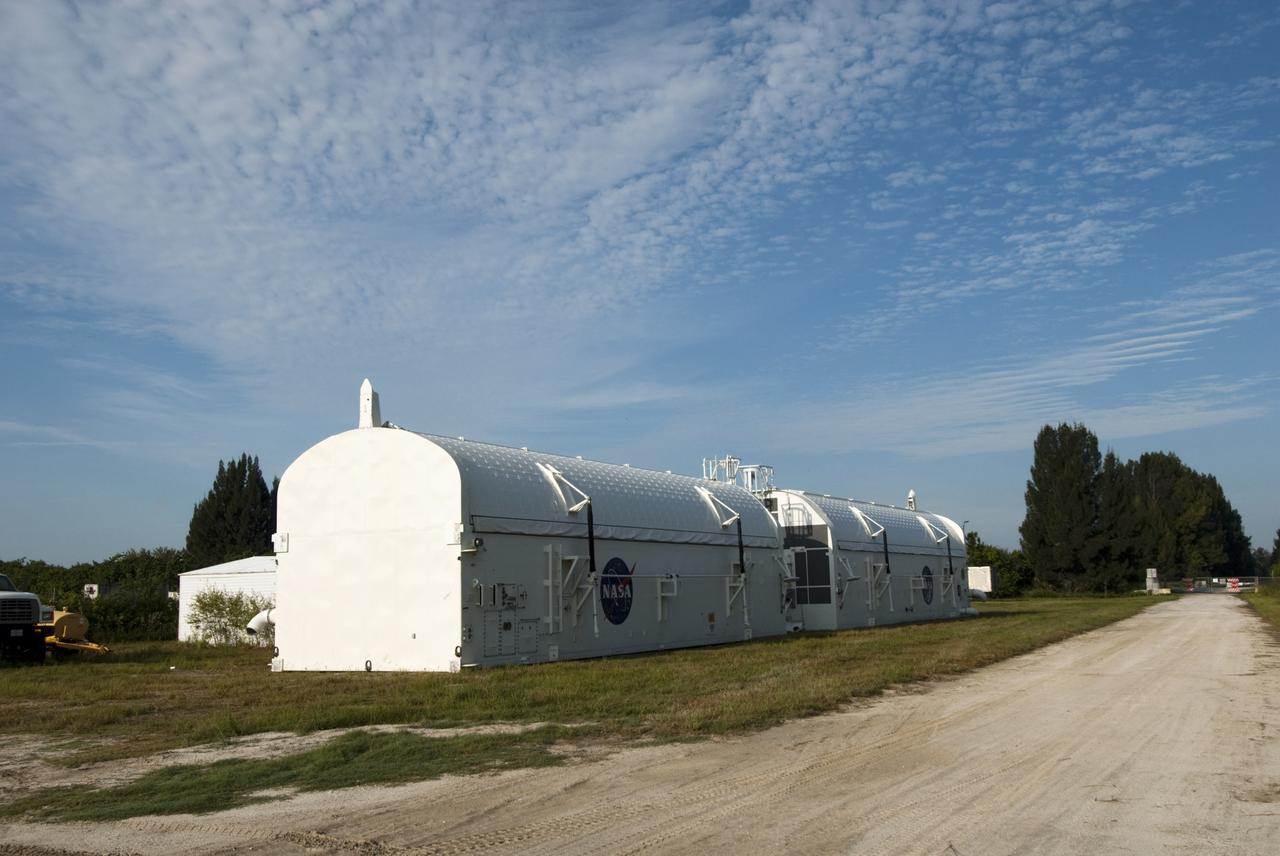
At NASA's Kennedy Space Center in Florida, NASA's payload transportation canisters rest end-to-end outside the Reutilization, Recycling and Marketing Facility on Ransom Road, their mission accomplished. The two payload canisters are being decommissioned following the end of the Space Shuttle Program. The canisters delivered to the launch pad all space shuttle and space station cargo that required vertical installation into the shuttles' payload bays. Each canister weighs 110,000 pounds and is 65 feet long, 22 feet wide, and 18 feet, 7 inches high. The canisters were prescreened through NASA Headquarters as possible artifacts, but their size makes them difficult to transport to locations off the center. Federal and state agencies now will be given the opportunity to screen the canisters for potential use before a final decision is made on their disposition. For more information, visit http://www.nasa.gov/centers/kennedy/pdf/167403main_CRF-06.pdf. Photo credit: NASA/Jim Grossmann
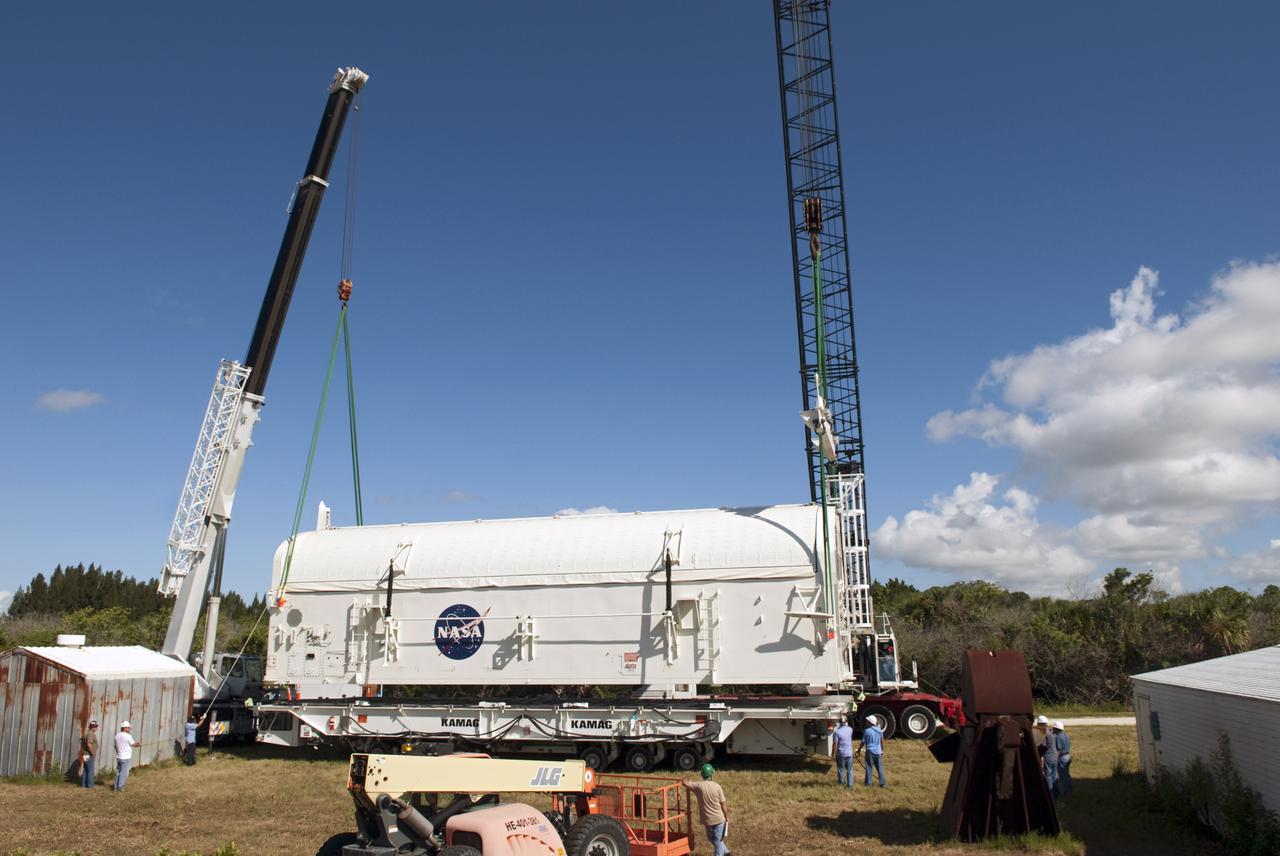
CAPE CANAVERAL, Fla. -- Cranes are attached to payload canister #1 to lift it from the transporter that delivered it to the Reutilization, Recycling and Marketing Facility on Ransom Road at NASA's Kennedy Space Center in Florida. The two payload canisters used to transport space shuttle payloads to the launch pad for installation in the shuttles' cargo bays are being decommissioned following the end of the Space Shuttle Program. Each canister weighs 110,000 pounds and is 65 feet long, 22 feet wide, and 18 feet, 7 inches high. The canisters were prescreened through NASA Headquarters as possible artifacts, but their size makes them difficult to transport to locations off the center. Federal and state agencies now will be given the opportunity to screen the canisters for potential use before a final decision is made on their disposition. For more information, visit http:__www.nasa.gov_centers_kennedy_pdf_167403main_CRF-06.pdf. Photo credit: NASA_Jim Grossmann
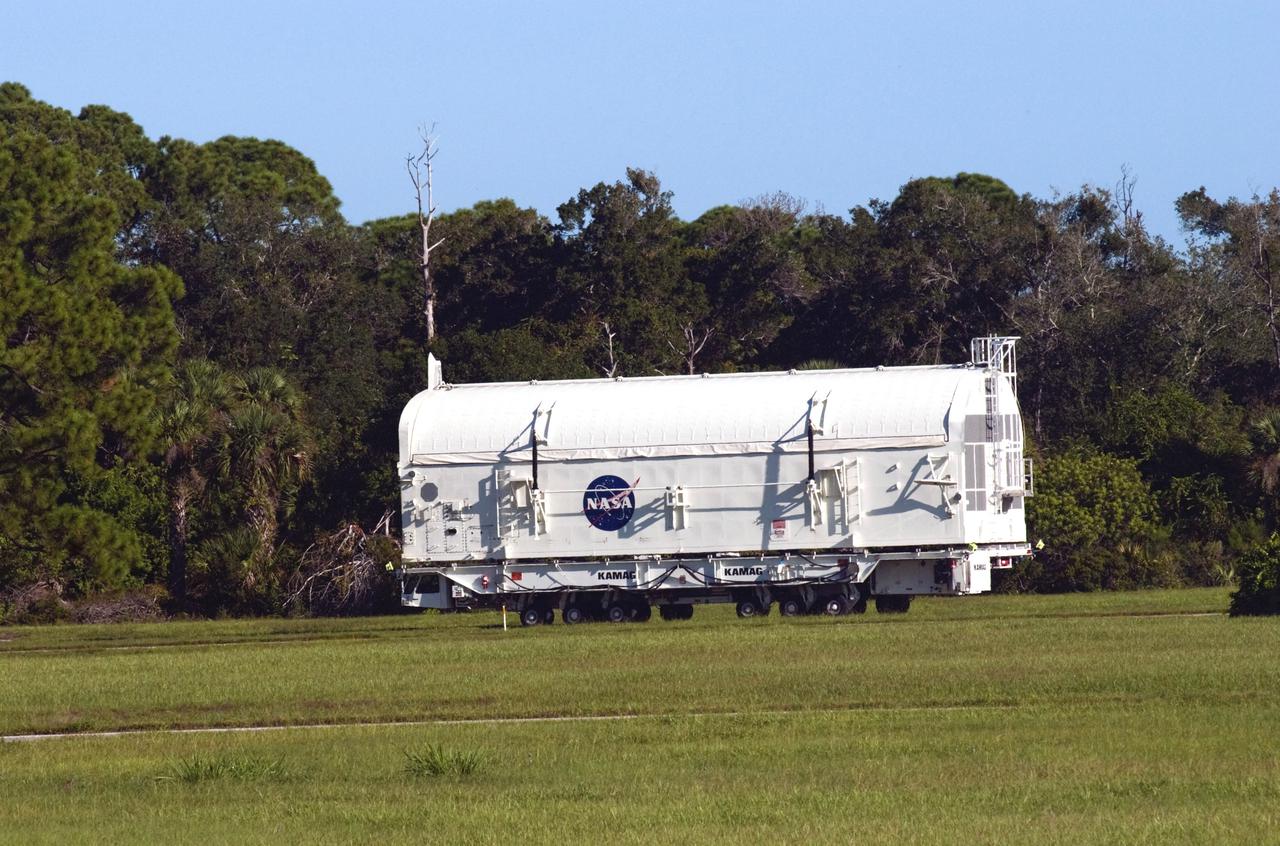
CAPE CANAVERAL, Fla. -- At NASA's Kennedy Space Center in Florida, payload canister #1 travels at a slow, steady 5 mph from the Canister Rotation Facility to the Reutilization, Recycling and Marketing Facility on Ransom Road. The two payload canisters used to transport space shuttle payloads to the launch pad for installation in the shuttles' cargo bays are being decommissioned following the end of the Space Shuttle Program. Each canister weighs 110,000 pounds and is 65 feet long, 22 feet wide, and 18 feet, 7 inches high. The canisters were prescreened through NASA Headquarters as possible artifacts, but their size makes them difficult to transport to locations off the center. Federal and state agencies now will be given the opportunity to screen the canisters for potential use before a final decision is made on their disposition. For more information, visit http:__www.nasa.gov_centers_kennedy_pdf_167403main_CRF-06.pdf. Photo credit: NASA_Jim Grossmann
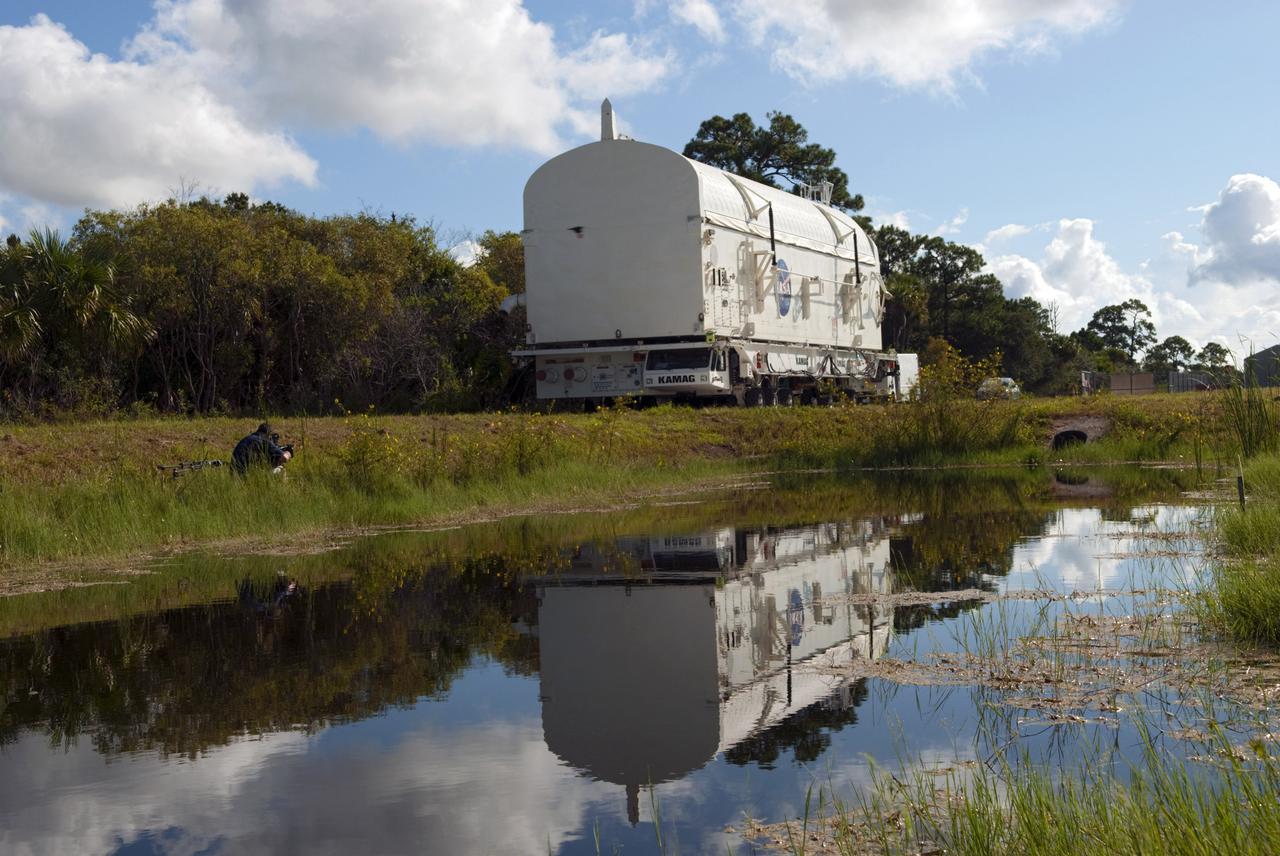
CAPE CANAVERAL, Fla. -- At NASA's Kennedy Space Center in Florida, payload canister #1 is reflected in the water standing beside the roadway leading to the Reutilization, Recycling and Marketing Facility on Ransom Road. The two payload canisters used to transport space shuttle payloads to the launch pad for installation in the shuttles' cargo bays are being decommissioned following the end of the Space Shuttle Program. Each canister weighs 110,000 pounds and is 65 feet long, 22 feet wide, and 18 feet, 7 inches high. The canisters were prescreened through NASA Headquarters as possible artifacts, but their size makes them difficult to transport to locations off the center. Federal and state agencies now will be given the opportunity to screen the canisters for potential use before a final decision is made on their disposition. For more information, visit http:__www.nasa.gov_centers_kennedy_pdf_167403main_CRF-06.pdf. Photo credit: NASA_Jim Grossmann
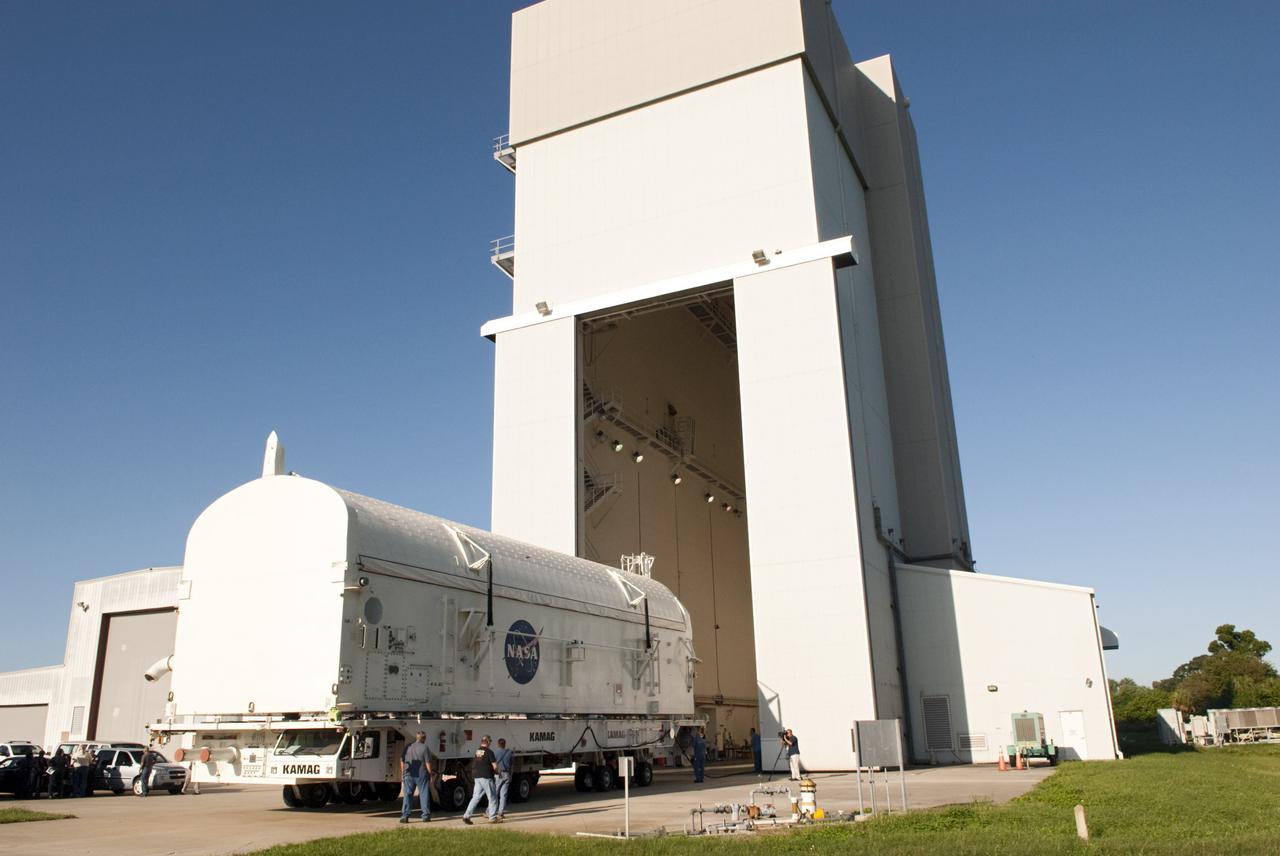
CAPE CANAVERAL, Fla. -- Payload canister #1 departs the high bay of the Canister Rotation Facility at NASA's Kennedy Space Center in Florida for the last time. The canister is being moved to the Reutilization, Recycling and Marketing Facility on Ransom Road. The two payload canisters used to transport space shuttle payloads to the launch pad for installation in the shuttles' cargo bays are being decommissioned following the end of the Space Shuttle Program. Each canister weighs 110,000 pounds and is 65 feet long, 22 feet wide, and 18 feet, 7 inches high. The canisters were prescreened through NASA Headquarters as possible artifacts, but their size makes them difficult to transport to locations off the center. Federal and state agencies now will be given the opportunity to screen the canisters for potential use before a final decision is made on their disposition. For more information, visit http:__www.nasa.gov_centers_kennedy_pdf_167403main_CRF-06.pdf. Photo credit: NASA_Jim Grossmann
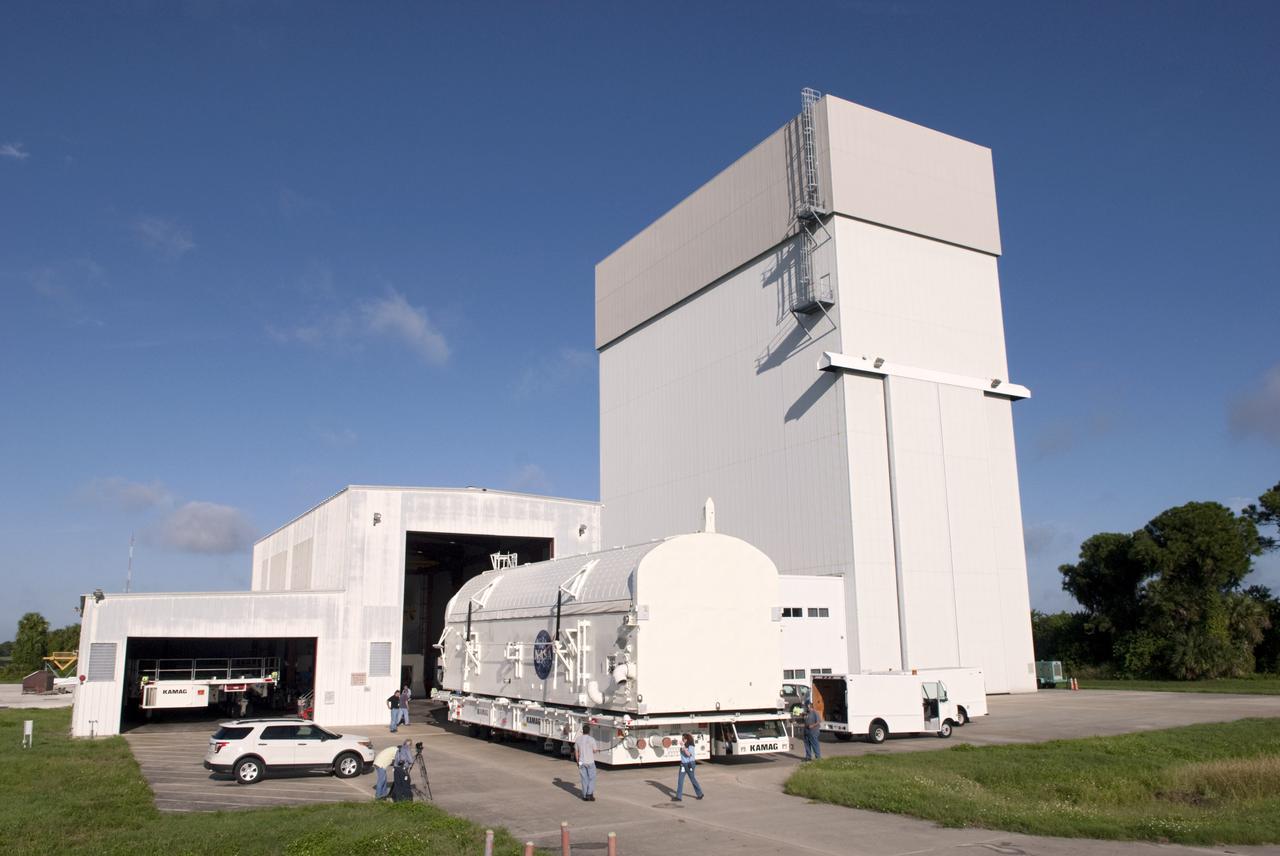
CAPE CANAVERAL, Fla. -- Employees monitor payload canister #2 as it rolls out of the high bay of the Canister Rotation Facility at NASA's Kennedy Space Center in Florida for its trip to the Reutilization, Recycling and Marketing Facility on Ransom Road. The two payload canisters used to transport space shuttle payloads to the launch pad for installation in the shuttles' cargo bays are being decommissioned following the end of the Space Shuttle Program. Each canister weighs 110,000 pounds and is 65 feet long, 22 feet wide, and 18 feet, 7 inches high. The canisters were prescreened through NASA Headquarters as possible artifacts, but their size makes them difficult to transport to locations off the center. Federal and state agencies now will be given the opportunity to screen the canisters for potential use before a final decision is made on their disposition. For more information, visit http:__www.nasa.gov_centers_kennedy_pdf_167403main_CRF-06.pdf. Photo credit: NASA_Jim Grossmann
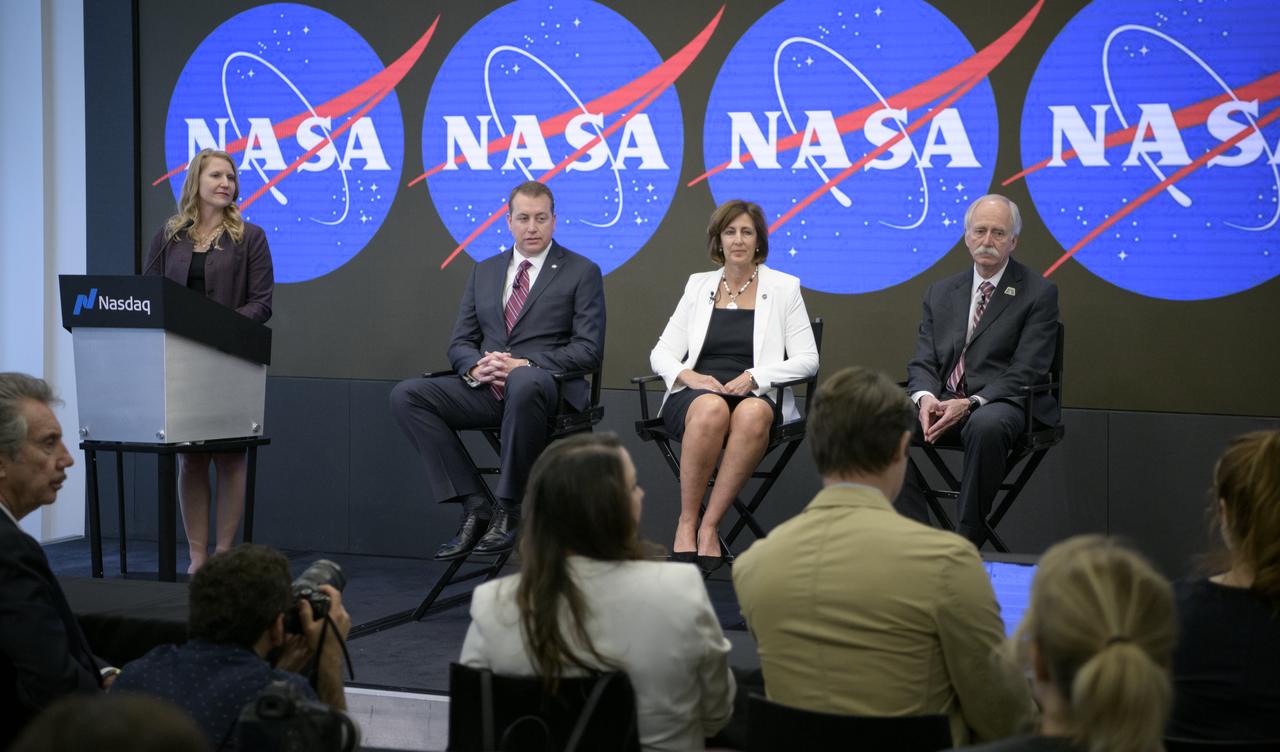
NASA Public Affairs Officer Stephanie Schierholz, standing left, moderates a media briefing with NASA Chief Financial Officer Jeff DeWit, left, NASA International Space Station Deputy Director Robyn Gatens, center, and NASA Associate Administrator for the Human Exploration and Operations Directorate William Gerstenmaier where they announced the agency’s five-part plan to open the International Space Station to expanded commercial and marketing activities and private astronaut missions to the station and enable additional commercial destinations in low-Earth orbit, Friday, June 7, 2019 at the Nasdaq MarketSite in New York City. NASA will continue to maintain human presence and research in low-Earth orbit, and the long-term goal is to achieve a robust economy from which NASA can purchase services at a lower cost. Photo Credit: (NASA/Bill Ingalls)
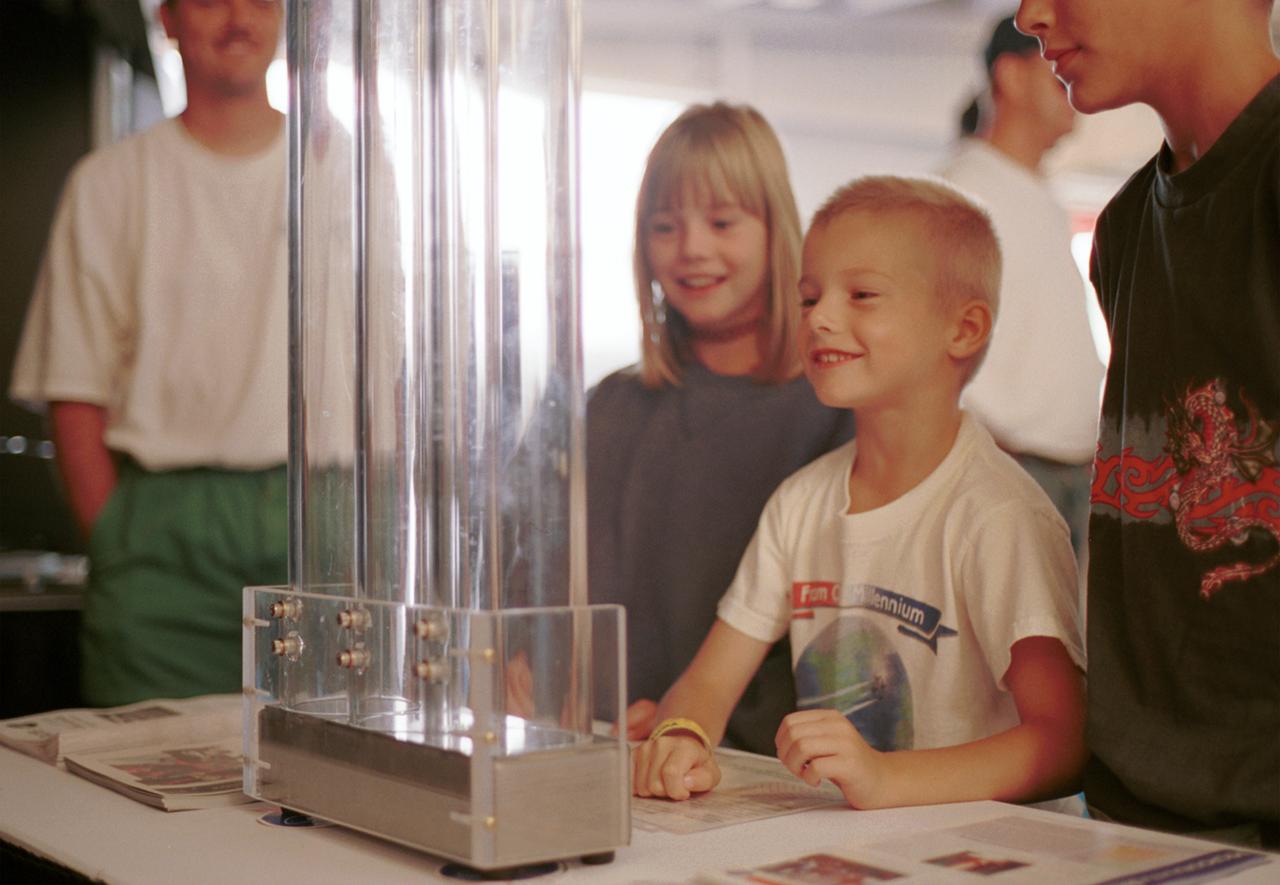
An entranced youngster watches a demonstration of the enhanced resilience of undercooled metal alloys as compared to conventional alloys. Steel bearings are dropped onto plates made of steel, titanium alloy, and zirconium liquid metal alloy, so-called because its molecular structure is amorphous and not crystalline. The bearing on the liquid metal plate bounces for a minute or more longer than on the other plates. Experiments aboard the Space Shuttle helped scientists refine their understanding of the physical properties of certain metal alloys when undercooled (i.e., kept liquid below their normal solidification temperature). This new knowledge then allowed scientists to modify a terrestrial production method so they can now make limited quantities marketed under the Liquid Metal trademark. The exhibit was a part of the NASA outreach activity at AirVenture 2000 sponsored by the Experimental Aircraft Association in Oshkosh, WI.

CAPE CANAVERAL, Fla. -- Payload canister #2 arrives outside the Reutilization, Recycling and Marketing Facility on Ransom Road at NASA's Kennedy Space Center in Florida. The two payload canisters used to transport space shuttle payloads to the launch pad for installation in the shuttles' cargo bays are being decommissioned following the end of the Space Shuttle Program. Each canister weighs 110,000 pounds and is 65 feet long, 22 feet wide, and 18 feet, 7 inches high. The canisters were prescreened through NASA Headquarters as possible artifacts, but their size makes them difficult to transport to locations off the center. Federal and state agencies now will be given the opportunity to screen the canisters for potential use before a final decision is made on their disposition. For more information, visit http:__www.nasa.gov_centers_kennedy_pdf_167403main_CRF-06.pdf. Photo credit: NASA_Jim Grossmann
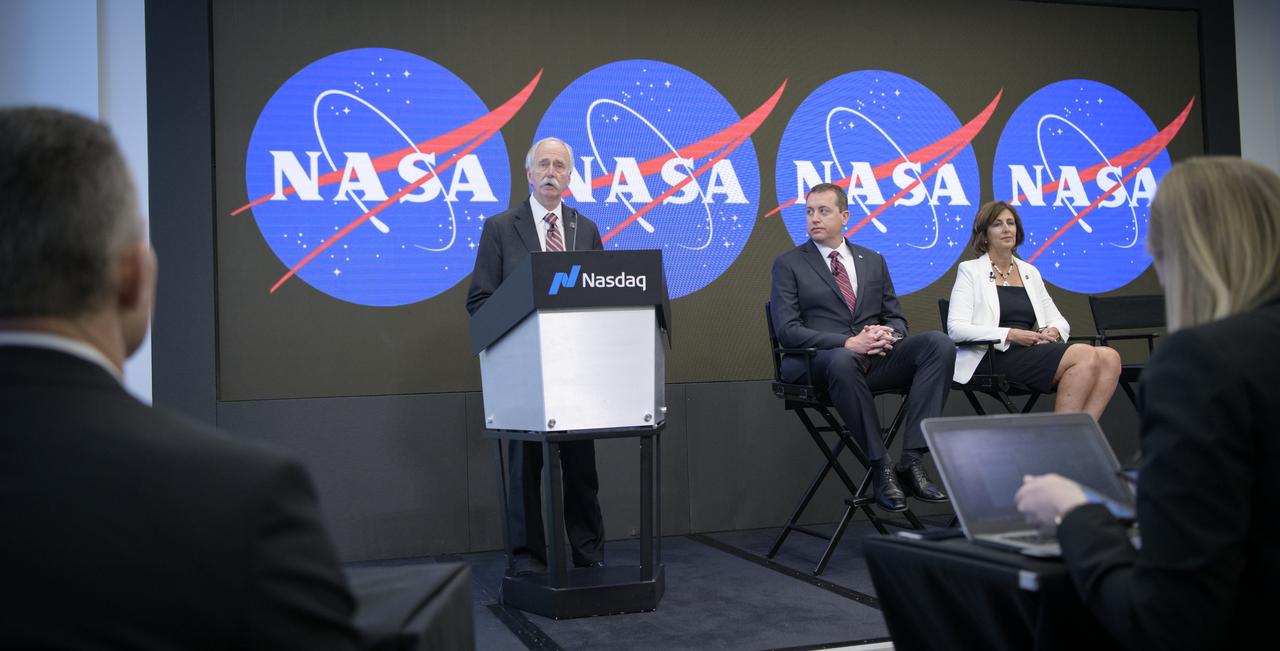
NASA Associate Administrator for the Human Exploration and Operations Directorate William Gerstenmaier, left, NASA Chief Financial Officer Jeff DeWit, center, and NASA International Space Station Deputy Director Robyn Gatens announce the agency’s five-part plan to open the International Space Station to expanded commercial and marketing activities and private astronaut missions to the station and enable additional commercial destinations in low-Earth orbit, Friday, June 7, 2019 at the Nasdaq MarketSite in New York City. NASA will continue to maintain human presence and research in low-Earth orbit, and the long-term goal is to achieve a robust economy from which NASA can purchase services at a lower cost. Photo Credit: (NASA/Bill Ingalls)
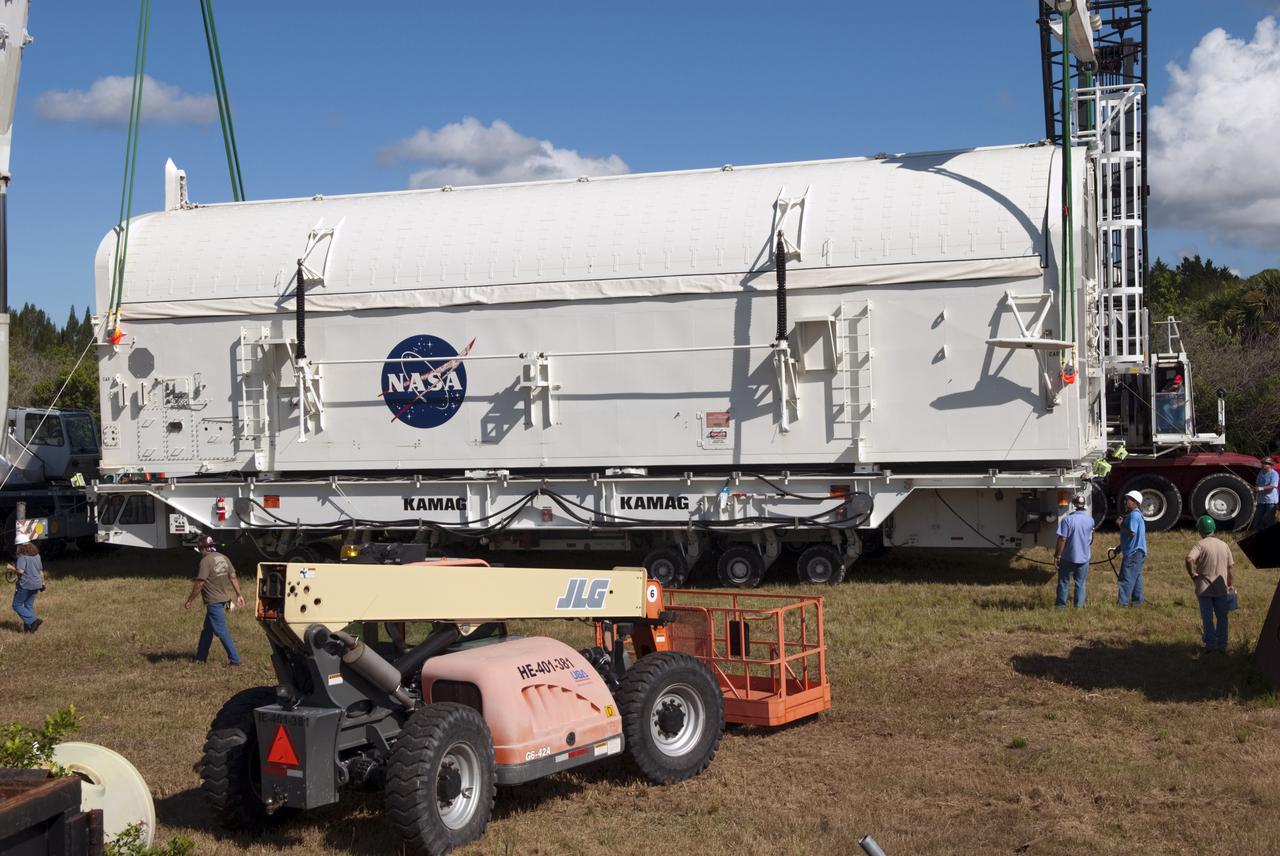
CAPE CANAVERAL, Fla. -- Preparations are under way to lift payload canister #1 from the transporter that delivered it to the Reutilization, Recycling and Marketing Facility on Ransom Road at NASA's Kennedy Space Center in Florida. The two payload canisters used to transport space shuttle payloads to the launch pad for installation in the shuttles' cargo bays are being decommissioned following the end of the Space Shuttle Program. Each canister weighs 110,000 pounds and is 65 feet long, 22 feet wide, and 18 feet, 7 inches high. The canisters were prescreened through NASA Headquarters as possible artifacts, but their size makes them difficult to transport to locations off the center. Federal and state agencies now will be given the opportunity to screen the canisters for potential use before a final decision is made on their disposition. For more information, visit http:__www.nasa.gov_centers_kennedy_pdf_167403main_CRF-06.pdf. Photo credit: NASA_Jim Grossmann

A Nasdaq moderator, center, talks with NASA Director of Commercial Spaceflight Development Phil McAlister, left, ISS National Lab Vice President and Chief Operating Officer Ken Shields, NASA Advisory Council Regulatory and Policy Committee Chair Mike Gold, and NASA Deputy Chief Financial Officer for Integration Doug Comstock, right, during a live social media event shortly after NASA announced a five-part plan to open the International Space Station to expanded commercial and marketing activities and private astronaut missions to the station and enable additional commercial destinations in low-Earth orbit, Friday, June 7, 2019 at the Nasdaq MarketSite in New York City. NASA will continue to maintain human presence and research in low-Earth orbit, and the long-term goal is to achieve a robust economy from which NASA can purchase services at a lower cost. Photo Credit: (NASA/Bill Ingalls)
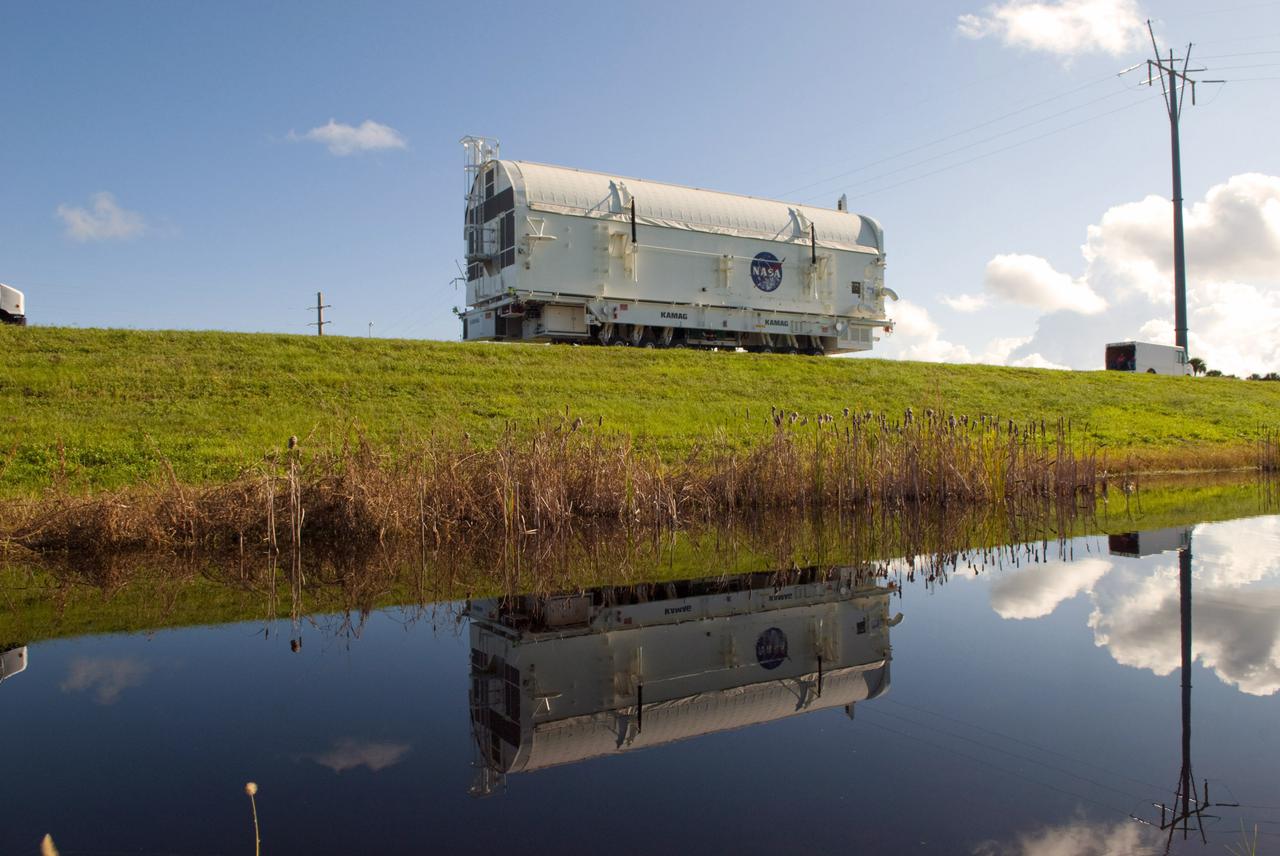
CAPE CANAVERAL, Fla. -- At NASA's Kennedy Space Center in Florida, payload canister #1 is reflected in the water standing beside the roadway leading from the Canister Rotation Facility to the Reutilization, Recycling and Marketing Facility on Ransom Road. The two payload canisters used to transport space shuttle payloads to the launch pad for installation in the shuttles' cargo bays are being decommissioned following the end of the Space Shuttle Program. Each canister weighs 110,000 pounds and is 65 feet long, 22 feet wide, and 18 feet, 7 inches high. The canisters were prescreened through NASA Headquarters as possible artifacts, but their size makes them difficult to transport to locations off the center. Federal and state agencies now will be given the opportunity to screen the canisters for potential use before a final decision is made on their disposition. For more information, visit http:__www.nasa.gov_centers_kennedy_pdf_167403main_CRF-06.pdf. Photo credit: NASA_Jim Grossmann
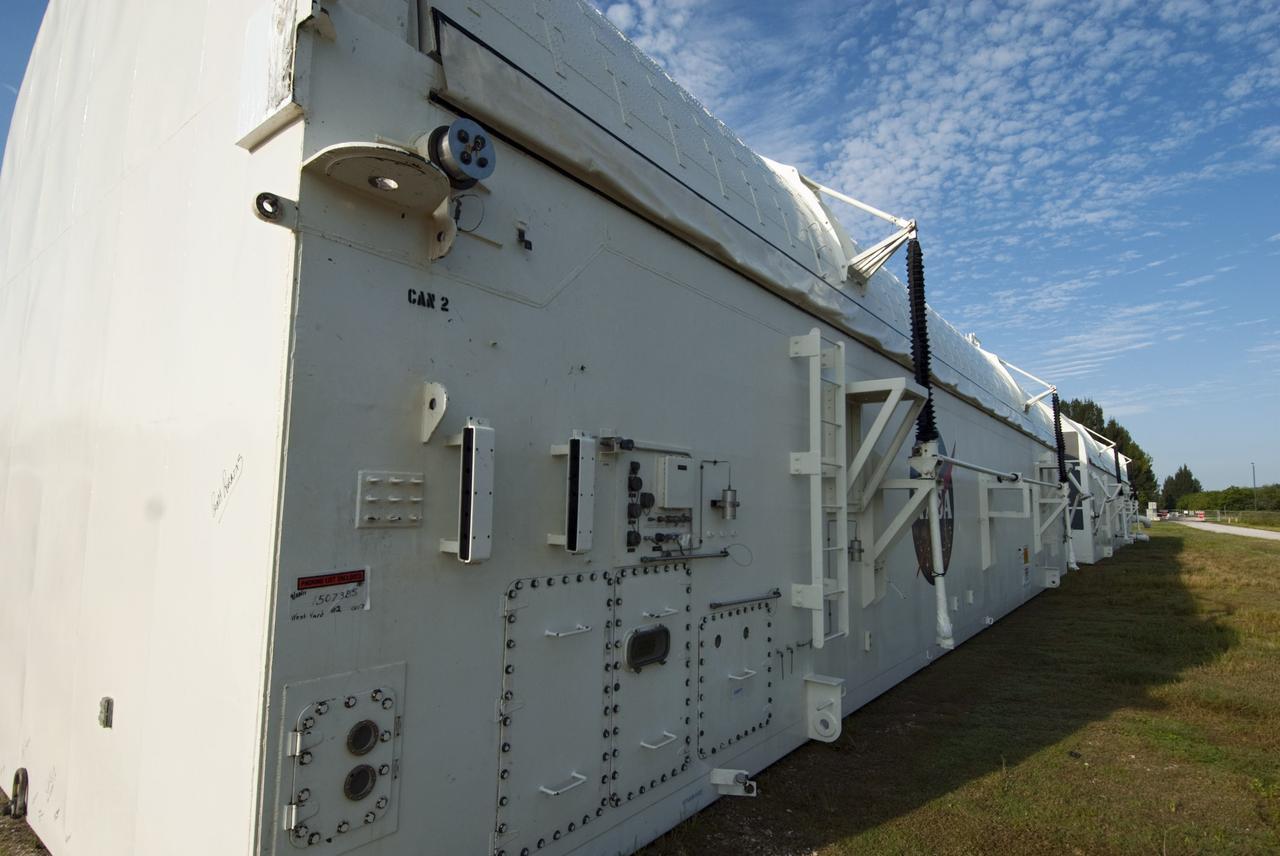
At NASA's Kennedy Space Center in Florida, NASA's payload transportation canisters are displayed end-to-end outside the Reutilization, Recycling and Marketing Facility on Ransom Road. The two payload canisters are being decommissioned following the end of the Space Shuttle Program. The canisters delivered to the launch pad all space shuttle and space station cargo that required vertical installation into the shuttles' payload bays. Each canister weighs 110,000 pounds and is 65 feet long, 22 feet wide, and 18 feet, 7 inches high. The canisters were prescreened through NASA Headquarters as possible artifacts, but their size makes them difficult to transport to locations off the center. Federal and state agencies now will be given the opportunity to screen the canisters for potential use before a final decision is made on their disposition. For more information, visit http://www.nasa.gov/centers/kennedy/pdf/167403main_CRF-06.pdf. Photo credit: NASA/Jim Grossmann
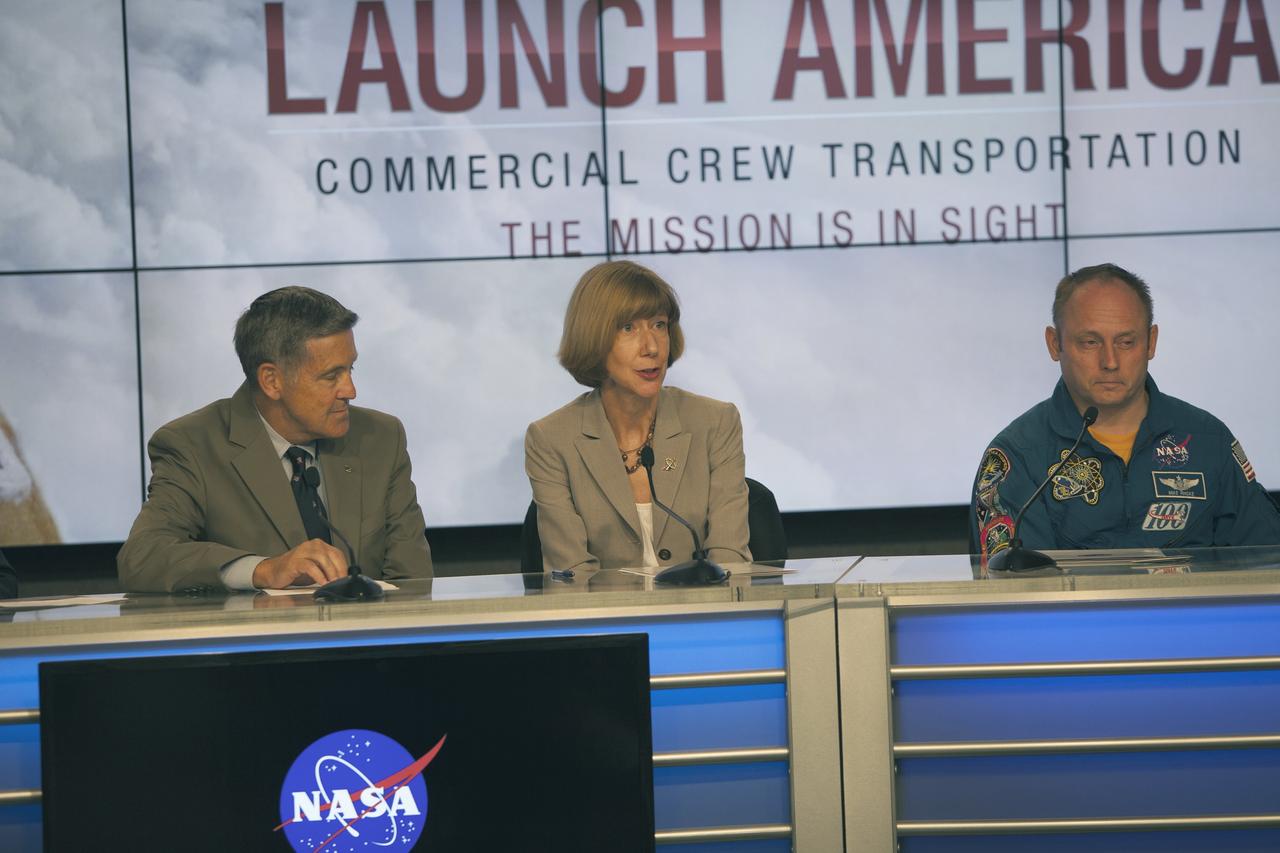
CAPE CANAVERAL, Fla. – Kathy Lueders, program manager of NASA's Commercial Crew Program, speaks during the Commercial Crew Transportation Capability CCtCap contract announcement ceremony. Speaking from Kennedy Space Center’s Press Site, Lueders detailed the importance of the development effort for United States space exploration ambitions and the economic potential of creating new markets in space transportation for people. Boeing and SpaceX were awarded contracts to complete the design of the CST-100 and Crew Dragon spacecraft, respectively, and begin manufacturing for flight tests with a goal of achieving certification to take astronauts to the International Space Station by 2017. CCtCap also covers the beginning of operational missions for these new spacecraft and their systems. Former astronaut Bob Cabana, left, director of Kennedy Space Center, and former International Space Station Commander Mike Fincke also took part in the announcement. Photo credit: NASA/Jim Grossmann
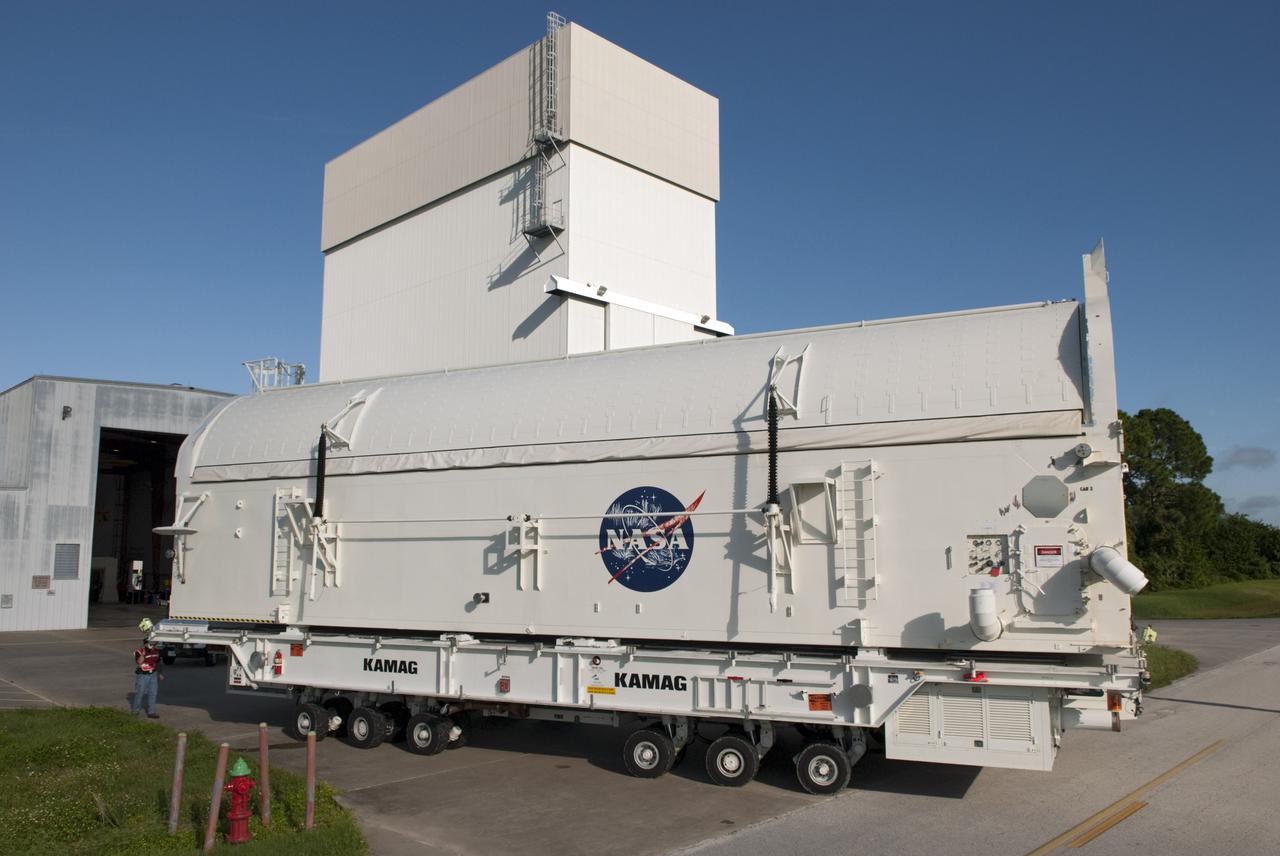
CAPE CANAVERAL, Fla. -- Payload canister #2 departs the high bay of the Canister Rotation Facility at NASA's Kennedy Space Center in Florida for the last time. The canister is being moved to the Reutilization, Recycling and Marketing Facility on Ransom Road. The two payload canisters used to transport space shuttle payloads to the launch pad for installation in the shuttles' cargo bays are being decommissioned following the end of the Space Shuttle Program. Each canister weighs 110,000 pounds and is 65 feet long, 22 feet wide, and 18 feet, 7 inches high. The canisters were prescreened through NASA Headquarters as possible artifacts, but their size makes them difficult to transport to locations off the center. Federal and state agencies now will be given the opportunity to screen the canisters for potential use before a final decision is made on their disposition. For more information, visit http:__www.nasa.gov_centers_kennedy_pdf_167403main_CRF-06.pdf. Photo credit: NASA_Jim Grossmann