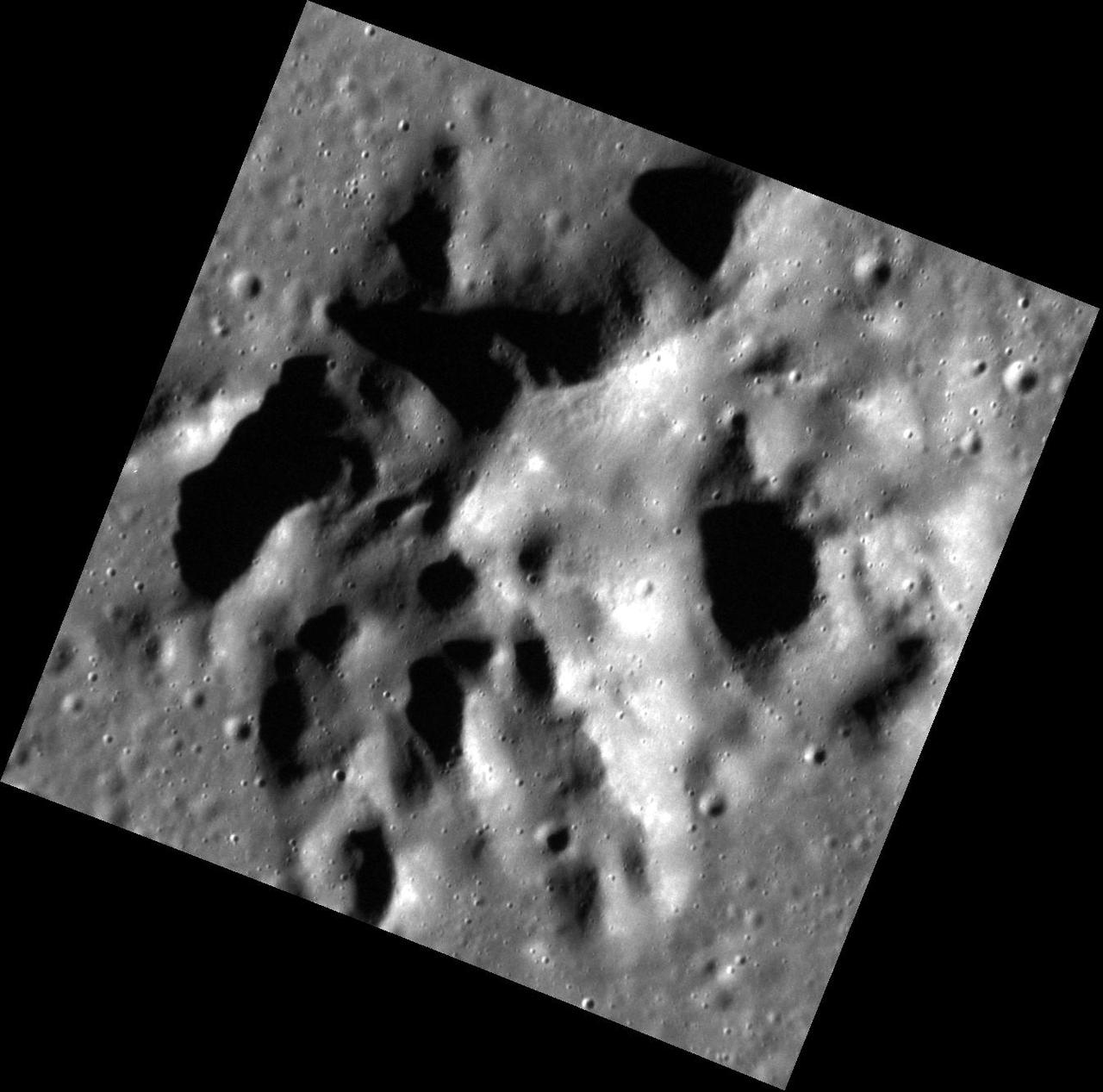
A Massive Peak

Massive Gas Cloud Around Jupiter
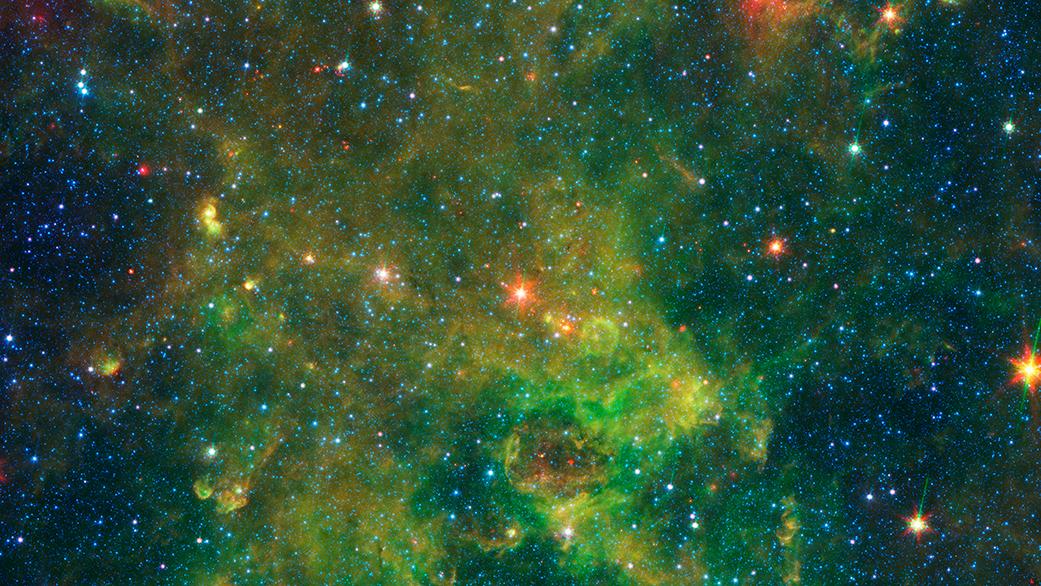
An age-defying star designated as IRAS 19312+1950 exhibits features characteristic of a very young star and a very old star. The object stands out as extremely bright inside a large, chemically rich cloud of material, as shown in this image from NASA’s Spitzer Space Telescope. A NASA-led team of scientists thinks the star – which is about 10 times as massive as our sun and emits about 20,000 times as much energy – is a newly forming protostar. That was a big surprise because the region had not been known as a stellar nursery before. But the presence of a nearby interstellar bubble, which indicates the presence of a recently formed massive star, also supports this idea. Read more: <a href="http://go.nasa.gov/2bMza9d" rel="nofollow">go.nasa.gov/2bMza9d</a> Image Credit: NASA/JPL-Caltech
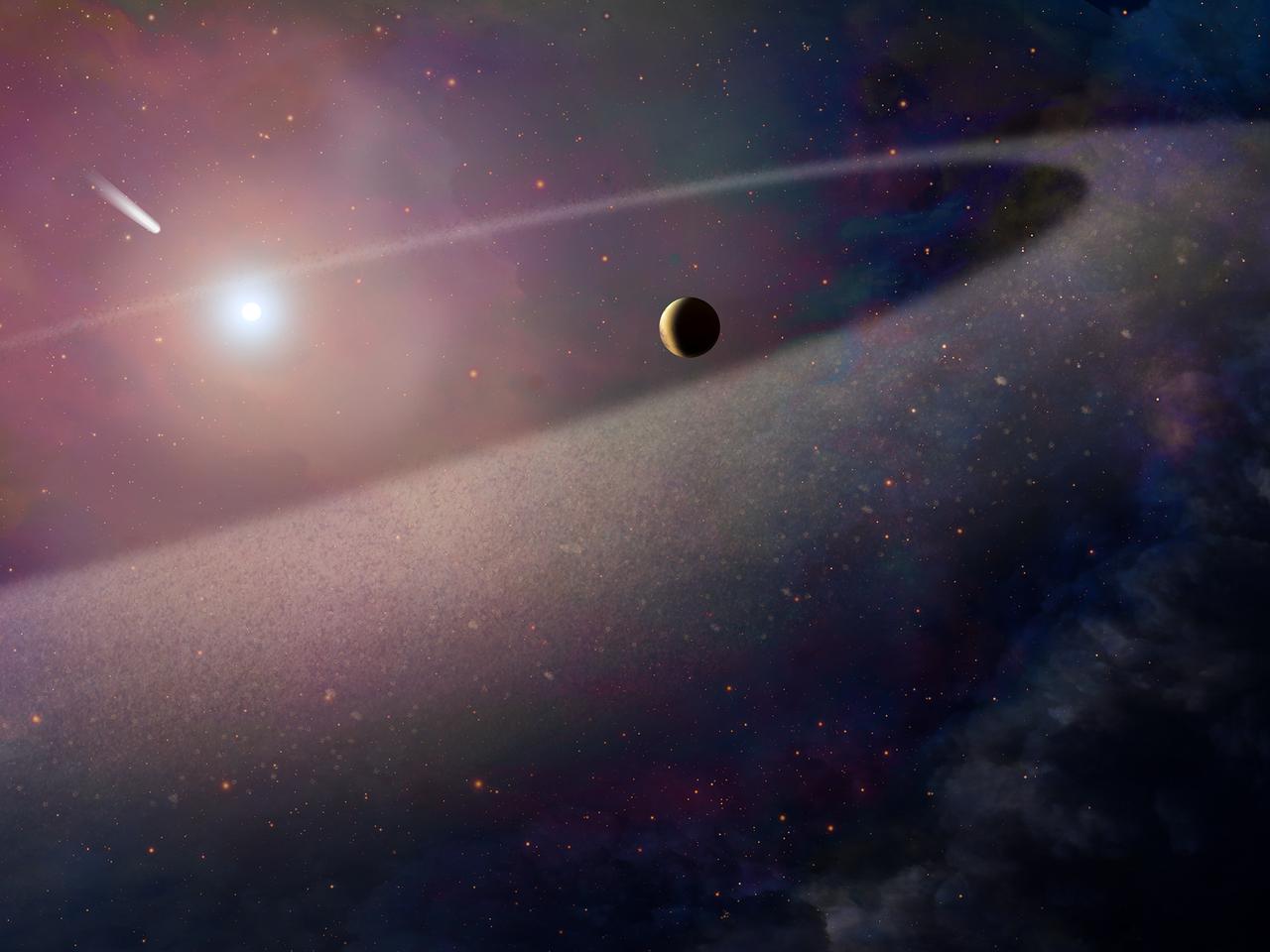
For the first time, scientists using NASA’s Hubble Space Telescope have witnessed a massive object with the makeup of a comet being ripped apart and scattered in the atmosphere of a white dwarf, the burned-out remains of a compact star. The object has a chemical composition similar to Halley’s Comet, but it is 100,000 times more massive and has a much higher amount of water. It is also rich in the elements essential for life, including nitrogen, carbon, oxygen, and sulfur. These findings are evidence for a belt of comet-like bodies orbiting the white dwarf, similar to our solar system’s Kuiper Belt. These icy bodies apparently survived the star’s evolution as it became a bloated red giant and then collapsed to a small, dense white dwarf. Caption: This artist's concept shows a massive, comet-like object falling toward a white dwarf. New Hubble Space Telescope findings are evidence for a belt of comet-like bodies orbiting the white dwarf, similar to our solar system's Kuiper Belt. The findings also suggest the presence of one or more unseen surviving planets around the white dwarf, which may have perturbed the belt to hurl icy objects into the burned-out star. Credits: NASA, ESA, and Z. Levay (STScI) <b><a href="http://www.nasa.gov/audience/formedia/features/MP_Photo_Guidelines.html" rel="nofollow">NASA image use policy.</a></b> <b><a href="http://www.nasa.gov/centers/goddard/home/index.html" rel="nofollow">NASA Goddard Space Flight Center</a></b> enables NASA’s mission through four scientific endeavors: Earth Science, Heliophysics, Solar System Exploration, and Astrophysics. Goddard plays a leading role in NASA’s accomplishments by contributing compelling scientific knowledge to advance the Agency’s mission. <b>Follow us on <a href="http://twitter.com/NASAGoddardPix" rel="nofollow">Twitter</a></b> <b>Like us on <a href="http://www.facebook.com/pages/Greenbelt-MD/NASA-Goddard/395013845897?ref=tsd" rel="nofollow">Facebook</a></b> <b>Find us on <a href="http://instagrid.me/nasagoddard/?vm=grid" rel="nofollow">Instagram</a></b>
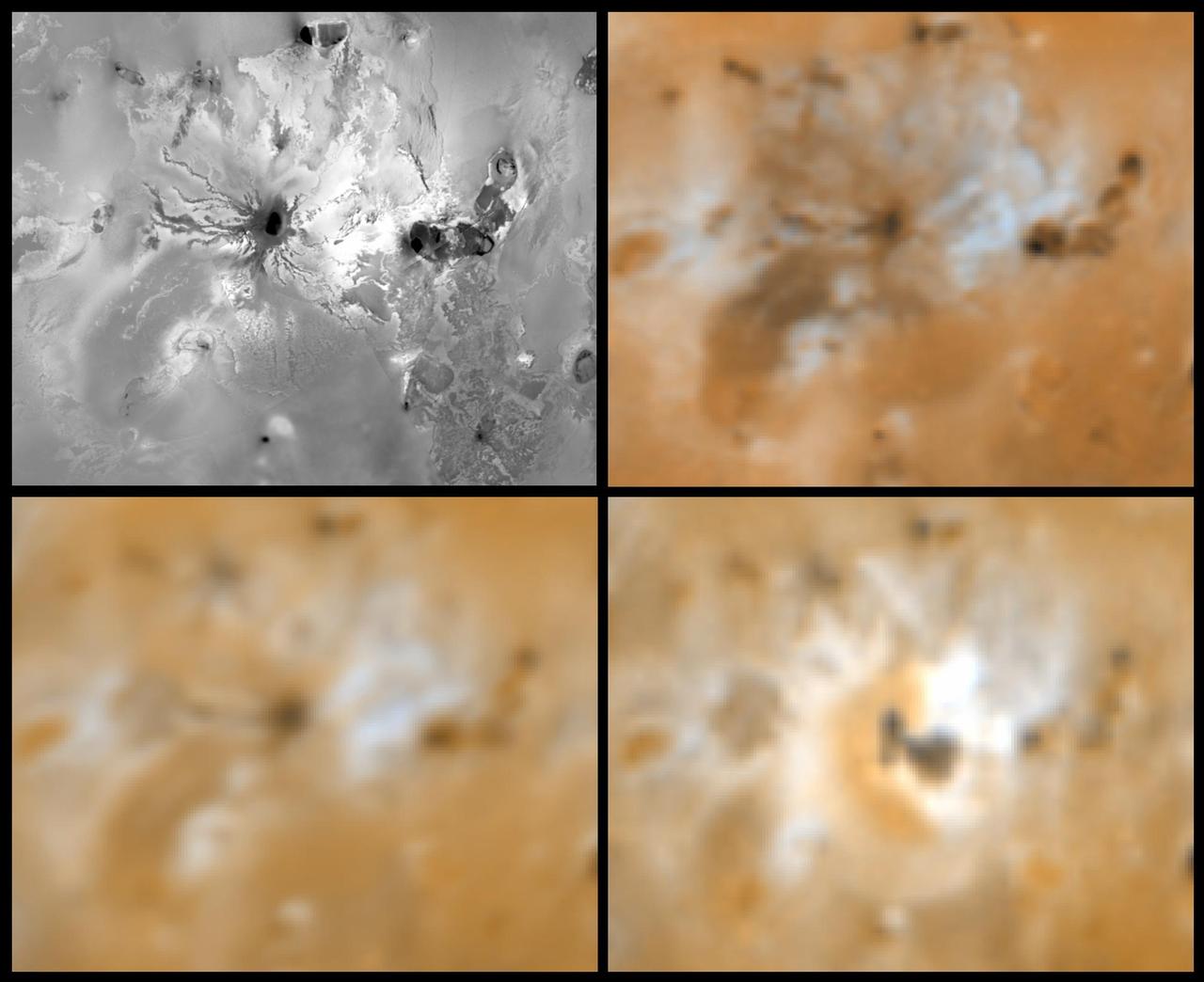
Massive Resurfacing of the Ionian Volcano Ra Patera
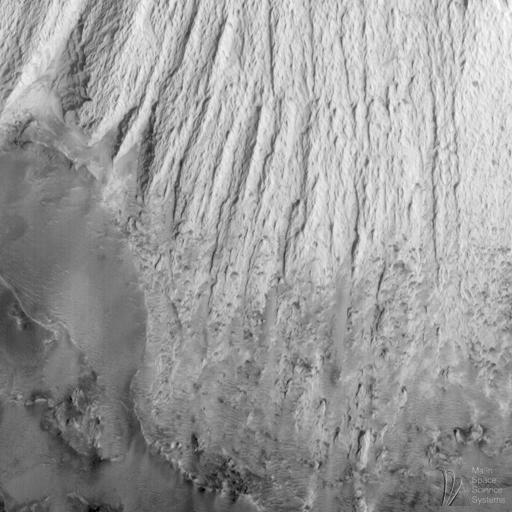
Candor Chasma - Massive non-layered Material Expos

Taken on October 22, 2015 at 0400 UTC by the Suomi NPP satellite's VIIRS sensor, this colorized infrared image shows the extremely large eye of Typhoon Champi. With a diameter of 60 nautical miles, the eye of the storm is larger than the state of Rhode Island. Typhoon Champi is currently 700 nautical miles south of Tokyo, Japan with 110mph sustained winds, and is moving northeast with no threat to land. Credit: NASA/NOAA via <b><a href="www.nnvl.noaa.gov/" rel="nofollow"> NOAA Environmental Visualization Laboratory</a></b> <b><a href="http://www.nasa.gov/audience/formedia/features/MP_Photo_Guidelines.html" rel="nofollow">NASA image use policy.</a></b> <b><a href="http://www.nasa.gov/centers/goddard/home/index.html" rel="nofollow">NASA Goddard Space Flight Center</a></b> enables NASA’s mission through four scientific endeavors: Earth Science, Heliophysics, Solar System Exploration, and Astrophysics. Goddard plays a leading role in NASA’s accomplishments by contributing compelling scientific knowledge to advance the Agency’s mission. <b>Follow us on <a href="http://twitter.com/NASAGoddardPix" rel="nofollow">Twitter</a></b> <b>Like us on <a href="http://www.facebook.com/pages/Greenbelt-MD/NASA-Goddard/395013845897?ref=tsd" rel="nofollow">Facebook</a></b> <b>Find us on <a href="http://instagrid.me/nasagoddard/?vm=grid" rel="nofollow">Instagram</a></b>
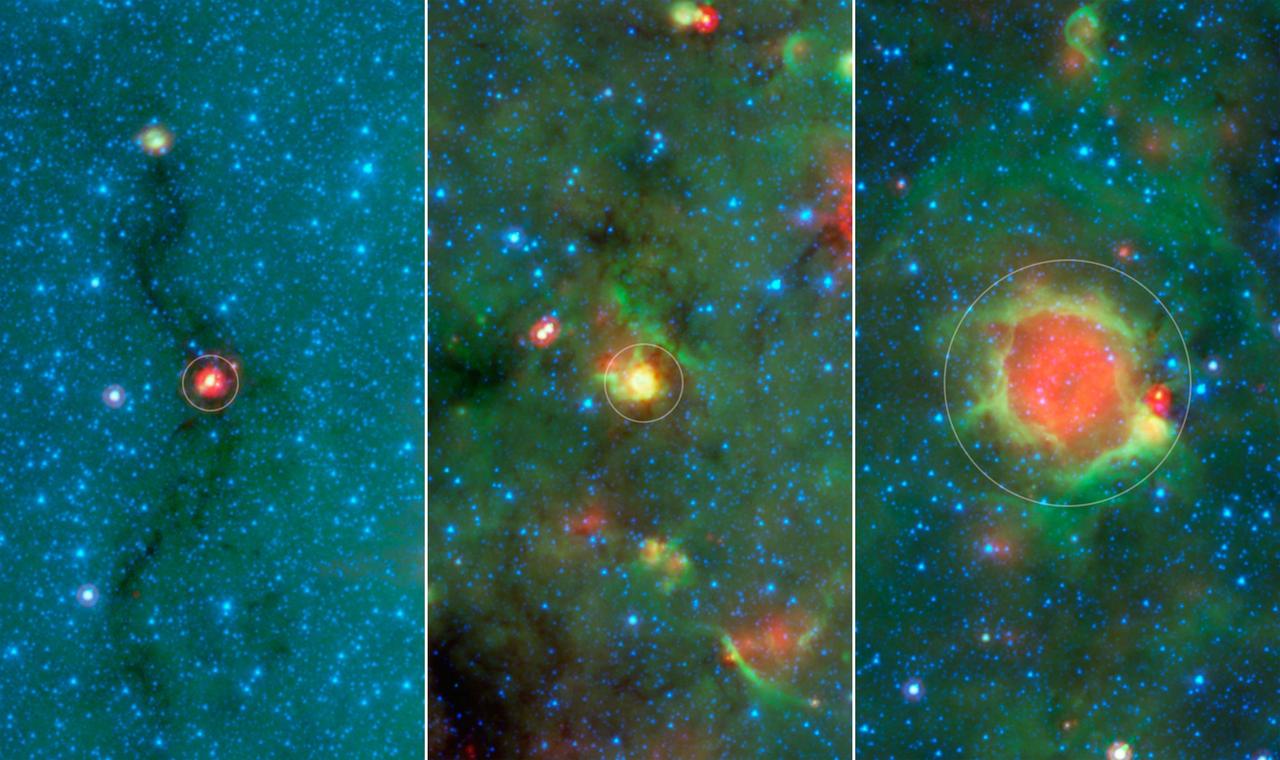
This series of images show three evolutionary phases of massive star formation, as pictured in infrared images from NASA Spitzer Space Telescope.
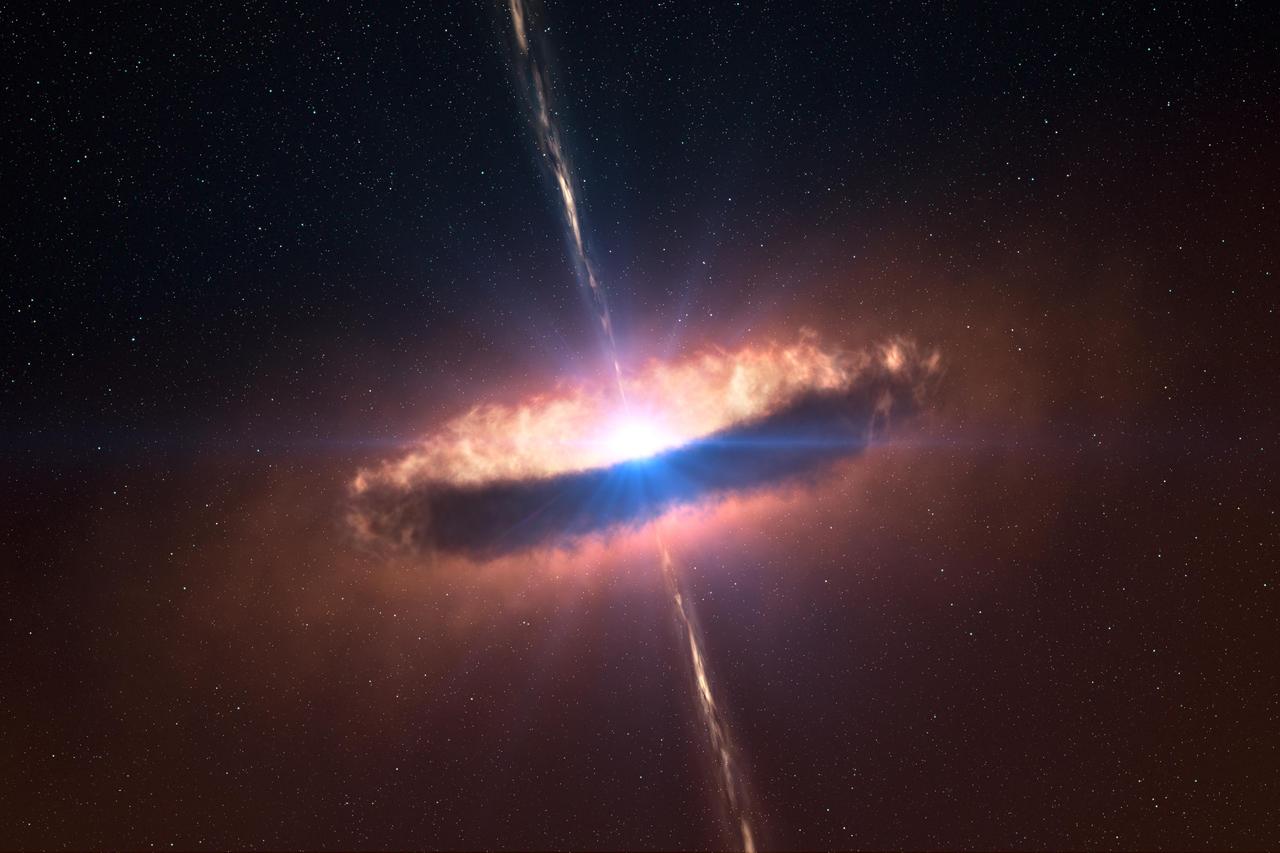
Astronomers have obtained the first clear look at a dusty disk closely encircling a massive baby star; this artist concept shows what such a massive disk might look like.
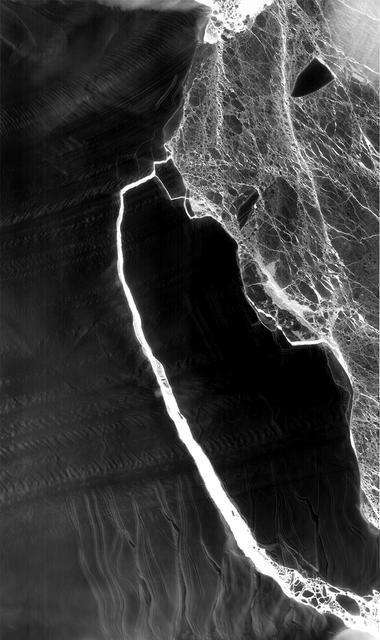
As Antarctica remains shrouded in darkness during the Southern Hemisphere winter, the Thermal Infrared Sensor (TIRS) on Landsat 8 captured a new snap of the 2,240-square-mile iceberg that split off from the Antarctic Peninsula’s Larsen C ice shelf on July 10-12. The satellite imagery is a composite of Landsat 8 as it past on July 14 and July 21 and shows that the main berg, A-68, has already lost several smaller pieces. The A-68 iceberg is being carried by currents northward out of its embayment on the Larsen C ice shelf. The latest imagery also details a group of three small, not yet released icebergs at the north end of the embayment. Credits: NASA Goddard/UMBC JCET, Christopher A. Shuman <b><a href="http://www.nasa.gov/audience/formedia/features/MP_Photo_Guidelines.html" rel="nofollow">NASA image use policy.</a></b> <b><a href="http://www.nasa.gov/centers/goddard/home/index.html" rel="nofollow">NASA Goddard Space Flight Center</a></b> enables NASA’s mission through four scientific endeavors: Earth Science, Heliophysics, Solar System Exploration, and Astrophysics. Goddard plays a leading role in NASA’s accomplishments by contributing compelling scientific knowledge to advance the Agency’s mission. <b>Follow us on <a href="http://twitter.com/NASAGoddardPix" rel="nofollow">Twitter</a></b> <b>Like us on <a href="http://www.facebook.com/pages/Greenbelt-MD/NASA-Goddard/395013845897?ref=tsd" rel="nofollow">Facebook</a></b> <b>Find us on <a href="http://instagrid.me/nasagoddard/?vm=grid" rel="nofollow">Instagram</a></b>
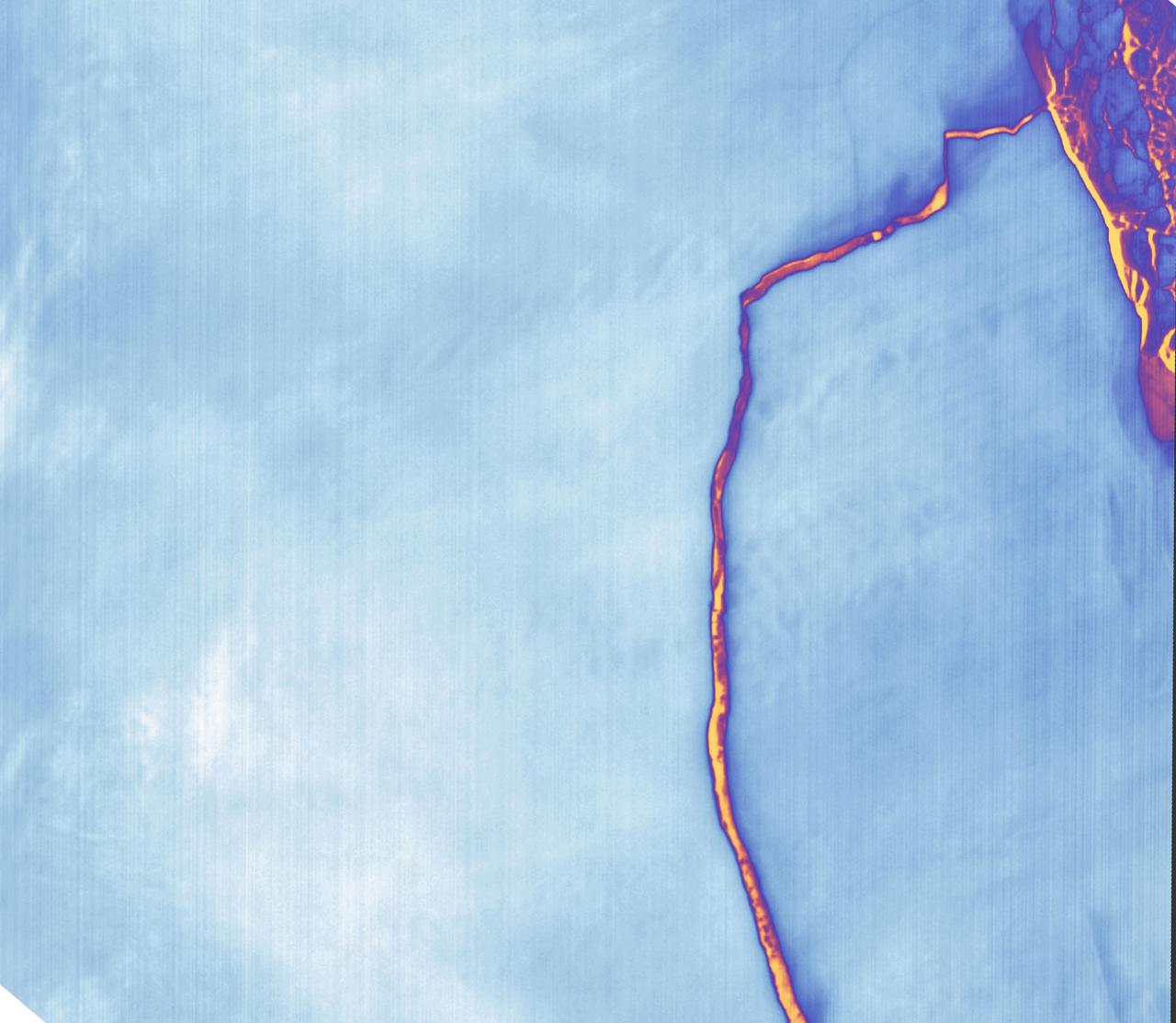
Sometime between July 10 and July 12, an iceberg about the size of Delaware split off from Antarctica’s Larsen C ice shelf. Now that nearly 5,800 square kilometers (2,200 square miles) of ice has broken away, the Larsen C shelf area has shrunk by approximately 10 percent. This false-color image was captured by Landsat’s Thermal Infrared Sensor (TIRS). It shows the relative warmth or coolness of the landscape. Orange indicates where the surface is the warmest, most notably the mélange between the new berg and the ice shelf. Light blues and whites are the coldest areas, including the ice shelf and the iceberg. On July 13, the U.S. National Ice Center issued a press release confirming the new iceberg and officially naming it A-68. Credit: NASA Earth Observatory images by Joshua Stevens, using Landsat data from the U.S. Geological Survey <b><a href="http://www.nasa.gov/audience/formedia/features/MP_Photo_Guidelines.html" rel="nofollow">NASA image use policy.</a></b> <b><a href="http://www.nasa.gov/centers/goddard/home/index.html" rel="nofollow">NASA Goddard Space Flight Center</a></b> enables NASA’s mission through four scientific endeavors: Earth Science, Heliophysics, Solar System Exploration, and Astrophysics. Goddard plays a leading role in NASA’s accomplishments by contributing compelling scientific knowledge to advance the Agency’s mission. <b>Follow us on <a href="http://twitter.com/NASAGoddardPix" rel="nofollow">Twitter</a></b> <b>Like us on <a href="http://www.facebook.com/pages/Greenbelt-MD/NASA-Goddard/395013845897?ref=tsd" rel="nofollow">Facebook</a></b> <b>Find us on <a href="http://instagrid.me/nasagoddard/?vm=grid" rel="nofollow">Instagram</a></b>
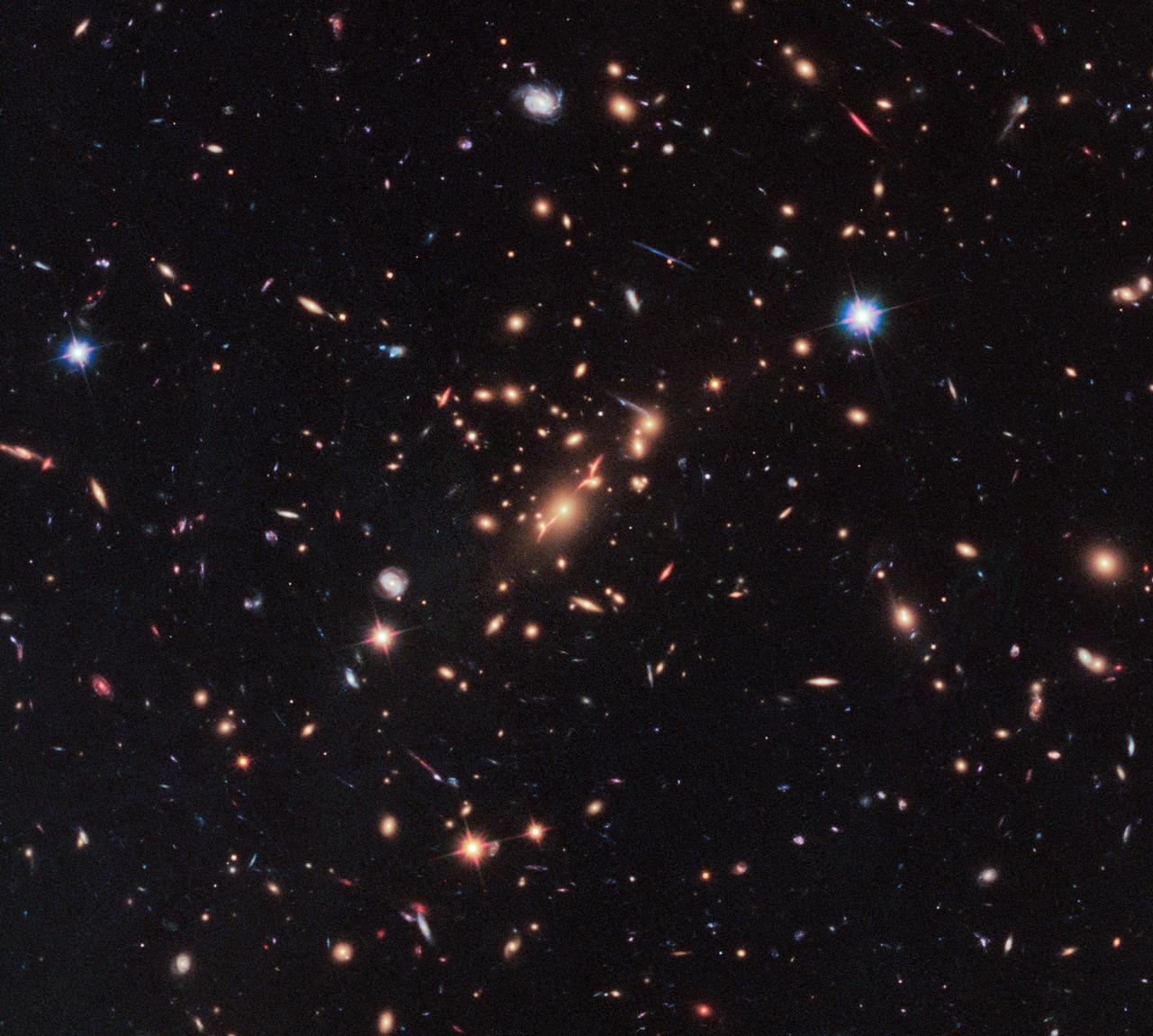
By combining the power of a "natural lens" in space with the capability of NASA's Hubble Space Telescope, astronomers made a surprising discovery—the first example of a compact yet massive, fast-spinning, disk-shaped galaxy that stopped making stars only a few billion years after the big bang. Finding such a galaxy early in the history of the universe challenges the current understanding of how massive galaxies form and evolve, say researchers. Read more: <a href="https://go.nasa.gov/2sWwKkc" rel="nofollow">go.nasa.gov/2sWwKkc</a> caption: Acting as a “natural telescope” in space, the gravity of the extremely massive foreground galaxy cluster MACS J2129-0741 magnifies, brightens, and distorts the far-distant background galaxy MACS2129-1, shown in the top box. The middle box is a blown-up view of the gravitationally lensed galaxy. In the bottom box is a reconstructed image, based on modeling that shows what the galaxy would look like if the galaxy cluster were not present. The galaxy appears red because it is so distant that its light is shifted into the red part of the spectrum. Credits: NASA, ESA, M. Postman (STScI), and the CLASH team <b><a href="http://www.nasa.gov/audience/formedia/features/MP_Photo_Guidelines.html" rel="nofollow">NASA image use policy.</a></b> <b><a href="http://www.nasa.gov/centers/goddard/home/index.html" rel="nofollow">NASA Goddard Space Flight Center</a></b> enables NASA’s mission through four scientific endeavors: Earth Science, Heliophysics, Solar System Exploration, and Astrophysics. Goddard plays a leading role in NASA’s accomplishments by contributing compelling scientific knowledge to advance the Agency’s mission. <b>Follow us on <a href="http://twitter.com/NASAGoddardPix" rel="nofollow">Twitter</a></b> <b>Like us on <a href="http://www.facebook.com/pages/Greenbelt-MD/NASA-Goddard/395013845897?ref=tsd" rel="nofollow">Facebook</a></b> <b>Find us on <a href="http://instagrid.me/nasagoddard/?vm=grid" rel="nofollow">Instagram</a></b>
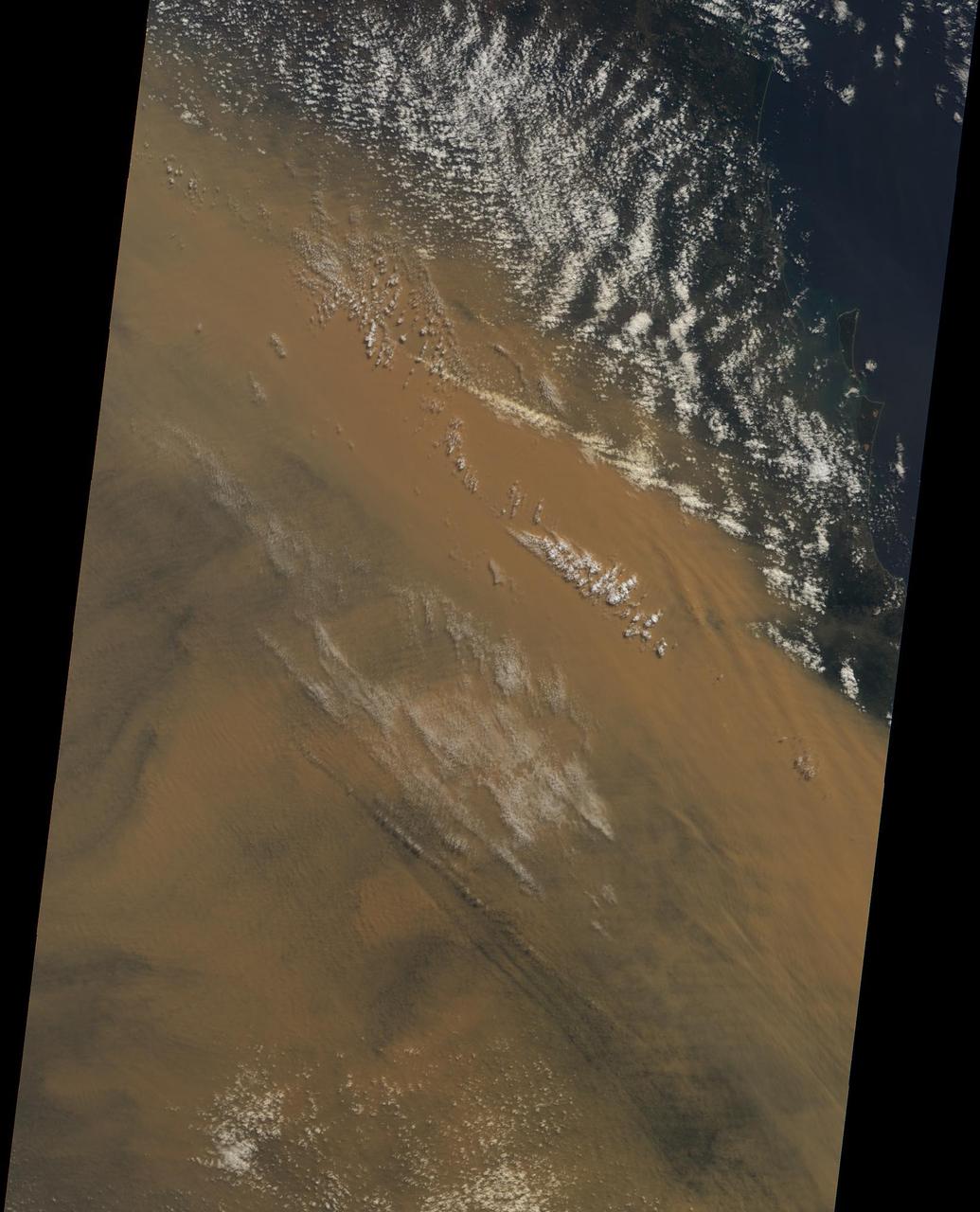
Powerful winds and dry conditions caused a massive blanket of dust from Australia Outback to spread eastward across Queensland and New South Wales. This image was acquired on September 22, 2009 by NASA Terra spacecraft.
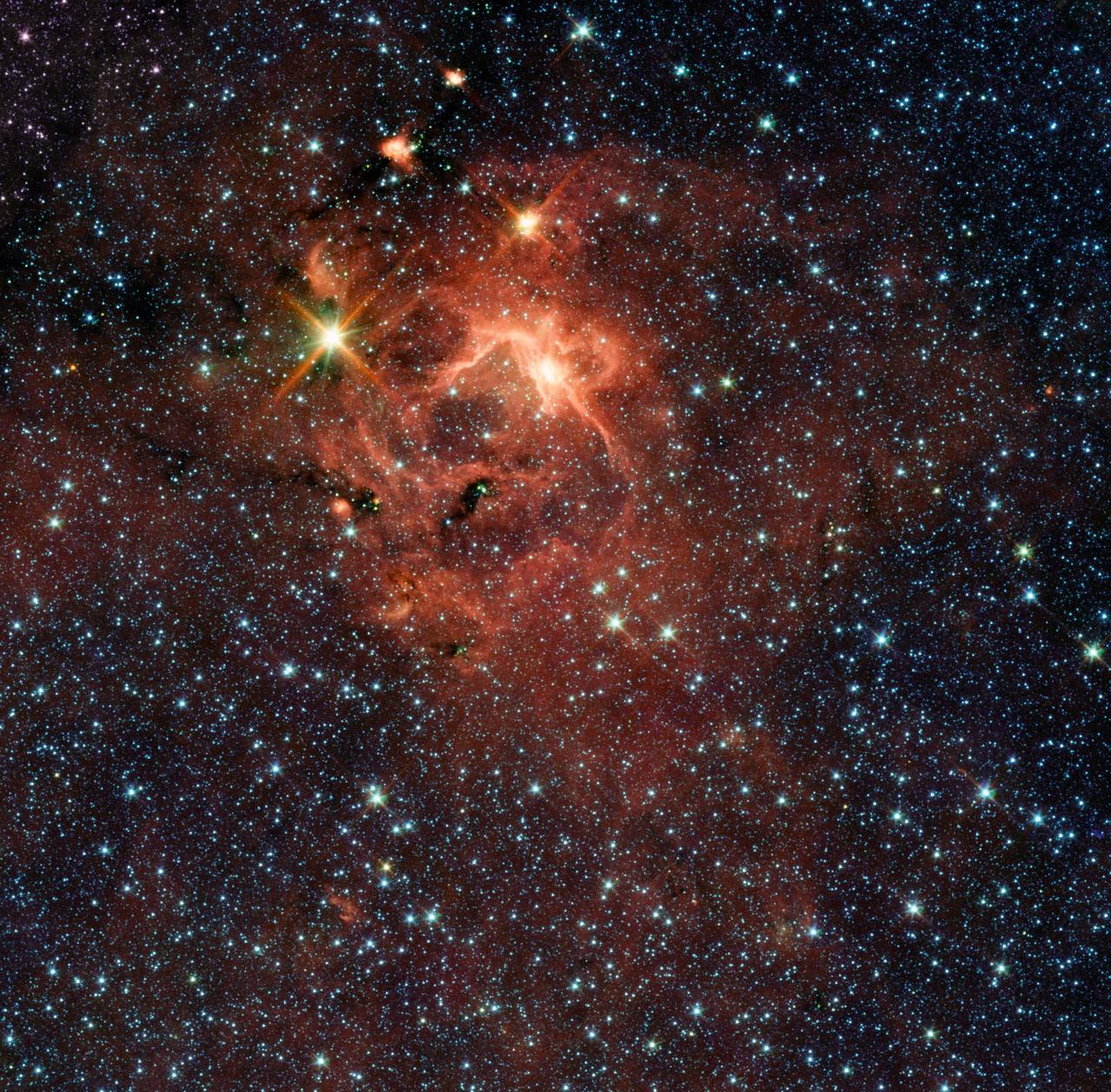
This star-forming region, captured by NASA Spitzer Space Telescope, is dominated by the bright, young star IRAS 13481-6124; it is the first massive baby star for which astronomers could obtain a detailed look at the dusty disk closely encircling it.

A massive hot spot near the south pole of Io can be seen near the center of this annotated image taken by the JIRAM infrared imager aboard NASA's Juno on Dec. 27, 2024, during the spacecraft's flyby of the Jovian moon. The hot spot is larger than Earth's Lake Superior. At the time of closest approach during the flyby, Juno came within about 46,200 miles (74,400 kilometers) of the moon. JIRAM, short for Jovian Infrared Auroral Mapper, was contributed to the Juno mission by the Italian Space Agency. https://photojournal.jpl.nasa.gov/catalog/PIA26527
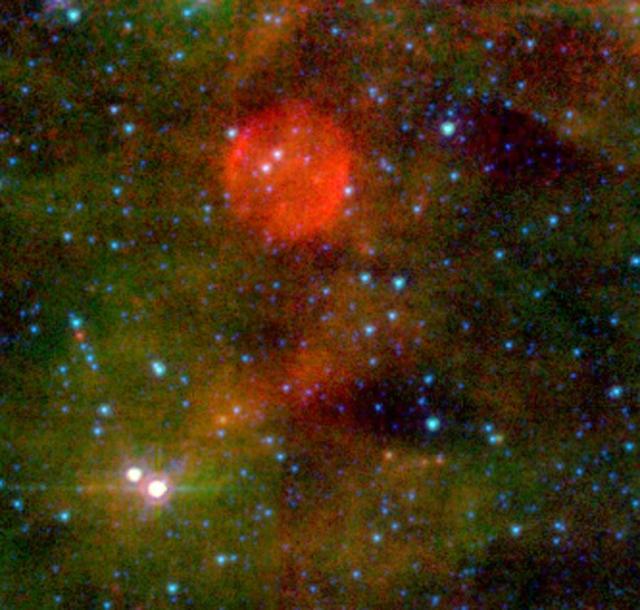
NASA Spitzer Space Telescope caught a glimpse of the Cepheus constellation, thirty thousand light-years away; astronomers think theyve found a massive star whose death barely made a peep.
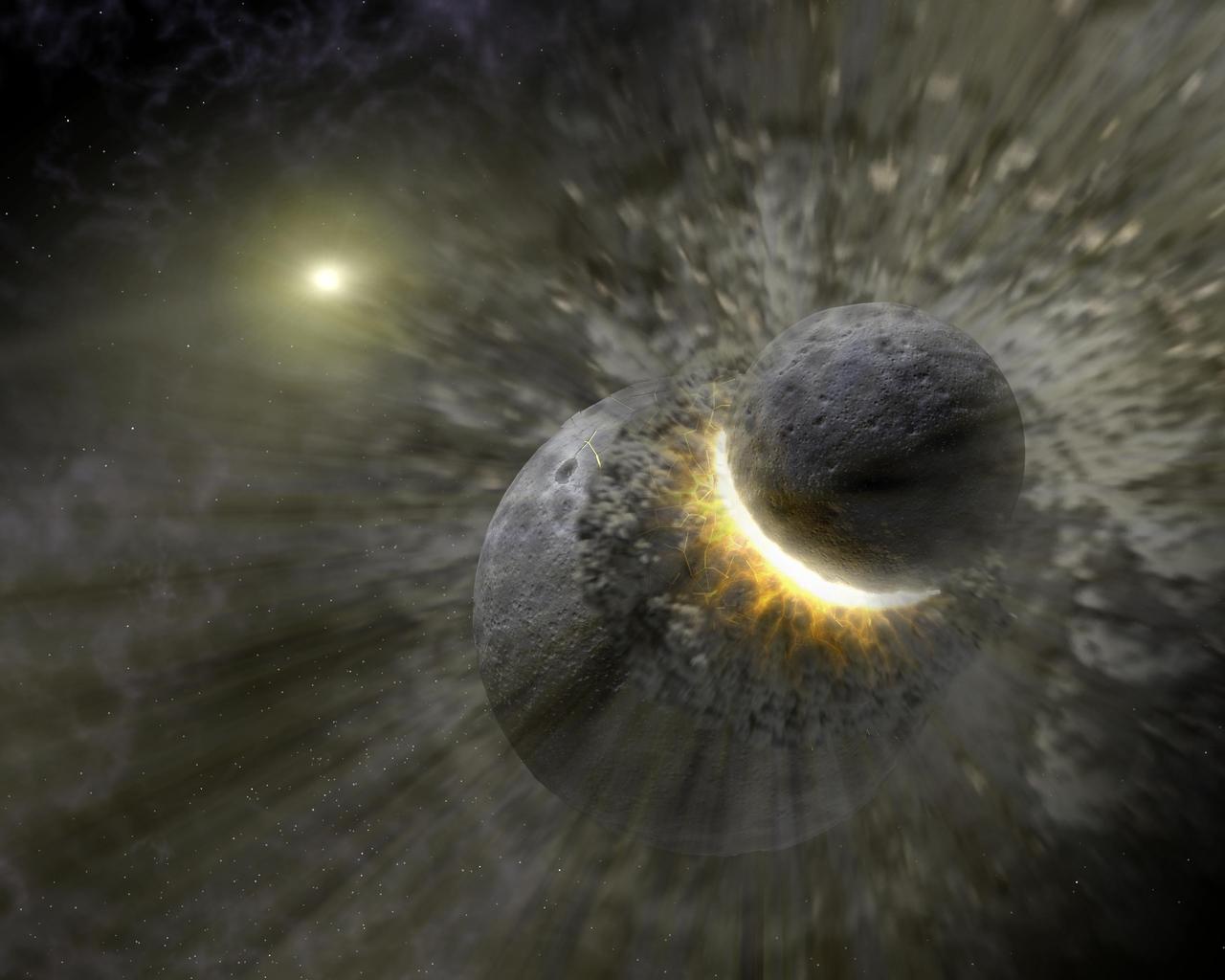
This artist concept illustrates how a massive collision of objects perhaps as large as the planet Pluto smashed together to create the dust ring around the nearby star Vega. New observations from NASA's Spitzer Space Telescope indicate the collision took place within the last one million years. Astronomers think that embryonic planets smashed together, shattered into pieces, and repeatedly crashed into other fragments to create ever finer debris. In the image, a collision is seen between massive objects that measured up to 2,000 kilometers (about 1,200 miles) in diameter. Scientists say the big collision initiated subsequent collisions that created dust particles around the star that were a few microns in size. Vega's intense light blew these fine particles to larger distances from the star, and also warmed them to emit heat radiation that can be detected by Spitzer's infrared detectors. http://photojournal.jpl.nasa.gov/catalog/PIA07217
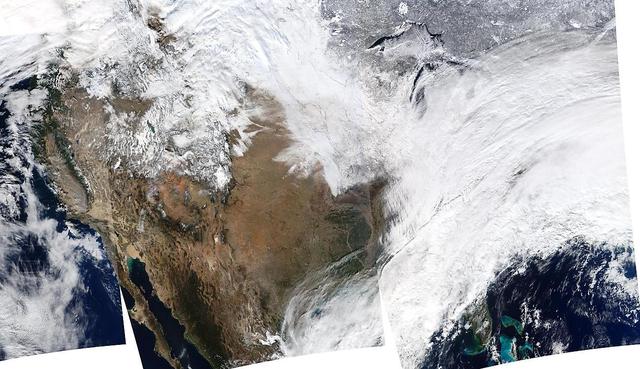
On January 2, 2014, NASA’s Aqua satellite passed over the United States mutiple times showing winter weather, allowing the Moderate Resolution Imaging Spectroradiometer (MODIS) on board to capture this true-color image of a massive winter storm moving up the eastern seaboard. According to the National Weather Service the winter storm that impacted the Midwest and Northeast over the past couple of days is moving into the Atlantic Friday. Very cold temperatures and dangerous wind chills are moving in behind the system. The next storm is forming, and will bring blizzard conditions to the northern Plains Friday Night into Saturday. Extreme wind chills to -55 F are possible in the northern Plains this weekend. Credit: NASA/GSFC/Aqua/MODIS <b><a href="http://www.nasa.gov/audience/formedia/features/MP_Photo_Guidelines.html" rel="nofollow">NASA image use policy.</a></b> <b><a href="http://www.nasa.gov/centers/goddard/home/index.html" rel="nofollow">NASA Goddard Space Flight Center</a></b> enables NASA’s mission through four scientific endeavors: Earth Science, Heliophysics, Solar System Exploration, and Astrophysics. Goddard plays a leading role in NASA’s accomplishments by contributing compelling scientific knowledge to advance the Agency’s mission. <b>Follow us on <a href="http://twitter.com/NASA_GoddardPix" rel="nofollow">Twitter</a></b> <b>Like us on <a href="http://www.facebook.com/pages/Greenbelt-MD/NASA-Goddard/395013845897?ref=tsd" rel="nofollow">Facebook</a></b> <b>Find us on <a href="http://instagrid.me/nasagoddard/?vm=grid" rel="nofollow">Instagram</a></b>
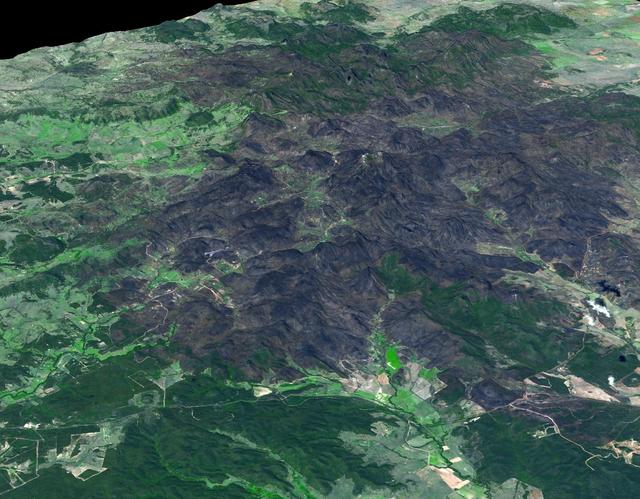
This 3-D view was created from data acquired Feb. 4, 2013 by NASA Terra spacecraft showing a massive wildfire which damaged Australia largest optical astronomy facility, the Siding Spring Observatory.
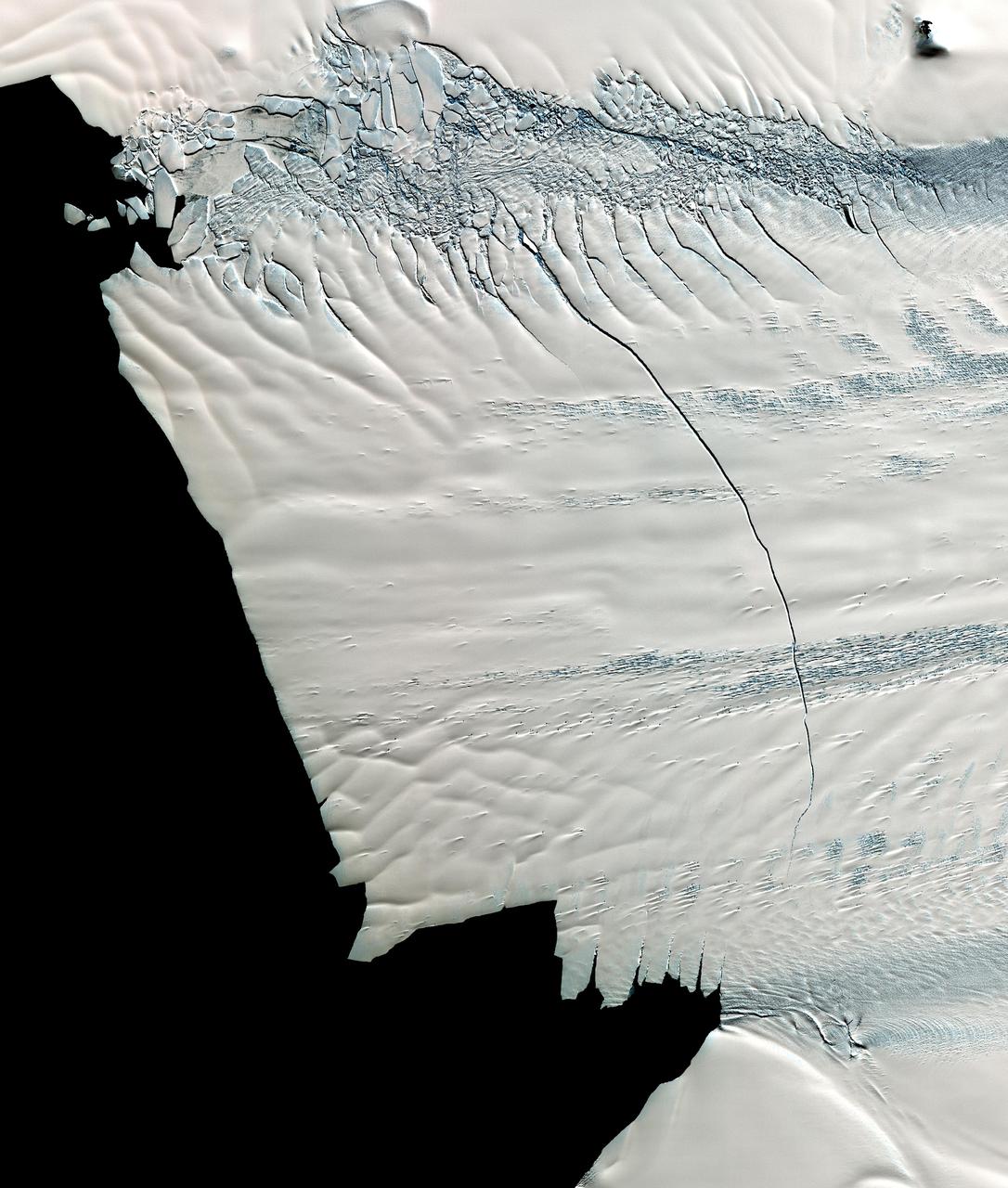
This image from NASA Terra spacecraft shows a massive crack across the Pine Island Glacier, a major ice stream that drains the West Antarctic Ice Sheet. Eventually, the crack will extend all the way across the glacier.

Every second a star somewhere out in the universe explodes as a supernova. But some extremely massive stars go out with a whimper instead of a bang. When they do, they can collapse under the crushing tug of gravity and vanish out of sight, only to leave behind a black hole. The doomed star N6946-BH1 was 25 times as massive as our sun. It began to brighten weakly in 2009. But, by 2015, it appeared to have winked out of existence. By a careful process of elimination, based on observations by the Large Binocular Telescope and NASA's Hubble and Spitzer space telescopes, researchers eventually concluded that the star must have become a black hole. This may be the fate for extremely massive stars in the universe. This illustration shows the final stages in the life of a supermassive star that fails to explode as a supernova, but instead implodes to form a black hole. https://photojournal.jpl.nasa.gov/catalog/PIA21466

Brown dwarfs are more massive than planets but not quite as massive as stars. Generally speaking, they have between 13 and 80 times the mass of Jupiter. A brown dwarf becomes a star if its core pressure gets high enough to start nuclear fusion. https://photojournal.jpl.nasa.gov/catalog/PIA23685
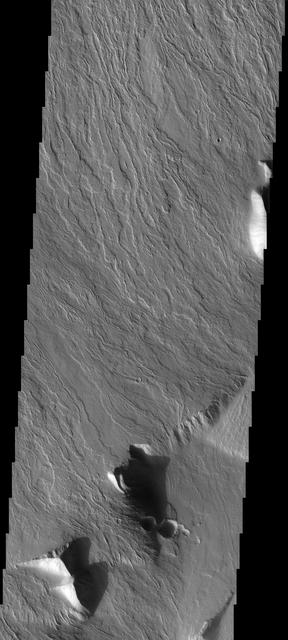
This image shows the massive Olympus Mons flows at the basal escarpment
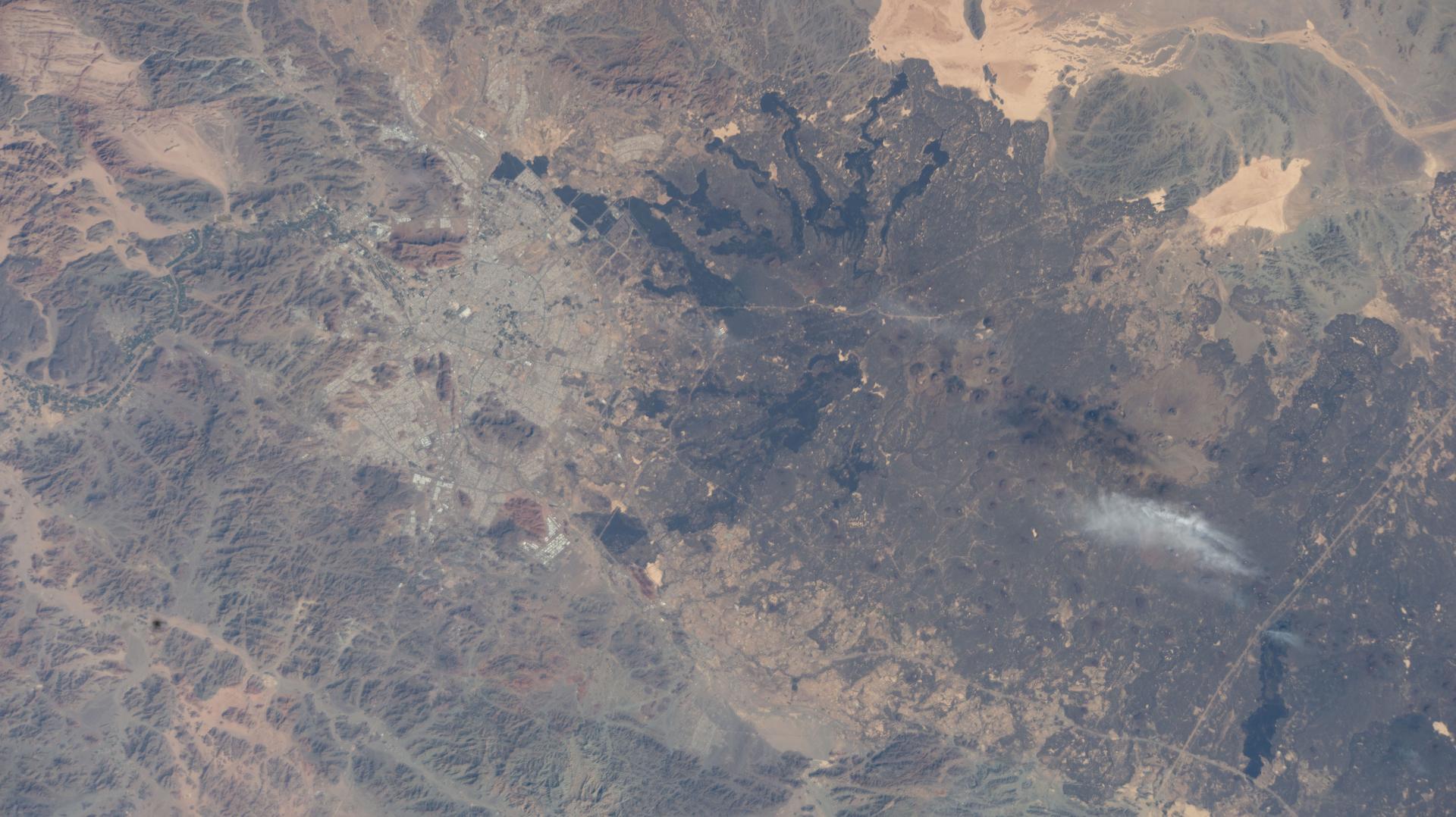
iss074e0002649 (Dec. 20, 2025) --- Madinah, Saudi Arabia—surrounded by three massive volcanic fields and situated on the Arabian Shield, a 540-million-year-old geological formation—is pictured from the International Space Station as it orbited 261 miles above the Arabian Peninsula. Madinah is the Middle Eastern nation's second holiest city in Islam with a population of about 1.6 million.

The giant star Zeta Ophiuchi, a young, large and hot star located around 370 light-years away, is having a hocking effect on the surrounding dust clouds in this infrared image from NASA Spitzer Space Telescope.
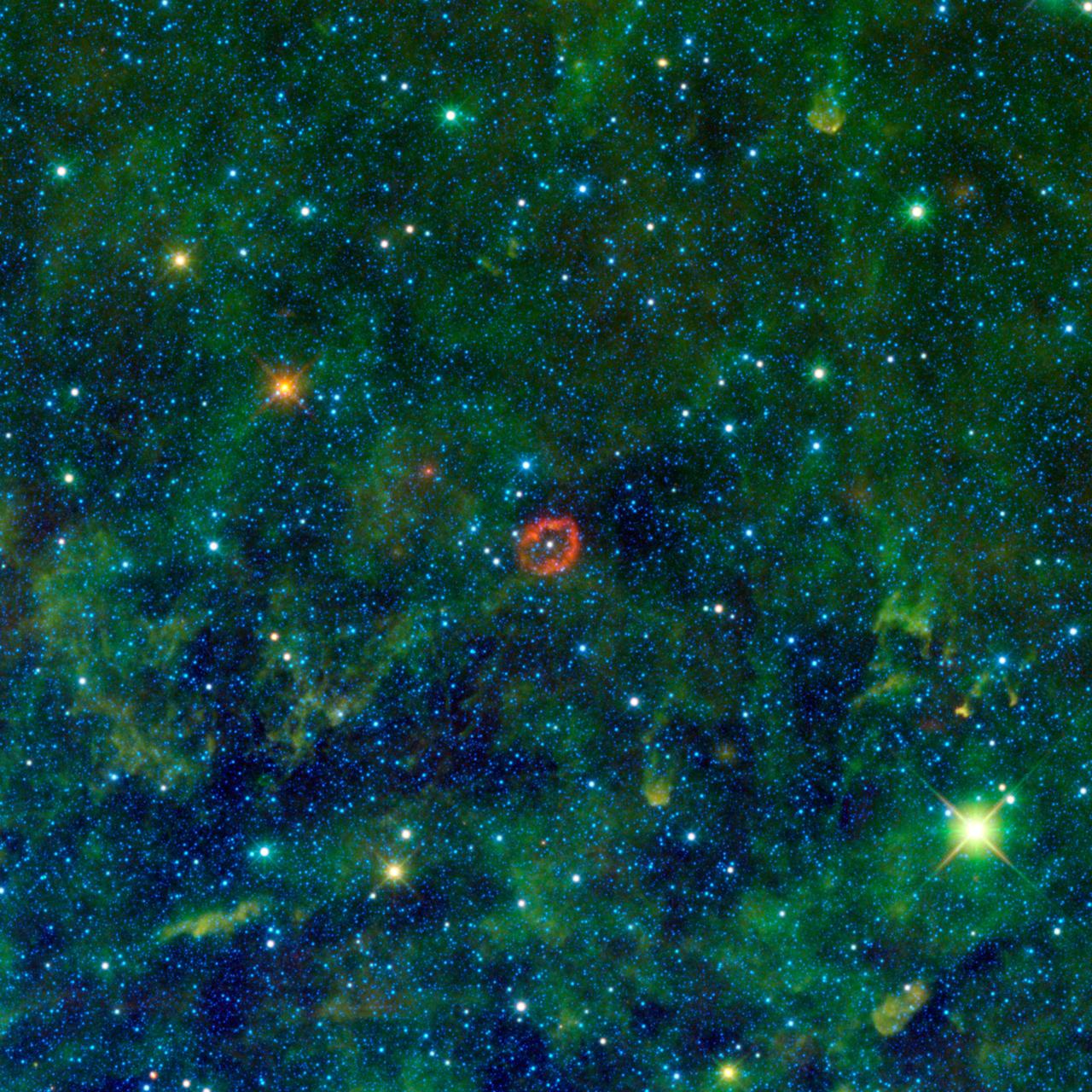
Some might see a blood-red jellyfish, while others might see a pair of lips. In fact, the red-colored object in this new image from NASA Wide-field Infrared Survey Explorer is a sphere of stellar innards.
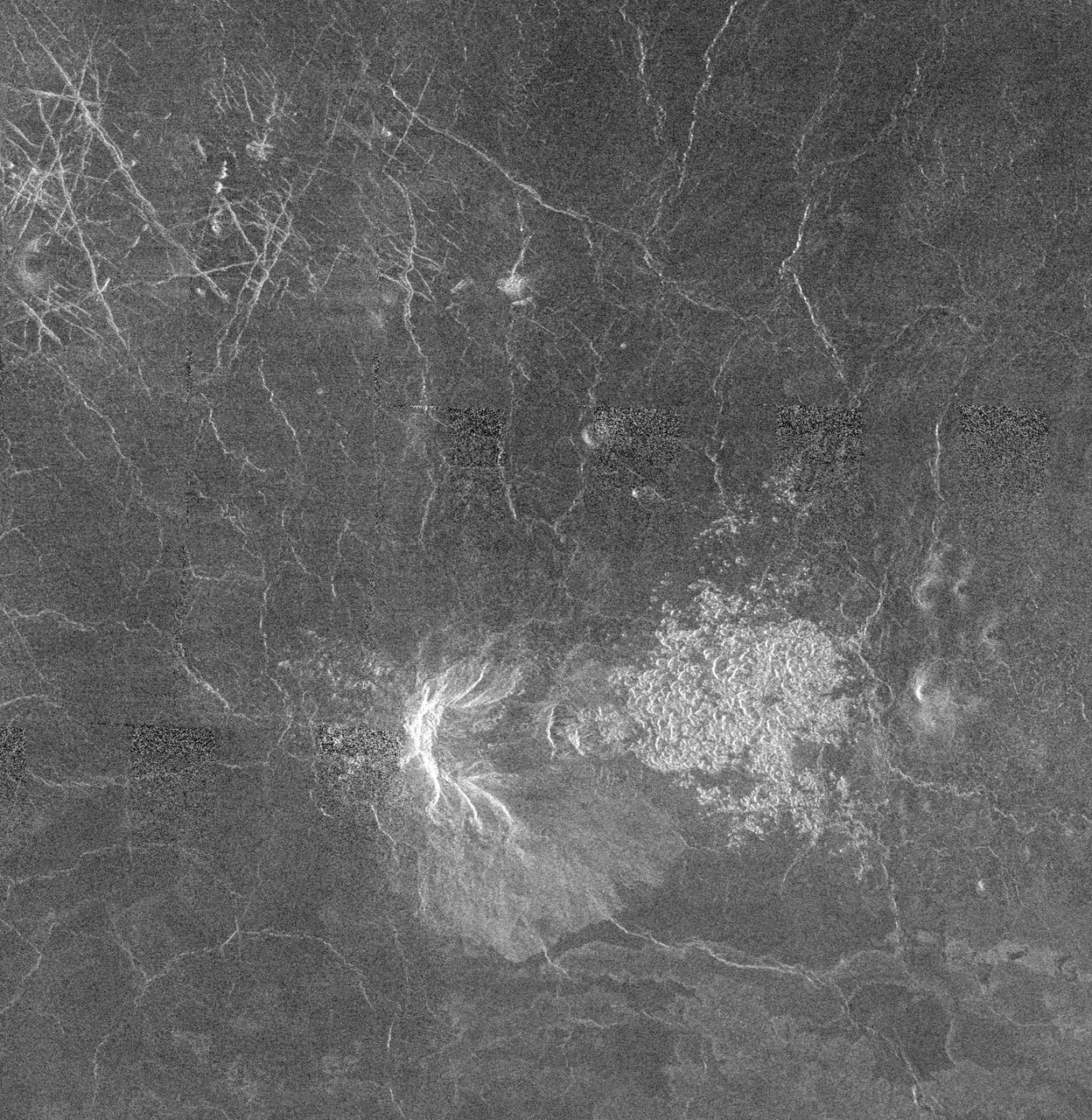
This is full-resolution mosaic from NASA Magellan spacecraft. The bright feature, slightly south of center is interpreted to be a volcano with a large apron of blocky debris to its right and some smaller aprons to its left. http://photojournal.jpl.nasa.gov/catalog/PIA00264
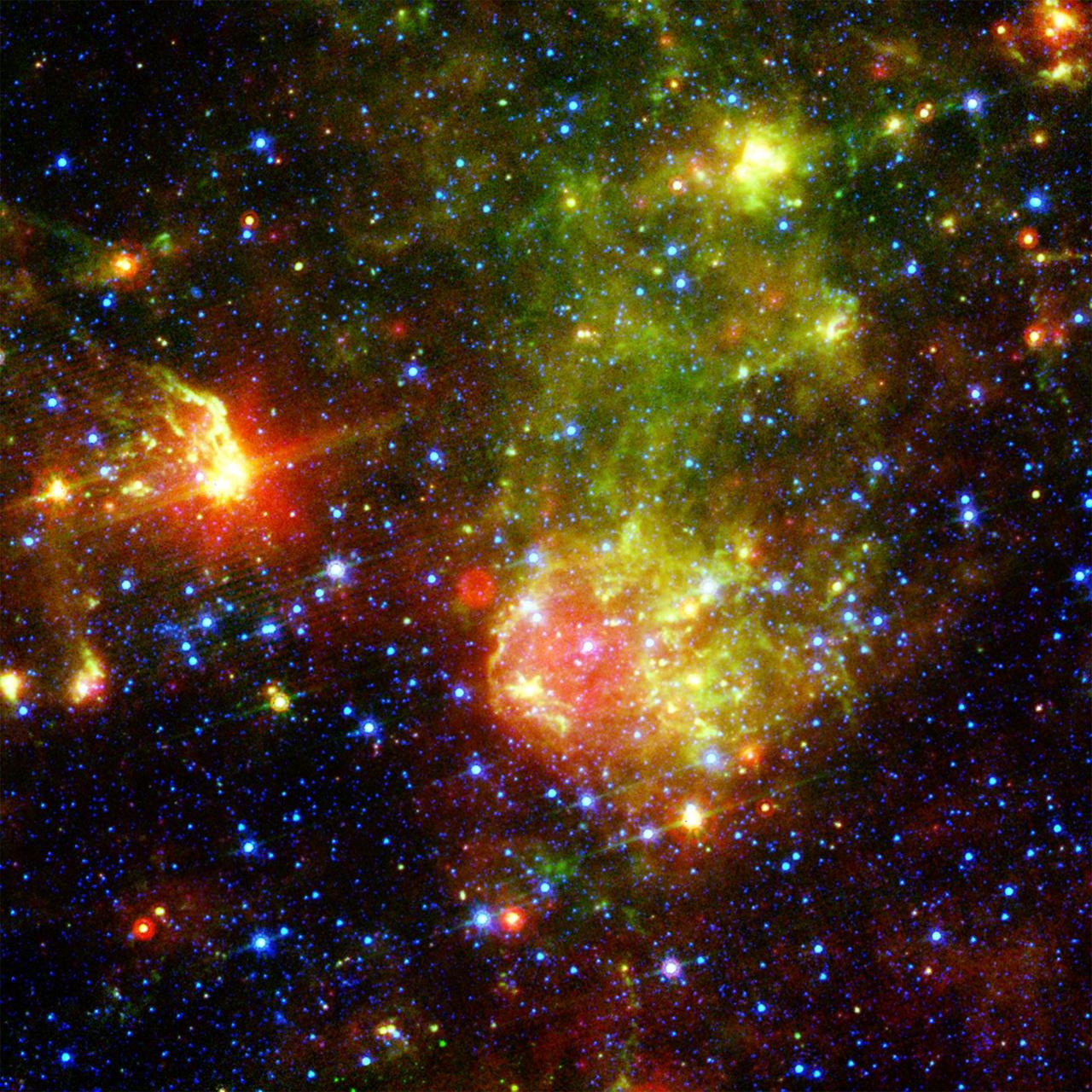
NASA Spitzer Space Telescope shows the supernova remnant 1E0102.2-7219 sits next to the nebula N76 in a bright, star-forming region of the Small Magellanic Cloud, a satellite galaxy to our Milky Way galaxy.
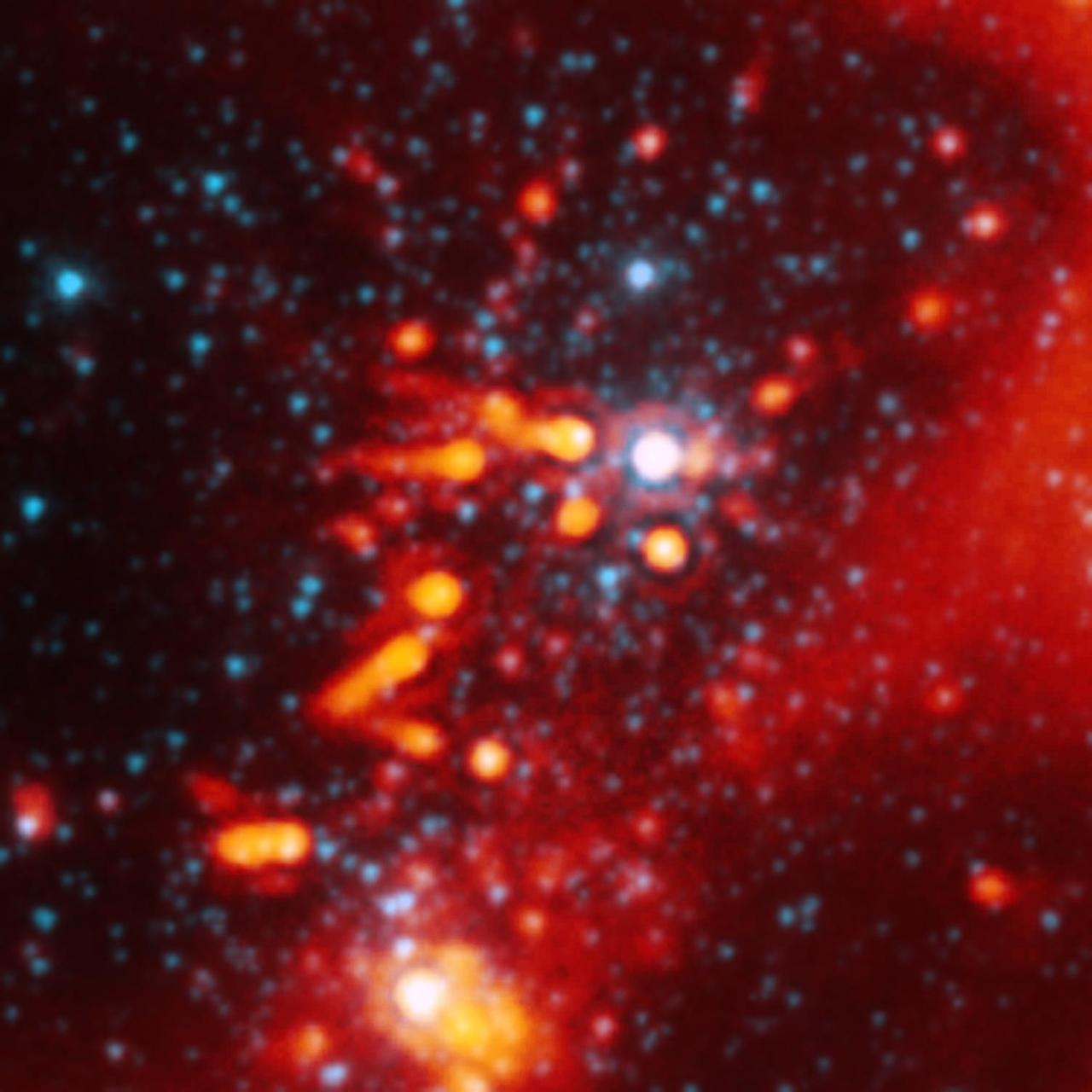
This image from NASA Spitzer Space Telescope shows the nasty effects of living near a group of massive stars: radiation and winds from the massive stars white spot in center are blasting planet-making material away from stars like our sun.
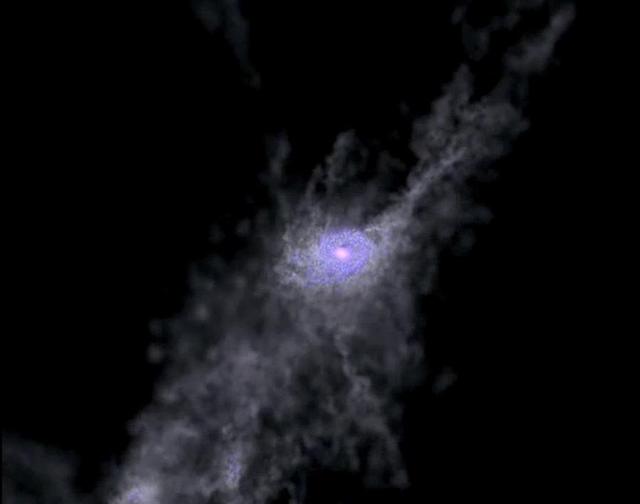
Created with the help of supercomputers, this frame from a simulation shows the formation of a massive galaxy during the first 2 billion years of the universe.
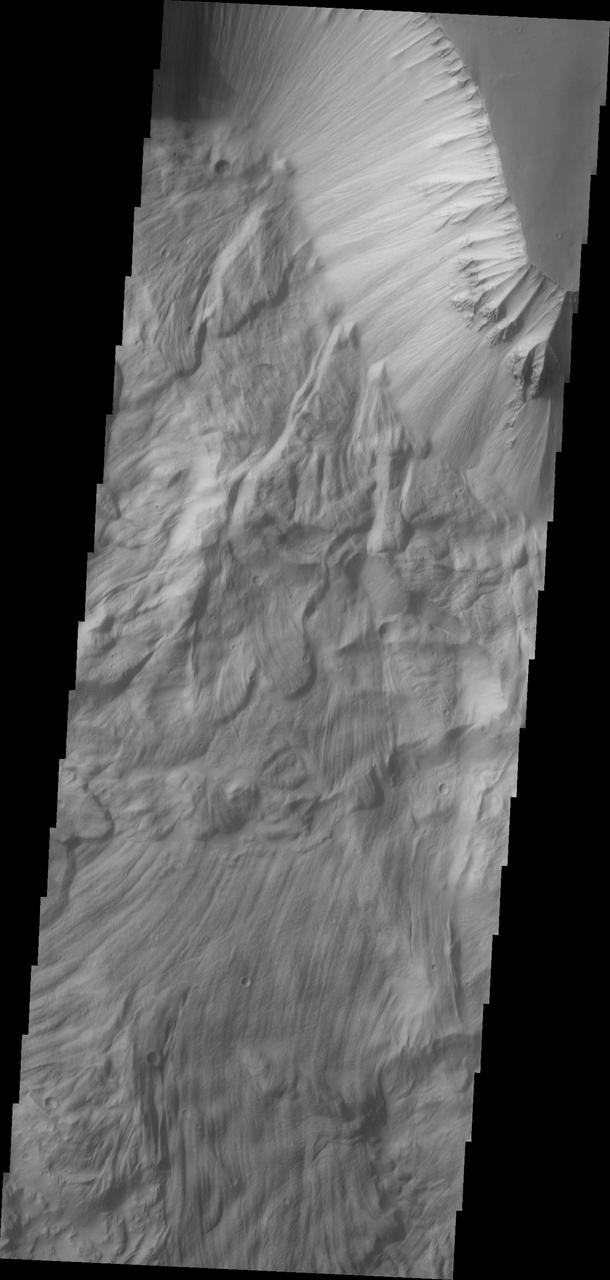
The massive, complex landslide deposits in this image from NASA 2001 Mars Odyssey spacecraft are located on the northern slope of Ophir Chasma.
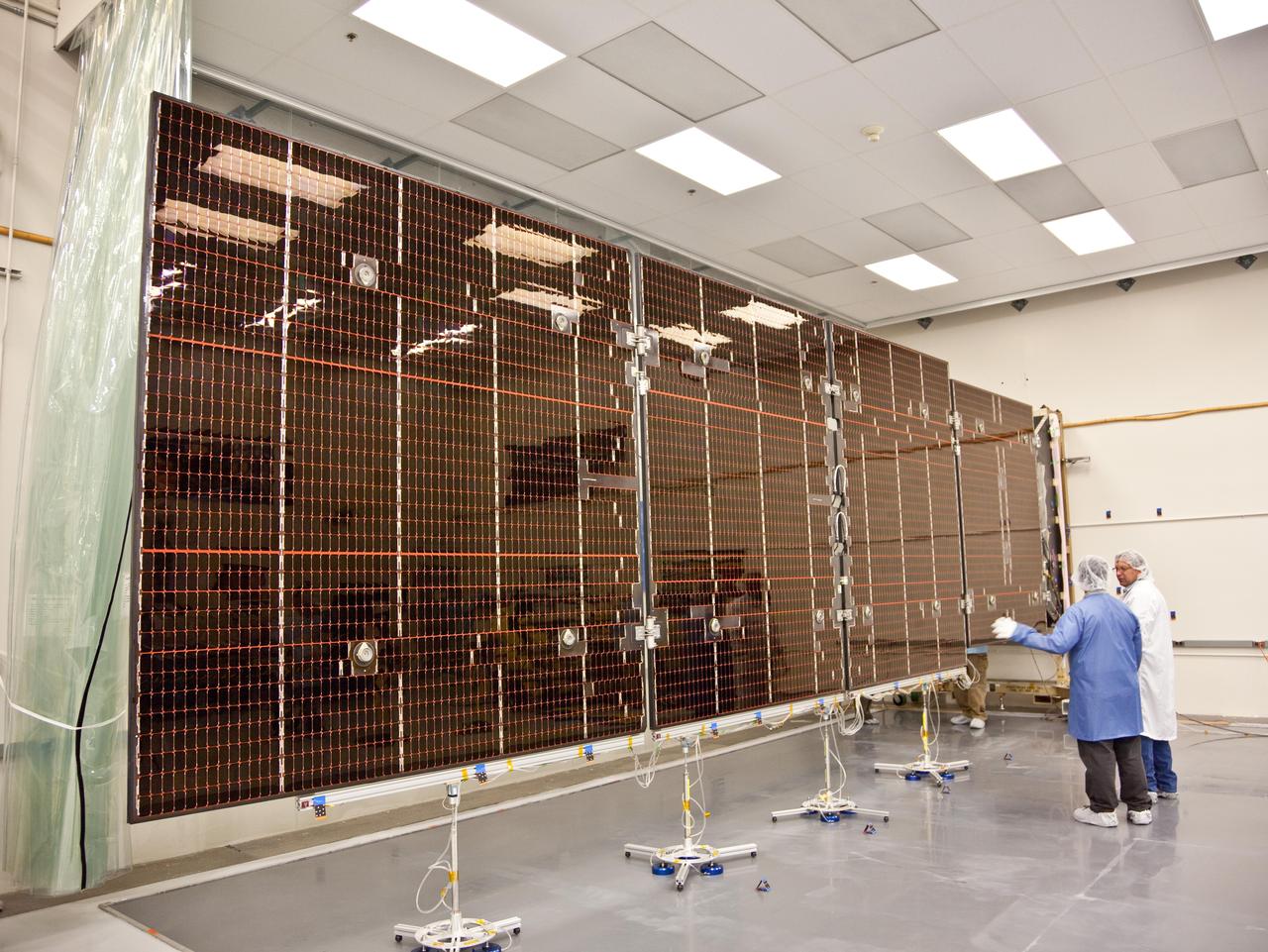
Technicians test the deployment of one of the three massive solar arrays that power NASA Juno spacecraft.
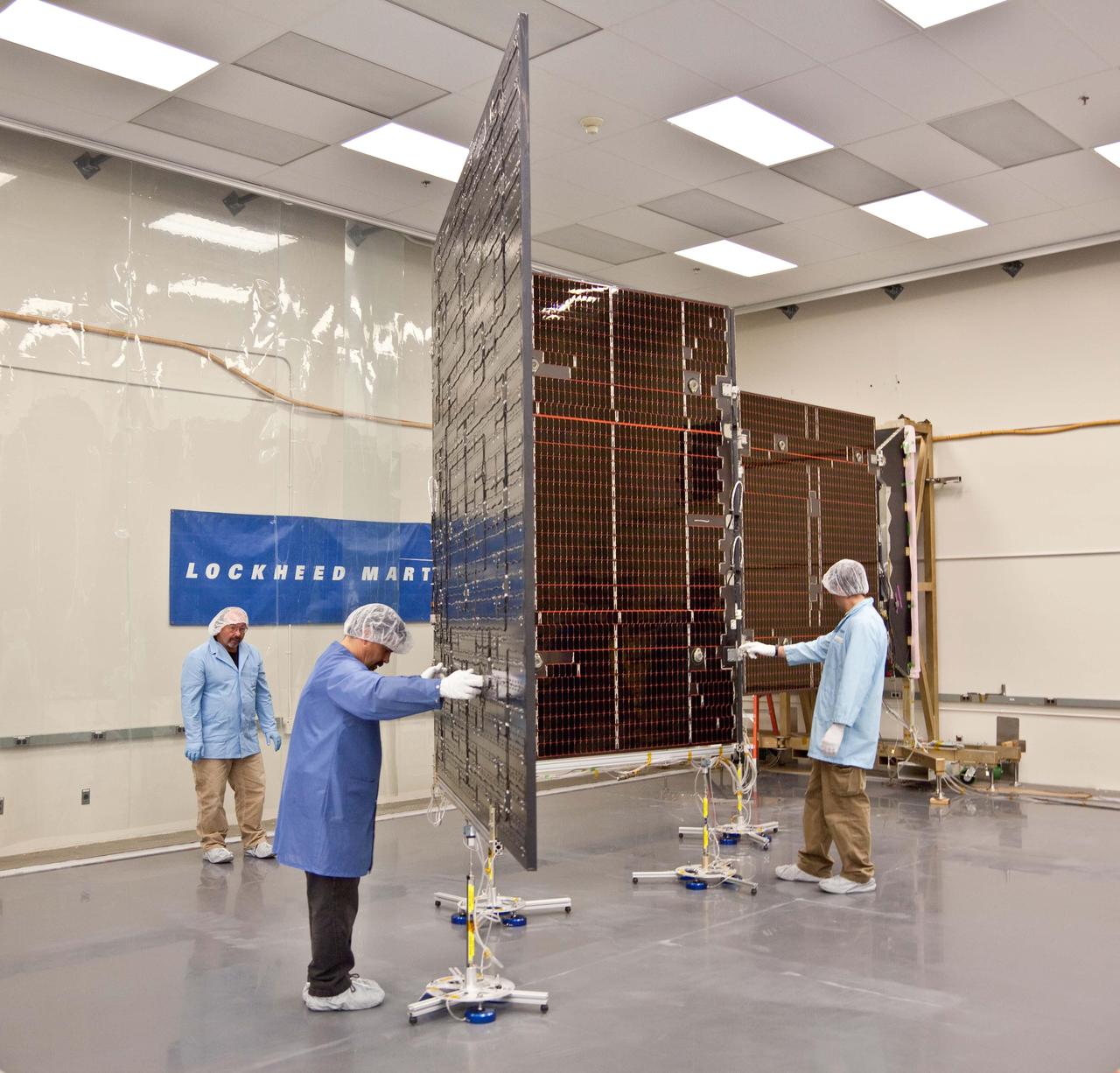
Technicians test the deployment of one of the three massive solar arrays that power NASA Juno spacecraft.
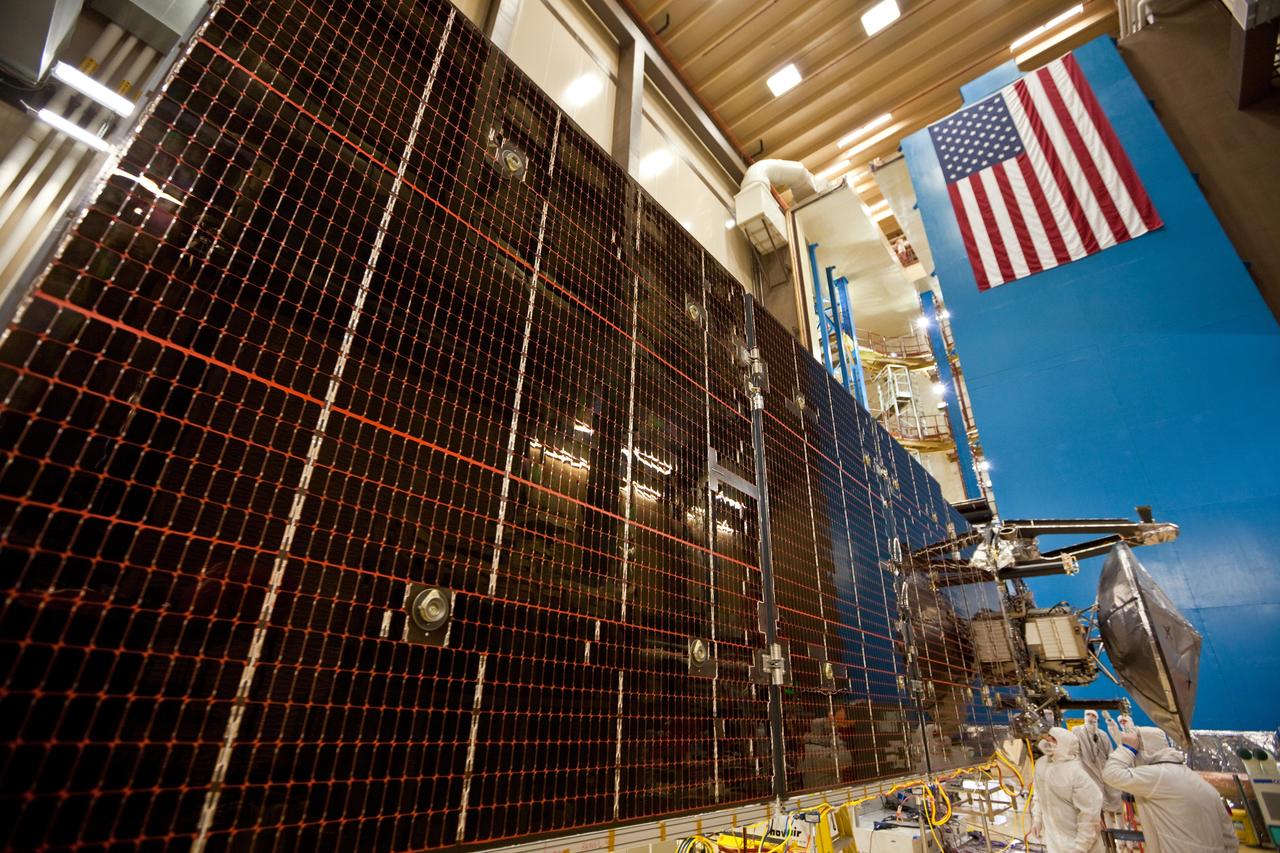
Technicians test the deployment of one of the three massive solar arrays that power NASA Juno spacecraft.
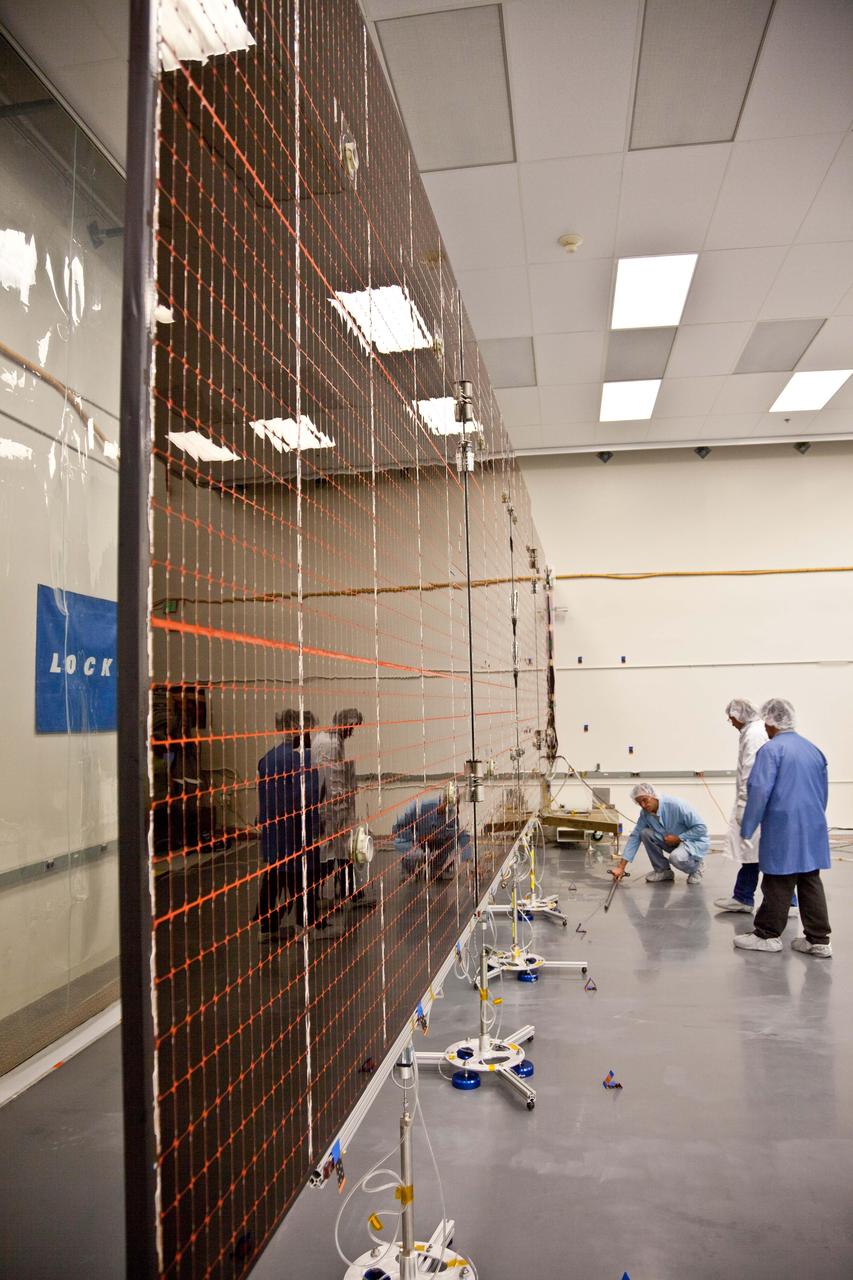
Technicians test the deployment of one of the three massive solar arrays that power NASA Juno spacecraft.
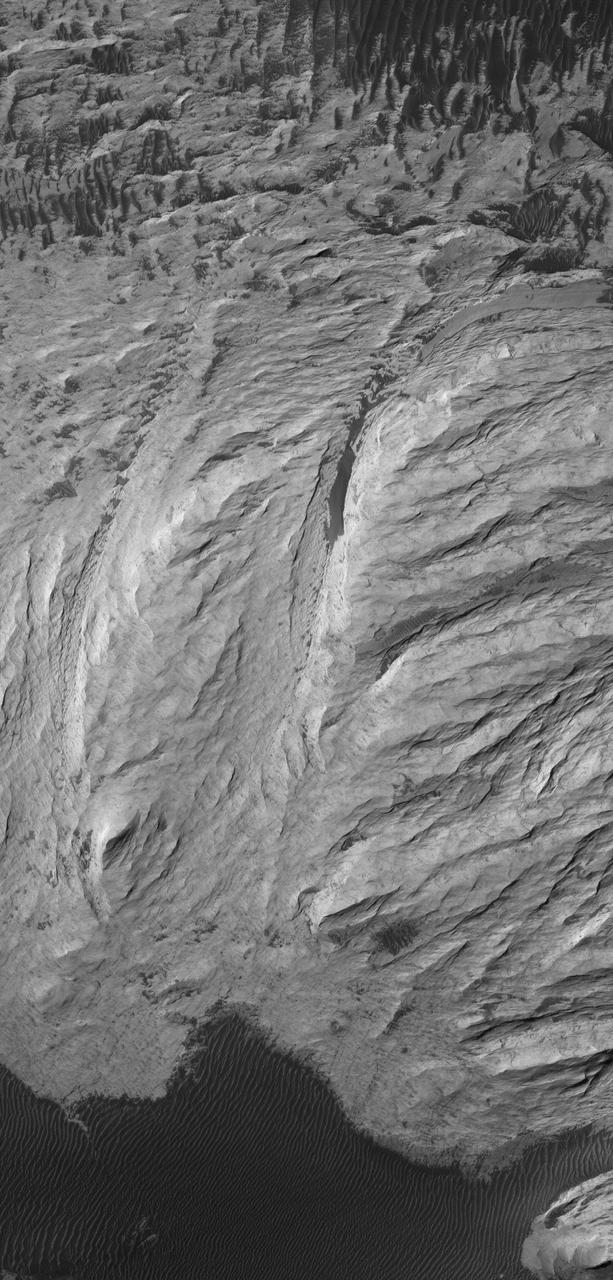
This MOC image shows outcrops of light-toned, massively-bedded rock in western Candor Chasma, part of the Valles Marineris trough system
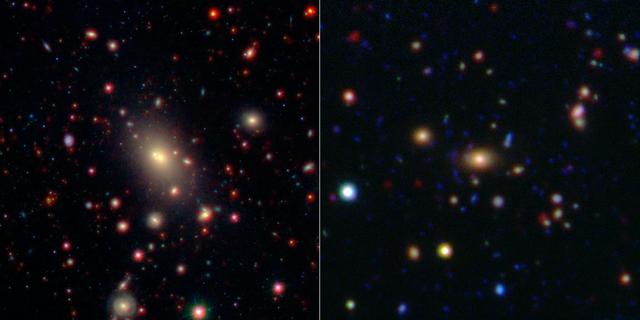
This image shows two of the galaxy clusters observed by NASA WISE and Spitzer Space Telescope missions. Galaxy clusters are among the most massive structures in the universe.
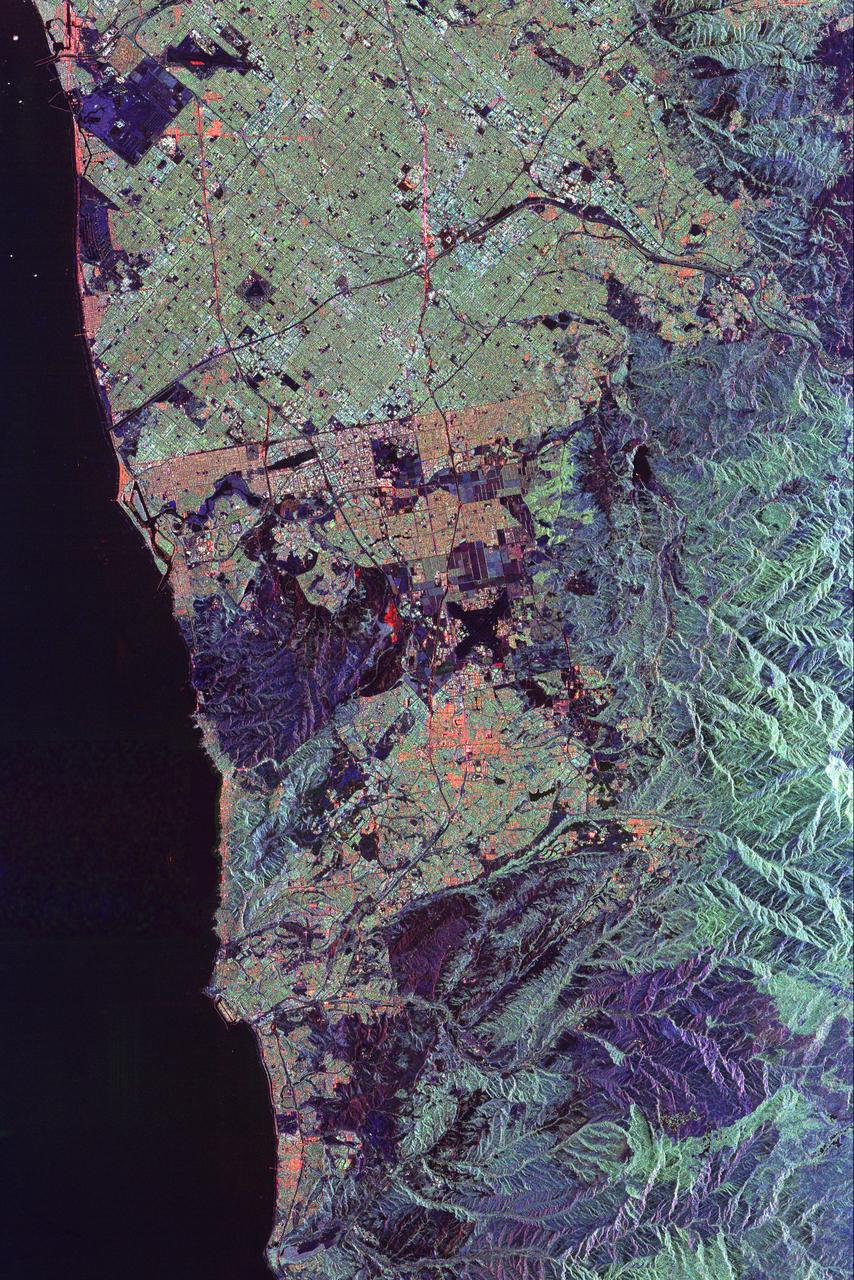
This spaceborne radar image of Orange County, Calif., shows the massive urbanization of this rapidly growing region located just south of Los Angeles.
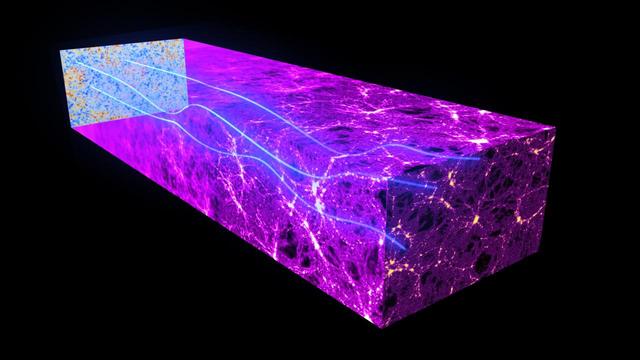
This artist impression shows how photons from the early universe are deflected by the gravitational lensing effect of massive cosmic structures as they travel across the universe.
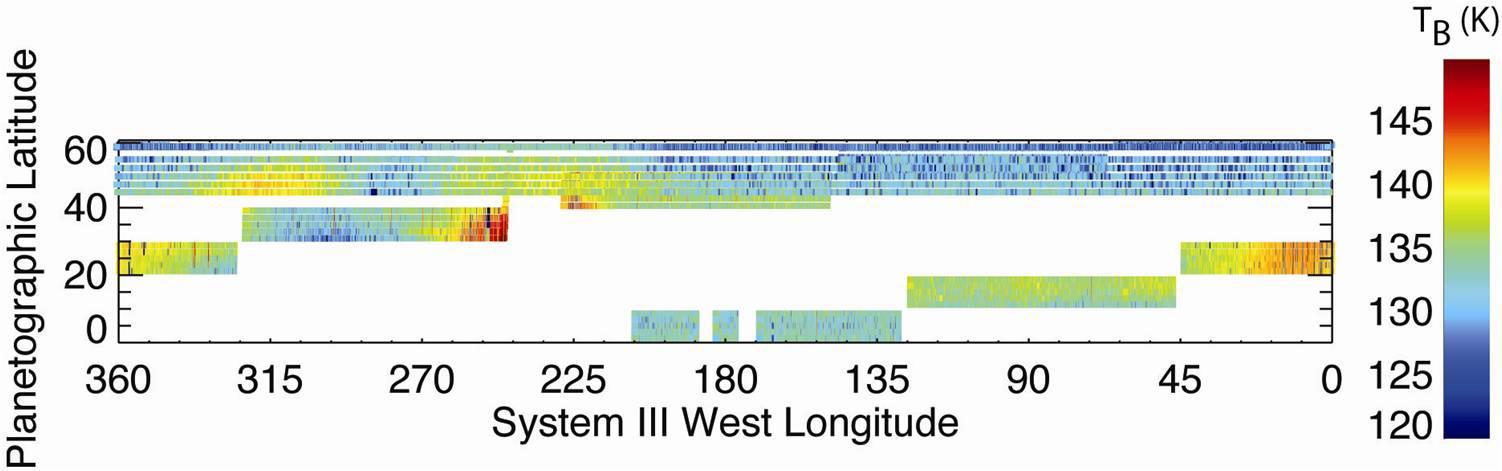
Measurements by NASA Cassini spacecraft reveal temperatures in a high layer of Saturn atmosphere known as the stratosphere and show the dramatic effects of the massive storm deep below.
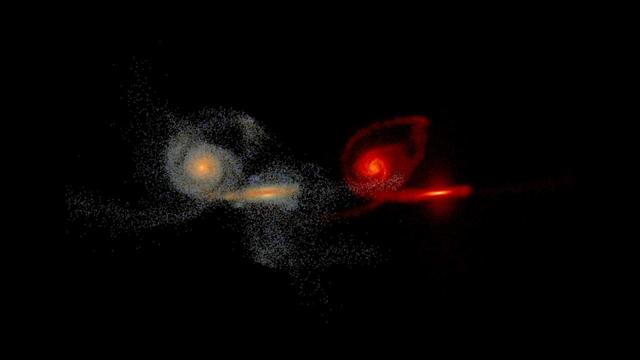
This frame from a simulation shows the merging of two massive galaxies. The merging galaxies are split into two views: a visible-light view on the left, and infrared view on the right.
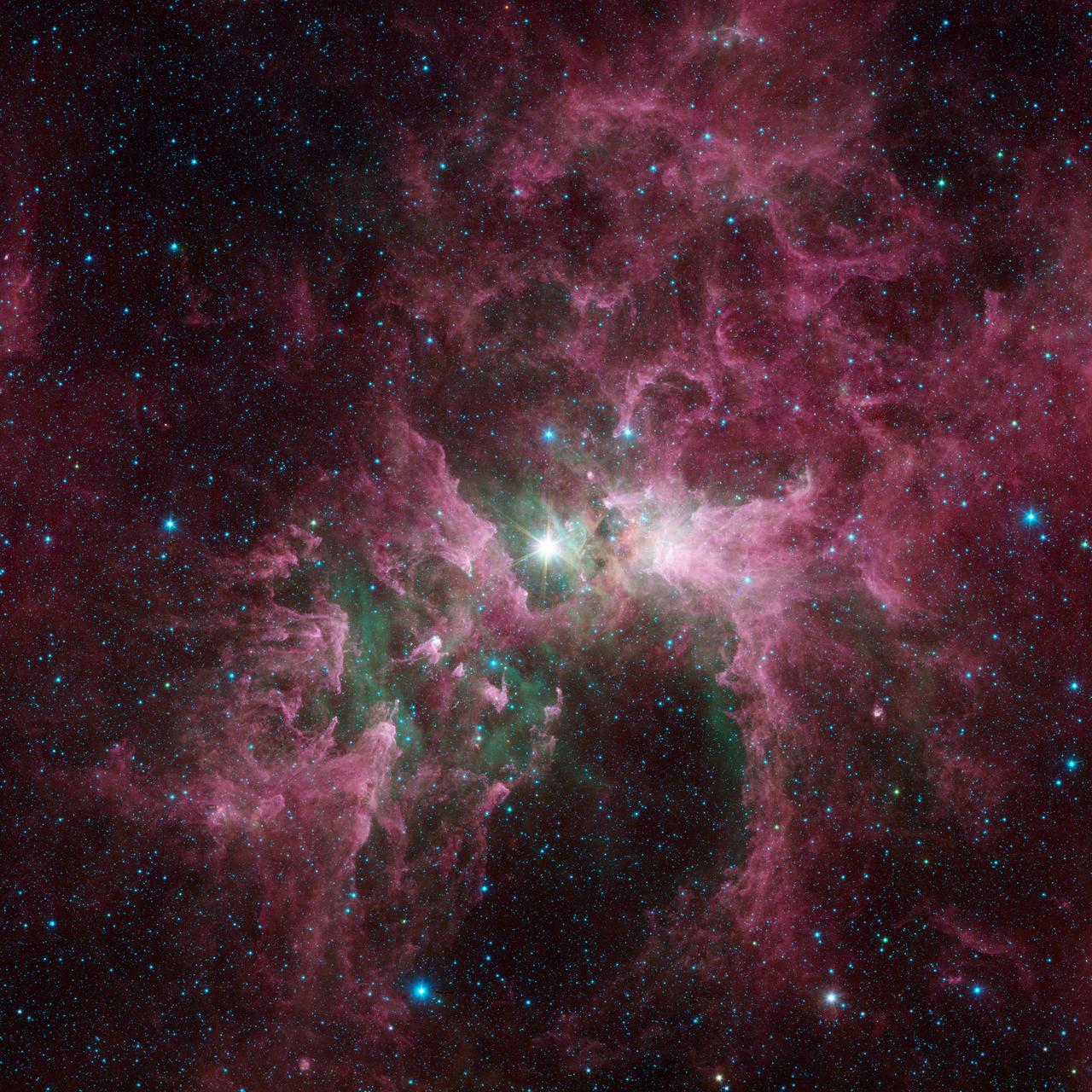
Massive stars can wreak havoc on their surroundings, as can be seen in this new view of the Carina nebula from NASAs Spitzer Space Telescope.
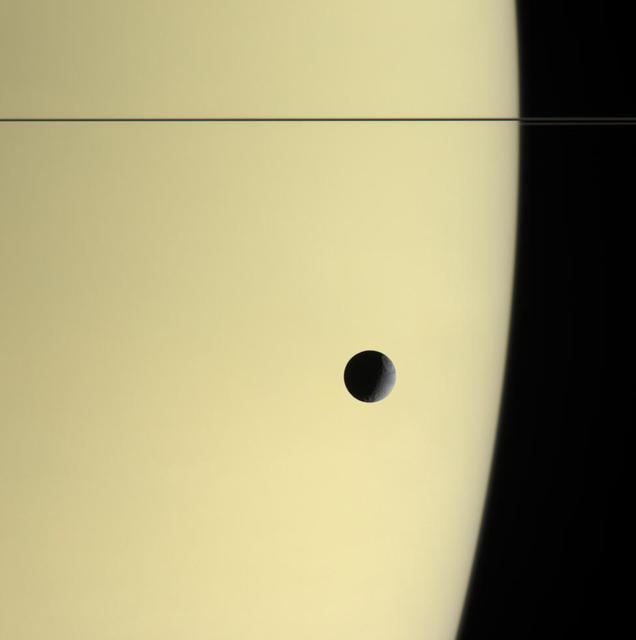
Tethys floats before the massive, golden-hued globe of Saturn in this natural color view. The thin, dark line of the rings curves around the horizon at top
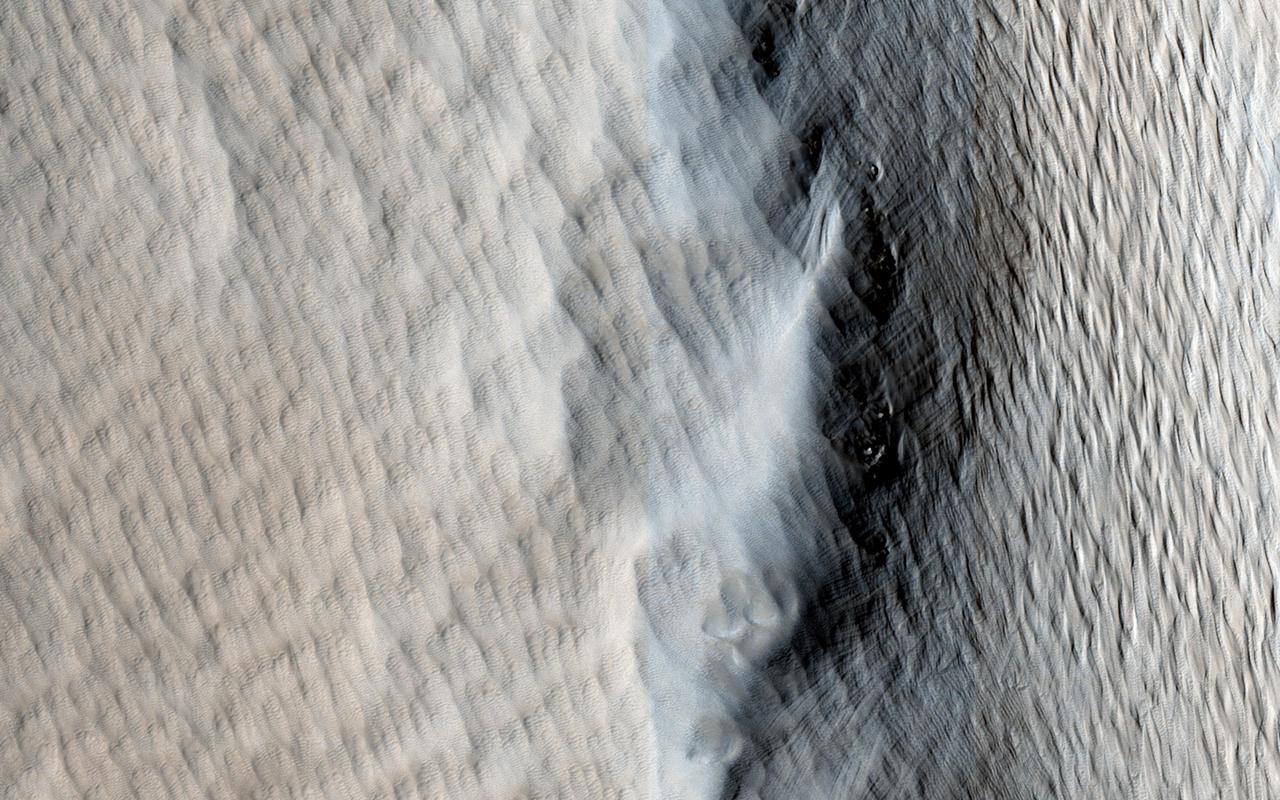
This image captured by NASA Mars Reconnaissance Orbiter shows Tharsis Tholus, one of the smaller shield volcanoes on Mars massive Tharsis Rise.
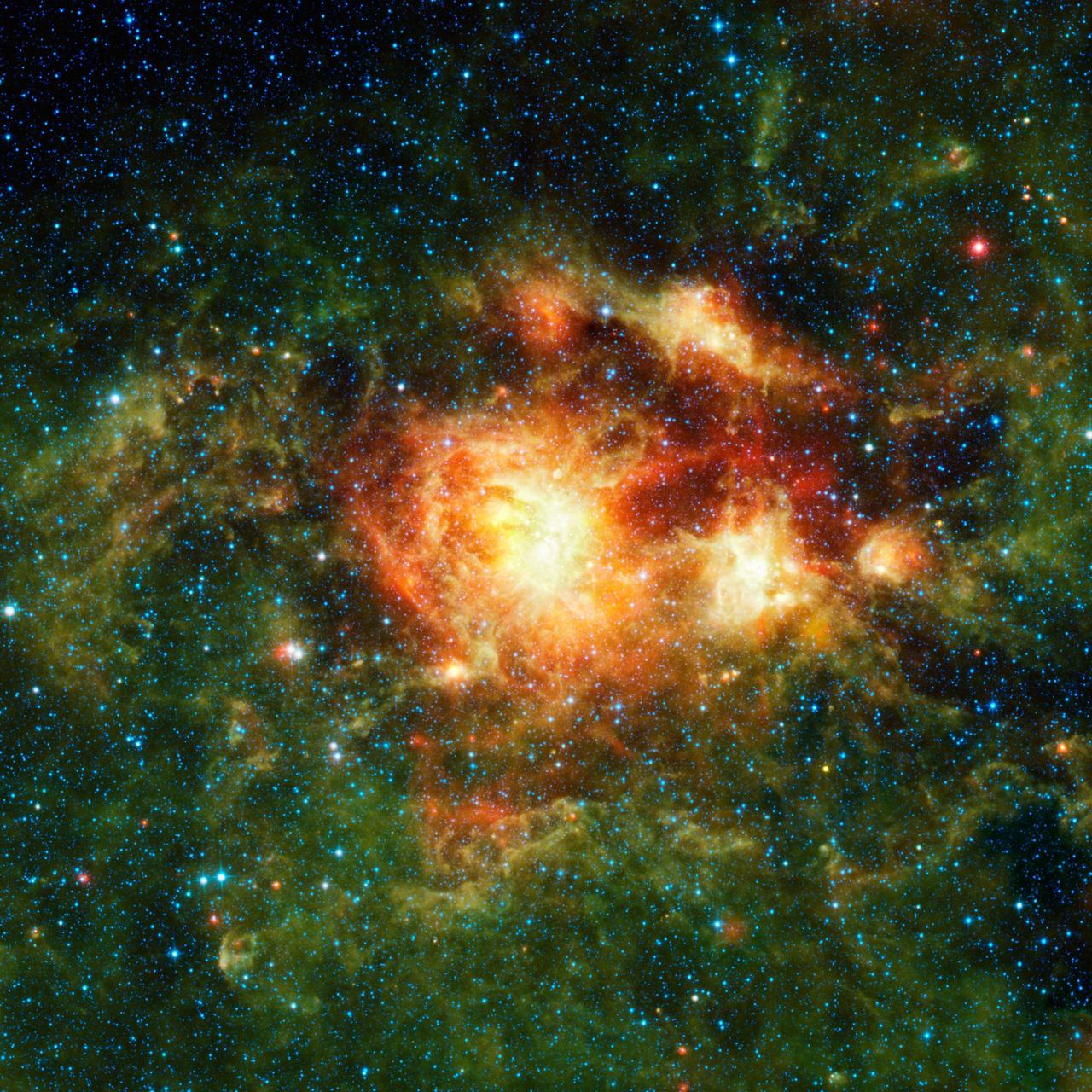
This infrared image taken by NASA Wide-field Infrared Survey Explorer shows a star-forming cloud teeming with gas, dust and massive newborn stars.
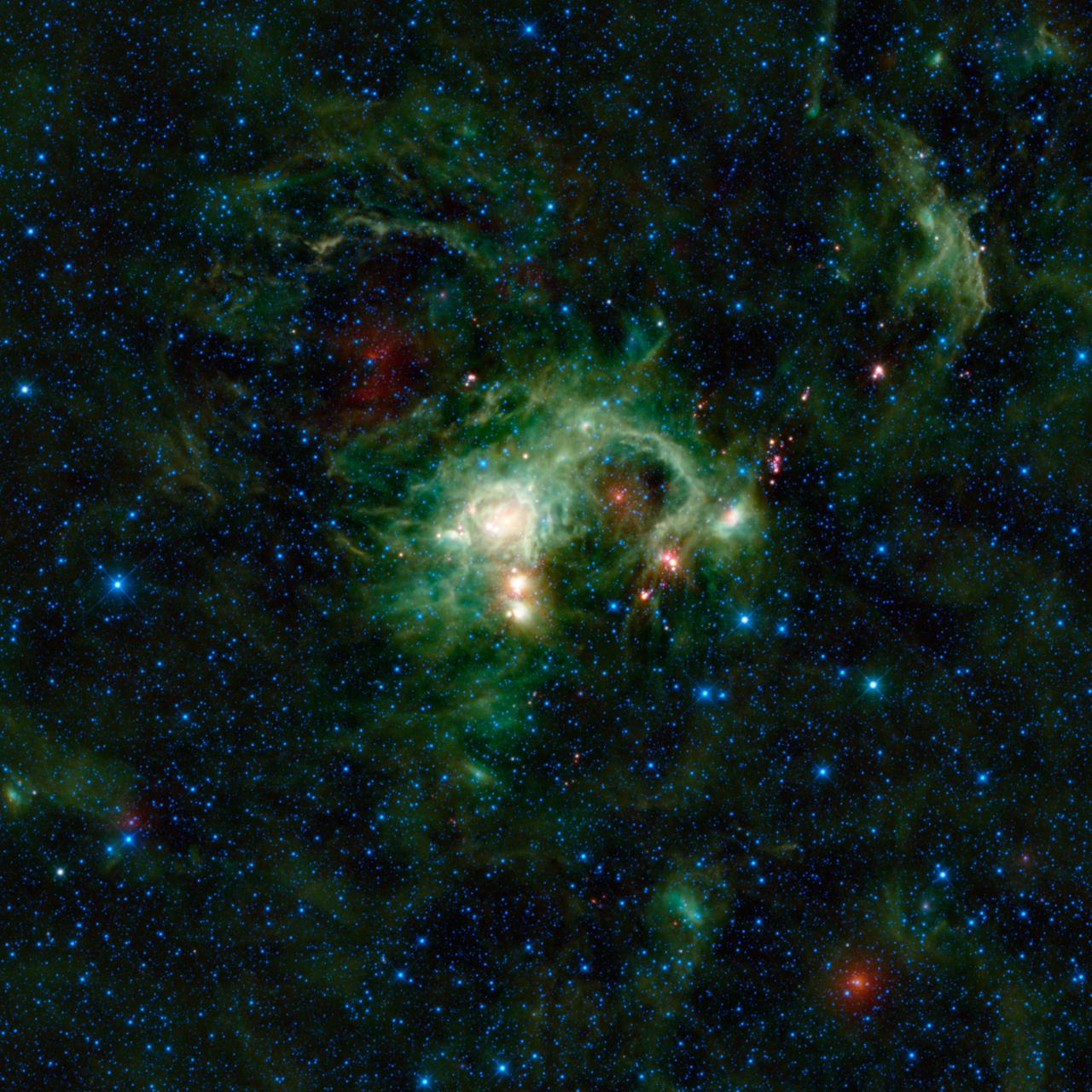
In the Perseus spiral arm of the Milky Way galaxy, opposite the galactic center, lies the nebula SH 2-235. As seen in infrared light, NASA Wide-field Infrared Survey Explorer reveals SH 2-235 to be a huge star formation complex.
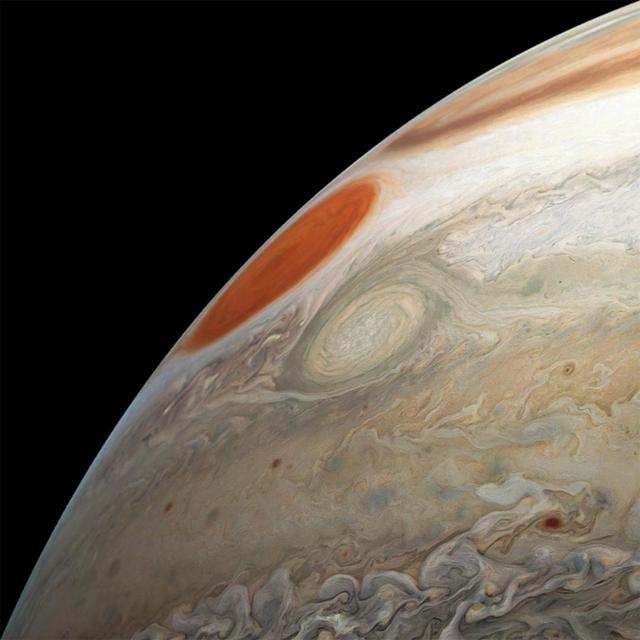
This image of Jupiter's turbulent southern hemisphere was captured by NASA's Juno spacecraft as it performed its most recent close flyby of the gas giant planet on Dec. 21, 2018. This new perspective captures the notable Great Red Spot, as well as a massive storm called Oval BA. The storm reached its current size when three smaller spots collided and merged in the year 2000. The Great Red Spot, which is about twice as wide as Oval BA, may have formed from the same process centuries ago. Juno captured Oval BA in another image earlier on in the mission on Feb. 7, 2018. The turbulent regions around, and even the shape of, the storm have significantly changed since then. Oval BA further transformed in recent months, changing color from reddish to a more uniform white. Juno took the three images used to produce this color-enhanced view on Dec. 21, between 9:32 a.m. PST (12:32 p.m. EST) and 9:42 a.m. PST (12:42 p.m. EST). At the time the images were taken, the spacecraft was between approximately 23,800 miles (38,300 kilometers) to 34,500 miles (55,500 kilometers) from the planet's cloud tops above southern latitudes spanning 49.15 to 59.59 degrees. Citizen scientists Gerald Eichstädt and Seán Doran created this image using data from the spacecraft's JunoCam imager. https://photojournal.jpl.nasa.gov/catalog/PIA22942
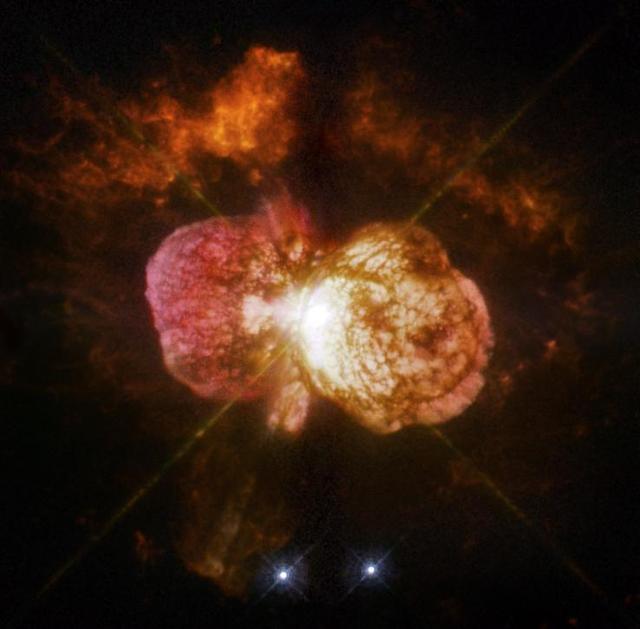
The discovery of likely Eta Carinae twins in other galaxies will help scientists better understand this brief phase in the life of a massive star with images such as this from NASA Hubble Space Telescope. Astronomers cannot yet explain what caused the titanic eruption of star Eta Carinae in the 1840s. The discovery of likely Eta Carinae "twins" in other galaxies will help scientists better understand this brief phase in the life of a massive star. http://photojournal.jpl.nasa.gov/catalog/PIA20294

This animation shows two massive black holes in the OJ 287 galaxy. The smaller black hole orbits the larger one, which remains stationary in the animation and is surrounded by a disk of gas. When the smaller black hole crashes through the disk, it produces a flare brighter than 1 trillion stars. But the smaller black hole's orbit is elongated and moving relative to the disk, causing the flares to occur irregularly. https://photojournal.jpl.nasa.gov/catalog/PIA23687
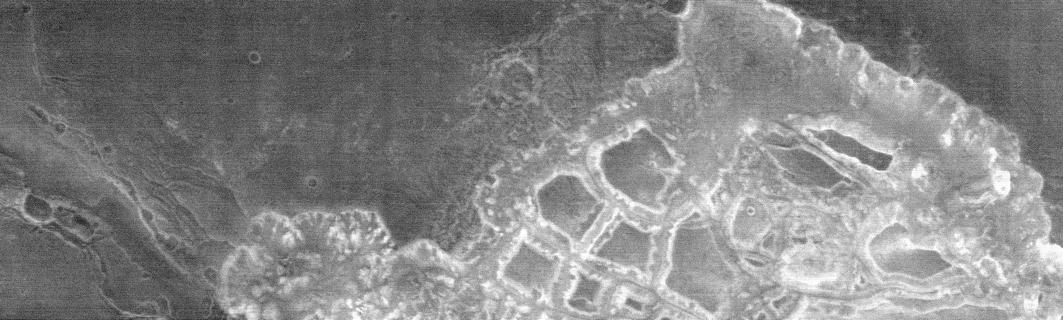
This nighttime infrared image, taken by NASA Mars Odyssey spacecraft, captures a massively disrupted region on Mars called Hydaspis Chaos, which is located near the equator at two degrees north, 29 degrees west.
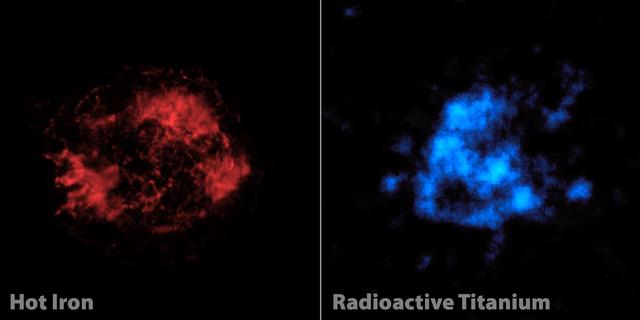
When astronomers first looked at images of a supernova remnant called Cassiopeia A, captured by NASA NuSTAR. The mystery of Cassiopeia A Cas A, a massive star that exploded in a supernova more than 11,000 years ago continues to confound scientists.
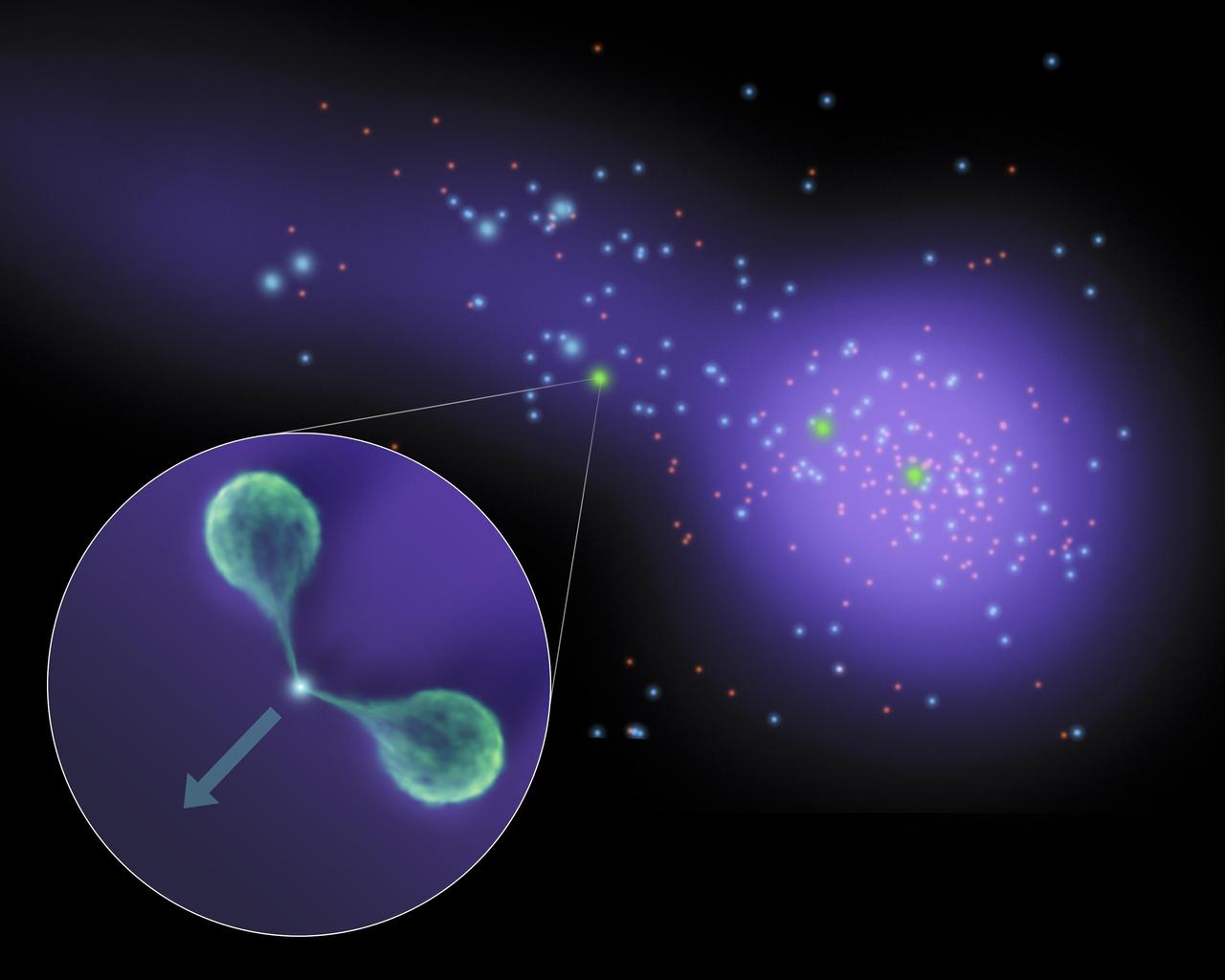
This diagram shows findings of results of observations made primarily by NASA Spitzer Telescopes and the Very Large Array radio telescope and illuminates new details about a celestial andbar connecting two massive islands of galaxies.
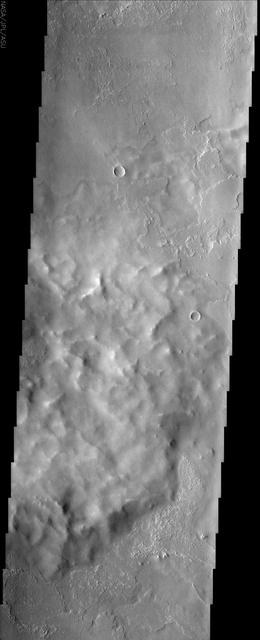
Located roughly equidistant between two massive volcanoes, the approximately 60 km Poynting Crater and its ejecta, shown in this image from NASA Mars Odyssey spacecraft, have experienced an onslaught of volcanic activity.
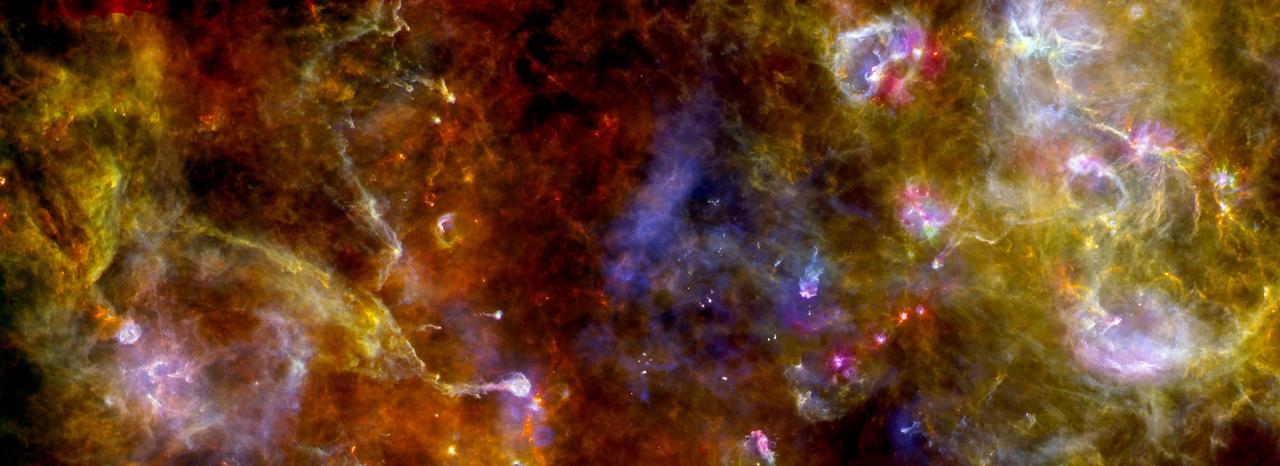
This new view of the Cygnus-X star-formation region by ESA Herschel Space Observatory highlights chaotic networks of dust and gas that point to sites of massive star formation.
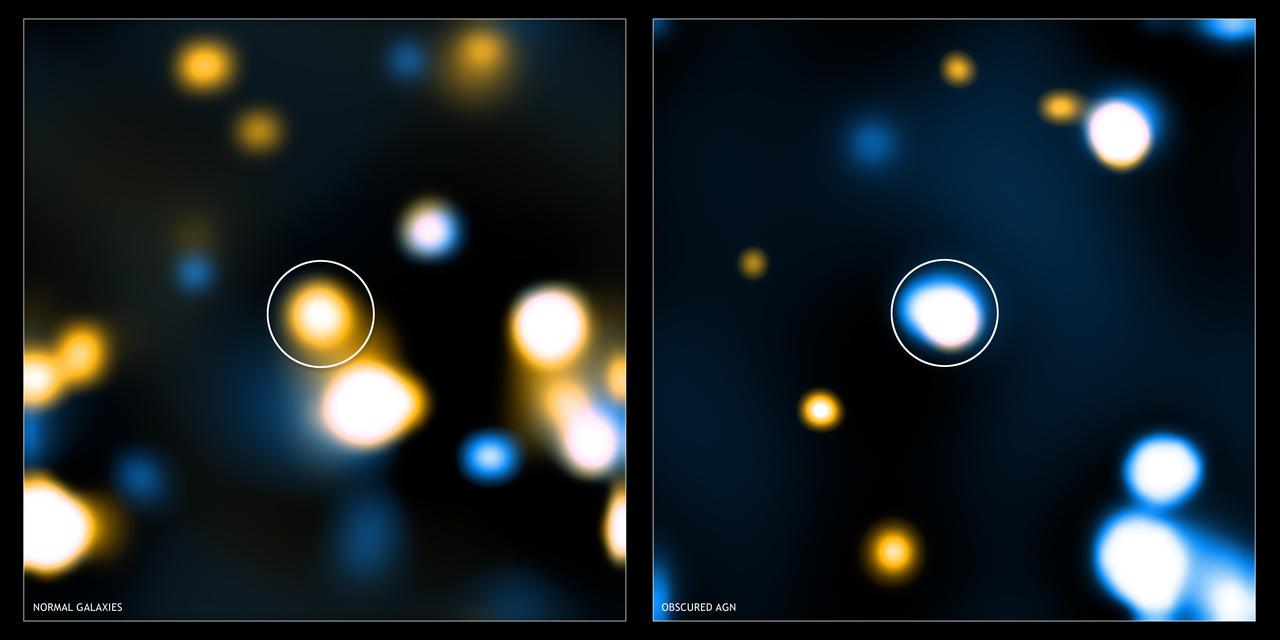
These two images show tacked Chandra images for two different classes of distant, massive galaxy detected with NASA Spitzer. Image stacking is a procedure used to detect emission from objects that is too faint to be detected in single images.
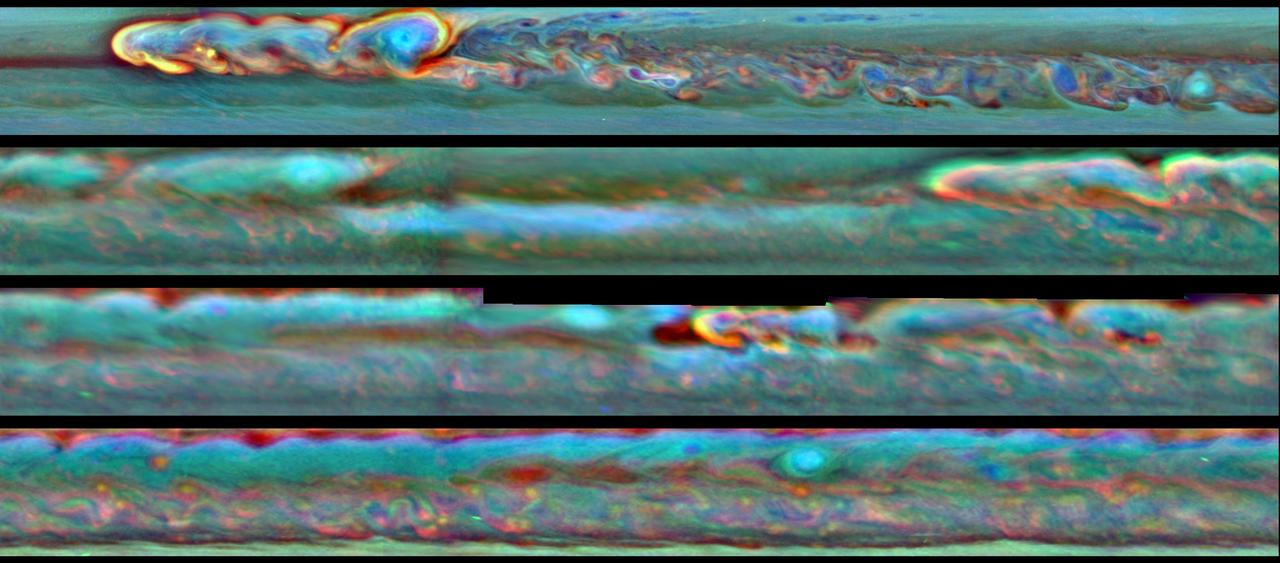
This set of images from NASA Cassini mission shows the evolution of a massive thunder-and-lightning storm that circled all the way around Saturn and fizzled when it ran into its own tail.
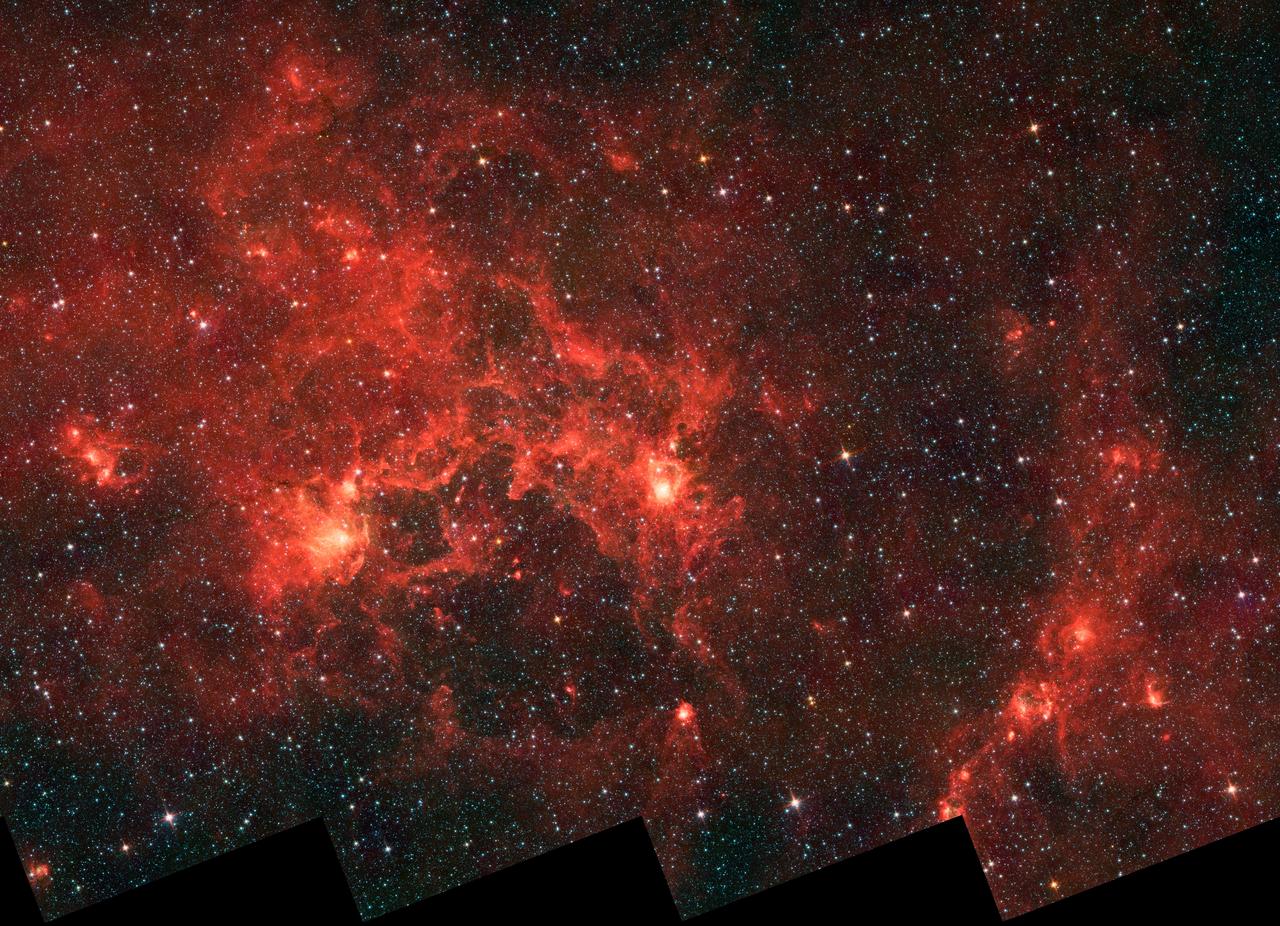
This infrared image from NASA Spitzer Space Telescope shows the nebula nicknamed the Dragonfish. This turbulent region, jam-packed with stars, is home to some of the most luminous massive stars in our Milky Way galaxy.
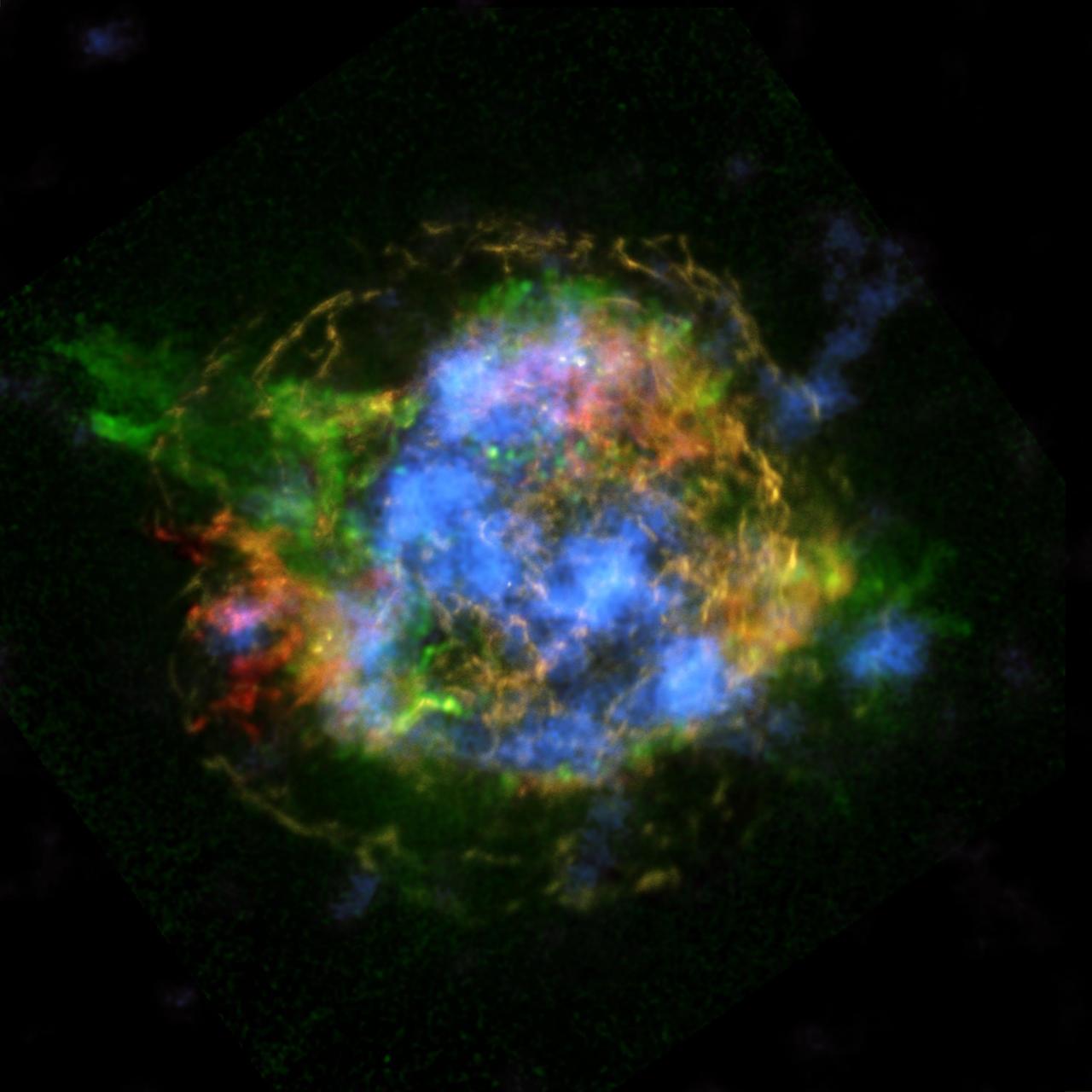
This is the first map of radioactivity in a supernova remnant, the blown-out bits and pieces of a massive star that exploded. The blue color shows radioactive material mapped in high-energy X-rays using NASA NuSTAR.

A massive star left, which has created elements as heavy as iron in its interior, blows up in a tremendous explosion middle, scattering its outer layers in a structure called a supernova remnant right.
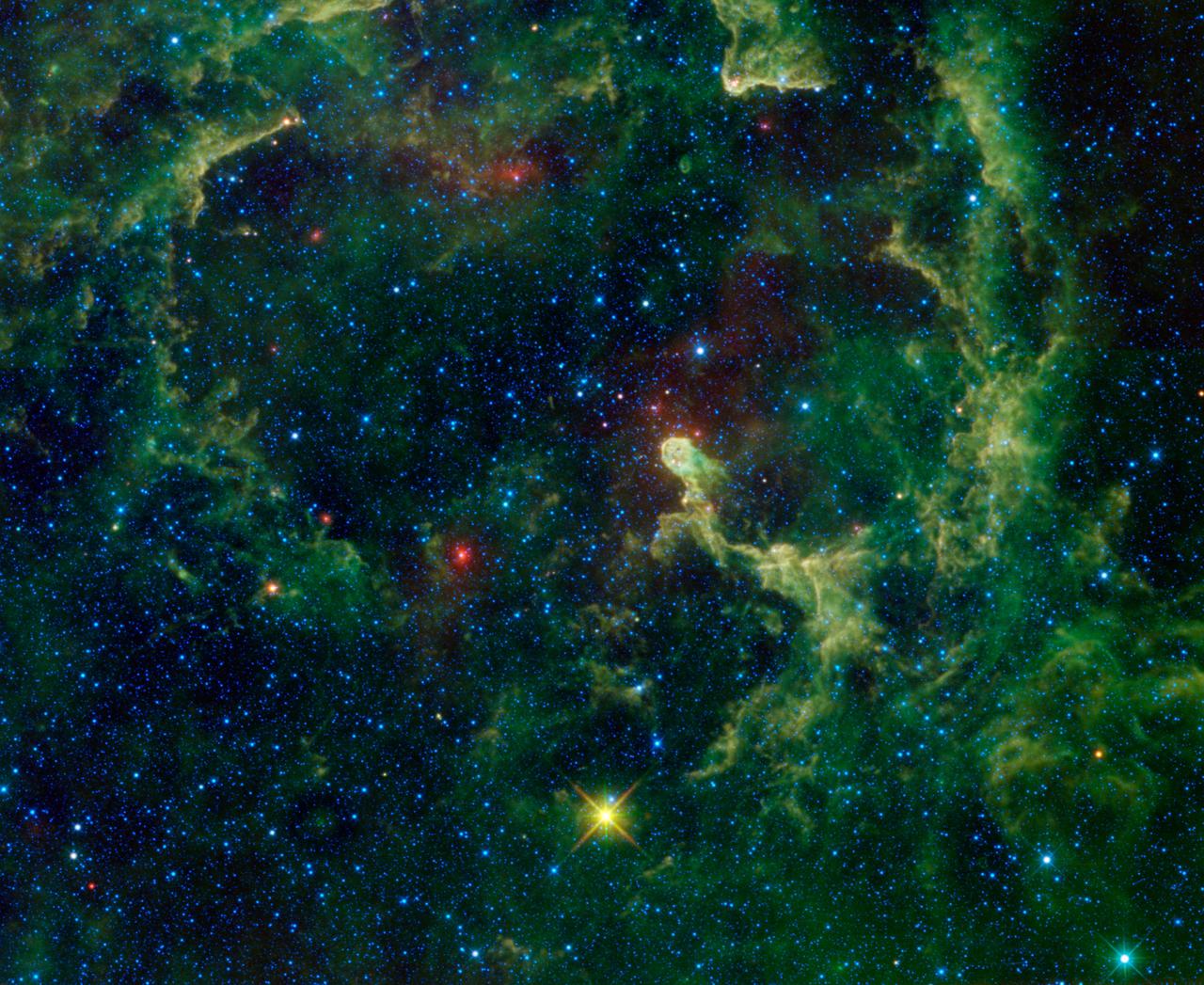
This image of the Elephant Trunk nebula from NASA Wide-field Survey Explorer shows clouds of dust and gas being pushed and eroded by a massive star. The bright trunk of the nebula near the center is an especially dense cloud.
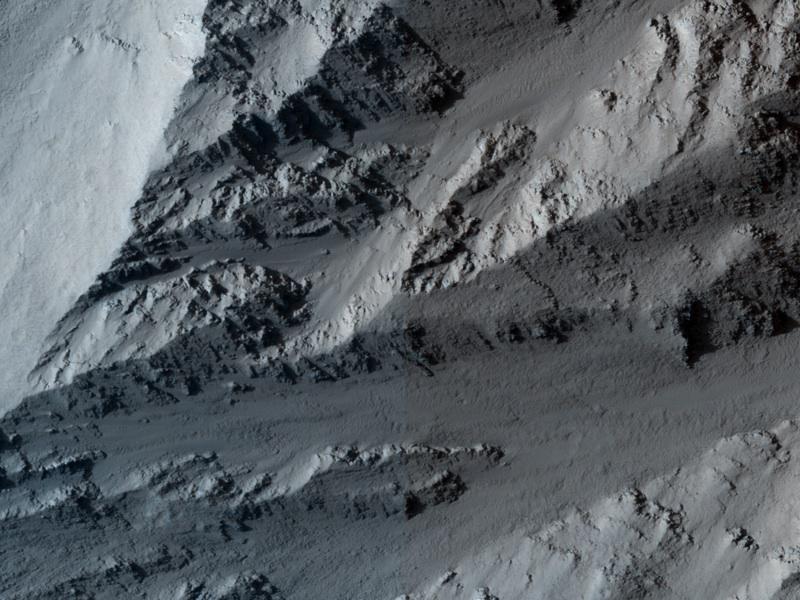
This image taken by NASA Mars Reconnaissance Orbiter covers the northern edge of the largest volcano in the solar system, Olympus Mons on Mars; its margin is defined by a massive cliff many kilometers several miles tall.
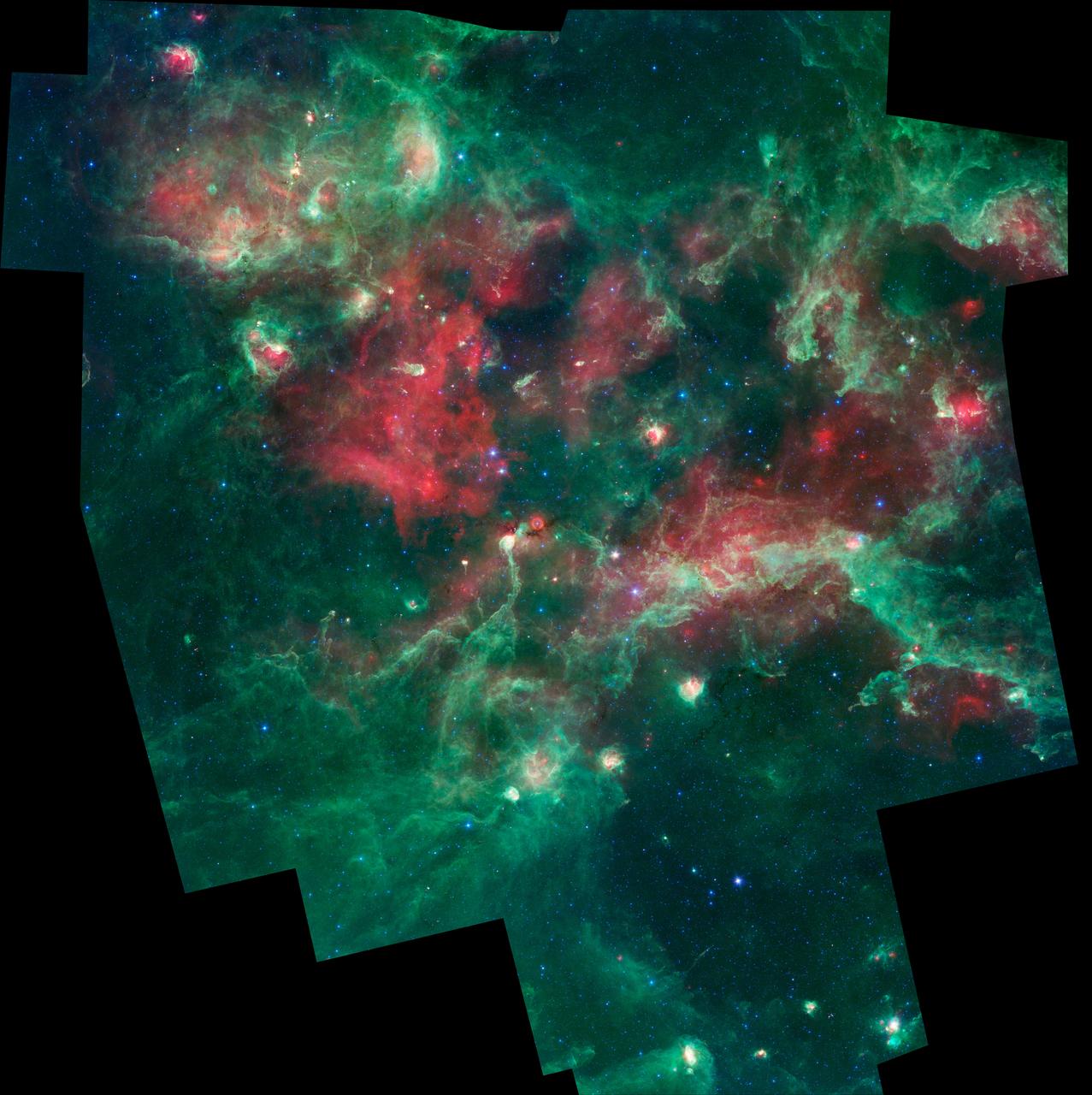
A bubbling cauldron of star birth is highlighted in this image from NASA Spitzer Space Telescope. Massive stars have blown bubbles, or cavities, in the dust and gas -- a violent process that triggers both the death and birth of stars.
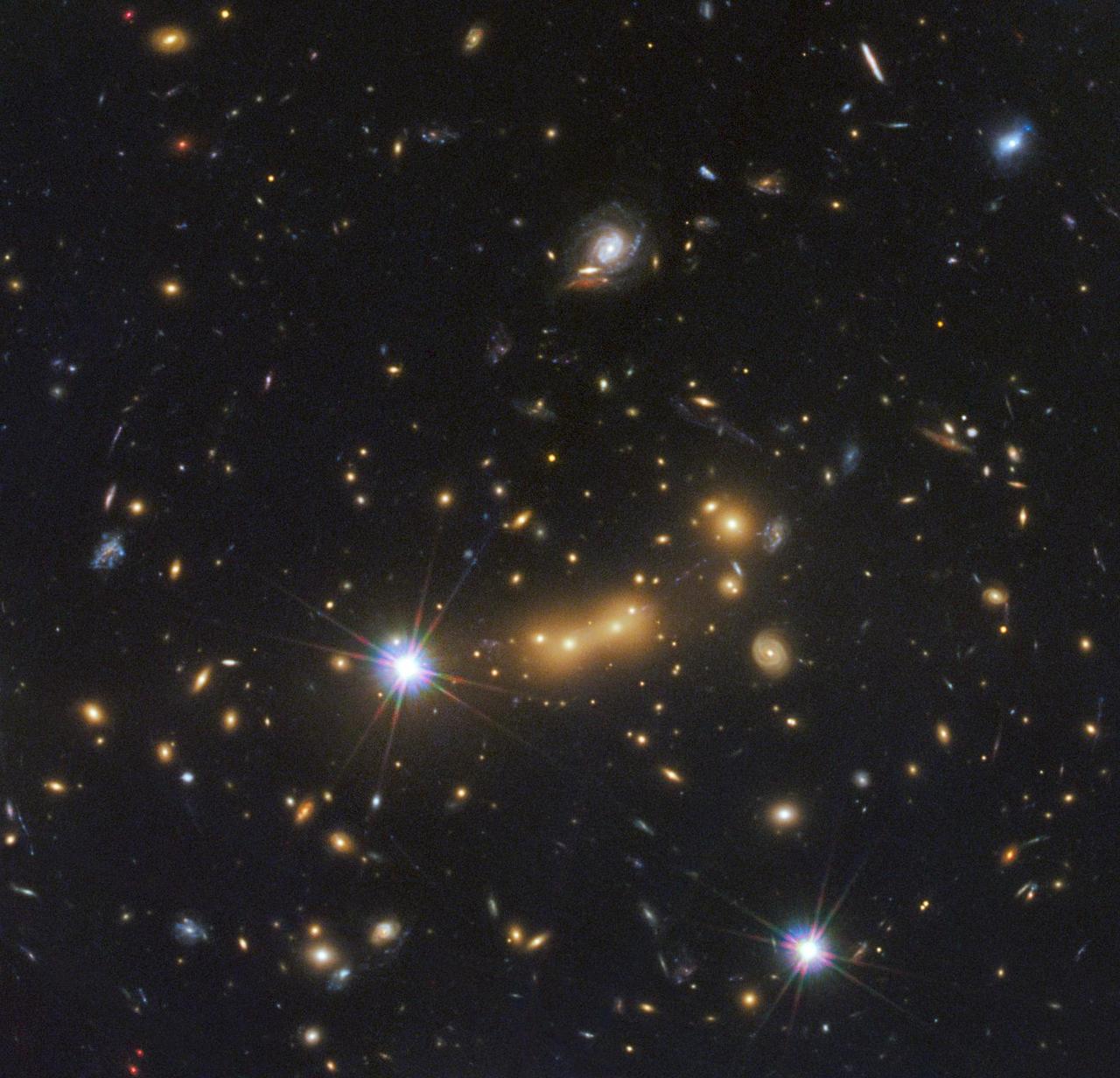
In this Hubble observation, astronomers used the massive galaxy cluster MACS J0647+7015 as the giant cosmic telescope. The bright yellow galaxies near the center of the image are cluster members.

NASA Spitzer and Chandra space telescopes have uncovered a long-lost population of active supermassive black holes, or quasars located deep in the bellies of distant, massive galaxies circled in blue.
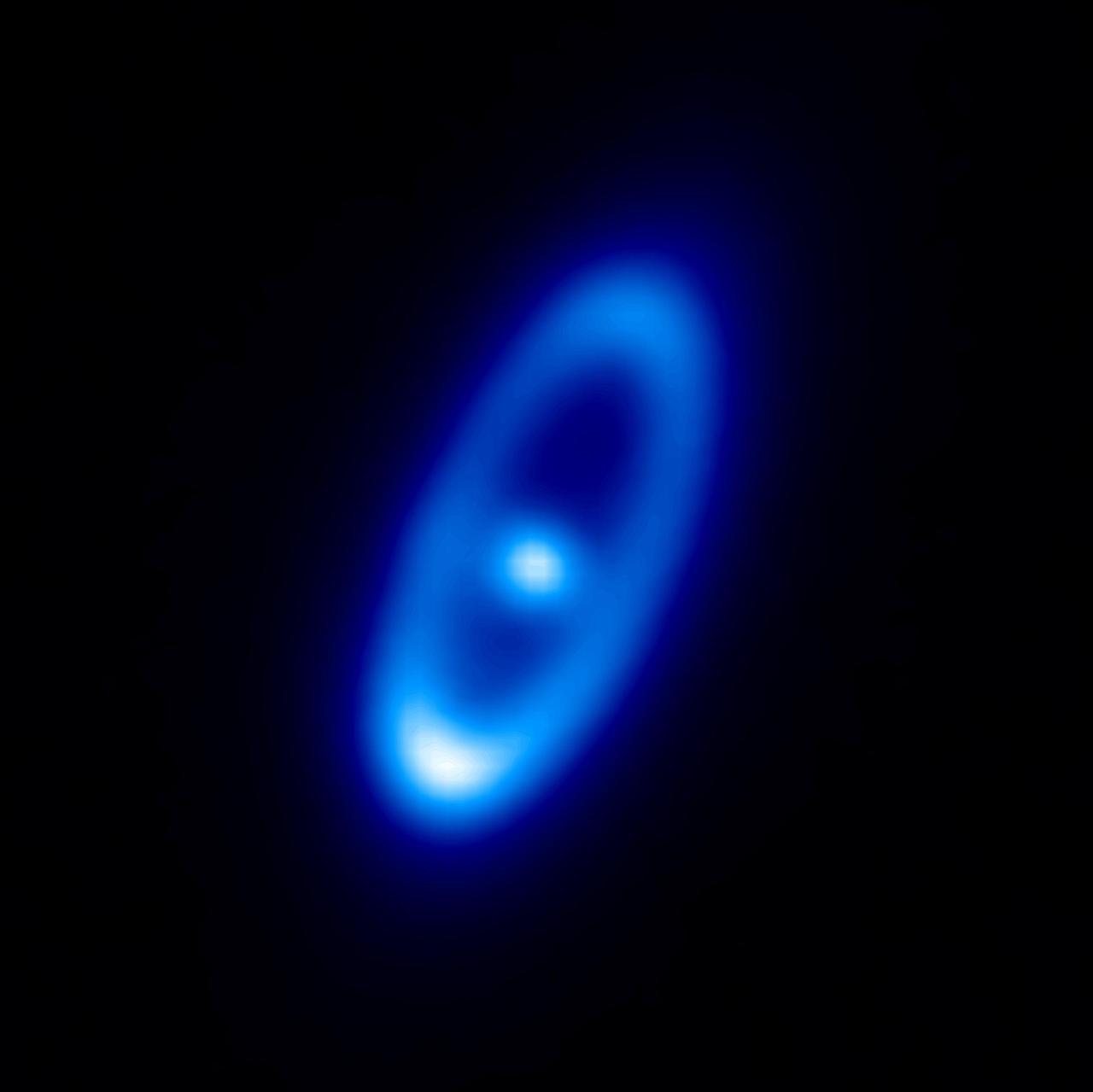
New data from the Herschel Space Observatory suggest comets are constantly smashing together around the star Fomalhaut, a young star, just a few hundred million years old, and twice as massive as the sun.
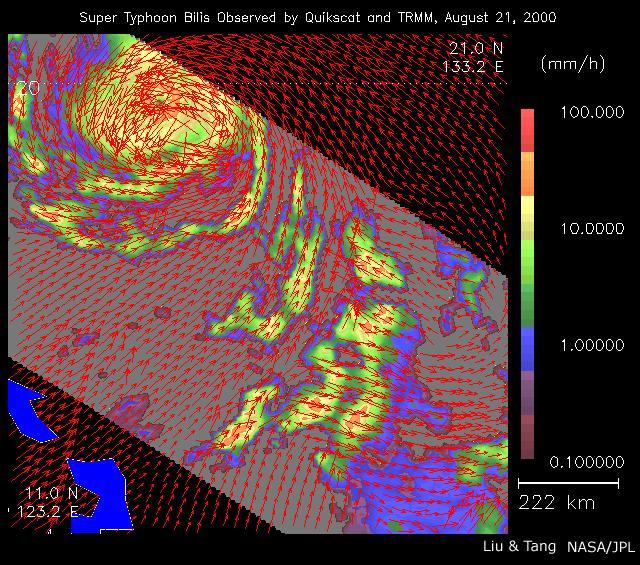
As super Typhoon Bilis, equal in strength to a category 5 hurricane, bore down on Taiwan, these images from August 21, 2000, show the massive storm most devastating components: rain and wind.

Radiation and winds from massive stars have blown a cavity into the surrounding dust and gas, creating the Trifid nebula, as seen here in infrared light by NASA Wide-field Infrared Survey Explorer, or WISE.

This artist concept shows NASA Dawn spacecraft arriving at the dwarf planet Ceres, the most massive body in the asteroid belt. Dawn is the first mission to visit a dwarf planet.
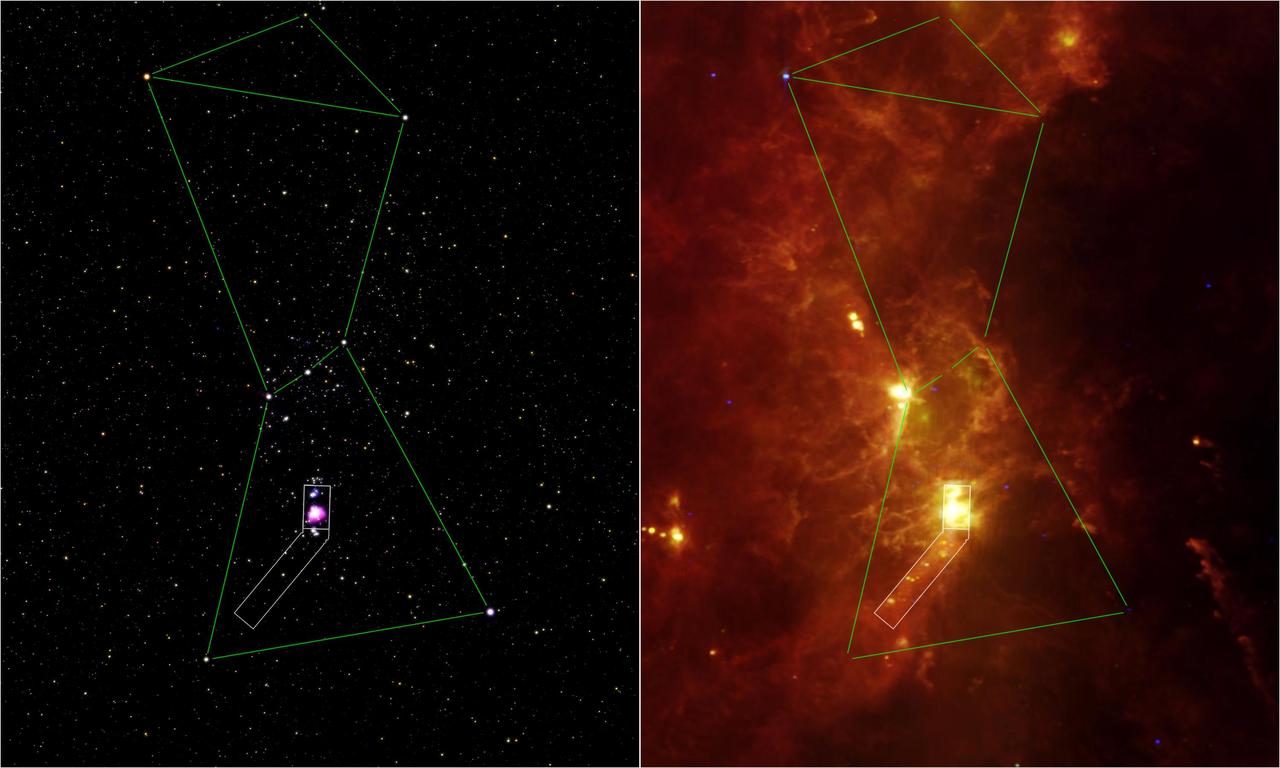
This image composite outlines the region near Orion sword that was surveyed by NASA Spitzer Space Telescope white box. The Orion nebula, our closest massive star-making factory, is the brightest spot near the hunter sword.
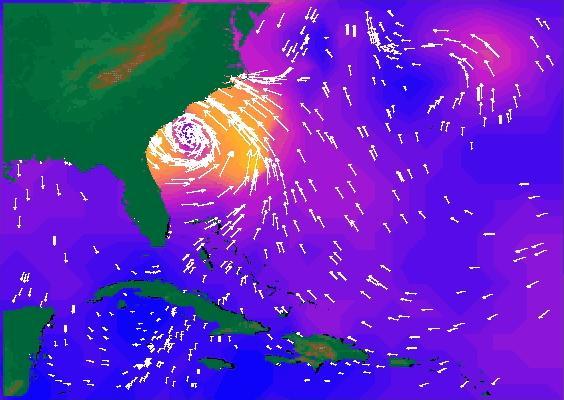
NASA SeaWinds radar instrument eyed the center of a massive hurricane -- Floyd -- as it ripped past Georgia and the Carolinas Wednesday afternoon, September 15, then marched toward a midnight strike at Cape Fear, North Carolina.

Astronomers have discovered a massive cluster of young galaxies forming in the distant universe. The growing galactic metropolis is known as COSMOS-AzTEC3. This image was taken Japan Subaru telescope atop Mauna Kea in Hawaii.

The Milky Way and other galaxies in the universe harbor many young star clusters and associations that each contain hundreds to thousands of hot, massive, young stars known as O and B stars.

NASA Terra spacecraft acquired this image of Dawson, Canada. A boom town in 1898, discovery of gold in the Klondike fueled the massive influx of miners, merchants, and other support professions to this town on the Yukon River.
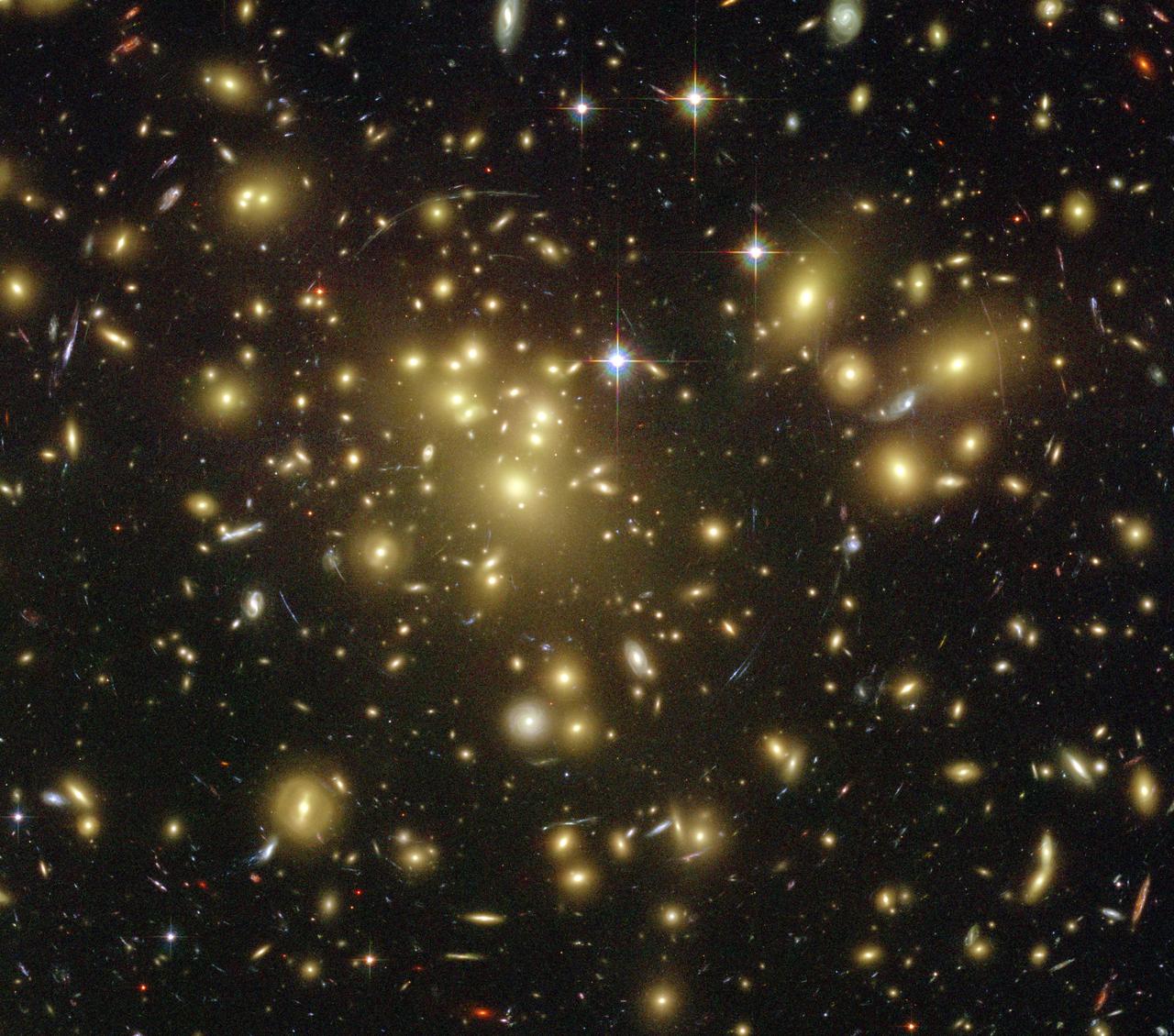
A massive cluster of yellowish galaxies is seemingly caught in a spider web of eerily distorted background galaxies in the left-hand image, taken with the Advanced Camera for Surveys ACS aboard NASA Hubble Space Telescope.
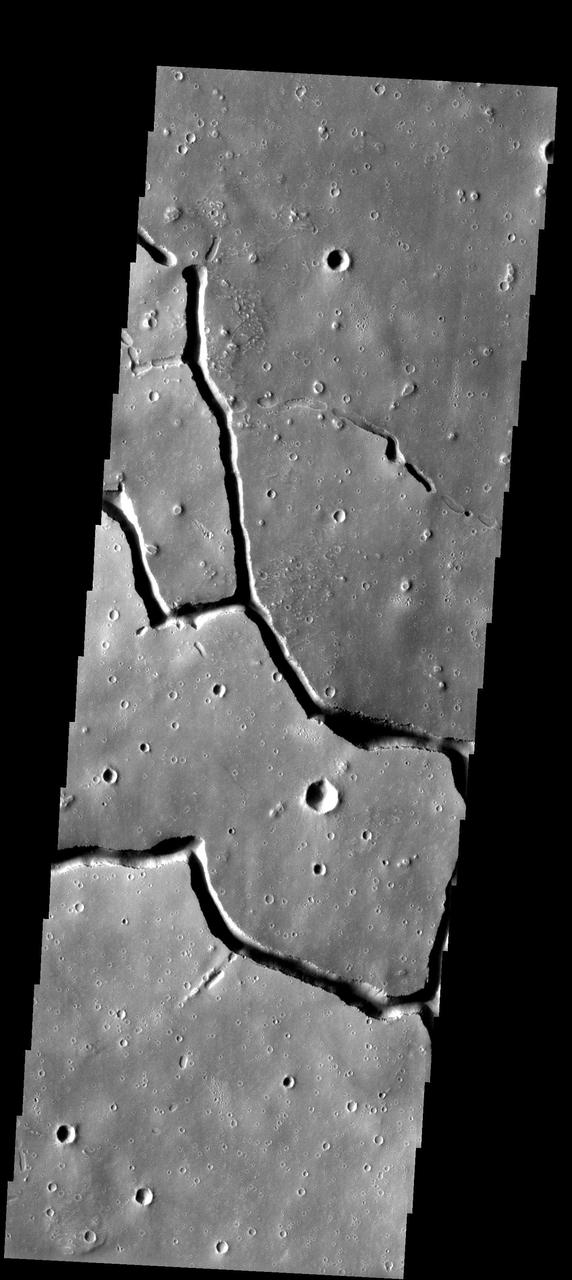
In this image from NASA Mars Odyssey spacecraft showing a location about 1,000 km 620 miles west of the massive Elysium volcanic complex, a system of branching troughs shows a continuum of features that provides clues to its origin.
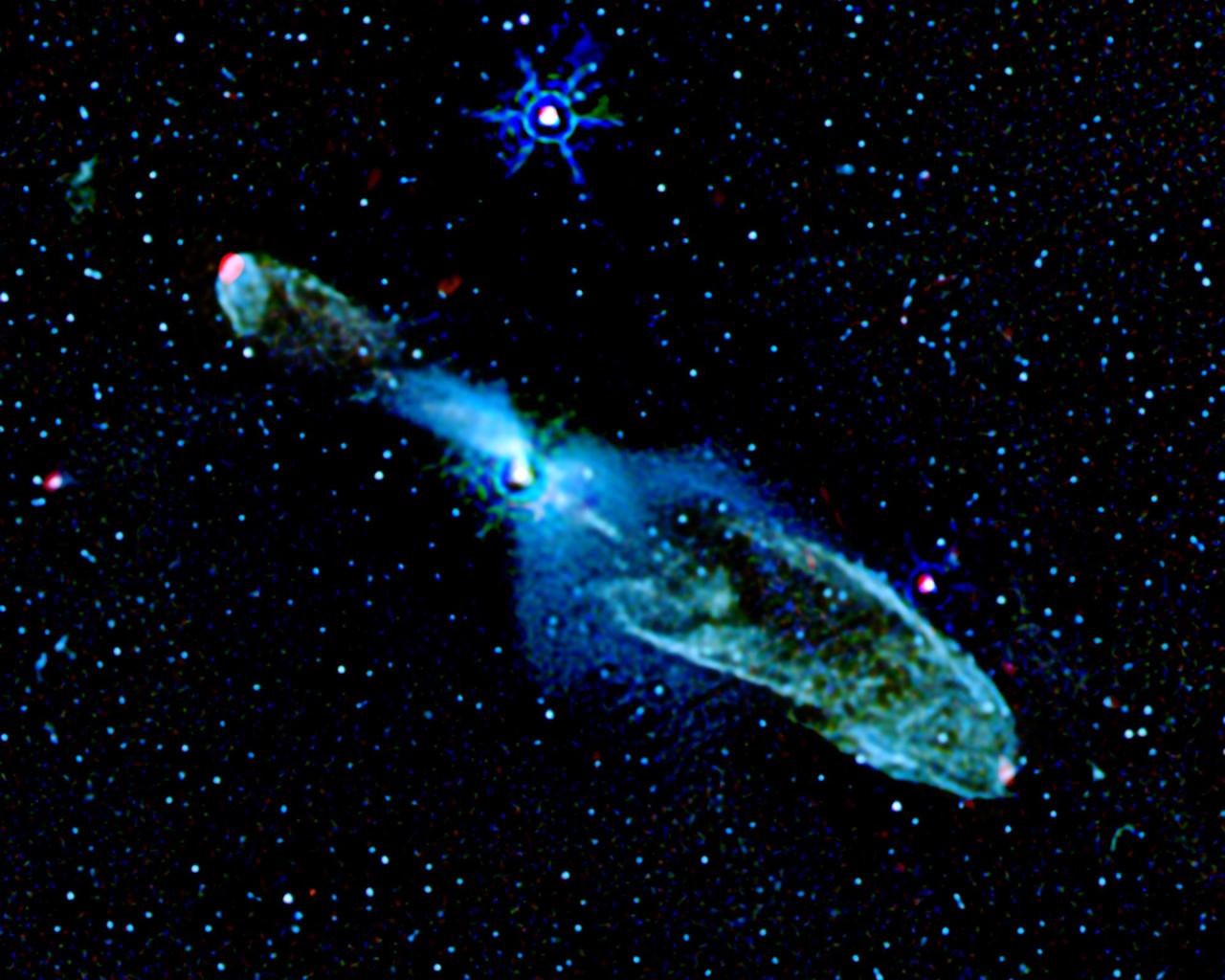
In this processed Spitzer Space Telescope image, baby star HH 46/47 can be seen blowing two massive bubbles. The star is 1,140 light-years away from Earth.
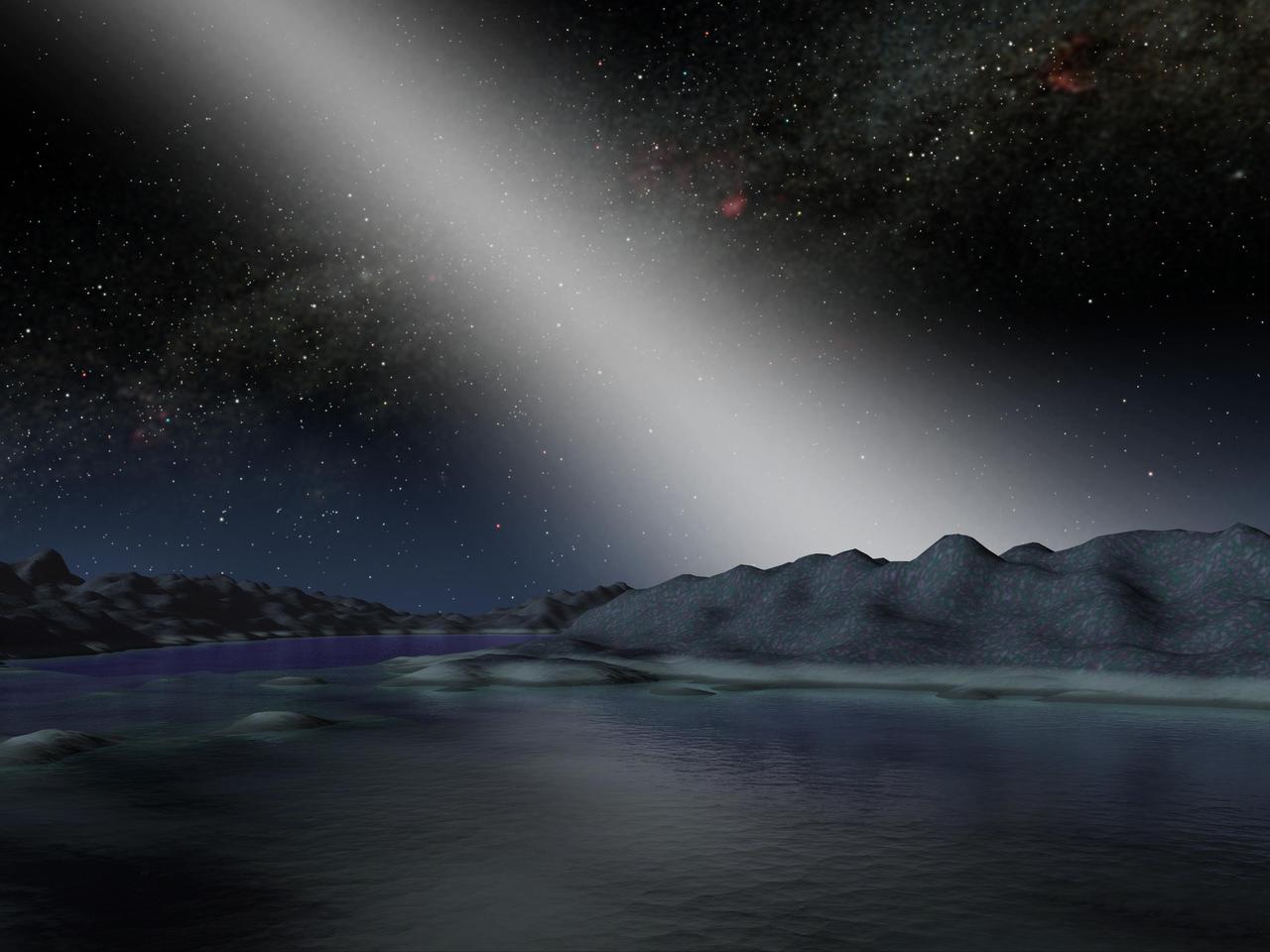
This artist concept shows what the night sky might look like from a hypothetical alien planet in a star system with an asteroid belt 25 times as massive as the one in our own solar system.
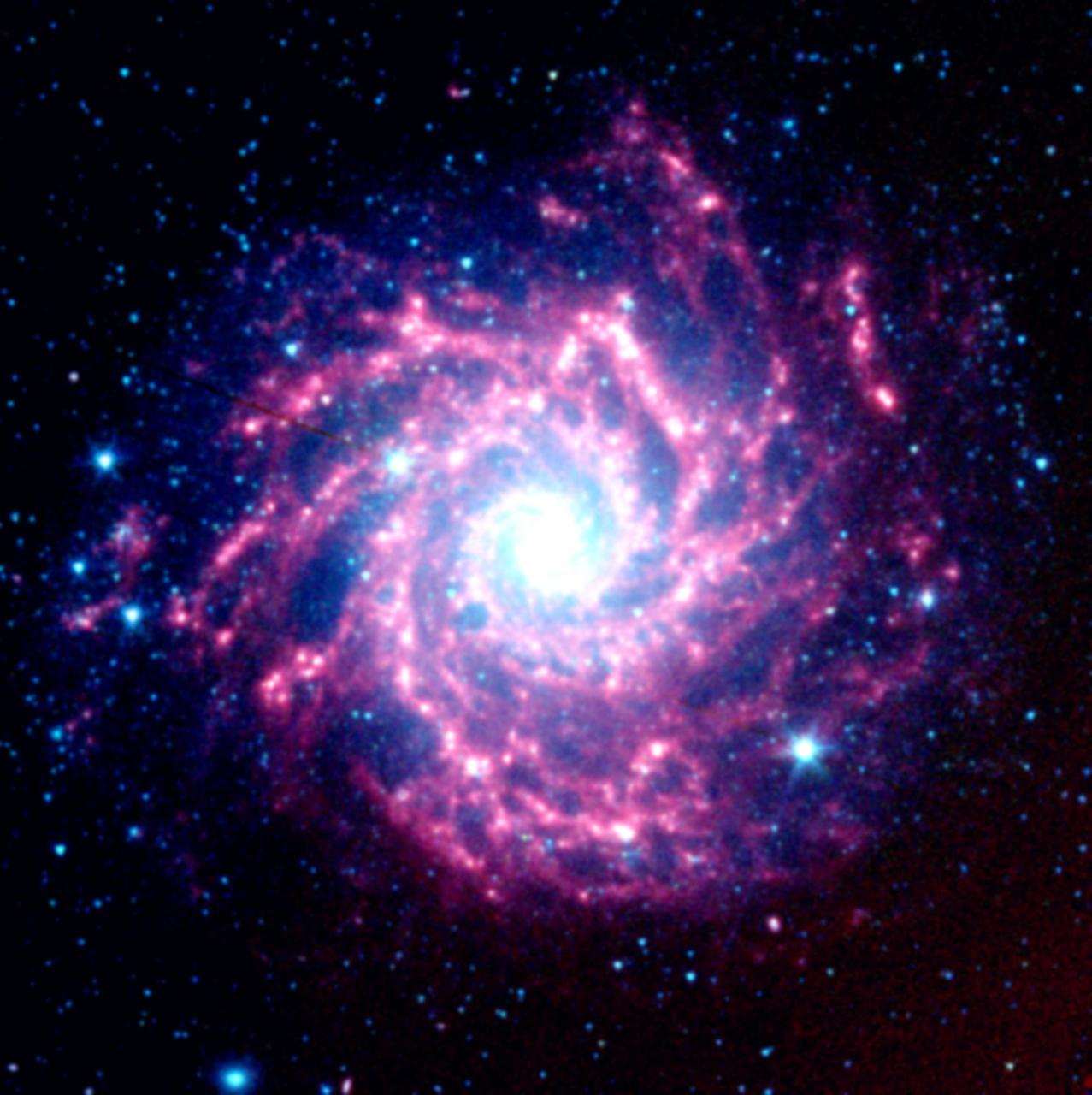
Astronomers using NASA Spitzer Space Telescope have spotted a dust factory 30 million light-years away in the spiral galaxy M74. The factory is located at the scene of a massive star explosive death, or supernova.

This false-color image from NASA Spitzer Space Telescope shows a distant galaxy yellow that houses a quasar, a super-massive black hole circled by a ring, or torus, of gas and dust.

This long-exposure image from NASA Hubble Space Telescope of massive galaxy cluster Abell 2744 is the deepest ever made of any cluster of galaxies. Shown in the foreground is Abell 2744, located in the constellation Sculptor.
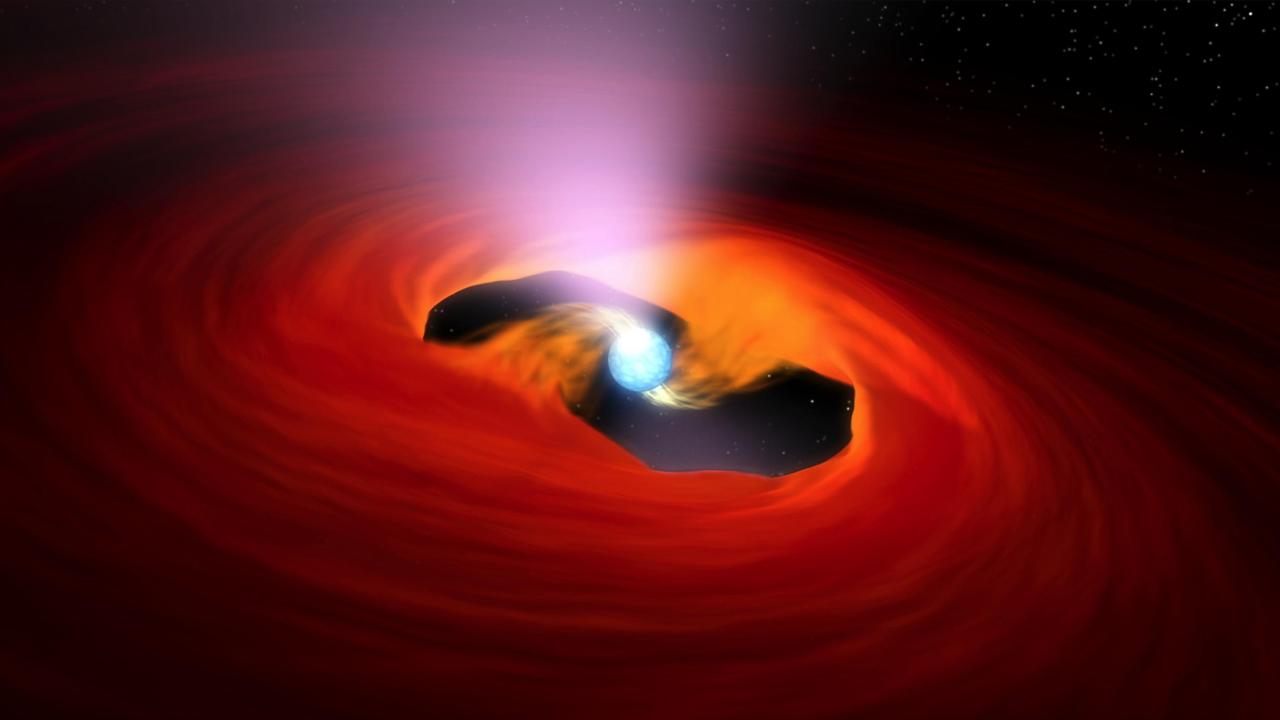
This image shows a neutron star -- the core of a star that exploded in a massive supernova. This particular neutron star is known as a pulsar because it sends out rotating beams of X-rays that sweep past Earth like lighthouse beacons.
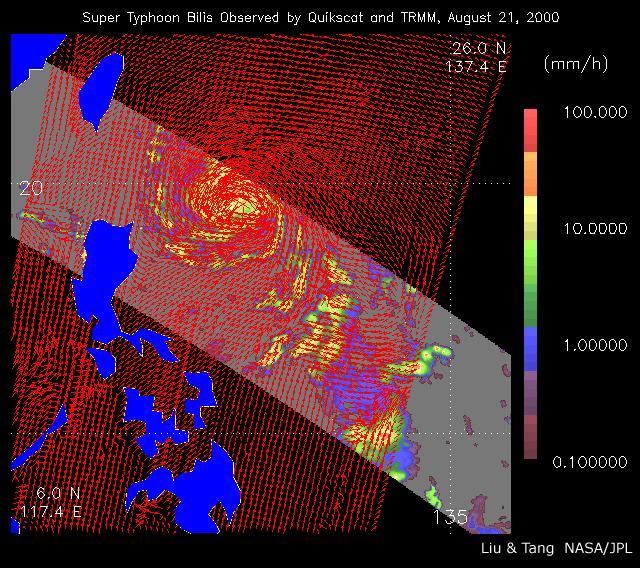
As super Typhoon Bilis, equal in strength to a category 5 hurricane, bore down on Taiwan, these images from August 21, 2000, show the massive storm most devastating components: rain and wind.
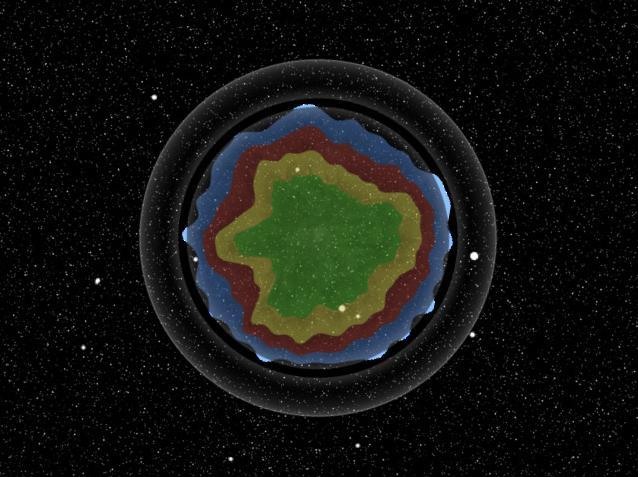
This artist concept shows the explosion of a massive star, the remains of which are named Cassiopeia A. NASA Spitzer Space Telescope found evidence that the star exploded with some degree of order.

This image is from NASA Galaxy Evolution Explorer is an observation of the large galaxy in Andromeda, Messier 31. The Andromeda galaxy is the most massive in the local group of galaxies that includes our Milky Way.
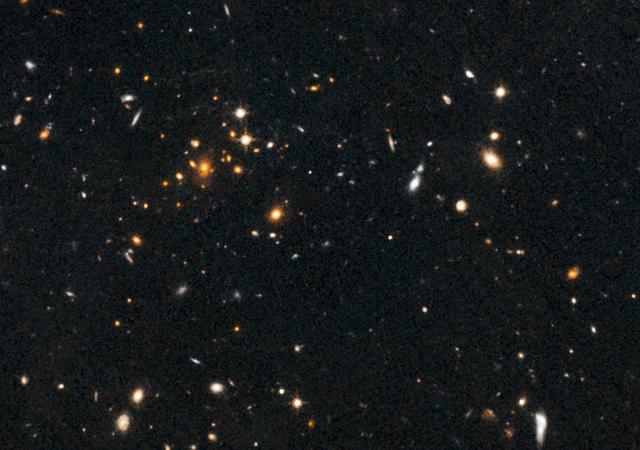
Astronomers using NASA Hubble Space Telescope have found a puzzling arc of light behind an extremely massive cluster of galaxies residing 10 billion light-years away.
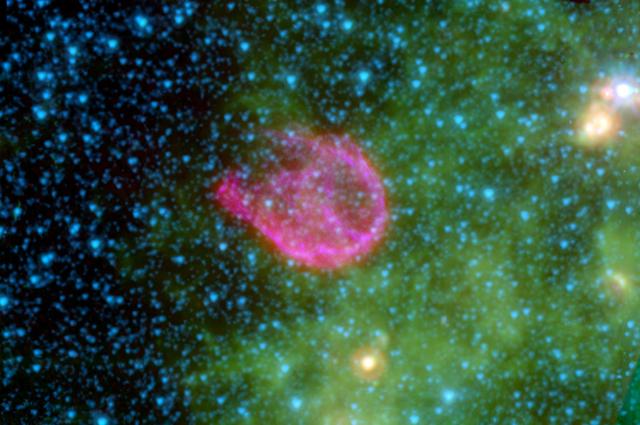
Supernovae are the explosive deaths of the universe most massive stars. This false-color composite from NASA Spitzer Space Telescope and NASA Chandra X-ray Observatory shows the remnant of N132D, the wispy pink shell of gas at center.
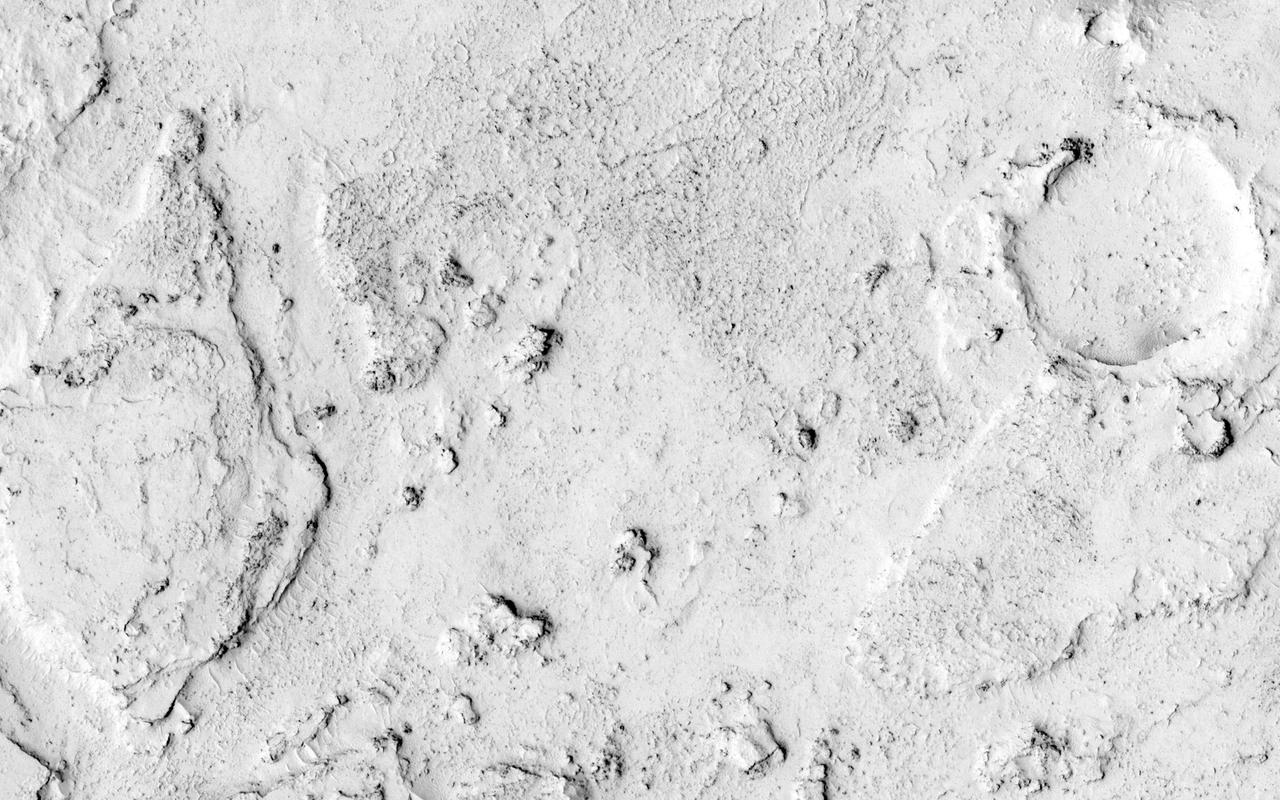
This observation from NASA Mars Reconnaissance Orbiter shows the end of a small channel near Athabasca Valles on Mars. Athabasca is an example of a Martian outflow channel, likely carved by a massive flood of groundwater.

The galaxy NGC 4395 is shown here in infrared light, captured by NASA Spitzer Space Telescope. This dwarf galaxy is relatively small in comparison with our Milky Way galaxy, which is nearly 1,000 times more massive.
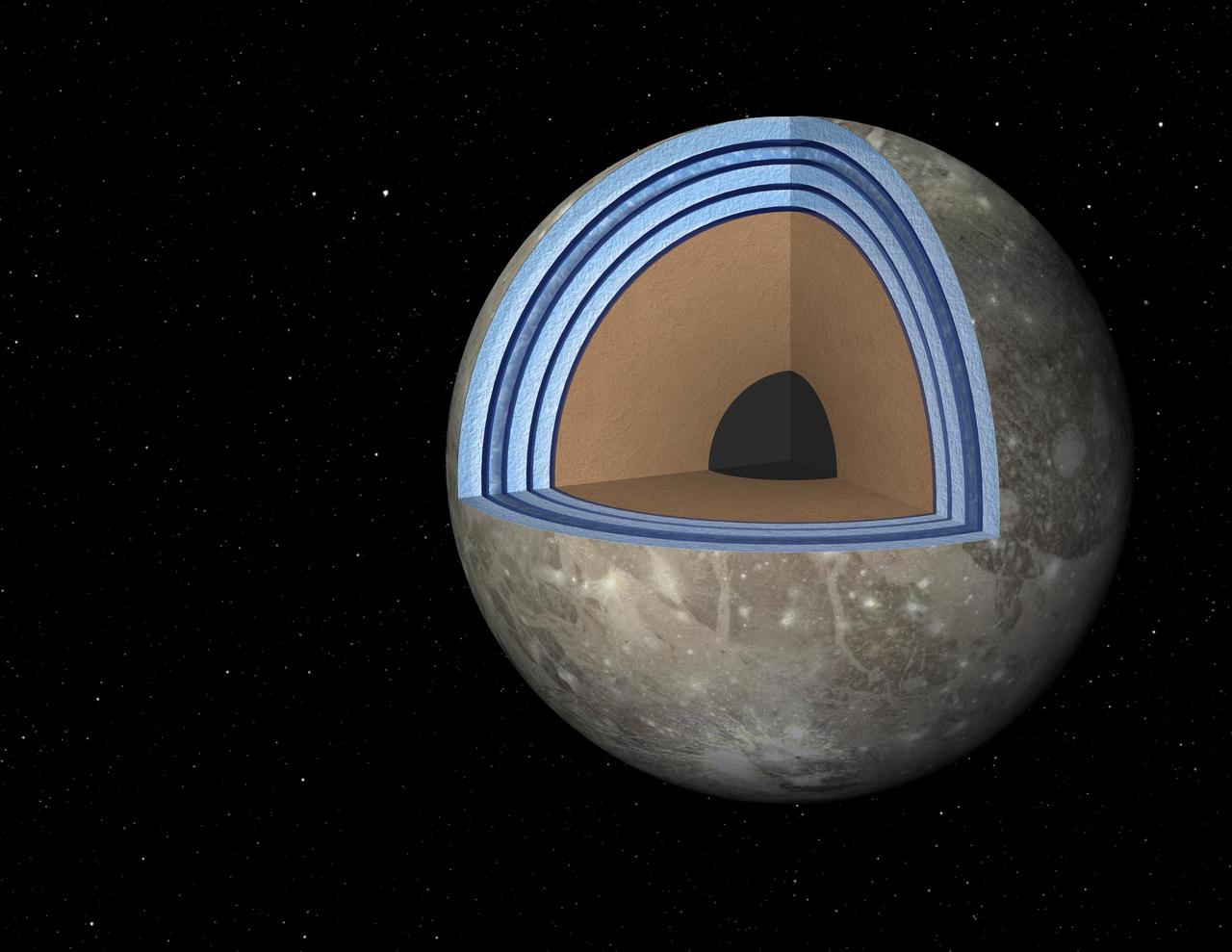
This artist concept of Jupiter moon Ganymede, the largest moon in the solar system, illustrates the club sandwich model of its interior oceans. Scientists suspect Ganymede has a massive ocean under an icy crust.

STS009-35-1622 (28 Nov-8 Dec 1983) --- In the Coral Sea to the last of Australia?s Great Barrier Reed, a massive area is covered with floating material. Its origin is presently unknown nor is it known to be of biological origin or man-made. However, it covers thousands of square miles, thus massive, and is unreported.
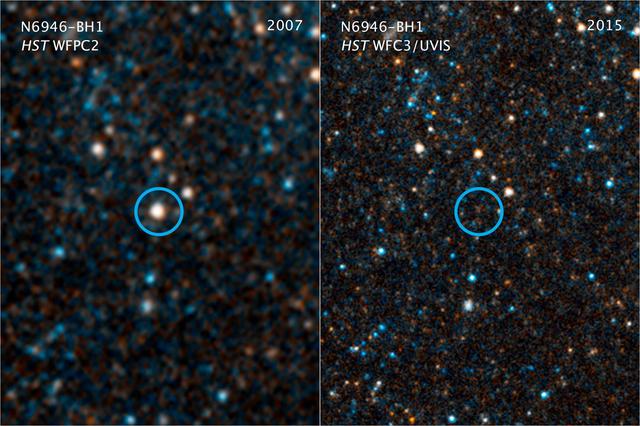
This pair of visible-light and near-infrared photos from NASA's Hubble Space Telescope shows the giant star N6946-BH1 before and after it vanished out of sight by imploding to form a black hole. The left image shows the star, which is 25 times the mass of our sun, as it looked in 2007. In 2009, the star shot up in brightness to become over 1 million times more luminous than our sun for several months. But then it seemed to vanish, as seen in the right panel image from 2015. A small amount of infrared light has been detected from where the star used to be. This radiation probably comes from debris falling onto a black hole. The black hole is located 22 million light-years away in the spiral galaxy NGC 6946. https://photojournal.jpl.nasa.gov/catalog/PIA21467

This series of images from a navigation camera aboard NASA's Perseverance rover shows a gust of wind sweeping dust across the Martian plain beyond the rover's tracks on June 18, 2021 (the 117th sol, or Martian day, of the mission). The dust cloud in this GIF was estimated to be about 1.5 square miles (4 square kilometers) in size; it was the first such Martian wind-lifted dust cloud of this scale ever captured in images. This image has been enhanced in order to show maximal detail, with some color distortion. A key objective for Perseverance's mission on Mars is astrobiology, including the search for signs of ancient microbial life. The rover will characterize the planet's geology and past climate, pave the way for human exploration of the Red Planet, and be the first mission to collect and cache Martian rock and regolith (broken rock and dust). Subsequent NASA missions, in cooperation with ESA (European Space Agency), would send spacecraft to Mars to collect these sealed samples from the surface and return them to Earth for in-depth analysis. The Mars 2020 Perseverance mission is part of NASA's Moon to Mars exploration approach, which includes Artemis missions to the Moon that will help prepare for human exploration of the Red Planet. Animation available at https://photojournal.jpl.nasa.gov/catalog/PIA25361
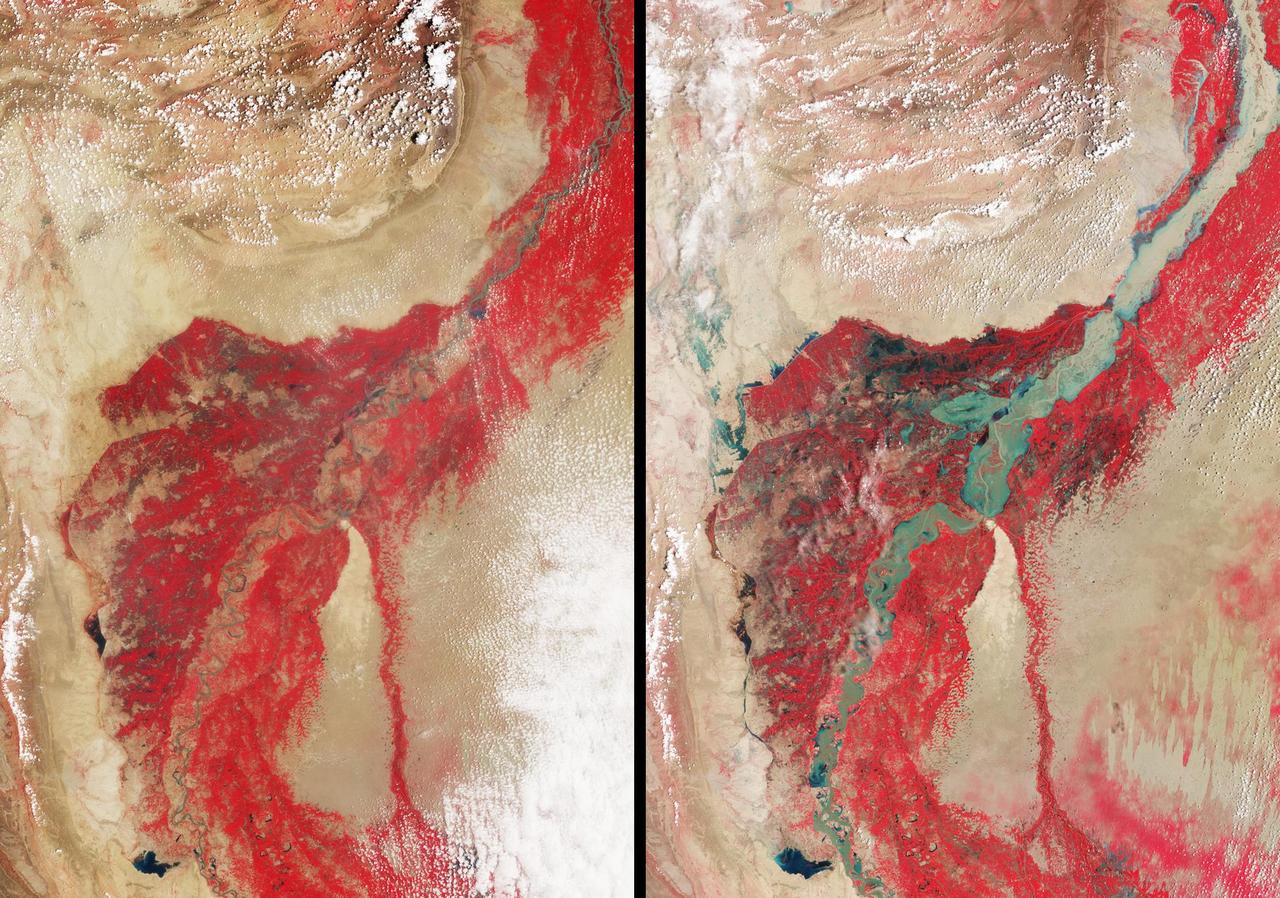
In late July 2010, flooding caused by heavy monsoon rains began in several regions of Pakistan, including the Khyber Pakhtunkhwa, Sindh, Punjab and parts of Baluchistan. This image was acquired by NASA Terra spacecraft on August 11, 2010.
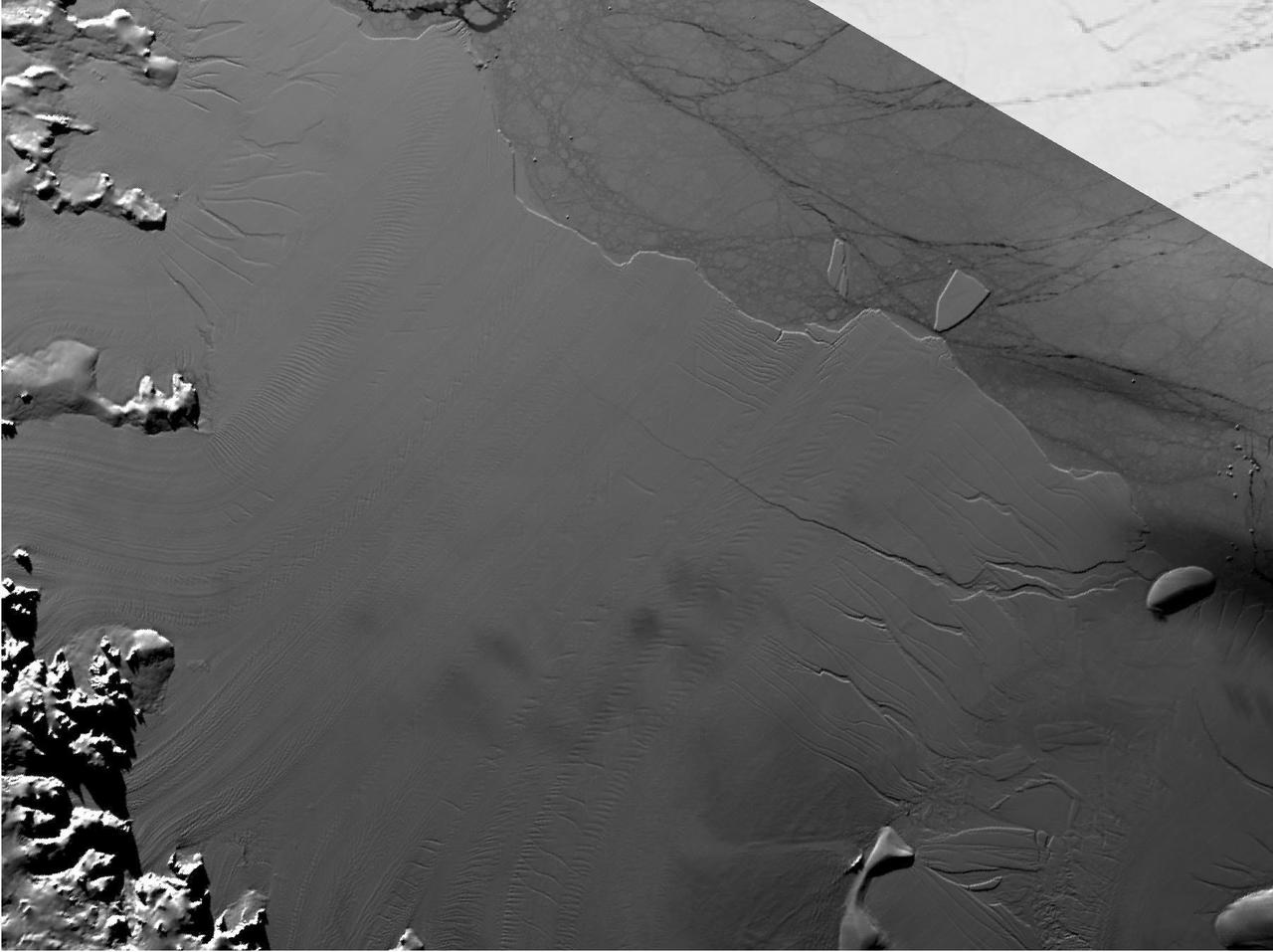
Between July 10 and 12, 2017, the Larsen C Ice Shelf in West Antarctica calved one of the largest icebergs in history (named "A-68"), weighing approximately one trillion tons. The rift in the ice shelf that spawned the iceberg has been present on the shelf since at least the beginning of the Landsat era (approximately the 1970s), but remained relatively dormant until around 2012, when it was observed actively moving through a suture zone in the ice shelf (Jansen et al., 2015). Suture zones are wide bands of ice that extend from glacier grounding lines (the boundary between a floating ice shelf and ice resting on bedrock) to the sea comprised of a frozen mixture of glacial ice and sea water, traditionally considered to be stabilizing features in ice shelves. When the Antarctic entered its annual dark period in late April, scientists knew the rift only had a few more miles to go before it completely calved the large iceberg. However, due to the lack of sunlight during the Antarctic winter, visible imagery is generally not available each year between May and August. This frame is from an animation that shows the ice shelf as imaged by the NASA/NOAA satellite Suomi NPP, which features the VIIRS (Visible Infrared Imaging Radiometer Suite) instrument. VIIRS has a day/night panchromatic band capable of collecting nighttime imagery of Earth with a spatial resolution of 2,460 feet (750 meters). An image from the Moderate Resolution Imaging Spectroradiometer (MODIS) instrument on NASA's Terra satellite shows the last cloud-free, daytime image of the ice shelf on April 6; the MODIS thermal imagery band is shown on April 29. The images from May 9 to July 14 show available cloud-free imagery from Suomi NPP. Luckily, despite several cloudy days leading up to the break, the weather mostly cleared on July 11, allowing scientists to see the newly formed iceberg on July 12. The animation is available at https://photojournal.jpl.nasa.gov/catalog/PIA21785
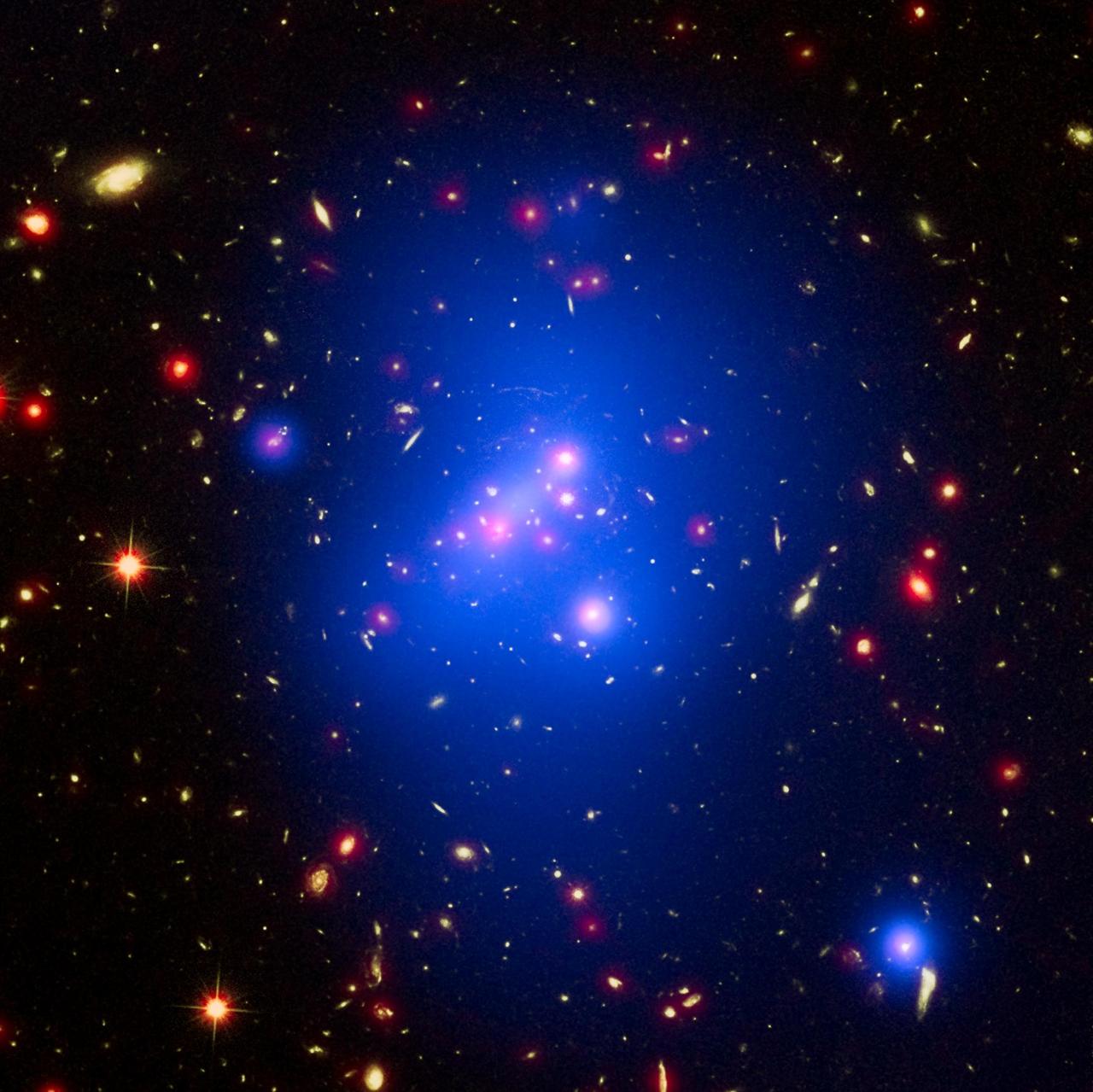
Astronomers have made the most detailed study yet of an extremely massive young galaxy cluster using three of NASA's Great Observatories. This multi-wavelength image shows this galaxy cluster, called IDCS J1426.5+3508 (IDCS 1426 for short), in X-rays recorded by the Chandra X-ray Observatory in blue, visible light observed by the Hubble Space Telescope in green, and infrared light detected by the Spitzer Space Telescope in red. This rare galaxy cluster, which is located 10 billion light-years from Earth, is almost as massive as 500 trillion suns. This object has important implications for understanding how such megastructures formed and evolved early in the universe. The light astronomers observed from IDCS 1426 began its journey to Earth when the universe was less than a third of its current age. It is the most massive galaxy cluster detected at such an early time. First discovered by the Spitzer Space Telescope in 2012, IDCS 1426 was then observed using the Hubble Space Telescope and the Keck Observatory to determine its distance. Observations from the Combined Array for Millimeter-wave Astronomy indicated it was extremely massive. New data from the Chandra X-ray Observatory confirm the galaxy cluster's mass and show that about 90 percent of this mass is in the form of dark matter -- the mysterious substance that has so far been detected only through its gravitational pull on normal matter composed of atoms. http://photojournal.jpl.nasa.gov/catalog/PIA20063
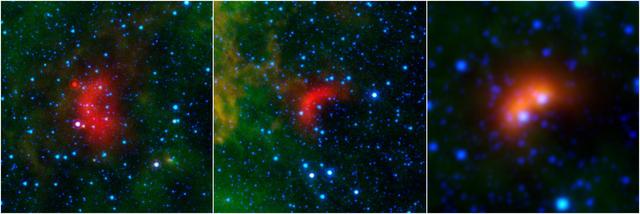
Bow shocks thought to mark the paths of massive, speeding stars are highlighted in these images from NASA's Spitzer Space Telescope and Wide-field Infrared Survey Explorer, or WISE. Cosmic bow shocks occur when massive stars zip through space, pushing material ahead of them in the same way that water piles up in front of a race boat. The stars also produce high-speed winds that smack into this compressed material. The end result is pile-up of heated material that glows in infrared light. In these images, infrared light has been assigned the colored red. Green shows wispy dust in the region and blue shows stars. The two images at left are from Spitzer, and the one on the right is from WISE. The speeding stars thought to be creating the bow shocks can be seen at the center of each arc-shaped feature. The image at right actually consists of two bow shocks and two speeding stars. All the speeding stars are massive, ranging from about 8 to 30 times the mass of our sun. http://photojournal.jpl.nasa.gov/catalog/PIA20062

This graphic illustrates how a faraway quasar (an extremely bright region in the center of some distant galaxies) is altered by a massive foreground galaxy. The galaxy's powerful gravity warps and magnifies the quasar's light, producing four distorted images of the quasar. Dark matter is an invisible substance that makes up the bulk of the universe's mass and creates the scaffolding upon which galaxies are built. Quadruple images of a quasar rare because the background quasar and foreground galaxy require an almost perfect alignment. https://photojournal.jpl.nasa.gov/catalog/PIA23641
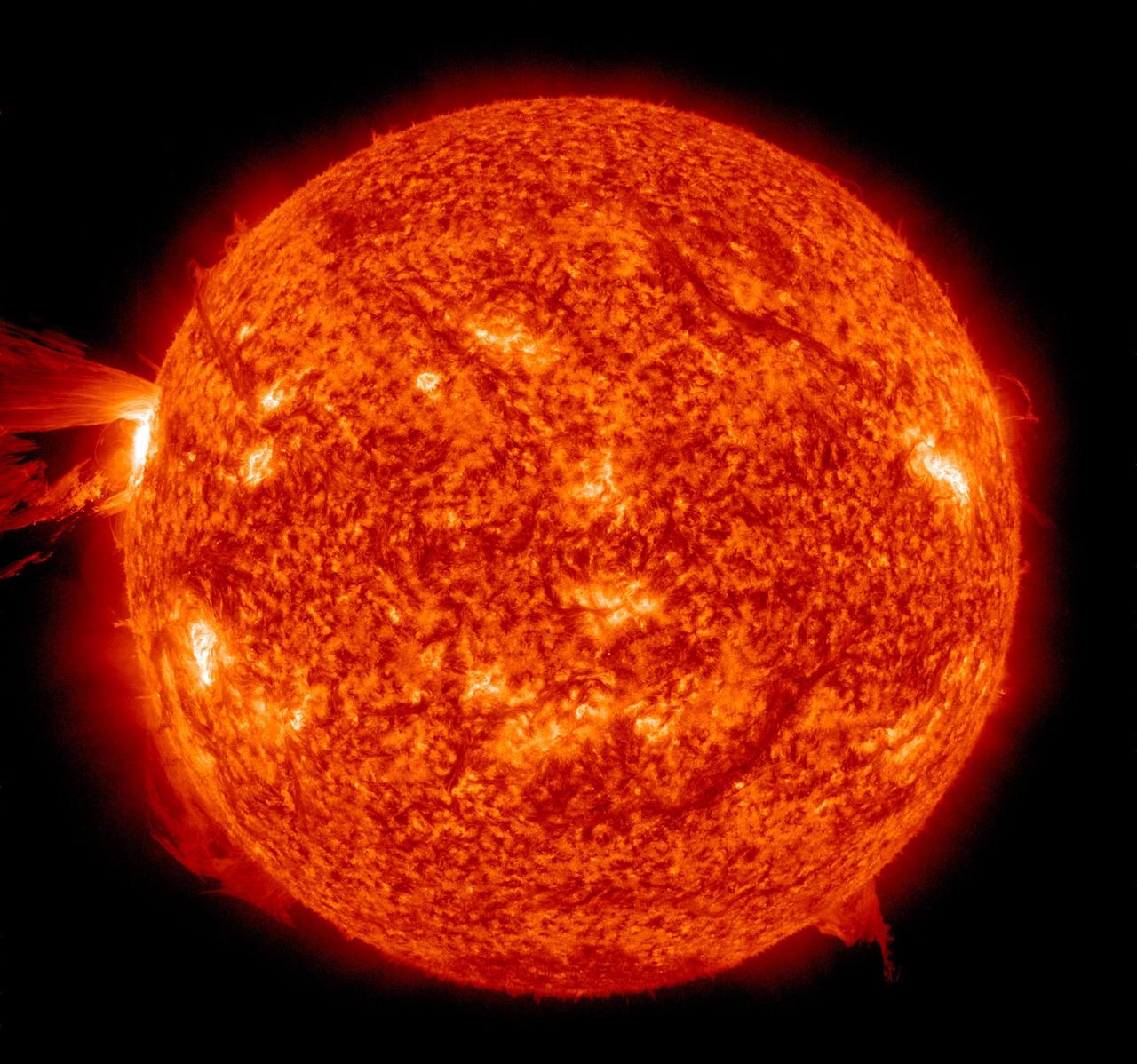
A beautiful prominence eruption shot off the east limb (left side) of the sun on Monday, April 16, 2012. Such eruptions are often associated with solar flares, and in this case an M1 class (medium-sized) flare did occur at the same time, though it was not aimed toward Earth. This event, which is still in progress, was seen by NASA’s SDO satellite. Credit: NASA/GSFC/SDO <b><a href="http://www.nasa.gov/audience/formedia/features/MP_Photo_Guidelines.html" rel="nofollow">NASA image use policy.</a></b> <b><a href="http://www.nasa.gov/centers/goddard/home/index.html" rel="nofollow">NASA Goddard Space Flight Center</a></b> enables NASA’s mission through four scientific endeavors: Earth Science, Heliophysics, Solar System Exploration, and Astrophysics. Goddard plays a leading role in NASA’s accomplishments by contributing compelling scientific knowledge to advance the Agency’s mission. <b>Follow us on <a href="http://twitter.com/NASA_GoddardPix" rel="nofollow">Twitter</a></b> <b>Like us on <a href="http://www.facebook.com/pages/Greenbelt-MD/NASA-Goddard/395013845897?ref=tsd" rel="nofollow">Facebook</a></b> <b>Find us on <a href="http://instagrid.me/nasagoddard/?vm=grid" rel="nofollow">Instagram</a></b>
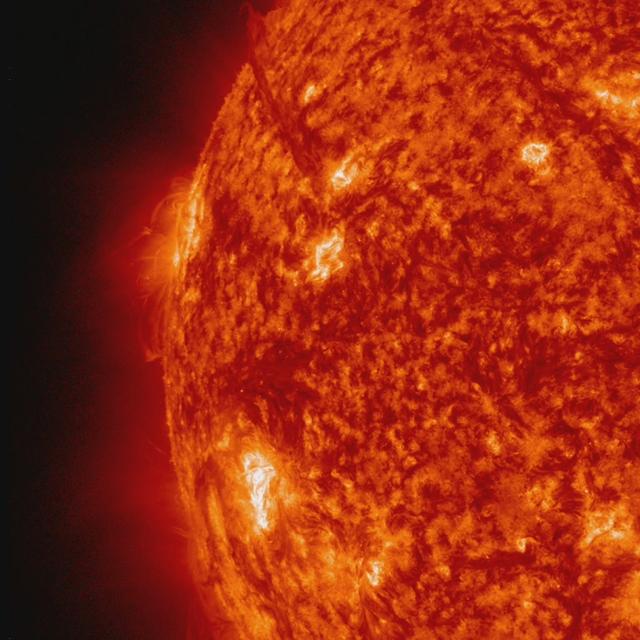
A beautiful prominence eruption shot off the east limb (left side) of the sun on Monday, April 16, 2012. Such eruptions are often associated with solar flares, and in this case an M1 class (medium-sized) flare did occur at the same time, though it was not aimed toward Earth. This event, which is still in progress, was seen by NASA’s SDO satellite. Credit: NASA/GSFC/SDO <b><a href="http://www.nasa.gov/audience/formedia/features/MP_Photo_Guidelines.html" rel="nofollow">NASA image use policy.</a></b> <b><a href="http://www.nasa.gov/centers/goddard/home/index.html" rel="nofollow">NASA Goddard Space Flight Center</a></b> enables NASA’s mission through four scientific endeavors: Earth Science, Heliophysics, Solar System Exploration, and Astrophysics. Goddard plays a leading role in NASA’s accomplishments by contributing compelling scientific knowledge to advance the Agency’s mission. <b>Follow us on <a href="http://twitter.com/NASA_GoddardPix" rel="nofollow">Twitter</a></b> <b>Like us on <a href="http://www.facebook.com/pages/Greenbelt-MD/NASA-Goddard/395013845897?ref=tsd" rel="nofollow">Facebook</a></b> <b>Find us on <a href="http://instagrid.me/nasagoddard/?vm=grid" rel="nofollow">Instagram</a></b>
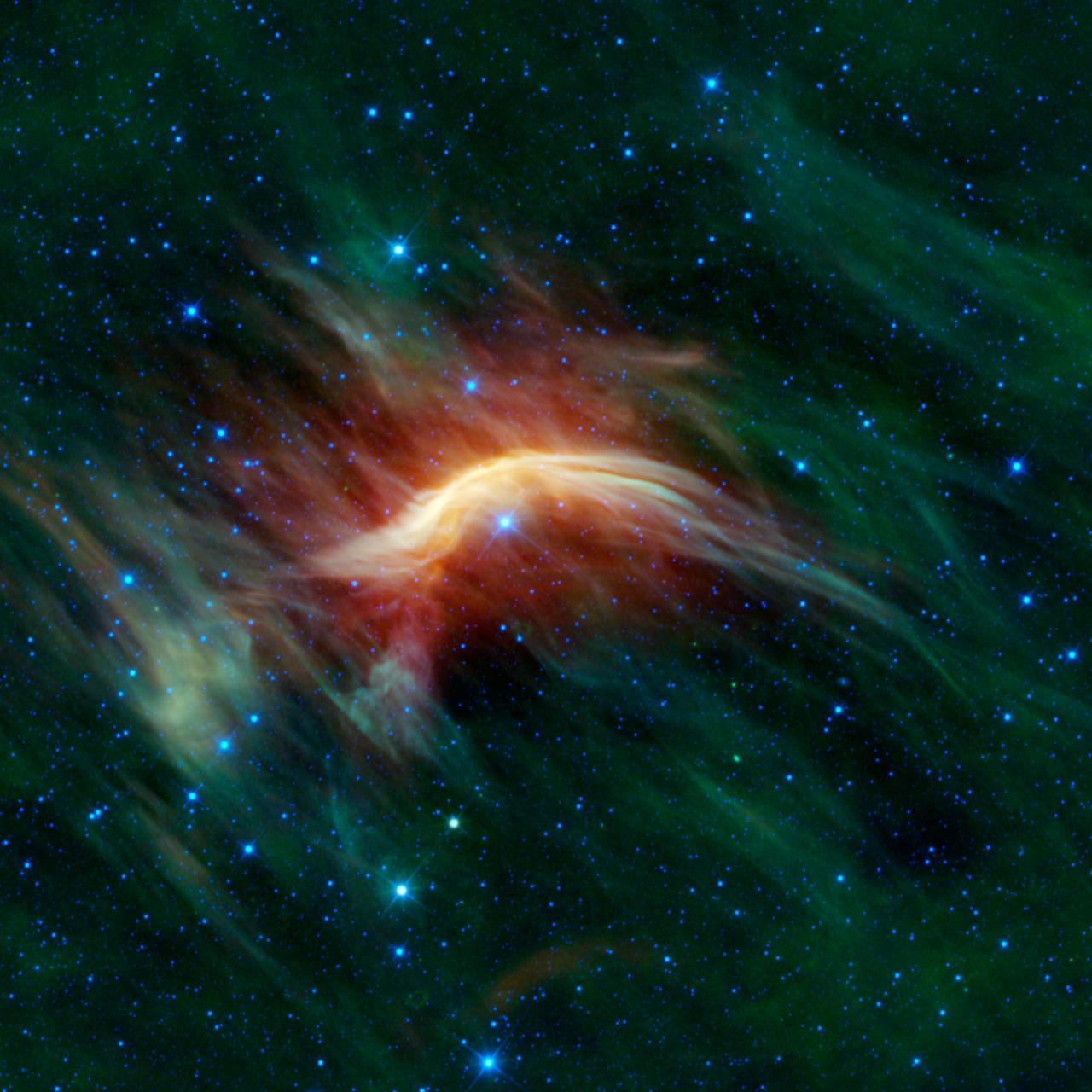
The blue star near the center of this image is Zeta Ophiuchi. Zeta Ophiuchi is actually a very massive, hot, bright blue star plowing its way through a large cloud of interstellar dust and gas in this image from NASA Wide-field Infrared Survey Explorer.