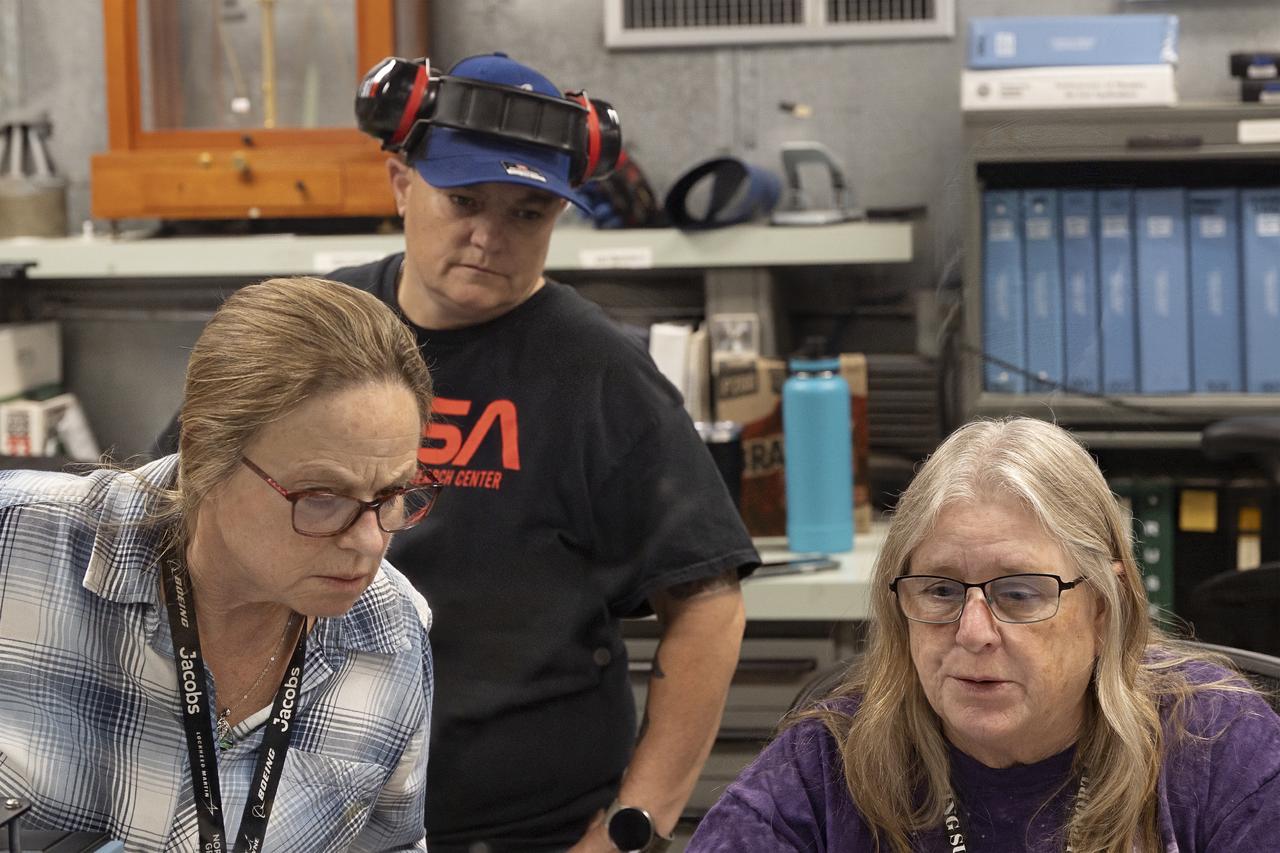
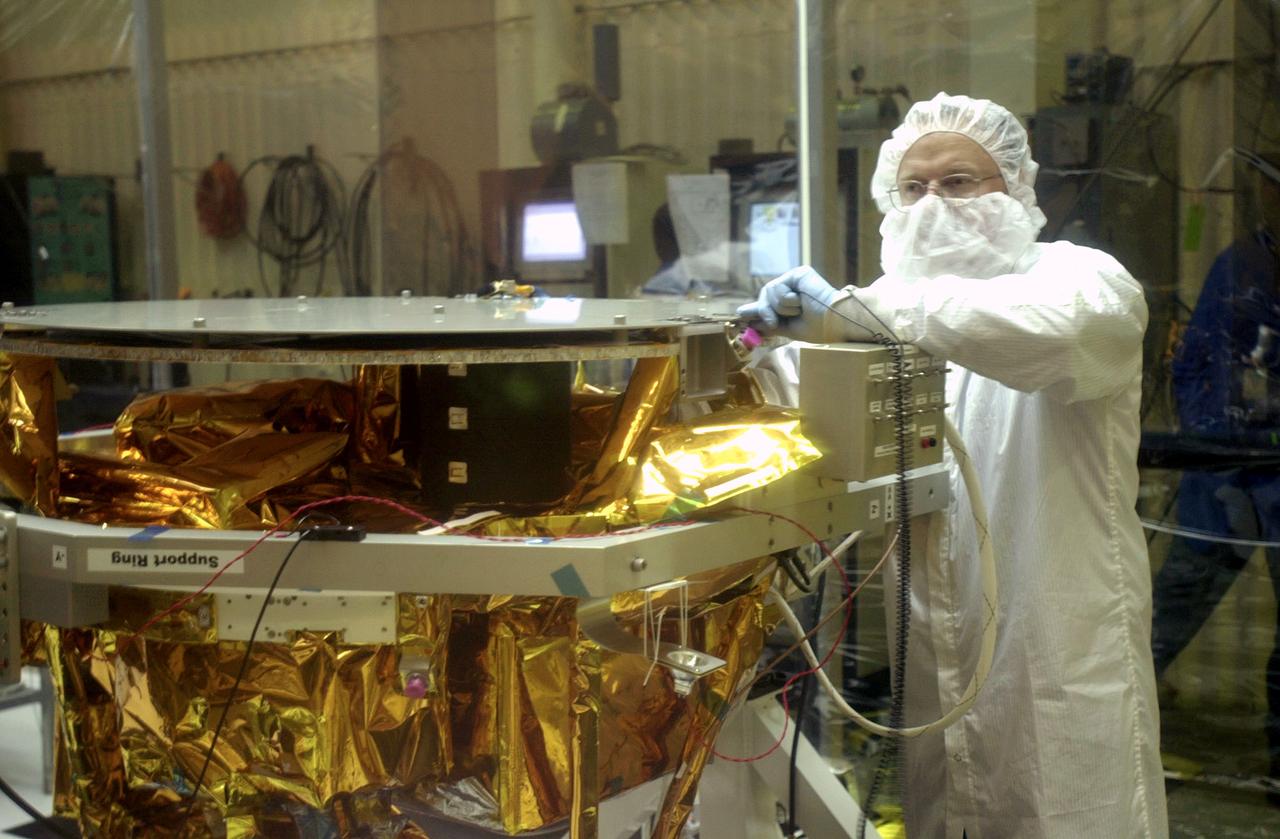
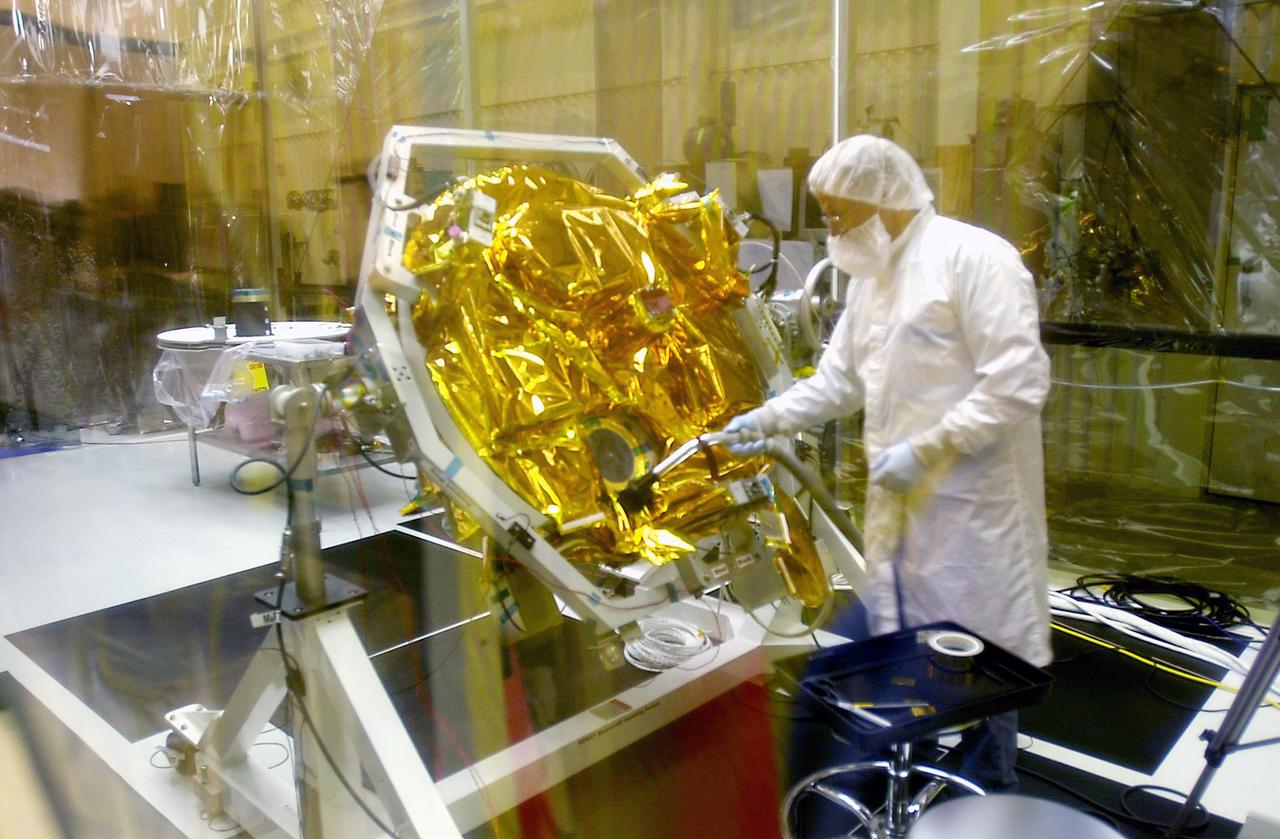
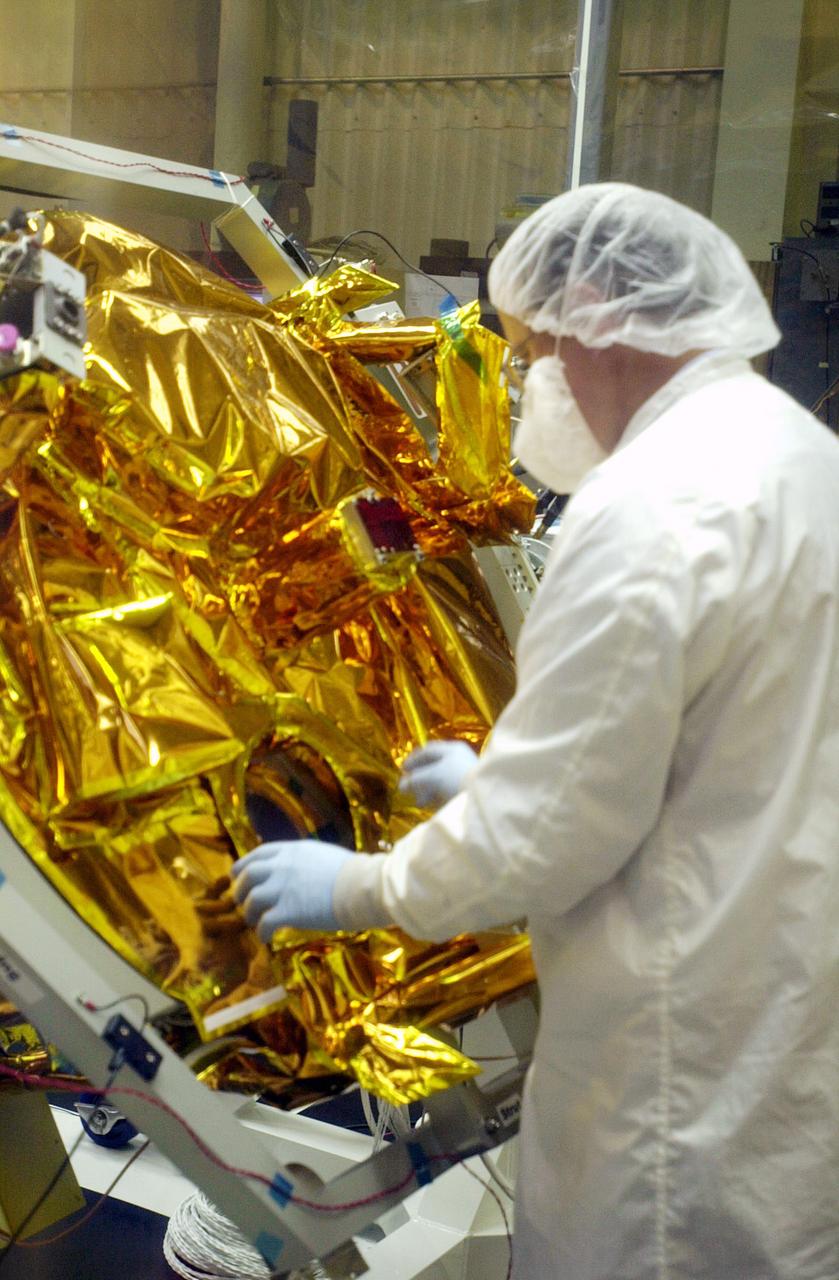
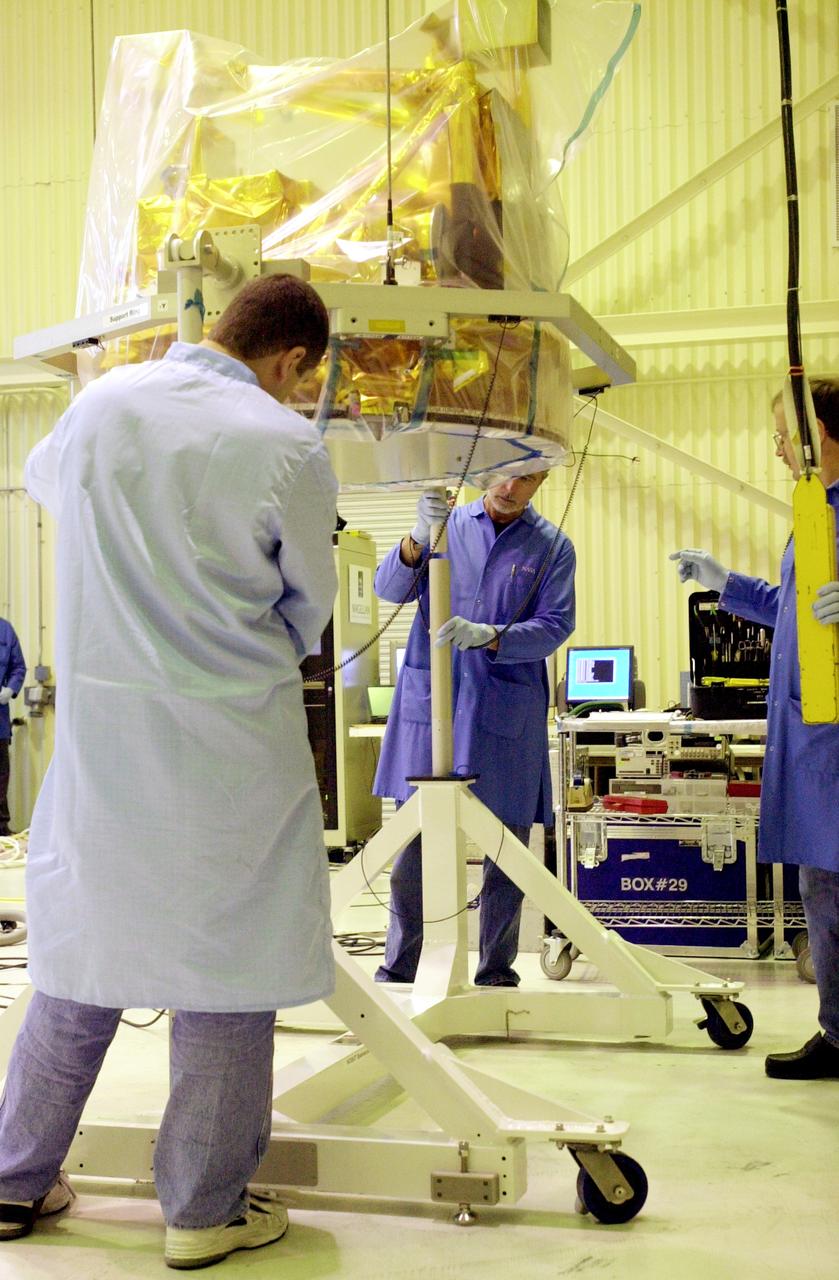
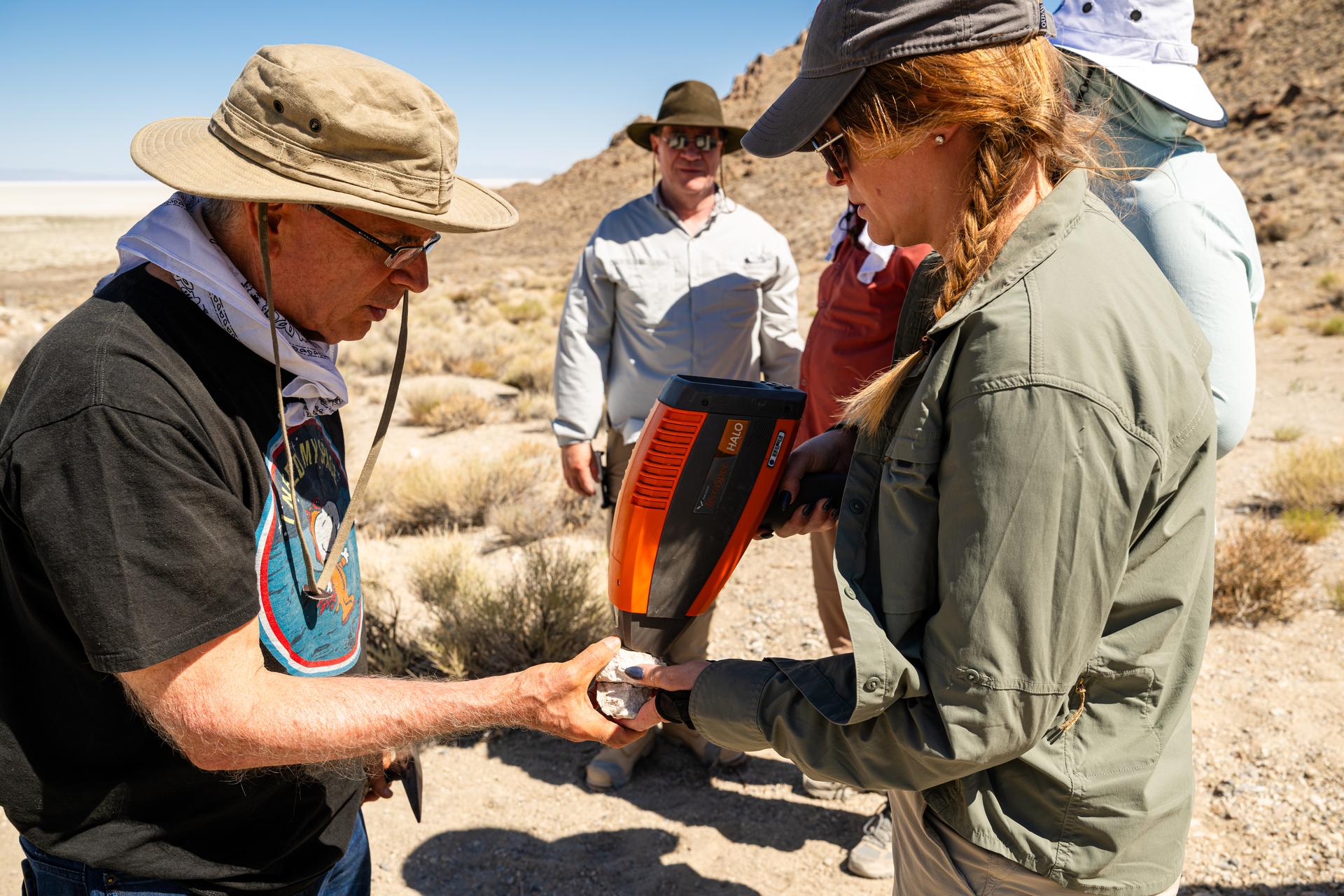
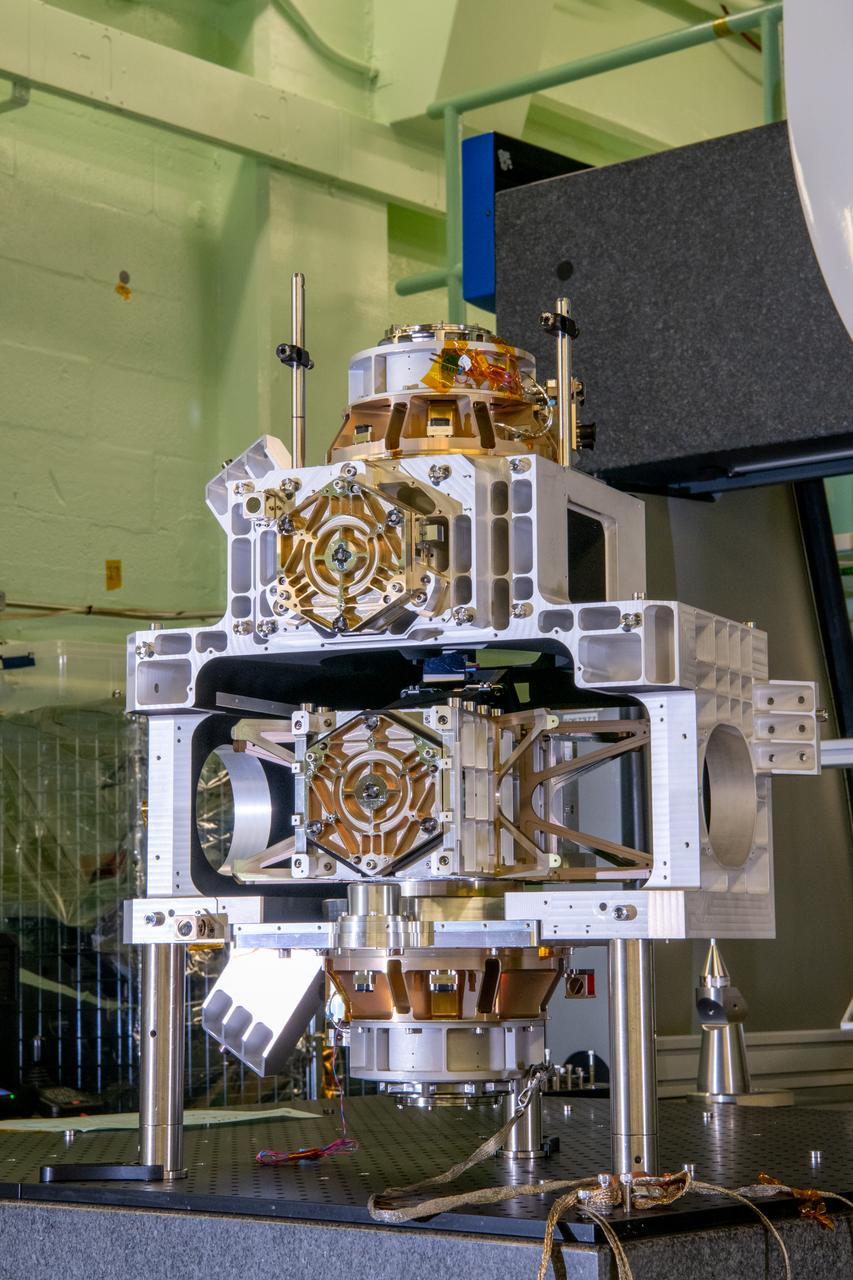
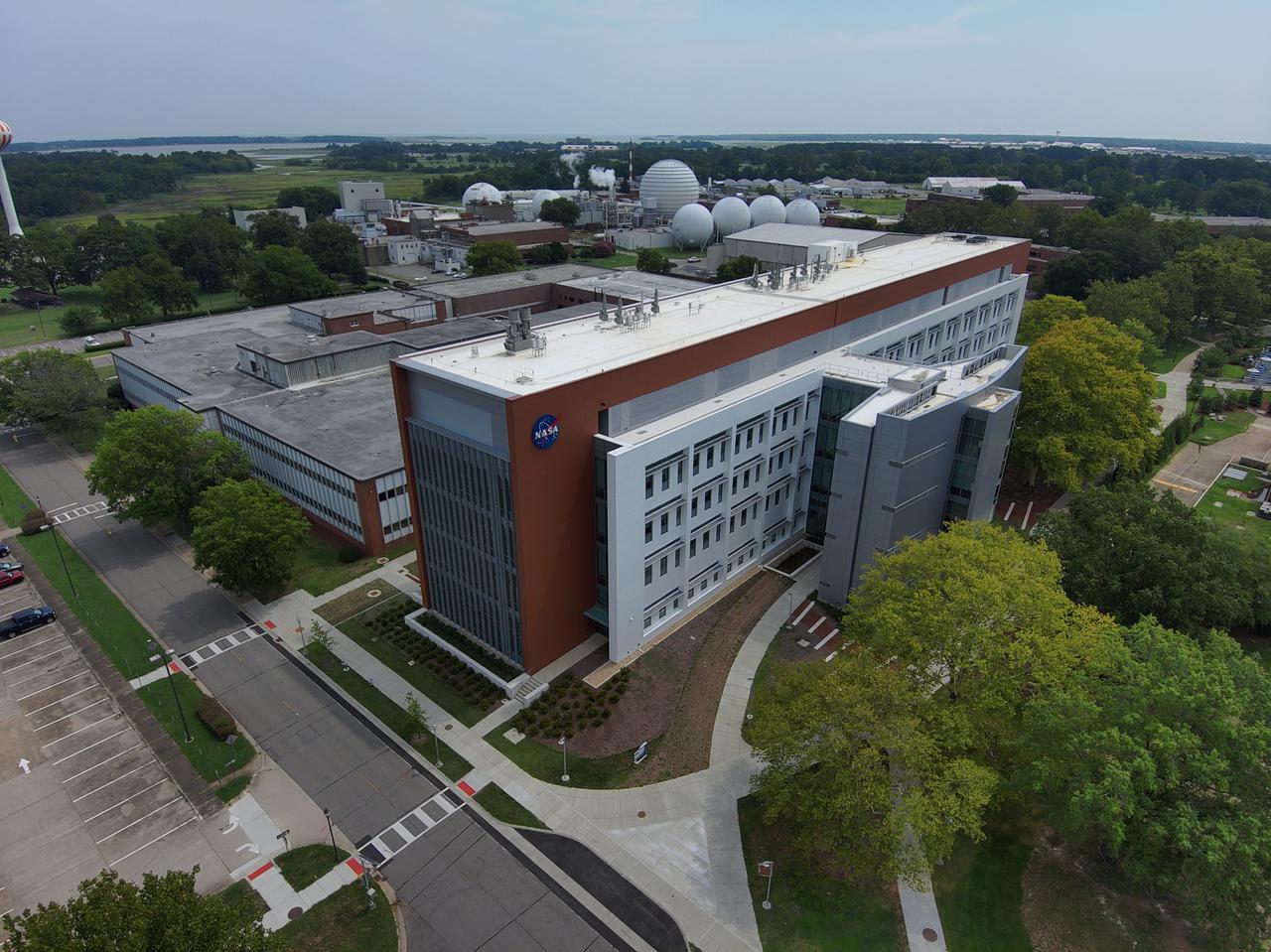
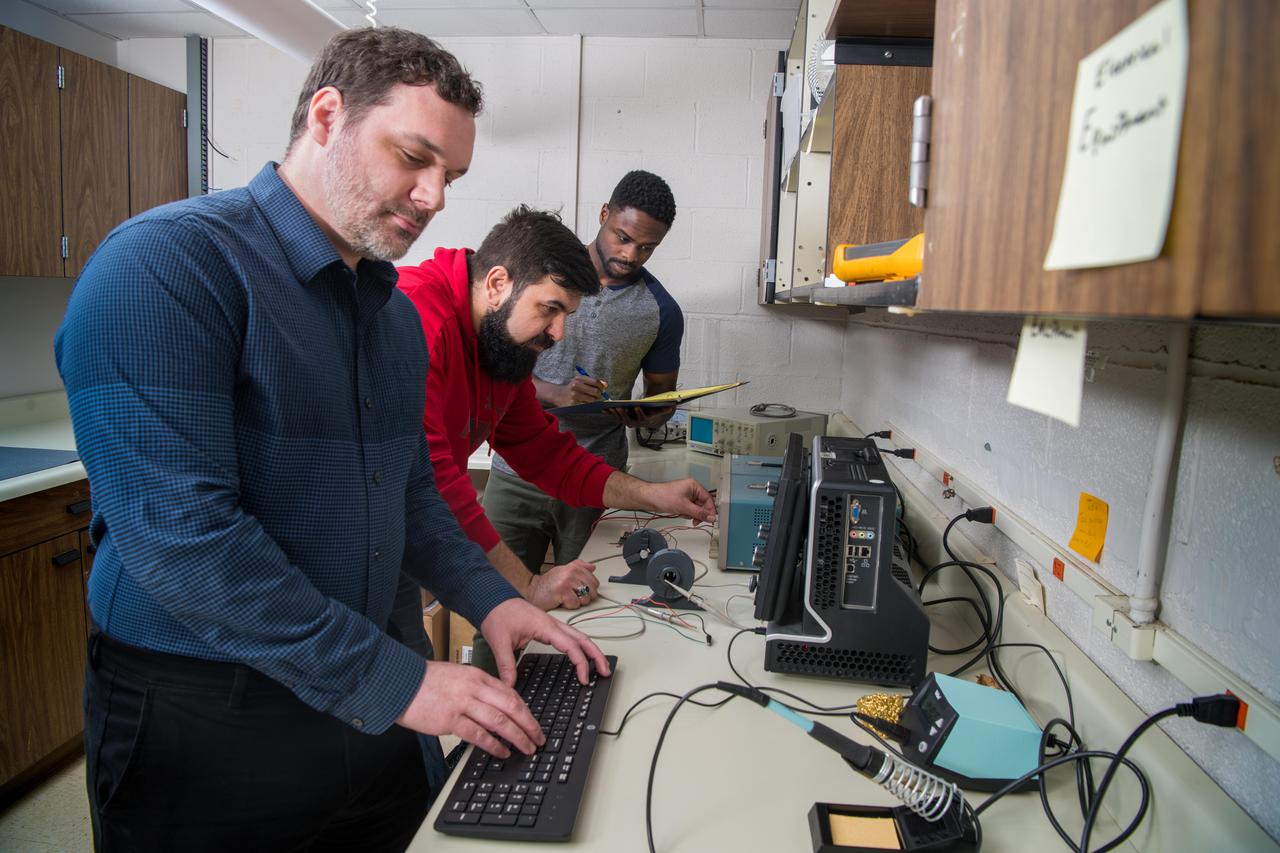
Langley’s newly built Measurement Systems Laboratory will serve as the primary research and development location for six branches within the Research and Engineering Directorates. The ribbon cutting will take place in April 2022.
NASA Langley Research Center Measurement Systems Laboratory
Ultrasonic Measurement System. Ultrasonic measurement system will enable simultaneous measurement of temperature, velocity and density fields through a grid of ultrasonic sensors. This method incorporates a theoretical approach and machine learning techniques to develop a physics-informed data-driven calibration and operation workflow. This allows at least ten times faster data processing times as well as potential capability of transient measurements and solid particle detection. The system can also be utilized for health monitoring. This measurement technique is in line with the “air-breathing propulsion” core competency of GRC. However it can also enables next generation space data processing with higher performance computing capable of operating in harsh deep space environments.
Ultrasonic Measurement System
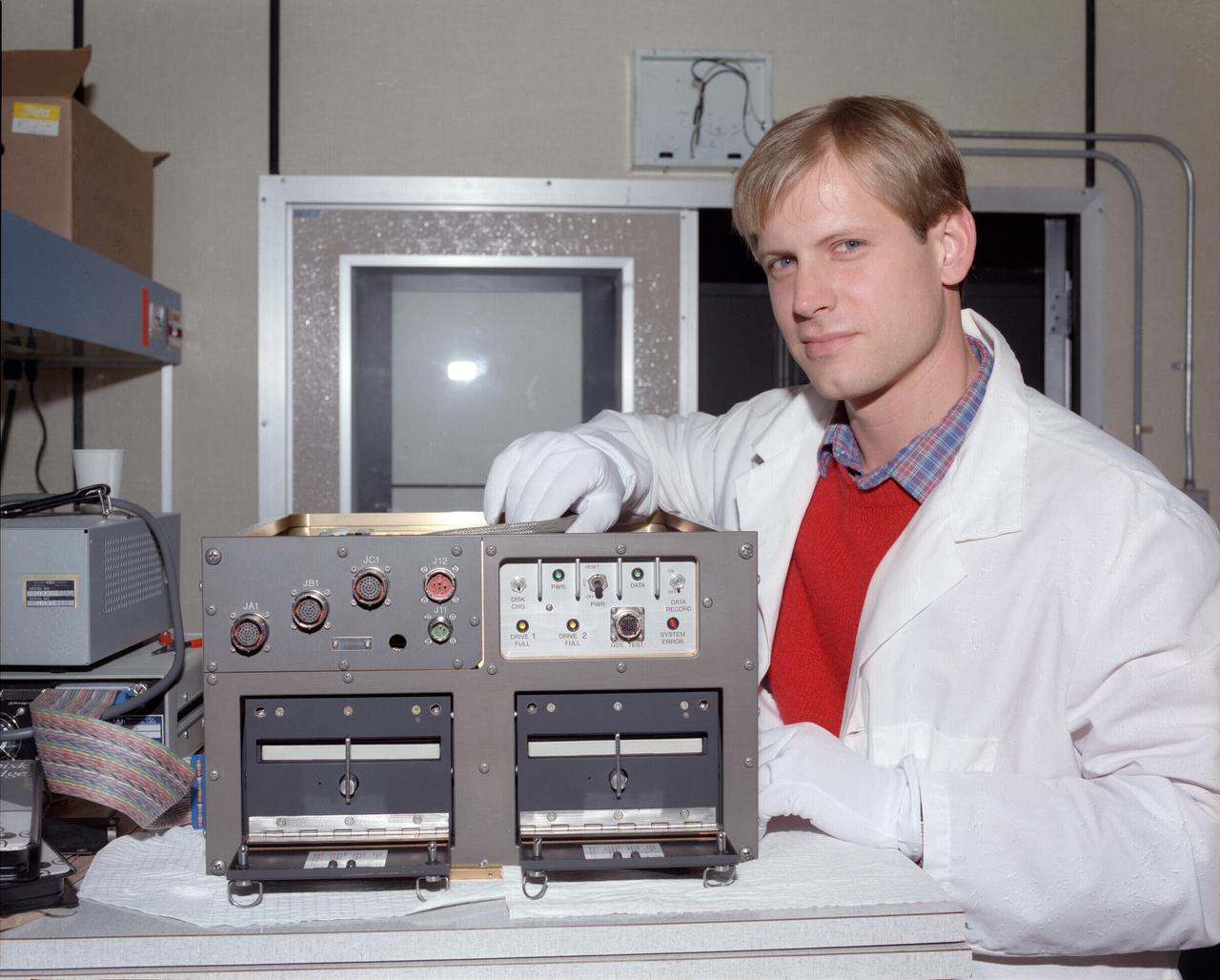
Space Acceleration Measurement System, SAMS Flight Hardware, Unit A
Space Acceleration Measurement System, SAMS Flight Hardware, ...
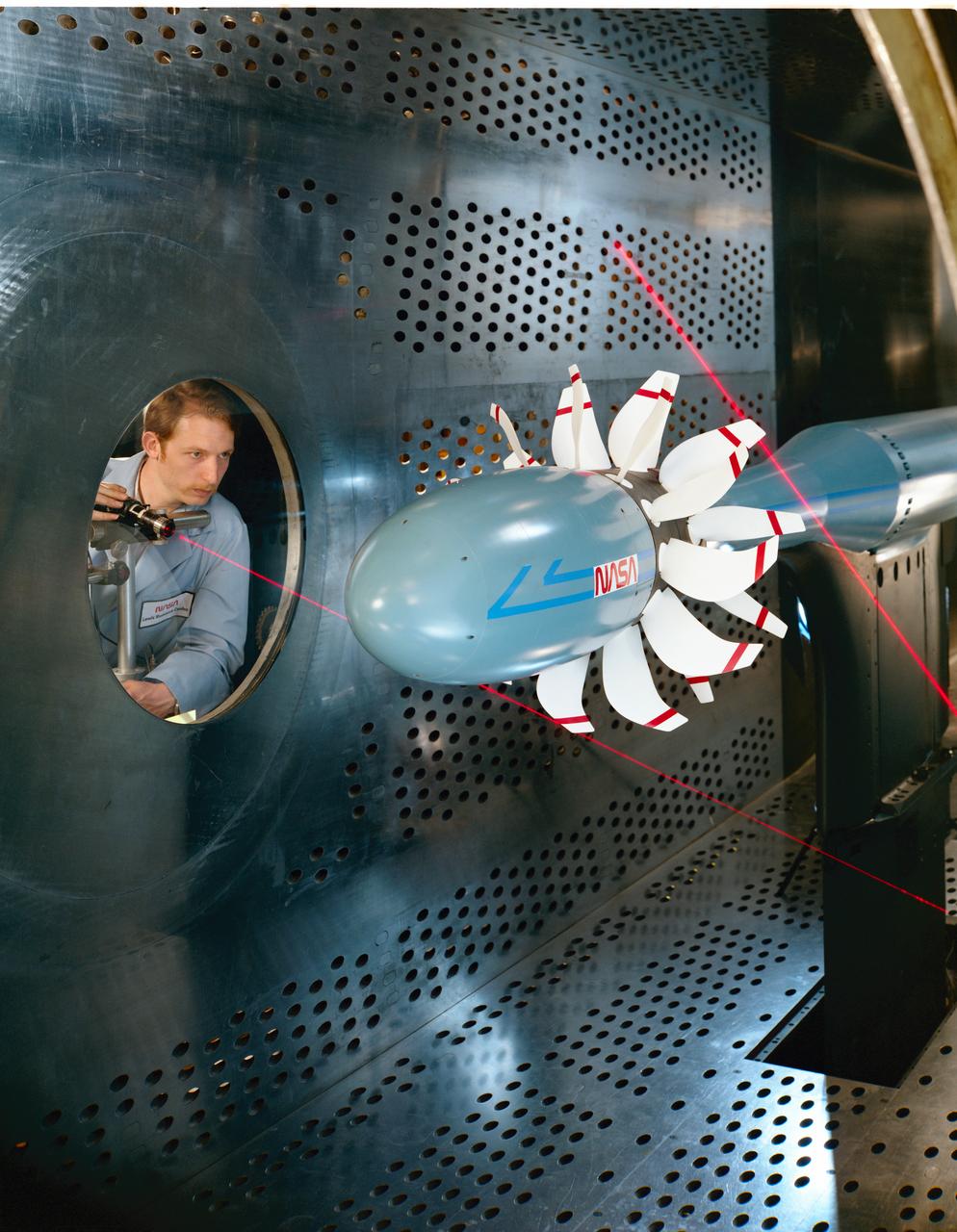
Laser based blade deflection measurement system on Counter Rotation Pusher Propeller model in 8x6 SWT (Supersonic Wind Tunnel)
Laser based blade deflection measurement system on Counter Rotat
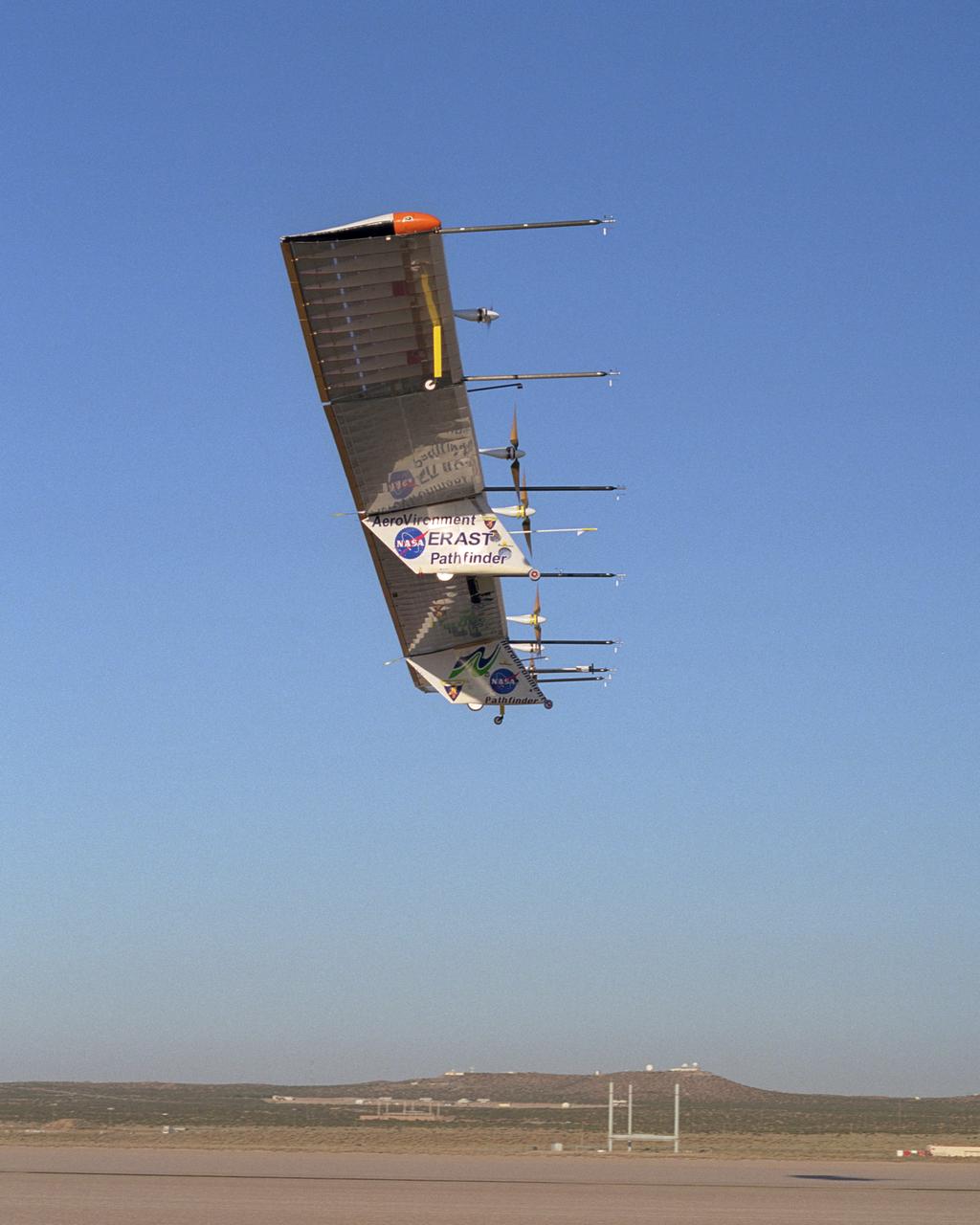
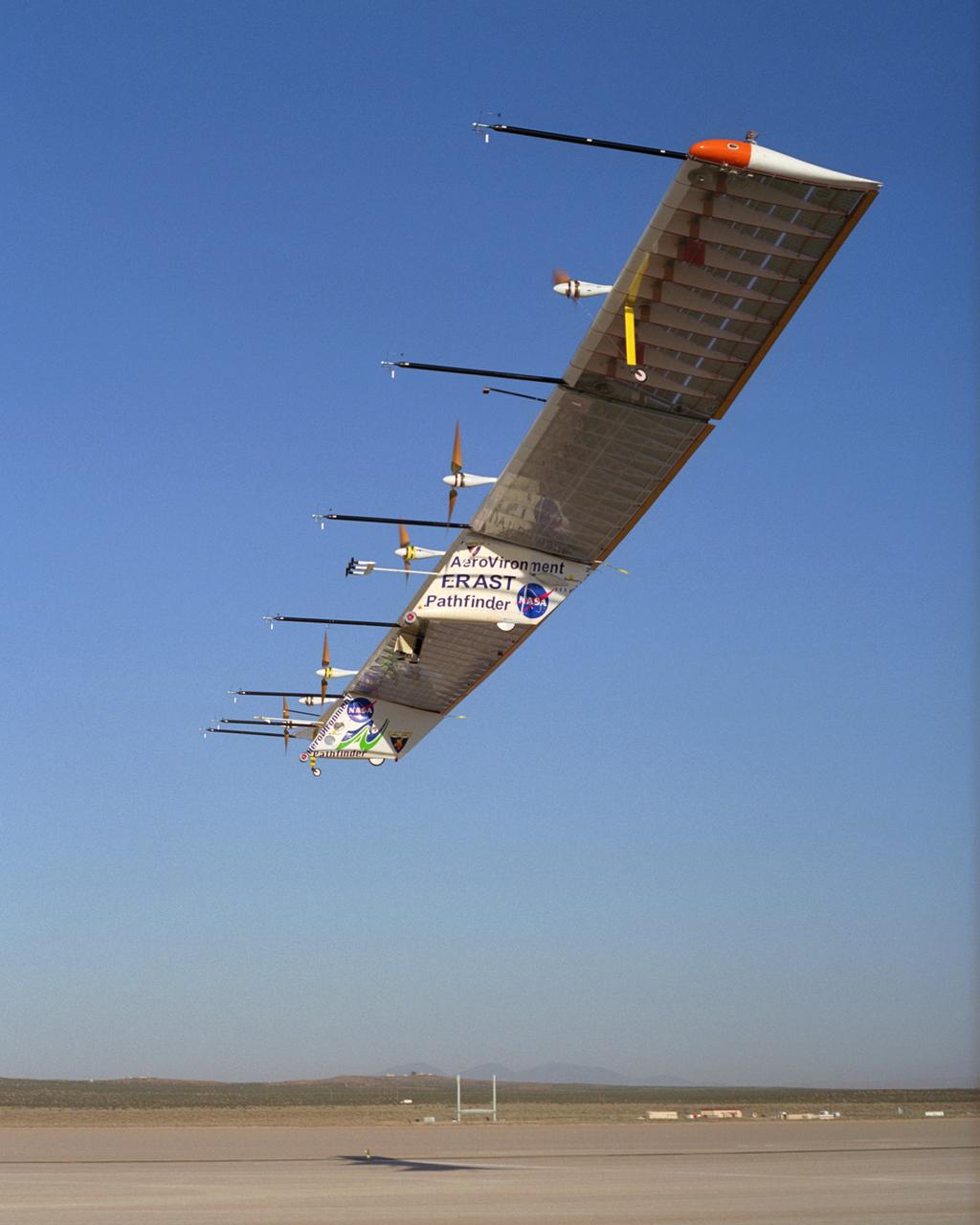
The Atmospheric Turbulence Measurement System booms extend forward from the Pathfinder-Plus solar wing as it soars over Rogers Dry Lake on its final flight.
The Atmospheric Turbulence Measurement System booms extend forward from the Pathfinder-Plus solar wing as it soars over Rogers Dry Lake.
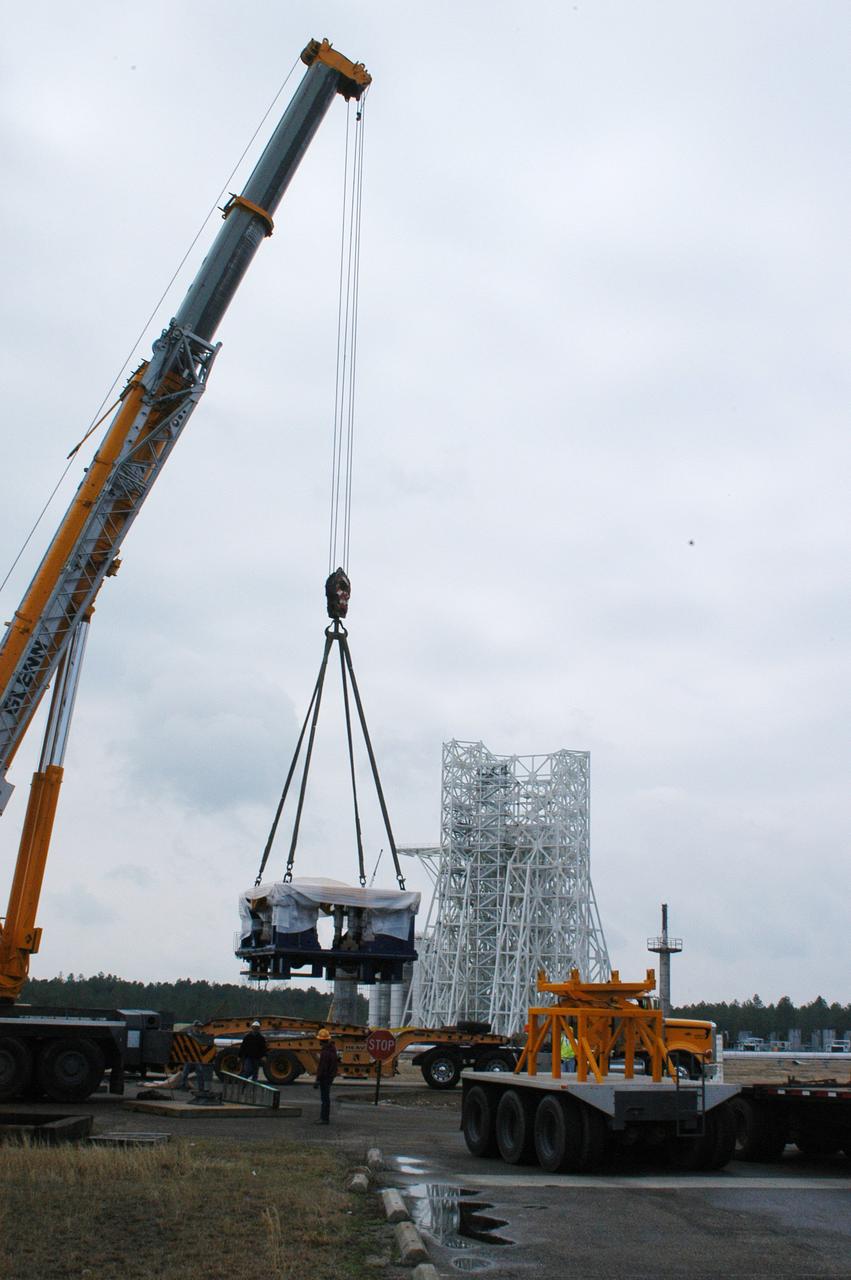
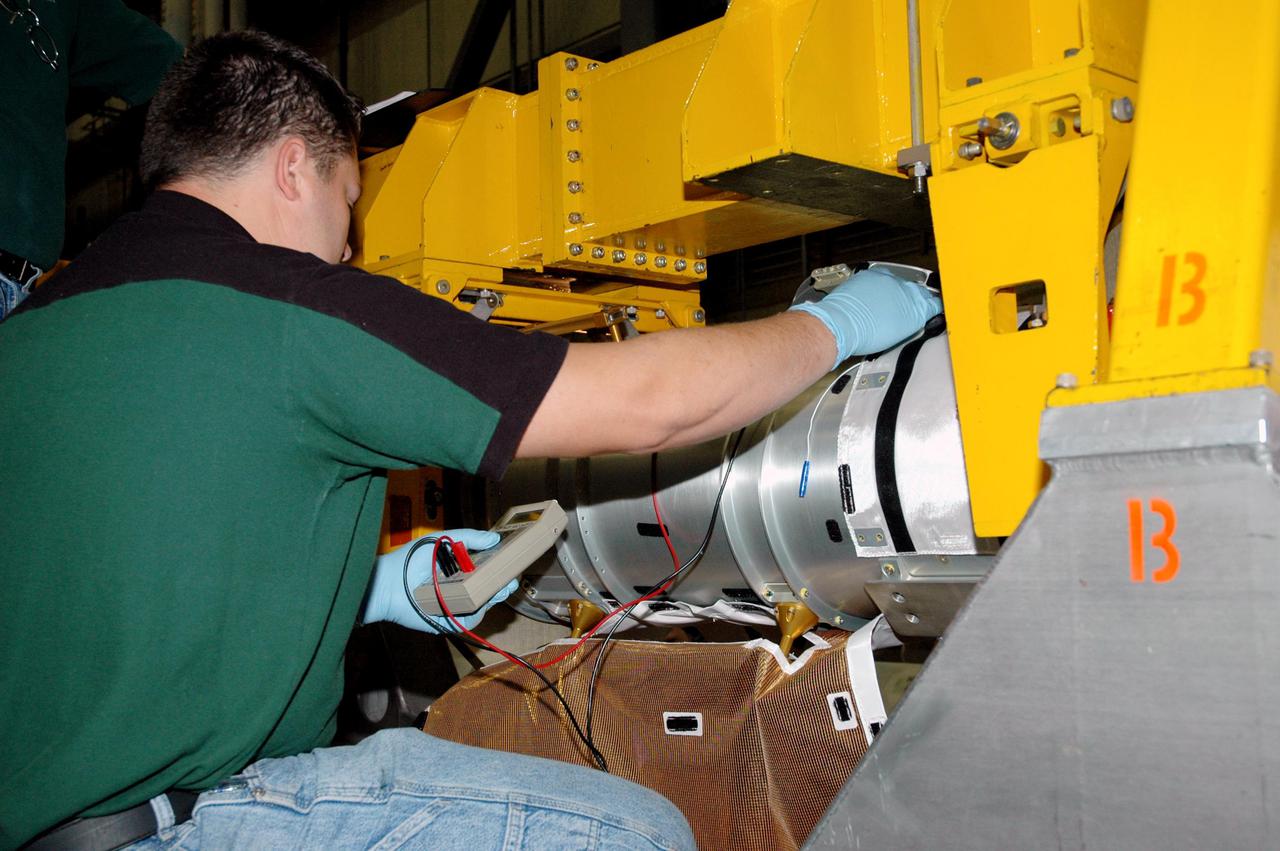
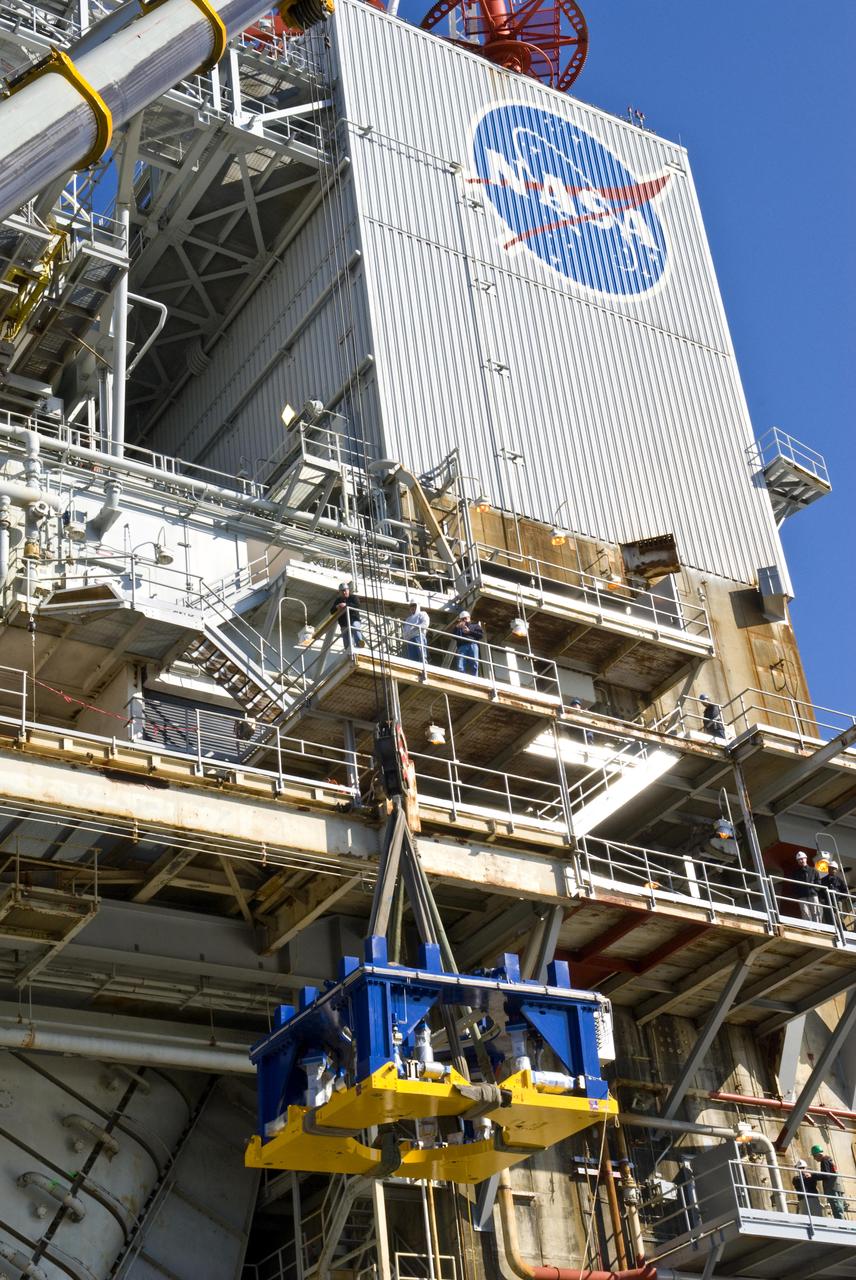
A new thrust measurement system is lifted onto the A-1 Test Stand deck at NASA's John C. Stennis Space Center in preparation for its installation. The new system is a state-of-the-art upgrade for the testing structure, which is being prepared for testing of next-generation rocket engines. The system was fabricated by Thrust Measurement Systems in Illinois at a cost of about $3.5 million.
TMS installation at A-1 Test Stand
A state-of-the-art thrust measurement system for the A-3 Test Stand under construction at NASA's John C. Stennis Space Center was delivered March 17. Once completed, the A-3 stand (seen in background) will allow simulated high-altitude testing on the next generation of rocket engines for America's space program. Work on the stand began in 2007, with activation scheduled for 2012. The stand is the first major test structure to be built at Stennis since the 1960s. The recently delivered TMS was fabricated by Thrust Measurement Systems in Illinois. It is an advanced calibration system capable of measuring vertical and horizontal thrust loads with an accuracy within 0.15 percent at 225,000 pounds.
TMS delivered for A-3 Test Stand
Stennis Space Center employees maneuver a new thrust measurement system in preparation for its installation on the A-1 Test Stand on March 3. The system was fabricated by Thrust Measurement Systems in Illinois and represents a state-of-the-art upgrade from the equipment used on the stand for more than 40 years. The A-1 Test Stand is being upgraded to provide testing for the next generation of rocket engines for America's space program.
TMS installation at A-1 Test Stand
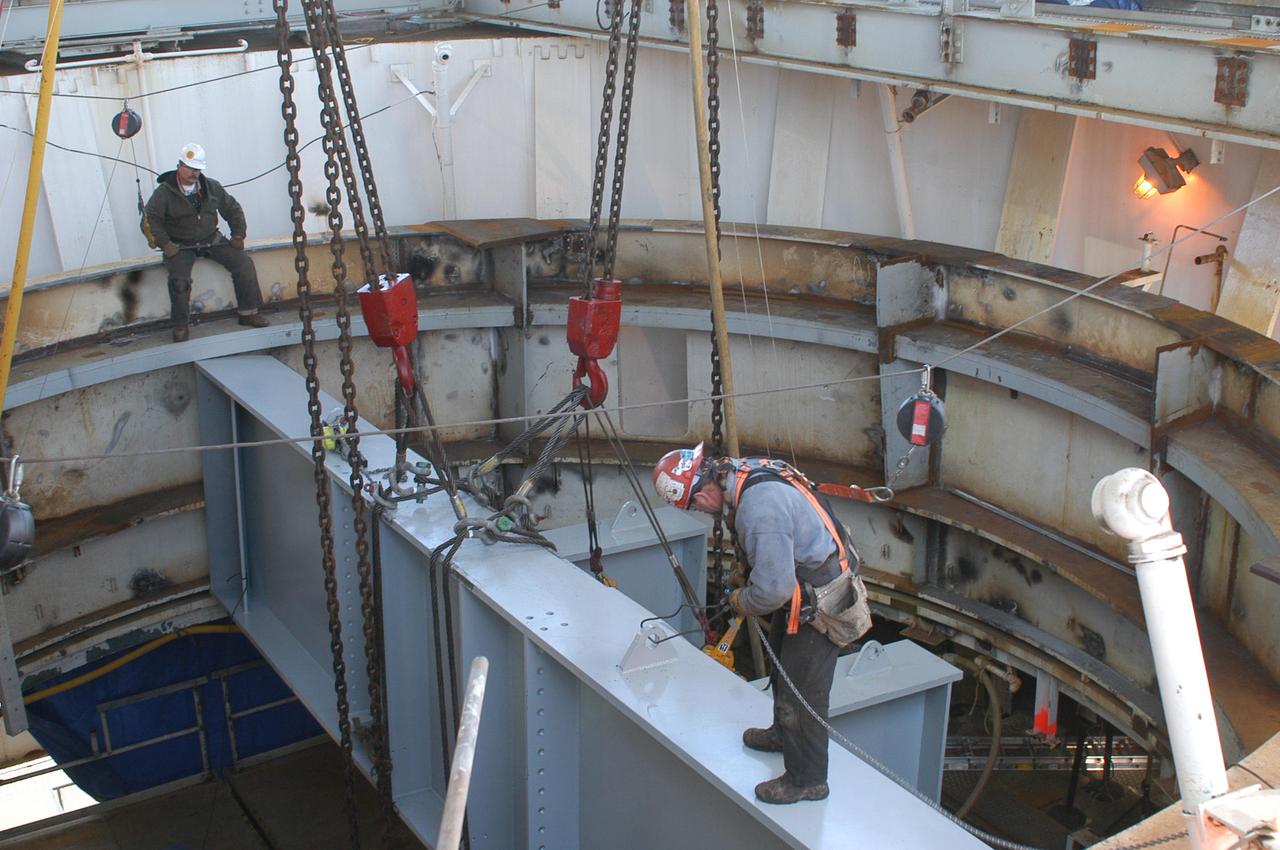
Employees at NASA's John C. Stennis Space Center work to maneuver a structural steam beam into place on the A-1 Test Stand on Jan. 13. The beam was one of several needed to form the thrust takeout structure that will support a new thrust measurement system being installed on the stand for future rocket engine testing. Once lifted onto the stand, the beams had to be hoisted into place through the center of the test stand, with only two inches of clearance on each side. The new thrust measurement system represents a state-of-the-art upgrade from the equipment installed more than 40 years ago when the test stand was first constructed.
A-1 Test Stand work
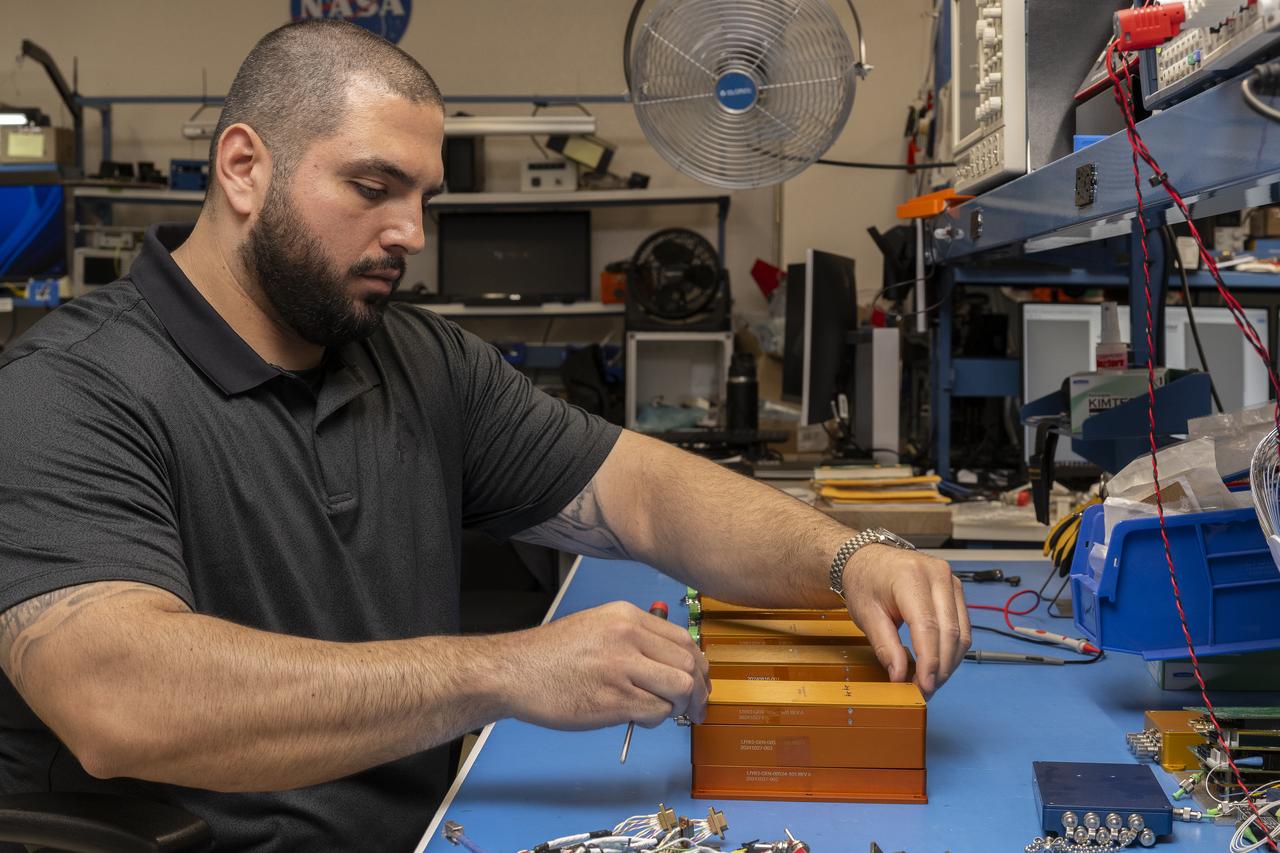
Jonathan Lopez works on a hypersonic Fiber Optic Sensing System at NASA’s Armstrong Flight Research Center in Edwards, California, on Feb. 13, 2025. The system measures strain and temperature, critical safety data for hypersonic vehicles that travel five time the speed of sound.
NASA Temperature and Strain Measurement System Ready for Tests
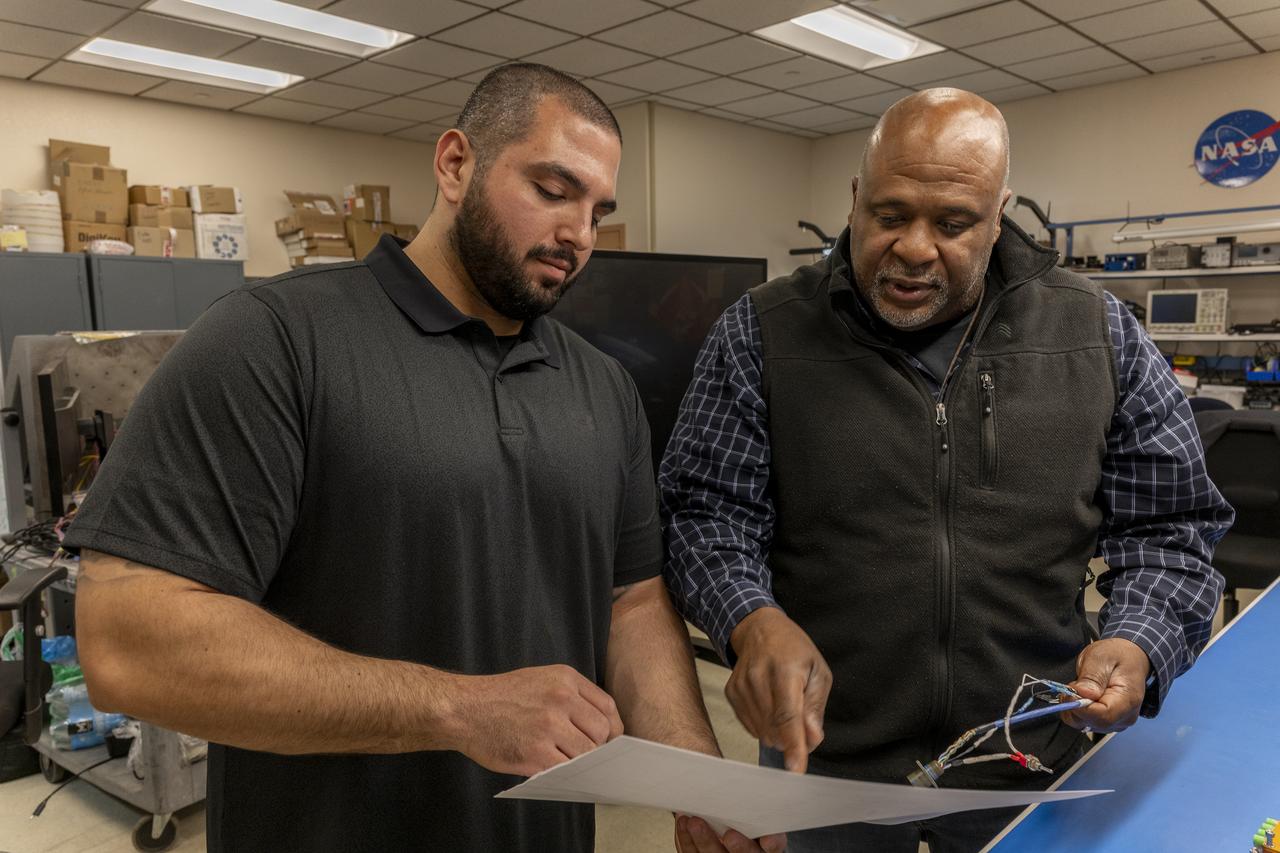
Jonathan Lopez and Allen Parker confer on the hypersonic Fiber Optic Sensor System at NASA’s Armstrong Flight Research Center in Edwards, California, on February 13, 2025. The system measures strain and temperature, critical safety data for hypersonic vehicles that travel five time the speed of sound.
NASA Temperature and Strain Measurement System Ready for Tests
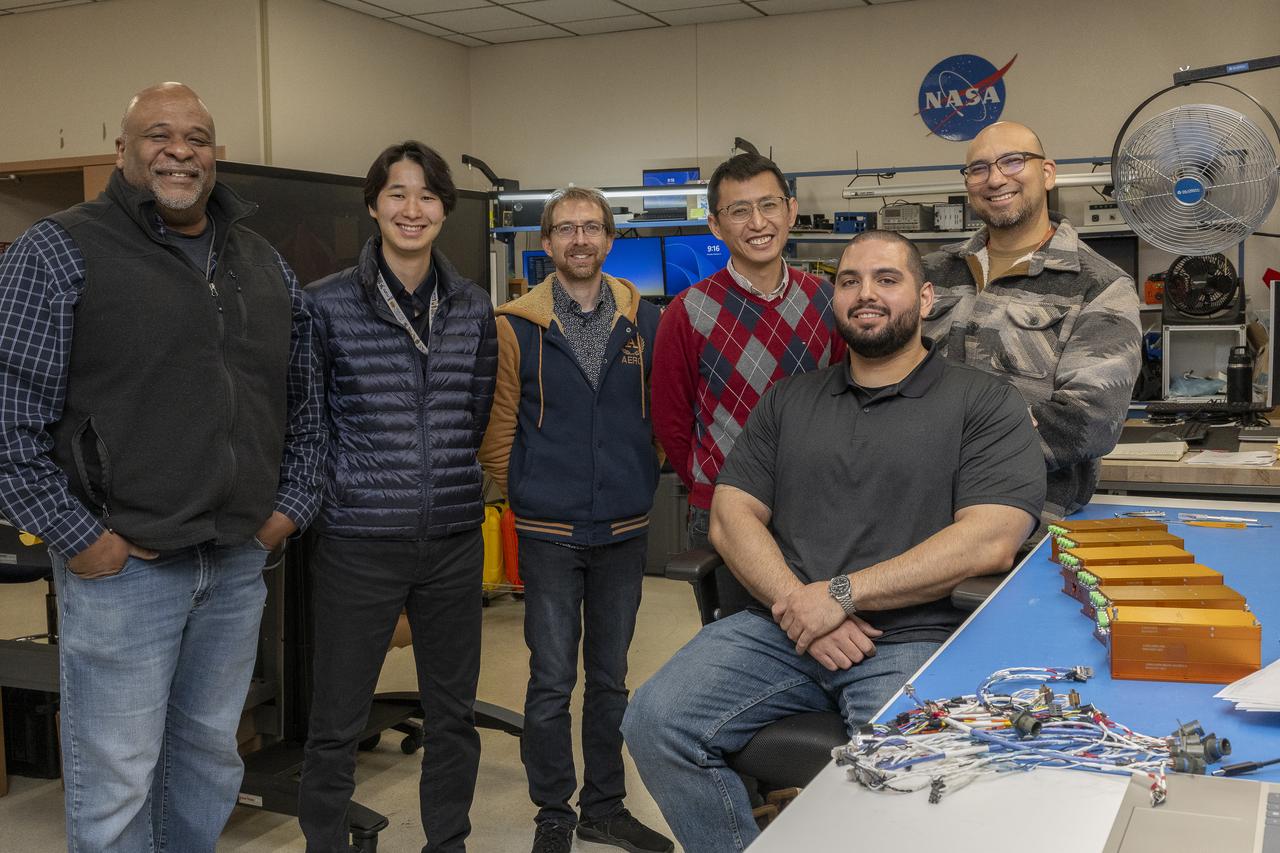
Allen Parker, Mark Hagiwara, Paul Bean, Patrick Chan, Jonathan Lopez (seated), and Frank Pena comprise the Fiber Optic Sensing System team at NASA’s Armstrong Flight Research Center, in Edwards, California. The systems on the table measure strain and temperature, critical safety data for hypersonic vehicles that travel five time the speed of sound.
NASA Temperature and Strain Measurement System Ready for Tests
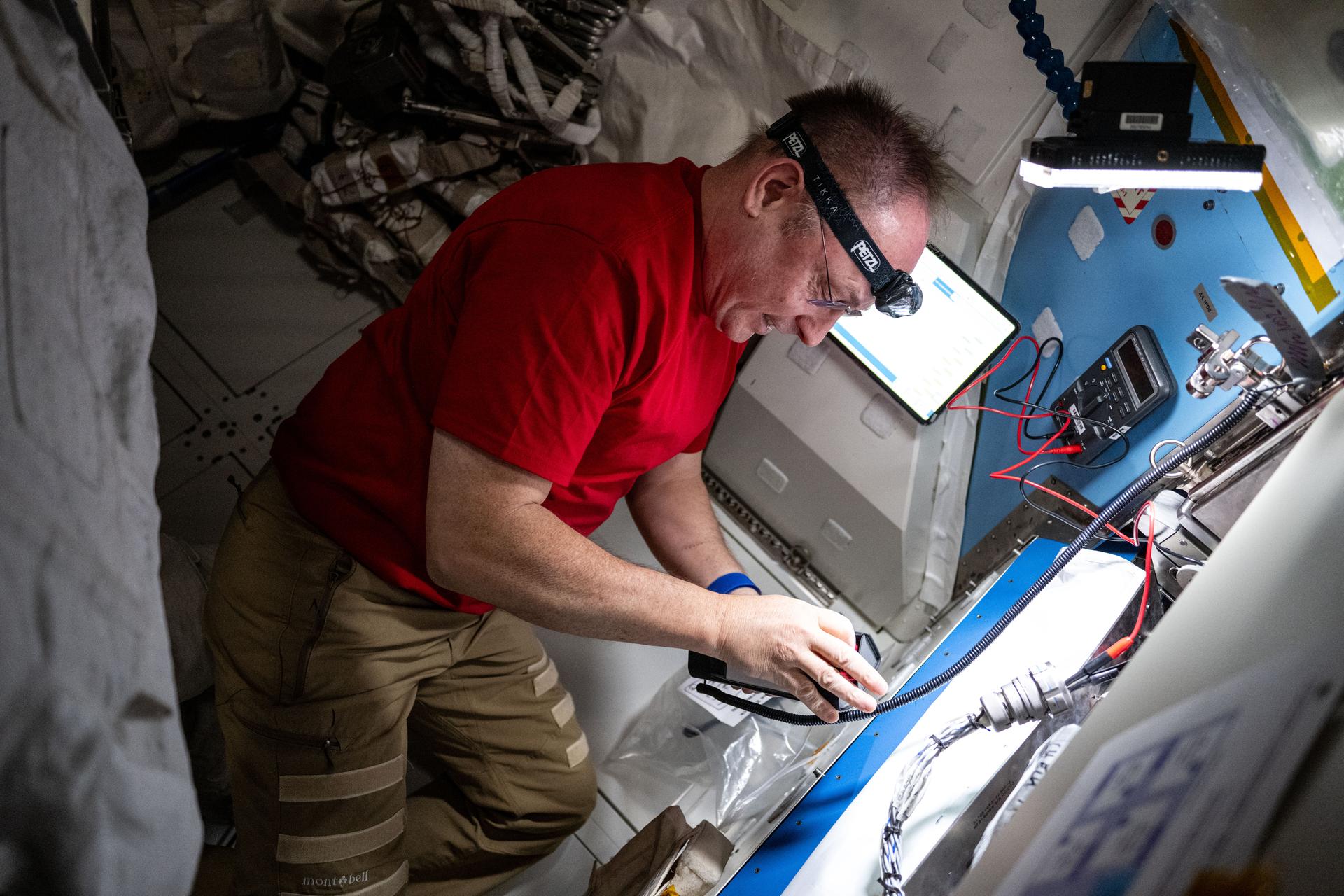
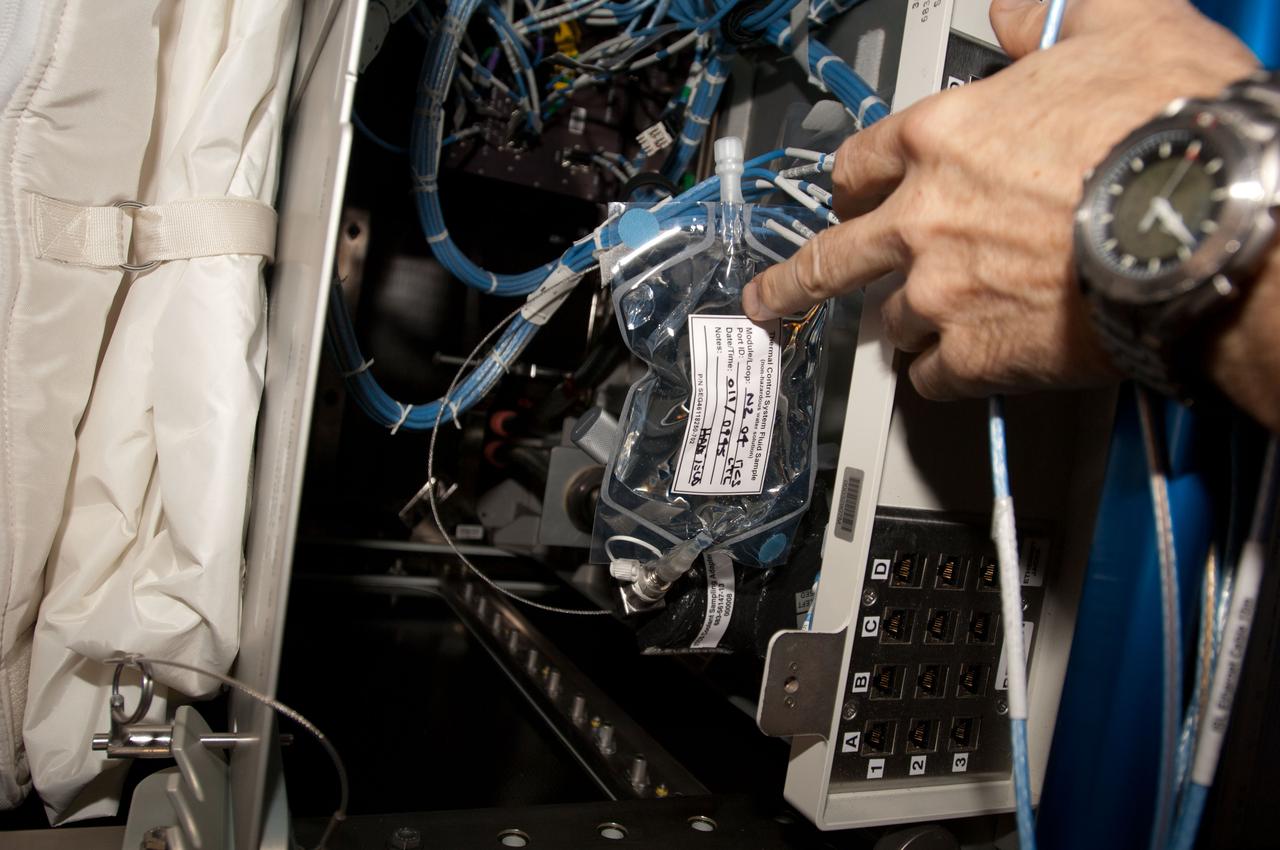
iss073e0698609 (Sept. 16, 2025) --- NASA astronaut and Expedition 73 Flight Engineer Mike Fincke performs electrical resistance measurements on the thermal control system inside the International Space Station's Quest airlock.
NASA astronaut performs electrical resistance measurements on the thermal control system
The Atmospheric Turbulence Measurement System booms are clearly evident in this view of the Pathfinder-Plus solar aircraft as it flies over Rogers Dry Lake.
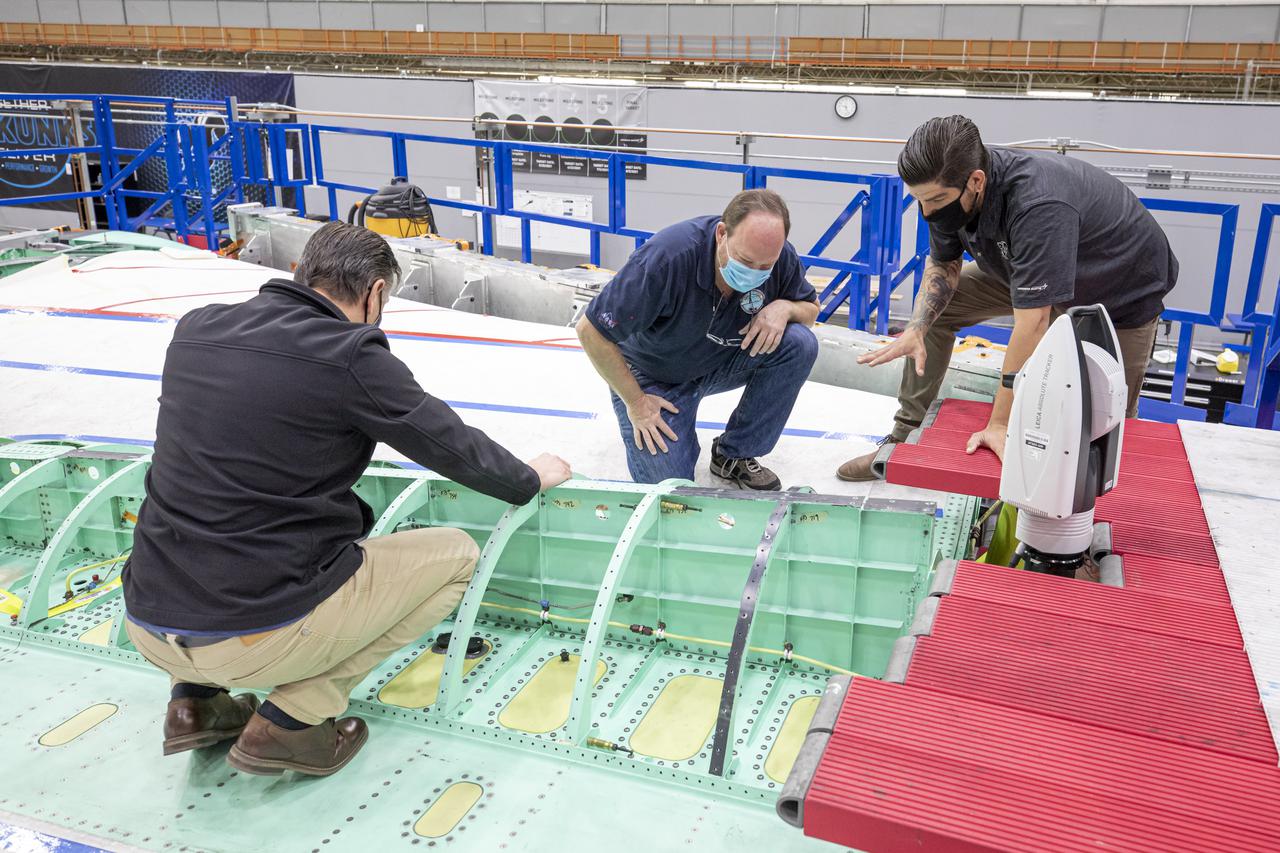
Technicians work with a laser measuring system on the X-59 spine. The X-59 Quiet SuperSonic Technology, or QueSST, aircraft is under construction at Lockheed Martin Skunk Works in Palmdale, California, and will fly to demonstrate the ability to fly supersonic while reducing the loud sonic boom to a quiet sonic thump.  Lockheed Martin Photography By Garry Tice 1011 Lockheed Way, Palmdale, Ca. 93599 Event: SEG 400 Main Wing Assembly, SEG 430 Spine, SEG 500 Empennage Date: 4/28/2021
SEG 400 Main Wing Assembly, SEG 430 Spine, SEG 500 Empennage
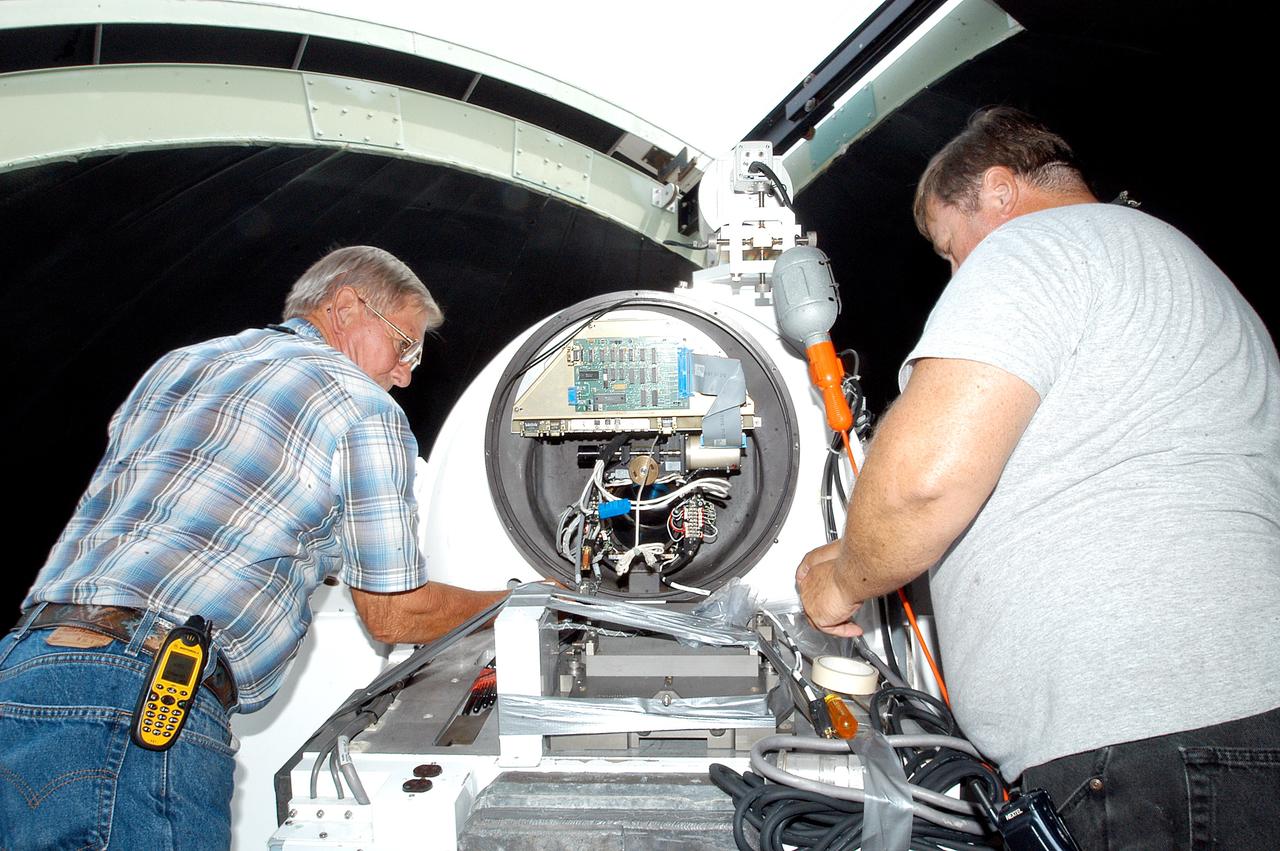
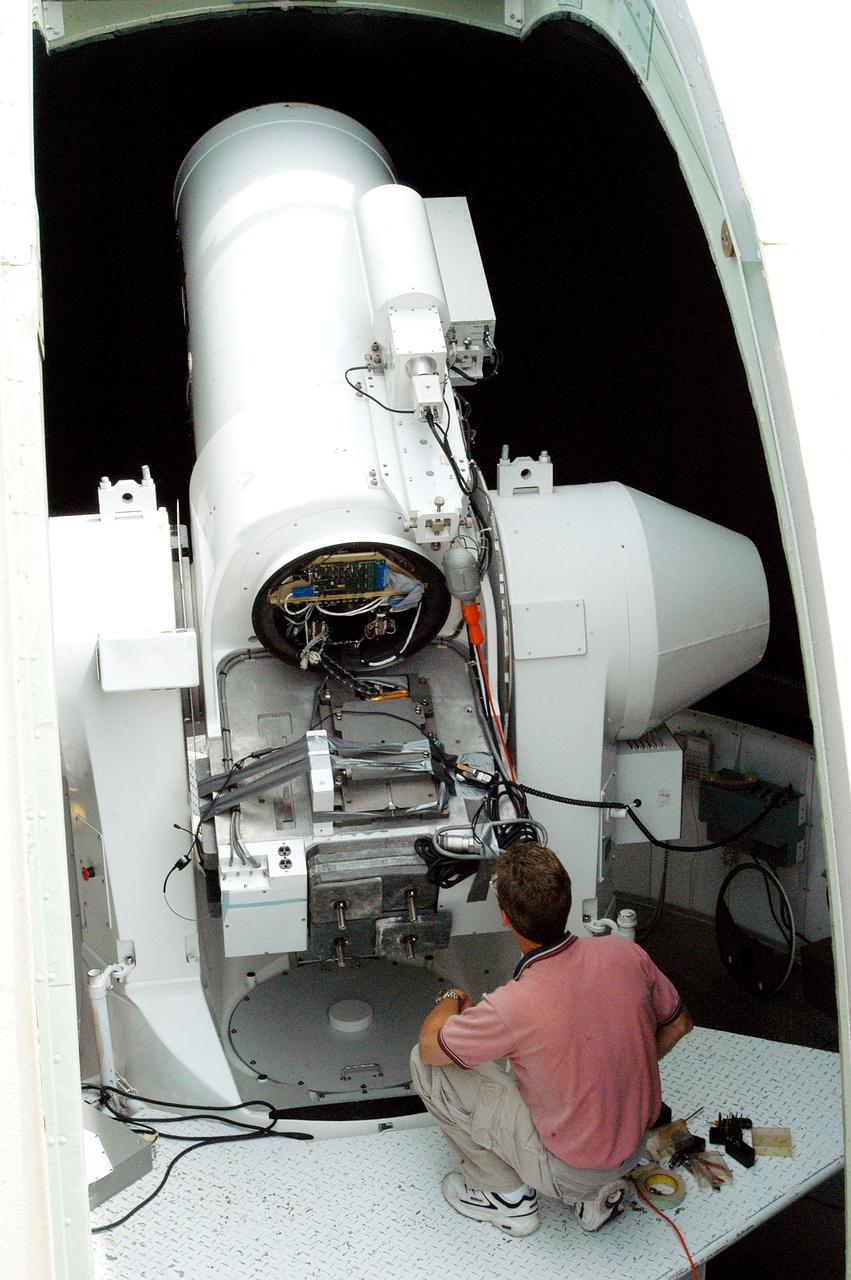
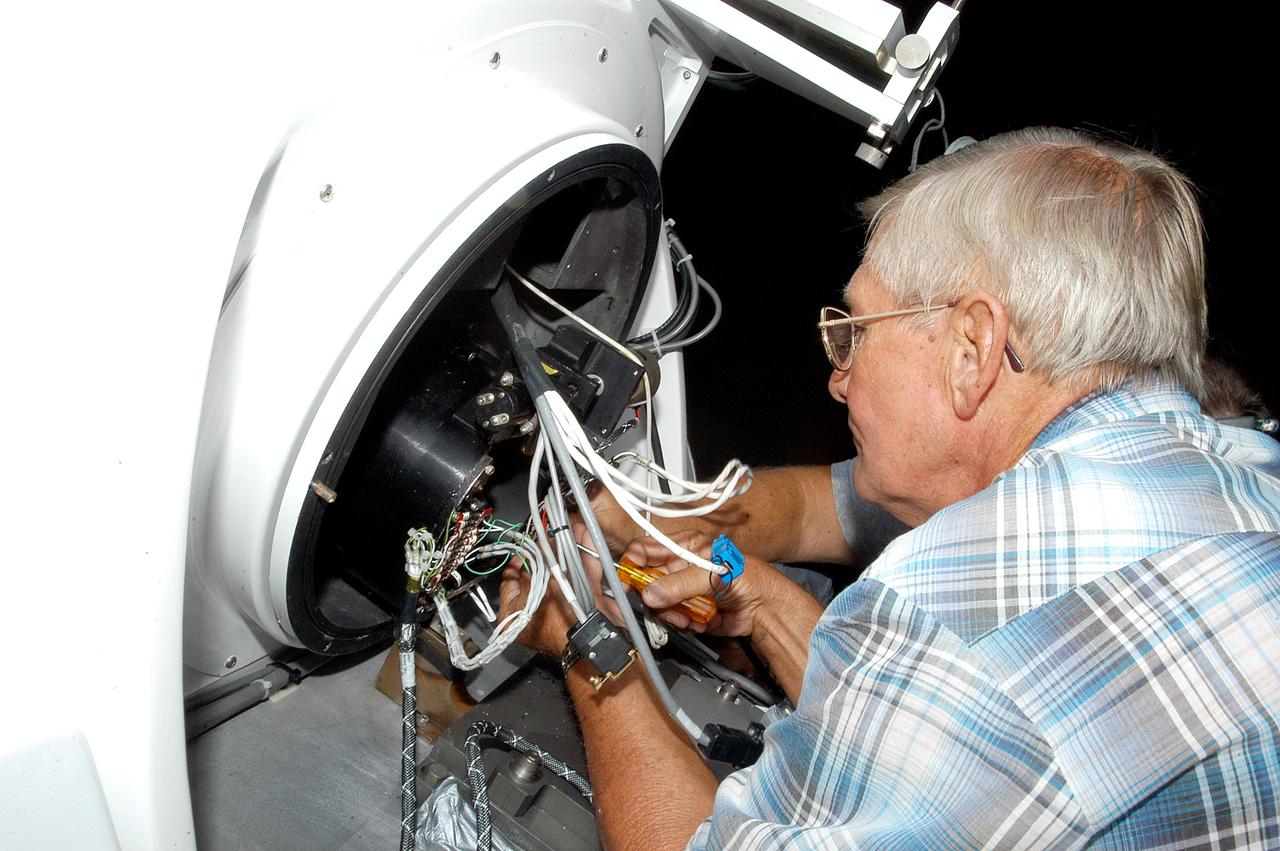
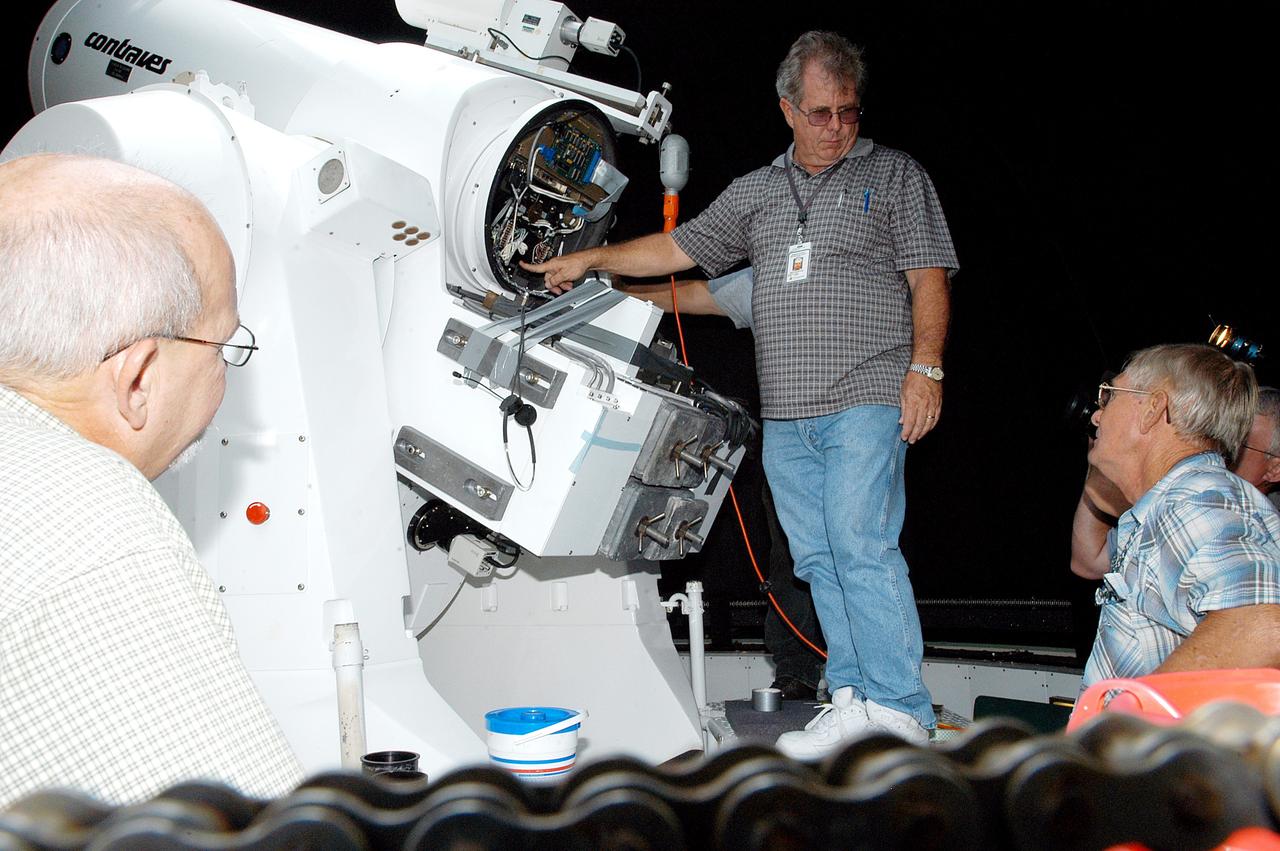
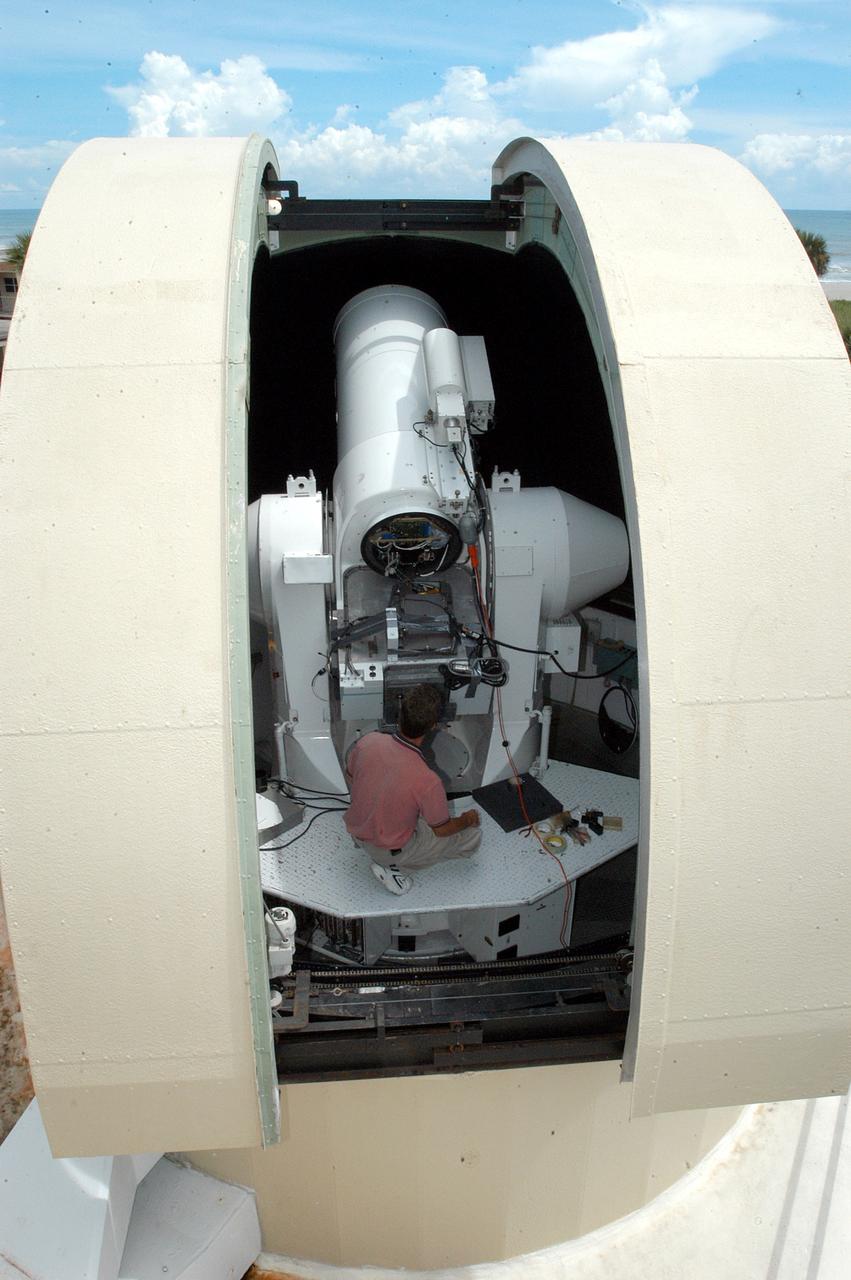
KENNEDY SPACE CENTER, FLA. - A worker calibrates a tracking telescope, part of the Distant Object Attitude Measurement System (DOAMS),  located in Cocoa Beach, Fla.  The telescope provides optical support for launches from KSC and Cape Canaveral.
KENNEDY SPACE CENTER, FLA. - A worker calibrates a tracking telescope, part of the Distant Object Attitude Measurement System (DOAMS), located in Cocoa Beach, Fla. The telescope provides optical support for launches from KSC and Cape Canaveral.
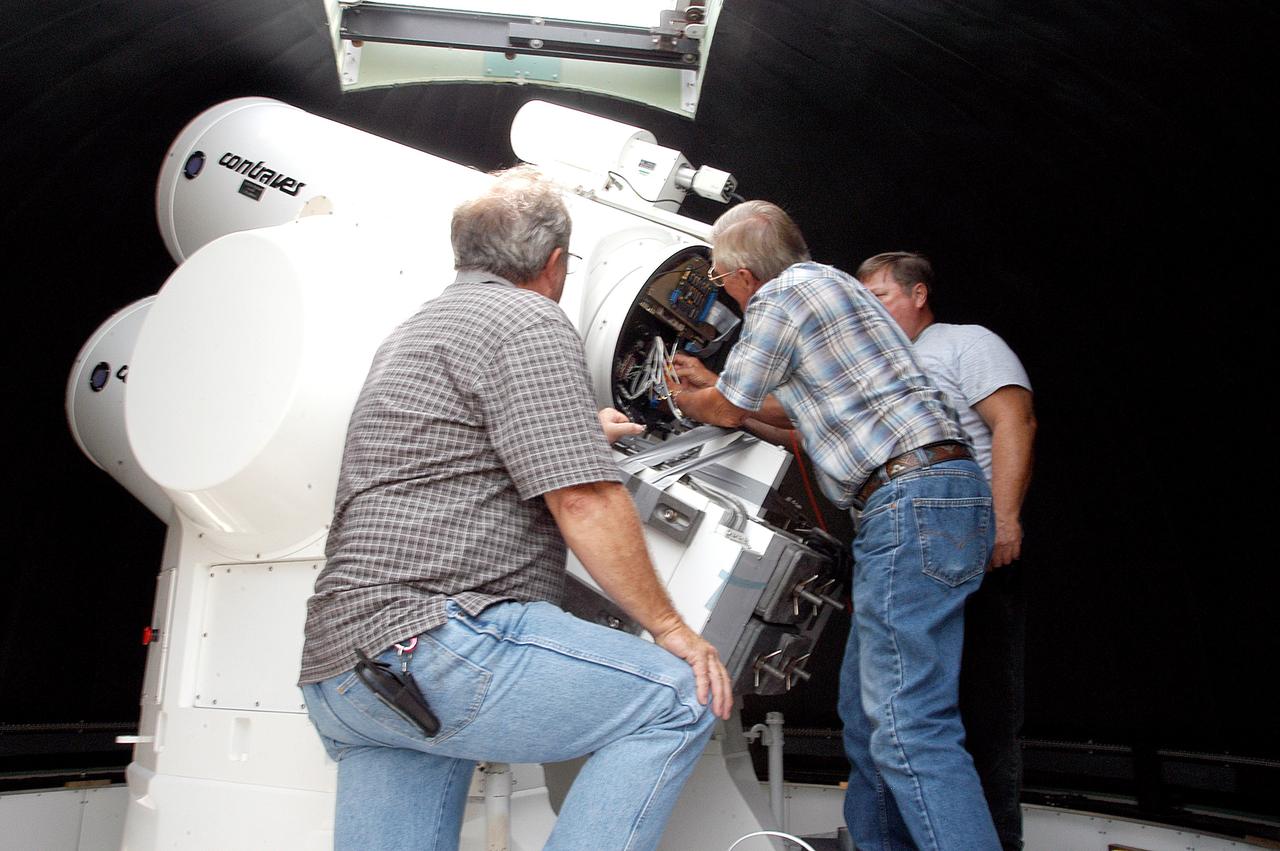
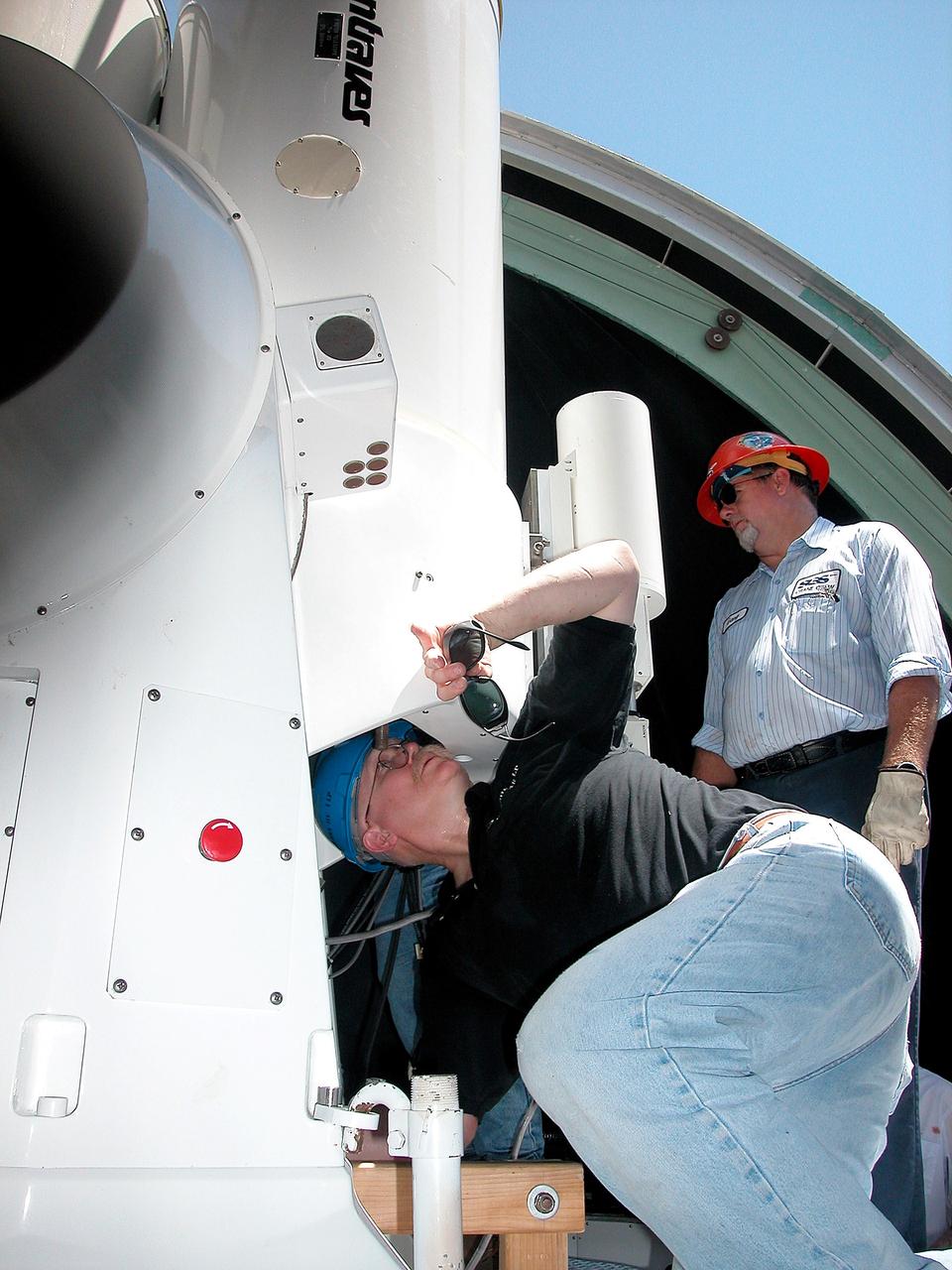
KENNEDY SPACE CENTER, FLA. -   Workers calibrate a tracking telescope, part of the Distant Object Attitude Measurement System (DOAMS),  located in Cocoa Beach, Fla.  The telescope provides optical support for launches from KSC and Cape Canaveral.
KENNEDY SPACE CENTER, FLA. - Workers calibrate a tracking telescope, part of the Distant Object Attitude Measurement System (DOAMS), located in Cocoa Beach, Fla. The telescope provides optical support for launches from KSC and Cape Canaveral.
KENNEDY SPACE CENTER, FLA. -  Workers calibrate a tracking telescope, part of the Distant Object Attitude Measurement System (DOAMS),  located in Cocoa Beach, Fla.  The telescope provides optical support for launches from KSC and Cape Canaveral.
KENNEDY SPACE CENTER, FLA. - Workers calibrate a tracking telescope, part of the Distant Object Attitude Measurement System (DOAMS), located in Cocoa Beach, Fla. The telescope provides optical support for launches from KSC and Cape Canaveral.
KENNEDY SPACE CENTER, FLA. - A worker calibrates a tracking telescope, part of the Distant Object Attitude Measurement System (DOAMS),  located in Cocoa Beach, Fla.  The telescope provides optical support for launches from KSC and Cape Canaveral.
KENNEDY SPACE CENTER, FLA. - A worker calibrates a tracking telescope, part of the Distant Object Attitude Measurement System (DOAMS), located in Cocoa Beach, Fla. The telescope provides optical support for launches from KSC and Cape Canaveral.
KENNEDY SPACE CENTER, FLA. -   Workers calibrate a tracking telescope, part of the Distant Object Attitude Measurement System (DOAMS),  located in Cocoa Beach, Fla.  The telescope provides optical support for launches from KSC and Cape Canaveral.
KENNEDY SPACE CENTER, FLA. - Workers calibrate a tracking telescope, part of the Distant Object Attitude Measurement System (DOAMS), located in Cocoa Beach, Fla. The telescope provides optical support for launches from KSC and Cape Canaveral.
NASA Dryden technicians take measurements inside a fit-check mockup for prior to systems installation on a boilerplate Orion launch abort test crew capsule. A mockup Orion crew module has been constructed by NASA Dryden Flight Research Center's Fabrication Branch. The mockup is being used to develop integration procedures for avionics and instrumentation in advance of the arrival of the first abort flight test article.
NASA Dryden technicians take measurements inside a fit-check mockup for prior to systems installation on a boilerplate Orion launch abort test crew capsule.
Detailed measurements of the physical properties of the seven rocky TRAPPIST-1 planets and the four terrestrial planets in our solar system help scientists find similarities and differences between the two planet families.  https://photojournal.jpl.nasa.gov/catalog/PIA24373
TRAPPIST-1 and Solar System Planet Stats
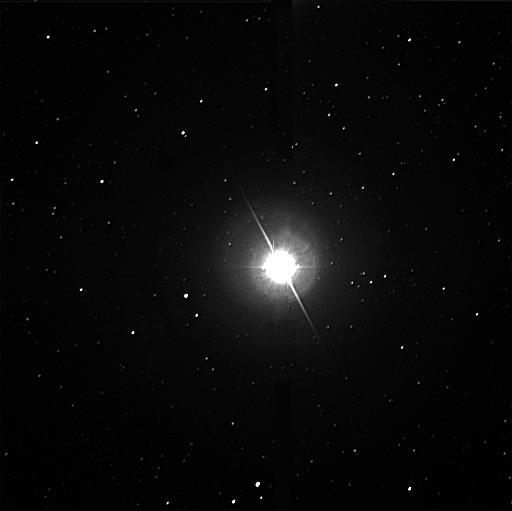
Altair, a star spinning so fast its mid-section is stretched out has been directly measured by an ultra-high-resolution NASA telescope system on Palomar Mountain near San Diego.
Altair
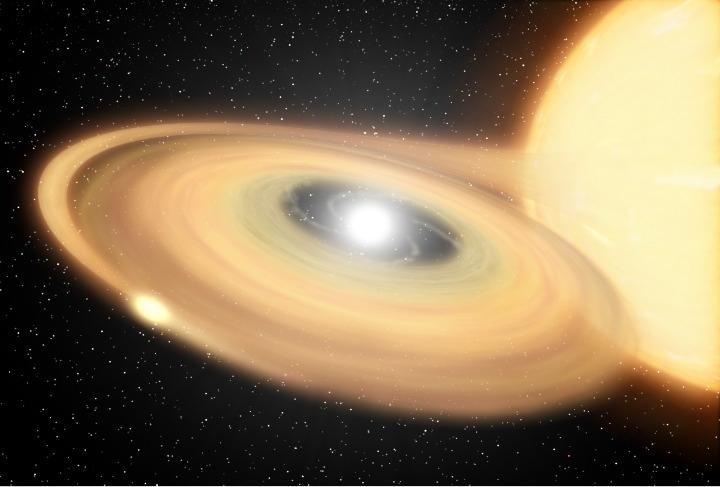
This artist concept is of Z Camelopardalis Z Cam, a stellar system featuring a collapsed, dead star, or white dwarf, and a companion star. This image shows one of the first regions of Mars measured after CRISM cover was opened
Explosions - Large and Small Artist Concept
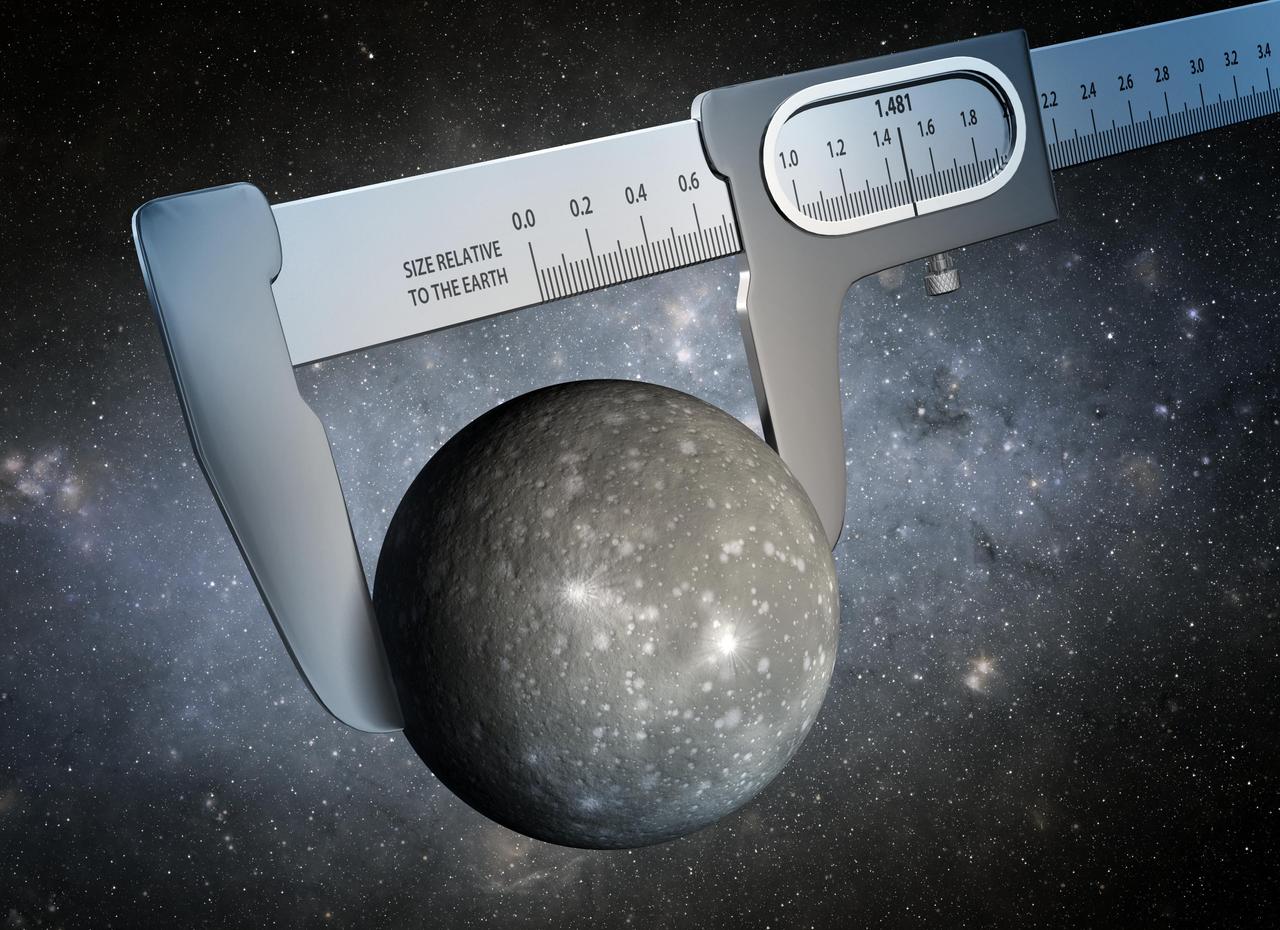
Using data from NASA Kepler and Spitzer Space Telescopes, scientists have made the most precise measurement ever of the size of a world outside our solar system, as illustrated in this artist conception.
Gauging an Alien World Size Artist Concept
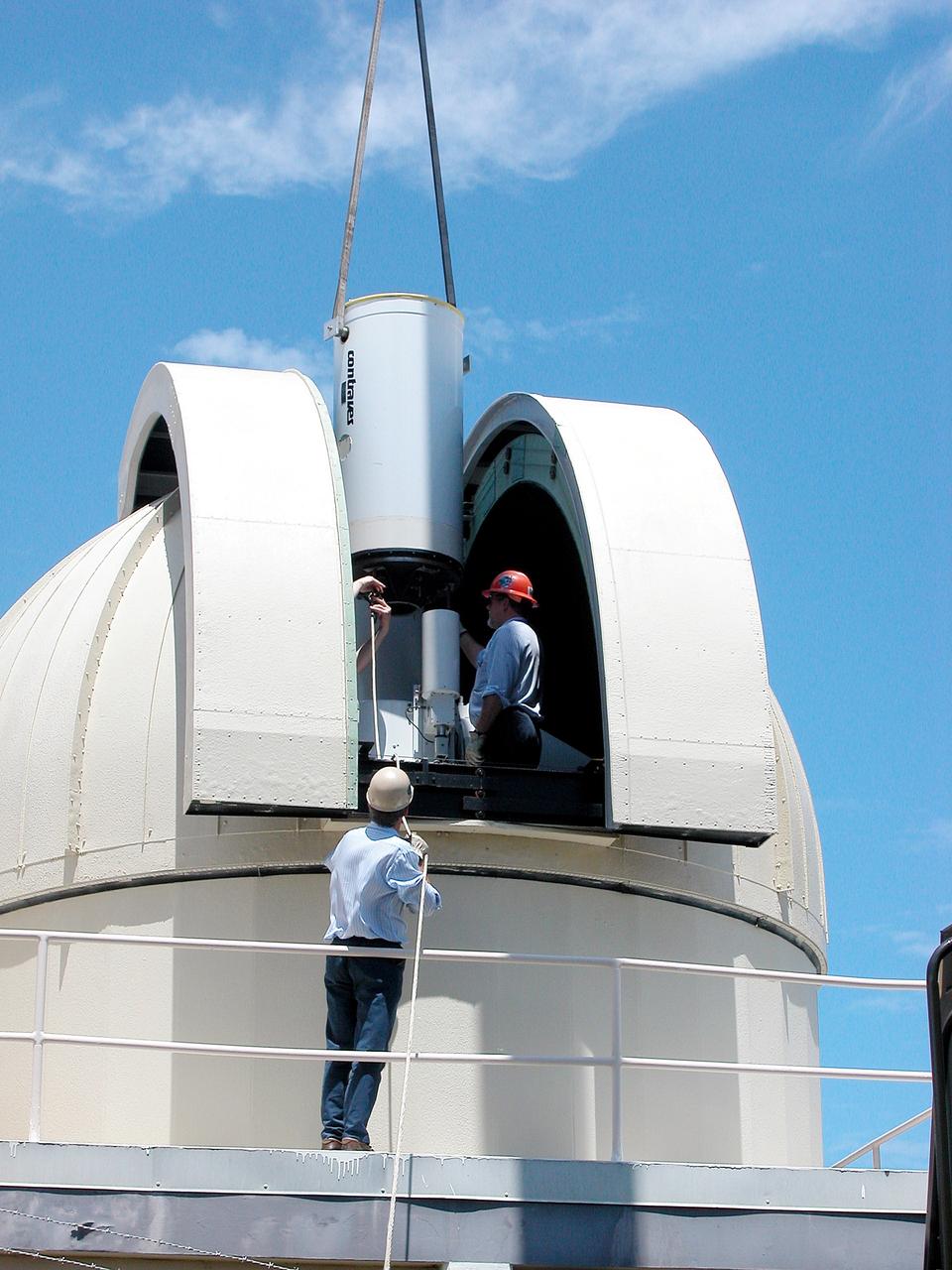
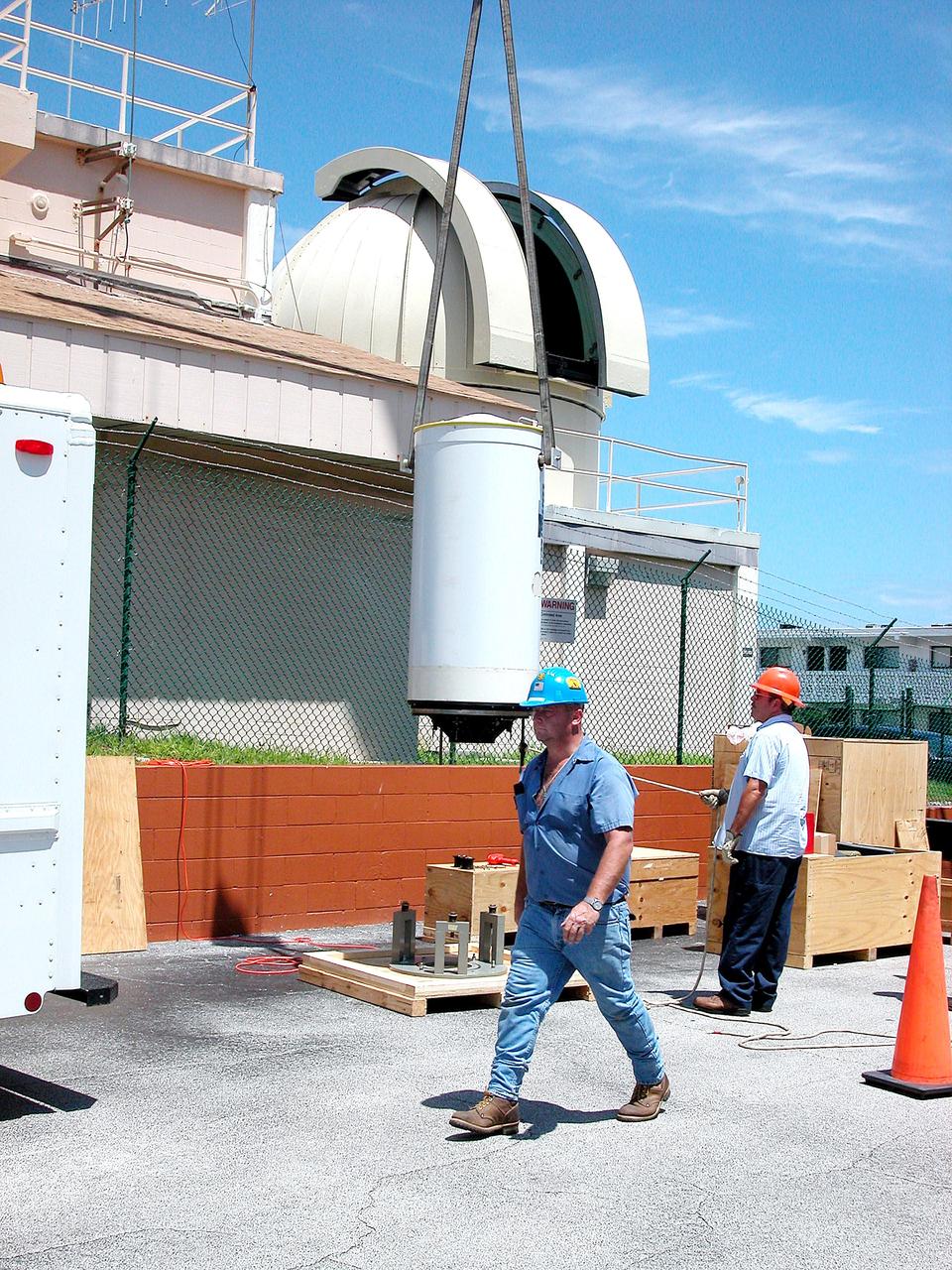
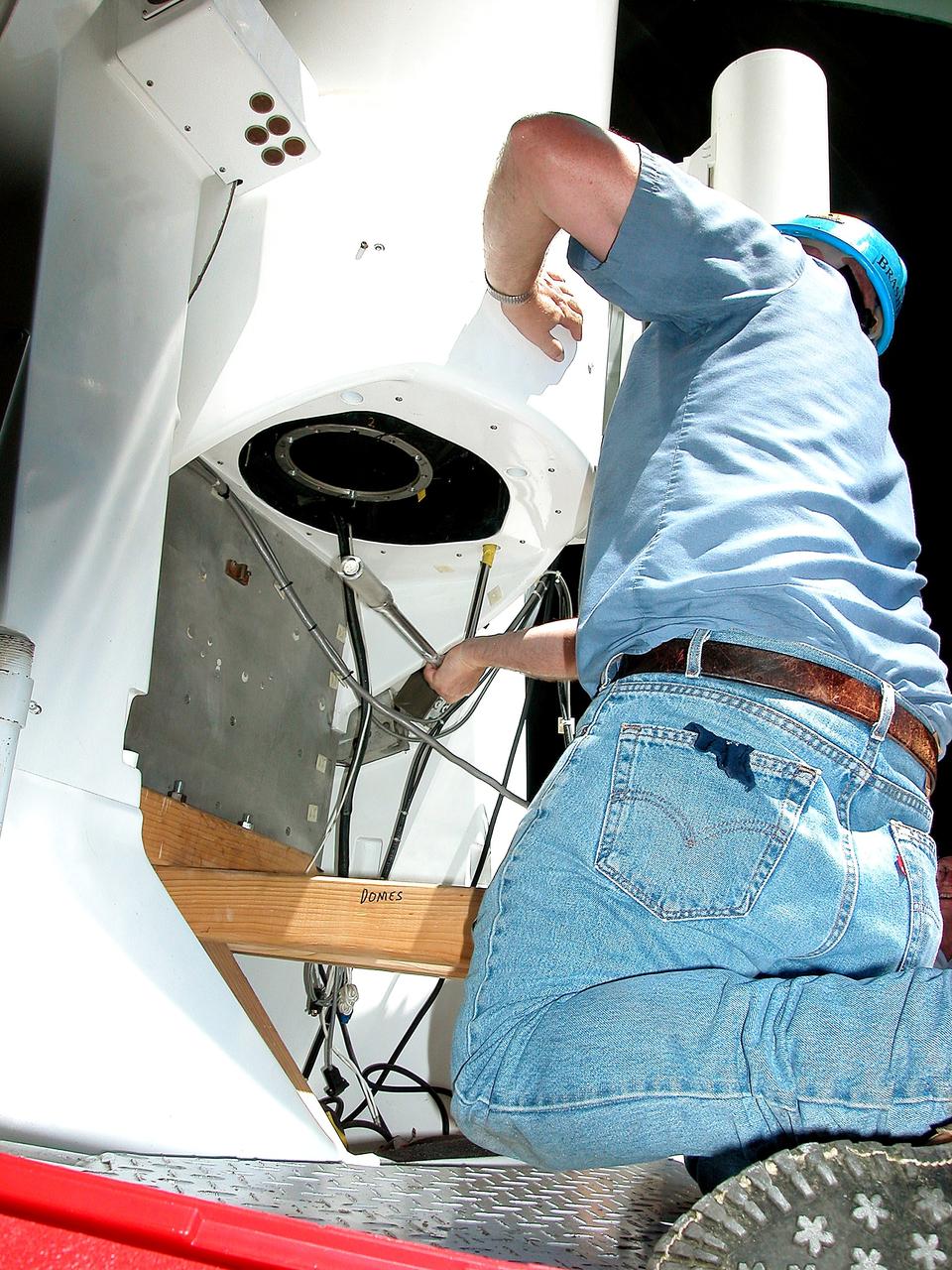
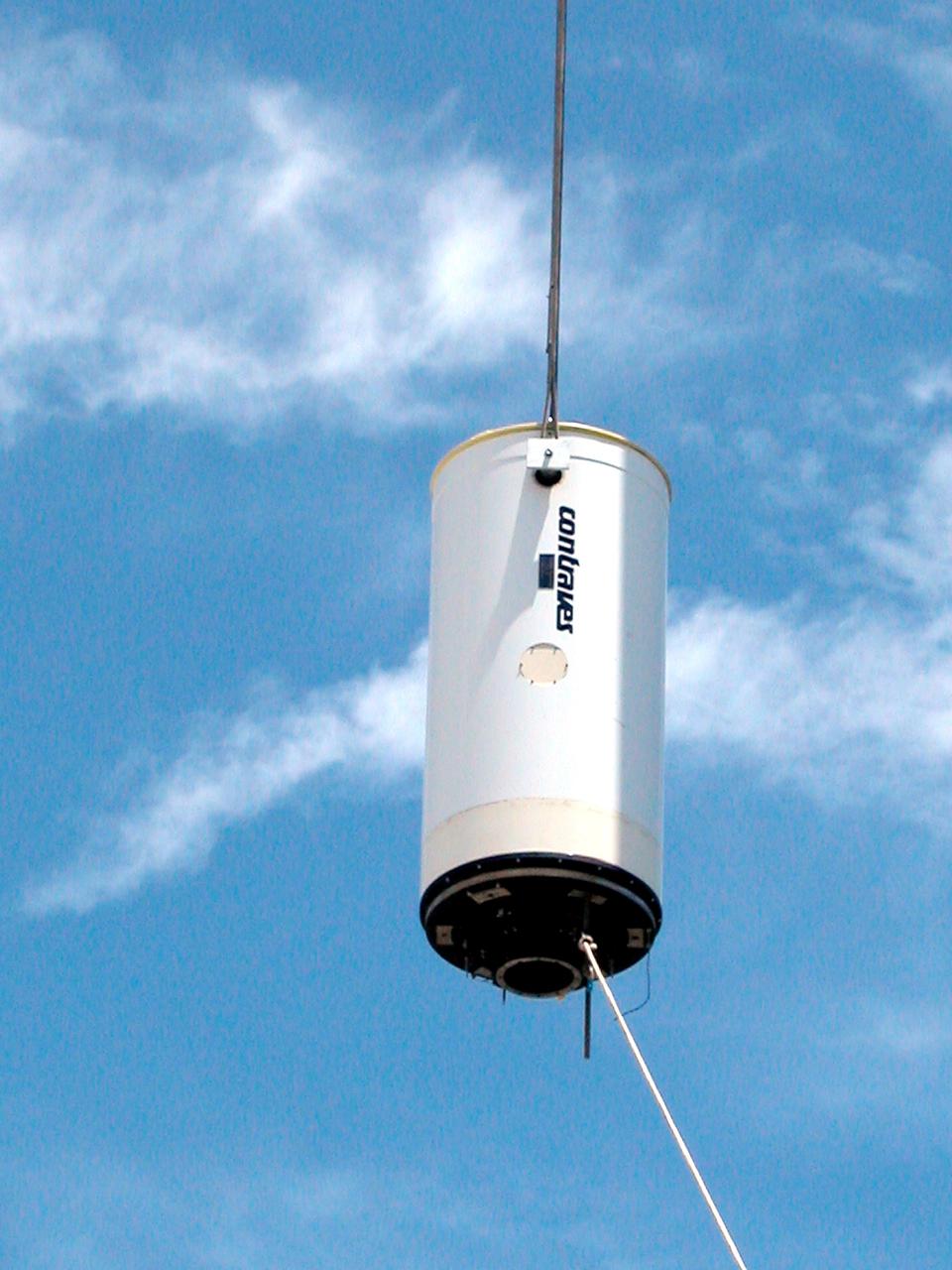
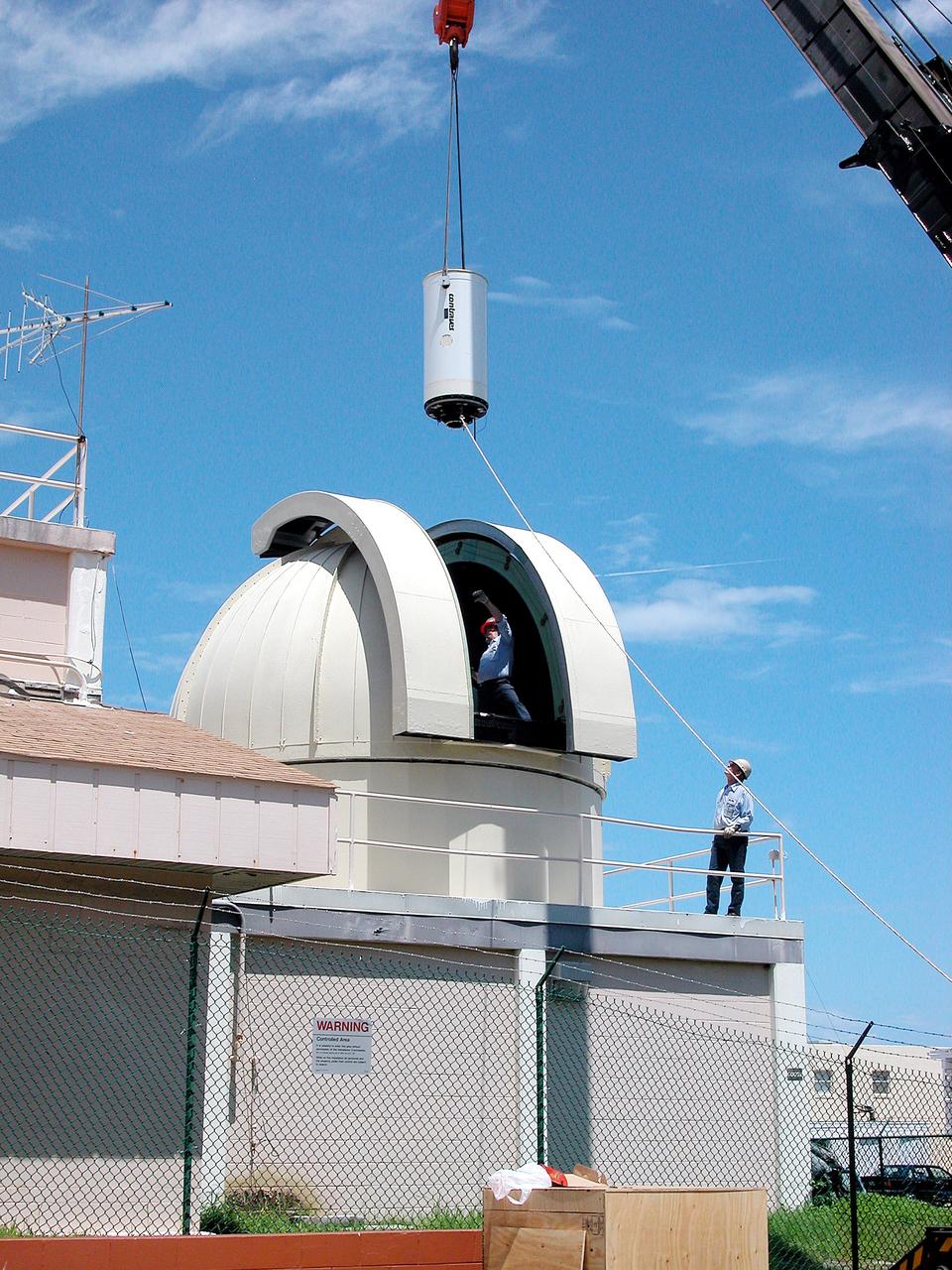
KENNEDY SPACE CENTER, FLA. - In Cocoa Beach, Fla., a new five-meter telescope is lowered into the dome for installation.  The tracking telescope is part of the Distant Object Attitude Measurement System (DOAMS) that provides optical support for launches from KSC and Cape Canaveral.
KENNEDY SPACE CENTER, FLA. - In Cocoa Beach, Fla., a new five-meter telescope is lowered into the dome for installation. The tracking telescope is part of the Distant Object Attitude Measurement System (DOAMS) that provides optical support for launches from KSC and Cape Canaveral.
KENNEDY SPACE CENTER, FLA. -  In Cocoa Beach, Fla., a new five-meter telescope is lifted up to the dome for installation.  The tracking telescope is part of the Distant Object Attitude Measurement System (DOAMS) that provides optical support for launches from KSC and Cape Canaveral.
KENNEDY SPACE CENTER, FLA. - In Cocoa Beach, Fla., a new five-meter telescope is lifted up to the dome for installation. The tracking telescope is part of the Distant Object Attitude Measurement System (DOAMS) that provides optical support for launches from KSC and Cape Canaveral.
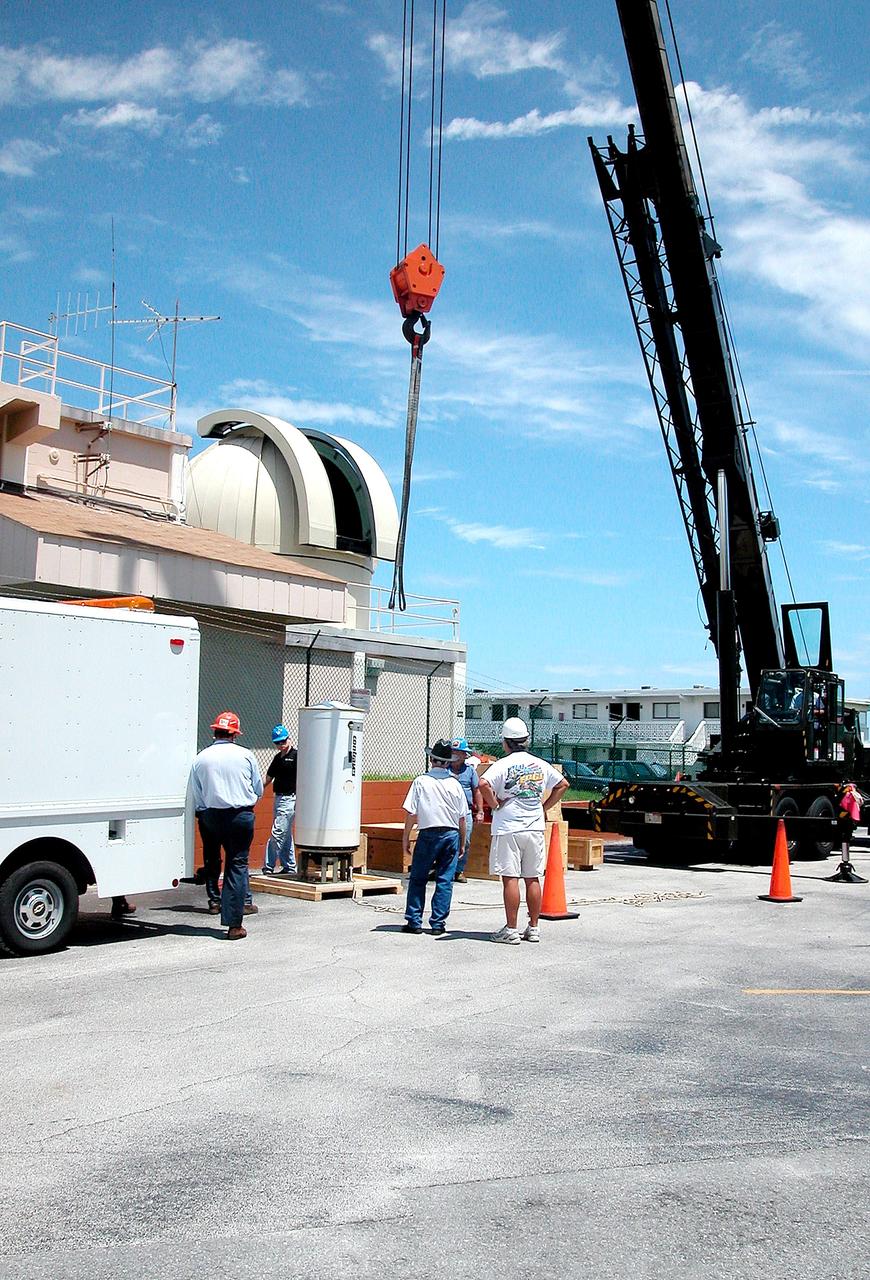
KENNEDY SPACE CENTER, FLA. -  In Cocoa Beach, Fla., a new five-meter telescope sits on a pallet waiting to be lifted up to the dome above and installed.  The tracking telescope is part of the Distant Object Attitude Measurement System (DOAMS) that provides optical support for launches from KSC and Cape Canaveral.
KENNEDY SPACE CENTER, FLA. - In Cocoa Beach, Fla., a new five-meter telescope sits on a pallet waiting to be lifted up to the dome above and installed. The tracking telescope is part of the Distant Object Attitude Measurement System (DOAMS) that provides optical support for launches from KSC and Cape Canaveral.
KENNEDY SPACE CENTER, FLA. -  A worker looks at a five-meter (focal length) telescope being removed for repair.  Part of the Distant Object Attitude Measurement System (DOAMS) in Cocoa Beach, Fla., the tracking telescope provides optical support for launches from KSC and Cape Canaveral. .
KENNEDY SPACE CENTER, FLA. - A worker looks at a five-meter (focal length) telescope being removed for repair. Part of the Distant Object Attitude Measurement System (DOAMS) in Cocoa Beach, Fla., the tracking telescope provides optical support for launches from KSC and Cape Canaveral. .
KENNEDY SPACE CENTER, FLA. -  The master assembler, crane crew, removes a five-meter telescope in Cocoa Beach, Fla., for repair.  The tracking telescope is part of the Distant Object Attitude Measurement System (DOAMS) that provides optical support for launches from KSC and Cape Canaveral.
KENNEDY SPACE CENTER, FLA. - The master assembler, crane crew, removes a five-meter telescope in Cocoa Beach, Fla., for repair. The tracking telescope is part of the Distant Object Attitude Measurement System (DOAMS) that provides optical support for launches from KSC and Cape Canaveral.
KENNEDY SPACE CENTER, FLA. - In Cocoa Beach, Fla., a new five-meter telescope is lifted up to the dome for installation.  The tracking telescope is part of the Distant Object Attitude Measurement System (DOAMS) that provides optical support for launches from KSC and Cape Canaveral.
KENNEDY SPACE CENTER, FLA. - In Cocoa Beach, Fla., a new five-meter telescope is lifted up to the dome for installation. The tracking telescope is part of the Distant Object Attitude Measurement System (DOAMS) that provides optical support for launches from KSC and Cape Canaveral.
KENNEDY SPACE CENTER, FLA. - In Cocoa Beach, Fla., a new five-meter telescope is lowered toward the dome for installation.  The tracking telescope is part of the Distant Object Attitude Measurement System (DOAMS) that provides optical support for launches from KSC and Cape Canaveral.
KENNEDY SPACE CENTER, FLA. - In Cocoa Beach, Fla., a new five-meter telescope is lowered toward the dome for installation. The tracking telescope is part of the Distant Object Attitude Measurement System (DOAMS) that provides optical support for launches from KSC and Cape Canaveral.
KENNEDY SPACE CENTER, FLA. -   A tracking telescope, part of the Distant Object Attitude Measurement System (DOAMS), is being calibrated.  The telescope, which is located in Cocoa Beach, Fla., provides optical support for launches from KSC and Cape Canaveral.
KENNEDY SPACE CENTER, FLA. - A tracking telescope, part of the Distant Object Attitude Measurement System (DOAMS), is being calibrated. The telescope, which is located in Cocoa Beach, Fla., provides optical support for launches from KSC and Cape Canaveral.
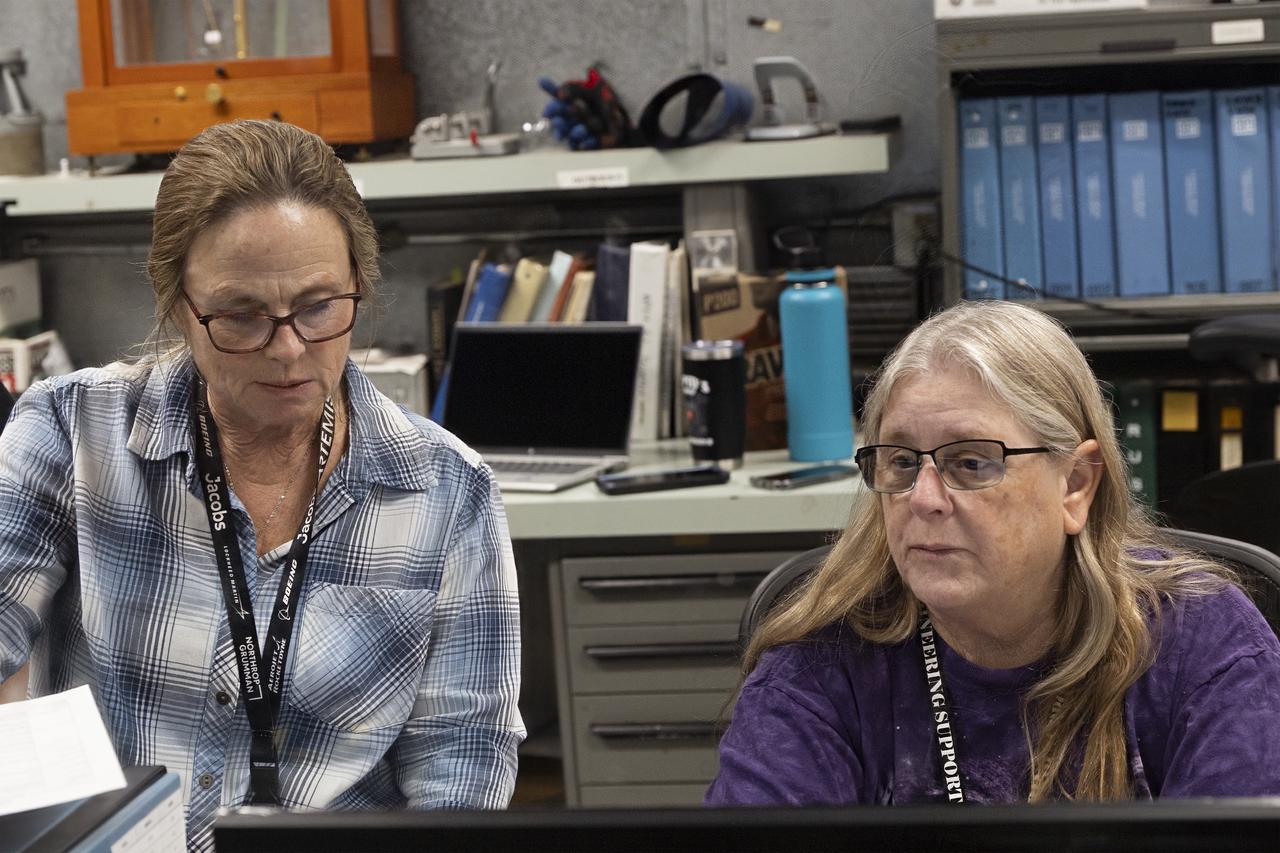
From left, April Torres and Karen Estes watch incoming data from vibration tests on the hypersonic Fiber Optic Sensing System at NASA’s Armstrong Flight Research Center in Edwards California. Testing on a machine called a shaker proved that the system could withstand the severe vibration it will endure in hypersonic flight, or travel at five times the speed of sound.
NASA Completes Vibration Tests on Temperature and Strain Measurement System
April Torres, from left, Cryss Punteney, and Karen Estes watch as data flows from the hypersonic Fiber Optic Sensing System at NASA’s Armstrong Flight Research Center in Edwards, California. Testing on a machine called a shaker proved that the system could withstand the severe vibration it will endure in hypersonic flight, or travel at five times the speed of sound.
NASA Completes Vibration Tests on Temperature and Strain Measurement System
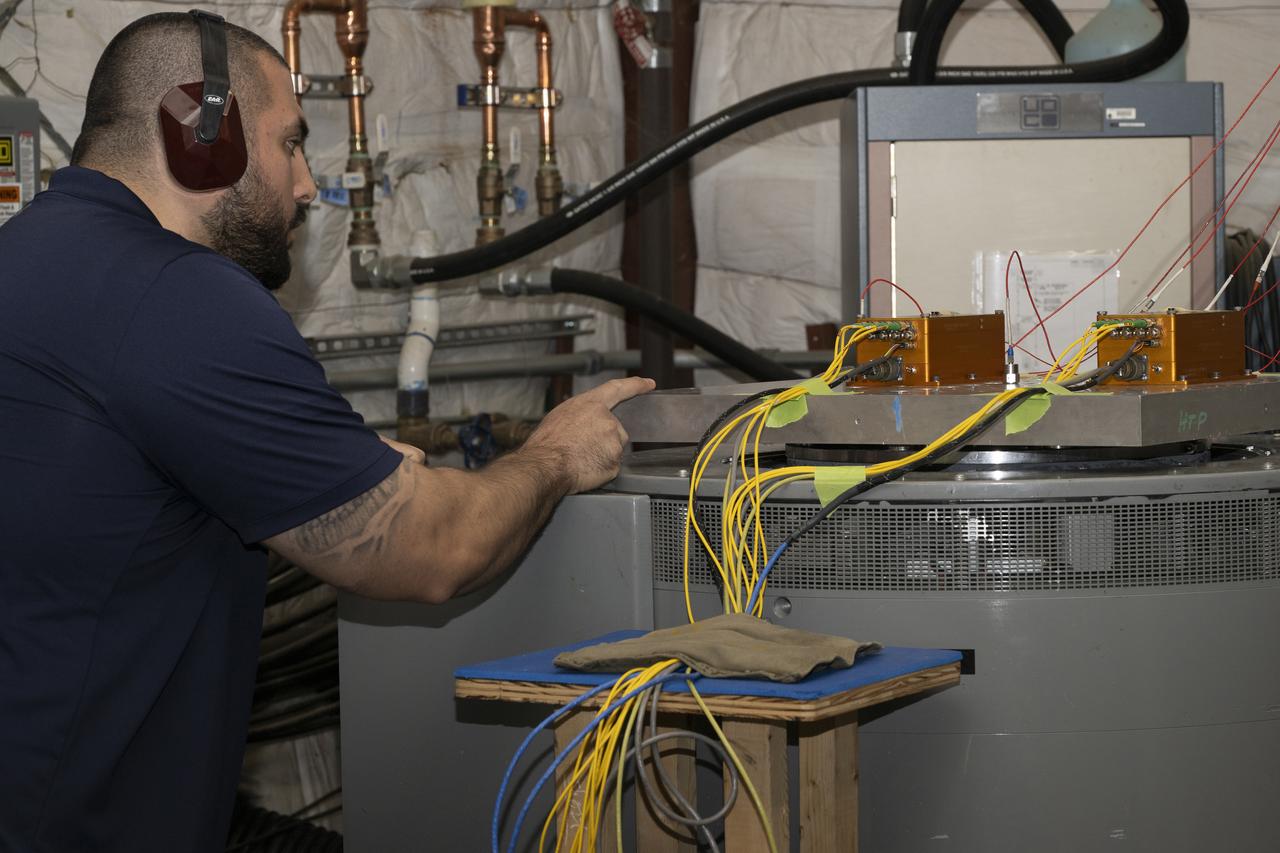
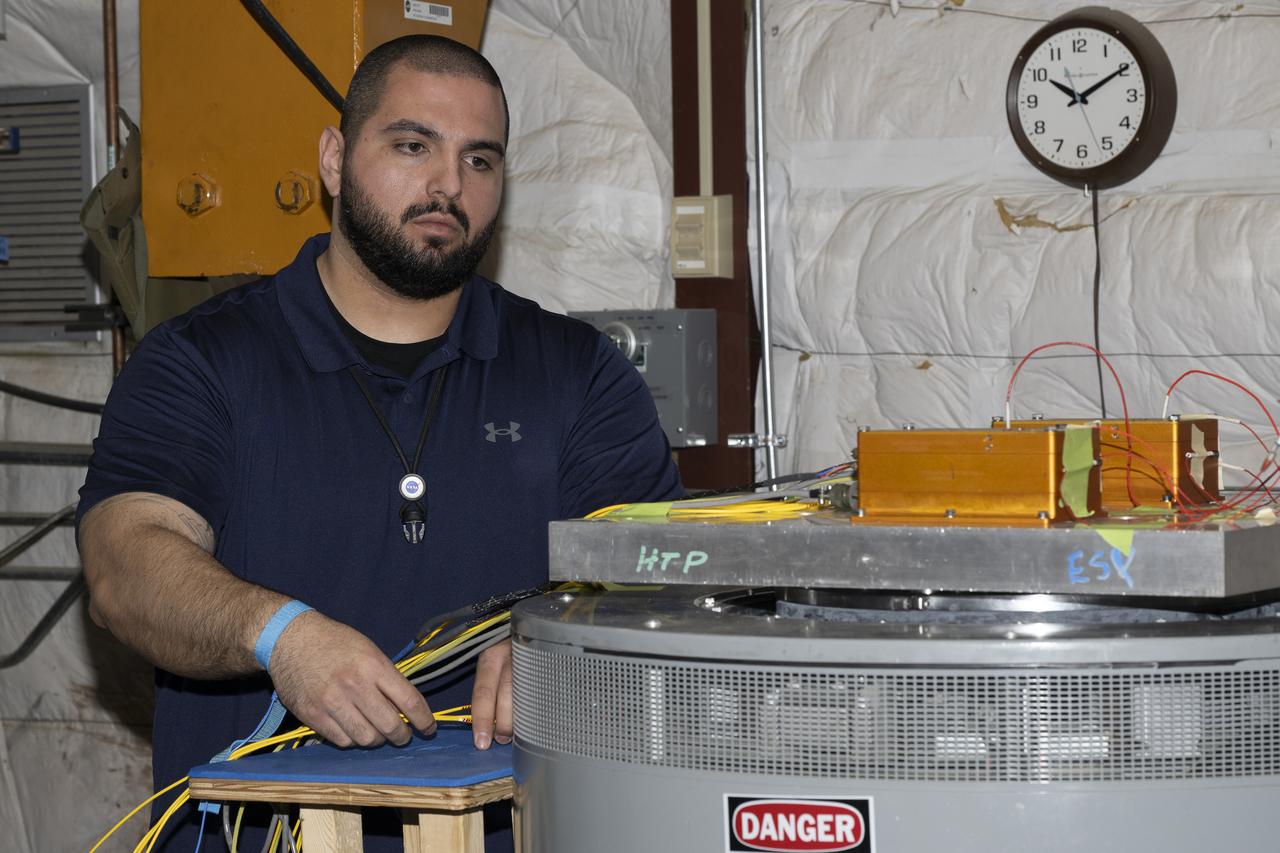
Jonathan Lopez prepares the hypersonic Fiber Optic Sensing System for vibration tests in the Environmental Laboratory at NASA’s Armstrong Flight Research Center in Edwards, California. Testing on a machine called a shaker proved that the system could withstand the severe vibration it will endure in hypersonic flight, or travel at five times the speed of sound.
NASA Completes Vibration Tests on Temperature and Strain Measurement System
Jonathan Lopez prepares the hypersonic Fiber Optic Sensing System for vibration tests in the Environmental Laboratory at NASA’s Armstrong Flight Research Center in Edwards, California. Testing on a machine called a shaker proved that the system could withstand the severe vibration it will endure in hypersonic flight, or travel at five times the speed of sound.
NASA Completes Vibration Tests on Temperature and Strain Measurement System
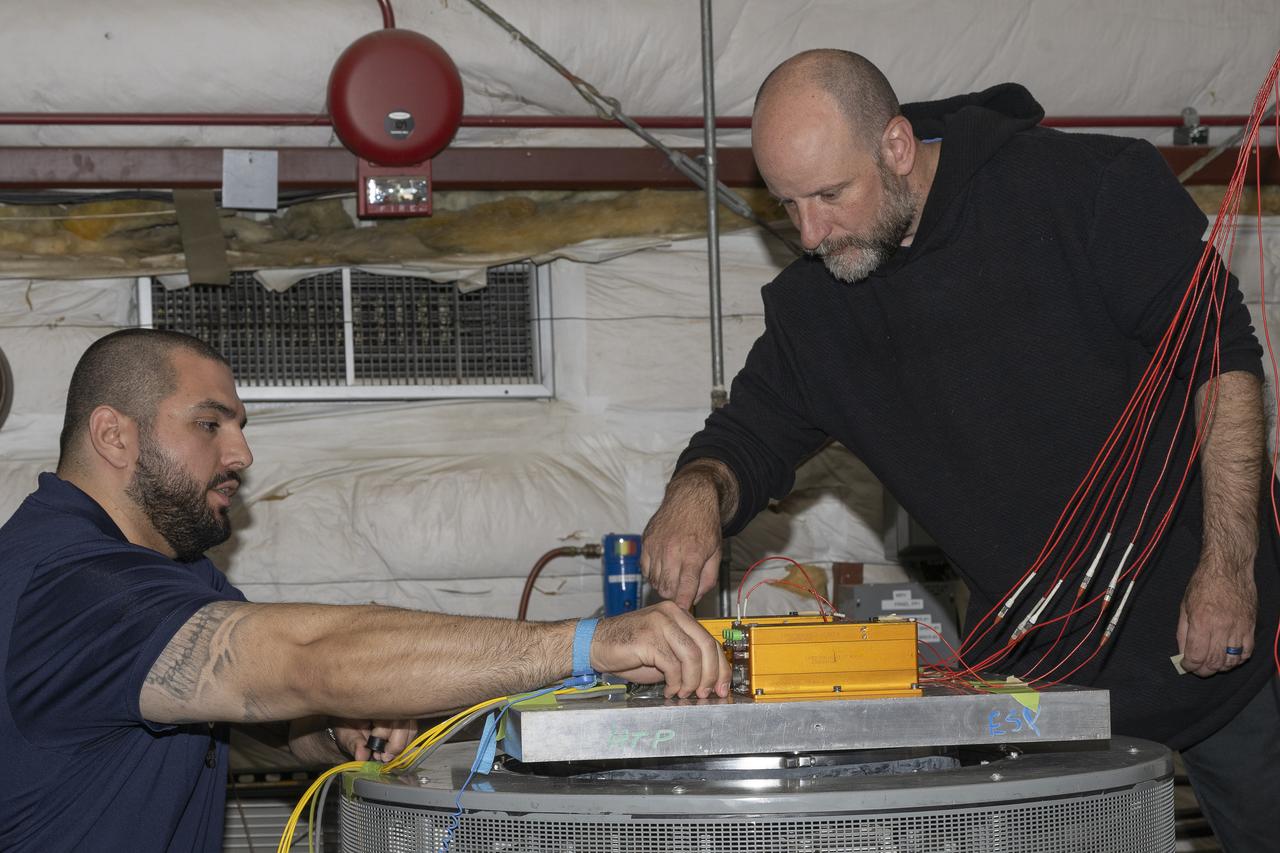
Jonathan Lopez and Nathan Rick prepare the hypersonic Fiber Optic Sensing System for vibration tests in the Environmental Laboratory at NASA’s Armstrong Flight Research Center in Edwards, California. Testing on a machine called a shaker proved that the system could withstand the severe vibration it will endure in hypersonic flight, or travel at five times the speed of sound.
NASA Completes Vibration Tests on Temperature and Strain Measurement System
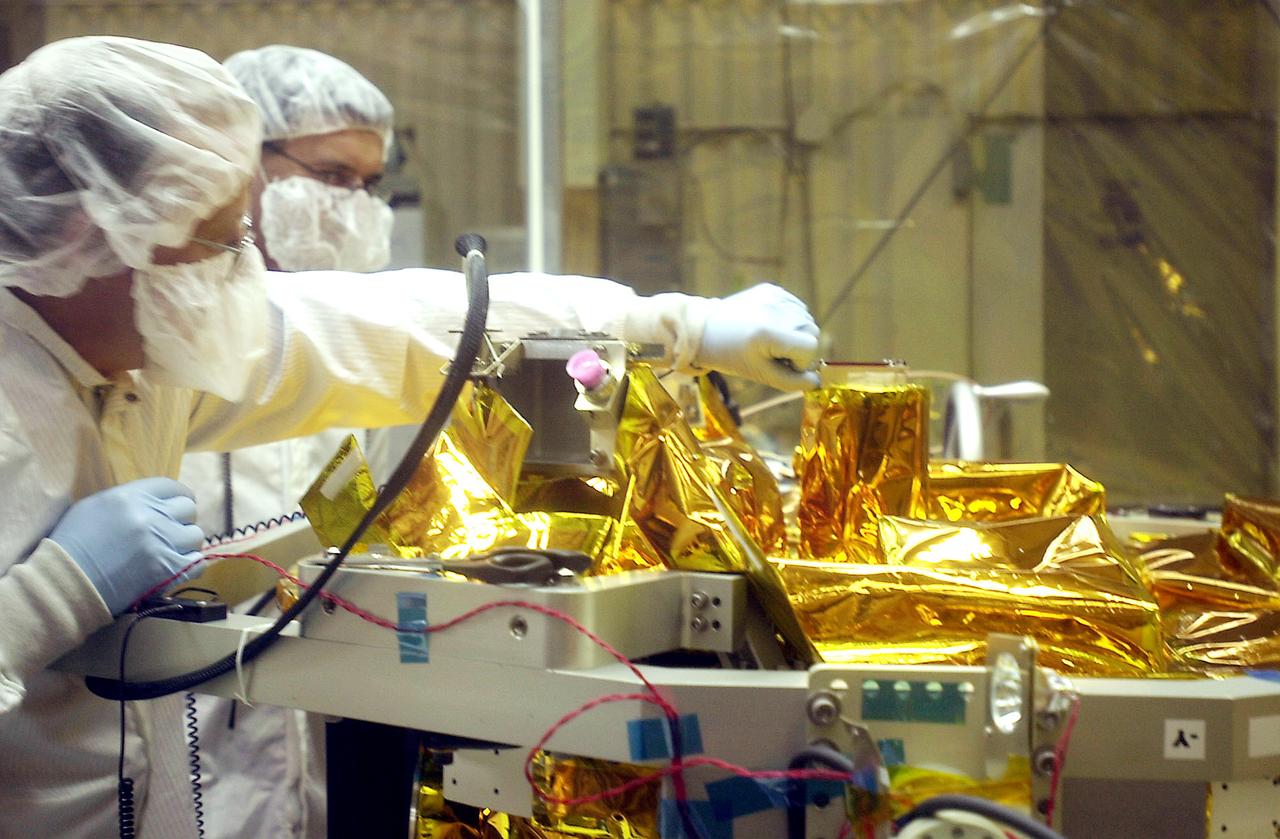
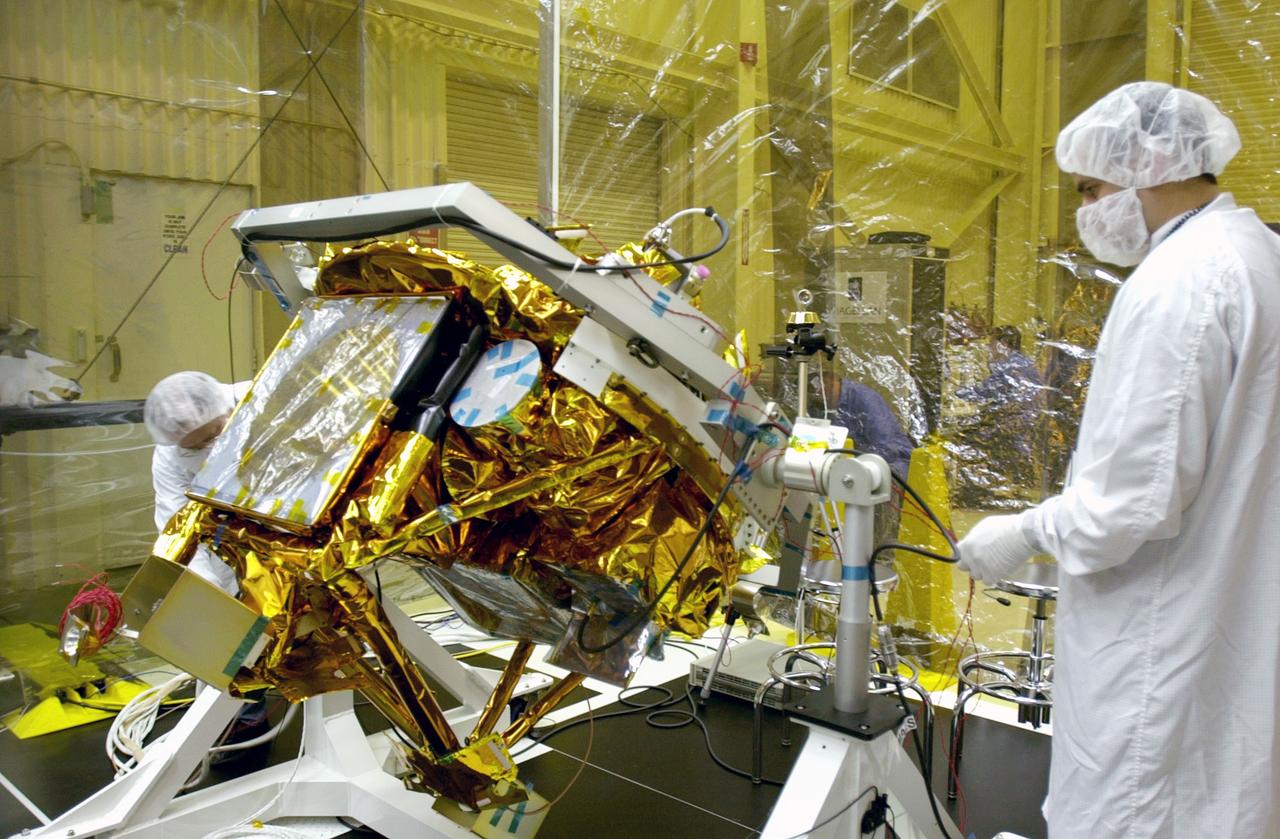
VANDENBERG AIR FORCE BASE, CALIF.- At Vandenberg Air Force Base, Calif., spacecraft functional testing is underway on the SciSat-1. The solar arrays are being attached and the communications systems are also being checked out.   The SciSat-1 weighs approximately 330 pounds and after launch will be placed in a 400-mile-high polar orbit to investigate processes that control the distribution of ozone in the upper atmosphere. The data from the satellite will provide Canadian and international scientists with improved measurements relating to global ozone processes and help policymakers assess existing environmental policy and develop protective measures for improving the health of our atmosphere, preventing further ozone depletion. The mission is designed to last two years.
VANDENBERG AIR FORCE BASE, CALIF.- At Vandenberg Air Force Base, Calif., spacecraft functional testing is underway on the SciSat-1. The solar arrays are being attached and the communications systems are also being checked out. The SciSat-1 weighs approximately 330 pounds and after launch will be placed in a 400-mile-high polar orbit to investigate processes that control the distribution of ozone in the upper atmosphere. The data from the satellite will provide Canadian and international scientists with improved measurements relating to global ozone processes and help policymakers assess existing environmental policy and develop protective measures for improving the health of our atmosphere, preventing further ozone depletion. The mission is designed to last two years.
VANDENBERG AIR FORCE BASE, CALIF.- At Vandenberg Air Force Base, Calif., spacecraft functional testing is underway on the SciSat-1. The solar arrays are being attached and the communications systems are also being checked out.   The SciSat-1 weighs approximately 330 pounds and after launch will be placed in a 400-mile-high polar orbit to investigate processes that control the distribution of ozone in the upper atmosphere. The data from the satellite will provide Canadian and international scientists with improved measurements relating to global ozone processes and help policymakers assess existing environmental policy and develop protective measures for improving the health of our atmosphere, preventing further ozone depletion. The mission is designed to last two years.
VANDENBERG AIR FORCE BASE, CALIF.- At Vandenberg Air Force Base, Calif., spacecraft functional testing is underway on the SciSat-1. The solar arrays are being attached and the communications systems are also being checked out. The SciSat-1 weighs approximately 330 pounds and after launch will be placed in a 400-mile-high polar orbit to investigate processes that control the distribution of ozone in the upper atmosphere. The data from the satellite will provide Canadian and international scientists with improved measurements relating to global ozone processes and help policymakers assess existing environmental policy and develop protective measures for improving the health of our atmosphere, preventing further ozone depletion. The mission is designed to last two years.
VANDENBERG AIR FORCE BASE, CALIF.- At Vandenberg Air Force Base, Calif., spacecraft functional testing is underway on the SciSat-1. The solar arrays are being attached and the communications systems are also being checked out.   The SciSat-1 weighs approximately 330 pounds and after launch will be placed in a 400-mile-high polar orbit to investigate processes that control the distribution of ozone in the upper atmosphere. The data from the satellite will provide Canadian and international scientists with improved measurements relating to global ozone processes and help policymakers assess existing environmental policy and develop protective measures for improving the health of our atmosphere, preventing further ozone depletion. The mission is designed to last two years.
VANDENBERG AIR FORCE BASE, CALIF.- At Vandenberg Air Force Base, Calif., spacecraft functional testing is underway on the SciSat-1. The solar arrays are being attached and the communications systems are also being checked out. The SciSat-1 weighs approximately 330 pounds and after launch will be placed in a 400-mile-high polar orbit to investigate processes that control the distribution of ozone in the upper atmosphere. The data from the satellite will provide Canadian and international scientists with improved measurements relating to global ozone processes and help policymakers assess existing environmental policy and develop protective measures for improving the health of our atmosphere, preventing further ozone depletion. The mission is designed to last two years.
VANDENBERG AIR FORCE BASE, CALIF.- At Vandenberg Air Force Base, Calif., spacecraft functional testing is underway on the SciSat-1. The solar arrays are being attached and the communications systems are also being checked out.   The SciSat-1 weighs approximately 330 pounds and after launch will be placed in a 400-mile-high polar orbit to investigate processes that control the distribution of ozone in the upper atmosphere. The data from the satellite will provide Canadian and international scientists with improved measurements relating to global ozone processes and help policymakers assess existing environmental policy and develop protective measures for improving the health of our atmosphere, preventing further ozone depletion. The mission is designed to last two years.
VANDENBERG AIR FORCE BASE, CALIF.- At Vandenberg Air Force Base, Calif., spacecraft functional testing is underway on the SciSat-1. The solar arrays are being attached and the communications systems are also being checked out. The SciSat-1 weighs approximately 330 pounds and after launch will be placed in a 400-mile-high polar orbit to investigate processes that control the distribution of ozone in the upper atmosphere. The data from the satellite will provide Canadian and international scientists with improved measurements relating to global ozone processes and help policymakers assess existing environmental policy and develop protective measures for improving the health of our atmosphere, preventing further ozone depletion. The mission is designed to last two years.
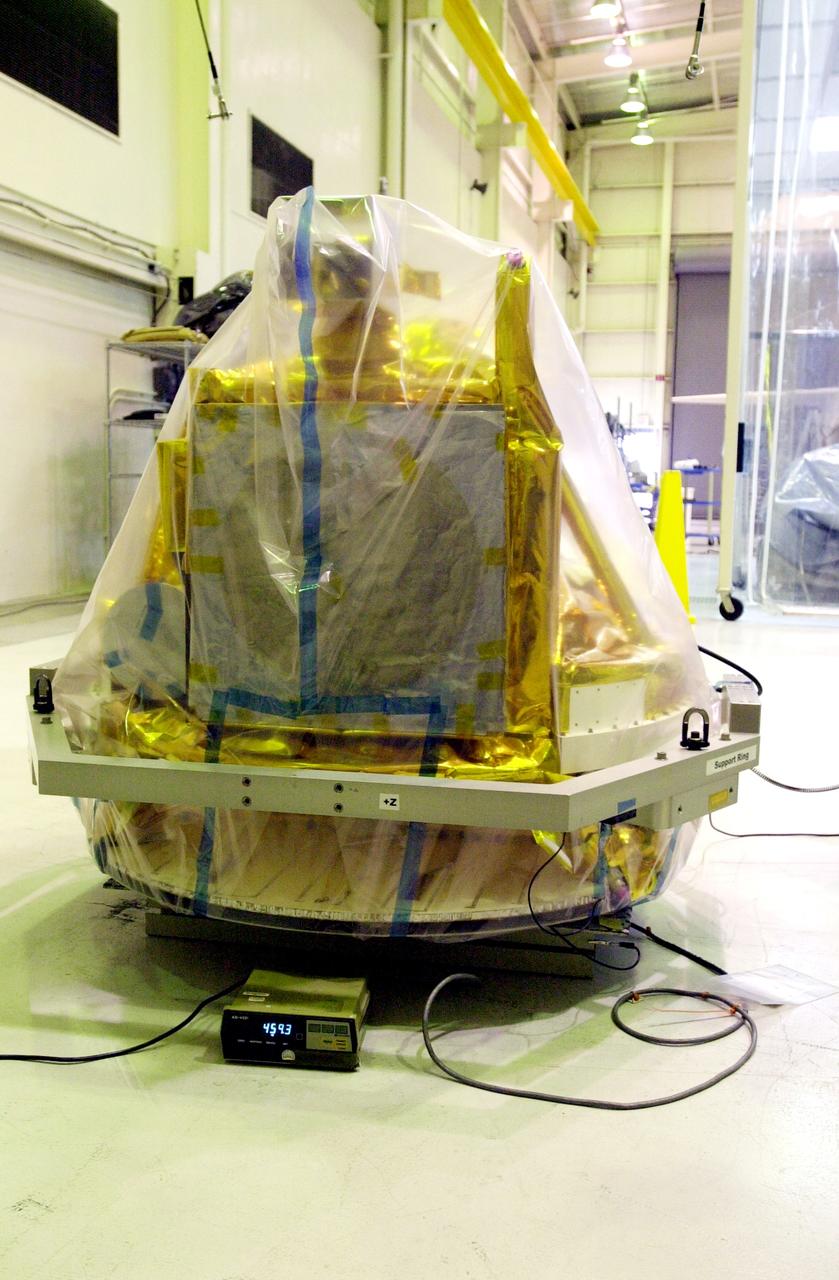
VANDENBERG AIR FORCE BASE, CALIF.-  A covered SciSat-1 spacecraft sits on a test stand at Vandenberg Air Force Base, Calif.  The solar arrays will be attached and the communications systems checked out.   The SciSat-1 weighs approximately 330 pounds and after launch will be placed in a 400-mile-high polar orbit to investigate processes that control the distribution of ozone in the upper atmosphere. The data from the satellite will provide Canadian and international scientists with improved measurements relating to global ozone processes and help policymakers assess existing environmental policy and develop protective measures for improving the health of our atmosphere, preventing further ozone depletion. The mission is designed to last two years.
VANDENBERG AIR FORCE BASE, CALIF.- A covered SciSat-1 spacecraft sits on a test stand at Vandenberg Air Force Base, Calif. The solar arrays will be attached and the communications systems checked out. The SciSat-1 weighs approximately 330 pounds and after launch will be placed in a 400-mile-high polar orbit to investigate processes that control the distribution of ozone in the upper atmosphere. The data from the satellite will provide Canadian and international scientists with improved measurements relating to global ozone processes and help policymakers assess existing environmental policy and develop protective measures for improving the health of our atmosphere, preventing further ozone depletion. The mission is designed to last two years.
VANDENBERG AIR FORCE BASE, CALIF.- At Vandenberg Air Force Base, Calif., spacecraft functional testing is underway on the SciSat-1. The solar arrays are being attached and the communications systems are also being checked out.   The SciSat-1 weighs approximately 330 pounds and after launch will be placed in a 400-mile-high polar orbit to investigate processes that control the distribution of ozone in the upper atmosphere. The data from the satellite will provide Canadian and international scientists with improved measurements relating to global ozone processes and help policymakers assess existing environmental policy and develop protective measures for improving the health of our atmosphere, preventing further ozone depletion. The mission is designed to last two years.
VANDENBERG AIR FORCE BASE, CALIF.- At Vandenberg Air Force Base, Calif., spacecraft functional testing is underway on the SciSat-1. The solar arrays are being attached and the communications systems are also being checked out. The SciSat-1 weighs approximately 330 pounds and after launch will be placed in a 400-mile-high polar orbit to investigate processes that control the distribution of ozone in the upper atmosphere. The data from the satellite will provide Canadian and international scientists with improved measurements relating to global ozone processes and help policymakers assess existing environmental policy and develop protective measures for improving the health of our atmosphere, preventing further ozone depletion. The mission is designed to last two years.
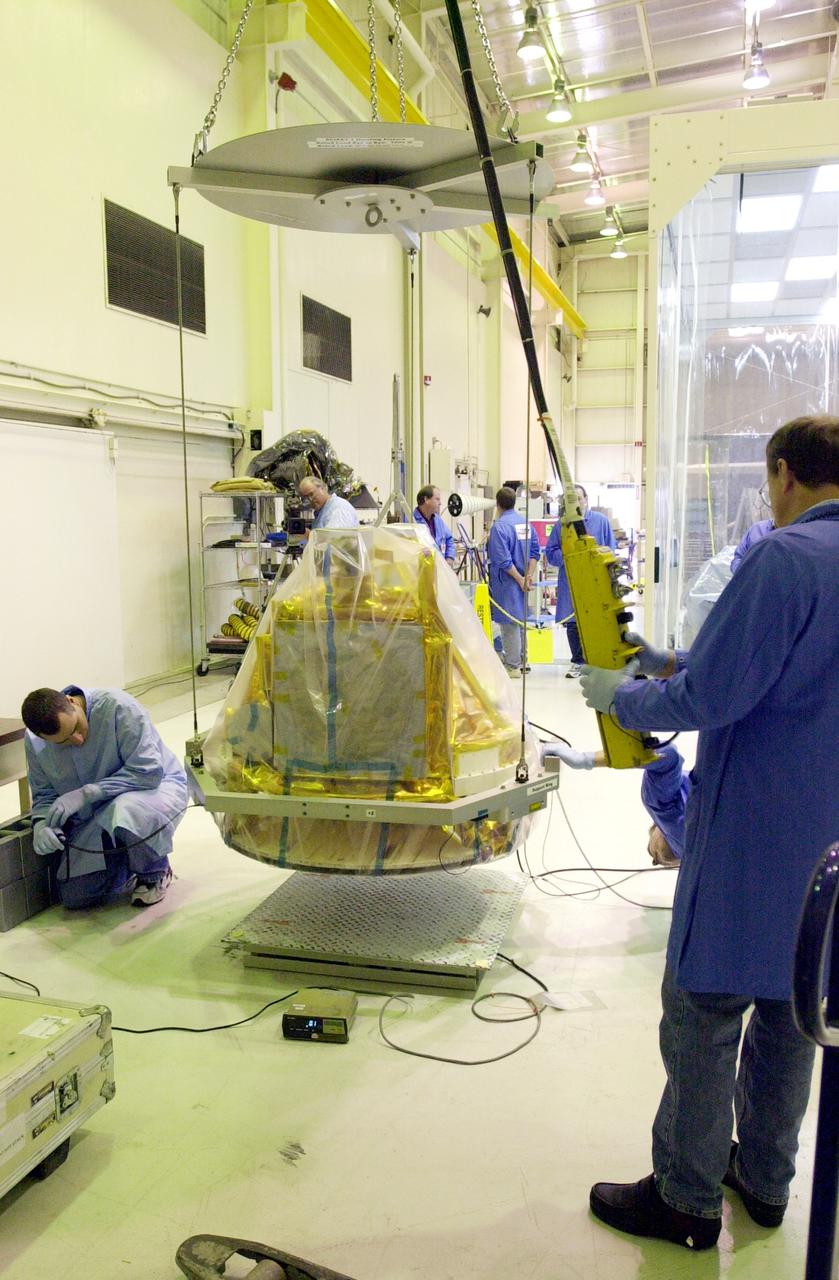
VANDENBERG AIR FORCE BASE, CALIF.-  The covered SciSat-1 spacecraft is lowered onto a test stand at Vandenberg Air Force Base, Calif., for functional testing.  The solar arrays will be attached and the communications systems checked out.   The SciSat-1 weighs approximately 330 pounds and after launch will be placed in a 400-mile-high polar orbit to investigate processes that control the distribution of ozone in the upper atmosphere. The data from the satellite will provide Canadian and international scientists with improved measurements relating to global ozone processes and help policymakers assess existing environmental policy and develop protective measures for improving the health of our atmosphere, preventing further ozone depletion. The mission is designed to last two years.
VANDENBERG AIR FORCE BASE, CALIF.- The covered SciSat-1 spacecraft is lowered onto a test stand at Vandenberg Air Force Base, Calif., for functional testing. The solar arrays will be attached and the communications systems checked out. The SciSat-1 weighs approximately 330 pounds and after launch will be placed in a 400-mile-high polar orbit to investigate processes that control the distribution of ozone in the upper atmosphere. The data from the satellite will provide Canadian and international scientists with improved measurements relating to global ozone processes and help policymakers assess existing environmental policy and develop protective measures for improving the health of our atmosphere, preventing further ozone depletion. The mission is designed to last two years.
VANDENBERG AIR FORCE BASE, CALIF.- At Vandenberg Air Force Base, Calif., spacecraft functional testing is underway on the SciSat-1. The solar arrays are being attached and the communications systems are also being checked out.   The SciSat-1 weighs approximately 330 pounds and after launch will be placed in a 400-mile-high polar orbit to investigate processes that control the distribution of ozone in the upper atmosphere. The data from the satellite will provide Canadian and international scientists with improved measurements relating to global ozone processes and help policymakers assess existing environmental policy and develop protective measures for improving the health of our atmosphere, preventing further ozone depletion. The mission is designed to last two years.
VANDENBERG AIR FORCE BASE, CALIF.- At Vandenberg Air Force Base, Calif., spacecraft functional testing is underway on the SciSat-1. The solar arrays are being attached and the communications systems are also being checked out. The SciSat-1 weighs approximately 330 pounds and after launch will be placed in a 400-mile-high polar orbit to investigate processes that control the distribution of ozone in the upper atmosphere. The data from the satellite will provide Canadian and international scientists with improved measurements relating to global ozone processes and help policymakers assess existing environmental policy and develop protective measures for improving the health of our atmosphere, preventing further ozone depletion. The mission is designed to last two years.
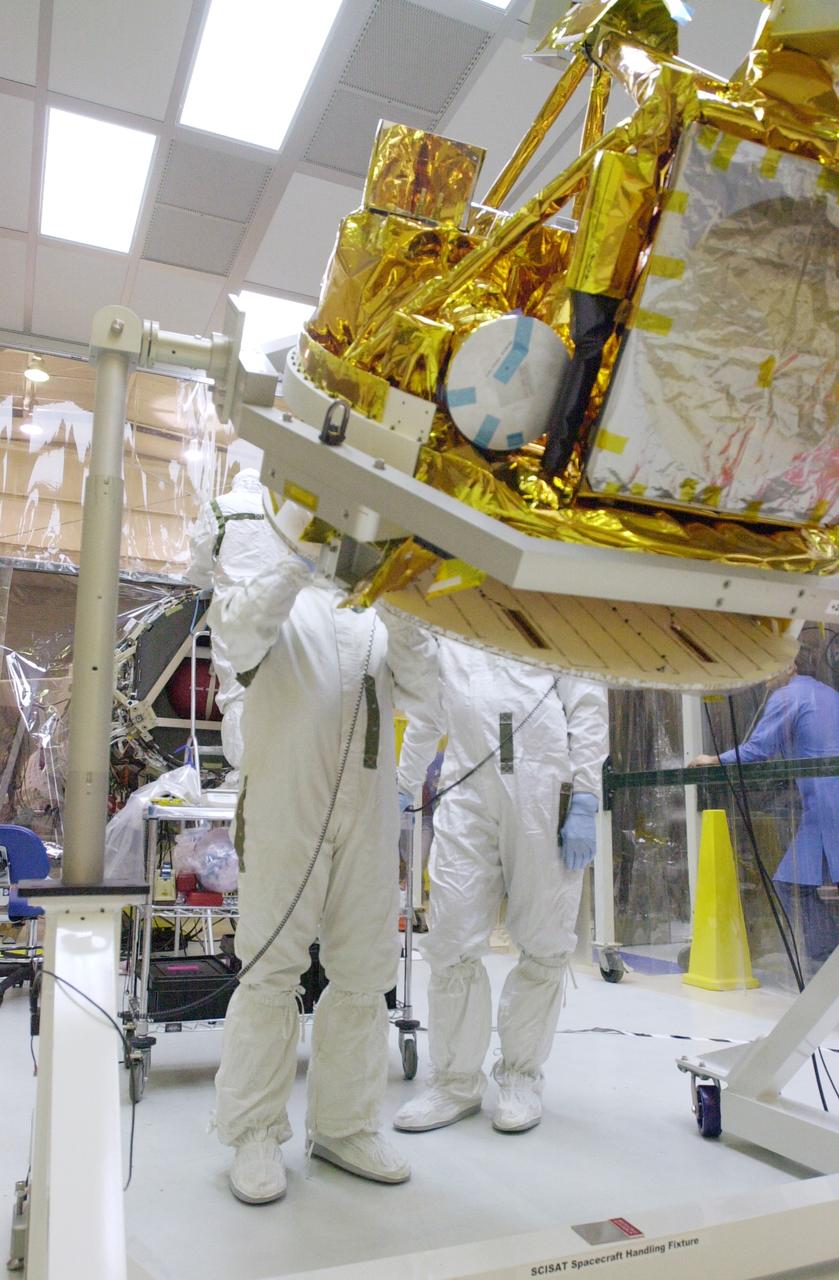
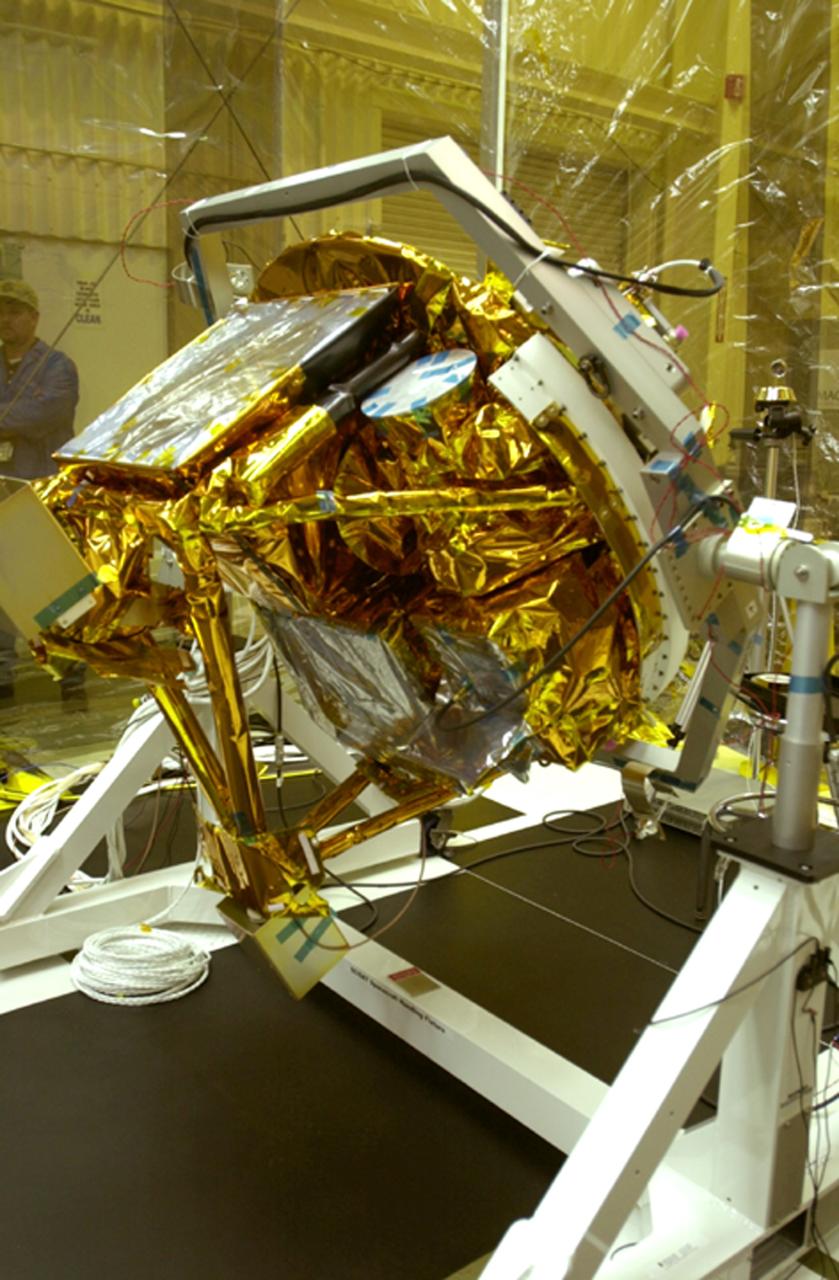
VANDENBERG AIR FORCE BASE, CALIF. -  With its cover removed, the SciSat-1 spacecraft is rotated.  The solar arrays will be attached and the communications systems checked out.   The SciSat-1 weighs approximately 330 pounds and after launch will be placed in a 400-mile-high polar orbit to investigate processes that control the distribution of ozone in the upper atmosphere. The data from the satellite will provide Canadian and international scientists with improved measurements relating to global ozone processes and help policymakers assess existing environmental policy and develop protective measures for improving the health of our atmosphere, preventing further ozone depletion. The mission is designed to last two years.
VANDENBERG AIR FORCE BASE, CALIF. - With its cover removed, the SciSat-1 spacecraft is rotated. The solar arrays will be attached and the communications systems checked out. The SciSat-1 weighs approximately 330 pounds and after launch will be placed in a 400-mile-high polar orbit to investigate processes that control the distribution of ozone in the upper atmosphere. The data from the satellite will provide Canadian and international scientists with improved measurements relating to global ozone processes and help policymakers assess existing environmental policy and develop protective measures for improving the health of our atmosphere, preventing further ozone depletion. The mission is designed to last two years.
VANDENBERG AIR FORCE BASE, CALIF.- At Vandenberg Air Force Base, Calif., spacecraft functional testing is underway on the SciSat-1. The solar arrays are being attached and the communications systems are also being checked out.   The SciSat-1 weighs approximately 330 pounds and after launch will be placed in a 400-mile-high polar orbit to investigate processes that control the distribution of ozone in the upper atmosphere. The data from the satellite will provide Canadian and international scientists with improved measurements relating to global ozone processes and help policymakers assess existing environmental policy and develop protective measures for improving the health of our atmosphere, preventing further ozone depletion. The mission is designed to last two years.
VANDENBERG AIR FORCE BASE, CALIF.- At Vandenberg Air Force Base, Calif., spacecraft functional testing is underway on the SciSat-1. The solar arrays are being attached and the communications systems are also being checked out. The SciSat-1 weighs approximately 330 pounds and after launch will be placed in a 400-mile-high polar orbit to investigate processes that control the distribution of ozone in the upper atmosphere. The data from the satellite will provide Canadian and international scientists with improved measurements relating to global ozone processes and help policymakers assess existing environmental policy and develop protective measures for improving the health of our atmosphere, preventing further ozone depletion. The mission is designed to last two years.
VANDENBERG AIR FORCE BASE, CALIF. -  At Vandenberg Air Force Base, Calif. a covered SciSat-1 spacecraft is lifted onto a rotation stand.   The solar arrays will be attached and the communications systems checked out.   The SciSat-1 weighs approximately 330 pounds and after launch will be placed in a 400-mile-high polar orbit to investigate processes that control the distribution of ozone in the upper atmosphere. The data from the satellite will provide Canadian and international scientists with improved measurements relating to global ozone processes and help policymakers assess existing environmental policy and develop protective measures for improving the health of our atmosphere, preventing further ozone depletion. The mission is designed to last two years.
VANDENBERG AIR FORCE BASE, CALIF. - At Vandenberg Air Force Base, Calif. a covered SciSat-1 spacecraft is lifted onto a rotation stand. The solar arrays will be attached and the communications systems checked out. The SciSat-1 weighs approximately 330 pounds and after launch will be placed in a 400-mile-high polar orbit to investigate processes that control the distribution of ozone in the upper atmosphere. The data from the satellite will provide Canadian and international scientists with improved measurements relating to global ozone processes and help policymakers assess existing environmental policy and develop protective measures for improving the health of our atmosphere, preventing further ozone depletion. The mission is designed to last two years.
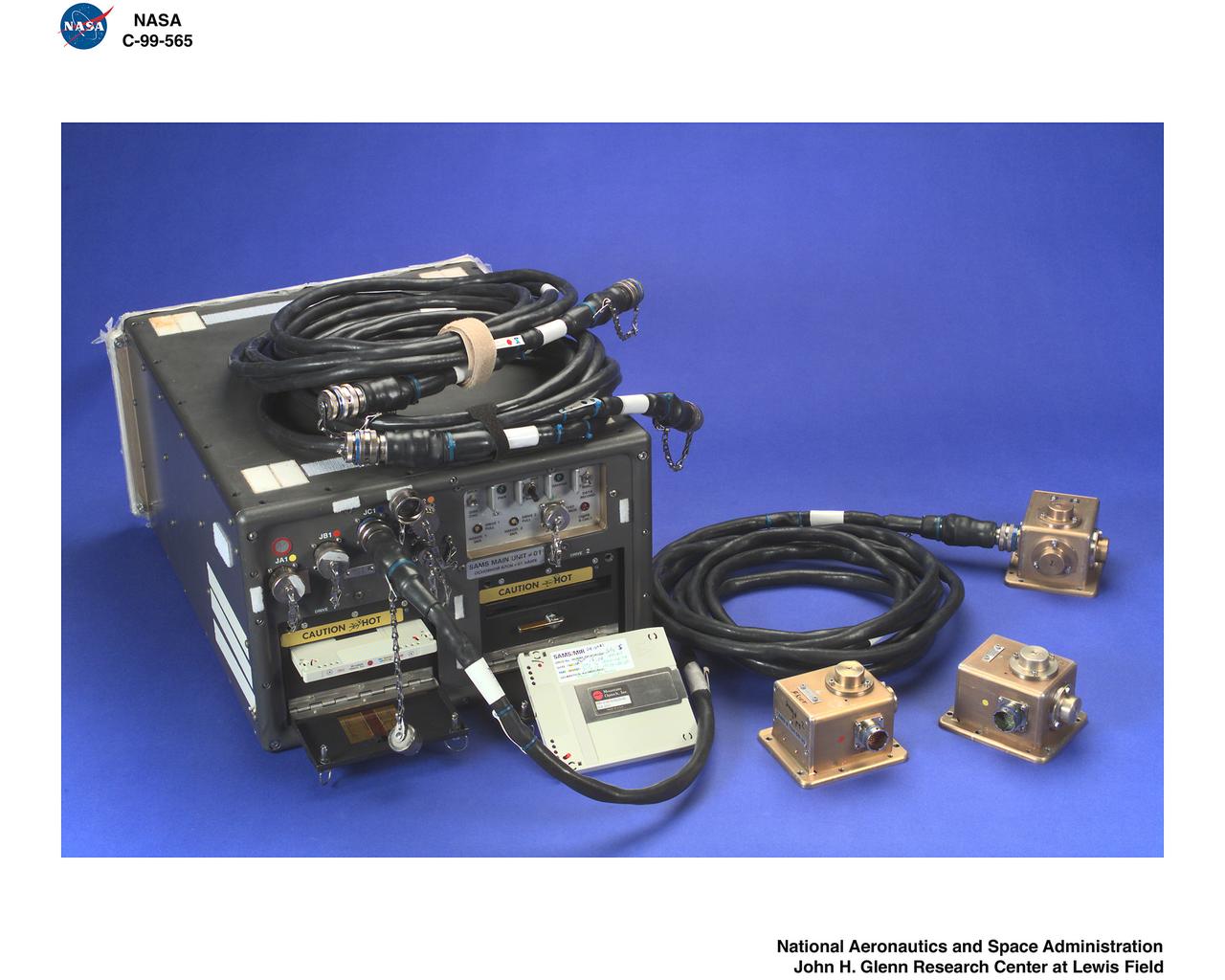
SPACE ACCELERATION MEASUREMENT SYSTEM SAMS HARDWARE AND RELATED MATERIALS
GRC-1999-C-00565
ADVANCED MICROGRAVITY ACCELERATION MEASUREMENT SYSTEMS - MEMS - US ELECTRO MECHANICAL
GRC-2002-C-01788
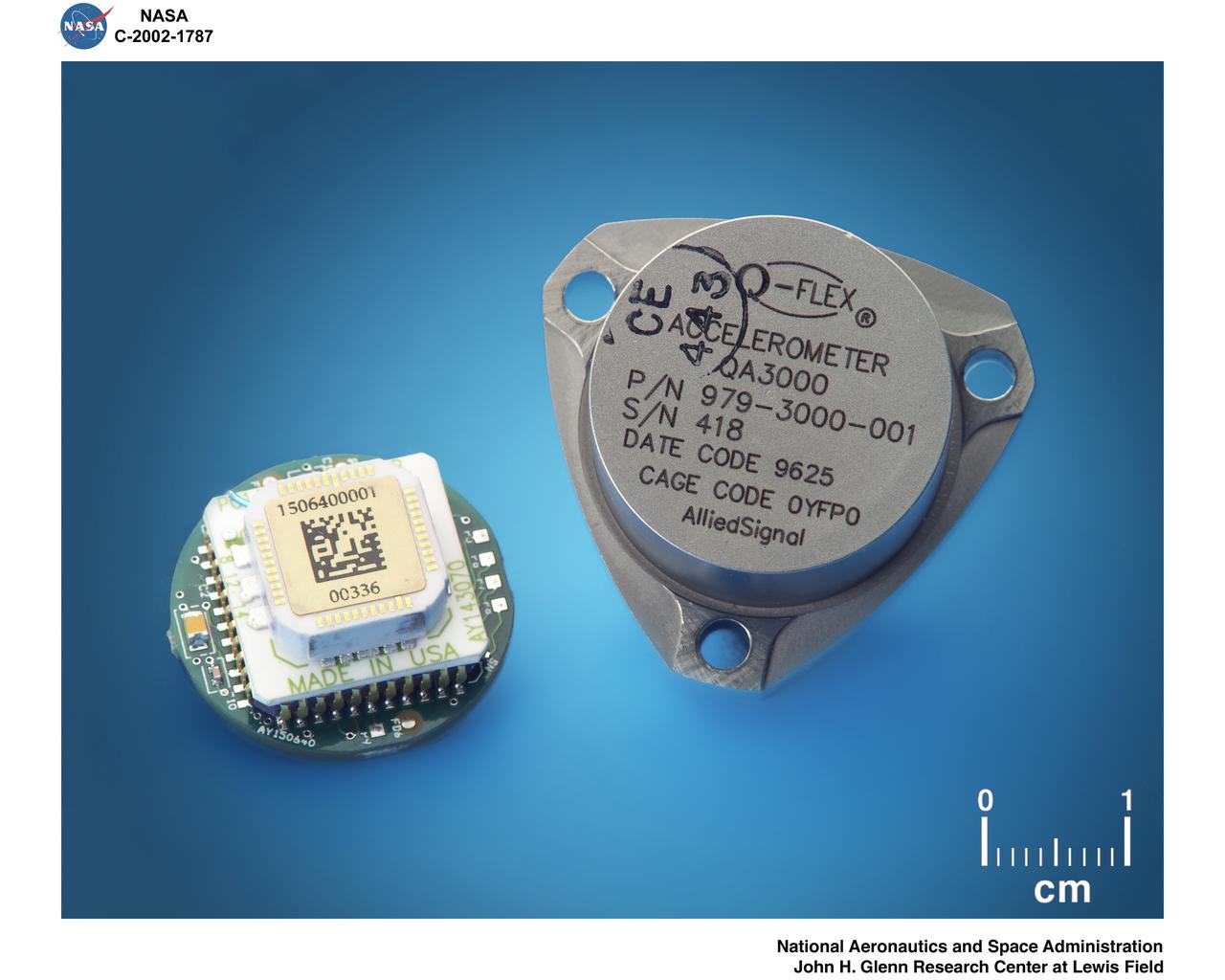
ADVANCED MICROGRAVITY ACCELERATION MEASUREMENT SYSTEMS - MEMS - US ELECTRO MECHANICAL
GRC-2002-C-01787
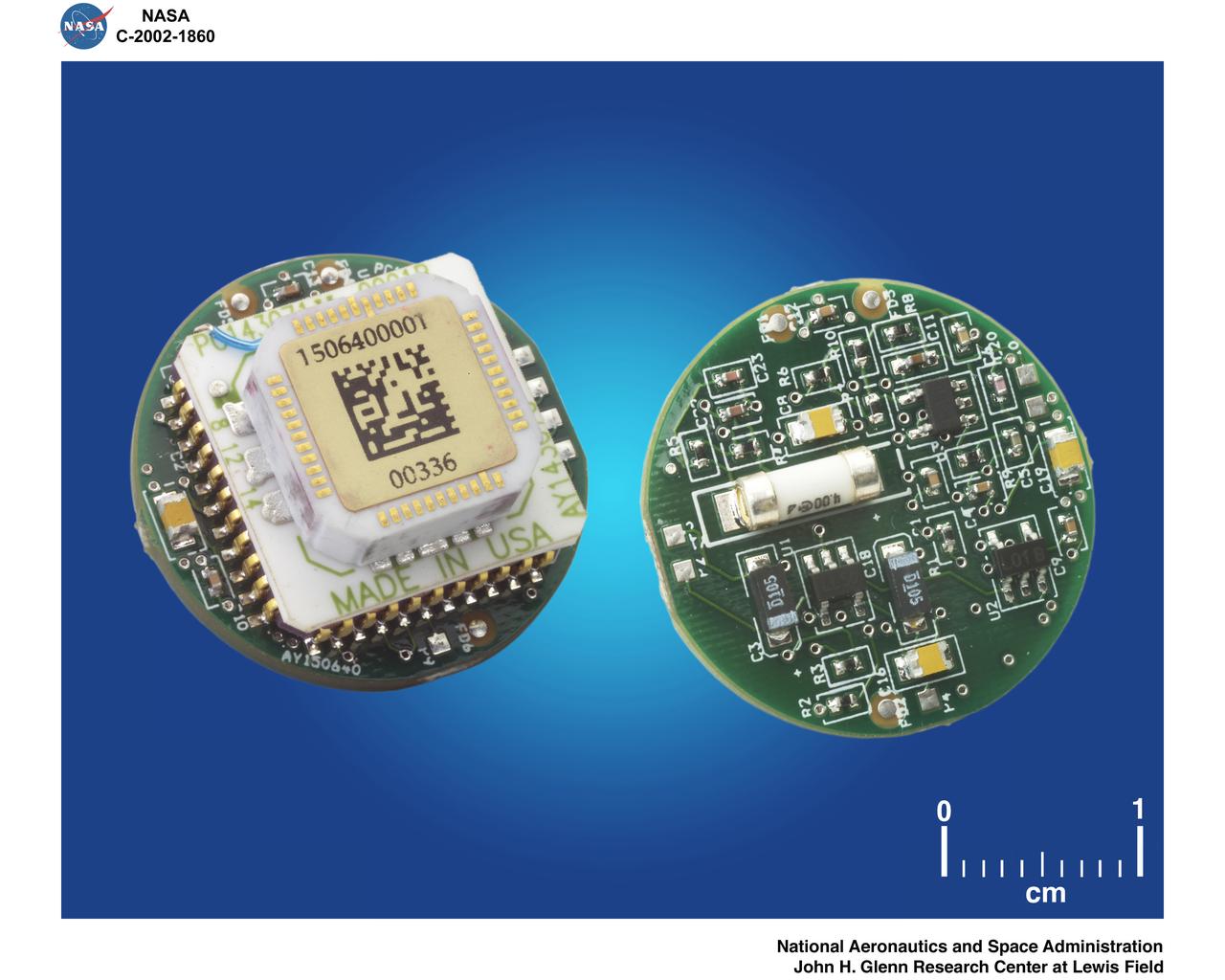
ADVANCED MICROGRAVITY ACCELERATION MEASUREMENT SYSTEM - MEMS - US ELECTRO MECHANICAL
GRC-2002-C-01860
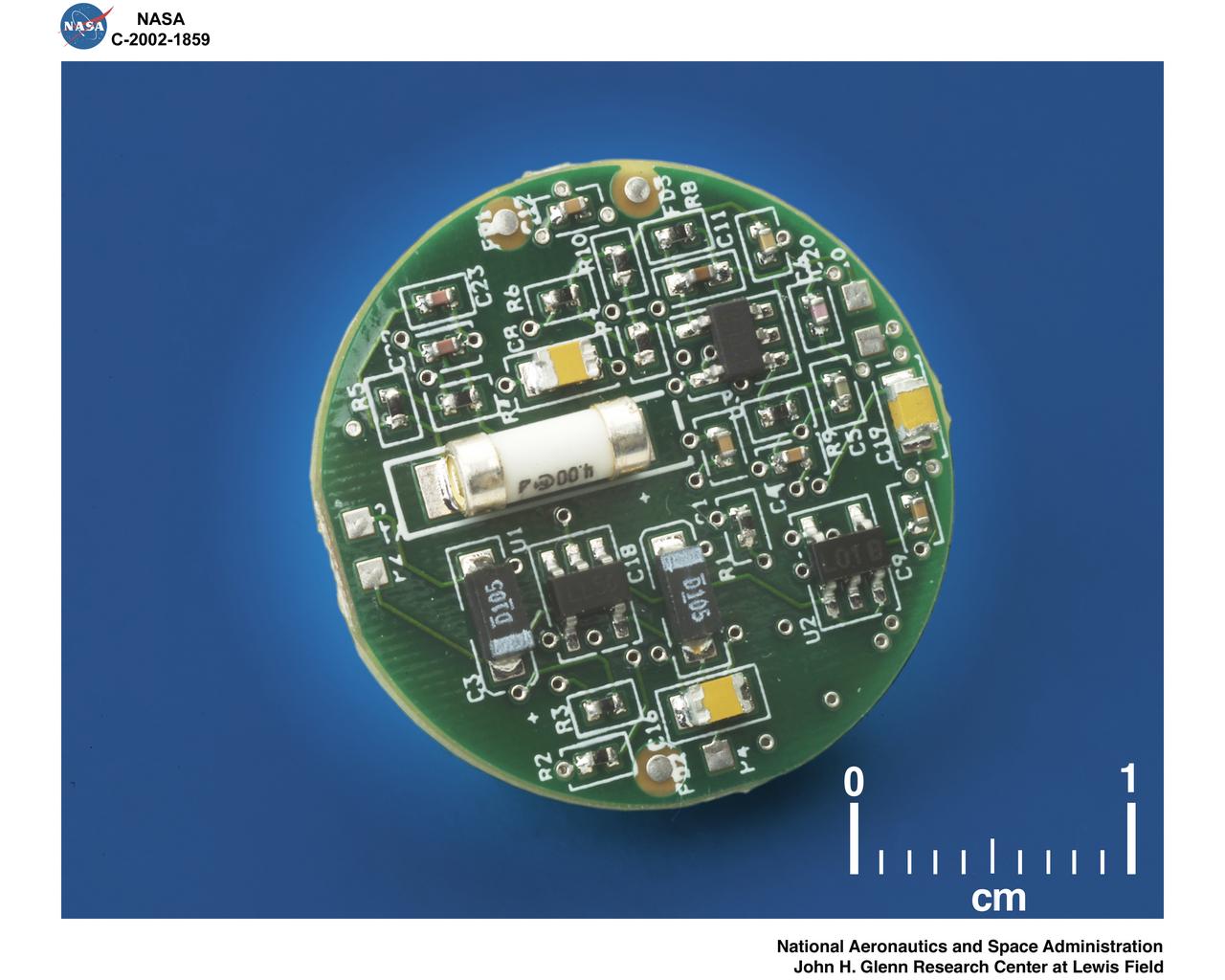
ADVANCED MICROGRAVITY ACCELERATION MEASUREMENT SYSTEM - MEMS - US ELECTRO MECHANICAL
GRC-2002-C-01859
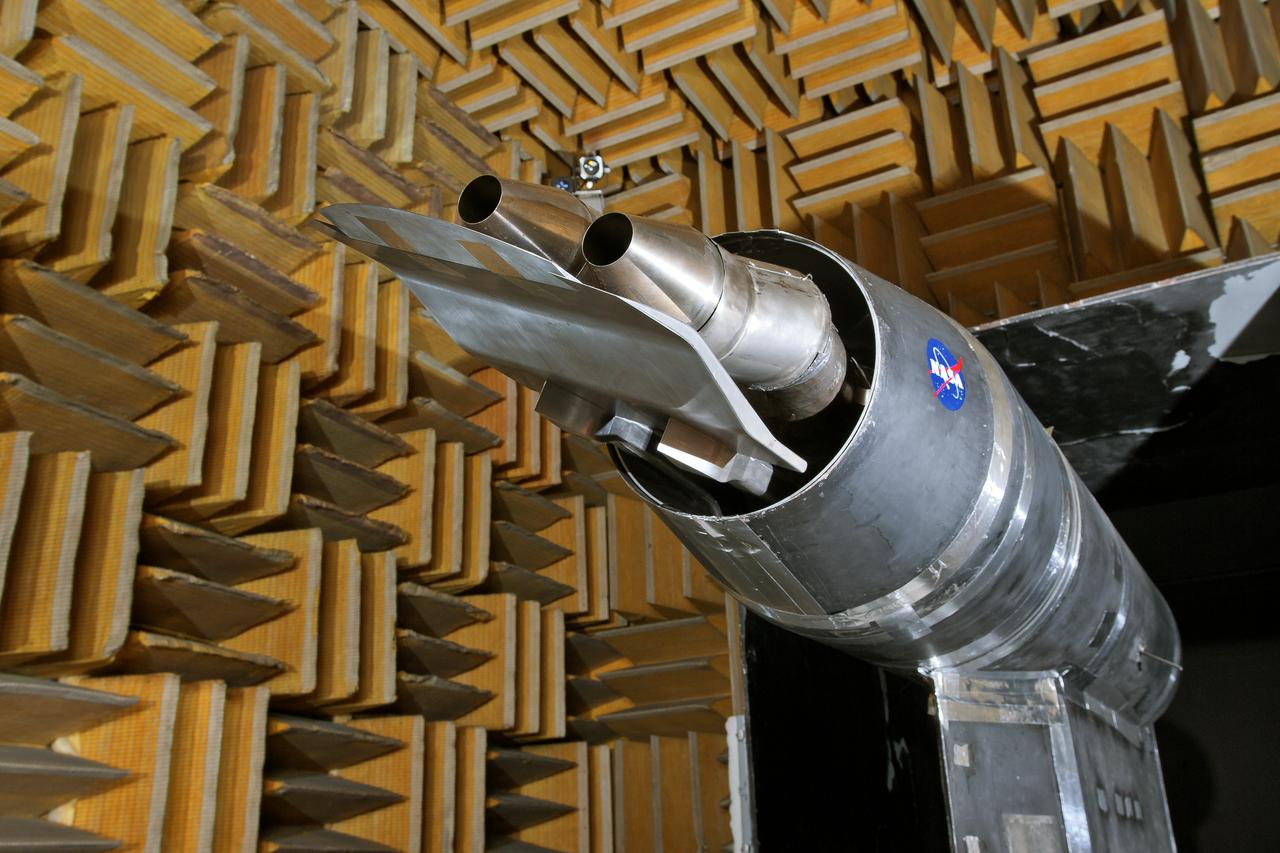
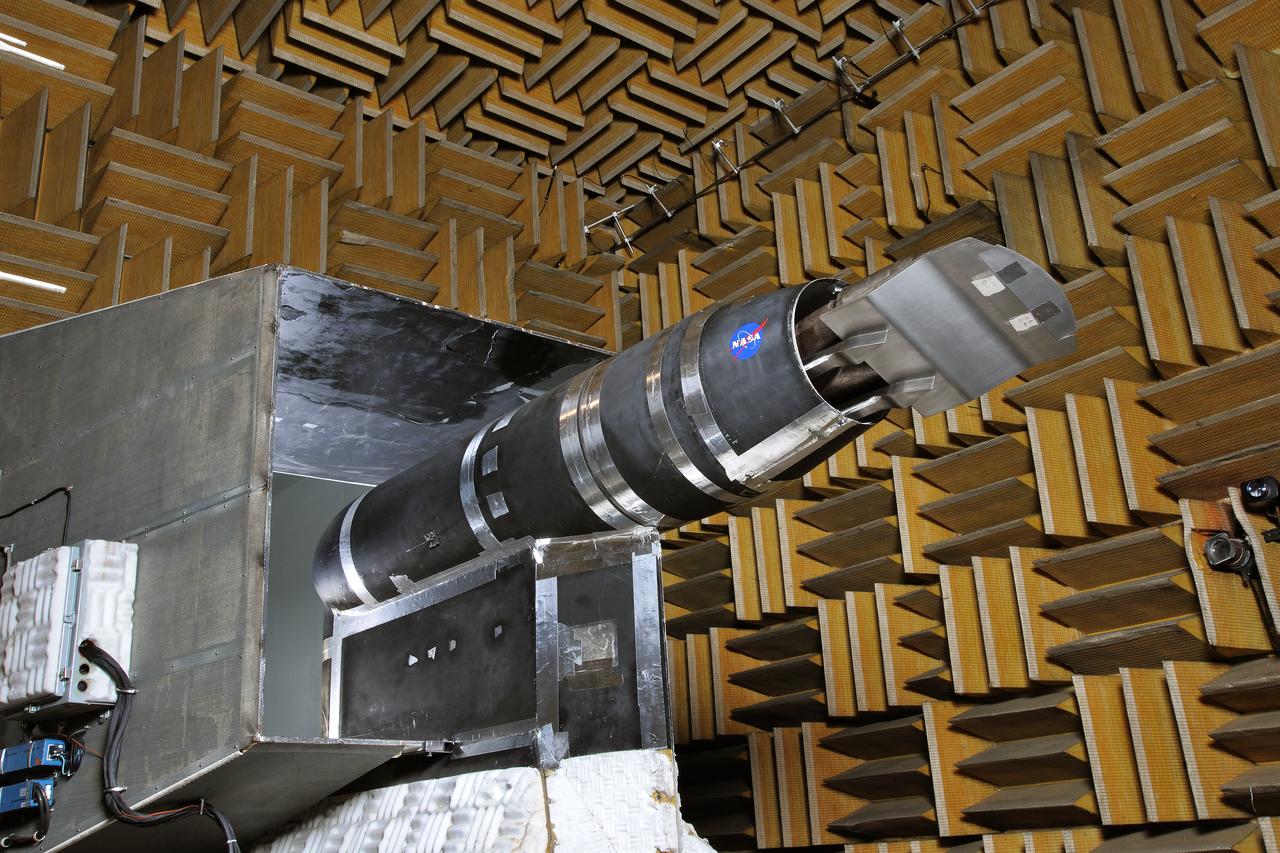
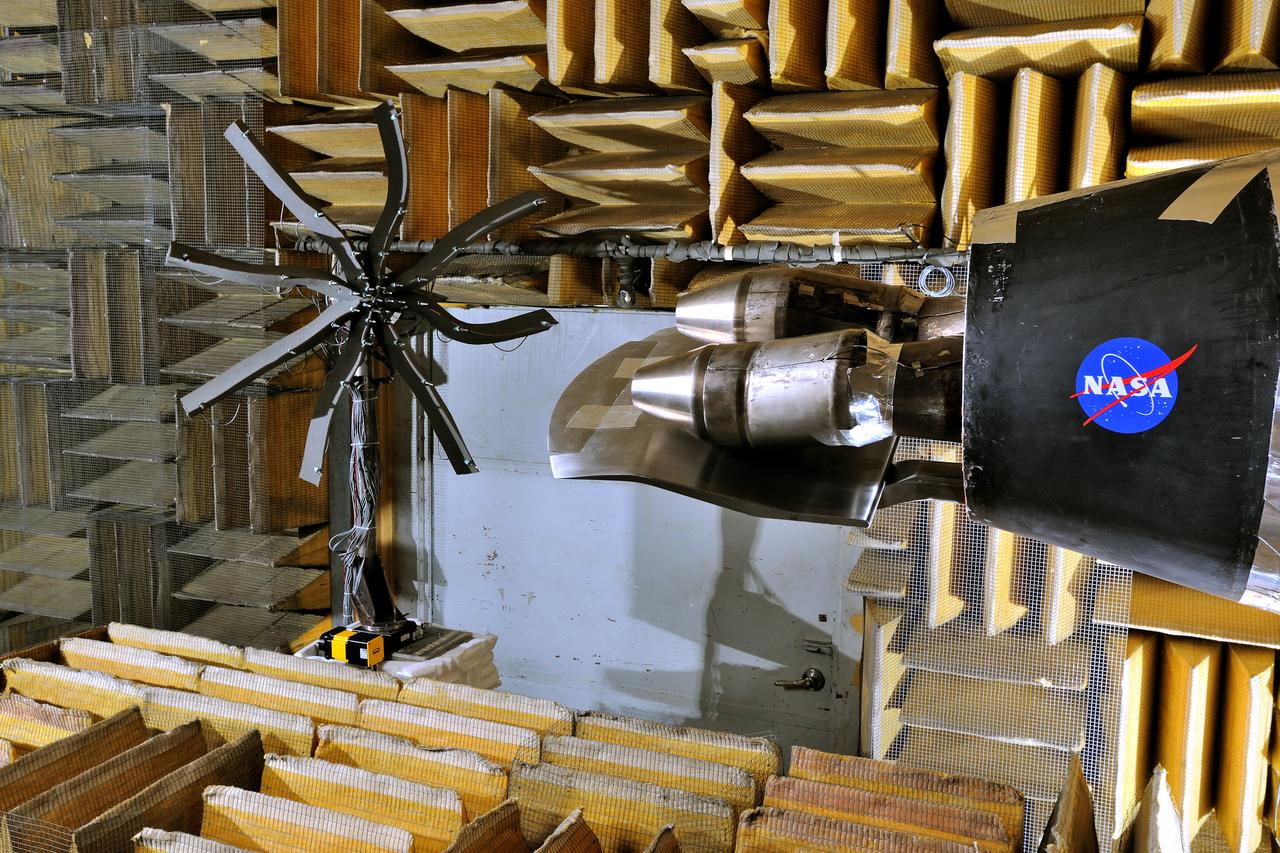
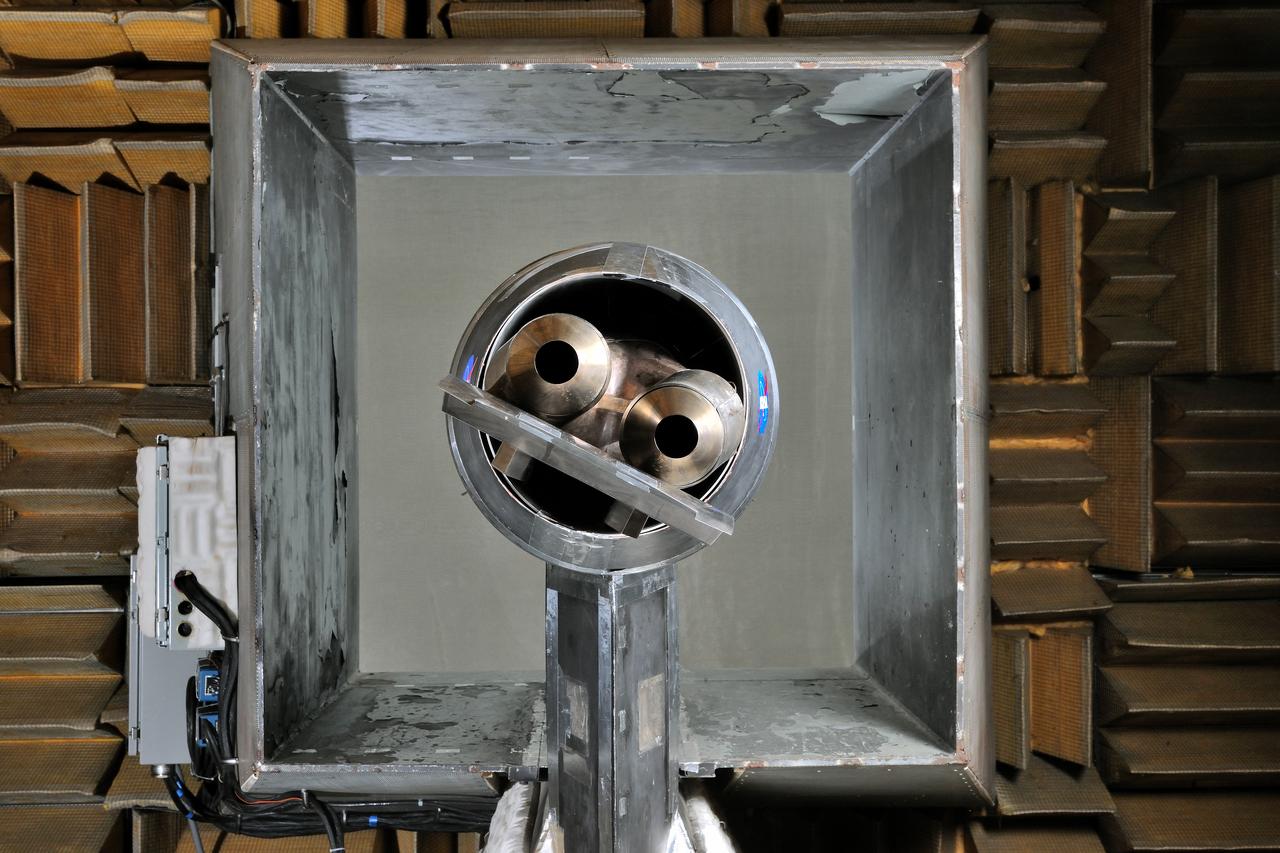
LSAWT\Twin Jet Test with HWB Model\JEDA Measurements  Low Speed Aeroacoustic Wind Tunnel\Twin Jet Model System \Hybrid Wing Model Installed\ Measurement Technique: Jet Directional Array (JEDA)
LSAWT\Twin Jet Test with HWB Model\JEDA Measurements
LSAWT\Twin Jet Test with HWB Model\JEDA Measurements  Low Speed Aeroacoustic Wind Tunnel\Twin Jet Model System \Hybrid Wing Model Installed\ Measurement Technique: Jet Directional Array (JEDA)
LSAWT\Twin Jet Test with HWB Model\JEDA Measurements
LSAWT\Twin Jet Test with HWB Model\JEDA Measurements  Low Speed Aeroacoustic Wind Tunnel\Twin Jet Model System \Hybrid Wing Model Installed\ Measurement Technique: Jet Directional Array (JEDA)
LSAWT\Twin Jet Test with HWB Model\JEDA Measurements
LSAWT\Twin Jet Test with HWB Model\JEDA Measurements  Low Speed Aeroacoustic Wind Tunnel\Twin Jet Model System \Hybrid Wing Model Installed\ Measurement Technique: Jet Directional Array (JEDA)
LSAWT\Twin Jet Test with HWB Model\JEDA Measurements
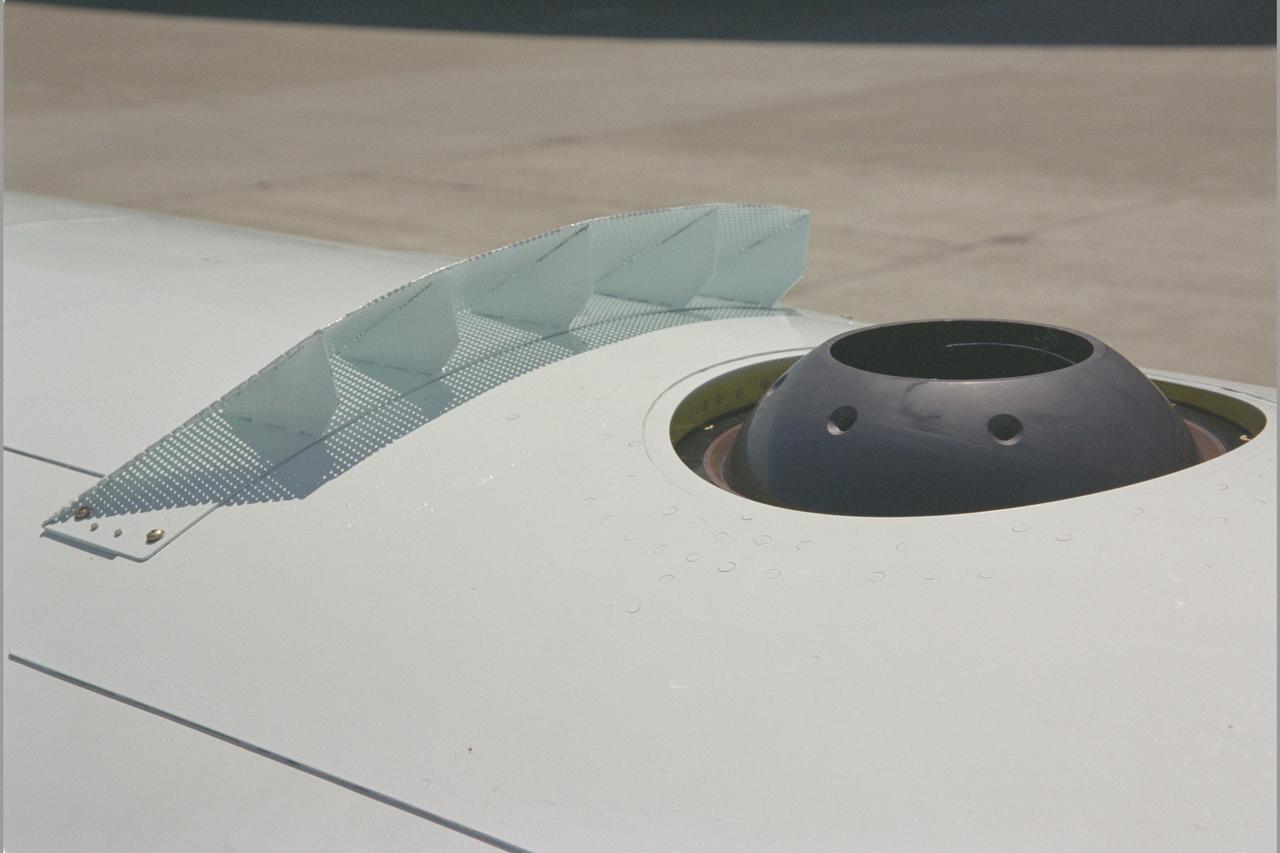
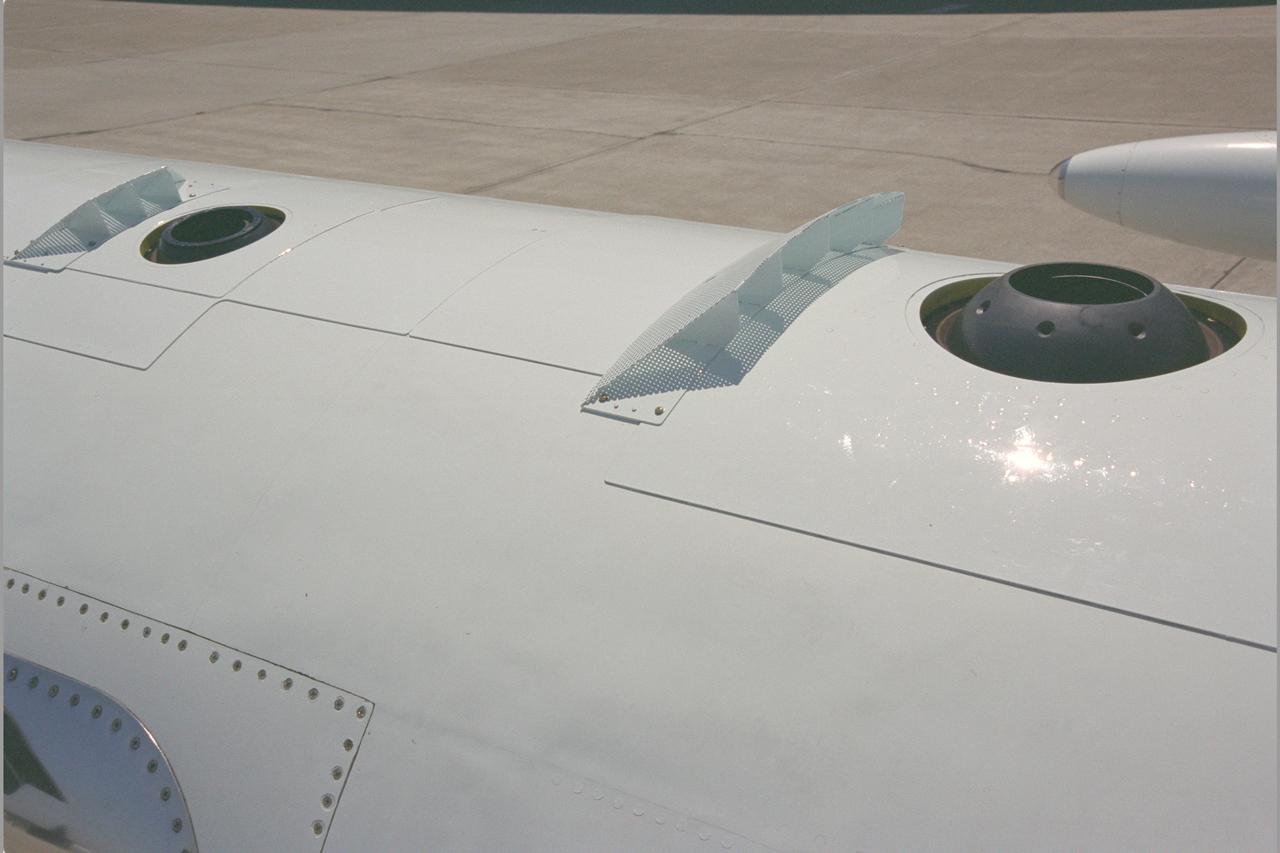
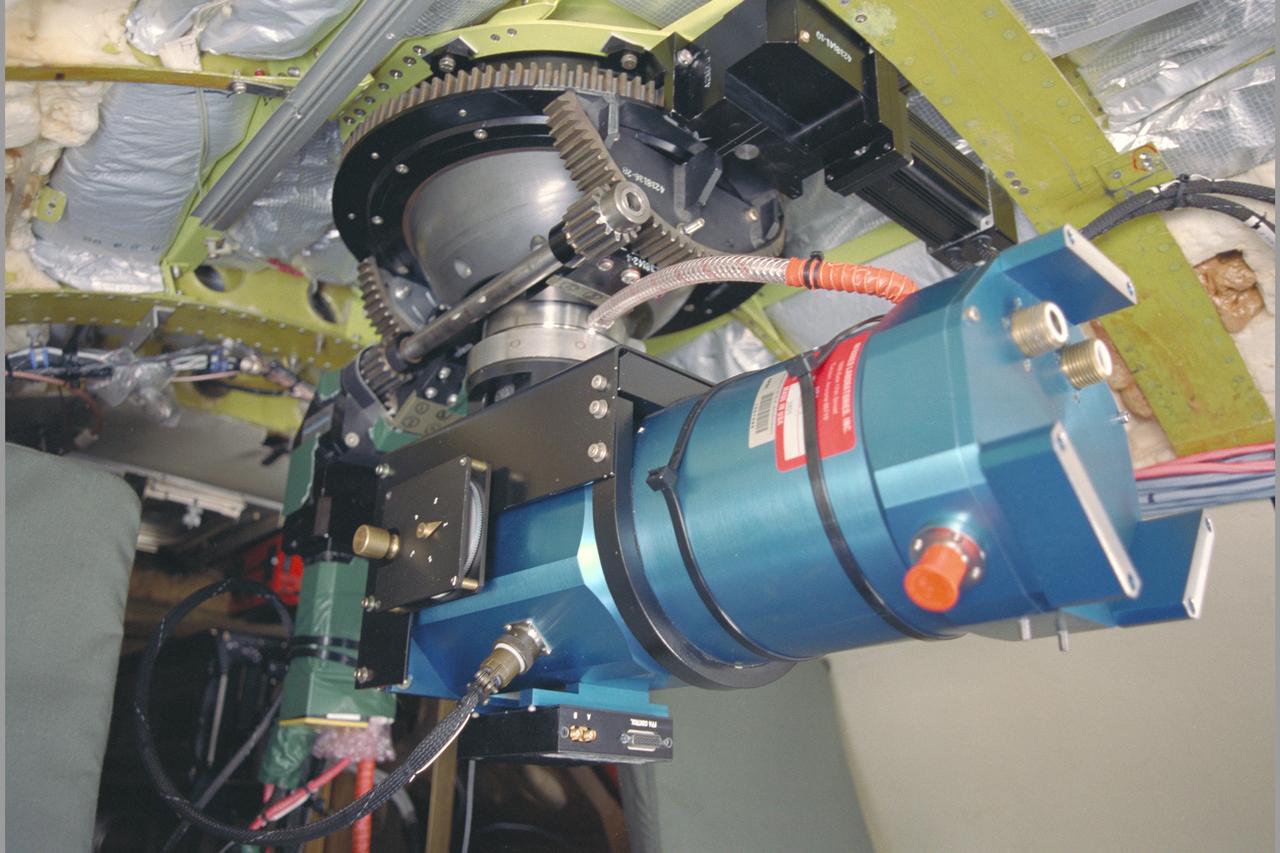
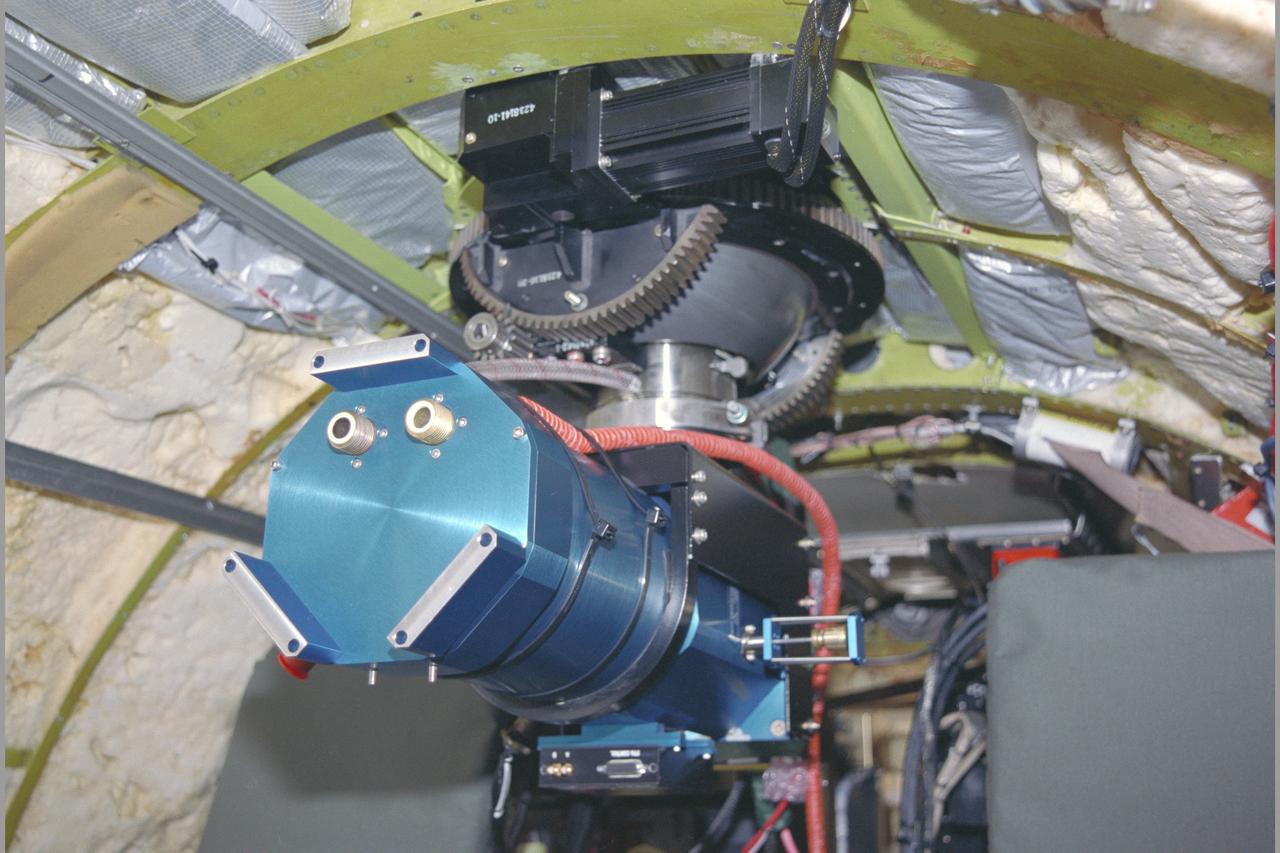
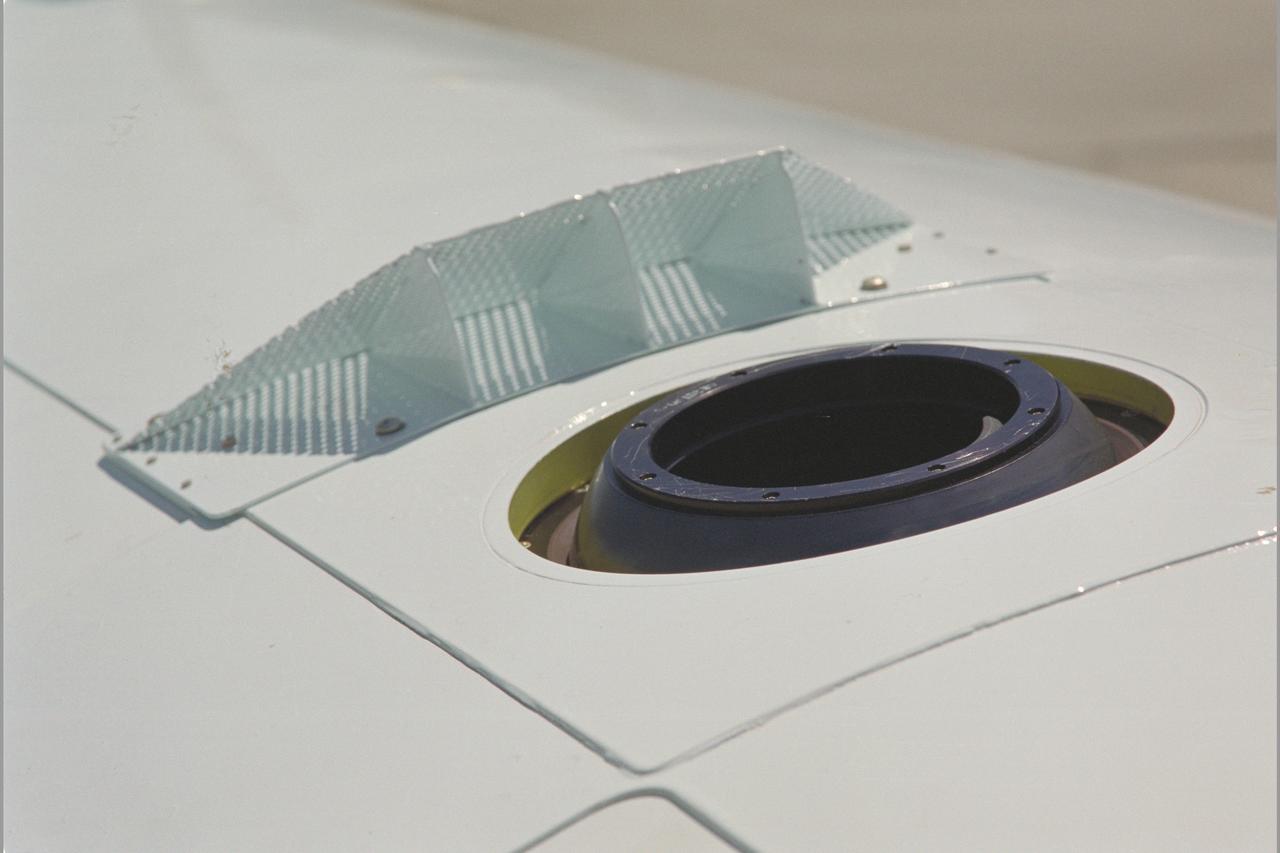
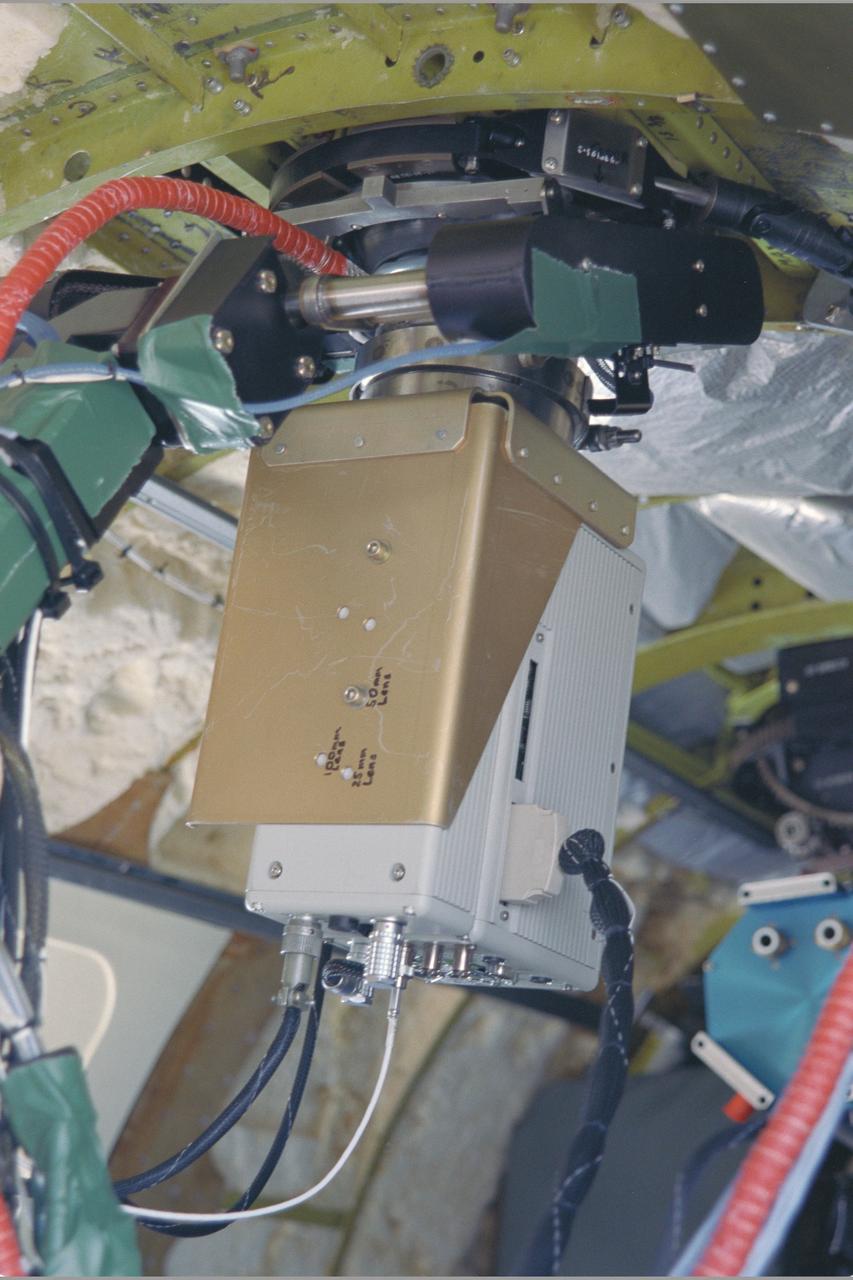
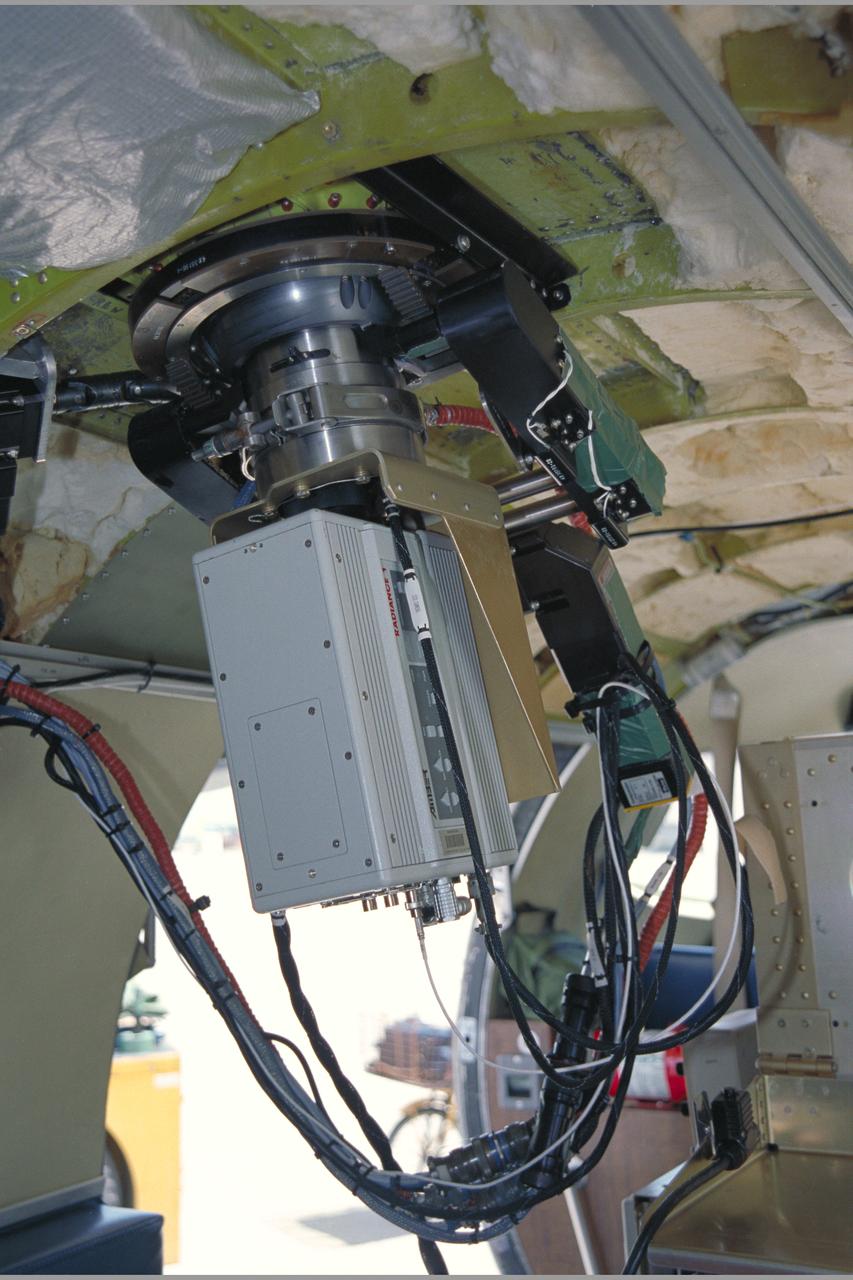
Lear Jet (NASA 805) NAIMS (NASA Airborne Infrared measurement system) Experiment - exterior telescope portal
ARC-1998-AC98-0159-10
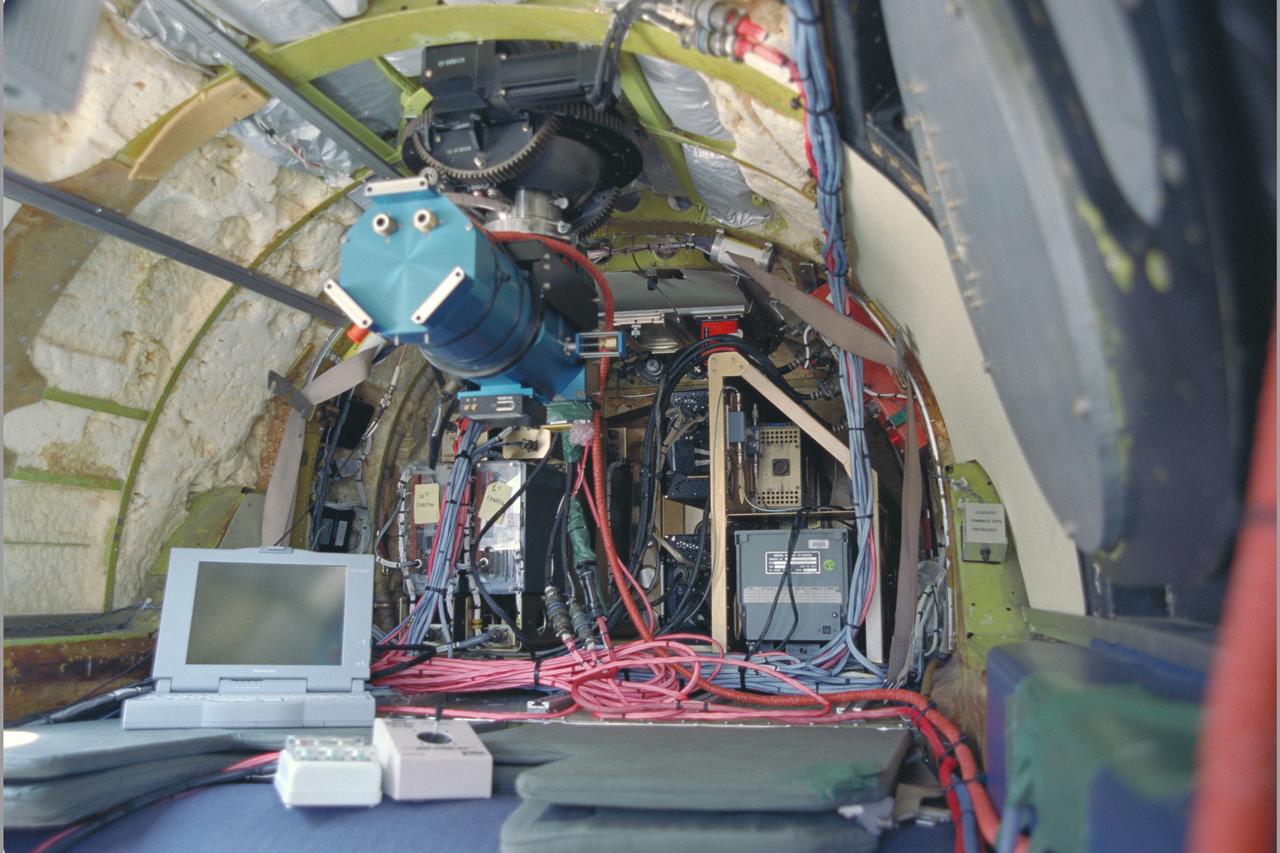
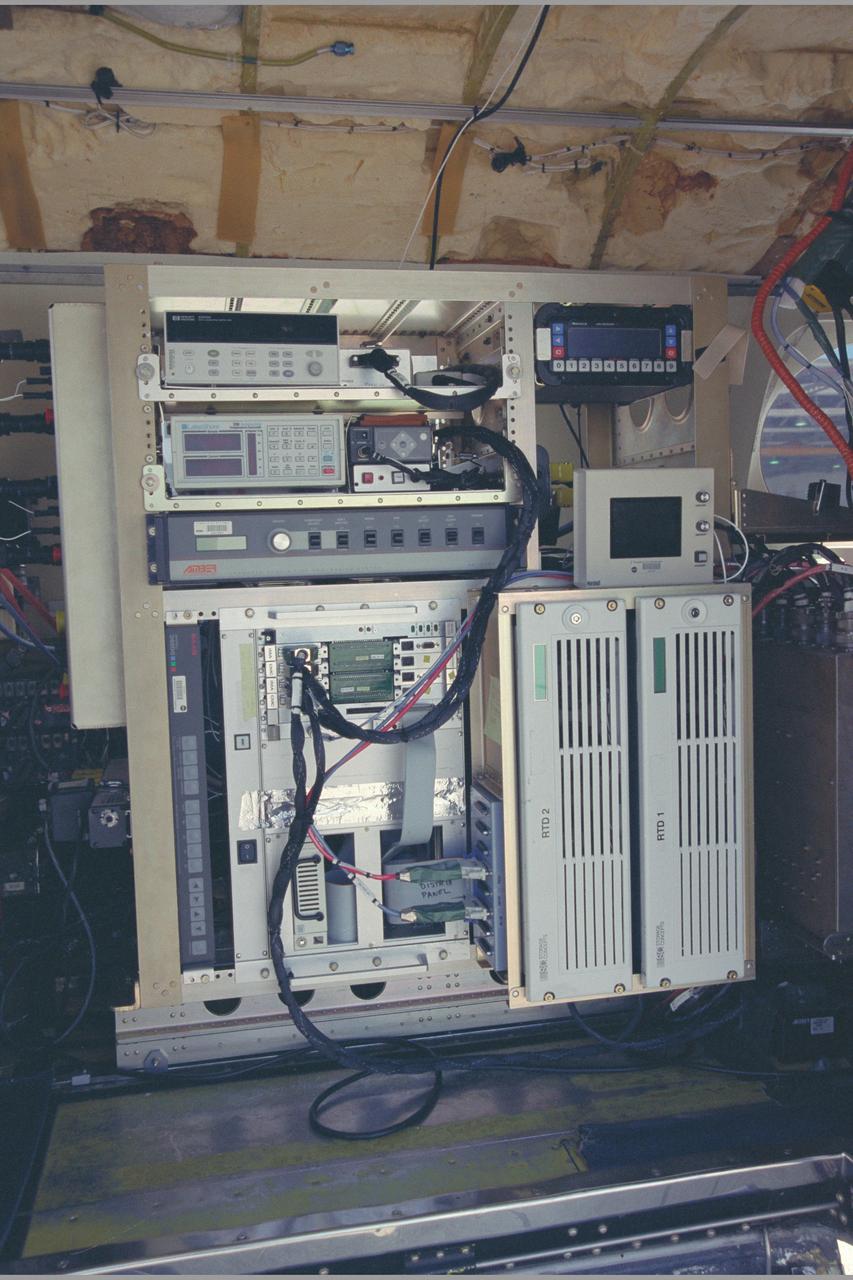
Lear Jet (NASA 805) NAIMS (NASA Airborne Infrared measurement system) Experiment
ARC-1998-AC98-0159-5
Lear Jet (NASA 805) NAIMS (NASA Airborne Infrared measurement system) Experiment
ARC-1998-AC98-0159-1
Lear Jet (NASA 805) NAIMS (NASA Airborne Infrared measurement system) Experiment - exterior telescope portal
ARC-1998-AC98-0159-8
Lear Jet (NASA 805) NAIMS (NASA Airborne Infrared measurement system) Experiment - exterior telescope
ARC-1998-AC98-0159-9
Lear Jet (NASA 805) NAIMS (NASA Airborne Infrared measurement system) Experiment
ARC-1998-AC98-0159-2
Lear Jet (NASA 805) NAIMS (NASA Airborne Infrared measurement system) Experiment
ARC-1998-AC98-0159-4
Lear Jet (NASA 805) NAIMS (NASA Airborne Infrared measurement system) Experiment
ARC-1998-AC98-0159-7
Lear Jet (NASA 805) NAIMS (NASA Airborne Infrared measurement system) Experiment - telescope mounted
ARC-1998-AC98-0159-3
Lear Jet (NASA 805) NAIMS (NASA Airborne Infrared measurement system) Experiment
ARC-1998-AC98-0159-6
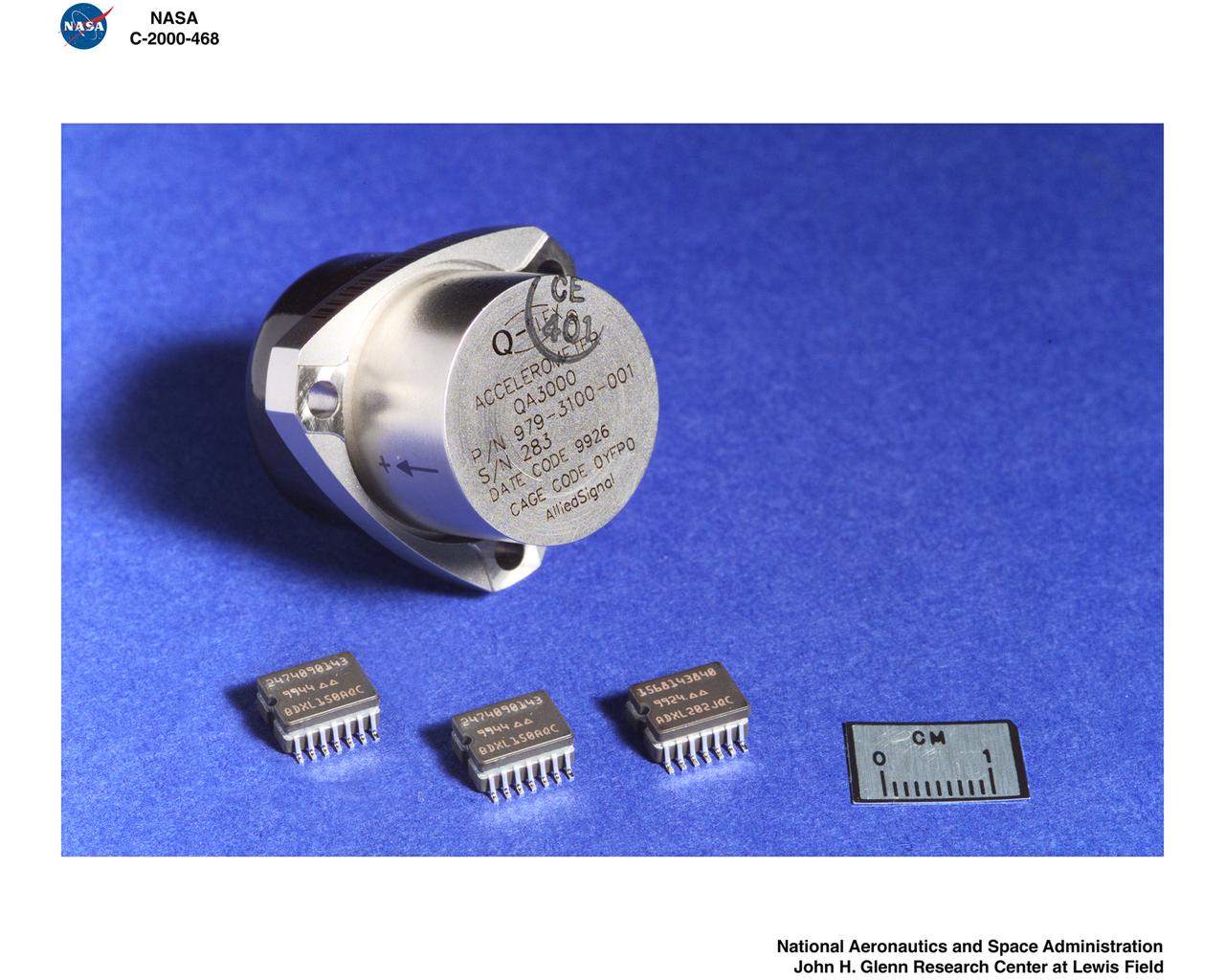
NASA HEADQUARTERS CODE R PRESENTATION - SPACE ACCELERATION AND MEASUREMENT SYSTEM SAMS MICRO ELECTRONIC MACHINE SENSOR
GRC-2000-C-00468
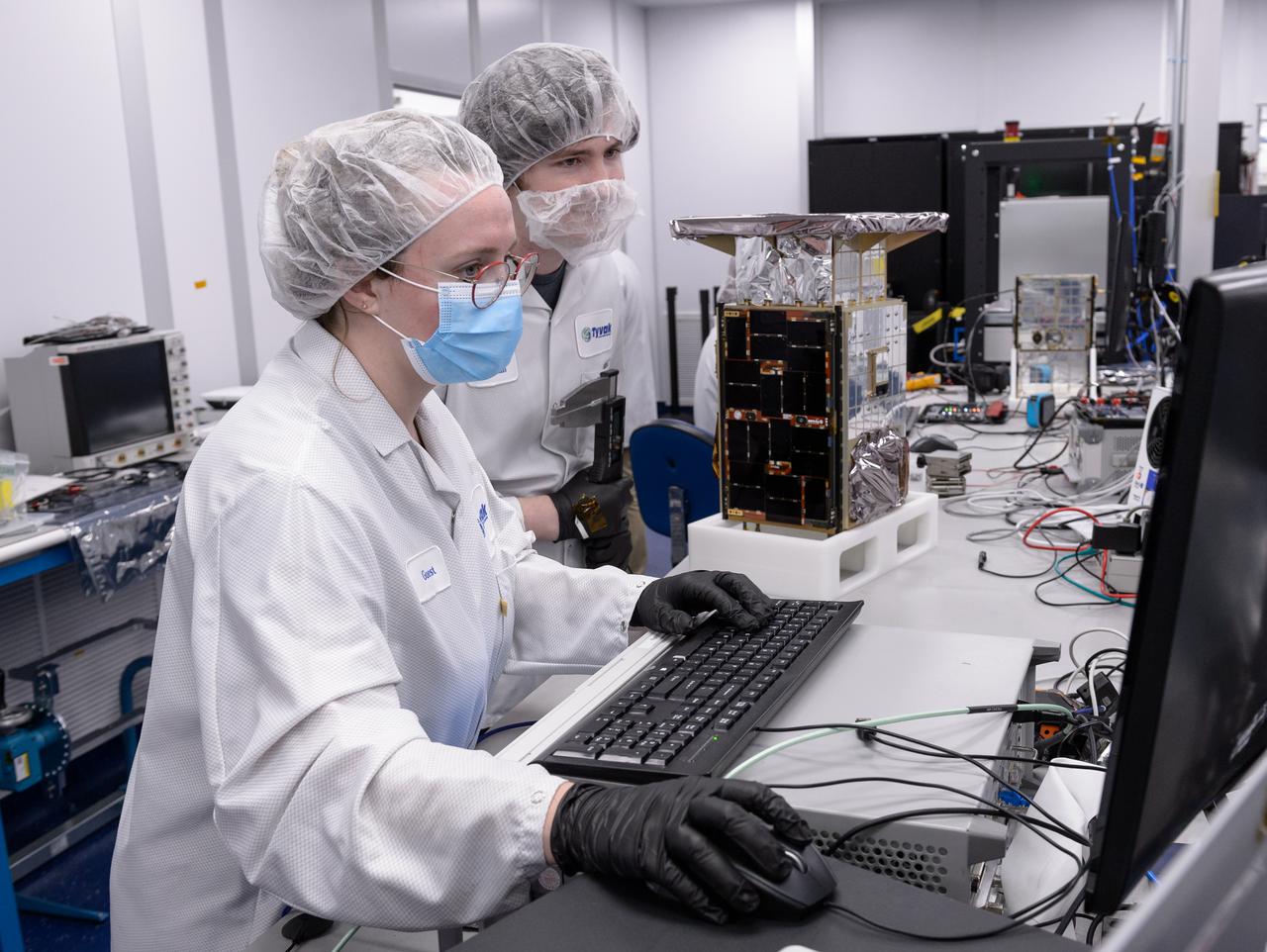
Dylan Schmidt, CAPSTONE assembly integration and test lead, right, and Rebecca Rogers, systems engineer, left, take dimension measurements of the CAPSTONE spacecraft at Tyvak Nano-Satellite Systems, Inc., in Irvine, California.
Cislunar Autonomous Positioning System Technology Operations and
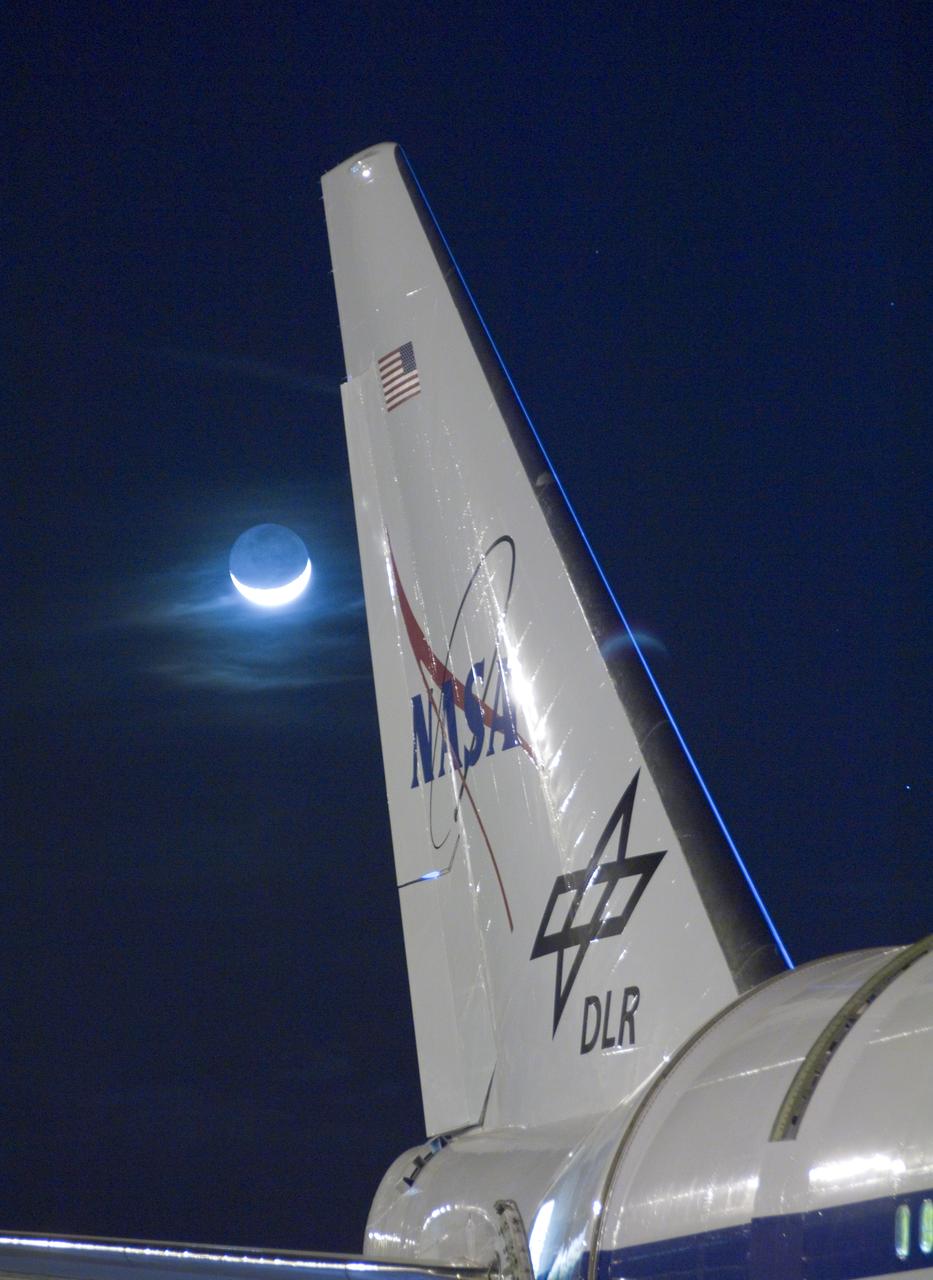
The SOFIA telescope team collected baseline operational measurements during several nights of characterization testing in March 2008 while the SOFIA 747SP aircraft that houses the German-built infrared telescope was parked on an unlit ramp next to its hangar at the NASA Dryden Flight Operations Facility in Palmdale, Calif. The primary celestial target was Polaris, the North Star. The activity provided the team with a working knowledge of how telescope operating systems interact and the experience of tracking celestial targets from the ground.
Wispy clouds are illuminated by a bright quarter moon behind the tail of NASA's SOFIA flying observatory during telescope characterization testing in 2008
The SOFIA telescope team collected baseline operational measurements during several nights of characterization testing in March 2008 while the SOFIA 747SP aircraft that houses the German-built infrared telescope was parked on an unlit ramp next to its hangar at the NASA Dryden Flight Operations Facility in Palmdale, Calif. The primary celestial target was Polaris, the North Star. The activity provided the team with a working knowledge of how telescope operating systems interact and the experience of tracking celestial targets from the ground.
NASA's SOFIA flying observatory was captured in striking relief during nighttime telescope characterization tests in Palmdale, Calif., in March 2008
The SOFIA telescope team collected baseline operational measurements during several nights of characterization testing in March 2008 while the SOFIA 747SP aircraft that houses the German-built infrared telescope was parked on an unlit ramp next to its hangar at the NASA Dryden Flight Operations Facility in Palmdale, Calif. The primary celestial target was Polaris, the North Star. The activity provided the team with a working knowledge of how telescope operating systems interact and the experience of tracking celestial targets from the ground.
This backlit photo of SOFIA's infrared telescope during characterization testing shows the cell-like construction of the telescope's 2.5-meter primary mirror
The SOFIA telescope team collected baseline operational measurements during several nights of characterization testing in March 2008 while the SOFIA 747SP aircraft that houses the German-built infrared telescope was parked on an unlit ramp next to its hangar at the NASA Dryden Flight Operations Facility in Palmdale, Calif. The primary celestial target was Polaris, the North Star. The activity provided the team with a working knowledge of how telescope operating systems interact and the experience of tracking celestial targets from the ground.
As SOFIA's large telescope assembly slowly rotates, scientists and telescope operators review data readouts and imagery on their monitors during tracking tests
The SOFIA telescope team collected baseline operational measurements during several nights of characterization testing in March 2008 while the SOFIA 747SP aircraft that houses the German-built infrared telescope was parked on an unlit ramp next to its hangar at the NASA Dryden Flight Operations Facility in Palmdale, Calif. The primary celestial target was Polaris, the North Star. The activity provided the team with a working knowledge of how telescope operating systems interact and the experience of tracking celestial targets from the ground.
The 2.5-meter infrared telescope in the rear fuselage of NASA's SOFIA flying observatory tracked the star Polaris during characterization tests in March 2008
The SOFIA telescope team collected baseline operational measurements during several nights of characterization testing in March 2008 while the SOFIA 747SP aircraft that houses the German-built infrared telescope was parked on an unlit ramp next to its hangar at the NASA Dryden Flight Operations Facility in Palmdale, Calif. The primary celestial target was Polaris, the North Star. The activity provided the team with a working knowledge of how telescope operating systems interact and the experience of tracking celestial targets from the ground.
Scientists and telescope operators focus on data readouts set up inside NASA's SOFIA airborne observatory during telescope characterization tracking tests
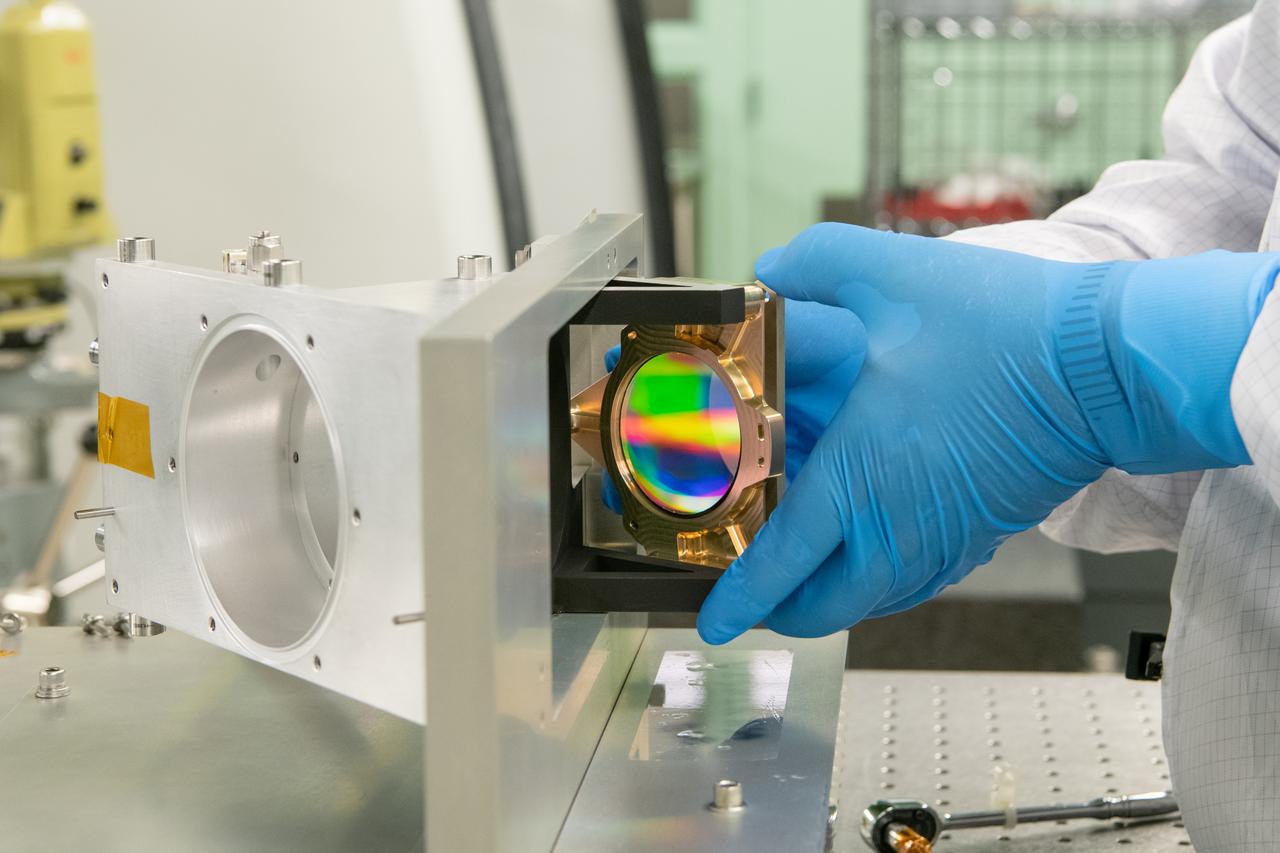
An Ocean Color Instrument (OCI) optical lens is installed into the flight housing hardware for alignment measurements.  OCI is a highly advanced optical spectrometer that will be used to measure properties of light over portions of the electromagnetic spectrum. It will enable continuous measurement of light at finer wavelength resolution than previous NASA satellite sensors, extending key system ocean color data records for climate studies. OCI is PACE's (Plankton, Aerosol, Cloud, ocean Ecosystem) primary sensor built at Goddard Space Flight Center in Greenbelt, MD.
OCI Optical Lens Installation
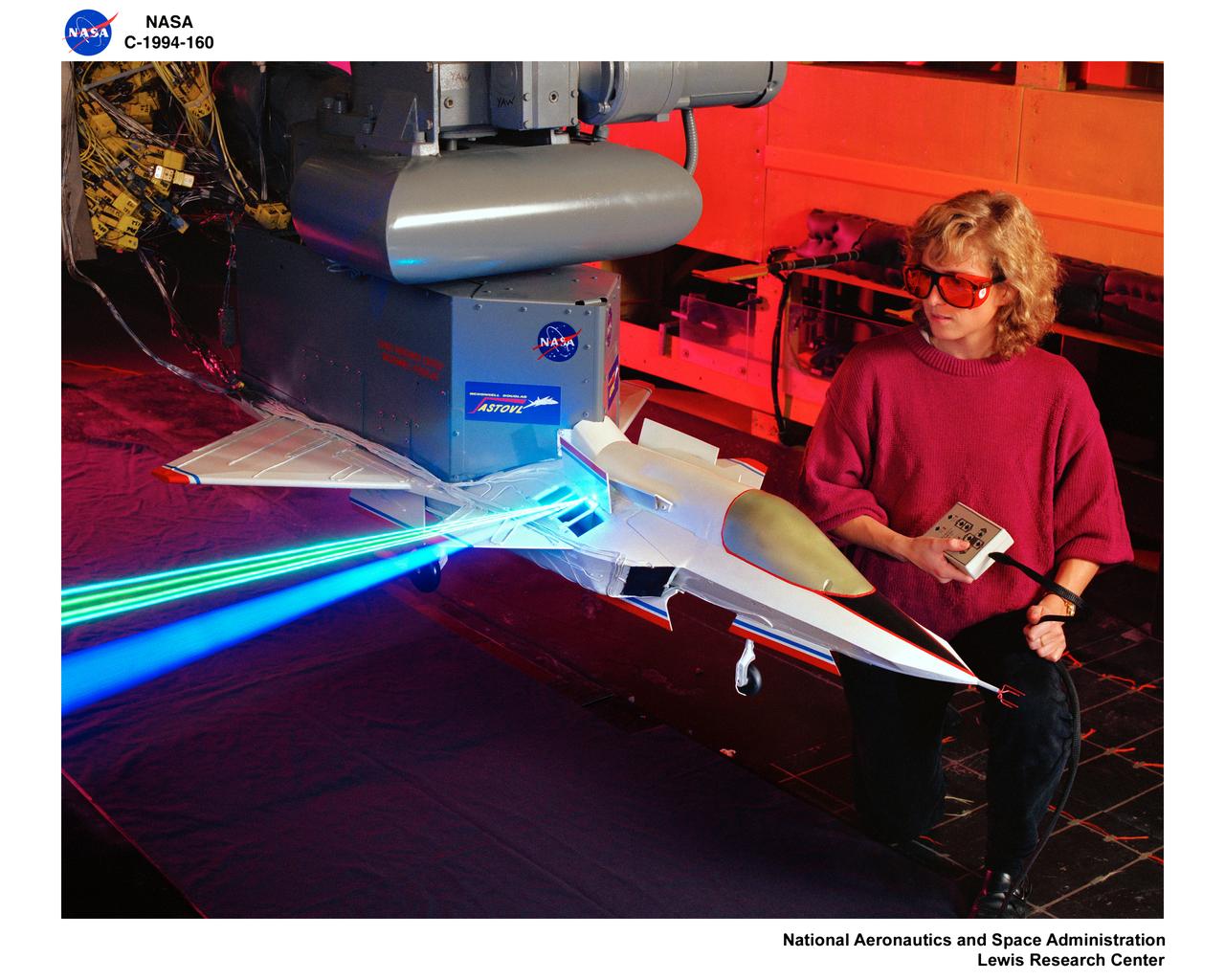
LASER Velocimetry System for Flow Measurement.  Advanced Short Takeoff and Vertical Landing, ASTOVL model n the 9x15 foot Low Speed Wind Tunnel, LSWT
GRC-1994-C-00160
View during Internal Thermal Control System (ITCS) - Measuring valve parameters in the Node 3.  Photo was taken during Expedition 34.
ITCS - Measurement Valve Parameters in the Node 3
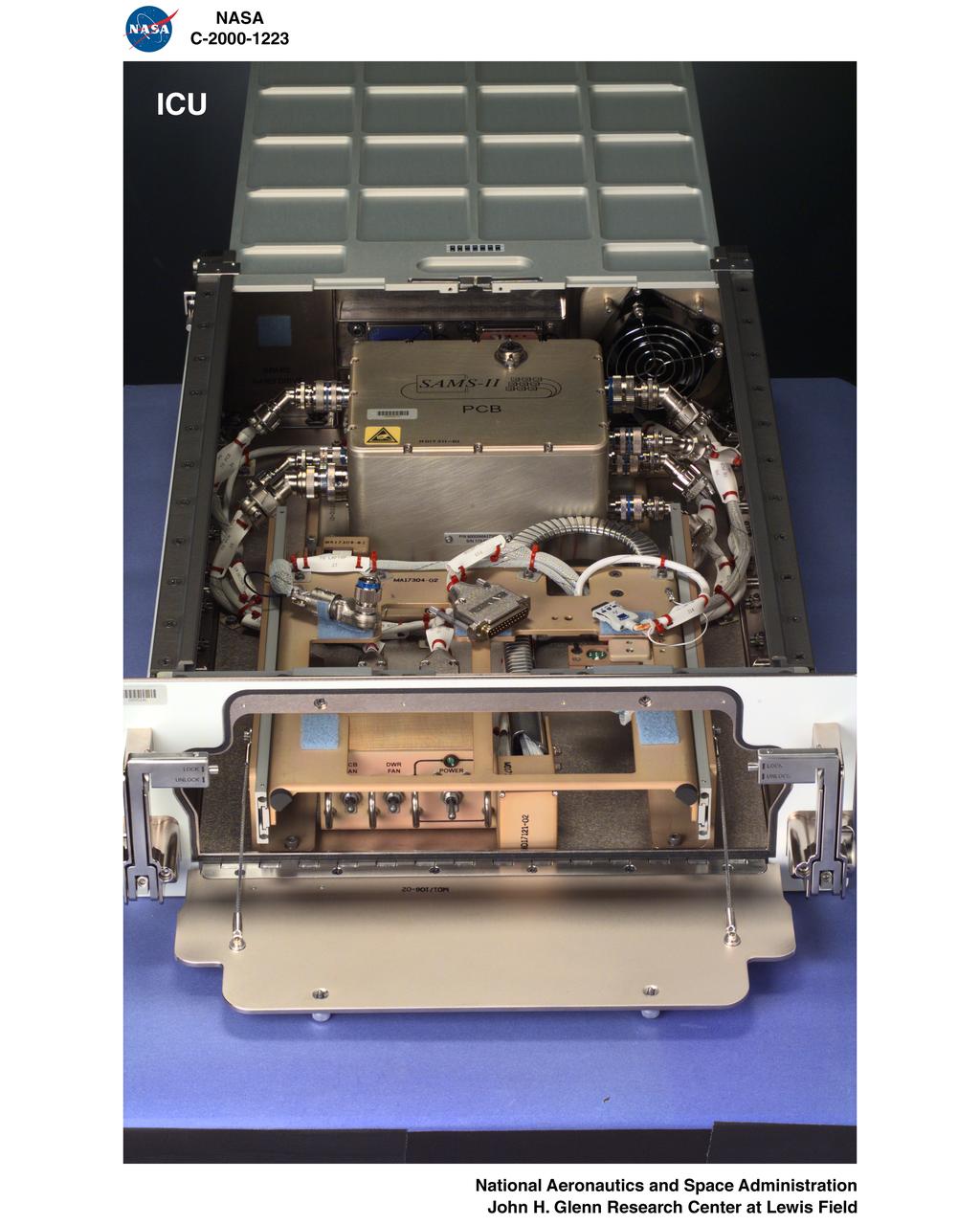
SPACE ACCELERATION MEASUREMENT SYSTEM 2 - SAMS 2 - FLIGHT HARDWARE - ICU - INTERIM CONTROL UNIT - RTS - REMOTE TRIAXIAL SENSOR DRAWERS
GRC-2000-C-01223
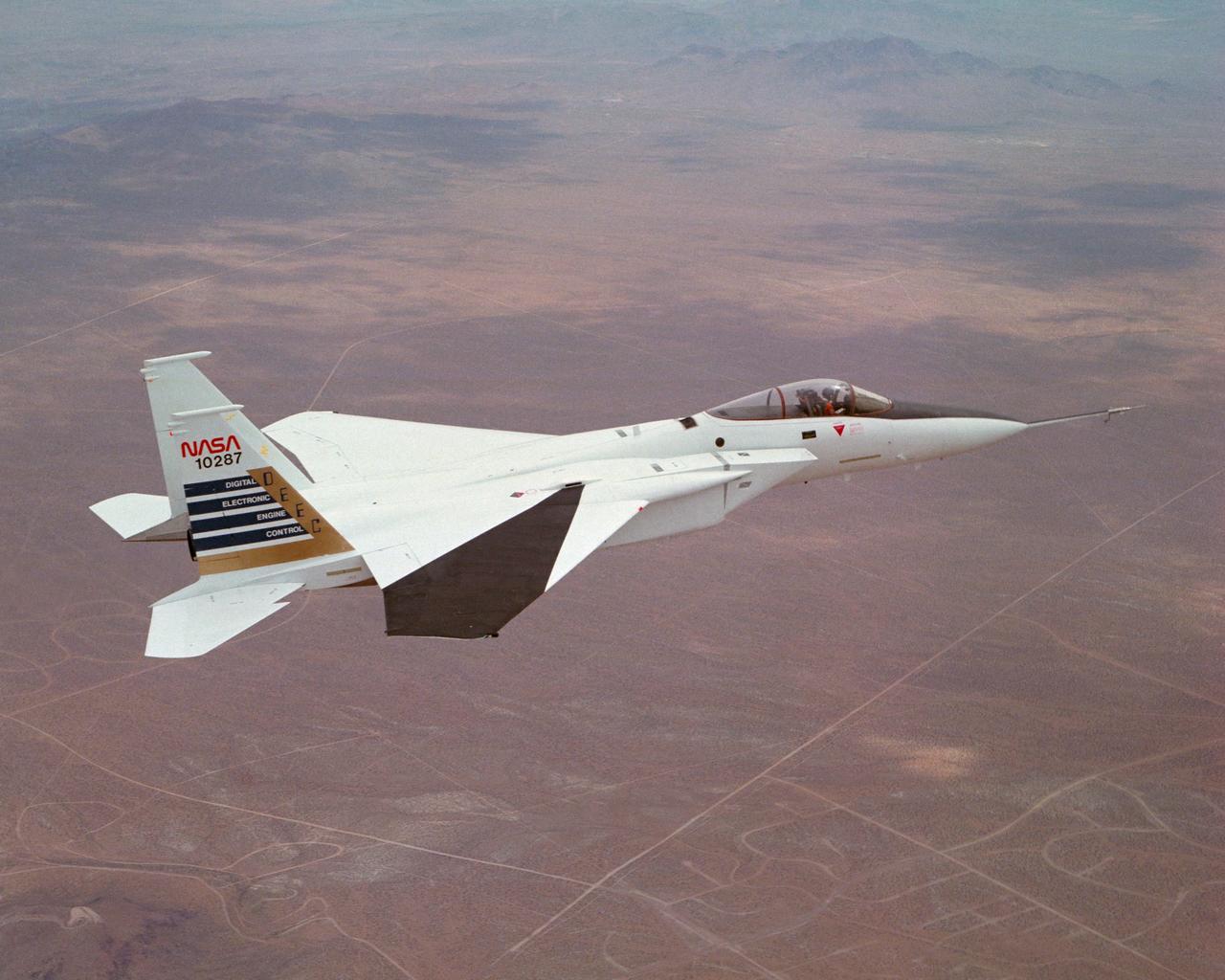
Digital Electronic Engine Control F-15A #287 in flight over California City. Note wing deflection measurement system on right wing.
Digital Electronic Engine Control F-15A #287 in flight over California City, CA.
KENNEDY SPACE CENTER, FLA.  - In the back transfer aisle of the Orbiter Processing Facility bay 3, a worker checks the resistance measurement of one of the Thermal Protection System (TPS) blanket ground wires to ensure a proper ground between the blanket to be installed and the Orbiter Boom Sensor System (OBSS). The installation will conclude TPS closeout prior to installation of the boom in the orbiter Discovery.  The OBSS is one of the new safety measures for Return to Flight, equipping the Shuttle with cameras and laser systems to inspect the Shuttle’s Thermal Protection System while in space.  Discovery is designated as the Return to Flight vehicle for mission STS-114, with a launch window of May 12 to June 3, 2005.
KSC-05pd-0167
The Ocean Color Instrument (OCI) Main Optics Bench (MOB) is integrated with the Collimator Slit Assembly (CSA). The CSA is installed to measure the height, width, and depth of the hardware using a Coordinate Measurement Machine.  OCI is a highly advanced optical spectrometer that will be used to measure properties of light over portions of the electromagnetic spectrum. It will enable continuous measurement of light at finer wavelength resolution than previous NASA satellite sensors, extending key system ocean color data records for climate studies. OCI is PACE's (Plankton, Aerosol, Cloud, ocean Ecosystem) primary sensor built at Goddard Space Flight Center in Greenbelt, MD.
OCI Main Optics Bench with Collimator Slit Assembly Installed
Optical engineer, Maurice Stancil, performs final optical alignment metrology measurements prior to the Ocean Color Instrument (OCI) integration to the Plankton, Aerosol, Cloud, ocean Ecosystem (PACE) spacecraft. As he collects data and measures angles on OCI, he is able to determine if the flight hardware is in the correct position. OCI is a highly advanced optical spectrometer that will be used to measure properties of light over portions of the electromagnetic spectrum. It will enable continuous measurement of light at finer wavelength resolution than previous NASA satellite sensors, extending key system ocean color data records for climate studies. OCI is PACE's primary sensor built at Goddard Space Flight Center in Greenbelt, MD.
OCI Optical Alignment Measurements
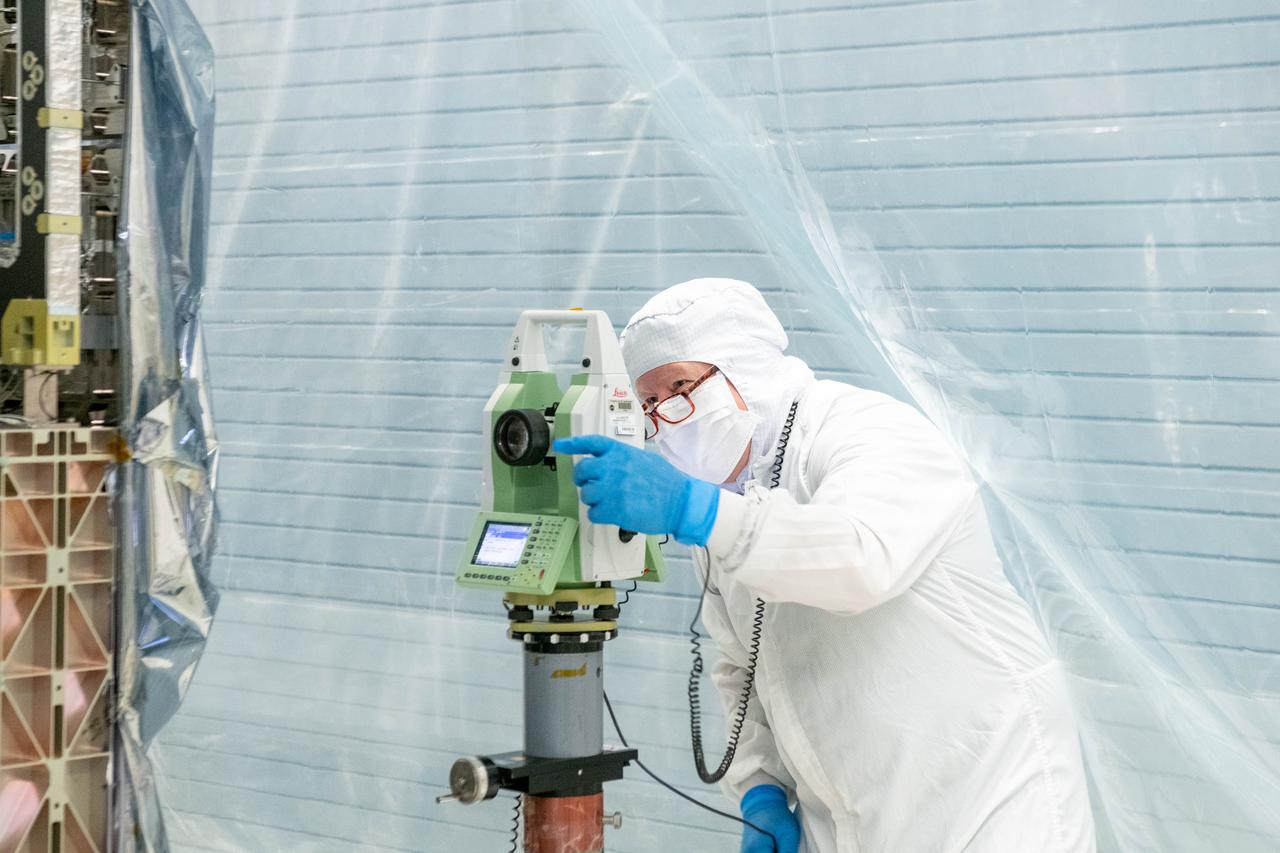
Optical technician, Timothy Madison, uses a theodolite to perform optical measurements on the Ocean Color Instrument (OCI). As he collects data and measures angles on OCI, he is able to determine if the newly integrated flight hardware is in the correct position.  OCI is a highly advanced optical spectrometer that will be used to measure properties of light over portions of the electromagnetic spectrum. It will enable continuous measurement of light at finer wavelength resolution than previous NASA satellite sensors, extending key system ocean color data records for climate studies. OCI is PACE's (Plankton, Aerosol, Cloud, ocean Ecosystem) primary sensor built at Goddard Space Flight Center in Greenbelt, MD.
OCI Optical Measurements
VANDENBERG AIR FORCE BASE, CALIF. -  The L-1011 carrier aircraft is ready for flight after undergoing a Combined Systems Test, an integrated test involving the Pegasus launch vehicle, SciSat-1 spacecraft and L-1011 aircraft.  The SciSat-1 weighs approximately 330 pounds and after launch will be placed in a 400-mile-high polar orbit to investigate processes that control the distribution of ozone in the upper atmosphere. The data from the satellite will provide Canadian and international scientists with improved measurements relating to global ozone processes and help policymakers assess existing environmental policy and develop protective measures for improving the health of our atmosphere, preventing further ozone depletion. The mission is designed to last two years.
VANDENBERG AIR FORCE BASE, CALIF. - The L-1011 carrier aircraft is ready for flight after undergoing a Combined Systems Test, an integrated test involving the Pegasus launch vehicle, SciSat-1 spacecraft and L-1011 aircraft. The SciSat-1 weighs approximately 330 pounds and after launch will be placed in a 400-mile-high polar orbit to investigate processes that control the distribution of ozone in the upper atmosphere. The data from the satellite will provide Canadian and international scientists with improved measurements relating to global ozone processes and help policymakers assess existing environmental policy and develop protective measures for improving the health of our atmosphere, preventing further ozone depletion. The mission is designed to last two years.
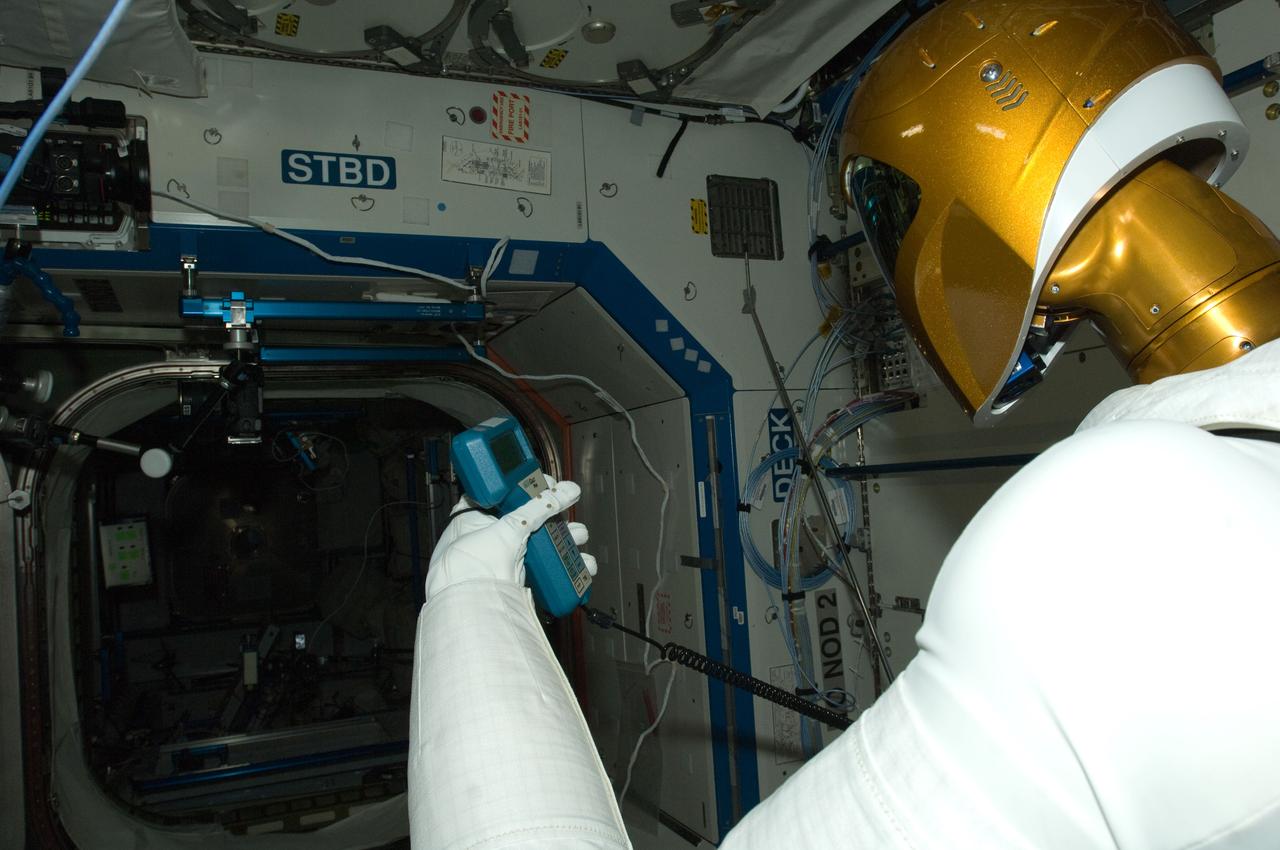
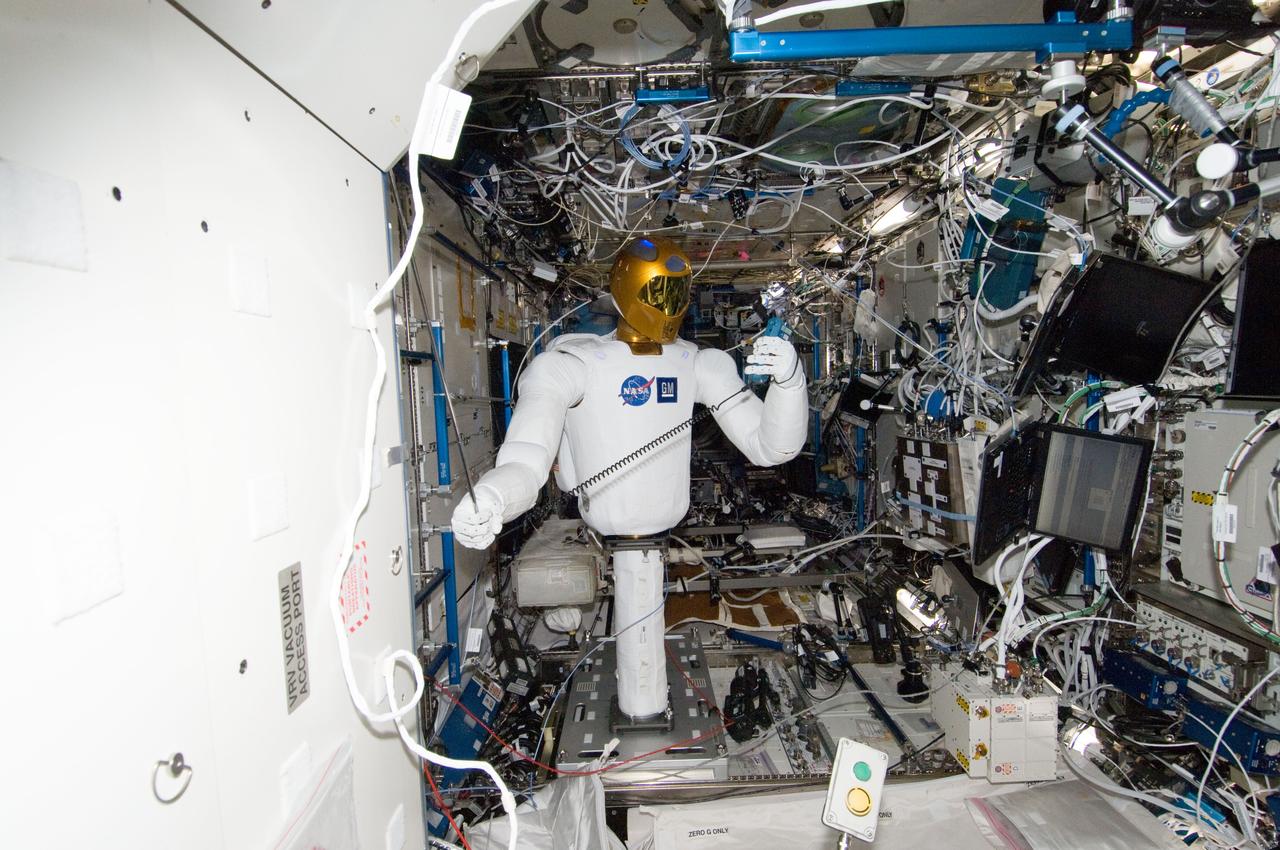
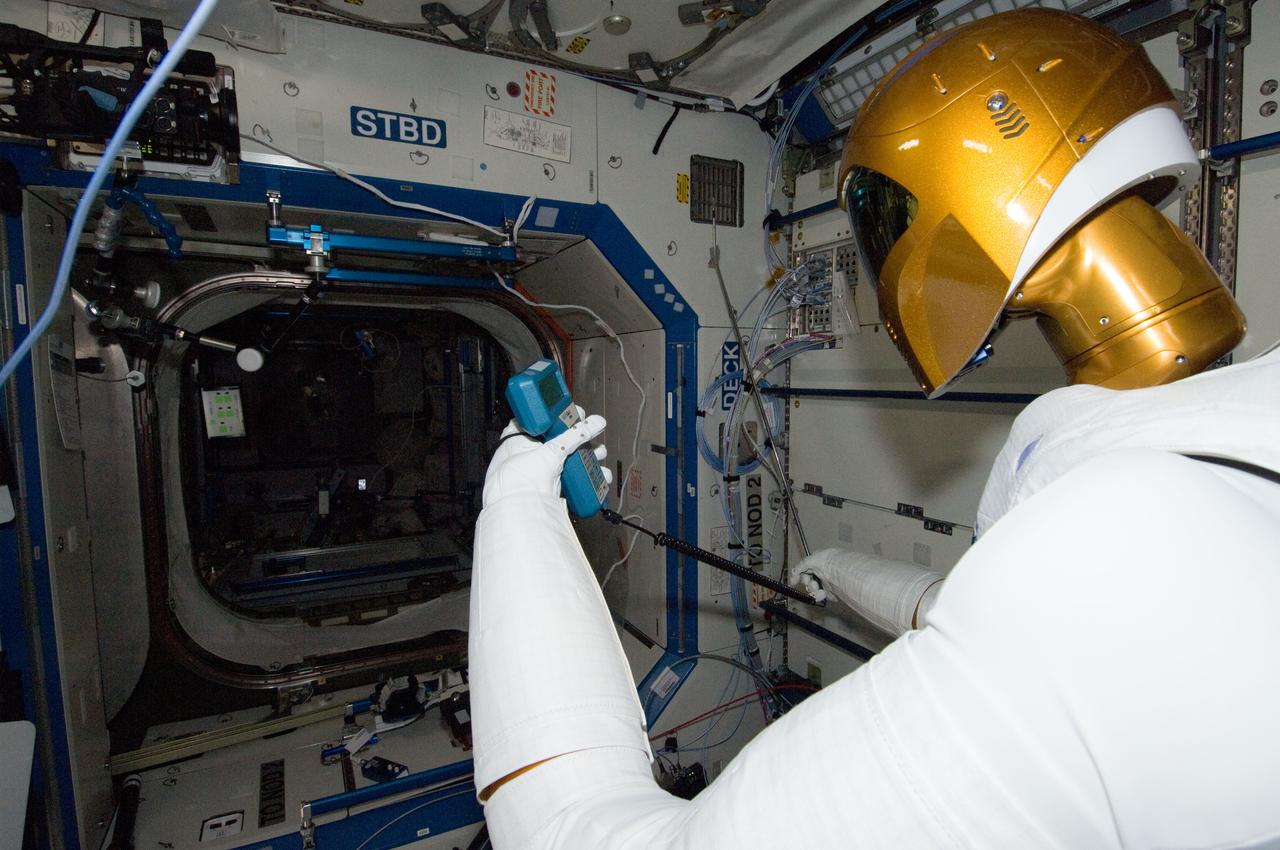
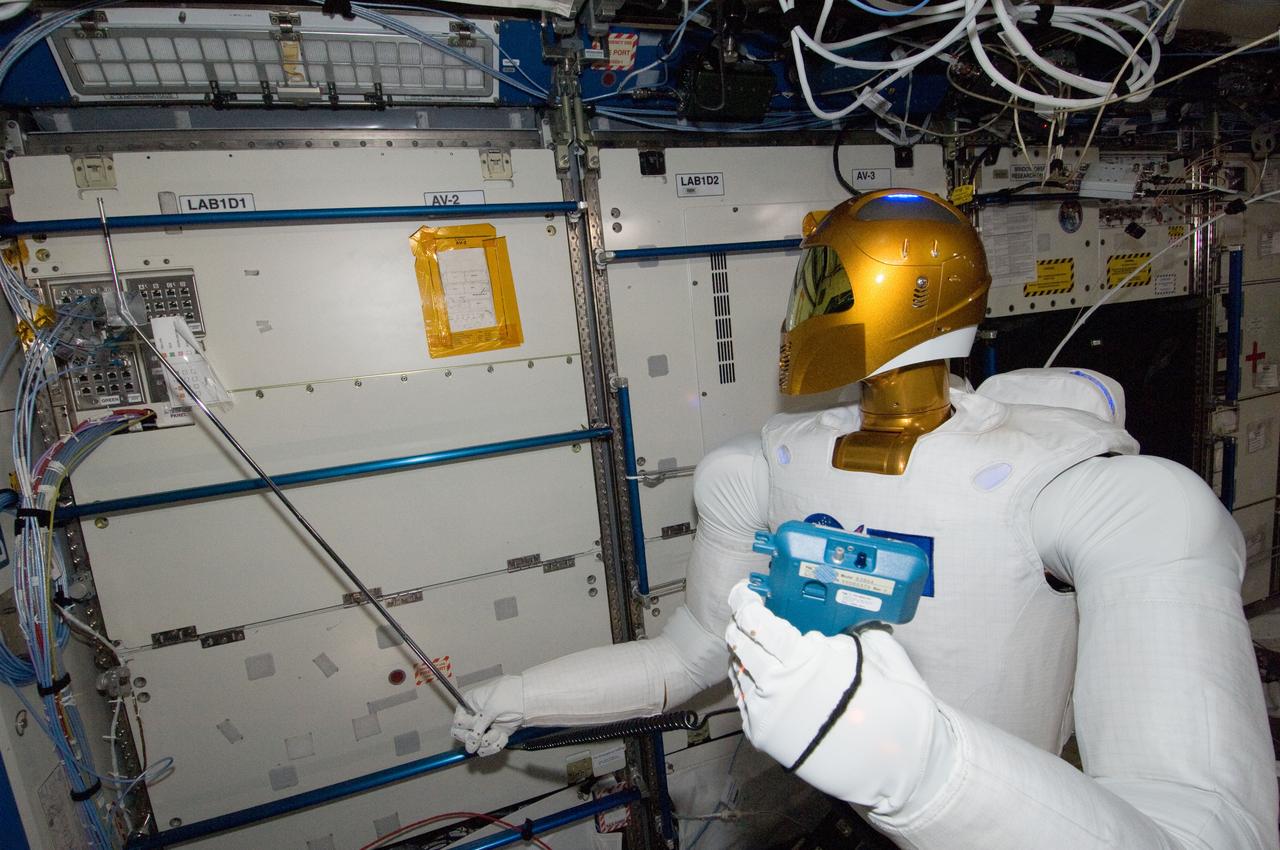
ISS030-E-142875 (14 March 2012) --- Controlled by teams on the ground, Robonaut 2 humanoid robot holds an instrument to measure air velocity during another system check out in the Destiny laboratory of the International Space Station.
Robonaut 2 Humanoid Robot measures the air velocity in the U.S. Laboratory
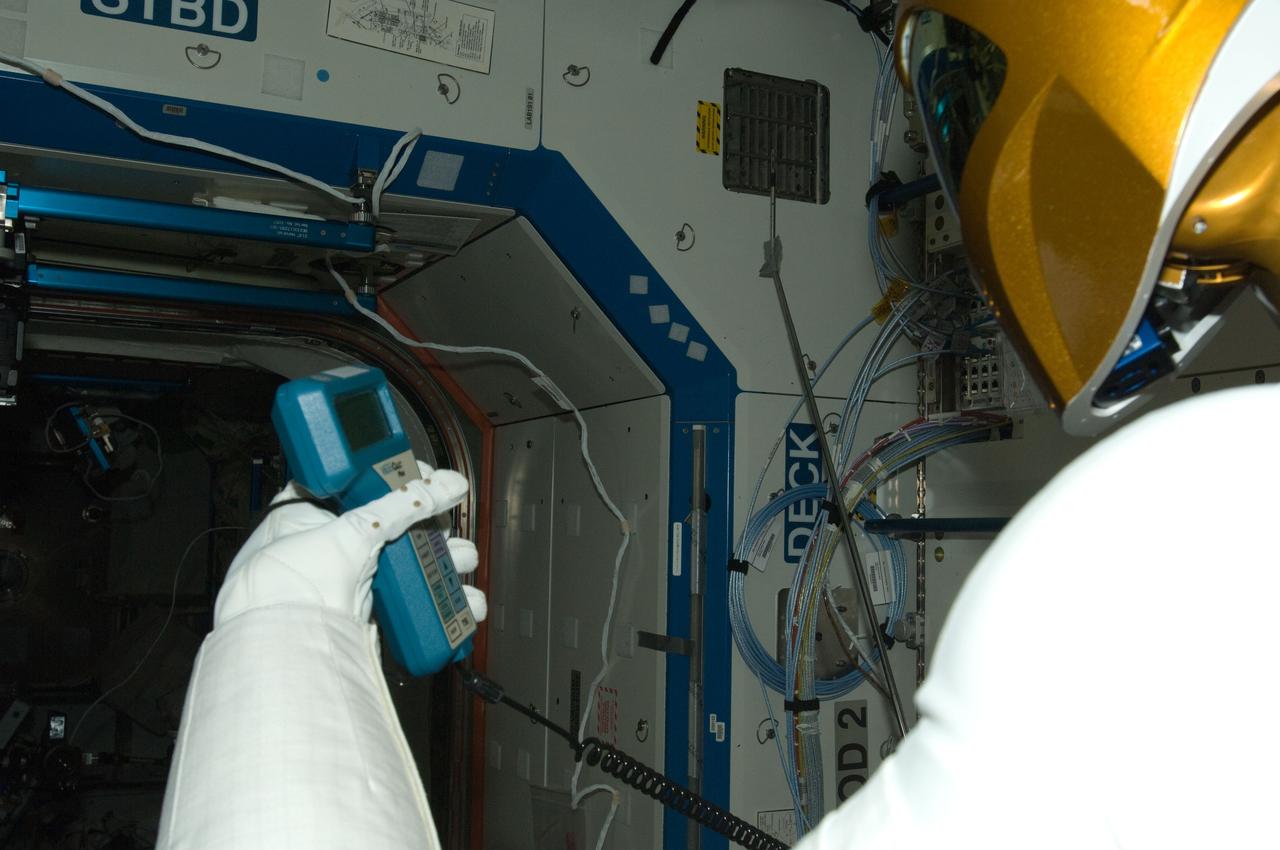
ISS030-E-148257 (14 March 2012) --- Controlled by teams on the ground, Robonaut 2 humanoid robot holds an instrument to measure air velocity during another system check out in the Destiny laboratory of the International Space Station.
Robonaut 2 Humanoid Robot holds instrument to measure air velocity
ISS030-E-148273 (14 March 2012) --- Controlled by teams on the ground, Robonaut 2 humanoid robot holds an instrument to measure air velocity during another system check out in the Destiny laboratory of the International Space Station.
Robonaut 2 Humanoid Robot holds instrument to measure air velocity
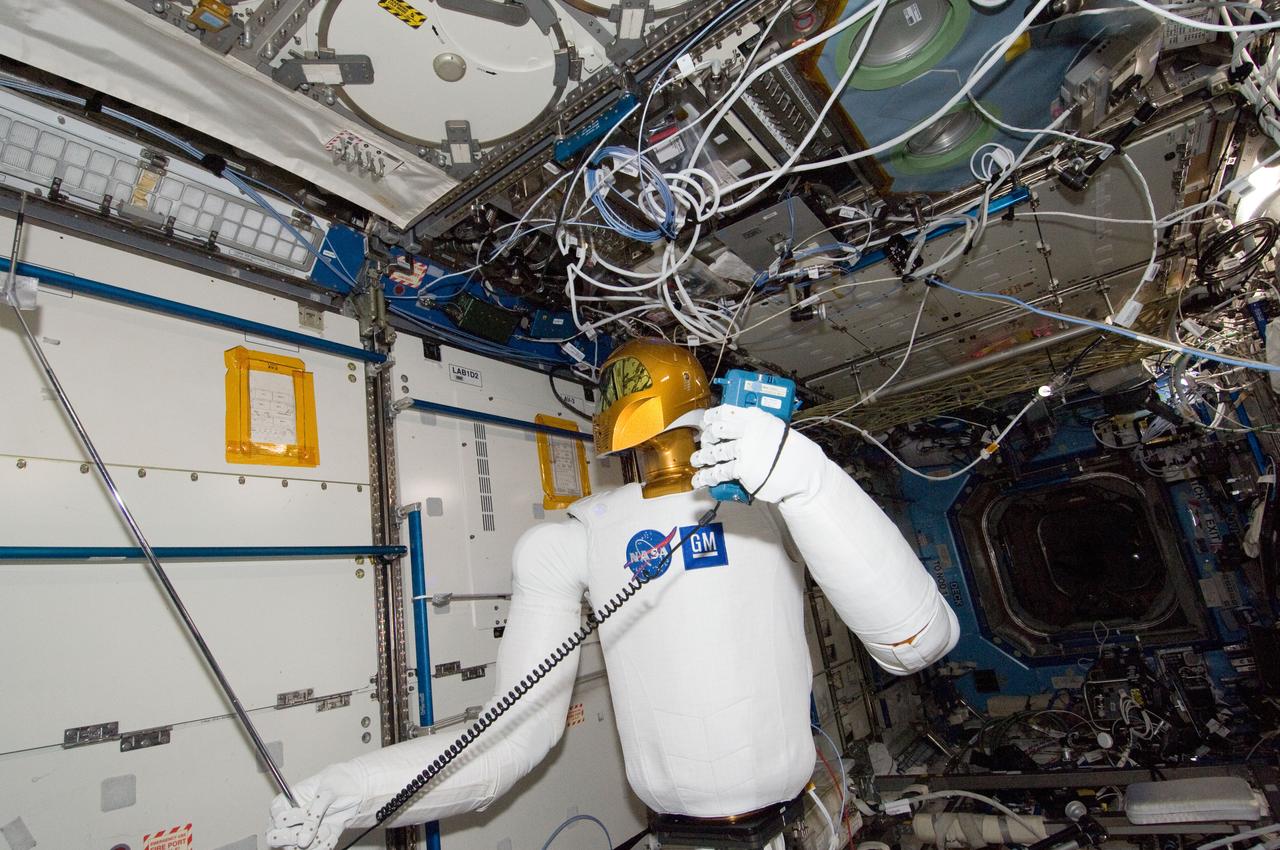
ISS030-E-142876 (14 March 2012) --- Controlled by teams on the ground, Robonaut 2 humanoid robot holds an instrument to measure air velocity during another system check out in the Destiny laboratory of the International Space Station.
Robonaut 2 Humanoid Robot measures the air velocity in the U.S. Laboratory
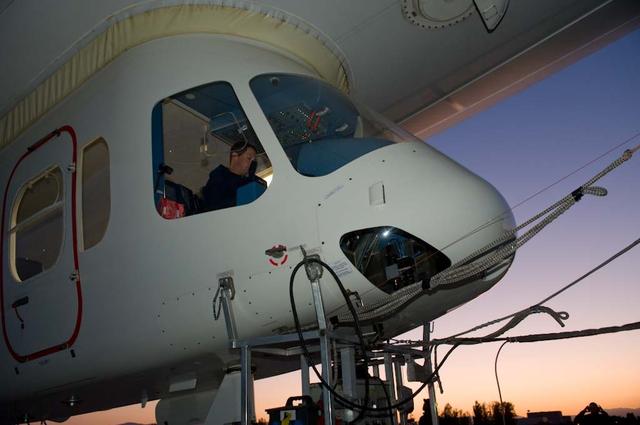
NASA Conducts Airborne Science Aboard Zeppelin Airship: equipped with two imaging instruments enabling remote sensing and atmospheric science measurements not previously practical. Pre-flight checkout of airship flight systems and instruments.
ARC-2009-ACD09-0218-006
ISS030-E-148260 (14 March 2012) --- Controlled by teams on the ground, Robonaut 2 humanoid robot holds an instrument to measure air velocity during another system check out in the Destiny laboratory of the International Space Station.
Robonaut 2 Humanoid Robot holds instrument to measure air velocity
ISS030-E-148268 (14 March 2012) --- Controlled by teams on the ground, Robonaut 2 humanoid robot holds an instrument to measure air velocity during another system check out in the Destiny laboratory of the International Space Station.
Robonaut 2 Humanoid Robot holds instrument to measure air velocity
A photographer focuses on part of the tracking telescope that provides optical support for launches from KSC and Cape Canaveral. The telescope is part of the Distant Object Attitude Measurement System (DOAMS), which includes improved tracking cameras and long-range optical tracking systems that will be used to capture ascent imagery during the return to flight of the Space Shuttle.
Presentation on Improved Tracking Cameras
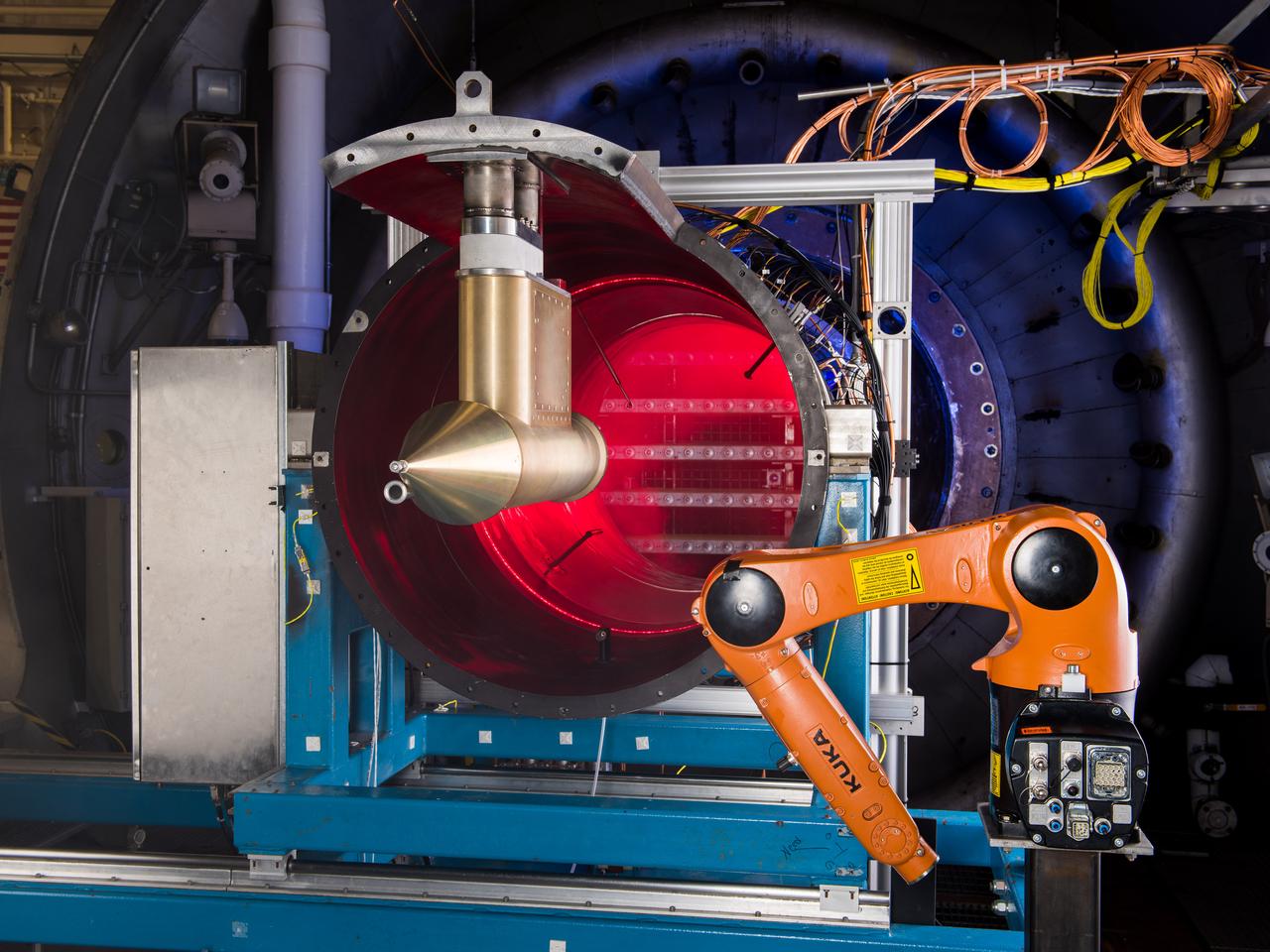
NASA Glenn’s Propulsion Systems Lab (PSL) is conducting research to characterize ice crystal clouds that can create a hazard to aircraft engines in certain conditions. With specialized equipment, scientists can create a simulated ice crystal cloud with the set of bars in the back spraying out a mist. The red area includes lasers, which measure the intensity of the cloud and a series of probes to measure everything from humidity to air pressure. The isokinetic probe (in gold) samples particles and the robotic arm (in orange) has a test tube on the end that catches ice particles for further measuring. NASA Glenn’s PSL is the only place in the world which can create these kind of ice crystal cloud conditions.
Propulsion Systems Lab
Systems engineer, Joseph Knuble, adjusts the intensity of a lamp during stray light testing on the Ocean Color Instrument (OCI).  OCI is a highly advanced optical spectrometer that will be used to measure properties of light over portions of the electromagnetic spectrum. It will enable continuous measurement of light at finer wavelength resolution than previous NASA satellite sensors, extending key system ocean color data records for climate studies. OCI is PACE's (Plankton, Aerosol, Cloud, ocean Ecosystem) primary sensor built at Goddard Space Flight Center in Greenbelt, MD.
OCI Stray Light Testing
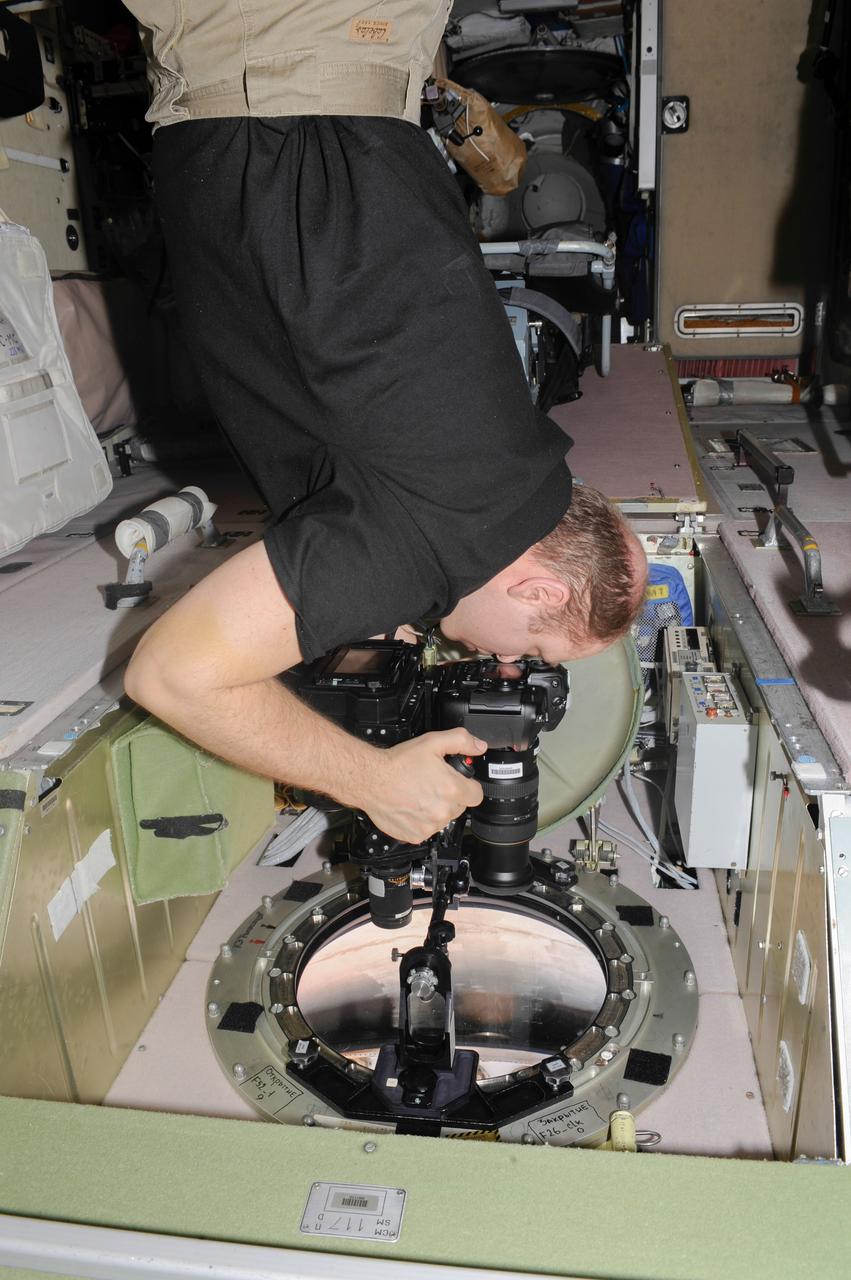
ISS038-E-005014 (20 Nov. 2013) --- At a window in the International Space Station’s Zvezda Service Module, Russian cosmonaut Oleg Kotov, Expedition 38 commander, uses a digital camera photospectral system to perform a session for the Albedo Experiment. The experiment measures Earth’s albedo, or the amount of solar radiation reflected from the surface, in the hopes to develop methods to harness the reflected radiation to supplement the station’s power supply. The light reflection phenomenon is measured in units called albedo.
Kotov during Albedo Experiment in the SM
The Ocean Color Instrument (OCI) is installed on its transportation dolly and prepared for additional integration operations in a clean tent.  OCI is a highly advanced optical spectrometer that will be used to measure properties of light over portions of the electromagnetic spectrum. It will enable continuous measurement of light at finer wavelength resolution than previous NASA satellite sensors, extending key system ocean color data records for climate studies. OCI is PACE's (Plankton, Aerosol, Cloud, ocean Ecosystem) primary sensor built at Goddard Space Flight Center in Greenbelt, MD.
OCI Optical Module Integration on Transportation Dolly
jsc2023e046371 (12/02/2022) --- The Multi-Needle Langmuir Probe (m-NLP) is seen at European Test Services (ETS) before thermal vacuum testing. The Langmuir Probe measures contents of the ionosphere from station's unique vantage point. Measurements of small-scale changes could allow for discovery that prevents degradation in global navigation systems. Image courtesy of ESA/Estec, Kensa Benamar.
jsc2023e046371
Mechanical technicians crane lift the Ocean Color Instrument (OCI) onto the Tilt Mechanism. OCI is a highly advanced optical spectrometer that will be used to measure properties of light over portions of the electromagnetic spectrum. It will enable continuous measurement of light at finer wavelength resolution than previous NASA satellite sensors, extending key system ocean color data records for climate studies. OCI is PACE's (Plankton, Aerosol, Cloud, ocean Ecosystem) primary sensor built at Goddard Space Flight Center in Greenbelt, MD.
OCI Crane Lift onto the Tilt Mechanism