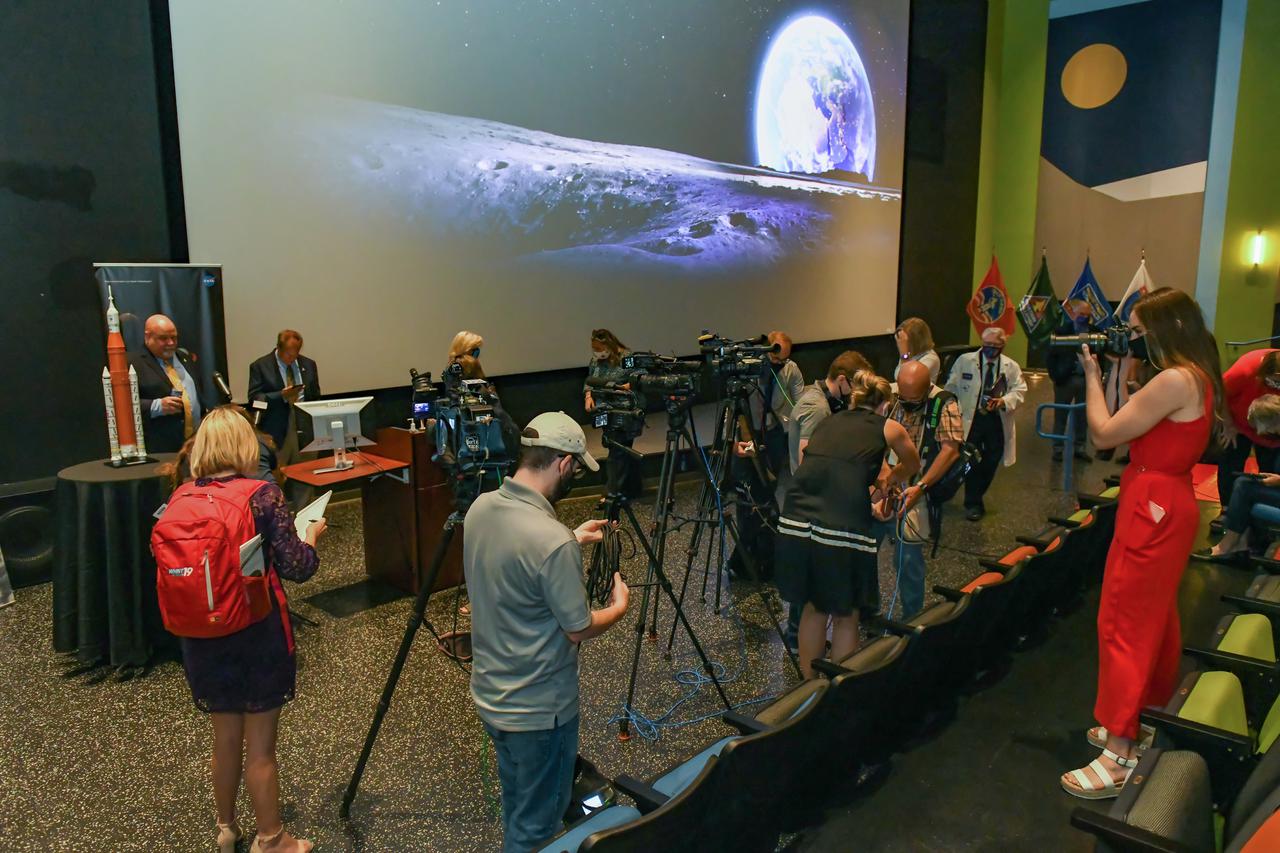
Media members gather for Q&A session at Chamber Media Briefing at USSRC
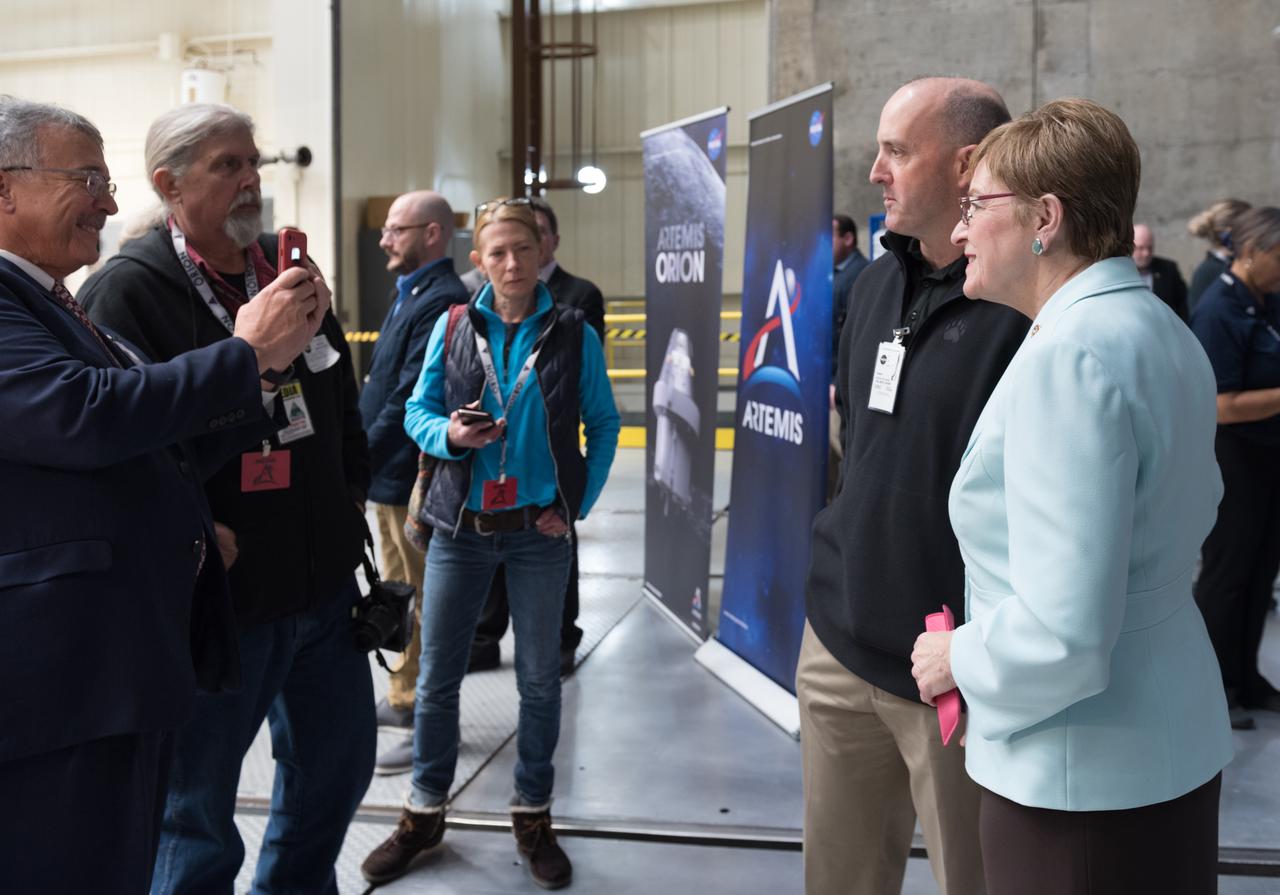
Artemis Departure Media Event
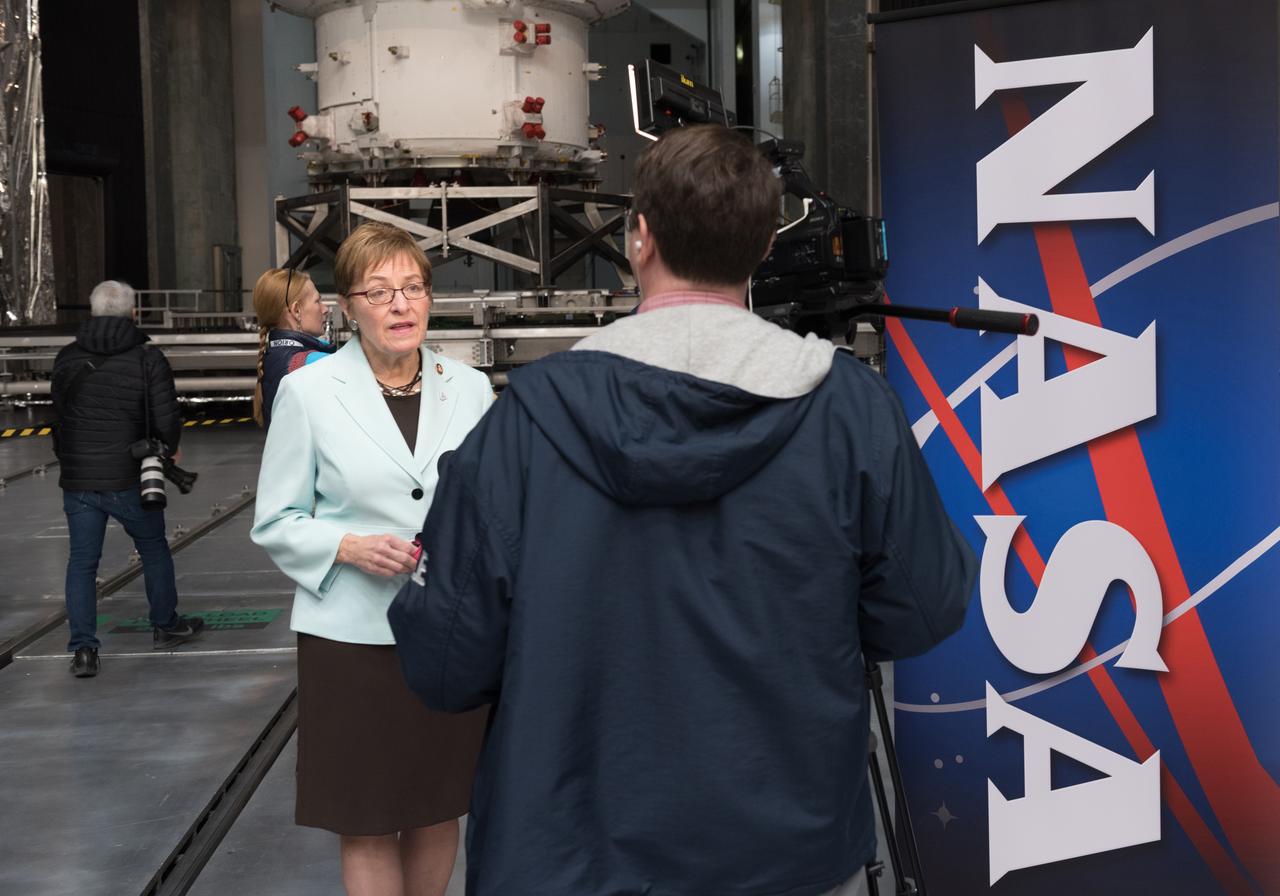
Artemis Departure Media Event
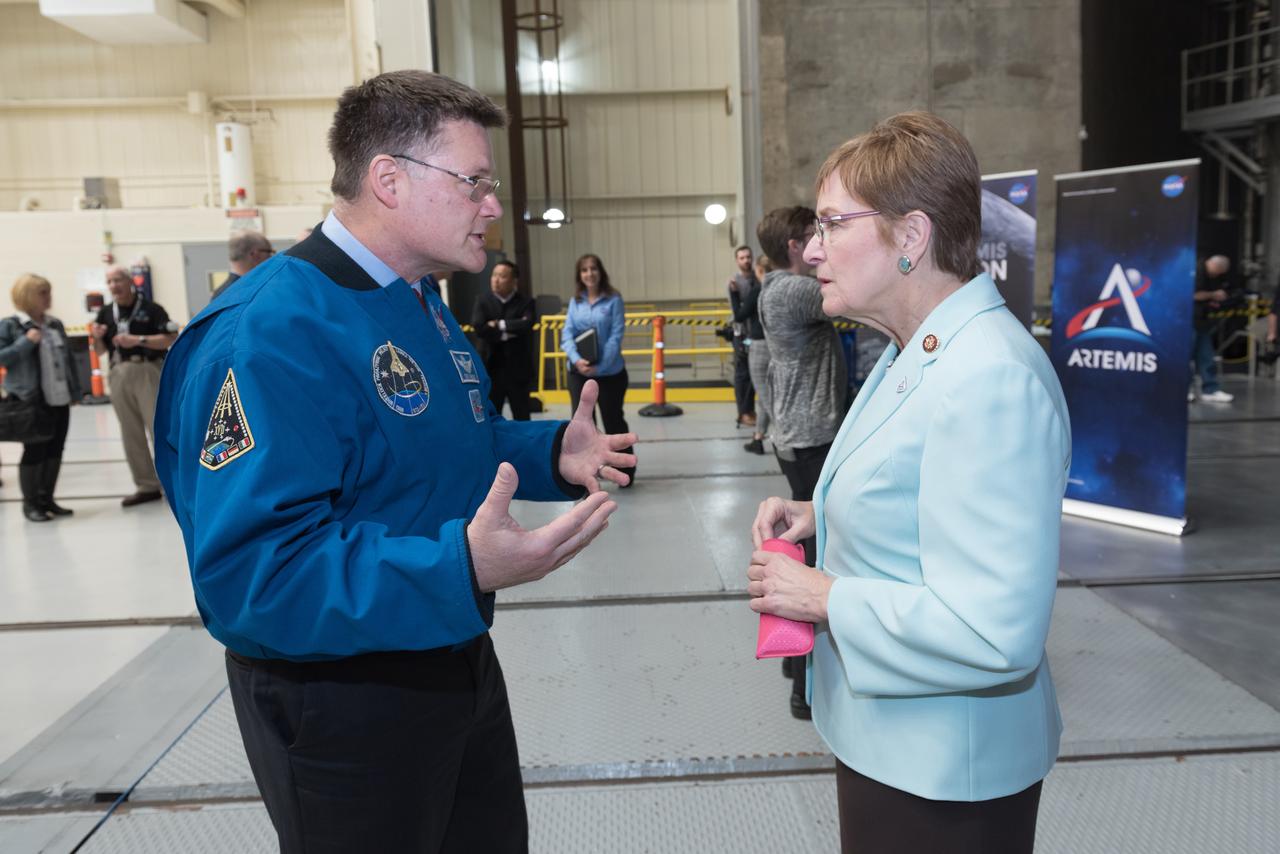
Artemis Departure Media Event
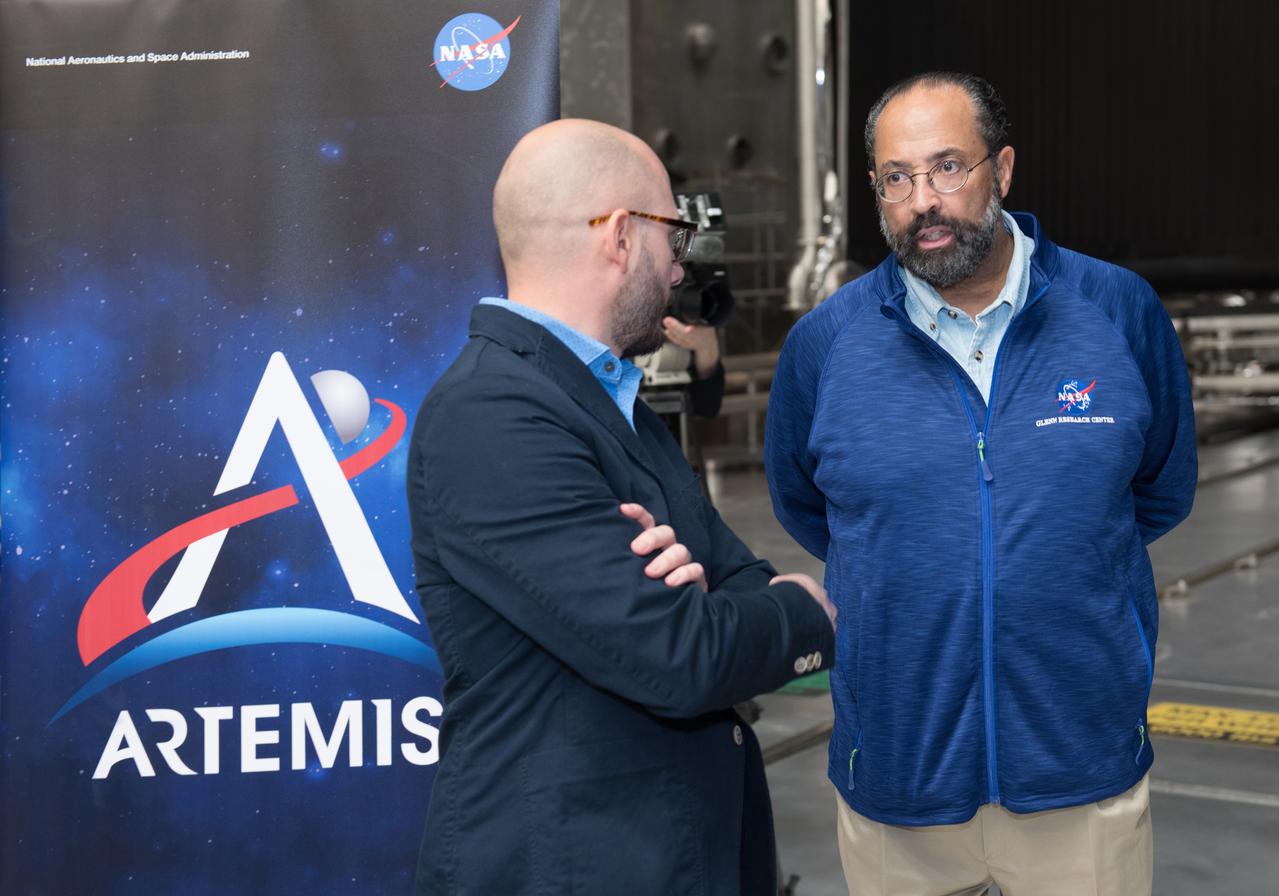
Artemis Departure Media Event
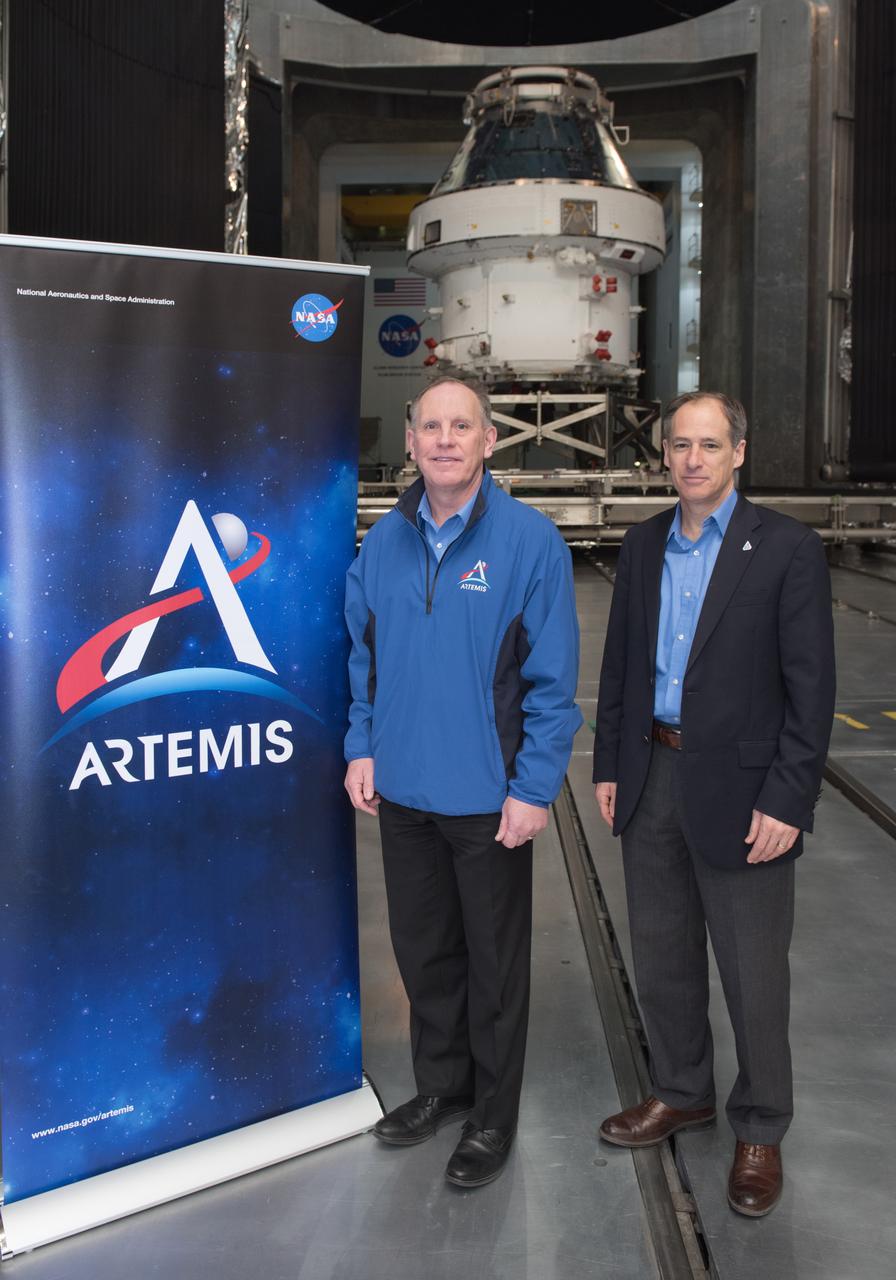
Artemis Departure Media Event
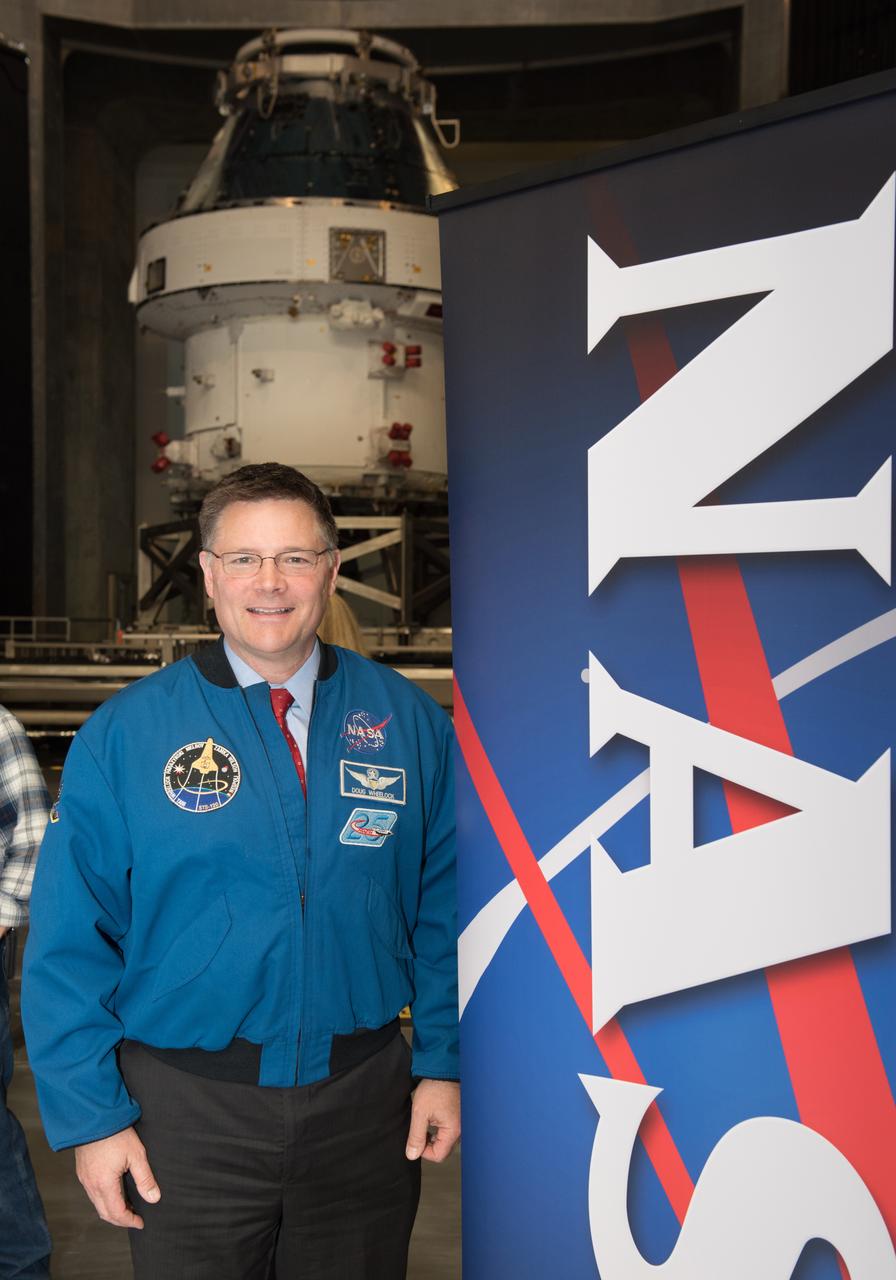
Artemis Departure Media Event
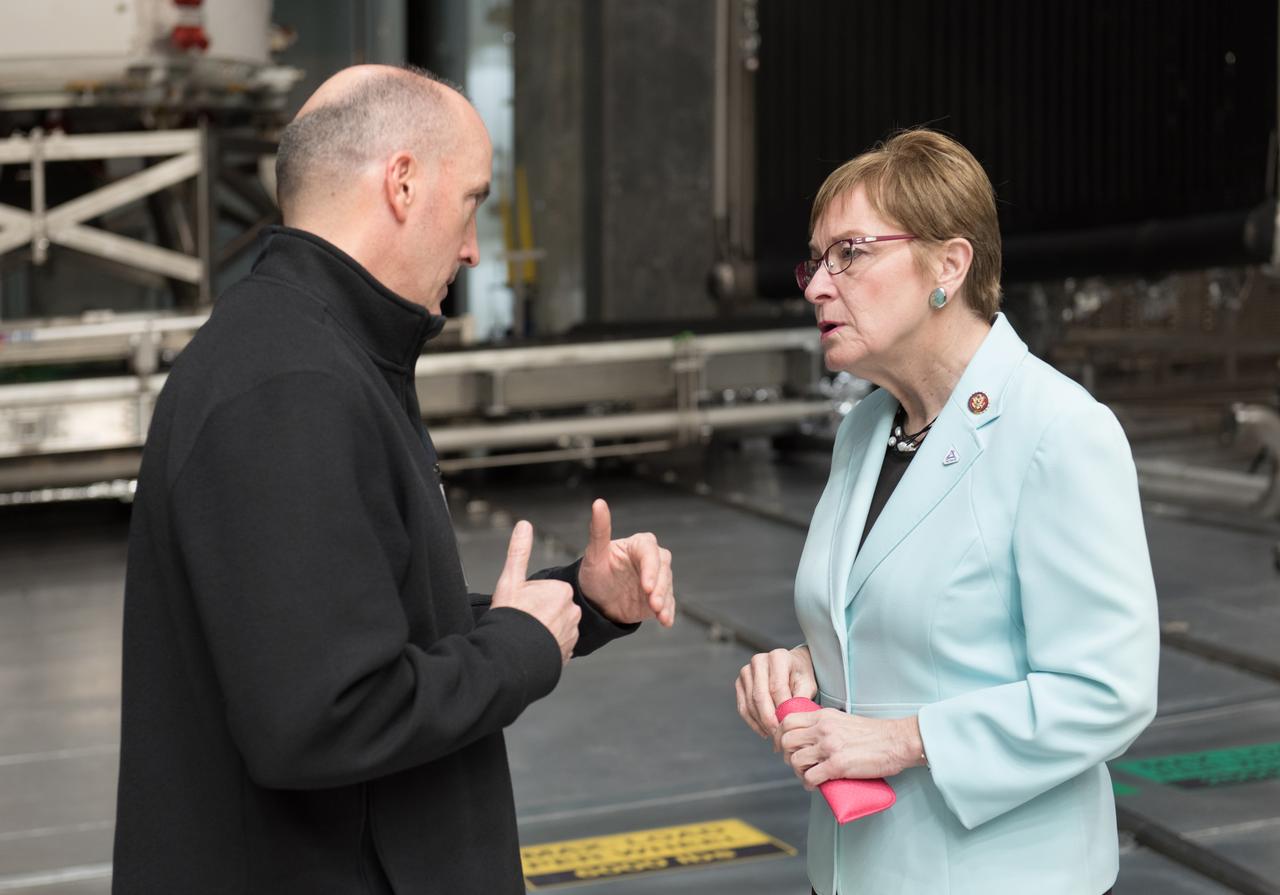
Artemis Departure Media Event
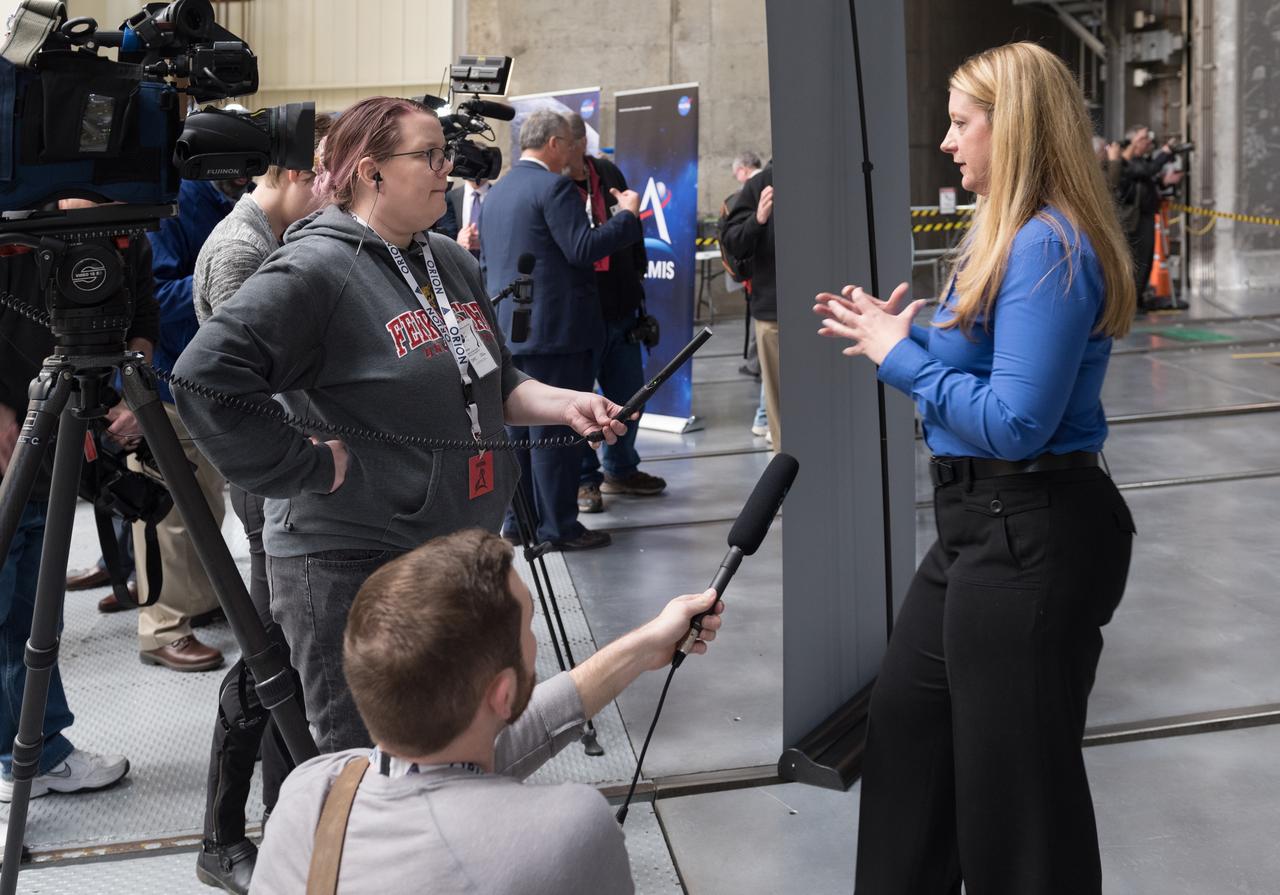
Artemis Departure Media Event
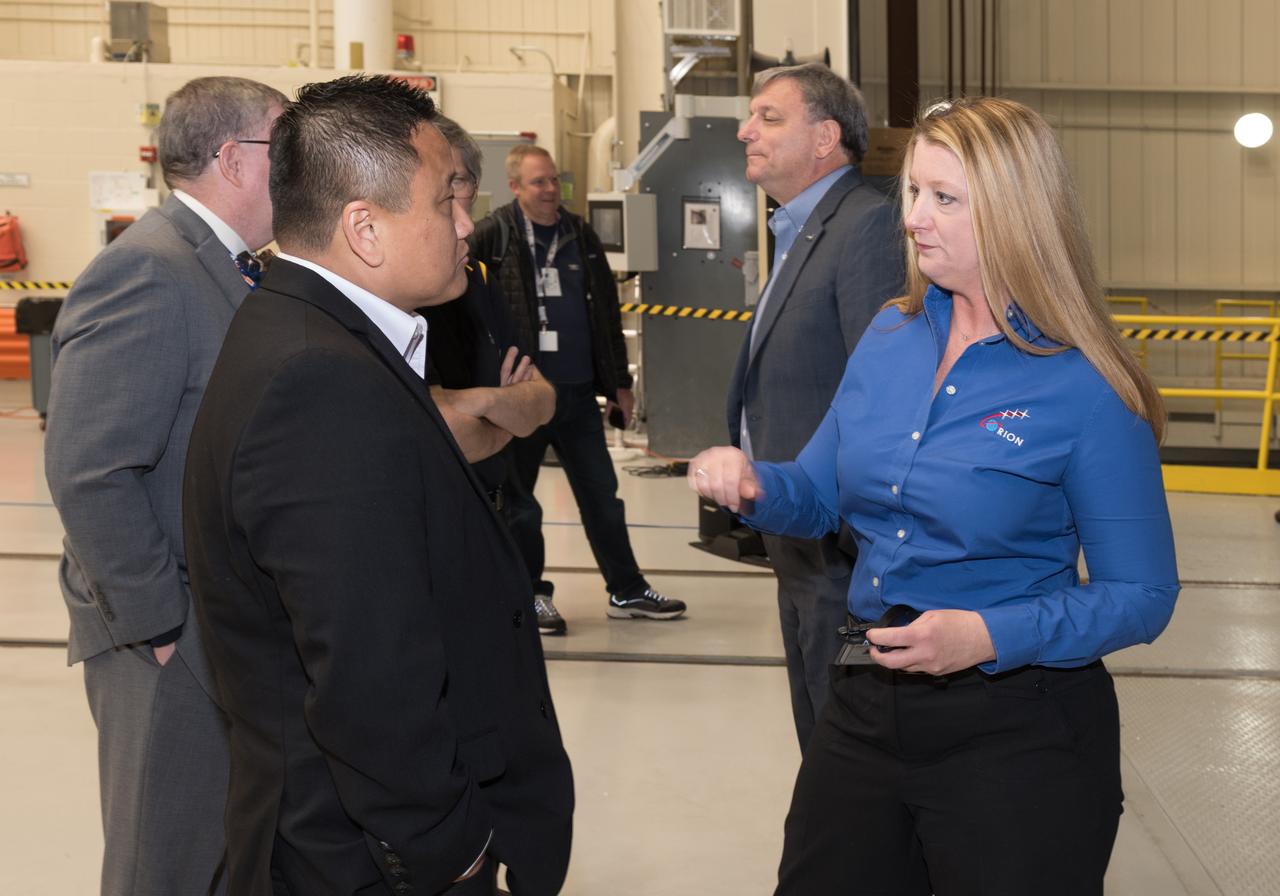
Artemis Departure Media Event
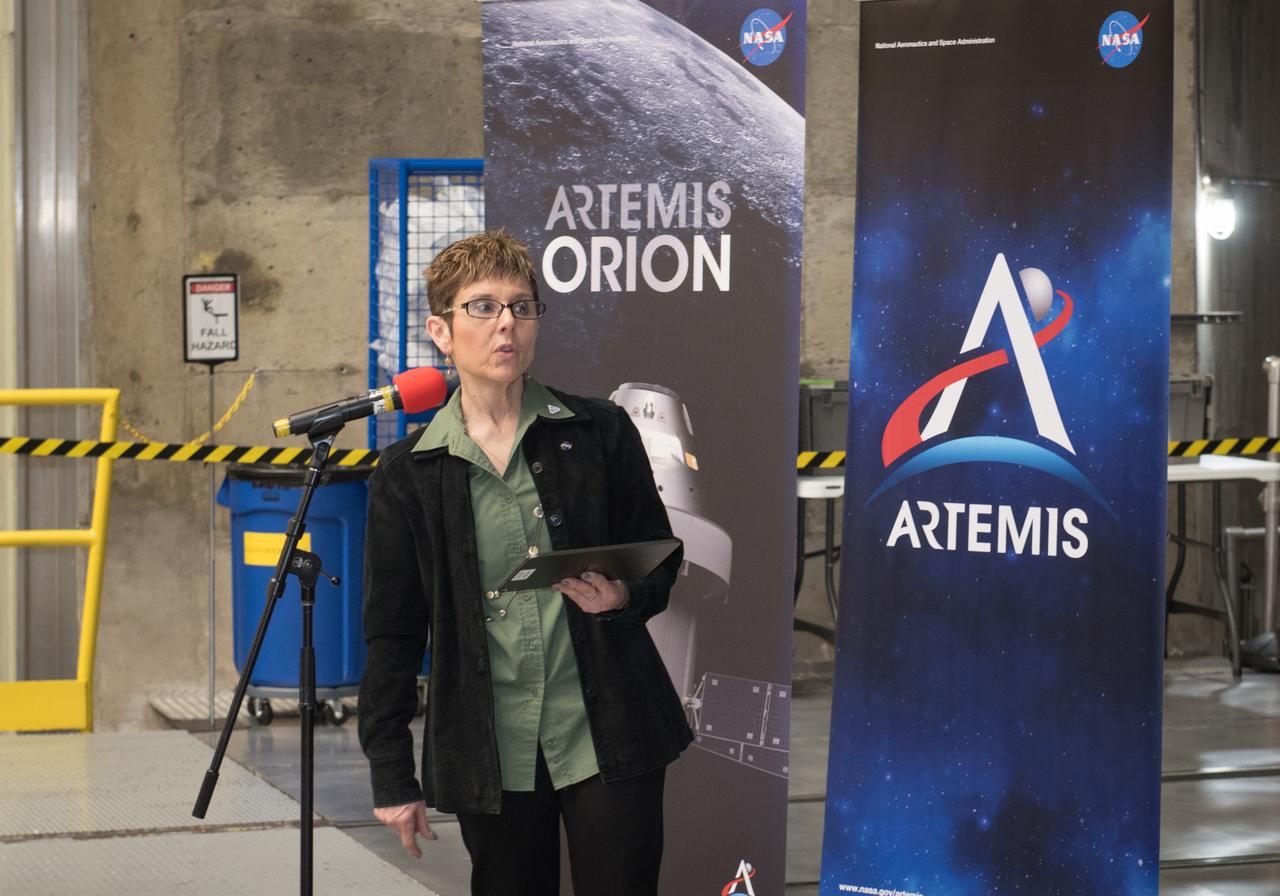
Artemis Departure Media Event
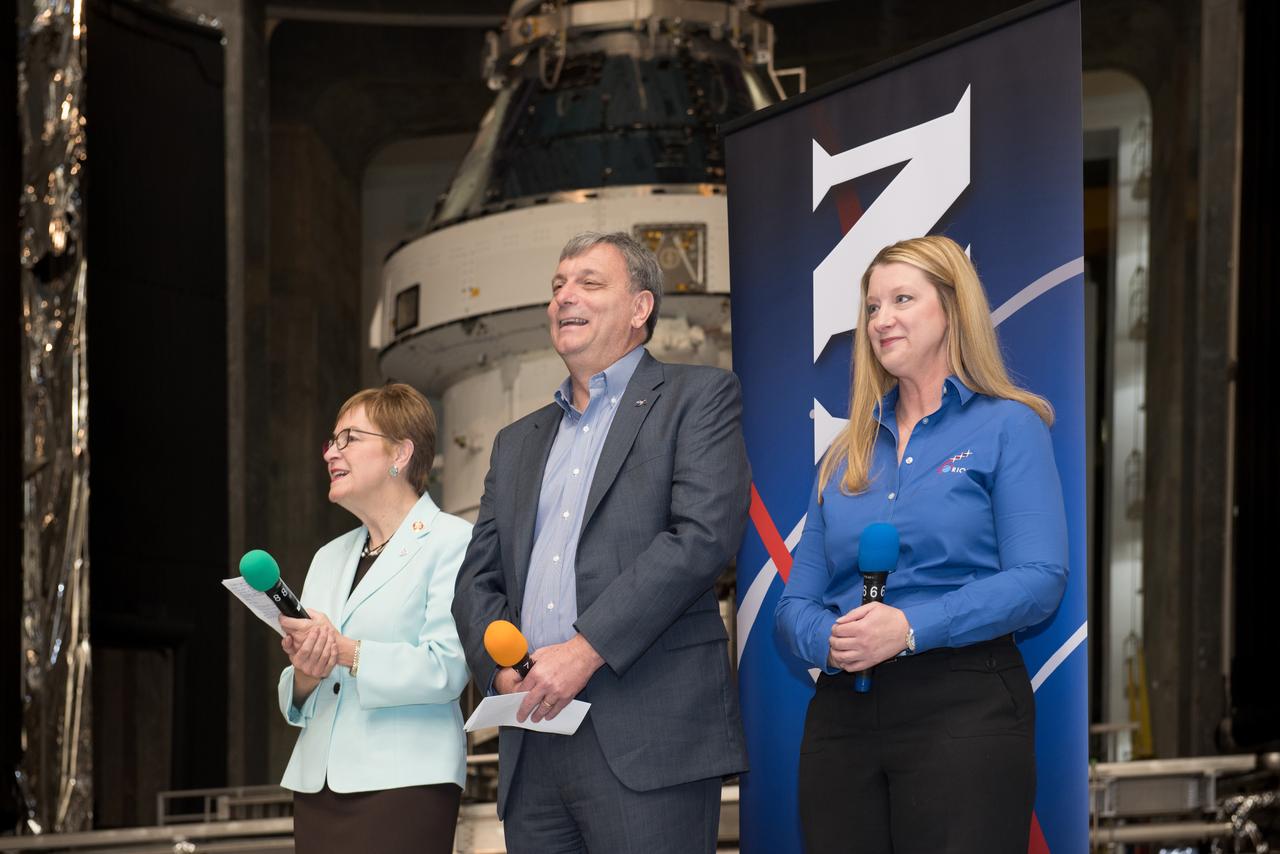
Artemis Departure Media Event
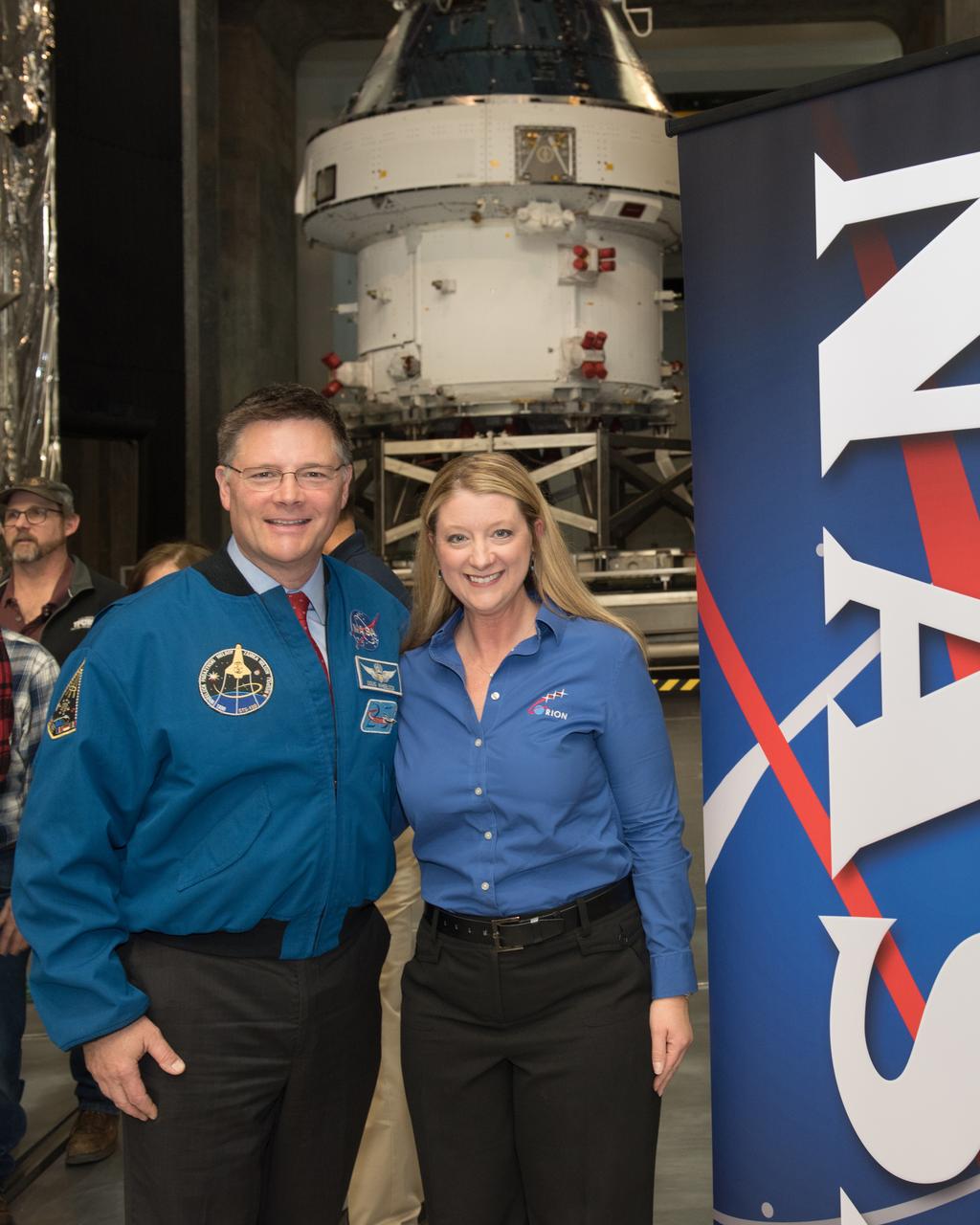
Artemis Departure Media Event
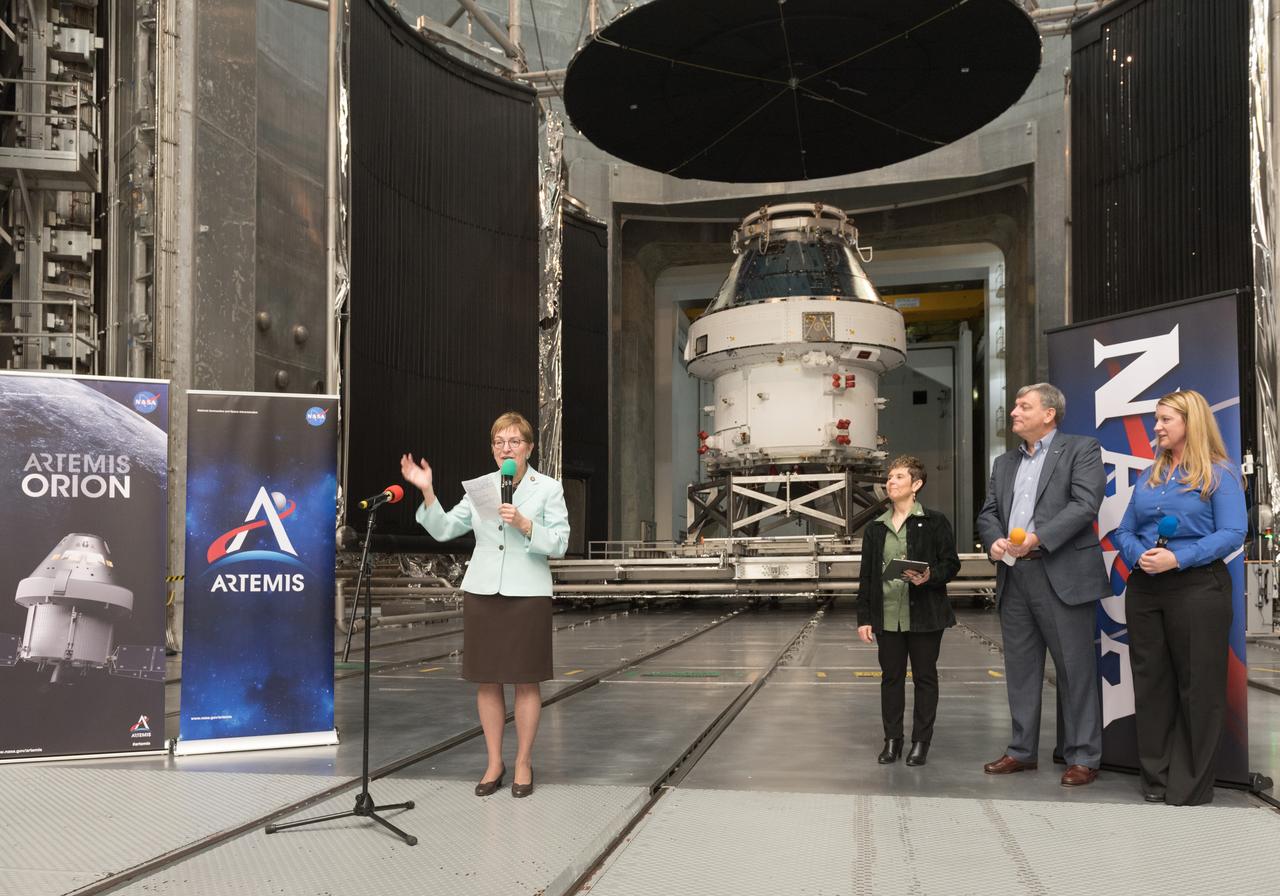
Artemis Departure Media Event
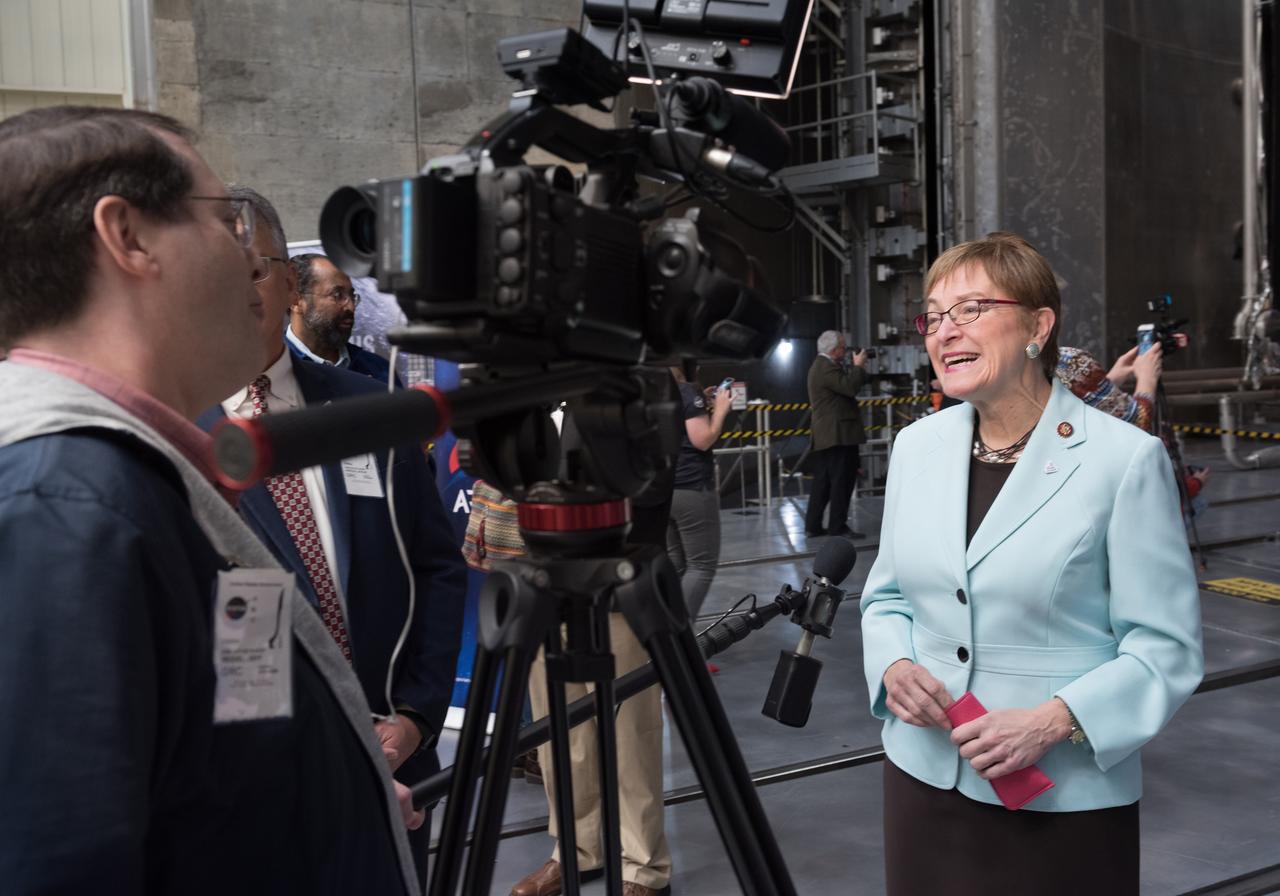
Artemis Departure Media Event
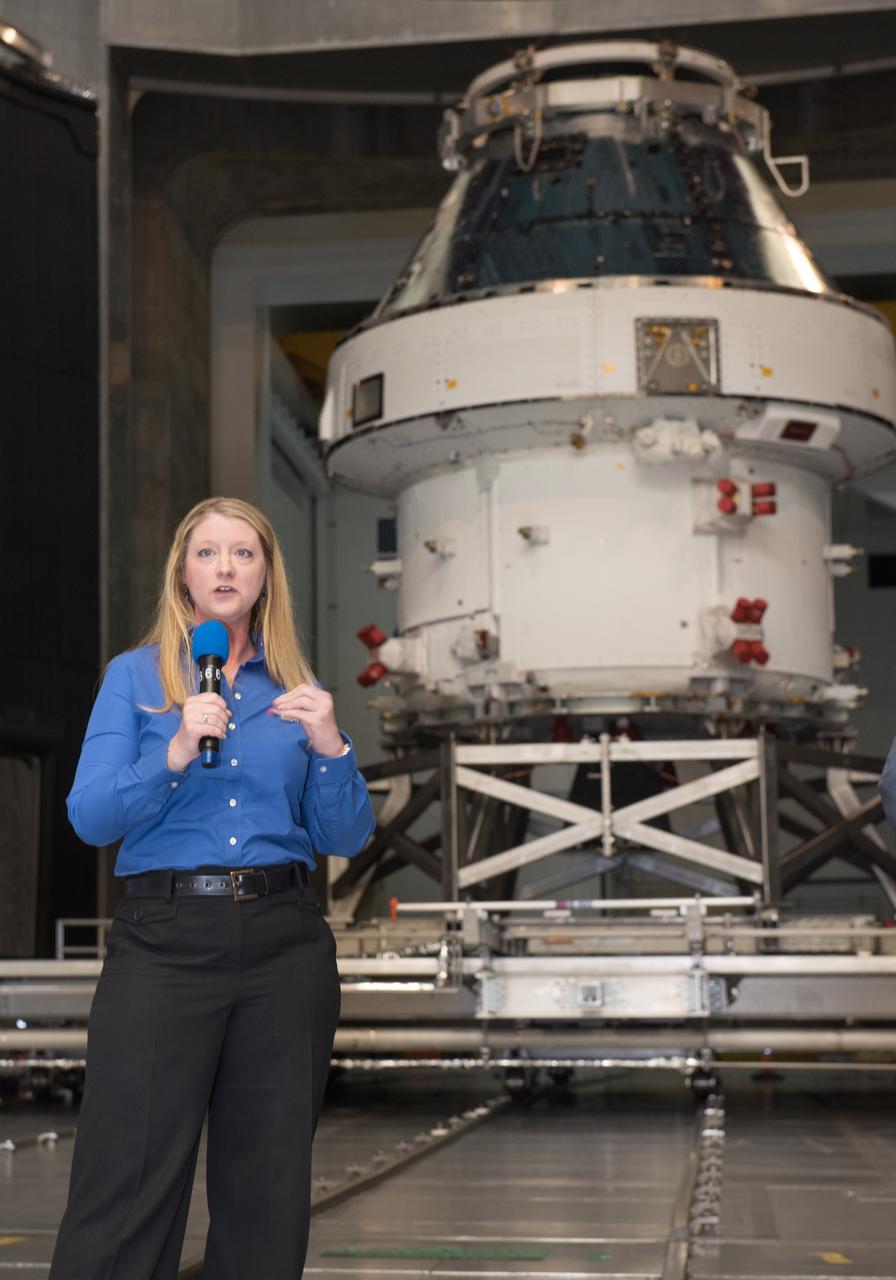
Artemis Departure Media Event
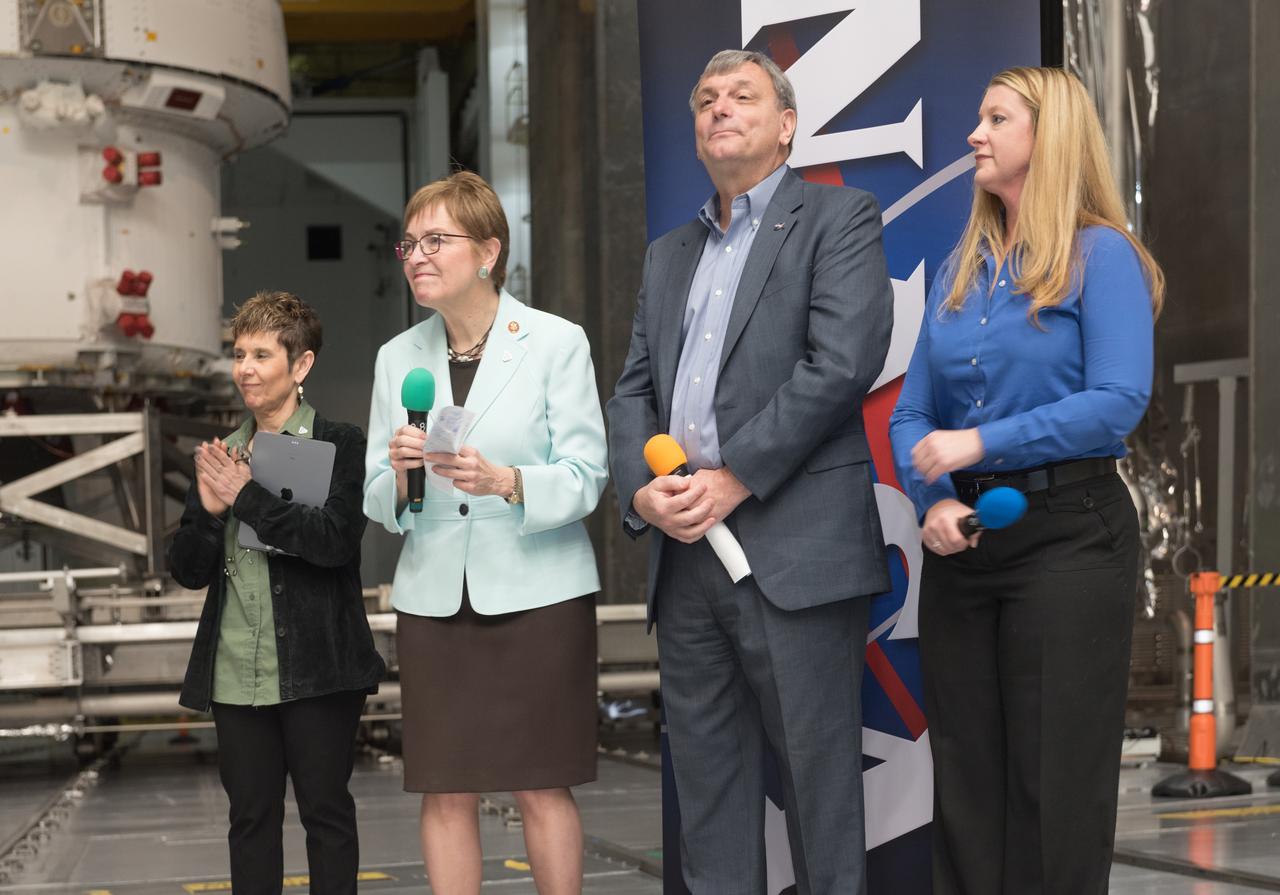
Artemis Departure Media Event
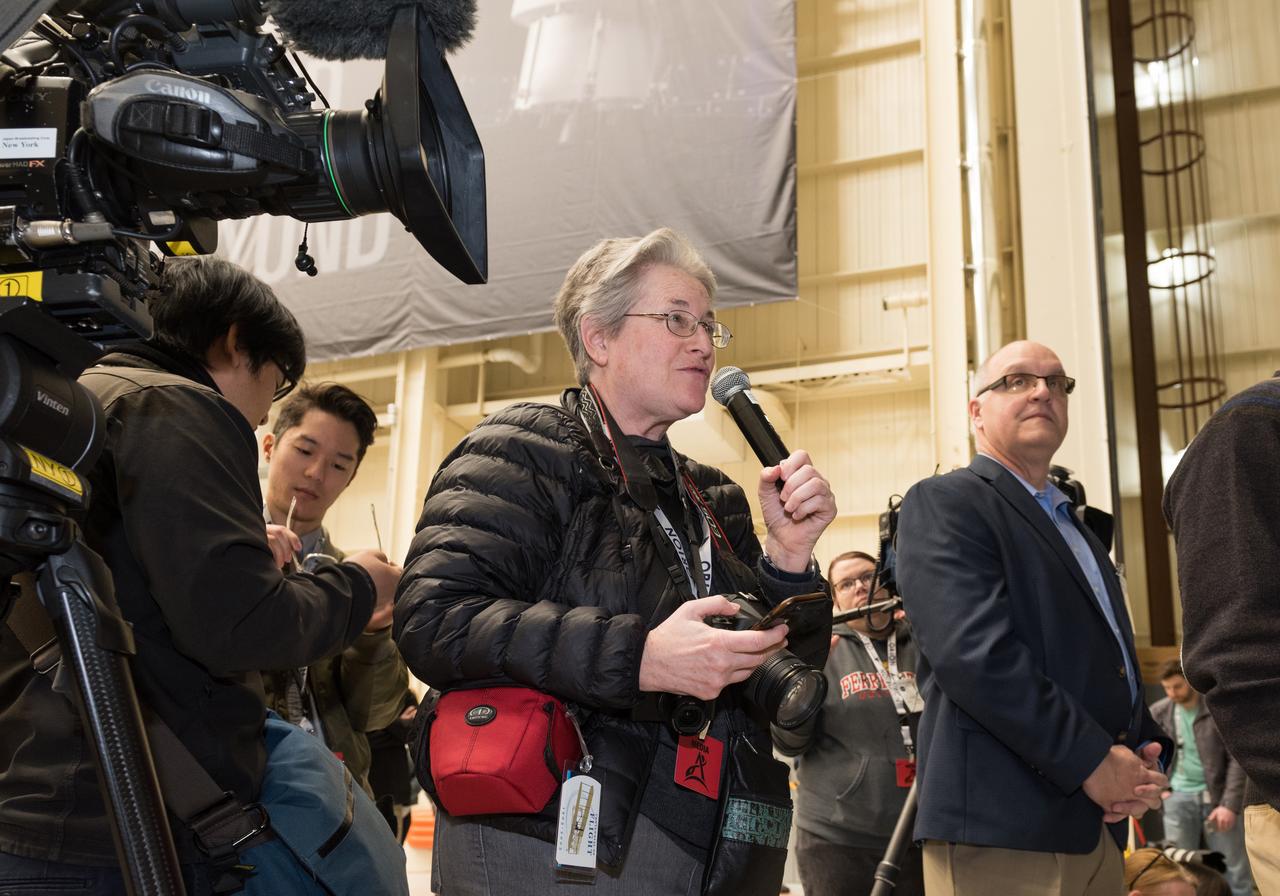
Artemis Departure Media Event
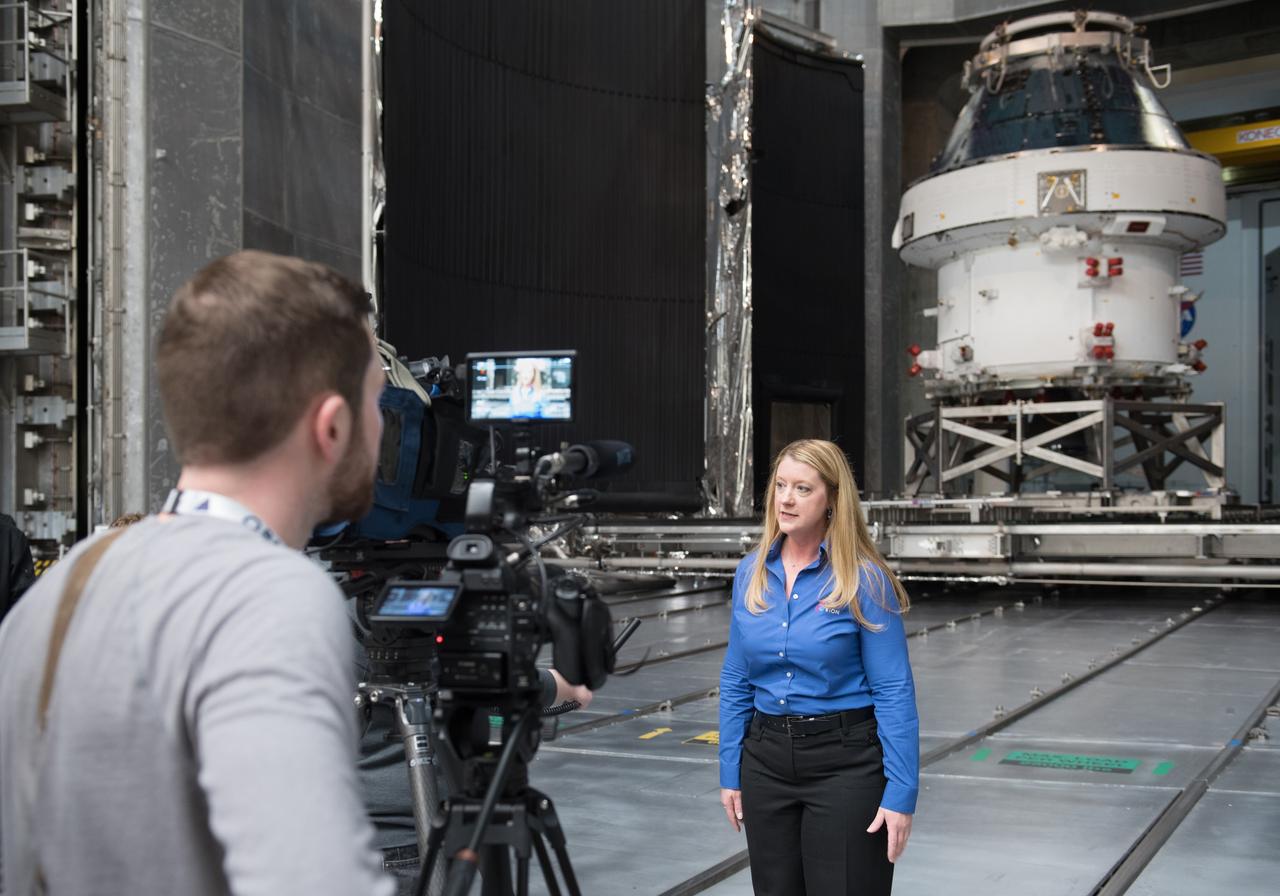
Artemis Departure Media Event
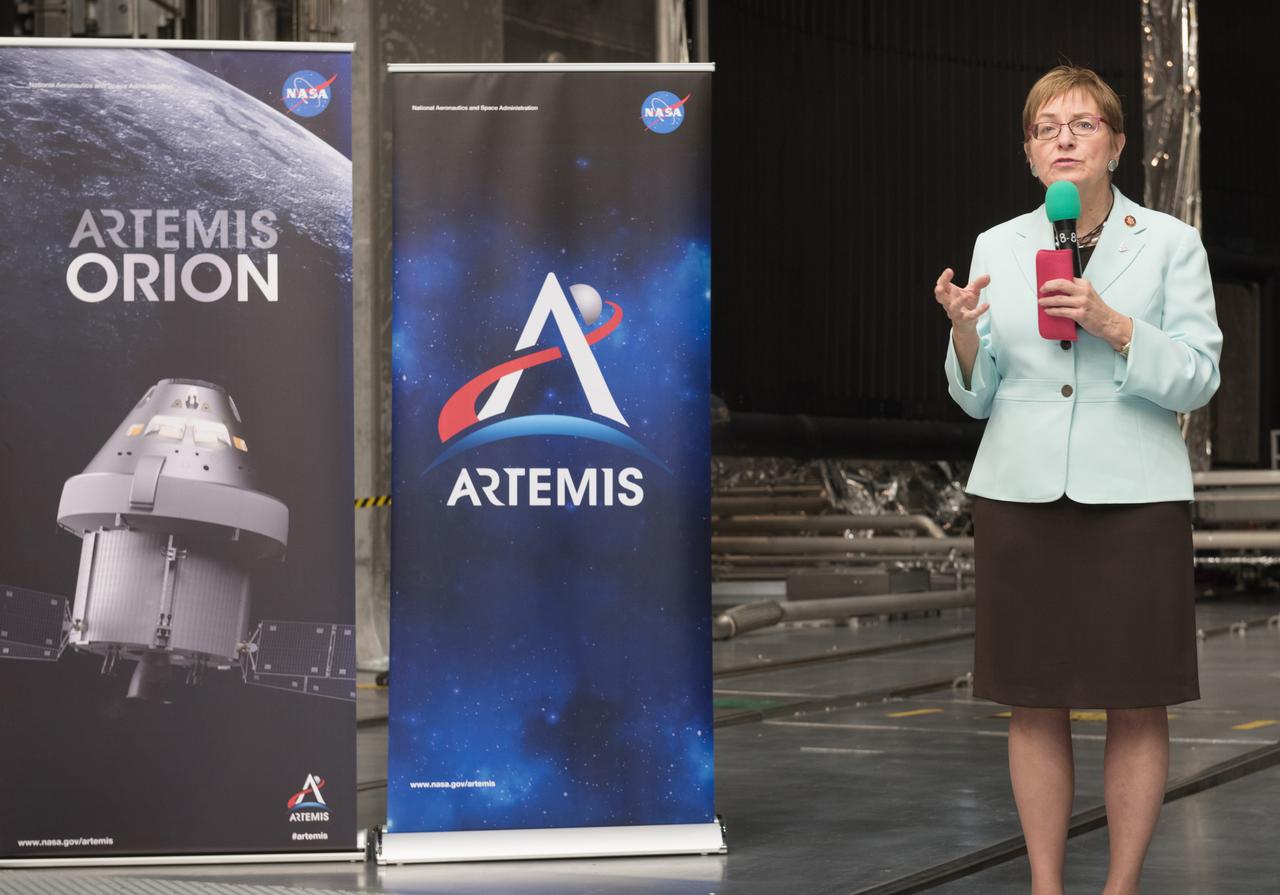
Artemis Departure Media Event
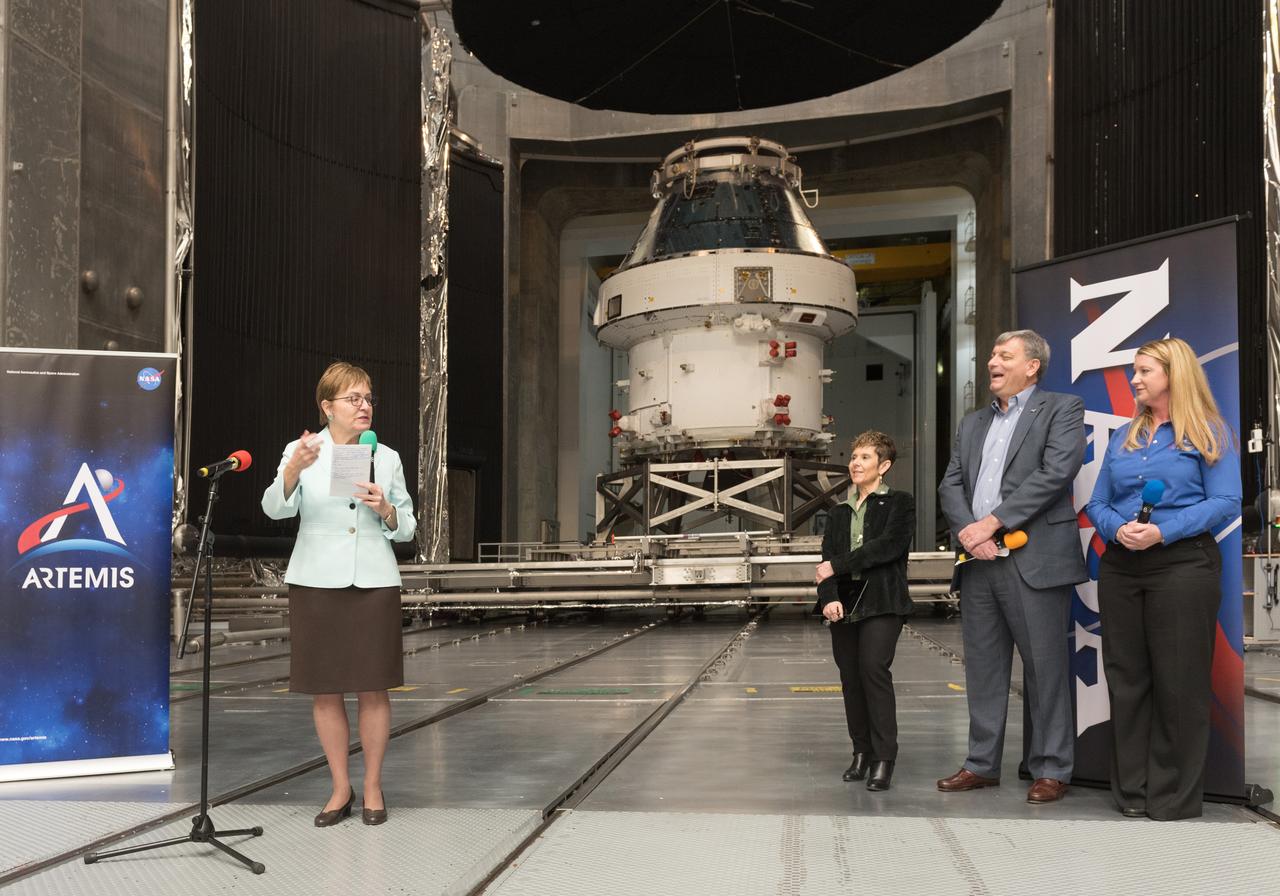
Artemis Departure Media Event
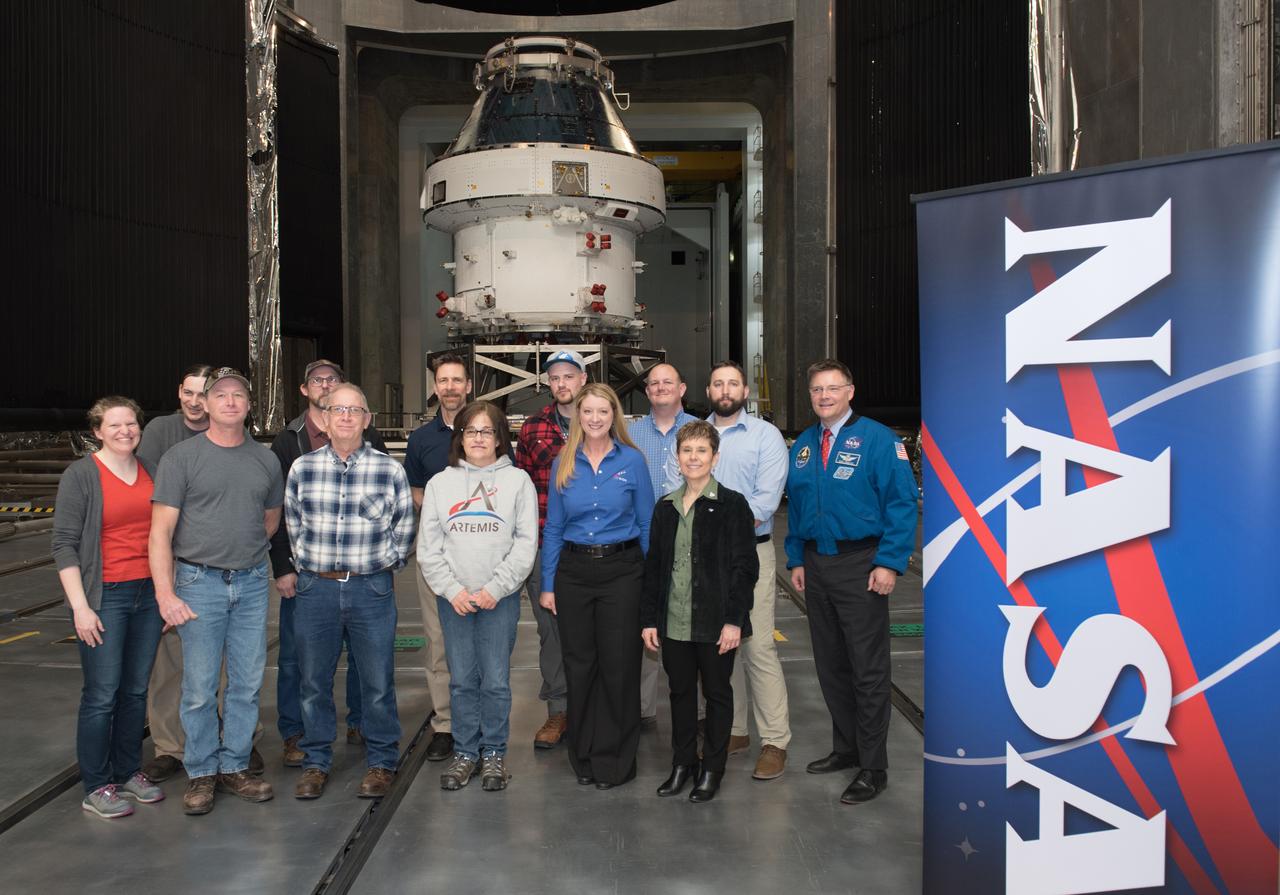
Artemis Departure Media Event
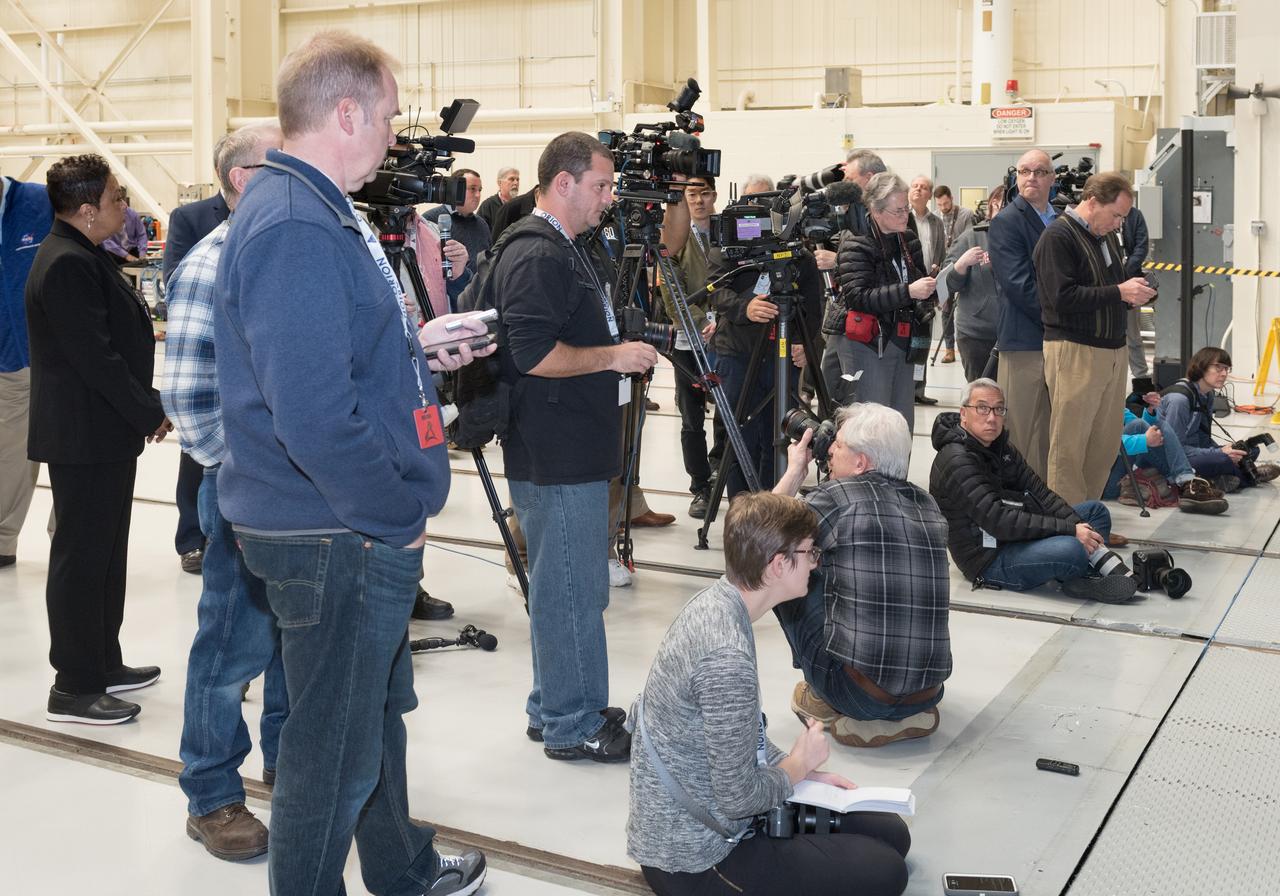
Artemis Departure Media Event
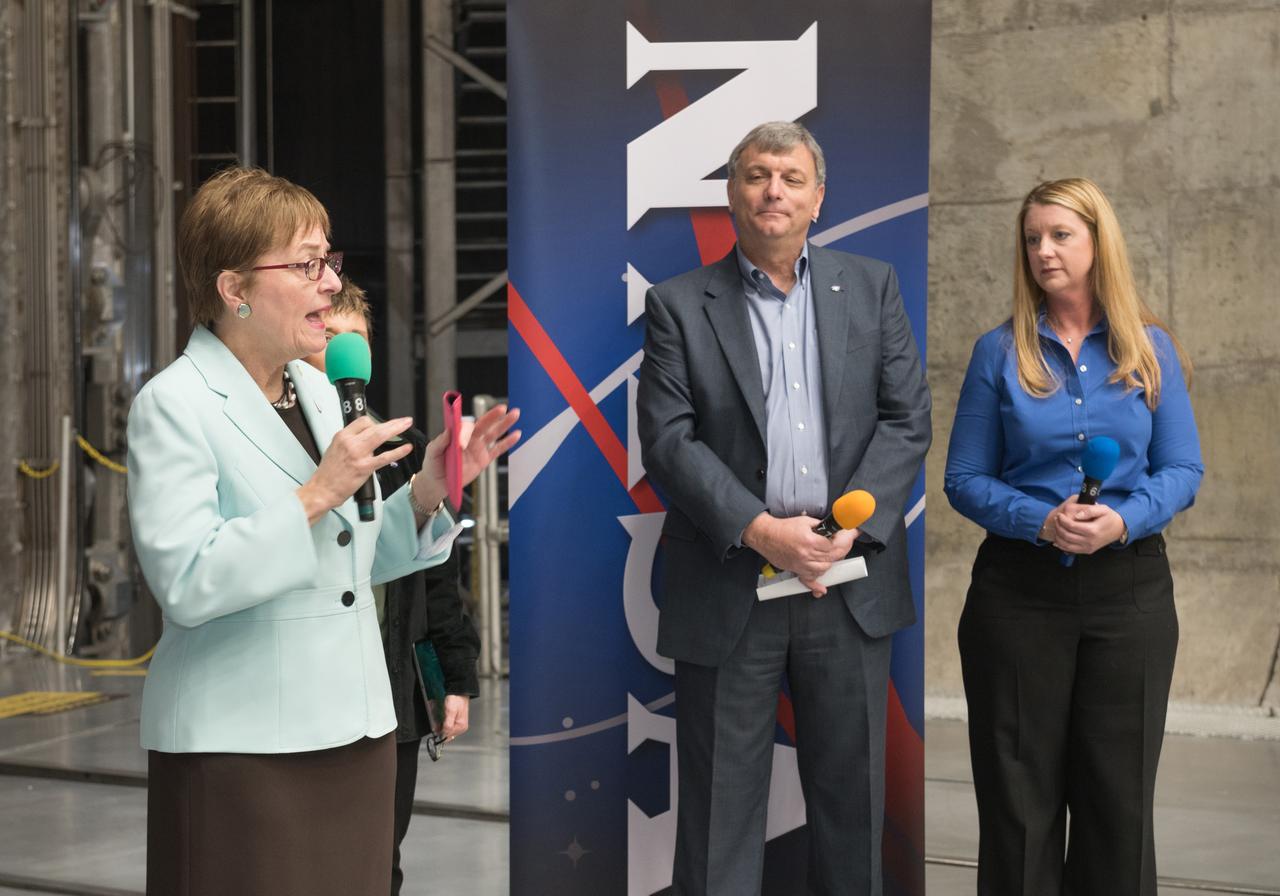
Artemis Departure Media Event
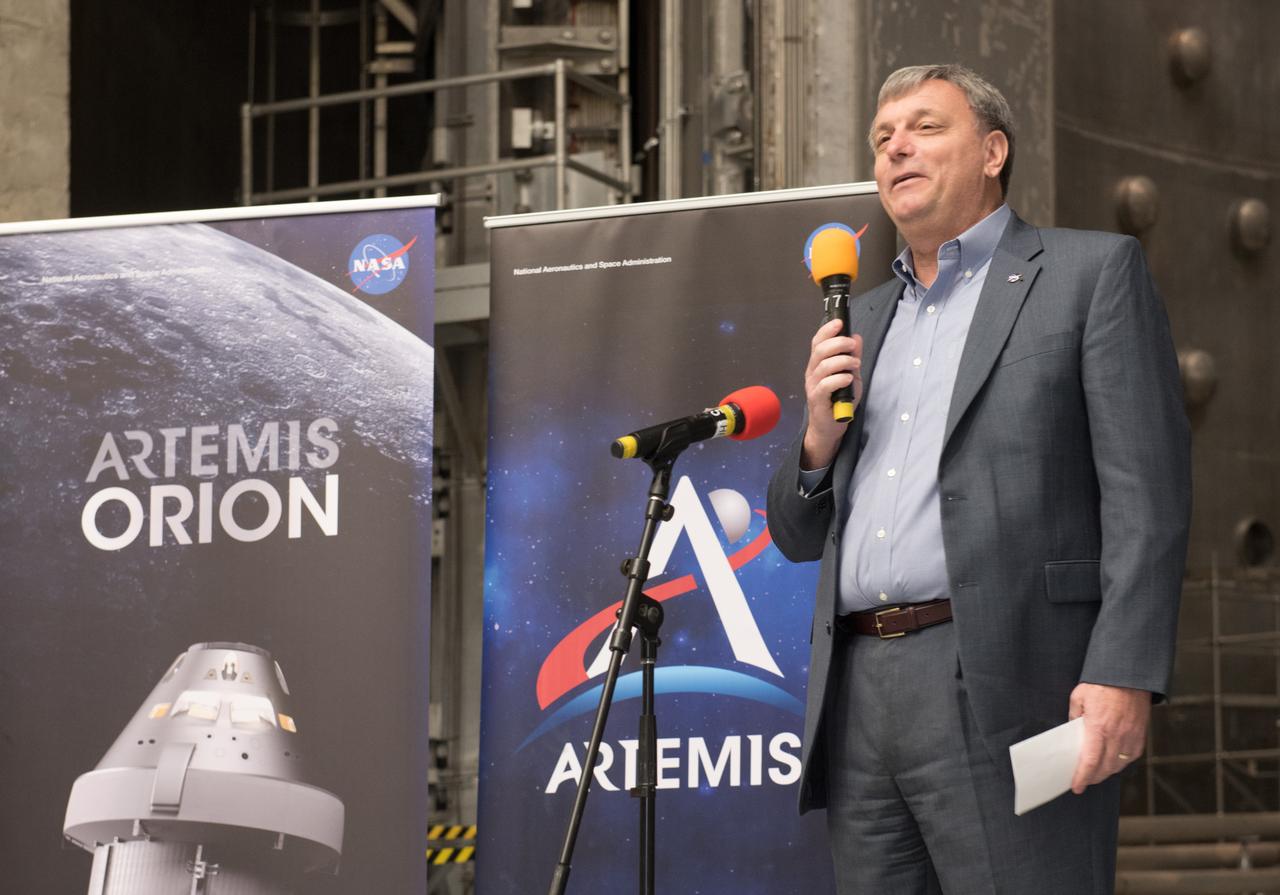
Artemis Departure Media Event
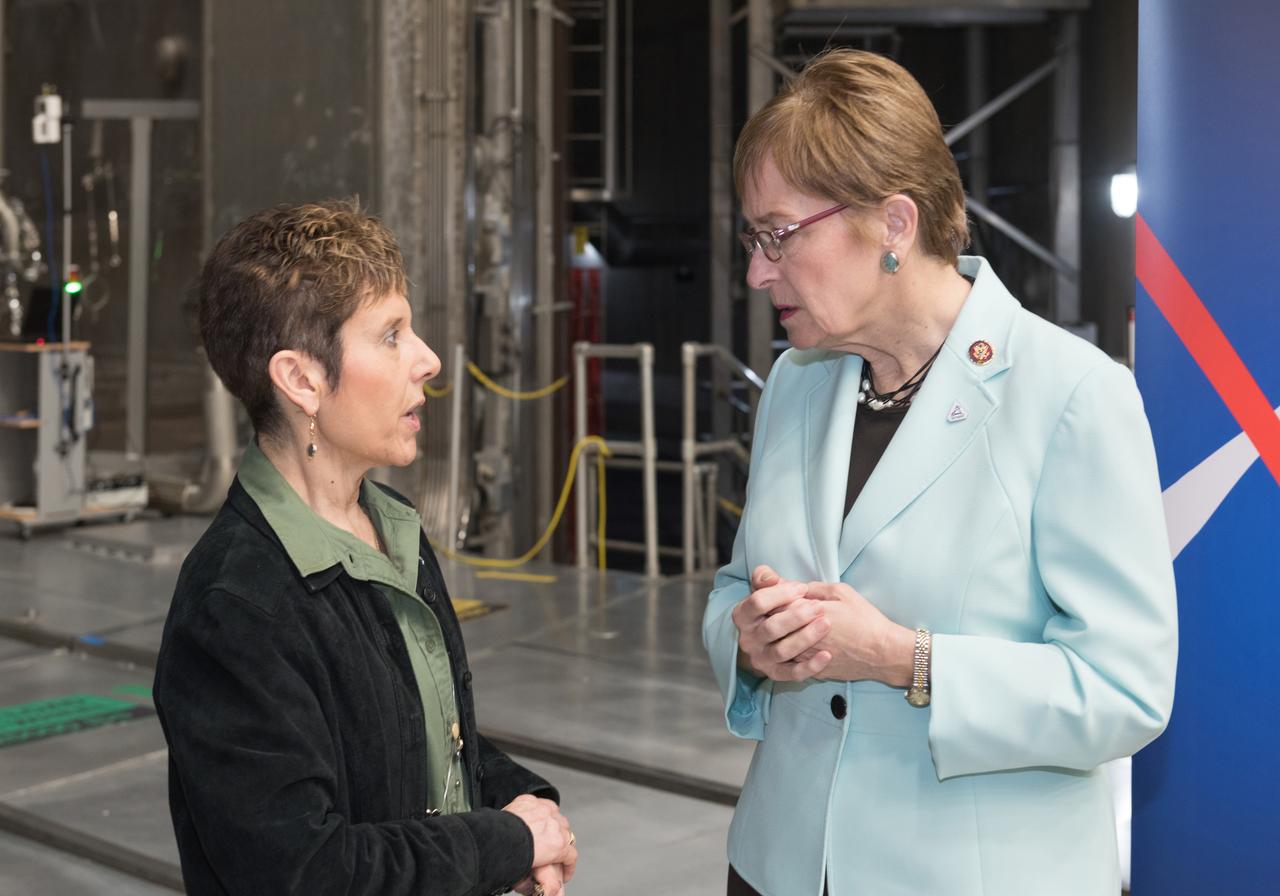
Artemis Departure Media Event
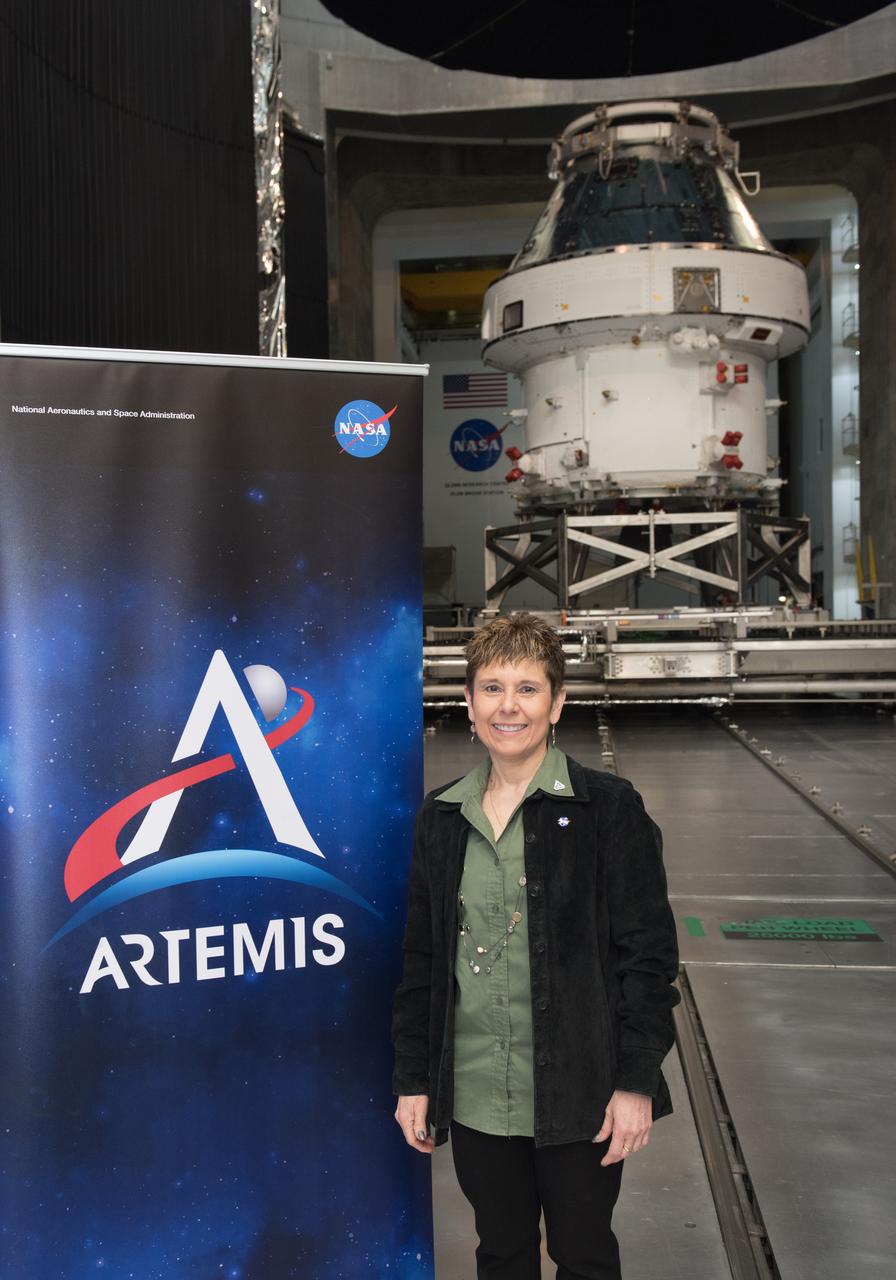
Artemis Departure Media Event
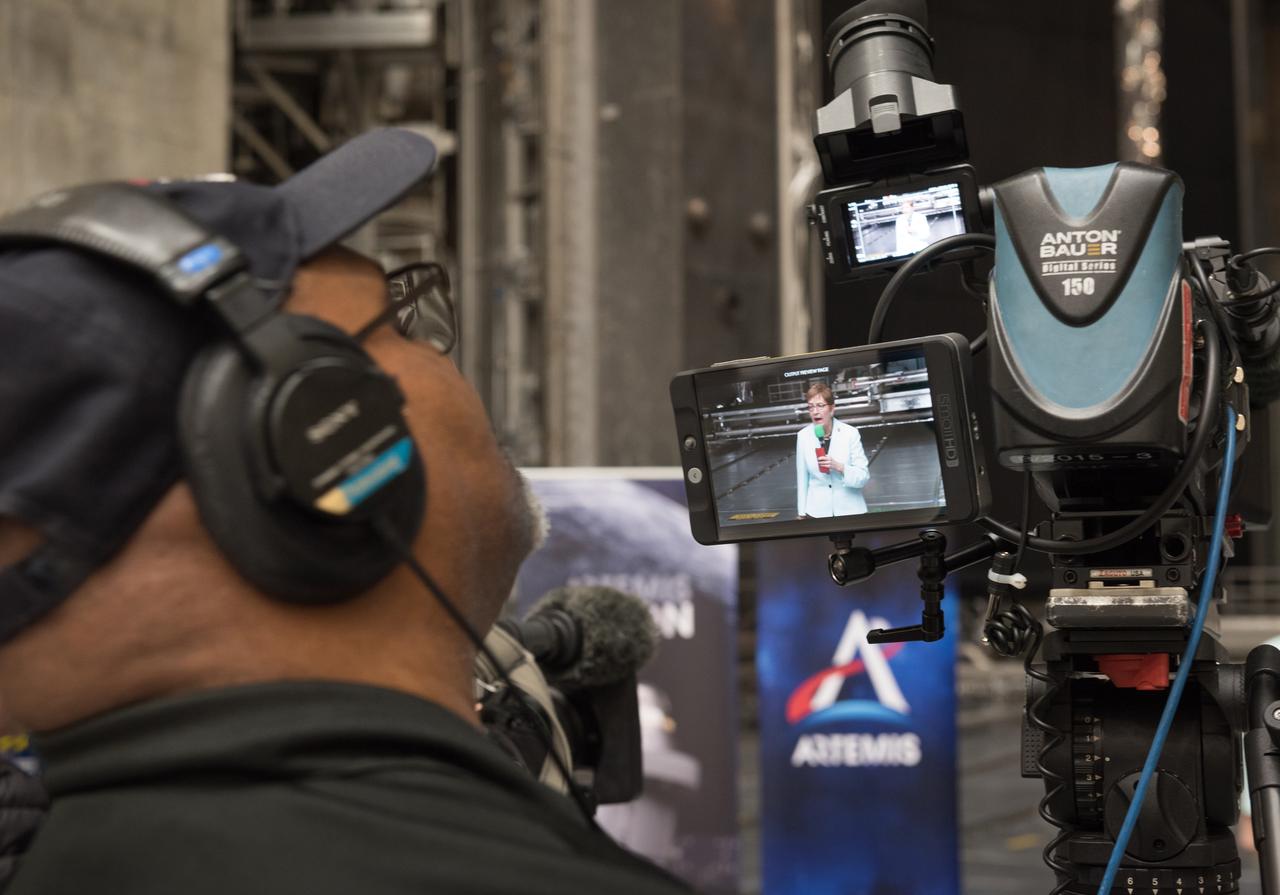
Artemis Departure Media Event
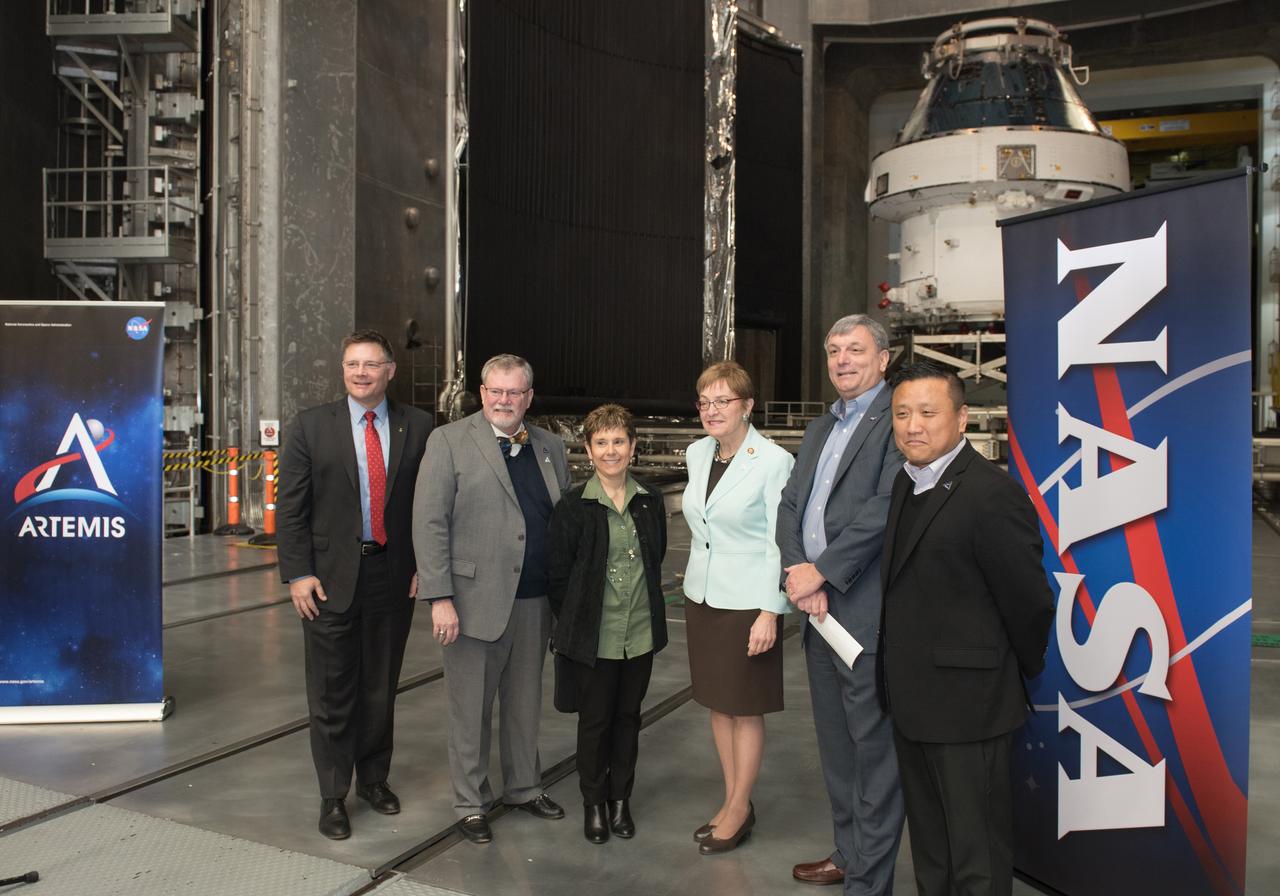
Artemis Departure Media Event

Artemis Departure Media Event
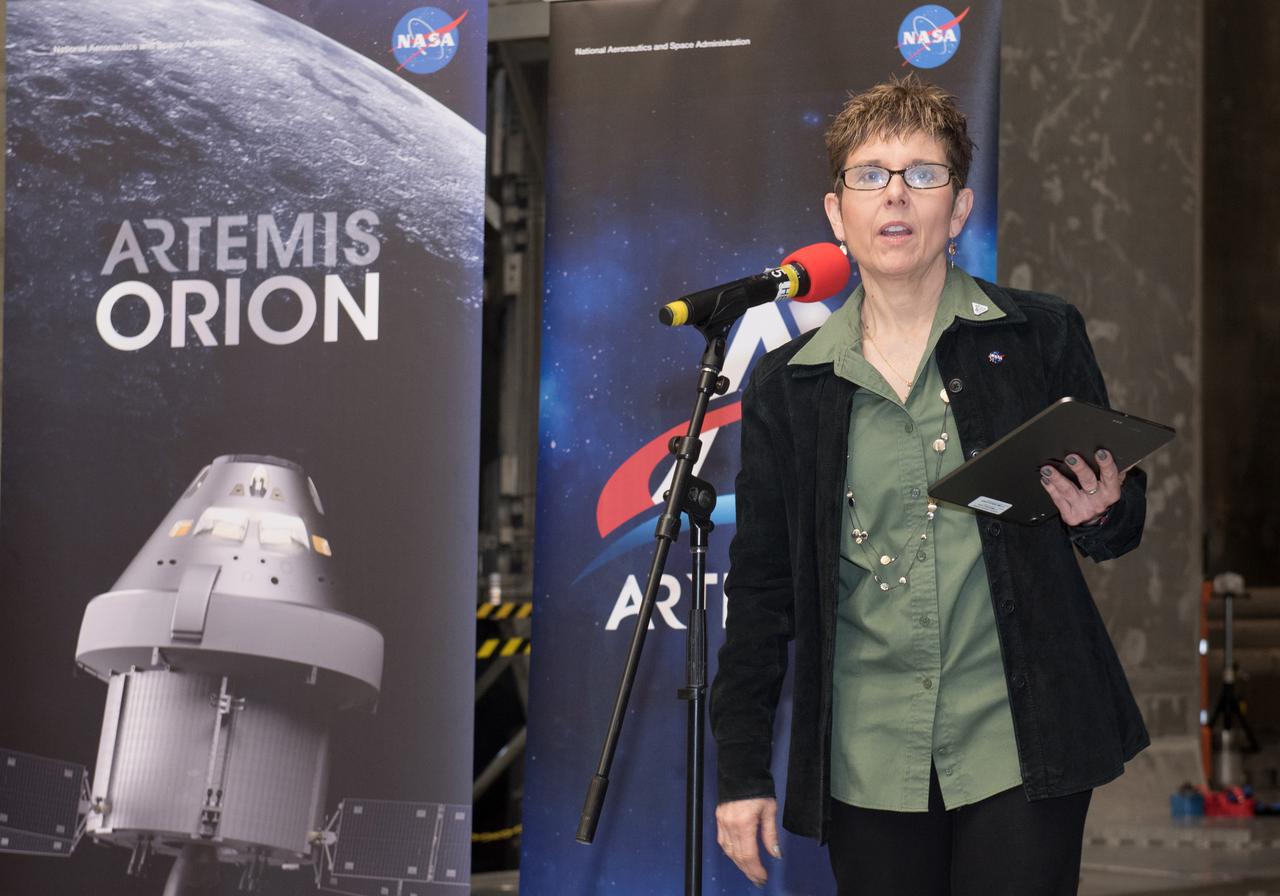
Artemis Departure Media Event
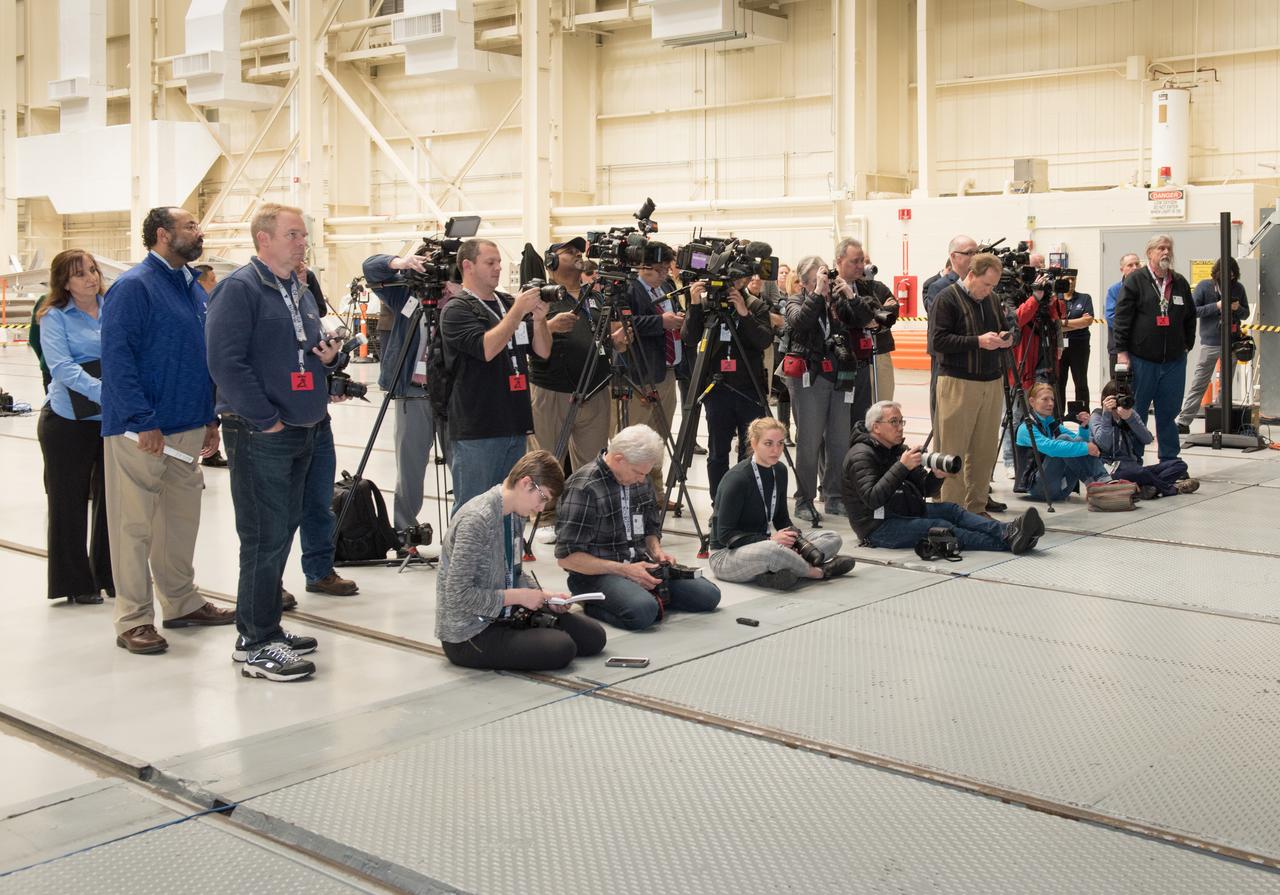
Artemis Departure Media Event
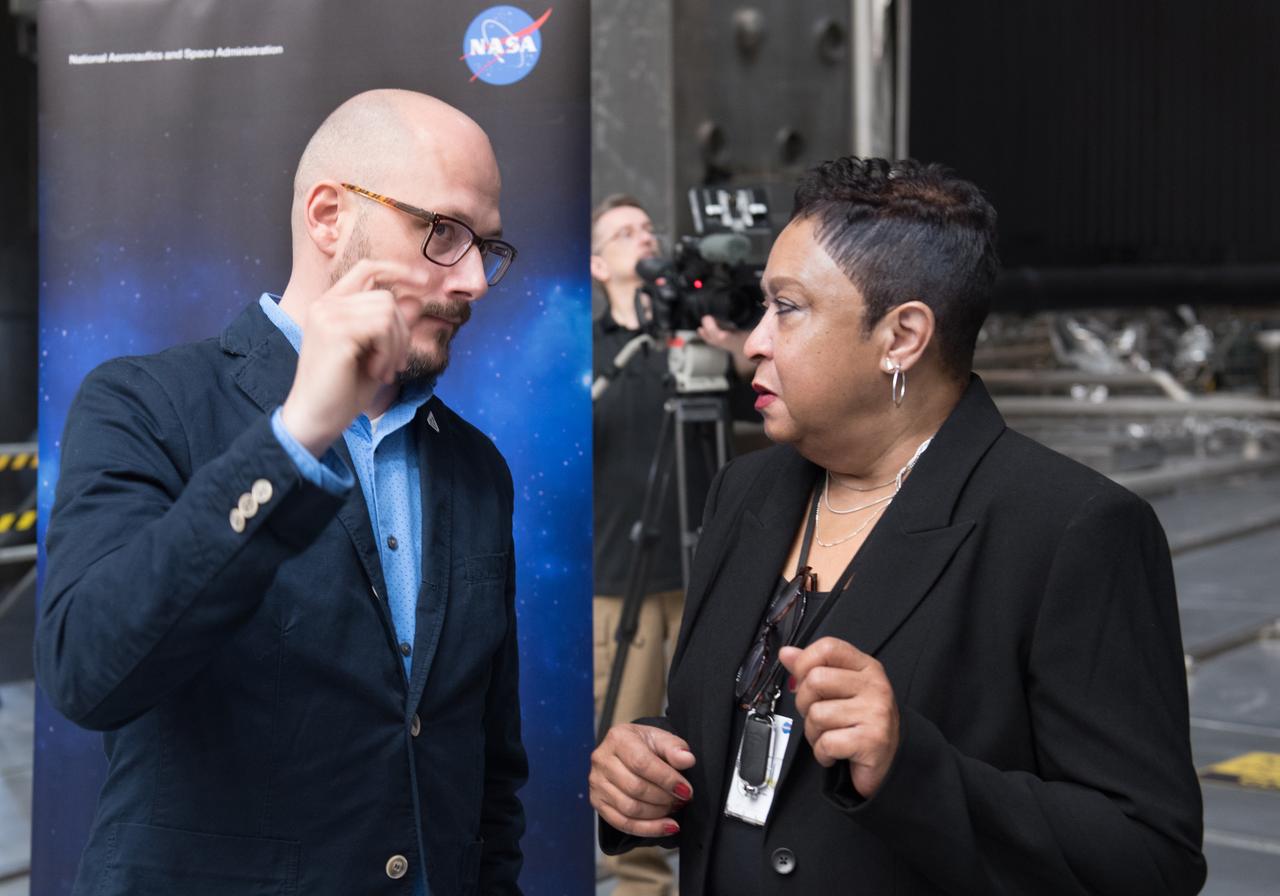
Artemis Departure Media Event
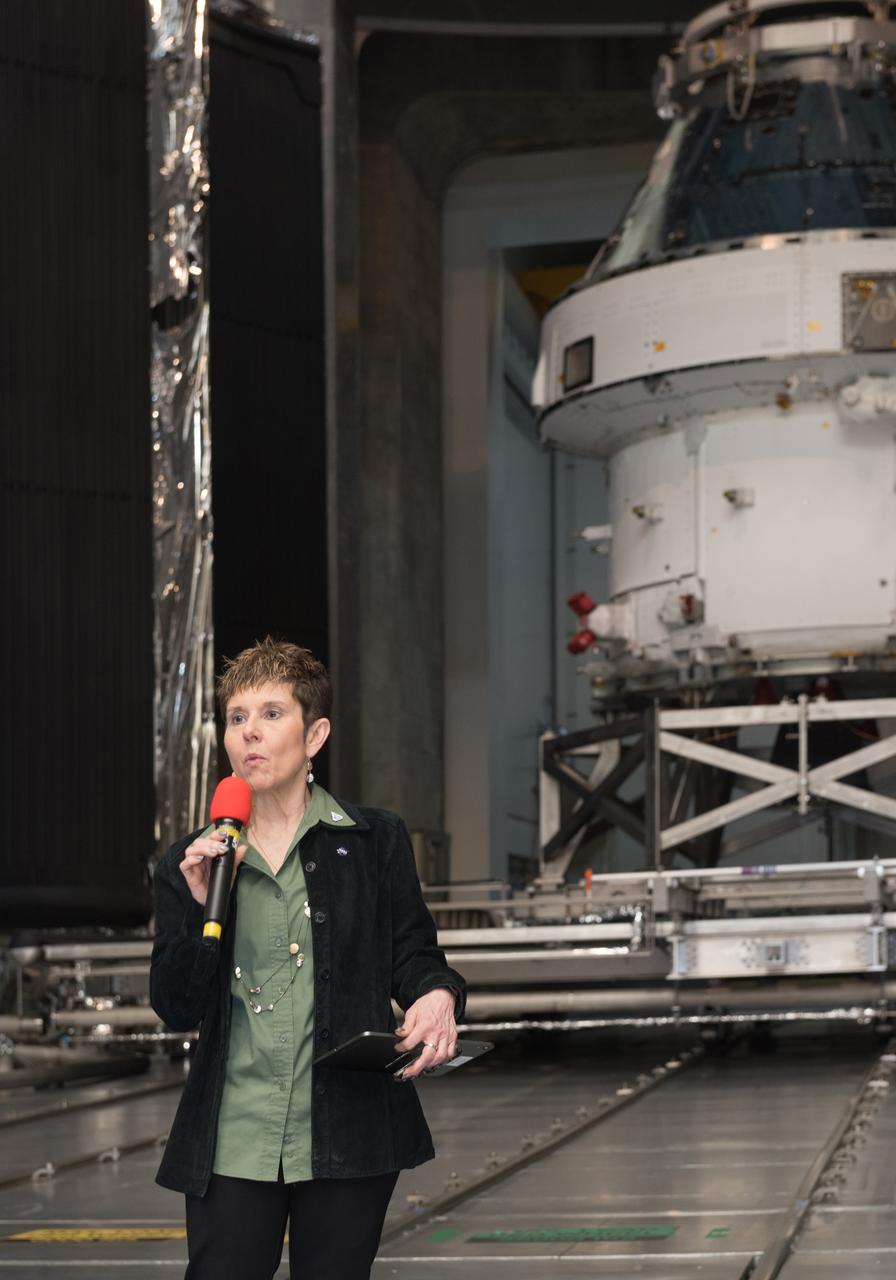
Artemis Departure Media Event
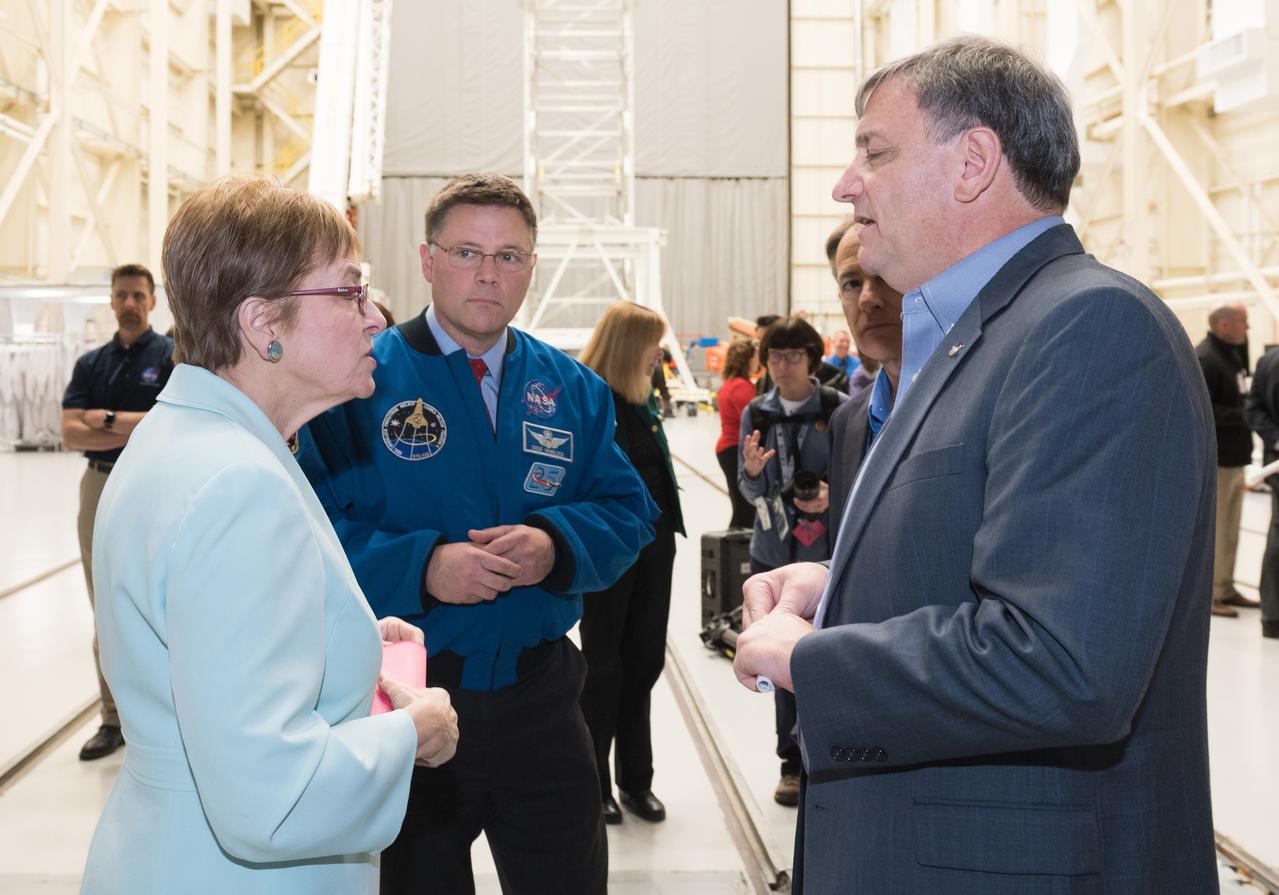
Artemis Departure Media Event
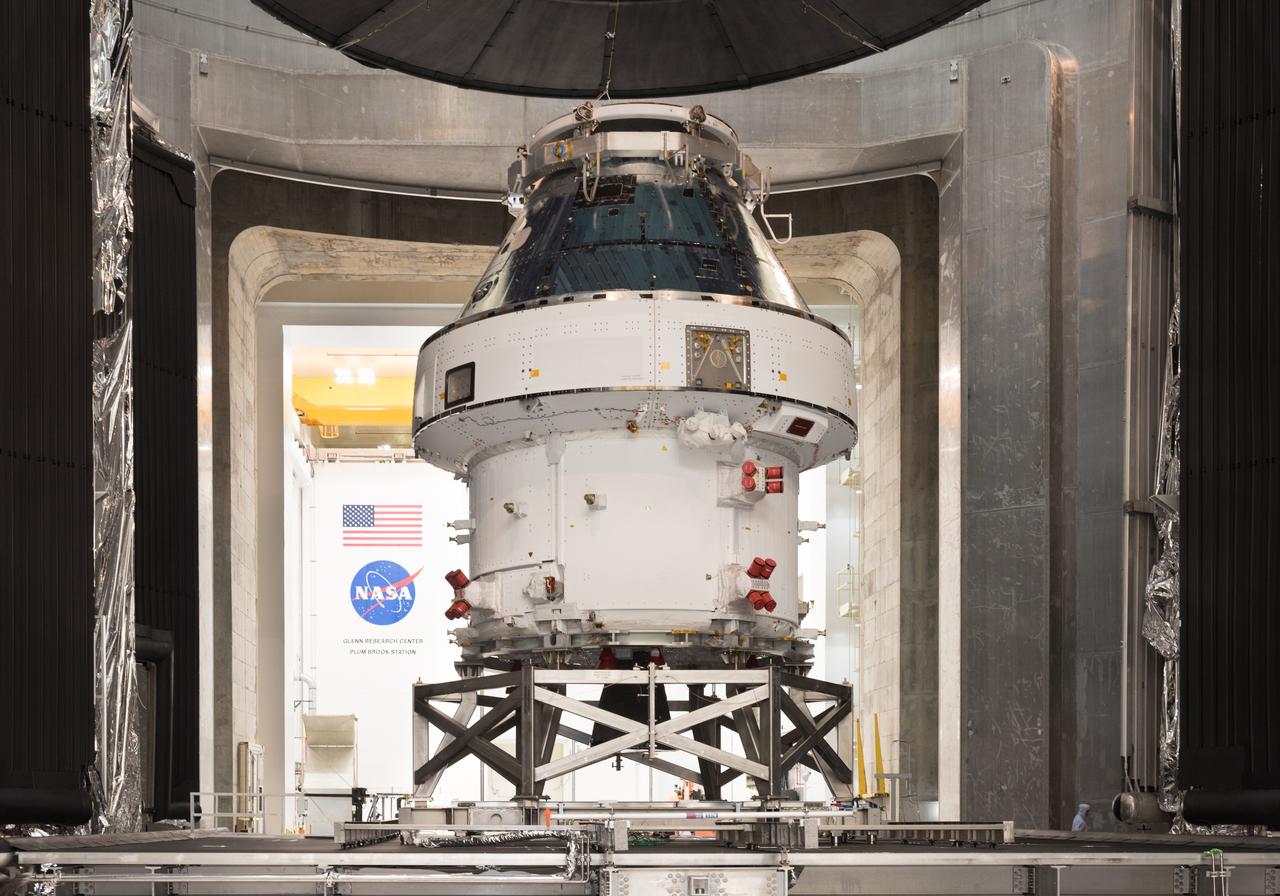
Artemis Departure Media Event
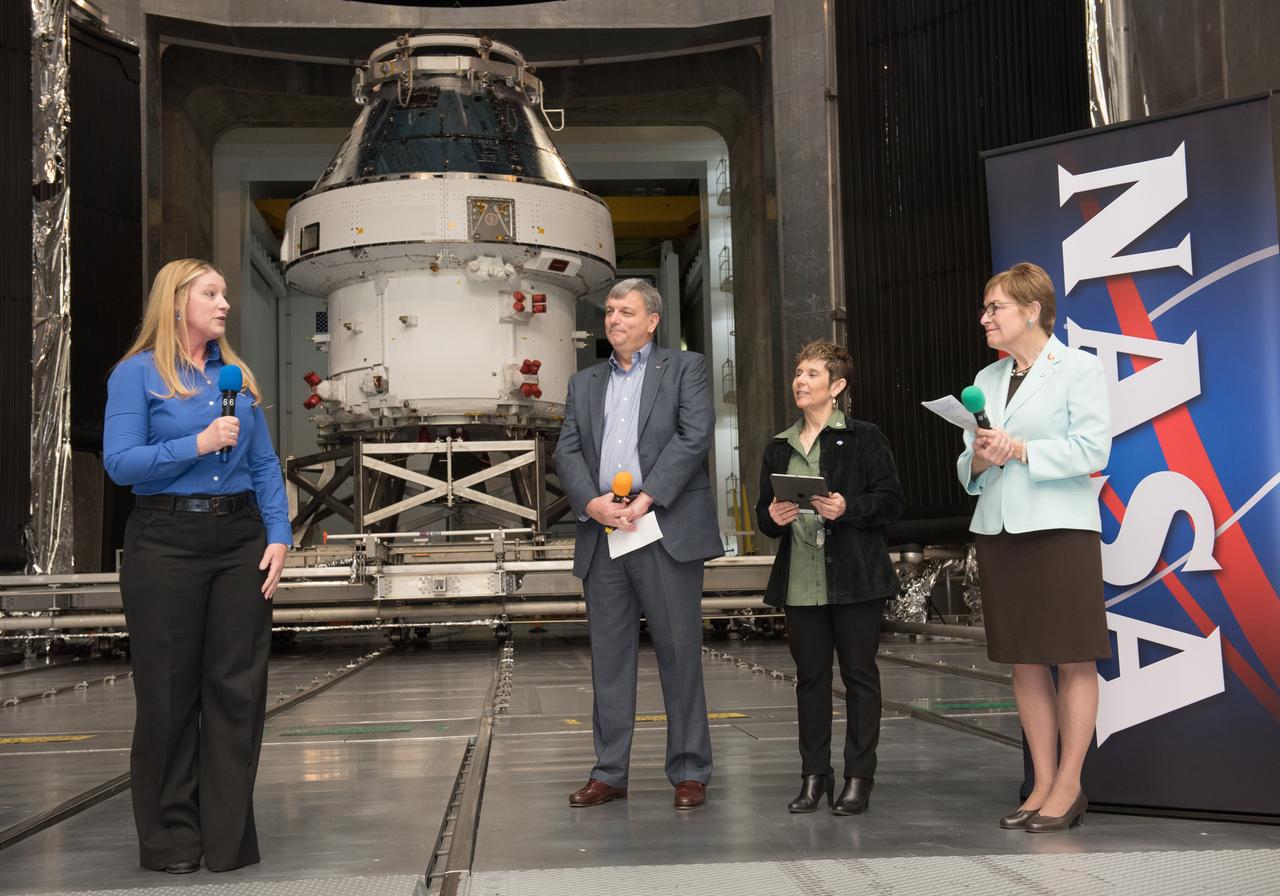
Artemis Departure Media Event
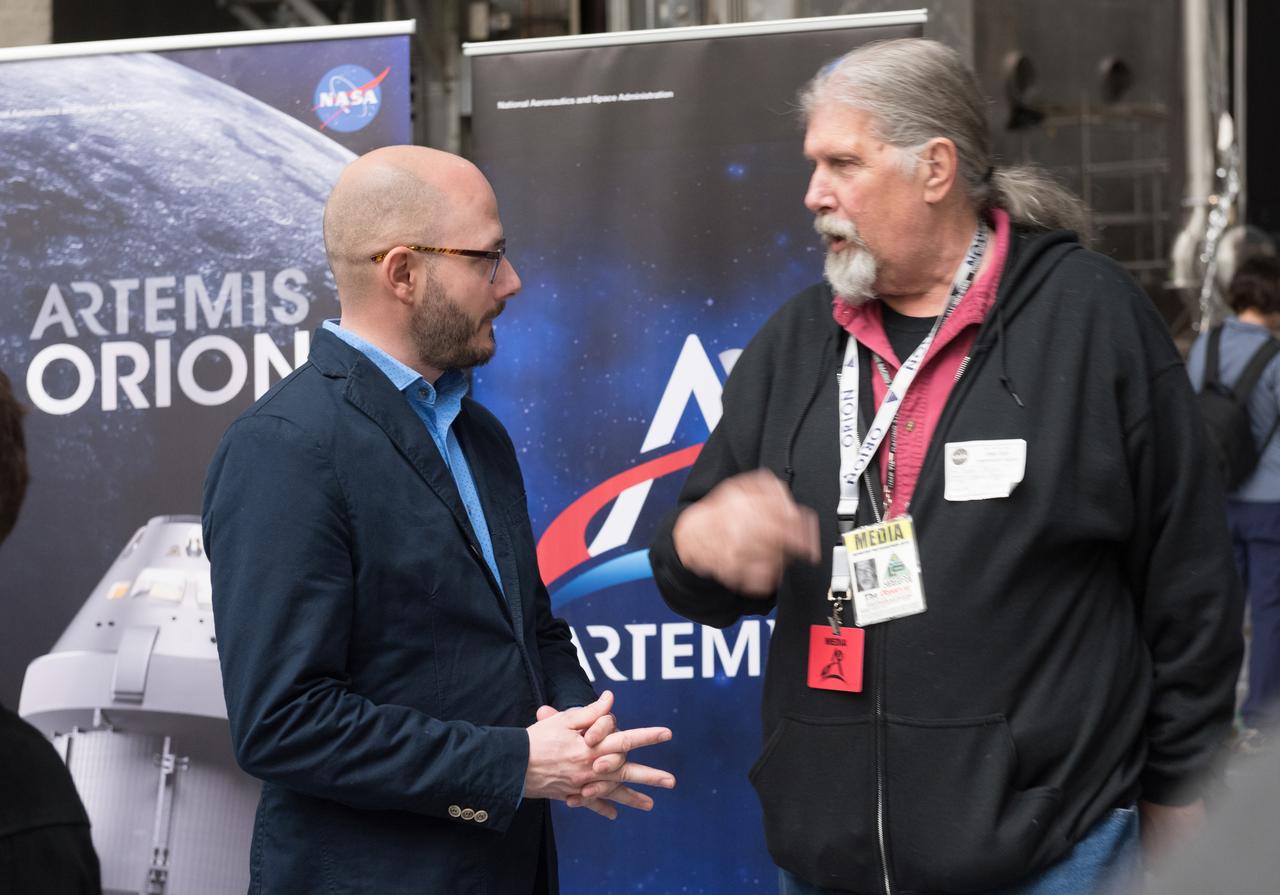
Artemis Departure Media Event
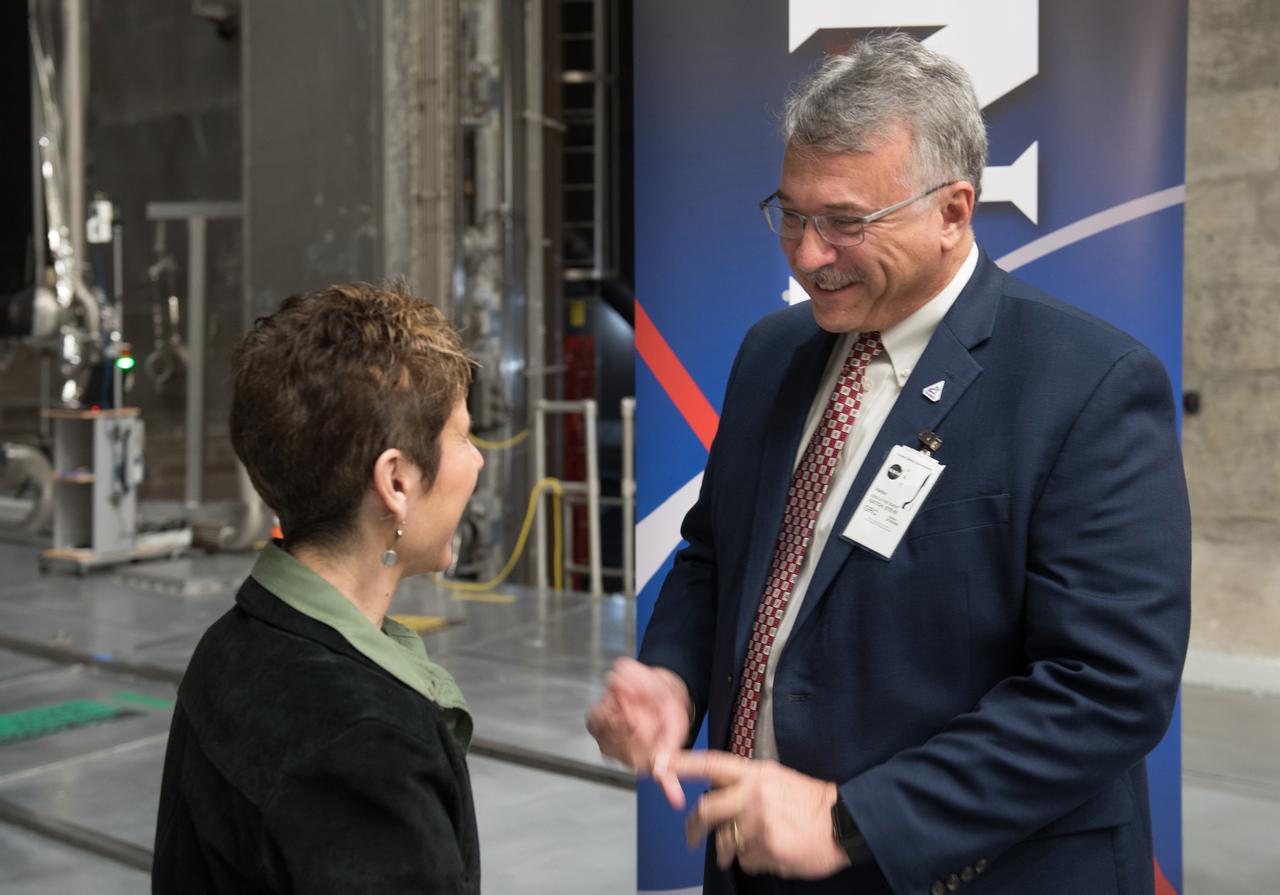
Artemis Departure Media Event
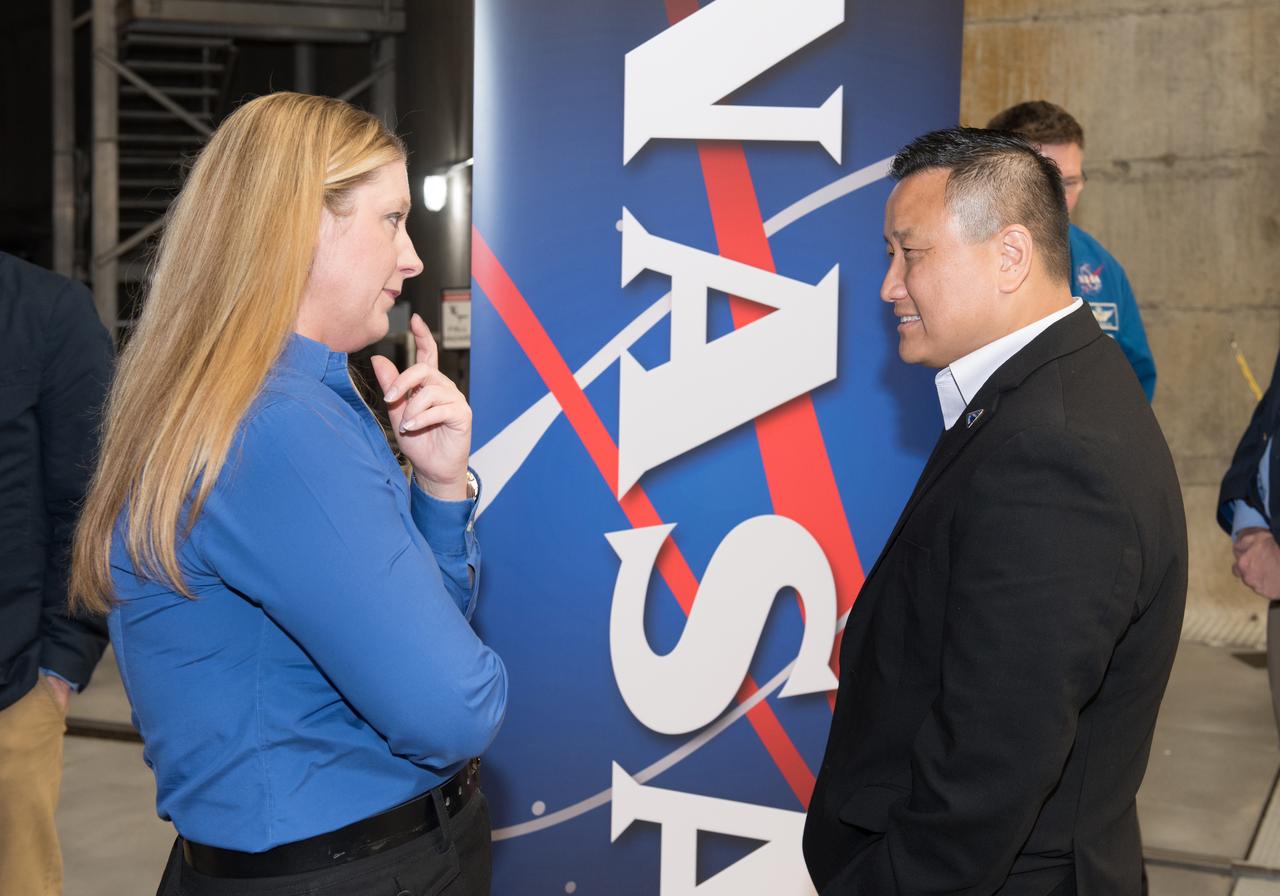
Artemis Departure Media Event
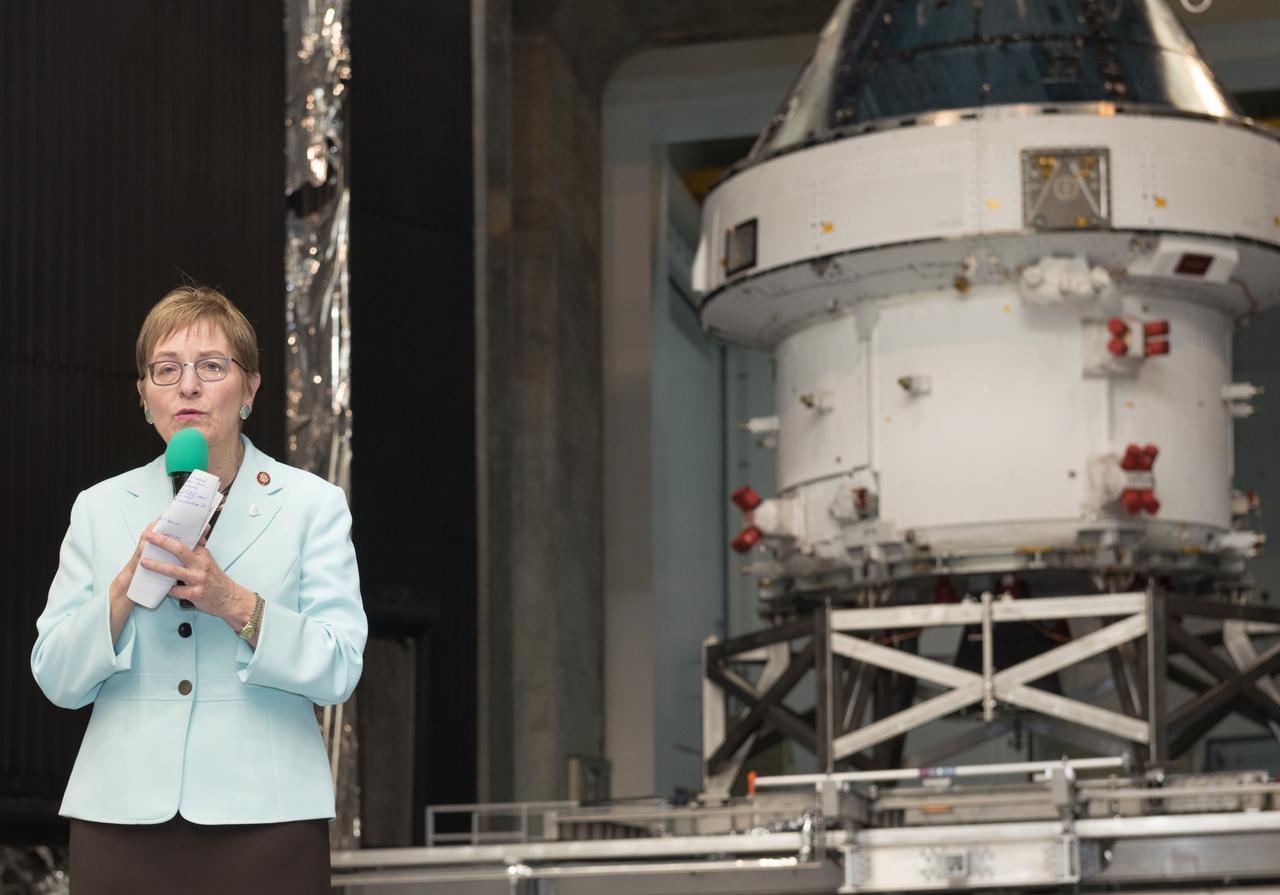
Artemis Departure Media Event
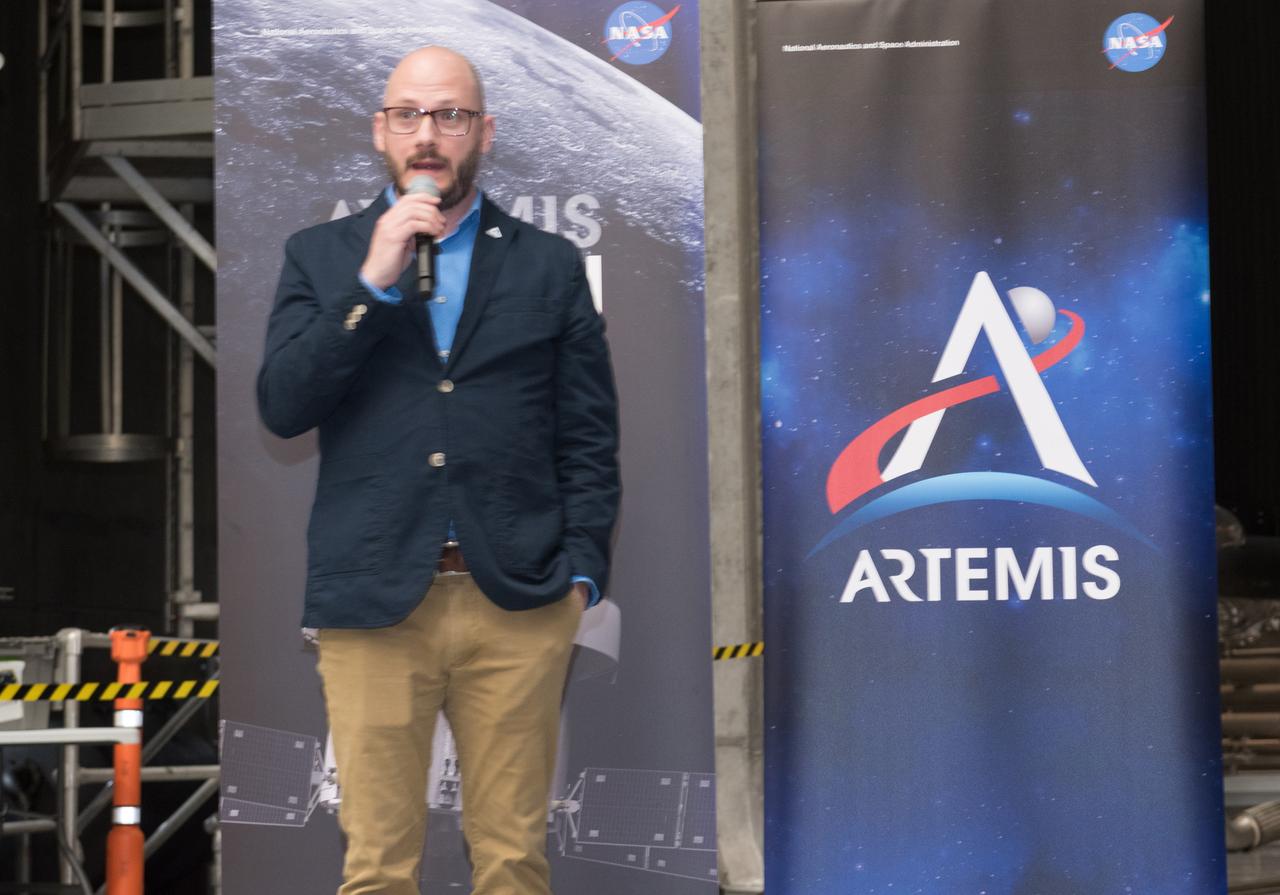
Artemis Departure Media Event
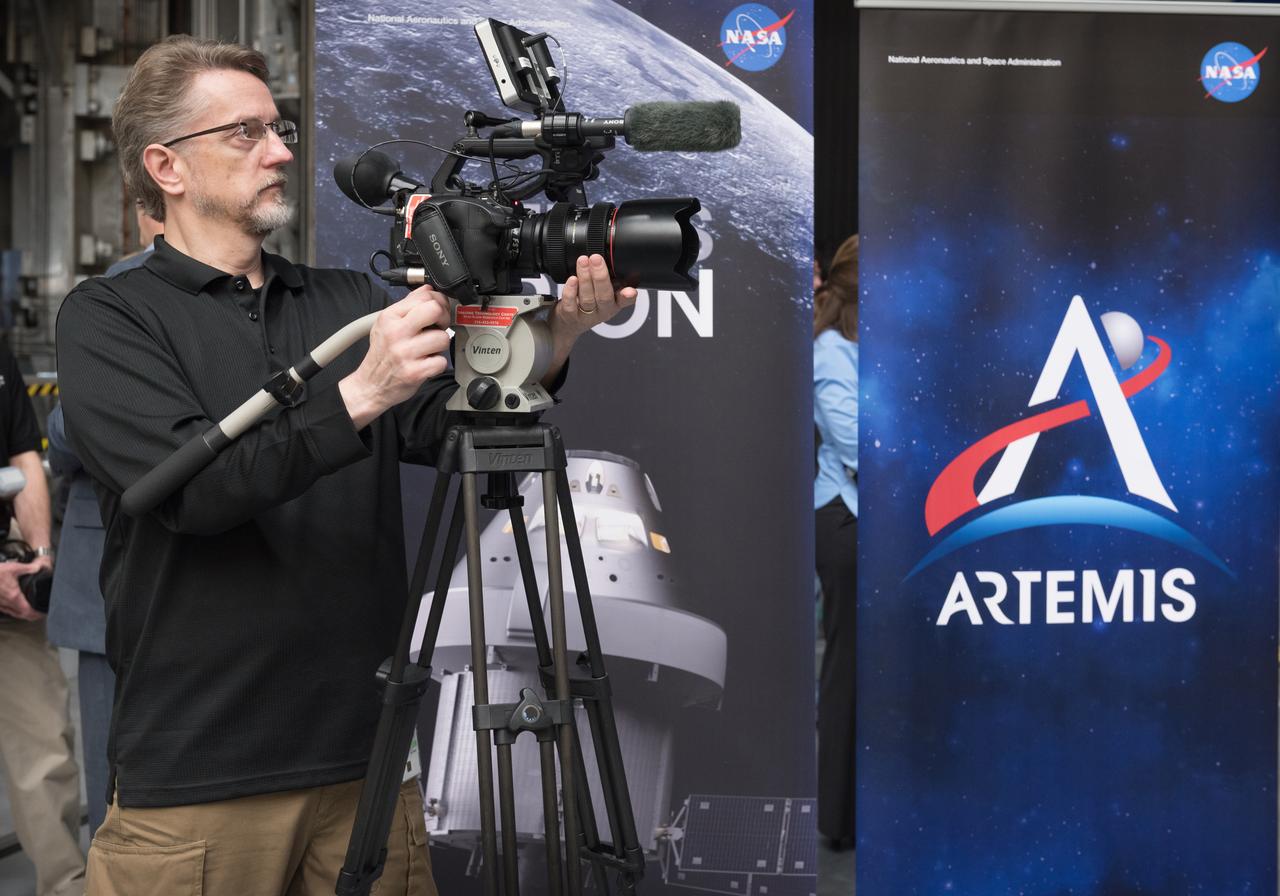
Artemis Departure Media Event
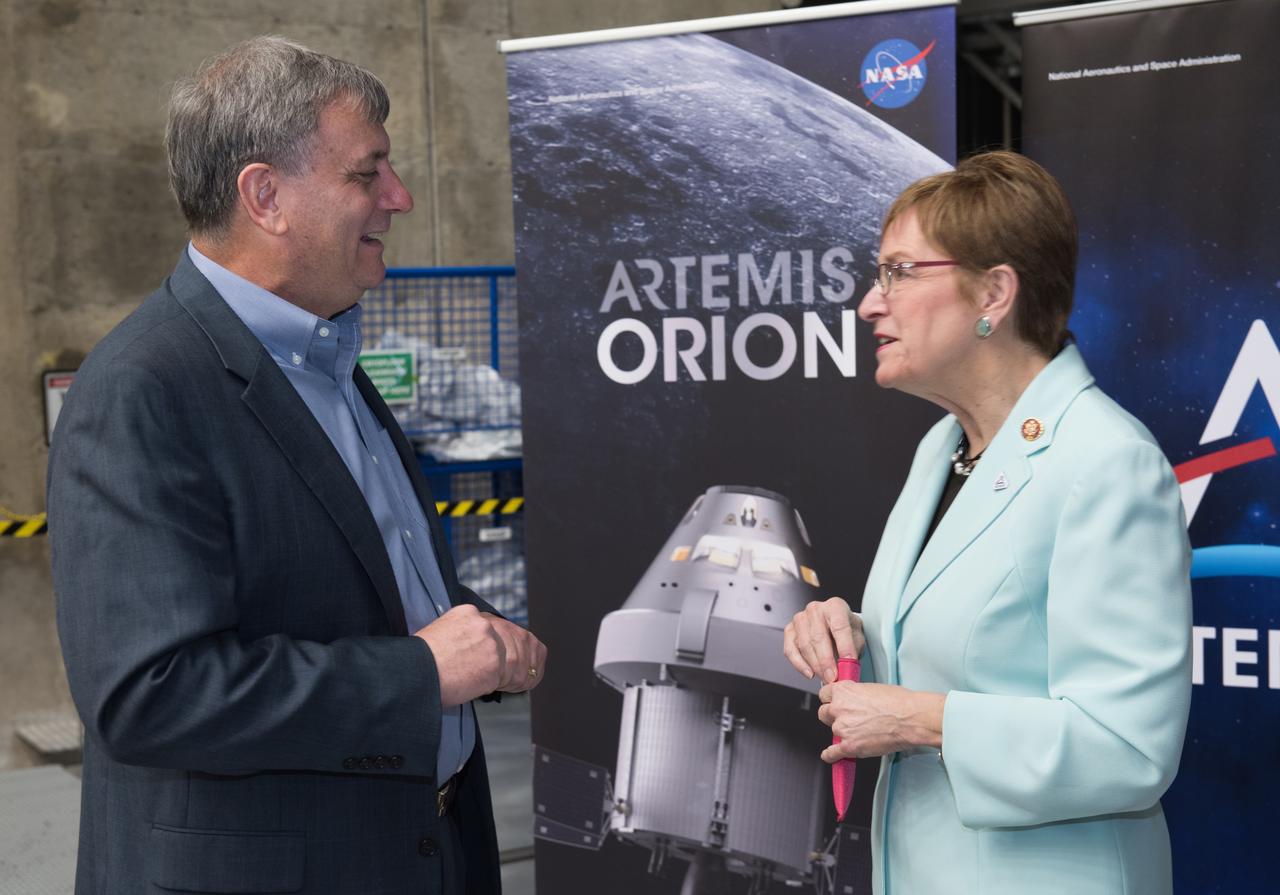
Artemis Departure Media Event
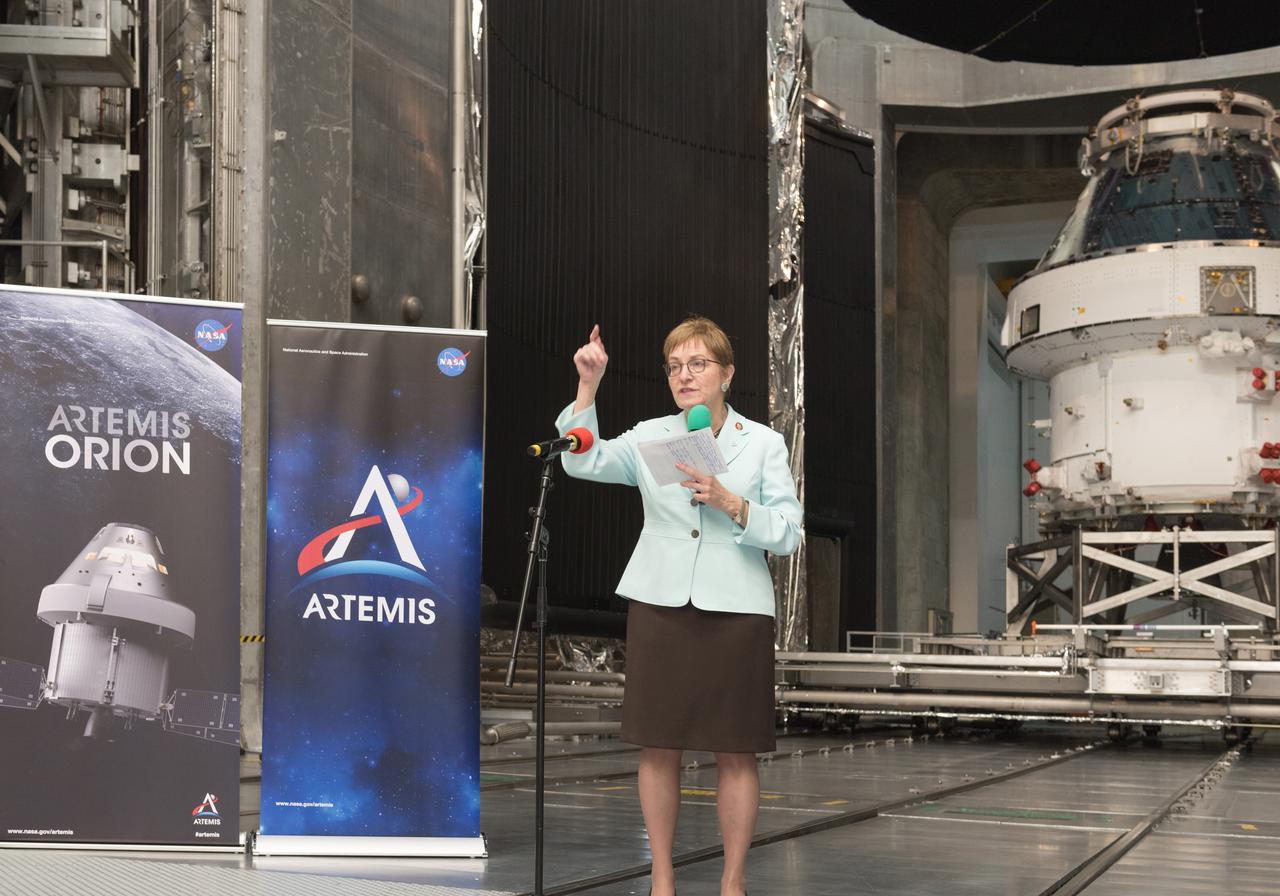
Artemis Departure Media Event
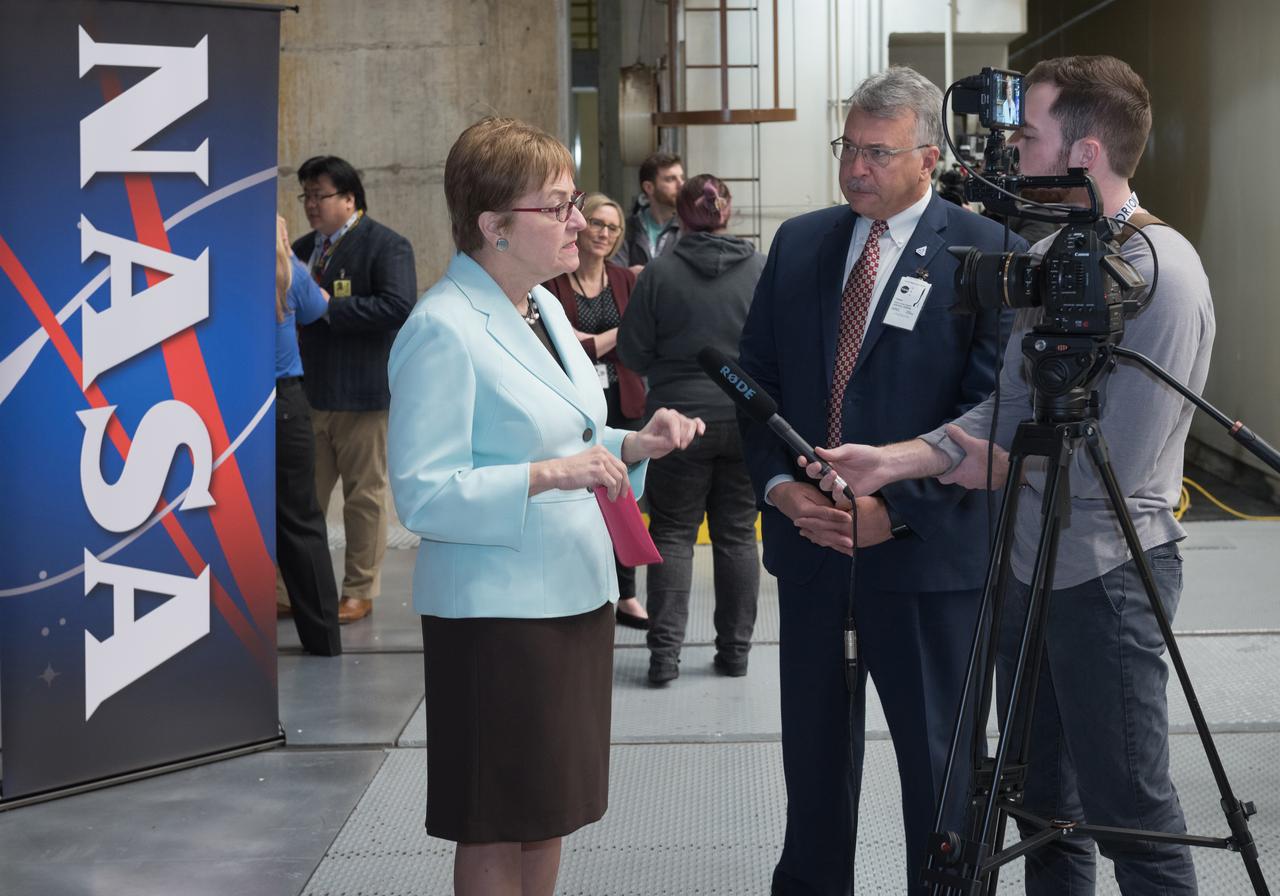
Artemis Departure Media Event
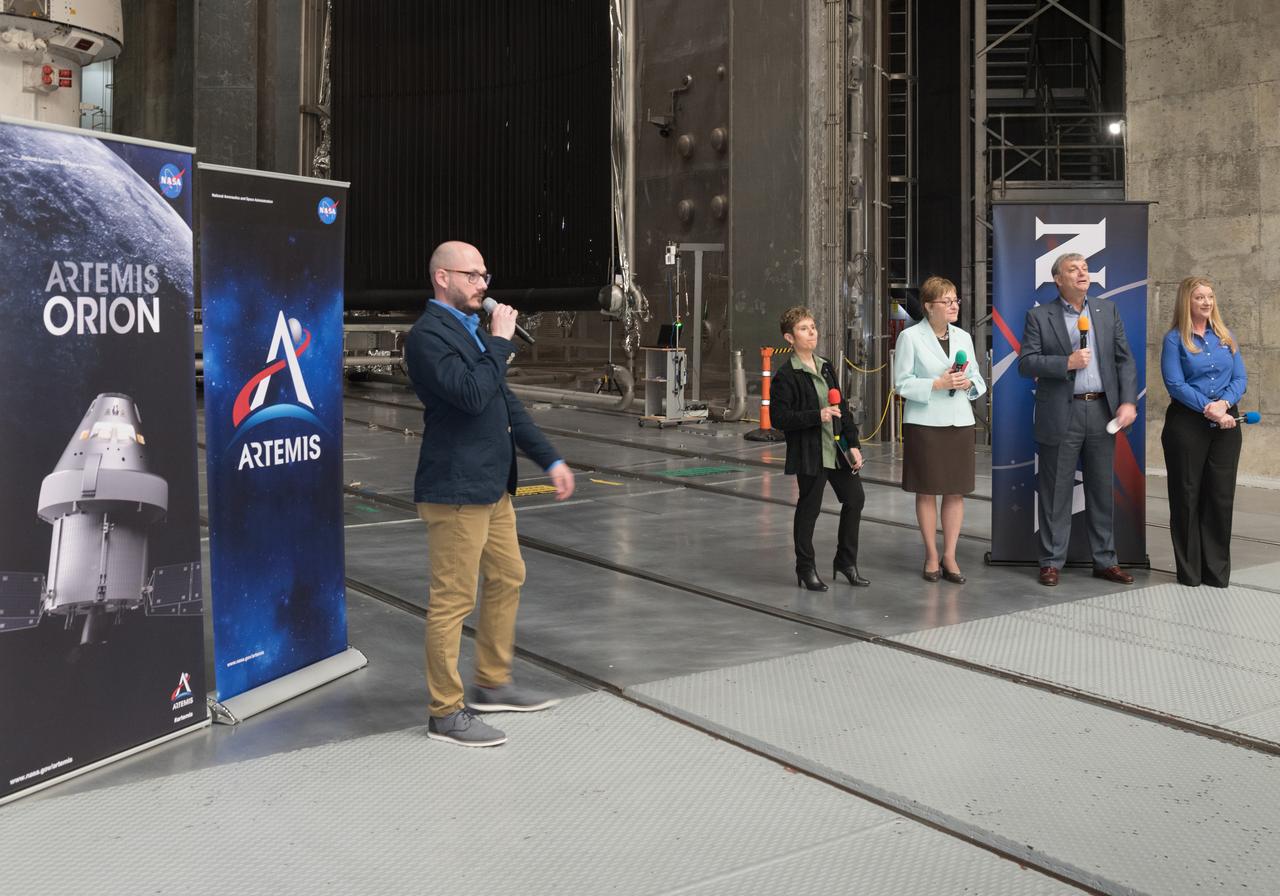
Artemis Departure Media Event

Media reporter asks question during Q&A session at Chamber Media Briefing at USSRC.
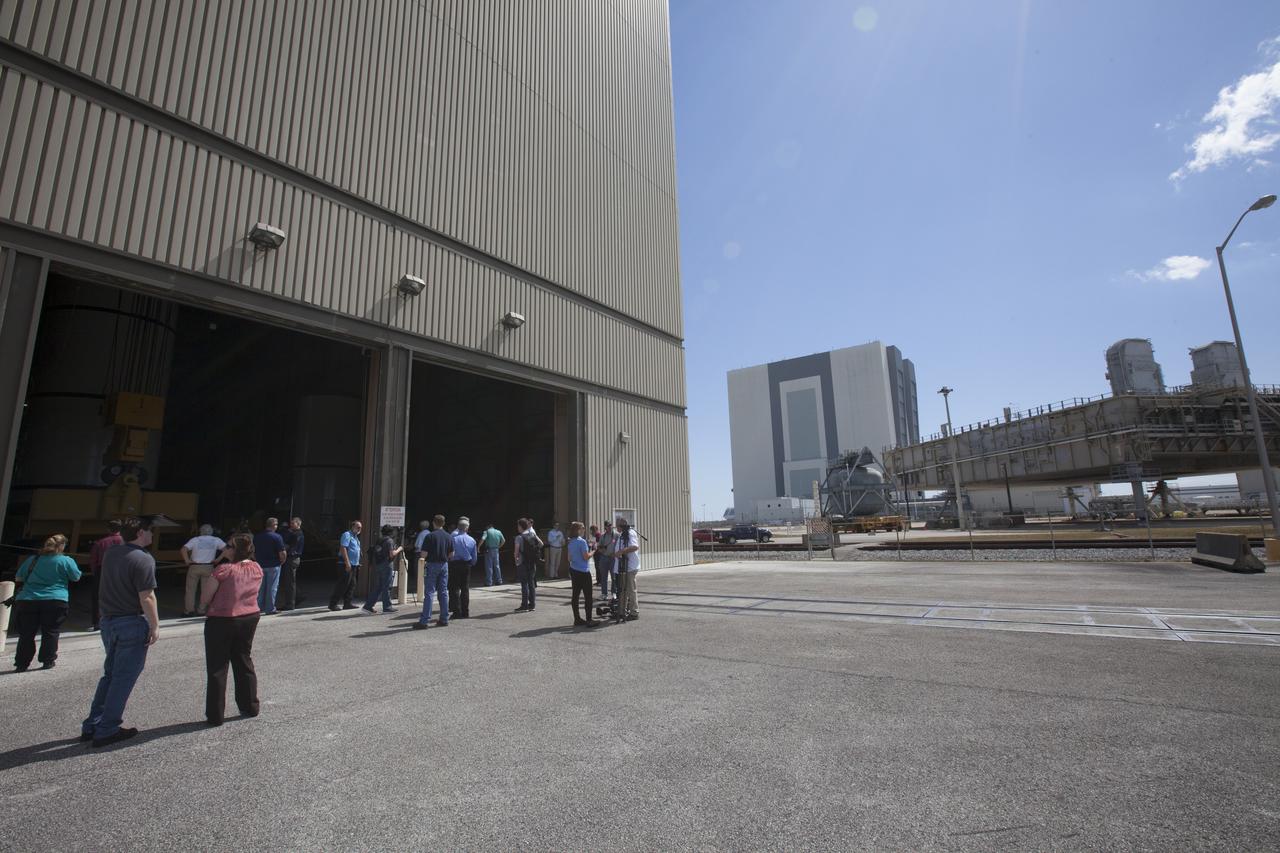
Members of the news media watch as a crane is used to move one of two pathfinders, or test versions, of solid rocket booster segments for NASA’s Space Launch System rocket to a test stand in the Rotation, Processing and Surge Facility at NASA’s Kennedy Space Center in Florida. Inside the RPSF, the Ground Systems Development and Operations Program and Jacobs Engineering, on the Test and Operations Support Contract, will prepare the booster segments, which are inert, for a series of lifts, moves and stacking operations to prepare for Exploration Mission-1, deep-space missions and the journey to Mars.
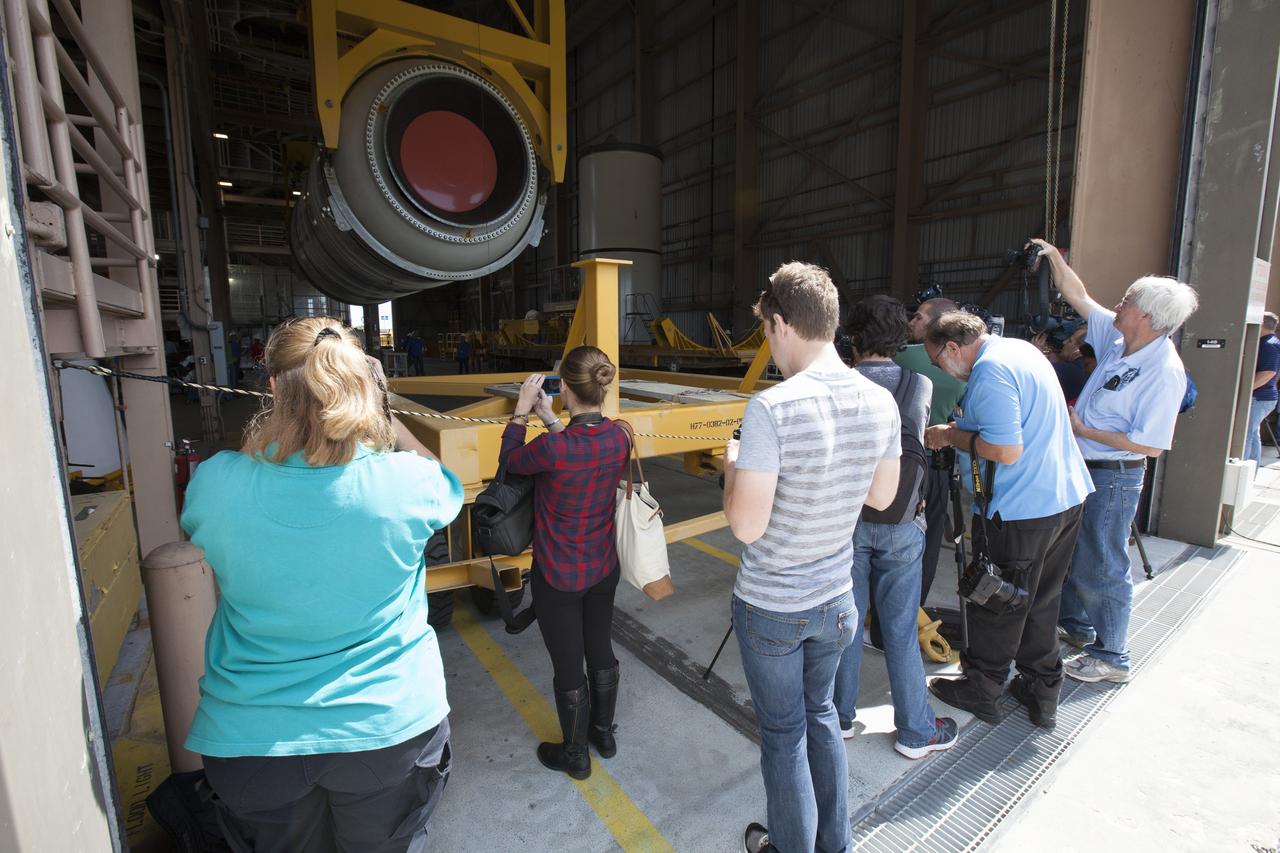
At the Rotation, Processing and Surge Facility (RPSF) at NASA’s Kennedy Space Center in Florida, members of the news media photograph the process as cranes are used to lift one of two pathfinders, or test versions, of solid rocket booster segments for NASA’s Space Launch System rocket. The Ground Systems Development and Operations Program and Jacobs Engineering, on the Test and Operations Support Contract, are preparing the booster segments, which are inert, for a series of lifts, moves and stacking operations to prepare for Exploration Mission-1, deep-space missions and the journey to Mars.
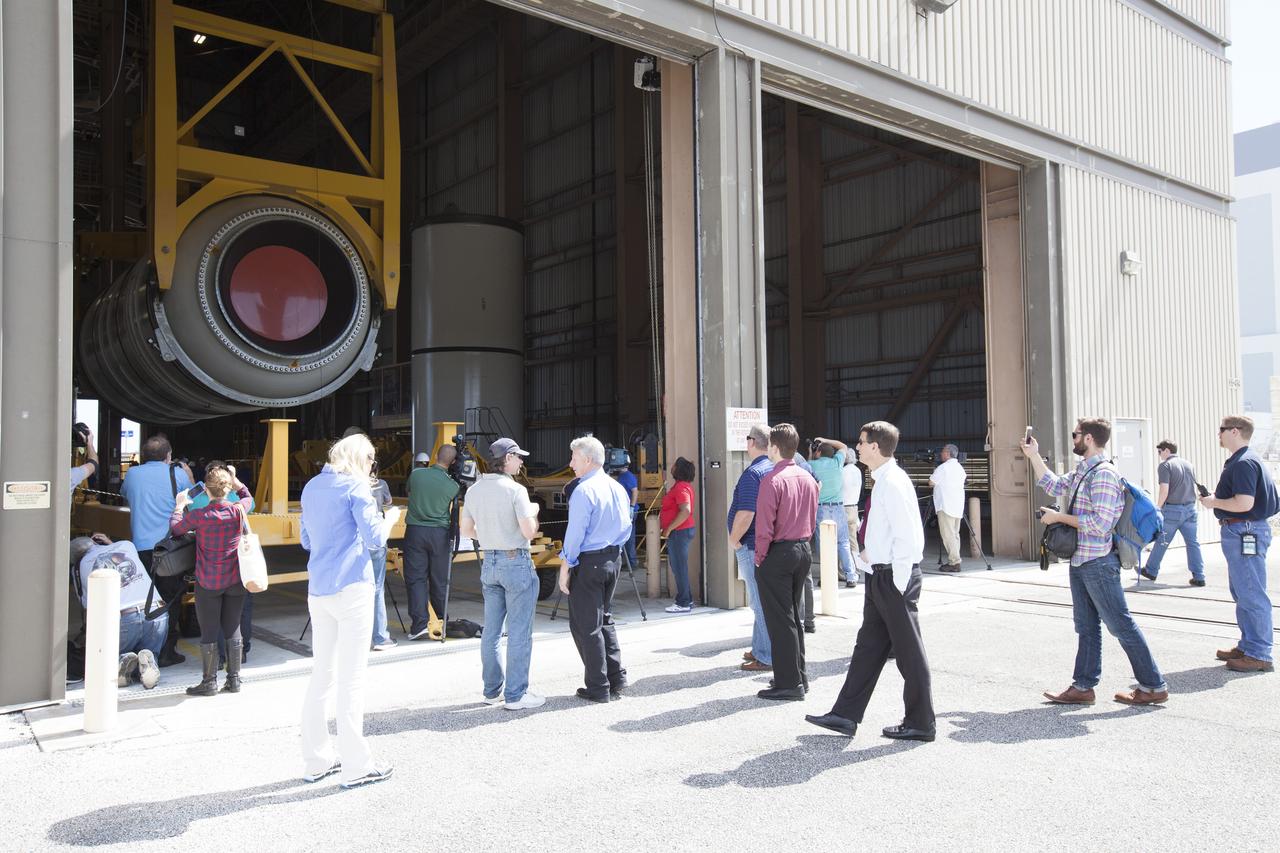
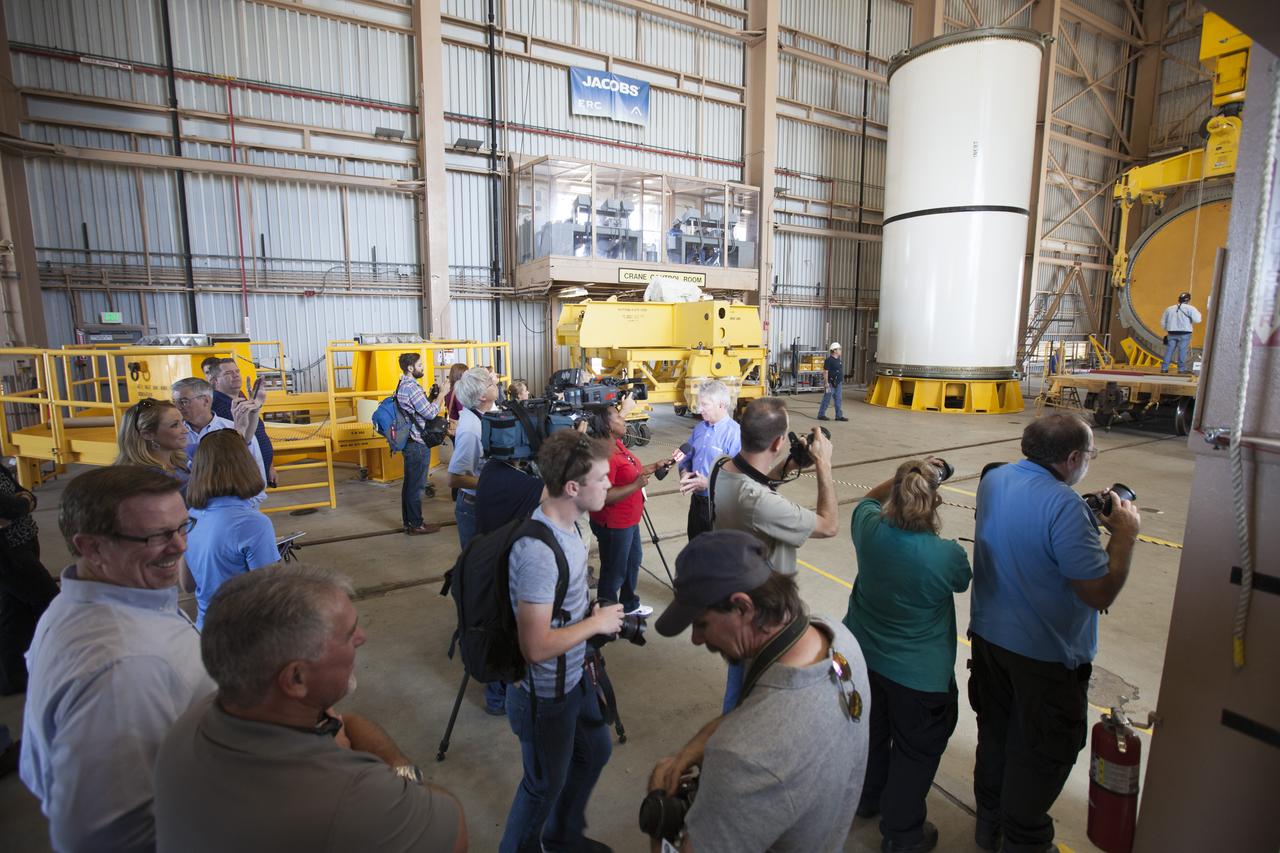
At the Rotation, Processing and Surge Facility (RPSF) at NASA’s Kennedy Space Center in Florida, members of the news media watch as cranes are used to lift one of two pathfinders, or test versions, of solid rocket booster segments for NASA’s Space Launch System rocket. The Ground Systems Development and Operations Program and Jacobs Engineering, on the Test and Operations Support Contract, are preparing the booster segments, which are inert, for a series of lifts, moves and stacking operations to prepare for Exploration Mission-1, deep-space missions and the journey to Mars.
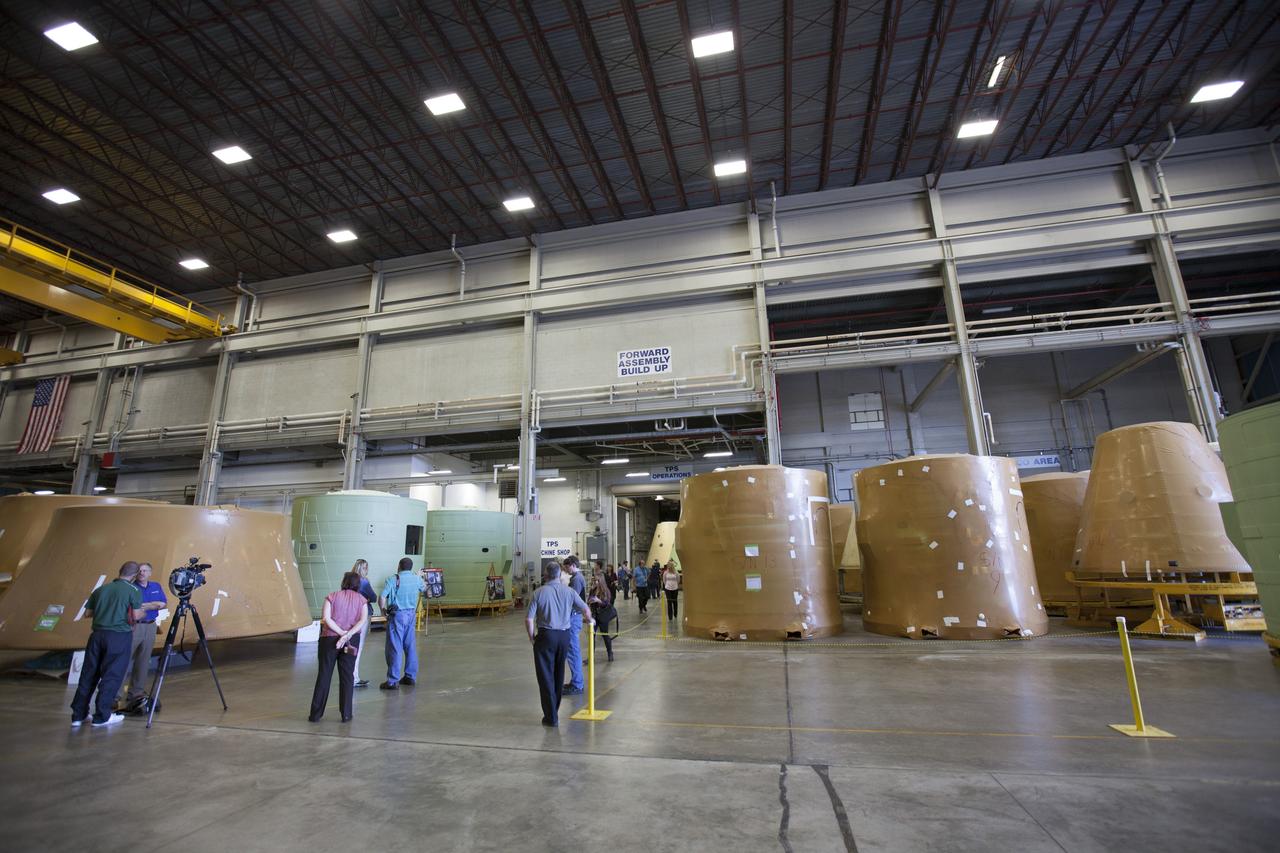
Members of the news media view forward booster segments (painted green) for NASA’s Space Launch System rocket boosters inside the Booster Fabrication Facility (BFF) at NASA’s Kennedy Space Center in Florida. Orbital ATK is a contractor for NASA’s Marshall Space Flight Center in Alabama, and operates the BFF to prepare aft booster segments and hardware for the SLS rocket boosters. The SLS rocket and Orion spacecraft will launch on Exploration Mission-1 in 2018. The Ground Systems Development and Operations Program is preparing the infrastructure to process and launch spacecraft for deep-space missions and the journey to Mars.
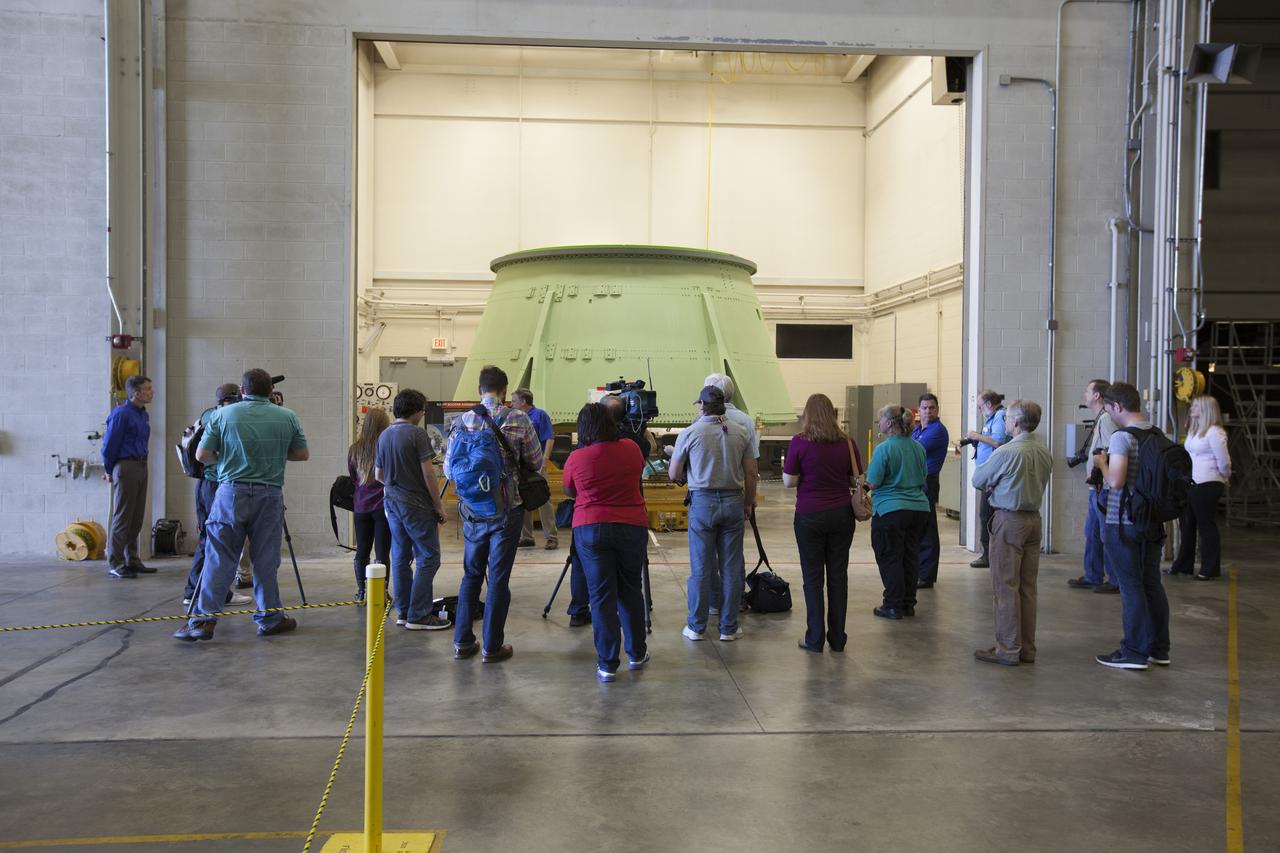
Inside the Booster Fabrication Facility (BFF) at NASA’s Kennedy Space Center in Florida, members of the news media view the right-hand aft skirt that will be used on a solid rocket booster for NASA’s Space Launch System (SLS) rocket. Orbital ATK is contractor for NASA’s Marshall Space Flight Center in Alabama, and operates the BFF to prepare aft booster segments and hardware for the SLS solid rocket boosters. At far right, in the royal blue shirt, Rick Serfozo, Orbital ATK Florida site director, talks to the media. The SLS rocket and Orion spacecraft will launch on Exploration Mission-1 in 2018. The Ground Systems Development and Operations Program is preparing the infrastructure to process and launch spacecraft for deep-space missions and the journey to Mars.
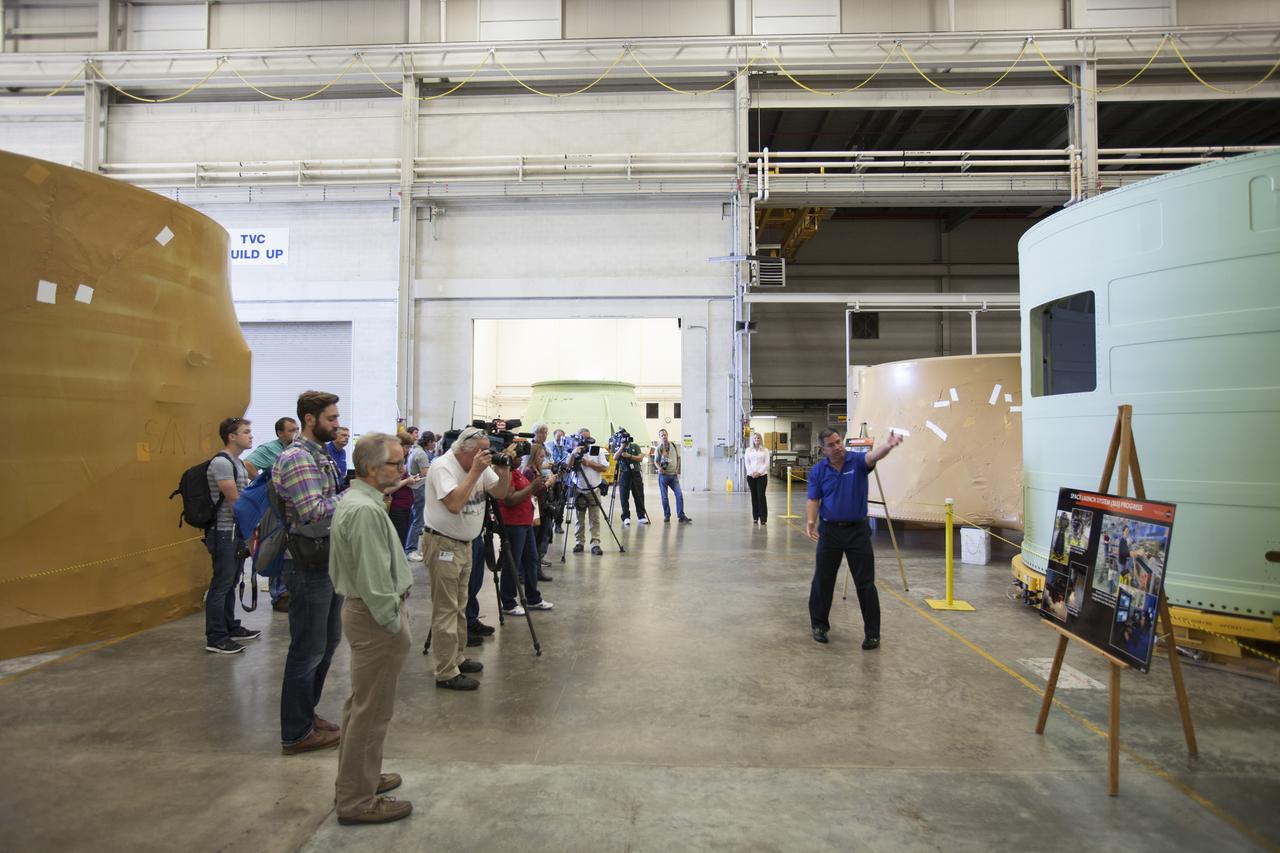
Inside the Booster Fabrication Facility (BFF) at NASA’s Kennedy Space Center in Florida, members of the news media view a forward skirt that will be used on a solid rocket booster for NASA’s Space Launch System (SLS) rocket. Orbital ATK is a contractor for NASA’s Marshall Space Flight Center in Alabama, and operates the BFF to prepare aft booster segments and hardware for the SLS solid rocket boosters. Rick Serfozo, Orbital ATK Florida site director, talks to the media. The SLS rocket and Orion spacecraft will launch on Exploration Mission-1 in 2018. The Ground Systems Development and Operations Program is preparing the infrastructure to process and launch spacecraft for deep-space missions and the journey to Mars.
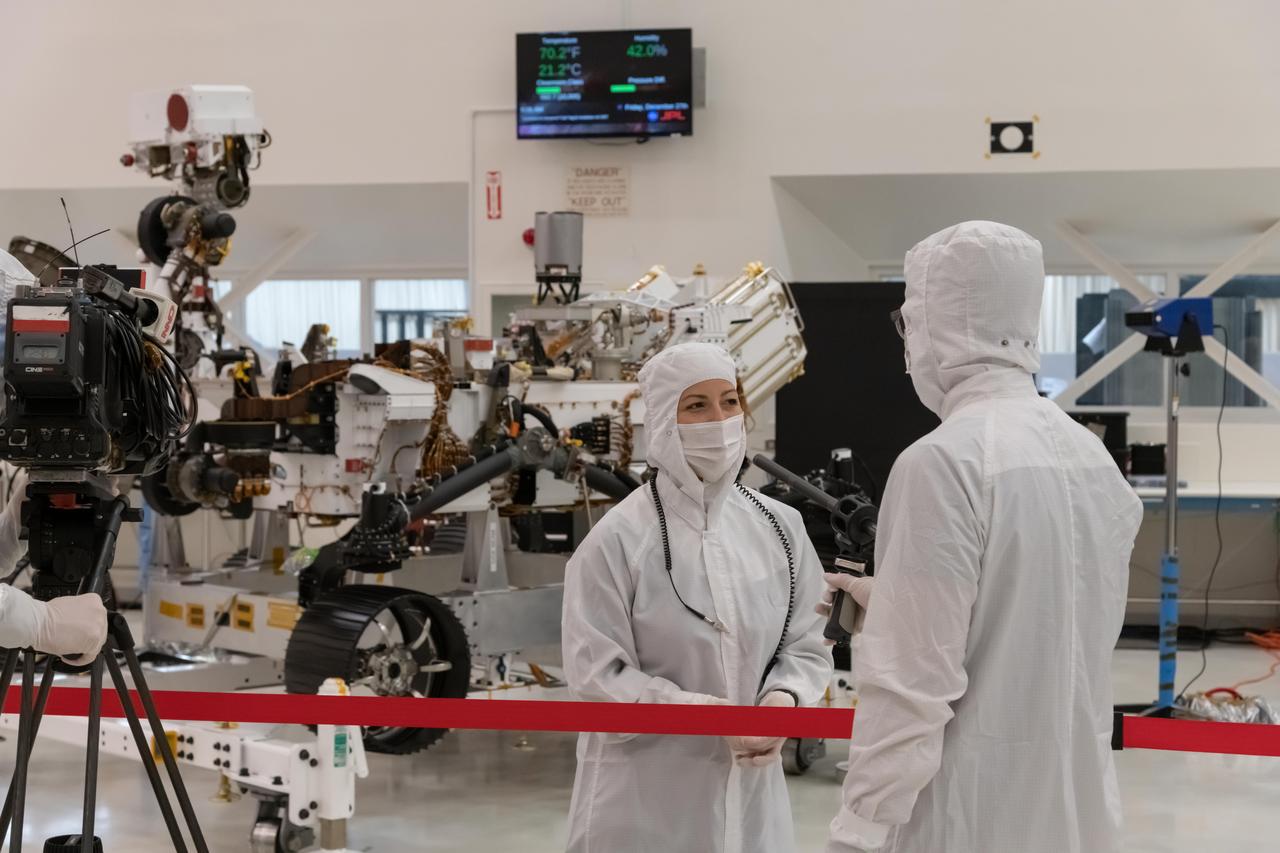
A member of the media interviews mission team member Jessica Samuels inside JPL's High Bay 1 clean room on Dec. 27, 2019, during Mars 2020 media day. https://photojournal.jpl.nasa.gov/catalog/PIA23587
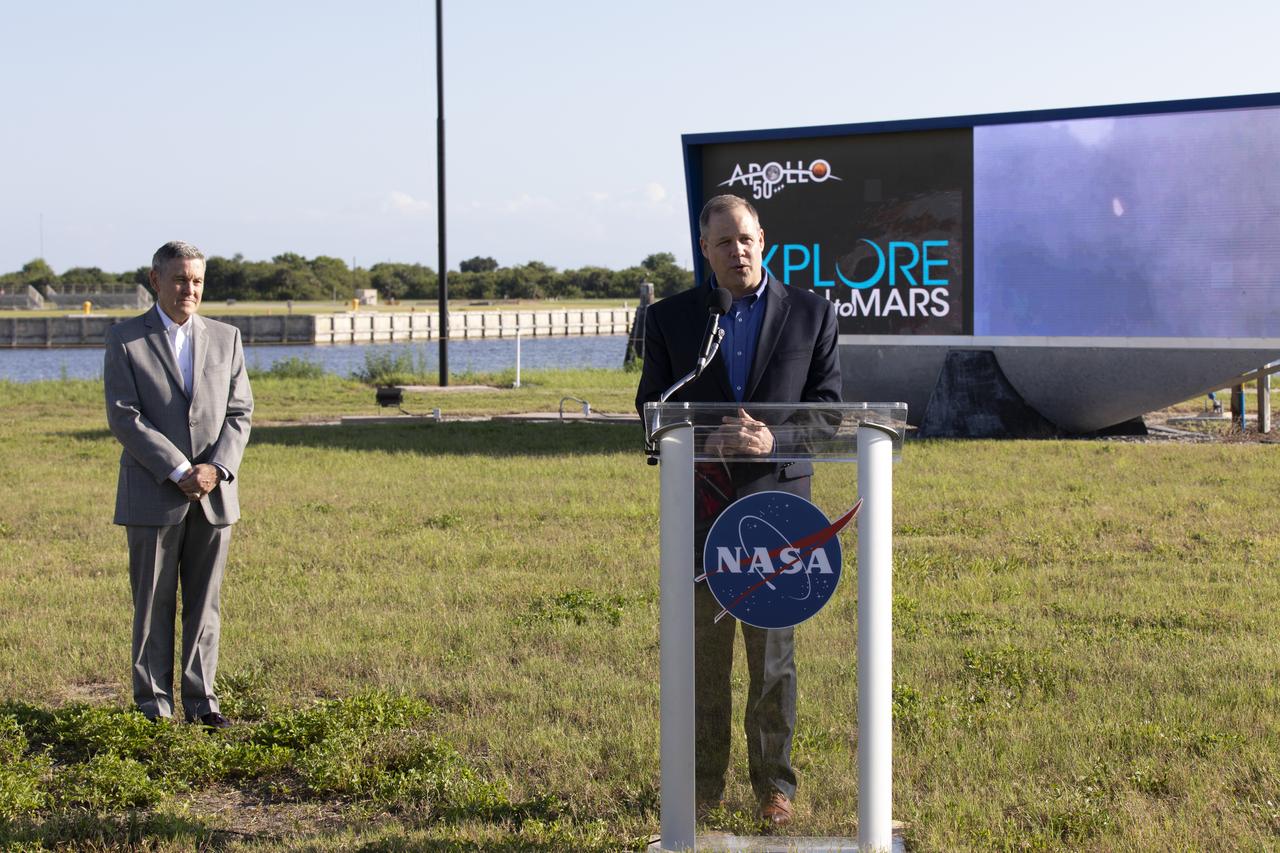
NASA Administrator Jim Bridenstine speaks to members of the news media at the NASA News Center on May 23, 2019. At left is Kennedy Space Center Director Bob Cabana. News media were at the center for an Apollo 11 Media Day. They toured several facilities, including the Vehicle Assembly and Launch Complex 39B for a look back at the Apollo missions and a look ahead to NASA’s new Moon 2024 initiative, the Artemis 1 mission and the Gateway lunar outpost.
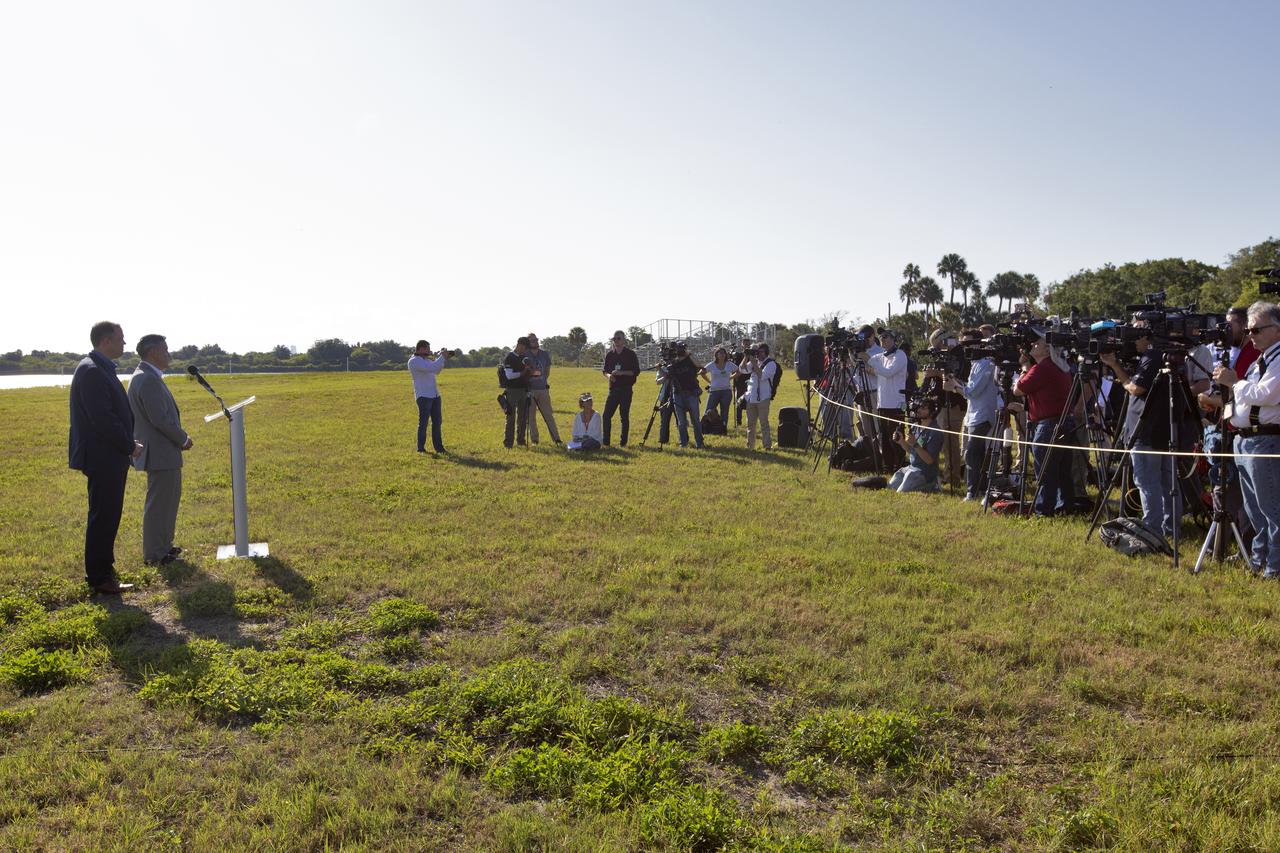
NASA Kennedy Space Center’s Director Bob Cabana, at the podium, speaks to members of the news media at the NASA News Center on May 23, 2019. At left is NASA Administrator Jim Bridenstine. News media were at the center for an Apollo 11 Media Day. They toured several facilities, including the Vehicle Assembly and Launch Complex 39B for a look back at the Apollo missions and a look ahead to NASA’s new Moon 2024 initiative, the Artemis 1 mission and the Gateway lunar outpost.
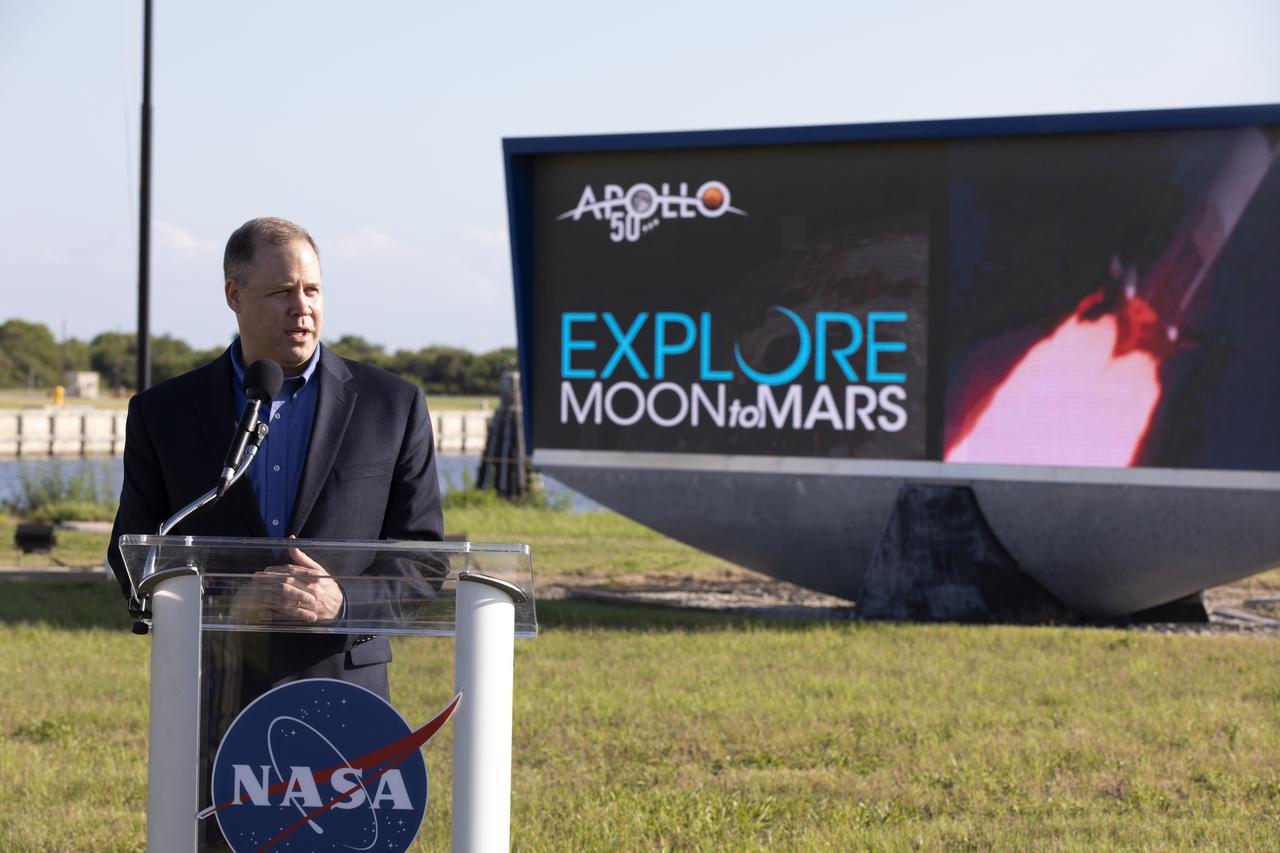
NASA Administrator Jim Bridenstine speaks to members of the news media at the NASA News Center on May 23, 2019. News media were at the center for an Apollo 11 Media Day. They toured several facilities, including the Vehicle Assembly and Launch Complex 39B for a look back at the Apollo missions and a look ahead to NASA’s new Moon 2024 initiative, the Artemis 1 mission and the Gateway lunar outpost.
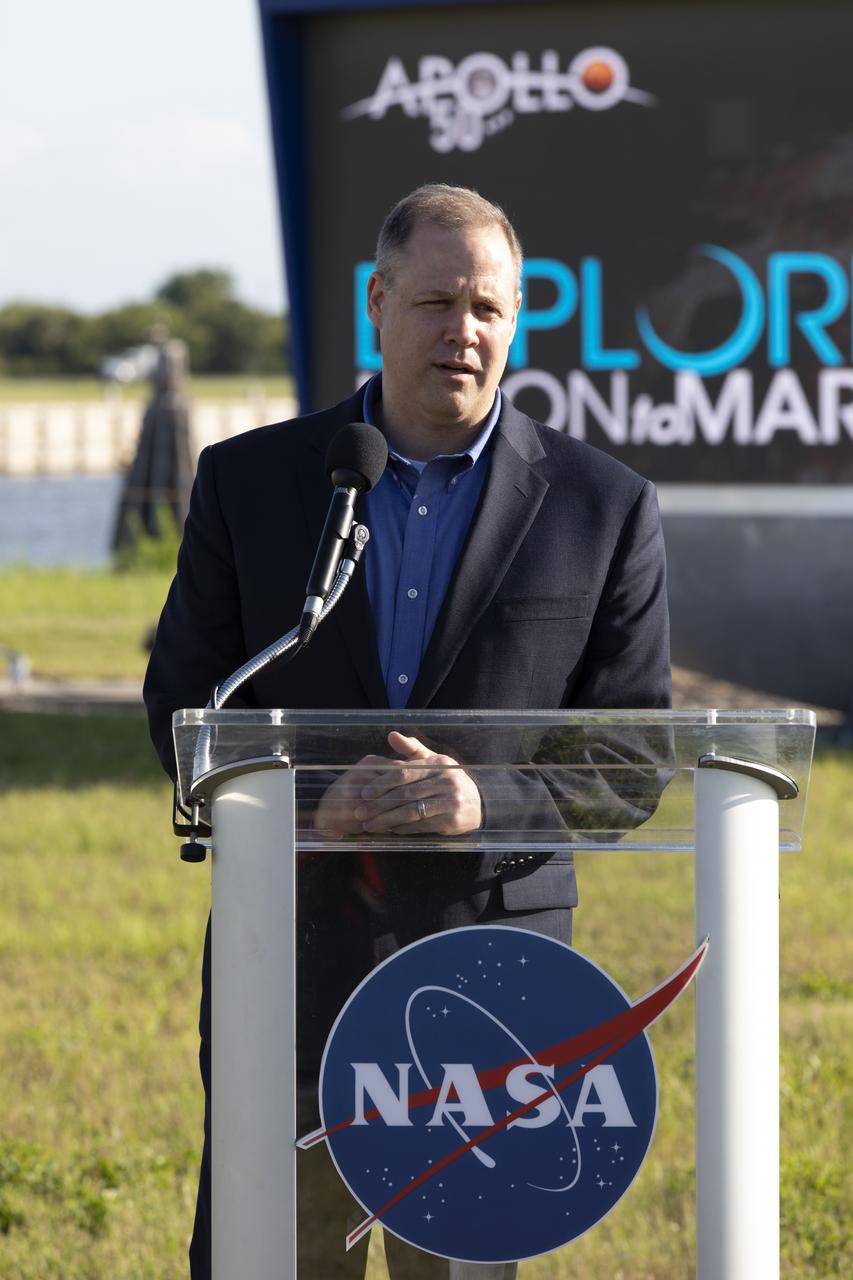
NASA Administrator Jim Bridenstine speaks to members of the news media at the NASA News Center on May 23, 2019. News media were at the center for an Apollo 11 Media Day. They toured several facilities, including the Vehicle Assembly and Launch Complex 39B for a look back at the Apollo missions and a look ahead to NASA’s new Moon 2024 initiative, the Artemis 1 mission and the Gateway lunar outpost.

NASA Kennedy Space Center’s Director Bob Cabana, at left, and NASA Administrator Jim Bridenstine, speak to members of the news media at the NASA News Center on May 23, 2019. News media were at the center for an Apollo 11 Media Day. They toured several facilities, including the Vehicle Assembly and Launch Complex 39B for a look back at the Apollo missions and a look ahead to NASA’s new Moon 2024 initiative, the Artemis 1 mission and the Gateway lunar outpost.
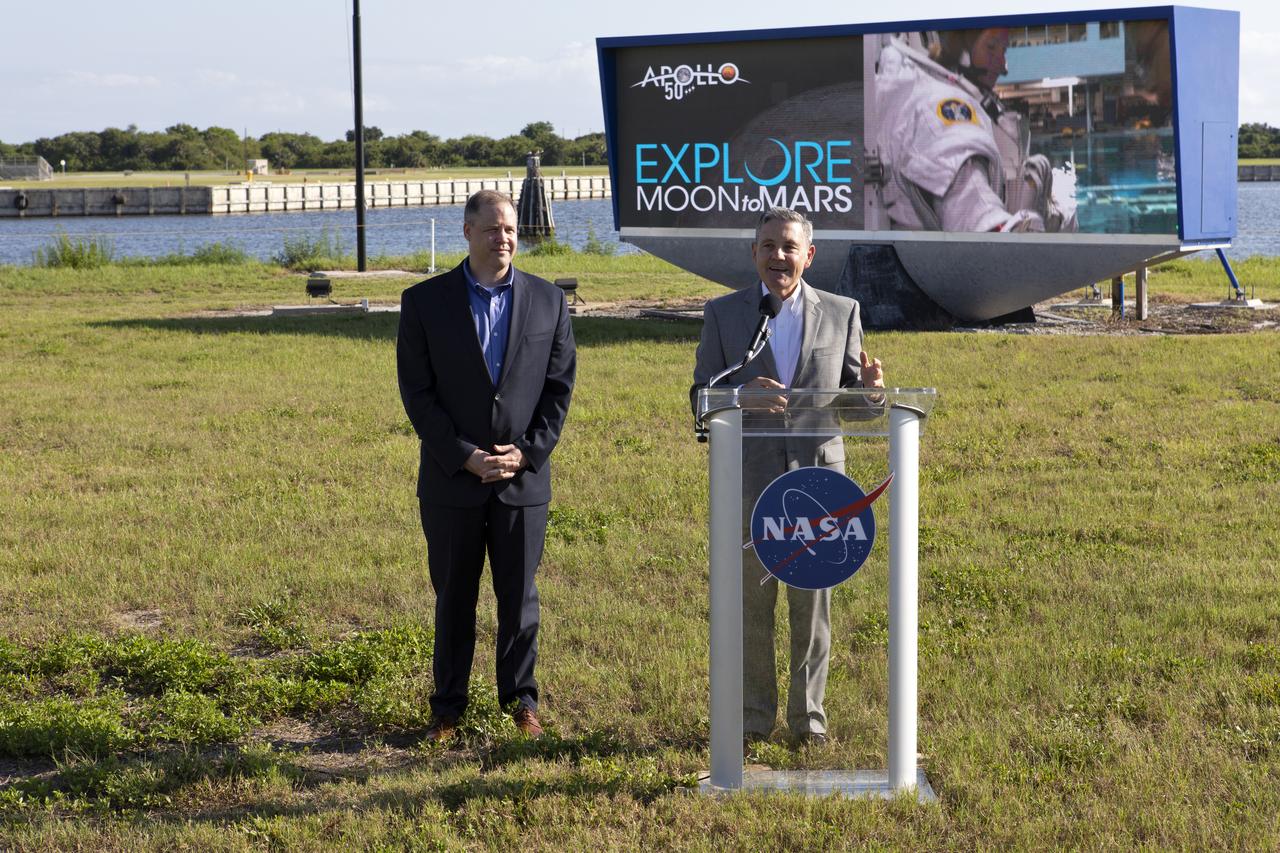
NASA Kennedy Space Center’s Director Bob Cabana, at the podium, speaks to members of the news media at the NASA News Center on May 23, 2019. At left is NASA Administrator Jim Bridenstine. News media were at the center for an Apollo 11 Media Day. They toured several facilities, including the Vehicle Assembly and Launch Complex 39B for a look back at the Apollo missions and a look ahead to NASA’s new Moon 2024 initiative, the Artemis 1 mission and the Gateway lunar outpost.
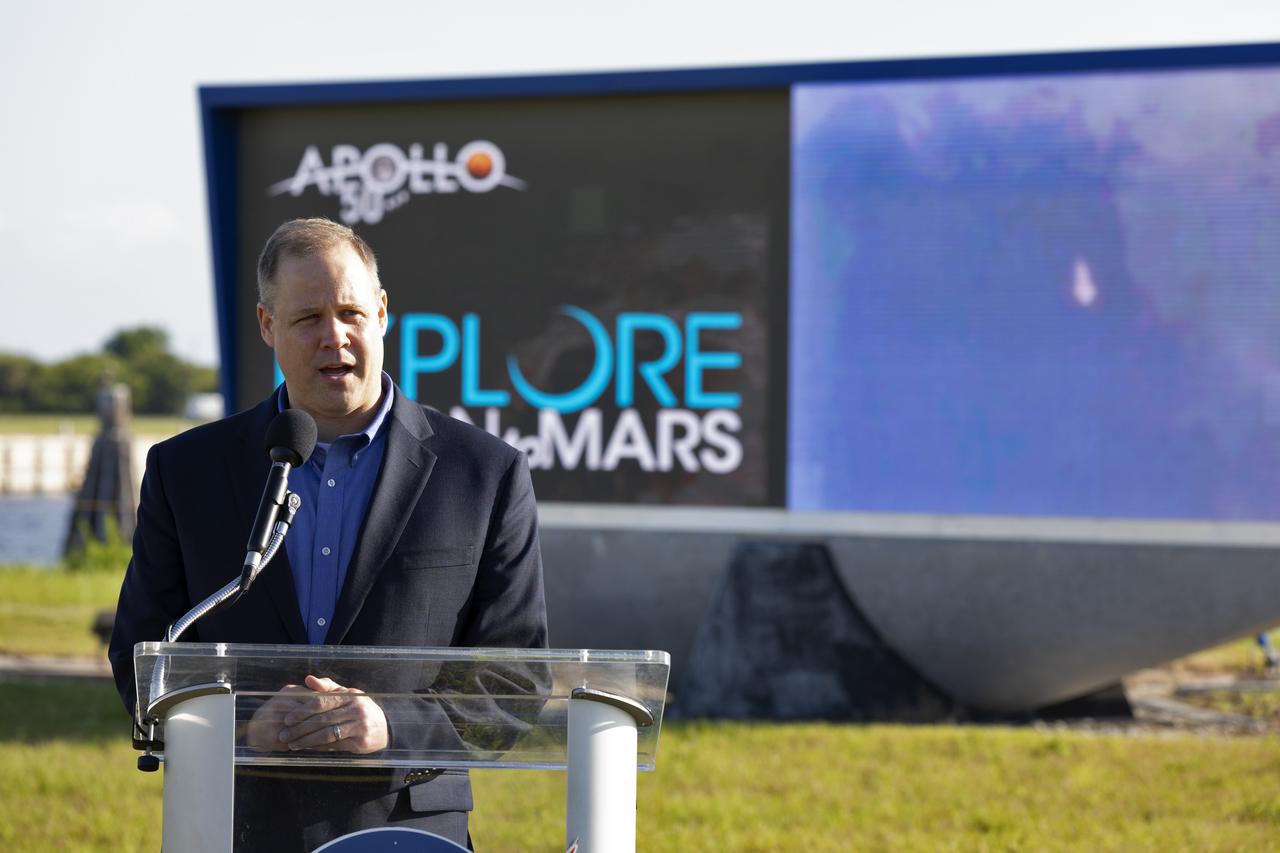
NASA Administrator Jim Bridenstine speaks to members of the news media at the NASA News Center on May 23, 2019. News media were at the center for an Apollo 11 Media Day. They toured several facilities, including the Vehicle Assembly and Launch Complex 39B for a look back at the Apollo missions and a look ahead to NASA’s new Moon 2024 initiative, the Artemis 1 mission and the Gateway lunar outpost.
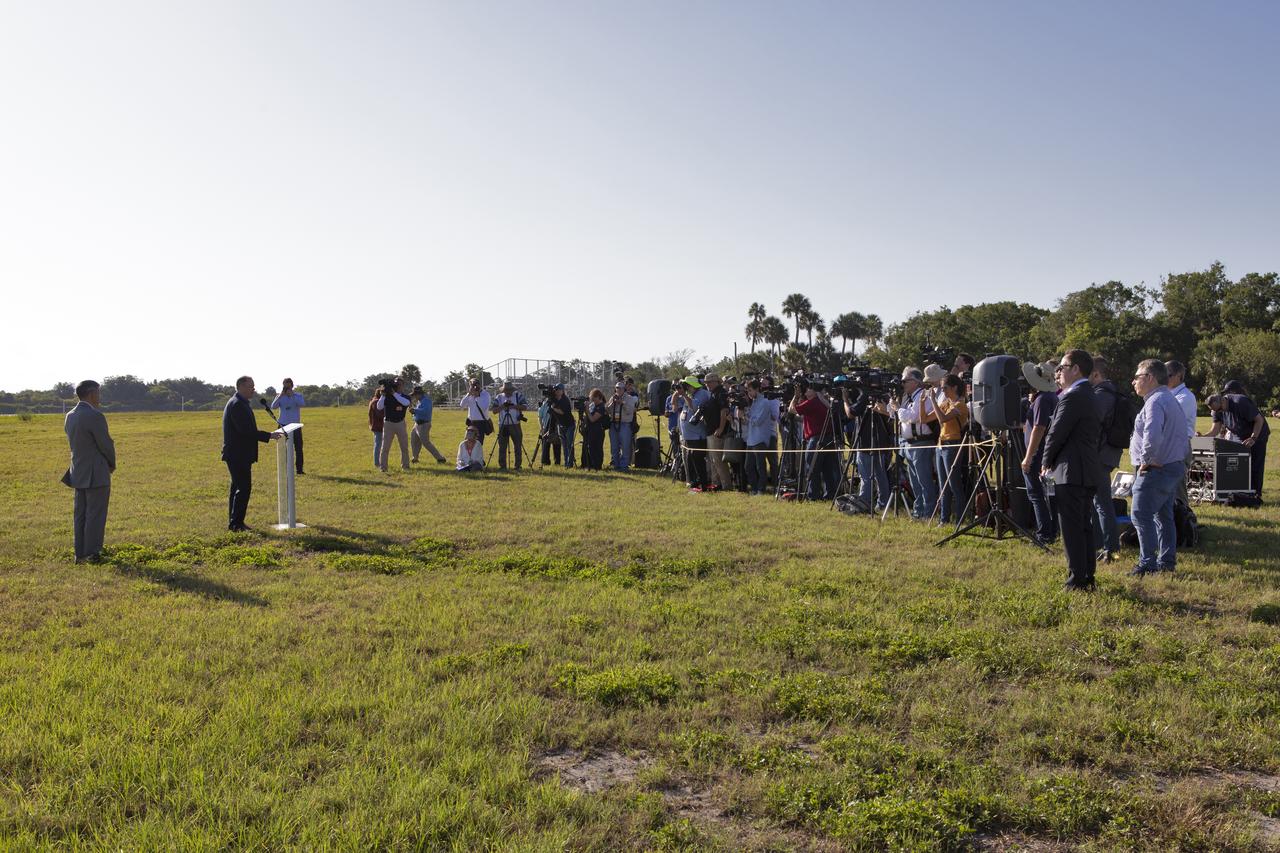
NASA Administrator Jim Bridenstine, at the podium, speaks to members of the news media at the NASA News Center on May 23, 2019. At left is Kennedy Space Center Director Bob Cabana. News media were at the center for an Apollo 11 Media Day. They toured several facilities, including the Vehicle Assembly and Launch Complex 39B for a look back at the Apollo missions and a look ahead to NASA’s new Moon 2024 initiative, the Artemis 1 mission and the Gateway lunar outpost.
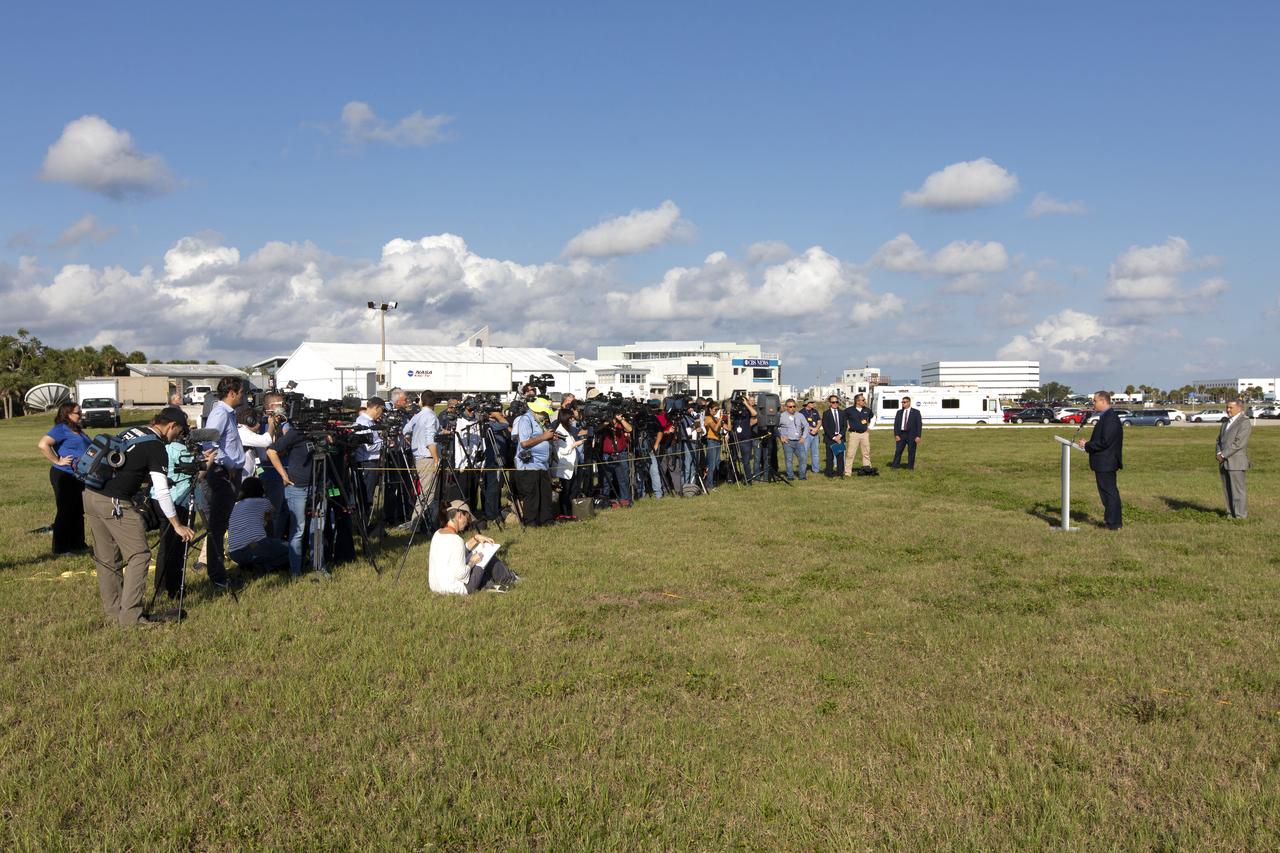
NASA Administrator Jim Bridenstine, at the podium, speaks to members of the news media at the NASA News Center on May 23, 2019. At far right is Kennedy Space Center Director Bob Cabana. News media were at the center for an Apollo 11 Media Day. They toured several facilities, including the Vehicle Assembly and Launch Complex 39B for a look back at the Apollo missions and a look ahead to NASA’s new Moon 2024 initiative, the Artemis 1 mission and the Gateway lunar outpost.
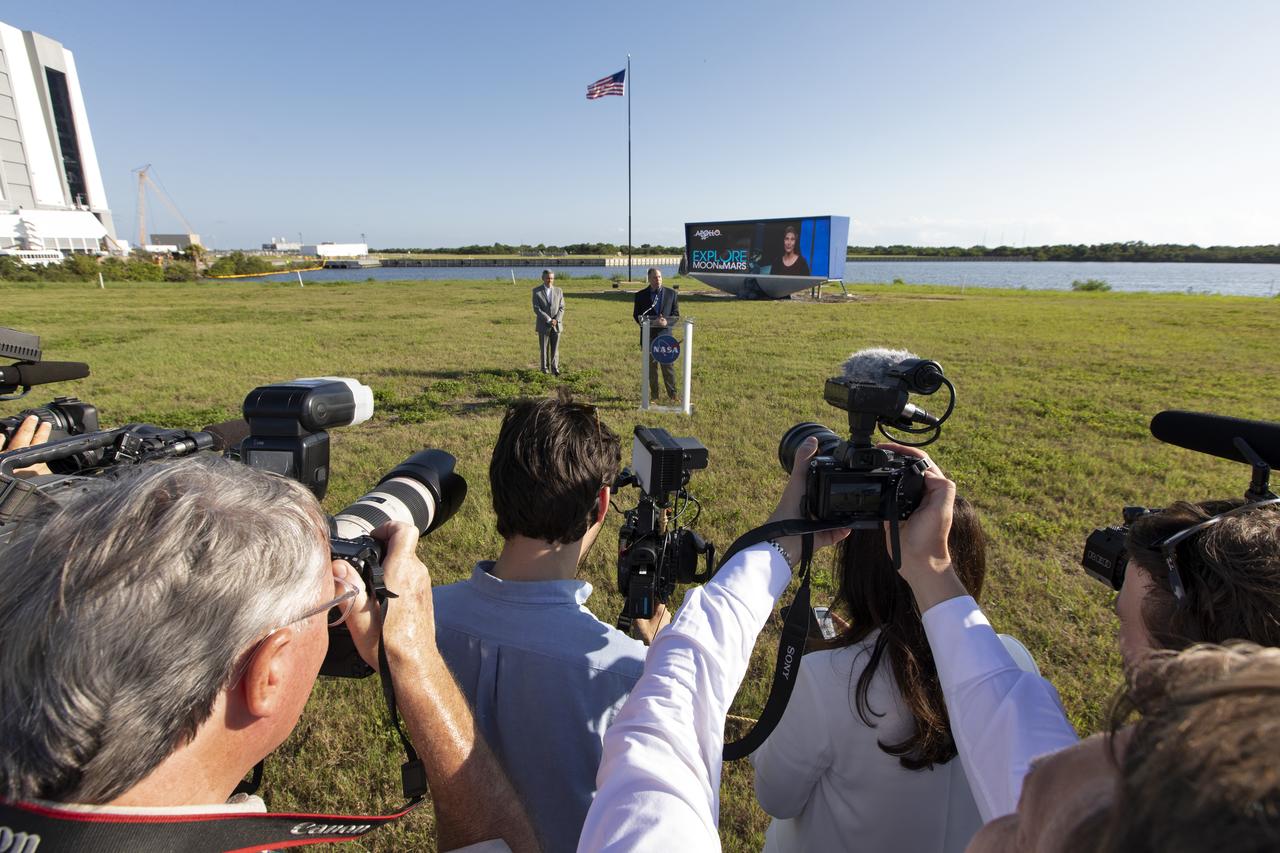
NASA Administrator Jim Bridenstine, at the podium, speaks to members of the news media at the NASA News Center on May 23, 2019. At left is Kennedy Space Center Director Bob Cabana. News media were at the center for an Apollo 11 Media Day. They toured several facilities, including the Vehicle Assembly and Launch Complex 39B for a look back at the Apollo missions and a look ahead to NASA’s new Moon 2024 initiative, the Artemis 1 mission and the Gateway lunar outpost.

NASA Administrator Jim Bridenstine, at the podium, speaks to members of the news media at the NASA News Center on May 23, 2019. Behind him is Kennedy Space Center Director Bob Cabana. News media were at the center for an Apollo 11 Media Day. They toured several facilities, including the Vehicle Assembly and Launch Complex 39B for a look back at the Apollo missions and a look ahead to NASA’s new Moon 2024 initiative, the Artemis 1 mission and the Gateway lunar outpost.
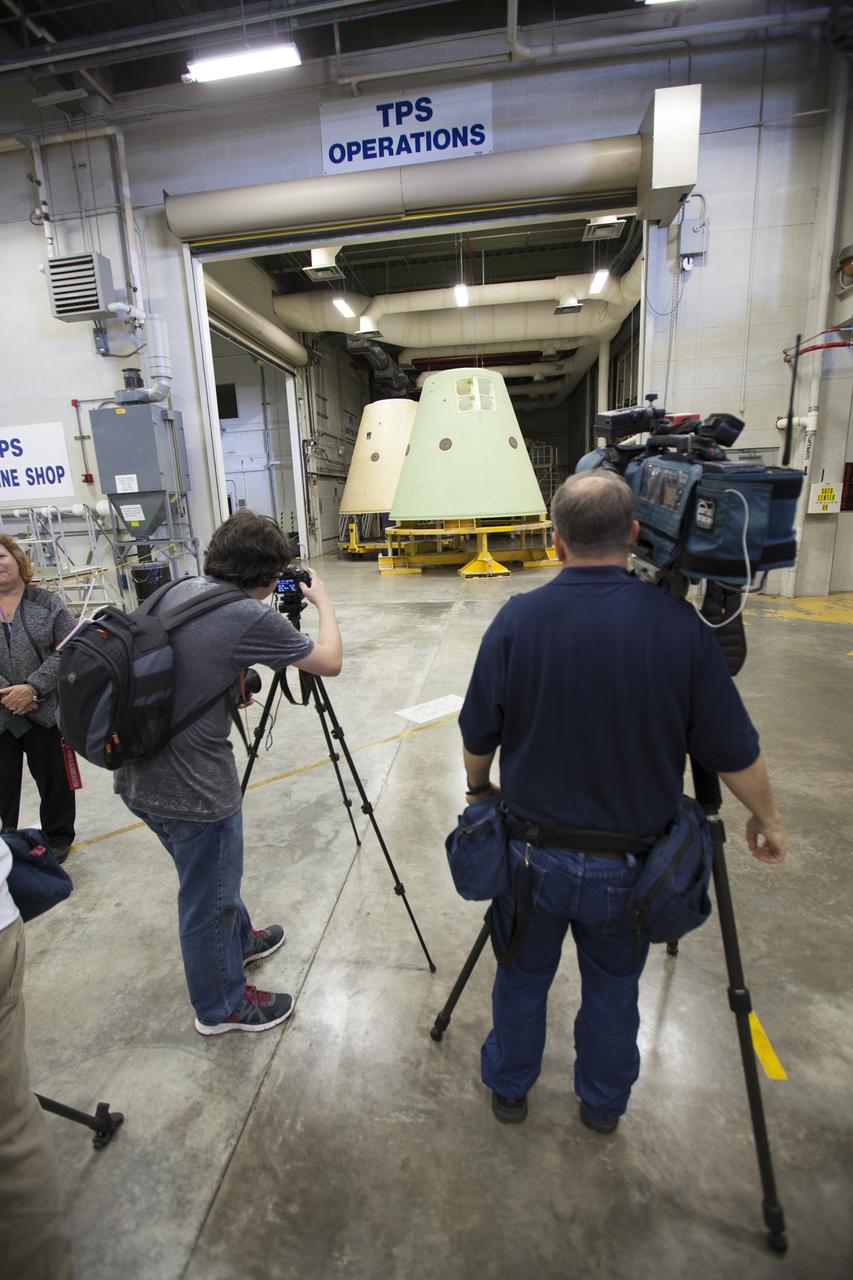
Inside the Booster Fabrication Facility (BFF) at NASA’s Kennedy Space Center in Florida, members of the news media photograph a frustrum that will be stacked atop a forward skirt for one of NASA’s Space Launch System (SLS) solid rocket boosters. Orbital ATK is a contractor for NASA’s Marshall Space Flight Center in Alabama, and operates the BFF to prepare aft booster segments and hardware for the SLS solid rocket boosters. The SLS rocket and Orion spacecraft will launch on Exploration Mission-1 in 2018. The Ground Systems Development and Operations Program is preparing the infrastructure to process and launch spacecraft on deep-space missions and the journey to Mars.
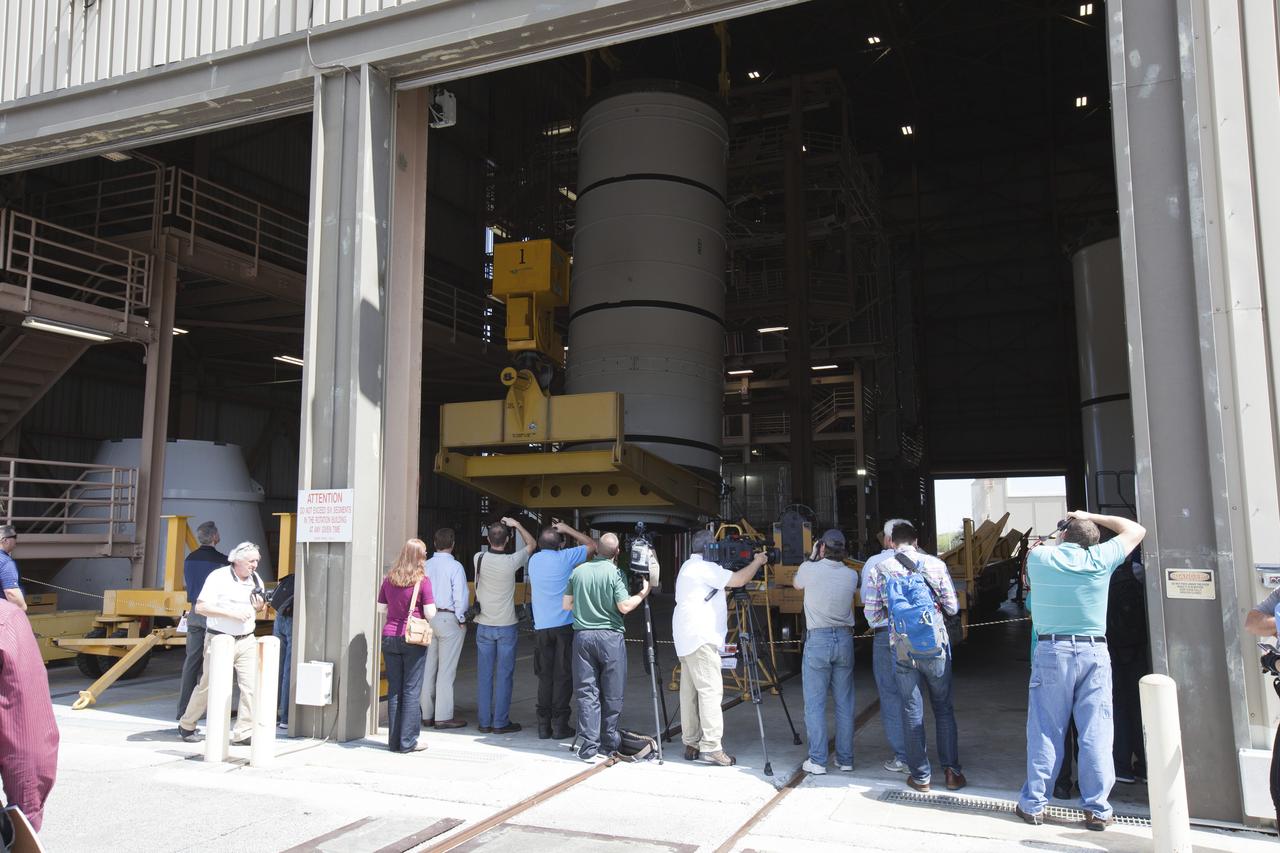
Members of the news media watch as two cranes are used to lift one of two pathfinders, or test versions, of solid rocket booster segments for NASA’s Space Launch System (SLS) rocket into the vertical position inside the Rotation, Processing and Surge Facility at NASA’s Kennedy Space Center in Florida. The pathfinder booster segment will be moved to the other end of the RPSF and secured on a test stand. The Ground Systems Development and Operations Program and Jacobs Engineering, on the Test and Operations Support Contract, will prepare the booster segments, which are inert, for a series of lifts, moves and stacking operations to prepare for Exploration Mission-1, deep-space missions and the journey to Mars.
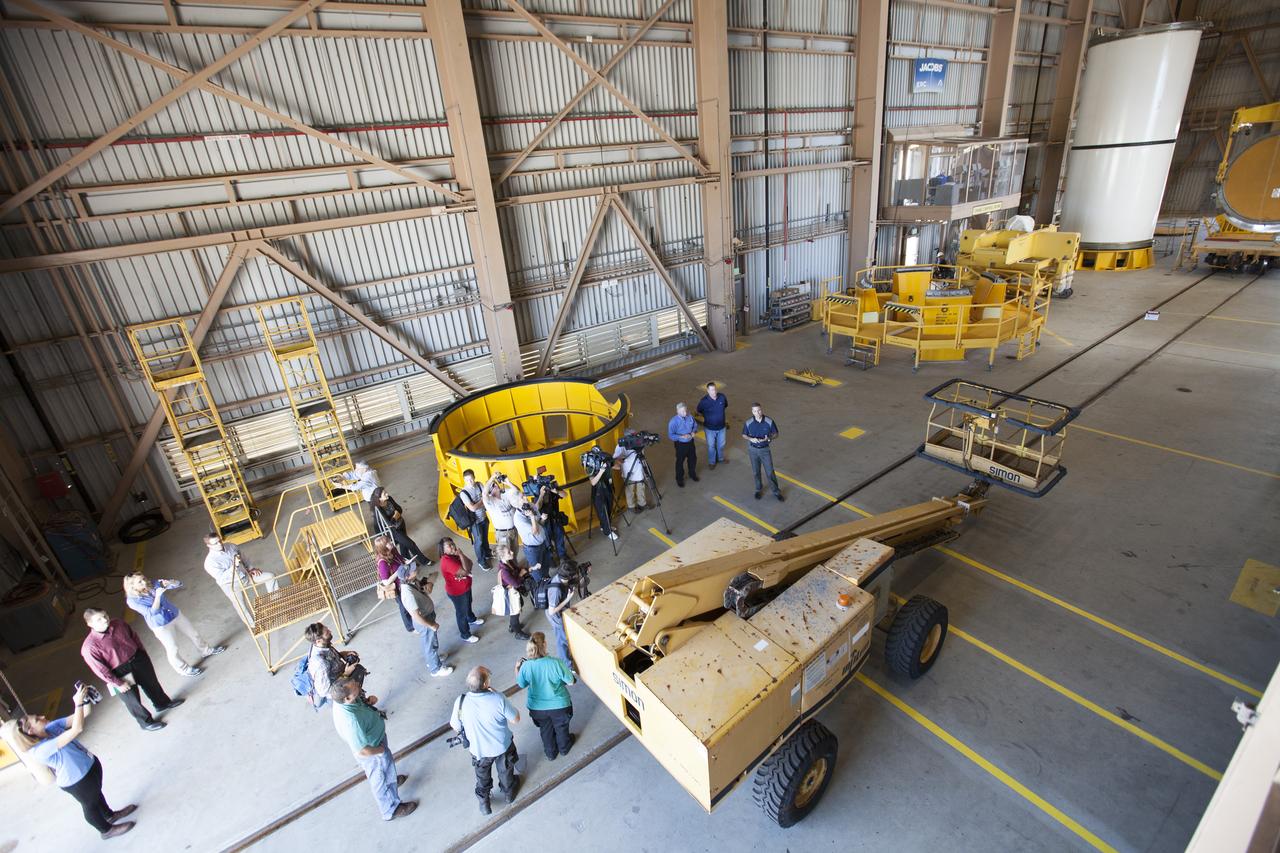
Members of the news media view the high bay inside the Rotation, Processing and Surge Facility (RPSF) at NASA’s Kennedy Space Center in Florida. Inside the RPSF, engineers and technicians with Jacobs Engineering on the Test and Operations Support Contract, explain the various test stands. In the far corner is one of two pathfinders, or test versions, of solid rocket booster segments for NASA’s Space Launch System rocket. The Ground Systems Development and Operations Program and Jacobs are preparing the booster segments, which are inert, for a series of lifts, moves and stacking operations to prepare for Exploration Mission-1, deep-space missions and the journey to Mars.
Members of the news media view the high bay inside the Rotation, Processing and Surge Facility (RPSF) at NASA’s Kennedy Space Center in Florida. Kerry Chreist, with Jacobs Engineering on the Test and Operations Support Contract, talks with a reporter about the booster segments for NASA’s Space Launch System (SLS) rocket. In the far corner, in the vertical position, is one of two pathfinders, or test versions, of solid rocket booster segments for the SLS rocket. The Ground Systems Development and Operations Program and Jacobs are preparing the booster segments, which are inert, for a series of lifts, moves and stacking operations to prepare for Exploration Mission-1, deep-space missions and the journey to Mars.
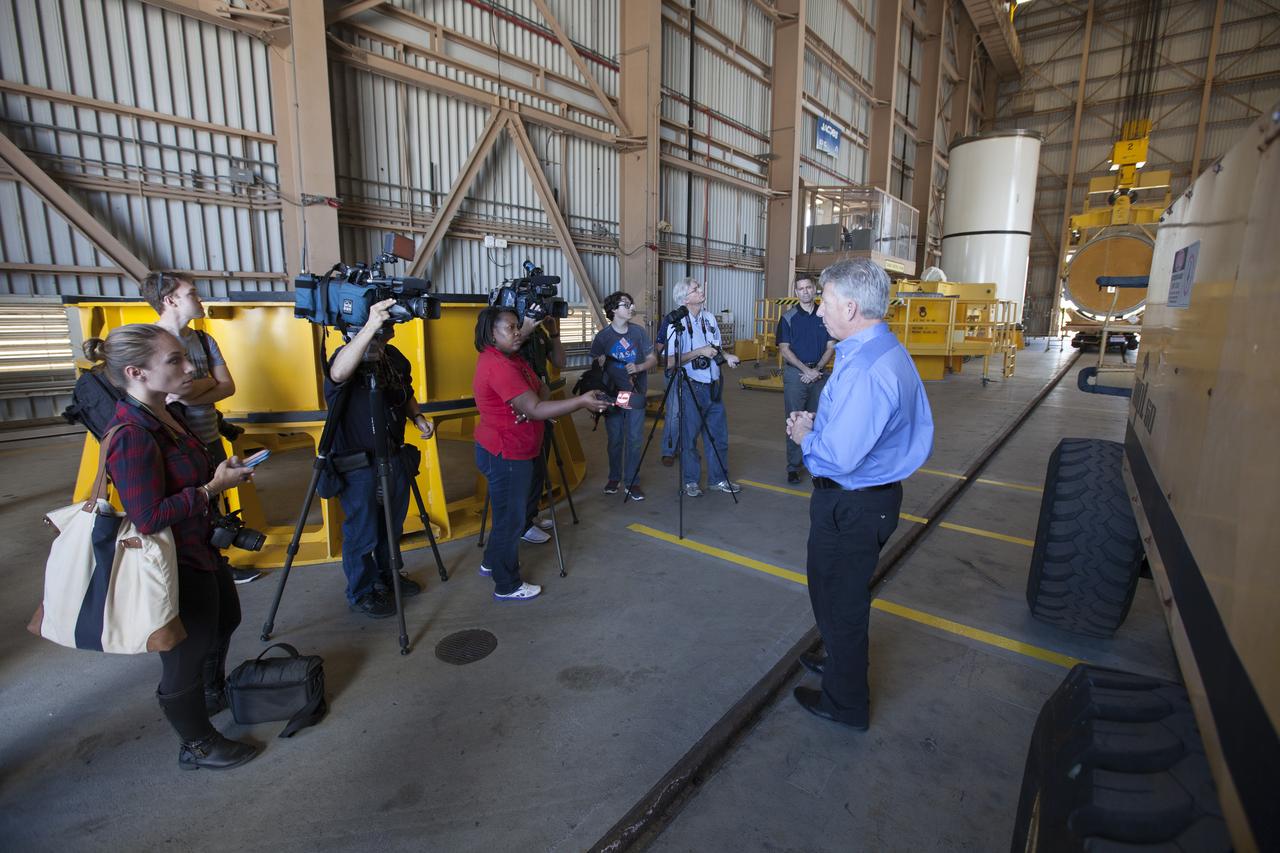
Members of the news media view the high bay inside the Rotation, Processing and Surge Facility (RPSF) at NASA’s Kennedy Space Center in Florida. Kerry Chreist, with Jacobs Engineering on the Test and Operations Support Contract, explains the various test stands and how they will be used to prepare booster segments for NASA’s Space Launch System (SLS) rocket. In the far corner, in the vertical position, is one of two pathfinders, or test versions, of solid rocket booster segments for the SLS rocket. The Ground Systems Development and Operations Program and Jacobs are preparing the booster segments, which are inert, for a series of lifts, moves and stacking operations to prepare for Exploration Mission-1, deep-space missions and the journey to Mars.
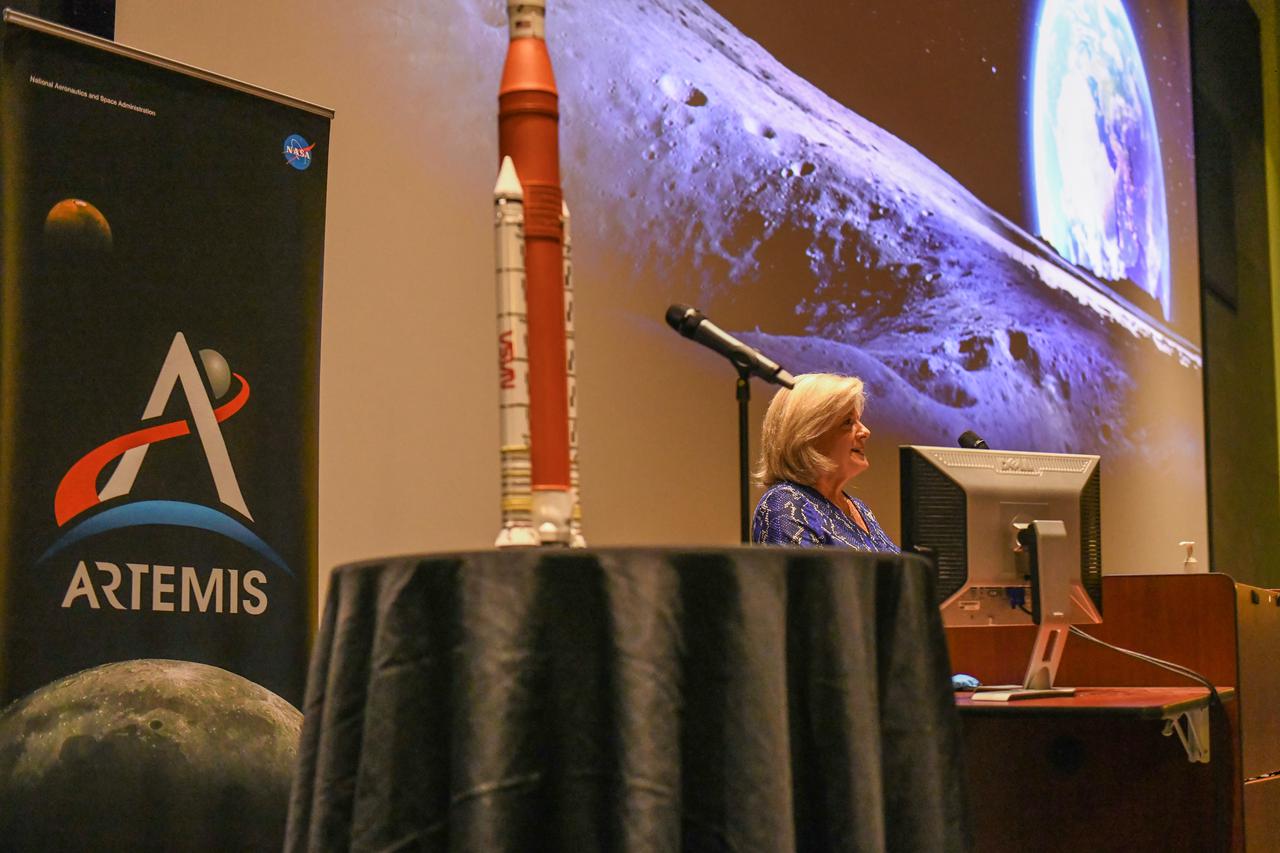
MSFC Director Jody Singer welcomes audience to Chamber Media Briefing at USSRC.

Members of the media get an up-close look at the SLS (Space Launch System) rocket core stage for Artemis II inside the Vehicle Assembly Building at NASA’s Kennedy Space Center in Florida during Artemis Media Day on Friday, March 7, 2025. The core stage has two giant propellant tanks that collectively hold more than 733,000 gallons of super cold liquid propellant to feed the stage’s four RS-25 engines to help send astronauts inside NASA’s Orion spacecraft to venture around the Moon for Artemis II.
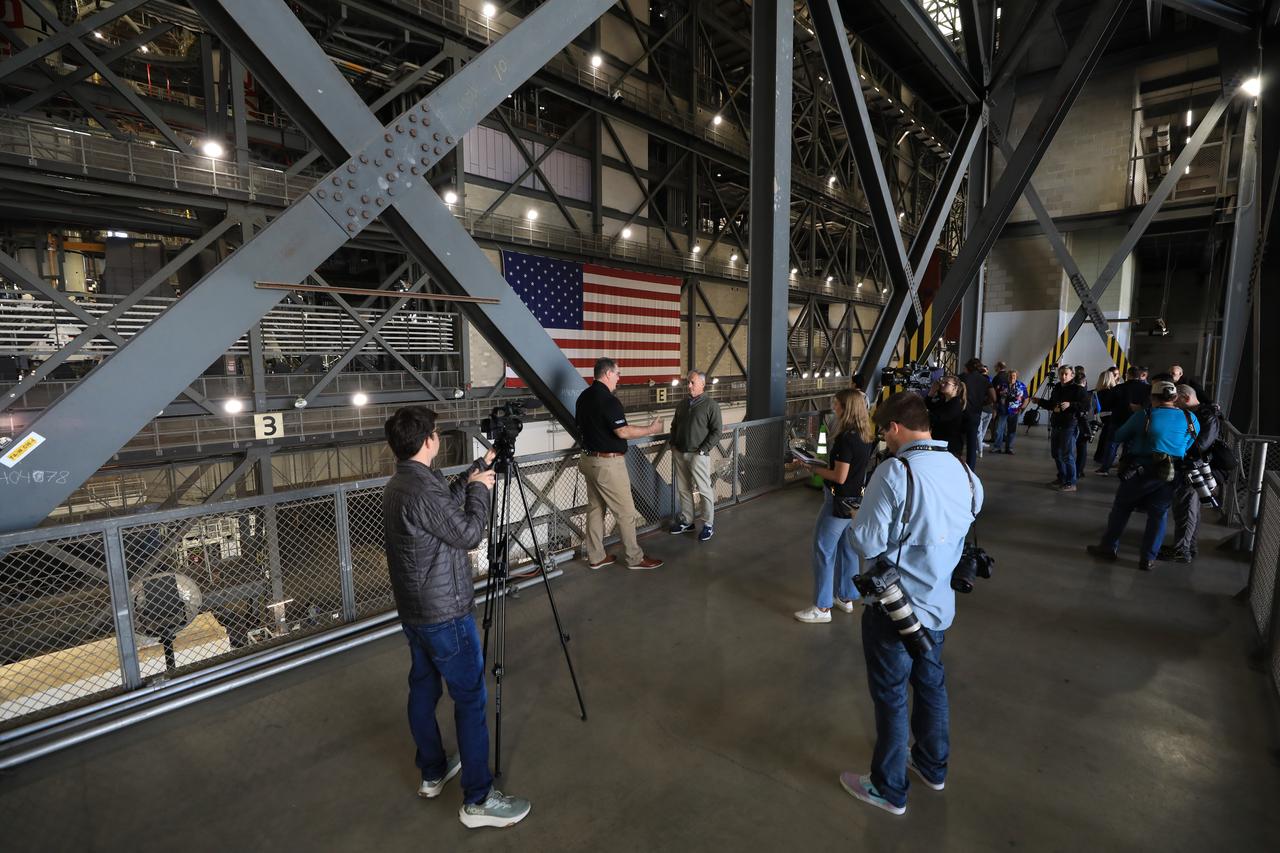
Members of the media get an up-close look at the integrated twin SLS (Space Launch System) solid rocket boosters for Artemis II inside the Vehicle Assembly Building at NASA’s Kennedy Space Center in Florida during Artemis Media Day on Friday, March 7, 2025. The twin solid boosters will help support the remaining rocket components and the Orion spacecraft during final assembly of the Artemis II Moon rocket and provide more than 75 percent of the total SLS thrust during liftoff from NASA Kennedy’s Launch Pad 39B.

Members of the media get an up-close look at the integrated twin SLS (Space Launch System) solid rocket boosters for Artemis II inside the Vehicle Assembly Building at NASA’s Kennedy Space Center in Florida during Artemis Media Day on Friday, March 7, 2025. The twin solid boosters will help support the remaining rocket components and the Orion spacecraft during final assembly of the Artemis II Moon rocket and provide more than 75 percent of the total SLS thrust during liftoff from NASA Kennedy’s Launch Pad 39B.
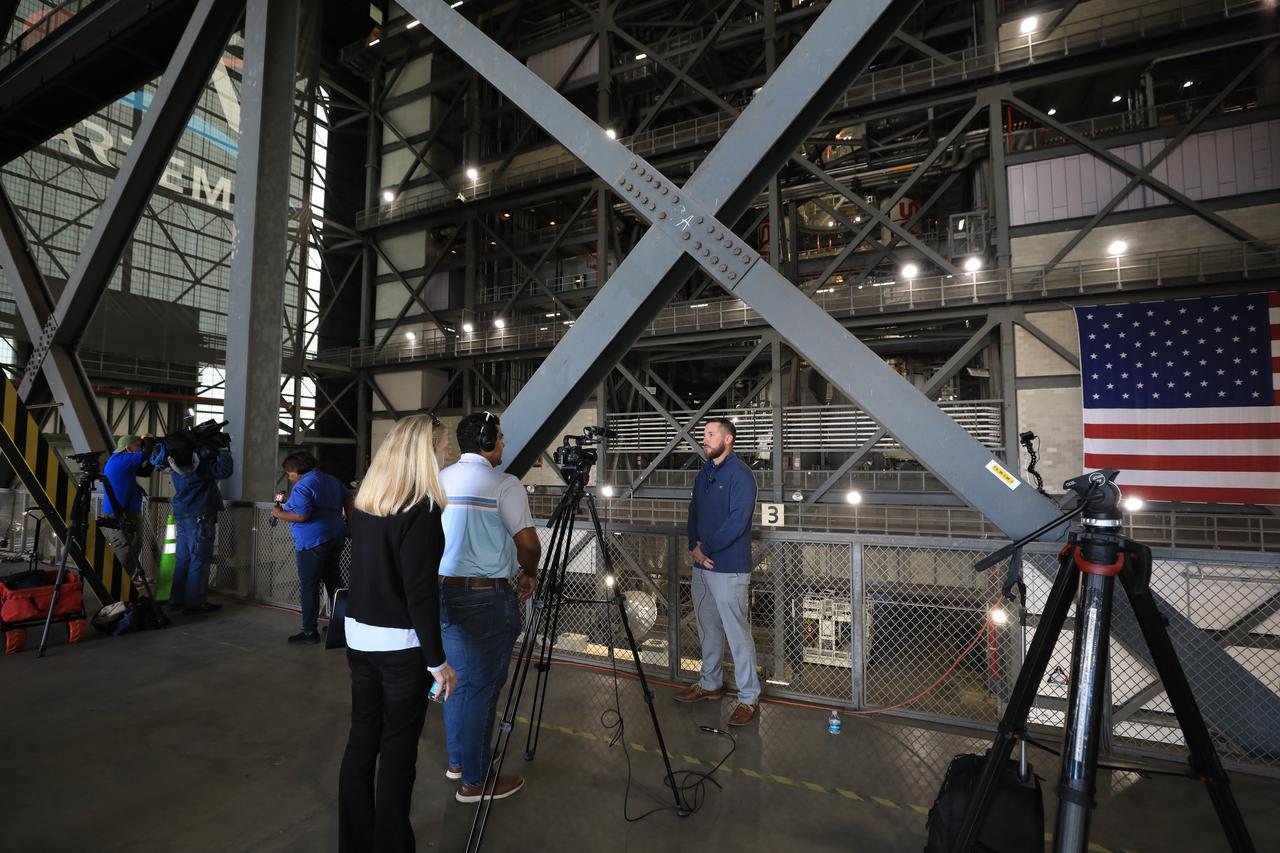
Members of the media get an up-close look at the integrated twin SLS (Space Launch System) solid rocket boosters for Artemis II inside the Vehicle Assembly Building at NASA’s Kennedy Space Center in Florida during Artemis Media Day on Friday, March 7, 2025. The twin solid boosters will help support the remaining rocket components and the Orion spacecraft during final assembly of the Artemis II Moon rocket and provide more than 75 percent of the total SLS thrust during liftoff from NASA Kennedy’s Launch Pad 39B.

Members of the media get an up-close look at the SLS (Space Launch System) rocket core stage for Artemis II inside the Vehicle Assembly Building at NASA’s Kennedy Space Center in Florida during Artemis Media Day on Friday, March 7, 2025. The core stage has two giant propellant tanks that collectively hold more than 733,000 gallons of super cold liquid propellant to feed the stage’s four RS-25 engines to help send astronauts inside NASA’s Orion spacecraft to venture around the Moon for Artemis II.
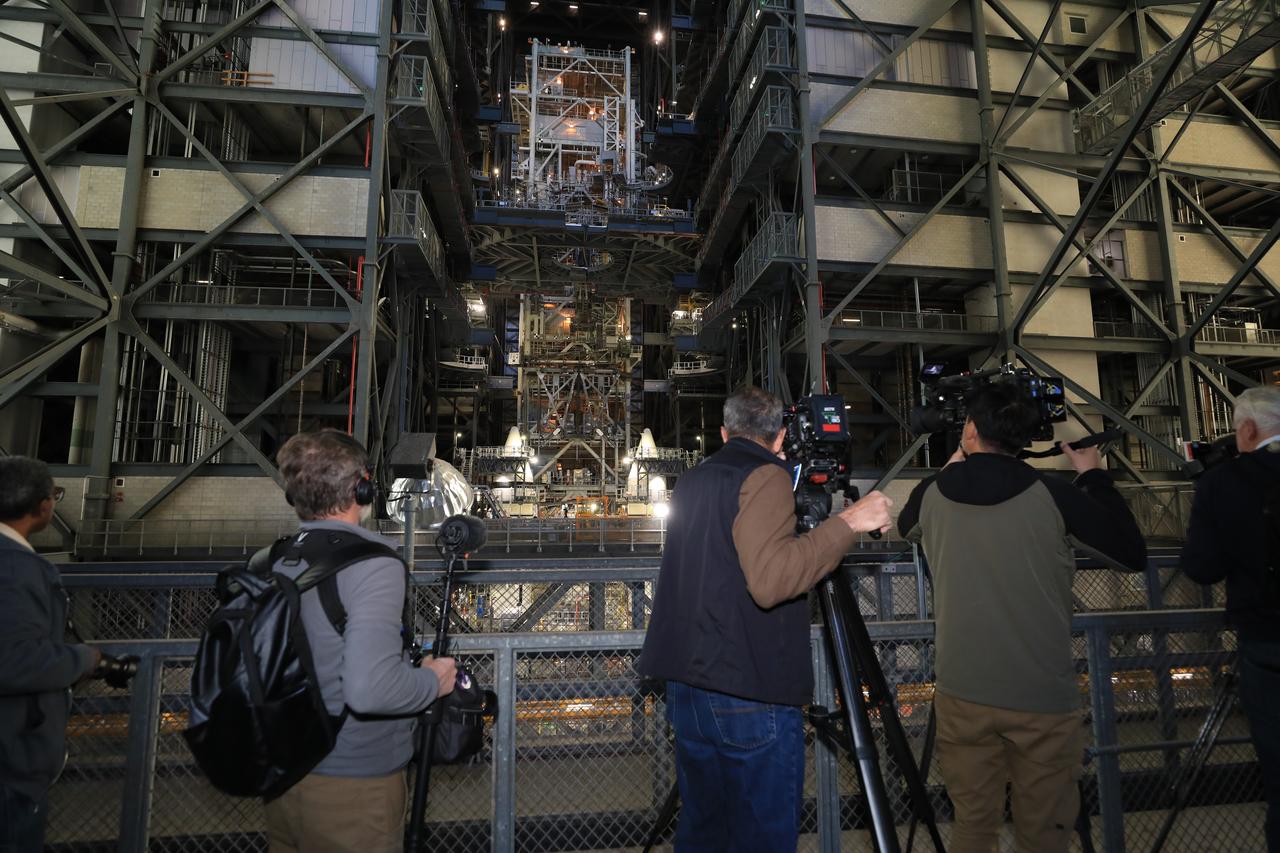
Members of the media get an up-close look at the SLS (Space Launch System) rocket core stage for Artemis II inside the Vehicle Assembly Building at NASA’s Kennedy Space Center in Florida during Artemis Media Day on Friday, March 7, 2025. The core stage has two giant propellant tanks that collectively hold more than 733,000 gallons of super cold liquid propellant to feed the stage’s four RS-25 engines to help send astronauts inside NASA’s Orion spacecraft to venture around the Moon for Artemis II.
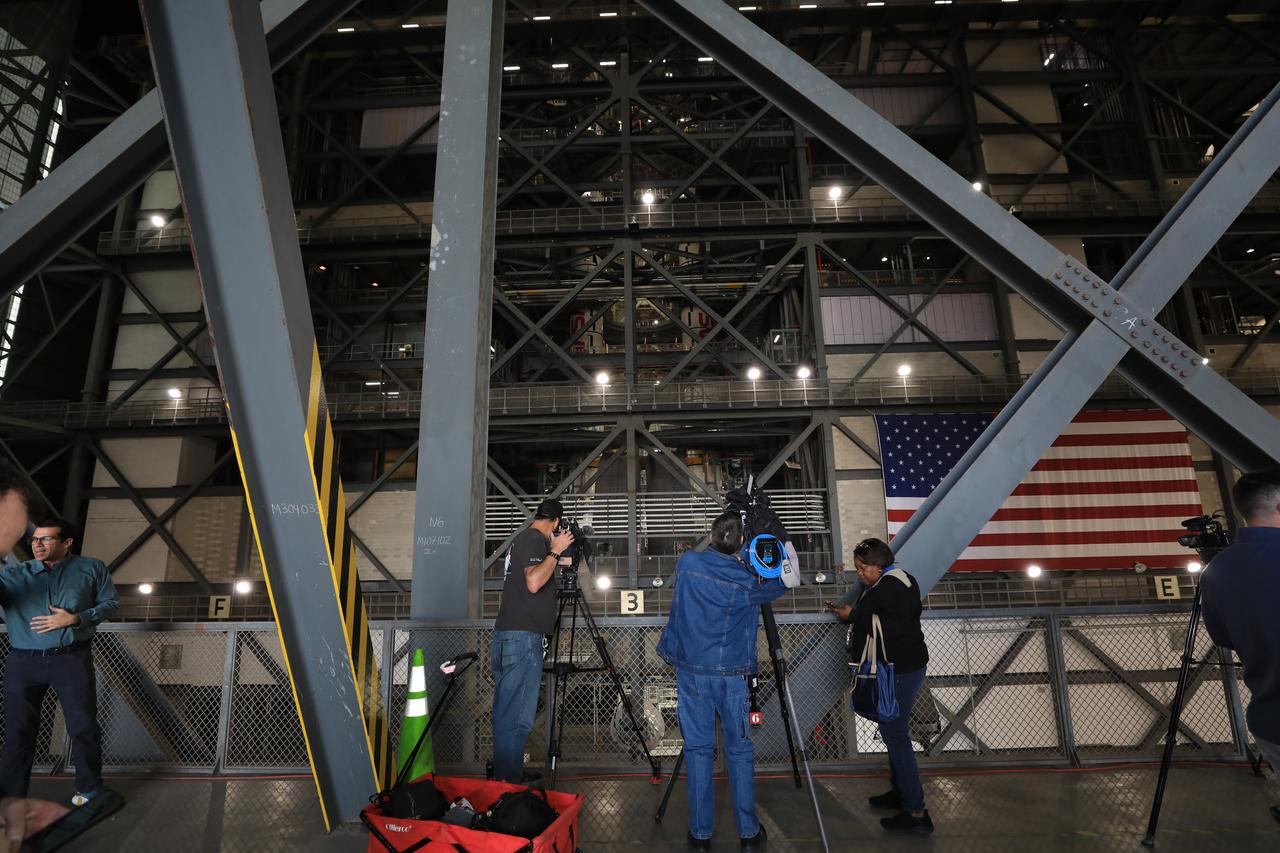
Members of the media get an up-close look at the integrated twin SLS (Space Launch System) solid rocket boosters for Artemis II inside the Vehicle Assembly Building at NASA’s Kennedy Space Center in Florida during Artemis Media Day on Friday, March 7, 2025. The twin solid boosters will help support the remaining rocket components and the Orion spacecraft during final assembly of the Artemis II Moon rocket and provide more than 75 percent of the total SLS thrust during liftoff from NASA Kennedy’s Launch Pad 39B.
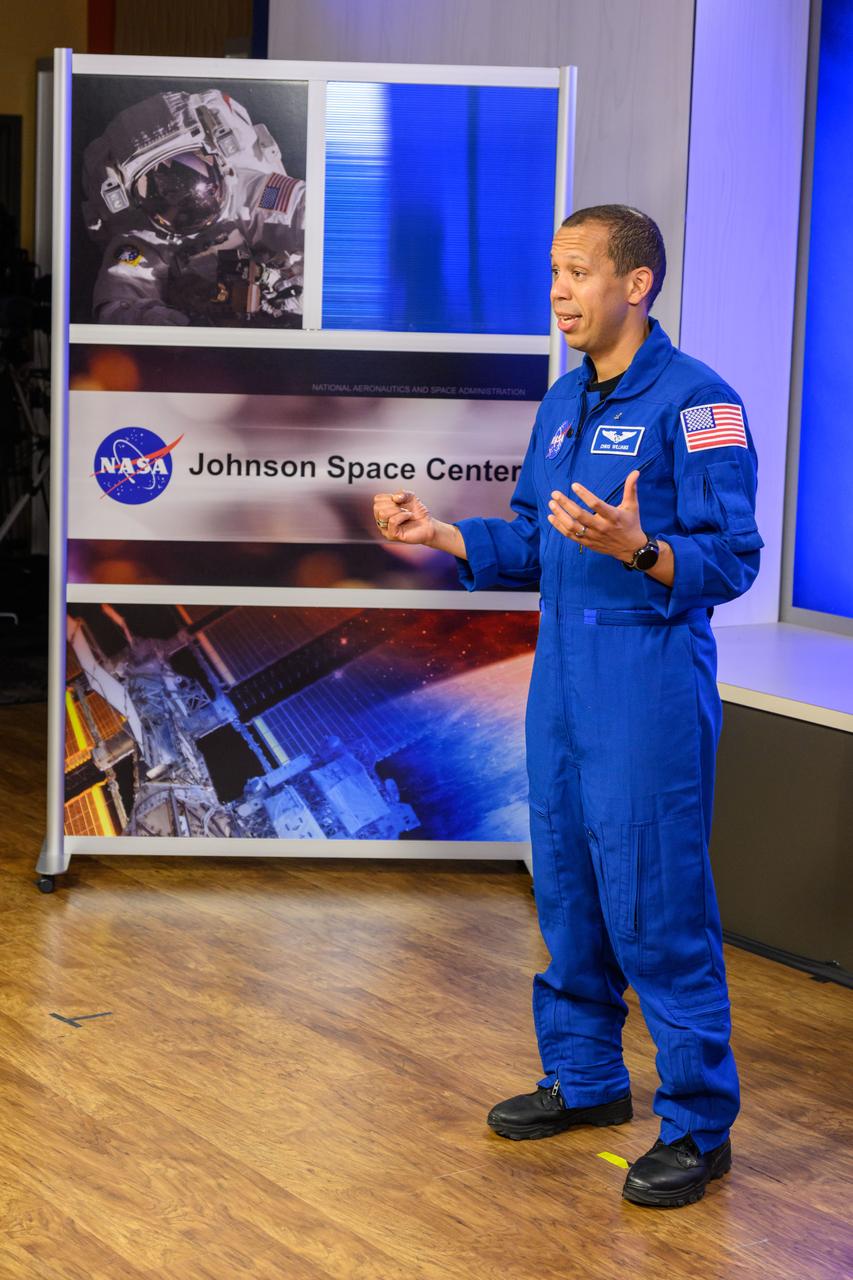
jsc2024e018416 (March 5, 2024) --- NASA astronaut Chris Williams participates in media interviews shortly after his graduation as an astronaut in Houston, Texas.
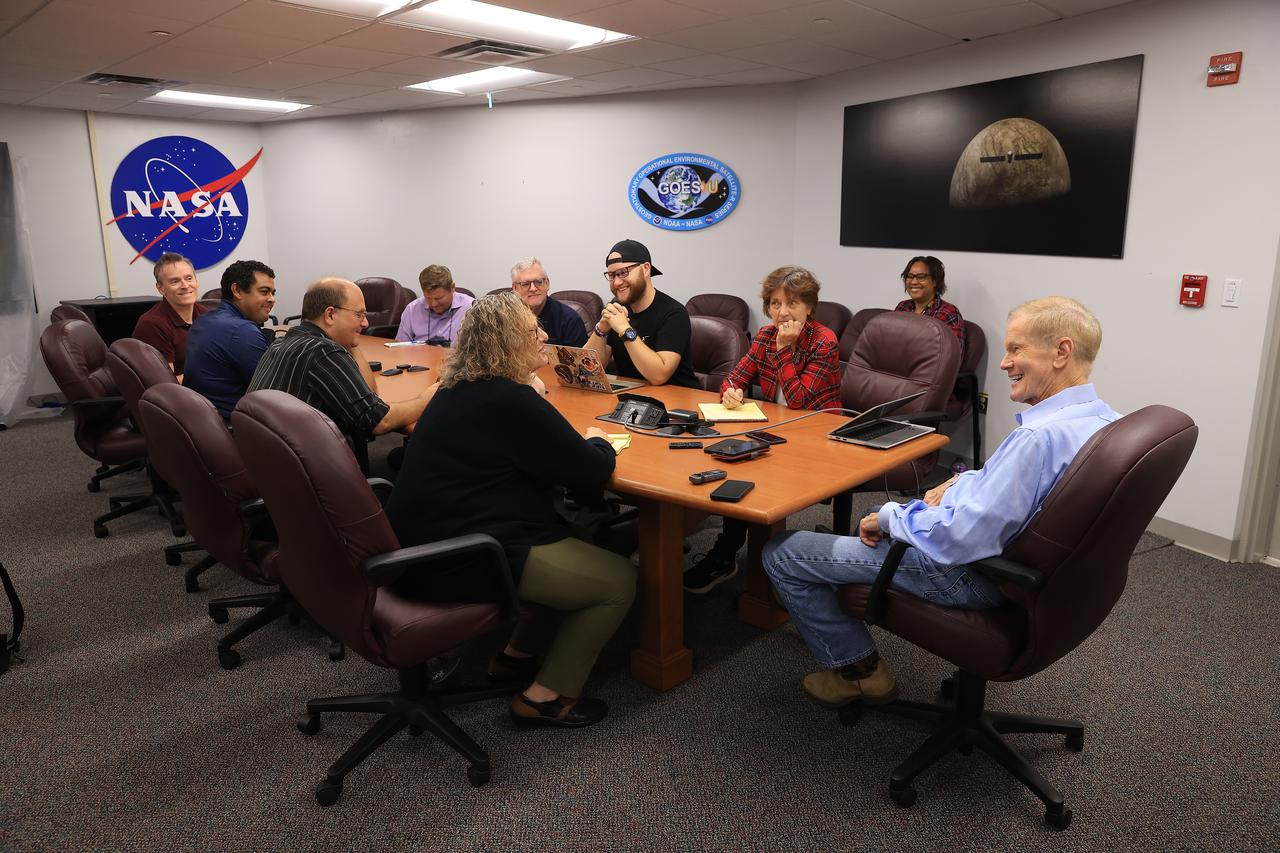
NASA Administrator Bill Nelson holds a roundtable discussion with members of the media on Wednesday, Dec. 18, 2024, inside the NASA News Center at the agency’s Kennedy Space Center in Florida.
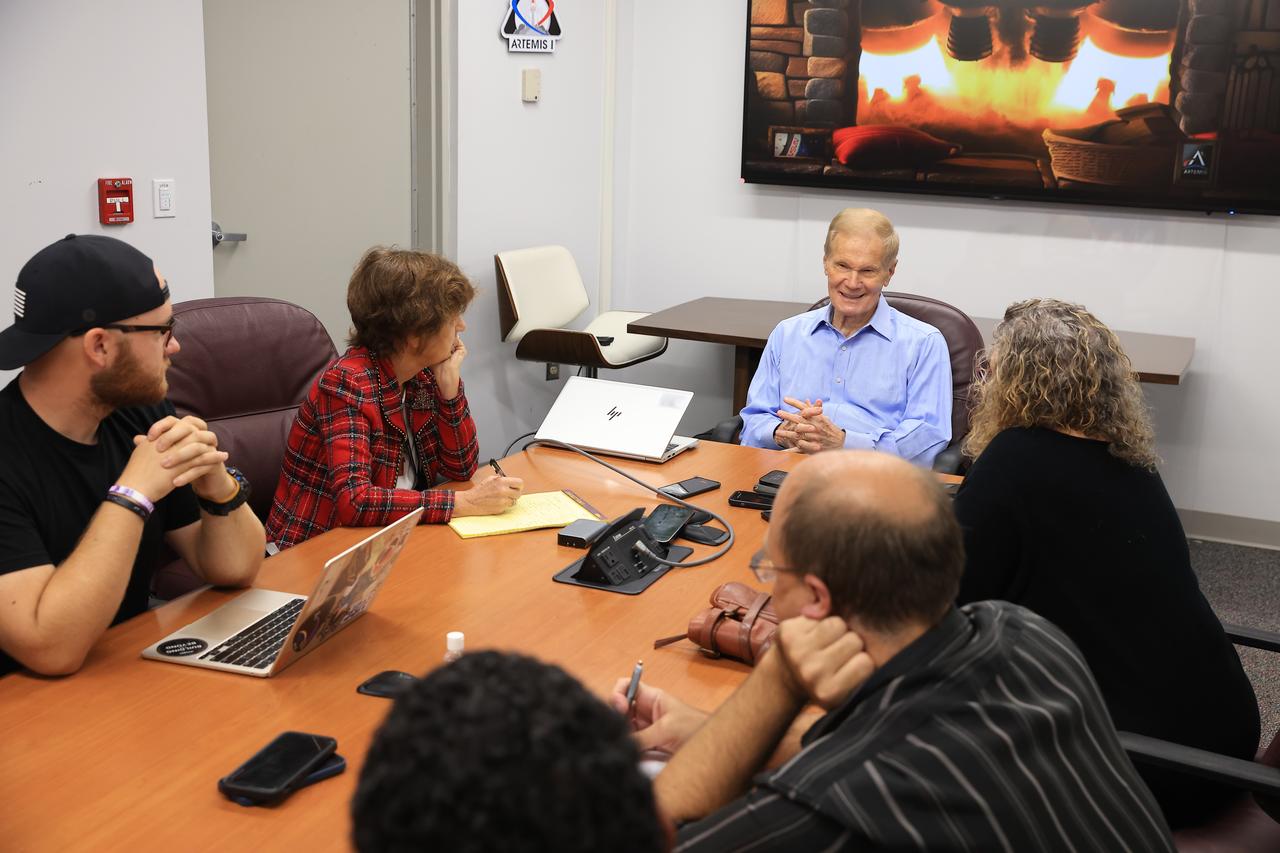
NASA Administrator Bill Nelson holds a roundtable discussion with members of the media on Wednesday, Dec. 18, 2024, inside the NASA News Center at the agency’s Kennedy Space Center in Florida.
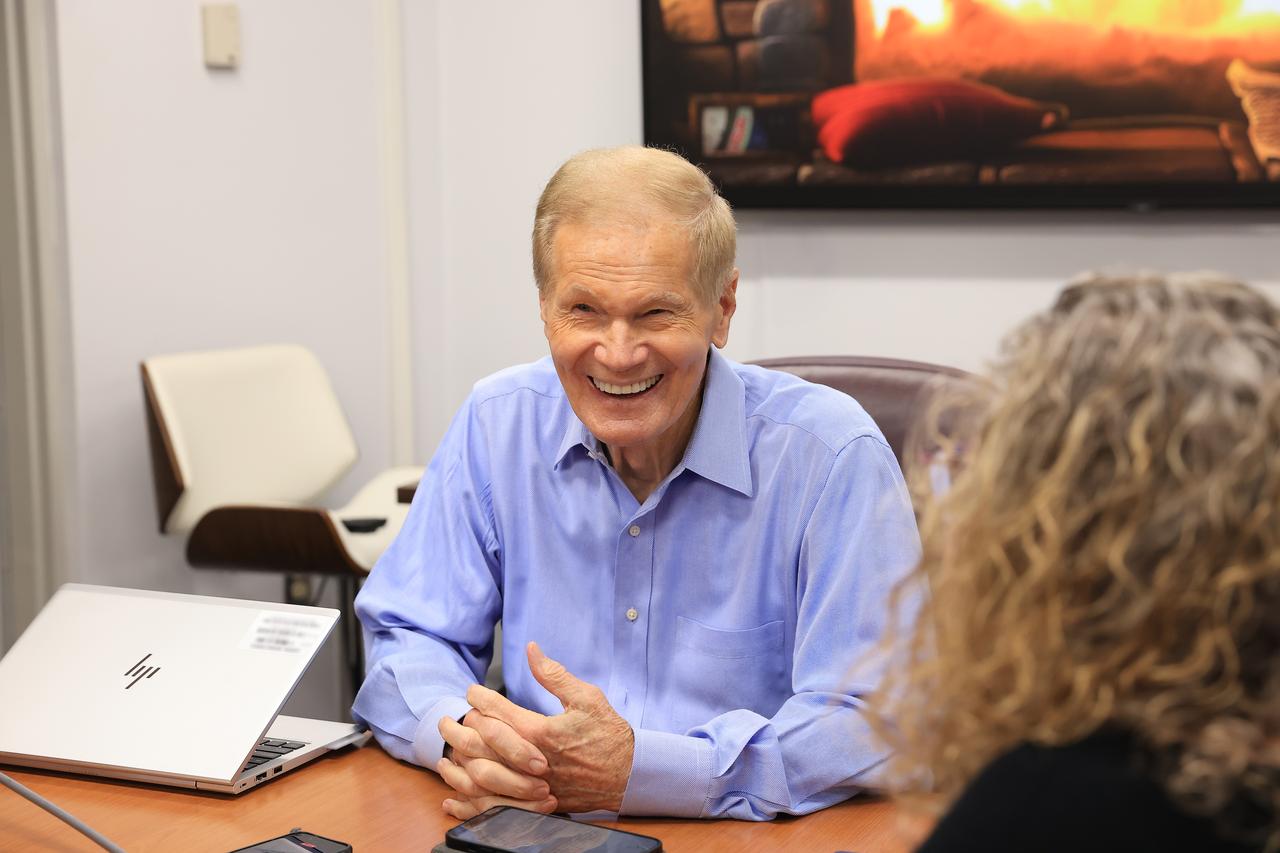
NASA Administrator Bill Nelson holds a roundtable discussion with members of the media on Wednesday, Dec. 18, 2024, inside the NASA News Center at the agency’s Kennedy Space Center in Florida.
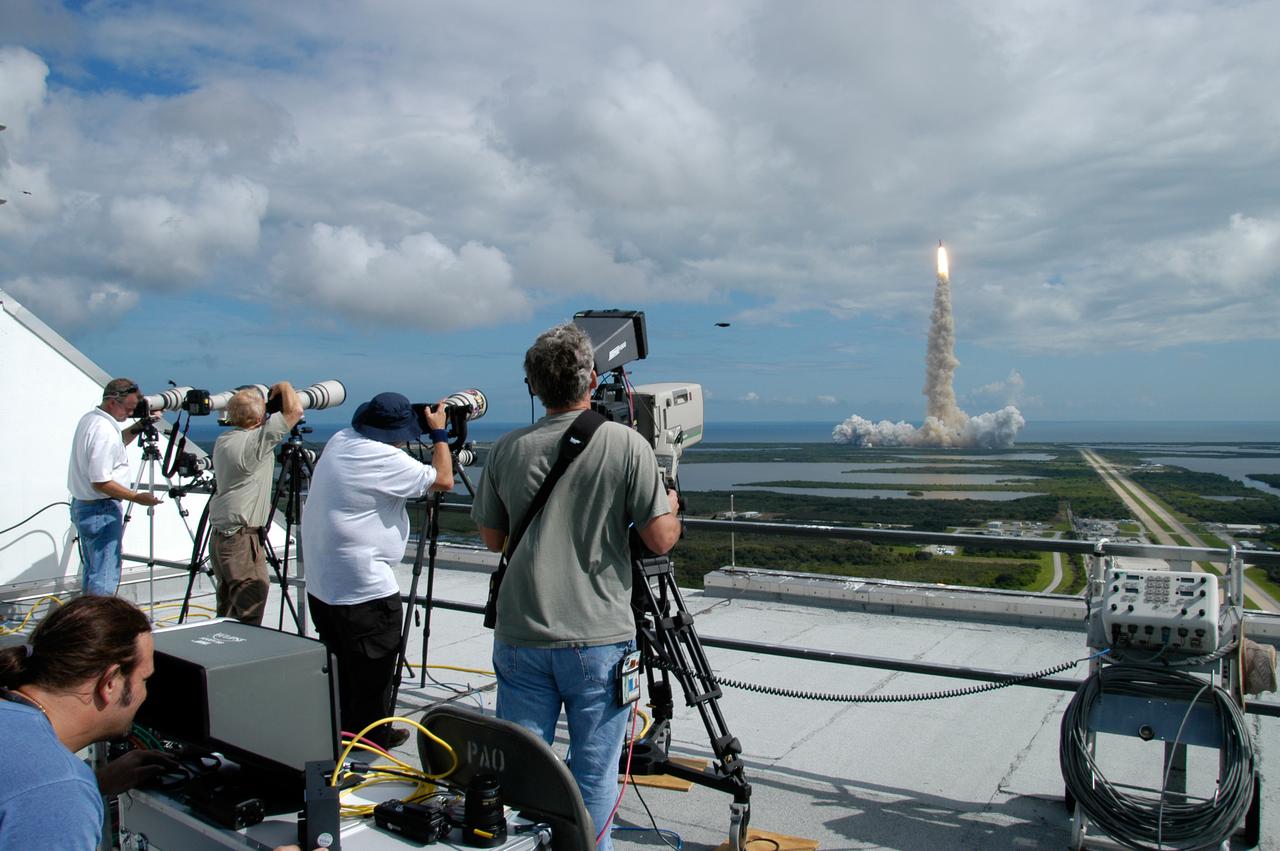
From the roof of the Vehicle Assembly Building at NASA's Kennedy Space Center, media photographers capture the launch of space shuttle Discovery as it soars from its seaside launch pad. Liftoff was on time at 11:38:19 a.m. EDT. Discovery carries the Italian-built U.S. Node 2, called Harmony. During the 14-day STS-120 mission, the crew will install Harmony and move the P6 solar arrays to their permanent position and deploy them. Discovery is expected to complete its mission and return home at 4:47 a.m. EST on Nov. 6.

Overall view of the news media at the memorial service at JSC for the Crew of STS 51-L.
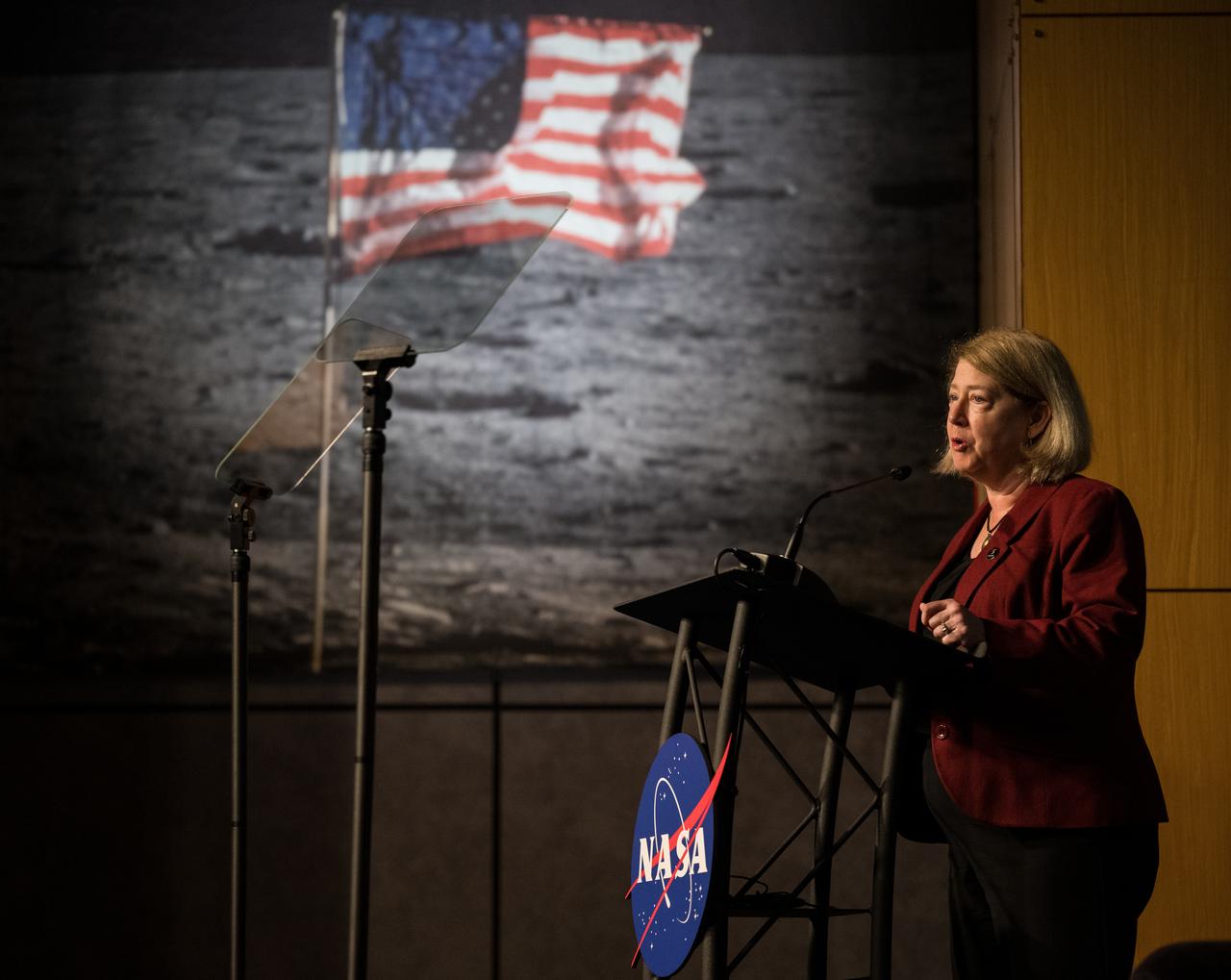
NASA Deputy Administrator Pam Melroy speaks during a media briefing to discuss the upcoming solar eclipse, Tuesday, March 26, 2024 at the Mary W. Jackson NASA Headquarters building in Washington. A total solar eclipse will sweep across a narrow portion of the North American continent from Mexico’s Pacific coast to the Atlantic coast of Newfoundland, Canada on April 8, 2024. A partial solar eclipse will be visible across the entire North American continent along with parts of Central America and Europe. Photo Credit: (NASA/Aubrey Gemignani)
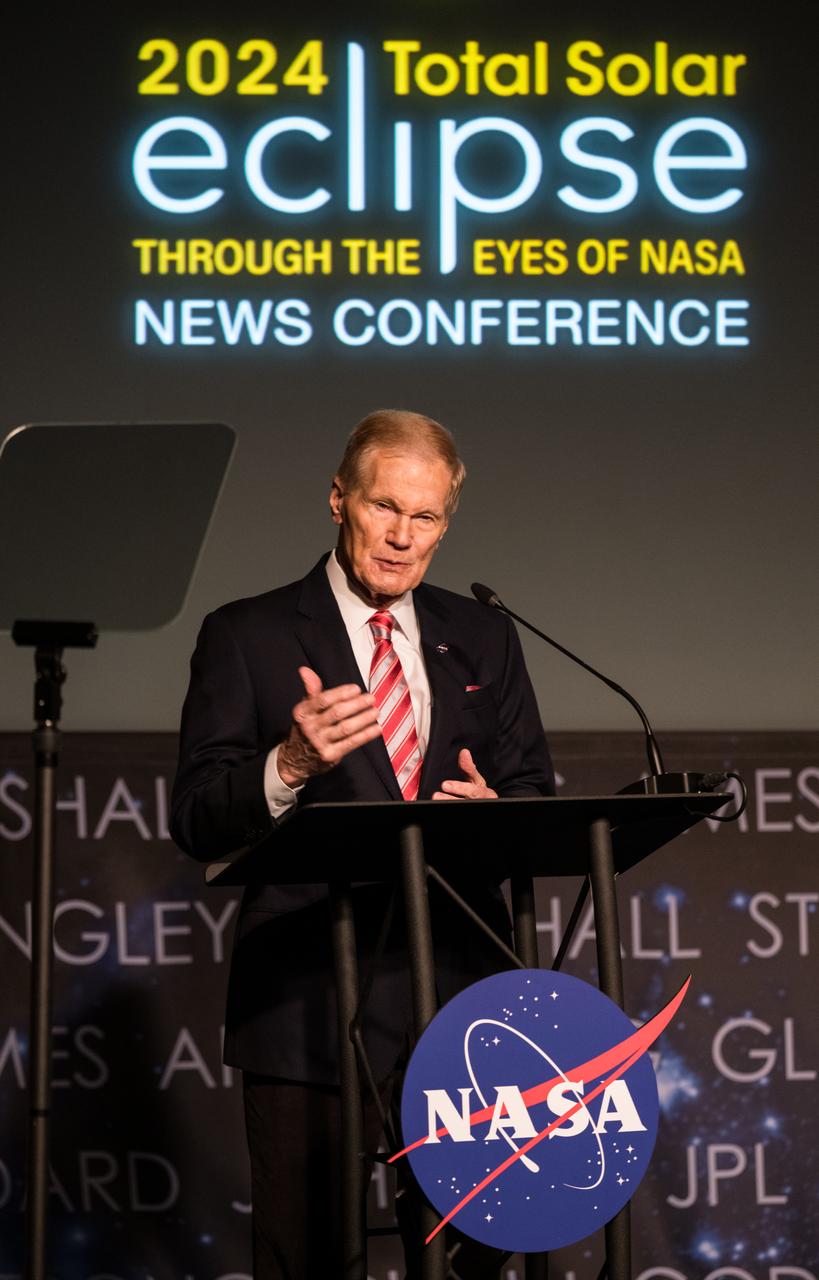
NASA Administrator Bill Nelson speaks during a media briefing to discuss the upcoming solar eclipse, Tuesday, March 26, 2024 at the Mary W. Jackson NASA Headquarters building in Washington. A total solar eclipse will sweep across a narrow portion of the North American continent from Mexico’s Pacific coast to the Atlantic coast of Newfoundland, Canada on April 8, 2024. A partial solar eclipse will be visible across the entire North American continent along with parts of Central America and Europe. Photo Credit: (NASA/Aubrey Gemignani)
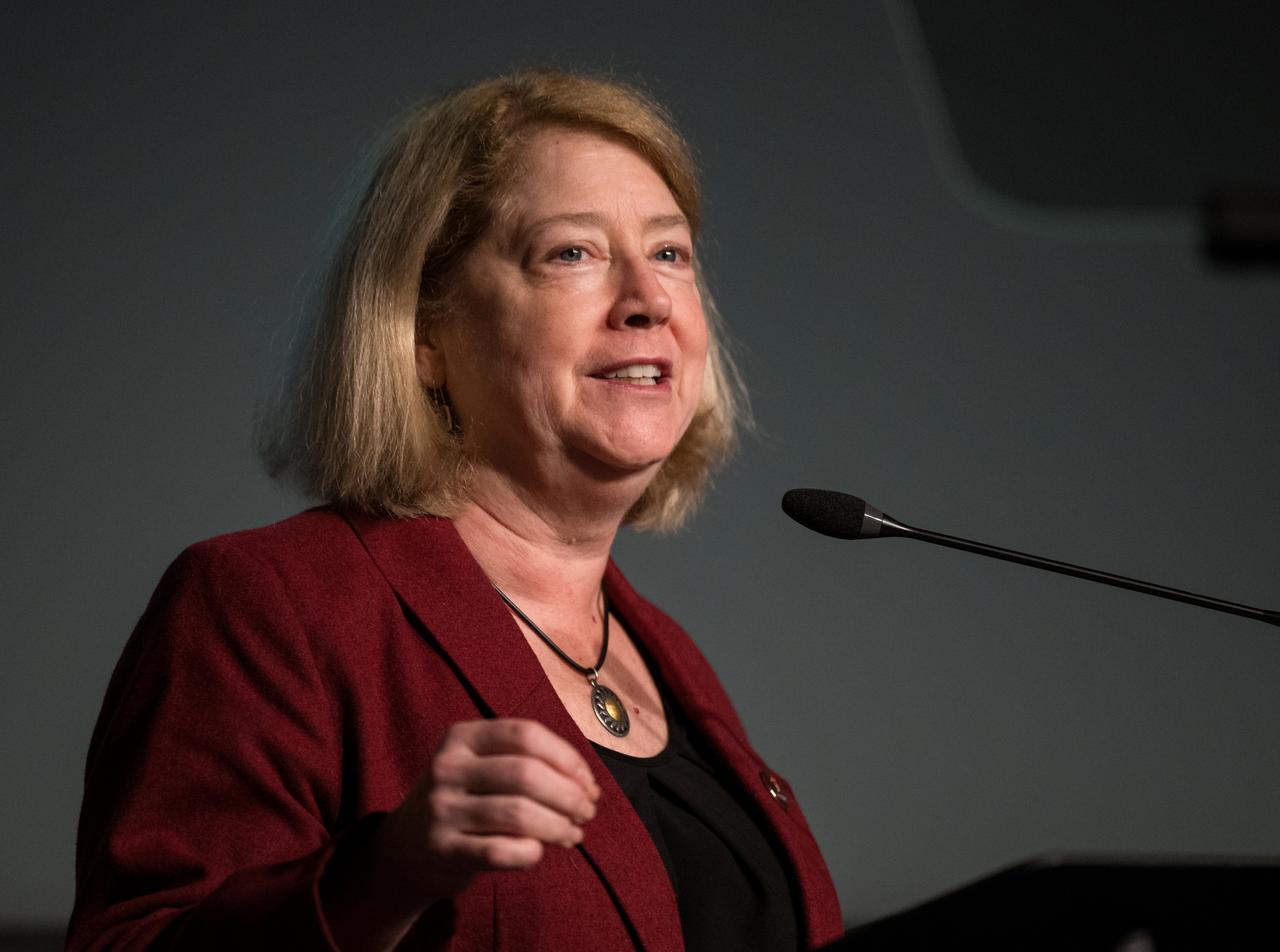
NASA Deputy Administrator Pam Melroy speaks during a media briefing to discuss the upcoming solar eclipse, Tuesday, March 26, 2024 at the Mary W. Jackson NASA Headquarters building in Washington. A total solar eclipse will sweep across a narrow portion of the North American continent from Mexico’s Pacific coast to the Atlantic coast of Newfoundland, Canada on April 8, 2024. A partial solar eclipse will be visible across the entire North American continent along with parts of Central America and Europe. Photo Credit: (NASA/Aubrey Gemignani)
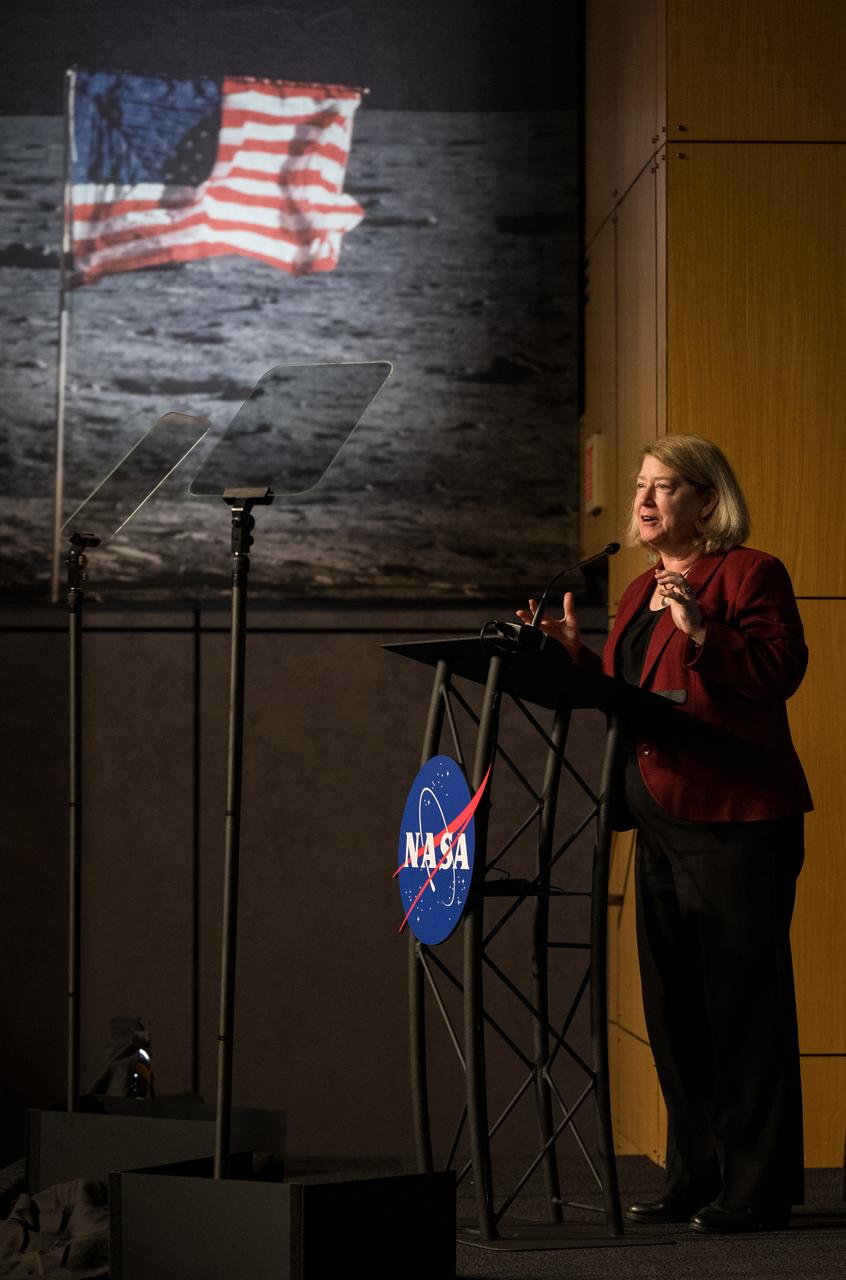
NASA Deputy Administrator Pam Melroy speaks during a media briefing to discuss the upcoming solar eclipse, Tuesday, March 26, 2024 at the Mary W. Jackson NASA Headquarters building in Washington. A total solar eclipse will sweep across a narrow portion of the North American continent from Mexico’s Pacific coast to the Atlantic coast of Newfoundland, Canada on April 8, 2024. A partial solar eclipse will be visible across the entire North American continent along with parts of Central America and Europe. Photo Credit: (NASA/Aubrey Gemignani)
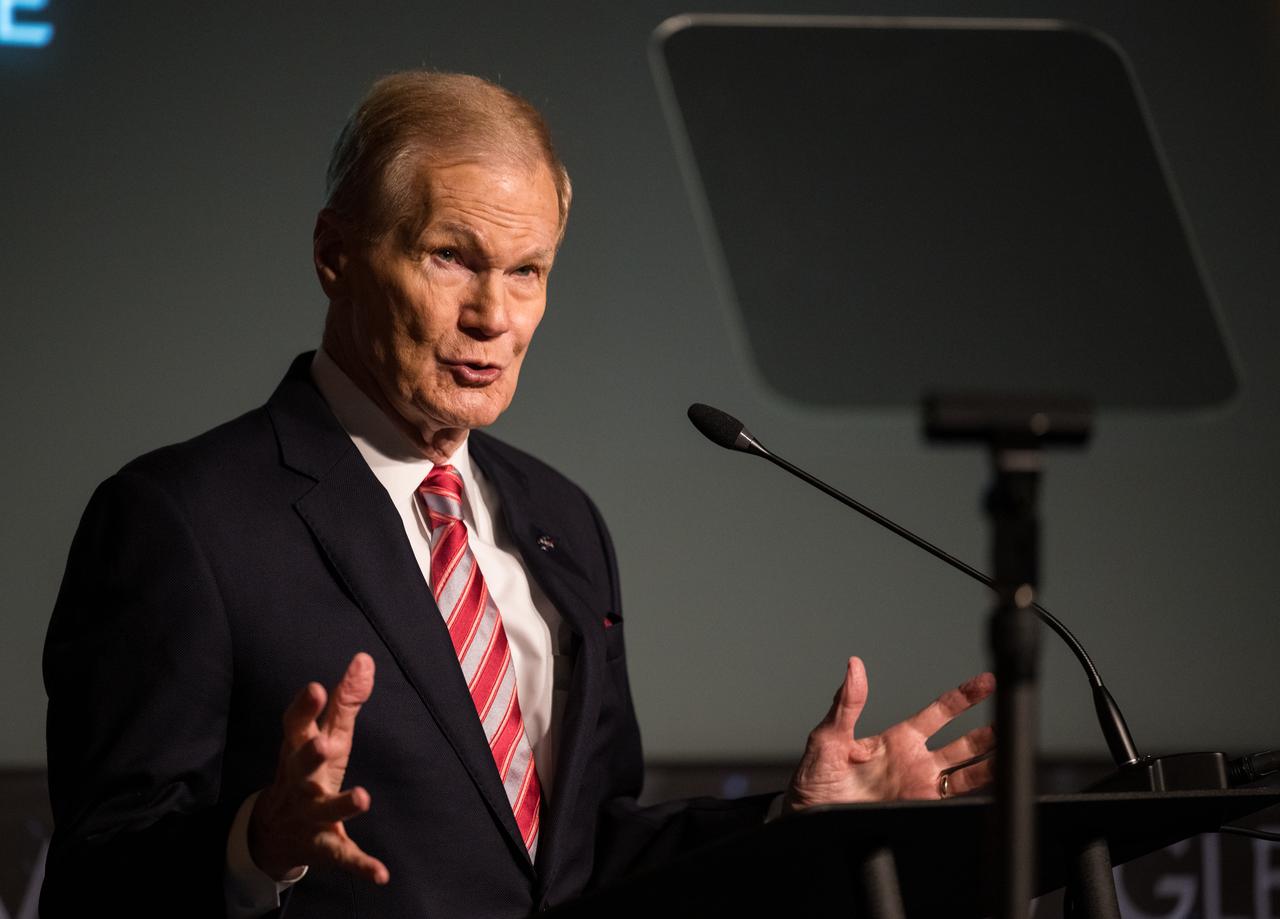
NASA Administrator Bill Nelson speaks during a media briefing to discuss the upcoming solar eclipse, Tuesday, March 26, 2024 at the Mary W. Jackson NASA Headquarters building in Washington. A total solar eclipse will sweep across a narrow portion of the North American continent from Mexico’s Pacific coast to the Atlantic coast of Newfoundland, Canada on April 8, 2024. A partial solar eclipse will be visible across the entire North American continent along with parts of Central America and Europe. Photo Credit: (NASA/Aubrey Gemignani)
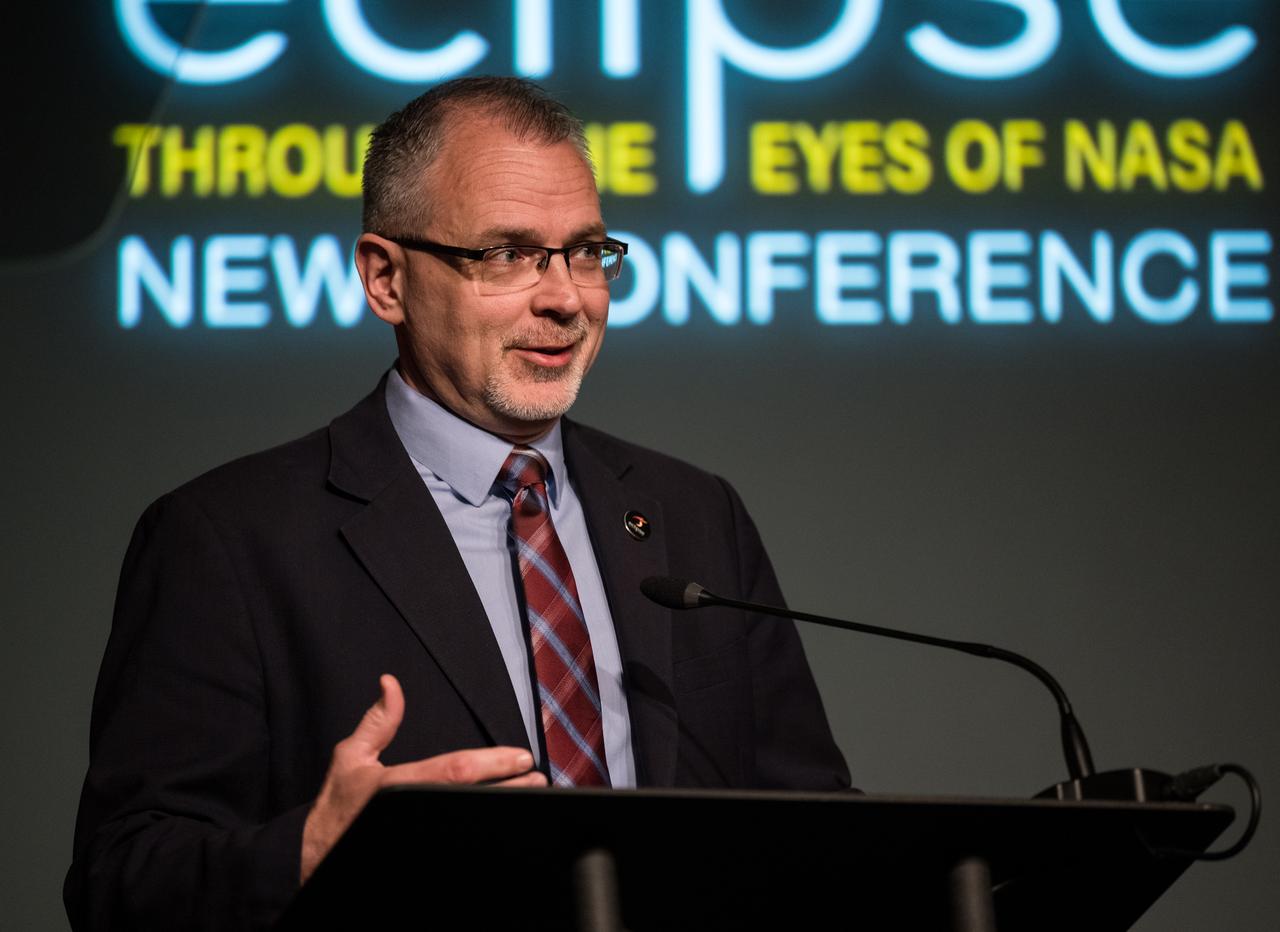
NASA Associate Administrator Jim Free speaks during a media briefing to discuss the upcoming solar eclipse, Tuesday, March 26, 2024 at the Mary W. Jackson NASA Headquarters building in Washington. A total solar eclipse will sweep across a narrow portion of the North American continent from Mexico’s Pacific coast to the Atlantic coast of Newfoundland, Canada on April 8, 2024. A partial solar eclipse will be visible across the entire North American continent along with parts of Central America and Europe. Photo Credit: (NASA/Aubrey Gemignani)
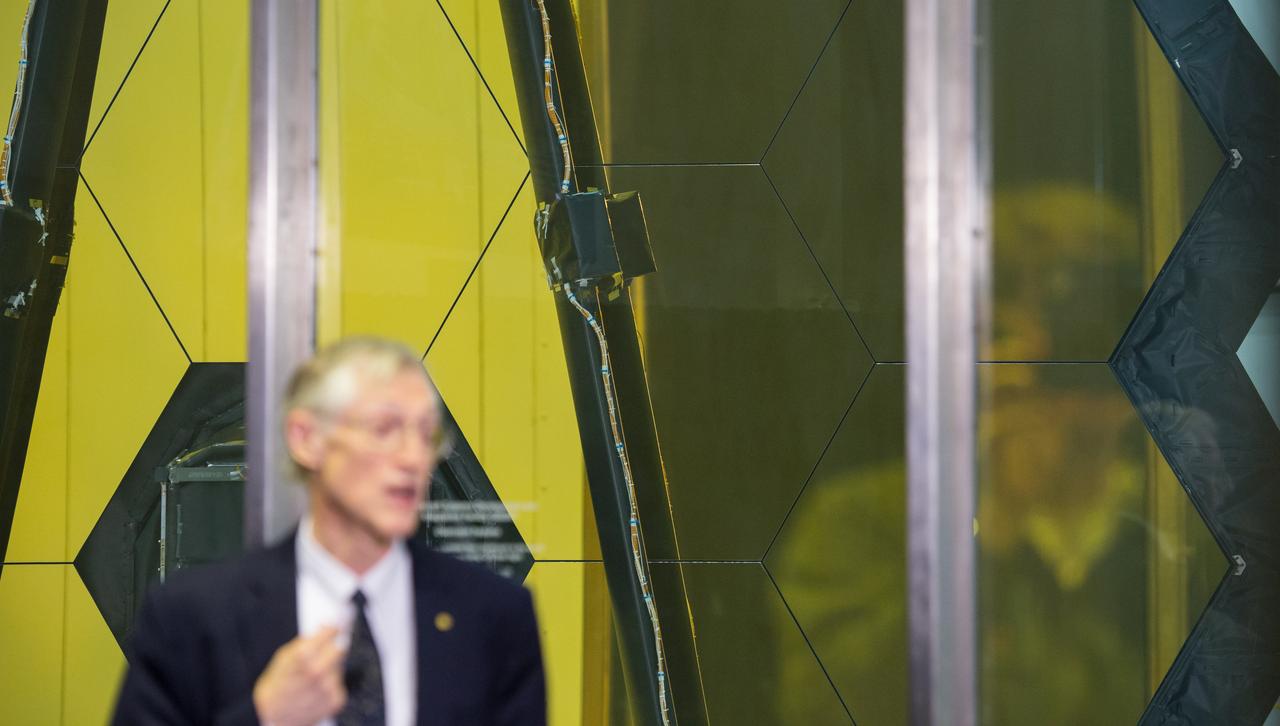
Media Invited to Rare View of NASA's James Webb Space Telescope Mirrors
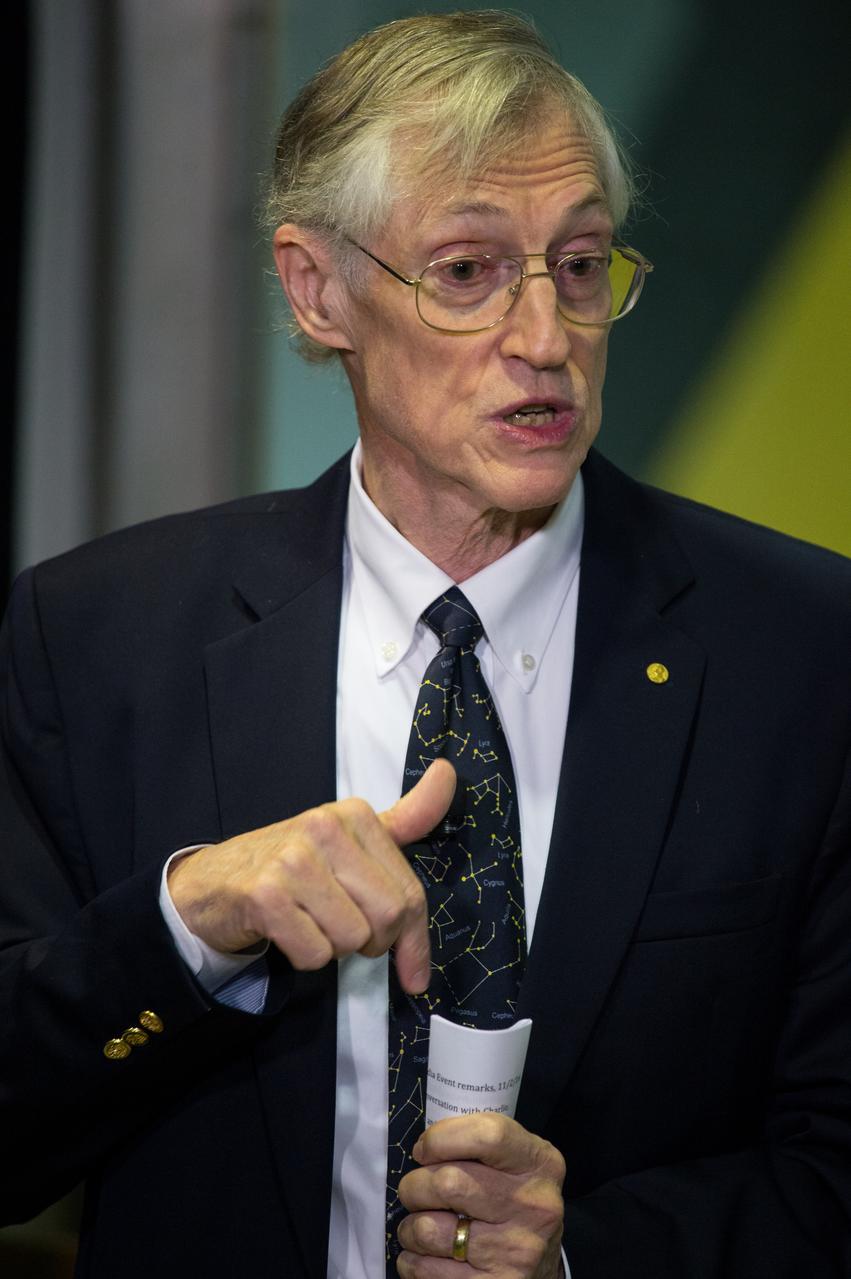
Media Invited to Rare View of NASA's James Webb Space Telescope Mirrors
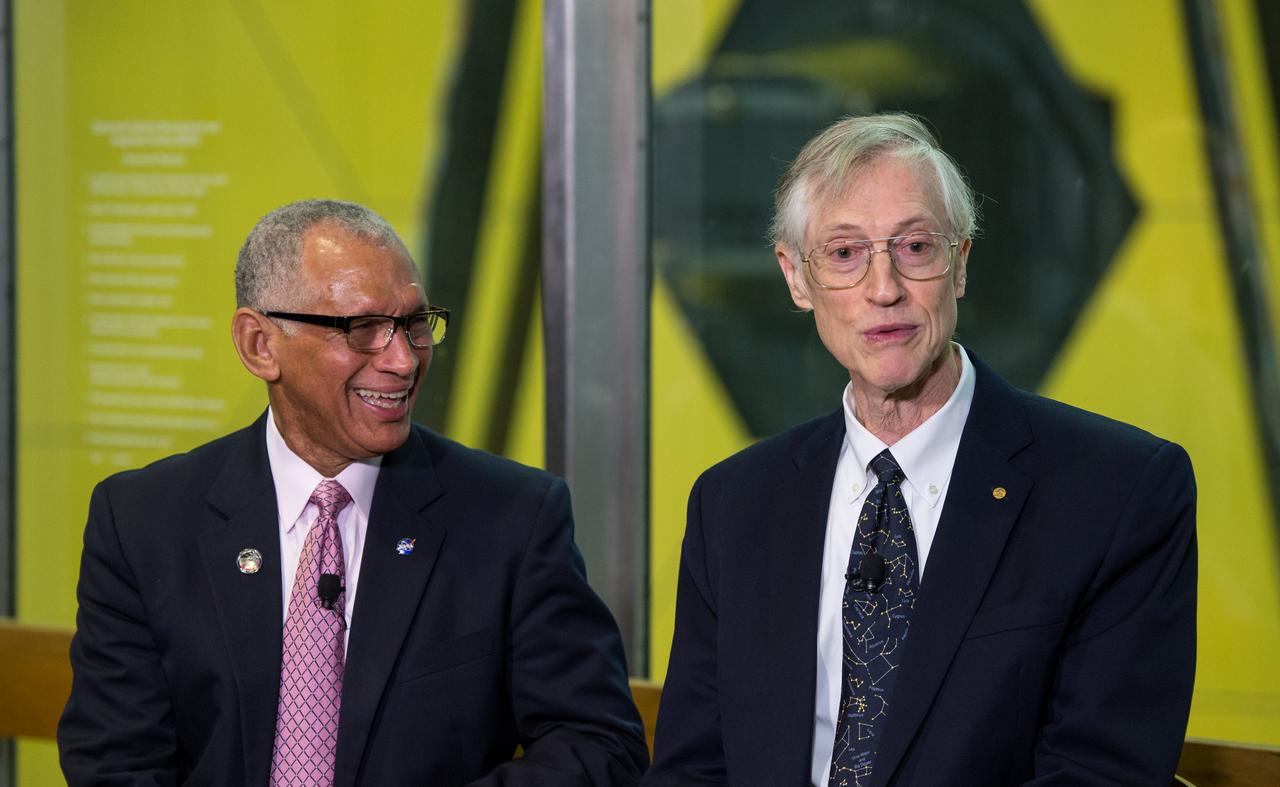
Media Invited to Rare View of NASA's James Webb Space Telescope Mirrors
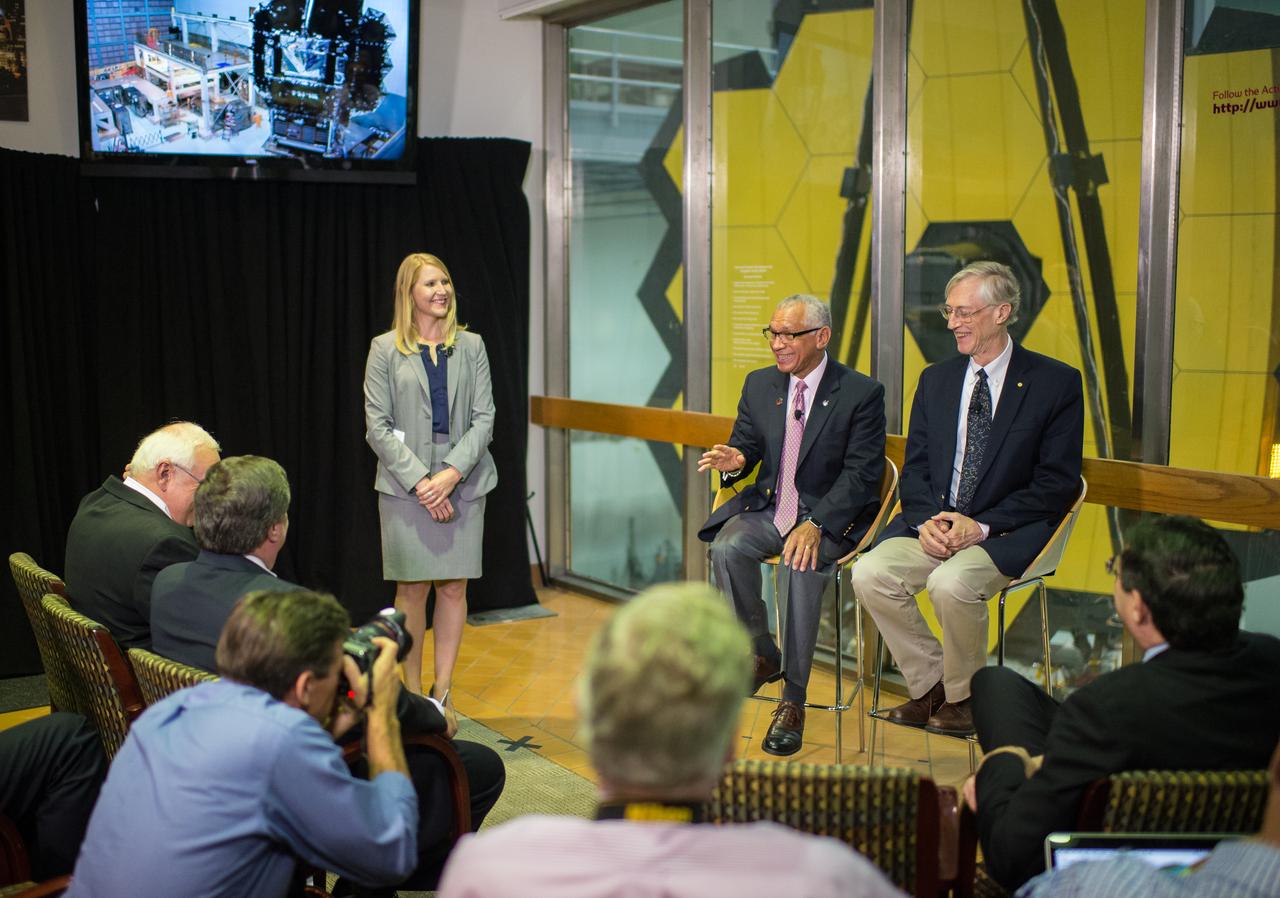
Media Invited to Rare View of NASA's James Webb Space Telescope Mirrors
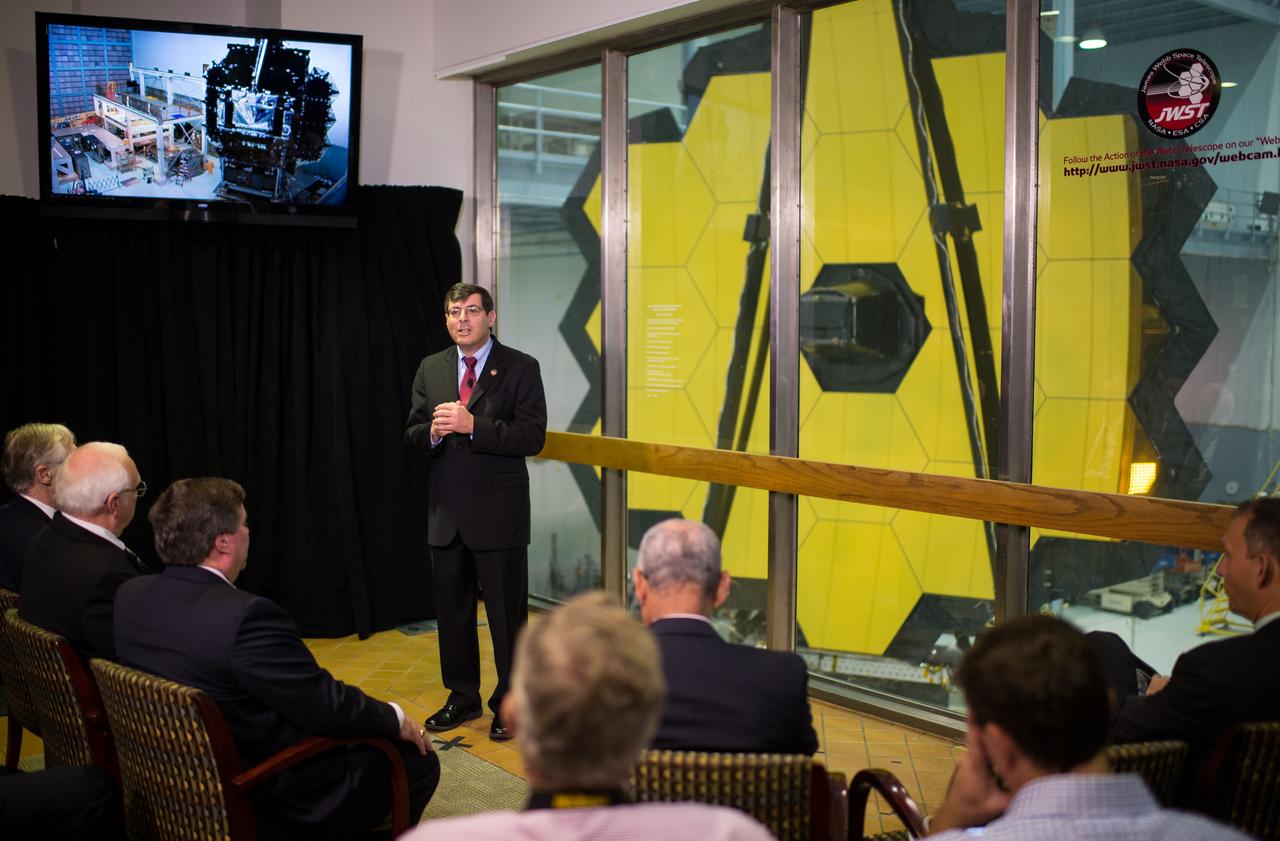
Media Invited to Rare View of NASA's James Webb Space Telescope Mirrors
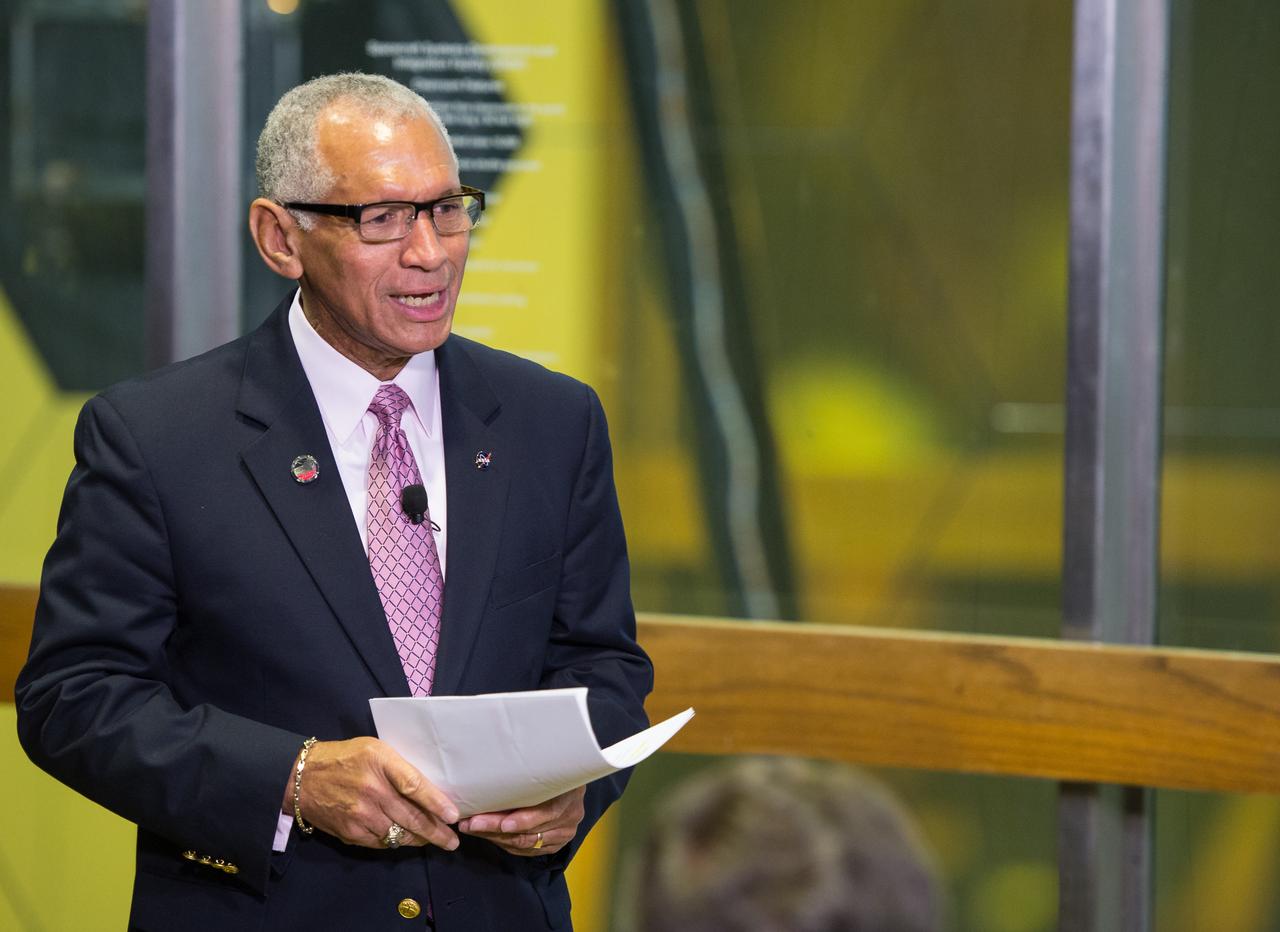
Media Invited to Rare View of NASA's James Webb Space Telescope Mirrors
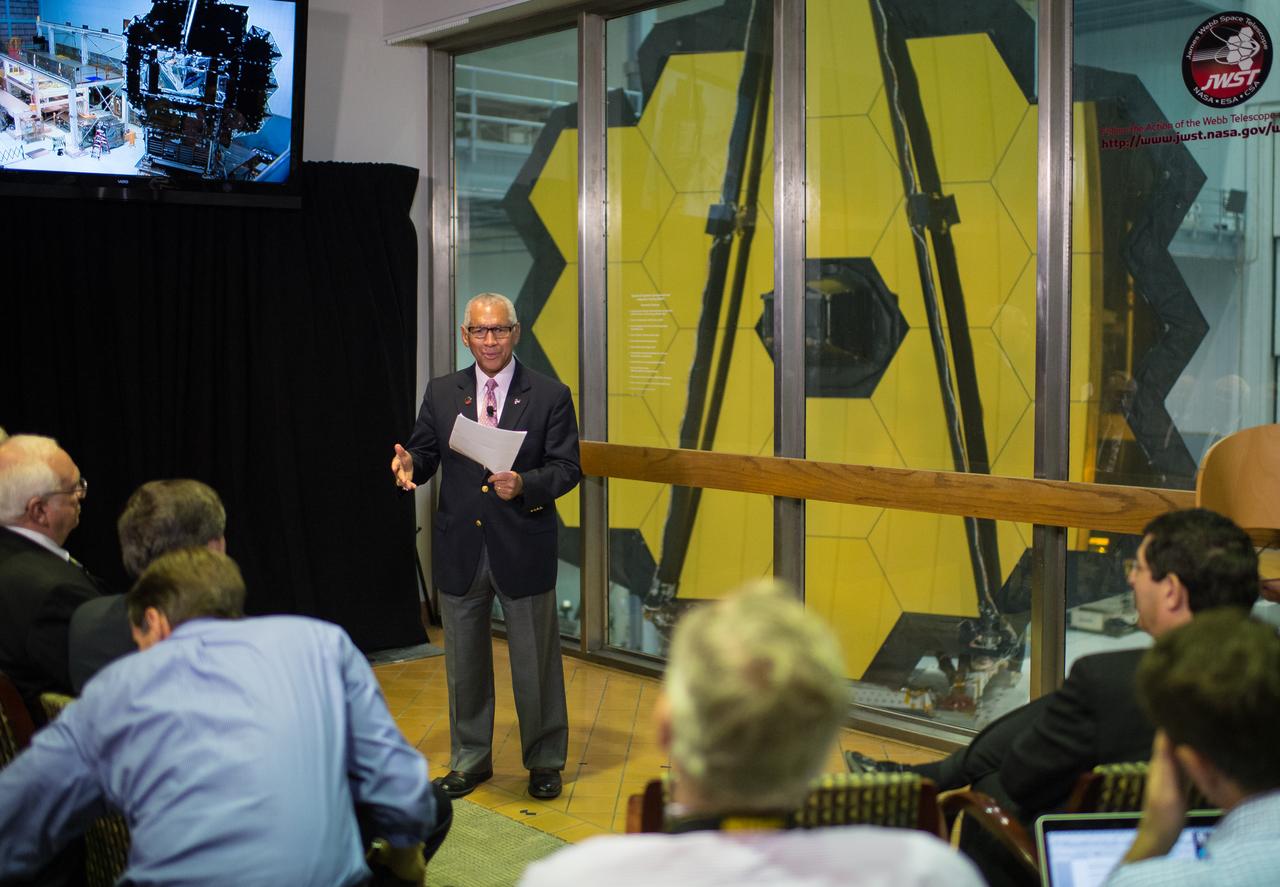
Media Invited to Rare View of NASA's James Webb Space Telescope Mirrors
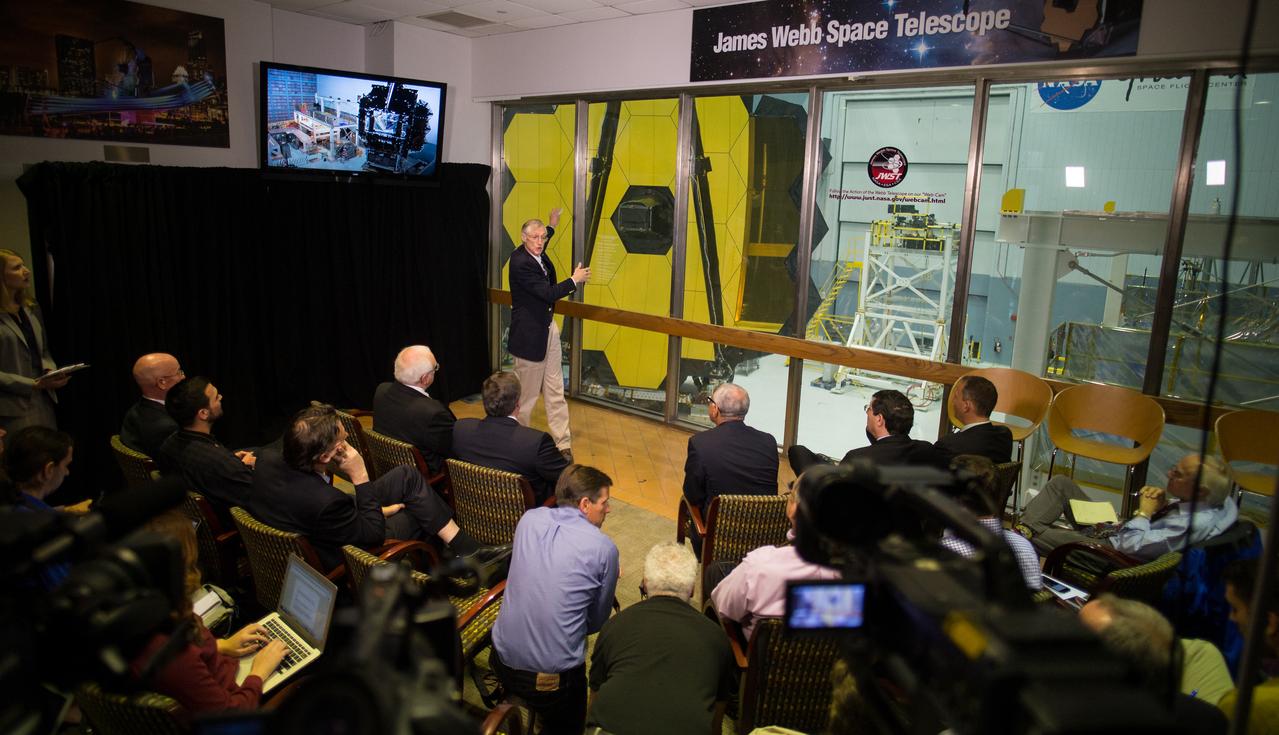
Media Invited to Rare View of NASA's James Webb Space Telescope Mirrors
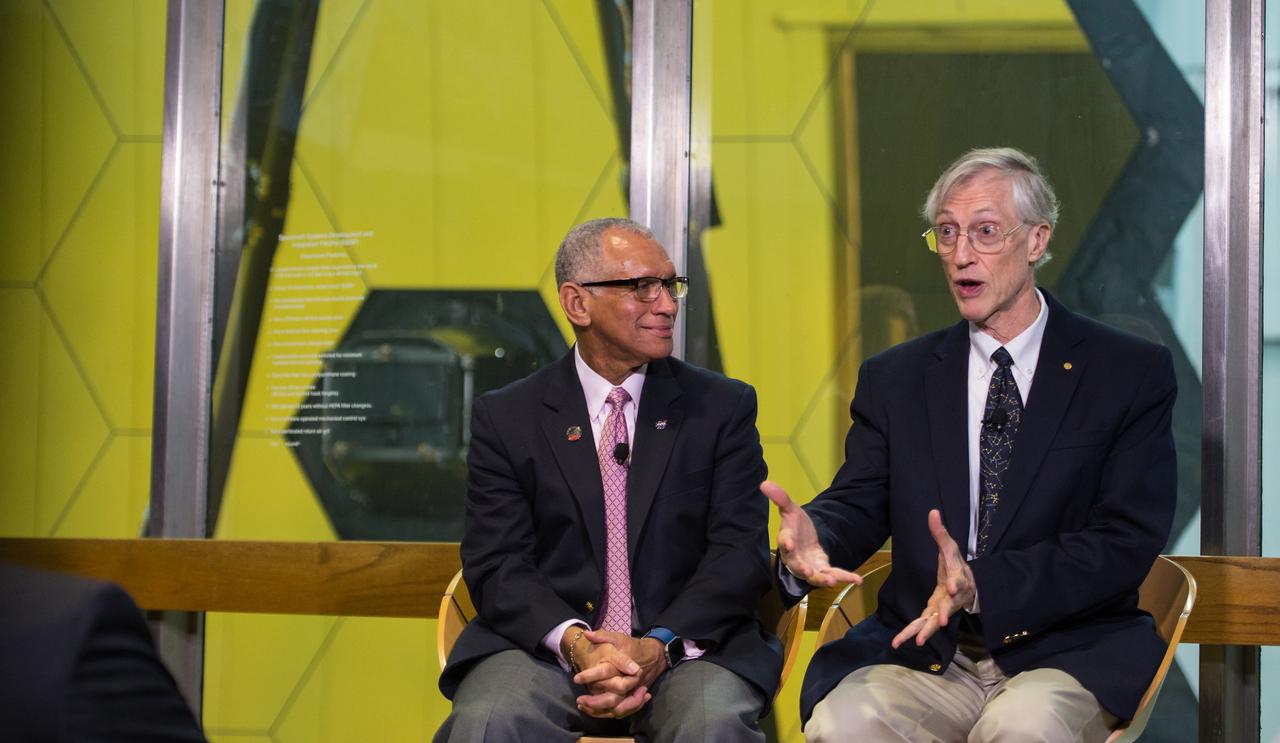
Media Invited to Rare View of NASA's James Webb Space Telescope Mirrors