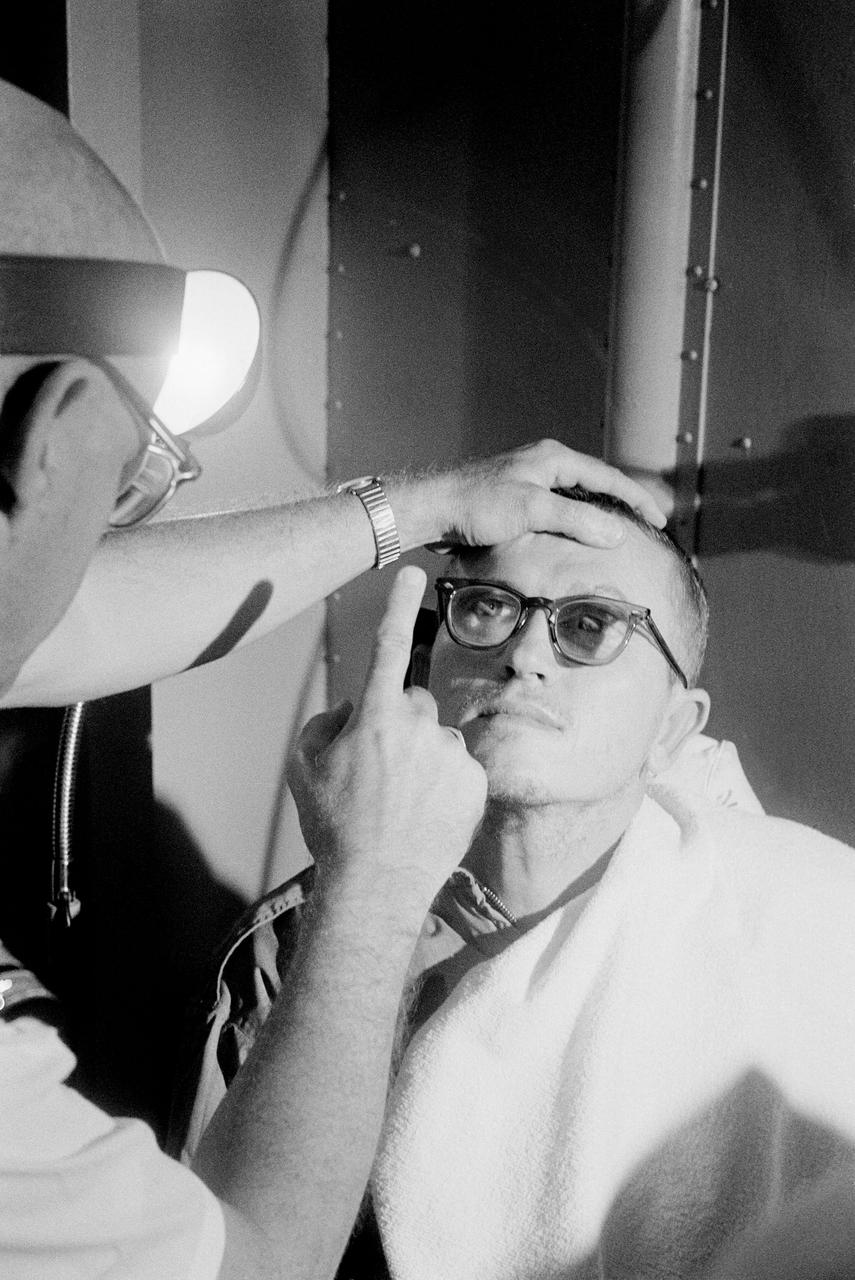
S66-17442 (19 Jan. 1966) --- Astronaut Frank Borman, command pilot for the Gemini-7 mission, has his vision checked during a postflight medical exam. Photo credit: NASA
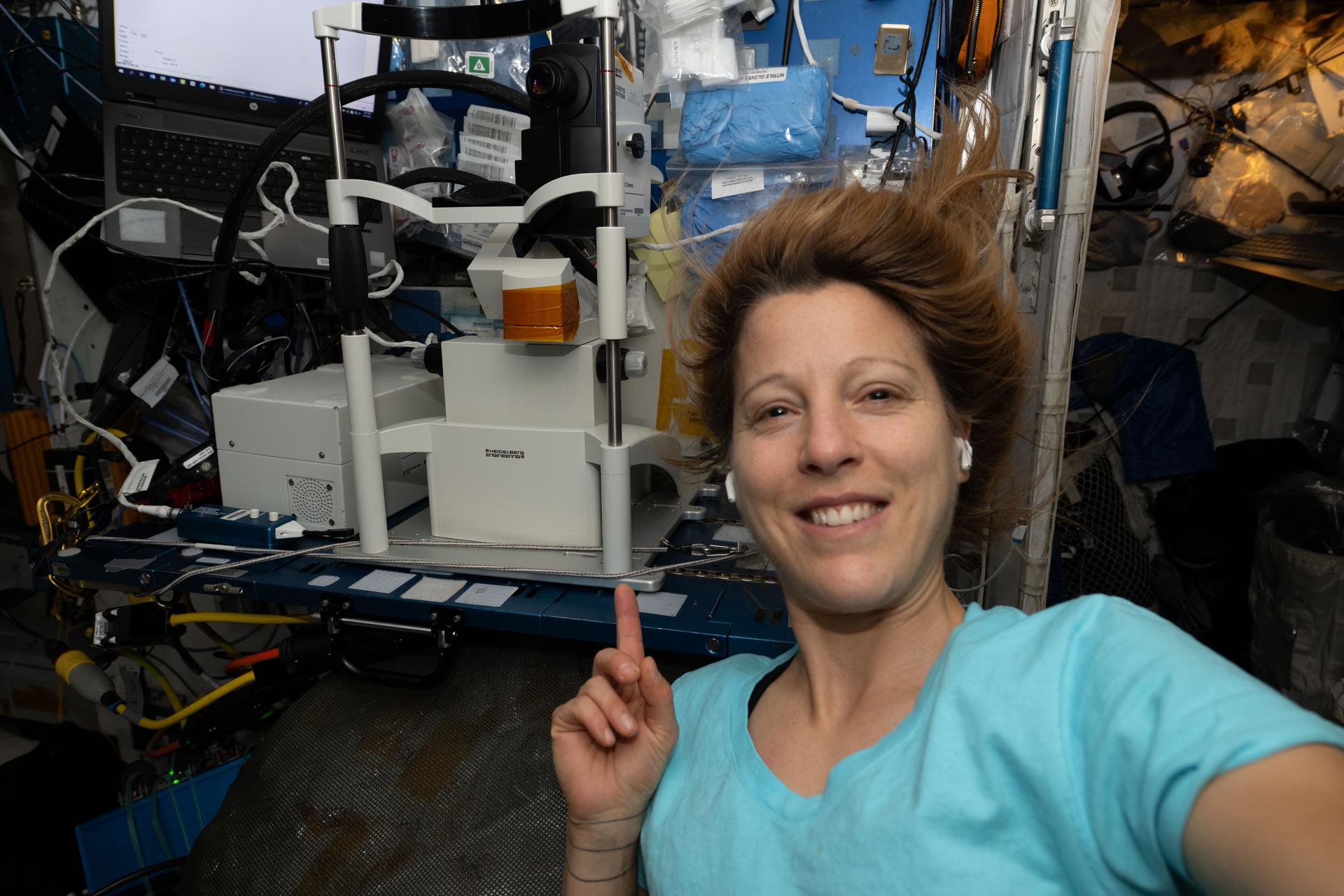
iss074e0433179 (April 3, 2026) --- ESA (European Space Agency) astronaut and Expedition 74 flight engineer Sophie Adenot smiles for a portrait while showing off an Optical Coherence Tomography machine, a medical imaging device used for eye exams. Doctors on the ground monitor the eye exam in real-time viewing an astronaut's retina, lens, and cornea. Vision is critical to a mission’s success and doctors regularly check the astronauts’ eyes to counteract the potential effects of living in space. Credit: ESA/Sophie Adenot
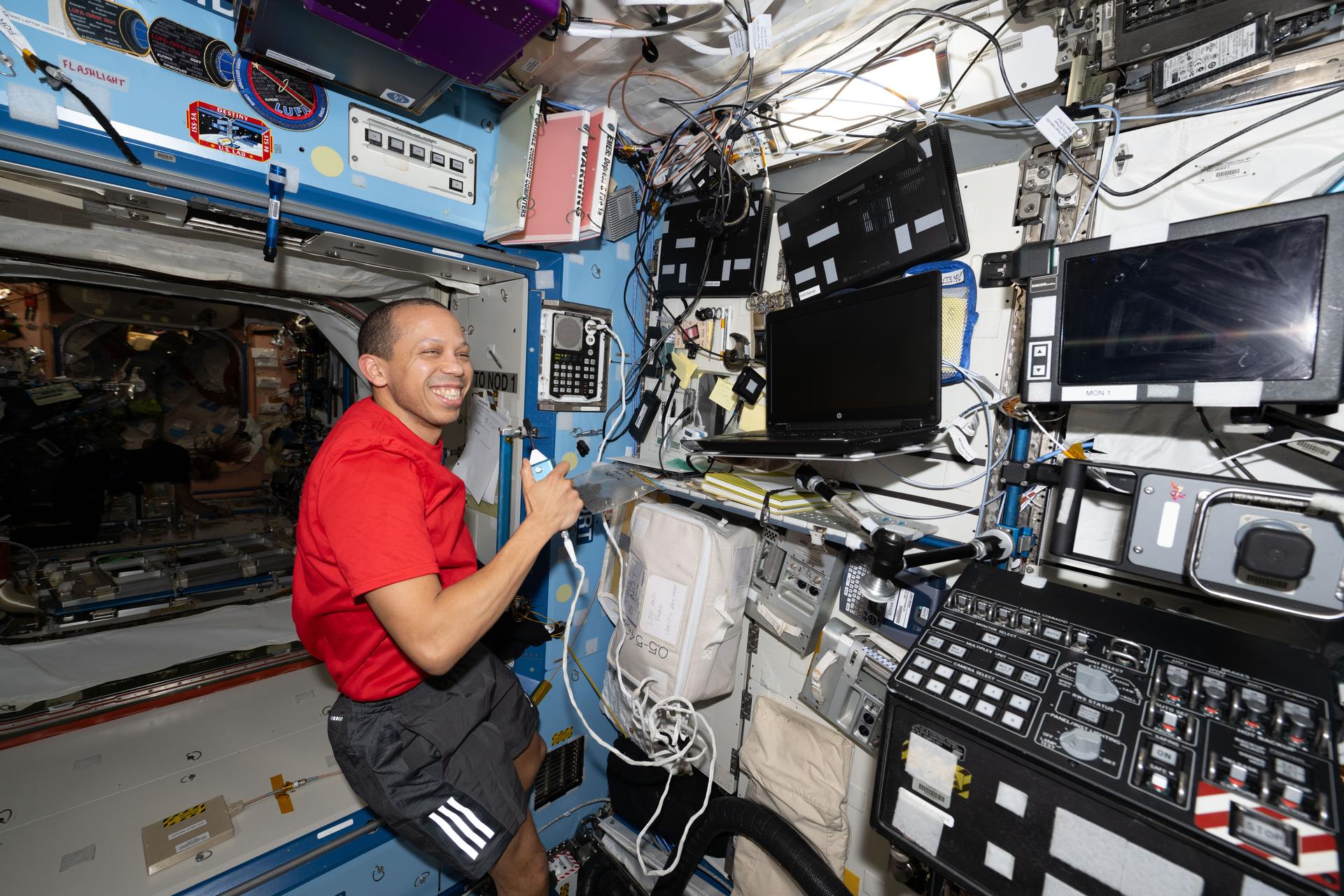
iss074e0316047 (Feb. 18, 2026) --- NASA astronaut and Expedition 74 Flight Engineer Chris Williams calls down to mission controllers during Crew Medical Officer training inside the International Space Station’s Destiny laboratory module. Williams trained to use medical hardware, including an automated external defibrillator, and reviewed procedures such as conducting eye exams and administering medicine. Credit: NASA/Jessica Meir
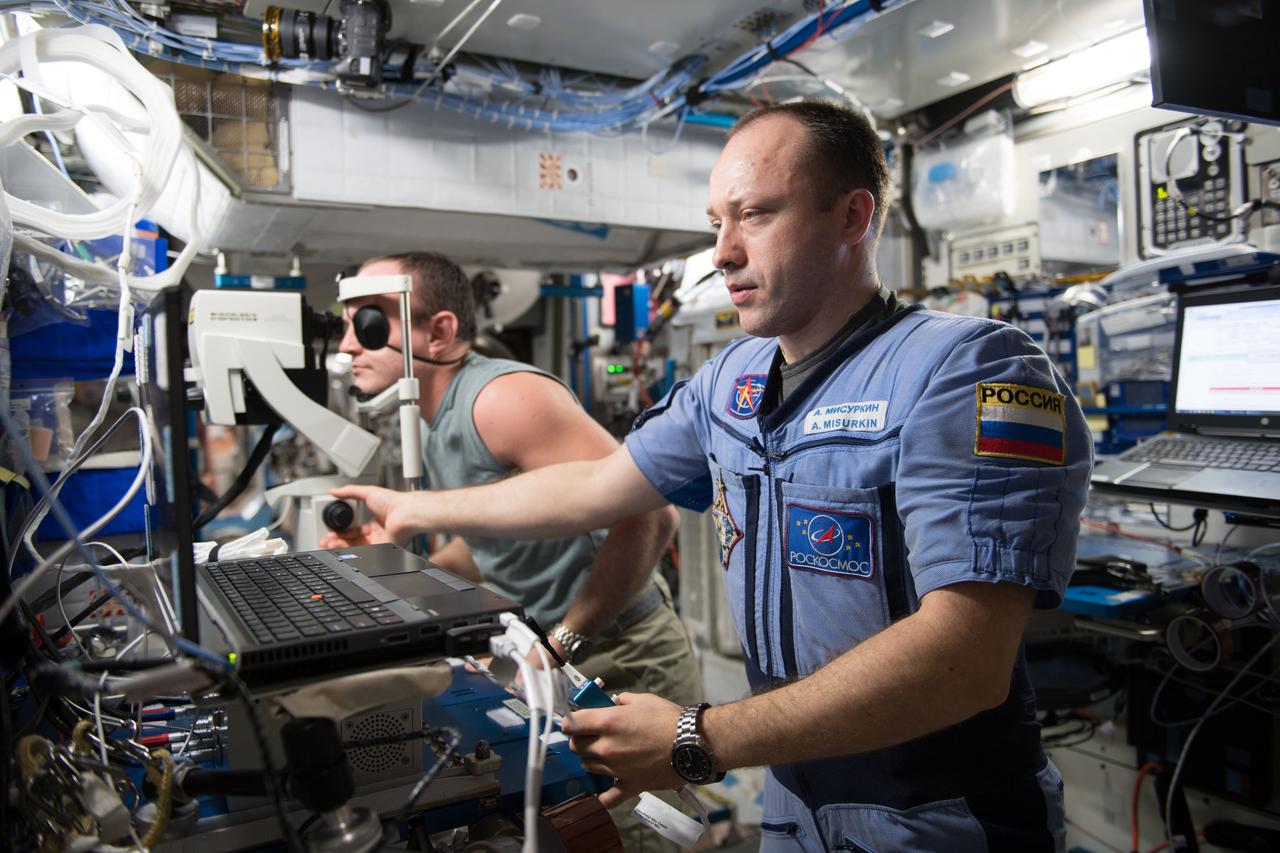
iss053e238919 (Nov. 21, 2017) --- Cosmonauts Alexander Misurkin (foreground) and Sergey Ryazanskiy participate in a remotely guided eye exam with assistance from doctors on Earth using Optical Coherence Tomography gear. Misurkin was the Crew Medical Officer and Ryazanskiy was the subject helping doctors understand how living in microgravity impacts vision.
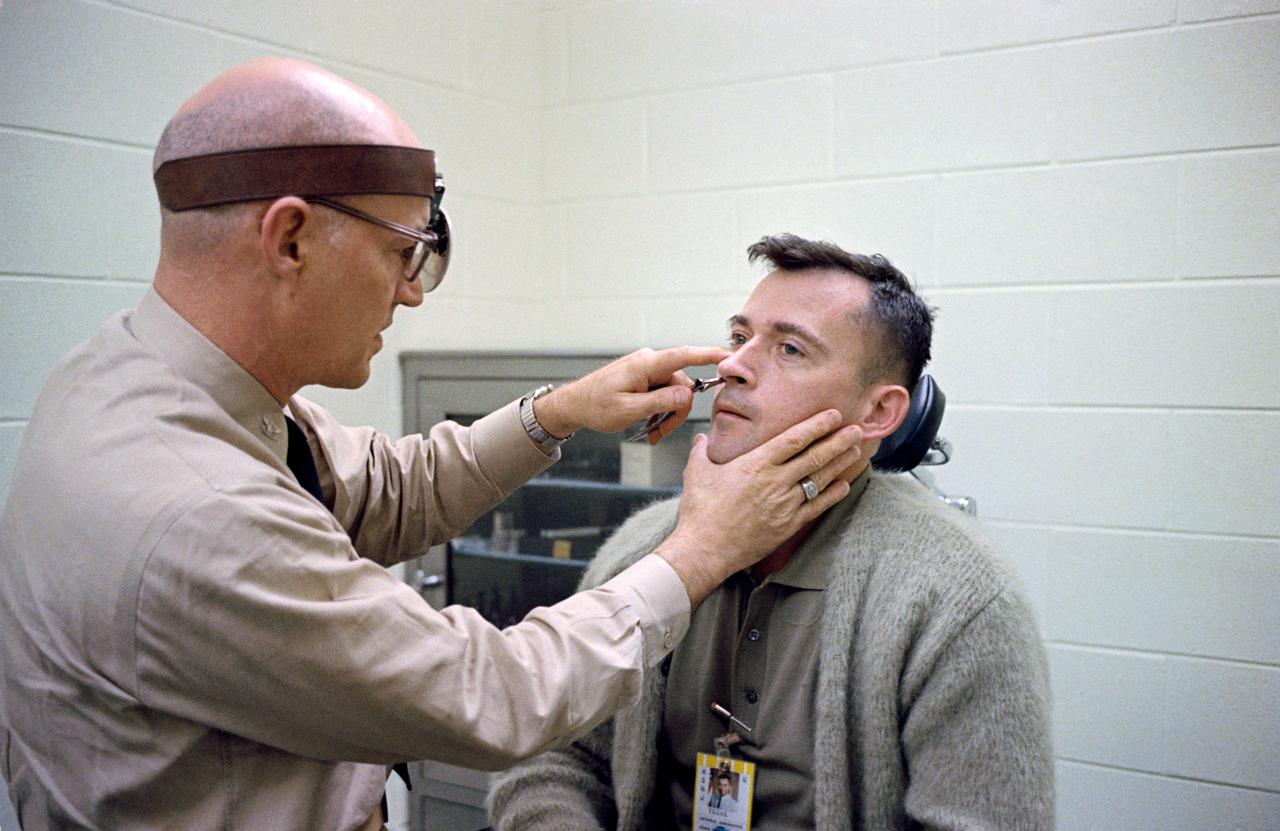
S65-22672 (21 March 1965) --- Astronaut John W. Young, pilot for the Gemini-Titan 3 mission, undergoes an ear, nose and throat examination by Dr. L. Ballenberger, U.S. Navy captain. The examination took place during the physical given to the GT-3 crew two days before launch.
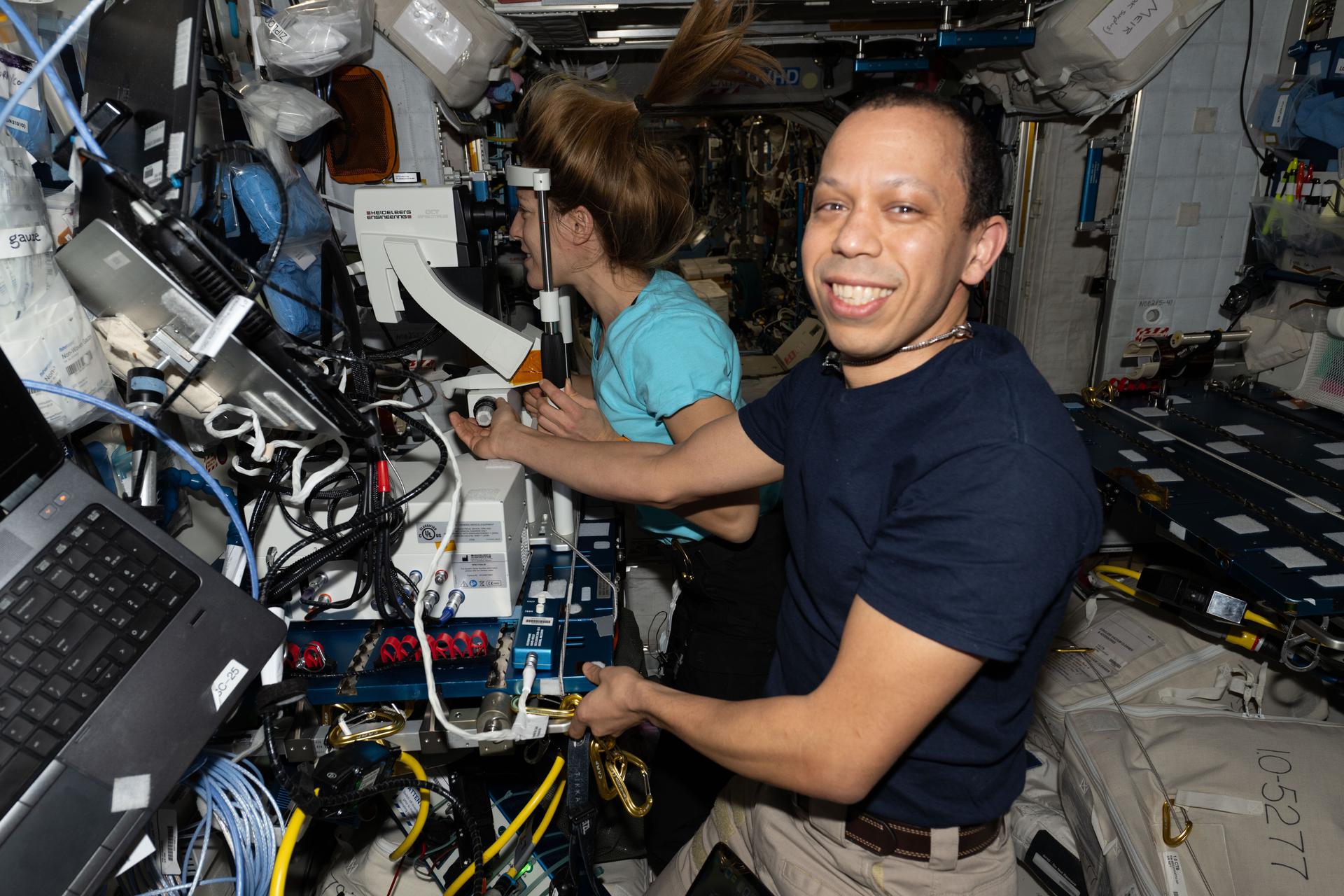
iss074e0433182 (April 3, 2026) --- NASA astronaut Chris Williams smiles for a portrait while guiding ESA (European Space Agency) astronaut Sophie Adenot as she peers into an Optical Coherence Tomography machine, a medical imaging device used for eye exams. Doctors on the ground monitored in real-time viewing her retina, lens, and cornea. Vision is critical to a mission’s success and doctors regularly check the astronauts’ eyes to counteract the potential effects of living in space. Credit: ESA/Sophie Adenot
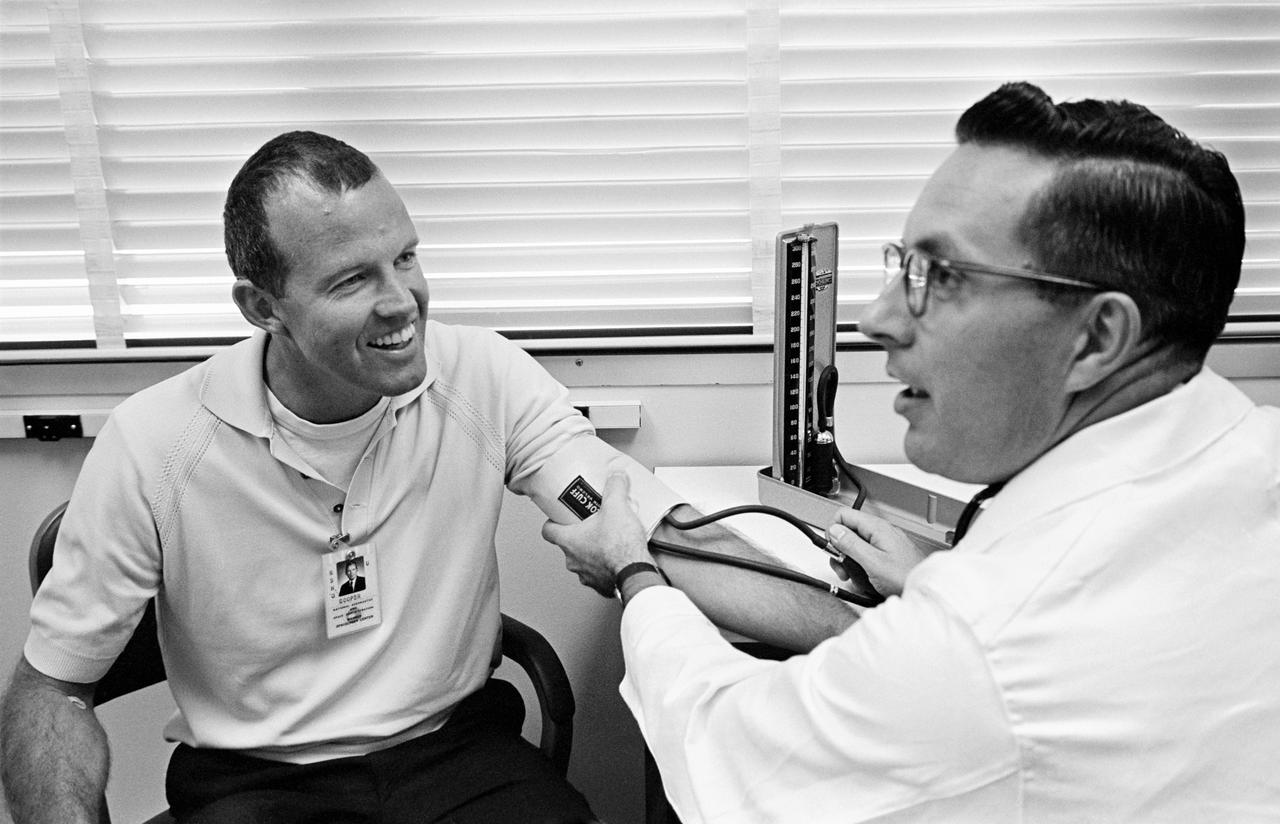
S65-28710 (17 Aug. 1965) --- Astronaut L. Gordon Cooper Jr., command pilot for the Gemini-5 spaceflight, has his blood pressure checked by Dr. Charles A. Berry, chief, Center Medical Programs, Manned Spacecraft Center, during a preflight physical examination.
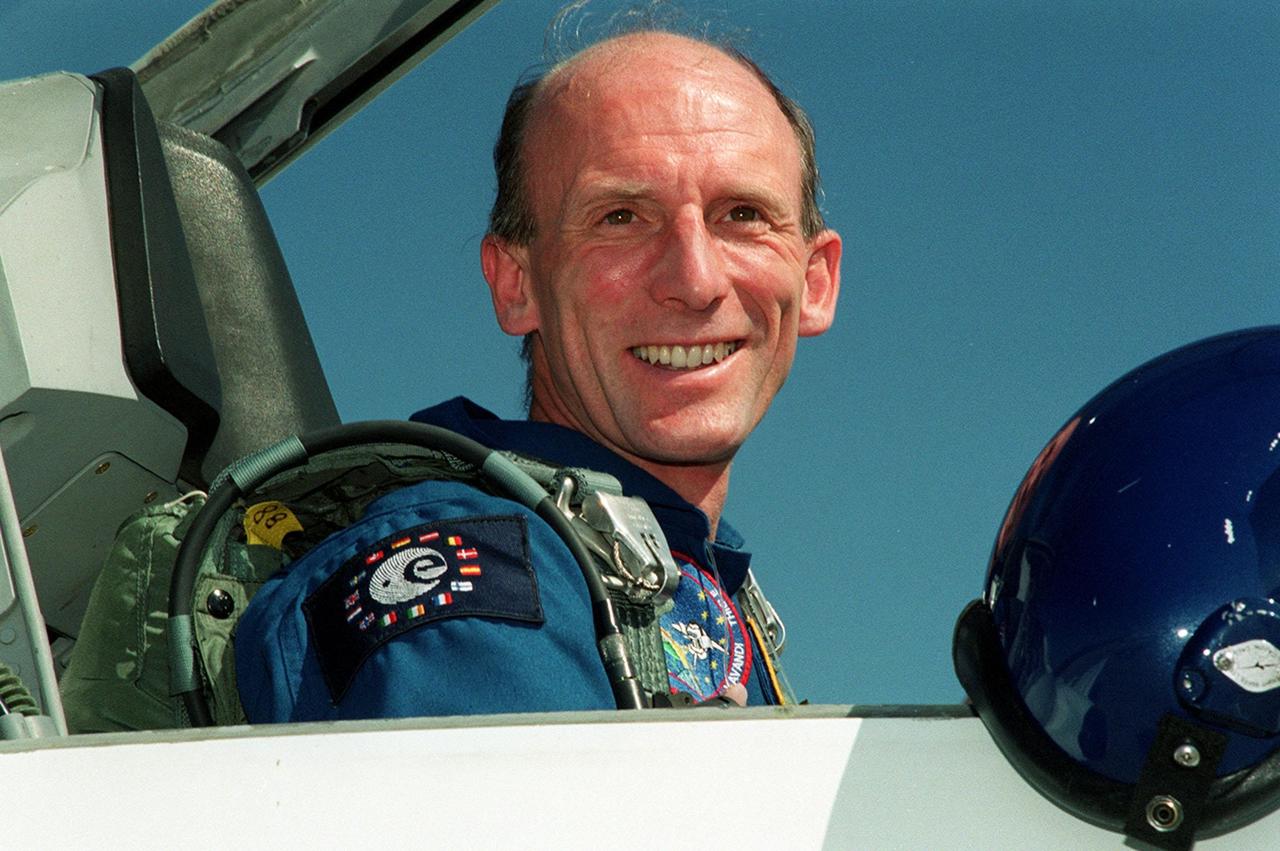
STS-99 Mission Specialist Gerhard P.J. Thiele of Germany arrives at KSC aboard a T-38 jet aircraft eager to prepare for the second launch attempt of Endeavour Feb. 11 at 12:30 p.m. EST from Launch Pad 39A. Thiele is with the European Space Agency. The earlier launch scheduled for Jan. 31 was scrubbed due to poor weather and a faulty Enhanced Master Events Controller in the orbiter's aft compartment. Over the next few days, the crew will review mission procedures, conduct test flights in the Shuttle Training Aircraft and undergo routine preflight medical exams. STS-99 is the Shuttle Radar Topography Mission, which will produce unrivaled 3-D images of the Earth's surface. The result of the Shuttle Radar Topography Mission could be close to 1 trillion measurements of the Earth's topography. Landing is expected at KSC on Feb. 22 at 4:36 p.m. EST
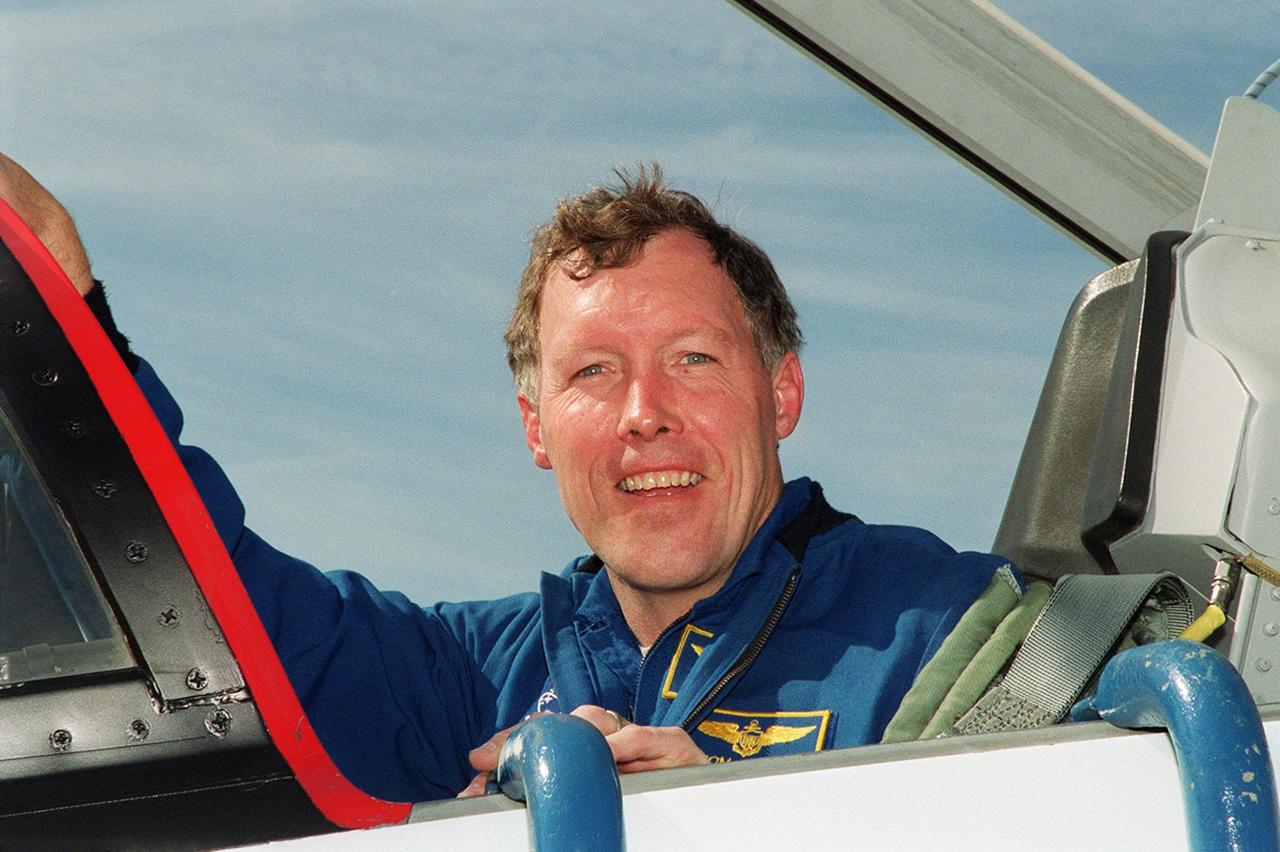
STS-99 Pilot Dominic Gorie arrives at KSC aboard a T-38 jet aircraft to prepare for launch of Endeavour Jan. 31 at 12:47 p.m. EST. Over the next few days, the crew will review mission procedures, conduct test flights in the Shuttle Training Aircraft and undergo routine preflight medical exams. STS-99 is the Shuttle Radar Topography Mission, which will chart a new course, using two antennae and a 200-foot-long section of space station-derived mast protruding from the payload bay to produce unrivaled 3-D images of the Earth's surface. The result of the Shuttle Radar Topography Mission could be close to 1 trillion measurements of the Earth's topography. Besides contributing to the production of better maps, these measurements could lead to improved water drainage modeling, more realistic flight simulators, better locations for cell phone towers, and enhanced navigation safety
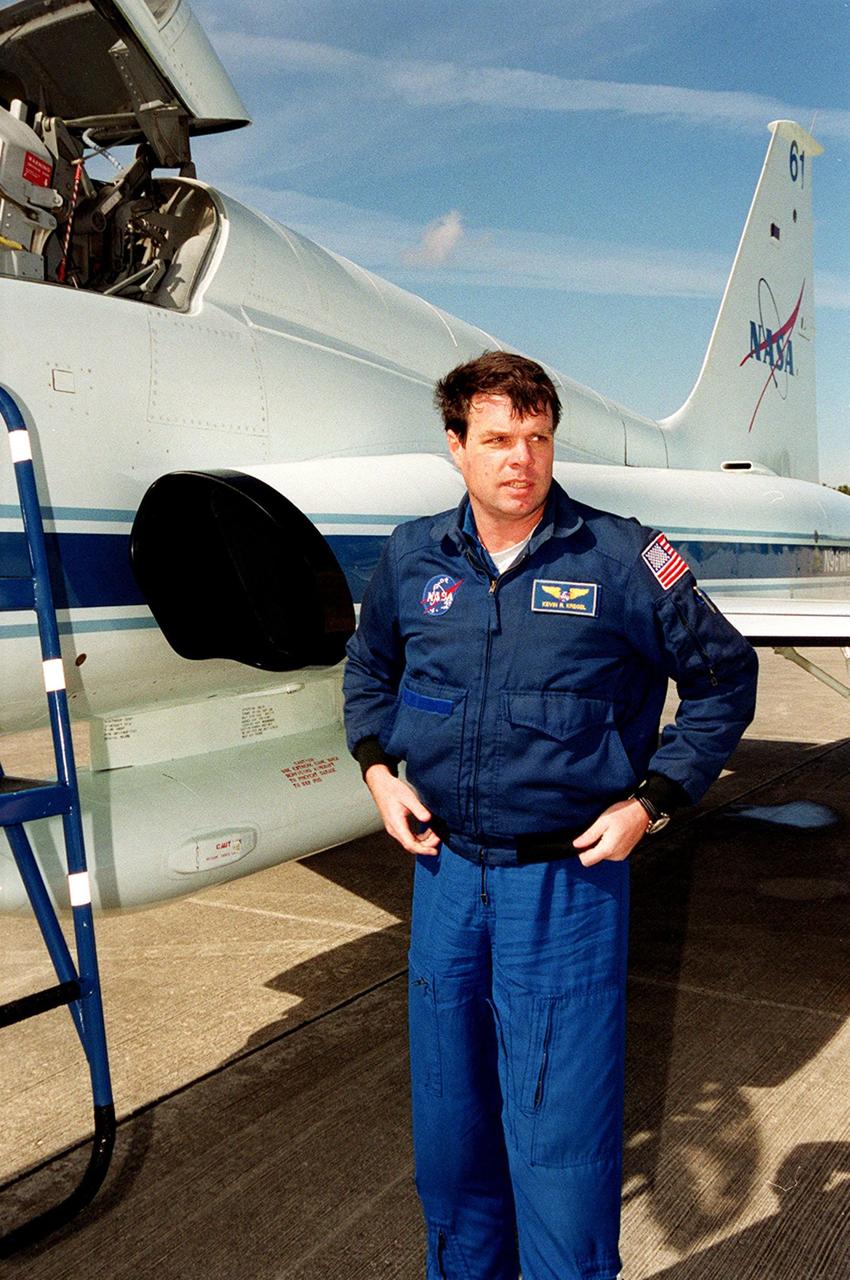
STS-99 Commander Kevin Kregel arrives at KSC aboard a T-38 jet aircraft to prepare for launch of Endeavour Jan. 31 at 12:47 p.m. EST. Over the next few days, the crew will review mission procedures, conduct test flights in the Shuttle Training Aircraft and undergo routine preflight medical exams. STS-99 is the Shuttle Radar Topography Mission, which will chart a new course, using two antennae and a 200-foot-long section of space station-derived mast protruding from the payload bay to produce unrivaled 3-D images of the Earth's surface. The result of the Shuttle Radar Topography Mission could be close to 1 trillion measurements of the Earth's topography. Besides contributing to the production of better maps, these measurements could lead to improved water drainage modeling, more realistic flight simulators, better locations for cell phone towers, and enhanced navigation safety
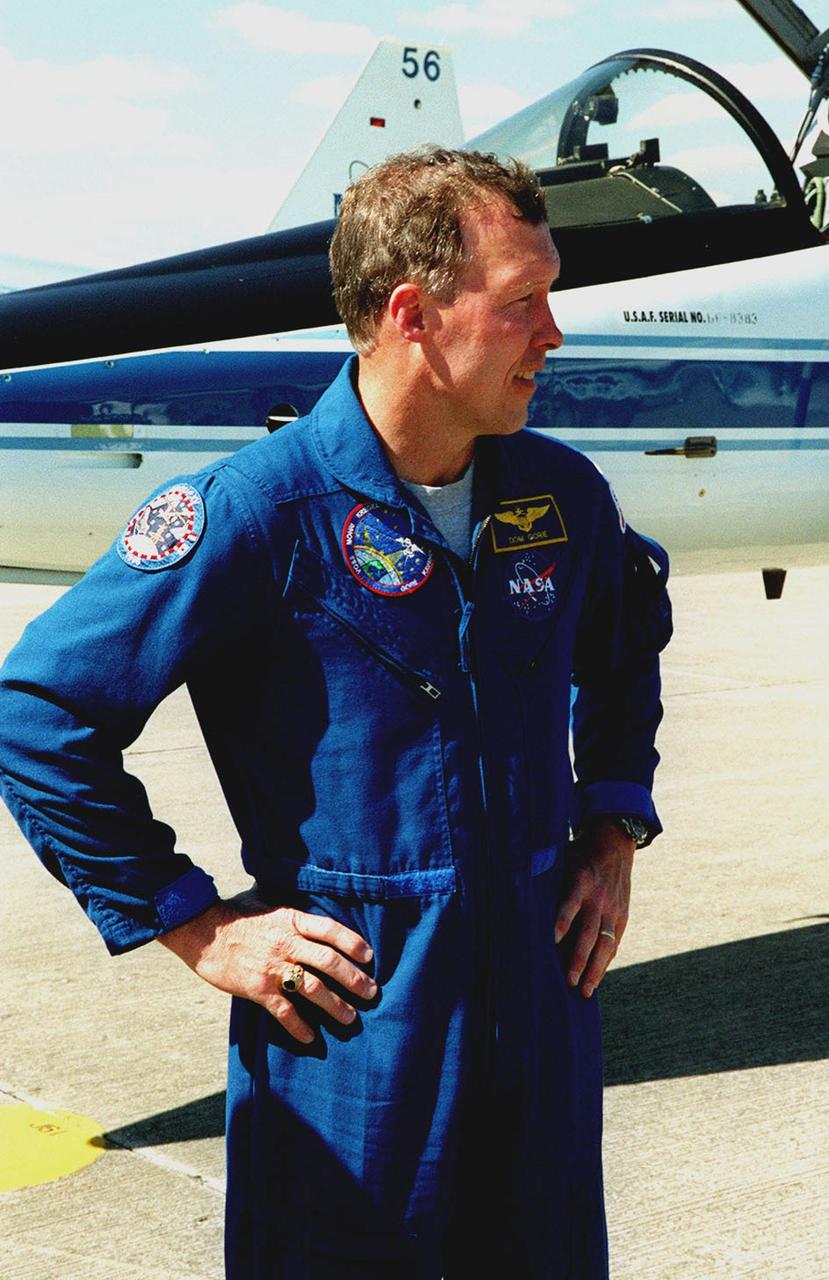
After landing at the Shuttle Landing Facility aboard a T-38 jet aircraft, STS-99 Pilot Dominic Gorie stands ready to prepare for the second launch attempt of Endeavour Feb. 11 at 12:30 p.m. EST from Launch Pad 39A. The earlier launch scheduled for Jan. 31 was scrubbed due to poor weather and a faulty Enhanced Master Events Controller in the orbiter's aft compartment. Over the next few days, the crew will review mission procedures, conduct test flights in the Shuttle Training Aircraft and undergo routine preflight medical exams. STS-99 is the Shuttle Radar Topography Mission, which will produce unrivaled 3-D images of the Earth's surface. The result of the Shuttle Radar Topography Mission could be close to 1 trillion measurements of the Earth's topography. Landing is expected at KSC on Feb. 22 at 4:36 p.m. EST
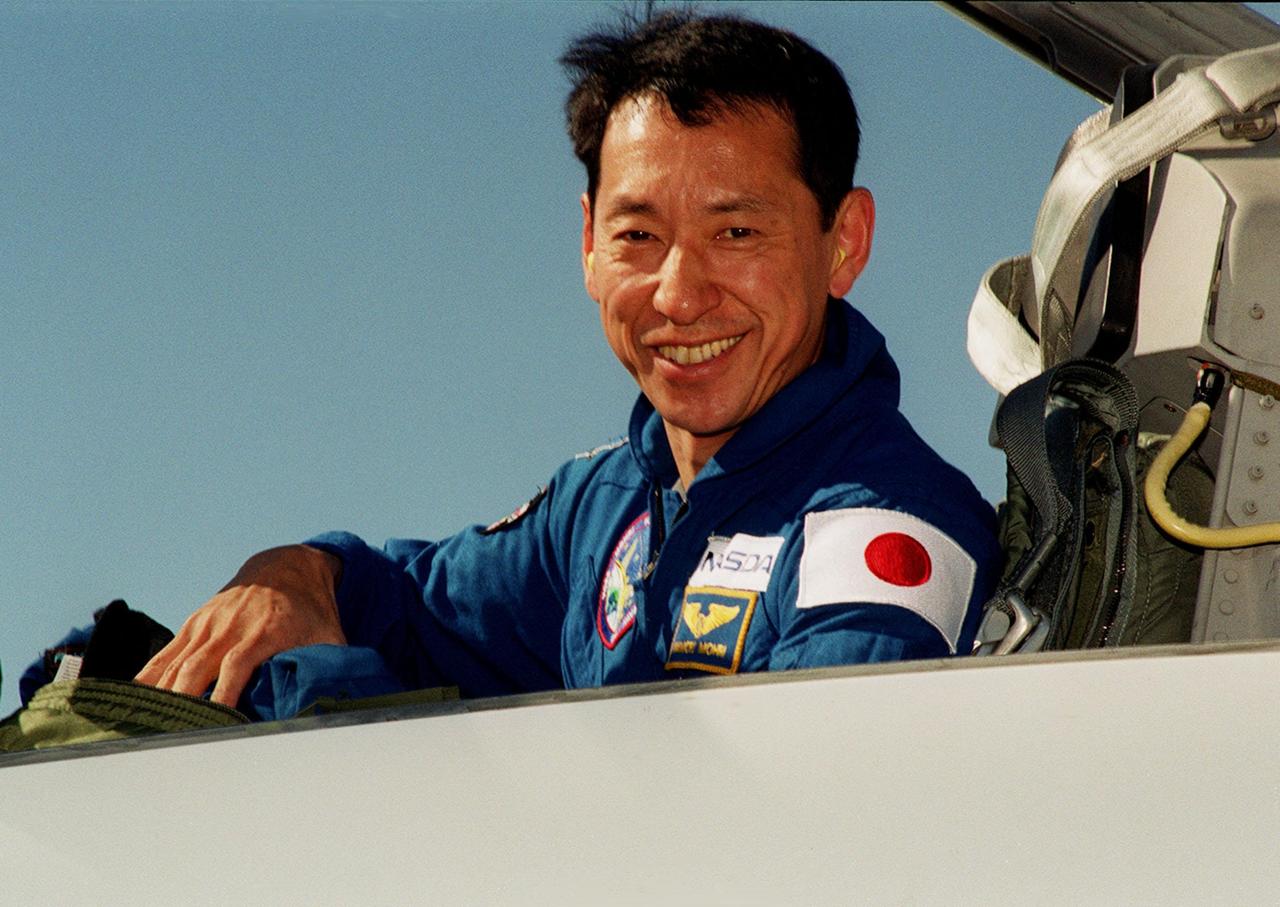
A smiling STS-99 Mission Specialist Mamoru Mohri of Japan arrives at KSC aboard a T-38 jet aircraft eager to prepare for the second launch attempt of Endeavour Feb. 11 at 12:30 p.m. EST from Launch Pad 39A. Mohri is with the Japanese National Space Development Agency (NASDA). The earlier launch scheduled for Jan. 31 was scrubbed due to poor weather and a faulty Enhanced Master Events Controller in the orbiter's aft compartment. Over the next few days, the crew will review mission procedures, conduct test flights in the Shuttle Training Aircraft and undergo routine preflight medical exams. STS-99 is the Shuttle Radar Topography Mission, which will produce unrivaled 3-D images of the Earth's surface. The result of the Shuttle Radar Topography Mission could be close to 1 trillion measurements of the Earth's topography. Landing is expected at KSC on Feb. 22 at 4:36 p.m. EST
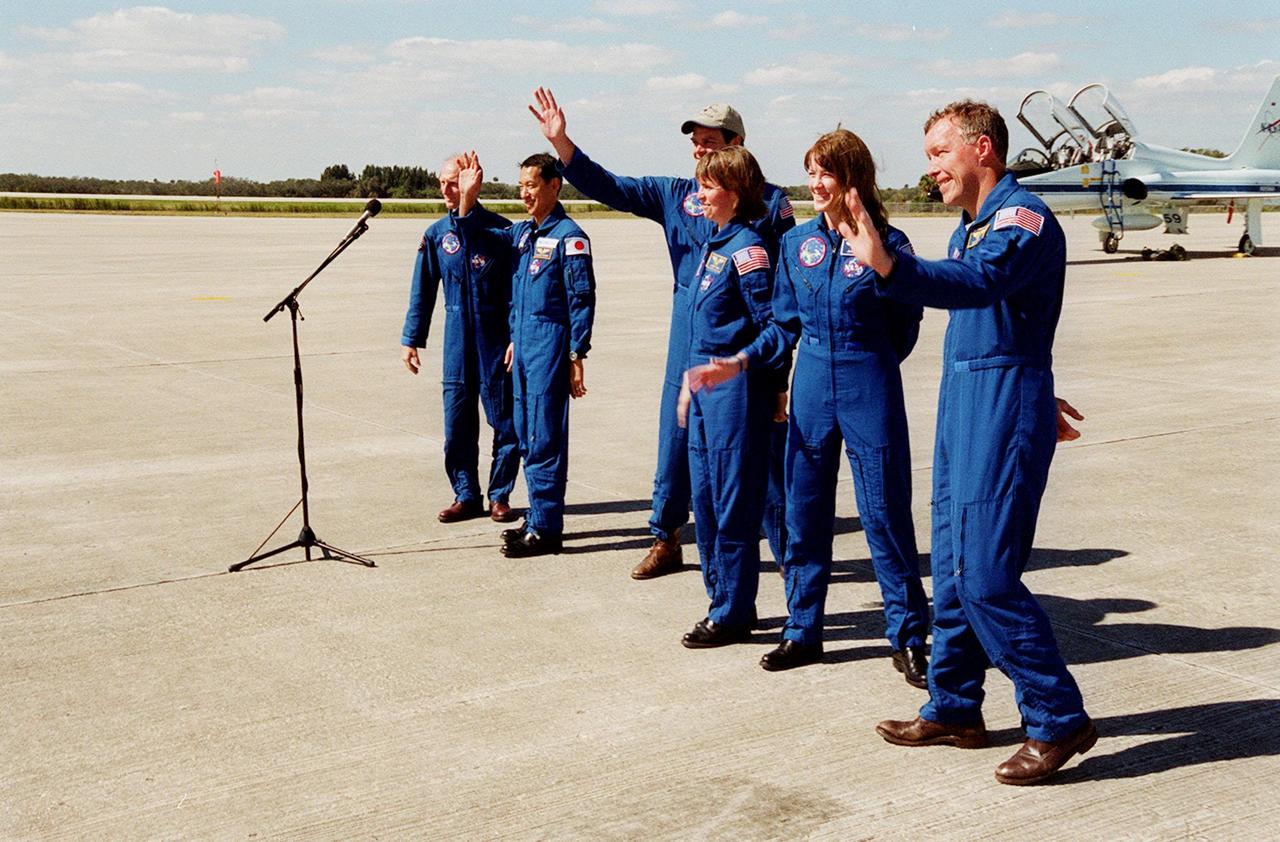
After addressing the media at the Shuttle Landing Facility, the STS-99 crew wave goodbye as they leave for crew quarters in the Operations and Checkout Building. The crew is ready to prepare for the second launch attempt of Endeavour Feb. 11 at 12:30 p.m. EST from Launch Pad 39A. The earlier launch scheduled for Jan. 31 was scrubbed due to poor weather and a faulty Enhanced Master Events Controller in the orbiter's aft compartment. Over the next few days, the crew will review mission procedures, conduct test flights in the Shuttle Training Aircraft and undergo routine preflight medical exams. STS-99 is the Shuttle Radar Topography Mission, which will produce unrivaled 3-D images of the Earth's surface. The result of the Shuttle Radar Topography Mission could be close to 1 trillion measurements of the Earth's topography. Landing is expected at KSC on Feb. 22 at 4:36 p.m. EST
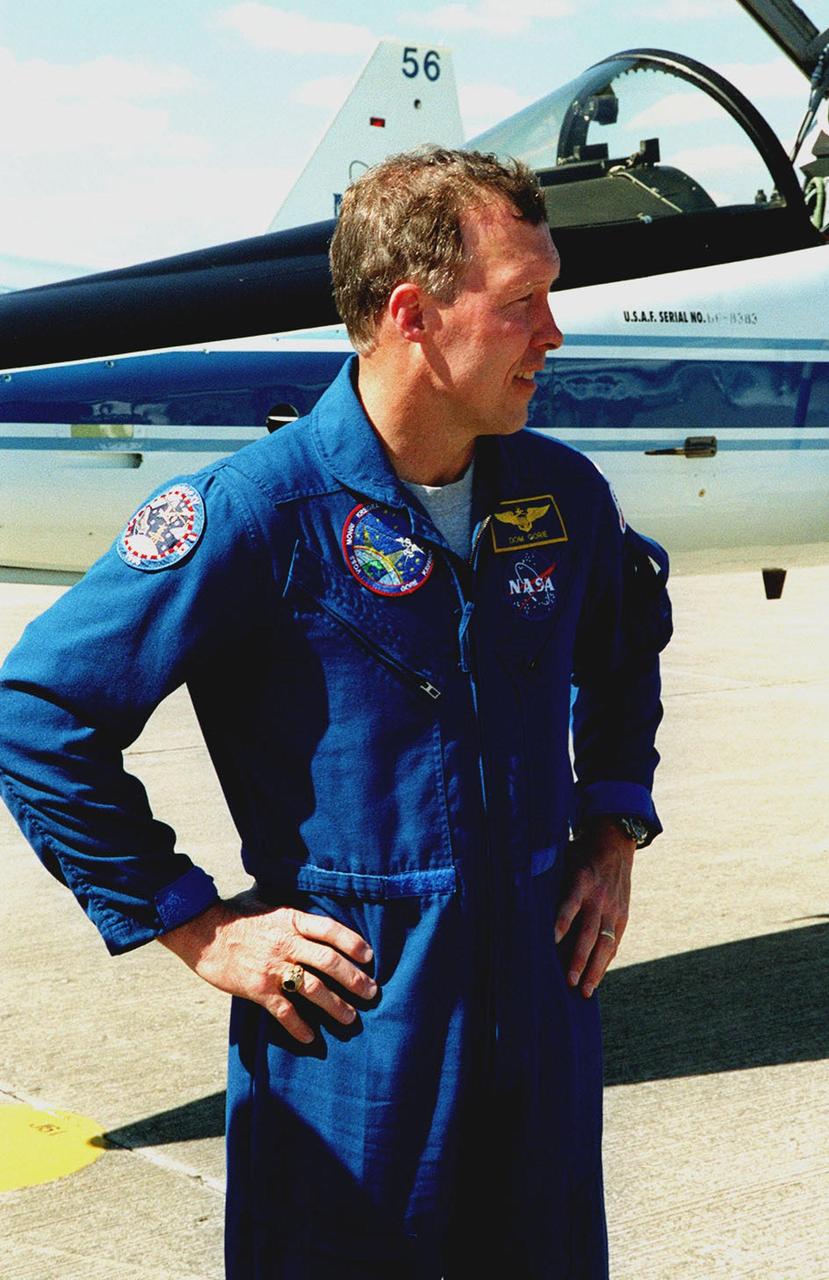
After landing at the Shuttle Landing Facility aboard a T-38 jet aircraft, STS-99 Pilot Dominic Gorie stands ready to prepare for the second launch attempt of Endeavour Feb. 11 at 12:30 p.m. EST from Launch Pad 39A. The earlier launch scheduled for Jan. 31 was scrubbed due to poor weather and a faulty Enhanced Master Events Controller in the orbiter's aft compartment. Over the next few days, the crew will review mission procedures, conduct test flights in the Shuttle Training Aircraft and undergo routine preflight medical exams. STS-99 is the Shuttle Radar Topography Mission, which will produce unrivaled 3-D images of the Earth's surface. The result of the Shuttle Radar Topography Mission could be close to 1 trillion measurements of the Earth's topography. Landing is expected at KSC on Feb. 22 at 4:36 p.m. EST
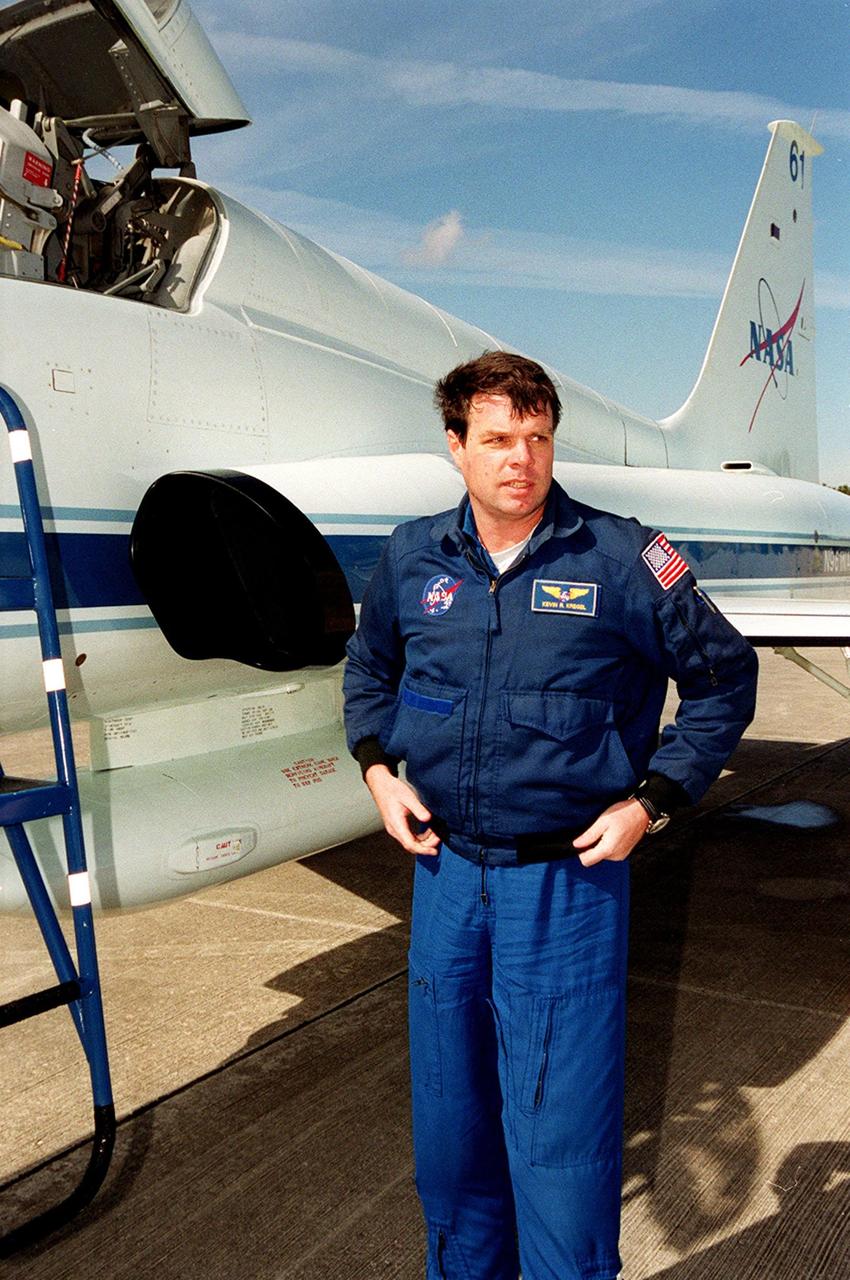
STS-99 Commander Kevin Kregel arrives at KSC aboard a T-38 jet aircraft to prepare for launch of Endeavour Jan. 31 at 12:47 p.m. EST. Over the next few days, the crew will review mission procedures, conduct test flights in the Shuttle Training Aircraft and undergo routine preflight medical exams. STS-99 is the Shuttle Radar Topography Mission, which will chart a new course, using two antennae and a 200-foot-long section of space station-derived mast protruding from the payload bay to produce unrivaled 3-D images of the Earth's surface. The result of the Shuttle Radar Topography Mission could be close to 1 trillion measurements of the Earth's topography. Besides contributing to the production of better maps, these measurements could lead to improved water drainage modeling, more realistic flight simulators, better locations for cell phone towers, and enhanced navigation safety
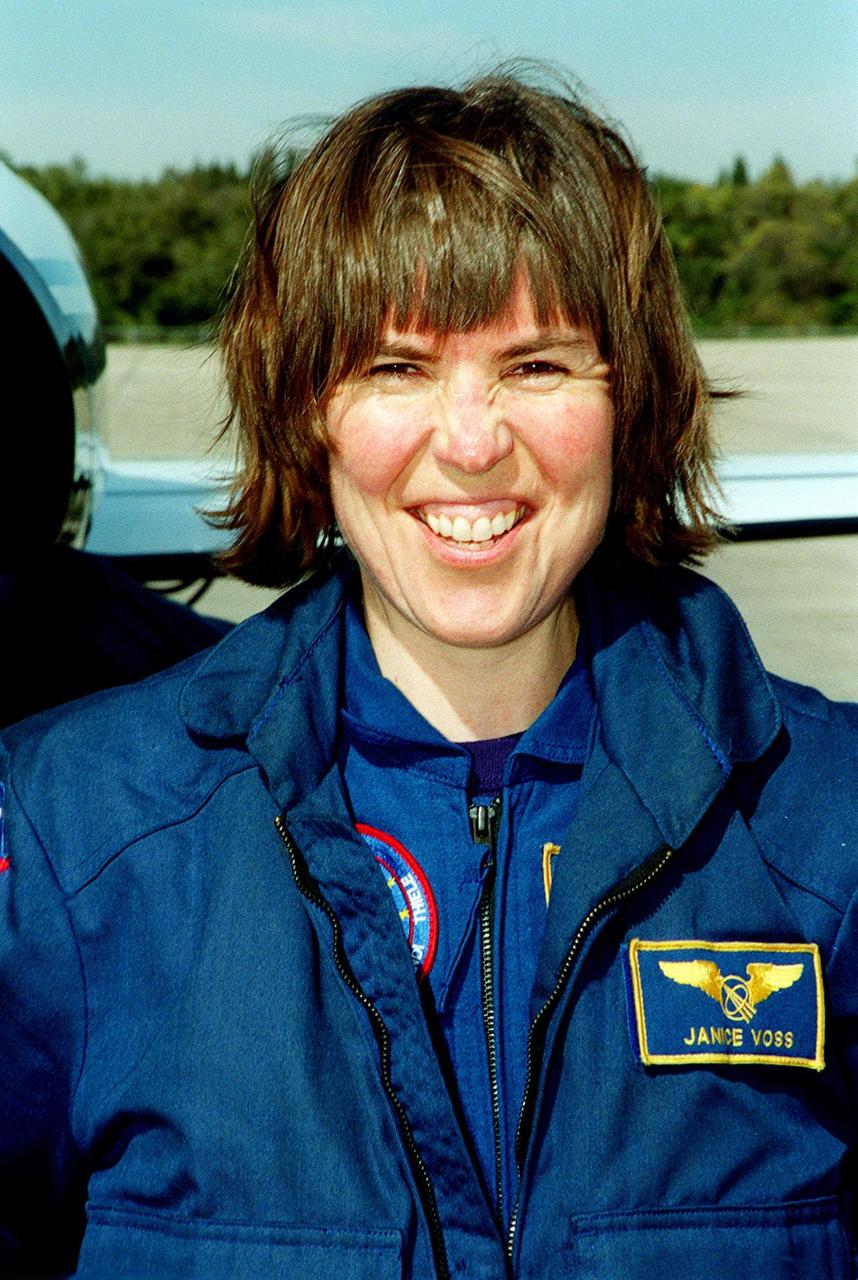
STS-99 Mission Specialist Janice Voss (Ph.D.) looks happy after landing at KSC aboard a T-38 jet aircraft to prepare for launch of Endeavour Jan. 31 at 12:47 p.m. EST. Over the next few days, the crew will review mission procedures, conduct test flights in the Shuttle Training Aircraft and undergo routine preflight medical exams. STS-99 is the Shuttle Radar Topography Mission, which will chart a new course, using two antennae and a 200-foot-long section of space station-derived mast protruding from the payload bay to produce unrivaled 3-D images of the Earth's surface. The result of the Shuttle Radar Topography Mission could be close to 1 trillion measurements of the Earth's topography. Besides contributing to the production of better maps, these measurements could lead to improved water drainage modeling, more realistic flight simulators, better locations for cell phone towers, and enhanced navigation safety
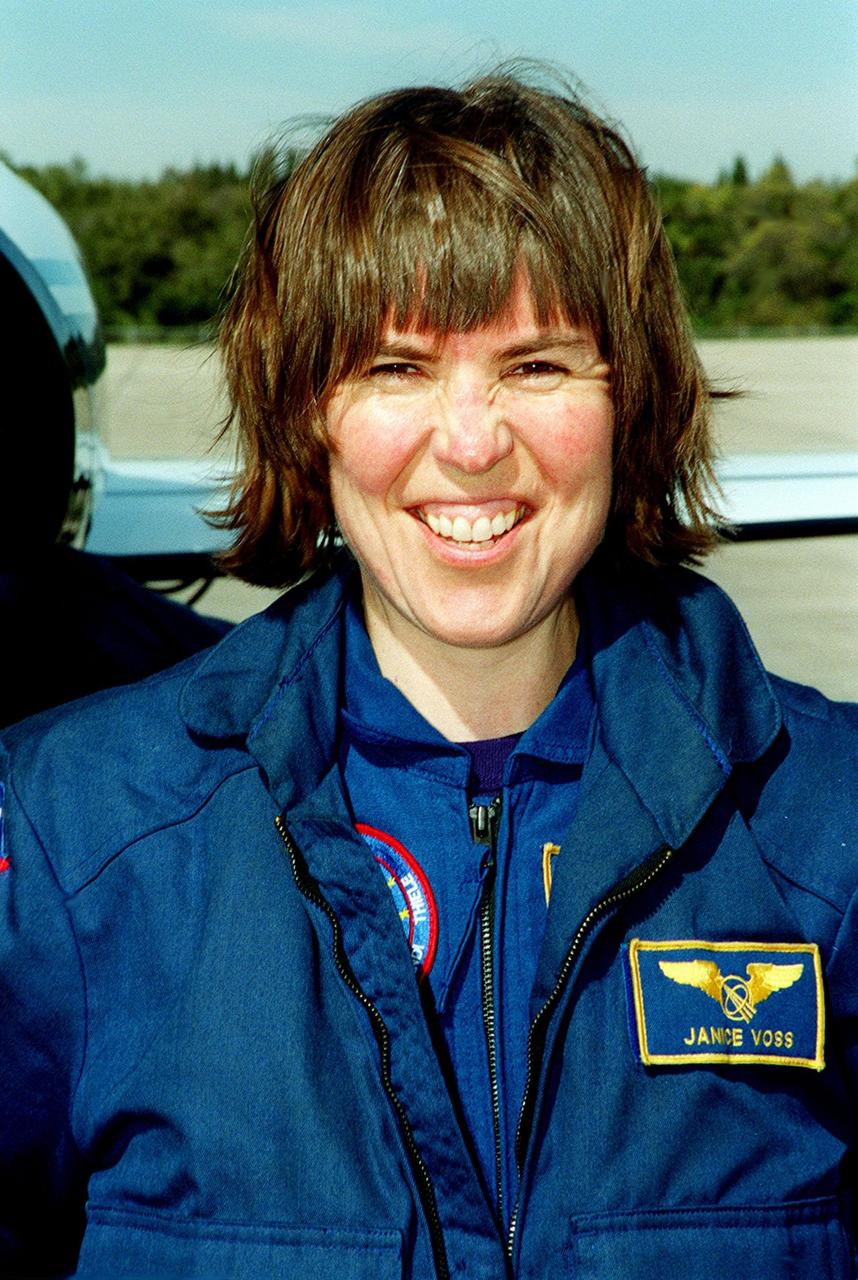
STS-99 Mission Specialist Janice Voss (Ph.D.) looks happy after landing at KSC aboard a T-38 jet aircraft to prepare for launch of Endeavour Jan. 31 at 12:47 p.m. EST. Over the next few days, the crew will review mission procedures, conduct test flights in the Shuttle Training Aircraft and undergo routine preflight medical exams. STS-99 is the Shuttle Radar Topography Mission, which will chart a new course, using two antennae and a 200-foot-long section of space station-derived mast protruding from the payload bay to produce unrivaled 3-D images of the Earth's surface. The result of the Shuttle Radar Topography Mission could be close to 1 trillion measurements of the Earth's topography. Besides contributing to the production of better maps, these measurements could lead to improved water drainage modeling, more realistic flight simulators, better locations for cell phone towers, and enhanced navigation safety
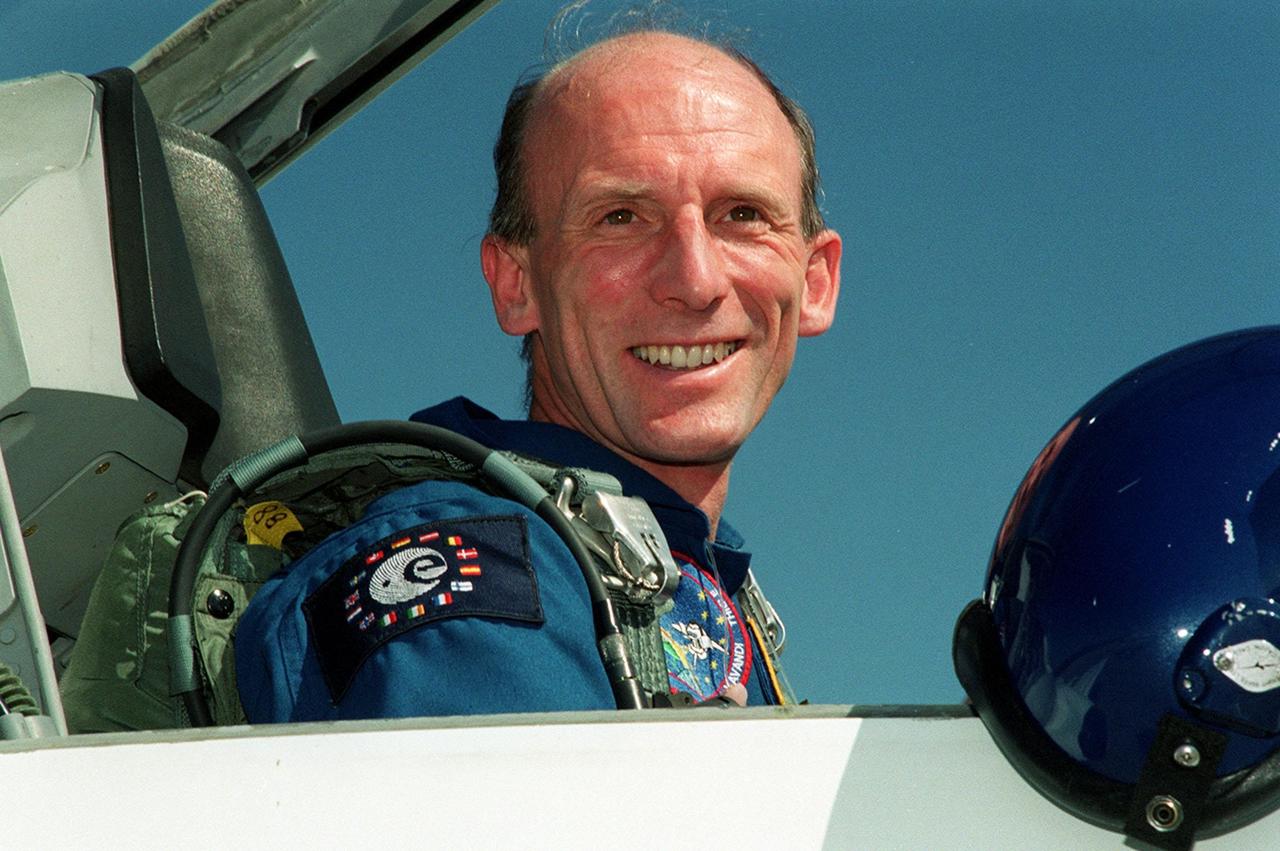
STS-99 Mission Specialist Gerhard P.J. Thiele of Germany arrives at KSC aboard a T-38 jet aircraft eager to prepare for the second launch attempt of Endeavour Feb. 11 at 12:30 p.m. EST from Launch Pad 39A. Thiele is with the European Space Agency. The earlier launch scheduled for Jan. 31 was scrubbed due to poor weather and a faulty Enhanced Master Events Controller in the orbiter's aft compartment. Over the next few days, the crew will review mission procedures, conduct test flights in the Shuttle Training Aircraft and undergo routine preflight medical exams. STS-99 is the Shuttle Radar Topography Mission, which will produce unrivaled 3-D images of the Earth's surface. The result of the Shuttle Radar Topography Mission could be close to 1 trillion measurements of the Earth's topography. Landing is expected at KSC on Feb. 22 at 4:36 p.m. EST
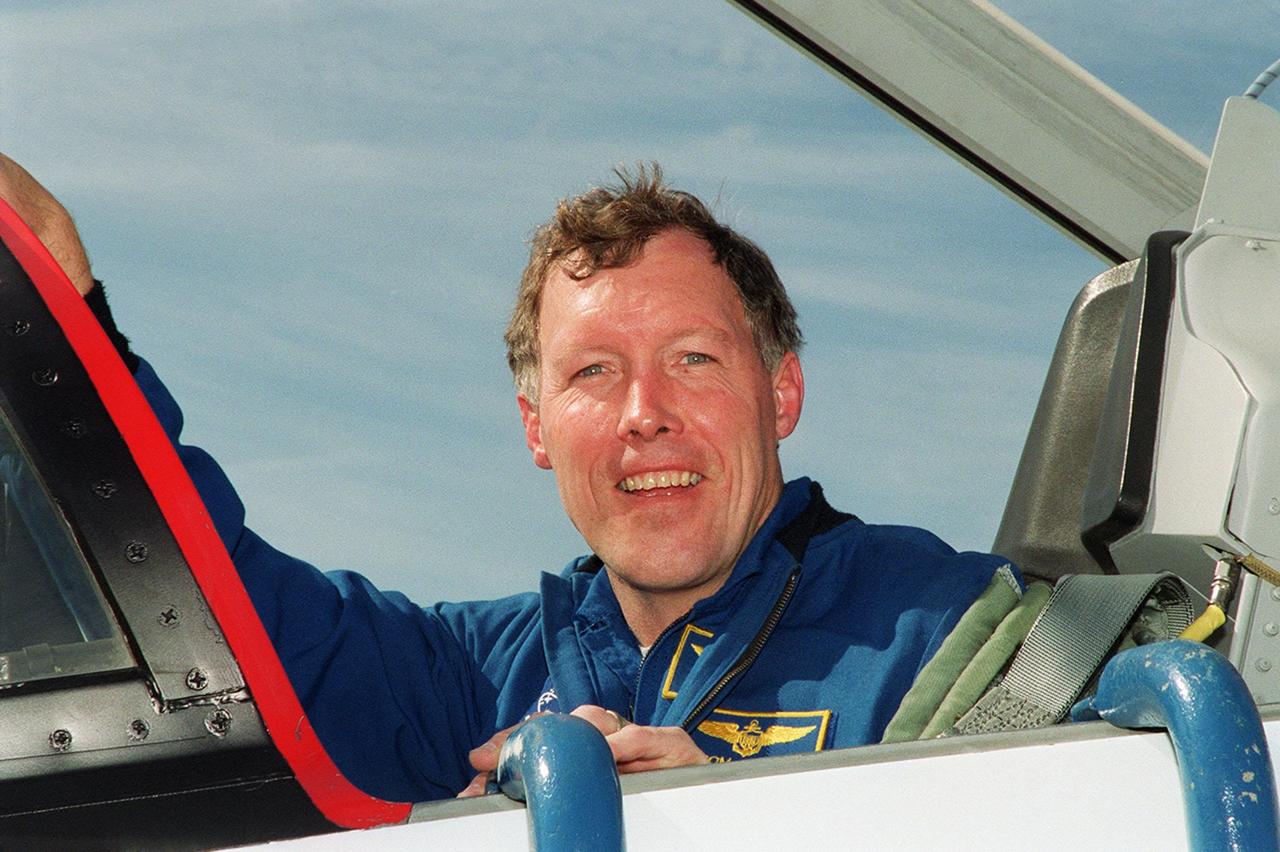
STS-99 Pilot Dominic Gorie arrives at KSC aboard a T-38 jet aircraft to prepare for launch of Endeavour Jan. 31 at 12:47 p.m. EST. Over the next few days, the crew will review mission procedures, conduct test flights in the Shuttle Training Aircraft and undergo routine preflight medical exams. STS-99 is the Shuttle Radar Topography Mission, which will chart a new course, using two antennae and a 200-foot-long section of space station-derived mast protruding from the payload bay to produce unrivaled 3-D images of the Earth's surface. The result of the Shuttle Radar Topography Mission could be close to 1 trillion measurements of the Earth's topography. Besides contributing to the production of better maps, these measurements could lead to improved water drainage modeling, more realistic flight simulators, better locations for cell phone towers, and enhanced navigation safety
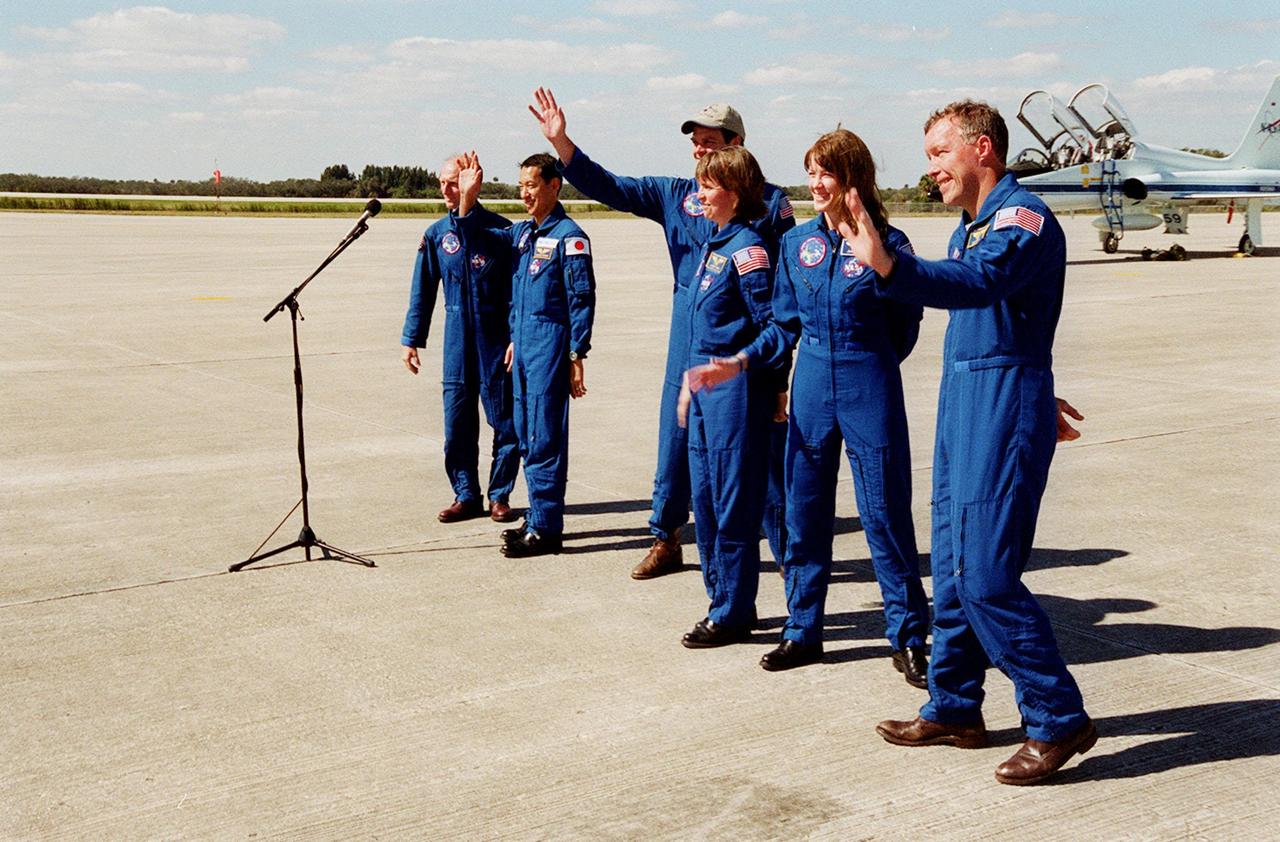
After addressing the media at the Shuttle Landing Facility, the STS-99 crew wave goodbye as they leave for crew quarters in the Operations and Checkout Building. The crew is ready to prepare for the second launch attempt of Endeavour Feb. 11 at 12:30 p.m. EST from Launch Pad 39A. The earlier launch scheduled for Jan. 31 was scrubbed due to poor weather and a faulty Enhanced Master Events Controller in the orbiter's aft compartment. Over the next few days, the crew will review mission procedures, conduct test flights in the Shuttle Training Aircraft and undergo routine preflight medical exams. STS-99 is the Shuttle Radar Topography Mission, which will produce unrivaled 3-D images of the Earth's surface. The result of the Shuttle Radar Topography Mission could be close to 1 trillion measurements of the Earth's topography. Landing is expected at KSC on Feb. 22 at 4:36 p.m. EST
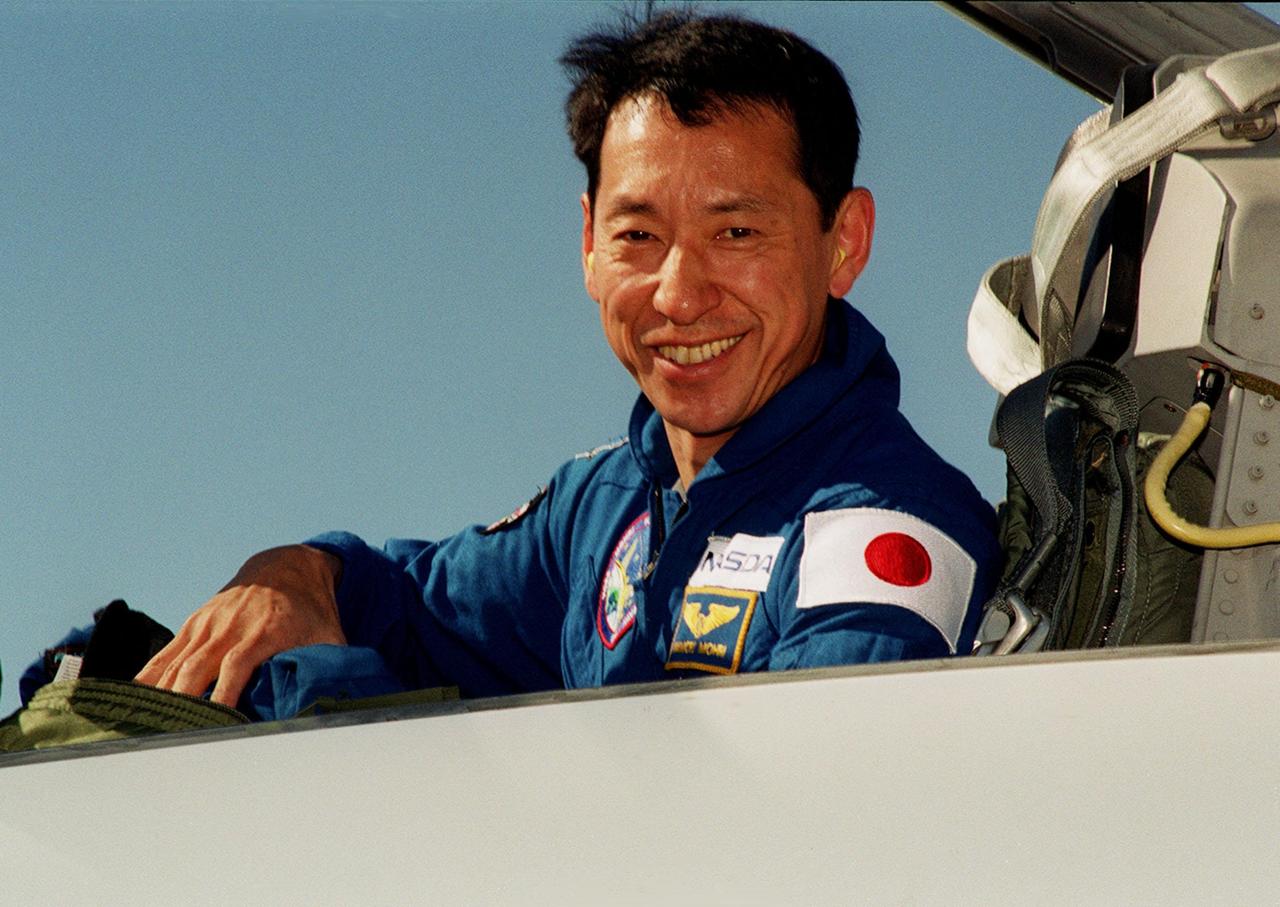
A smiling STS-99 Mission Specialist Mamoru Mohri of Japan arrives at KSC aboard a T-38 jet aircraft eager to prepare for the second launch attempt of Endeavour Feb. 11 at 12:30 p.m. EST from Launch Pad 39A. Mohri is with the Japanese National Space Development Agency (NASDA). The earlier launch scheduled for Jan. 31 was scrubbed due to poor weather and a faulty Enhanced Master Events Controller in the orbiter's aft compartment. Over the next few days, the crew will review mission procedures, conduct test flights in the Shuttle Training Aircraft and undergo routine preflight medical exams. STS-99 is the Shuttle Radar Topography Mission, which will produce unrivaled 3-D images of the Earth's surface. The result of the Shuttle Radar Topography Mission could be close to 1 trillion measurements of the Earth's topography. Landing is expected at KSC on Feb. 22 at 4:36 p.m. EST

jsc2022e062020 (6/30/2022) --- Space Health will create a digital twin of the astronaut from the data collected by the Bio-Monitor and demonstrate how this could be used for autonomous health monitoring on future space missions. (Image courtesy of CSA)
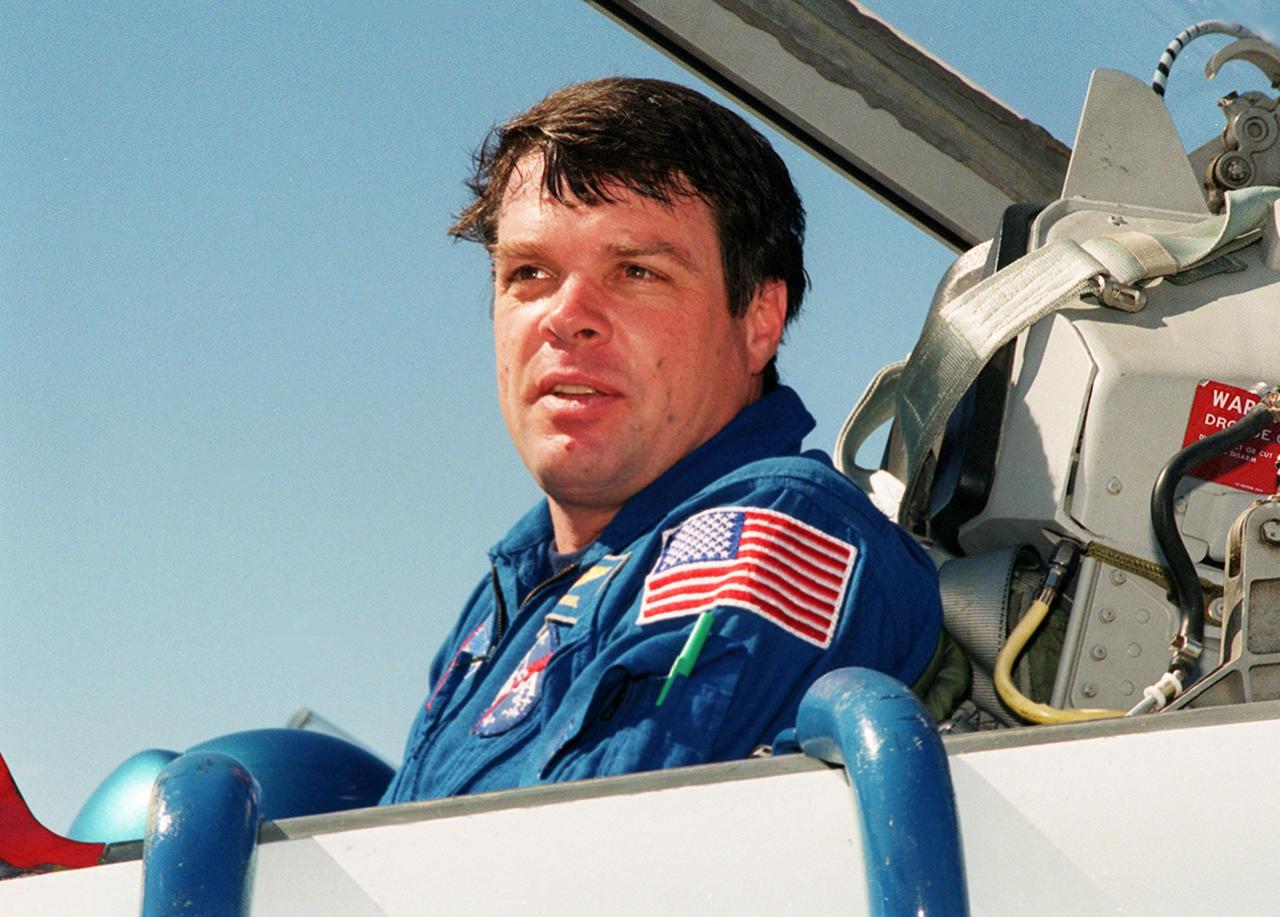
STS-99 Commander Kevin Kregel arrives at Kennedy Space Center aboard a T-38 jet aircraft. He and the other five crew members are back at KSC to prepare for the second launch attempt of Endeavour Feb. 11 at 12:30 p.m. EST from Launch Pad 39A. The earlier launch scheduled for Jan. 31 was scrubbed due to poor weather and a faulty Enhanced Master Events Controller in the orbiter's aft compartment. The crew had returned to Houston after the scrubbed launch. Over the next few days, the crew will review mission procedures, conduct test flights in the Shuttle Training Aircraft and undergo routine preflight medical exams. STS-99 is the Shuttle Radar Topography Mission, which will produce unrivaled 3-D images of the Earth's surface. The result of the Shuttle Radar Topography Mission could be close to 1 trillion measurements of the Earth's topography. Landing is expected at KSC on Feb. 22 at 4:36 p.m. EST
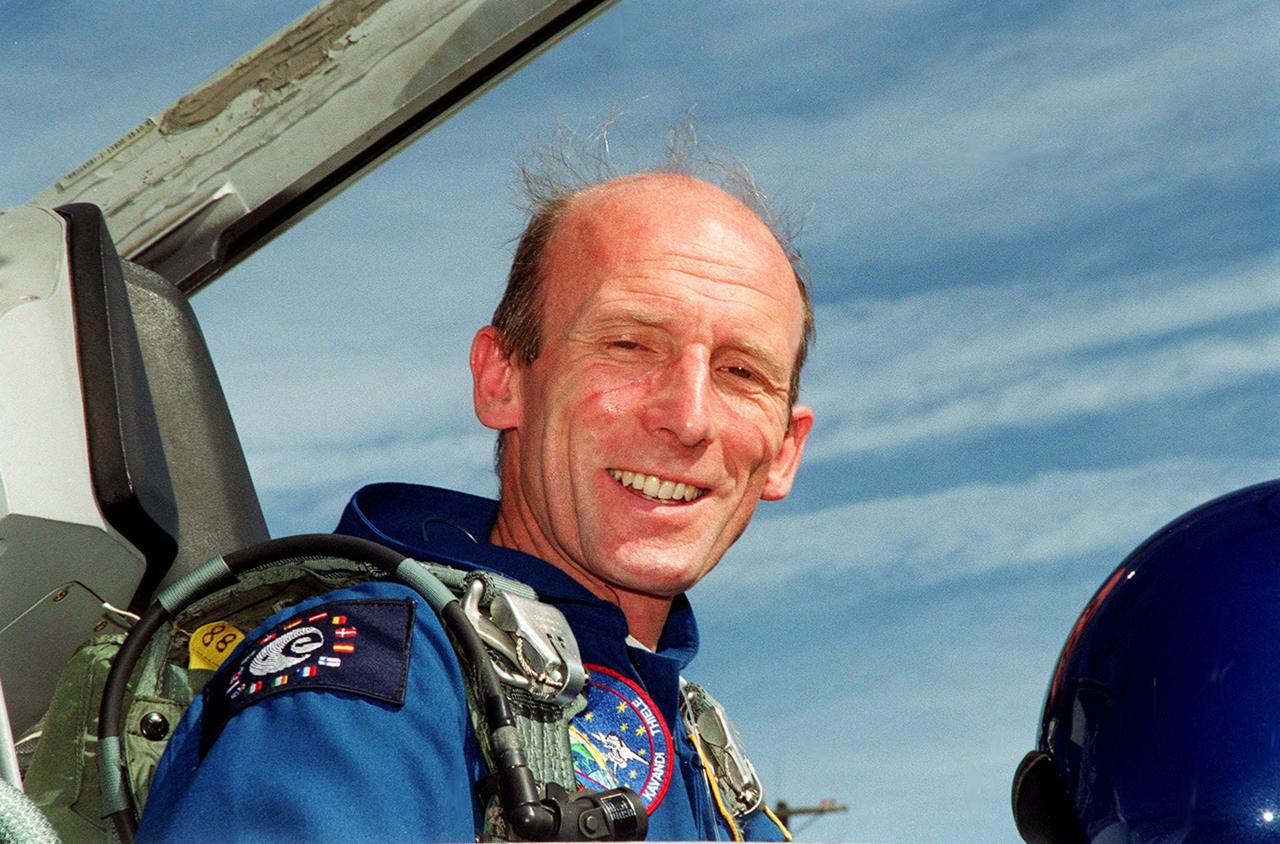
STS-99 Mission Specialist Gerhard P.J. Thiele (Ph.D.), with the European Space Agency, arrives at KSC aboard a T-38 jet aircraft to prepare for launch of Endeavour Jan. 31 at 12:47 p.m. EST. Over the next few days, the crew will review mission procedures, conduct test flights in the Shuttle Training Aircraft and undergo routine preflight medical exams. STS-99 is the Shuttle Radar Topography Mission, which will chart a new course, using two antennae and a 200-foot-long section of space station-derived mast protruding from the payload bay to produce unrivaled 3-D images of the Earth's surface. The result of the Shuttle Radar Topography Mission could be close to 1 trillion measurements of the Earth's topography. Besides contributing to the production of better maps, these measurements could lead to improved water drainage modeling, more realistic flight simulators, better locations for cell phone towers, and enhanced navigation safety
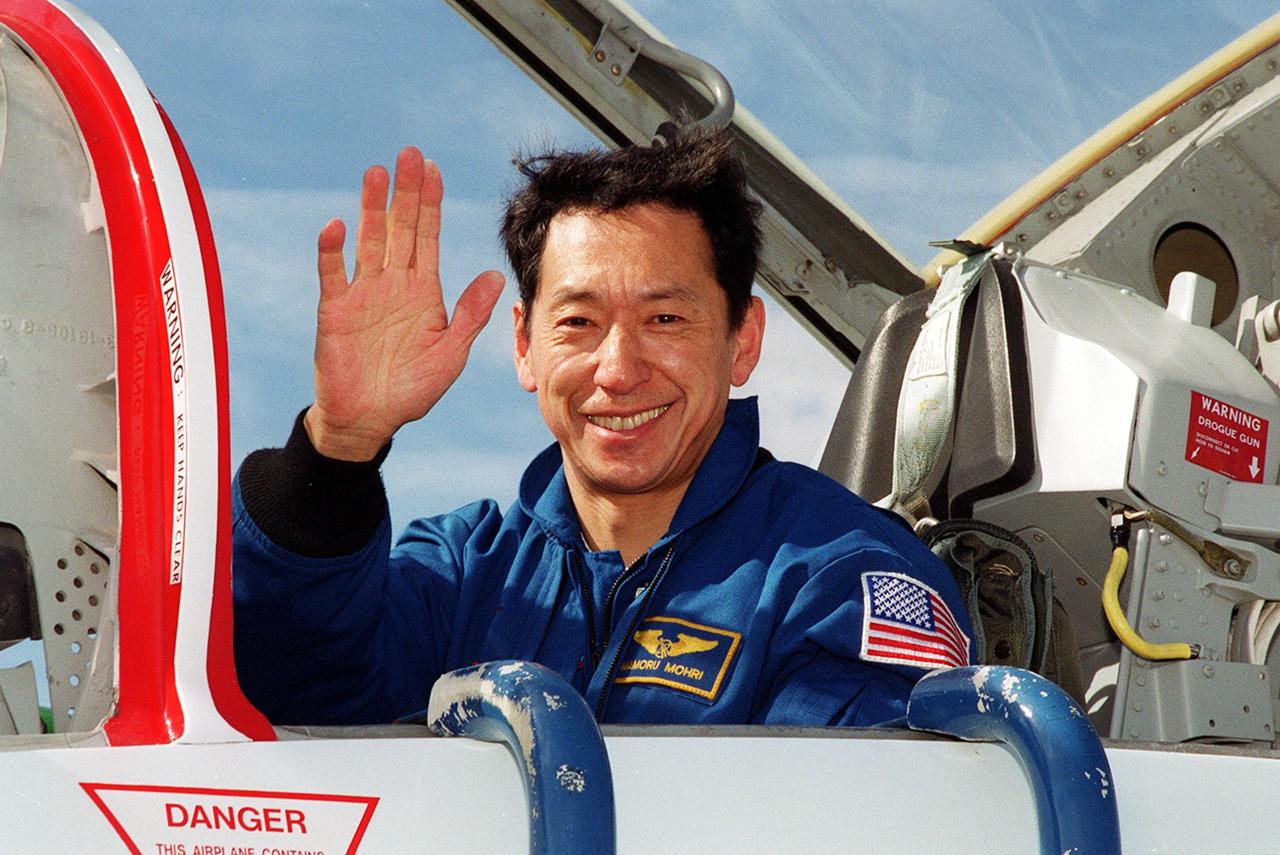
STS-99 Mission Specialist Mamoru Mohri (Ph.D.), who is with the National Space Development Agency (NASDA) of Japan, waves on his arrival at KSC aboard a T-38 jet aircraft to prepare for launch of Endeavour Jan. 31 at 12:47 p.m. EST. Over the next few days, the crew will review mission procedures, conduct test flights in the Shuttle Training Aircraft and undergo routine preflight medical exams. STS-99 is the Shuttle Radar Topography Mission, which will chart a new course, using two antennae and a 200-foot-long section of space station-derived mast protruding from the payload bay to produce unrivaled 3-D images of the Earth's surface. The result of the Shuttle Radar Topography Mission could be close to 1 trillion measurements of the Earth's topography. Besides contributing to the production of better maps, these measurements could lead to improved water drainage modeling, more realistic flight simulators, better locations for cell phone towers, and enhanced navigation safety

STS-99 Commander Kevin Kregel arrives at Kennedy Space Center aboard a T-38 jet aircraft. He and the other five crew members are back at KSC to prepare for the second launch attempt of Endeavour Feb. 11 at 12:30 p.m. EST from Launch Pad 39A. The earlier launch scheduled for Jan. 31 was scrubbed due to poor weather and a faulty Enhanced Master Events Controller in the orbiter's aft compartment. The crew had returned to Houston after the scrubbed launch. Over the next few days, the crew will review mission procedures, conduct test flights in the Shuttle Training Aircraft and undergo routine preflight medical exams. STS-99 is the Shuttle Radar Topography Mission, which will produce unrivaled 3-D images of the Earth's surface. The result of the Shuttle Radar Topography Mission could be close to 1 trillion measurements of the Earth's topography. Landing is expected at KSC on Feb. 22 at 4:36 p.m. EST
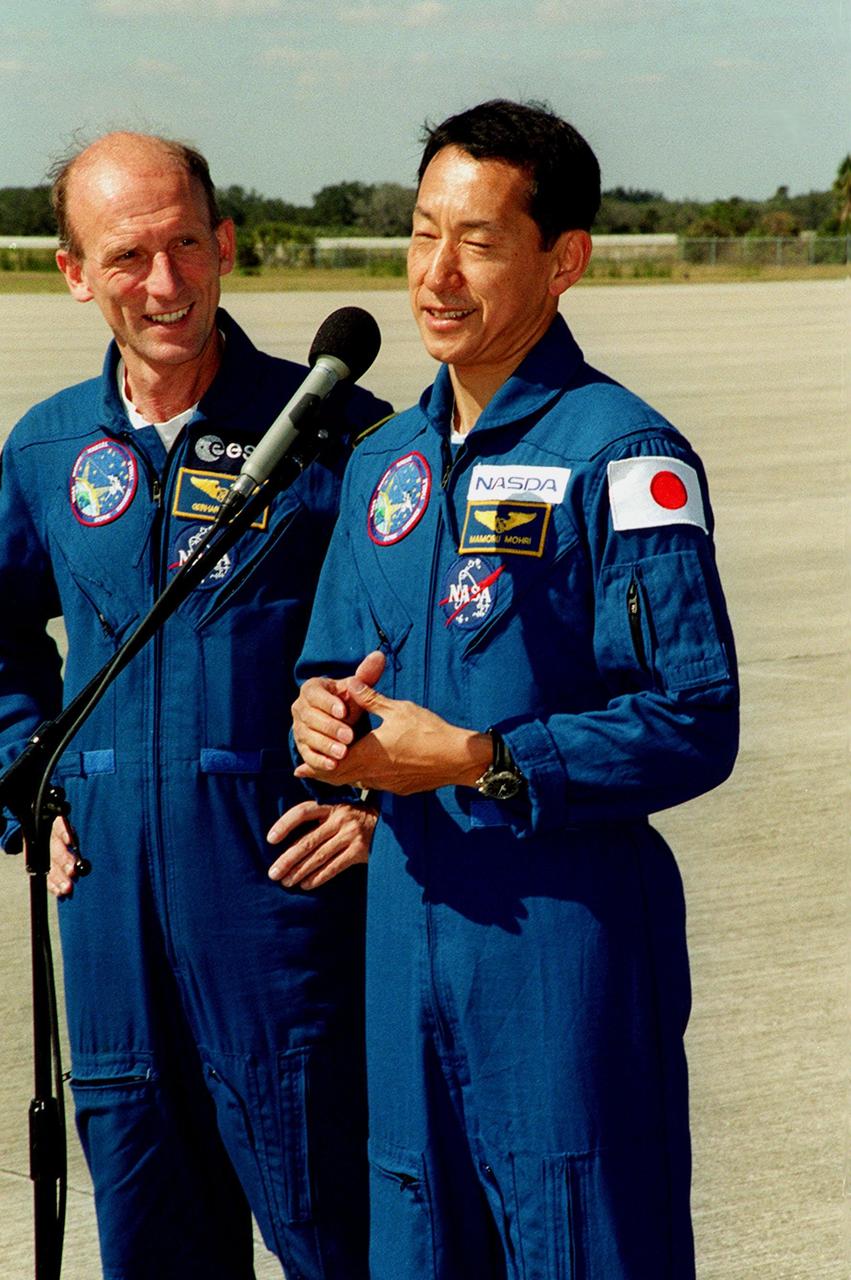
After landing at the Shuttle Landing Facility aboard T-38 jet aircraft, the STS-99 crew addressed the media. Mission Specialists Gerhard Thiele of Germany waits while Mamoru Mohri of Japan (right) responds to a question. The crew is ready to prepare for the second launch attempt of Endeavour Feb. 11 at 12:30 p.m. EST from Launch Pad 39A. The earlier launch scheduled for Jan. 31 was scrubbed due to poor weather and a faulty Enhanced Master Events Controller in the orbiter's aft compartment. Over the next few days, the crew will review mission procedures, conduct test flights in the Shuttle Training Aircraft and undergo routine preflight medical exams. STS-99 is the Shuttle Radar Topography Mission, which will produce unrivaled 3-D images of the Earth's surface. The result of the Shuttle Radar Topography Mission could be close to 1 trillion measurements of the Earth's topography. Landing is expected at KSC on Feb. 22 at 4:36 p.m. EST
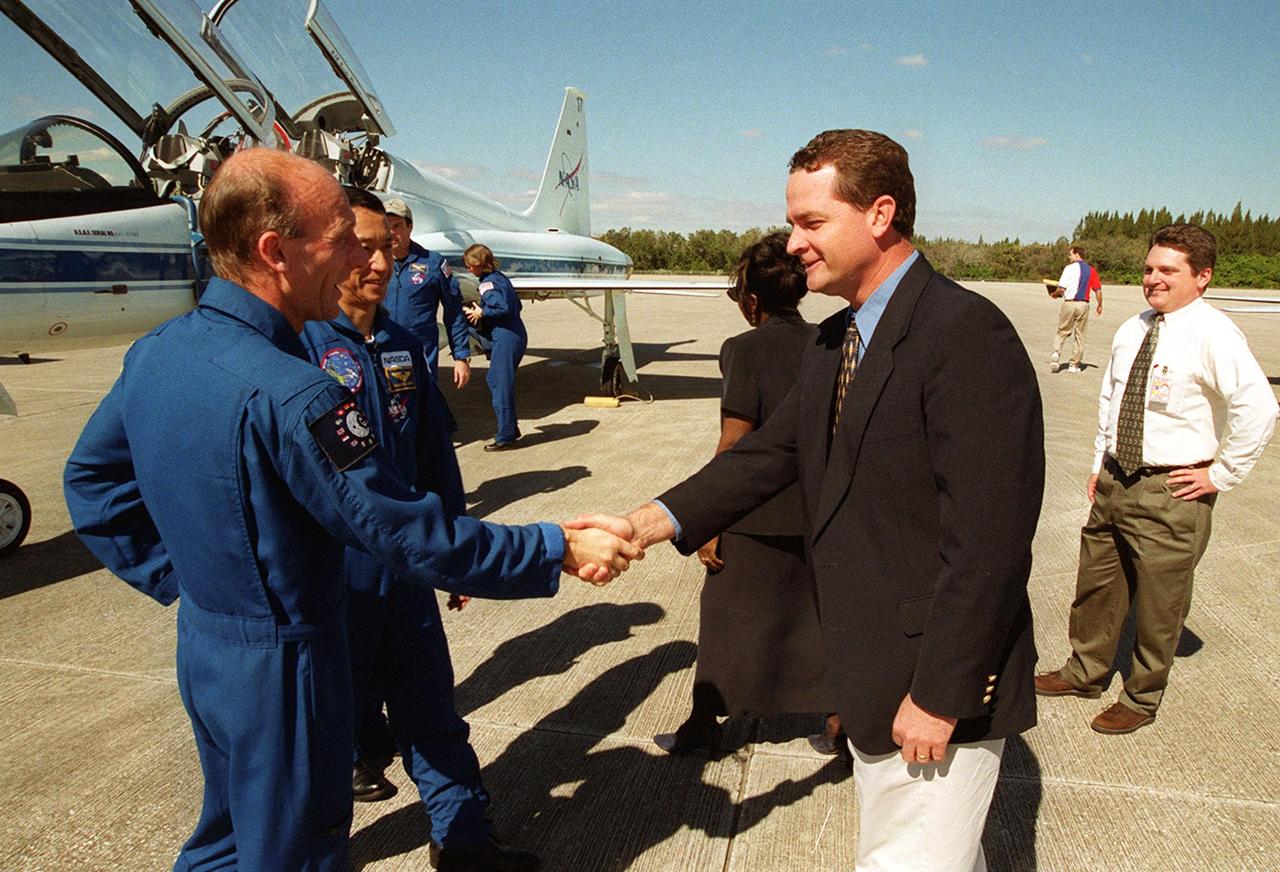
After landing at the Shuttle Landing Facility aboard T-38 jet aircraft, STS-99 Mission Specialists (from left) Gerhard Thiele of Germany and Mamoru Mohri of Japan are greeted by Dave King, director of Shuttle Operations. Behind Mohri can be seen Commander Kevin Kregel and Mission Specialist Janice Voss. The crew, which includes Pilot Dom gorie and Mission Specialist Janet Kavandi, are ready to prepare for the second launch attempt of Endeavour Feb. 11 at 12:30 p.m. EST from Launch Pad 39A. The earlier launch scheduled for Jan. 31 was scrubbed due to poor weather and a faulty Enhanced Master Events Controller in the orbiter's aft compartment. Over the next few days, the crew will review mission procedures, conduct test flights in the Shuttle Training Aircraft and undergo routine preflight medical exams. STS-99 is the Shuttle Radar Topography Mission, which will produce unrivaled 3-D images of the Earth's surface. The result of the Shuttle Radar Topography Mission could be close to 1 trillion measurements of the Earth's topography. Landing is expected at KSC on Feb. 22 at 4:36 p.m. EST
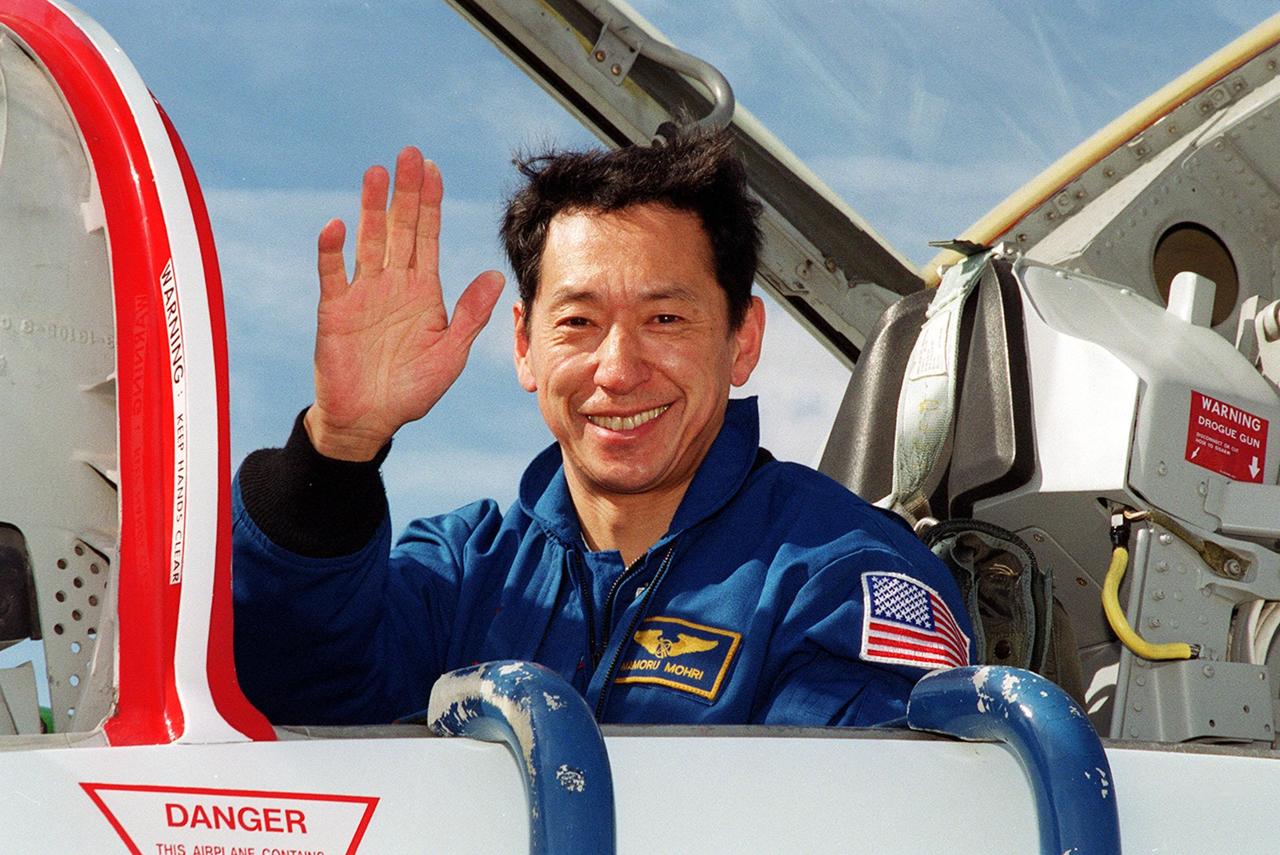
STS-99 Mission Specialist Mamoru Mohri (Ph.D.), who is with the National Space Development Agency (NASDA) of Japan, waves on his arrival at KSC aboard a T-38 jet aircraft to prepare for launch of Endeavour Jan. 31 at 12:47 p.m. EST. Over the next few days, the crew will review mission procedures, conduct test flights in the Shuttle Training Aircraft and undergo routine preflight medical exams. STS-99 is the Shuttle Radar Topography Mission, which will chart a new course, using two antennae and a 200-foot-long section of space station-derived mast protruding from the payload bay to produce unrivaled 3-D images of the Earth's surface. The result of the Shuttle Radar Topography Mission could be close to 1 trillion measurements of the Earth's topography. Besides contributing to the production of better maps, these measurements could lead to improved water drainage modeling, more realistic flight simulators, better locations for cell phone towers, and enhanced navigation safety
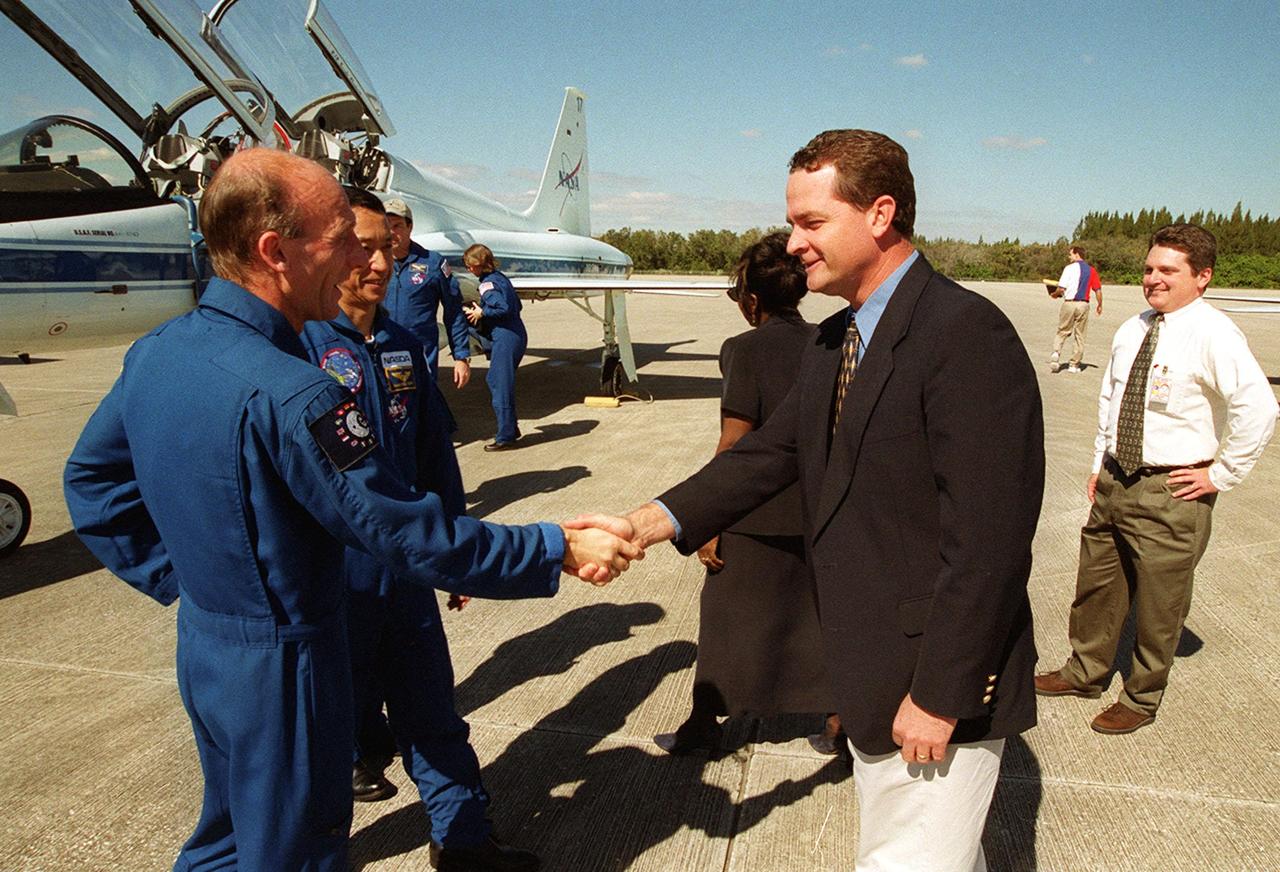
After landing at the Shuttle Landing Facility aboard T-38 jet aircraft, STS-99 Mission Specialists (from left) Gerhard Thiele of Germany and Mamoru Mohri of Japan are greeted by Dave King, director of Shuttle Operations. Behind Mohri can be seen Commander Kevin Kregel and Mission Specialist Janice Voss. The crew, which includes Pilot Dom gorie and Mission Specialist Janet Kavandi, are ready to prepare for the second launch attempt of Endeavour Feb. 11 at 12:30 p.m. EST from Launch Pad 39A. The earlier launch scheduled for Jan. 31 was scrubbed due to poor weather and a faulty Enhanced Master Events Controller in the orbiter's aft compartment. Over the next few days, the crew will review mission procedures, conduct test flights in the Shuttle Training Aircraft and undergo routine preflight medical exams. STS-99 is the Shuttle Radar Topography Mission, which will produce unrivaled 3-D images of the Earth's surface. The result of the Shuttle Radar Topography Mission could be close to 1 trillion measurements of the Earth's topography. Landing is expected at KSC on Feb. 22 at 4:36 p.m. EST
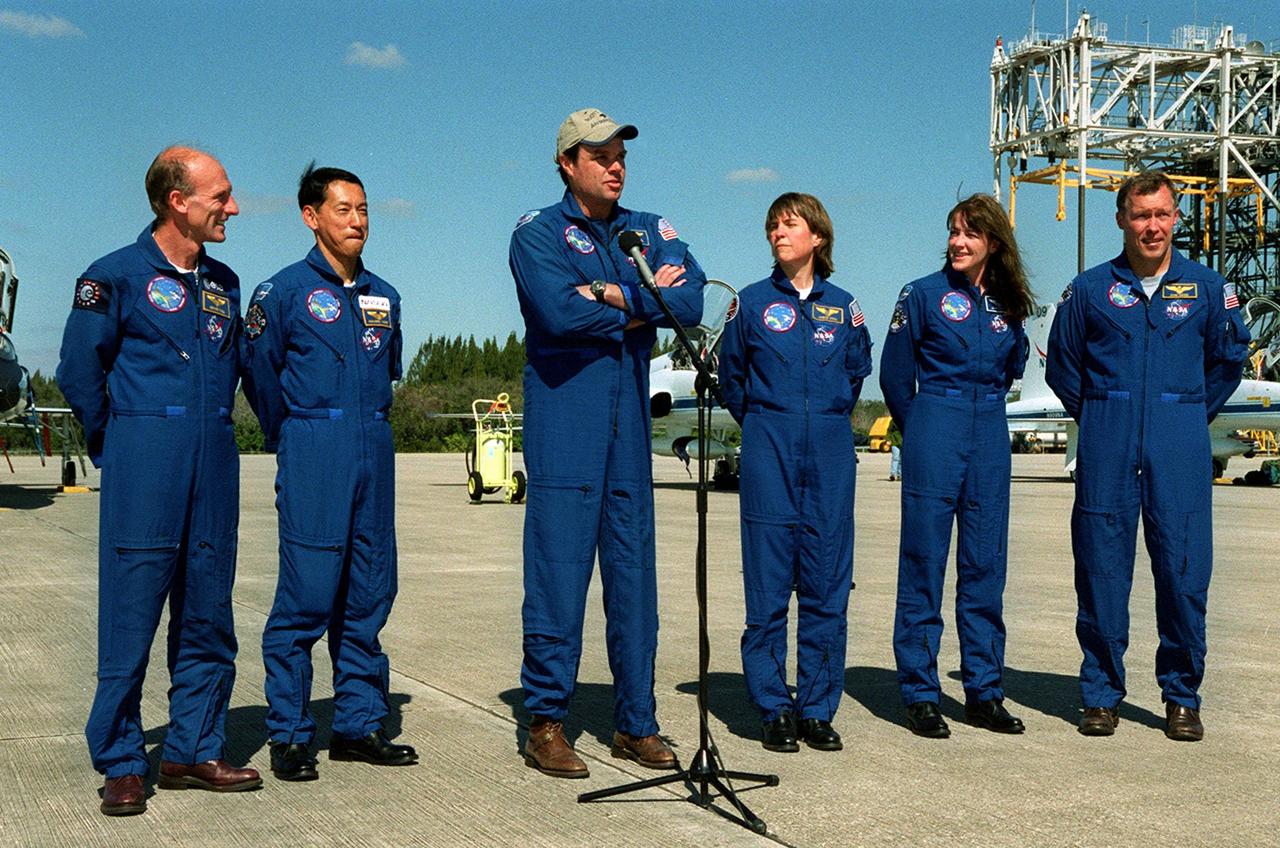
After landing at the Shuttle Landing Facility aboard T-38 jet aircraft, the STS-99 crew addresses the media. Standing, left to right, are Mission Specialists Gerhard Thiele of Germany and Mamoru Mohri of Japan, Commander Kevin Kregel (at the microphone), Mission Specialists Janice Voss and Janet Kavandi, and Pilot Dominic Gorie. They are ready to prepare for the second launch attempt of Endeavour Feb. 11 at 12:30 p.m. EST from Launch Pad 39A. The earlier launch scheduled for Jan. 31 was scrubbed due to poor weather and a faulty Enhanced Master Events Controller in the orbiter's aft compartment. Over the next few days, the crew will review mission procedures, conduct test flights in the Shuttle Training Aircraft and undergo routine preflight medical exams. STS-99 is the Shuttle Radar Topography Mission, which will produce unrivaled 3-D images of the Earth's surface. The result of the Shuttle Radar Topography Mission could be close to 1 trillion measurements of the Earth's topography. Landing is expected at KSC on Feb. 22 at 4:36 p.m. EST
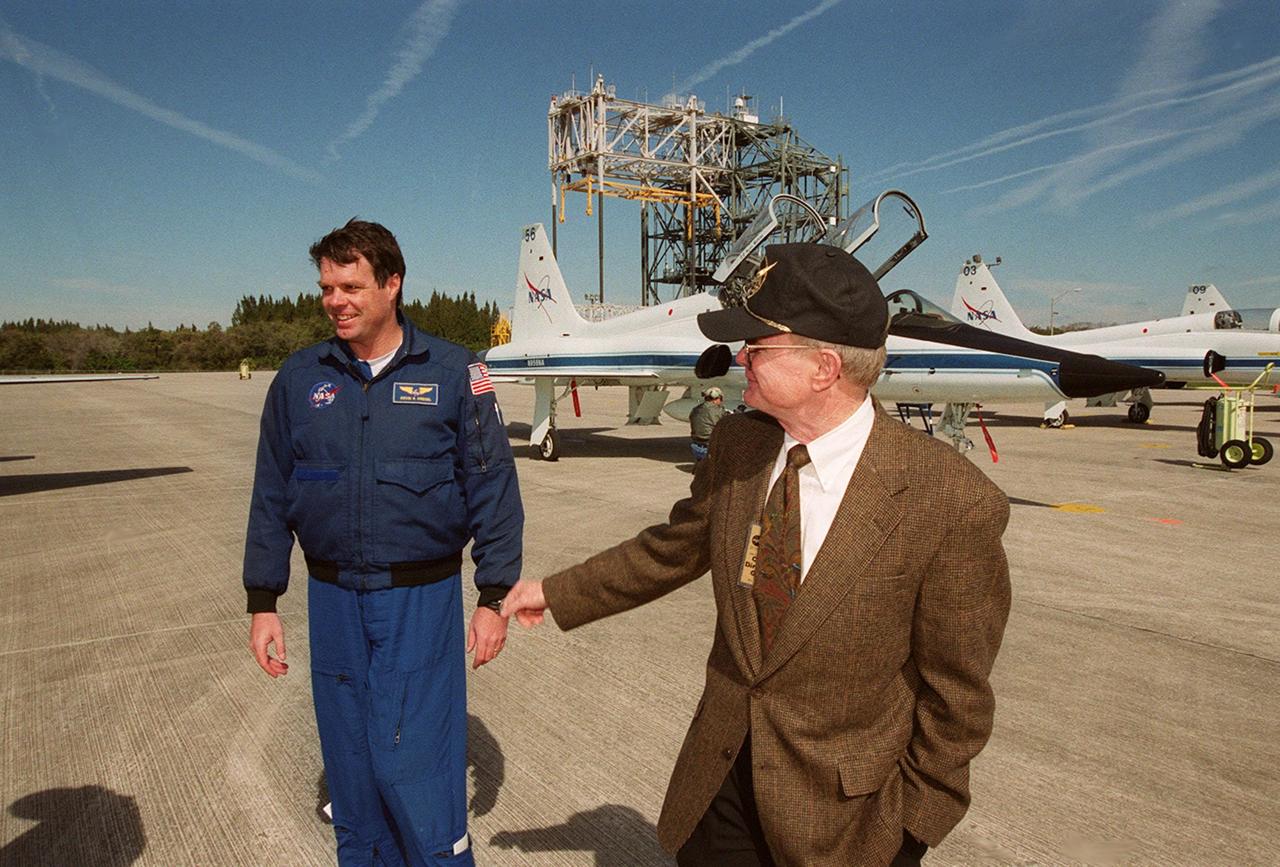
Center Director Roy Bridges (right) welcomes STS-99 Commander Kevin Kregel (left) and the rest of the crew after their arrival at KSC's Shuttle Landing Facility. Behind them are the T-38 jets that transported the crew, with the mate/demate tower in the background. Over the next few days, the crew will review mission procedures, conduct test flights in the Shuttle Training Aircraft and undergo routine preflight medical exams. STS-99 is the Shuttle Radar Topography Mission, which will chart a new course, using two antennae and a 200-foot-long section of space station-derived mast protruding from the payload bay to produce unrivaled 3-D images of the Earth's surface. The result of the Shuttle Radar Topography Mission could be close to 1 trillion measurements of the Earth's topography. Besides contributing to the production of better maps, these measurements could lead to improved water drainage modeling, more realistic flight simulators, better locations for cell phone towers, and enhanced navigation safety. Launch of Endeavour is scheduled for Jan. 31 at 12:47 p.m. EST
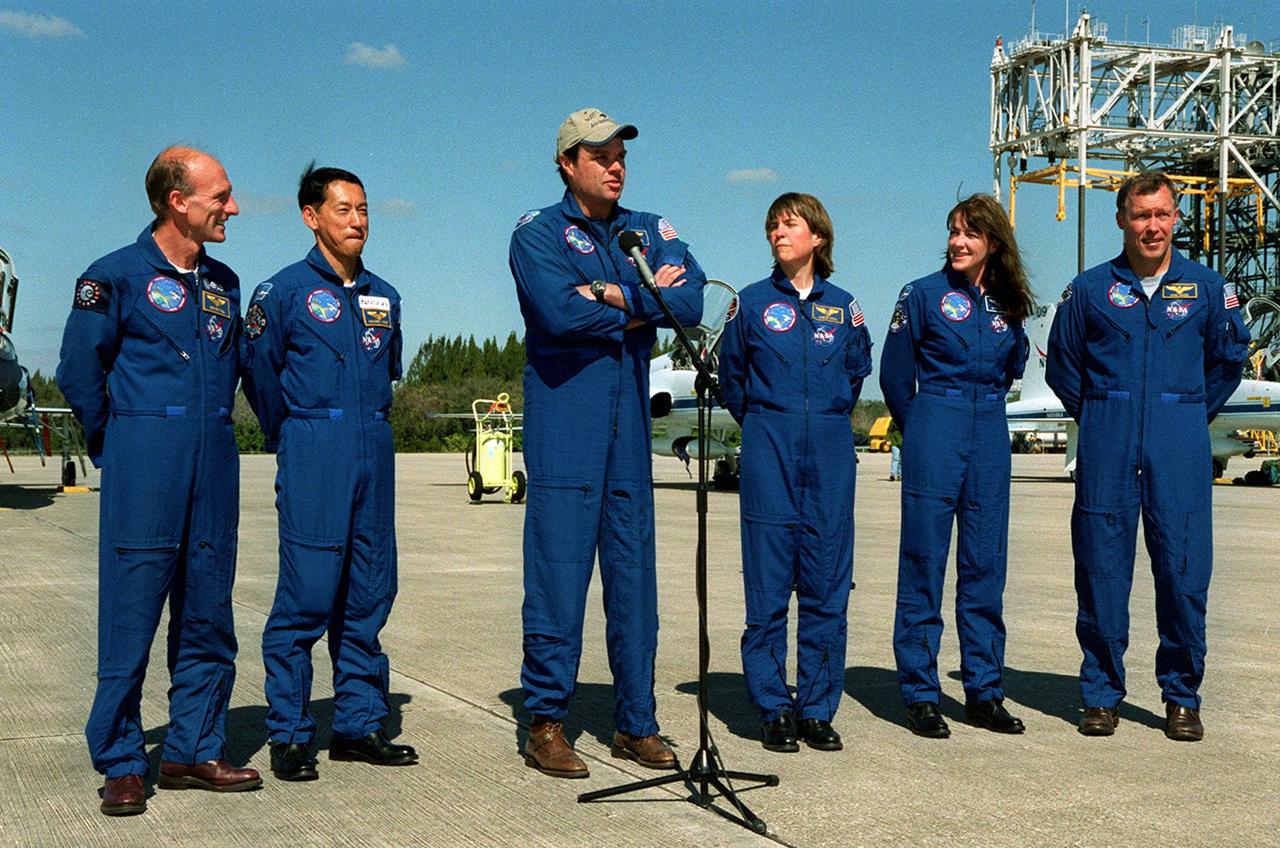
After landing at the Shuttle Landing Facility aboard T-38 jet aircraft, the STS-99 crew addresses the media. Standing, left to right, are Mission Specialists Gerhard Thiele of Germany and Mamoru Mohri of Japan, Commander Kevin Kregel (at the microphone), Mission Specialists Janice Voss and Janet Kavandi, and Pilot Dominic Gorie. They are ready to prepare for the second launch attempt of Endeavour Feb. 11 at 12:30 p.m. EST from Launch Pad 39A. The earlier launch scheduled for Jan. 31 was scrubbed due to poor weather and a faulty Enhanced Master Events Controller in the orbiter's aft compartment. Over the next few days, the crew will review mission procedures, conduct test flights in the Shuttle Training Aircraft and undergo routine preflight medical exams. STS-99 is the Shuttle Radar Topography Mission, which will produce unrivaled 3-D images of the Earth's surface. The result of the Shuttle Radar Topography Mission could be close to 1 trillion measurements of the Earth's topography. Landing is expected at KSC on Feb. 22 at 4:36 p.m. EST
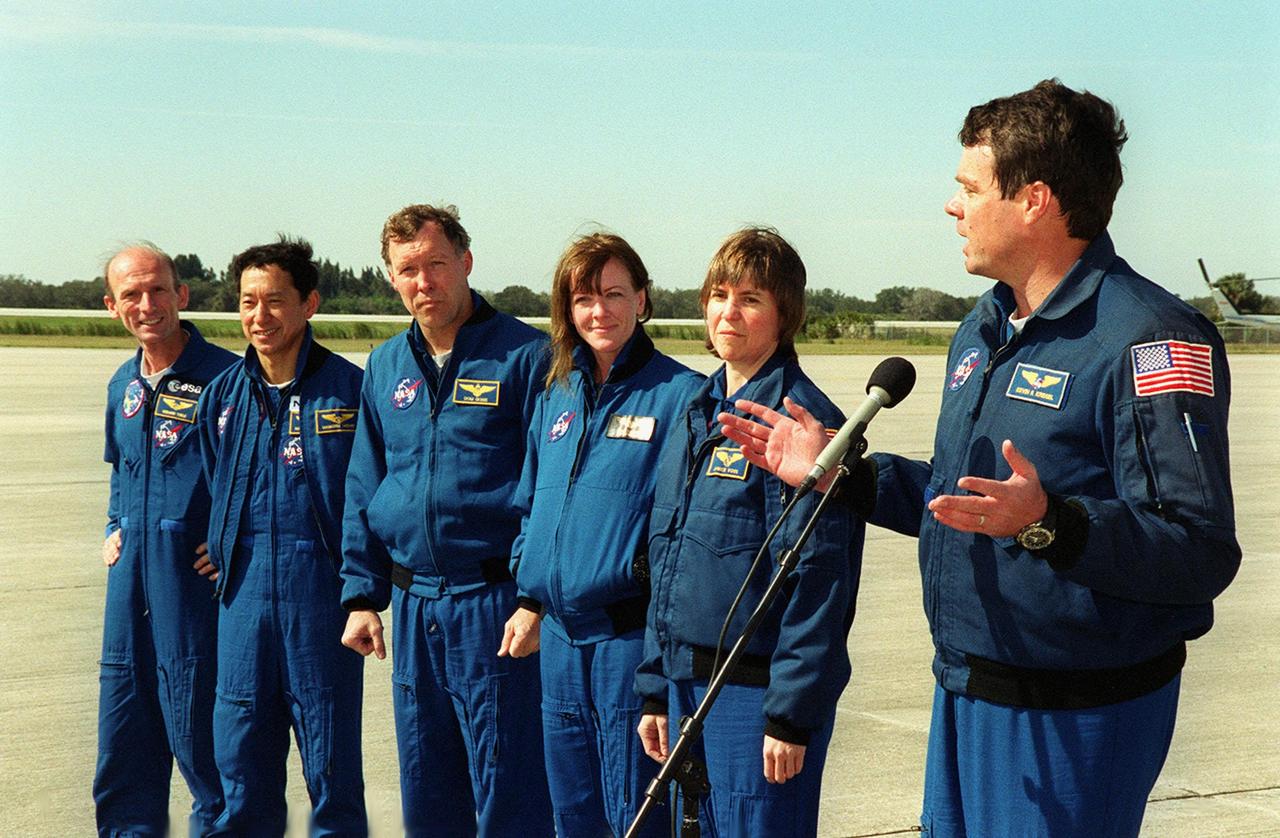
After arriving at KSC's Shuttle Landing Facility, the STS-99 crew pause to greet the media and Commander Kevin Kregel (right) introduces his crew: (from left) Mission Specialists Gerhard Thiele (Ph.D.) and Mamoru Mohri (Ph.D.); Pilot Dominic Gorie; and Mission Specialists Janet Lynn Kavandi (Ph.D.) and Janice Voss (Ph.D.). Thiele is with the European Space Agency and Mohri is with the National Space Development Agency (NASDA) of Japan. Over the next few days, the crew will review mission procedures, conduct test flights in the Shuttle Training Aircraft and undergo routine preflight medical exams. STS-99 is the Shuttle Radar Topography Mission, which will chart a new course, using two antennae and a 200-foot-long section of space station-derived mast protruding from the payload bay to produce unrivaled 3-D images of the Earth's surface. The result of the Shuttle Radar Topography Mission could be close to 1 trillion measurements of the Earth's topography. Besides contributing to the production of better maps, these measurements could lead to improved water drainage modeling, more realistic flight simulators, better locations for cell phone towers, and enhanced navigation safety. Launch of Endeavour is scheduled for Jan. 31 at 12:47 p.m. EST

After the crew arrival at KSC's Shuttle Landing Facility, STS-99 Mission Specialist Mamoru Mohri (Ph.D.), at right, talks to the media. At left is Mission Specialist Gerhard Thiele (Ph.D.). Thiele is with the European Space Agency and Mohri is with the National Space Development Agency (NASDA) of Japan. Over the next few days, the crew will review mission procedures, conduct test flights in the Shuttle Training Aircraft and undergo routine preflight medical exams. STS-99 is the Shuttle Radar Topography Mission, which will chart a new course, using two antennae and a 200-foot-long section of space station-derived mast protruding from the payload bay to produce unrivaled 3-D images of the Earth's surface. The result of the Shuttle Radar Topography Mission could be close to 1 trillion measurements of the Earth's topography. Besides contributing to the production of better maps, these measurements could lead to improved water drainage modeling, more realistic flight simulators, better locations for cell phone towers, and enhanced navigation safety. Launch of Endeavour is scheduled for Jan. 31 at 12:47 p.m. EST
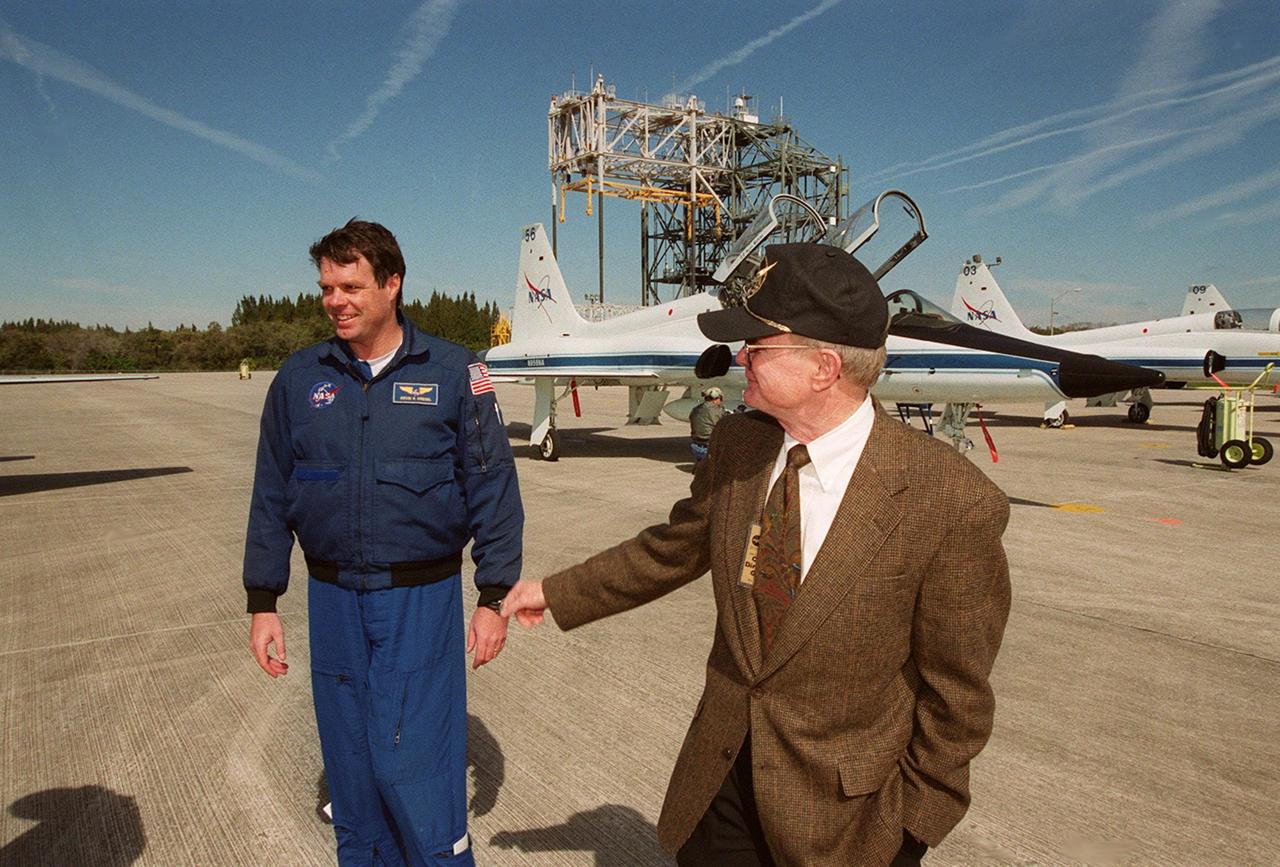
Center Director Roy Bridges (right) welcomes STS-99 Commander Kevin Kregel (left) and the rest of the crew after their arrival at KSC's Shuttle Landing Facility. Behind them are the T-38 jets that transported the crew, with the mate/demate tower in the background. Over the next few days, the crew will review mission procedures, conduct test flights in the Shuttle Training Aircraft and undergo routine preflight medical exams. STS-99 is the Shuttle Radar Topography Mission, which will chart a new course, using two antennae and a 200-foot-long section of space station-derived mast protruding from the payload bay to produce unrivaled 3-D images of the Earth's surface. The result of the Shuttle Radar Topography Mission could be close to 1 trillion measurements of the Earth's topography. Besides contributing to the production of better maps, these measurements could lead to improved water drainage modeling, more realistic flight simulators, better locations for cell phone towers, and enhanced navigation safety. Launch of Endeavour is scheduled for Jan. 31 at 12:47 p.m. EST
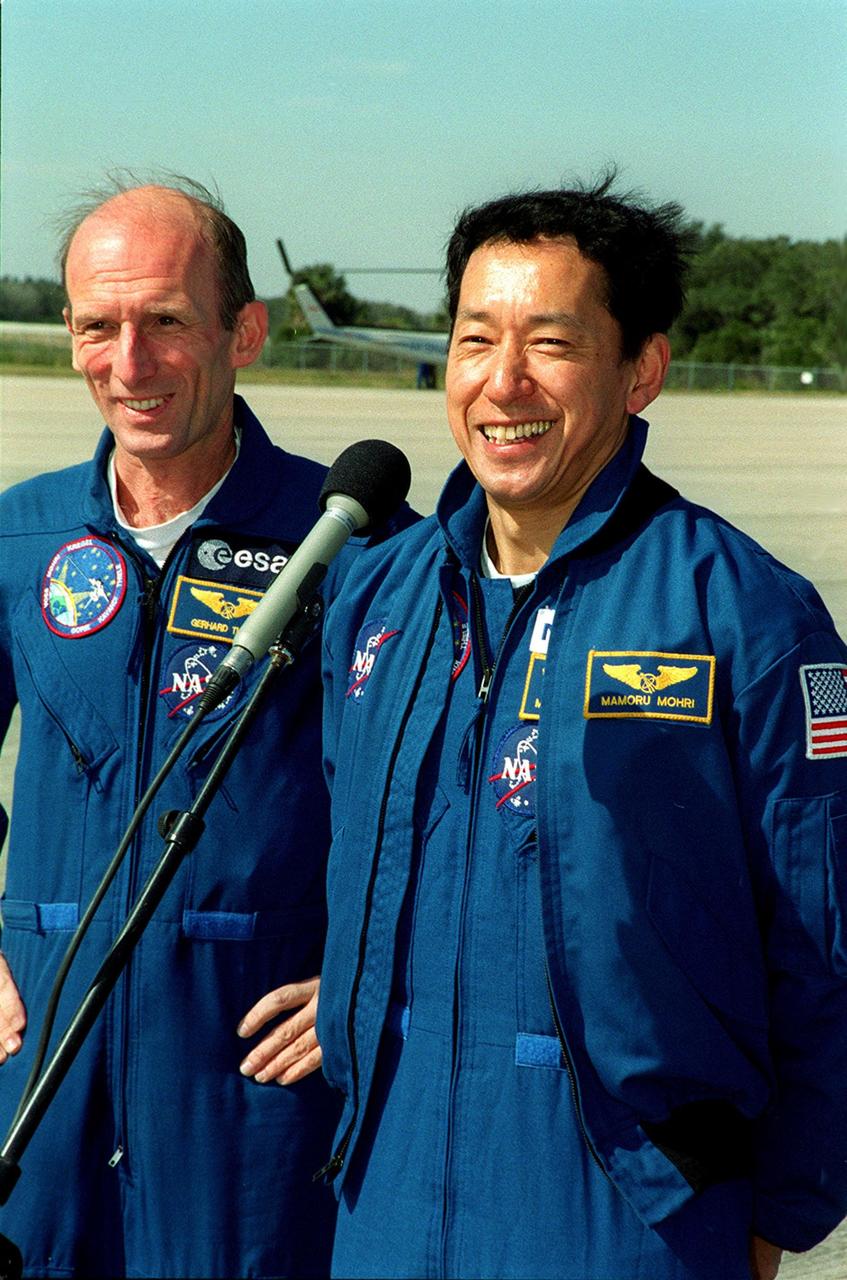
After the crew arrival at KSC's Shuttle Landing Facility, STS-99 Mission Specialist Mamoru Mohri (Ph.D.), at right, talks to the media. At left is Mission Specialist Gerhard Thiele (Ph.D.). Thiele is with the European Space Agency and Mohri is with the National Space Development Agency (NASDA) of Japan. Over the next few days, the crew will review mission procedures, conduct test flights in the Shuttle Training Aircraft and undergo routine preflight medical exams. STS-99 is the Shuttle Radar Topography Mission, which will chart a new course, using two antennae and a 200-foot-long section of space station-derived mast protruding from the payload bay to produce unrivaled 3-D images of the Earth's surface. The result of the Shuttle Radar Topography Mission could be close to 1 trillion measurements of the Earth's topography. Besides contributing to the production of better maps, these measurements could lead to improved water drainage modeling, more realistic flight simulators, better locations for cell phone towers, and enhanced navigation safety. Launch of Endeavour is scheduled for Jan. 31 at 12:47 p.m. EST
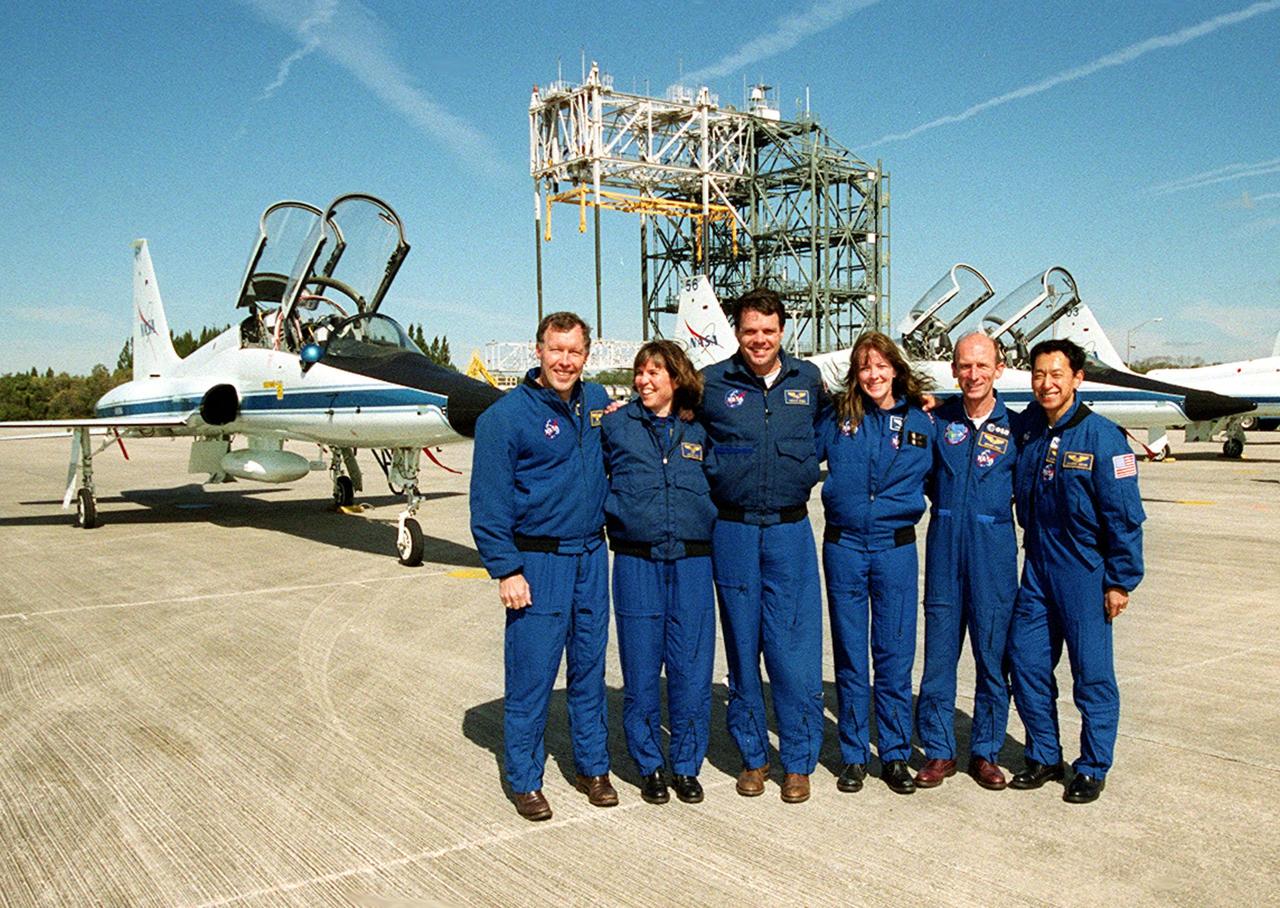
The STS-99 crew pose for a photograph after their arrival at the Shuttle Landing Facility to prepare for launch. From left are Pilot Dominic Gorie, Mission Specialist Janice Voss (Ph.D.), Commander Kevin Kregel, and Mission Specialists Janet Lynn Kavandi (Ph.D.), Gerhard Thiele (Ph.D.) and Mamoru Mohri (Ph.D.). Thiele is with the European Space Agency and Mohri is with the National Space Development Agency (NASDA) of Japan. Behind them are the T-38 jets in which they arrived, and the mate/demate device. Over the next few days, the crew will review mission procedures, conduct test flights in the Shuttle Training Aircraft and undergo routine preflight medical exams. STS-99 is the Shuttle Radar Topography Mission, which will chart a new course, using two antennae and a 200-foot-long section of space station-derived mast protruding from the payload bay to produce unrivaled 3-D images of the Earth's surface. The result of the Shuttle Radar Topography Mission could be close to 1 trillion measurements of the Earth's topography. Besides contributing to the production of better maps, these measurements could lead to improved water drainage modeling, more realistic flight simulators, better locations for cell phone towers, and enhanced navigation safety. Launch of Endeavour is scheduled for Jan. 31 at 12:47 p.m. EST
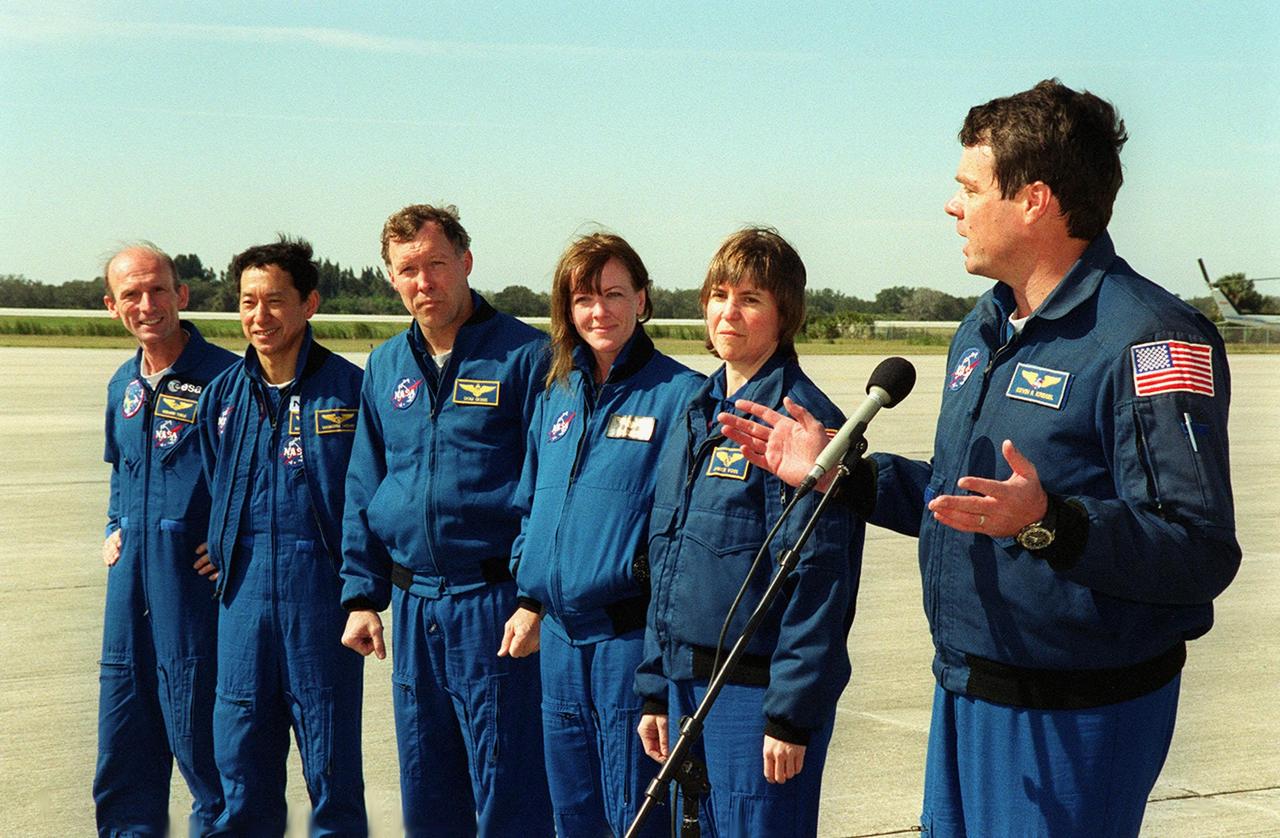
After arriving at KSC's Shuttle Landing Facility, the STS-99 crew pause to greet the media and Commander Kevin Kregel (right) introduces his crew: (from left) Mission Specialists Gerhard Thiele (Ph.D.) and Mamoru Mohri (Ph.D.); Pilot Dominic Gorie; and Mission Specialists Janet Lynn Kavandi (Ph.D.) and Janice Voss (Ph.D.). Thiele is with the European Space Agency and Mohri is with the National Space Development Agency (NASDA) of Japan. Over the next few days, the crew will review mission procedures, conduct test flights in the Shuttle Training Aircraft and undergo routine preflight medical exams. STS-99 is the Shuttle Radar Topography Mission, which will chart a new course, using two antennae and a 200-foot-long section of space station-derived mast protruding from the payload bay to produce unrivaled 3-D images of the Earth's surface. The result of the Shuttle Radar Topography Mission could be close to 1 trillion measurements of the Earth's topography. Besides contributing to the production of better maps, these measurements could lead to improved water drainage modeling, more realistic flight simulators, better locations for cell phone towers, and enhanced navigation safety. Launch of Endeavour is scheduled for Jan. 31 at 12:47 p.m. EST
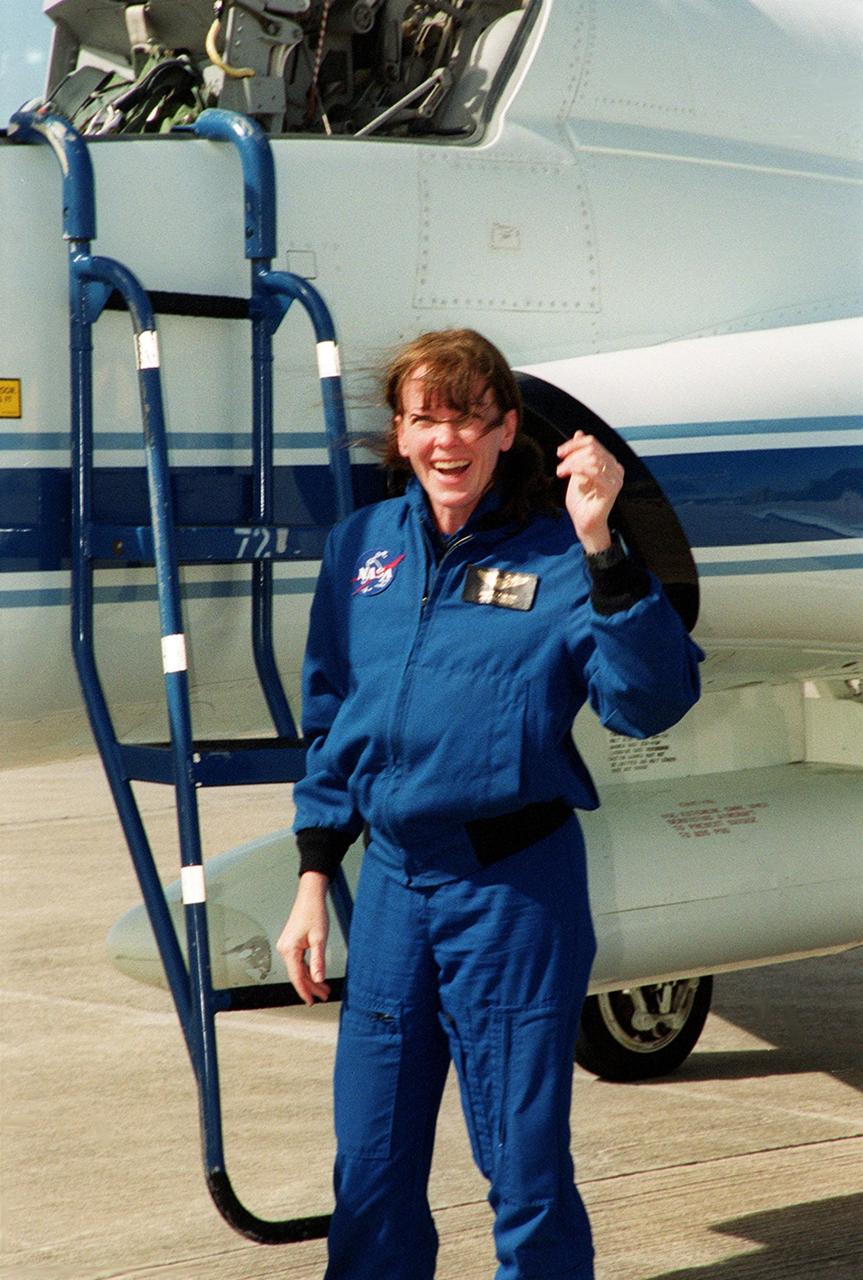
STS-99 Mission Specialist Janet Lynn Kavandi (Ph.D.) looks surprised and happy after landing at KSC aboard a T-38 jet aircraft to prepare for launch of Endeavour Jan. 31 at 12:47 p.m. EST. Over the next few days, the crew will review mission procedures, conduct test flights in the Shuttle Training Aircraft and undergo routine preflight medical exams. STS-99 is the Shuttle Radar Topography Mission, which will chart a new course, using two antennae and a 200-foot-long section of space station-derived mast protruding from the payload bay to produce unrivaled 3-D images of the Earth's surface. The result of the Shuttle Radar Topography Mission could be close to 1 trillion measurements of the Earth's topography. Besides contributing to the production of better maps, these measurements could lead to improved water drainage modeling, more realistic flight simulators, better locations for cell phone towers, and enhanced navigation safet
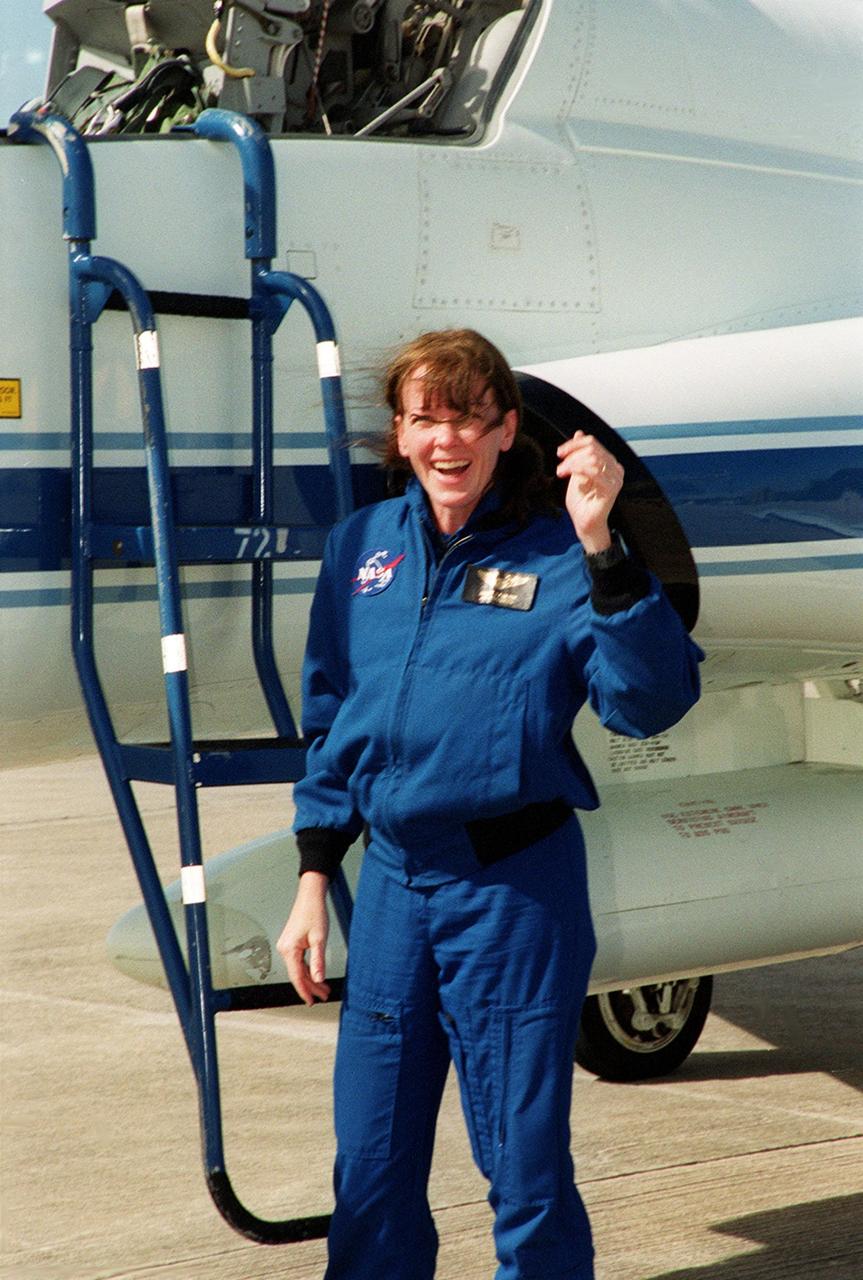
STS-99 Mission Specialist Janet Lynn Kavandi (Ph.D.) looks surprised and happy after landing at KSC aboard a T-38 jet aircraft to prepare for launch of Endeavour Jan. 31 at 12:47 p.m. EST. Over the next few days, the crew will review mission procedures, conduct test flights in the Shuttle Training Aircraft and undergo routine preflight medical exams. STS-99 is the Shuttle Radar Topography Mission, which will chart a new course, using two antennae and a 200-foot-long section of space station-derived mast protruding from the payload bay to produce unrivaled 3-D images of the Earth's surface. The result of the Shuttle Radar Topography Mission could be close to 1 trillion measurements of the Earth's topography. Besides contributing to the production of better maps, these measurements could lead to improved water drainage modeling, more realistic flight simulators, better locations for cell phone towers, and enhanced navigation safet
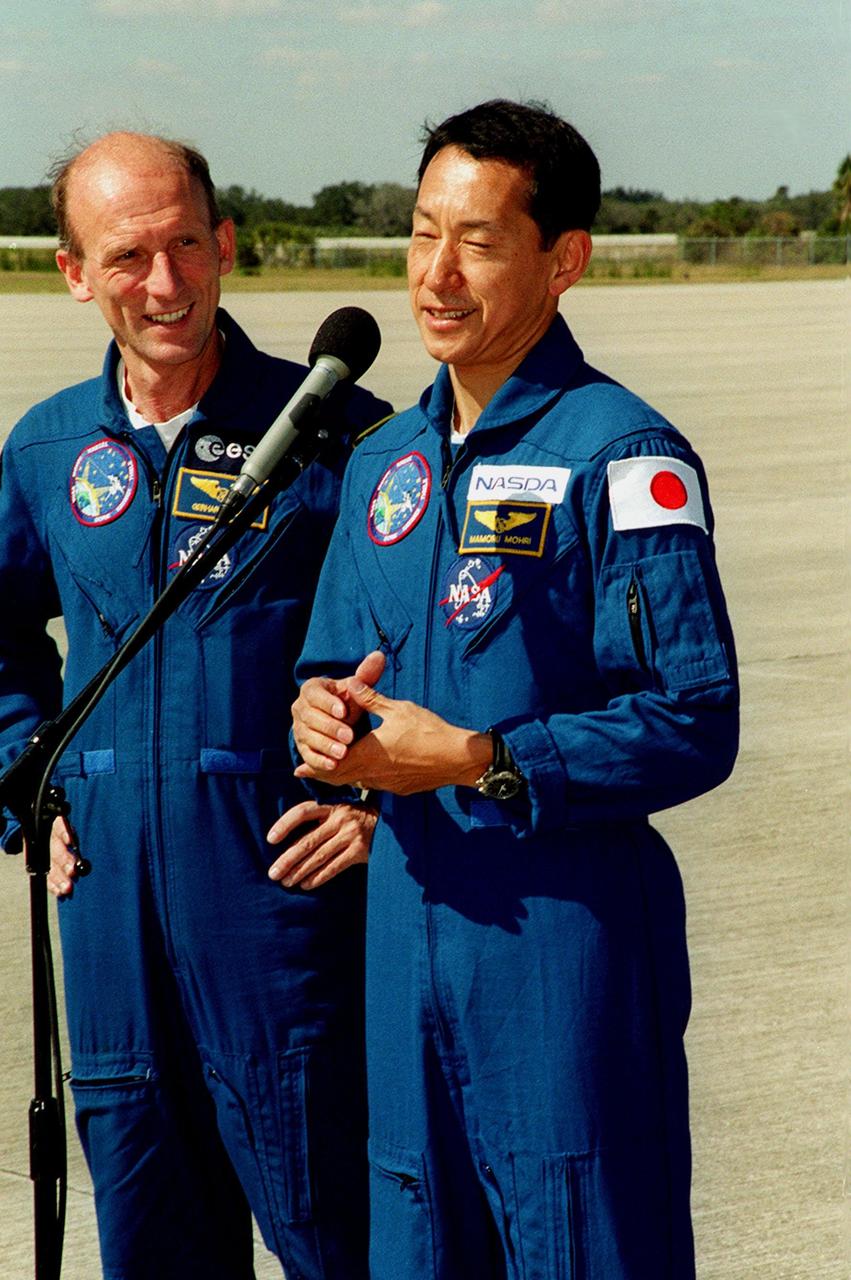
After landing at the Shuttle Landing Facility aboard T-38 jet aircraft, the STS-99 crew addressed the media. Mission Specialists Gerhard Thiele of Germany waits while Mamoru Mohri of Japan (right) responds to a question. The crew is ready to prepare for the second launch attempt of Endeavour Feb. 11 at 12:30 p.m. EST from Launch Pad 39A. The earlier launch scheduled for Jan. 31 was scrubbed due to poor weather and a faulty Enhanced Master Events Controller in the orbiter's aft compartment. Over the next few days, the crew will review mission procedures, conduct test flights in the Shuttle Training Aircraft and undergo routine preflight medical exams. STS-99 is the Shuttle Radar Topography Mission, which will produce unrivaled 3-D images of the Earth's surface. The result of the Shuttle Radar Topography Mission could be close to 1 trillion measurements of the Earth's topography. Landing is expected at KSC on Feb. 22 at 4:36 p.m. EST
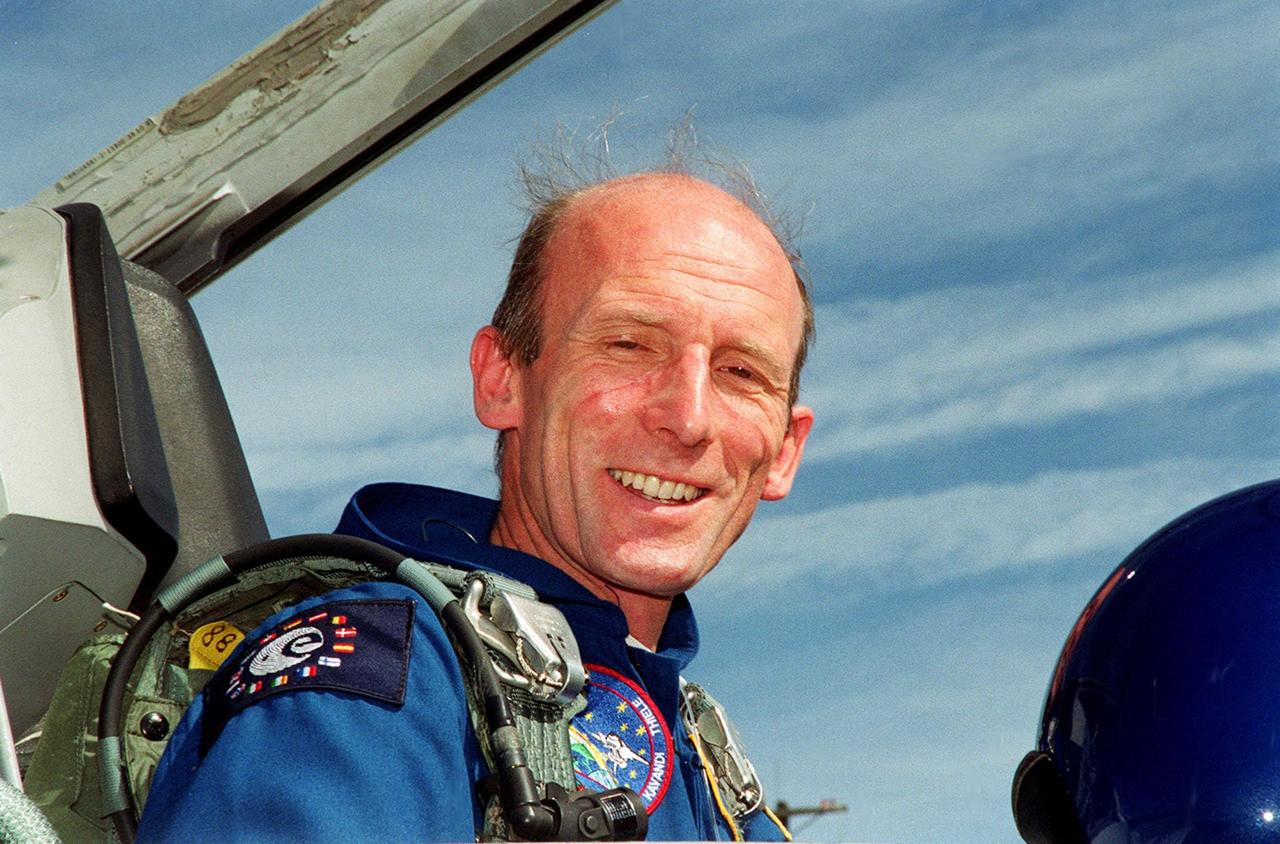
STS-99 Mission Specialist Gerhard P.J. Thiele (Ph.D.), with the European Space Agency, arrives at KSC aboard a T-38 jet aircraft to prepare for launch of Endeavour Jan. 31 at 12:47 p.m. EST. Over the next few days, the crew will review mission procedures, conduct test flights in the Shuttle Training Aircraft and undergo routine preflight medical exams. STS-99 is the Shuttle Radar Topography Mission, which will chart a new course, using two antennae and a 200-foot-long section of space station-derived mast protruding from the payload bay to produce unrivaled 3-D images of the Earth's surface. The result of the Shuttle Radar Topography Mission could be close to 1 trillion measurements of the Earth's topography. Besides contributing to the production of better maps, these measurements could lead to improved water drainage modeling, more realistic flight simulators, better locations for cell phone towers, and enhanced navigation safety