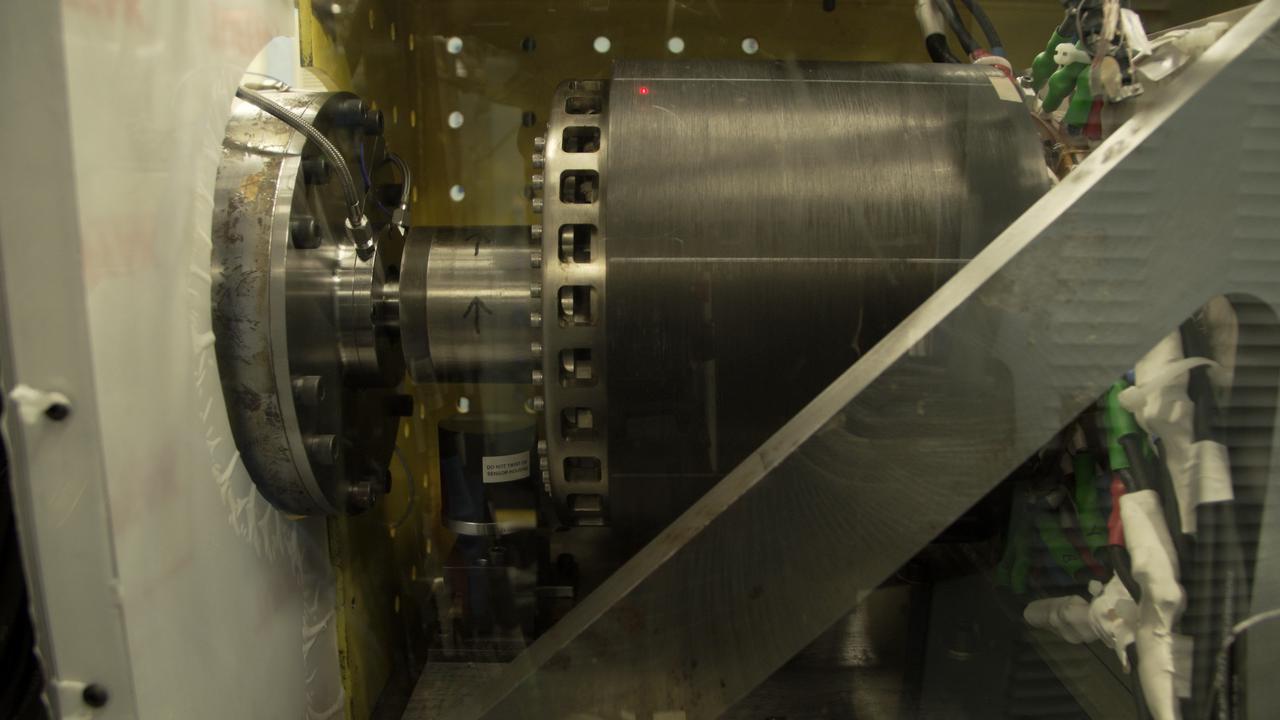
UIUC’s megawatt machine (right) was connected to a dynamometer (left) to test its effectiveness as an electric generator in a safety enclosure at a Collins Aerospace test facility in Rockford, Illinois. This unusual design has its rotating parts on the outside, so that both the cylinder on the right and the cylinder with arrows spin during operation.
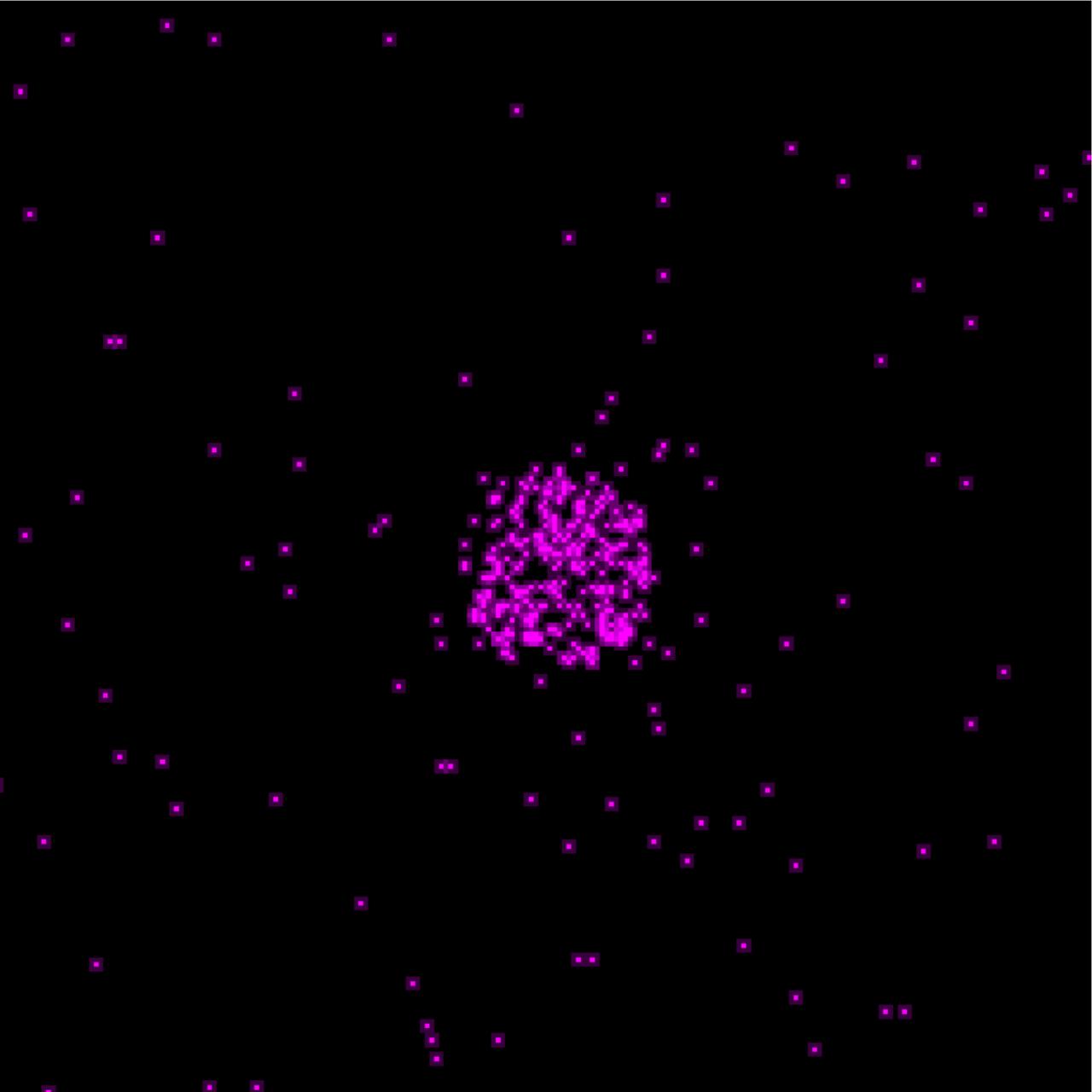
Giving scientists their first look, Chandra observed x-rays produced by fluorescent radiation from oxygen atoms of the Sun in the sparse upper atmosphere of Mars, about 120 kilometers (75 miles) above its surface. The x-ray power detected from the Martian atmosphere is very small, amounting to only 4 megawatts, comparable to the x-ray power of about ten thousand medical x-ray machines. At the time of the Chandra observation, a huge dust storm developed on Mars that covered about one hemisphere, later to cover the entire planet. This hemisphere rotated out of view over the 9-hour observation, but no change was observed in the x-ray intensity indicating that the dust storm did not affect the upper atmosphere. Scientists also observed a halo of x-rays extending out to 7,000 kilometers above the surface of Mars believed to be produced by collisions of ions racing away from the Sun (the solar wind).