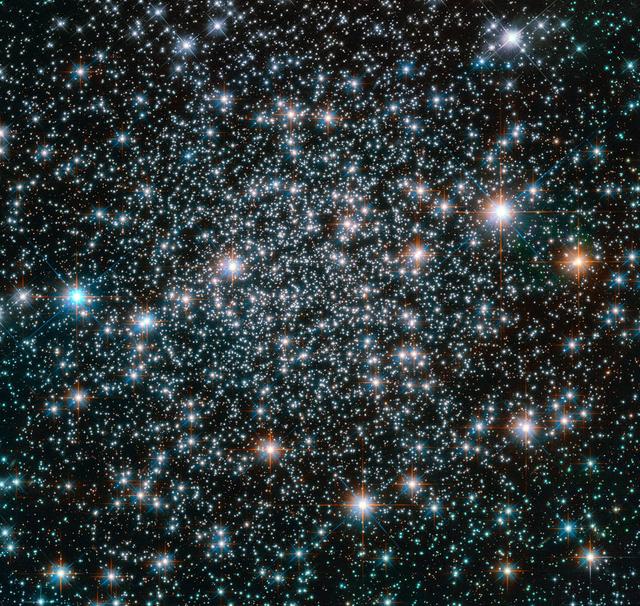
Hubble rocks out with heavy metal stars! This 10.5-billion-year-old globular cluster, NGC 6496, is home to heavy-metal stars of a celestial kind! The stars comprising this spectacular spherical cluster are enriched with much higher proportions of metals — elements heavier than hydrogen and helium are curiously known as metals in astronomy — than stars found in similar clusters. A handful of these high-metallicity stars are also variable stars, meaning that their brightness fluctuates over time. NGC 6496 hosts a selection of long-period variables — giant pulsating stars whose brightness can take up to, and even over, a thousand days to change — and short-period eclipsing binaries, which dim when eclipsed by a stellar companion. The nature of the variability of these stars can reveal important information about their mass, radius, luminosity, temperature, composition, and evolution, providing astronomers with measurements that would be difficult or even impossible to obtain through other methods. NGC 6496 was discovered in 1826 by Scottish astronomer James Dunlop. The cluster resides at about 35,000 light-years away in the southern constellation of Scorpius (The Scorpion). Image credit: ESA/Hubble & NASA, Acknowledgement: Judy Schmidt Text credit: European Space Agency Read more: <a href="http://go.nasa.gov/1U2wqGW" rel="nofollow">go.nasa.gov/1U2wqGW</a>
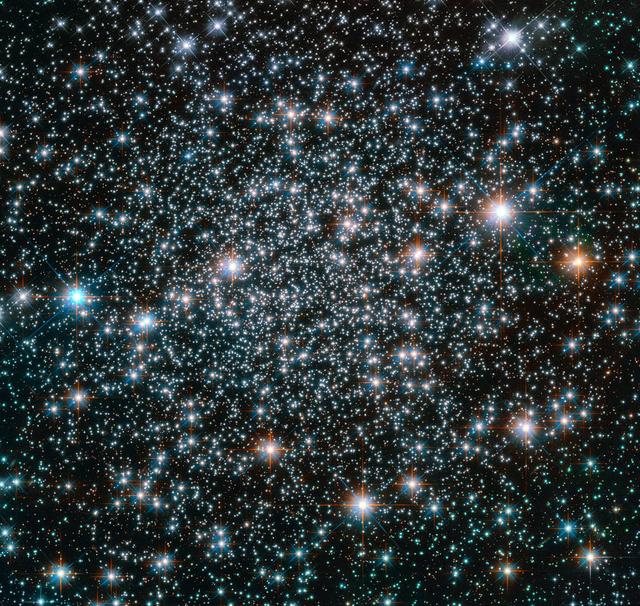
This 10.5-billion-year-old globular cluster, NGC 6496, is home to heavy-metal stars of a celestial kind! The stars comprising this spectacular spherical cluster are enriched with much higher proportions of metals — elements heavier than hydrogen and helium, are in astronomy curiously known as metals — than stars found in similar clusters. A handful of these high-metallicity stars are also variable stars, meaning that their brightness fluctuates over time. NGC 6496 hosts a selection of long-period variables — giant pulsating stars whose brightness can take up to, and even over, a thousand days to change — and short-period eclipsing binaries, which dim when eclipsed by a stellar companion. The nature of the variability of these stars can reveal important information about their mass, radius, luminosity, temperature, composition, and evolution, providing astronomers with measurements that would be difficult or even impossible to obtain through other methods. NGC 6496 was discovered in 1826 by Scottish astronomer James Dunlop. The cluster resides at about 35 000 light-years away in the southern constellation of Scorpius (The Scorpion).

Metal Spring near Phoenix Footpad
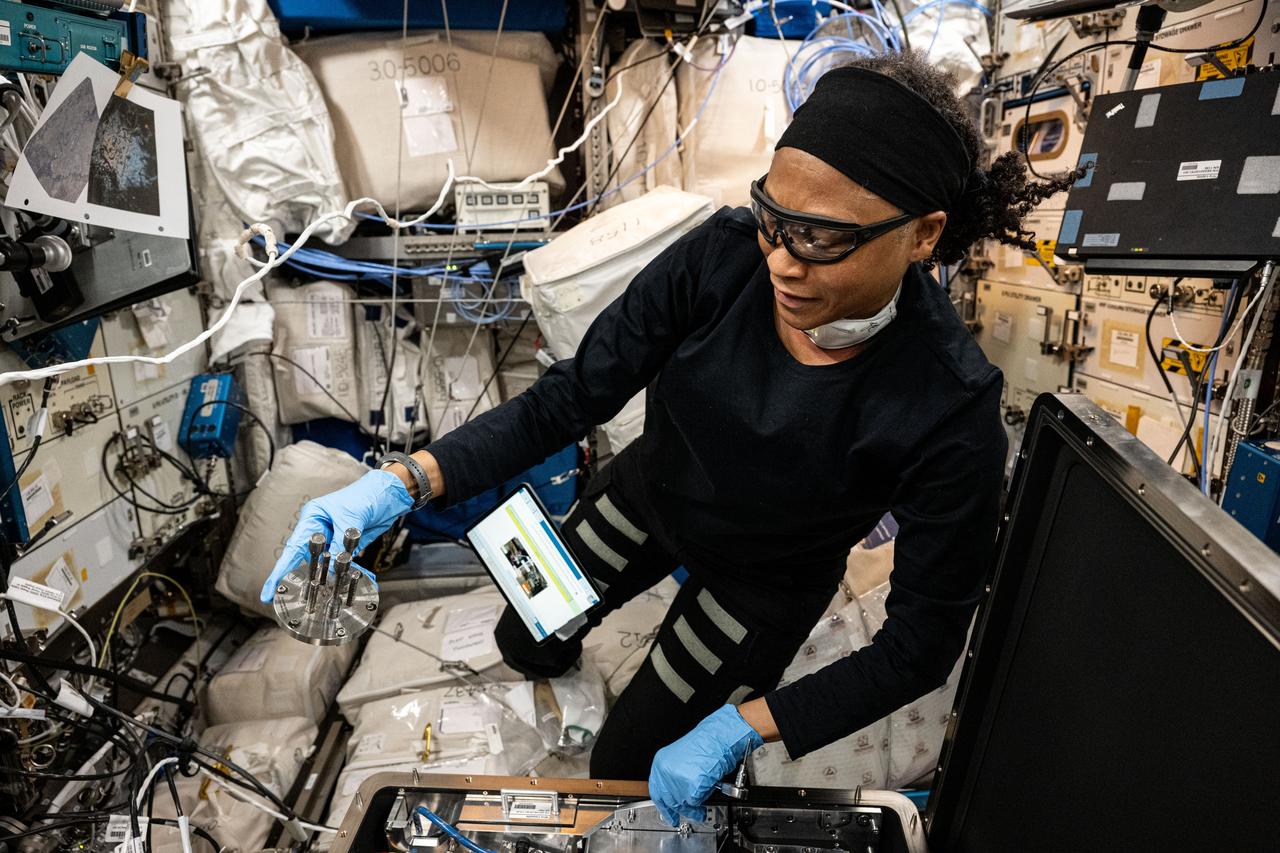
iss071e522127 (Aug. 21, 2024) --- NASA astronaut and Expedition 71 Flight Engineer Jeanette Epps configures the Metal 3D printer that manufactures experimental samples printed with stainless steel aboard the International Space Station's Columbus laboratory module. Researchers are exploring how the Metal 3D printer operates in the microgravity conditions of weightlessness and radiation as well as its ability to manufacture tools and parts on demand during space missions.
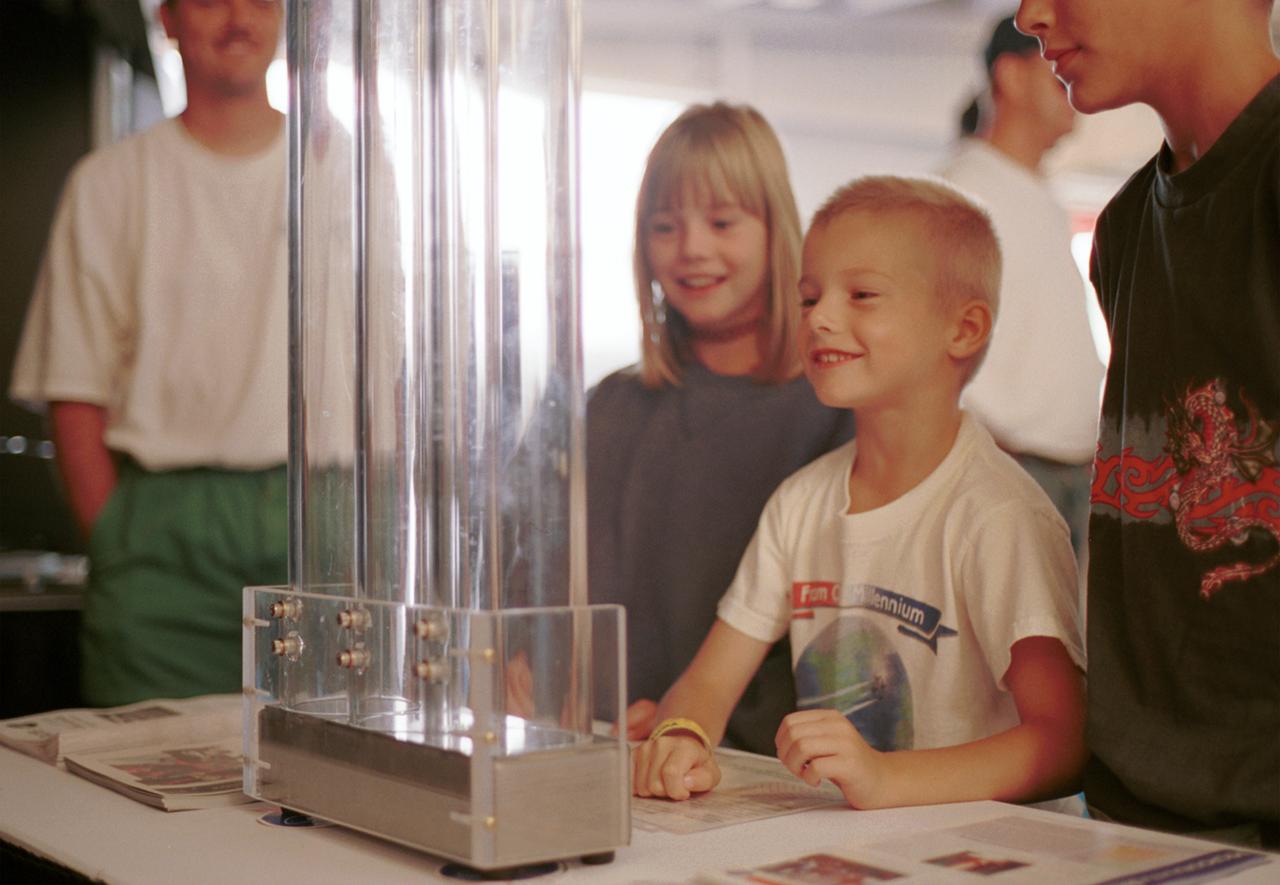
An entranced youngster watches a demonstration of the enhanced resilience of undercooled metal alloys as compared to conventional alloys. Steel bearings are dropped onto plates made of steel, titanium alloy, and zirconium liquid metal alloy, so-called because its molecular structure is amorphous and not crystalline. The bearing on the liquid metal plate bounces for a minute or more longer than on the other plates. Experiments aboard the Space Shuttle helped scientists refine their understanding of the physical properties of certain metal alloys when undercooled (i.e., kept liquid below their normal solidification temperature). This new knowledge then allowed scientists to modify a terrestrial production method so they can now make limited quantities marketed under the Liquid Metal trademark. The exhibit was a part of the NASA outreach activity at AirVenture 2000 sponsored by the Experimental Aircraft Association in Oshkosh, WI.

Angie Jackman, a NASA project manager in microgravity research, demonstrates the enhanced resilience of undercooled metal alloys as compared to conventional alloys. Experiments aboard the Space Shuttle helped scientists refine their understanding of the physical properties of certain metal alloys when undercooled (i.e., kept liquid below their normal solidification temperature). This new knowledge then allowed scientists to modify a terrestrial production method so they can now make limited quantities marketed under the Liquid Metal trademark. The exhibit was a part of the NASA outreach activity at AirVenture 2000 sponsored by the Experimental Aircraft Association in Oshkosh, WI.
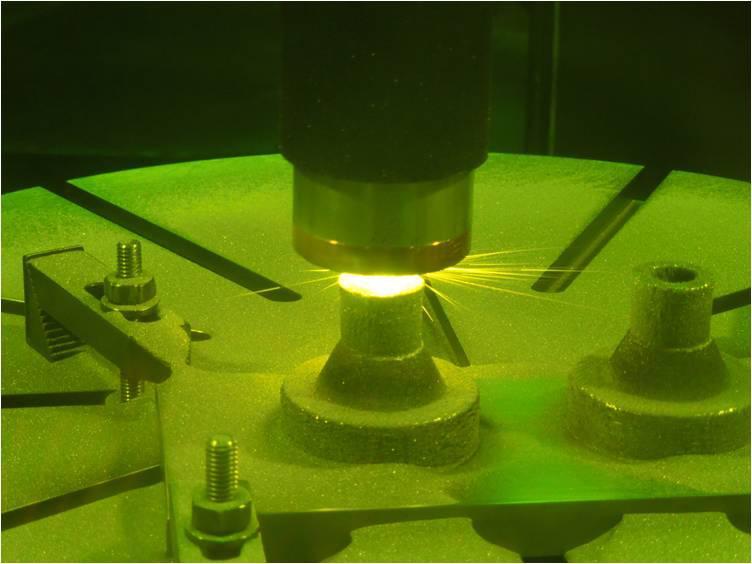
Scientists at NASA Jet Propulsion Laboratory make a rocket nozzle using a new 3-D printing technique that allows for multiple metallic properties in the same object.
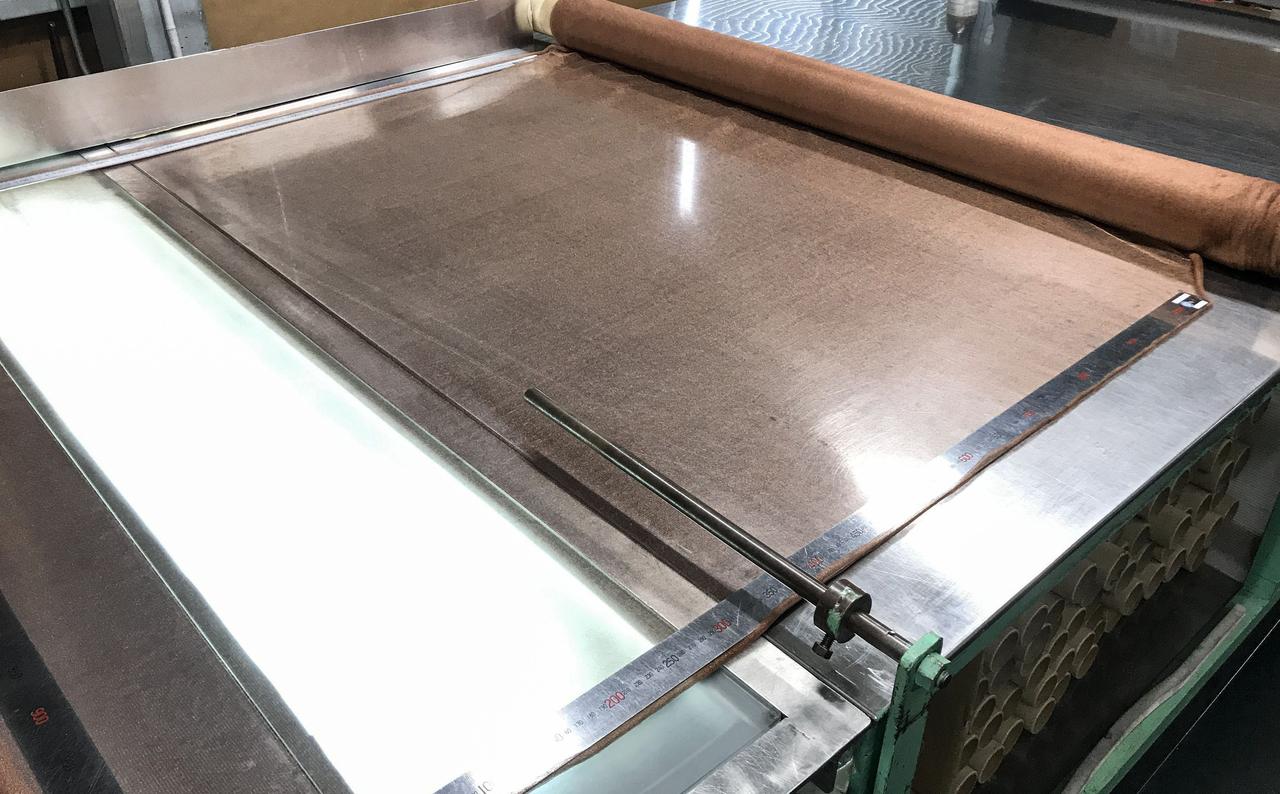
jsc2020e040944 (7/8/2020) --- Copper zirconium antenna metal mesh. The Exposure Experiment of Copper-Zirconium Antenna Metal Mesh to the Space Environment (ExHAM-Antenna Metal Mesh) investigation tests how well an antenna metal mesh, made from copper and zirconium, performs in the space environment in low-Earth orbit (LEO). While in space, the antenna metal mesh is exposed to cosmic rays and atomic oxygen in the LEO space environment - which can degrade antenna performance. Image Credit: NGK Insulators, Ltd., Taiyo Wire Cloth Co., Ltd., Technosolver Corporation, Koyo Materica Corporation, JAXA..
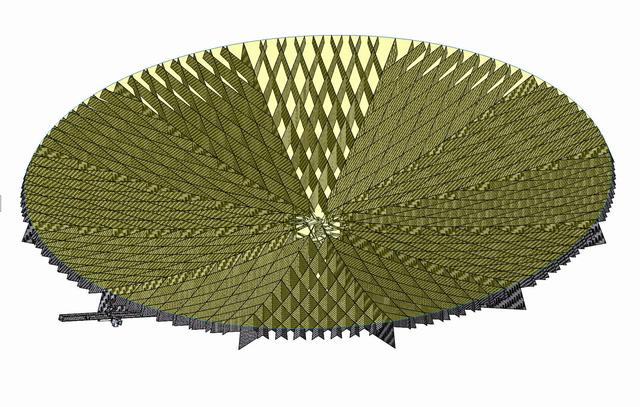
jsc2020e040943 (9/10/2020) --- An example of a copper zirconium antenna metal mesh on a deployable reflector. The Exposure Experiment of Copper-Zirconium Antenna Metal Mesh to the Space Environment (ExHAM-Antenna Metal Mesh) investigation tests how well an antenna metal mesh, made from copper and zirconium, performs in the space environment in low-Earth orbit (LEO). While in space, the antenna metal mesh is exposed to cosmic rays and atomic oxygen in the LEO space environment - which can degrade antenna performance. Image Credit: Technosolver Corporation, JAXA.
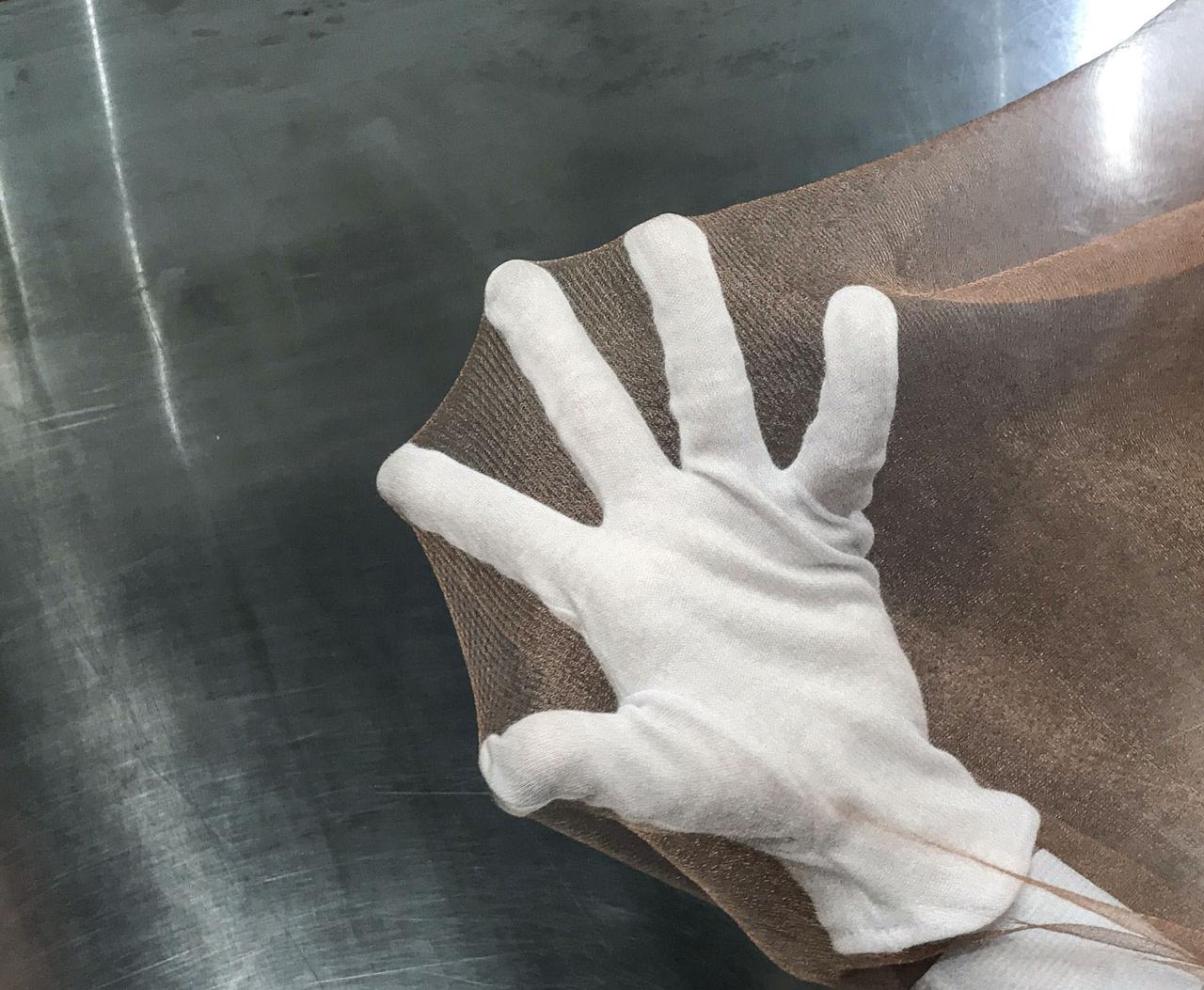
jsc2020e040945 (7/10/2020) --- Copper zirconium antenna metal mesh. The Exposure Experiment of Copper-Zirconium Antenna Metal Mesh to the Space Environment (ExHAM-Antenna Metal Mesh) investigation tests how well an antenna metal mesh, made from copper and zirconium, performs in the space environment in low-Earth orbit (LEO). While in space, the antenna metal mesh is exposed to cosmic rays and atomic oxygen in the LEO space environment - which can degrade antenna performance. Image Credit: NGK Insulators, Ltd., Taiyo Wire Cloth Co., Ltd., Technosolver Corporation, Koyo Materica Corporation, JAXA..
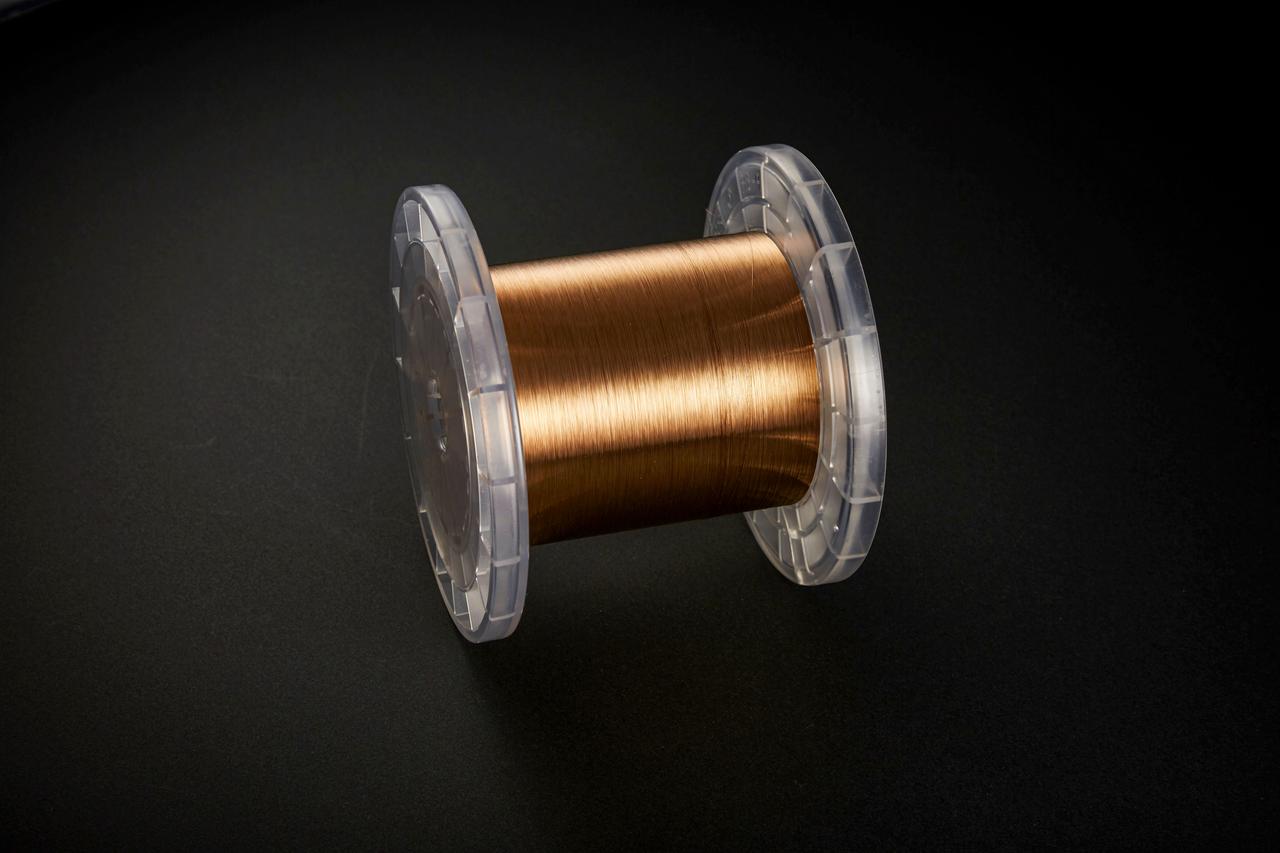
jsc2020e040942 (4/18/2015) --- Copper zirconium alloy wire. The Exposure Experiment of Copper-Zirconium Antenna Metal Mesh to the Space Environment (ExHAM-Antenna Metal Mesh) investigation tests how well an antenna metal mesh, made from copper and zirconium, performs in the space environment in low-Earth orbit (LEO). While in space, the antenna metal mesh is exposed to cosmic rays and atomic oxygen in the LEO space environment - which can degrade antenna performance. Image Credit: NGK Insulators, Ltd., Taiyo Wire Cloth Co., Ltd., Technosolver Corporation, Koyo Materica Corporation, JAXA..
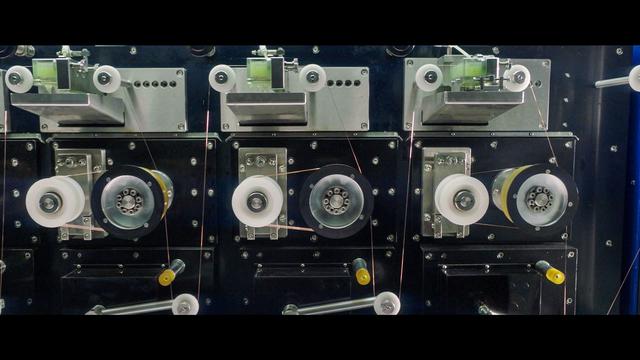
jsc2020e040941 (9/3/2018) --- Copper zirconium alloy wire being produced. The Exposure Experiment of Copper-Zirconium Antenna Metal Mesh to the Space Environment (ExHAM-Antenna Metal Mesh) investigation tests how well an antenna metal mesh, made from copper and zirconium, performs in the space environment in low-Earth orbit (LEO). While in space, the antenna metal mesh is exposed to cosmic rays and atomic oxygen in the LEO space environment - which can degrade antenna performance. Image Credit: NGK Insulators, Ltd., Taiyo Wire Cloth Co., Ltd., Technosolver Corporation, Koyo Materica Corporation, JAXA..
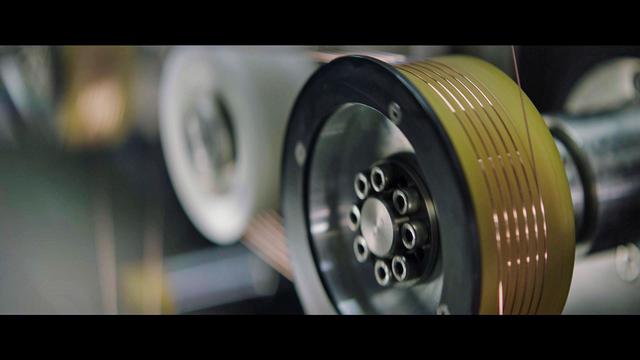
jsc2020e040940 (9/3/2018) --- Copper zirconium alloy wire being produced. The Exposure Experiment of Copper-Zirconium Antenna Metal Mesh to the Space Environment (ExHAM-Antenna Metal Mesh) investigation tests how well an antenna metal mesh, made from copper and zirconium, performs in the space environment in low-Earth orbit (LEO). While in space, the antenna metal mesh is exposed to cosmic rays and atomic oxygen in the LEO space environment - which can degrade antenna performance. Image Credit: NGK Insulators, Ltd., Taiyo Wire Cloth Co., Ltd., Technosolver Corporation, Koyo Materica Corporation, JAXA..
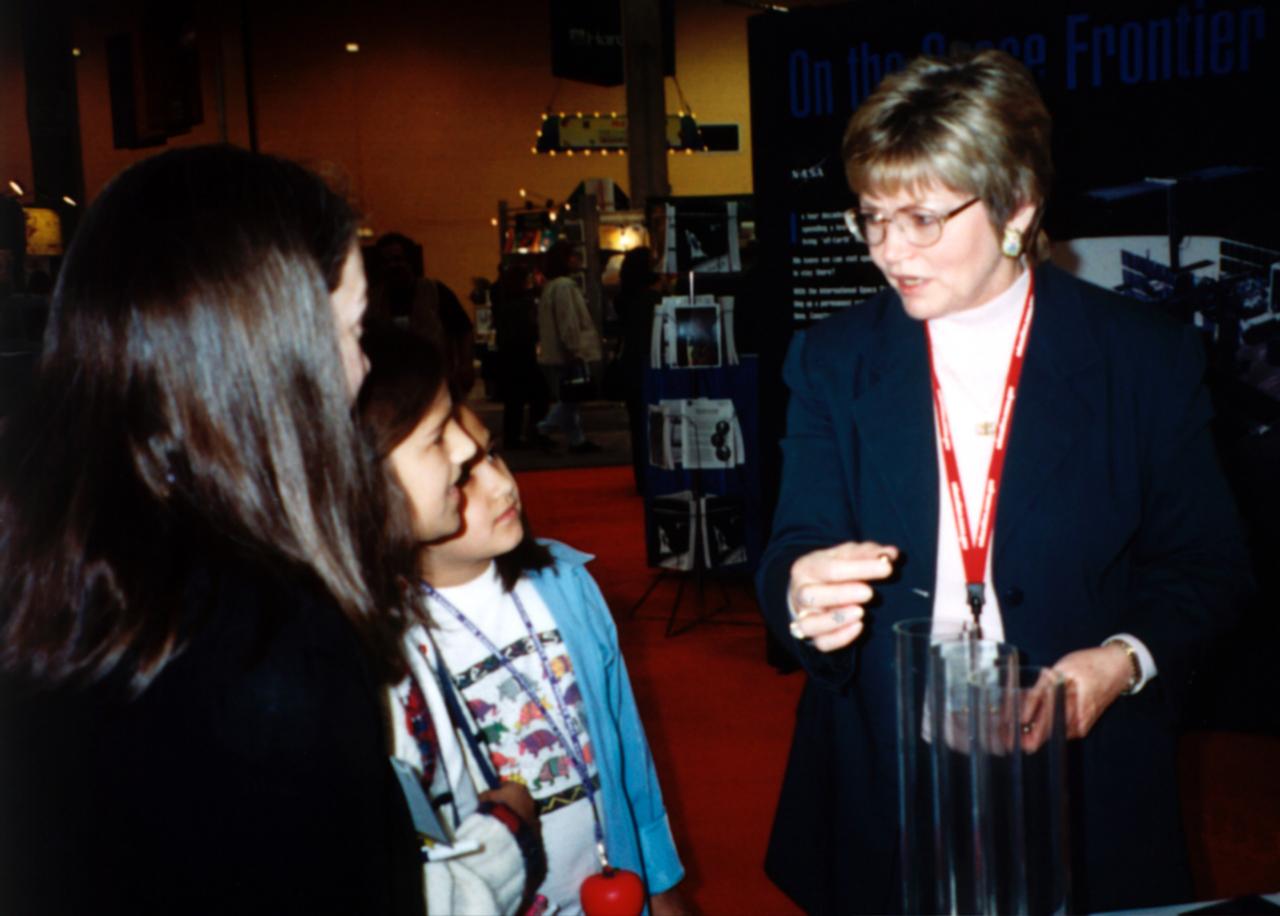
Pat Doty (right) of NASA/Marshall Space Flight Center (MSFC) demonstrates the greater bounce to the ounce of metal made from a supercooled bulk metallic glass alloy that NASA is studying in space experiments. The metal plates at the bottom of the plexiglass tubes are made of three different types of metal. Bulk metallic glass is more resilient and, as a result, the dropped ball bearing bounces higher. Experiments in space allow scientists to study fundamental properties that carnot be observed on Earth. This demonstration was at the April 200 conference of the National Council of Teachers of Mathematics (NCTM) in Chicago. photo credit: NASA/Marshall Space Flight Center (MSFC)
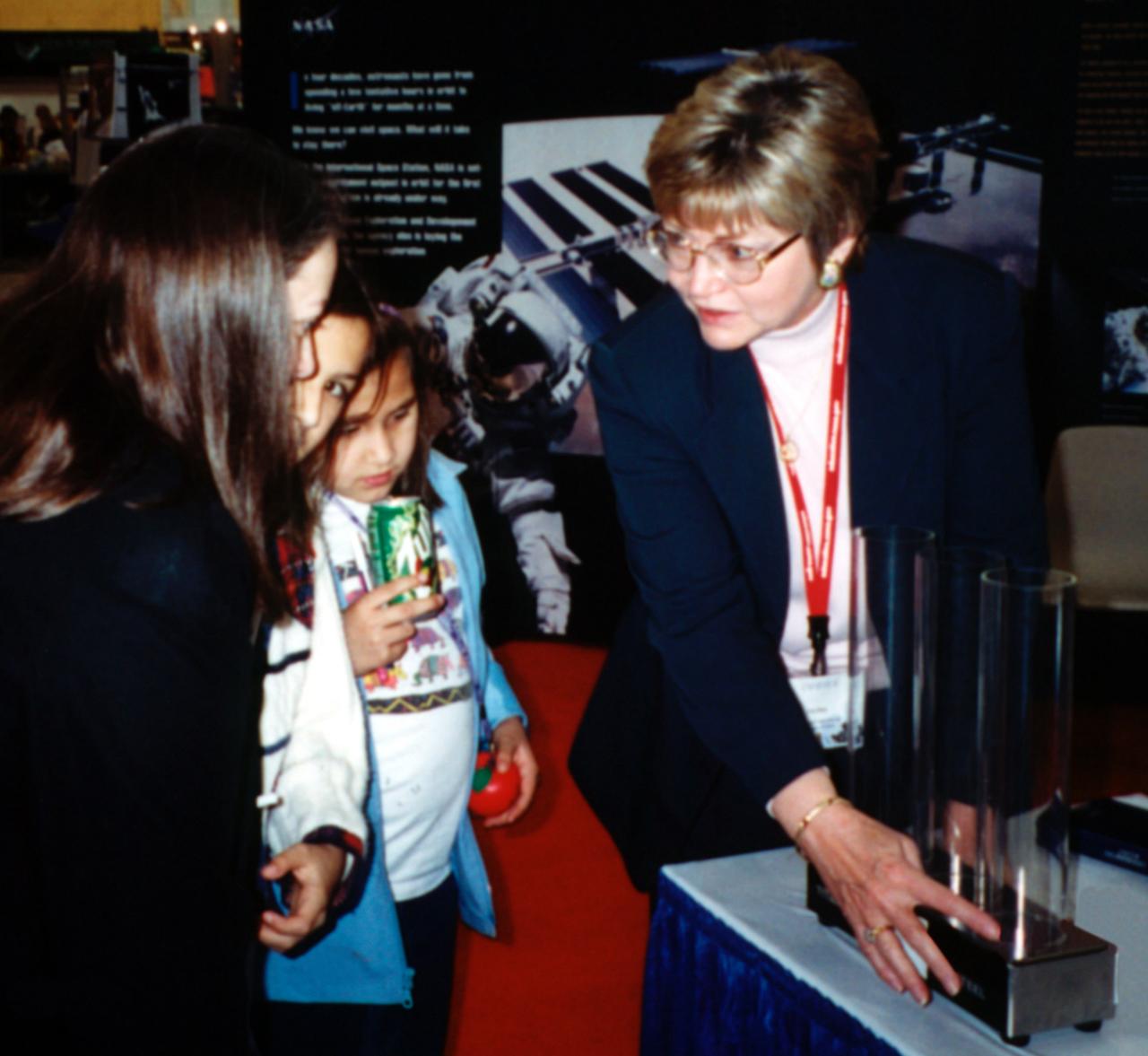
Pat Doty (right) of NASA/Marshall Space Flight Center (MSFC) demonstrates the greater bounce to the ounce of metal made from a supercooled bulk metallic glass alloy that NASA is studying in space experiments. The metal plates at the bottom of the plexiglass tubes are made of three different types of metal. Bulk metallic glass is more resilient and, as a result, the dropped ball bearing bounces higher. Experiments in space allow scientists to study fundamental properties that carnot be observed on Earth. This demonstration was at the April 2000 conference of the National Council of Teachers of Mathematics in Chicago. Photo credit: NASA/Marshall Space Flight Center (MSFC)
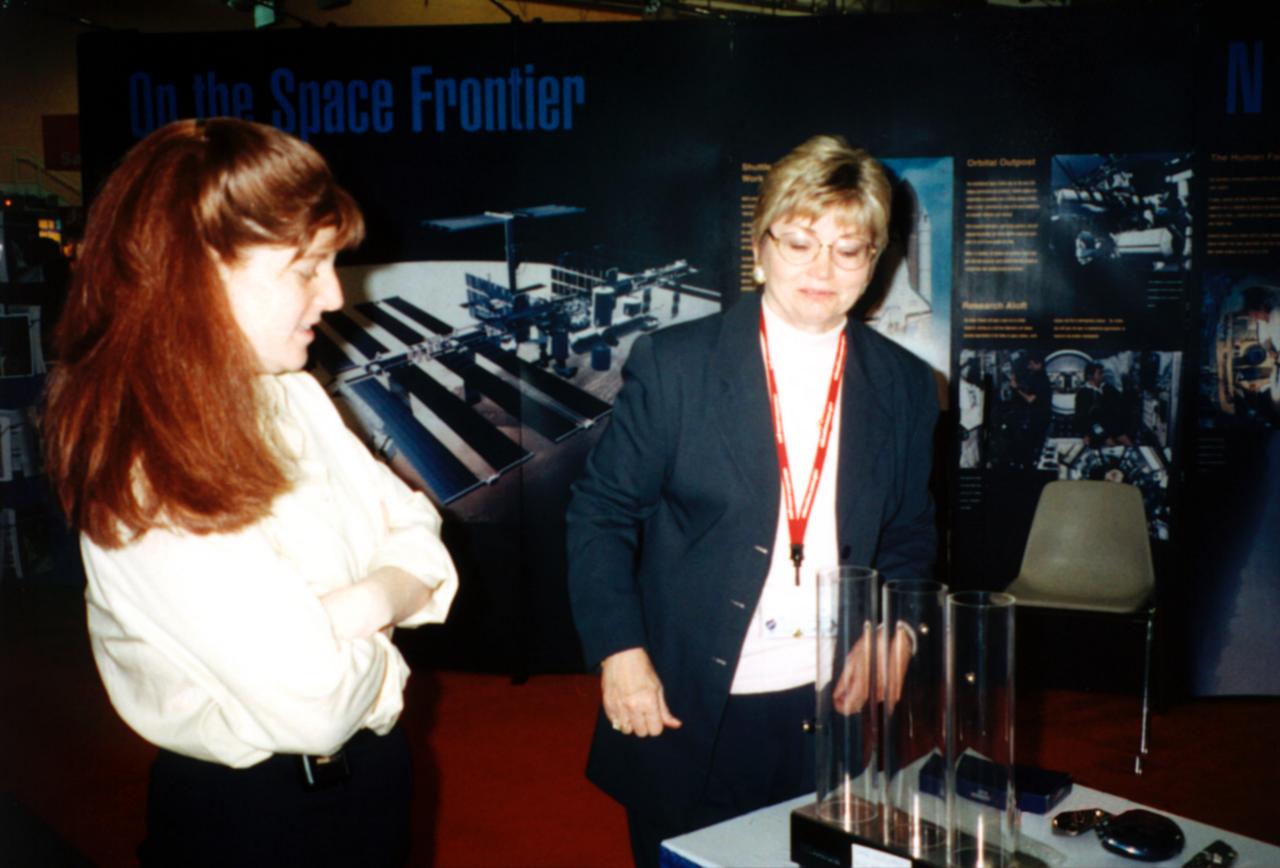
Pat Doty (right) of NASA/Marshall Space Flight Center (MSFC) demonstrates the greater bounce to the ounce of metal made from a supercooled bulk metallic glass alloy that NASA is studying in space expepriments. The metal plates at the bottom of plexiglass tubes are made of three different types of metal. Bulk mettalic glass is more resilient and, as a result, the dropped ball bearing bounces higher. Experiments in space allow scientists to study fundamental properties that carnot be observed on Earth. This demonstration was at the April 2000 conference of the National Council of Teachers of Mathematics (NCTM) in Chicago. Photo credit: NASA/Marshall Space Flight Center (MSFC)
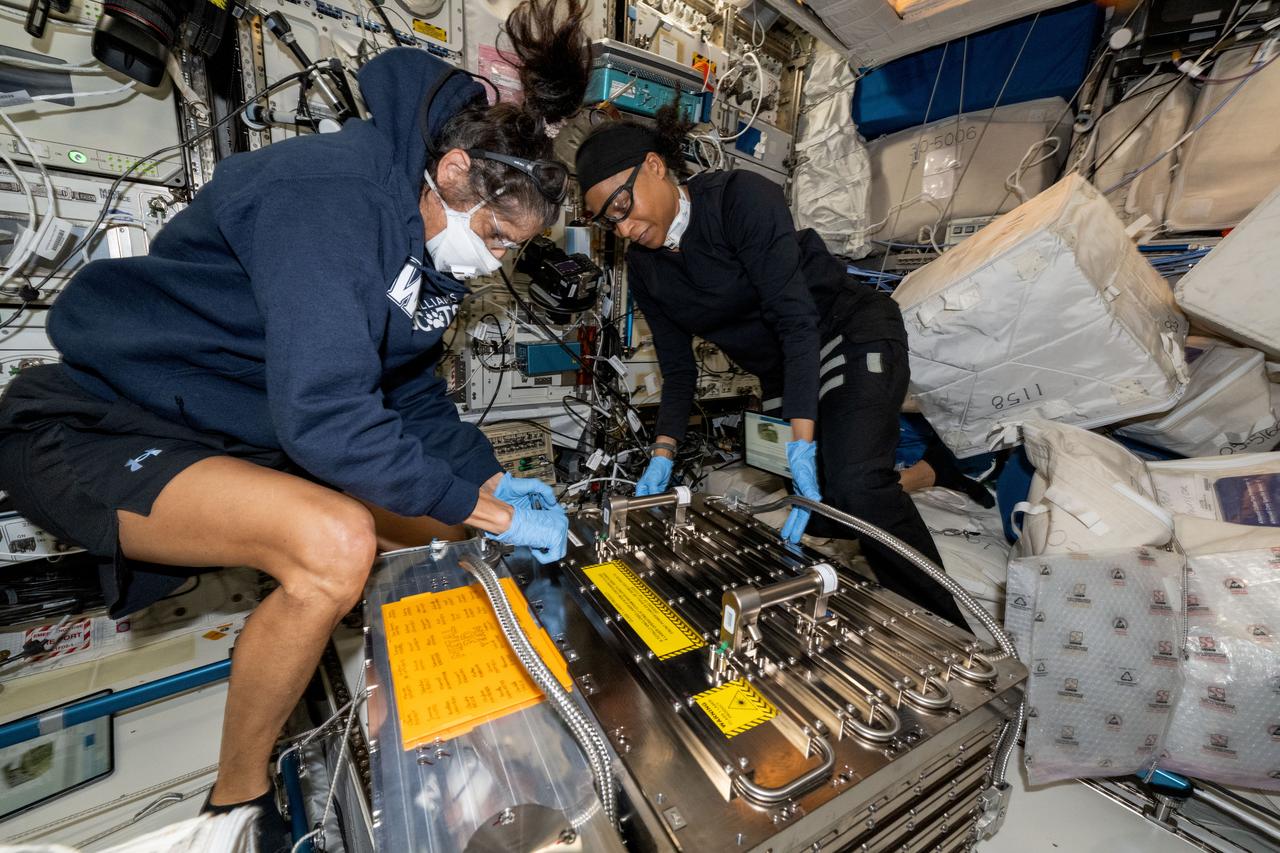
iss071e523326 (Aug. 21, 2024) --- NASA astronauts (from left) Suni Williams, Pilot for Boeing's Crew Flight Test, and Jeanette Epps, Expedition 71 Flight Engineer, configure the Metal 3D printer inside the Columbus laboratory module. They retrieved an experimental sample printed with stainless steel, replaced a substrate in the advanced manufacturing hardware, then reinstalled the 3D printer back in Columbus' European Drawer Rack-2. Researchers are exploring how the Metal 3D printer operates in the microgravity conditions of weightlessness and radiation as well as its ability to manufacture tools and parts on demand during space missions.
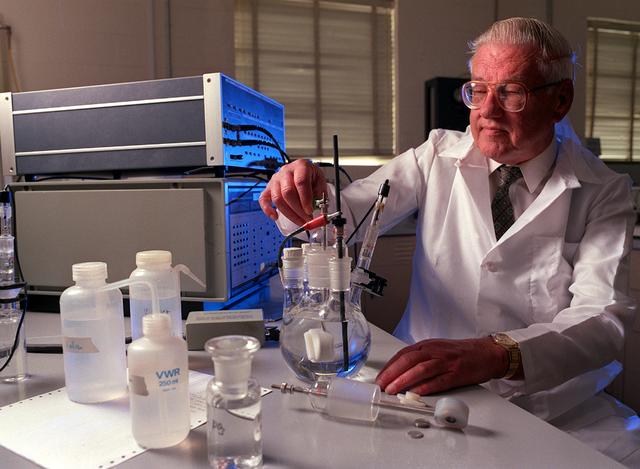
Marshall researcher studies hydrogen diffusion and corrosion effects on metals.
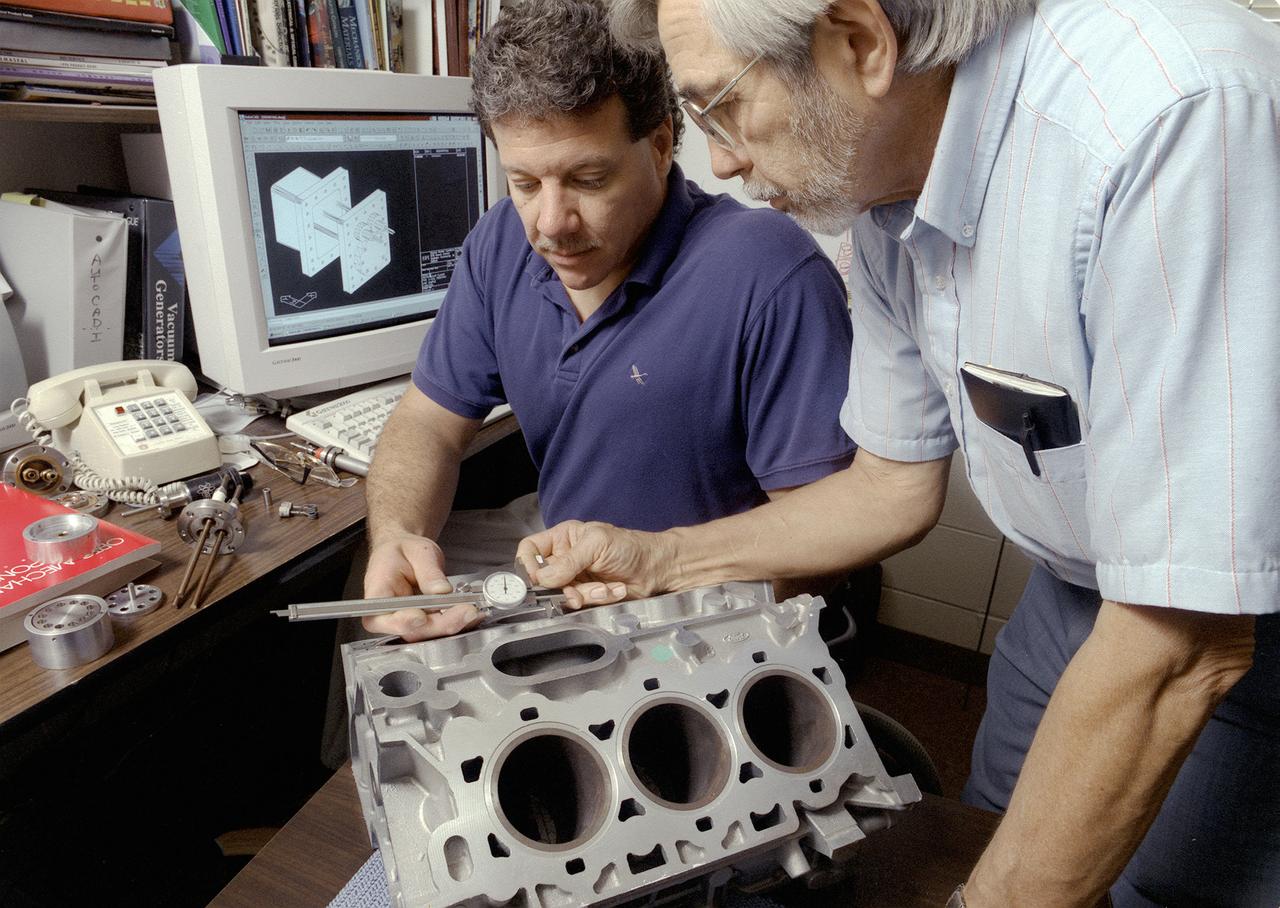
Don Sirois, an Auburn University research associate, and Bruce Strom, a mechanical engineering Co-Op Student, are evaluating the dimensional characteristics of an aluminum automobile engine casting. More accurate metal casting processes may reduce the weight of some cast metal products used in automobiles, such as engines. Research in low gravity has taken an important first step toward making metal products used in homes, automobiles, and aircraft less expensive, safer, and more durable. Auburn University and industry are partnering with NASA to develop one of the first accurate computer model predictions of molten metals and molding materials used in a manufacturing process called casting. Ford Motor Company's casting plant in Cleveland, Ohio is using NASA-sponsored computer modeling information to improve the casting process of automobile and light-truck engine blocks.
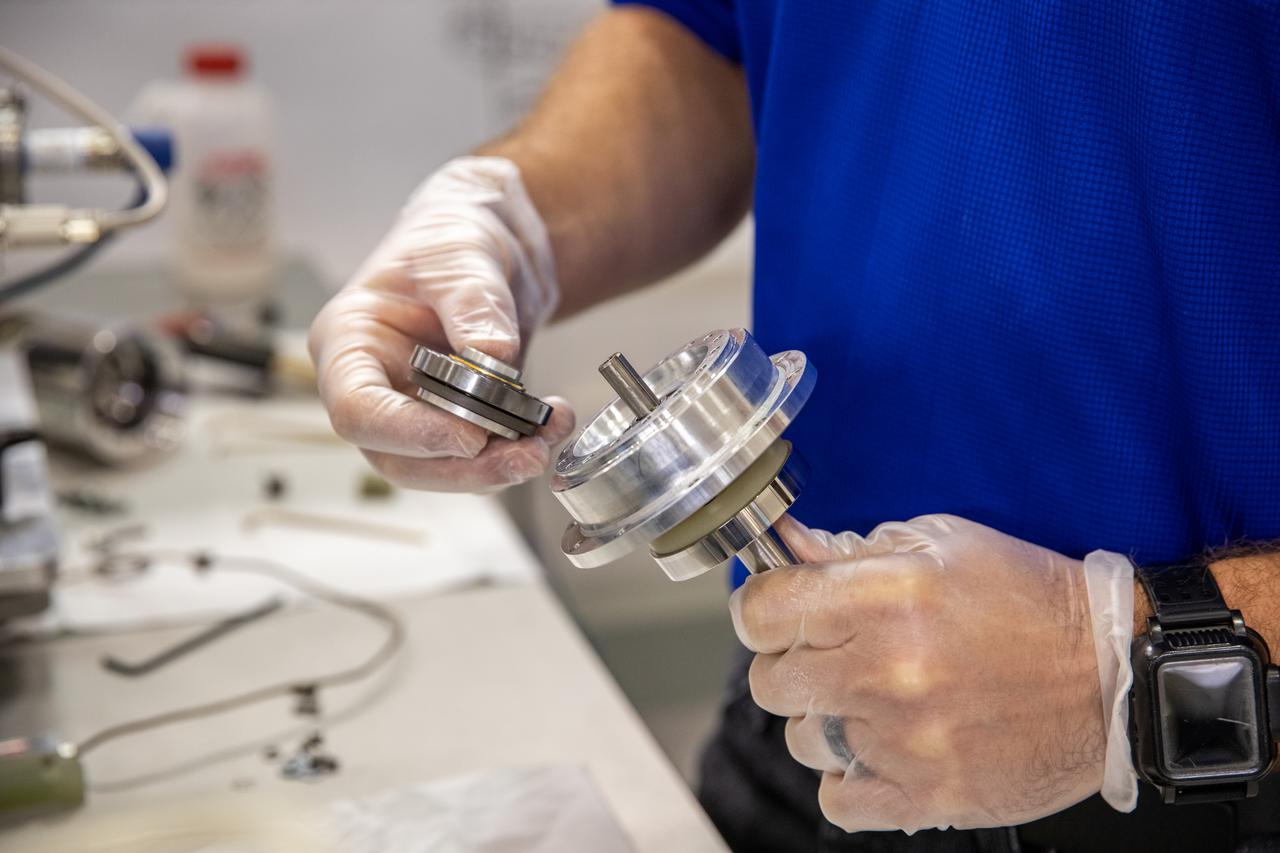
Drew Smith, a robotics engineer and lab manager with the Exploration Research and Technology programs at NASA's Kennedy Space Center, prepares a Bulk Metallic Glass Gear (BMGG) for ambient temperature tests in a vacuum inside a cryogenic cooler at Kennedy's Granular Mechanics and Regolith Operations lab on June 17, 2021. Made from a custom bulk metallic glass alloy, BMGGs could be used in heater-free gearboxes at extremely low temperatures in locations such as the Moon, Mars, and Europa, one of Jupiter’s moons. NASA’s Jet Propulsion Laboratory is working with commercial partners to create the gears.

Drew Smith, a robotics engineer and lab manager with the Exploration Research and Technology programs at NASA's Kennedy Space Center, prepares a Bulk Metallic Glass Gear (BMGG) for ambient temperature tests in a vacuum inside a cryogenic cooler at Kennedy's Granular Mechanics and Regolith Operations lab on June 17, 2021. Made from a custom bulk metallic glass alloy, BMGGs could be used in heater-free gearboxes at extremely low temperatures in locations such as the Moon, Mars, and Europa, one of Jupiter’s moons. NASA’s Jet Propulsion Laboratory is working with commercial partners to create the gears.
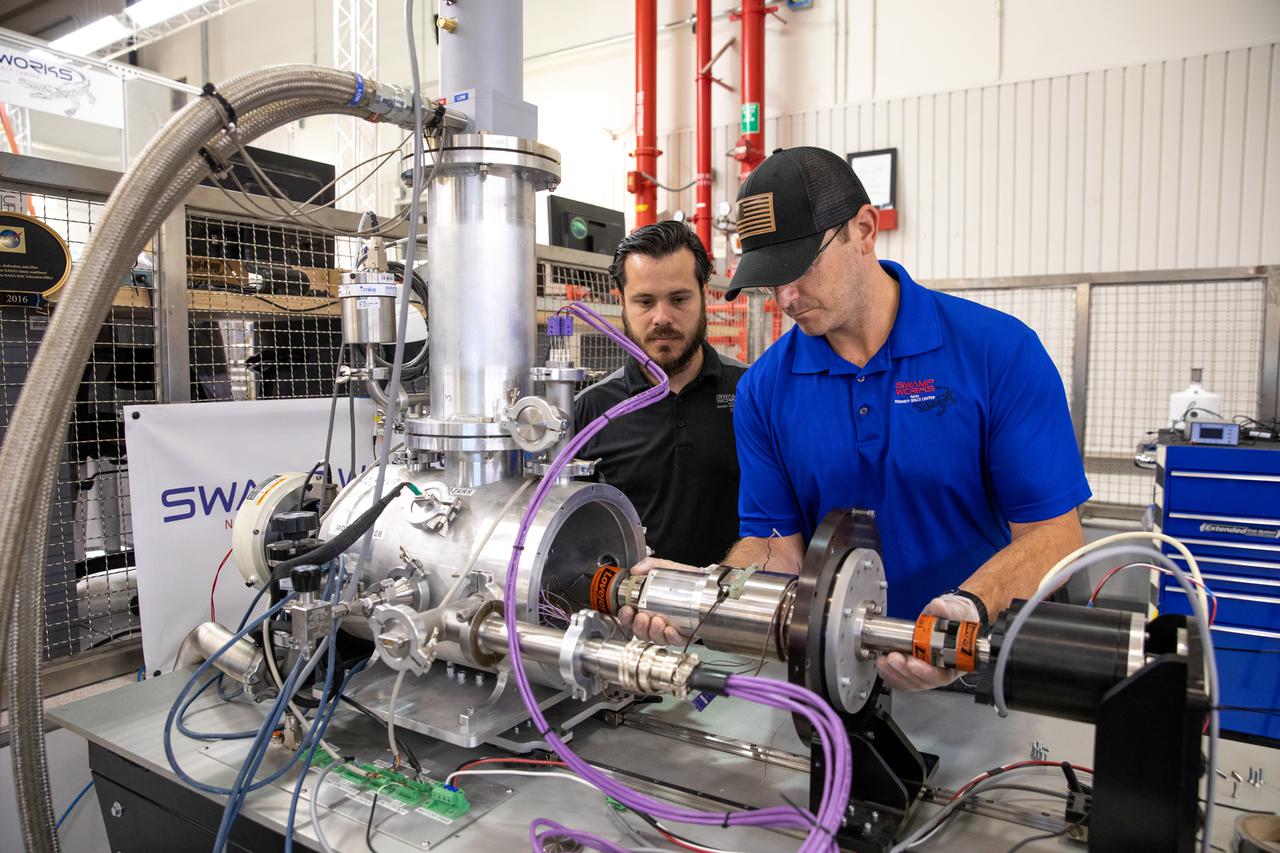
A.J. Nick, left, and Drew Smith, robotics engineers with the Exploration Research and Technology programs at NASA's Kennedy Space Center, test Bulk Metallic Glass Gears (BMGGs) in a vacuum inside a cryogenic cooler at Kennedy's Granular Mechanics and Regolith Operations lab on June 17, 2021. Made from a custom bulk metallic glass alloy, BMGGs could be used in heater-free gearboxes at extremely low temperatures in locations such as the Moon, Mars, and Europa, one of Jupiter’s moons. NASA’s Jet Propulsion Laboratory is working with commercial partners to create the gears.
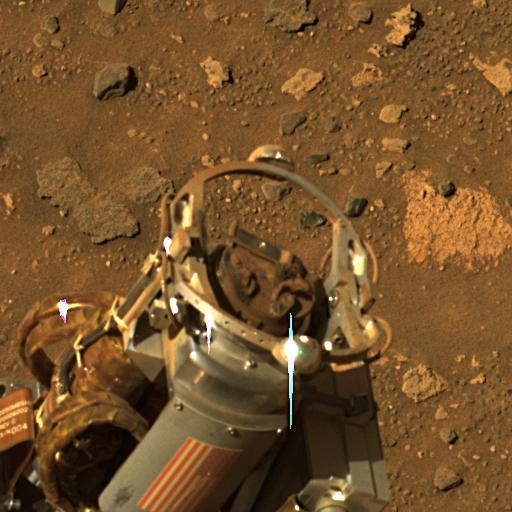
This image shows the round, metallic working end of the rock abrasion tool at the end of a metallic cylinder. The flat grinding face, attached brush, and much of the smooth, metallic exterior of cylinder are covered with a deep reddish-brown layer of dust
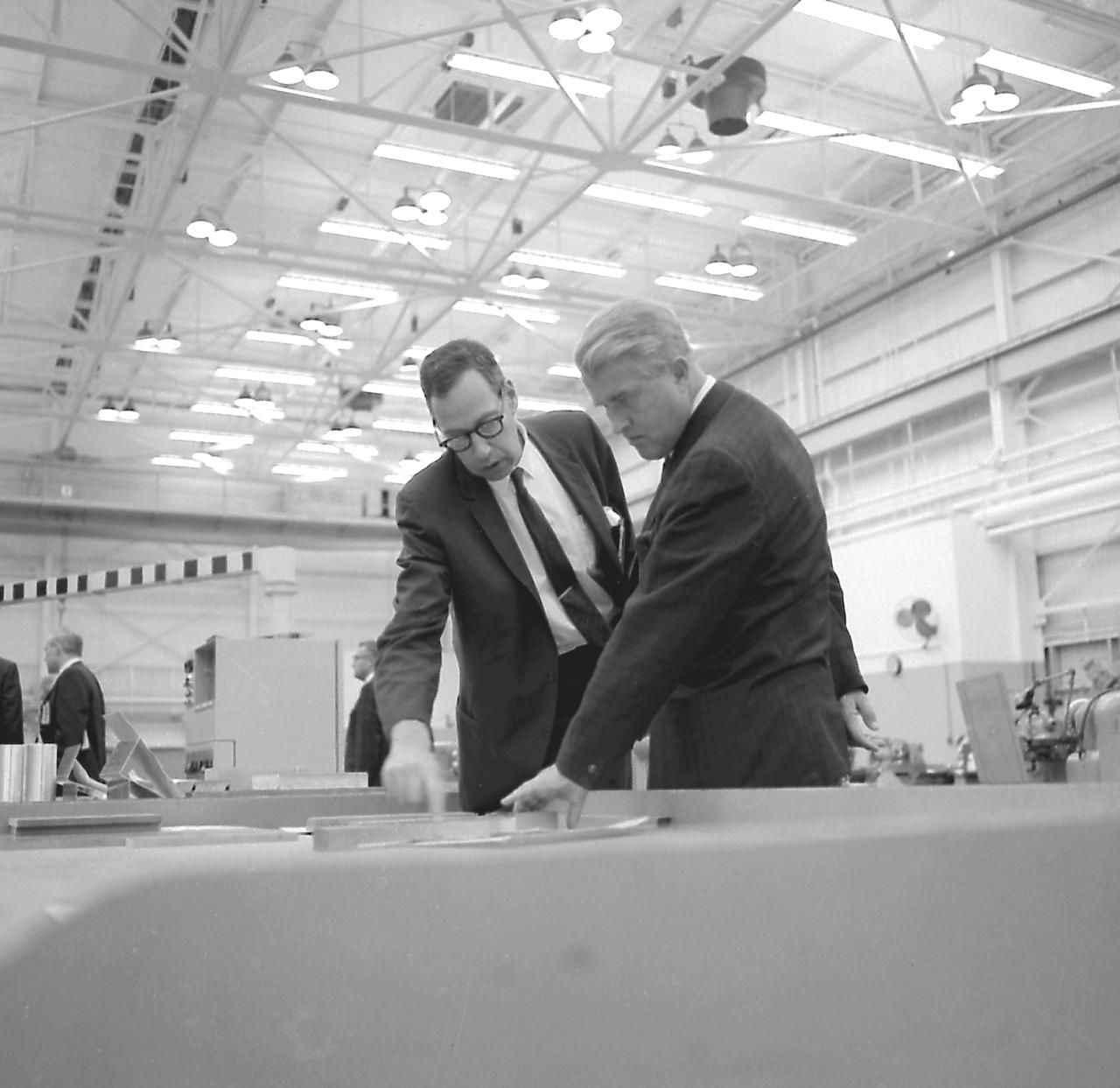
Dr. von Braun, Director of the Marshall Space Flight Center, listens attentively to a briefing on the metal forming techniques by Dr. Mathias Siebel of the Manufacturing and Engineering Laboratory at MSFC on October 17, 1967.
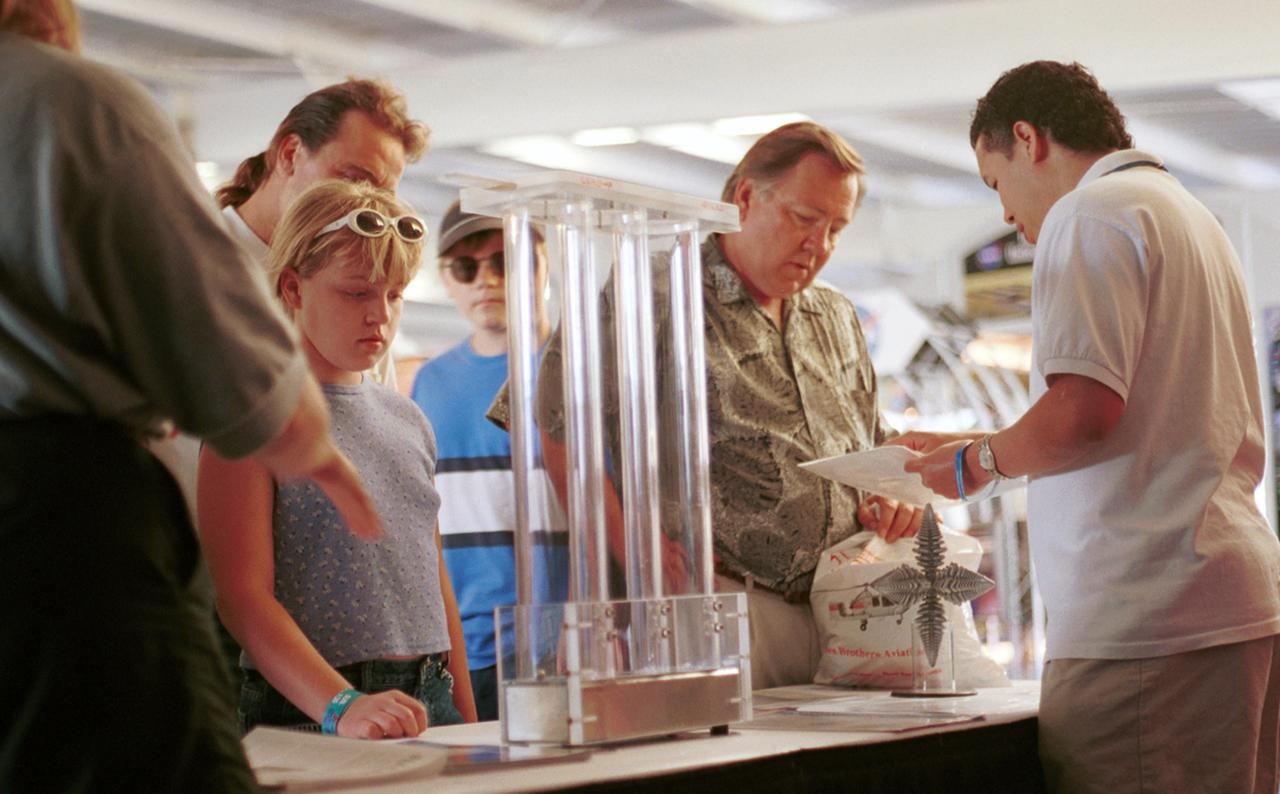
Paul Luz (right), an aerospace flight system engineer at NASA's Marshall Space Flight Center (MSFC), discusses microgravity research with a visitor at AirVenture 2000. Part of the NASA exhibits included demonstration of knowledge gained from micorgravity research aboard the Space Shuttle. These include liquid metal (Liquid metal demonstrator is three plastic drop tubes at center) and dendritic growth (in front of Luz), both leading to improvements in processes on Earth. The exhibit was part of the NASA outreach activity at AirVenture 2000 sponsored by the Experimental Aircraft Association in Oshkosh, WI.
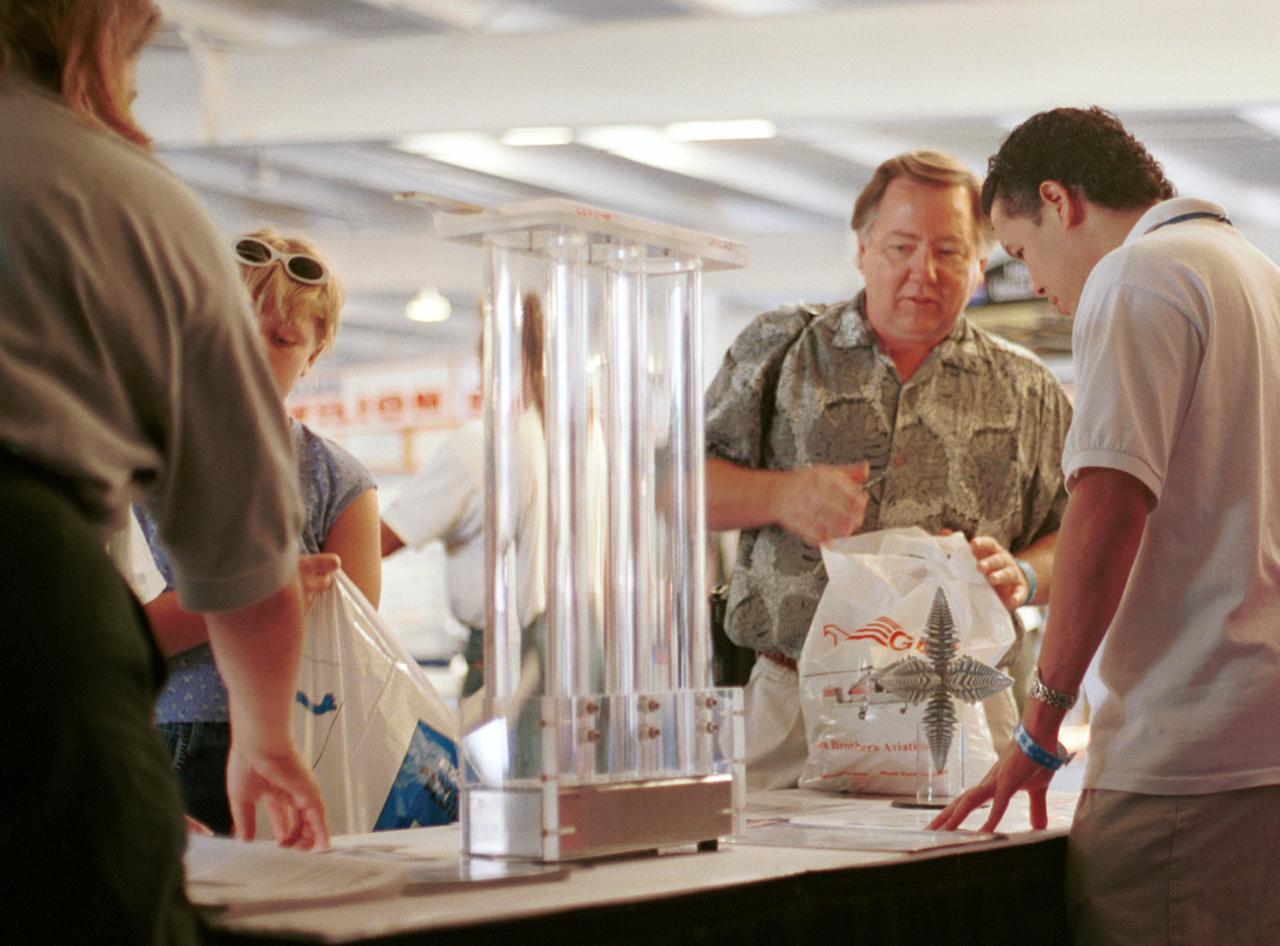
Paul Luz (right), an aerospace flight systems engineer at NASA's Marshall Space Flight Center (MSFC), takes a question from a visitor as they discuss microgravity research at AirVenture 2000. Part of the NASA exhibits included demonstrations of knowledge gained from microgravity research aboard the Space Shuttle. These include liquid metal (liquid metal demonstrator is three plastic drop tubes at center) and dendritic growth (in front of Luz), both leading to improvements in processes of Earth. The exhibit was part of the NASA outreach activity at AirVenture 2000 sponsored by the Experimental Aircraft Association in Oshkosh, WI.
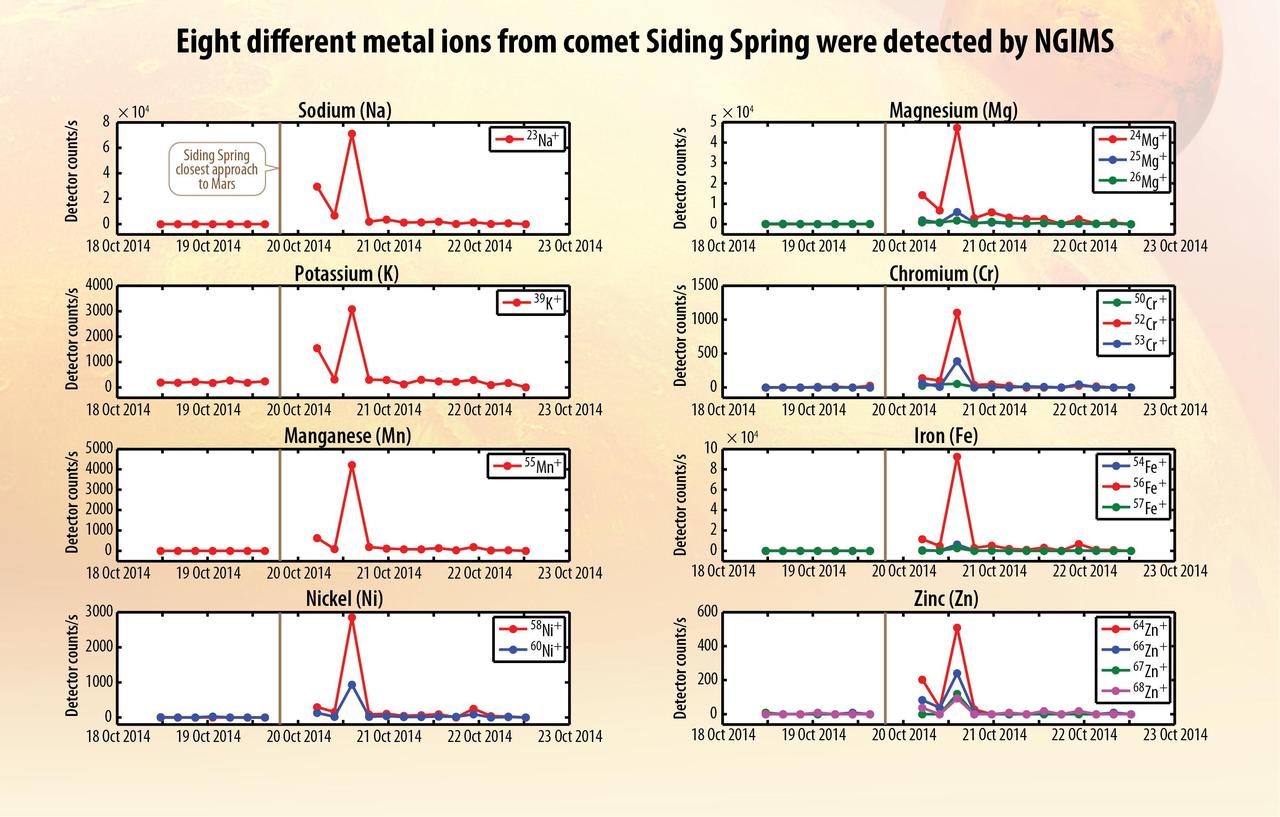
These eight graphs present data from the Neutral Gas and Ion Mass Spectrometer on NASA MAVEN orbiter identifying ions of different metals added to the Martian atmosphere shortly after comet C/2013 A1 Siding Spring sped close to Mars.
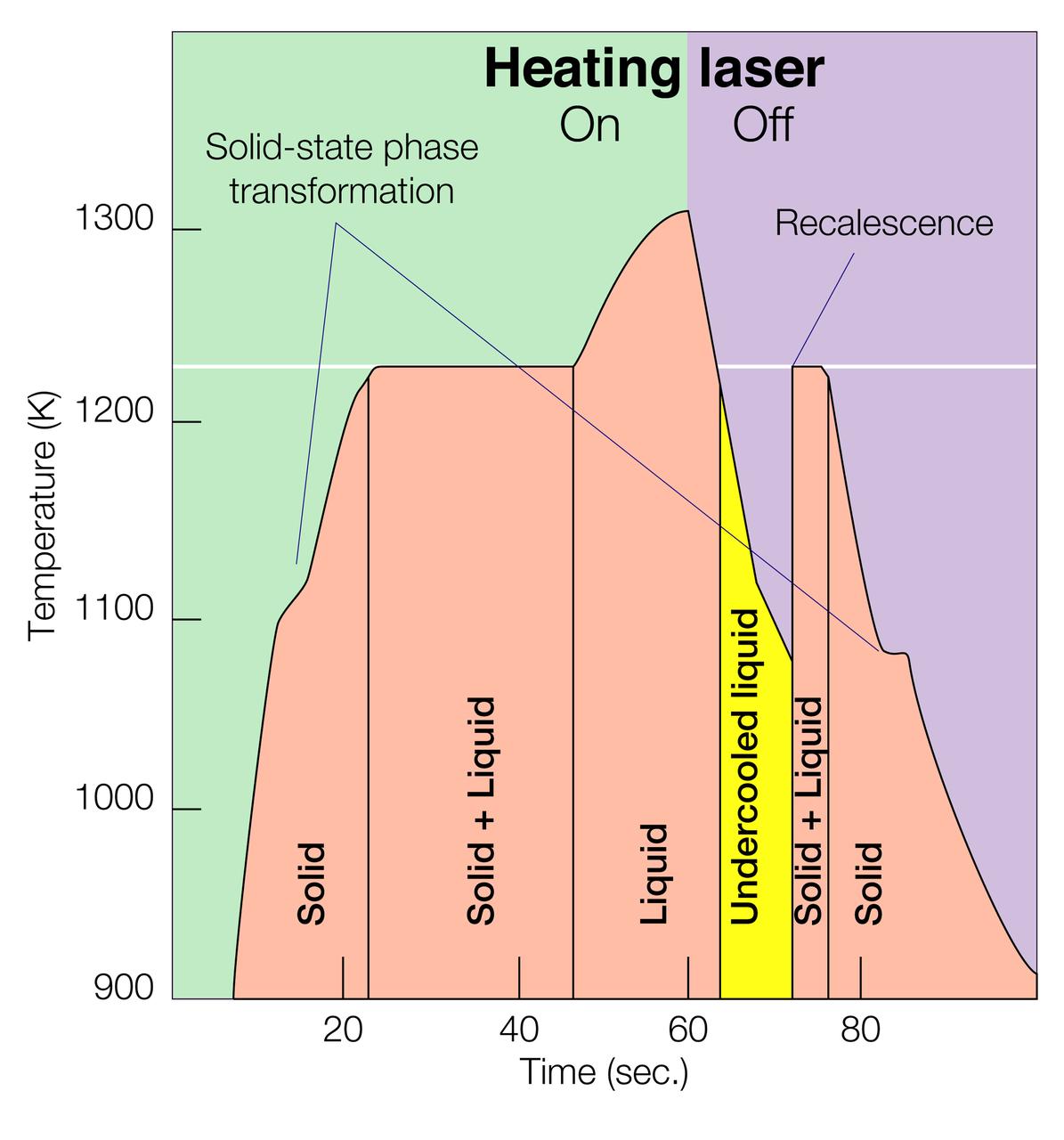
Graph depicting Electrostatic Levitator (ESL) heating and cooling cycle to achieve undercooling of liquid metals. The ESL uses static electricity to suspend an object (about 3-4 mm in diameter) inside a vacuum chamber while a laser heats the sample until it melts. This lets scientists record a wide range of physical properties without the sample contracting the container or any instruments, conditions that would alter the readings. The electrostatic Levitator is one of several tools used in NASA's microgravity matierials sciences program.
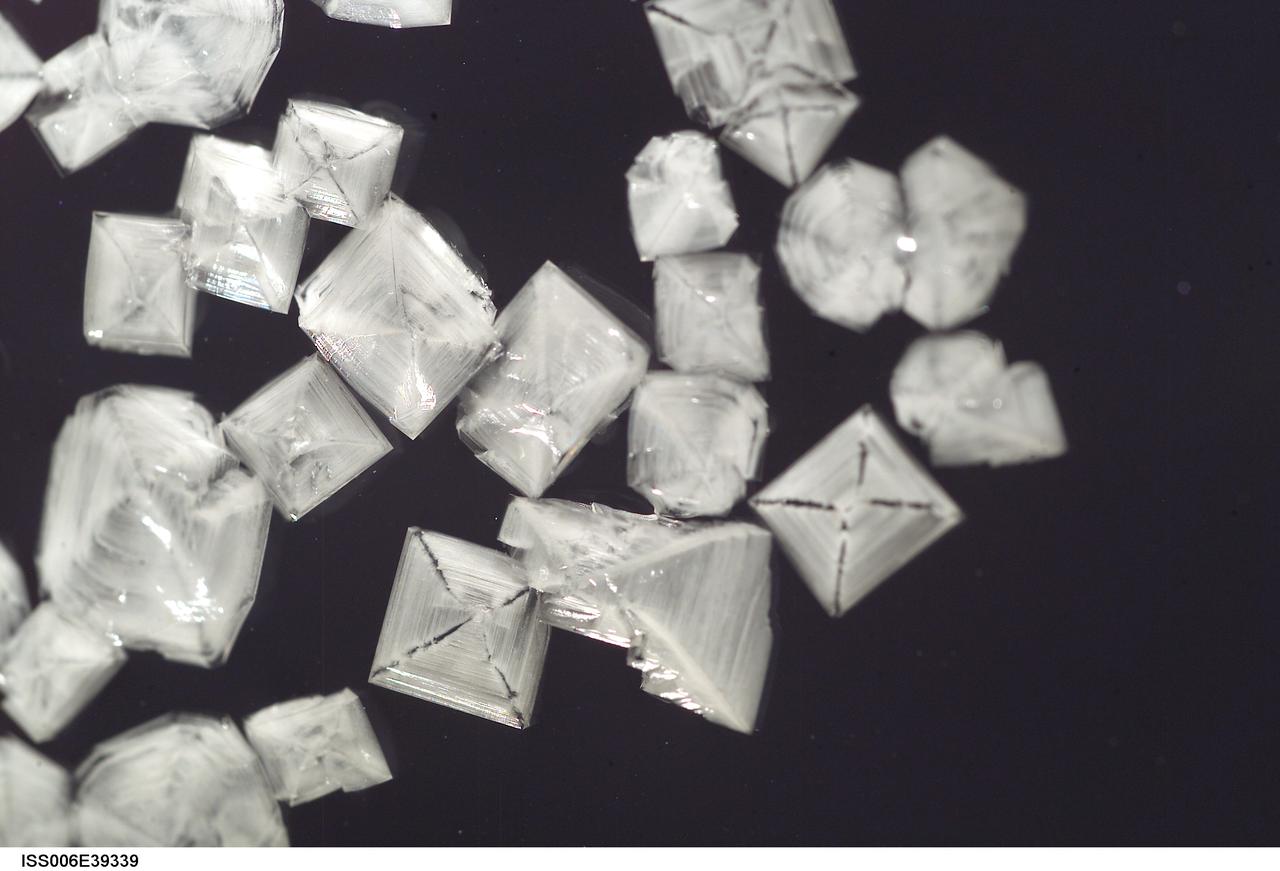
ISS006-E-39339 (15 March 2003) --- A close up view of sodium chloride crystals in a water bubble within a 50-millimeter metal loop was photographed by an Expedition Six crewmember. The experiment took place in the Destiny laboratory on the International Space Station (ISS).
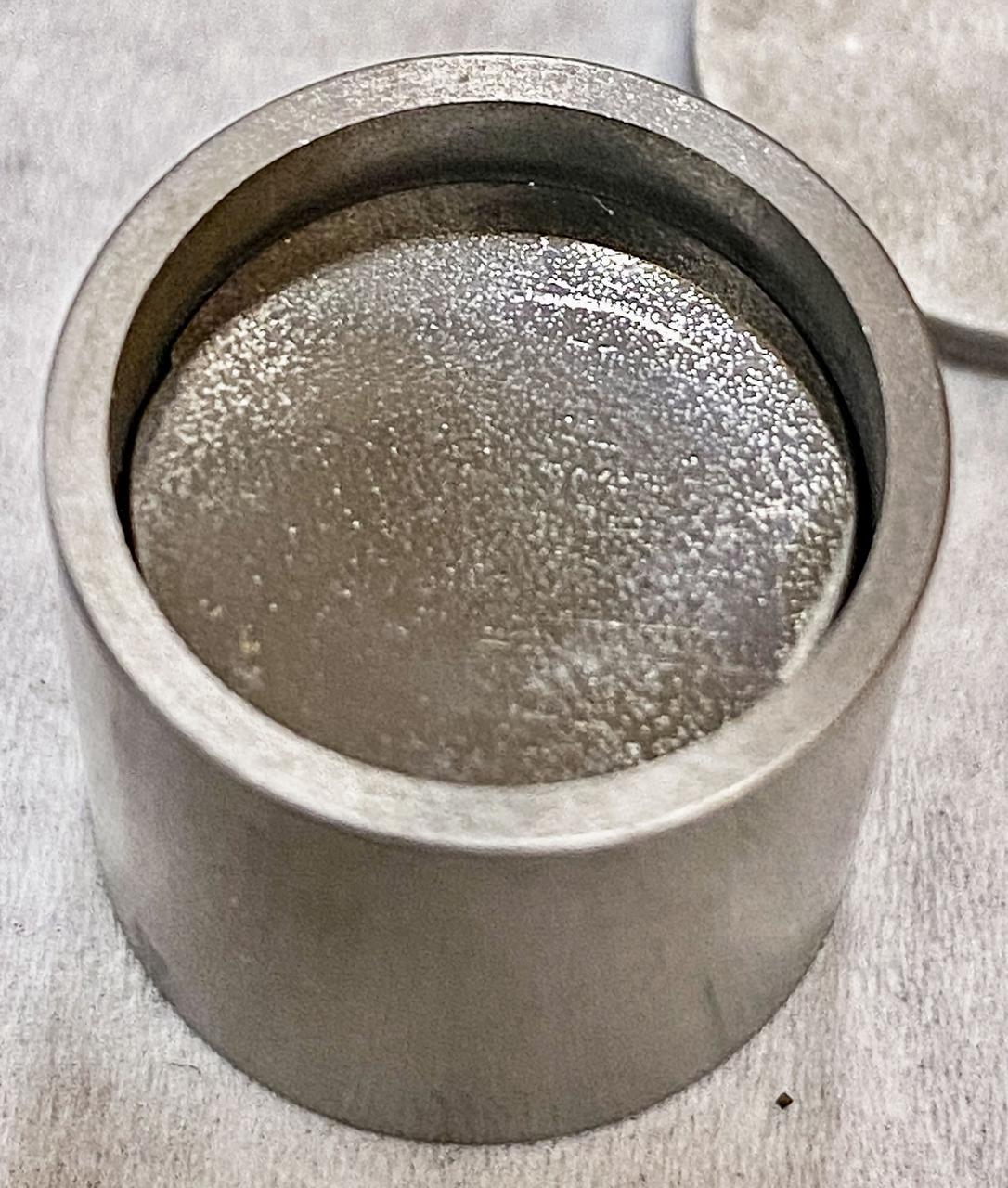
jsc2022e072974 (4/15/2022) --- A preflight sample from the Fabrication of Amorphous Metals in Space (MSL SCA-FAMIS) investigation shows tungsten spheres embedded in a glass-forming alloy loaded into a tungsten crucible. Image courtesy of Douglas Hofmann, NASA JPL/Caltech.
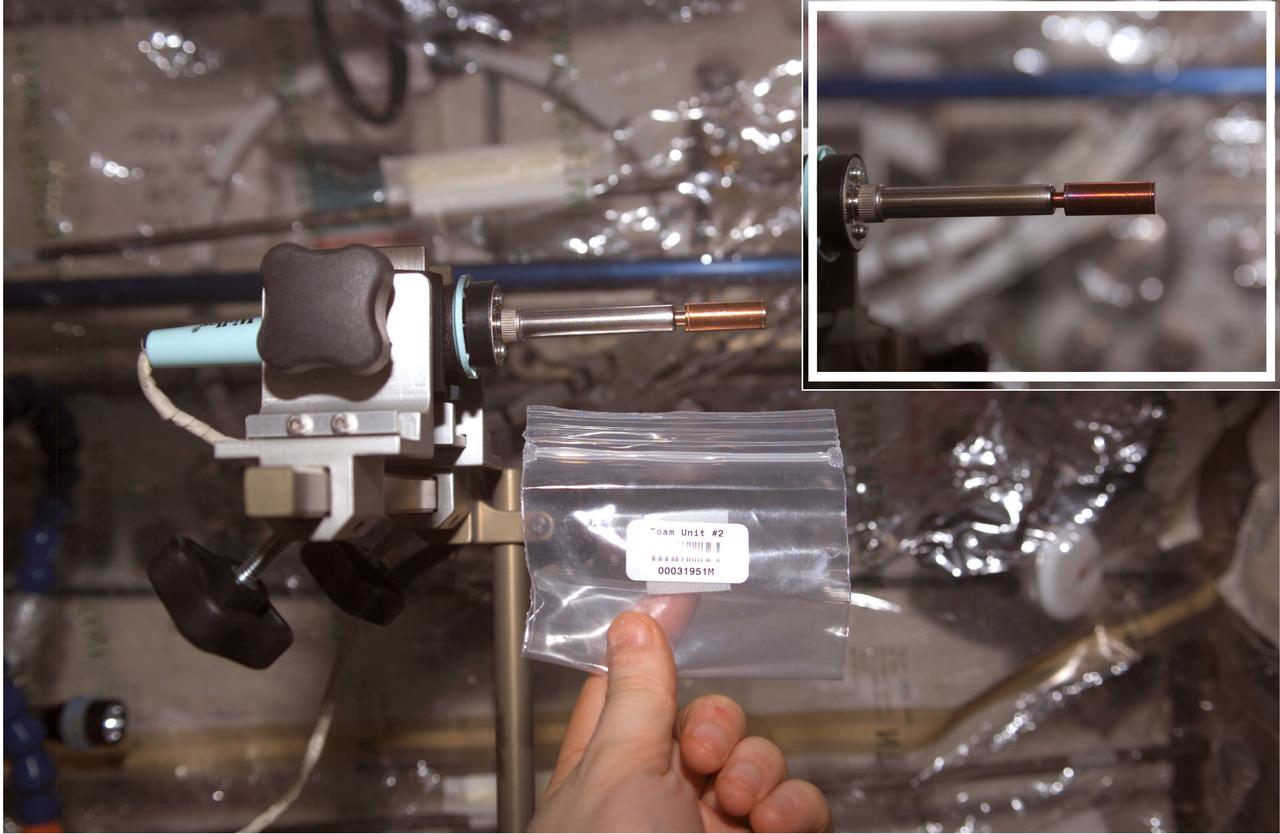
This soldering iron has an evacuated copper capsule at the tip that contains a pellet of Bulk Metallic Glass (BMG) aboard the International Space Station (ISS). Prior to flight, researchers sealed a pellet of bulk metallic glass mixed with microscopic gas-generating particles into the copper ampoule under vacuum. Once heated in space, such as in this photograph, the particles generated gas and the BMG becomes a viscous liquid. The released gas made the sample foam within the capsule where each microscopic particle formed a gas-filled pore within the foam. The inset image shows the oxidation of the sample after several minutes of applying heat. Although hidden within the brass sleeve, the sample retained the foam shape when cooled, because the viscosity increased during cooling until it was solid.
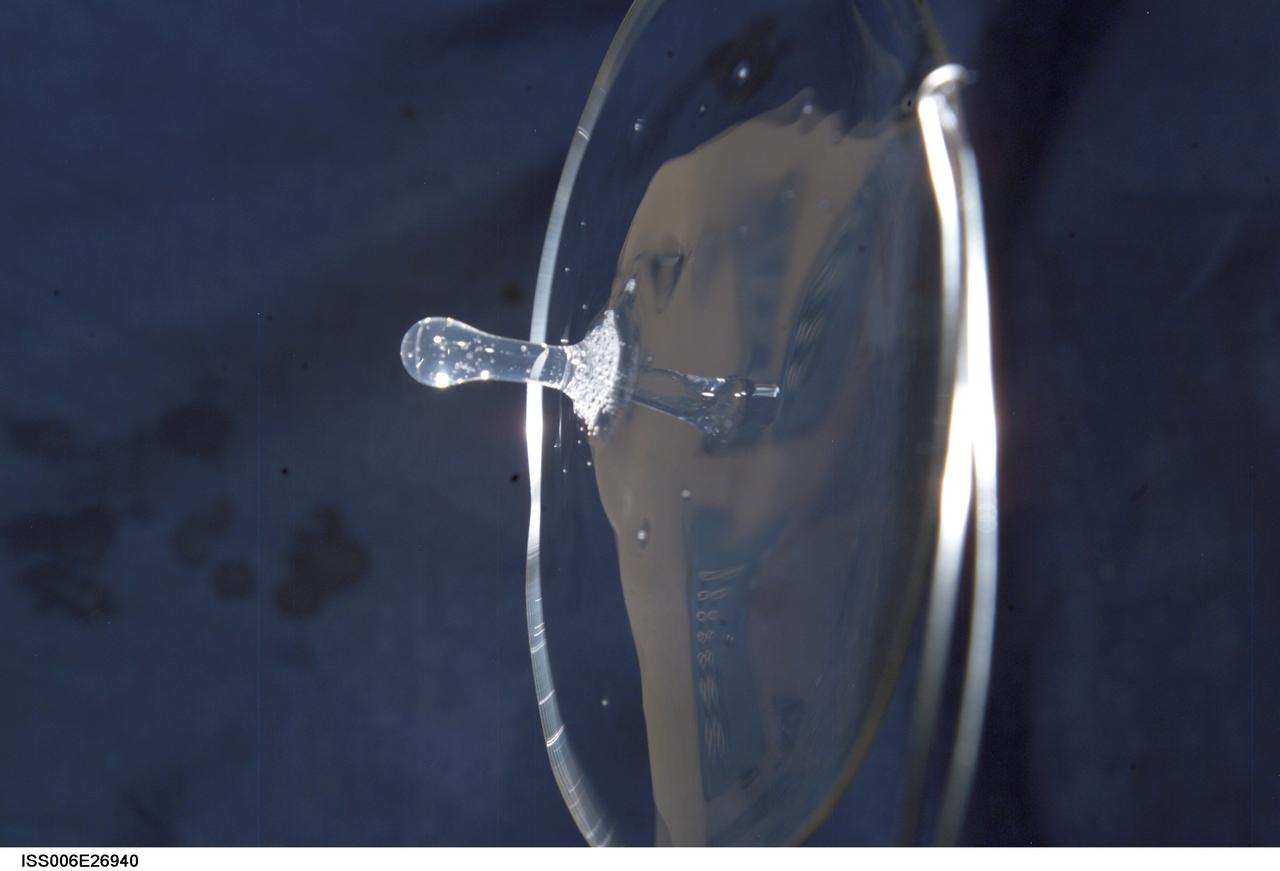
ISS006-E-26940 (16 February 2003) --- View of surface tension demonstration using water that is being held in place by a metal loop. Astronaut Donald R. Pettit, Expedition Six NASA ISS science officer, photographed these demonstrations for educational purposes. The experiment took place in the Destiny laboratory on the International Space Station (ISS).
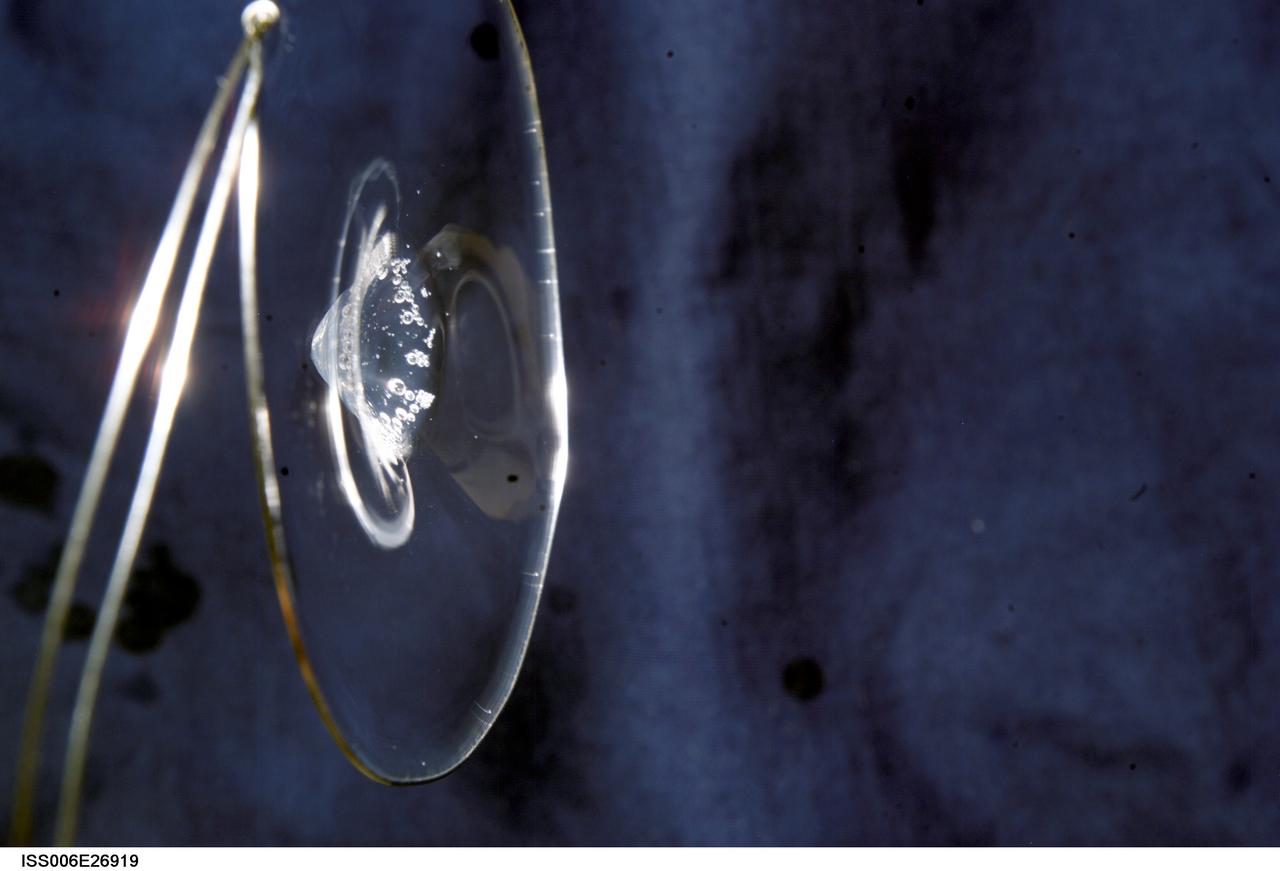
ISS006-E-26919 (16 February 2003) --- View of surface tension demonstration using water that is being held in place by a metal loop. Astronaut Donald R. Pettit, Expedition Six NASA ISS science officer, photographed these demonstrations for educational purposes. The experiment took place in the Destiny laboratory on the International Space Station (ISS).
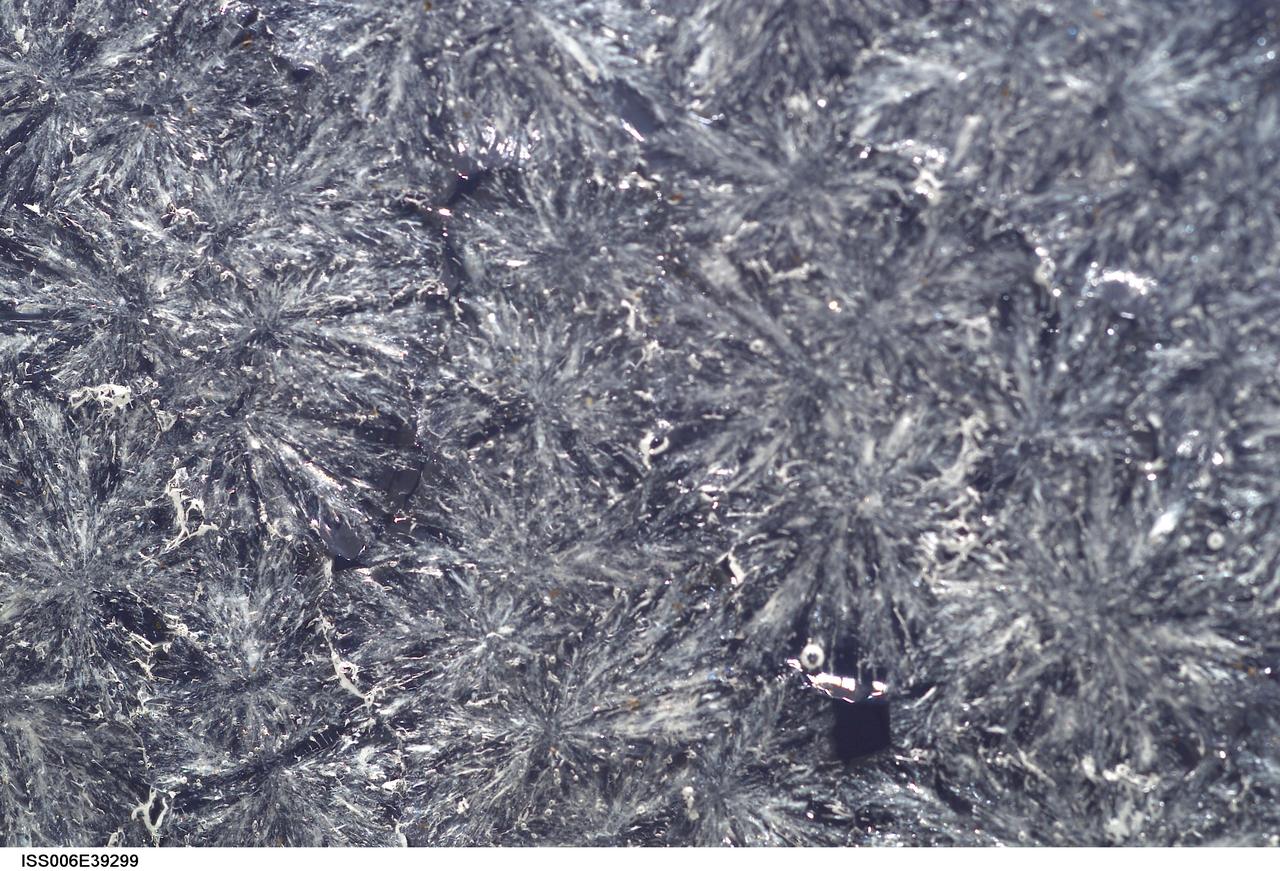
ISS006-E-39299 (15 March 2003) --- A close up view of sugar crystals in a water bubble within a 50-millimeter (mm) metal loop was photographed by an Expedition Six crewmember. The experiment took place in the Destiny laboratory on the International Space Station (ISS).
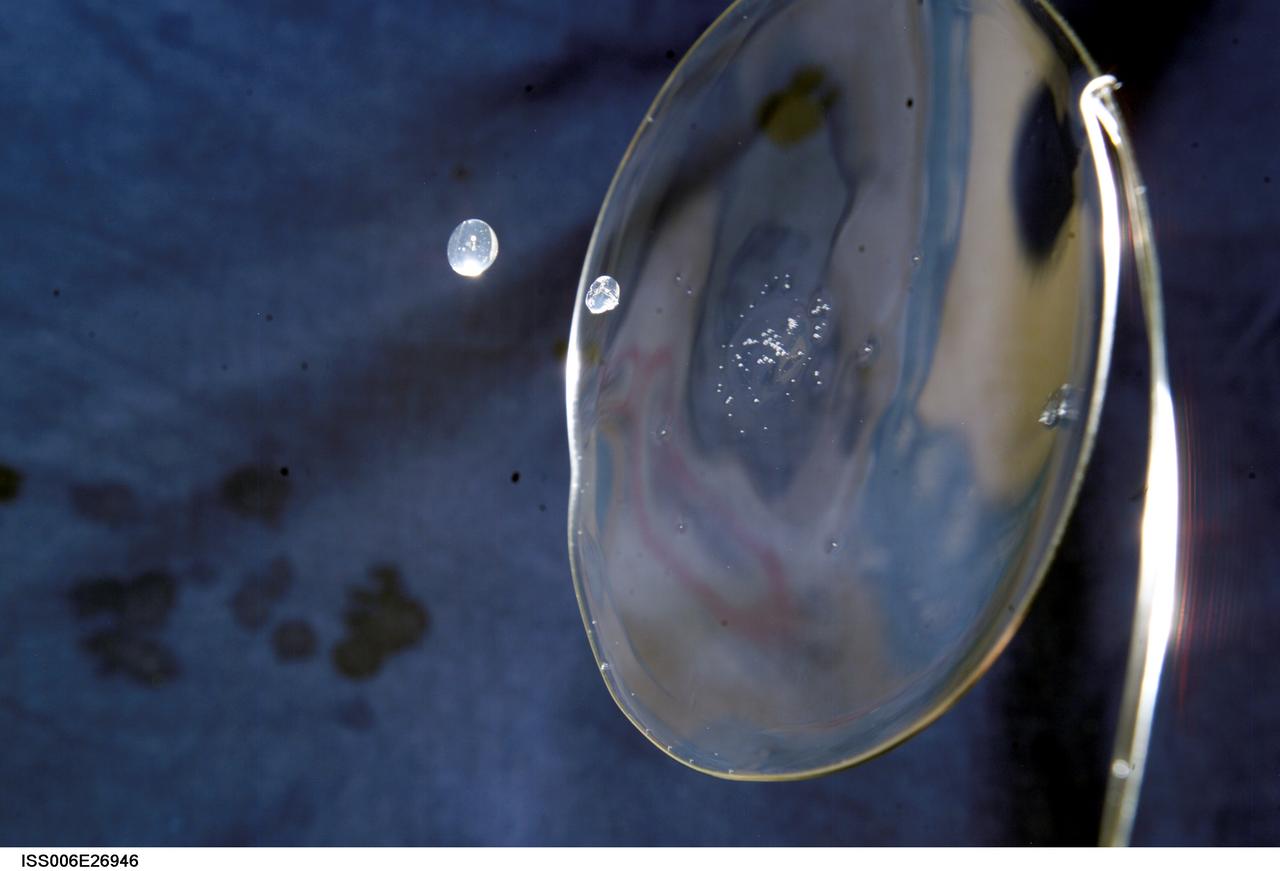
ISS006-E-26946 (16 February 2003) --- View of surface tension demonstration using water that is being held in place by a metal loop. Astronaut Donald R. Pettit, Expedition Six NASA ISS science officer, photographed these demonstrations for educational purposes. The experiment took place in the Destiny laboratory on the International Space Station (ISS).
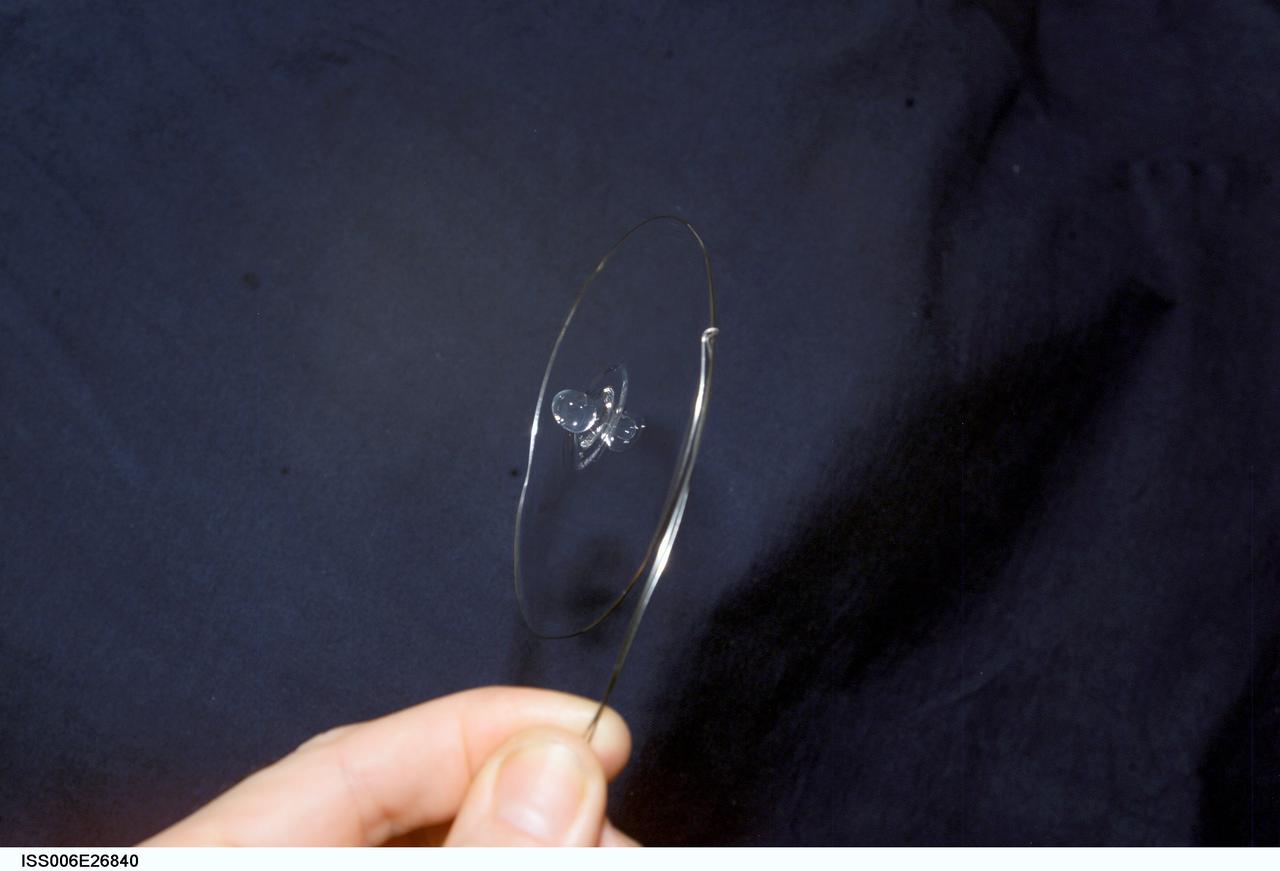
ISS006-E-26840 (16 February 2003) --- View of surface tension demonstration using water that is being held in place by a metal loop. Astronaut Donald R. Pettit, Expedition Six NASA ISS science officer, photographed these demonstrations for educational purposes. The experiment took place in the Destiny laboratory on the International Space Station (ISS).
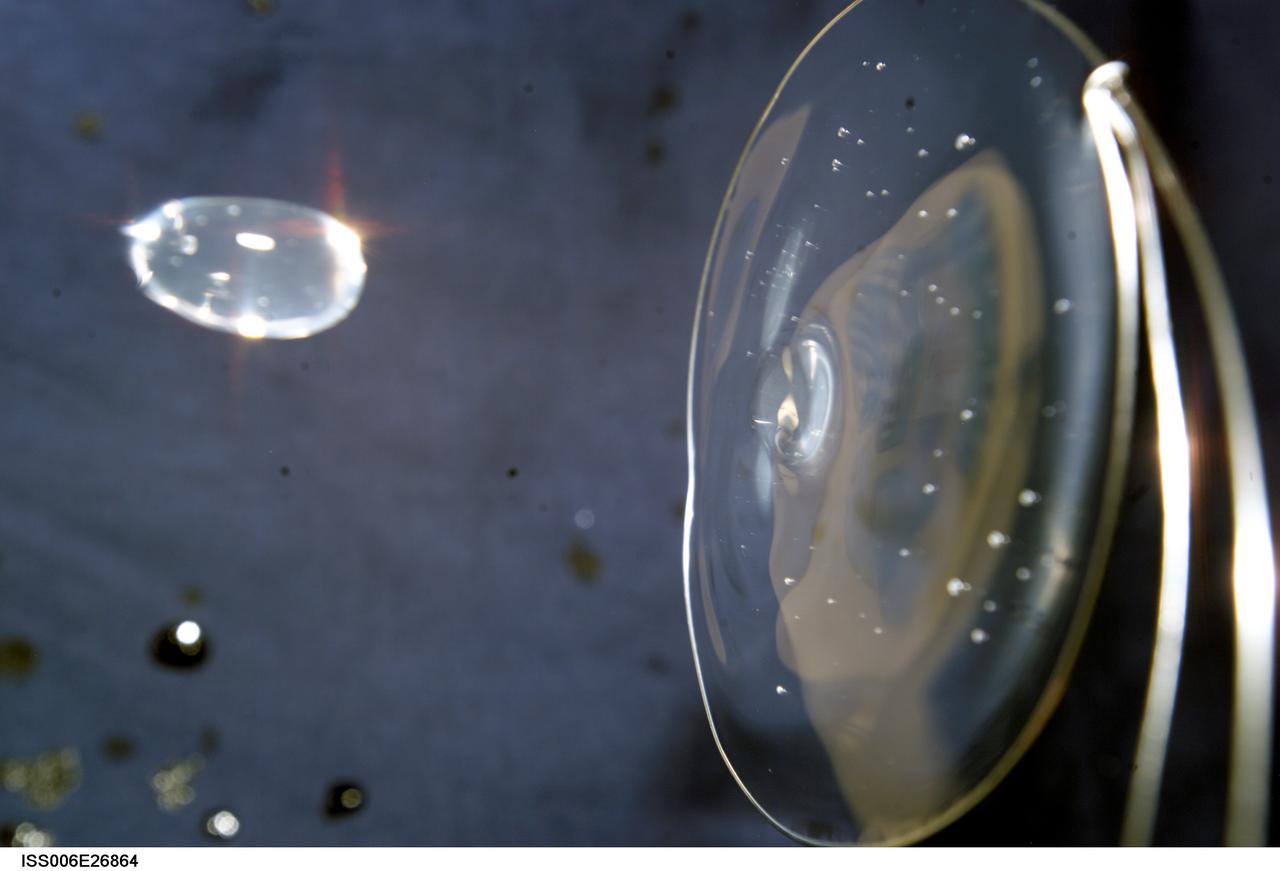
ISS006-E-26864 (16 February 2003) --- View of surface tension demonstration using water that is being held in place by a metal loop. Astronaut Donald R. Pettit, Expedition Six NASA ISS science officer, photographed these demonstrations for educational purposes. The experiment took place in the Destiny laboratory on the International Space Station (ISS).
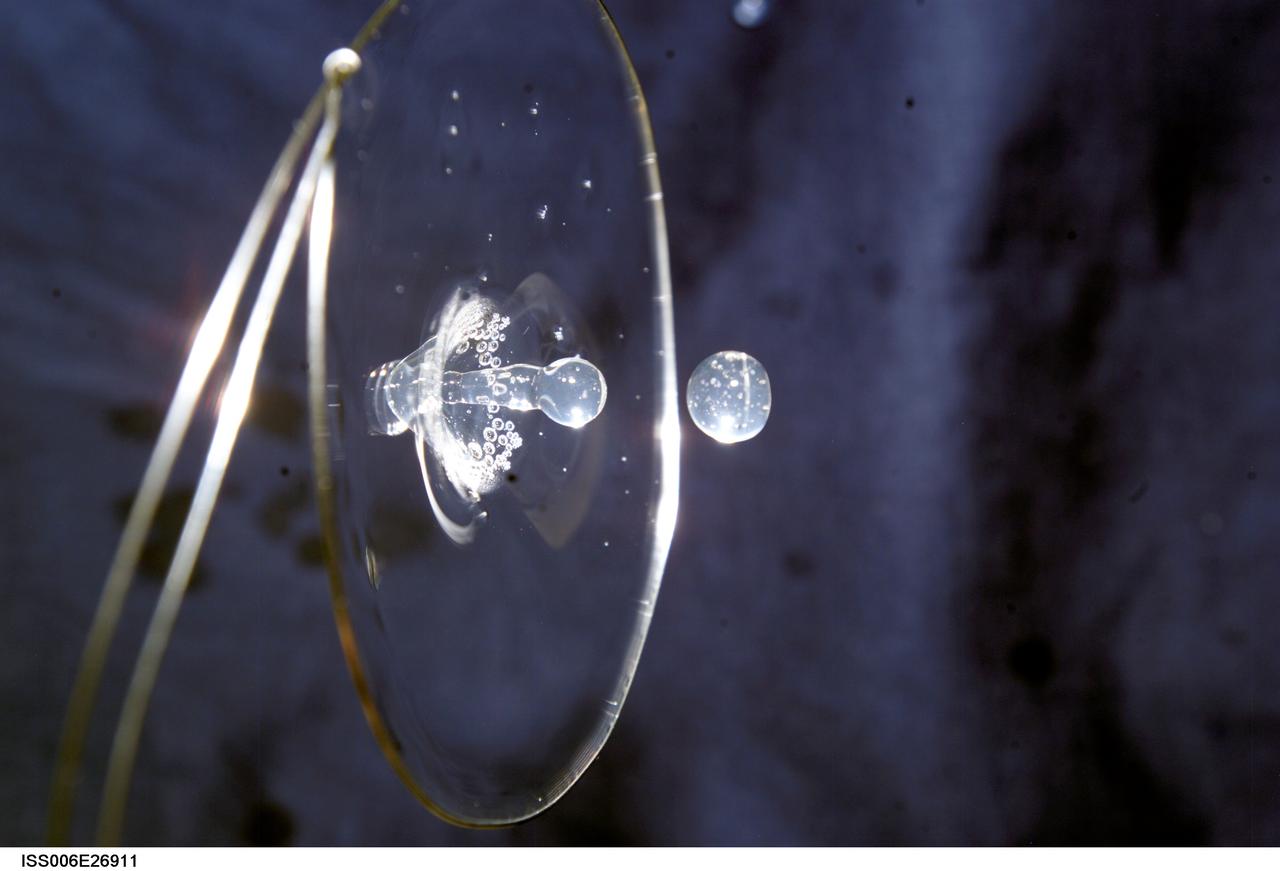
ISS006-E-26911 (16 February 2003) --- View of surface tension demonstration using water that is being held in place by a metal loop. Astronaut Donald R. Pettit, Expedition Six NASA ISS science officer, photographed these demonstrations for educational purposes. The experiment took place in the Destiny laboratory on the International Space Station (ISS).
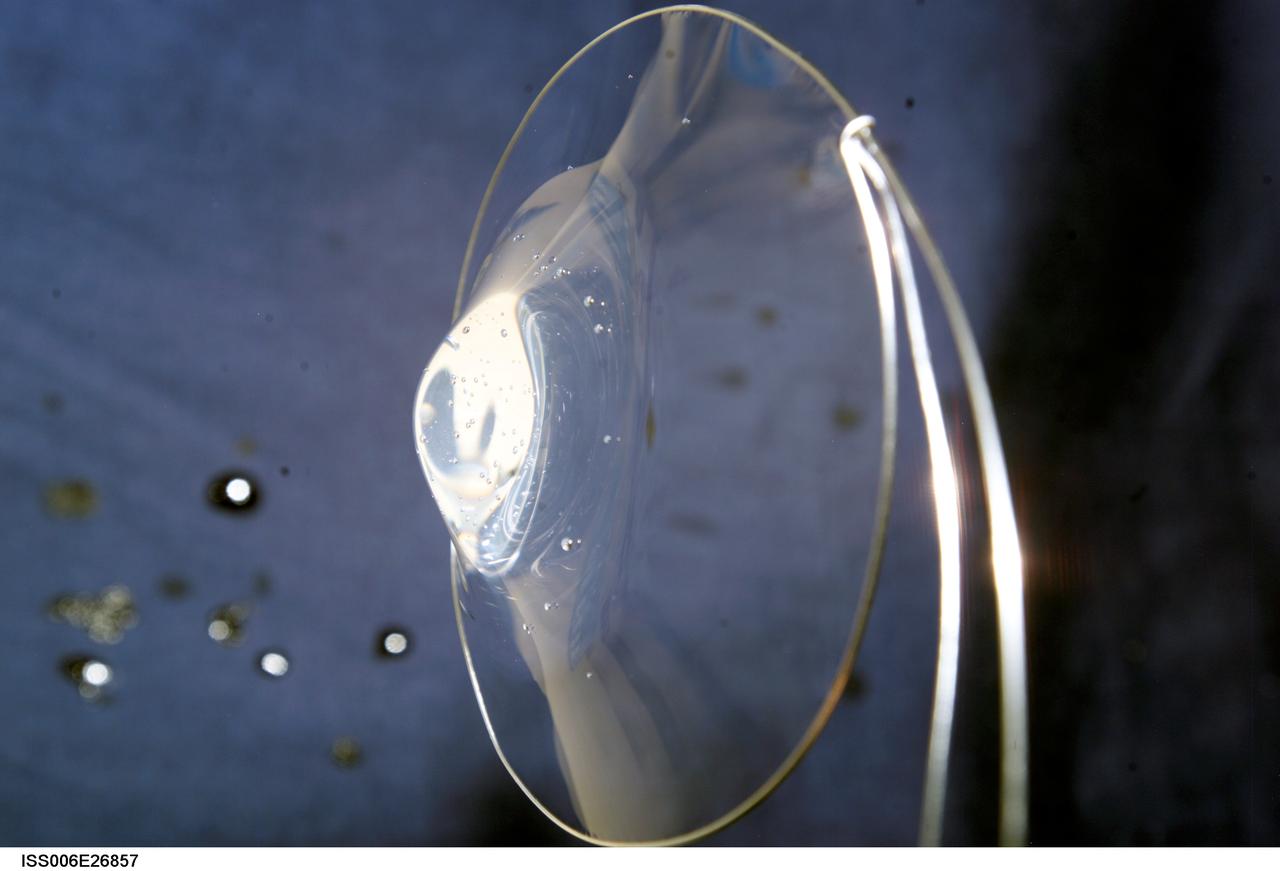
ISS006-E-26857 (16 February 2003) --- View of surface tension demonstration using water that is being held in place by a metal loop. Astronaut Donald R. Pettit, Expedition Six NASA ISS science officer, photographed these demonstrations for educational purposes. The experiment took place in the Destiny laboratory on the International Space Station (ISS).
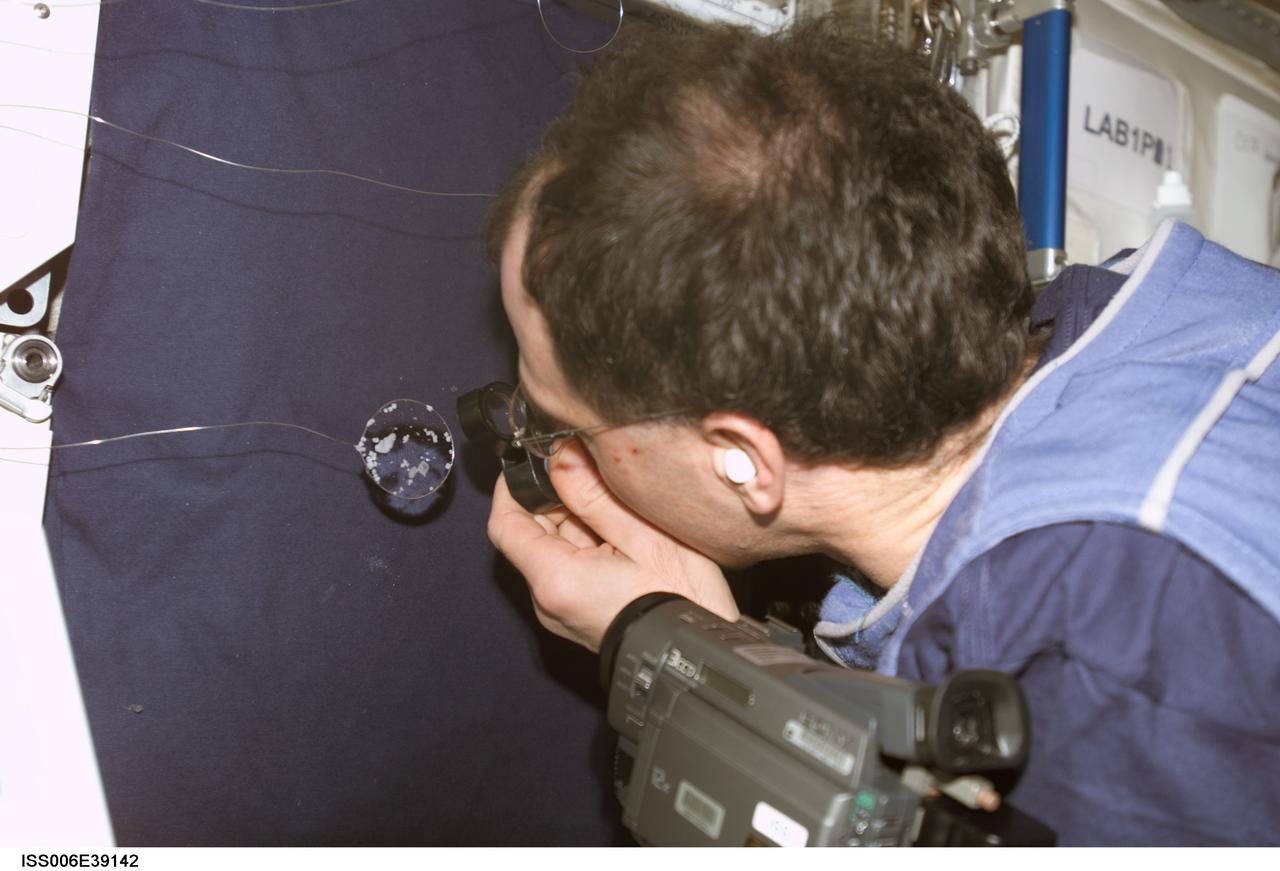
ISS006-E-39142 (12 March 2003) --- Astronaut Donald R. Pettit, Expedition Six NASA ISS science officer, looks closely at a water bubble within a 50-millimeter metal loop. The experiment took place in the Destiny laboratory on the International Space Station (ISS).
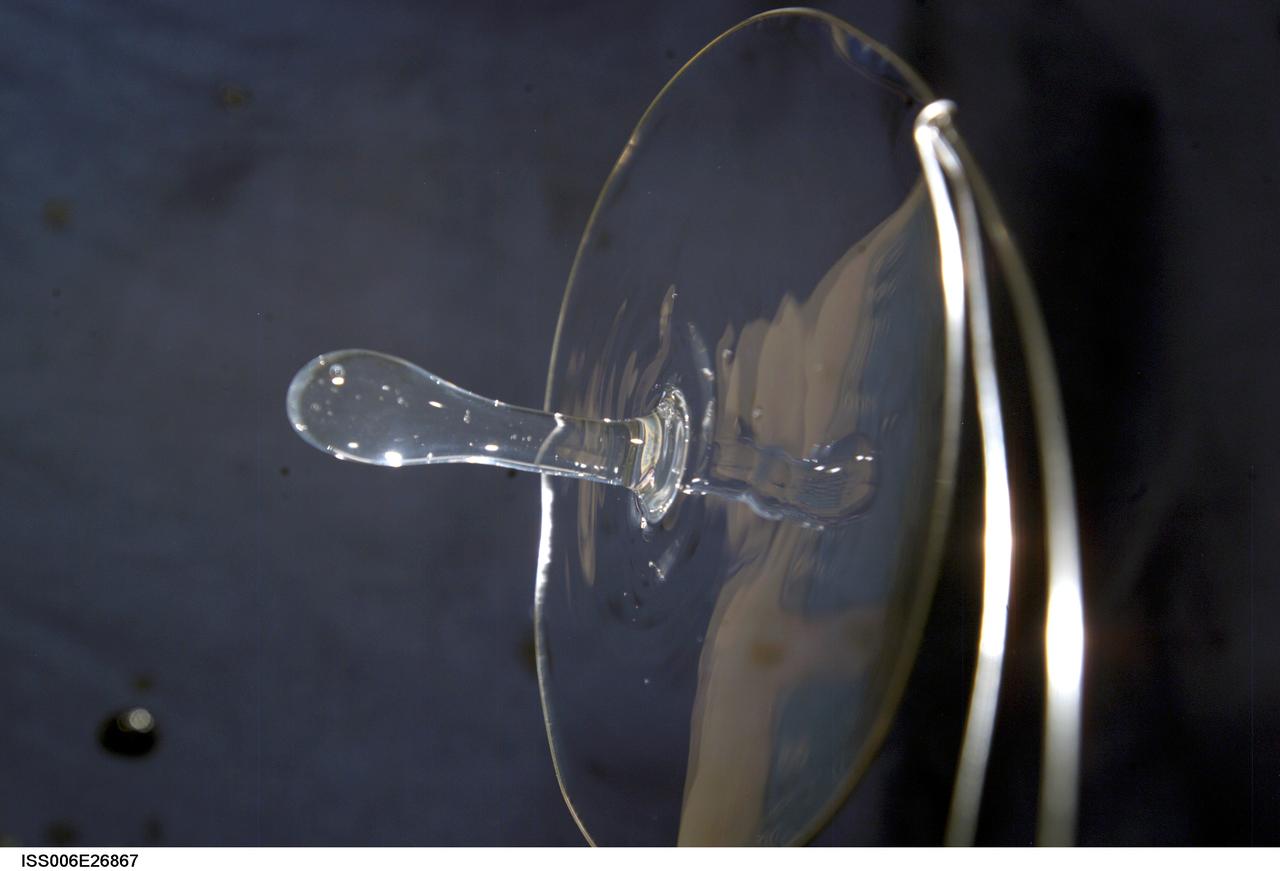
ISS006-E-26867 (16 February 2003) --- View of surface tension demonstration using water that is being held in place by a metal loop. Astronaut Donald R. Pettit, Expedition Six NASA ISS science officer, photographed these demonstrations for educational purposes. The experiment took place in the Destiny laboratory on the International Space Station (ISS).
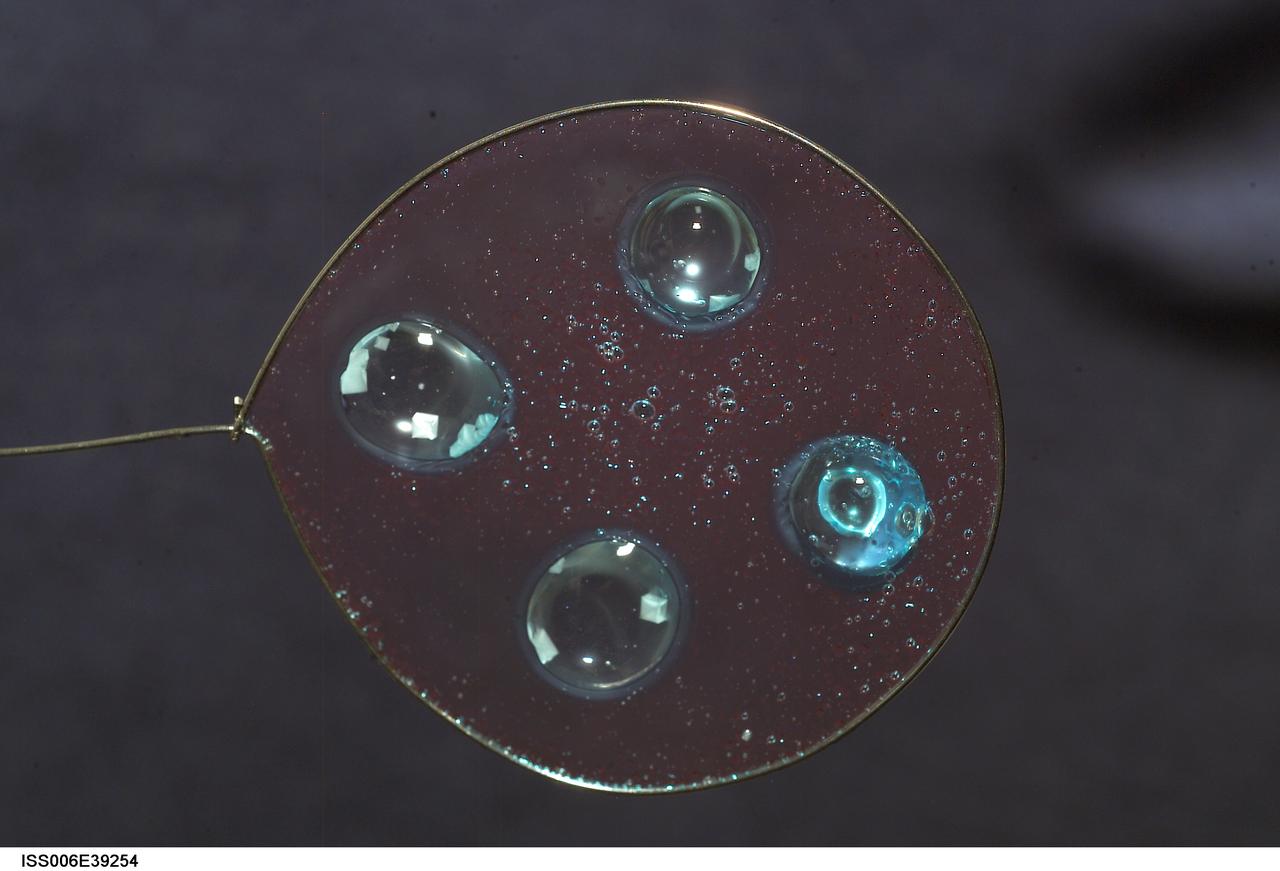
ISS006-E-39254 (14 March 2003) --- A view of sodium chloride inserted onto blueberry jelly within a 50-millimeter (mm) metal loop was photographed by an Expedition Six crewmember. The experiment took place in the Destiny laboratory on the International Space Station (ISS).
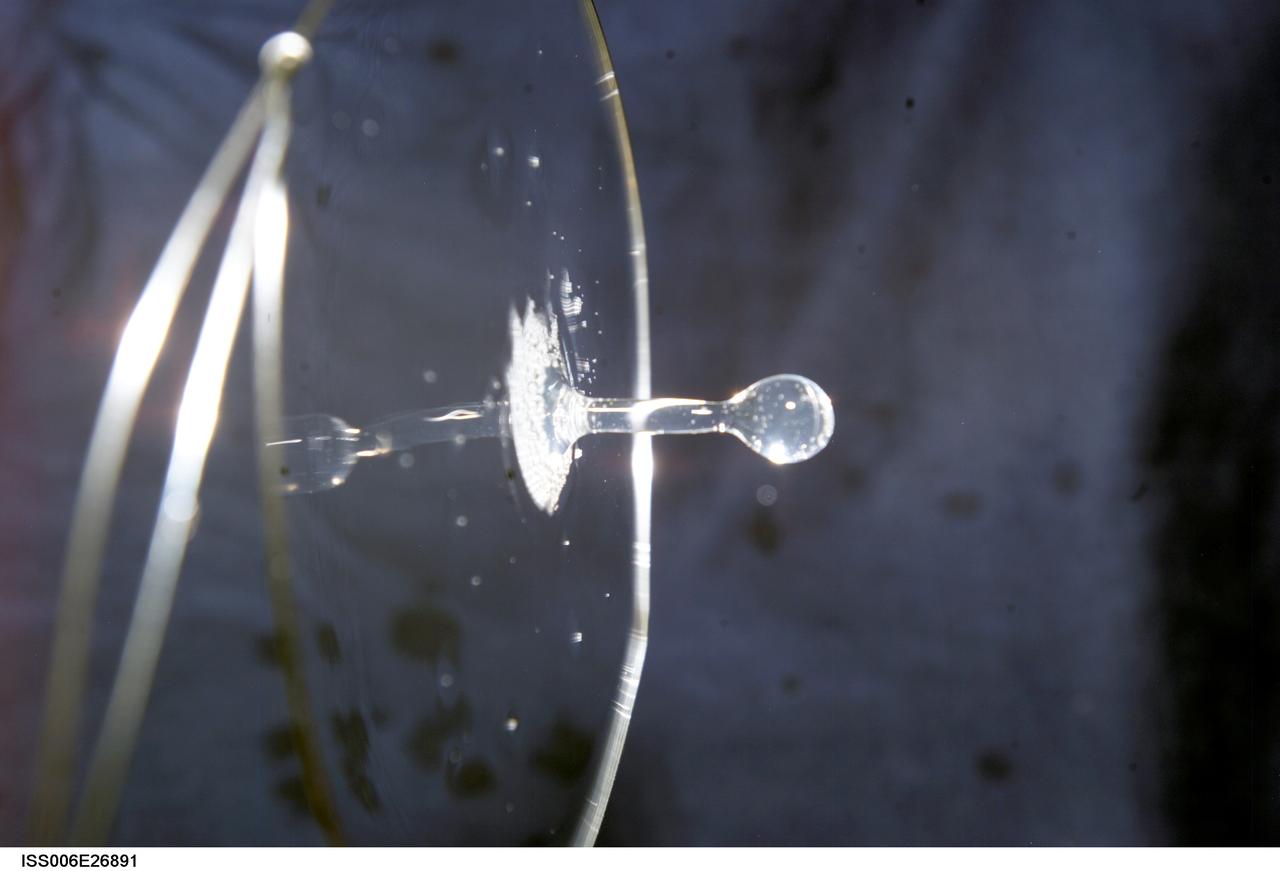
ISS006-E-26891 (16 February 2003) --- View of surface tension demonstration using water that is being held in place by a metal loop. Astronaut Donald R. Pettit, Expedition Six NASA ISS science officer, photographed these demonstrations for educational purposes. The experiment took place in the Destiny laboratory on the International Space Station (ISS).
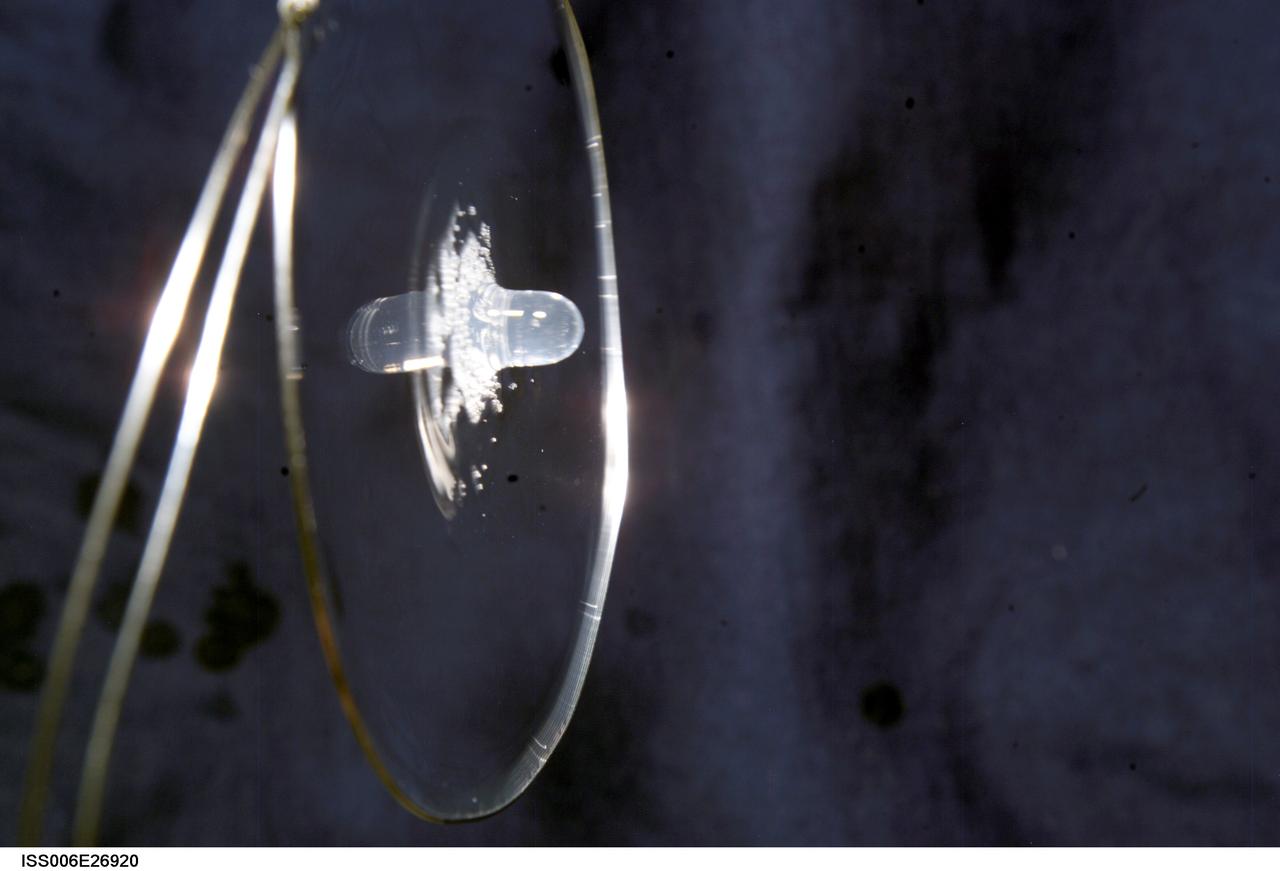
ISS006-E-26920 (16 February 2003) --- View of surface tension demonstration using water that is being held in place by a metal loop. Astronaut Donald R. Pettit, Expedition Six NASA ISS science officer, photographed these demonstrations for educational purposes. The experiment took place in the Destiny laboratory on the International Space Station (ISS).
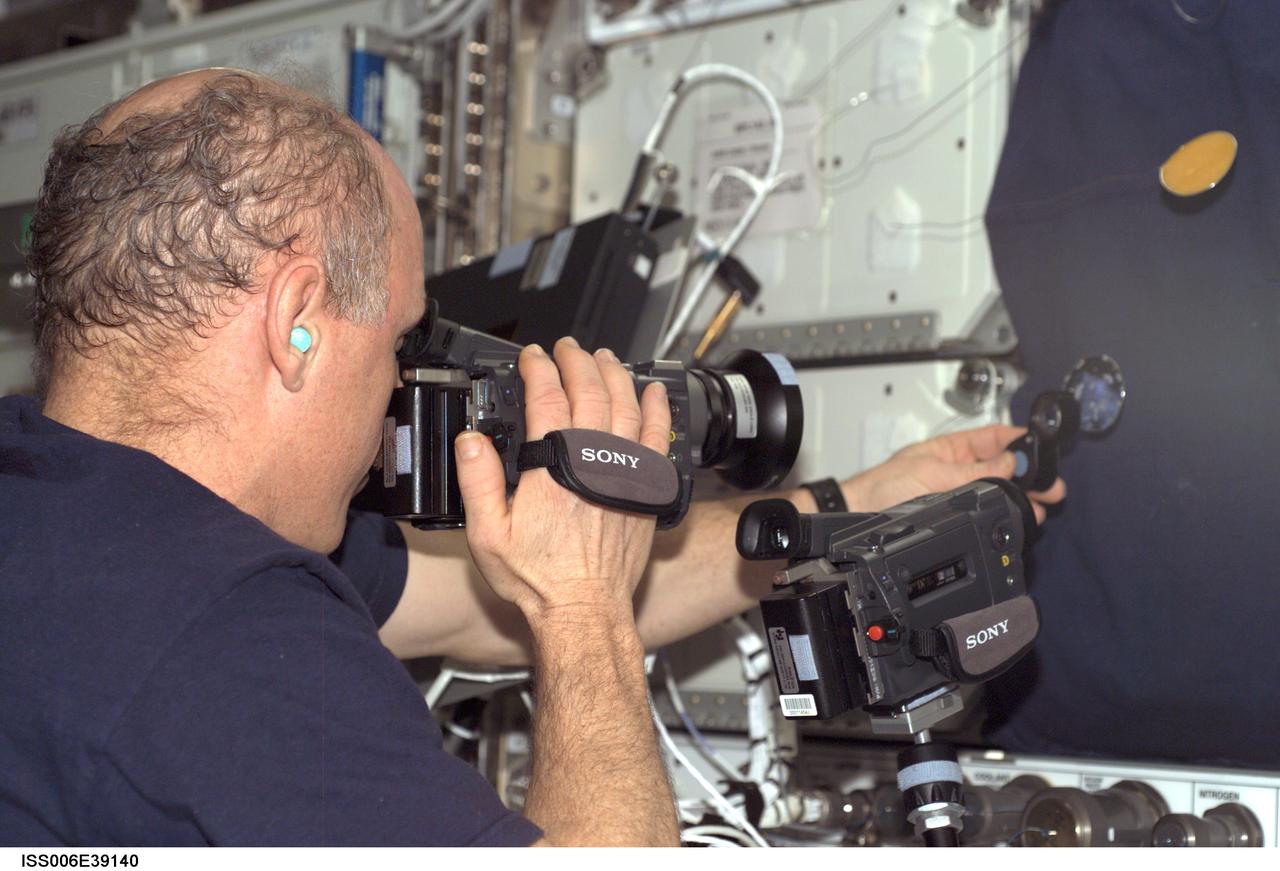
ISS006-E-39140 (12 March 2003) --- Astronaut Kenneth D. Bowersox, Expedition Six mission commander, photographs a water bubble within a 50-millimeter metal loop. The experiment took place in the Destiny laboratory on the International Space Station (ISS).
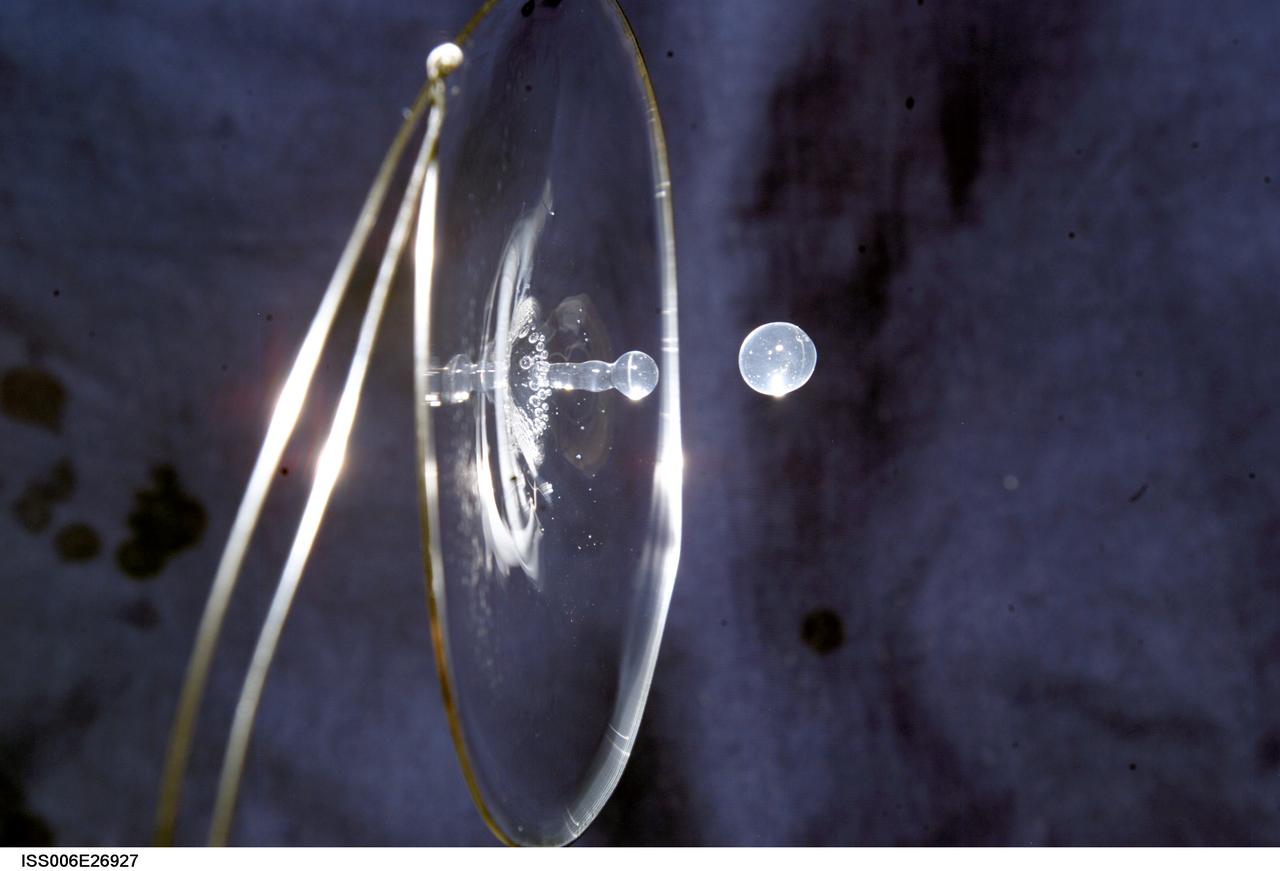
ISS006-E-26927 (16 February 2003) --- View of surface tension demonstration using water that is being held in place by a metal loop. Astronaut Donald R. Pettit, Expedition Six NASA ISS science officer, photographed these demonstrations for educational purposes. The experiment took place in the Destiny laboratory on the International Space Station (ISS).
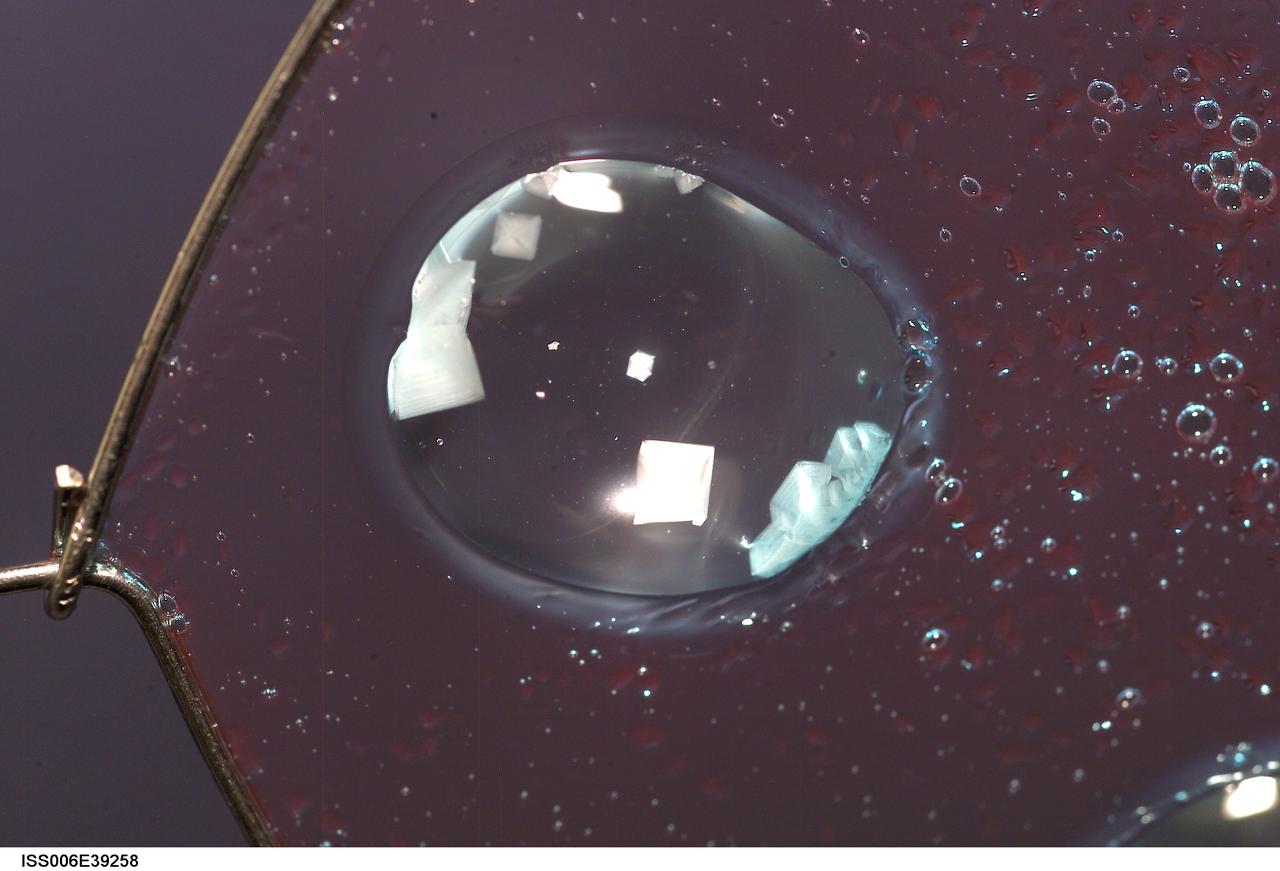
ISS006-E-39258 (14 March 2003) --- A close up view of sodium chloride inserted onto blueberry jelly within a 50-millimeter (mm) metal loop was photographed by an Expedition Six crewmember. The experiment took place in the Destiny laboratory on the International Space Station (ISS).
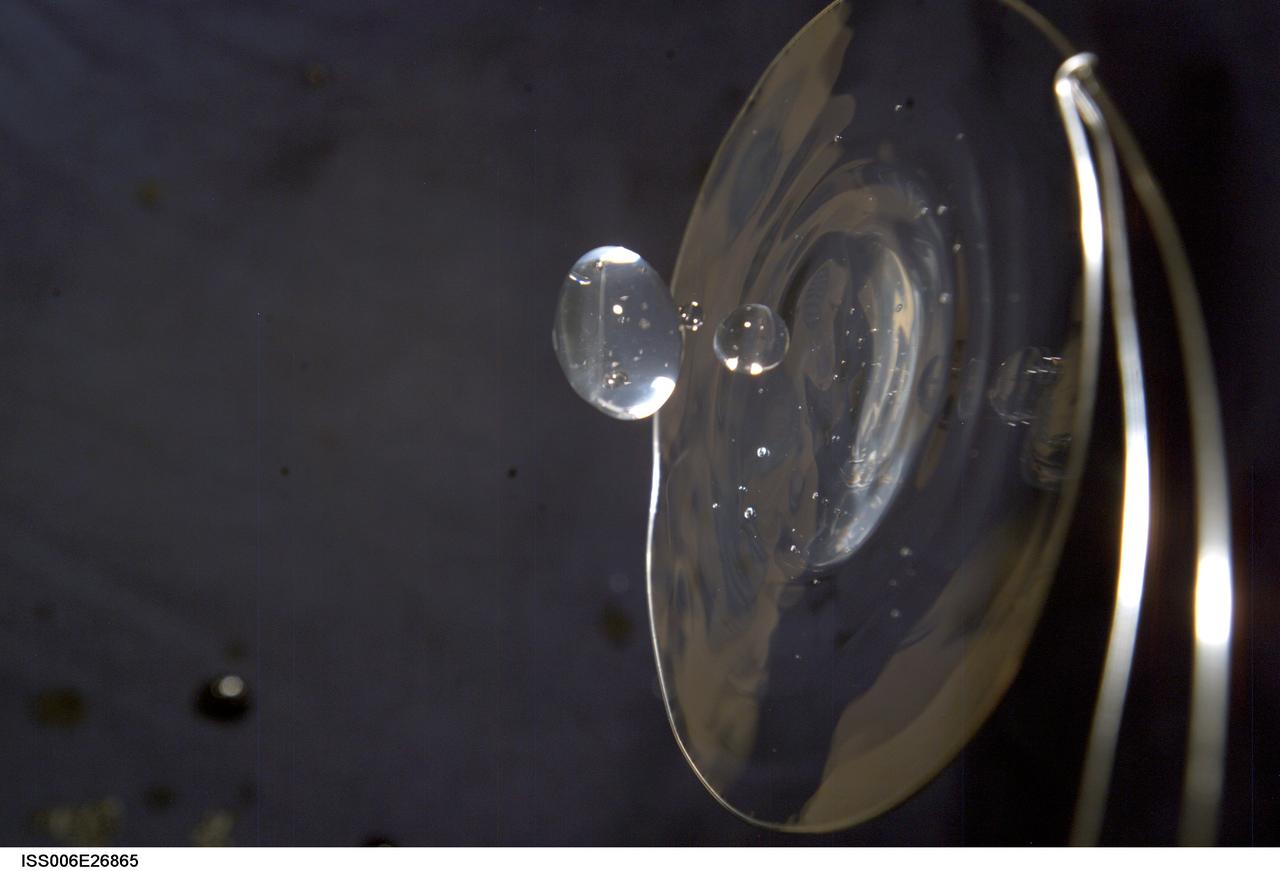
ISS006-E-26865 (16 February 2003) --- View of surface tension demonstration using water that is being held in place by a metal loop. Astronaut Donald R. Pettit, Expedition Six NASA ISS science officer, photographed these demonstrations for educational purposes. The experiment took place in the Destiny laboratory on the International Space Station (ISS).
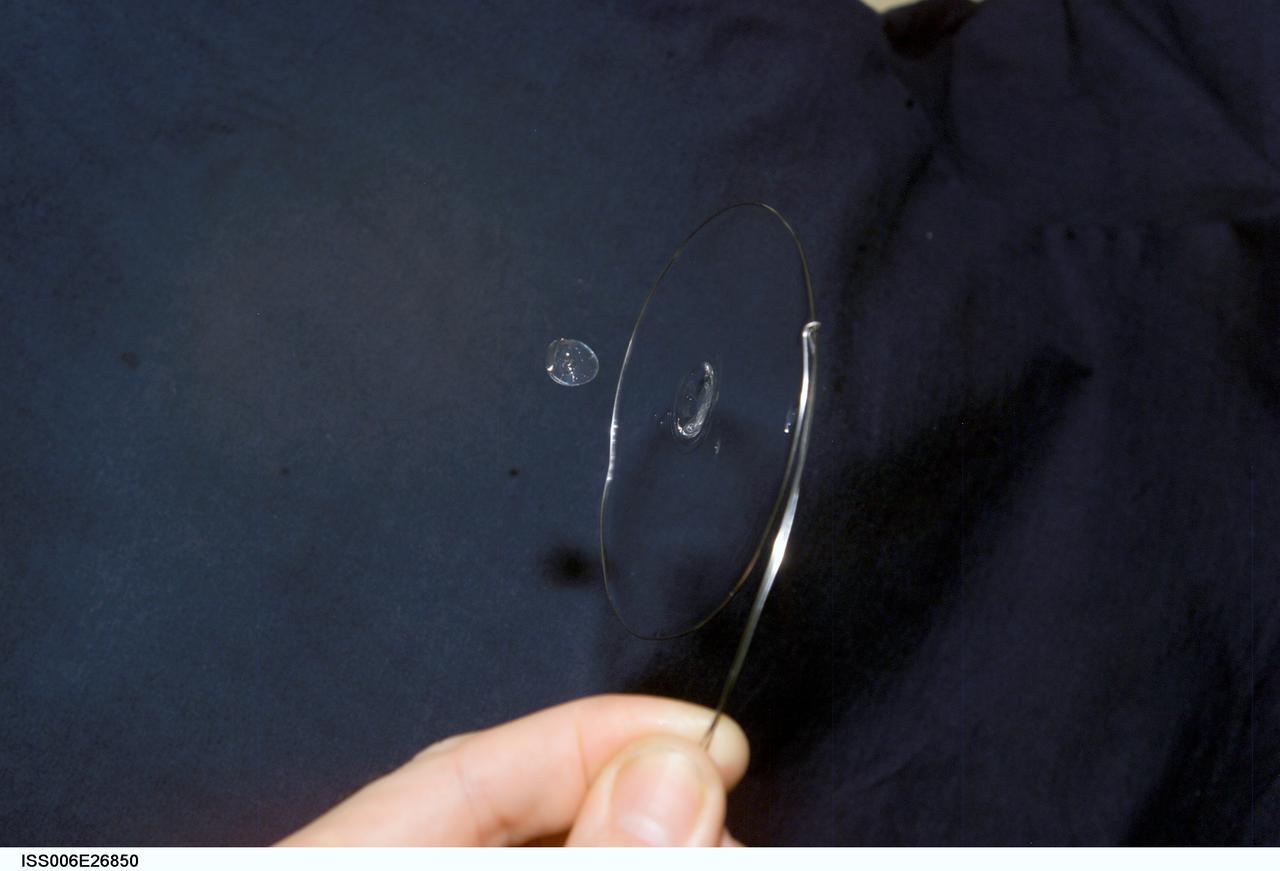
ISS006-E-26850 (16 February 2003) --- View of surface tension demonstration using water that is being held in place by a metal loop. Astronaut Donald R. Pettit, Expedition Six NASA ISS science officer, photographed these demonstrations for educational purposes. The experiment took place in the Destiny laboratory on the International Space Station (ISS).
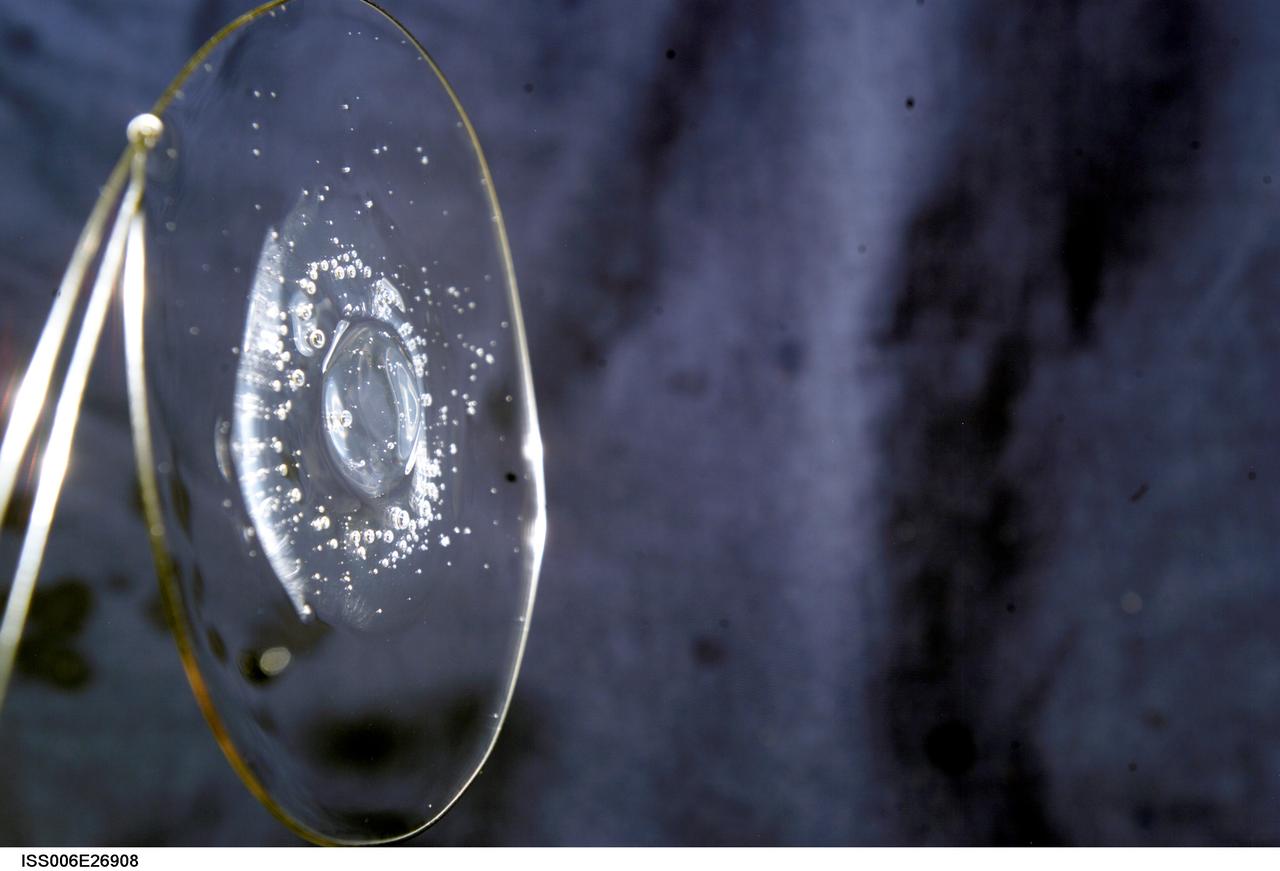
ISS006-E-26908 (16 February 2003) --- View of surface tension demonstration using water that is being held in place by a metal loop. Astronaut Donald R. Pettit, Expedition Six NASA ISS science officer, photographed these demonstrations for educational purposes. The experiment took place in the Destiny laboratory on the International Space Station (ISS).
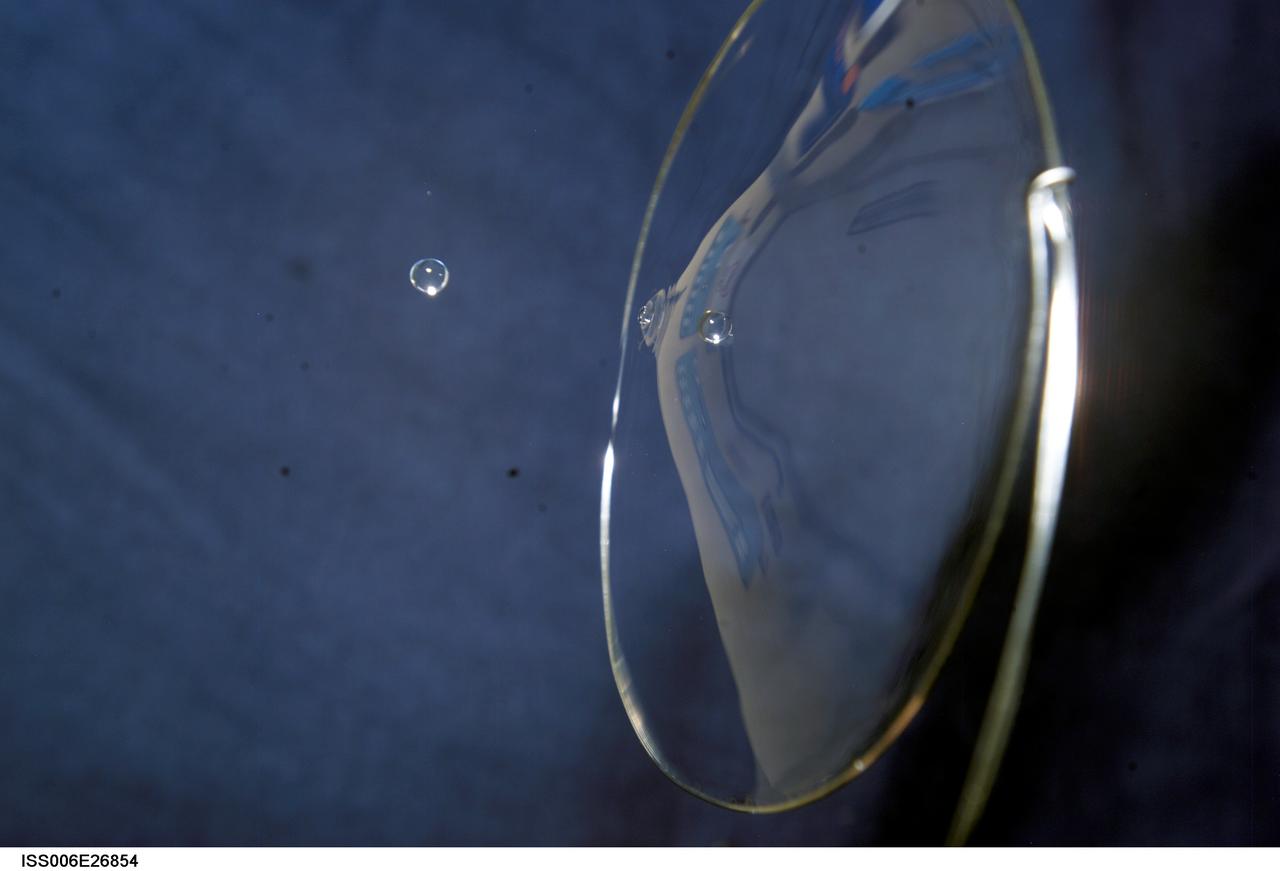
ISS006-E-26854 (16 February 2003) --- View of surface tension demonstration using water that is being held in place by a metal loop. Astronaut Donald R. Pettit, Expedition Six NASA ISS science officer, photographed these demonstrations for educational purposes. The experiment took place in the Destiny laboratory on the International Space Station (ISS).
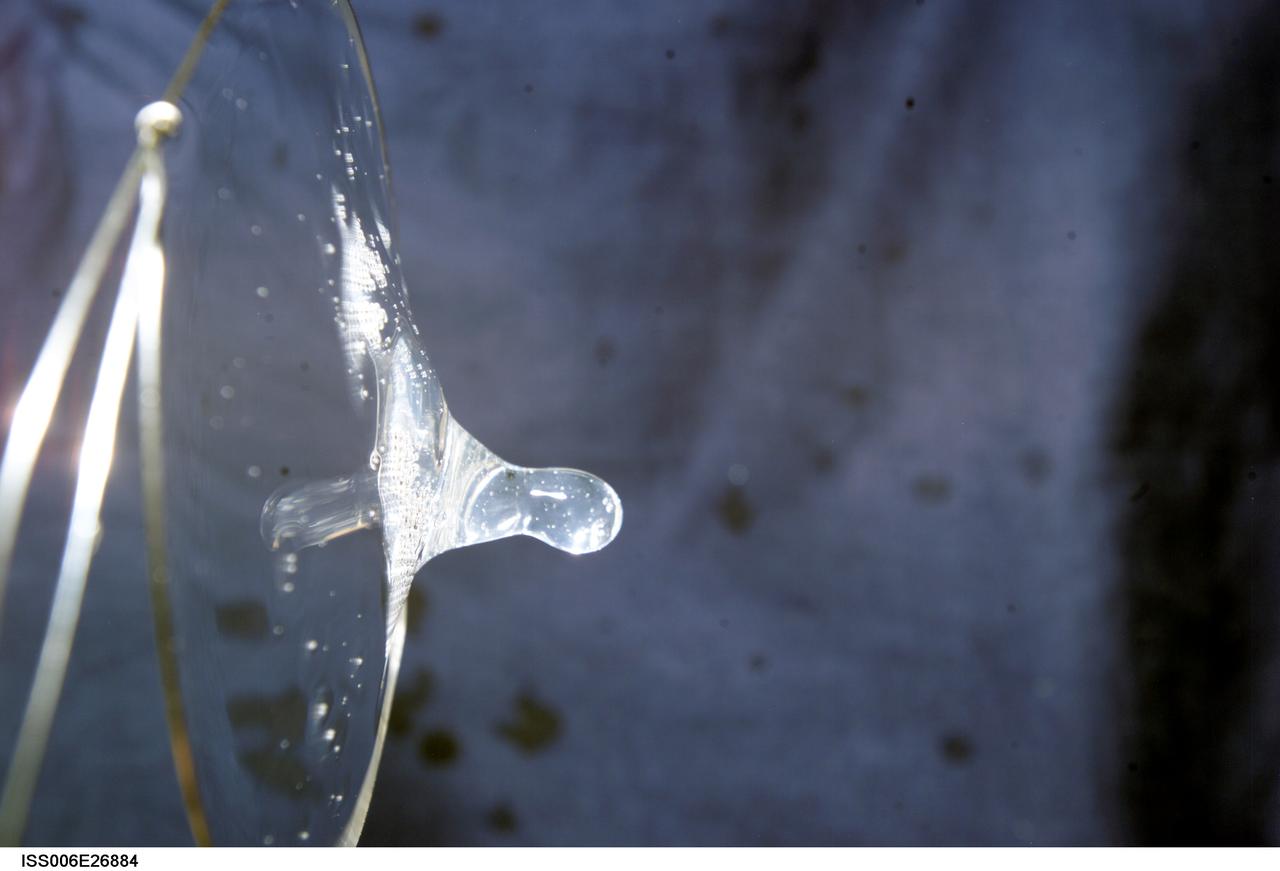
ISS006-E-26884 (16 February 2003) --- View of surface tension demonstration using water that is being held in place by a metal loop. Astronaut Donald R. Pettit, Expedition Six NASA ISS science officer, photographed these demonstrations for educational purposes. The experiment took place in the Destiny laboratory on the International Space Station (ISS).
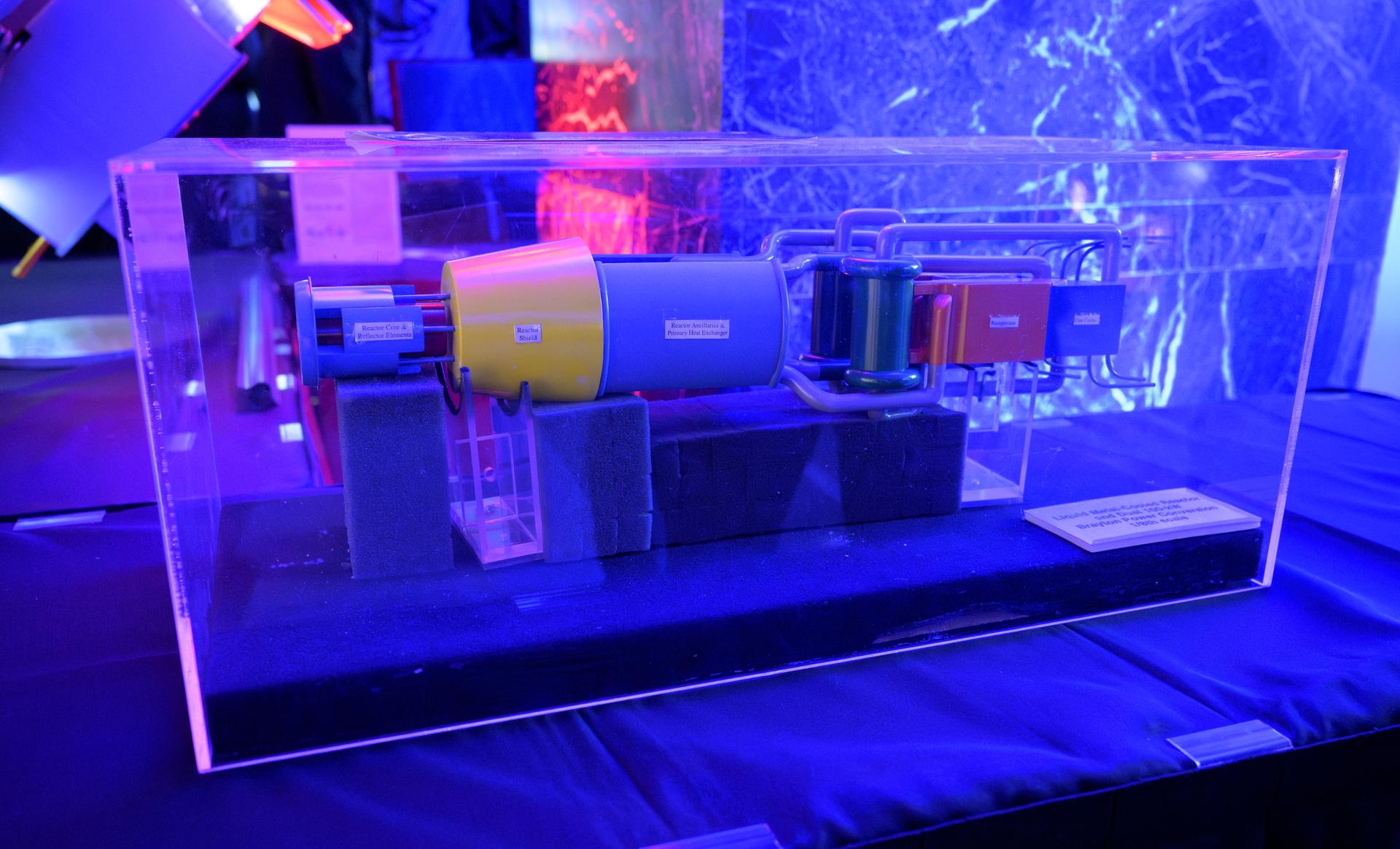
A model of a liquid metal-cooled reactor, dual 100-kw Brayton Power Conversion is seen on display during an event where NASA is outlining how the agency is executing President Donald J. Trump’s National Space Policy and accelerating preparations for America’s return to the surface of the Moon by 2028, Tuesday, March 24, 2026, at the Mary W. Jackson NASA Headquarters building in Washington. During the event NASA leadership provided updates on mission priorities, including sending the first astronauts to the lunar surface in more than 50 years, establishing the initial elements of a permanent lunar base, getting America underway in space on nuclear propulsion, and other objectives. Photo Credit: (NASA/Bill Ingalls)
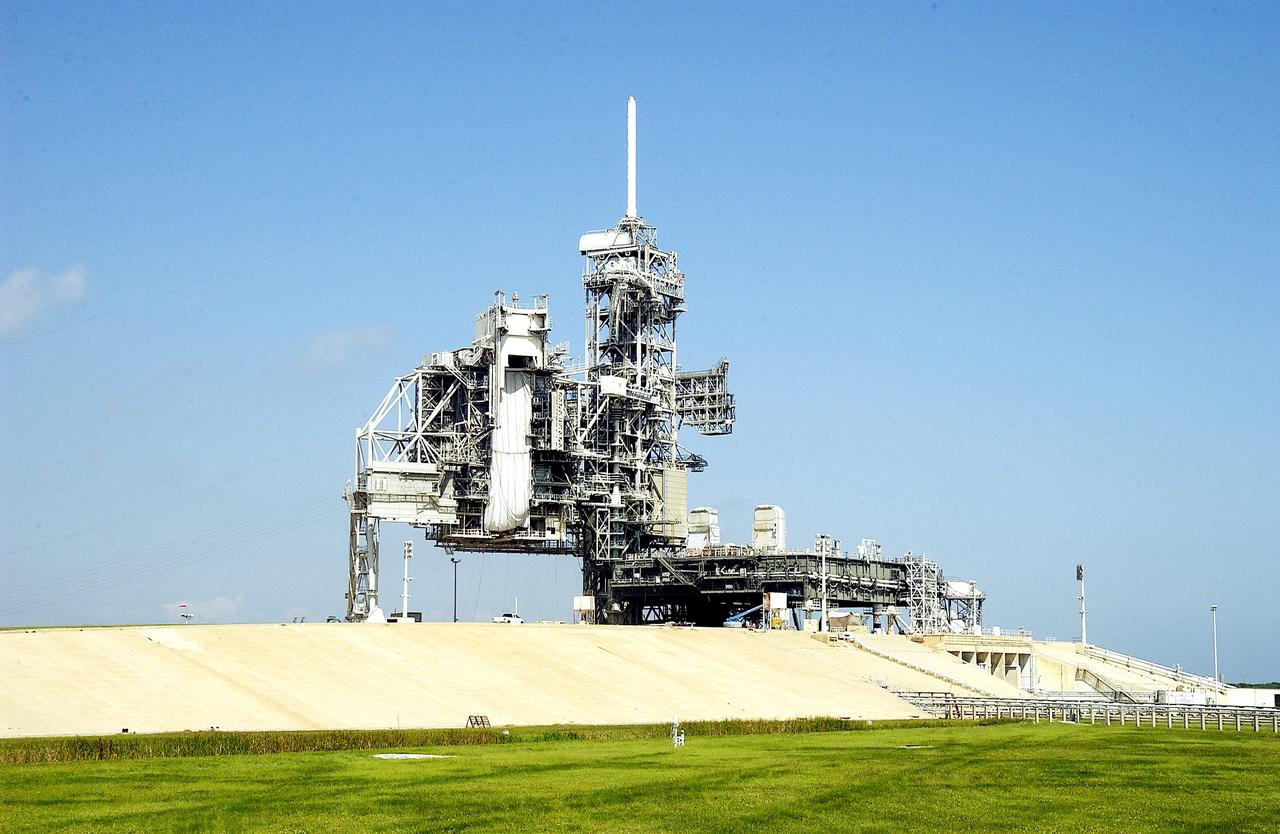
KENNEDY SPACE CENTER, FLA. - Launch Pad 39A undergoes sandblasting of its metal structures and surfaces. Routine maintenance includes sandblasting and repainting as preventive means to minimize corrosion.
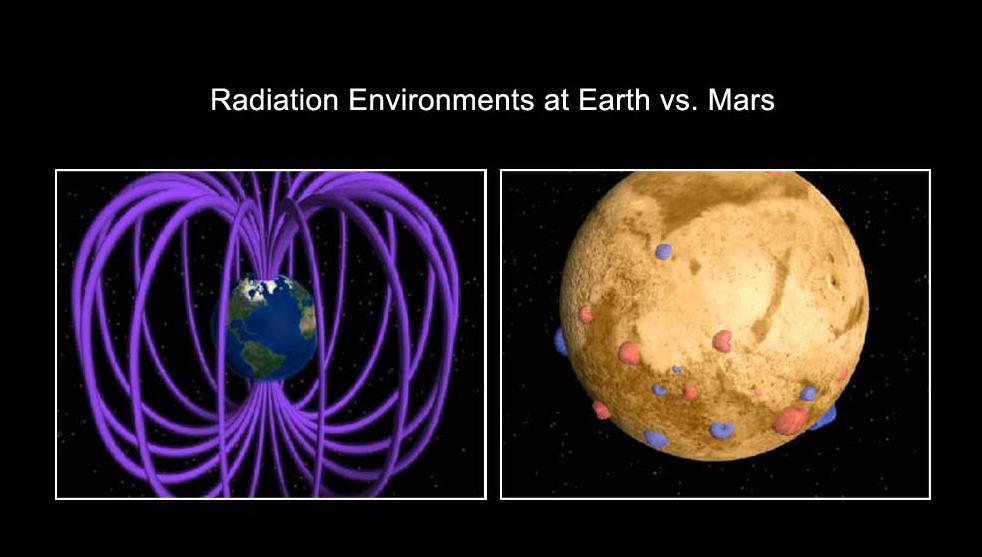
This is an artist concept comparing the present day magnetic fields on Earth and Mars. Earth magnetic field is generated by an active dynamo -- a hot core of molten metal.
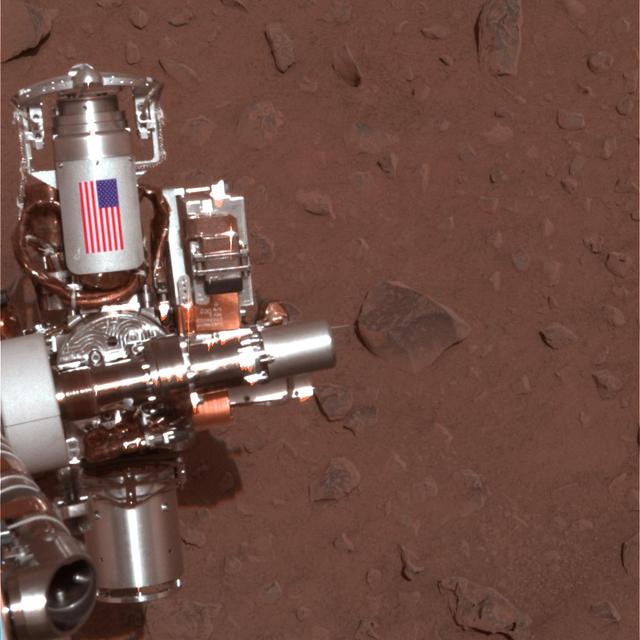
The piece of metal with the American flag on it in this image of a NASA rover on Mars is made of aluminum recovered from the site of the World Trade Center towers in the weeks after their destruction.
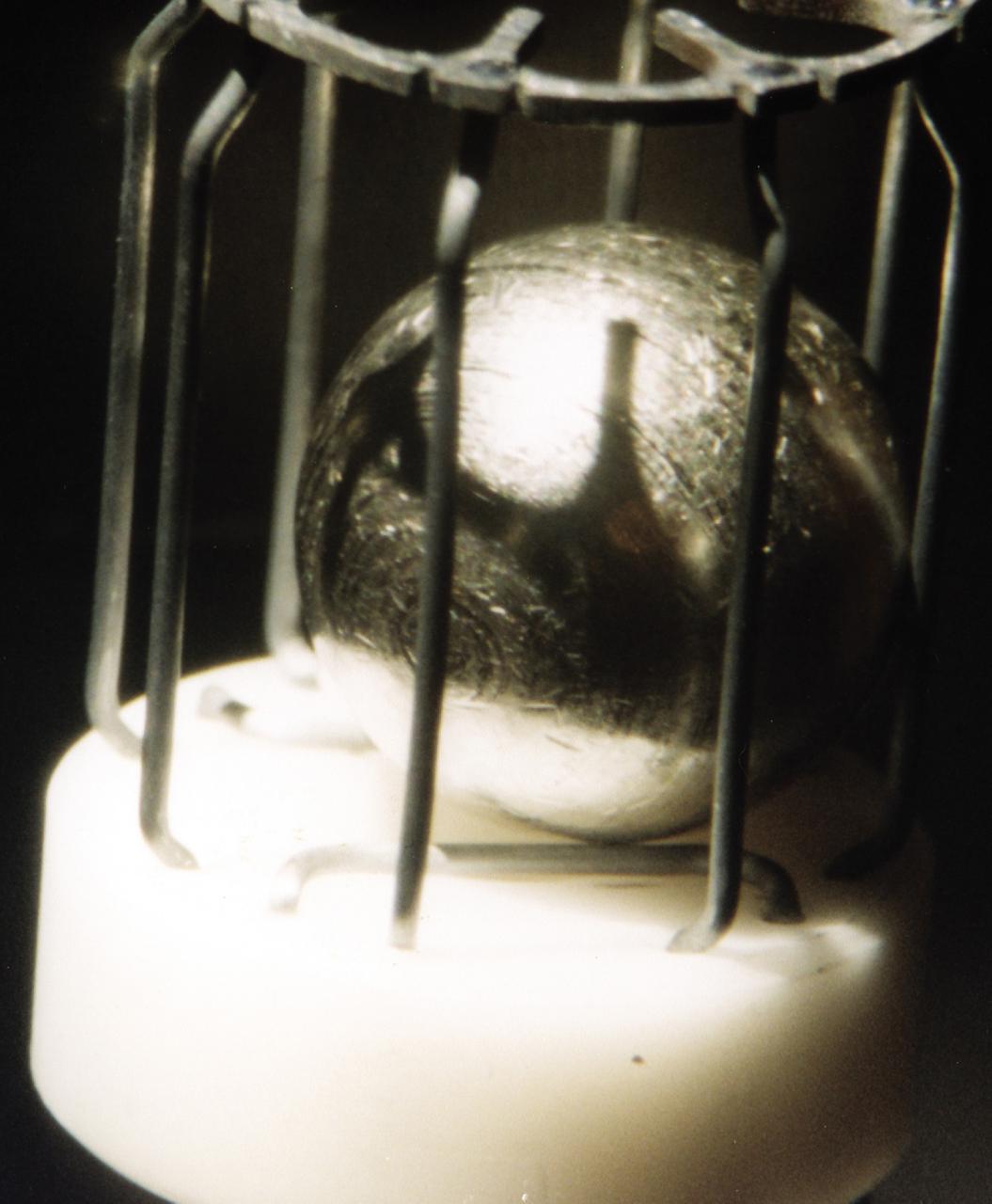
This metal sample, which is approximately 1 cm in diameter, is typical of the metals that were studied using the German designed electromagnetic containerless processing facility. The series of experiments that use this device is known as TEMPUS which is the acronym that stands for the German Tiegelfreies Elektromanetisches Prozessieren Unter Schwerelosigkeit. Most of the TEMPUS experiments focused on various aspects of undercooling liquid metal and alloys. Undercooling is the process of melting a material and then cooling it to a temperature that is below its normal freezing or solidification point. The TEMPUS experiments that used the metal cages as shown in the photograph, often studied bulk metallic glass, a solid material with no crystalline structures. We study metals and alloys not only to build things in space, but to improve things that are made on Earth. Metals and alloys are everywhere around us; in our automobiles, in the engines of aircraft, in our power-plants, and elsewhere. Despite their presence in everyday life, there are many scientific aspects of metals that we do not understand.
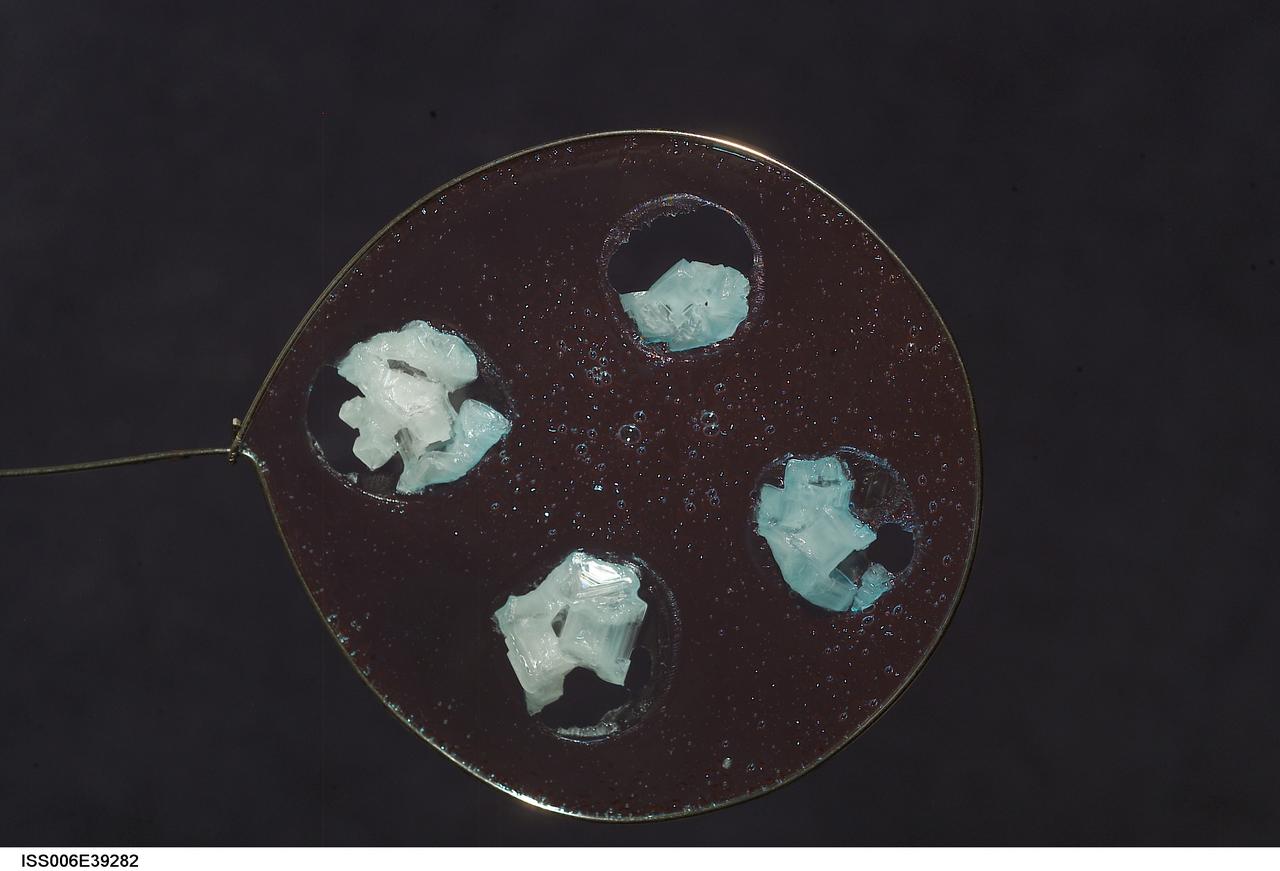
ISS006-E-39282 (15 March 2003) --- A view of sodium chloride inserted onto blueberry jelly within a 50-millimeter (mm) metal loop was photographed by an Expedition Six crewmember. The water in the sodium chloride solution evaporates as it leaves larger three-dimensional crystals while the blueberry jelly hardens. The experiment took place in the Destiny laboratory on the International Space Station (ISS).
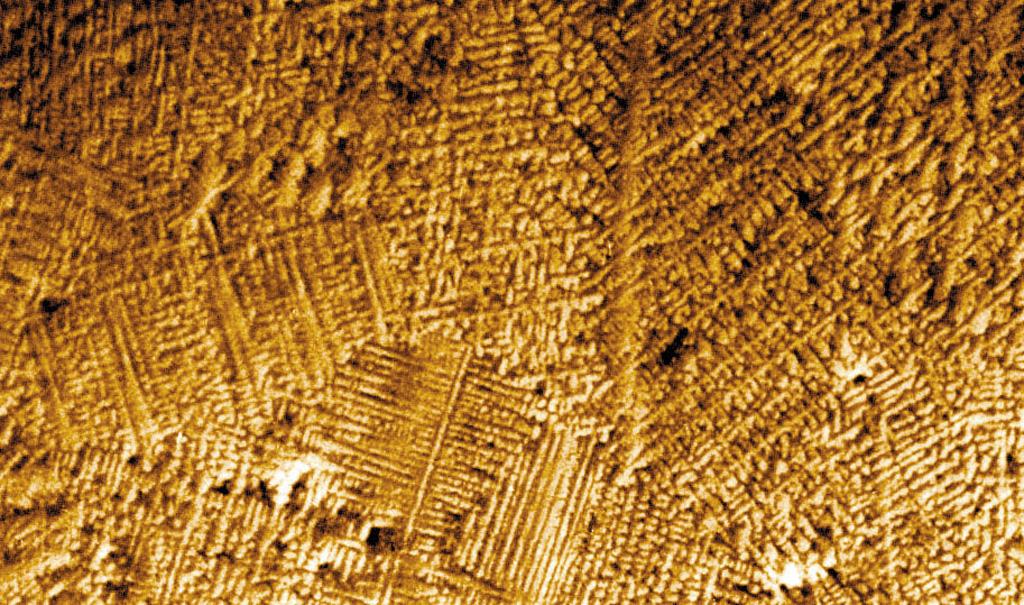
Researchers have found that as melted metals and alloys (combinations of metals) solidify, they can form with different arrangements of atoms, called microstructures. These microstructures depend on the shape of the interface (boundary) between the melted metal and the solid crystal it is forming. There are generally three shapes that the interface can take: planar, or flat; cellular, which looks like the cells of a beehive; and dendritic, which resembles tiny fir trees. Convection at this interface can affect the interface shape and hide the other phenomena (physical events). To reduce the effects of convection, researchers conduct experiments that examine and control conditions at the interface in microgravity. Microgravity also helps in the study of alloys composed of two metals that do not mix. On Earth, the liquid mixtures of these alloys settle into different layers due to gravity. In microgravity, the liquid metals do not settle, and a solid more uniform mixture of both metals can be formed.
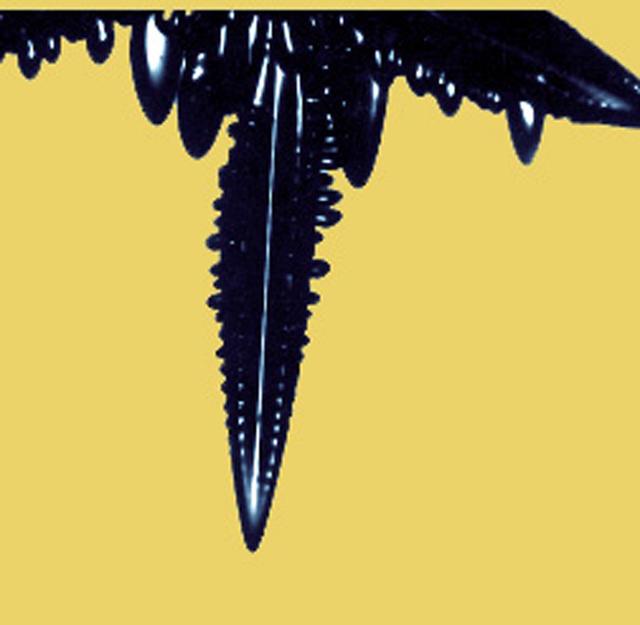
Researchers have found that as melted metals and alloys (combinations of metals) solidify, they can form with different arrangements of atoms, called microstructures. These microstructures depend on the shape of the interface (boundary) between the melted metal and the solid crystal it is forming. There are generally three shapes that the interface can take: planar, or flat; cellular, which looks like the cells of a beehive; and dendritic, which resembles tiny fir trees. Convection at this interface can affect the interface shape and hide the other phenomena (physical events). To reduce the effects of convection, researchers conduct experiments that examine and control conditions at the interface in microgravity. Microgravity also helps in the study of alloys composed of two metals that do not mix. On Earth, the liquid mixtures of these alloys settle into different layers due to gravity. In microgravity, the liquid metals do not settle, and a solid more uniform mixture of both metals can be formed.
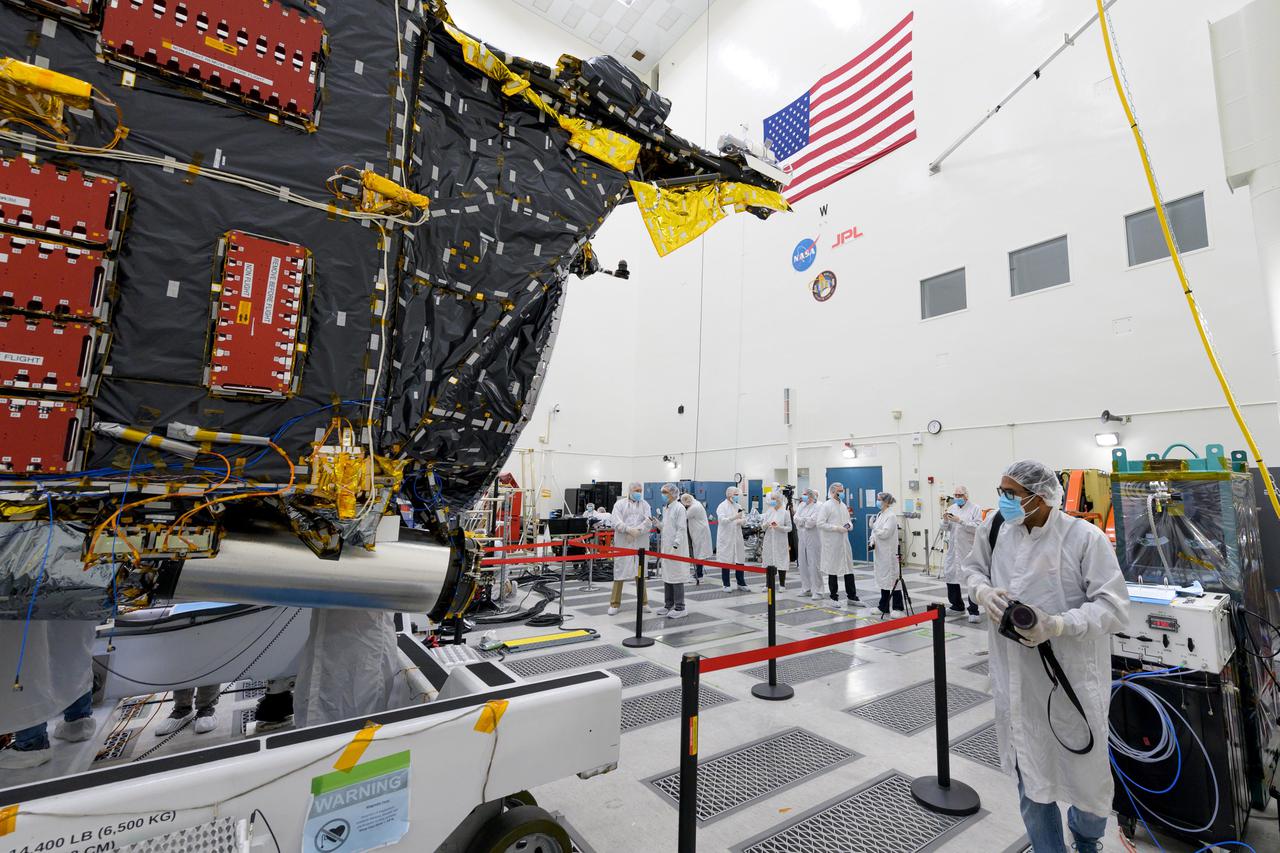
Members of the media view the Psyche spacecraft on April 11, 2022, inside a clean room at JPL. The spacecraft is scheduled to launch in August on a journey to a metal-rich asteroid of the same name. https://photojournal.jpl.nasa.gov/catalog/PIA25242
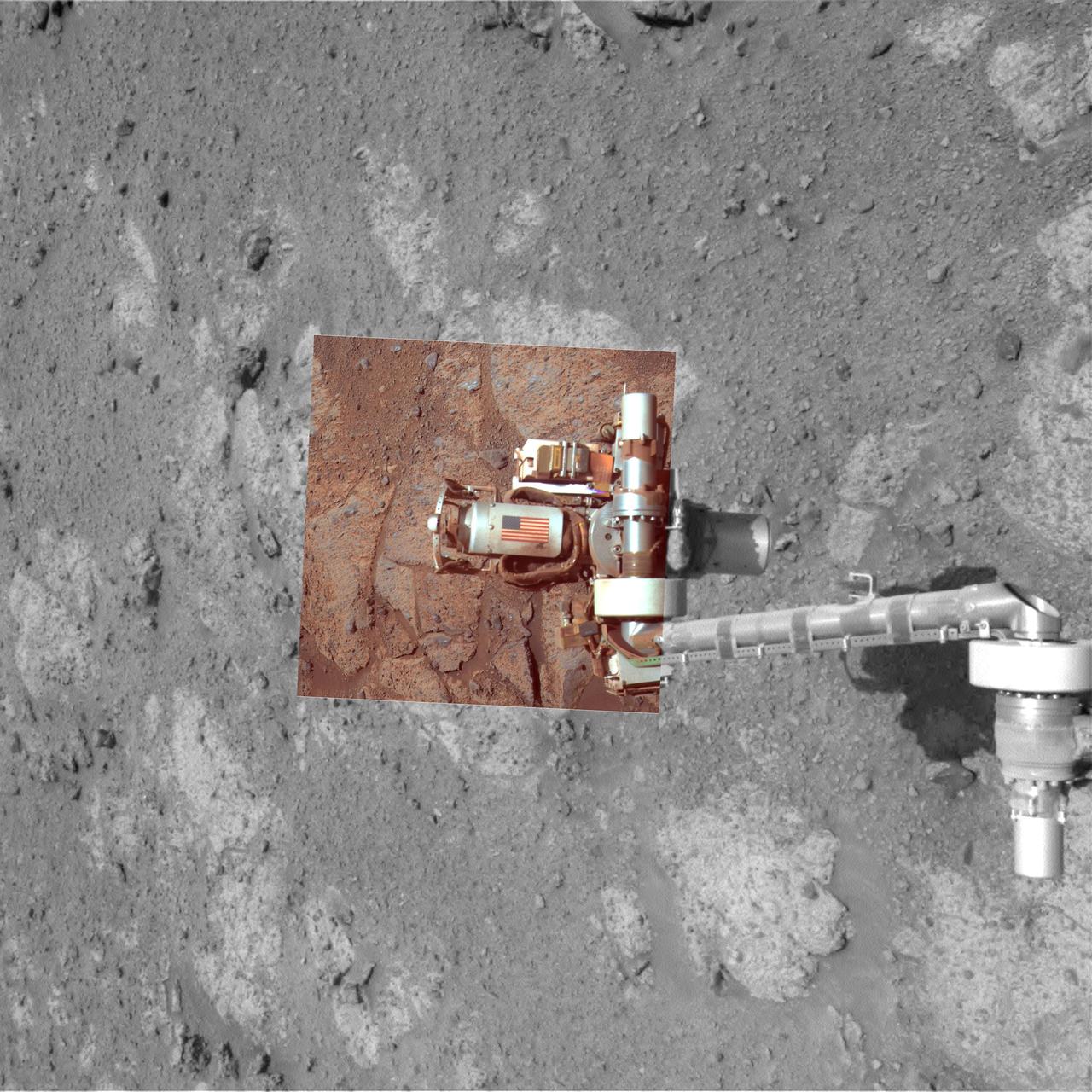
This view from NASA rover Opportunity, of an American flag on metal recovered from the site of the World Trade Center towers shortly after their destruction, was taken on Mars on Sept. 11, 2011, the 10th anniversary of the attacks on the towers.
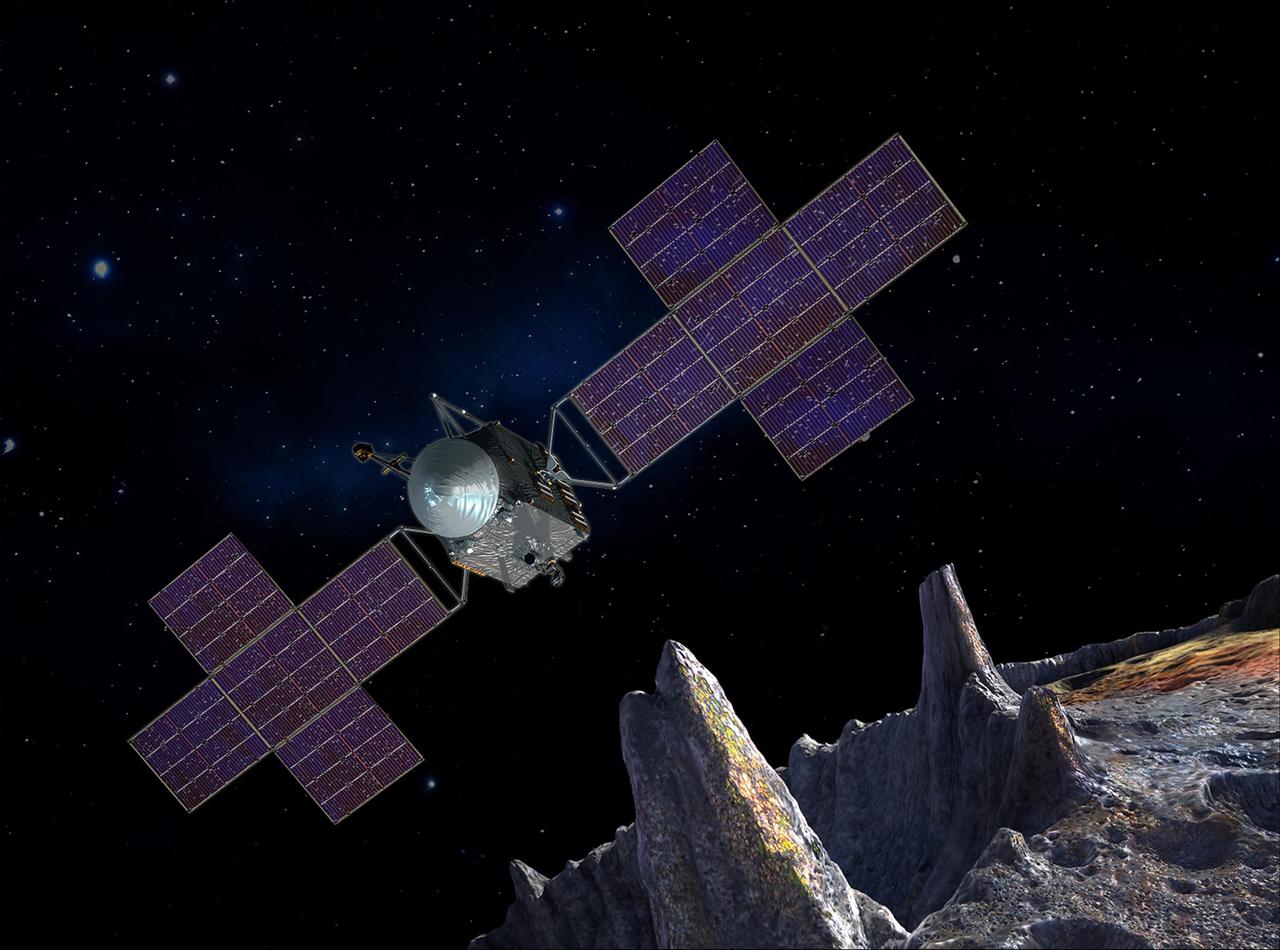
This artist's-concept illustration depicts the spacecraft of NASA's Psyche mission near the mission's target, the metal asteroid Psyche. The artwork was created in May 2017 to show the five-panel solar arrays planned for the spacecraft. The spacecraft's structure will include power and propulsion systems to travel to, and orbit, the asteroid. These systems will combine solar power with electric propulsion to carry the scientific instruments used to study the asteroid through space. The mission plans launch in 2022 and arrival at Psyche, between the orbits of Mars and Jupiter, in 2026. This selected asteroid is made almost entirely of nickel-iron metal. It offers evidence about violent collisions that created Earth and other terrestrial planets. https://photojournal.jpl.nasa.gov/catalog/PIA21499
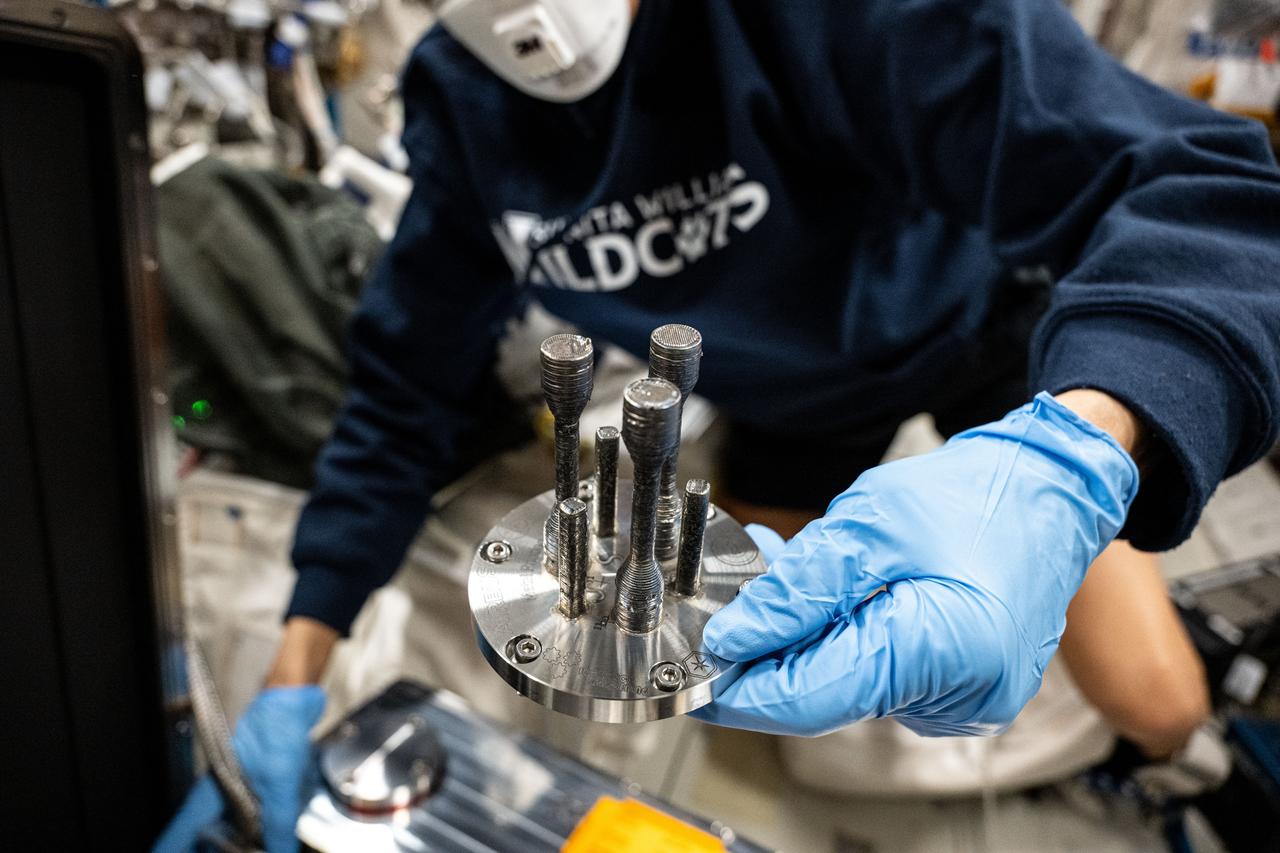
iss071e522123 (8/21/2024) --- A metal specimen 3D printed in space for ESA’s Metal 3D Printer investigation. Researchers successfully produced the first metal parts printed in space and found their quality in line with expectations and now plan to print additional specimens in space. Resupply becomes challenging as mission duration and distance from Earth increase, and 3D printing could provide a way to make parts for repairs and dedicated tools on demand, increasing mission autonomy.

A model of the interior of Jupiter is compared with that of Earth, to scale. Jupiter is mostly hydrogen, with some helium and a dusting of heavier elements. The gas giant's outer envelope is in the form of molecular hydrogen and, beneath that, the hydrogen transitions to metallic hydrogen. Most models include a layer of metallic hydrogen stabilized by exsolution of helium (aka "helium rain") at the top of the metallic hydrogen region. https://photojournal.jpl.nasa.gov/catalog/PIA25062
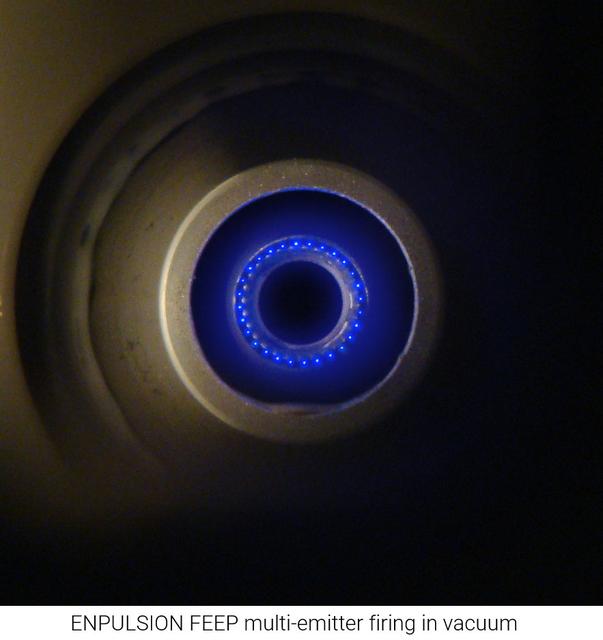
jsc2025e076913 (September 25, 2025) -- This image shows the ENPULSION thruster during a ground test, where blue light appears as ions are released from liquid indium metal. The metal is heated and drawn to tiny tips where ions are emitted to generate thrust. On the space station, the MICATOS observes liquid metal flows in microgravity for future use in soldering and propulsion. Image courtesy of Enpulsion.
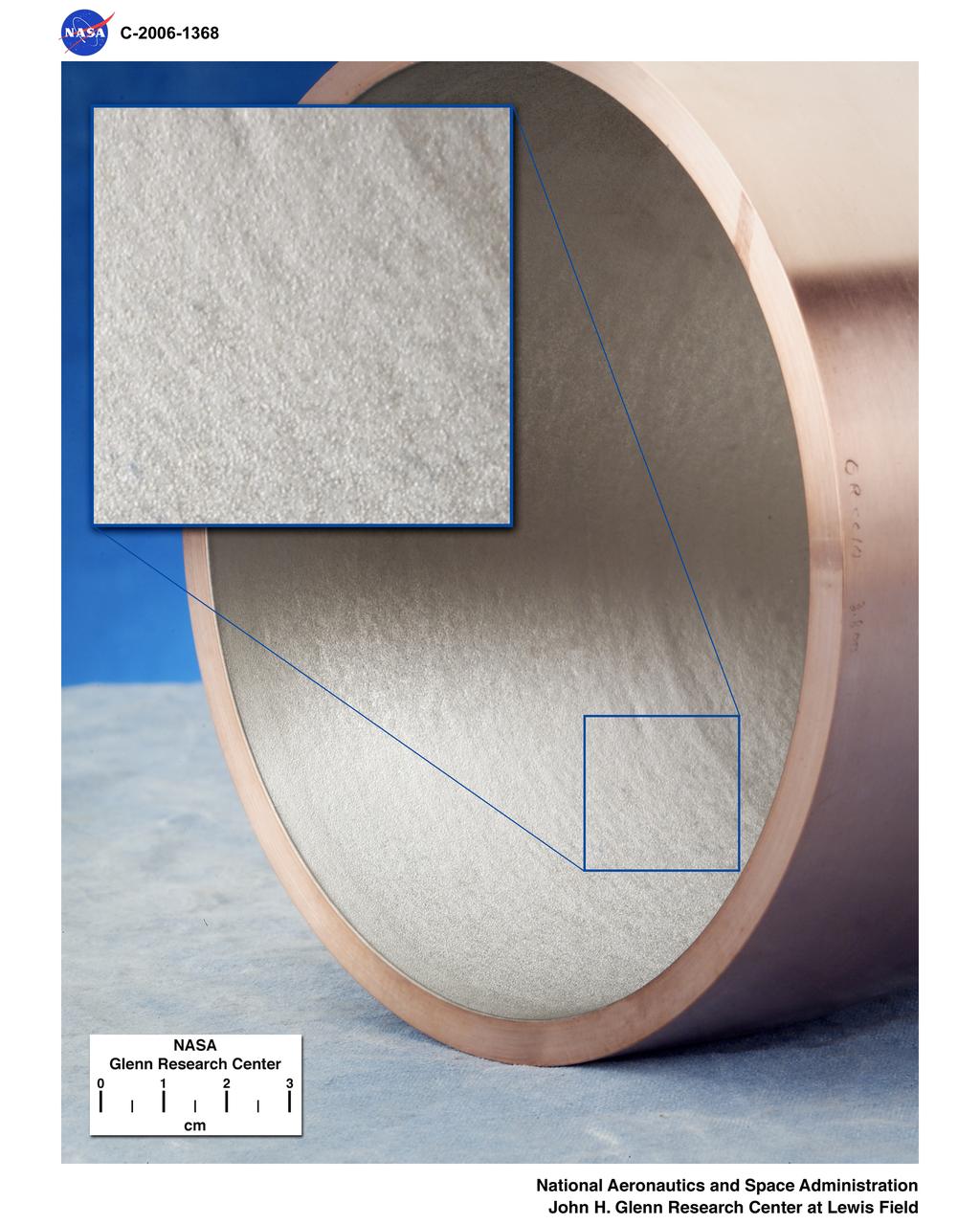
Kinetic Metallization (KM) NiCrAly coated GRCop-84 Thrust Chamber
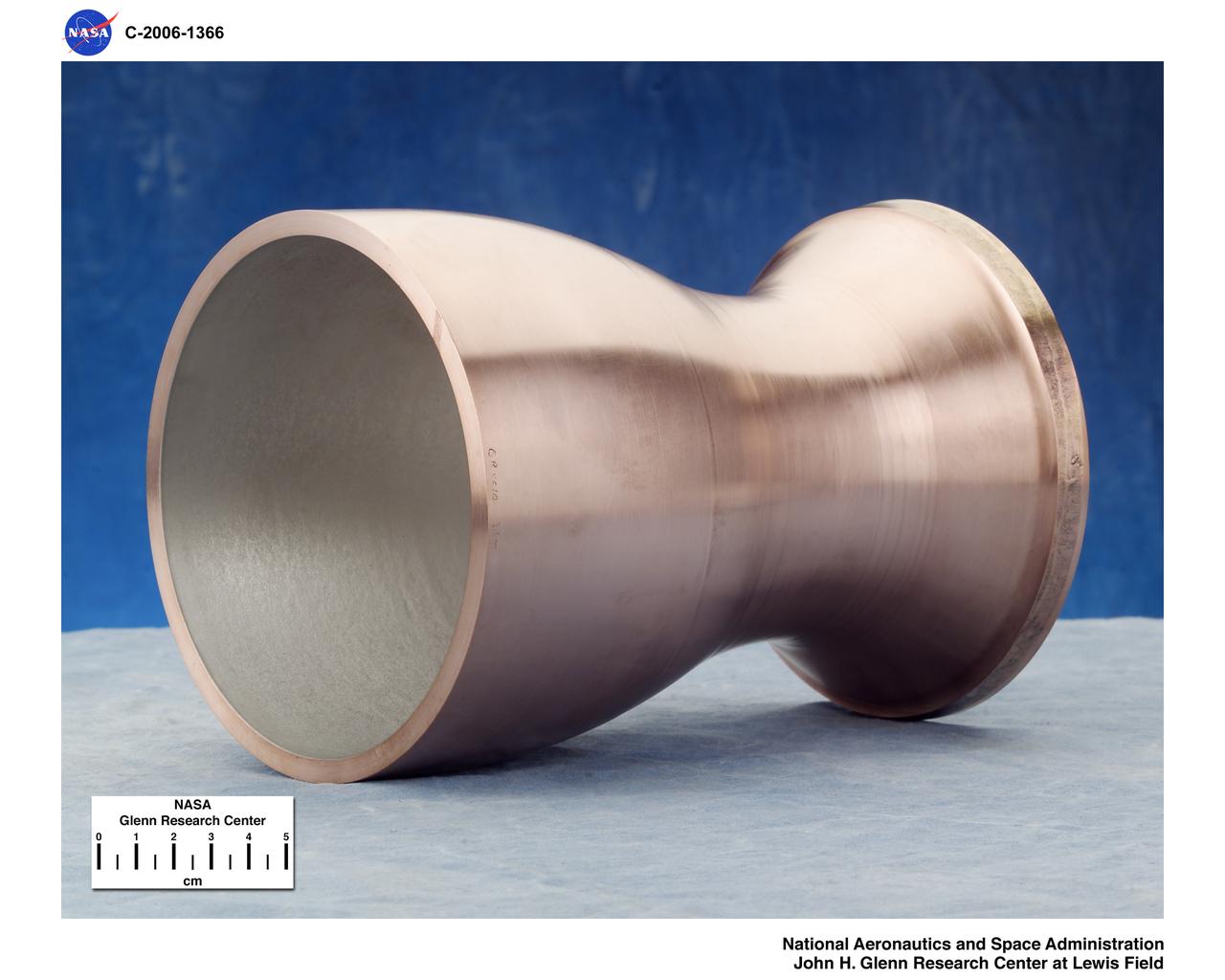
Kinetic Metallization (KM) NiCrAly coated GRCop-84 Thrust Chamber
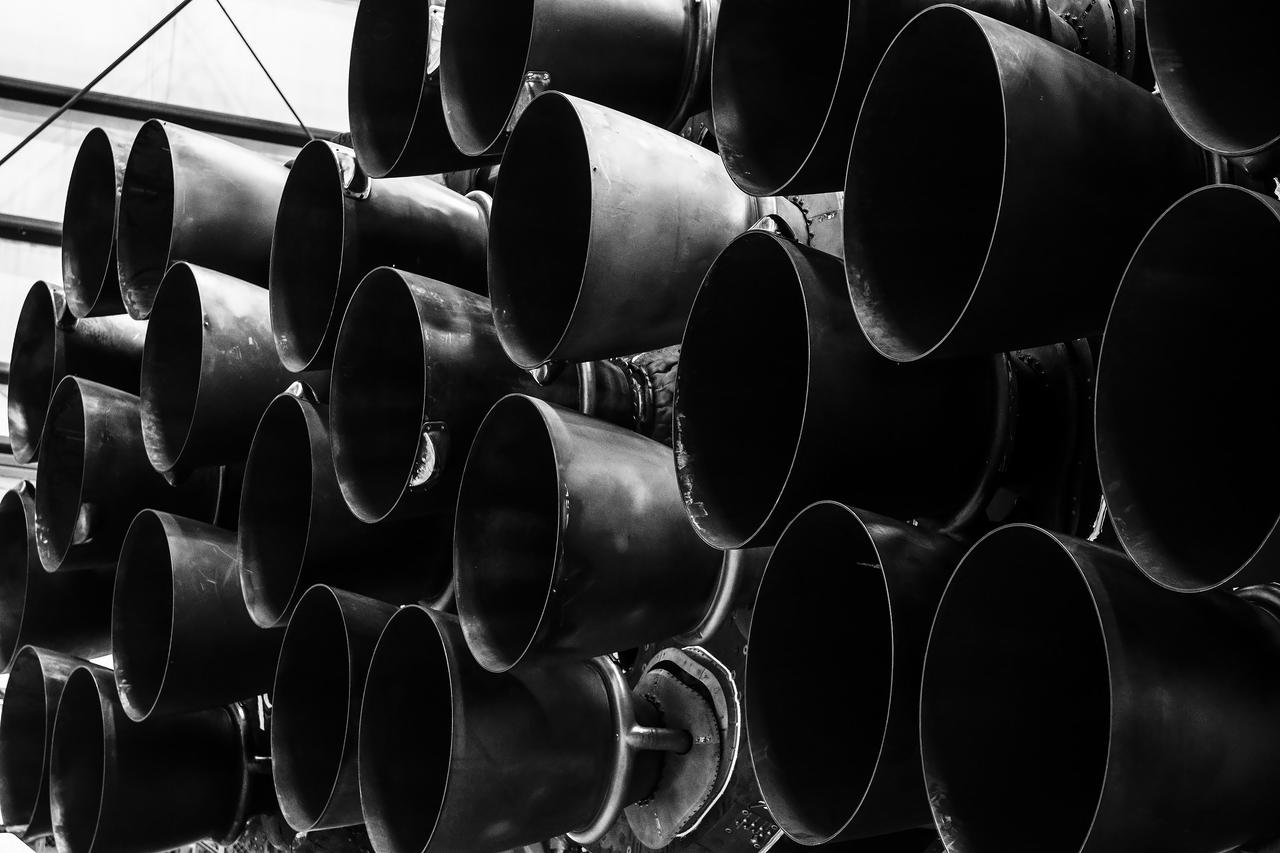
Photos of the Falcon Heavy rocket that will launch NASA's Psyche mission in the hangar at Launch Complex 39A at Kennedy Space Center in Florida before it rolled out to the pad for a static fire test as part of preparations for the journey to a metal-rich asteroid.
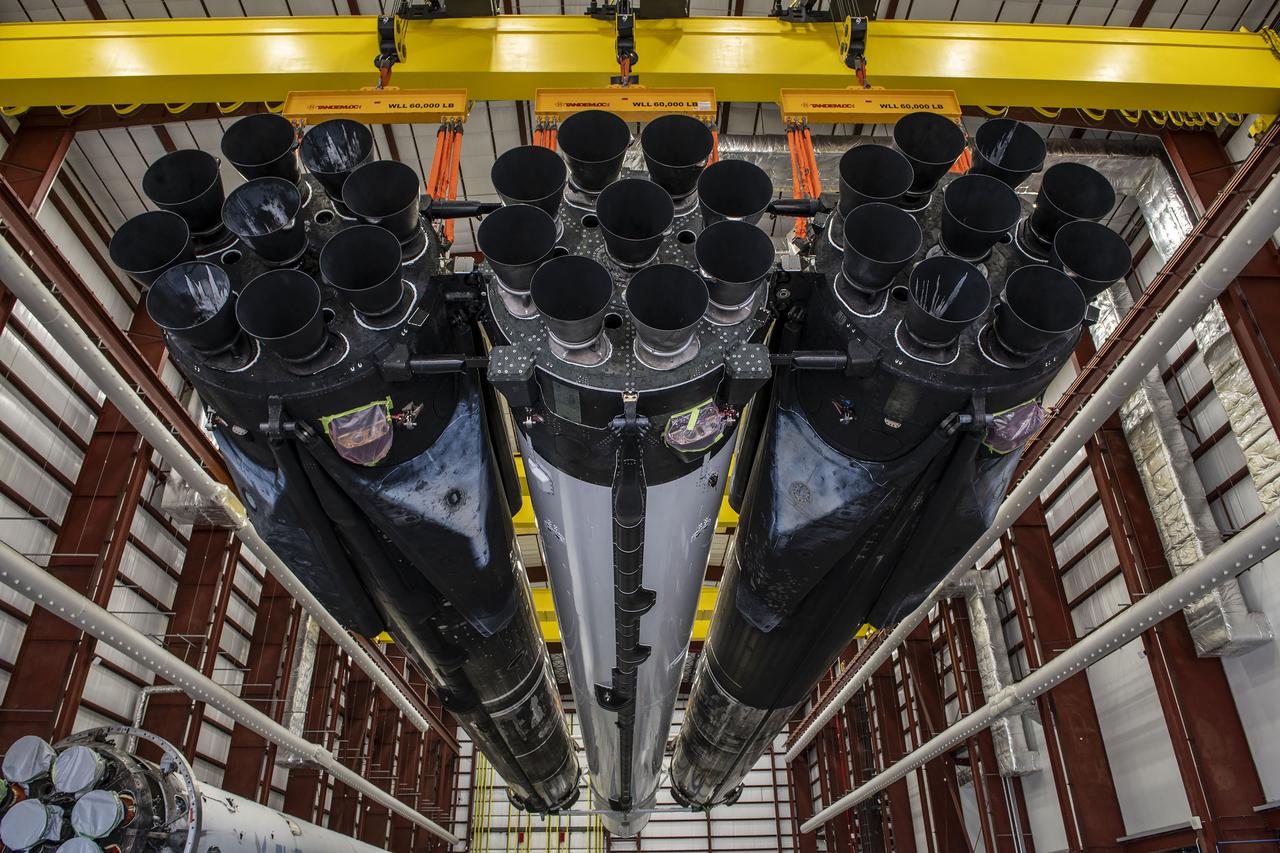
Photos of the Falcon Heavy rocket that will launch NASA's Psyche mission in the hangar at Launch Complex 39A at Kennedy Space Center in Florida before it rolled out to the pad for a static fire test as part of preparations for the journey to a metal-rich asteroid.
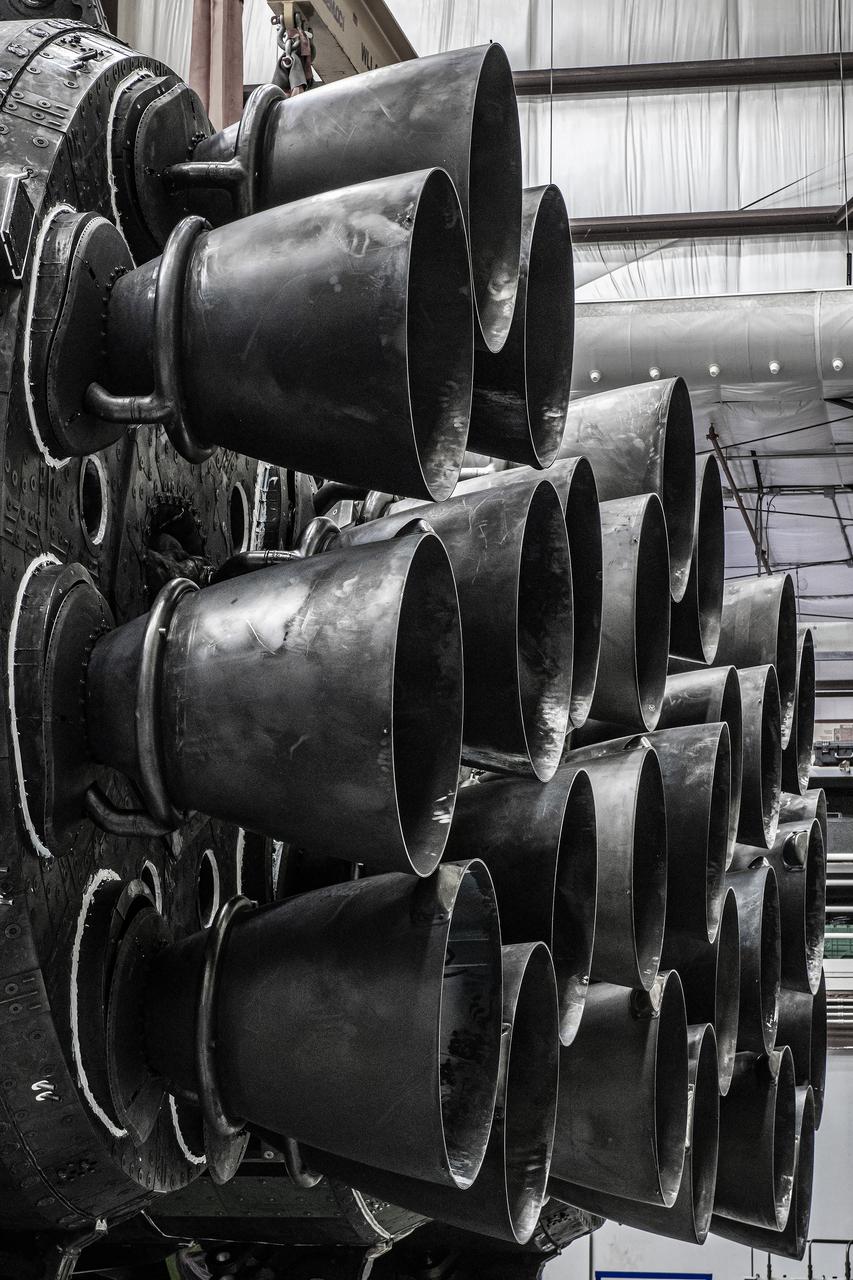
Photos of the Falcon Heavy rocket that will launch NASA's Psyche mission in the hangar at Launch Complex 39A at Kennedy Space Center in Florida before it rolled out to the pad for a static fire test as part of preparations for the journey to a metal-rich asteroid.
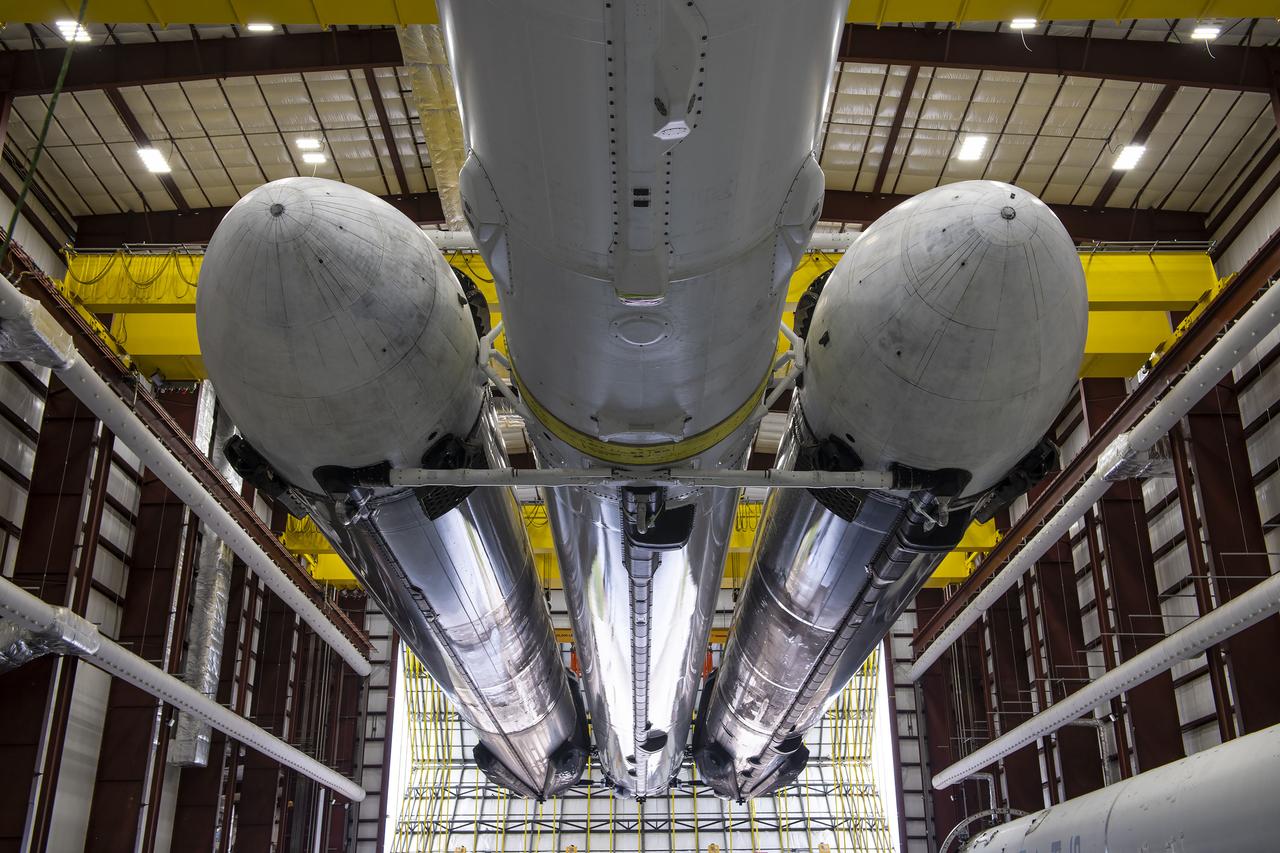
Photos of the Falcon Heavy rocket that will launch NASA's Psyche mission in the hangar at Launch Complex 39A at Kennedy Space Center in Florida before it rolled out to the pad for a static fire test as part of preparations for the journey to a metal-rich asteroid.
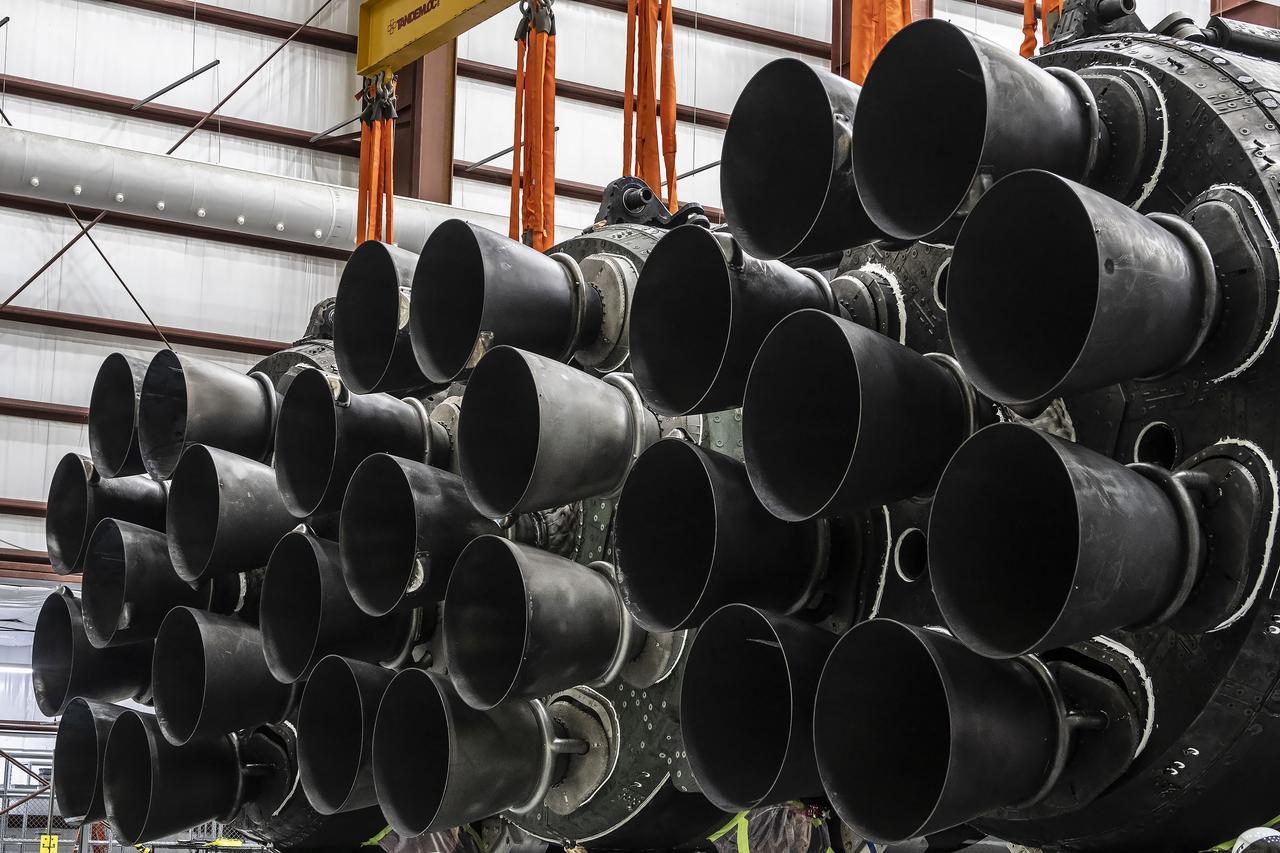
Photos of the Falcon Heavy rocket that will launch NASA's Psyche mission in the hangar at Launch Complex 39A at Kennedy Space Center in Florida before it rolled out to the pad for a static fire test as part of preparations for the journey to a metal-rich asteroid.
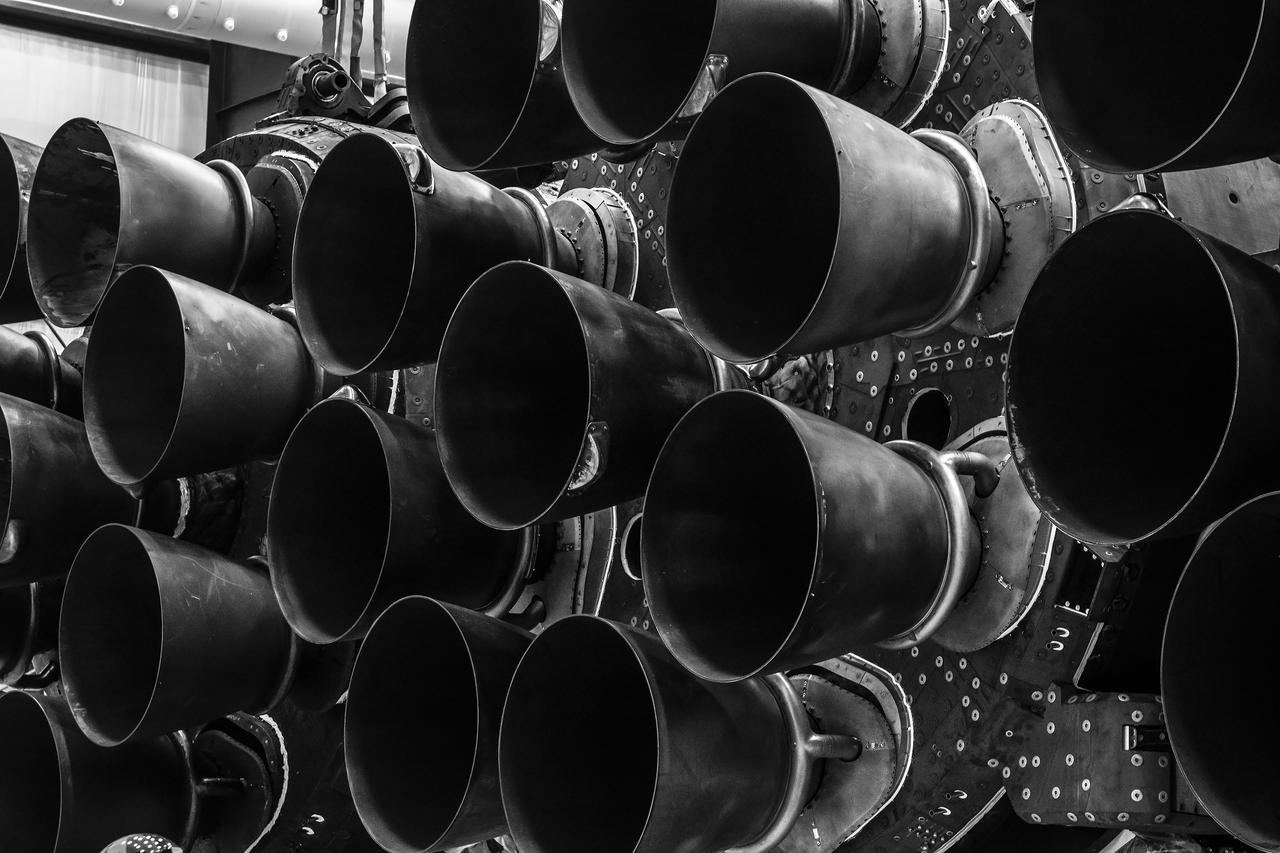
Photos of the Falcon Heavy rocket that will launch NASA's Psyche mission in the hangar at Launch Complex 39A at Kennedy Space Center in Florida before it rolled out to the pad for a static fire test as part of preparations for the journey to a metal-rich asteroid.
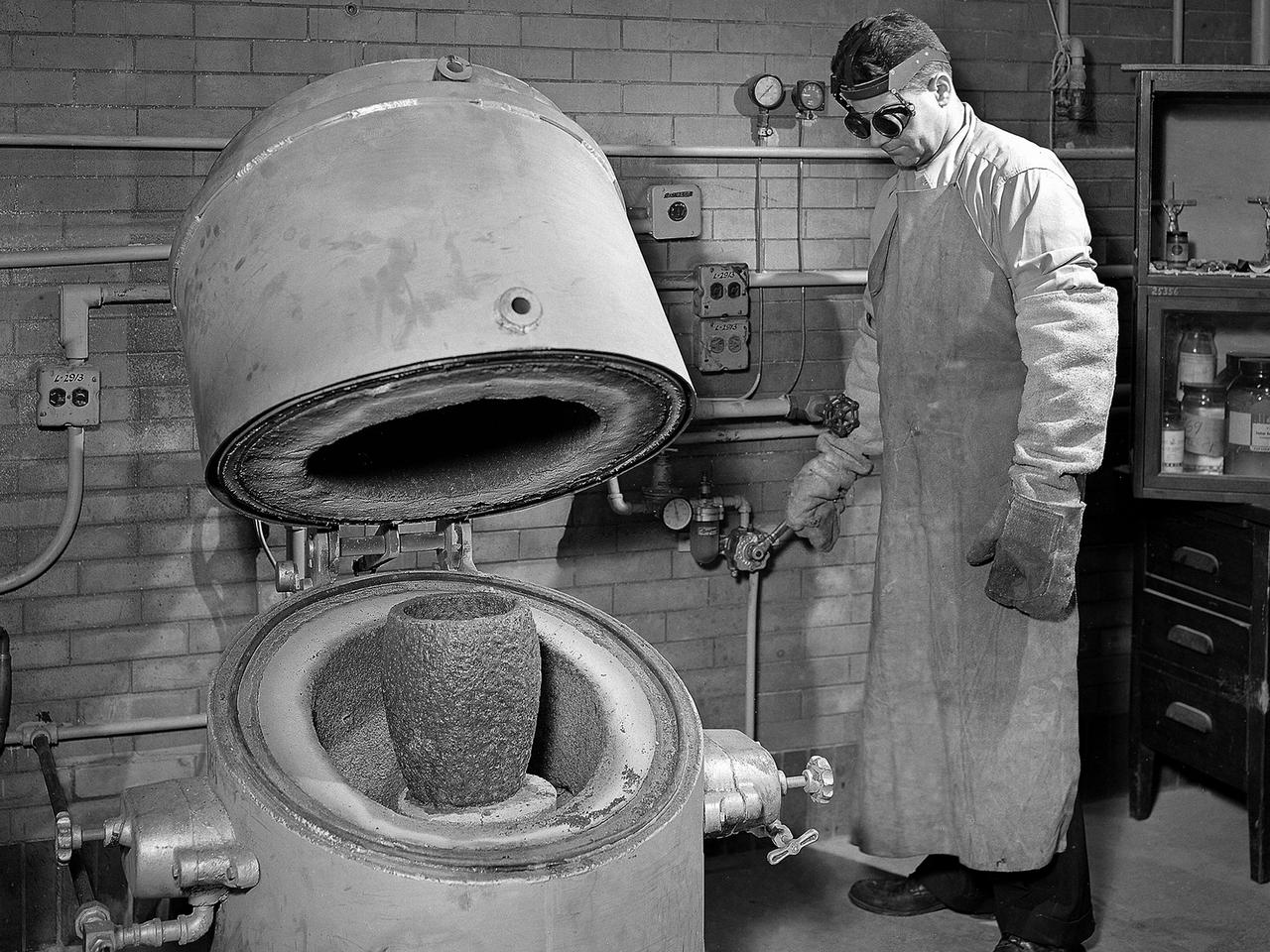
A technician prepares a metal component for a high-temperature bake in the Heat Treatment Shop at the National Advisory Committee for Aeronautics (NACA) Lewis Flight Propulsion Laboratory. Fabrication Division under Dan White and John Dalgleish created almost all of the equipment and models used at the laboratory. The Technical Services Building, referred to as the Fab Shop, contained a number of specialized shops in the 1940s and 1950s. These included a Machine Shop, Sheet Metal Shop, Wood and Pattern Shop, Instrument Shop, Thermocouple Shop, Heat Treating Shop, Metallurgical Laboratory, and Fabrication Office. The Metallurgical Laboratory contained a control lab for the Heat Treating Shop and a service lab for the NACA Lewis research divisions. This metallurgical group performed tensile and impact tests on metals to determine their suitability for specific research or equipment. The Heat Treating Shop heated metal parts to optimize their physical properties and contained a Precision Castings Foundry to manufacture equipment made of heat resisting alloys.
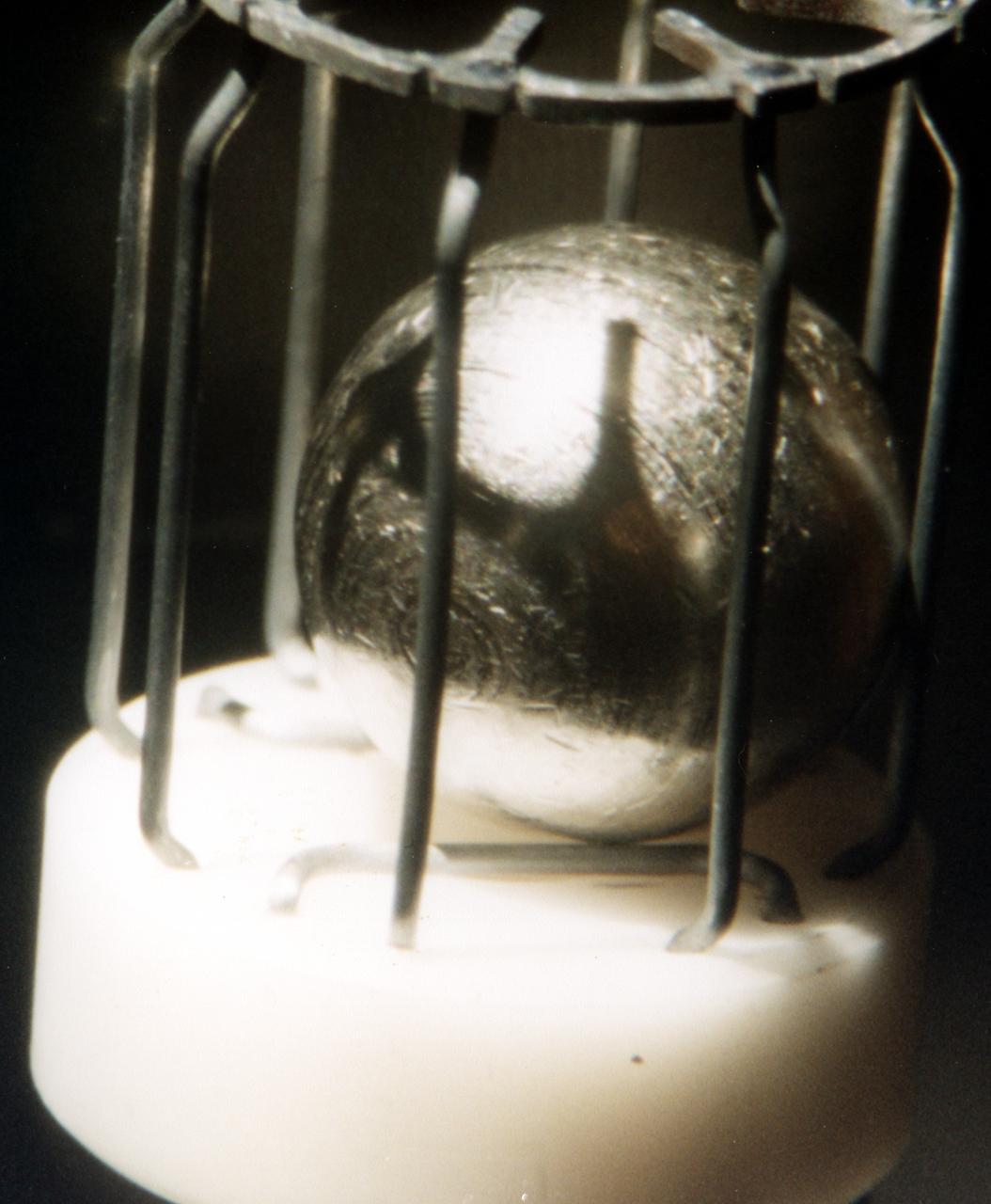
Typical metal sample that was processed by TEMPUS (Tiegelfreies Elektromagnetisches Prozessieren Unter Schwerelosigkeit), an electromagnetic levitation facility developed by German researchers and flown on the IML-2 and MSL-1 and 1R Spacelab missions. Electromagnetic levitation is used commonly in ground-based experiments to melt and then cool metallic melts below their freezing points without solidification occurring. Sample size is limited in ground-based experiments. Research with TEMPUS aboard Spacelab allowed scientists to study the viscosity, surface tension, and other properties of several metals and alloys while undercooled (i.e., cooled below their normal solidification points). The sample is about 1 cm (2/5 inch) in diameter.
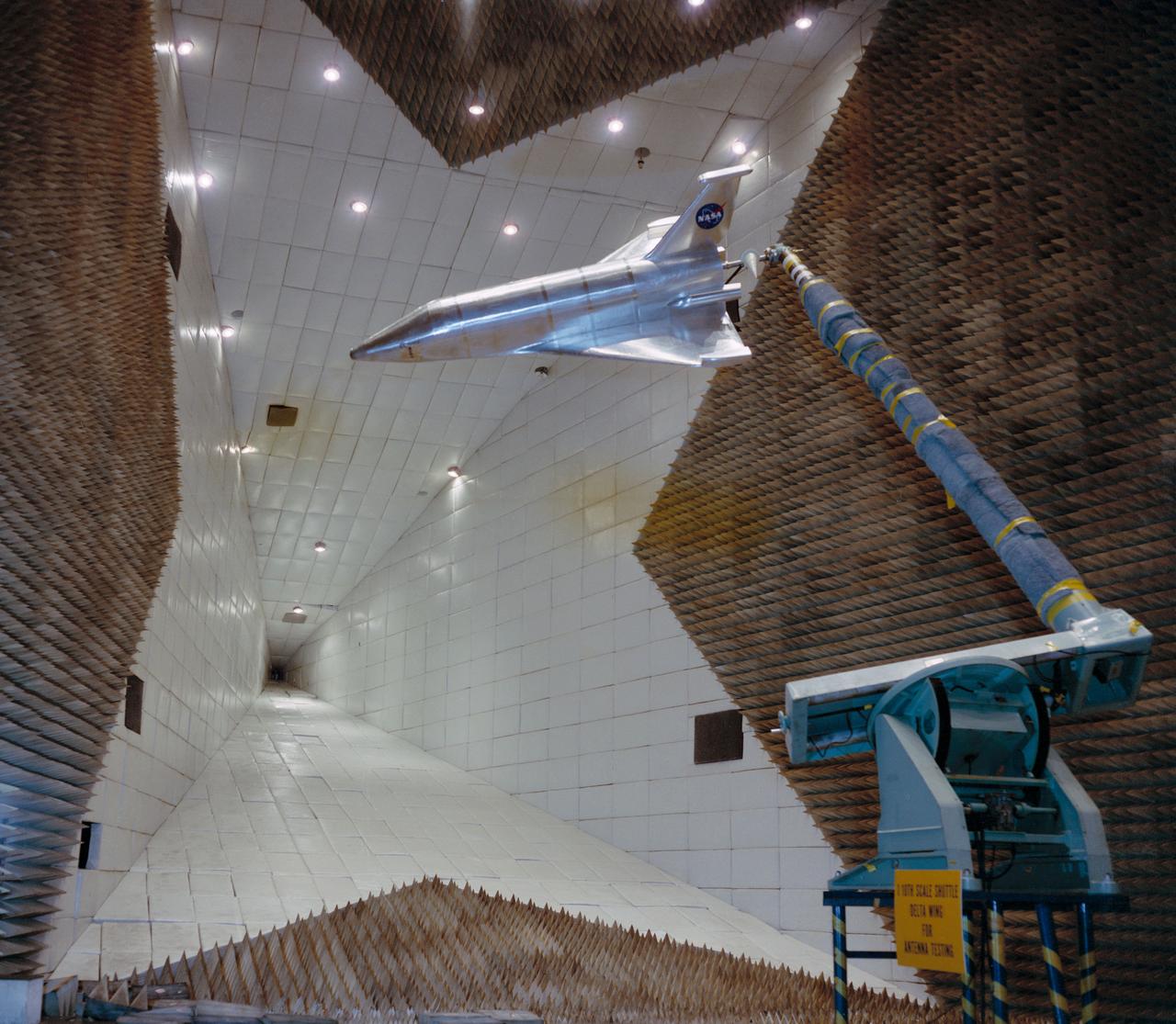
1/10 Scale-Model (metal) inside the Anechoic Chamber, Bldg. 14. 1. SHUTTLE - MODELS MSC, HOUSTON, TX
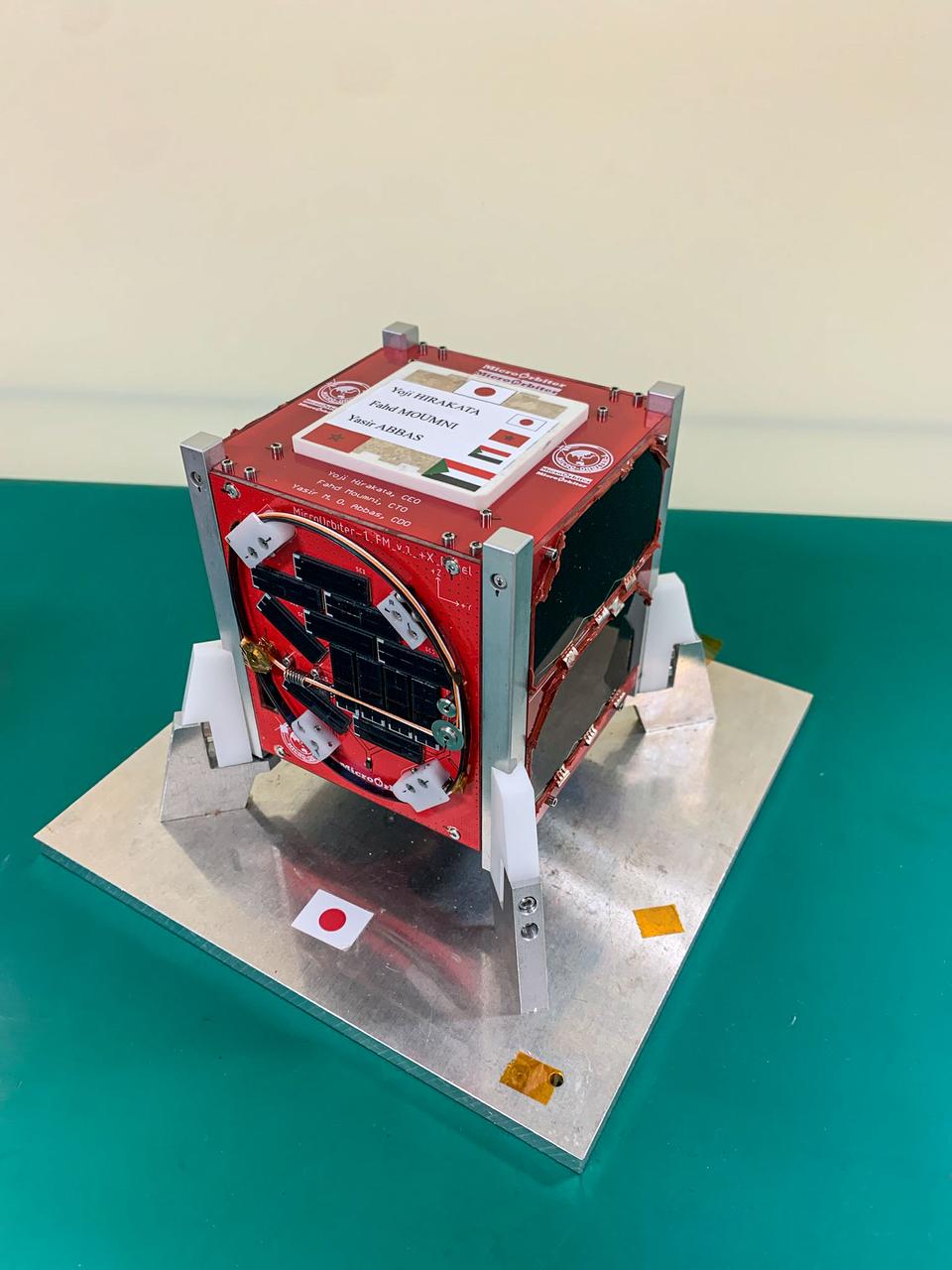
jsc2024e006083 (1/19/2024) --- The MicroOrbiter-1 Flight Model is placed on a metallic stand. ..Image Credit: MOUMNI Fahd.
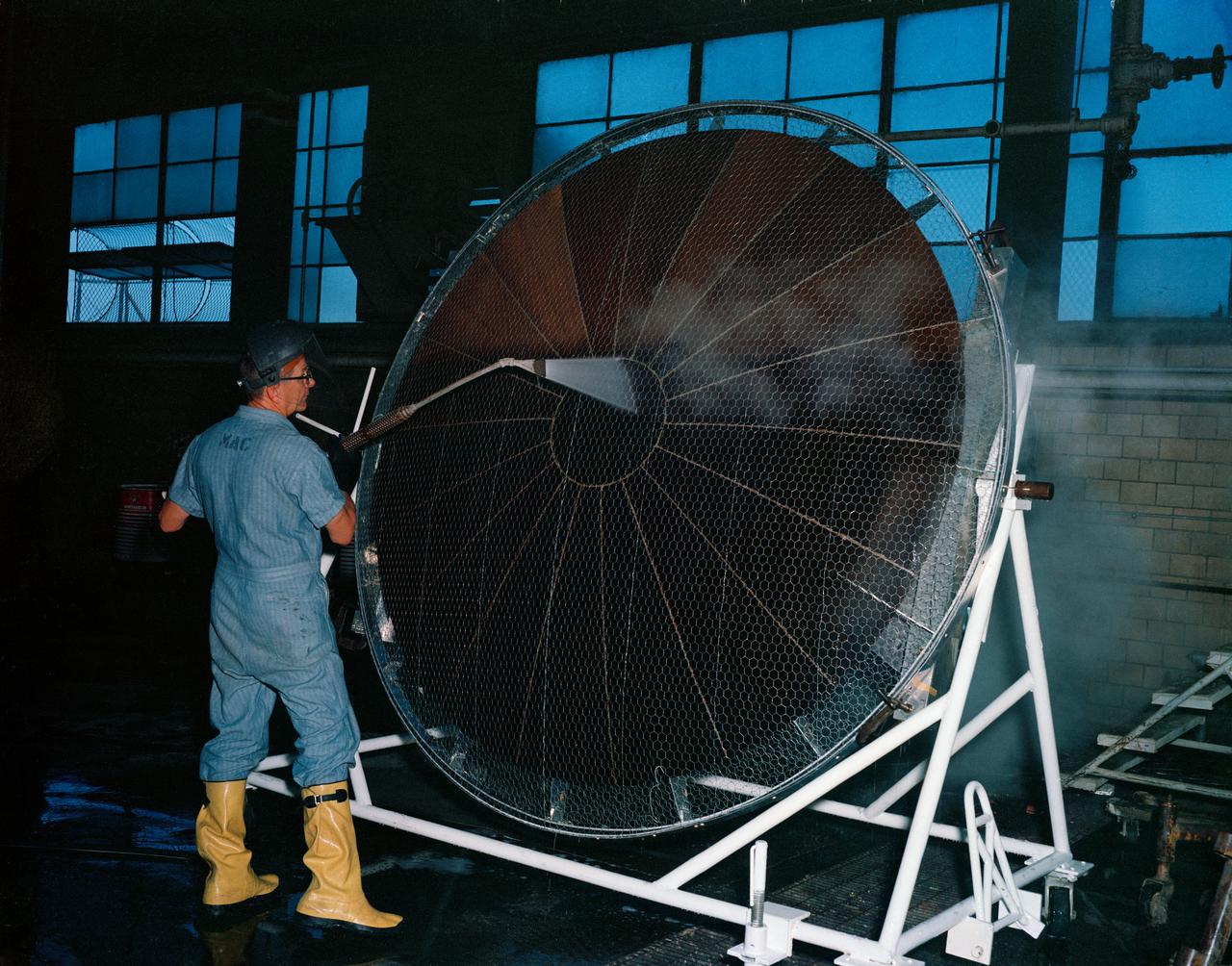
S63-16250 (1963) --- Workman cleaning metal framed heat shield to be used on Mercury spacecraft. Photo credit: NASA

This artist's concept depicts the 140-mile-wide (226-kilometer-wide) asteroid Psyche, which lies in the main asteroid belt between Mars and Jupiter. Psyche is the focal point of NASA's mission of the same name. The Psyche spacecraft is set to launch in August 2022 and arrive at the asteroid in 2026, where it will orbit for 21 months and investigate its composition. Scientists think that Psyche, unlike most other asteroids that are rocky or icy bodies, is made up of mostly iron and nickel — similar to the Earth's core. Exploring the asteroid could give valuable insight into how our own planet and others formed. The Psyche team will use a magnetometer to measure the asteroid's magnetic field. A multispectral imager will capture images of the surface, as well as data about the Psyche's composition and topography. Spectrometers will analyze the neutrons and gamma rays coming from the surface to reveal the elements that make up the asteroid itself. https://photojournal.jpl.nasa.gov/catalog/PIA23876
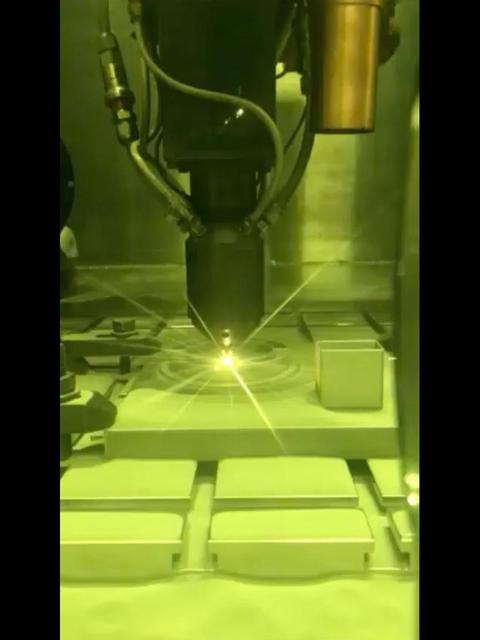
This video clip shows a 3D printing technique where a printer head scans over each layer of a part, blowing metal powder that is melted by a laser. It's one of several ways parts are 3D printed at NASA's Jet Propulsion Laboratory, but was not used to create the parts aboard the Perseverance rover. Movie available at https://photojournal.jpl.nasa.gov/catalog/PIA23972
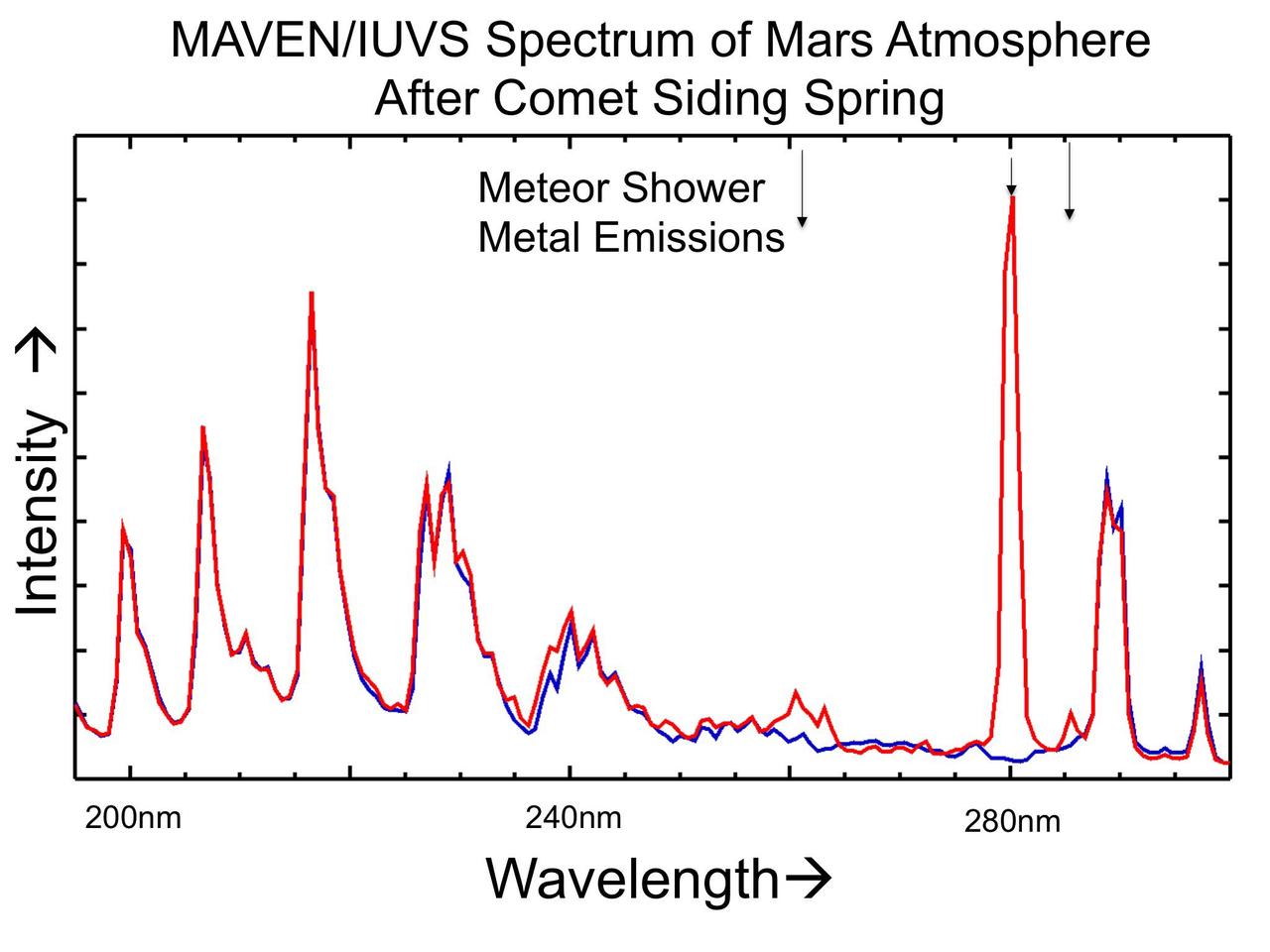
The places where the red line on this graph extends higher than the blue line show detection of metals added to the Martian atmosphere from dust particles released by a passing comet on Oct. 19, 2014. The graphed data are from NASA MAVEN spacecraft.
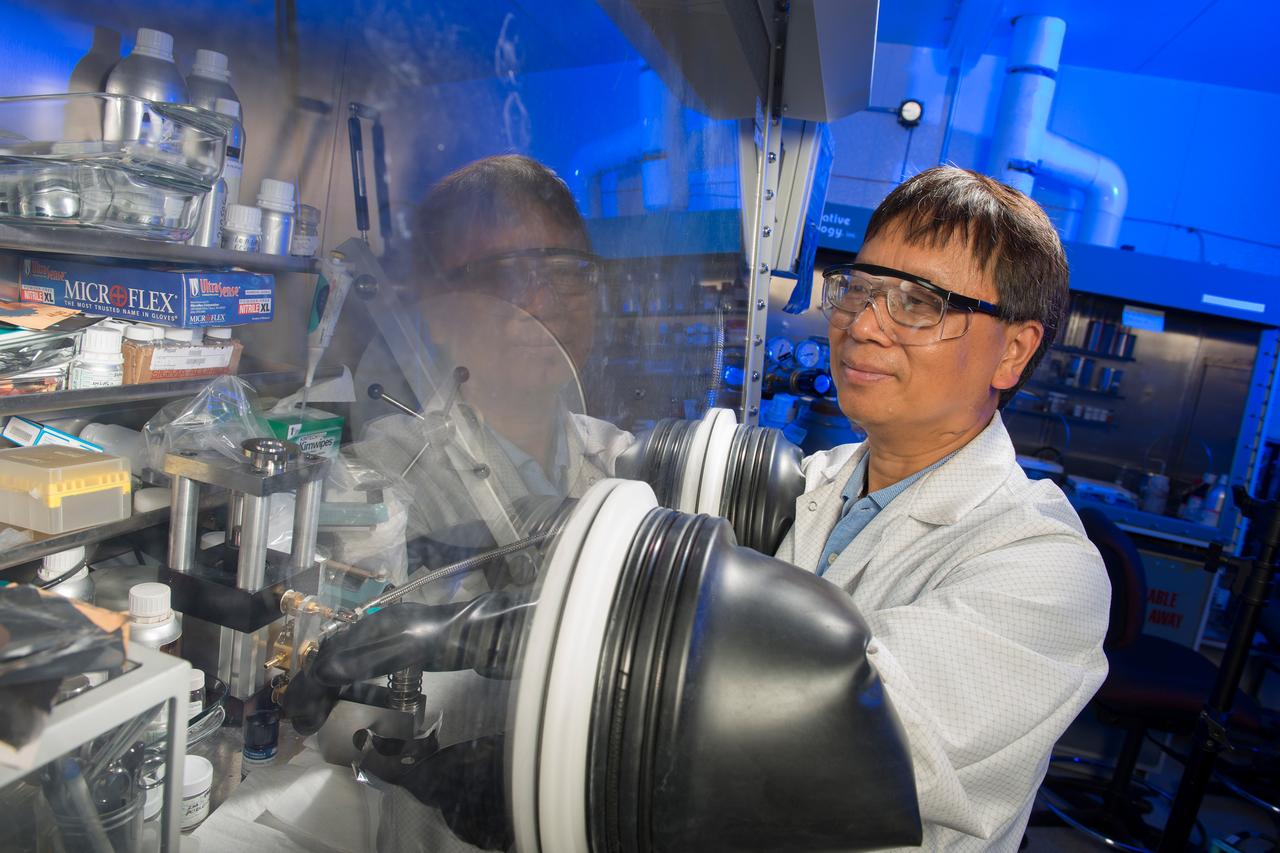
NASA Glenn Researcher James Wu assembles a lithium-metal based battery lab cell incorporating a new solid polymer nanocomposite electrolyte developed at the center.
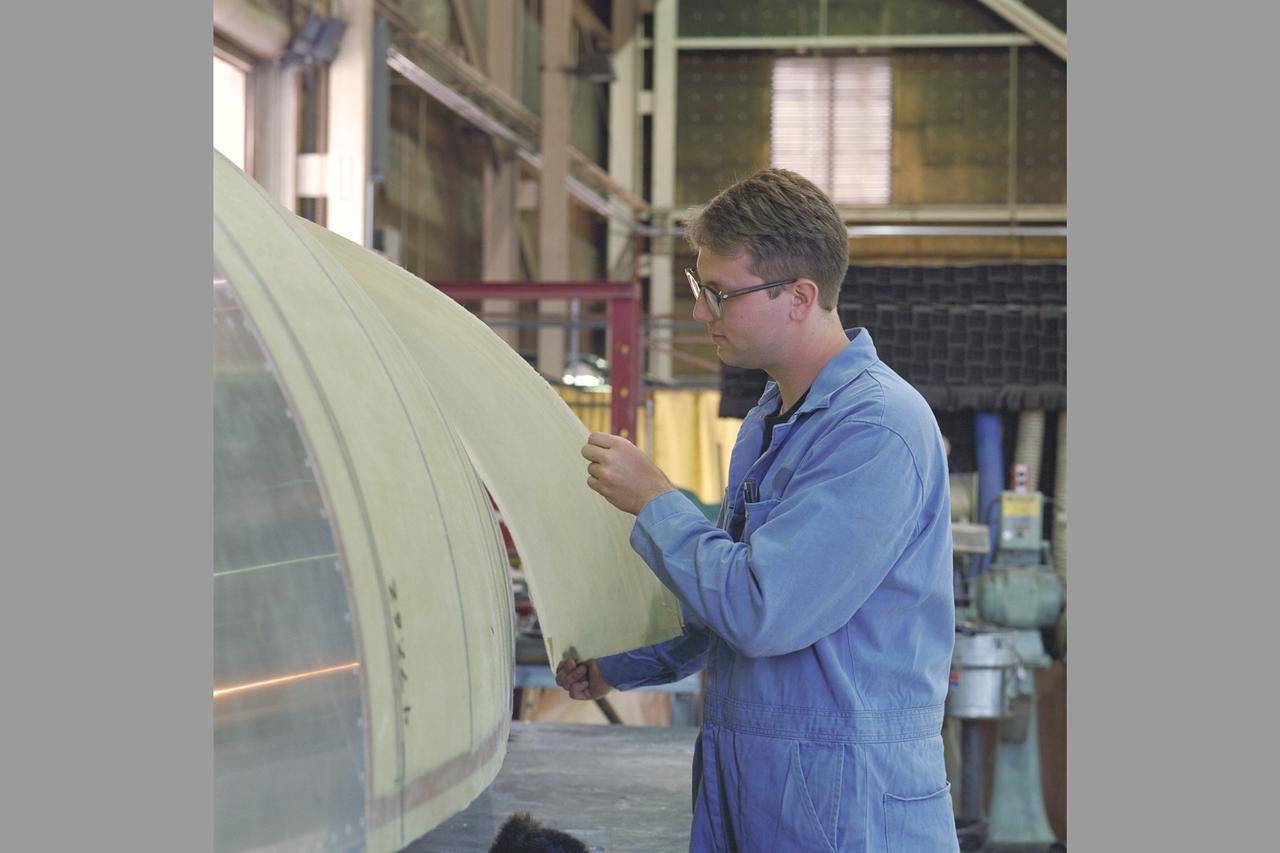
Manufacturing Division (Code JM) Projects. Damon Flausburg working on STAR model in N-246 Metal Fabrications Br. (code-JMF) Damon Flansburg
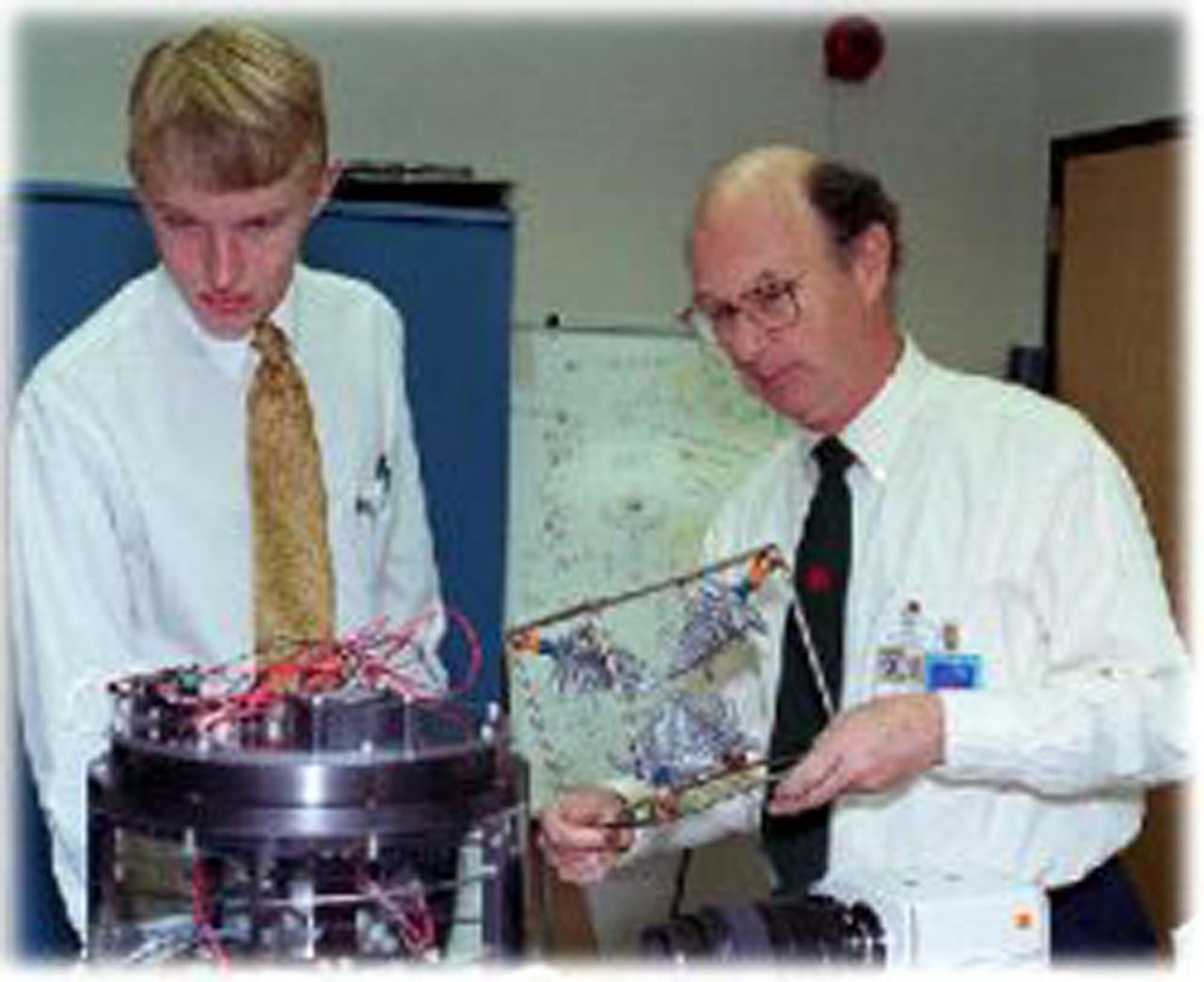
Dr. Donald Gilles, the Discipline Scientist for Materials Science in NASA's Microgravity Materials Science and Applications Department, demonstrates to Carl Dohrman a model of dendrites, the branch-like structures found in many metals and alloys. Dohrman was recently selected by the American Society for Metals International as their 1999 ASM International Foundation National Merit Scholar. The University of Illinois at Urbana-Champaign freshman recently toured NASA's materials science facilities at the Marshall Space Flight Center.
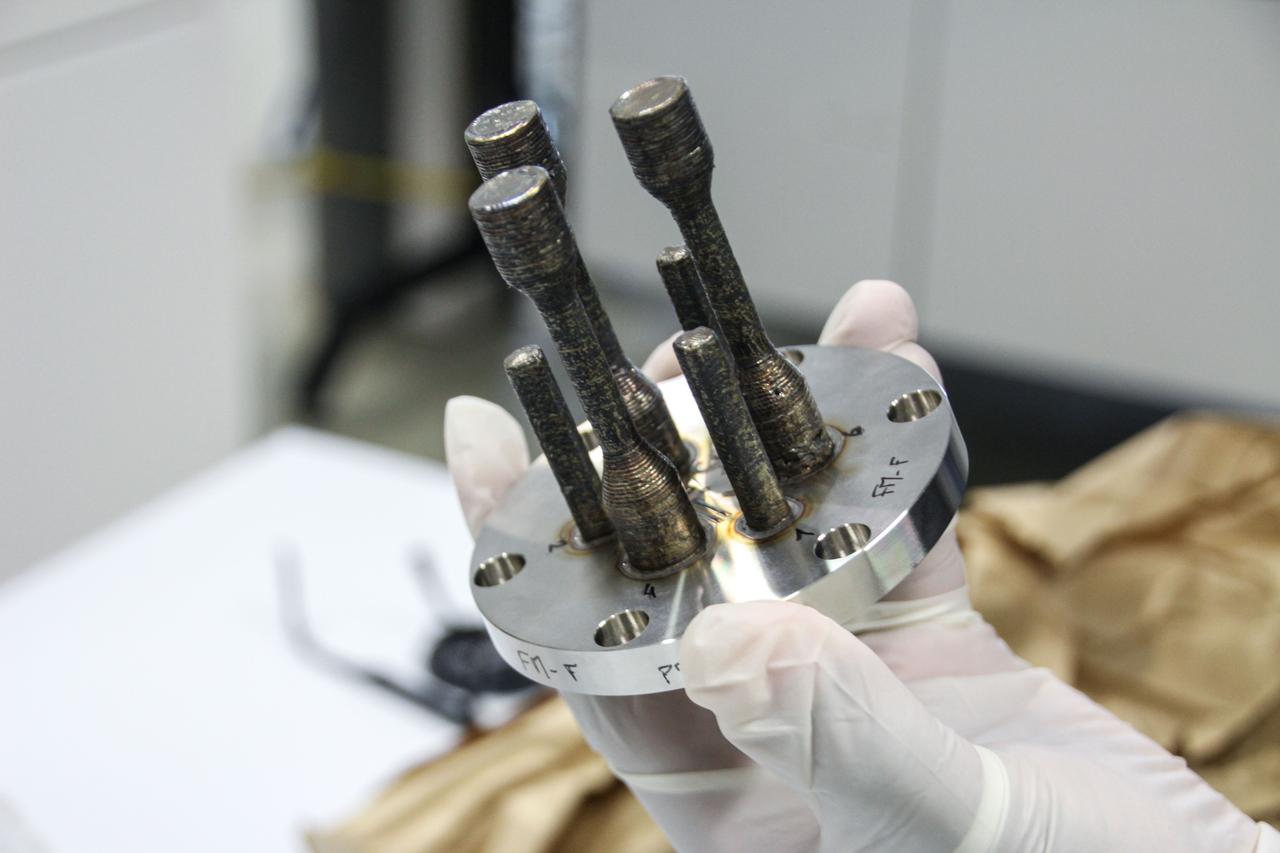
jsc2024e005971 (3/21/2023) --- A preflight image for Metal 3D printer shows one of the stainless steel specimens after printing on the ground. A team member holds the sample at the ESA (European Space Agency) materials laboratory. Metal 3D printer evaluates in-space additive manufacturing for potential use in maintenance and long-duration missions to the Moon or Mars. Image courtesy of ESA/Airbus.
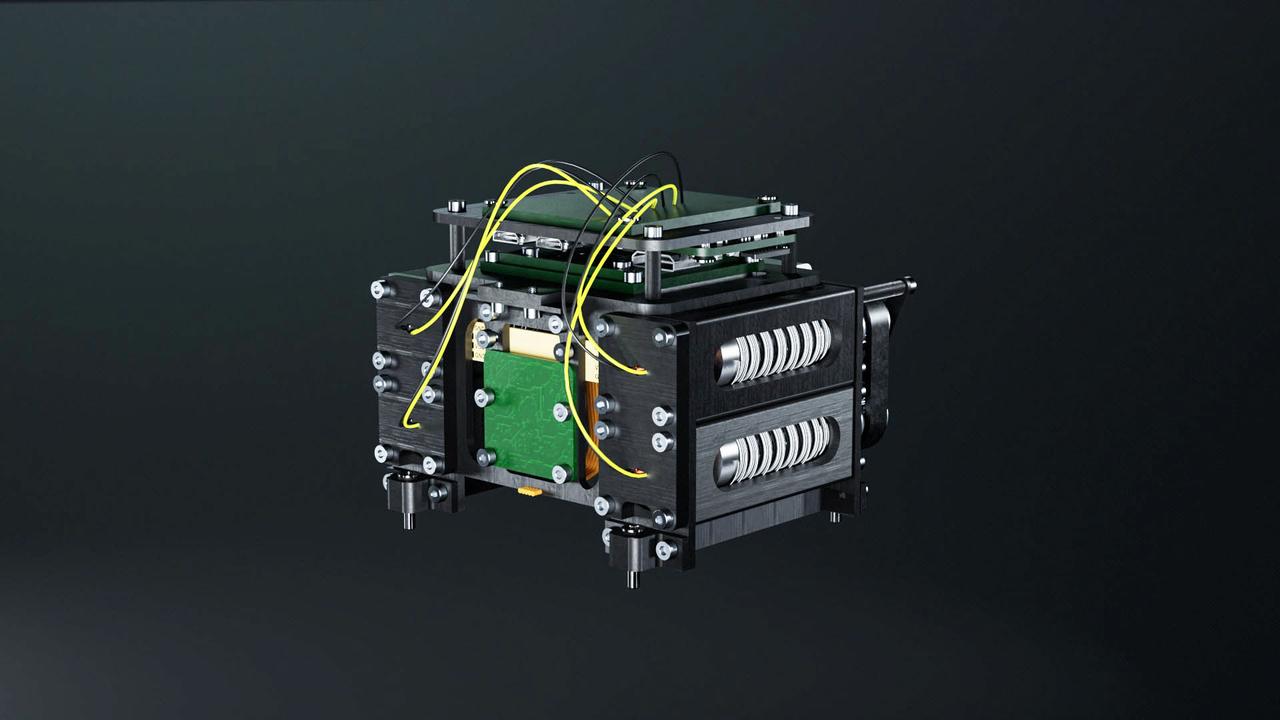
jsc2024e065167 (10/3/2024) --- Render of the Nanolab Astrobeat module core. This investigation tests cold welding in a space environment. Cold welding is a method in which metallic materials fuse or weld at ambient temperature provided that there is sufficient high contact force. Testing consists of releasing tension in springs so two pieces of metal collide to perform cold welding. Image courtesy of Dr. Leonardo Barilaro, The Malta College of Arts, Science & Technology.
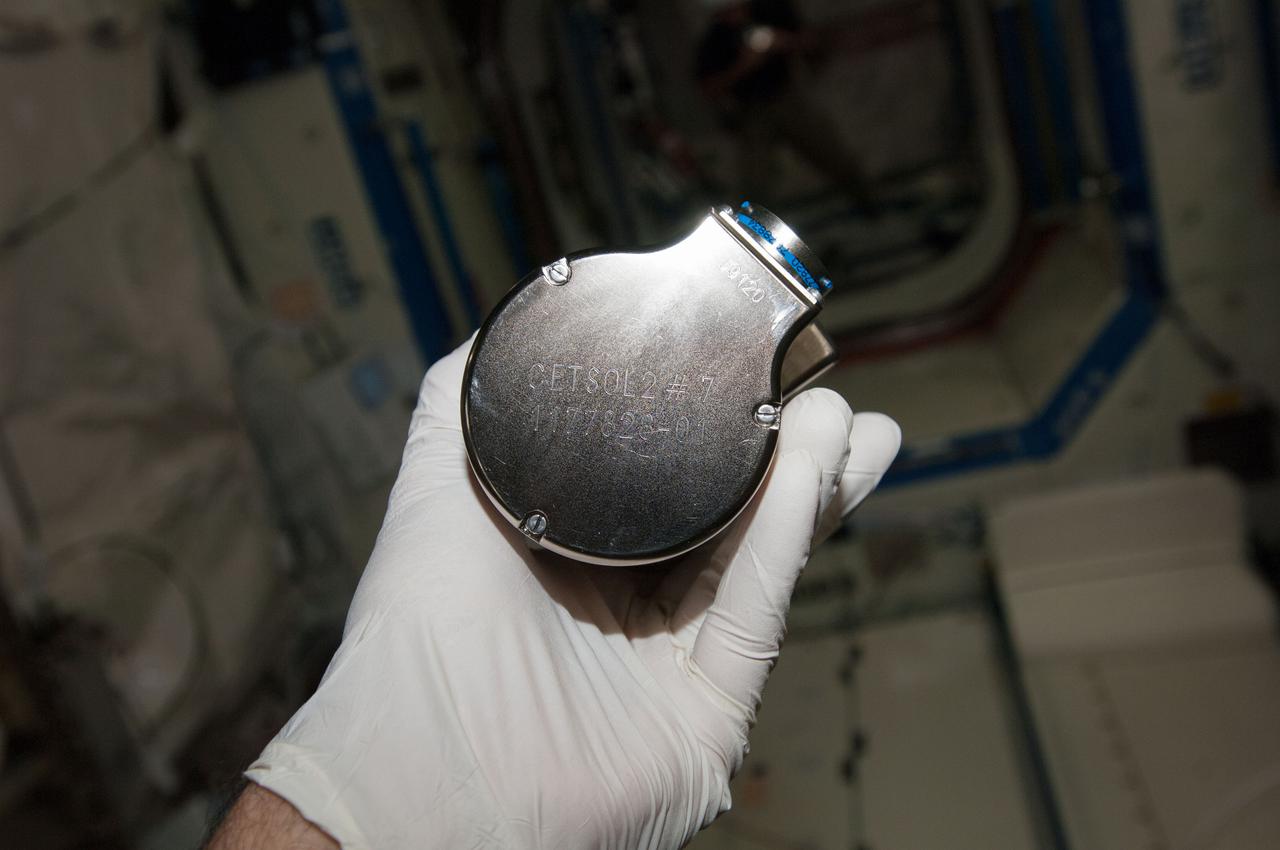
iss038e045758 (2/12/2014) --- A view of Columnar-to-Equiaxed Transition in Solidification Processing-2 (CETSOL-2) test sample 7 which is to be installed into the Material Science Laboratory (MSL) Solidification and Quench Furnace (SQF). This investigation aims to deepen the understanding of the physical principles that govern solidification processes in metal alloys. The patterns of the crystals resulting from transitions of liquids to solids is important for processes used to produce materials such as solar cells, thermoelectrics, and metal alloys.
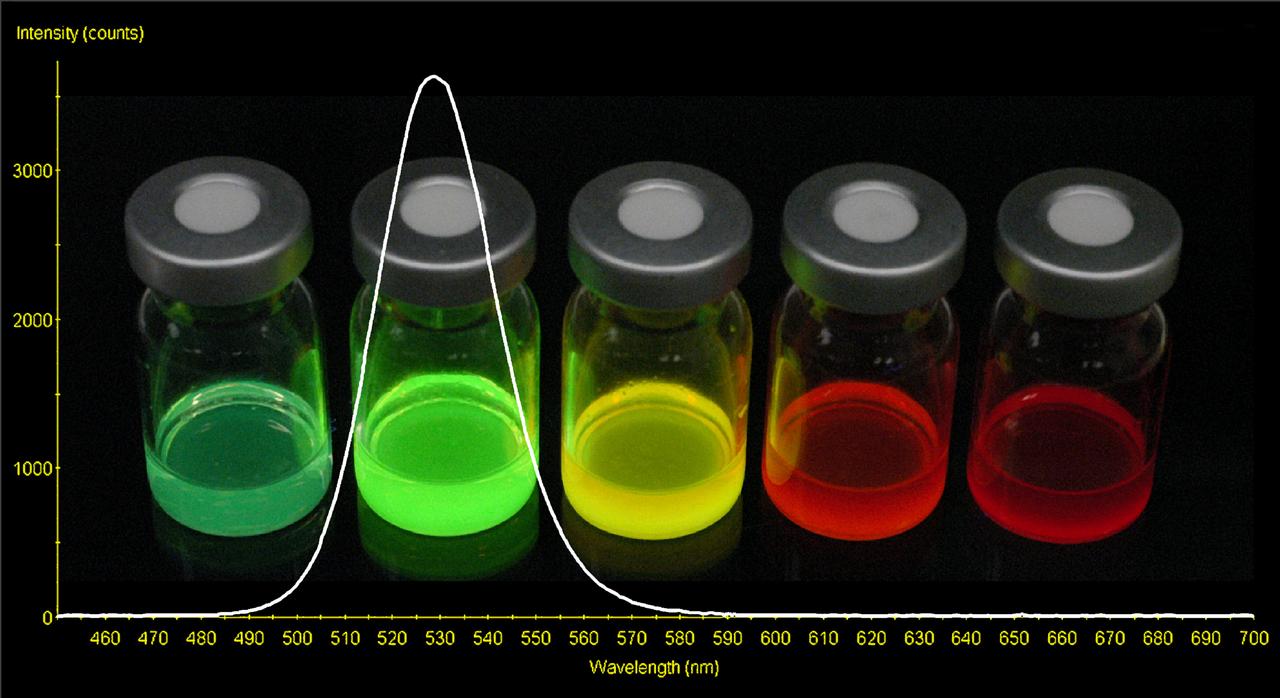
Cadmium selenium Quantum Dots (QDs) are metal nanoparticles that fluoresce in a variety of colors determined by their size. QDs are solid state structures made of semiconductors or metals that confine a countable, small number of electrons into a small space. The confinement of electrons is achieved by the placement of some insulating material(s) around a central, well conducted region. Coupling QDs with antibodies can be used to make spectrally multiplexed immunoassays that test for a number of microbial contaminants using a single test.
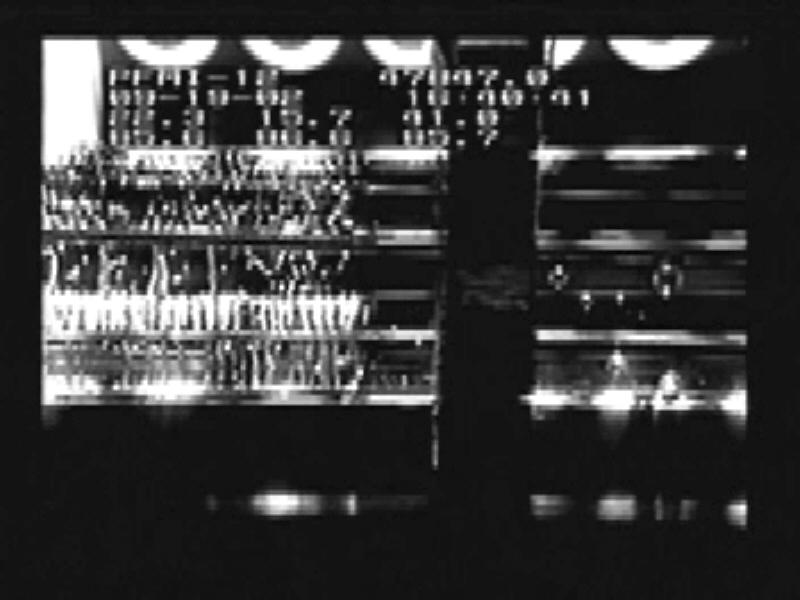
Video images sent to the ground allow scientists to watch the behavior of the bubbles as they control the melting and freezing of the material during the Pore Formation and Mobility Investigation (PFMI) in the Microgravity Science Glovebox aboard the International Space Station. While the investigation studies the way that metals behave at the microscopic scale on Earth -- and how voids form -- the experiment uses a transparent material called succinonitrile that behaves like a metal to study this problem. The bubbles do not float to the top of the material in microgravity, so they can study their interactions.
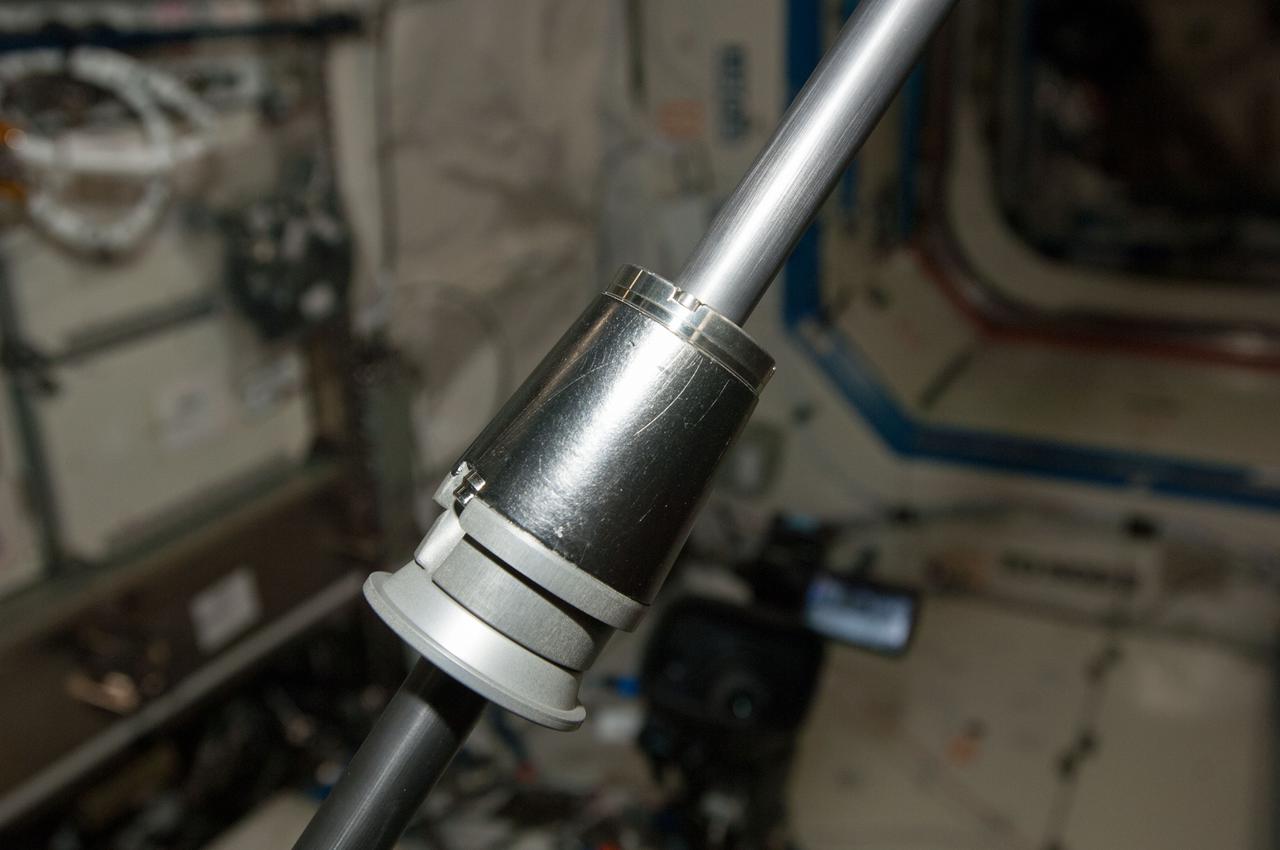
iss038e045760 92/12/2014) --- A view of Columnar-to-Equiaxed Transition in Solidification Processing-2 (CETSOL-2) test sample 7 which is to be installed into the Material Science Laboratory (MSL) Solidification and Quench Furnace (SQF). This investigation aims to deepen the understanding of the physical principles that govern solidification processes in metal alloys. The patterns of the crystals resulting from transitions of liquids to solids is important for processes used to produce materials such as solar cells, thermoelectrics, and metal alloys.
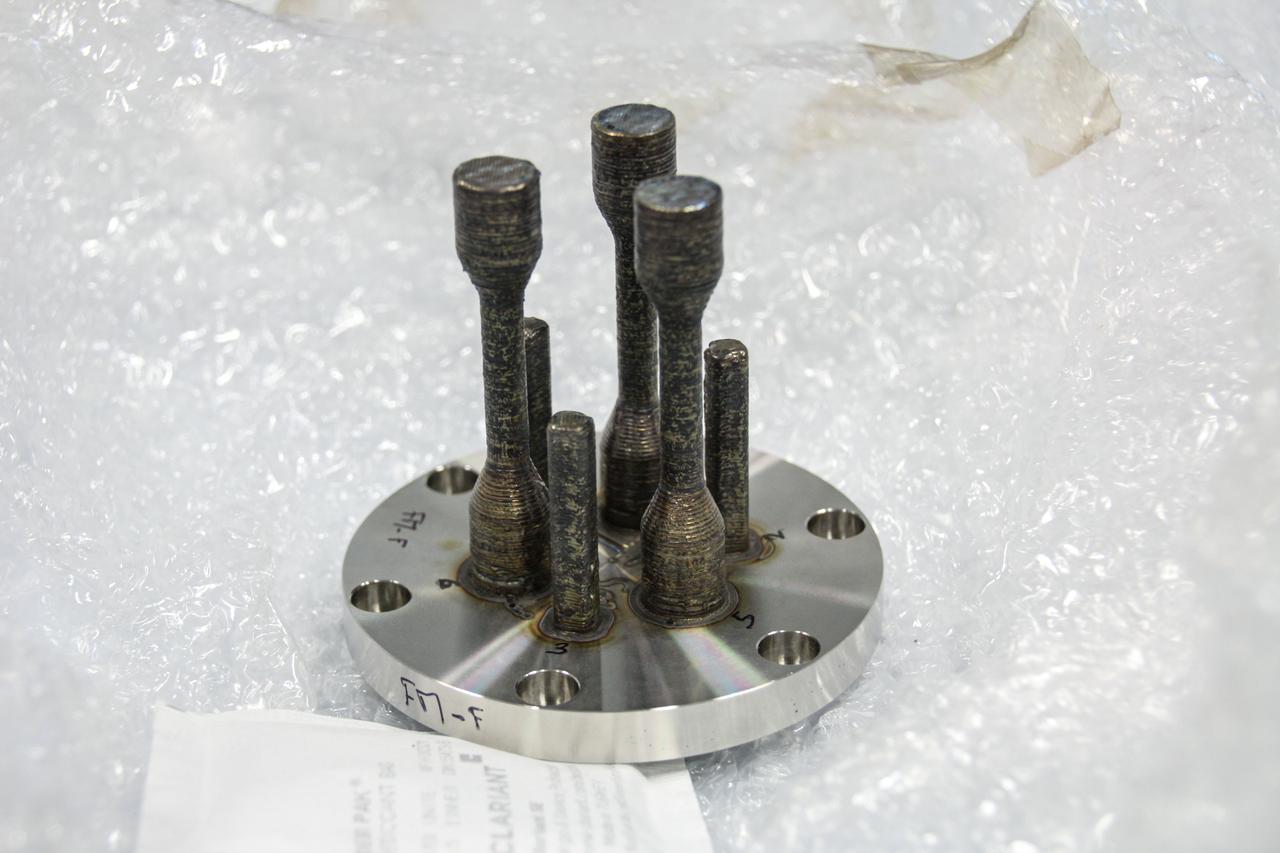
jsc2024e005970 (3/21/2023) --- A preflight image for Metal 3D printer shows one of the specimens after printing on the ground. The specimen was made from stainless steel at the ESA (European Space Agency) materials laboratory. Metal 3D printer evaluates in-space additive manufacturing for potential use in maintenance and long-duration missions to the Moon or Mars. Image courtesy of ESA/Airbus.

iss071e522120 (8/21/2024) ---A view the Metal 3D printer that manufactures experimental samples printed with stainless steel aboard the International Space Station's Columbus laboratory module. Researchers are exploring how the Metal 3D printer operates in the microgravity conditions of weightlessness and radiation as well as its ability to manufacture tools and parts on demand during space missions.
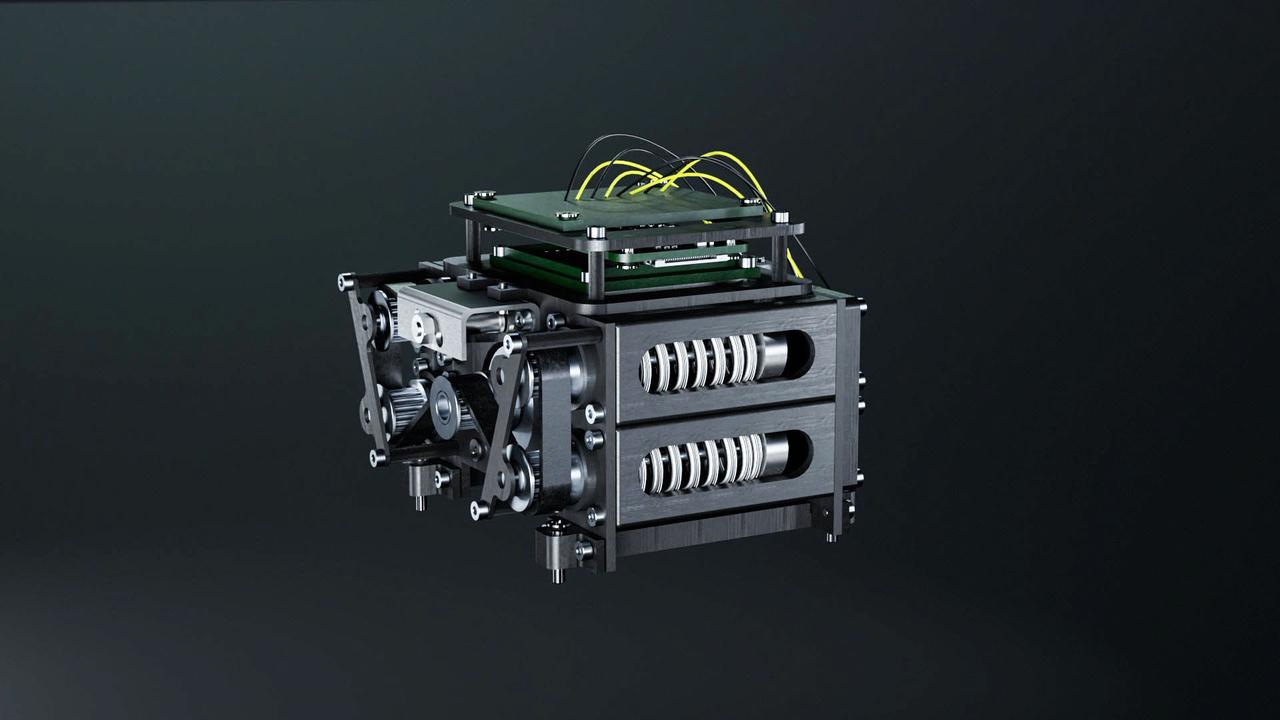
jsc2024e065166 (10/3/2024) --- Render of the Nanolab Astrobeat module core. This investigation tests cold welding in a space environment. Cold welding is a method in which metallic materials fuse or weld at ambient temperature provided that there is sufficient high contact force. Testing consists of releasing tension in springs so two pieces of metal collide to perform cold welding. Image courtesy of Dr. Leonardo Barilaro, The Malta College of Arts, Science & Technology.
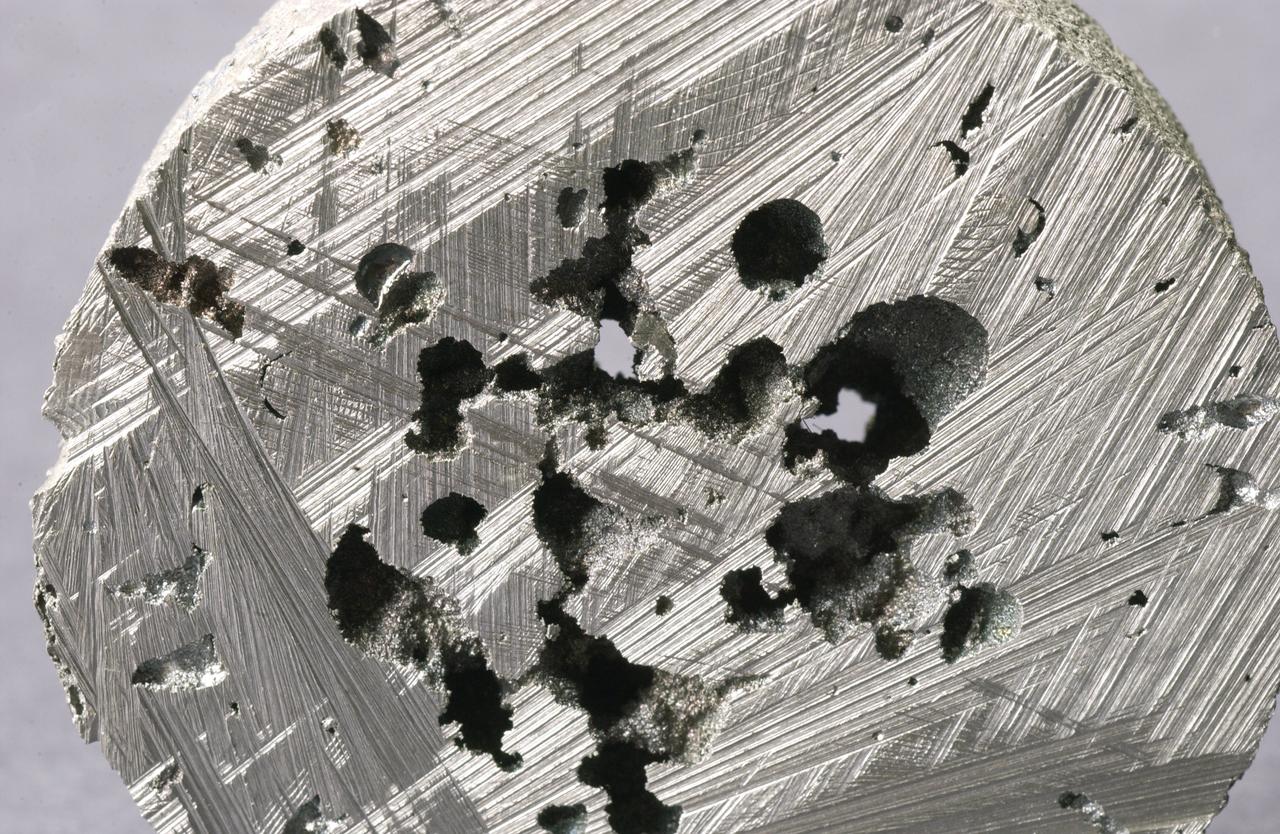
Pores and voids often form in metal castings on Earth (above) making them useless. A transparent material that behaves at a large scale in microgravity the way that metals behave at the microscopic scale on Earth, will help show how voids form and learn how to prevent them. Scientists are using the microgravity environment on the International Space Station to study how these bubbles form, move and interact. The Pore Formation and Mobility Investigation (PFMI) in the Microgravity Science Glovebox aboard the International Space Station uses a transparent material called succinonitrile that behaves like a metal to study this problem. Video images sent to the ground allow scientists to watch the behavior of the bubbles as they control the melting and freezing of the material. The bubbles do not float to the top of the material in microgravity, so they can study their interactions.
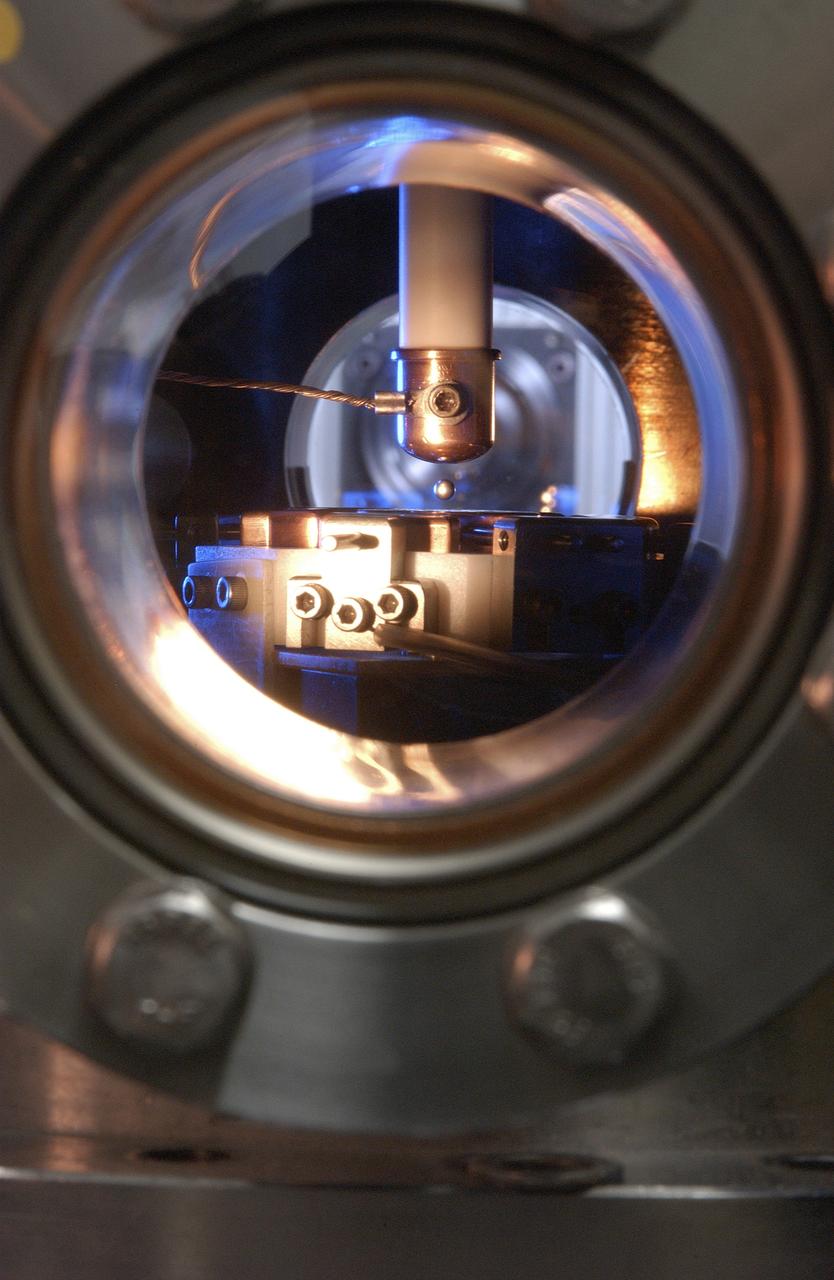
This Photo, which appeared on the July cover of `Physics Today', is of the Electrostatic Levitator (ESL) at NASA's Marshall Space Flight Center (MSFC). The ESL uses static electricity to suspend an object (about 3-4 mm in diameter) inside a vacuum chamber allowing scientists to record a wide range of physical properties without the sample contracting the container or any instruments, conditions that would alter the readings. Once inside the chamber, a laser heats the sample until it melts. The laser is then turned off and the sample cools, changing from a liquid drop to a solid sphere. In this particular shot, the ESL contains a solid metal sample of titanium-zirconium-nickel alloy. Since 1977, the ESL has been used at MSFC to study the characteristics of new metals, ceramics, and glass compounds. Materials created as a result of these tests include new optical materials, special metallic glasses, and spacecraft components.
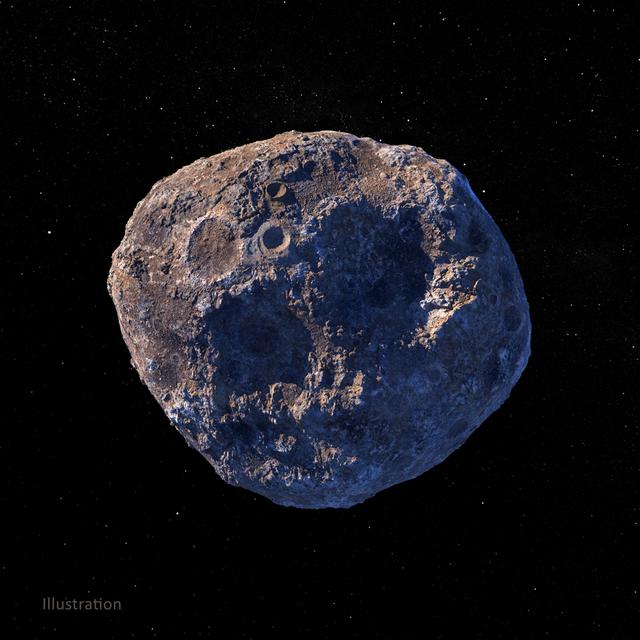
This illustration, created in March 2021, depicts the 140-mile-wide (226-kilometer-wide) asteroid Psyche, which lies in the main asteroid belt between Mars and Jupiter. Psyche is the focal point of NASA's mission of the same name. The Psyche spacecraft is set to launch in August 2022 and arrive at the asteroid in 2026, where it will orbit for 21 months and investigate its composition. Based on data obtained from Earth, scientists believe Psyche is a mixture of metal and rock. The rock and metal may be in large provinces, or areas, on the asteroid — as depicted in an illustration here: PIA24471. Another possibility is that rock and metal may be intimately mixed on a scale too small to detect from orbit — as depicted in the illustration above. Observing and measuring how the metal and rock are mixed will help scientists determine how Psyche formed. Exploring the asteroid could also give valuable insight into how our own planet and others formed. The Psyche team will use a magnetometer to measure the asteroid's magnetic field. A multispectral imager will capture images of the surface, as well as data about the Psyche's composition and topography. Spectrometers will analyze the neutrons and gamma rays coming from the surface to reveal the elements that make up the asteroid itself. The image was created by Peter Rubin. https://photojournal.jpl.nasa.gov/catalog/PIA24472

A mechanic and apprentice work on a wooden impeller in the Fabrication Shop at the NACA Lewis Flight Propulsion Laboratory. The 260-person Fabrication Division created almost all of the equipment and models used at the laboratory. The Technical Services Building, referred to as the “Fab Shop”, contained a number of specialized shops in the 1940s and 1950s. These included a Machine Shop, Sheet Metal Shop, Wood and Pattern Shop, Instrument Shop, Thermocouple Shop, Heat Treating Shop, Metallurgical Laboratory, and Fabrication Office. The Machine Shop fabricated research equipment not commercially available. During World War II these technicians produced high-speed cameras for combustion research, impellers and other supercharger components, and key equipment for the lab’s first supersonic wind tunnel. The Wood and Pattern Shop created everything from control panels and cabinets to aircraft model molds for sheet metal work. The Sheet Metal Shop had the ability to work with 0.01 to 4-inches thick steel plates. The Instrument Shop specialized in miniature parts and instrumentation, while the Thermocouple Shop standardized the installation of pitot tubes and thermocouples. The Metallurgical Laboratory contained a control lab for the Heat Treating Shop and a service lab for the NACA Lewis research divisions. The Heat Treating Shop heated metal parts to optimize their physical properties and contained a Precision Castings Foundry to manufacture equipment made of heat resisting alloys.
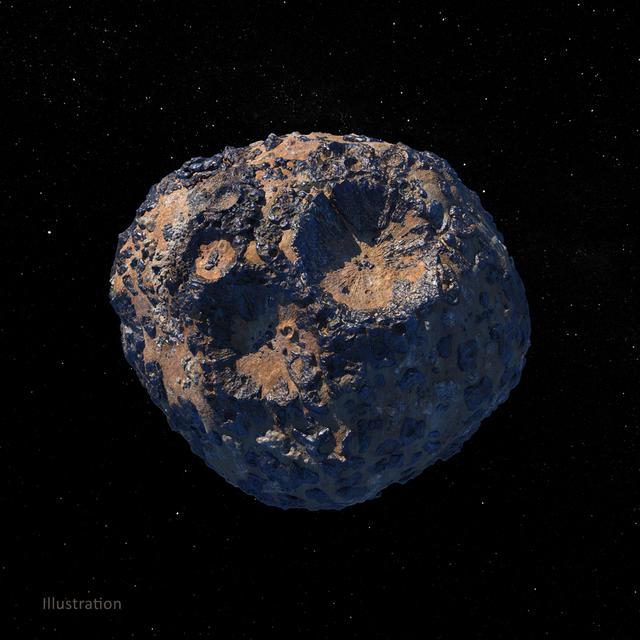
This illustration, created in March 2021, depicts the 140-mile-wide (226-kilometer-wide) asteroid Psyche, which lies in the main asteroid belt between Mars and Jupiter. Psyche is the focal point of NASA's mission of the same name. The Psyche spacecraft is set to launch in August 2022 and arrive at the asteroid in 2026, where it will orbit for 21 months and investigate its composition. Based on data obtained from Earth, scientists believe Psyche is a mixture of metal and rock. The rock and metal may be in large provinces, or areas, on the asteroid — as illustrated in this rendering. Another possibility is that rock and metal may be intimately mixed on a scale too small to detect from orbit — as depicted in an illustration here: PIA24472. Observing and measuring how the metal and rock are mixed will help scientists determine how Psyche formed. Exploring the asteroid could also give valuable insight into how our own planet and others formed. The Psyche team will use a magnetometer to measure the asteroid's magnetic field. A multispectral imager will capture images of the surface, as well as data about the Psyche's composition and topography. Spectrometers will analyze the neutrons and gamma rays coming from the surface to reveal the elements that make up the asteroid itself. The image was created by Peter Rubin. https://photojournal.jpl.nasa.gov/catalog/PIA24471
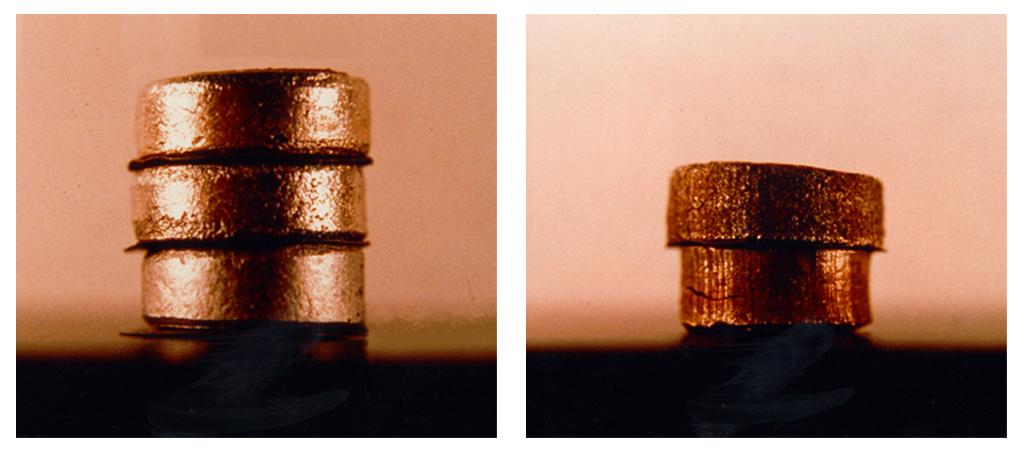
Industry spends billions of dollars each year on machine tools to manufacture products out of metal. This includes tools for cutting every kind of metal part from engine blocks to Shuttle main engine components. Cutting tool tips often break because of weak spots or defects in their composition. Based on a new concept called defect trapping, space offers a novel environment to study defect formation in molten metal materials as they solidify. After the return of these materials from space, researchers can evaluate the source of the defect and seek ways to eliminate them in products prepared on Earth. A widely used process for cutting tip manufacturing is liquid phase sintering. Compared to Earth-sintered samples which slump due to buoyancy induced by gravity, space samples are uniformly shaped and defects remain where they are formed. By studying metals sintered in space the US tool industry can potentially enhance its worldwide competitiveness. The Consortium for Materials Development in Space along with Wyle Labs, Teledyne Advanced Materials, and McDornell Douglas have conducted experiments in space.