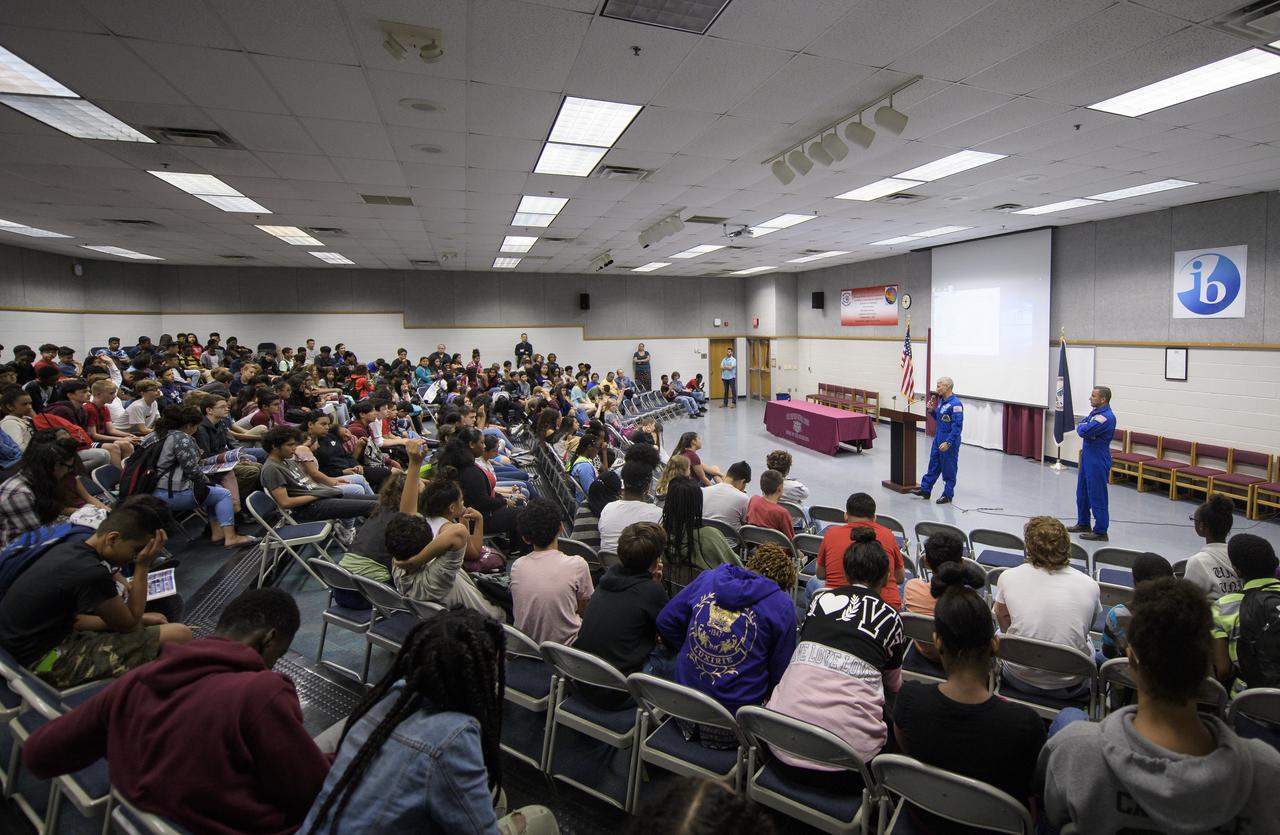
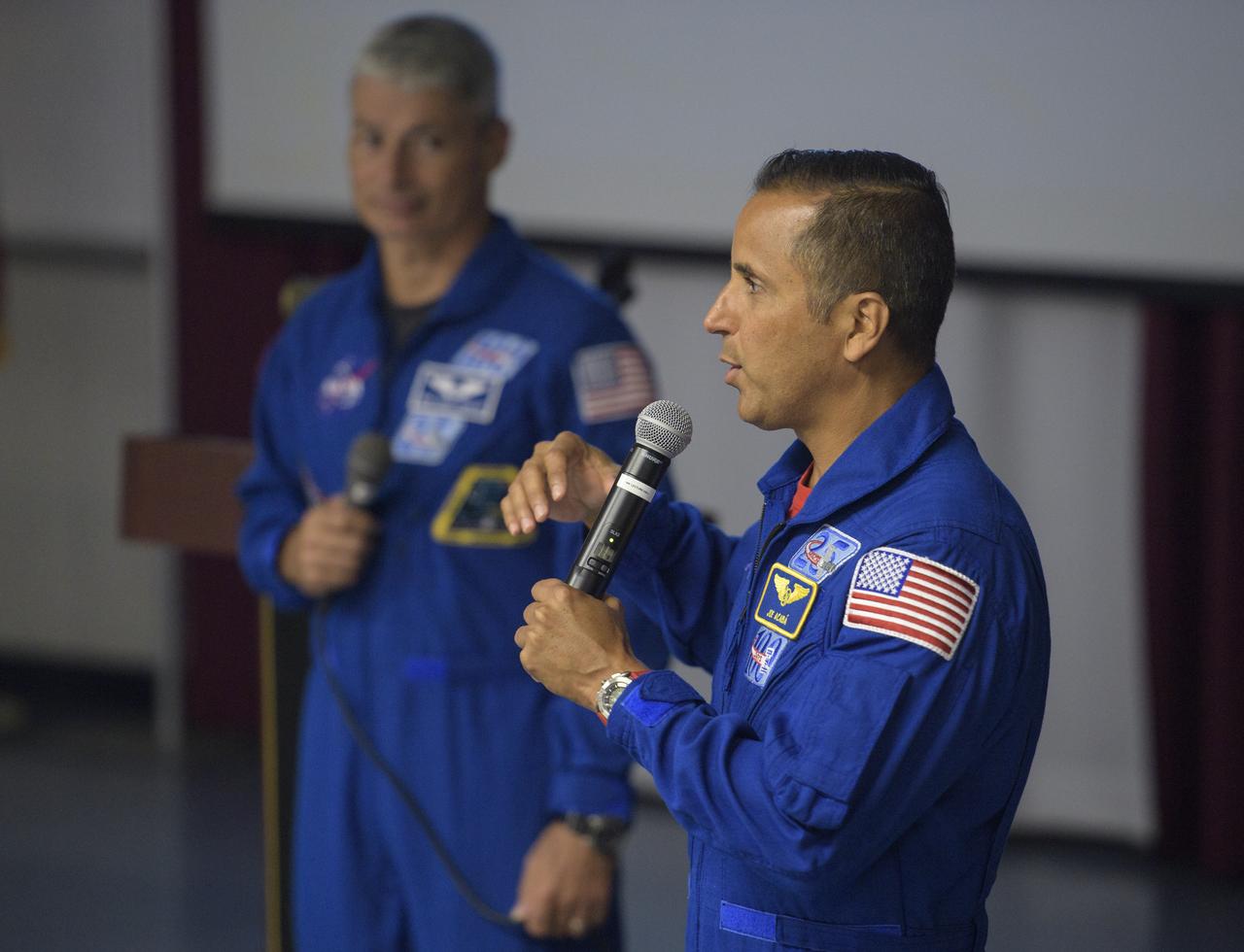
NASA astronauts Mark Vande Hei, left, and Joe Acaba answer questions during a presentation to students at Walt Whitman Middle School, Thursday, June 14, 2018 in Alexandria, Va. Acaba and astronaut Mark Vande Hei answered questions from the audience and spoke about their experiences aboard the International Space Station for 168 days as part of Expedition 53 and 54. Photo Credit: (NASA/Joel Kowsky)
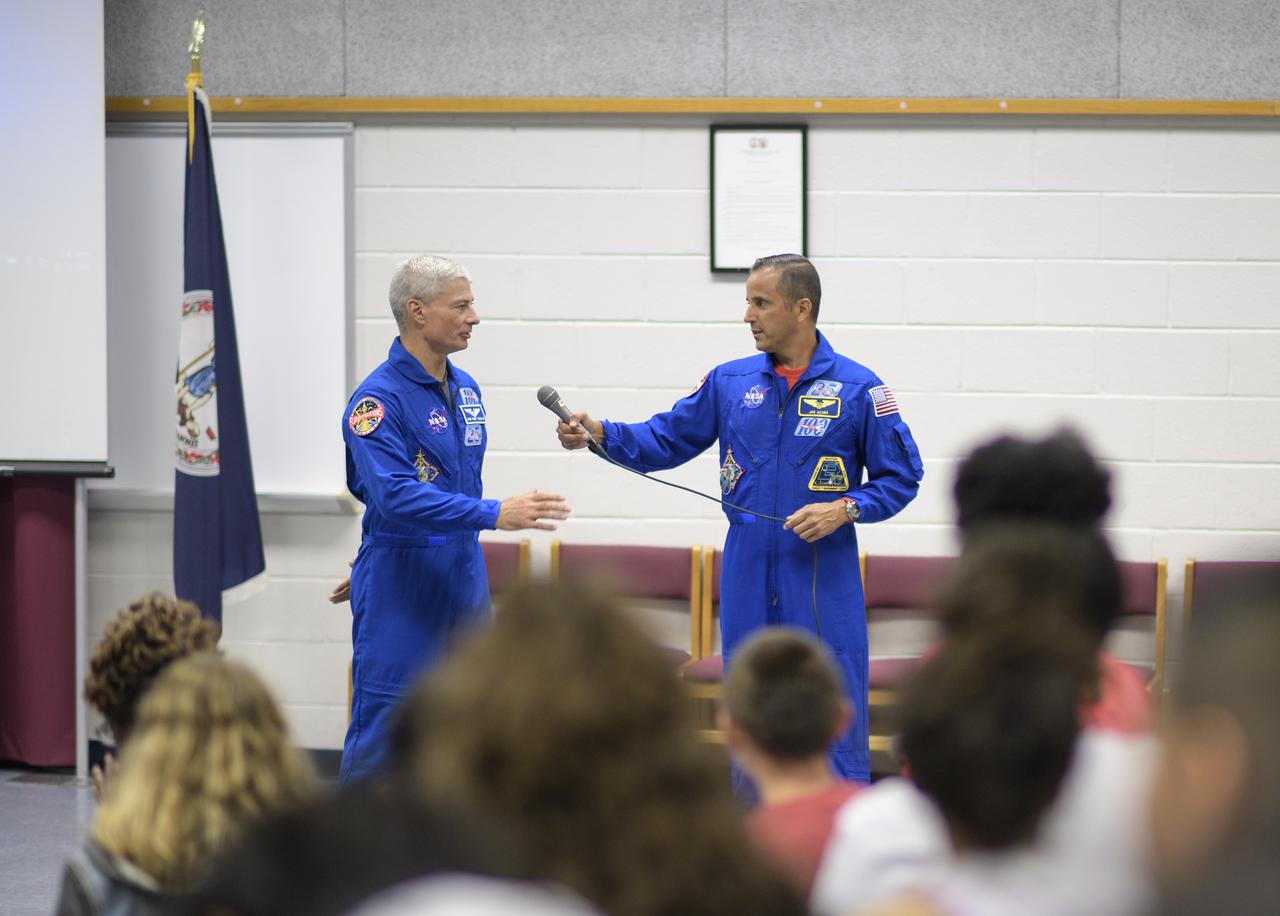
NASA astronauts Mark Vande Hei, left, and Joe Acaba answer questions during a presentation to students at Walt Whitman Middle School, Thursday, June 14, 2018 in Alexandria, Va. Acaba and astronaut Mark Vande Hei answered questions from the audience and spoke about their experiences aboard the International Space Station for 168 days as part of Expedition 53 and 54. Photo Credit: (NASA/Joel Kowsky)
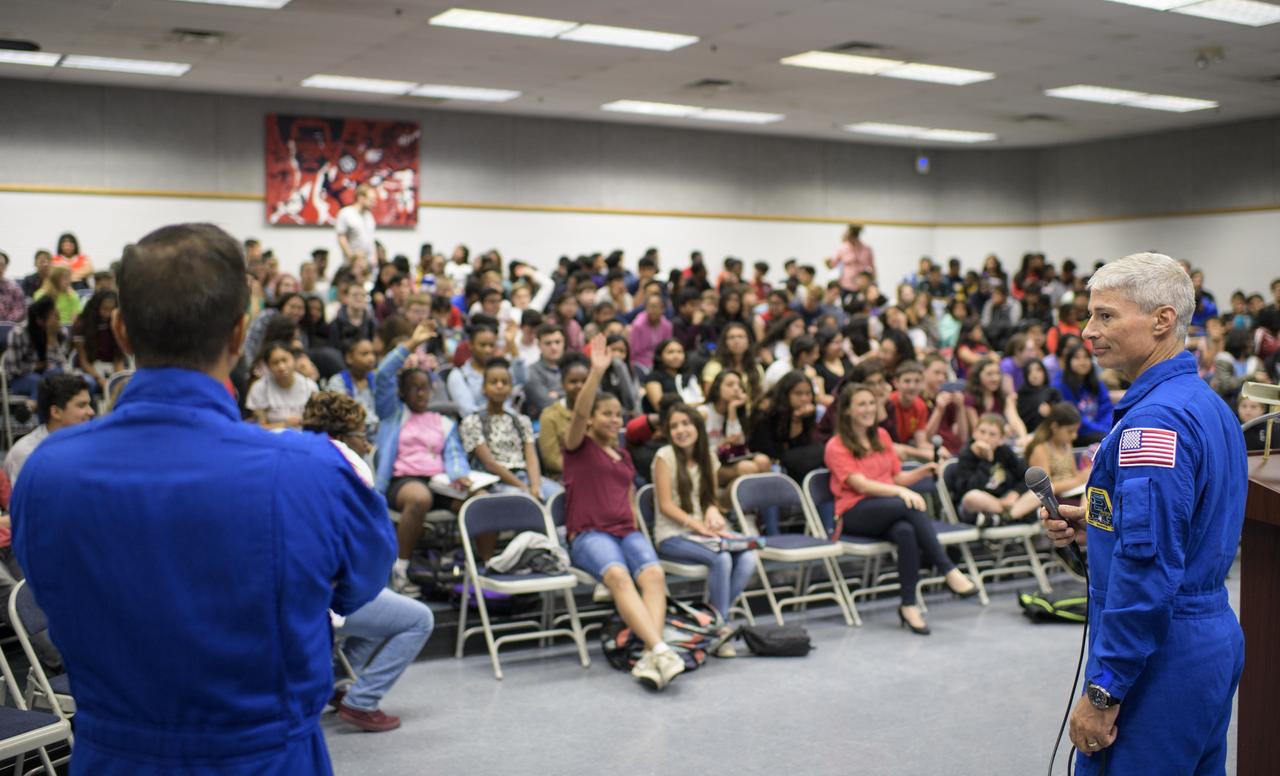
NASA astronauts Mark Vande Hei, right, and Joe Acaba answer questions during a presentation to students at Walt Whitman Middle School, Thursday, June 14, 2018 in Alexandria, Va. Acaba and astronaut Mark Vande Hei answered questions from the audience and spoke about their experiences aboard the International Space Station for 168 days as part of Expedition 53 and 54. Photo Credit: (NASA/Joel Kowsky)
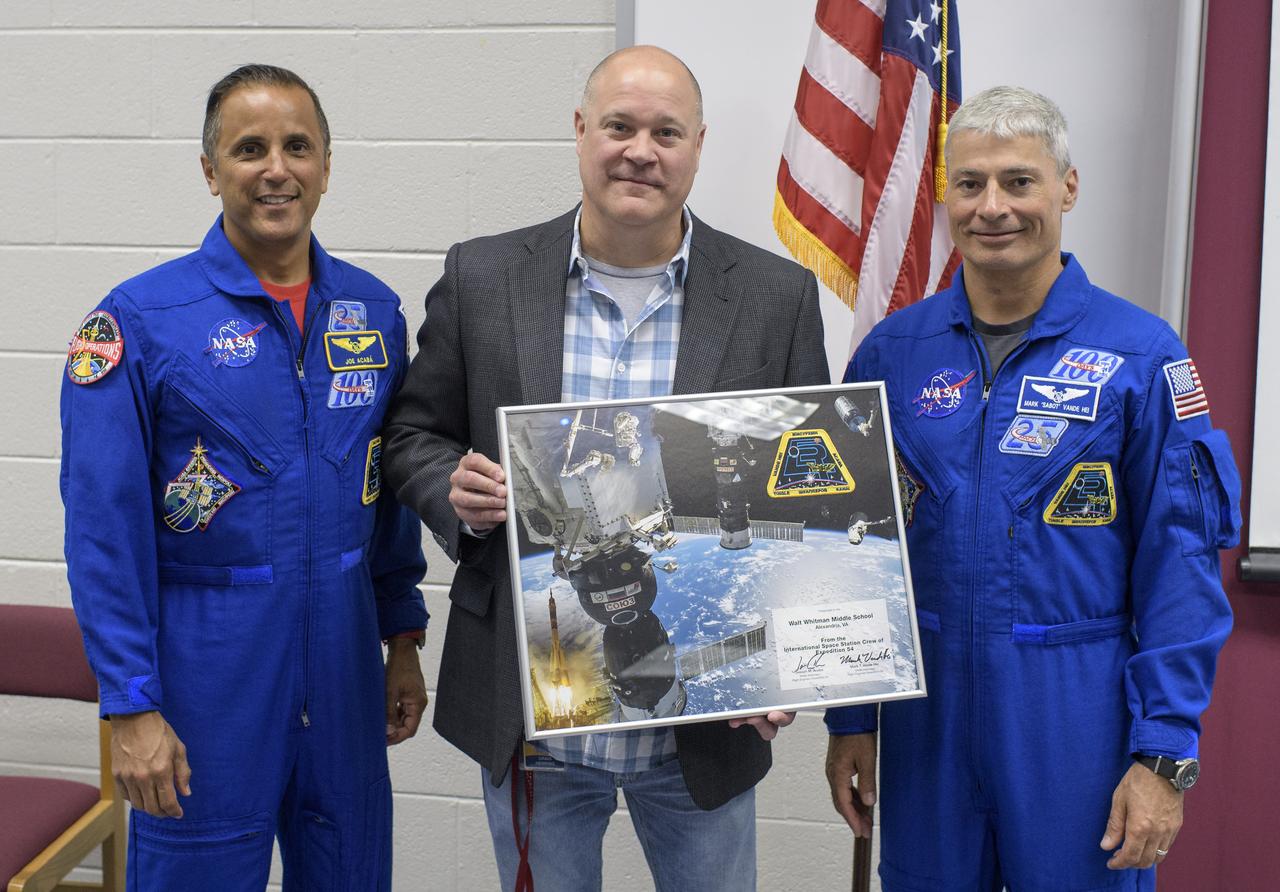
NASA astronauts Joe Acaba, left, and Mark Vande Hei, right, present Walt Whitman Middle School Principal Craig Herring with a montage from their Expedition 54 mission, Thursday, June 14, 2018 in Alexandria, Va. Acaba and astronaut Mark Vande Hei answered questions from the audience and spoke about their experiences aboard the International Space Station for 168 days as part of Expedition 53 and 54. Photo Credit: (NASA/Joel Kowsky)
NASA astronaut Joe Acaba speaks about his time onboard the International Space Station during a presentation to students at Walt Whitman Middle School, Thursday, June 14, 2018 in Alexandria, Va. Acaba and astronaut Mark Vande Hei answered questions from the audience and spoke about their experiences aboard the International Space Station for 168 days as part of Expedition 53 and 54. Photo Credit: (NASA/Joel Kowsky)
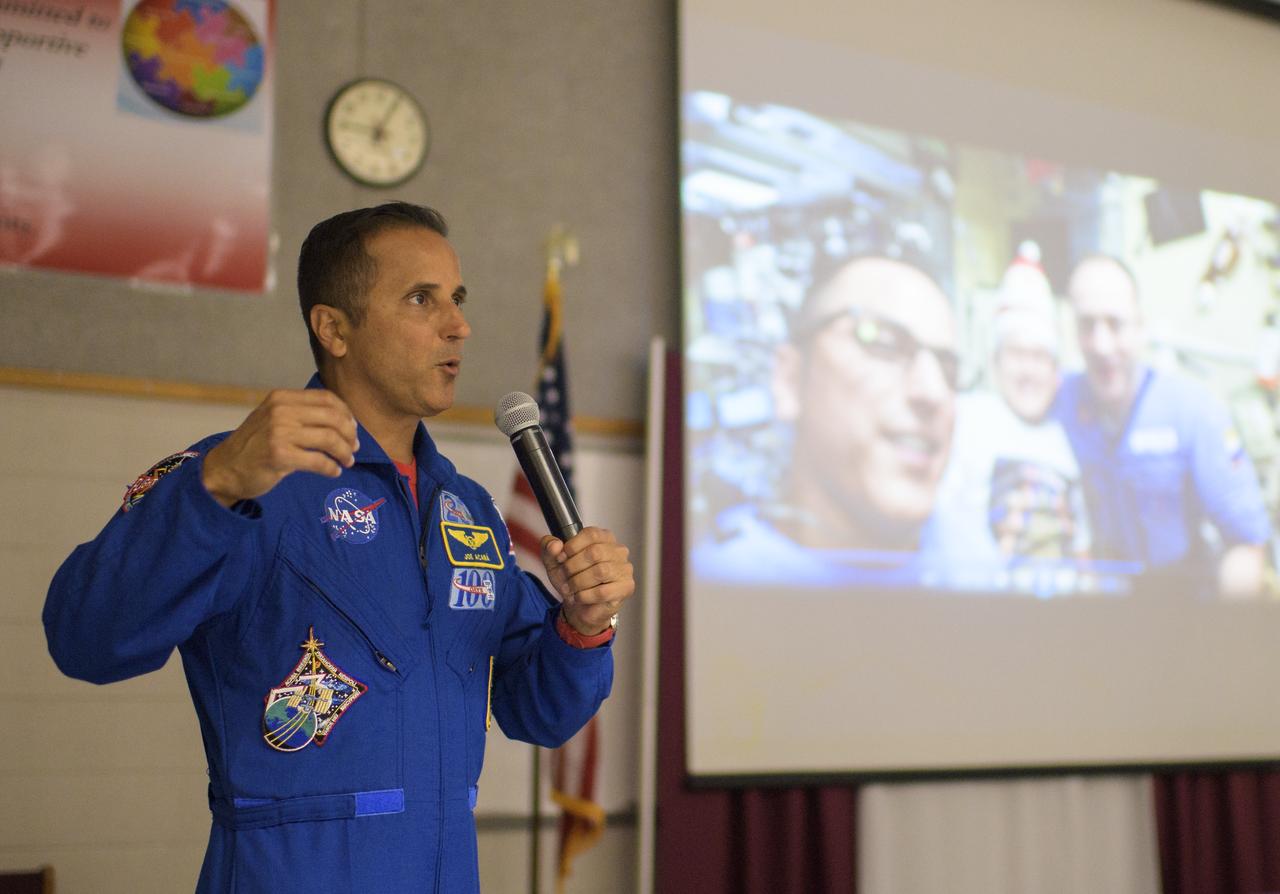
NASA astronaut Joe Acaba speaks about his time onboard the International Space Station during a presentation to students at Walt Whitman Middle School, Thursday, June 14, 2018 in Alexandria, Va. Acaba and astronaut Mark Vande Hei answered questions from the audience and spoke about their experiences aboard the International Space Station for 168 days as part of Expedition 53 and 54. Photo Credit: (NASA/Joel Kowsky)
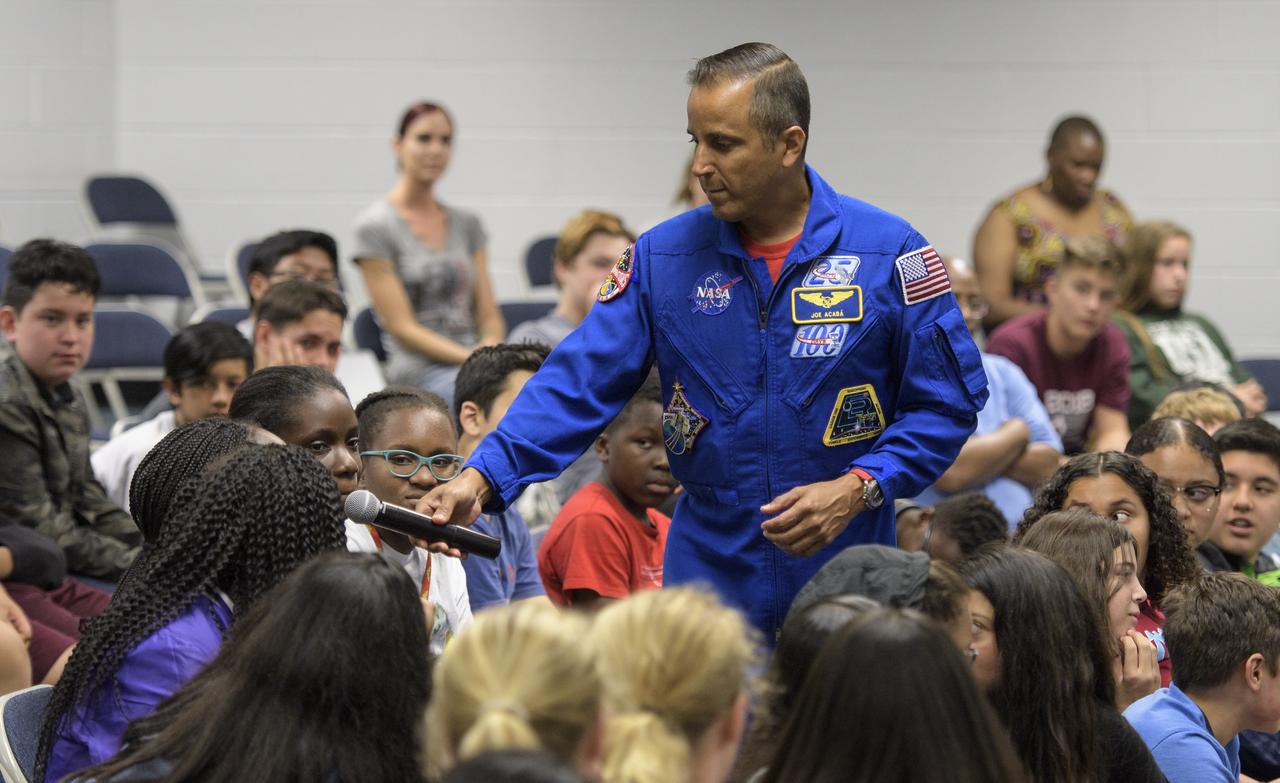
NASA astronaut Joe Acaba listens to a question from a student during a presentation at Walt Whitman Middle School, Thursday, June 14, 2018 in Alexandria, Va. Acaba and astronaut Mark Vande Hei answered questions from the audience and spoke about their experiences aboard the International Space Station for 168 days as part of Expedition 53 and 54. Photo Credit: (NASA/Joel Kowsky)
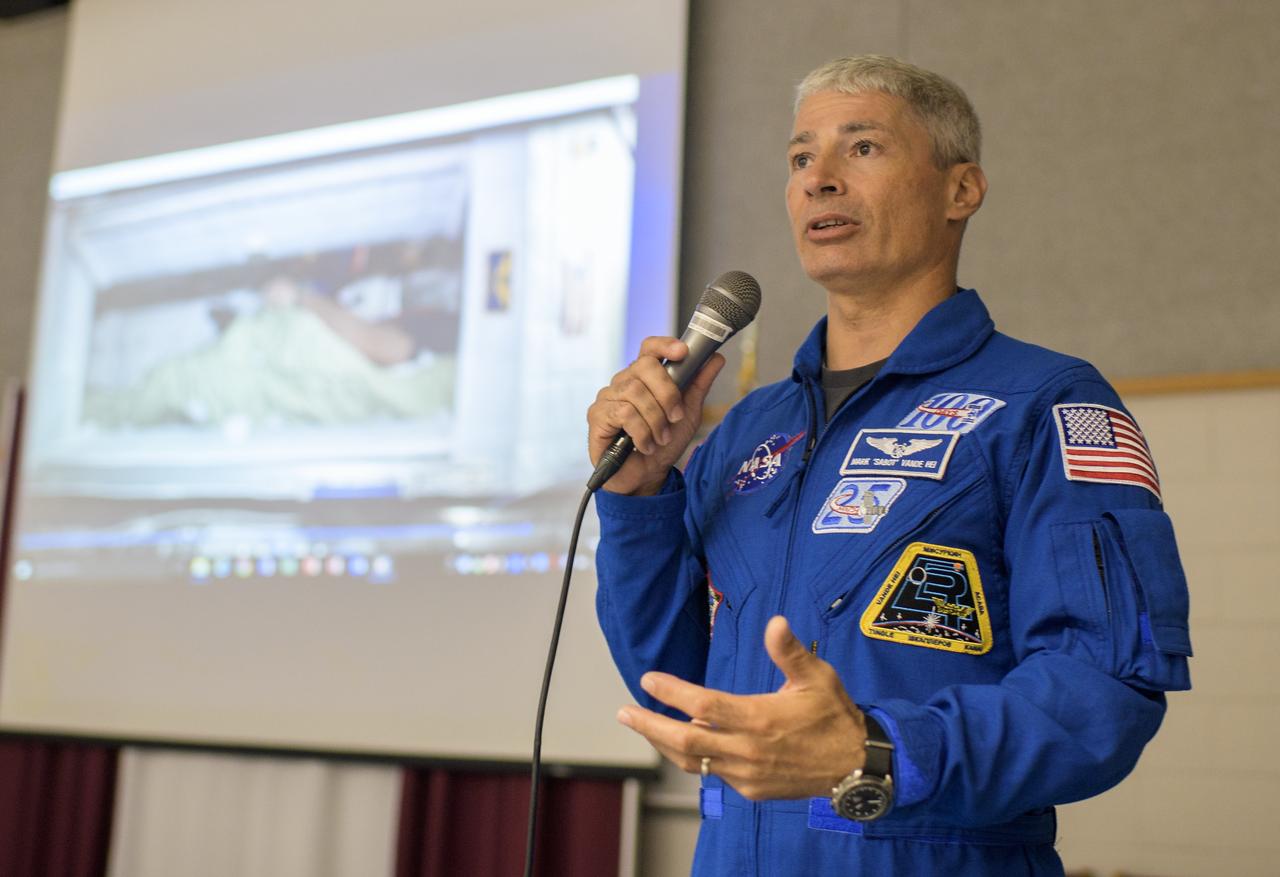
NASA astronaut Mark Vande Hei speaks about his time onboard the International Space Station during a presentation to students at Walt Whitman Middle School, Thursday, June 14, 2018 in Alexandria, Va. Vande Hei and astronaut Joe Acaba answered questions from the audience and spoke about their experiences aboard the International Space Station for 168 days as part of Expedition 53 and 54. Photo Credit: (NASA/Joel Kowsky)
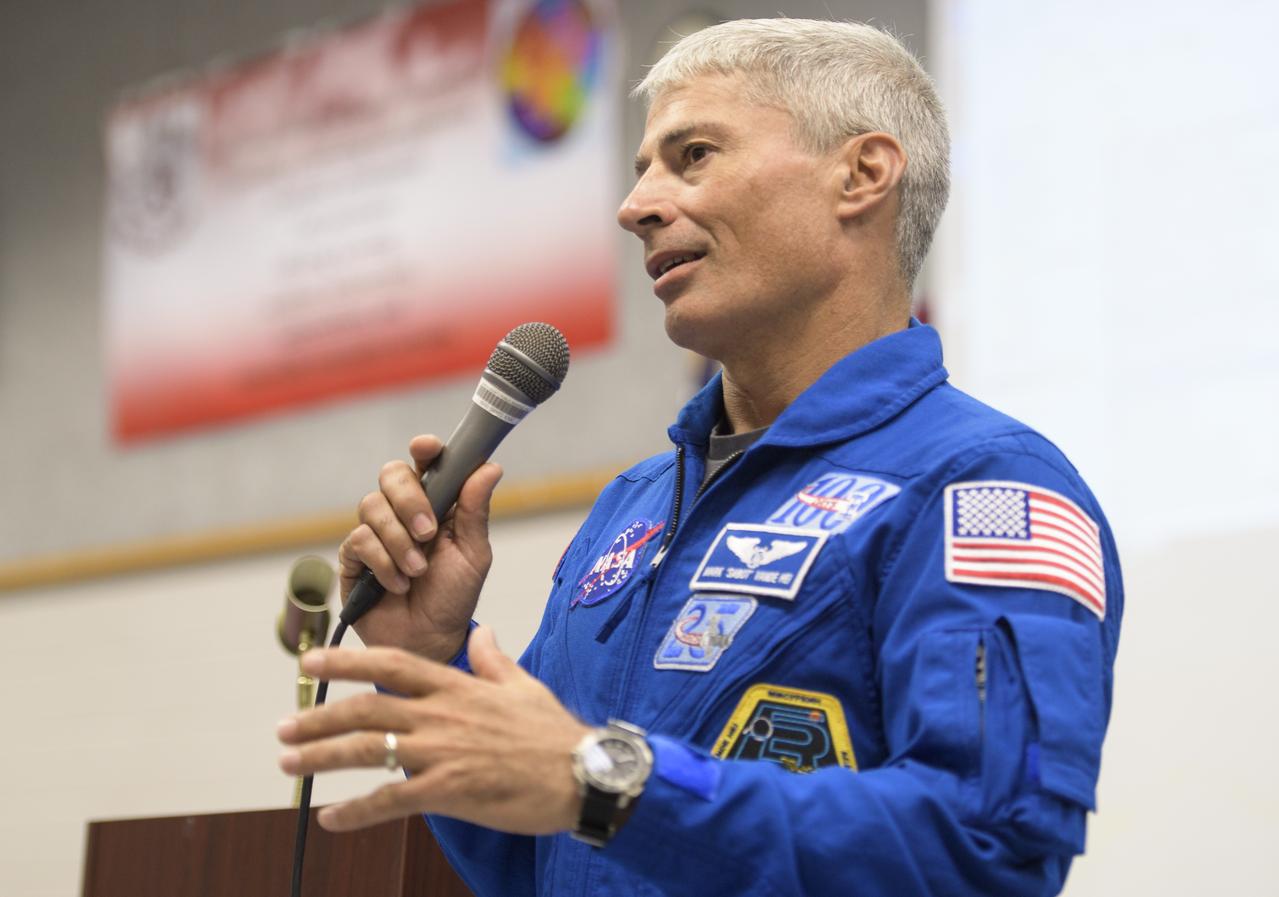
NASA astronaut Mark Vande Hei speaks about his time onboard the International Space Station during a presentation to students at Walt Whitman Middle School, Thursday, June 14, 2018 in Alexandria, Va. Vande Hei and astronaut Joe Acaba answered questions from the audience and spoke about their experiences aboard the International Space Station for 168 days as part of Expedition 53 and 54. Photo Credit: (NASA/Joel Kowsky)
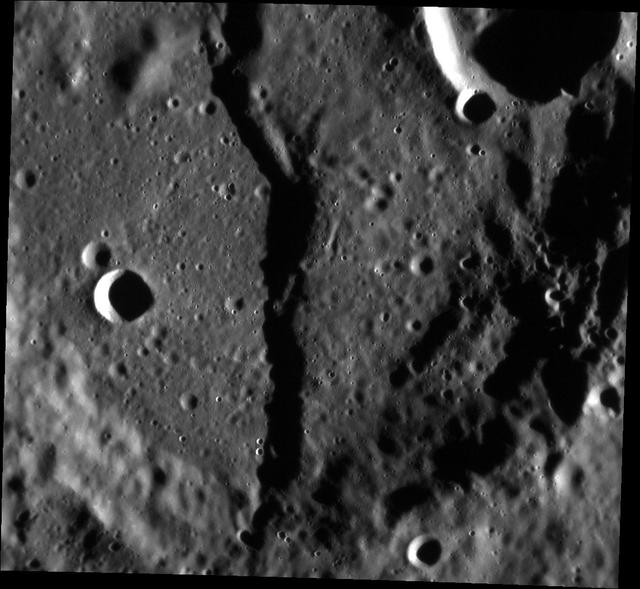
Split Down the Middle
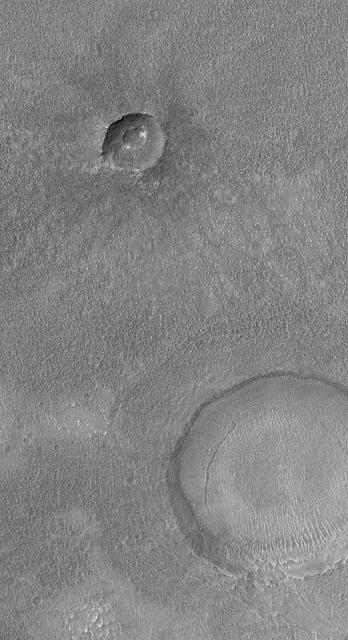
Middle-Latitude Craters
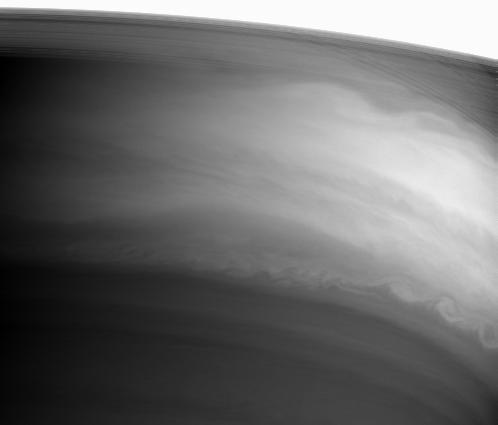
Swirls Around the Middle
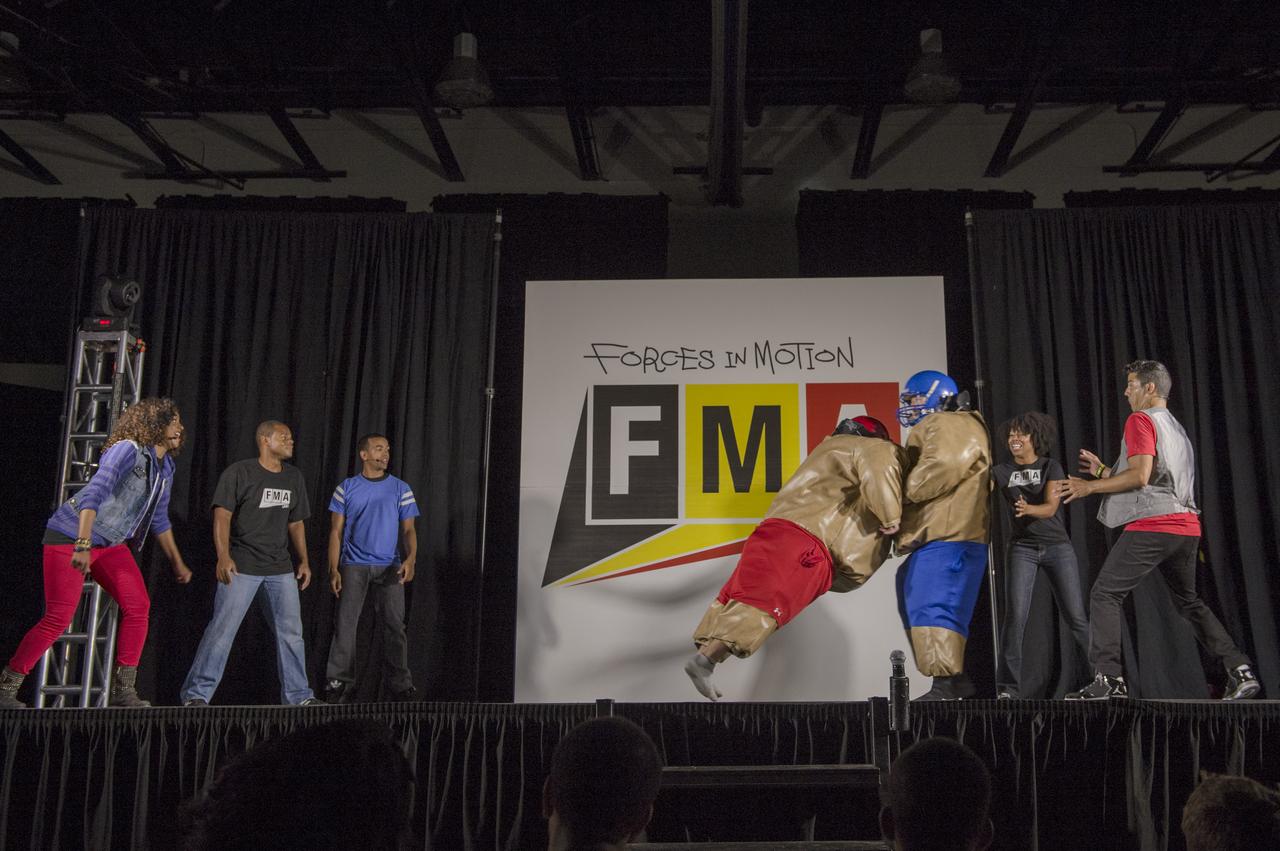
Two teachers at Hardy Middle School square off in foam suits as "FMA Live!" crew members explain Newton's third law of motion during a performance of "FMA Live!" at Hardy Middle School in Washington on Monday, Sept. 16th, 2013. "FMA Live!" is a program sponsored by NASA and Honeywell that teaches Newton's three laws of motion mixed with dance and music. The program travels across the country and has reached nearly 300,000 students.Photo Credit: (NASA/Jay Westcott)
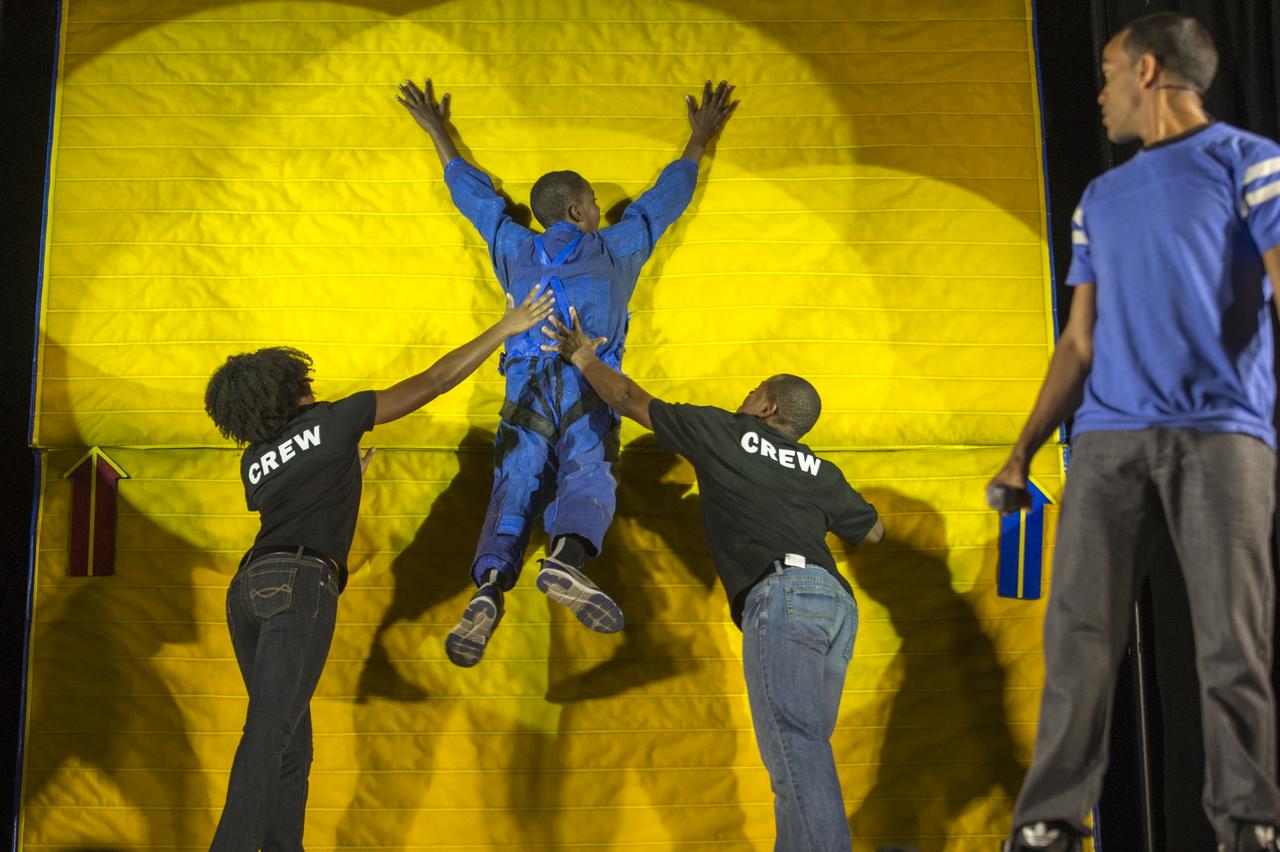
With the help of a student participant, "FMA Live!" crew members explain Newton's first law of motion during a performance of "FMA Live!" at Hardy Middle School in Washington on Monday, Sept. 16th, 2013. "FMA Live!" is a program sponsored by NASA and Honeywell that teaches Newton's three laws of motion mixed with dance and music. The program travels across the country and has reached nearly 300,000 students.Photo Credit: (NASA/Jay Westcott)
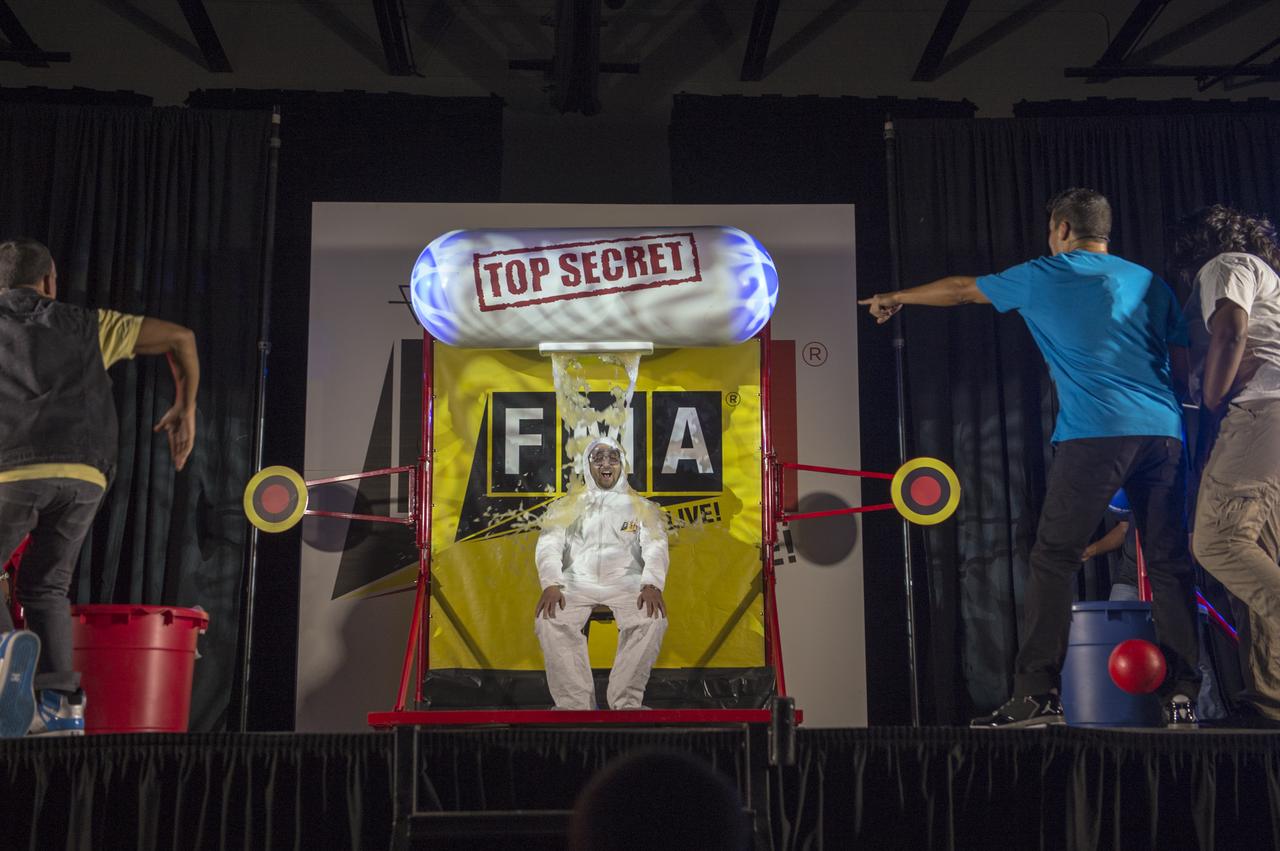
A teacher gets dunked with apple sauce during a performance of "FMA Live!" at Hardy Middle School in Washington on Monday, Sept. 16th, 2013. "FMA Live!" is a program sponsored by NASA and Honeywell that teaches Newton's three laws of motion mixed with dance and music. The program travels across the country and has reached nearly 300,000 students.Photo Credit: (NASA/Jay Westcott)
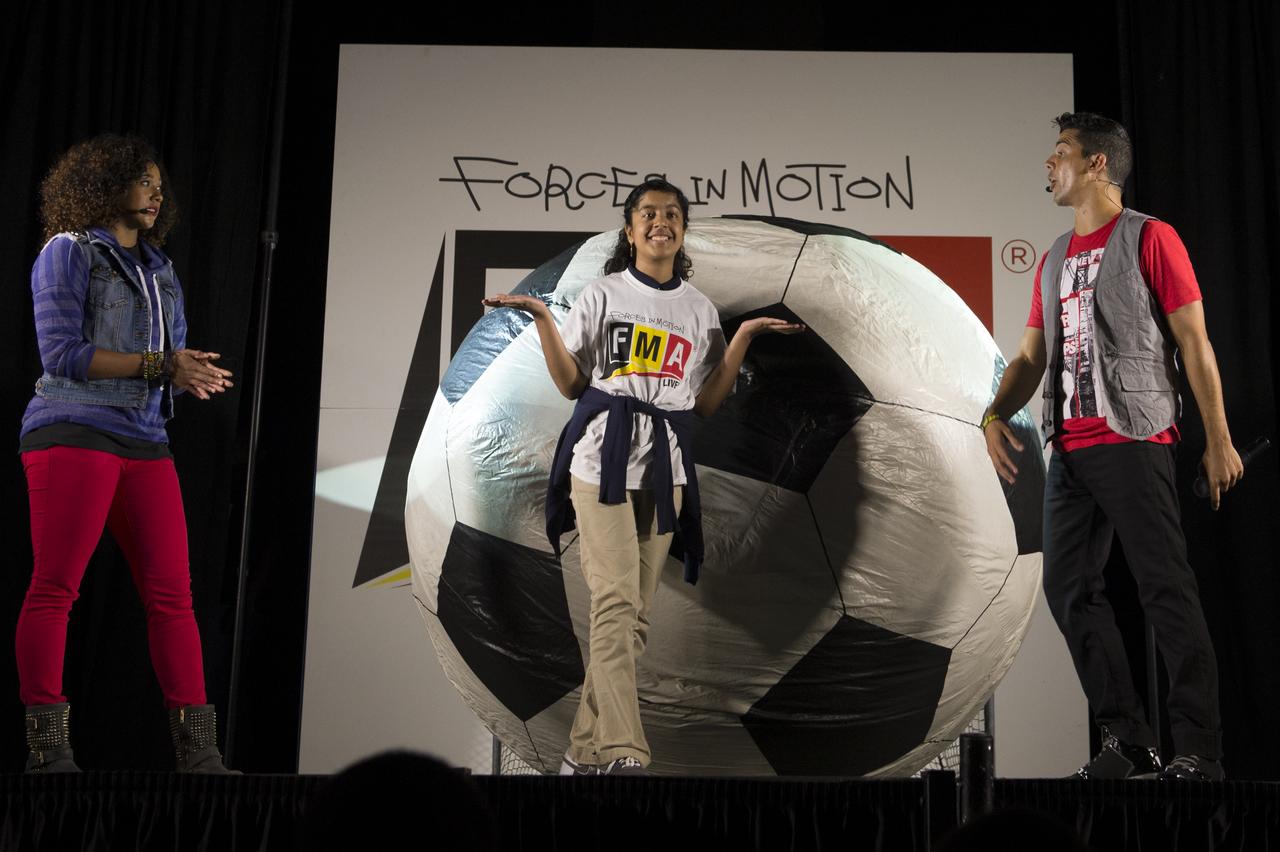
With the help of a student participant, "FMA Live!" crew members explain Newton's second law of motion during a performance of "FMA Live!" at Hardy Middle School in Washington on Monday, Sept. 16th, 2013. "FMA Live!" is a program sponsored by NASA and Honeywell that teaches Newton's three laws of motion mixed with dance and music. The program travels across the country and has reached nearly 300,000 students.Photo Credit: (NASA/Jay Westcott)

Performers dance and sing during a performance of "FMA Live!" at Hardy Middle School in Washington on Monday, Sept. 16th, 2013. "FMA Live!" is a program sponsored by NASA and Honeywell that teaches Newton's three laws of motion mixed with dance and music. The program travels across the country and has reached nearly 300,000 students.Photo Credit: (NASA/Jay Westcott)
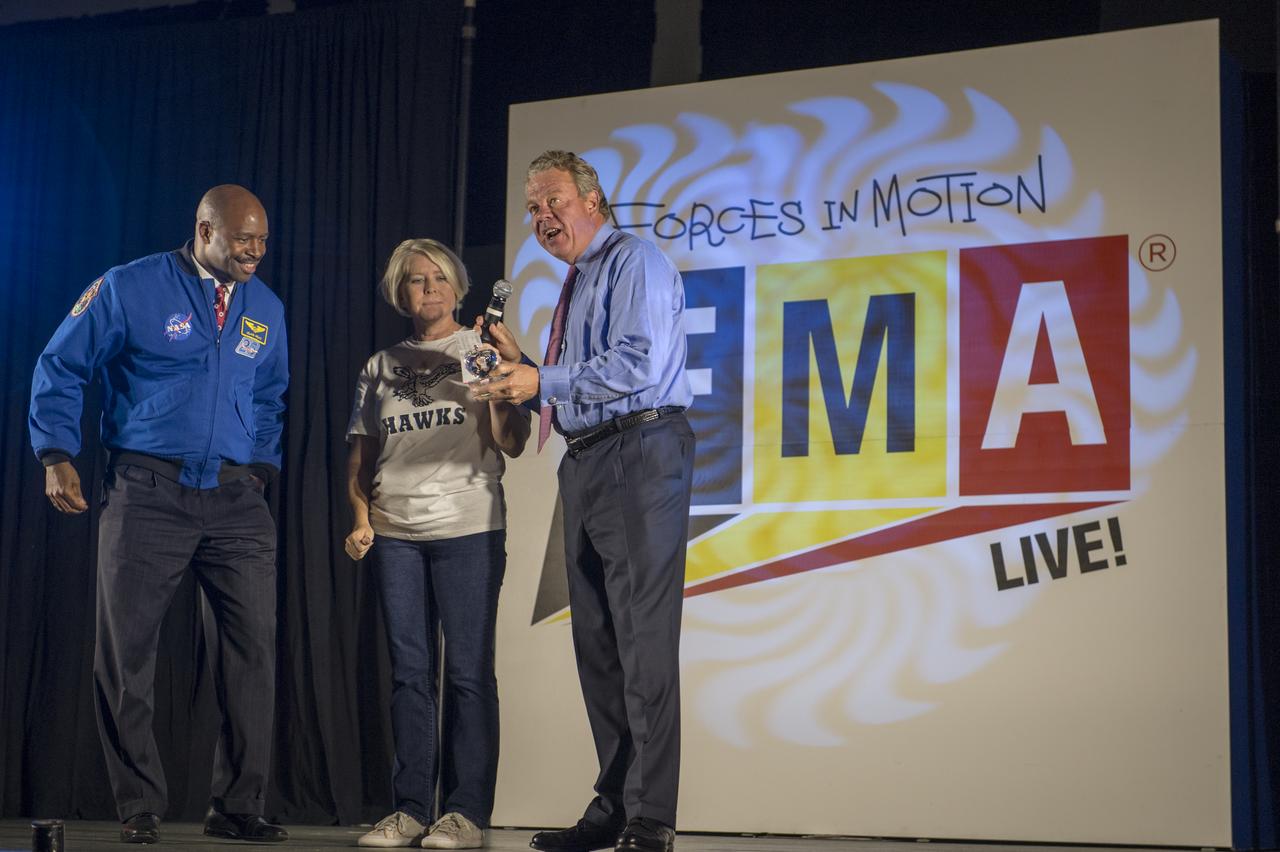
Leland Melvin, NASA Associate Administrator for Education and former 2x astronaut,Hardy Middle School Prinipal Patricia Pride, and Tom Buckmaster, President, Honeywell Hometown Solutions introduce "FMA Live!" at Hardy Middle School in Washington on Monday, Sept. 16th, 2013. "FMA Live!" is a program sponsored by NASA and Honeywell that teaches Newton's three laws of motion mixed with dance and music. The program travels across the country and has reached nearly 300,000 students.Photo Credit: (NASA/Jay Westcott)
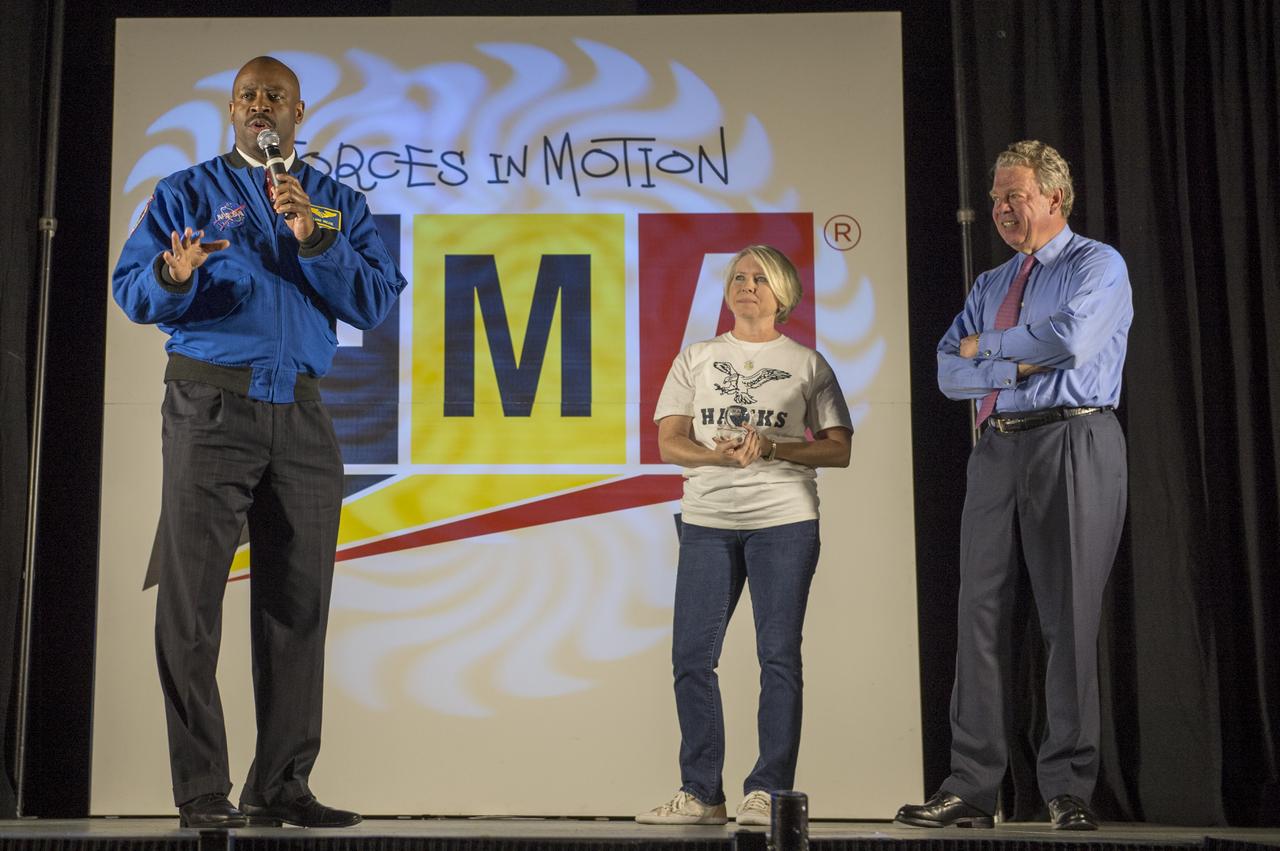
Leland Melvin, NASA Associate Administrator for Education and former 2x astronaut, Hardy Middle School Prinipal Patricia Pride, and Tom Buckmaster, President, Honeywell Hometown Solutions introduce "FMA Live!" at Hardy Middle School in Washington on Monday, Sept. 16th, 2013. "FMA Live!" is a program sponsored by NASA and Honeywell that teaches Newton's three laws of motion mixed with dance and music. The program travels across the country and has reached nearly 300,000 students.Photo Credit: (NASA/Jay Westcott)
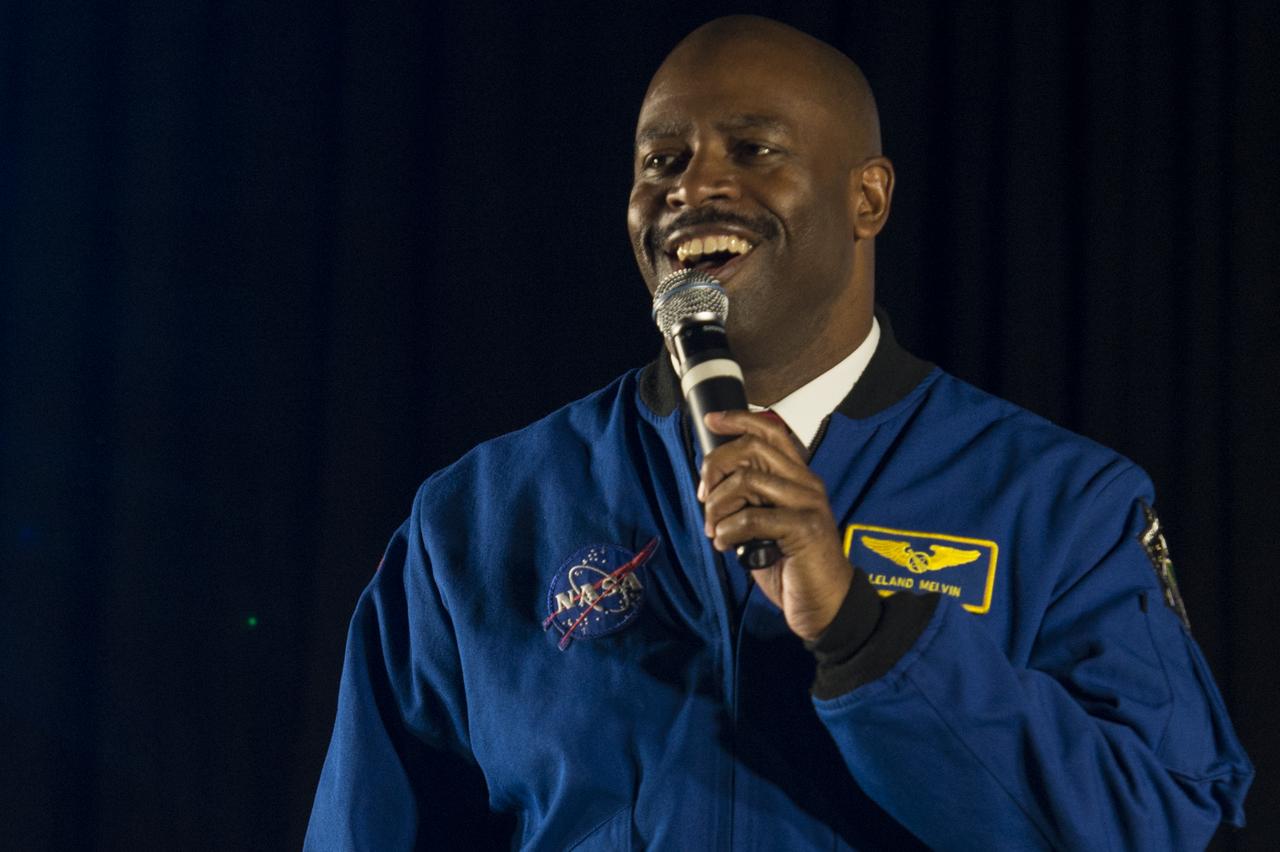
Leland Melvin, NASA Associate Administrator for Education and former 2x astronaut, addresses students before the start of "FMA Live!" at Hardy Middle School in Washington on Monday, Sept. 16th, 2013. "FMA Live!" is a program sponsored by NASA and Honeywell that teaches Newton's three laws of motion mixed with dance and music. The program travels across the country and has reached nearly 300,000 students.Photo Credit: (NASA/Jay Westcott)
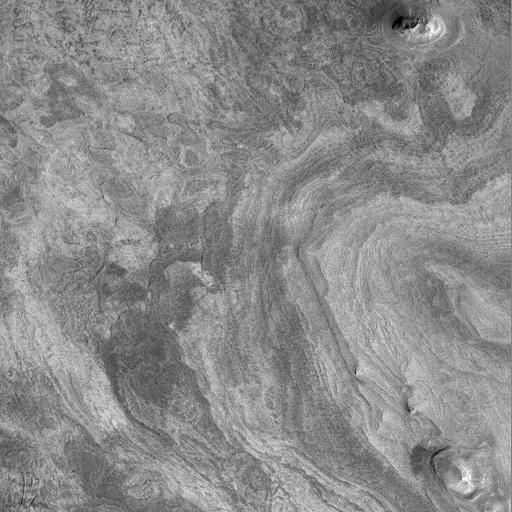
Western Candor Chasma - Layers Exposed near the Middle
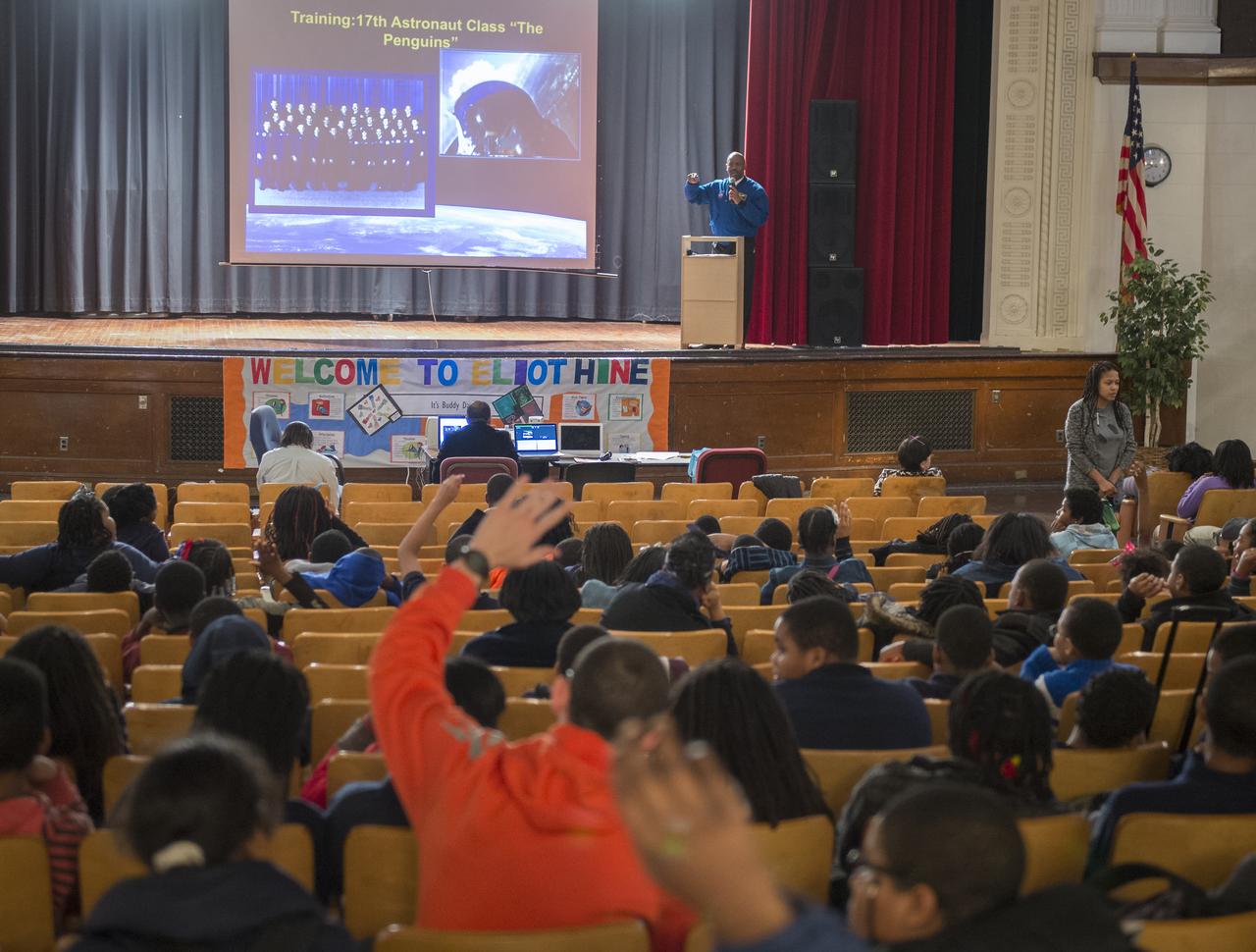
Leland Melvin (on stage), NASA Associate Administrator for Education and former astronaut, addresses an assembly at Eliot Hine Middle School in celebration of Black History Month on Friday, March 1, 2013 in Washington. Melvin spoke about his journey to become a NASA astronaut stressing education as key. Photo Credit: (NASA/Carla Cioffi)
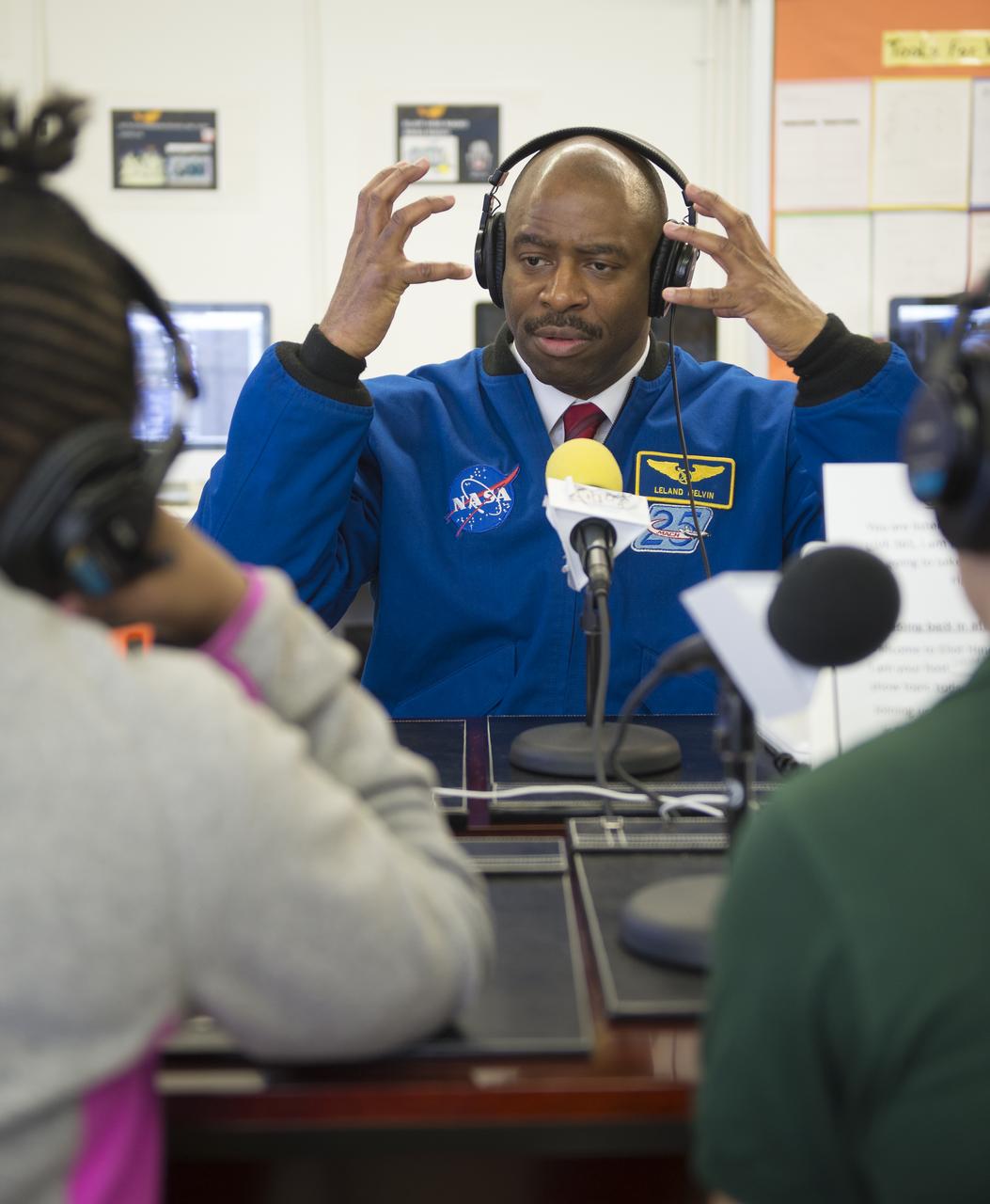
Leland Melvin, NASA Associate Administrator for Education and former astronaut, is interviewed by sixth grade students from the Broadcast Media Class at Eliot Hine Middle School on Friday, March 1, 2013 in Washington. The radio club program, Eliot Hine Radio, is broadcast live on the internet. Photo Credit: (NASA/Carla Cioffi)
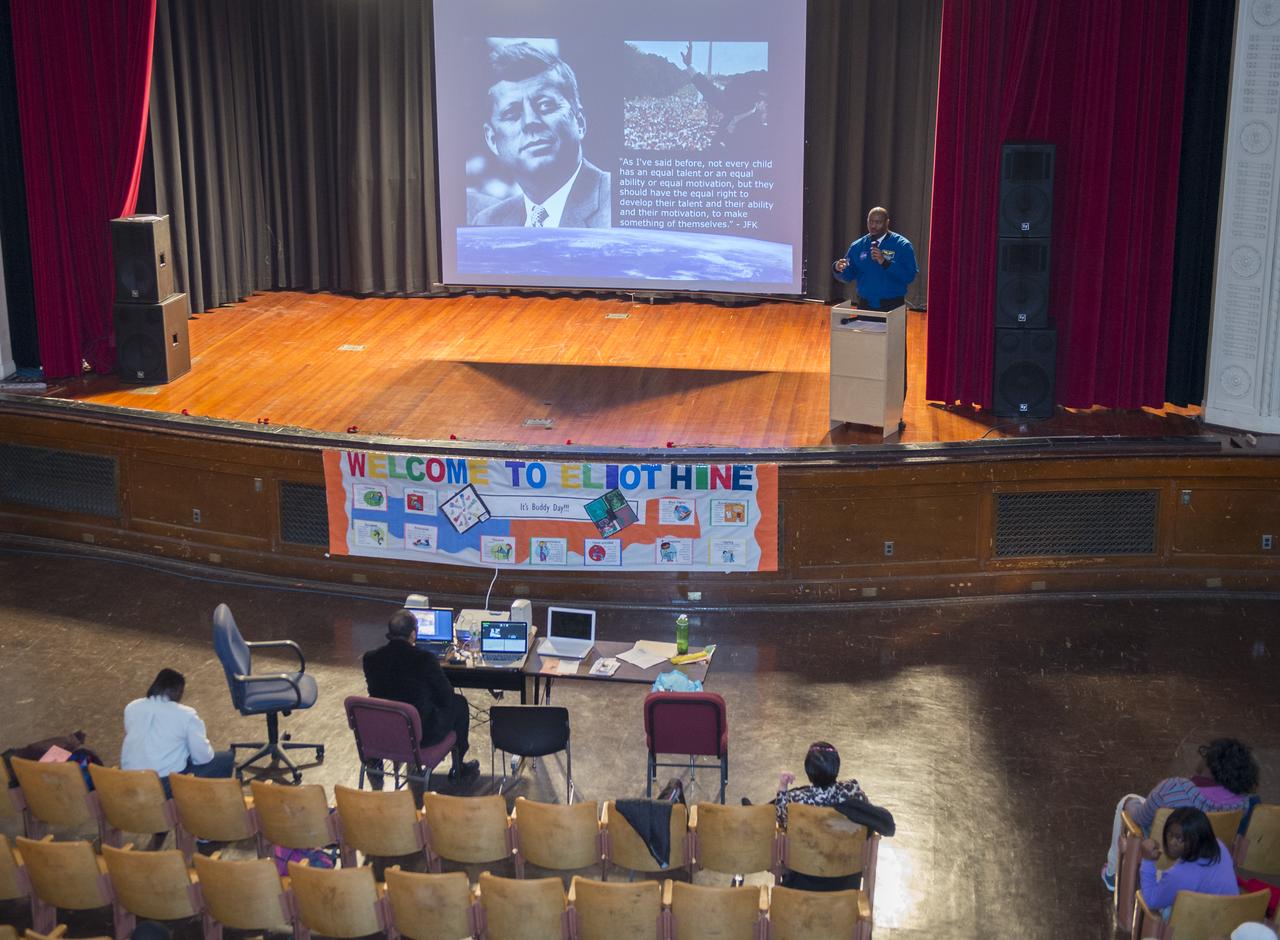
Leland Melvin (on stage), NASA Associate Administrator for Education and former astronaut, addresses an assembly at Eliot Hine Middle School in celebration of Black History Month on Friday, March 1, 2013 in Washington. Melvin spoke about his journey to become a NASA astronaut stressing education as key. Photo Credit: (NASA/Carla Cioffi)
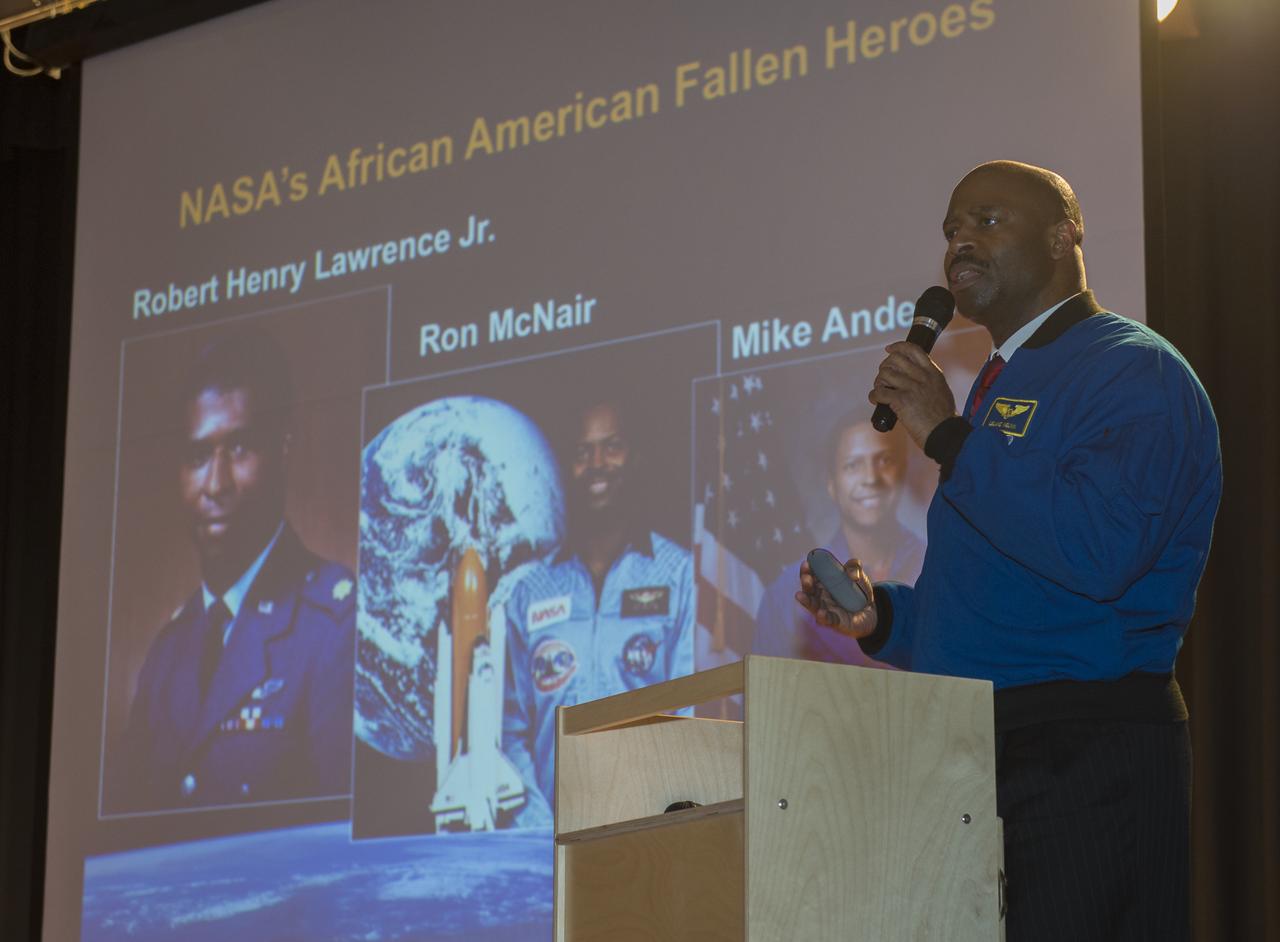
Leland Melvin, NASA Associate Administrator for Education and former astronaut, addresses an assembly at Eliot Hine Middle School in celebration of Black History Month on Friday, March 1, 2013 in Washington. Melvin spoke about his journey to become a NASA astronaut stressing education as key. Photo Credit: (NASA/Carla Cioffi)
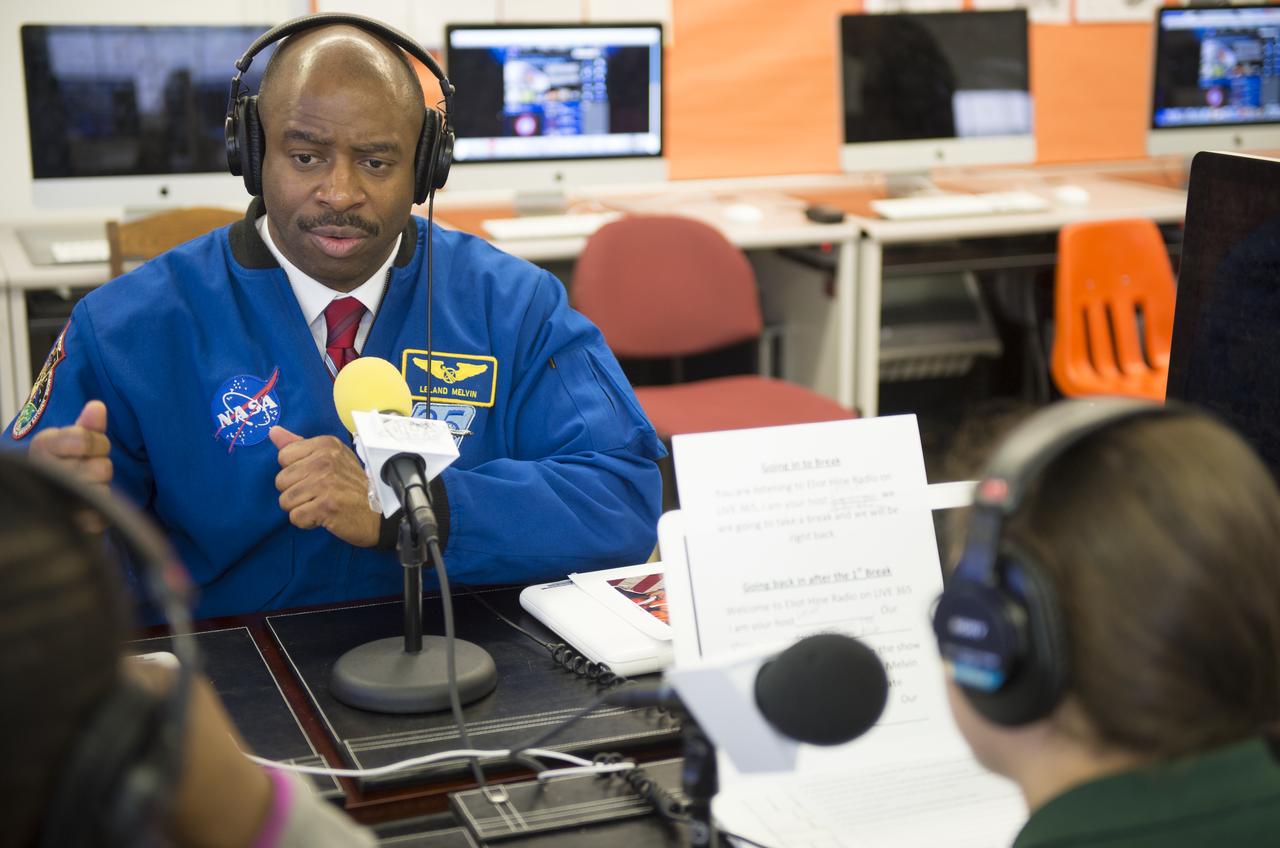
Leland Melvin, NASA Associate Administrator for Education and former astronaut, is interviewed by sixth grade students from the Broadcast Media Class at Eliot Hine Middle School on Friday, March 1, 2013 in Washington. The radio club program, Eliot Hine Radio, is broadcast live on the internet. Photo Credit: (NASA/Carla Cioffi)
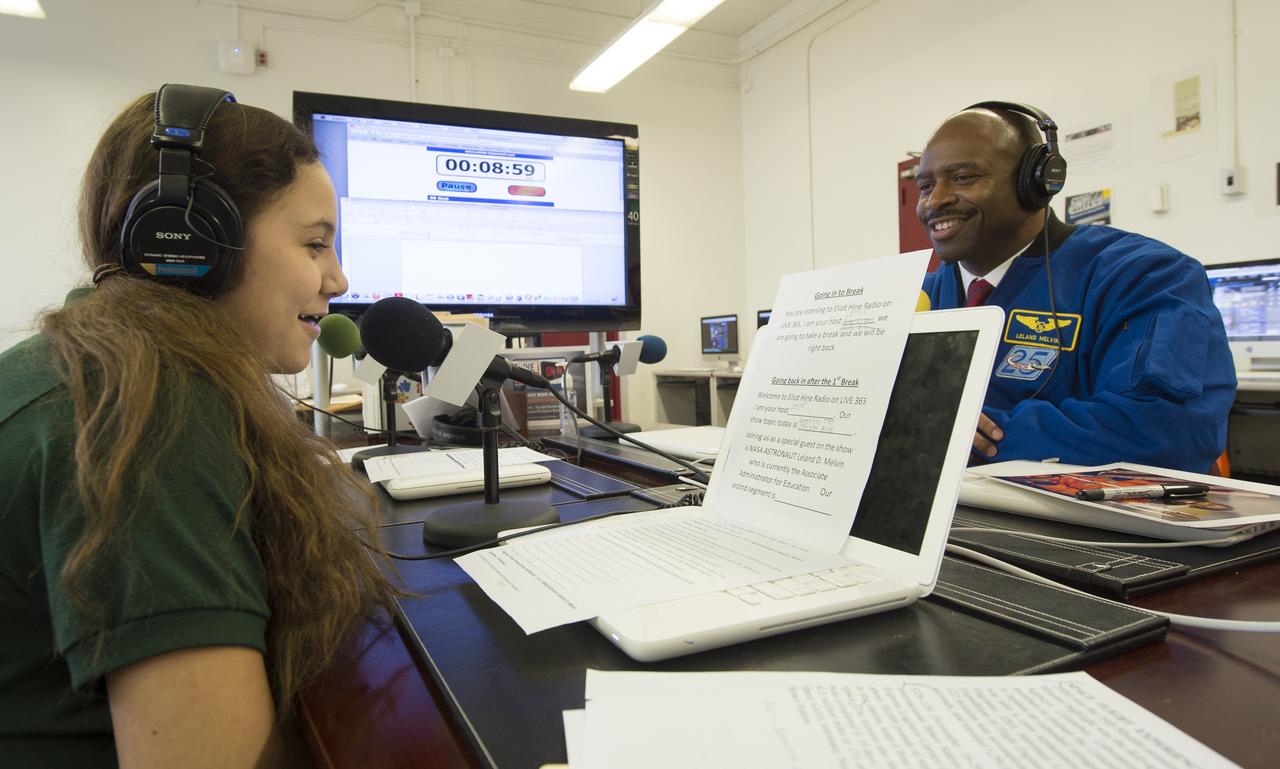
Leslie Auturo, left, interviews NASA Associate Administrator for Education for Eliot Hine Radio, a radio program at Eliot Hine Middle School, on Friday, March, 1, 2013 in Washington. Eliot Hine Radio is a production of the Broadcast Media Class. Photo Credit: (NASA/Carla Cioffi)
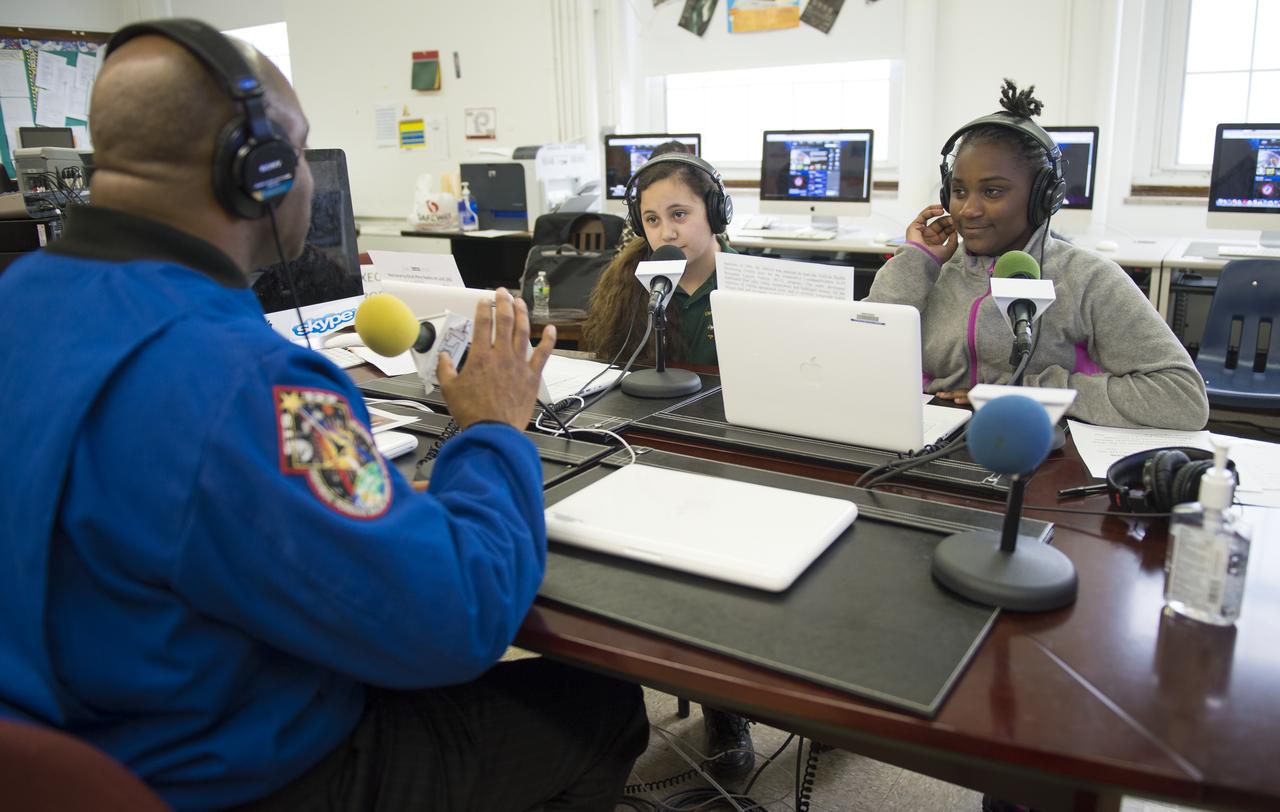
Tatyanna Liggins, far right, and Leslie Auturo, center, interview NASA Associate Administrator for Education for their radio program Eliot Hine Radio at Eliot Hine Middle School on Friday, March, 1, 2013 in Washington. Tatyanna and Leslie attend the Broadcast Media Class which produces Eliot Hine Radio. Photo Credit: (NASA/Carla Cioffi)
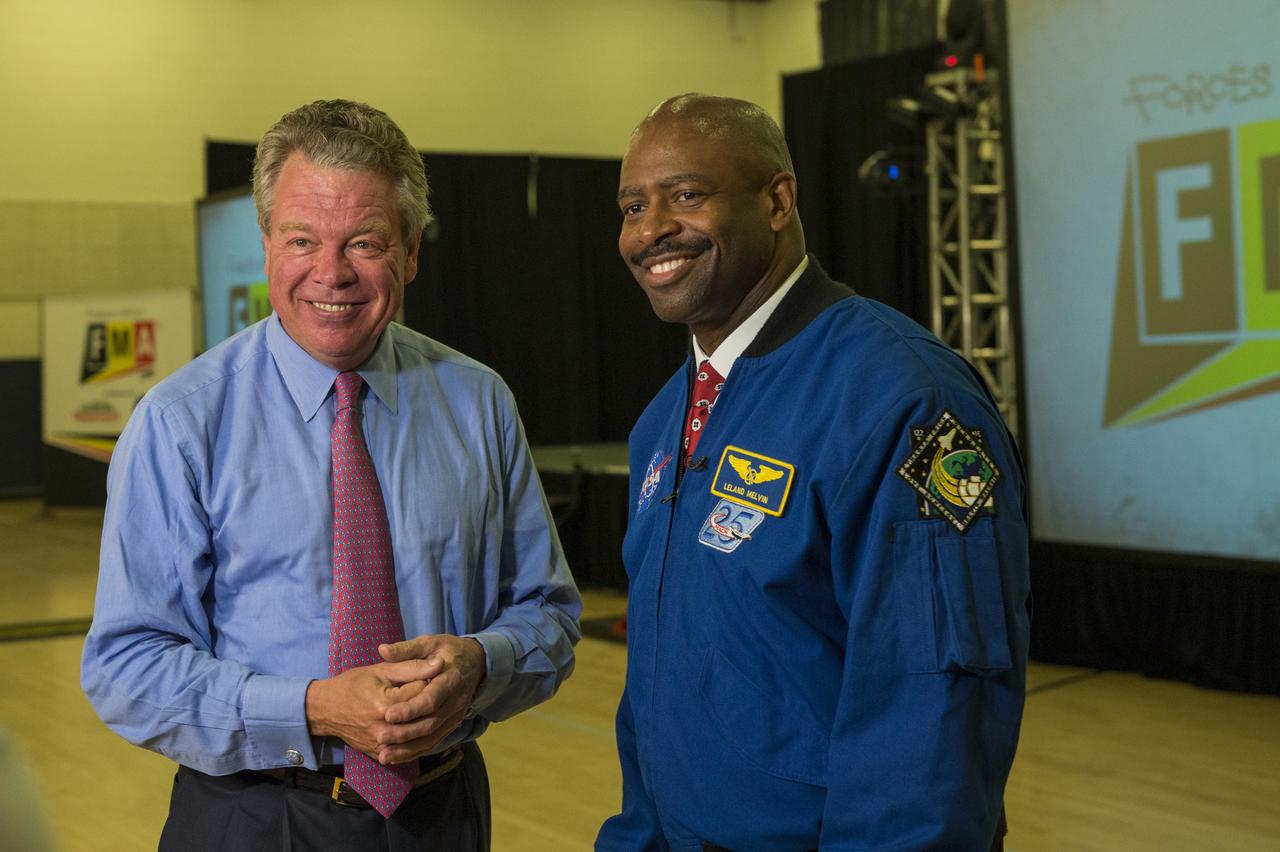
Tom Buckmaster, President, Honeywell Hometown Solutions and Leland Melvin, NASA Associate Administrator for Education and former 2x astronaut, are interviewed before the start of "FMA Live!" at Hardy Middle School in Washington on Monday, Sept. 16th, 2013. "FMA Live!" is a program sponsored by NASA and Honeywell that teaches Newton's three laws of motion mixed with dance and music. The program travels across the country and has reached nearly 300,000 students.Photo Credit: (NASA/Jay Westcott)
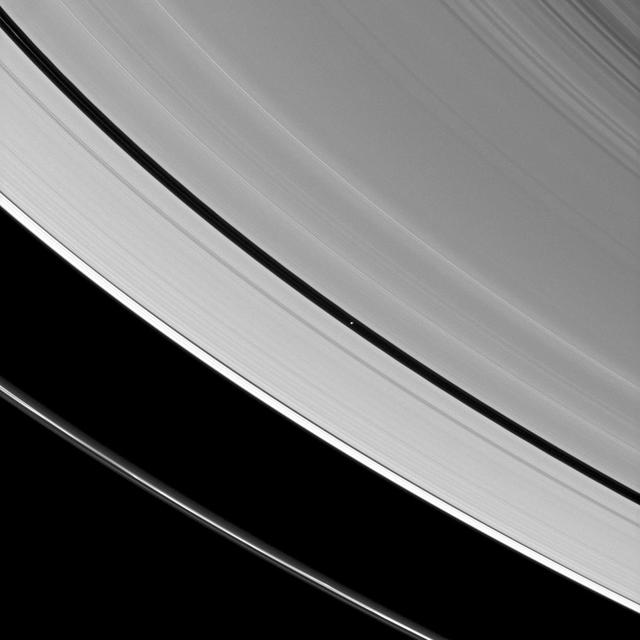
Saturn tiny moon Pan orbits in the middle of the Encke Gap of the planet A ring in this image from the Cassini spacecraft. Pan is visible as a bright dot in the gap near the center of this view.
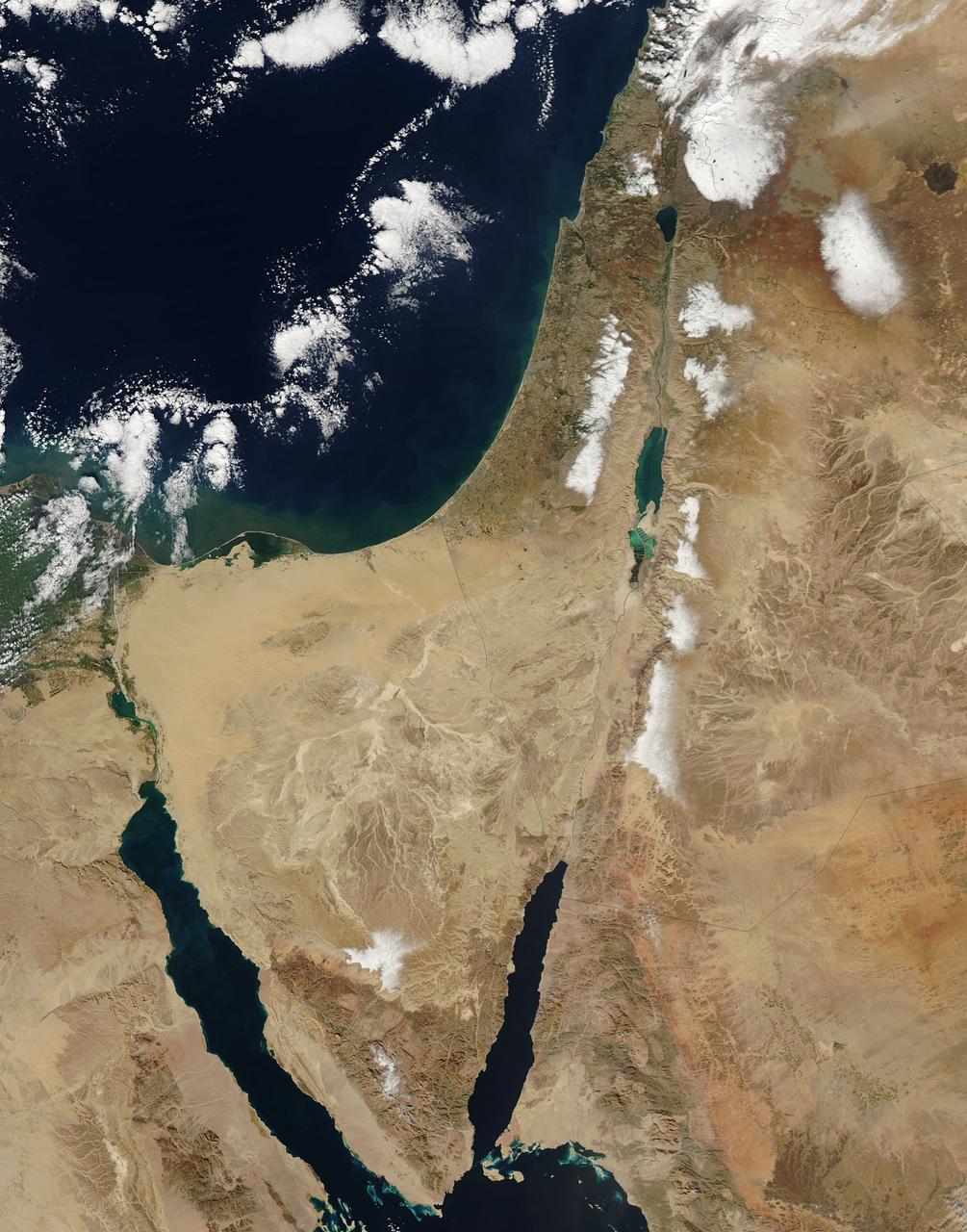
This image from the Aqua satellite's MODIS instrument taken at 11:10 UTC on December 16, 2013 shows areas of snow in Syria, Jordan, Israel and the Palestinian Territory. Snow storms in the Middle East are not frequent but not uncommon either. However, this one was unusually early in the winter and more intense than normal. The storm paralyzed Jerusalem with 30 to 50 centimeters (12 to 20 inches) of snow, knocking out power for roughly 15,000 households. The snow closed mountain roads leading into the city, effectively cutting Jerusalem off. Amman, Jordan, received about 45 cm (18 inches) of snow, and Lebanon and Syria also were unusually cold and snowy. Lower elevations near the coast received torrential rain during the storm, resulting in flooding. Some 40,000 people were forced to evacuate flooded areas in Gaza, according to the Associated Press. The floods are not visible at this scale, but tan and green plumes of sediment are visible along the Mediterranean Sea coast. Such plumes can be caused by floods and run off, though stormy, turbid waters may also bring sediment to the surface. <b><a href="http://www.nasa.gov/audience/formedia/features/MP_Photo_Guidelines.html" rel="nofollow">NASA image use policy.</a></b> <b><a href="http://www.nasa.gov/centers/goddard/home/index.html" rel="nofollow">NASA Goddard Space Flight Center</a></b> enables NASA’s mission through four scientific endeavors: Earth Science, Heliophysics, Solar System Exploration, and Astrophysics. Goddard plays a leading role in NASA’s accomplishments by contributing compelling scientific knowledge to advance the Agency’s mission. <b>Follow us on <a href="http://twitter.com/NASA_GoddardPix" rel="nofollow">Twitter</a></b> <b>Like us on <a href="http://www.facebook.com/pages/Greenbelt-MD/NASA-Goddard/395013845897?ref=tsd" rel="nofollow">Facebook</a></b> <b>Find us on <a href="http://instagram.com/nasagoddard?vm=grid" rel="nofollow">Instagram</a></b>
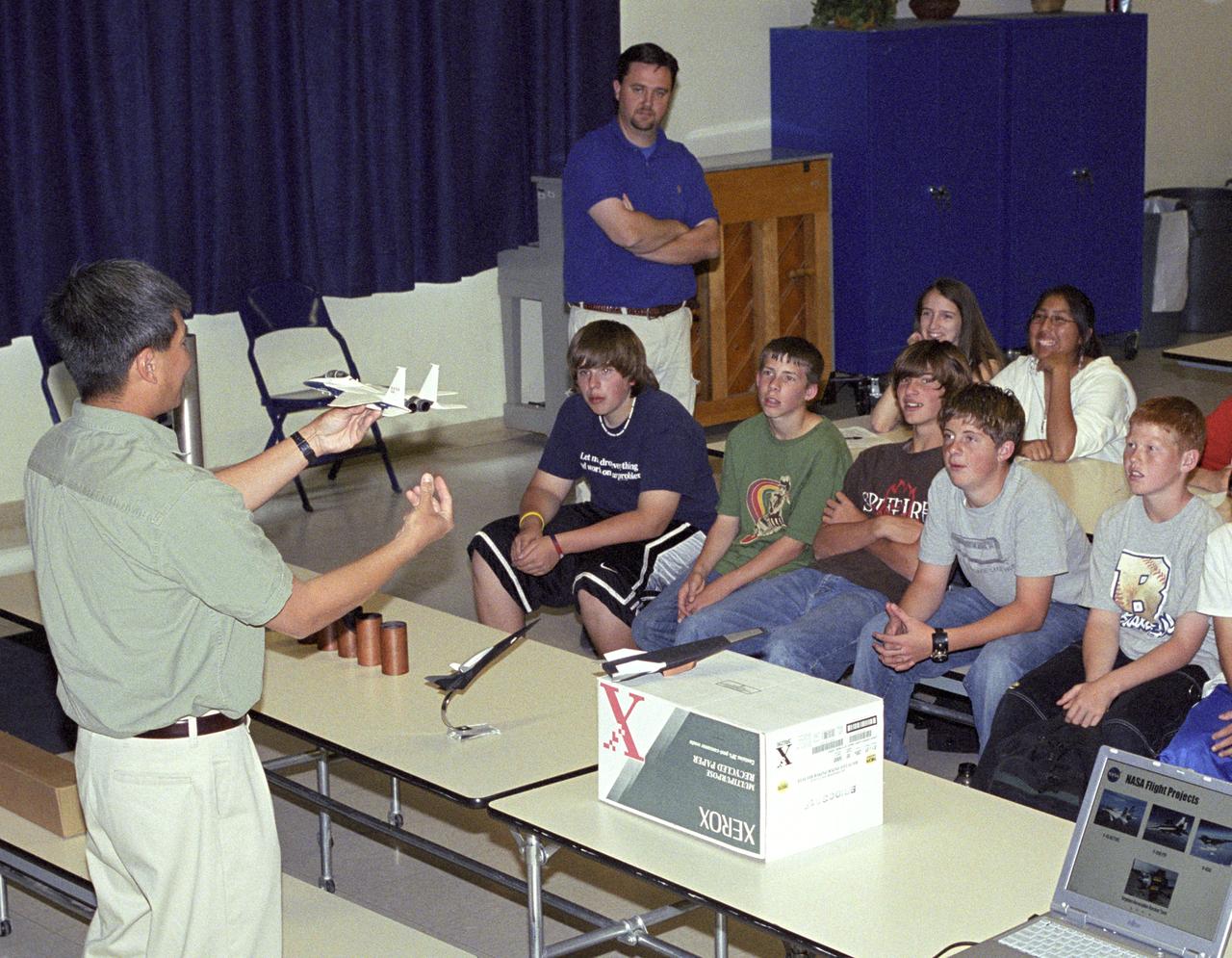
NASA Dryden aerospace engineer Trong Bui explains the dynamics of flight to a group of Edwards Middle School students during a recent Career Day presentation.
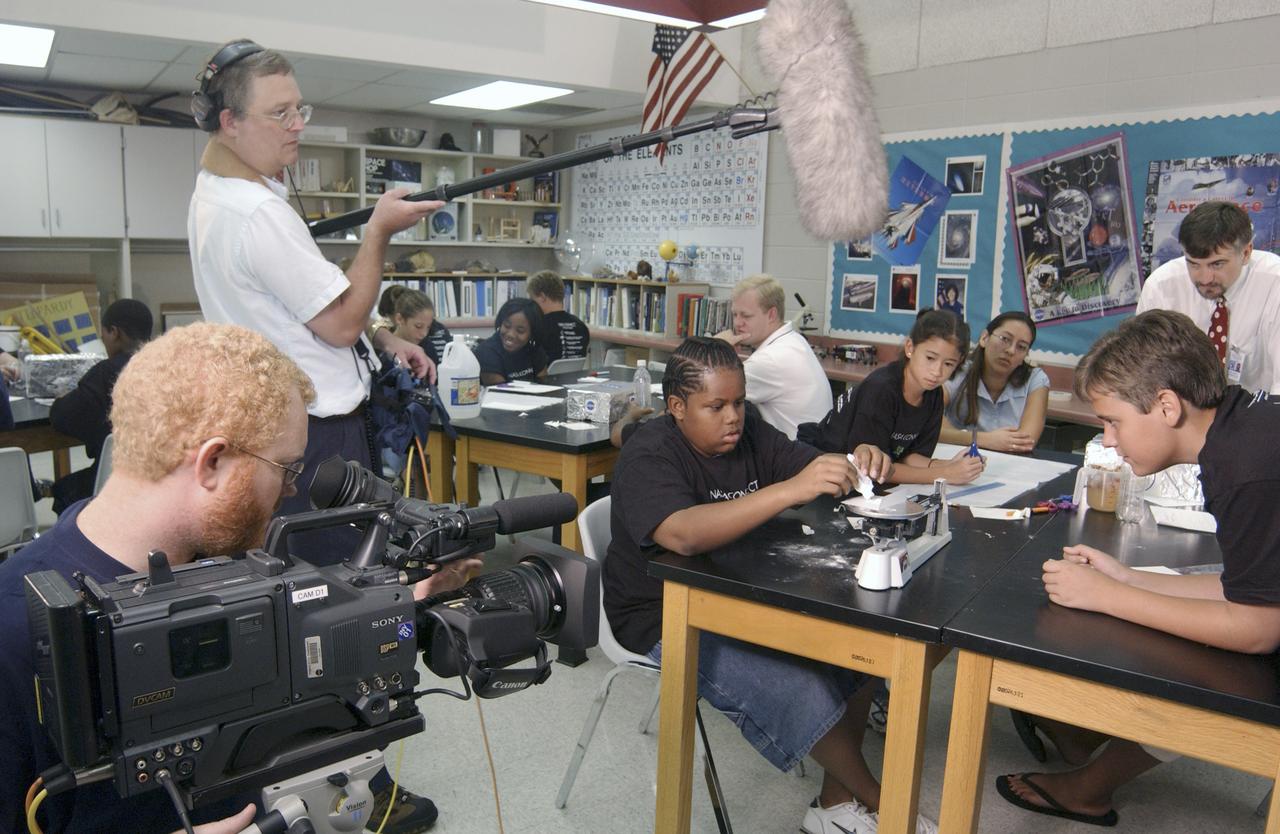
Students at Williams Technology Middle School in Huntsville were featured in a new segment of NASA CONNECT, a video series aimed to enhance the teaching of math, science, and technology to middle school students. The segment premiered nationwide May 15, 2003, and helped viewers understand Sir Isaac Newton's first, second, and third laws of gravity and how they relate to NASA's efforts in developing the next generation of space transportation.

Abu Dhabi, the capital of the United Arab Emirates on the Persian Gulf coast, is pictured from the International Space Station as it soared 257 miles above the Middle East.

NASA image acquired April 18 - October 23, 2012 This new image of Europe, Africa, and the Middle East at night is a composite assembled from data acquired by the Suomi NPP satellite in April and October 2012. The new data was mapped over existing Blue Marble imagery of Earth to provide a realistic view of the planet. The nighttime view was made possible by the new satellite’s “day-night band” of the Visible Infrared Imaging Radiometer Suite. VIIRS detects light in a range of wavelengths from green to near-infrared and uses filtering techniques to observe dim signals such as gas flares, auroras, wildfires, city lights, and reflected moonlight. In this case, auroras, fires, and other stray light have been removed to emphasize the city lights. “Night time imagery provides an intuitively graspable view of our planet,” says William Stefanov, senior remote sensing scientist for the International Space Station program office. “They provide a fairly straightforward means to map urban versus rural areas, and to show where the major population centers are and where they are not.” Named for satellite meteorology pioneer Verner Suomi, NPP flies over any given point on Earth's surface twice each day at roughly 1:30 a.m. and p.m. The polar-orbiting satellite flies 824 kilometers (512 miles) above the surface, sending its data once per orbit to a ground station in Svalbard, Norway, and continuously to local direct broadcast users distributed around the world. The mission is managed by NASA with operational support from NOAA and its Joint Polar Satellite System, which manages the satellite's ground system. NASA Earth Observatory image by Robert Simmon, using Suomi NPP VIIRS data provided courtesy of Chris Elvidge (NOAA National Geophysical Data Center). Suomi NPP is the result of a partnership between NASA, NOAA, and the Department of Defense. Caption by Mike Carlowicz. Instrument: Suomi NPP - VIIRS Credit: <b><a href="http://www.earthobservatory.nasa.gov/" rel="nofollow"> NASA Earth Observatory</a></b> <b>Click here to view all of the <a href="http://earthobservatory.nasa.gov/Features/NightLights/" rel="nofollow"> Earth at Night 2012 images </a></b> <b>Click here to <a href="http://earthobservatory.nasa.gov/NaturalHazards/view.php?id=79793" rel="nofollow"> read more </a> about this image </b> <b><a href="http://www.nasa.gov/audience/formedia/features/MP_Photo_Guidelines.html" rel="nofollow">NASA image use policy.</a></b> <b><a href="http://www.nasa.gov/centers/goddard/home/index.html" rel="nofollow">NASA Goddard Space Flight Center</a></b> enables NASA’s mission through four scientific endeavors: Earth Science, Heliophysics, Solar System Exploration, and Astrophysics. Goddard plays a leading role in NASA’s accomplishments by contributing compelling scientific knowledge to advance the Agency’s mission. <b>Follow us on <a href="http://twitter.com/NASA_GoddardPix" rel="nofollow">Twitter</a></b> <b>Like us on <a href="http://www.facebook.com/pages/Greenbelt-MD/NASA-Goddard/395013845897?ref=tsd" rel="nofollow">Facebook</a></b> <b>Find us on <a href="http://instagram.com/nasagoddard?vm=grid" rel="nofollow">Instagram</a></b>
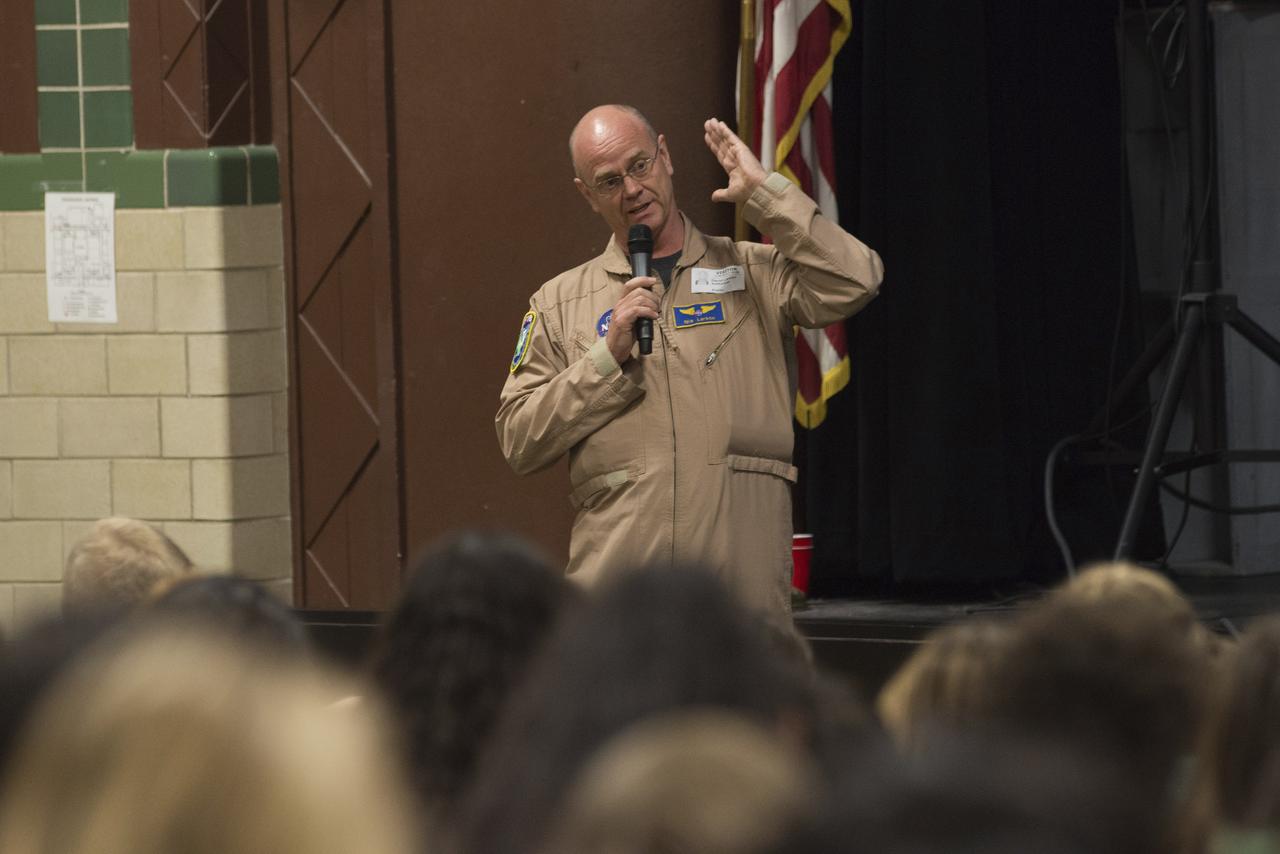
NASA Armstrong Chief Pilot Nils Larson presents NASA’s aeronautics research to students from Austin Middle School in Galveston, Texas during the QSF18 flight series.
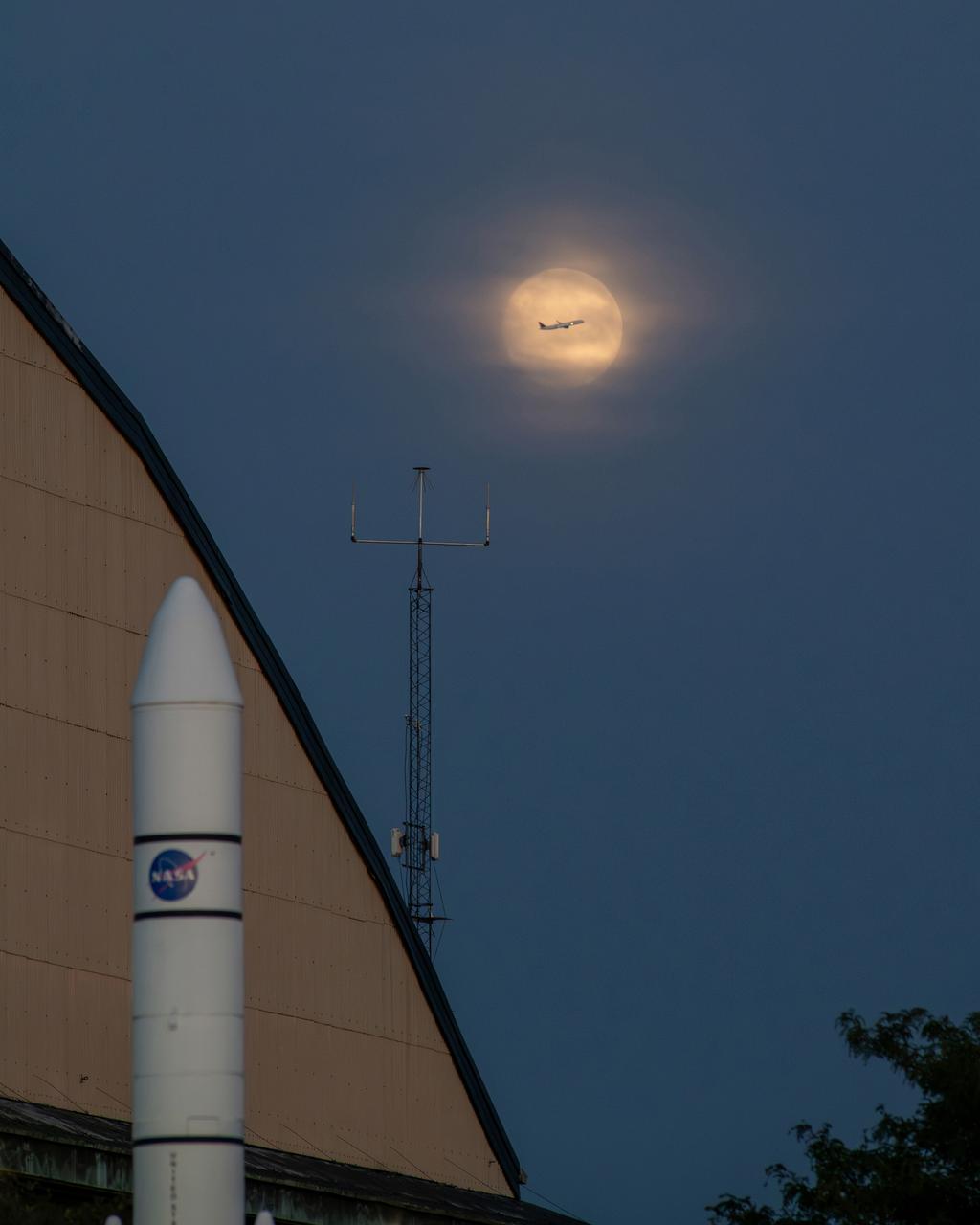
While photographing the Supermoon on September 17, 2024 for a NASA GRC Aerospace Frontiers article on the 2024 Supermoon, a plane departing Cleveland Hopkins Airport flew right through the middle of the moon. The photographer used a portion of the rocket garden’s Ares 1 rocket and a corner of the NASA GRC hangar building to frame the photograph of the moon. When the plane was seen approaching, the photographer used continuous shutter speed in hopes of capturing the plane and the moon together.
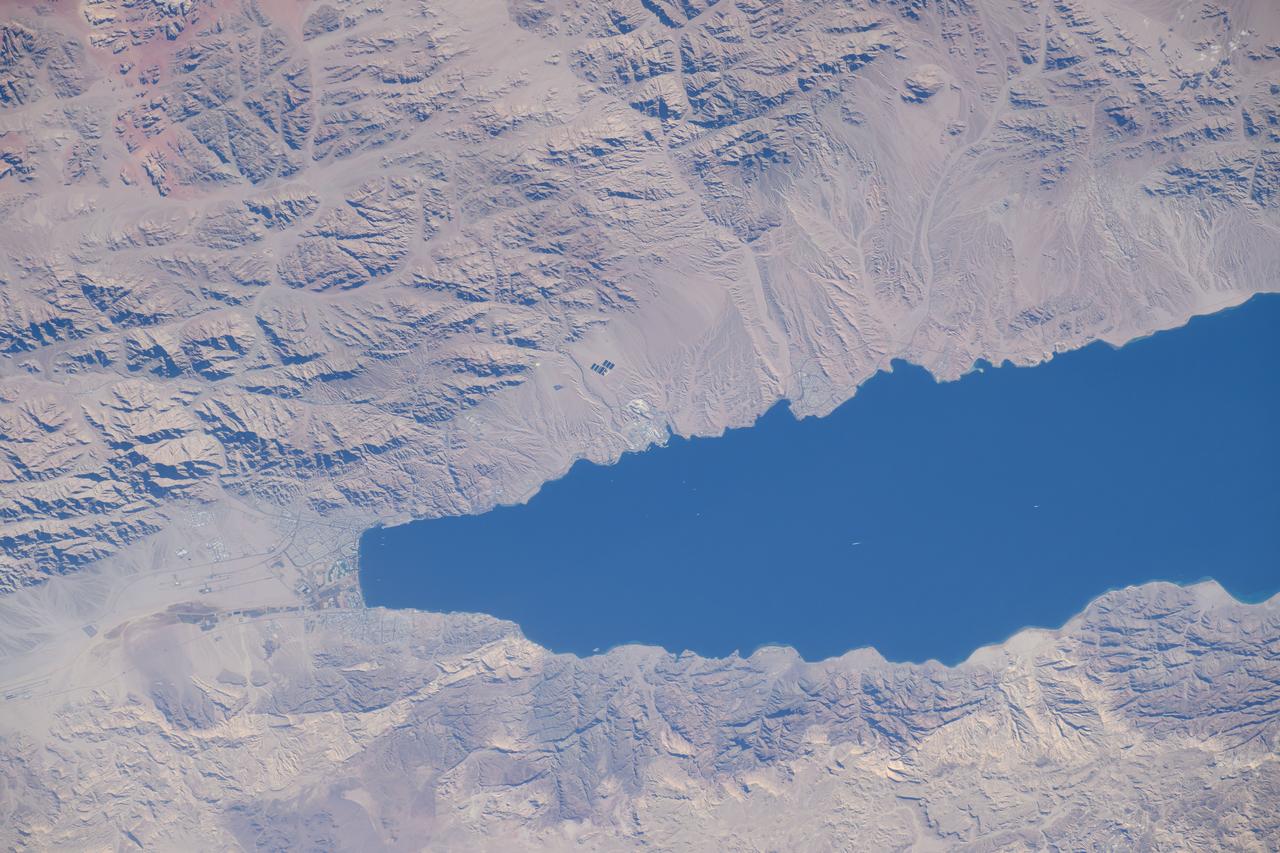
iss072e404443 (Dec. 26, 2024) --- The northern tip of the Gulf of Aqaba is surrounded by the borders of four Middle East nations, including Egypt, Israel, Jordan, and Saudi Arabia, in this photograph from the International Space Station as it orbited 261 miles above.
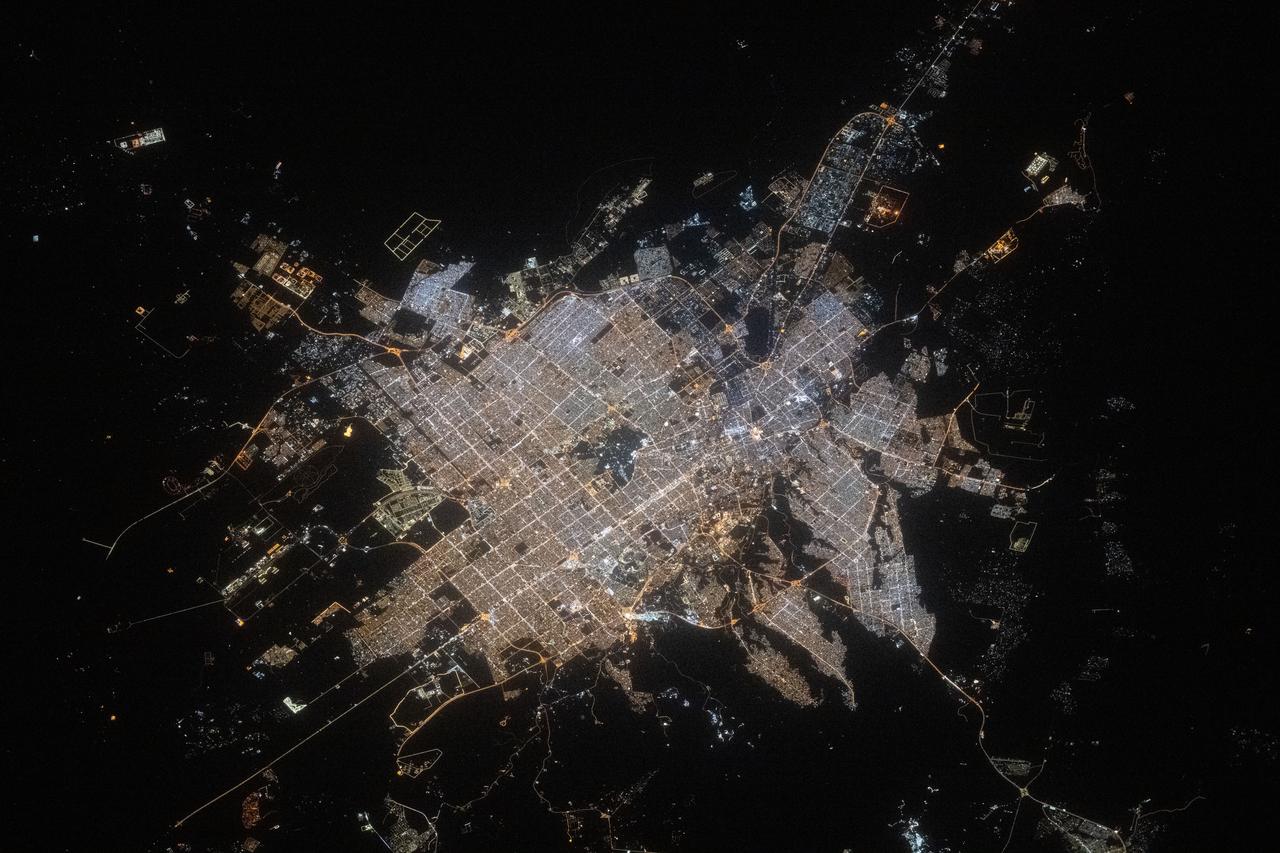
iss073e0222623 (May 25, 2025) --- Riyadh, Saudi Arabia, the Middle Eastern nation's capital and largest city with a population of about 7 million located in the Nafud desert, is pictured at approximately 9:56 p.m. local time from the International Space Station as it orbited 259 miles above the Arabian Peninsula.
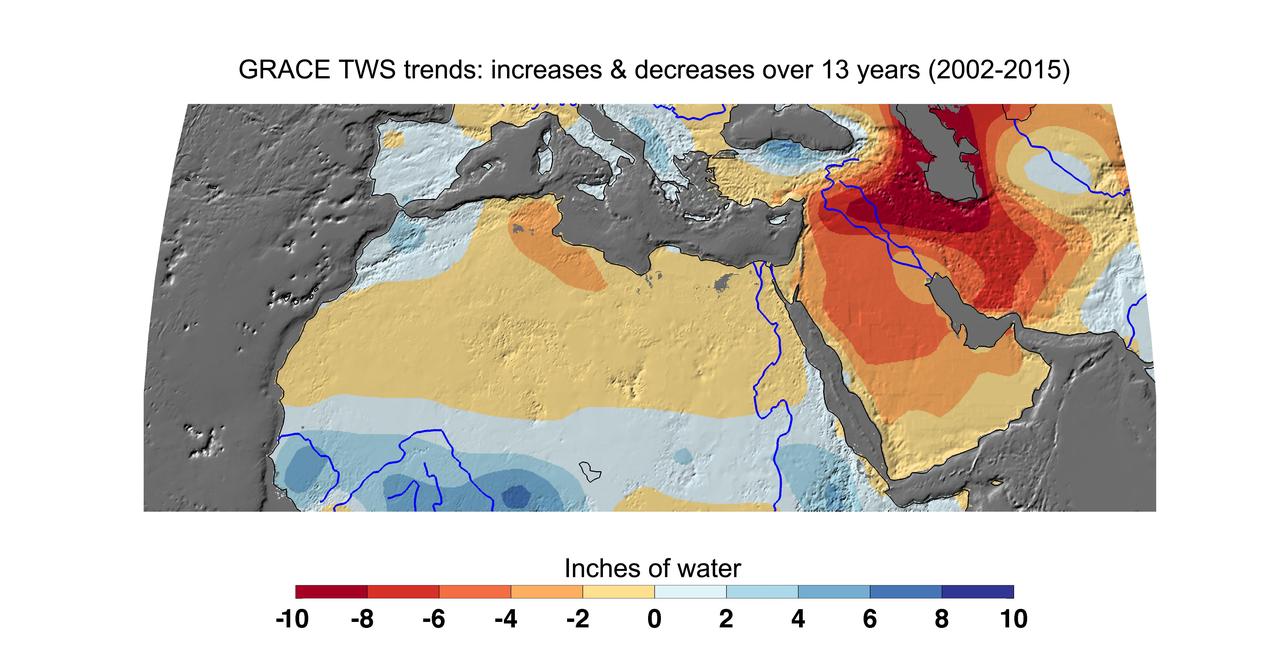
Cumulative total freshwater losses in North Africa and the Middle East from 2002 to 2015 (in inches) observed by NASA's Gravity Recovery and Climate Experiment (GRACE) mission. Total water refers to all of the snow, surface water, soil water and groundwater combined. Groundwater depletion in Turkey, Syria, Iraq and Iran, and along the Arabian Peninsula, are leading to large changes in total water storage in the region. Likewise, drought and groundwater pumping is contributing to the drying of the Caspian Sea Region. The Northwest Sahara Aquifer System, which underlies Tunisia and Libya, is also experiencing increasing water stress as shown in the map. Image updated from Voss et al., 2013. Citation of Record: Voss, K. A., J. S. Famiglietti, M. Lo, C. R. de Linage, M. Rodell and S. C. Swenson, Groundwater depletion in the Middle East from GRACE with Implications for Transboundary Water Management in the Tigris-Euphrates-Western Iran Region, Wat. Resour. Res., 49(2), 904-914, DOI: 10.1002/wrcr.20078. http://photojournal.jpl.nasa.gov/catalog/PIA20207
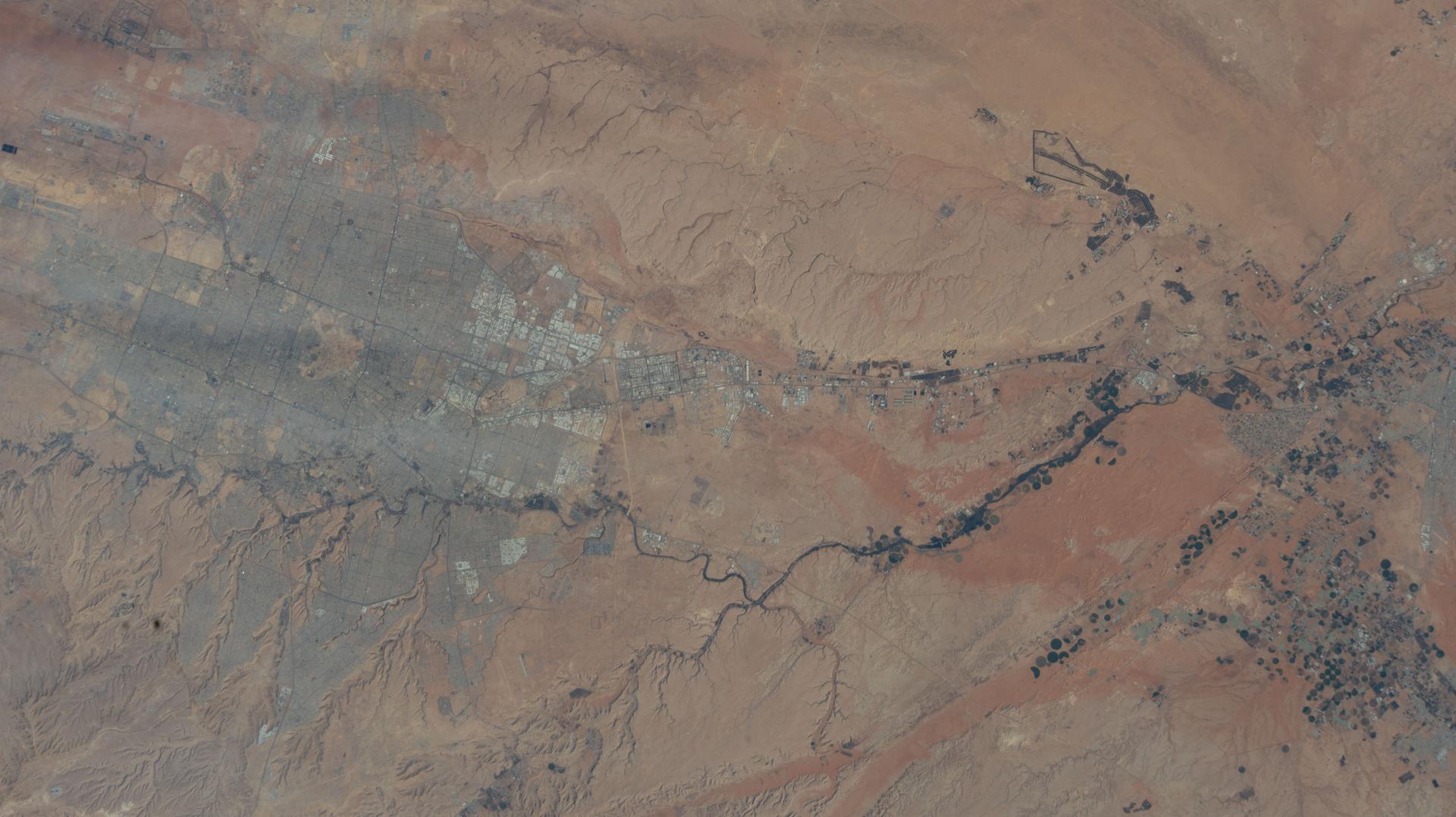
iss074e0002650 (Dec. 21, 2025) --- Riyadh, Saudi Arabia—the Middle Eastern nation’s capital and largest city, with a population of nearly 8 million—lies in the Arabian Desert, where several wadis, or dry riverbeds that carry water during periods of heavy rain, run through or near the city. The International Space Station was orbiting 261 miles above the Arabian Peninsula at the time of this photograph.
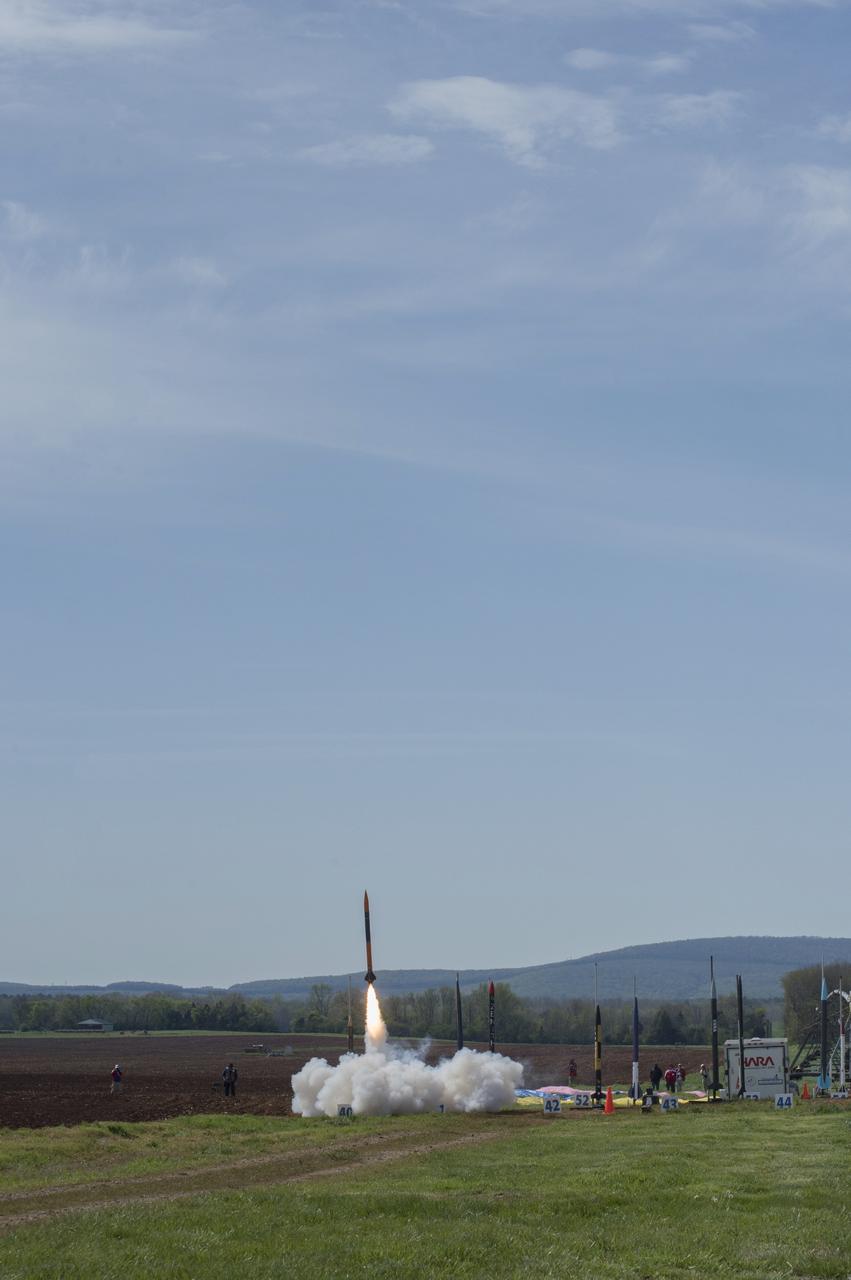
After eight months of designing, building and testing, the middle school, high school and college and university teams launched their rockets as part of NASA Student Launch on Sunday, April 8. The rockets and their payloads are designed to fly to 1-mile in altitude before deploying recovery systems that brings them safely to the ground.
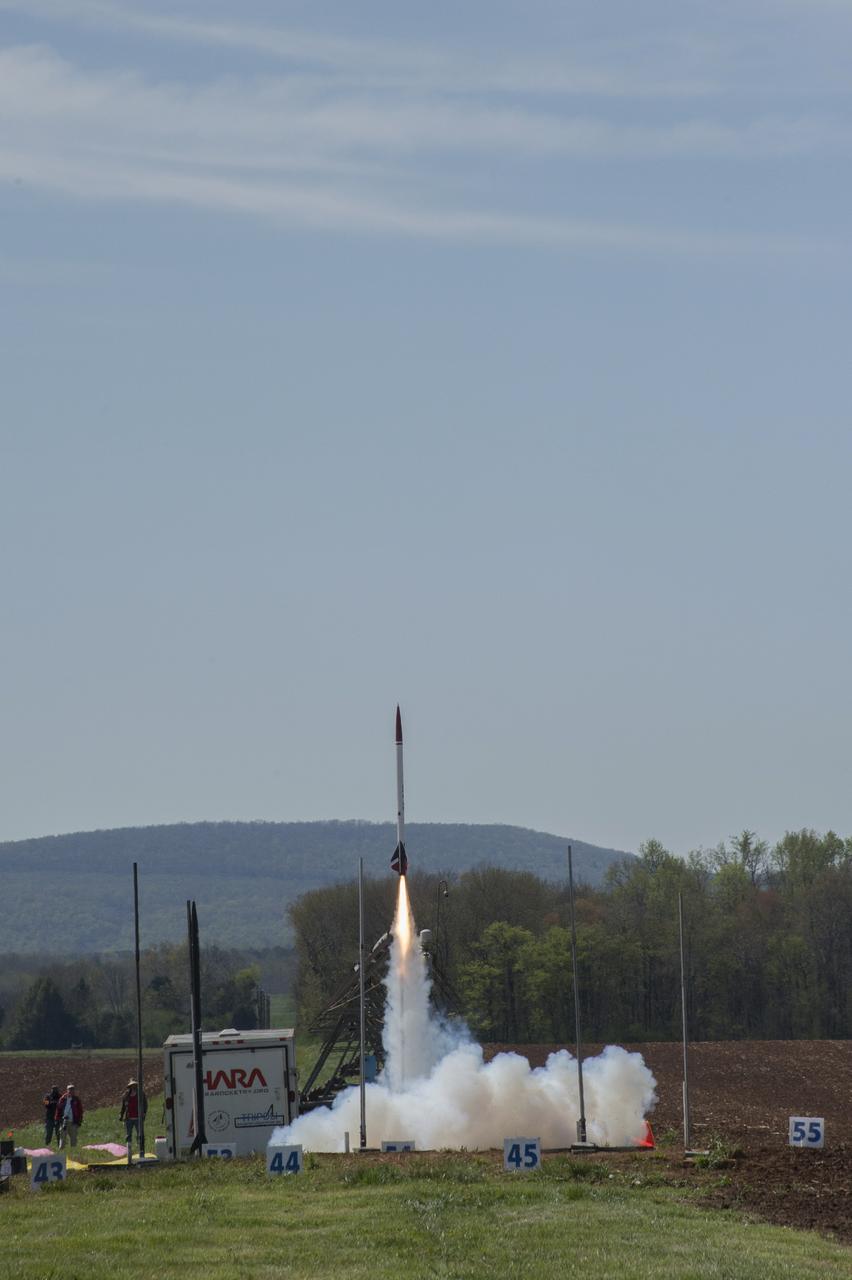
After eight months of designing, building and testing, the middle school, high school and college and university teams launched their rockets as part of NASA Student Launch on Sunday, April 8. The rockets and their payloads are designed to fly to 1-mile in altitude before deploying recovery systems that brings them safely to the ground.
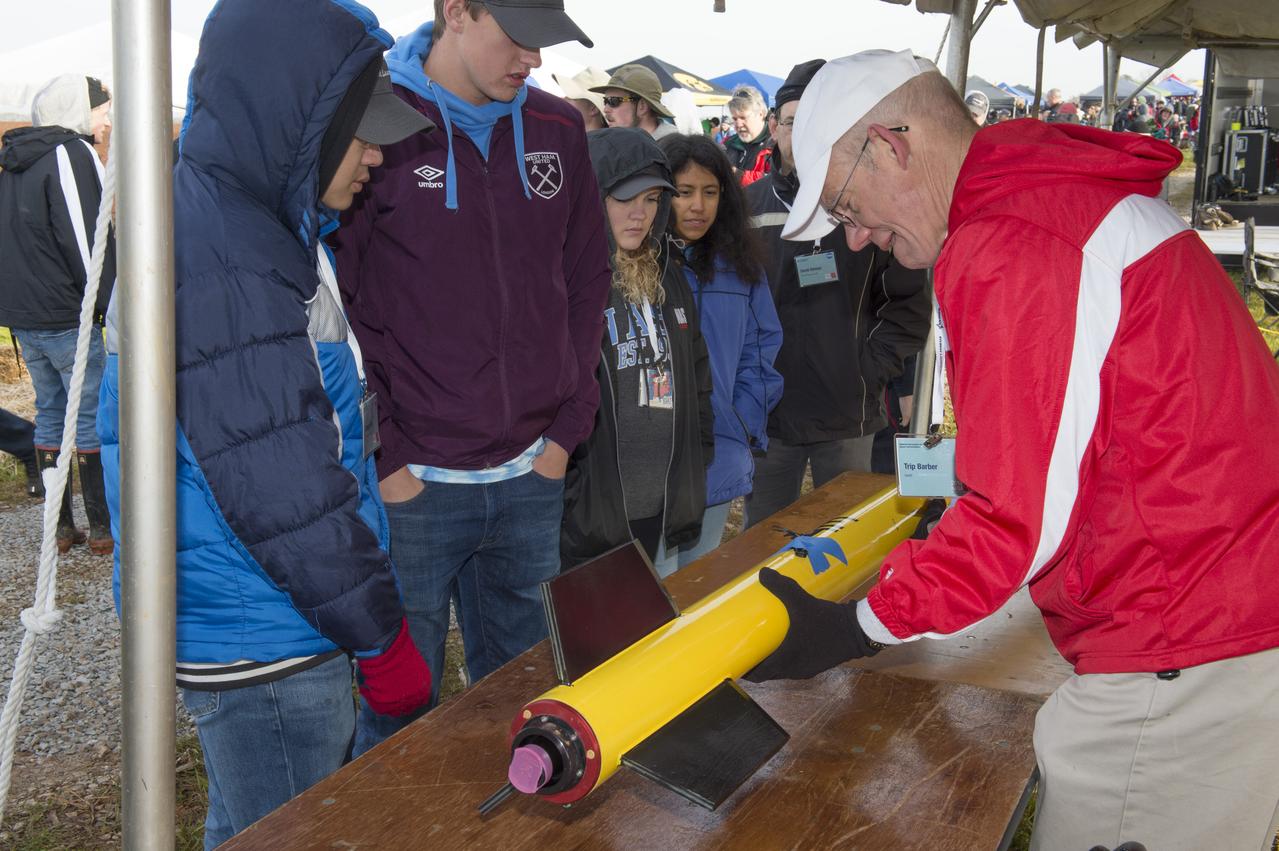
After eight months of designing, building and testing, the middle school, high school and college and university teams launched their rockets as part of NASA Student Launch on Sunday, April 8. The rockets and their payloads are designed to fly to 1-mile in altitude before deploying recovery systems that brings them safely to the ground.
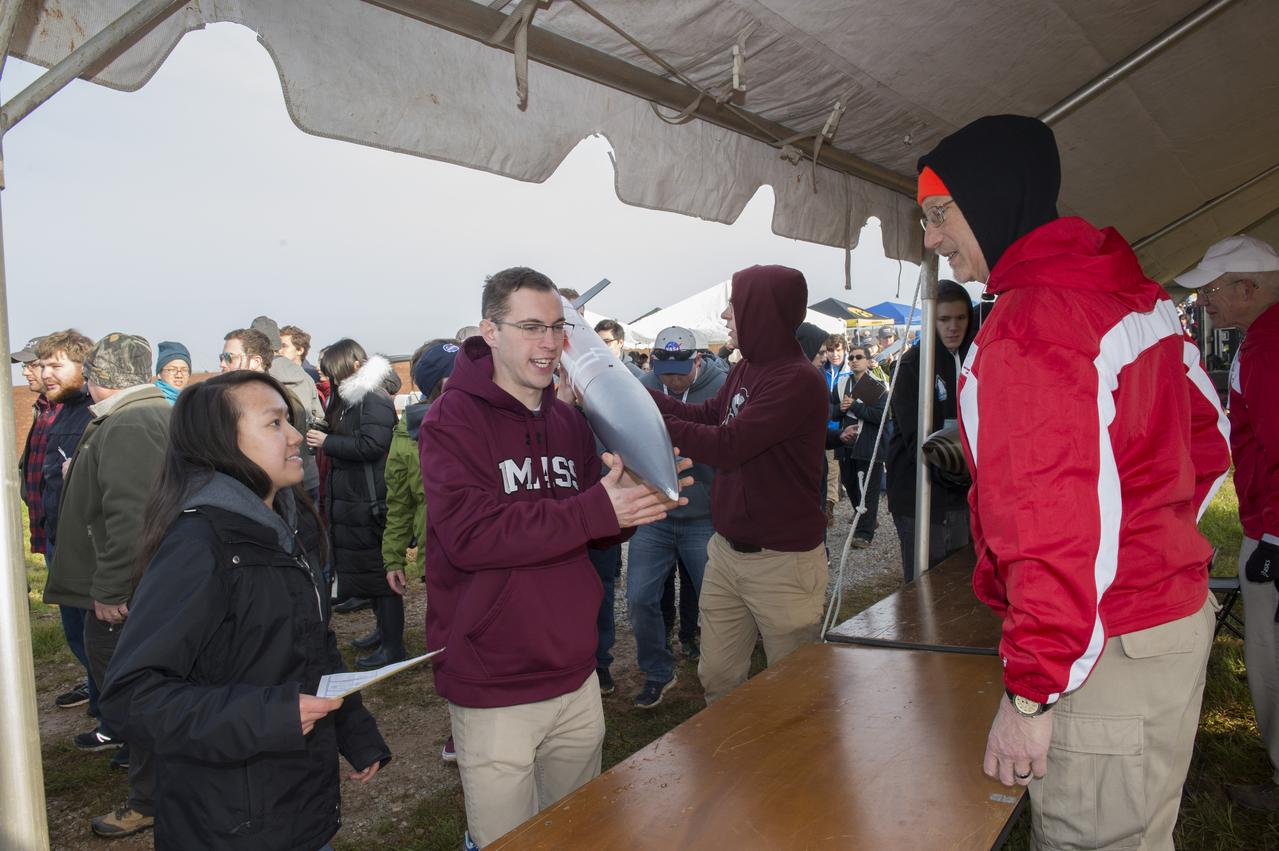
After eight months of designing, building and testing, the middle school, high school and college and university teams launched their rockets as part of NASA Student Launch on Sunday, April 8. The rockets and their payloads are designed to fly to 1-mile in altitude before deploying recovery systems that brings them safely to the ground.
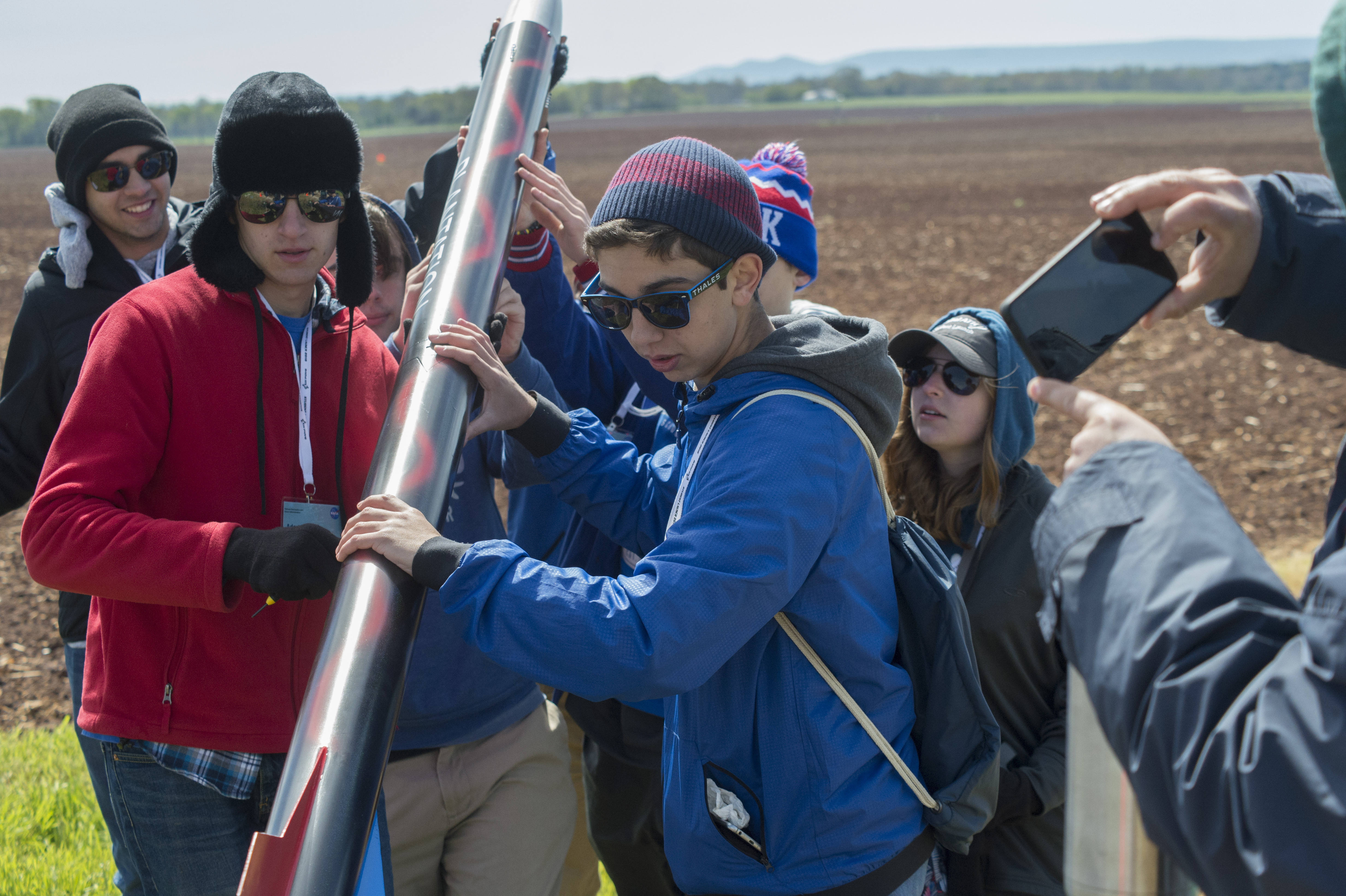
After eight months of designing, building and testing, the middle school, high school and college and university teams launched their rockets as part of NASA Student Launch on Sunday, April 8. The rockets and their payloads are designed to fly to 1-mile in altitude before deploying recovery systems that brings them safely to the ground.
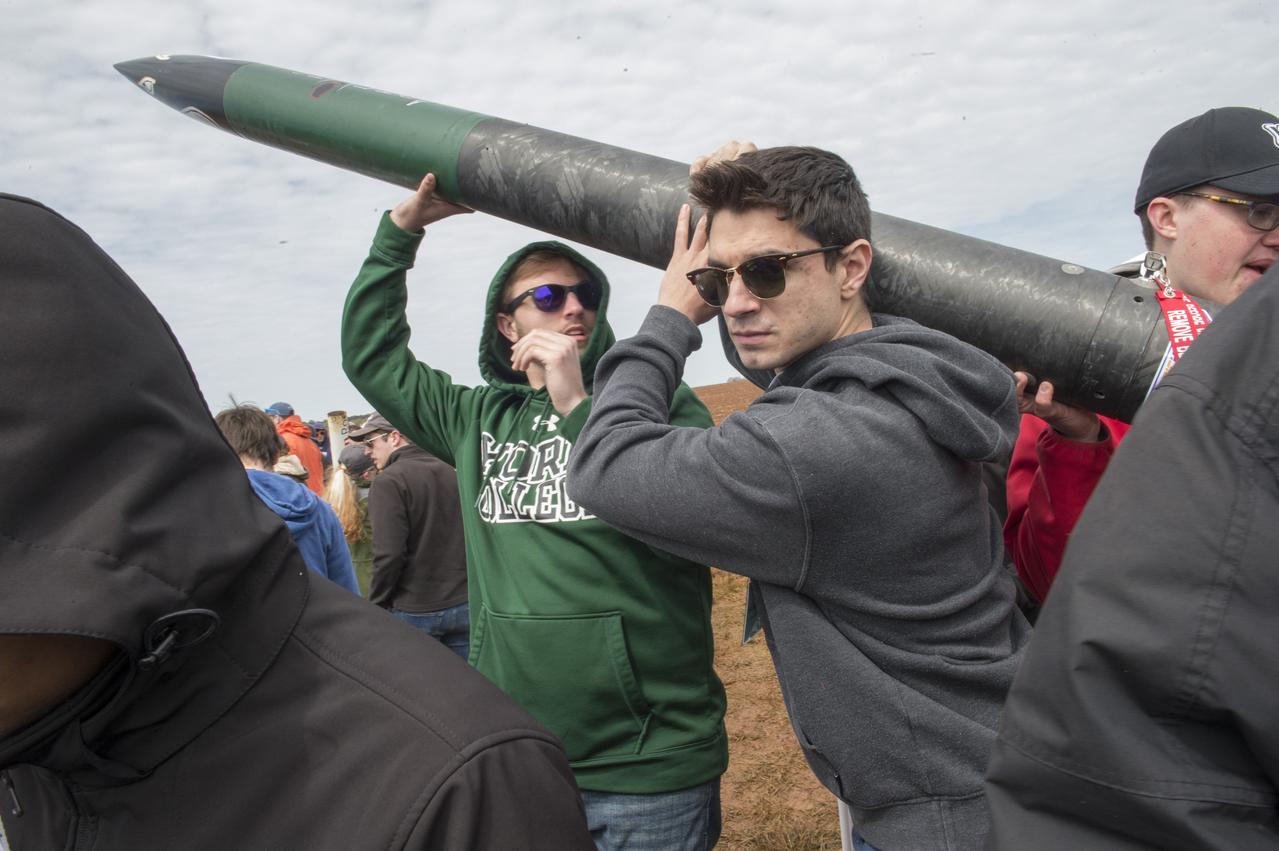
After eight months of designing, building and testing, the middle school, high school and college and university teams launched their rockets as part of NASA Student Launch on Sunday, April 8. The rockets and their payloads are designed to fly to 1-mile in altitude before deploying recovery systems that brings them safely to the ground.
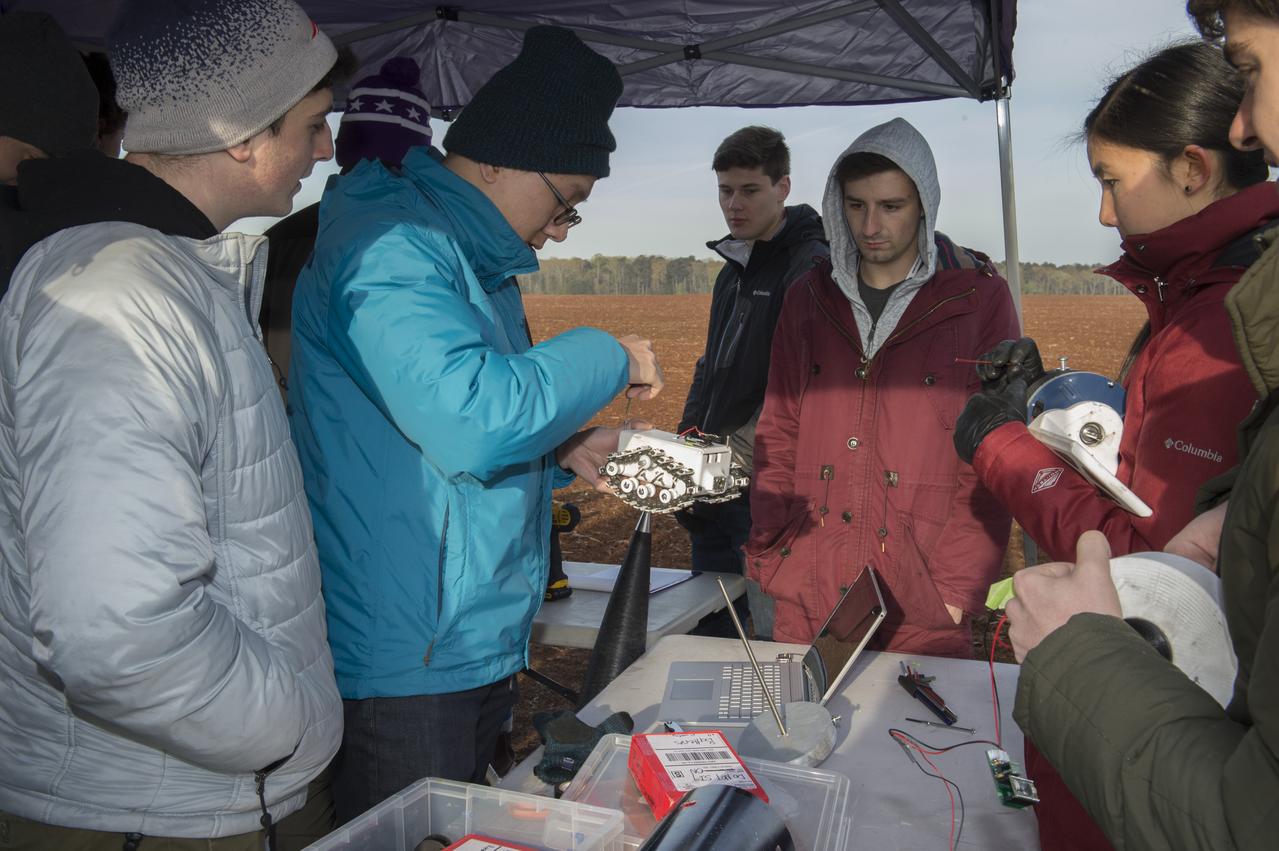
After eight months of designing, building and testing, the middle school, high school and college and university teams launched their rockets as part of NASA Student Launch on Sunday, April 8. The rockets and their payloads are designed to fly to 1-mile in altitude before deploying recovery systems that brings them safely to the ground.
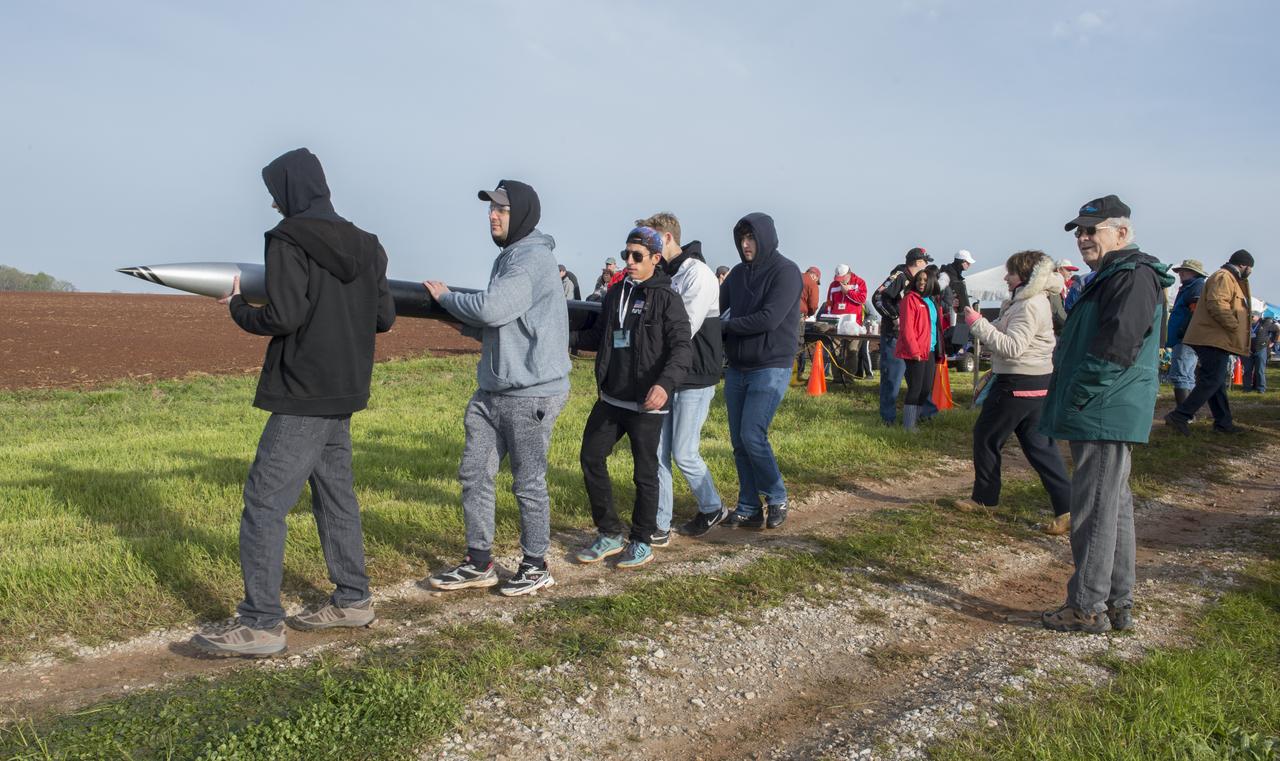
After eight months of designing, building and testing, the middle school, high school and college and university teams launched their rockets as part of NASA Student Launch on Sunday, April 8. The rockets and their payloads are designed to fly to 1-mile in altitude before deploying recovery systems that brings them safely to the ground.
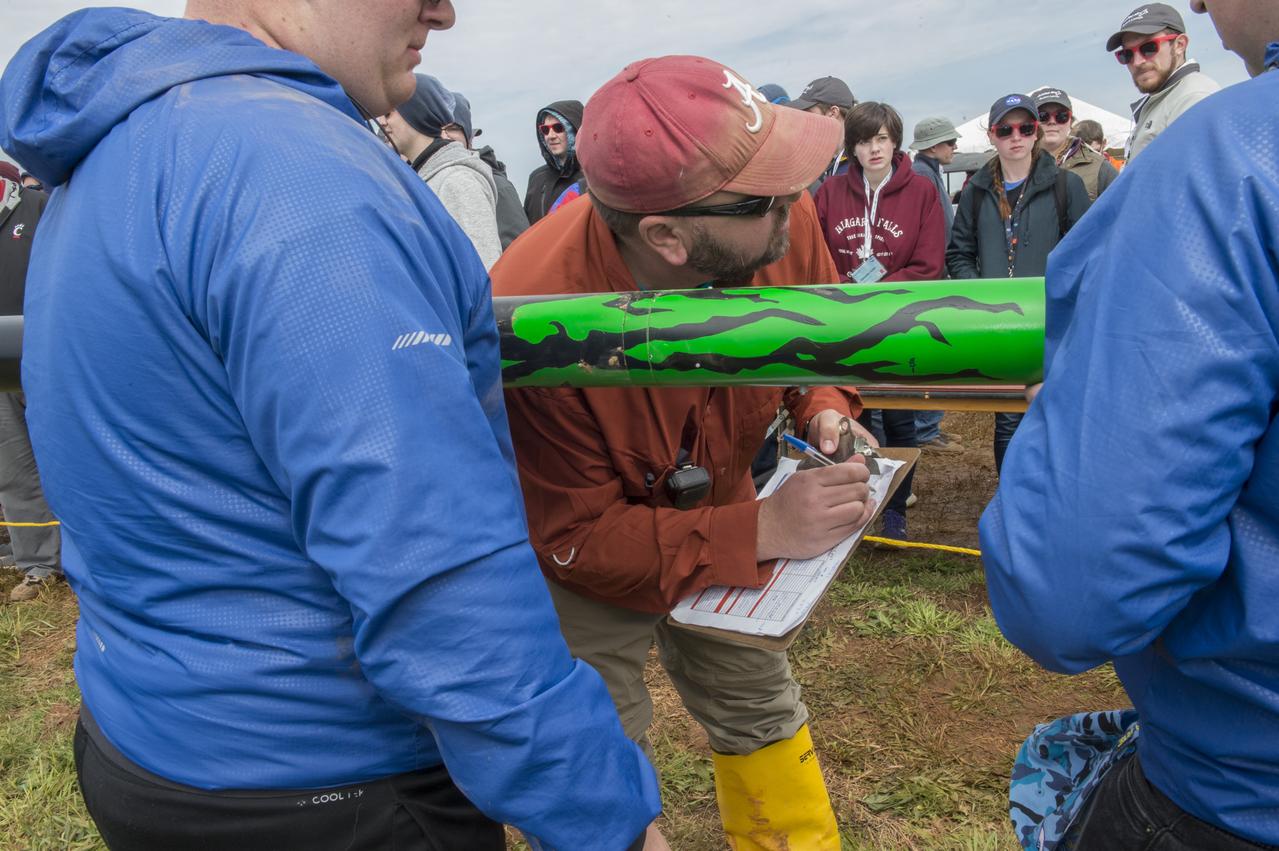
After eight months of designing, building and testing, the middle school, high school and college and university teams launched their rockets as part of NASA Student Launch on Sunday, April 8. The rockets and their payloads are designed to fly to 1-mile in altitude before deploying recovery systems that brings them safely to the ground.
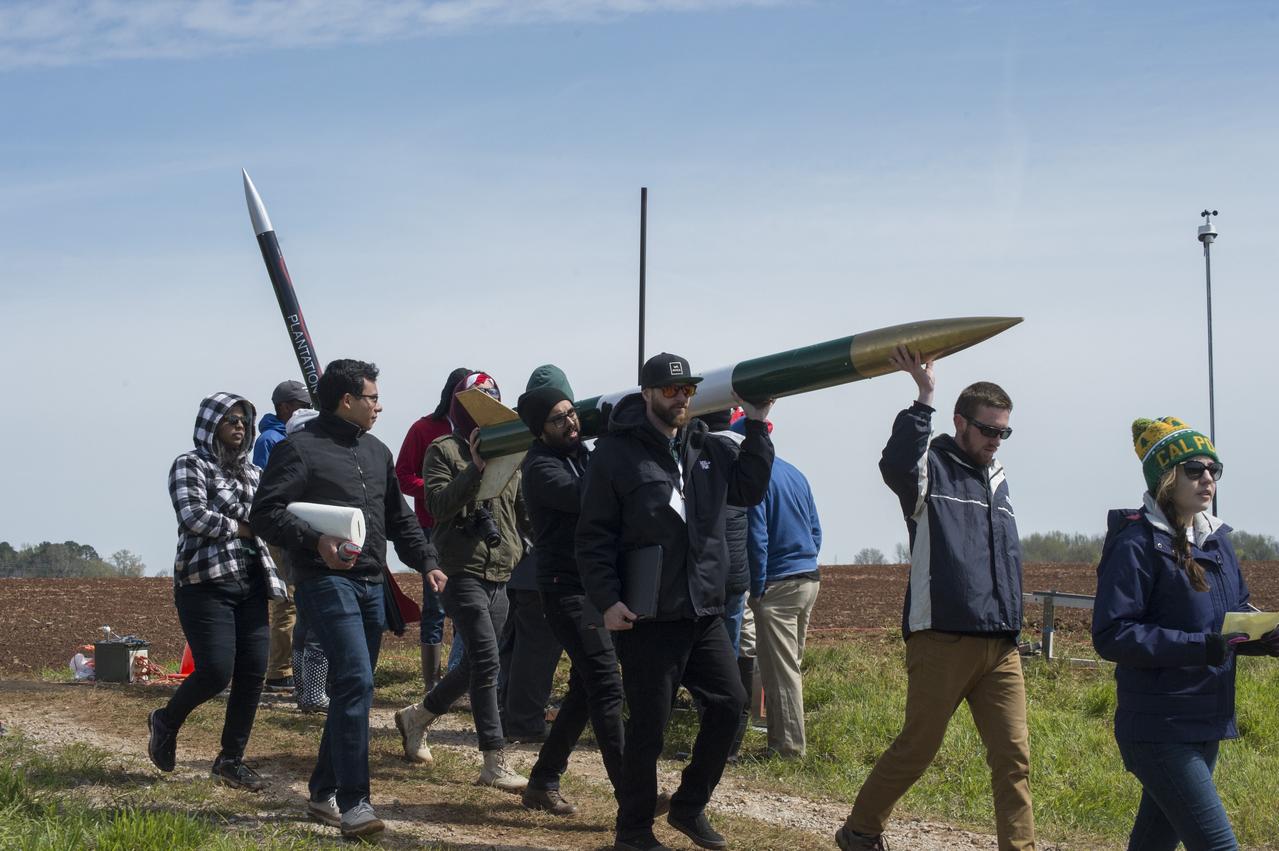
After eight months of designing, building and testing, the middle school, high school and college and university teams launched their rockets as part of NASA Student Launch on Sunday, April 8. The rockets and their payloads are designed to fly to 1-mile in altitude before deploying recovery systems that brings them safely to the ground.
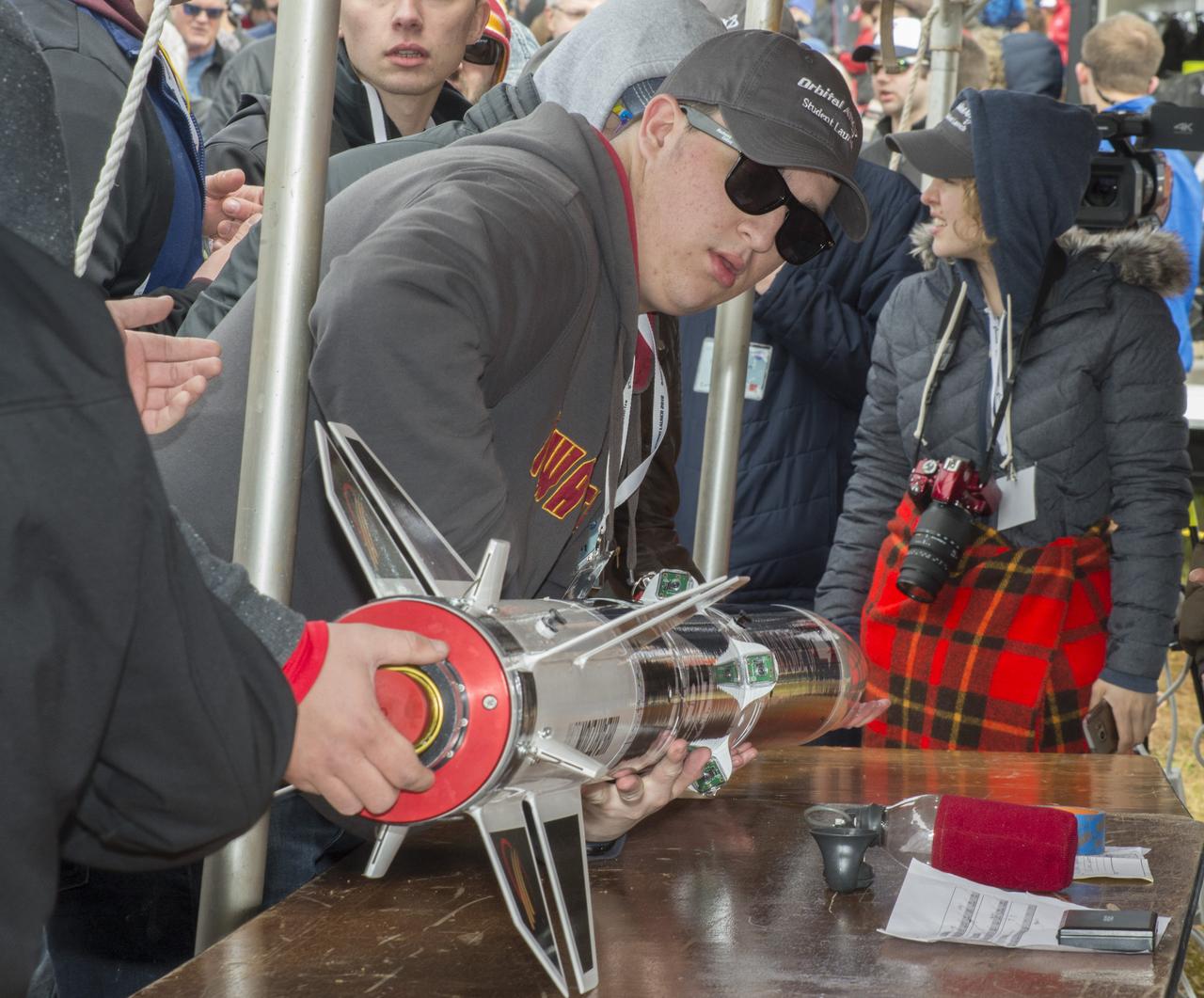
After eight months of designing, building and testing, the middle school, high school and college and university teams launched their rockets as part of NASA Student Launch on Sunday, April 8. The rockets and their payloads are designed to fly to 1-mile in altitude before deploying recovery systems that brings them safely to the ground.
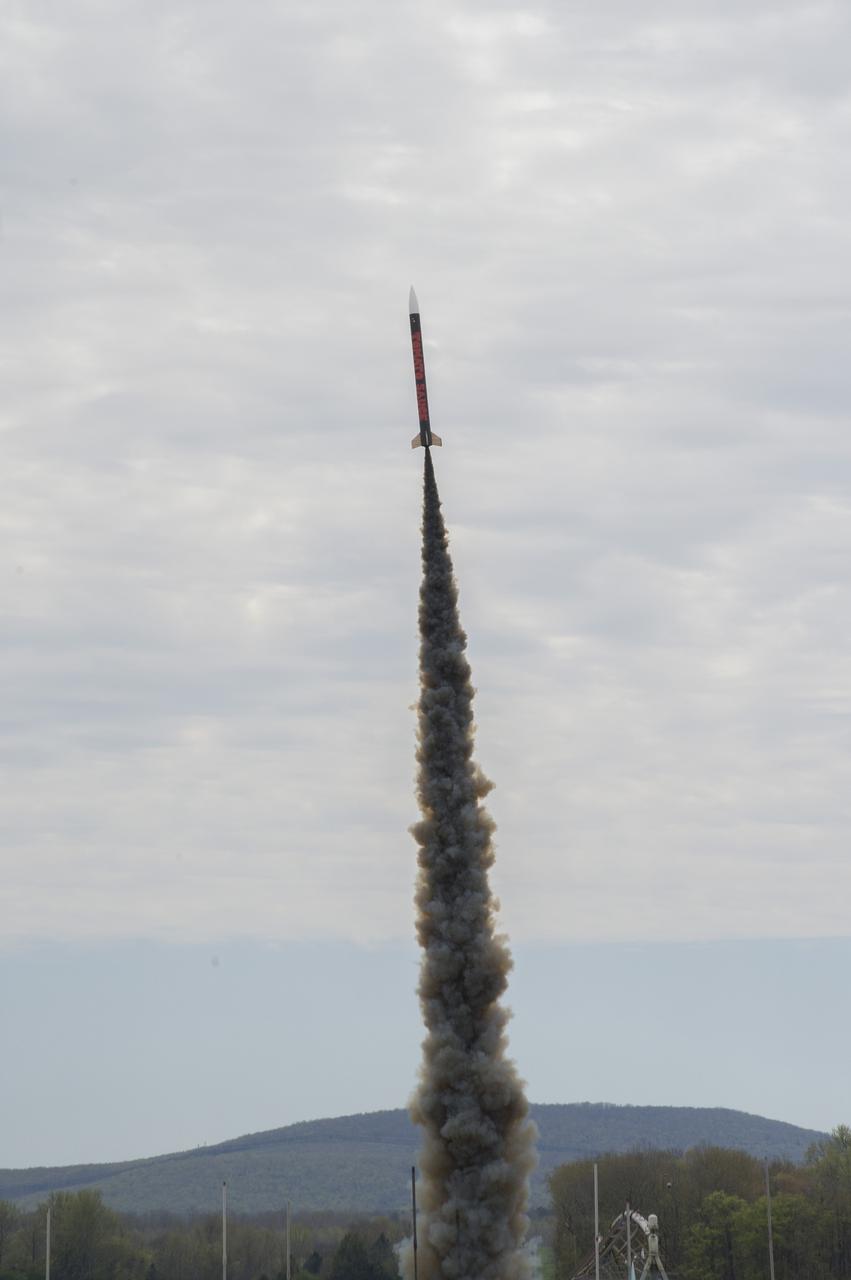
After eight months of designing, building and testing, the middle school, high school and college and university teams launched their rockets as part of NASA Student Launch on Sunday, April 8. The rockets and their payloads are designed to fly to 1-mile in altitude before deploying recovery systems that brings them safely to the ground.
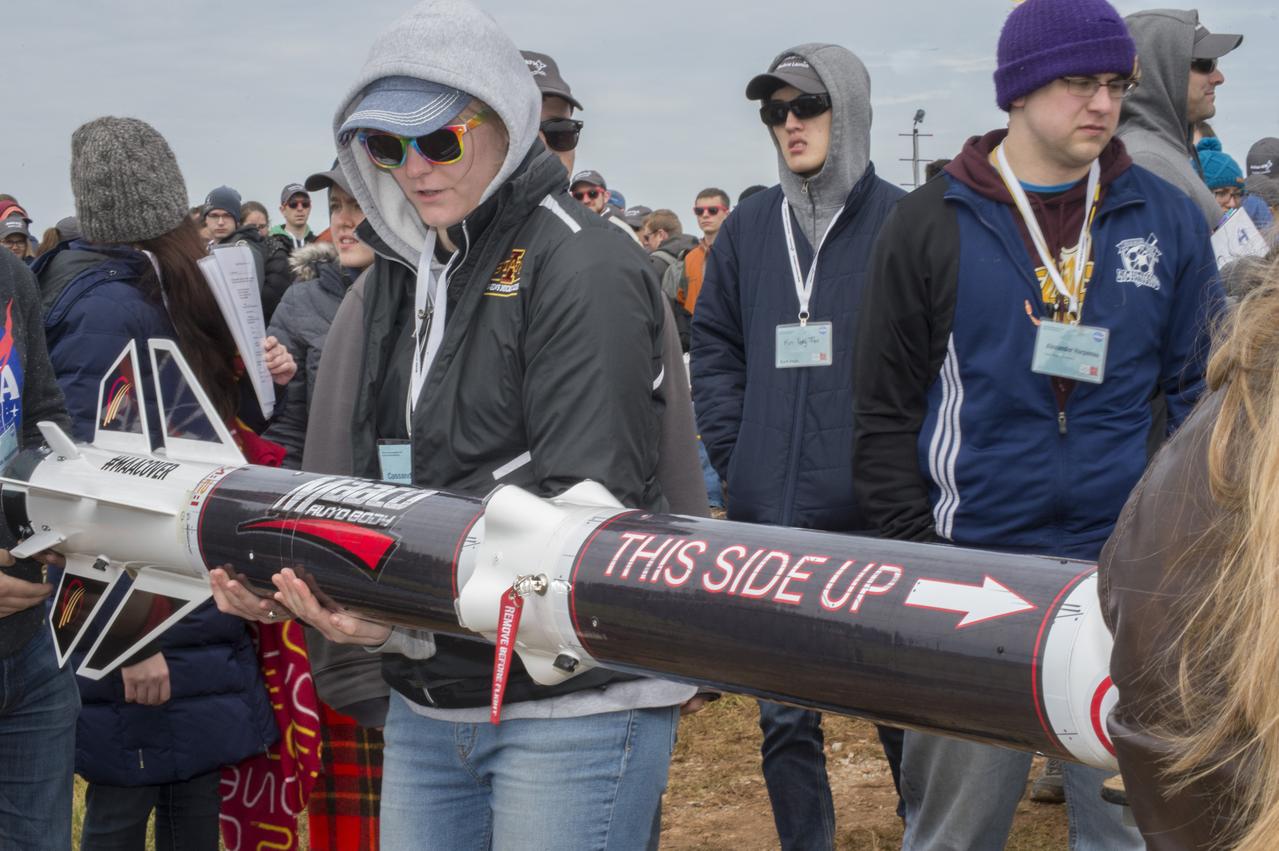
After eight months of designing, building and testing, the middle school, high school and college and university teams launched their rockets as part of NASA Student Launch on Sunday, April 8. The rockets and their payloads are designed to fly to 1-mile in altitude before deploying recovery systems that brings them safely to the ground.
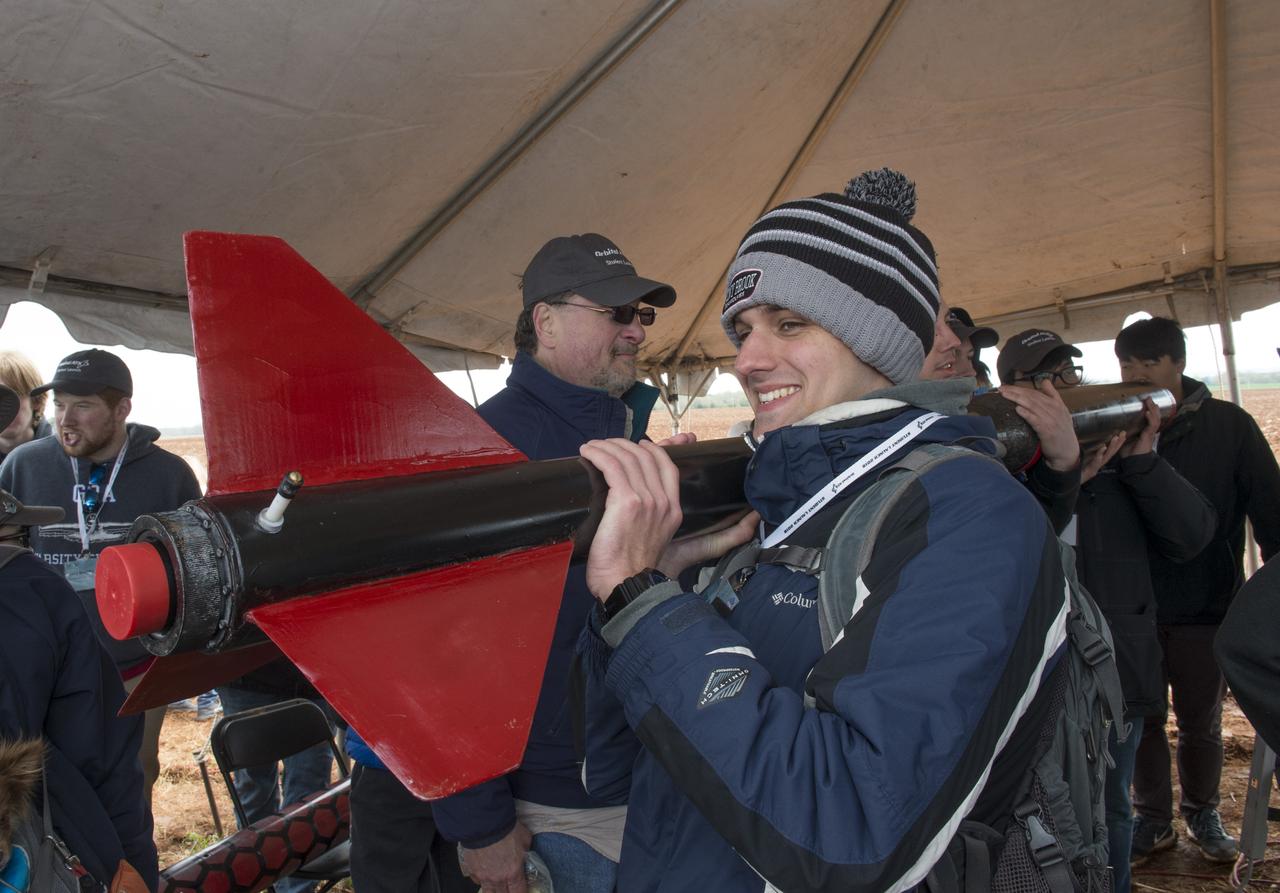
After eight months of designing, building and testing, the middle school, high school and college and university teams launched their rockets as part of NASA Student Launch on Sunday, April 8. The rockets and their payloads are designed to fly to 1-mile in altitude before deploying recovery systems that brings them safely to the ground.
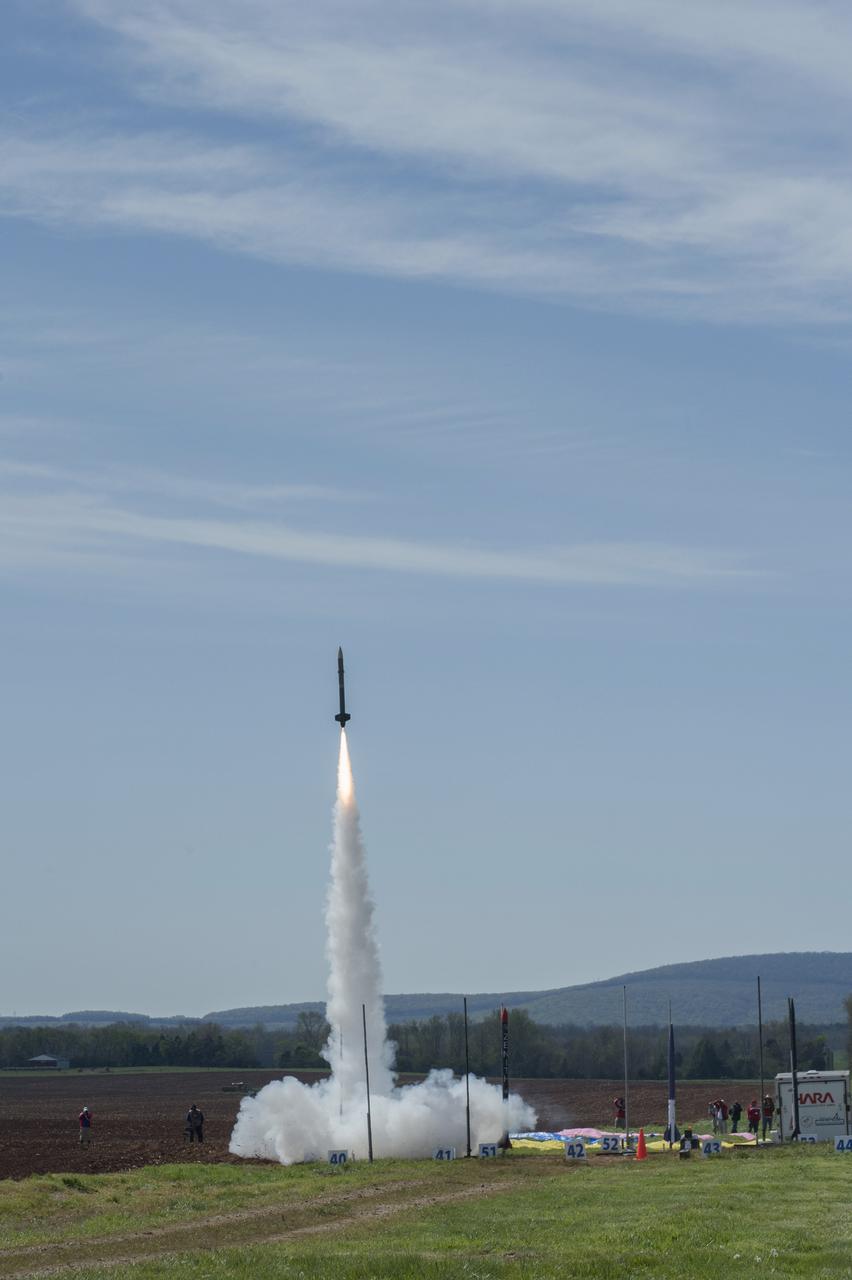
After eight months of designing, building and testing, the middle school, high school and college and university teams launched their rockets as part of NASA Student Launch on Sunday, April 8. The rockets and their payloads are designed to fly to 1-mile in altitude before deploying recovery systems that brings them safely to the ground.
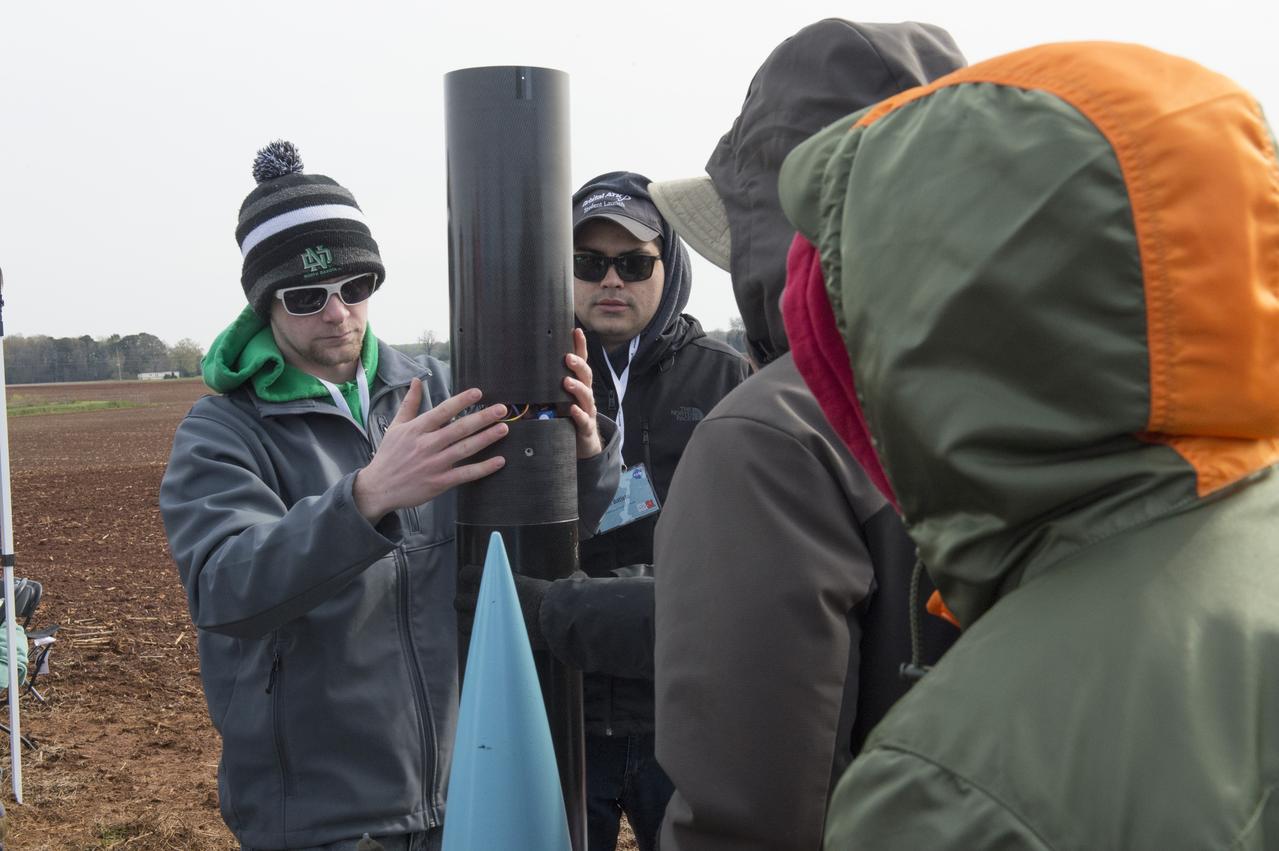
After eight months of designing, building and testing, the middle school, high school and college and university teams launched their rockets as part of NASA Student Launch on Sunday, April 8. The rockets and their payloads are designed to fly to 1-mile in altitude before deploying recovery systems that brings them safely to the ground.
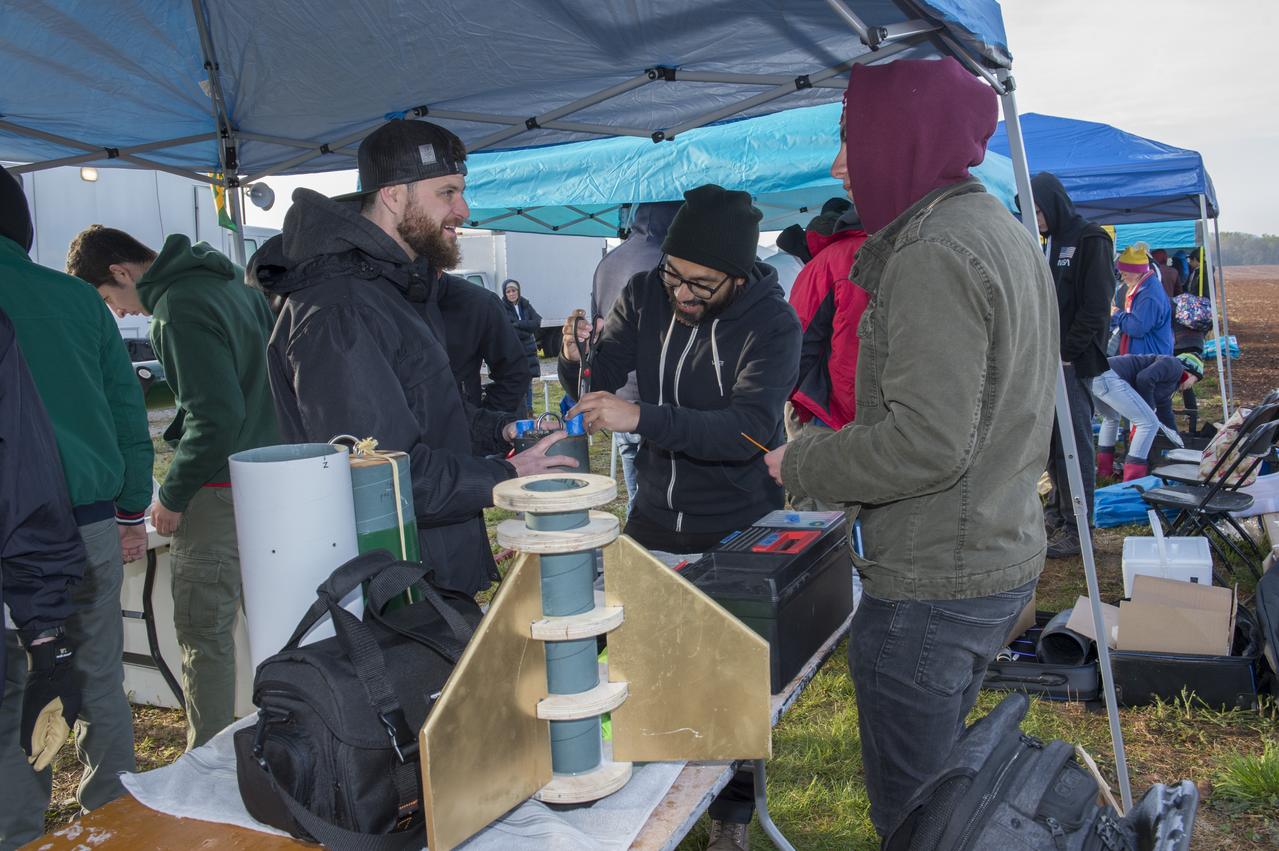
After eight months of designing, building and testing, the middle school, high school and college and university teams launched their rockets as part of NASA Student Launch on Sunday, April 8. The rockets and their payloads are designed to fly to 1-mile in altitude before deploying recovery systems that brings them safely to the ground.
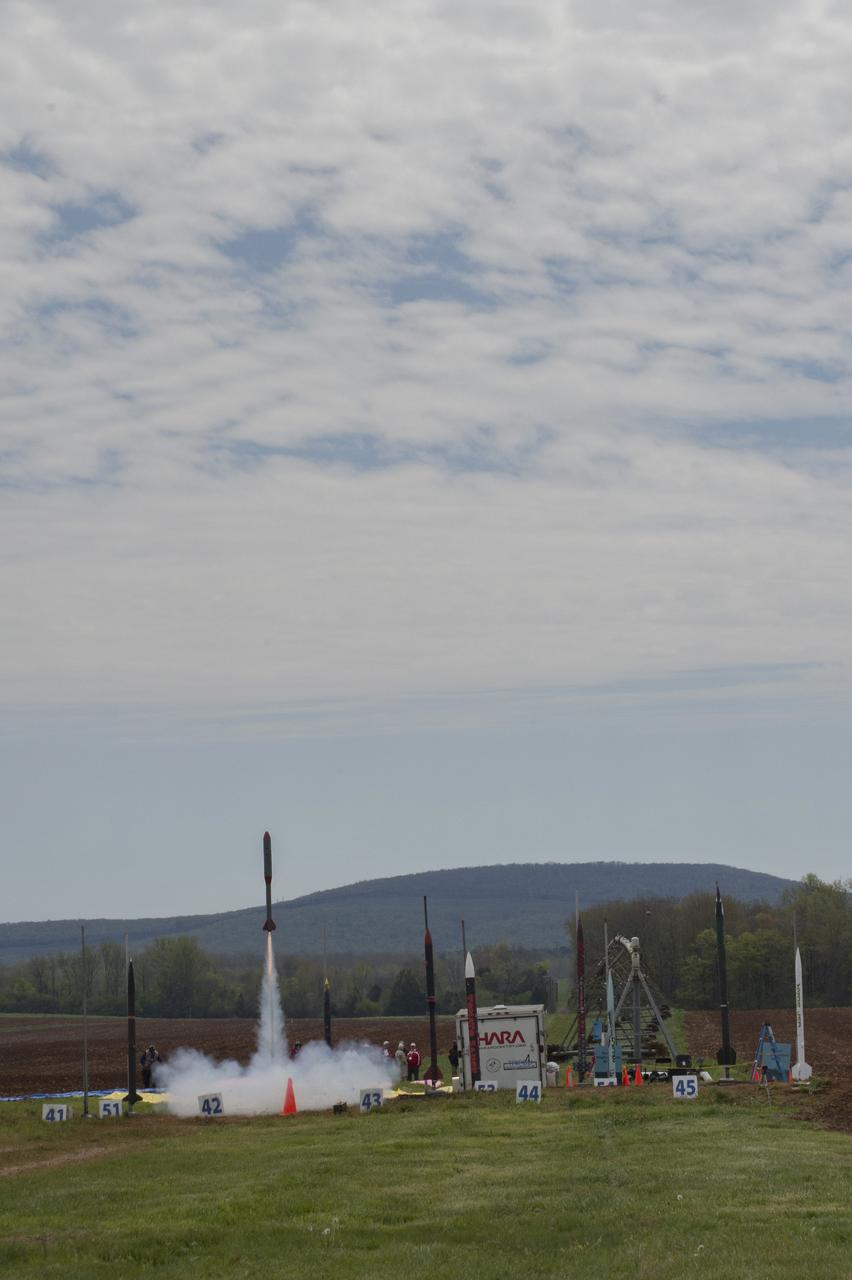
After eight months of designing, building and testing, the middle school, high school and college and university teams launched their rockets as part of NASA Student Launch on Sunday, April 8. The rockets and their payloads are designed to fly to 1-mile in altitude before deploying recovery systems that brings them safely to the ground.
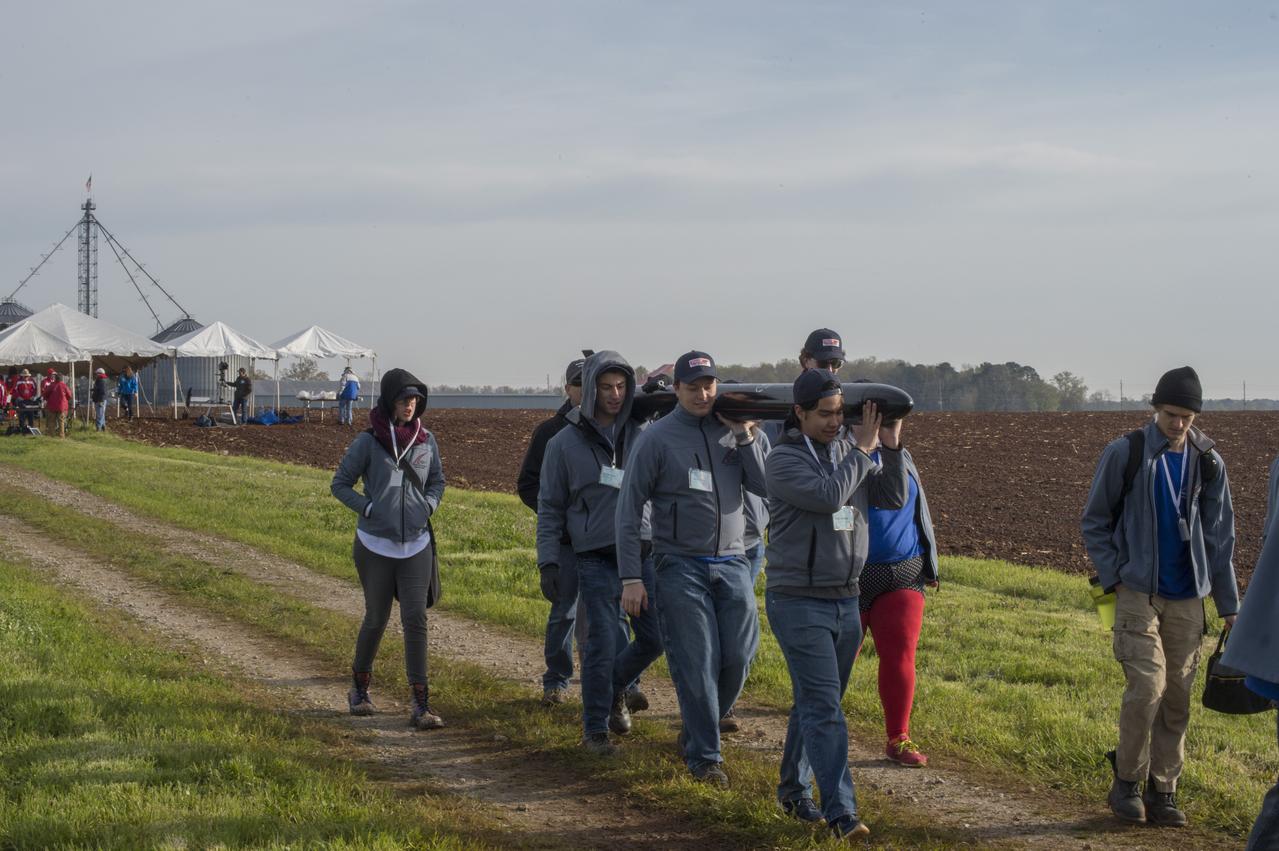
After eight months of designing, building and testing, the middle school, high school and college and university teams launched their rockets as part of NASA Student Launch on Sunday, April 8. The rockets and their payloads are designed to fly to 1-mile in altitude before deploying recovery systems that brings them safely to the ground.
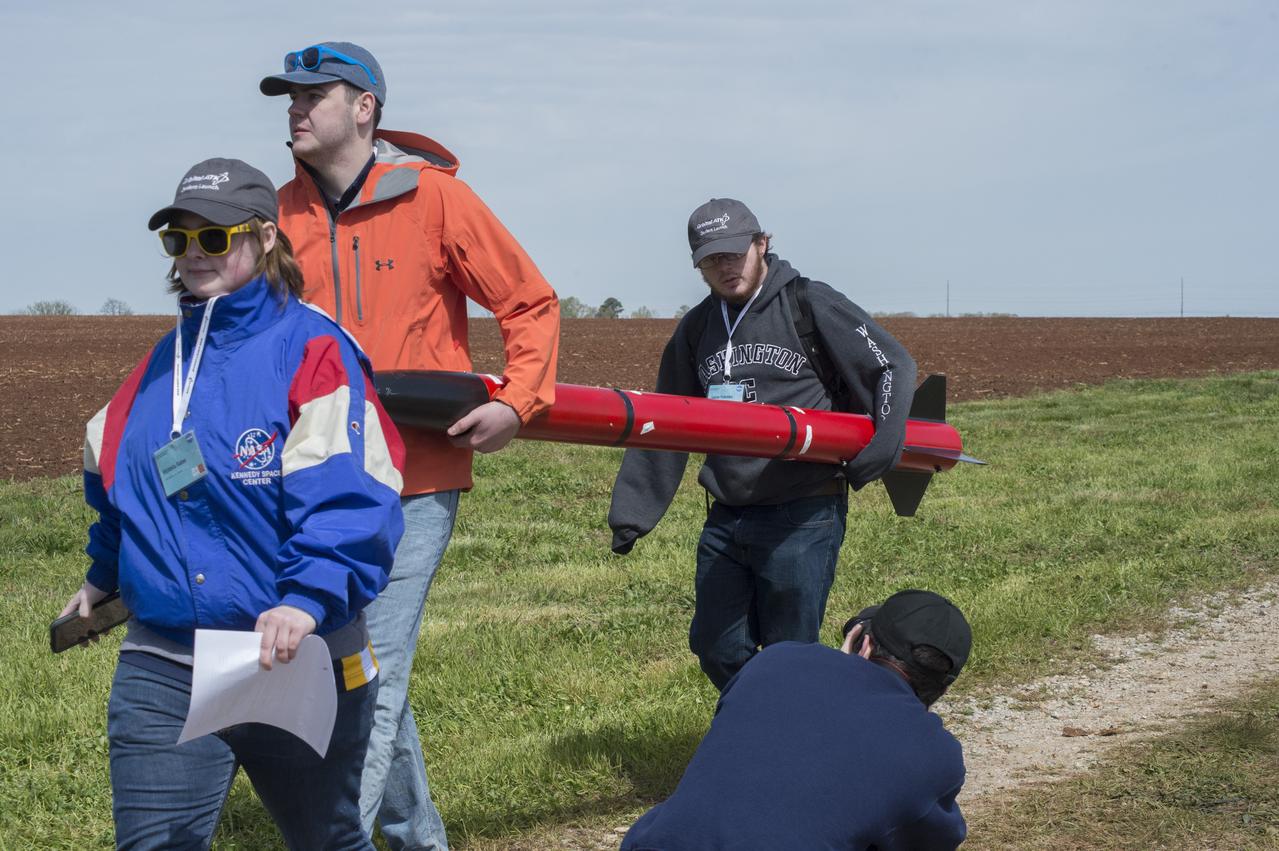
After eight months of designing, building and testing, the middle school, high school and college and university teams launched their rockets as part of NASA Student Launch on Sunday, April 8. The rockets and their payloads are designed to fly to 1-mile in altitude before deploying recovery systems that brings them safely to the ground.
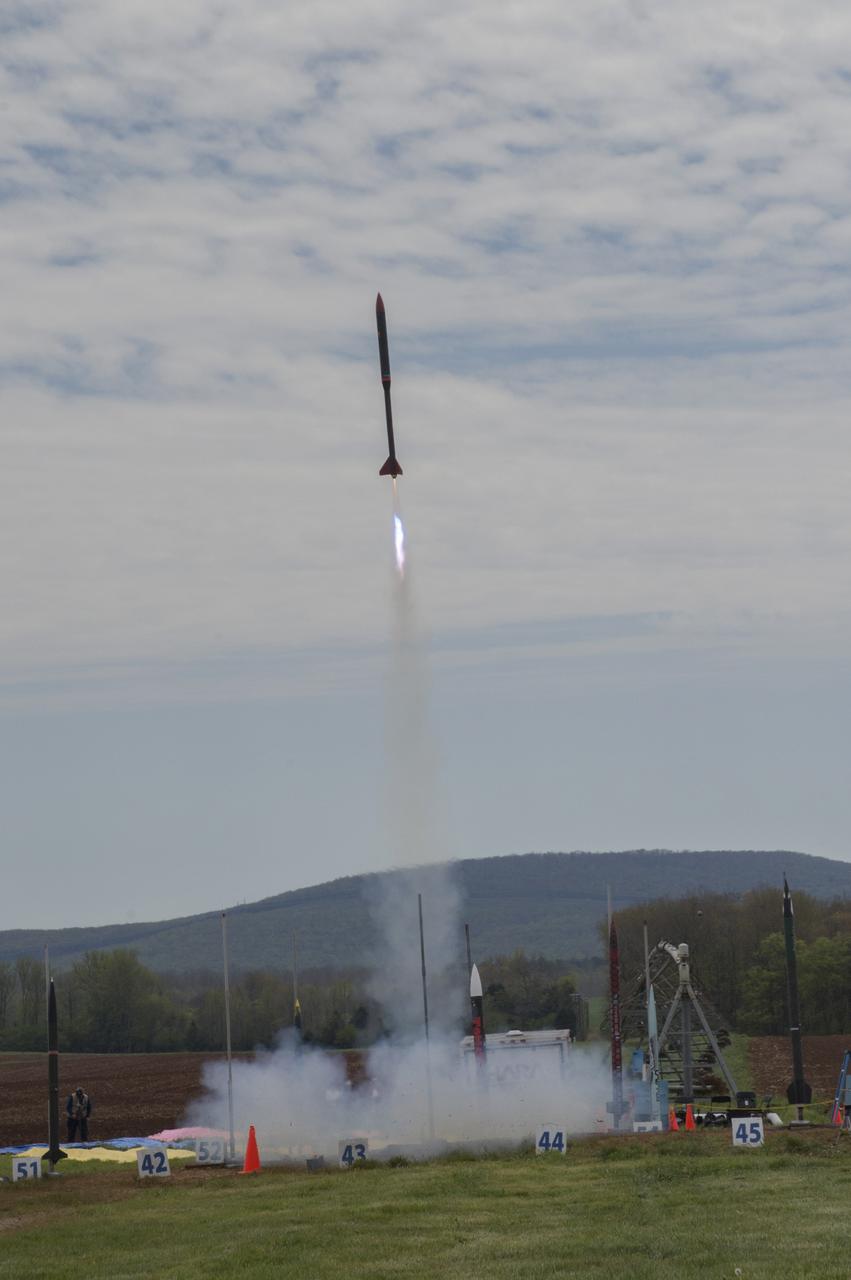
After eight months of designing, building and testing, the middle school, high school and college and university teams launched their rockets as part of NASA Student Launch on Sunday, April 8. The rockets and their payloads are designed to fly to 1-mile in altitude before deploying recovery systems that brings them safely to the ground.
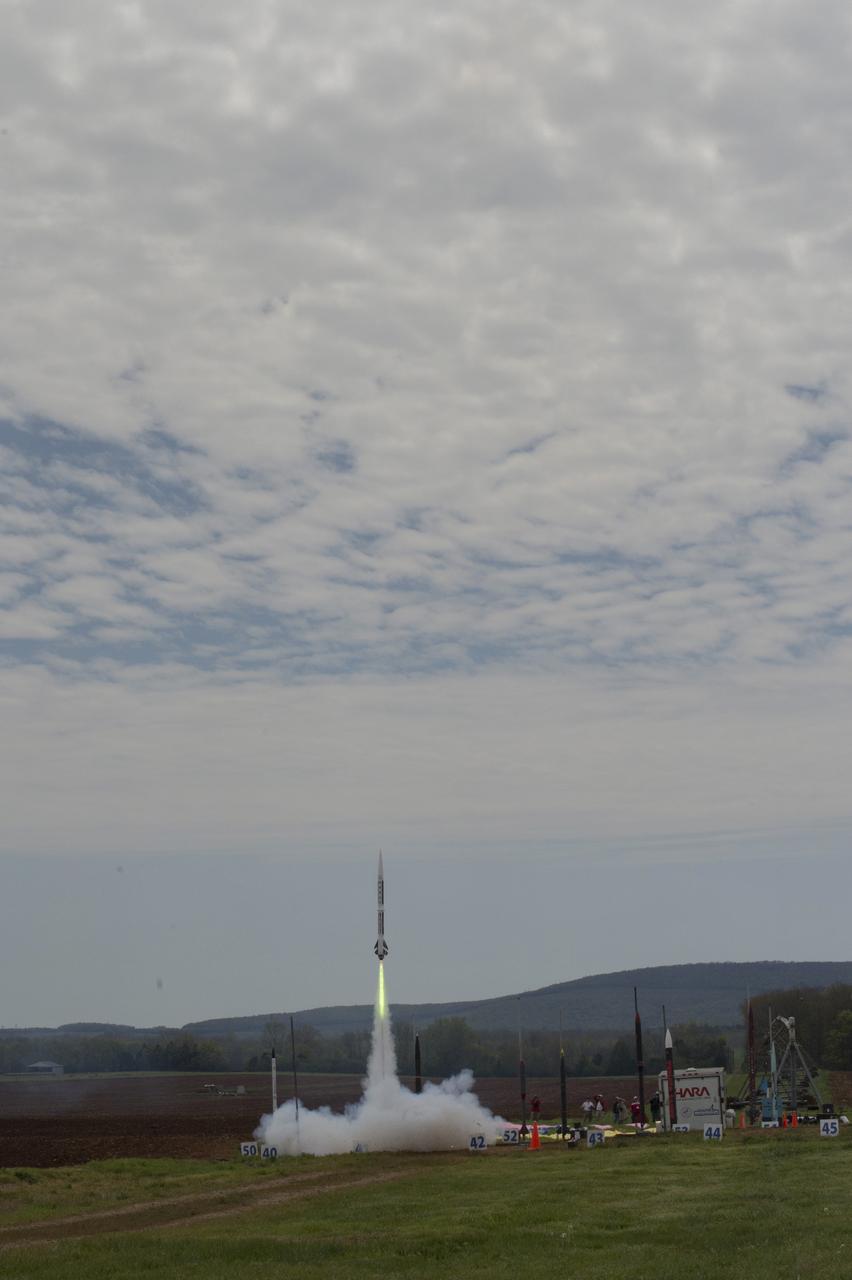
After eight months of designing, building and testing, the middle school, high school and college and university teams launched their rockets as part of NASA Student Launch on Sunday, April 8. The rockets and their payloads are designed to fly to 1-mile in altitude before deploying recovery systems that brings them safely to the ground.
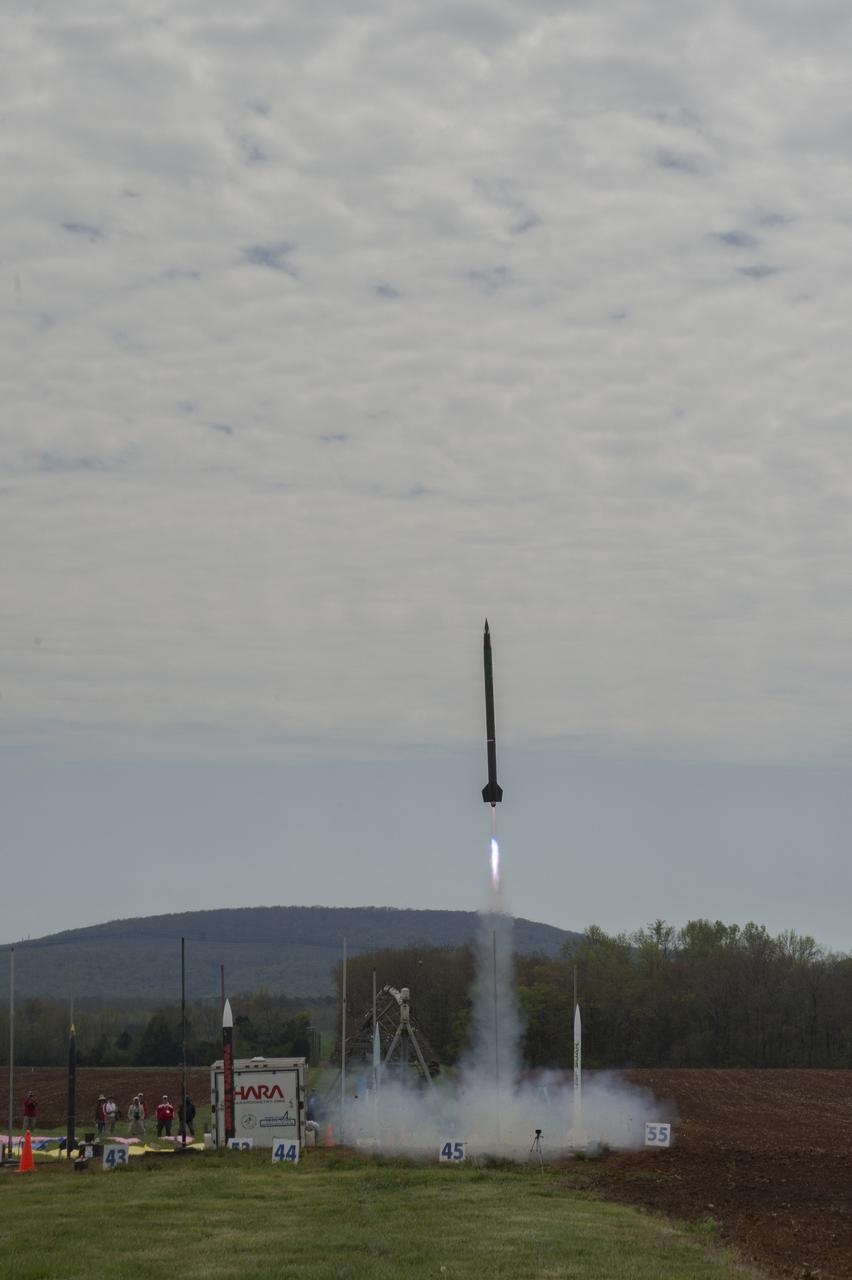
After eight months of designing, building and testing, the middle school, high school and college and university teams launched their rockets as part of NASA Student Launch on Sunday, April 8. The rockets and their payloads are designed to fly to 1-mile in altitude before deploying recovery systems that brings them safely to the ground.
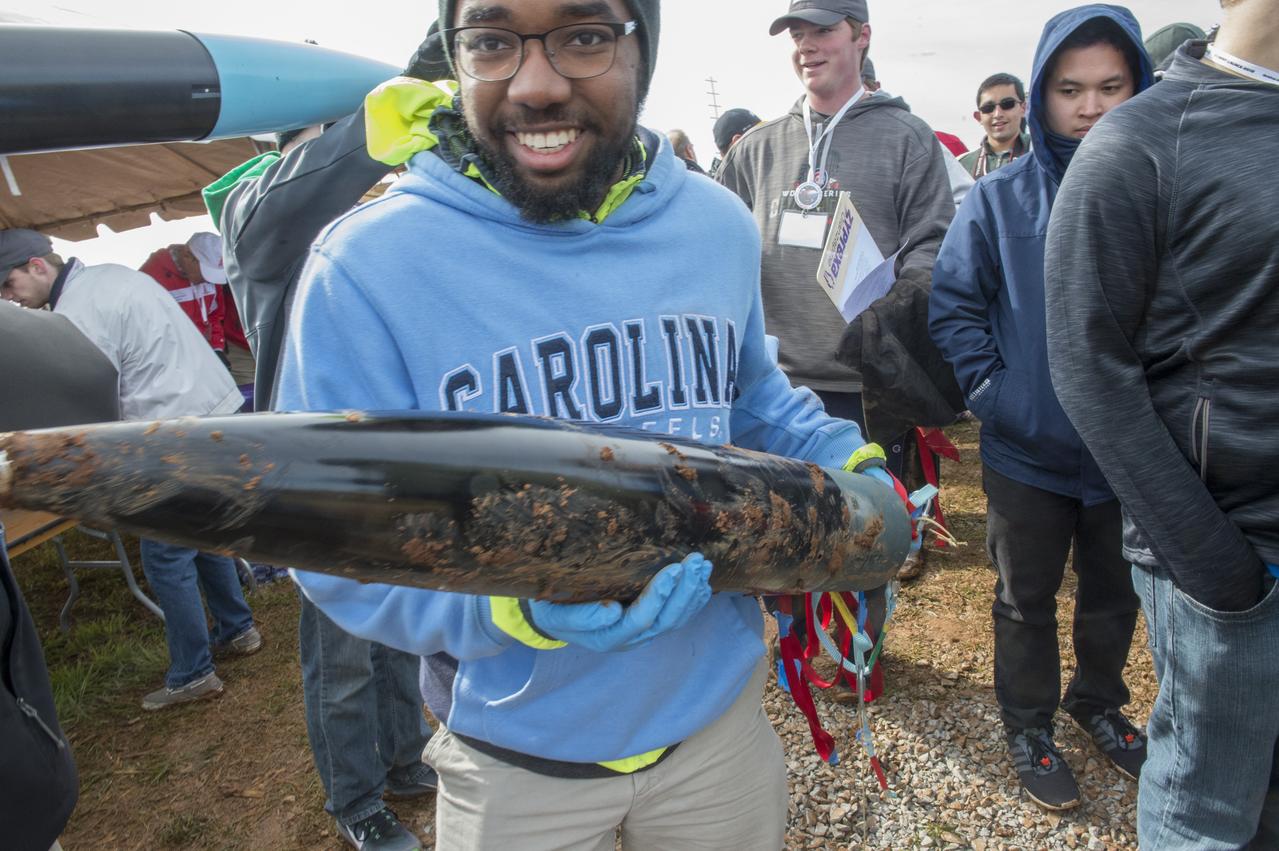
After eight months of designing, building and testing, the middle school, high school and college and university teams launched their rockets as part of NASA Student Launch on Sunday, April 8. The rockets and their payloads are designed to fly to 1-mile in altitude before deploying recovery systems that brings them safely to the ground.
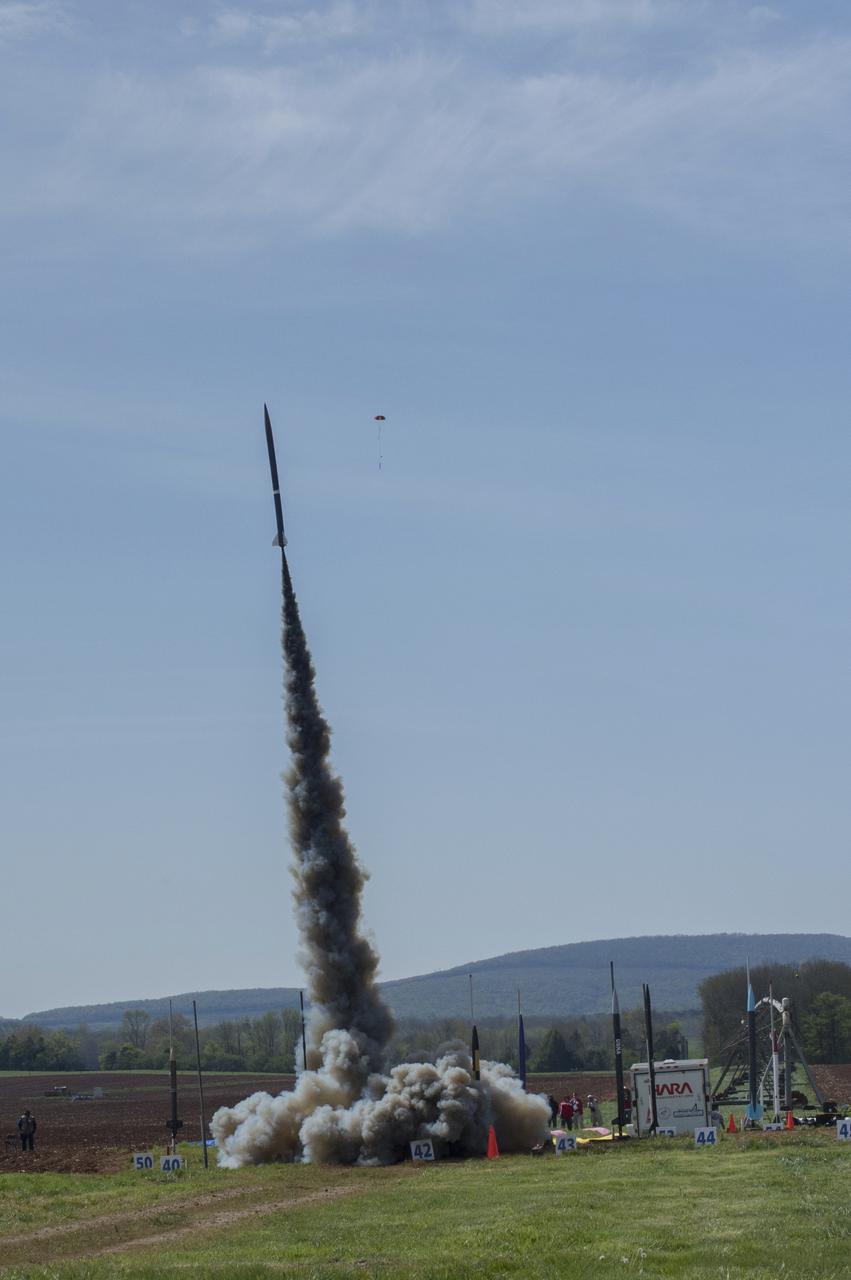
After eight months of designing, building and testing, the middle school, high school and college and university teams launched their rockets as part of NASA Student Launch on Sunday, April 8. The rockets and their payloads are designed to fly to 1-mile in altitude before deploying recovery systems that brings them safely to the ground.
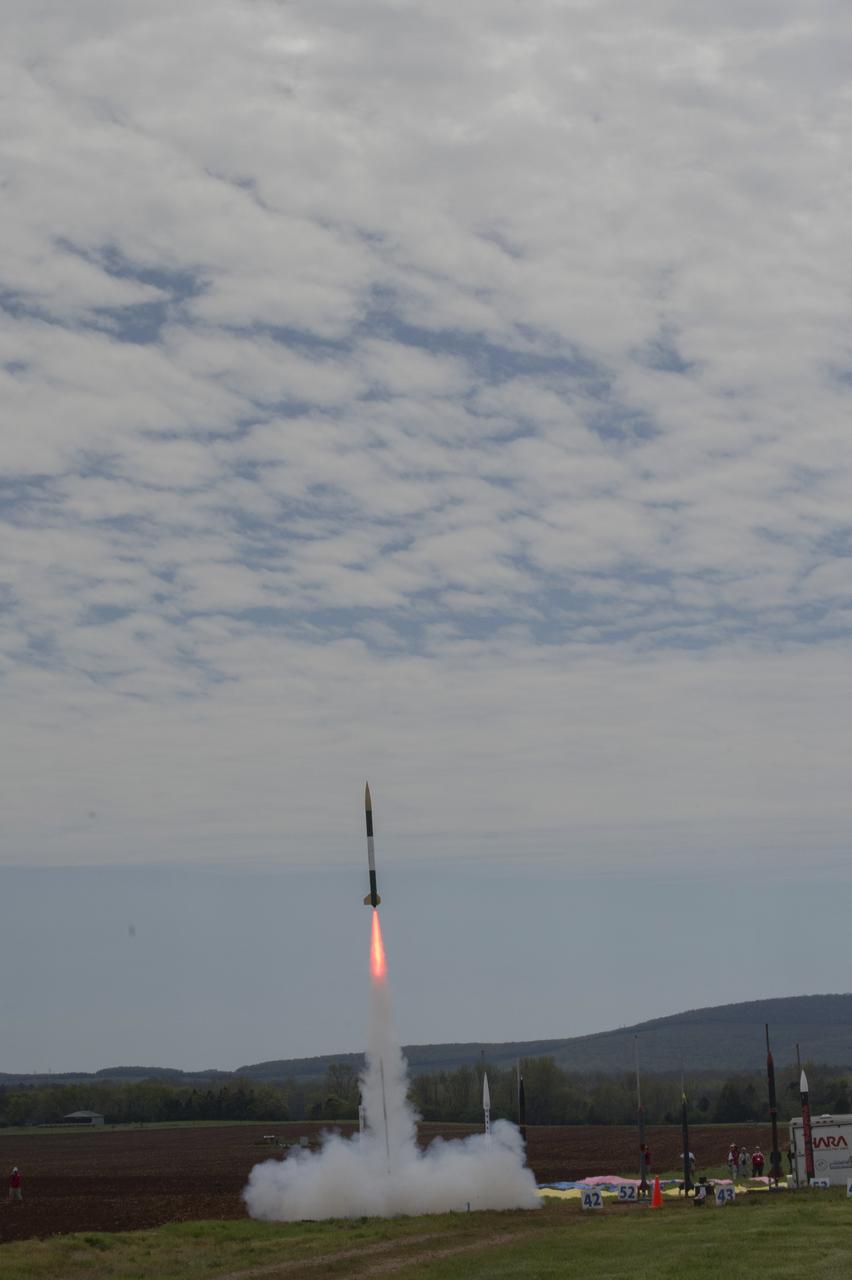
After eight months of designing, building and testing, the middle school, high school and college and university teams launched their rockets as part of NASA Student Launch on Sunday, April 8. The rockets and their payloads are designed to fly to 1-mile in altitude before deploying recovery systems that brings them safely to the ground.
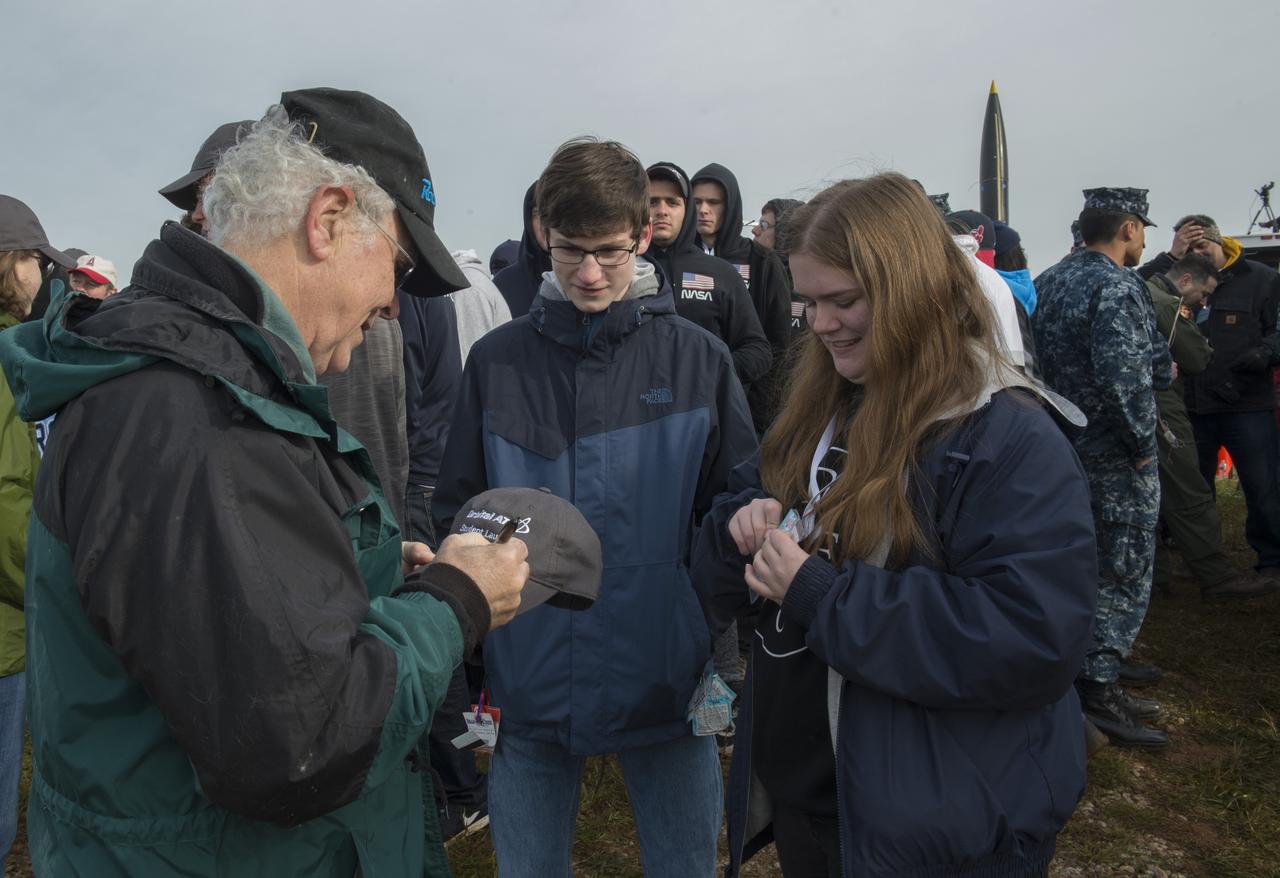
After eight months of designing, building and testing, the middle school, high school and college and university teams launched their rockets as part of NASA Student Launch on Sunday, April 8. The rockets and their payloads are designed to fly to 1-mile in altitude before deploying recovery systems that brings them safely to the ground.
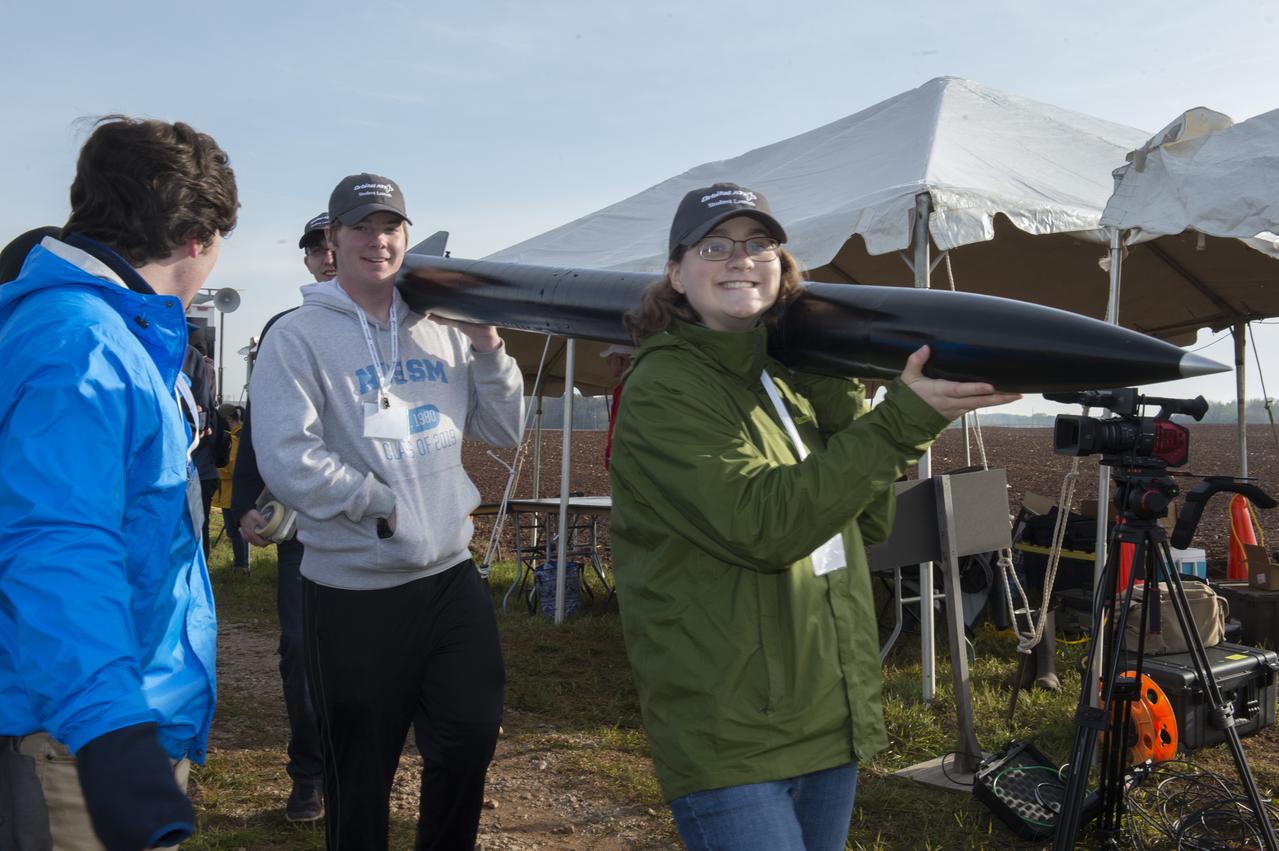
After eight months of designing, building and testing, the middle school, high school and college and university teams launched their rockets as part of NASA Student Launch on Sunday, April 8. The rockets and their payloads are designed to fly to 1-mile in altitude before deploying recovery systems that brings them safely to the ground.

After eight months of designing, building and testing, the middle school, high school and college and university teams launched their rockets as part of NASA Student Launch on Sunday, April 8. The rockets and their payloads are designed to fly to 1-mile in altitude before deploying recovery systems that brings them safely to the ground.
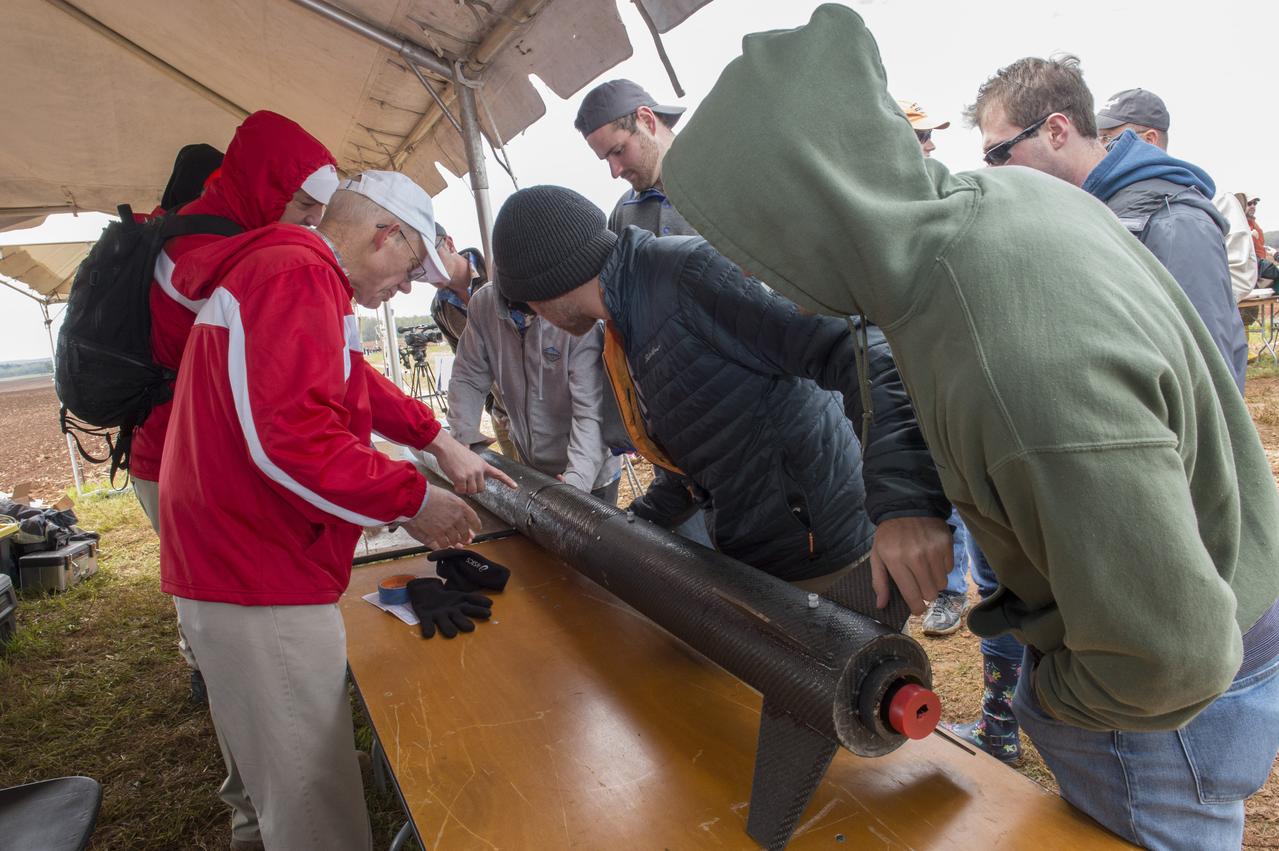
After eight months of designing, building and testing, the middle school, high school and college and university teams launched their rockets as part of NASA Student Launch on Sunday, April 8. The rockets and their payloads are designed to fly to 1-mile in altitude before deploying recovery systems that brings them safely to the ground.
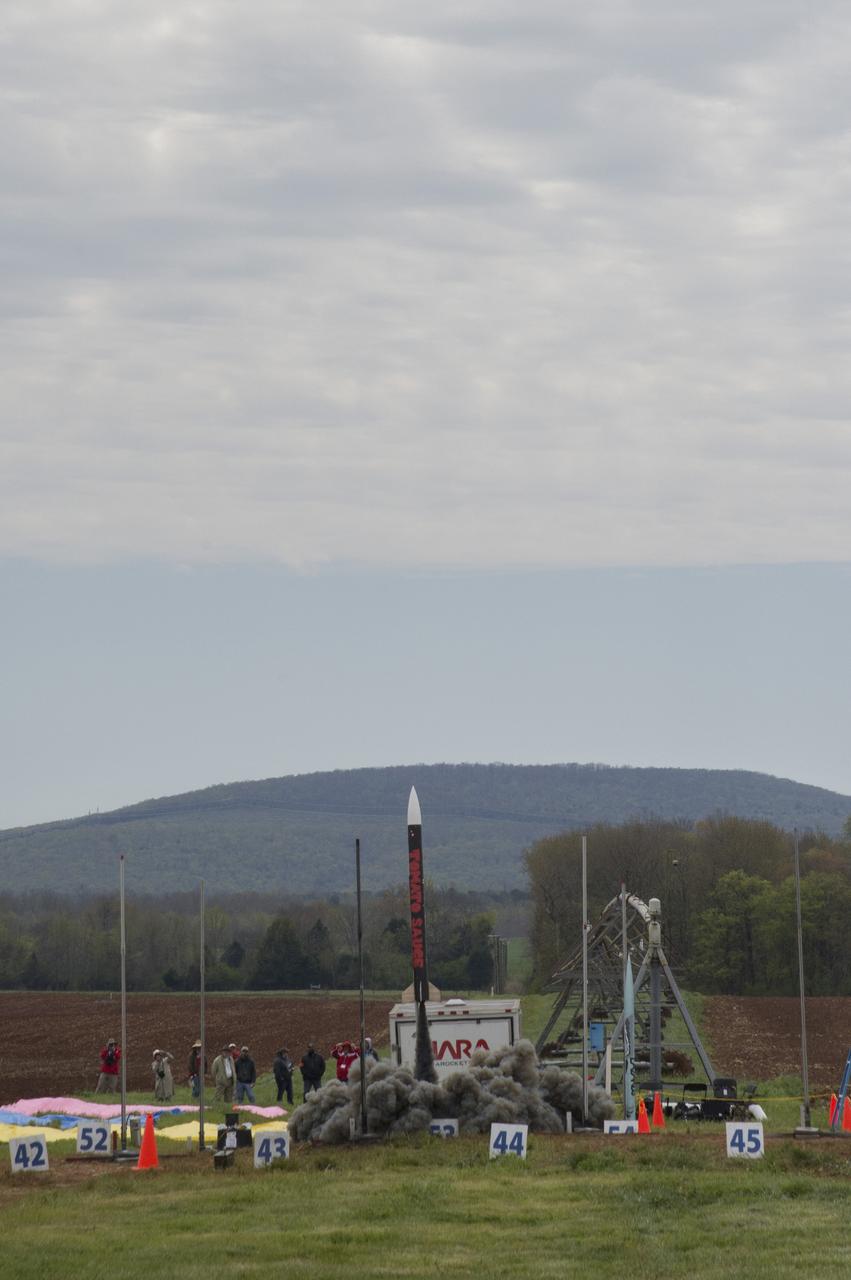
After eight months of designing, building and testing, the middle school, high school and college and university teams launched their rockets as part of NASA Student Launch on Sunday, April 8. The rockets and their payloads are designed to fly to 1-mile in altitude before deploying recovery systems that brings them safely to the ground.
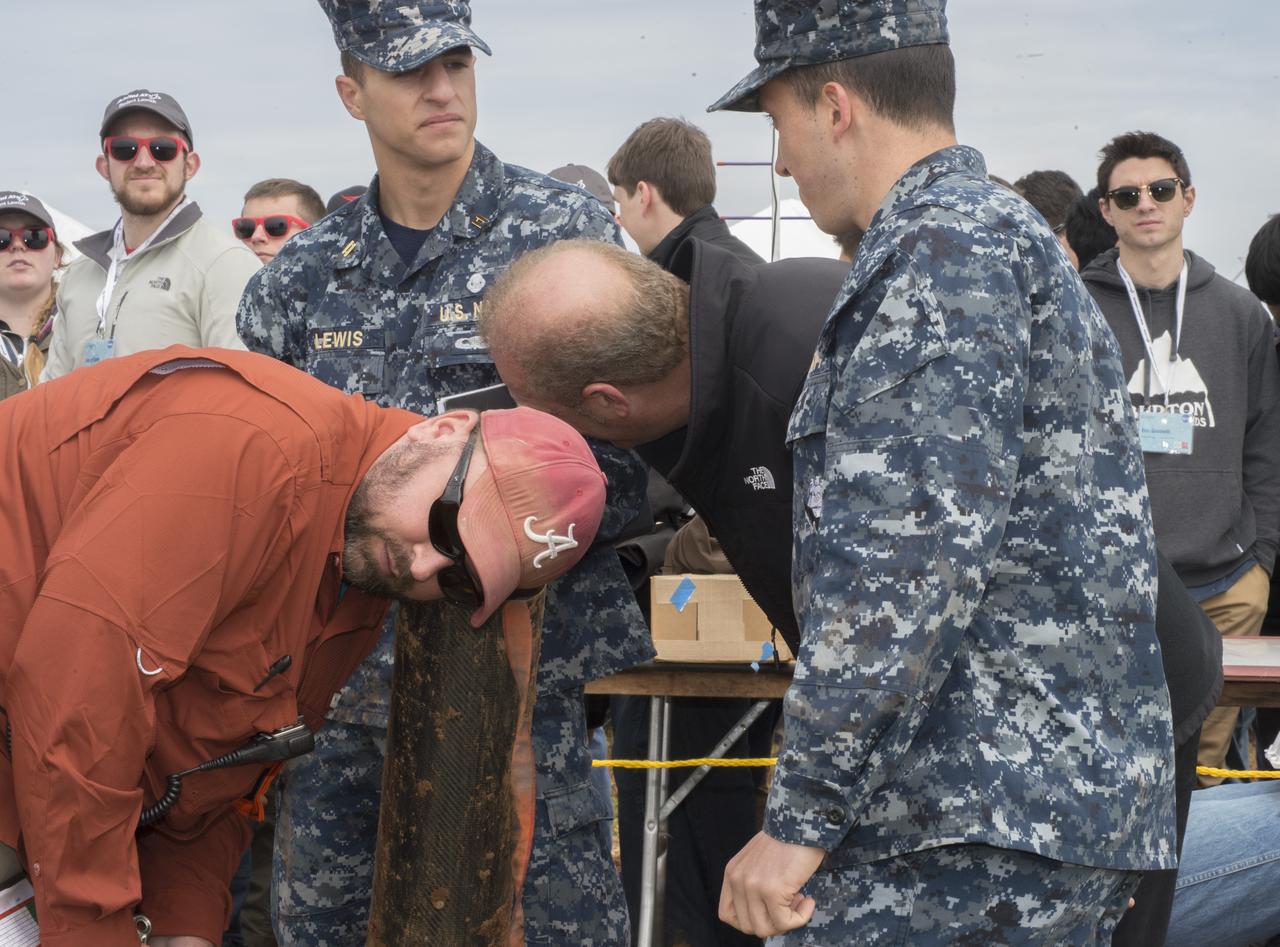
After eight months of designing, building and testing, the middle school, high school and college and university teams launched their rockets as part of NASA Student Launch on Sunday, April 8. The rockets and their payloads are designed to fly to 1-mile in altitude before deploying recovery systems that brings them safely to the ground.
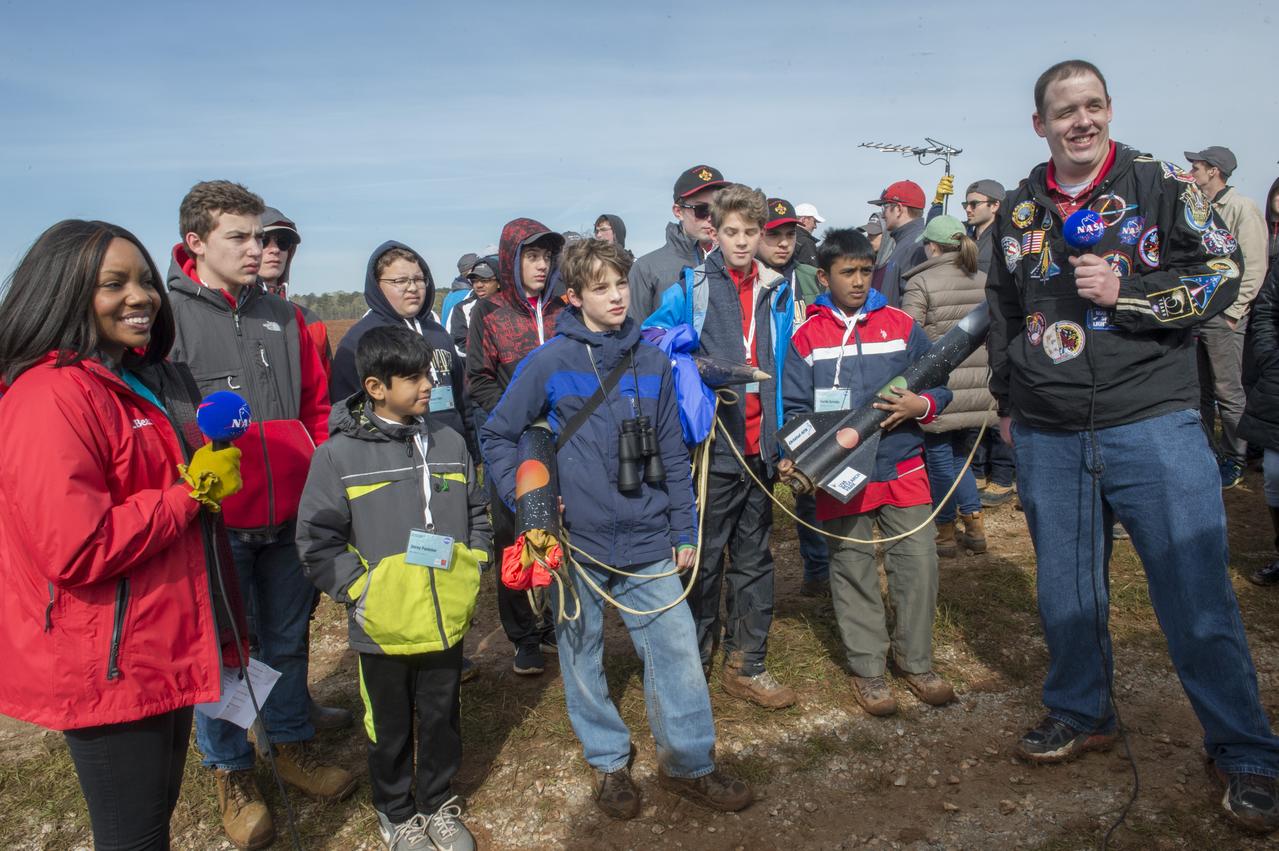
After eight months of designing, building and testing, the middle school, high school and college and university teams launched their rockets as part of NASA Student Launch on Sunday, April 8. The rockets and their payloads are designed to fly to 1-mile in altitude before deploying recovery systems that brings them safely to the ground.
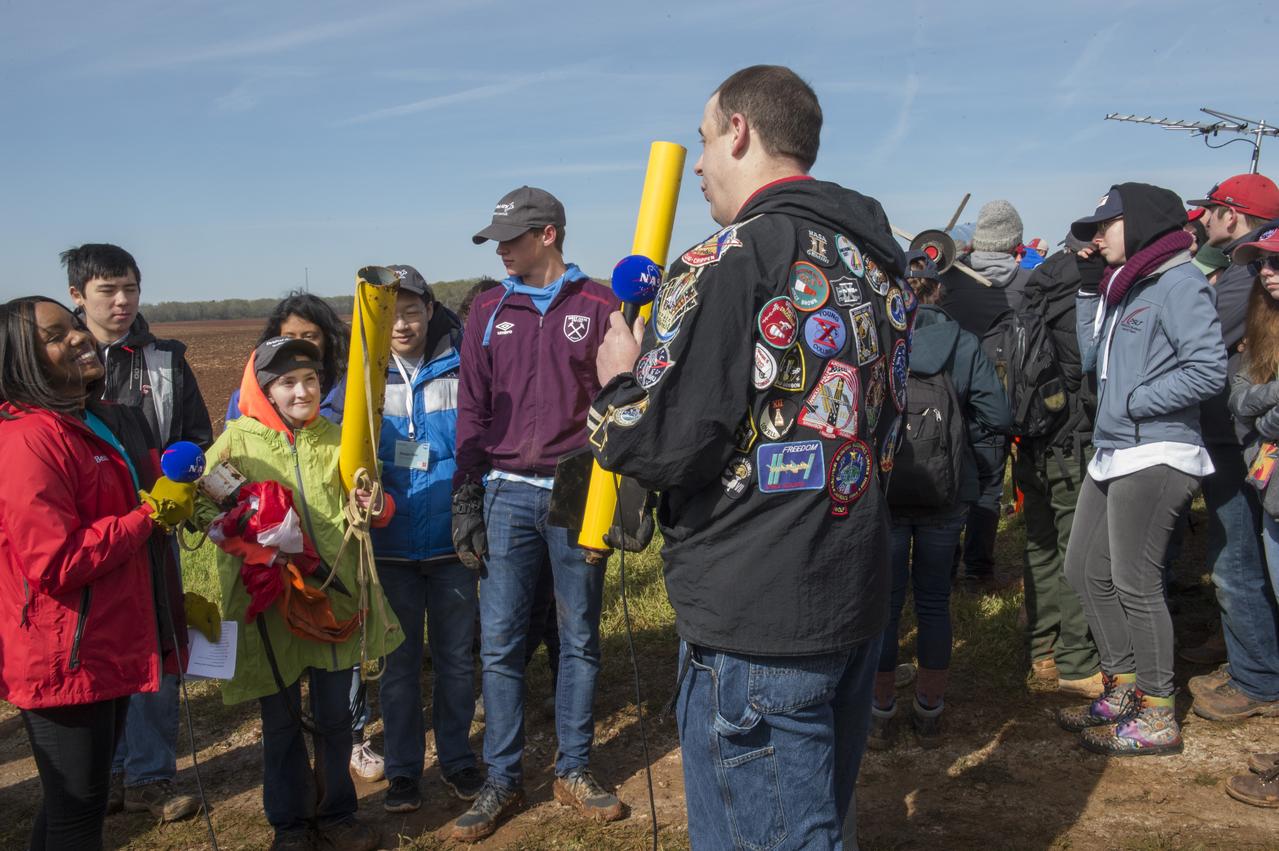
After eight months of designing, building and testing, the middle school, high school and college and university teams launched their rockets as part of NASA Student Launch on Sunday, April 8. The rockets and their payloads are designed to fly to 1-mile in altitude before deploying recovery systems that brings them safely to the ground.
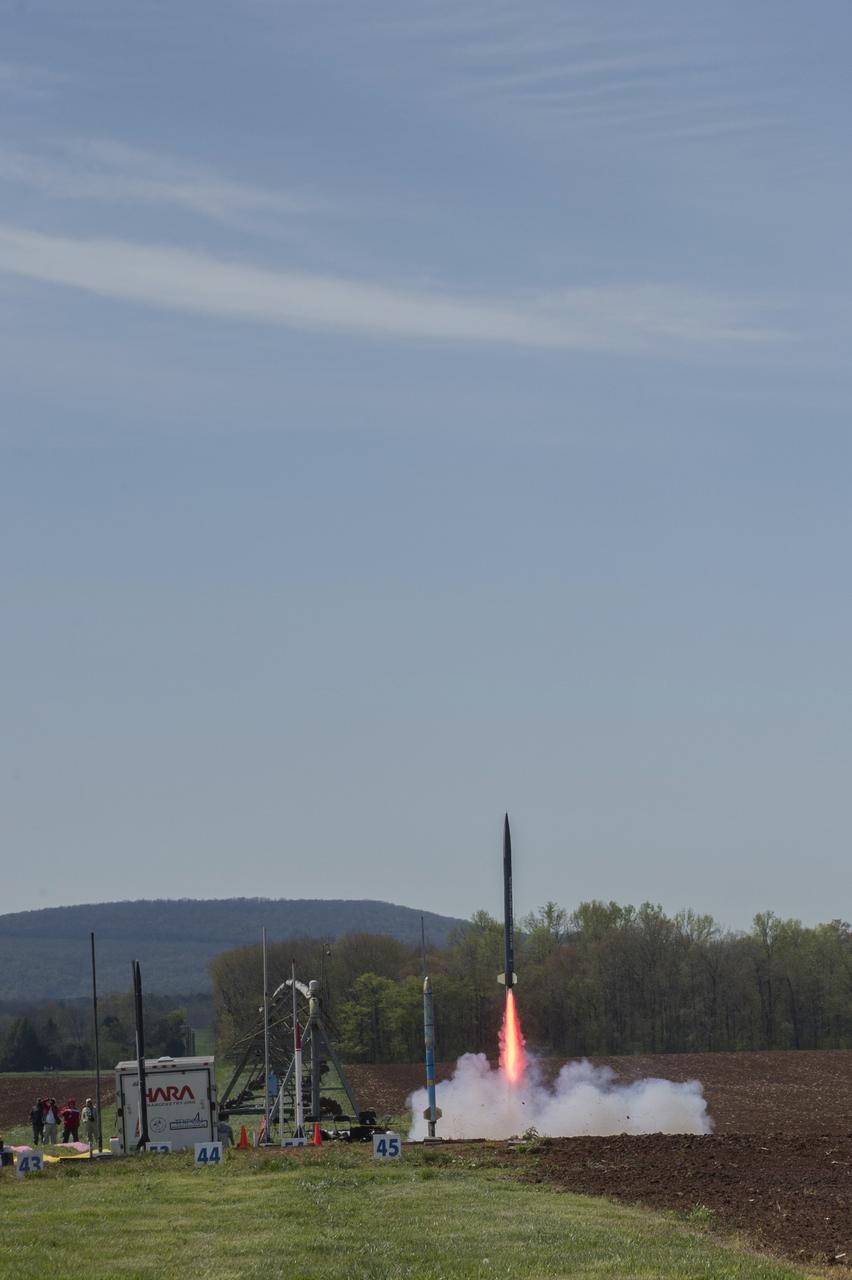
After eight months of designing, building and testing, the middle school, high school and college and university teams launched their rockets as part of NASA Student Launch on Sunday, April 8. The rockets and their payloads are designed to fly to 1-mile in altitude before deploying recovery systems that brings them safely to the ground.
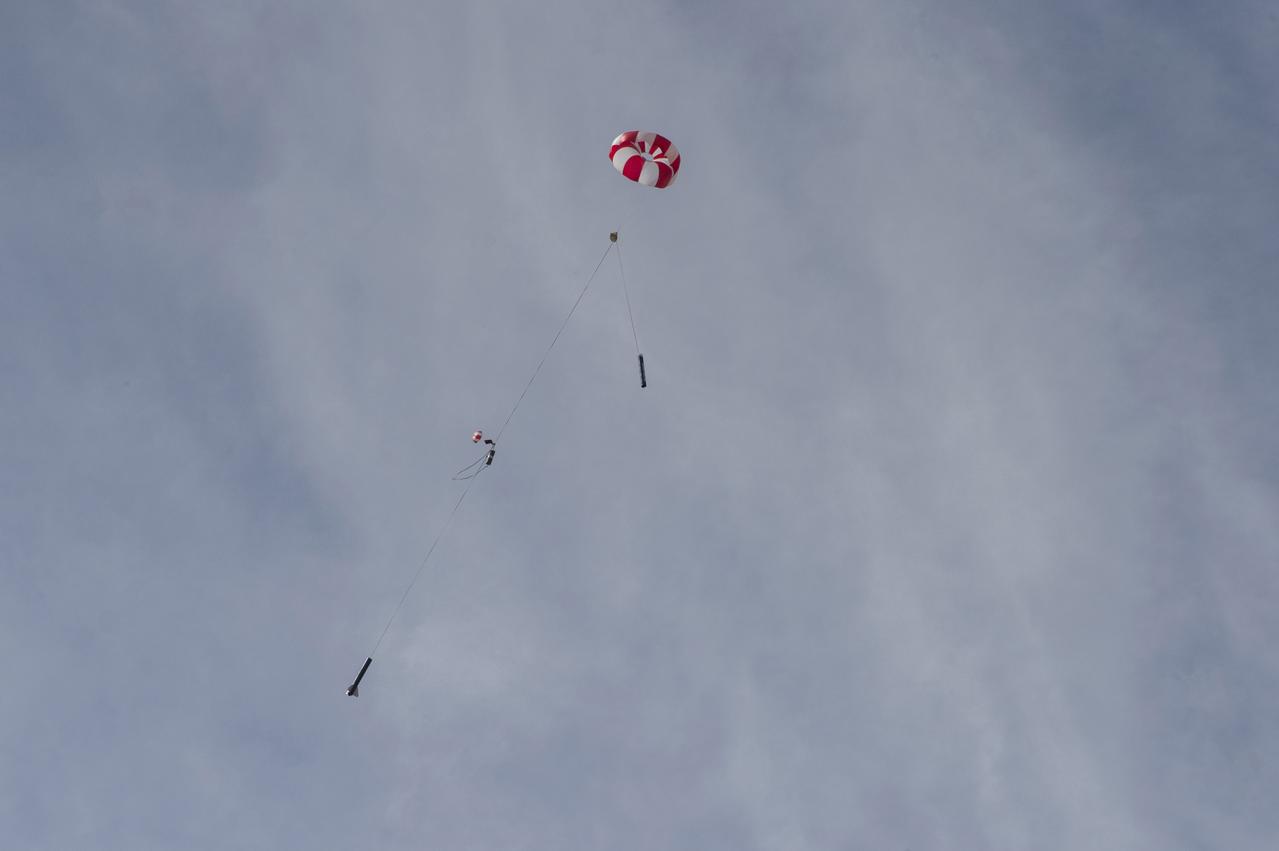
After eight months of designing, building and testing, the middle school, high school and college and university teams launched their rockets as part of NASA Student Launch on Sunday, April 8. The rockets and their payloads are designed to fly to 1-mile in altitude before deploying recovery systems that brings them safely to the ground.
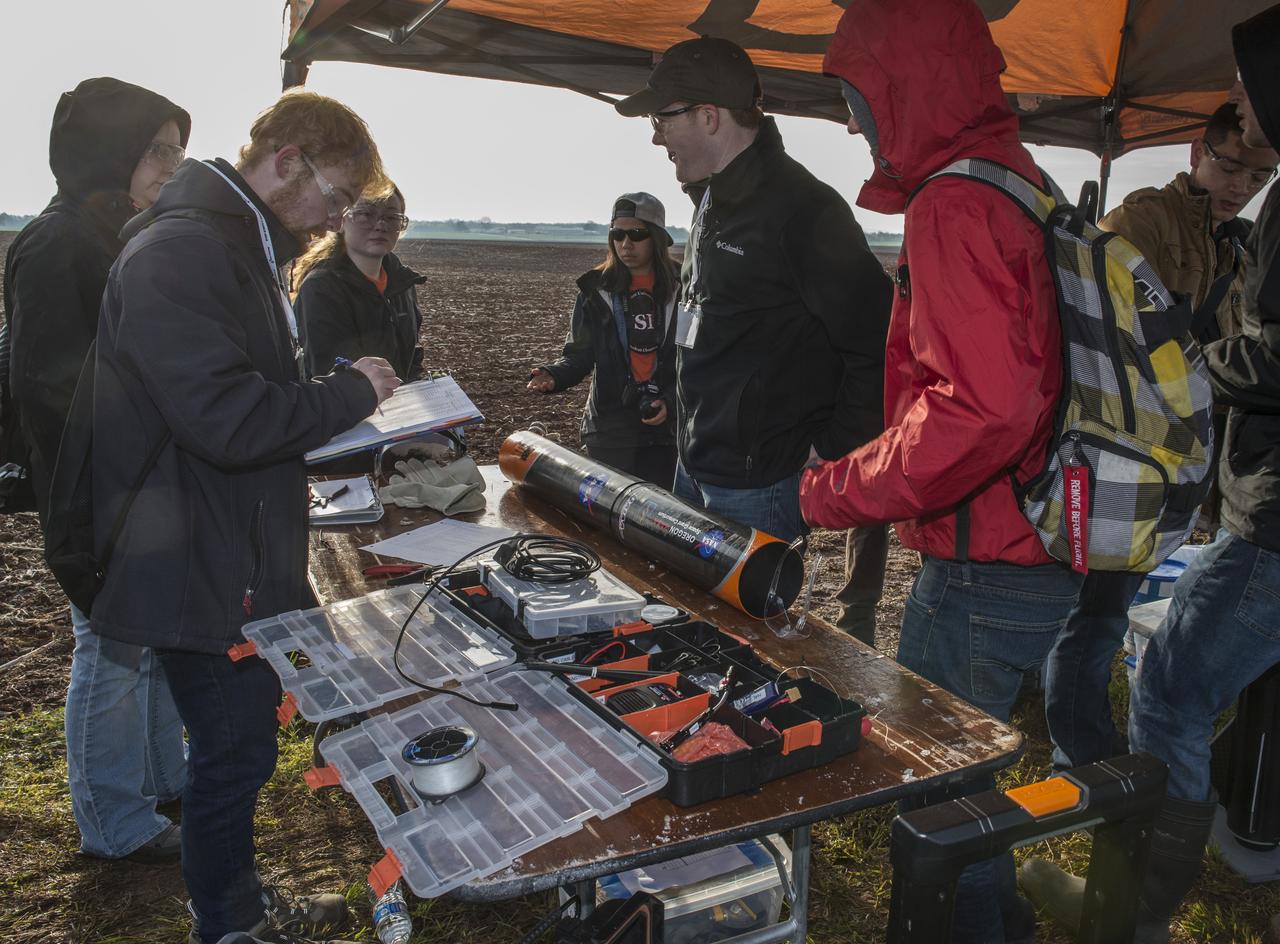
After eight months of designing, building and testing, the middle school, high school and college and university teams launched their rockets as part of NASA Student Launch on Sunday, April 8. The rockets and their payloads are designed to fly to 1-mile in altitude before deploying recovery systems that brings them safely to the ground.
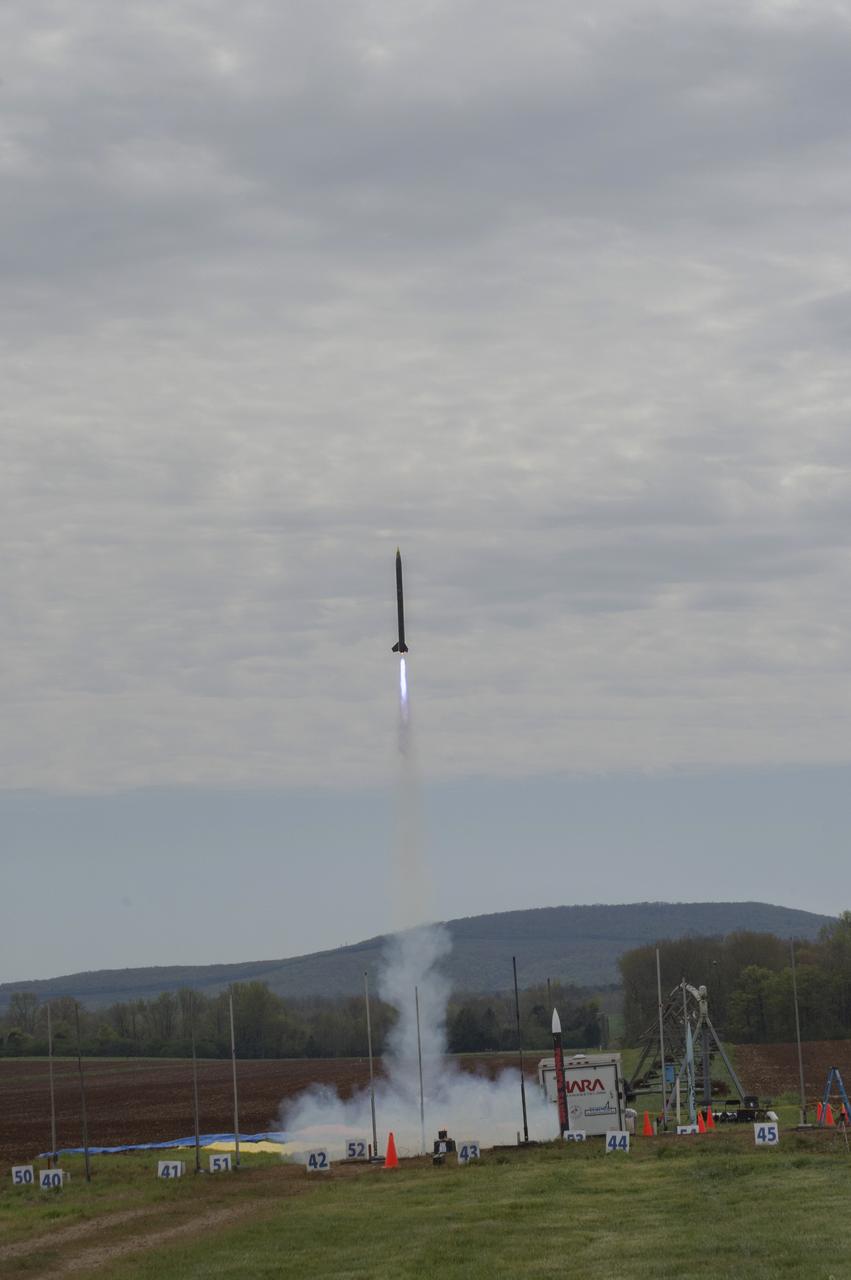
After eight months of designing, building and testing, the middle school, high school and college and university teams launched their rockets as part of NASA Student Launch on Sunday, April 8. The rockets and their payloads are designed to fly to 1-mile in altitude before deploying recovery systems that brings them safely to the ground.
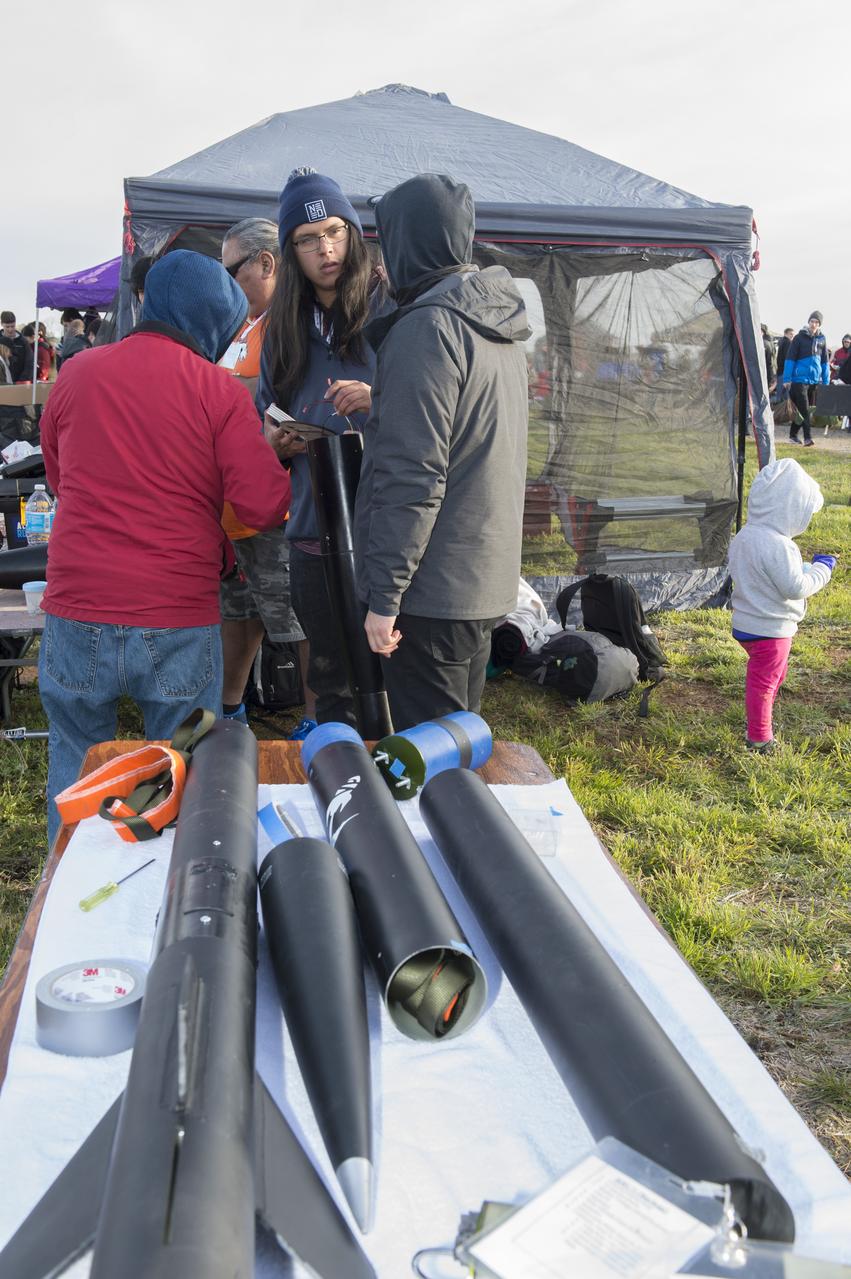
After eight months of designing, building and testing, the middle school, high school and college and university teams launched their rockets as part of NASA Student Launch on Sunday, April 8. The rockets and their payloads are designed to fly to 1-mile in altitude before deploying recovery systems that brings them safely to the ground.
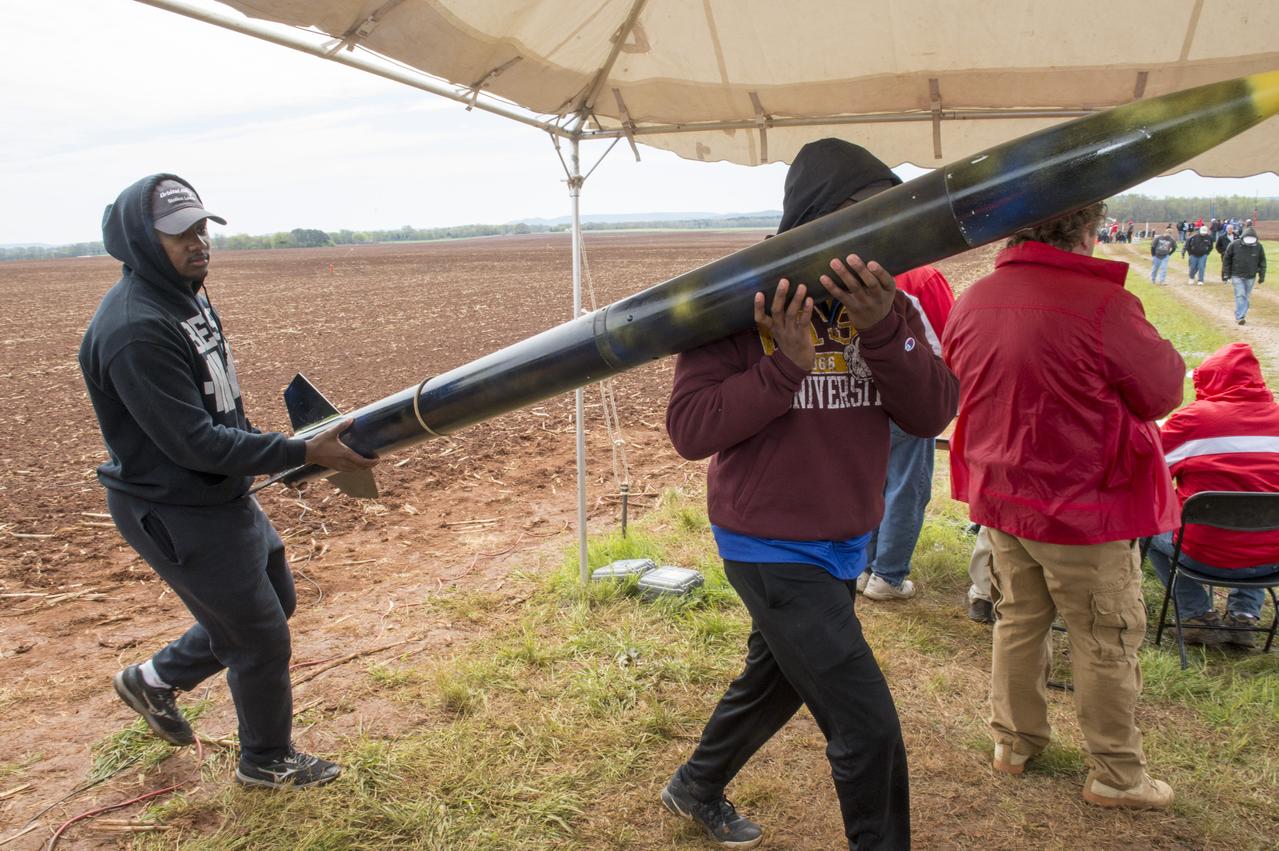
After eight months of designing, building and testing, the middle school, high school and college and university teams launched their rockets as part of NASA Student Launch on Sunday, April 8. The rockets and their payloads are designed to fly to 1-mile in altitude before deploying recovery systems that brings them safely to the ground.
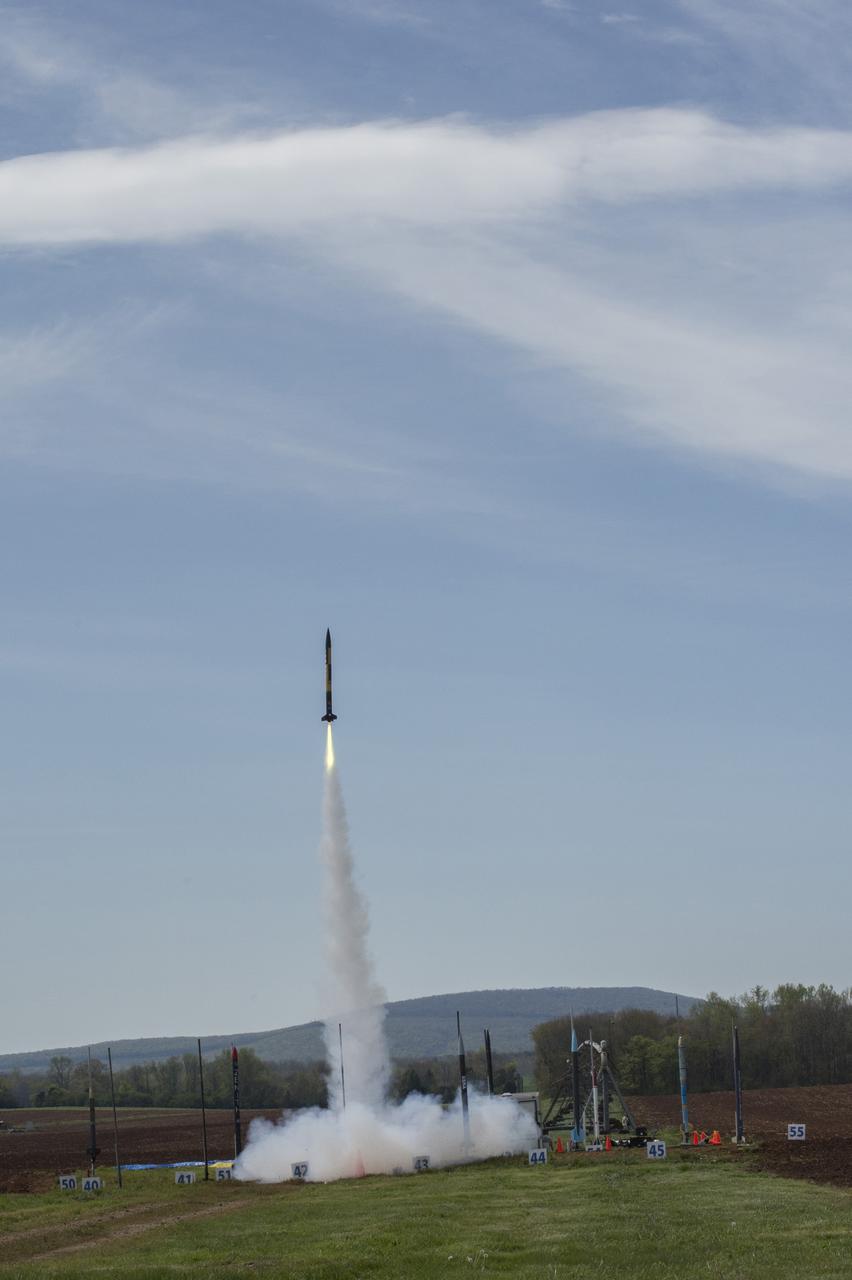
After eight months of designing, building and testing, the middle school, high school and college and university teams launched their rockets as part of NASA Student Launch on Sunday, April 8. The rockets and their payloads are designed to fly to 1-mile in altitude before deploying recovery systems that brings them safely to the ground.
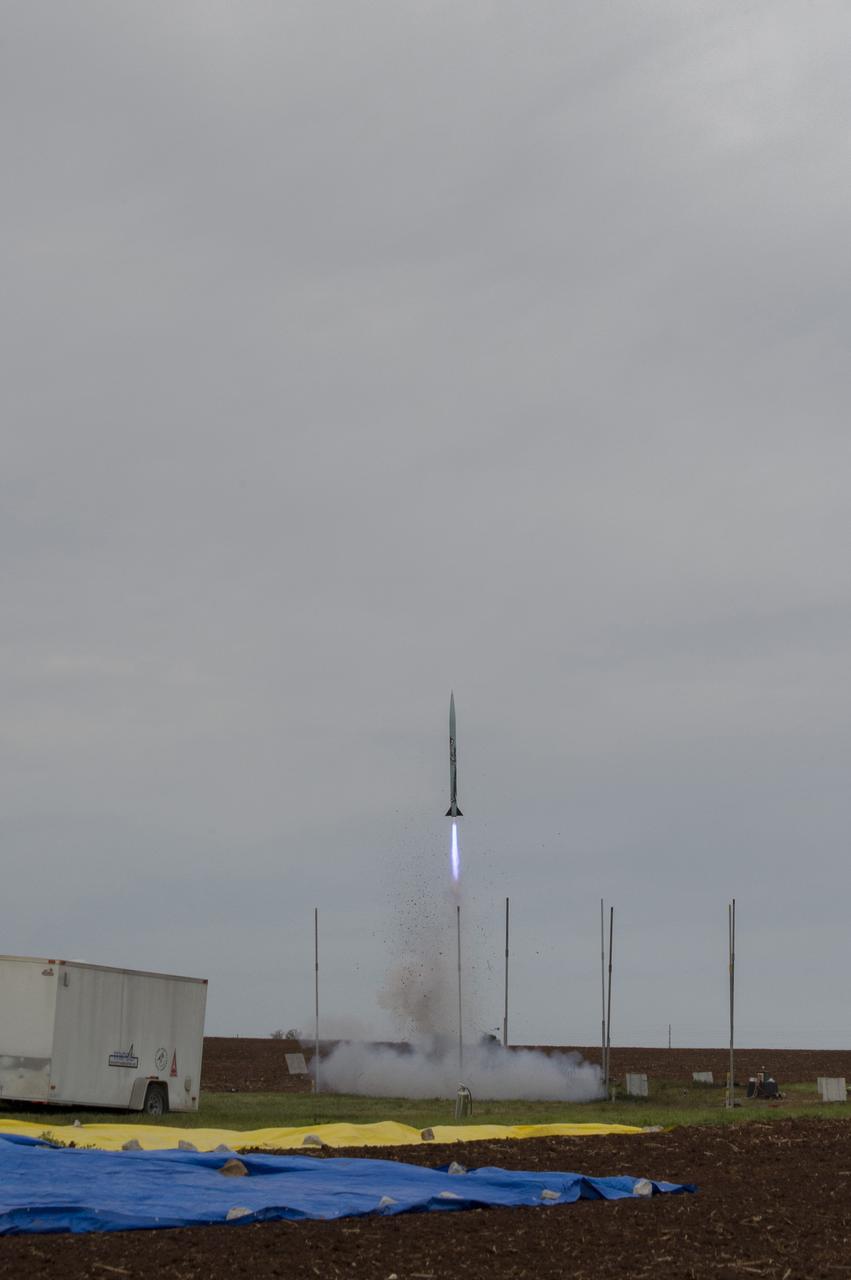
After eight months of designing, building and testing, the middle school, high school and college and university teams launched their rockets as part of NASA Student Launch on Sunday, April 8. The rockets and their payloads are designed to fly to 1-mile in altitude before deploying recovery systems that brings them safely to the ground.
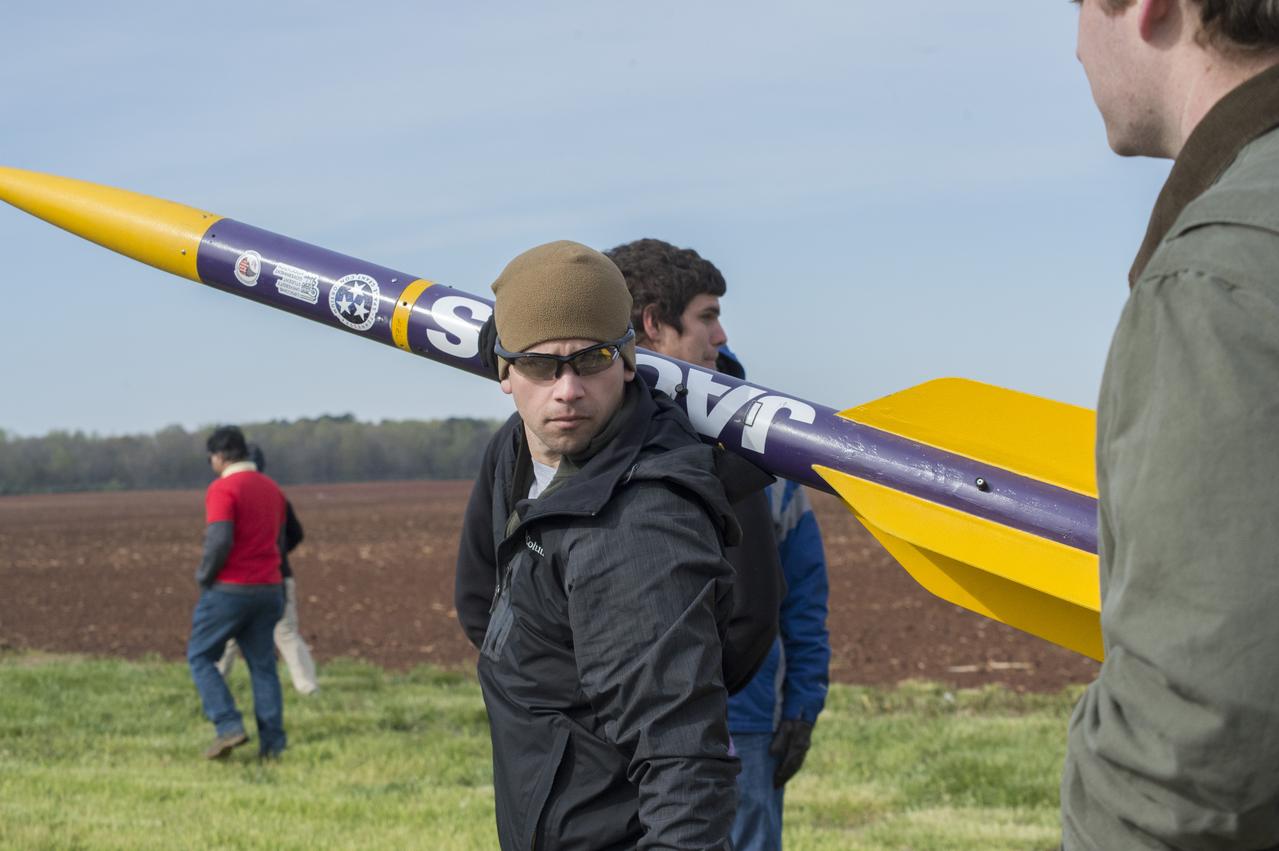
After eight months of designing, building and testing, the middle school, high school and college and university teams launched their rockets as part of NASA Student Launch on Sunday, April 8. The rockets and their payloads are designed to fly to 1-mile in altitude before deploying recovery systems that brings them safely to the ground.
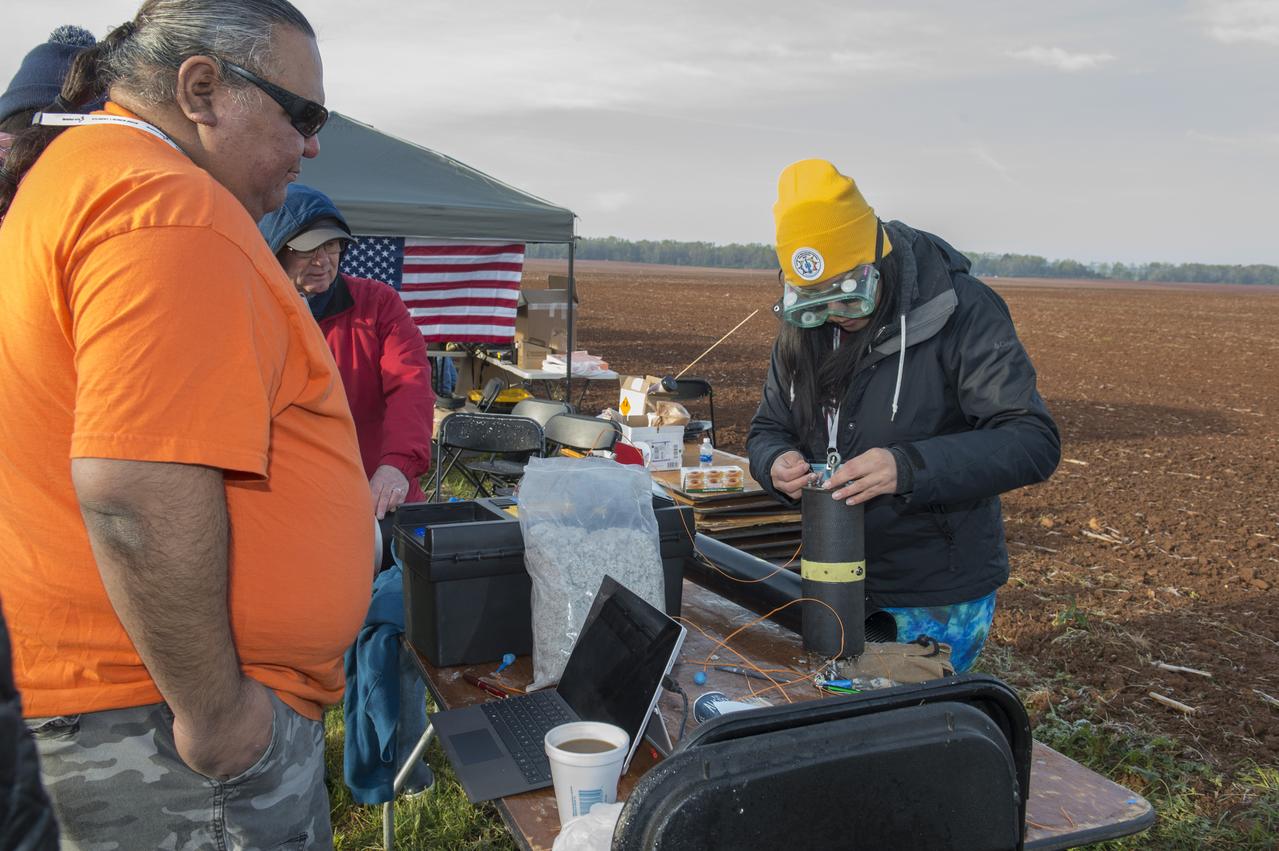
After eight months of designing, building and testing, the middle school, high school and college and university teams launched their rockets as part of NASA Student Launch on Sunday, April 8. The rockets and their payloads are designed to fly to 1-mile in altitude before deploying recovery systems that brings them safely to the ground.
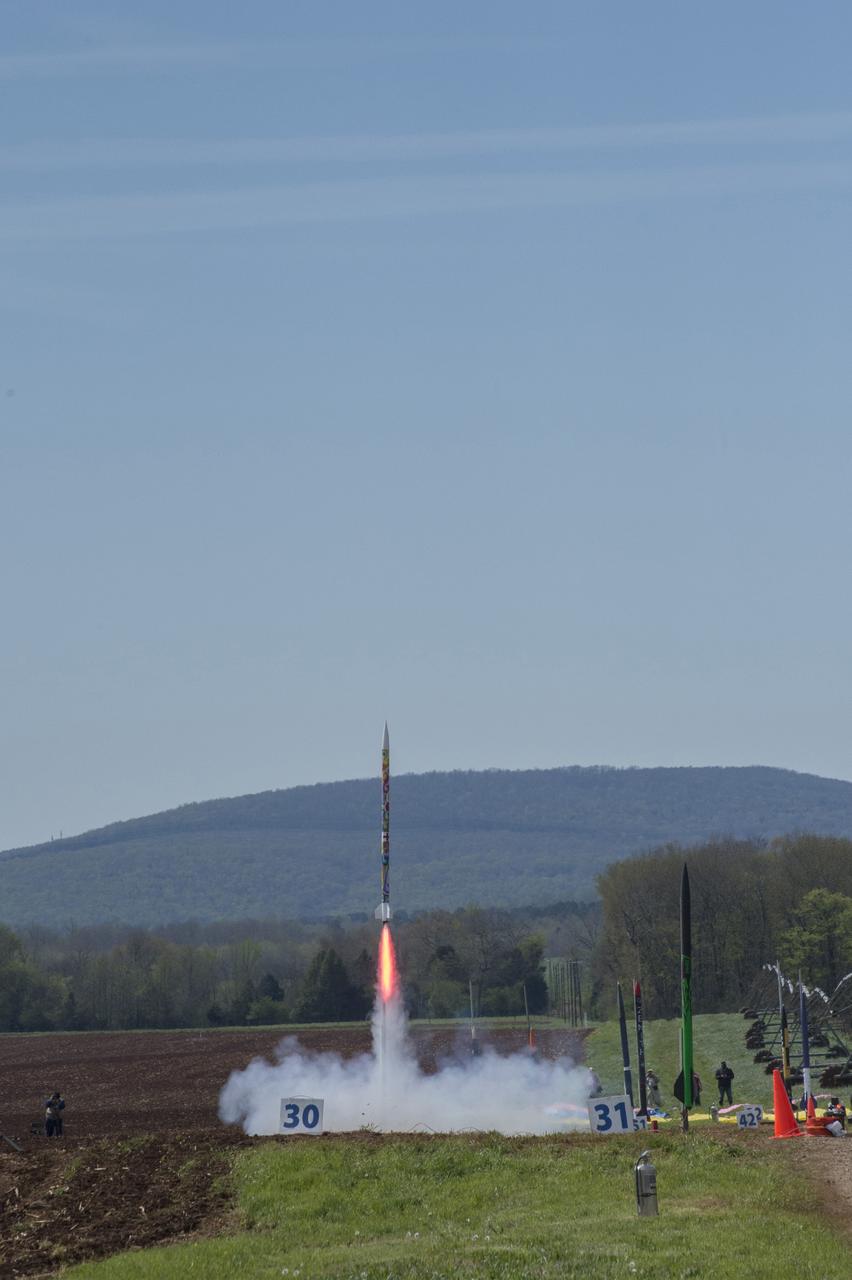
After eight months of designing, building and testing, the middle school, high school and college and university teams launched their rockets as part of NASA Student Launch on Sunday, April 8. The rockets and their payloads are designed to fly to 1-mile in altitude before deploying recovery systems that brings them safely to the ground.
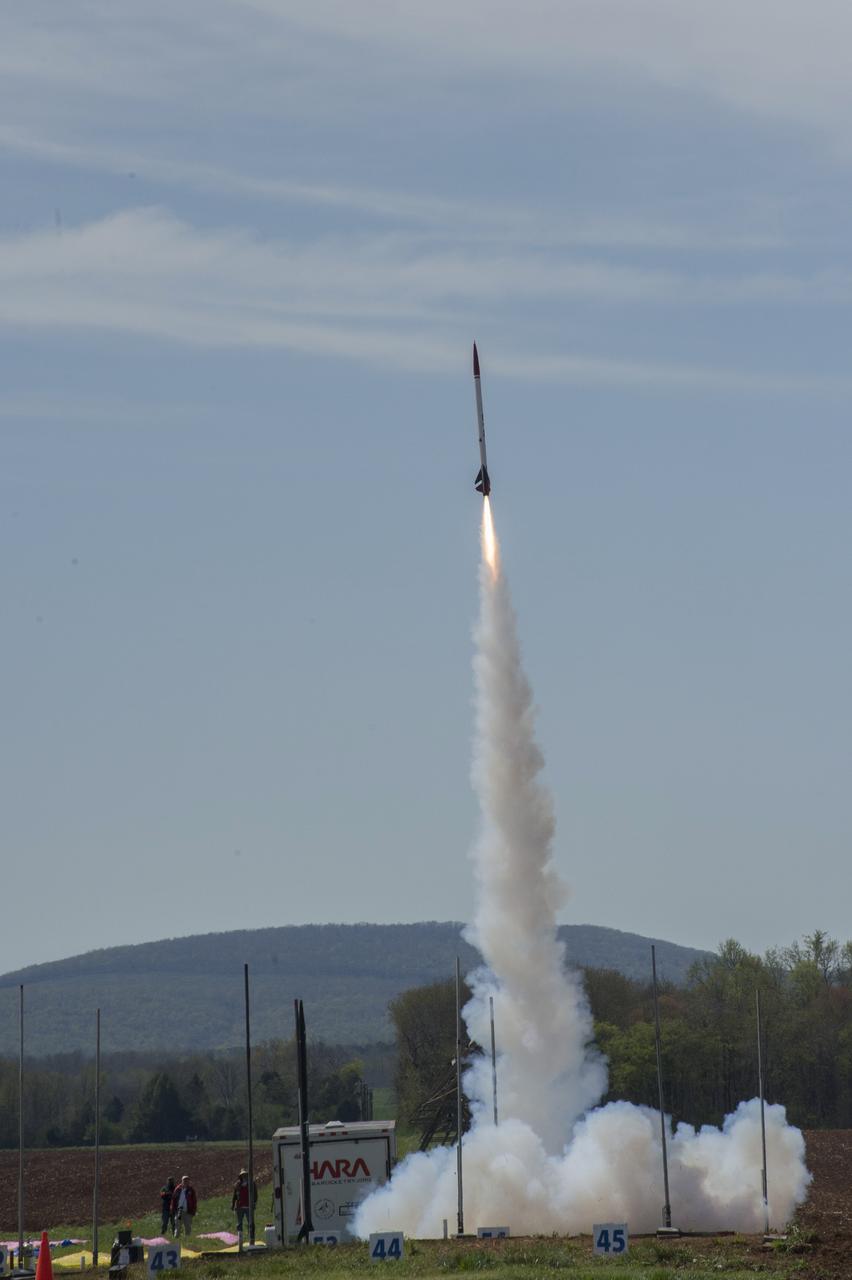
After eight months of designing, building and testing, the middle school, high school and college and university teams launched their rockets as part of NASA Student Launch on Sunday, April 8. The rockets and their payloads are designed to fly to 1-mile in altitude before deploying recovery systems that brings them safely to the ground.
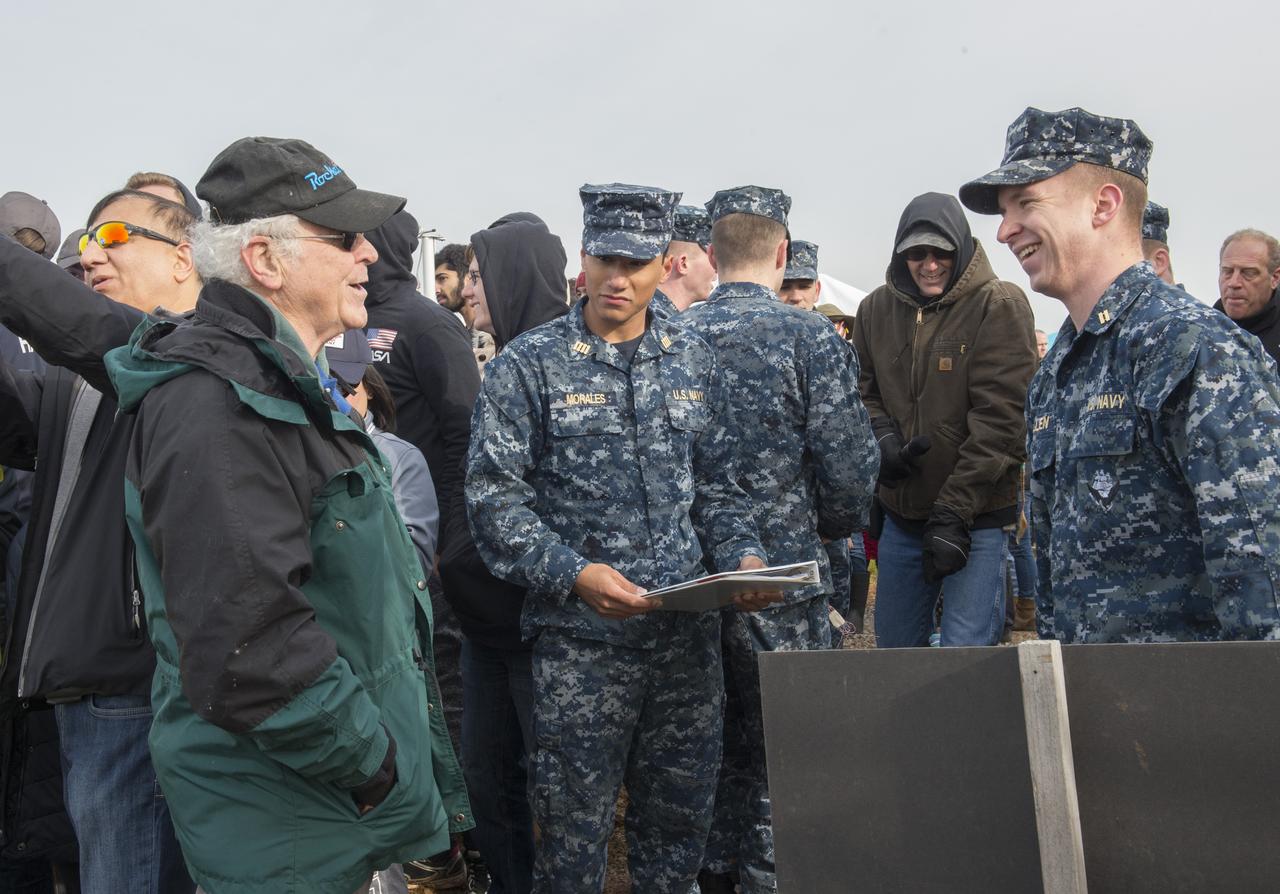
After eight months of designing, building and testing, the middle school, high school and college and university teams launched their rockets as part of NASA Student Launch on Sunday, April 8. The rockets and their payloads are designed to fly to 1-mile in altitude before deploying recovery systems that brings them safely to the ground.
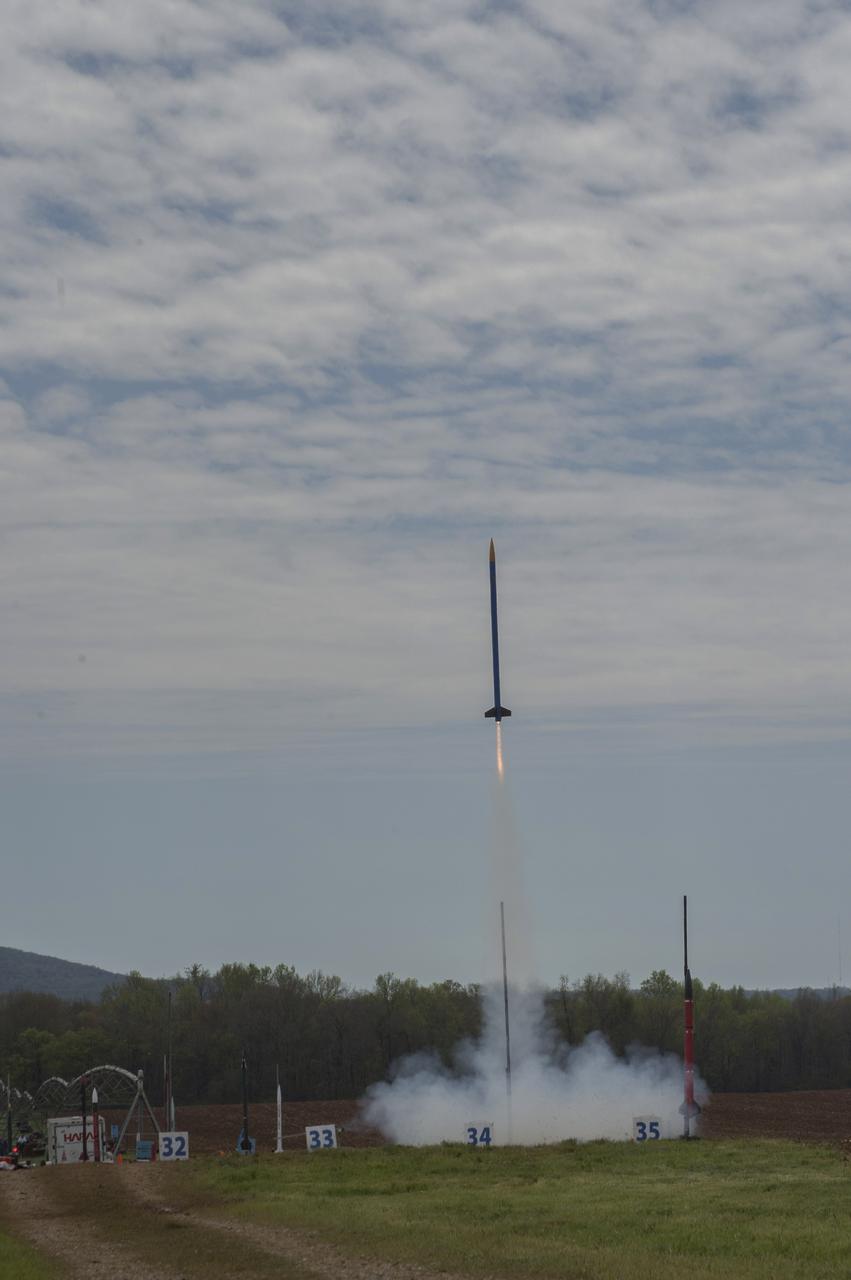
After eight months of designing, building and testing, the middle school, high school and college and university teams launched their rockets as part of NASA Student Launch on Sunday, April 8. The rockets and their payloads are designed to fly to 1-mile in altitude before deploying recovery systems that brings them safely to the ground.
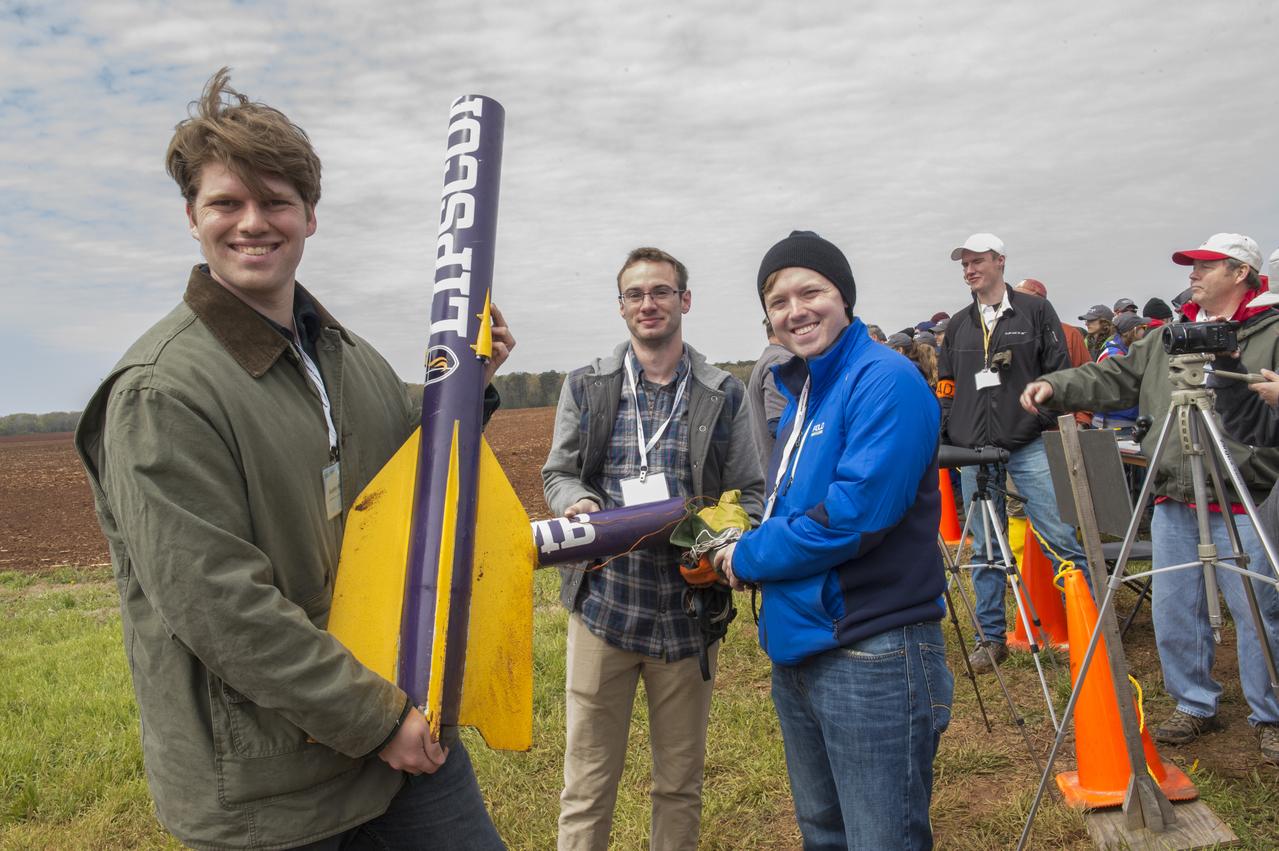
After eight months of designing, building and testing, the middle school, high school and college and university teams launched their rockets as part of NASA Student Launch on Sunday, April 8. The rockets and their payloads are designed to fly to 1-mile in altitude before deploying recovery systems that brings them safely to the ground.
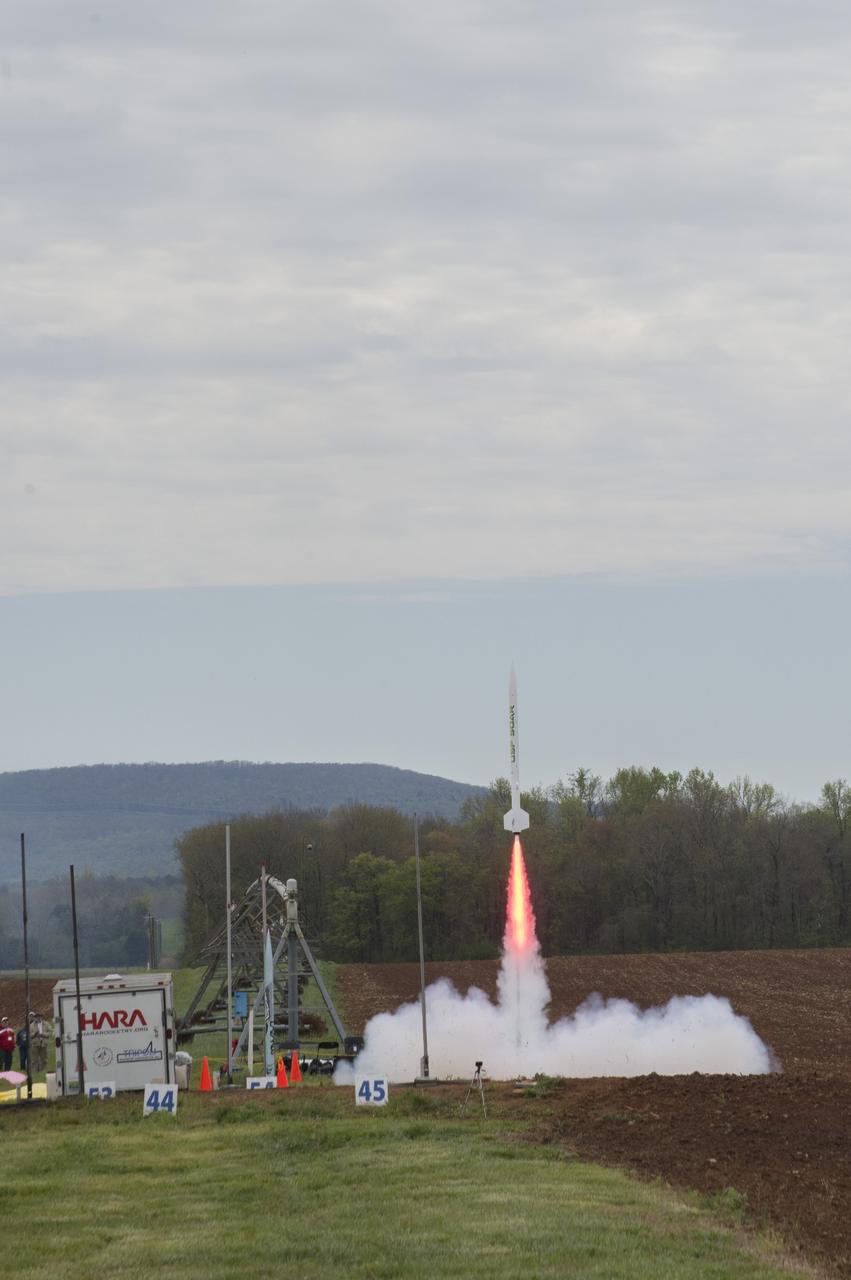
After eight months of designing, building and testing, the middle school, high school and college and university teams launched their rockets as part of NASA Student Launch on Sunday, April 8. The rockets and their payloads are designed to fly to 1-mile in altitude before deploying recovery systems that brings them safely to the ground.
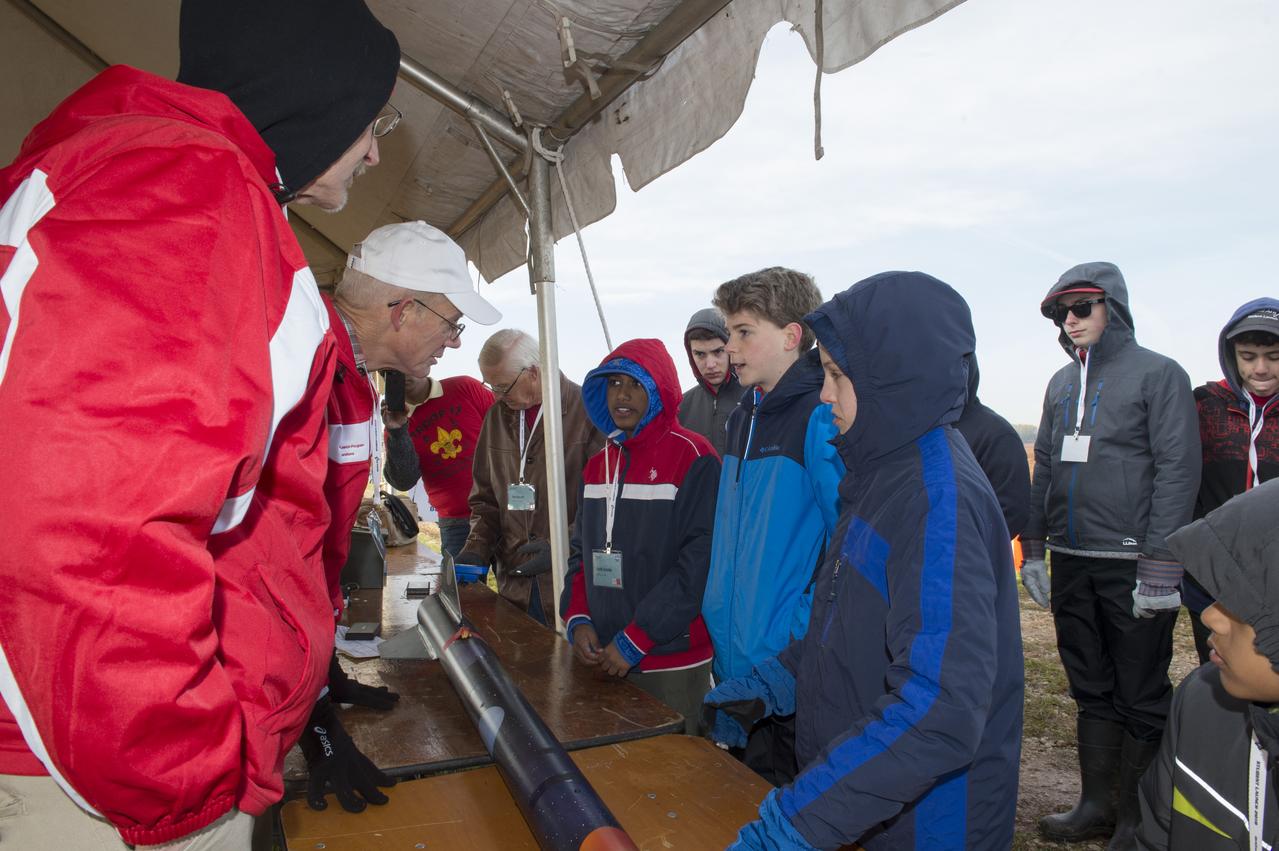
After eight months of designing, building and testing, the middle school, high school and college and university teams launched their rockets as part of NASA Student Launch on Sunday, April 8. The rockets and their payloads are designed to fly to 1-mile in altitude before deploying recovery systems that brings them safely to the ground.
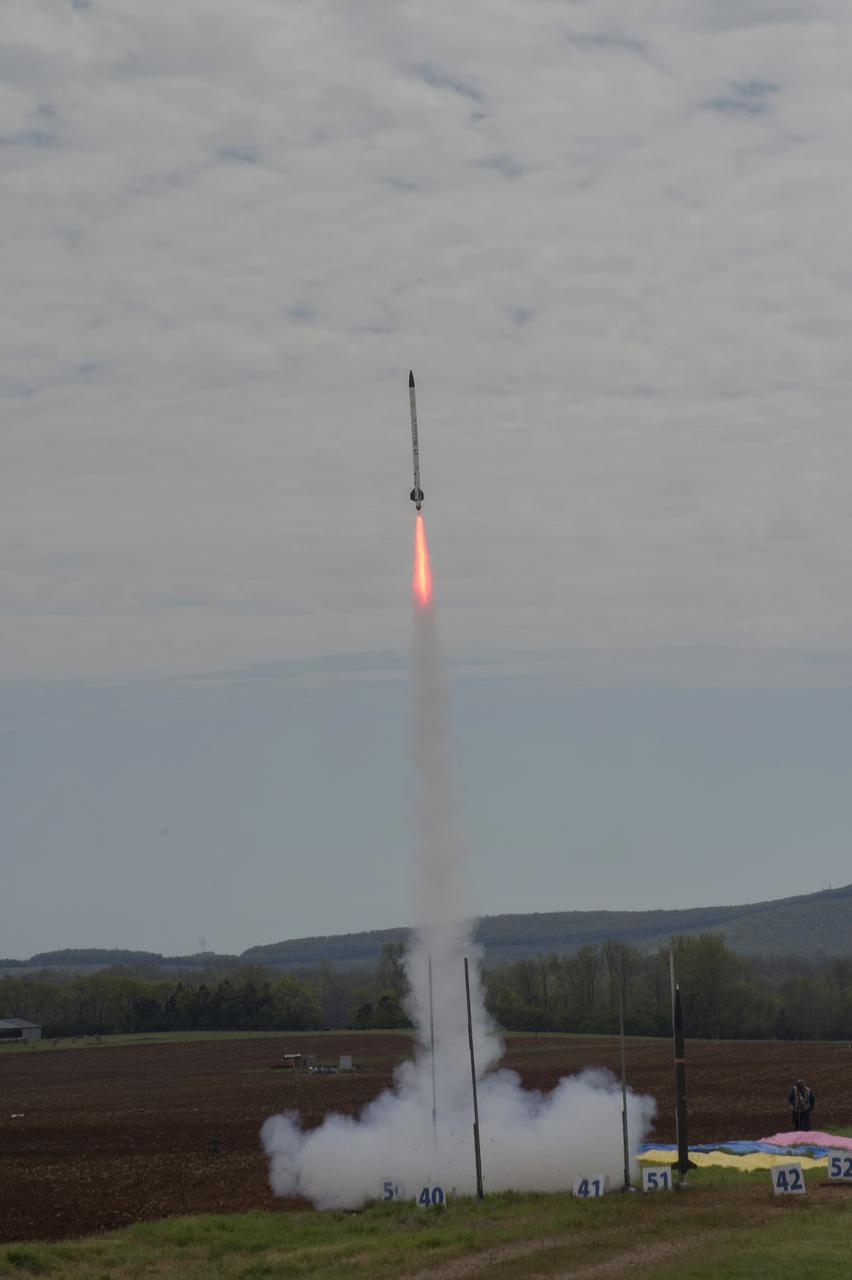
After eight months of designing, building and testing, the middle school, high school and college and university teams launched their rockets as part of NASA Student Launch on Sunday, April 8. The rockets and their payloads are designed to fly to 1-mile in altitude before deploying recovery systems that brings them safely to the ground.
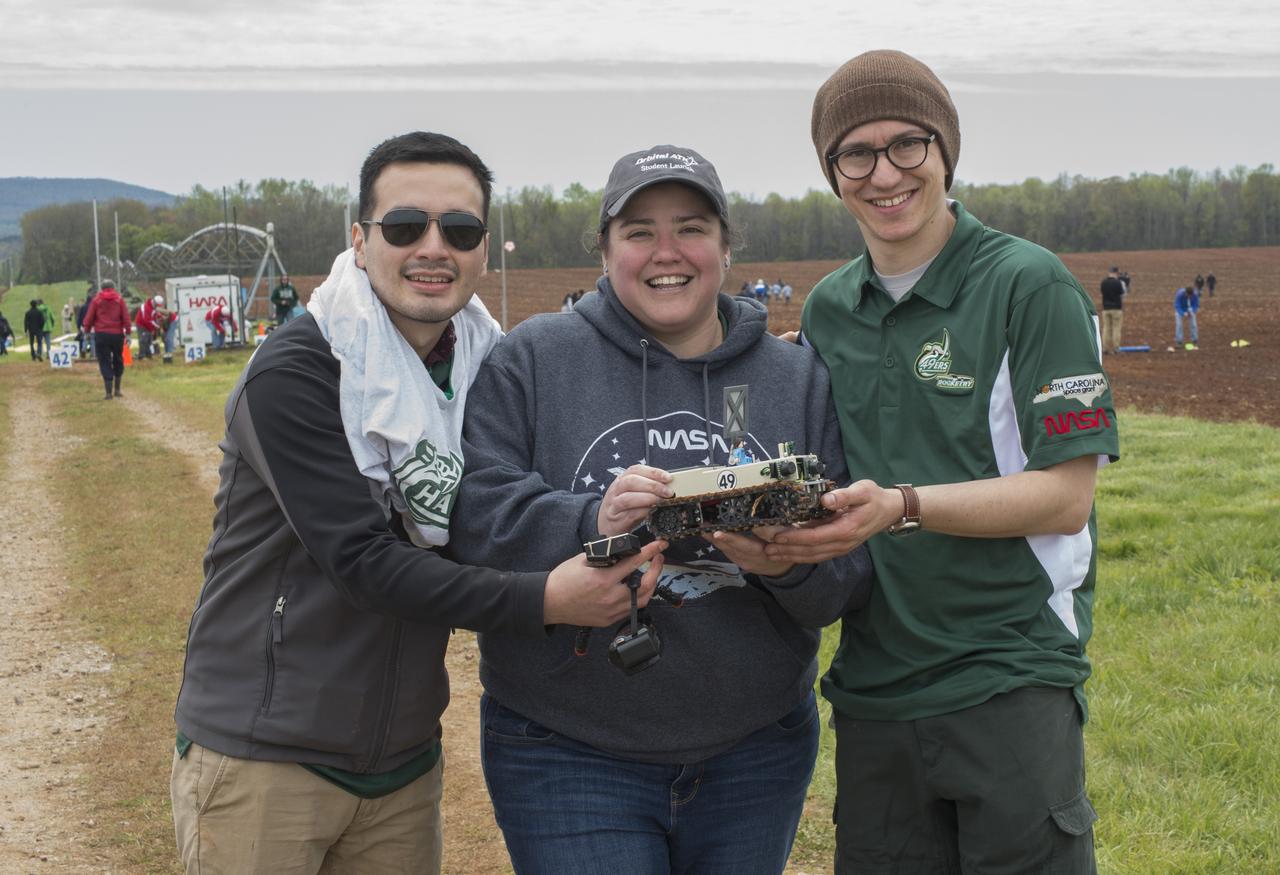
After eight months of designing, building and testing, the middle school, high school and college and university teams launched their rockets as part of NASA Student Launch on Sunday, April 8. The rockets and their payloads are designed to fly to 1-mile in altitude before deploying recovery systems that brings them safely to the ground.
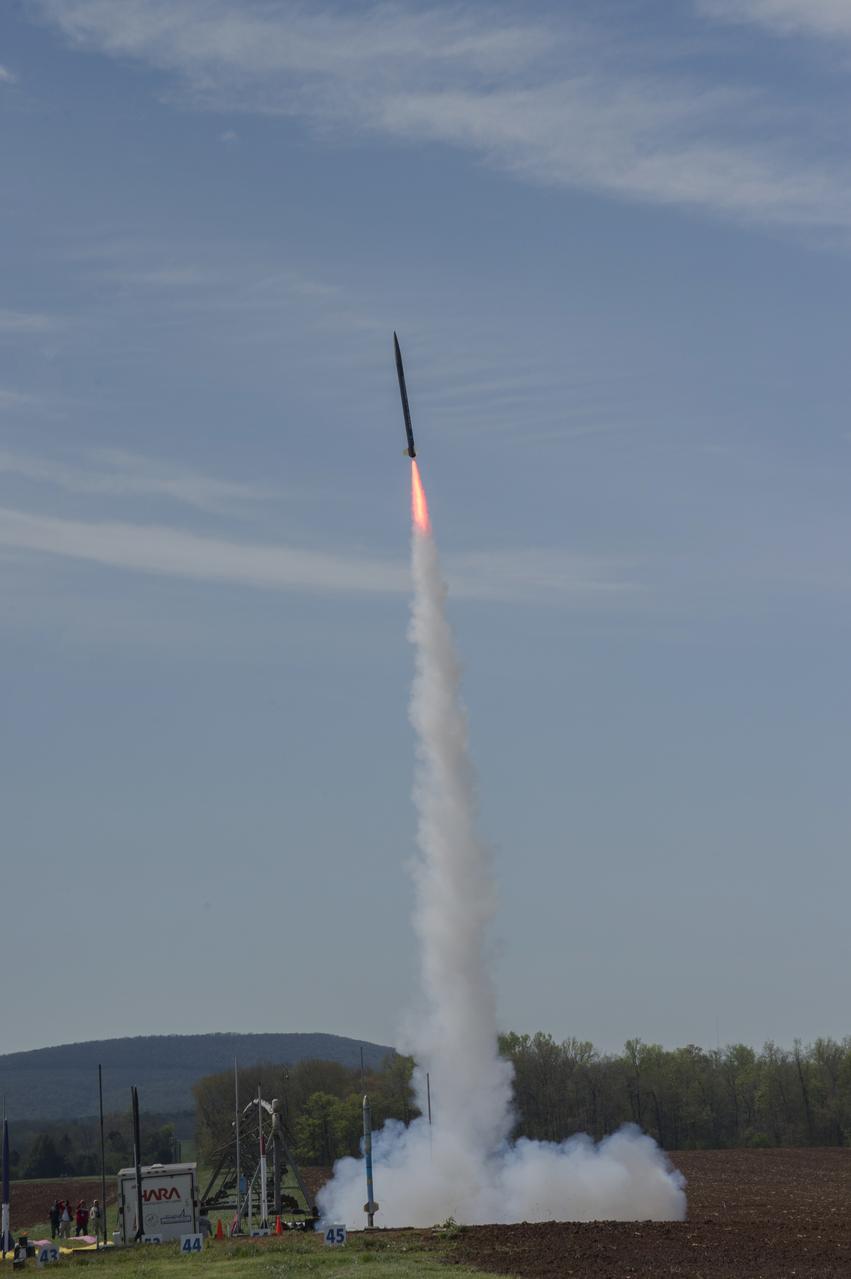
After eight months of designing, building and testing, the middle school, high school and college and university teams launched their rockets as part of NASA Student Launch on Sunday, April 8. The rockets and their payloads are designed to fly to 1-mile in altitude before deploying recovery systems that brings them safely to the ground.
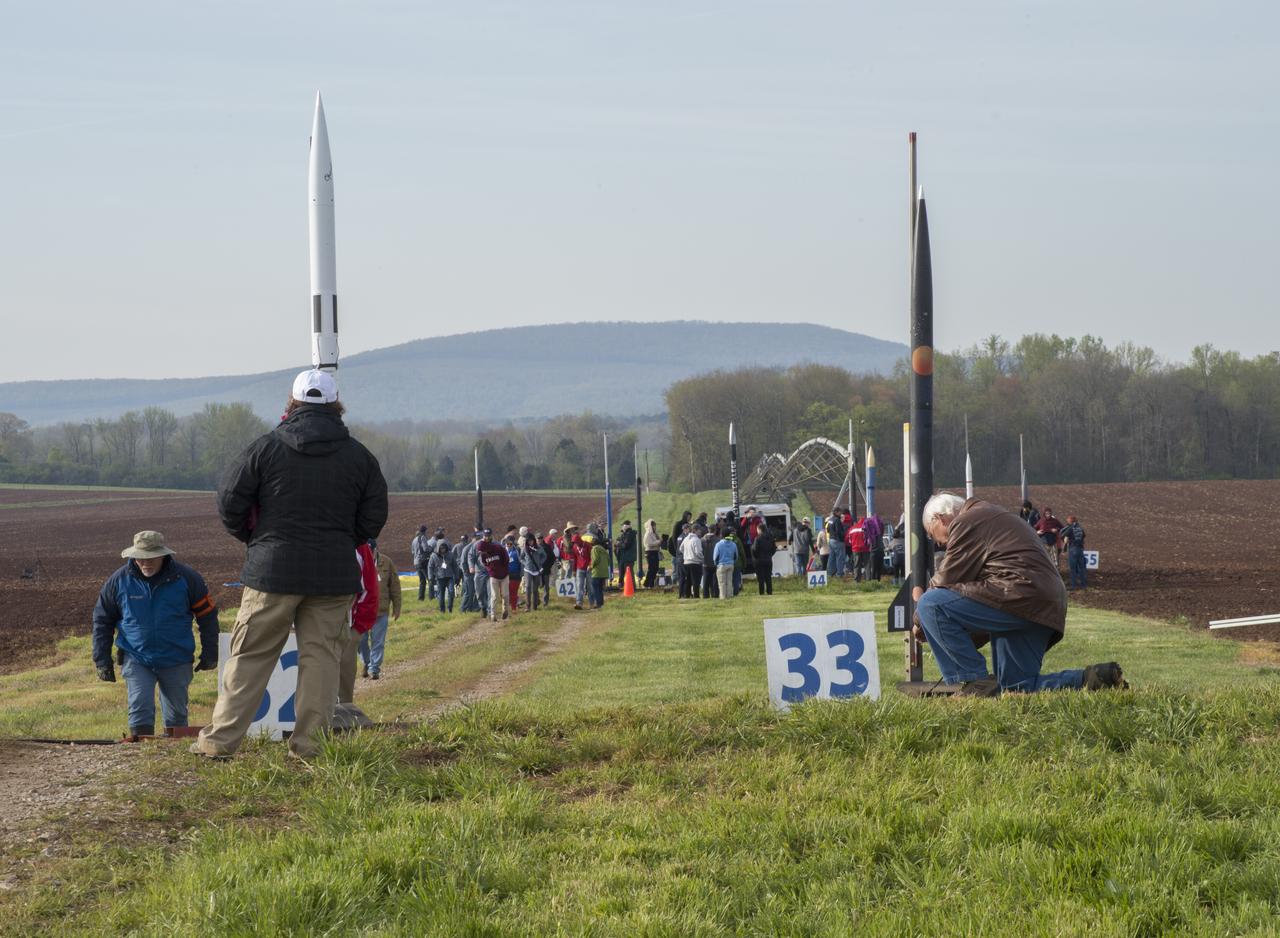
After eight months of designing, building and testing, the middle school, high school and college and university teams launched their rockets as part of NASA Student Launch on Sunday, April 8. The rockets and their payloads are designed to fly to 1-mile in altitude before deploying recovery systems that brings them safely to the ground.
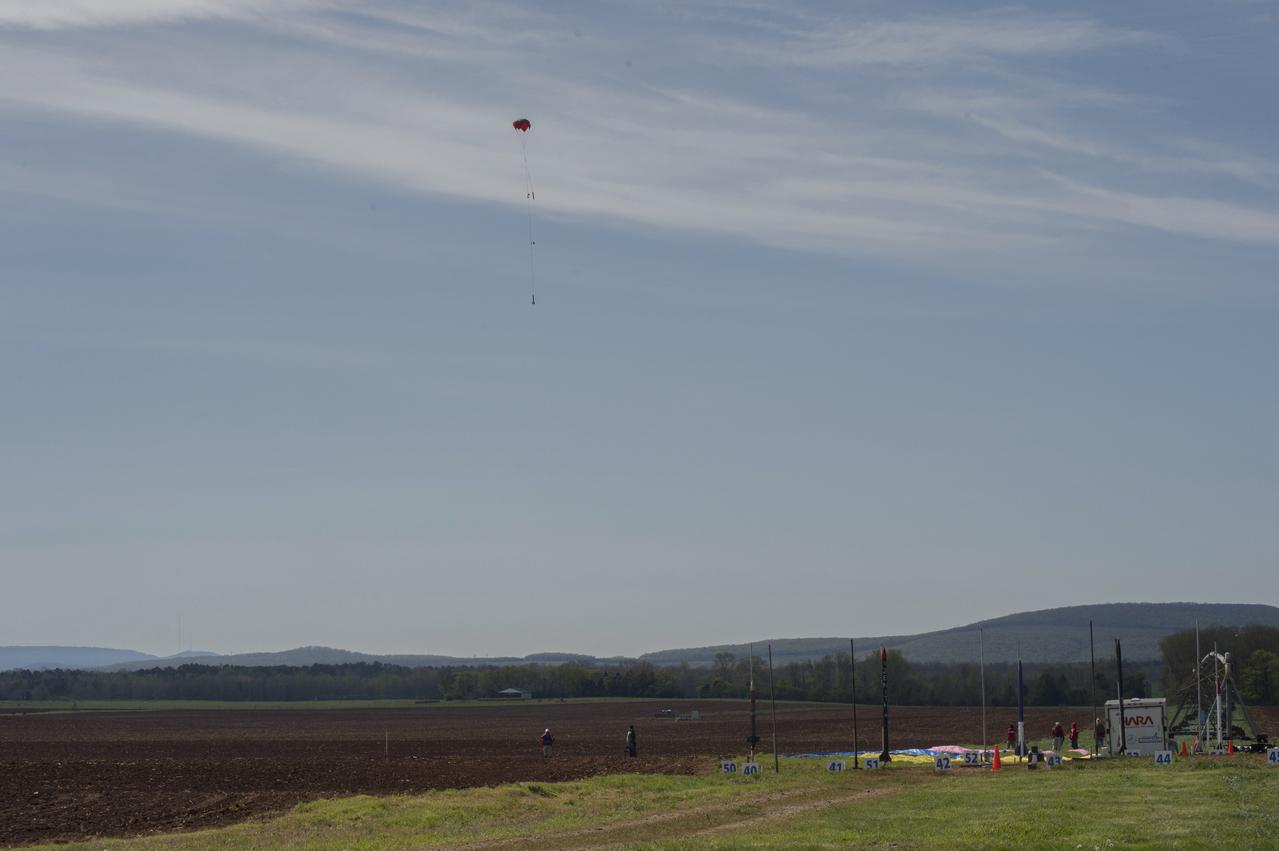
After eight months of designing, building and testing, the middle school, high school and college and university teams launched their rockets as part of NASA Student Launch on Sunday, April 8. The rockets and their payloads are designed to fly to 1-mile in altitude before deploying recovery systems that brings them safely to the ground.
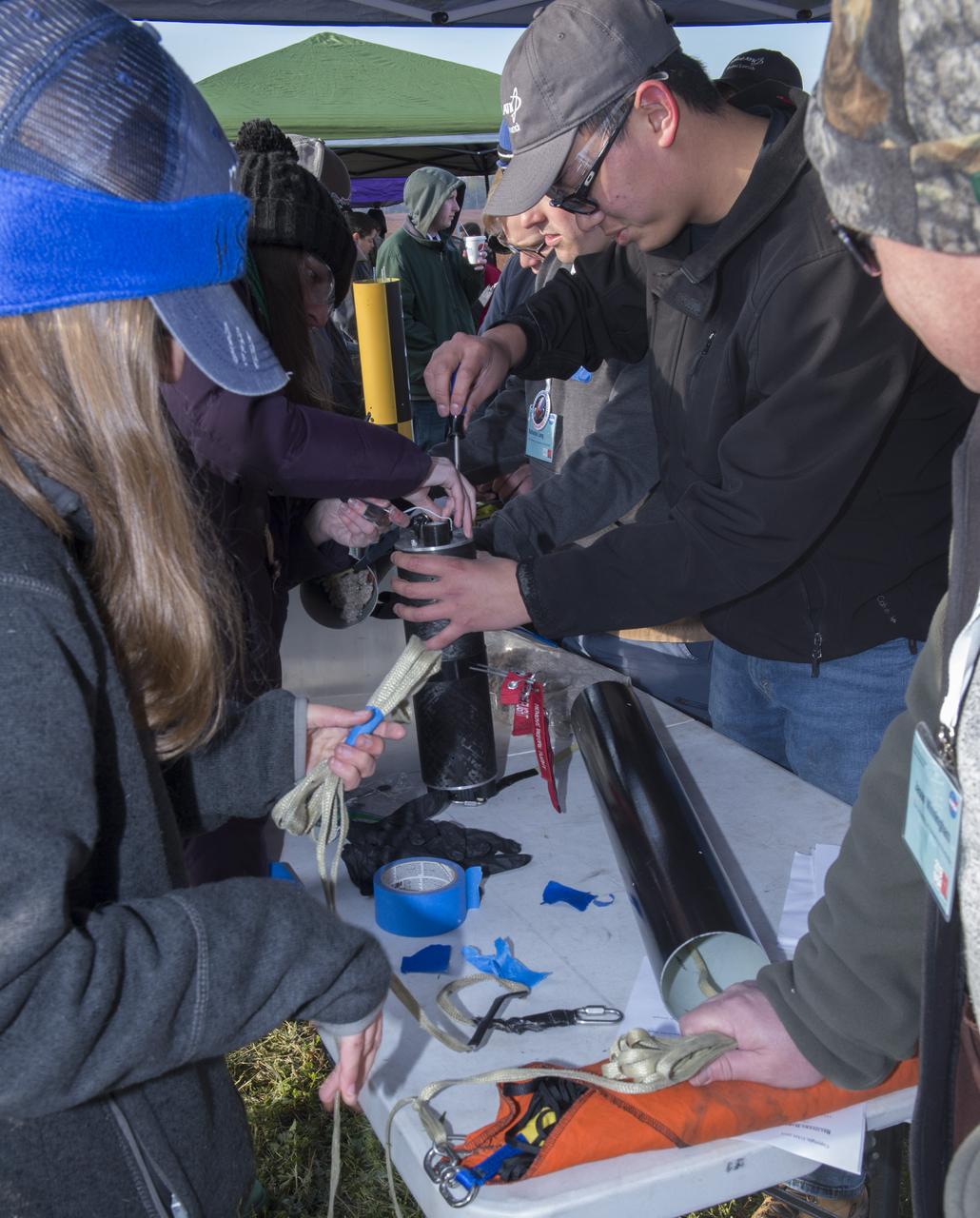
After eight months of designing, building and testing, the middle school, high school and college and university teams launched their rockets as part of NASA Student Launch on Sunday, April 8. The rockets and their payloads are designed to fly to 1-mile in altitude before deploying recovery systems that brings them safely to the ground.
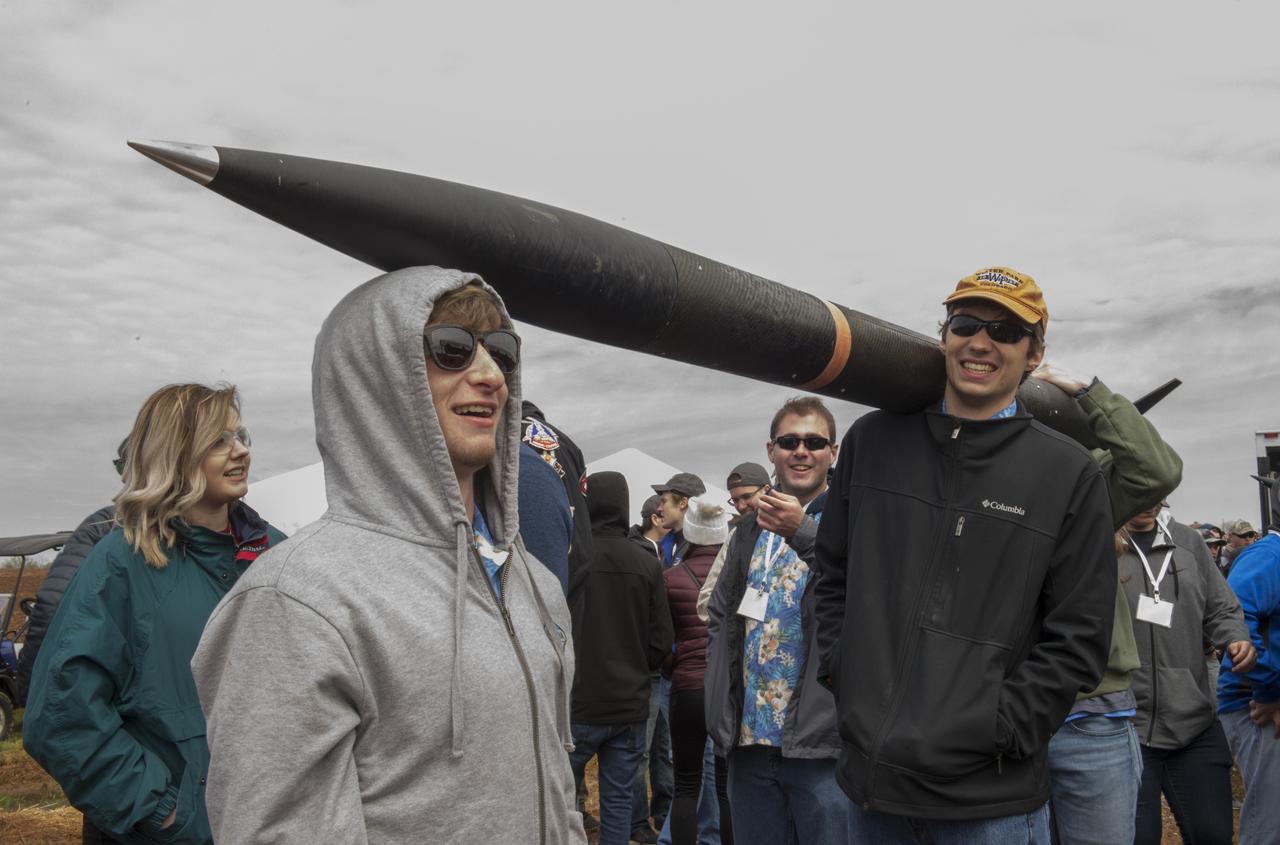
After eight months of designing, building and testing, the middle school, high school and college and university teams launched their rockets as part of NASA Student Launch on Sunday, April 8. The rockets and their payloads are designed to fly to 1-mile in altitude before deploying recovery systems that brings them safely to the ground.
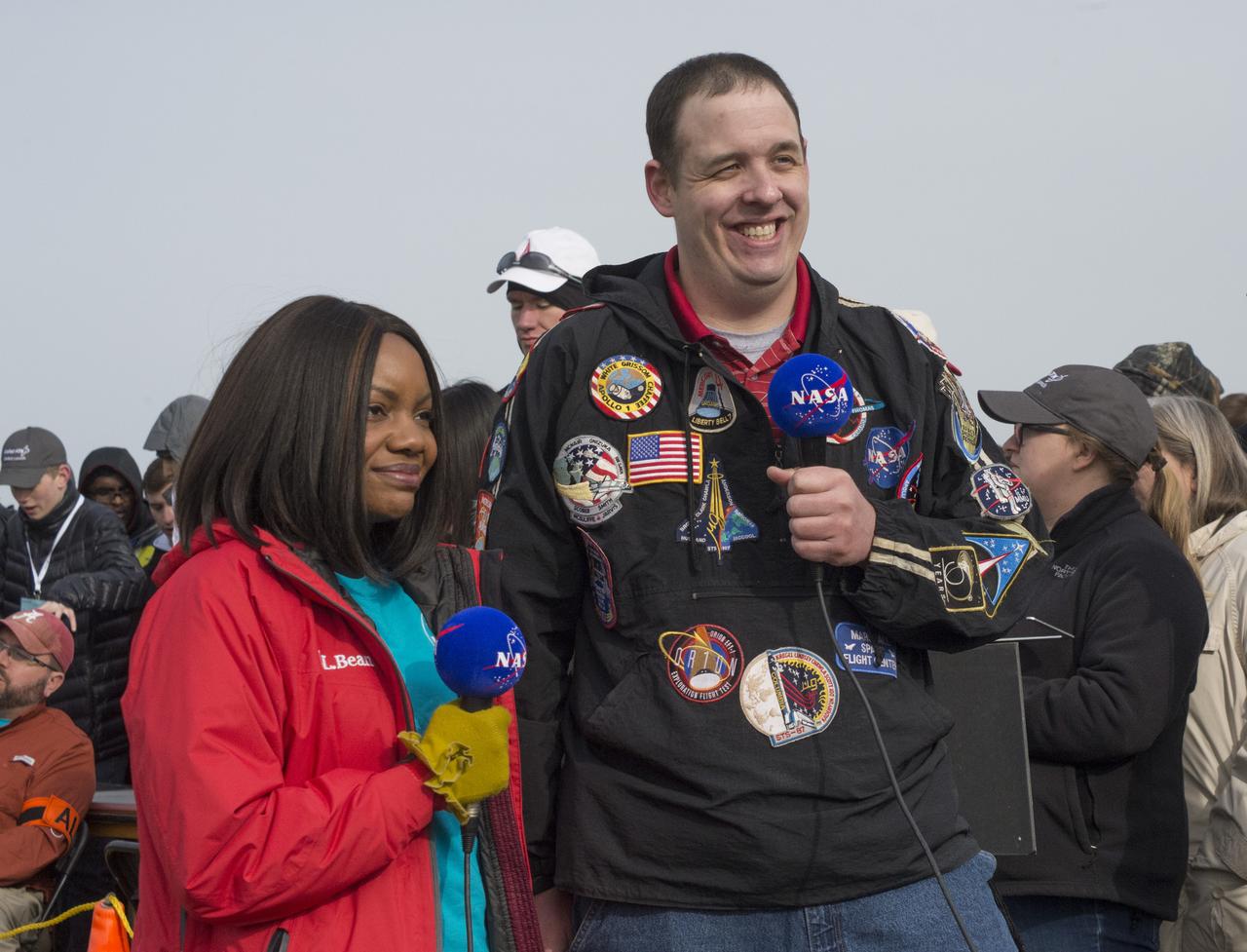
After eight months of designing, building and testing, the middle school, high school and college and university teams launched their rockets as part of NASA Student Launch on Sunday, April 8. The rockets and their payloads are designed to fly to 1-mile in altitude before deploying recovery systems that brings them safely to the ground.