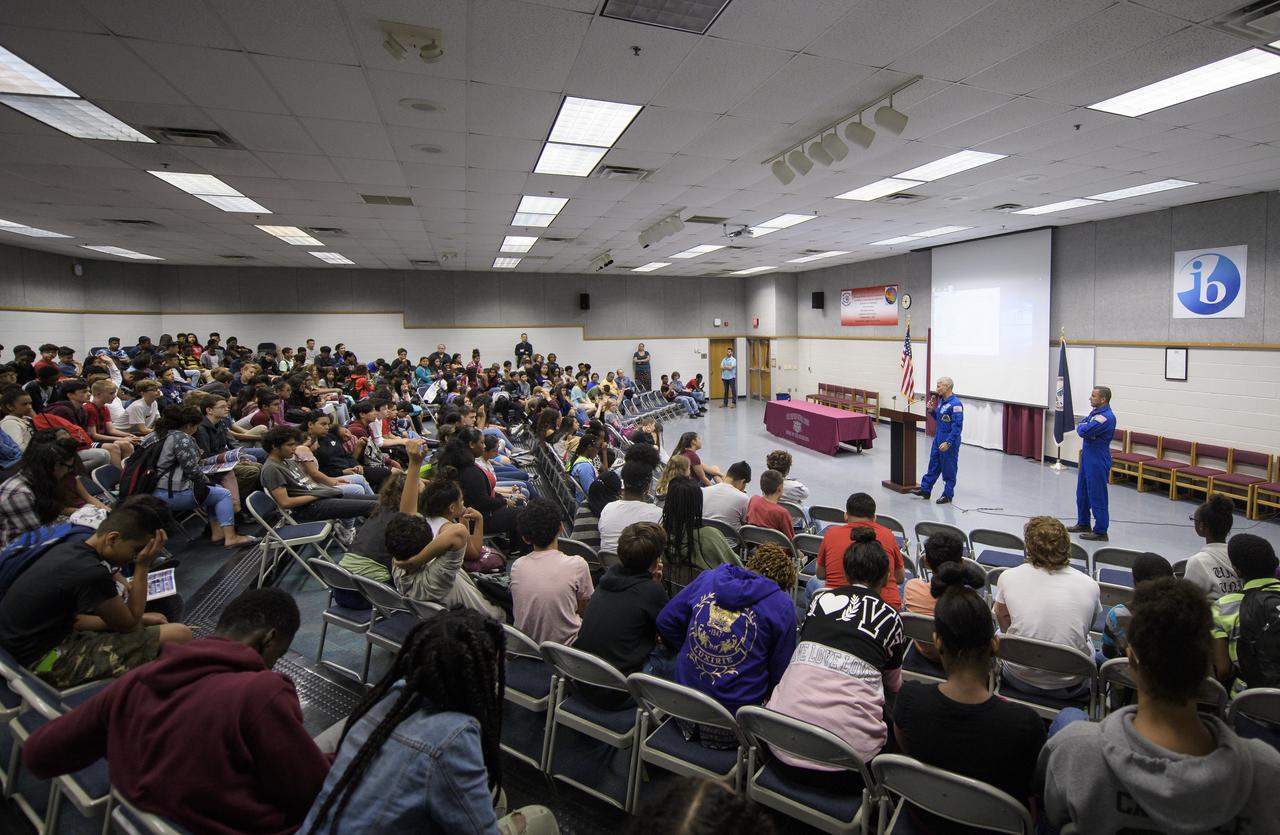
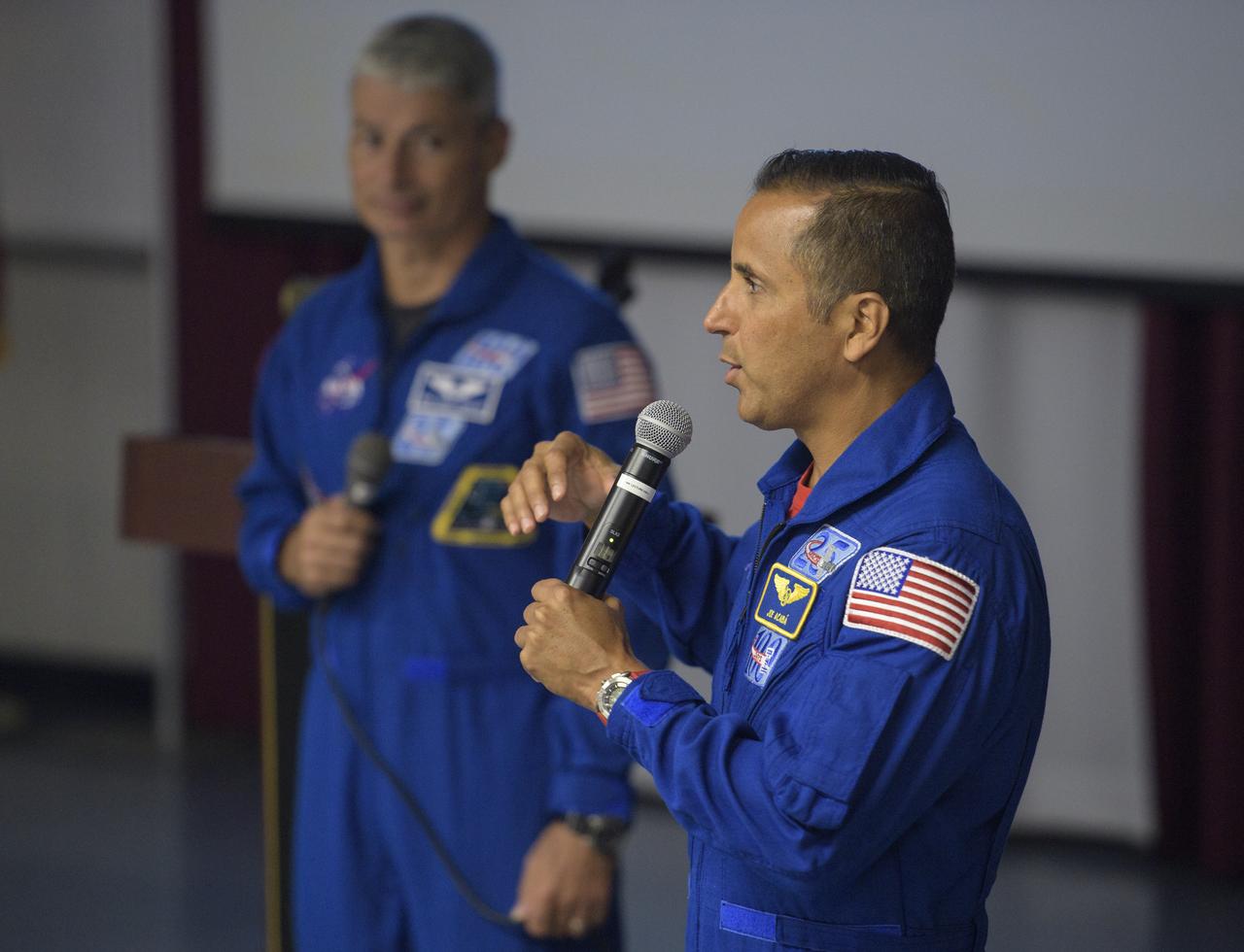
NASA astronauts Mark Vande Hei, left, and Joe Acaba answer questions during a presentation to students at Walt Whitman Middle School, Thursday, June 14, 2018 in Alexandria, Va. Acaba and astronaut Mark Vande Hei answered questions from the audience and spoke about their experiences aboard the International Space Station for 168 days as part of Expedition 53 and 54. Photo Credit: (NASA/Joel Kowsky)
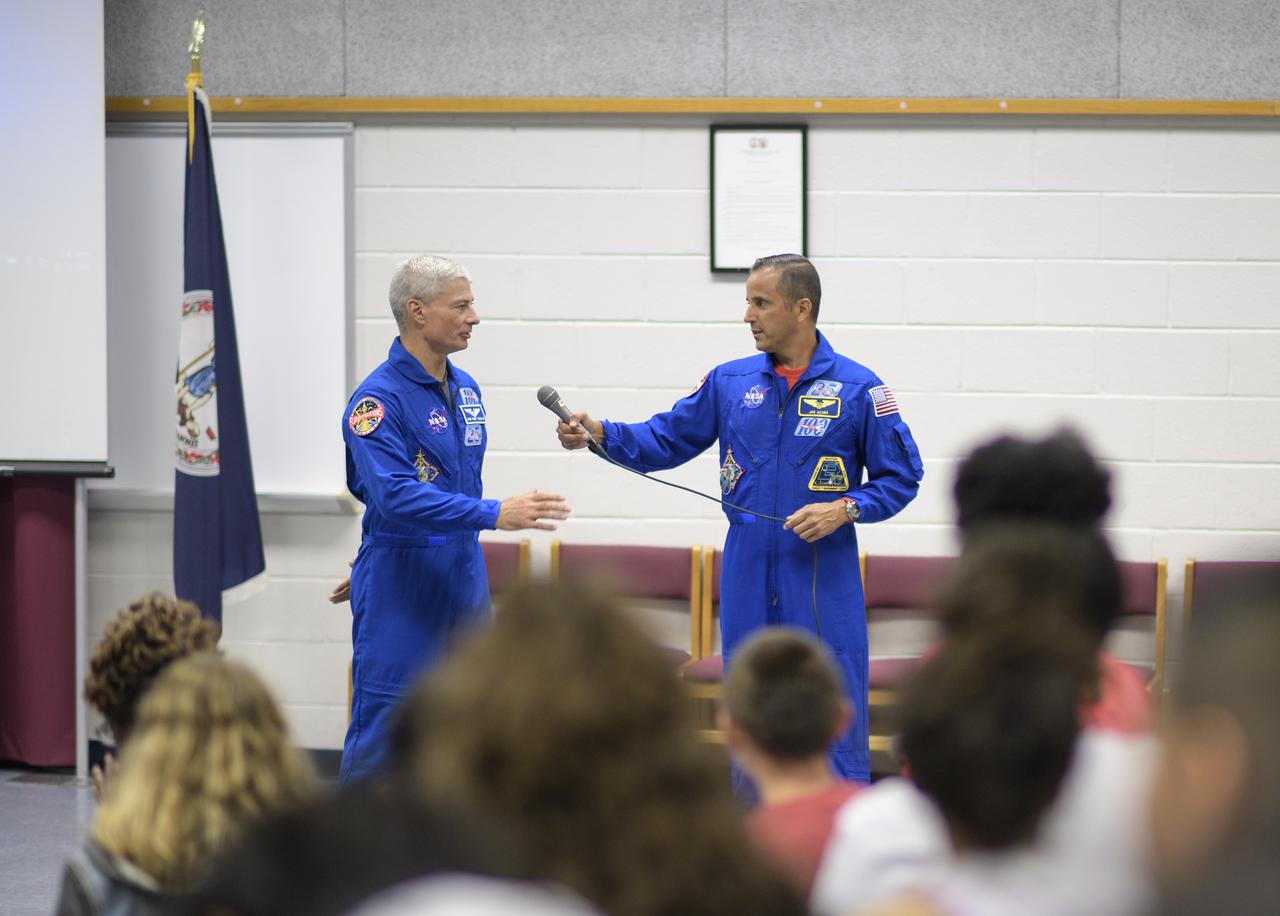
NASA astronauts Mark Vande Hei, left, and Joe Acaba answer questions during a presentation to students at Walt Whitman Middle School, Thursday, June 14, 2018 in Alexandria, Va. Acaba and astronaut Mark Vande Hei answered questions from the audience and spoke about their experiences aboard the International Space Station for 168 days as part of Expedition 53 and 54. Photo Credit: (NASA/Joel Kowsky)
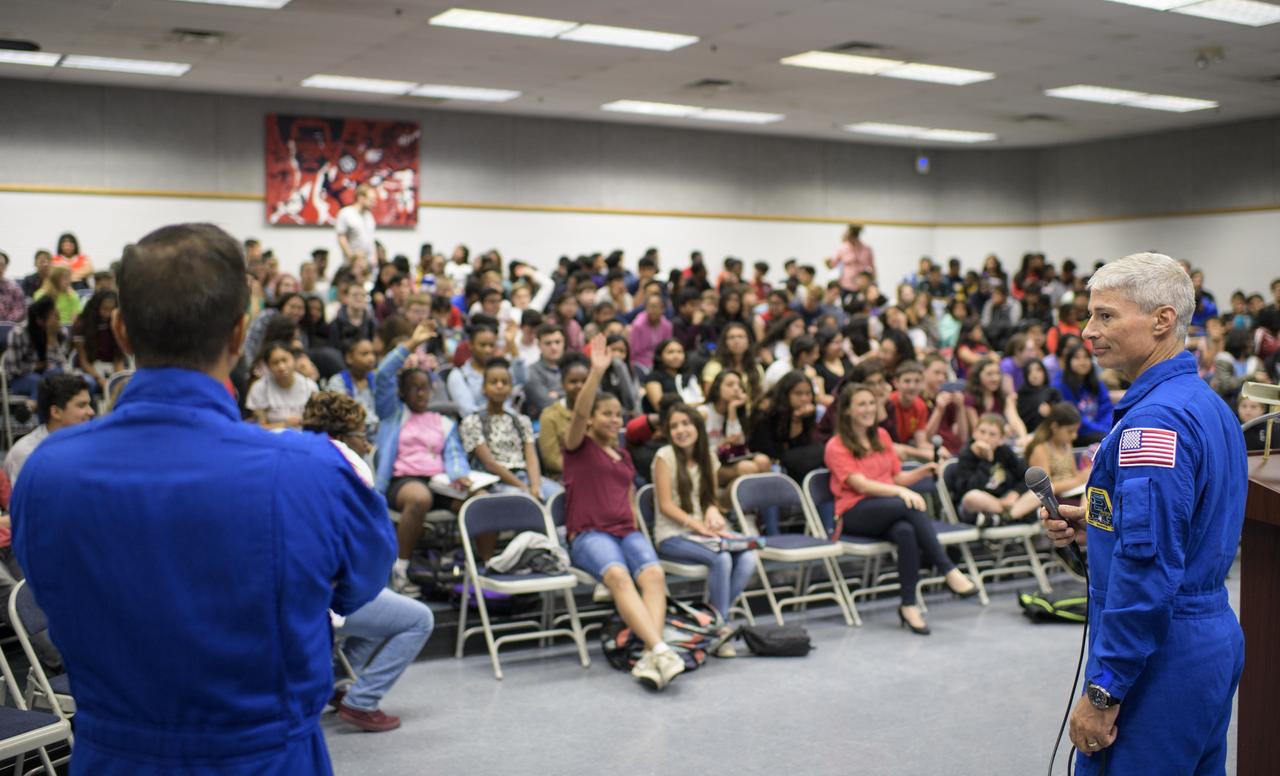
NASA astronauts Mark Vande Hei, right, and Joe Acaba answer questions during a presentation to students at Walt Whitman Middle School, Thursday, June 14, 2018 in Alexandria, Va. Acaba and astronaut Mark Vande Hei answered questions from the audience and spoke about their experiences aboard the International Space Station for 168 days as part of Expedition 53 and 54. Photo Credit: (NASA/Joel Kowsky)
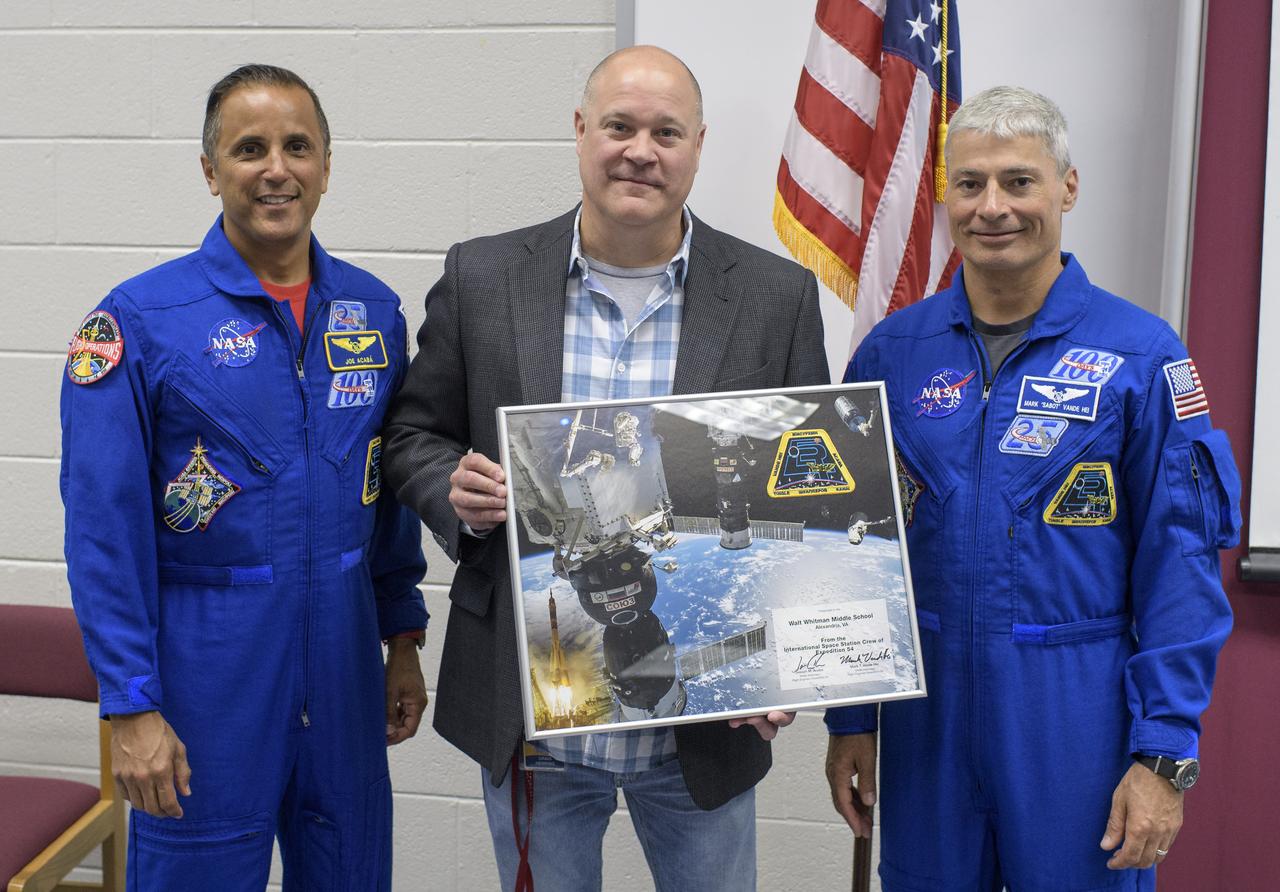
NASA astronauts Joe Acaba, left, and Mark Vande Hei, right, present Walt Whitman Middle School Principal Craig Herring with a montage from their Expedition 54 mission, Thursday, June 14, 2018 in Alexandria, Va. Acaba and astronaut Mark Vande Hei answered questions from the audience and spoke about their experiences aboard the International Space Station for 168 days as part of Expedition 53 and 54. Photo Credit: (NASA/Joel Kowsky)
NASA astronaut Joe Acaba speaks about his time onboard the International Space Station during a presentation to students at Walt Whitman Middle School, Thursday, June 14, 2018 in Alexandria, Va. Acaba and astronaut Mark Vande Hei answered questions from the audience and spoke about their experiences aboard the International Space Station for 168 days as part of Expedition 53 and 54. Photo Credit: (NASA/Joel Kowsky)
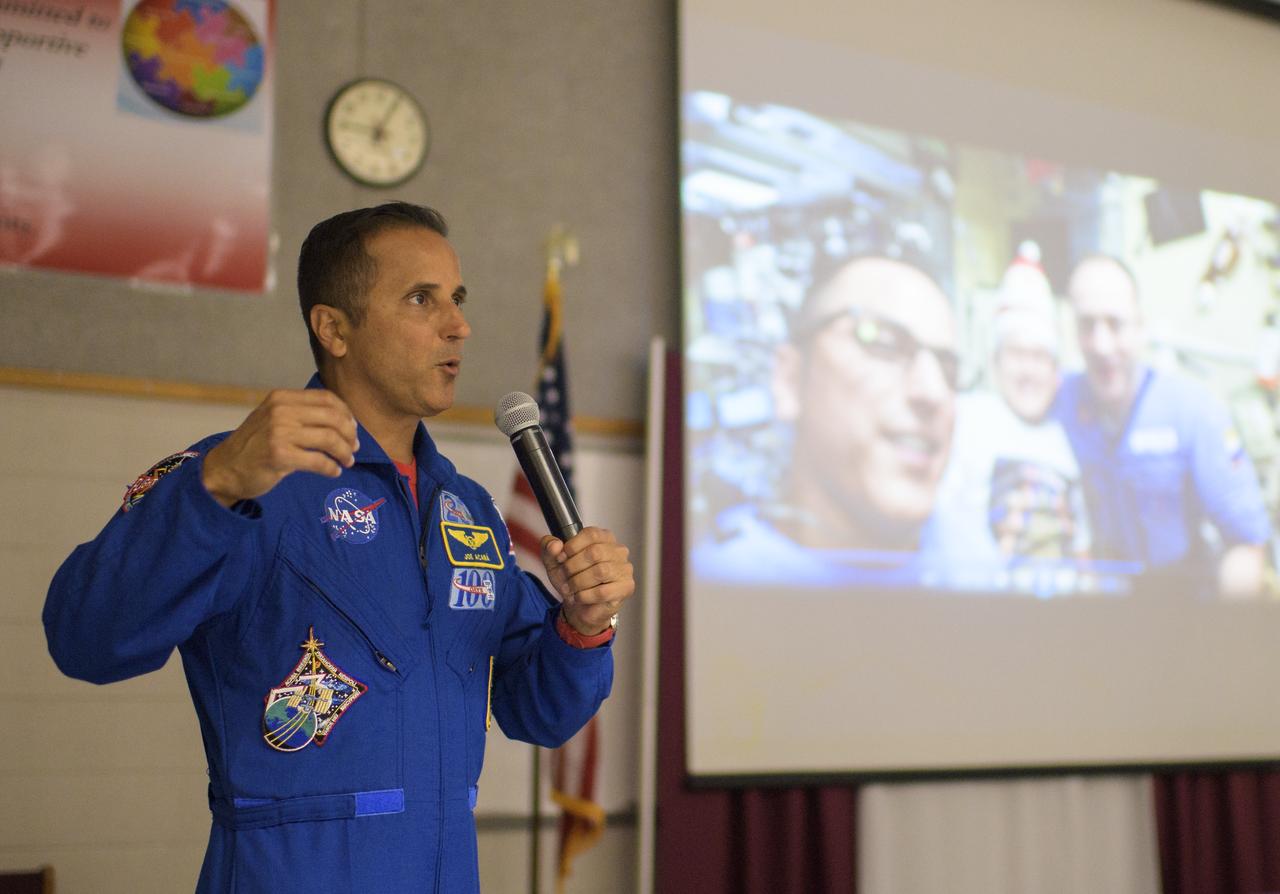
NASA astronaut Joe Acaba speaks about his time onboard the International Space Station during a presentation to students at Walt Whitman Middle School, Thursday, June 14, 2018 in Alexandria, Va. Acaba and astronaut Mark Vande Hei answered questions from the audience and spoke about their experiences aboard the International Space Station for 168 days as part of Expedition 53 and 54. Photo Credit: (NASA/Joel Kowsky)
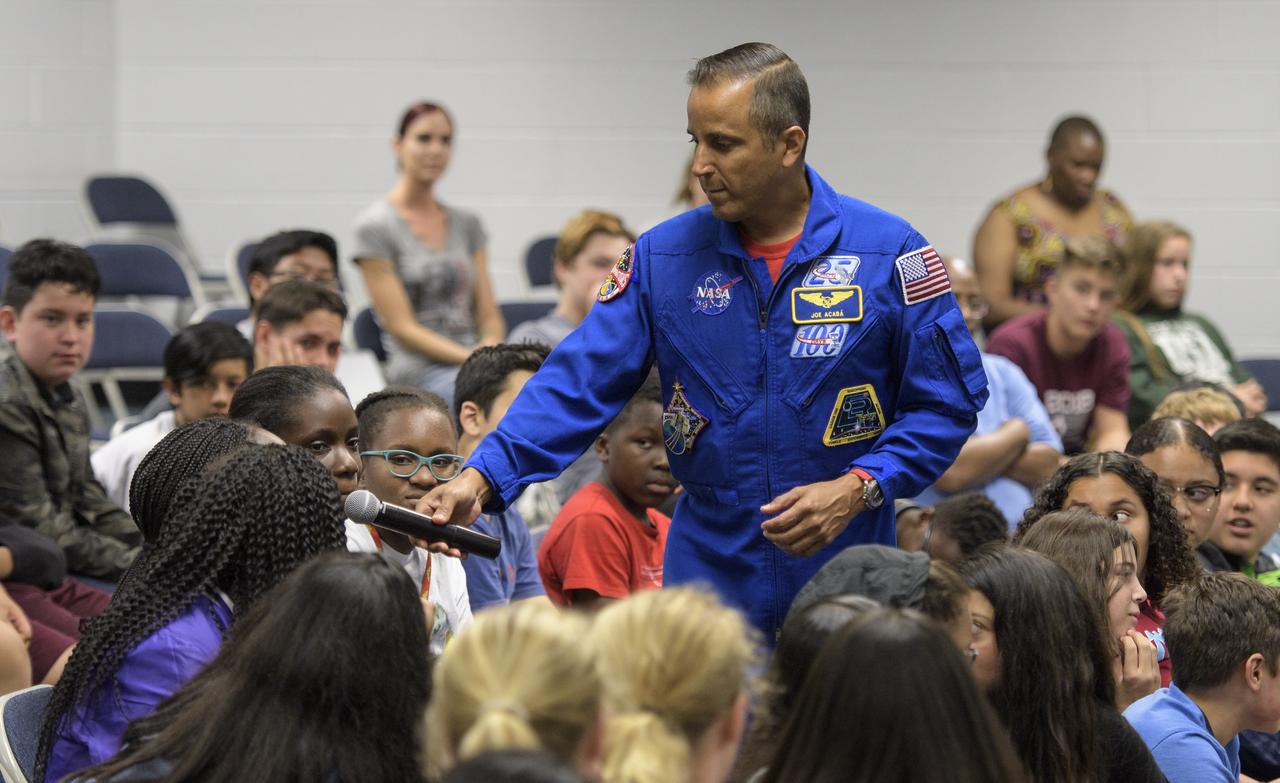
NASA astronaut Joe Acaba listens to a question from a student during a presentation at Walt Whitman Middle School, Thursday, June 14, 2018 in Alexandria, Va. Acaba and astronaut Mark Vande Hei answered questions from the audience and spoke about their experiences aboard the International Space Station for 168 days as part of Expedition 53 and 54. Photo Credit: (NASA/Joel Kowsky)
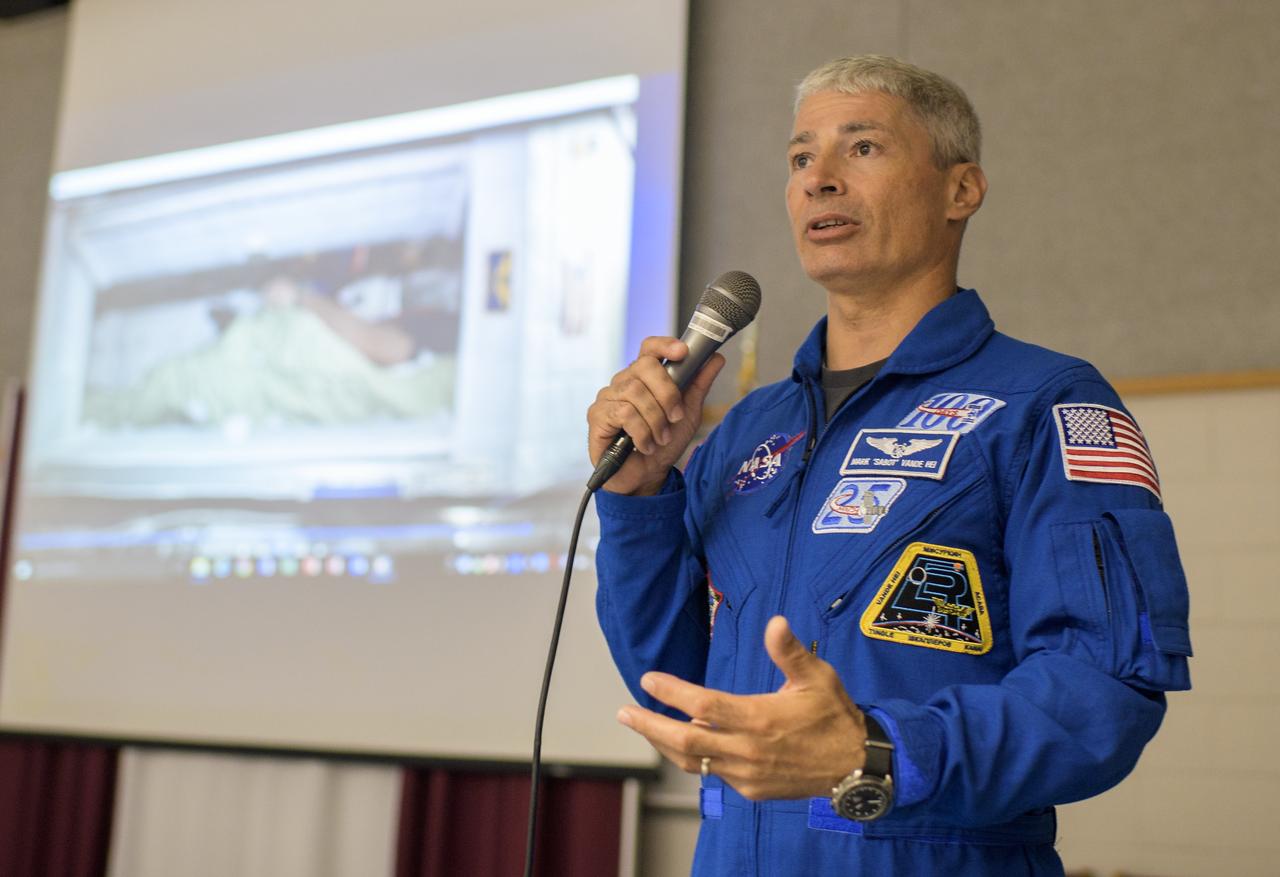
NASA astronaut Mark Vande Hei speaks about his time onboard the International Space Station during a presentation to students at Walt Whitman Middle School, Thursday, June 14, 2018 in Alexandria, Va. Vande Hei and astronaut Joe Acaba answered questions from the audience and spoke about their experiences aboard the International Space Station for 168 days as part of Expedition 53 and 54. Photo Credit: (NASA/Joel Kowsky)
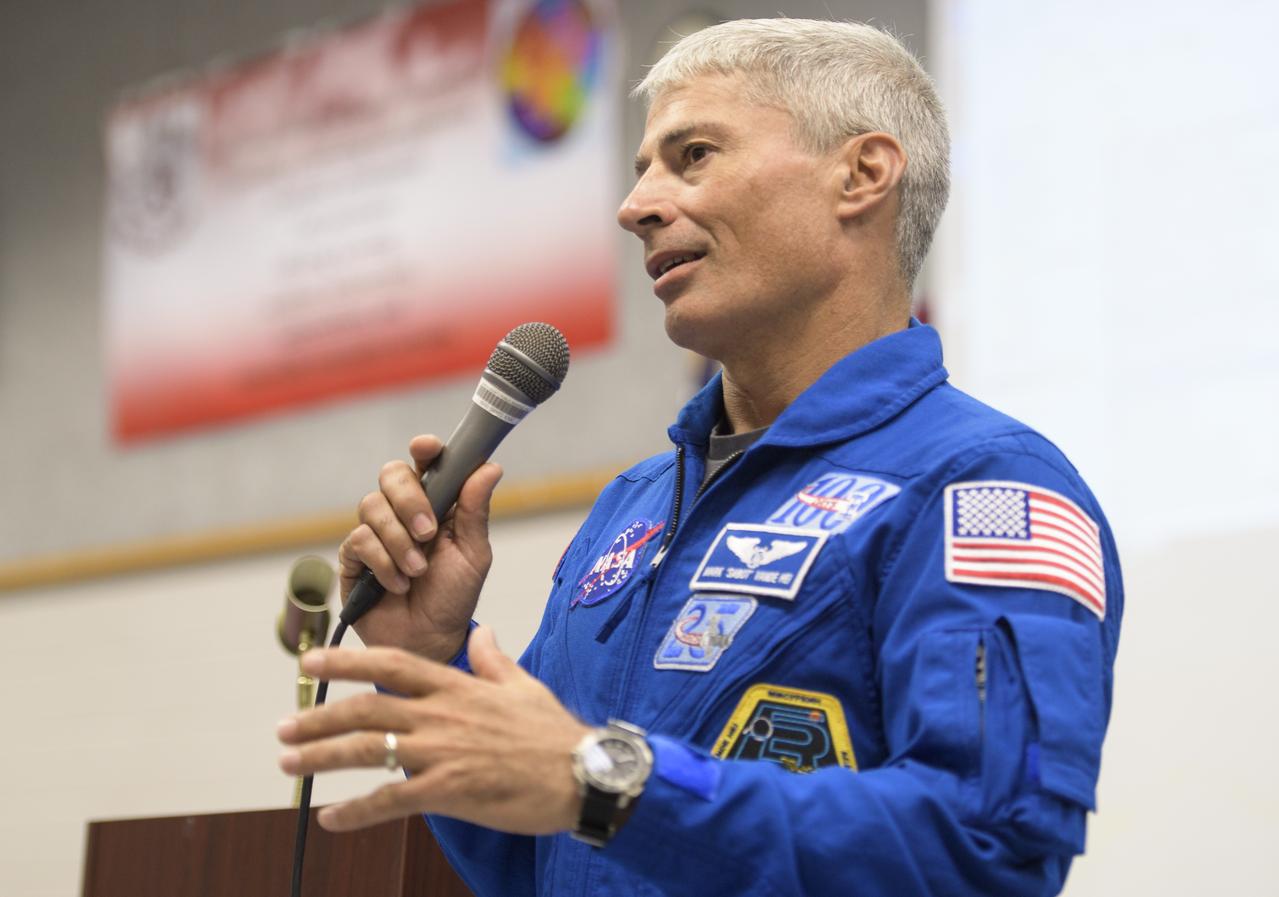
NASA astronaut Mark Vande Hei speaks about his time onboard the International Space Station during a presentation to students at Walt Whitman Middle School, Thursday, June 14, 2018 in Alexandria, Va. Vande Hei and astronaut Joe Acaba answered questions from the audience and spoke about their experiences aboard the International Space Station for 168 days as part of Expedition 53 and 54. Photo Credit: (NASA/Joel Kowsky)
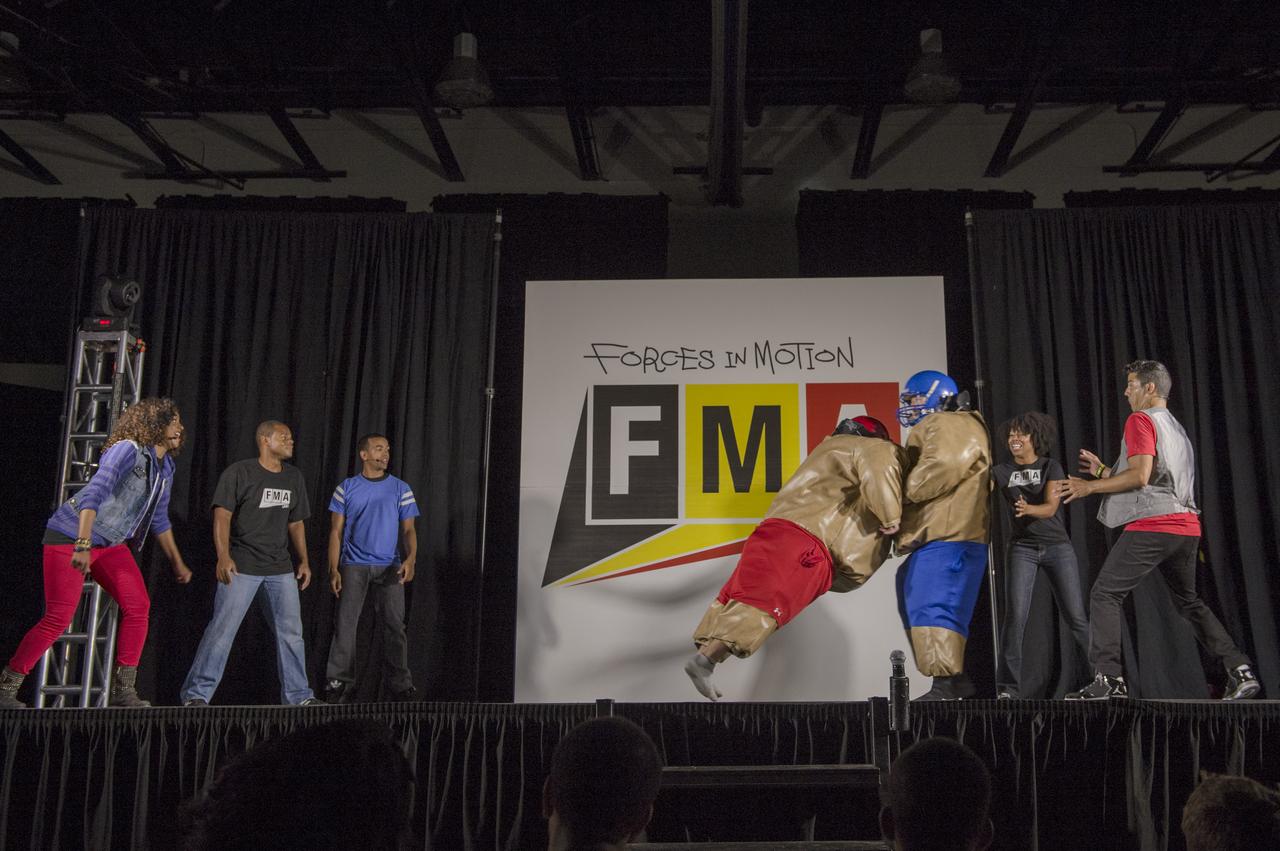
Two teachers at Hardy Middle School square off in foam suits as "FMA Live!" crew members explain Newton's third law of motion during a performance of "FMA Live!" at Hardy Middle School in Washington on Monday, Sept. 16th, 2013. "FMA Live!" is a program sponsored by NASA and Honeywell that teaches Newton's three laws of motion mixed with dance and music. The program travels across the country and has reached nearly 300,000 students.Photo Credit: (NASA/Jay Westcott)
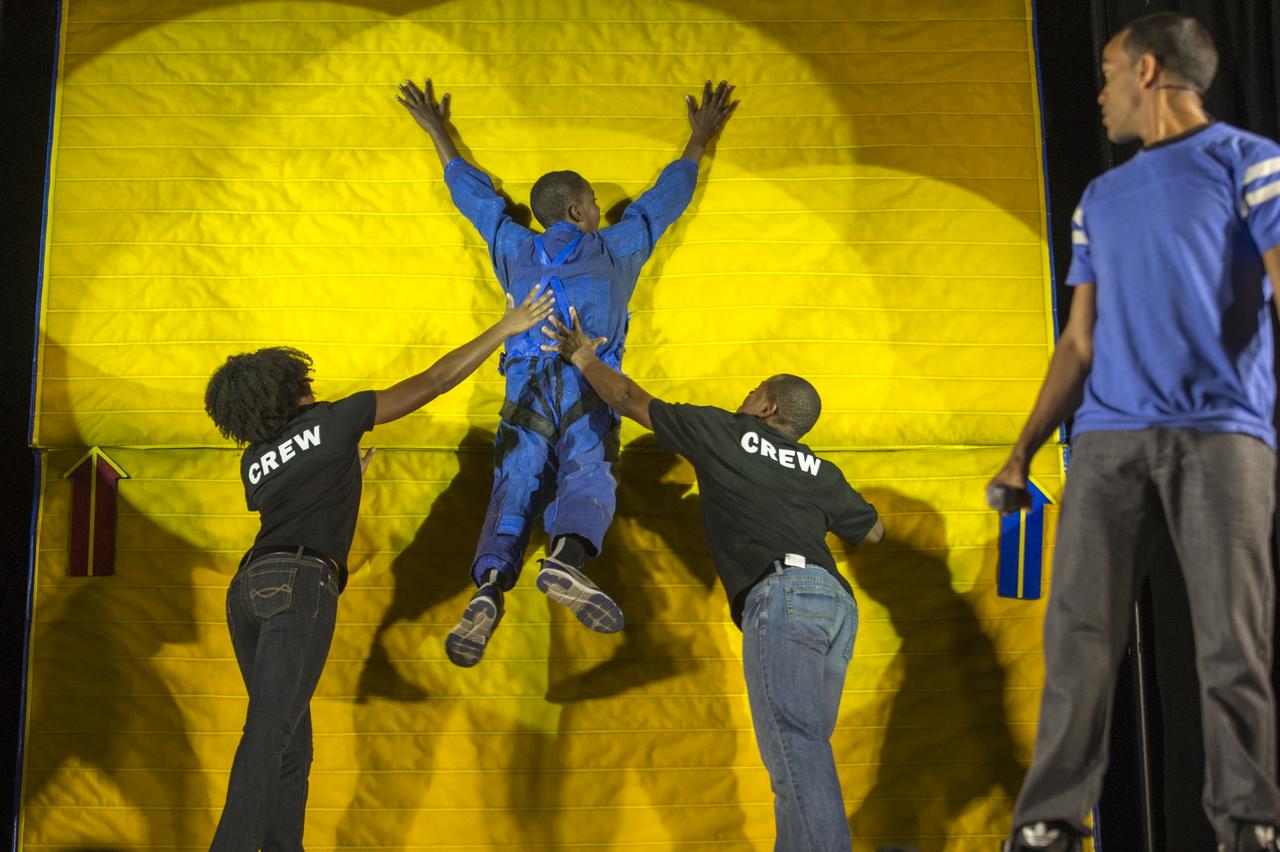
With the help of a student participant, "FMA Live!" crew members explain Newton's first law of motion during a performance of "FMA Live!" at Hardy Middle School in Washington on Monday, Sept. 16th, 2013. "FMA Live!" is a program sponsored by NASA and Honeywell that teaches Newton's three laws of motion mixed with dance and music. The program travels across the country and has reached nearly 300,000 students.Photo Credit: (NASA/Jay Westcott)
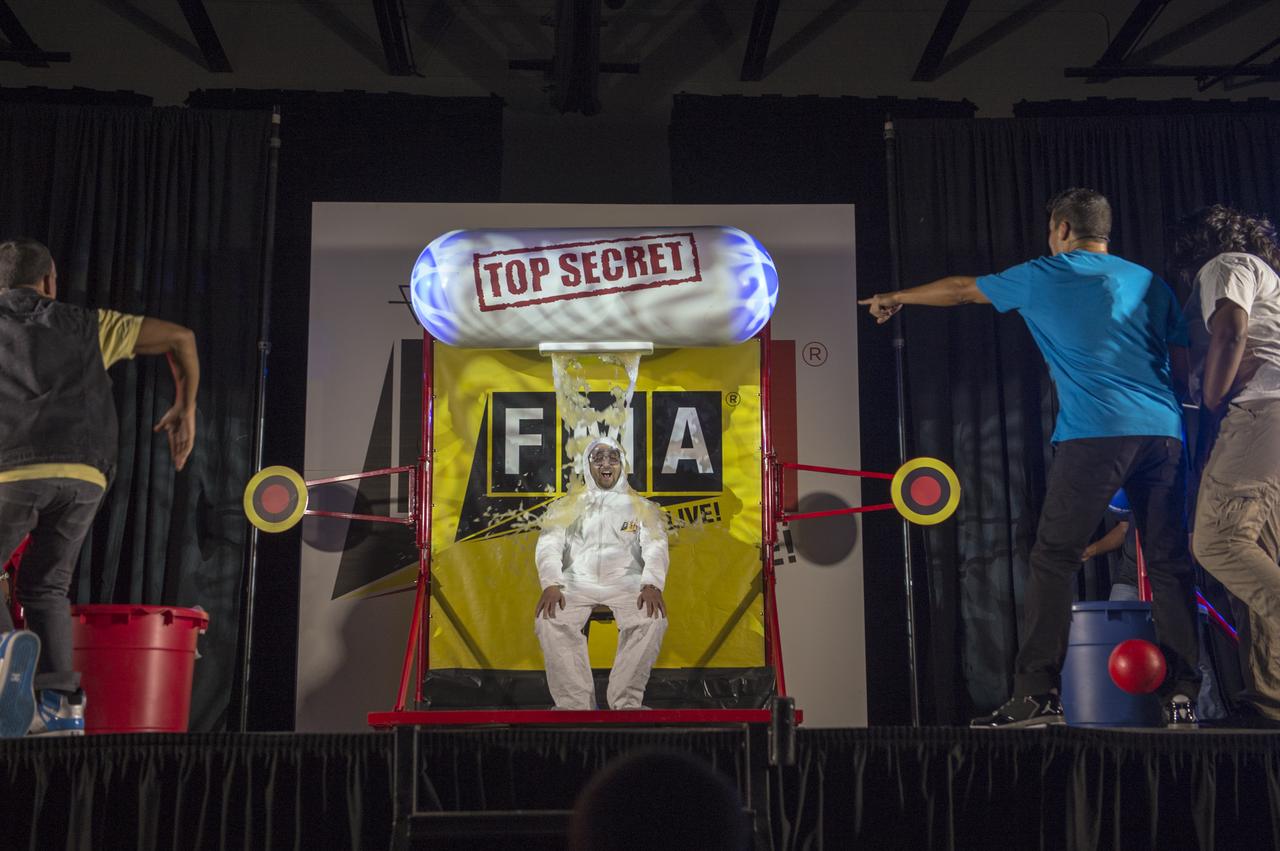
A teacher gets dunked with apple sauce during a performance of "FMA Live!" at Hardy Middle School in Washington on Monday, Sept. 16th, 2013. "FMA Live!" is a program sponsored by NASA and Honeywell that teaches Newton's three laws of motion mixed with dance and music. The program travels across the country and has reached nearly 300,000 students.Photo Credit: (NASA/Jay Westcott)
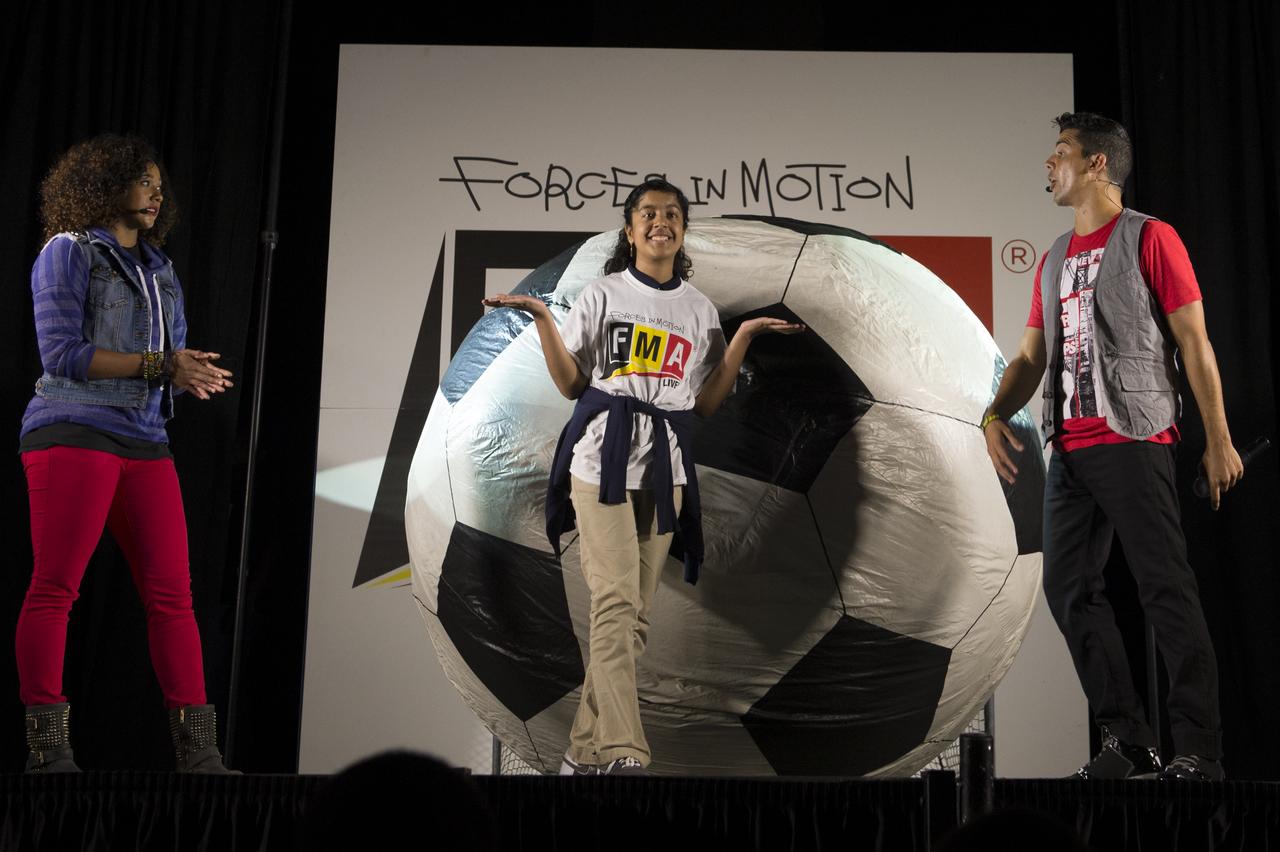
With the help of a student participant, "FMA Live!" crew members explain Newton's second law of motion during a performance of "FMA Live!" at Hardy Middle School in Washington on Monday, Sept. 16th, 2013. "FMA Live!" is a program sponsored by NASA and Honeywell that teaches Newton's three laws of motion mixed with dance and music. The program travels across the country and has reached nearly 300,000 students.Photo Credit: (NASA/Jay Westcott)

Performers dance and sing during a performance of "FMA Live!" at Hardy Middle School in Washington on Monday, Sept. 16th, 2013. "FMA Live!" is a program sponsored by NASA and Honeywell that teaches Newton's three laws of motion mixed with dance and music. The program travels across the country and has reached nearly 300,000 students.Photo Credit: (NASA/Jay Westcott)
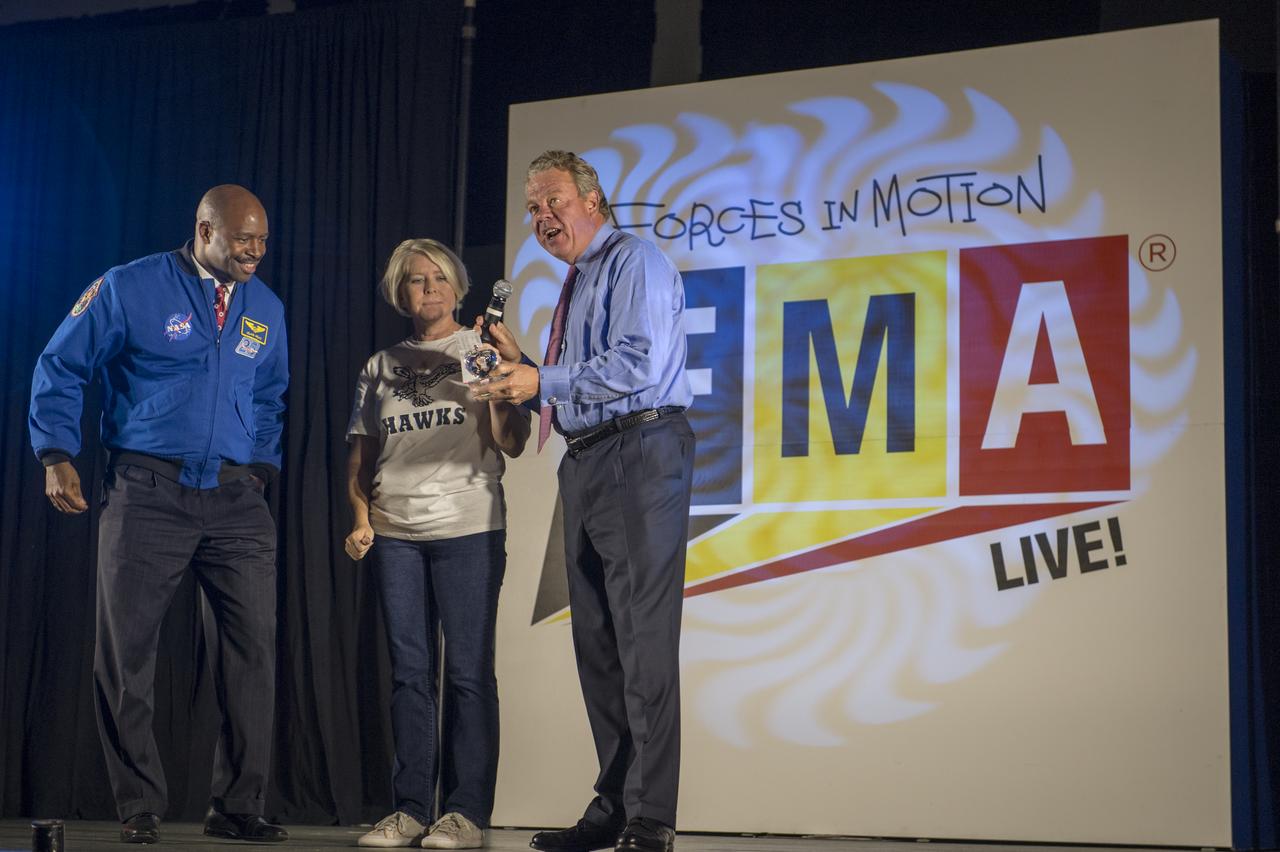
Leland Melvin, NASA Associate Administrator for Education and former 2x astronaut,Hardy Middle School Prinipal Patricia Pride, and Tom Buckmaster, President, Honeywell Hometown Solutions introduce "FMA Live!" at Hardy Middle School in Washington on Monday, Sept. 16th, 2013. "FMA Live!" is a program sponsored by NASA and Honeywell that teaches Newton's three laws of motion mixed with dance and music. The program travels across the country and has reached nearly 300,000 students.Photo Credit: (NASA/Jay Westcott)
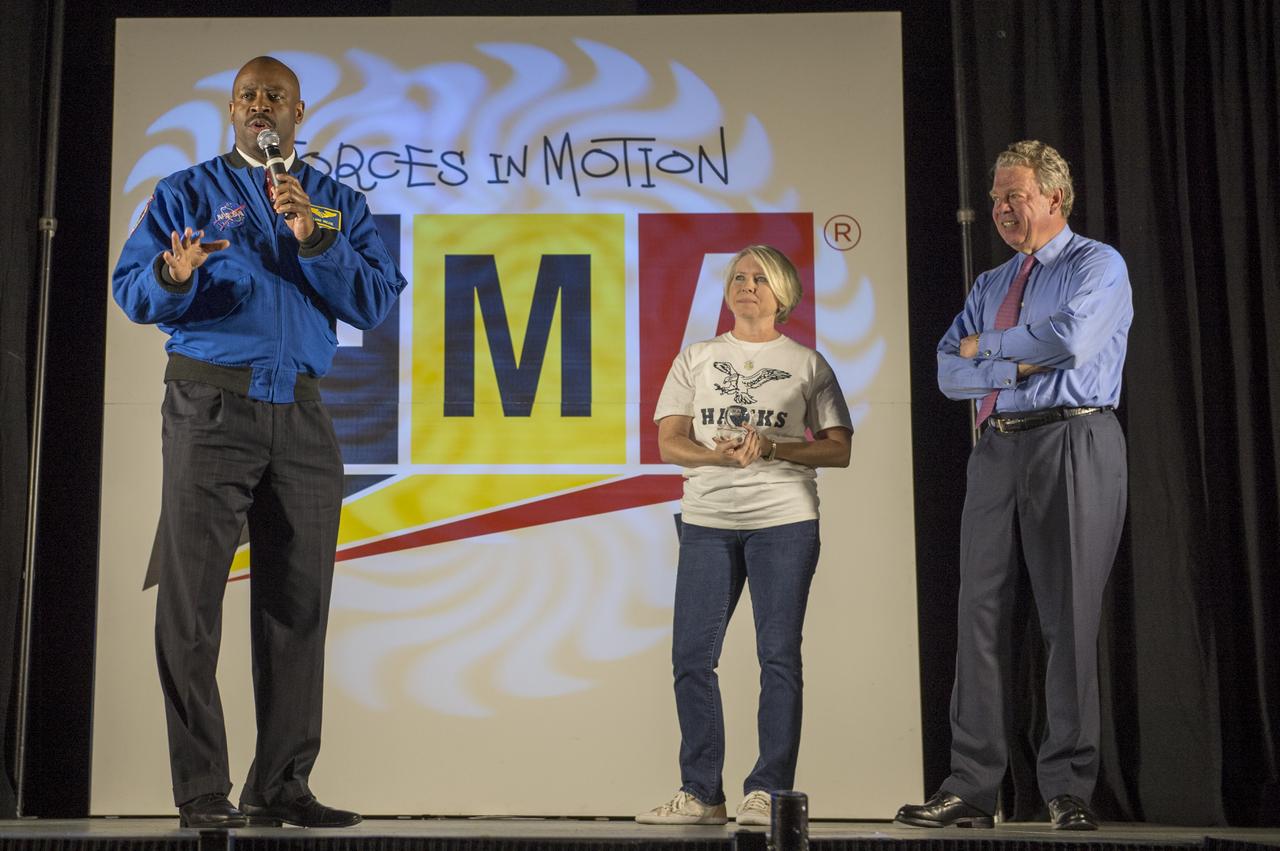
Leland Melvin, NASA Associate Administrator for Education and former 2x astronaut, Hardy Middle School Prinipal Patricia Pride, and Tom Buckmaster, President, Honeywell Hometown Solutions introduce "FMA Live!" at Hardy Middle School in Washington on Monday, Sept. 16th, 2013. "FMA Live!" is a program sponsored by NASA and Honeywell that teaches Newton's three laws of motion mixed with dance and music. The program travels across the country and has reached nearly 300,000 students.Photo Credit: (NASA/Jay Westcott)
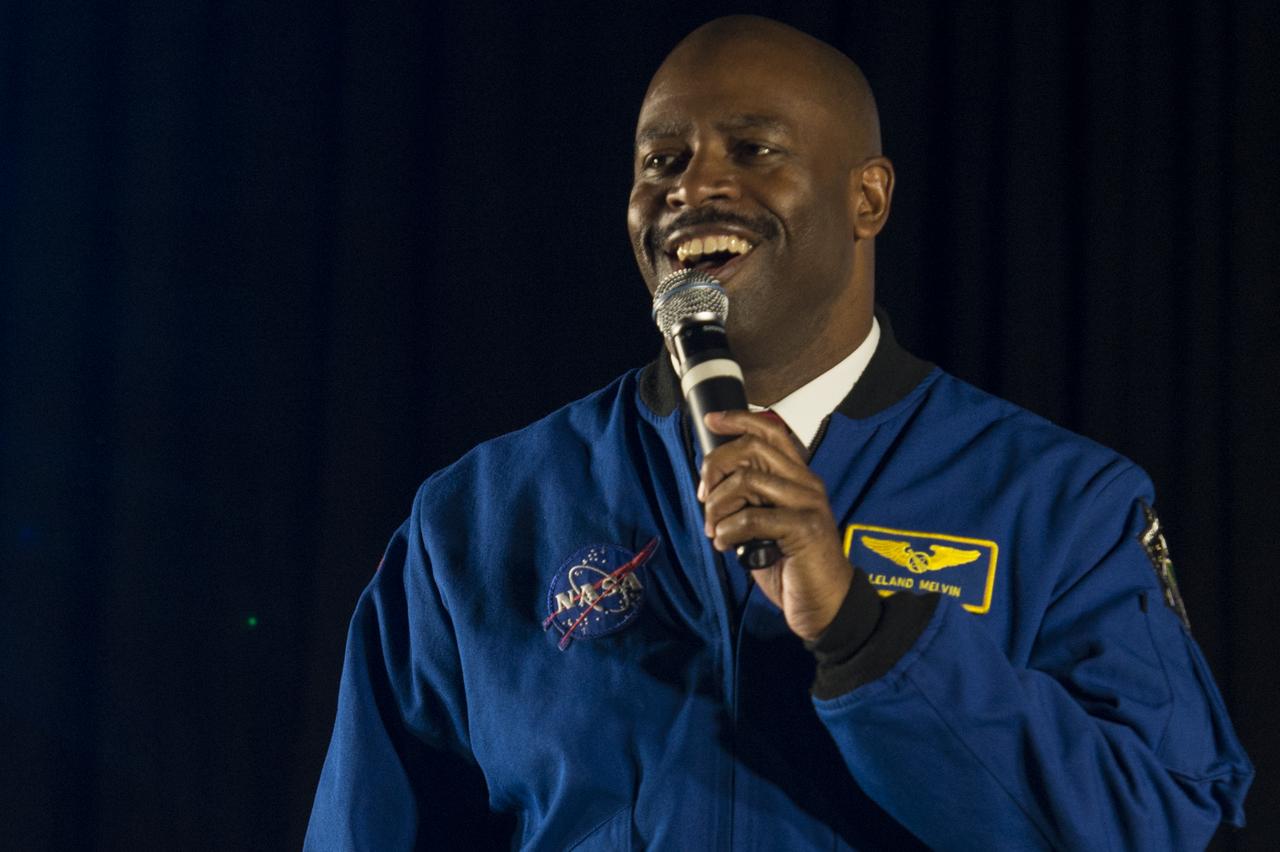
Leland Melvin, NASA Associate Administrator for Education and former 2x astronaut, addresses students before the start of "FMA Live!" at Hardy Middle School in Washington on Monday, Sept. 16th, 2013. "FMA Live!" is a program sponsored by NASA and Honeywell that teaches Newton's three laws of motion mixed with dance and music. The program travels across the country and has reached nearly 300,000 students.Photo Credit: (NASA/Jay Westcott)
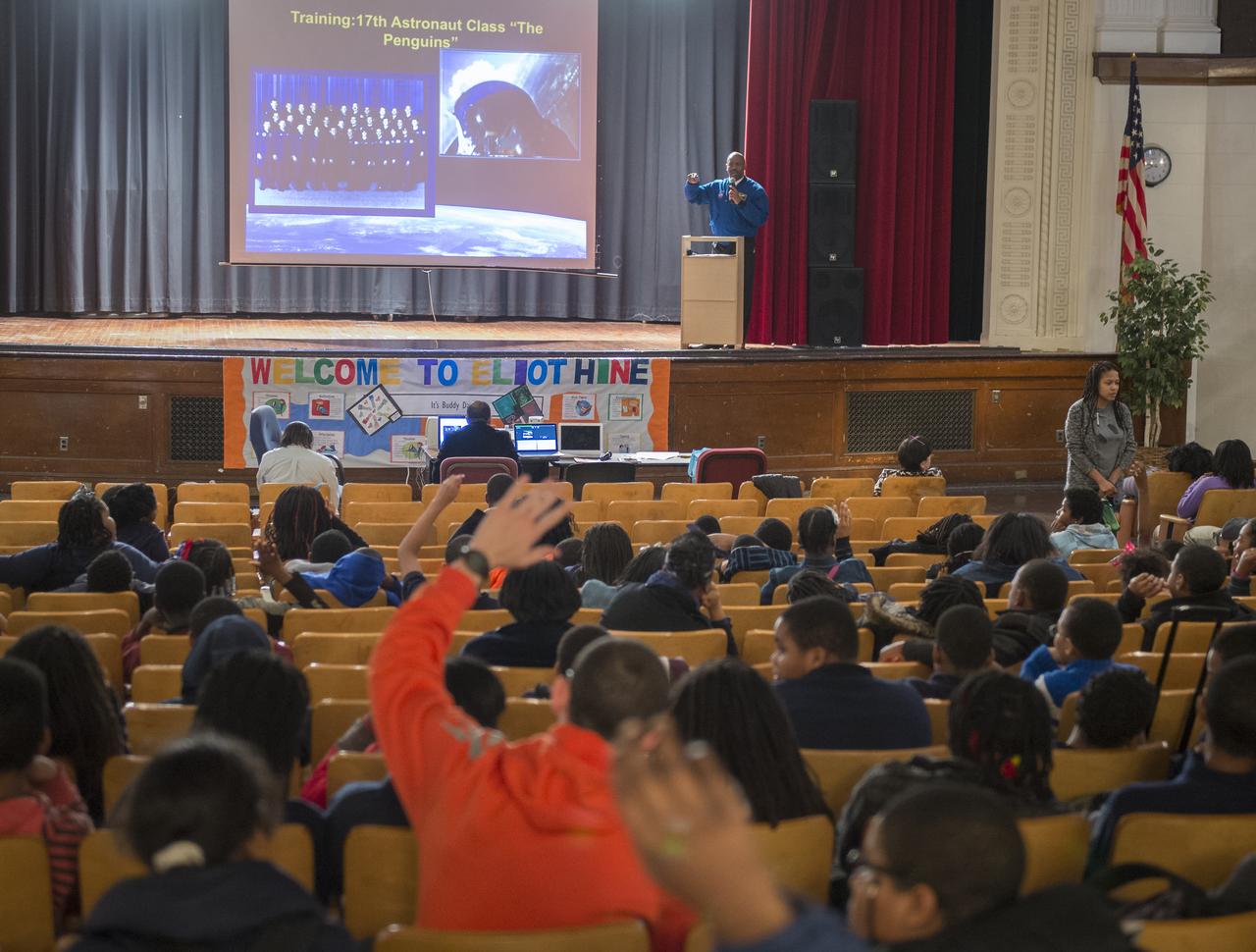
Leland Melvin (on stage), NASA Associate Administrator for Education and former astronaut, addresses an assembly at Eliot Hine Middle School in celebration of Black History Month on Friday, March 1, 2013 in Washington. Melvin spoke about his journey to become a NASA astronaut stressing education as key. Photo Credit: (NASA/Carla Cioffi)
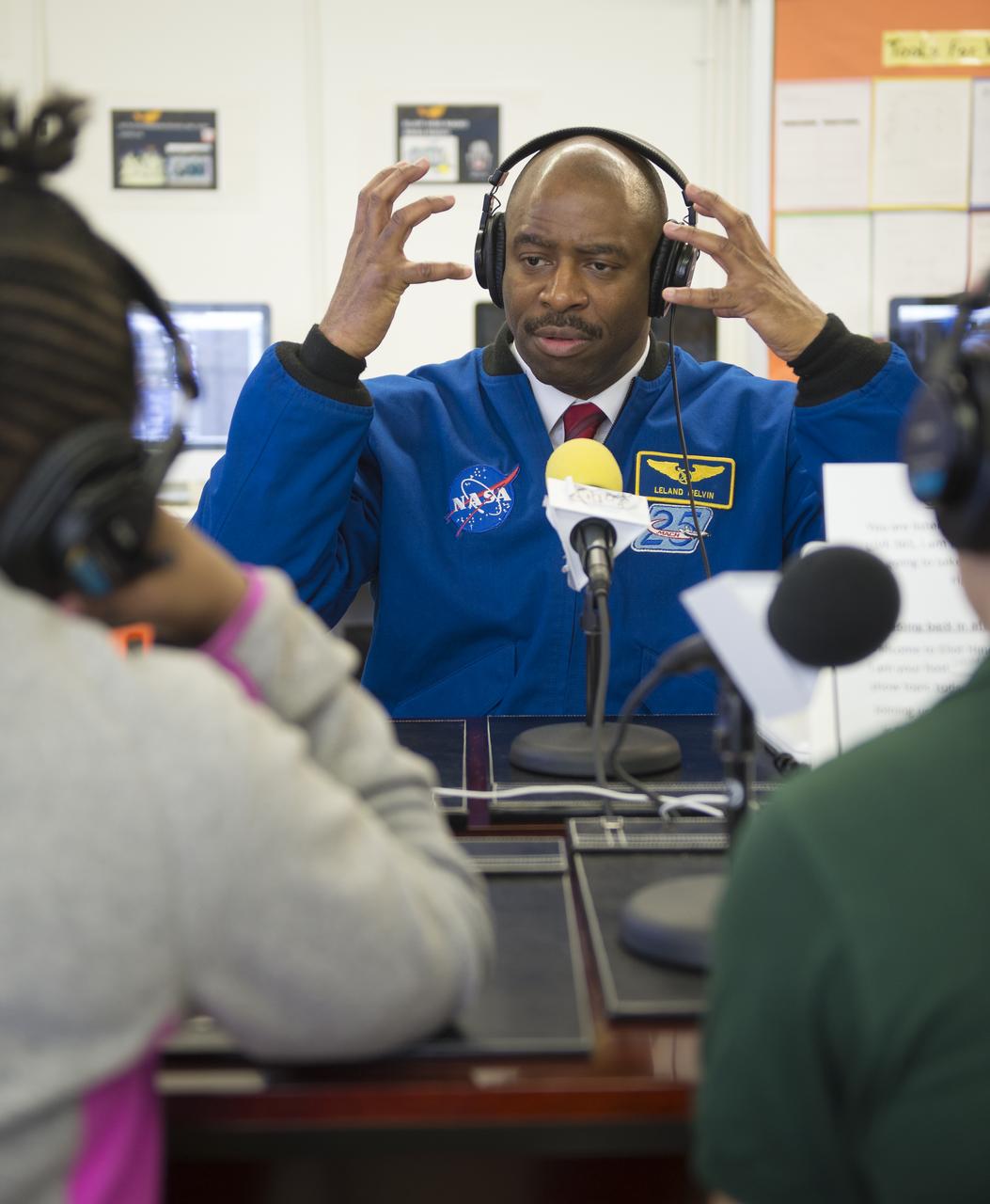
Leland Melvin, NASA Associate Administrator for Education and former astronaut, is interviewed by sixth grade students from the Broadcast Media Class at Eliot Hine Middle School on Friday, March 1, 2013 in Washington. The radio club program, Eliot Hine Radio, is broadcast live on the internet. Photo Credit: (NASA/Carla Cioffi)
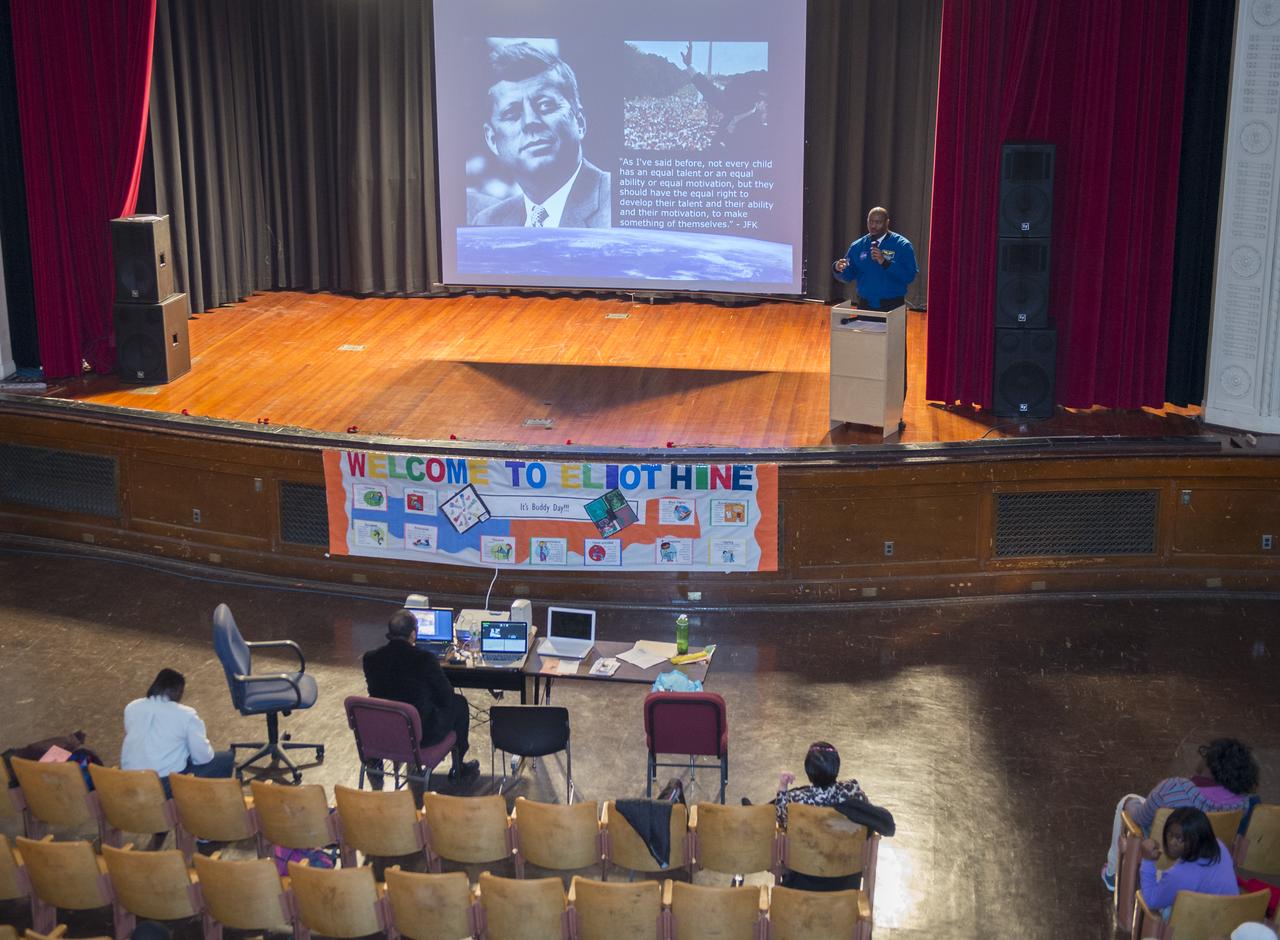
Leland Melvin (on stage), NASA Associate Administrator for Education and former astronaut, addresses an assembly at Eliot Hine Middle School in celebration of Black History Month on Friday, March 1, 2013 in Washington. Melvin spoke about his journey to become a NASA astronaut stressing education as key. Photo Credit: (NASA/Carla Cioffi)
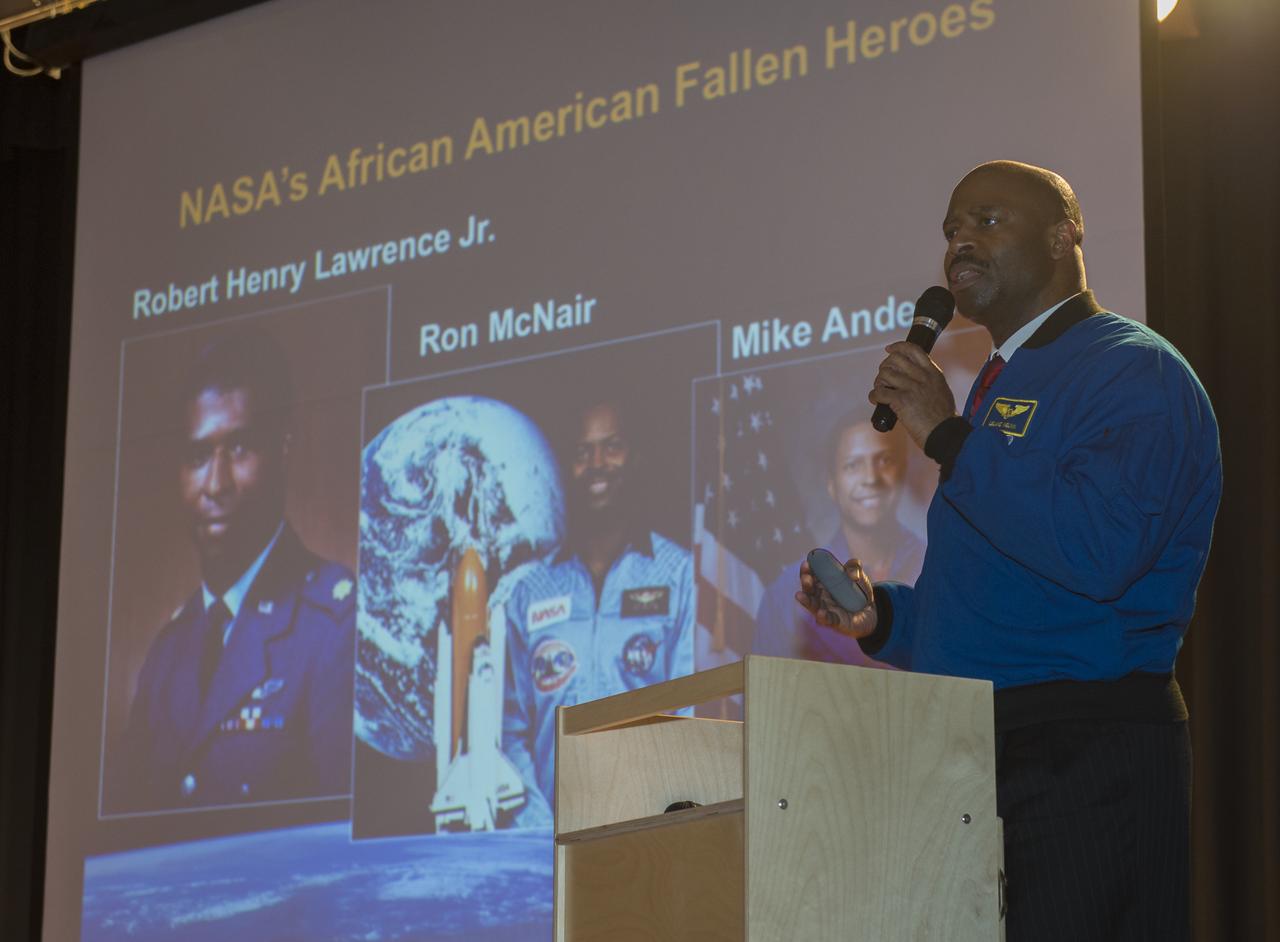
Leland Melvin, NASA Associate Administrator for Education and former astronaut, addresses an assembly at Eliot Hine Middle School in celebration of Black History Month on Friday, March 1, 2013 in Washington. Melvin spoke about his journey to become a NASA astronaut stressing education as key. Photo Credit: (NASA/Carla Cioffi)
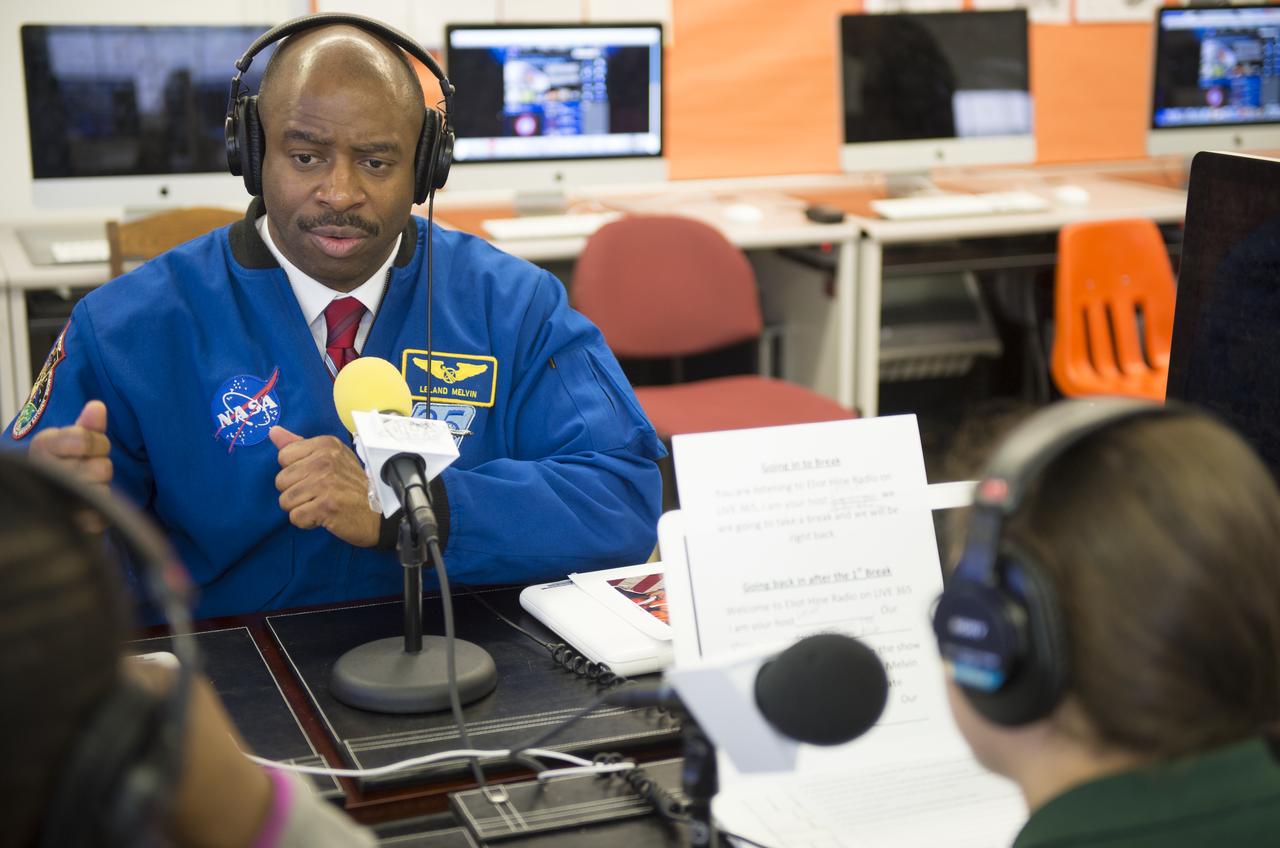
Leland Melvin, NASA Associate Administrator for Education and former astronaut, is interviewed by sixth grade students from the Broadcast Media Class at Eliot Hine Middle School on Friday, March 1, 2013 in Washington. The radio club program, Eliot Hine Radio, is broadcast live on the internet. Photo Credit: (NASA/Carla Cioffi)
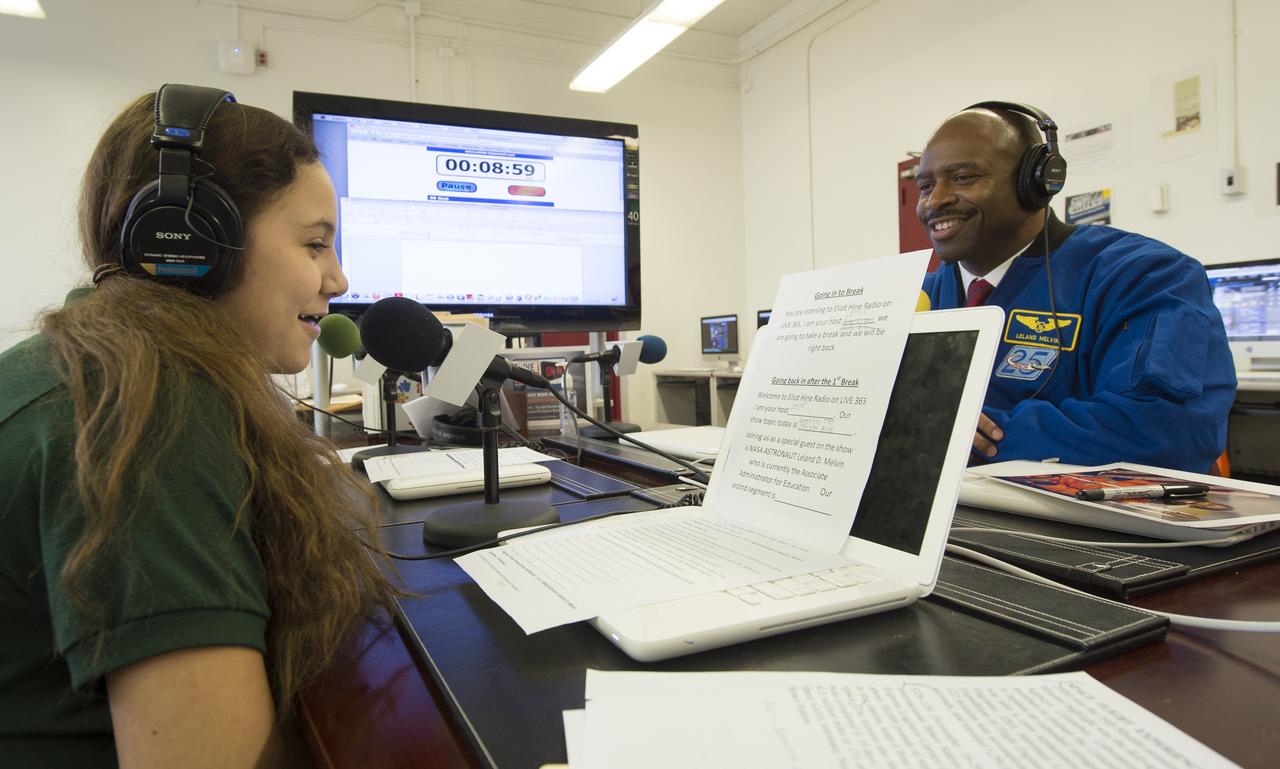
Leslie Auturo, left, interviews NASA Associate Administrator for Education for Eliot Hine Radio, a radio program at Eliot Hine Middle School, on Friday, March, 1, 2013 in Washington. Eliot Hine Radio is a production of the Broadcast Media Class. Photo Credit: (NASA/Carla Cioffi)
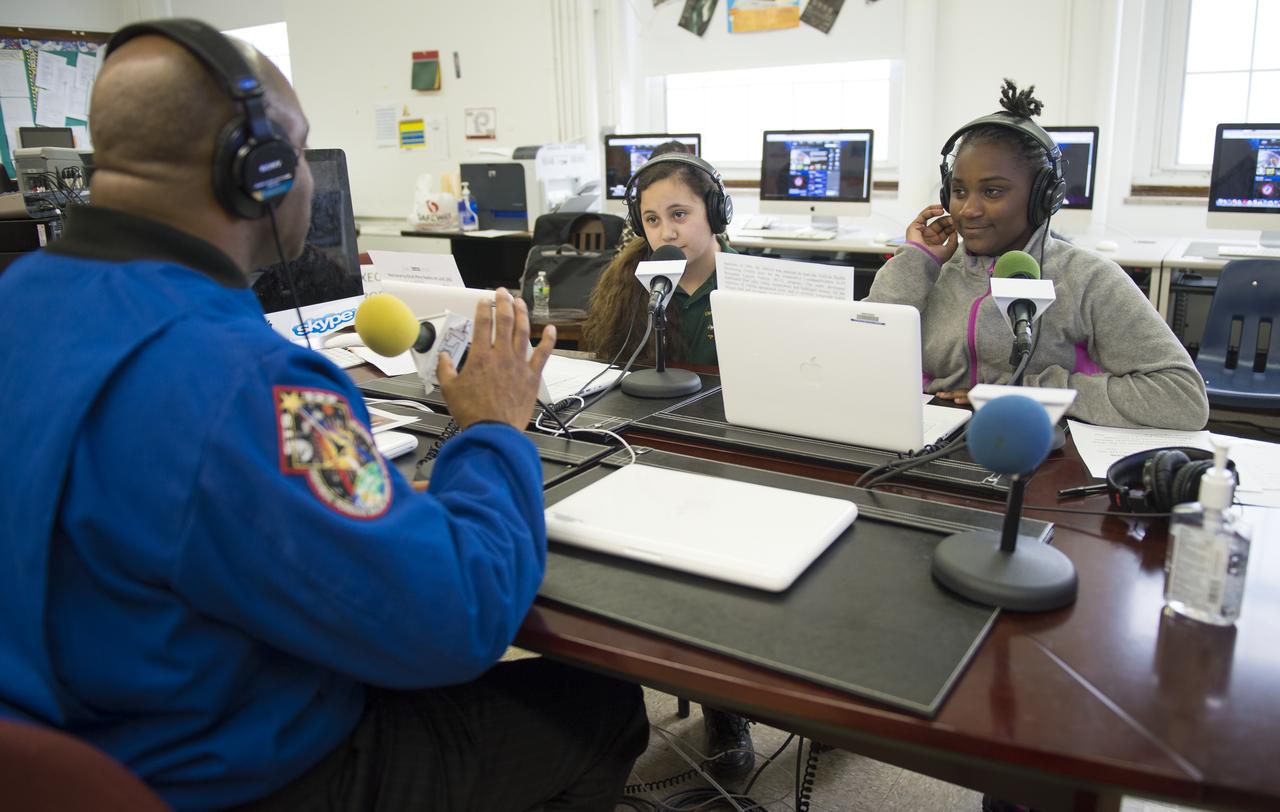
Tatyanna Liggins, far right, and Leslie Auturo, center, interview NASA Associate Administrator for Education for their radio program Eliot Hine Radio at Eliot Hine Middle School on Friday, March, 1, 2013 in Washington. Tatyanna and Leslie attend the Broadcast Media Class which produces Eliot Hine Radio. Photo Credit: (NASA/Carla Cioffi)
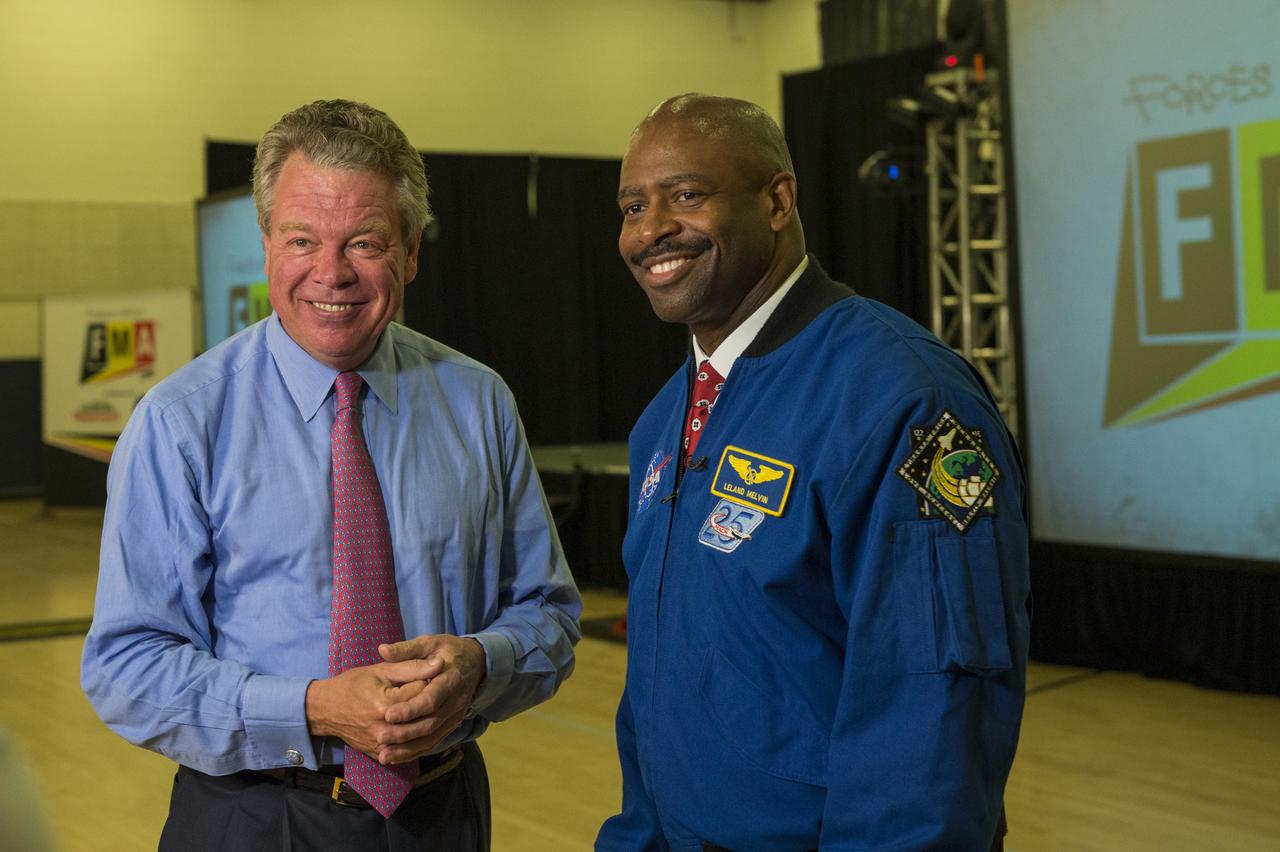
Tom Buckmaster, President, Honeywell Hometown Solutions and Leland Melvin, NASA Associate Administrator for Education and former 2x astronaut, are interviewed before the start of "FMA Live!" at Hardy Middle School in Washington on Monday, Sept. 16th, 2013. "FMA Live!" is a program sponsored by NASA and Honeywell that teaches Newton's three laws of motion mixed with dance and music. The program travels across the country and has reached nearly 300,000 students.Photo Credit: (NASA/Jay Westcott)
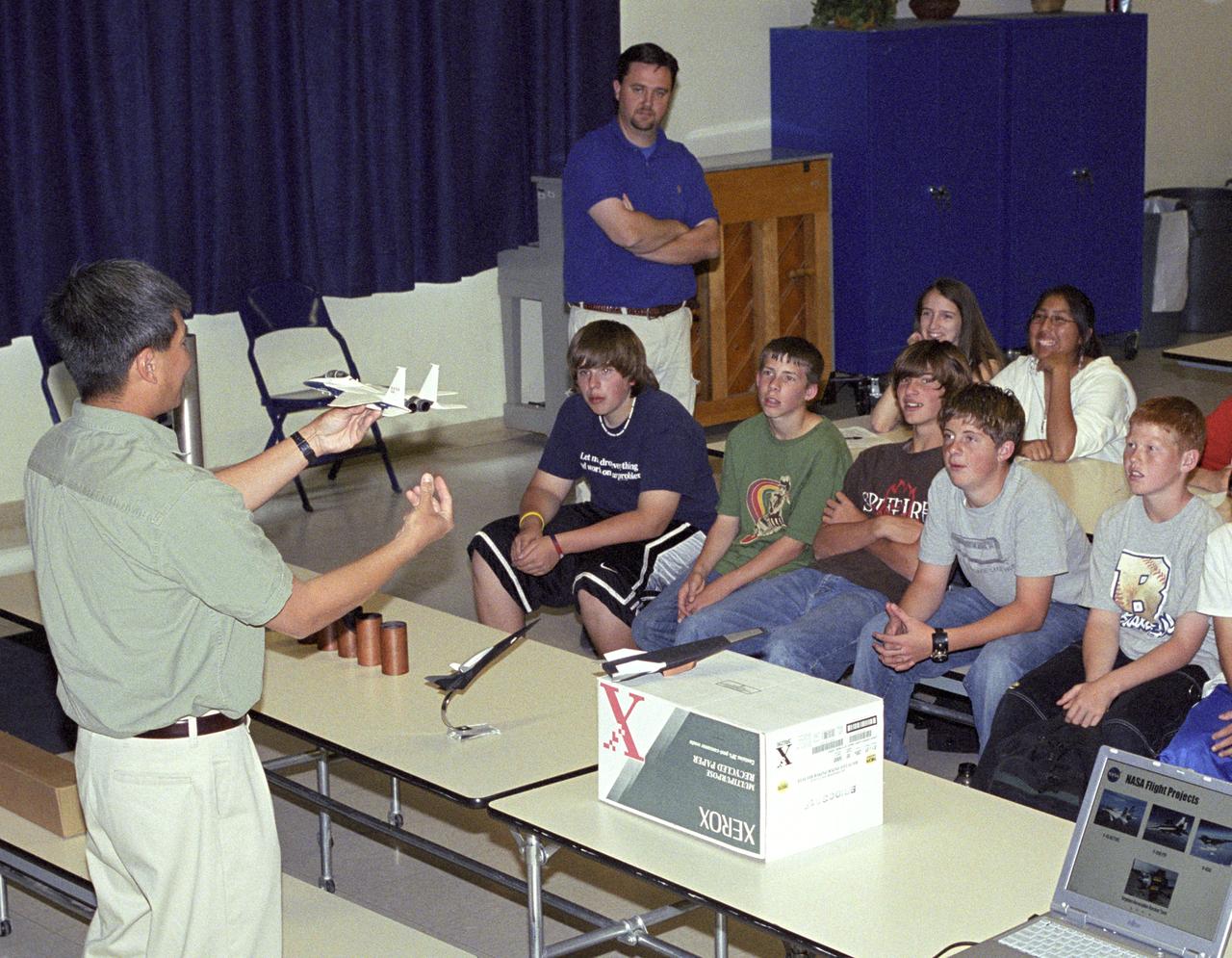
NASA Dryden aerospace engineer Trong Bui explains the dynamics of flight to a group of Edwards Middle School students during a recent Career Day presentation.
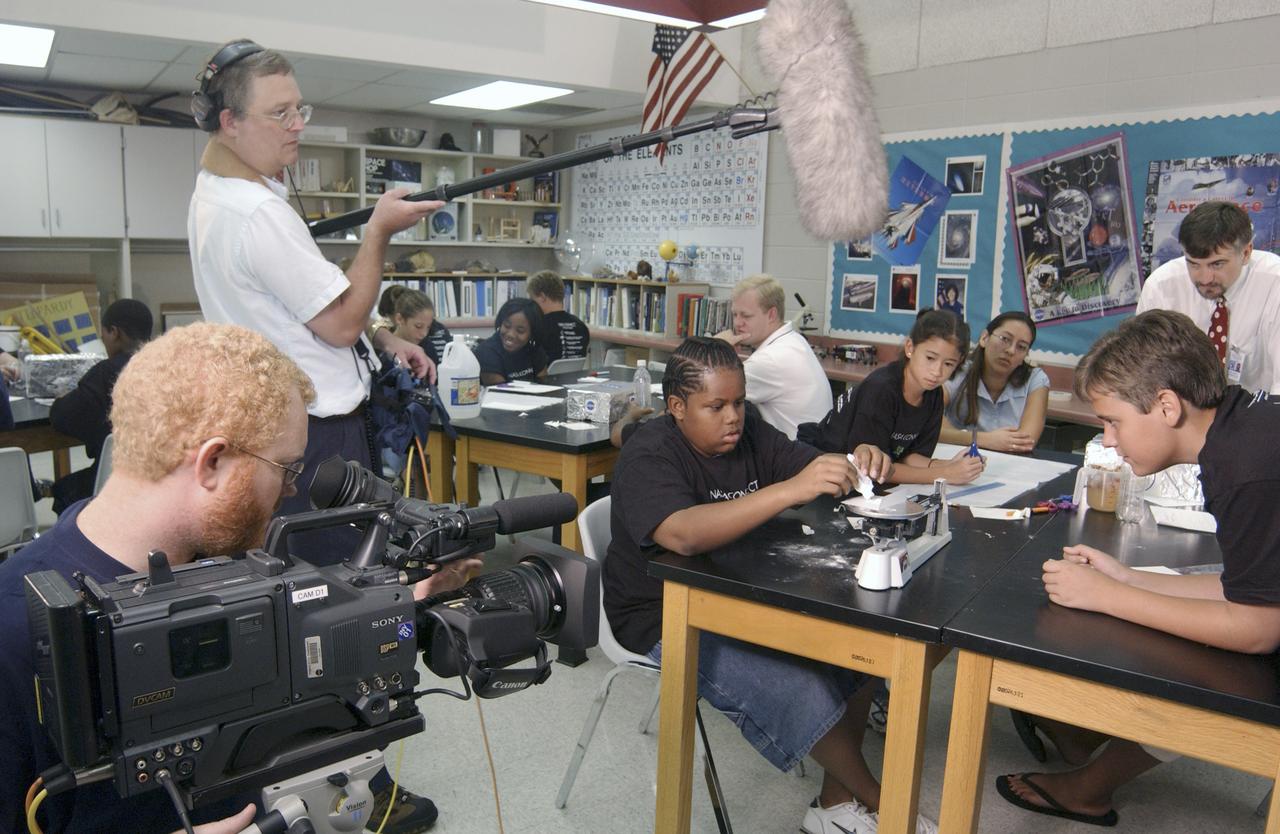
Students at Williams Technology Middle School in Huntsville were featured in a new segment of NASA CONNECT, a video series aimed to enhance the teaching of math, science, and technology to middle school students. The segment premiered nationwide May 15, 2003, and helped viewers understand Sir Isaac Newton's first, second, and third laws of gravity and how they relate to NASA's efforts in developing the next generation of space transportation.
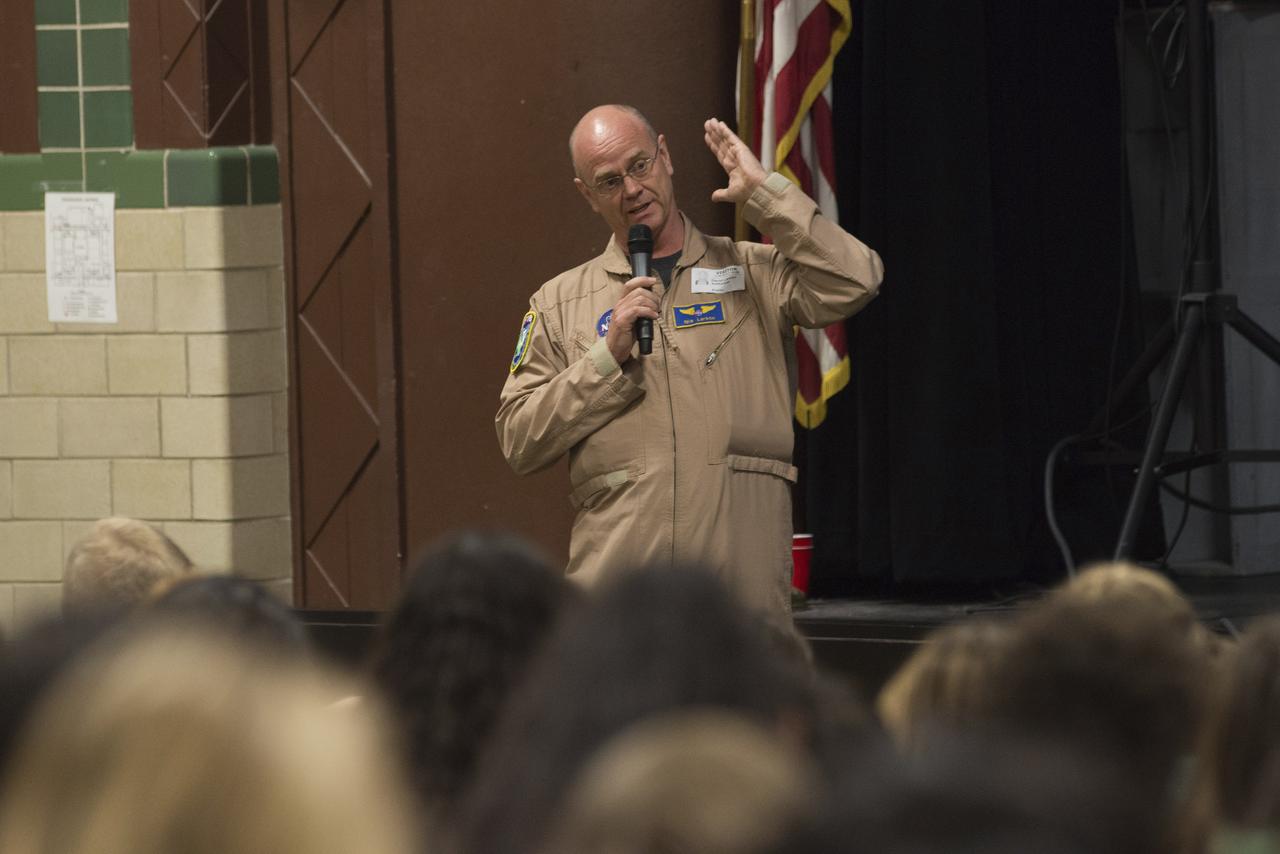
NASA Armstrong Chief Pilot Nils Larson presents NASA’s aeronautics research to students from Austin Middle School in Galveston, Texas during the QSF18 flight series.
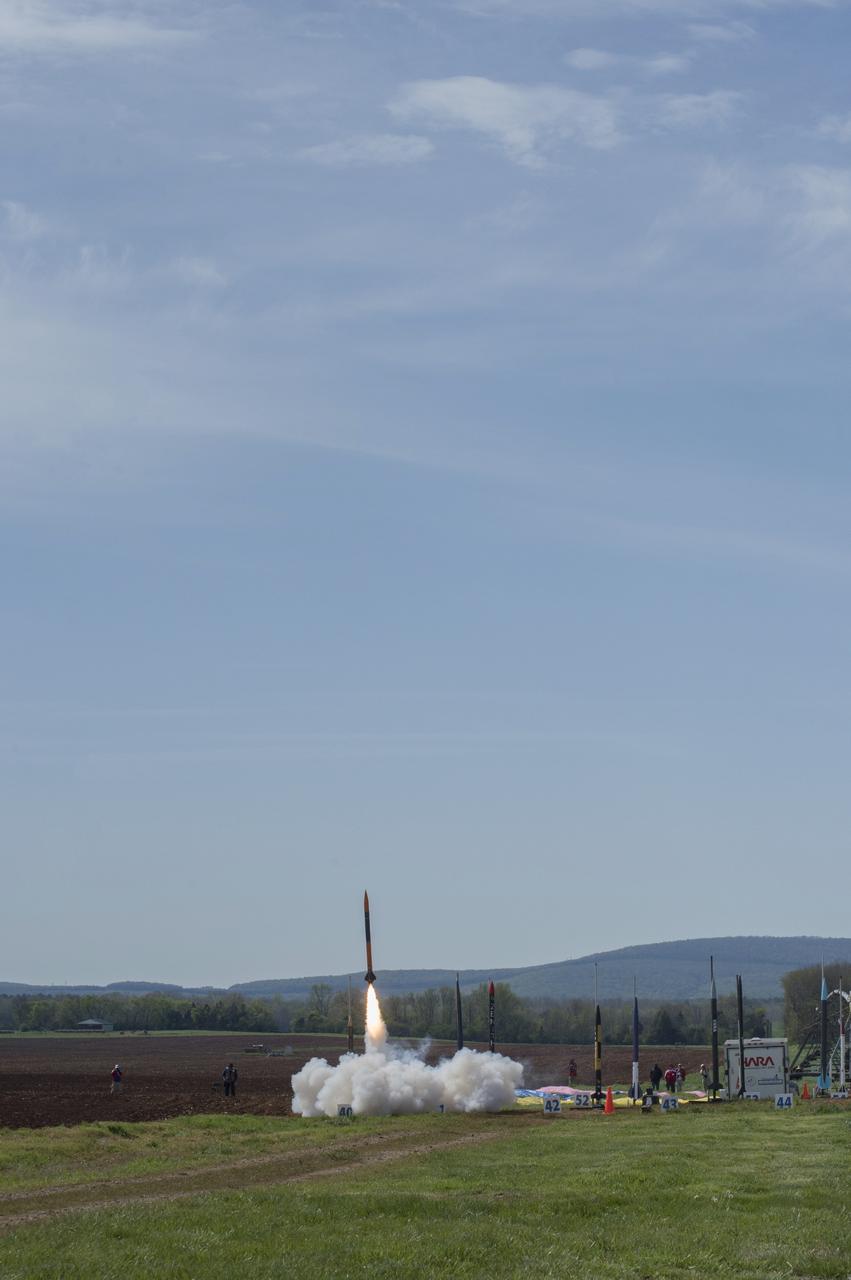
After eight months of designing, building and testing, the middle school, high school and college and university teams launched their rockets as part of NASA Student Launch on Sunday, April 8. The rockets and their payloads are designed to fly to 1-mile in altitude before deploying recovery systems that brings them safely to the ground.
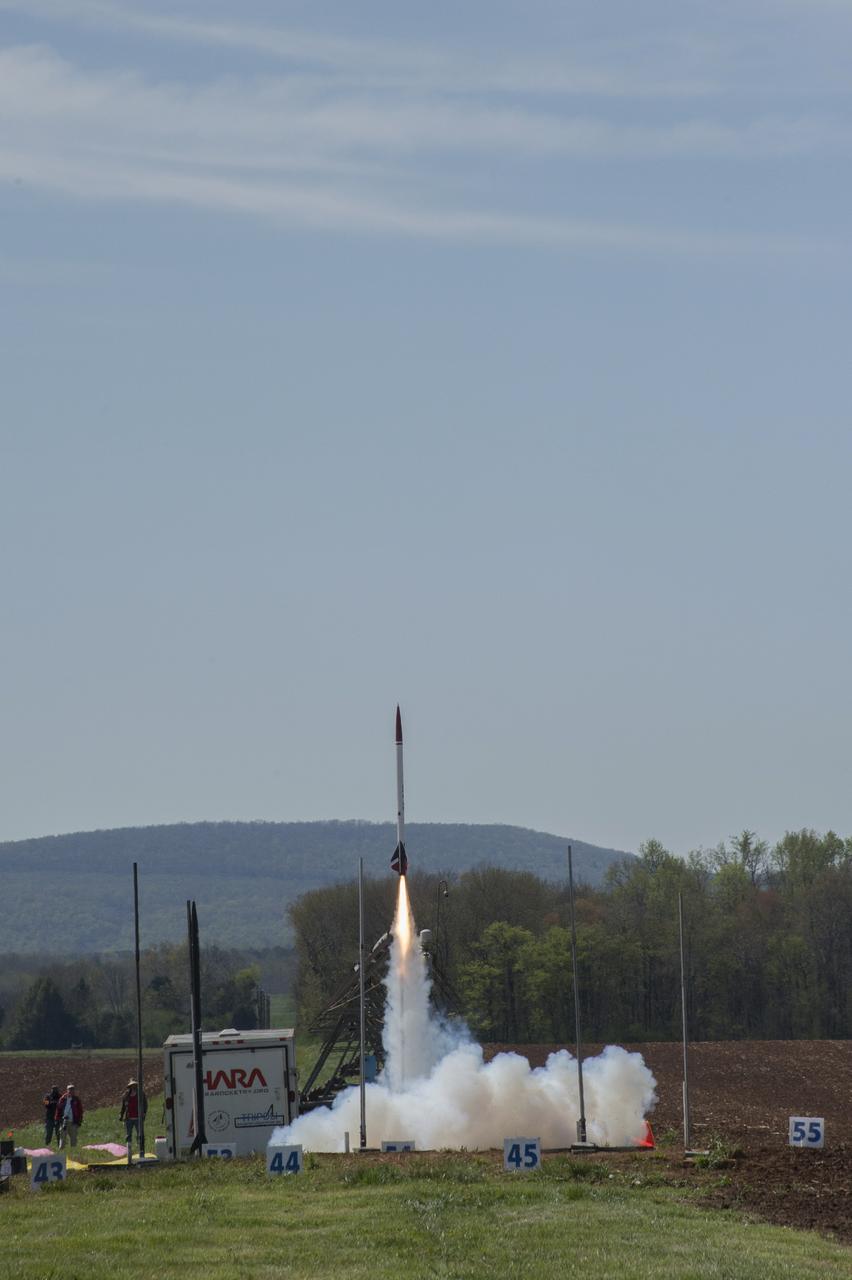
After eight months of designing, building and testing, the middle school, high school and college and university teams launched their rockets as part of NASA Student Launch on Sunday, April 8. The rockets and their payloads are designed to fly to 1-mile in altitude before deploying recovery systems that brings them safely to the ground.
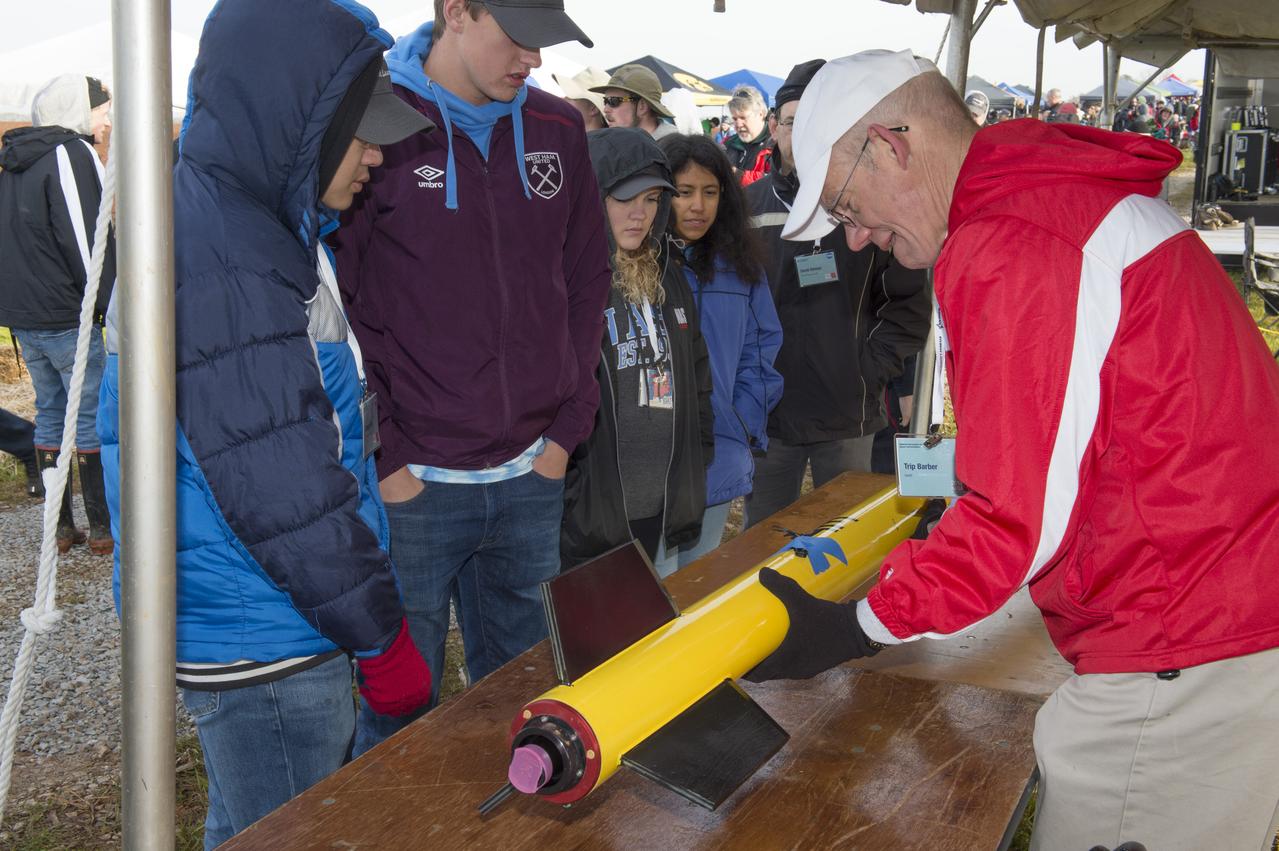
After eight months of designing, building and testing, the middle school, high school and college and university teams launched their rockets as part of NASA Student Launch on Sunday, April 8. The rockets and their payloads are designed to fly to 1-mile in altitude before deploying recovery systems that brings them safely to the ground.
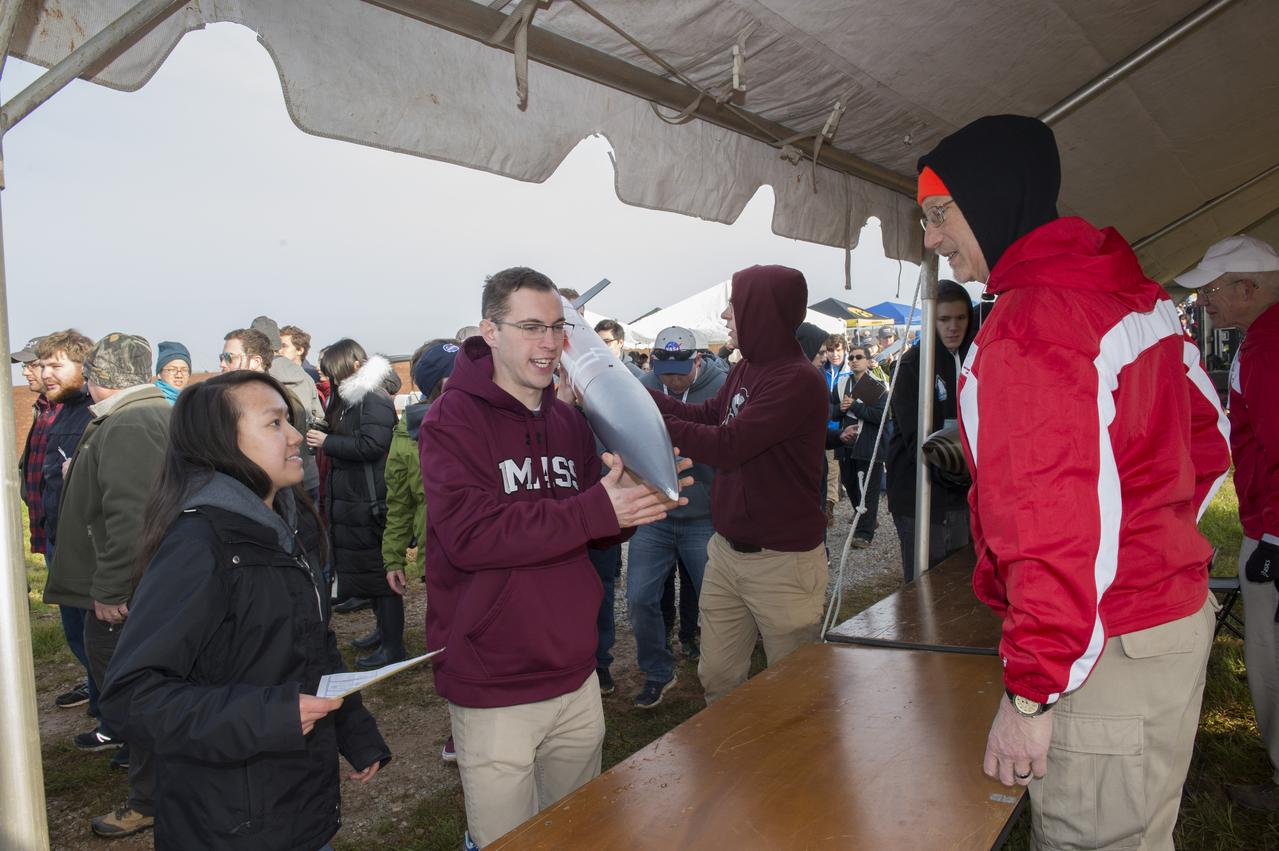
After eight months of designing, building and testing, the middle school, high school and college and university teams launched their rockets as part of NASA Student Launch on Sunday, April 8. The rockets and their payloads are designed to fly to 1-mile in altitude before deploying recovery systems that brings them safely to the ground.
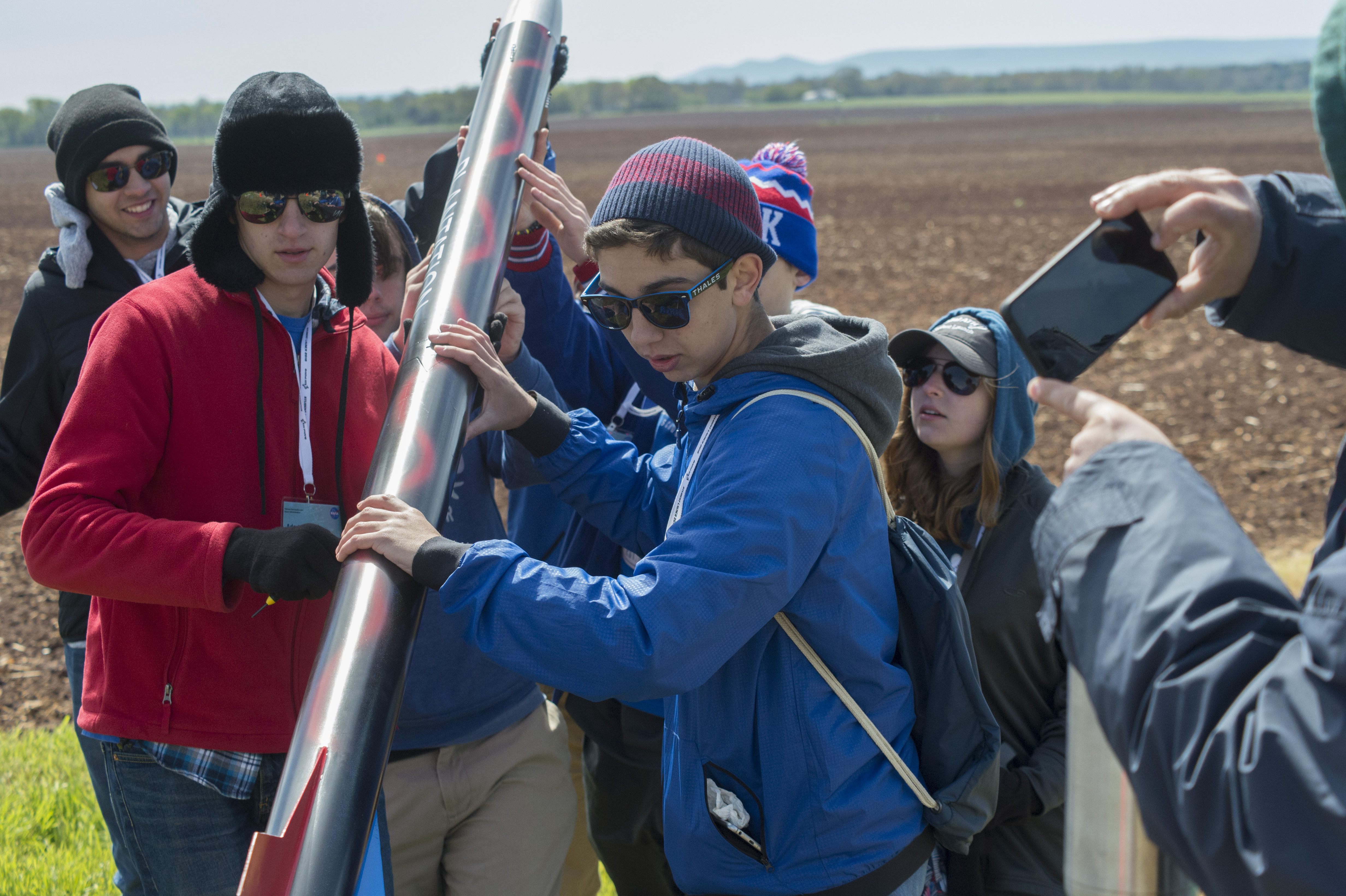
After eight months of designing, building and testing, the middle school, high school and college and university teams launched their rockets as part of NASA Student Launch on Sunday, April 8. The rockets and their payloads are designed to fly to 1-mile in altitude before deploying recovery systems that brings them safely to the ground.
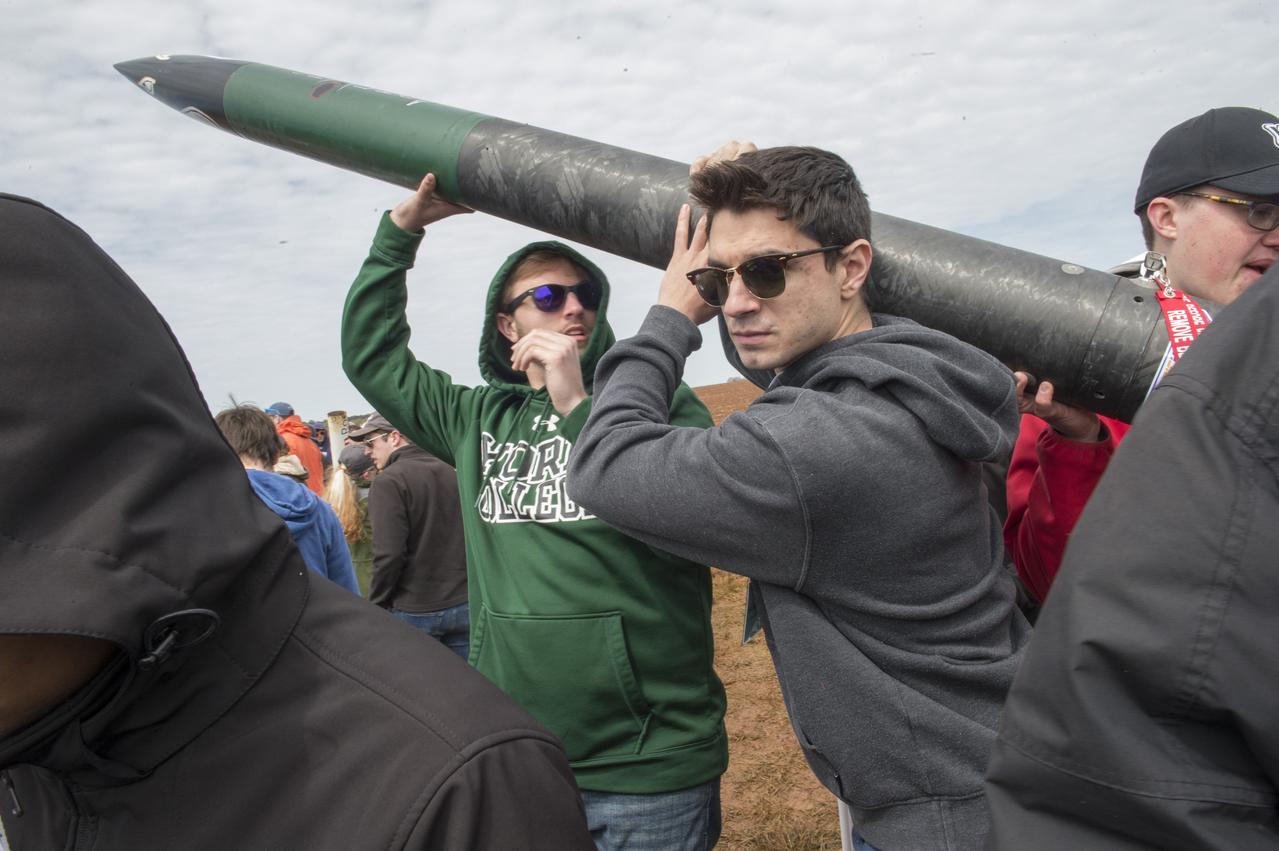
After eight months of designing, building and testing, the middle school, high school and college and university teams launched their rockets as part of NASA Student Launch on Sunday, April 8. The rockets and their payloads are designed to fly to 1-mile in altitude before deploying recovery systems that brings them safely to the ground.
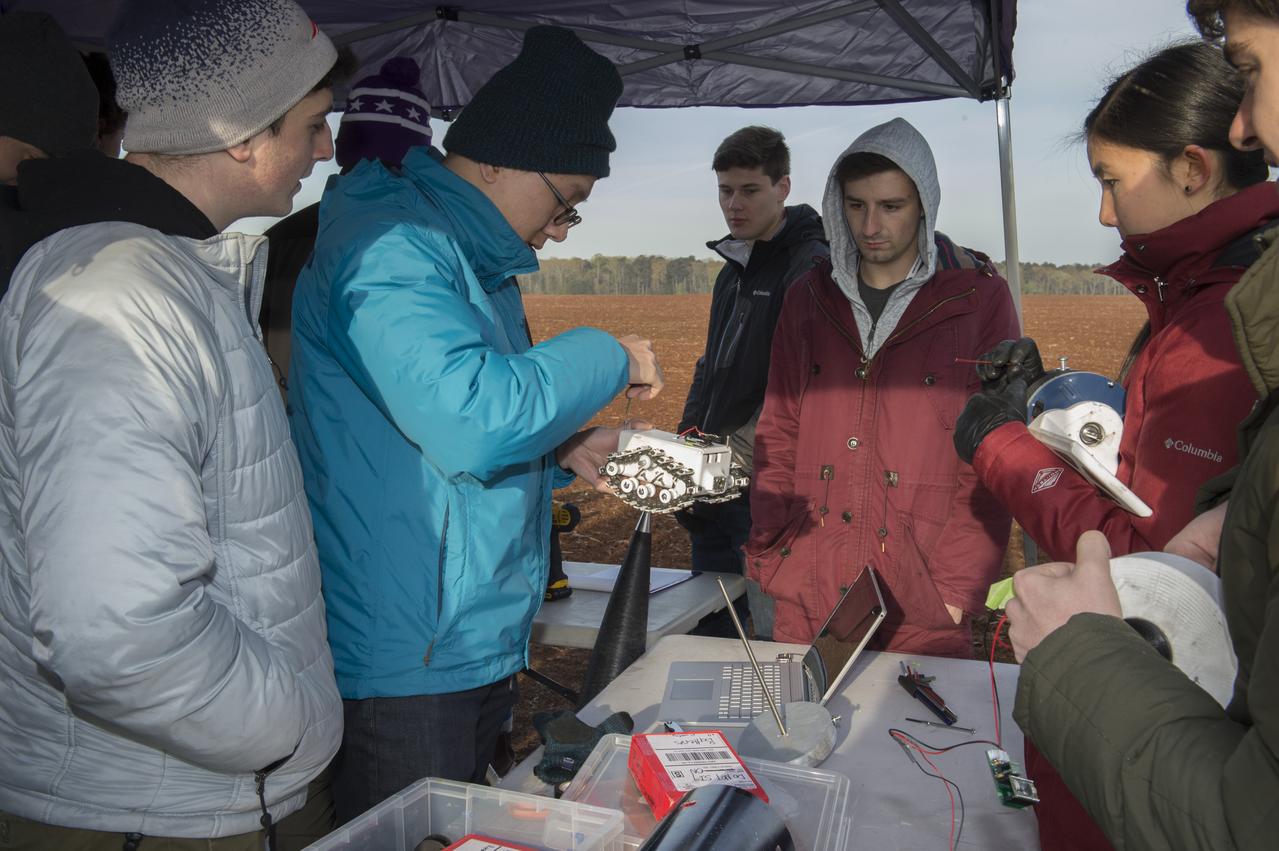
After eight months of designing, building and testing, the middle school, high school and college and university teams launched their rockets as part of NASA Student Launch on Sunday, April 8. The rockets and their payloads are designed to fly to 1-mile in altitude before deploying recovery systems that brings them safely to the ground.
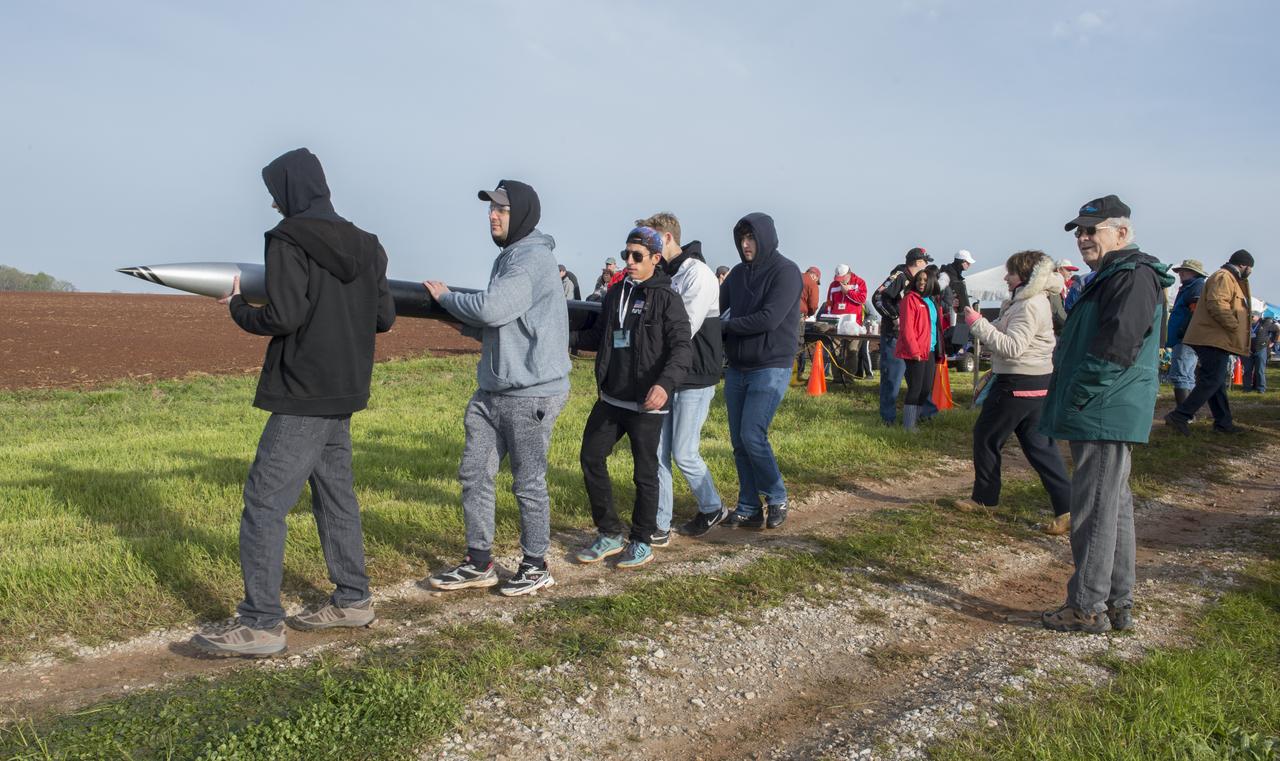
After eight months of designing, building and testing, the middle school, high school and college and university teams launched their rockets as part of NASA Student Launch on Sunday, April 8. The rockets and their payloads are designed to fly to 1-mile in altitude before deploying recovery systems that brings them safely to the ground.
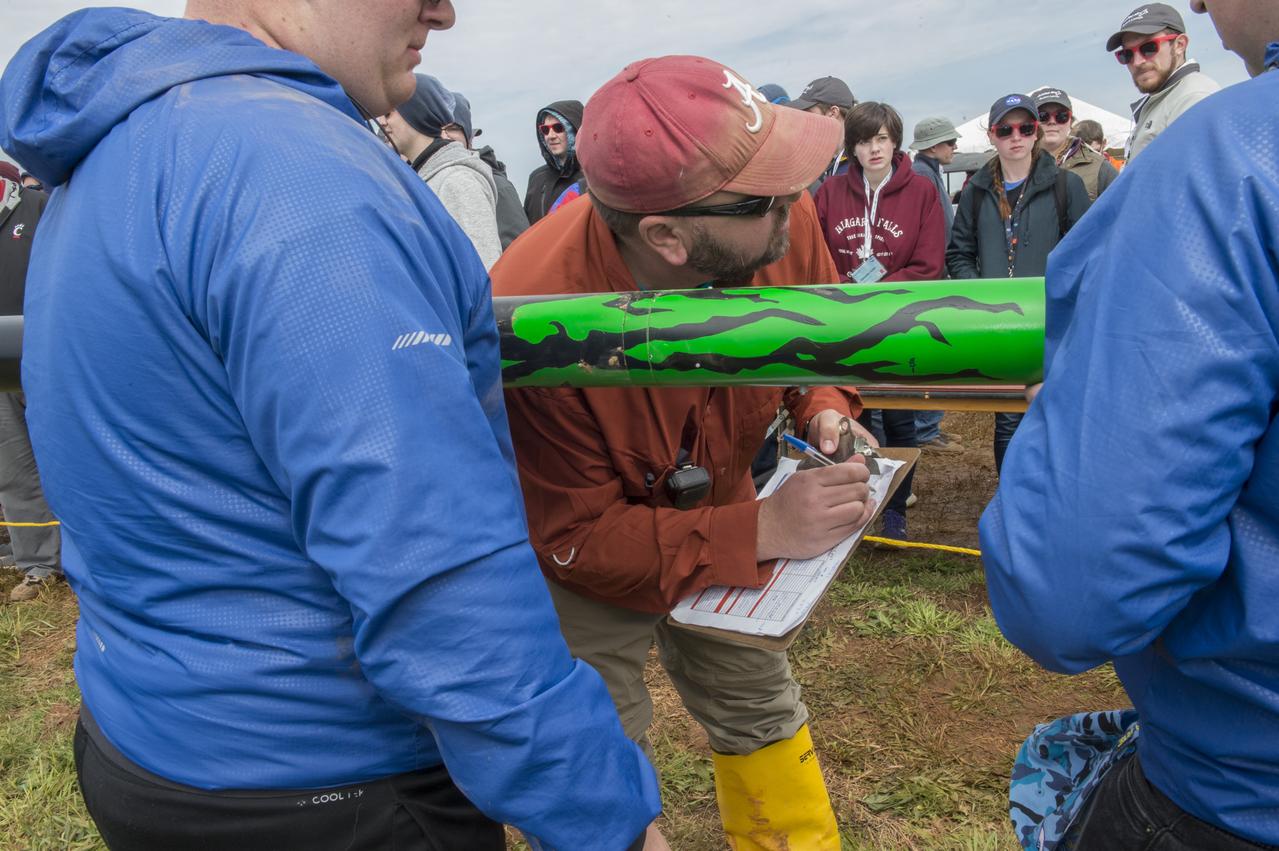
After eight months of designing, building and testing, the middle school, high school and college and university teams launched their rockets as part of NASA Student Launch on Sunday, April 8. The rockets and their payloads are designed to fly to 1-mile in altitude before deploying recovery systems that brings them safely to the ground.
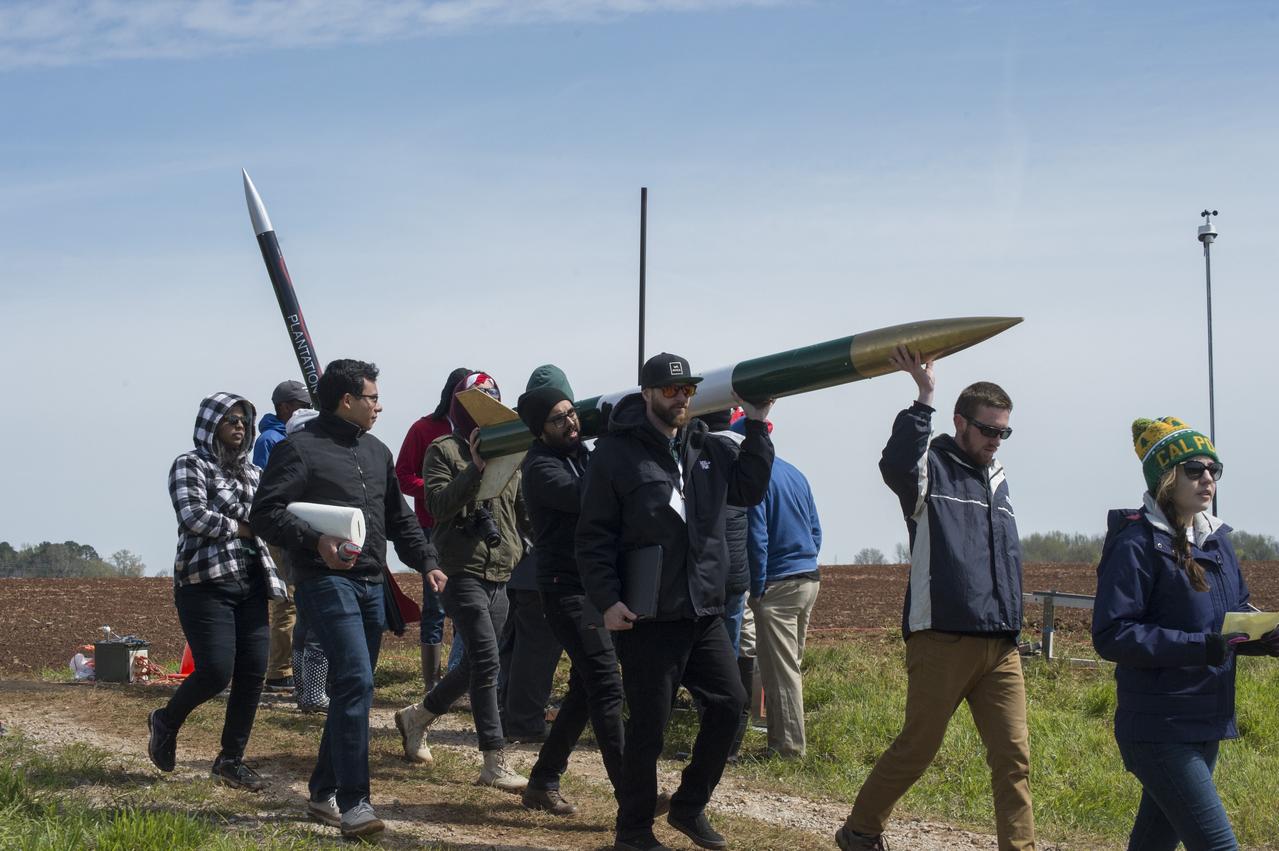
After eight months of designing, building and testing, the middle school, high school and college and university teams launched their rockets as part of NASA Student Launch on Sunday, April 8. The rockets and their payloads are designed to fly to 1-mile in altitude before deploying recovery systems that brings them safely to the ground.
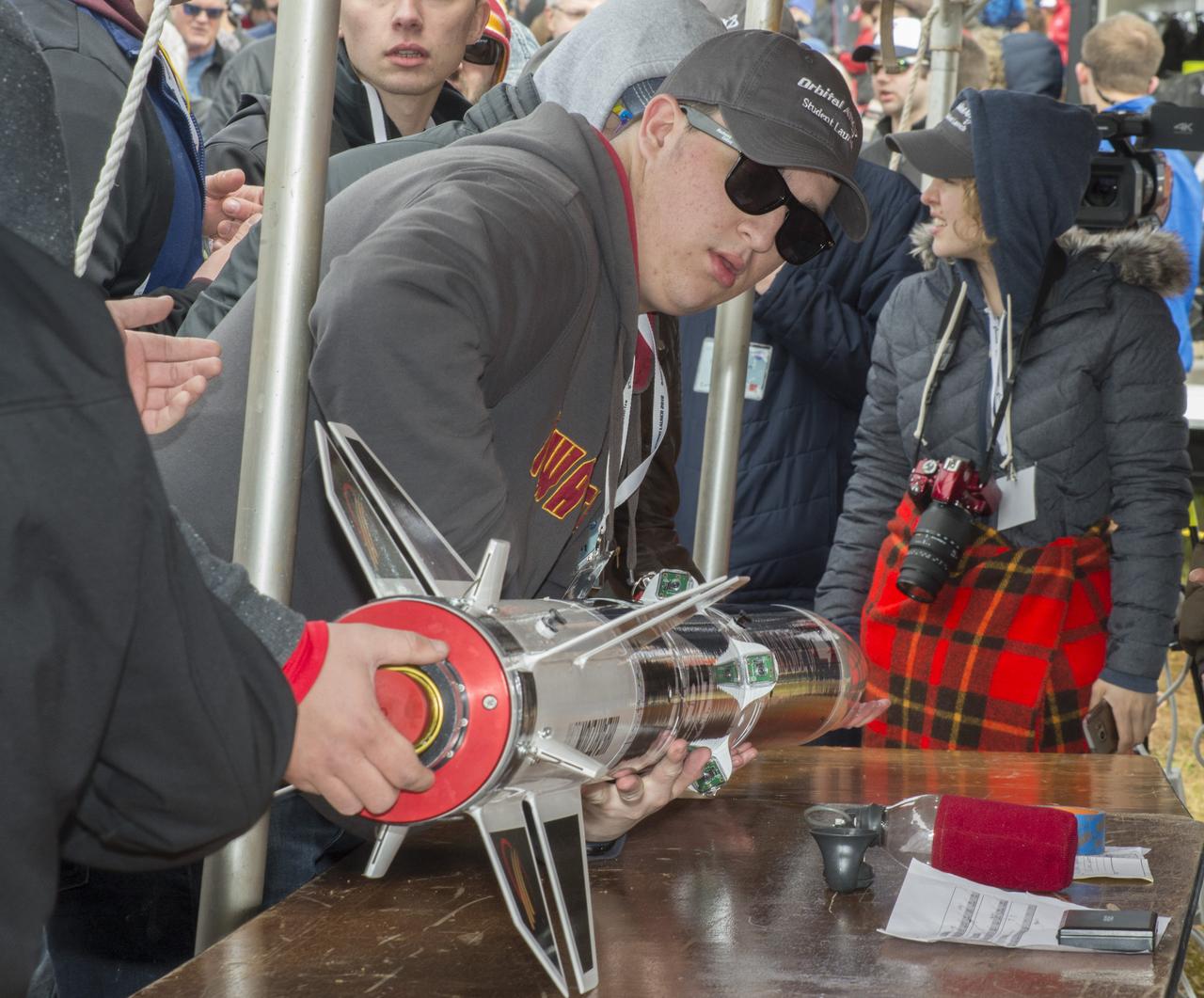
After eight months of designing, building and testing, the middle school, high school and college and university teams launched their rockets as part of NASA Student Launch on Sunday, April 8. The rockets and their payloads are designed to fly to 1-mile in altitude before deploying recovery systems that brings them safely to the ground.
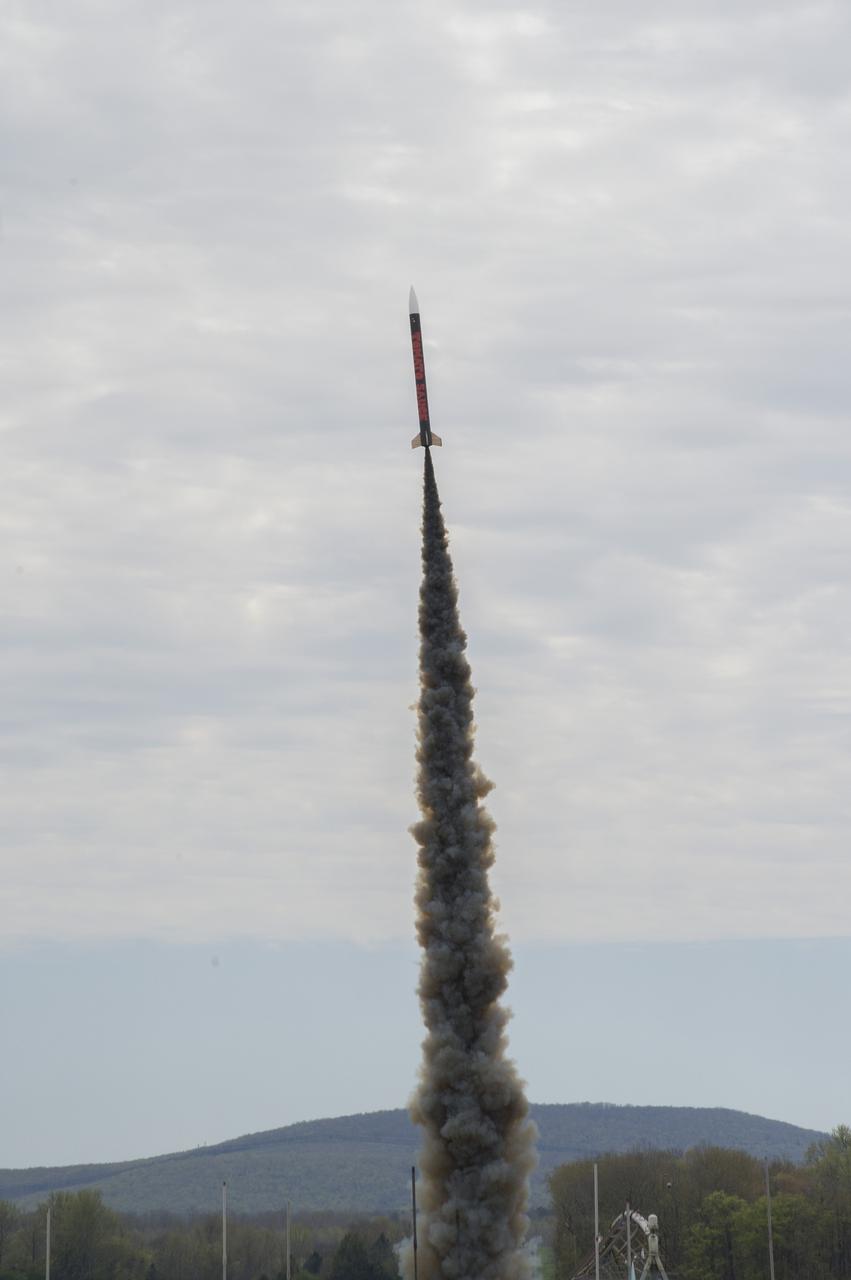
After eight months of designing, building and testing, the middle school, high school and college and university teams launched their rockets as part of NASA Student Launch on Sunday, April 8. The rockets and their payloads are designed to fly to 1-mile in altitude before deploying recovery systems that brings them safely to the ground.
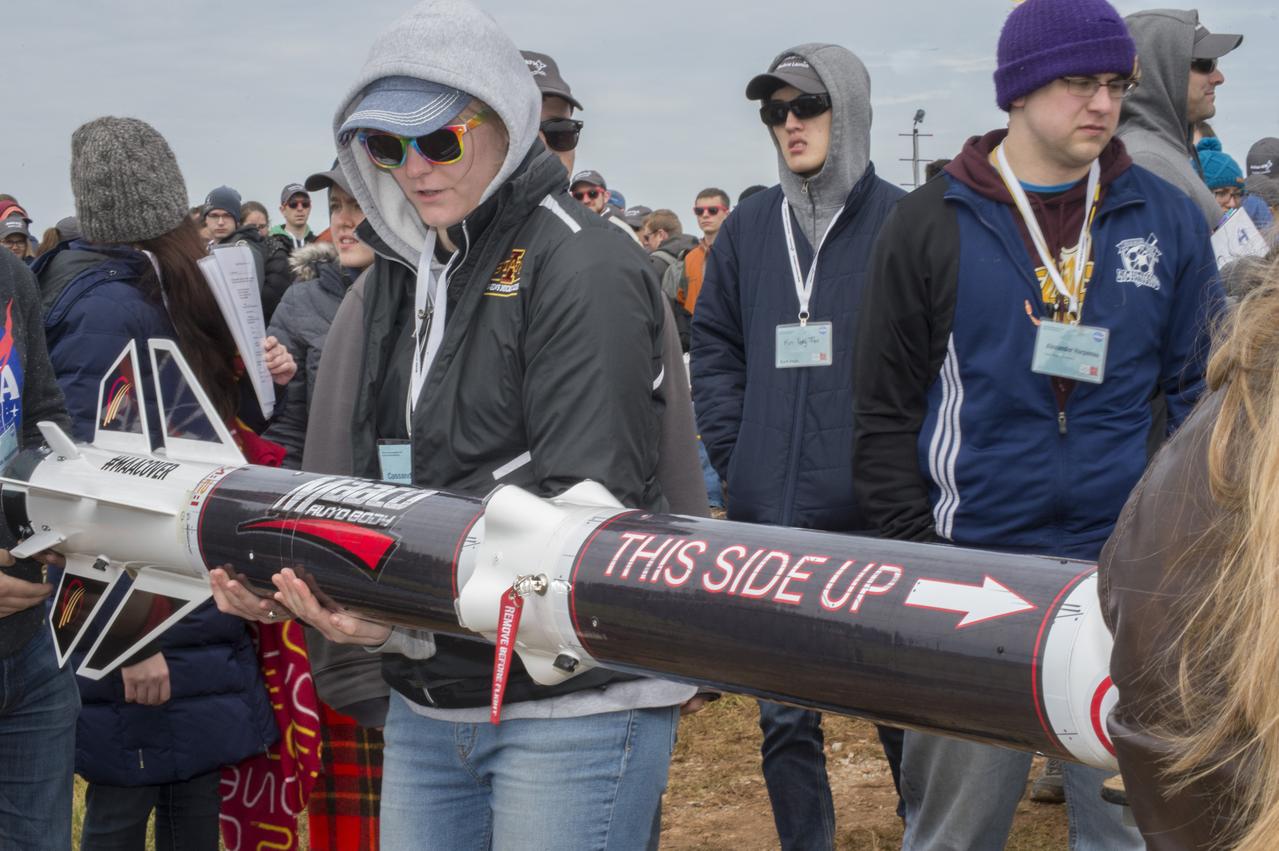
After eight months of designing, building and testing, the middle school, high school and college and university teams launched their rockets as part of NASA Student Launch on Sunday, April 8. The rockets and their payloads are designed to fly to 1-mile in altitude before deploying recovery systems that brings them safely to the ground.
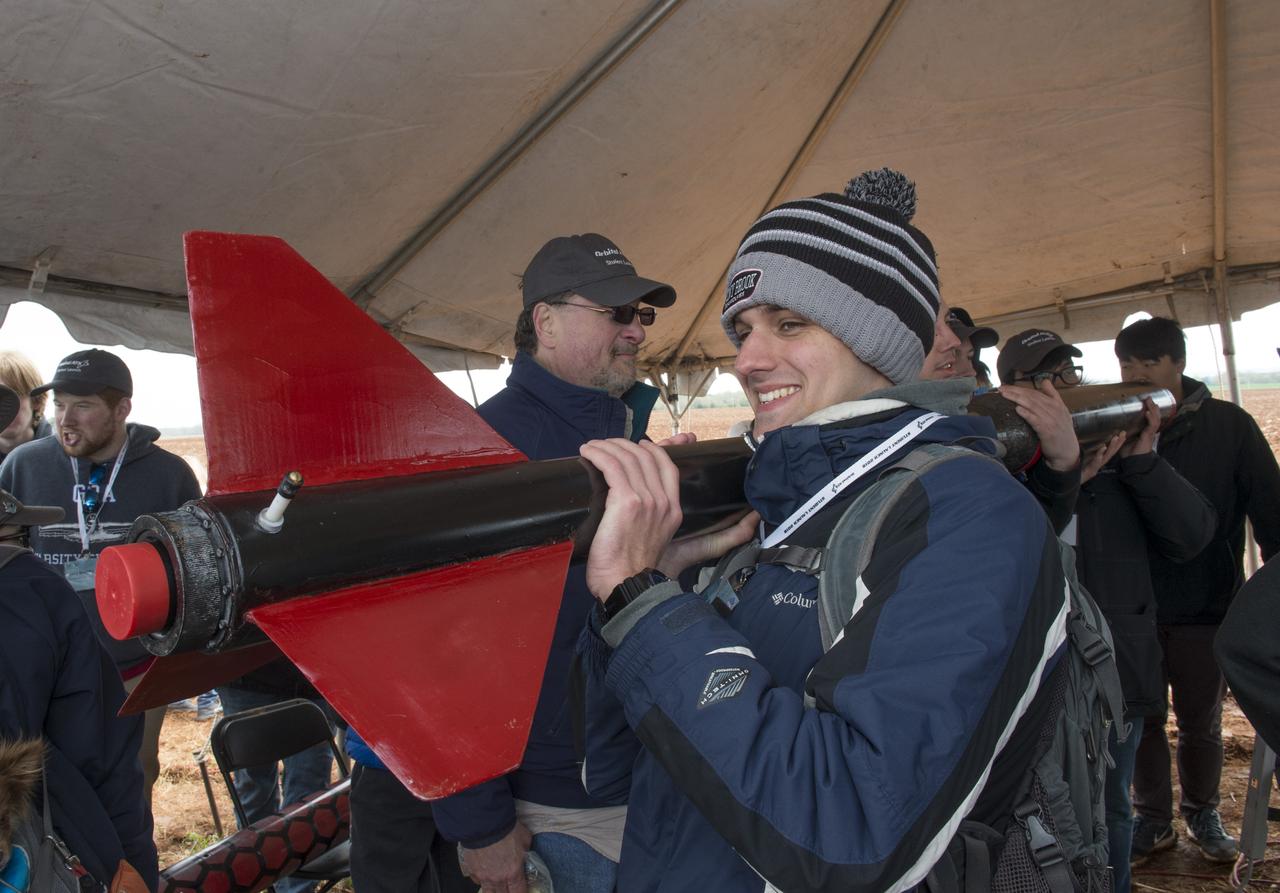
After eight months of designing, building and testing, the middle school, high school and college and university teams launched their rockets as part of NASA Student Launch on Sunday, April 8. The rockets and their payloads are designed to fly to 1-mile in altitude before deploying recovery systems that brings them safely to the ground.
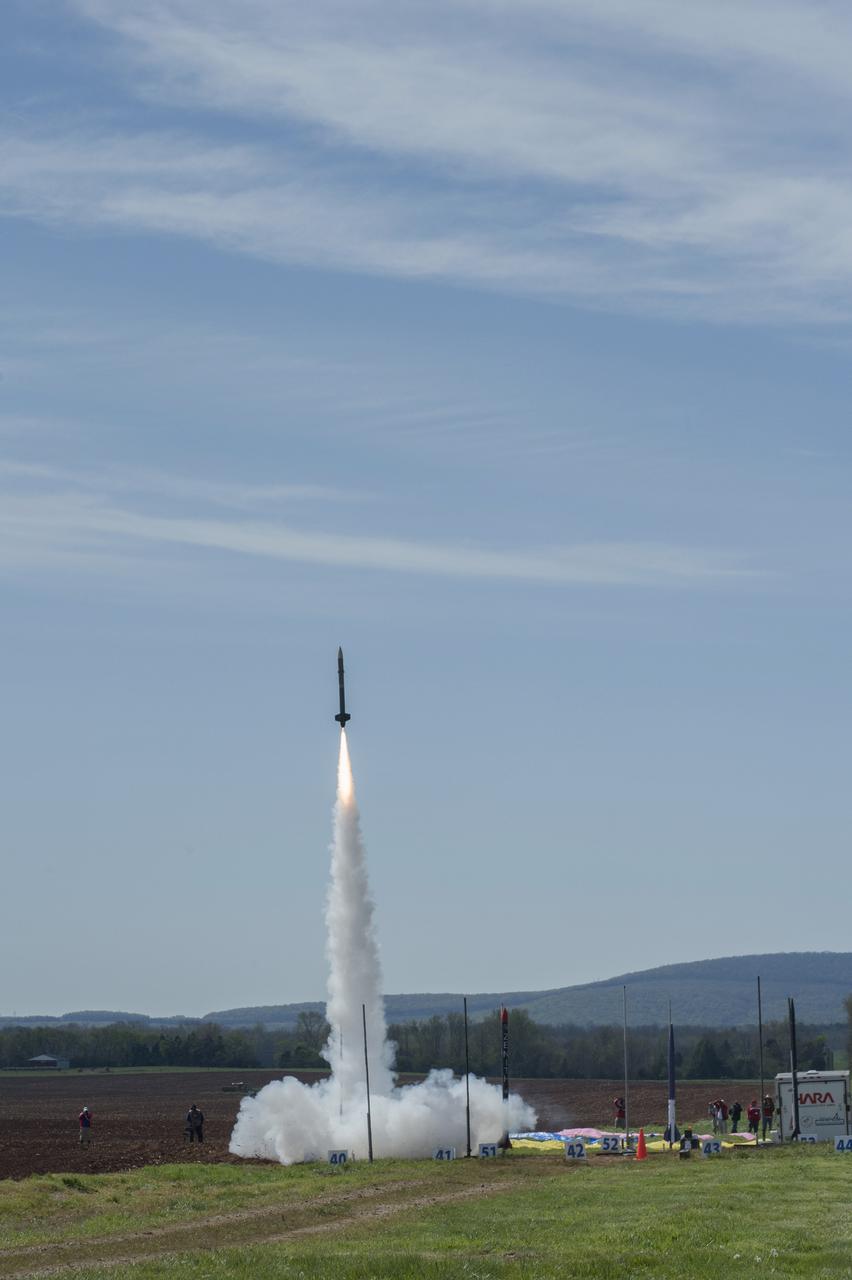
After eight months of designing, building and testing, the middle school, high school and college and university teams launched their rockets as part of NASA Student Launch on Sunday, April 8. The rockets and their payloads are designed to fly to 1-mile in altitude before deploying recovery systems that brings them safely to the ground.
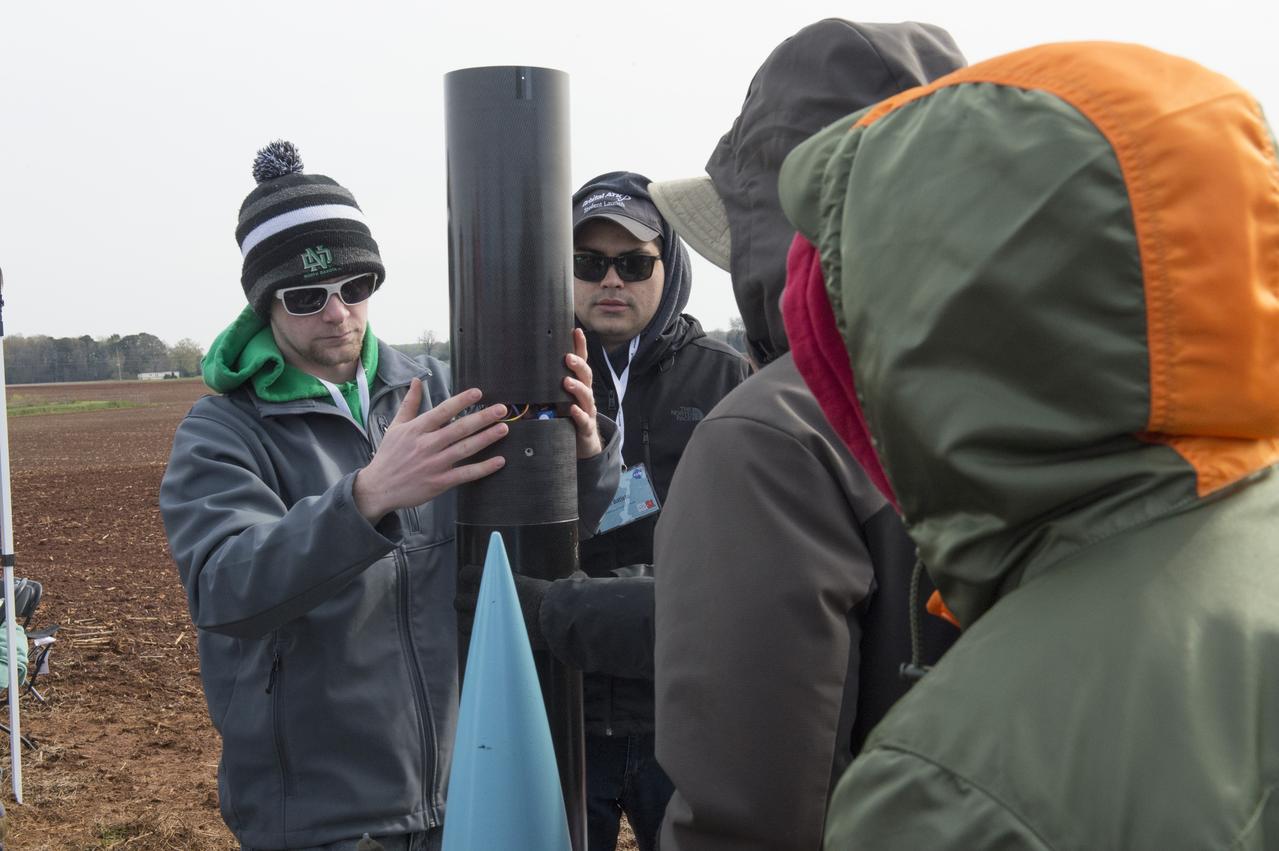
After eight months of designing, building and testing, the middle school, high school and college and university teams launched their rockets as part of NASA Student Launch on Sunday, April 8. The rockets and their payloads are designed to fly to 1-mile in altitude before deploying recovery systems that brings them safely to the ground.
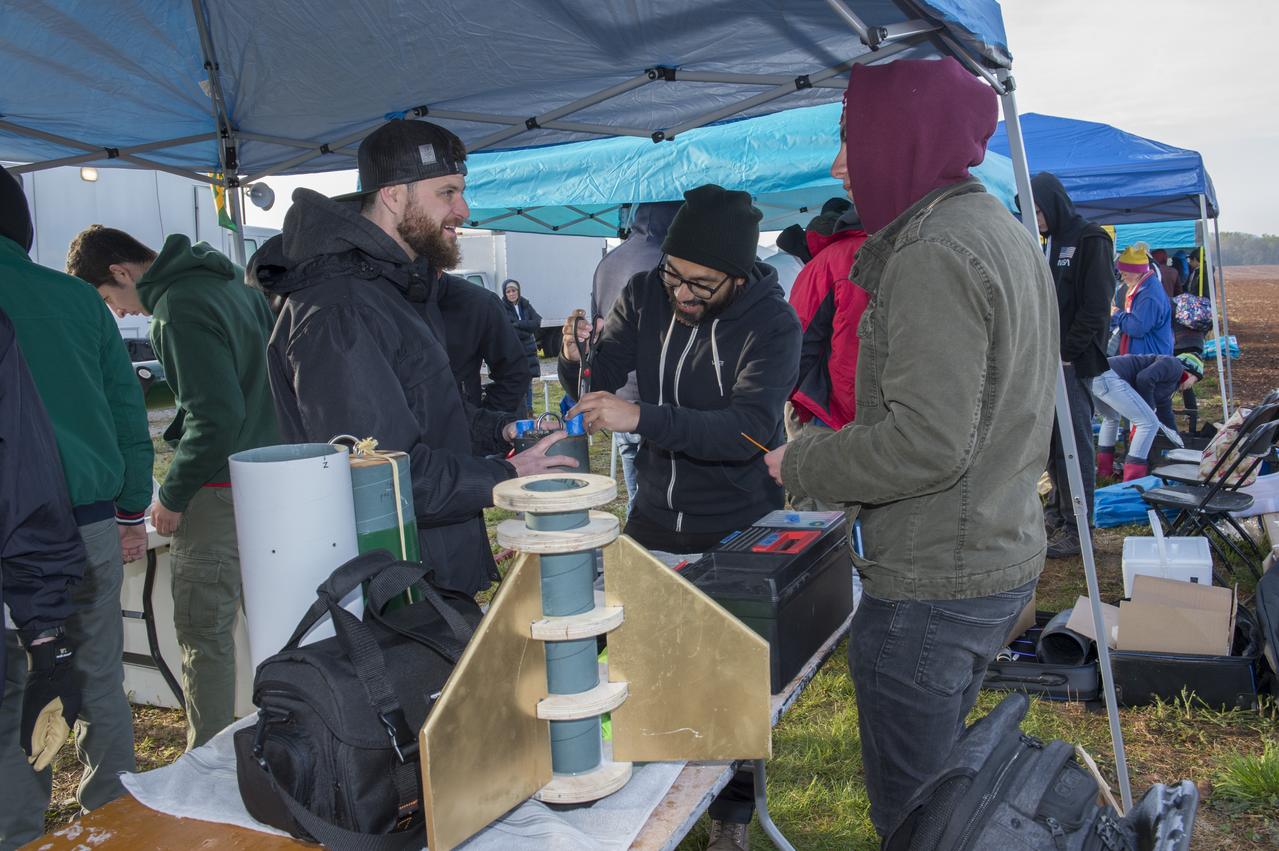
After eight months of designing, building and testing, the middle school, high school and college and university teams launched their rockets as part of NASA Student Launch on Sunday, April 8. The rockets and their payloads are designed to fly to 1-mile in altitude before deploying recovery systems that brings them safely to the ground.
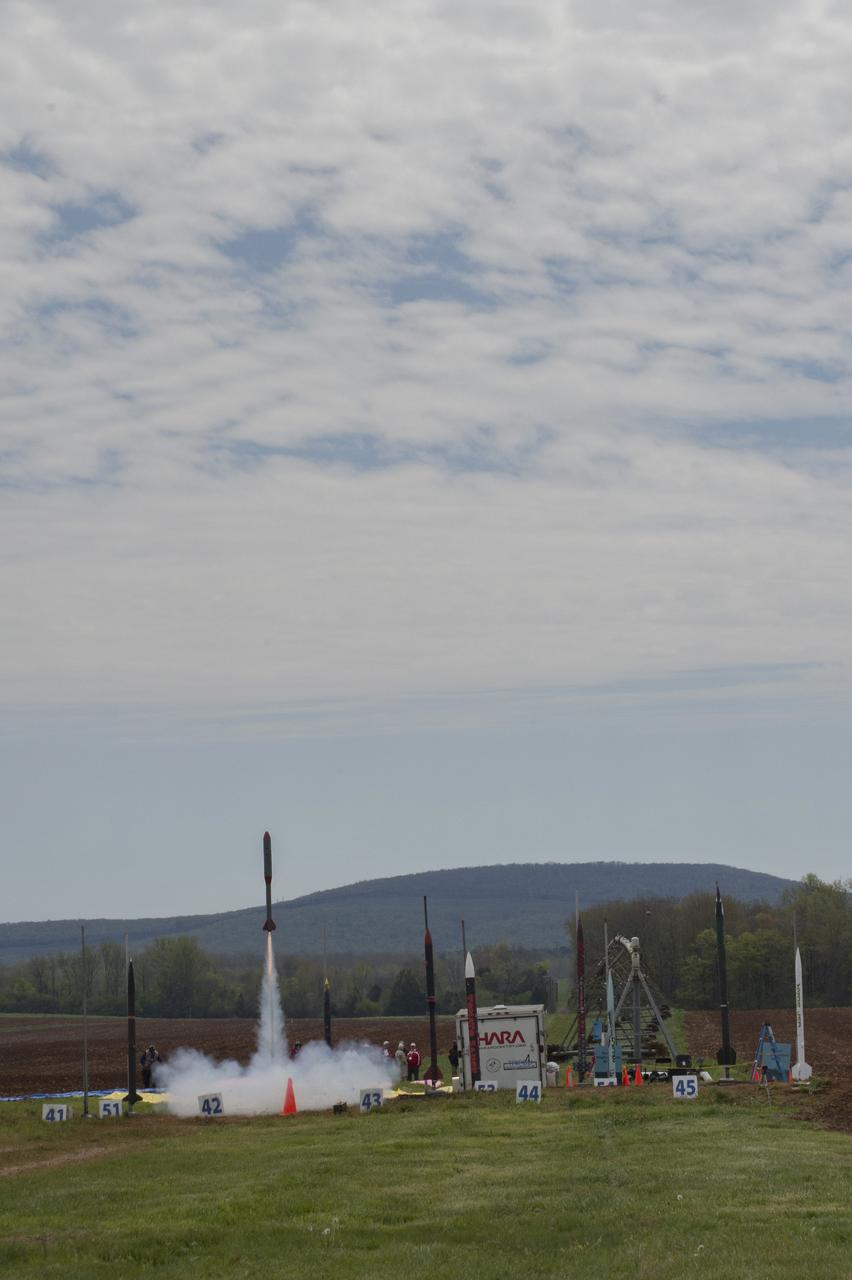
After eight months of designing, building and testing, the middle school, high school and college and university teams launched their rockets as part of NASA Student Launch on Sunday, April 8. The rockets and their payloads are designed to fly to 1-mile in altitude before deploying recovery systems that brings them safely to the ground.
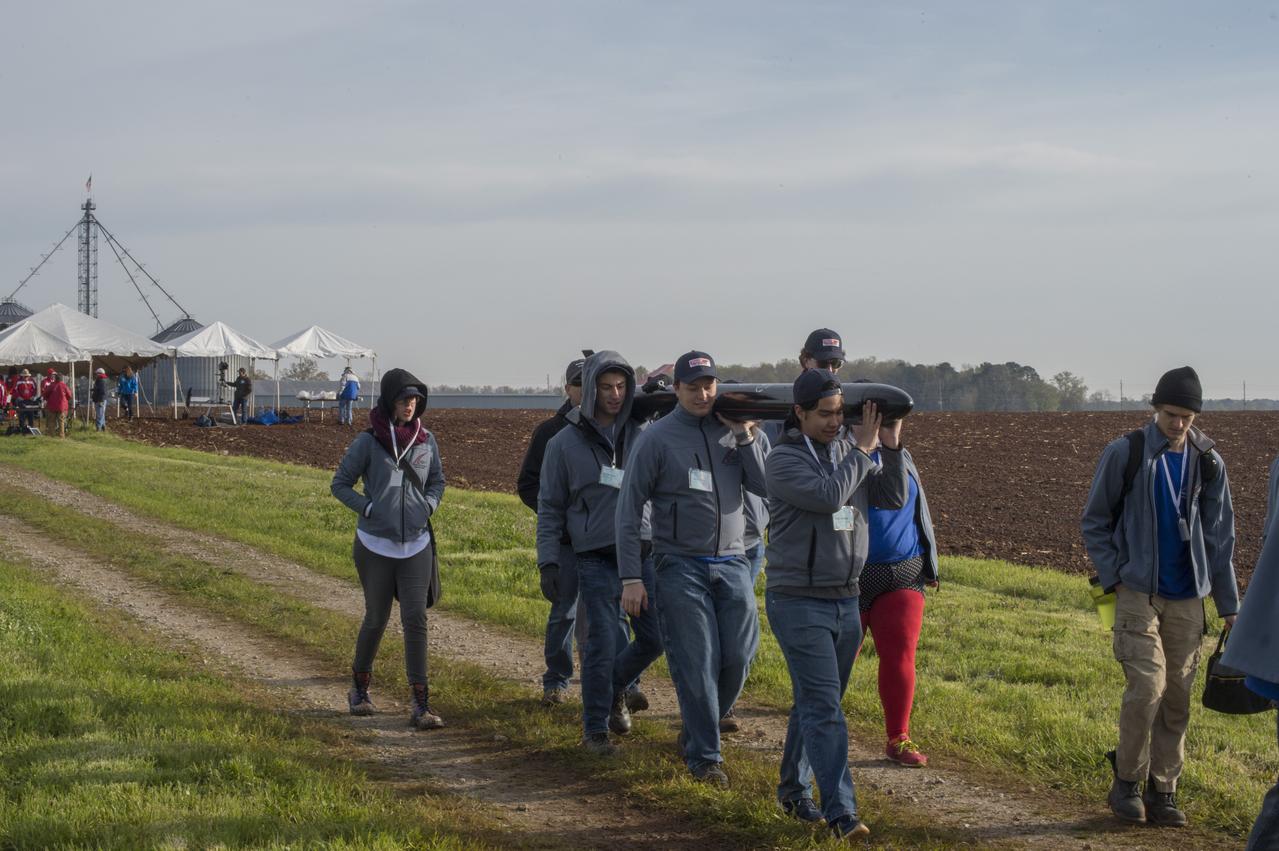
After eight months of designing, building and testing, the middle school, high school and college and university teams launched their rockets as part of NASA Student Launch on Sunday, April 8. The rockets and their payloads are designed to fly to 1-mile in altitude before deploying recovery systems that brings them safely to the ground.
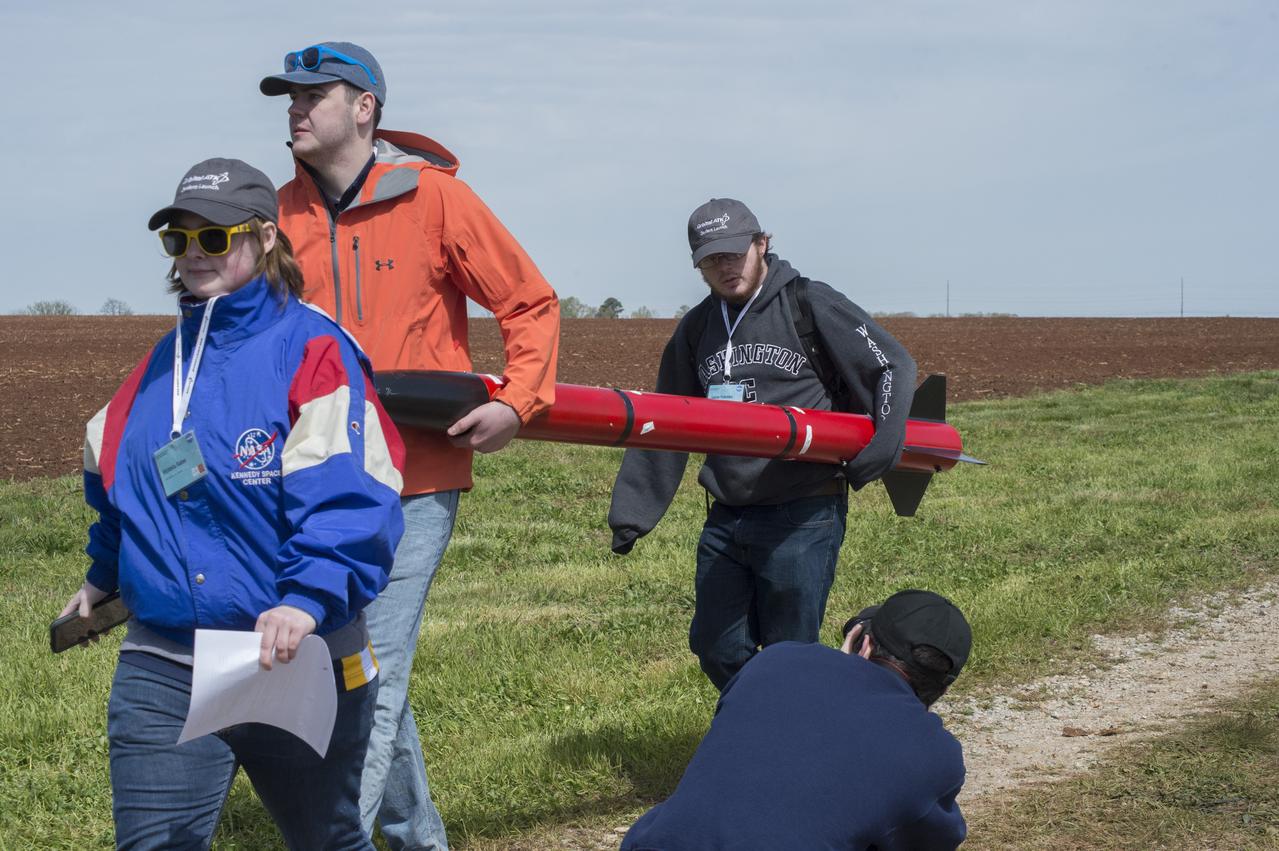
After eight months of designing, building and testing, the middle school, high school and college and university teams launched their rockets as part of NASA Student Launch on Sunday, April 8. The rockets and their payloads are designed to fly to 1-mile in altitude before deploying recovery systems that brings them safely to the ground.
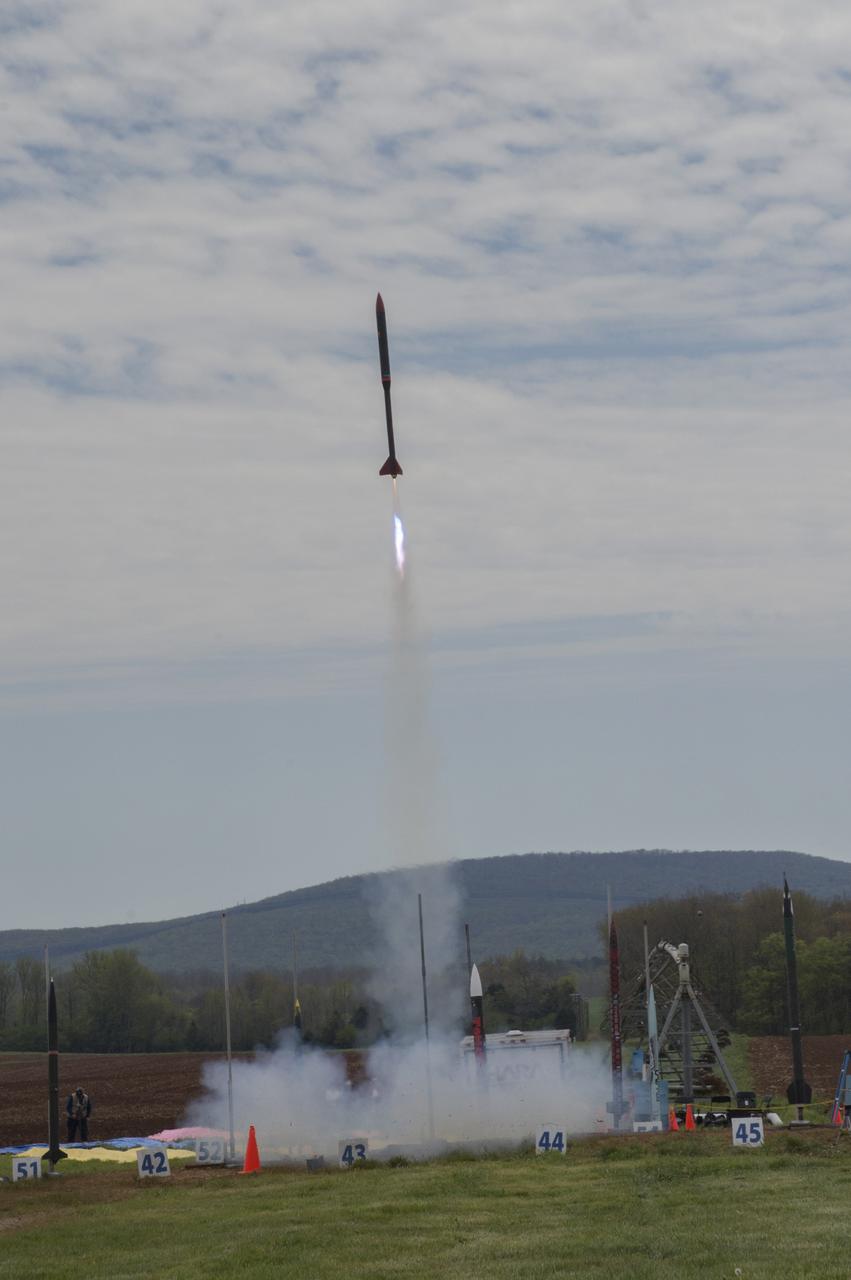
After eight months of designing, building and testing, the middle school, high school and college and university teams launched their rockets as part of NASA Student Launch on Sunday, April 8. The rockets and their payloads are designed to fly to 1-mile in altitude before deploying recovery systems that brings them safely to the ground.
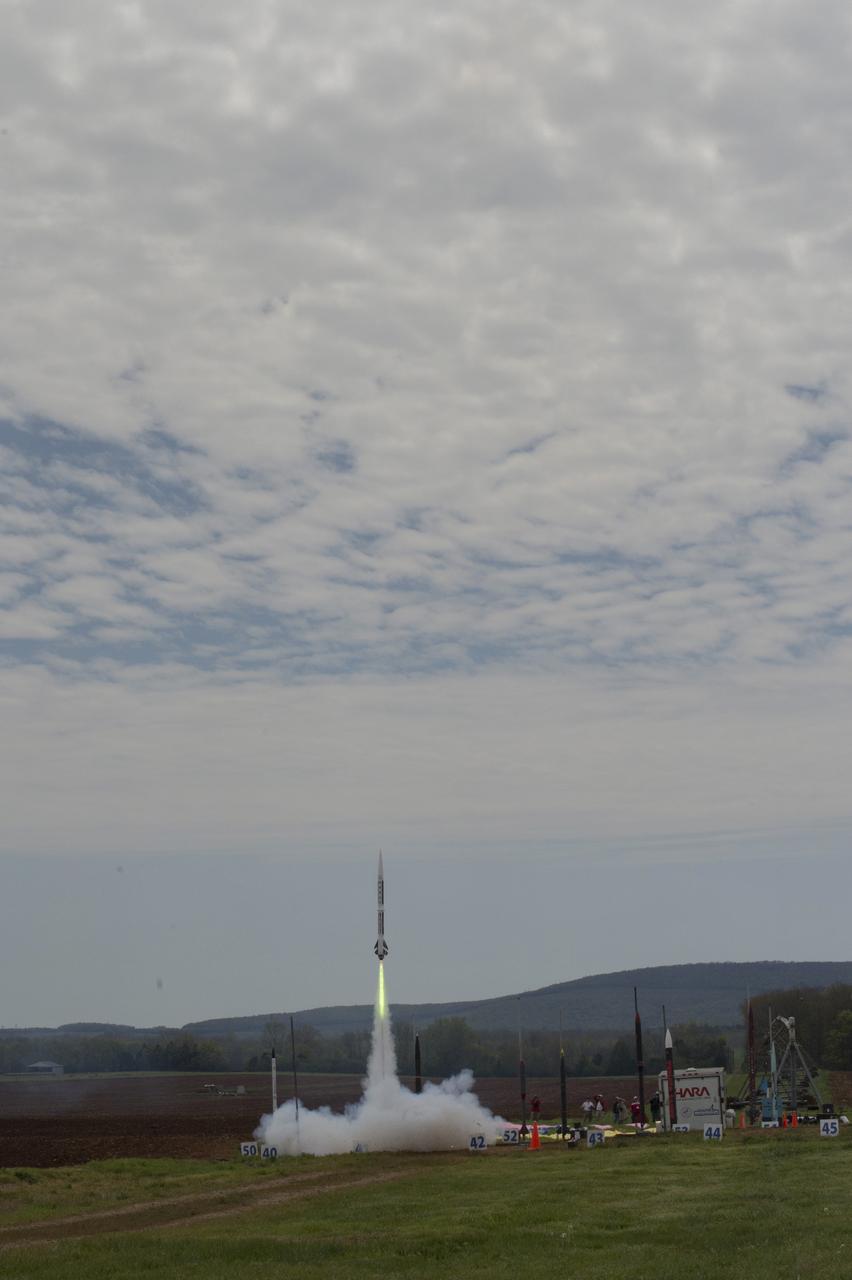
After eight months of designing, building and testing, the middle school, high school and college and university teams launched their rockets as part of NASA Student Launch on Sunday, April 8. The rockets and their payloads are designed to fly to 1-mile in altitude before deploying recovery systems that brings them safely to the ground.
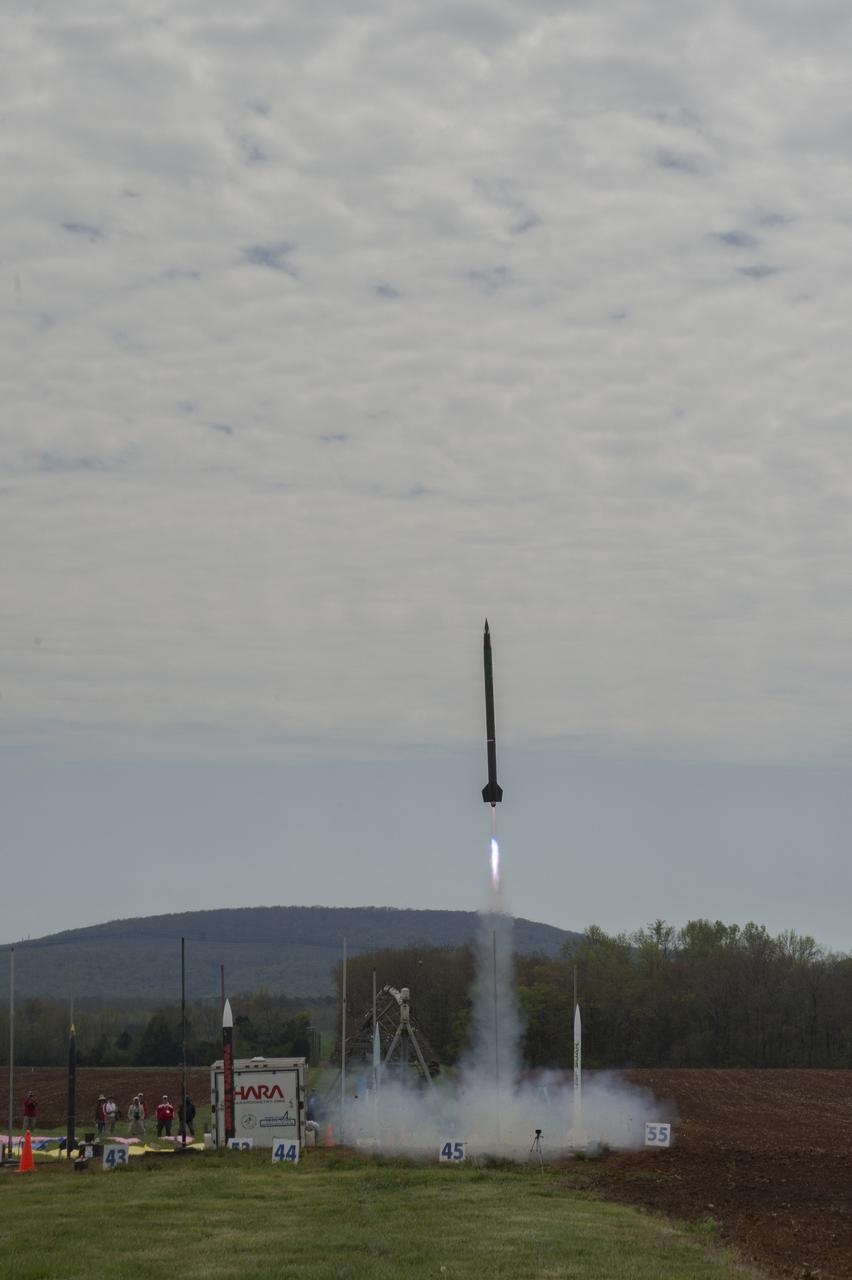
After eight months of designing, building and testing, the middle school, high school and college and university teams launched their rockets as part of NASA Student Launch on Sunday, April 8. The rockets and their payloads are designed to fly to 1-mile in altitude before deploying recovery systems that brings them safely to the ground.
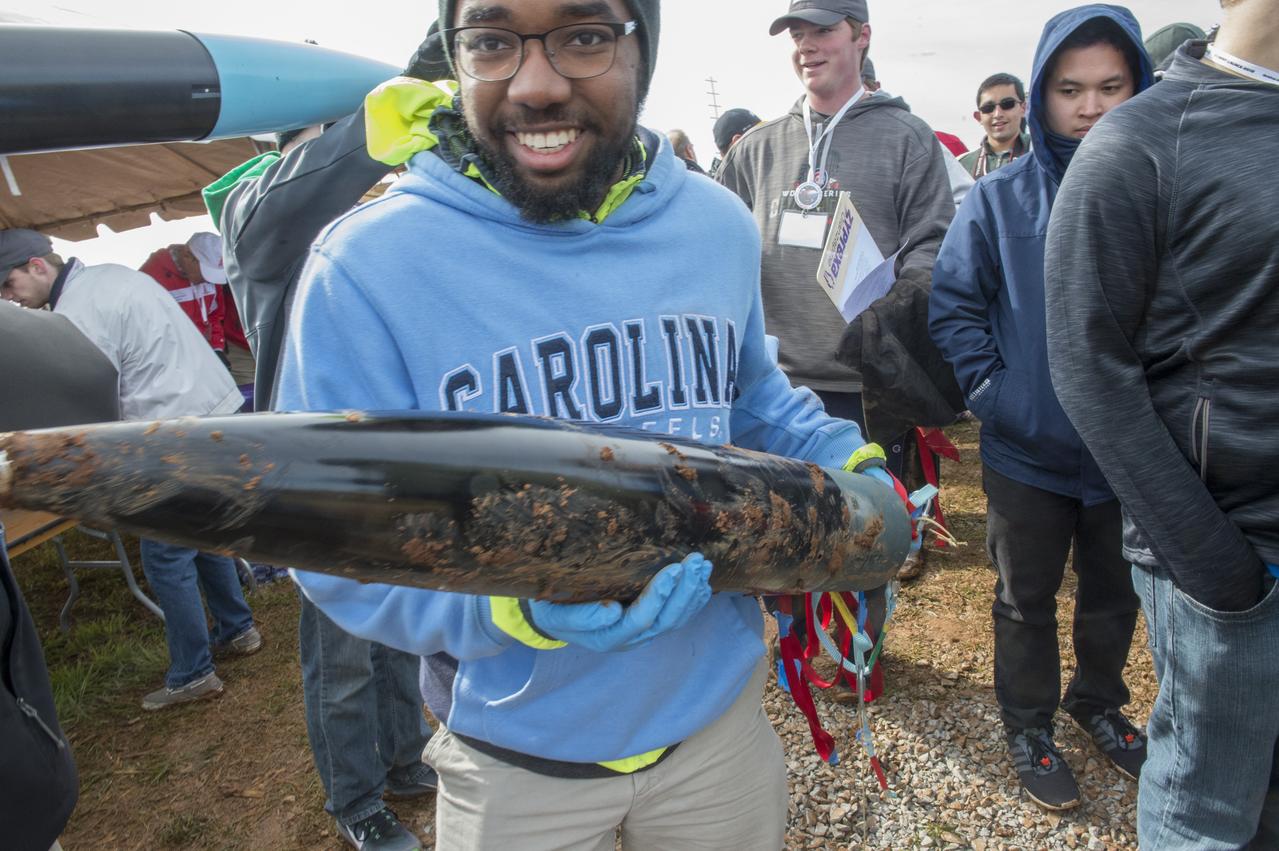
After eight months of designing, building and testing, the middle school, high school and college and university teams launched their rockets as part of NASA Student Launch on Sunday, April 8. The rockets and their payloads are designed to fly to 1-mile in altitude before deploying recovery systems that brings them safely to the ground.
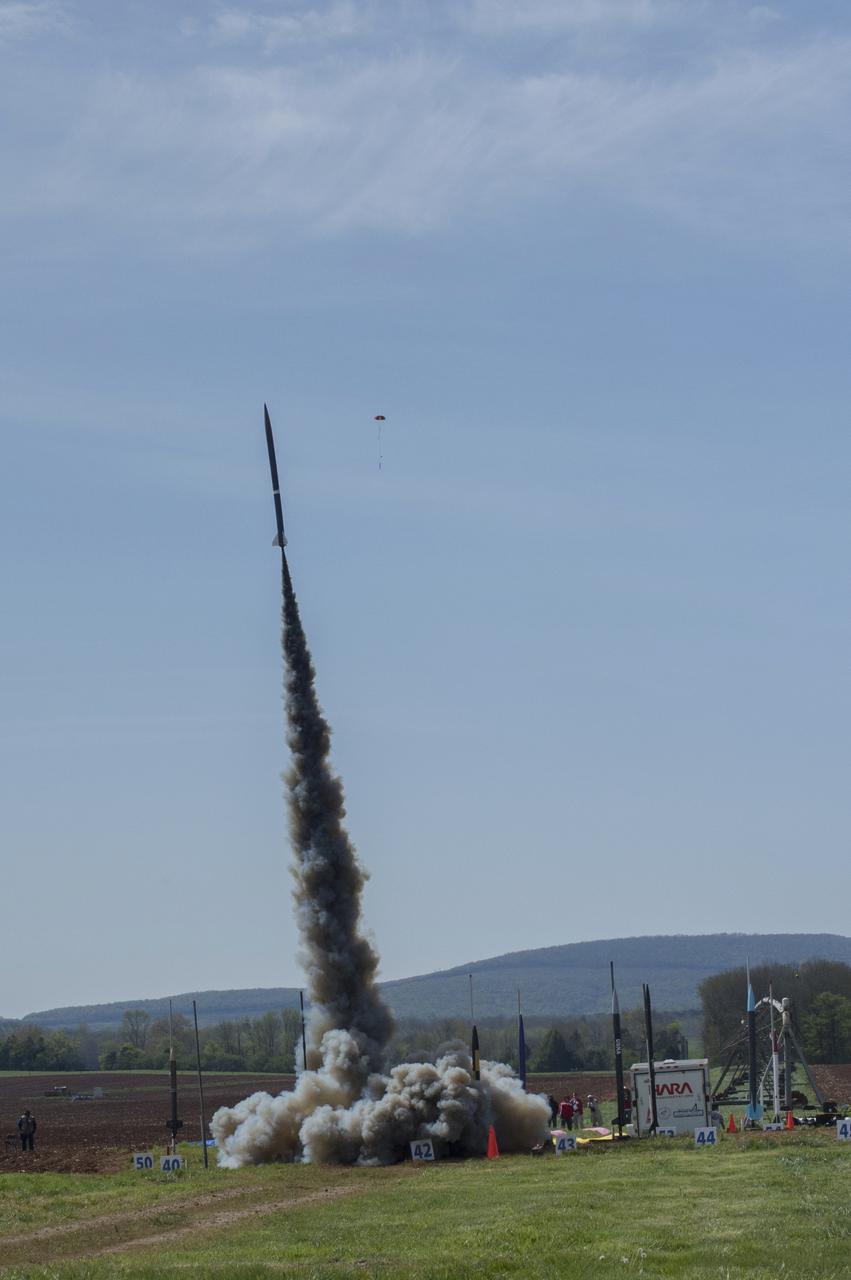
After eight months of designing, building and testing, the middle school, high school and college and university teams launched their rockets as part of NASA Student Launch on Sunday, April 8. The rockets and their payloads are designed to fly to 1-mile in altitude before deploying recovery systems that brings them safely to the ground.
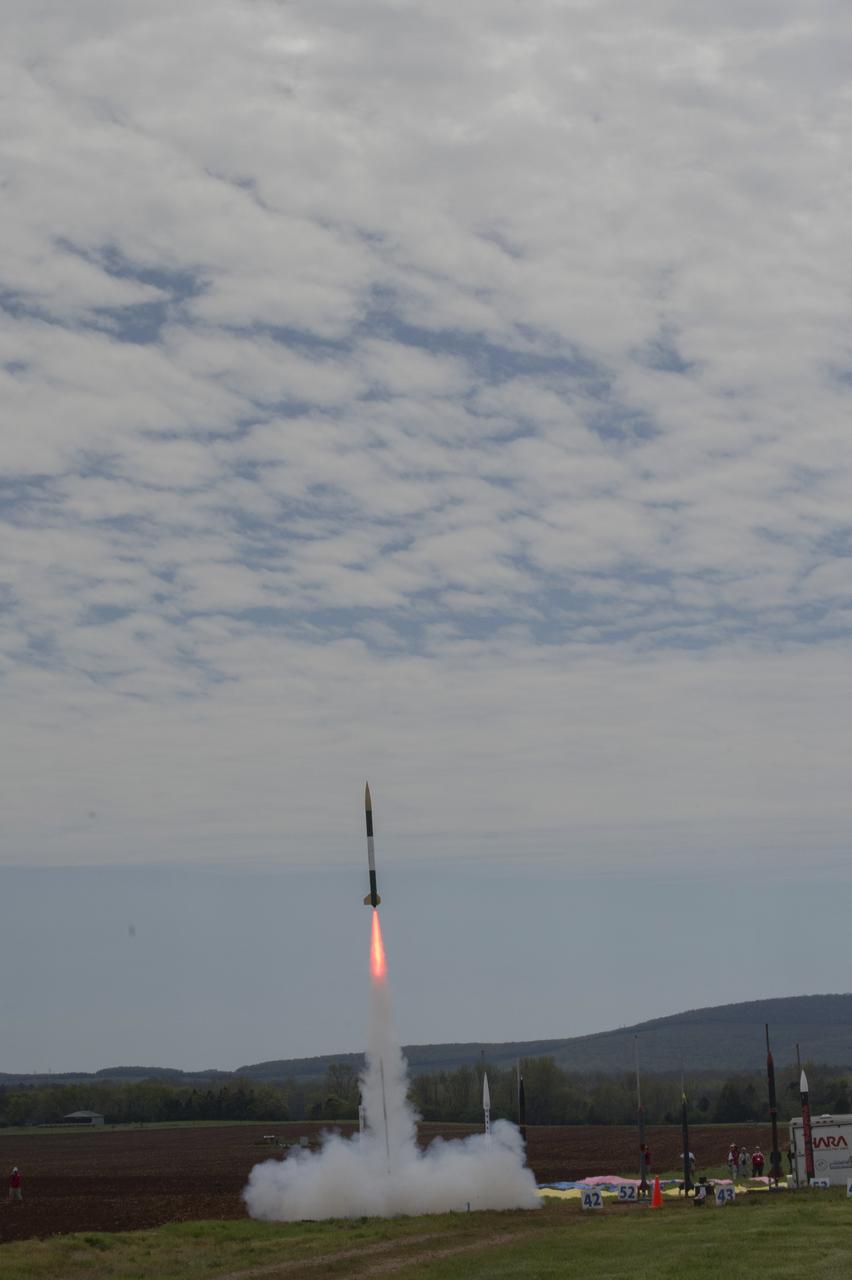
After eight months of designing, building and testing, the middle school, high school and college and university teams launched their rockets as part of NASA Student Launch on Sunday, April 8. The rockets and their payloads are designed to fly to 1-mile in altitude before deploying recovery systems that brings them safely to the ground.
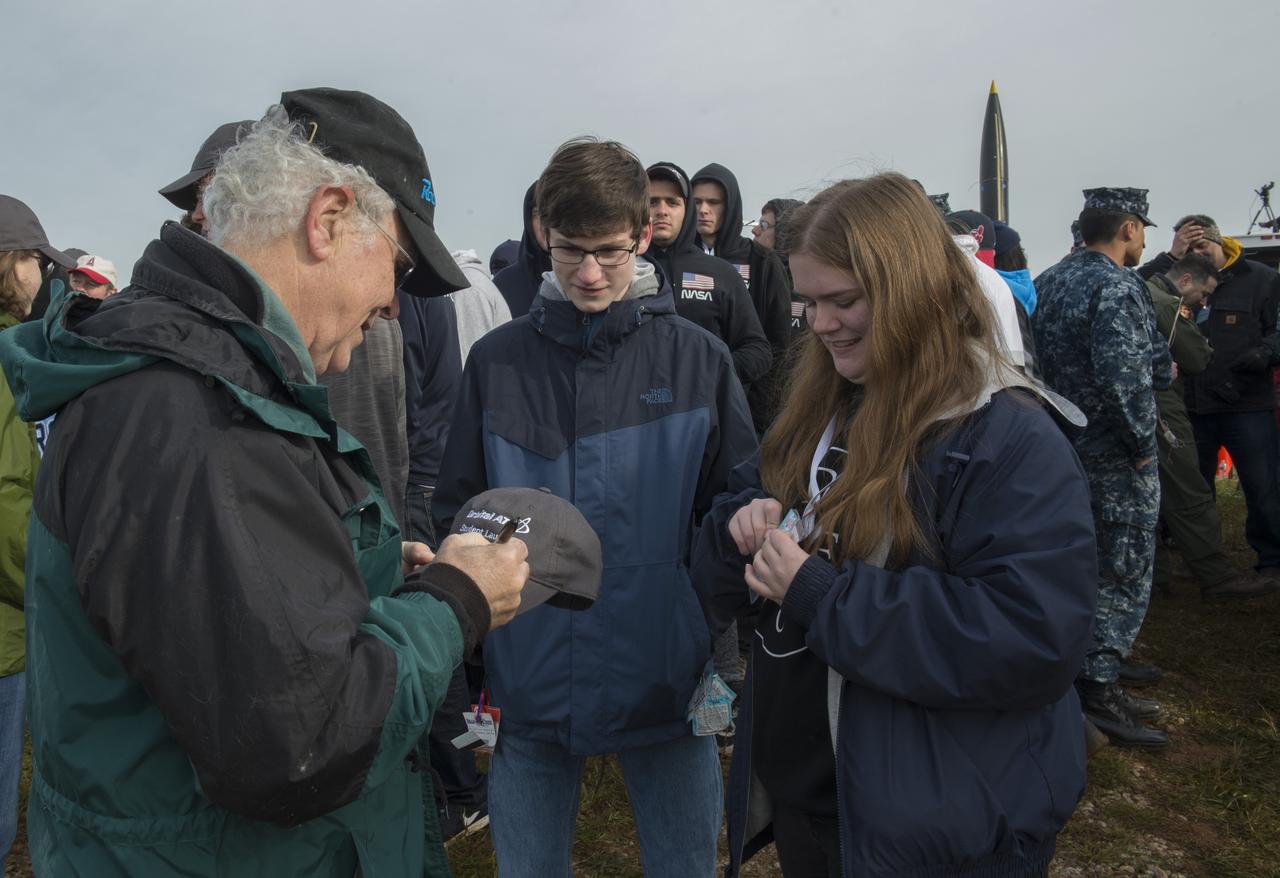
After eight months of designing, building and testing, the middle school, high school and college and university teams launched their rockets as part of NASA Student Launch on Sunday, April 8. The rockets and their payloads are designed to fly to 1-mile in altitude before deploying recovery systems that brings them safely to the ground.
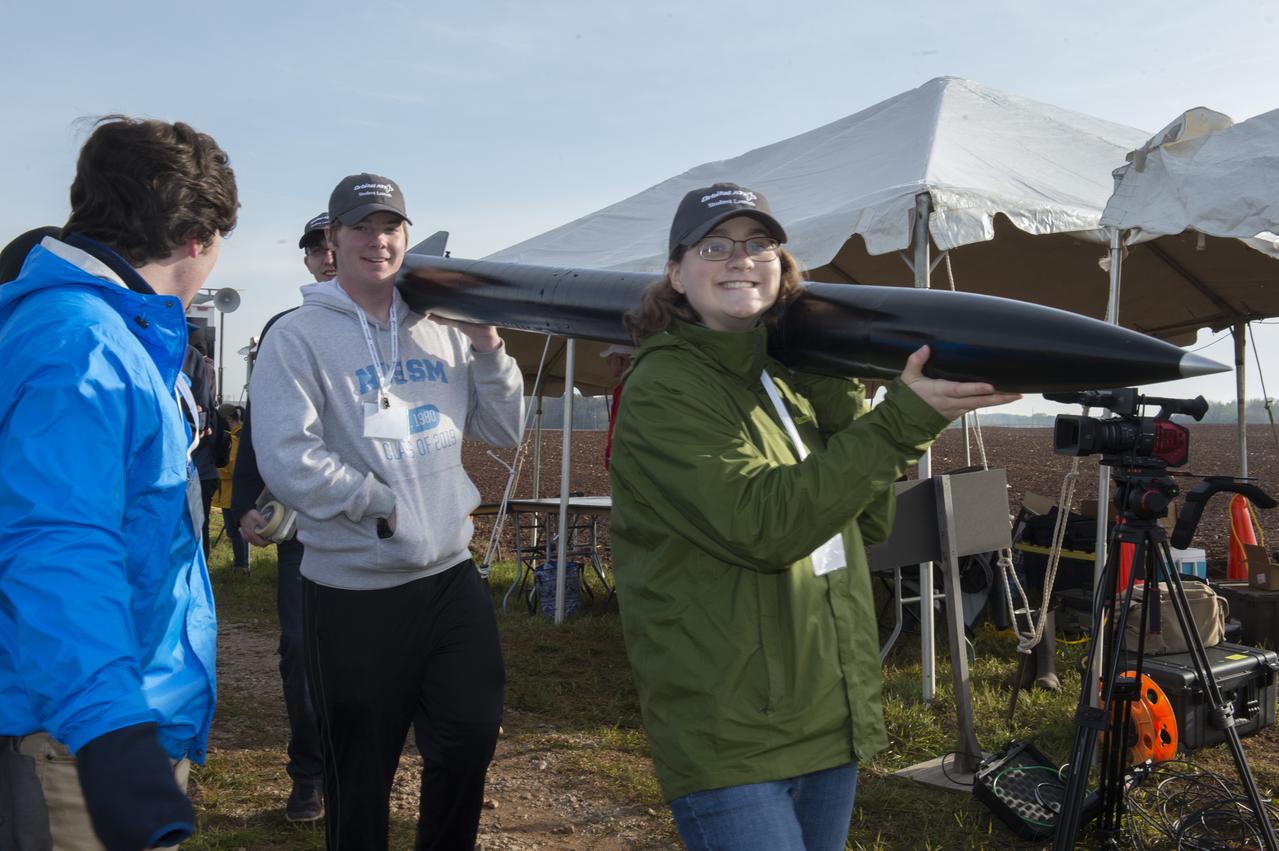
After eight months of designing, building and testing, the middle school, high school and college and university teams launched their rockets as part of NASA Student Launch on Sunday, April 8. The rockets and their payloads are designed to fly to 1-mile in altitude before deploying recovery systems that brings them safely to the ground.

After eight months of designing, building and testing, the middle school, high school and college and university teams launched their rockets as part of NASA Student Launch on Sunday, April 8. The rockets and their payloads are designed to fly to 1-mile in altitude before deploying recovery systems that brings them safely to the ground.
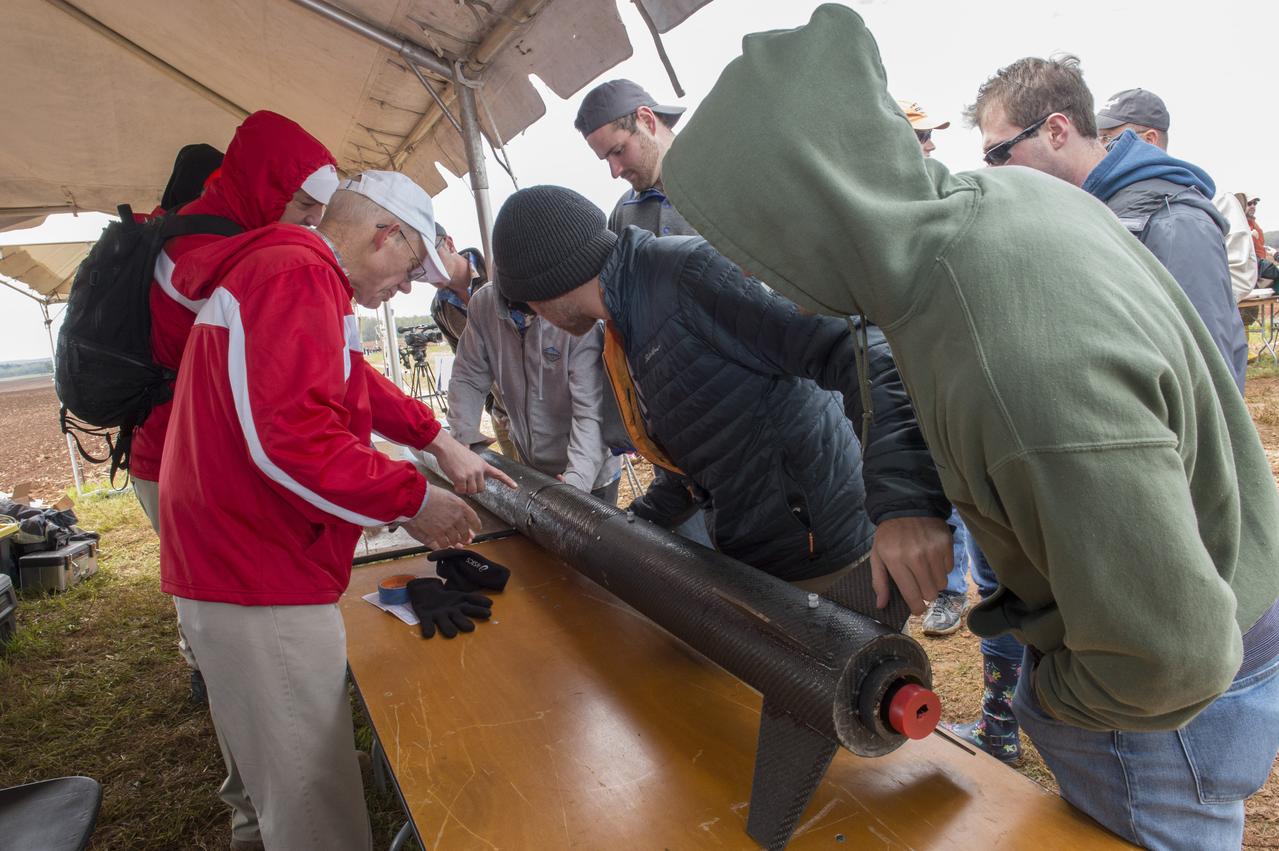
After eight months of designing, building and testing, the middle school, high school and college and university teams launched their rockets as part of NASA Student Launch on Sunday, April 8. The rockets and their payloads are designed to fly to 1-mile in altitude before deploying recovery systems that brings them safely to the ground.
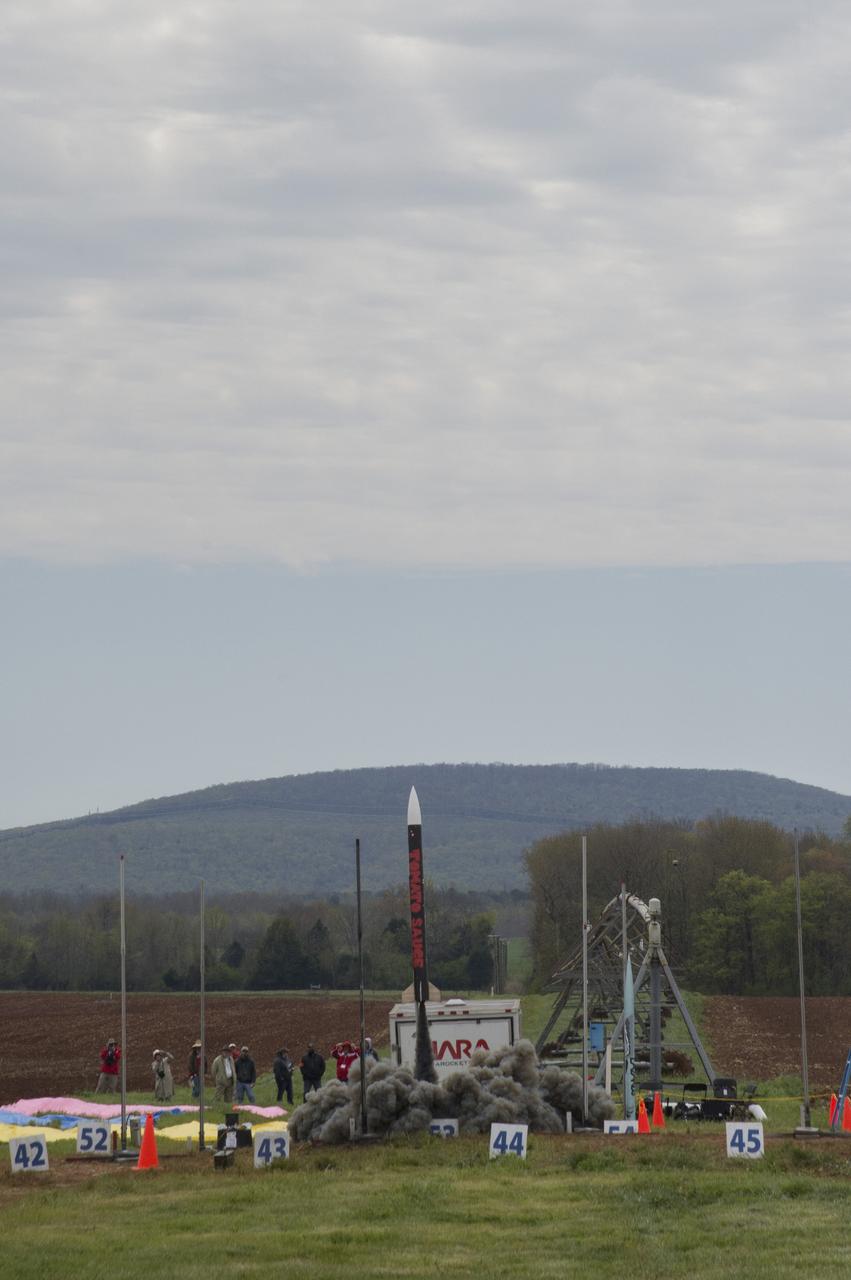
After eight months of designing, building and testing, the middle school, high school and college and university teams launched their rockets as part of NASA Student Launch on Sunday, April 8. The rockets and their payloads are designed to fly to 1-mile in altitude before deploying recovery systems that brings them safely to the ground.
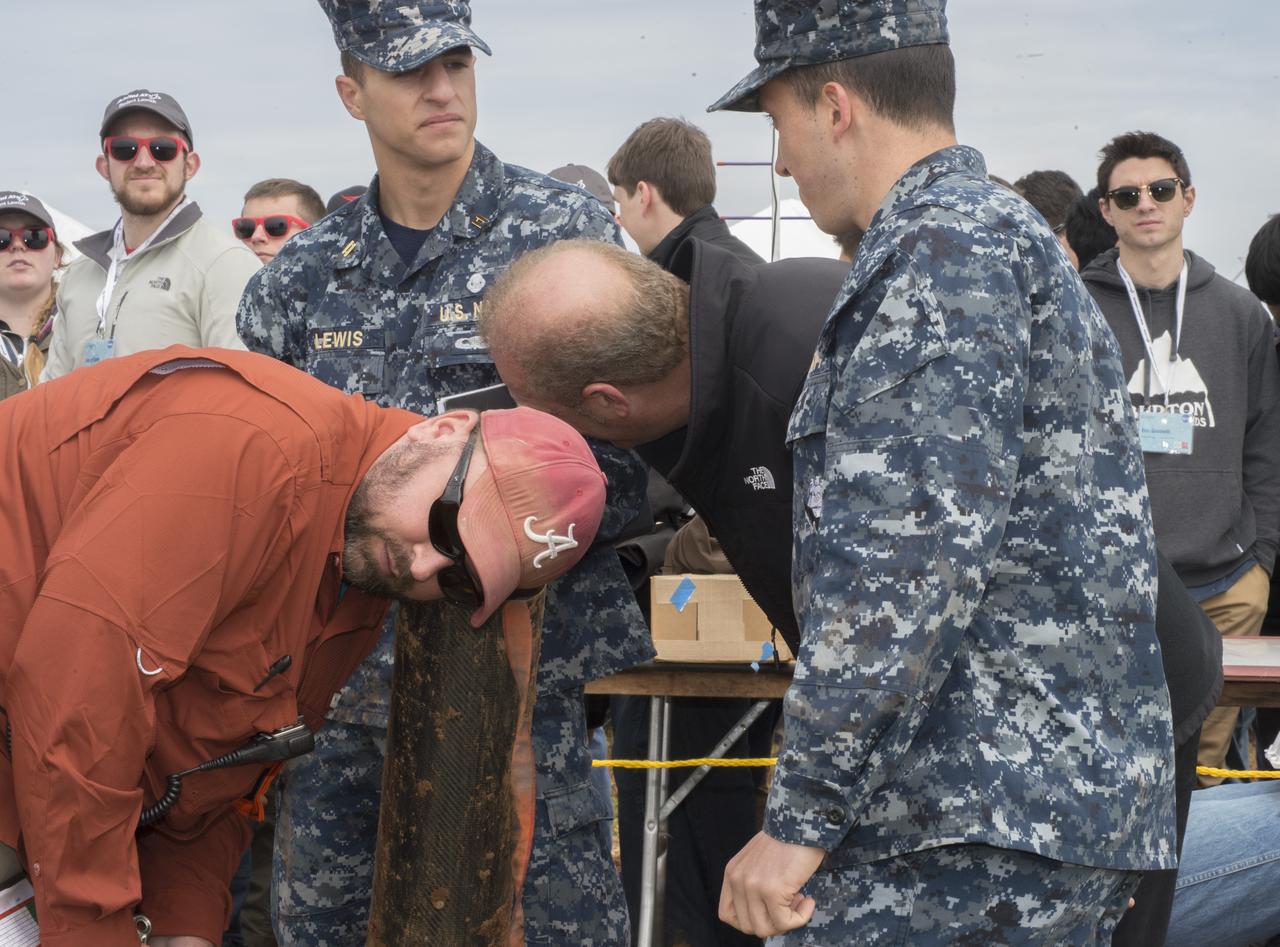
After eight months of designing, building and testing, the middle school, high school and college and university teams launched their rockets as part of NASA Student Launch on Sunday, April 8. The rockets and their payloads are designed to fly to 1-mile in altitude before deploying recovery systems that brings them safely to the ground.
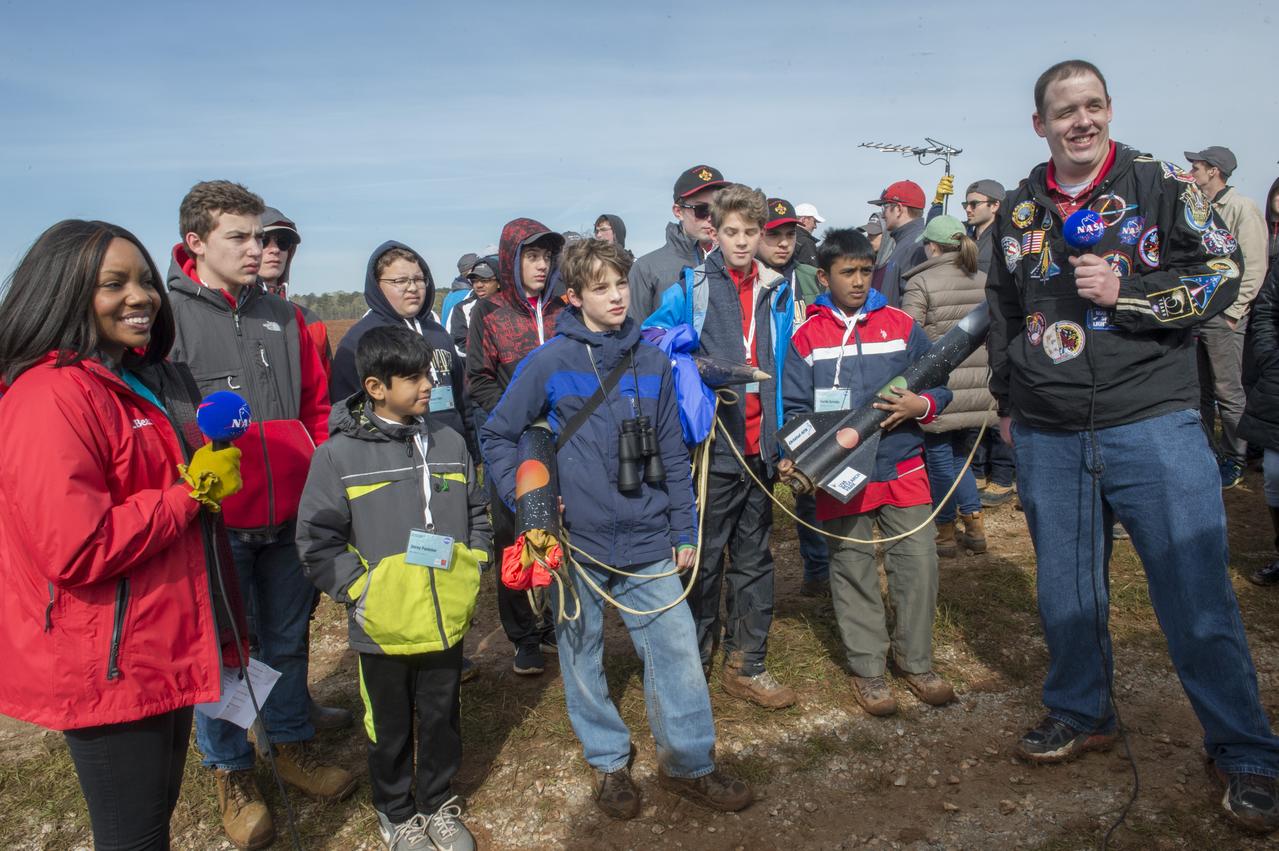
After eight months of designing, building and testing, the middle school, high school and college and university teams launched their rockets as part of NASA Student Launch on Sunday, April 8. The rockets and their payloads are designed to fly to 1-mile in altitude before deploying recovery systems that brings them safely to the ground.
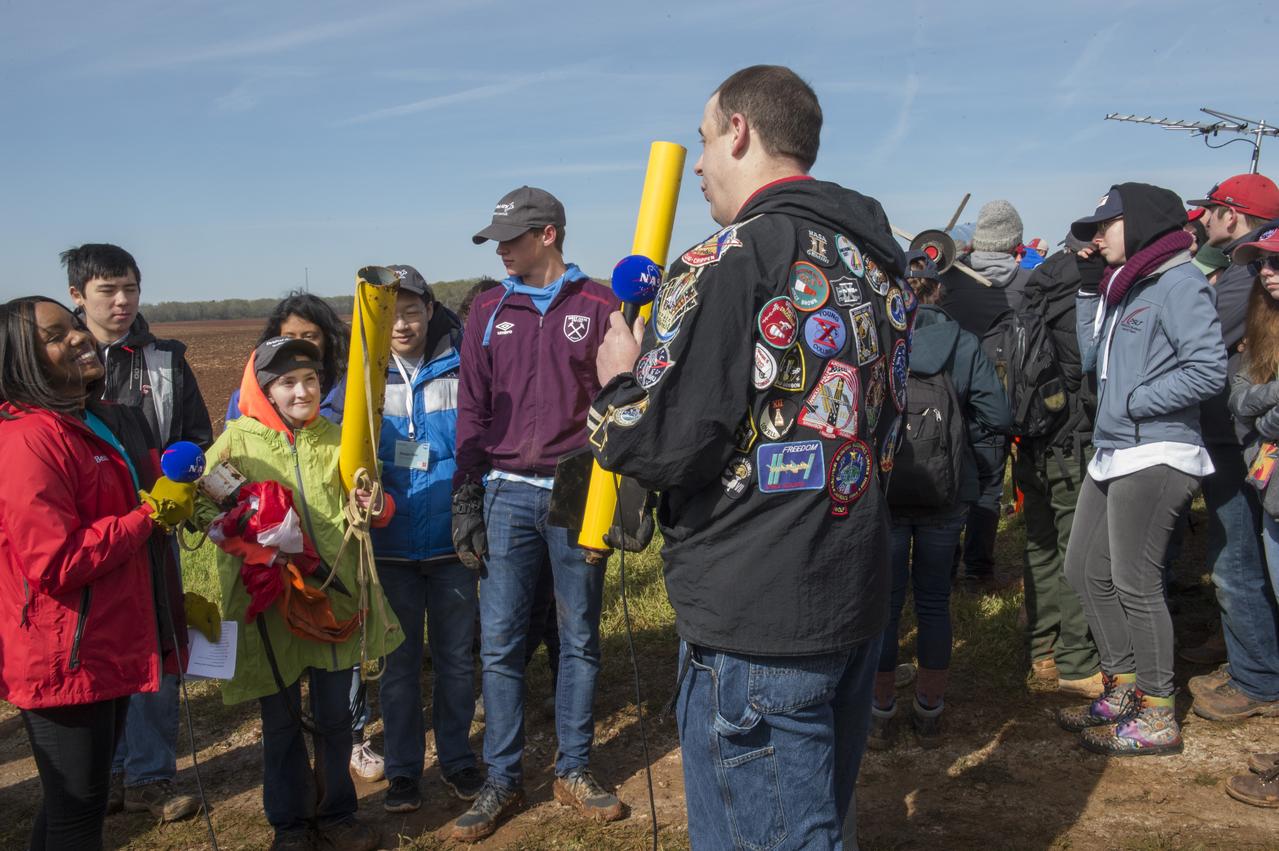
After eight months of designing, building and testing, the middle school, high school and college and university teams launched their rockets as part of NASA Student Launch on Sunday, April 8. The rockets and their payloads are designed to fly to 1-mile in altitude before deploying recovery systems that brings them safely to the ground.
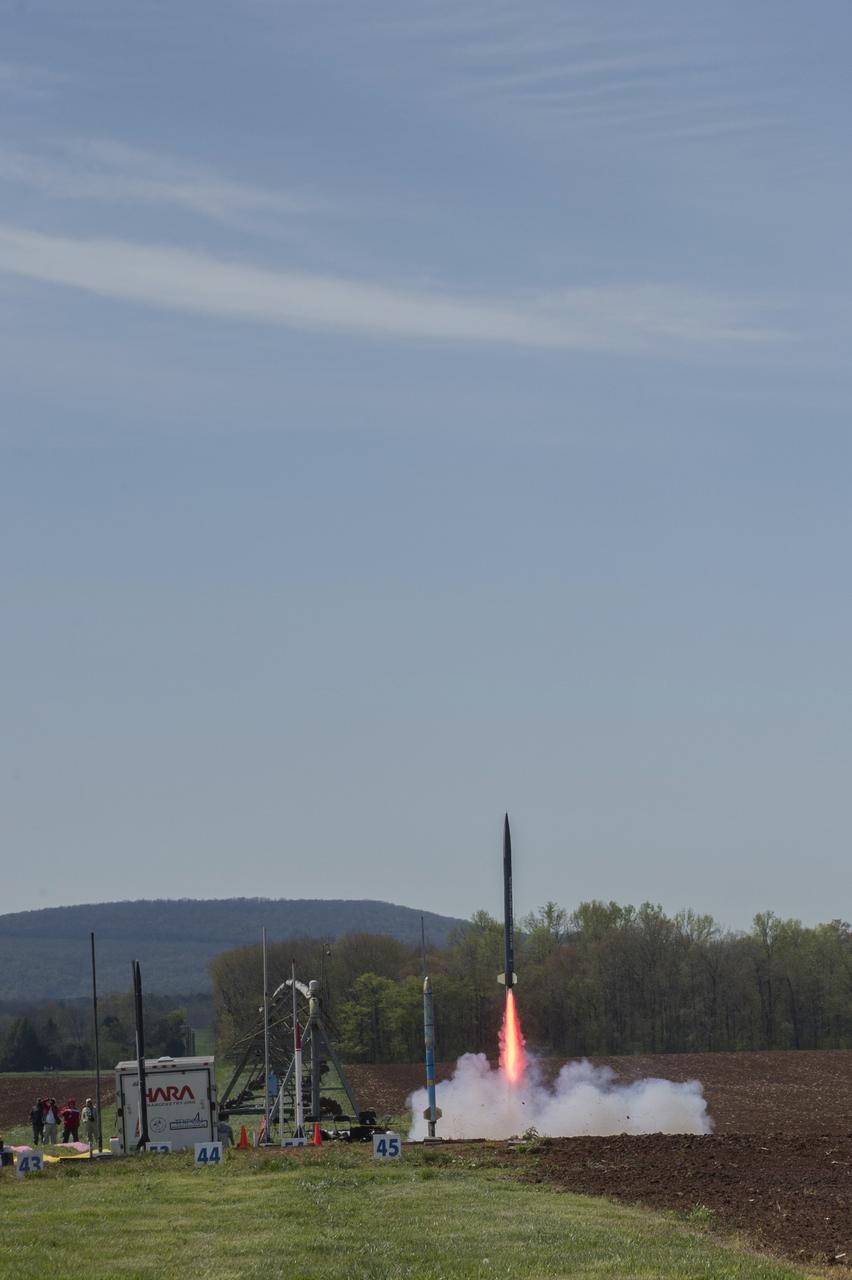
After eight months of designing, building and testing, the middle school, high school and college and university teams launched their rockets as part of NASA Student Launch on Sunday, April 8. The rockets and their payloads are designed to fly to 1-mile in altitude before deploying recovery systems that brings them safely to the ground.
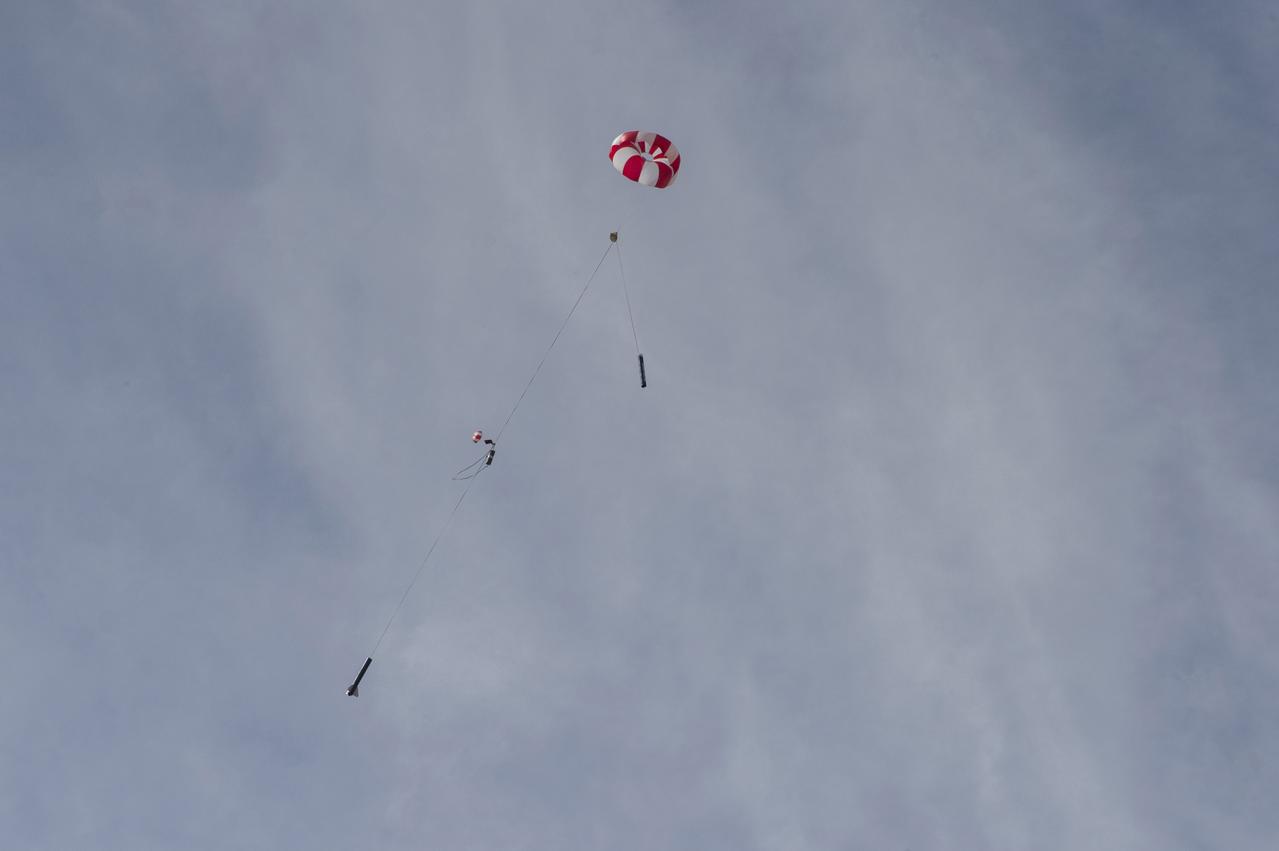
After eight months of designing, building and testing, the middle school, high school and college and university teams launched their rockets as part of NASA Student Launch on Sunday, April 8. The rockets and their payloads are designed to fly to 1-mile in altitude before deploying recovery systems that brings them safely to the ground.
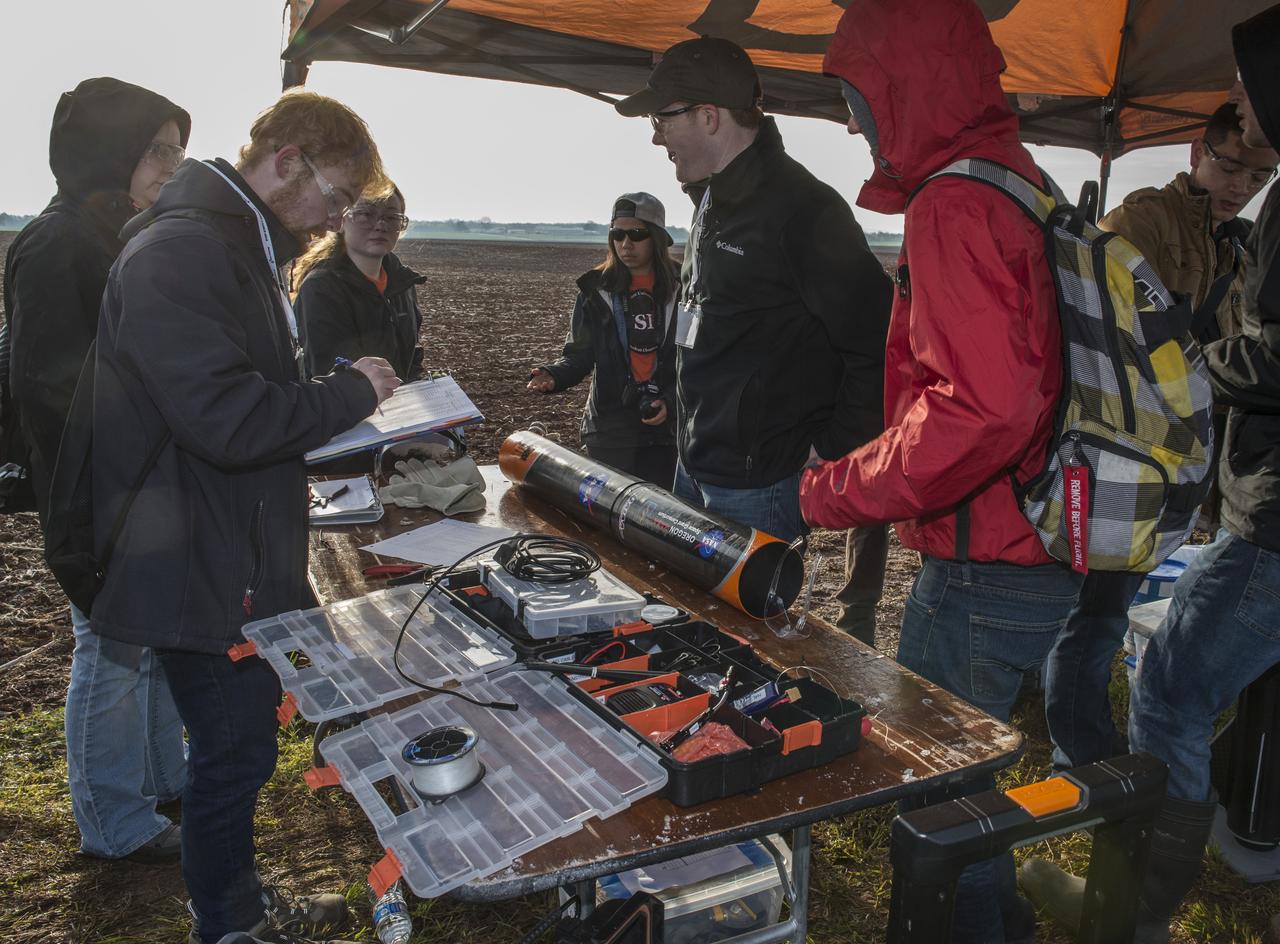
After eight months of designing, building and testing, the middle school, high school and college and university teams launched their rockets as part of NASA Student Launch on Sunday, April 8. The rockets and their payloads are designed to fly to 1-mile in altitude before deploying recovery systems that brings them safely to the ground.
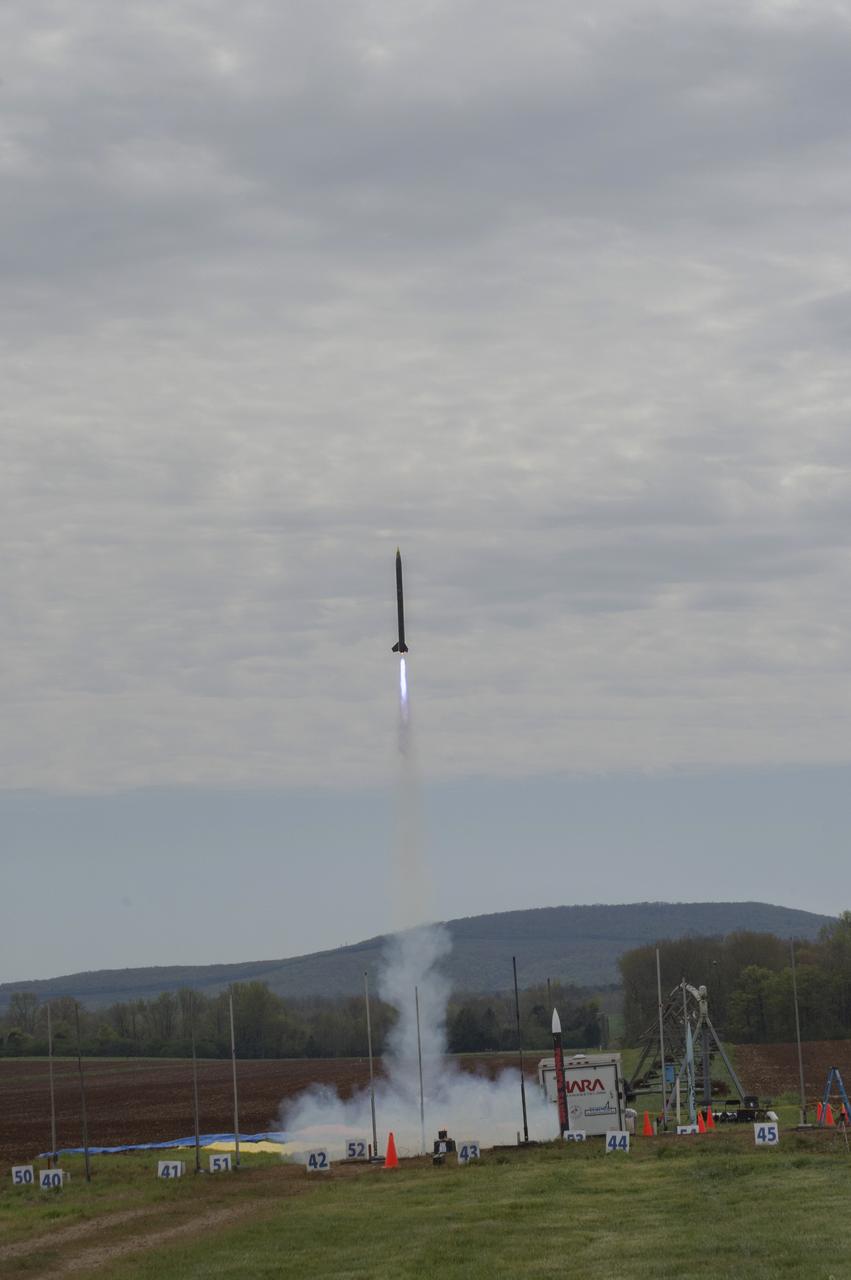
After eight months of designing, building and testing, the middle school, high school and college and university teams launched their rockets as part of NASA Student Launch on Sunday, April 8. The rockets and their payloads are designed to fly to 1-mile in altitude before deploying recovery systems that brings them safely to the ground.
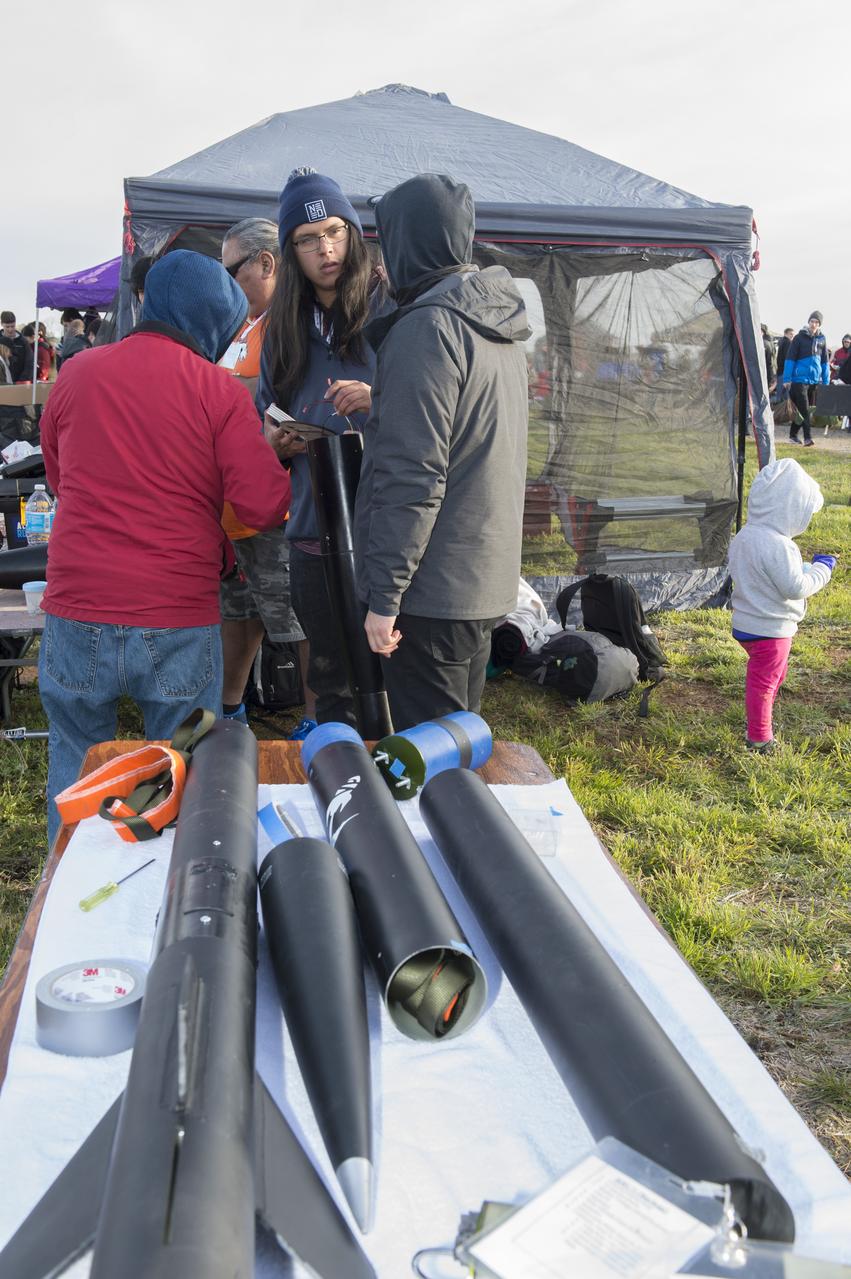
After eight months of designing, building and testing, the middle school, high school and college and university teams launched their rockets as part of NASA Student Launch on Sunday, April 8. The rockets and their payloads are designed to fly to 1-mile in altitude before deploying recovery systems that brings them safely to the ground.
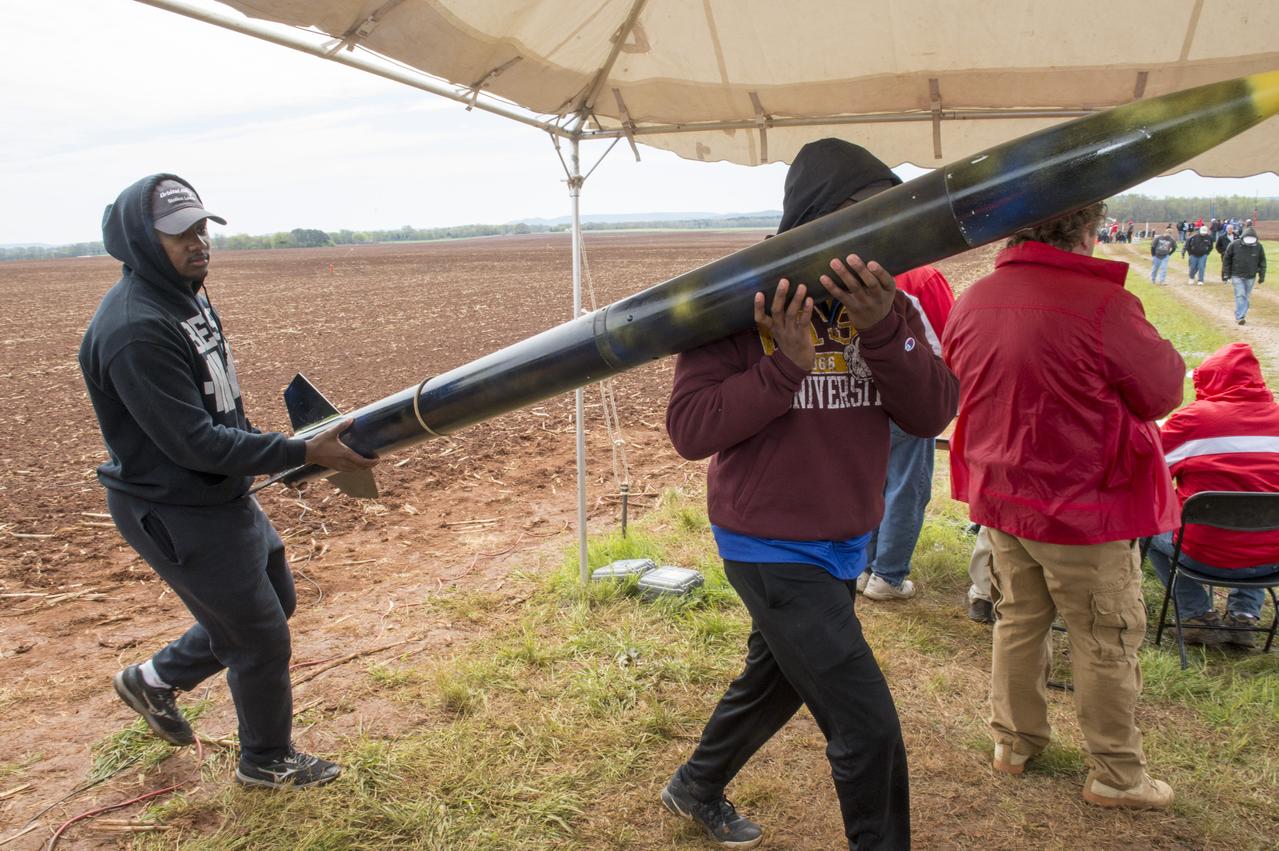
After eight months of designing, building and testing, the middle school, high school and college and university teams launched their rockets as part of NASA Student Launch on Sunday, April 8. The rockets and their payloads are designed to fly to 1-mile in altitude before deploying recovery systems that brings them safely to the ground.
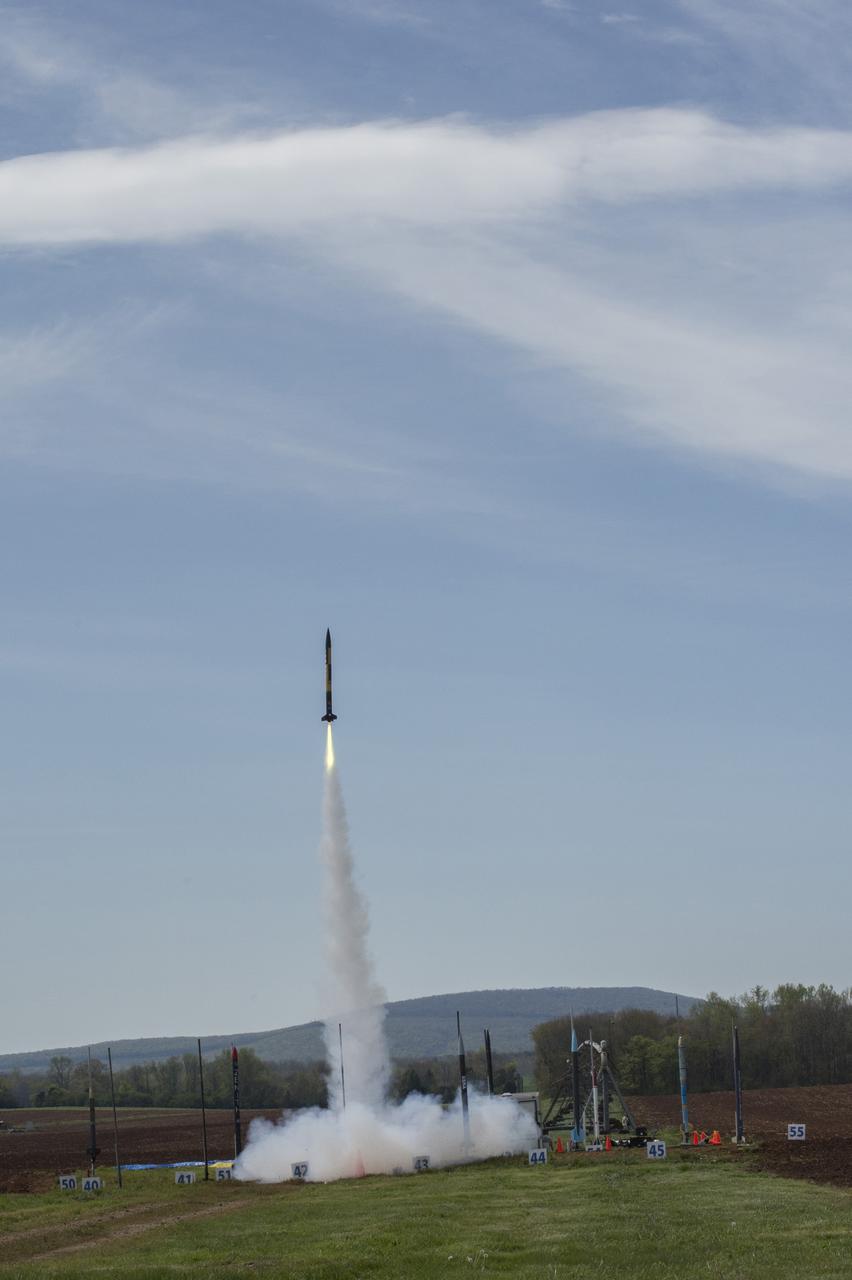
After eight months of designing, building and testing, the middle school, high school and college and university teams launched their rockets as part of NASA Student Launch on Sunday, April 8. The rockets and their payloads are designed to fly to 1-mile in altitude before deploying recovery systems that brings them safely to the ground.
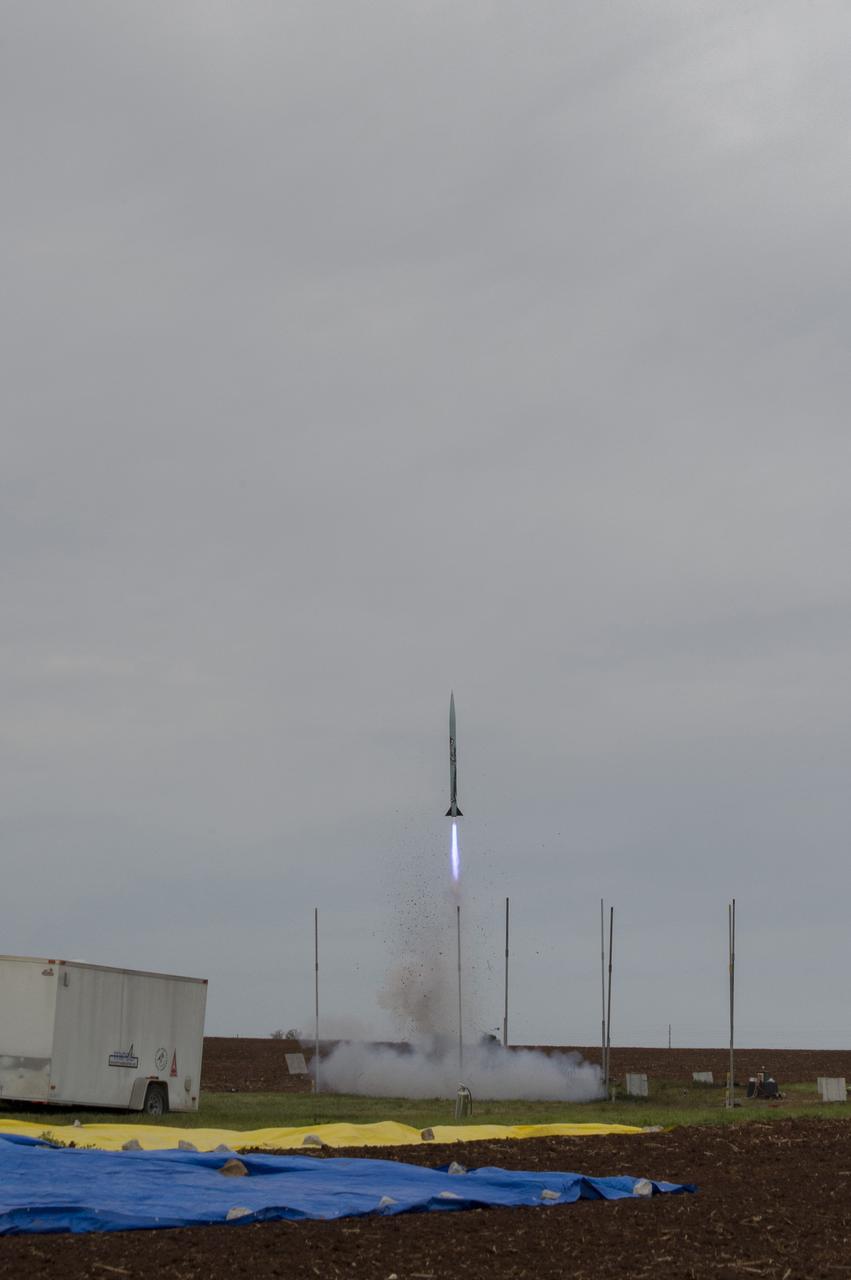
After eight months of designing, building and testing, the middle school, high school and college and university teams launched their rockets as part of NASA Student Launch on Sunday, April 8. The rockets and their payloads are designed to fly to 1-mile in altitude before deploying recovery systems that brings them safely to the ground.
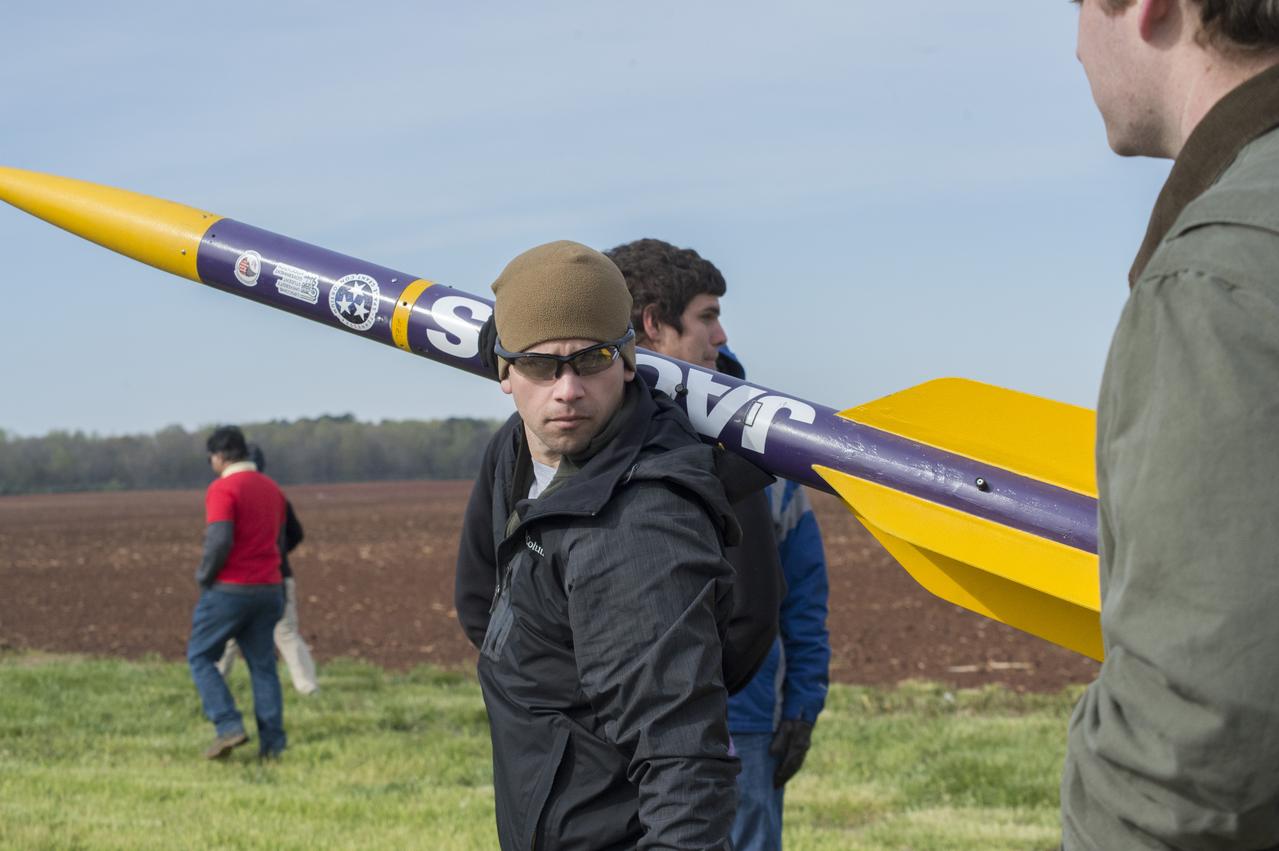
After eight months of designing, building and testing, the middle school, high school and college and university teams launched their rockets as part of NASA Student Launch on Sunday, April 8. The rockets and their payloads are designed to fly to 1-mile in altitude before deploying recovery systems that brings them safely to the ground.
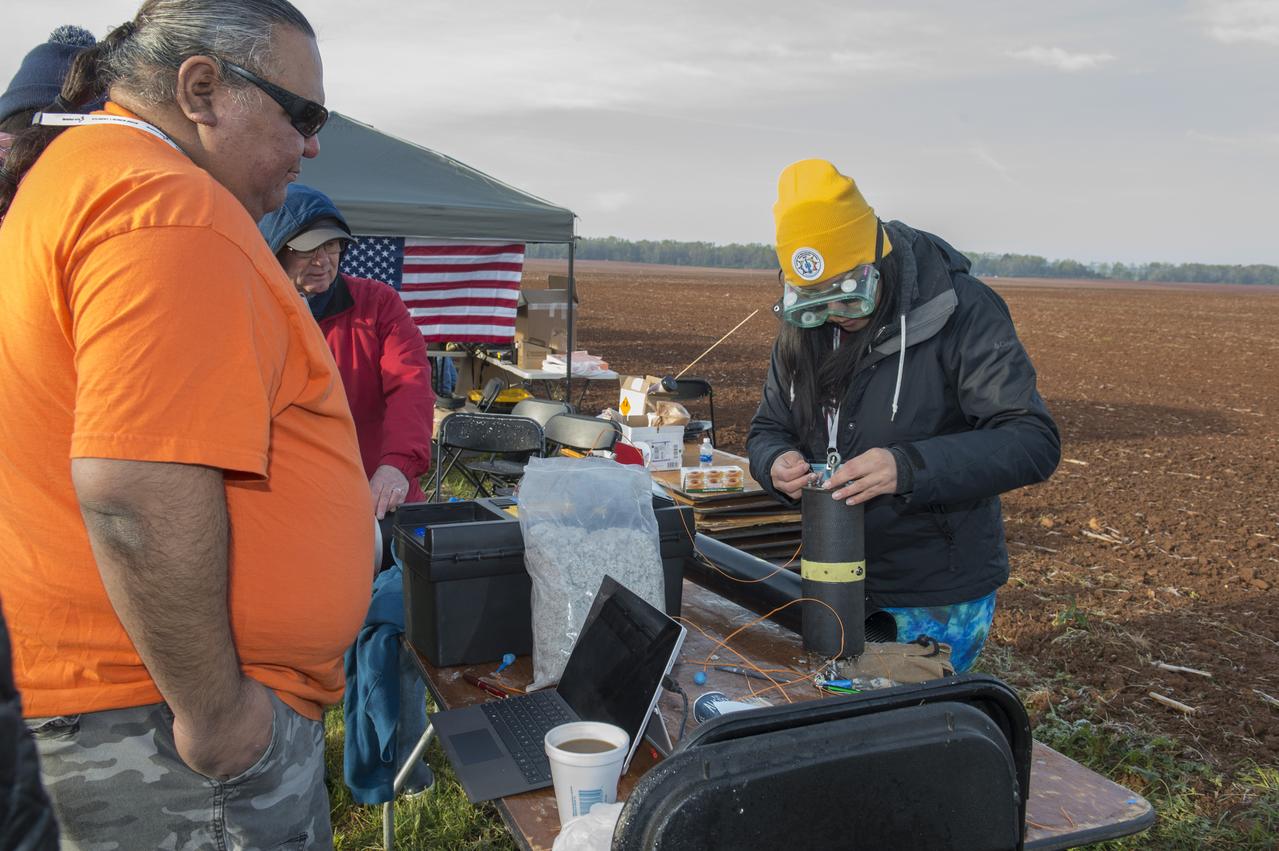
After eight months of designing, building and testing, the middle school, high school and college and university teams launched their rockets as part of NASA Student Launch on Sunday, April 8. The rockets and their payloads are designed to fly to 1-mile in altitude before deploying recovery systems that brings them safely to the ground.
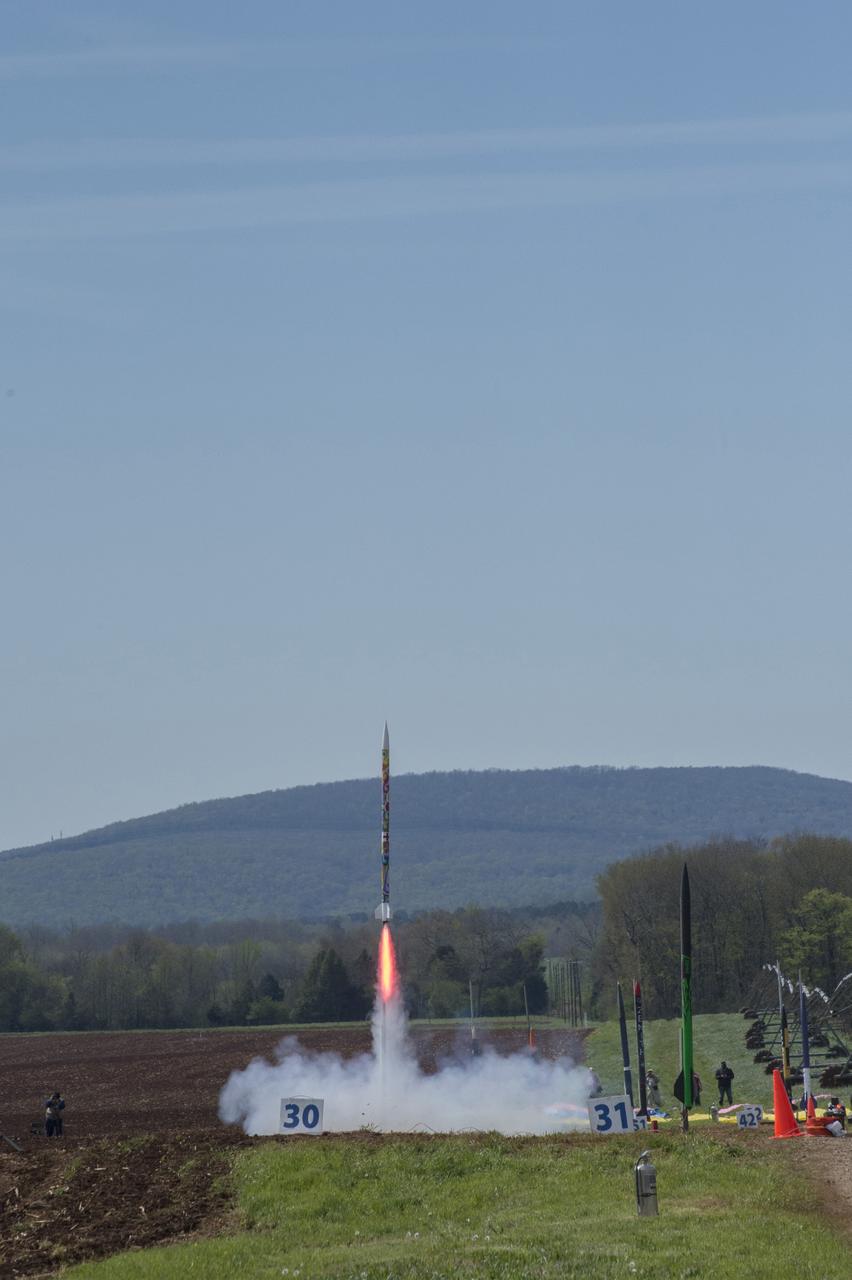
After eight months of designing, building and testing, the middle school, high school and college and university teams launched their rockets as part of NASA Student Launch on Sunday, April 8. The rockets and their payloads are designed to fly to 1-mile in altitude before deploying recovery systems that brings them safely to the ground.
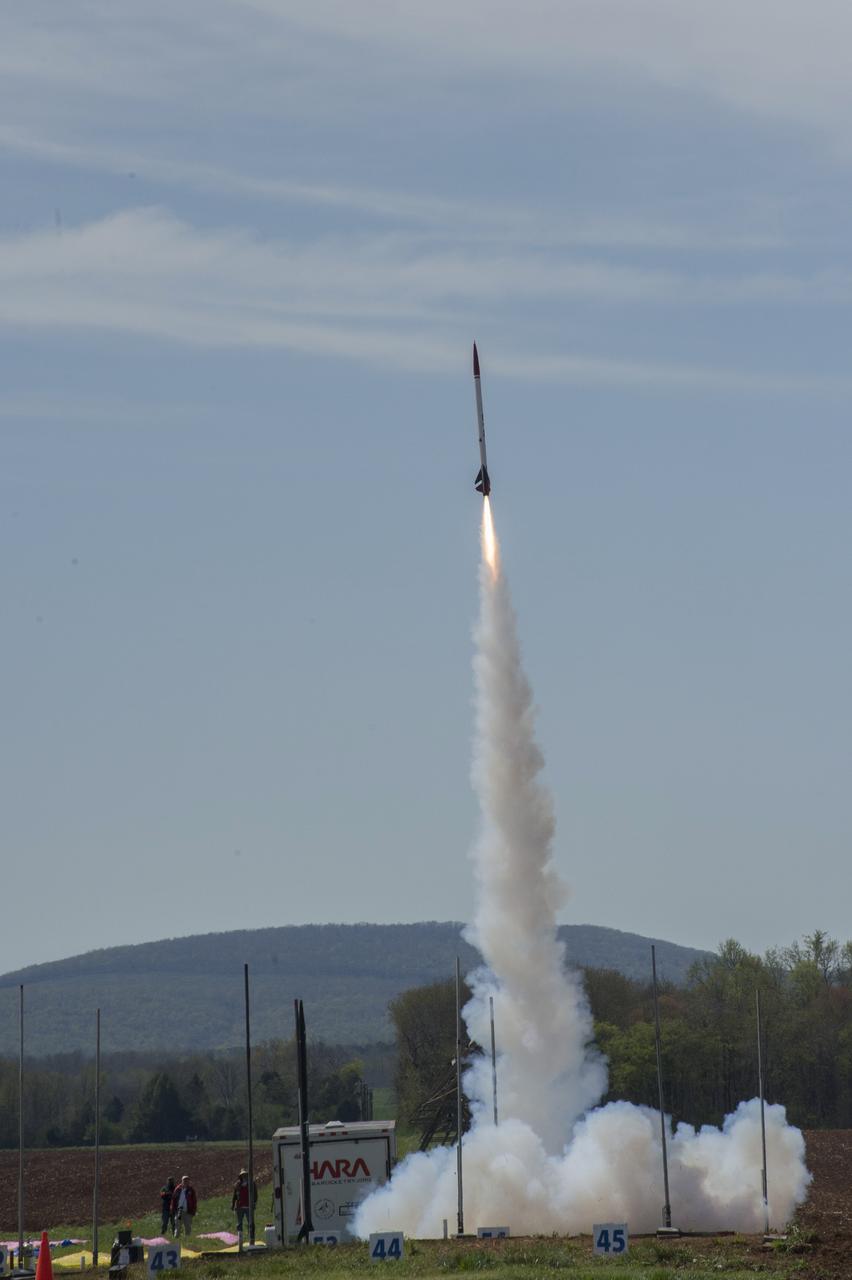
After eight months of designing, building and testing, the middle school, high school and college and university teams launched their rockets as part of NASA Student Launch on Sunday, April 8. The rockets and their payloads are designed to fly to 1-mile in altitude before deploying recovery systems that brings them safely to the ground.
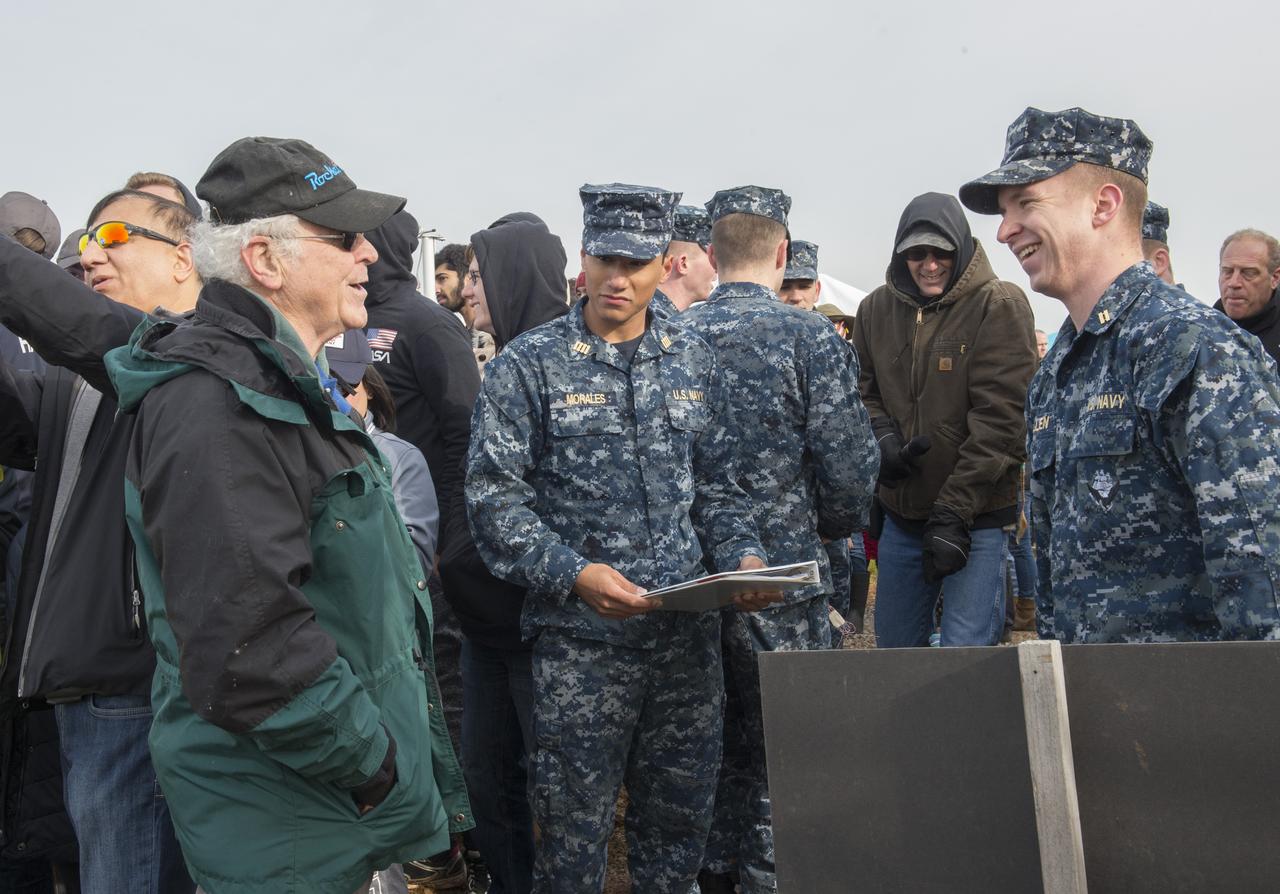
After eight months of designing, building and testing, the middle school, high school and college and university teams launched their rockets as part of NASA Student Launch on Sunday, April 8. The rockets and their payloads are designed to fly to 1-mile in altitude before deploying recovery systems that brings them safely to the ground.
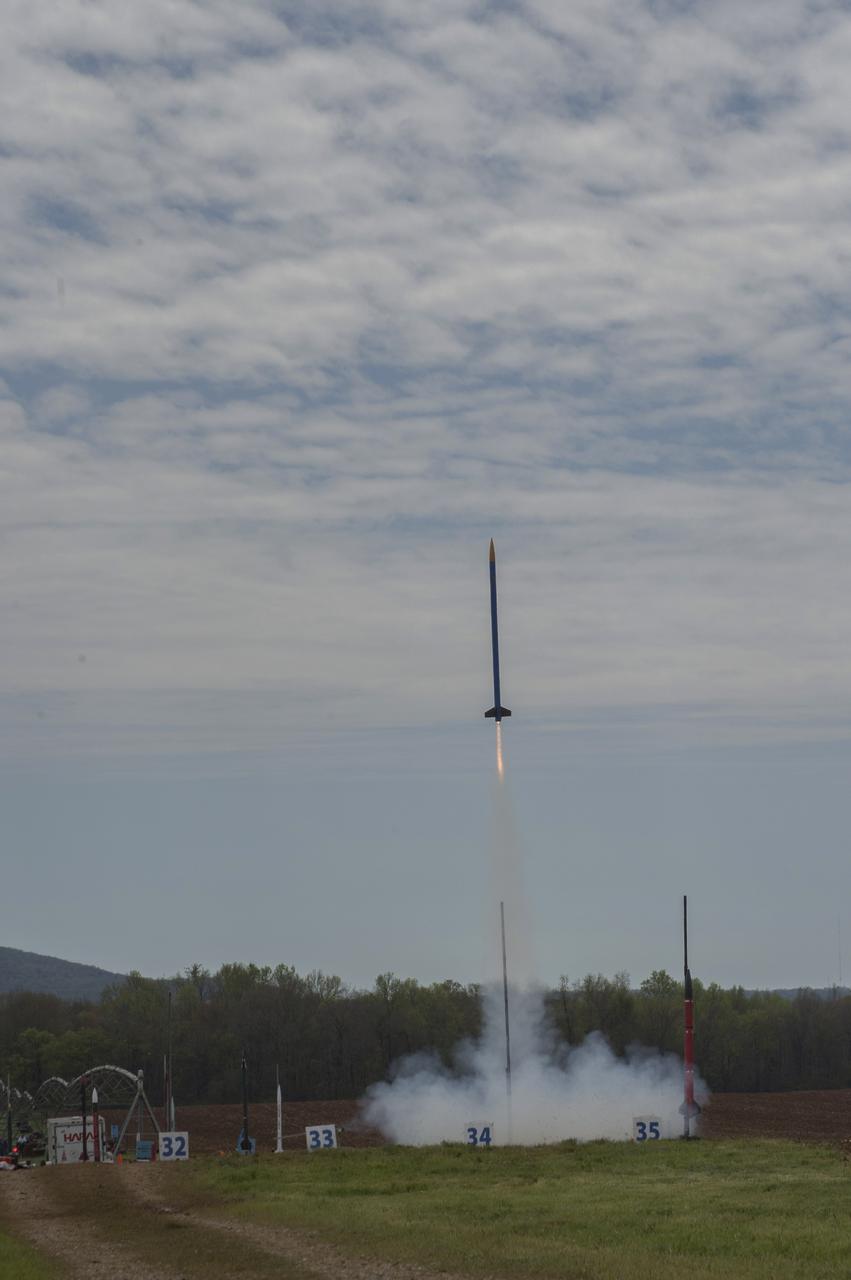
After eight months of designing, building and testing, the middle school, high school and college and university teams launched their rockets as part of NASA Student Launch on Sunday, April 8. The rockets and their payloads are designed to fly to 1-mile in altitude before deploying recovery systems that brings them safely to the ground.
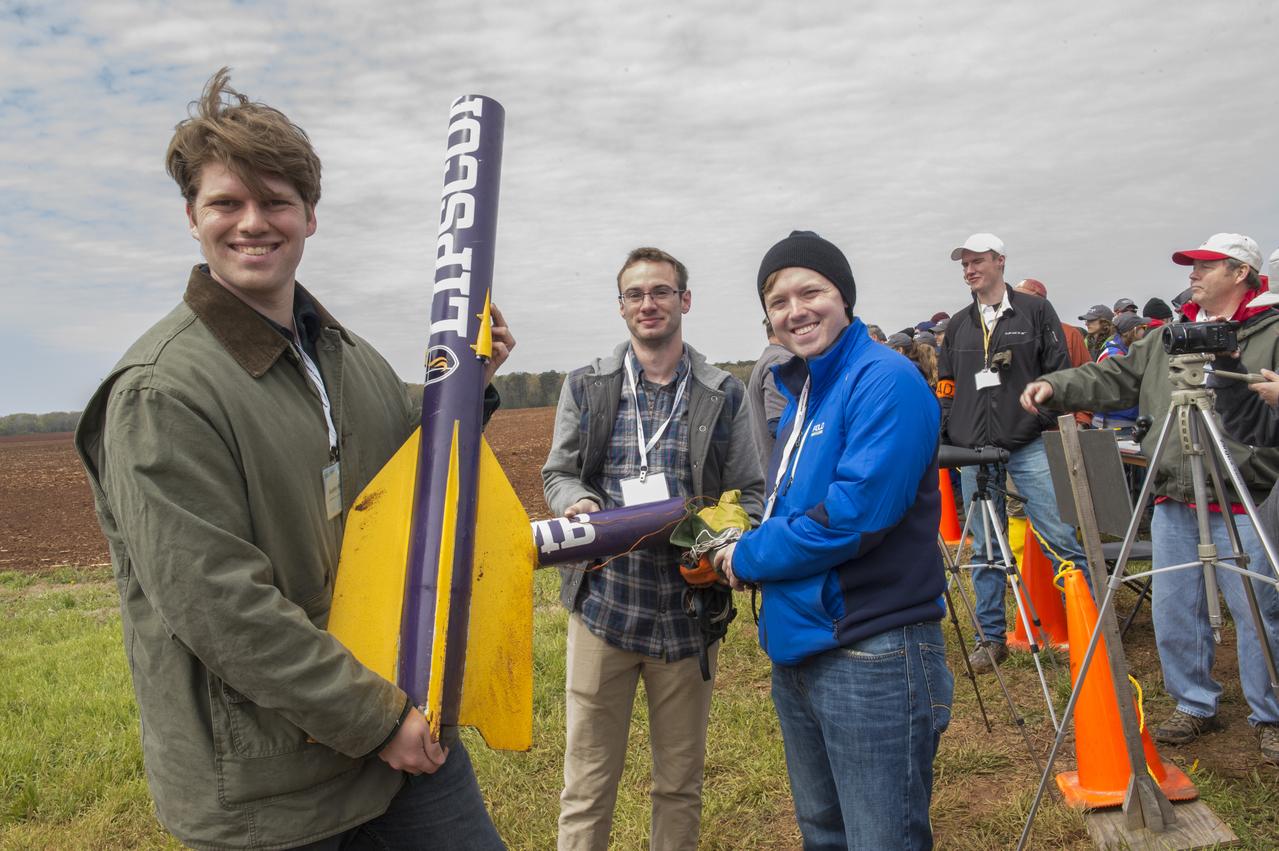
After eight months of designing, building and testing, the middle school, high school and college and university teams launched their rockets as part of NASA Student Launch on Sunday, April 8. The rockets and their payloads are designed to fly to 1-mile in altitude before deploying recovery systems that brings them safely to the ground.
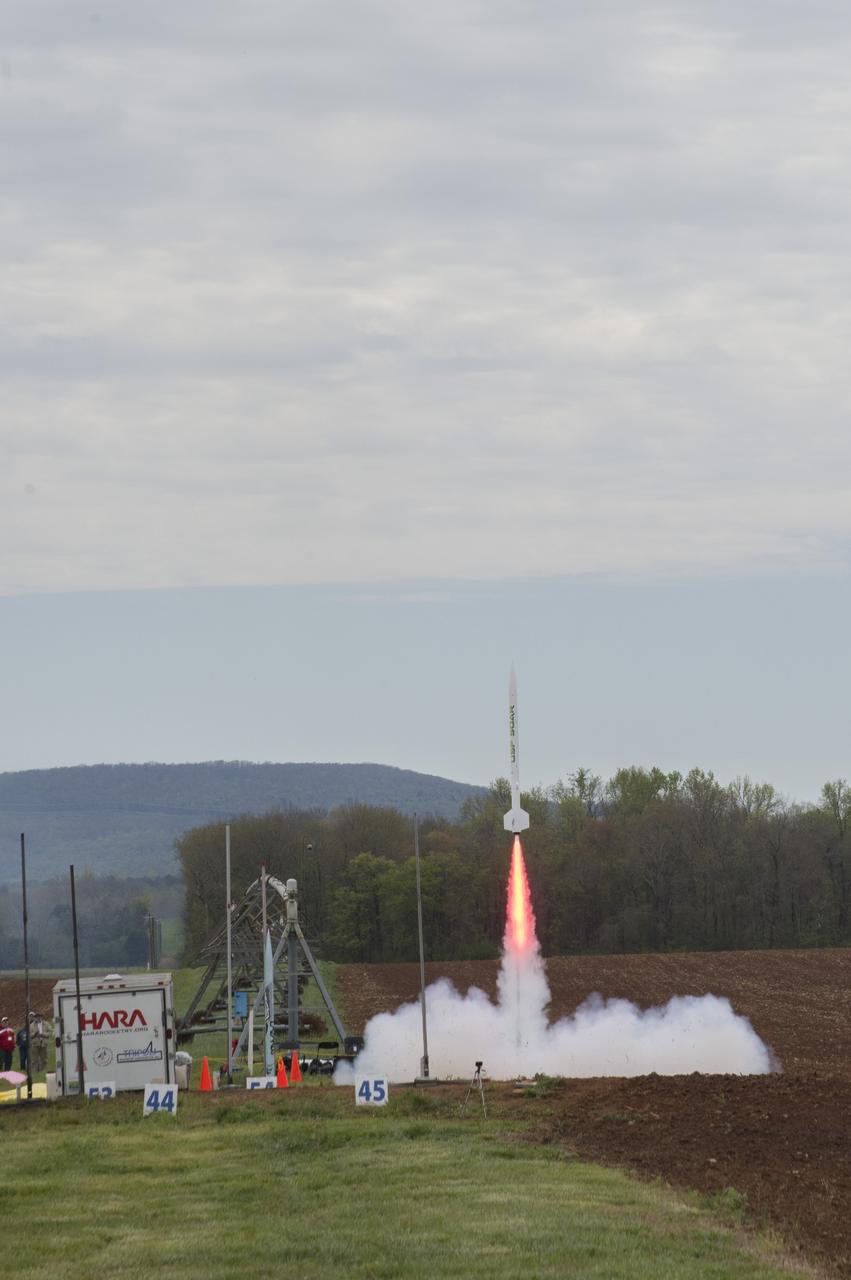
After eight months of designing, building and testing, the middle school, high school and college and university teams launched their rockets as part of NASA Student Launch on Sunday, April 8. The rockets and their payloads are designed to fly to 1-mile in altitude before deploying recovery systems that brings them safely to the ground.
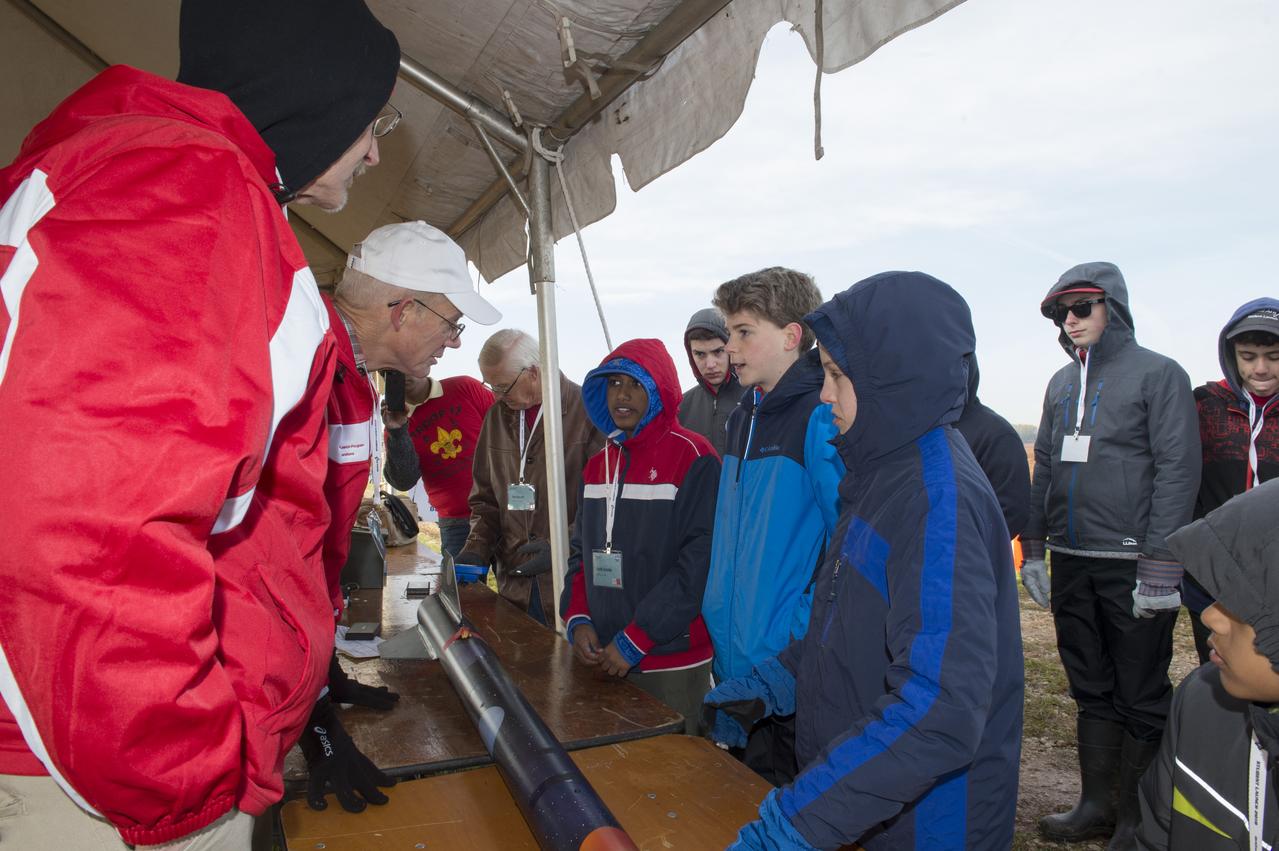
After eight months of designing, building and testing, the middle school, high school and college and university teams launched their rockets as part of NASA Student Launch on Sunday, April 8. The rockets and their payloads are designed to fly to 1-mile in altitude before deploying recovery systems that brings them safely to the ground.
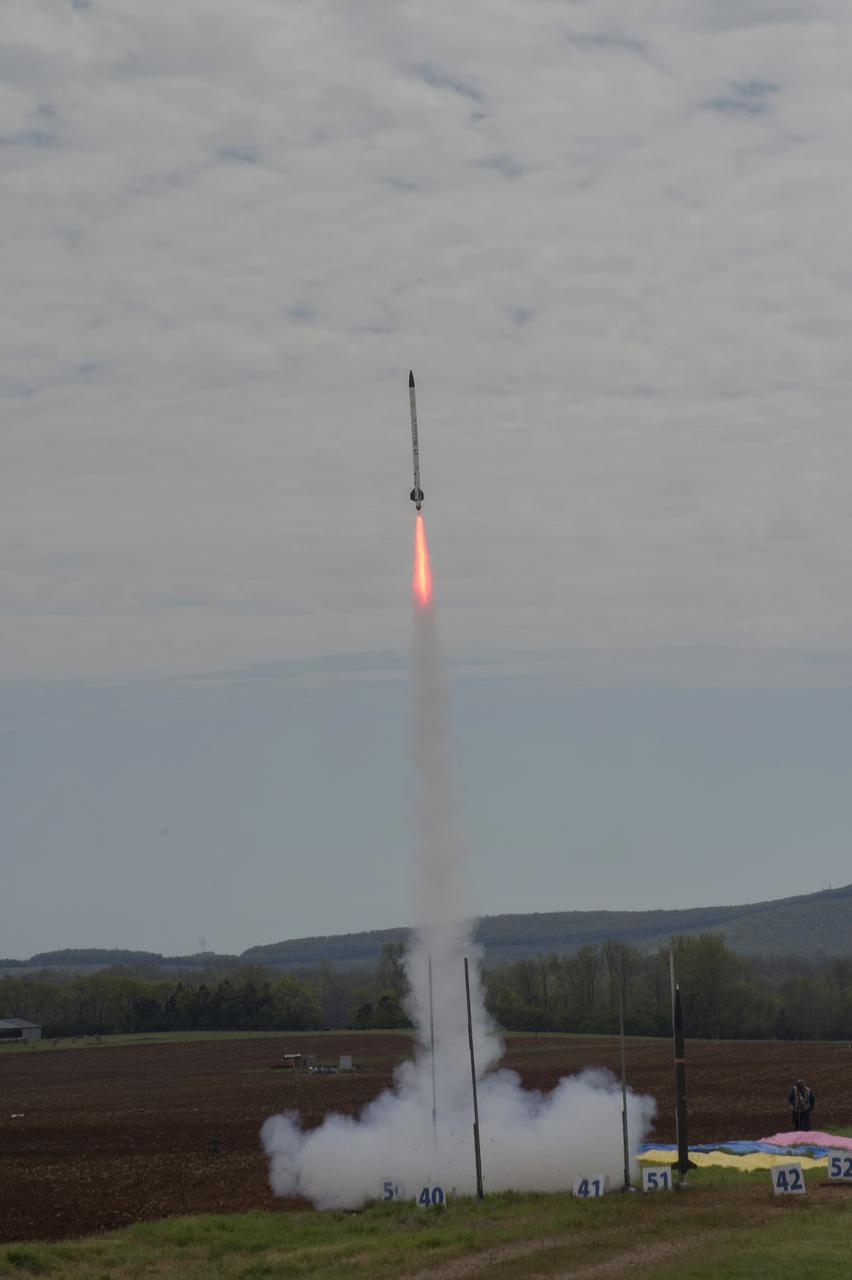
After eight months of designing, building and testing, the middle school, high school and college and university teams launched their rockets as part of NASA Student Launch on Sunday, April 8. The rockets and their payloads are designed to fly to 1-mile in altitude before deploying recovery systems that brings them safely to the ground.
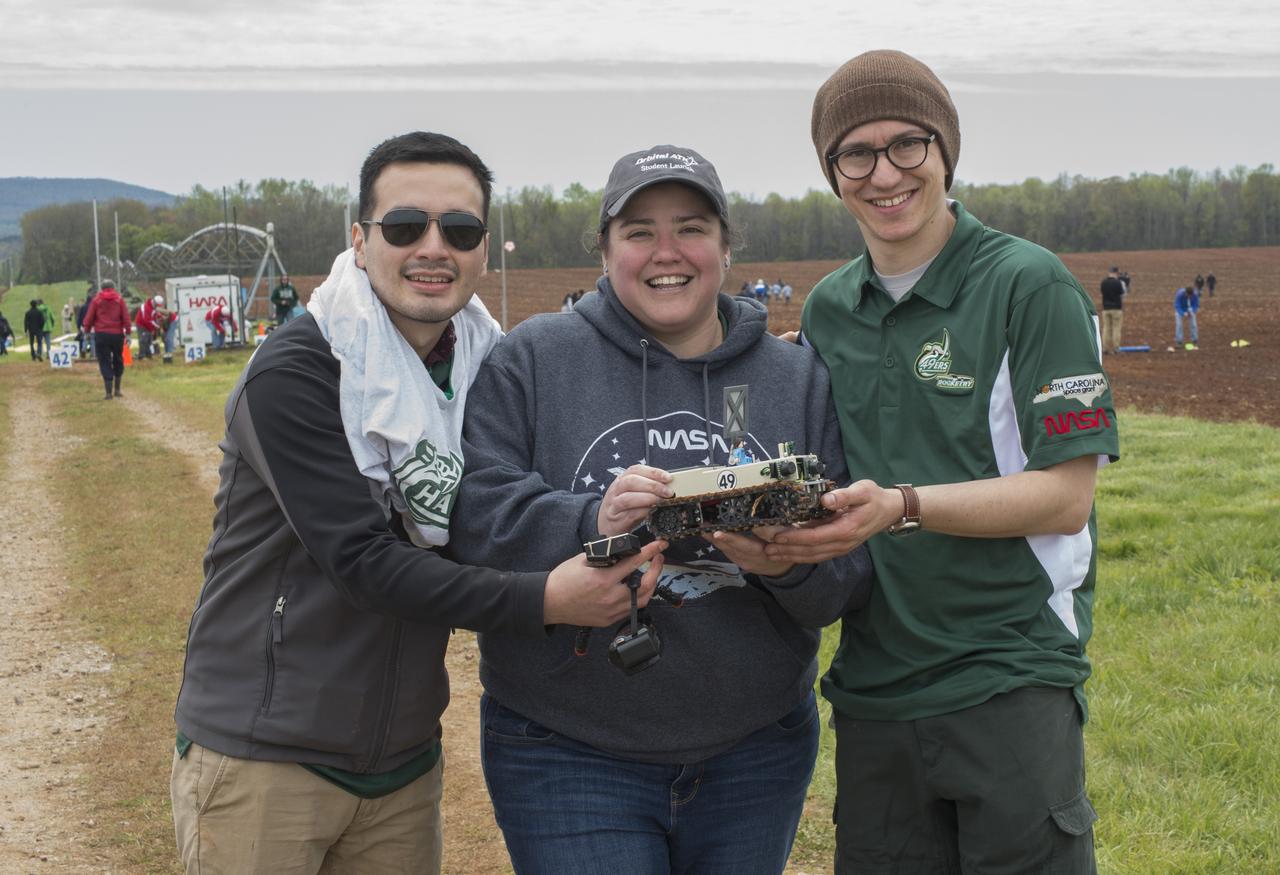
After eight months of designing, building and testing, the middle school, high school and college and university teams launched their rockets as part of NASA Student Launch on Sunday, April 8. The rockets and their payloads are designed to fly to 1-mile in altitude before deploying recovery systems that brings them safely to the ground.
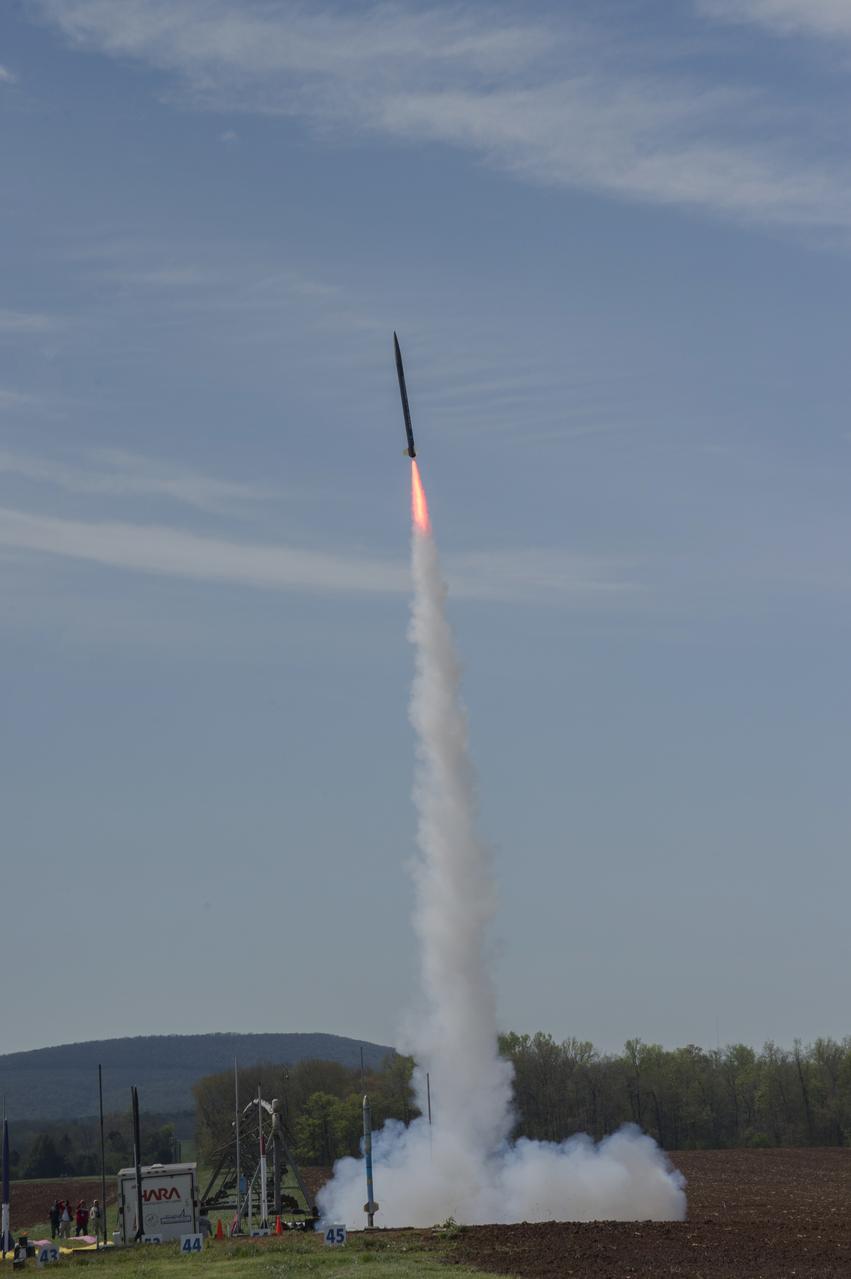
After eight months of designing, building and testing, the middle school, high school and college and university teams launched their rockets as part of NASA Student Launch on Sunday, April 8. The rockets and their payloads are designed to fly to 1-mile in altitude before deploying recovery systems that brings them safely to the ground.
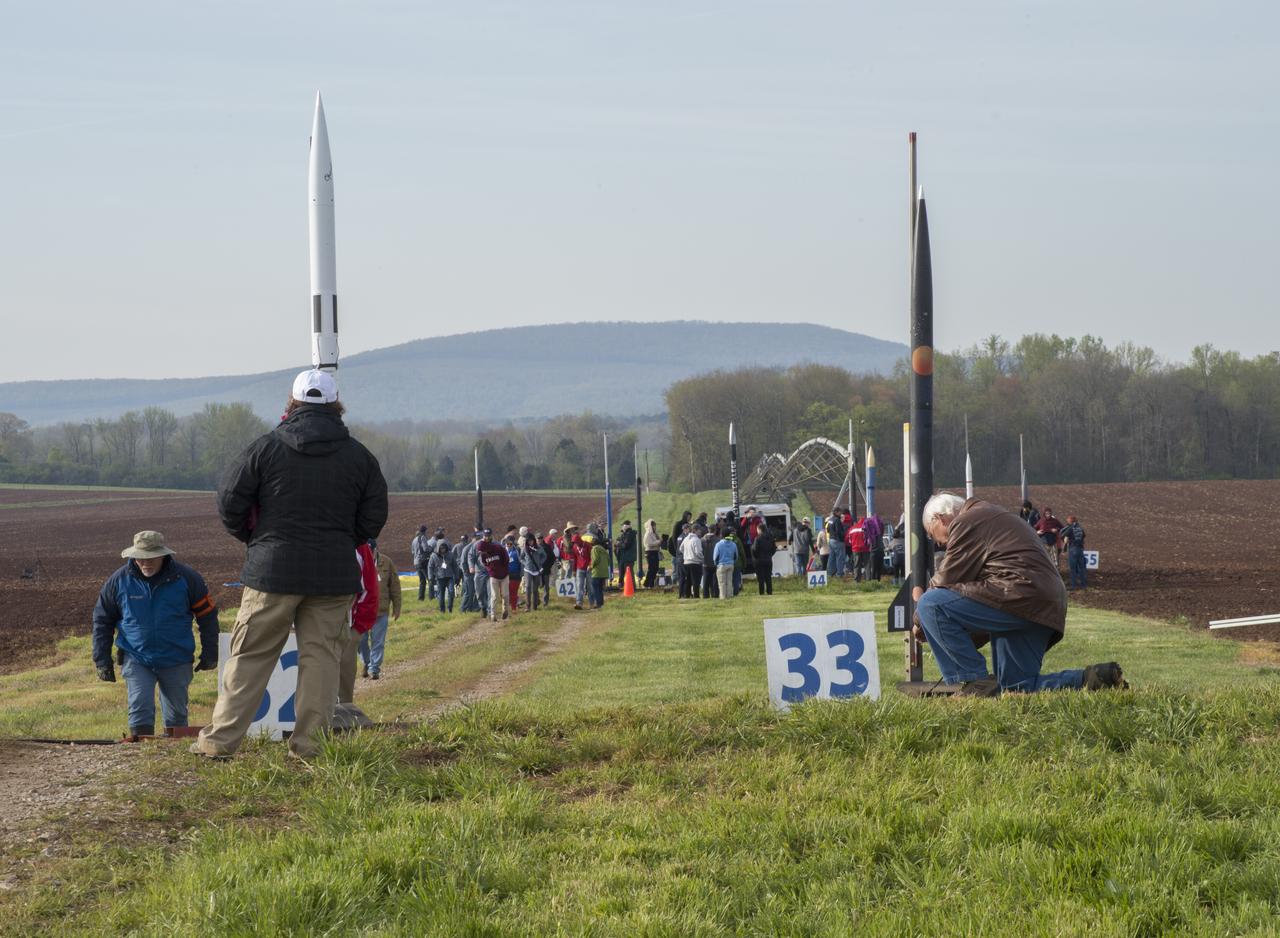
After eight months of designing, building and testing, the middle school, high school and college and university teams launched their rockets as part of NASA Student Launch on Sunday, April 8. The rockets and their payloads are designed to fly to 1-mile in altitude before deploying recovery systems that brings them safely to the ground.
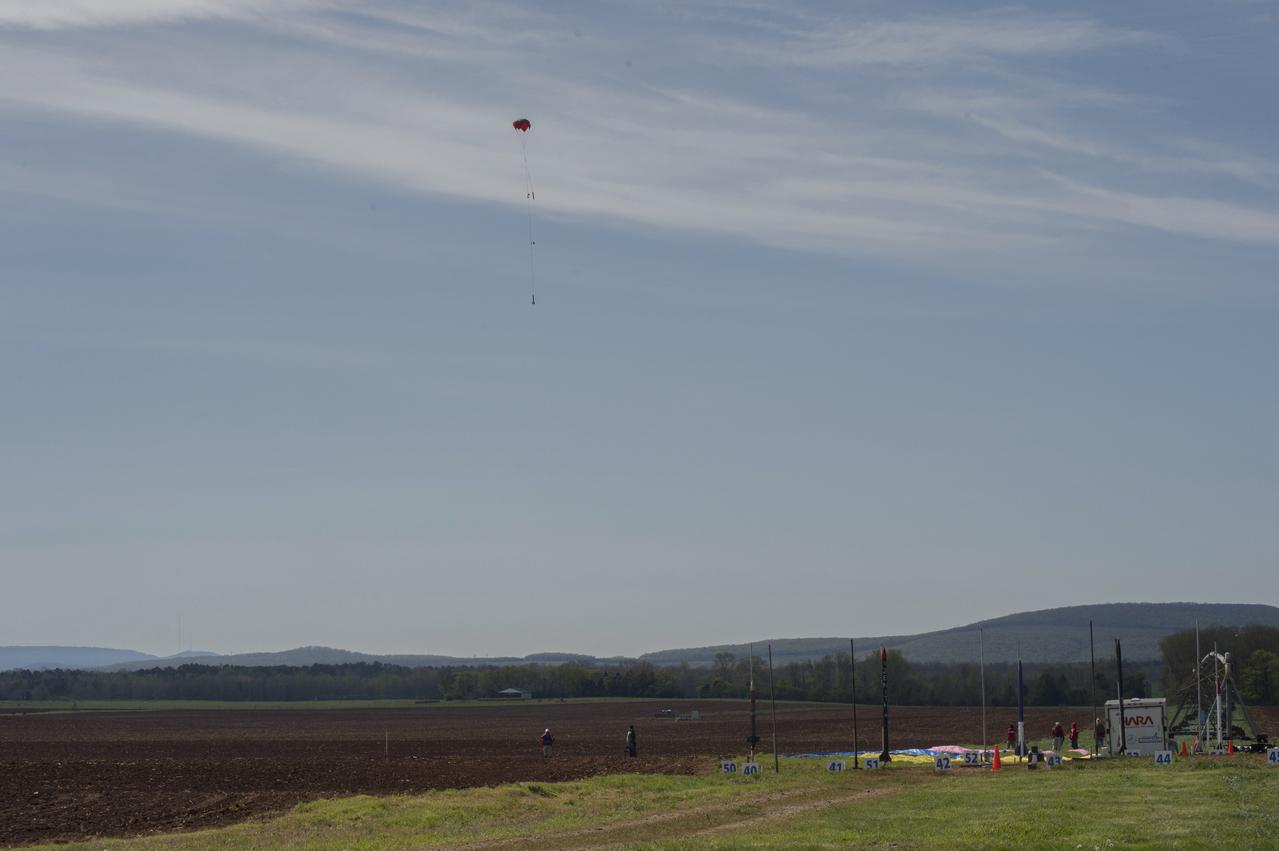
After eight months of designing, building and testing, the middle school, high school and college and university teams launched their rockets as part of NASA Student Launch on Sunday, April 8. The rockets and their payloads are designed to fly to 1-mile in altitude before deploying recovery systems that brings them safely to the ground.
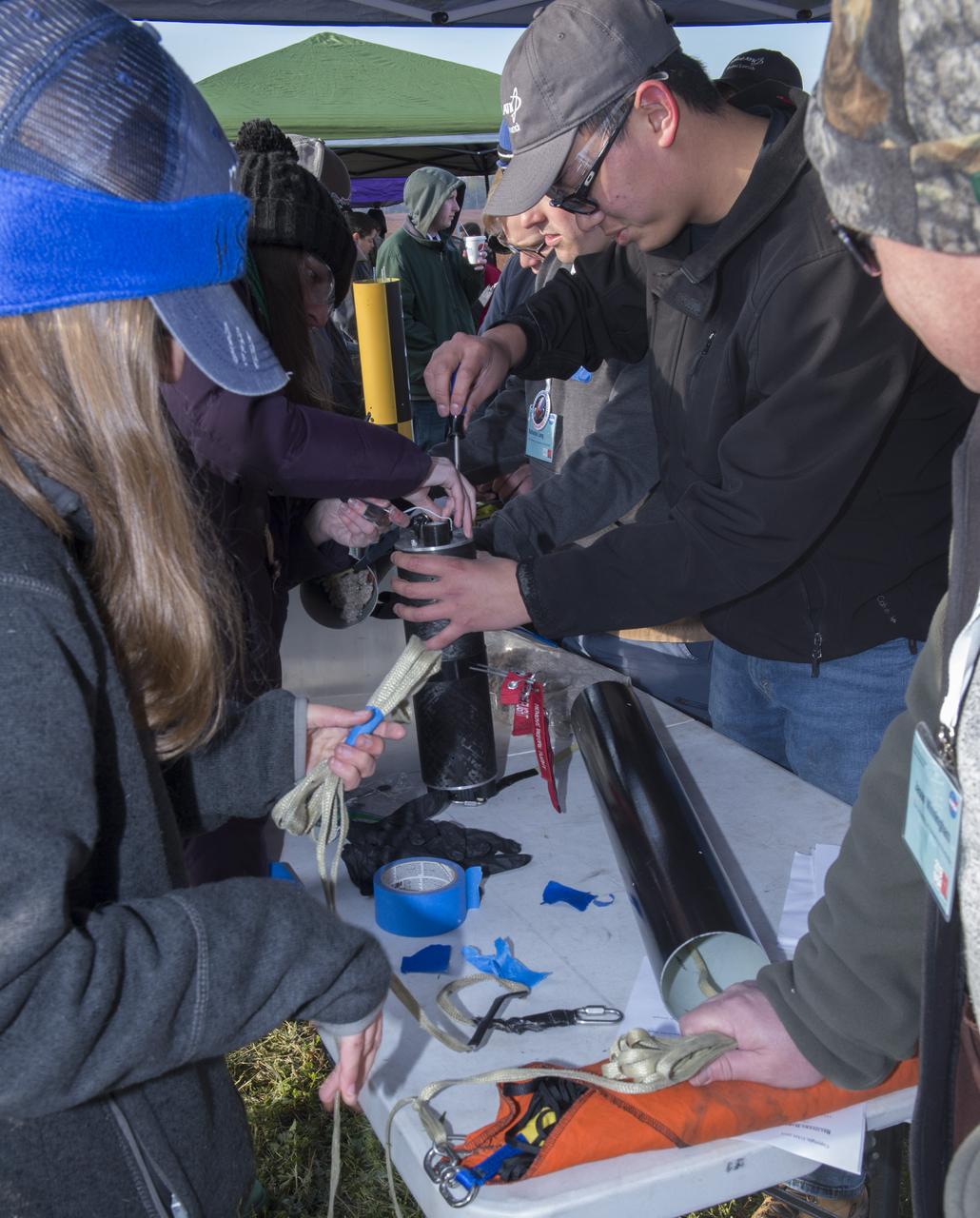
After eight months of designing, building and testing, the middle school, high school and college and university teams launched their rockets as part of NASA Student Launch on Sunday, April 8. The rockets and their payloads are designed to fly to 1-mile in altitude before deploying recovery systems that brings them safely to the ground.
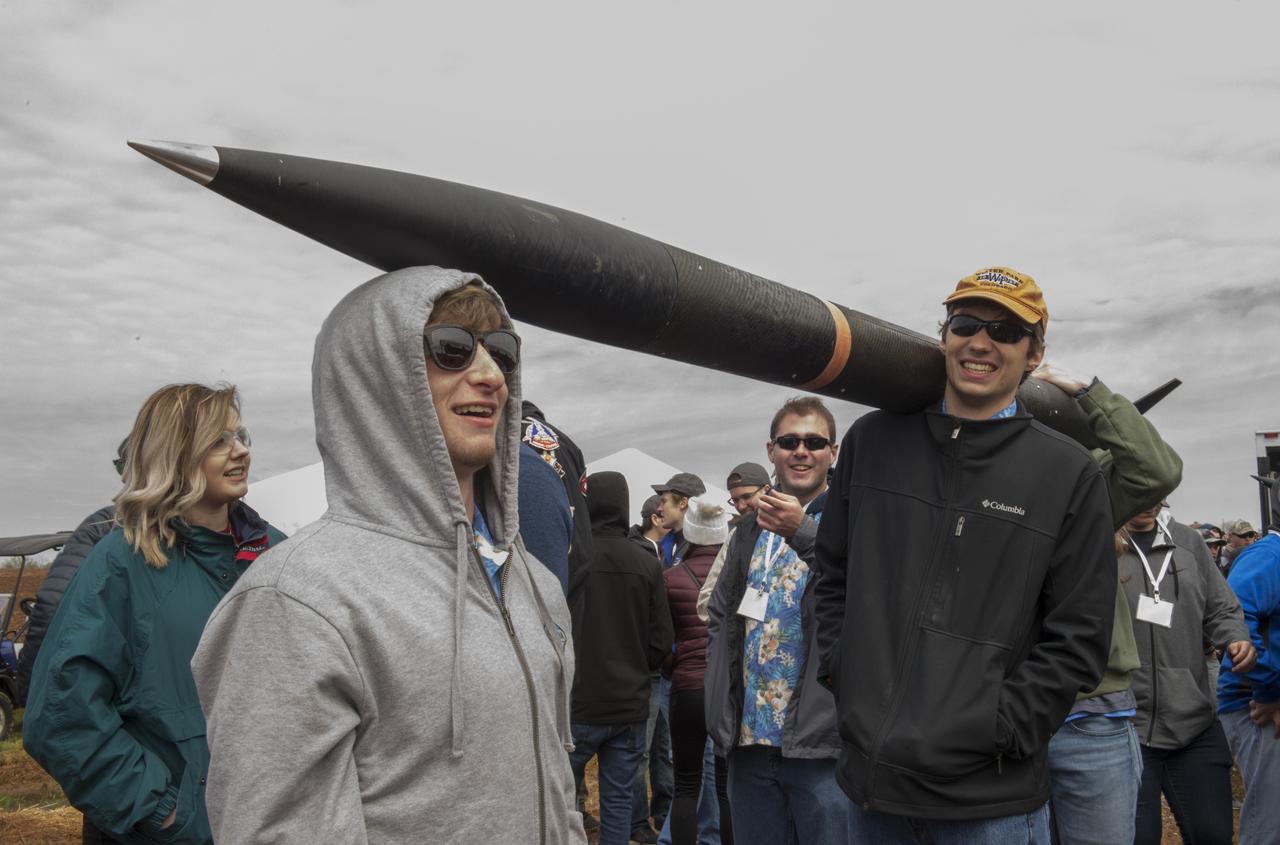
After eight months of designing, building and testing, the middle school, high school and college and university teams launched their rockets as part of NASA Student Launch on Sunday, April 8. The rockets and their payloads are designed to fly to 1-mile in altitude before deploying recovery systems that brings them safely to the ground.
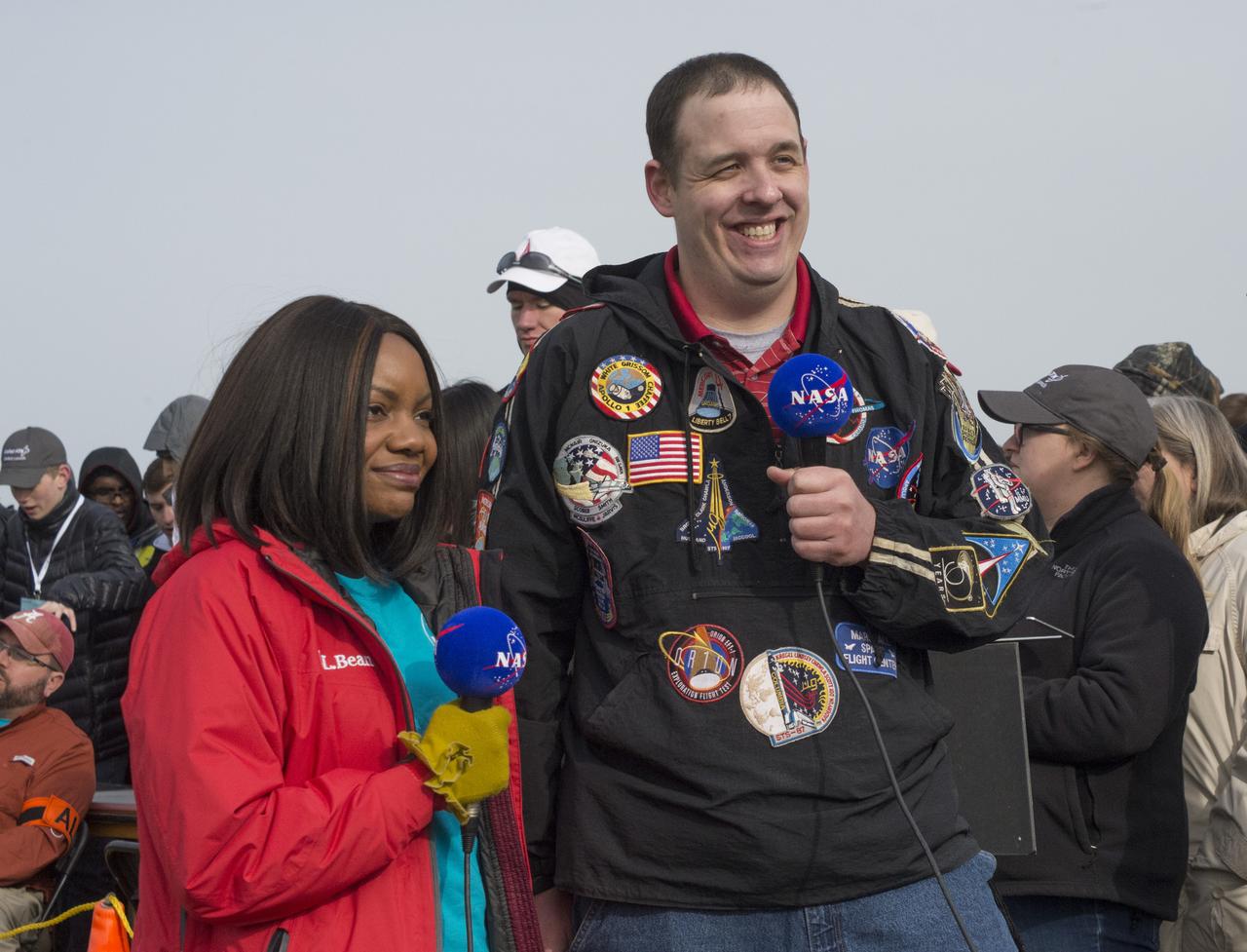
After eight months of designing, building and testing, the middle school, high school and college and university teams launched their rockets as part of NASA Student Launch on Sunday, April 8. The rockets and their payloads are designed to fly to 1-mile in altitude before deploying recovery systems that brings them safely to the ground.
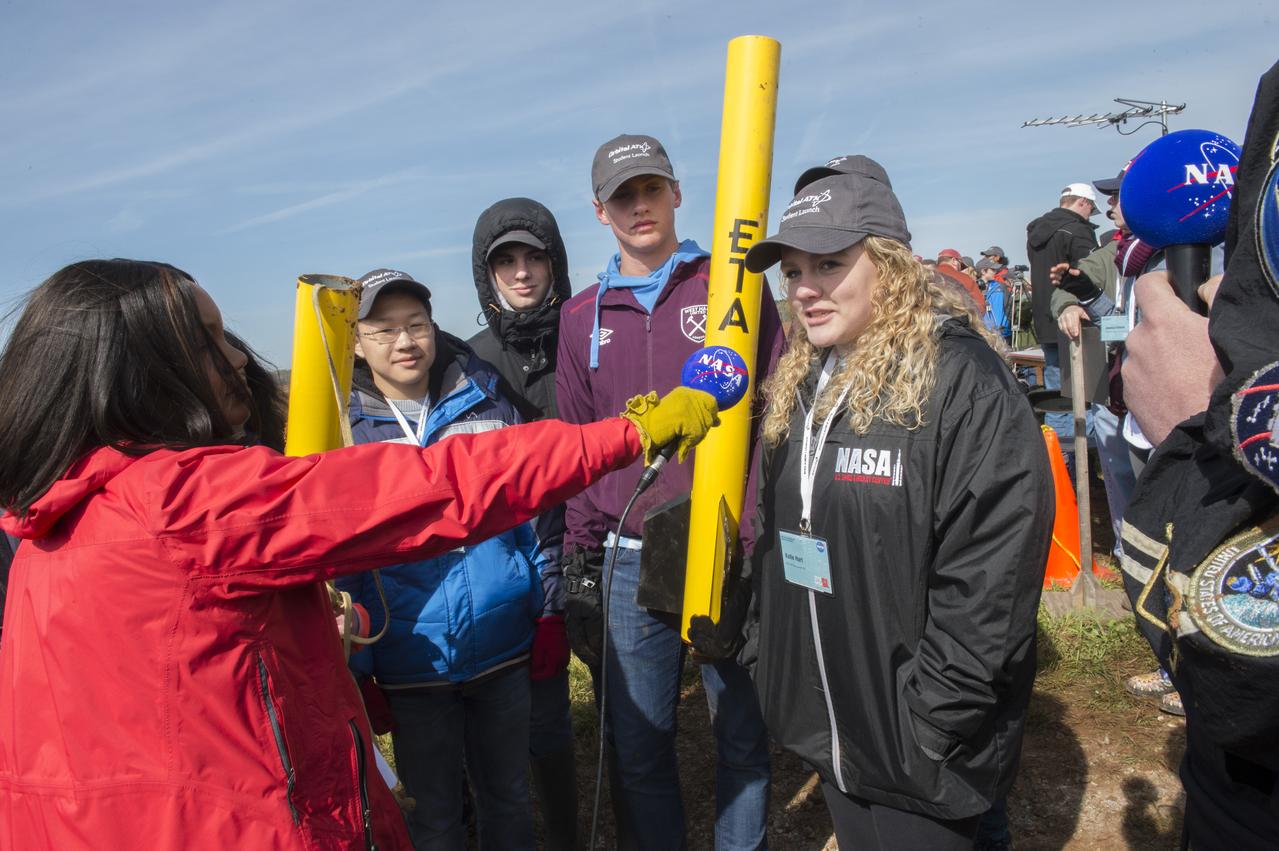
After eight months of designing, building and testing, the middle school, high school and college and university teams launched their rockets as part of NASA Student Launch on Sunday, April 8. The rockets and their payloads are designed to fly to 1-mile in altitude before deploying recovery systems that brings them safely to the ground.
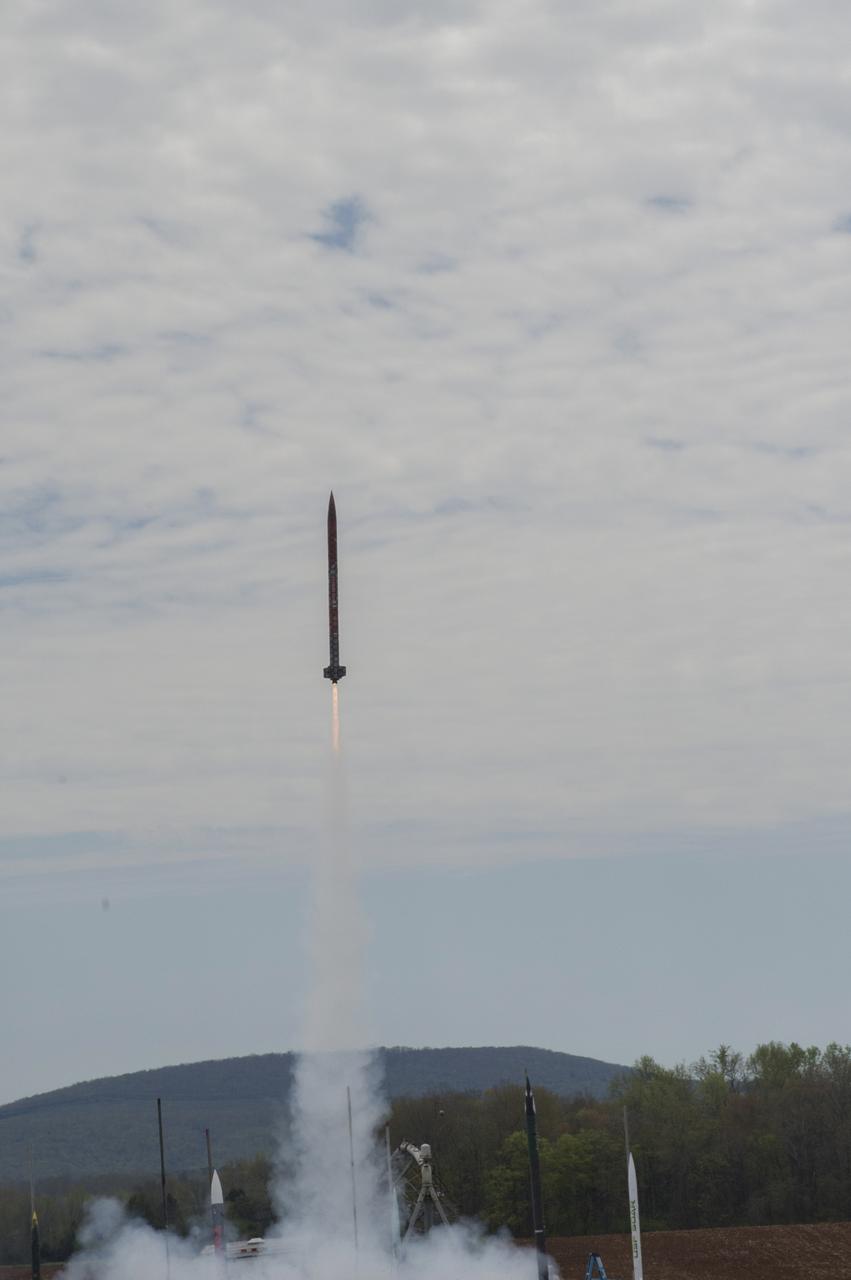
After eight months of designing, building and testing, the middle school, high school and college and university teams launched their rockets as part of NASA Student Launch on Sunday, April 8. The rockets and their payloads are designed to fly to 1-mile in altitude before deploying recovery systems that brings them safely to the ground.
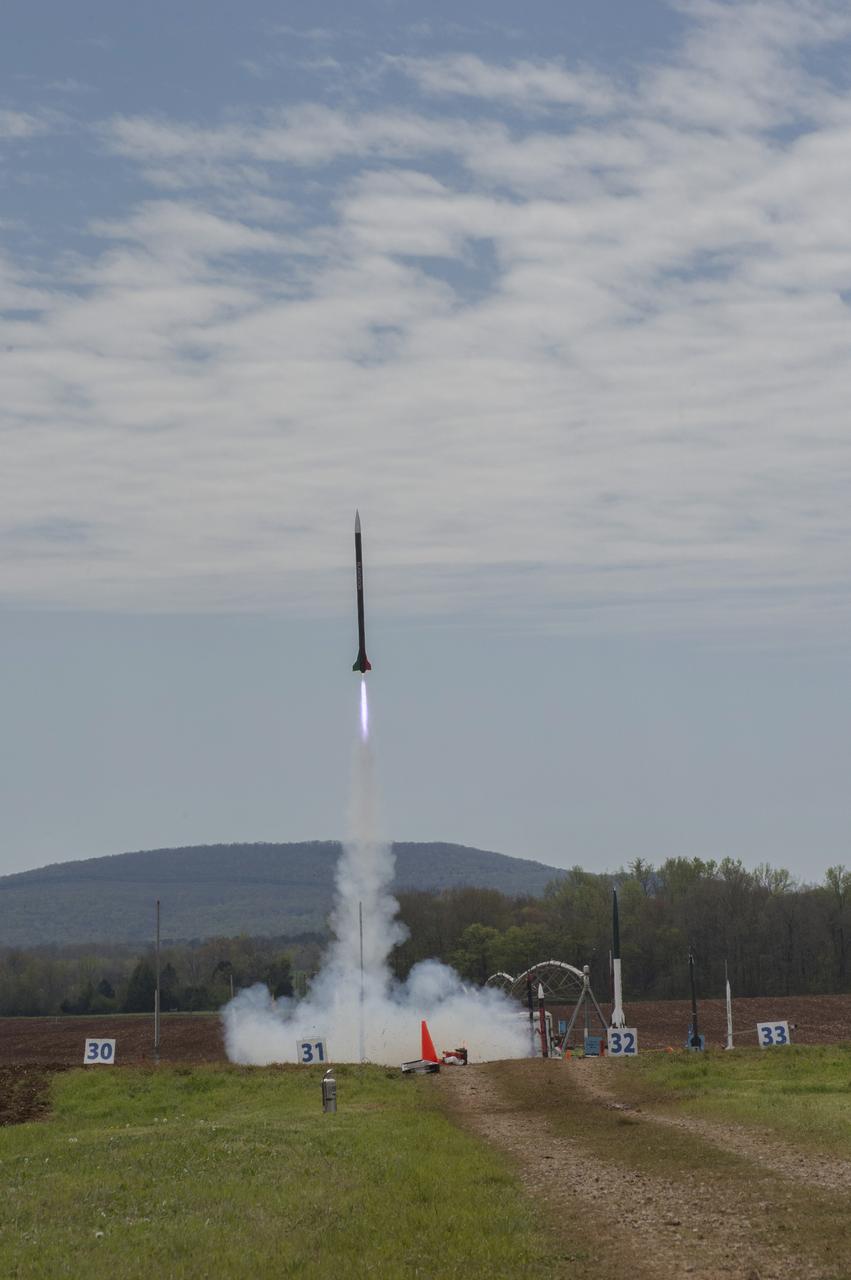
After eight months of designing, building and testing, the middle school, high school and college and university teams launched their rockets as part of NASA Student Launch on Sunday, April 8. The rockets and their payloads are designed to fly to 1-mile in altitude before deploying recovery systems that brings them safely to the ground.
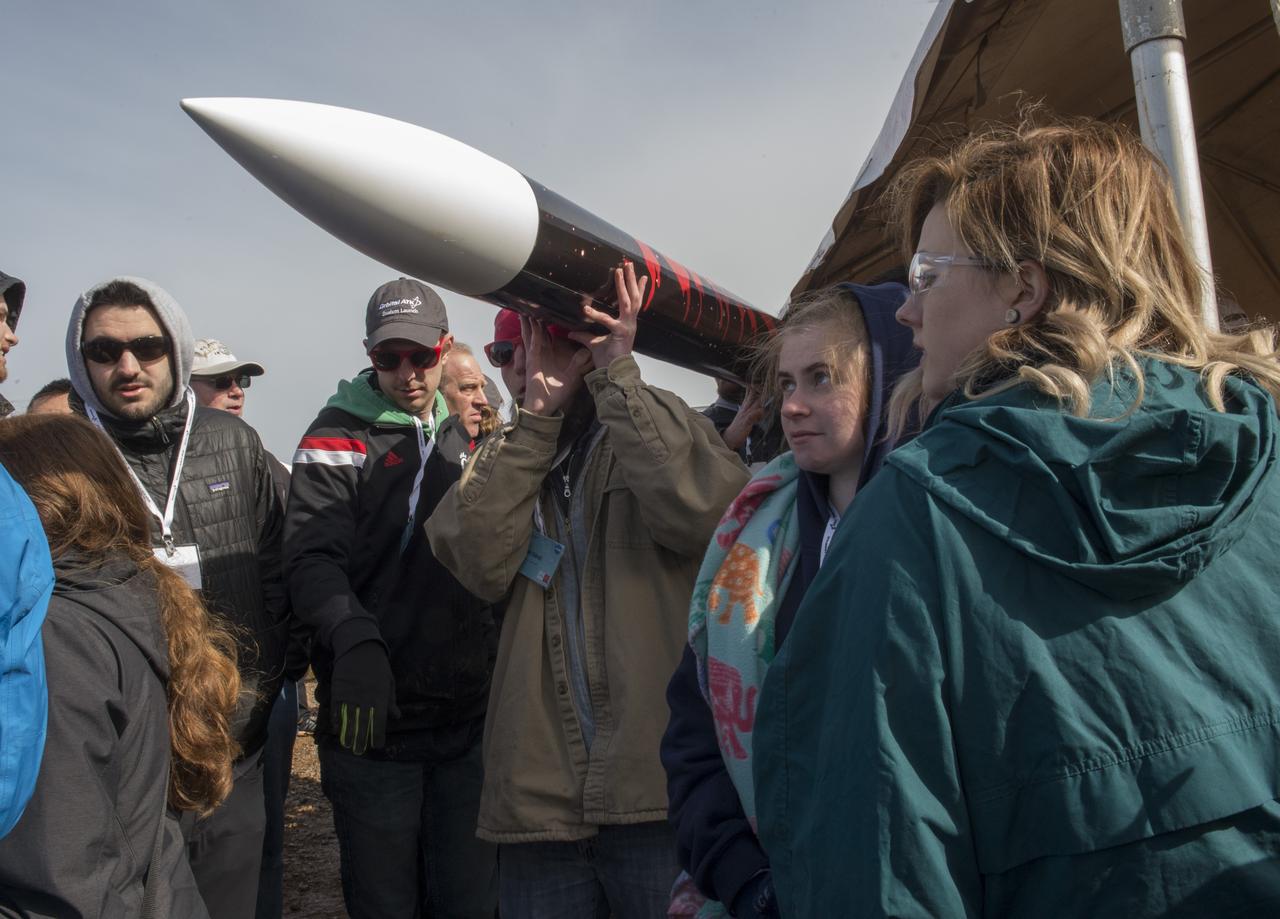
After eight months of designing, building and testing, the middle school, high school and college and university teams launched their rockets as part of NASA Student Launch on Sunday, April 8. The rockets and their payloads are designed to fly to 1-mile in altitude before deploying recovery systems that brings them safely to the ground.
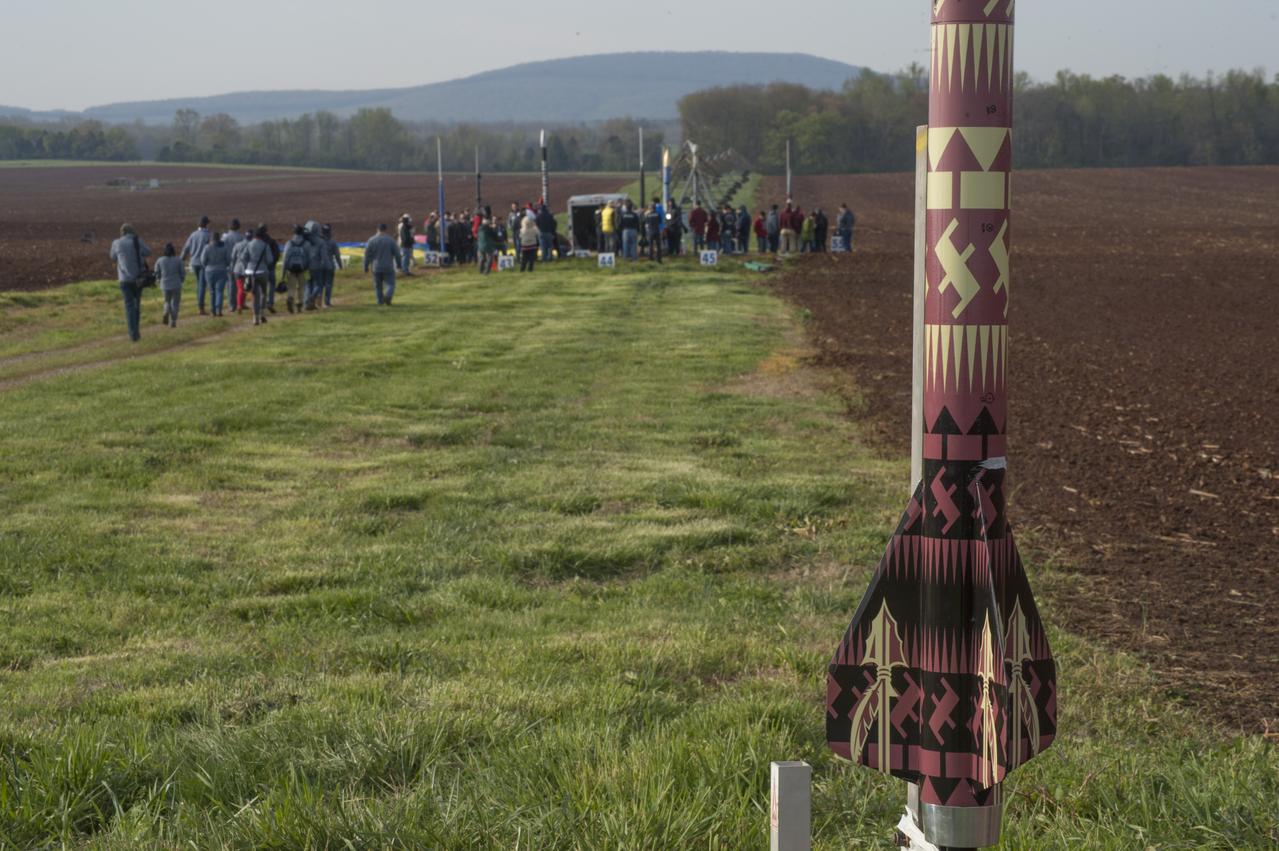
After eight months of designing, building and testing, the middle school, high school and college and university teams launched their rockets as part of NASA Student Launch on Sunday, April 8. The rockets and their payloads are designed to fly to 1-mile in altitude before deploying recovery systems that brings them safely to the ground.
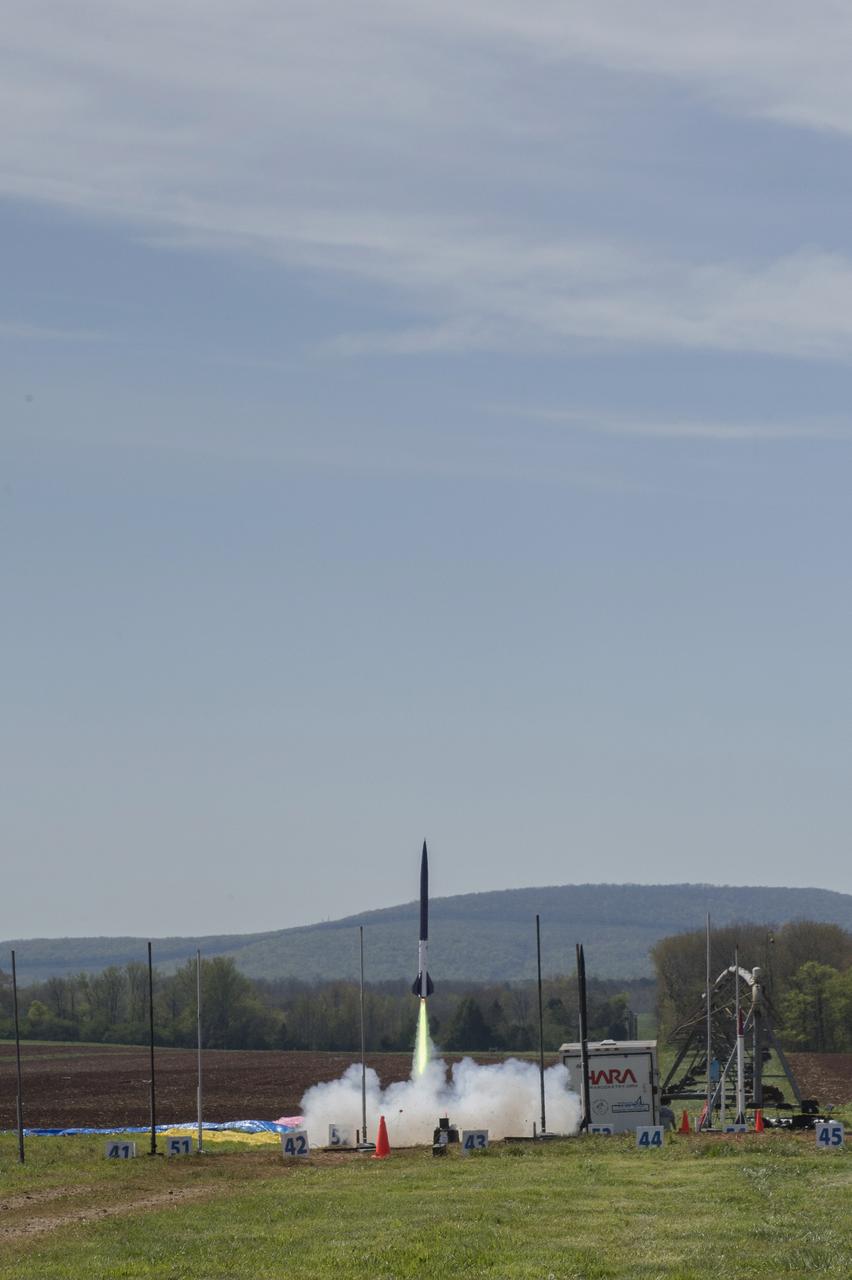
After eight months of designing, building and testing, the middle school, high school and college and university teams launched their rockets as part of NASA Student Launch on Sunday, April 8. The rockets and their payloads are designed to fly to 1-mile in altitude before deploying recovery systems that brings them safely to the ground.
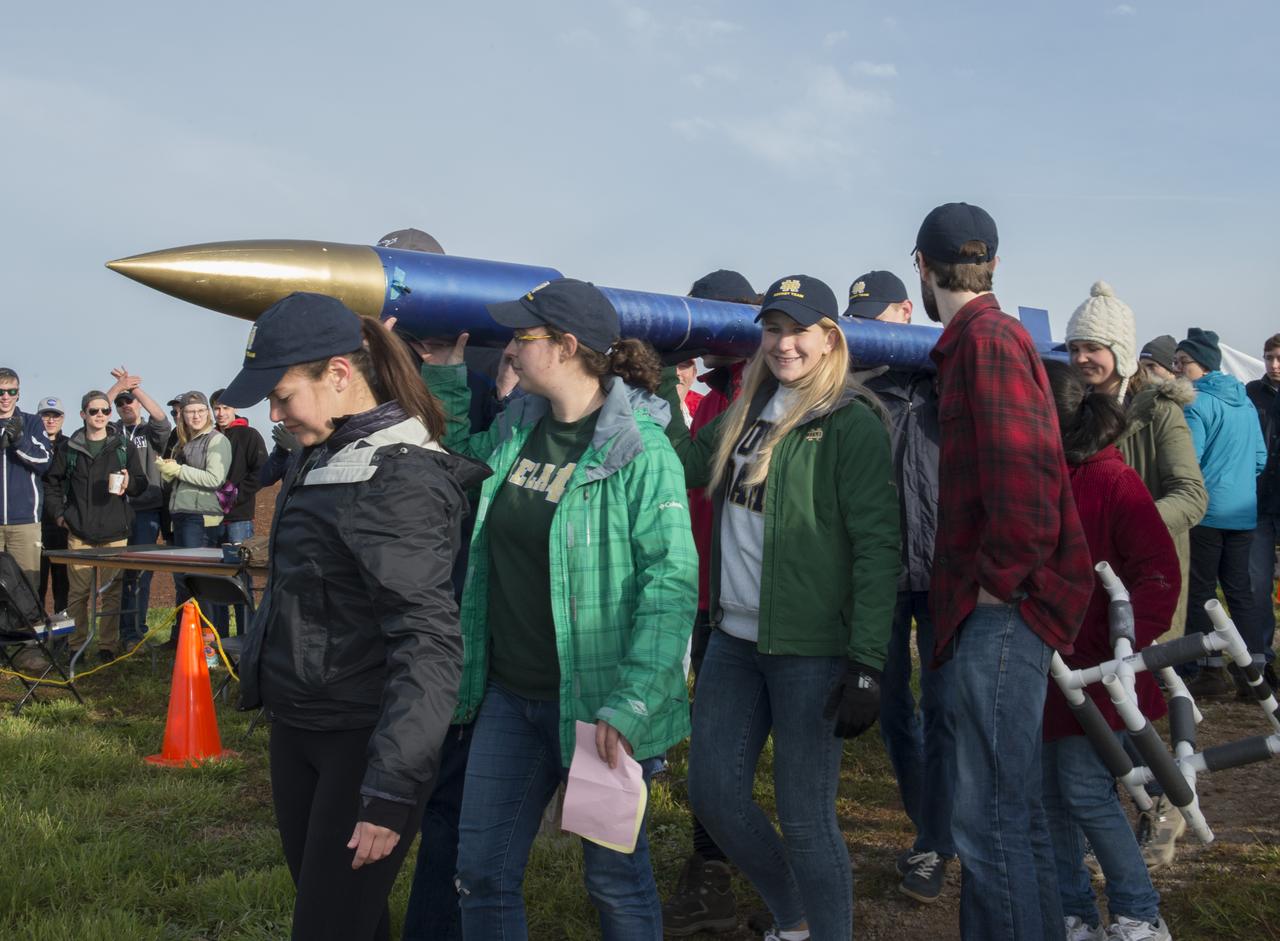
After eight months of designing, building and testing, the middle school, high school and college and university teams launched their rockets as part of NASA Student Launch on Sunday, April 8. The rockets and their payloads are designed to fly to 1-mile in altitude before deploying recovery systems that brings them safely to the ground.
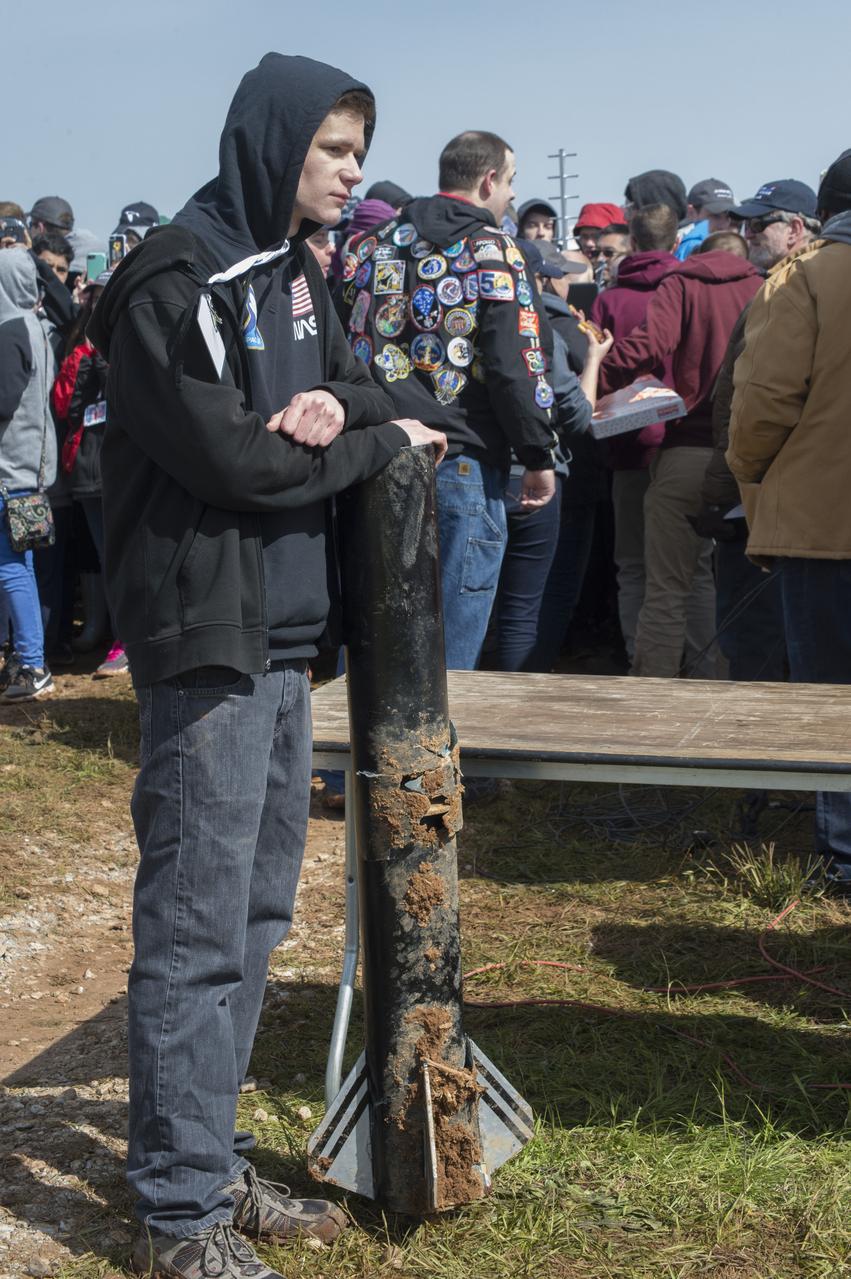
After eight months of designing, building and testing, the middle school, high school and college and university teams launched their rockets as part of NASA Student Launch on Sunday, April 8. The rockets and their payloads are designed to fly to 1-mile in altitude before deploying recovery systems that brings them safely to the ground.
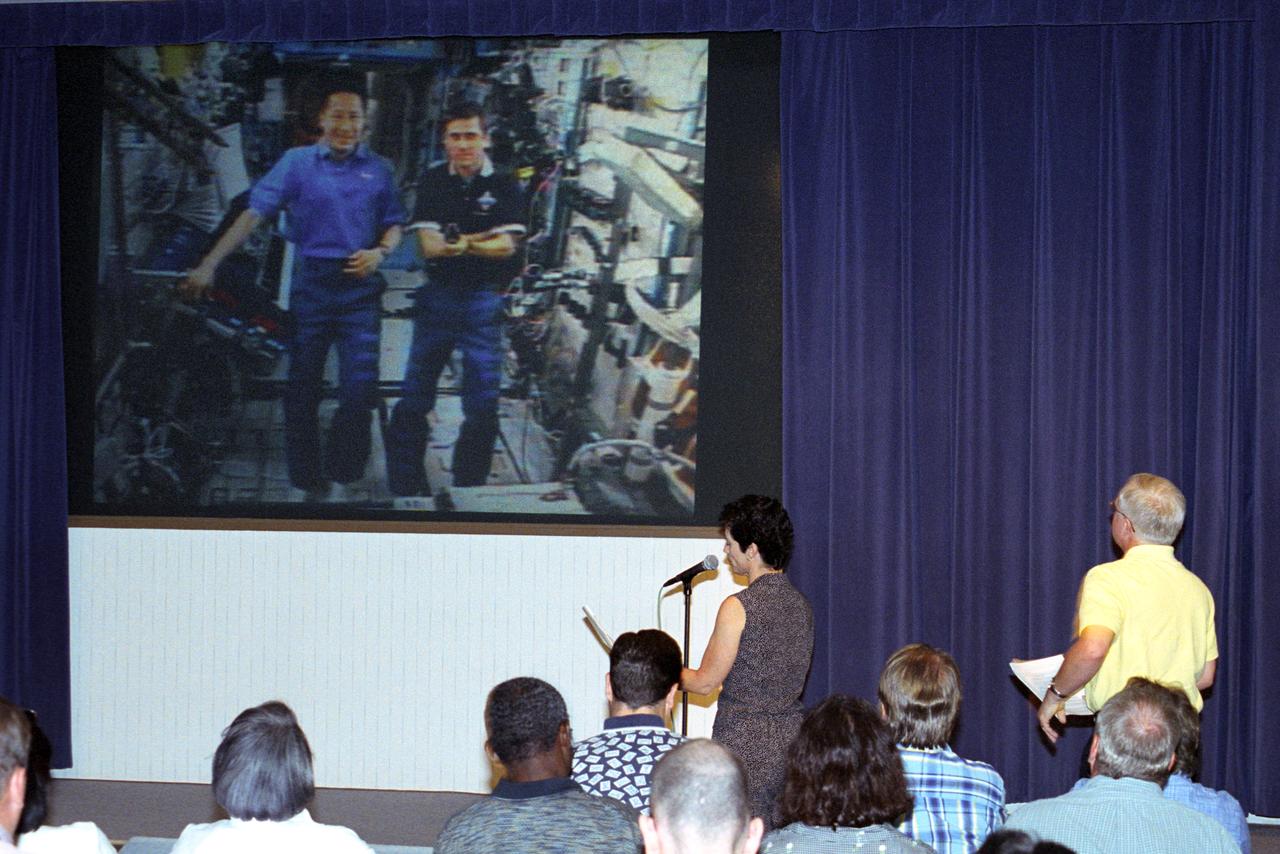
Teacher Kim Cantrell from the Edwards Air Force Base Middle School, Edwards, Calif., participating in a live uplink at NASA Dryden as part of NASA's Explorer Schools program, asks the crew of the International Space Station a question.
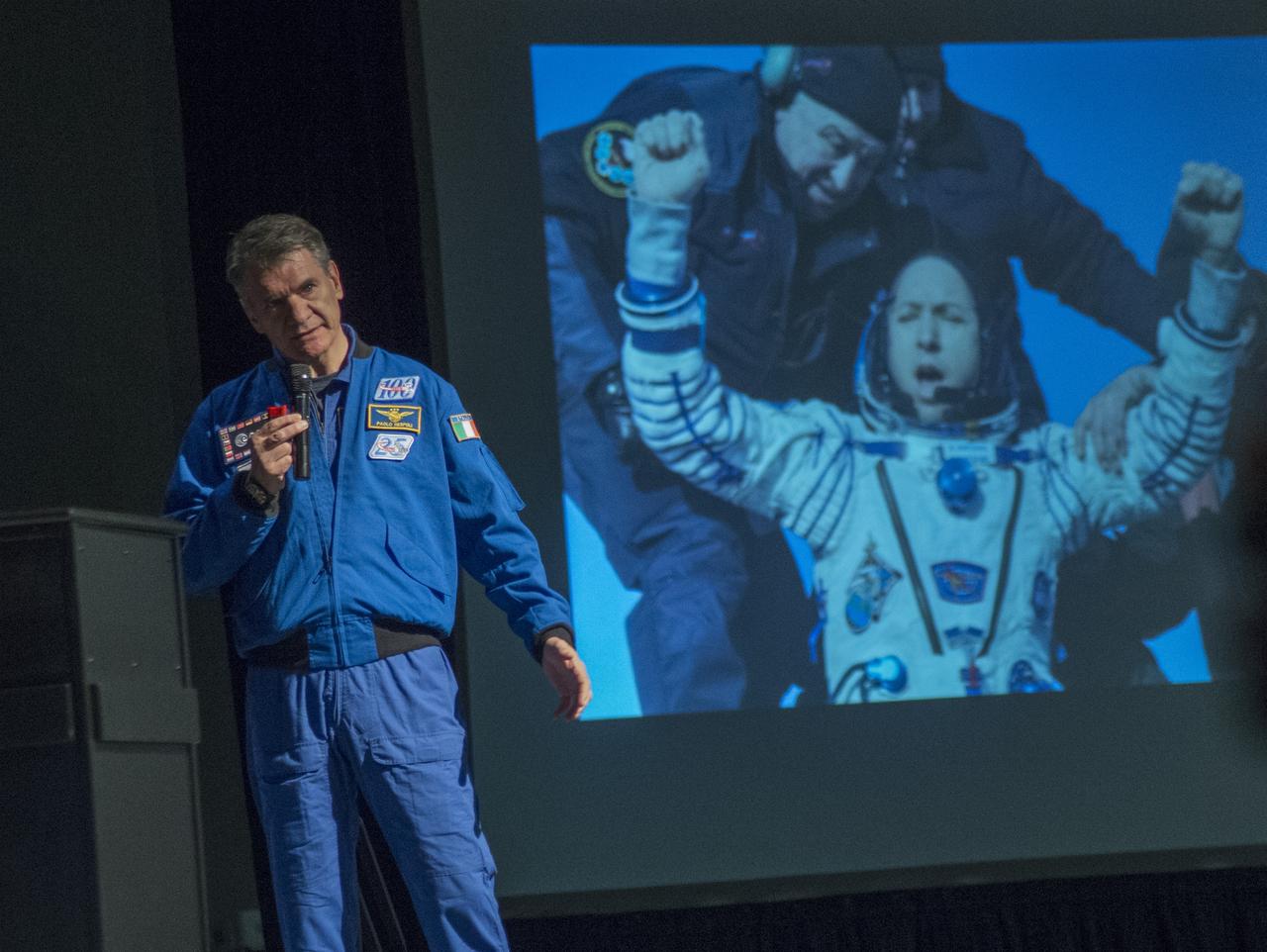
On Thursday, April 5, over 800 middle school, high school and college and university students representing 23 states listened as NASA astronaut Randy Bresnik and European Space Agency astronaut Paolo Nespoli told shared their experiences of exploring space and chasing their dreams. The students were in Huntsville for a week of activities as part of NASA Student Launch.
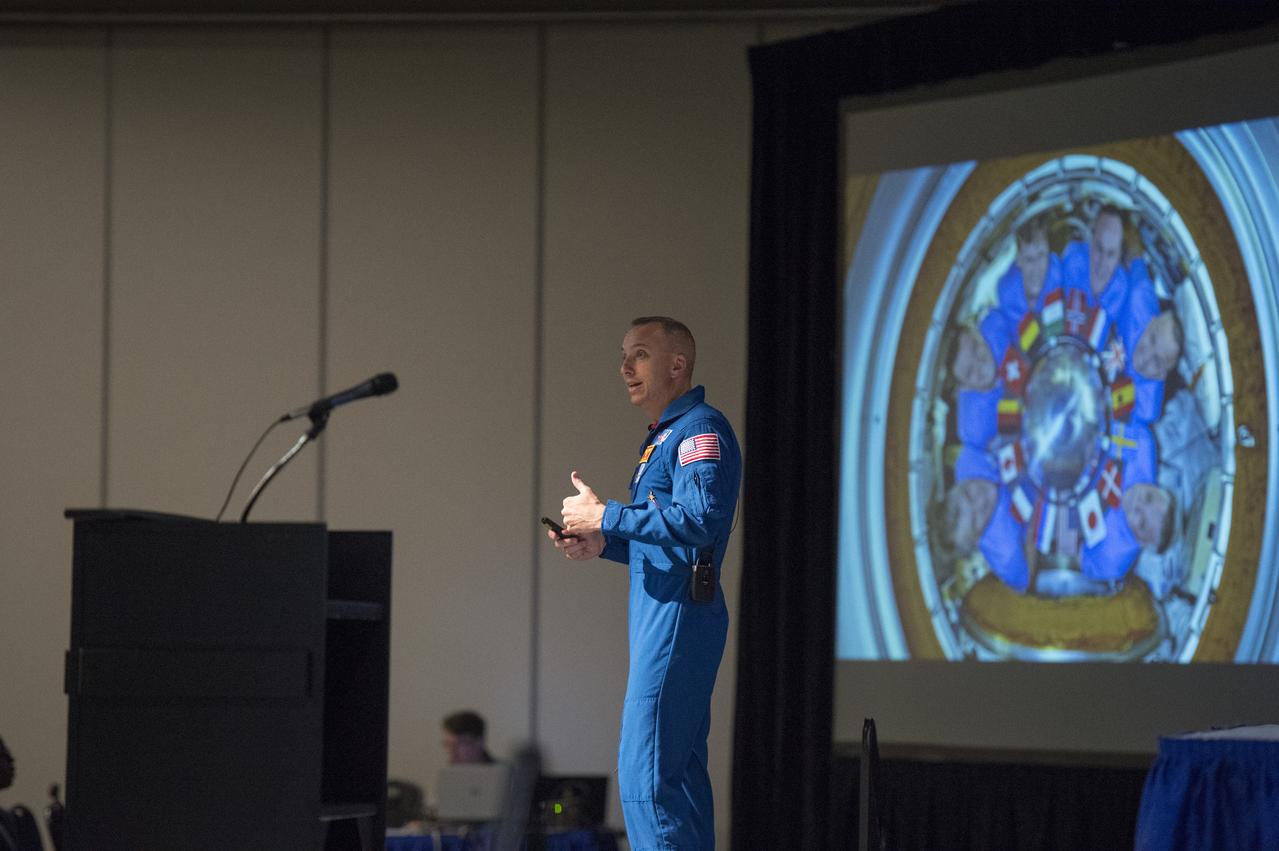
On Thursday, April 5, over 800 middle school, high school and college and university students representing 23 states listened as NASA astronaut Randy Bresnik and European Space Agency astronaut Paolo Nespoli told shared their experiences of exploring space and chasing their dreams. The students were in Huntsville for a week of activities as part of NASA Student Launch.
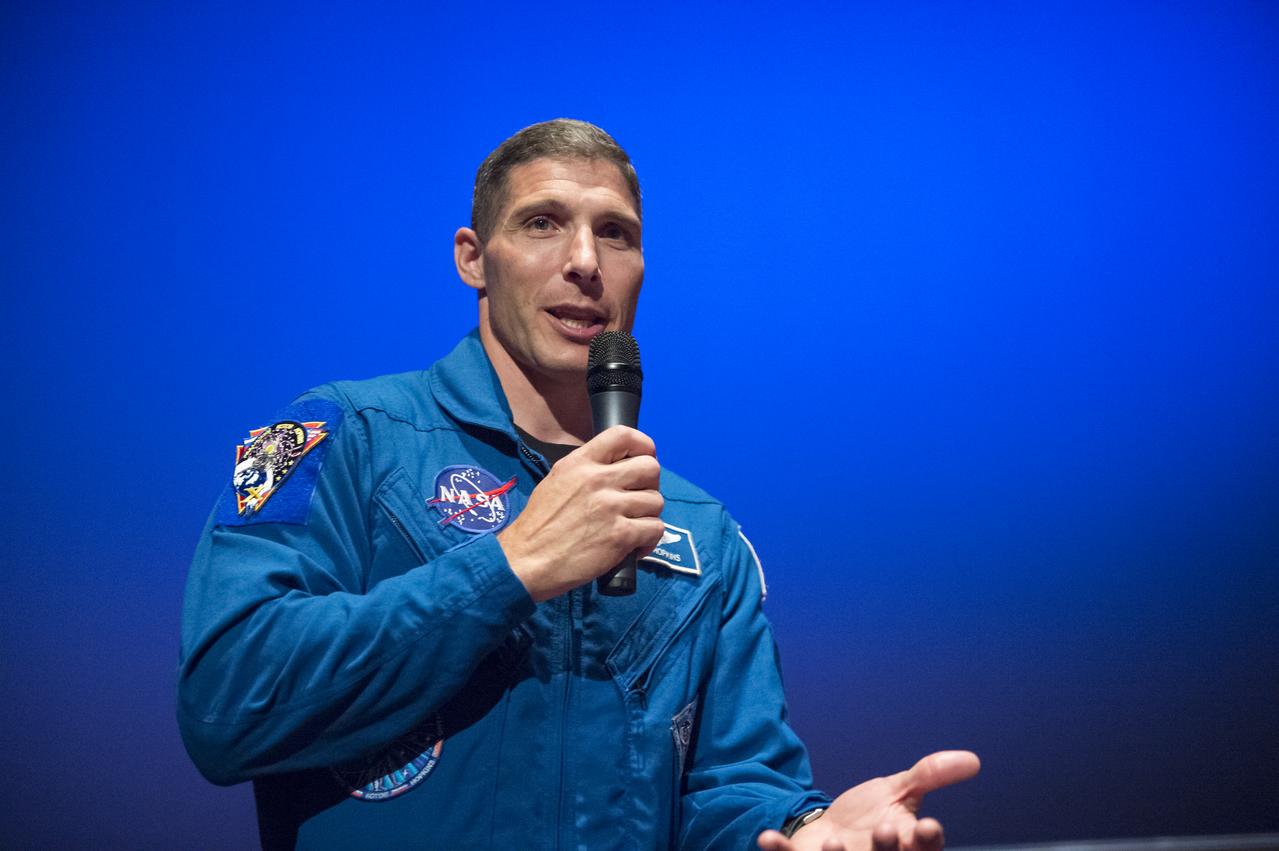
NASA Astronaut Mike Hopkins explains what it was like to live on the International Space Station for 6 months to seventh graders from Clear Spring Middle School at the Maryland Science Center in Baltimore, MD on Monday, June 9, 2014. Hopkins served on Expeditions 37 and 38 with Russian cosmonauts Oleg Kotov and Sergey Ryazanskiy and returned home in March, 2014. (Photo Credit: NASA/Aubrey Gemignani)
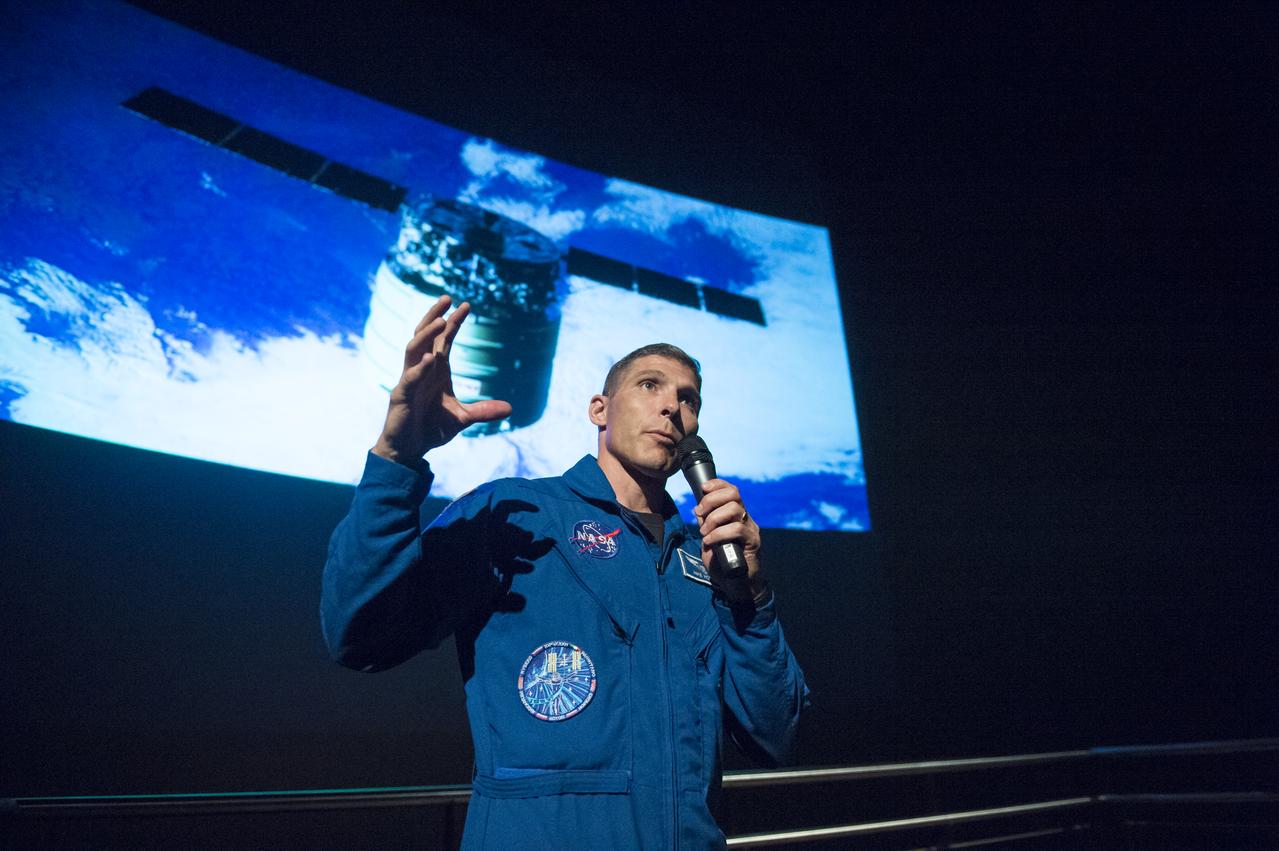
NASA Astronaut Mike Hopkins explains what it was like to live on the International Space Station for 6 months to seventh graders from Clear Spring Middle School at the Maryland Science Center in Baltimore, MD on Monday, June 9, 2014. Hopkins served on Expeditions 37 and 38 with Russian cosmonauts Oleg Kotov and Sergey Ryazanskiy and returned home in March, 2014. (Photo Credit: NASA/Aubrey Gemignani)