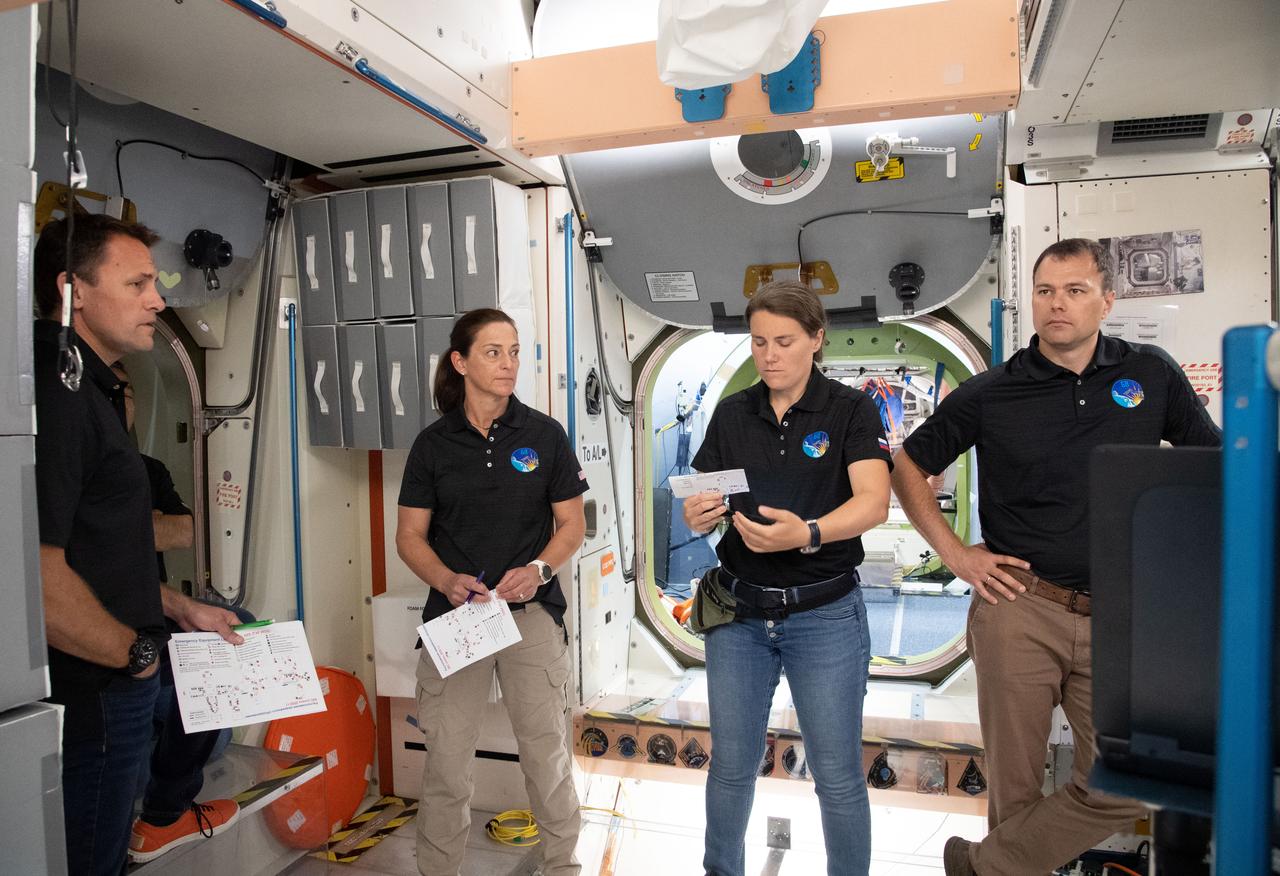
Expedition 68 trains for their upcoming International Space Station mission inside a mockup that models the real orbiting lab at NASA's Johnson Space Center in Houston, Texas. Credit: NASA/James Blair
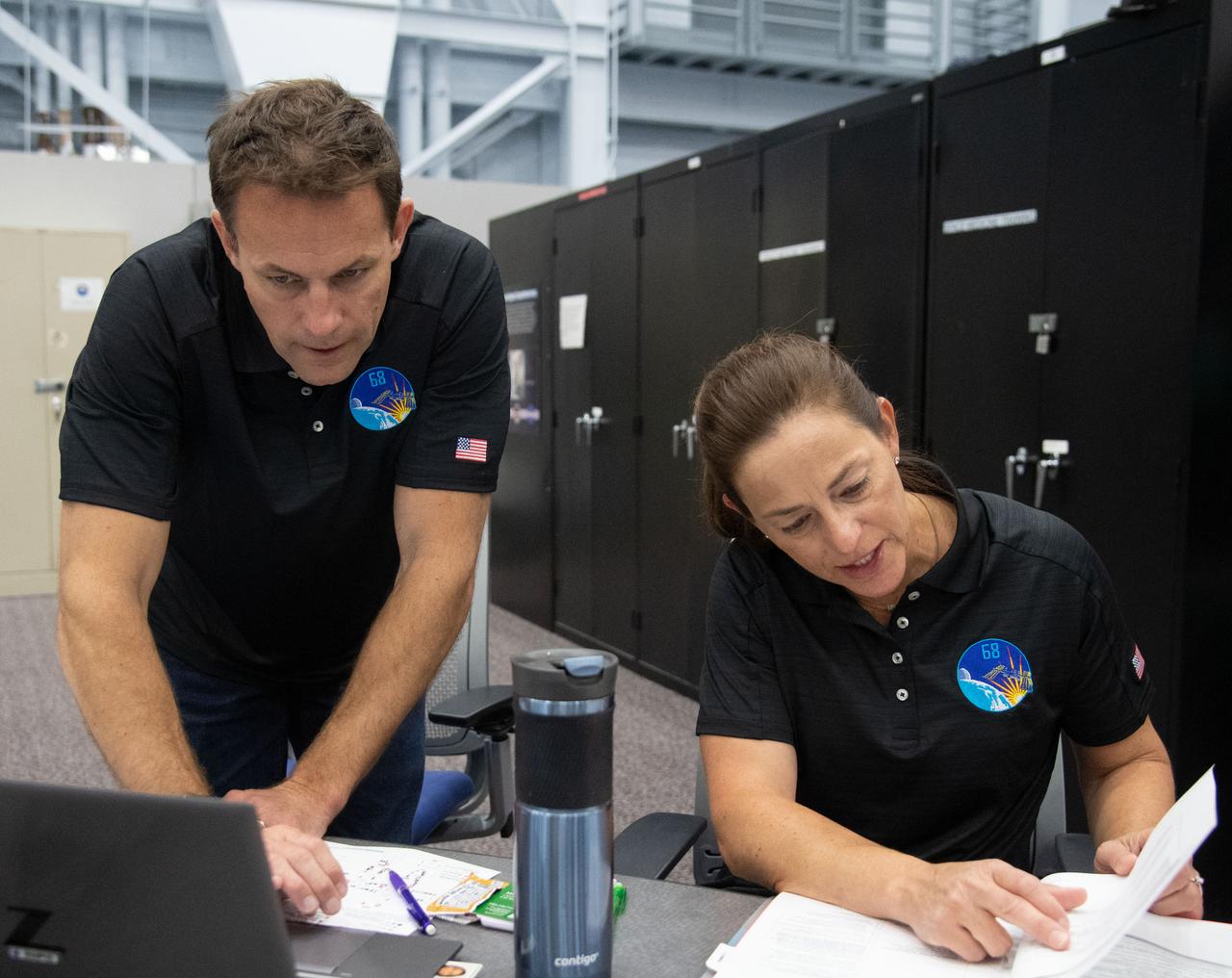
Expedition 68 crewmembers train for the unlikely event of an emergency by training inside a mockup that models the real orbiting lab at NASA's Johnson Space Center in Houston, Texas in preparation for their upcoming International Space Station mission. Credit: NASA/James Blair

NASA Astronaut Frank Rubio trains with hardware at the Space Vehicle Mockup Facility at NASA's Johnson Space Center before his flight to the International Space Station.
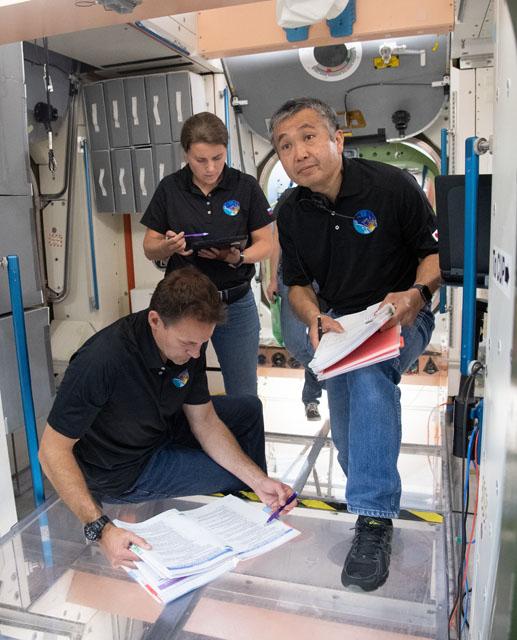
NASA Astronaut Josh Cassada, JAXA astronaut Koichi Wakata, and Roscosmos cosmonaut Anna Kikina train for their upcoming SpaceX Crew-5 mission to the International Space Station inside a mockup facility at NASA's Johnson Space Center in Houston, Texas. Credit: NASA/James Blair
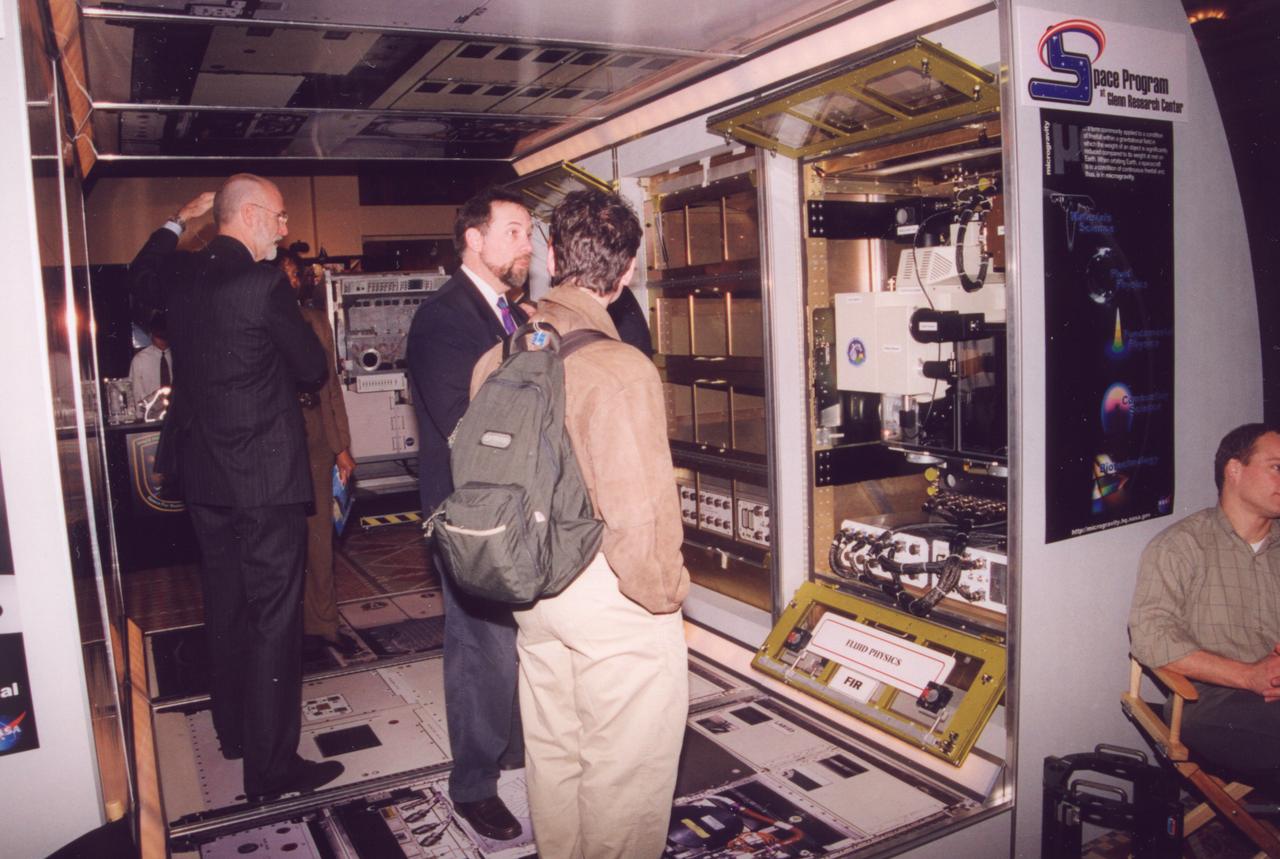
Engineers from NASA's Glen Research Center demonstrate the access to one of the experiment racks plarned for the U.S. Destiny laboratory module on the International Space Station (ISS). This mockup has the full diameter, full corridor width, and half the length of the module. The mockup includes engineering mockups of the Fluids and Combustion Facility being developed by NASA's Glenn Research Center. (The full module will be six racks long; the mockup is three racks long). Photo credit: NASA/Marshall Space Flight Center (MSFC)
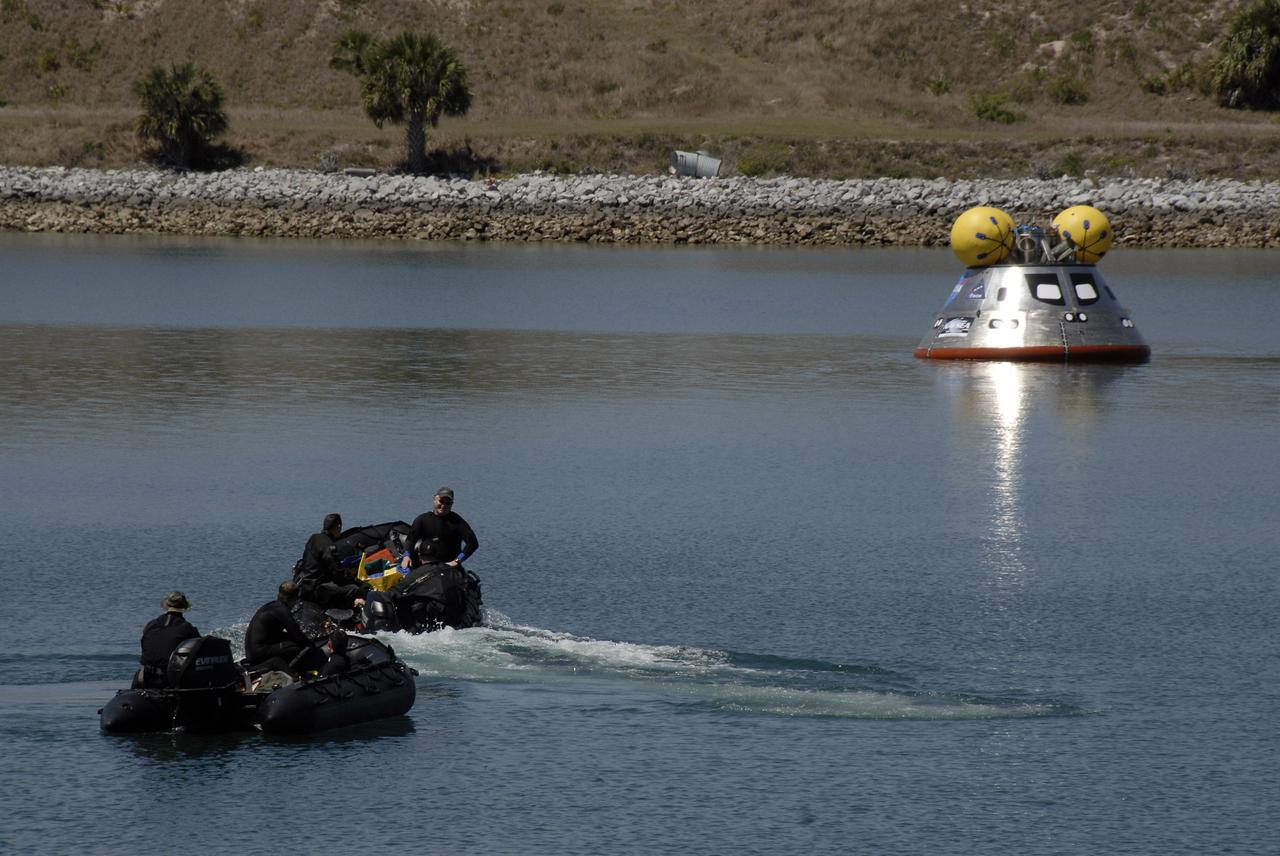
CAPE CANAVERAL, Fla. – Members of the 920th Rescue Wing make their way toward the mockup Orion crew exploration vehicle floating in the open water of the Trident Basin at Port Canaveral, Fla. They will place a flotation collar around the mockup vehicle. The mockup vehicle will undergo testing in open water. The goal of the operation, dubbed the Post-landing Orion Recovery Test, or PORT, is to determine what kind of motion astronauts can expect after landing, as well as outside conditions for recovery teams. Orion is targeted to begin carrying humans to the International Space Station in 2015 and to the moon by 2020. Orion, along with the Ares I and V rockets and the Altair lunar lander, are part of the Constellation Program. Photo credit: NASA/Kim Shiflett

NASA Dryden technicians take measurements inside a fit-check mockup for prior to systems installation on a boilerplate Orion launch abort test crew capsule. A mockup Orion crew module has been constructed by NASA Dryden Flight Research Center's Fabrication Branch. The mockup is being used to develop integration procedures for avionics and instrumentation in advance of the arrival of the first abort flight test article.
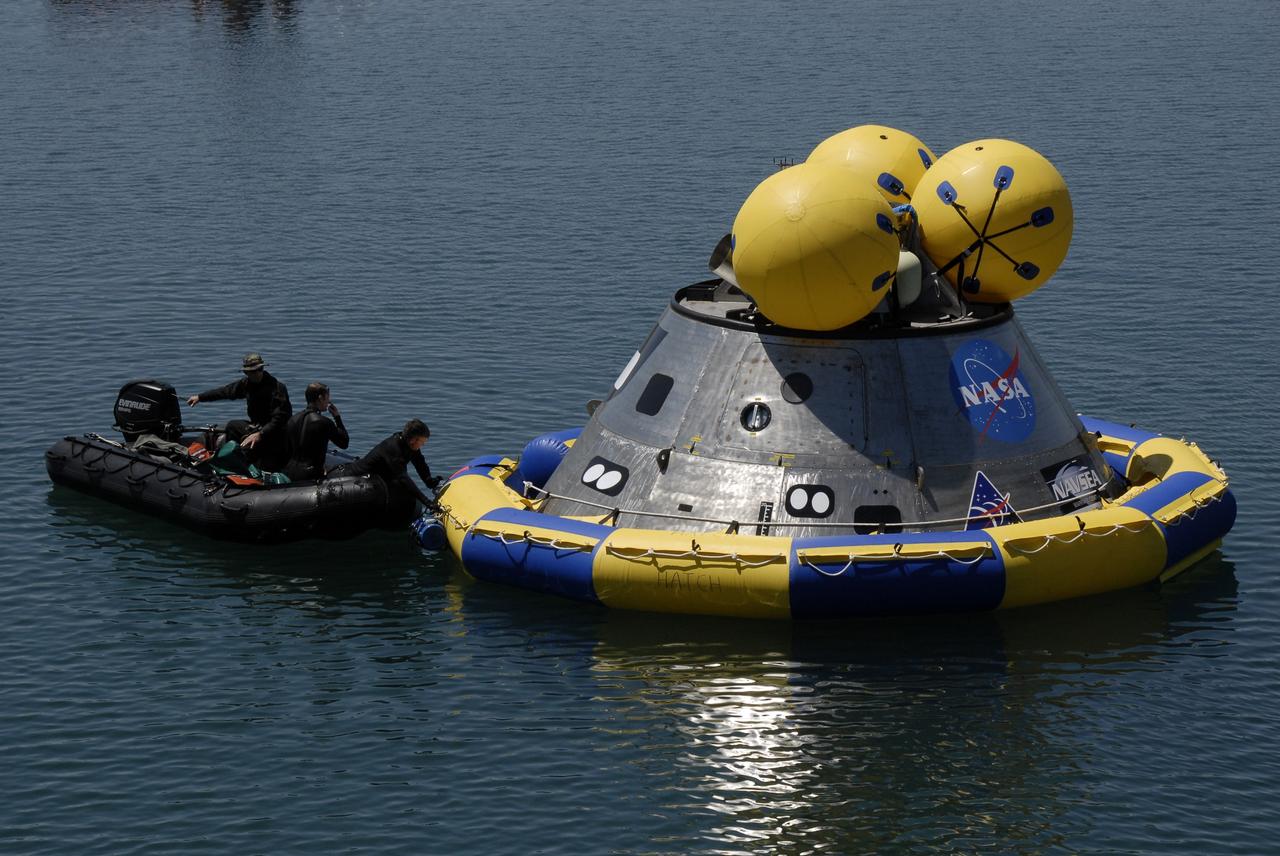
CAPE CANAVERAL, Fla. – Members of the 920th Rescue Wing secure a flotation collar around the mockup Orion crew exploration vehicle at the Trident Basin at Port Canaveral, Fla. On top of Orion are additional flotation devices. The mockup vehicle will undergo testing in open water. The goal of the operation, dubbed the Post-landing Orion Recovery Test, or PORT, is to determine what kind of motion astronauts can expect after landing, as well as outside conditions for recovery teams. Orion is targeted to begin carrying humans to the International Space Station in 2015 and to the moon by 2020. Orion, along with the Ares I and V rockets and the Altair lunar lander, are part of the Constellation Program. Photo credit: NASA/Kim Shiflett
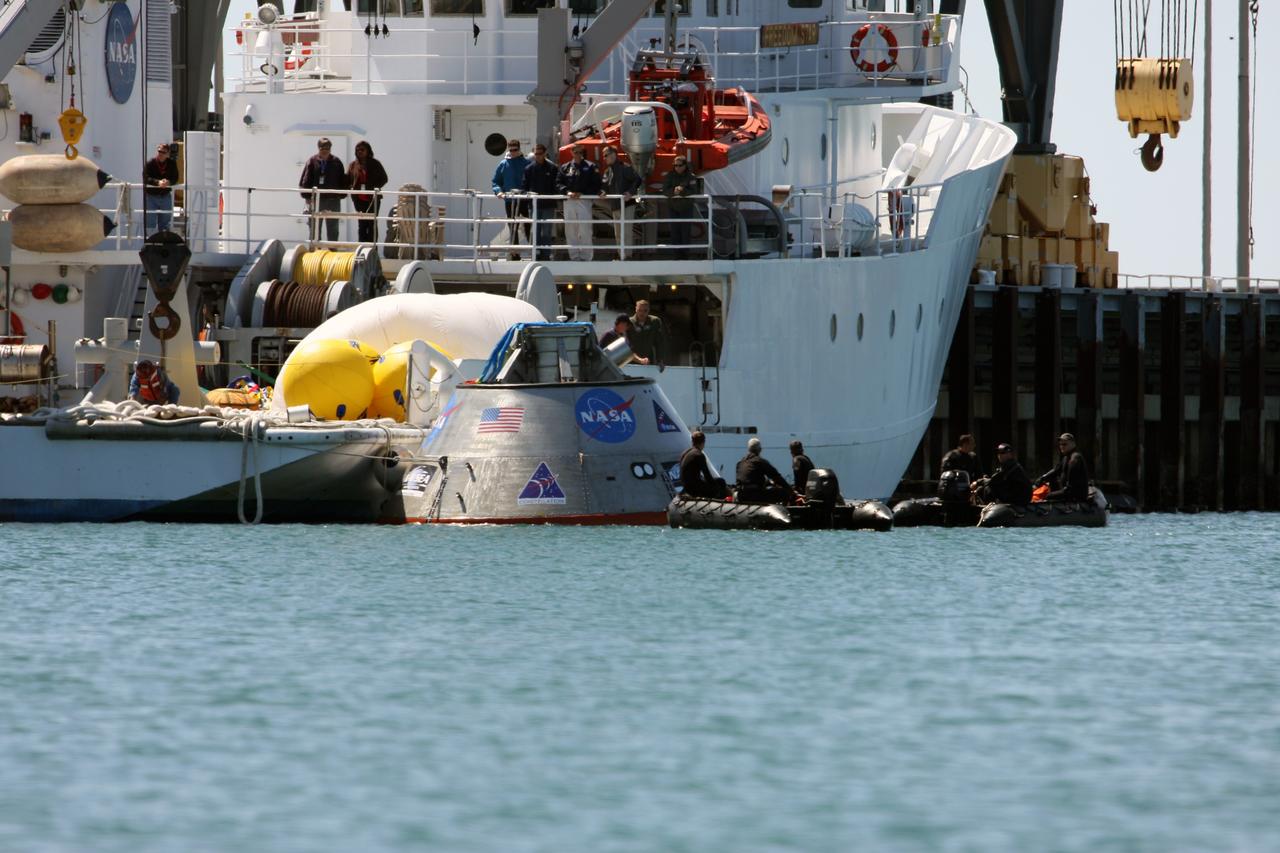
CAPE CANAVERAL, Fla. – The mockup Orion crew exploration vehicle floats in the water at the Trident Basin at Port Canaveral, Fla. Orion is targeted to begin carrying humans to the International Space Station in 2015 and to the moon by 2020. The mockup vehicle will undergo testing in open water. The goal of the operation, dubbed the Post-landing Orion Recovery Test, or PORT, is to determine what kind of motion astronauts can expect after landing, as well as outside conditions for recovery teams. Orion, along with the Ares I and V rockets and the Altair lunar lander, are part of the Constellation Program. Photo credit: NASA/Dimitri Gerondidakis
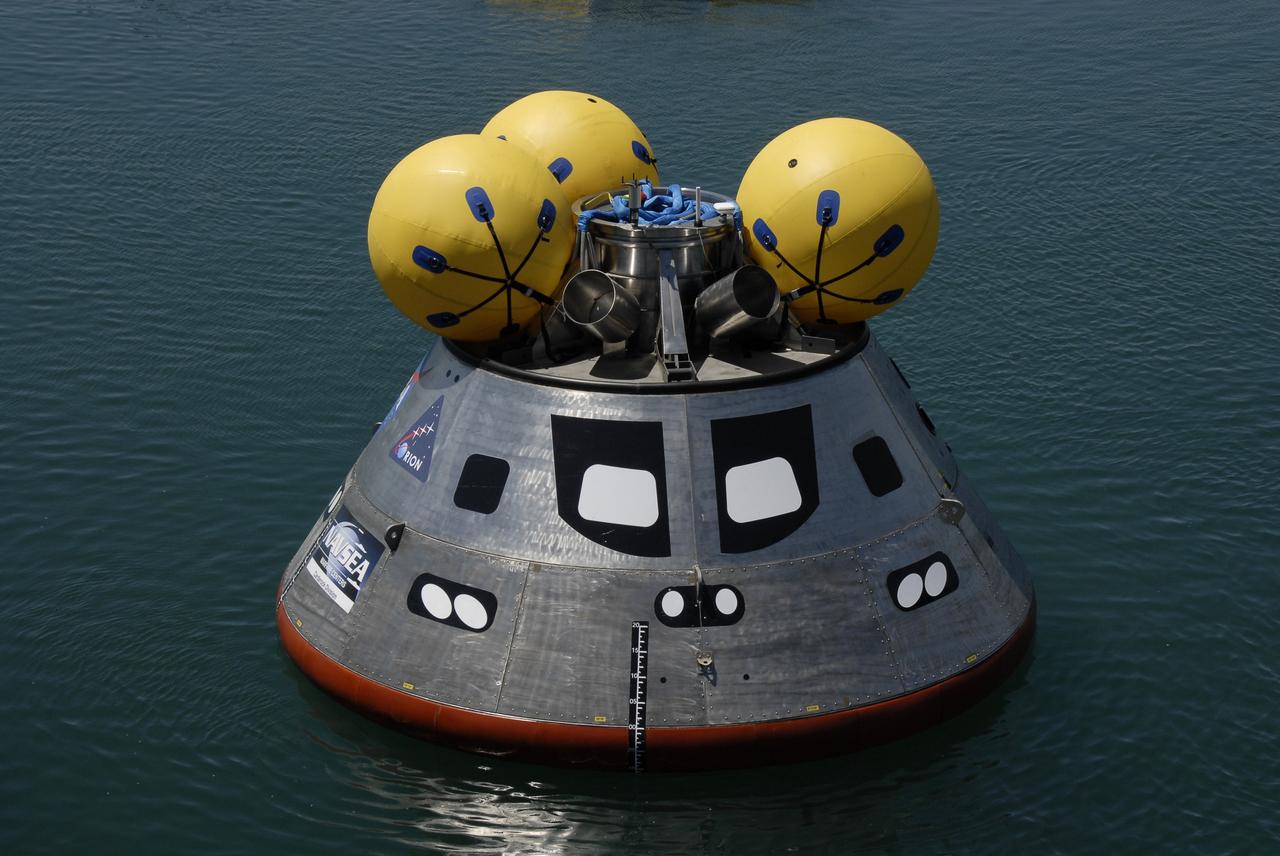
CAPE CANAVERAL, Fla. – The mockup Orion crew exploration vehicle floats in the water at the Trident Basin at Port Canaveral, Fla. On top of Orion are additional flotation devices. Orion is targeted to begin carrying humans to the International Space Station in 2015 and to the moon by 2020. The mockup vehicle is undergoing testing in open water. The goal of the operation, dubbed the Post-landing Orion Recovery Test, or PORT, is to determine what kind of motion astronauts can expect after landing, as well as outside conditions for recovery teams. Orion, along with the Ares I and V rockets and the Altair lunar lander, are part of the Constellation Program. Photo credit: NASA/Kim Shiflett
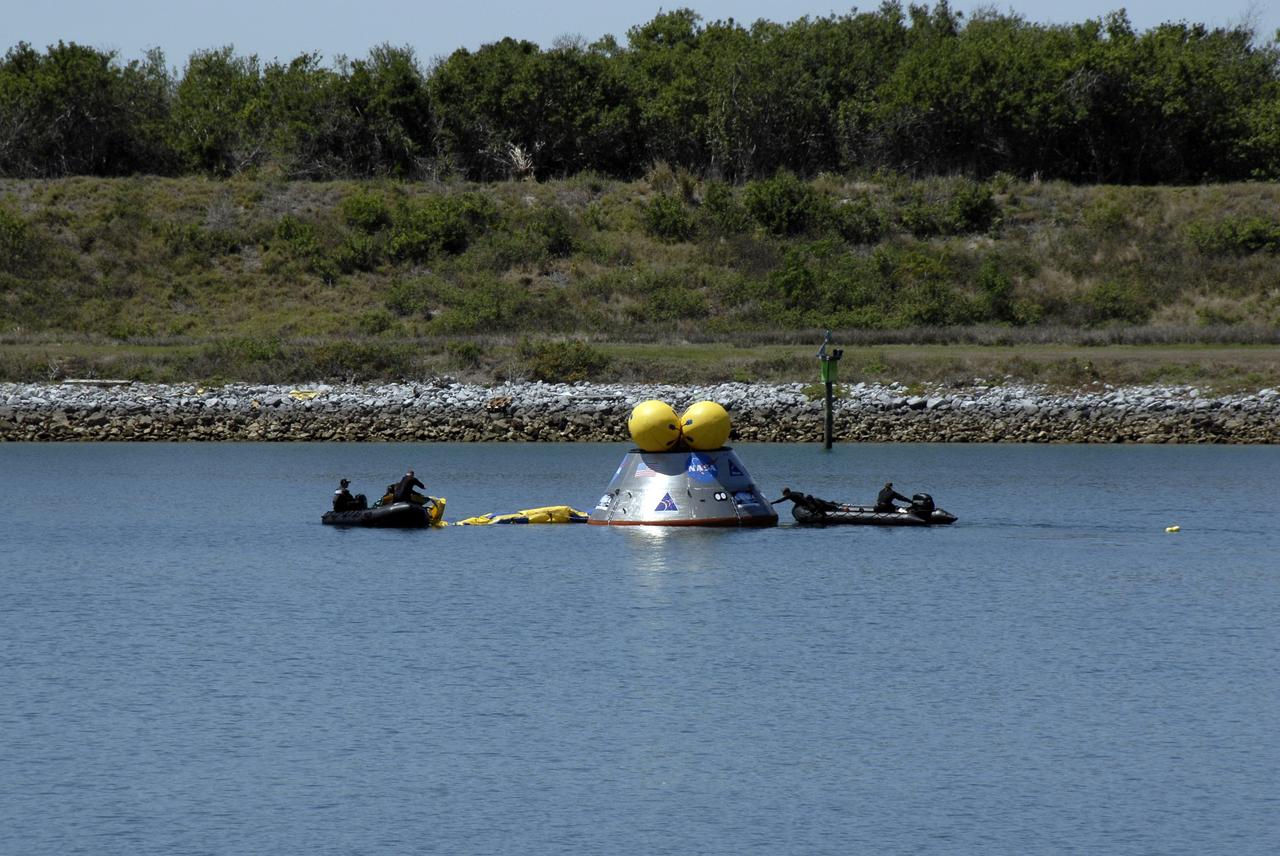
CAPE CANAVERAL, Fla. – Members of the 920th Rescue Wing release a flotation collar around the mockup Orion crew exploration vehicle at the Trident Basin at Port Canaveral, Fla. On top of Orion are additional flotation devices. The mockup vehicle will undergo testing in open water. The goal of the operation, dubbed the Post-landing Orion Recovery Test, or PORT, is to determine what kind of motion astronauts can expect after landing, as well as outside conditions for recovery teams. Orion is targeted to begin carrying humans to the International Space Station in 2015 and to the moon by 2020. Orion, along with the Ares I and V rockets and the Altair lunar lander, are part of the Constellation Program. Photo credit: NASA/Kim Shiflett
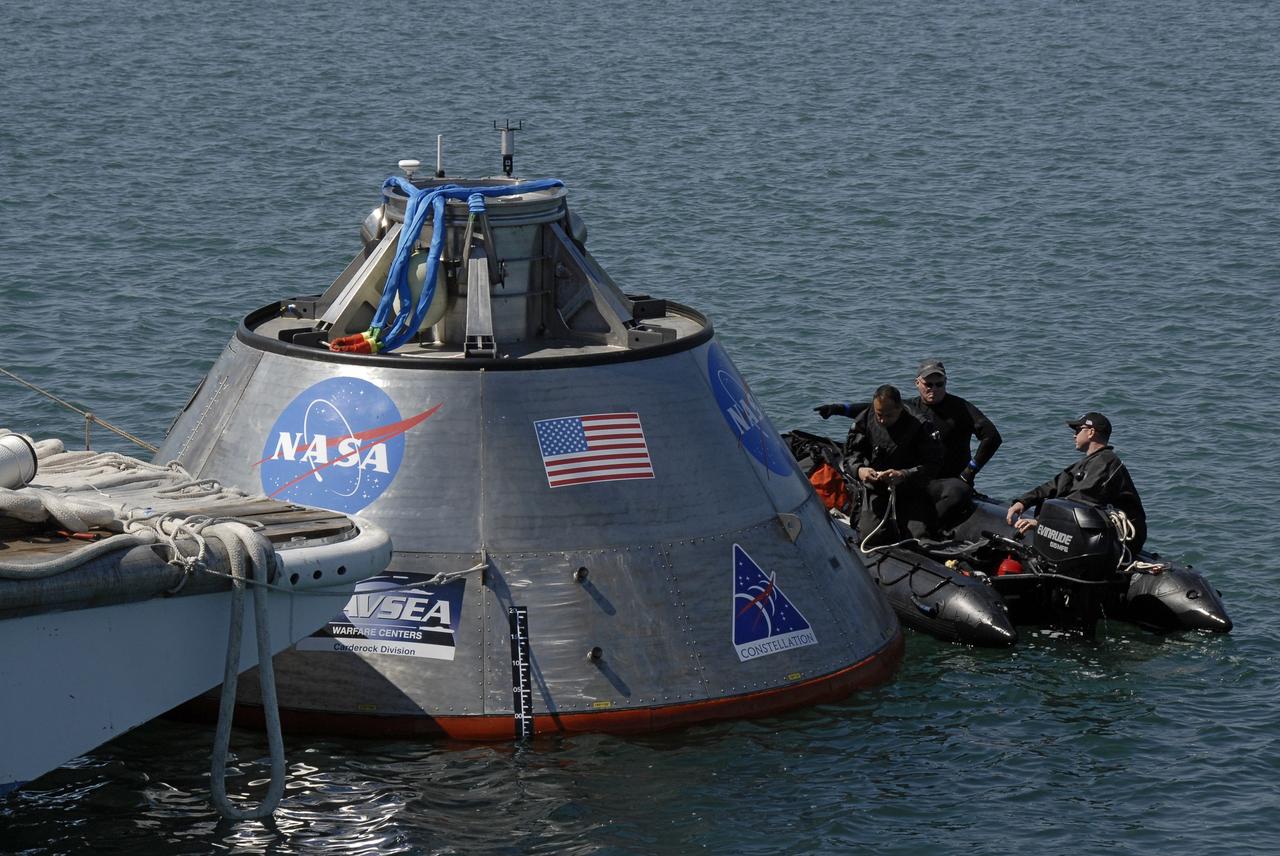
CAPE CANAVERAL, Fla. – Members of the 920th Rescue Wing help prepare the mockup Orion crew exploration vehicle for testing in the open water at the Trident Basin at Port Canaveral, Fla. The mockup vehicle will undergo testing in open water. The goal of the operation, dubbed the Post-landing Orion Recovery Test, or PORT, is to determine what kind of motion astronauts can expect after landing, as well as outside conditions for recovery teams. Orion is targeted to begin carrying humans to the International Space Station in 2015 and to the moon by 2020. Orion, along with the Ares I and V rockets and the Altair lunar lander, are part of the Constellation Program. Photo credit: NASA/Kim Shiflett
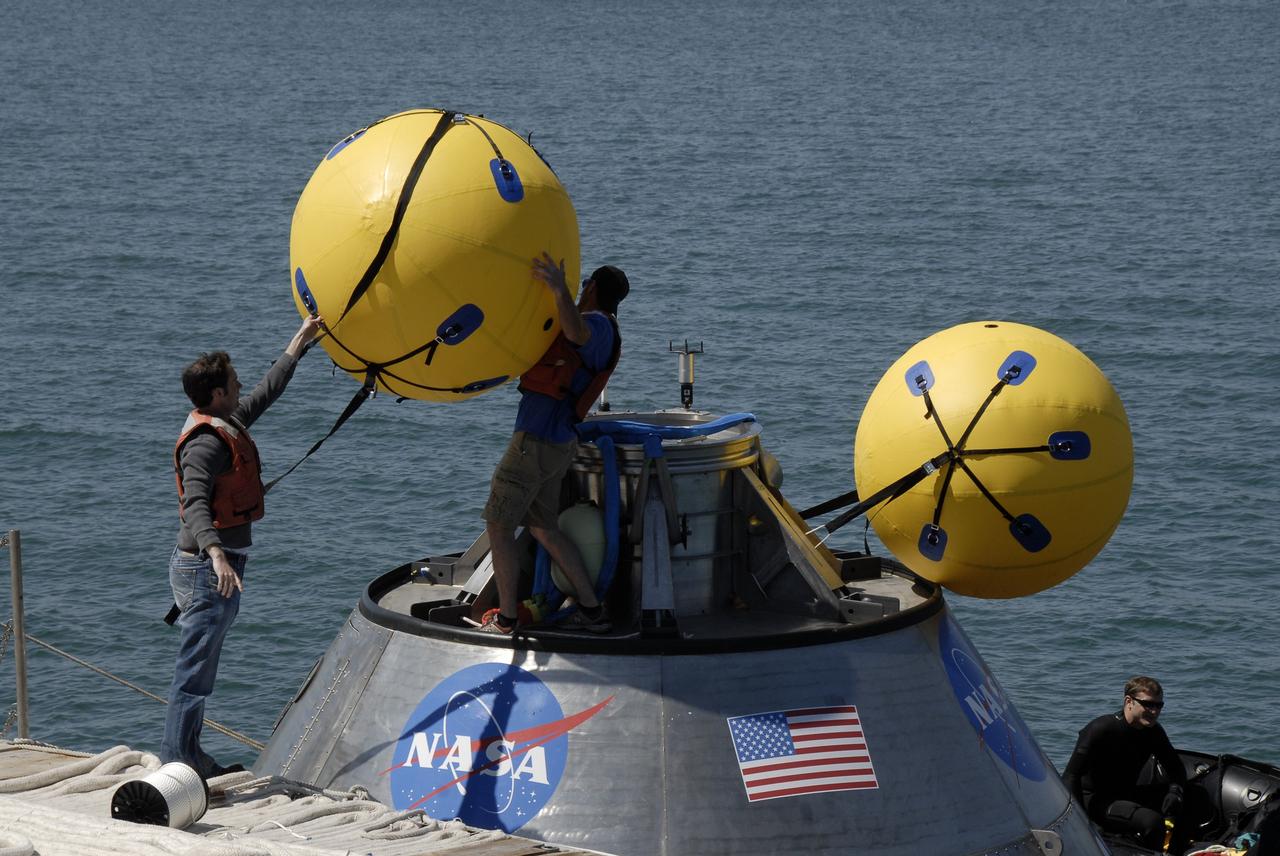
CAPE CANAVERAL, Fla. – Flotation devices are attached to the top of the mockup Orion crew exploration vehicle before the testing in the open water at the Trident Basin at Port Canaveral, Fla. The mockup vehicle will undergo testing in open water. The goal of the operation, dubbed the Post-landing Orion Recovery Test, or PORT, is to determine what kind of motion astronauts can expect after landing, as well as outside conditions for recovery teams. Orion is targeted to begin carrying humans to the International Space Station in 2015 and to the moon by 2020. Orion, along with the Ares I and V rockets and the Altair lunar lander, are part of the Constellation Program. Photo credit: NASA/Kim Shiflett
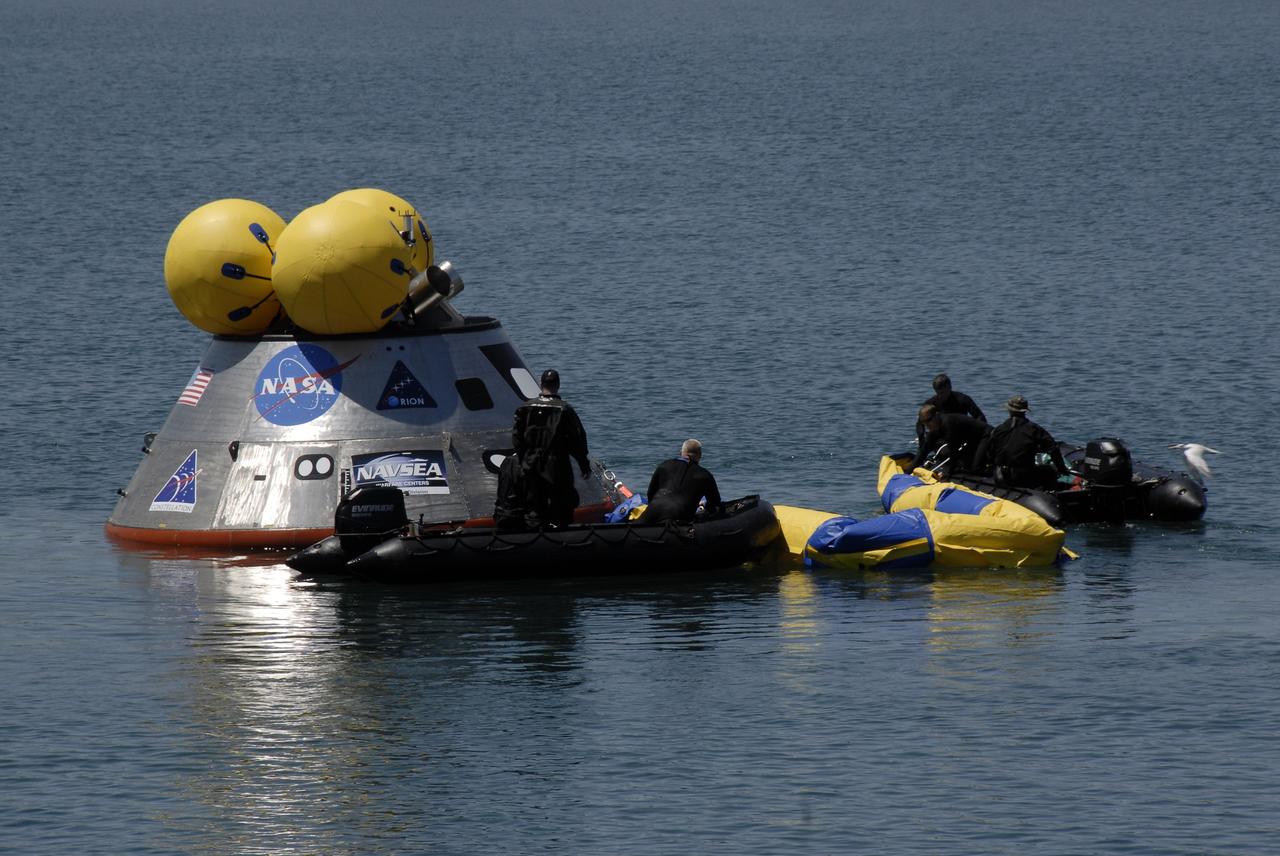
CAPE CANAVERAL, Fla. – Members of the 920th Rescue Wing release a flotation collar around the mockup Orion crew exploration vehicle at the Trident Basin at Port Canaveral, Fla. On top of Orion are additional flotation devices. The mockup vehicle will undergo testing in open water. The goal of the operation, dubbed the Post-landing Orion Recovery Test, or PORT, is to determine what kind of motion astronauts can expect after landing, as well as outside conditions for recovery teams. Orion is targeted to begin carrying humans to the International Space Station in 2015 and to the moon by 2020. Orion, along with the Ares I and V rockets and the Altair lunar lander, are part of the Constellation Program. Photo credit: NASA/Kim Shiflett
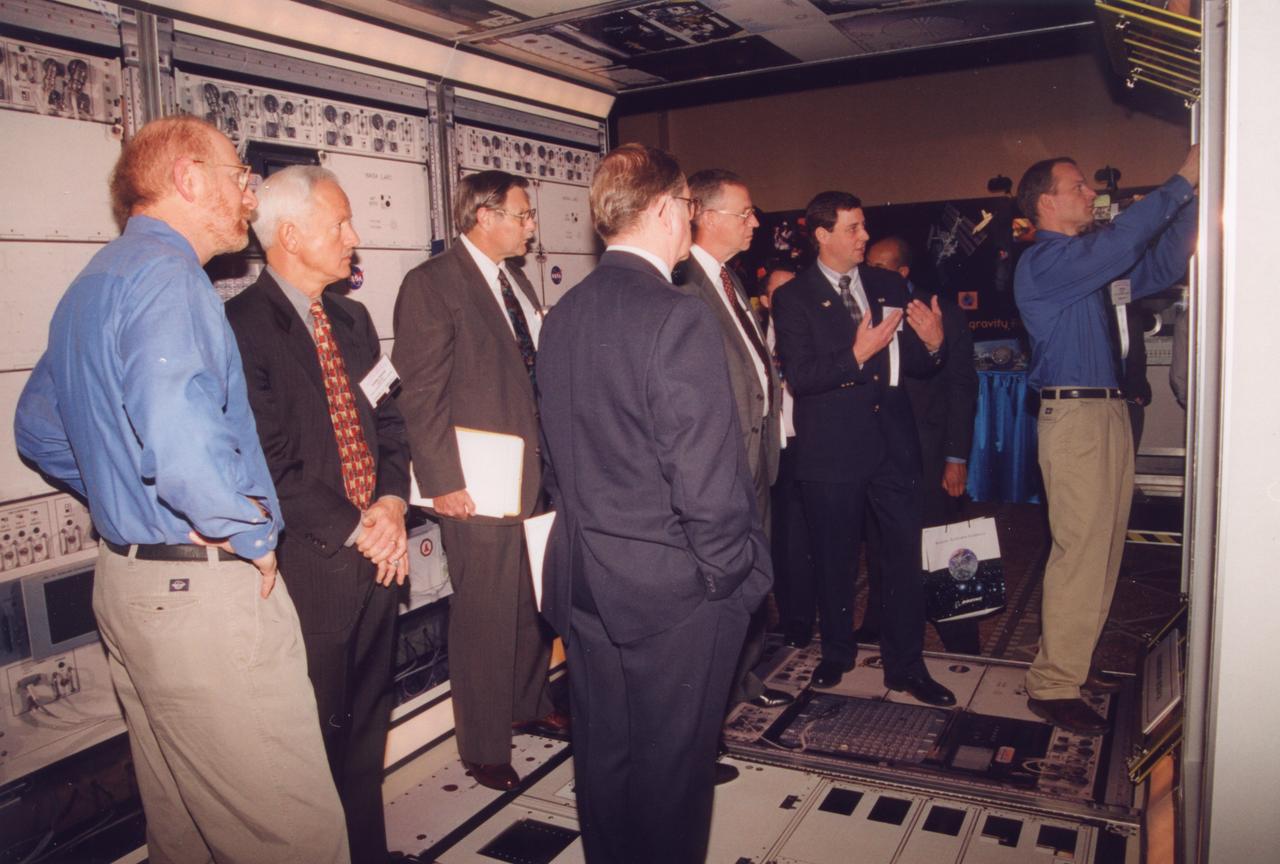
Engineers from NASA's Glenn Research Center demonstrate the access to one of the experiment racks planned for the U.S. Destiny laboratory module on the International Space Station (ISS). This mockup has the full diameter, full corridor width, and half the length of the module. The mockup includes engineering mockups of the Fluids and Combustion Facility being developed by NASA's Glenn Research Center. (The full module will be six racks long; the mockup is three racks long). Listening at left (coat and patterned tie) is John-David Bartoe, ISS research manager at NASA's Johnson Space Center and a payload specialist on Spacelab 2 mission (1985). Photo credit: NASA/Marshall Space Flight Center (MSFC)
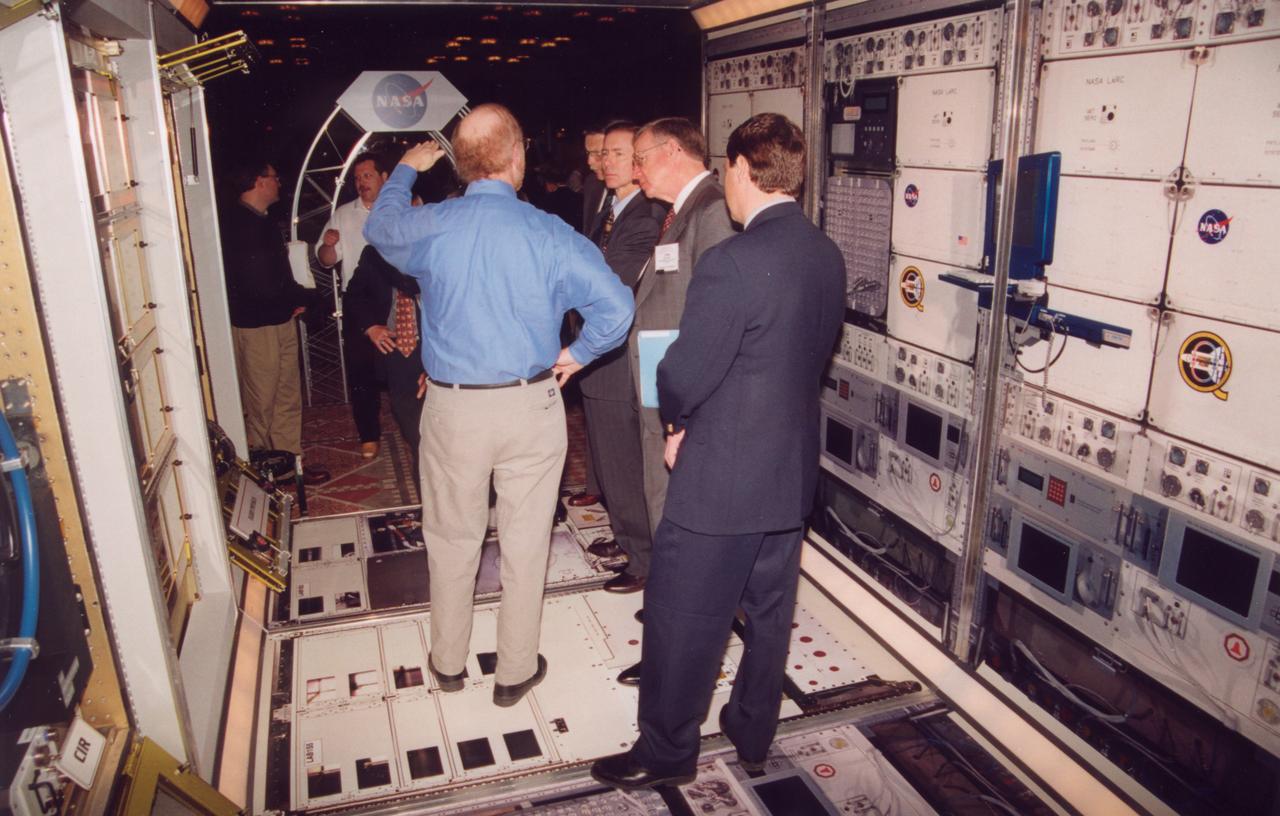
Engineers from NASA's Glenn Research Center demonstrate the access to one of the experiment racks planned for the U.S. Destiny laboratory module on the International Space Station (ISS). This mockup has the full diameter, full corridor width, and half the length of the module. The mockup includes engineering mockups of the Fluids and Combustion Facility being developed by NASA's Glenn Research Center. (The full module will be six racks long; the mockup is three racks long). Listening at center is former astronaut Brewster Shaw (center), now a program official with the Boeing Co., the ISS prime contractor. Photo credit: NASA/Marshall Space Flight Center (MSFC)
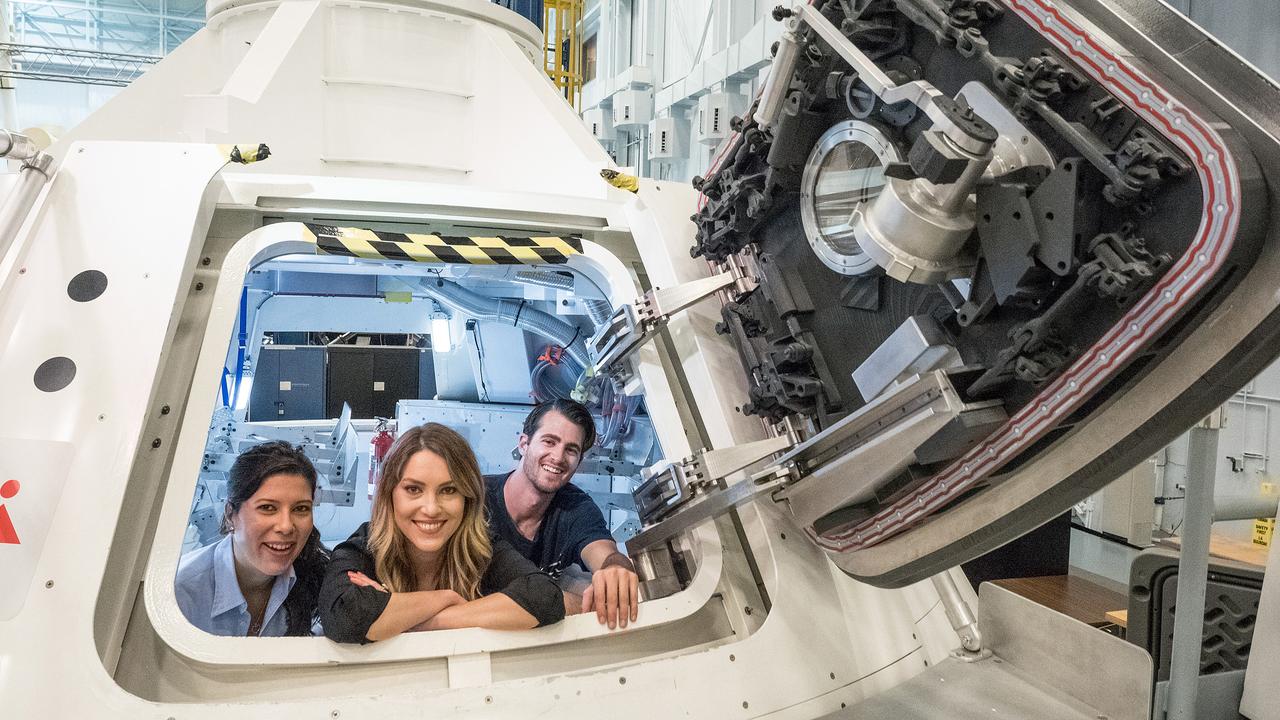
CNN's Rachel Crane at the Space Vehicle Mockup Facility at NASA's Johnson Space Center in Houston on June 23, 2015. Part of Batch image transfer from Flickr.
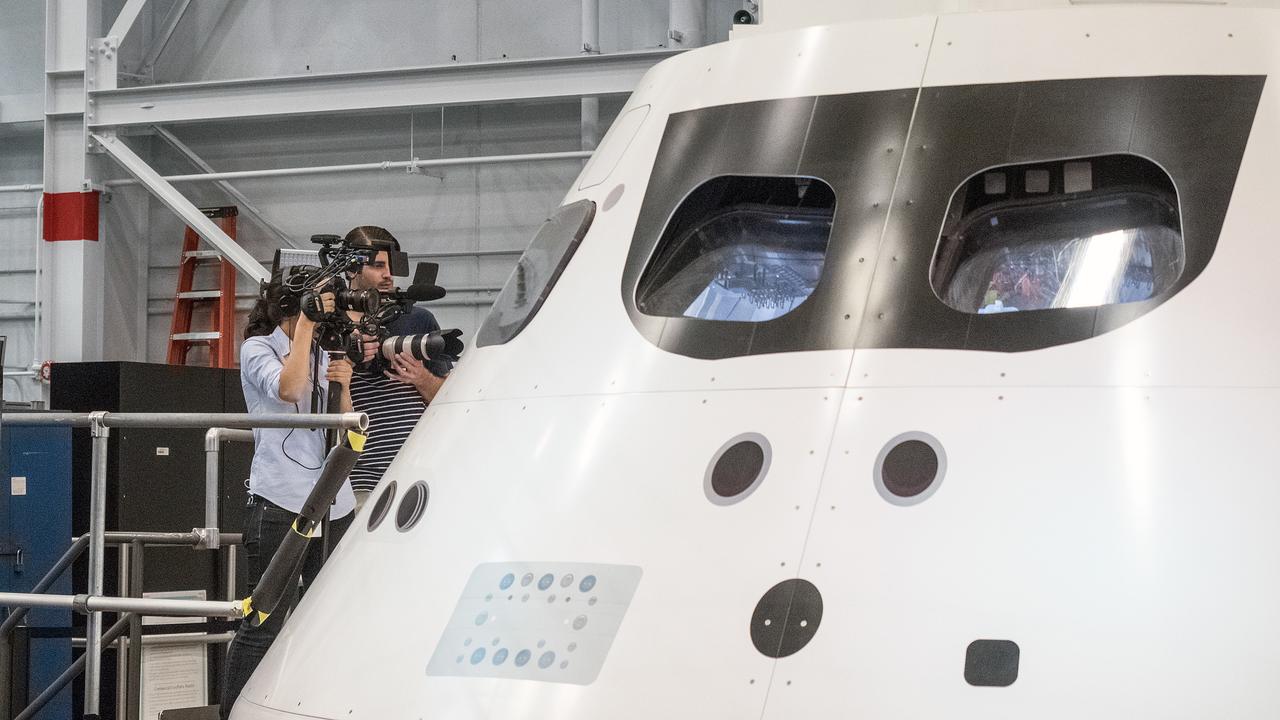
CNN's Rachel Crane talks to Orion program manager, Mark Geyer, at the Space Vehicle Mockup Facility at NASA's Johnson Space Center in Houston on June 23, 2015. Part of Batch image transfer from Flickr.
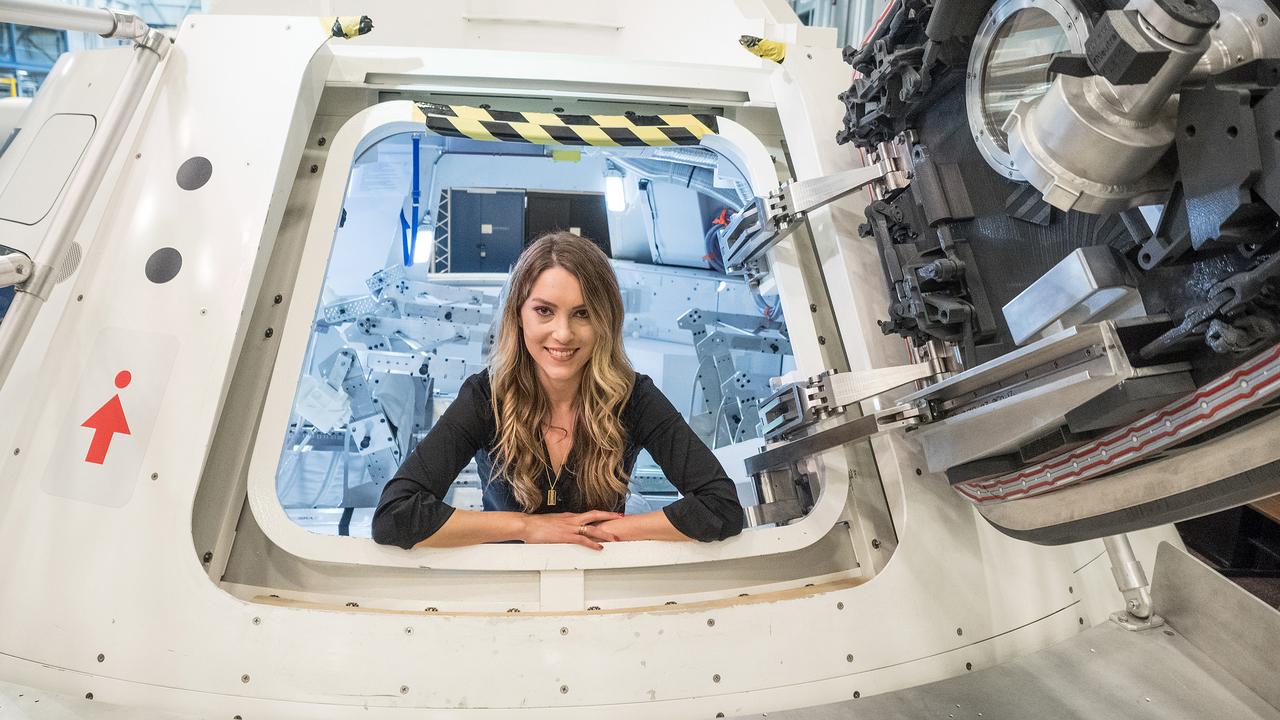
CNN's Rachel Crane at the Space Vehicle Mockup Facility at NASA's Johnson Space Center in Houston on June 23, 2015. Part of Batch image transfer from Flickr.
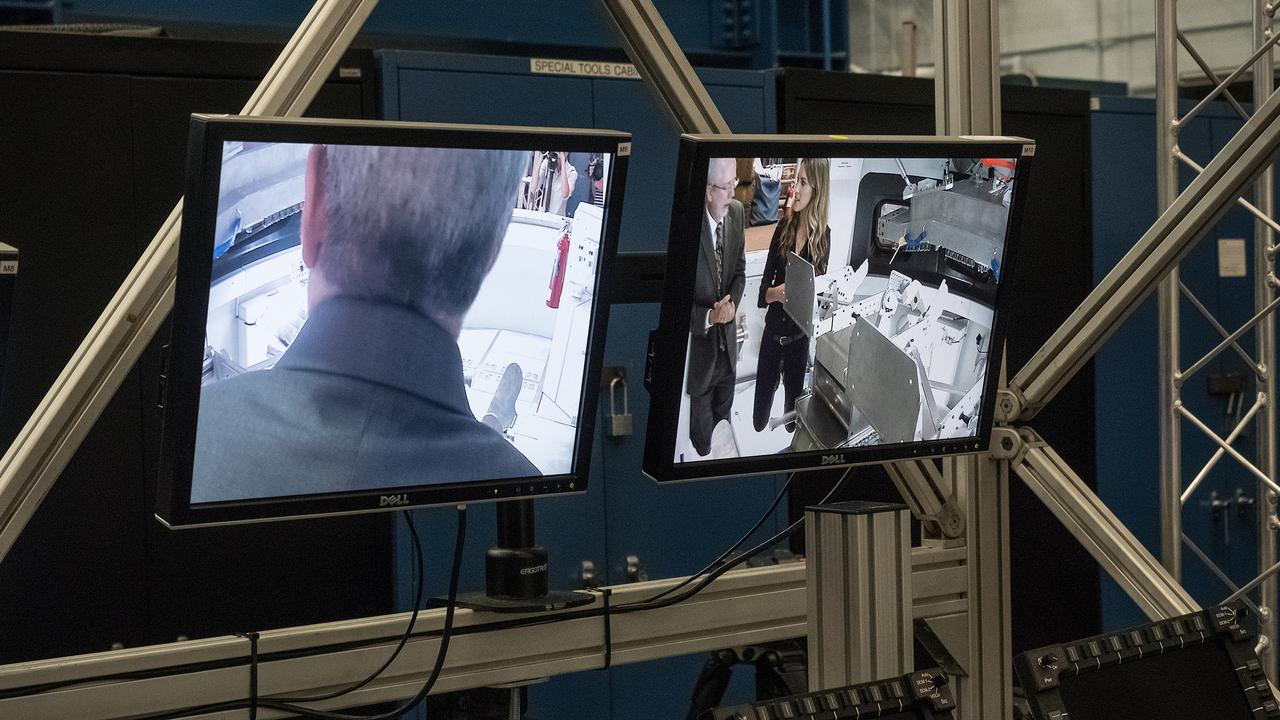
CNN's Rachel Crane talks to Orion program manager, Mark Geyer, at the Space Vehicle Mockup Facility at NASA's Johnson Space Center in Houston on June 23, 2015. Part of Batch image transfer from Flickr.
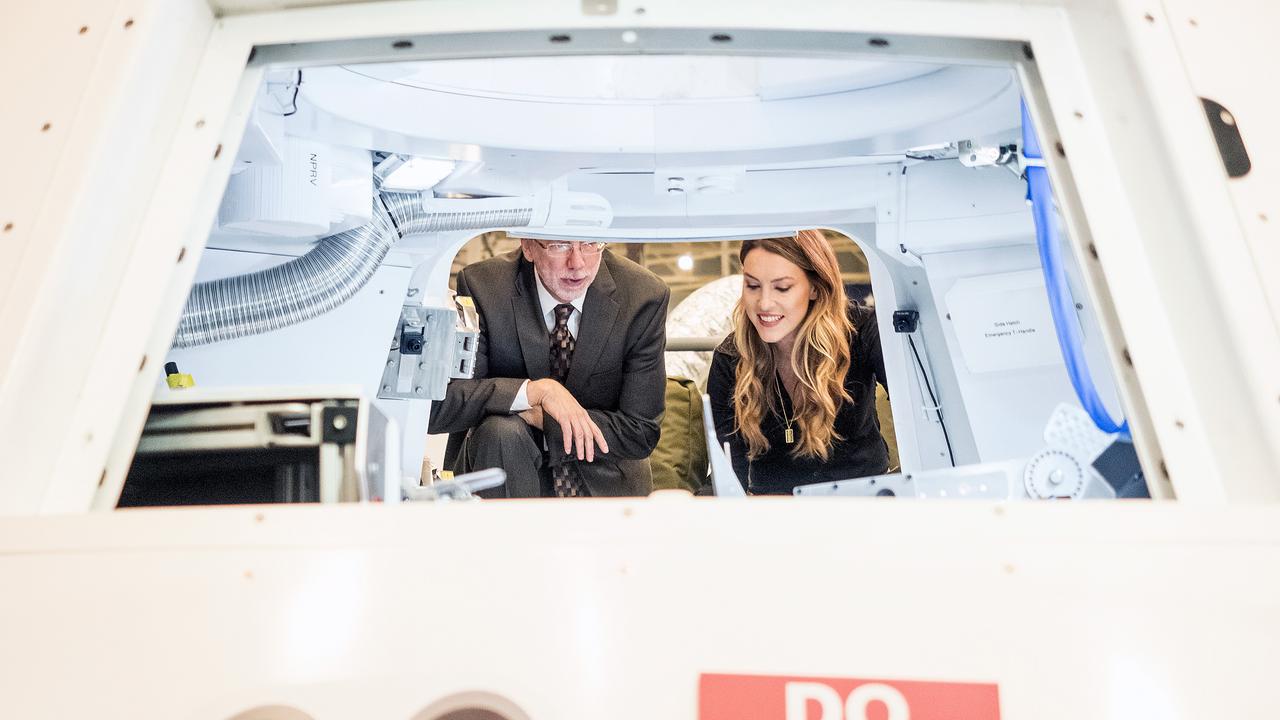
CNN's Rachel Crane talks to Orion program manager, Mark Geyer, at the Space Vehicle Mockup Facility at NASA's Johnson Space Center in Houston on June 23, 2015. Part of Batch image transfer from Flickr.
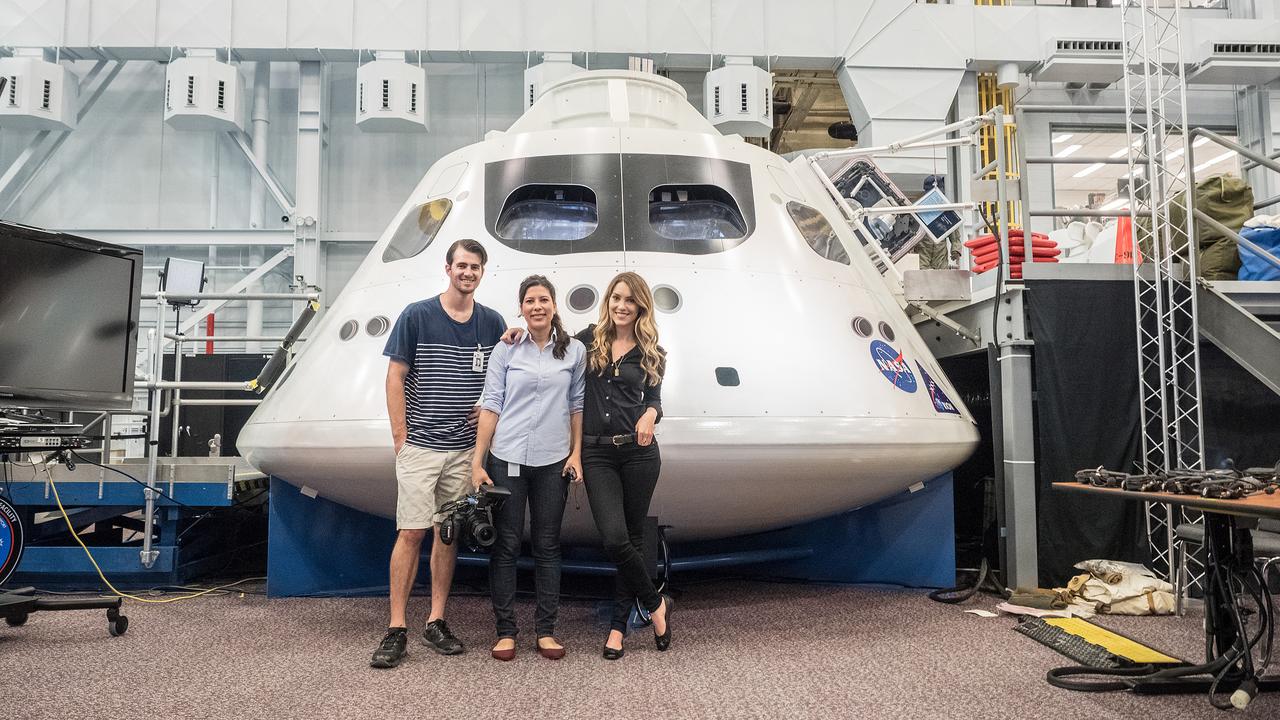
CNN's Rachel Crane at the Space Vehicle Mockup Facility at NASA's Johnson Space Center in Houston on June 23, 2015. Part of Batch image transfer from Flickr.
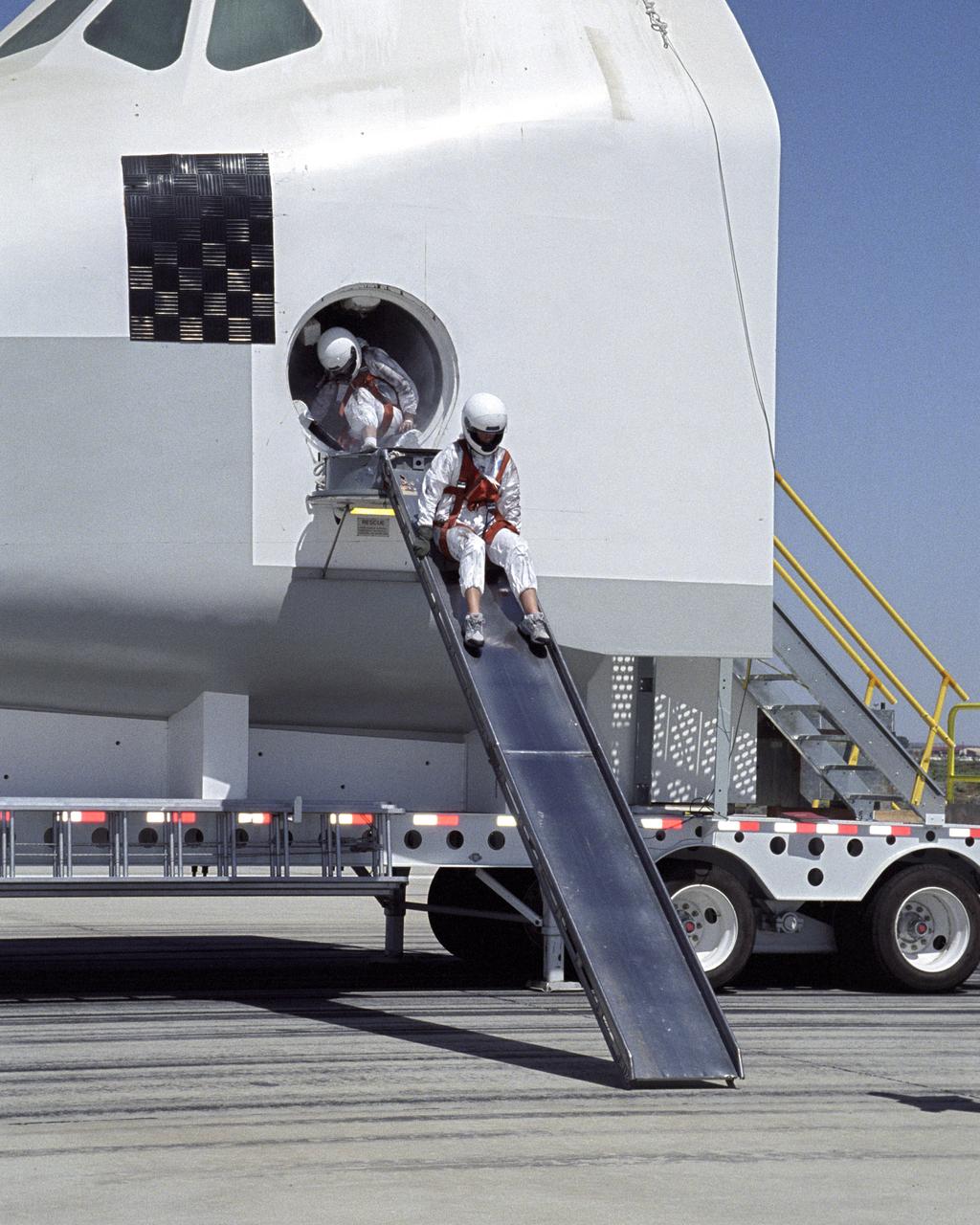
A volunteer "astronaut" starts down an exit slide from a Space Shuttle crew compartment mockup during a rescue and recovery training exercise.
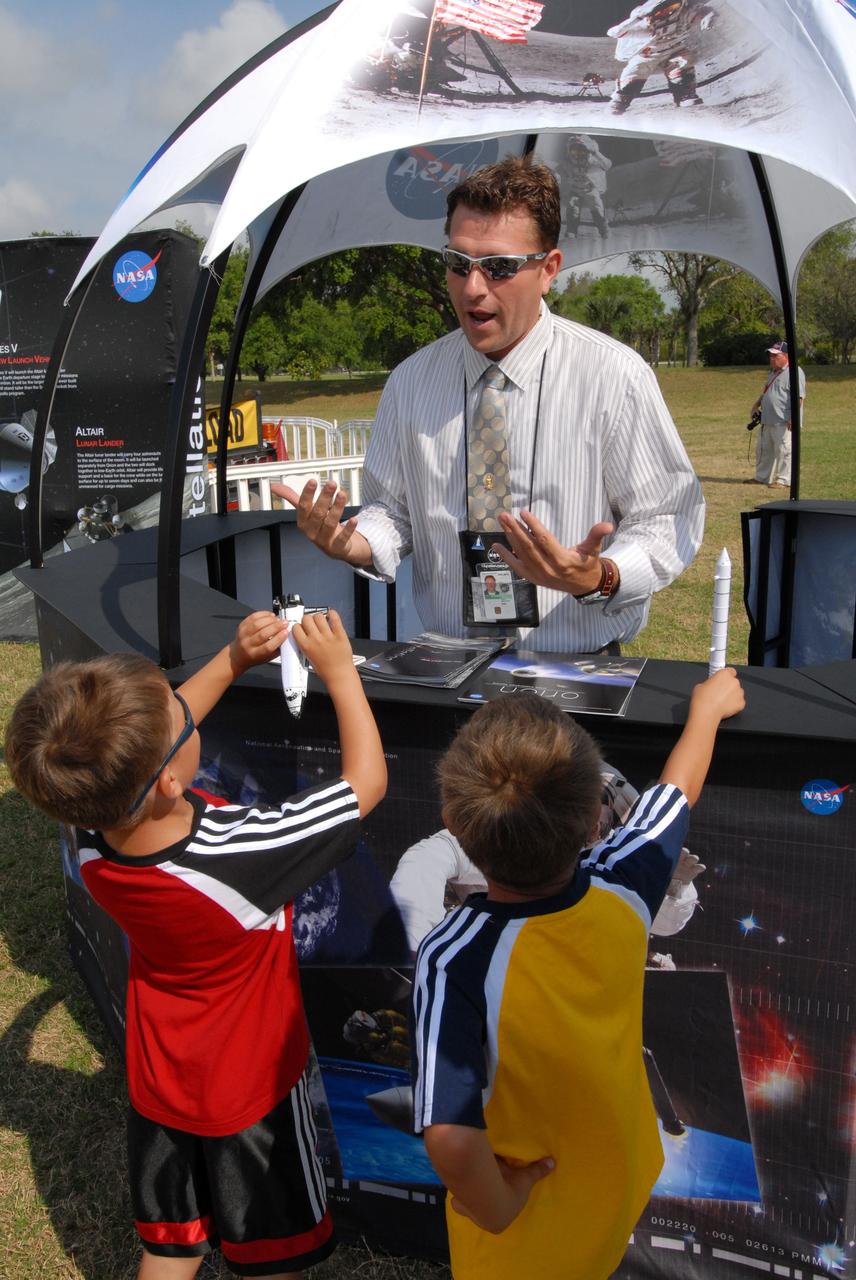
CAPE CANAVERAL, Fla. – A NASA official talks to visitors at the Kennedy Space Center Visitor Complex in Florida about the Orion crew exploration vehicle mockup and the Constellation Program. The Orion mockup is on display before heading offshore to be tested in open water. The spacecraft mock-up traveled from the Naval Surface Warfare Center's Carderock Division in Bethesda, Md. The goal of the open water testing, dubbed the Post-landing Orion Recovery Test, or PORT, is to determine what kind of motion astronauts can expect after landing, as well as outside conditions for recovery teams. Part of the Constellation Program, Orion is targeted to begin carrying humans to the International Space Station in 2015 and to the moon by 2020. Photo credit: NASA/Jack Pfaller
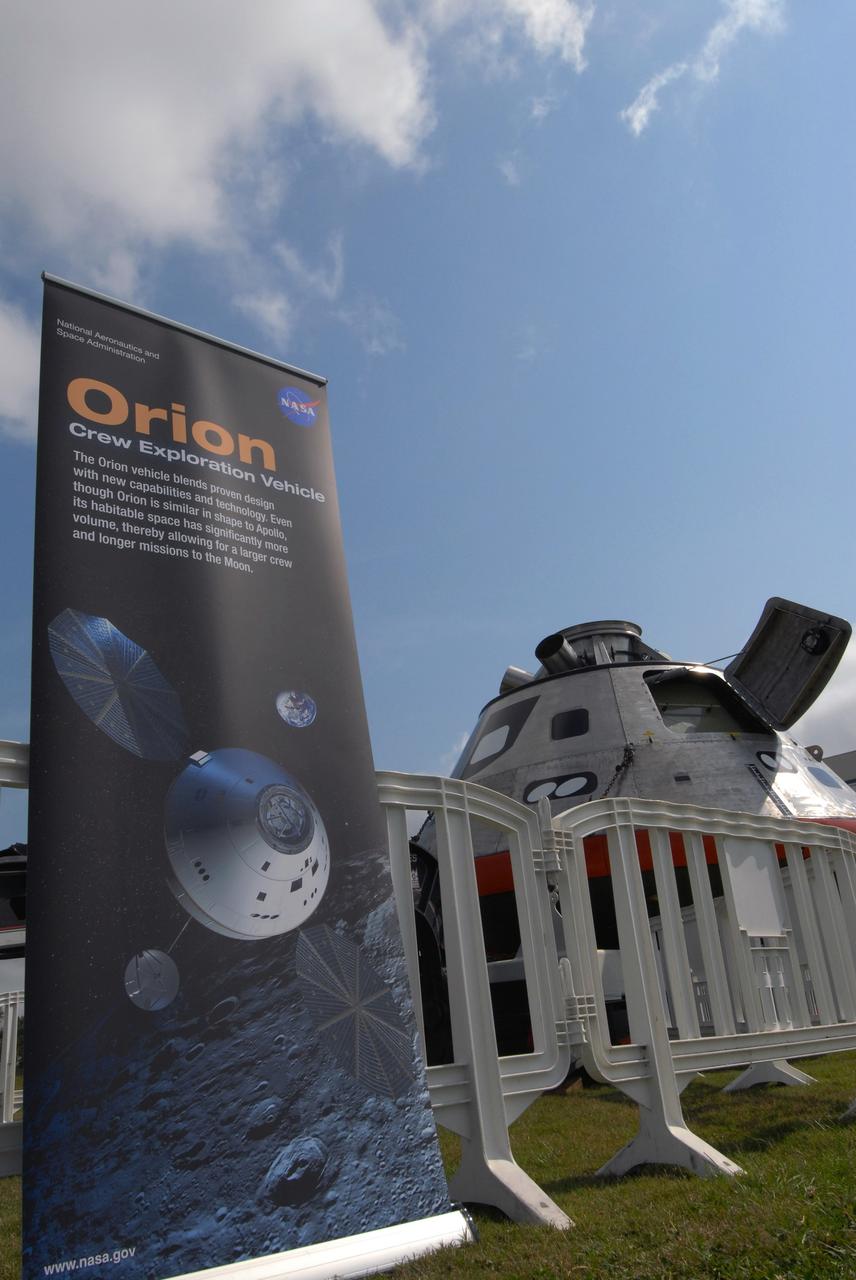
CAPE CANAVERAL, Fla. – On display at the Kennedy Space Center Visitor Complex in Florida is the Orion crew exploration vehicle mockup (right) and an exhibit about the Constellation Program. The Orion mockup is on display before heading offshore to be tested in open water. The spacecraft mock-up traveled from the Naval Surface Warfare Center's Carderock Division in Bethesda, Md. The goal of the open water testing, dubbed the Post-landing Orion Recovery Test, or PORT, is to determine what kind of motion astronauts can expect after landing, as well as outside conditions for recovery teams. Part of the Constellation Program, Orion is targeted to begin carrying humans to the International Space Station in 2015 and to the moon by 2020. Photo credit: NASA/Jack Pfaller
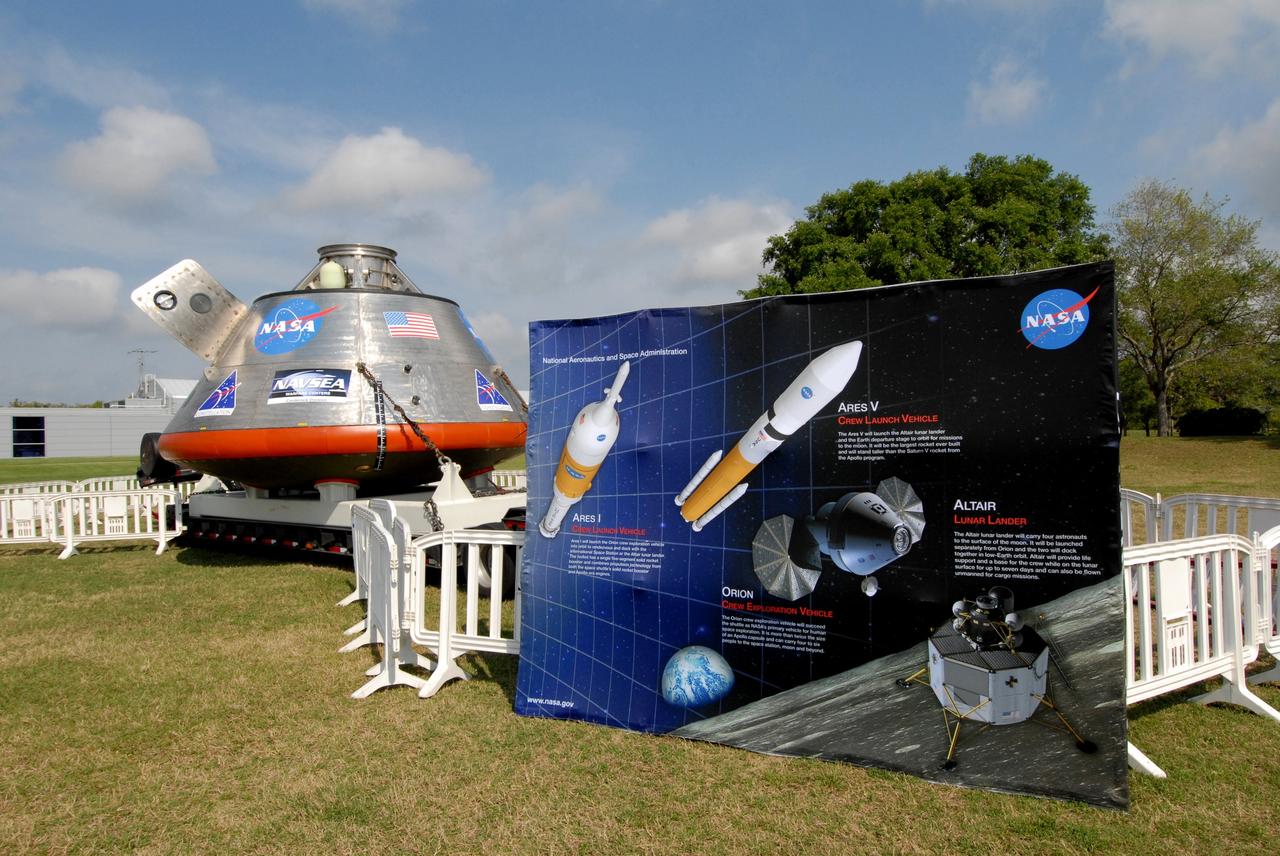
CAPE CANAVERAL, Fla. – On display at the Kennedy Space Center Visitor Complex in Florida is the Orion crew exploration vehicle mockup (left) and an exhibit about the Constellation Program. The Orion mockup is on display before heading offshore to be tested in open water. The spacecraft mock-up traveled from the Naval Surface Warfare Center's Carderock Division in Bethesda, Md. The goal of the open water testing, dubbed the Post-landing Orion Recovery Test, or PORT, is to determine what kind of motion astronauts can expect after landing, as well as outside conditions for recovery teams. Part of the Constellation Program, Orion is targeted to begin carrying humans to the International Space Station in 2015 and to the moon by 2020. Photo credit: NASA/Jack Pfaller
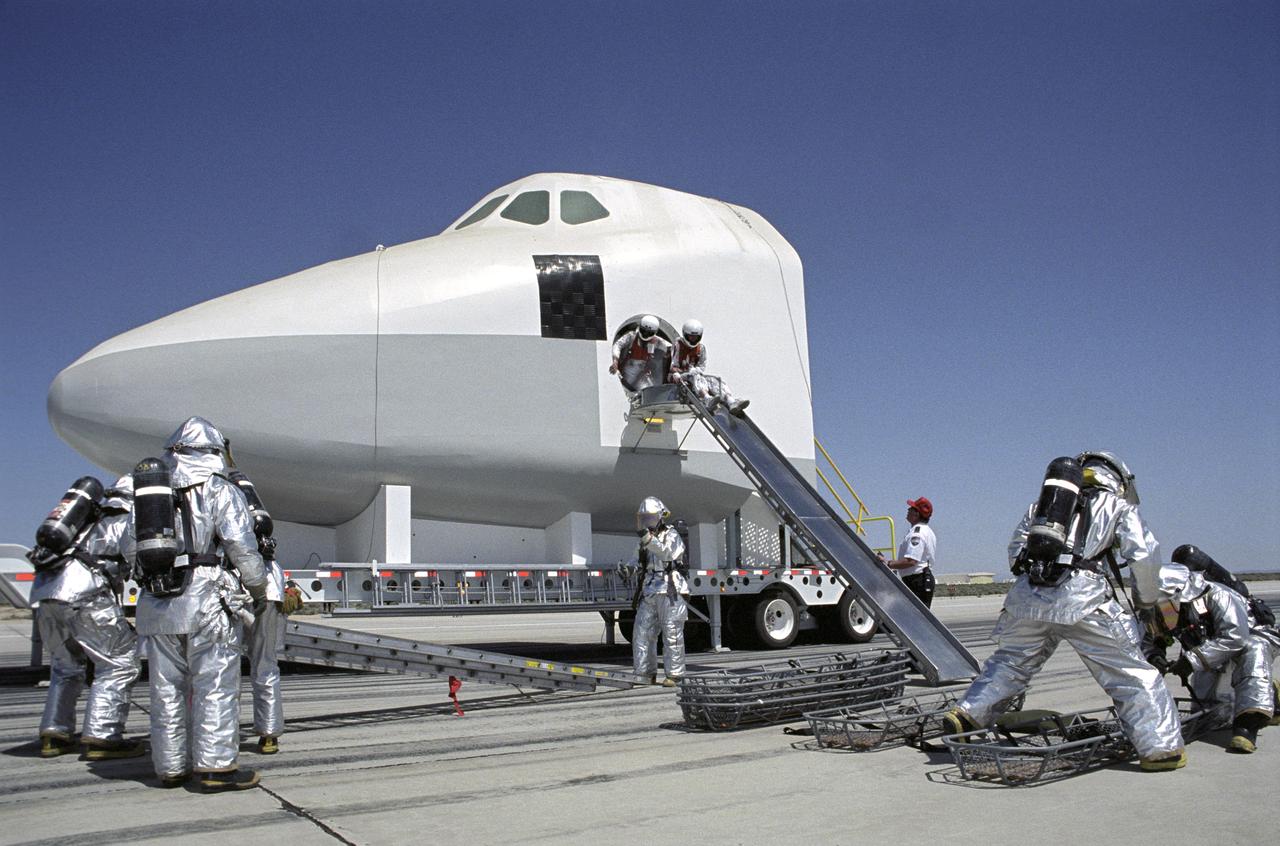
While fire-rescue personnel prepare evacuation litters, two stand-in "astronauts" prepare to use an exit slide from a Shuttle mockup during a rescue training exercise.
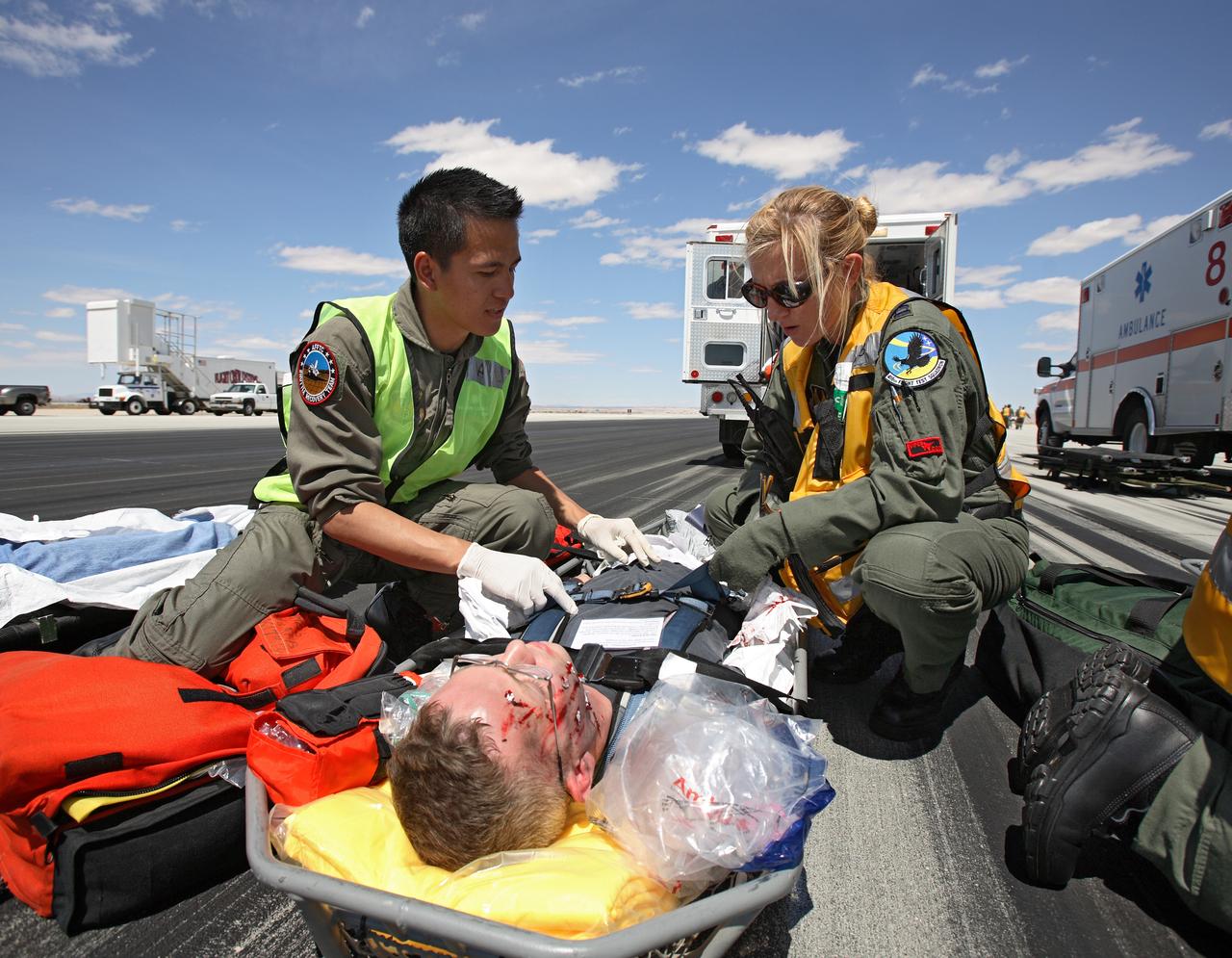
Complete with makeup to simulate facial injuries, a volunteer "astronaut" is tended to by aeromedical rescue staff after evacuation from the shuttle mockup. (USAF photo # 070505-F-1287F-145)
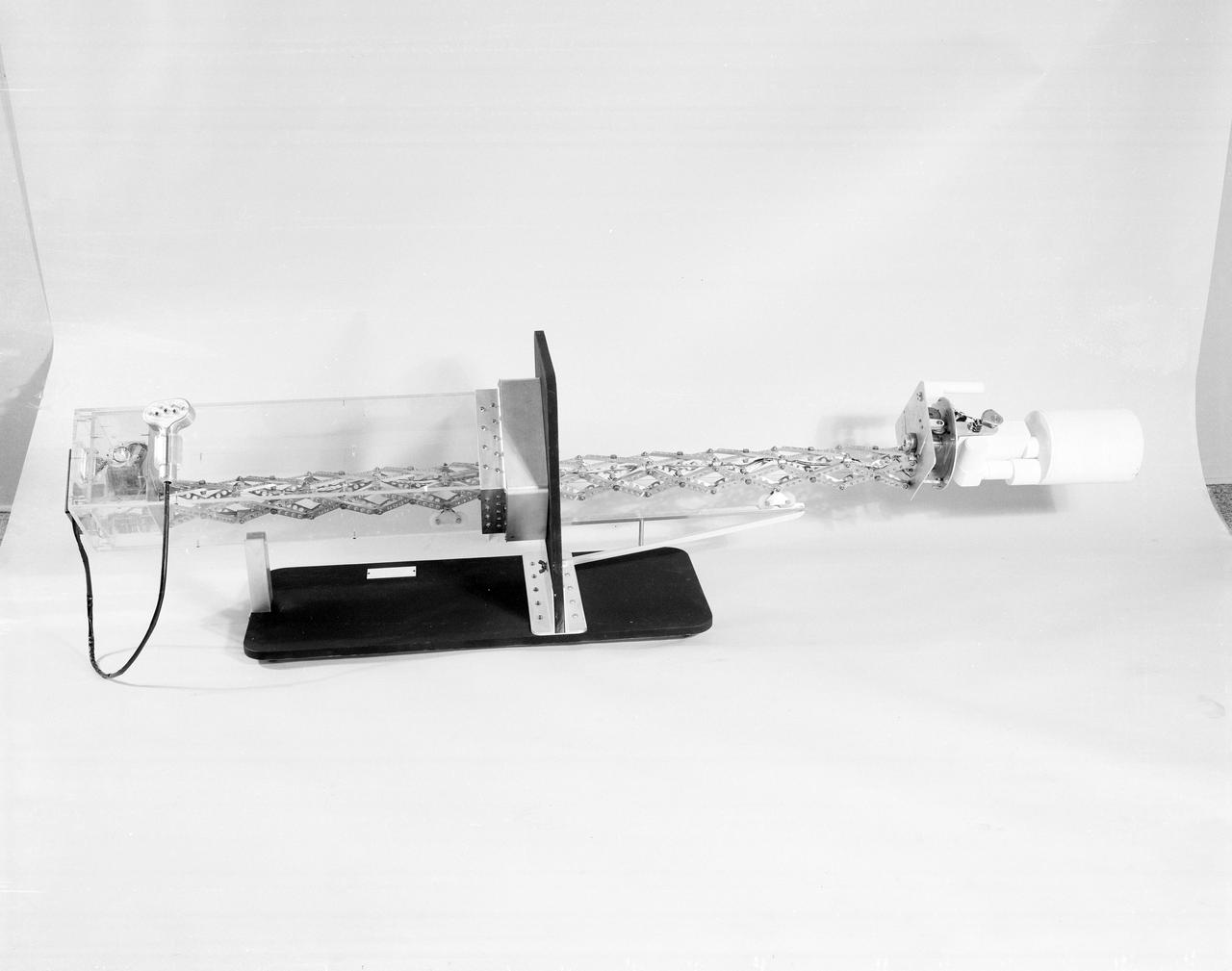
The Apollo Telescope Mount (ATM), designed and developed by the Marshall Space Flight Center, served as the primary scientific instrument unit aboard the Skylab. The ATM contained eight complex astronomical instruments designed to observe the Sun over a wide spectrum from visible light to x-rays. This photo depicts a side view is of a fully extended ATM contamination monitor mockup.
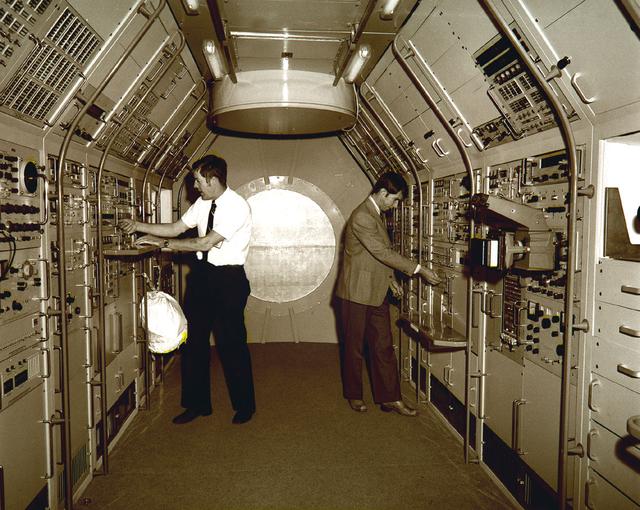
Astronauts Joseph Kerwin (left) and William Lenoir familiarize themselves with equipment aboard the Spacelab mockup during a 1976 visit to the Marshall Space Flight Center. Kerwin and Lenoir were part of an astronaut group briefed on Spacelab subsystems and crew activities by Marshall scientists and engineers. The Marshall Space Flight Center had management responsibility for Spacelab.
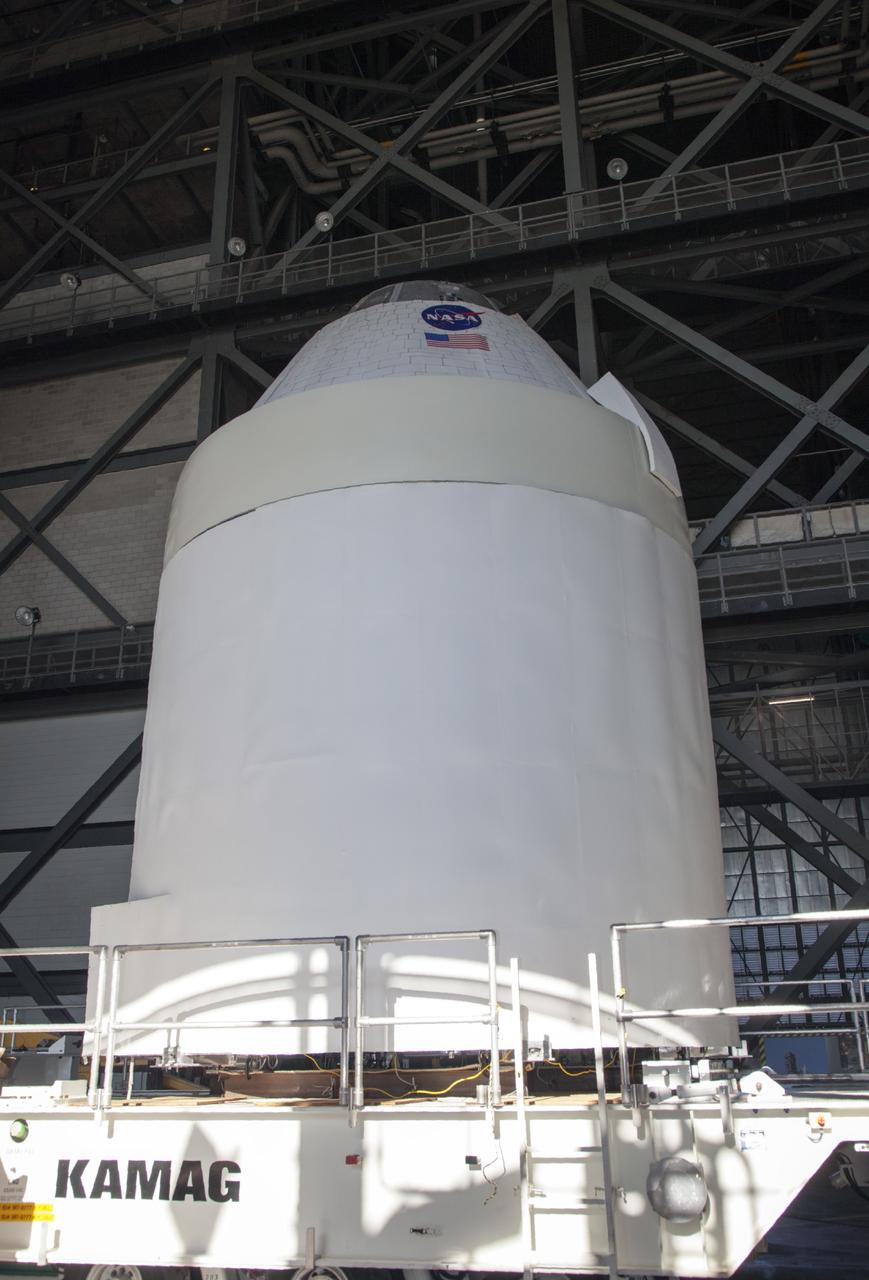
CAPE CANAVERAL, Fla. -- In the transfer aisle of the Vehicle Assembly Building at NASA’s Kennedy Space Center in Florida, a full-size mockup of the Orion spacecraft sits on a transporter. Crane operators and technicians are preparing to lift the mockup and transfer it into High Bay 4 in order to keep processing procedures and skills current for the Ground Systems Development and Operations Program. Orion is the exploration spacecraft designed to carry crews to space beyond low Earth orbit. It will provide emergency abort capability, sustain the crew during the space travel and provide safe re-entry from deep space return velocities. Orion’s first unpiloted test flight is scheduled to launch in 2014 atop a Delta IV rocket. A second uncrewed flight test is scheduled for 2017 on NASA’s Space Launch System rocket. For more information, visit http://www.nasa.gov/orion. Photo credit: NASA/Dan Casper
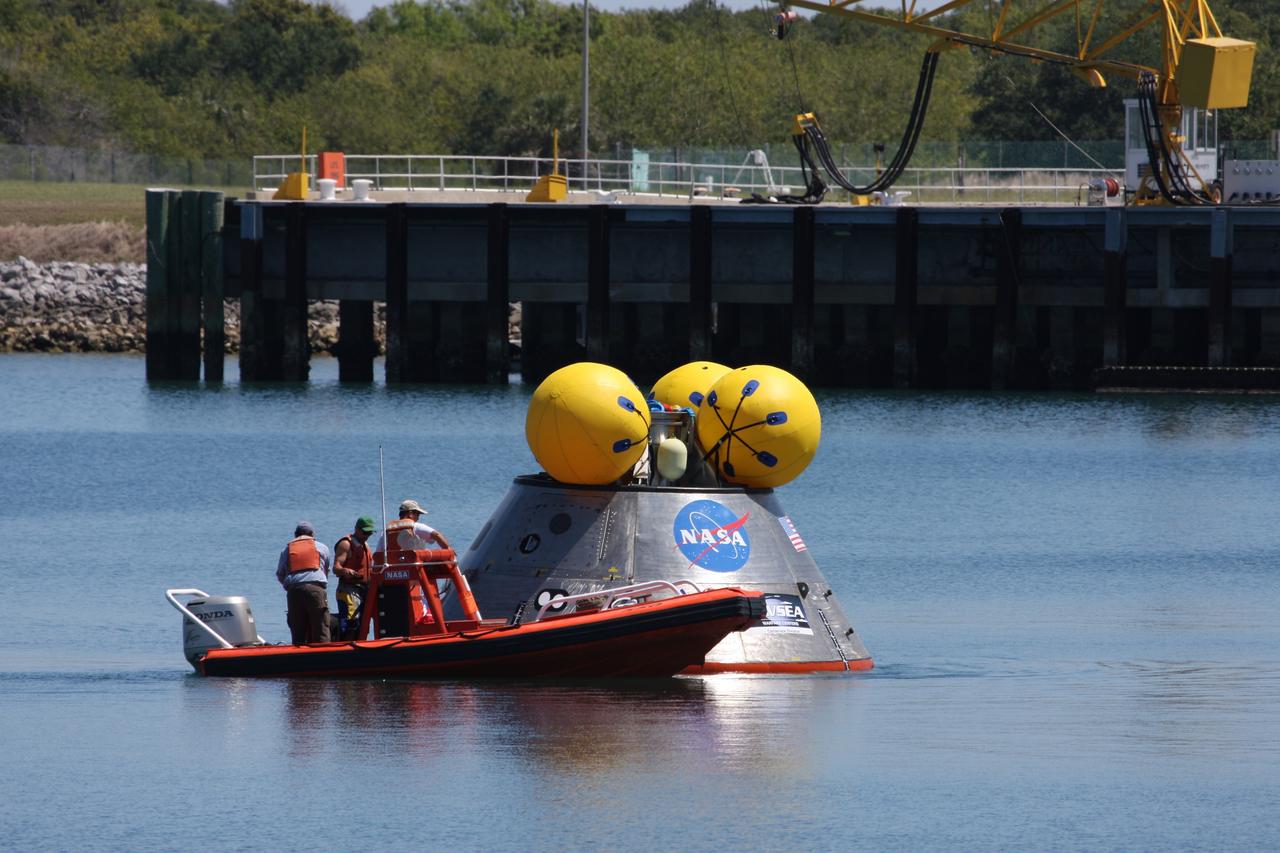
CAPE CANAVERAL, Fla. – Members of the 920th Rescue Wing get ready to release a flotation collar around the mockup Orion crew exploration vehicle at the Trident Basin at Port Canaveral, Fla. On top of Orion are additional flotation devices. The goal of the operation, dubbed the Post-landing Orion Recovery Test, or PORT, is to determine what kind of motion astronauts can expect after landing, as well as outside conditions for recovery teams. Orion is targeted to begin carrying humans to the International Space Station in 2015 and to the moon by 2020. Orion, along with the Ares I and V rockets and the Altair lunar lander, are part of the Constellation Program. Photo credit: NASA/Dimitri Gerondidakis
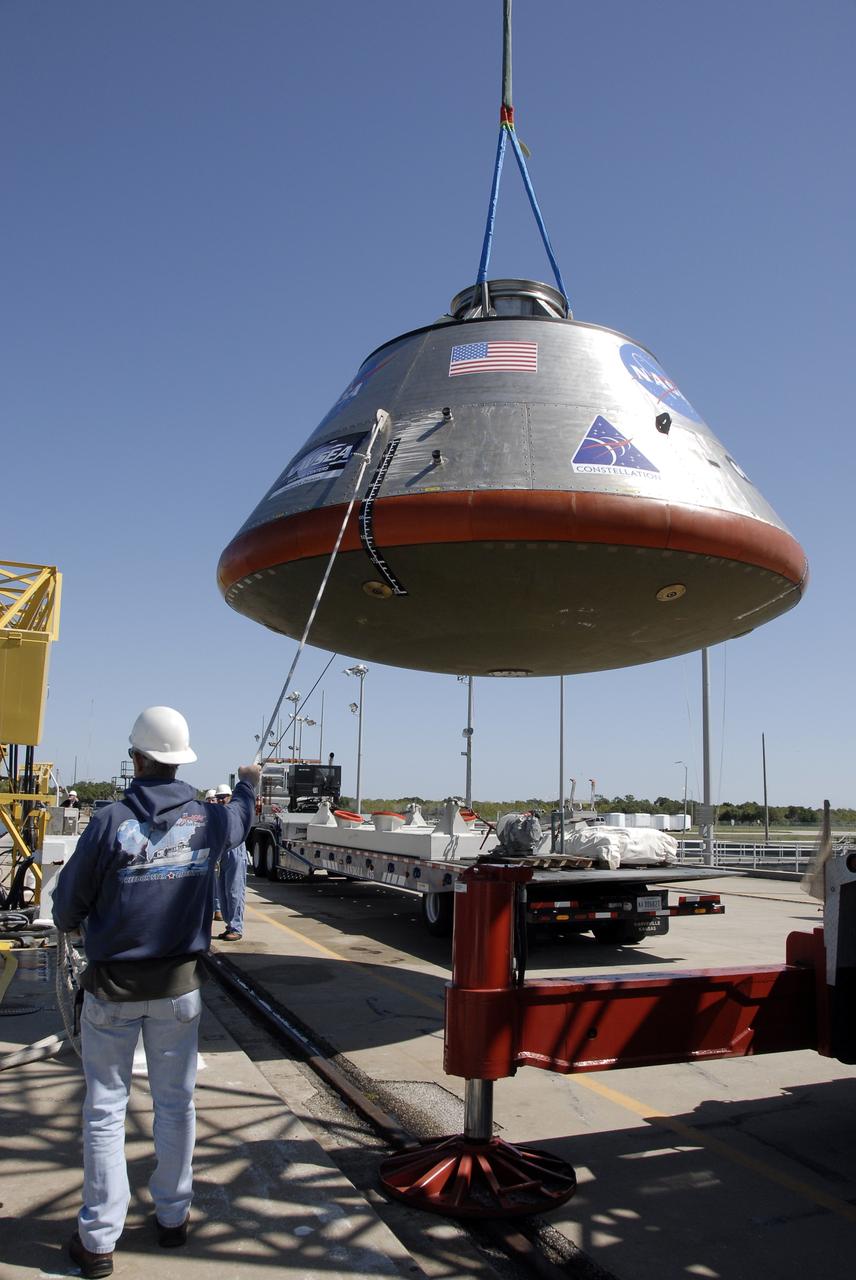
CAPE CANAVERAL, Fla. – The mockup Orion crew exploration vehicle is prepared to be lifted into the water at the Trident Basin at Port Canaveral, Fla., for testing in open water. The goal of the operation, dubbed the Post-landing Orion Recovery Test, or PORT, is to determine what kind of motion astronauts can expect after landing, as well as outside conditions for recovery teams. Orion is targeted to begin carrying humans to the International Space Station in 2015 and to the moon by 2020. Orion, along with the Ares I and V rockets and the Altair lunar lander, are part of the Constellation Program. Photo credit: NASA/Kim Shiflett
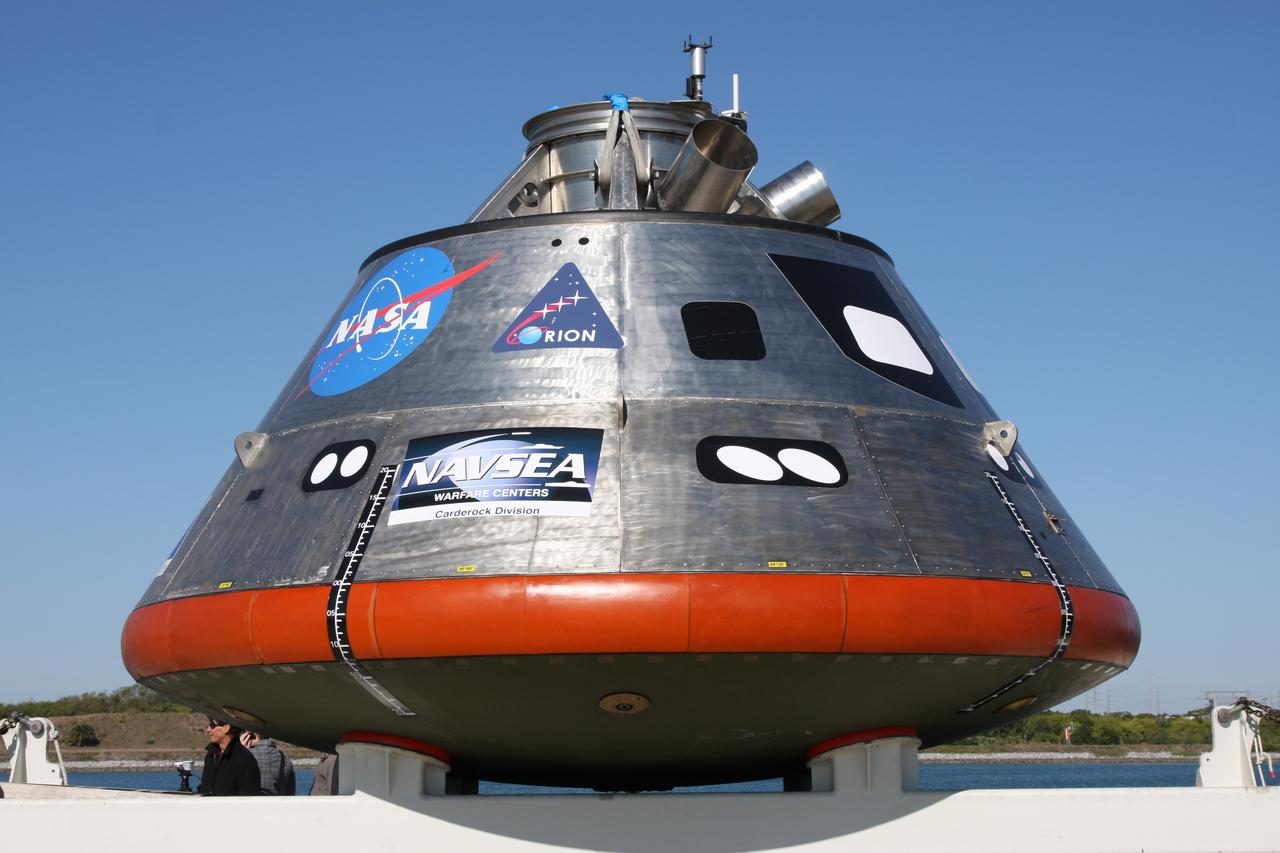
CAPE CANAVERAL, Fla. – The mockup Orion crew exploration vehicle is on the dock at the Trident Basin at Port Canaveral, Fla., waiting to be tested in open waters. Orion is targeted to begin carrying humans to the International Space Station in 2015 and to the moon by 2020. The goal of the operation, dubbed the Post-landing Orion Recovery Test, or PORT, is to determine what kind of motion astronauts can expect after landing, as well as outside conditions for recovery teams. Orion, along with the Ares I and V rockets and the Altair lunar lander, are part of the Constellation Program. Photo credit: NASA/Dimitri Gerondidakis
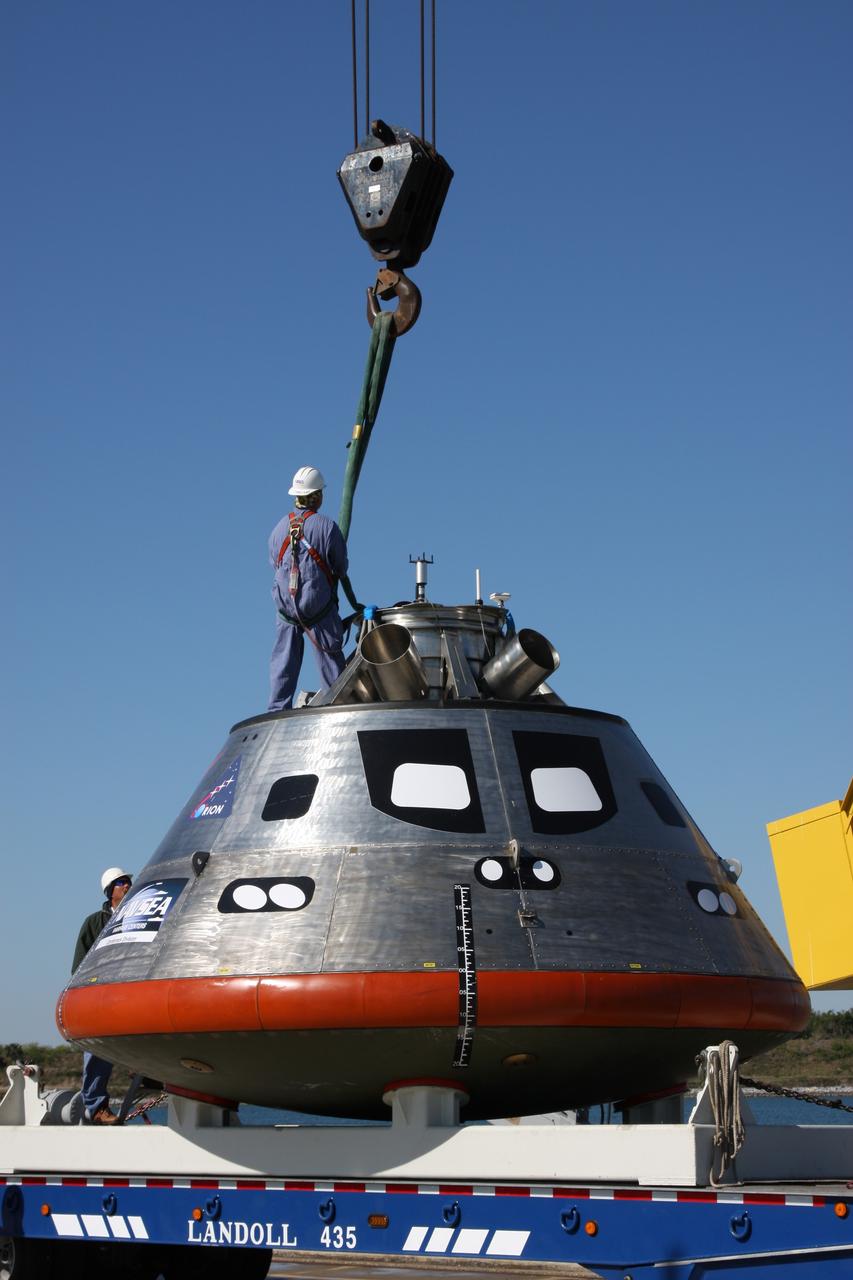
CAPE CANAVERAL, Fla. – The mockup Orion crew exploration vehicle is prepared to be lifted into the water at the Trident Basin at Port Canaveral, Fla., for testing. Orion is targeted to begin carrying humans to the International Space Station in 2015 and to the moon by 2020. The goal of the operation, dubbed the Post-landing Orion Recovery Test, or PORT, is to determine what kind of motion astronauts can expect after landing, as well as outside conditions for recovery teams. Orion, along with the Ares I and V rockets and the Altair lunar lander, are part of the Constellation Program. Photo credit: NASA/Dimitri Gerondidakis
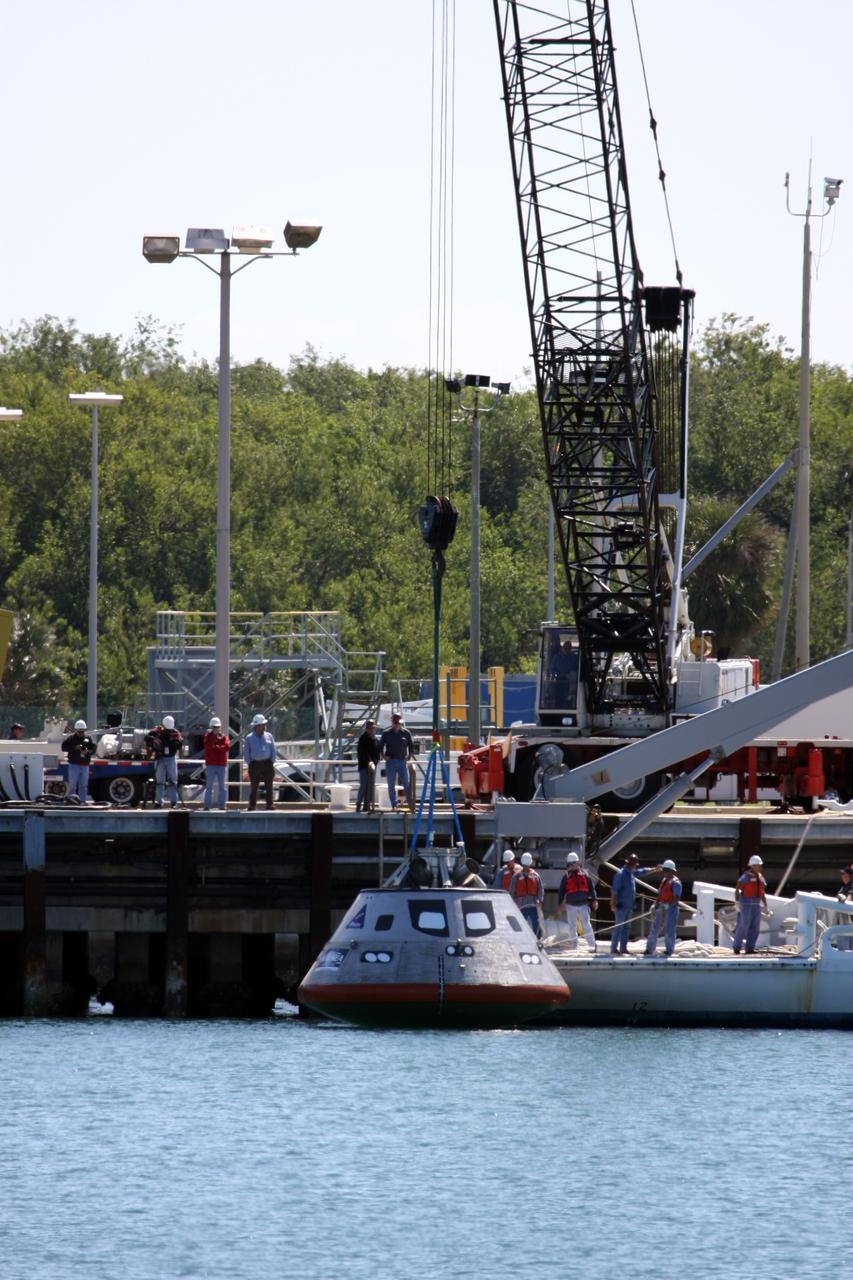
CAPE CANAVERAL, Fla. – The mockup Orion crew exploration vehicle is lowered into the water at the Trident Basin at Port Canaveral, Fla., for testing. Orion is targeted to begin carrying humans to the International Space Station in 2015 and to the moon by 2020. The goal of the operation, dubbed the Post-landing Orion Recovery Test, or PORT, is to determine what kind of motion astronauts can expect after landing, as well as outside conditions for recovery teams. Orion, along with the Ares I and V rockets and the Altair lunar lander, are part of the Constellation Program. Photo credit: NASA/Dimitri Gerondidakis
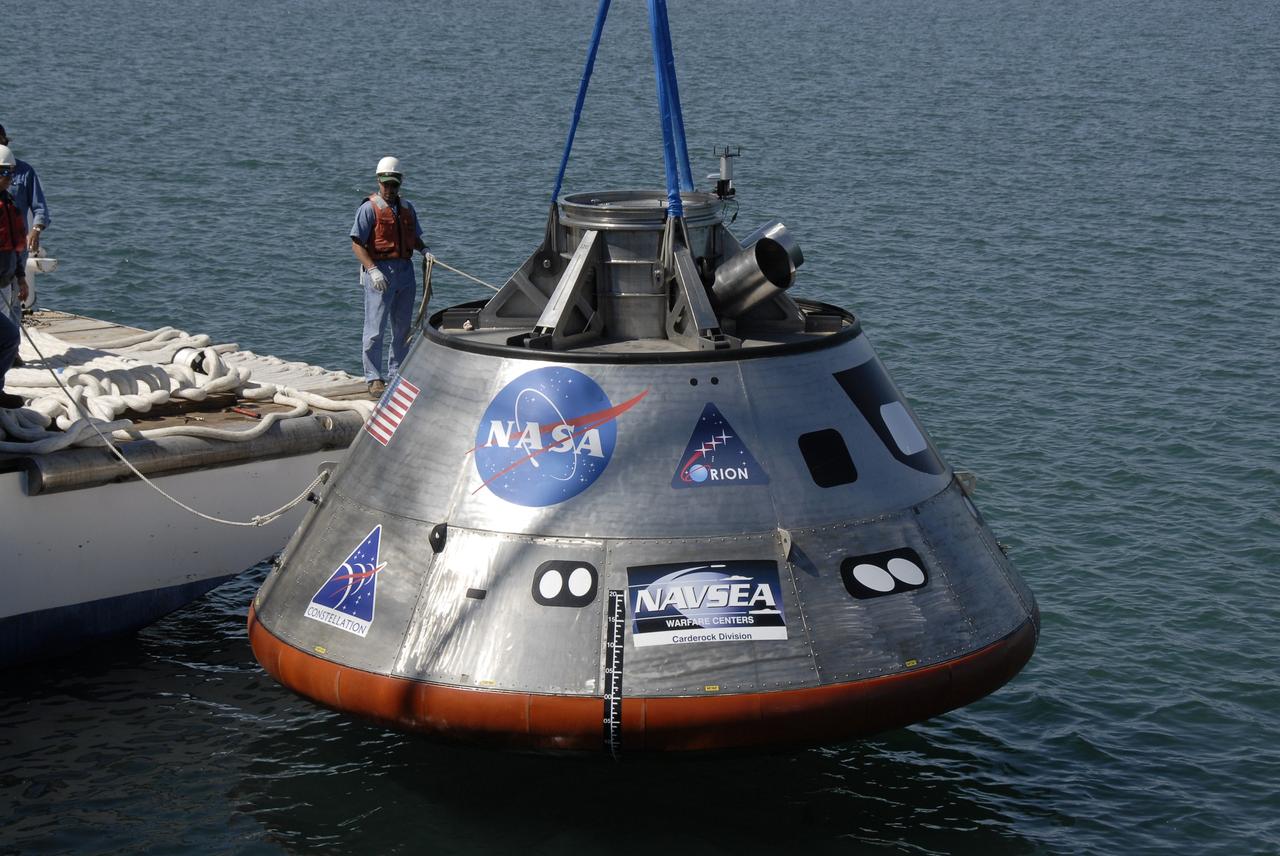
CAPE CANAVERAL, Fla. – The mockup Orion crew exploration vehicle is lowered into the water at the Trident Basin at Port Canaveral, Fla., for testing in open water. The goal of the operation, dubbed the Post-landing Orion Recovery Test, or PORT, is to determine what kind of motion astronauts can expect after landing, as well as outside conditions for recovery teams. Orion is targeted to begin carrying humans to the International Space Station in 2015 and to the moon by 2020. Orion, along with the Ares I and V rockets and the Altair lunar lander, are part of the Constellation Program. Photo credit: NASA/Kim Shiflett
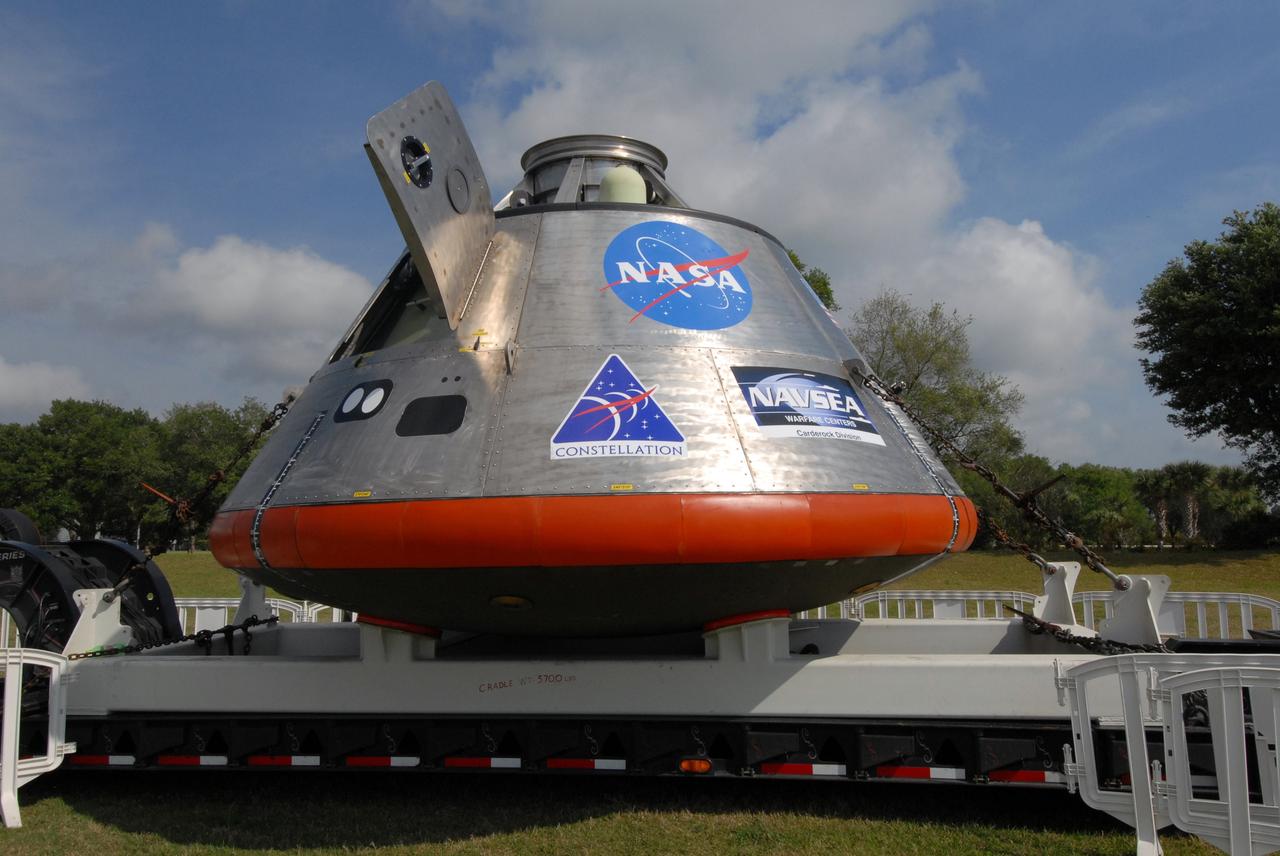
CAPE CANAVERAL, Fla. – On display at the Kennedy Space Center Visitor Complex in Florida is the Orion crew exploration vehicle mockup, which will be moved onto the center before heading offshore to be tested in open water. The spacecraft mock-up traveled from the Naval Surface Warfare Center's Carderock Division in Bethesda, Md. The goal of the open water testing, dubbed the Post-landing Orion Recovery Test, or PORT, is to determine what kind of motion astronauts can expect after landing, as well as outside conditions for recovery teams. Part of the Constellation Program, Orion is targeted to begin carrying humans to the International Space Station in 2015 and to the moon by 2020. Photo credit: NASA/Jack Pfaller
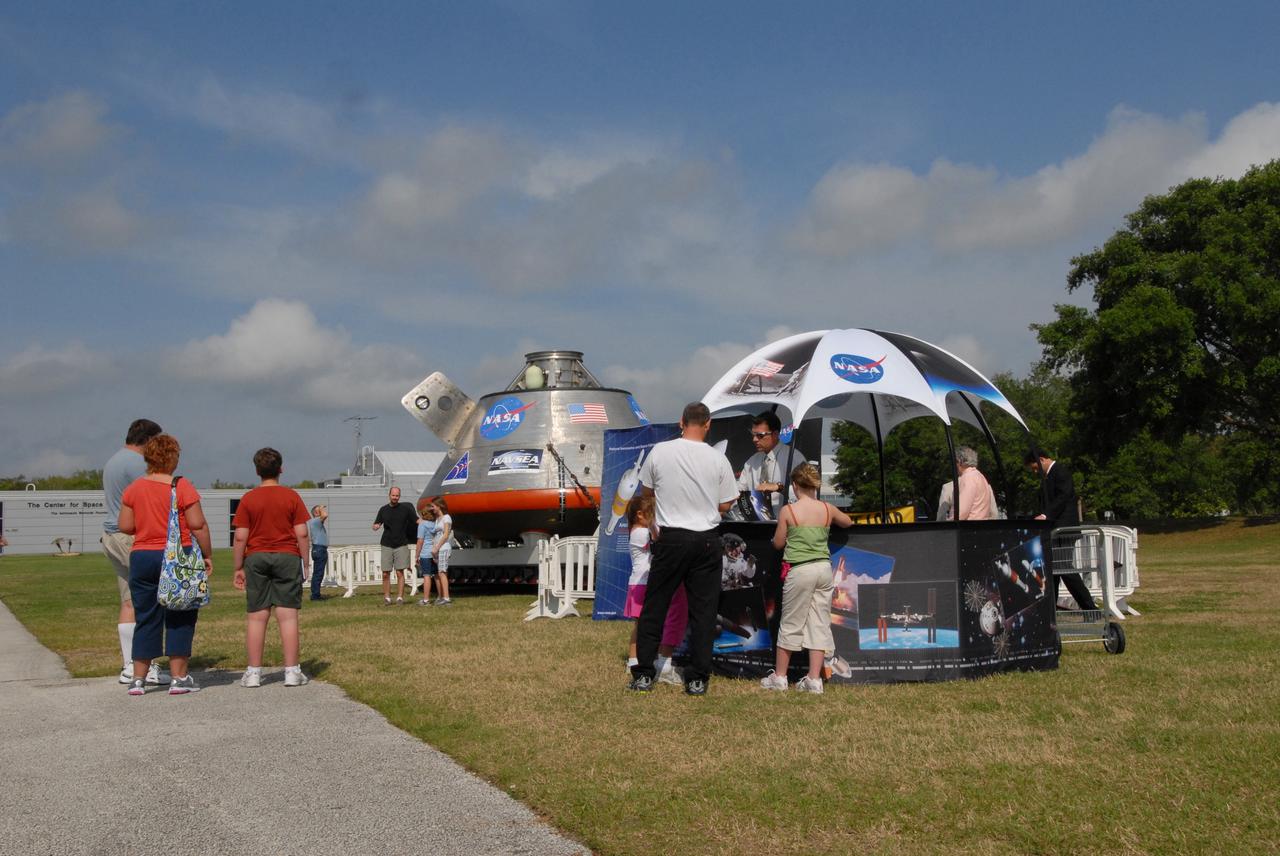
CAPE CANAVERAL, Fla. – Visitors to the Visitor Complex at NASA's Kennedy Space Center in Florida get a look at the Orion crew exploration vehicle mockup, which is on display before heading offshore to be tested in open water. The spacecraft mock-up traveled from the Naval Surface Warfare Center's Carderock Division in Bethesda, Md. The goal of the open water testing, dubbed the Post-landing Orion Recovery Test, or PORT, is to determine what kind of motion astronauts can expect after landing, as well as outside conditions for recovery teams. Part of the Constellation Program, Orion is targeted to begin carrying humans to the International Space Station in 2015 and to the moon by 2020. Photo credit: NASA/Jack Pfaller
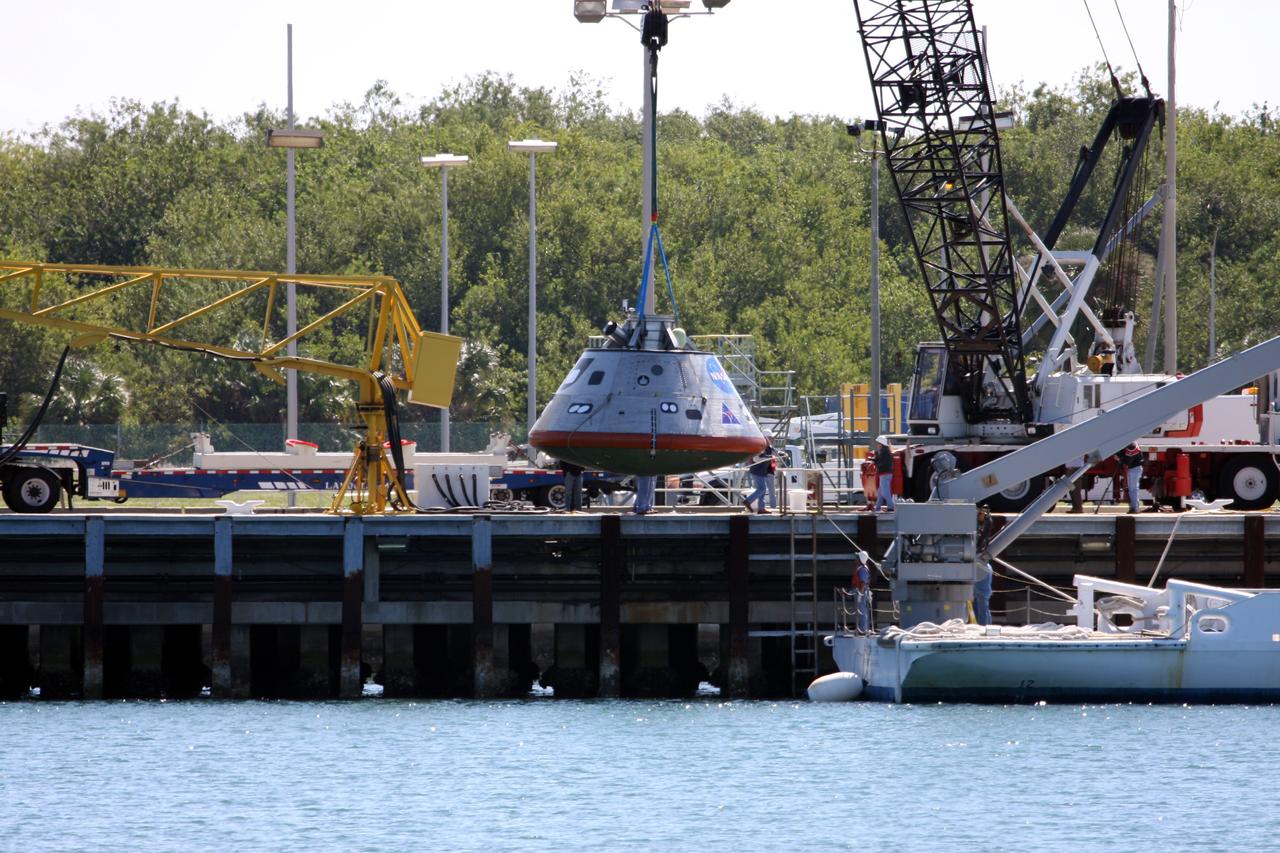
CAPE CANAVERAL, Fla. – The mockup Orion crew exploration vehicle is lowered toward the water at the Trident Basin at Port Canaveral, Fla., for testing. Orion is targeted to begin carrying humans to the International Space Station in 2015 and to the moon by 2020. The goal of the operation, dubbed the Post-landing Orion Recovery Test, or PORT, is to determine what kind of motion astronauts can expect after landing, as well as outside conditions for recovery teams. Orion, along with the Ares I and V rockets and the Altair lunar lander, are part of the Constellation Program. Photo credit: NASA/Dimitri Gerondidakis
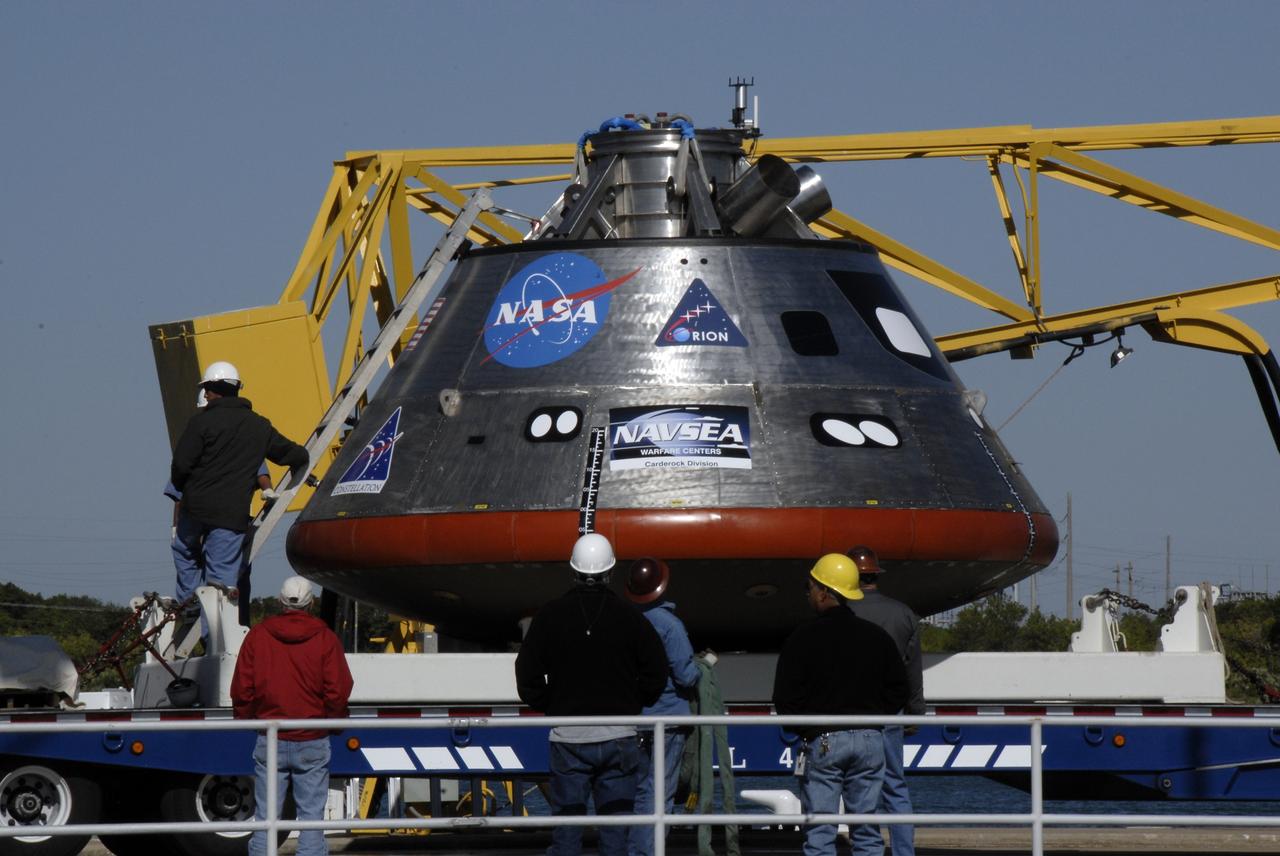
CAPE CANAVERAL, Fla. – The mockup Orion crew exploration vehicle is on the dock at the Trident Basin at Port Canaveral, Fla., waiting to be tested in open water. The goal of the operation, dubbed the Post-landing Orion Recovery Test, or PORT, is to determine what kind of motion astronauts can expect after landing, as well as outside conditions for recovery teams. Orion is targeted to begin carrying humans to the International Space Station in 2015 and to the moon by 2020. Orion, along with the Ares I and V rockets and the Altair lunar lander, are part of the Constellation Program. Photo credit: NASA/Kim Shiflett
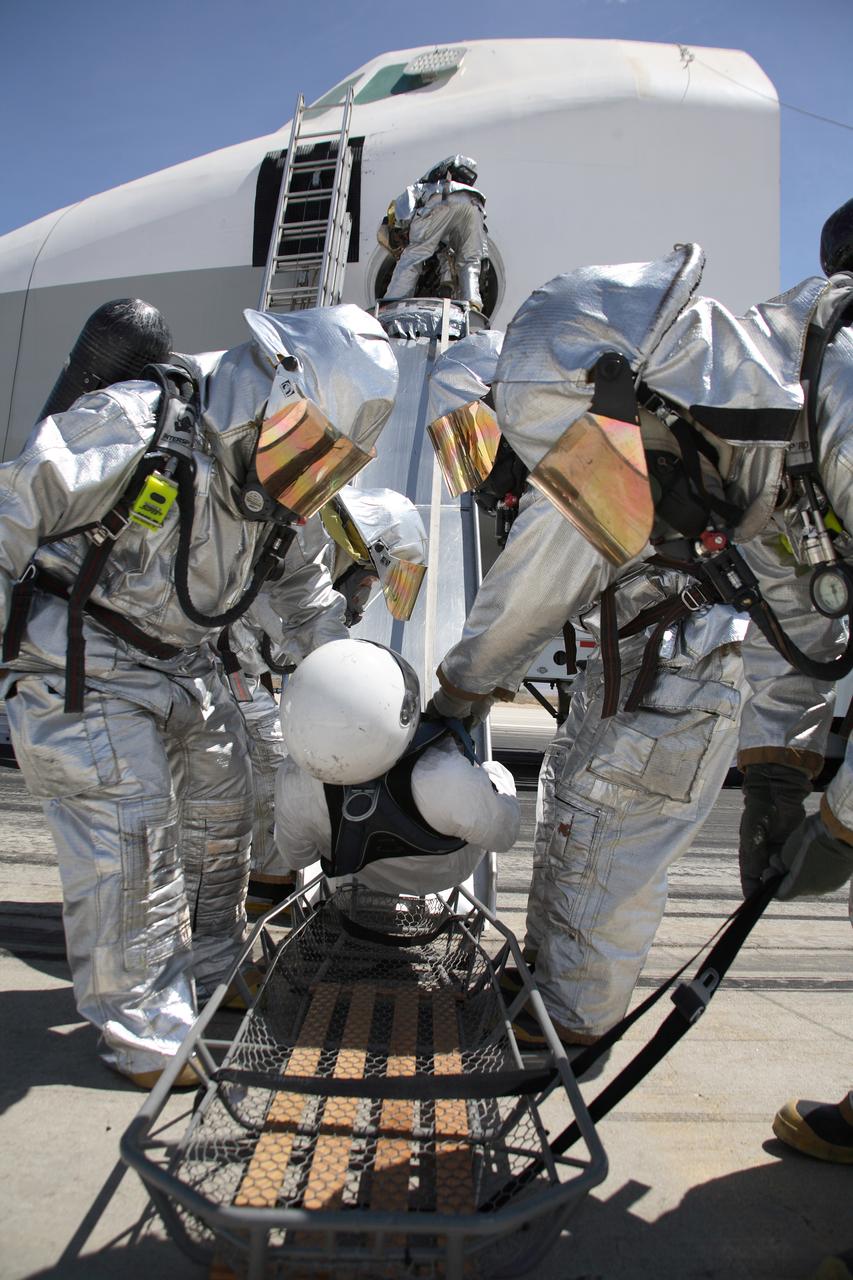
Air Force fire/rescue crew place a volunteer "injured astronaut" on a stretcher after exiting the shuttle cabin mockup during the training exercise. (USAF photo # 070505-F-1287F-126)
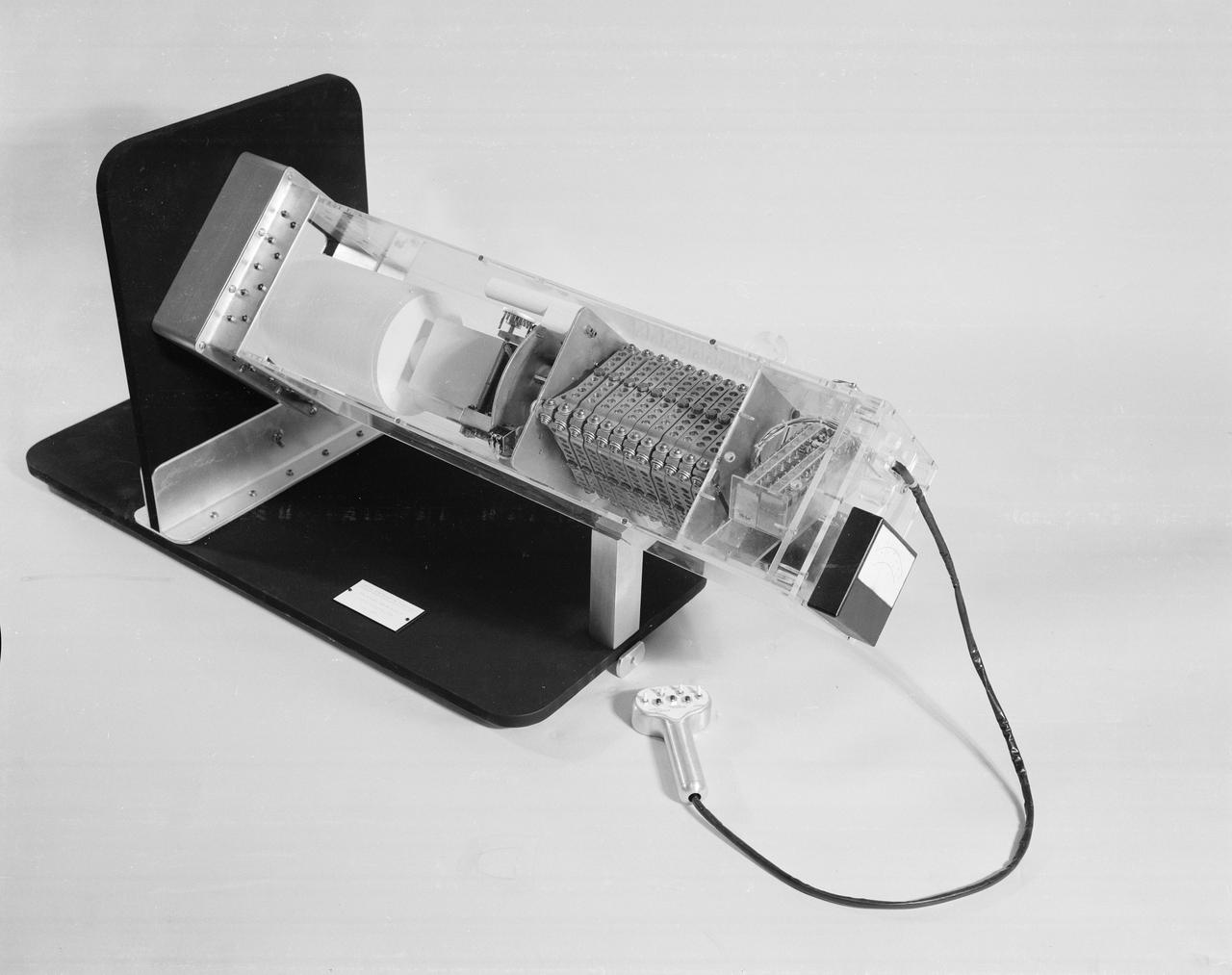
The Apollo Telescope Mount (ATM), designed and developed by the Marshall Space Flight Center, served as the primary scientific instrument unit aboard the Skylab. The ATM contained eight complex astronomical instruments designed to observe the Sun over a wide spectrum from visible light to x-rays. This angle view is of an ATM contamination monitor meter mockup.
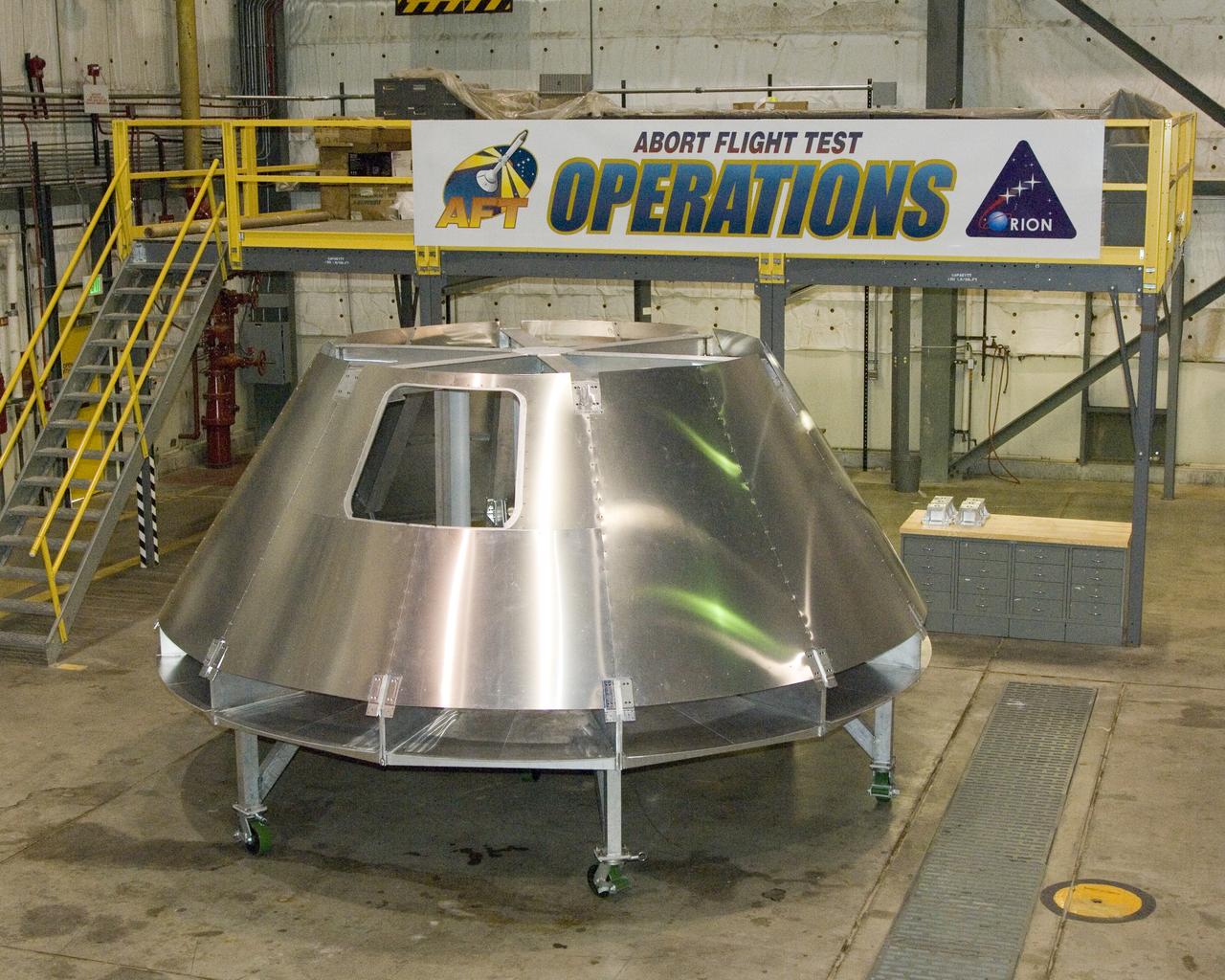
NASA Dryden's mockup Orion crew module is located in Dryden's Shuttle hangar, where abort flight test equipment is being positioned.
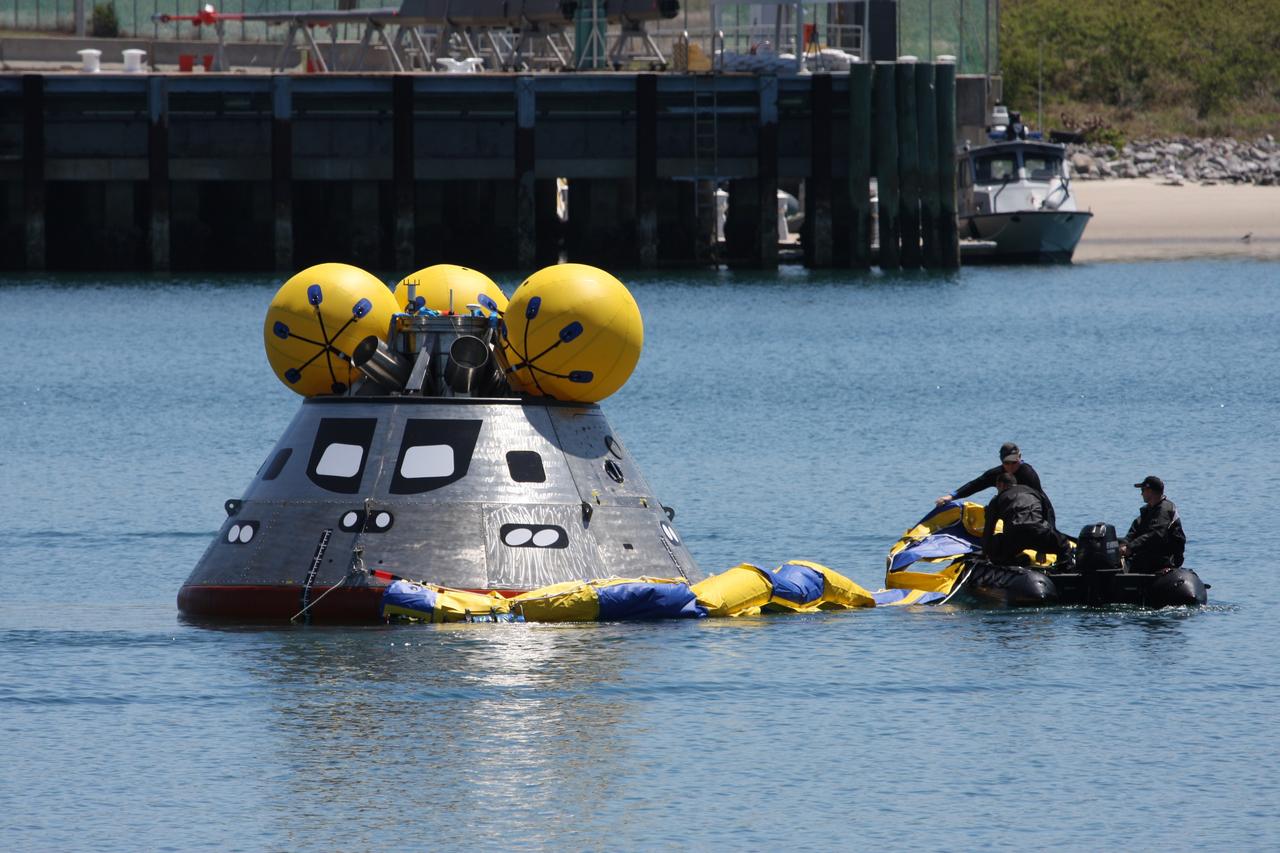
CAPE CANAVERAL, Fla. – Members of the 920th Rescue Wing release a flotation collar around the mockup Orion crew exploration vehicle at the Trident Basin at Port Canaveral, Fla. On top of Orion are additional flotation devices. The goal of the operation, dubbed the Post-landing Orion Recovery Test, or PORT, is to determine what kind of motion astronauts can expect after landing, as well as outside conditions for recovery teams. Orion is targeted to begin carrying humans to the International Space Station in 2015 and to the moon by 2020. Orion is targeted to begin carrying humans to the International Space Station in 2015 and to the moon by 2020. Orion, along with the Ares I and V rockets and the Altair lunar lander, are part of the Constellation Program. Photo credit: NASA/Dimitri Gerondidakis
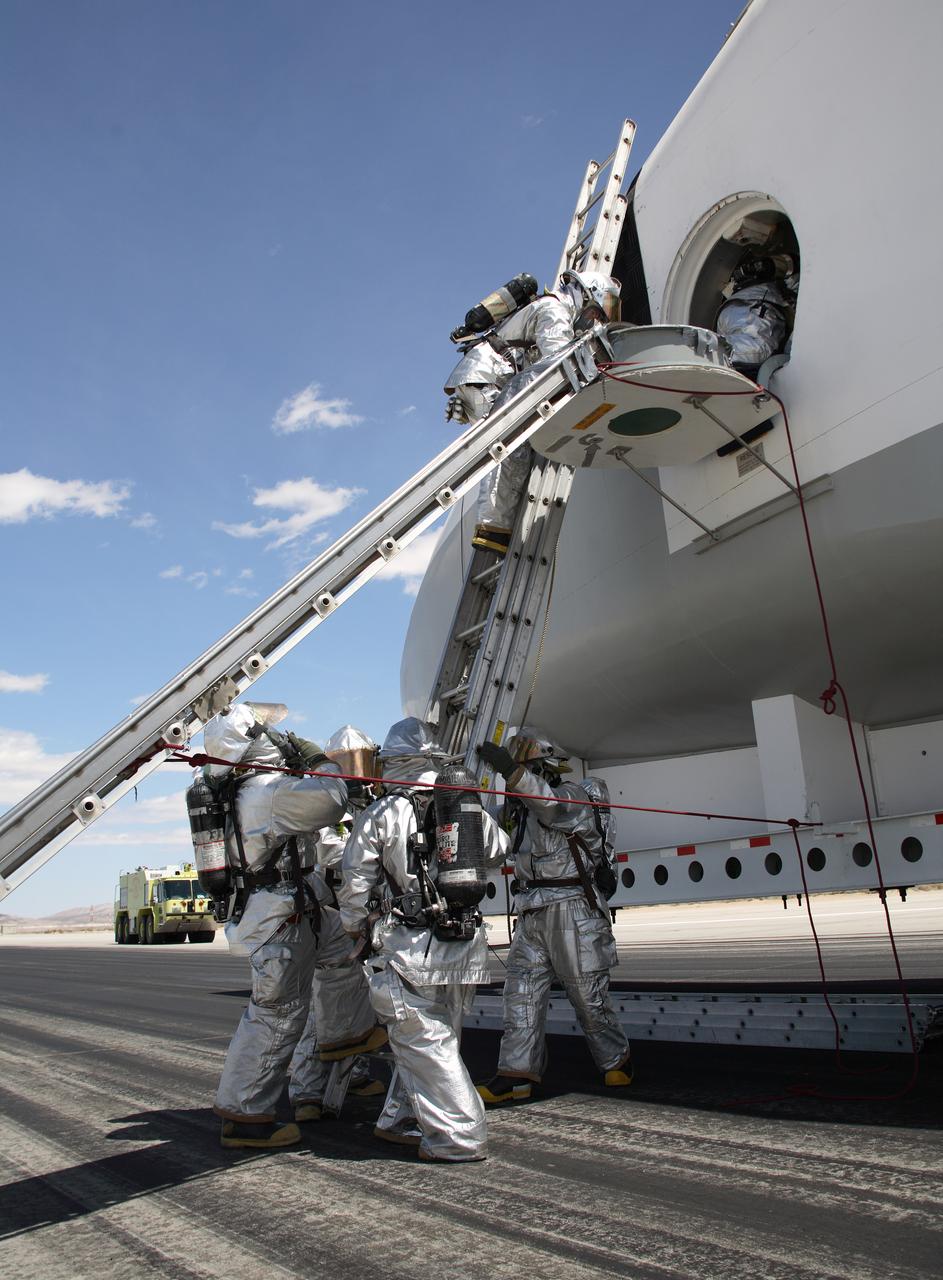
Air Force fire/rescue crew enter the space shuttle cabin mockup hatch to evacuate the shuttle crew during a shuttle rescue training exercise at Edwards AFB. (USAF photo # 070505-F-1287F-118)
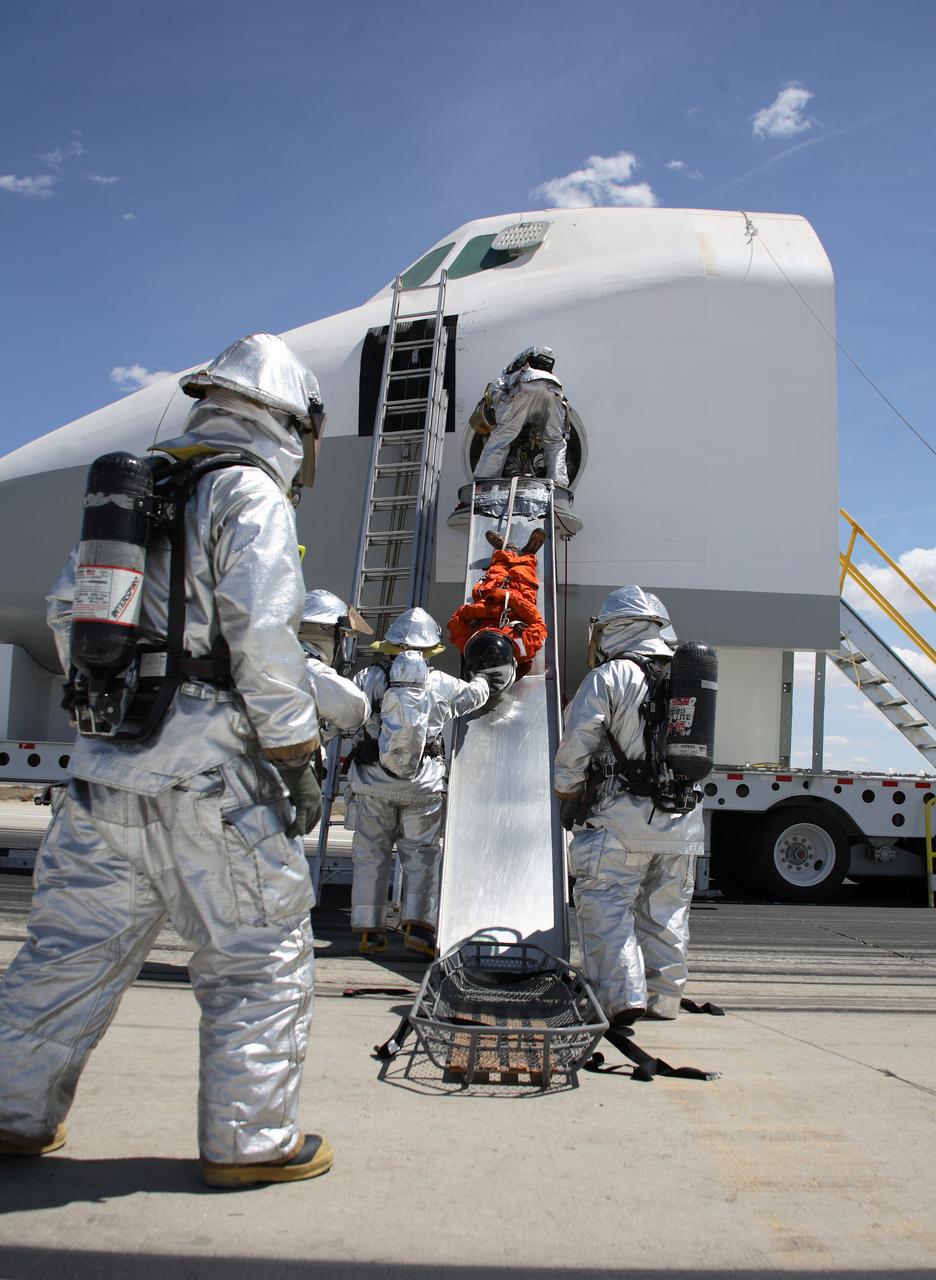
Clad in thermal protection suits, fire/rescue crew aid a volunteer "Injured astronaut" to a head-first ride down the exit slide from the shuttle cabin mockup. (USAF photo # 070505-F-1287F-132)
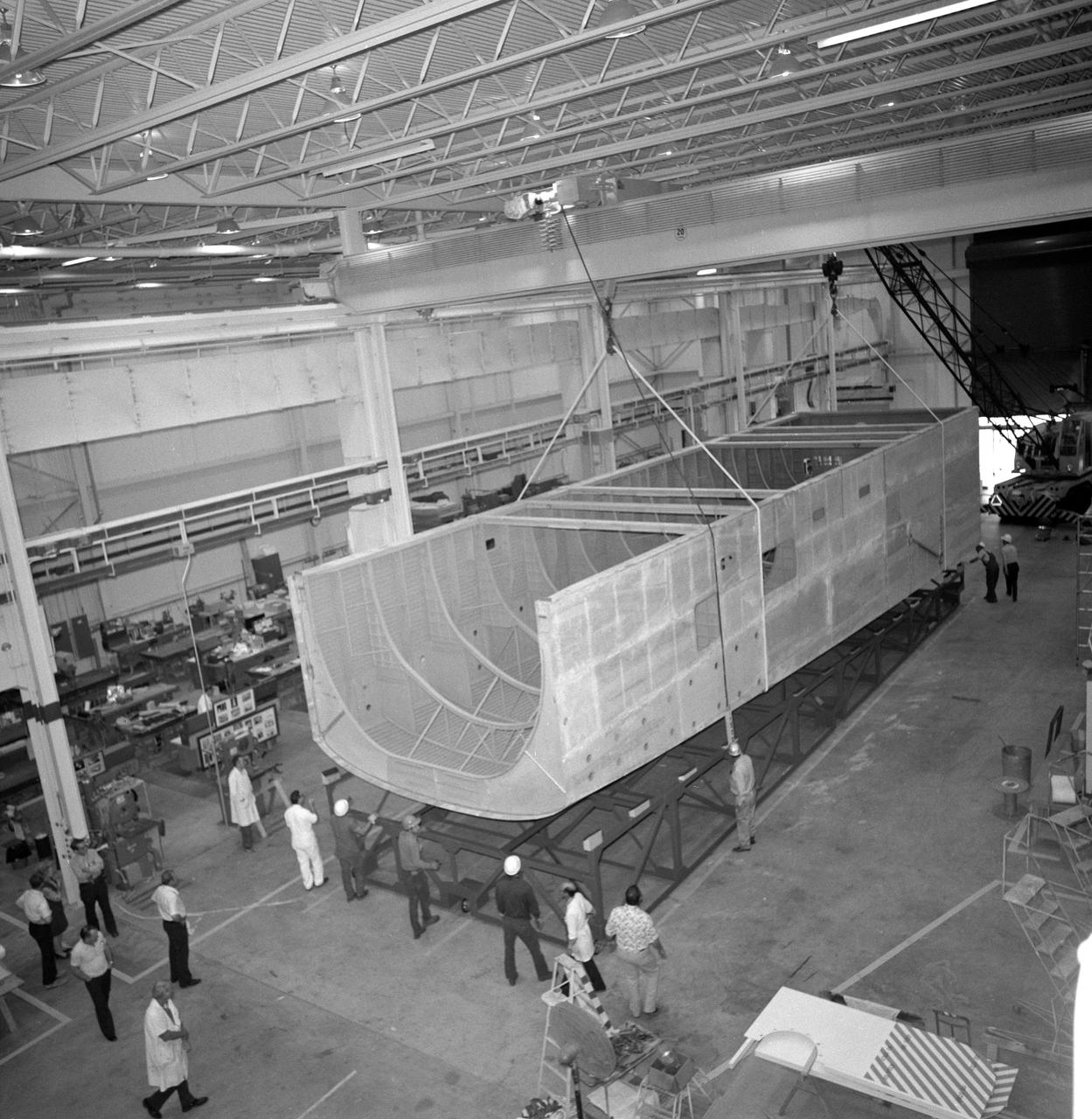
Eleven (11) wide-angle views and medium shots showing progess on construction of Shuttle Orbiter Mid-Body Mockup in Bldg. 9. Workers seen in views. JSC, Houston, TX
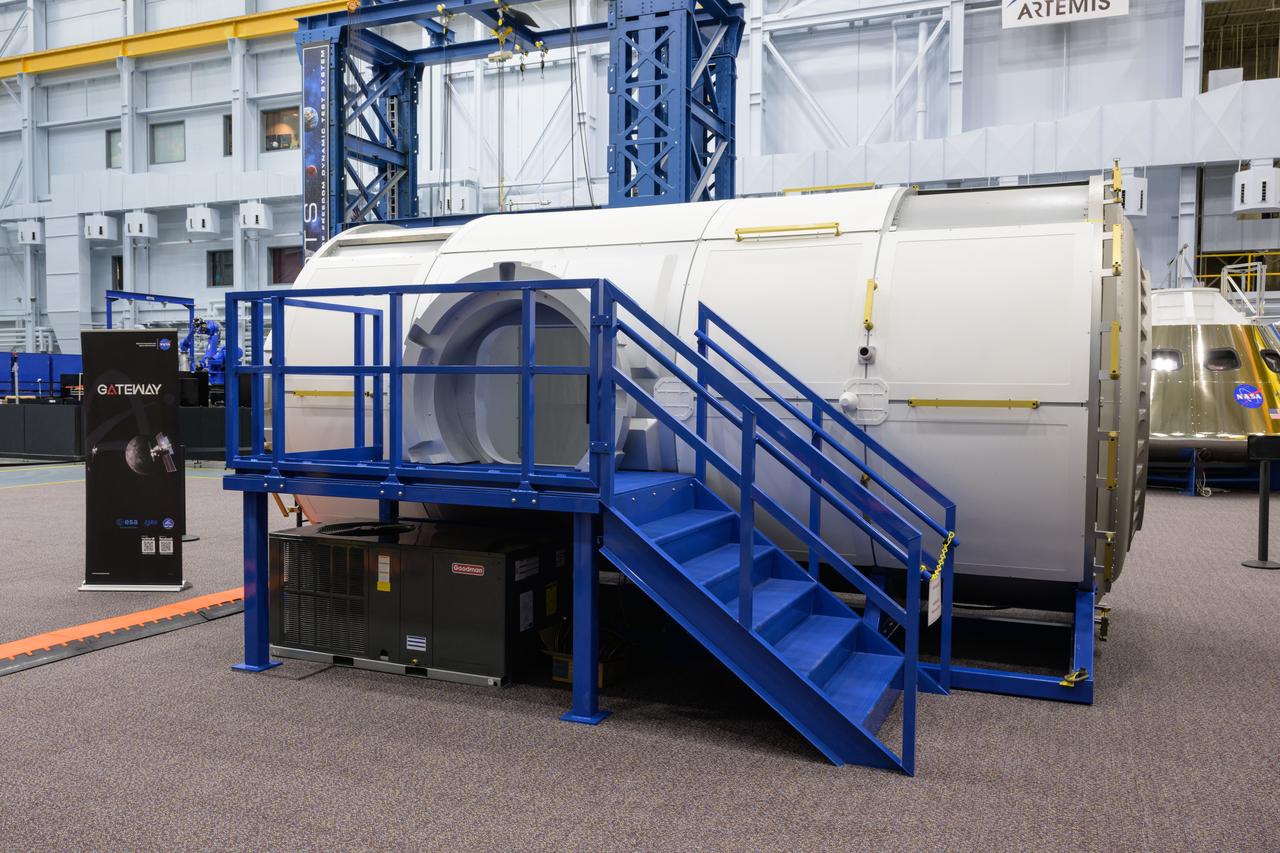
Date: 12-22-2022 Location. Bldg 9, SVMF Subject: Habitation and Logistics Outpost (HALO) Mockup at Space Vehicle Mockup Facility (SVMF). Photographer: James Blair
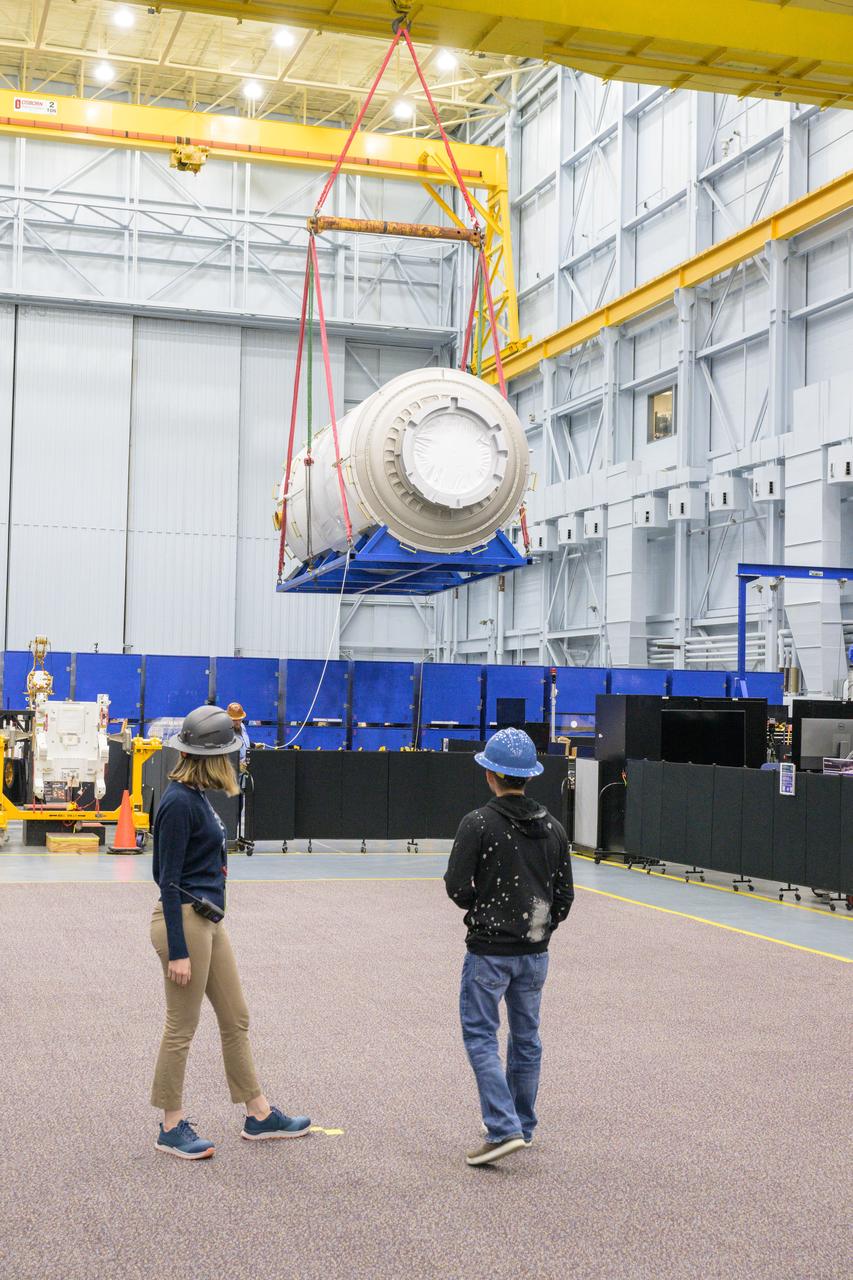
Date: 12/21/2022 Location: Bldg 9, SVMF Subject: Installation of Habitation and Logistics Outpost (HALO) Mockup at Space Vehicle Mockup Facility (SVMF). Photographer: James Blair
/jsc2022e095728 (2)~medium.jpg)
Date: 12/21/2022 Location: Bldg 9, SVMF Subject: Installation of Habitation and Logistics Outpost (HALO) Mockup at Space Vehicle Mockup Facility (SVMF). Photographer: James Blair
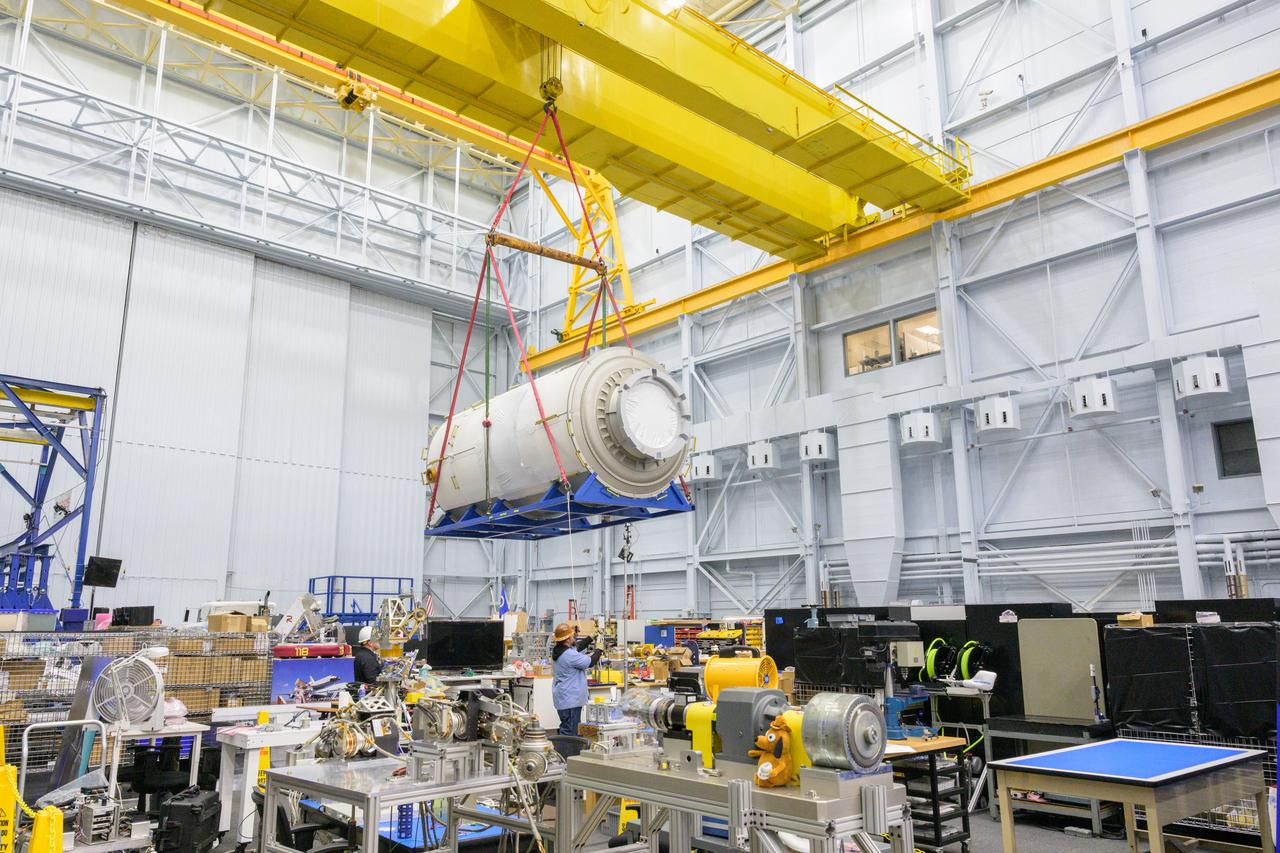
Date: 12/21/2022 Location: Bldg 9, SVMF Subject: Installation of Habitation and Logistics Outpost (HALO) Mockup at Space Vehicle Mockup Facility (SVMF). Photographer: James Blair
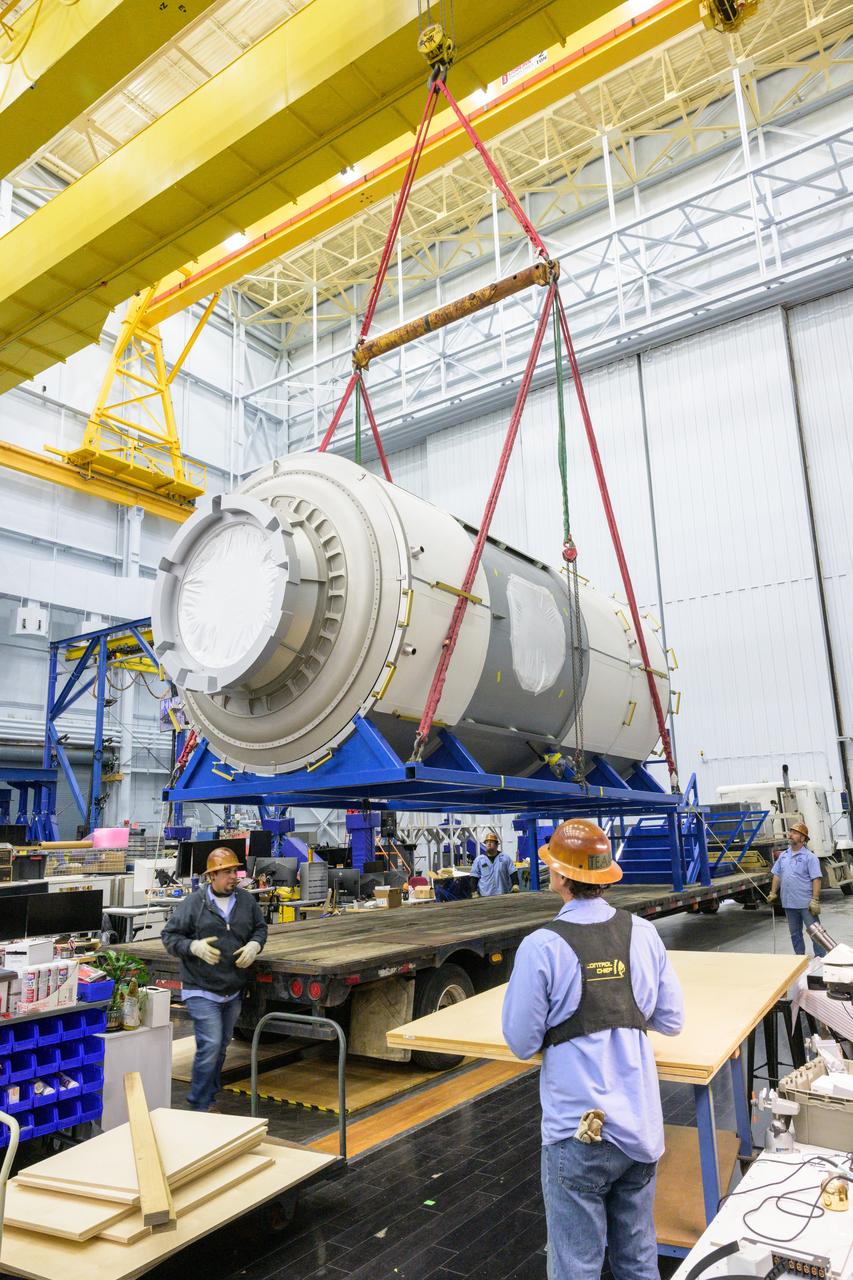
Date: 12/21/2022 Location: Bldg 9, SVMF Subject: Installation of Habitation and Logistics Outpost (HALO) Mockup at Space Vehicle Mockup Facility (SVMF). Photographer: James Blair
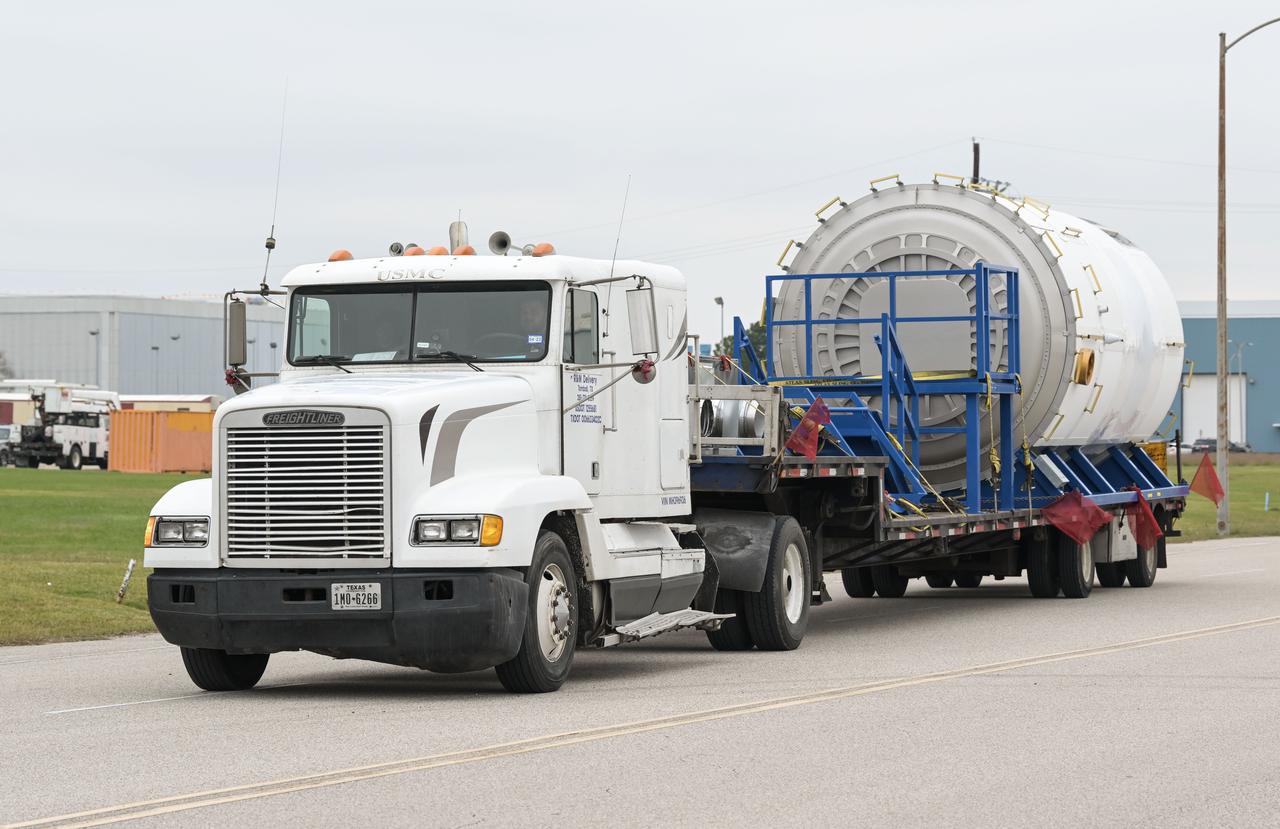
Date: 12/21/2022 Location: Bldg 9, SVMF Subject: Installation of Habitation and Logistics Outpost (HALO) Mockup at Space Vehicle Mockup Facility (SVMF). Photographer: James Blair
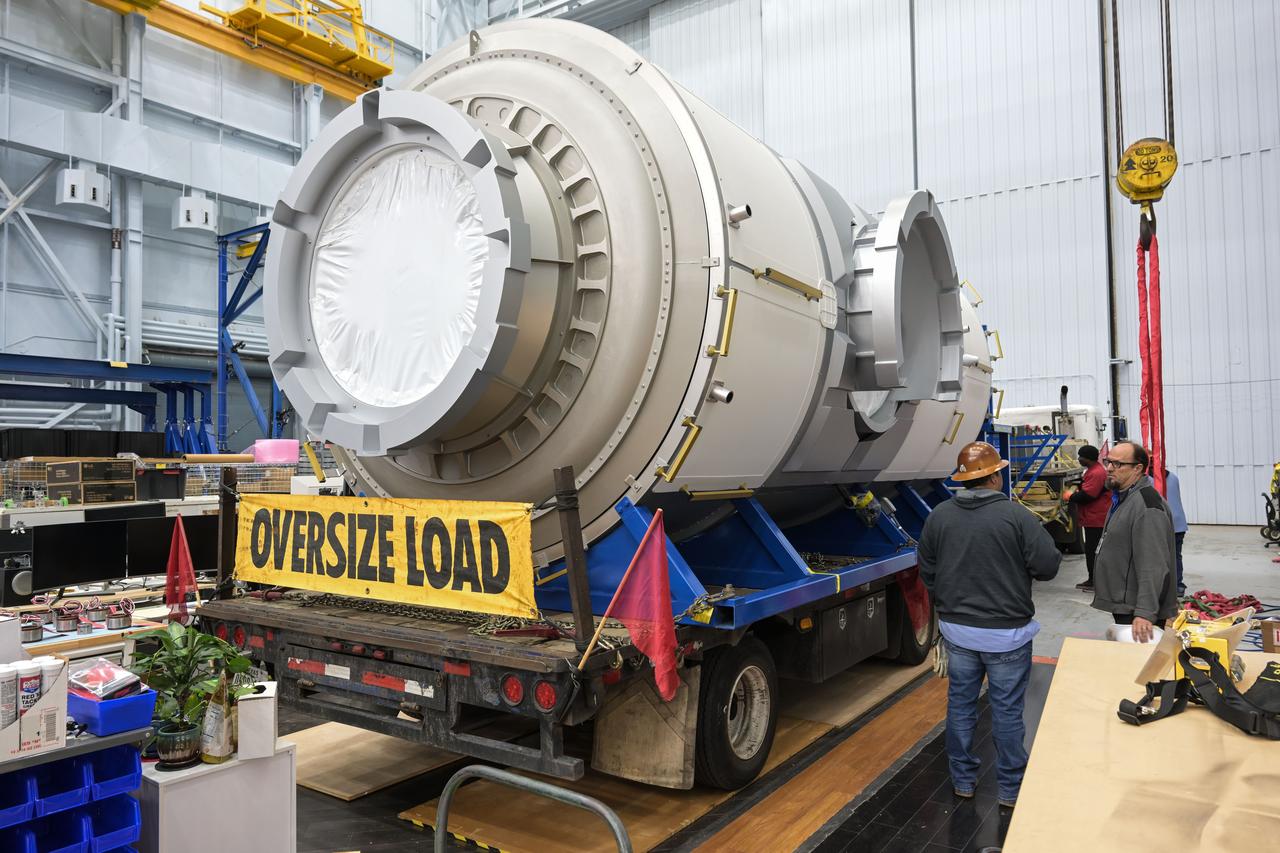
Date: 12/21/2022 Location: Bldg 9, SVMF Subject: Installation of Habitation and Logistics Outpost (HALO) Mockup at Space Vehicle Mockup Facility (SVMF). Photographer: James Blair
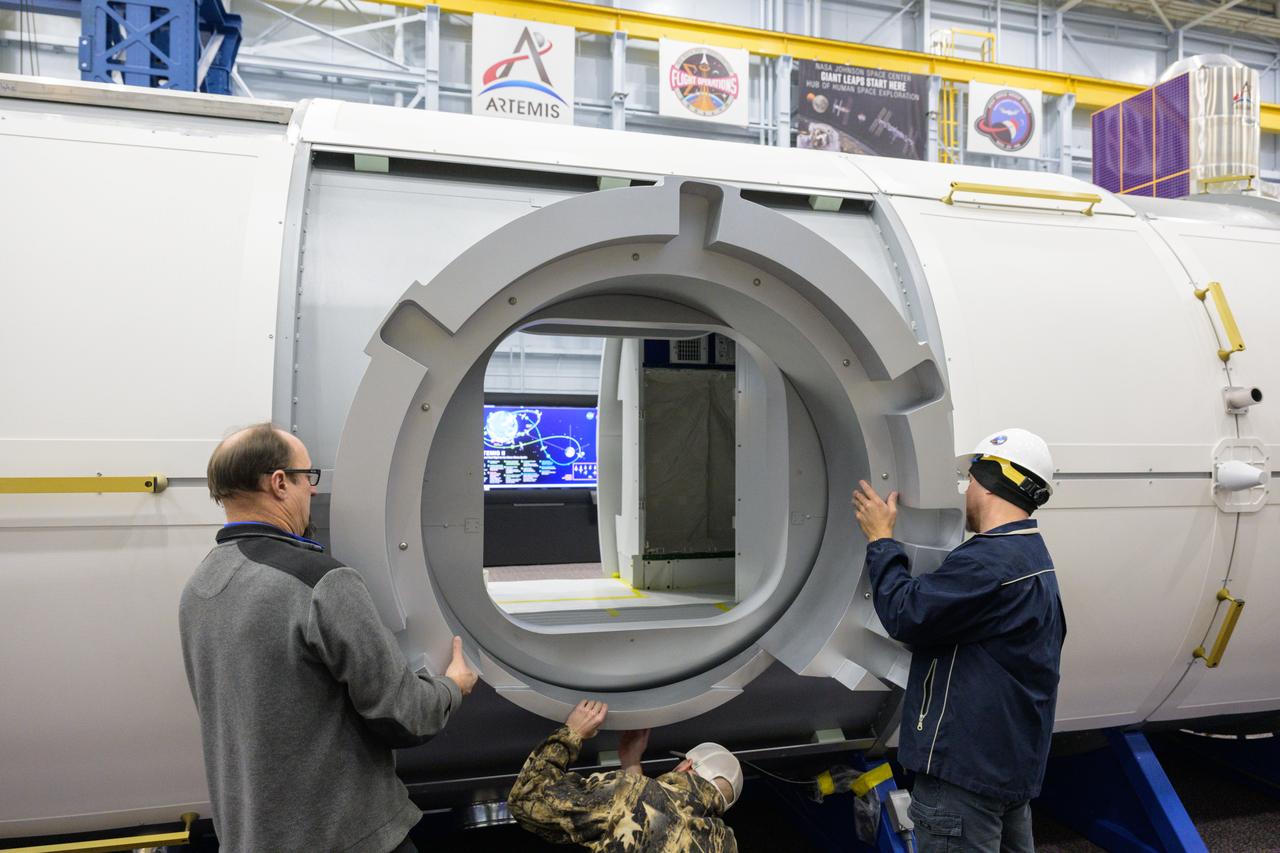
Date: 12/21/2022 Location: Bldg 9, SVMF Subject: Installation of Habitation and Logistics Outpost (HALO) Mockup at Space Vehicle Mockup Facility (SVMF). Photographer: James Blair
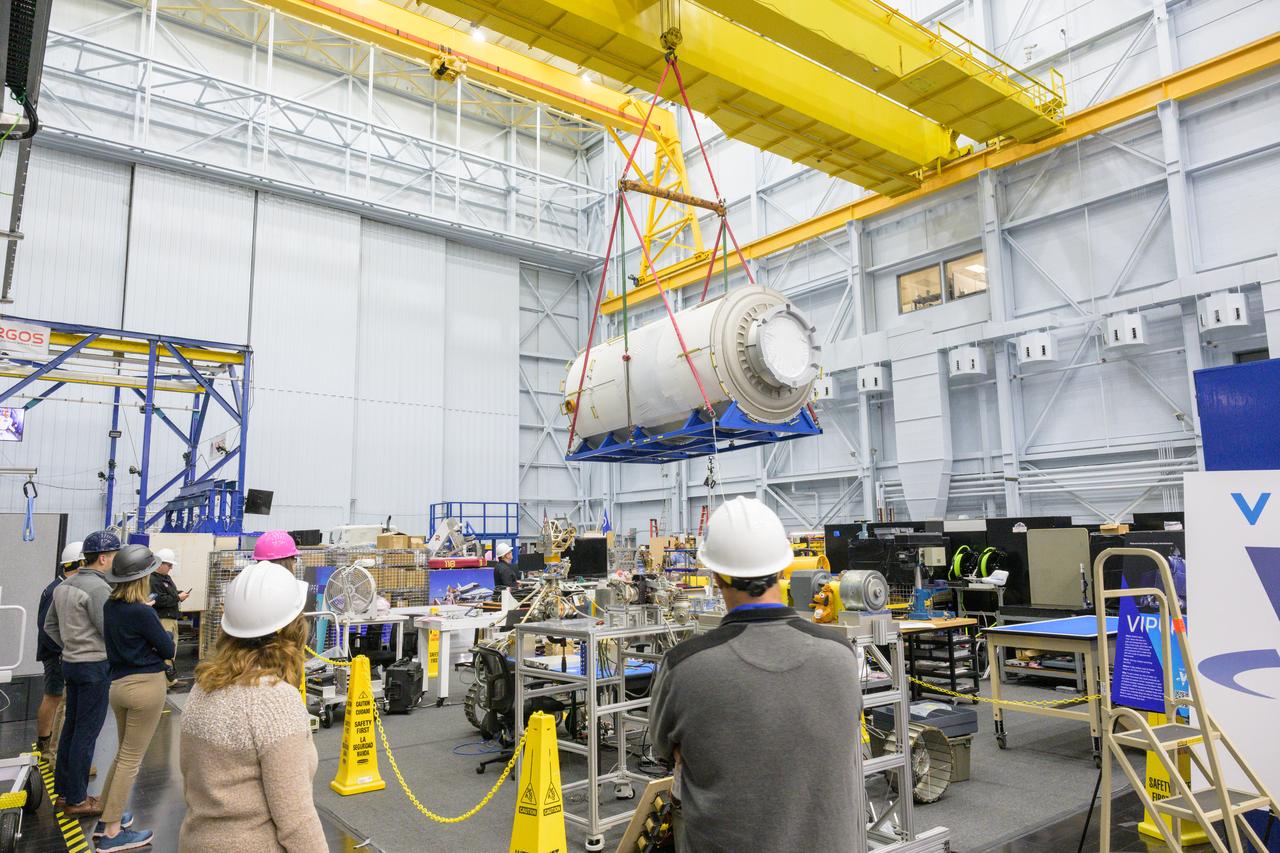
Date: 12/21/2022 Location: Bldg 9, SVMF Subject: Installation of Habitation and Logistics Outpost (HALO) Mockup at Space Vehicle Mockup Facility (SVMF). Photographer: James Blair
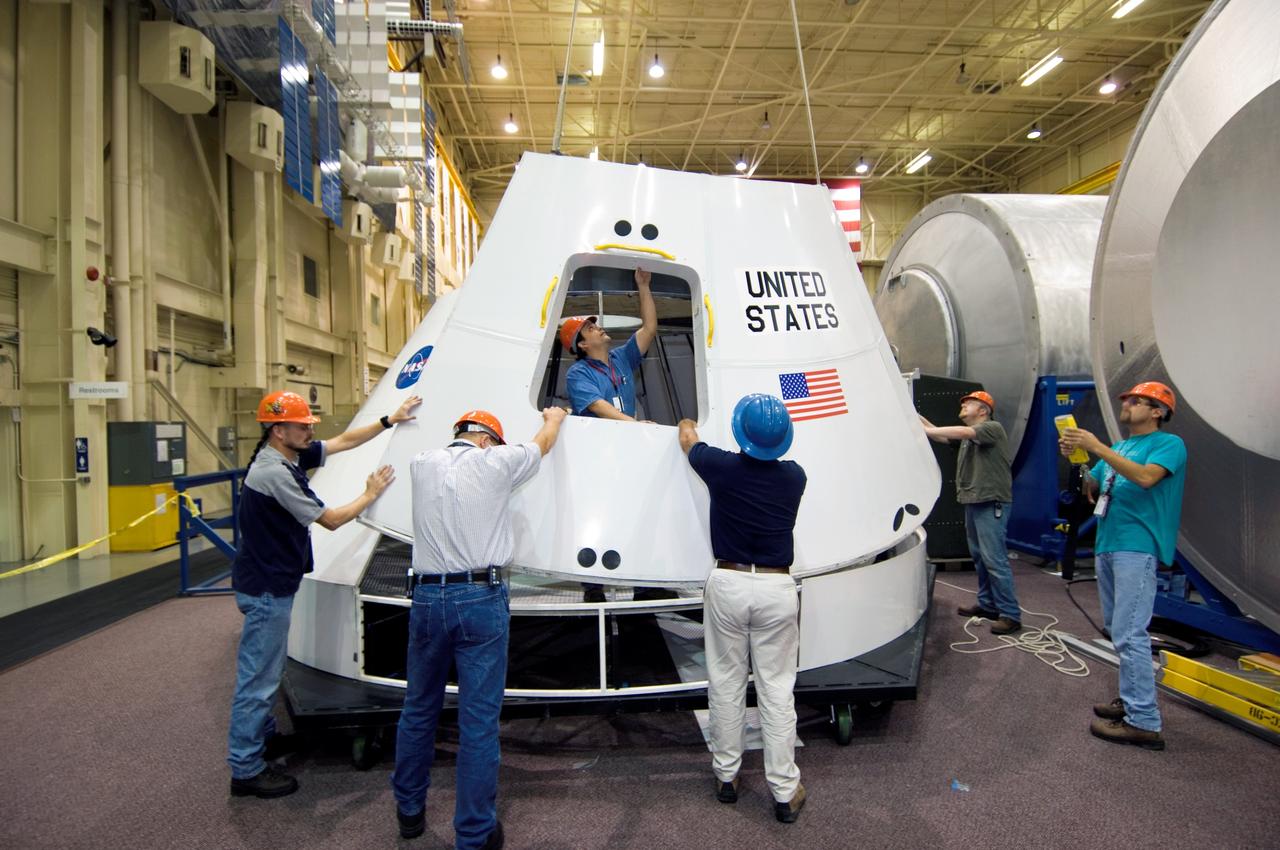
JSC2005-E-42348 (18 October 2005) --- NASA recently started assembling this full-sized mockup of the new Crew Exploration Vehicle's (CEV) cockpit in its Space Vehicle Mockup Facility at the Johnson Space Center. The CEV is the key to making NASA's Vision for Space Exploration a reality. Though the shape is reminiscent of the Apollo command modules of four decades ago, the new capsule will be three times larger and is designed to carry four astronauts to and from the Moon, support up to six crew members on future missions to Mars and deliver crew and supplies to the international space station.
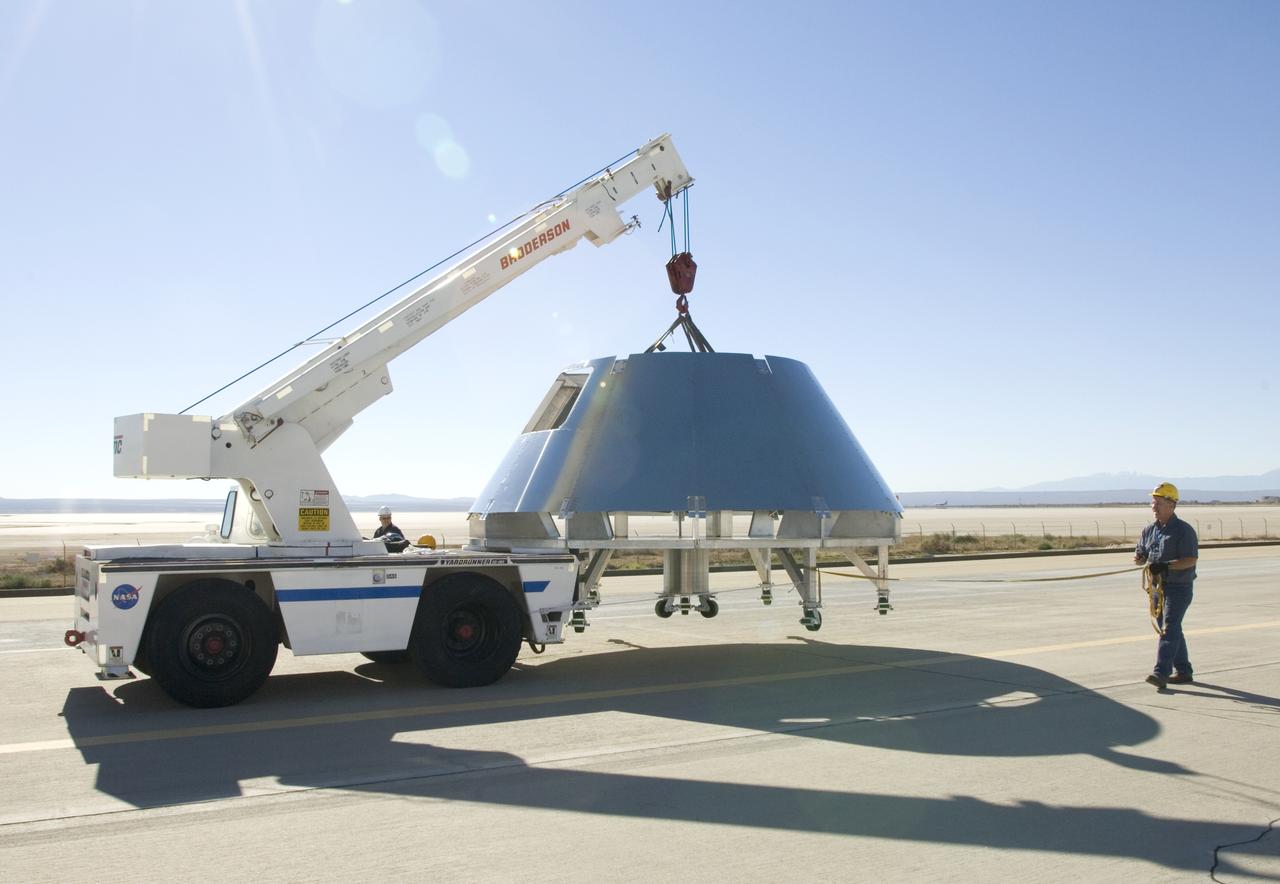
Rogers Dry Lake serves as a backdrop for a mockup Orion crew module built by NASA Dryden Flight Research Center's Fabrication Branch. The module was relocated to Dryden's Shuttle hangar on Sept. 25, 2007.
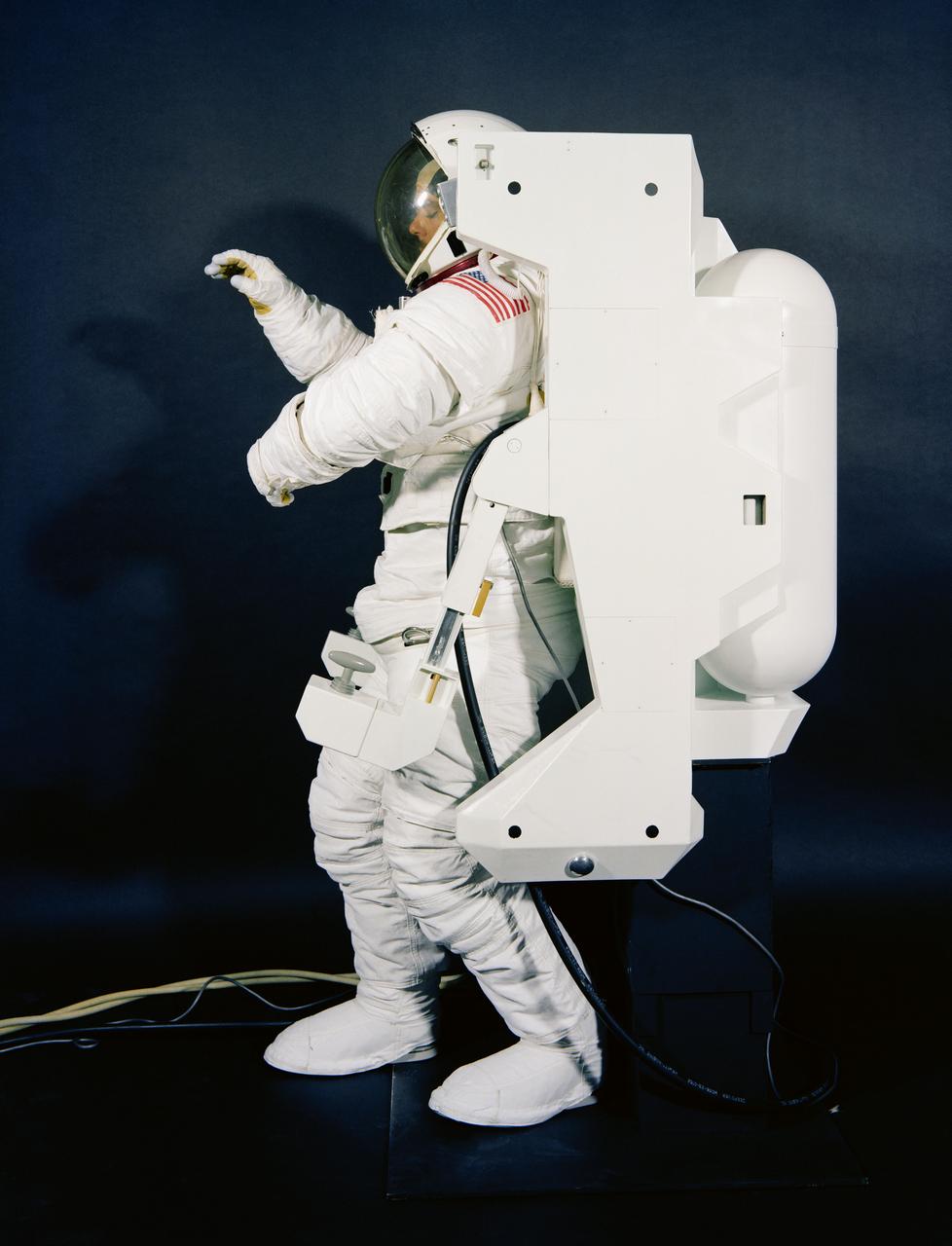
Side close-up view of crewman in high-fidelity Extravehicular Mobility Unit (EMU) / Manned Maneuvering Unit (MMU) mockup.
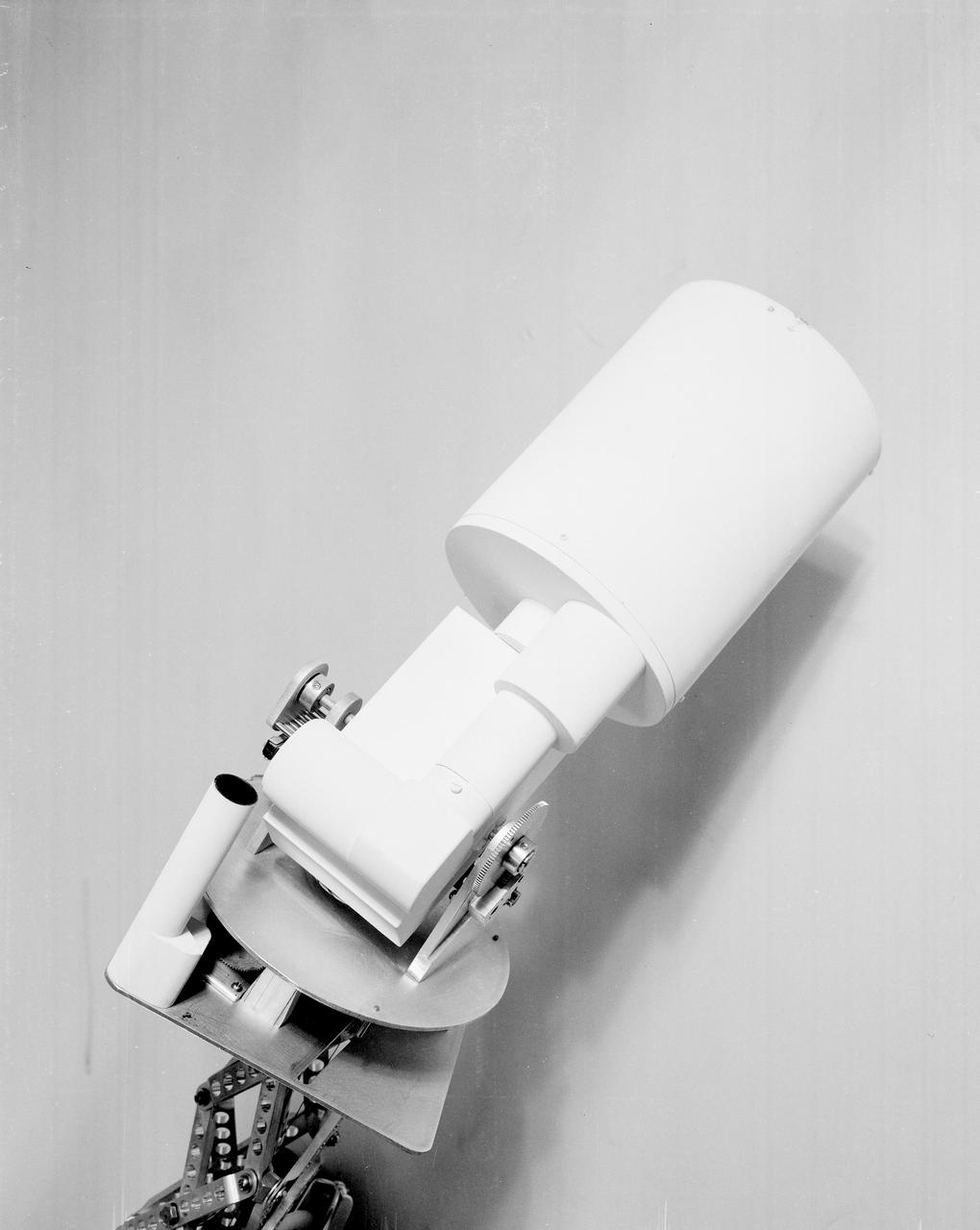
The Apollo Telescope Mount (ATM), designed and developed by the Marshall Space Flight Center, served as the primary scientific instrument unit aboard the Skylab. The ATM contained eight complex astronomical instruments designed to observe the Sun over a wide spectrum from visible light to x-rays. This photo depicts a mockup of the ATM contamination monitor camera and photometer.
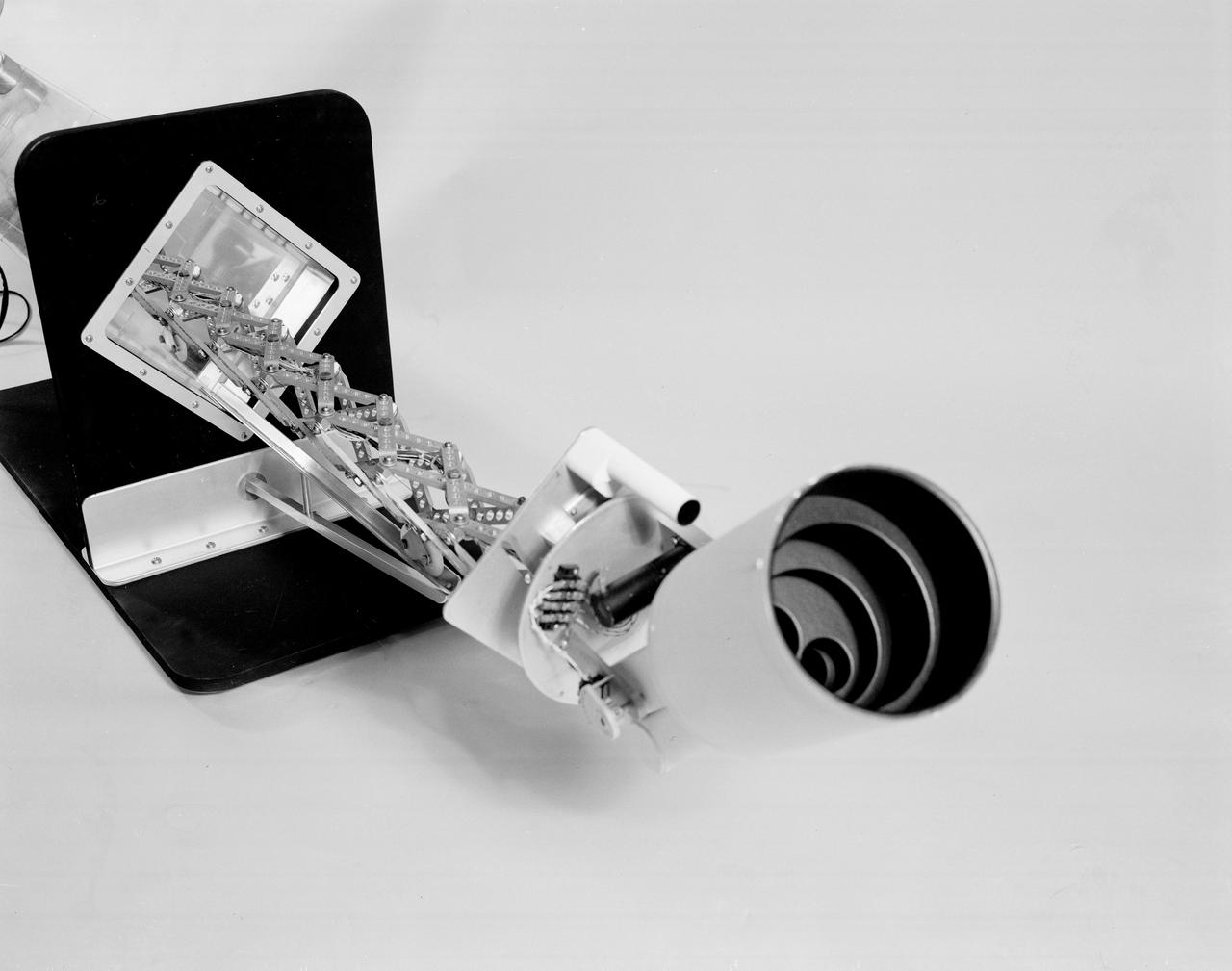
The Apollo Telescope Mount (ATM), designed and developed by the Marshall Space Flight Center, served as the primary scientific instrument unit aboard the Skylab. The ATM contained eight complex astronomical instruments designed to observe the Sun over a wide spectrum from visible light to x-rays. This photo of the ATM contamination monitor mockup offers an extended view of the sunshield interior.
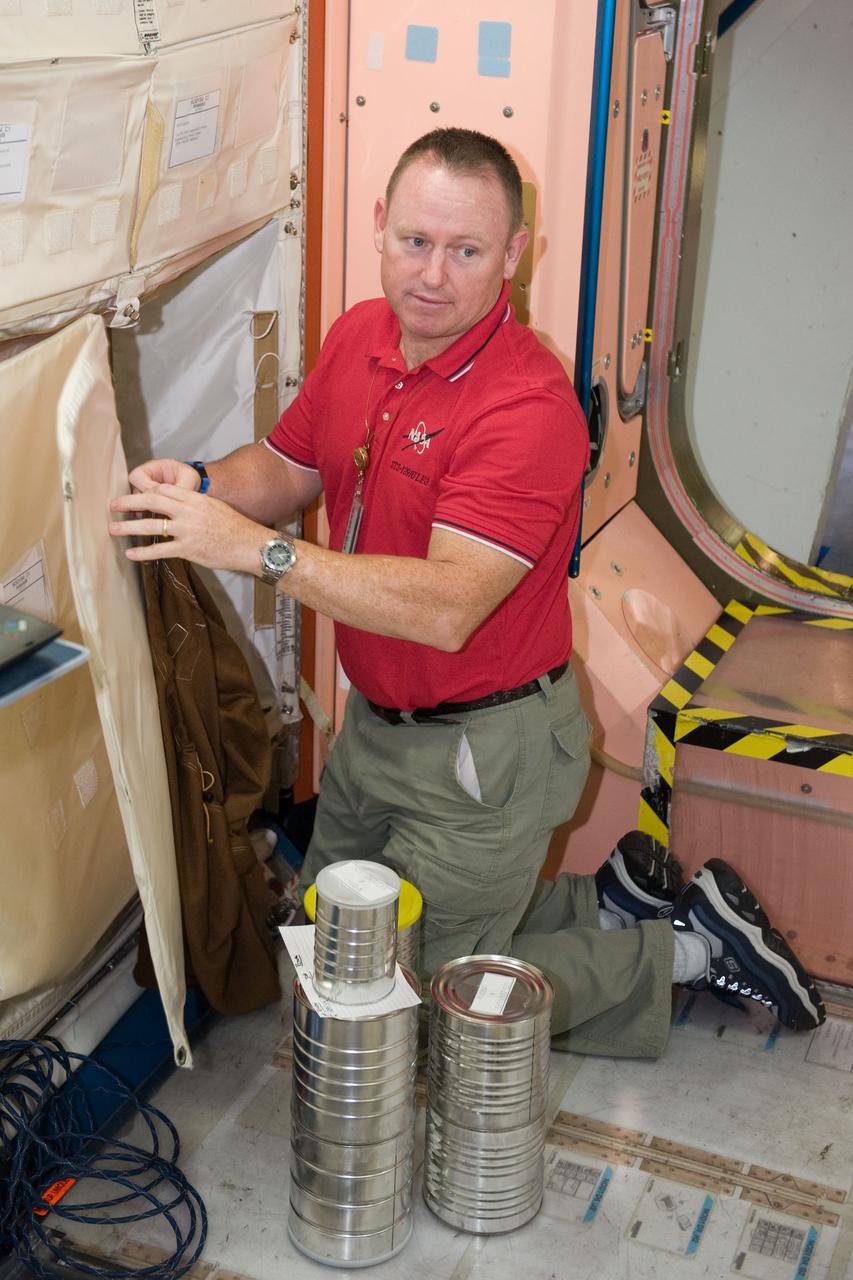
PHOTO DATE: 09-28-09 LOCATION: Bldg 9NW, ISS Mockups SUBJECT: STS-129 crew during trans hands-on review in the space station mockups. PHOTOGRAPHER: James Blair
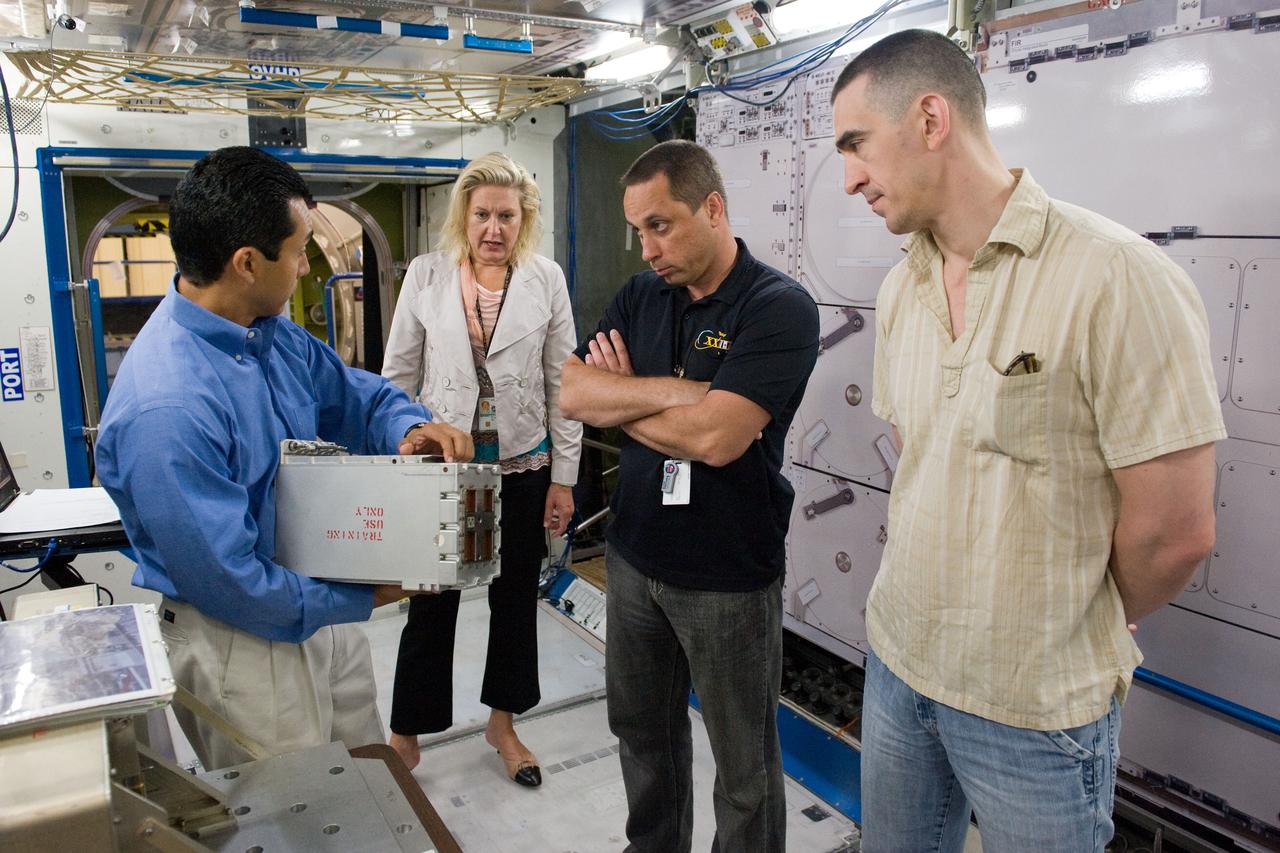
DATE: 5-10-11 LOCATION: Bldg. 9NW - ISS Mockups SUBJECT: Expedition 29 crew members during OOM skills training in ISS mockups PHOTOGRAPHER: Lauren Harnett
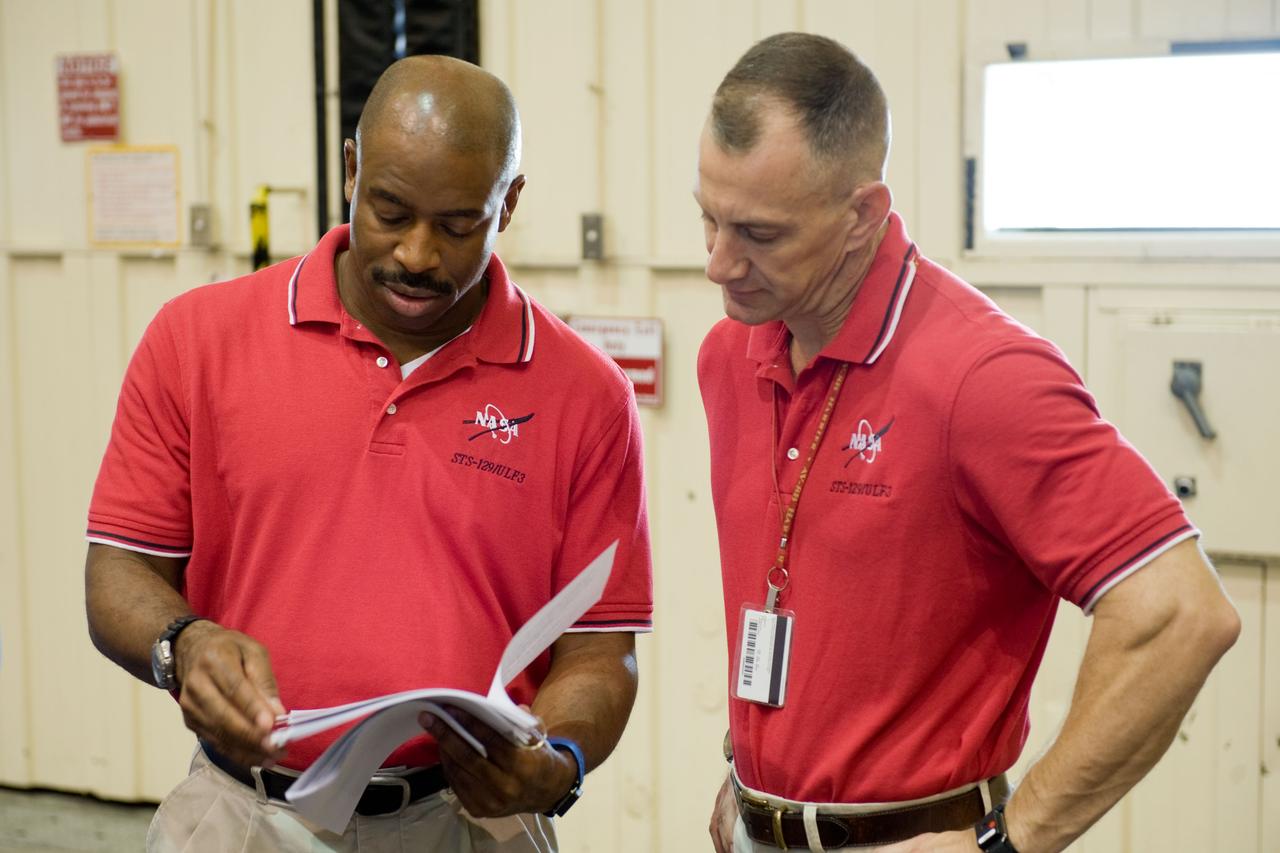
PHOTO DATE: 09-28-09 LOCATION: Bldg 9NW, ISS Mockups SUBJECT: STS-129 crew during trans hands-on review in the space station mockups. PHOTOGRAPHER: James Blair
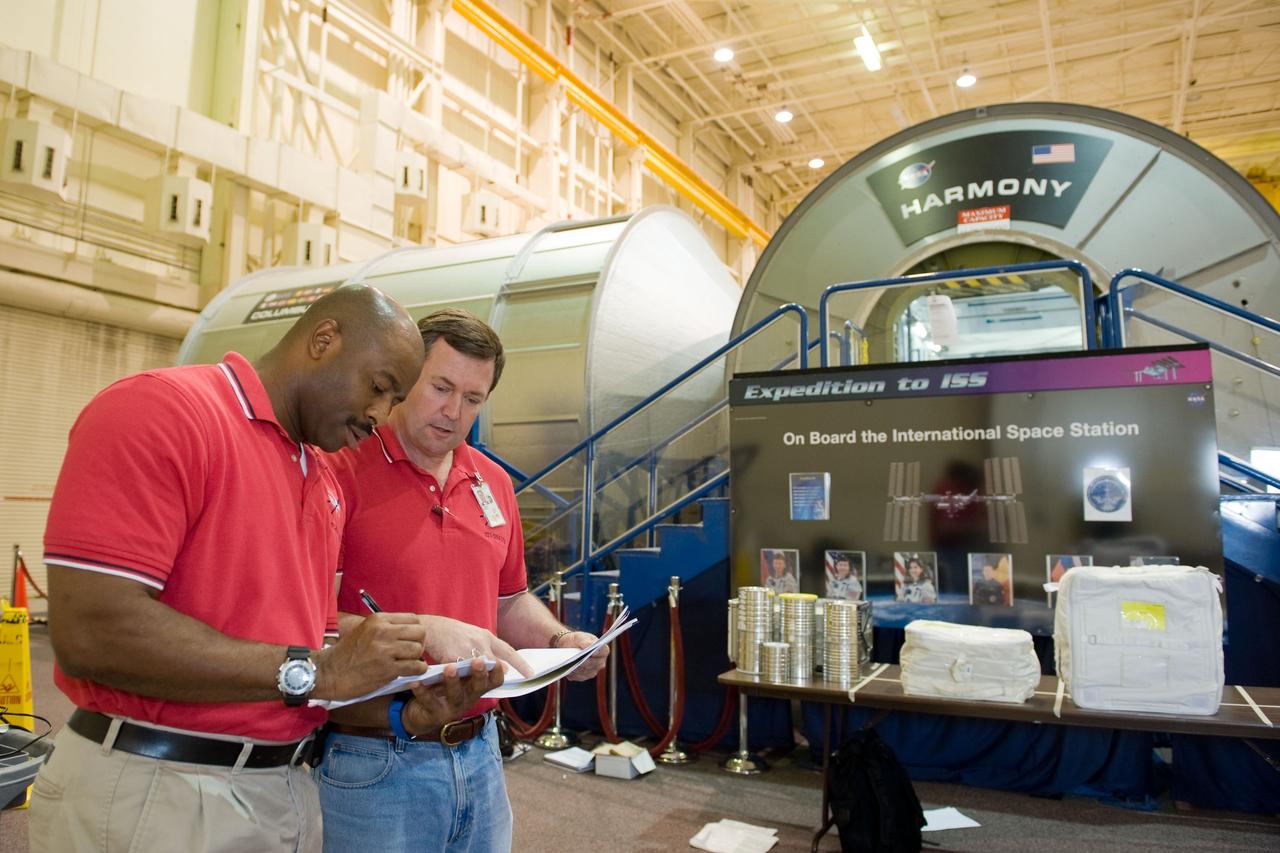
PHOTO DATE: 09-28-09 LOCATION: Bldg 9NW, ISS Mockups SUBJECT: STS-129 crew during trans hands-on review in the space station mockups. PHOTOGRAPHER: James Blair
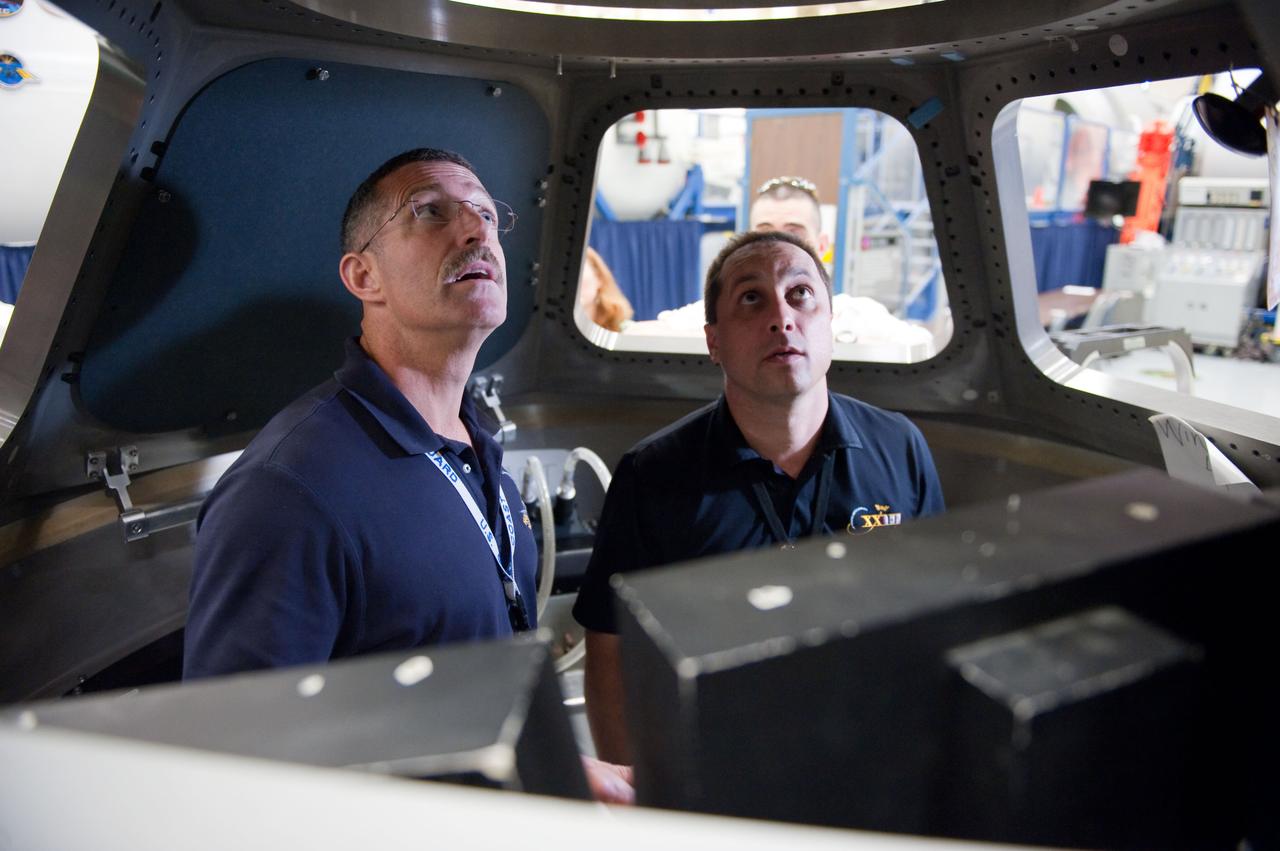
Expedition 29/30 ISS Habitability Equipment and Procedures training in ISS mockups. Photo Date: May 17, 2011. Location: Bldg. 9NW - ISS Mockups. Photographer: Robert Markowitz.
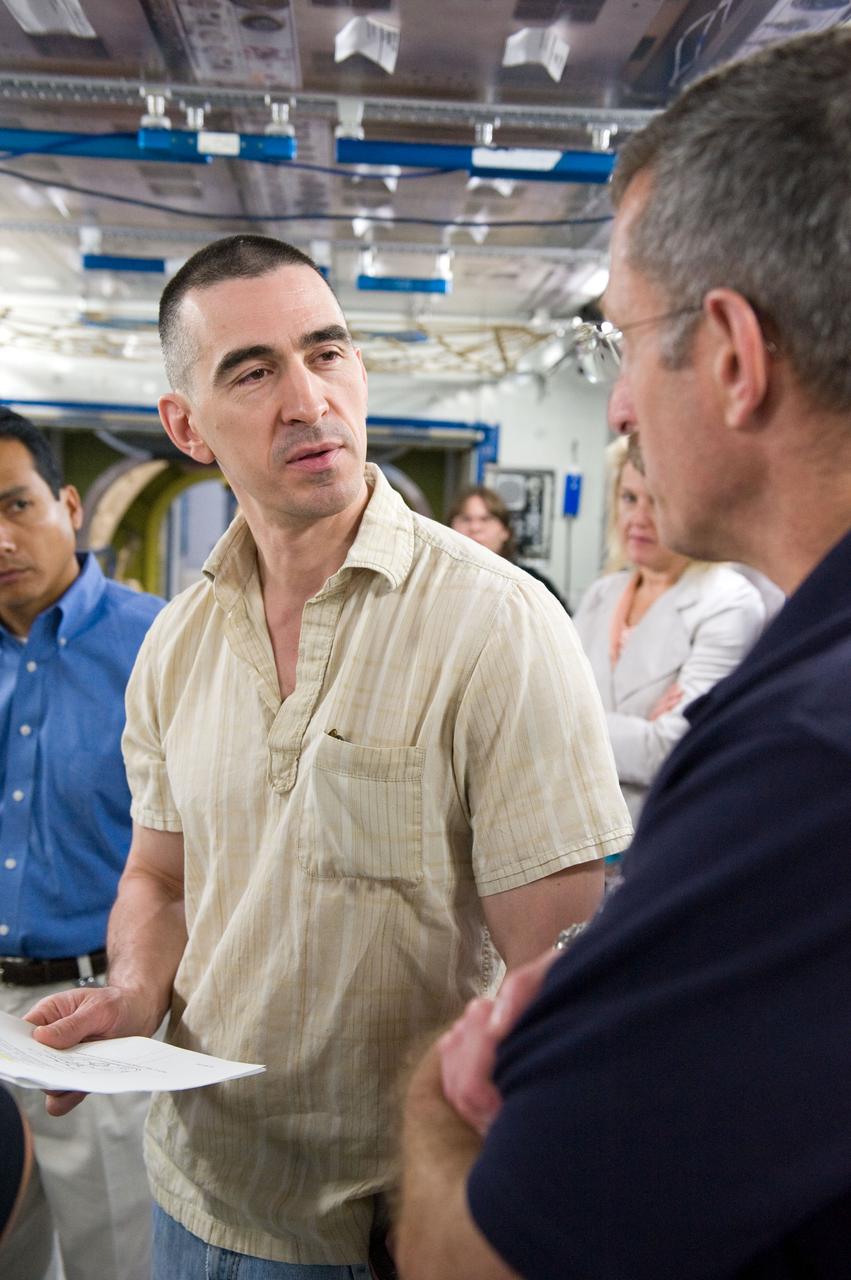
DATE: 5-10-11 LOCATION: Bldg. 9NW - ISS Mockups SUBJECT: Expedition 29 crew members during OOM skills training in ISS mockups PHOTOGRAPHER: Lauren Harnett
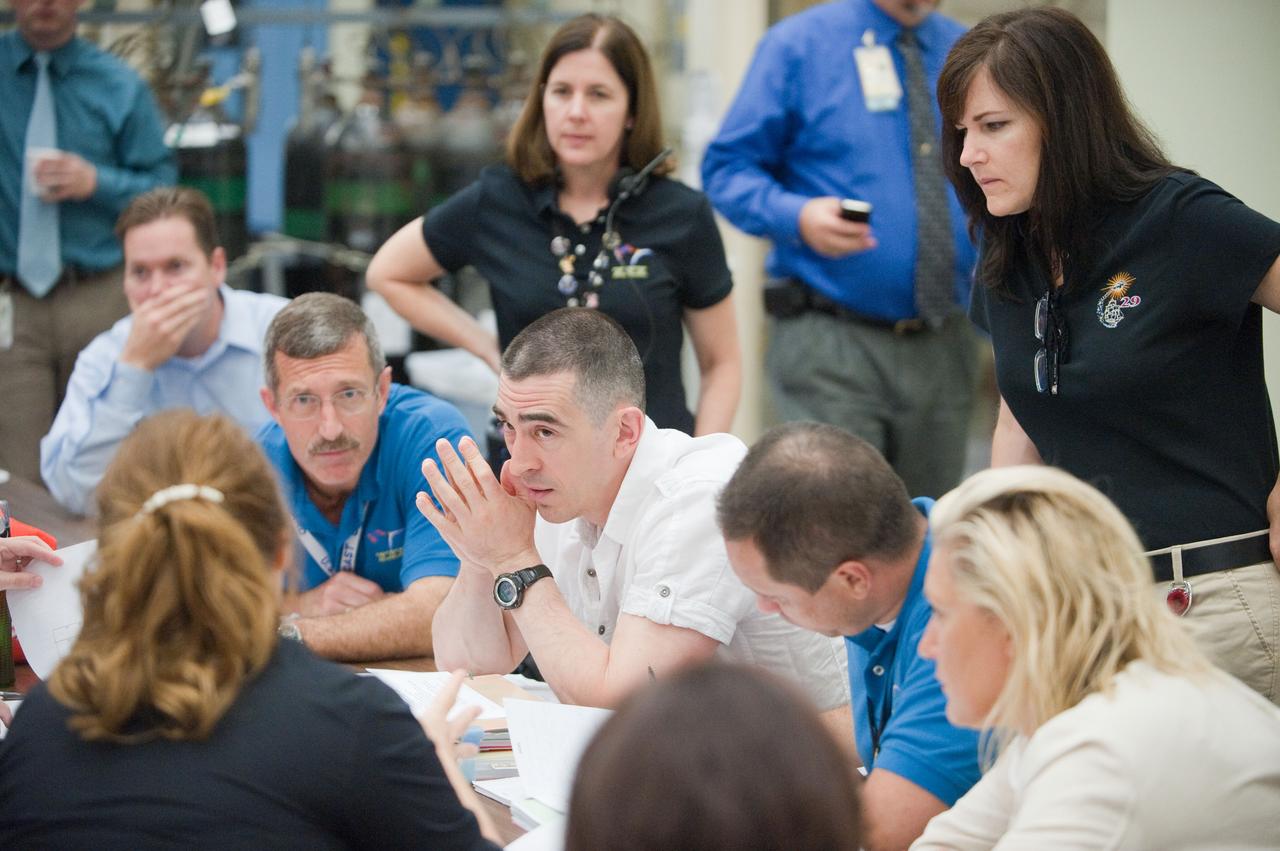
PHOTO DATE: 05-11-11 LOCATION: Bldg 9NW, ISS Mockups SUBJECT: Expedition 29/30 Emergency Ops training in ISS mockups WORK ORDER: 2011-1190 PHOTOGRAPHER: James Blair
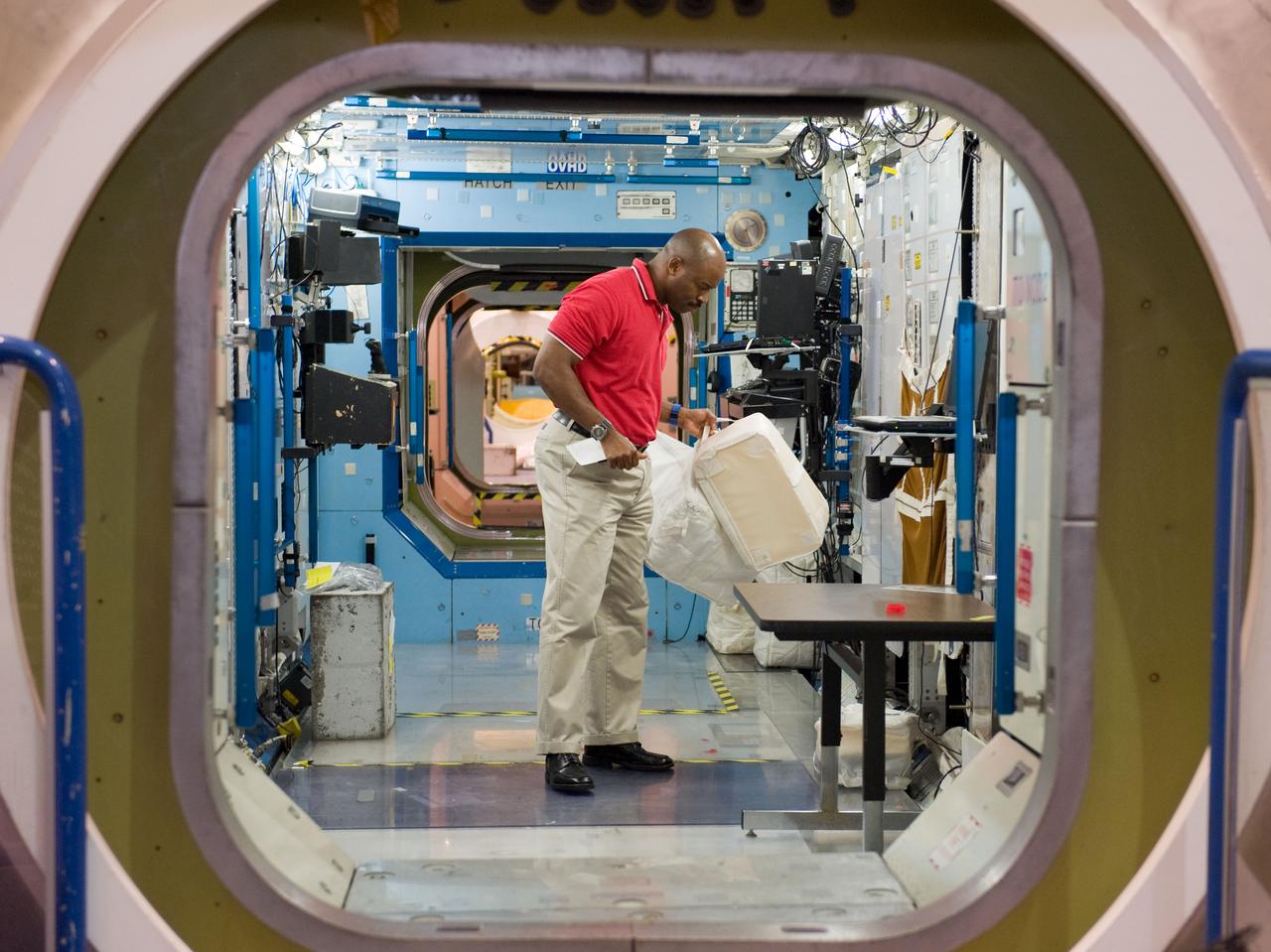
PHOTO DATE: 09-28-09 LOCATION: Bldg 9NW, ISS Mockups SUBJECT: STS-129 crew during trans hands-on review in the space station mockups. PHOTOGRAPHER: James Blair
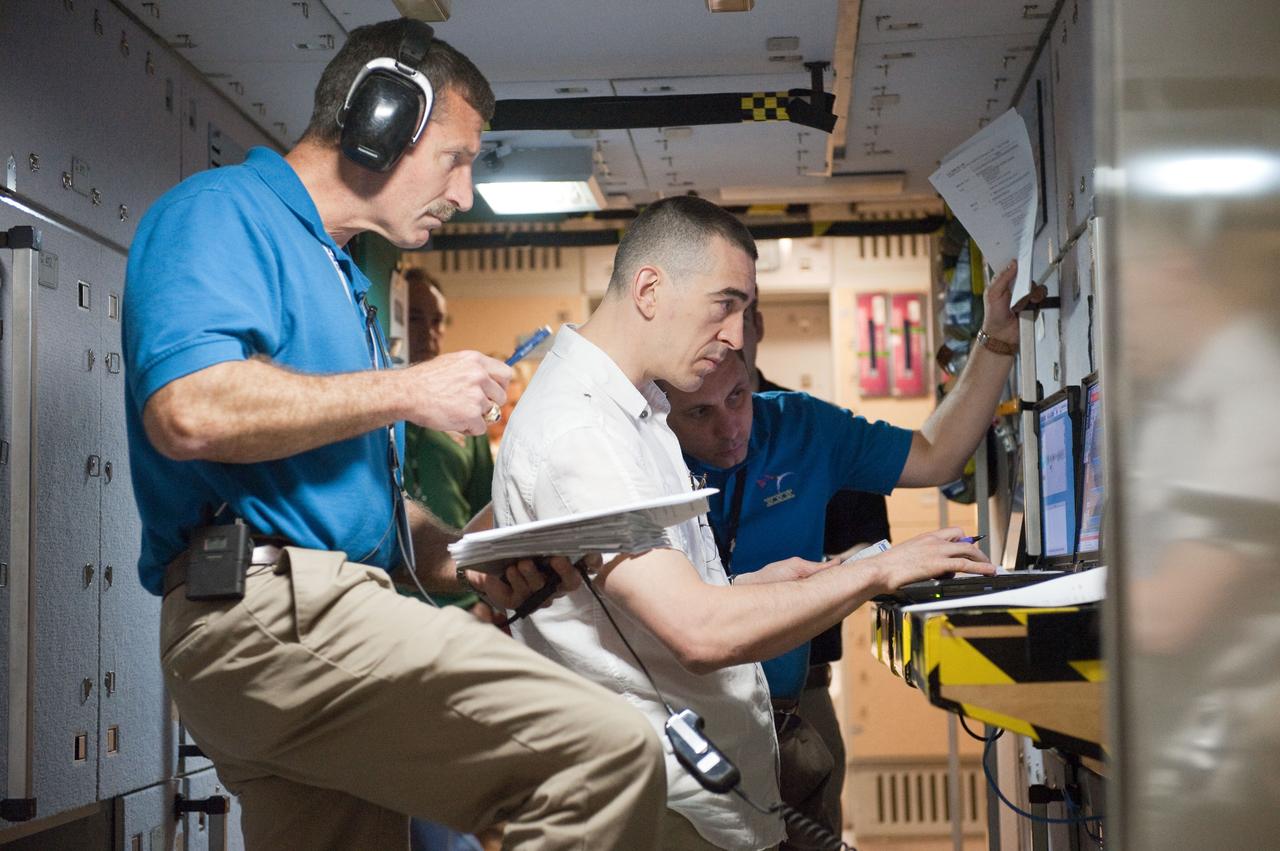
PHOTO DATE: 05-11-11 LOCATION: Bldg 9NW, ISS Mockups SUBJECT: Expedition 29/30 Emergency Ops training in ISS mockups WORK ORDER: 2011-1190 PHOTOGRAPHER: James Blair
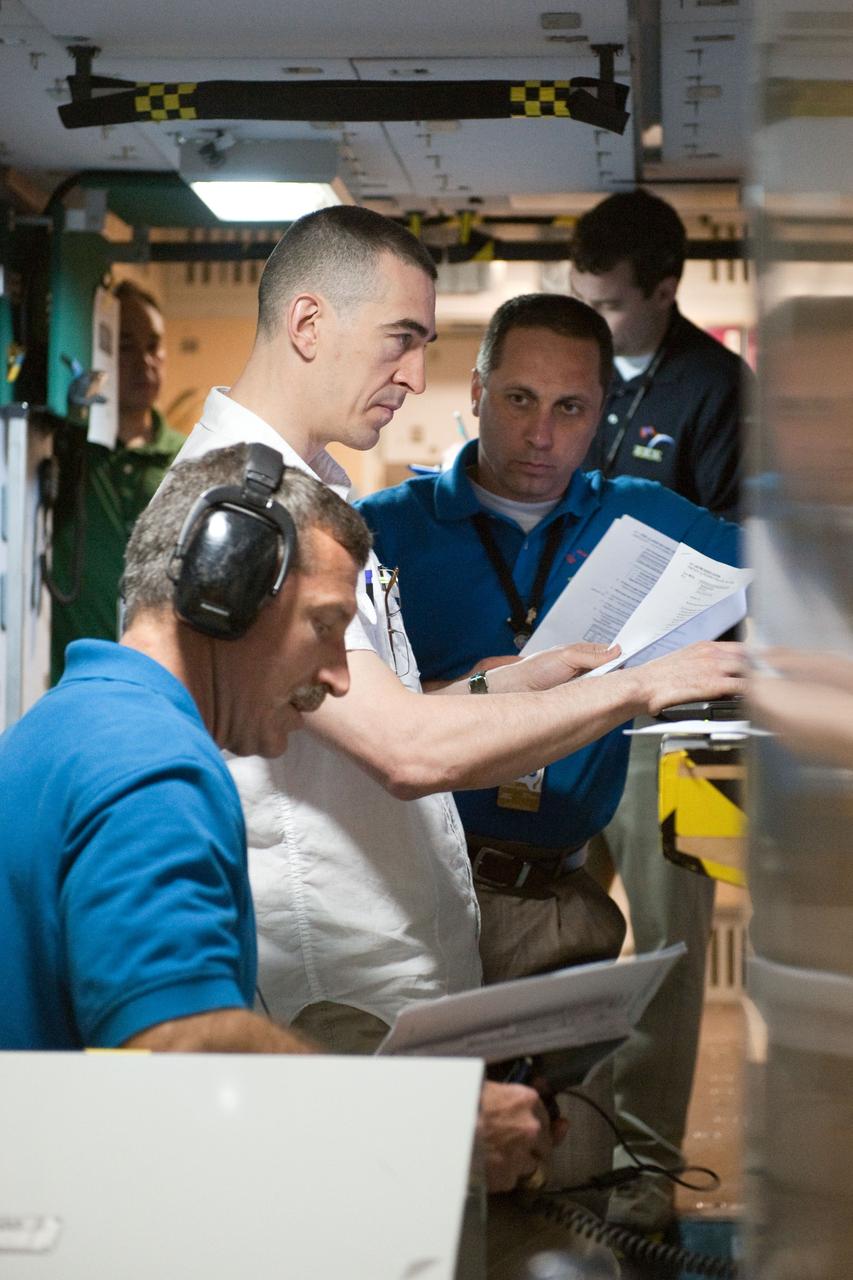
PHOTO DATE: 05-11-11 LOCATION: Bldg 9NW, ISS Mockups SUBJECT: Expedition 29/30 Emergency Ops training in ISS mockups WORK ORDER: 2011-1190 PHOTOGRAPHER: James Blair
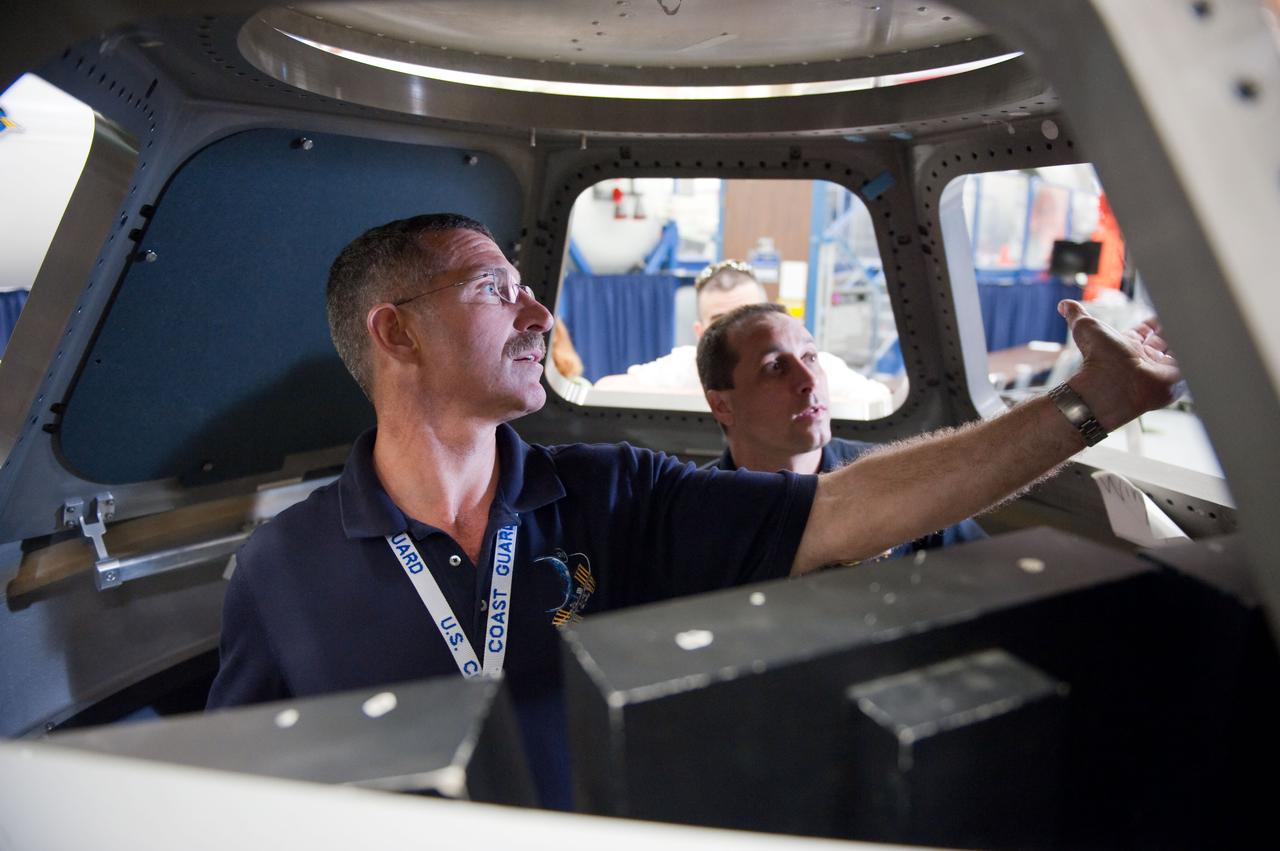
Expedition 29/30 ISS Habitability Equipment and Procedures training in ISS mockups. Photo Date: May 17, 2011. Location: Bldg. 9NW - ISS Mockups. Photographer: Robert Markowitz.
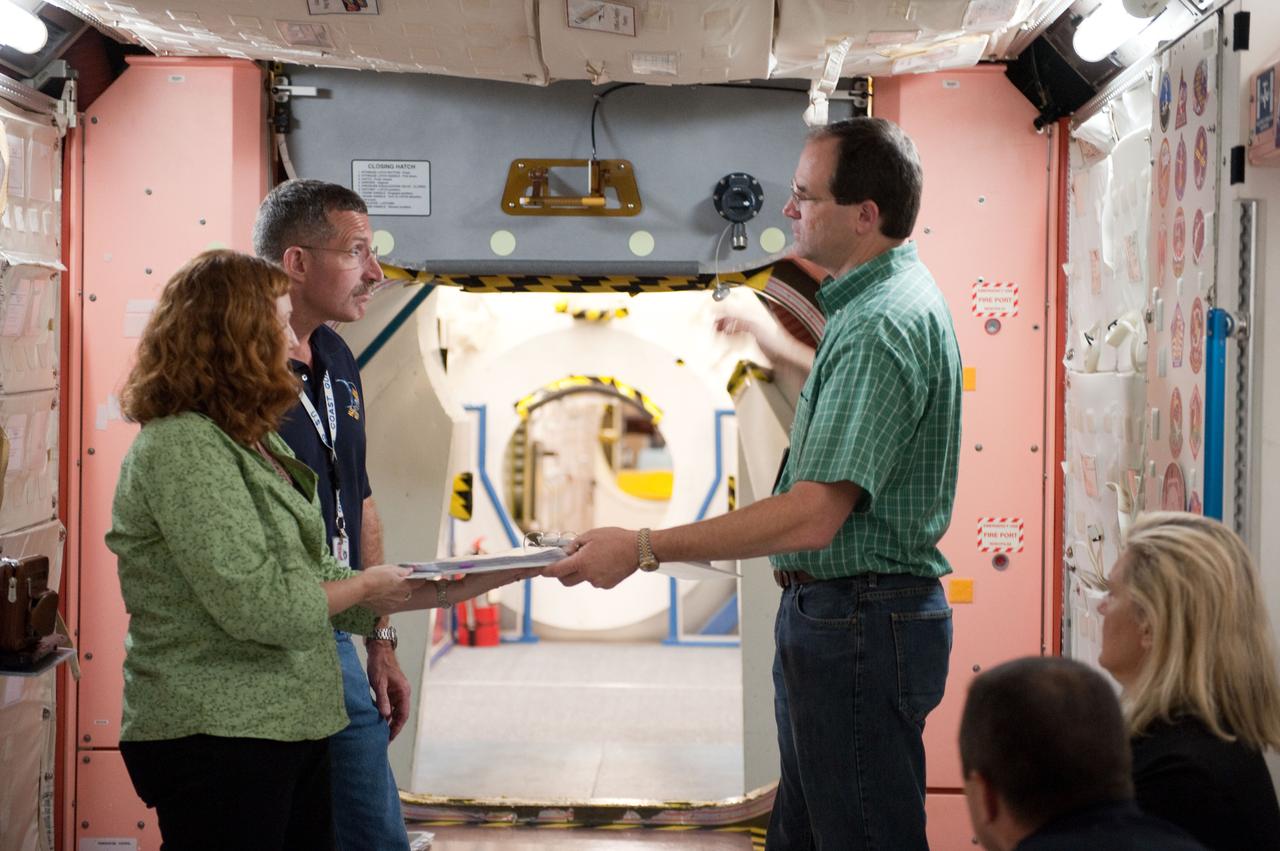
Expedition 29/30 ISS Habitability Equipment and Procedures training in ISS mockups. Photo Date: May 17, 2011. Location: Bldg. 9NW - ISS Mockups. Photographer: Robert Markowitz.
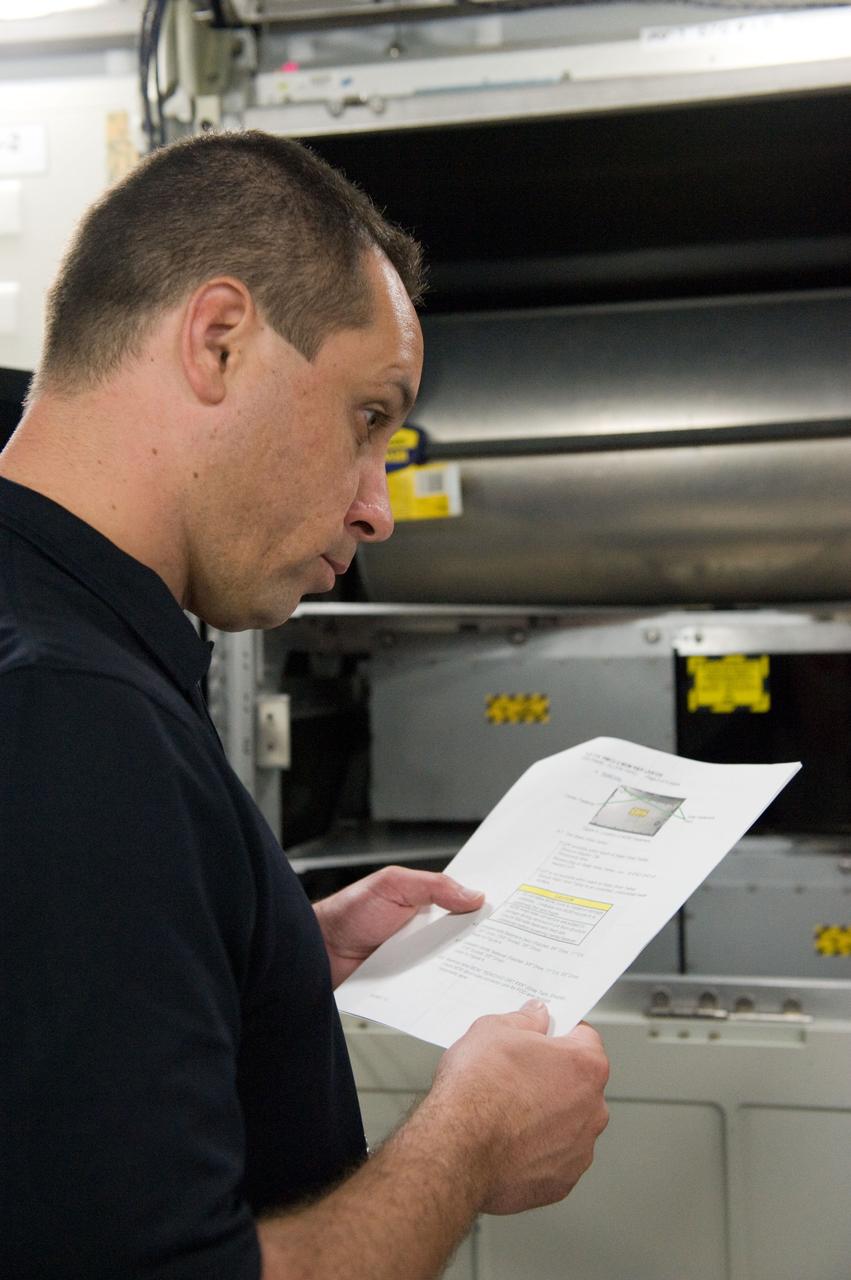
DATE: 5-10-11 LOCATION: Bldg. 9NW - ISS Mockups SUBJECT: Expedition 29 crew members during OOM skills training in ISS mockups PHOTOGRAPHER: Lauren Harnett
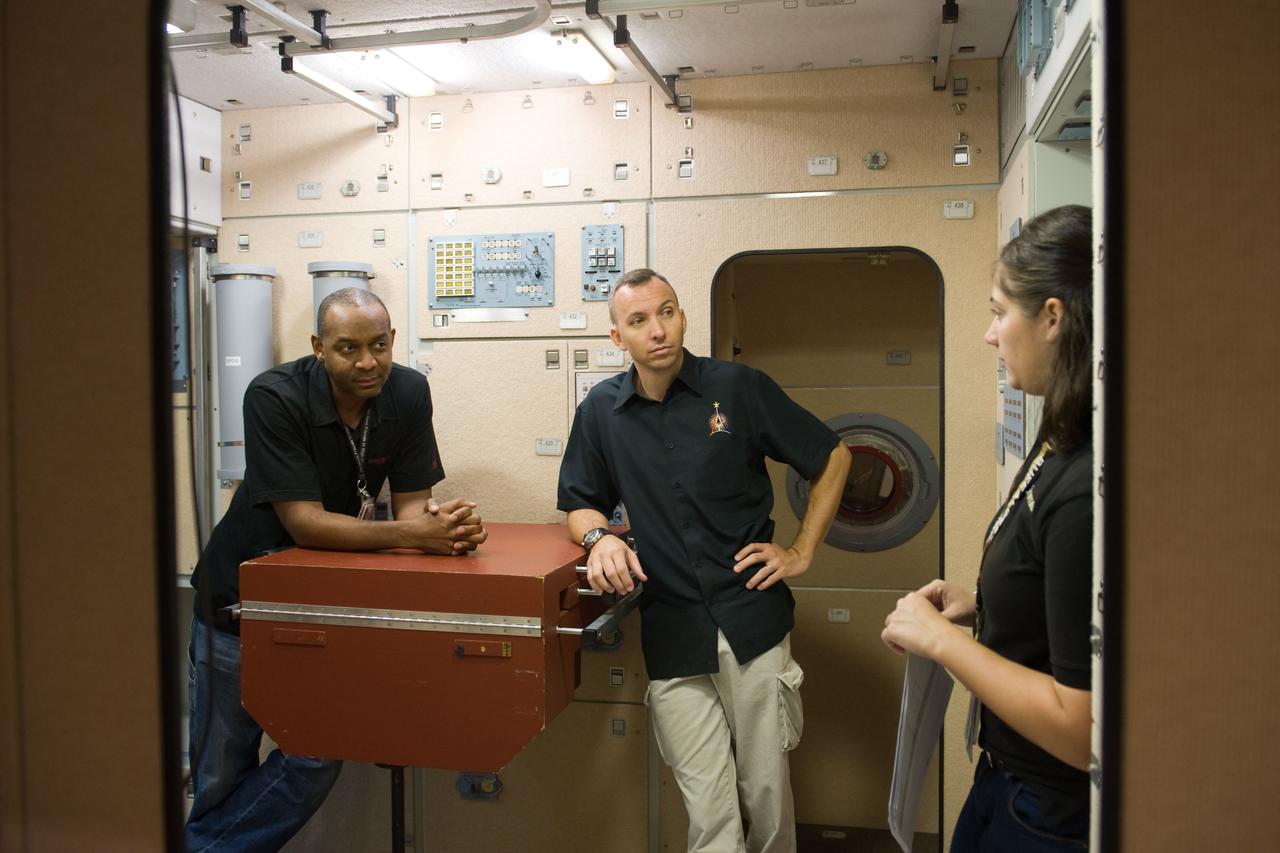
PHOTO DATE: 09-28-09 LOCATION: Bldg 9NW, ISS Mockups SUBJECT: STS-129 crew during trans hands-on review in the space station mockups. PHOTOGRAPHER: James Blair
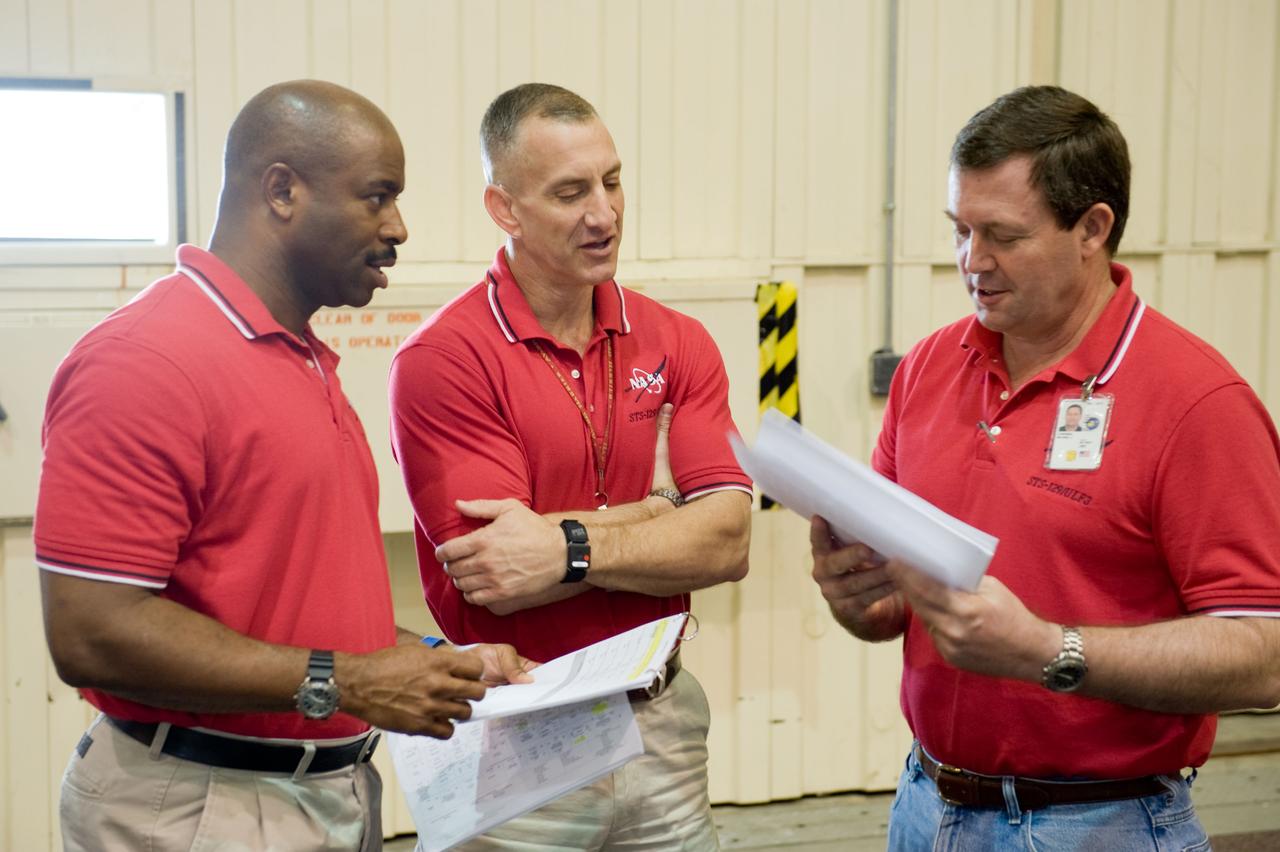
PHOTO DATE: 09-28-09 LOCATION: Bldg 9NW, ISS Mockups SUBJECT: STS-129 crew during trans hands-on review in the space station mockups. PHOTOGRAPHER: James Blair
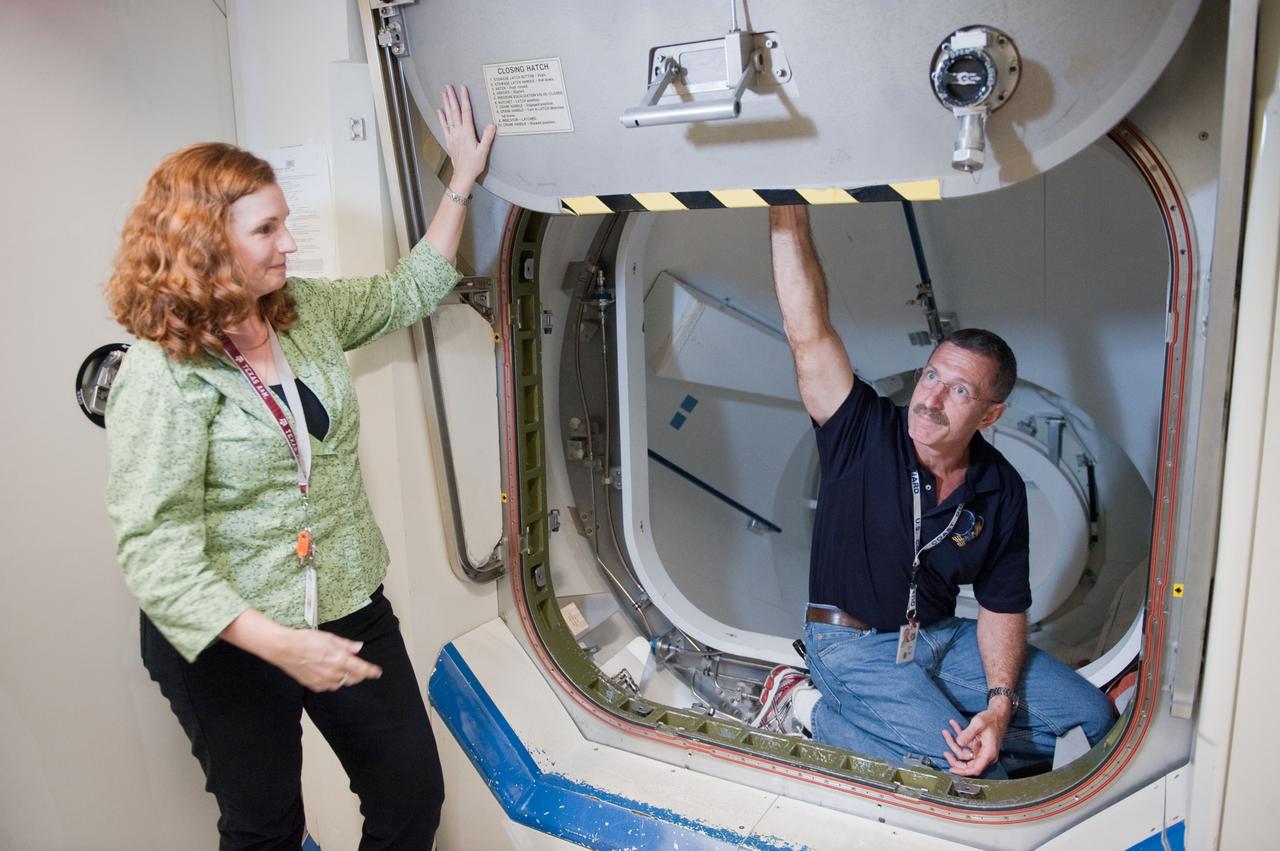
Expedition 29/30 ISS Habitability Equipment and Procedures training in ISS mockups. Photo Date: May 17, 2011. Location: Bldg. 9NW - ISS Mockups. Photographer: Robert Markowitz.
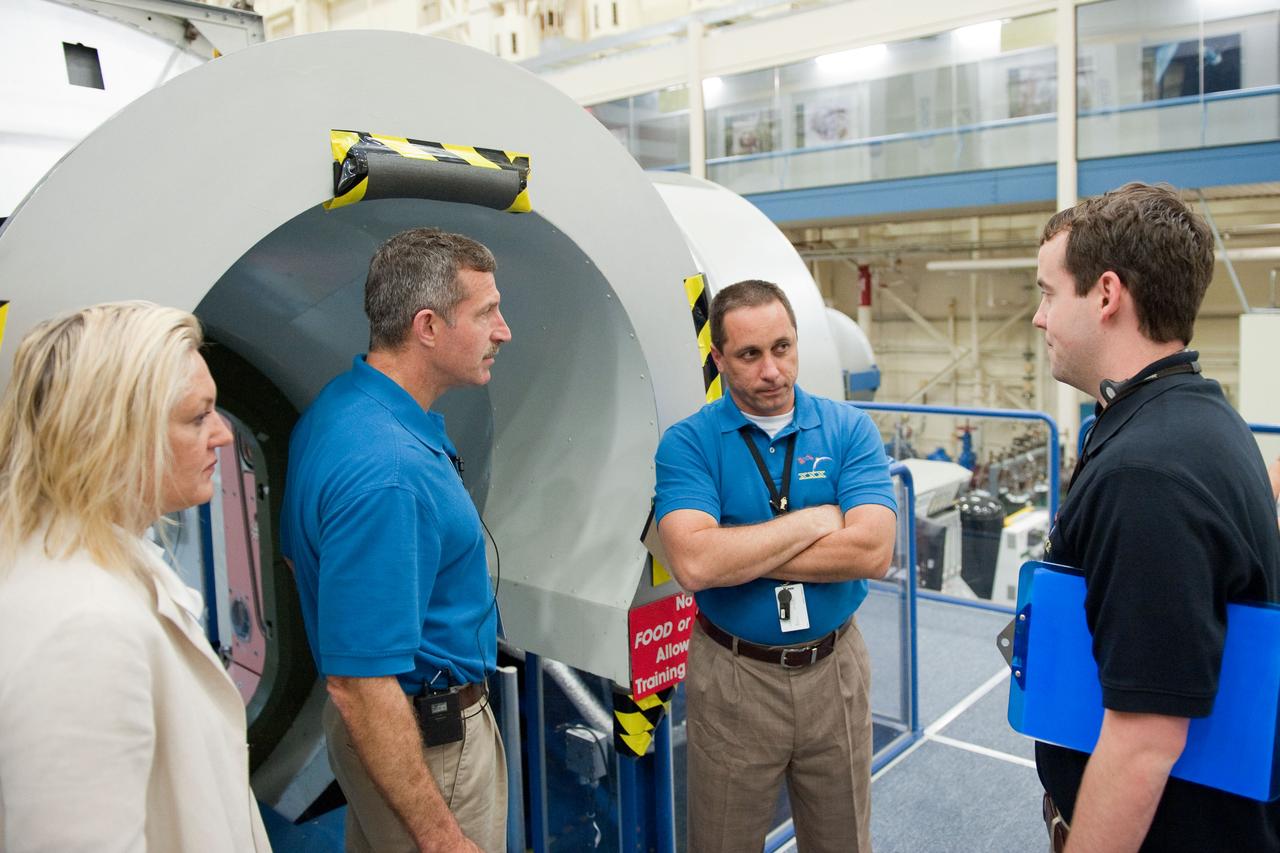
PHOTO DATE: 05-11-11 LOCATION: Bldg 9NW, ISS Mockups SUBJECT: Expedition 29/30 Emergency Ops training in ISS mockups WORK ORDER: 2011-1190 PHOTOGRAPHER: James Blair
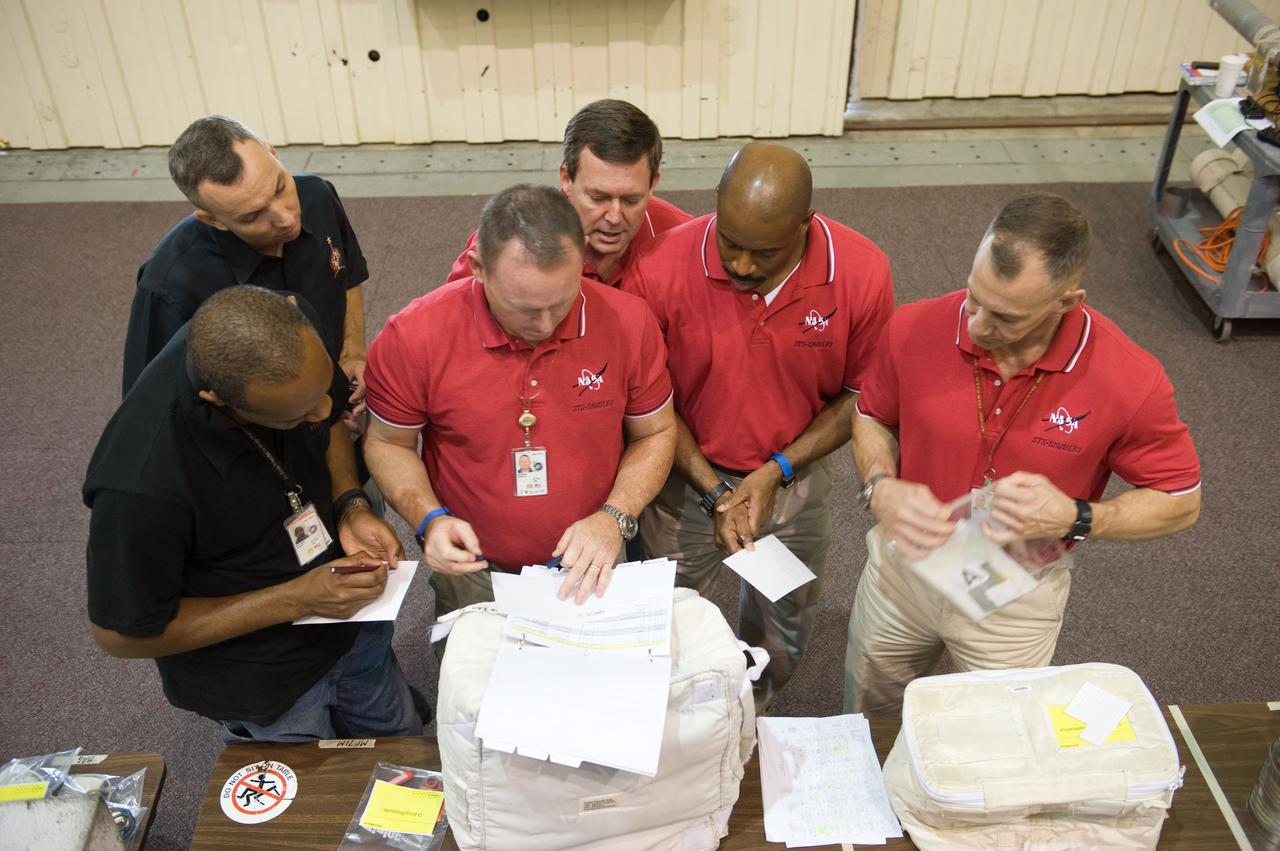
PHOTO DATE: 09-28-09 LOCATION: Bldg 9NW, ISS Mockups SUBJECT: STS-129 crew during trans hands-on review in the space station mockups. PHOTOGRAPHER: James Blair
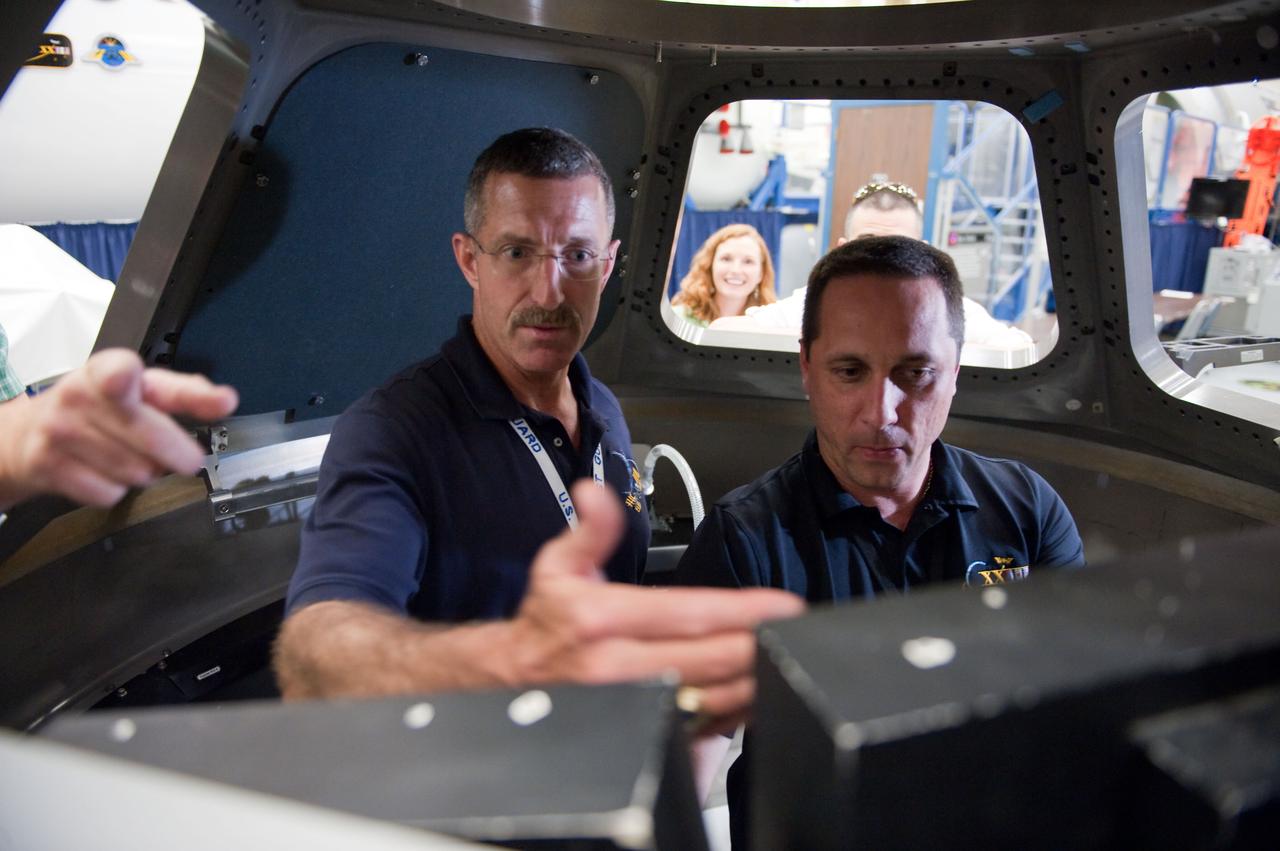
Expedition 29/30 ISS Habitability Equipment and Procedures training in ISS mockups. Photo Date: May 17, 2011. Location: Bldg. 9NW - ISS Mockups. Photographer: Robert Markowitz.
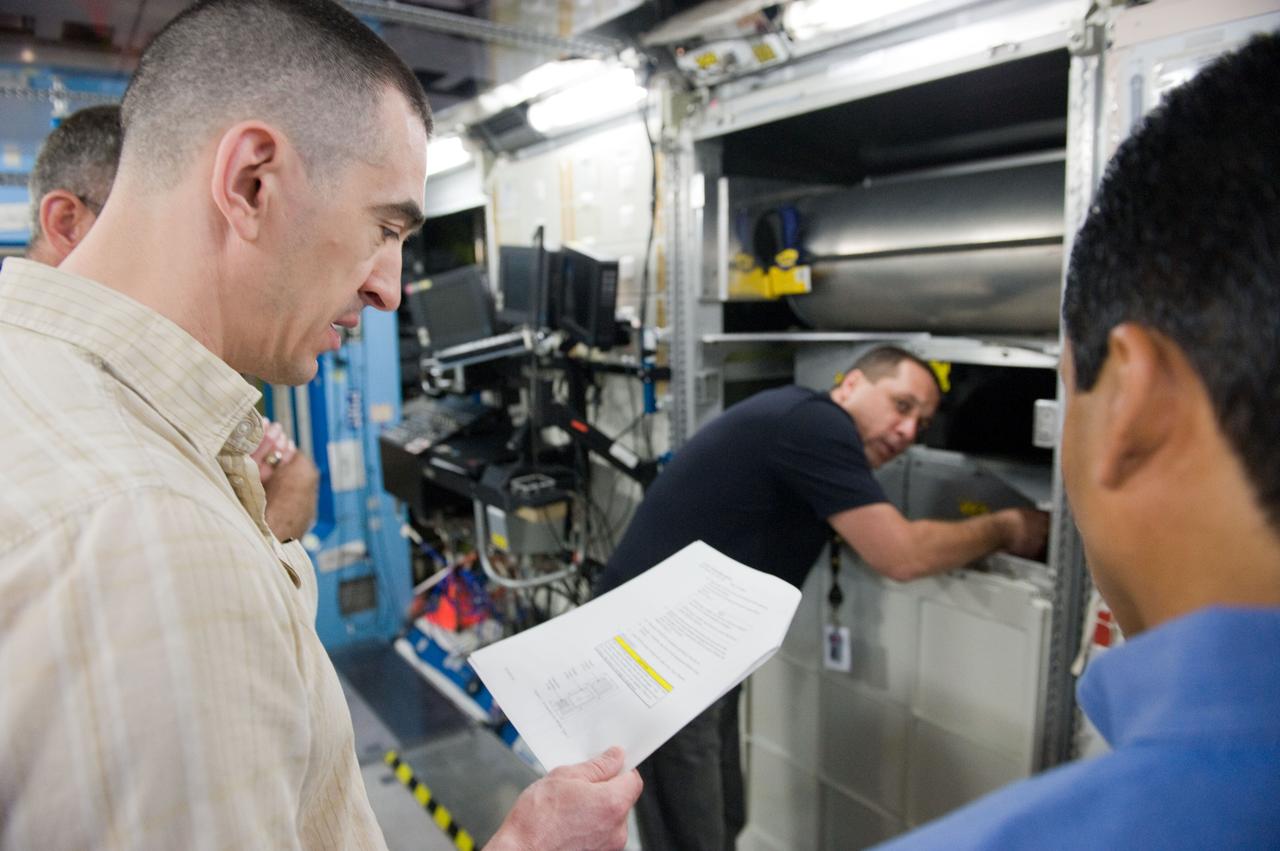
DATE: 5-10-11 LOCATION: Bldg. 9NW - ISS Mockups SUBJECT: Expedition 29 crew members during OOM skills training in ISS mockups PHOTOGRAPHER: Lauren Harnett
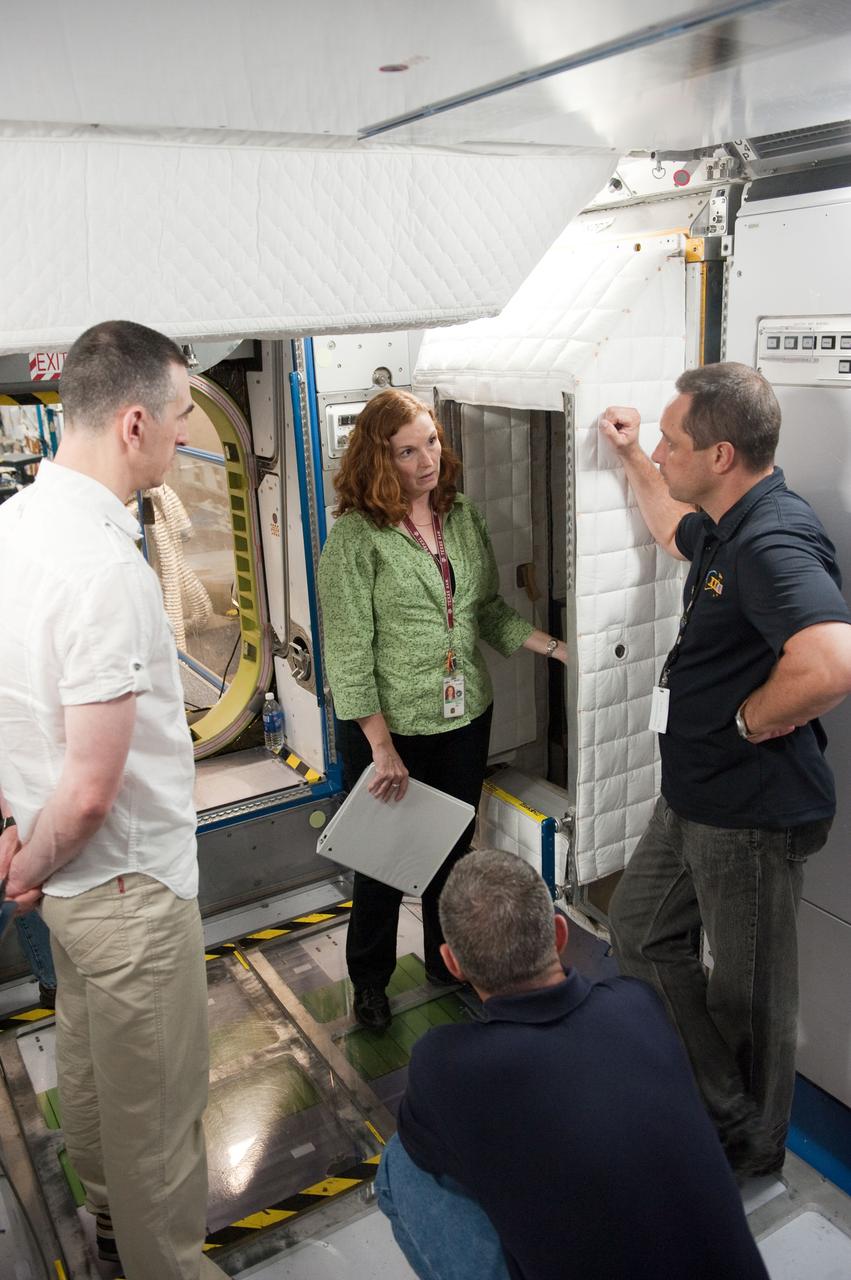
Expedition 29/30 ISS Habitability Equipment and Procedures training in ISS mockups. Photo Date: May 17, 2011. Location: Bldg. 9NW - ISS Mockups. Photographer: Robert Markowitz.
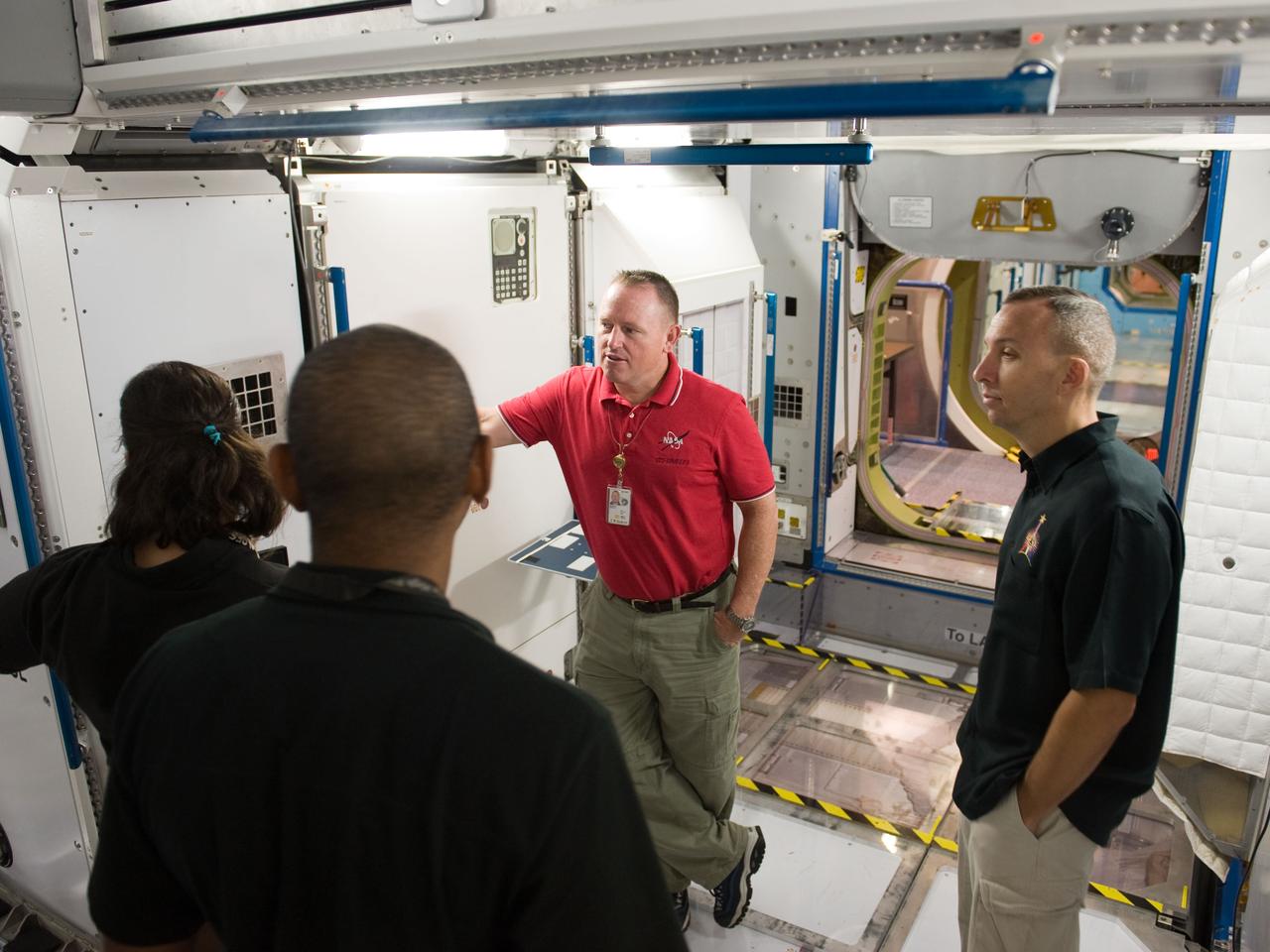
PHOTO DATE: 09-28-09 LOCATION: Bldg 9NW, ISS Mockups SUBJECT: STS-129 crew during trans hands-on review in the space station mockups. PHOTOGRAPHER: James Blair
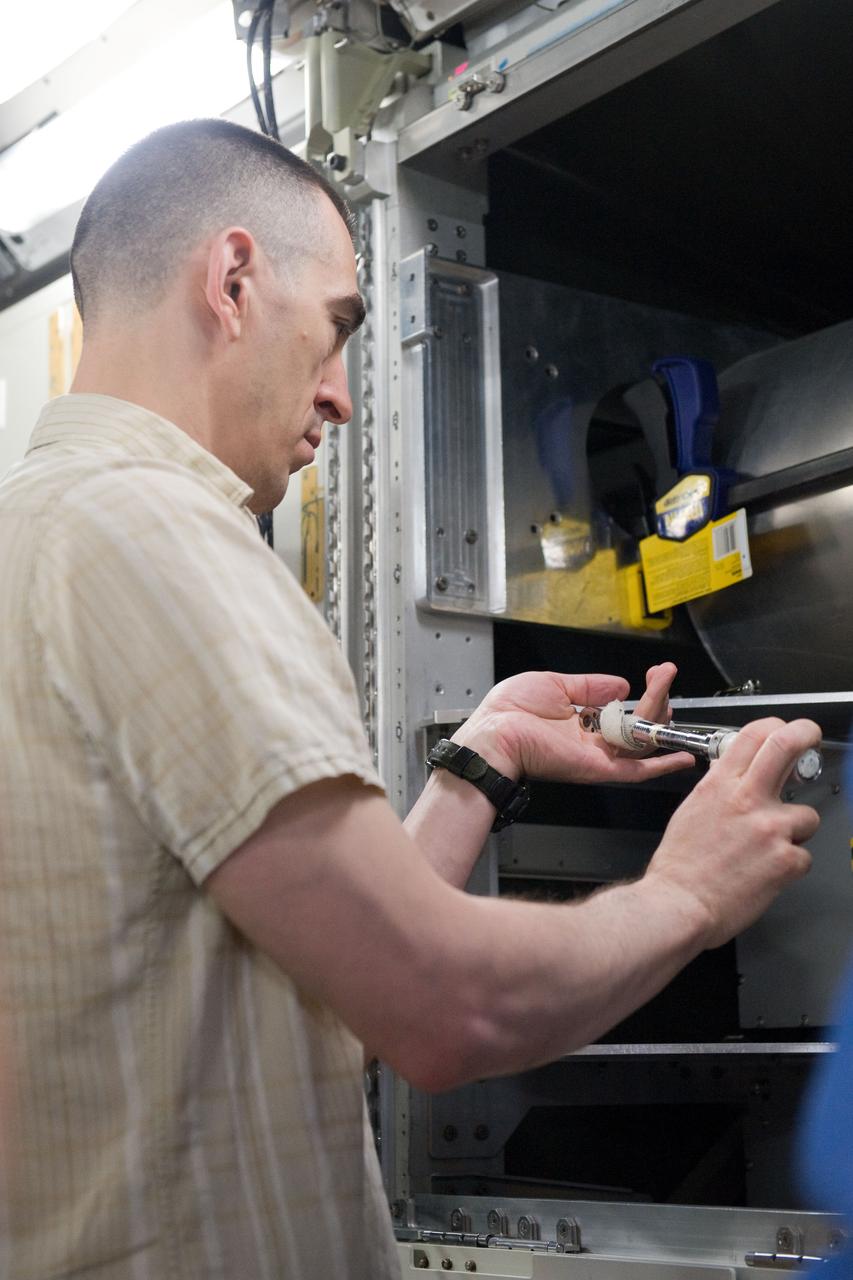
DATE: 5-10-11 LOCATION: Bldg. 9NW - ISS Mockups SUBJECT: Expedition 29 crew members during OOM skills training in ISS mockups PHOTOGRAPHER: Lauren Harnett
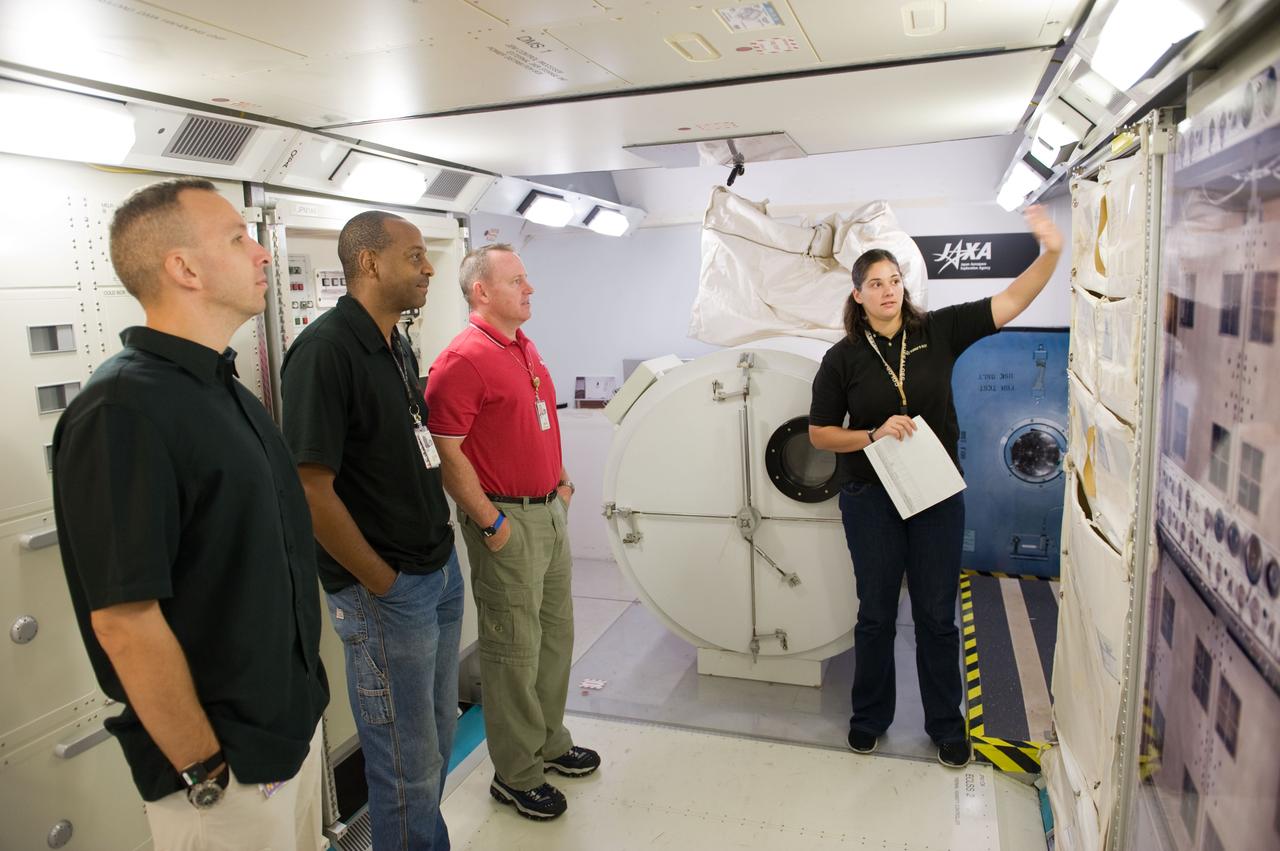
PHOTO DATE: 09-28-09 LOCATION: Bldg 9NW, ISS Mockups SUBJECT: STS-129 crew during trans hands-on review in the space station mockups. PHOTOGRAPHER: James Blair
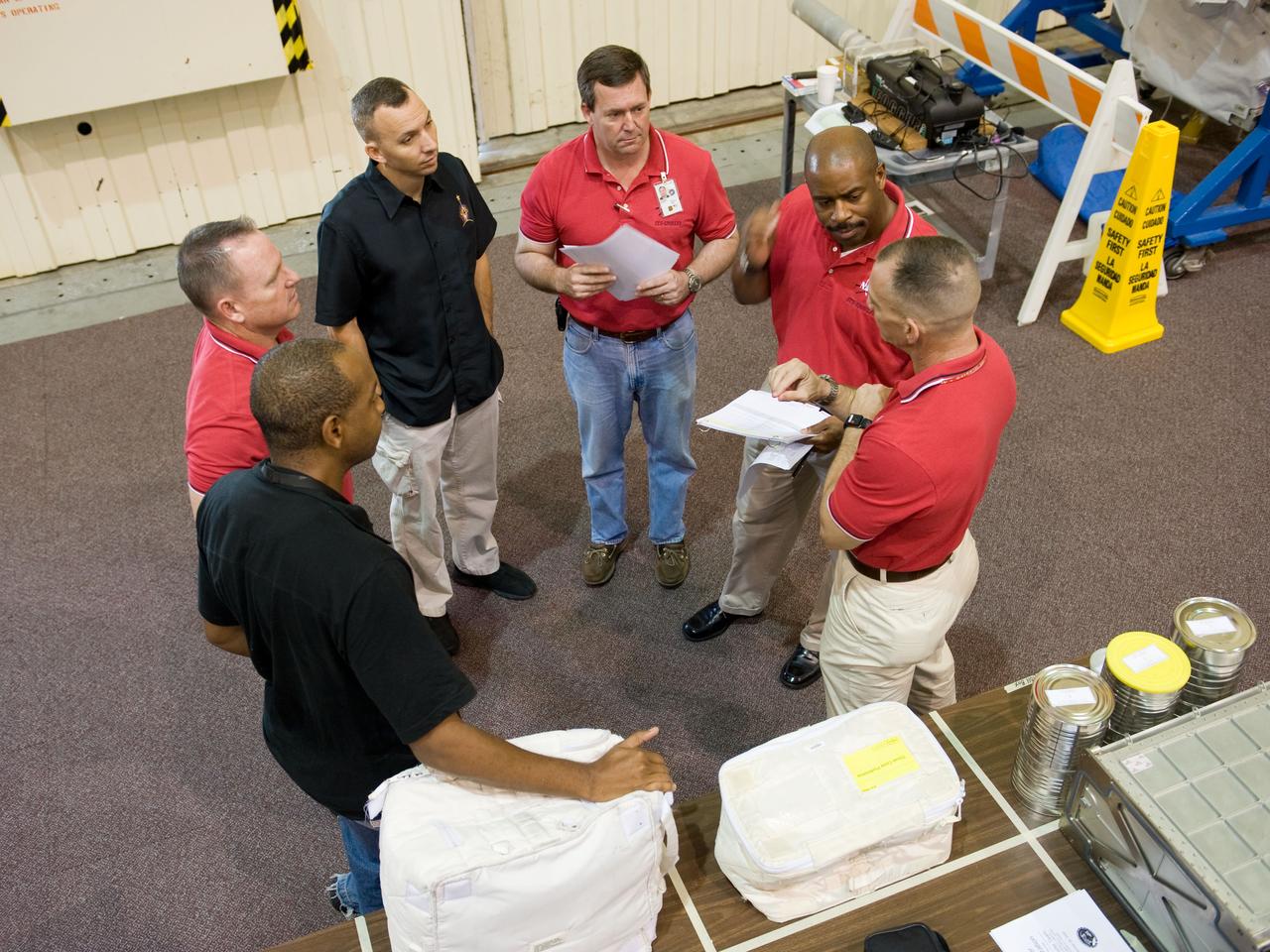
PHOTO DATE: 09-28-09 LOCATION: Bldg 9NW, ISS Mockups SUBJECT: STS-129 crew during trans hands-on review in the space station mockups. PHOTOGRAPHER: James Blair
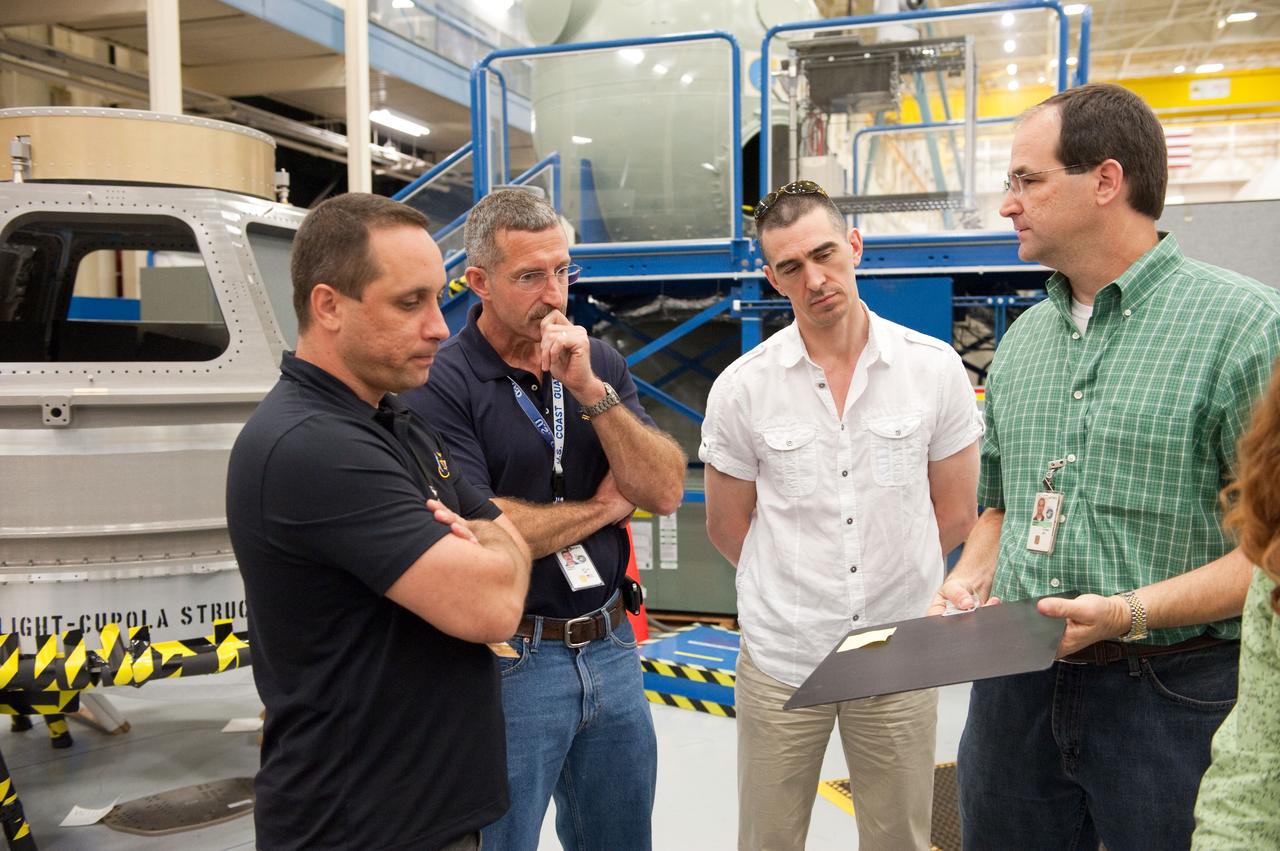
Expedition 29/30 ISS Habitability Equipment and Procedures training in ISS mockups. Photo Date: May 17, 2011. Location: Bldg. 9NW - ISS Mockups. Photographer: Robert Markowitz.
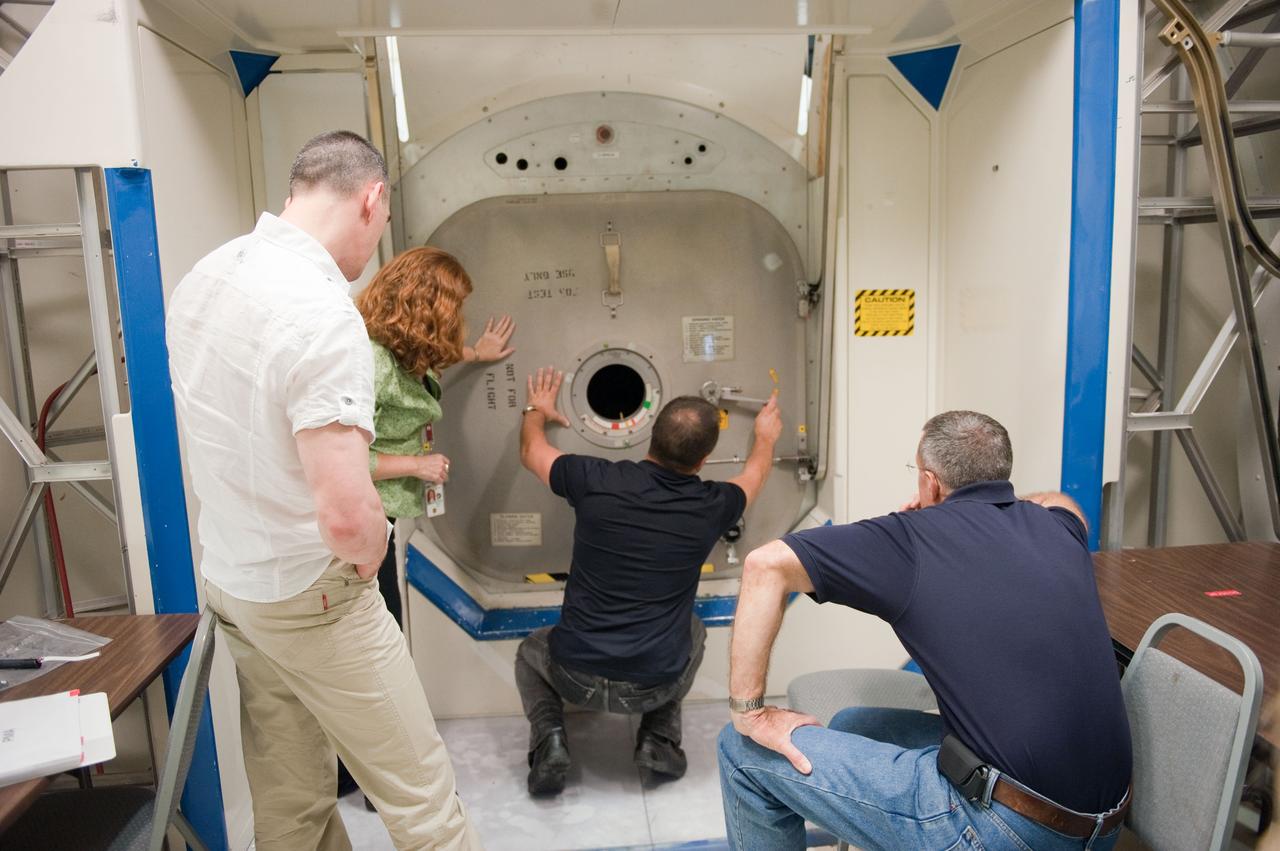
Expedition 29/30 ISS Habitability Equipment and Procedures training in ISS mockups. Photo Date: May 17, 2011. Location: Bldg. 9NW - ISS Mockups. Photographer: Robert Markowitz.
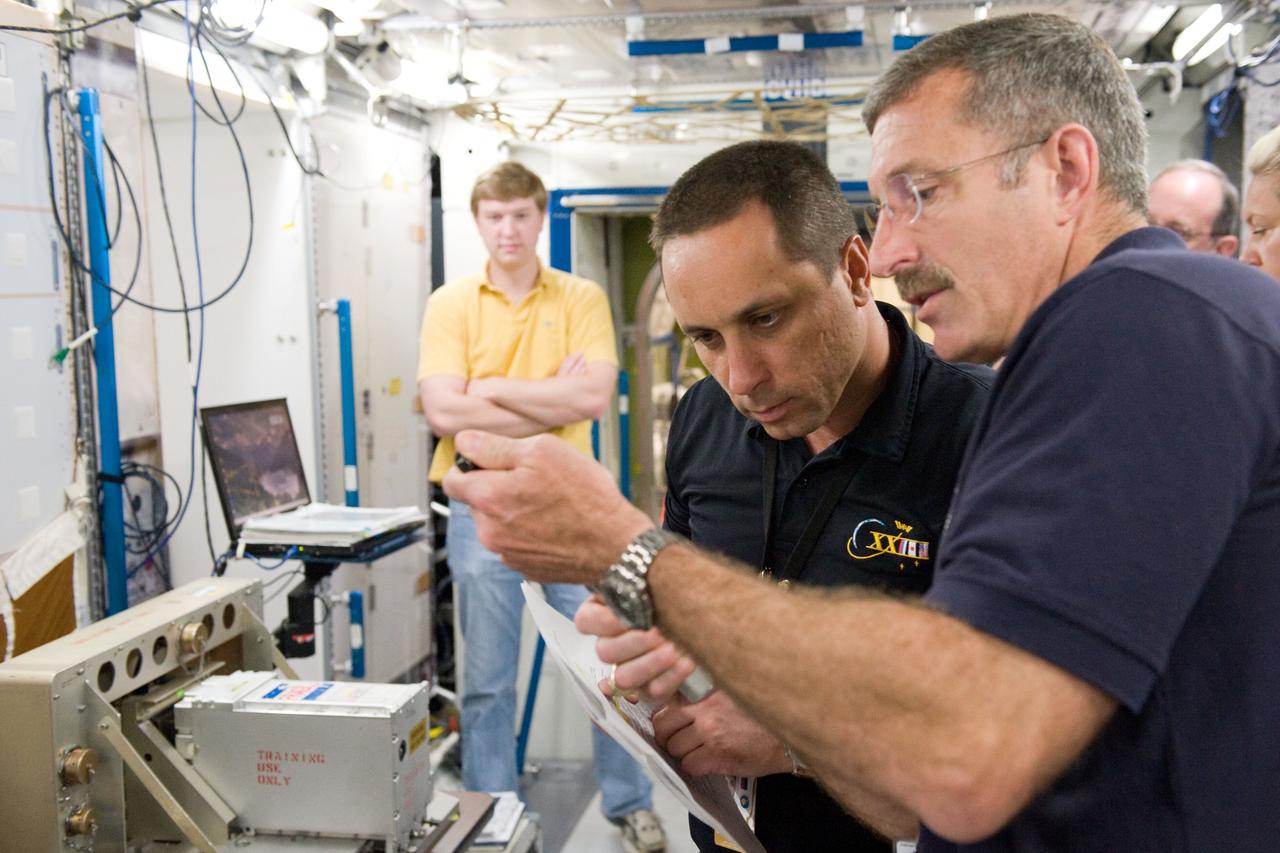
DATE: 5-10-11 LOCATION: Bldg. 9NW - ISS Mockups SUBJECT: Expedition 29 crew members during OOM skills training in ISS mockups PHOTOGRAPHER: Lauren Harnett
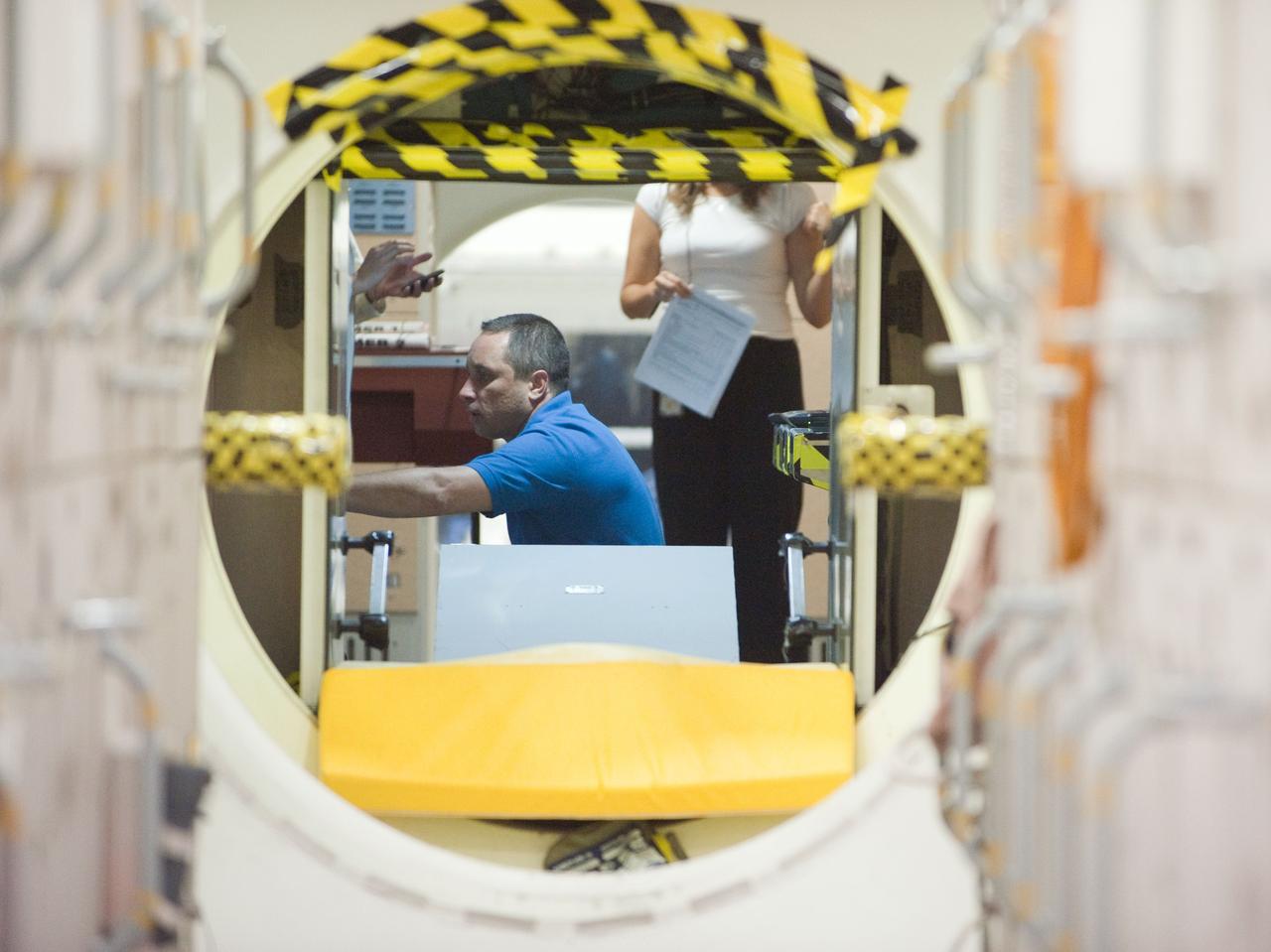
PHOTO DATE: 05-11-11 LOCATION: Bldg 9NW, ISS Mockups SUBJECT: Expedition 29/30 Emergency Ops training in ISS mockups WORK ORDER: 2011-1190 PHOTOGRAPHER: James Blair
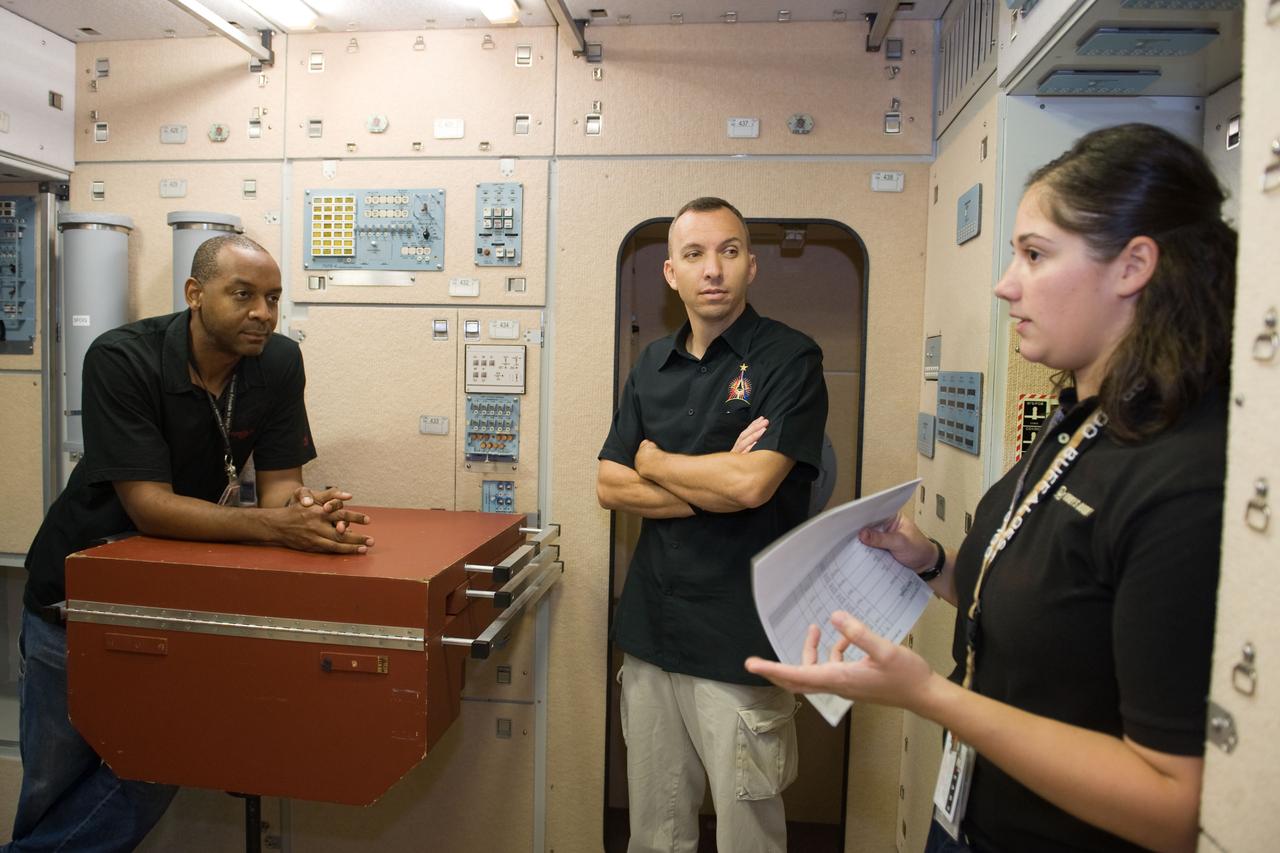
PHOTO DATE: 09-28-09 LOCATION: Bldg 9NW, ISS Mockups SUBJECT: STS-129 crew during trans hands-on review in the space station mockups. PHOTOGRAPHER: James Blair
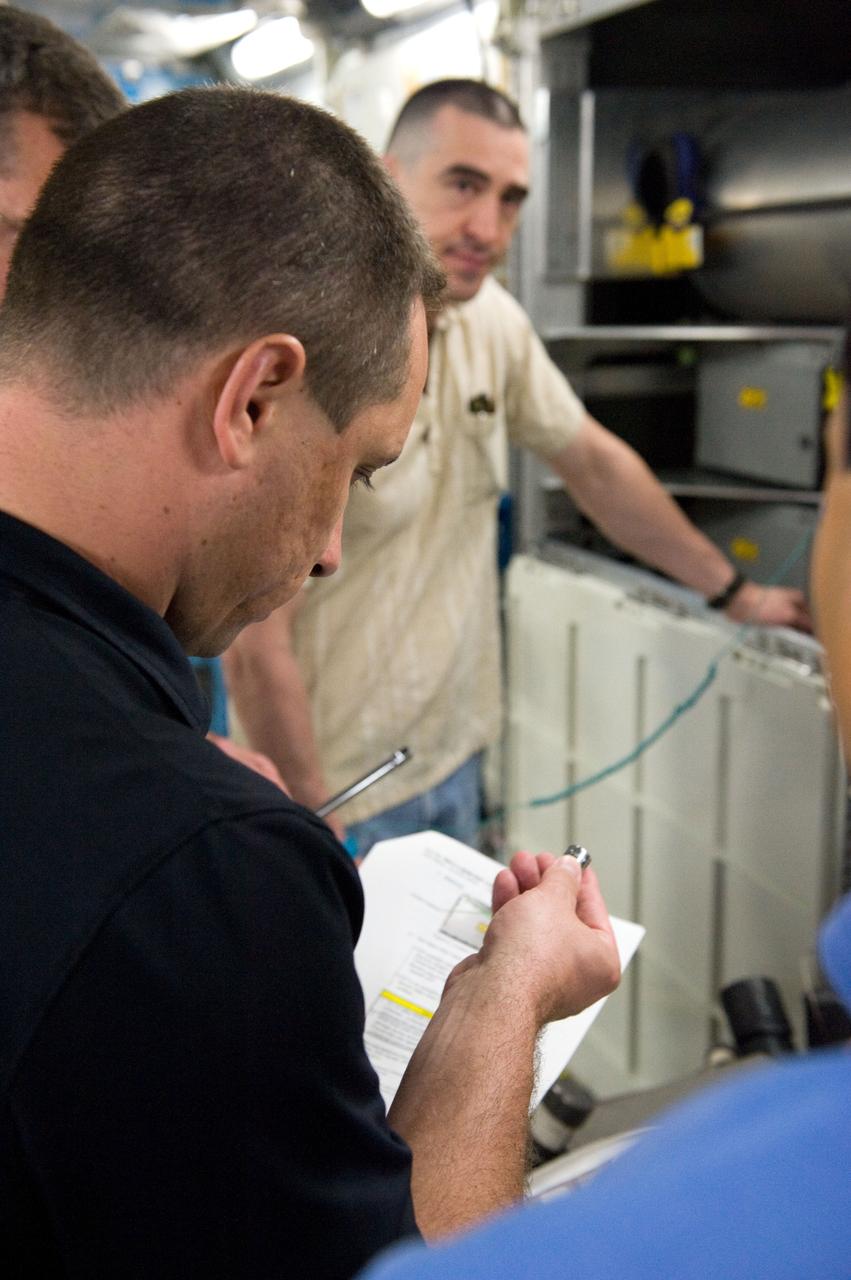
DATE: 5-10-11 LOCATION: Bldg. 9NW - ISS Mockups SUBJECT: Expedition 29 crew members during OOM skills training in ISS mockups PHOTOGRAPHER: Lauren Harnett
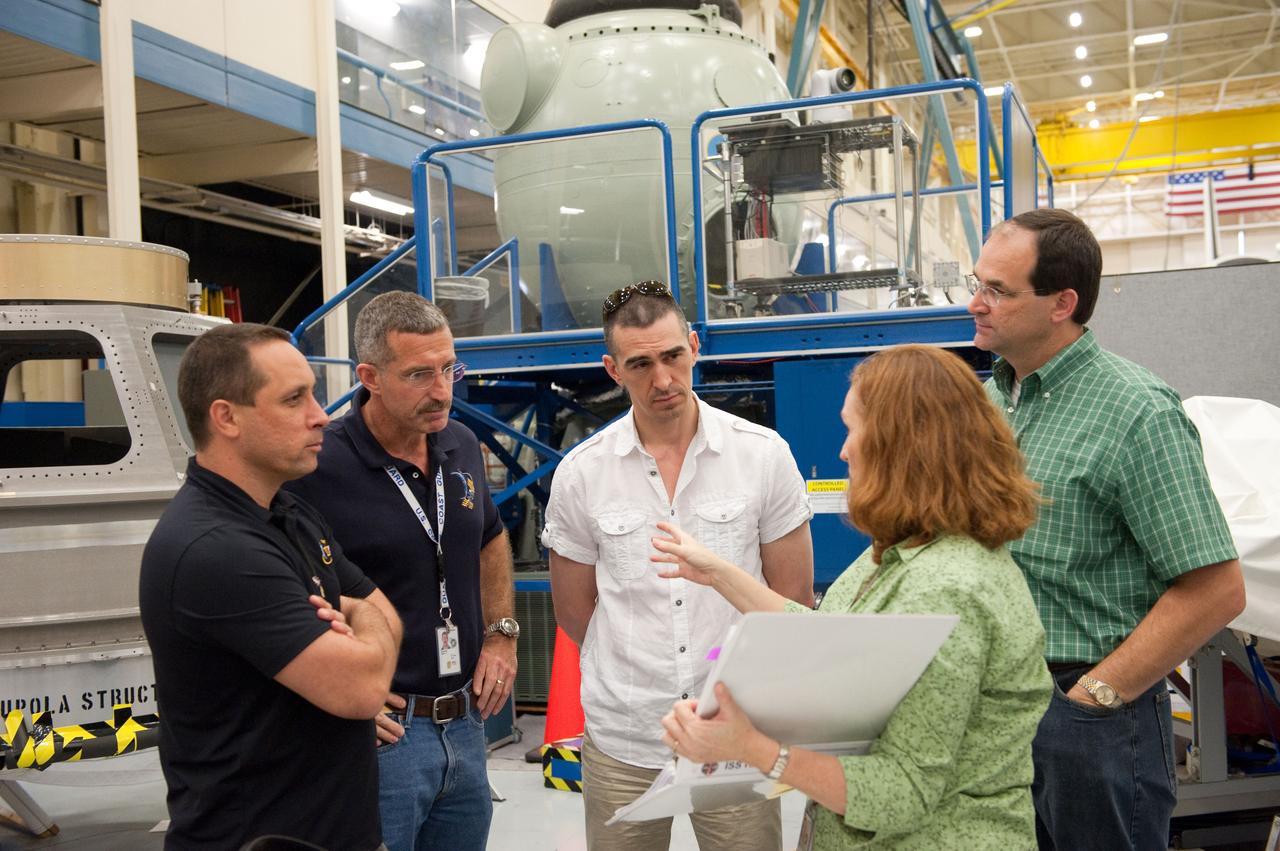
Expedition 29/30 ISS Habitability Equipment and Procedures training in ISS mockups. Photo Date: May 17, 2011. Location: Bldg. 9NW - ISS Mockups. Photographer: Robert Markowitz.
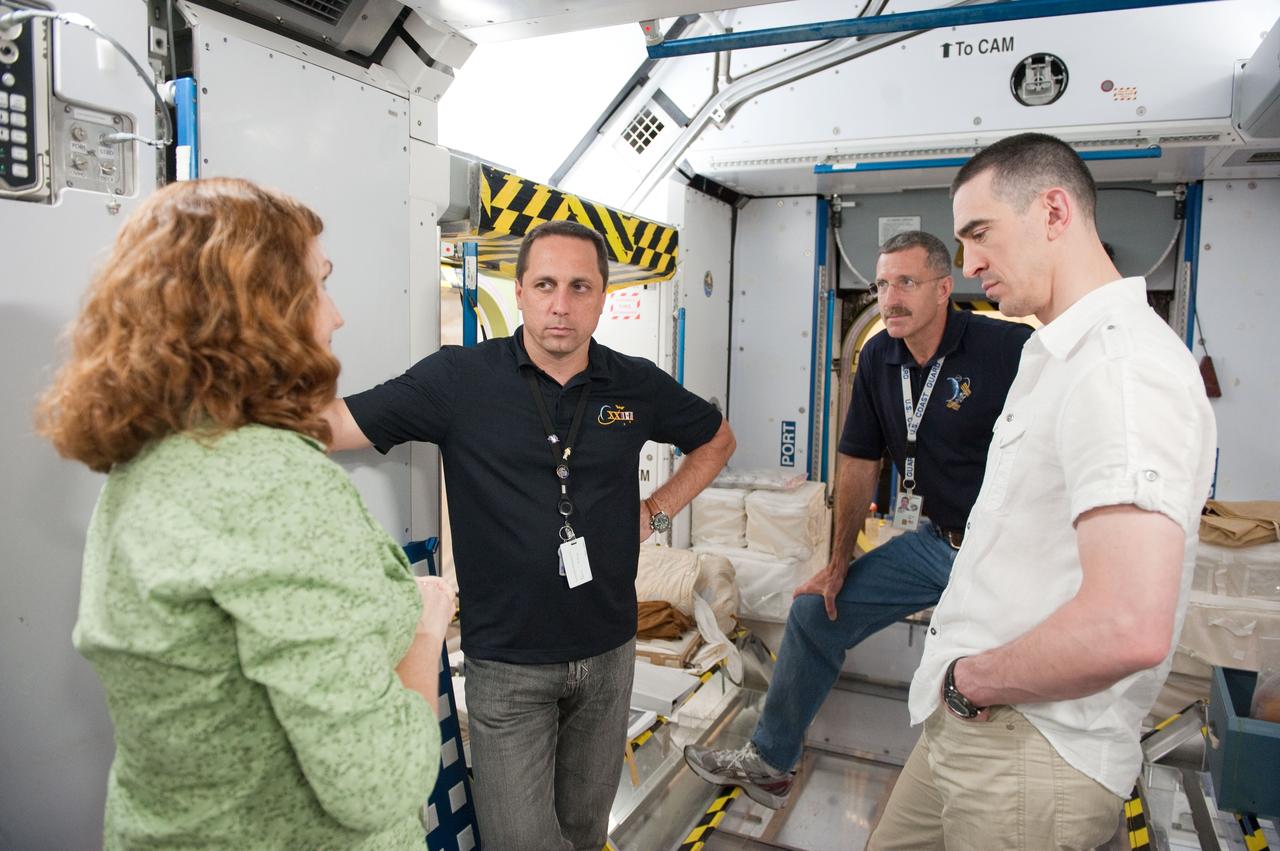
Expedition 29/30 ISS Habitability Equipment and Procedures training in ISS mockups. Photo Date: May 17, 2011. Location: Bldg. 9NW - ISS Mockups. Photographer: Robert Markowitz.
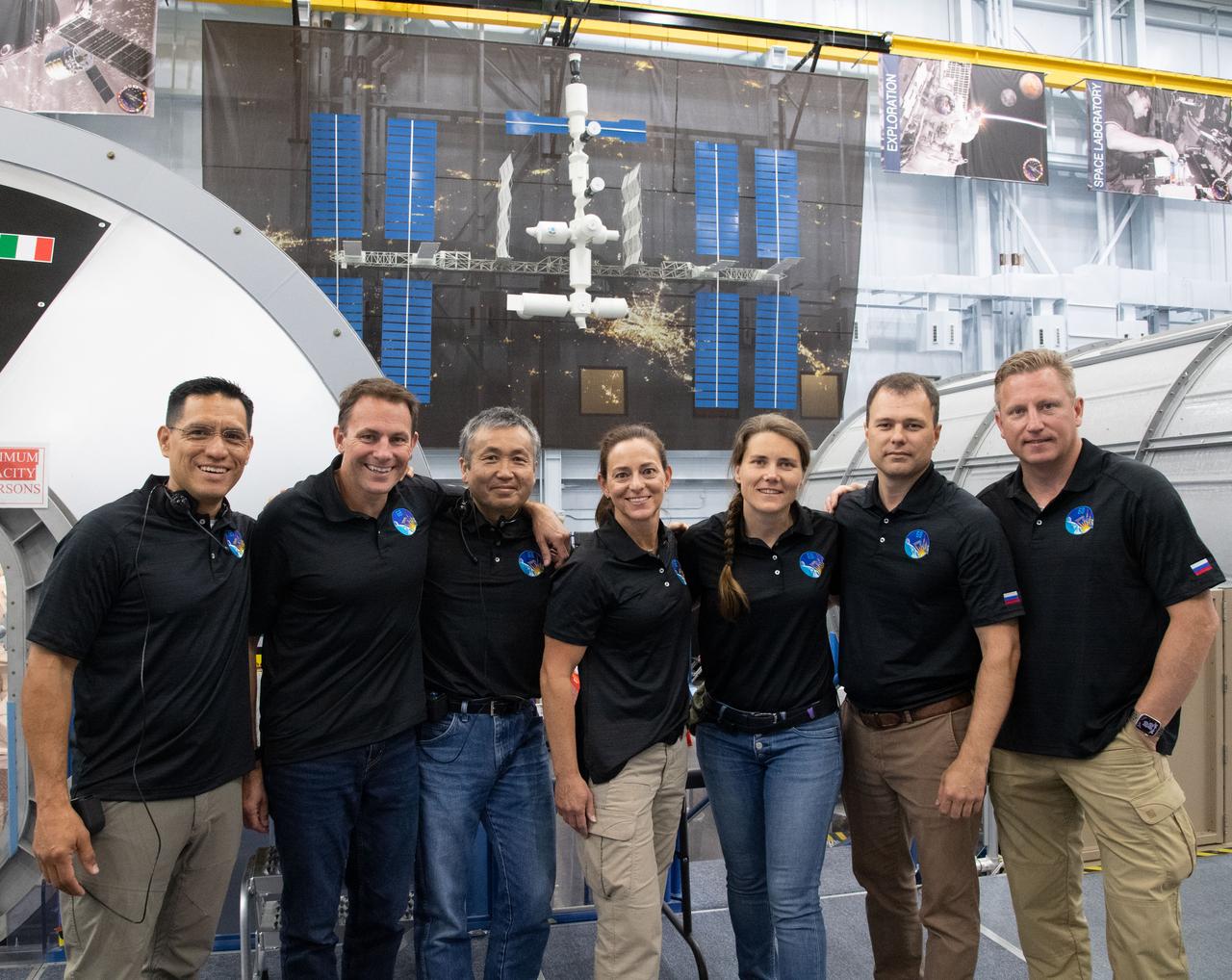
NASA Astronaut Frank Rubio (far left) poses for a group photograph with his Expedition 68 crewmates in the Space Vehicle Mockup Facility at NASA's Johnson Space Center in Houston following a training to prepare for the unlikely event of emergency scenarios before their mission to the International Space Station.
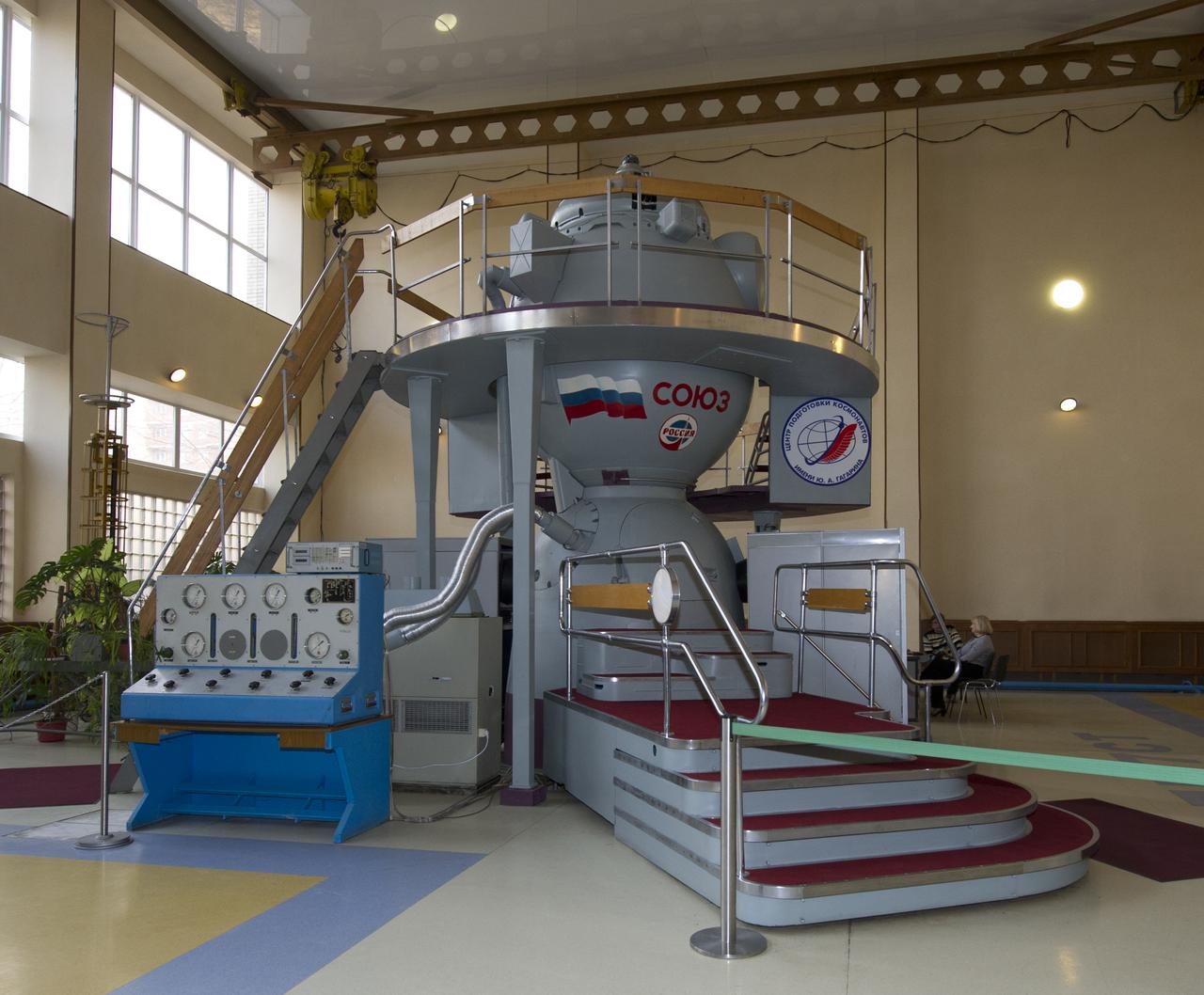
A Soyuz TMA spacecraft mockup is seen at the Gagarin Cosmonaut Training Center, Monday, April 23, 2012 in Star City, Russia. Expedition 31 prime and backup crew members train in the Soyuz mockup in preparation for final flight to the International Space Station. Photo Credit: (NASA/Carla Cioffi)
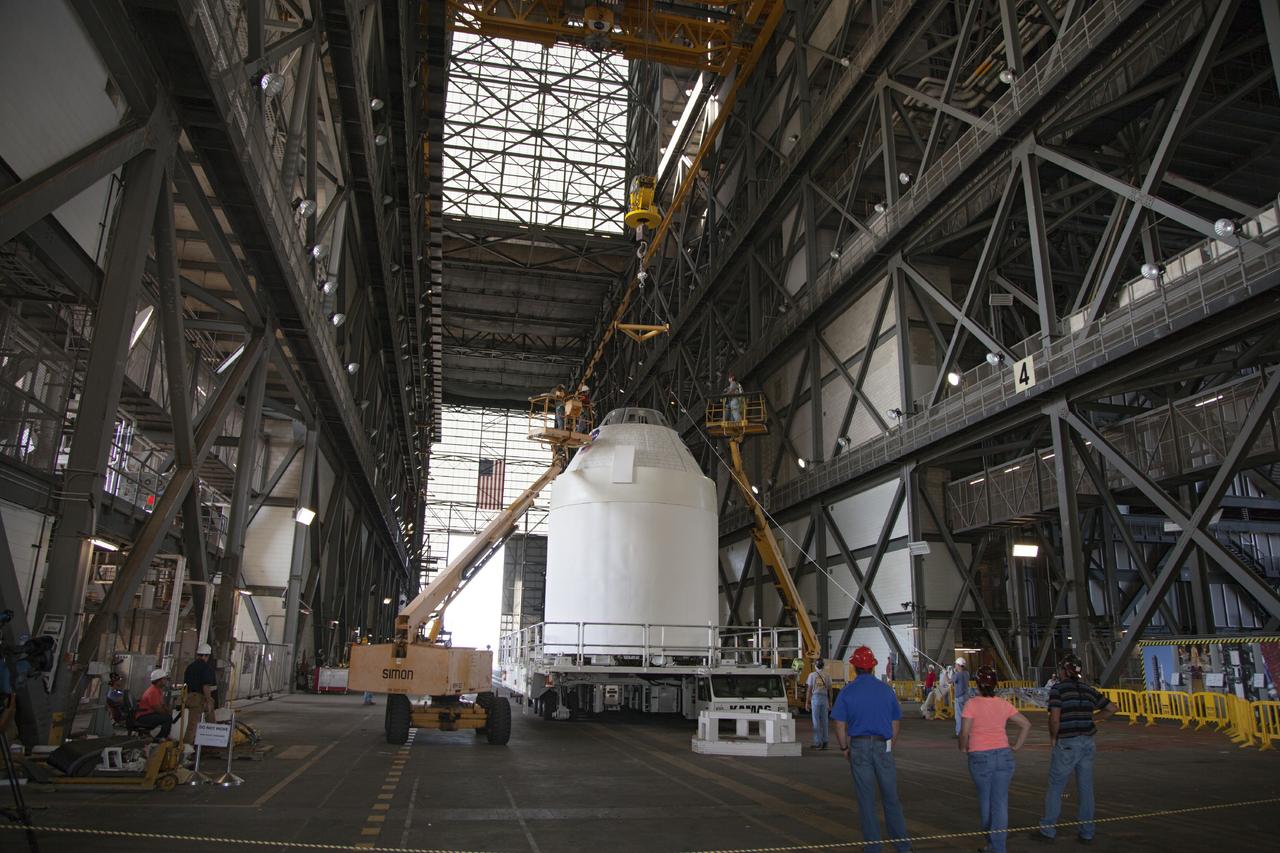
CAPE CANAVERAL, Fla. -- In the transfer aisle of the Vehicle Assembly Building at NASA’s Kennedy Space Center in Florida, a full-size mockup of the Orion spacecraft is being prepared for lifting into High Bay 4. Crane operators and technicians practice stacking and de-stacking operations in order to keep processing procedures and skills current for the Ground Systems Development and Operations Program. Orion is the exploration spacecraft designed to carry crews to space beyond low Earth orbit. It will provide emergency abort capability, sustain the crew during the space travel and provide safe re-entry from deep space return velocities. Orion’s first unpiloted test flight is scheduled to launch in 2014 atop a Delta IV rocket. A second uncrewed flight test is scheduled for 2017 on NASA’s Space Launch System rocket. For more information, visit http://www.nasa.gov/orion. Photo credit: NASA/Dan Casper
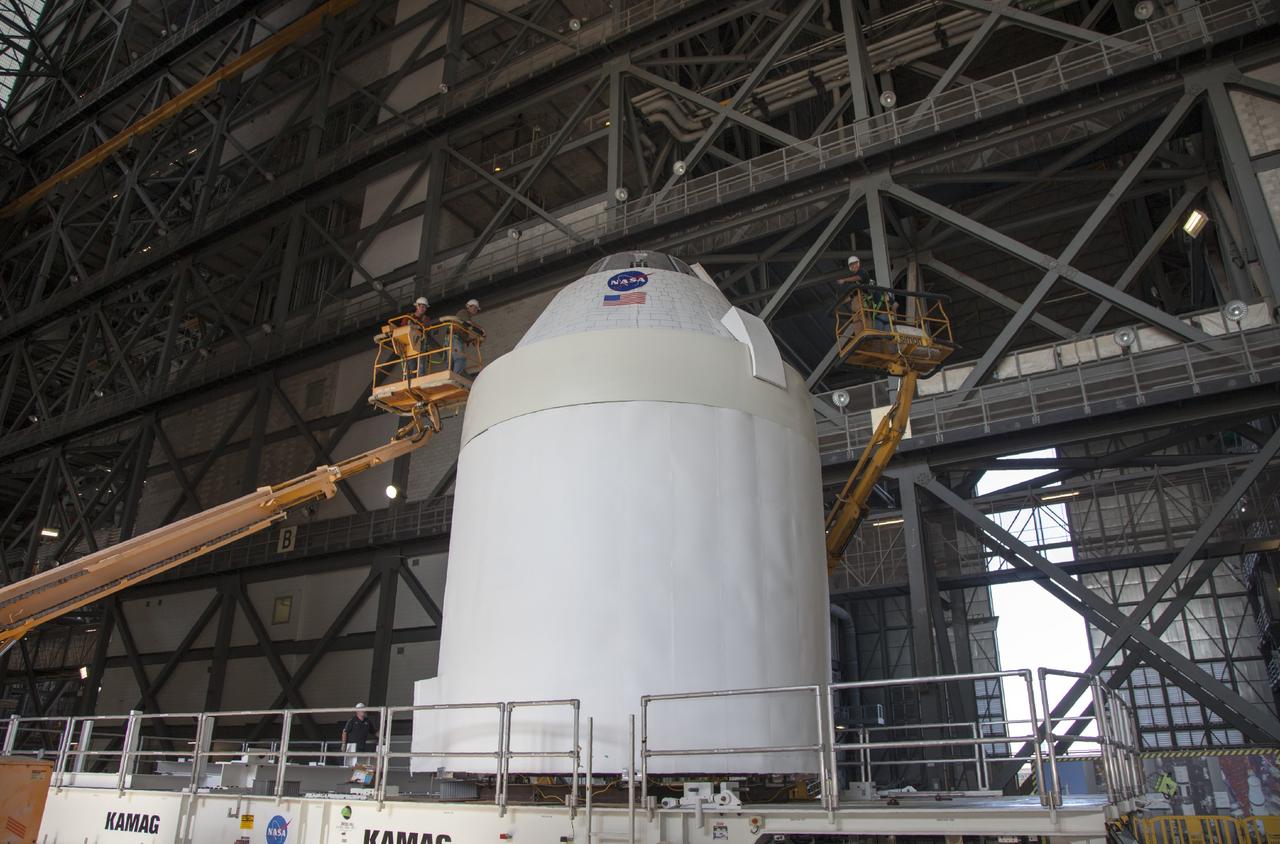
CAPE CANAVERAL, Fla. -- In the transfer aisle of the Vehicle Assembly Building at NASA’s Kennedy Space Center in Florida, a full-size mockup of the Orion spacecraft is being prepared for lifting into High Bay 4. Crane operators and technicians practice stacking and de-stacking operations in order to keep processing procedures and skills current for the Ground Systems Development and Operations Program. Orion is the exploration spacecraft designed to carry crews to space beyond low Earth orbit. It will provide emergency abort capability, sustain the crew during the space travel and provide safe re-entry from deep space return velocities. Orion’s first unpiloted test flight is scheduled to launch in 2014 atop a Delta IV rocket. A second uncrewed flight test is scheduled for 2017 on NASA’s Space Launch System rocket. For more information, visit http://www.nasa.gov/orion. Photo credit: NASA/Dan Casper

jsc2026e040448 (April 30, 2026) --- Roscosmos cosmonaut and SpaceX Crew-13 mission specialist Sergey Teteryatnikov is pictured in his pressure suit seated inside a mockup Dragon spacecraft during a preflight training session at the company's headquarters in Hawthorne, California. Credit: SpaceX