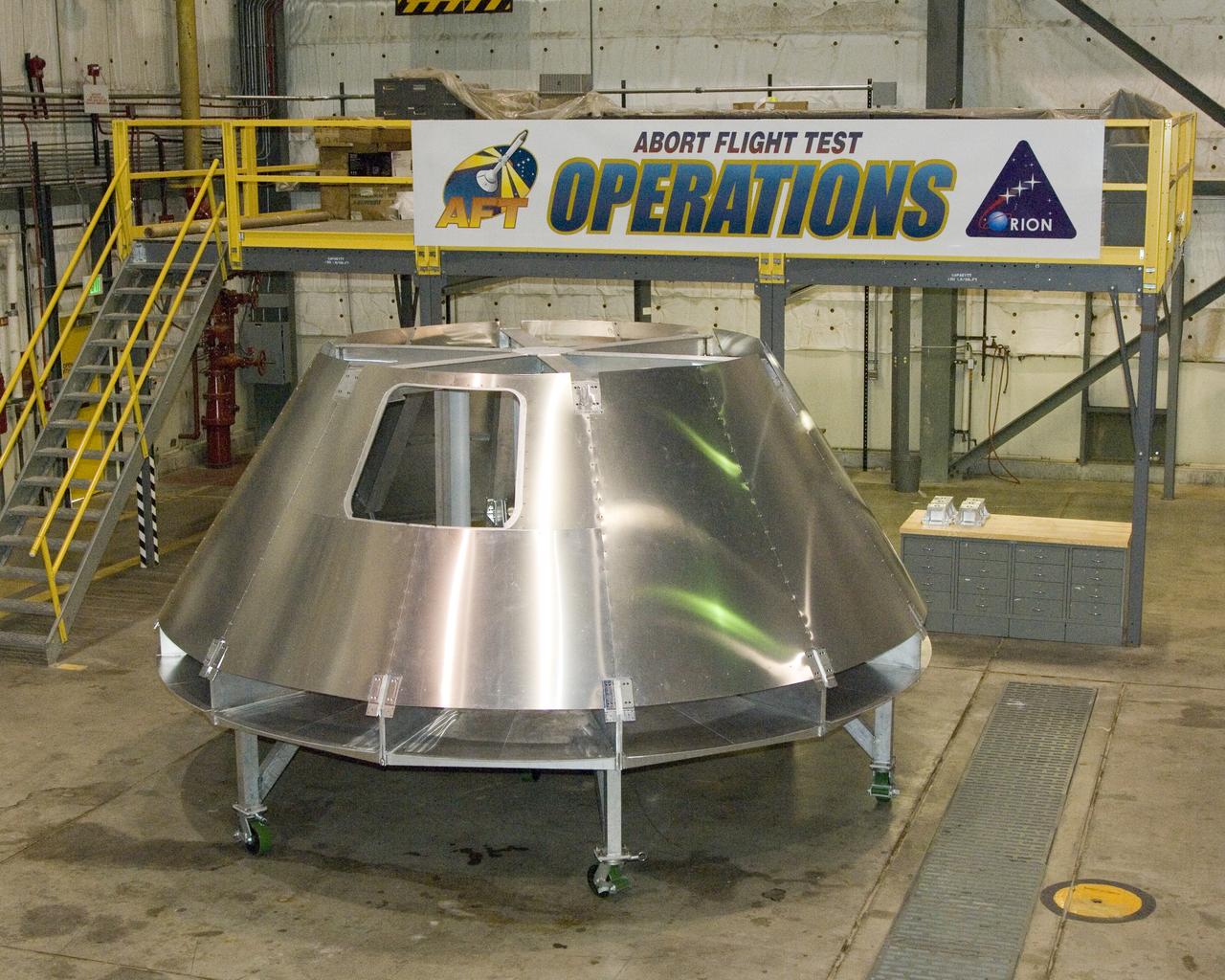
NASA Dryden's mockup Orion crew module is located in Dryden's Shuttle hangar, where abort flight test equipment is being positioned.
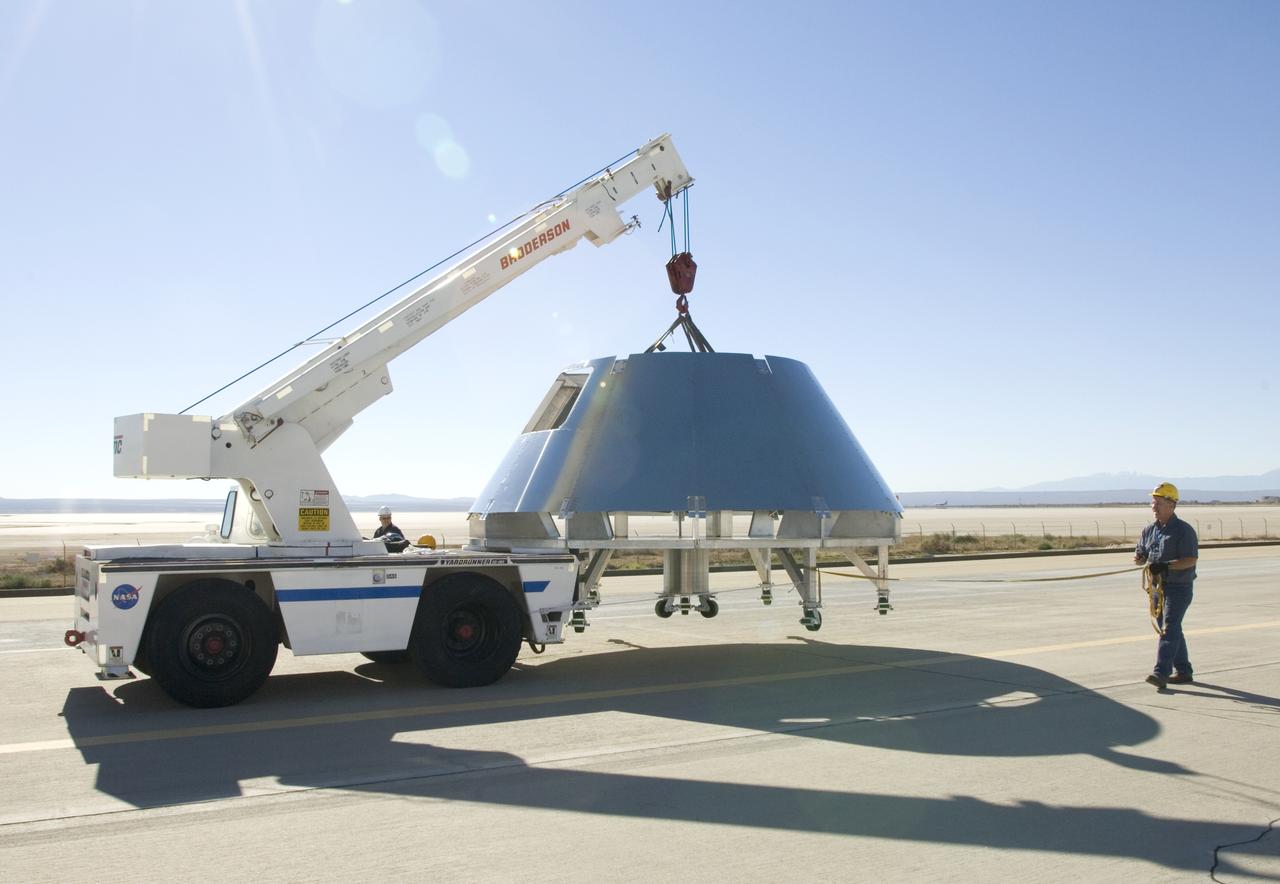
Rogers Dry Lake serves as a backdrop for a mockup Orion crew module built by NASA Dryden Flight Research Center's Fabrication Branch. The module was relocated to Dryden's Shuttle hangar on Sept. 25, 2007.

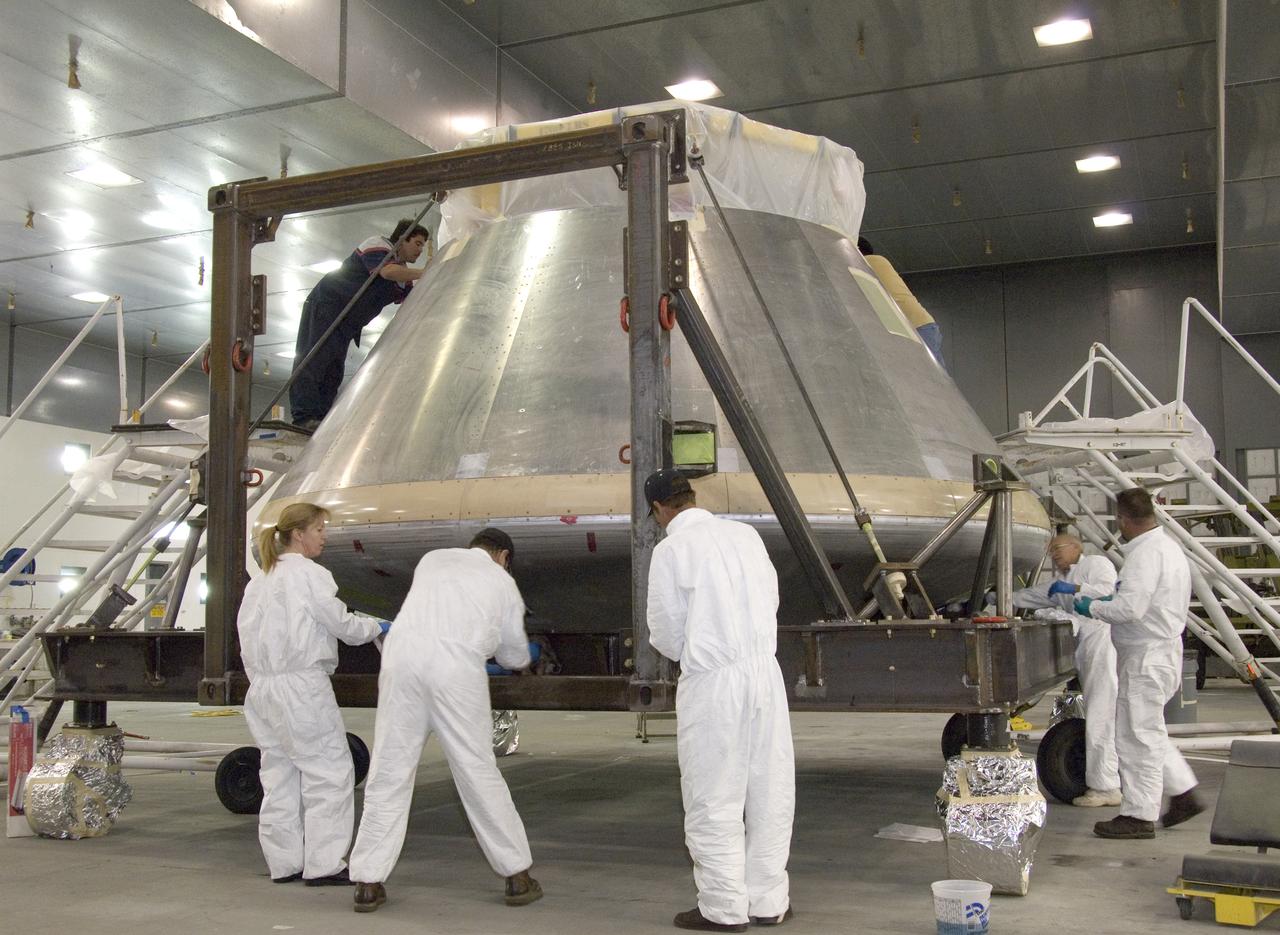
NASA Dryden technicians take measurements inside a fit-check mockup for prior to systems installation on a boilerplate Orion launch abort test crew capsule. A mockup Orion crew module has been constructed by NASA Dryden Flight Research Center's Fabrication Branch. The mockup is being used to develop integration procedures for avionics and instrumentation in advance of the arrival of the first abort flight test article.
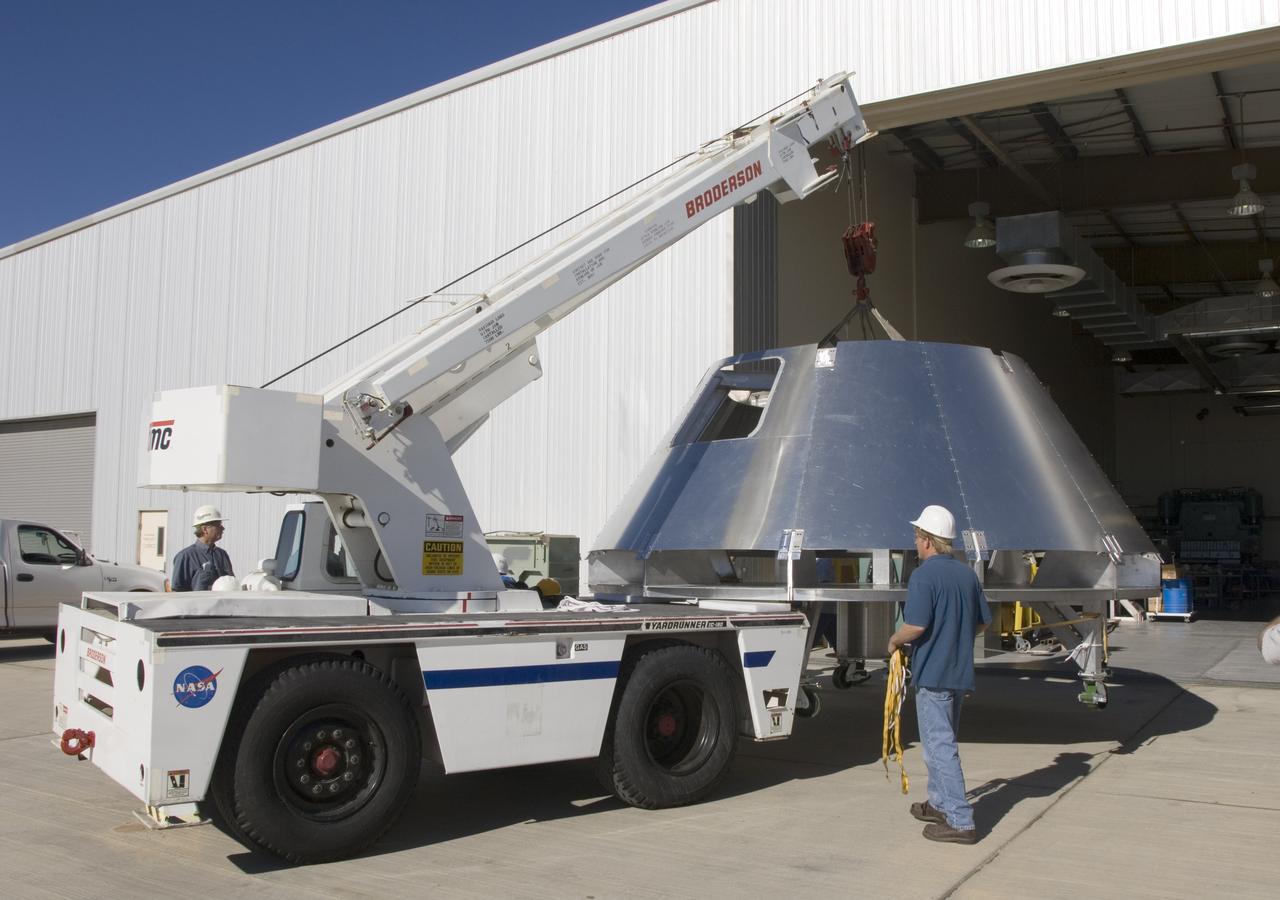
A mockup Orion crew module built by NASA Dryden Flight Research Center's Fabrication Branch gets a lift from its construction site to its new home in Dryden's Shuttle hangar.
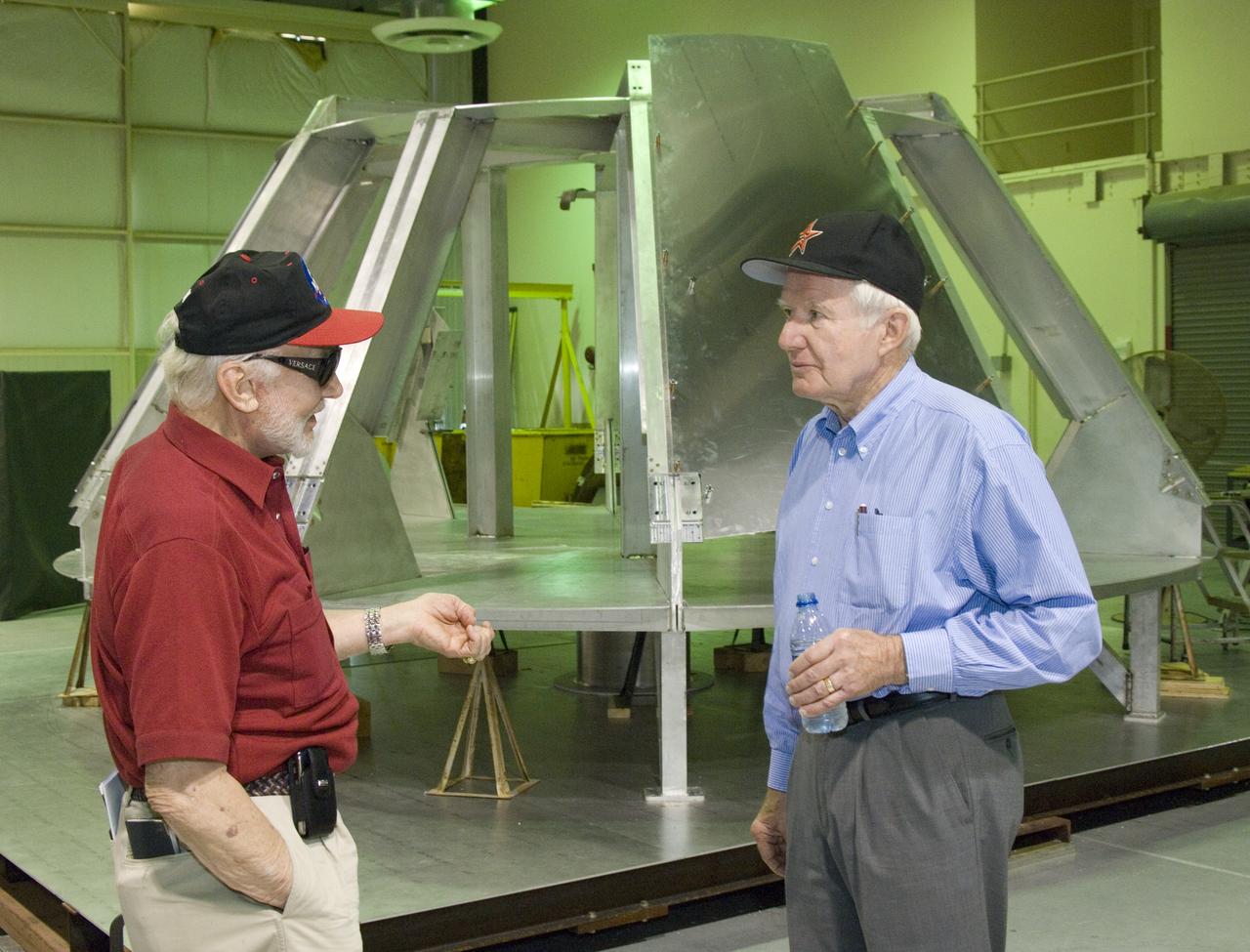
Apollo 11 astronaut Buzz Aldrin (left) and Apollo-Soyuz and space shuttle astronaut Vance Brand discuss Dryden's work on an Orion fit-check crew module mockup.
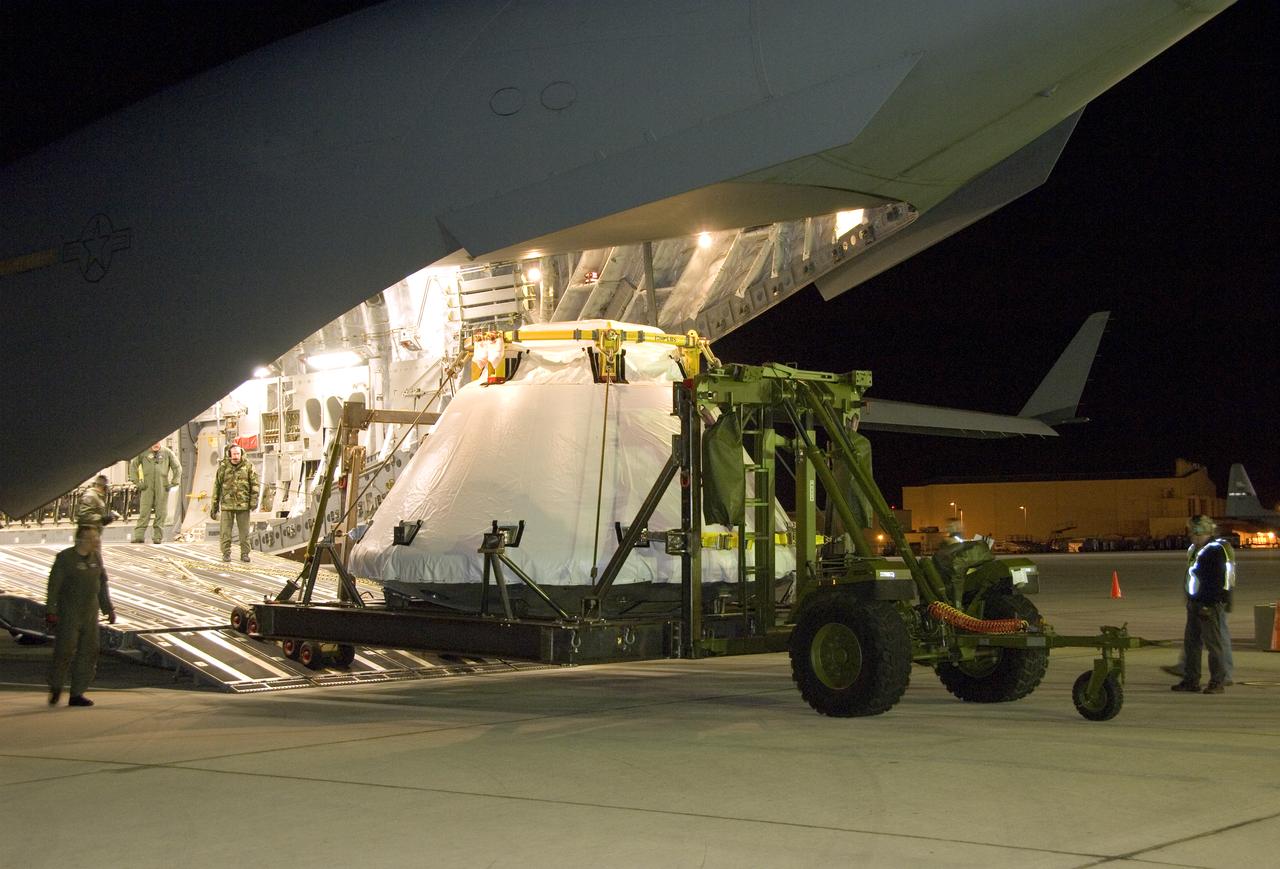
A full-scale flight-test mockup of the Constellation program's Orion crew vehicle arrived at NASA's Dryden Flight Research Center in late March 2008 to undergo preparations for the first short-range flight test of the spacecraft's astronaut escape system later that year. Engineers and technicians at NASA's Langley Research Center fabricated the structure, which precisely represents the size, outer shape and mass characteristics of the Orion space capsule. The Orion crew module mockup was ferried to NASA Dryden on an Air Force C-17. After painting in the Edwards Air Force Base paint hangar, the conical capsule was taken to Dryden for installation of flight computers, instrumentation and other electronics prior to being sent to the U.S. Army's White Sands Missile Range in New Mexico for integration with the escape system and the first abort flight test in late 2008. The tests were designed to ensure a safe, reliable method of escape for astronauts in case of an emergency.
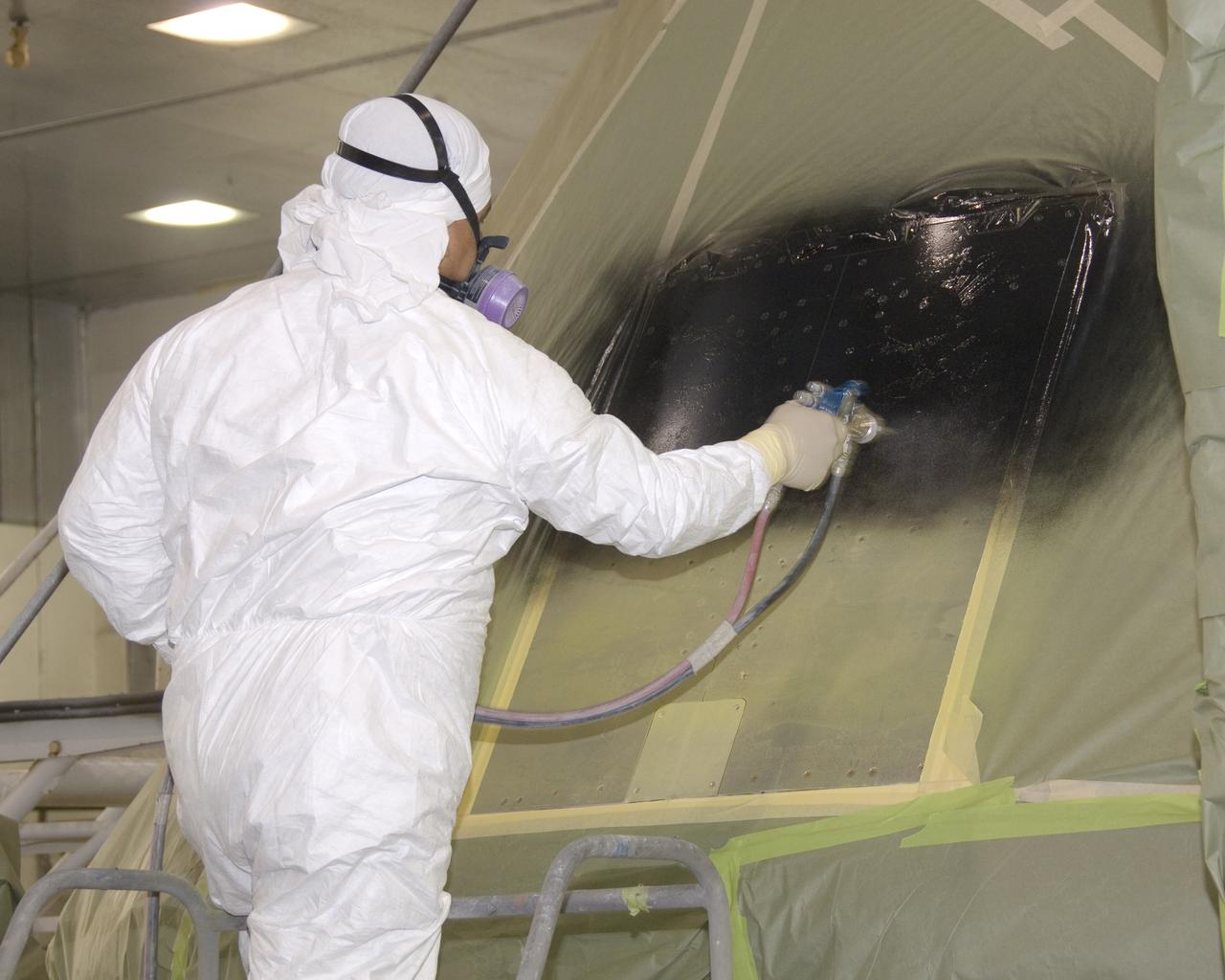
A full-scale flight-test mockup of the Constellation program's Orion crew vehicle arrived at NASA's Dryden Flight Research Center in late March 2008 to undergo preparations for the first short-range flight test of the spacecraft's astronaut escape system later that year. Engineers and technicians at NASA's Langley Research Center fabricated the structure, which precisely represents the size, outer shape and mass characteristics of the Orion space capsule. The Orion crew module mockup was ferried to NASA Dryden on an Air Force C-17. After painting in the Edwards Air Force Base paint hangar, the conical capsule was taken to Dryden for installation of flight computers, instrumentation and other electronics prior to being sent to the U.S. Army's White Sands Missile Range in New Mexico for integration with the escape system and the first abort flight test in late 2008. The tests were designed to ensure a safe, reliable method of escape for astronauts in case of an emergency.
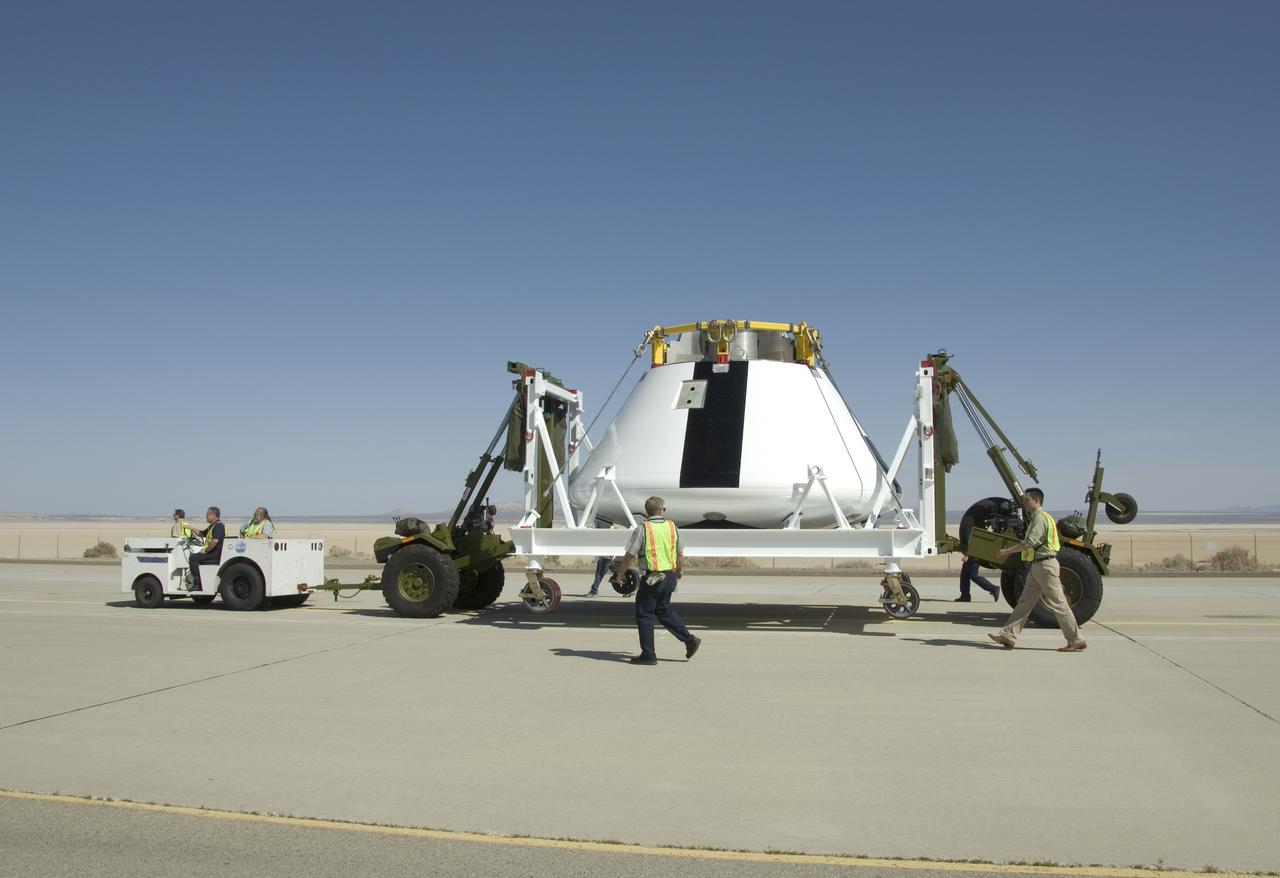
A full-scale flight-test mockup of the Constellation program's Orion crew vehicle arrived at NASA's Dryden Flight Research Center in late March 2008 to undergo preparations for the first short-range flight test of the spacecraft's astronaut escape system later that year. Engineers and technicians at NASA's Langley Research Center fabricated the structure, which precisely represents the size, outer shape and mass characteristics of the Orion space capsule. The Orion crew module mockup was ferried to NASA Dryden on an Air Force C-17. After painting in the Edwards Air Force Base paint hangar, the conical capsule was taken to Dryden for installation of flight computers, instrumentation and other electronics prior to being sent to the U.S. Army's White Sands Missile Range in New Mexico for integration with the escape system and the first abort flight test in late 2008. The tests were designed to ensure a safe, reliable method of escape for astronauts in case of an emergency.
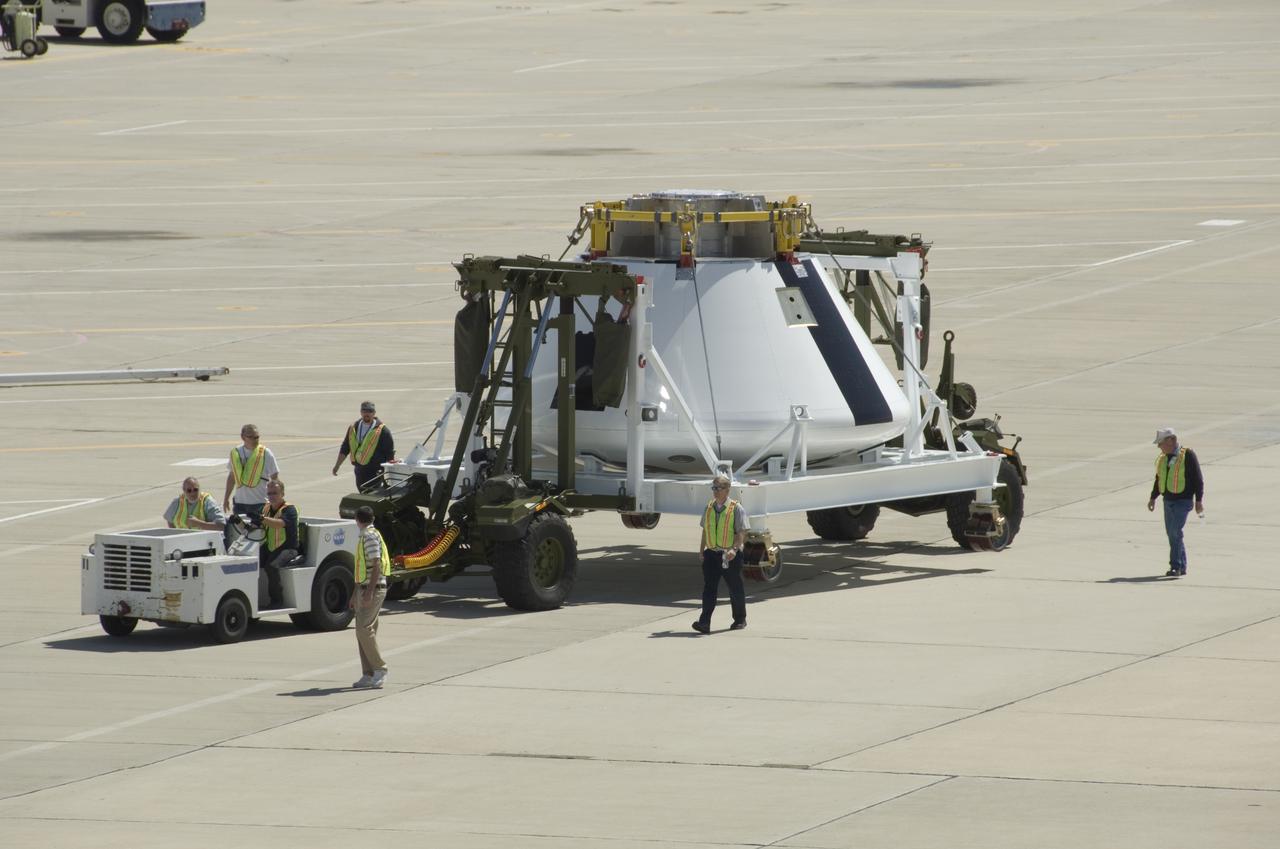
A full-scale flight-test mockup of the Constellation program's Orion crew vehicle arrived at NASA's Dryden Flight Research Center in late March 2008 to undergo preparations for the first short-range flight test of the spacecraft's astronaut escape system later that year. Engineers and technicians at NASA's Langley Research Center fabricated the structure, which precisely represents the size, outer shape and mass characteristics of the Orion space capsule. The Orion crew module mockup was ferried to NASA Dryden on an Air Force C-17. After painting in the Edwards Air Force Base paint hangar, the conical capsule was taken to Dryden for installation of flight computers, instrumentation and other electronics prior to being sent to the U.S. Army's White Sands Missile Range in New Mexico for integration with the escape system and the first abort flight test in late 2008. The tests were designed to ensure a safe, reliable method of escape for astronauts in case of an emergency.
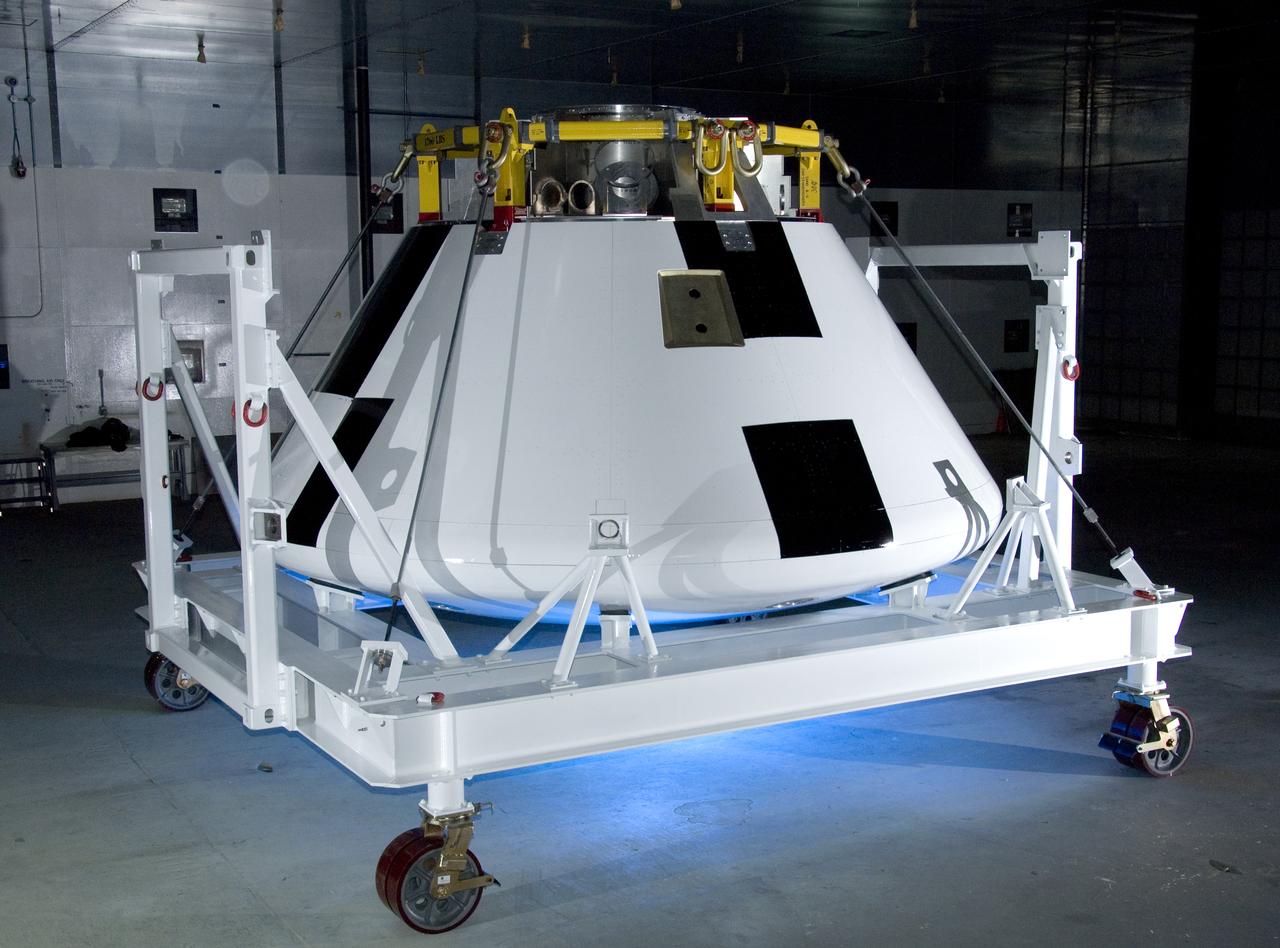
A full-scale flight-test mockup of the Constellation program's Orion crew vehicle arrived at NASA's Dryden Flight Research Center in late March 2008 to undergo preparations for the first short-range flight test of the spacecraft's astronaut escape system later that year. Engineers and technicians at NASA's Langley Research Center fabricated the structure, which precisely represents the size, outer shape and mass characteristics of the Orion space capsule. The Orion crew module mockup was ferried to NASA Dryden on an Air Force C-17. After painting in the Edwards Air Force Base paint hangar, the conical capsule was taken to Dryden for installation of flight computers, instrumentation and other electronics prior to being sent to the U.S. Army's White Sands Missile Range in New Mexico for integration with the escape system and the first abort flight test in late 2008. The tests were designed to ensure a safe, reliable method of escape for astronauts in case of an emergency.
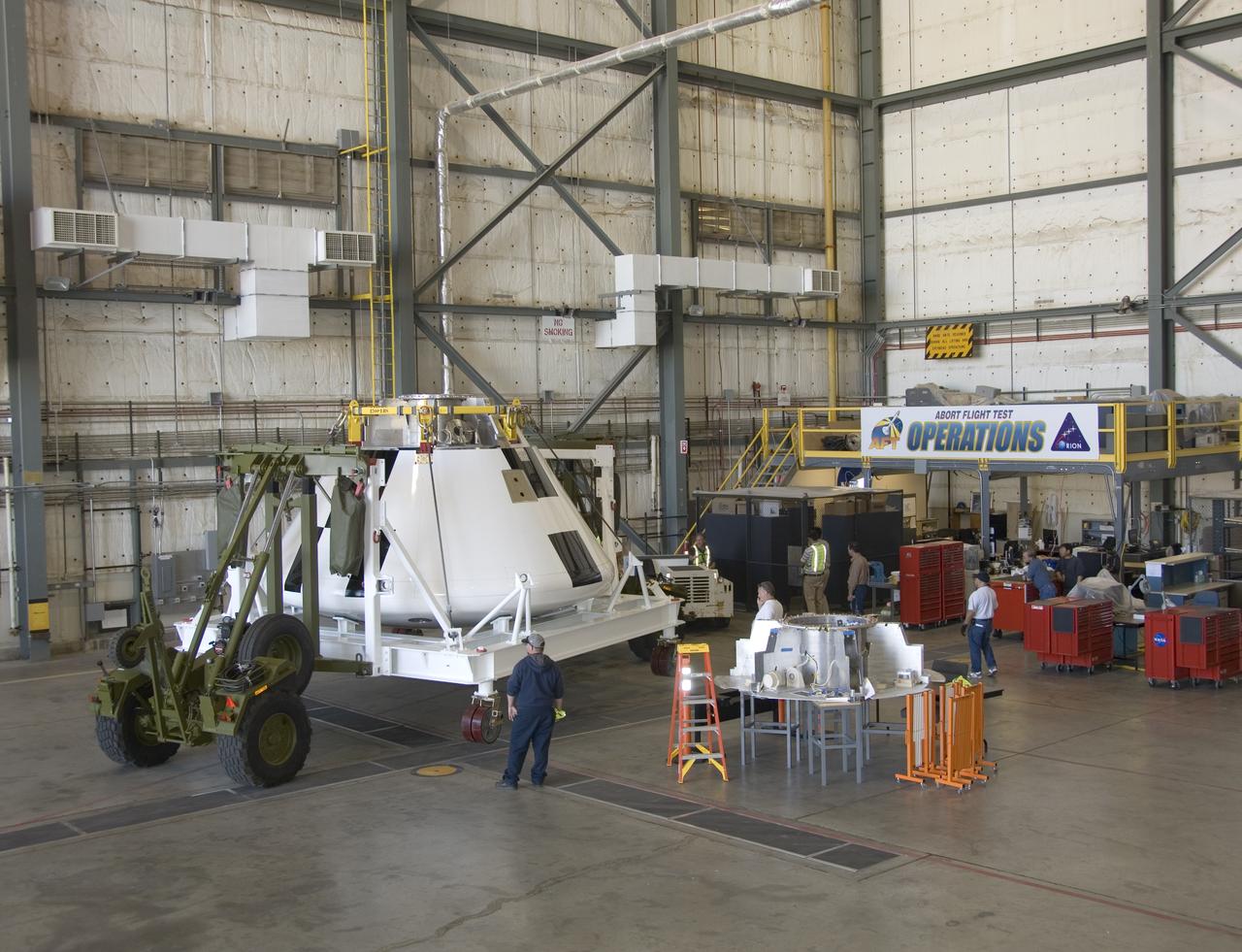
A full-scale flight-test mockup of the Constellation program's Orion crew vehicle arrived at NASA's Dryden Flight Research Center in late March 2008 to undergo preparations for the first short-range flight test of the spacecraft's astronaut escape system later that year. Engineers and technicians at NASA's Langley Research Center fabricated the structure, which precisely represents the size, outer shape and mass characteristics of the Orion space capsule. The Orion crew module mockup was ferried to NASA Dryden on an Air Force C-17. After painting in the Edwards Air Force Base paint hangar, the conical capsule was taken to Dryden for installation of flight computers, instrumentation and other electronics prior to being sent to the U.S. Army's White Sands Missile Range in New Mexico for integration with the escape system and the first abort flight test in late 2008. The tests were designed to ensure a safe, reliable method of escape for astronauts in case of an emergency.
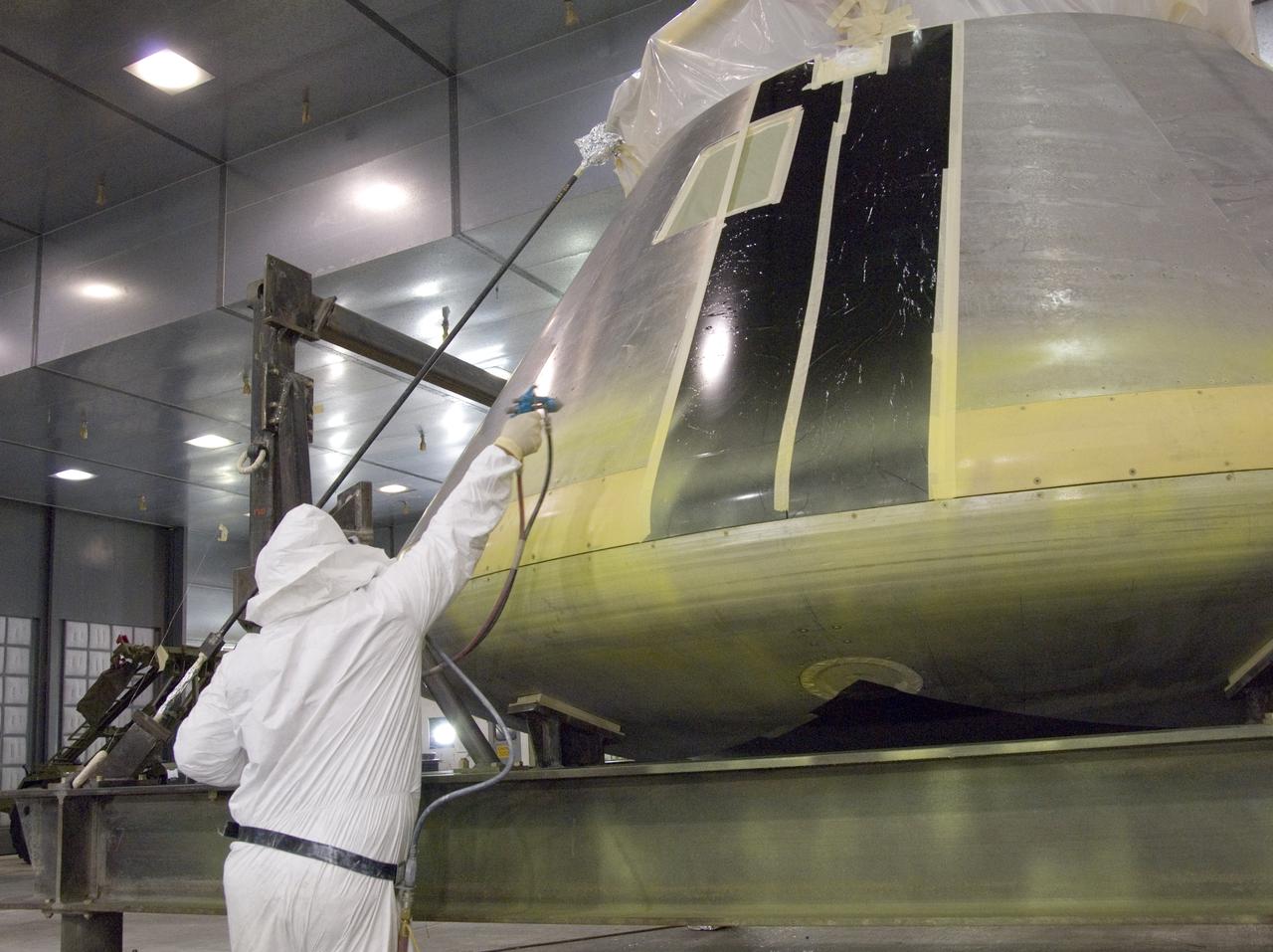
A full-scale flight-test mockup of the Constellation program's Orion crew vehicle arrived at NASA's Dryden Flight Research Center in late March 2008 to undergo preparations for the first short-range flight test of the spacecraft's astronaut escape system later that year. Engineers and technicians at NASA's Langley Research Center fabricated the structure, which precisely represents the size, outer shape and mass characteristics of the Orion space capsule. The Orion crew module mockup was ferried to NASA Dryden on an Air Force C-17. After painting in the Edwards Air Force Base paint hangar, the conical capsule was taken to Dryden for installation of flight computers, instrumentation and other electronics prior to being sent to the U.S. Army's White Sands Missile Range in New Mexico for integration with the escape system and the first abort flight test in late 2008. The tests were designed to ensure a safe, reliable method of escape for astronauts in case of an emergency.
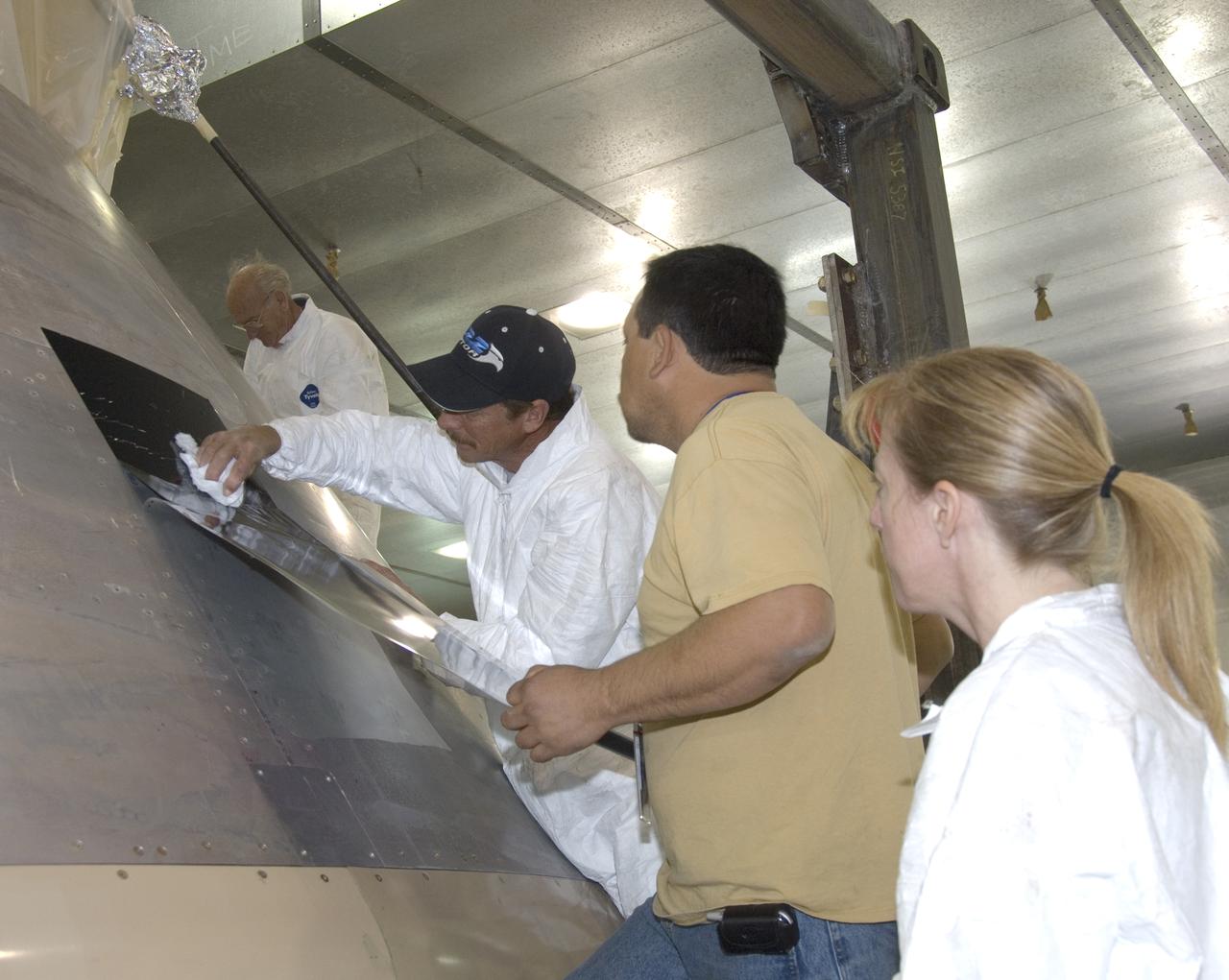
A full-scale flight-test mockup of the Constellation program's Orion crew vehicle arrived at NASA's Dryden Flight Research Center in late March 2008 to undergo preparations for the first short-range flight test of the spacecraft's astronaut escape system later that year. Engineers and technicians at NASA's Langley Research Center fabricated the structure, which precisely represents the size, outer shape and mass characteristics of the Orion space capsule. The Orion crew module mockup was ferried to NASA Dryden on an Air Force C-17. After painting in the Edwards Air Force Base paint hangar, the conical capsule was taken to Dryden for installation of flight computers, instrumentation and other electronics prior to being sent to the U.S. Army's White Sands Missile Range in New Mexico for integration with the escape system and the first abort flight test in late 2008. The tests were designed to ensure a safe, reliable method of escape for astronauts in case of an emergency.
A full-scale flight-test mockup of the Constellation program's Orion crew vehicle arrived at NASA's Dryden Flight Research Center in late March 2008 to undergo preparations for the first short-range flight test of the spacecraft's astronaut escape system later that year. Engineers and technicians at NASA's Langley Research Center fabricated the structure, which precisely represents the size, outer shape and mass characteristics of the Orion space capsule. The Orion crew module mockup was ferried to NASA Dryden on an Air Force C-17. After painting in the Edwards Air Force Base paint hangar, the conical capsule was taken to Dryden for installation of flight computers, instrumentation and other electronics prior to being sent to the U.S. Army's White Sands Missile Range in New Mexico for integration with the escape system and the first abort flight test in late 2008. The tests were designed to ensure a safe, reliable method of escape for astronauts in case of an emergency.
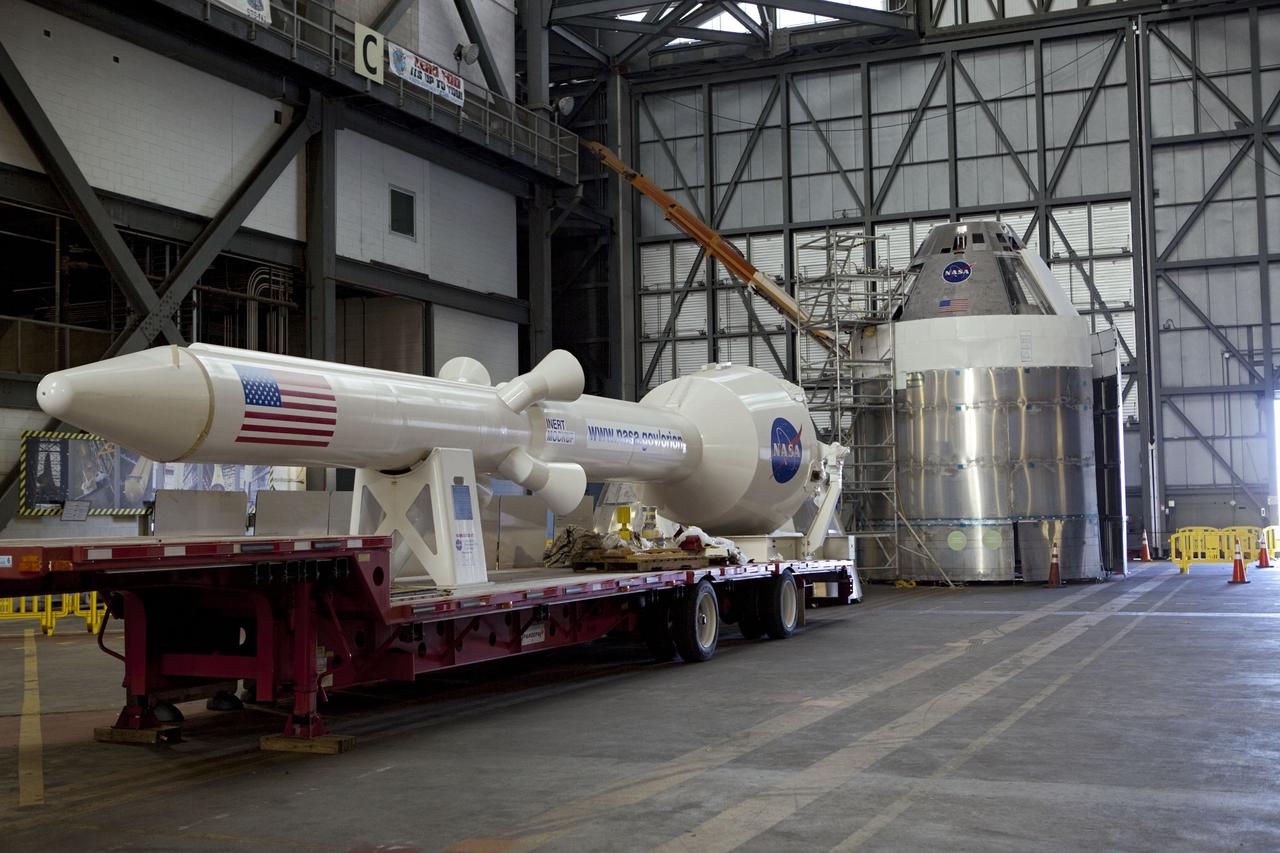
CAPE CANAVERAL, Fla. – Mockup components of an Orion spacecraft are laid out in the transfer aisle of the Vehicle Assembly Building, or VAB, at NASA's Kennedy Space Center in Florida. In the foreground is the Launch Abort System. In the background is the Orion capsule model on top of a service module simulator. Orion is the exploration spacecraft designed to carry crews to space beyond low Earth orbit. It will provide emergency abort capability, sustain the crew during the space travel and provide safe re-entry from deep space return velocities. The first uncrewed test flight of the Orion is scheduled to launch in 2014 atop a Delta IV rocket and in 2017 on a Space Launch System rocket. The Orion mockup is exact in details on the outside, but mostly empty on the inside except for four mockup astronaut seats and hatch. The work in the VAB is crucial to making sure the designs are accurate. For more information, visit http://www.nasa.gov/orion Photo credit: NASA/ Dmitri Gerondidakis
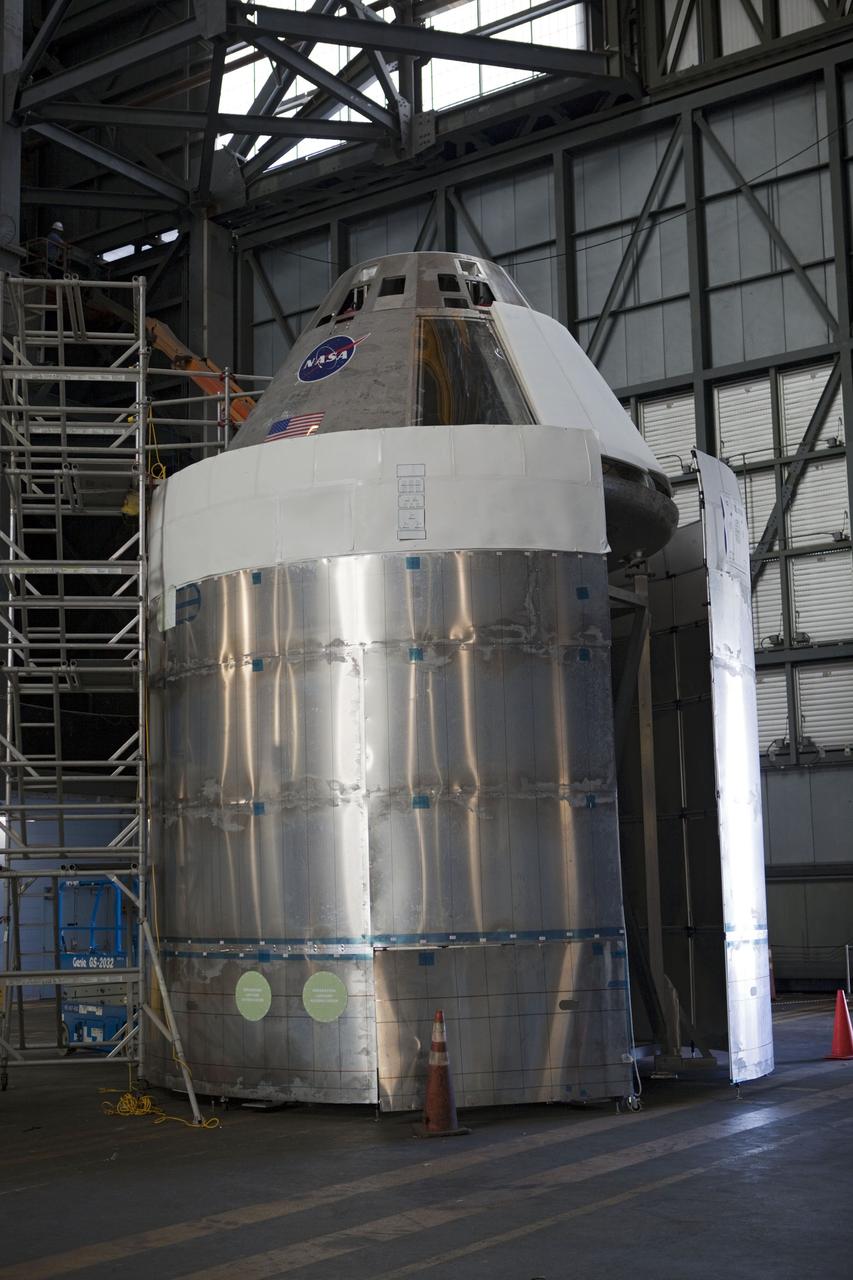
CAPE CANAVERAL, Fla. – The Orion mockup spacecraft sits atop its service module simulator in the transfer aisle of the Vehicle Assembly Building, or VAB, at NASA's Kennedy Space Center in Florida. To the left is the aerodynamic shell that will cover the capsule during launch. Orion is the exploration spacecraft designed to carry crews to space beyond low Earth orbit. It will provide emergency abort capability, sustain the crew during the space travel and provide safe re-entry from deep space return velocities. The first uncrewed test flight of the Orion is scheduled to launch in 2014 atop a Delta IV rocket and in 2017 on a Space Launch System rocket. The Orion mockup is exact in details on the outside, but mostly empty on the inside except for four mockup astronaut seats and hatch. The work in the VAB is crucial to making sure the designs are accurate. For more information, visit http://www.nasa.gov/orion Photo credit: NASA/ Dmitri Gerondidakis
CAPE CANAVERAL, Fla. – The Orion mockup spacecraft sits atop its service module simulator in the transfer aisle of the Vehicle Assembly Building, or VAB, at NASA's Kennedy Space Center in Florida. Orion is the exploration spacecraft designed to carry crews to space beyond low Earth orbit. It will provide emergency abort capability, sustain the crew during the space travel and provide safe re-entry from deep space return velocities. The first uncrewed test flight of the Orion is scheduled to launch in 2014 atop a Delta IV rocket and in 2017 on a Space Launch System rocket. The Orion mockup is exact in details on the outside, but mostly empty on the inside except for four mockup astronaut seats and hatch. The work in the VAB is crucial to making sure the designs are accurate. For more information, visit http://www.nasa.gov/orion Photo credit: NASA/ Dmitri Gerondidakis
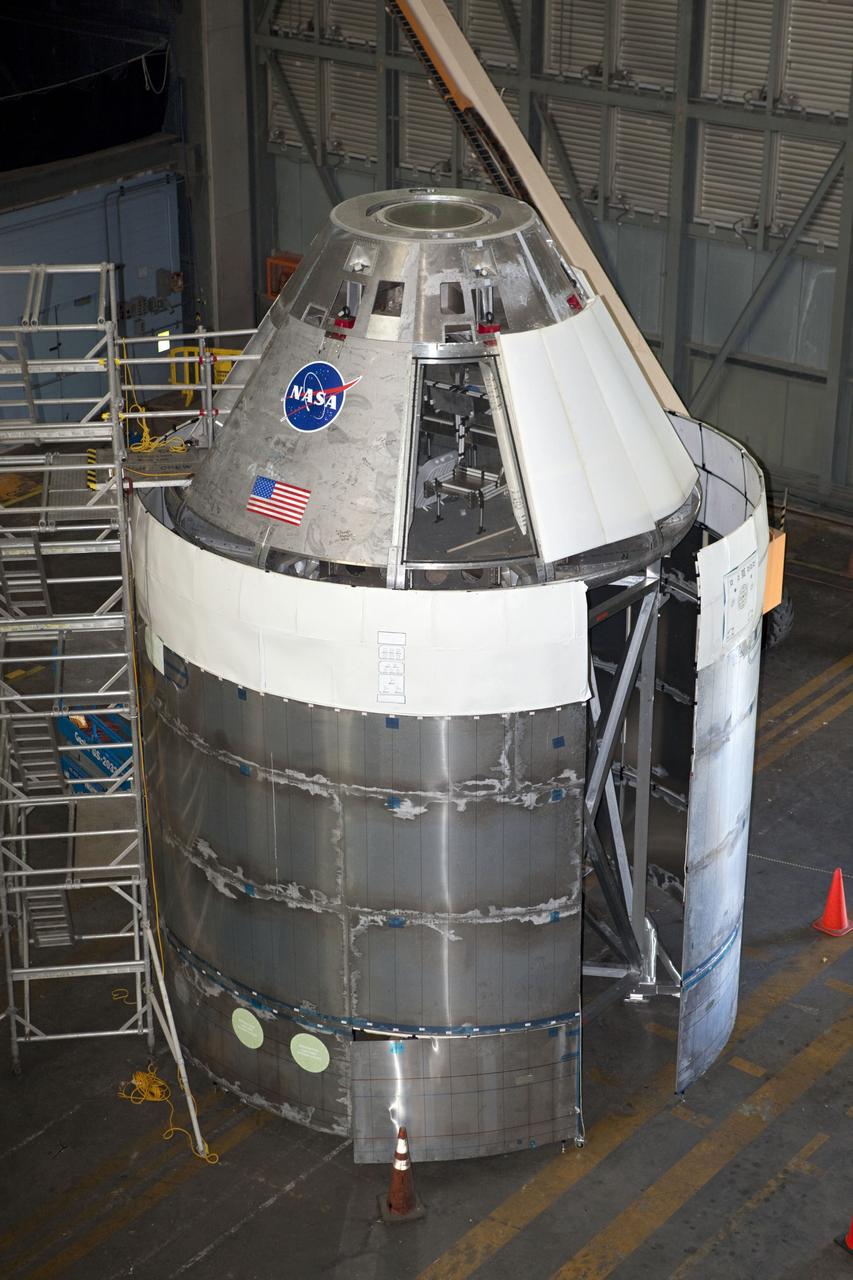
CAPE CANAVERAL, Fla. – The Orion mockup spacecraft sits atop its service module simulator in the transfer aisle of the Vehicle Assembly Building, or VAB, at NASA's Kennedy Space Center in Florida. Orion is the exploration spacecraft designed to carry crews to space beyond low Earth orbit. It will provide emergency abort capability, sustain the crew during the space travel and provide safe re-entry from deep space return velocities. The first uncrewed test flight of the Orion is scheduled to launch in 2014 atop a Delta IV rocket and in 2017 on a Space Launch System rocket. The Orion mockup is exact in details on the outside, but mostly empty on the inside except for four mockup astronaut seats and hatch. The work in the VAB is crucial to making sure the designs are accurate. For more information, visit http://www.nasa.gov/orion Photo credit: NASA/ Dmitri Gerondidakis
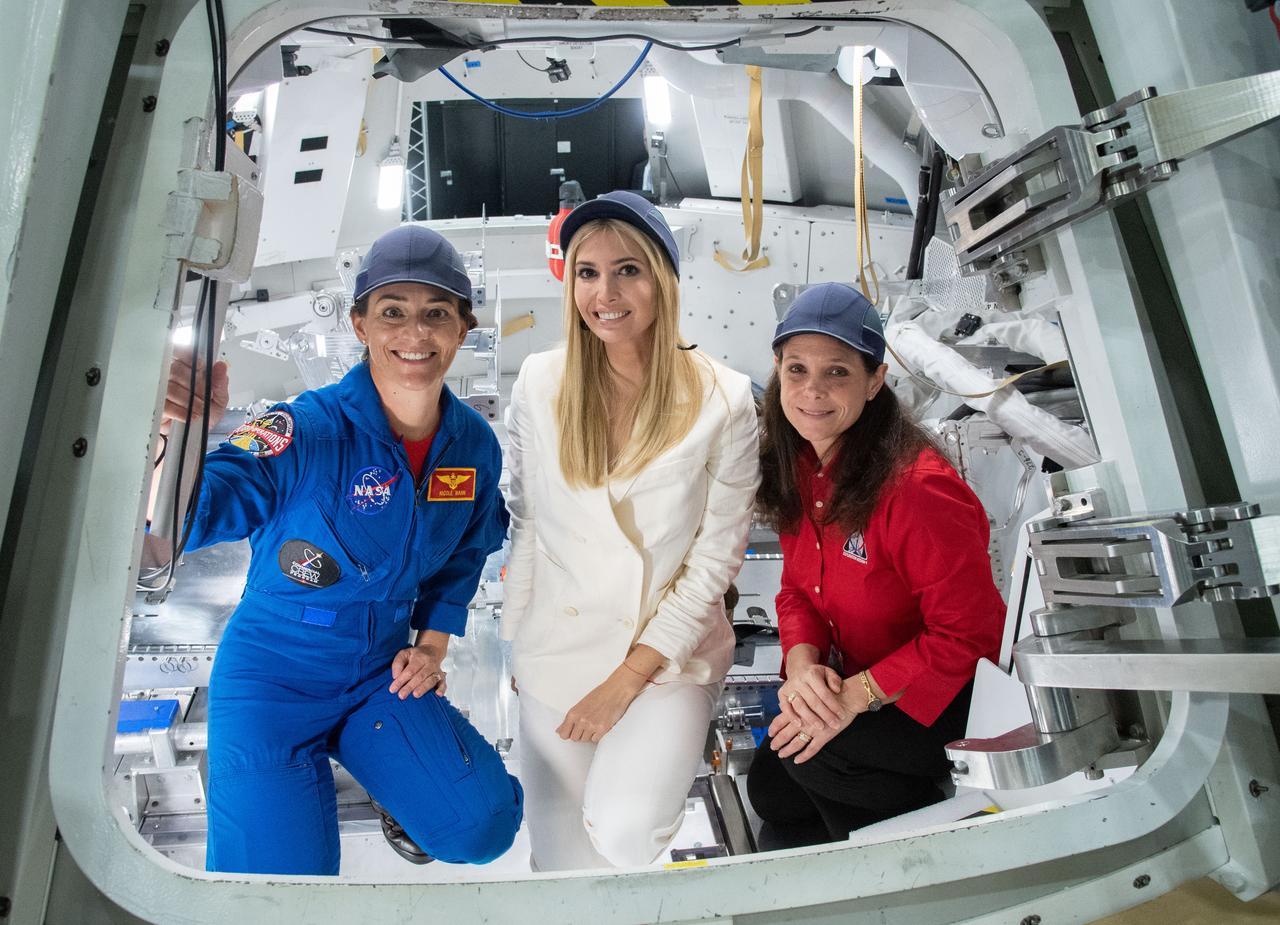
jsc2018e083425 – (Sept. 20, 2018) – NASA Astronaut Nicole Mann, Orion Crew and Service Modules Manager Laura Kearney, and Advisor to the President Ivanka Trump pose inside a mockup of the Orion Spacecraft during a visit to NASA’s Johnson Space Center.
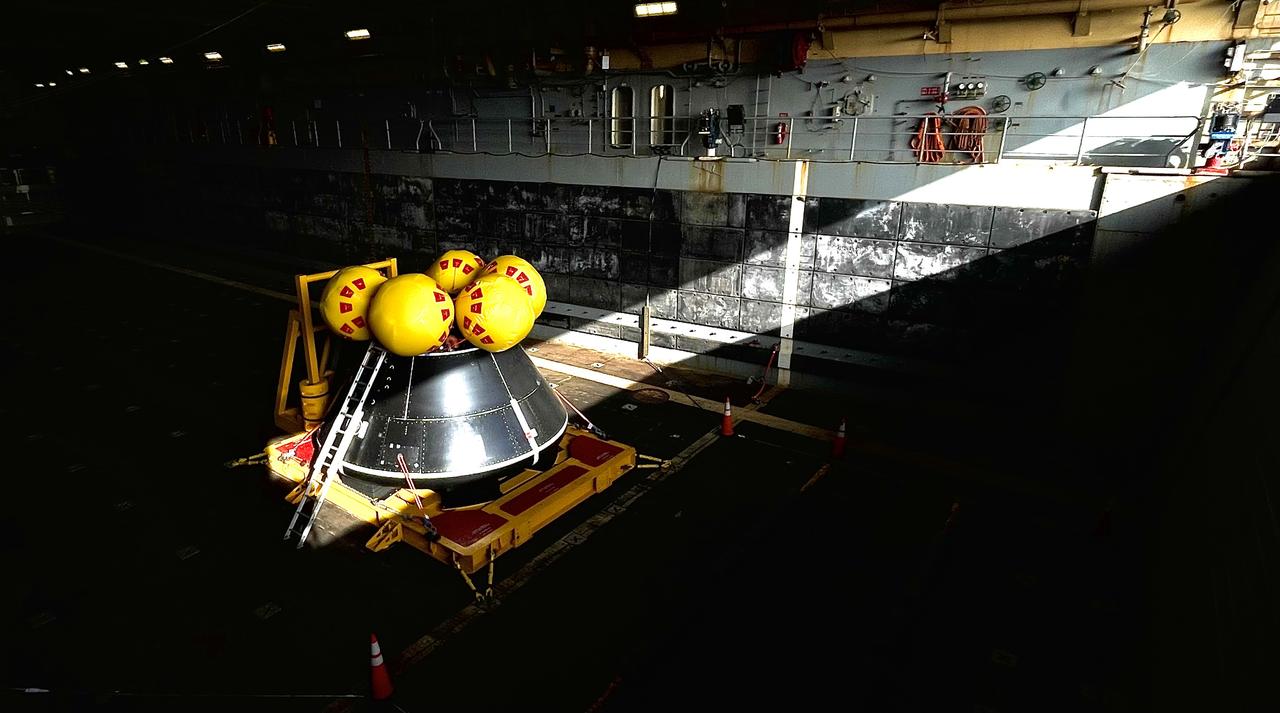
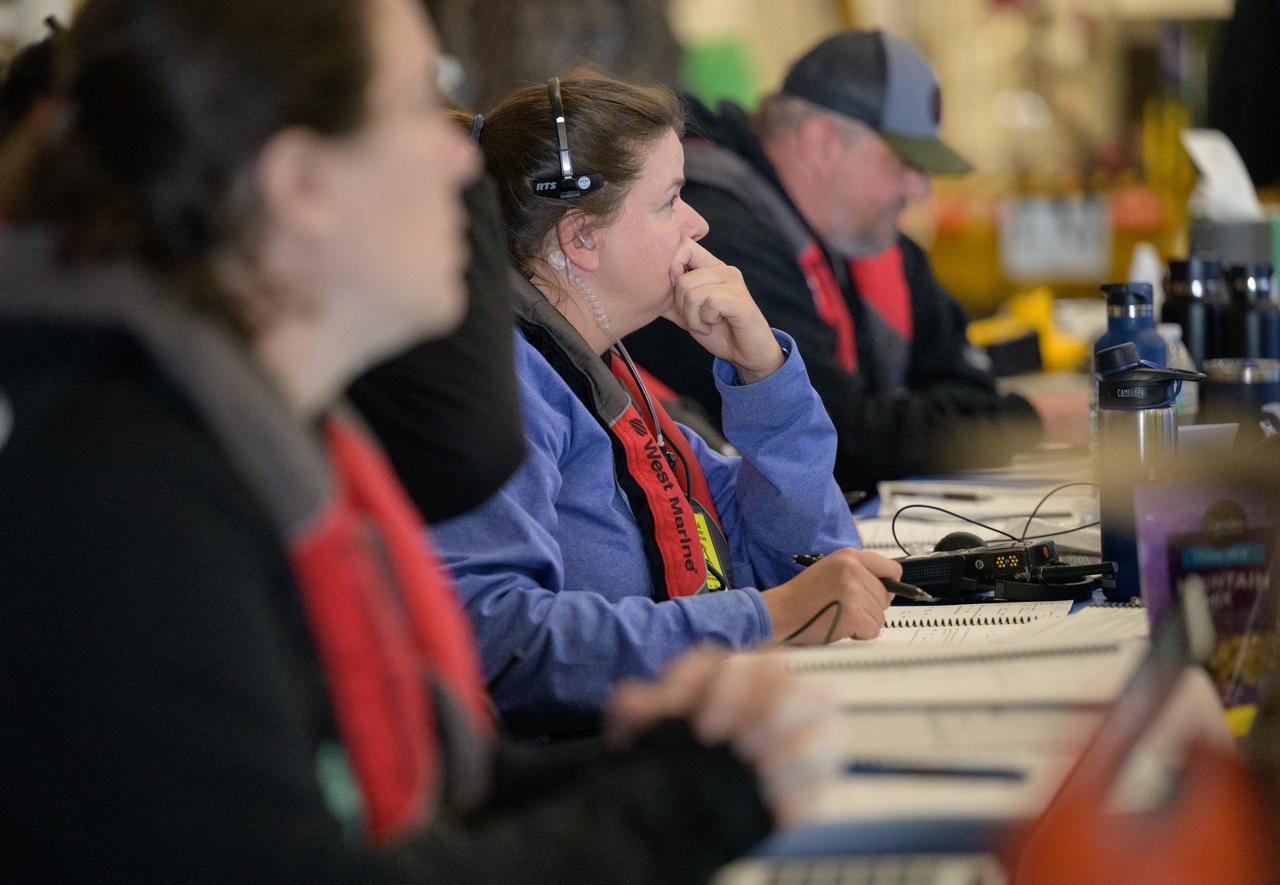
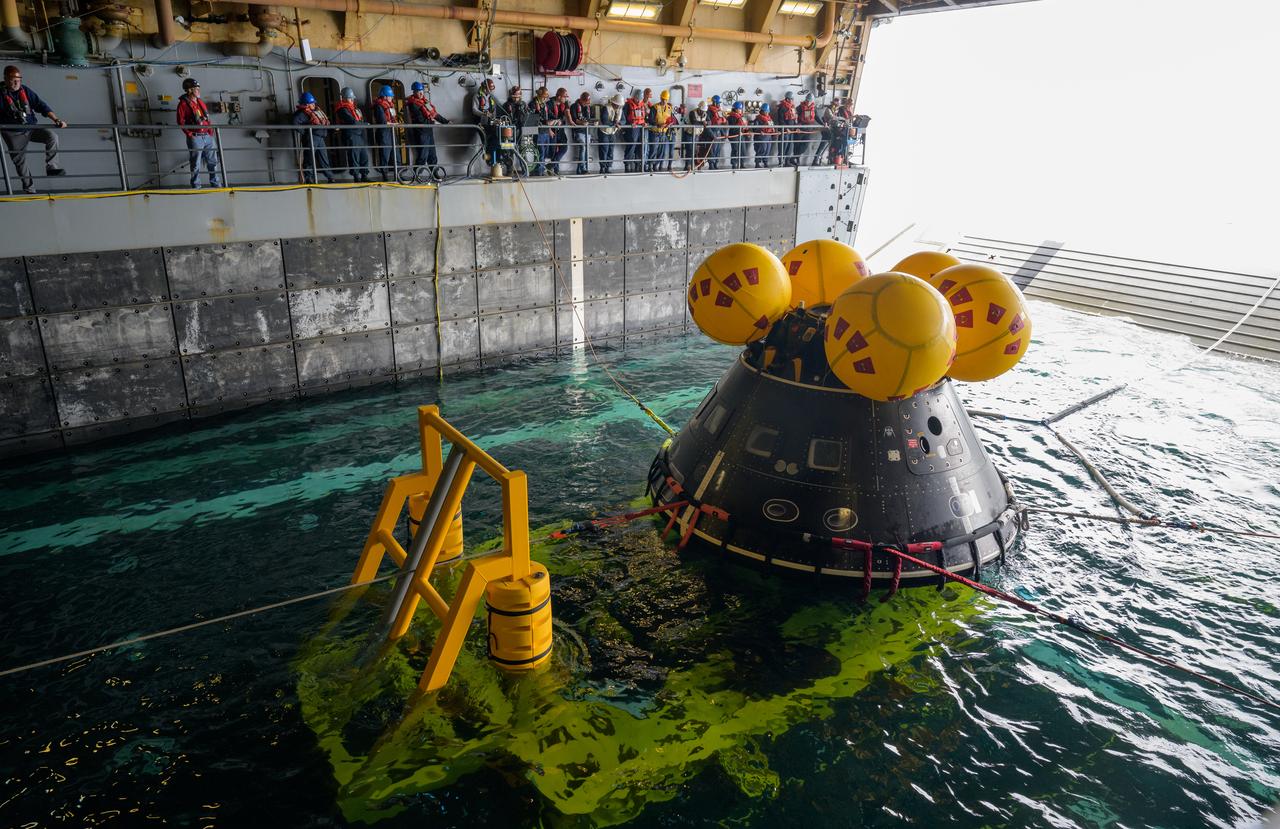
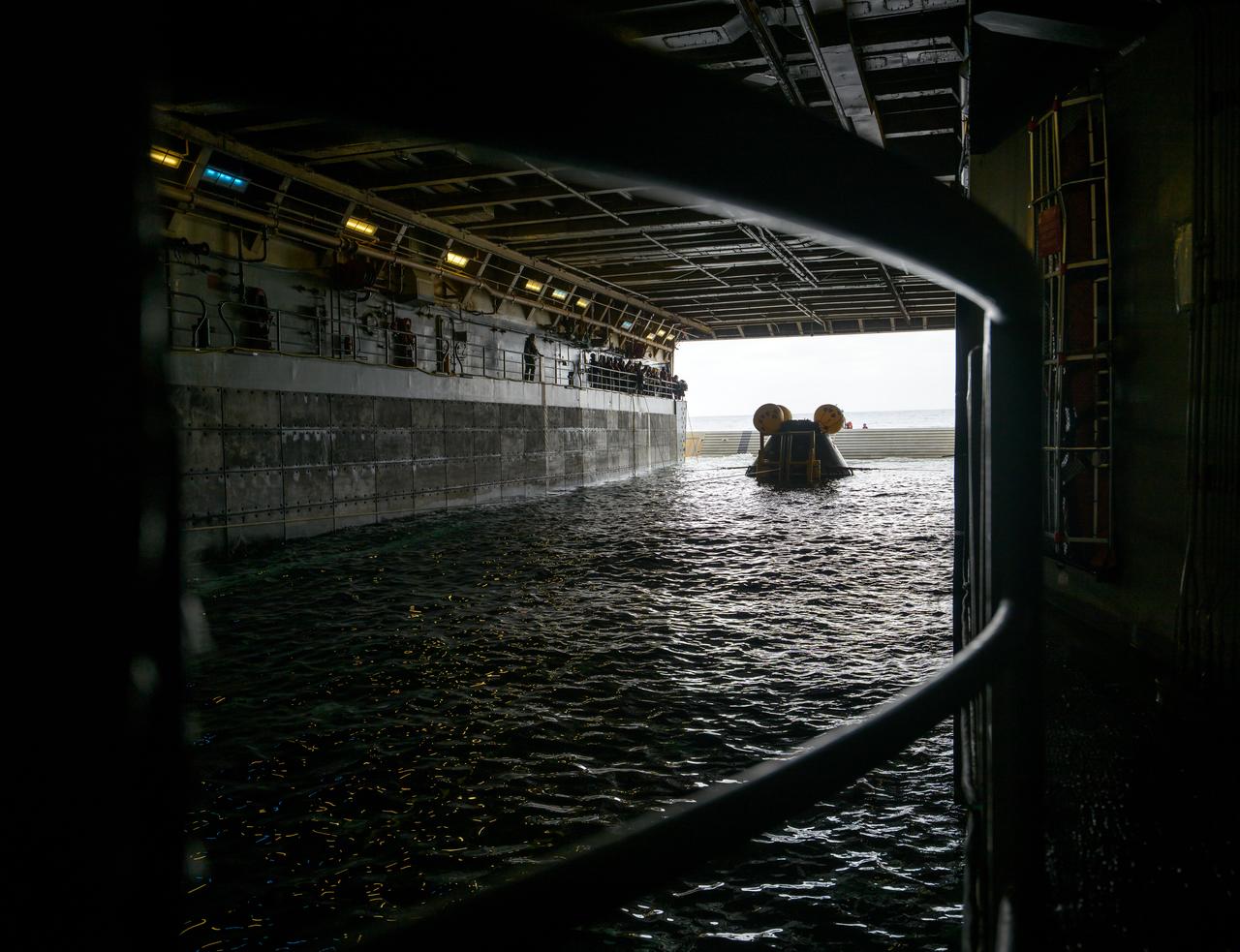
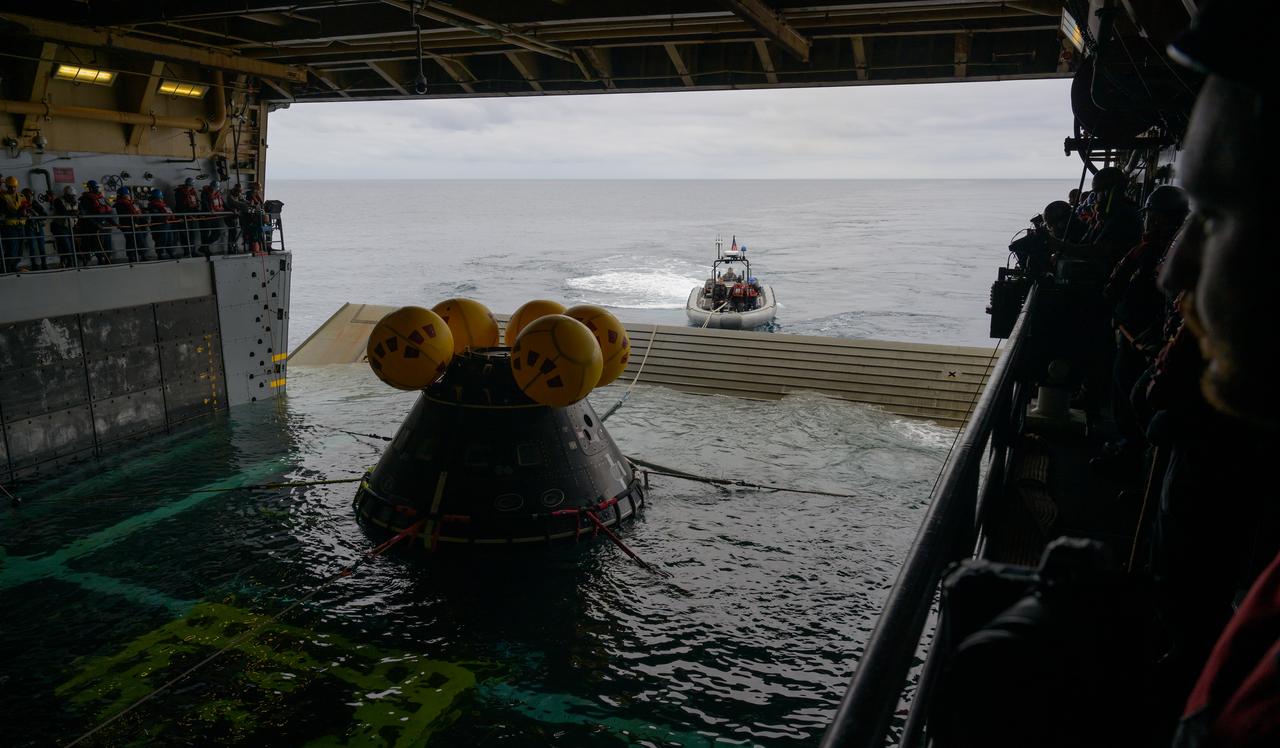
While onboard the USS John P. Murtha, NASA and the Department of Defense practice Artemis II recovery operations with the Crew Module Test Article (CMTA) in July of 2023. The CMTA is a full-scale mockup of the Orion spacecraft and is used to verify the recovery team is ready to support crew recovery after missions to the Moon.
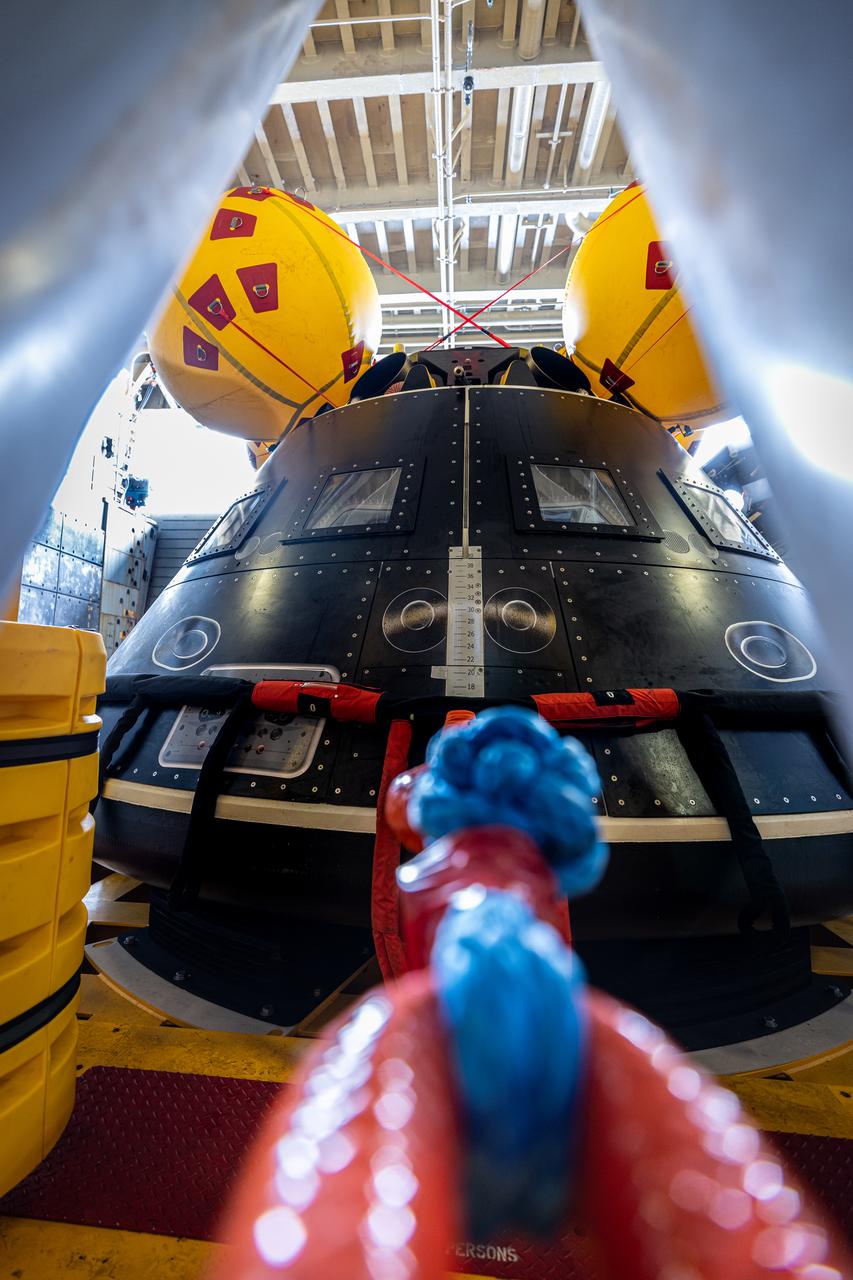
While onboard the USS John P. Murtha, NASA and the Department of Defense practice Artemis II recovery operations with the Crew Module Test Article (CMTA) in July of 2023. The CMTA is a full-scale mockup of the Orion spacecraft and is used to verify the recovery team is ready to support crew recovery after missions to the Moon.
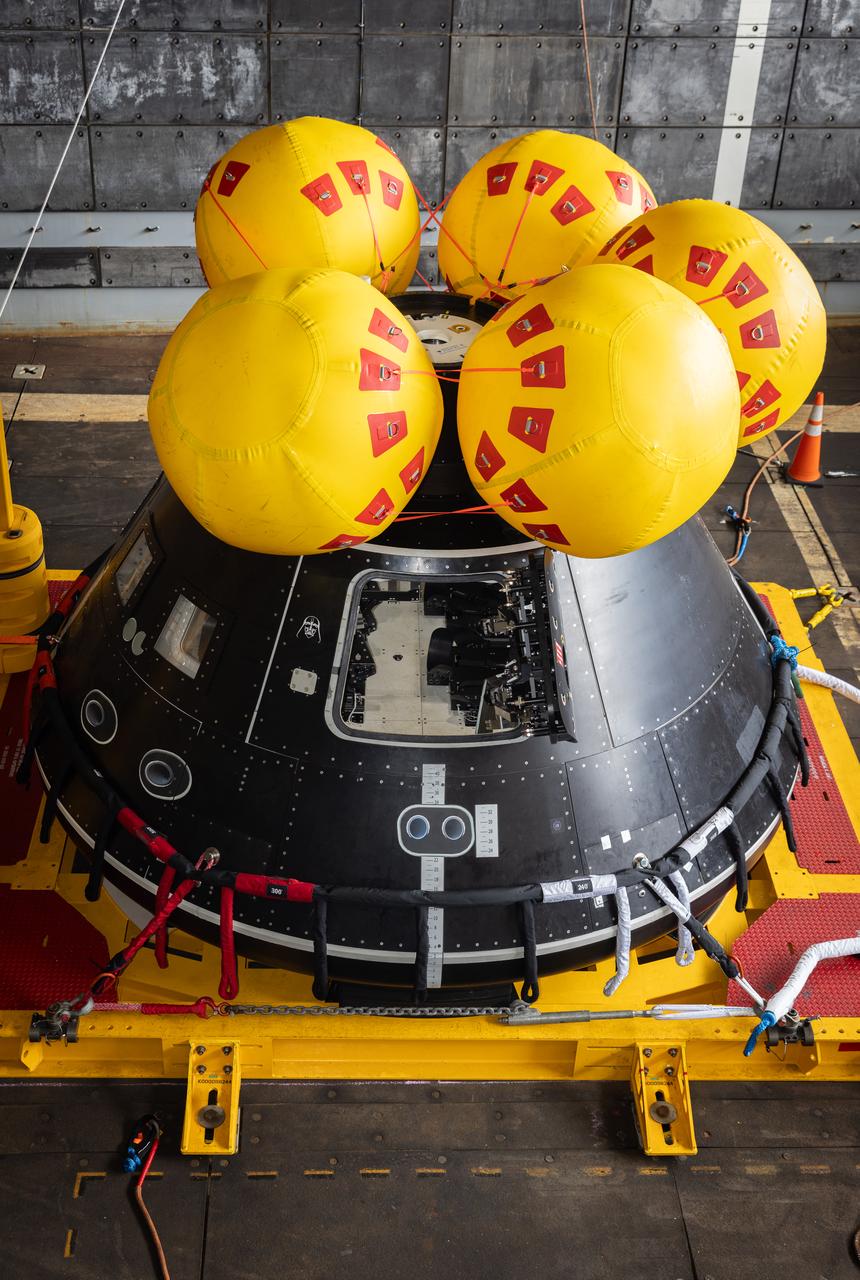
While onboard the USS John P. Murtha, NASA and the Department of Defense practice Artemis II recovery operations with the Crew Module Test Article (CMTA) in July of 2023. The CMTA is a full-scale mockup of the Orion spacecraft and is used to verify the recovery team is ready to support crew recovery after missions to the Moon.
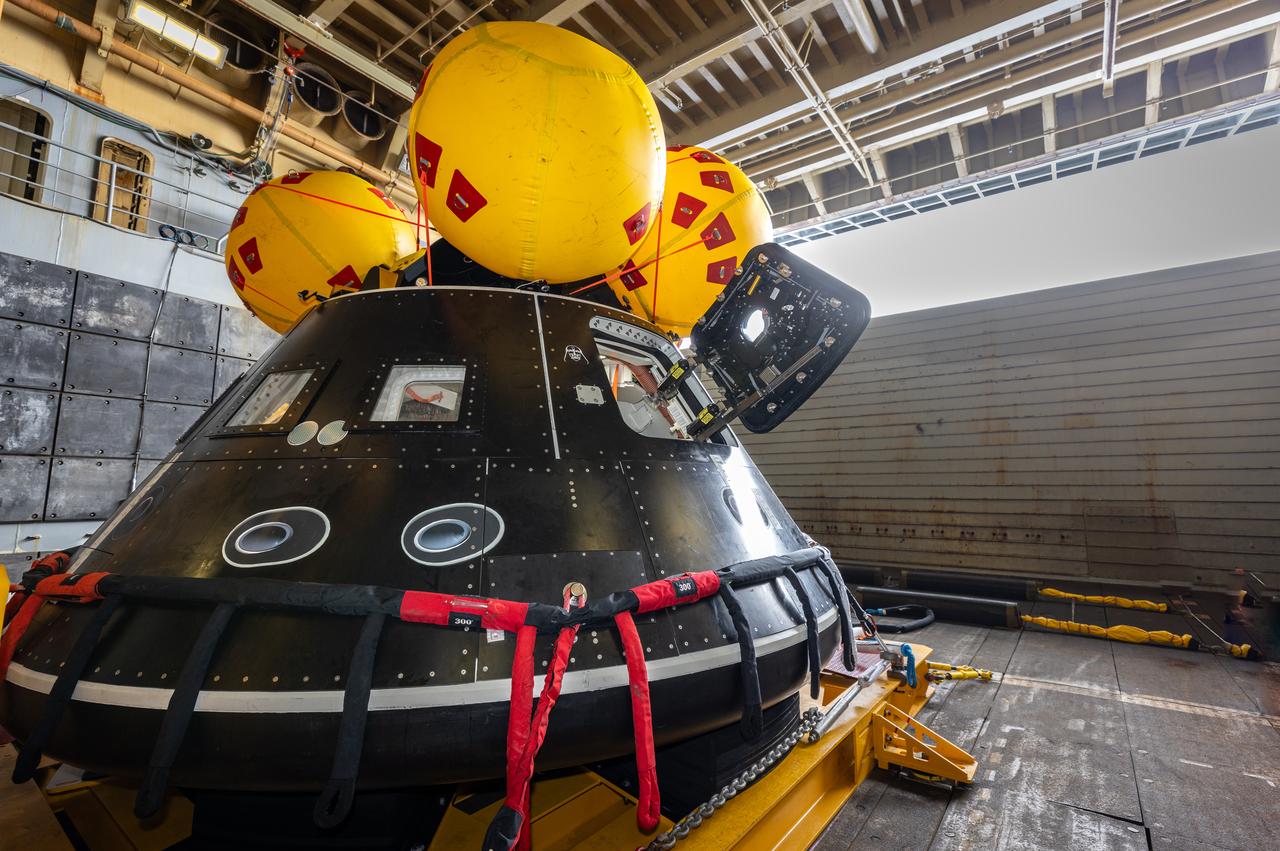
While onboard the USS John P. Murtha, NASA and the Department of Defense practice Artemis II recovery operations with the Crew Module Test Article (CMTA) in July of 2023. The CMTA is a full-scale mockup of the Orion spacecraft and is used to verify the recovery team is ready to support crew recovery after missions to the Moon.
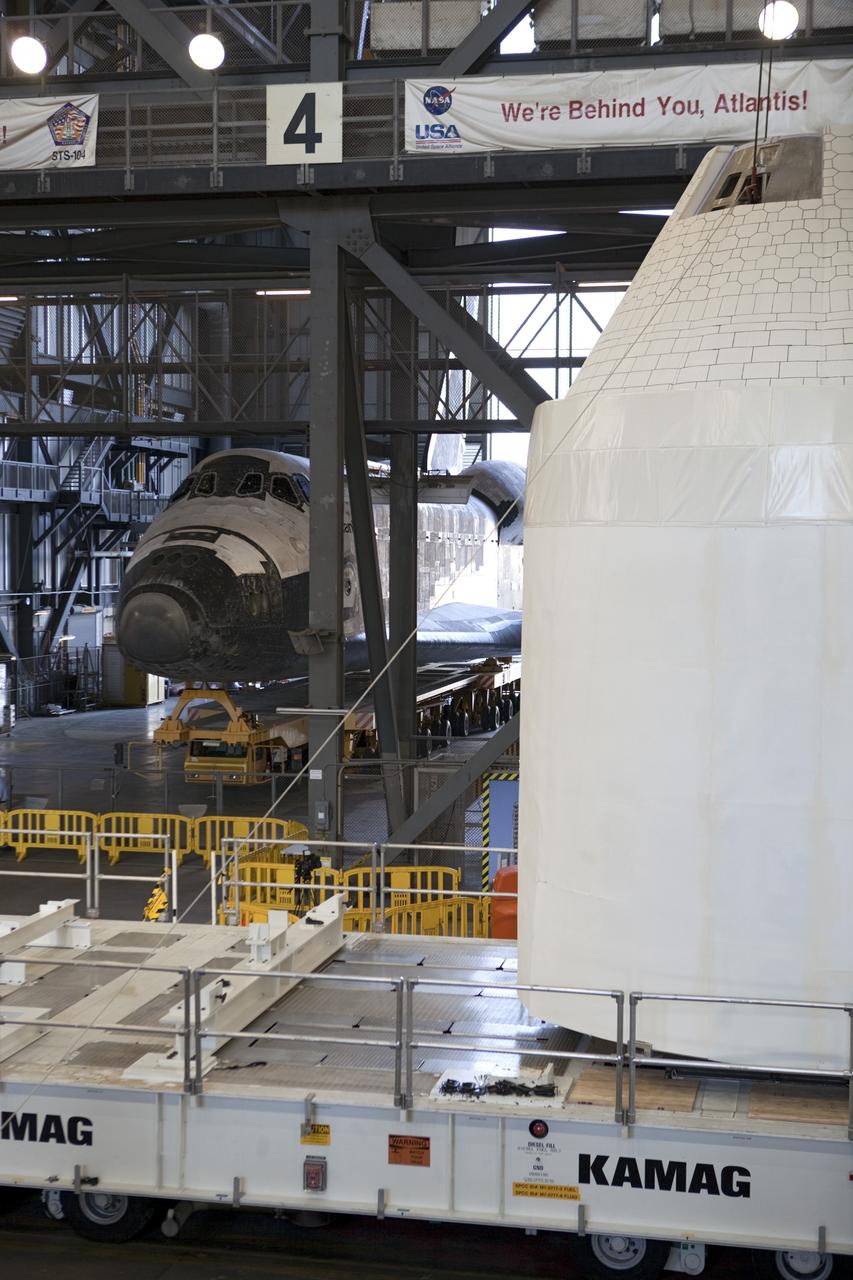
CAPE CANAVERAL, Fla. – An Orion mockup spacecraft atop its service module simulator is lowered onto a transporter in the transfer aisle of the Vehicle Assembly Building, or VAB, at NASA's Kennedy Space Center in Florida. The Orion mockup is exact in details on the outside, but mostly empty on the inside. The work in the VAB is crucial to making sure the designs are accurate. Visible in the background on the left is the space shuttle Atlantis being readied for its move to the Kennedy Space Center Visitor Complex. Orion is the exploration spacecraft designed to carry crews to space beyond low Earth orbit. It will provide emergency abort capability, sustain the crew during the space travel and provide safe re-entry from deep space return velocities. The first unpiloted test flight of the Orion is scheduled to launch in 2014 atop a Delta IV rocket and in 2017 on a Space Launch System rocket. For more information, visit http://www.nasa.gov/orion Photo credit: NASA/ Dmitri Gerondidakis
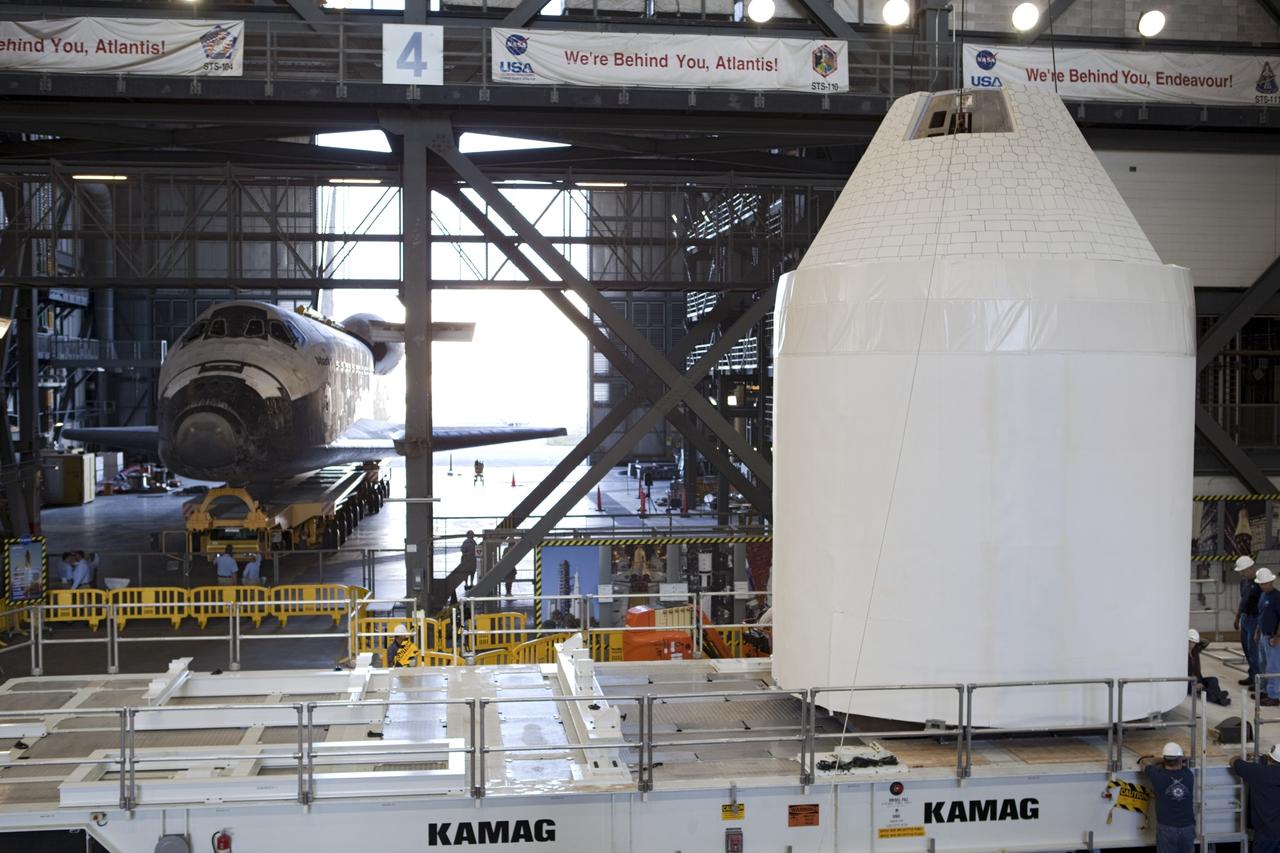
CAPE CANAVERAL, Fla. – An Orion mockup spacecraft atop its service module simulator is lowered onto a transporter in the transfer aisle of the Vehicle Assembly Building, or VAB, at NASA's Kennedy Space Center in Florida. The Orion mockup is exact in details on the outside, but mostly empty on the inside. The work in the VAB is crucial to making sure the designs are accurate. Visible in the background on the left is the space shuttle Atlantis being readied for its move to the Kennedy Space Center Visitor Complex. Orion is the exploration spacecraft designed to carry crews to space beyond low Earth orbit. It will provide emergency abort capability, sustain the crew during the space travel and provide safe re-entry from deep space return velocities. The first unpiloted test flight of the Orion is scheduled to launch in 2014 atop a Delta IV rocket and in 2017 on a Space Launch System rocket. For more information, visit http://www.nasa.gov/orion Photo credit: NASA/ Dmitri Gerondidakis
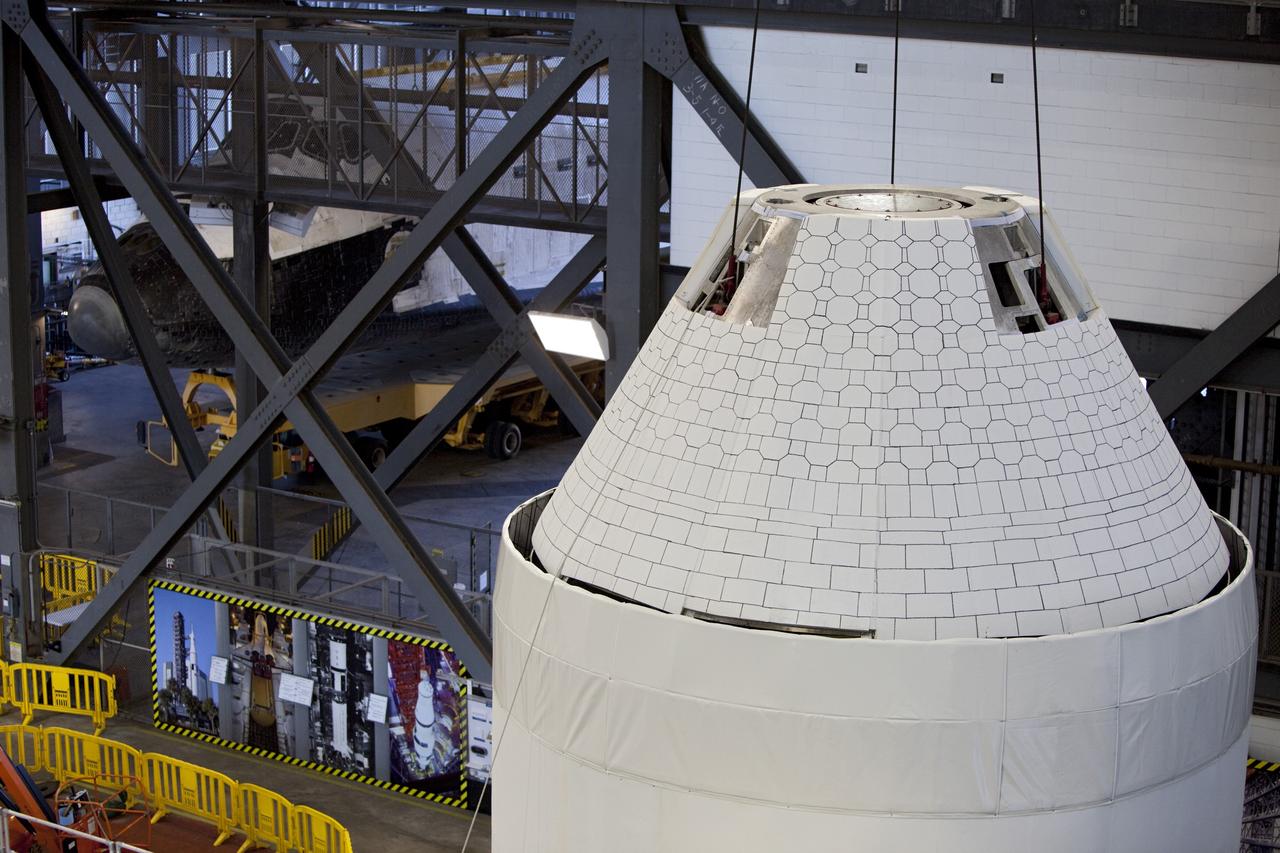
CAPE CANAVERAL, Fla. – An Orion mockup spacecraft atop its service module simulator is lifted in the transfer aisle of the Vehicle Assembly Building, or VAB, at NASA's Kennedy Space Center in Florida. The Orion mockup is exact in details on the outside, but mostly empty on the inside. The work in the VAB is crucial to making sure the designs are accurate. Visible in the background on the left is the space shuttle Atlantis being readied for its move to the Kennedy Space Center Visitor Complex. Orion is the exploration spacecraft designed to carry crews to space beyond low Earth orbit. It will provide emergency abort capability, sustain the crew during the space travel and provide safe re-entry from deep space return velocities. The first unpiloted test flight of the Orion is scheduled to launch in 2014 atop a Delta IV rocket and in 2017 on a Space Launch System rocket. For more information, visit http://www.nasa.gov/orion Photo credit: NASA/ Dmitri Gerondidakis
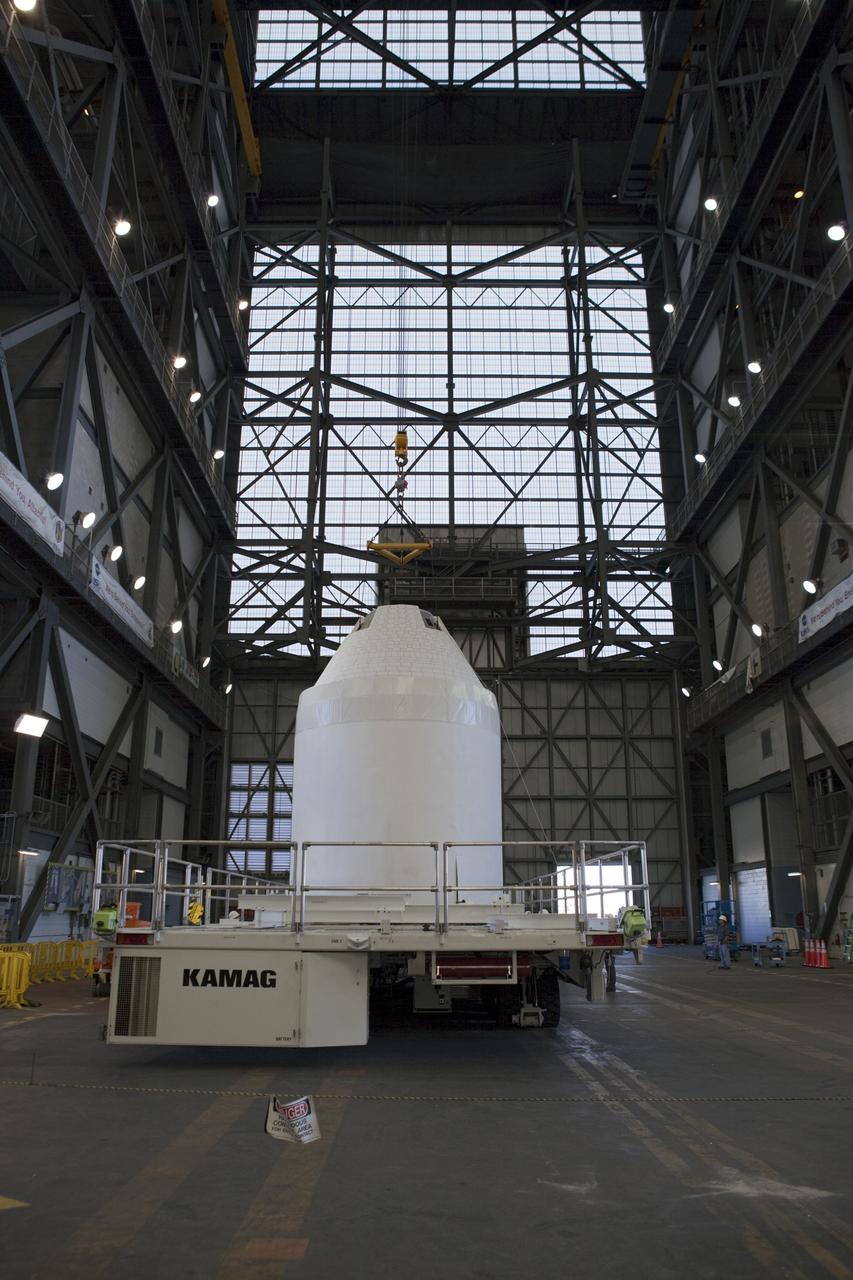
CAPE CANAVERAL, Fla. – An Orion mockup spacecraft atop its service module simulator is lowered onto a transporter in the transfer aisle of the Vehicle Assembly Building, or VAB, at NASA's Kennedy Space Center in Florida. The Orion mockup is exact in details on the outside, but mostly empty on the inside. The work in the VAB is crucial to making sure the designs are accurate. Orion is the exploration spacecraft designed to carry crews to space beyond low Earth orbit. It will provide emergency abort capability, sustain the crew during the space travel and provide safe re-entry from deep space return velocities. The first unpiloted test flight of the Orion is scheduled to launch in 2014 atop a Delta IV rocket and in 2017 on a Space Launch System rocket. For more information, visit http://www.nasa.gov/orion Photo credit: NASA/ Dmitri Gerondidakis
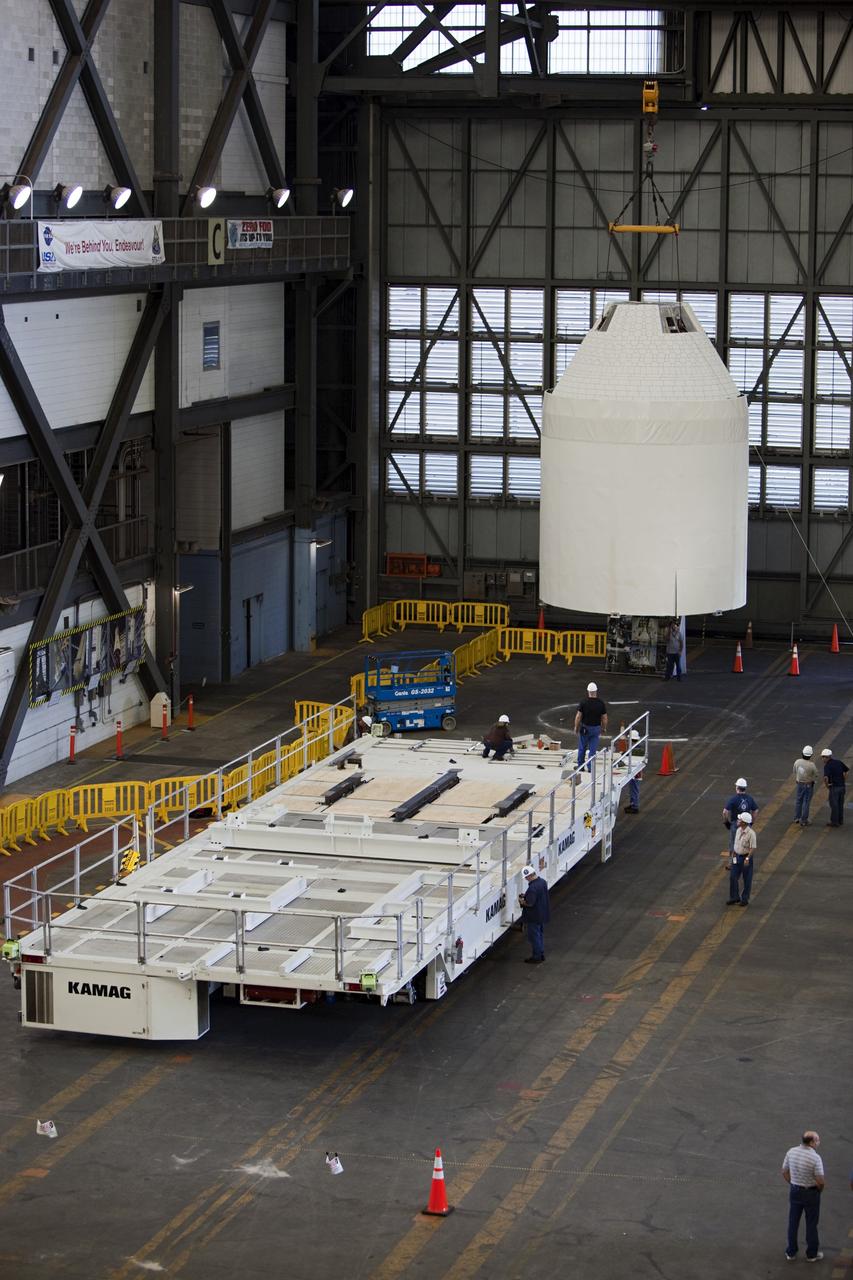
CAPE CANAVERAL, Fla. – An Orion mockup spacecraft atop its service module simulator is lifted in the transfer aisle of the Vehicle Assembly Building, or VAB, at NASA's Kennedy Space Center in Florida. The Orion mockup is exact in details on the outside, but mostly empty on the inside. The work in the VAB is crucial to making sure the designs are accurate. Orion is the exploration spacecraft designed to carry crews to space beyond low Earth orbit. It will provide emergency abort capability, sustain the crew during the space travel and provide safe re-entry from deep space return velocities. The first unpiloted test flight of the Orion is scheduled to launch in 2014 atop a Delta IV rocket and in 2017 on a Space Launch System rocket. For more information, visit http://www.nasa.gov/orion Photo credit: NASA/ Dmitri Gerondidakis
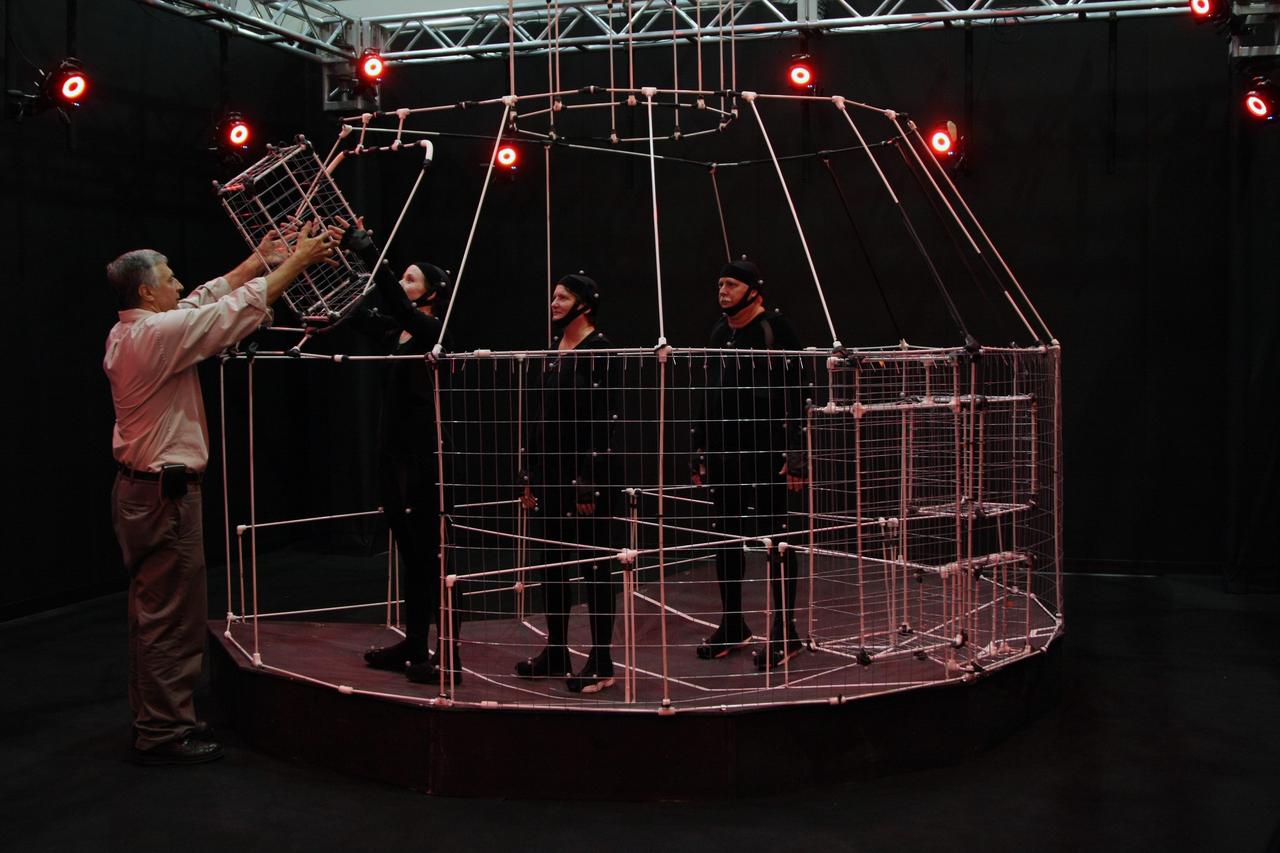
CAPE CANAVERAL, Fla. – Professor Peter Voci, NYIT MOCAP (Motion Capture) team director, (left) hands a component of the Orion Crew Module mockup to one of three technicians inside the mockup. The technicians wear motion capture suits. The motion tracking aims to improve efficiency of assembly processes and identify potential ergonomic risks for technicians assembling the mockup. The work is being performed in United Space Alliance's Human Engineering Modeling and Performance Lab in the RLV Hangar at NASA's Kennedy Space Center. The motion tracking aims to improve efficiency of assembly processes and identify potential ergonomic risks for technicians assembling the mockup. The work is being performed in United Space Alliance's Human Engineering Modeling and Performance Lab in the RLV Hangar at NASA's Kennedy Space Center. Part of NASA's Constellation Program, the Orion spacecraft will return humans to the moon and prepare for future voyages to Mars and other destinations in our solar system.
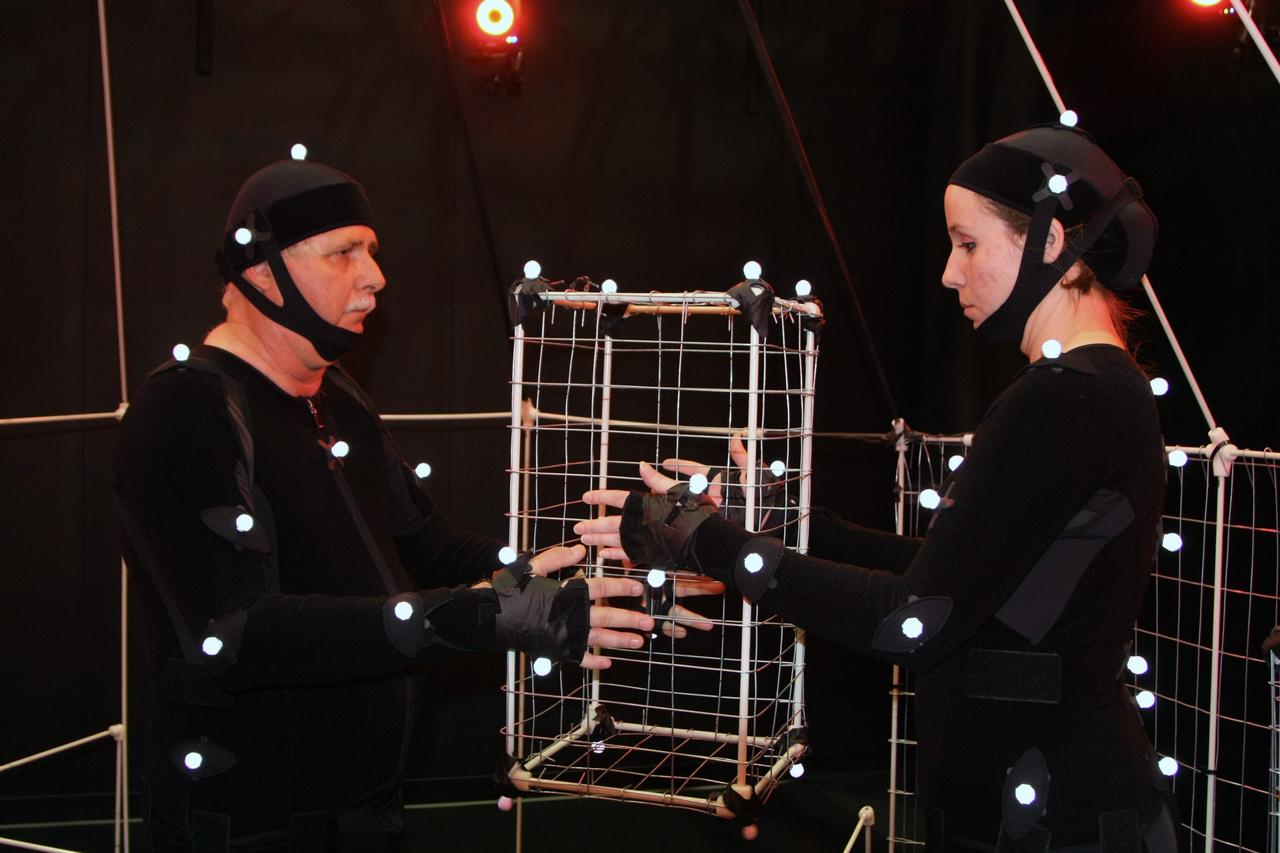
CAPE CANAVERAL, Fla. – A United Space Alliance technician (right) hands off a component of the Orion Crew Module mockup to one of the other technicians inside the mockup. The technicians wear motion capture suits. The motion tracking aims to improve efficiency of assembly processes and identify potential ergonomic risks for technicians assembling the mockup, which was created and built at the New York Institute of Technology by a team led by Prof. Peter Voci, MFA Director at the College of Arts and Sciences. The motion tracking aims to improve efficiency of assembly processes and identify potential ergonomic risks for technicians assembling the mockup. The work is being performed in United Space Alliance's Human Engineering Modeling and Performance Lab in the RLV Hangar at NASA's Kennedy Space Center. Part of NASA's Constellation Program, the Orion spacecraft will return humans to the moon and prepare for future voyages to Mars and other destinations in our solar system.
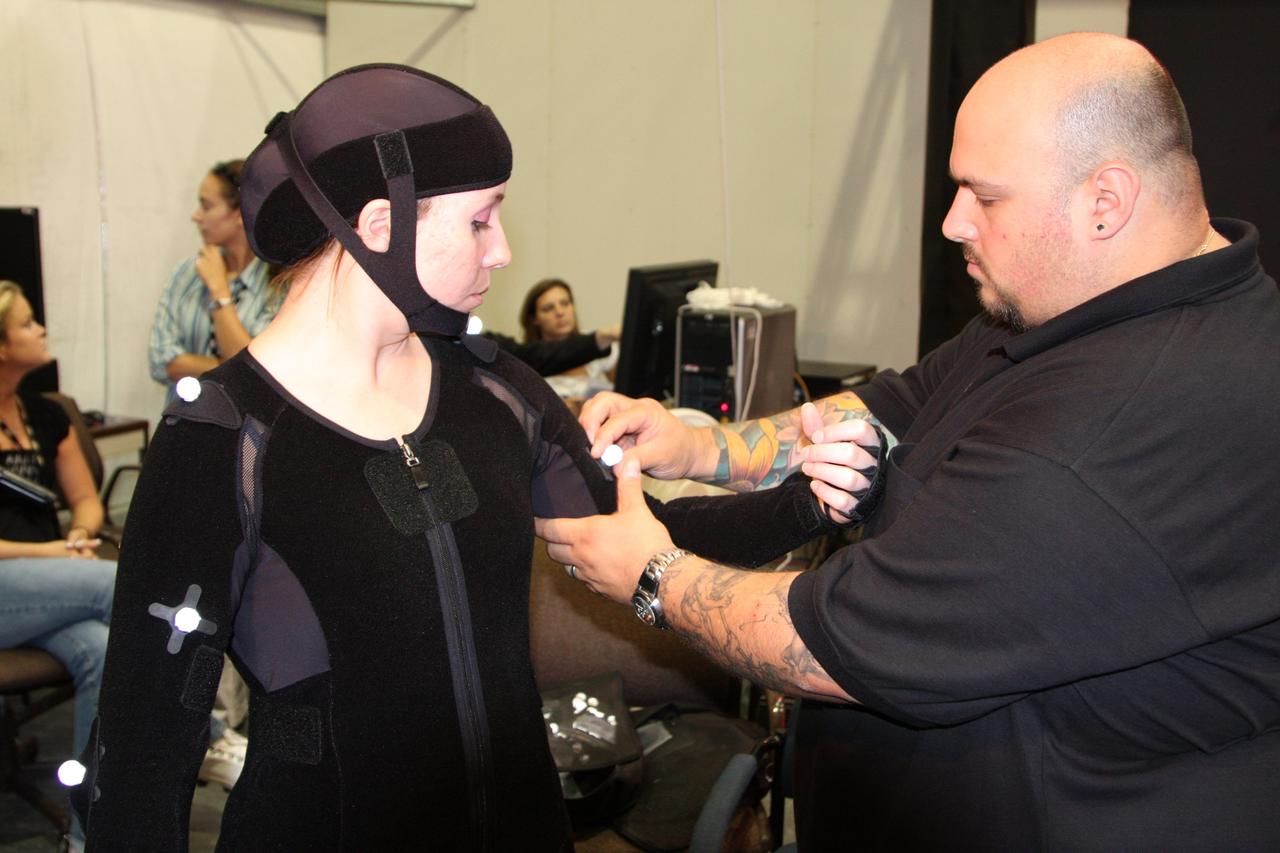
CAPE CANAVERAL, Fla. – NYIT MOCAP (Motion Capture) team Project Manager Jon Squitieri attaches a retro reflective marker to a motion capture suit worn by a technician who will be assembling the Orion Crew Module mockup. The motion tracking aims to improve efficiency of assembly processes and identify potential ergonomic risks for technicians assembling the mockup. The work is being performed in United Space Alliance's Human Engineering Modeling and Performance Lab in the RLV Hangar at NASA's Kennedy Space Center. Part of NASA's Constellation Program, the Orion spacecraft will return humans to the moon and prepare for future voyages to Mars and other destinations in our solar system.
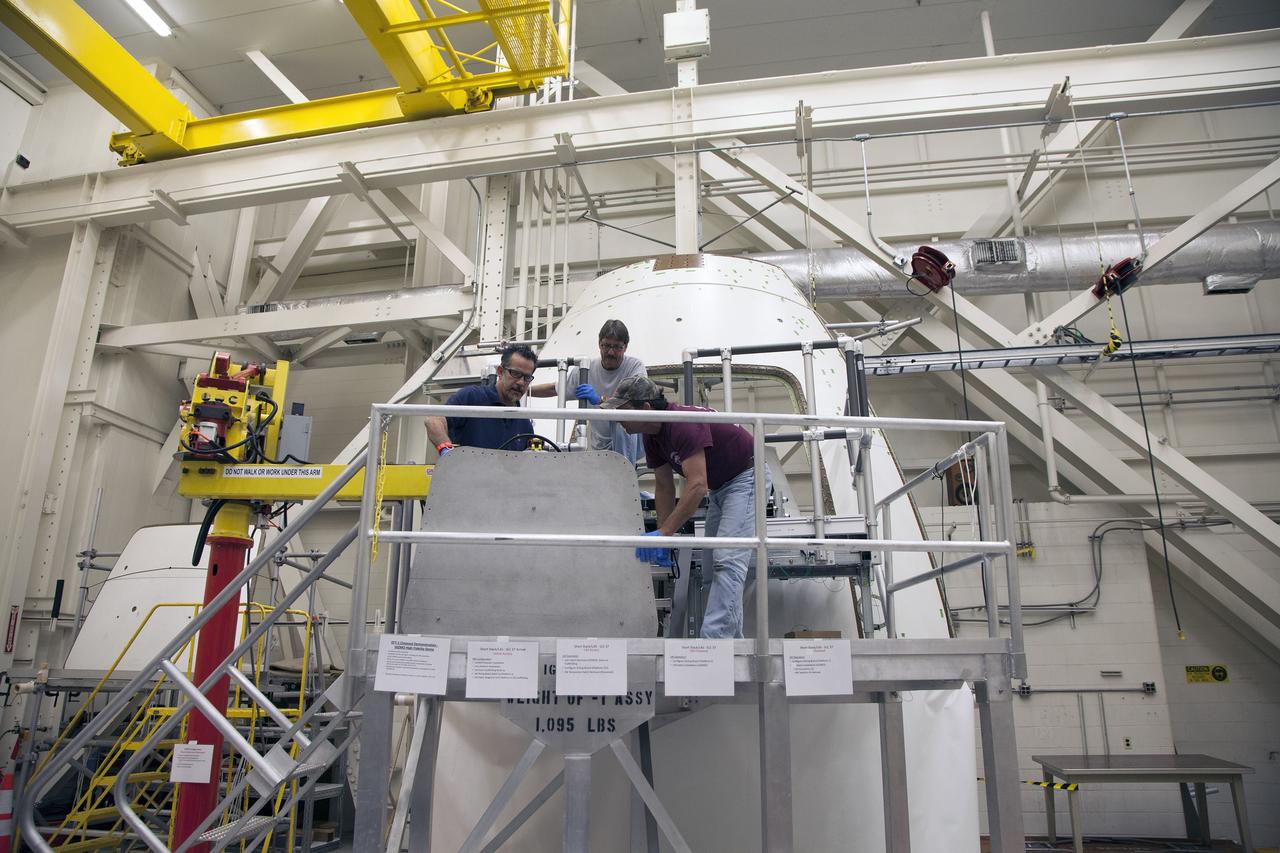
CAPE CANAVERAL, Fla. – Inside the Vehicle Assembly Building at NASA’s Kennedy Space Center in Florida, a GIZMO demonstration test is being performed on the ground test article Launch Abort System, or LAS, ogive panel and an Orion crew module simulator. An access platform has been added leading up to the mockup of the crew module. Technicians are preparing the mockup of the crew module inner hatch for installation using the GIZMO, a pneumatically-balanced manipulator that will be used for the uncrewed Exploration Flight Test-1 and Exploration Mission-1. The Ground Systems Development and Operations Program is running the test to demonstrate that the GIZMO can meet the reach and handling requirements for the task. Orion is the exploration spacecraft designed to carry astronauts to destinations not yet explored by humans, including an asteroid and Mars. It will have emergency abort capability, sustain the crew during space travel and provide safe re-entry from deep space return velocities. The first unpiloted test flight of the Orion is scheduled to launch later this year atop a Delta IV rocket and in 2017 on NASA’s Space Launch System rocket. For more information, visit http://www.nasa.gov/orion. Photo credit: NASA/Daniel Casper
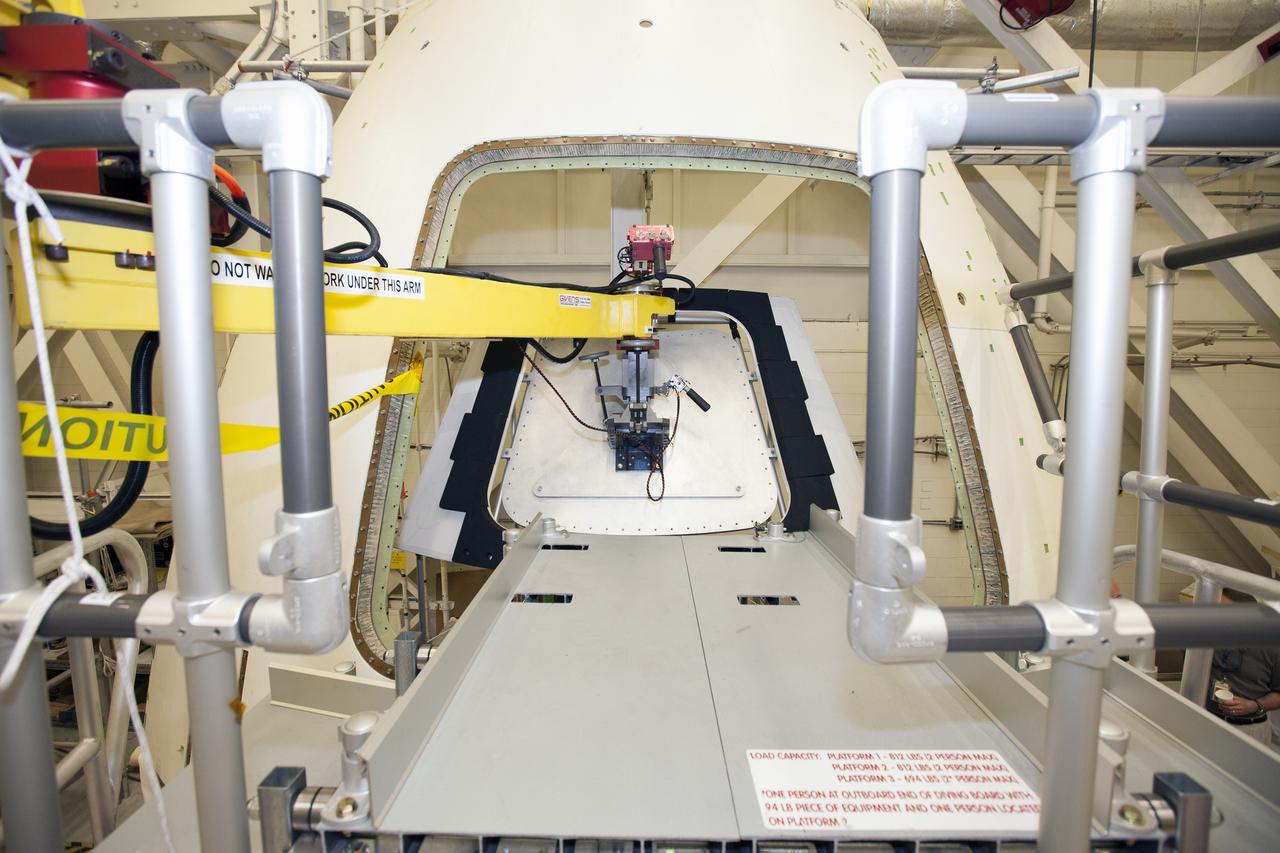
CAPE CANAVERAL, Fla. – Inside the Vehicle Assembly Building at NASA’s Kennedy Space Center in Florida, a GIZMO demonstration test is being performed on the ground test article Launch Abort System, or LAS, ogive panel and an Orion crew module simulator. An access platform has been added leading up to the mockup of the crew module. Technicians used the GIZMO, a pneumatically-balanced manipulator that will be used for the uncrewed Exploration Flight Test-1 and Exploration Mission-1, to install the mockup of the crew module inner hatch. The Ground Systems Development and Operations Program is running the test to demonstrate that the GIZMO can meet the reach and handling requirements for the task. Orion is the exploration spacecraft designed to carry astronauts to destinations not yet explored by humans, including an asteroid and Mars. It will have emergency abort capability, sustain the crew during space travel and provide safe re-entry from deep space return velocities. The first unpiloted test flight of the Orion is scheduled to launch later this year atop a Delta IV rocket and in 2017 on NASA’s Space Launch System rocket. For more information, visit http://www.nasa.gov/orion. Photo credit: NASA/Daniel Casper
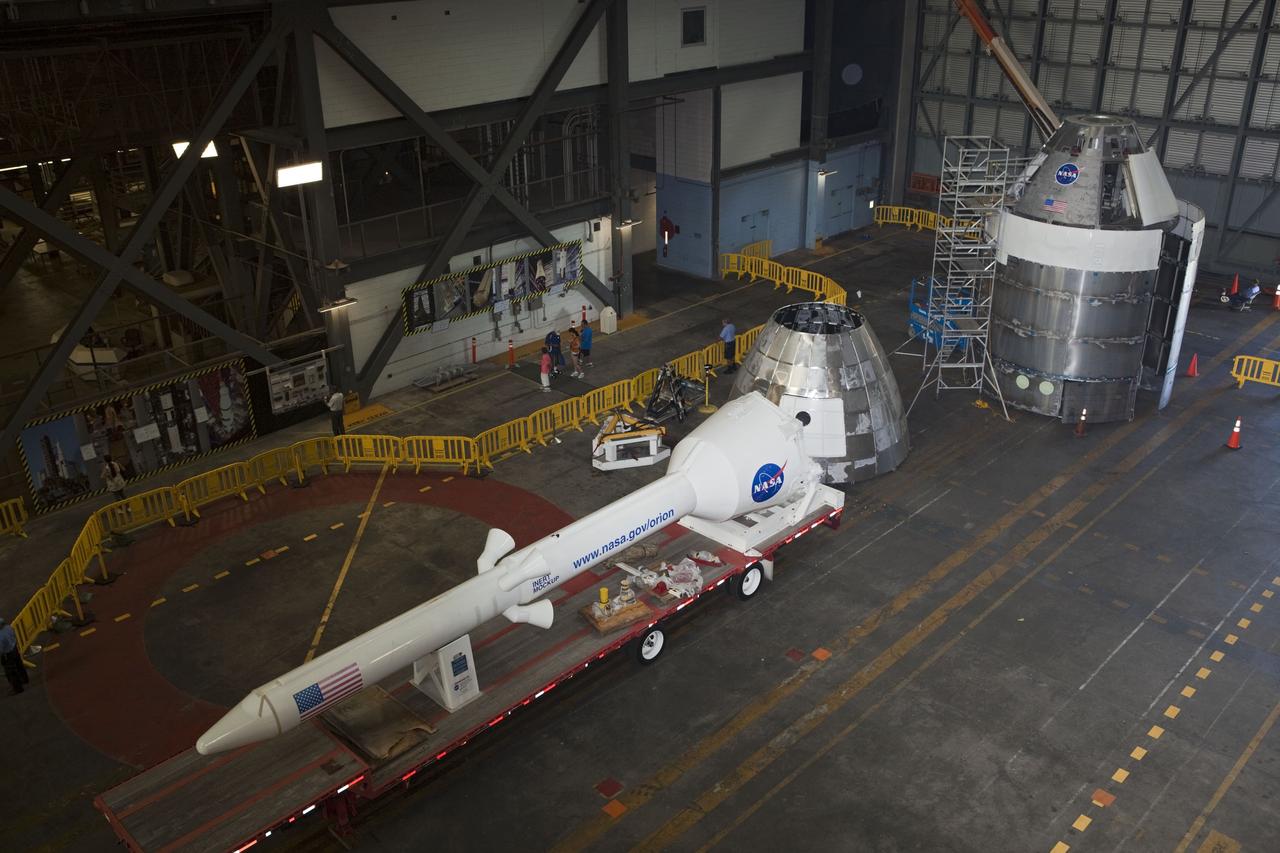
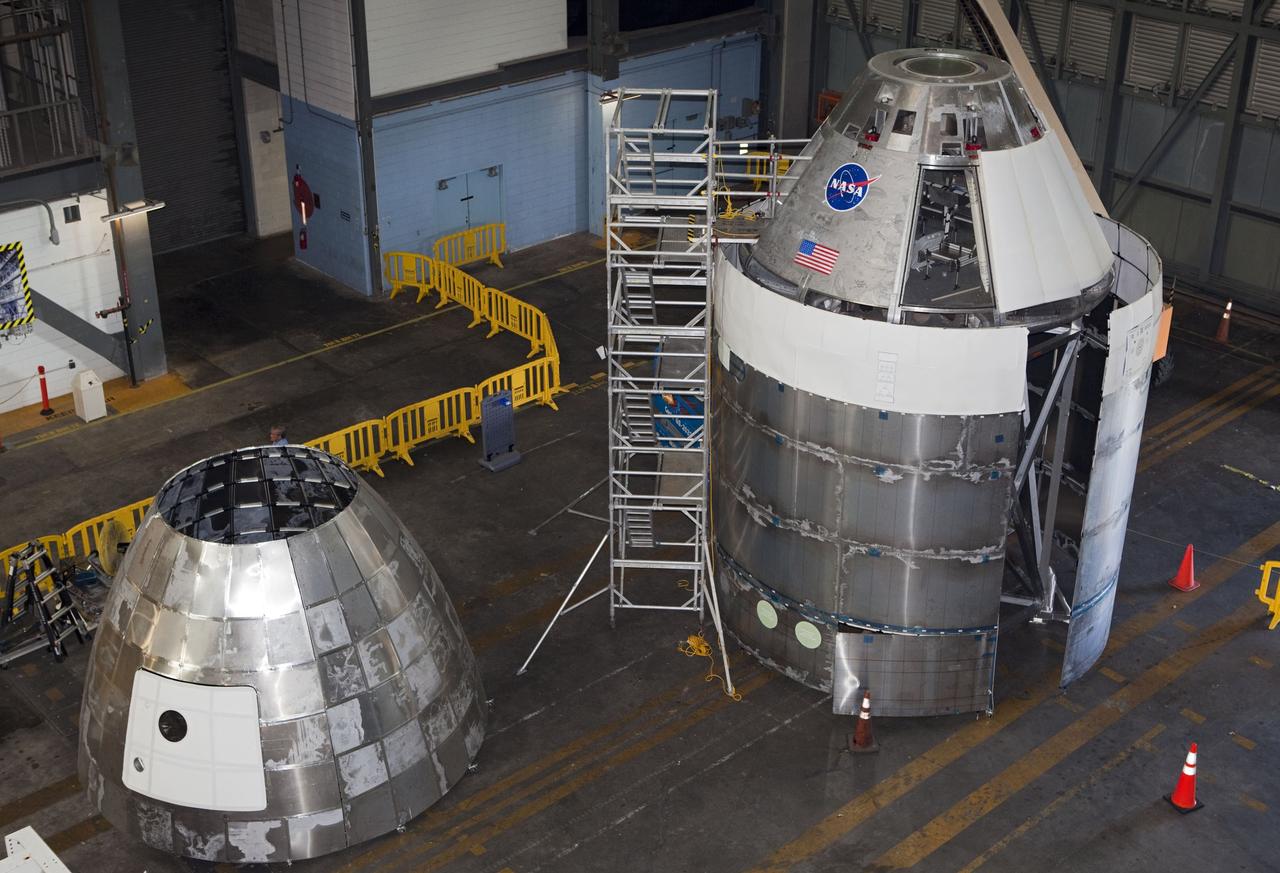
CAPE CANAVERAL, Fla. – Seen from overhead, mockup components of an Orion spacecraft are laid out in the transfer aisle of the Vehicle Assembly Building, or VAB, at NASA's Kennedy Space Center in Florida. In the foreground is the Launch Abort System and the aerodynamic shell that will cover the capsule during launch. To the right is the Orion capsule model on top of a service module simulator. Orion is the exploration spacecraft designed to carry crews to space beyond low Earth orbit. It will provide emergency abort capability, sustain the crew during the space travel and provide safe re-entry from deep space return velocities. The first uncrewed test flight of the Orion is scheduled to launch in 2014 atop a Delta IV rocket and in 2017 on a Space Launch System rocket. The Orion mockup is exact in details on the outside, but mostly empty on the inside except for four mockup astronaut seats and hatch. The work in the VAB is crucial to making sure the designs are accurate. For more information, visit http://www.nasa.gov/orion Photo credit: NASA/ Dmitri Gerondidakis
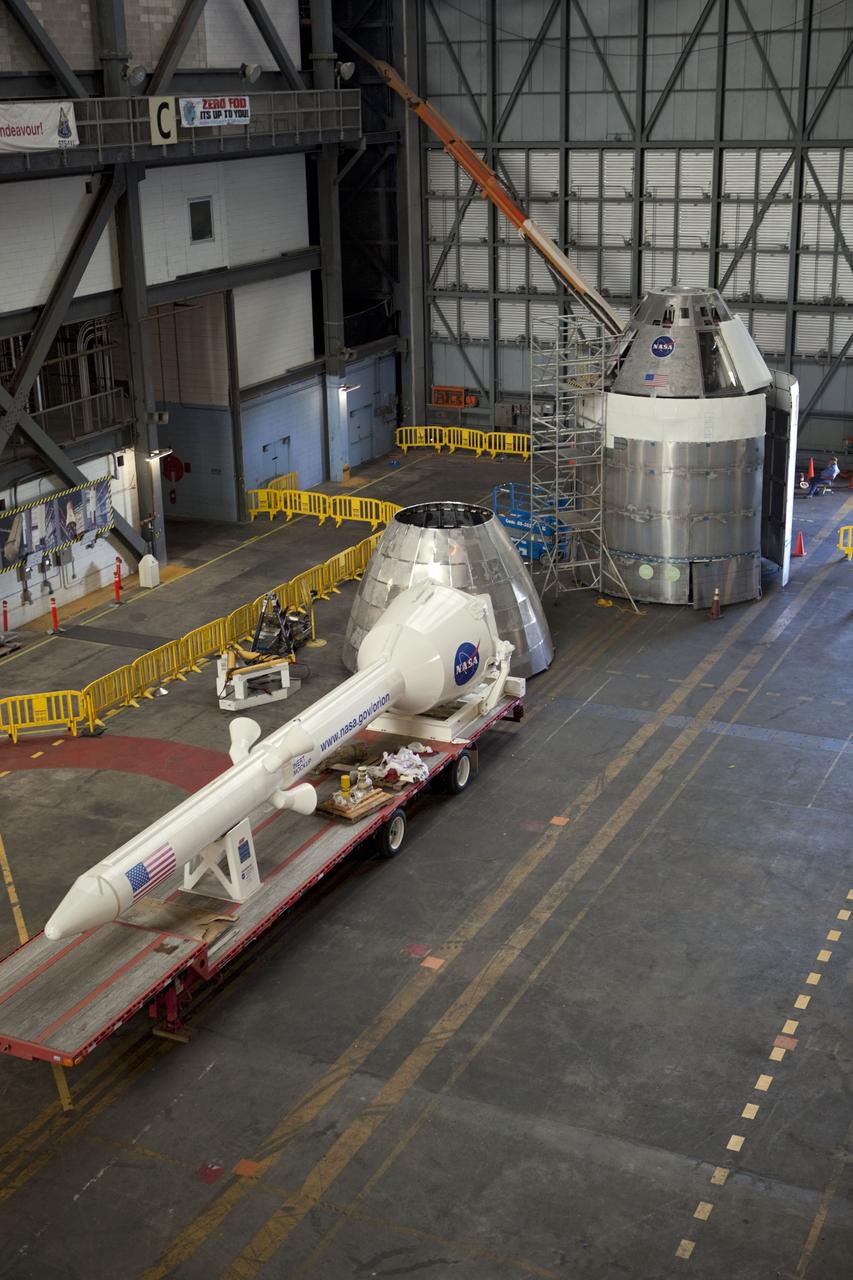
CAPE CANAVERAL, Fla. – Seen from overhead, mockup components of an Orion spacecraft are laid out in the transfer aisle of the Vehicle Assembly Building, or VAB, at NASA's Kennedy Space Center in Florida. In the foreground is the Launch Abort System and the aerodynamic shell that will cover the capsule during launch. To the right is the Orion capsule model on top of a service module simulator. Orion is the exploration spacecraft designed to carry crews to space beyond low Earth orbit. It will provide emergency abort capability, sustain the crew during the space travel and provide safe re-entry from deep space return velocities. The first uncrewed test flight of the Orion is scheduled to launch in 2014 atop a Delta IV rocket and in 2017 on a Space Launch System rocket. The Orion mockup is exact in details on the outside, but mostly empty on the inside except for four mockup astronaut seats and hatch. The work in the VAB is crucial to making sure the designs are accurate. For more information, visit http://www.nasa.gov/orion Photo credit: NASA/ Dmitri Gerondidakis
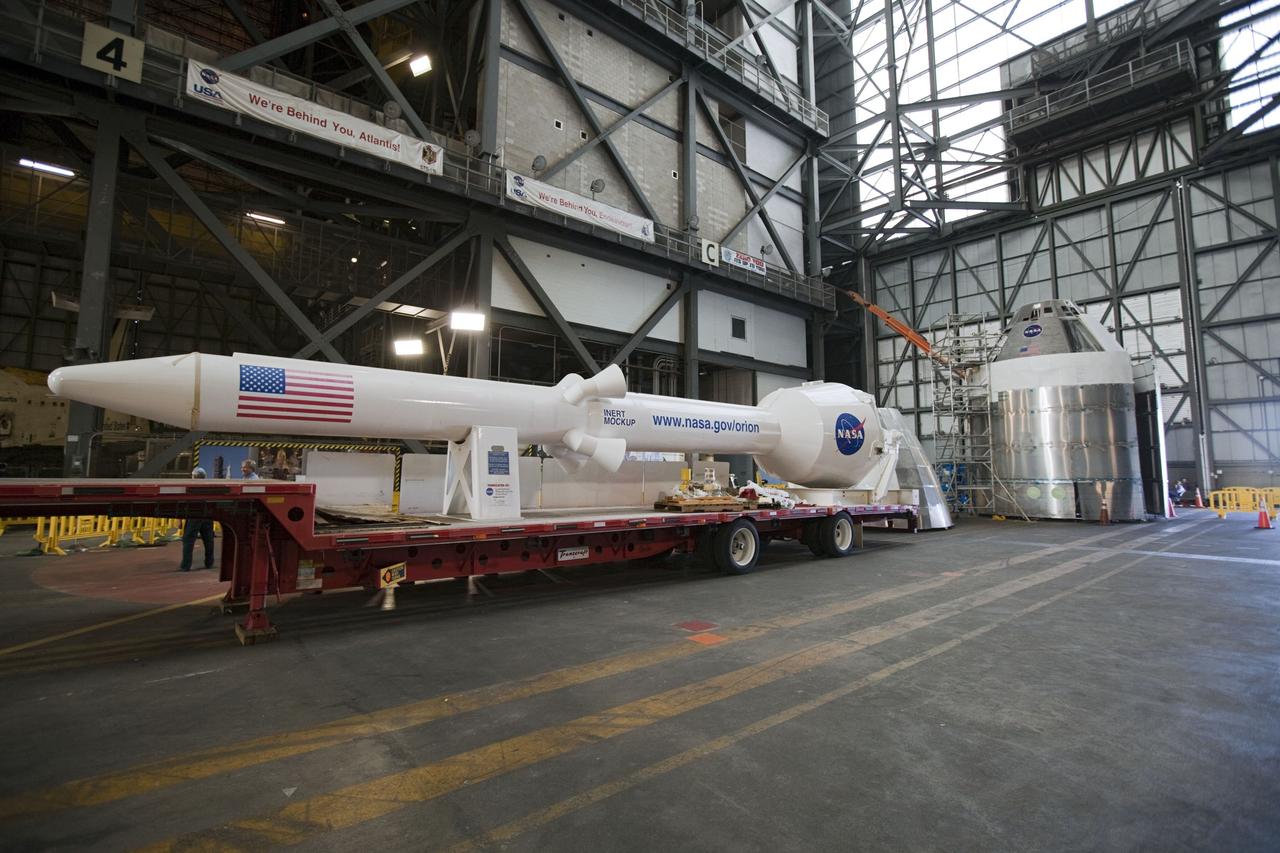
CAPE CANAVERAL, Fla. – Mockup components of an Orion spacecraft are laid out in the transfer aisle of the Vehicle Assembly Building, or VAB, at NASA's Kennedy Space Center in Florida. In the foreground are the Launch Abort System and the aerodynamic shell that will cover the capsule during launch. To the right is the Orion capsule model on top of a service module simulator. Orion is the exploration spacecraft designed to carry crews to space beyond low Earth orbit. It will provide emergency abort capability, sustain the crew during the space travel and provide safe re-entry from deep space return velocities. The first uncrewed test flight of the Orion is scheduled to launch in 2014 atop a Delta IV rocket and in 2017 on a Space Launch System rocket. The Orion mockup is exact in details on the outside, but mostly empty on the inside except for four mockup astronaut seats and hatch. The work in the VAB is crucial to making sure the designs are accurate. For more information, visit http://www.nasa.gov/orion Photo credit: NASA/ Dmitri Gerondidakis
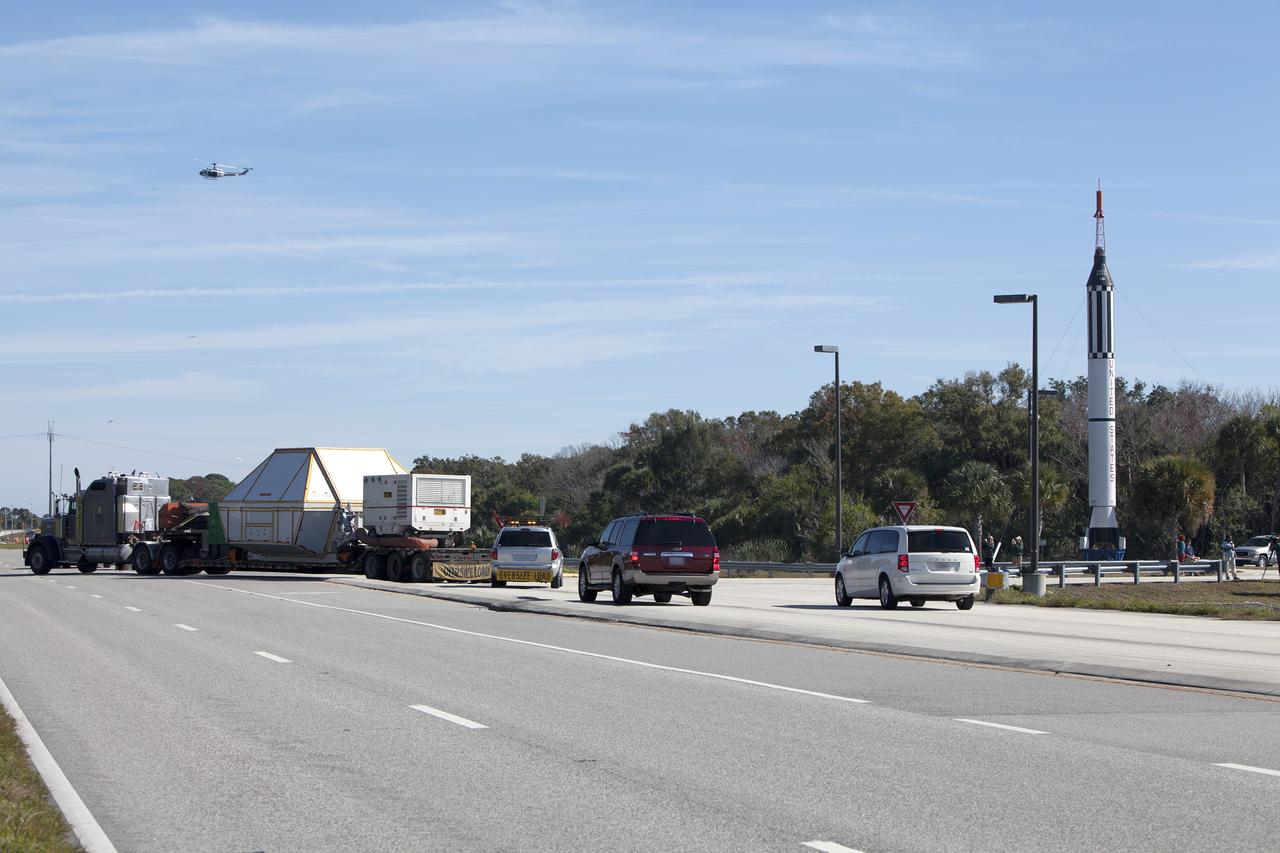
CAPE CANAVERAL, Fla. -- NASA's Orion crew module, enclosed in its crew module transportation fixture and secured on a flatbed truck nears the entrance gate to Kennedy Space Center in Florida. In the background is a full-scale mockup of the Mercury Redstone rocket that boosted NASA astronauts Alan Shepard and Virgil "Gus" Grissom on their 1961 sub-orbital missions that began America's human spaceflight program. Orion made the overland trip from Naval Base San Diego in California. Orion was recovered from the Pacific Ocean after completing a two-orbit, four-and-a-half hour mission Dec. 5 to test systems critical to crew safety, including the launch abort system, the heat shield and the parachute system. The Ground Systems Development and Operations Program led the recovery, offload and transportation efforts. For more information, visit www.nasa.gov/orion. Photo credit: NASA/Dimitri Gerondidakis
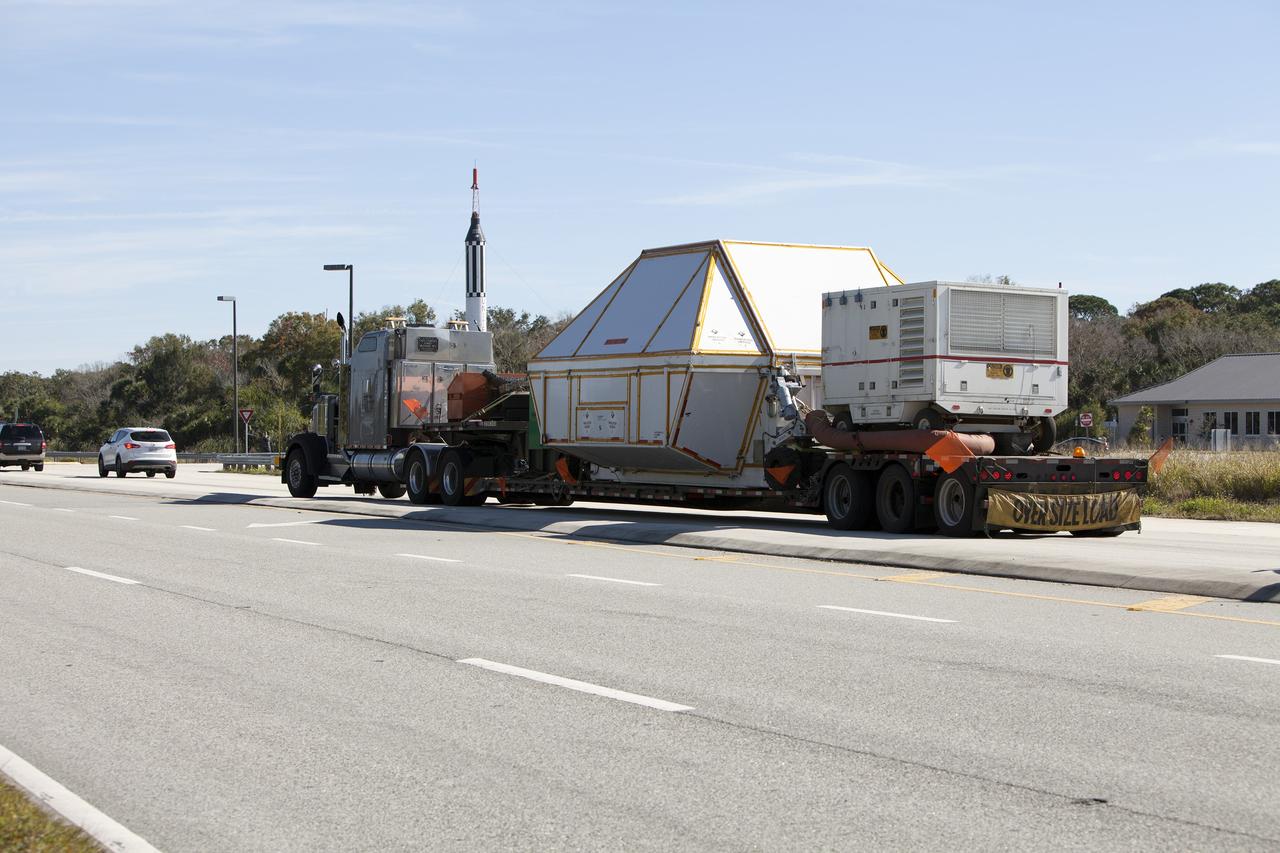
CAPE CANAVERAL, Fla. -- NASA's Orion crew module, enclosed in its crew module transportation fixture and secured on a flatbed truck nears the entrance gate to Kennedy Space Center in Florida. In the background is a full-scale mockup of the Mercury Redstone rocket that boosted NASA astronauts Alan Shepard and Virgil "Gus" Grissom on their 1961 sub-orbital missions that began America's human spaceflight program. Orion made the overland trip from Naval Base San Diego in California. Orion was recovered from the Pacific Ocean after completing a two-orbit, four-and-a-half hour mission Dec. 5 to test systems critical to crew safety, including the launch abort system, the heat shield and the parachute system. The Ground Systems Development and Operations Program led the recovery, offload and transportation efforts. For more information, visit www.nasa.gov/orion. Photo credit: NASA/Dimitri Gerondidakis
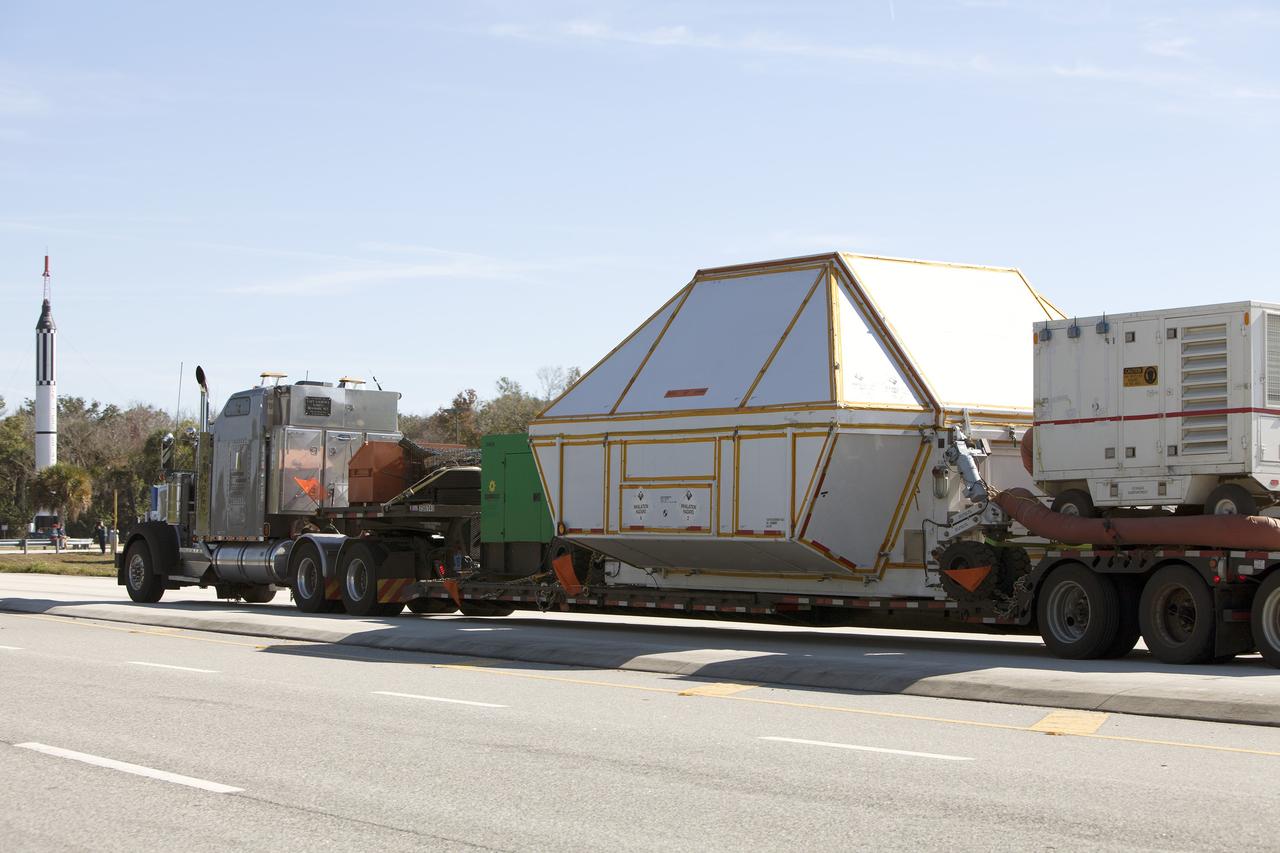
CAPE CANAVERAL, Fla. -- NASA's Orion crew module, enclosed in its crew module transportation fixture and secured on a flatbed truck nears the entrance gate to Kennedy Space Center in Florida. In the background is a full-scale mockup of the Mercury Redstone rocket that boosted NASA astronauts Alan Shepard and Virgil "Gus" Grissom on their 1961 sub-orbital missions that began America's human spaceflight program. Orion made the overland trip from Naval Base San Diego in California. Orion was recovered from the Pacific Ocean after completing a two-orbit, four-and-a-half hour mission Dec. 5 to test systems critical to crew safety, including the launch abort system, the heat shield and the parachute system. The Ground Systems Development and Operations Program led the recovery, offload and transportation efforts. For more information, visit www.nasa.gov/orion. Photo credit: NASA/Dimitri Gerondidakis
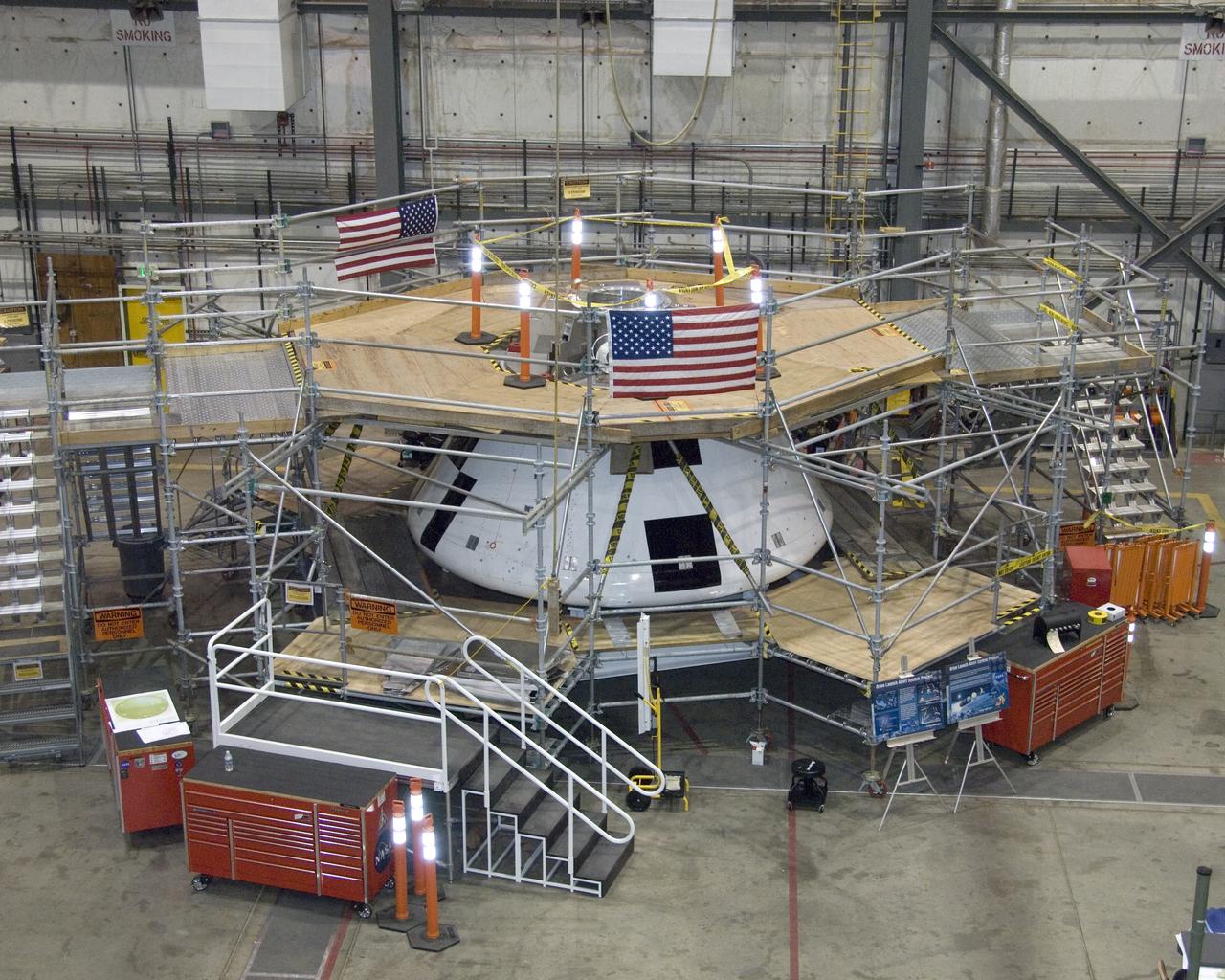
Surrounded by work platforms, NASA's first full-scale Orion abort flight test (AFT) crew module (center) is undergoing preparations at the NASA Dryden Flight Research Center in California for the first flight test of Orion's launch abort system.
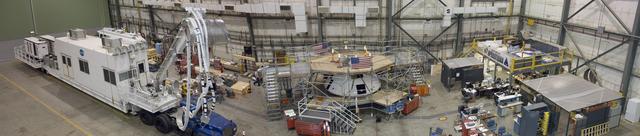
Surrounded by work platforms, NASA's first full-scale Orion abort flight test (AFT) crew module (center) is undergoing preparations at the NASA Dryden Flight Research Center in California for the first flight test of Orion's launch abort system. To the left is a space shuttle orbiter purge vehicle sharing the hangar.
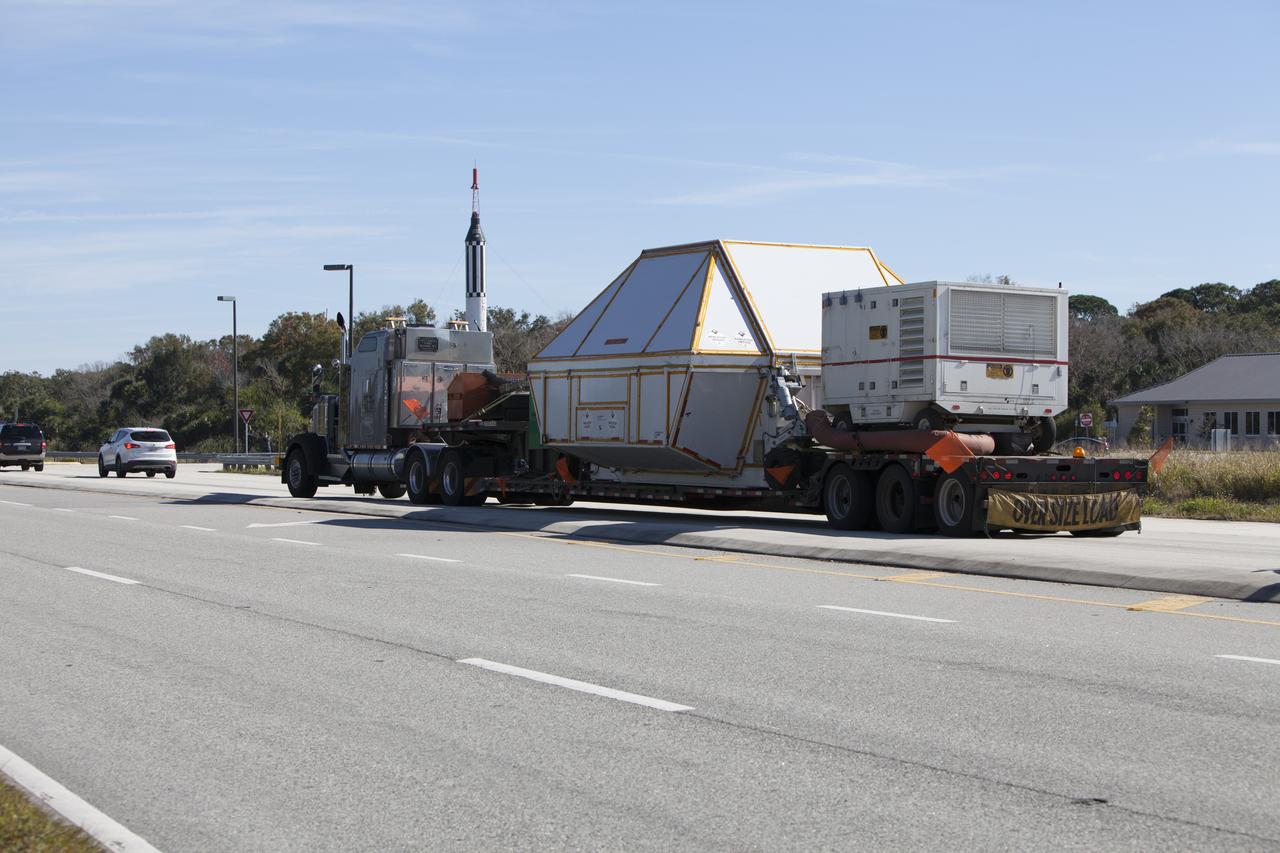
NASA's Orion crew module, enclosed in its crew module transportation fixture and secured on a flatbed truck nears the entrance gate to Kennedy Space Center in Florida. In the background is a full-scale mockup of the Mercury Redstone rocket that boosted NASA astronauts Alan Shepard and Virgil "Gus" Grissom on their 1961 sub-orbital missions that began America's human spaceflight program. Orion made the overland trip from Naval Base San Diego in California. Orion was recovered from the Pacific Ocean after completing a two-orbit, four-and-a-half hour mission Dec. 5 to test systems critical to crew safety, including the launch abort system, the heat shield and the parachute system. The Ground Systems Development and Operations Program led the recovery, offload and transportation efforts.
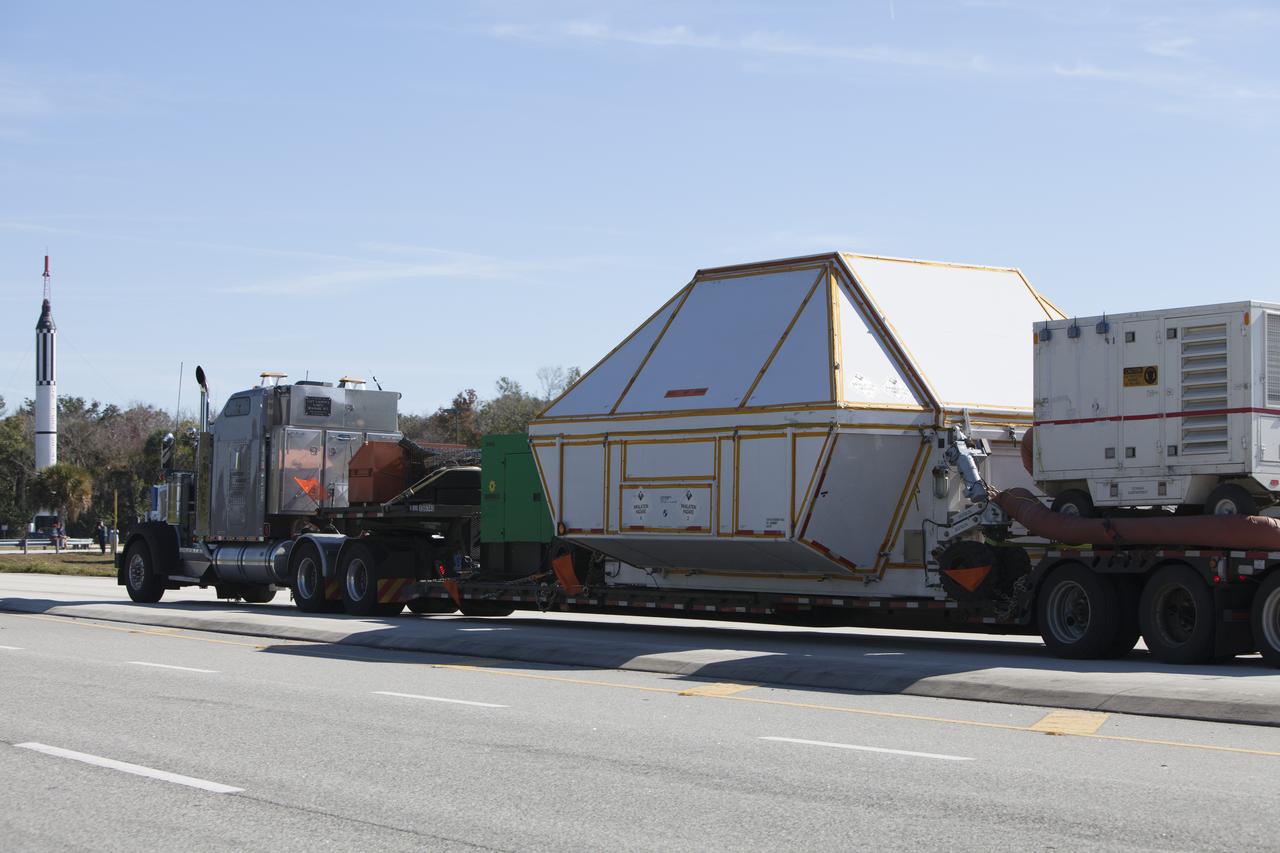
NASA's Orion crew module, enclosed in its crew module transportation fixture and secured on a flatbed truck nears the entrance gate to Kennedy Space Center in Florida. In the background is a full-scale mockup of the Mercury Redstone rocket that boosted NASA astronauts Alan Shepard and Virgil "Gus" Grissom on their 1961 sub-orbital missions that began America's human spaceflight program. Orion made the overland trip from Naval Base San Diego in California. Orion was recovered from the Pacific Ocean after completing a two-orbit, four-and-a-half hour mission Dec. 5 to test systems critical to crew safety, including the launch abort system, the heat shield and the parachute system. The Ground Systems Development and Operations Program led the recovery, offload and transportation efforts.
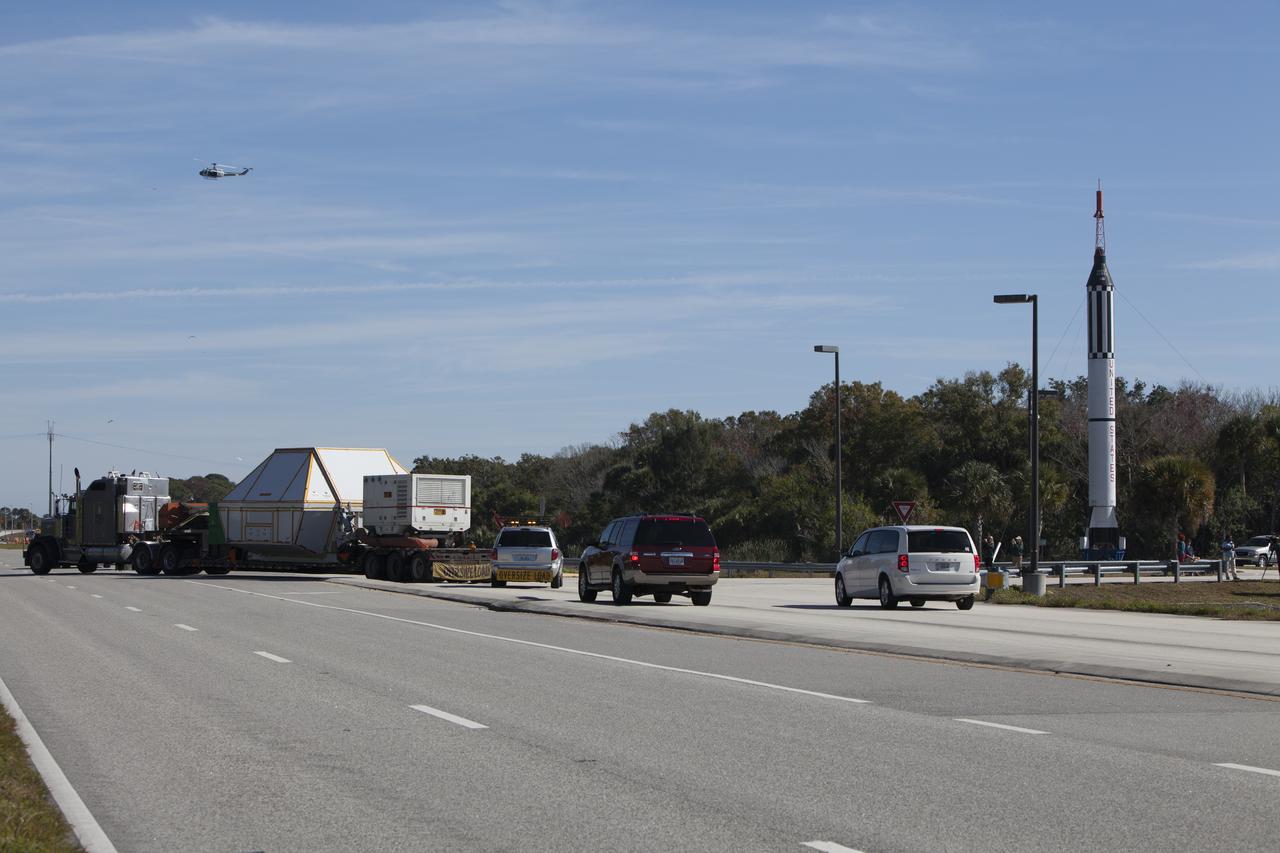
NASA's Orion crew module, enclosed in its crew module transportation fixture and secured on a flatbed truck nears the entrance gate to Kennedy Space Center in Florida. In the background is a full-scale mockup of the Mercury Redstone rocket that boosted NASA astronauts Alan Shepard and Virgil "Gus" Grissom on their 1961 sub-orbital missions that began America's human spaceflight program. Orion made the overland trip from Naval Base San Diego in California. Orion was recovered from the Pacific Ocean after completing a two-orbit, four-and-a-half hour mission Dec. 5 to test systems critical to crew safety, including the launch abort system, the heat shield and the parachute system. The Ground Systems Development and Operations Program led the recovery, offload and transportation efforts.
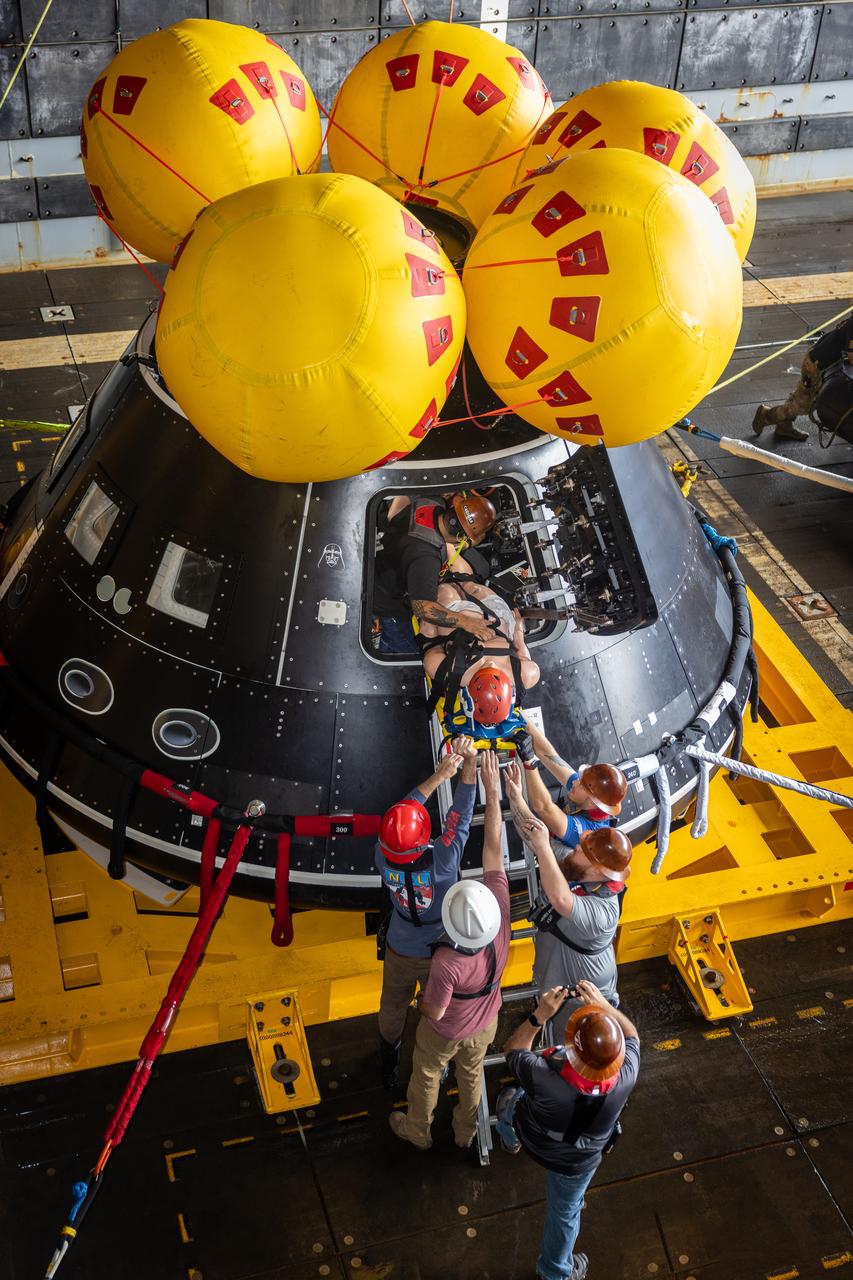
Members of NASA’s Landing and Recovery team load a mannequin into the Crew Module Test Article (CMTA) during Underway Recovery Test 10 in the Pacific Ocean. The CMTA is a is a full-scale mockup of the Orion spacecraft and is used by NASA and its Department of Defense partners to practice recovery procedures for crewed Artemis missions. The team uses the mannequin to practice recovering astronauts out of the capsule and safely getting them to the recovery vessel nearby.
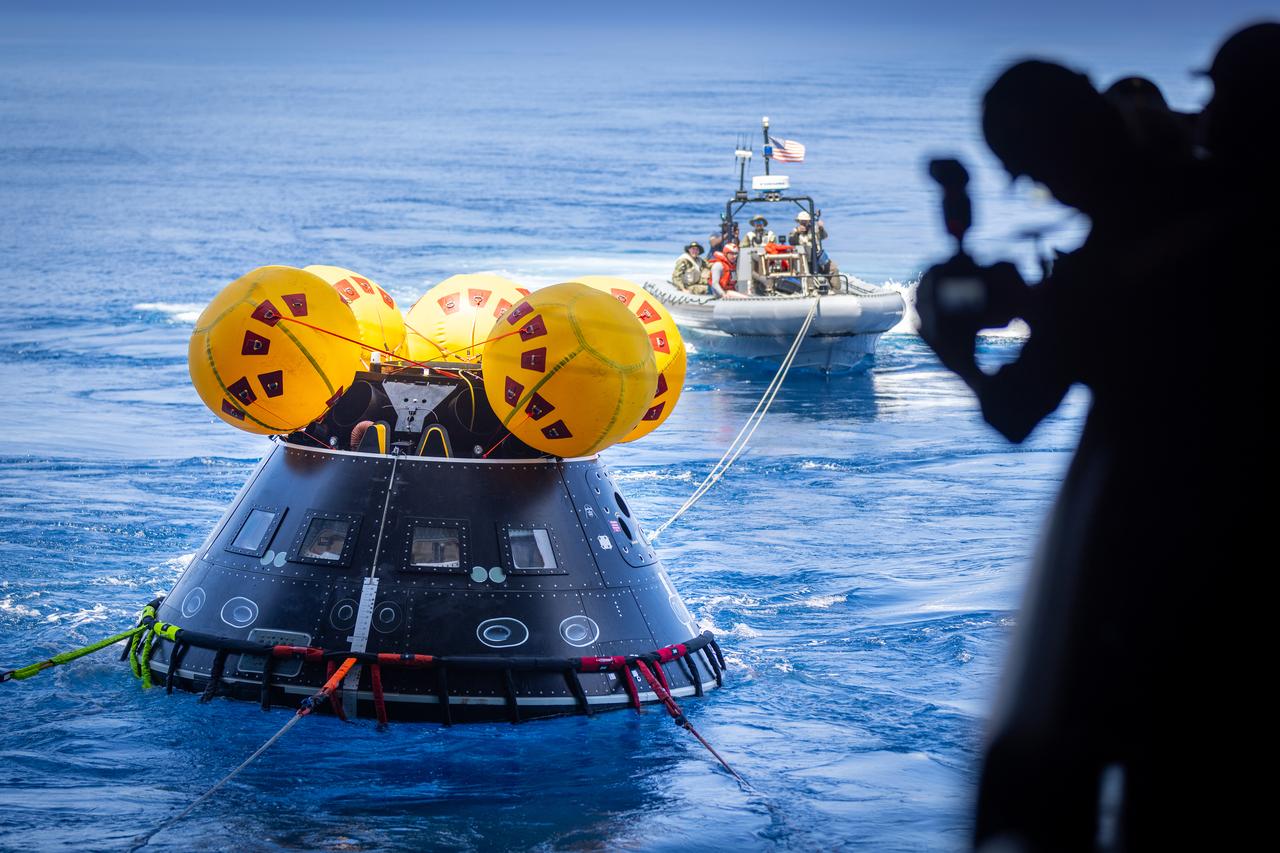
The Crew Module Test Article (CMTA) is seen in the waters of the Pacific Ocean during NASA’s Underway Recovery Test 10 (URT-10). The CMTA is a full-scale mockup of the Orion spacecraft and is used by NASA and its Department of Defense partners to practice recovery procedures for crewed Artemis missions. URT-10 is the first test specifically in support of the Artemis II mission and allowed the team to practice what it will be like to recover astronauts and get them back to the recovery ship safely.
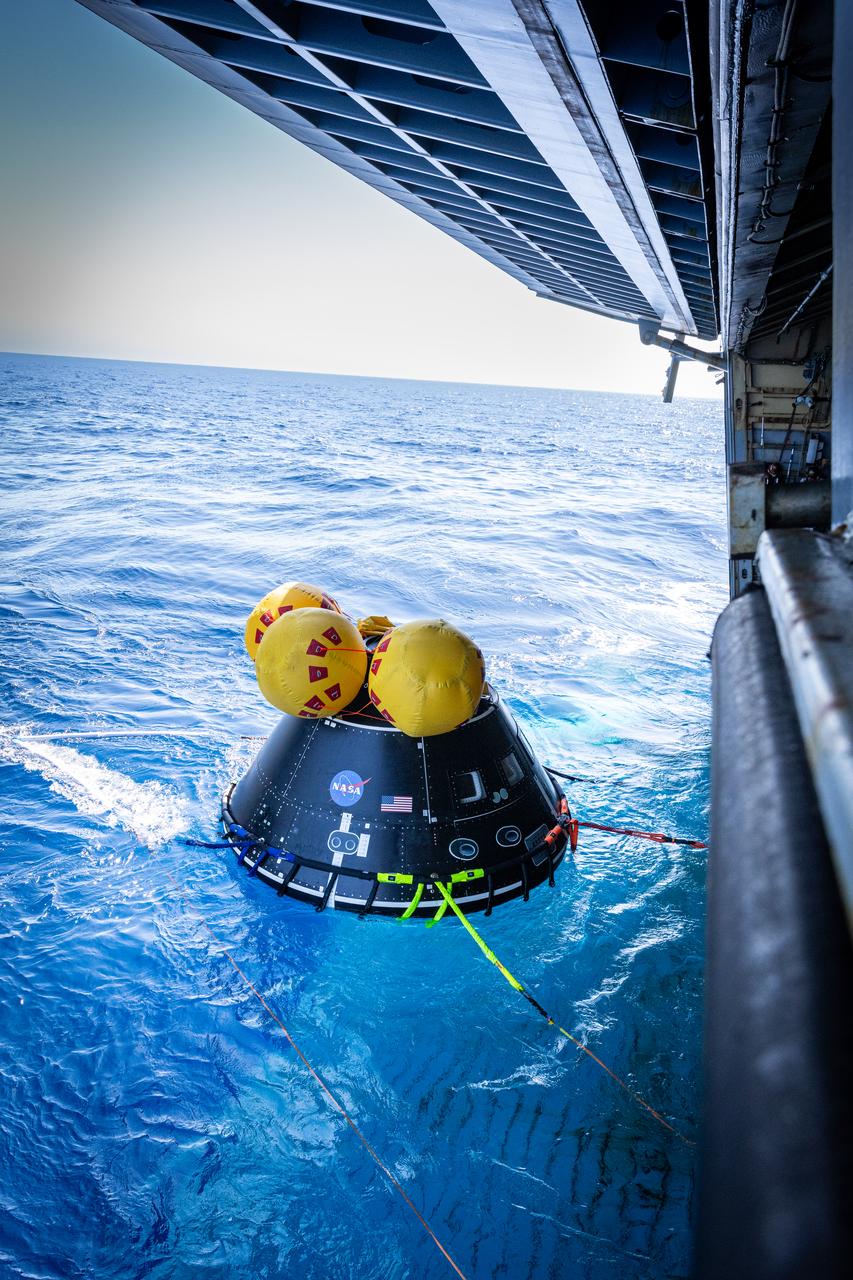
The Crew Module Test Article (CMTA) is seen in the waters of the Pacific Ocean during NASA’s Underway Recovery Test 10 (URT-10). The CMTA is a full-scale mockup of the Orion spacecraft and is used by NASA and its Department of Defense partners to practice recovery procedures for crewed Artemis missions. URT-10 is the first test specifically in support of the Artemis II mission and allowed the team to practice what it will be like to recover astronauts and get them back to the recovery ship safely.
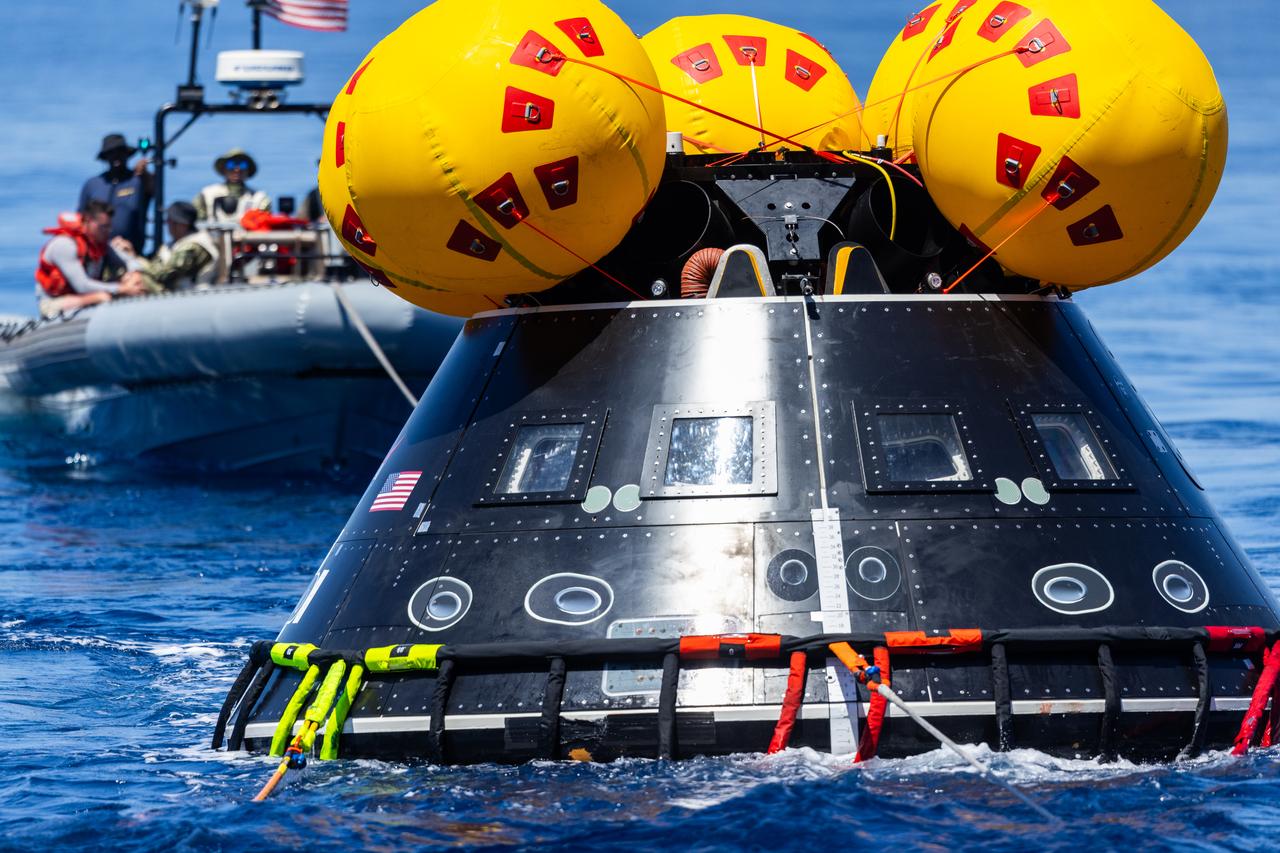
The Crew Module Test Article (CMTA) is seen in the waters of the Pacific Ocean during NASA’s Underway Recovery Test 10 (URT-10). The CMTA is a full-scale mockup of the Orion spacecraft and is used by NASA and its Department of Defense partners to practice recovery procedures for crewed Artemis missions. URT-10 is the first test specifically in support of the Artemis II mission and allowed the team to practice what it will be like to recover astronauts and get them back to the recovery ship safely.
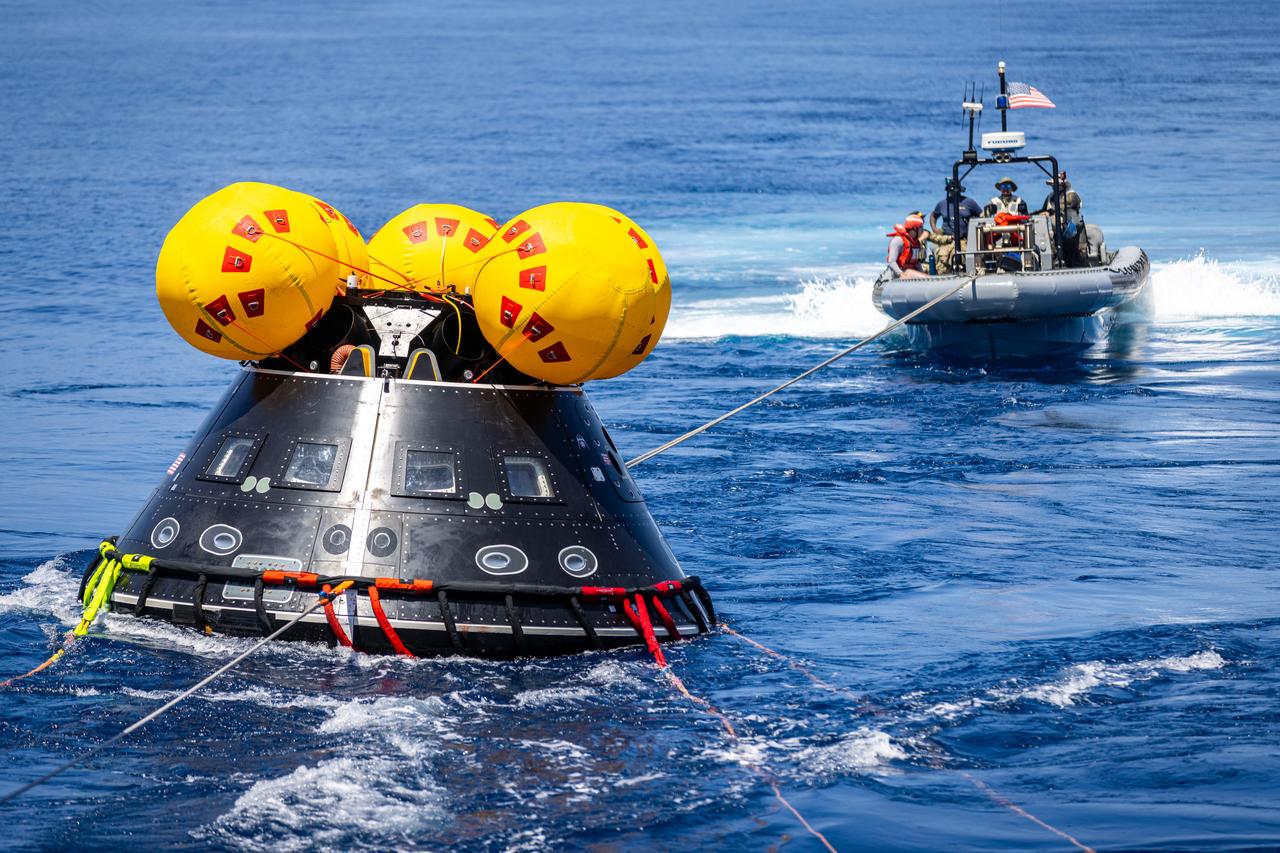
The Crew Module Test Article (CMTA) is seen in the waters of the Pacific Ocean during NASA’s Underway Recovery Test 10 (URT-10). The CMTA is a full-scale mockup of the Orion spacecraft and is used by NASA and its Department of Defense partners to practice recovery procedures for crewed Artemis missions. URT-10 is the first test specifically in support of the Artemis II mission and allowed the team to practice what it will be like to recover astronauts and get them back to the recovery ship safely.
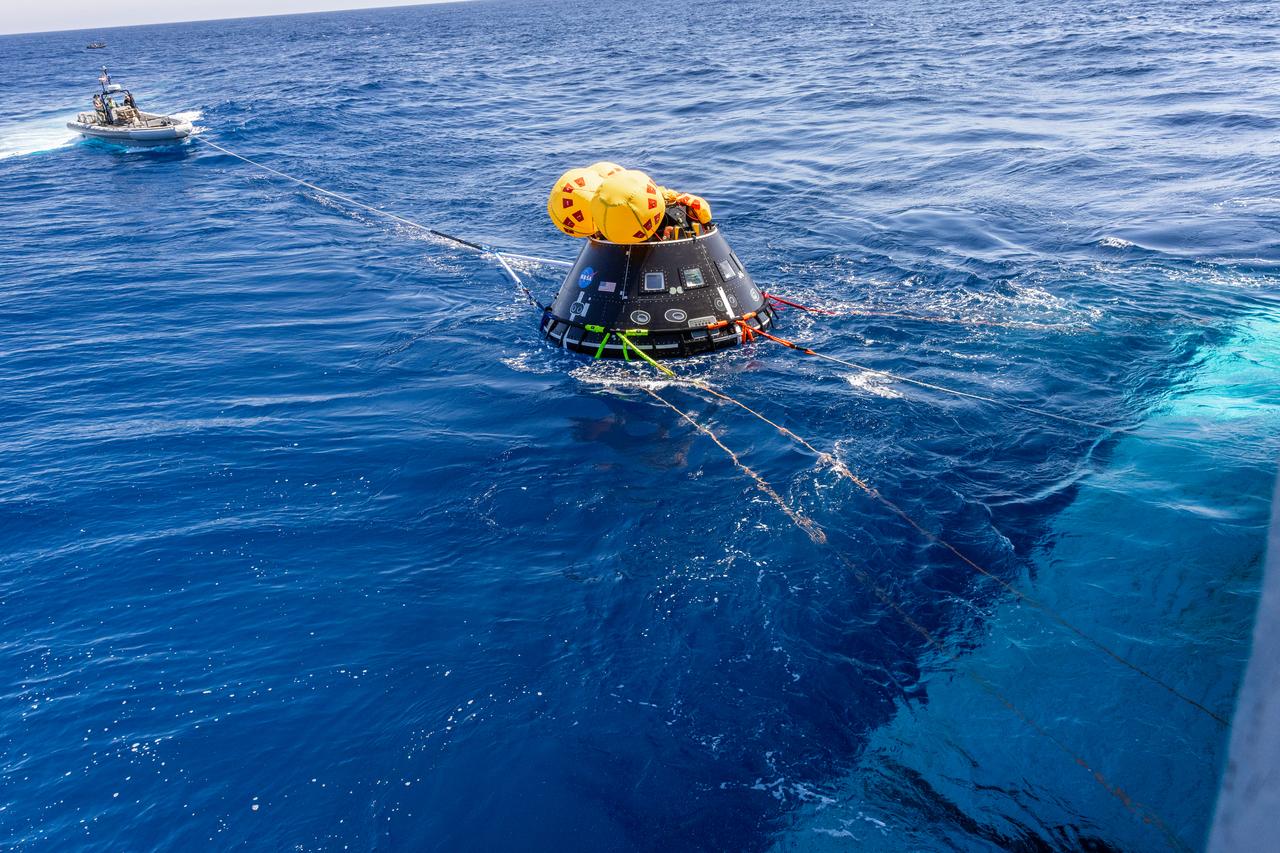
The Crew Module Test Article (CMTA) is seen in the waters of the Pacific Ocean during NASA’s Underway Recovery Test 10 (URT-10). The CMTA is a full-scale mockup of the Orion spacecraft and is used by NASA and its Department of Defense partners to practice recovery procedures for crewed Artemis missions. URT-10 is the first test specifically in support of the Artemis II mission and allowed the team to practice what it will be like to recover astronauts and get them back to the recovery ship safely.
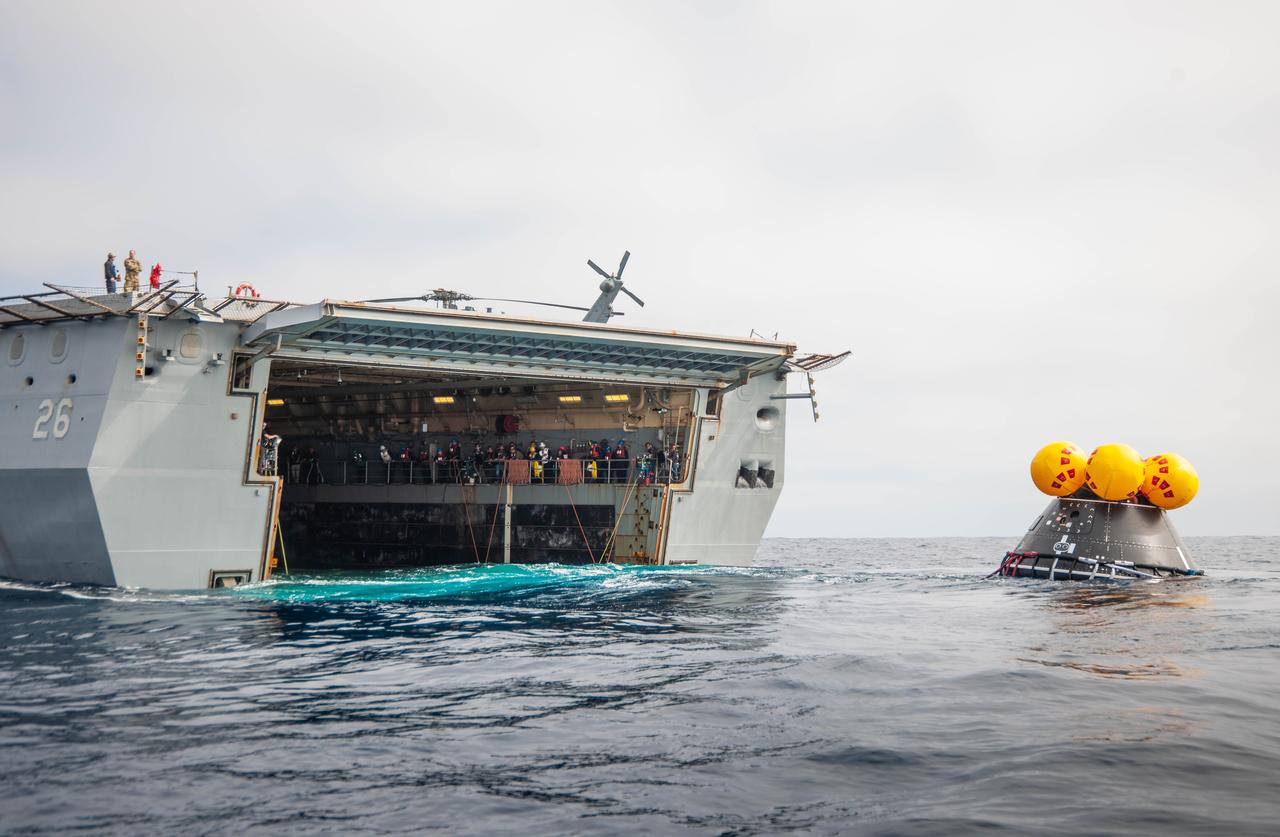
The Crew Module Test Article (CMTA) is seen in the waters of the Pacific Ocean during NASA’s Underway Recovery Test 10 (URT-10). The CMTA is a full-scale mockup of the Orion spacecraft and is used by NASA and its Department of Defense partners to practice recovery procedures for crewed Artemis missions. URT-10 is the first test specifically in support of the Artemis II mission and allowed the team to practice what it will be like to recover astronauts and get them back to the recovery ship safely.
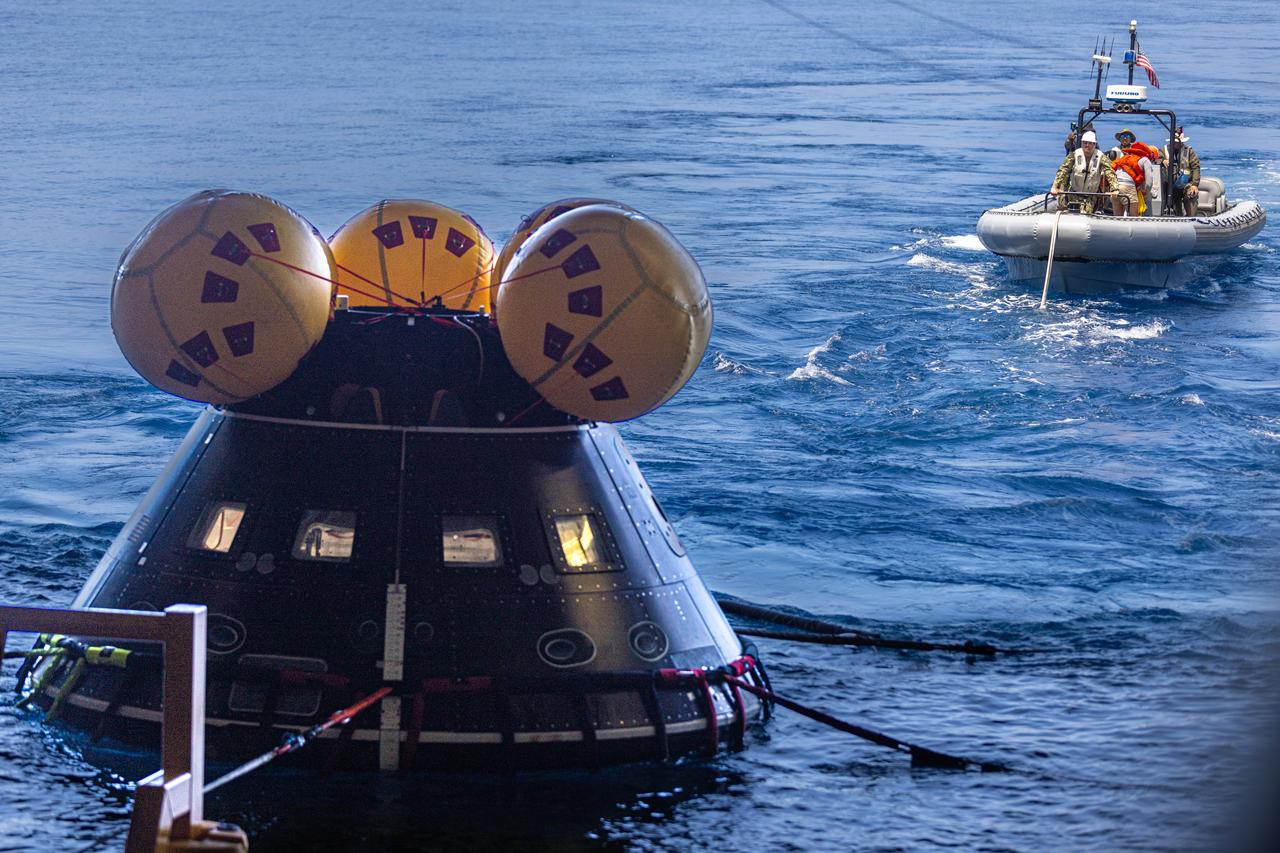
The Crew Module Test Article (CMTA) is seen in the waters of the Pacific Ocean during NASA’s Underway Recovery Test 10 (URT-10). The CMTA is a full-scale mockup of the Orion spacecraft and is used by NASA and its Department of Defense partners to practice recovery procedures for crewed Artemis missions. URT-10 is the first test specifically in support of the Artemis II mission and allowed the team to practice what it will be like to recover astronauts and get them back to the recovery ship safely.
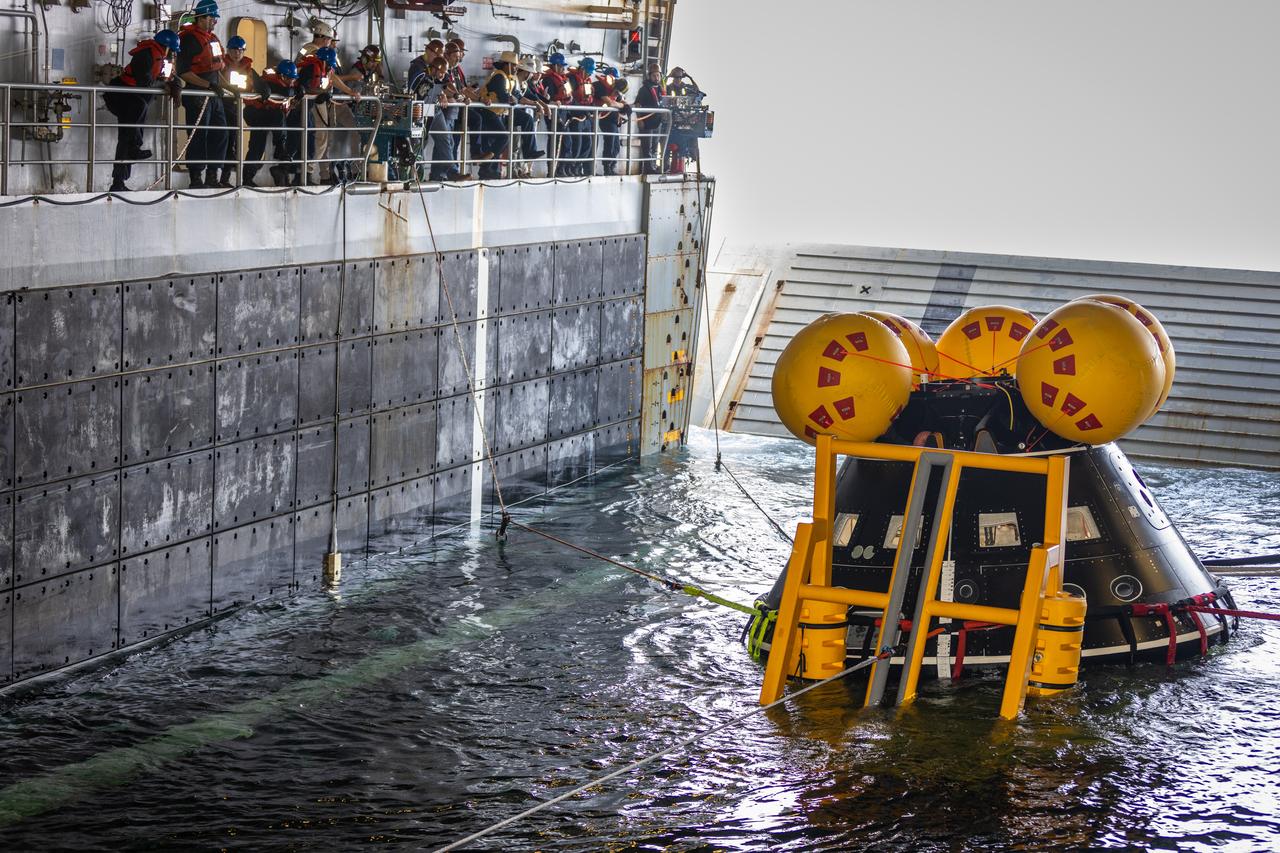
The Crew Module Test Article (CMTA) is seen in the waters of the Pacific Ocean during NASA’s Underway Recovery Test 10 (URT-10). The CMTA is a full-scale mockup of the Orion spacecraft and is used by NASA and its Department of Defense partners to practice recovery procedures for crewed Artemis missions. URT-10 is the first test specifically in support of the Artemis II mission and allowed the team to practice what it will be like to recover astronauts and get them back to the recovery ship safely.
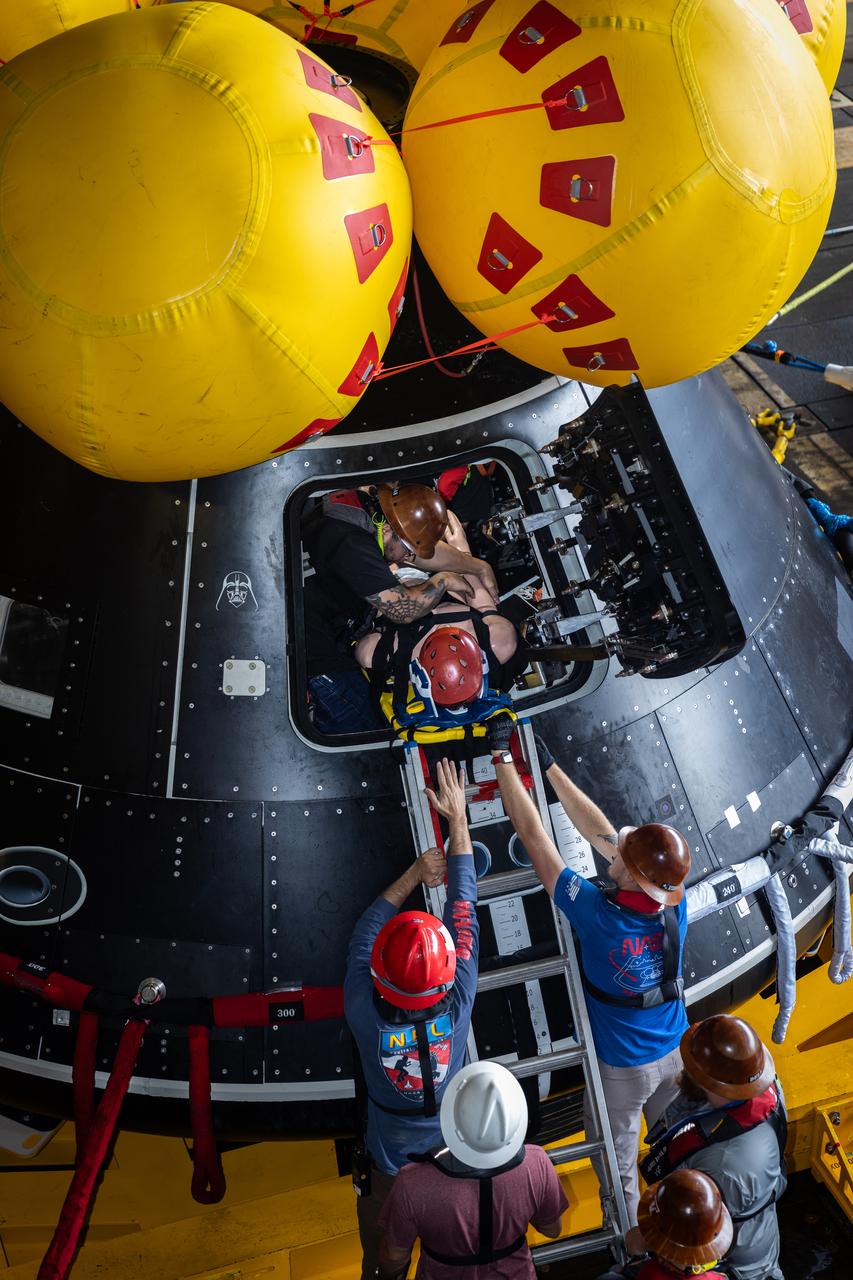
Members of NASA’s Landing and Recovery team load a mannequin into the Crew Module Test Article (CMTA) during Underway Recovery Test 10 in the Pacific Ocean. The CMTA is a is a full-scale mockup of the Orion spacecraft and is used by NASA and its Department of Defense partners to practice recovery procedures for crewed Artemis missions. The team uses the mannequin to practice recovering astronauts out of the capsule and safely getting them to the recovery vessel nearby.
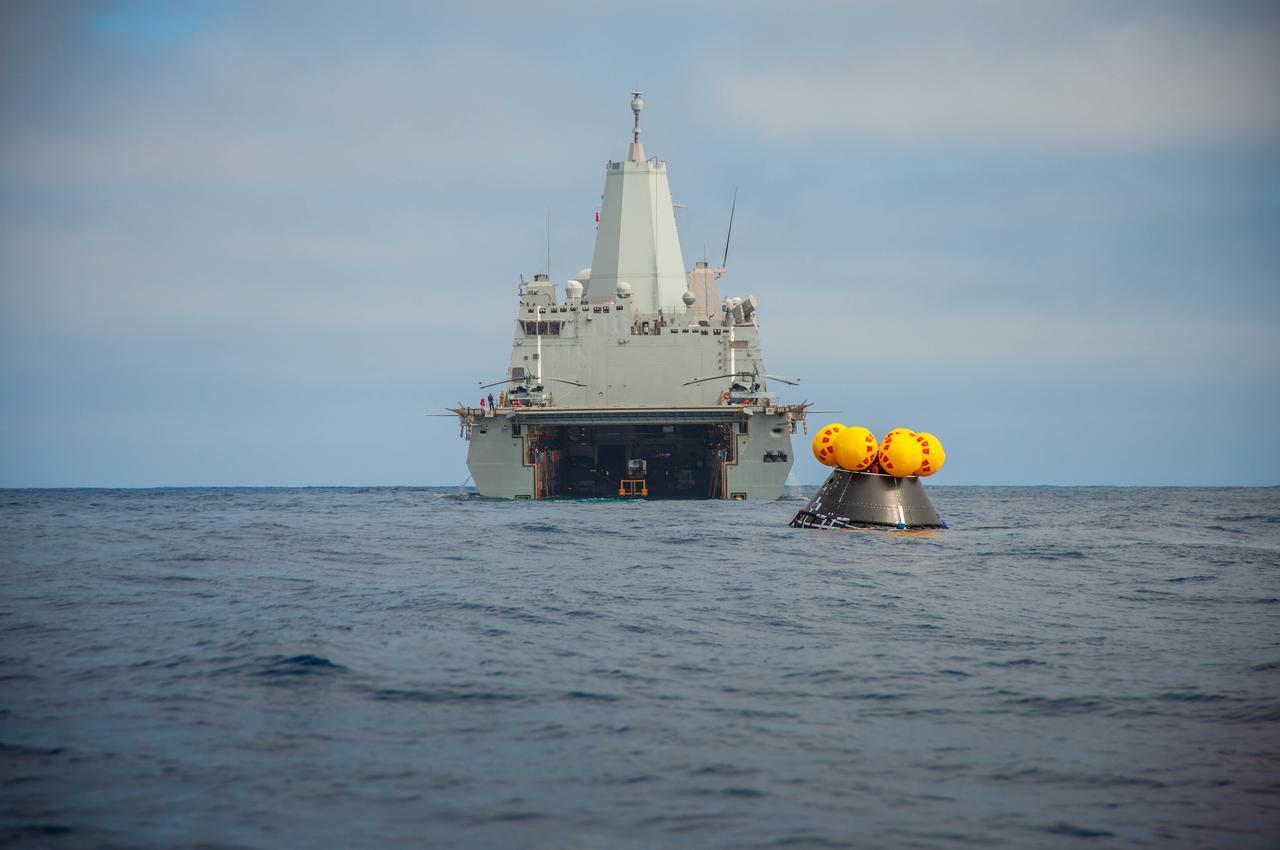
The Crew Module Test Article (CMTA) is seen in the waters of the Pacific Ocean during NASA’s Underway Recovery Test 10 (URT-10). The CMTA is a full-scale mockup of the Orion spacecraft and is used by NASA and its Department of Defense partners to practice recovery procedures for crewed Artemis missions. URT-10 is the first test specifically in support of the Artemis II mission and allowed the team to practice what it will be like to recover astronauts and get them back to the recovery ship safely.
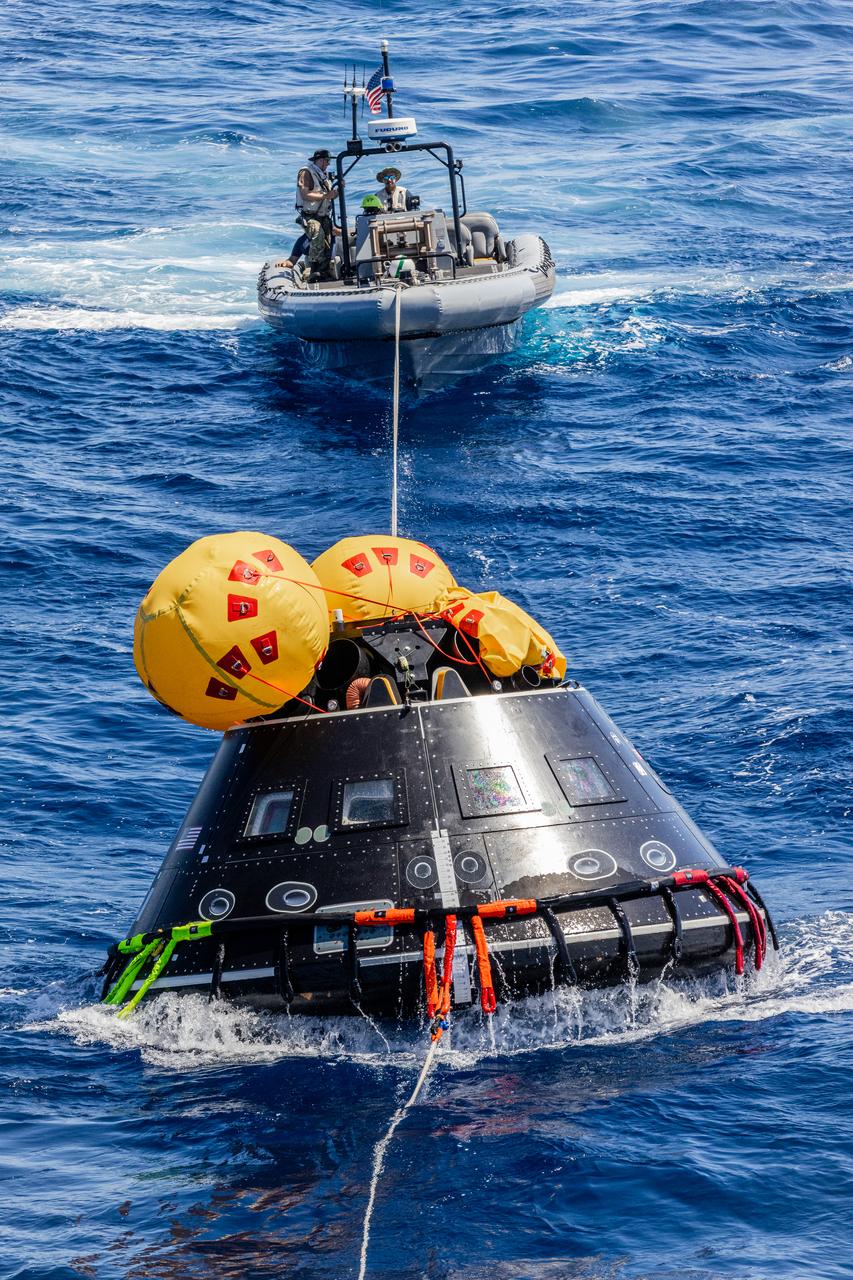
The Crew Module Test Article (CMTA) is seen in the waters of the Pacific Ocean during NASA’s Underway Recovery Test 10 (URT-10). The CMTA is a full-scale mockup of the Orion spacecraft and is used by NASA and its Department of Defense partners to practice recovery procedures for crewed Artemis missions. URT-10 is the first test specifically in support of the Artemis II mission and allowed the team to practice what it will be like to recover astronauts and get them back to the recovery ship safely.
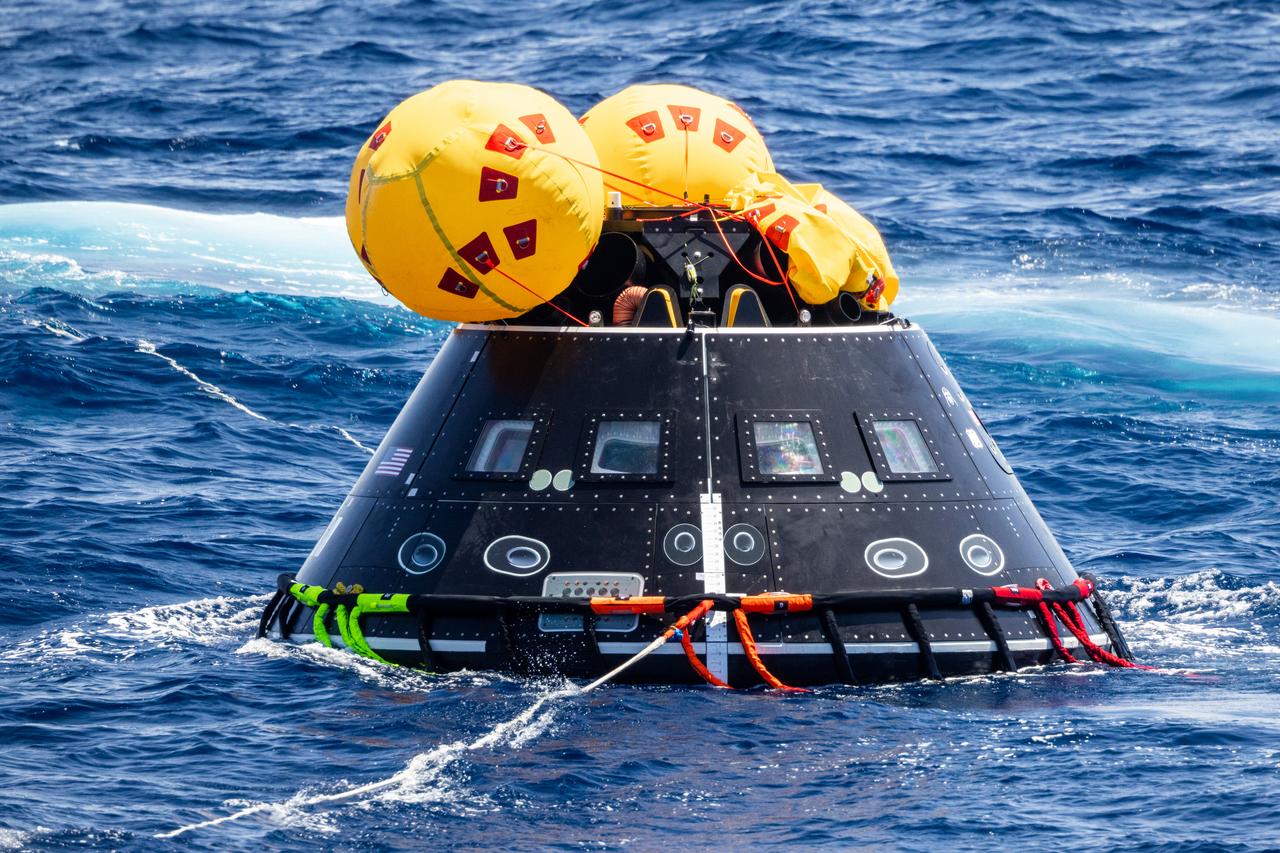
The Crew Module Test Article (CMTA) is seen in the waters of the Pacific Ocean during NASA’s Underway Recovery Test 10 (URT-10). The CMTA is a full-scale mockup of the Orion spacecraft and is used by NASA and its Department of Defense partners to practice recovery procedures for crewed Artemis missions. URT-10 is the first test specifically in support of the Artemis II mission and allowed the team to practice what it will be like to recover astronauts and get them back to the recovery ship safely.
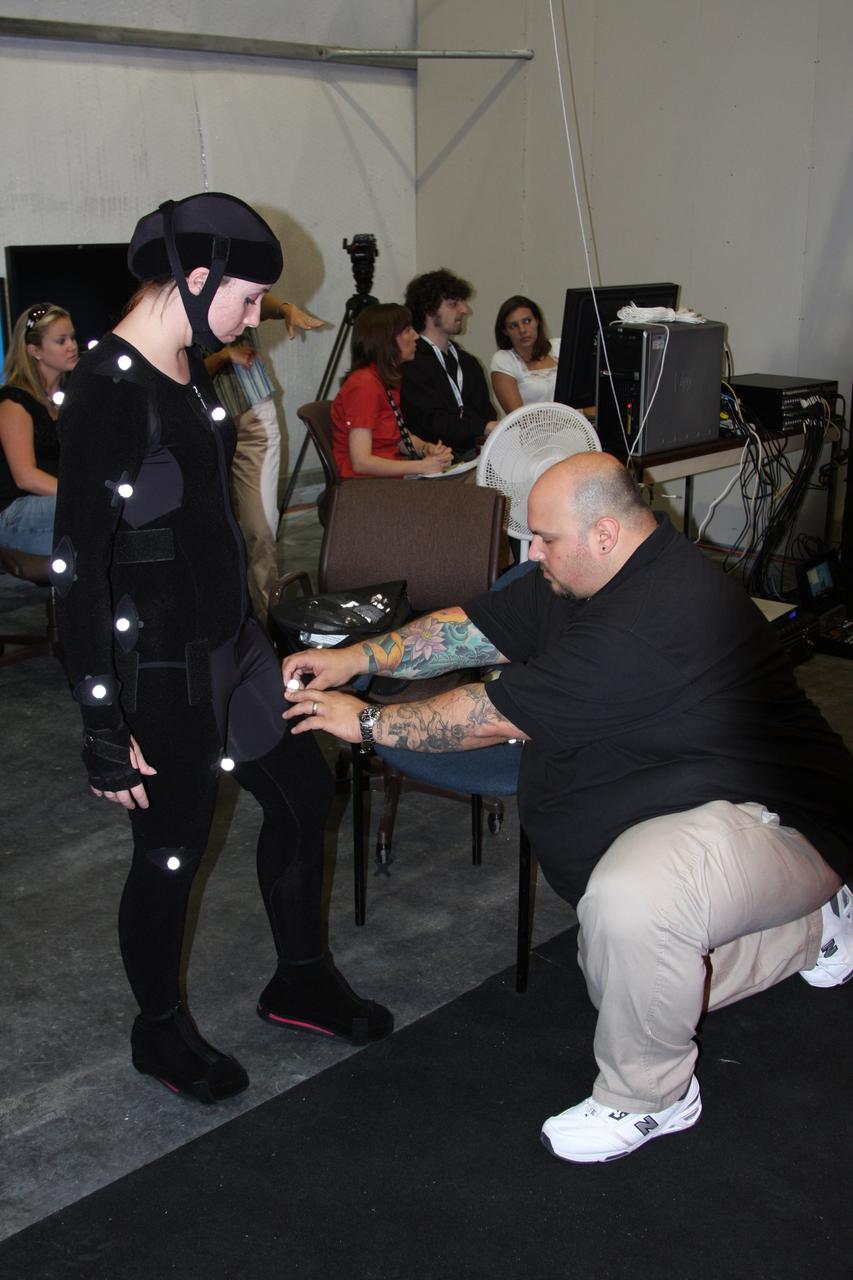
CAPE CANAVERAL, Fla. –David Voci, NYIT MOCAP (Motion Capture) team co-director (seated at the workstation in the background) prepares to direct a motion capture session assisted by Kennedy Advanced Visualizations Environment staff led by Brad Lawrence (not pictured) and by Lora Ridgwell from United Space Alliance Human Factors (foreground, left). Ridgwell will help assemble the Orion Crew Module mockup. The motion tracking aims to improve efficiency of assembly processes and identify potential ergonomic risks for technicians assembling the mockup. The work is being performed in United Space Alliance's Human Engineering Modeling and Performance Lab in the RLV Hangar at NASA's Kennedy Space Center. Part of NASA's Constellation Program, the Orion spacecraft will return humans to the moon and prepare for future voyages to Mars and other destinations in our solar system.
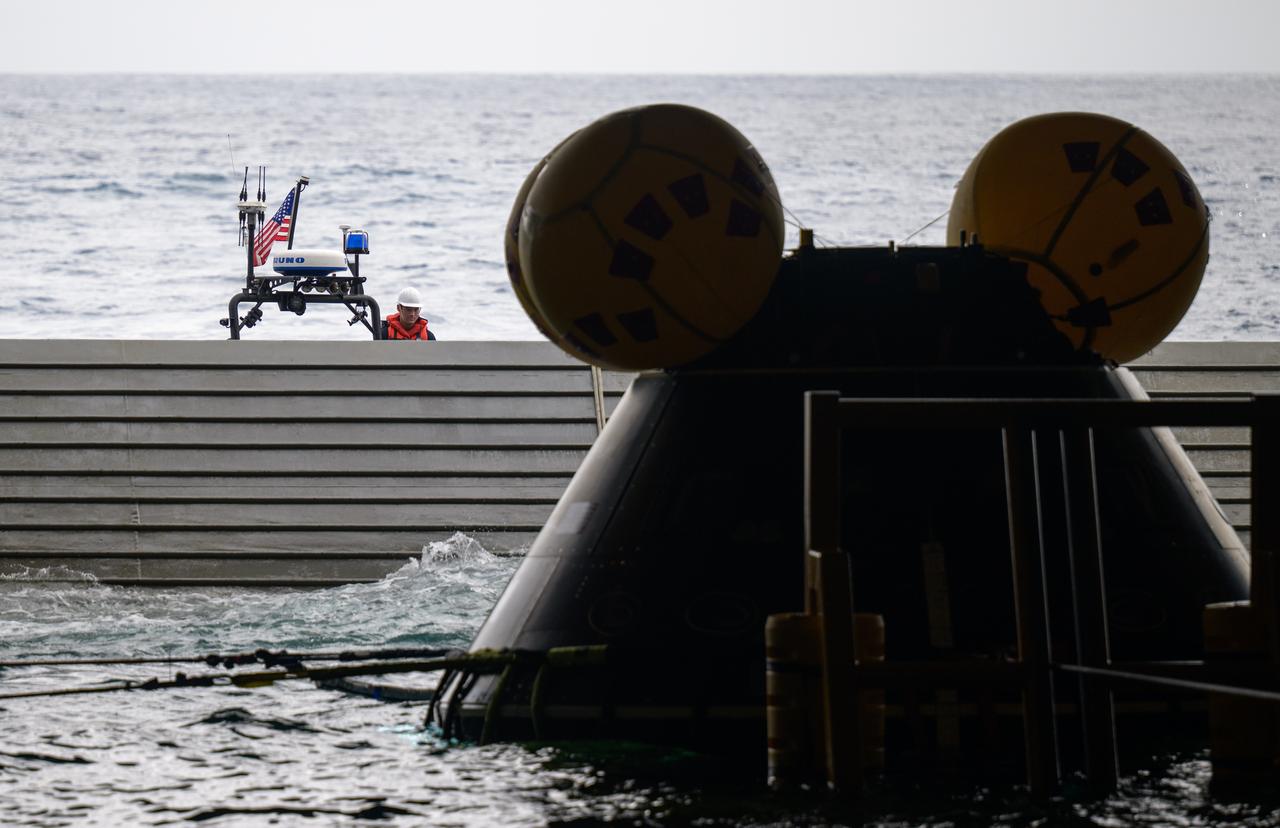
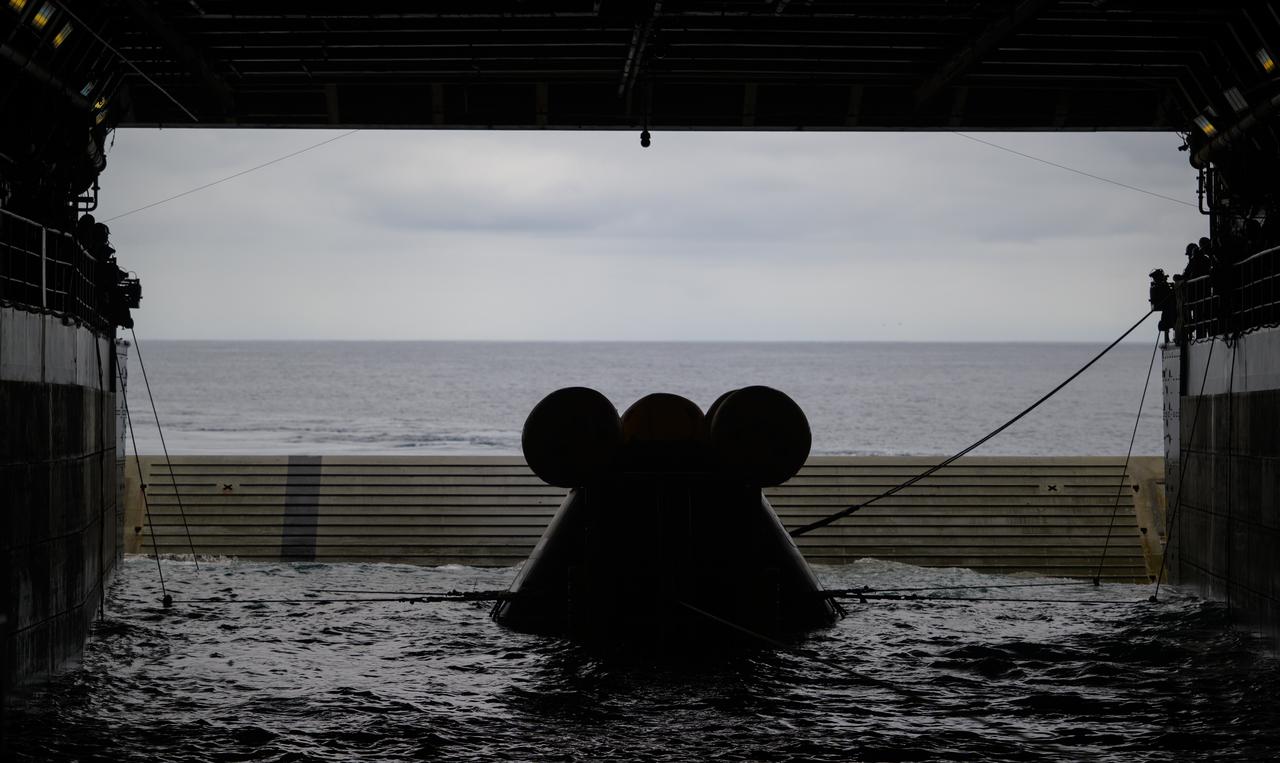
The Crew Module Test Article (CMTA), a full scale mockup of the Orion spacecraft, is seen inside the well deck of USS Somerset as teams practice Artemis recovery operations during Underway Recovery Test-12 off the coast of California, Saturday, March 29, 2025. During the test, NASA and Department of Defense teams are practicing to ensure recovery procedures are validated as NASA plans to send Artemis II around the Moon and splashdown in the Pacific Ocean. Photo Credit: (NASA/Bill Ingalls)
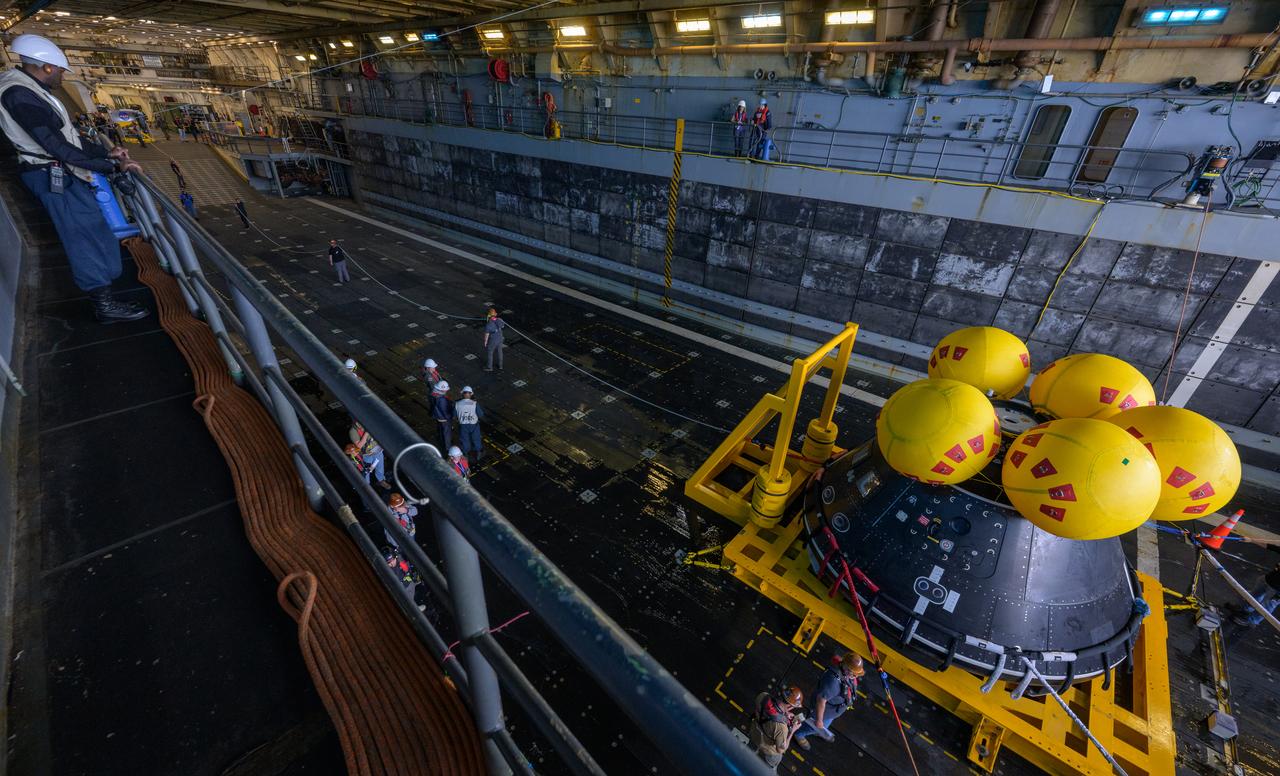
Teams work on the Crew Module Test Article (CMTA), a full scale mockup of the Orion spacecraft, as it sits sits nestled in its cradle during Underway Recovery Test-12 onboard USS Somerset off the coast of California, Wednesday, March 26, 2025. During the test, NASA and Department of Defense teams are practicing to ensure recovery procedures are validated as NASA plans to send Artemis II astronauts around the Moon and splashdown in the Pacific Ocean. Photo Credit: (NASA/Bill Ingalls)
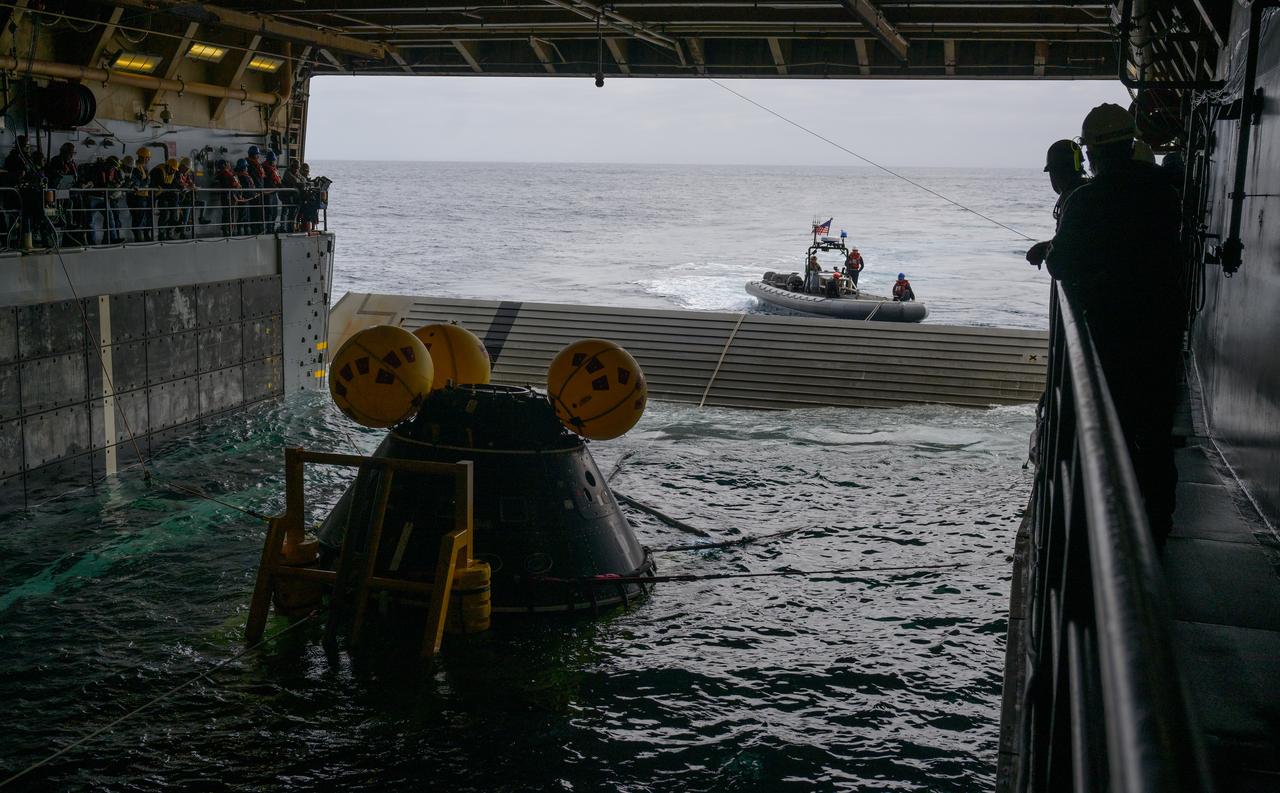
Teams recover the Crew Module Test Article (CMTA), a full scale mockup of the Orion spacecraft, as they practice Artemis recovery operations during Underway Recovery Test-12 onboard USS Somerset off the coast of California, Saturday, March 29, 2025. During the test, NASA and Department of Defense teams are practicing to ensure recovery procedures are validated as NASA plans to send Artemis II around the Moon and splashdown in the Pacific Ocean. Photo Credit: (NASA/Bill Ingalls)
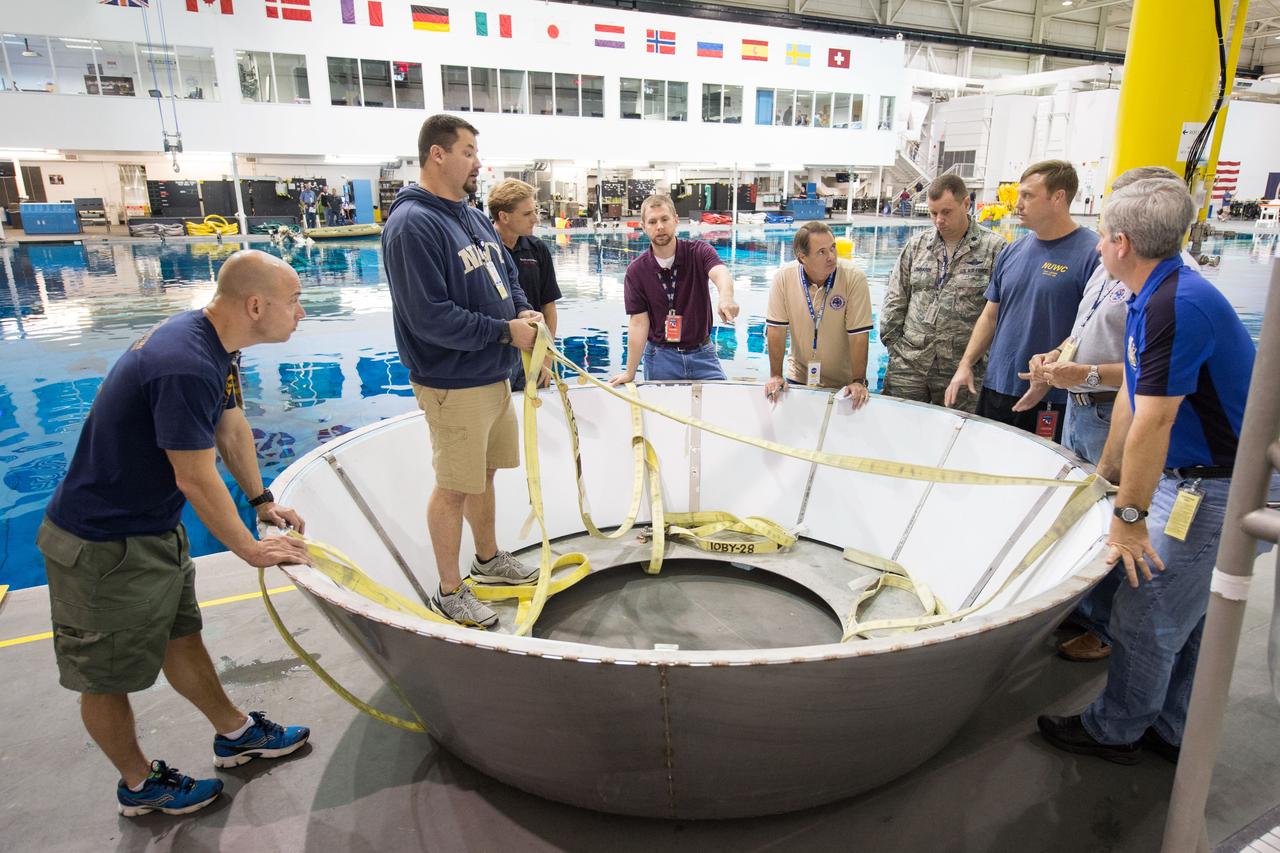
NASA, Department of Defense personnel from Detachment 3 out of Patrick Air Force Base, and the Mobile Diving Salvage Unit based in San Diego conduct a testing session at the Neutral Buoyancy Lab in Houston on Dec. 5, 2012 to evaluate procedures, mockups, and prototype hardware used to train personnel in recovery of the Orion crew module and the forward bay cover for Exploration Flight Test-1 (EFT-1). Part of Batch image transfer from Flickr.
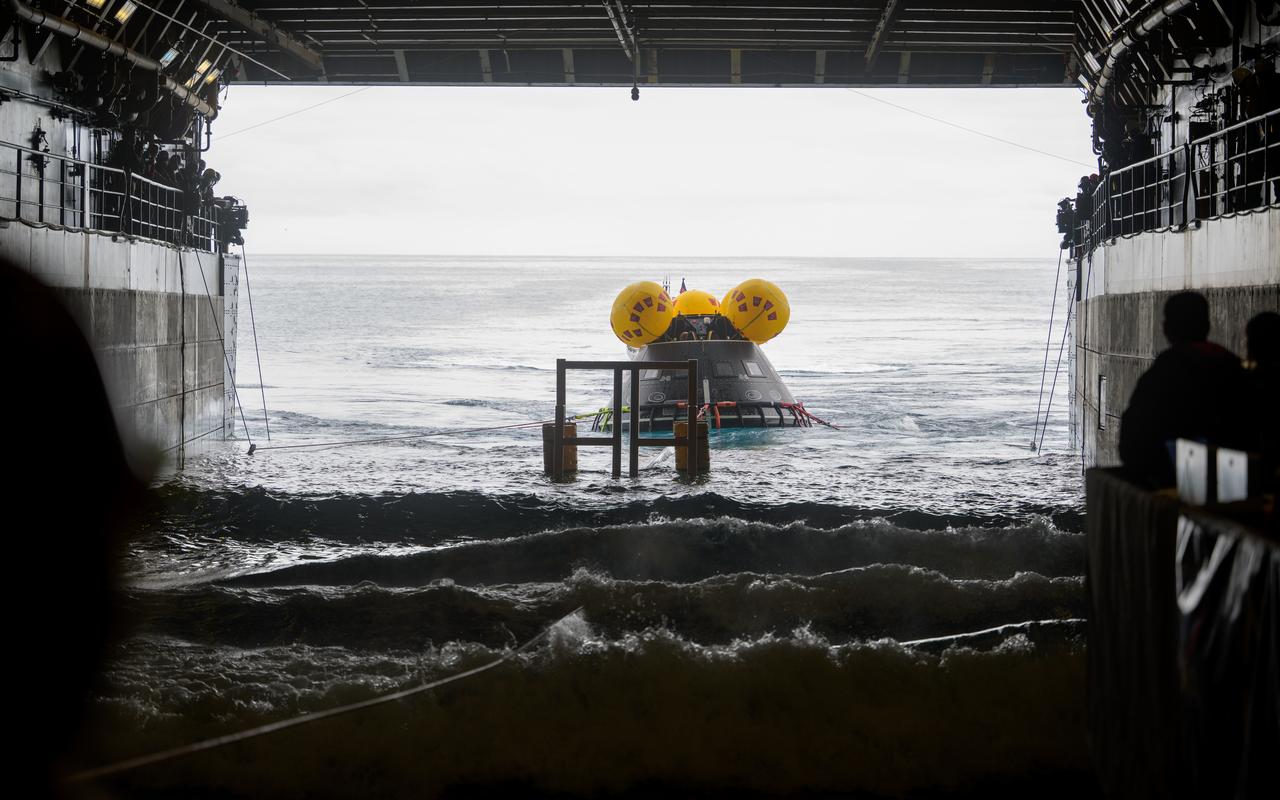
The Crew Module Test Article (CMTA), a full scale mockup of the Orion spacecraft, is seen during Underway Recovery Test-12 onboard USS Somerset off the coast of California, Wednesday, March 26, 2025. During the test, NASA and Department of Defense teams are practicing to ensure recovery procedures are validated as NASA plans to send Artemis II astronauts around the Moon and splashdown in the Pacific Ocean. Photo Credit: (NASA/Joel Kowsky)
Members of NASA’s Landing and Recovery team are seen as they recover the Crew Module Test Article (CMTA), a full scale mockup of the Orion spacecraft, as teams practice Artemis recovery operations during Underway Recovery Test-12 onboard USS Somerset off the coast of California, Saturday, March 29, 2025. During the test, NASA and Department of Defense teams are practicing to ensure recovery procedures are validated as NASA plans to send Artemis II around the Moon and splashdown in the Pacific Ocean. Photo Credit: (NASA/Bill Ingalls)
The Crew Module Test Article (CMTA), a full scale mockup of the Orion spacecraft, sits nestled in its cradle during Underway Recovery Test-12 onboard USS Somerset off the coast of California, Wednesday, March 26, 2025. During the test, NASA and Department of Defense teams are practicing to ensure recovery procedures are validated as NASA plans to send Artemis II astronauts around the Moon and splashdown in the Pacific Ocean. Photo Credit: (NASA/Joel Kowsky)
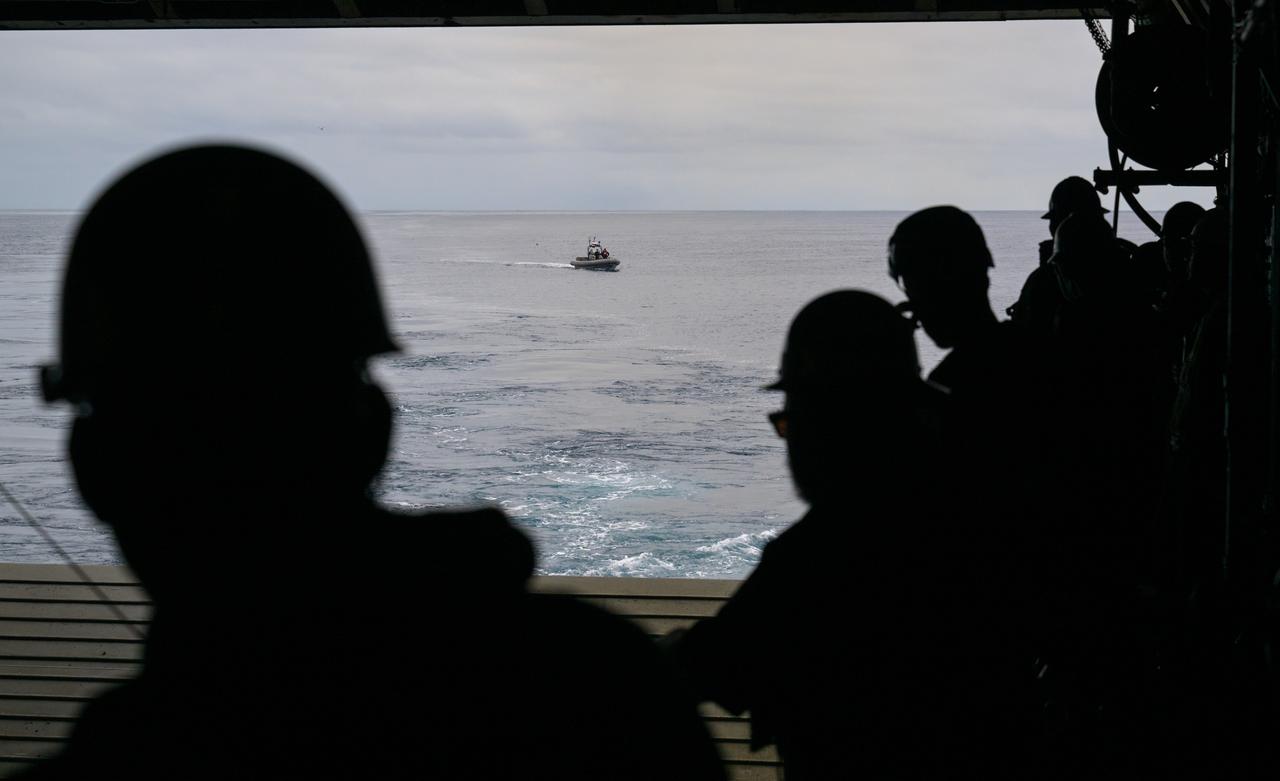
Mission support teams are seen off the stern of USS Somerset as they practice with the Crew Module Test Article (CMTA), a full scale mockup of the Orion spacecraft, during Underway Recovery Test-12 off the coast of California, Wednesday, March 26, 2025. During the test, NASA and Department of Defense teams are practicing to ensure recovery procedures are validated as NASA plans to send Artemis II astronauts around the Moon and splashdown in the Pacific Ocean. Photo Credit: (NASA/Bill Ingalls)
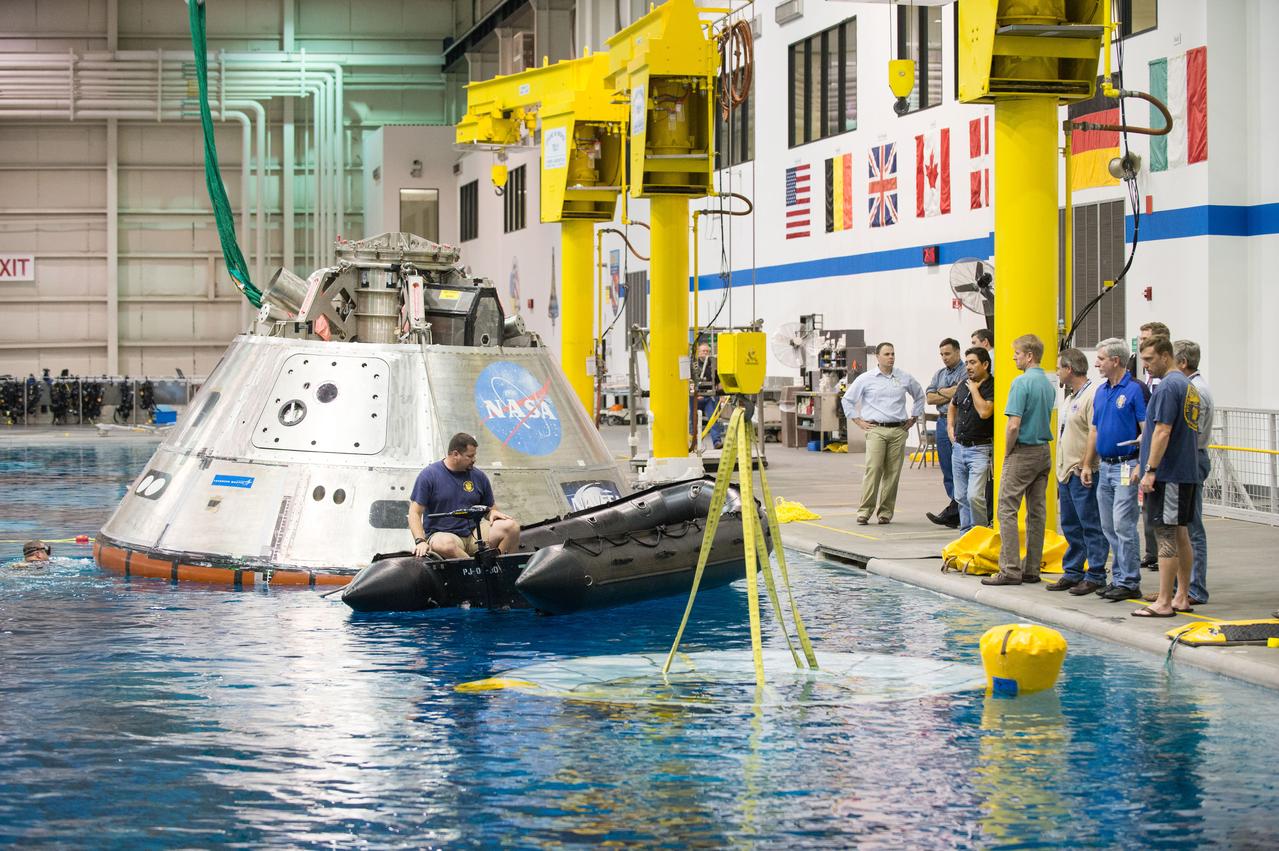
NASA, Department of Defense personnel from Detachment 3 out of Patrick Air Force Base, and the Mobile Diving Salvage Unit based in San Diego conduct a testing session at the Neutral Buoyancy Lab in Houston on Dec. 5, 2012 to evaluate procedures, mockups, and prototype hardware used to train personnel in recovery of the Orion crew module and the forward bay cover for Exploration Flight Test-1 (EFT-1). Part of Batch image transfer from Flickr.
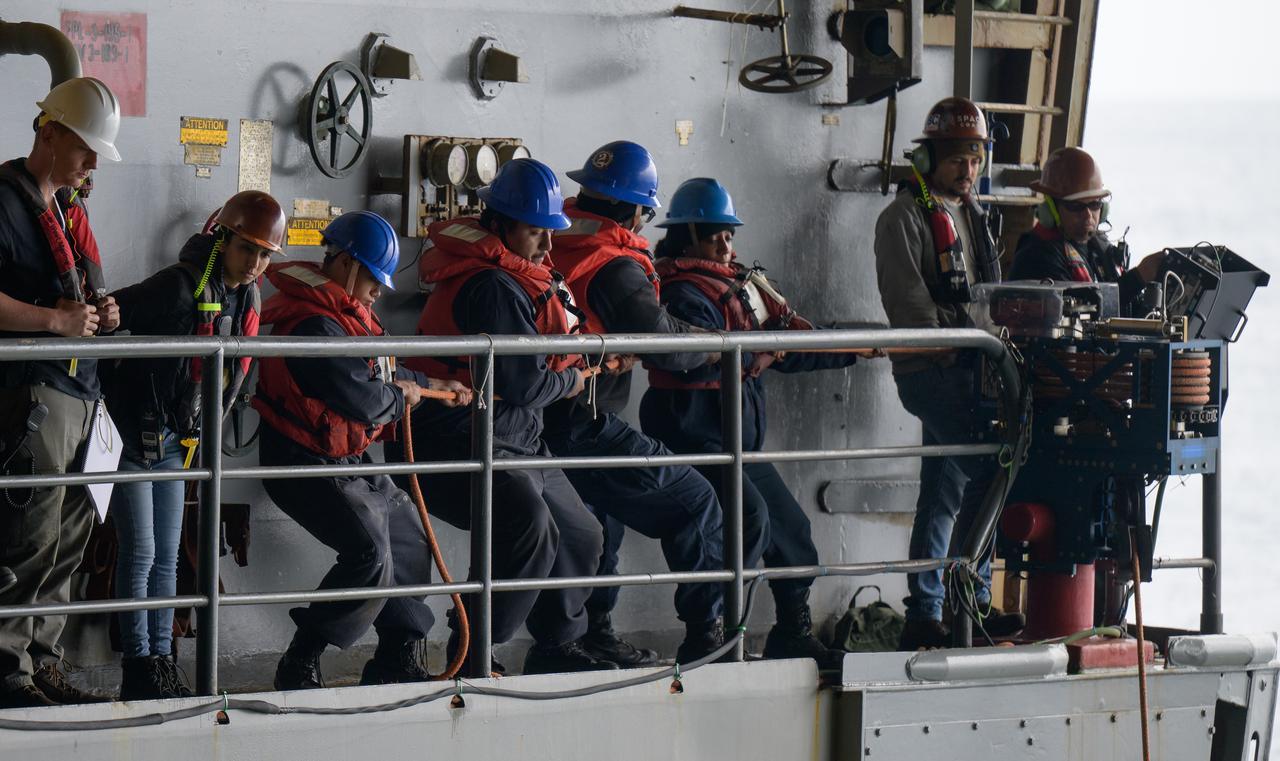
Sailors from USS Somerset assist in the recovery of the Crew Module Test Article (CMTA), a full scale mockup of the Orion spacecraft, as teams practice Artemis recovery operations during Underway Recovery Test-12 onboard USS Somerset off the coast of California, Saturday, March 29, 2025. During the test, NASA and Department of Defense teams are practicing to ensure recovery procedures are validated as NASA plans to send Artemis II around the Moon and splashdown in the Pacific Ocean. Photo Credit: (NASA/Bill Ingalls)
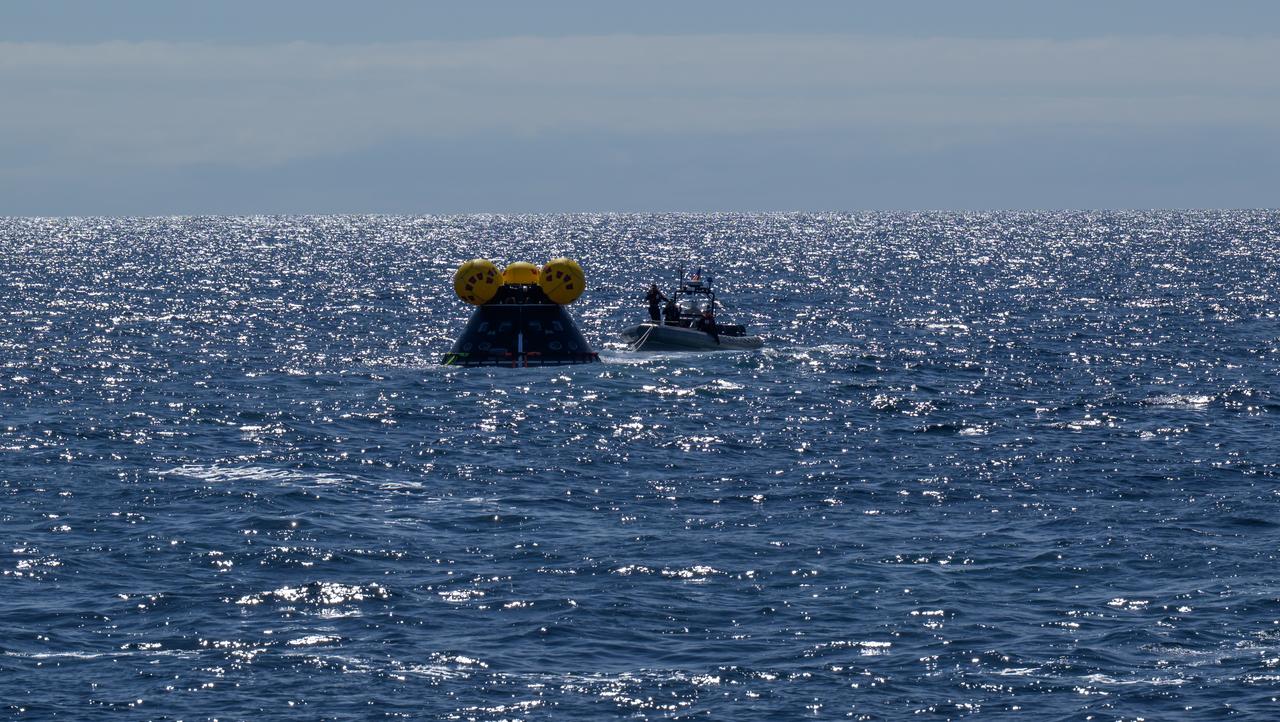
The Crew Module Test Article (CMTA), a full scale mockup of the Orion spacecraft, is seen during Underway Recovery Test-12 onboard USS Somerset off the coast of California, Thursday, March 27, 2025. During the test, NASA and Department of Defense teams are practicing to ensure recovery procedures are validated as NASA plans to send Artemis II astronauts around the Moon and splashdown in the Pacific Ocean. Photo Credit: (NASA/Bill Ingalls)
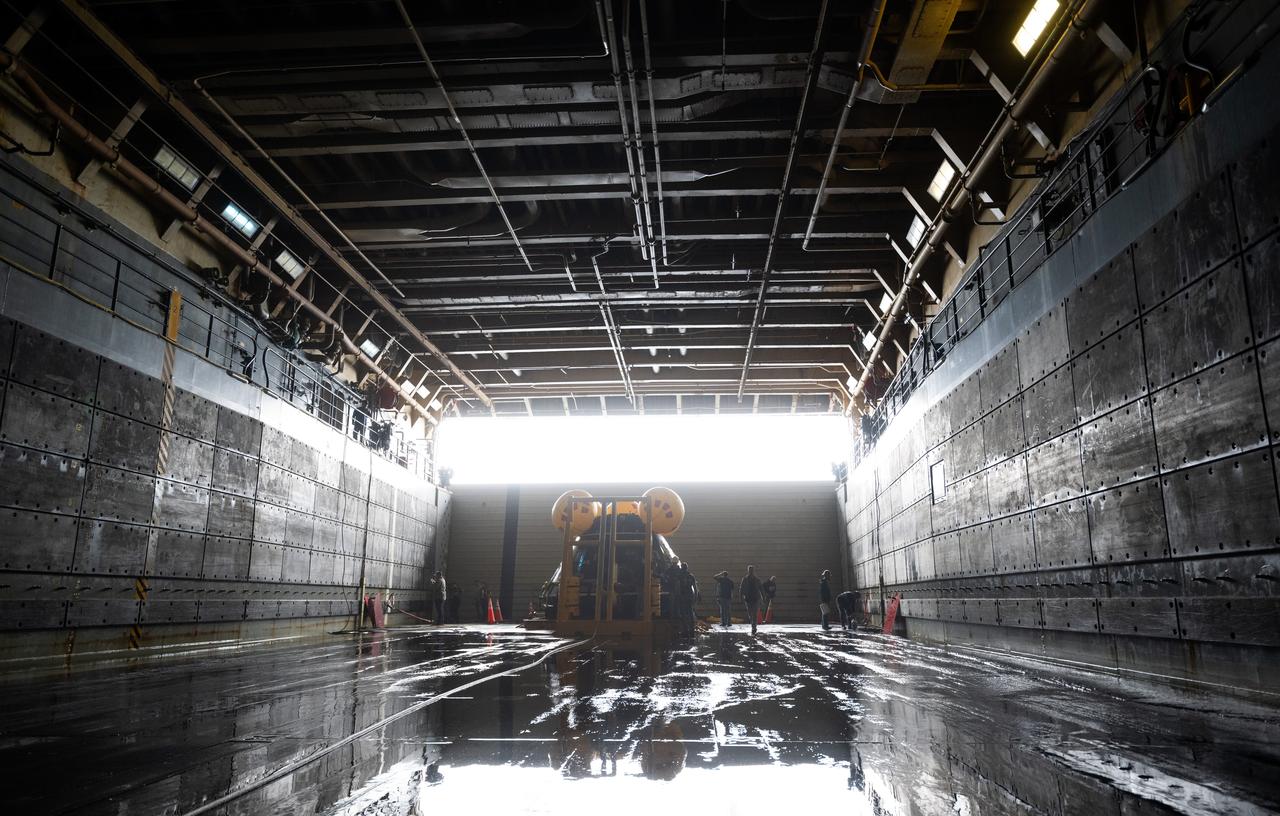
Teams work around the Crew Module Test Article (CMTA), a full scale mockup of the Orion spacecraft, as it sits nestled in its cradle following the completion of the days activities as part of Underway Recovery Test-12 onboard USS Somerset, Wednesday, March 26, 2025. During the test, NASA and Department of Defense teams are practicing to ensure recovery procedures are validated as NASA plans to send the Artemis II astronauts around the Moon and splashdown in the Pacific Ocean. Photo Credit: (NASA/Joel Kowsky)
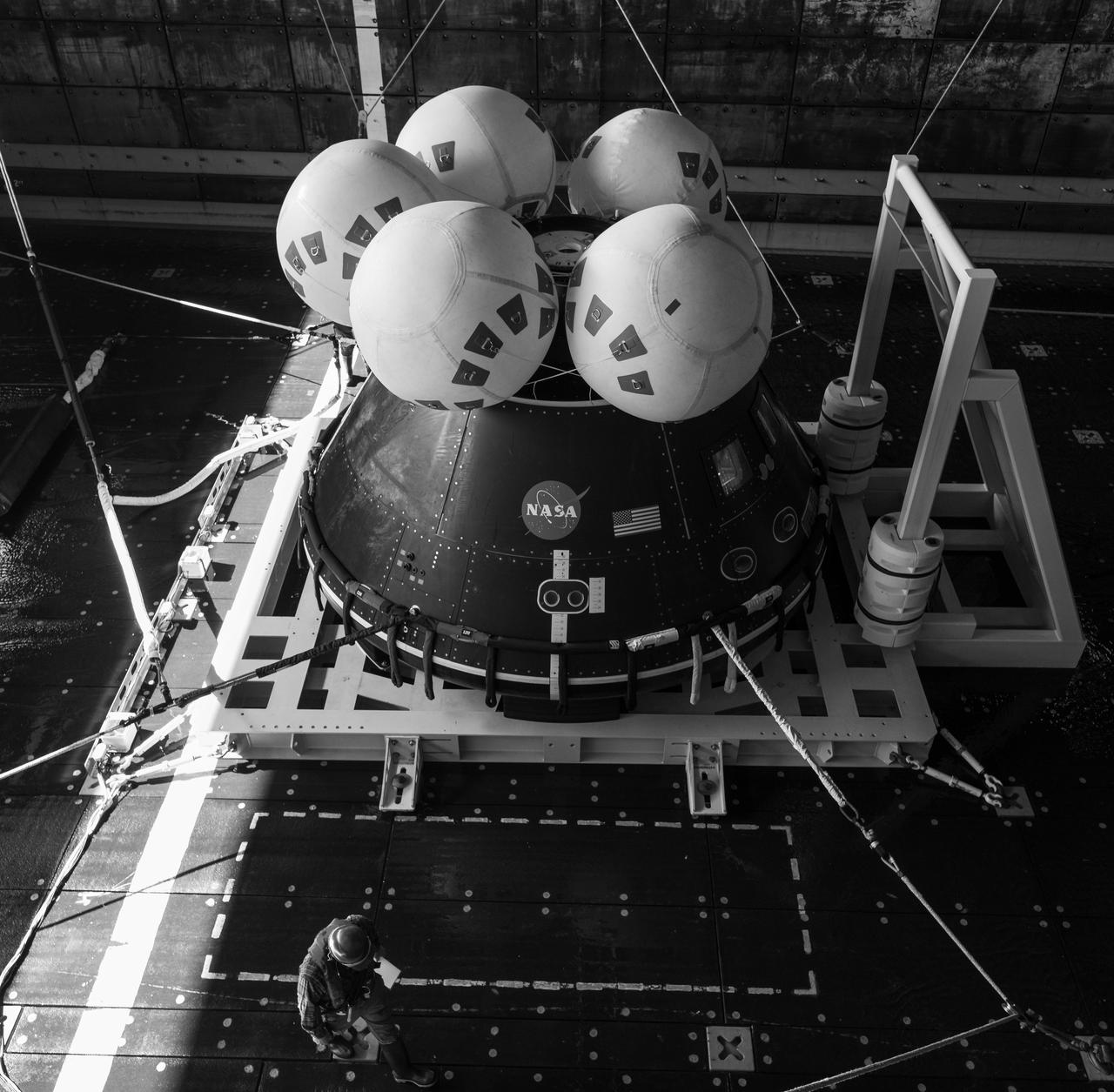
Teams work on the Crew Module Test Article (CMTA), a full scale mockup of the Orion spacecraft, as it sits nestled in its cradle during Underway Recovery Test-12 onboard USS Somerset off the coast of California, Friday, March 28, 2025. During the test, NASA and Department of Defense teams are practicing to ensure recovery procedures are validated as NASA plans to send Artemis II astronauts around the Moon and splashdown in the Pacific Ocean. Photo Credit: (NASA/Bill Ingalls)
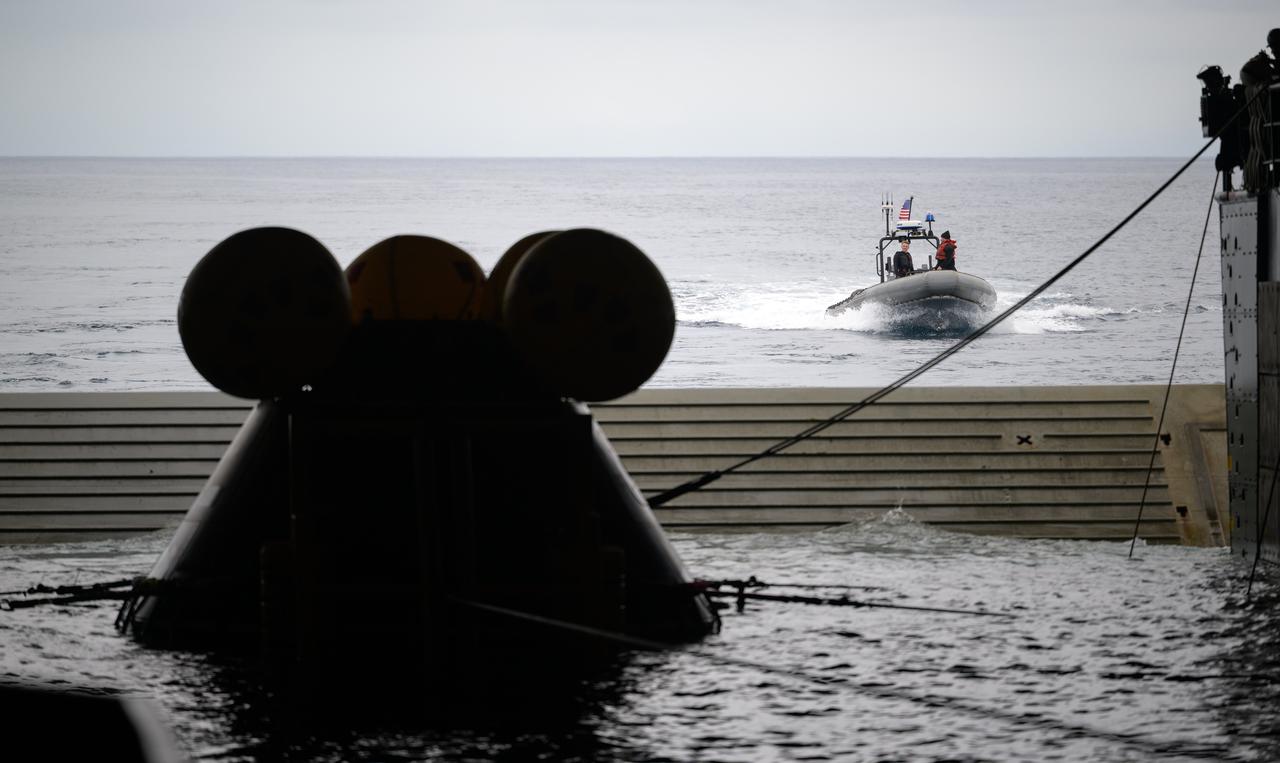
The Crew Module Test Article (CMTA), a full scale mockup of the Orion spacecraft, sits nestled in its cradle during Underway Recovery Test-12 onboard USS Somerset off the coast of California, Wednesday, March 26, 2025. During the test, NASA and Department of Defense teams are practicing to ensure recovery procedures are validated as NASA plans to send Artemis II astronauts around the Moon and splashdown in the Pacific Ocean. Photo Credit: (NASA/Joel Kowsky)
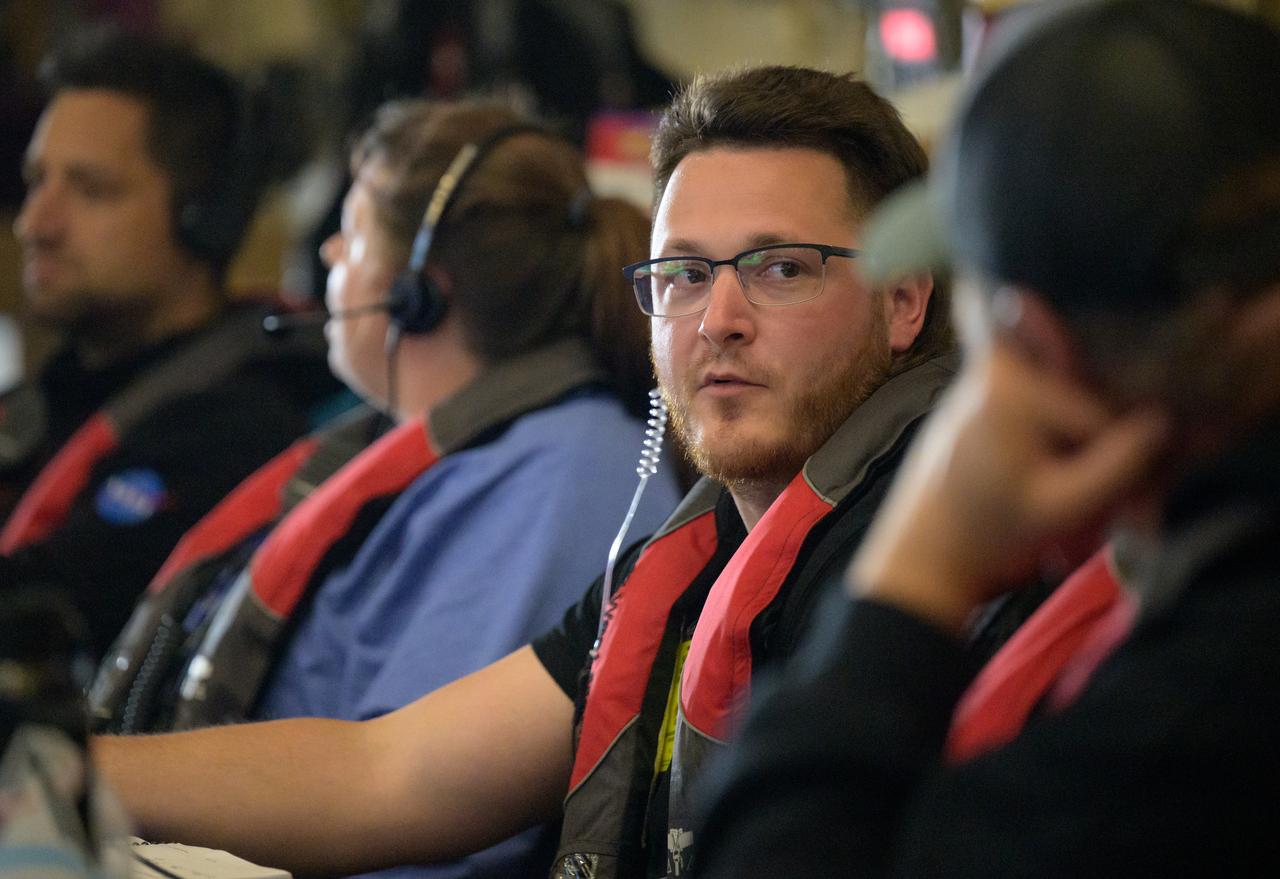
Members of NASA’s Landing and Recovery team are seen as they recover the Crew Module Test Article (CMTA), a full scale mockup of the Orion spacecraft, as teams practice Artemis recovery operations during Underway Recovery Test-12 onboard USS Somerset off the coast of California, Saturday, March 29, 2025. During the test, NASA and Department of Defense teams are practicing to ensure recovery procedures are validated as NASA plans to send Artemis II around the Moon and splashdown in the Pacific Ocean. Photo Credit: (NASA/Bill Ingalls)
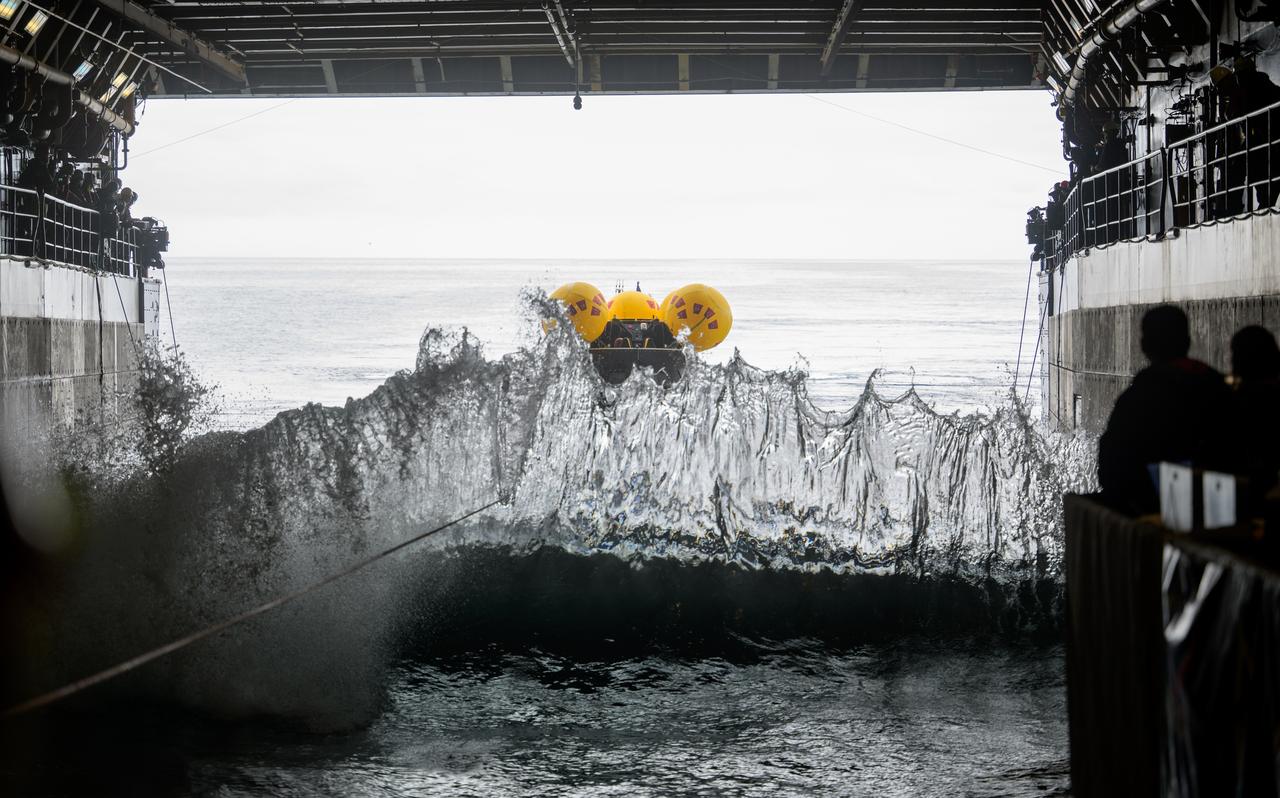
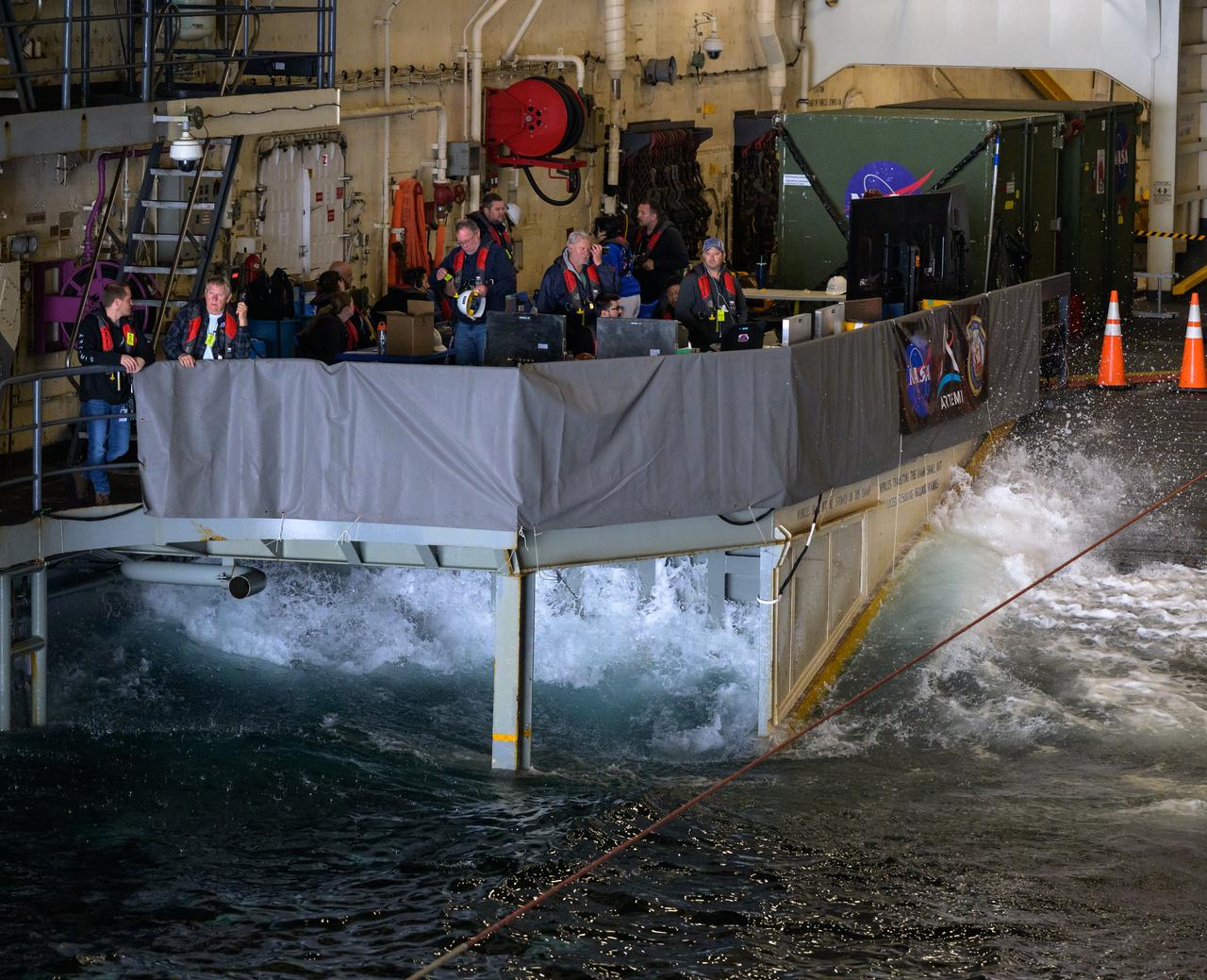
Waves break inside USS Somerset as the Crew Module Test Article (CMTA), a full scale mockup of the Orion spacecraft, is tethered during Underway Recovery Test-12 off the coast of California, Wednesday, March 26, 2025. During the test, NASA and Department of Defense teams are practicing to ensure recovery procedures are validated as NASA plans to send Artemis II astronauts around the Moon and splashdown in the Pacific Ocean. Photo Credit: (NASA/Joel Kowsky)
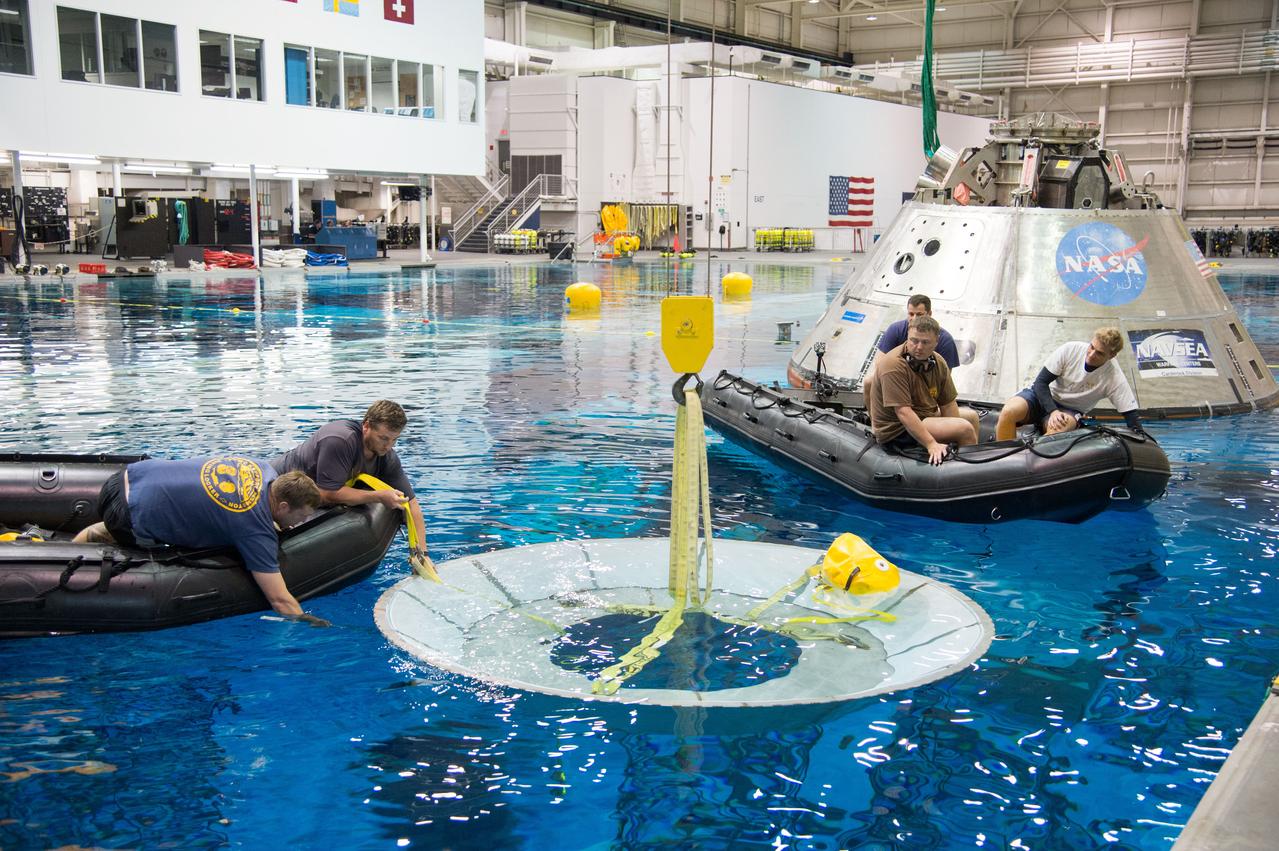
NASA, Department of Defense personnel from Detachment 3 out of Patrick Air Force Base, and the Mobile Diving Salvage Unit based in San Diego conduct a testing session at the Neutral Buoyancy Lab in Houston on Dec. 5, 2012 to evaluate procedures, mockups, and prototype hardware used to train personnel in recovery of the Orion crew module and the forward bay cover for Exploration Flight Test-1 (EFT-1). Part of Batch image transfer from Flickr.
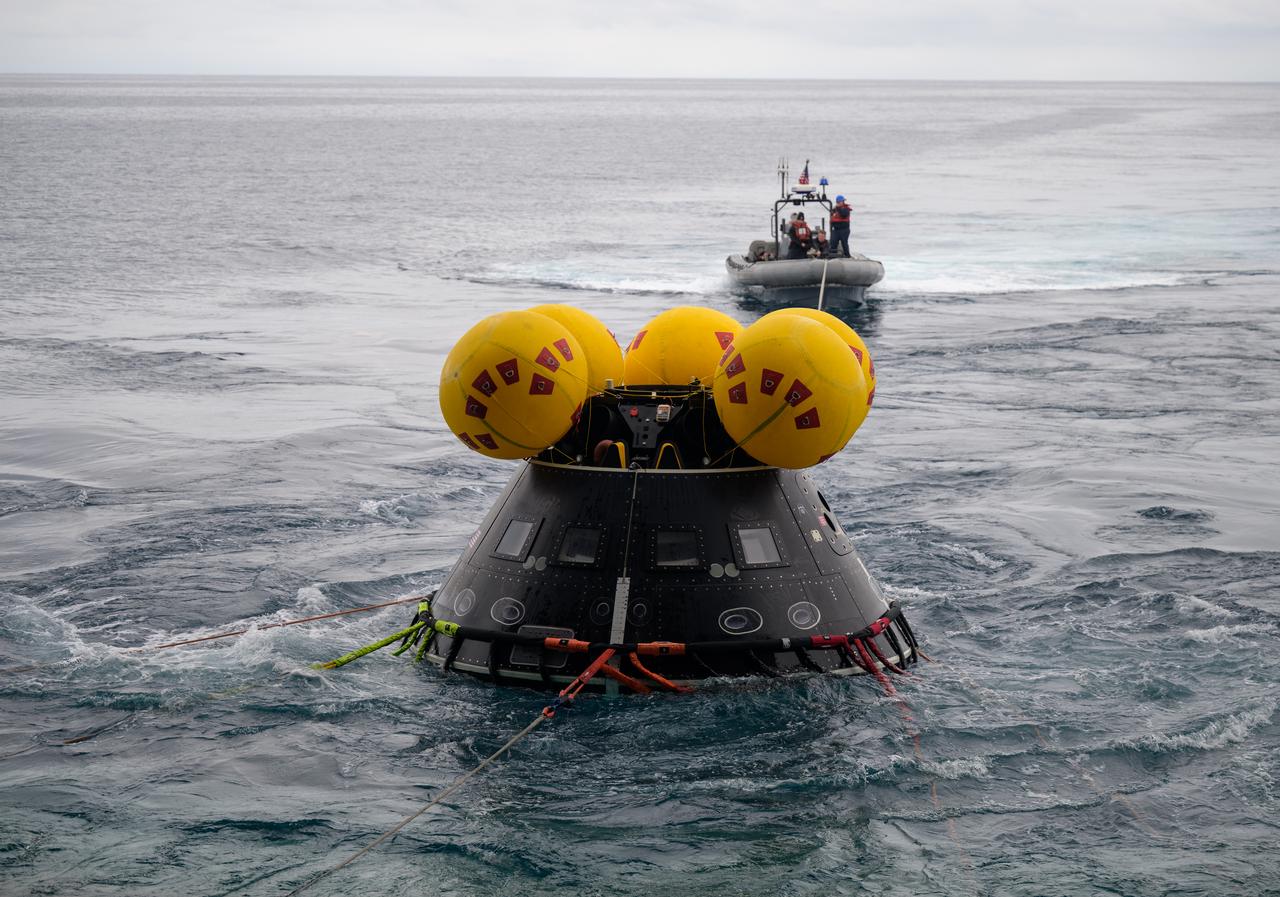
The Crew Module Test Article (CMTA), a full scale mockup of the Orion spacecraft, is seen during Underway Recovery Test-12 onboard USS Somerset off the coast of California, Wednesday, March 26, 2025. During the test, NASA and Department of Defense teams are practicing to ensure recovery procedures are validated as NASA plans to send Artemis II astronauts around the Moon and splashdown in the Pacific Ocean. Photo Credit: (NASA/Bill Ingalls)
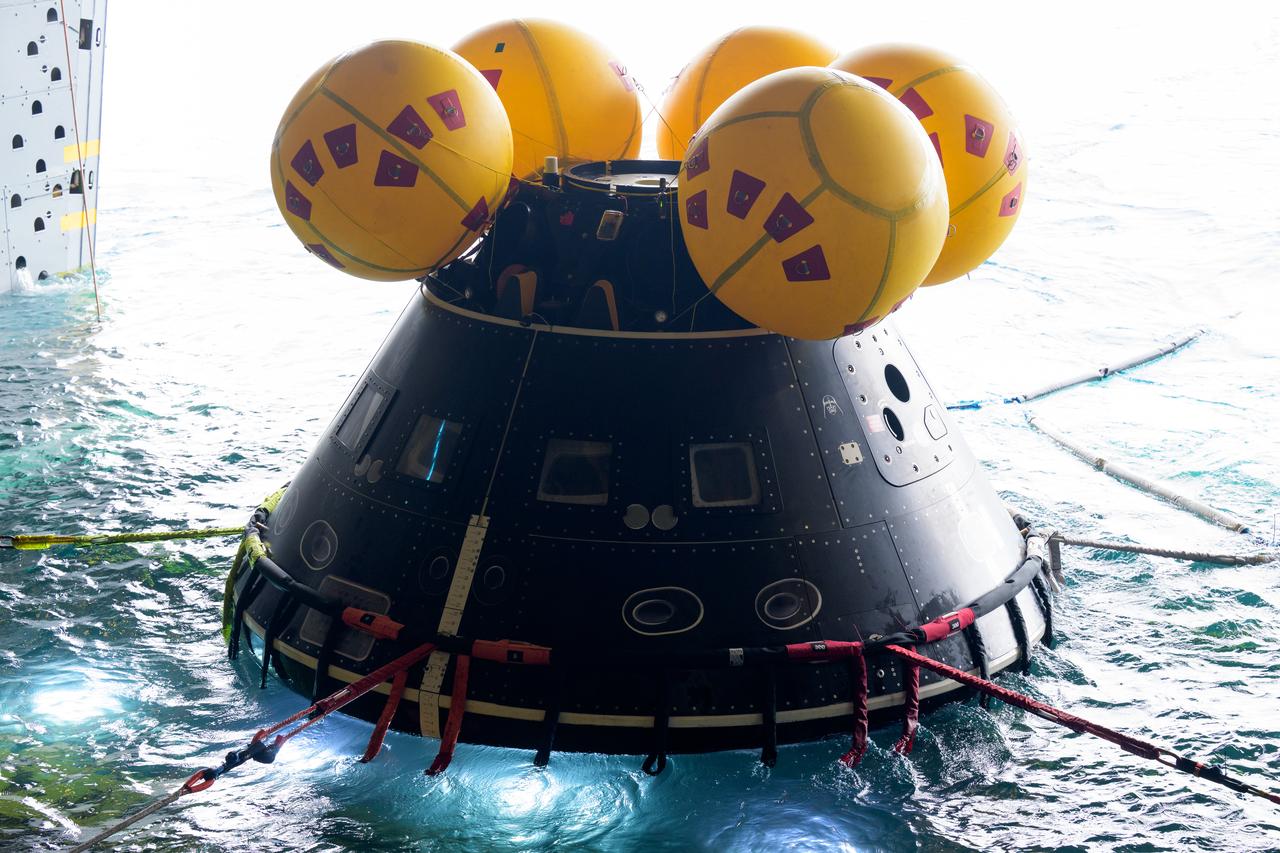
The Crew Module Test Article (CMTA), a full scale mockup of the Orion spacecraft, is seen during Underway Recovery Test-12 onboard USS Somerset off the coast of California, Wednesday, March 26, 2025. During the test, NASA and Department of Defense teams are practicing to ensure recovery procedures are validated as NASA plans to send Artemis II astronauts around the Moon and splashdown in the Pacific Ocean. Photo Credit: (NASA/Bill Ingalls)
Members of NASA’s Landing and Recovery team are seen as they recover the Crew Module Test Article (CMTA), a full scale mockup of the Orion spacecraft, as teams practice Artemis recovery operations during Underway Recovery Test-12 onboard USS Somerset off the coast of California, Saturday, March 29, 2025. During the test, NASA and Department of Defense teams are practicing to ensure recovery procedures are validated as NASA plans to send Artemis II around the Moon and splashdown in the Pacific Ocean. Photo Credit: (NASA/Bill Ingalls)
Mission support teams are seen off the stern of USS Somerset as they practice with the Crew Module Test Article (CMTA), a full scale mockup of the Orion spacecraft, during Underway Recovery Test-12 off the coast of California, Wednesday, March 26, 2025. During the test, NASA and Department of Defense teams are practicing to ensure recovery procedures are validated as NASA plans to send Artemis II astronauts around the Moon and splashdown in the Pacific Ocean. Photo Credit: (NASA/Bill Ingalls)
The Crew Module Test Article (CMTA), a full scale mockup of the Orion spacecraft, sits nestled in its cradle during Underway Recovery Test-12 onboard USS Somerset off the coast of California, Saturday, March 29, 2025. During the test, NASA and Department of Defense teams are practicing to ensure recovery procedures are validated as NASA plans to send Artemis II around the Moon and splashdown in the Pacific Ocean. Photo Credit: (NASA/Bill Ingalls)
The Crew Module Test Article (CMTA), a full scale mockup of the Orion spacecraft, is seen during Underway Recovery Test-12 onboard USS Somerset off the coast of California, Wednesday, March 26, 2025. During the test, NASA and Department of Defense teams are practicing to ensure recovery procedures are validated as NASA plans to send Artemis II astronauts around the Moon and splashdown in the Pacific Ocean. Photo Credit: (NASA/Bill Ingalls)
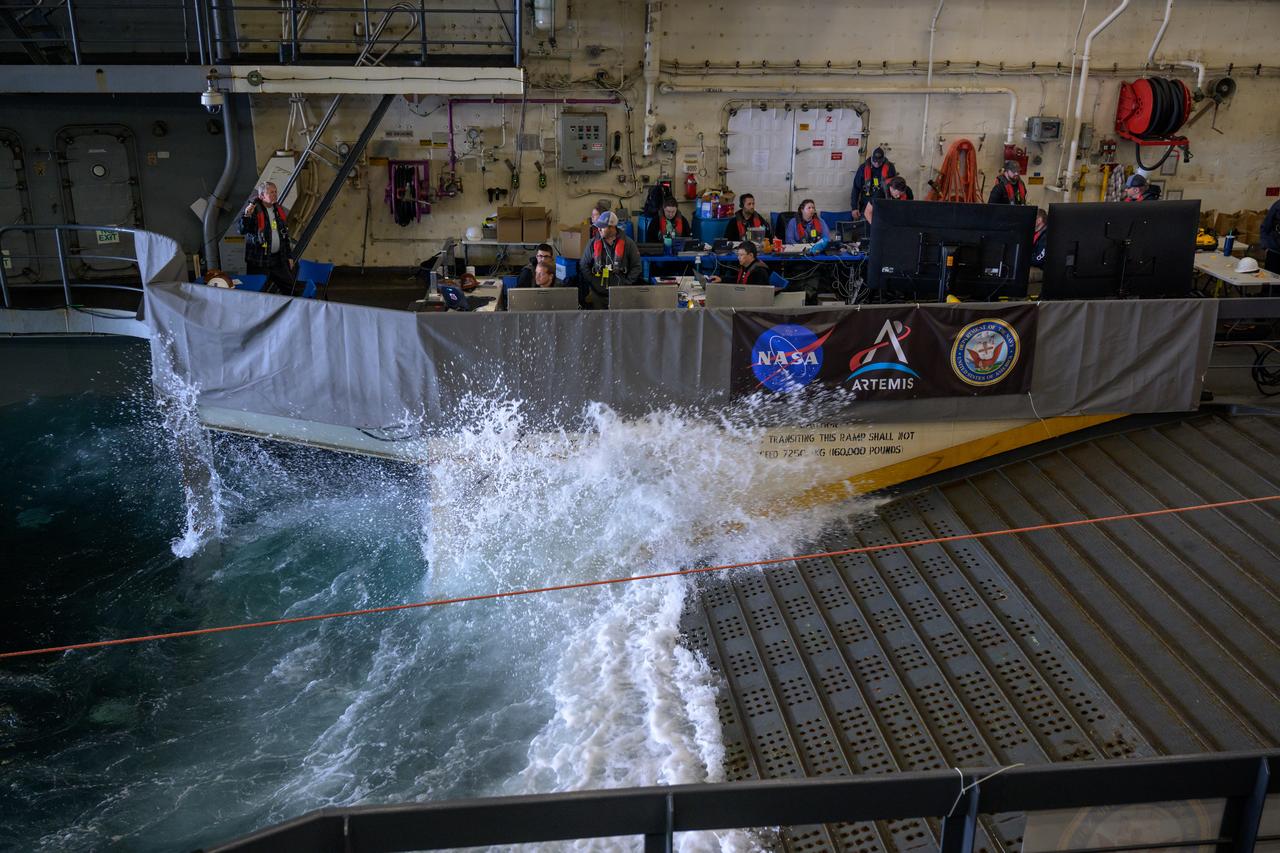
Members of NASA’s Landing and Recovery team are seen as they recover the Crew Module Test Article (CMTA), a full scale mockup of the Orion spacecraft, as teams practice Artemis recovery operations during Underway Recovery Test-12 onboard USS Somerset off the coast of California, Saturday, March 29, 2025. During the test, NASA and Department of Defense teams are practicing to ensure recovery procedures are validated as NASA plans to send Artemis II around the Moon and splashdown in the Pacific Ocean. Photo Credit: (NASA/Bill Ingalls)
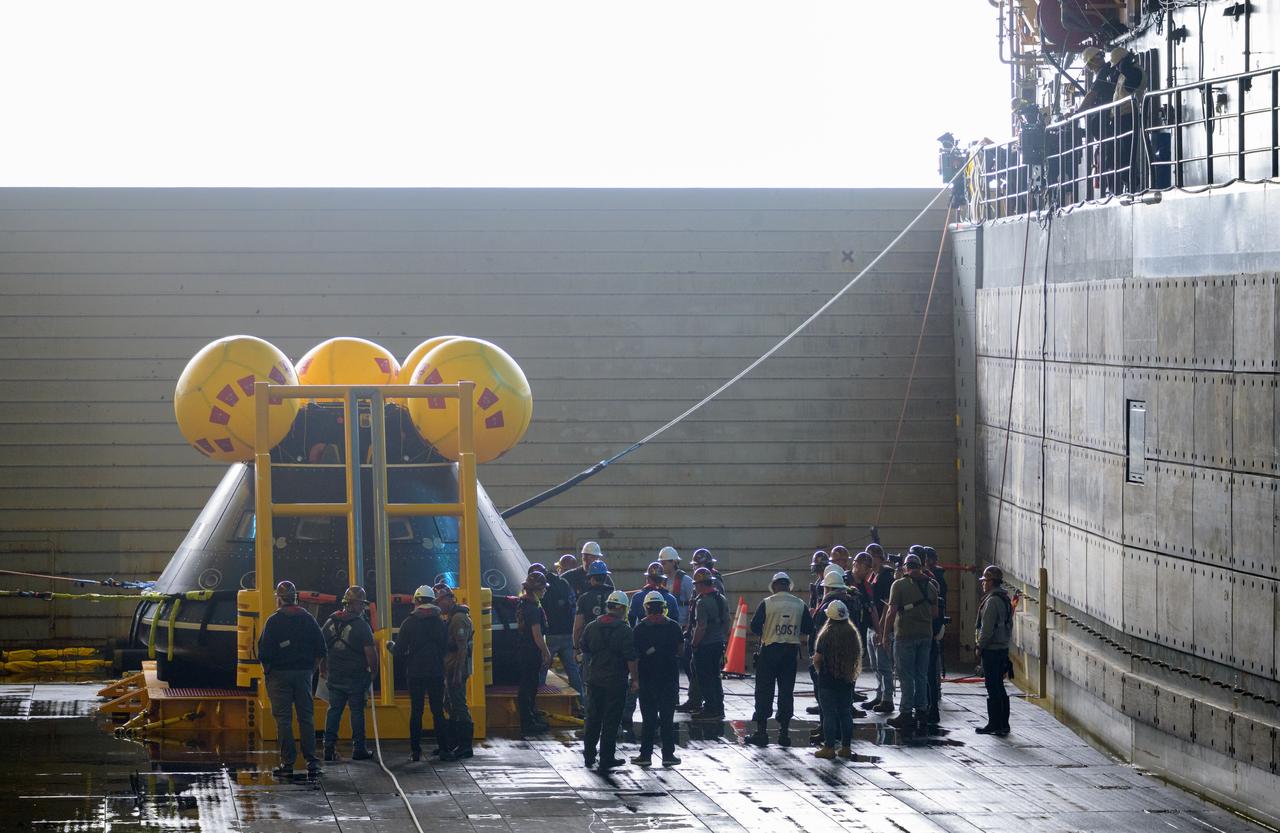
Teams work on the Crew Module Test Article (CMTA), a full scale mockup of the Orion spacecraft, as it sits sits nestled in its cradle during Underway Recovery Test-12 onboard USS Somerset off the coast of California, Wednesday, March 26, 2025. During the test, NASA and Department of Defense teams are practicing to ensure recovery procedures are validated as NASA plans to send Artemis II astronauts around the Moon and splashdown in the Pacific Ocean. Photo Credit: (NASA/Joel Kowsky)

Members of NASA’s Landing and Recovery team, along with partners from the Department of Defense, practice Artemis recovery procedures as part of Underway Recovery Test 10 (URT-10) off the coast of San Diego on Aug. 1, 2023. The event involved the use of the Crew Module Test Article (CMTA), a full-scale mockup of NASA’s Orion spacecraft. URT-10 is the 10th in a series of Artemis recovery tests, but marked the first time NASA and its partners from the Department of Defense put their Artemis II recovery procedures to the test.
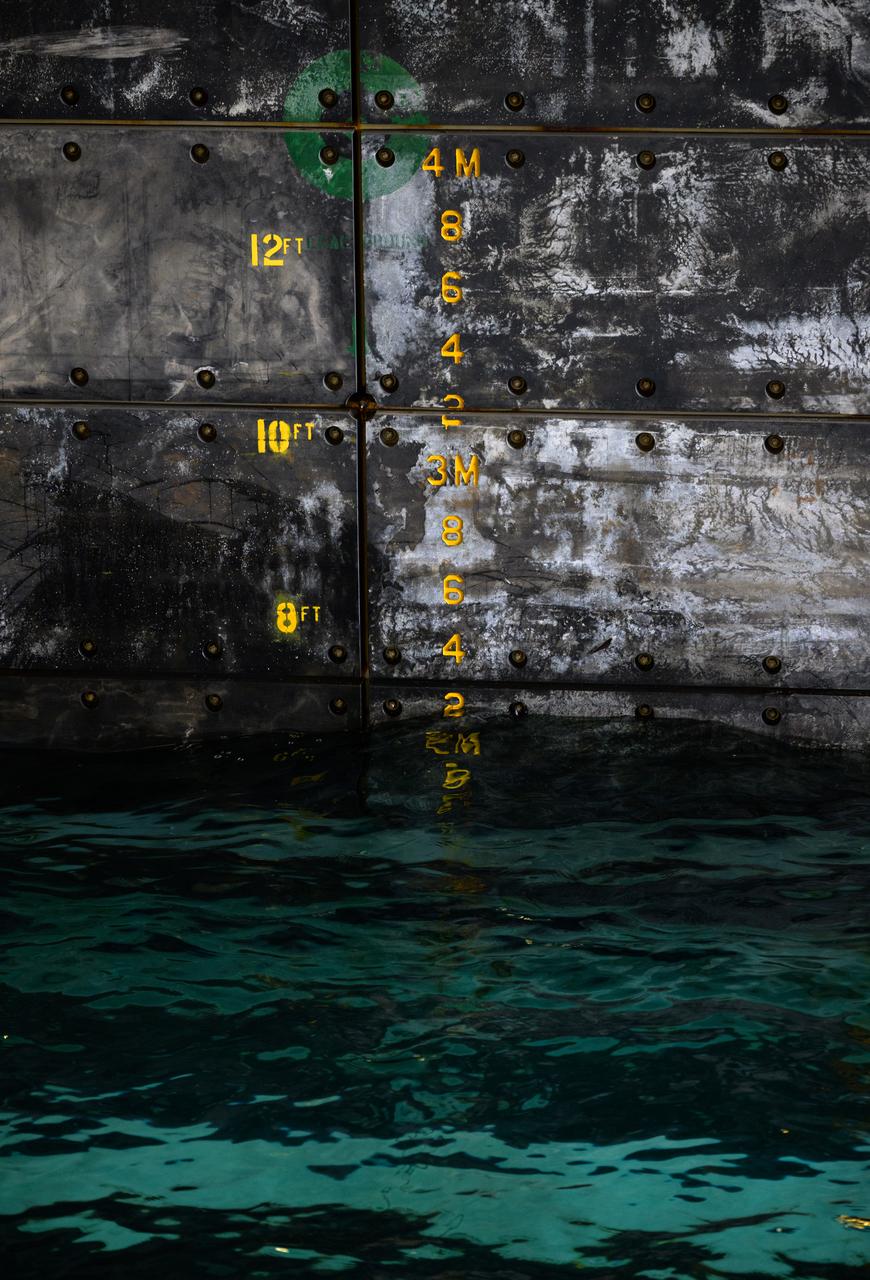
Indicators showing the water level in the well deck of USS Somerset are seen as teams deploy the Crew Module Test Article (CMTA), a full scale mockup of the Orion spacecraft, during Underway Recovery Test-12 off the coast of California, Wednesday, March 26, 2025. During the test, NASA and Department of Defense teams are practicing to ensure recovery procedures are validated as NASA plans to send Artemis II astronauts around the Moon and splashdown in the Pacific Ocean. Photo Credit: (NASA/Bill Ingalls)
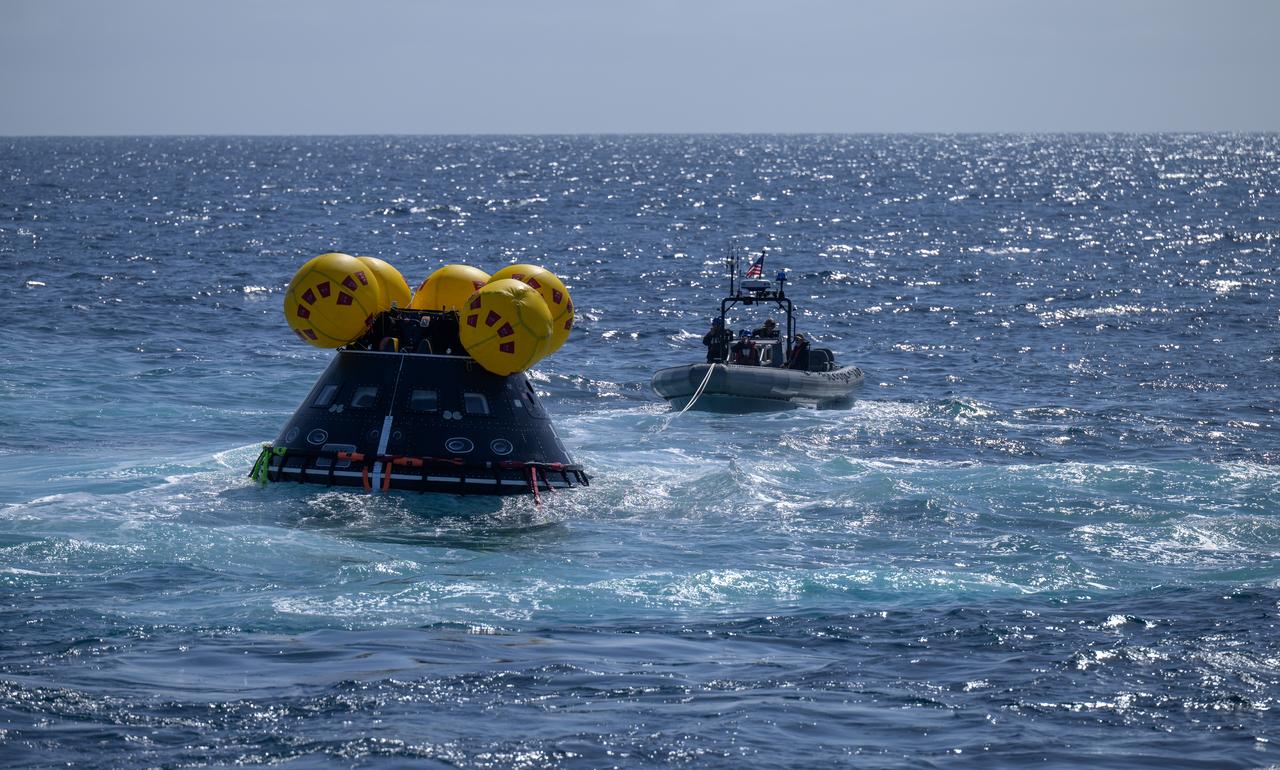
The Crew Module Test Article (CMTA), a full scale mockup of the Orion spacecraft, is seen during Underway Recovery Test-12 off the coast of California, Friday, March 28, 2025. During the test, NASA and Department of Defense teams are practicing to ensure recovery procedures are validated as NASA plans to send Artemis II astronauts around the Moon and splashdown in the Pacific Ocean. Photo Credit: (NASA/Bill Ingalls)
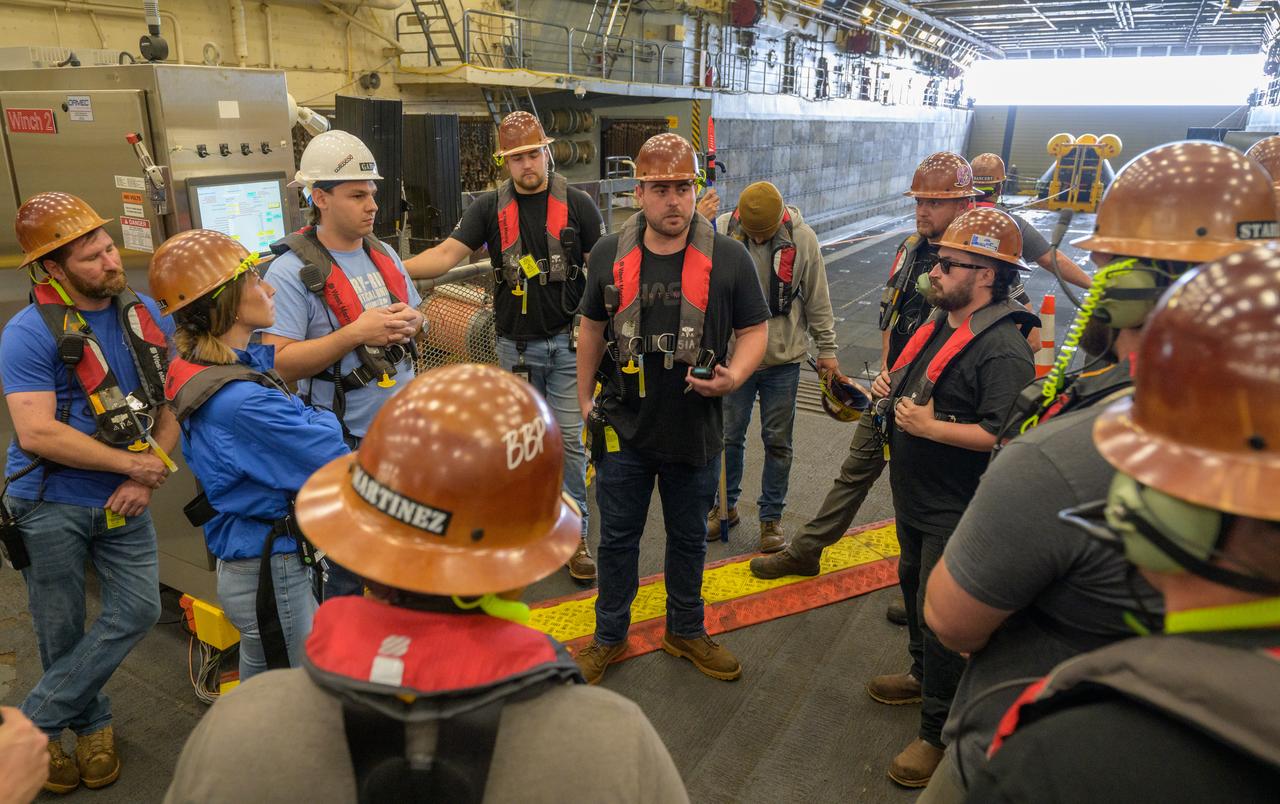
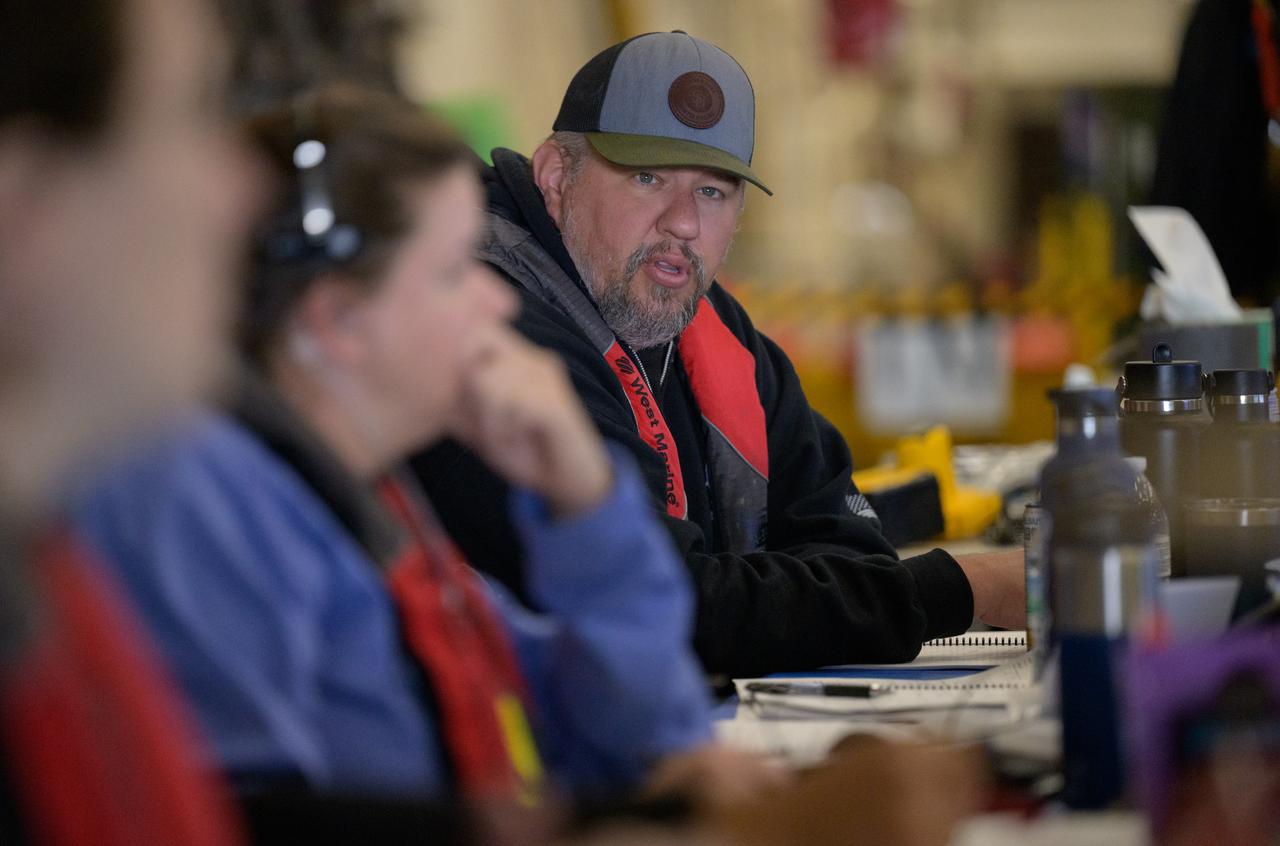
Teams gather as they prepare the Crew Module Test Article (CMTA), a full scale mockup of the Orion spacecraft, during the Underway Recovery Test-12 onboard USS Somerset off the coast of California, Wednesday, March 26, 2025. During the test, NASA and Department of Defense teams are practicing to ensure recovery procedures are validated as NASA plans to send Artemis II astronauts around the Moon and splashdown in the Pacific Ocean. Photo Credit: (NASA/Joel Kowsky)
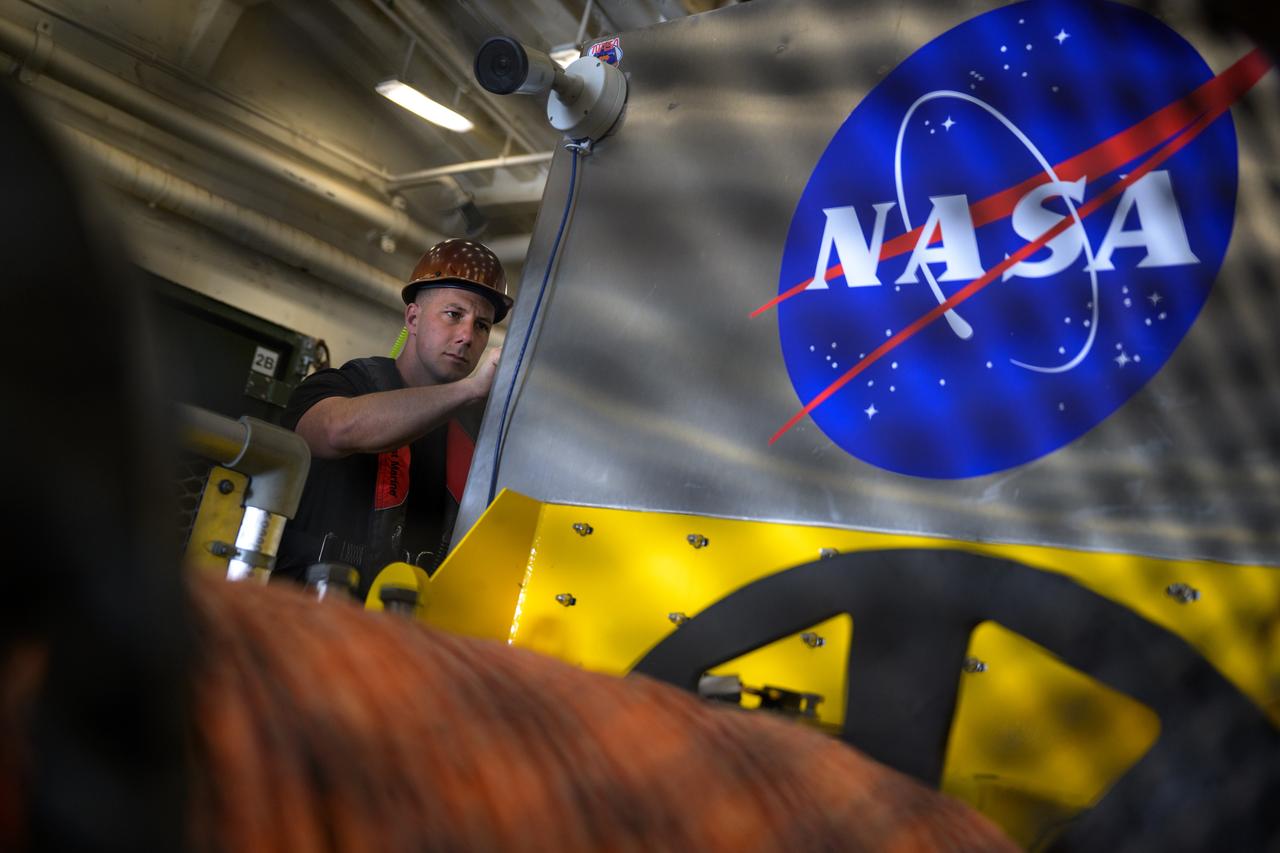
Members of NASA’s Landing and Recovery team are seen as they recover the Crew Module Test Article (CMTA), a full scale mockup of the Orion spacecraft, as teams practice Artemis recovery operations during Underway Recovery Test-12 onboard USS Somerset off the coast of California, Saturday, March 29, 2025. During the test, NASA and Department of Defense teams are practicing to ensure recovery procedures are validated as NASA plans to send Artemis II around the Moon and splashdown in the Pacific Ocean. Photo Credit: (NASA/Bill Ingalls)
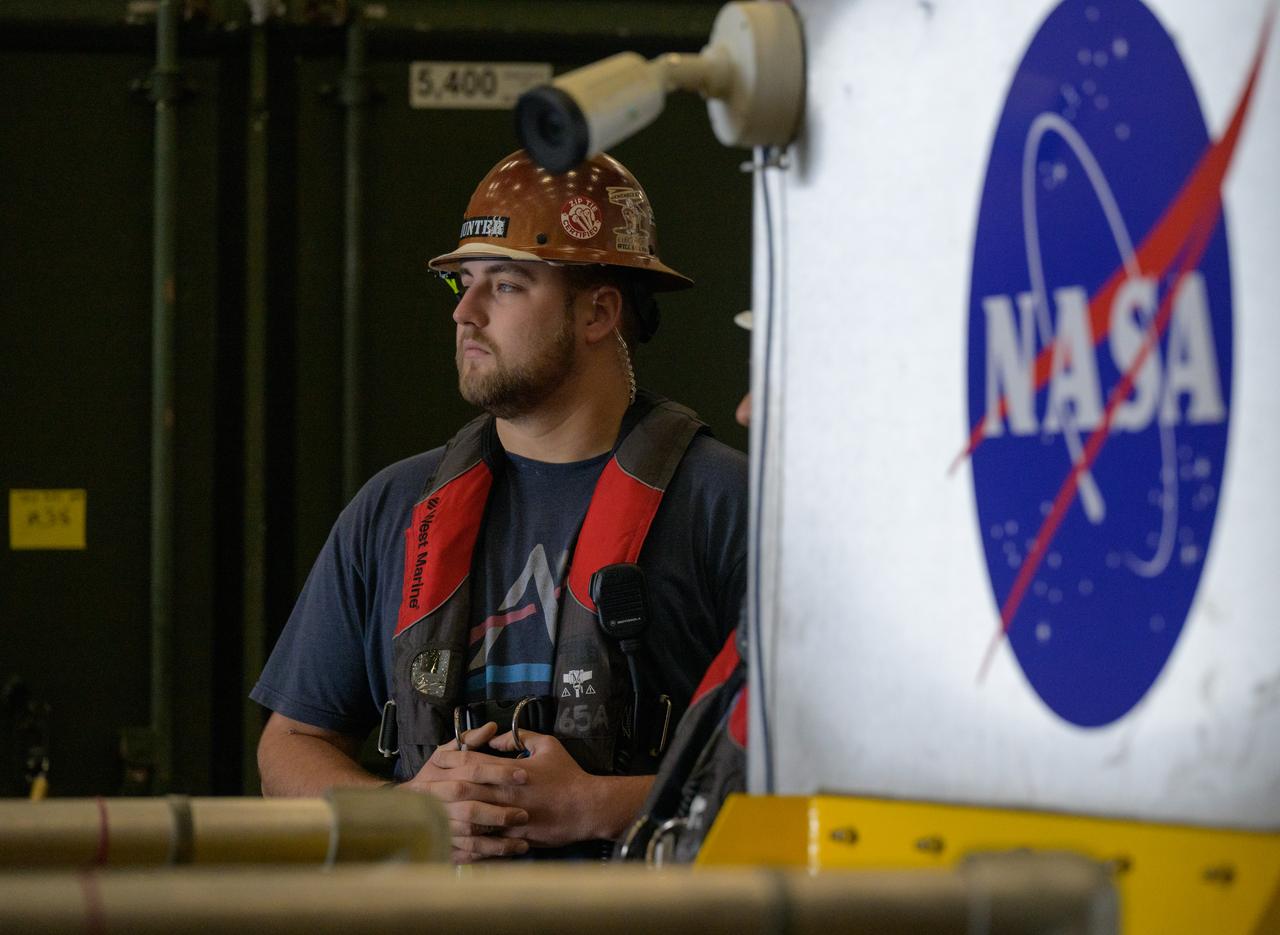
Members of NASA’s Landing and Recovery team are seen as they recover the Crew Module Test Article (CMTA), a full scale mockup of the Orion spacecraft, as teams practice Artemis recovery operations during Underway Recovery Test-12 onboard USS Somerset off the coast of California, Saturday, March 29, 2025. During the test, NASA and Department of Defense teams are practicing to ensure recovery procedures are validated as NASA plans to send Artemis II around the Moon and splashdown in the Pacific Ocean. Photo Credit: (NASA/Bill Ingalls)
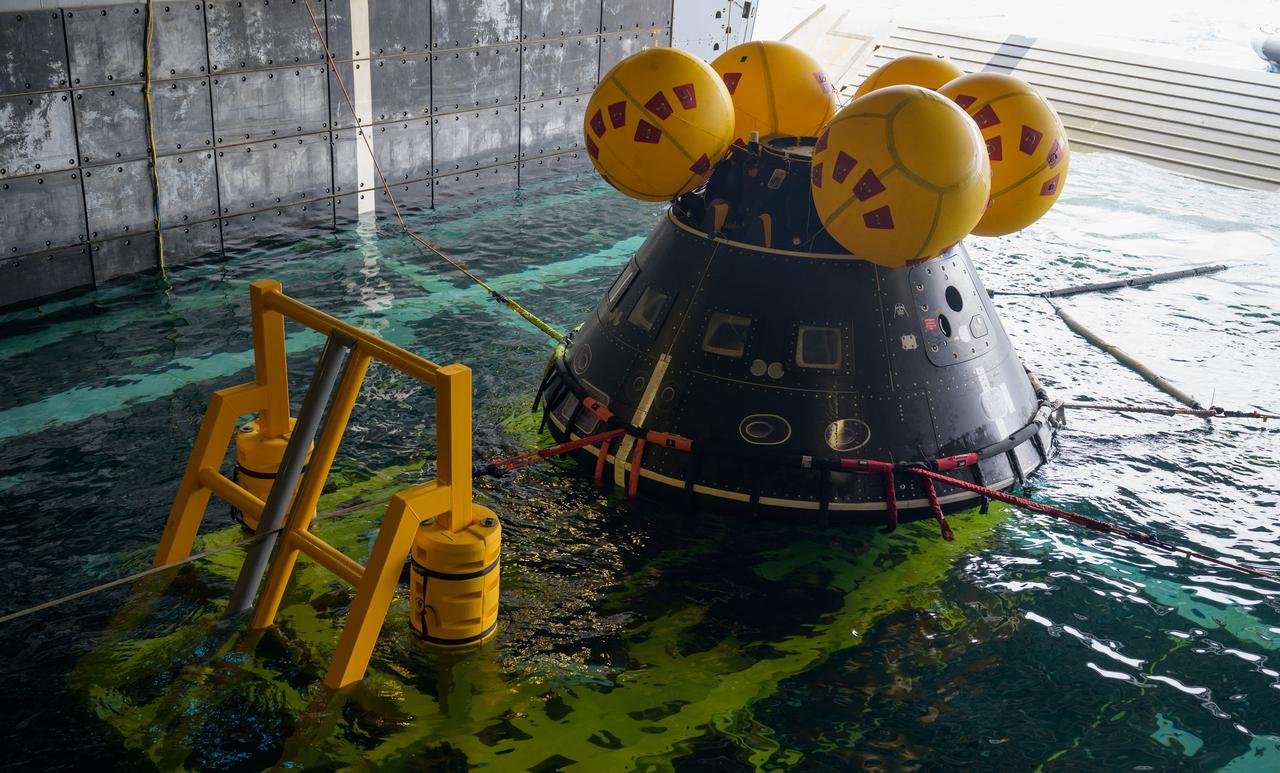
The Crew Module Test Article (CMTA), a full scale mockup of the Orion spacecraft, is seen during Underway Recovery Test-12 onboard USS Somerset off the coast of California, Wednesday, March 26, 2025. During the test, NASA and Department of Defense teams are practicing to ensure recovery procedures are validated as NASA plans to send Artemis II astronauts around the Moon and splashdown in the Pacific Ocean. Photo Credit: (NASA/Bill Ingalls)
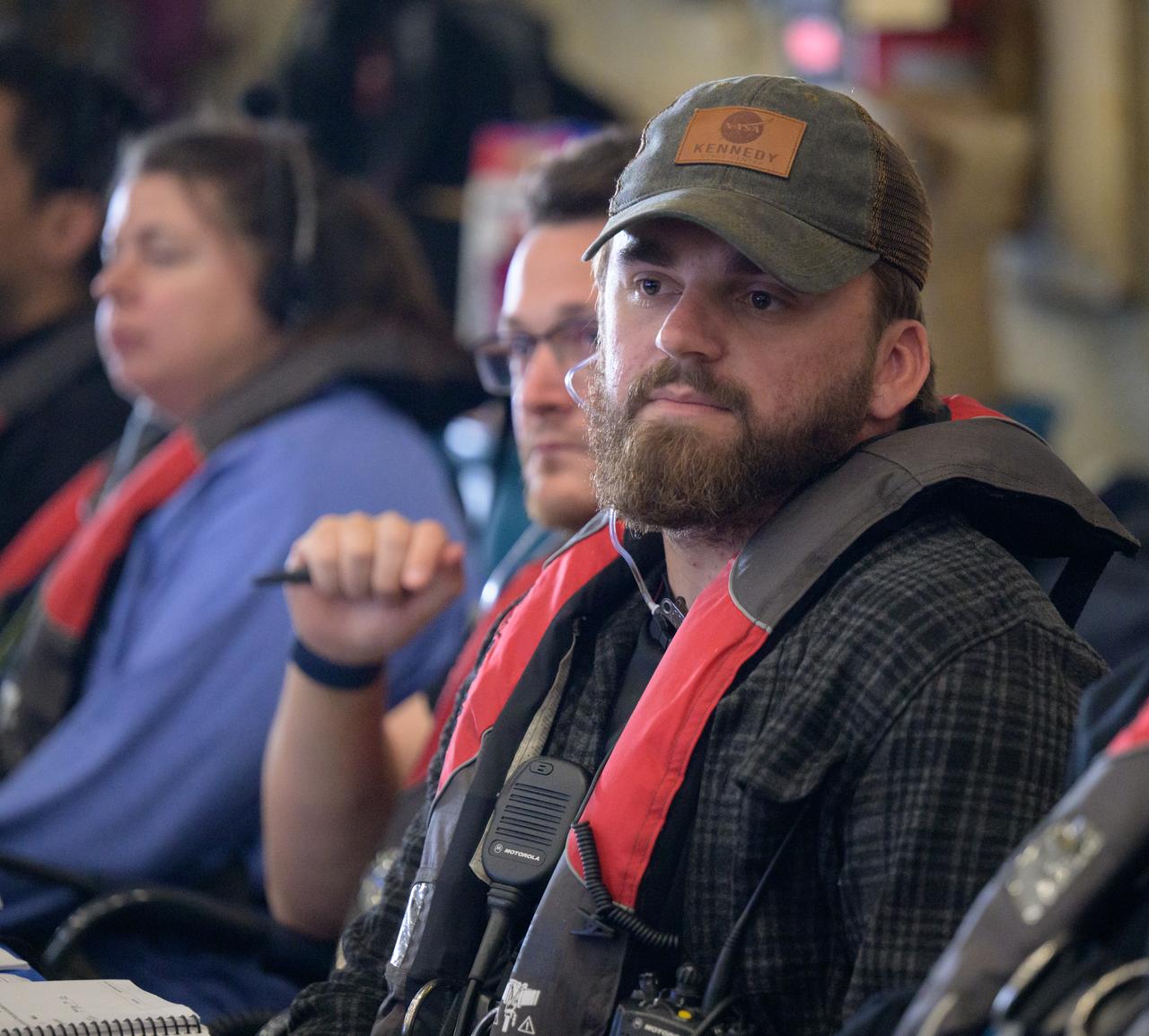
Members of NASA’s Landing and Recovery team are seen as they recover the Crew Module Test Article (CMTA), a full scale mockup of the Orion spacecraft, as teams practice Artemis recovery operations during Underway Recovery Test-12 onboard USS Somerset off the coast of California, Saturday, March 29, 2025. During the test, NASA and Department of Defense teams are practicing to ensure recovery procedures are validated as NASA plans to send Artemis II around the Moon and splashdown in the Pacific Ocean. Photo Credit: (NASA/Bill Ingalls)
Members of NASA’s Landing and Recovery team are seen as they recover the Crew Module Test Article (CMTA), a full scale mockup of the Orion spacecraft, as teams practice Artemis recovery operations during Underway Recovery Test-12 onboard USS Somerset off the coast of California, Saturday, March 29, 2025. During the test, NASA and Department of Defense teams are practicing to ensure recovery procedures are validated as NASA plans to send Artemis II around the Moon and splashdown in the Pacific Ocean. Photo Credit: (NASA/Bill Ingalls)
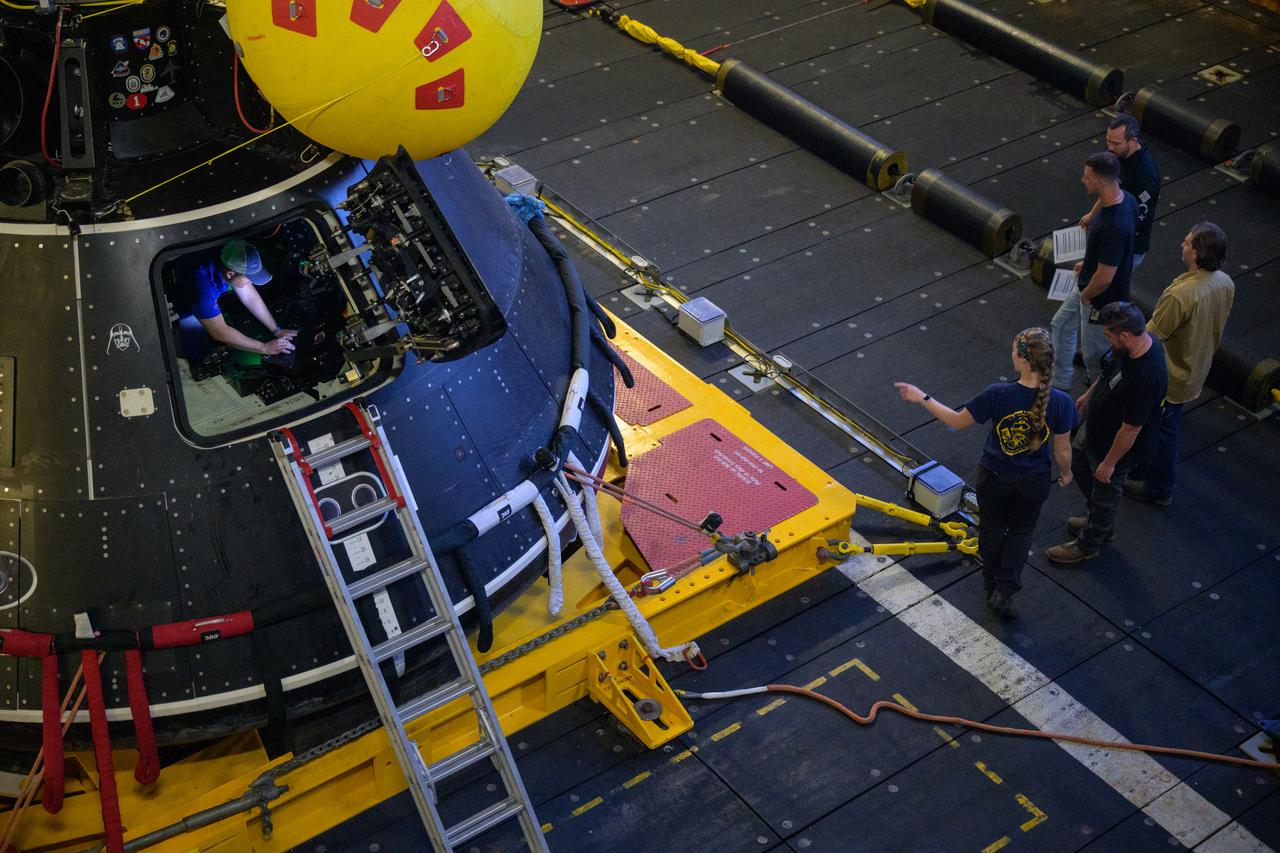
Teams work on the Crew Module Test Article (CMTA), a full scale mockup of the Orion spacecraft, as it sits sits nestled in its cradle during Underway Recovery Test-12 onboard USS Somerset off the coast of California, Wednesday, March 26, 2025. During the test, NASA and Department of Defense teams are practicing to ensure recovery procedures are validated as NASA plans to send Artemis II astronauts around the Moon and splashdown in the Pacific Ocean. Photo Credit: (NASA/Joel Kowsky)

Members of NASA’s Landing and Recovery team, along with partners from the Department of Defense, practice Artemis recovery procedures as part of Underway Recovery Test 10 (URT-10) off the coast of San Diego on July 31, 2023. The event involved the use of the Crew Module Test Article (CMTA), a full-scale mockup of NASA’s Orion spacecraft. URT-10 is the 10th in a series of Artemis recovery tests, but marked the first time NASA and its partners from the Department of Defense put their Artemis II recovery procedures to the test.
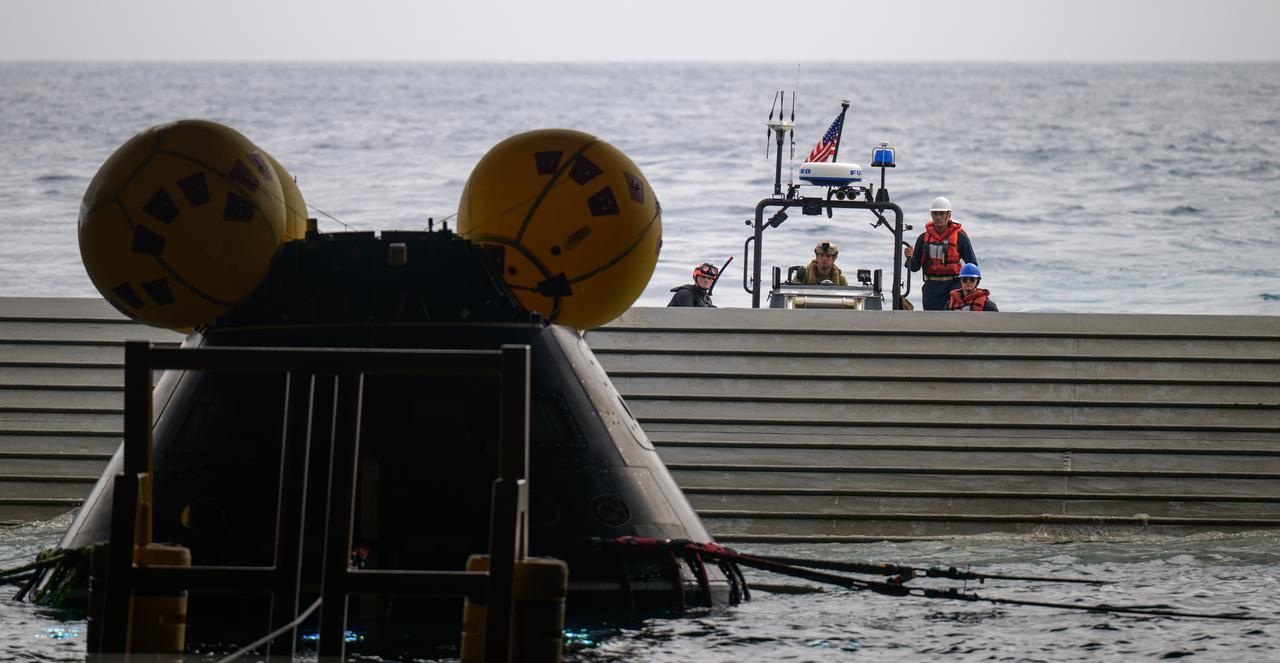
The Crew Module Test Article (CMTA), a full scale mockup of the Orion spacecraft, is seen inside the well deck of USS Somerset as teams practice Artemis recovery operations during Underway Recovery Test-12 off the coast of California, Saturday, March 29, 2025. During the test, NASA and Department of Defense teams are practicing to ensure recovery procedures are validated as NASA plans to send Artemis II around the Moon and splashdown in the Pacific Ocean. Photo Credit: (NASA/Bill Ingalls)
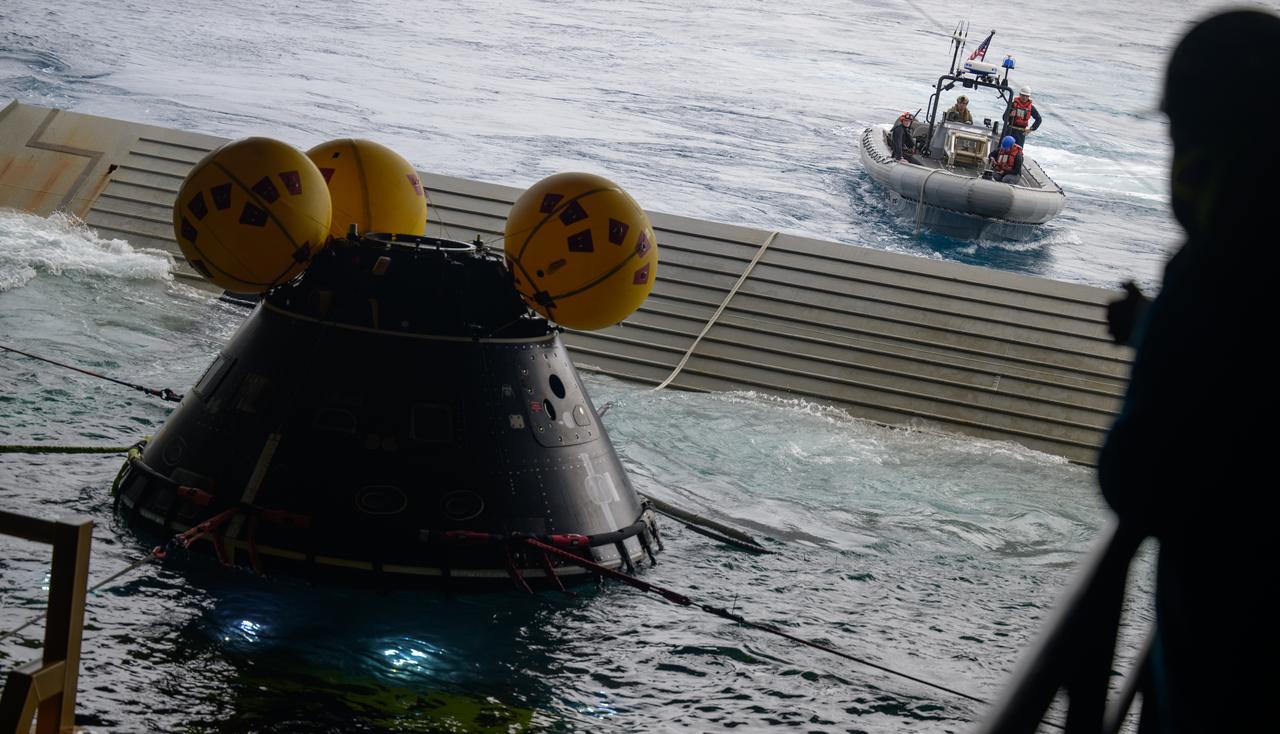
Teams work to recover the Crew Module Test Article (CMTA), a full scale mockup of the Orion spacecraft, as part of practicing Artemis recovery operations during Underway Recovery Test-12 onboard USS Somerset off the coast of California, Saturday, March 29, 2025. During the test, NASA and Department of Defense teams are practicing to ensure recovery procedures are validated as NASA plans to send Artemis II around the Moon and splashdown in the Pacific Ocean. Photo Credit: (NASA/Bill Ingalls)
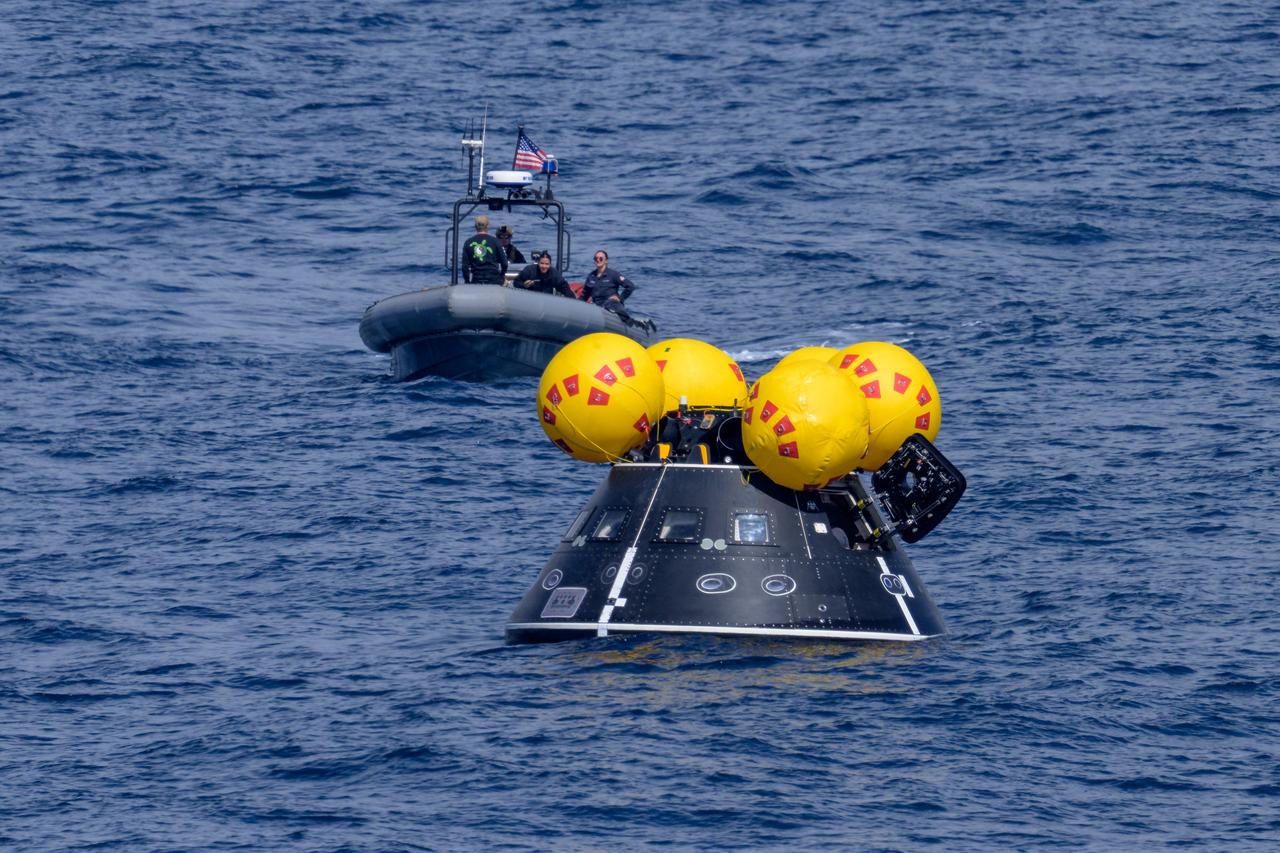
The Crew Module Test Article (CMTA), a full scale mockup of the Orion spacecraft, is seen during Underway Recovery Test-12 off the coast of California, Friday, March 28, 2025. During the test, NASA and Department of Defense teams are practicing to ensure recovery procedures are validated as NASA plans to send Artemis II astronauts around the Moon and splashdown in the Pacific Ocean. Photo Credit: (NASA/Bill Ingalls)

Members of NASA’s Landing and Recovery team, along with partners from the Department of Defense, practice Artemis recovery procedures as part of Underway Recovery Test 10 (URT-10) off the coast of San Diego on July 31, 2023. The event involved the use of the Crew Module Test Article (CMTA), a full-scale mockup of NASA’s Orion spacecraft. URT-10 is the 10th in a series of Artemis recovery tests, but marked the first time NASA and its partners from the Department of Defense put their Artemis II recovery procedures to the test.
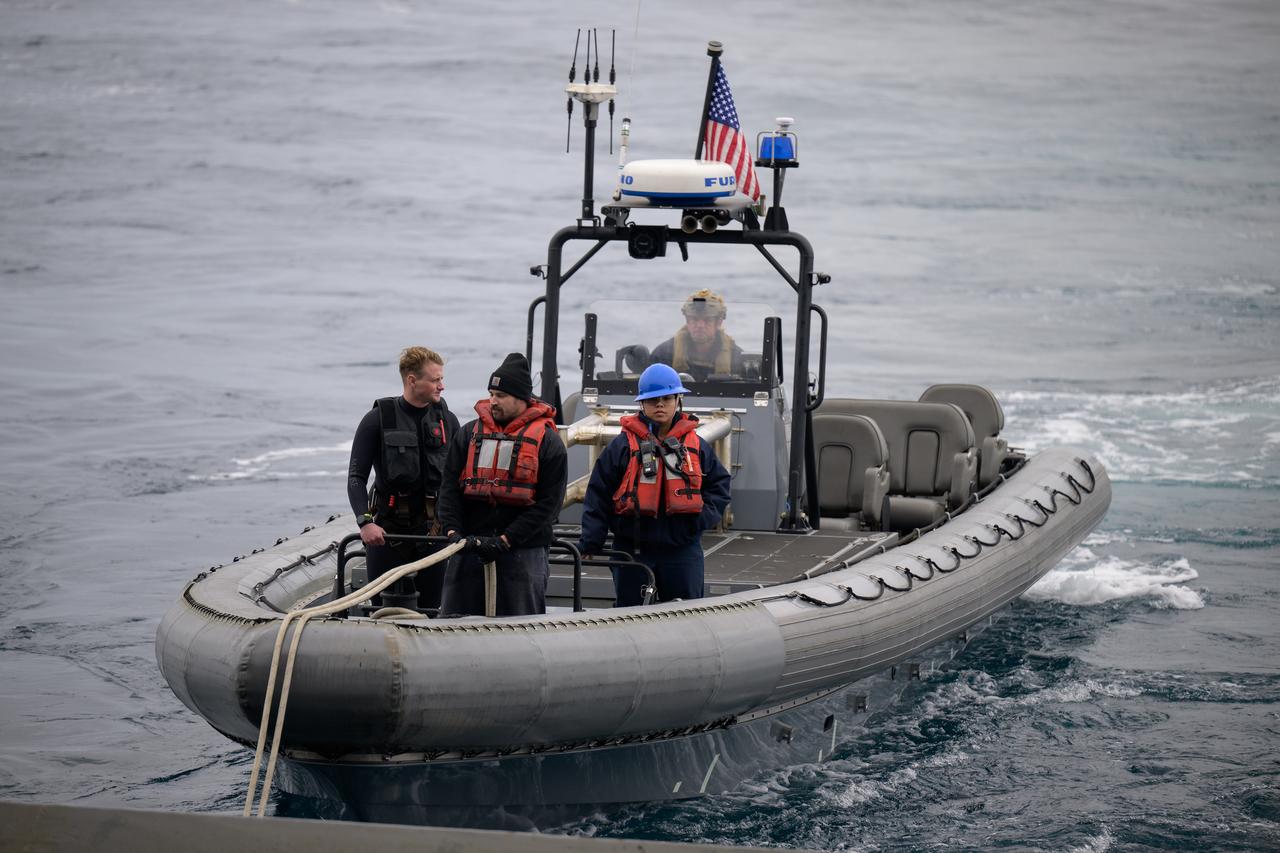
Mission support teams are seen off the stern of USS Somerset as they practice with the Crew Module Test Article (CMTA), a full scale mockup of the Orion spacecraft, during Underway Recovery Test-12 off the coast of California, Wednesday, March 26, 2025. During the test, NASA and Department of Defense teams are practicing to ensure recovery procedures are validated as NASA plans to send Artemis II astronauts around the Moon and splashdown in the Pacific Ocean. Photo Credit: (NASA/Bill Ingalls)
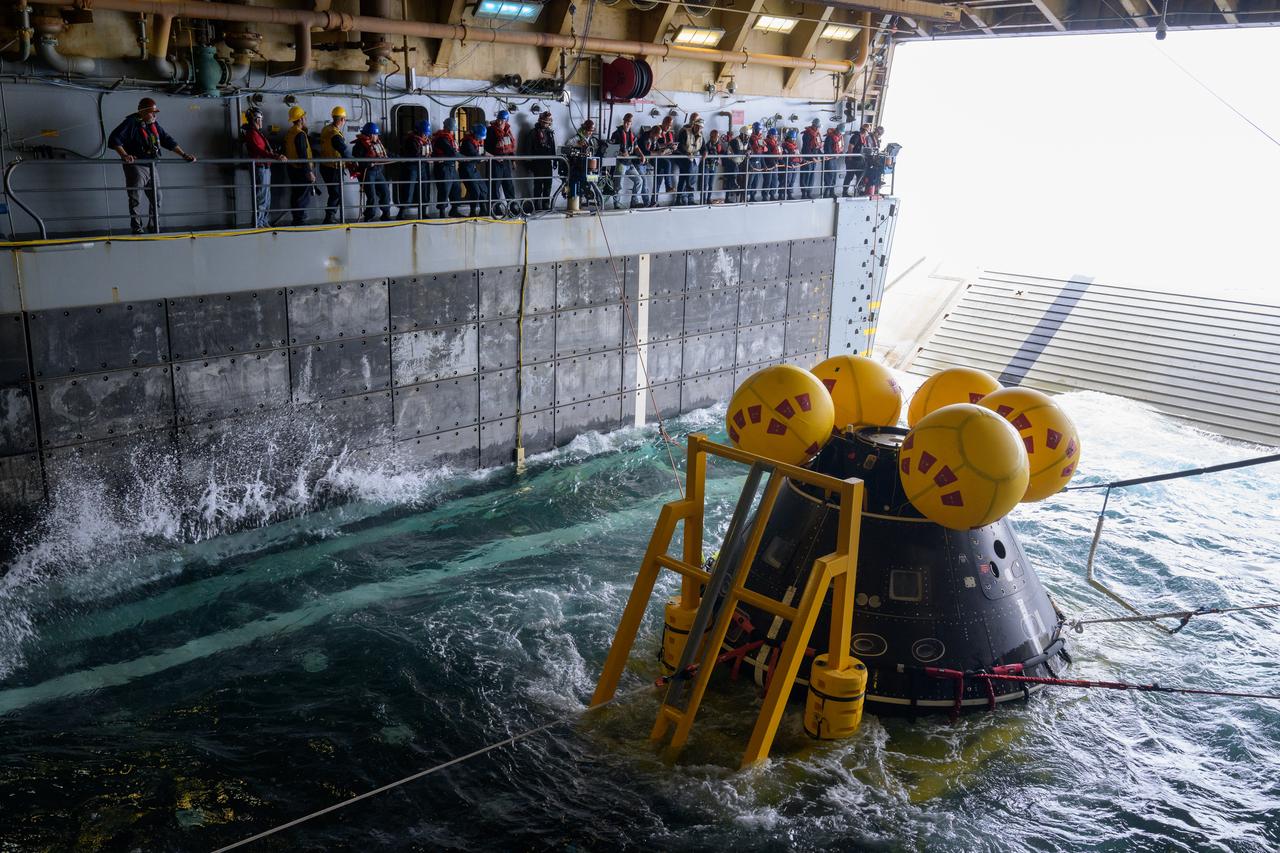
The Crew Module Test Article (CMTA), a full scale mockup of the Orion spacecraft, sits nestled in its cradle during Underway Recovery Test-12 onboard USS Somerset off the coast of California, Wednesday, March 26, 2025. During the test, NASA and Department of Defense teams are practicing to ensure recovery procedures are validated as NASA plans to send Artemis II astronauts around the Moon and splashdown in the Pacific Ocean. Photo Credit: (NASA/Bill Ingalls)