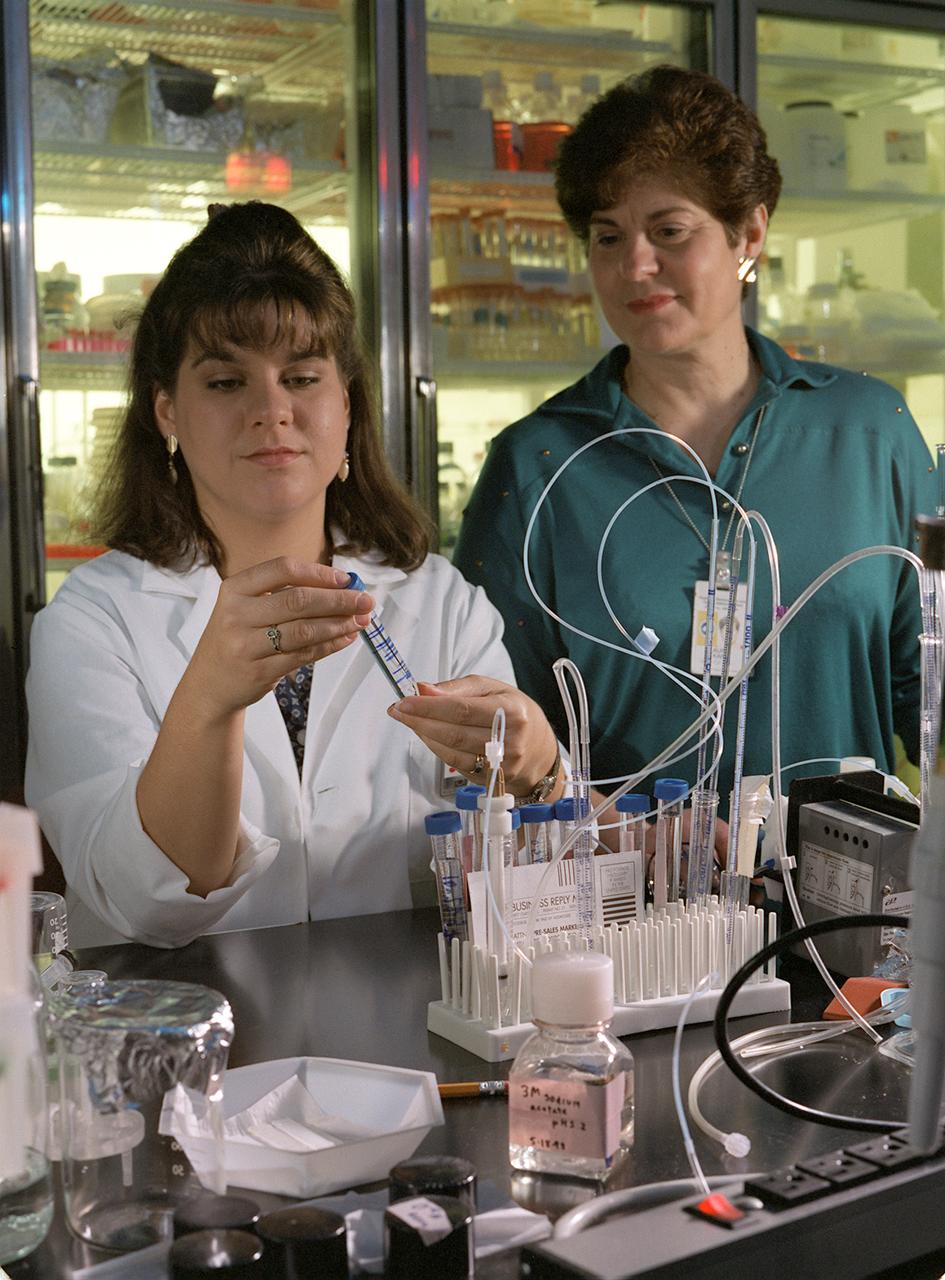
Lisa Crawford, a graduate research assistant from the University of Toledo, works with Laurel Karr of Marshall Space Flight Center (MSFC) in the molecular biology laboratory. They are donducting genetic manipulation of bacteria and yeast for the production of large amount of desired protein. Photo credit: NASA/Marshall Space Flight Center (MSFC)
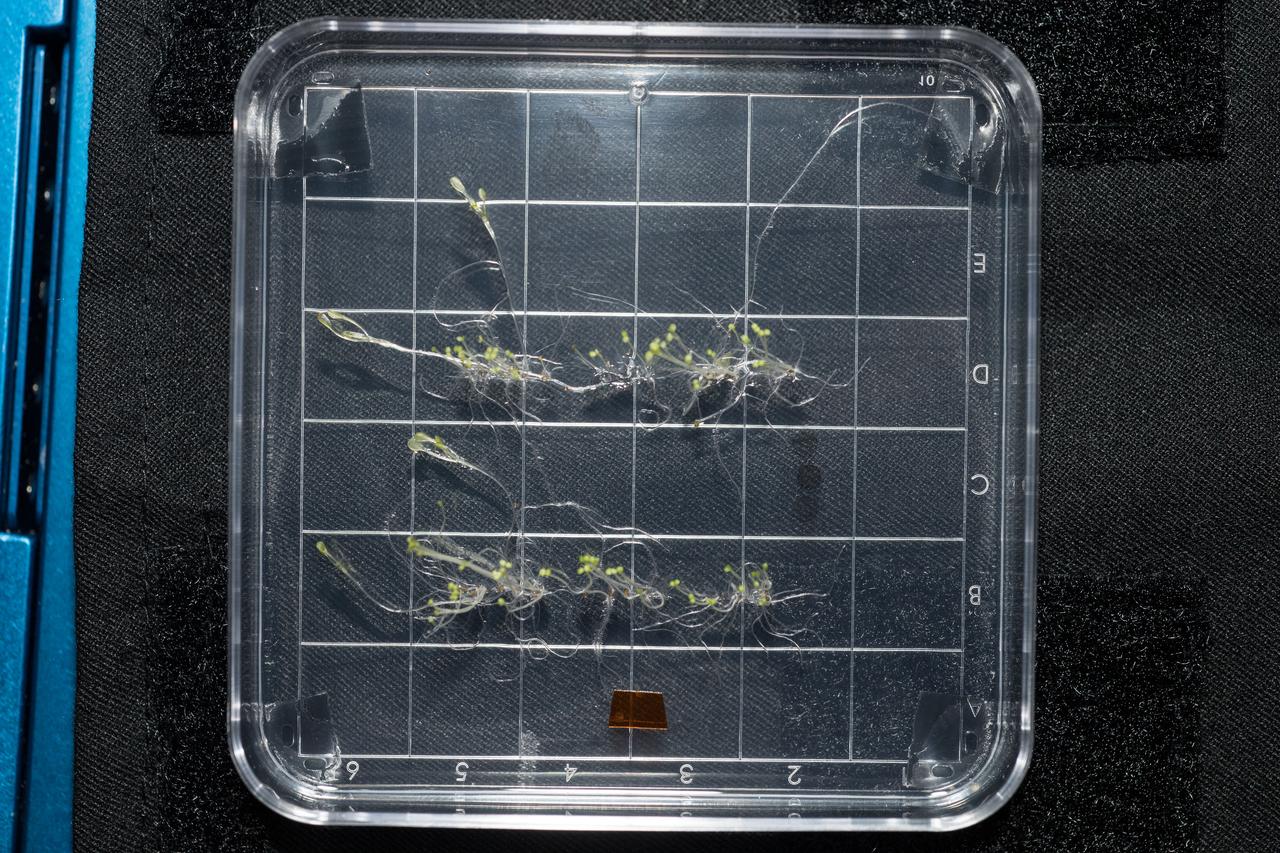
iss054e022372 (1/20/2018) --- Photo documentation of Arabidopsis seedlings from the Petri Plants-2 experiment in the Destiny U.S. Laboratory aboard the International Space Station (ISS). The Characterizing Arabidopsis Root Attractions-2 (CARA-2) investigation explores the molecular biology guiding the altered growth of plants, specifically roots, in spaceflight.
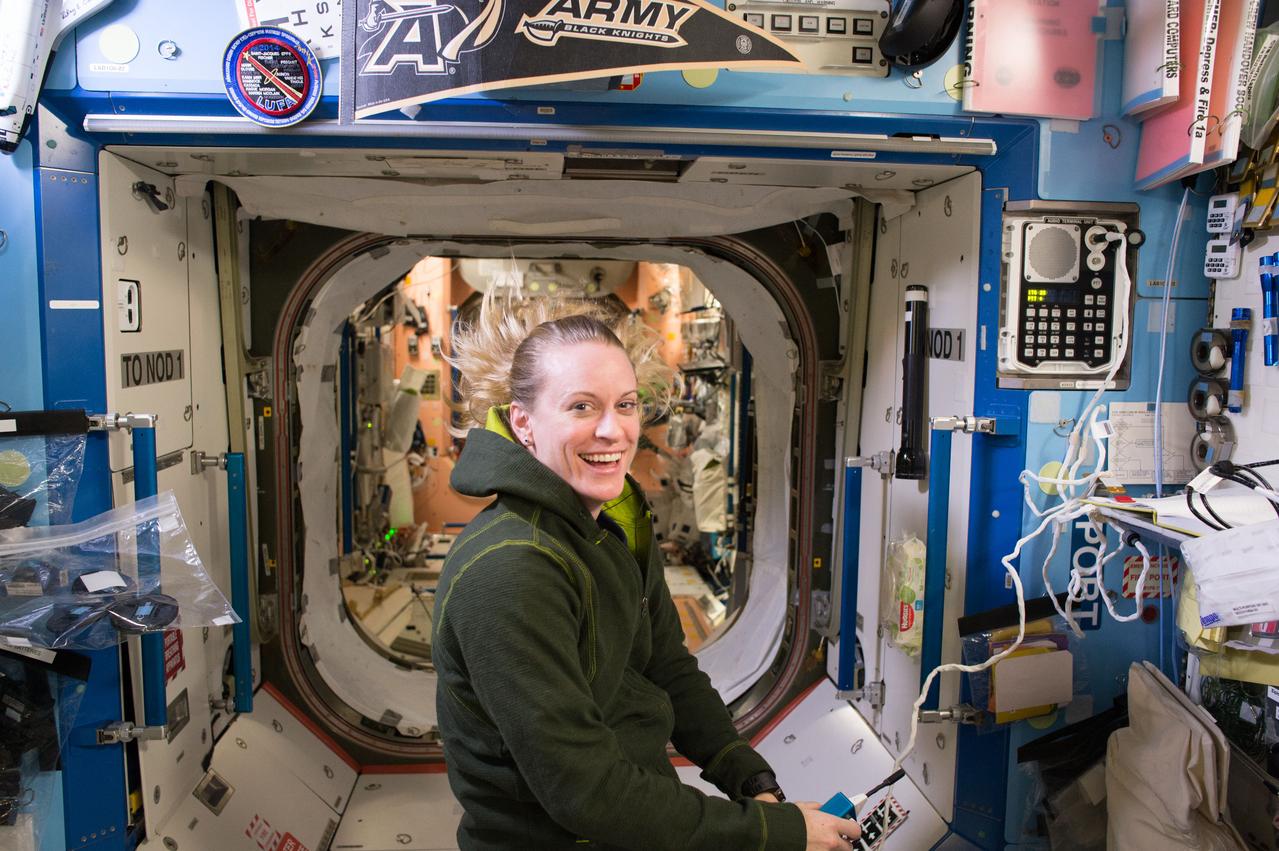
ISS049e038794 (10/14/2016 --- NASA astronaut Kate Rubins holds a communication microphone while floating in the U.S. Destiny Laboratory aboard the International Space Station. Rubins, a first time flier with a degree in molecular biology, is scheduled to return to Earth on Oct. 29, 2016, U.S. time
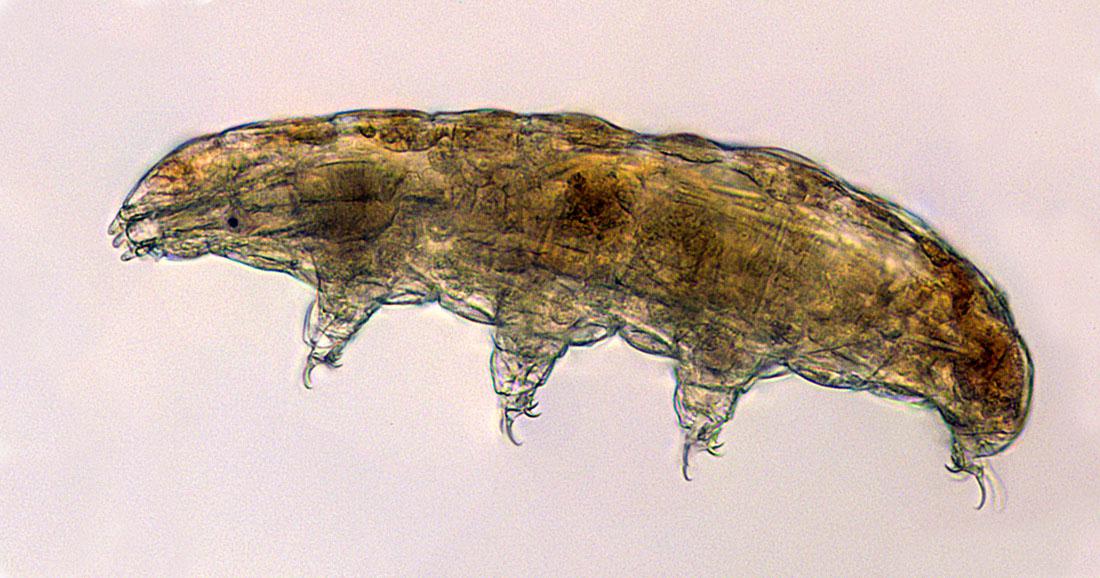
jsc2021e019949 (5/29/2021) --- A preflight light micrograph of a typical terrestrial tardigrade of the Milnesium genus seen at 40X magnification. The objective of the Using Water Bears to Identify Biological Countermeasures to Stress during Multigenerational (Cell Science-04) investigation is to characterize the molecular biology of short term and multigenerational survival in the space environment by identifying genes that are required for adaptation and survival in high stress environments. Image courtesy of Boothby Lab.
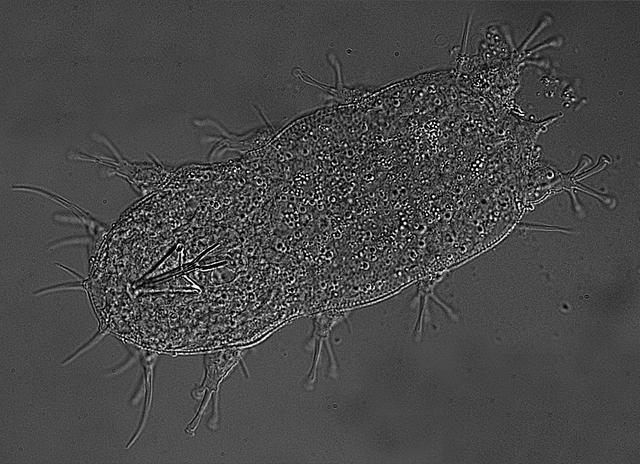
jsc2021e019950 (4/25/2014) --- A preflight photo of a marine tardigrade imaged at 40X magnification on a light microscope. The objective of the Using Water Bears to Identify Biological Countermeasures to Stress during Multigenerational (Cell Science-04) investigation is to characterize the molecular biology of short term and multigenerational survival in the space environment by identifying genes that are required for adaptation and survival in high stress environments. Image courtesy of Boothby Lab.
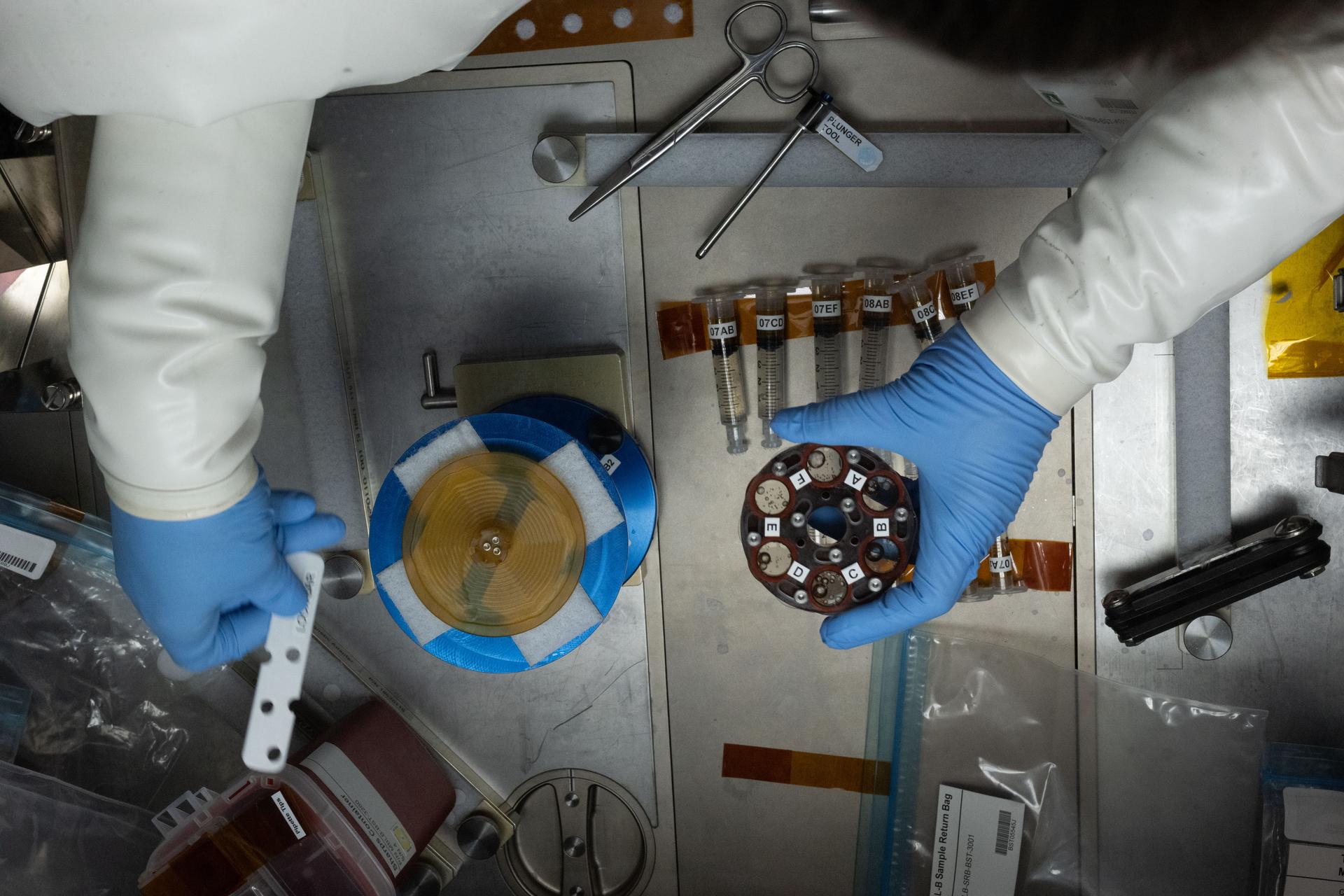
iss073e0759779 (Sept. 2, 2025) --- A top-down view inside the Destiny laboratory module’s Microgravity Science Glovebox shows the gloved arms and hands of NASA astronaut and Expedition 73 Flight Engineer Zena Cardman. She was processing bone marrow stem cell samples for the Microgravity Associated Bone Loss-B (MABL-B) experiment. The space biology investigation could help scientists better understand the molecular mechanisms behind space-caused bone loss and the natural aging process on Earth.
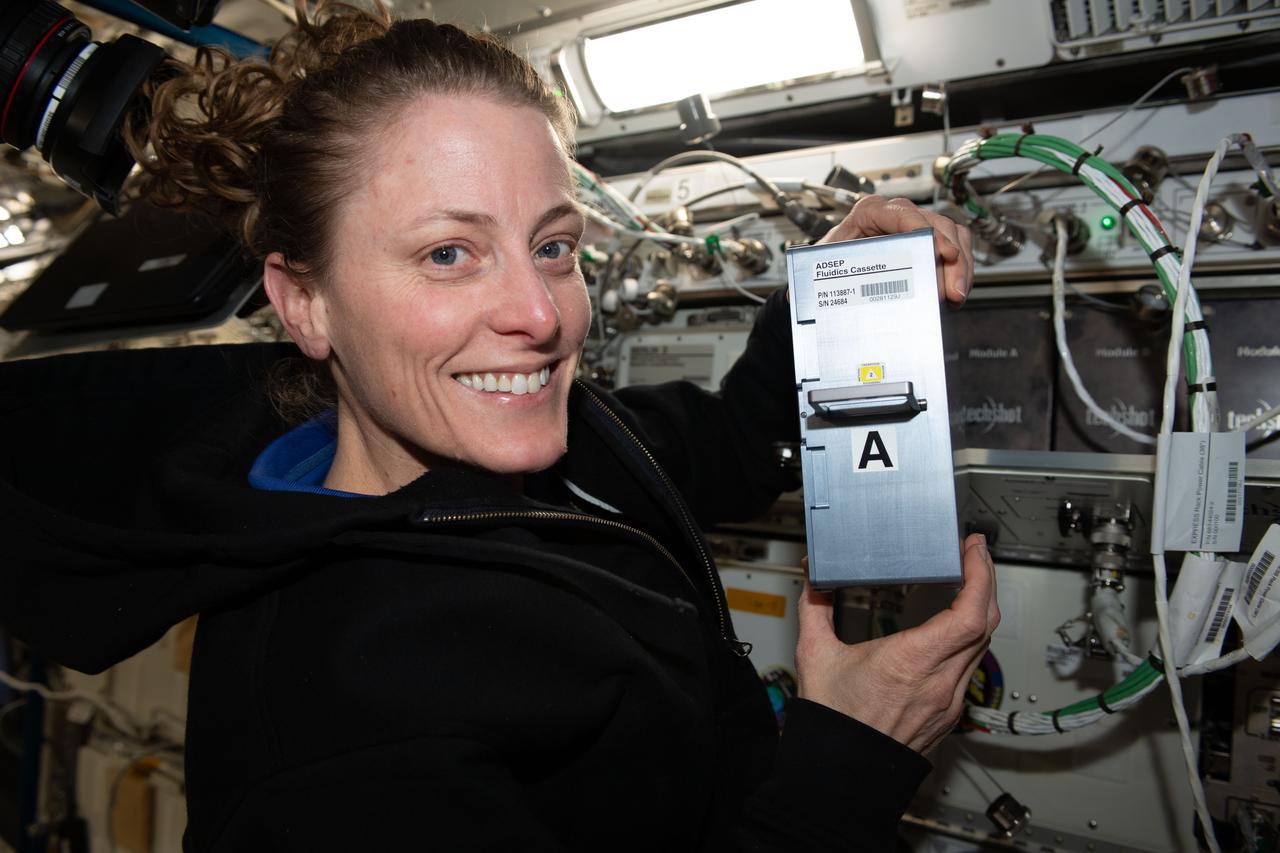
iss070e037585 (Dec. 11, 2023) --- NASA astronaut and Expedition 70 Flught Engineer Loral O'Hara shows off research hardware supporting the UMAMI, or Understanding of Microgravity on Animal-Microbe Interaction, space biology experiment. O'Hara is holdng the Avanced Space Experiment Processor (ADSEP) Fluid Processing Cassette (FPC) that supports the observation of the effects of spaceflight on the molecular and chemical interactions between beneficial microbes and their animal hosts.
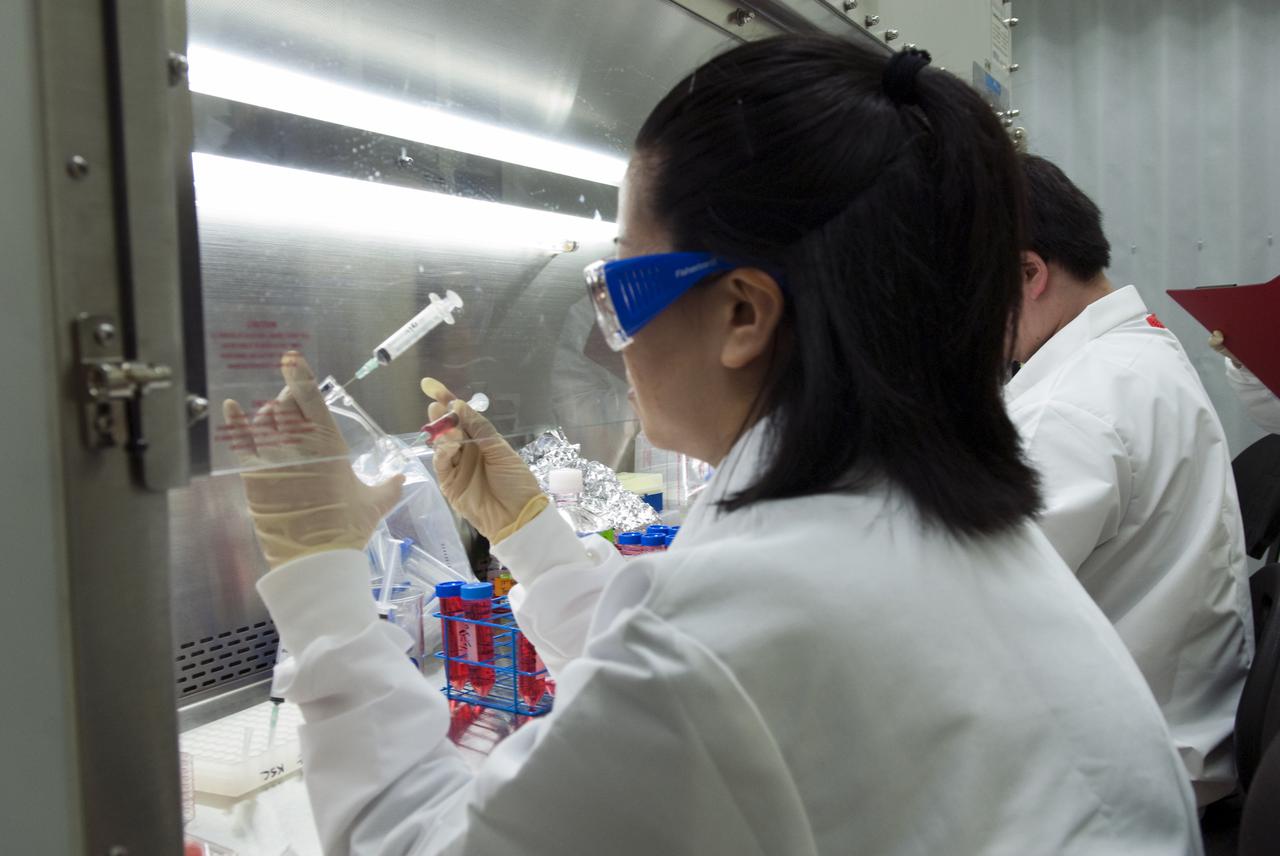
CAPE CANAVERAL, Fla. - Inside a laboratory in the Space Station Processing Facility at Kennedy Space Center in Florida, a Japan Aerospace Exploration Agency scientist prepares samples for the Molecular Mechanism of Microgravity-Induced Skeletal Muscle Atrophy – Physiological Relevance of Cbl-b Ubiquitin Ligase, or MyoLab, experiment. MyoLab will be delivered to the International Space Station aboard Discovery on the STS-131 mission. MyoLab will study a rat muscle gene modified cell line to determine the effects of microgravity. The MyoLab experiment is one of several biology and biotechnology, human research, physical, materials science and technology experiments that will be delivered to the space station aboard Discovery. The STS-131 mission also will deliver the multi-purpose logistics module Leonardo, filled with resupply stowage platforms and science racks. STS-131, scheduled to launch at 6:21 a.m. on April 5, will be the 33rd shuttle mission to the station and the 131st shuttle mission overall. For more information on the mission and crew, visit http:__www.nasa.gov_mission_pages_shuttle_shuttlemissions_sts131_index.htm. Photo credit: NASA_Jim Grossmann
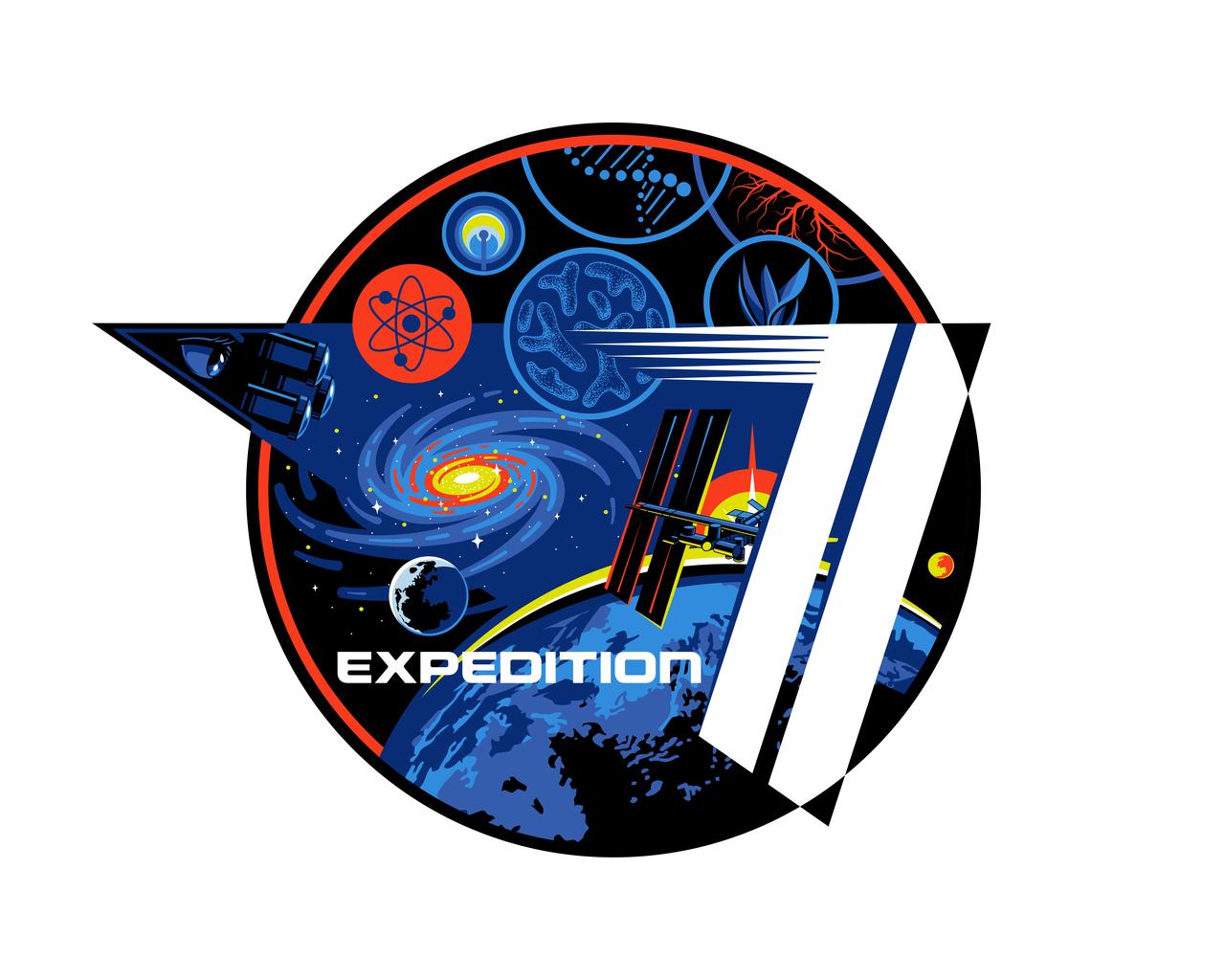
iss071-s-001 (Aug. 31, 2023) --- For nearly a quarter of a century the International Space Station (ISS) has hosted crews and accommodated science experiments even as it has continued to evolve into the highly capable orbiting laboratory of today. With its unique vantage point, the ISS serves as an intersection for discoveries ranging from the vast, such as the search for dark matter and cosmological origins, to the near, such as detailed observation of our home planet and its atmosphere, to the microscopic, including behavior of microbial life, DNA sequencing, and molecular biology in the microgravity environment. The Expedition 71 patch celebrates this science as well as the thousands of multinational scientists and technicians that have contributed to numerous groundbreaking experiments. The ISS is the ultimate destination for the scientifically curious. The symbology represents onboard research into quantum behavior of novel states of matter, antibodies and immune function, the search for dark matter, flame and combustion physics, DNA expression, plant growth and root behavior, and direct earth observation. The human eye and microscope objectives at upper left form the apex of a cone of vision culminating in the Expedition number 71, and represents the deliberate and disciplined practice of scientific observation. Earth’s moon and Mars are also depicted as next steps for exploration, with an anticipation of further rich scientific discovery using many techniques and skills honed aboard the ISS.
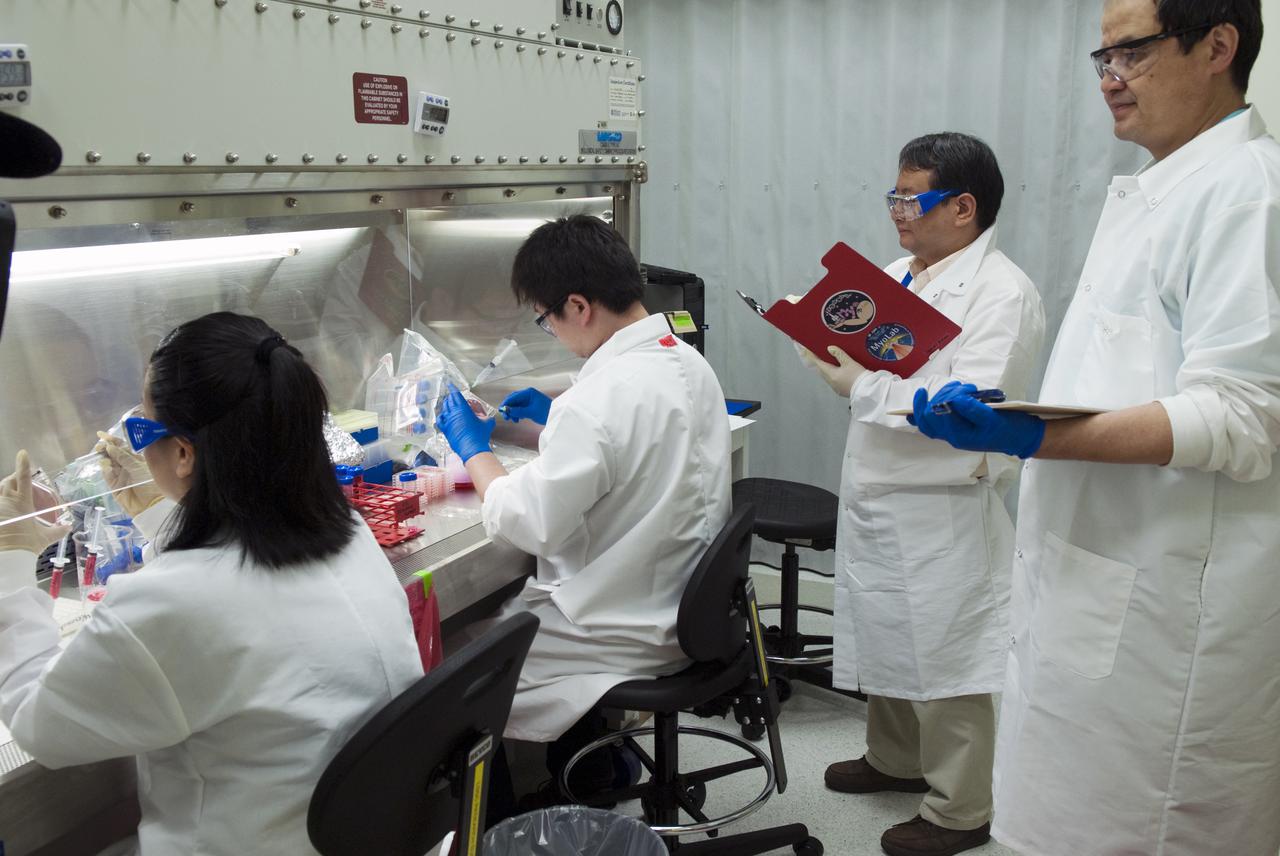
CAPE CANAVERAL, Fla. - Inside a laboratory in the Space Station Processing Facility at Kennedy Space Center in Florida, Japan Aerospace Exploration Agency scientists prepare samples for the Molecular Mechanism of Microgravity-Induced Skeletal Muscle Atrophy – Physiological Relevance of Cbl-b Ubiquitin Ligase, or MyoLab, experiment. MyoLab will be delivered to the International Space Station aboard Discovery on the STS-131 mission. MyoLab will study a rat muscle gene modified cell line to determine the effects of microgravity. The MyoLab experiment is one of several biology and biotechnology, human research, physical, materials science and technology experiments that will be delivered to the space station aboard Discovery. The STS-131 mission also will deliver the multi-purpose logistics module Leonardo, filled with resupply stowage platforms and science racks. STS-131, scheduled to launch at 6:21 a.m. on April 5, will be the 33rd shuttle mission to the station and the 131st shuttle mission overall. For more information on the mission and crew, visit http:__www.nasa.gov_mission_pages_shuttle_shuttlemissions_sts131_index.htm. Photo credit: NASA_Jim Grossmann