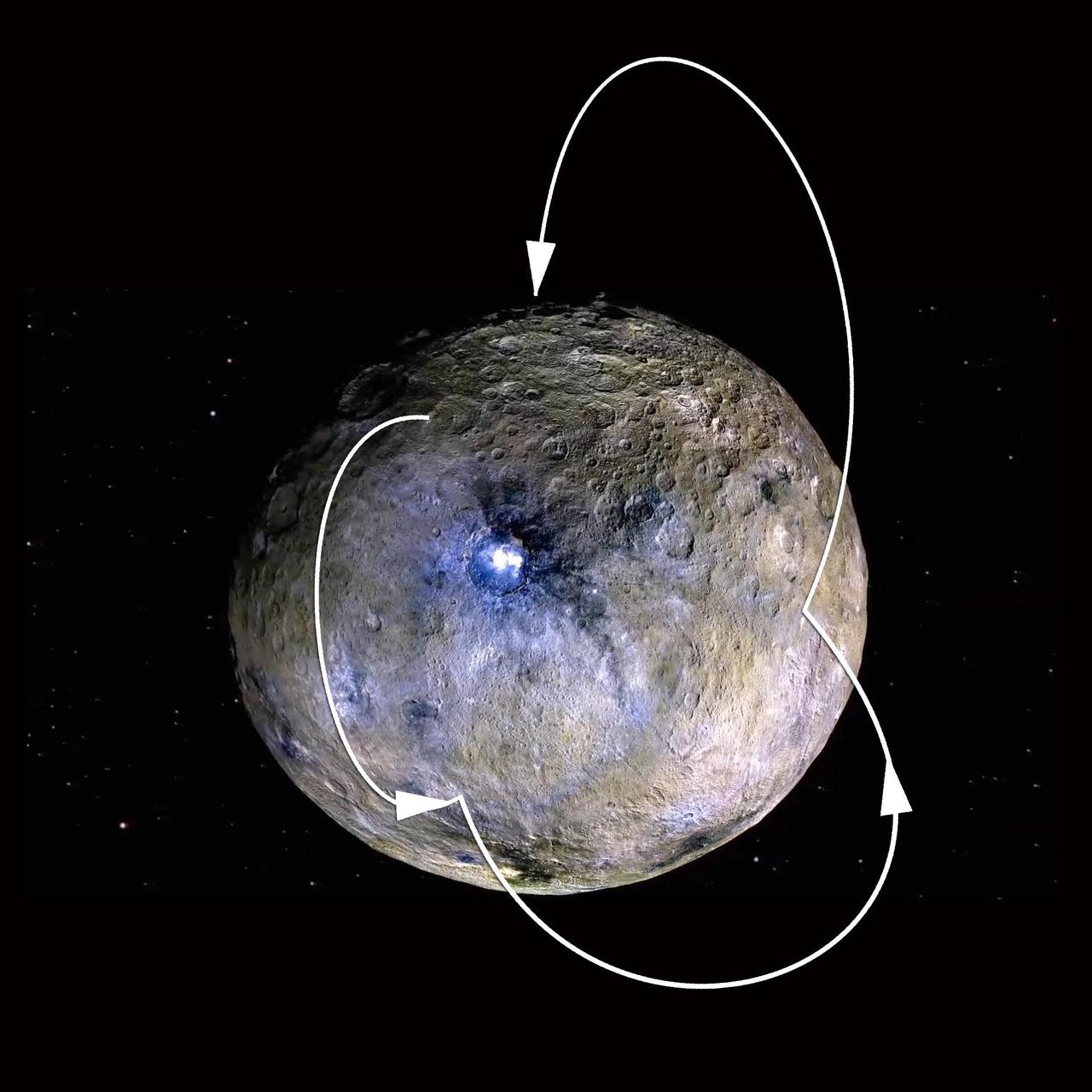
This graphic shows a theoretical path of a water molecule on Ceres. Some water molecules fall into cold, dark craters at high latitudes called "cold traps," where very little of the ice turns into vapor, even over the course of a billion years. Other water molecules that do not land in cold traps are lost to space as they hop around the dwarf planet. http://photojournal.jpl.nasa.gov/catalog/PIA21083
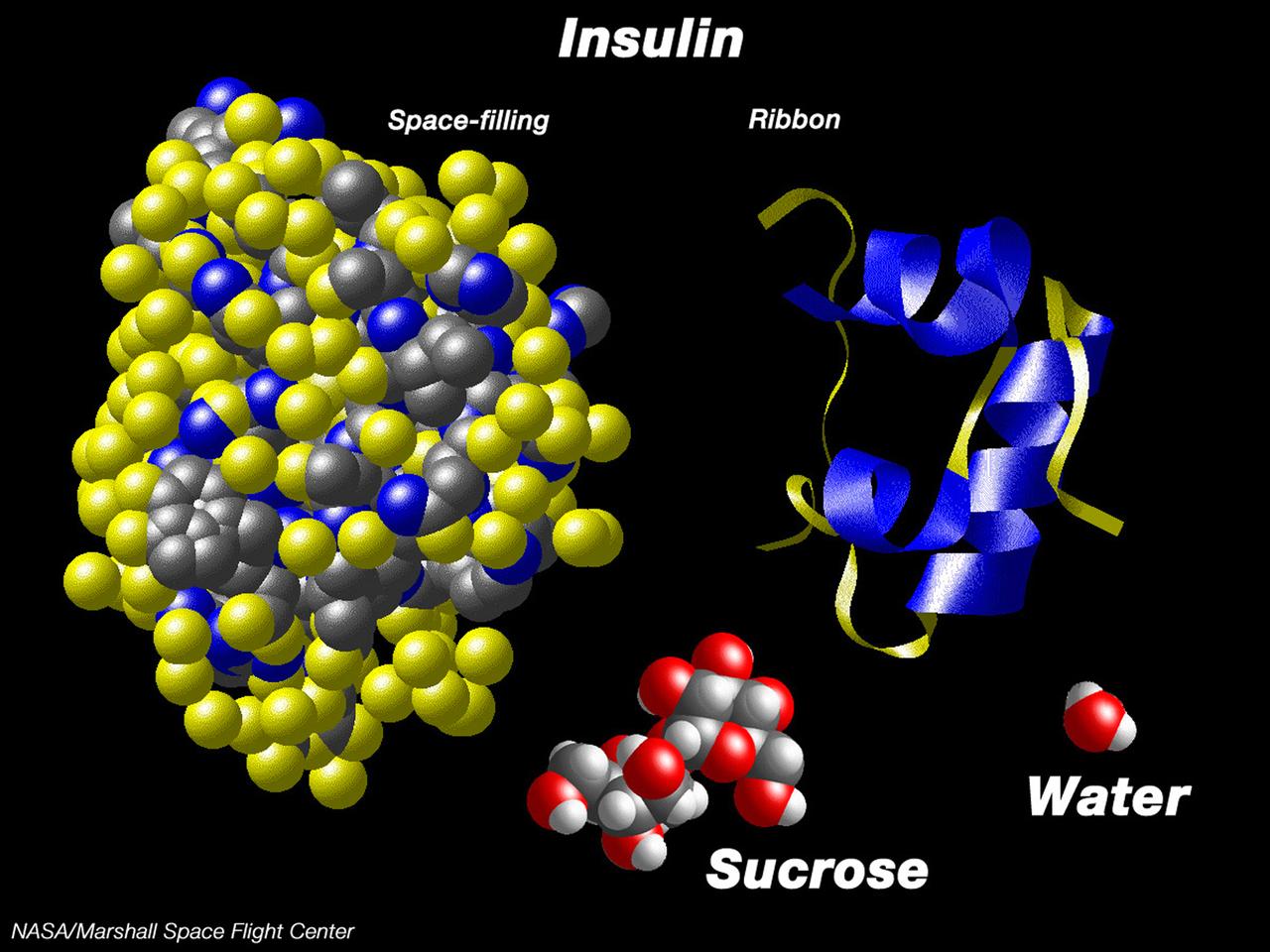
This computer graphic depicts the relative complexity of crystallizing large proteins in order to study their structures through x-ray crystallography. Insulin is a vital protein whose structure has several subtle points that scientists are still trying to determine. Large molecules such as insuline are complex with structures that are comparatively difficult to understand. For comparison, a sugar molecule (which many people have grown as hard crystals in science glass) and a water molecule are shown. These images were produced with the Macmolecule program. Photo credit: NASA/Marshall Space Flight Center (MSFC)

A team of astronomers has made the first detection ever of an organic molecule in the atmosphere of a Jupiter-sized planet orbiting another star. The breakthrough was made with NASA Hubble Space Telescope.
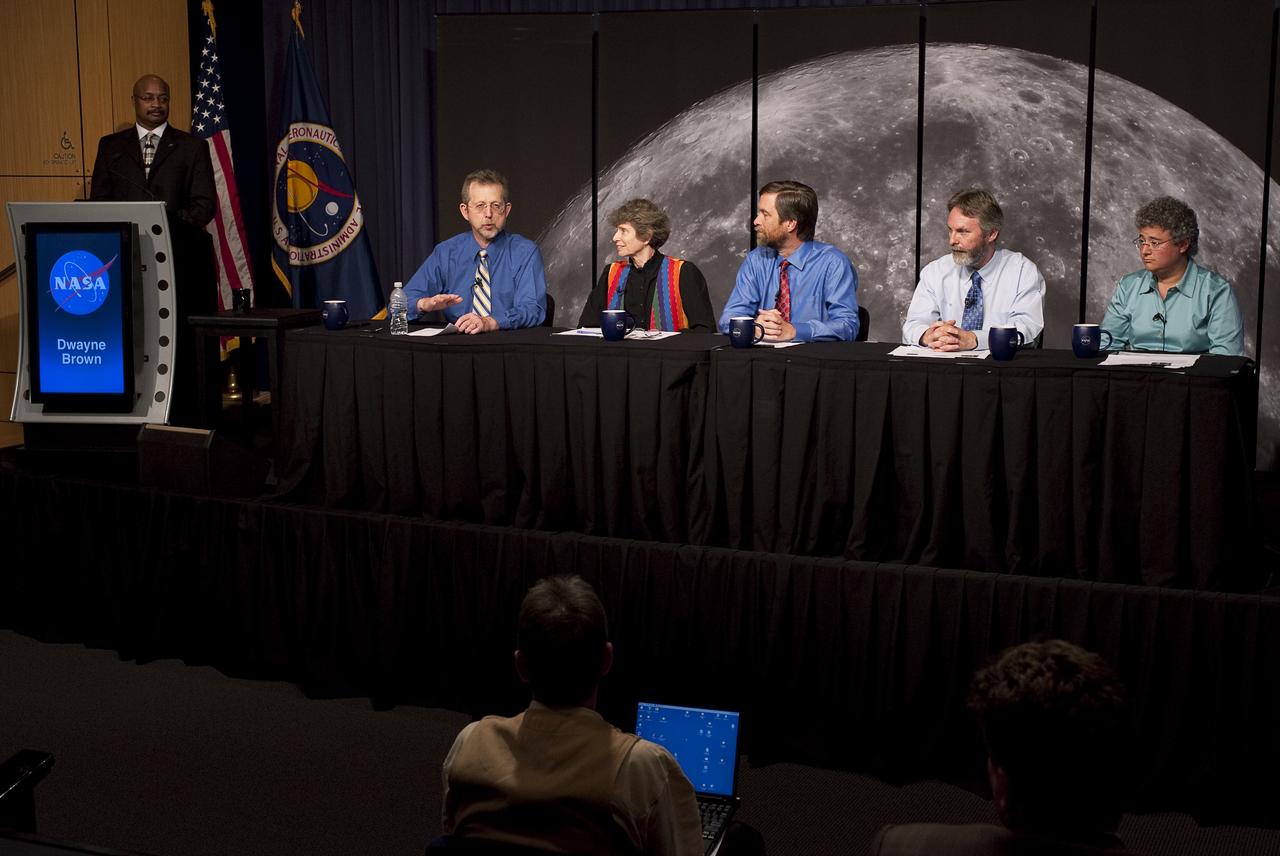
Jim Green (second from left), director, Planetary Science Division, Science Mission Directorate at NASA Headquarters in Washington discusses NASA’s findings of water molecules in the polar regions of the moon at a press conference at NASA Headquarters, September 24, 2009. Photo Credit: (NASA/Carla Cioffi)
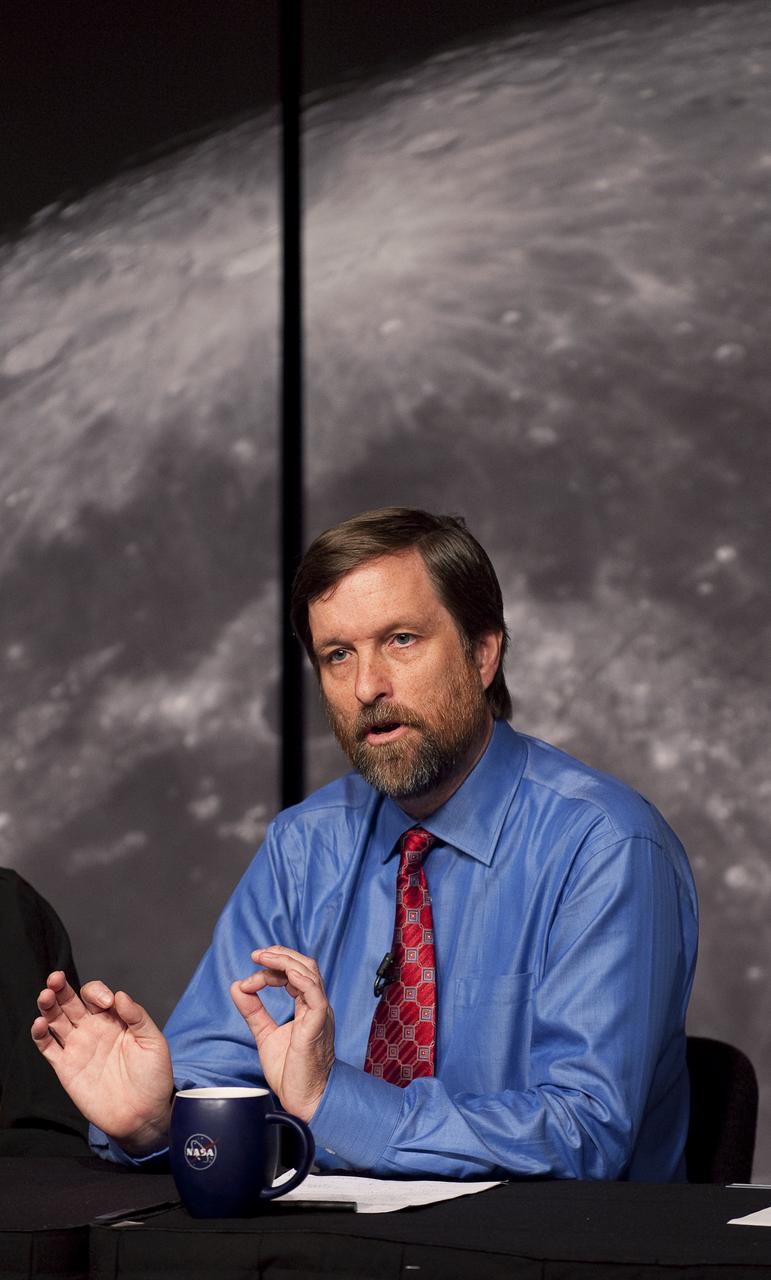
Rob Green, project instrument scientist, Moon Mineralogy Mapper, at NASA's Jet Propulsion Laboratory in Pasadena, CA answers questions on NASA’s discovery of water molecules in the polar regions of the moon at a press conference at NASA Headquarters, September 24, 2009, in Washington. Photo Credit: (NASA/Carla Cioffi)

NASA image release January 10, 2011 The Triangulum, located nearly 3 million light years from Earth, is another far galaxy where researchers have found diffuse interstellar bands (DIBs). The detailed observations needed to see DIBs along a straight line from Earth to an individual star in such a distant galaxy stretch the limits of even the largest telescopes. Credit: NASA/Swift Science Team/Stefan Immler To read more go to: <a href="http://www.nasa.gov/topics/universe/features/molecule-fingerprints.html" rel="nofollow">www.nasa.gov/topics/universe/features/molecule-fingerprin...</a> <b><a href="http://www.nasa.gov/centers/goddard/home/index.html" rel="nofollow">NASA Goddard Space Flight Center</a></b> enables NASA’s mission through four scientific endeavors: Earth Science, Heliophysics, Solar System Exploration, and Astrophysics. Goddard plays a leading role in NASA’s accomplishments by contributing compelling scientific knowledge to advance the Agency’s mission. <b>Follow us on <a href="http://twitter.com/NASA_GoddardPix" rel="nofollow">Twitter</a></b> <b>Join us on <a href="http://www.facebook.com/pages/Greenbelt-MD/NASA-Goddard/395013845897?ref=tsd" rel="nofollow">Facebook</a></b>
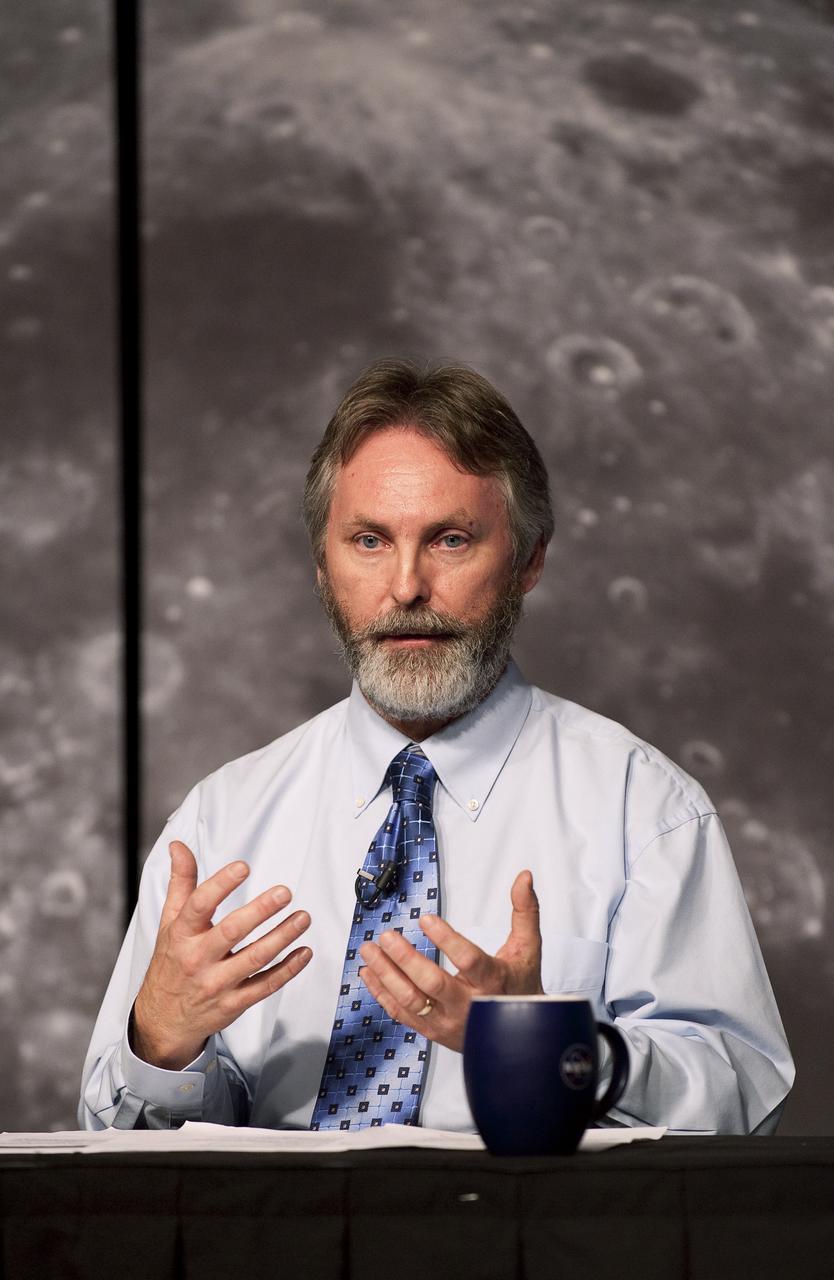
Roger Clark, team member, Cassini spacecraft Visual and Infrared Mapping Spectrometer and co-investigator, Moon Mineralogy Mapper, U.S. Geological Survey in Denver answers questions on NASA’s discovery of water molecules in the polar regions of the moon at a press conference at NASA Headquarters, September 24, 2009, in Washington. Photo Credit: (NASA/Carla Cioffi)
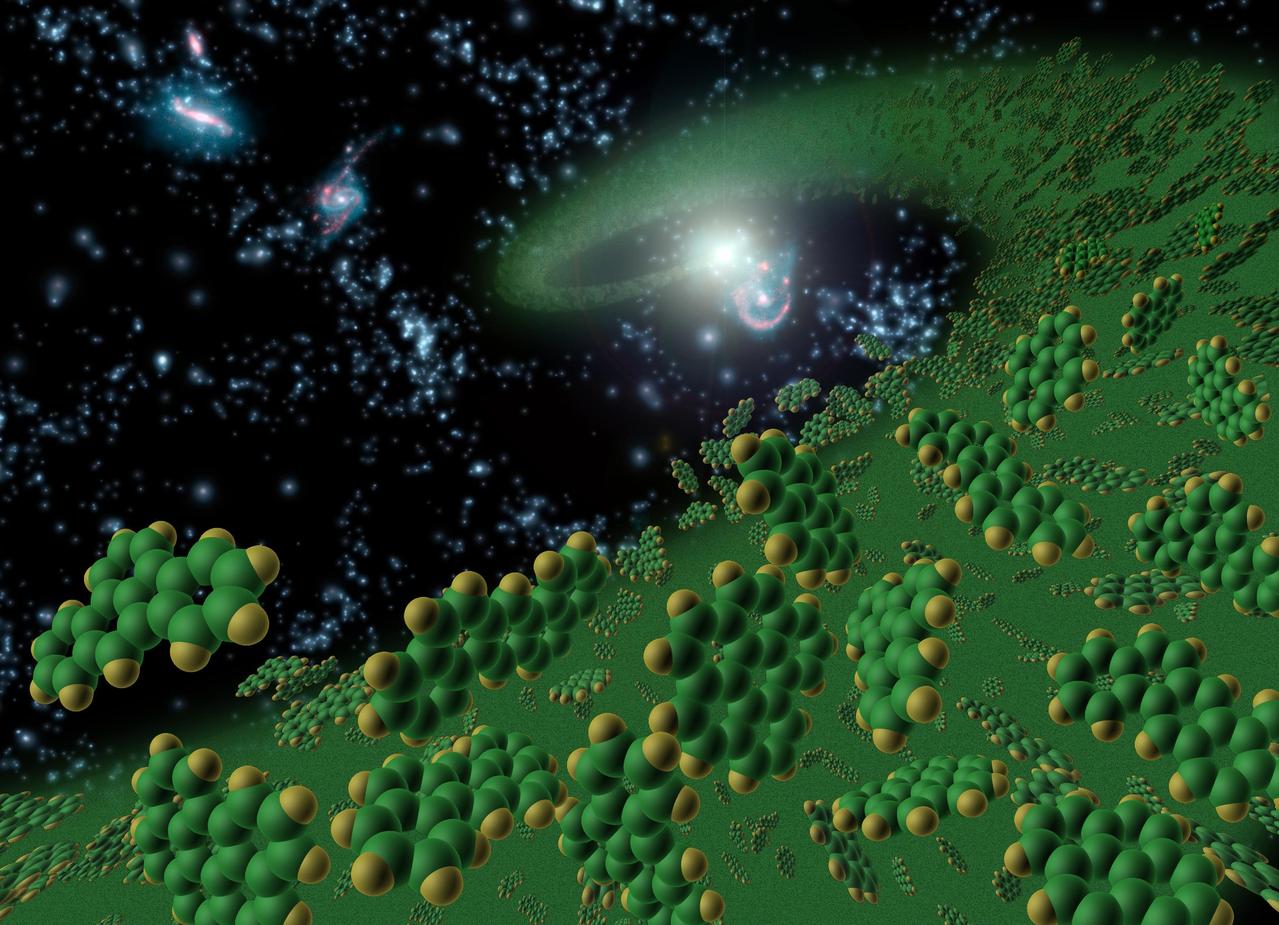
This artist conception symbolically represents complex organic molecules, known as polycyclic aromatic hydrocarbons, seen in the early universe. These large molecules, comprised of carbon and hydrogen, are considered among the building blocks of life.

This graphic illustrates where astronomers at last found oxygen molecules in space -- near the star-forming core of the Orion nebula. The squiggly lines, or spectra, reveal the signatures of oxygen molecules, detected by ESA Hershel Space Observatory.
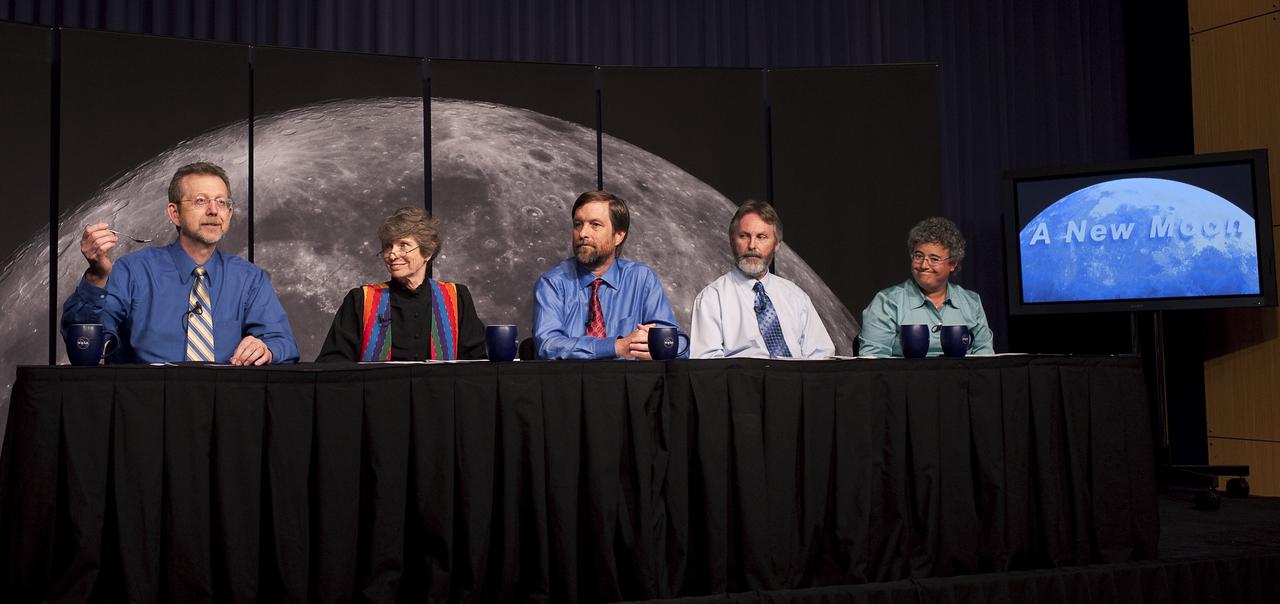
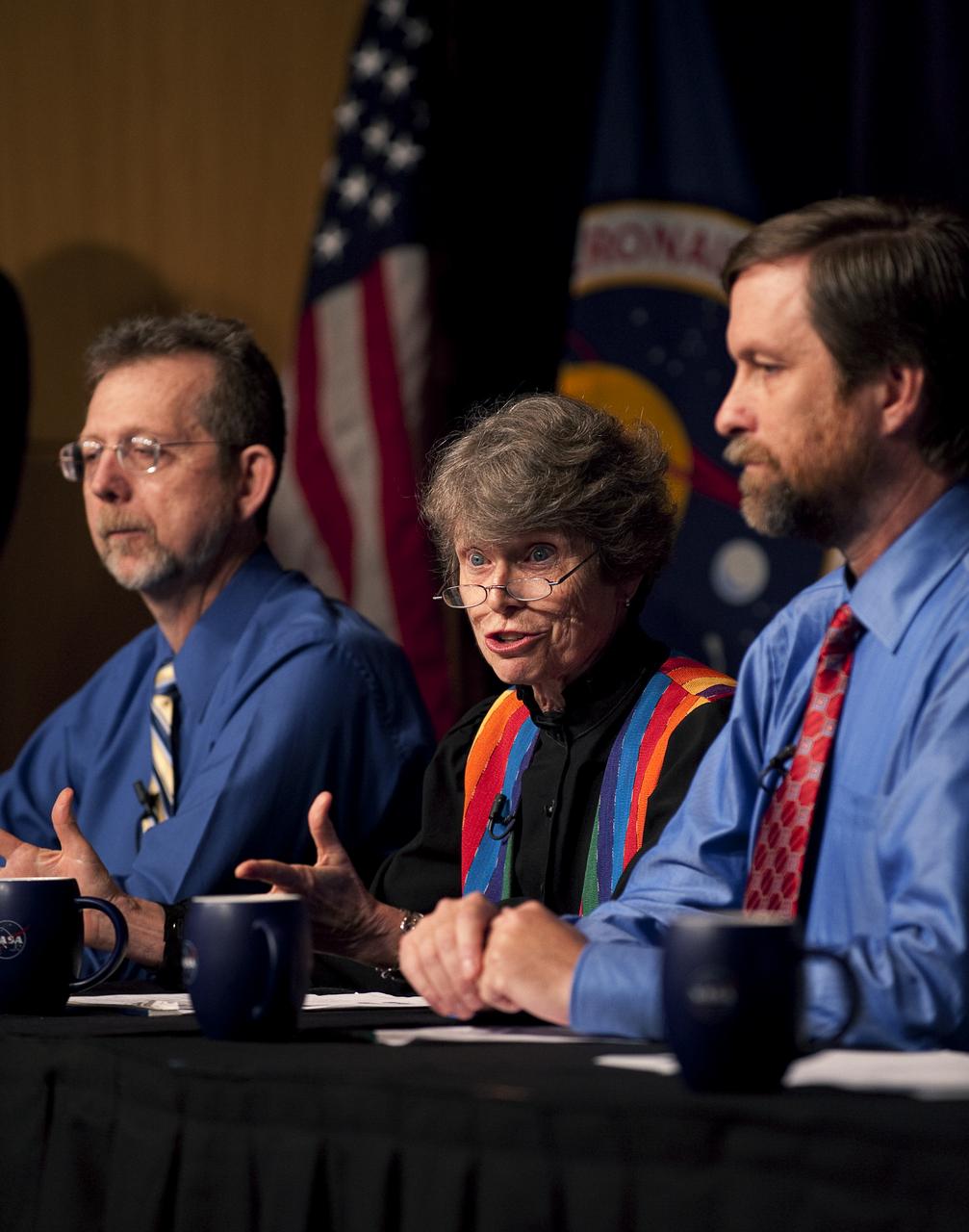
Jim Green (far left), director, Planetary Science Division, Science MissionDirectorate at NASA Headquarters in Washington; Carle Pieters, principal investigator, Moon Mineralogy Mapper, Brown University; Rob Green, project instrument scientist, Moon Mineralogy Mapper, at NASA's Jet Propulsion Laboratory; Roger Clark, team member, Cassini spacecraft Visual and Infrared Mapping Spectrometer and co-investigator, Moon Mineralogy Mapper, U.S. Geological Survey in Denver and Jessica Sunshine (far right), deputy principal investigator for NASA's Deep Impactextended mission and co-investigator for Moon Mineralogy Mapper,Department of Astronomy, University of Maryland discuss their findings of water molecules in the polar regions of the moon at a press conference at NASA Headquarters, September 24, 2009, in Washington. Photo Credit: (NASA/Carla Cioffi)
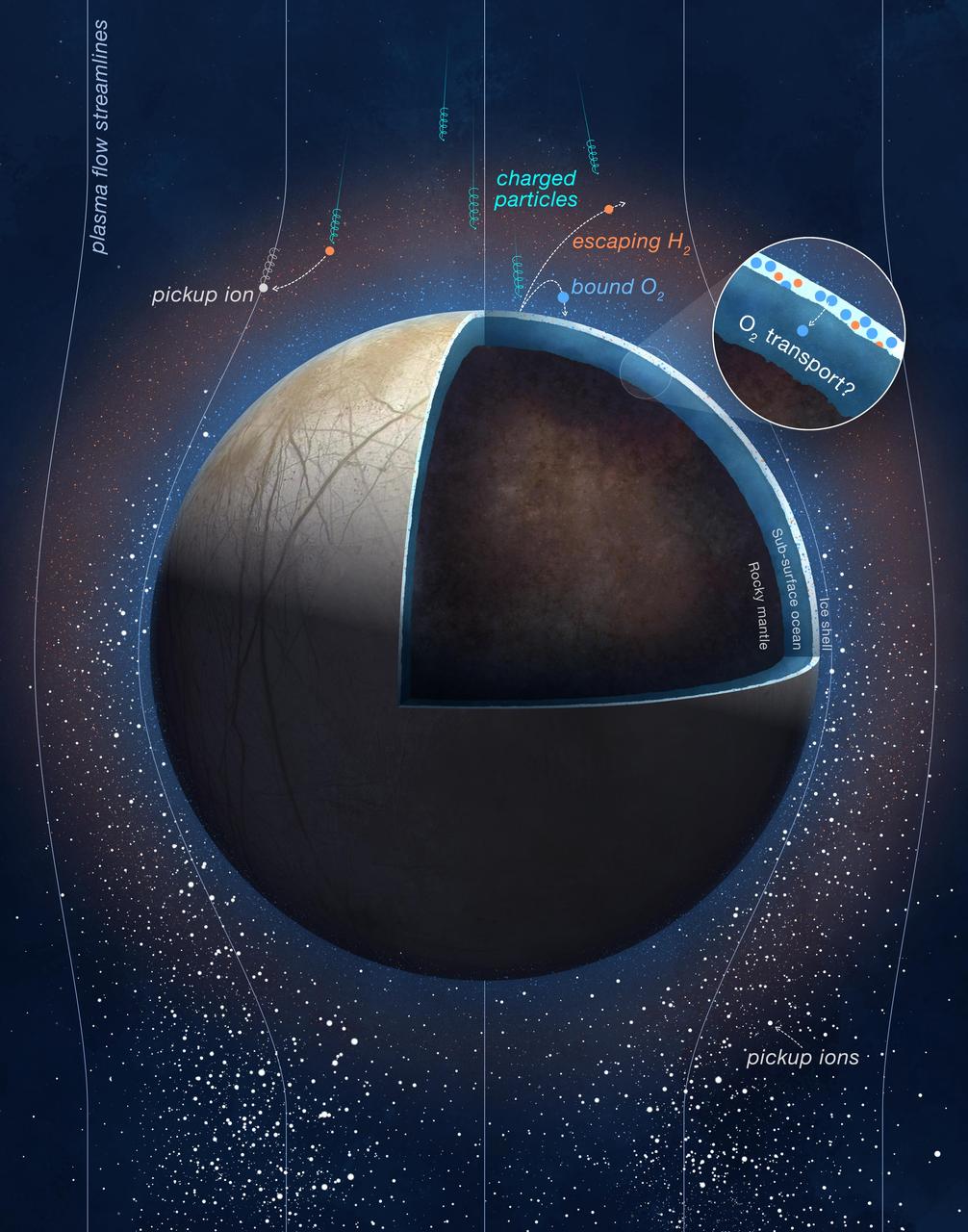
This illustration shows how oxygen is generated at Europa as a result of interaction between the Jovian moon's icy surface and Jupiter's plasma environment. A segment of Europa is cut away in the graphic to show its three layers – the icy shell, the ocean thought to be beneath the shell, and the moon's rocky mantle. Vertical "plasma flow streamlines" depict the flow of these charged particles in the vicinity of the moon. Some of the streamlines are oriented in such a way that their charged particles impact the moon's surface and split frozen water molecules present there into individual oxygen and hydrogen molecules. The newly created hydrogen molecules rise and form Europa's tenuous atmosphere. Because the newly created oxygen molecules are heavier than hydrogen, they remain closer to the surface. Scientists believe these "bound" oxygen gases could migrate inward toward the moon's subsurface ocean, as depicted in the inset image in the upper right of the illustration. The white specks surrounding Europa represent "pickup ions" – ionized particles that have been shed from Europa's atmosphere. When molecules in the atmosphere become charged, they are "picked up," or swept, into the stream of charged material flowing around Europa. Measurements of the composition and quantity of these pickup ions by NASA's Juno mission provided the data necessary to determine the oxygen and hydrogen generation processes at the surface of Europa. https://photojournal.jpl.nasa.gov/catalog/PIA26239
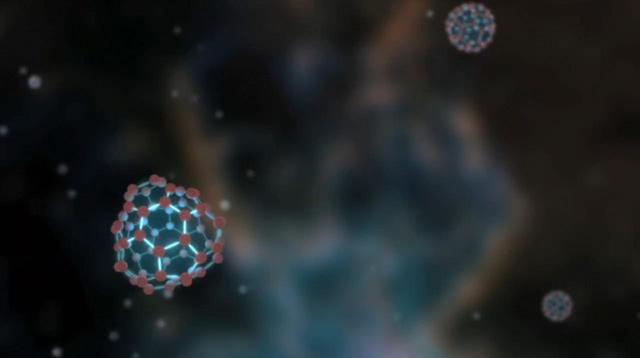
This artist image illustrates vibrating buckyballs -- spherical molecules of carbon discovered in space for the first time by NASA Spitzer Space Telescope.
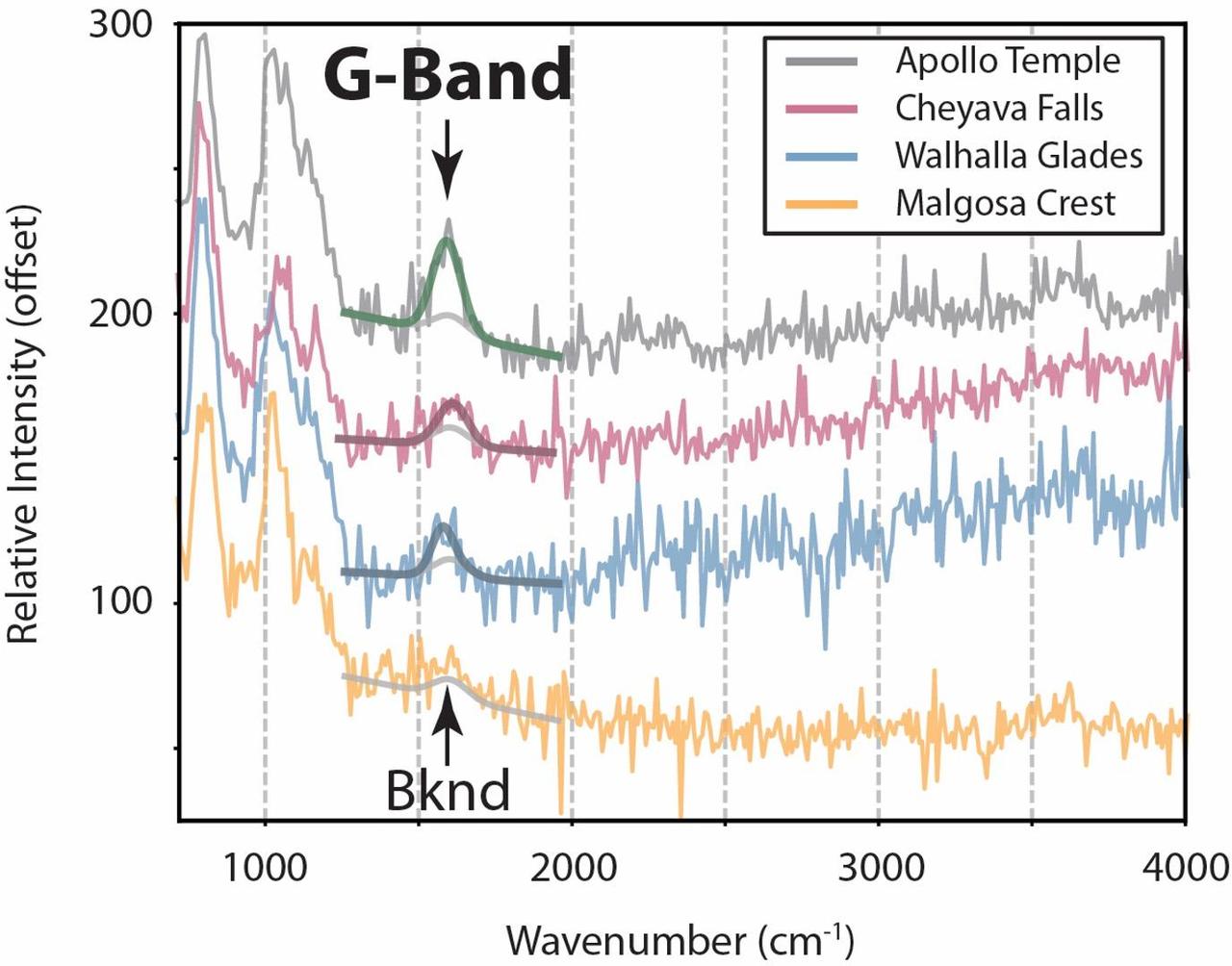
This graph displays data collected by NASA's Perseverance Mars rover from targets in a rock formation nicknamed "Bright Angel." Scientists later determined one of those targets, a rock nicknamed "Cheyava Falls" (second line from the top), contained a potential biosignature. A potential biosignature is a substance or structure that might have a biological origin but requires more data or further study before a conclusion can be reached about the absence or presence of life. The graph includes "G-bands" – a type of signal in Raman spectroscopy – indicating the presence of organic molecules, which can be created by both geological as well as biological sources. ("Bknd" is shorthand for "background.") The data was collected by an instrument on the end of Perseverance's robotic arm called SHERLOC (Scanning Habitable Environments with Raman & Luminescence for Organics & Chemicals). A key objective for Perseverance's mission on Mars is astrobiology, including the search for signs of ancient microbial life. The rover is characterizing the planet's geology and past climate, to help pave the way for human exploration of the Red Planet, and is the first mission to collect and cache Martian rock and regolith. The Mars 2020 Perseverance mission is part of NASA's Mars Exploration Program (MEP) portfolio and the agency's Moon to Mars exploration approach, which includes Artemis missions to the Moon that will help prepare for human exploration of the Red Planet. https://photojournal.jpl.nasa.gov/catalog/PIA26639

ESA Herschel Space Observatory found oxygen molecules in a dense patch of gas and dust adjacent to star-forming regions in the Orion nebula.
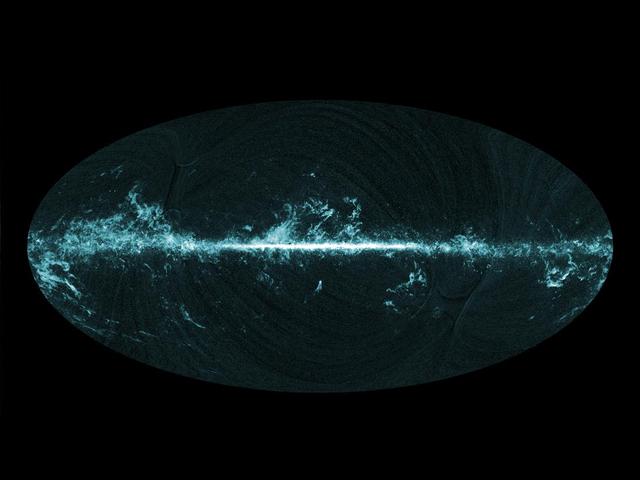
This all-sky image shows the distribution of carbon monoxide CO, a molecule used by astronomers to trace molecular clouds across the sky, as seen by Planck.
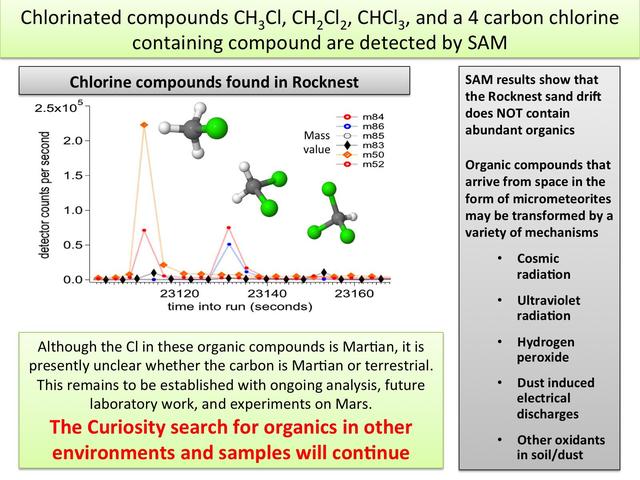
The first examinations of Martian soil by the Sample Analysis at Mars, or SAM, instrument on NASA Mars Curiosity rover show no definitive detection of Martian organic molecules at this point.
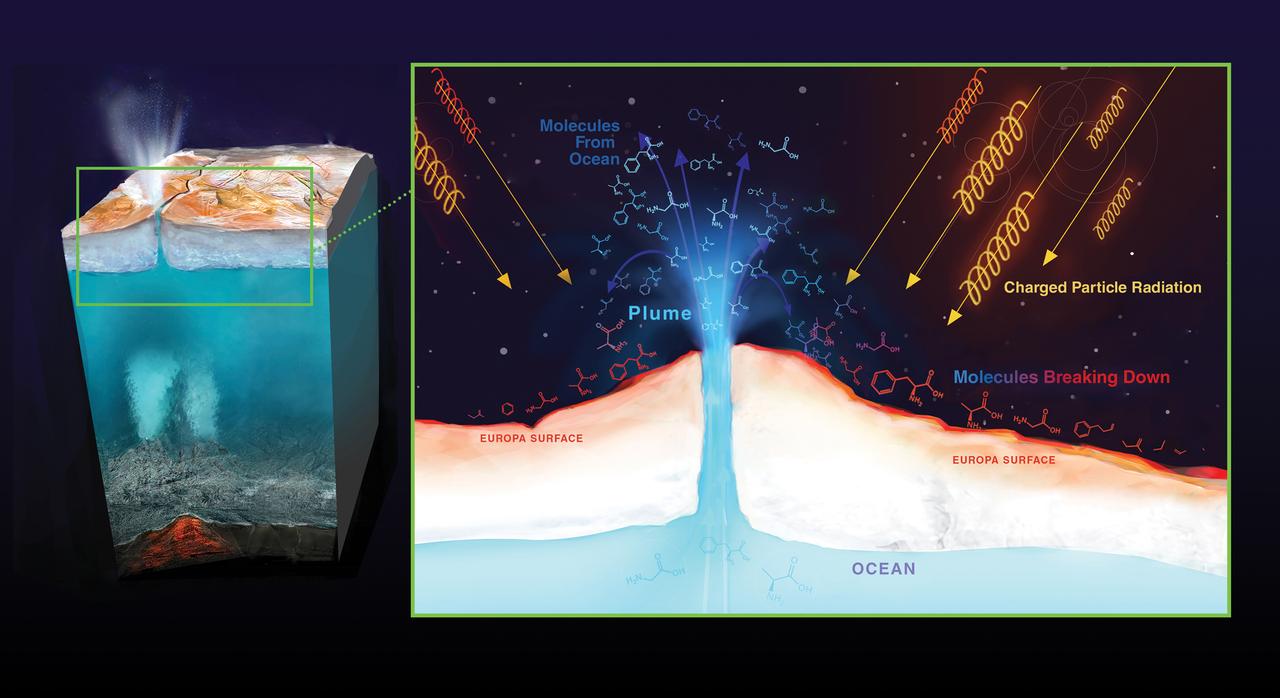
Radiation from Jupiter can destroy molecules on Europa's surface. Material from Europa's ocean that ends up on the surface of Europa will be bombarded by radiation. The radiation breaks apart molecules and changes the chemical composition of the material, possibly destroying any biosignatures, or chemical signs that could imply the presence of life. To interpret what future space missions find on the surface of Europa we must first understand how material has been modified by radiation. https://photojournal.jpl.nasa.gov/catalog/PIA22479
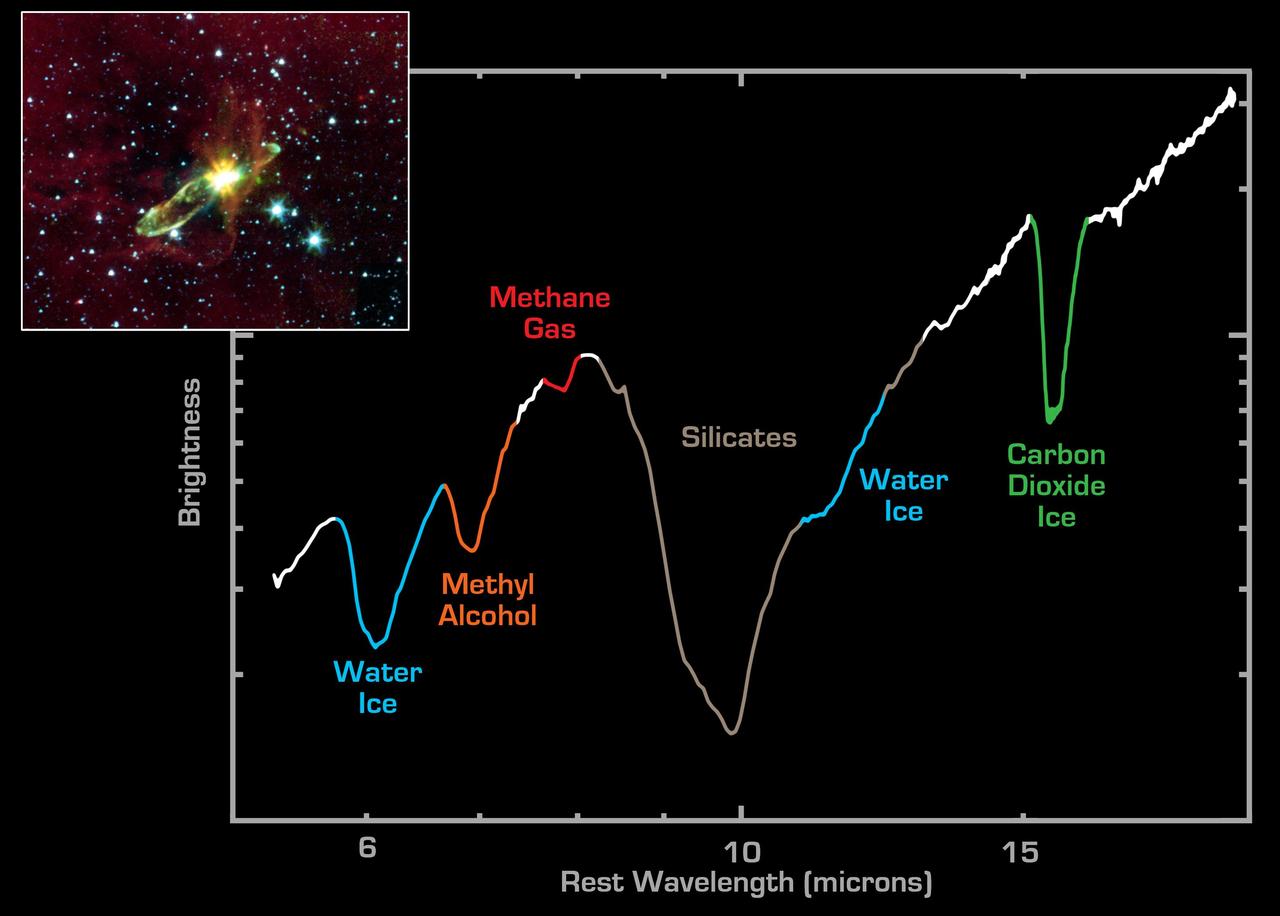
NASA Spitzer Space Telescope has lifted the cosmic veil to see an otherwise hidden newborn star, while detecting the presence of water and carbon dioxide ices, as well as organic molecules.
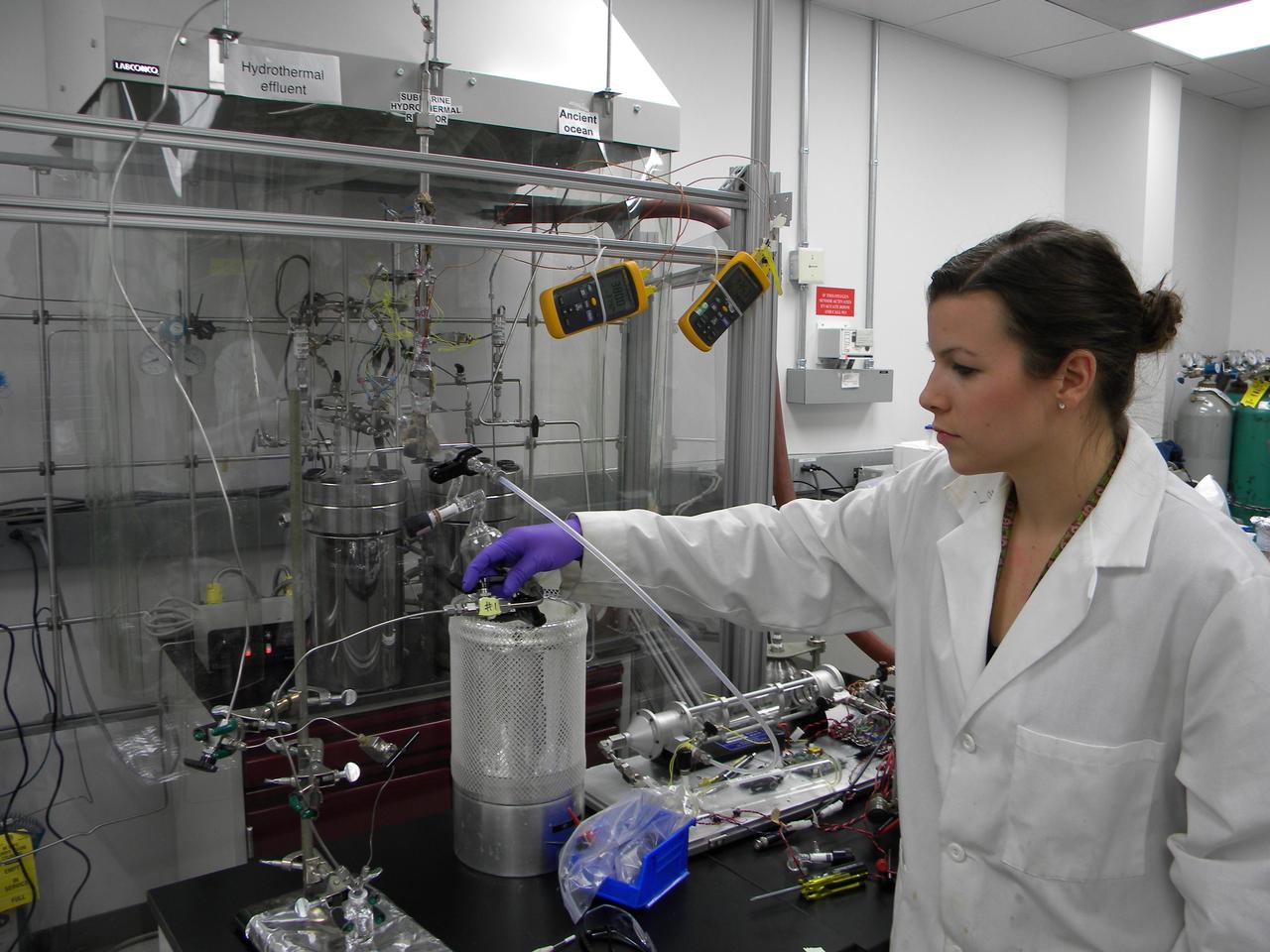
A team of scientists at NASA Jet Propulsion Laboratory is testing whether organic molecules can be brewed in a simulated ocean vent. Pictured here is Lauren White, a member of the NASA Astrobiology Icy Worlds team.

This vertical profile view from the Tropospheric Emission Spectrometer TES instrument on NASA Aura satellite depicts the distribution of water vapor molecules over Earth tropics across one transect of the satellite orbit on January 6, 2006.
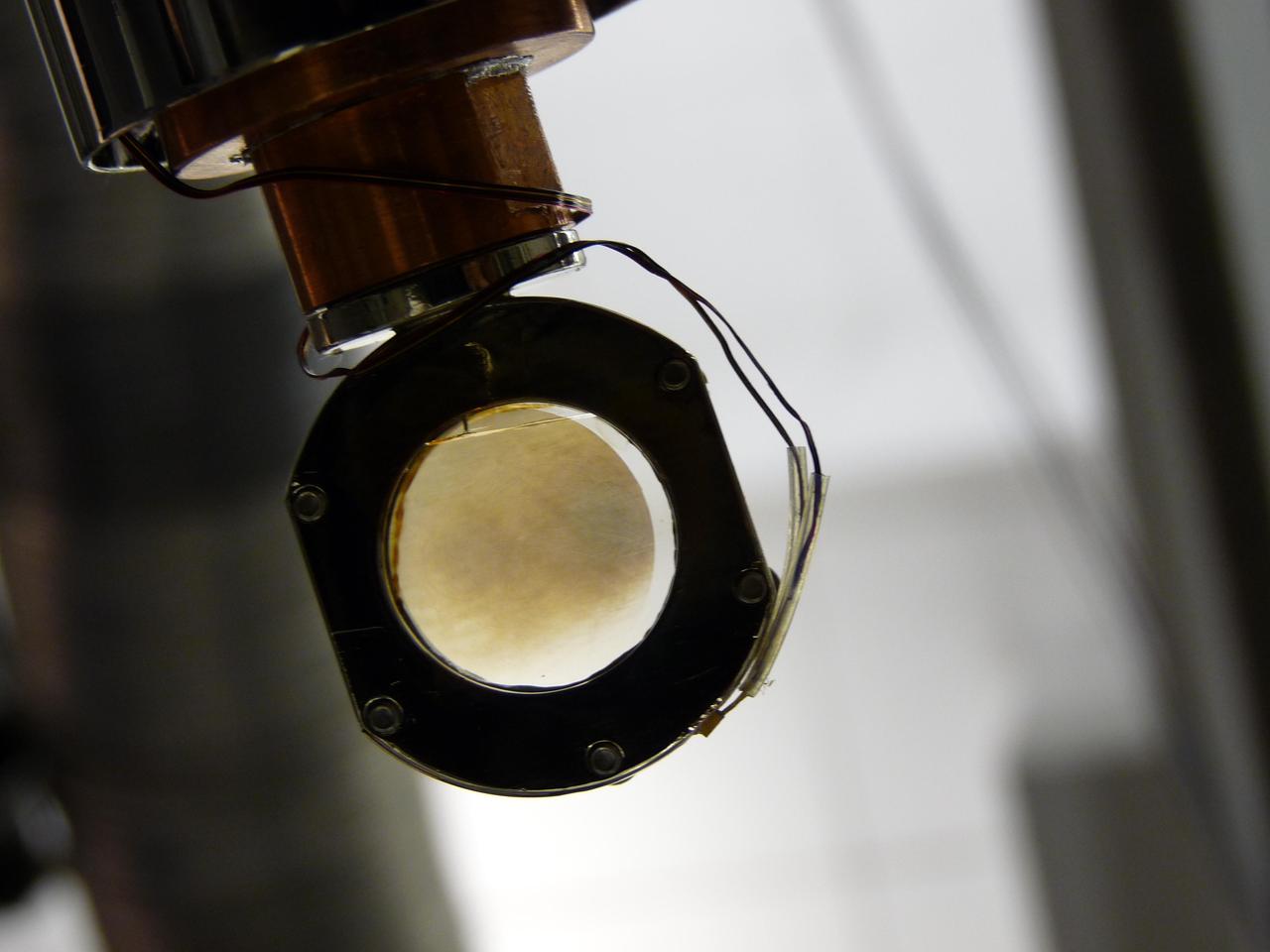
In a laboratory experiment at NASA Jet Propulsion Laboratory, Pasadena, Calif., scientists simulate the atmosphere of Saturn moon Titan. In this picture, molecules of dicyanoacetylene are seen on a special film on a sapphire window.

This plot of data from NASA Spitzer Space Telescope indicates the presence of molecules in the planet WASP-12b -- a super-hot gas giant that orbits tightly around its star.
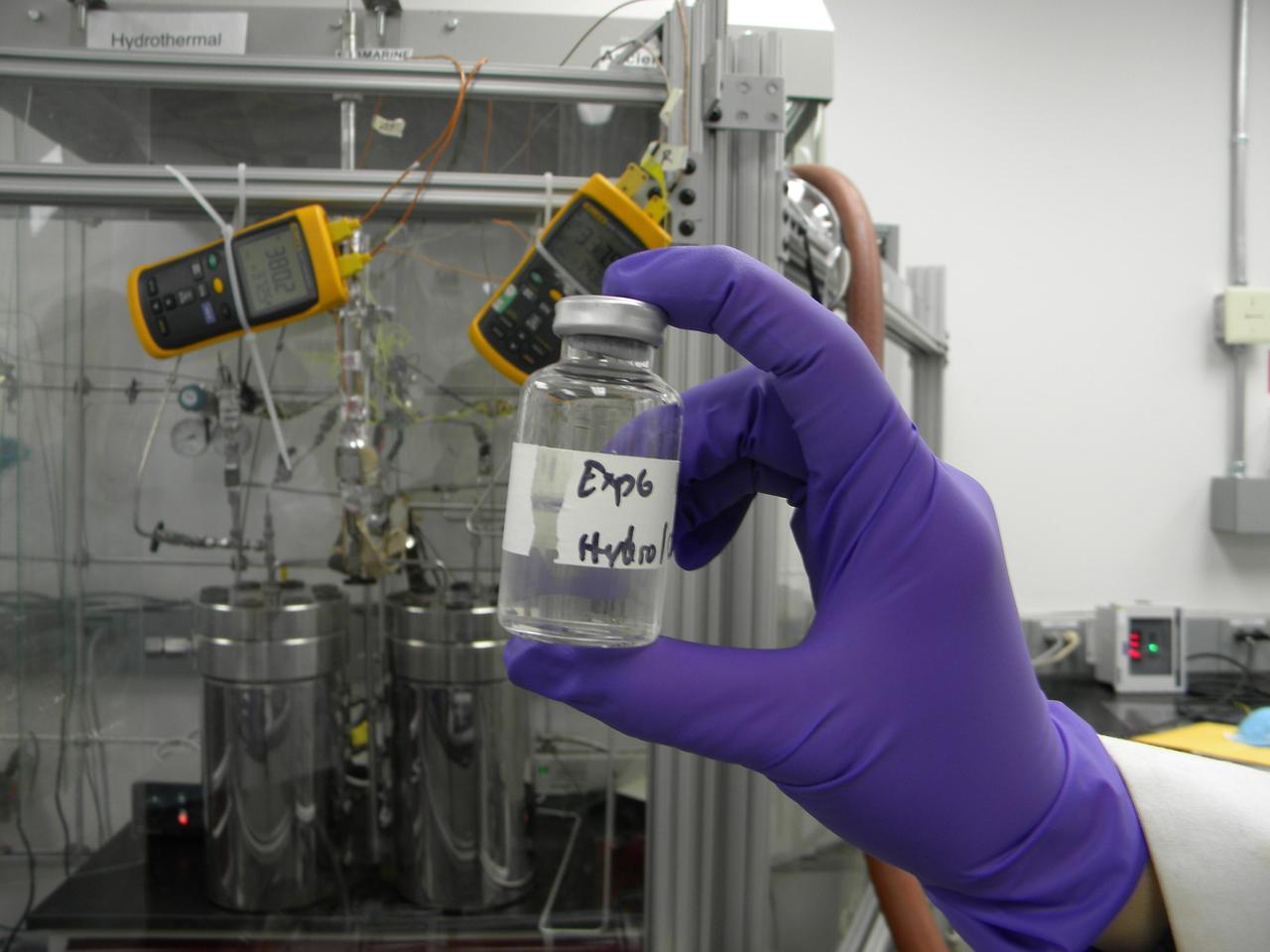
The NASA Astrobiology Icy Worlds team at NASA Jet Propulsion Laboratory are collecting samples from a simulated ocean vent to see if they can detect organic molecules being brewed.
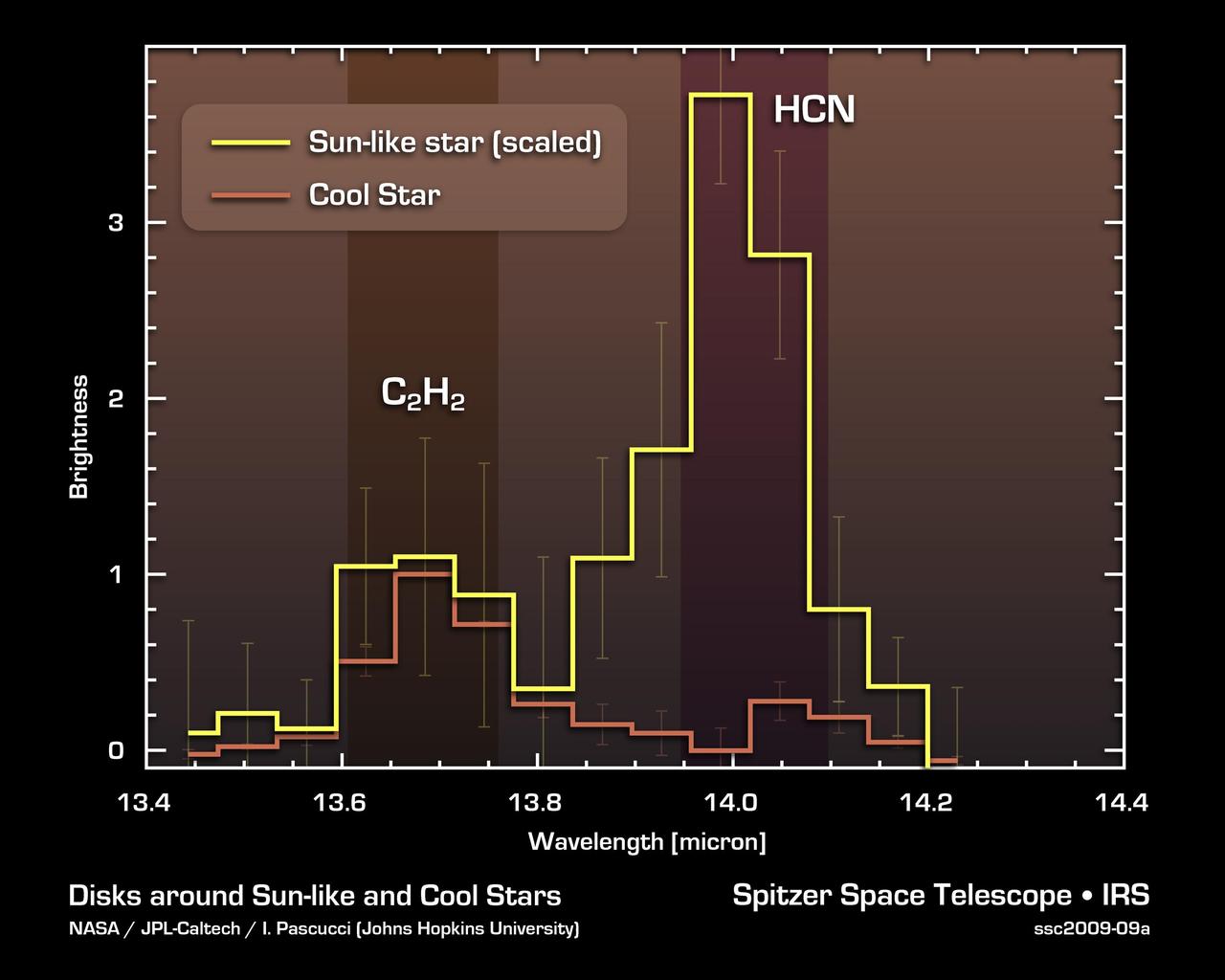
NASA Spitzer Space Telescope detected a prebiotic, or potentially life-forming, molecule called hydrogen cyanide HCN in the planet-forming disks around yellow stars like our sun, but not in the disks around cooler, reddish stars.
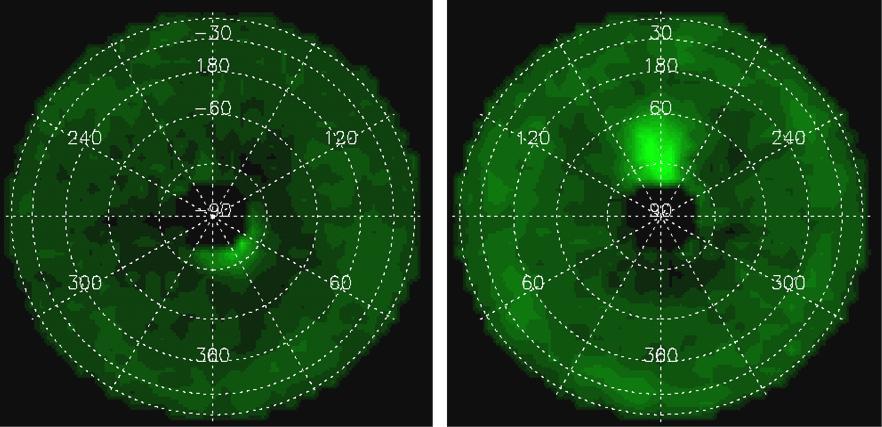
This graphic shows the distribution of the organic molecule acetylene at the north and south poles of Jupiter, based on data obtained by NASA Cassini spacecraft in early January 2001. Movie is available at the Photojournal.
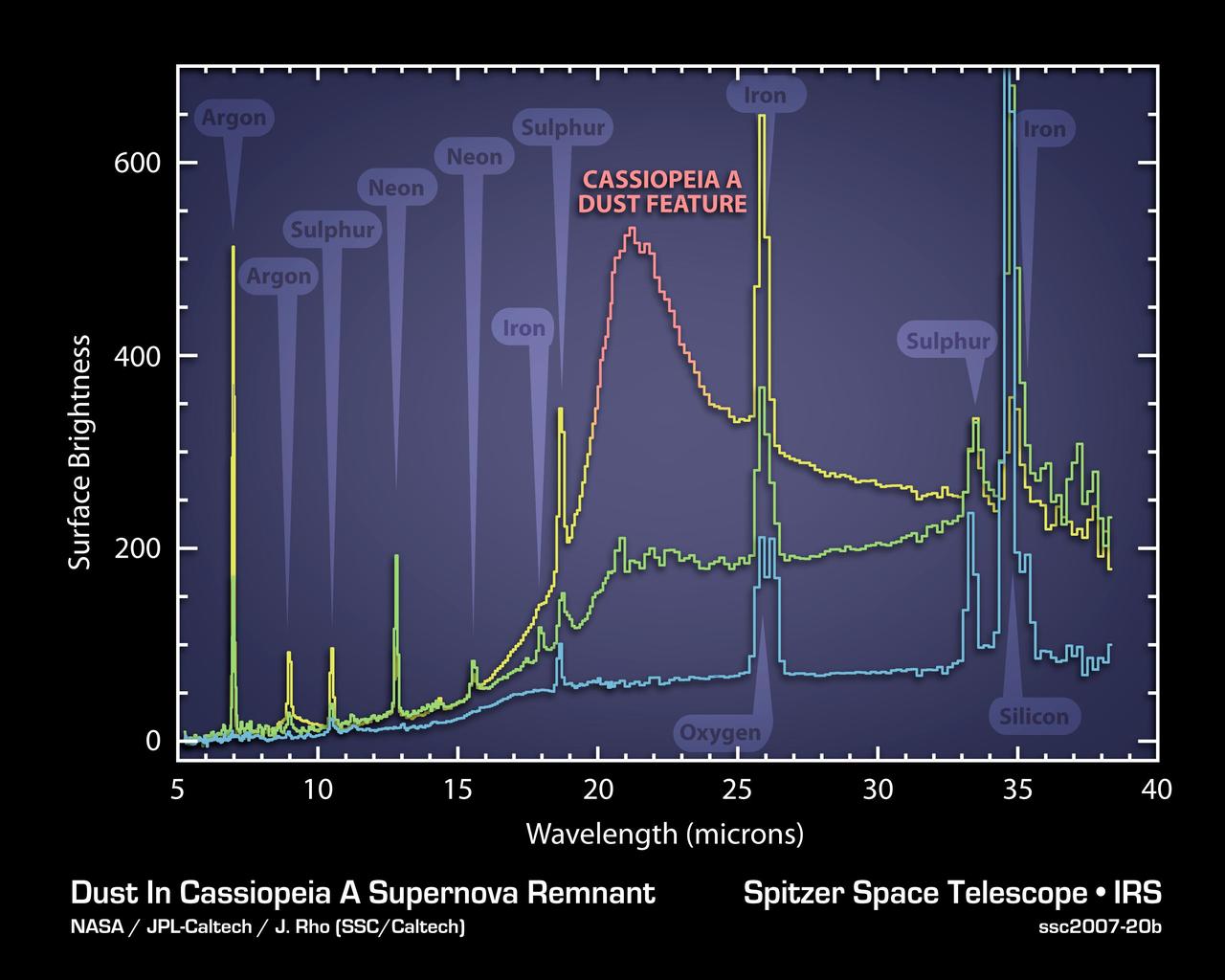
The elements and molecules that flew out of the Cassiopeia A star when it exploded about 300 years ago can be seen clearly for the first time in this plot of data, called a spectrum, taken by NASA Spitzer Space Telescope.
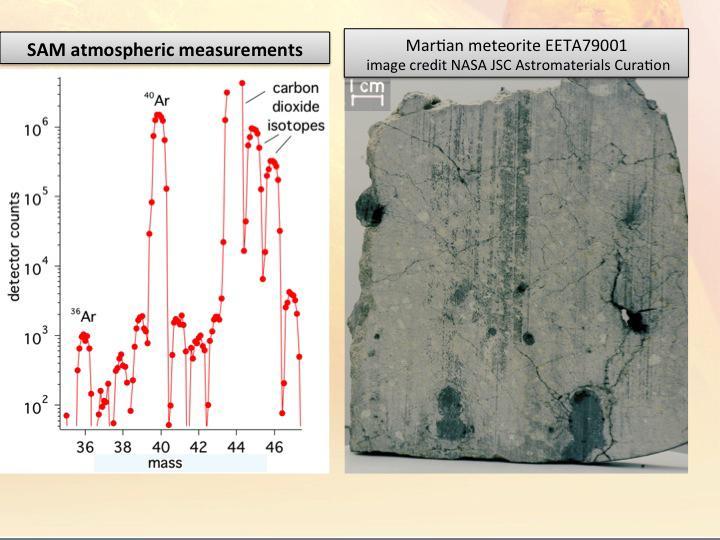
New results from the Sample Analysis at Mars, or SAM, instrument on NASA Curiosity rover detected about 2,000 times as much argon-40 as argon-36, which weighs less, confirming the connection between Mars and Martian meteorites found on Earth.
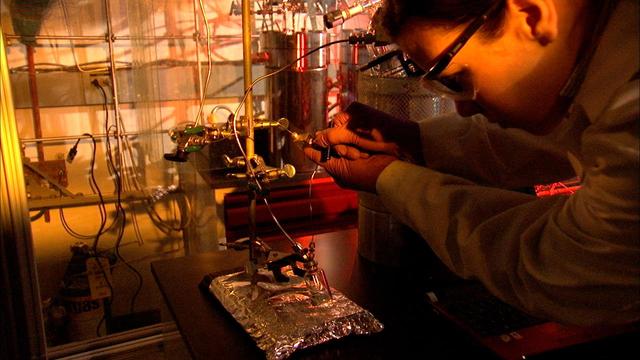
Lauren White, a scientist at NASA's Jet Propulsion Laboratory, adjusts an experiment that simulates how ancient seawater and fluid from hydrothermal vents could have reacted with minerals from the seafloor to create organic molecules 4.5 billion years ago. The image was taken at JPL in 2014. https://photojournal.jpl.nasa.gov/catalog/PIA23688
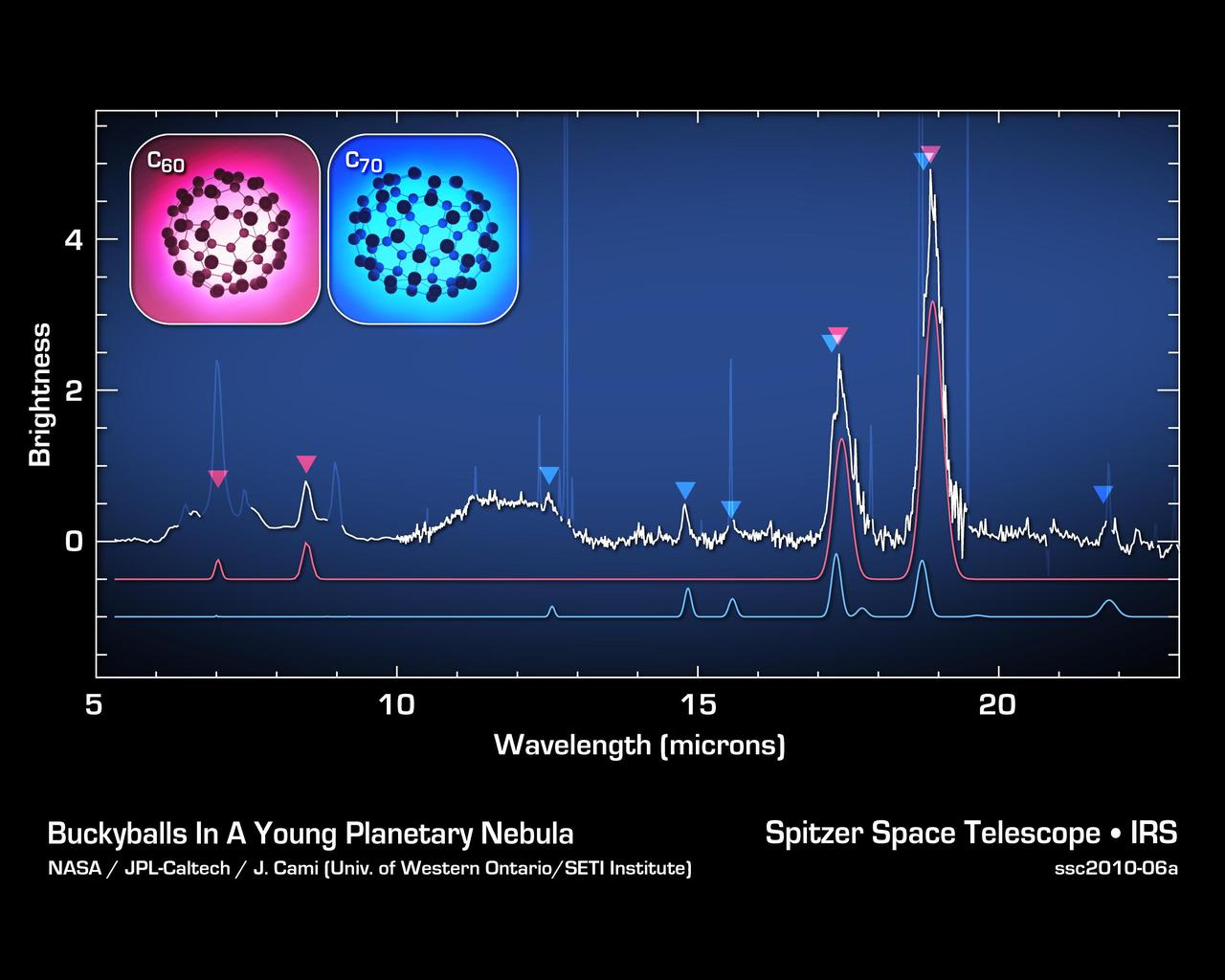
These data from NASA Spitzer Space Telescope show the signatures of buckyballs in space. Buckyballs, also called C60 or buckministerfullerenes, after architect Buckminister Fuller geodesic domes.
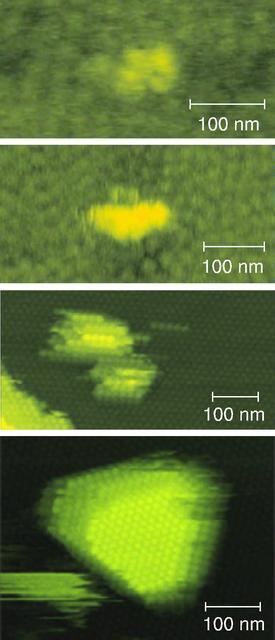
Watching molecules of the iron-storing protein apoferritin come together to form a nucleus reveals some interesting behavior. In this series of images, researchers observed clusters of four molecules at the corners of a diamond shape (top). As more molecules attach to the cluster, they arrange themselves into rods (second from top), and a raft-like configuration of molecules forms the critical nucleus (third from top), suggesting that crystal growth is much slower than it could be were the molecules arranged in a more compact formation. In the final image, a crystallite consisting of three layers containing approximately 60 to 70 molecules each is formed. Atomic force microscopy made visualizing the process of nucleation possible for the first time. The principal investigator is Peter Vekilov, of the University of Alabama in Huntsville. Vekilov's team at UAH studies protein solutions as they change phases from liquids to crystalline solids. They want to know if the molecules in the solution interact with one another, and if so, how, from the perspectives of thermodynamics and kinetics. They want to understand which forces -- electrical, electrostatic, hydrodynamic, or other kinds of forces -- are responsible for the interactions. They also study nucleation, the begirning stage of crystallization. This process is important to understand because it sets the stage for crystal growth in all kinds of solutions and liquid melts that are important in such diverse fields as agriculture, medicine, and the fabrication of metal components. Nucleation can determine the rate of crystal growth, the number of crystals that will be formed, and the quality and size of the crystals.
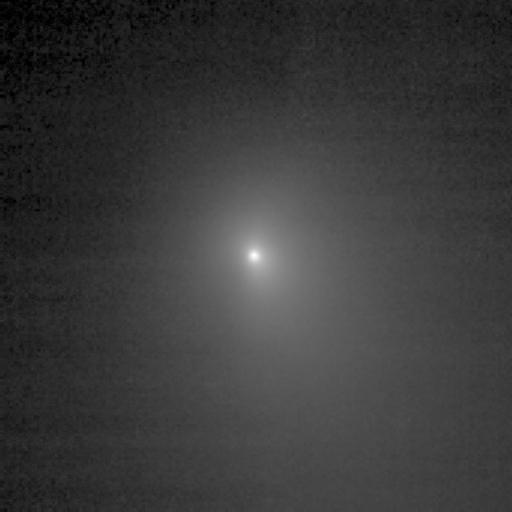
This picture of Tempel 1 was taken by NASA Deep Impact. Even though the spacecraft was over 10 days away from the comet when these data were acquired, it detected some of the molecules making up the comet gas and dust envelope, or coma.
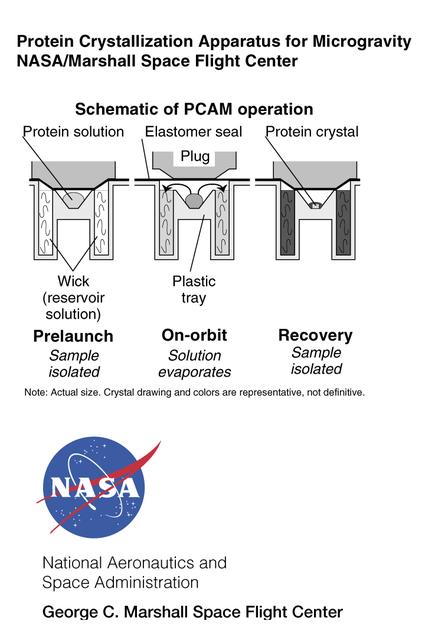
The Protein Crystallization for Microgravity (DCAM) was developed at NASA's Marshall Space Flight Center. A droplet of solution with protein molecules dissolved in it is isolated in the center of a small well. In orbit, an elastomer seal is lifted so the solution can evaporate and be absorbed by a wick material. This raises the concentration of the solution, thus prompting protein molecules in the solution to form crystals. The principal investigator is Dr. Dan Carter of New Century Pharmaceuticals in Huntsville, AL.
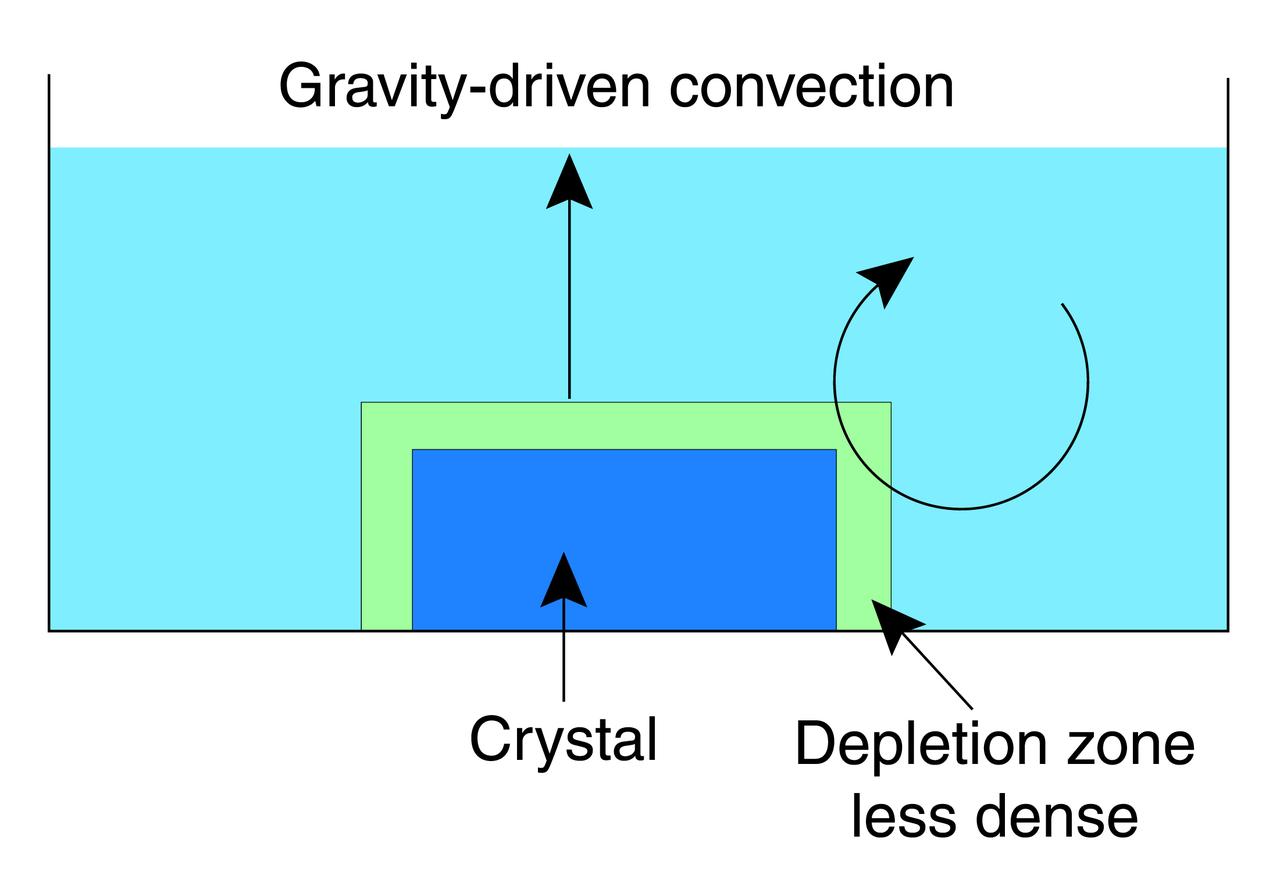
Gravity or density-driven convection occurs as protein molecules incorporate into a crystal lattice from the surrounding solution. The layer bordering the crystal (the depletion zone) then contains a less-dense protein concentration, causing the layer to rise. The remaining, denser solution sinks because of gravity, creating eddies that make it difficult for more protein molecules to attach to the crystal in an ordered way.
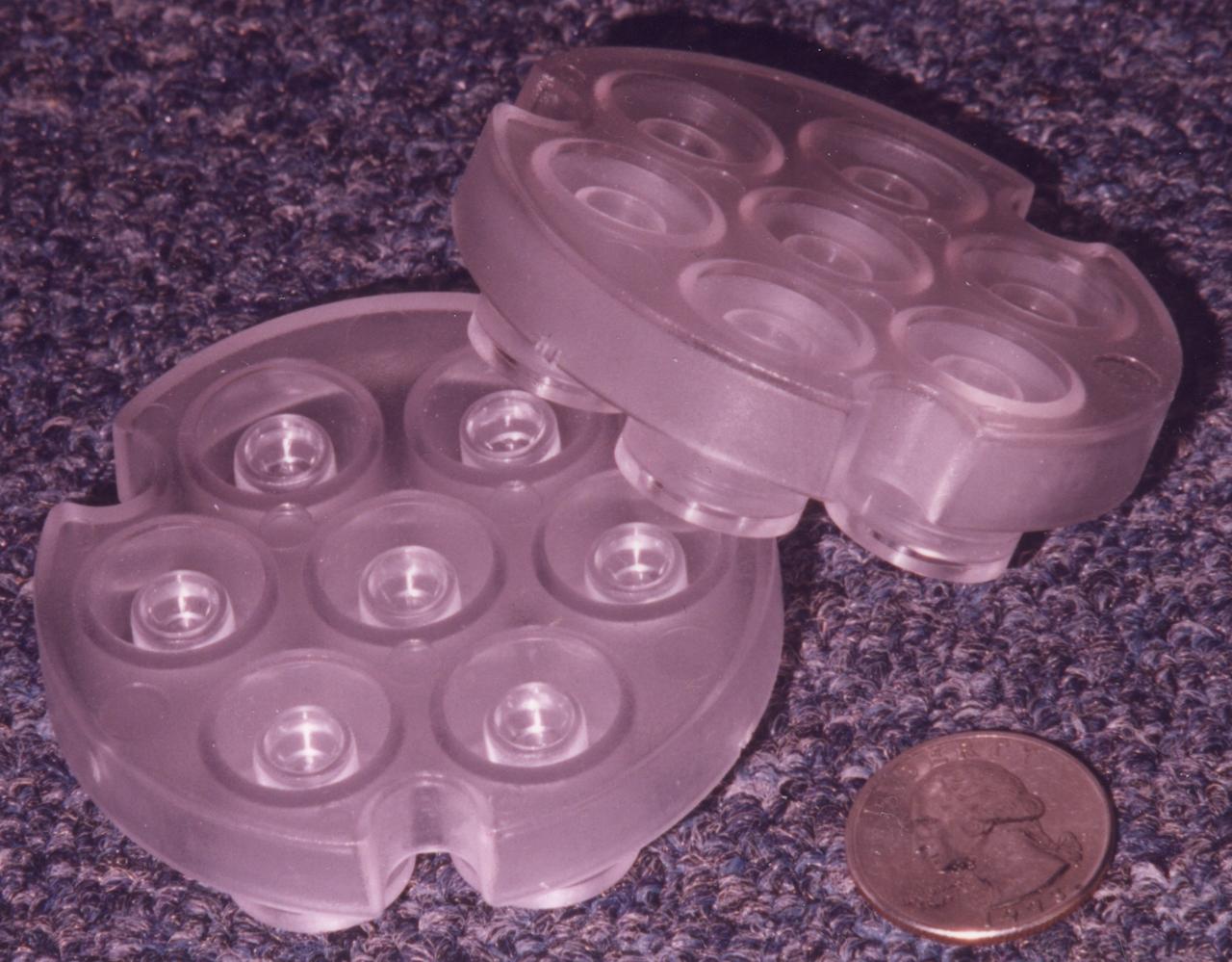
The Protein Crystallization for Microgravity (DCAM) was developed at NASA's Marshall Space Flight Center. A droplet of solution with protein molecules dissolved in it is isolated in the center of a small well. In orbit, an elastomer seal is lifted so the solution can evaporate and be absorbed by a wick material. This raises the concentration of the solution, thus prompting protein molecules in the solution to form crystals. The principal investigator is Dr. Dan Carter of New Century Pharmaceuticals in Huntsville, AL.
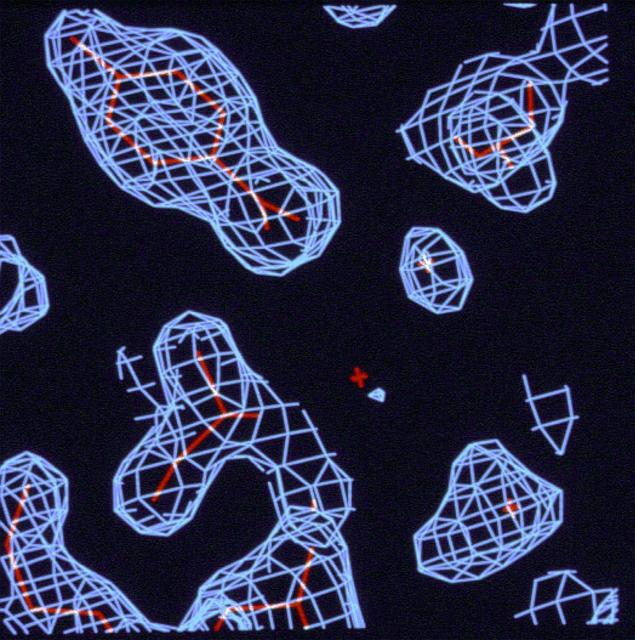
Like many chemicals in the body, the three-dimensional structure of insulin is extremely complex. When grown on the ground, insulin crystals do not grow as large or as ordered as researchers desire--obscuring the blueprint of the insulin molecules.
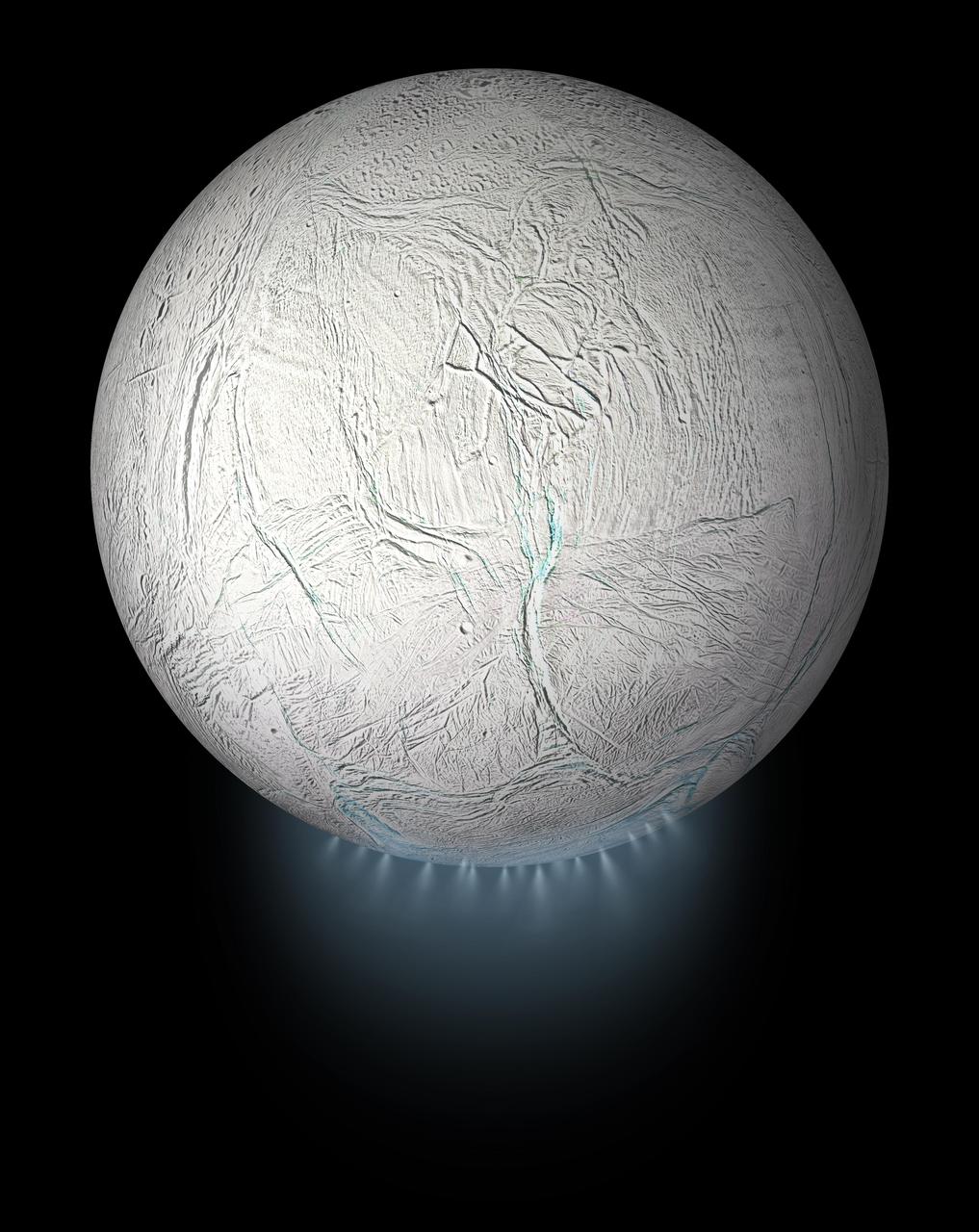
This illustration shows Saturn's icy moon Enceladus with the plume of ice particles, water vapor and organic molecules that sprays from fractures in the moon's south polar region. A cutaway version of this graphic is also available, showing the moon's interior ocean and hydrothermal activity — both of which were discovered by NASA's Cassini mission (see PIA20013). This global view was created using a Cassini-derived map of Enceladus (see PIA18435). More information about Enceladus is available at https://solarsystem.nasa.gov/moons/saturn-moons/enceladus/in-depth/. For more information about the Cassini-Huygens mission visit https://solarsystem.nasa.gov/missions/cassini/overview/. https://photojournal.jpl.nasa.gov/catalog/PIA23175
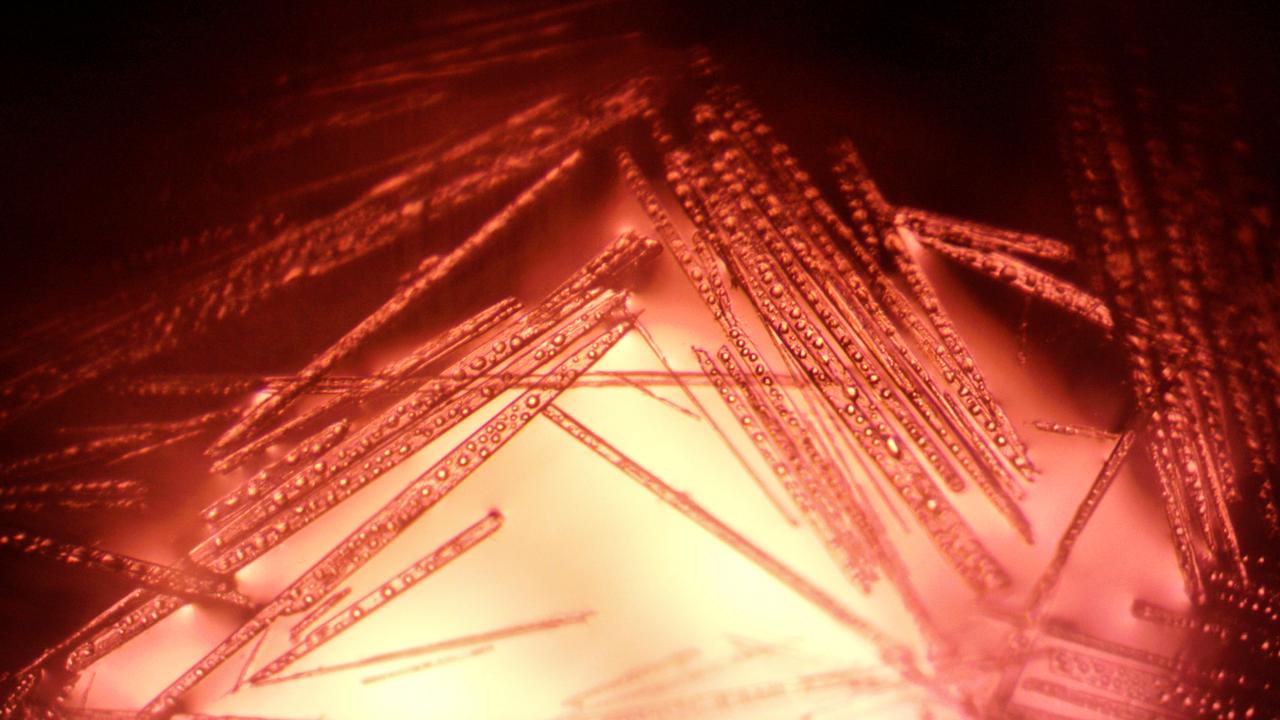
jsc2024e038398 (6/5/2024) --- Famoxadone crystals grown with Redwire's PIL-BOX aboard the International Space Station. This image was taken after the crystals returned to Earth in April 2024. This small-molecule antifungal agent protects crops against fungal diseases like downy mildew and blights on potatoes, lettuce, grapes, and vegetables. The Pharmaceutical In-space Laboratory-03 (ADSEP-PIL-03) investigation grows crystals of several commercially relevant small molecules, each having various structures that may be altered by a microgravity environment. Image courtesy of Redwire.
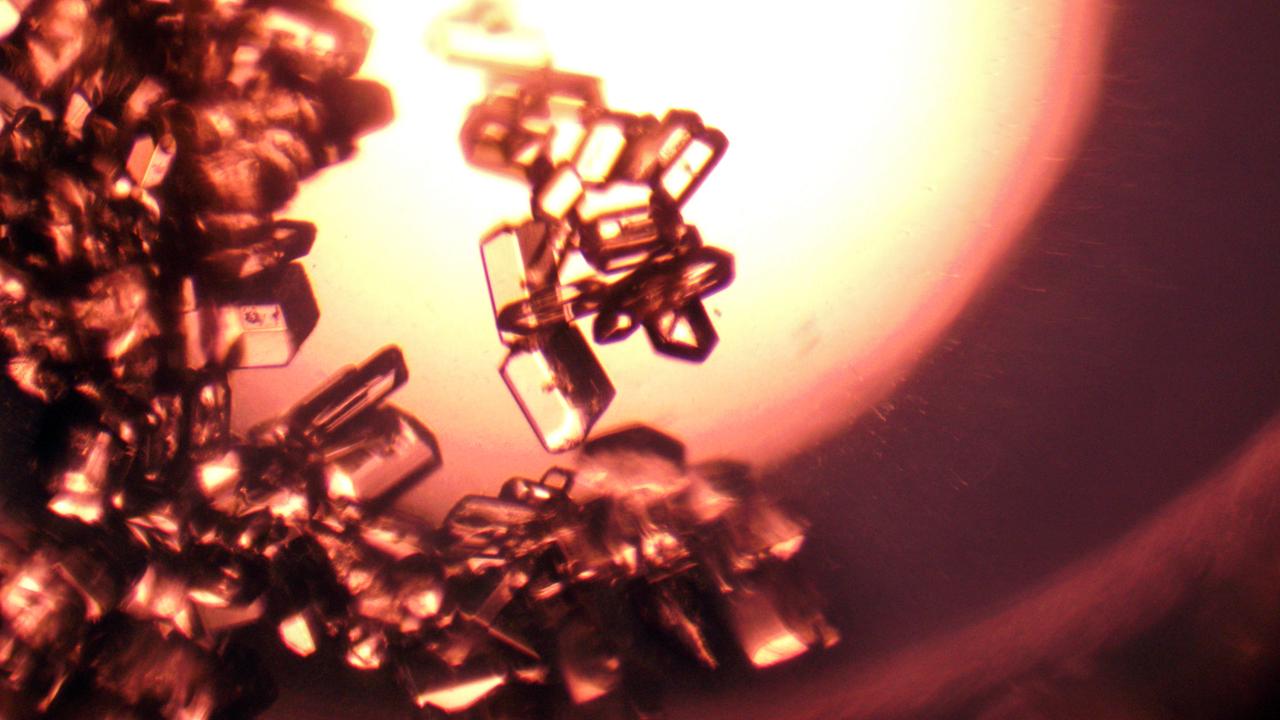
jsc2024e038399 (6/5/2024) --- Glycine crystals grown with Redwire's PIL-BOX aboard the International Space Station. This image was taken after the crystals returned to Earth in April 2024. Glycine is an amino acid which serves many functions in the human body such as a neurotransmitter, a component in collagen, and a building block for other important molecules. The Pharmaceutical In-space Laboratory-03 (ADSEP-PIL-03) investigation grows crystals of several commercially relevant small molecules, each having various structures that may be altered by a microgravity environment. Image courtesy of Redwire.
![Atomic force microscopy uses laser technology to reveal a defect, a double-screw dislocation, on the surface of this crystal of canavalin, a major source of dietary protein for humans and domestic animals. When a crystal grows, attachment kinetics and transport kinetics are competing for control of the molecules. As a molecule gets close to the crystal surface, it has to attach properly for the crystal to be usable. NASA has funded investigators to look at those attachment kinetics from a theoretical standpoint and an experimental standpoint. Dr. Alex McPherson of the University of California, Irvine, is one of those investigators. He uses X-ray diffraction and atomic force microscopy in his laboratory to answer some of the many questions about how protein crystals grow. Atomic force microscopy provides a means of looking at how individual molecules are added to the surface of growing protein crystals. This helps McPherson understand the kinetics of protein crystal growth. McPherson asks, How fast do crystals grow? What are the forces involved? Investigators funded by NASA have clearly shown that such factors as the level of supersaturation and the rate of growth all affect the habit [characteristic arrangement of facets] of the crystal and the defects that occur in the crystal.](https://images-assets.nasa.gov/image/0101744/0101744~small.jpg)
Atomic force microscopy uses laser technology to reveal a defect, a double-screw dislocation, on the surface of this crystal of canavalin, a major source of dietary protein for humans and domestic animals. When a crystal grows, attachment kinetics and transport kinetics are competing for control of the molecules. As a molecule gets close to the crystal surface, it has to attach properly for the crystal to be usable. NASA has funded investigators to look at those attachment kinetics from a theoretical standpoint and an experimental standpoint. Dr. Alex McPherson of the University of California, Irvine, is one of those investigators. He uses X-ray diffraction and atomic force microscopy in his laboratory to answer some of the many questions about how protein crystals grow. Atomic force microscopy provides a means of looking at how individual molecules are added to the surface of growing protein crystals. This helps McPherson understand the kinetics of protein crystal growth. McPherson asks, How fast do crystals grow? What are the forces involved? Investigators funded by NASA have clearly shown that such factors as the level of supersaturation and the rate of growth all affect the habit [characteristic arrangement of facets] of the crystal and the defects that occur in the crystal.

iss051e050126 (May 26, 2017) --- Three CubeSats are ejected from the NanoRacks CubeSat Deployer attached to the outside of the Japanese Kibo laboratory module. The trio are part of a subset CubeSats released during the week to monitor different gaseous molecules and electrical properties of the Earth's thermosphere to better understand space weather and its long term trends.
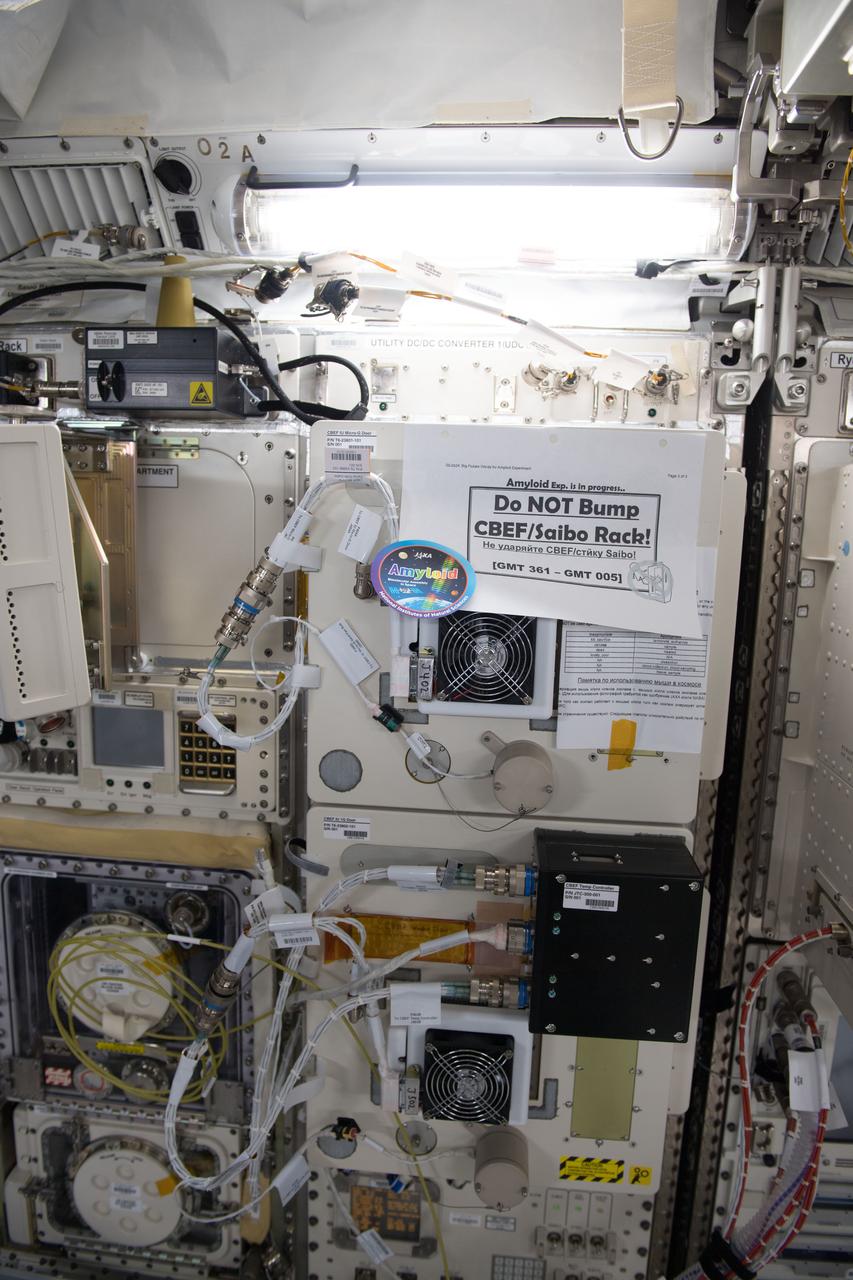
iss054e020555 (Dec. 30, 2017) --- View of the Cell Biology Experiment Facility (CBEF) in the Kibo Japanese Experiment Pressurized Module (JPM) taken during operations to examine the formation of molecules related to Alzheimer's disease. A warning sign (DO NOT BUMP) is attached to the CBEF.
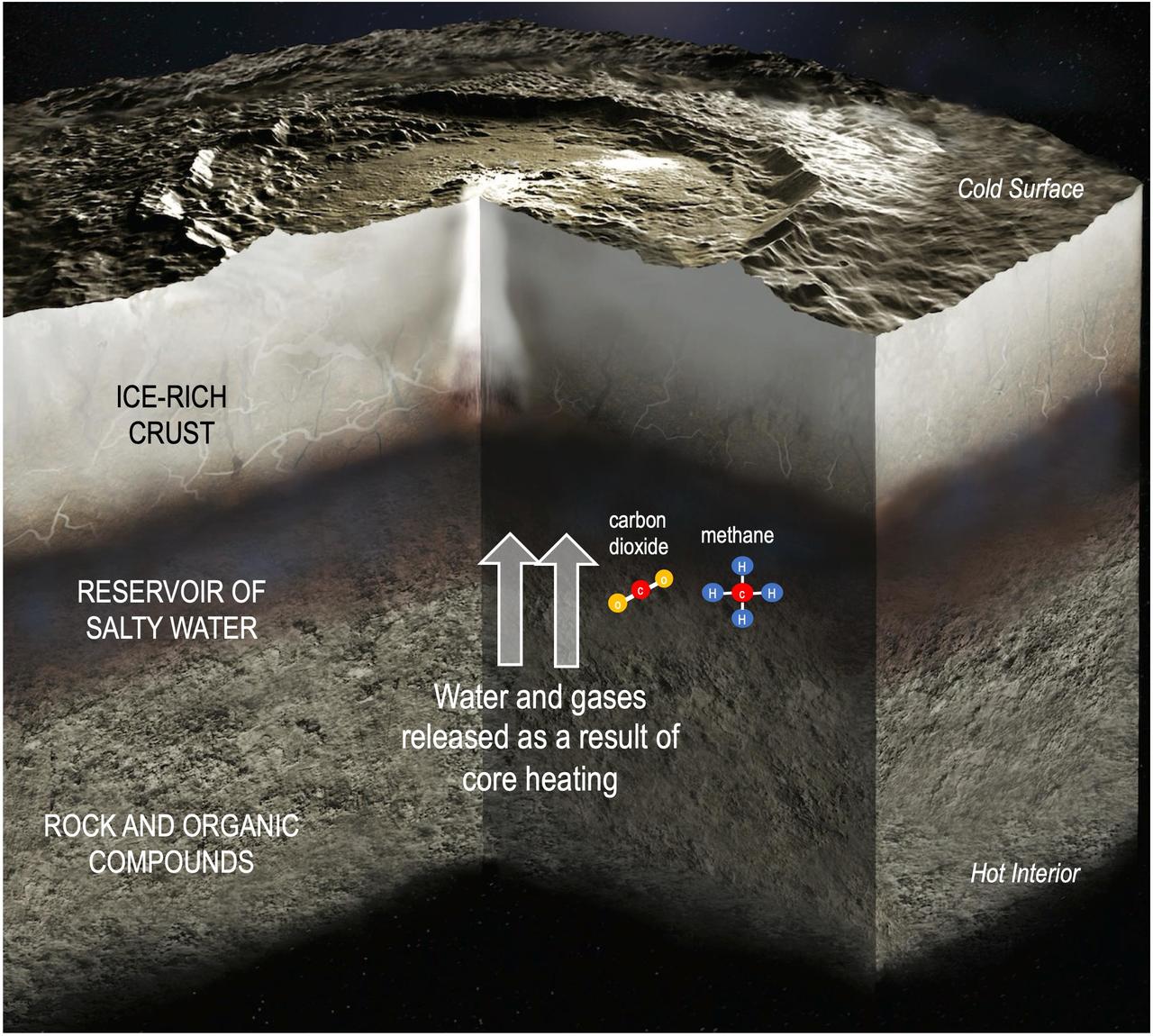
This illustration depicts the interior of dwarf planet Ceres, including the transfer of water and gases from the rocky core to a reservoir of salty water as a consequence of internal heating. A couple examples of molecules carrying chemical energy – carbon dioxide and methane – are included in the illustration. Research published in Science Advances on Aug. 20, 2025, relies on data from NASA's Dawn mission to find that chemical energy inside Ceres may have lasted long enough to fuel microbial metabolisms. Although there is no evidence that microorganisms ever existed on Ceres, the finding supports theories that this intriguing dwarf planet, which is the largest body in the main asteroid belt between Mars and Jupiter, may have once had conditions suitable to support single-celled lifeforms. https://photojournal.jpl.nasa.gov/catalog/PIA26570
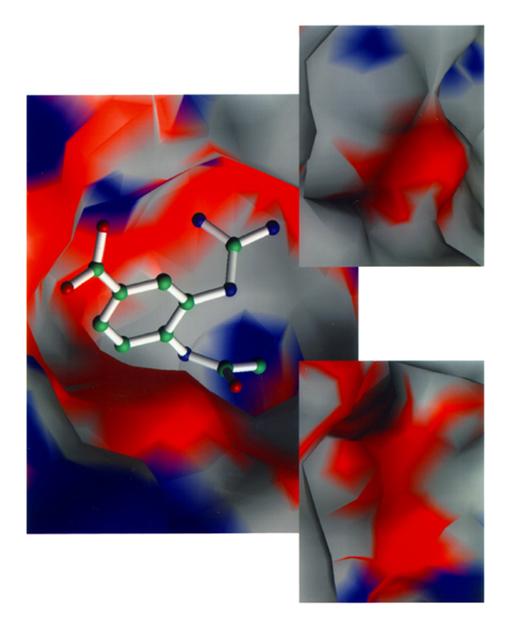
The loss of productivity due to flu is staggering. Costs range as much as $20 billio a year. High mutation rates of the flu virus have hindered development of new drugs or vaccines. The secret lies in a small molecule which is attached to the host cell's surface. Each flu virus, no matter what strain, must remove this small molecule to escape the host cell to spread infection. Using data from space and earth grown crystals, researchers from the Center of Macromolecular Crystallography (CMC) are desining drugs to bind with this protein's active site. This lock and key fit reduces the spread of flu in the body by blocking its escape route. In collaboration with its corporate partner, the CMC has refined drug structure in preparation for clinical trials. Tested and approved relief is expected to reach drugstores by year 2004.
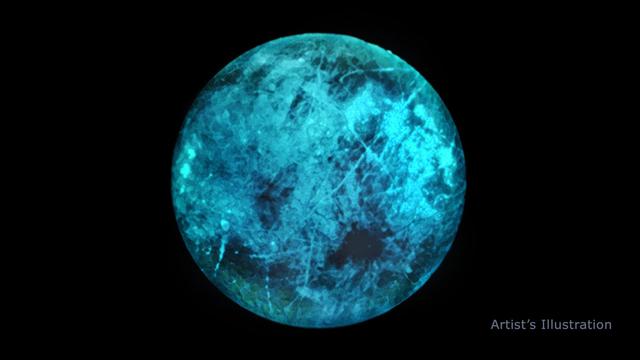
This illustration of Jupiter's moon Europa shows how the icy surface may glow on its nightside, the side facing away from the Sun. New lab experiments re-created the environment of Europa and find that the icy moon shines, even on its nightside, due to an ice glow. As Jupiter bombards Europa with radiation, the electrons penetrate the surface, energizing the molecules underneath. When those molecules relax, they release energy as visible light. Variations in the glow and the color of the glow itself could reveal information about the composition of ice on Europa's surface. Different salty compounds react differently to the radiation and emit their own unique glimmer. Color will vary based on the real composition of Europa's surface. https://photojournal.jpl.nasa.gov/catalog/PIA24028
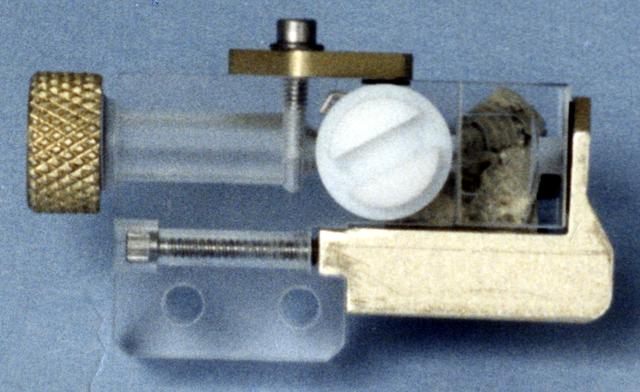
This photo shows an individual cell from the Handheld Diffusion Test Cell (HH-DTC) apparatus flown on the Space Shuttle. Similar cells will be used in the Observable Protein Crystal Growth Apparatus (OPCGA) to be operated aboard the International Space Station (ISS). The principal investigator is Dr. Alex McPherson of the University of California, Irvine. Each individual cell comprises two sample chambers with a rotating center section that isolates the two from each other until the start of the experiment and after it is completed. The cells are made from optical-quality quartz glass to allow photography and interferometric observations. Each cell has a small light-emitting diode and lens to back-light the solution. In protein crystal growth experiments, a precipitating agent such as a salt solution is used to absorb and hold water but repel the protein molecules. This increases the concentration of protein until the molecules nucleate to form crystals. This cell is one of 96 that make up the experiment module portion of the OPCGA.
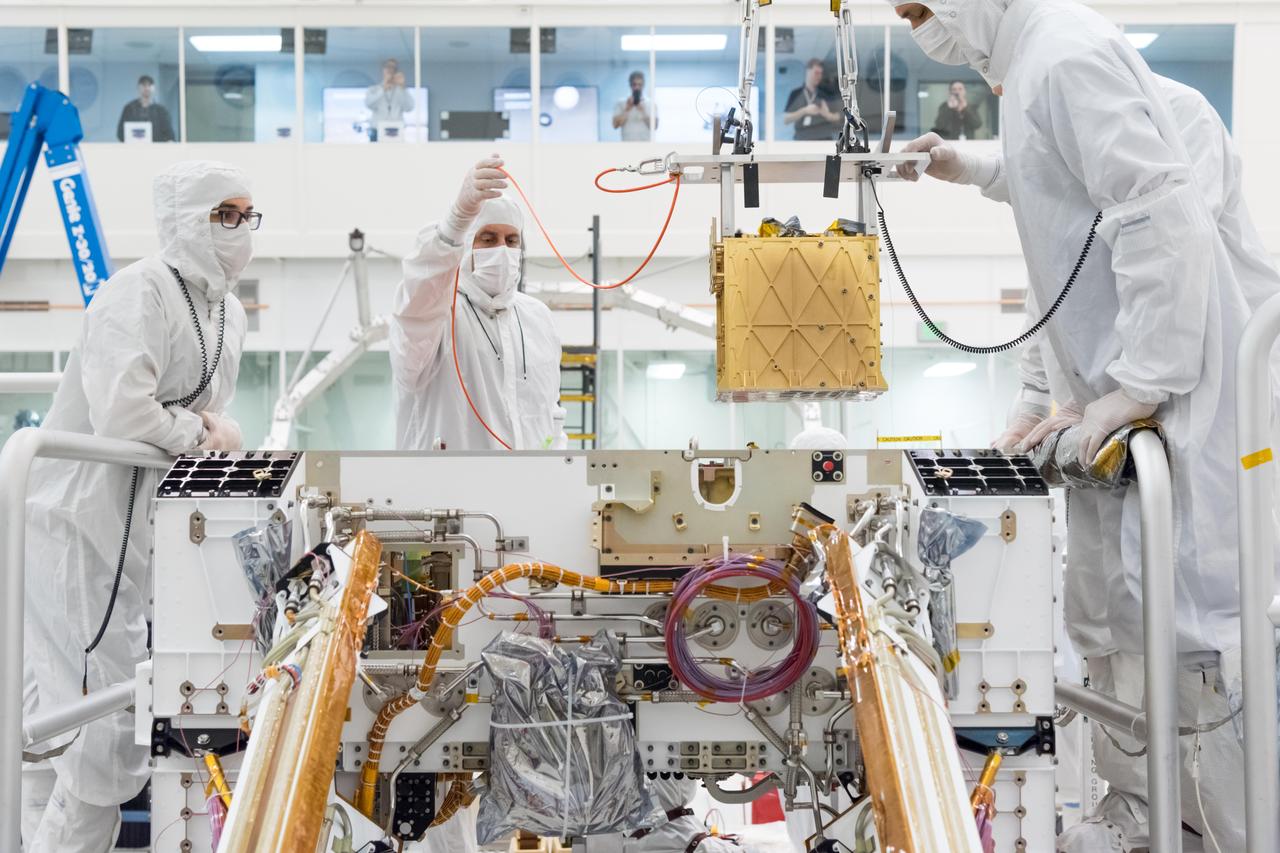
Members of NASA's Mars 2020 project install the Mars Oxygen In-Situ Resource Utilization Experiment (MOXIE) into the chassis of NASA's next Mars rover. MOXIE will demonstrate a way that future explorers might produce oxygen from the Martian atmosphere for propellant and for breathing. The car-battery-sized instrument does this by collecting carbon dioxide (CO2) from the Martian atmosphere and electrochemically splitting the carbon dioxide molecules into oxygen and carbon monoxide molecules. The oxygen is then analyzed for purity before being vented back out to the Martian atmosphere along with the carbon monoxide and other exhaust products. The image was taken on March 20, 2019, in the Spacecraft Assembly Facility's High Bay 1 Cleanroom at NASA's Jet Propulsion Laboratory, in Pasadena, California. https://photojournal.jpl.nasa.gov/catalog/PIA23154
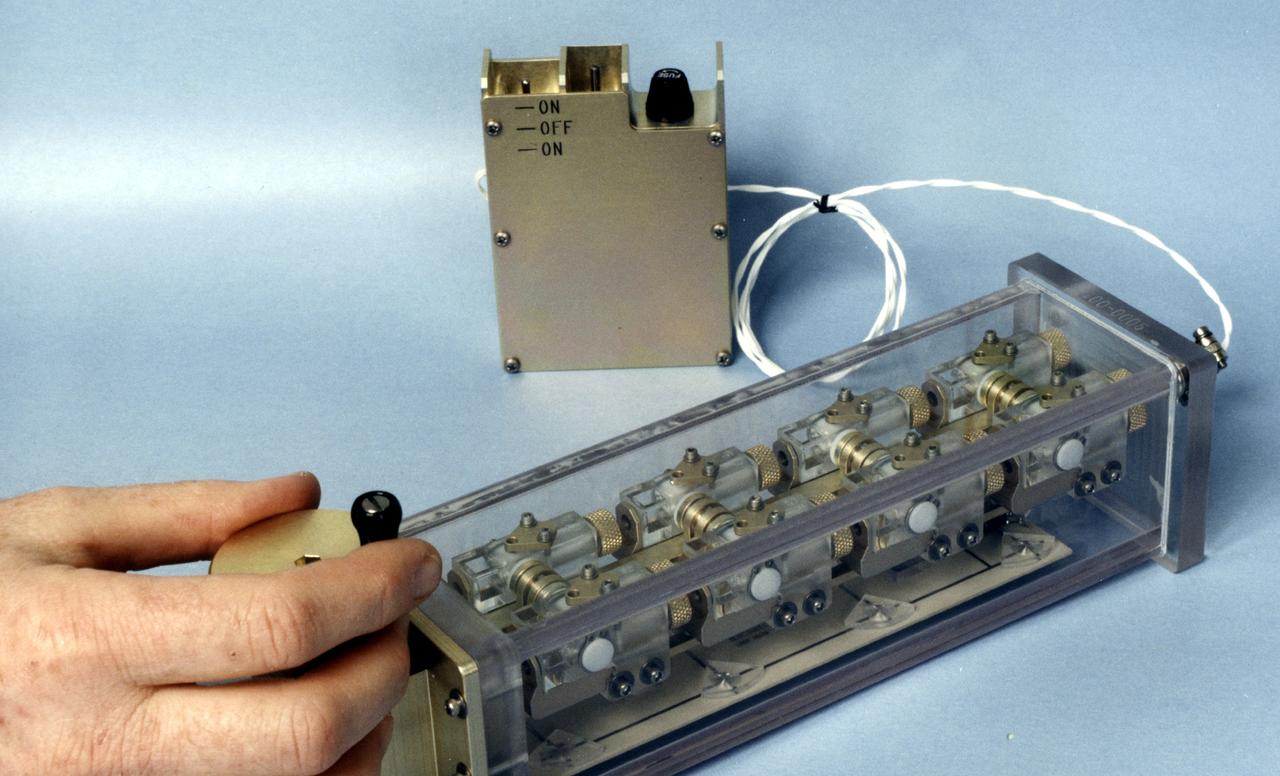
This photo shows the Handheld Diffusion Test Cell (HH-DTC) apparatus flown on the Space Shuttle. Similar cells (inside the plastic box) will be used in the Observable Protein Crystal Growth Apparatus (OPCGA) to be operated aboard the International Space Station (ISS). The principal investigator is Dr. Alex McPherson of the University of California, Irvine. Each individual cell comprises two sample chambers with a rotating center section that isolates the two from each other until the start of the experiment and after it is completed. The cells are made from optical-quality quartz glass to allow photography and interferometric observations. Each cell has a small light-emitting diode and lens to back-light the solution. In protein crystal growth experiments, a precipitating agent such as a salt solution is used to absorb and hold water but repel the protein molecules. This increases the concentration of protein until the molecules nucleate to form crystals. This cell is one of 96 that make up the experiment module portion of the OPCGA.

The Blue Ring Nebula was discovered in 2004 by NASA's Galaxy Evolution Explorer (GALEX) mission. Astronomers think the nebula was created by the merger of two stars, and that we are seeing the system a few thousand years after the merger, when evidence of the collision is still apparent. The blue light in the image shows the debris cloud created by the merger. As the hot cloud of material expanded into space and cooled down, it formed hydrogen molecules that collided with the interstellar medium (the particles occupying the space between stars). These collisions caused the hydrogen molecules to radiate far-ultraviolet light, which was detected by GALEX. Yellow indicates near-ultraviolet light, also detected by GALEX, which is emitted by the star at the center of the nebula and many surrounding stars. Infrared light observed by NASA's Wide-field Infrared Survey Explorer (WISE) is also shown in red, and is primarily emitted by the central star. Detailed analysis of the WISE data revealed a ring of debris around the star – further evidence of a merger. Magenta indicates optical light — light visible to the human eye — collected using the Hale Telescope. This light comes from the shockwave at the front of the expanding debris cones. The optical light helped astronomers discover that the nebula actually consists of two cones moving away from the central star. The base of one cone is moving almost directly toward Earth, while the other is moving almost directly away, and the magenta light outlines the two bases. The blue region in the image shows where the cones overlap; the non-overlapping regions are too faint for GALEX to see. Figure A shows the orientation of the cones to Earth and the way they appear to overlap. https://photojournal.jpl.nasa.gov/catalog/PIA23867
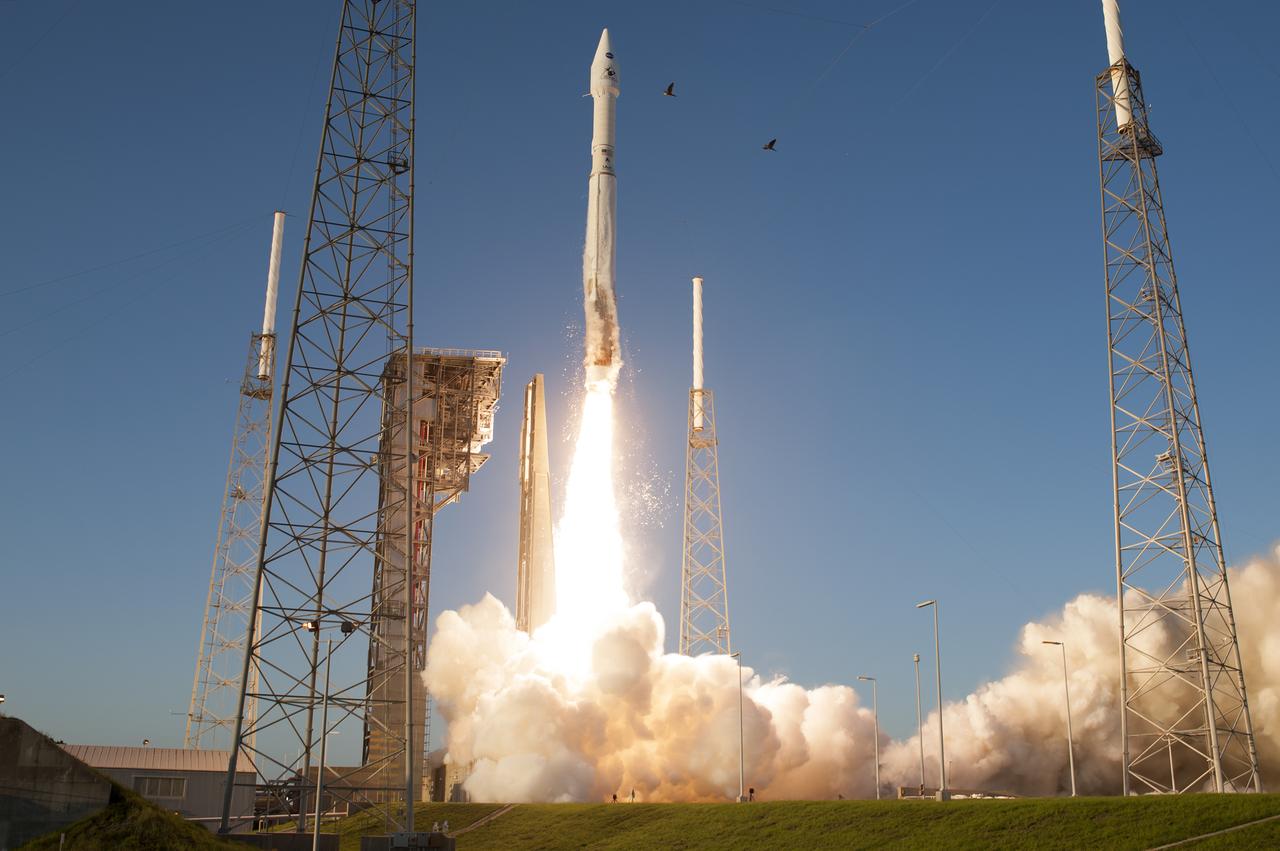
A United Launch Alliance Atlas V rocket lifts off from Space Launch Complex 41 at Cape Canaveral Air Force Station carrying NASA’s Origins, Spectral Interpretation, Resource Identification, Security-Regolith Explorer, or OSIRIS-REx spacecraft on the first U.S. mission to sample an asteroid, retrieve at least two ounces of surface material and return it to Earth for study. Liftoff was at 7:05 p.m. EDT. The asteroid, Bennu, may hold clues to the origin of the solar system and the source of water and organic molecules found on Earth.
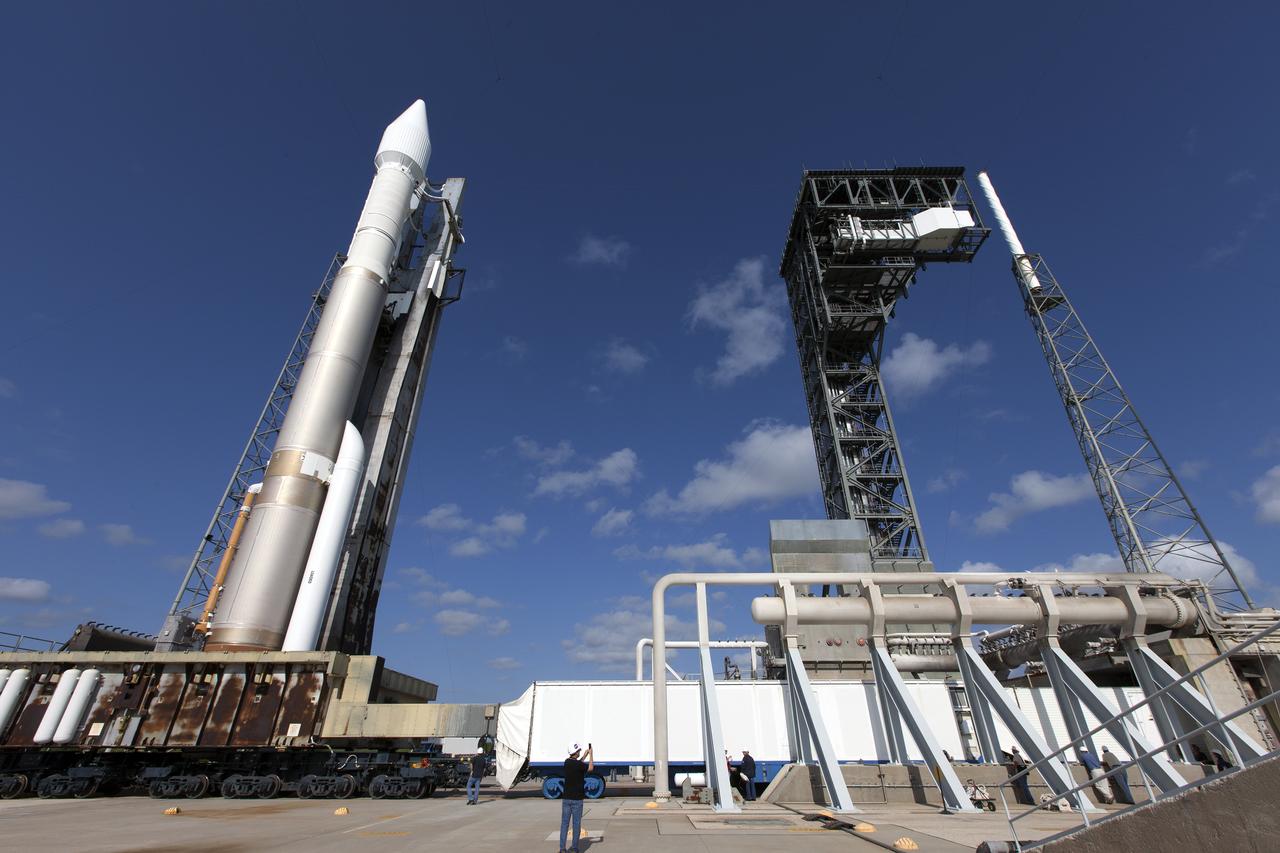
The United Launch Alliance Atlas V rocket arrives at Space Launch Complex 41 at Cape Canaveral Air Force Station in Florida. The launch vehicle will boost NASA’s Origins, Spectral Interpretation, Resource Identification, Security-Regolith Explorer, or OSIRIS-REx spacecraft. This will be the first U.S. mission to sample an asteroid, retrieve at least two ounces of surface material and return it to Earth for study. The asteroid, Bennu, may hold clues to the origin of the solar system and the source of water and organic molecules found on Earth.
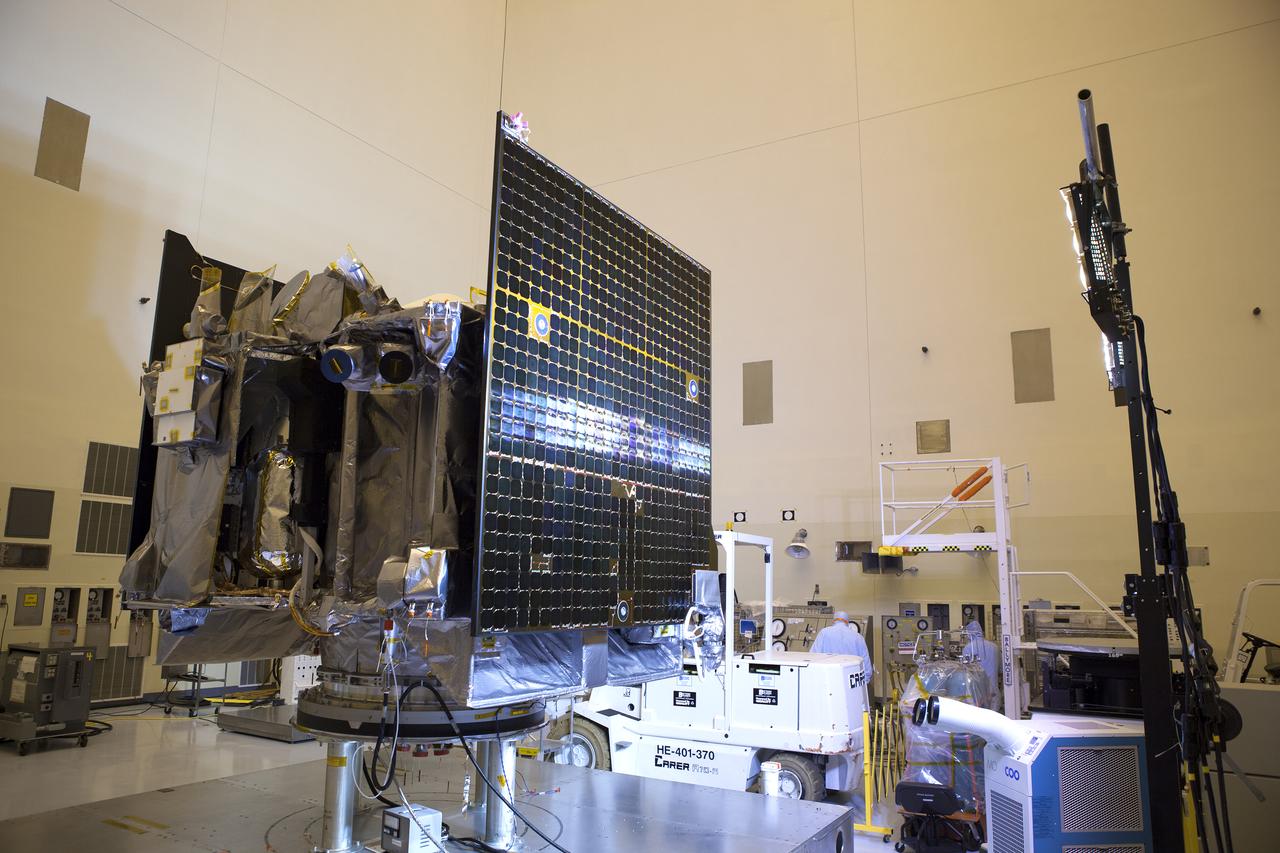
Inside the Payload Hazardous Servicing Facility at NASA's Kennedy Space Center in Florida, illumination testing is underway on the power-producing solar arrays for the agency’s Origins, Spectral Interpretation, Resource Identification, Security-Regolith Explorer, or OSIRIS-REx spacecraft. Targeted for liftoff Sept. 8, 2016, OSIRIS-Rex will be the first U.S. mission to sample an asteroid, retrieve at least two ounces of surface material and return it to Earth for study. The asteroid, Bennu, may hold clues to the origin of the solar system and the source of water and organic molecules found on Earth.
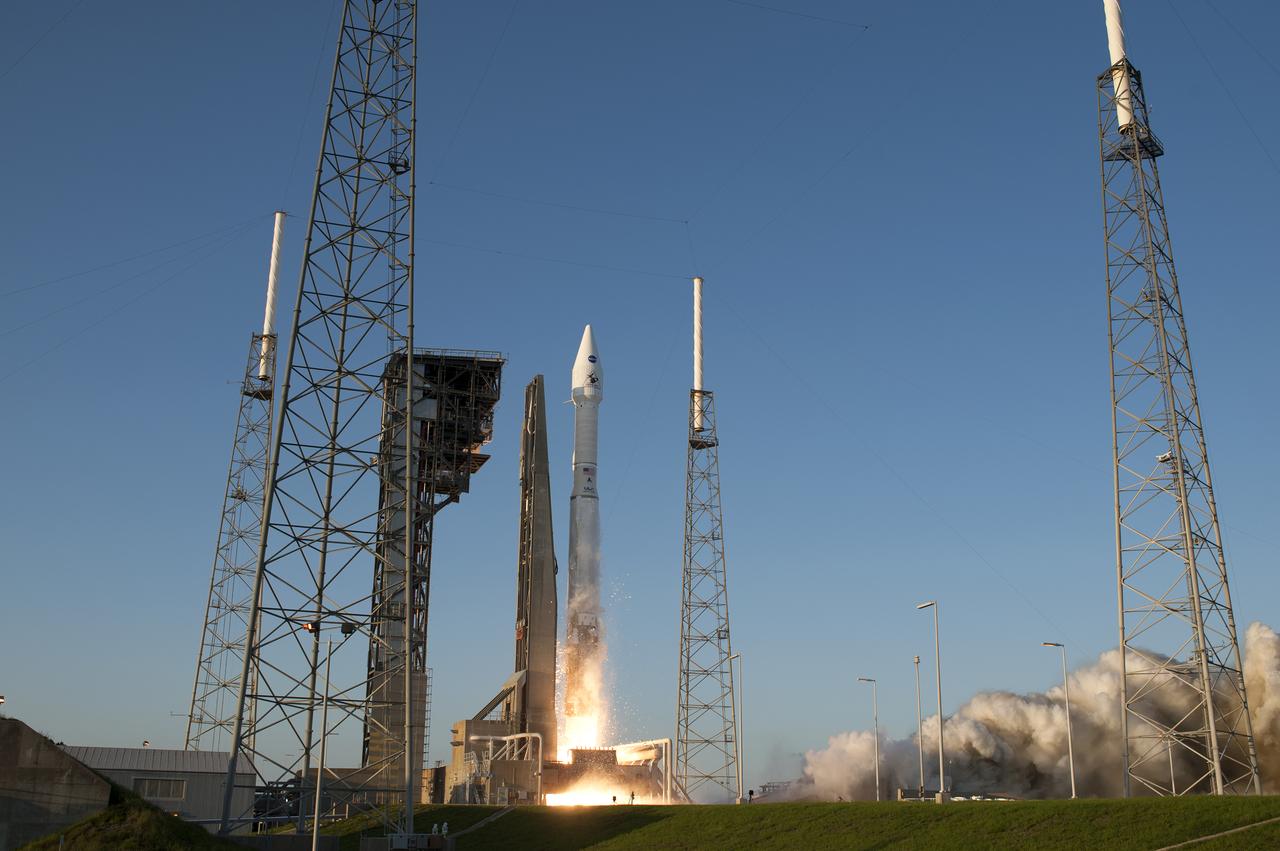
A United Launch Alliance Atlas V rocket lifts off from Space Launch Complex 41 at Cape Canaveral Air Force Station carrying NASA’s Origins, Spectral Interpretation, Resource Identification, Security-Regolith Explorer, or OSIRIS-REx spacecraft on the first U.S. mission to sample an asteroid, retrieve at least two ounces of surface material and return it to Earth for study. Liftoff was at 7:05 p.m. EDT. The asteroid, Bennu, may hold clues to the origin of the solar system and the source of water and organic molecules found on Earth.
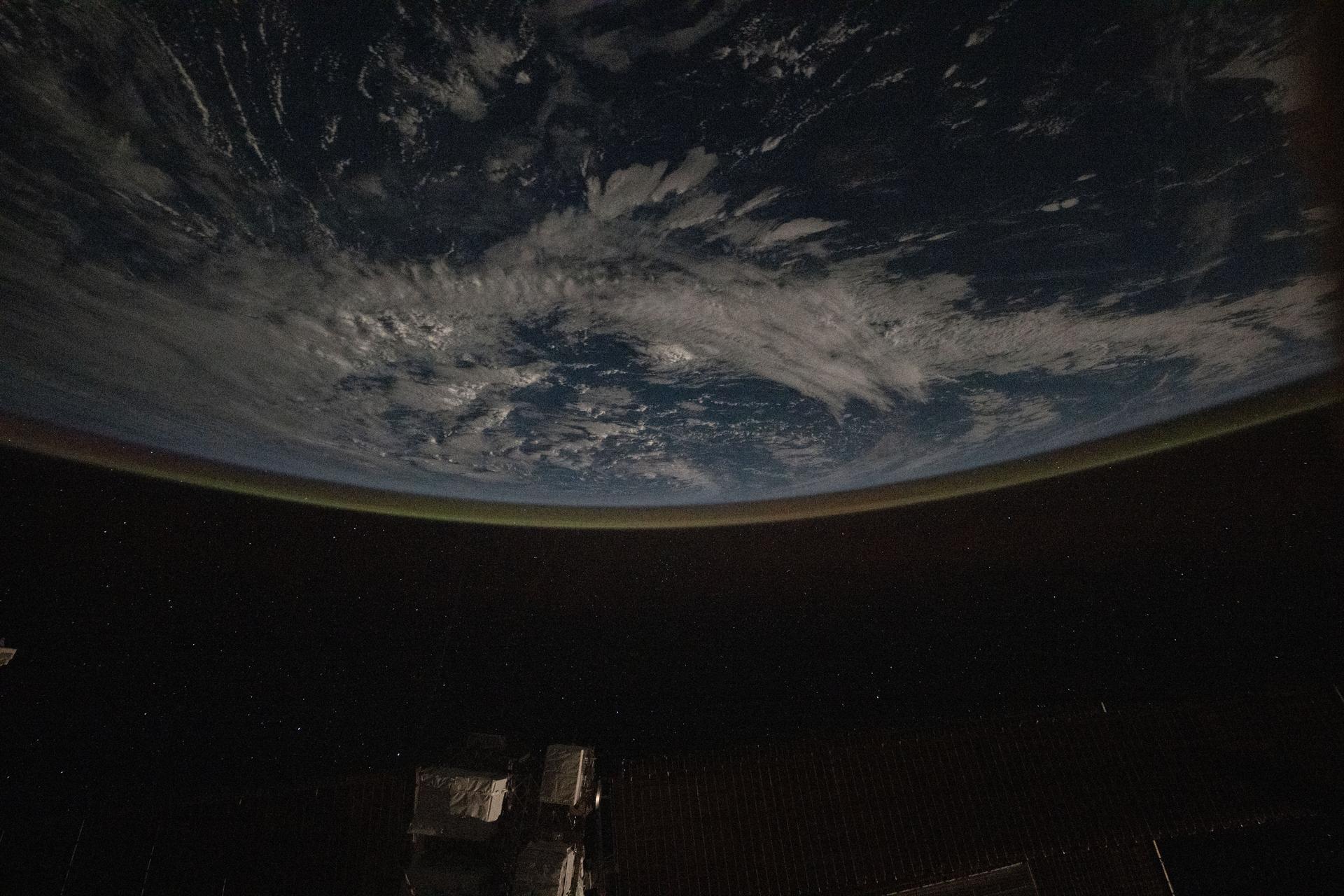
iss073e0780028 (Sept. 2, 2025) --- A faint airglow blankets Earth's horizon in this photograph taken from the International Space Station as it orbited 259 miles above the Pacific Ocean between Hawaii and California. This natural glow is produced when solar ultraviolet radiation excites oxygen molecules in the upper atmosphere during the day, which then release that energy as visible light at night.
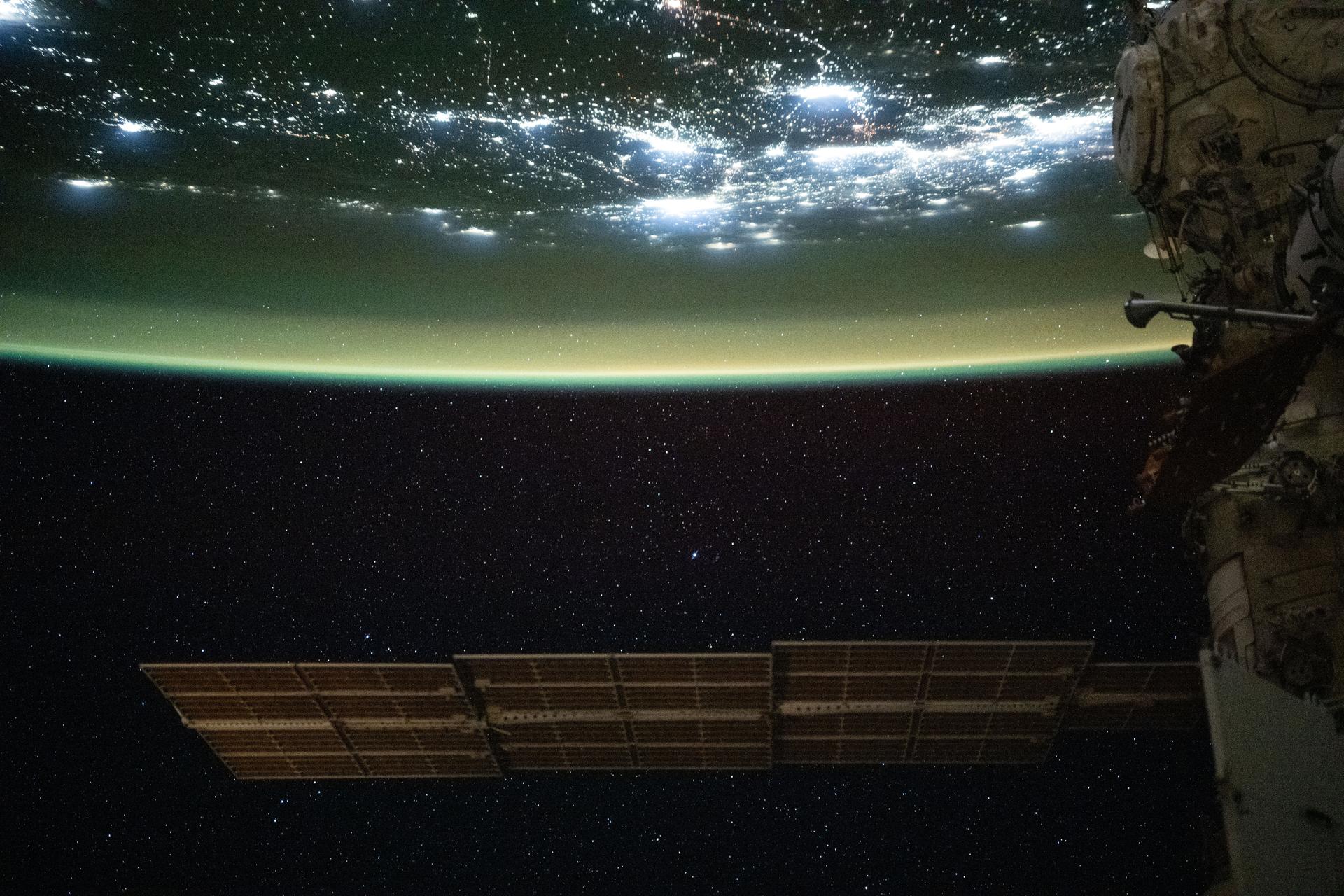
iss073e0982431 (Oct. 25, 2025) --- A yellow-green airglow, caused by atoms and molecules releasing energy as light after being excited by ultraviolet sunlight or cosmic rays, blankets the city lights of North America in this photograph, taken at approximately 2:18 a.m. local time from the International Space Station as it orbited 260 miles above Texas.
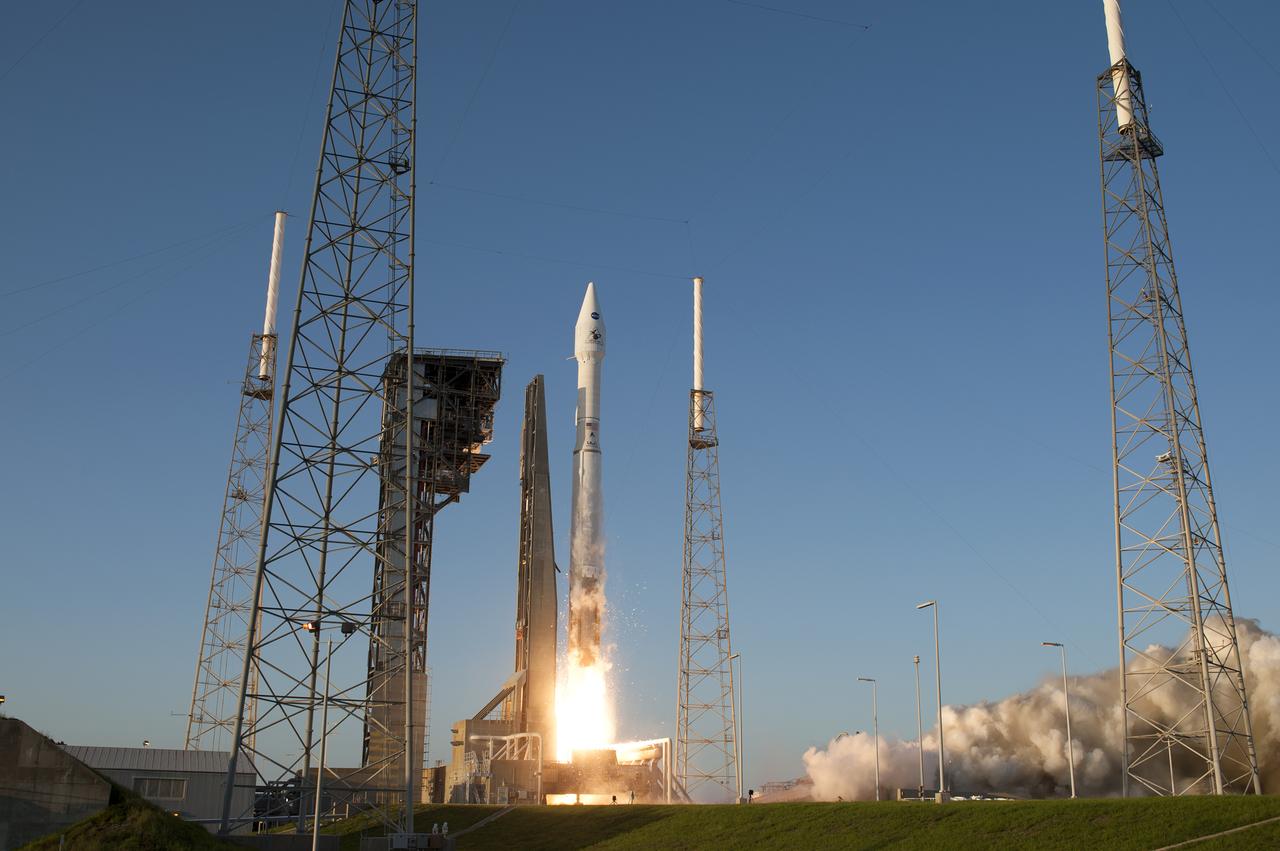
A United Launch Alliance Atlas V rocket lifts off from Space Launch Complex 41 at Cape Canaveral Air Force Station carrying NASA’s Origins, Spectral Interpretation, Resource Identification, Security-Regolith Explorer, or OSIRIS-REx spacecraft on the first U.S. mission to sample an asteroid, retrieve at least two ounces of surface material and return it to Earth for study. Liftoff was at 7:05 p.m. EDT. The asteroid, Bennu, may hold clues to the origin of the solar system and the source of water and organic molecules found on Earth.
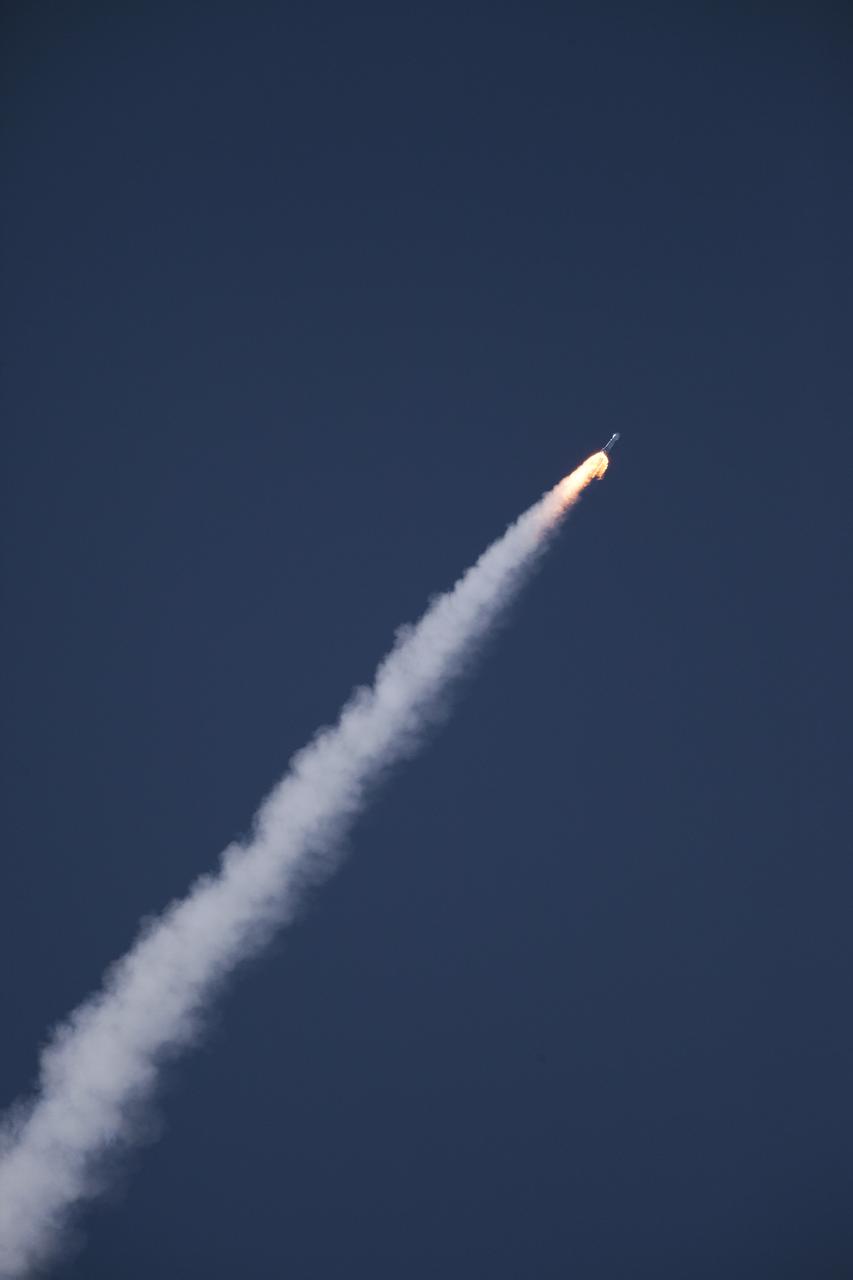
A United Launch Alliance Atlas V rocket lifts off from Space Launch Complex 41 at Cape Canaveral Air Force Station carrying NASA’s Origins, Spectral Interpretation, Resource Identification, Security-Regolith Explorer, or OSIRIS-REx spacecraft on the first U.S. mission to sample an asteroid, retrieve at least two ounces of surface material and return it to Earth for study. Liftoff was at 7:05 p.m. EDT. The asteroid, Bennu, may hold clues to the origin of the solar system and the source of water and organic molecules found on Earth.
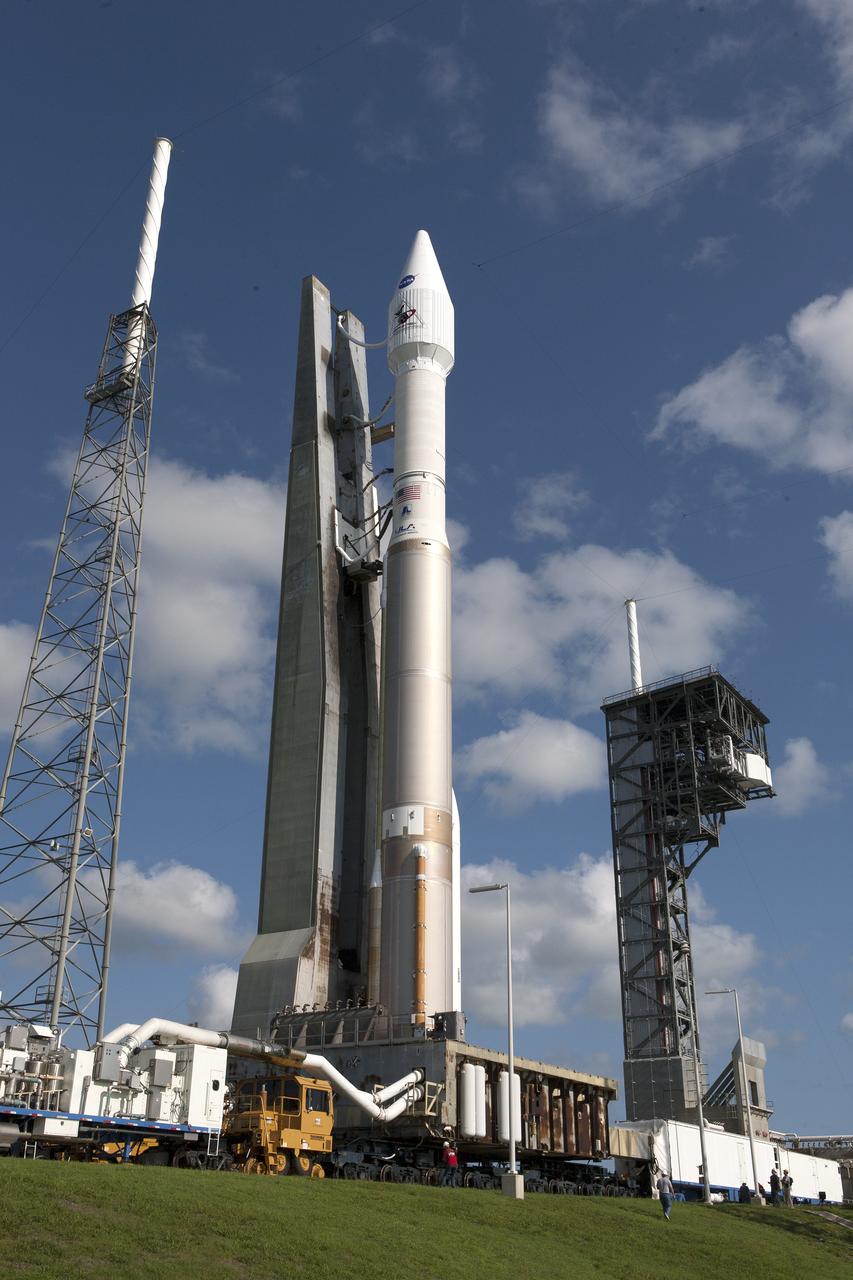
The United Launch Alliance Atlas V rocket arrives at Space Launch Complex 41 at Cape Canaveral Air Force Station in Florida. The launch vehicle will boost NASA’s Origins, Spectral Interpretation, Resource Identification, Security-Regolith Explorer, or OSIRIS-REx spacecraft. This will be the first U.S. mission to sample an asteroid, retrieve at least two ounces of surface material and return it to Earth for study. The asteroid, Bennu, may hold clues to the origin of the solar system and the source of water and organic molecules found on Earth.
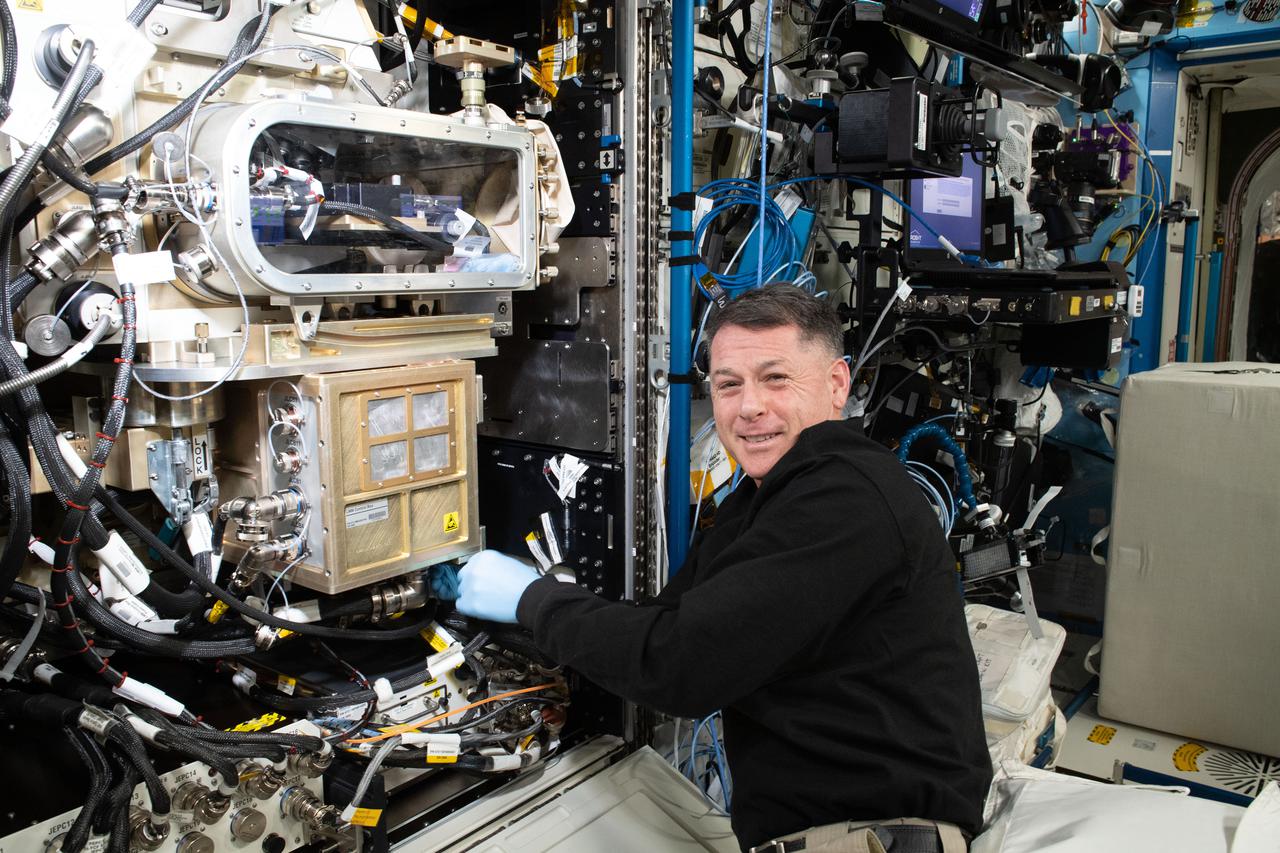
iss065e257486 (Aug. 17, 2021) --- NASA astronaut and Expedition 65 Flight Engineer Shane Kimbrough installs and configures a new Advanced Colloids Experiment module inside the U.S. Destiny laboratory module's Fluids Integrated Rack (FIR). The work supports the ACE-T9 fluid physics study that uses the FIR's Light Microscopy Module to image colloidal molecules for insights into the development of advanced materials not possible to produce in Earth's gravity.
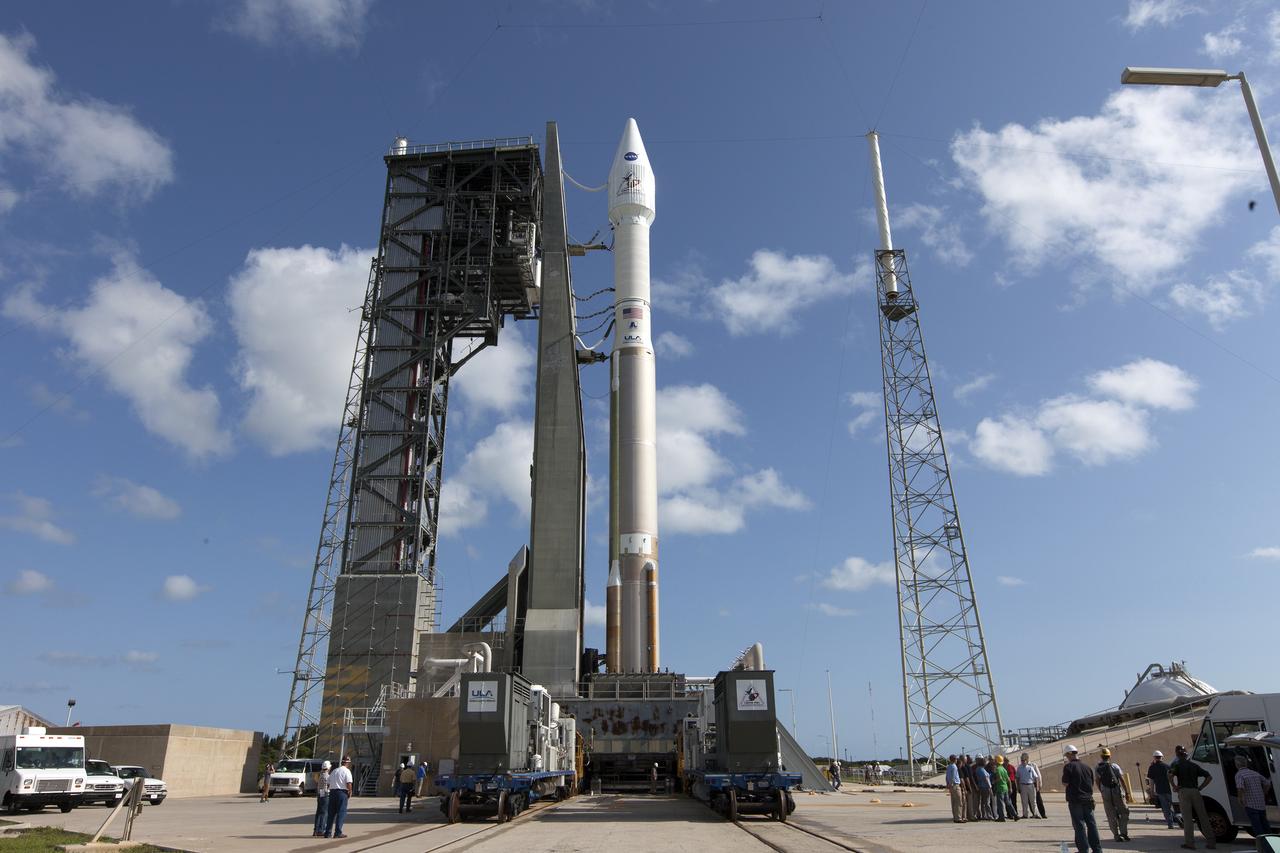
The United Launch Alliance Atlas V rocket arrives at Space Launch Complex 41 at Cape Canaveral Air Force Station in Florida. The launch vehicle will boost NASA’s Origins, Spectral Interpretation, Resource Identification, Security-Regolith Explorer, or OSIRIS-REx spacecraft. This will be the first U.S. mission to sample an asteroid, retrieve at least two ounces of surface material and return it to Earth for study. The asteroid, Bennu, may hold clues to the origin of the solar system and the source of water and organic molecules found on Earth.
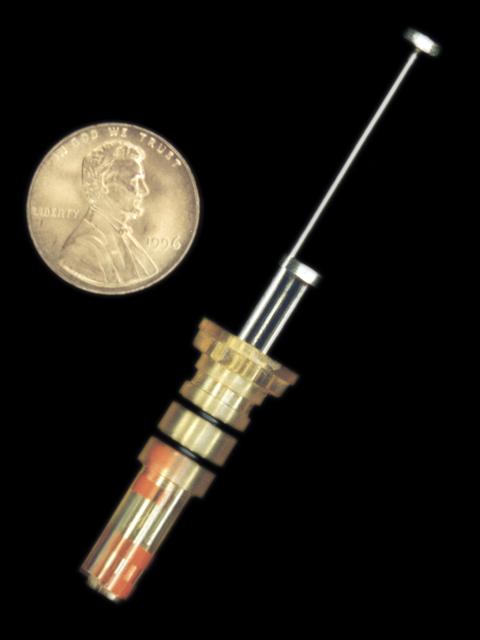
Vapor Diffusion Apparatus (VDA-2) was developed by the University of Alabama in Birmingham for NASA's Marshall Space Flight Center. In the original VDA, a protein solution and a precipitant are extruded by two plungers onto the tip of a small syringe and allowed to evaporate, raising the concentration and prompting protein molecules to crystallize. In the VDA-2 version, a third plunger was added to mix the two solutions before returning the mix to the syringe tip. The principal investigator is Dr. Larry Delucas of the University of Alabama in Birmingham.
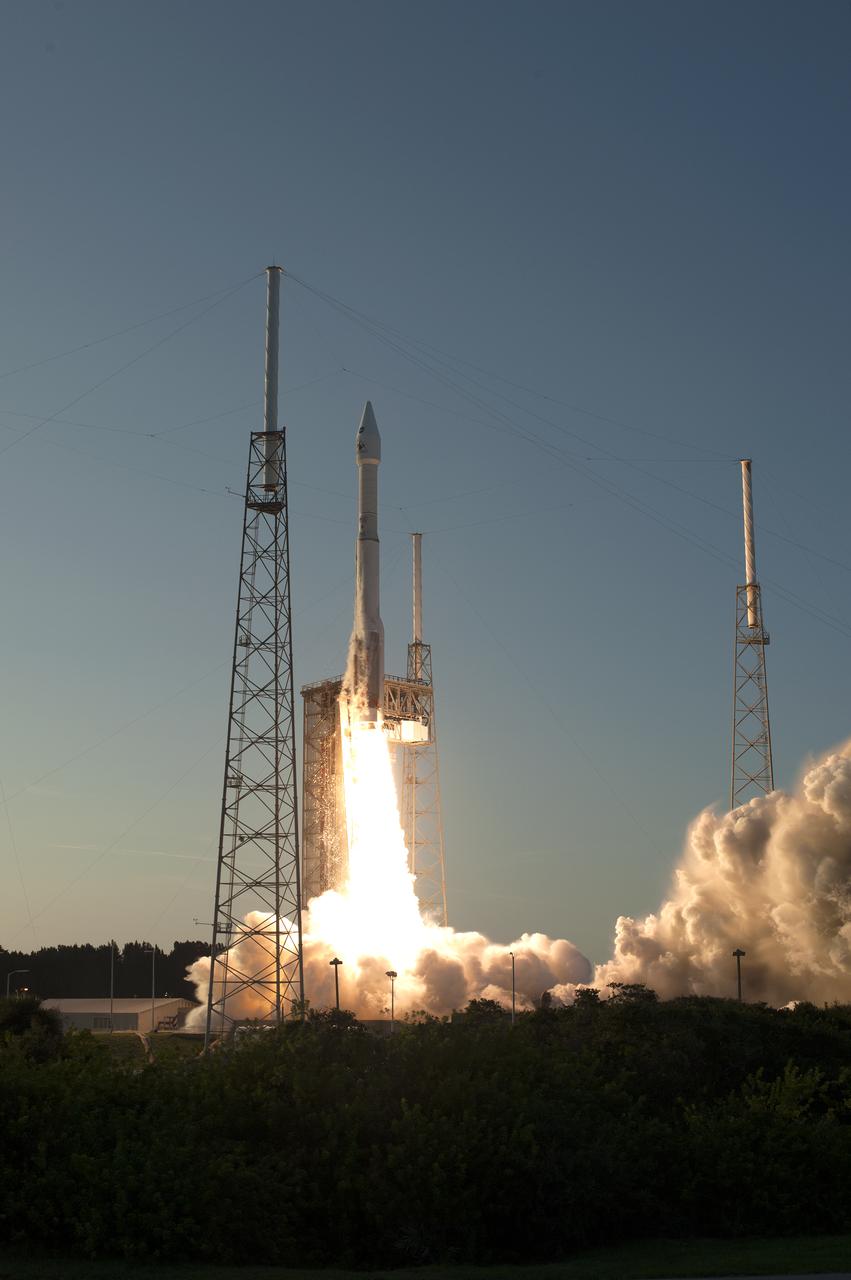
A United Launch Alliance Atlas V rocket lifts off from Space Launch Complex 41 at Cape Canaveral Air Force Station carrying NASA’s Origins, Spectral Interpretation, Resource Identification, Security-Regolith Explorer, or OSIRIS-REx spacecraft on the first U.S. mission to sample an asteroid, retrieve at least two ounces of surface material and return it to Earth for study. Liftoff was at 7:05 p.m. EDT. The asteroid, Bennu, may hold clues to the origin of the solar system and the source of water and organic molecules found on Earth.
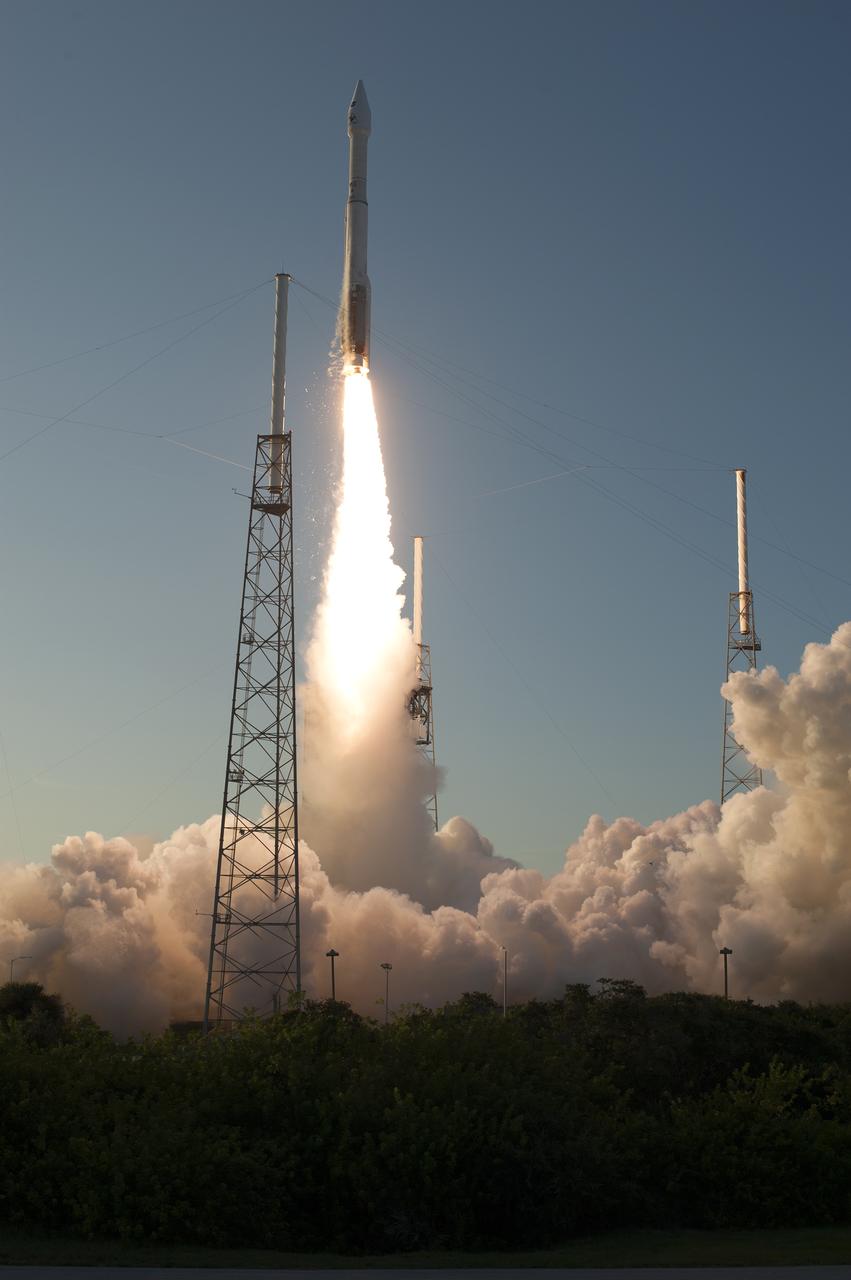
A United Launch Alliance Atlas V rocket lifts off from Space Launch Complex 41 at Cape Canaveral Air Force Station carrying NASA’s Origins, Spectral Interpretation, Resource Identification, Security-Regolith Explorer, or OSIRIS-REx spacecraft on the first U.S. mission to sample an asteroid, retrieve at least two ounces of surface material and return it to Earth for study. Liftoff was at 7:05 p.m. EDT. The asteroid, Bennu, may hold clues to the origin of the solar system and the source of water and organic molecules found on Earth.
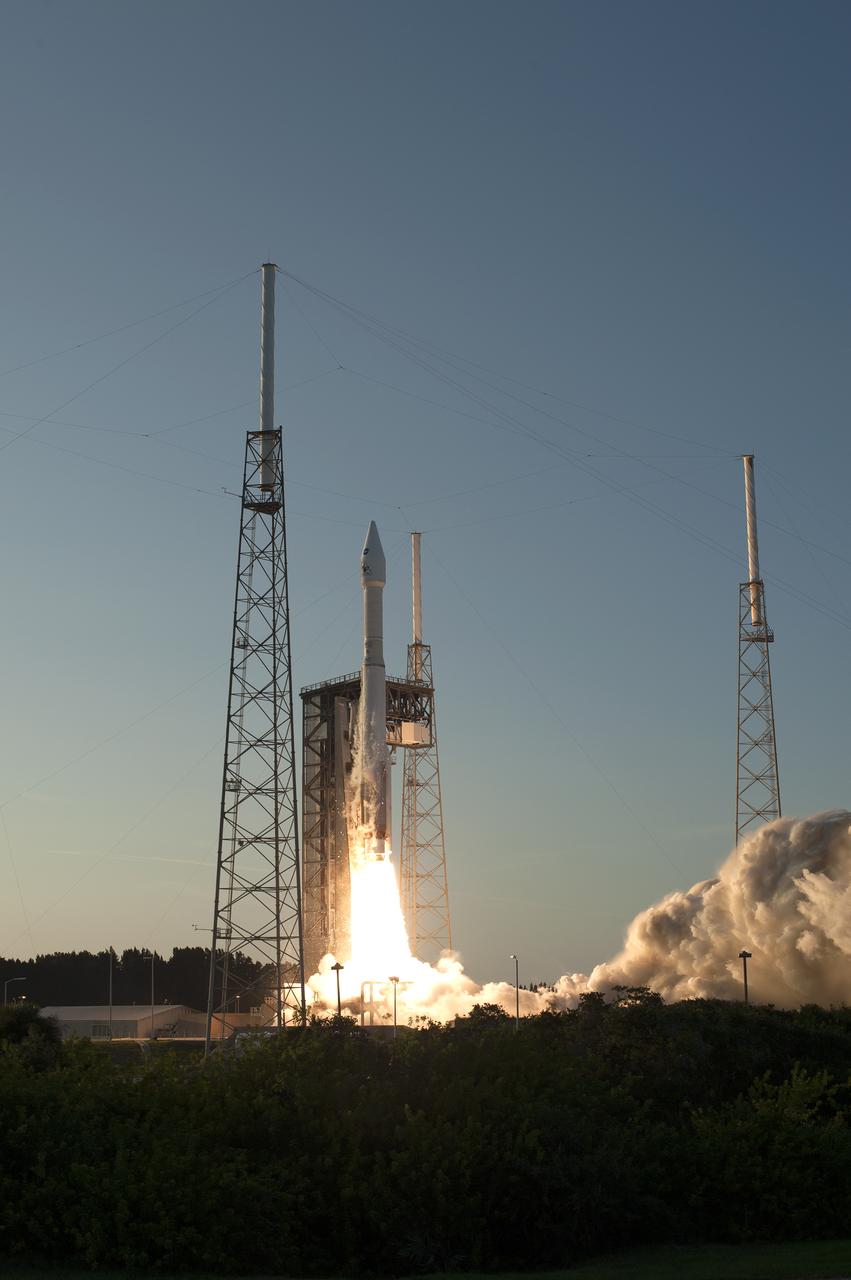
A United Launch Alliance Atlas V rocket lifts off from Space Launch Complex 41 at Cape Canaveral Air Force Station carrying NASA’s Origins, Spectral Interpretation, Resource Identification, Security-Regolith Explorer, or OSIRIS-REx spacecraft on the first U.S. mission to sample an asteroid, retrieve at least two ounces of surface material and return it to Earth for study. Liftoff was at 7:05 p.m. EDT. The asteroid, Bennu, may hold clues to the origin of the solar system and the source of water and organic molecules found on Earth.
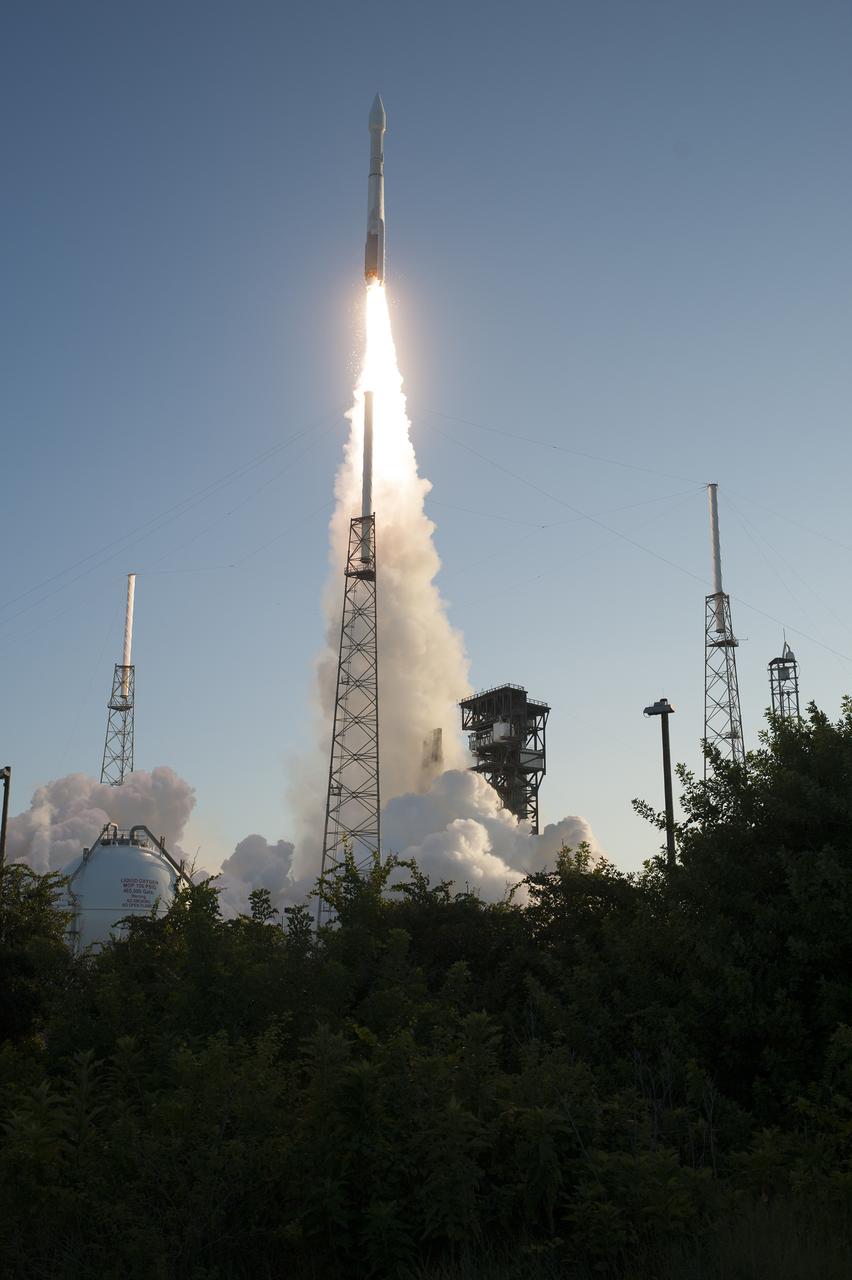
A United Launch Alliance Atlas V rocket lifts off from Space Launch Complex 41 at Cape Canaveral Air Force Station carrying NASA’s Origins, Spectral Interpretation, Resource Identification, Security-Regolith Explorer, or OSIRIS-REx spacecraft on the first U.S. mission to sample an asteroid, retrieve at least two ounces of surface material and return it to Earth for study. Liftoff was at 7:05 p.m. EDT. The asteroid, Bennu, may hold clues to the origin of the solar system and the source of water and organic molecules found on Earth.
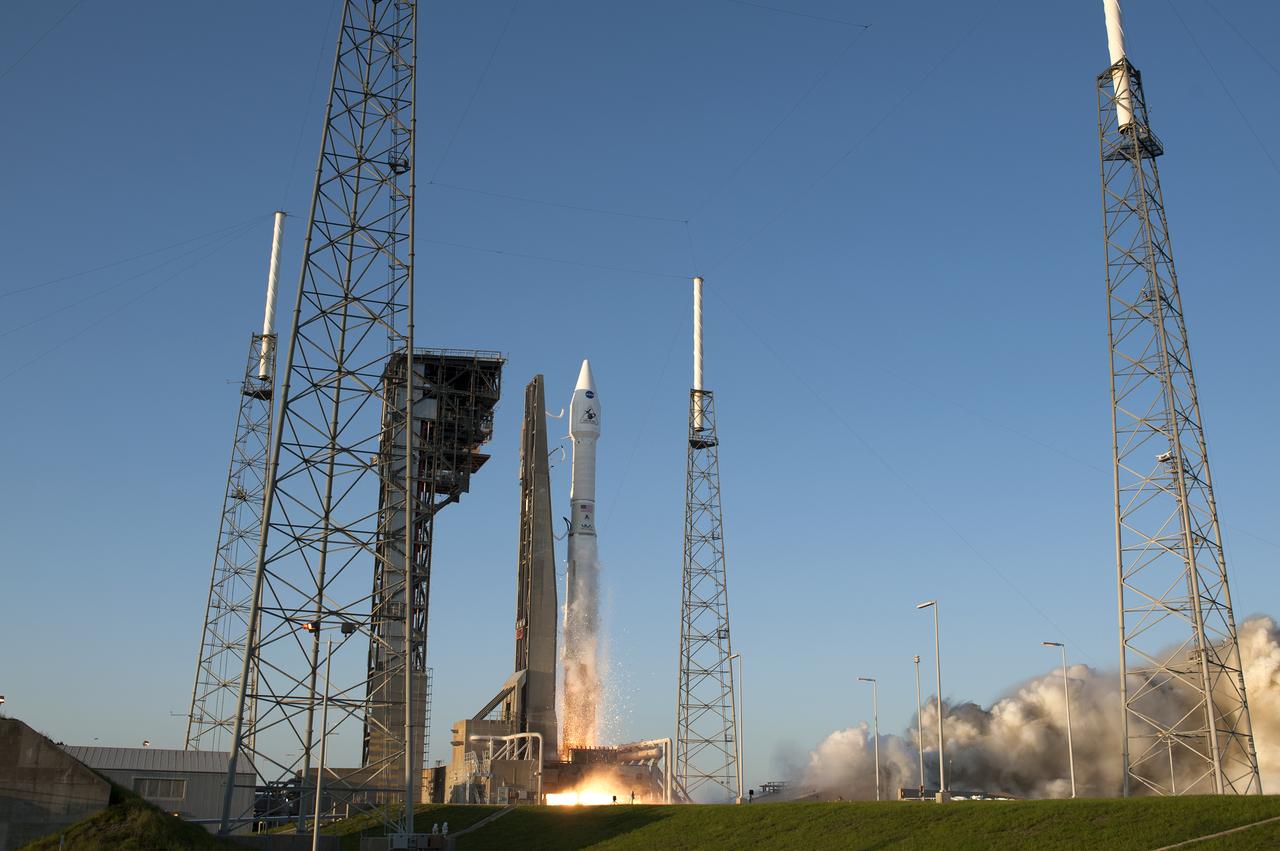
A United Launch Alliance Atlas V rocket lifts off from Space Launch Complex 41 at Cape Canaveral Air Force Station carrying NASA’s Origins, Spectral Interpretation, Resource Identification, Security-Regolith Explorer, or OSIRIS-REx spacecraft on the first U.S. mission to sample an asteroid, retrieve at least two ounces of surface material and return it to Earth for study. Liftoff was at 7:05 p.m. EDT. The asteroid, Bennu, may hold clues to the origin of the solar system and the source of water and organic molecules found on Earth.
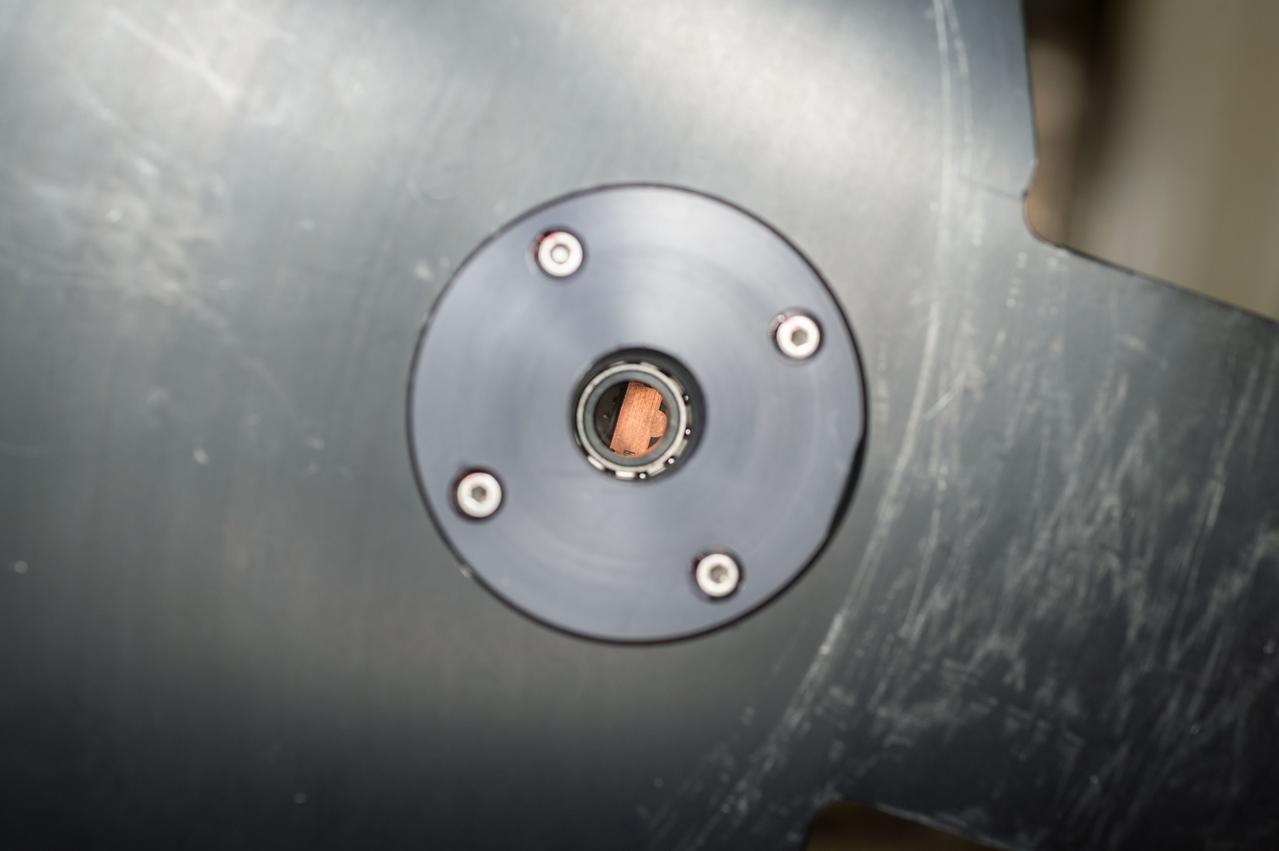
iss053e037294 (9/22/2017) --- A view of the Advanced Nano Step Cartridge Installation into the Solution Crystallization Observation Facility (SCOF) aboard the International Space Station (ISS). The Effects of Impurities on Perfection of Protein Crystals, Partition Functions, and Growth Mechanisms (Advanced Nano Step) experiment monitors and records how the incorporation of specific impurity molecules affect the development and quality of protein crystals, as they grow in a quartz cell aboard the ISS.
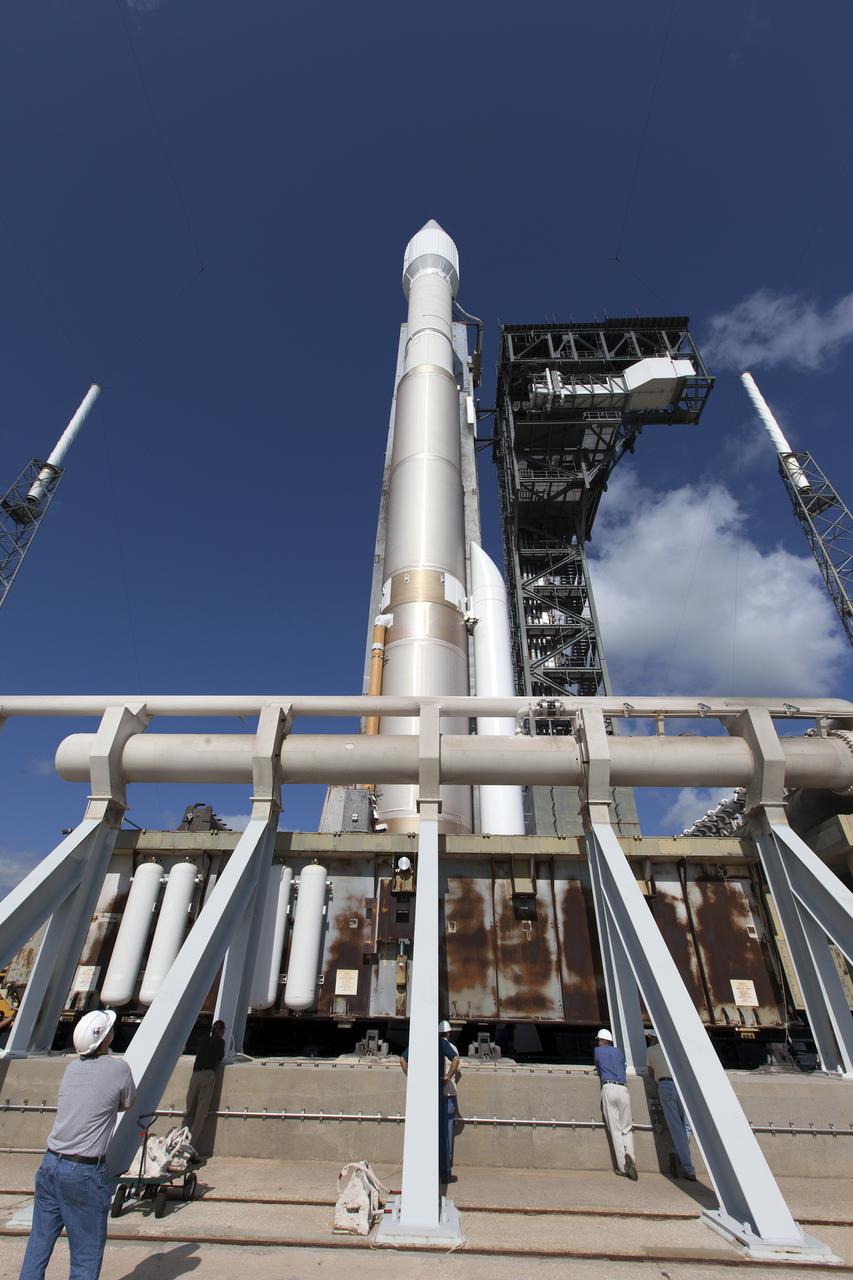
The United Launch Alliance Atlas V rocket arrives at Space Launch Complex 41 at Cape Canaveral Air Force Station in Florida. The launch vehicle will boost NASA’s Origins, Spectral Interpretation, Resource Identification, Security-Regolith Explorer, or OSIRIS-REx spacecraft. This will be the first U.S. mission to sample an asteroid, retrieve at least two ounces of surface material and return it to Earth for study. The asteroid, Bennu, may hold clues to the origin of the solar system and the source of water and organic molecules found on Earth.
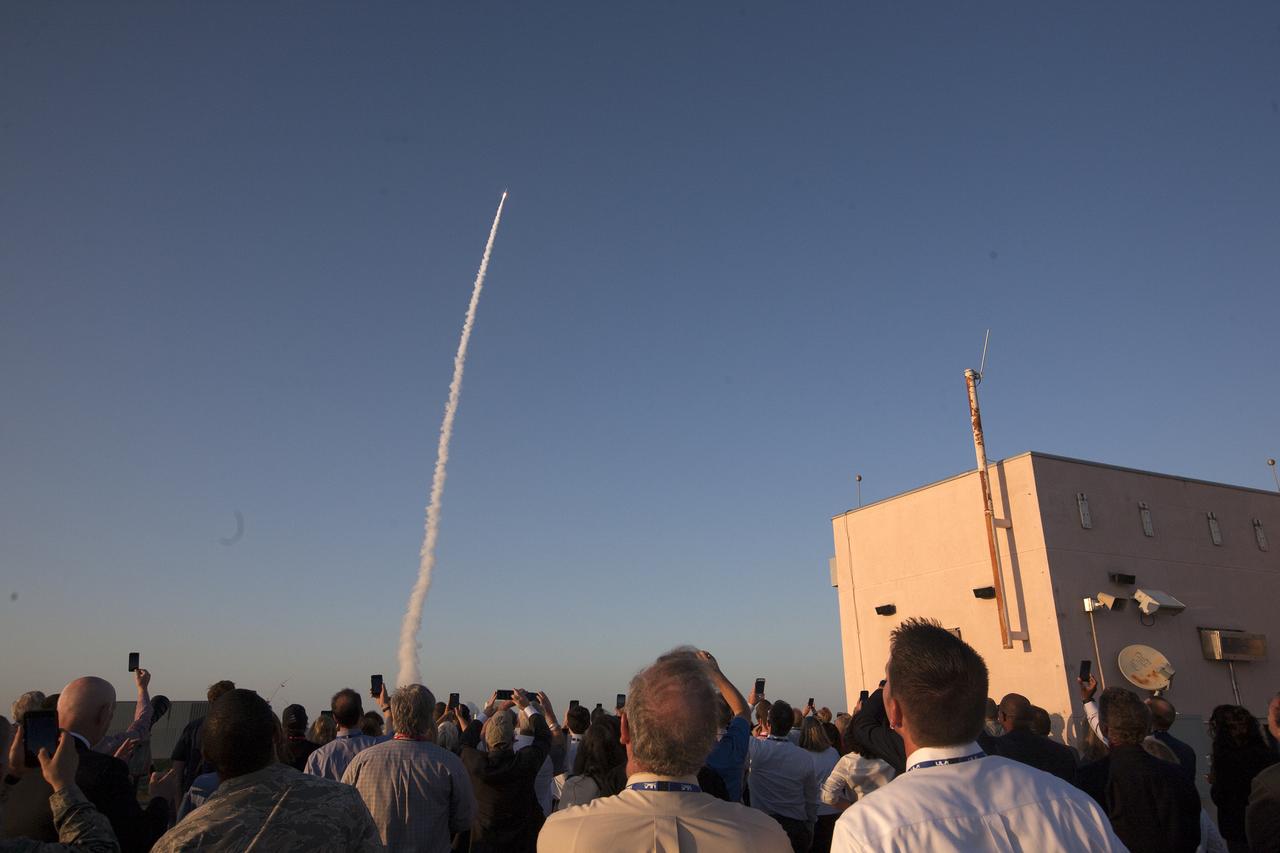
A United Launch Alliance Atlas V rocket lifts off from Space Launch Complex 41 at Cape Canaveral Air Force Station carrying NASA’s Origins, Spectral Interpretation, Resource Identification, Security-Regolith Explorer, or OSIRIS-REx spacecraft on the first U.S. mission to sample an asteroid, retrieve at least two ounces of surface material and return it to Earth for study. Liftoff was at 7:05 p.m. EDT. The asteroid, Bennu, may hold clues to the origin of the solar system and the source of water and organic molecules found on Earth.
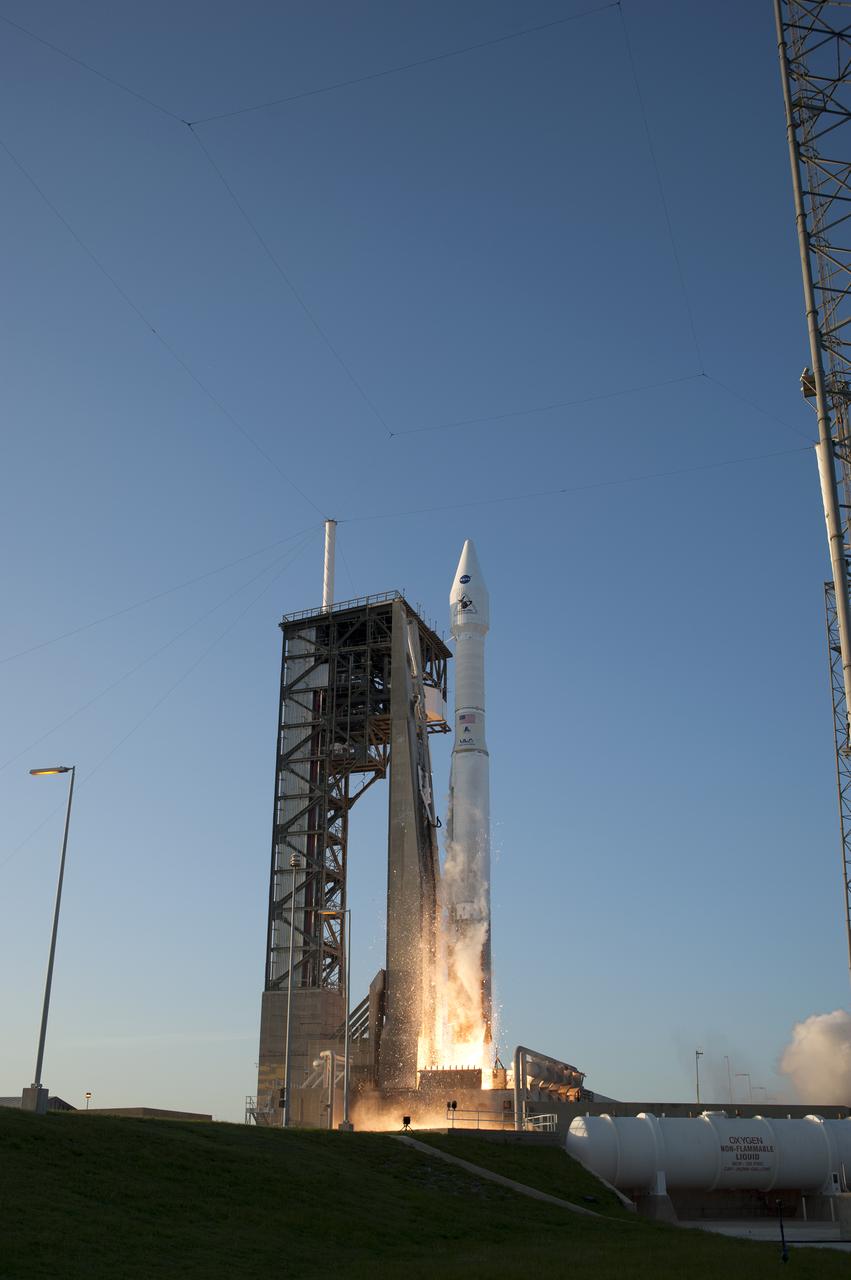
A United Launch Alliance Atlas V rocket lifts off from Space Launch Complex 41 at Cape Canaveral Air Force Station carrying NASA’s Origins, Spectral Interpretation, Resource Identification, Security-Regolith Explorer, or OSIRIS-REx spacecraft on the first U.S. mission to sample an asteroid, retrieve at least two ounces of surface material and return it to Earth for study. Liftoff was at 7:05 p.m. EDT. The asteroid, Bennu, may hold clues to the origin of the solar system and the source of water and organic molecules found on Earth.
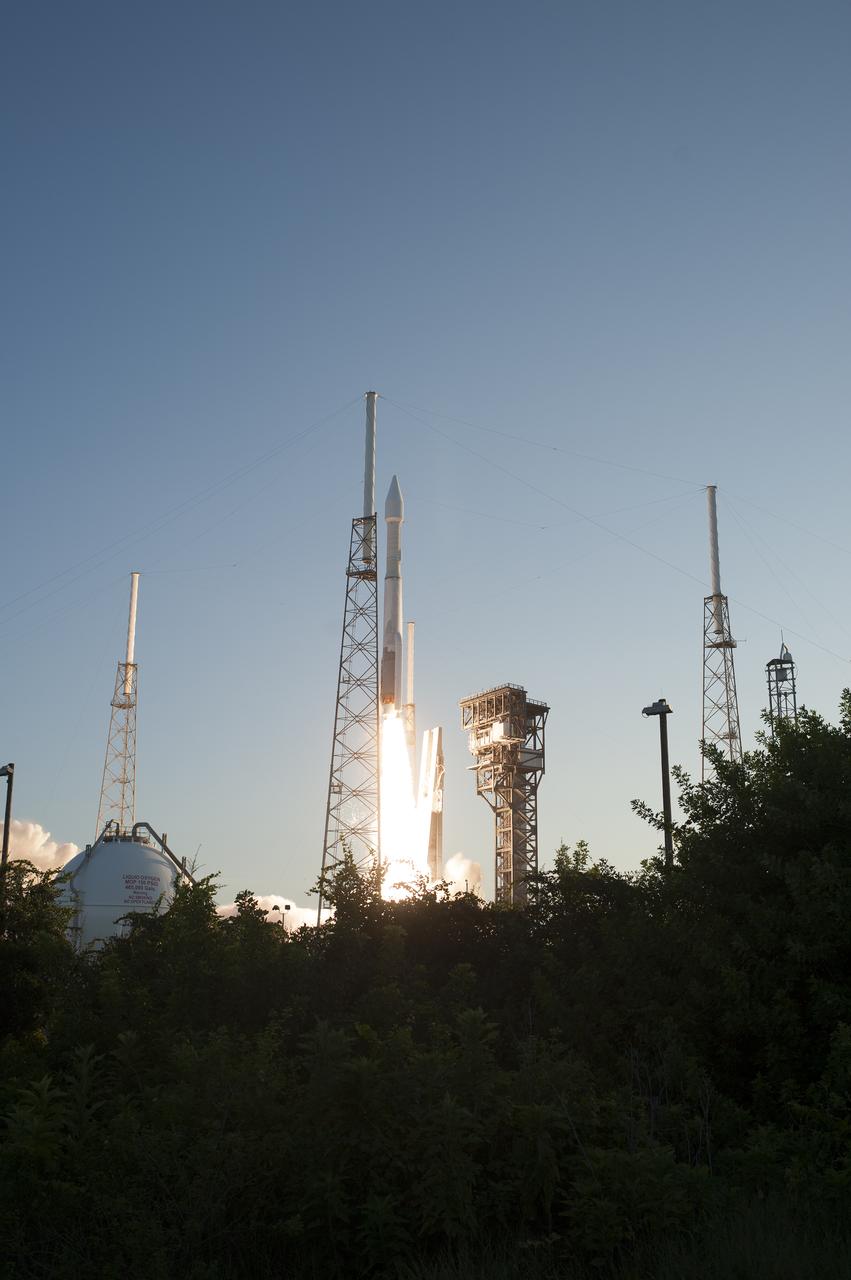
A United Launch Alliance Atlas V rocket lifts off from Space Launch Complex 41 at Cape Canaveral Air Force Station carrying NASA’s Origins, Spectral Interpretation, Resource Identification, Security-Regolith Explorer, or OSIRIS-REx spacecraft on the first U.S. mission to sample an asteroid, retrieve at least two ounces of surface material and return it to Earth for study. Liftoff was at 7:05 p.m. EDT. The asteroid, Bennu, may hold clues to the origin of the solar system and the source of water and organic molecules found on Earth.
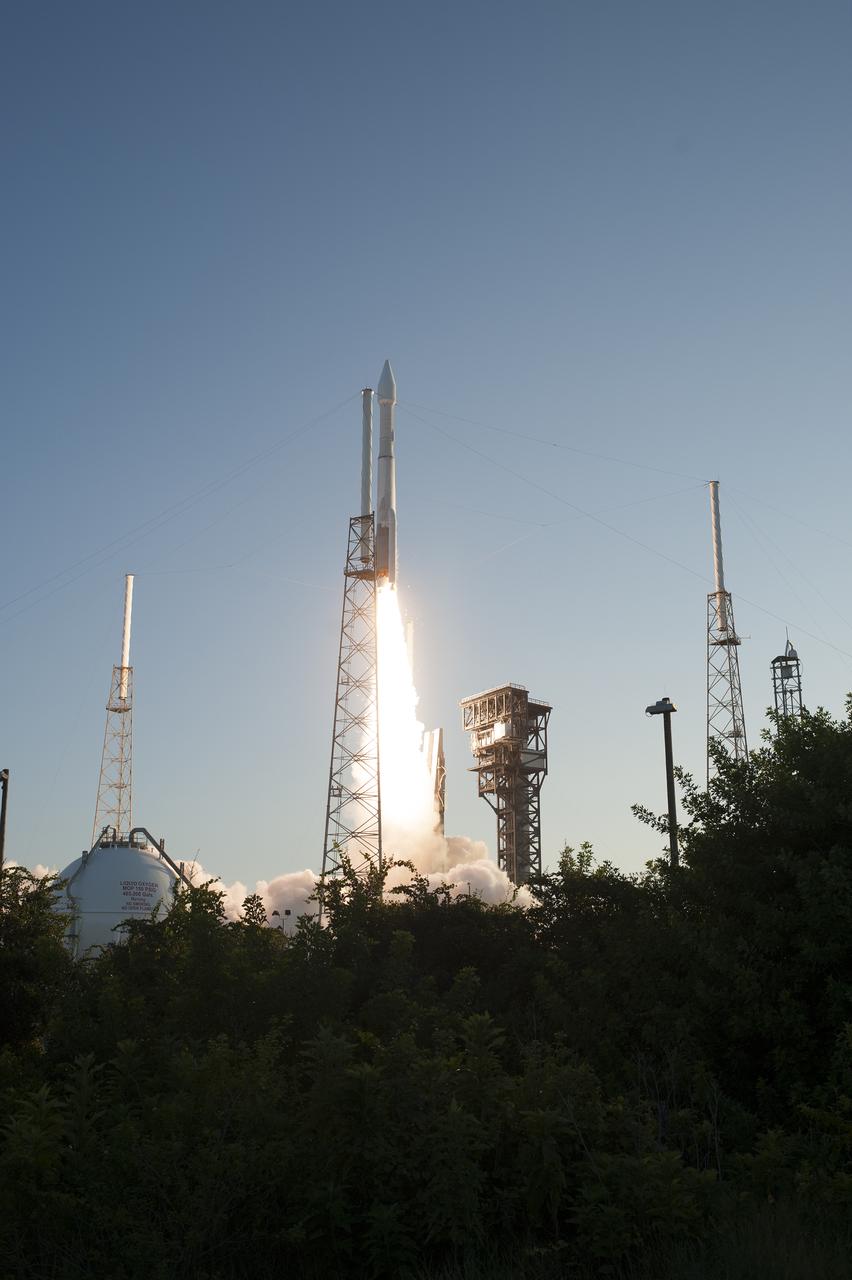
A United Launch Alliance Atlas V rocket lifts off from Space Launch Complex 41 at Cape Canaveral Air Force Station carrying NASA’s Origins, Spectral Interpretation, Resource Identification, Security-Regolith Explorer, or OSIRIS-REx spacecraft on the first U.S. mission to sample an asteroid, retrieve at least two ounces of surface material and return it to Earth for study. Liftoff was at 7:05 p.m. EDT. The asteroid, Bennu, may hold clues to the origin of the solar system and the source of water and organic molecules found on Earth.

Internation Flavors and Fragrances Inc. proprietary research technology, Solid Phase Micro Extraction (SPME) utilizes a special fiber needle placed directly next to the bloom of the living flower to collect the fragrance molecules. SPME was used in the Space Flower experiment aboard STS-95 space shuttle mission, after which Dr. Braja Mookherjee (left) and Subha Patel of IFF will analyze the effects of gravity on the Overnight Scentsation rose plant.

Purine Nucleoside Phosphorylase (PNP) is an important target enzyme for the design of anti-cancer and immunosuppressive drugs. Bacterial PNP, which is slightly different from the human enzyme, is used to synthesize chemotherapuautic agents. Knowledge of the three-dimensional structure of the bacterial PNP molecule is useful in efforts to engineer different types of PNP enzymes, that can be used to produce new chemotherapeutic agents. This picture shows a computer model of bacterial PNP, which looks a lot like a display of colorful ribbons. Principal Investigator was Charles Bugg.
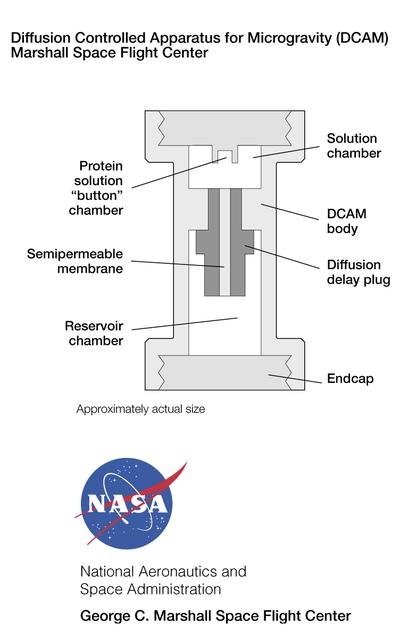
The Diffusion-Controlled Apparatus for Microgravity (DCAM) was developed at NASA's Marshall Space Flight Center. A semi-permeable plug or fuse at the center controls the rate at which a precipitant diffuses from the reservoir chamber into the solution chamber , thus prompting protein molecules in the solution to form crystals. The principal investigator is Dr. Dan Carter of New Century Pharmaceuticals in Huntsville, AL.
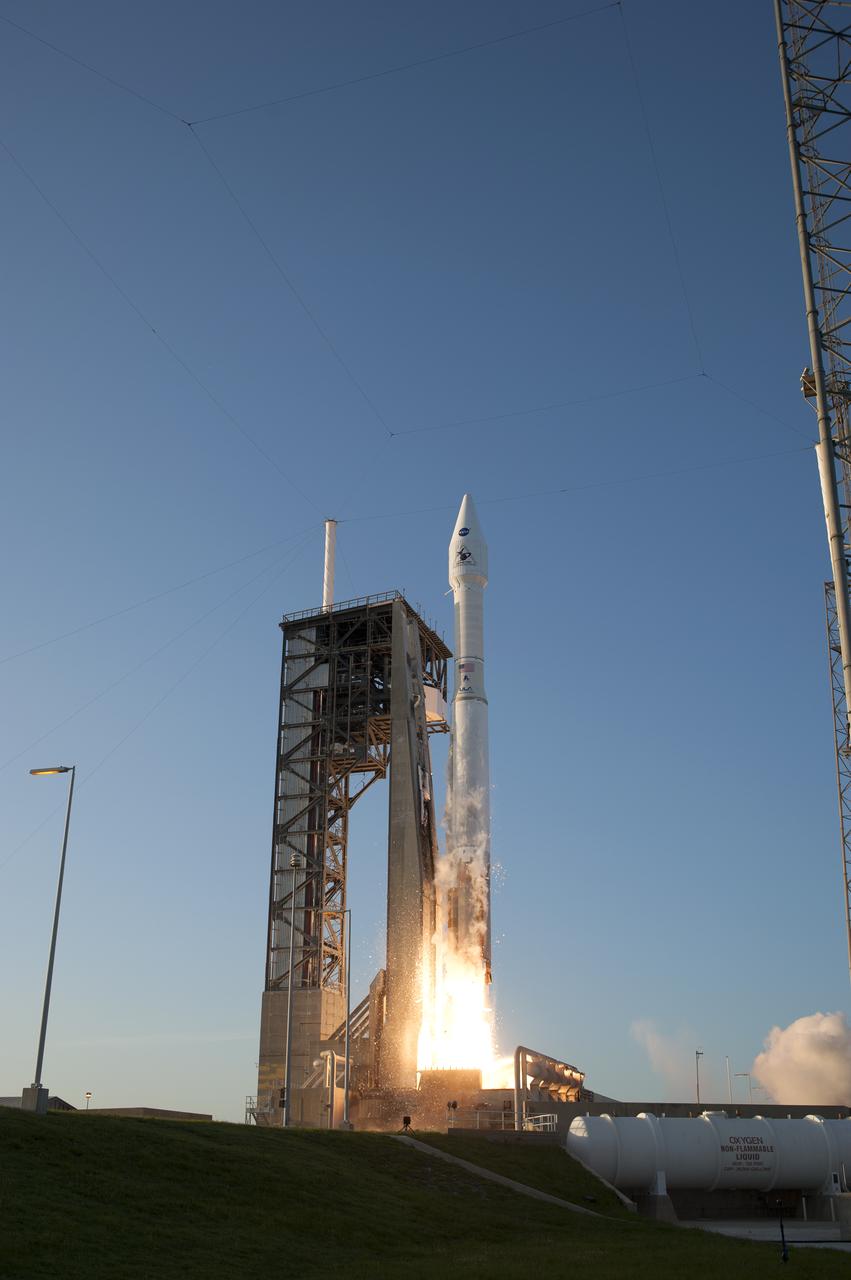
A United Launch Alliance Atlas V rocket lifts off from Space Launch Complex 41 at Cape Canaveral Air Force Station carrying NASA’s Origins, Spectral Interpretation, Resource Identification, Security-Regolith Explorer, or OSIRIS-REx spacecraft on the first U.S. mission to sample an asteroid, retrieve at least two ounces of surface material and return it to Earth for study. Liftoff was at 7:05 p.m. EDT. The asteroid, Bennu, may hold clues to the origin of the solar system and the source of water and organic molecules found on Earth.
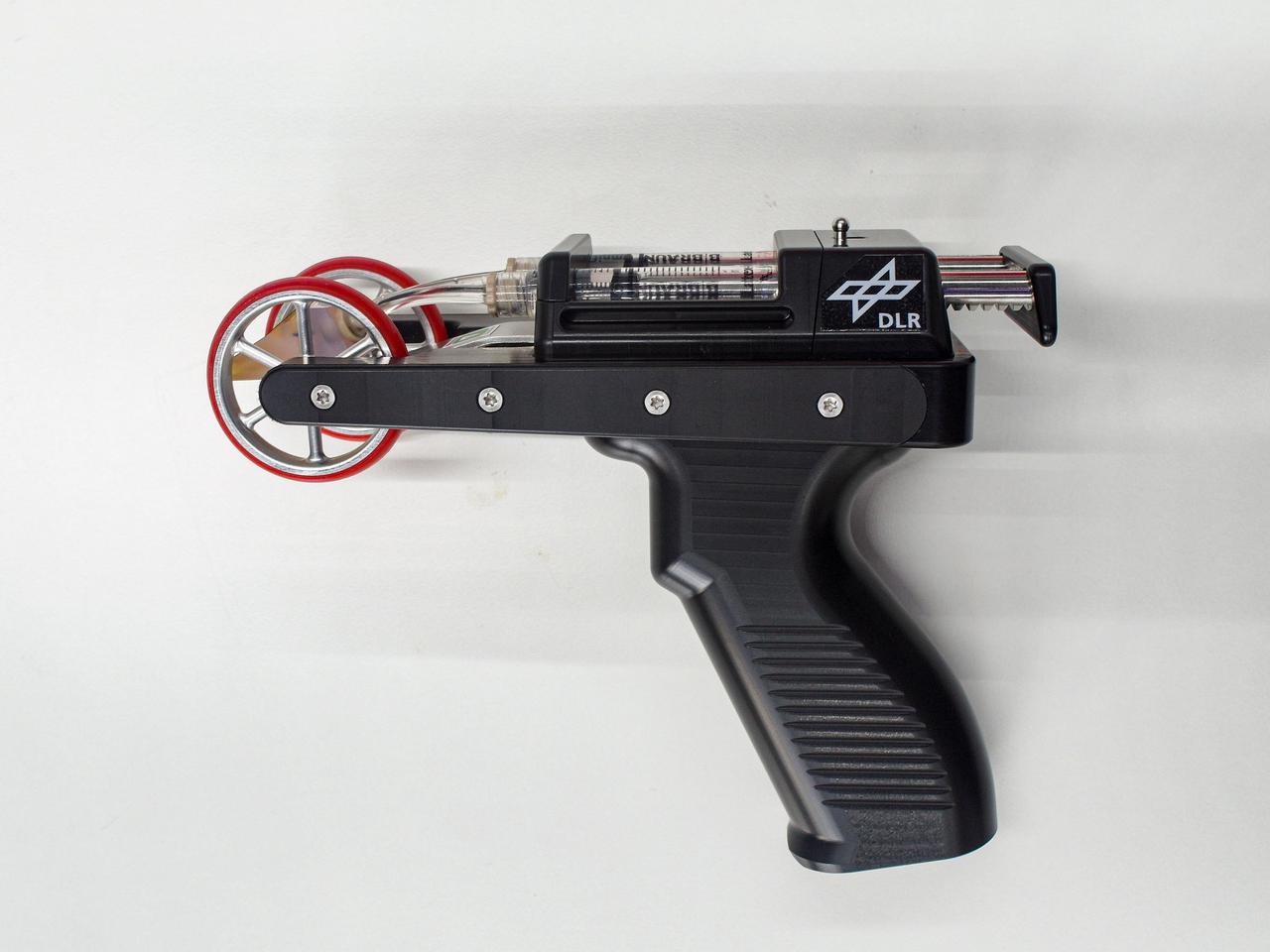
jsc2021e063287 (1/3/2021) --- Bioprinting, a subcategory of 3D printing, uses viable cells and biological molecules to print tissue structures. Bioprint FirstAid Handheld Bioprinter (Bioprint FirstAid), an investigation from European Space Agency (ESA), demonstrates a portable, handheld bioprinter that uses a patient’s own skin cells to create a tissue-forming patch to cover a wound and accelerate the healing process. Image courtesy of OHB/DLR/ESA.
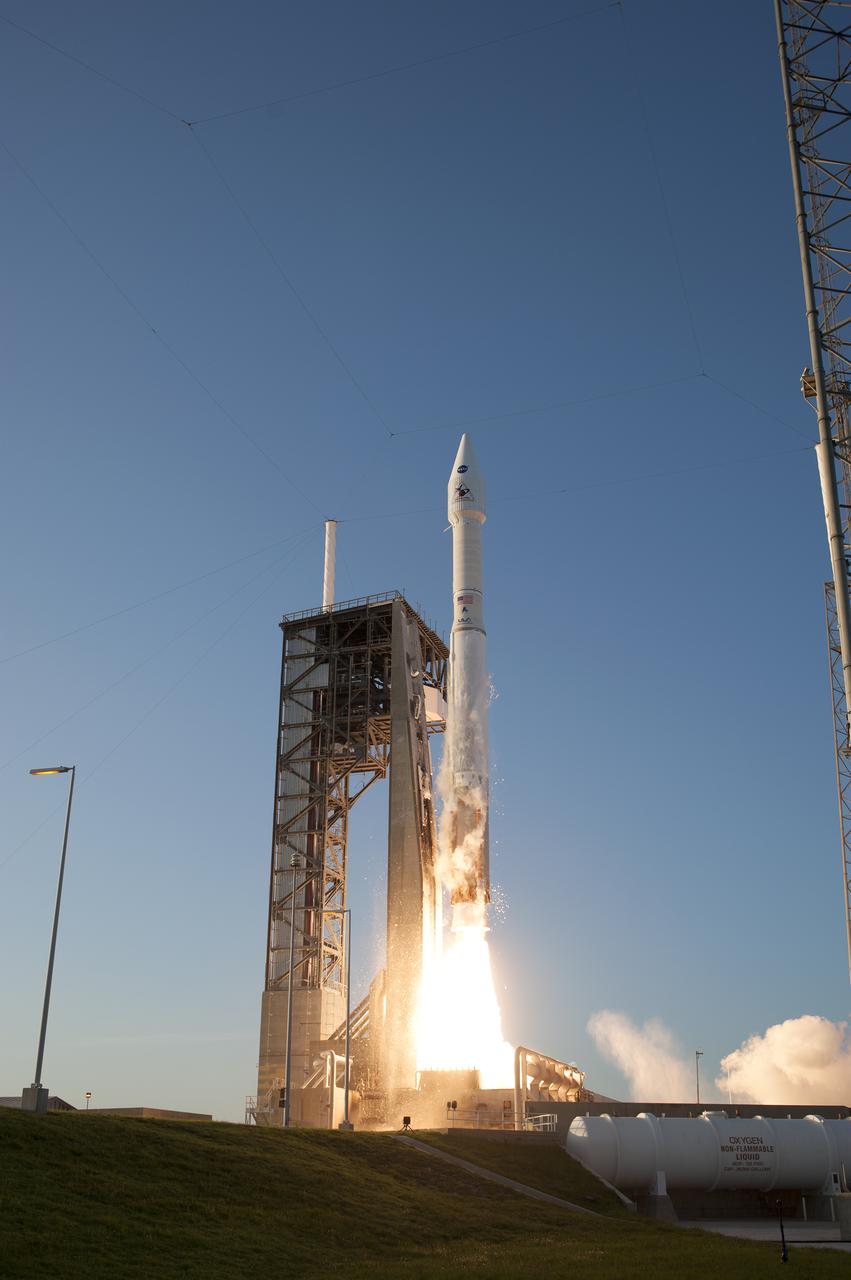
A United Launch Alliance Atlas V rocket lifts off from Space Launch Complex 41 at Cape Canaveral Air Force Station carrying NASA’s Origins, Spectral Interpretation, Resource Identification, Security-Regolith Explorer, or OSIRIS-REx spacecraft on the first U.S. mission to sample an asteroid, retrieve at least two ounces of surface material and return it to Earth for study. Liftoff was at 7:05 p.m. EDT. The asteroid, Bennu, may hold clues to the origin of the solar system and the source of water and organic molecules found on Earth.

iss073e0817052 (Sept. 27, 2025) --- Warm, diffuse city lights and bright lightning storms illuminate the cloudy nighttime landscape of western Africa in this image captured from the International Space Station. A soft yellow-green atmospheric glow, created by atoms and molecules releasing energy absorbed from solar radiation earlier in the day, blankets Earth’s horizon. The orbital outpost was soaring 260 miles above the Atlantic Ocean at approximately 11:05 p.m. local time when this photograph was taken.
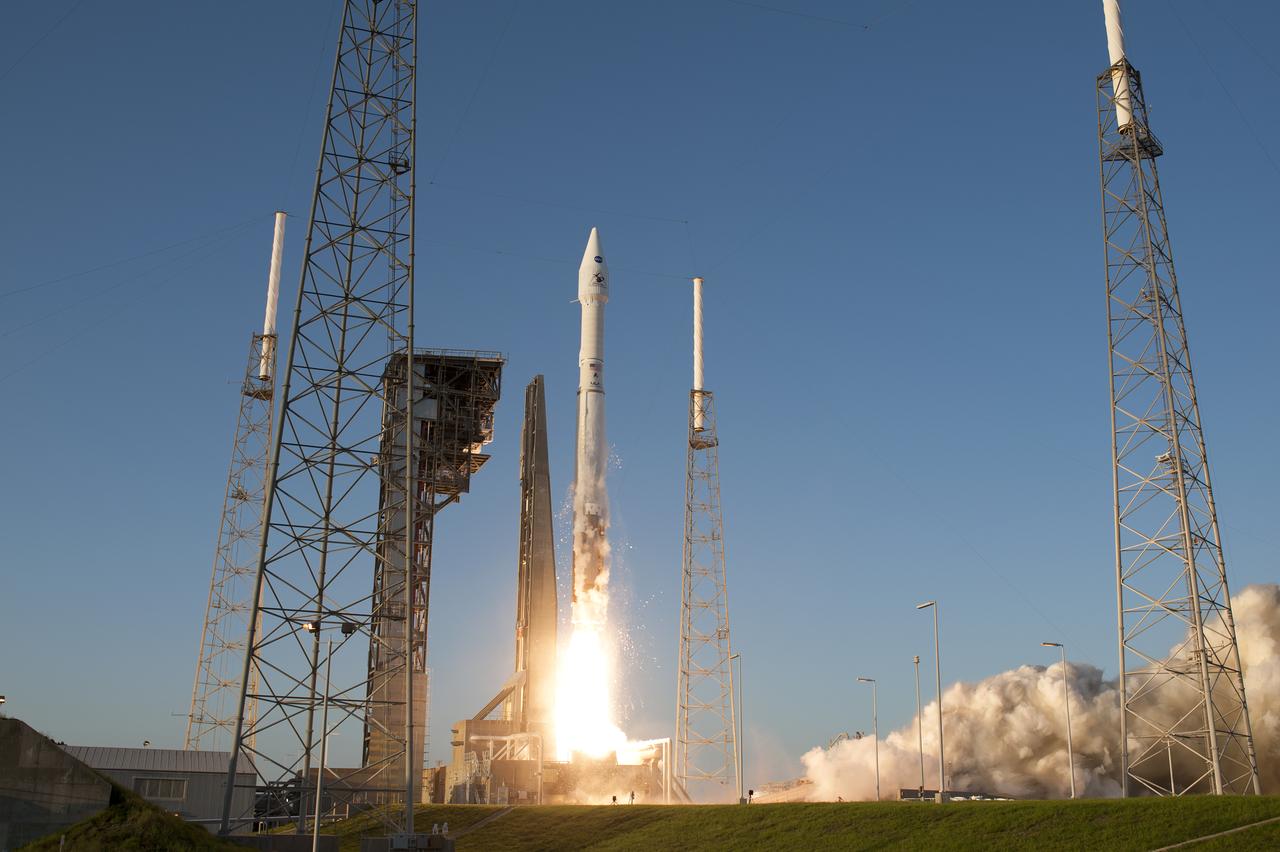
A United Launch Alliance Atlas V rocket lifts off from Space Launch Complex 41 at Cape Canaveral Air Force Station carrying NASA’s Origins, Spectral Interpretation, Resource Identification, Security-Regolith Explorer, or OSIRIS-REx spacecraft on the first U.S. mission to sample an asteroid, retrieve at least two ounces of surface material and return it to Earth for study. Liftoff was at 7:05 p.m. EDT. The asteroid, Bennu, may hold clues to the origin of the solar system and the source of water and organic molecules found on Earth.
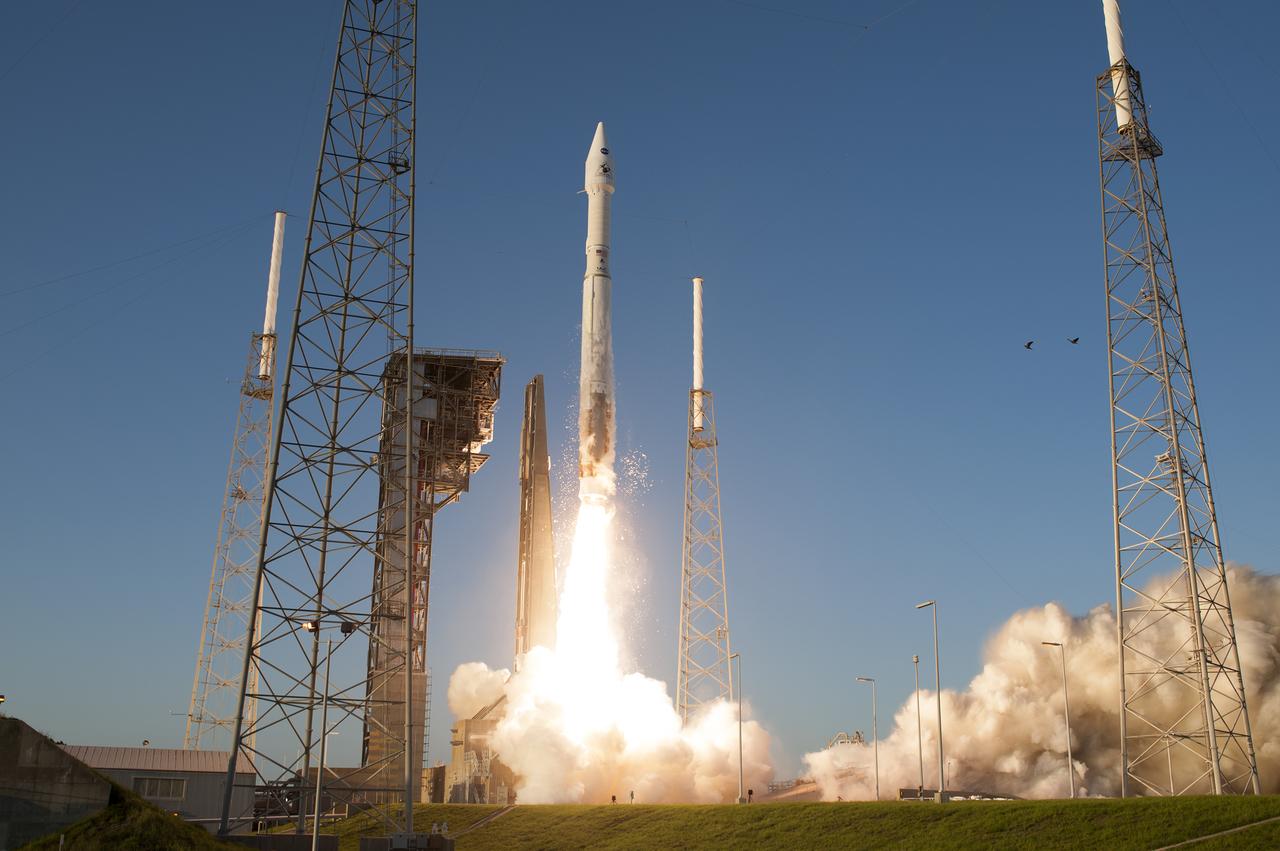
A United Launch Alliance Atlas V rocket lifts off from Space Launch Complex 41 at Cape Canaveral Air Force Station carrying NASA’s Origins, Spectral Interpretation, Resource Identification, Security-Regolith Explorer, or OSIRIS-REx spacecraft on the first U.S. mission to sample an asteroid, retrieve at least two ounces of surface material and return it to Earth for study. Liftoff was at 7:05 p.m. EDT. The asteroid, Bennu, may hold clues to the origin of the solar system and the source of water and organic molecules found on Earth.
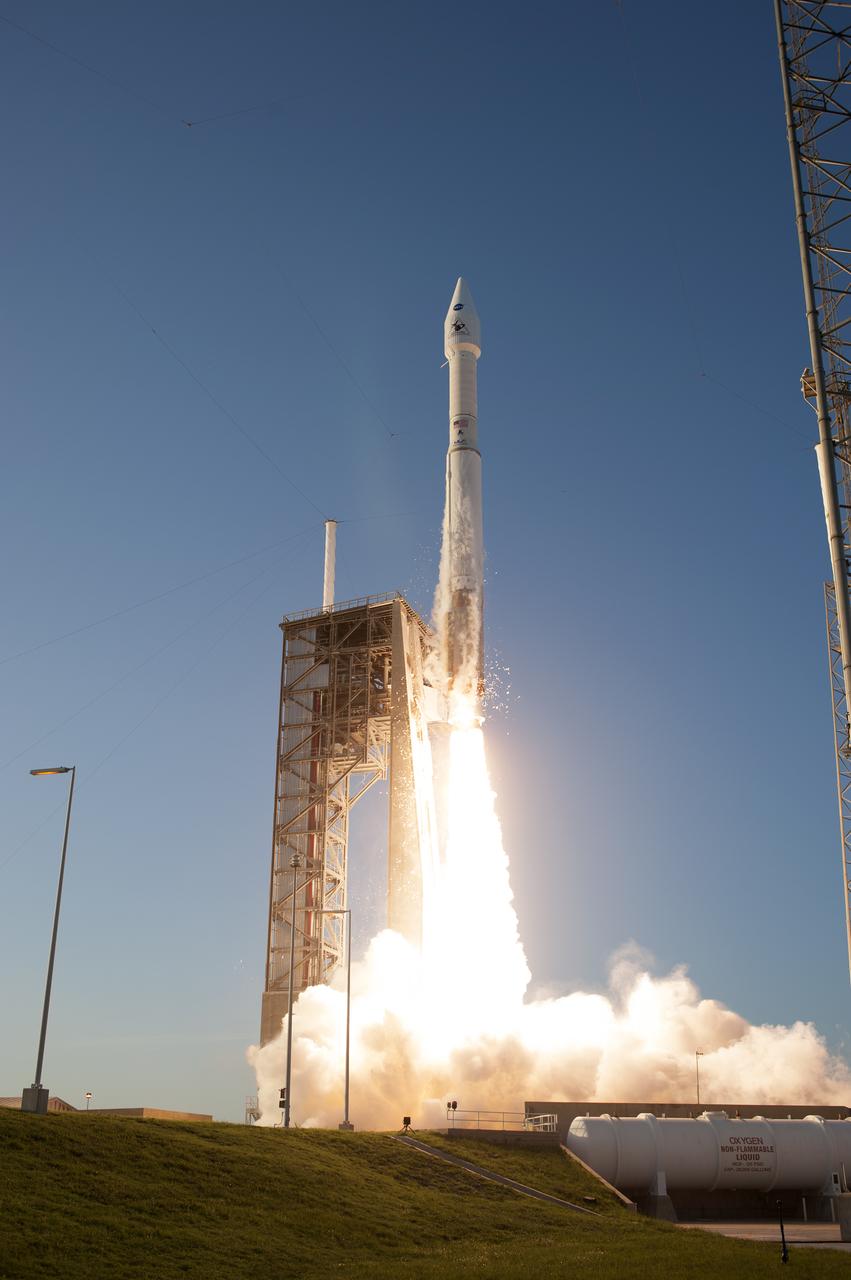
A United Launch Alliance Atlas V rocket lifts off from Space Launch Complex 41 at Cape Canaveral Air Force Station carrying NASA’s Origins, Spectral Interpretation, Resource Identification, Security-Regolith Explorer, or OSIRIS-REx spacecraft on the first U.S. mission to sample an asteroid, retrieve at least two ounces of surface material and return it to Earth for study. Liftoff was at 7:05 p.m. EDT. The asteroid, Bennu, may hold clues to the origin of the solar system and the source of water and organic molecules found on Earth.
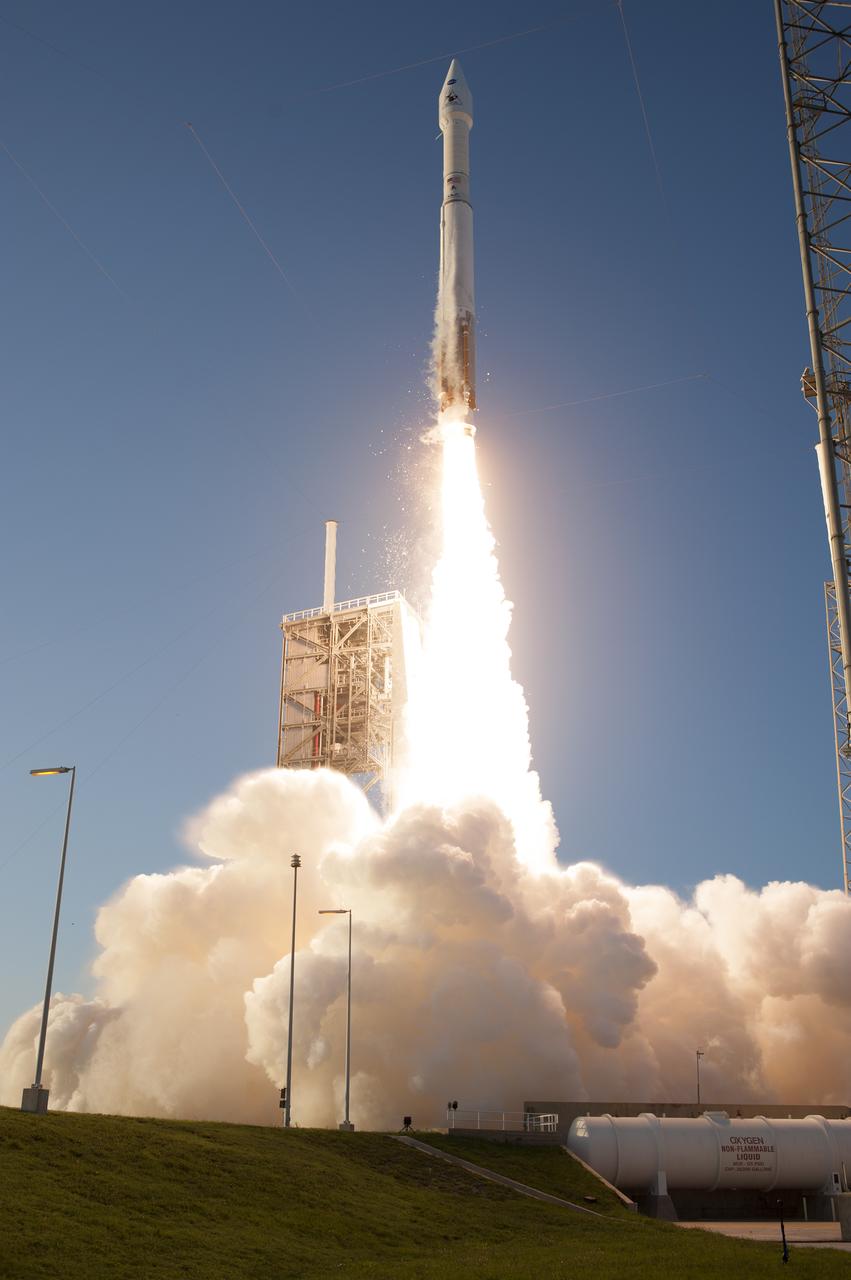
A United Launch Alliance Atlas V rocket lifts off from Space Launch Complex 41 at Cape Canaveral Air Force Station carrying NASA’s Origins, Spectral Interpretation, Resource Identification, Security-Regolith Explorer, or OSIRIS-REx spacecraft on the first U.S. mission to sample an asteroid, retrieve at least two ounces of surface material and return it to Earth for study. Liftoff was at 7:05 p.m. EDT. The asteroid, Bennu, may hold clues to the origin of the solar system and the source of water and organic molecules found on Earth.
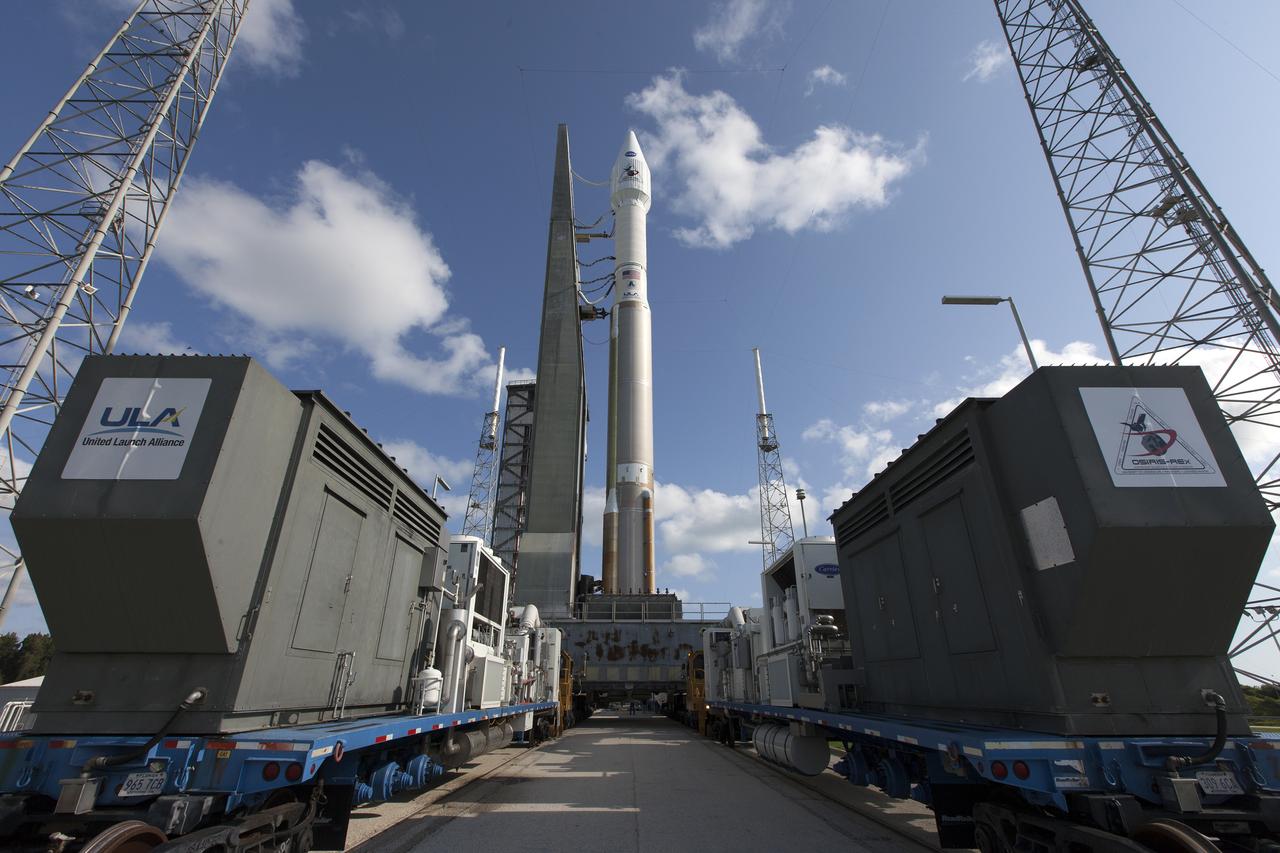
The United Launch Alliance Atlas V rocket arrives at Space Launch Complex 41 at Cape Canaveral Air Force Station in Florida. The launch vehicle will boost NASA’s Origins, Spectral Interpretation, Resource Identification, Security-Regolith Explorer, or OSIRIS-REx spacecraft. This will be the first U.S. mission to sample an asteroid, retrieve at least two ounces of surface material and return it to Earth for study. The asteroid, Bennu, may hold clues to the origin of the solar system and the source of water and organic molecules found on Earth.
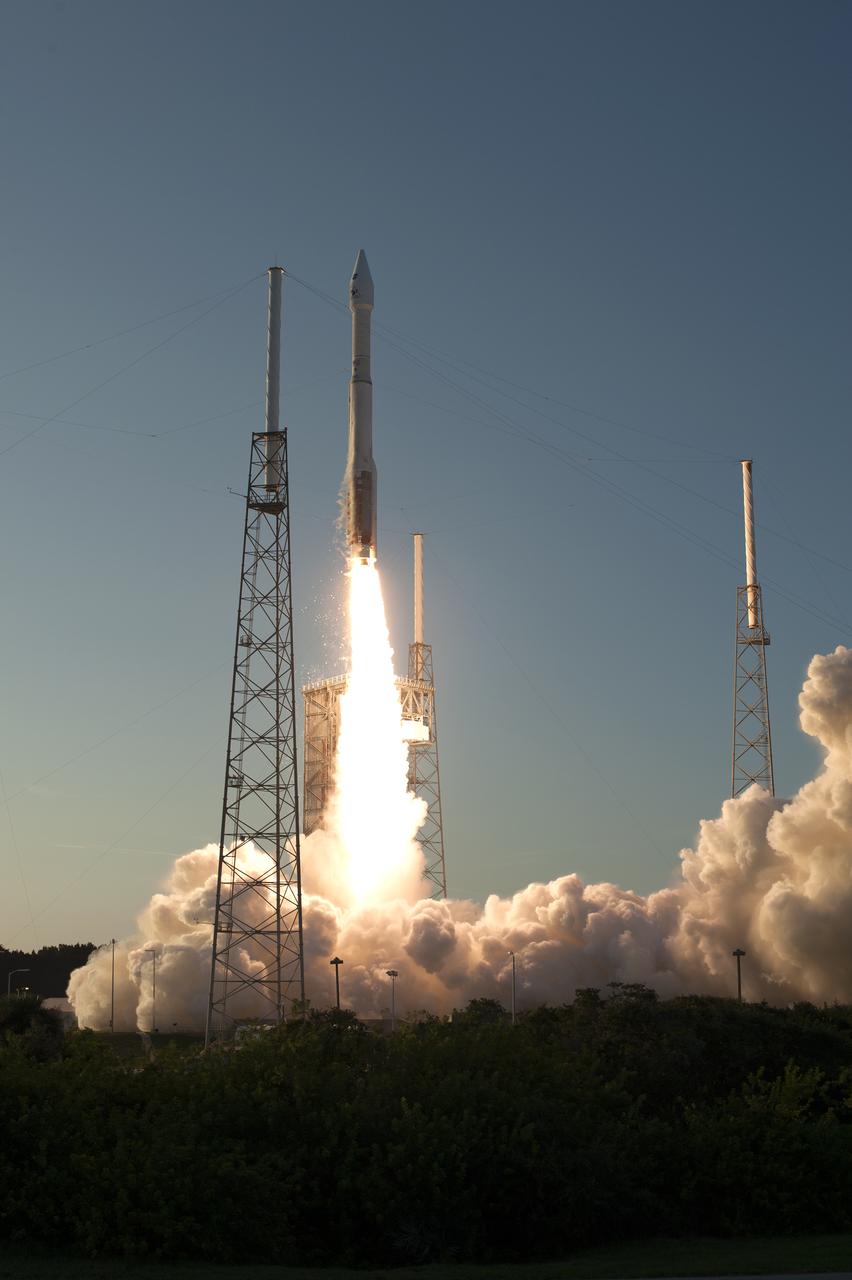
A United Launch Alliance Atlas V rocket lifts off from Space Launch Complex 41 at Cape Canaveral Air Force Station carrying NASA’s Origins, Spectral Interpretation, Resource Identification, Security-Regolith Explorer, or OSIRIS-REx spacecraft on the first U.S. mission to sample an asteroid, retrieve at least two ounces of surface material and return it to Earth for study. Liftoff was at 7:05 p.m. EDT. The asteroid, Bennu, may hold clues to the origin of the solar system and the source of water and organic molecules found on Earth.
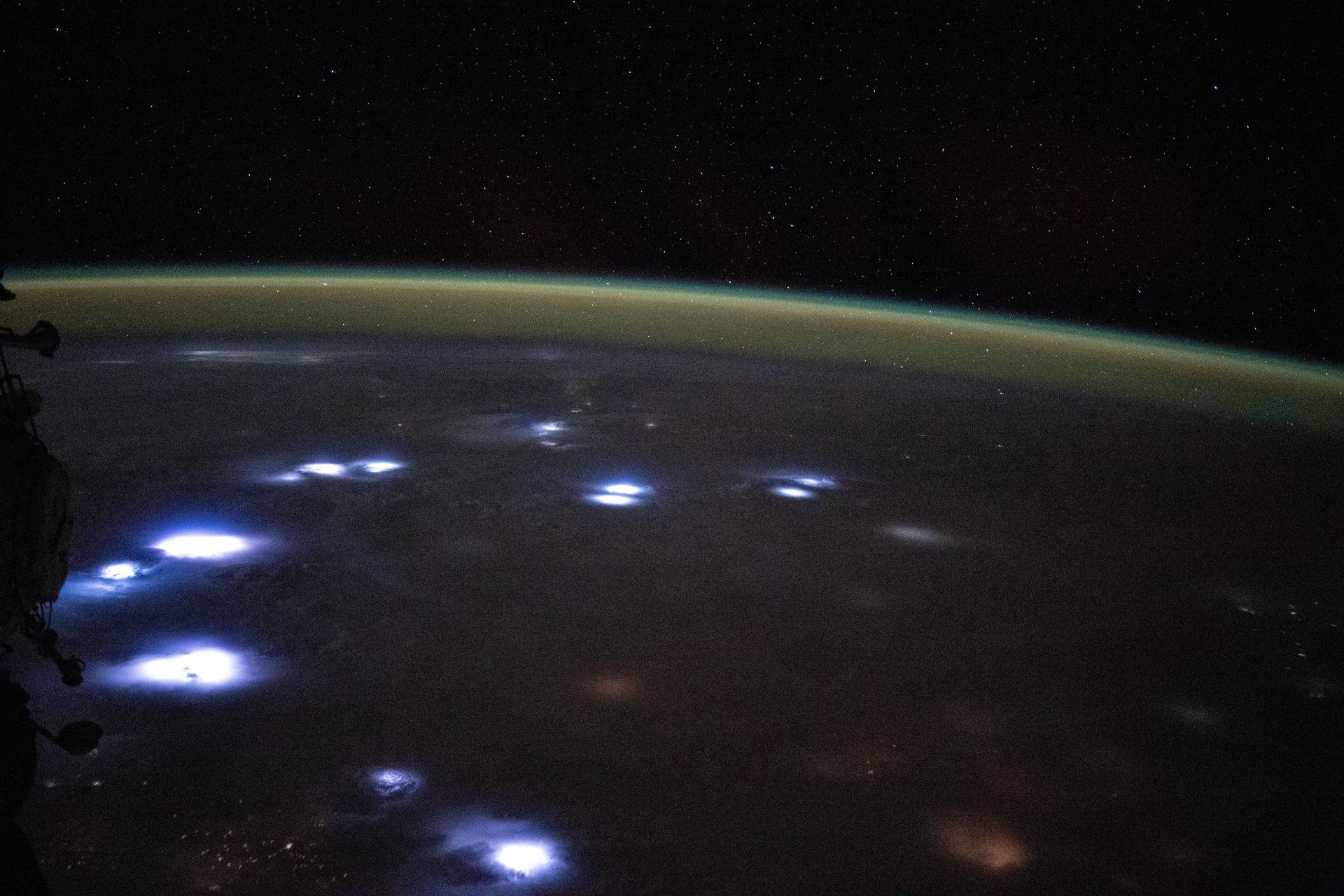
iss073e0816985 (Sept. 27, 2025) --- Bright lightning storms illuminate the cloudy landscape of western Africa in this image captured from the International Space Station. A soft yellow-green atmospheric glow, created by atoms and molecules releasing energy absorbed from solar radiation earlier in the day, blankets Earth’s horizon. The orbital outpost was soaring 260 miles above the Atlantic coast of Ghana at approximately 11:04 p.m. local time when this photograph was taken.
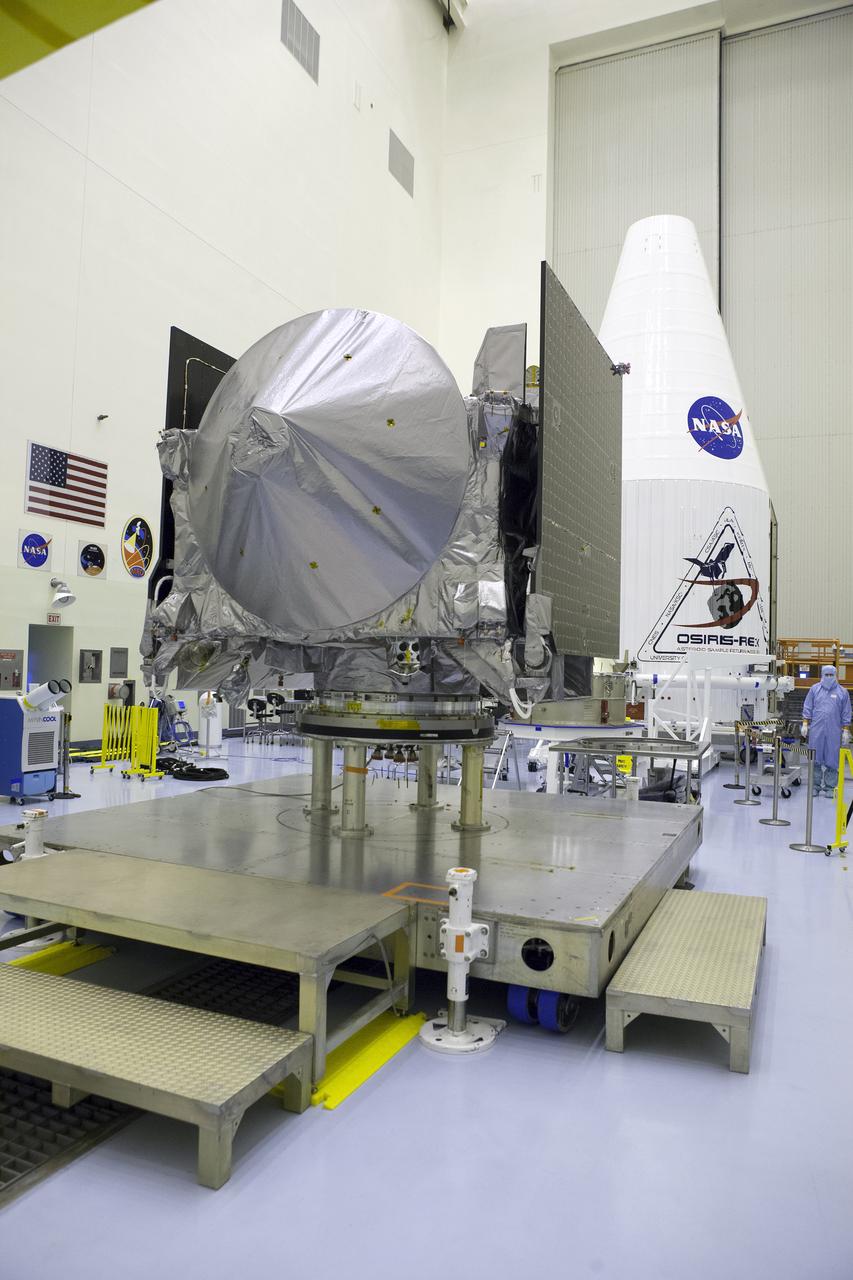
Inside the Payload Hazardous Servicing Facility at NASA's Kennedy Space Center in Florida, the agency’s Origins, Spectral Interpretation, Resource Identification, Security-Regolith Explorer, or OSIRIS-REx spacecraft is prepared for encapsulation in its payload fairing. Targeted for liftoff Sept. 8, 2016, OSIRIS-Rex will be the first U.S. mission to sample an asteroid, retrieve at least two ounces of surface material and return it to Earth for study. The asteroid, Bennu, may hold clues to the origin of the solar system and the source of water and organic molecules found on Earth.
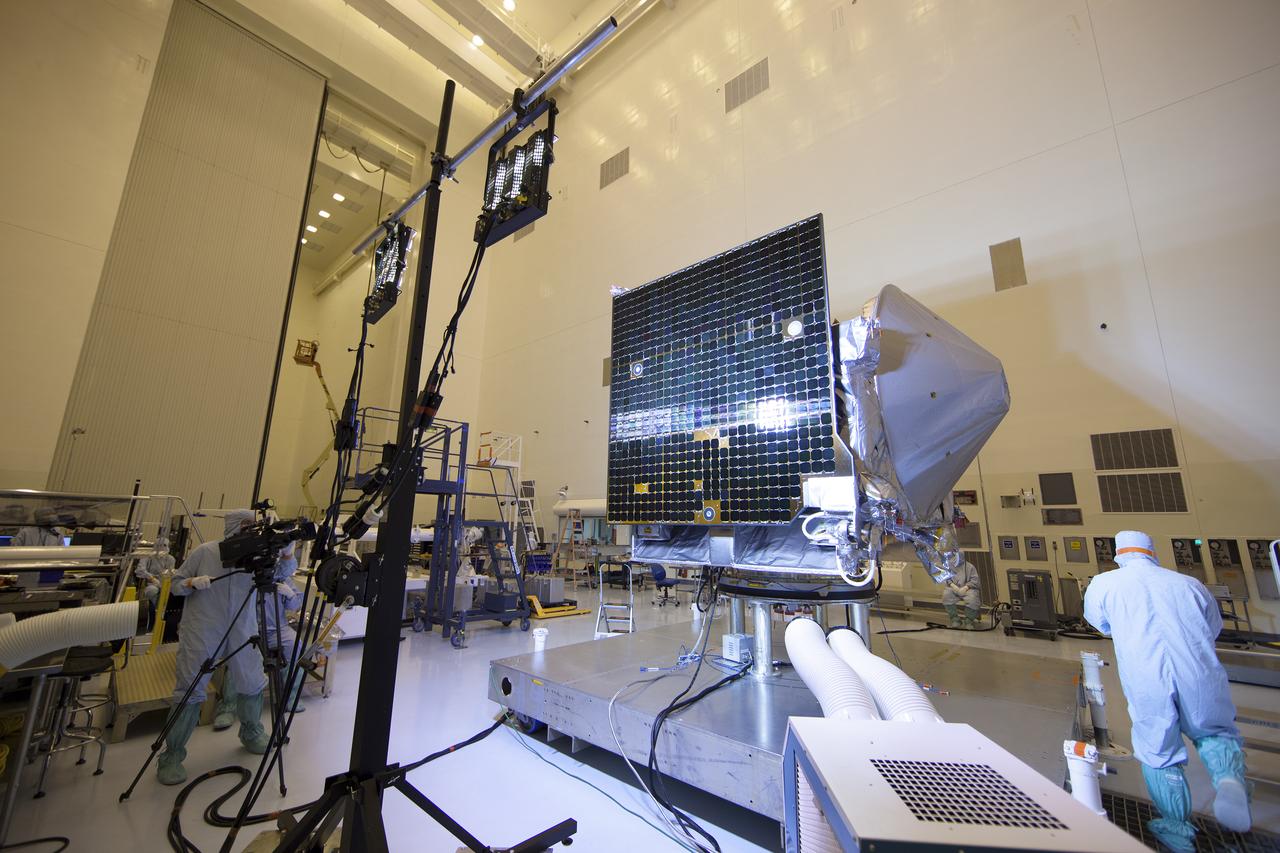
Inside the Payload Hazardous Servicing Facility at NASA's Kennedy Space Center in Florida, illumination testing is underway on the power -producing solar arrays for the agency’s Origins, Spectral Interpretation, Resource Identification, Security-Regolith Explorer, or OSIRIS-REx spacecraft. Targeted for liftoff Sept. 8, 2016, OSIRIS-Rex will be the first U.S. mission to sample an asteroid, retrieve at least two ounces of surface material and return it to Earth for study. The asteroid, Bennu, may hold clues to the origin of the solar system and the source of water and organic molecules found on Earth.
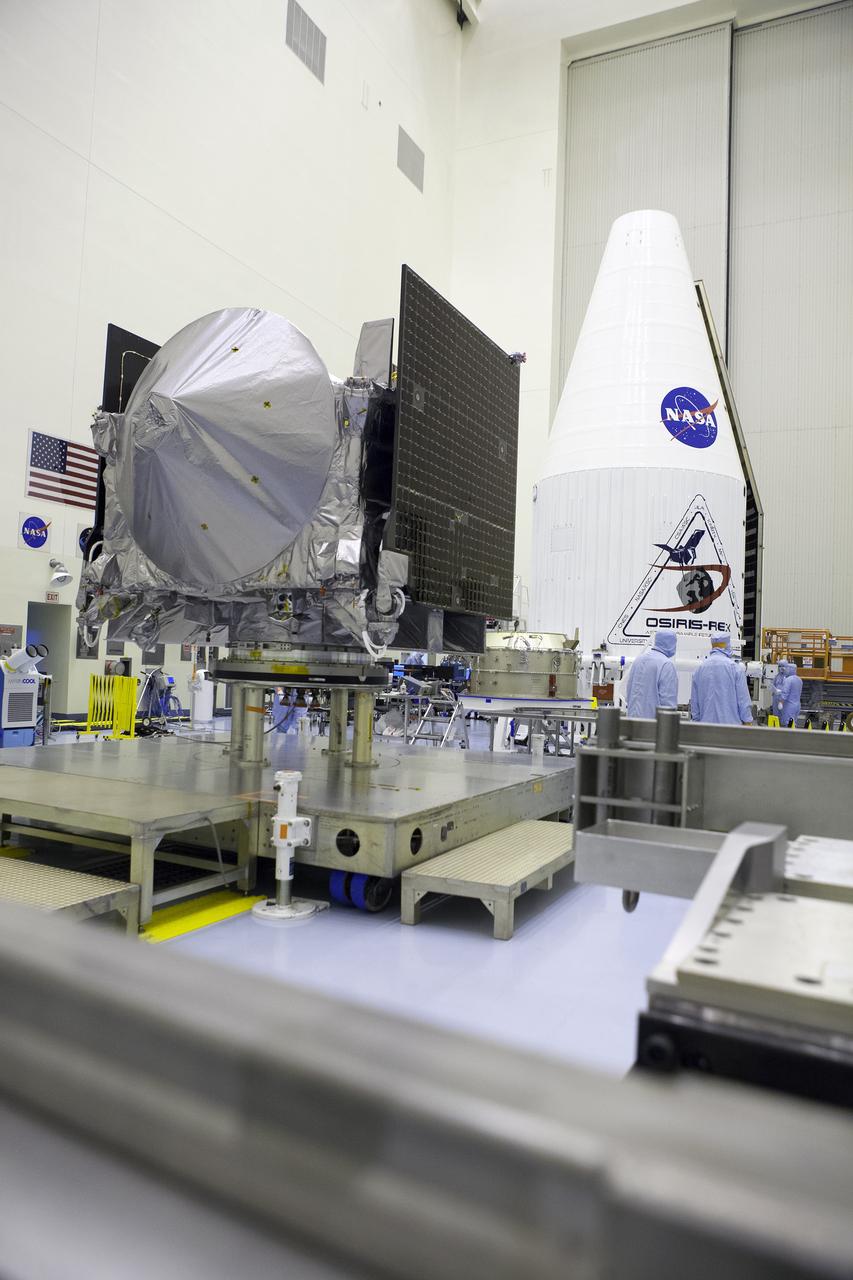
Inside the Payload Hazardous Servicing Facility at NASA's Kennedy Space Center in Florida, the agency’s Origins, Spectral Interpretation, Resource Identification, Security-Regolith Explorer, or OSIRIS-REx spacecraft is prepared for encapsulation in its payload fairing. Targeted for liftoff Sept. 8, 2016, OSIRIS-Rex will be the first U.S. mission to sample an asteroid, retrieve at least two ounces of surface material and return it to Earth for study. The asteroid, Bennu, may hold clues to the origin of the solar system and the source of water and organic molecules found on Earth.

This artist's rendering showing a cutaway view into the interior of Saturn's moon Enceladus. NASA's Cassini spacecraft discovered the moon has a global ocean and likely hydrothermal activity. A plume of ice particles, water vapor and organic molecules sprays from fractures in the moon's south polar region. This graphic is an update to a previously published version (see PIA19656) that did not show the ice and ocean layers to scale. The revised graphic more accurately represents scientists' current understanding of the thickness of the layers. http://photojournal.jpl.nasa.gov/catalog/PIA20013

This image from NASA's Spitzer Space Telescope shows the Tarantula Nebula in two wavelengths of infrared light, each represented by a different color. The red color at the heart of the nebula shows the presence of particularly hot gas emitting infrared light at a wavelength of 4.5 micrometers. The blue regions are dust composed of molecules called polycyclic aromatic hydrocarbons (PAHs), which are also found in ash from coal, wood and oil fires on Earth. Regions emitting both wavelengths appear white. https://photojournal.jpl.nasa.gov/catalog/PIA23646
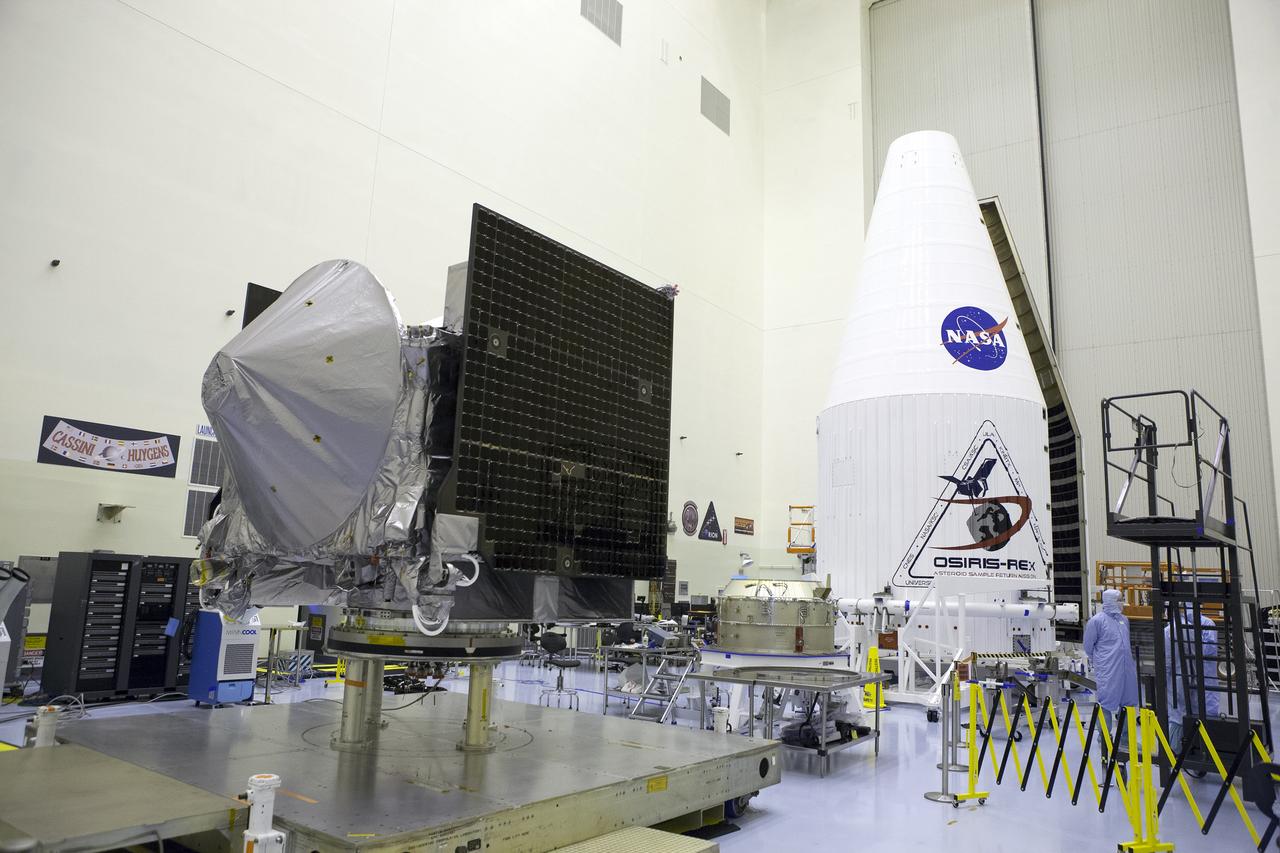
Inside the Payload Hazardous Servicing Facility at NASA's Kennedy Space Center in Florida, the agency’s Origins, Spectral Interpretation, Resource Identification, Security-Regolith Explorer, or OSIRIS-REx spacecraft is prepared for encapsulation in its payload fairing. Targeted for liftoff Sept. 8, 2016, OSIRIS-Rex will be the first U.S. mission to sample an asteroid, retrieve at least two ounces of surface material and return it to Earth for study. The asteroid, Bennu, may hold clues to the origin of the solar system and the source of water and organic molecules found on Earth.

iss051e050137 (May 26, 2017) --- Three CubeSats CubeSats, with Earth’s limb and thin atmosphere in the background, is seen shortly after being ejected from a small satellite deployer outside of the Japanese Kibo laboratory module. The trio are part of a subset CubeSats released during the week to monitor different gaseous molecules and electrical properties of the Earth's thermosphere to better understand space weather and its long term trends.
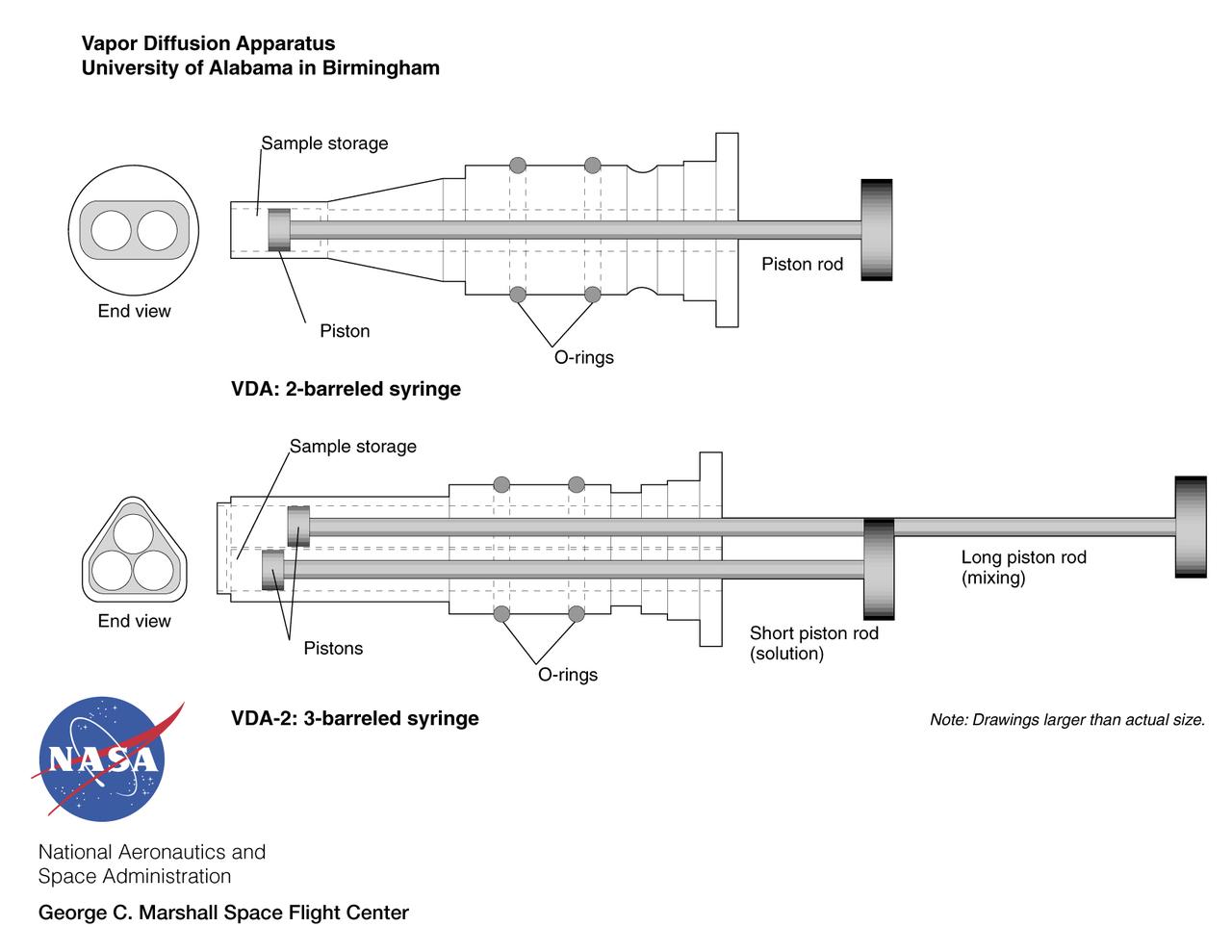
Vapor Diffusion Apparatus (VDA and VDA-2) was developed by the University of Alabama in Birmingham for NASA's Marshall Space Flight Center. In the original VDA, a protein solution and a precipitant are extruded by two plungers onto the tip of a small syringe and allowed to evaporate, raising the concentration and prompting protein molecules to crystallize. In the VDA-2 version, a third plunger was added to mix the two solutions before returning the mix to the syringe tip. The principal investigator is Dr. Larry Delucas of the University of Alabama in Birmingham
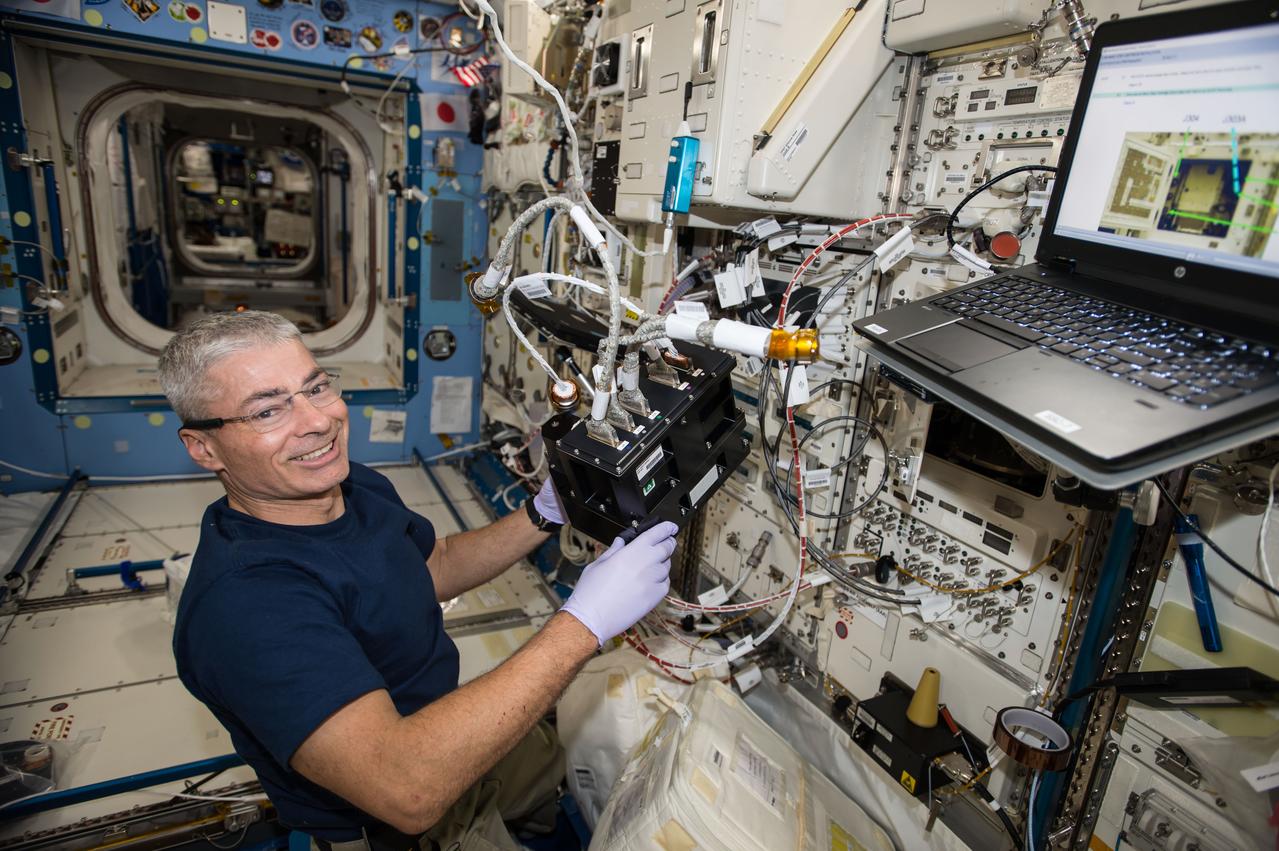
iss053e039947 (9/22/2017) --- NASA astronaut Mark T. Vande Hei is shown with the Advanced Nano Step Cartridge in the Solution Crystallization Observation Facility (SCOF) during installation. The Effects of Impurities on Perfection of Protein Crystals, Partition Functions, and Growth Mechanisms (Advanced Nano Step) experiment monitors and records how the incorporation of specific impurity molecules affect the development and quality of protein crystals, as they grow in a quartz cell aboard the International Space Station (ISS).
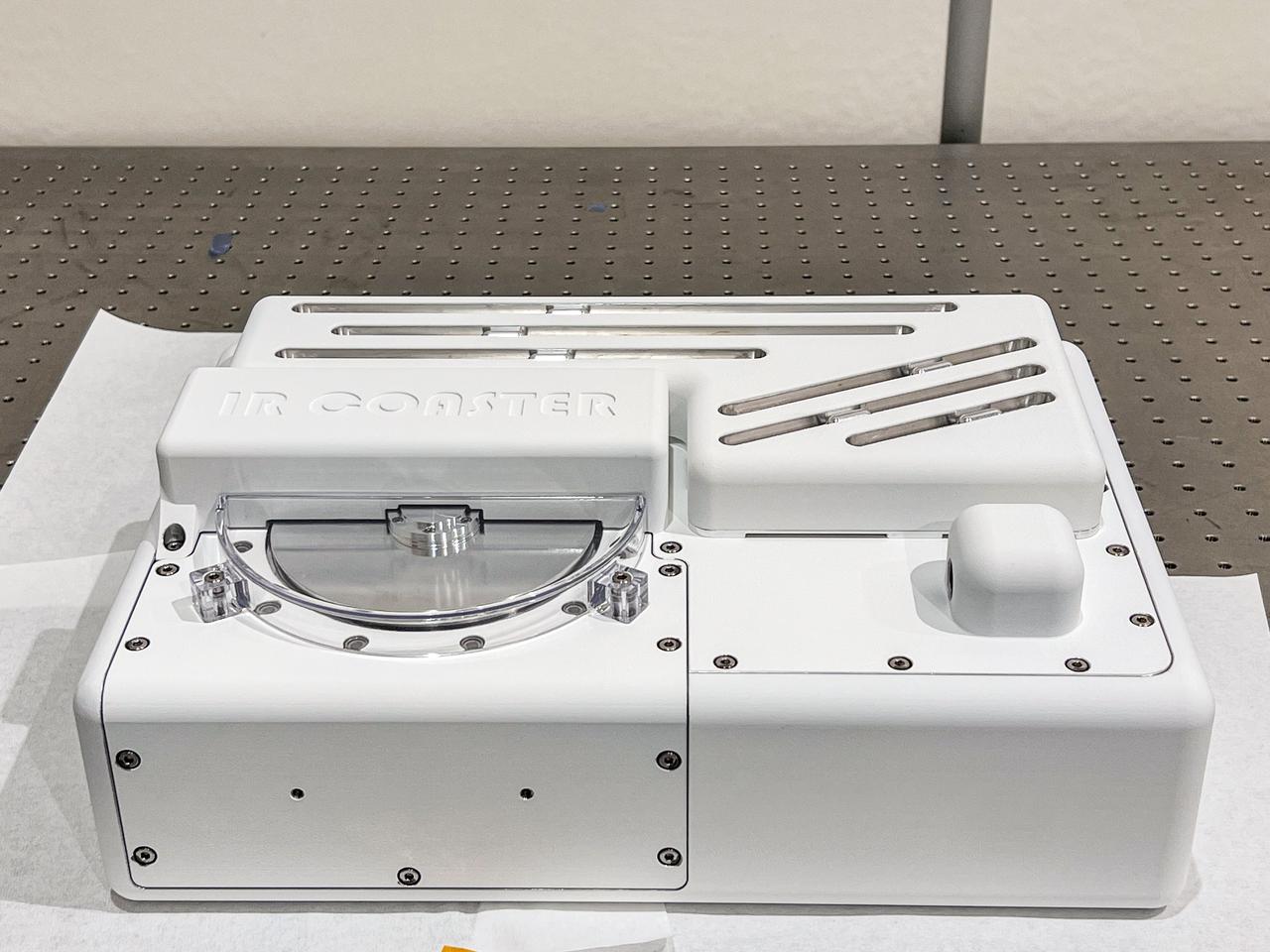
jsc2024e065155 (11/8/2023) --- Preflight view of the IR-COASTER experiment portion of the Euro Material Ageing investigation. The science objective of IR-COASTER is to study the evolution (stability, transformation or degradation) of samples containing organic molecules when exposed to space conditions, including the Solar UV flux when it is not filtered by the Earth's atmosphere nor simulated by lamps in the laboratory. Image courtesy of the Interuniversity Laboratory of Atmospheric Systems (LISA)..
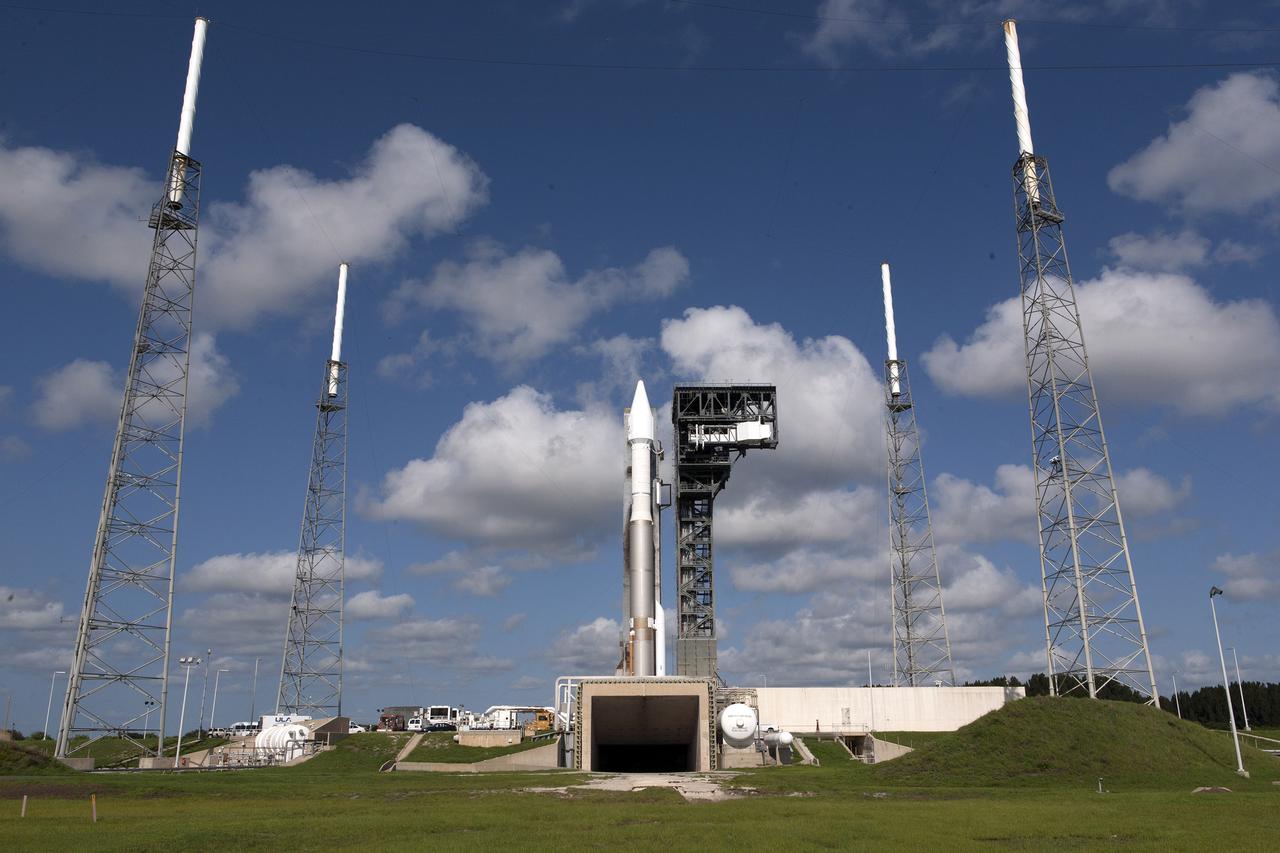
The United Launch Alliance Atlas V rocket arrives at Space Launch Complex 41 at Cape Canaveral Air Force Station in Florida. The launch vehicle will boost NASA’s Origins, Spectral Interpretation, Resource Identification, Security-Regolith Explorer, or OSIRIS-REx spacecraft. This will be the first U.S. mission to sample an asteroid, retrieve at least two ounces of surface material and return it to Earth for study. The asteroid, Bennu, may hold clues to the origin of the solar system and the source of water and organic molecules found on Earth.
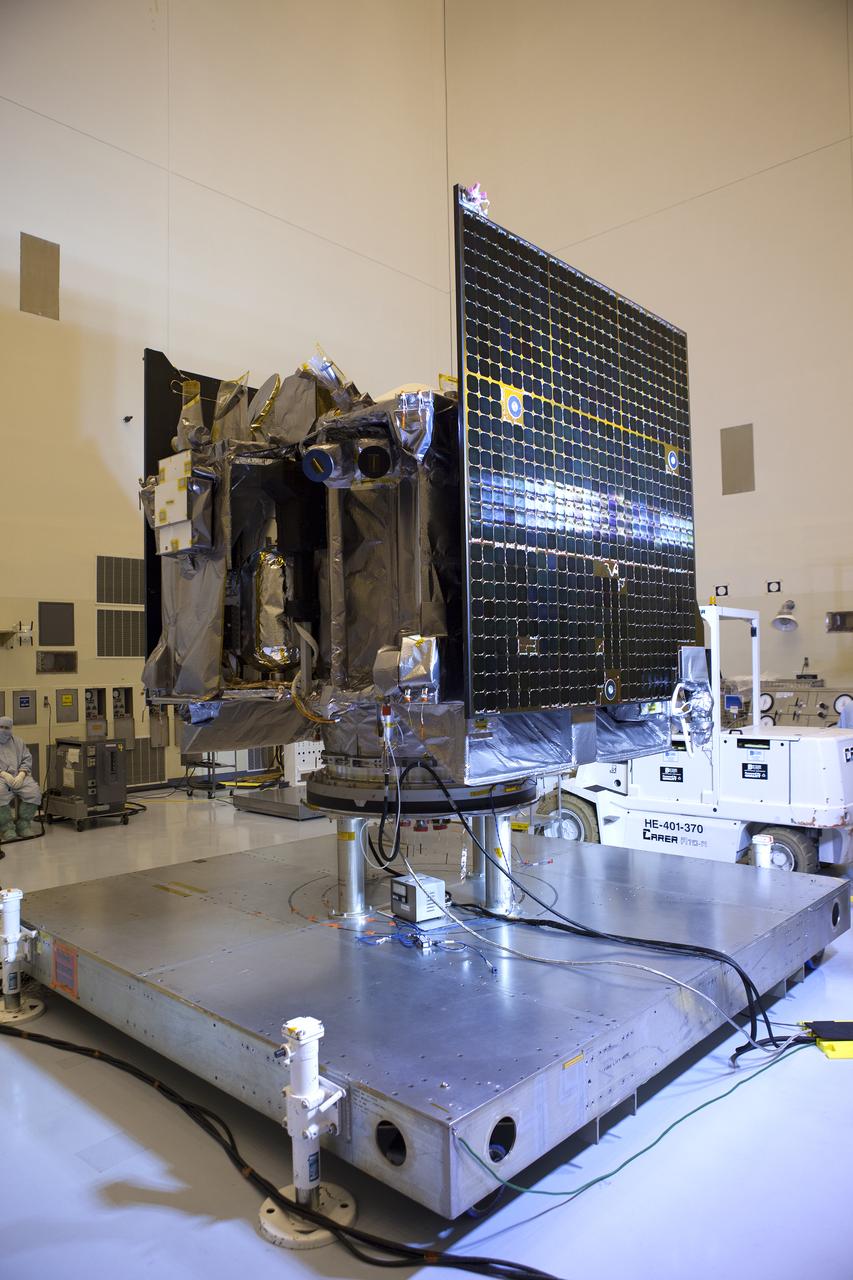
Inside the Payload Hazardous Servicing Facility at NASA's Kennedy Space Center in Florida, illumination testing is underway on the power-producing solar arrays for the agency’s Origins, Spectral Interpretation, Resource Identification, Security-Regolith Explorer, or OSIRIS-REx spacecraft. Targeted for liftoff Sept. 8, 2016, OSIRIS-Rex will be the first U.S. mission to sample an asteroid, retrieve at least two ounces of surface material and return it to Earth for study. The asteroid, Bennu, may hold clues to the origin of the solar system and the source of water and organic molecules found on Earth.
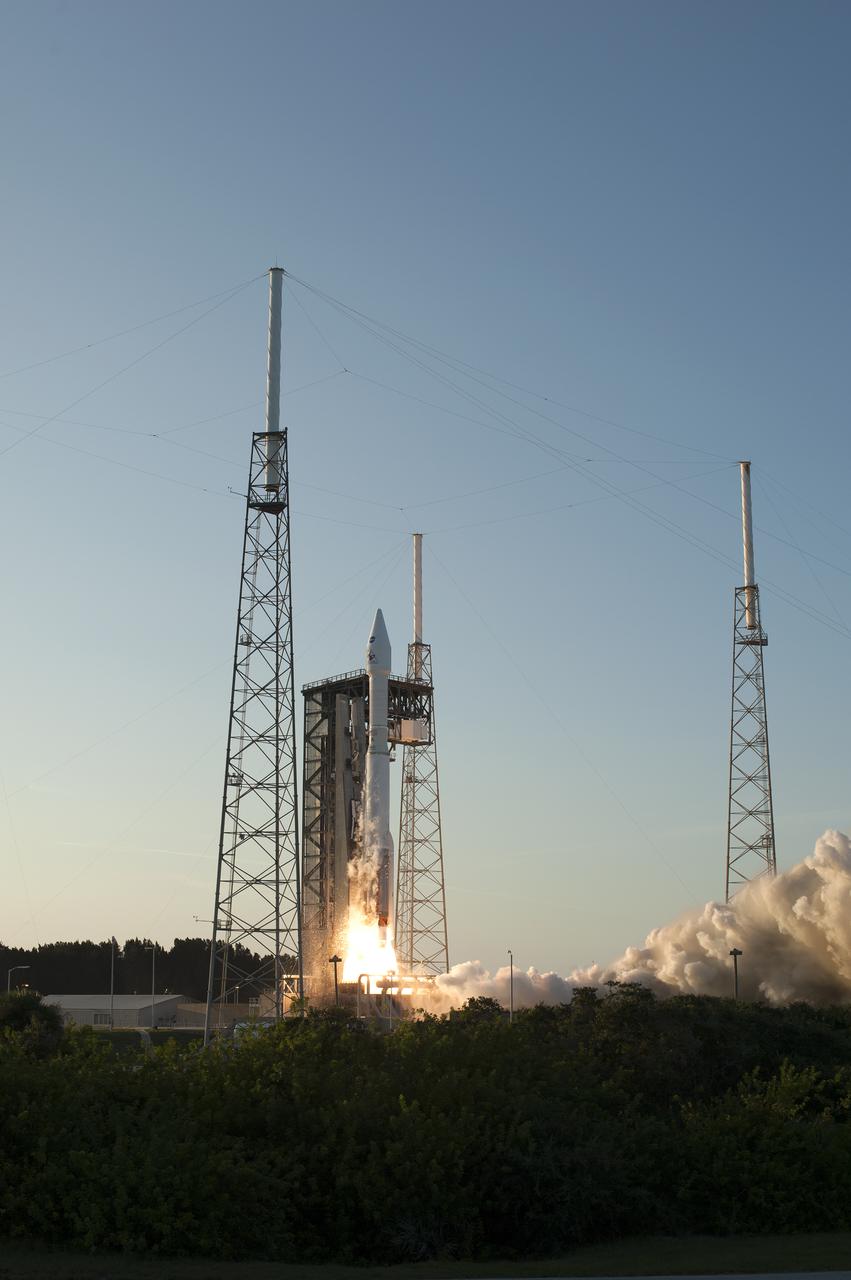
A United Launch Alliance Atlas V rocket lifts off from Space Launch Complex 41 at Cape Canaveral Air Force Station carrying NASA’s Origins, Spectral Interpretation, Resource Identification, Security-Regolith Explorer, or OSIRIS-REx spacecraft on the first U.S. mission to sample an asteroid, retrieve at least two ounces of surface material and return it to Earth for study. Liftoff was at 7:05 p.m. EDT. The asteroid, Bennu, may hold clues to the origin of the solar system and the source of water and organic molecules found on Earth.

(February 19, 2025) -- NASA astronaut Don Pettit demonstrates electrostatic forces using charged water droplets and a knitting needle made of Teflon. This series of overlapping frames displays the unique attraction-repulsion properties of Teflon and charged droplets, similar to how charged particles from the Sun behave when they come in contact with Earth’s magnetic field. Highly energetic particles from space that collide with atoms and molecules in the atmosphere create the aurora borealis.