Nearside of the Moon
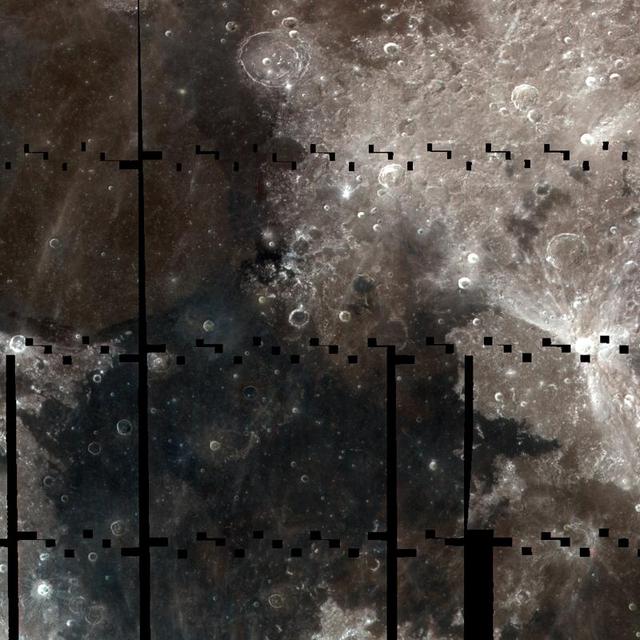
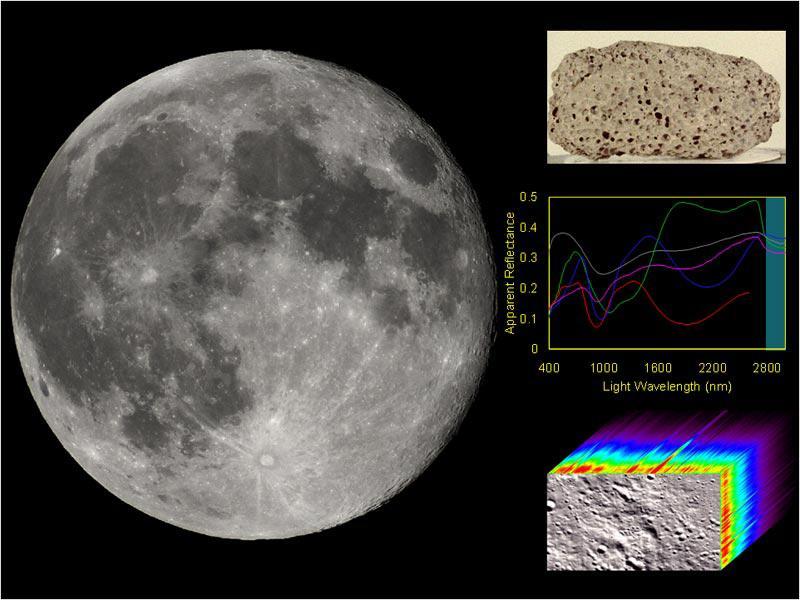
Color of the Moon
Color of the Moon
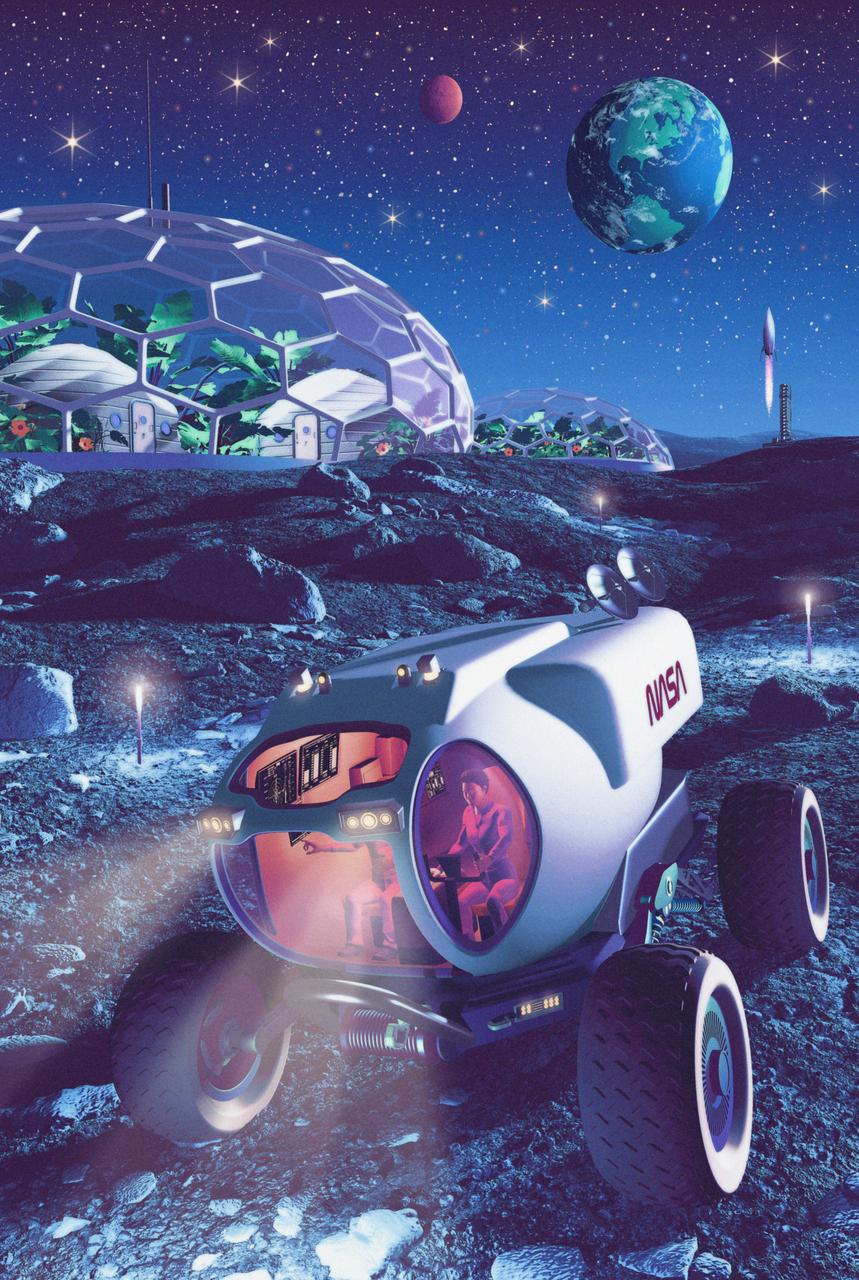
This illustration of Moon to Mars transportation and habitation shows astronauts driving a pressurized rover away from the dome of a translucent lunar habitat. NASA’s Moon to Mars Objectives establish an objectives-based approach to the agency's human deep space exploration efforts; NASA’s Moon to Mars Architecture approach distills the objectives into operational capabilities and elements.
Moon to Mars Transportation and Habitation
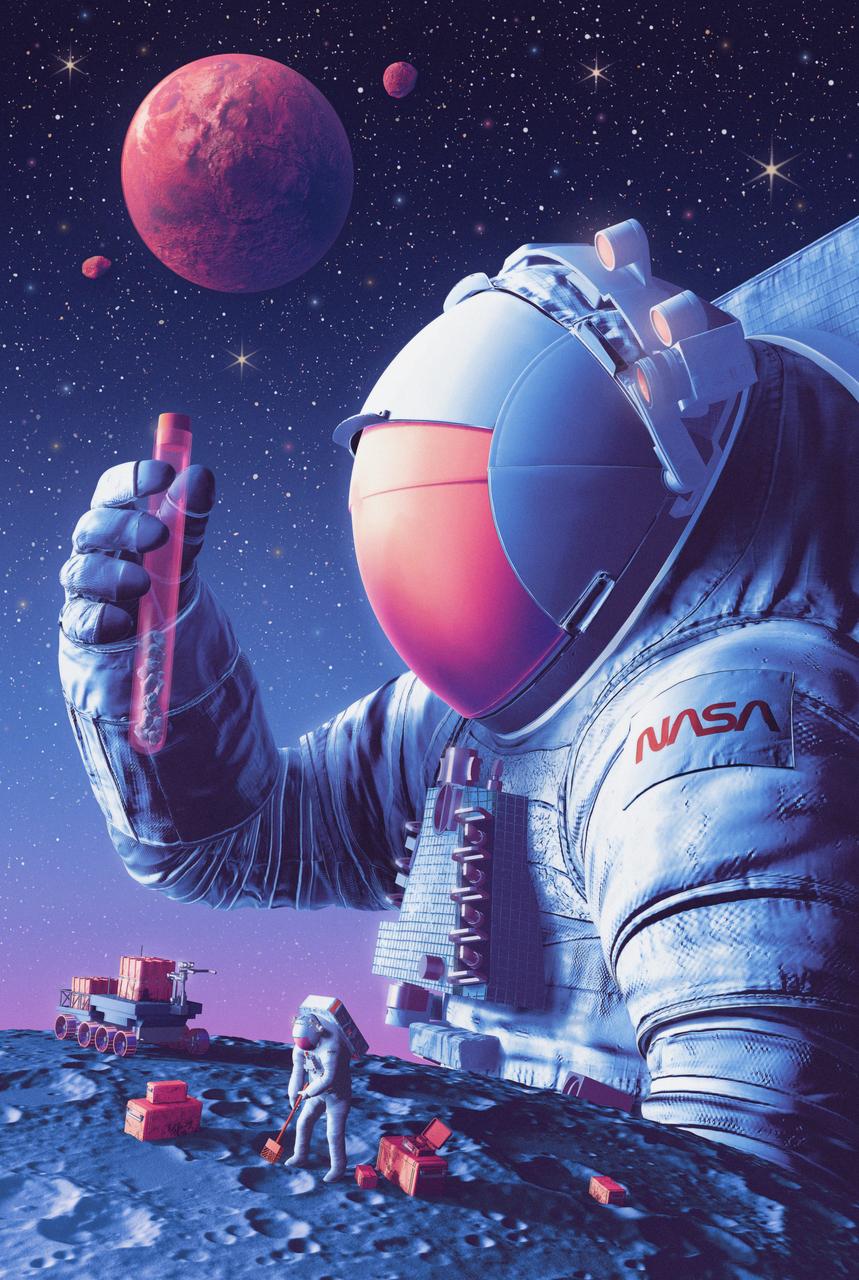
This illustration of Moon to Mars multidisciplinary science shows astronauts collecting and analyzing lunar regolith. NASA’s Moon to Mars Objectives establish an objectives-based approach to the agency's human deep space exploration efforts; NASA’s Moon to Mars Architecture approach distills the objectives into operational capabilities and elements.
Moon to Mars Multidisciplinary Science
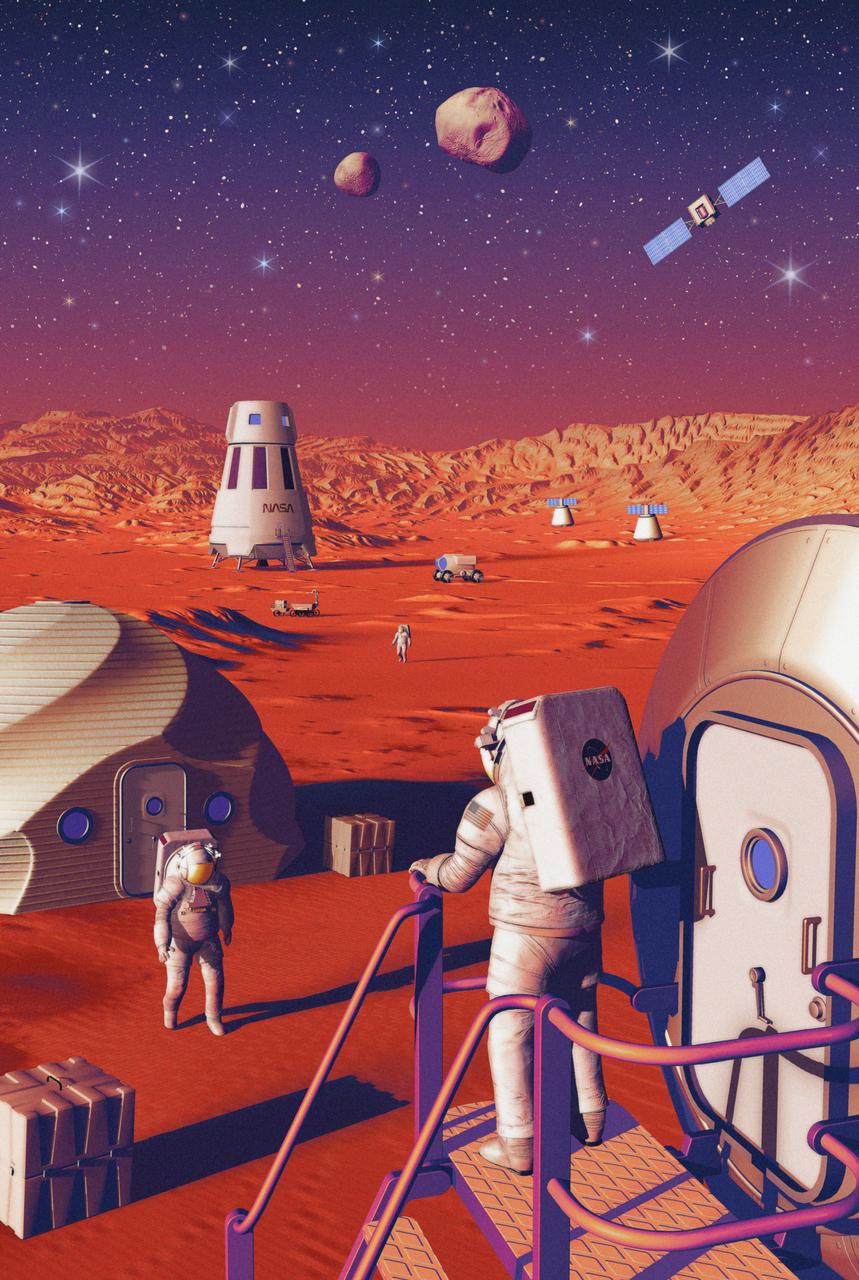
This illustration of Moon to Mars infrastructure shows astronauts living and working on the surface of Mars. NASA’s Moon to Mars Objectives establish an objectives-based approach to the agency's human deep space exploration efforts; NASA’s Moon to Mars Architecture approach distills the objectives into operational capabilities and elements.
Moon to Mars Infrastructure
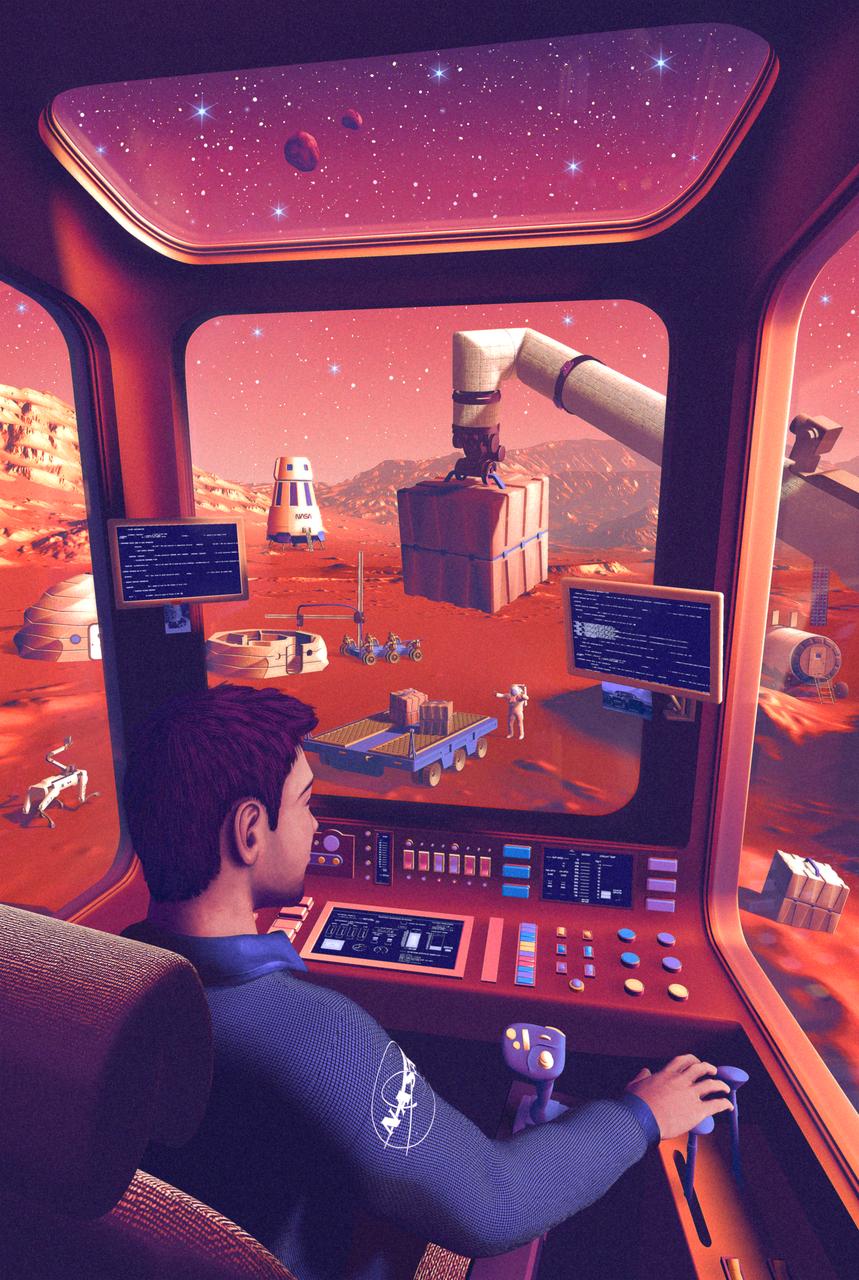
This illustration of Moon to Mars operations shows an astronaut piloting a robotic arm to manipulate cargo on Mars. NASA’s Moon to Mars Objectives establish an objectives-based approach to the agency's human deep space exploration efforts; NASA’s Moon to Mars Architecture approach distills the objectives into operational capabilities and elements.
Moon to Mars Operations
Mapping the Moon, Point by Point
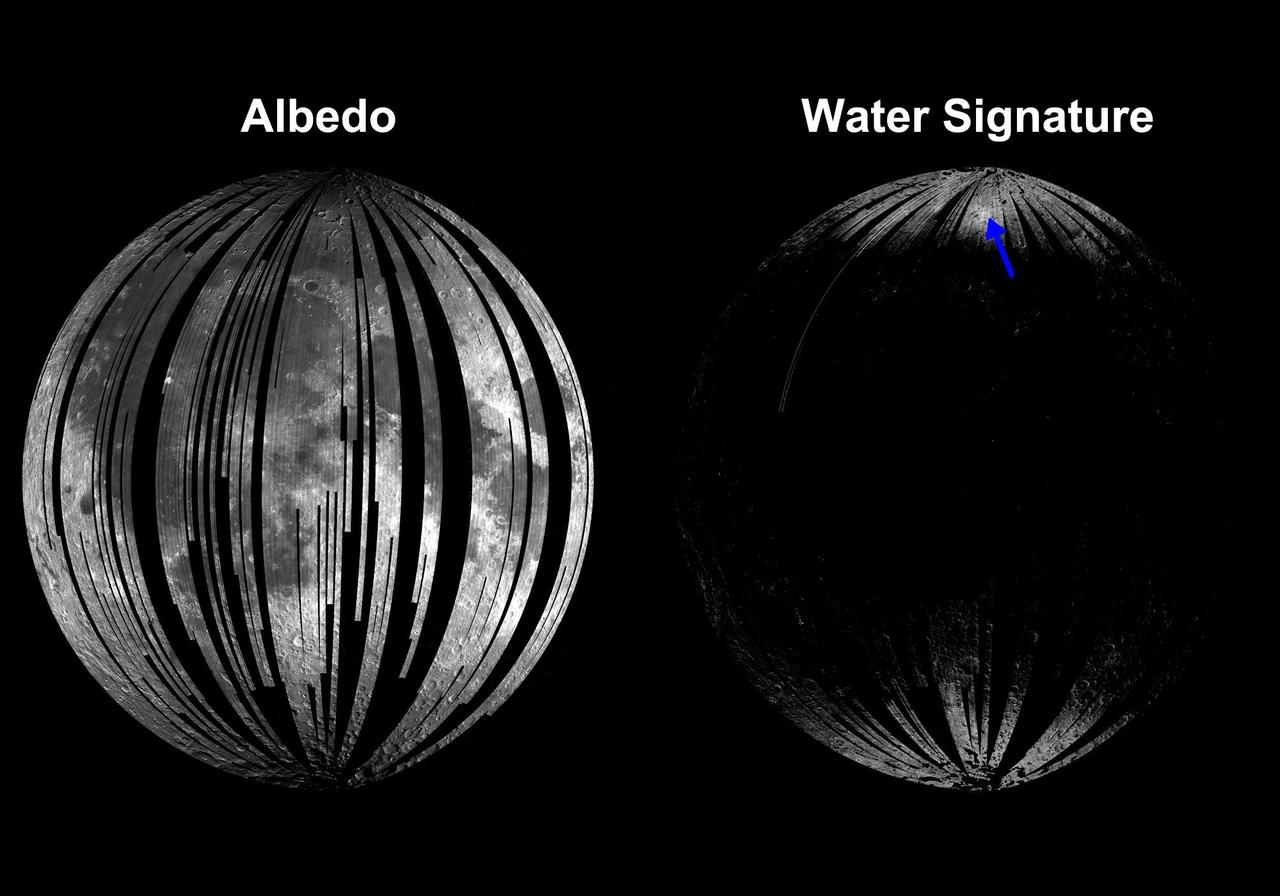
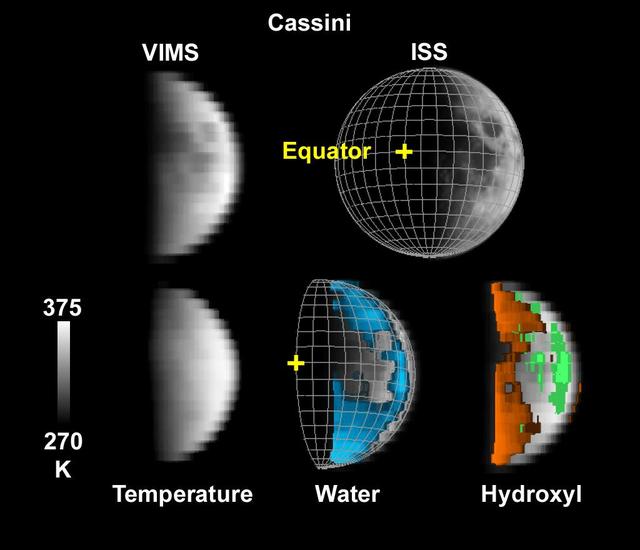
Cassini Look at Water on the Moon
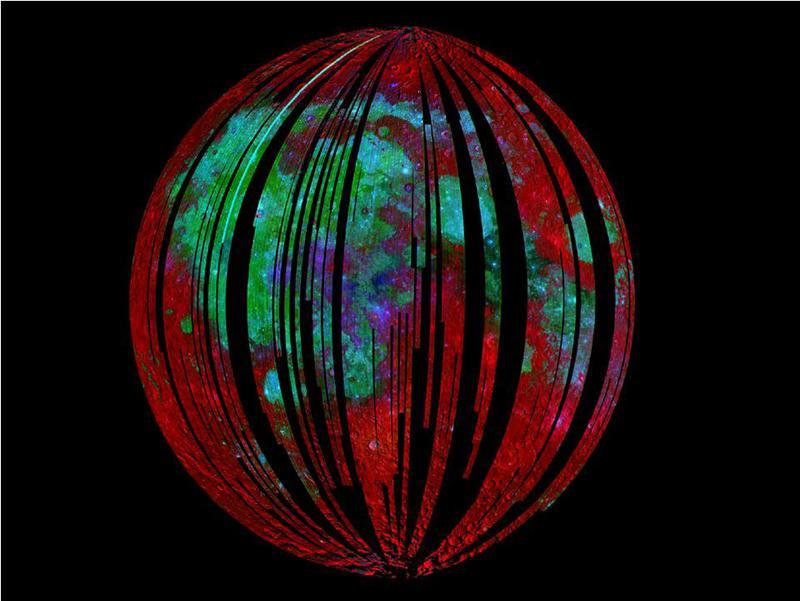
Mineral Mapping the Moon
That No Moon...
That No Moon...
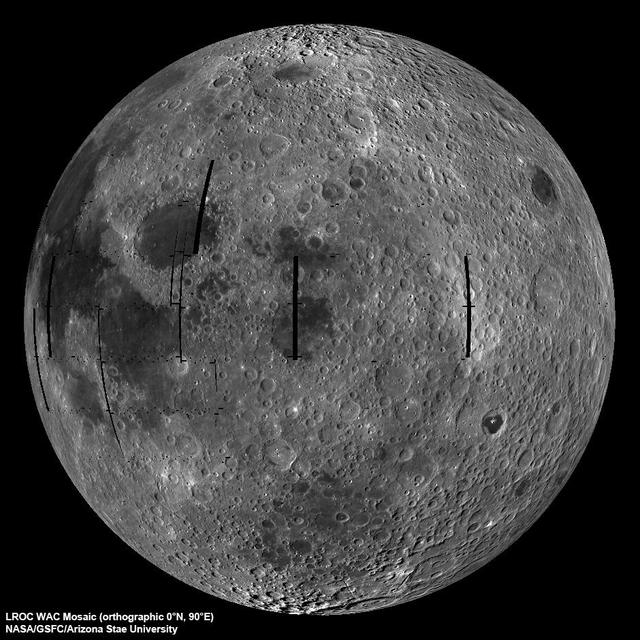
Moon seen from the East
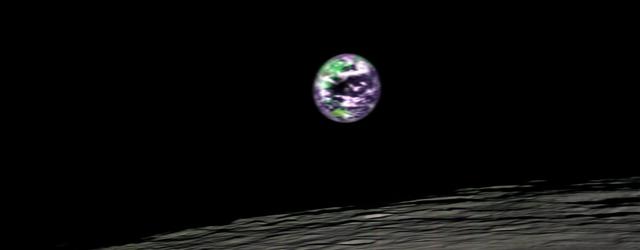
The Earth from the Moon
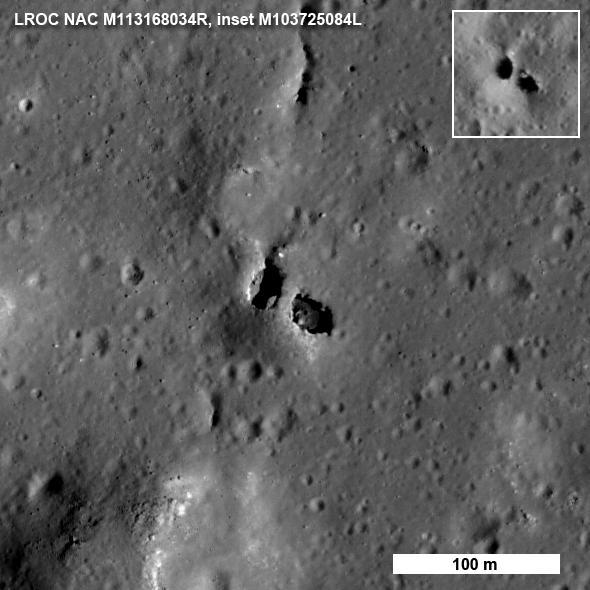
Natural Bridge on the Moon
Highest Point on the Moon
Challenger Astronauts Memorialized on the Moon
The Moon Largest Impact Basin
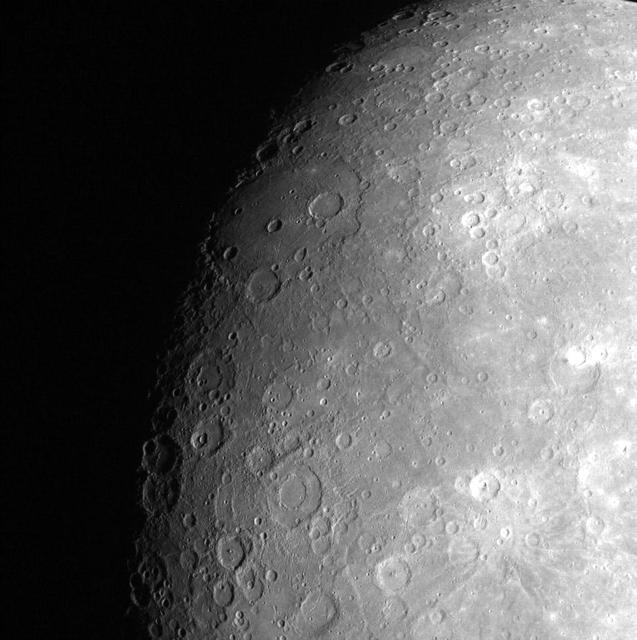
The Moon as seen by MESSENGER
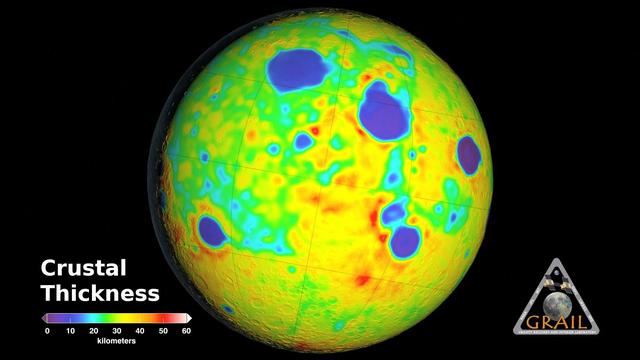
Map of Moon Crust
Map of Moon Crust
Moon North Pole
Moon North Pole
GRAIL Gravity Tour of the Moon
Moon - North Polar Mosaic, Color  http://photojournal.jpl.nasa.gov/catalog/PIA00404
Moon - North Polar Mosaic, Color
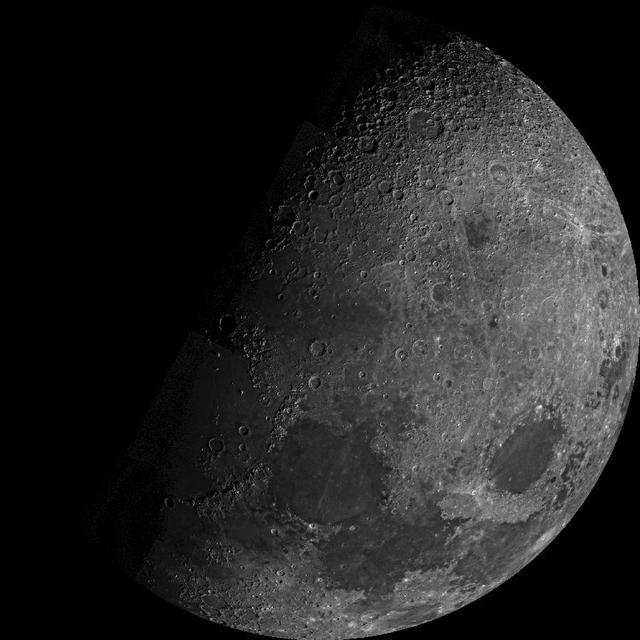
This view of the north polar region of the Moon was obtained by NASA's Galileo camera during the spacecraft flyby of the Earth-Moon system on December 7 and 8, 1992.  http://photojournal.jpl.nasa.gov/catalog/PIA00126
Moon - North Pole
These four images of the Moon are from data acquired by NASA Galileo spacecraft Near-Earth Mapping Spectrometer during Galileo December 1992 Earth/Moon flyby.  http://photojournal.jpl.nasa.gov/catalog/PIA00231
Moon As Seen By NIMS
This false-color mosaic of part of the Moon was constructed from 54 images taken by the imaging system aboard NASA's Galileo as the spacecraft flew past the Moon on December 7, 1992.  http://photojournal.jpl.nasa.gov/catalog/PIA00129
Moon - False Color Mosaic
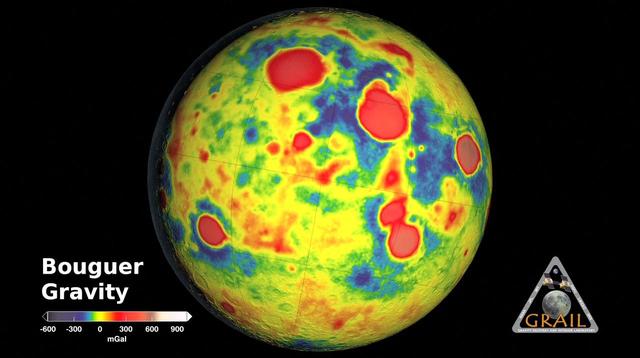
GRAIL Bouguer Gravity Moon Map
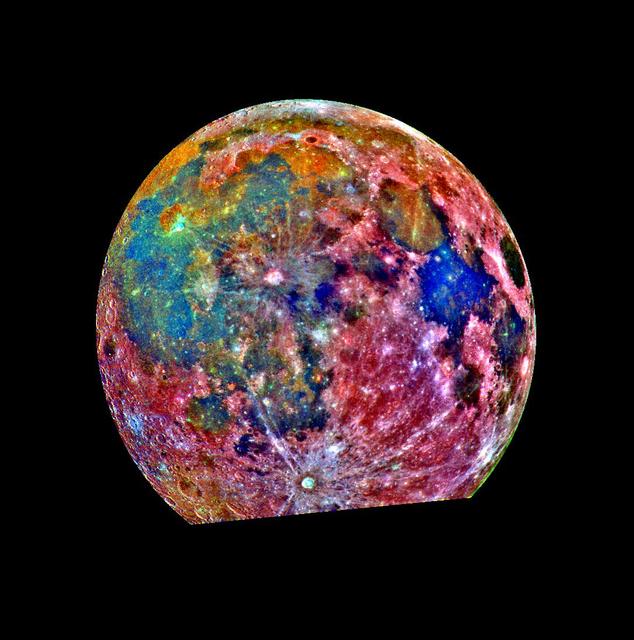
This false-color photograph is a composite of 15 images of the Moon taken through three color filters NASA's Galileo solid-state imaging system during the spacecraft passage through the Earth-Moon system on December 8, 1992.  http://photojournal.jpl.nasa.gov/catalog/PIA00132
Moon - False Color Mosaic
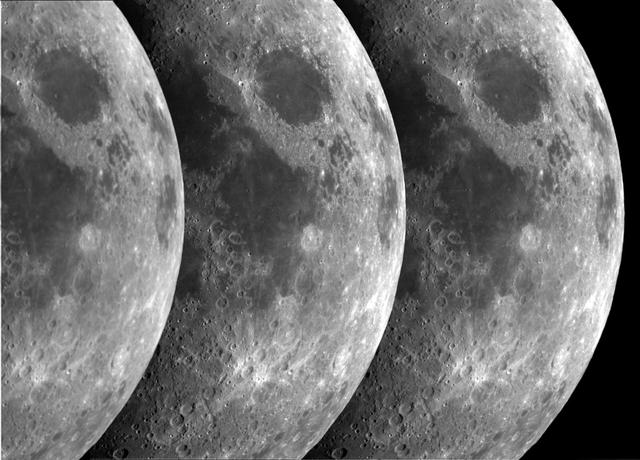
This composite image was made from NASA Cassini which captured a significant portion of the Moon during a Moon flyby imaging sequence.All three images have been scaled so that the brightness of Crisium basin, the dark circular region in the upper right,
Triptych of the Moon
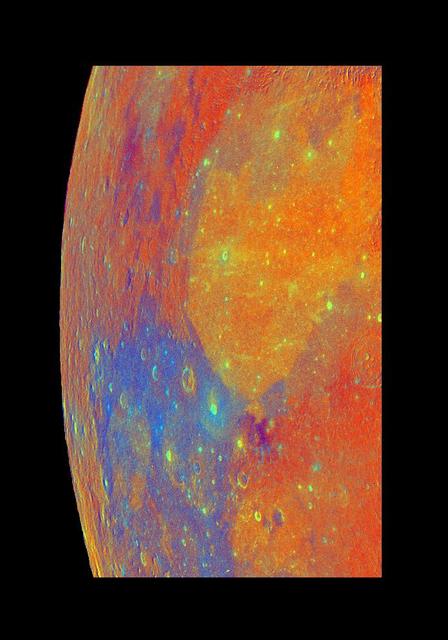
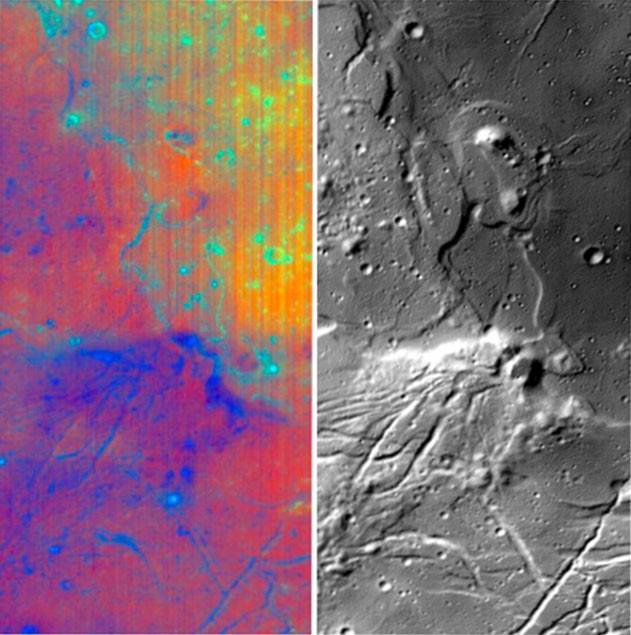
Different wavelengths of light provide new information about the Orientale Basin region of the moon in a composite image taken by NASA Moon Mineralogy Mapper, a guest instrument aboard the Indian Space Research Organization Chandrayaan-1 spacecraft.
NASA Moon Mineralogy Mapper
NASA Moon Minerology Mapper, a guest instrument onboard the Indian Space Research Organization Chandrayaan-1 mission to the moon, looks homeward. Australia is visible in the lower center of the image.
Moon Mapper Looks Homeward
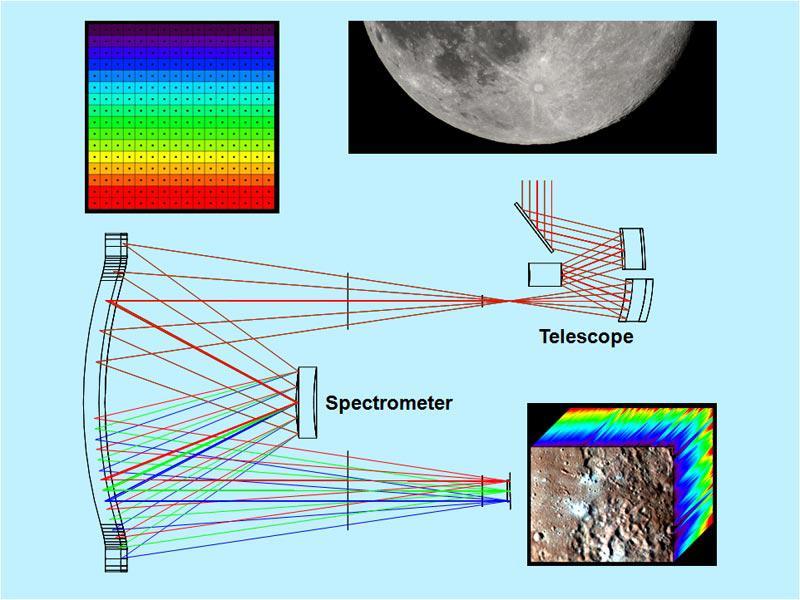
Dispersing Light through the Moon Mineralogy Mapper
The full moon is seen as it rises near the Lincoln Memorial, Saturday, March 19, 2011, in Washington. The full moon tonight is called a "Super Perigee Moon" since it is at it's closest to Earth in 2011. The last full moon so big and close to Earth occurred in March of 1993.
Perigee Moon
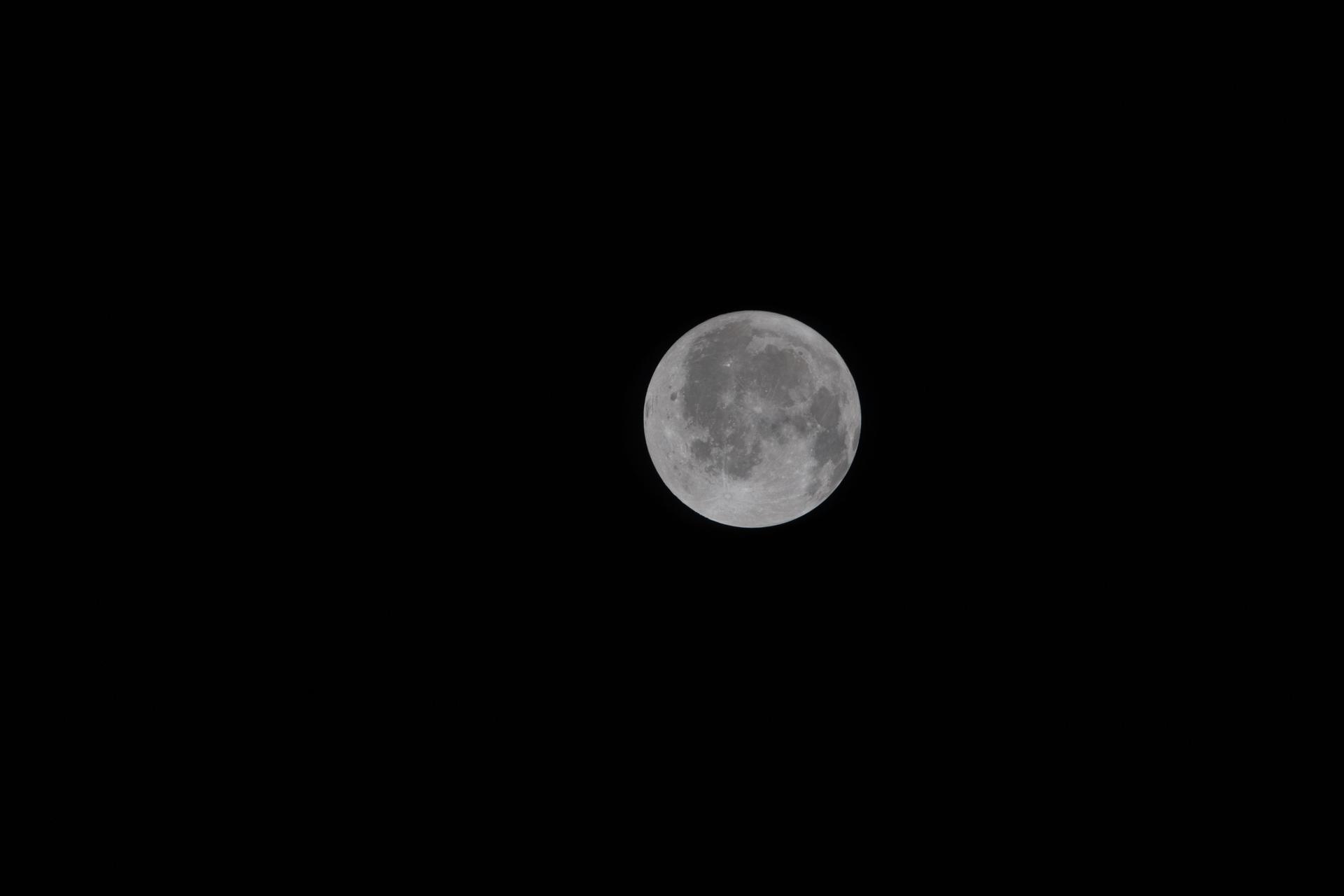
This composite image of the moon using Clementine data from 1994 is the view we are most likely to see when the moon is full.   Credit: NASA  To learn about NASA's LRO project go to: <a href="http://www.nasa.gov/mission_pages/LRO/main/index.html" rel="nofollow">www.nasa.gov/mission_pages/LRO/main/index.html</a>  <b><a href="http://www.nasa.gov/centers/goddard/home/index.html" rel="nofollow">NASA Goddard Space Flight Center</a></b>  contributes to NASA’s mission through four scientific endeavors: Earth Science, Heliophysics, Solar System Exploration, and Astrophysics. Goddard plays a leading role in NASA’s endeavors by providing compelling scientific knowledge to advance the Agency’s mission.  <b>Follow us on <a href="http://twitter.com/NASA_GoddardPix" rel="nofollow">Twitter</a></b>  <b>Join us on <a href="http://www.facebook.com/pages/Greenbelt-MD/NASA-Goddard/395013845897?ref=tsd" rel="nofollow">Facebook</a></b>
The Moon
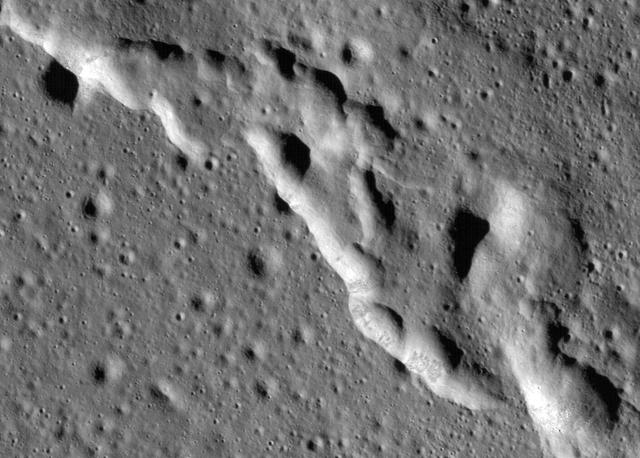
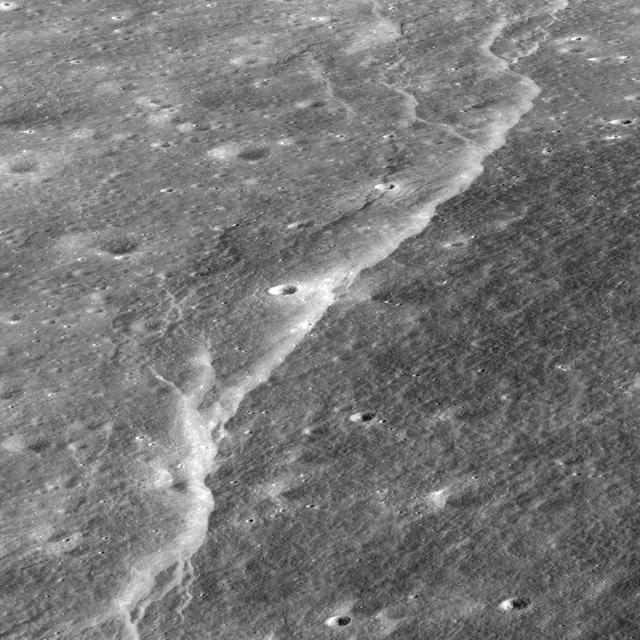
Scientists have discovered these wrinkle ridges in a region of the Moon called Mare Frigoris. These ridges add to evidence that the Moon has an actively changing surface. This image was taken by NASA's Lunar Reconnaissance Orbiter (LRO).  https://photojournal.jpl.nasa.gov/catalog/PIA23210
Wrinkle Ridges on the Moon
Slipher Crater: Fractured Moon in 3-D
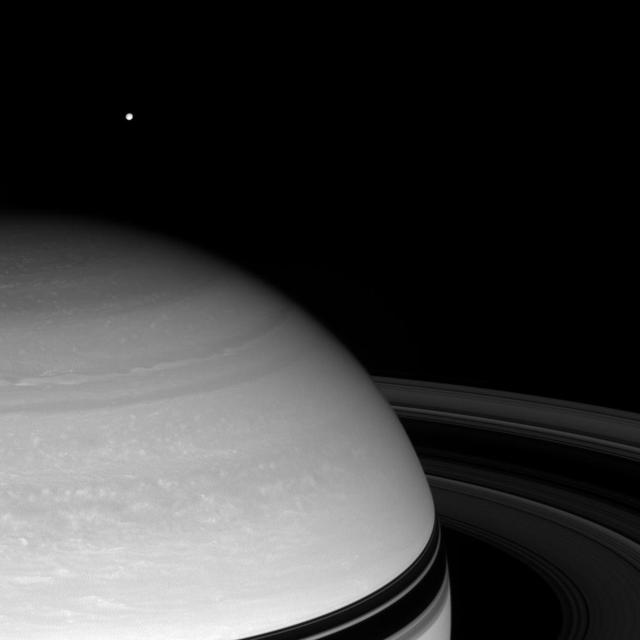
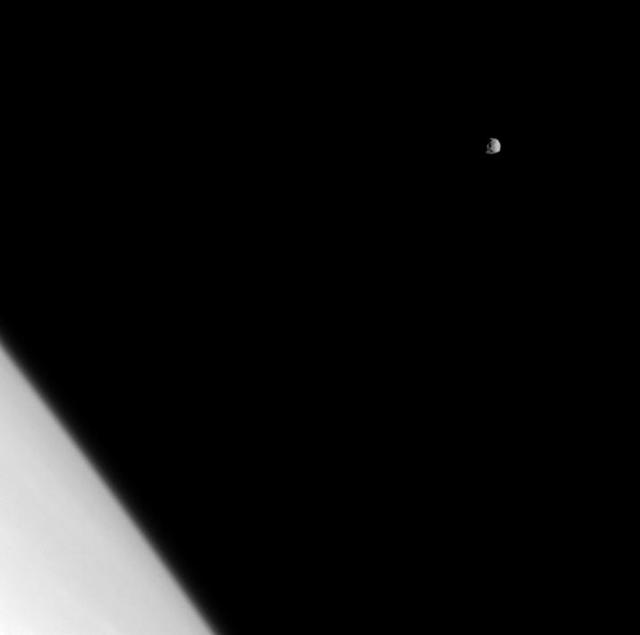
Distant Moon
Distant Moon
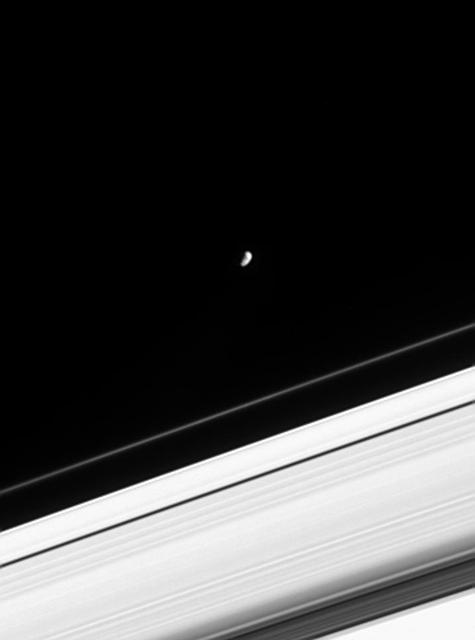
Mini Moon
Mini Moon
January Moon
January Moon
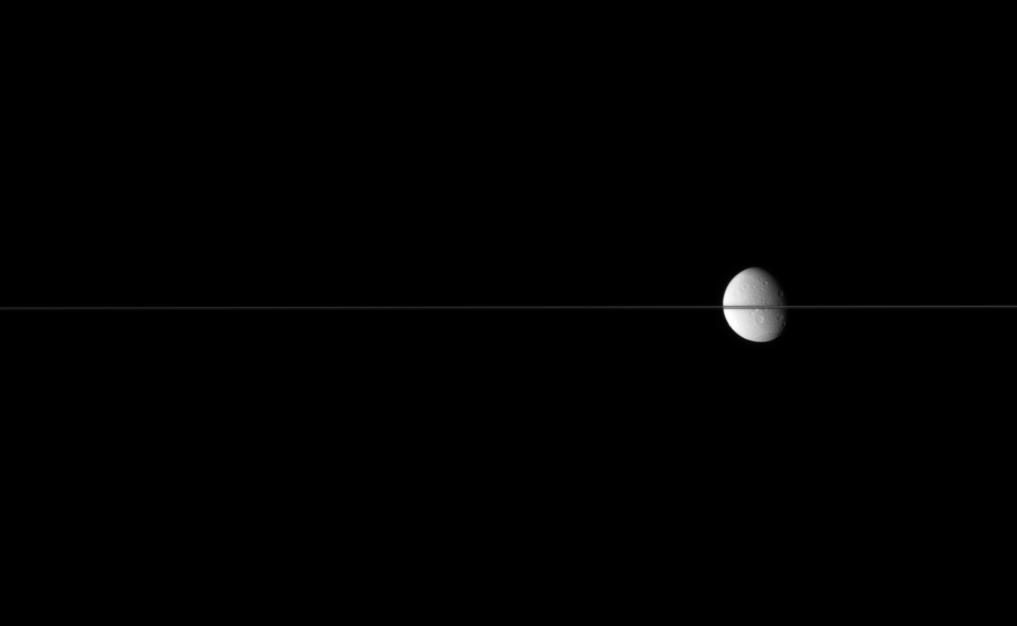
Skewered Moon
Skewered Moon
Petite Moon
Petite Moon
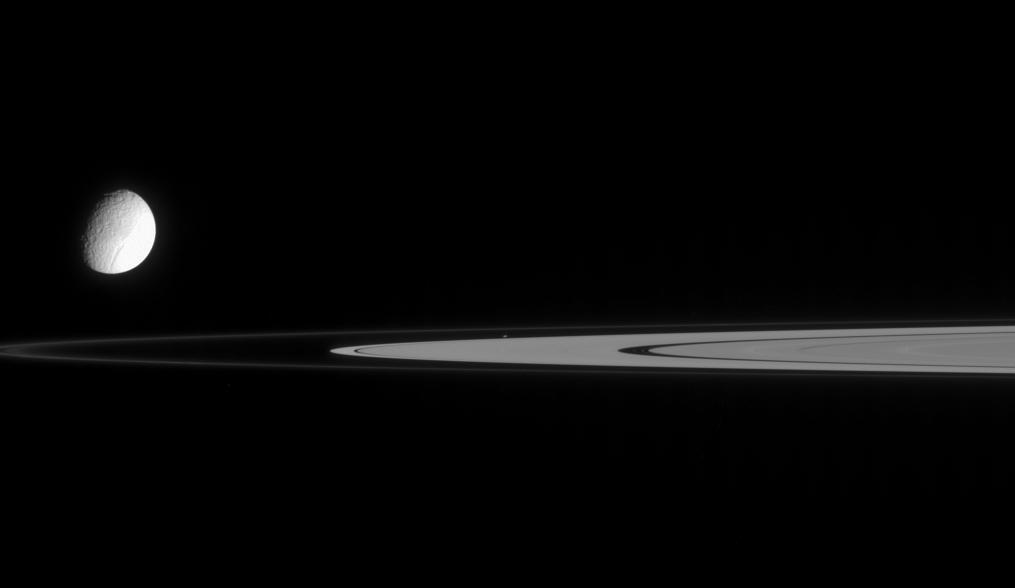
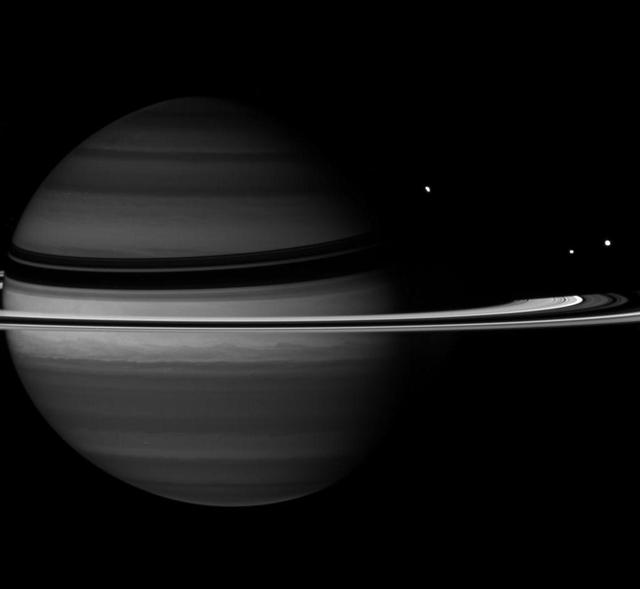
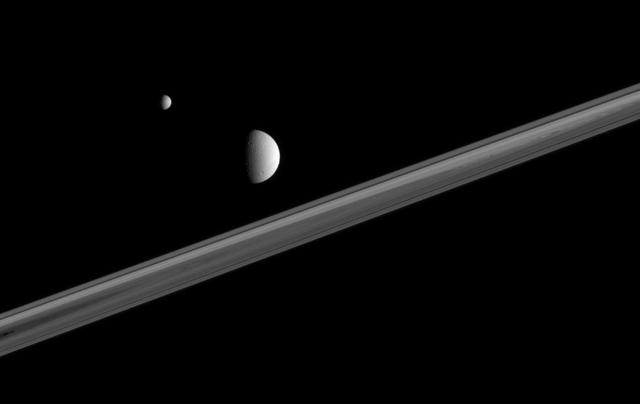
Moons of Interest
Moons of Interest
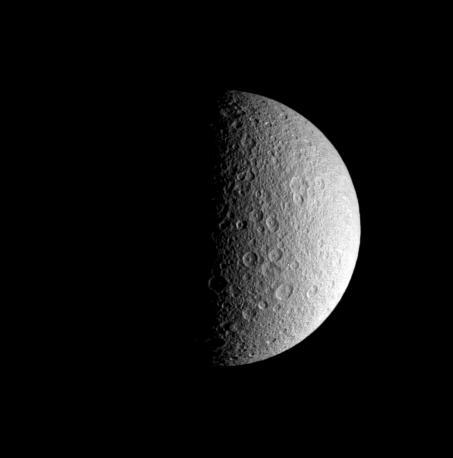
Busy Moon
Busy Moon
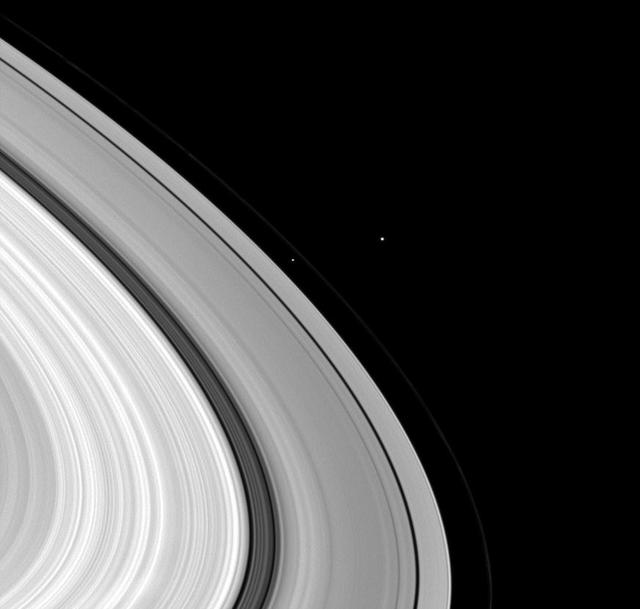
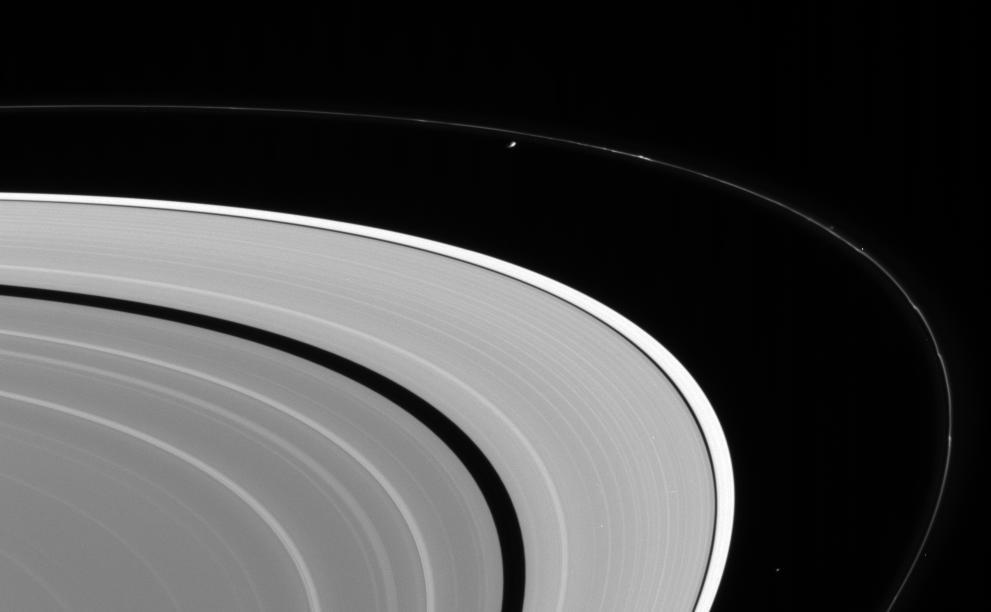
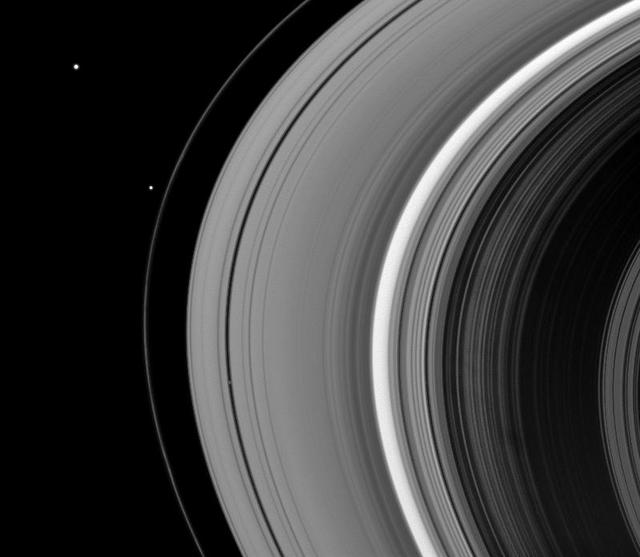
Shepherd Moons
Shepherd Moons
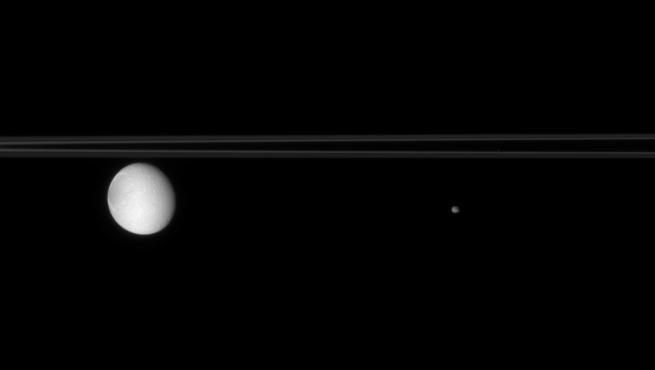
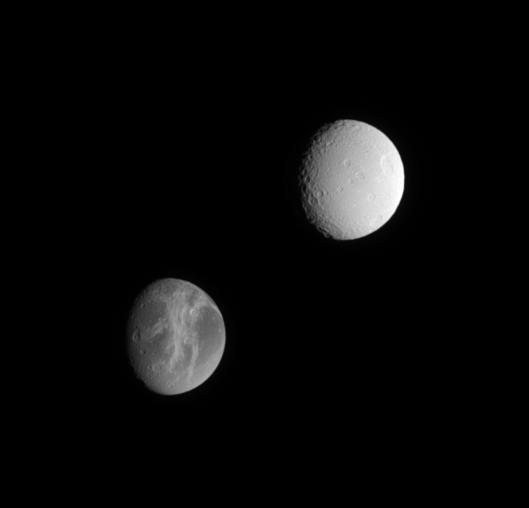
Brotherly Moons
Brotherly Moons
Fingerprints of the Moons
Moons that Share
Moons that Share
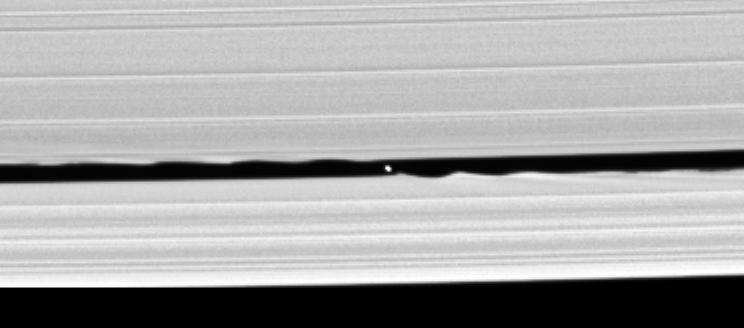
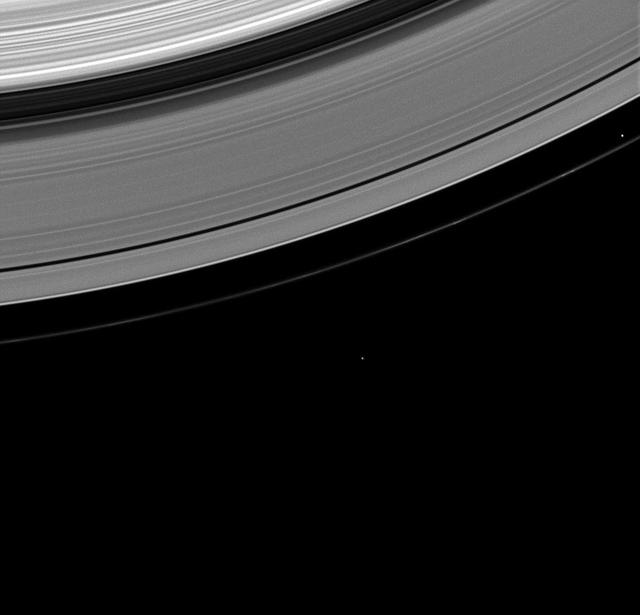
Speck of a Moon
Speck of a Moon
Moons and Gaps
Moons and Gaps
Outsider Moon
Outsider Moon
A Halo of Moons
A Halo of Moons
Banded Moon
Banded Moon
Field of Moons
Field of Moons
The Moons are the Stars
Smog Moon
Smog Moon
Moon Influence
Moon Influence
Oddball Moon
Oddball Moon
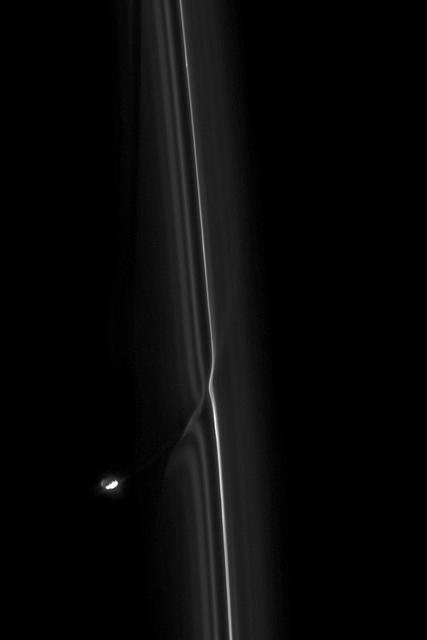
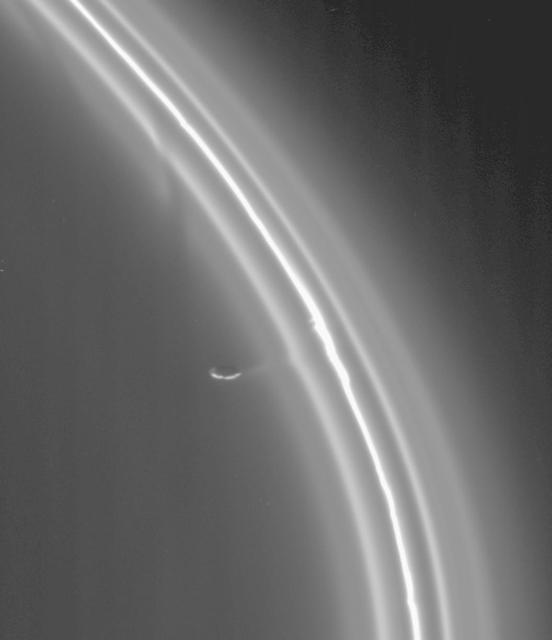
Wavemaker Moon
Wavemaker Moon
Moons in Perspective
Belittled Moon
Belittled Moon
String of Moons?
String of Moons?
Cluster of Moons
Cluster of Moons
Sister Moons
Sister Moons
Obscure Moon
Obscure Moon
Disturbing Moons
Disturbing Moons
Aligned Moons
Aligned Moons
Little Moons
Little Moons
Confining Moons
Confining Moons
Flock of Moons
Flock of Moons
Rings and Moons
Rings and Moons
Moons by the Bunch
Moons by the Bunch
Switcharoo Moons
Switcharoo Moons
Clumpy Moons
Clumpy Moons
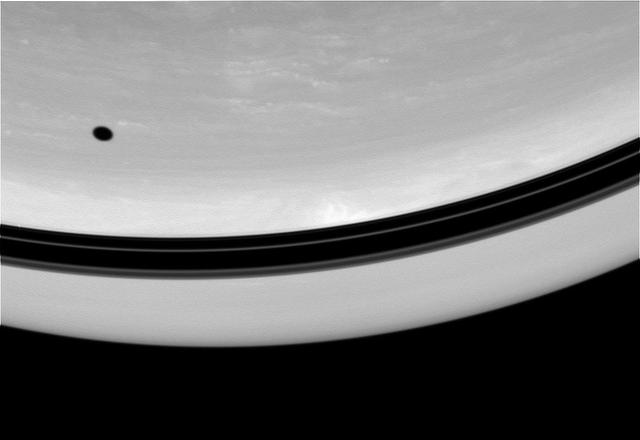
Moon Spot
Moon Spot
Battered Moon
Battered Moon
Rubble Moon?
Rubble Moon?
Encke Moon
Encke Moon
Parade of Moons
Parade of Moons
Moons in Transit
Moons in Transit
Moons in a Row
Moons in a Row
Virgil Moon
Virgil Moon
Moons on the Move
Moons on the Move
White Moon
White Moon
It Full of Moons!
It Full of Moons!
In the Moon Wake
In the Moon Wake
Season of Moons
Season of Moons
The In-Between Moons
Gathering of Moons
Gathering of Moons
Moon Harvest
Moon Harvest
Banded Moon
Banded Moon
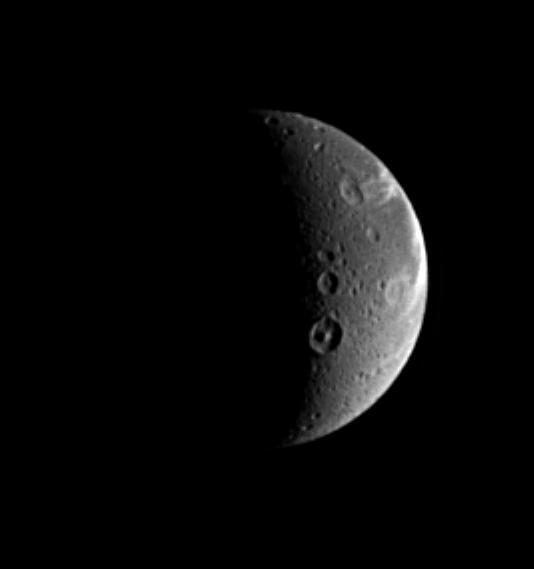
Half-Moon
Half-Moon
Lighthouse Moon
Lighthouse Moon
Storms and Moons
Storms and Moons
Emergent Moons
Emergent Moons
Dramatic Moon
Dramatic Moon
Thieving Moon
Thieving Moon
New Moon
New Moon
Bothersome Moon
Bothersome Moon
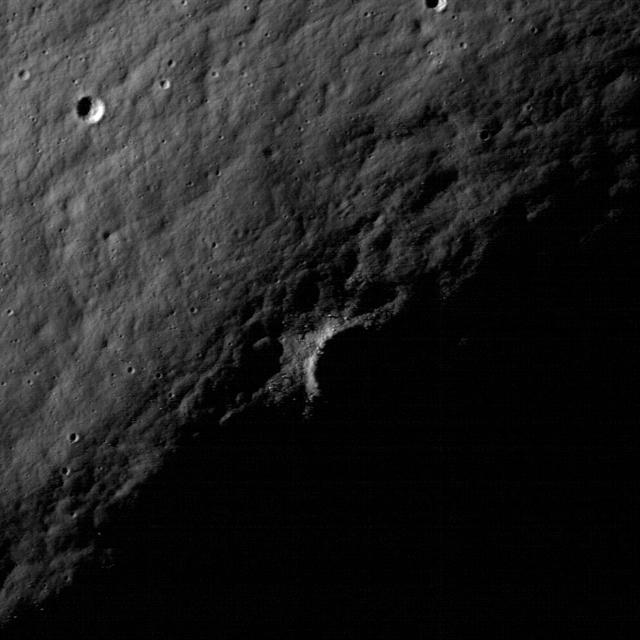
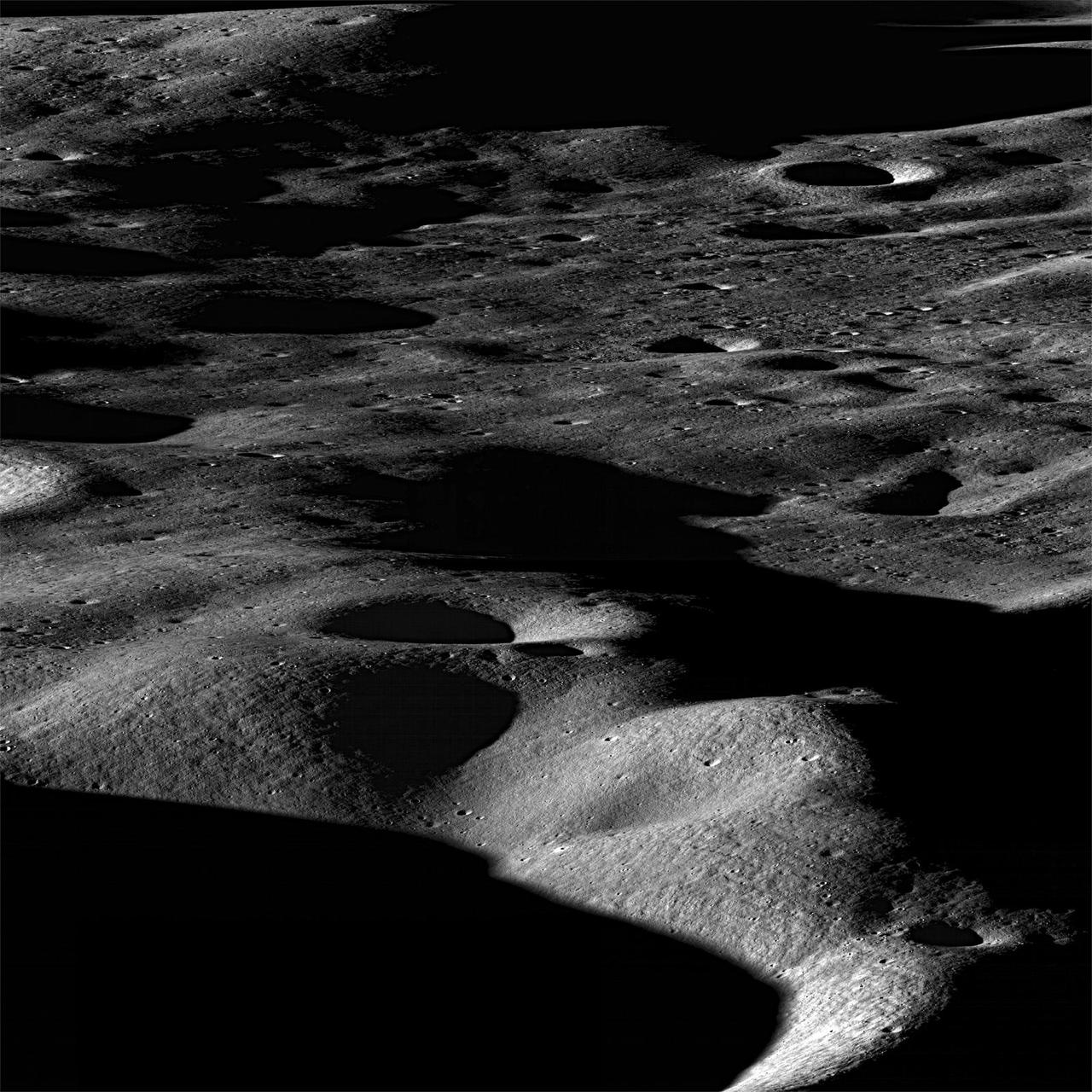
Most mountains on the Earth are formed as plates collide and the crust buckles. Not so for the Moon, where mountains are formed as a result of impacts as seen by NASA Lunar Reconnaissance Orbiter.
Mountains of the Moon
NASA Galileo spacecraft took this image of Earth moon on December 7, 1992 on its way to explore the Jupiter system in 1995-97. The distinct bright ray crater at the bottom of the image is the Tycho impact basin.  http://photojournal.jpl.nasa.gov/catalog/PIA00405
Earth Moon
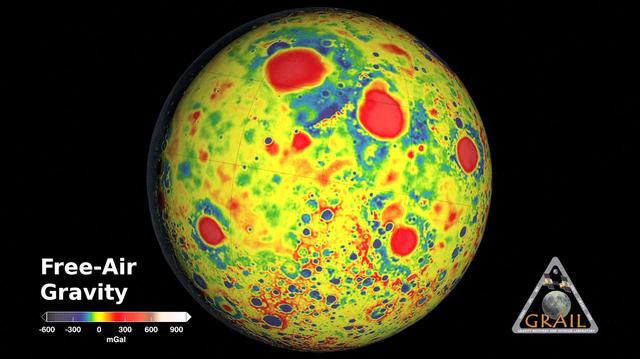
This map shows the gravity field of the moon as measured by NASA GRAIL mission. The viewing perspective, known as a Mercator projection, shows the far side of the moon in the center and the nearside as viewed from Earth at either side.
GRAIL Gravity Field of the Moon
New Moon. By the modern definition, New Moon occurs when the Moon and Sun are at the same geocentric ecliptic longitude. The part of the Moon facing us is completely in shadow then. Pictured here is the traditional New Moon, the earliest visible waxing crescent, which signals the start of a new month in many lunar and lunisolar calendars.  NASA's Lunar Reconnaissance Orbiter (LRO) has been in orbit around the Moon since the summer of 2009. Its laser altimeter (LOLA) and camera (LROC) are recording the rugged, airless lunar terrain in exceptional detail, making it possible to visualize the Moon with unprecedented fidelity. This is especially evident in the long shadows cast near the terminator, or day-night line. The pummeled, craggy landscape thrown into high relief at the terminator would be impossible to recreate in the computer without global terrain maps like those from LRO.  To download, learn more about this visualization, or to see what the Moon will look like at any hour in 2015, visit <a href="http://svs.gsfc.nasa.gov/goto?4236" rel="nofollow">svs.gsfc.nasa.gov/goto?4236</a>  <b><a href="http://www.nasa.gov/audience/formedia/features/MP_Photo_Guidelines.html" rel="nofollow">NASA image use policy.</a></b>  <b><a href="http://www.nasa.gov/centers/goddard/home/index.html" rel="nofollow">NASA Goddard Space Flight Center</a></b> enables NASA’s mission through four scientific endeavors: Earth Science, Heliophysics, Solar System Exploration, and Astrophysics. Goddard plays a leading role in NASA’s accomplishments by contributing compelling scientific knowledge to advance the Agency’s mission. <b>Follow us on <a href="http://twitter.com/NASAGoddardPix" rel="nofollow">Twitter</a></b> <b>Like us on <a href="http://www.facebook.com/pages/Greenbelt-MD/NASA-Goddard/395013845897?ref=tsd" rel="nofollow">Facebook</a></b> <b>Find us on <a href="http://instagram.com/nasagoddard?vm=grid" rel="nofollow">Instagram</a></b>
New Moon