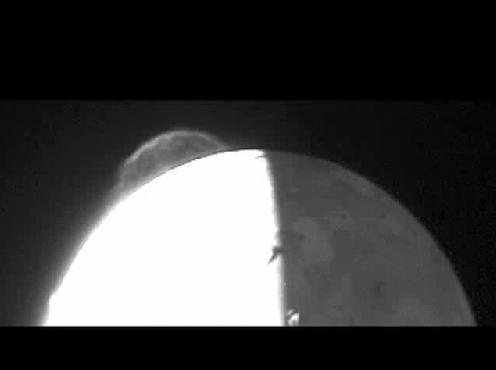
Tvashtar Movie
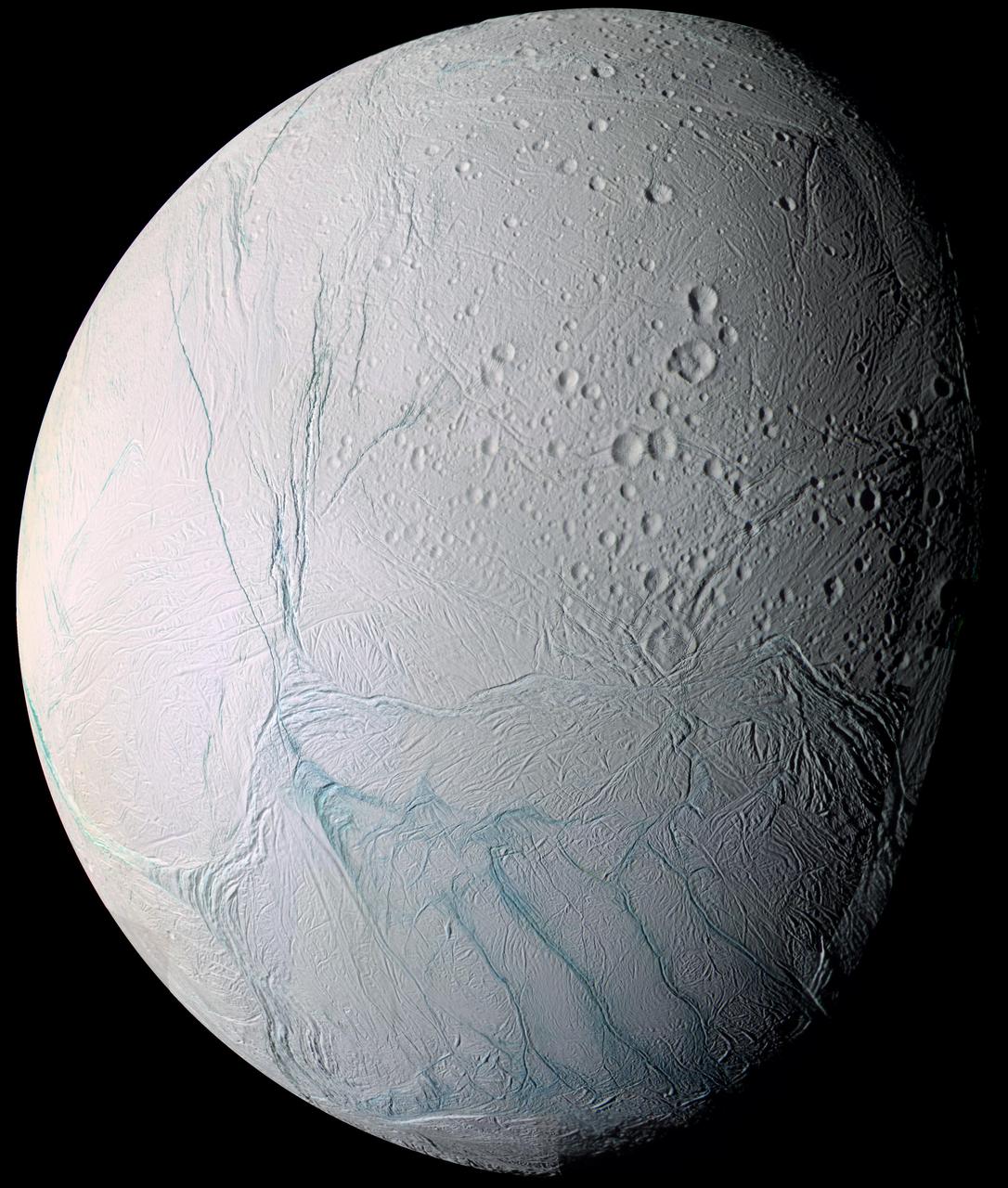
Zooming In On Enceladus Movie
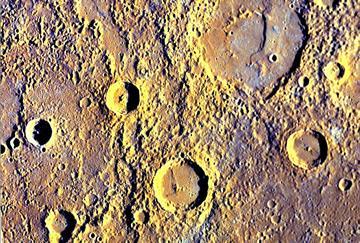
A Color Movie of Mercury Surface
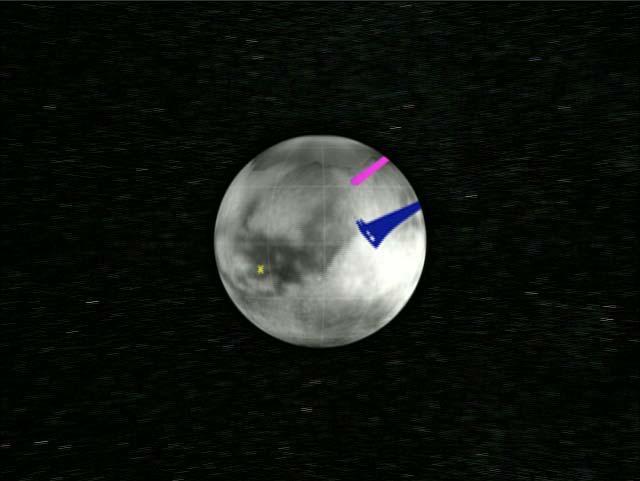
Cassini Radar Titan Movie

Jupiter Polar Winds Movie
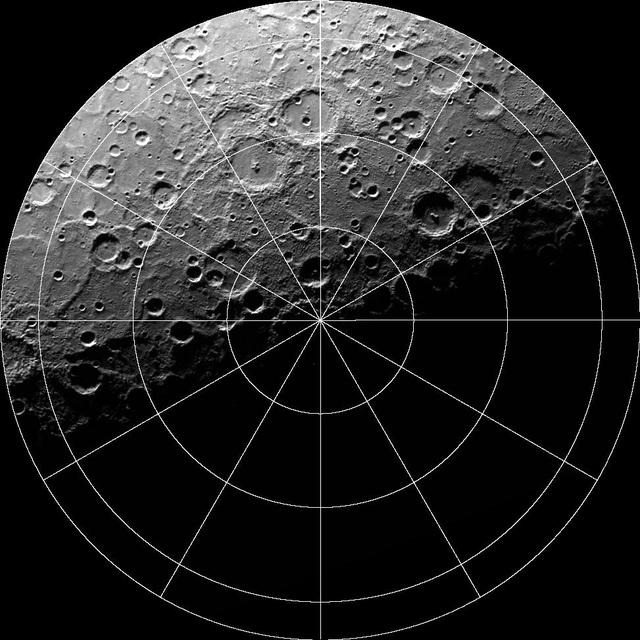
Movie of Mercury South Pole
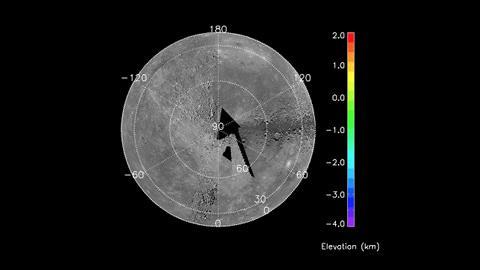
Movie of MLA Coverage to Date
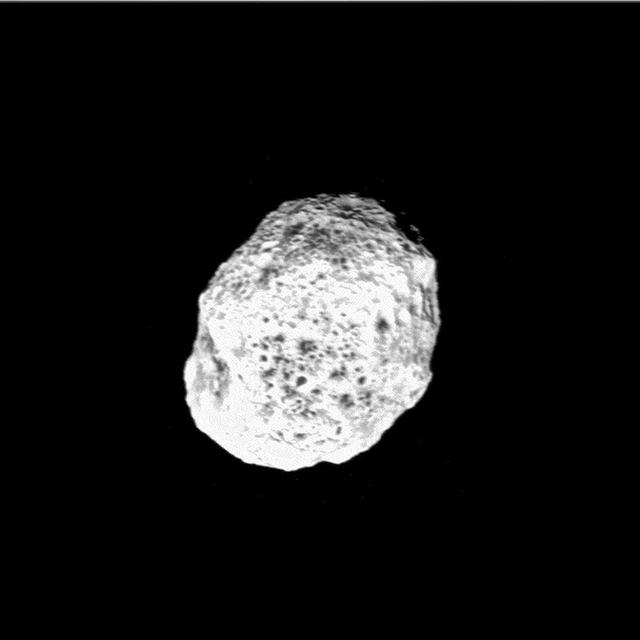
Encountering Hyperion Movie
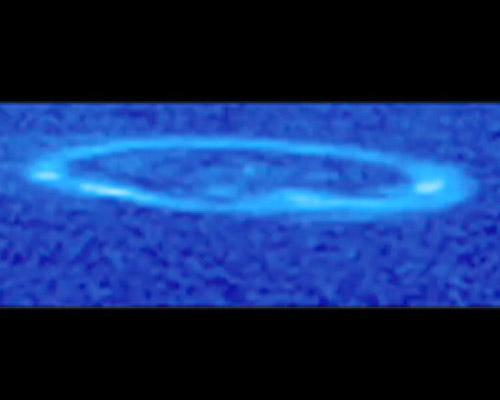
Ultraviolet Aurora Movie
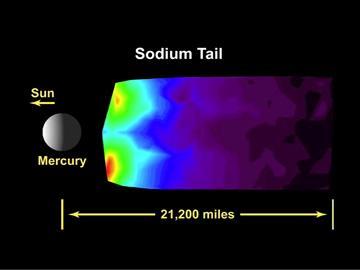
A Movie of MESSENGER Observations of Mercury Exosphere

Ultraviolet Movie of Jupiter Polar Stratosphere
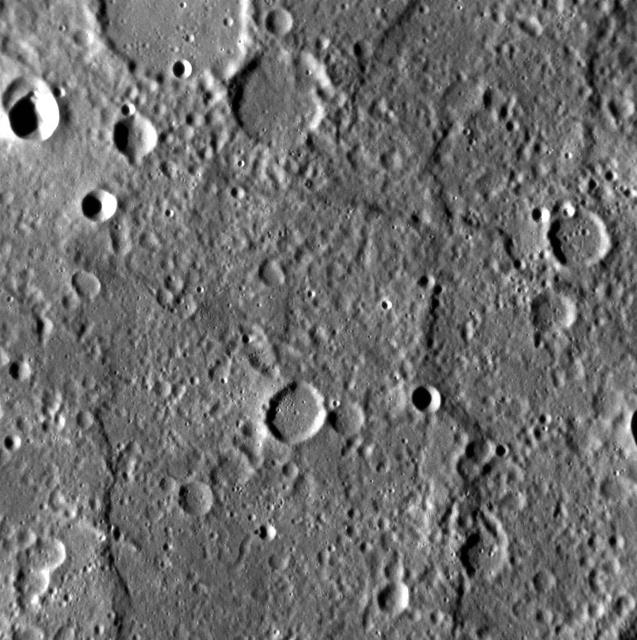
Ride Along with MESSENGER: Movie 1
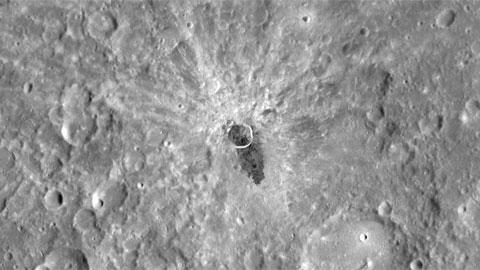
Movie of Global Imaging Coverage to Date
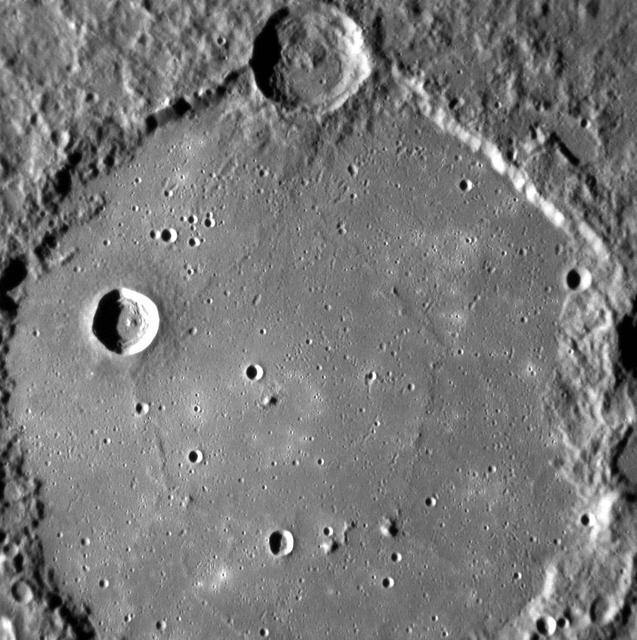
Ride Along with MESSENGER: Movie 2
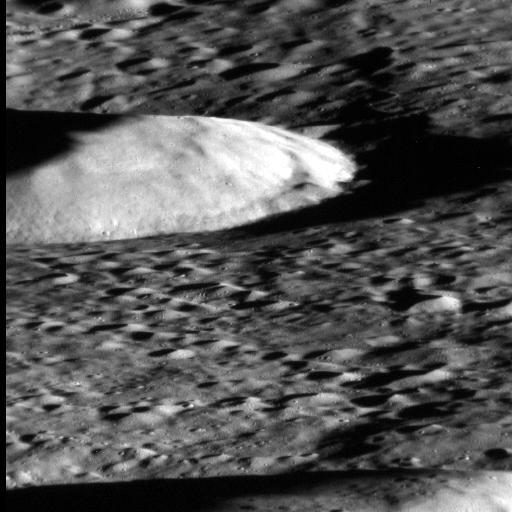
MESSENGER Flyover Movie. This frame from a movie consists of 214 images acquired by NASA MESSENGER Narrow Angle Camera NAC on June 8, 2014.

Rory Kennedy Movie Screening at Goddard Space Flight Center. Question and Answer session with employees.

Rory Kennedy Movie Screening at Goddard Space Flight Center. Question and Answer session with employees.

Rory Kennedy Movie Screening at Goddard Space Flight Center. Question and Answer session with employees.
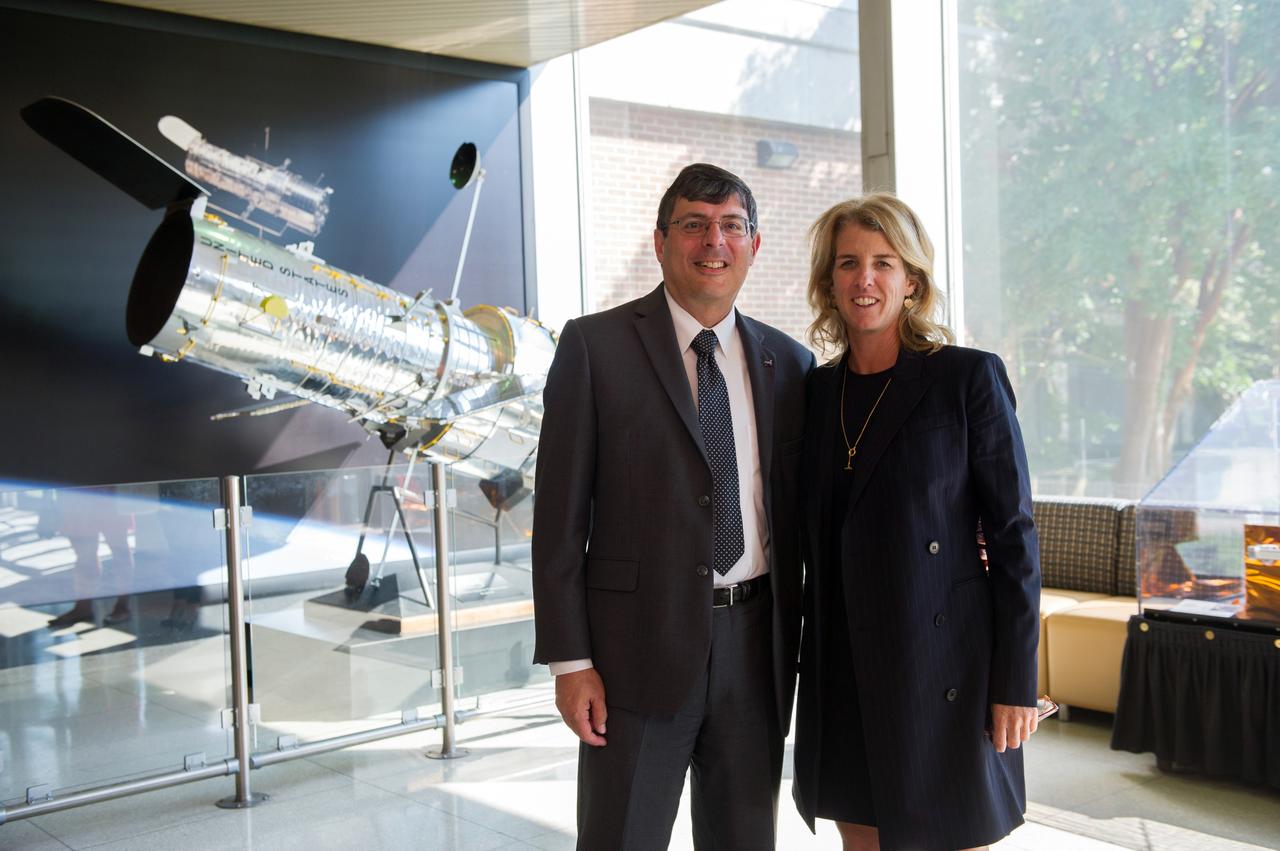
Rory Kennedy Movie Screening at Goddard Space Flight Center. Question and Answer session with employees.
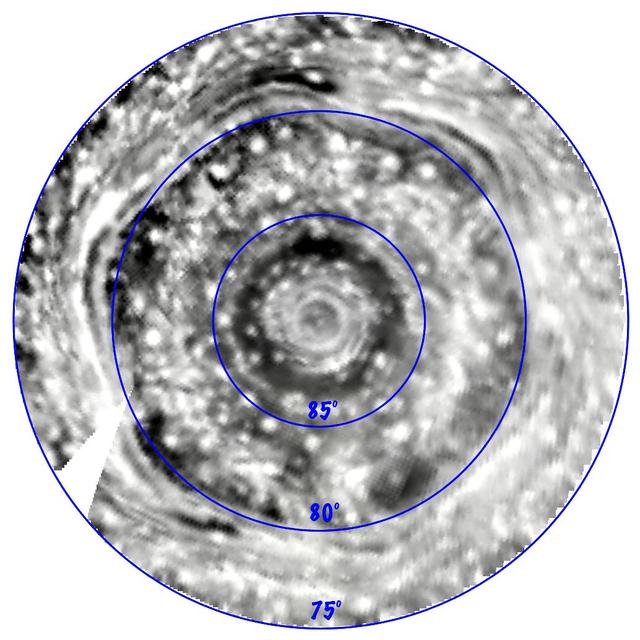
Infrared Movie of Saturn North Polar Region

Three-Frame Movie of Opportunity Rover at Victoria Crater
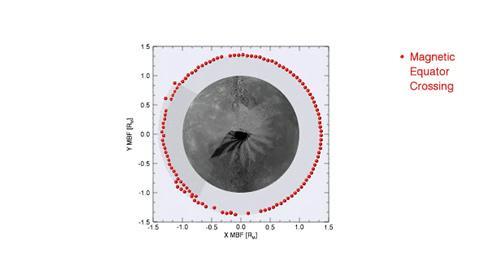
Movie of Mercury Magnetic Equator Versus Longitude
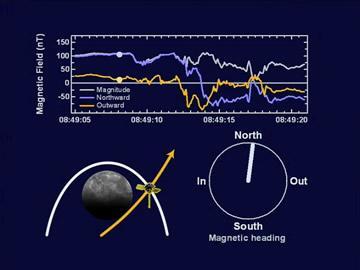
A Movie of Magnetometer Measurements from the Second Mercury Flyby
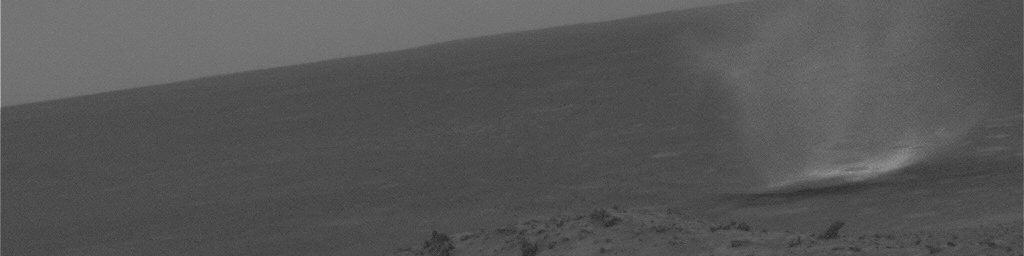
Gusev Dust Devil Movie, Sol 456 Enhanced

Spirit Movie of Phobos Eclipse, Sol 675
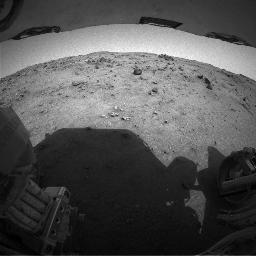
Spirit Ascent Movie, Rover-Eye View
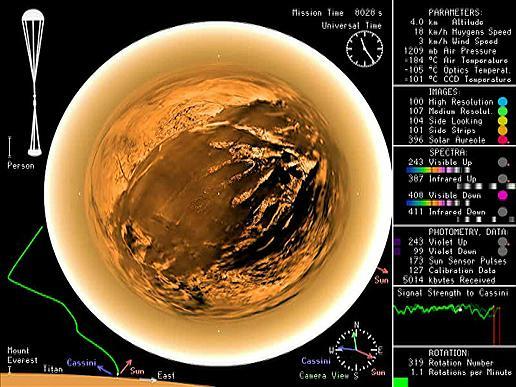
Titan Descent Data Movie with Bells and Whistles
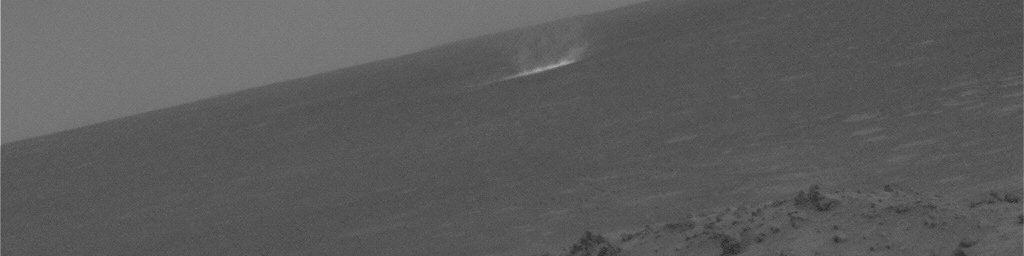
Gusev Dust Devil Movie, Sol 459 Enhanced
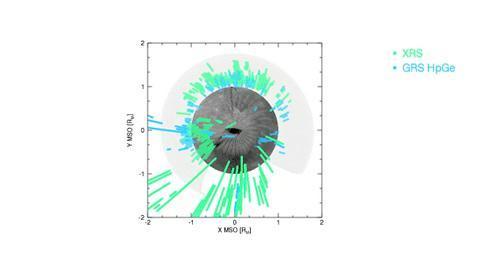
Movie of Mercury Magnetic Equator Versus Longitude
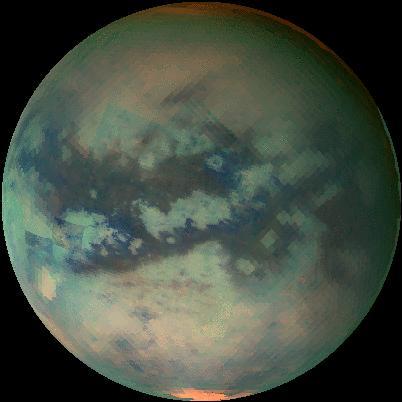
This movie of Titan shows data taken with Cassini visual and infrared mapping spectrometer during the last three flybys of Titan

This movie was generated using imagery collected on Oct. 29, 2018, during Juno's 16th perijove (the point at which an orbit comes closest to Jupiter's center). Citizen scientists Gerald Eichstädt created this movie using data from the spacecraft's JunoCam imager. Movie available at https://photojournal.jpl.nasa.gov/catalog/PIA22906. - Enhanced image by Gerald Eichstädt (CC-BY) based on images provided courtesy of NASA/JPL-Caltech/SwRI/MSSS/SPICE
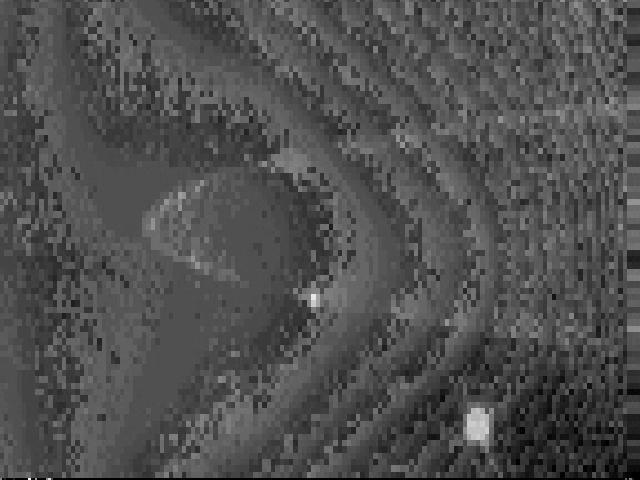
This brief movie clip (of which the release image is a still frame), taken by NASA's Cassini spacecraft as it approached Jupiter, shows the motions, over a 16 hour-period, of two satellites embedded in Jupiter's ring. The moon Adrastea is the fainter of the two, and Metis the brighter. Images such as these will be used to refine the orbits of the two bodies. The movie was made from images taken during a 40-hour sequence of the Jovian ring on December 11, 2000. http://photojournal.jpl.nasa.gov/catalog/PIA02872
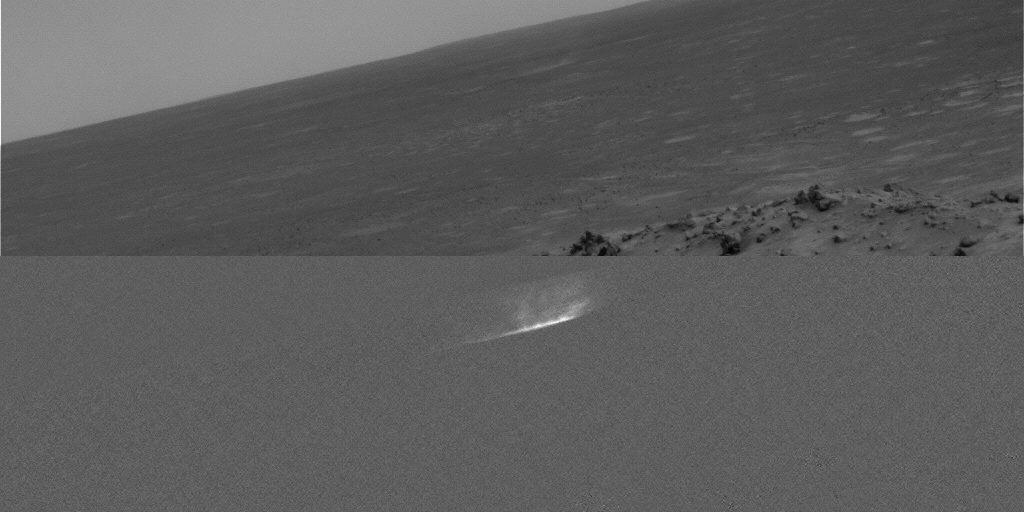
Gusev Dust Devil Movie, Sol 459 Plain and Isolated
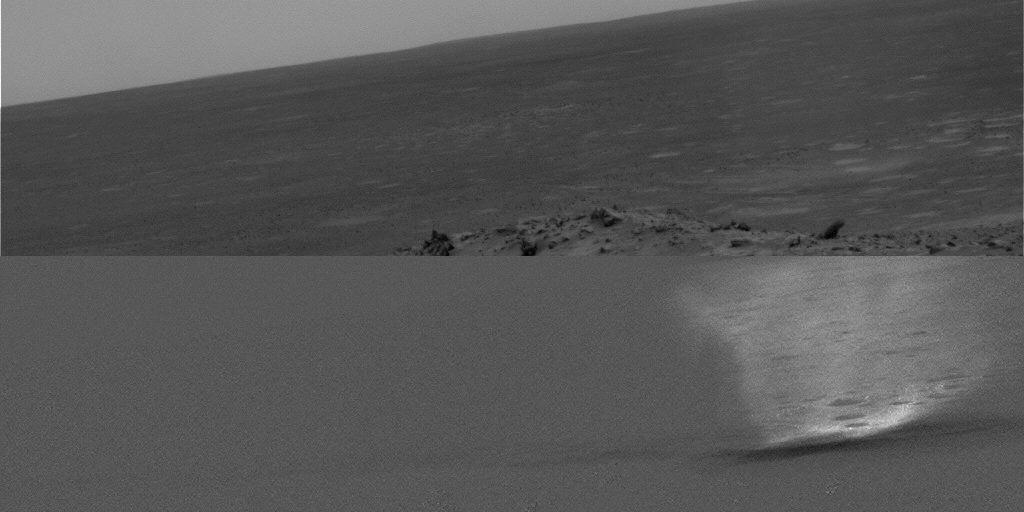
Gusev Dust Devil Movie, Sol 456 Plain and Isolated
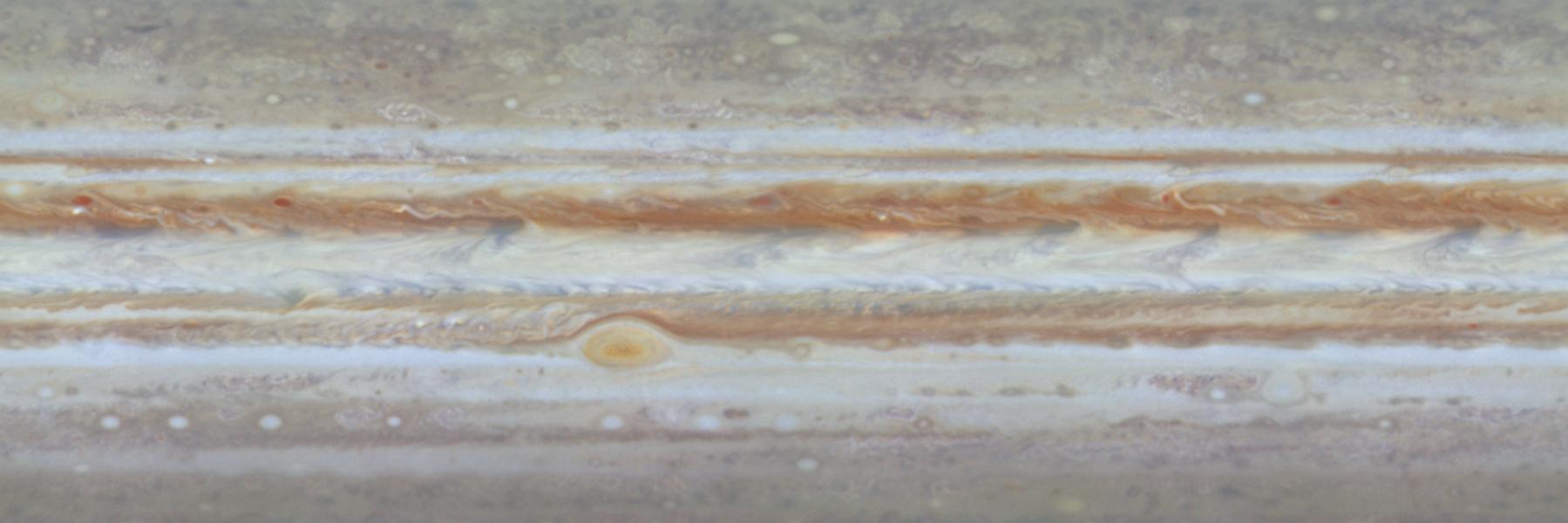
This single frame from a color movie of Jupiter from NASA Cassini spacecraft shows what it would look like to unpeel the entire globe of Jupiter, stretch it out on a wall into the form of a rectangular map.
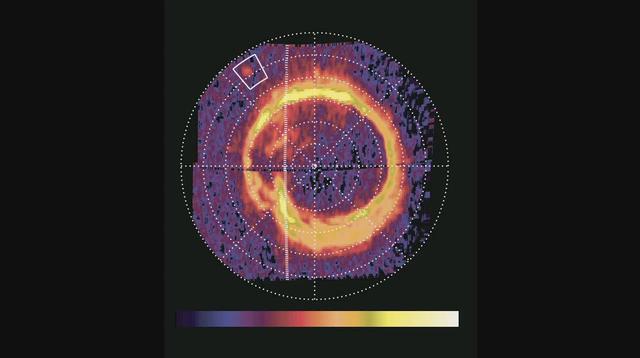
NASA Cassini spacecraft has spotted a glowing patch of ultraviolet light near Saturn north pole that marks the presence of an electrical circuit that connects Saturn with its moon Enceladus. Movie available at the Photojournal.
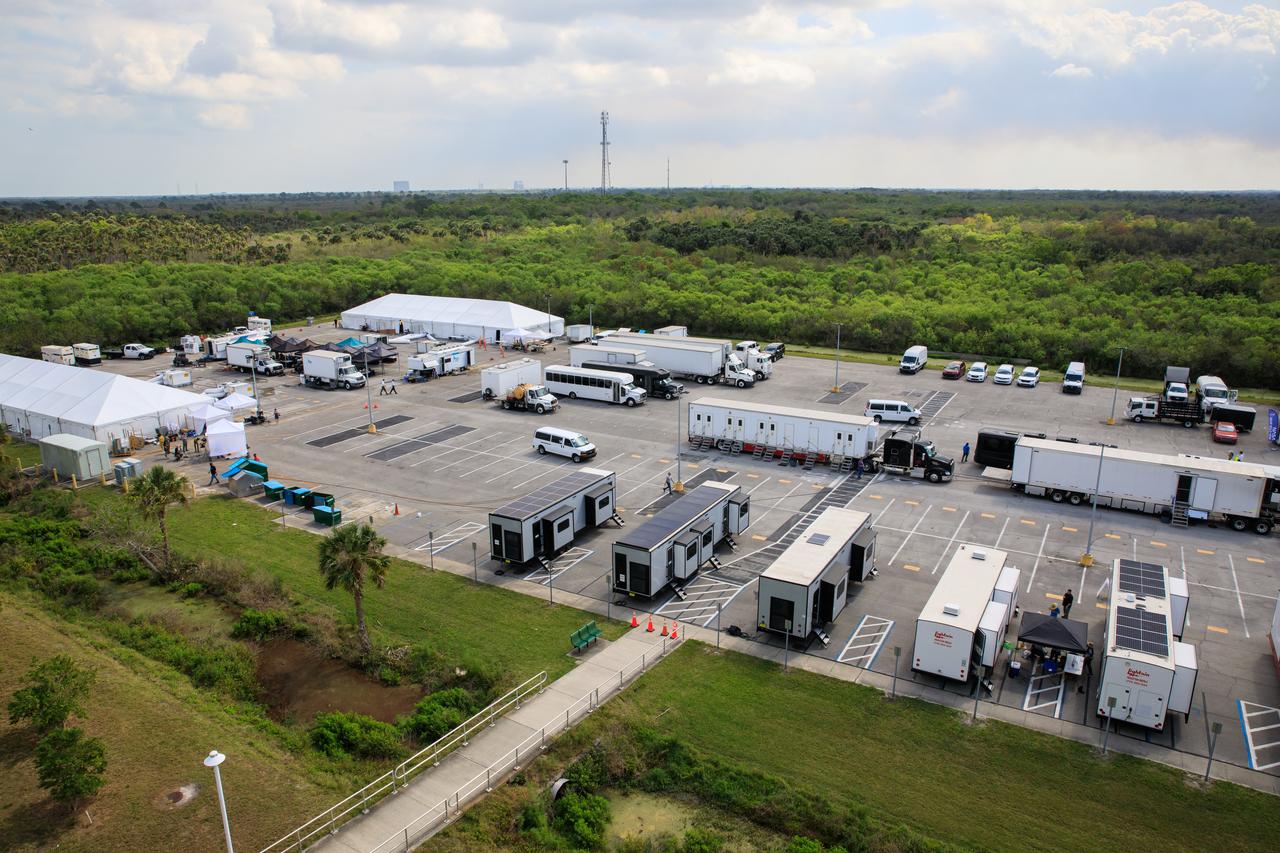
A major motion picture is being filmed in February 2023 at NASA’s Kennedy Space Center in Florida. In view is Base Camp #1 in the Launch Complex 39 area that includes support buildings for the film project.
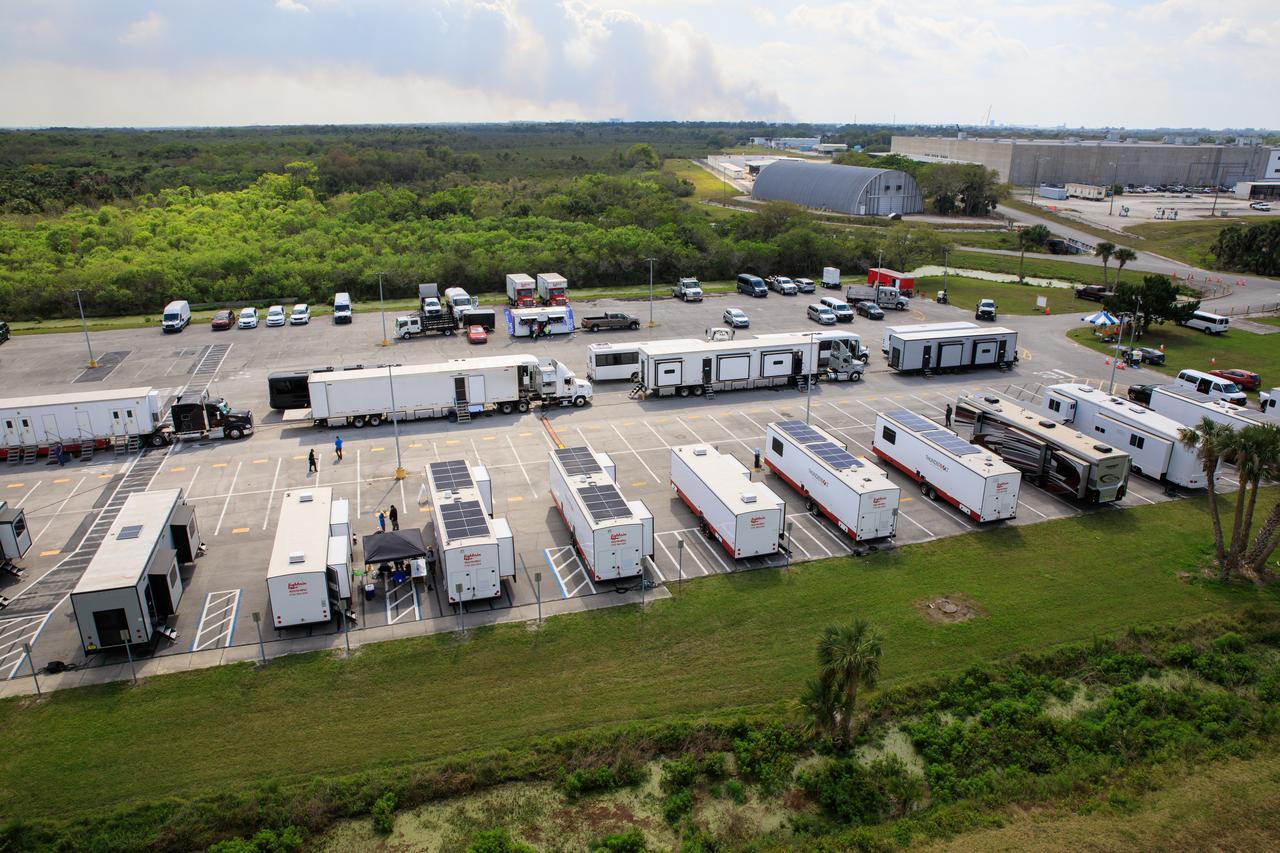
A major motion picture is being filmed in February 2023 at NASA’s Kennedy Space Center in Florida. In view is Base Camp #1 in the Launch Complex 39 area that includes support buildings for the film project.
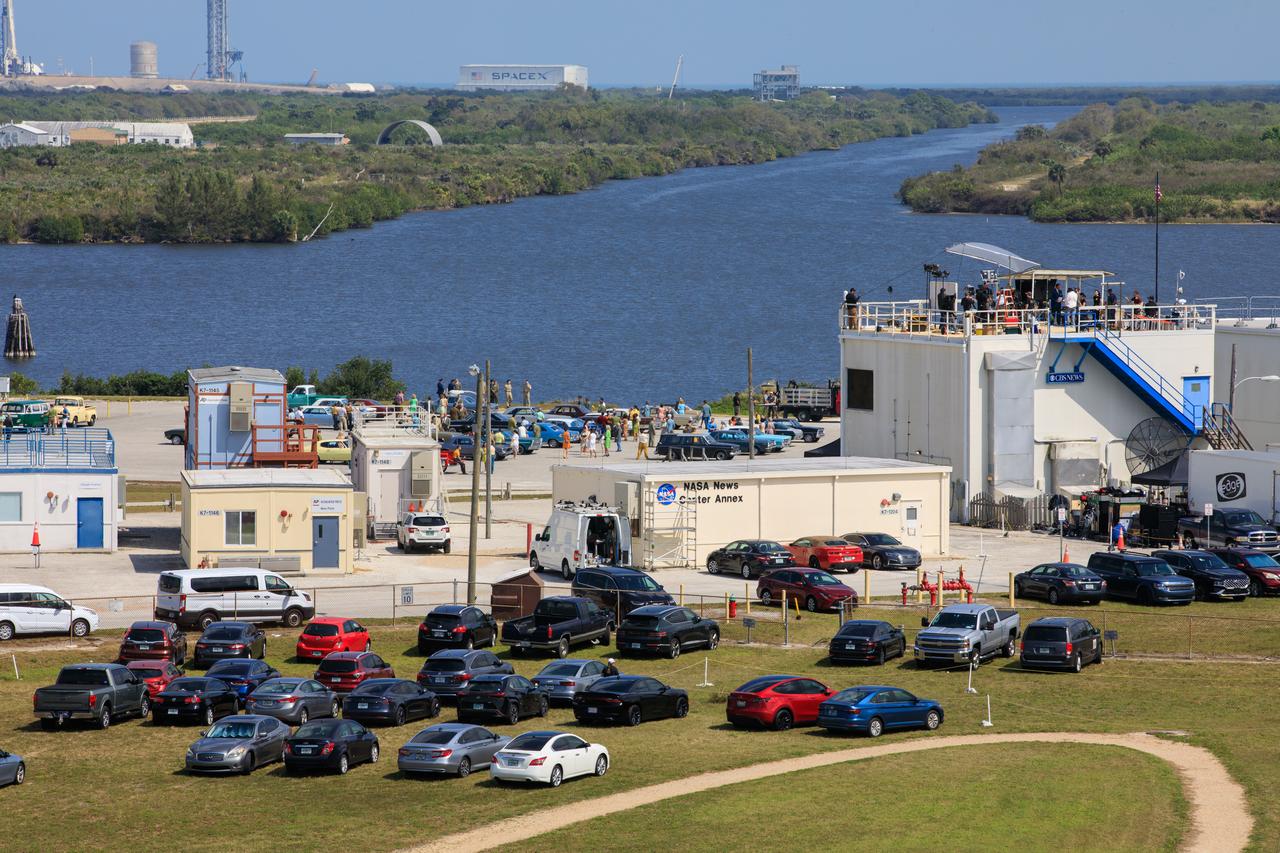
A major motion picture is being filmed in February 2023 at NASA’s Kennedy Space Center in Florida. Filming is in progress in the lower parking lot of the News Center.
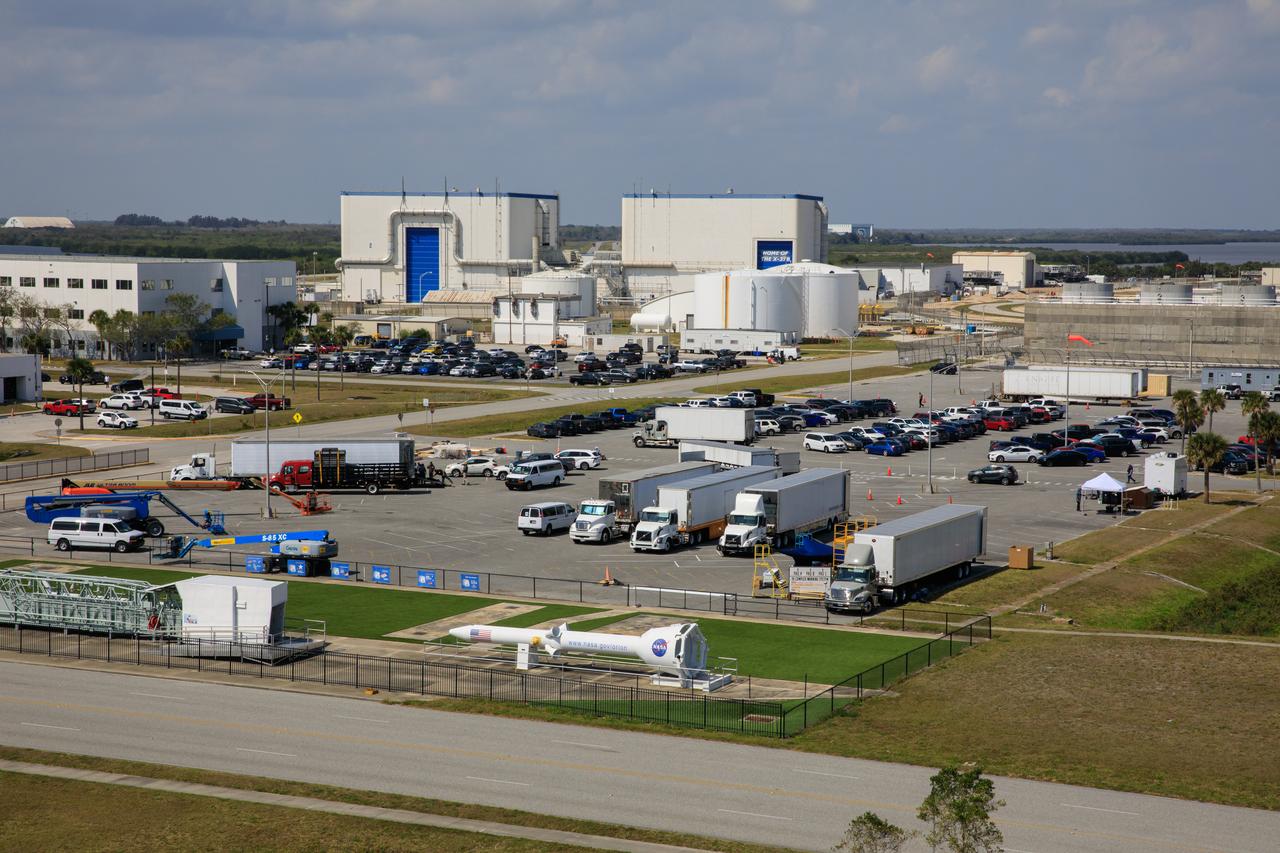
A major motion picture is being filmed in February 2023 at NASA’s Kennedy Space Center in Florida. In view are some of the support vehicles in use for the film project in the Launch Complex 39 area.
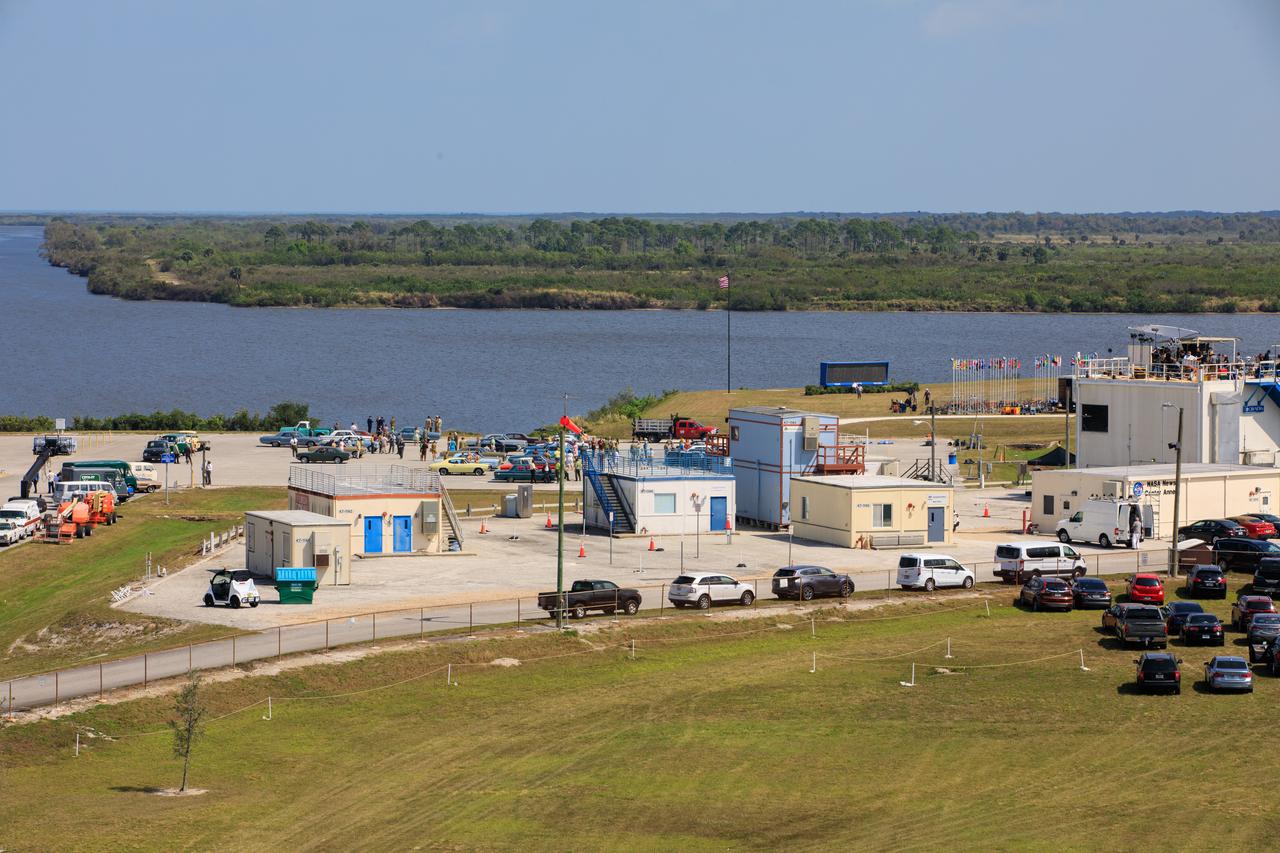
A major motion picture is being filmed in February 2023 at NASA’s Kennedy Space Center in Florida. Filming is in progress in the lower parking lot of the News Center.
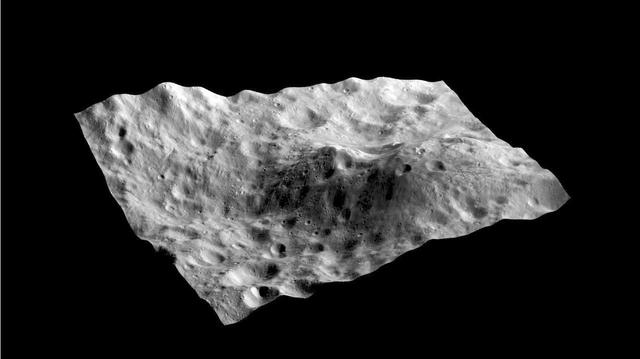
This still from a movie shows an image taken by NASA Dawn spacecraft layered on a digital terrain model of an unusual hill containing a dark-rayed impact crater and nearby dark deposit on asteroid Vesta.
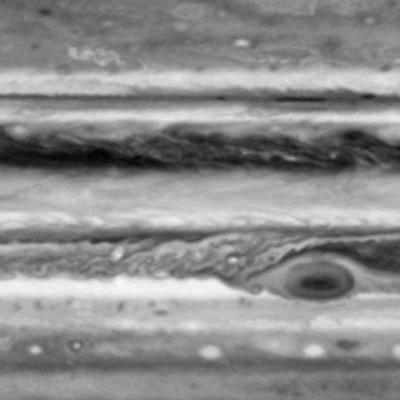
This image is one of seven from the narrow-angle camera on NASA Cassini spacecraft assembled as a brief movie of cloud movements on Jupiter. The smallest features visible are about 500 kilometers about 300 miles across.
An angry looking sky is captured in this frame from a movie clip consisting of 10 frames taken by the Surface Stereo Imager on NASA Phoenix Mars Lander.
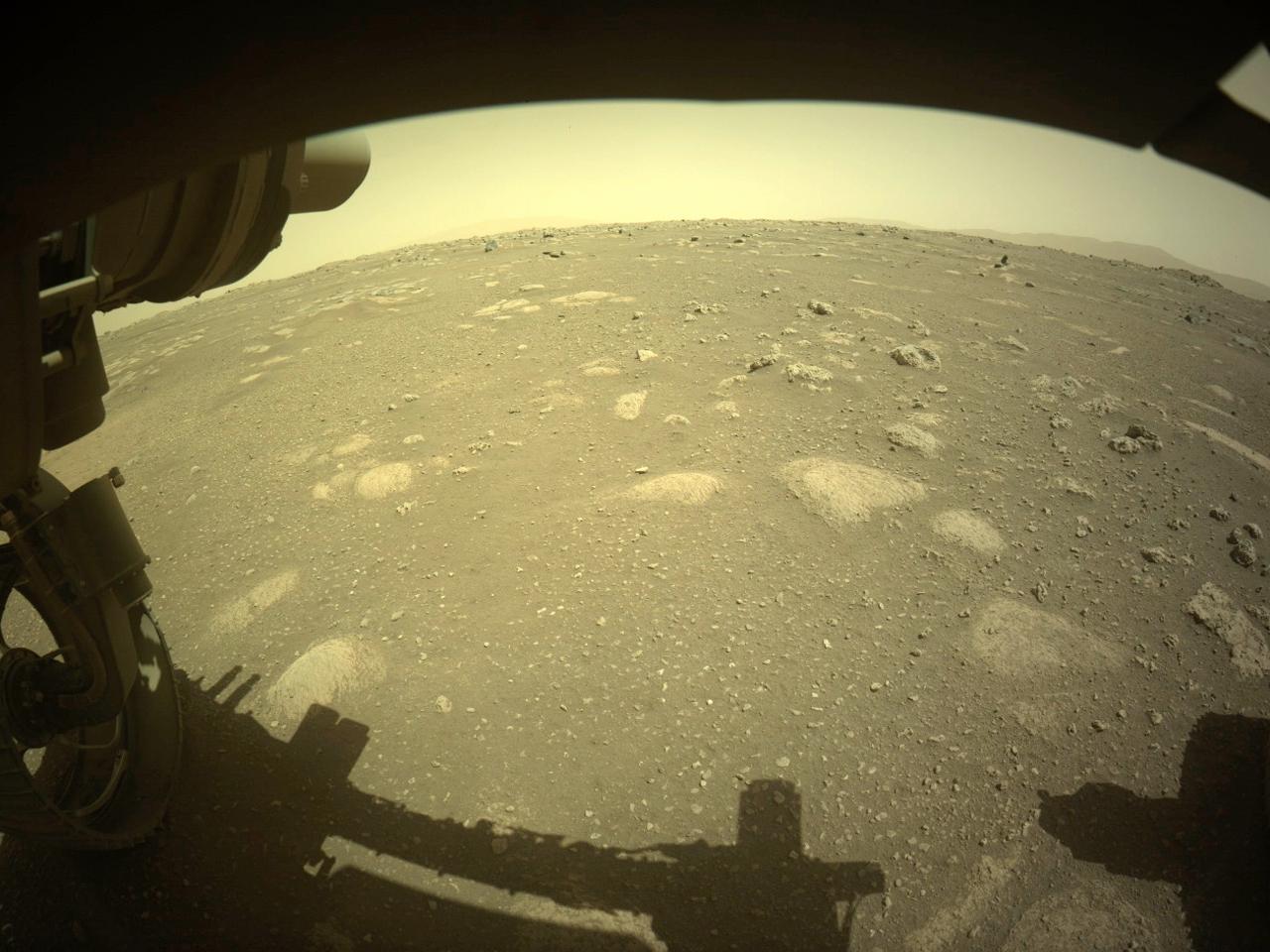
This movie is made from images taken by the Mars Perseverance rover's Front Left Hazard Avoidance Camera between Sol 13 (March 4, 2021) and Sol 708 (Feb. 16, 2023), during the first two years of the rover's surface mission. The Mars 2020 Perseverance mission is part of NASA's Moon to Mars exploration approach, which includes Artemis missions to the Moon that will help prepare for human exploration of the Red Planet. Movie available at https://photojournal.jpl.nasa.gov/catalog/PIA25799
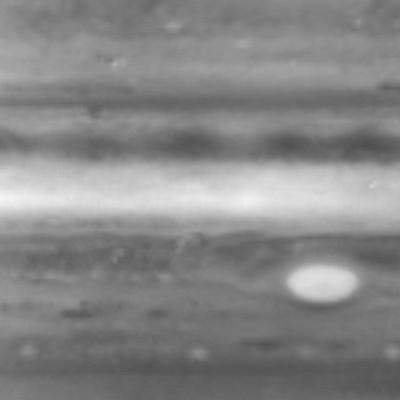
This image is one of seven from the narrow-angle camera on NASA Cassini spacecraft assembled as a brief movie of high-altitude cloud movements on Jupiter. It was taken in early October 2000.
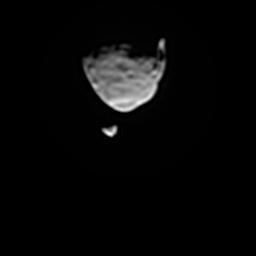
This image from a movie clip shows Phobos, the larger of the two moons of Mars, passing in front of the other Martian moon, Deimos, on Aug. 1, from the perspective of NASA Mars rover Curiosity.
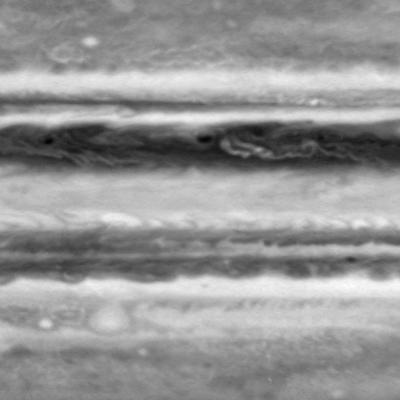
This image is one frame from a movie clip of cloud motions on Jupiter, from the side of the planet opposite to the Great Red Spot. It was taken in the first week of October 2000 by the narrow-angle camera on NASA Cassini spacecraft,
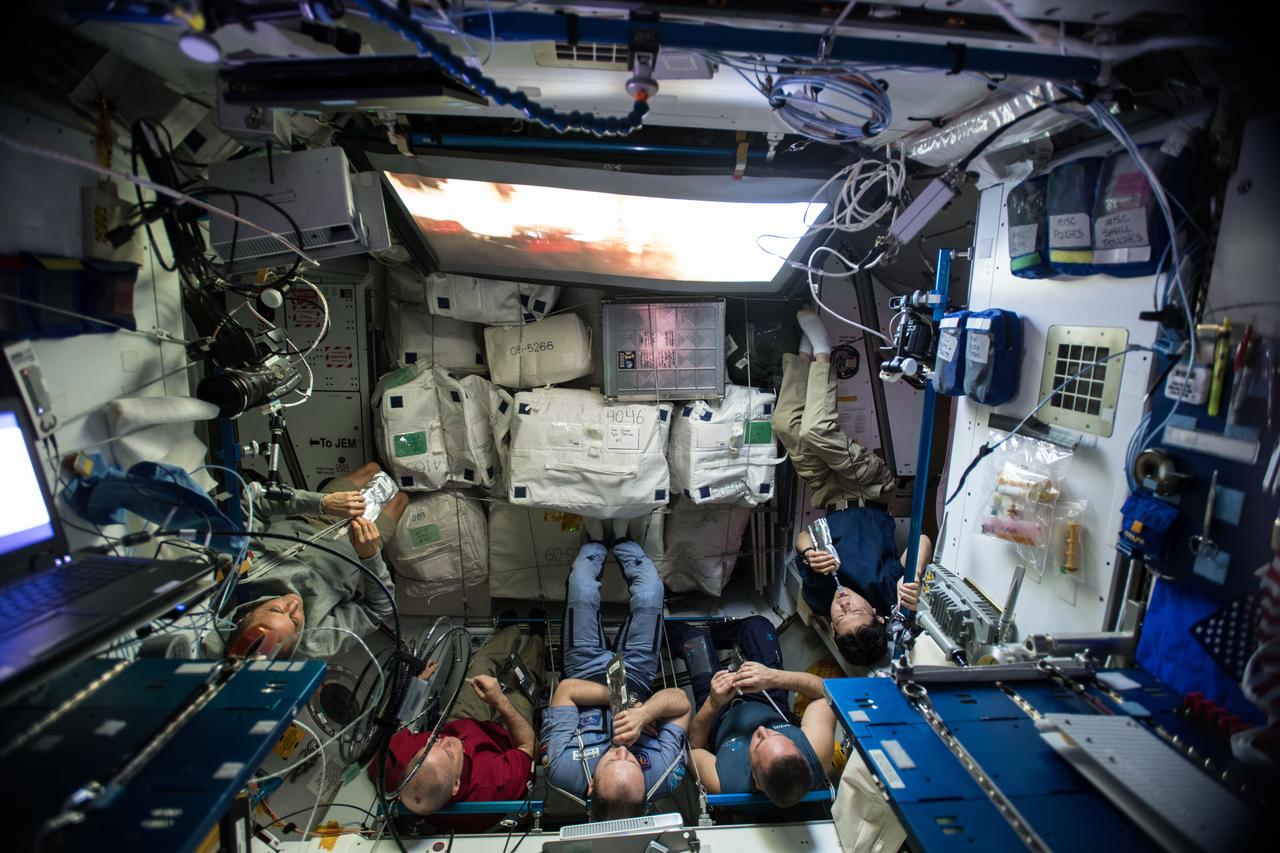
iss054e004175 (Dec. 23, 2017) --- Expedition 54 crew members watch the movie "Star Wars: The Last Jedi" on the big screen in the Harmony module. From left, are Flight Engineers Joe Acaba and Scott Tingle, Commander Alexander Misurkin, and Flight Engineers Anton Shkaplerov and Norishige Kanai.
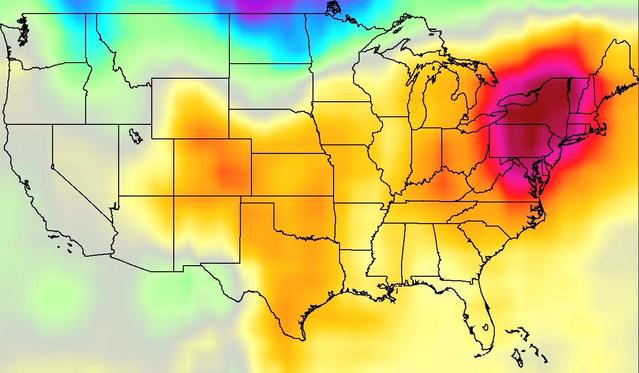
NASA Aqua spacecraft has illustrated surface air and skin temperature for the period from July 16-24, showing movement of a dome of heat across the eastern two-thirds of the country. See More Details for the movies.
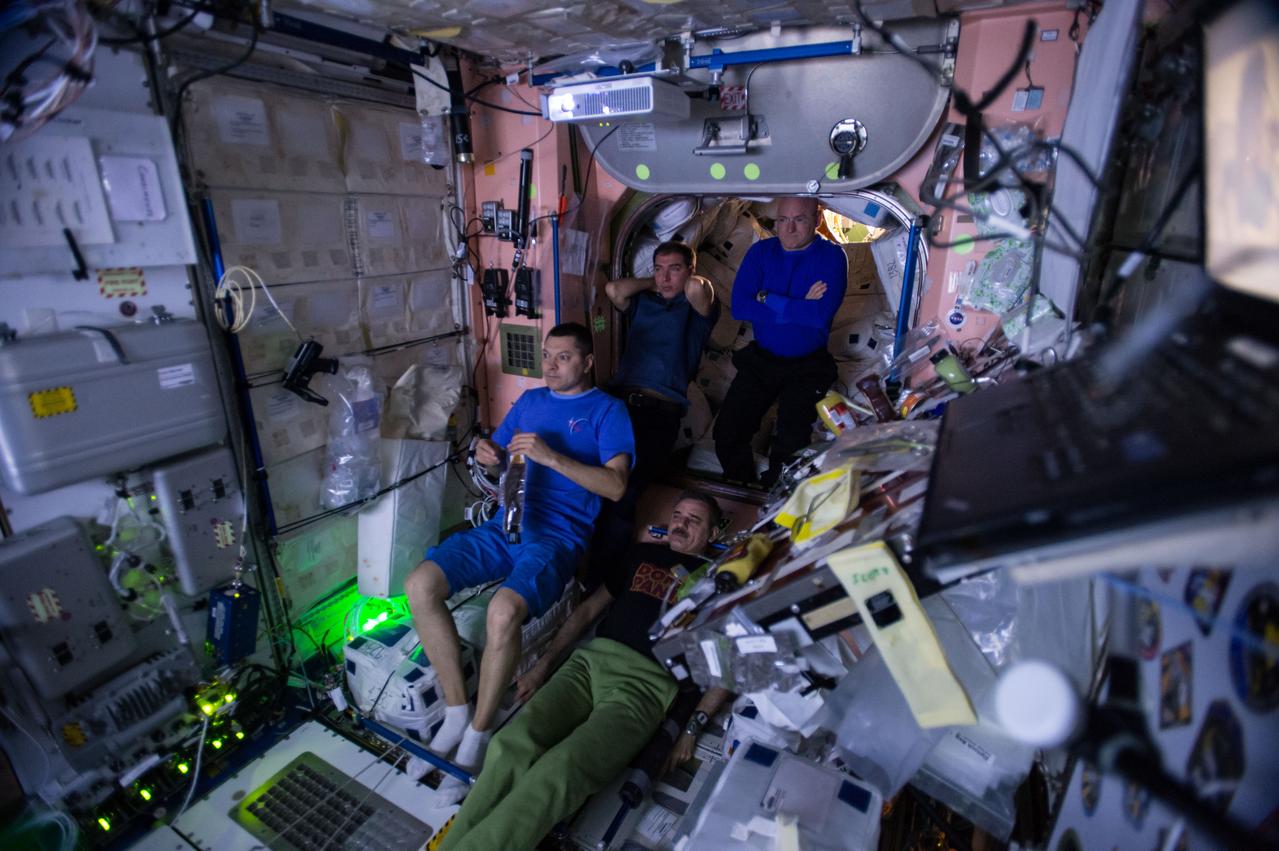
ISS045e019776 (09/19/2015) --- International Space Station Expedition 45 crewmembers watch an advance screening of "The Martian" movie in the Unity Node 1. Clockwise from left, are Russian cosmonauts flight engineers Oleg Kononenko and Sergei Volkov, NASA astronaut Commander Scott Kelly, and cosmonaut Mikhail Kornienko. This image was released on social media.

Rory Kennedy Movie Screening at Goddard Space Flight Center. Question and Answer session with employees.
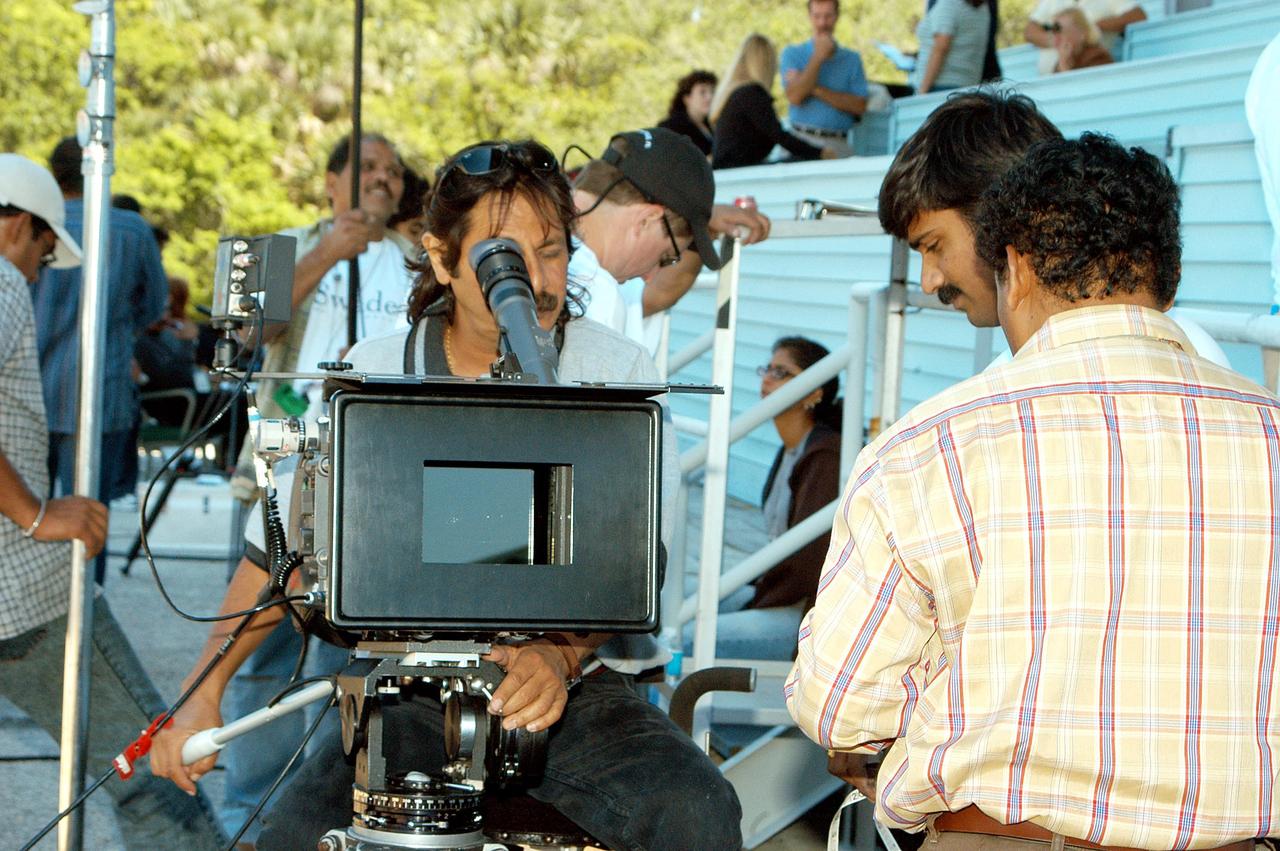
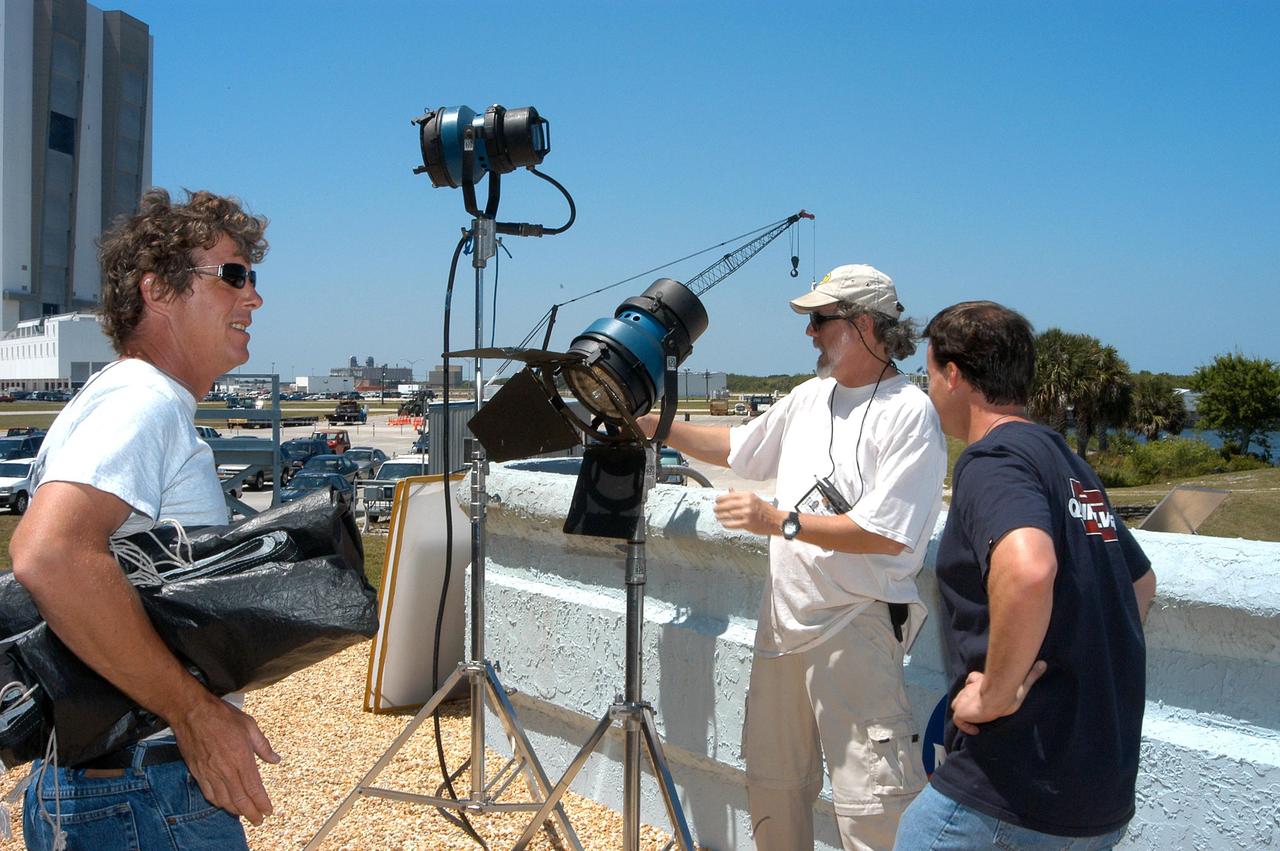
KENNEDY SPACE CENTER, FLA. -- Mahesh Aney, who is director of photography on a film crew from India, sets up a camera at the stands near the NASA News Center. The crew spent several days at KSC filming at various sites for the movie “Swades,” a story about India’s brain-drain. The writer and director is Ashutosh Gowariker. The lead actors are Shahrukh Khan and Gayatri Joshi. Sunita Gowariker is executive producer.
KENNEDY SPACE CENTER, FLA. -- A film crew from India sets up equipment at the viewing stands near the NASA News Center. The crew spent several days at KSC filming at various sites for the movie “Swades,” a story about India’s brain-drain. The writer and director is Ashutosh Gowariker and lead actors are Shahrukh Khan and Gayatri Joshi. Sunita Gowariker is executive producer.

KENNEDY SPACE CENTER, FLA. -- During filming at KSC, writer-director from India Ashutosh Gowariker, his wife Sunita, and actor Shahrukh Khan pose for a photo with the Vehicle Assembly Building in the background. The film crew spent several days at KSC filming at various sites for the movie “Swades,” a story about India’s brain-drain. Khan is one of the lead actors in the film; the other is Gayatri Joshi. Sunita Gowariker is executive producer.

KENNEDY SPACE CENTER, FLA. -- A film crew from India sets up equipment at the viewing stands near the NASA News Center. Behind the camera at right is Director of Photography Mahesh Aney. The crew spent several days at KSC filming at various sites for the movie “Swades,” a story about India’s brain-drain. The writer and director is Ashutosh Gowariker. The lead actors are Shahrukh Khan and Gayatri Joshi. Sunita Gowariker is executive producer.
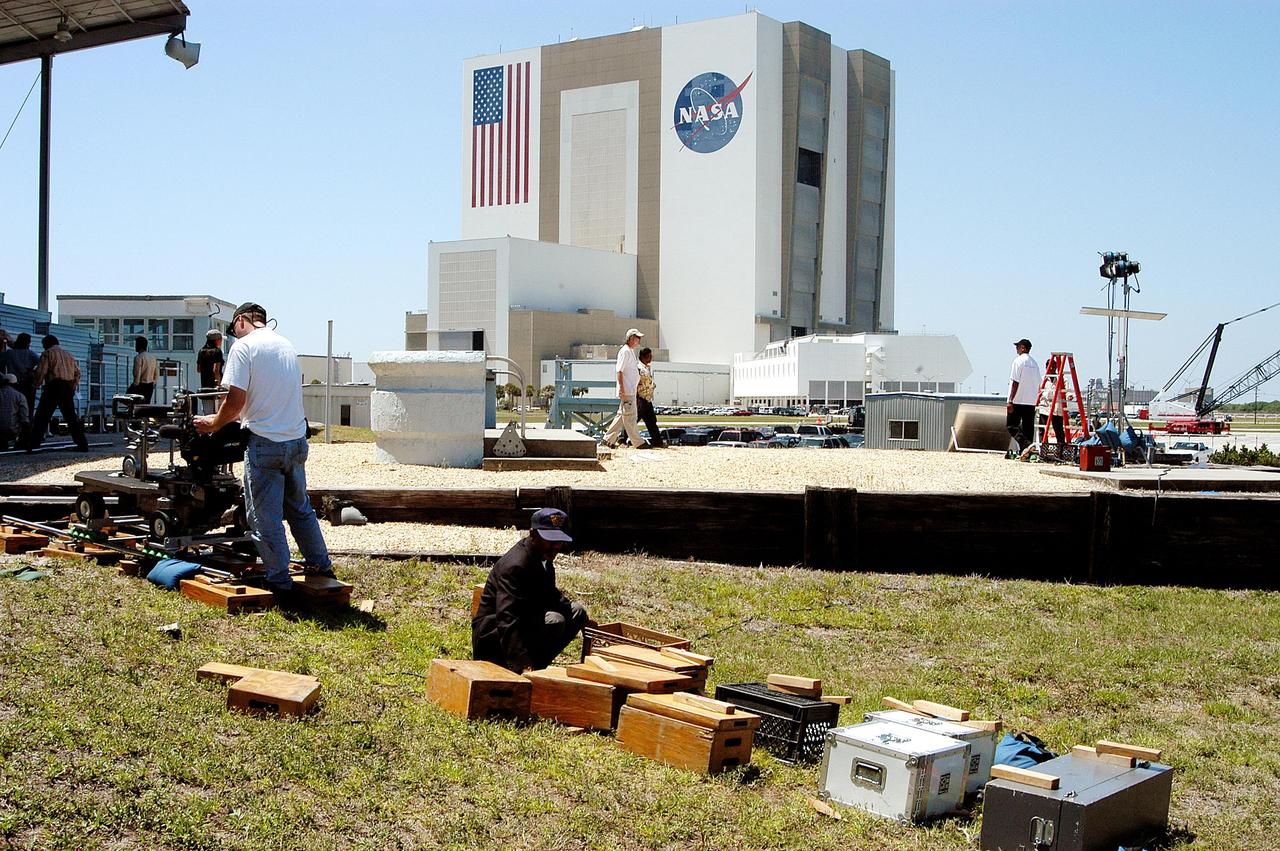
KENNEDY SPACE CENTER, FLA. -- A film crew from India sets up equipment at the viewing stands near the NASA News Center. The crew spent several days at KSC filming at various sites for the movie “Swades,” a story about India’s brain-drain. The writer and director is Ashutosh Gowariker and lead actors are Shahrukh Khan and Gayatri Joshi. Sunita Gowariker is executive producer.

KENNEDY SPACE CENTER, FLA. -- During filming at KSC, Shirish R. Patel (left, with KSC’s International Space Station Payload Processing) joins the writer-director Ashutosh Gowariker and actor Rahul Vohra for a photo. The film crew from India spent several days at KSC filming at various sites for the movie “Swades,” a story about India’s brain-drain. The lead actors are Shahrukh Khan and Gayatri Joshi. Sunita Gowariker is executive producer.
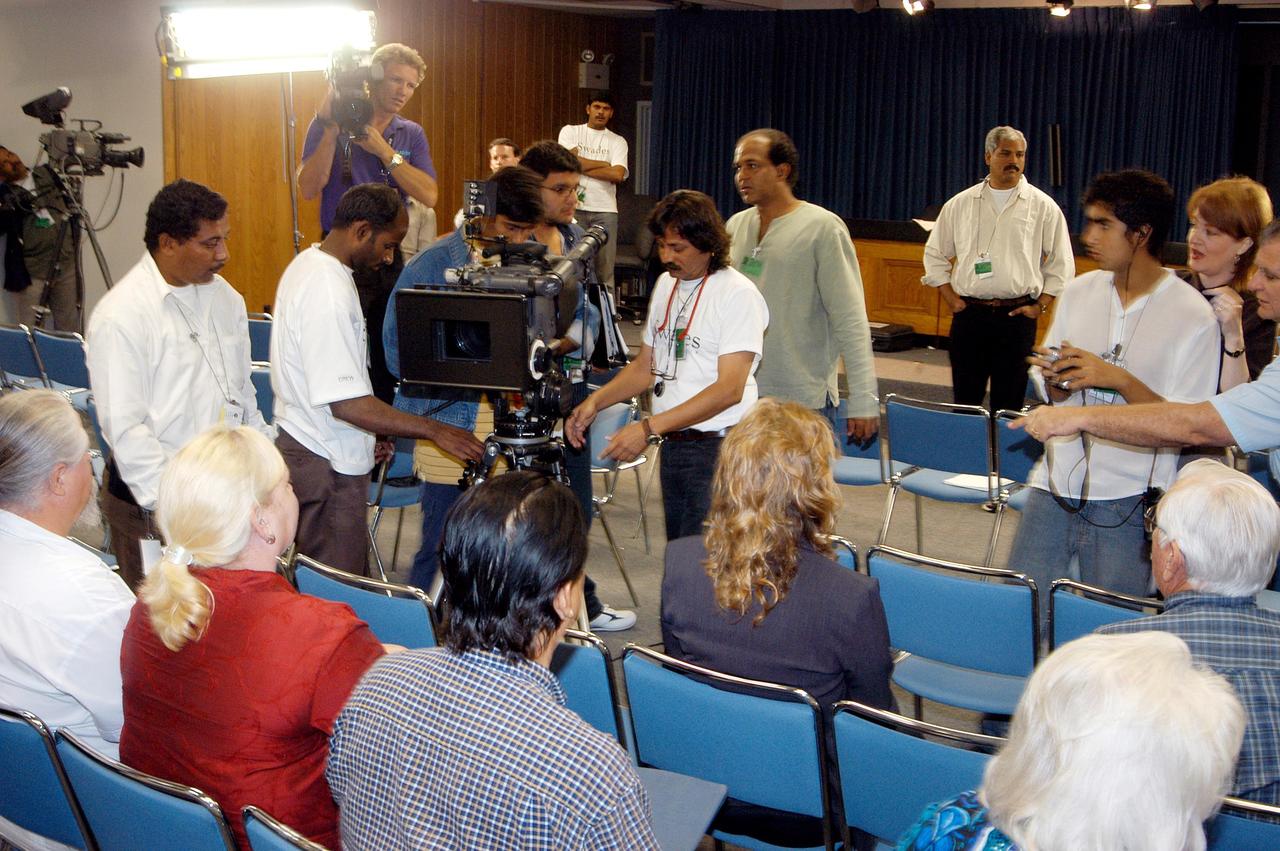
KENNEDY SPACE CENTER, FLA. -- A film crew from India sets up equipment inside the television studio at the NASA News Center. The crew spent several days at KSC filming at various sites for the movie “Swades,” a story about India’s brain-drain. At center is Mahesh Aney, director of photography. The writer and director is Ashutosh Gowariker (seen to the right of Aney). The lead actors are Shahrukh Khan and Gayatri Joshi. Sunita Gowariker is executive producer.

KENNEDY SPACE CENTER, FLA. -- During filming at KSC by a crew from India, KSC videographer Glen “Mic” Miracle (left) and Bobbie Faye Ferguson talk to actor Rahul Vohra (right). The film crew spent several days at KSC filming at various sites for the movie “Swades,” a story about India’s brain-drain. Vohra is one of the actors in the film that stars Shahrukh Khan and Gayatri Joshi. The writer-director is Ashutosh Gowariker. Sunita Gowariker is executive producer. Ferguson is manager of Multimedia, for NASA Public Affairs.
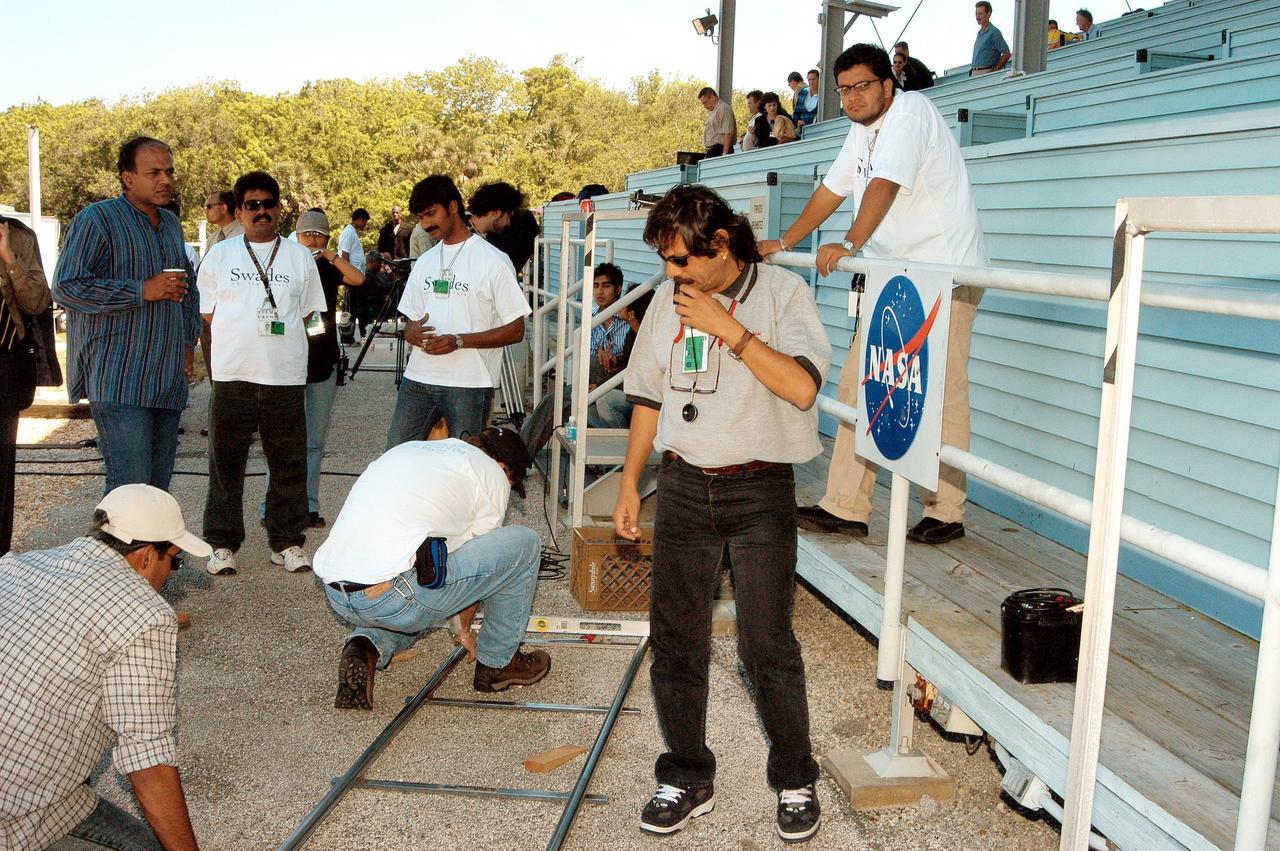
KENNEDY SPACE CENTER, FLA. -- A film crew from India sets up equipment at the viewing stands near the NASA News Center. The crew spent several days at KSC filming at various sites for the movie “Swades,” a story about India’s brain-drain. The writer and director is Ashutosh Gowariker, standing at left. The lead actors are Shahrukh Khan and Gayatri Joshi. Sunita Gowariker is executive producer.

KENNEDY SPACE CENTER, FLA. -- Part of the crew from India filming at KSC, Director of Photography Mahesh Aney directs a camera setup. Writer and director of the film Ashutosh Gowariker is behind him. The crew spent several days at KSC filming at various sites for the movie “Swades,” a story about India’s brain-drain. The lead actors are Shahrukh Khan and Gayatri Joshi. Sunita Gowariker is executive producer.

In the best-selling novel "The Martian" and the movie based on it, stranded astronaut Mark Watney's adventures take him to the rim of Mawrth Crater. This image from the High Resolution Imaging Science Experiment (HiRISE) camera on NASA's Mars Reconnaissance Orbiter shows the nature of this terrain. The crater rim is not very distinct, and from the Martian surface it would be quite difficult to tell that you are even on the rim of a crater. The terrain is hummocky and rolling, punctuated by smaller impact craters and wind-blown drifts of sand or dust. This view is one image product from HiRISE observation ESP_042252_1930, taken Aug. 1, 2015, at 12.6 degrees north latitude, 355.7 degrees east longitude. http://photojournal.jpl.nasa.gov/catalog/PIA19915
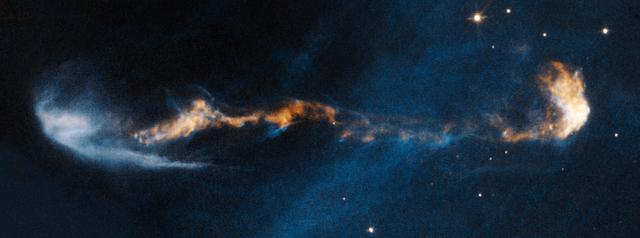
AUGUST 31, 2011: A team of scientists has collected enough high-resolution Hubble Space Telescope images over a 14-year period to stitch together time-lapse movies of powerful jets ejected from three young stars. The jets, a byproduct of gas accretion around newly forming stars, shoot off at supersonic speeds in opposite directions through space. These phenomena are providing clues about the final stages of a star’s birth, offering a peek at how our Sun came into existence 4.5 billion years ago. Hubble’s unprecedented sharpness allows astronomers to see changes in the jets over just a few years’ time. Most astronomical processes change over timescales that are much longer than a human lifetime. To read more go to: <a href="http://www.nasa.gov/mission_pages/hubble/science/supersonic-jets.html" rel="nofollow">www.nasa.gov/mission_pages/hubble/science/supersonic-jets...</a> Object Name: HH 47 Image Type: Astronomical Credit: NASA, ESA, and P. Hartigan (Rice University)..<b><a href="http://www.nasa.gov/centers/goddard/home/index.html" rel="nofollow">NASA Goddard Space Flight Center</a></b> enables NASA’s mission through four scientific endeavors: Earth Science, Heliophysics, Solar System Exploration, and Astrophysics. Goddard plays a leading role in NASA’s accomplishments by contributing compelling scientific knowledge to advance the Agency’s mission. <b>Follow us on <a href="http://twitter.com/NASA_GoddardPix" rel="nofollow">Twitter</a></b> <b>Like us on <a href="http://www.facebook.com/pages/Greenbelt-MD/NASA-Goddard/395013845897?ref=tsd" rel="nofollow">Facebook</a></b> <b>Find us on <a href="http://instagrid.me/nasagoddard/?vm=grid" rel="nofollow">Instagram</a></b>
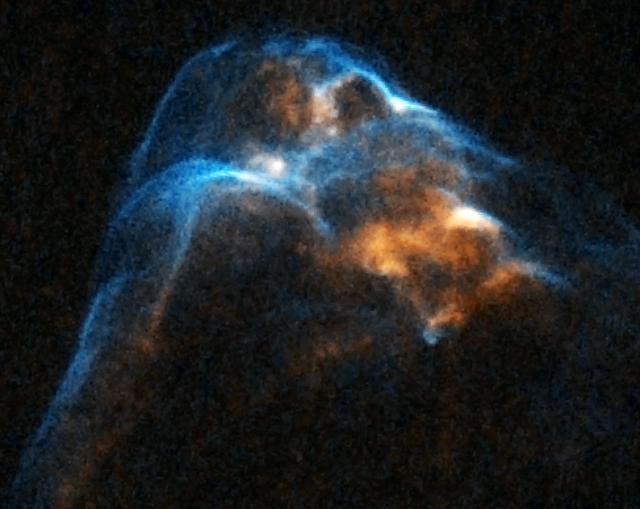
AUGUST 31, 2011: A team of scientists has collected enough high-resolution Hubble Space Telescope images over a 14-year period to stitch together time-lapse movies of powerful jets ejected from three young stars. The jets, a byproduct of gas accretion around newly forming stars, shoot off at supersonic speeds in opposite directions through space. These phenomena are providing clues about the final stages of a star’s birth, offering a peek at how our Sun came into existence 4.5 billion years ago. Hubble’s unprecedented sharpness allows astronomers to see changes in the jets over just a few years’ time. Most astronomical processes change over timescales that are much longer than a human lifetime. To read more go to: <a href="http://www.nasa.gov/mission_pages/hubble/science/supersonic-jets.html" rel="nofollow">www.nasa.gov/mission_pages/hubble/science/supersonic-jets...</a> Object Name: HH 34 Bow Shock Image Type: Astronomical Credit: NASA, ESA, and P. Hartigan (Rice University)..<b><a href="http://www.nasa.gov/centers/goddard/home/index.html" rel="nofollow">NASA Goddard Space Flight Center</a></b> enables NASA’s mission through four scientific endeavors: Earth Science, Heliophysics, Solar System Exploration, and Astrophysics. Goddard plays a leading role in NASA’s accomplishments by contributing compelling scientific knowledge to advance the Agency’s mission. <b>Follow us on <a href="http://twitter.com/NASA_GoddardPix" rel="nofollow">Twitter</a></b> <b>Like us on <a href="http://www.facebook.com/pages/Greenbelt-MD/NASA-Goddard/395013845897?ref=tsd" rel="nofollow">Facebook</a></b> <b>Find us on <a href="http://instagrid.me/nasagoddard/?vm=grid" rel="nofollow">Instagram</a></b>
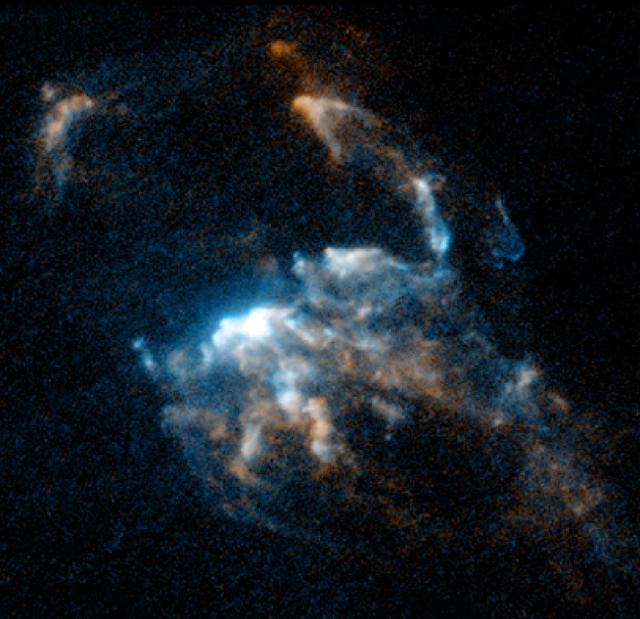
AUGUST 31, 2011: A team of scientists has collected enough high-resolution Hubble Space Telescope images over a 14-year period to stitch together time-lapse movies of powerful jets ejected from three young stars. The jets, a byproduct of gas accretion around newly forming stars, shoot off at supersonic speeds in opposite directions through space. These phenomena are providing clues about the final stages of a star’s birth, offering a peek at how our Sun came into existence 4.5 billion years ago. Hubble’s unprecedented sharpness allows astronomers to see changes in the jets over just a few years’ time. Most astronomical processes change over timescales that are much longer than a human lifetime. To read more go to: <a href="http://www.nasa.gov/mission_pages/hubble/science/supersonic-jets.html" rel="nofollow">www.nasa.gov/mission_pages/hubble/science/supersonic-jets...</a> Object Name: HH 2 Image Type: Astronomical Credit: NASA, ESA, and P. Hartigan (Rice University)..<b><a href="http://www.nasa.gov/centers/goddard/home/index.html" rel="nofollow">NASA Goddard Space Flight Center</a></b> enables NASA’s mission through four scientific endeavors: Earth Science, Heliophysics, Solar System Exploration, and Astrophysics. Goddard plays a leading role in NASA’s accomplishments by contributing compelling scientific knowledge to advance the Agency’s mission. <b>Follow us on <a href="http://twitter.com/NASA_GoddardPix" rel="nofollow">Twitter</a></b> <b>Like us on <a href="http://www.facebook.com/pages/Greenbelt-MD/NASA-Goddard/395013845897?ref=tsd" rel="nofollow">Facebook</a></b> <b>Find us on <a href="http://instagrid.me/nasagoddard/?vm=grid" rel="nofollow">Instagram</a></b>
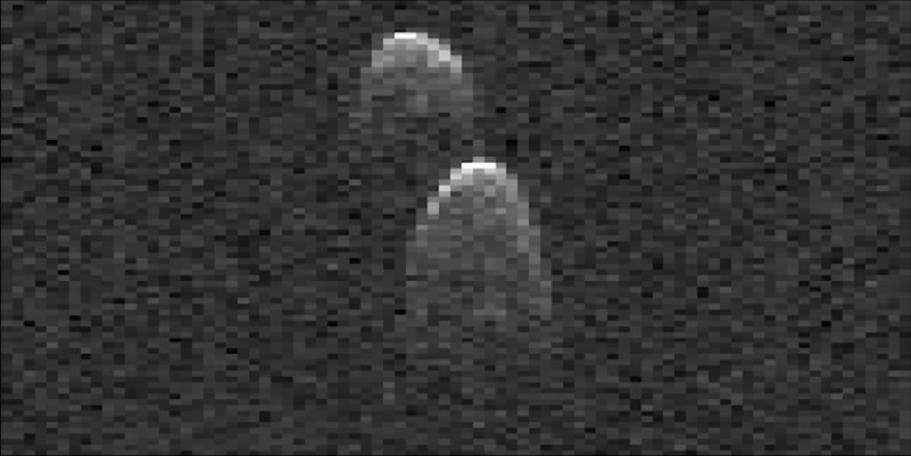
This frame from a movie made from radar images of asteroid 1999 JD6 was collected by NASA scientists on July 25, 2015. The images show the rotation of the asteroid, which made its closest approach on July 24 at 9:55 p.m. PDT (12:55 a.m. EDT on July 25) at a distance of about 4.5 million miles (7.2 million kilometers, or about 19 times the distance from Earth to the moon). The asteroid appears to be a contact binary -- an asteroid with two lobes that are stuck together. The radar images show the asteroid is highly elongated, with a length of approximately 1.2 miles (2 kilometers) on its long axis. These images are radar echoes, which are more like a sonogram than a photograph. The views were obtained by pairing NASA's 230-foot-wide (70-meter) Deep Space Network antenna at Goldstone, California, with the 330-foot (100-meter) National Science Foundation Green Bank Telescope in West Virginia. Using this approach, the Goldstone antenna beams a radar signal at an asteroid and Green Bank receives the reflections. The technique, referred to as a bistatic observation, dramatically improves the amount of detail that can be seen in radar images. The new views obtained with the technique show features as small as about 25 feet (7.5 meters) wide. http://photojournal.jpl.nasa.gov/catalog/PIA19646
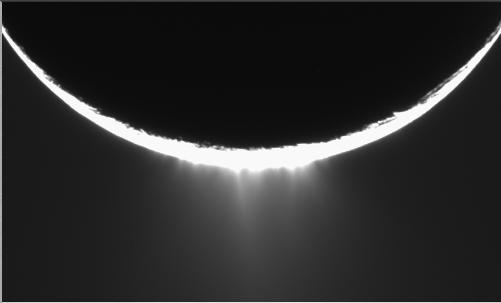
Jets of icy particles burst from Saturn’s moon Enceladus in this brief movie sequence of four images taken on Nov. 27, 2005. The sensational discovery of active eruptions on a third outer solar system body (Io and Triton are the others) is surely one of the great highlights of the Cassini mission. Imaging scientists, as reported in the journal Science on March 10, 2006, believe that the jets are geysers erupting from pressurized subsurface reservoirs of liquid water above 273 degrees Kelvin (0 degrees Celsius). Images taken in January 2005 appeared to show the plume emanating from the fractured south polar region of Enceladus, but the visible plume was only slightly brighter than the background noise in the image, because the lighting geometry was not suitable to reveal the true details of the feature. This potential sighting, in addition to the detection of the icy particles in the plume by other Cassini instruments, prompted imaging scientists to target Enceladus again with exposures designed to confirm the validity of the earlier plume sighting. The new views show individual jets, or plume sources, that contribute to the plume with much greater visibility than the earlier images. The full plume towers over the 505-kilometer-wide (314-mile) moon and is at least as tall as the moon's diameter. The four 10-second exposures were taken over the course of about 36 minutes at approximately 12 minute intervals. Enceladus rotates about 7.5 degrees in longitude over the course of the frames, and most of the observed changes in the appearances of the jets is likely attributable to changes in the viewing geometry. However, some of the changes may be due to actual variation in the flow from the jets on a time scale of tens of minutes. Additionally, the shift of the sources seen here should provide information about their location in front of and behind the visible limb (edge) of Enceladus. These images were obtained using the Cassini spacecraft narrow-angle camera at distances between 144,350 and 149,520 kilometers (89,695 and 92,907 miles) from Enceladus and at a phase angle of about 161 degrees. Image scale is about 900 meters (2,950 feet) per pixel on Enceladus. A movie is available at http://photojournal.jpl.nasa.gov/catalog/PIA07762
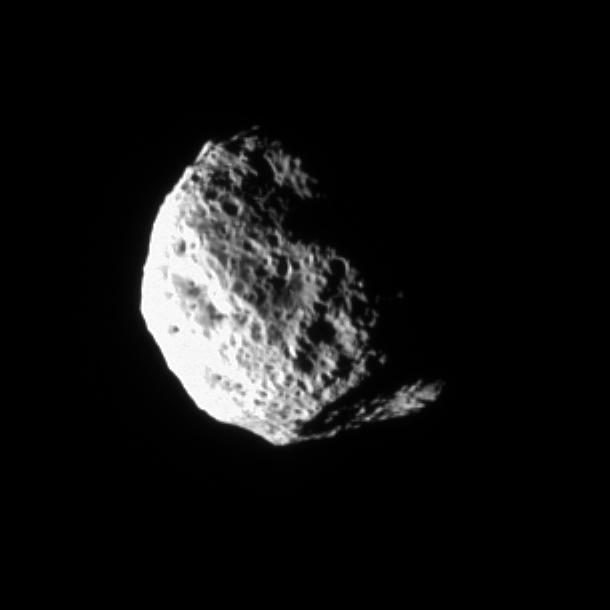
The tumbling and irregularly shaped moon Hyperion rotates away from the Cassini spacecraft in this movie taken during a distant encounter in Dec. 2005. A shadow closes over the large crater at bottom as the movie progresses. Hyperion (280 kilometers, or 174 miles across) is covered with closely packed and deeply etched pits. The warming action of the Sun on water ice lying beneath a darkened layer of surface material apparently has deepened and exaggerated the depressions already created by impacts. Cassini scientists now think that Hyperion’s unusual appearance can be attributed to the fact that it has an unusually low density for such a large object, giving it weak surface gravity and high porosity. These characteristics help preserve the original shapes of Hyperion’s craters by limiting the amount of impact ejecta coating the moon’s surface. Impactors tend to make craters by compressing the surface material, rather than blasting it out. Further, Hyperion’s weak gravity, and correspondingly low escape velocity, means that what little ejecta is produced has a good chance of escaping the moon altogether. The images were taken in visible light with the Cassini spacecraft narrow-angle camera on Dec. 23, 2005 at distances ranging from 228,000 kilometers (142,000 miles) to 238,000 kilometers (148,000 miles) from Hyperion and at a Sun-Hyperion-spacecraft, or phase, angle ranging from 77 to 86 degrees. Resolution in the original images was about 1.4 kilometers (0.9 mile) per pixel. The images have been magnified by a factor of two and contrast-enhanced to aid visibility. An animation is available at http://photojournal.jpl.nasa.gov/catalog/PIA07683

Saturn's active, ocean-bearing moon Enceladus sinks behind the giant planet in a farewell portrait from NASA's Cassini spacecraft. This view of Enceladus was taken by NASA's Cassini spacecraft on Sept. 13, 2017. It is among the last images Cassini sent back. The view is part of a movie sequence of images taken over a period of 40 minutes as the icy moon passed behind Saturn from the spacecraft's point of view. Images taken using red, green and blue spectral filters were assembled to create the natural color view. (A monochrome version of the image, taken using a clear spectral filter, is also available.) The images were taken using Cassini's narrow-angle camera at a distance of 810,000 million miles (1.3 million kilometers) from Enceladus and about 620,000 miles (1 million kilometers) from Saturn. Image scale on Enceladus is 5 miles (8 kilometers) per pixel. A movie is available at https://photojournal.jpl.nasa.gov/catalog/PIA21889

This color image of the Earth was obtained by NASA's Galileo at about 6:10 a.m. Pacific Standard Time on Dec. 11, 1990, when the spacecraft was about 1.3 million miles from the planet during the first of two Earth flybys on its way to Jupiter. The color composite used images taken through the red, green and violet filters. South America is near the center of the picture, and the white, sunlit continent of Antarctica is below. Picturesque weather fronts are visible in the South Atlantic, lower right. This is the first frame of the Galileo Earth spin movie, a 500- frame time-lapse motion picture showing a 25-hour period of Earth's rotation and atmospheric dynamics. A movie is availalble at http://photojournal.jpl.nasa.gov/catalog/PIA00114
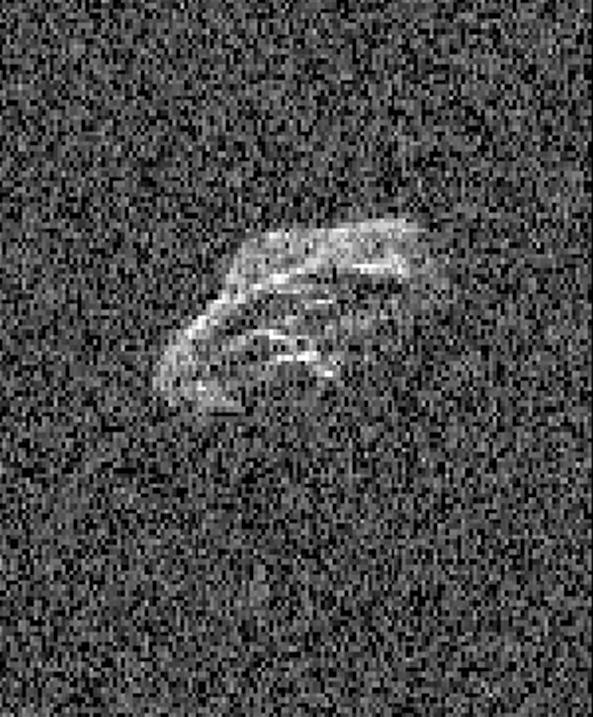
Scientists using two giant, Earth-based radio telescopes bounced radar signals off passing asteroid 2011 UW158 to create images for this animation showing the rocky body's fast rotation. The passing asteroid made its closest approach to Earth on July 19, 2015 at 7:37 a.m. PST (4:37 a.m. EST) at a distance of about 1.5 million miles (2.4 million kilometers, or 6 times the distance from Earth to the moon). The close proximity during the pass made 2011 UW158 one of the best asteroid flybys of 2015 for imaging from Earth using radar. The radar images reveal that the shape of the asteroid is extremely irregular and quite elongated. Prominent parallel, linear features run along the length of the object that cause a large increase in brightness of the radar images as they rotate into view. Scientists note that the asteroid appears to be fairly unusual. Its fast rotation suggests the object has greater mechanical strength than other asteroids its size. A fast-rotating asteroid with lower mechanical strength would tend to split apart. To obtain the views, researchers paired the 230-foot- (70-meter-) wide Deep Space Network antenna at Goldstone, California, in concert with the National Radio Astronomy Observatory's 330-foot (100-meter) Green Bank Telescope. Using this technique, the Goldstone antenna beams a radar signal at an asteroid and Green Bank receives the reflections. The technique, referred to as a bi-static observation, dramatically improves the amount of detail that can be seen in radar images. The new views obtained with the technique show features as small as about 24 feet (7.5 meters) wide. The 171 individual images used in the movie were generated from data collected on July 18. They show the asteroid is approximately 2000 by 1000 feet (600 by 300 meters) across. The observations also confirm earlier estimates by astronomers that the asteroid rotates quickly, completing one spin in just over half an hour. The movie spans a period of about an hour and 45 minutes. The trajectory of asteroid 2011 UW158 is well understood. This flyby was the closest approach the asteroid will make to Earth for at least the next 93 years. Asteroid 2011 UW158 was discovered on October 25, 2011, by the PanSTARRS 1 telescope, located on the summit of Haleakala on Maui, Hawaii. Managed by the University of Hawaii, the PanSTARRS survey receives NASA funding. Radar is a powerful technique for studying an asteroid's size, shape, rotation state, surface features and surface roughness, and for improving the calculation of asteroid orbits. Radar measurements of asteroid distances and velocities often enable computation of asteroid orbits much further into the future than if radar observations weren't available. http://photojournal.jpl.nasa.gov/catalog/PIA19644
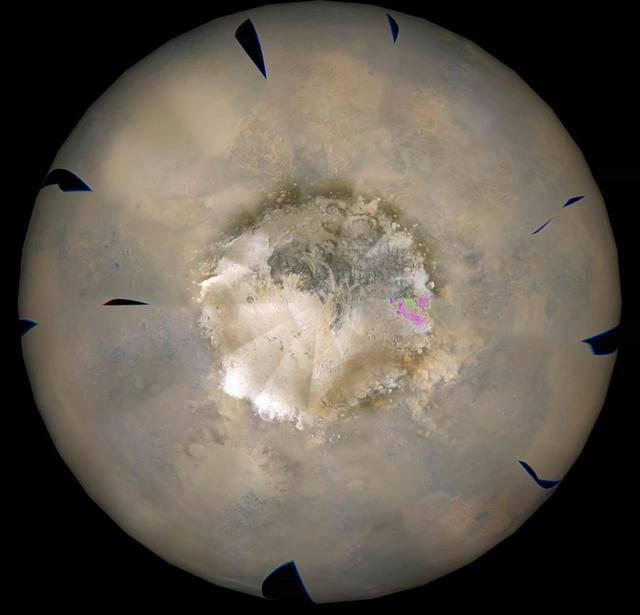
This image is from a movie from NASA Mars Reconnaissance Orbiter showing the southern high-latitudes region of Mars from Mar. 19-Apr. 14, 2009, a period when regional dust storms occurred along the retreating edge of carbon-dioxide frost in the seasonal south polar cap. The movie combines hundreds of images from the Mars Color Imager (MARCI) camera on NASA's Mars Reconnaissance Orbiter. In viewing the movie, it helps to understand some of the artifacts produced by the nature of MARCI images when seen in animation. MARCI acquires images in swaths from pole-to-pole during the dayside portion of each orbit. The camera can cover the entire planet in just over 12 orbits, and takes about 1 day to accumulate this coverage. The indiviual swaths are assembled into a mosaic, and that mosaic is shown here wrapped onto a sphere. The blurry portions of the mosaic, seen to be "pinwheeling" around the planet in the movie, are the portions of adjacent images viewing obliquely through the hazy atmosphsere. Portions with sharper-looking details are the central part of an image, viewing more directly downward through less atmosphere than the obliquely viewed portions. MARCI has a 180-degree field of view, and Mars fills about 78 percent of that field of view when the camera is pointed down at the planet. However, the Mars Reconnaissance Orbiter often is pointed to one side or the other off its orbital track in order to acquire targeted observations by the higher-resolution imaging systems on the spacecraft. When such rolls exceed about 20 degrees, gaps occur in the mosaic of MARCI swaths. Also, dark gaps appear when data are missing, either because of irrecoverable data drops, or because not all the data have yet been transmitted from the spacecraft. It isn't easy to see the actual dust motion in the atmosphere in these images, owing to the apparent motion of these artifacts. However, by concentrating on specific surface features (craters, prominent ice deposits, etc.) and looking for the brownish clouds of dust, it is possible to see where the storms start and how they move around the planet. In additon to tracking the storms, it is also interesting to watch how the seasonal cap shrinks from the beginning to the end of the animation. This shrinkage results from subliming of the carbon-dioxide frost from the surface as the frost absorbs southern hemisphere mid-spring sunlight. The temperature contrast between the warm sunlit ground just north of the cap's edge and the cold carbon-dioxide frost generates strong winds, enhanced by the excess carbon dioxide subliming off the cap. These winds create the conditions that lead to the dust storms. http://photojournal.jpl.nasa.gov/catalog/PIA11987
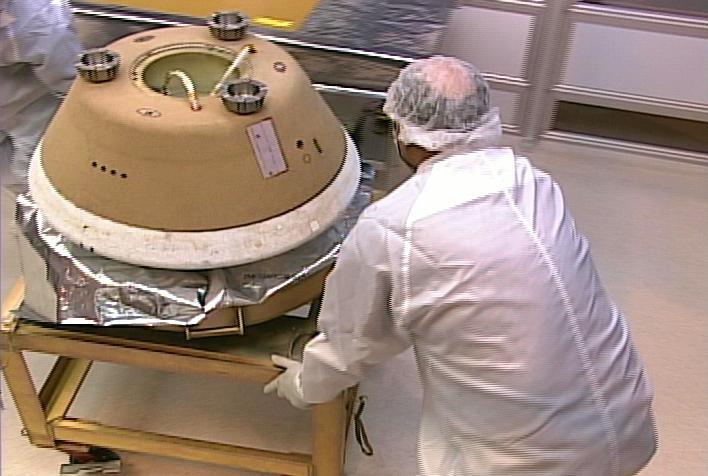
This movie shows rehearsal of the initial processing of the sample return capsule when it is taken to a temporary cleanroom at Utah Test and Training Range.
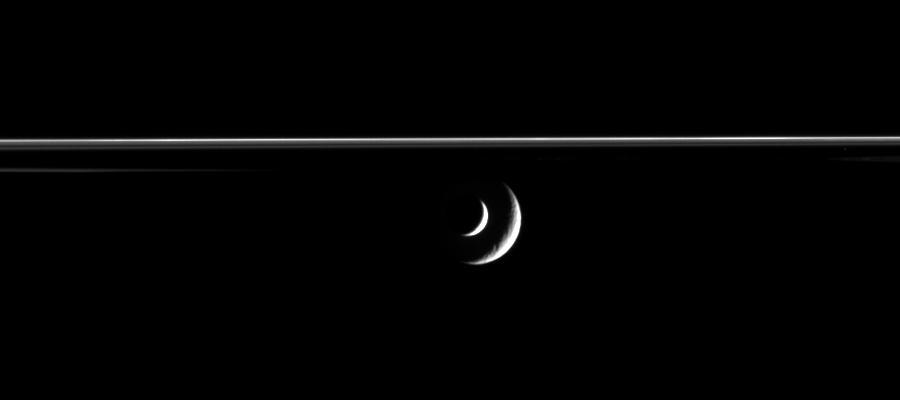
The bright crescent of Saturn moon Enceladus slides past distant Rhea in this mutual event, or occultation, movie from Cassini
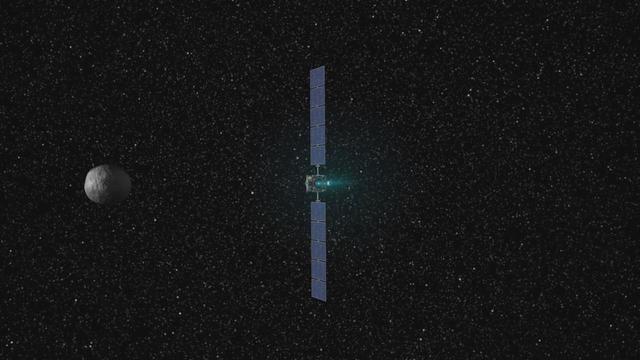
This frame from a movie presents a series of animations showing NASA Dawn spacecraft traveling to and operating at the giant asteroid Vesta.
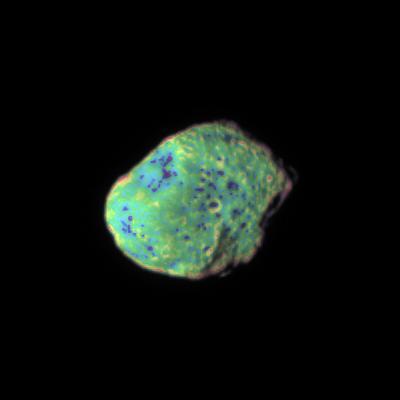
Saturn moon Hyperion appears to tumble toward Cassini in this movie that shows variations in color across the moon surface
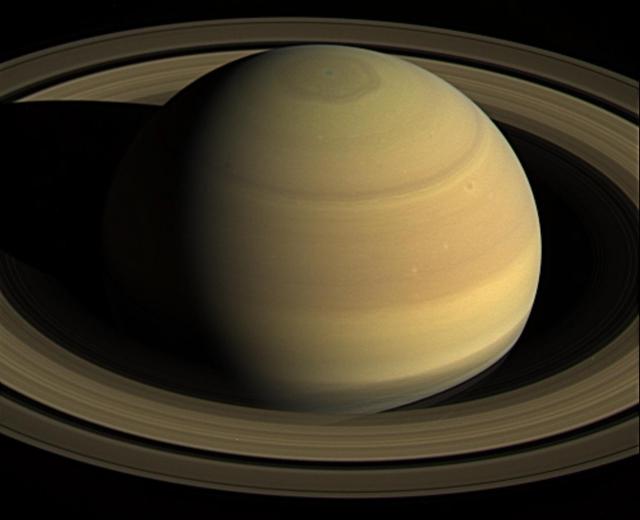
NASA's Cassini spacecraft stared at Saturn for nearly 44 hours on April 25 to 27, 2016, to obtain this movie showing just over four Saturn days. With Cassini's orbit being moved closer to the planet in preparation for the mission's 2017 finale, scientists took this final opportunity to capture a long movie in which the planet's full disk fit into a single wide-angle camera frame. Visible at top is the giant hexagon-shaped jet stream that surrounds the planet's north pole. Each side of this huge shape is slightly wider than Earth. The resolution of the 250 natural color wide-angle camera frames comprising this movie is 512x512 pixels, rather than the camera's full resolution of 1024x1024 pixels. Cassini's imaging cameras have the ability to take reduced-size images like these in order to decrease the amount of data storage space required for an observation. The spacecraft began acquiring this sequence of images just after it obtained the images to make a three-panel color mosaic. When it began taking images for this movie sequence, Cassini was 1,847,000 miles (2,973,000 kilometers) from Saturn, with an image scale of 355 kilometers per pixel. When it finished gathering the images, the spacecraft had moved 171,000 miles (275,000 kilometers) closer to the planet, with an image scale of 200 miles (322 kilometers) per pixel. A movie is available at http://photojournal.jpl.nasa.gov/catalog/PIA21047
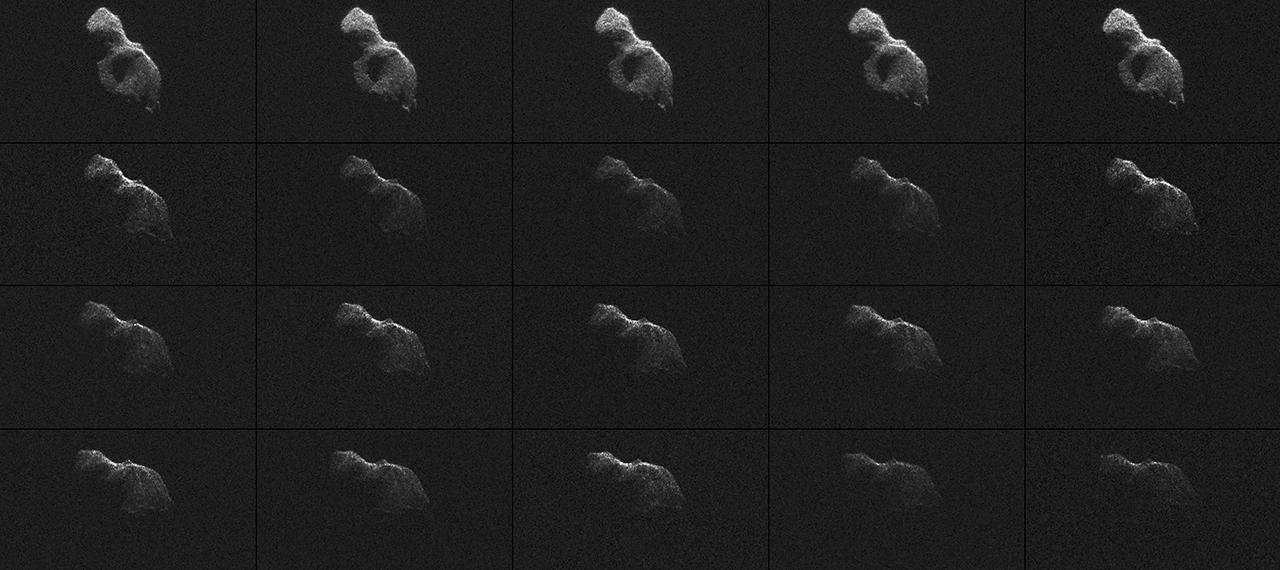
NASA scientists used Earth-based radar to produce these sharp views -- an image montage and a movie sequence -- of the asteroid designated 2014 HQ124 on June 8, 2014.
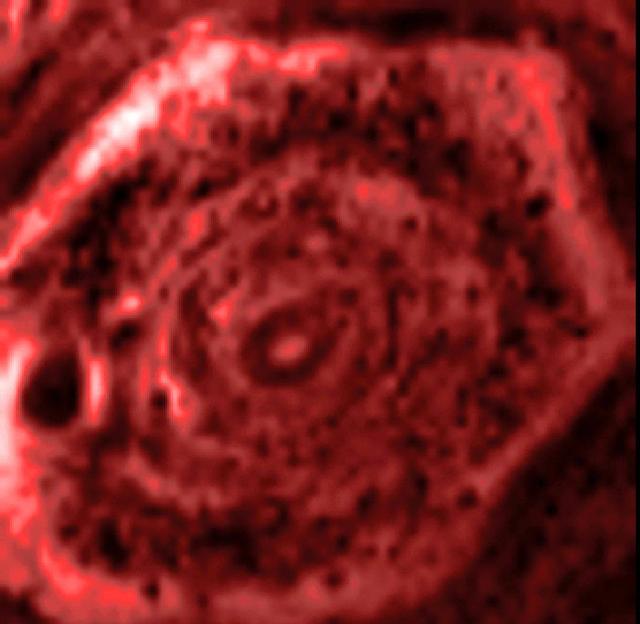
This frame from an infrared movie from NASA Cassini mission shows the churning of the curious six-sided jet stream at Saturn north pole known as the hexagon.

The sun descends to the Martian horizon and sets in this image from the panoramic camera Pancam on NASA Mars Exploration Rover Opportunity. A movie is available at the Photojournal.

The larger of the two moons of Mars, Phobos, passes in front of the Sun face in this image from NASA Mars Exploration Rover Opportunity. A movie is available at the Photojournal.
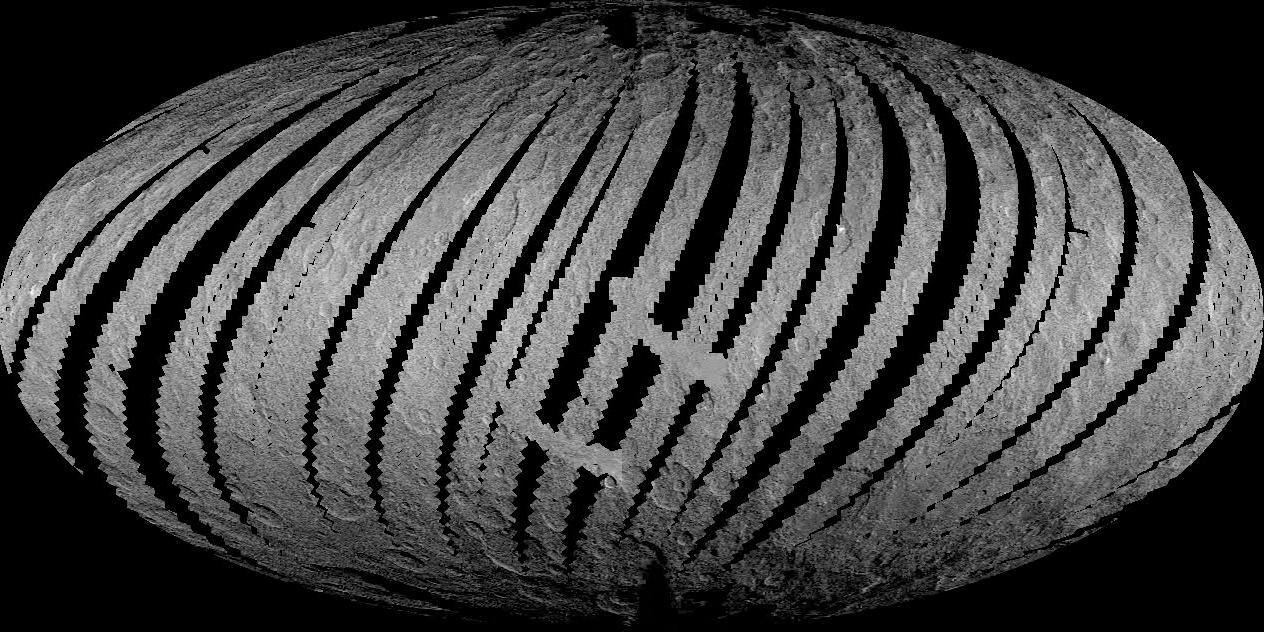
This frame from a movie shows that the brightest area on Ceres, located in Occator Crater, was one of the last features to be imaged as NASA Dawn progressively built its map.
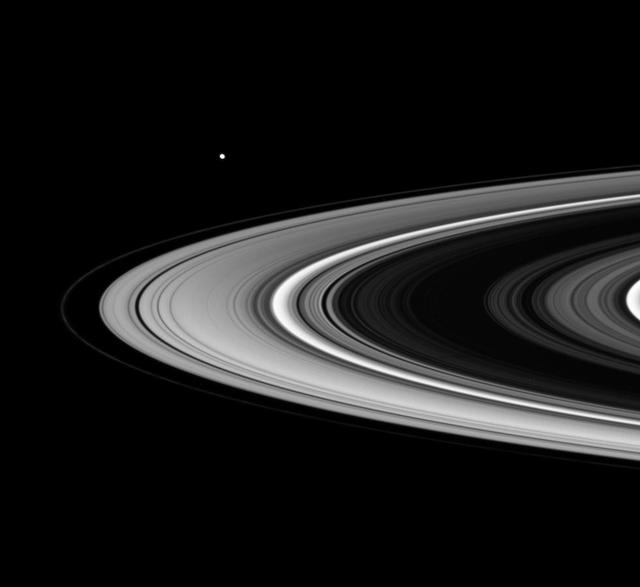
This movie begins with a view of the sunlit side of the rings. As the spacecraft speeds from south to north, the rings appear to tilt downward and collapse to a thin plane
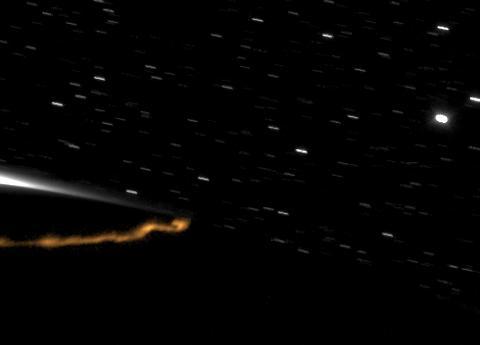
An aurora, shining high above the northern part of Saturn, moves from the night side to the day side of the planet in this movie recorded by NASA Cassini spacecraft.
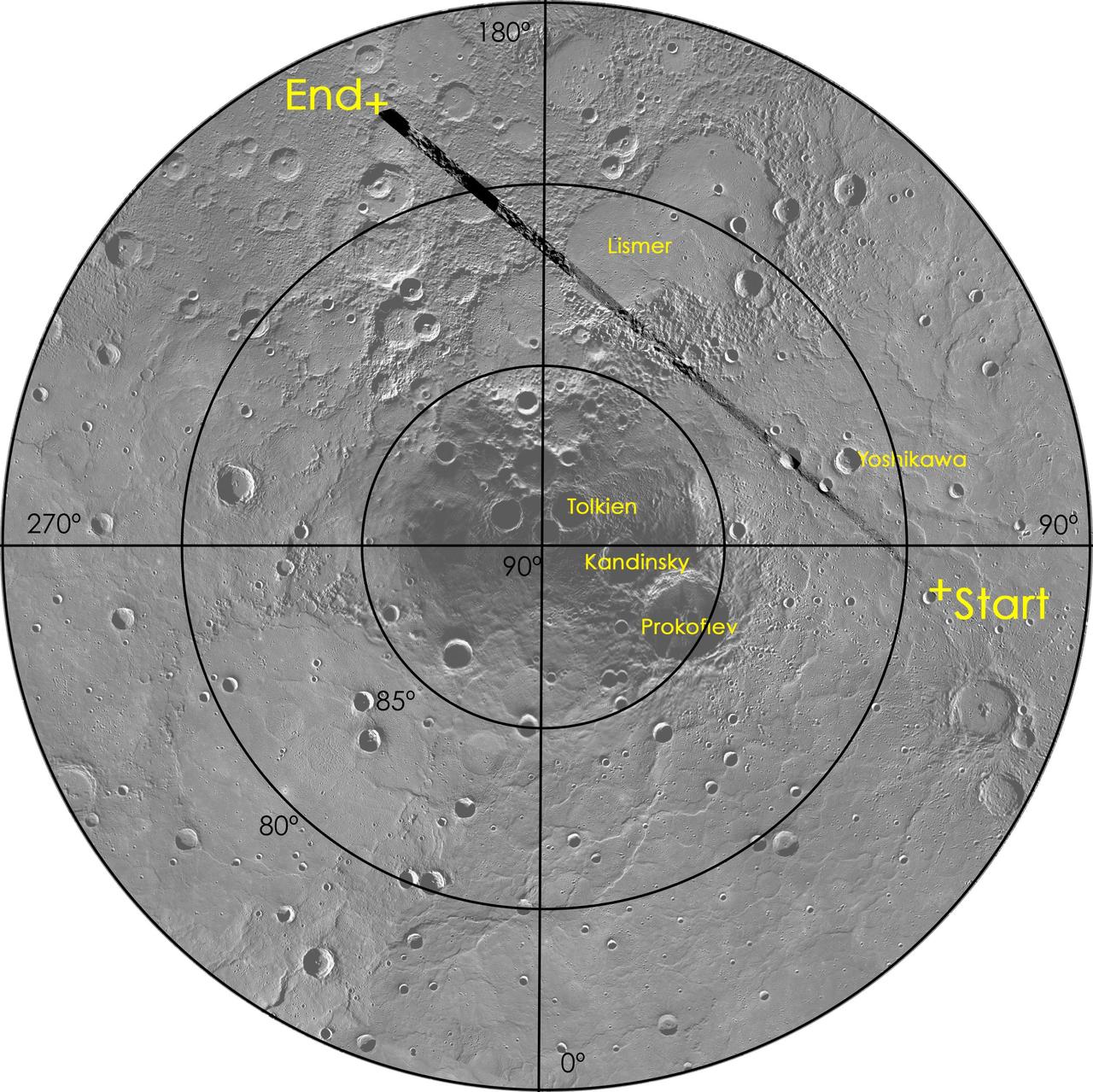
A View of MESSENGER Flight Path. This figure highlights the flight path of NASA MESSENGER during its acquisition of images used in its flyover movie.
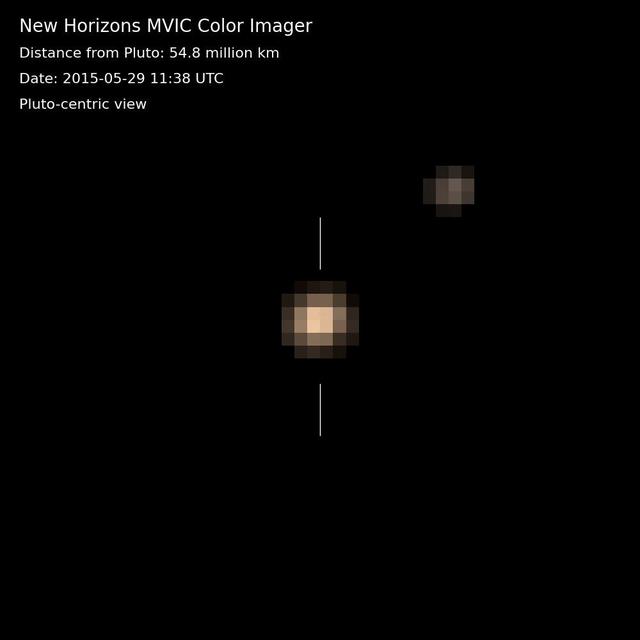
The first color movies from NASA's New Horizons mission show Pluto and its largest moon, Charon, and the complex orbital dance of the two bodies, known as a double planet. A near-true color movie were assembled from images made in three colors -- blue, red and near-infrared -- by the Multispectral Visible Imaging Camera on the instrument known as Ralph. The images were taken on nine different occasions from May 29-June 3, 2015. The movie is "Pluto-centric," meaning that Charon is shown as it moves in relation to Pluto, which is digitally centered in the movie. (The North Pole of Pluto is at the top.) Pluto makes one turn around its axis every 6 days, 9 hours and 17.6 minutes-the same amount of time that Charon rotates in its orbit. Looking closely at the images in this movie, one can detect a regular shift in Pluto's brightness-due to the brighter and darker terrains on its differing faces. http://photojournal.jpl.nasa.gov/catalog/PIA19689

This movie shows the Martian moon Phobos as viewed in visible light by NASA's 2001 Mars Odyssey orbiter on April 24, 2019. It was put together from 19 images taken 1 second apart by Odyssey's infrared camera, Thermal Emission Imaging System (THEMIS). The apparent motion is due to progression of the camera's pointing during the observation. This was the third observation of Phobos by Mars Odyssey. While displayed here in visible-wavelength light, THEMIS also recorded thermal-infrared imagery in the same scan. The distance to Phobos from Odyssey during the observation was about 5,692 miles (9,160 kilometers). Movie available at https://photojournal.jpl.nasa.gov/catalog/PIA23207
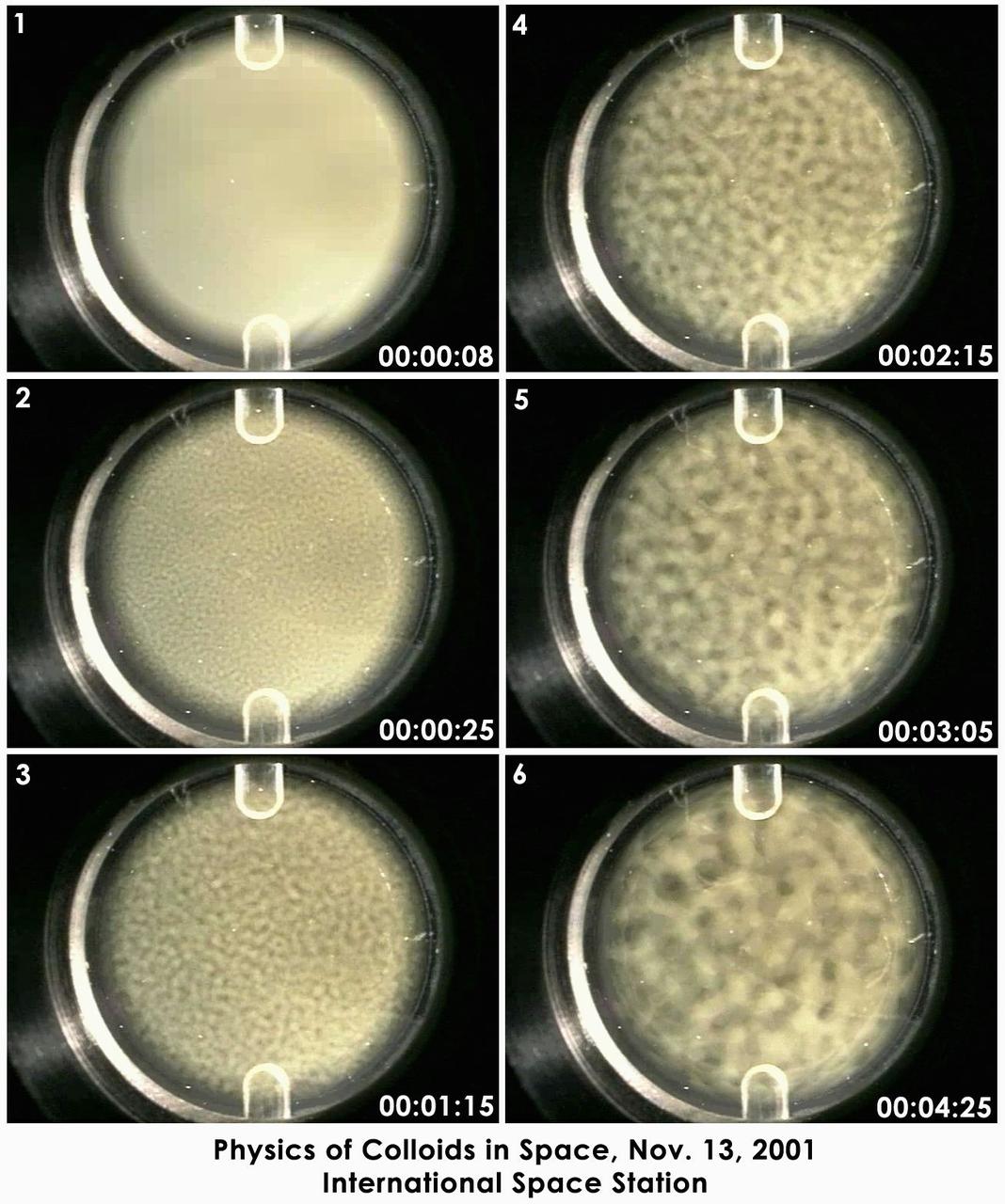
Still photographs taken over 16 hours on Nov. 13, 2001, on the International Space Station have been condensed into a few seconds to show the de-mixing -- or phase separation -- process studied by the Experiment on Physics of Colloids in Space. Commanded from the ground, dozens of similar tests have been conducted since the experiment arrived on ISS in 2000. The sample is a mix of polymethylmethacrylate (PMMA or acrylic) colloids, polystyrene polymers and solvents. The circular area is 2 cm (0.8 in.) in diameter. The phase separation process occurs spontaneously after the sample is mechanically mixed. The evolving lighter regions are rich in colloid and have the structure of a liquid. The dark regions are poor in colloids and have the structure of a gas. This behavior carnot be observed on Earth because gravity causes the particles to fall out of solution faster than the phase separation can occur. While similar to a gas-liquid phase transition, the growth rate observed in this test is different from any atomic gas-liquid or liquid-liquid phase transition ever measured experimentally. Ultimately, the sample separates into colloid-poor and colloid-rich areas, just as oil and vinegar separate. The fundamental science of de-mixing in this colloid-polymer sample is the same found in the annealing of metal alloys and plastic polymer blends. Improving the understanding of this process may lead to improving processing of these materials on Earth.
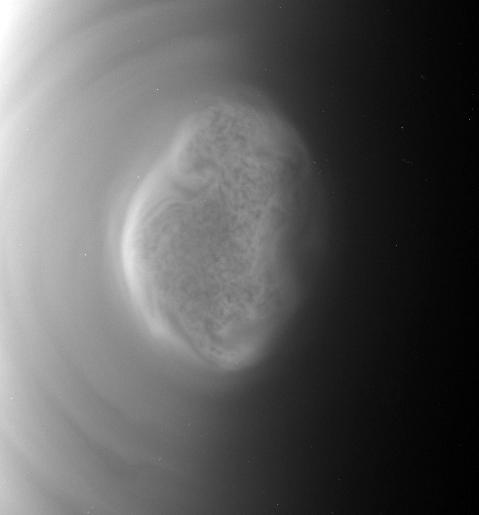
This image from a movie captured by NASAS Cassini spacecraft shows a south polar vortex, or shows a south polar vortex, or a swirling mass of gas around the pole in the atmosphere, at Saturn moon Titan.
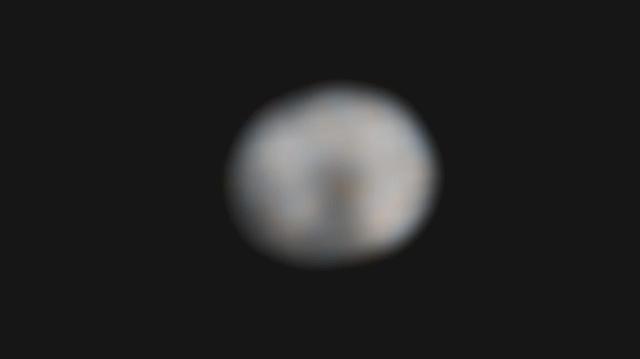
Hubble Wide Field Camera 3 observed the potato-shaped asteroid in preparation for the visit by NASA Dawn spacecraft in 2011. This is one frame from a movie showing the difference in brightness and color on the asteroid surface.
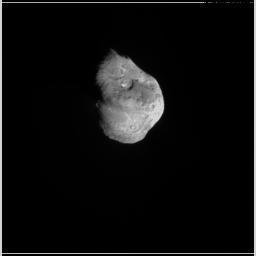
This frame from a movie shows NASA Deep Impact impactor probe approaching comet Tempel 1. It is made up of images taken by the probe impactor targeting sensor in 2005.
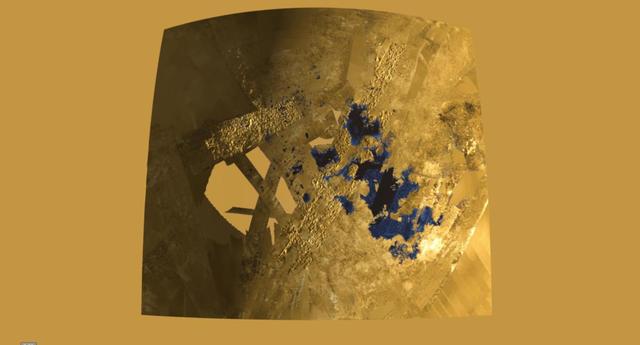
This frame from a colorized flyover movie from NASA Cassini mission shows the two largest seas on Saturn moon Titan and nearby lakes. The liquid in Titan lakes and seas is mostly methane and ethane.
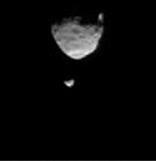
This frame from a movie clip shows the larger of Mars two moons, Phobos, passing in front of the smaller Martian moon, Deimos, as observed by NASA Mars rover Curiosity.
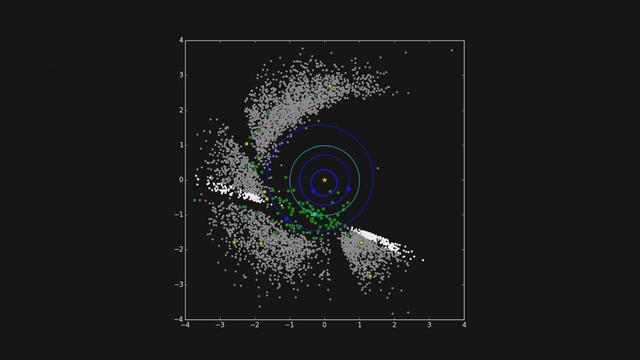
This frame from a movie shows the progression of NASA NEOWISE survey in the mission first year following its restart in December 2013. Each dot represents an asteroid or comet that the mission observed.
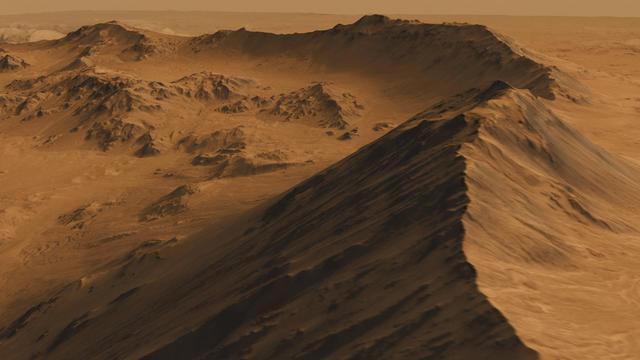
This is a screen shot from a high-definition simulated movie of Mojave Crater on Mars, based on images taken by the High Resolution Imaging Science Experiment HiRISE camera on NASA Mars Reconnaissance Orbiter.

In this view captured by NASA Cassini spacecraft on its closest-ever flyby of Saturn moon Mimas, large Herschel Crater dominates Mimas, making the moon look like the Death Star in the movie Star Wars.
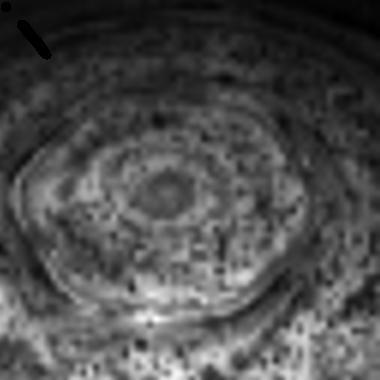
This nighttime movie of the depths of the north pole of Saturn reveals a dynamic, active planet lurking underneath the ubiquitous cover of upper-level hazes. The defining feature of Saturn north polar regions
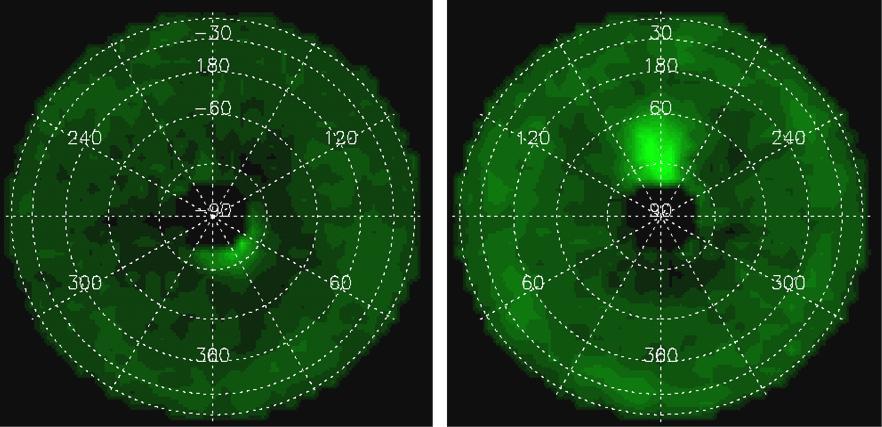
This graphic shows the distribution of the organic molecule acetylene at the north and south poles of Jupiter, based on data obtained by NASA Cassini spacecraft in early January 2001. Movie is available at the Photojournal.
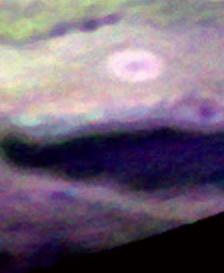
In this movie, put together from false-color images taken by the New Horizons Ralph instrument as the spacecraft flew past Jupiter in early 2007, show ammonia clouds appearing as bright blue areas as they form and disperse.