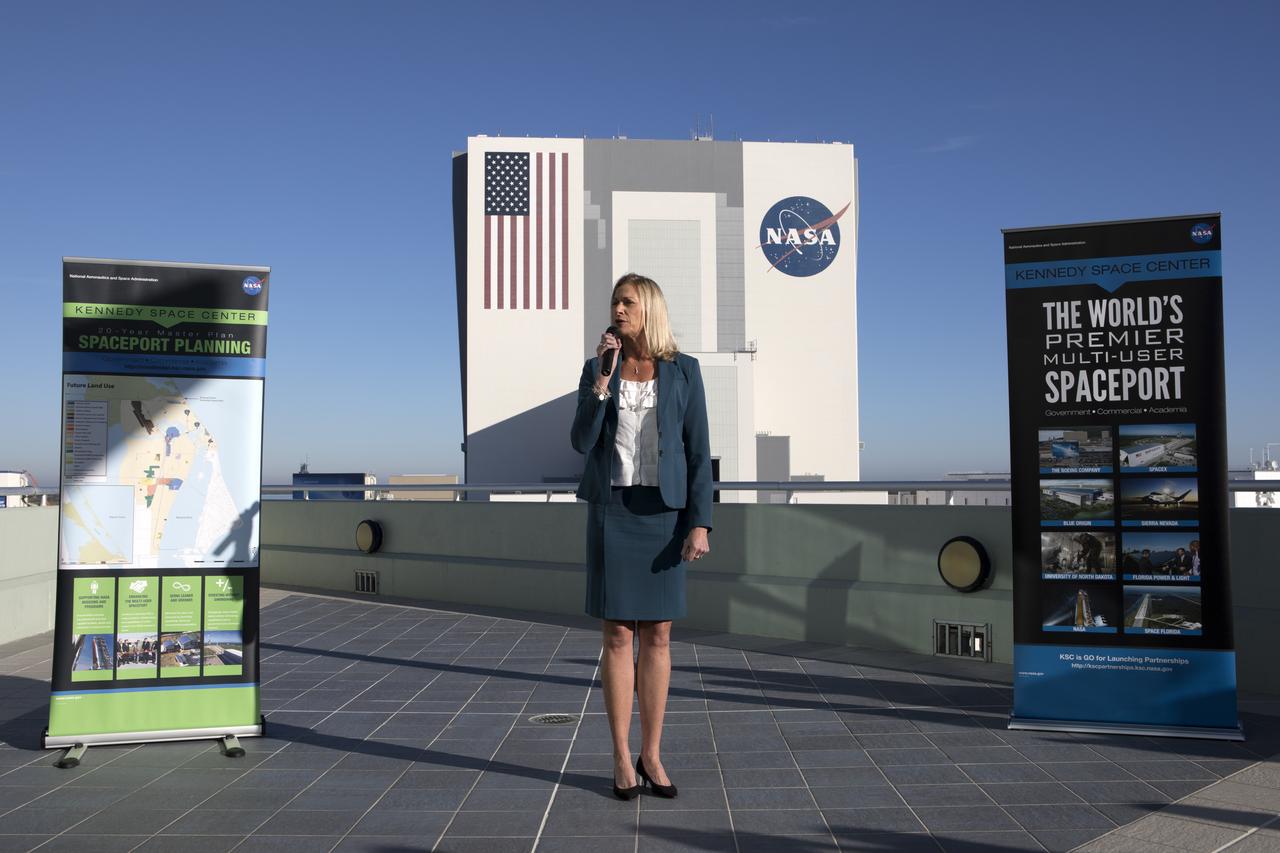
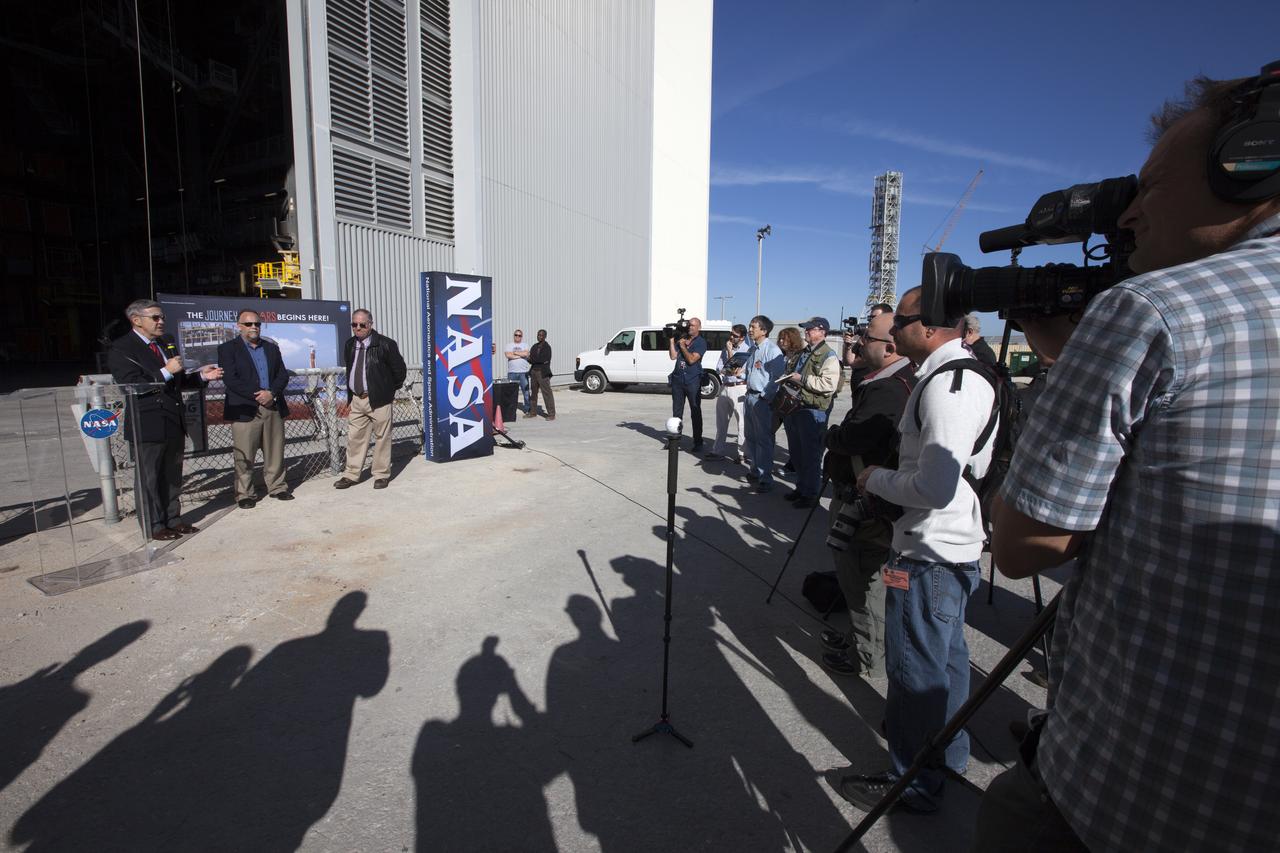
Nancy Bray, director of Spaceport Integration and Services at NASA's Kennedy Space Center, speaks to members of the news media on the balcony of Operations Support Building II describing the site's transition from a primarily government-only facility to a premier, multi-user spaceport. In the background is the Vehicle Assembly Building (VAB). Modifications were recently completed in the VAB where new work platforms were installed to support processing of NASA's Space Launch System rocket designed to send the Orion spacecraft on missions beyond low-Earth orbit.
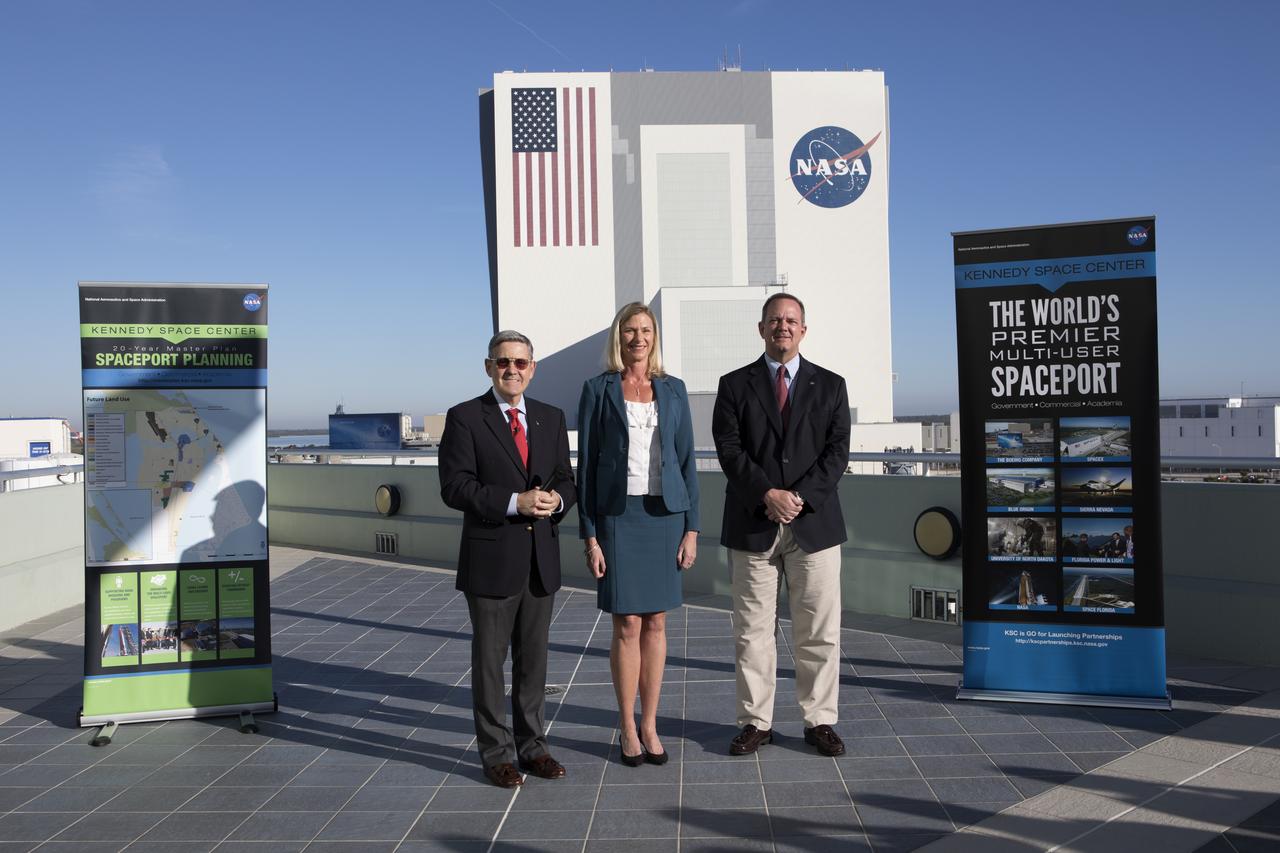
Kennedy Space Center Director Bob Cabana, left, was joined by Nancy Bray, director of Spaceport Integration and Services, center, and Tom Engler, director of Center Planning and Development in briefing members of the news media on the balcony of Operations Support Building II. They described Kennedy's transition from a primarily government-only facility to a premier, multi-user spaceport. In the background is the Vehicle Assembly Building (VAB). Modifications were recently completed in the VAB where new work platforms were installed to support processing of NASA's Space Launch System rocket designed to send the Orion spacecraft on missions beyond low-Earth orbit.
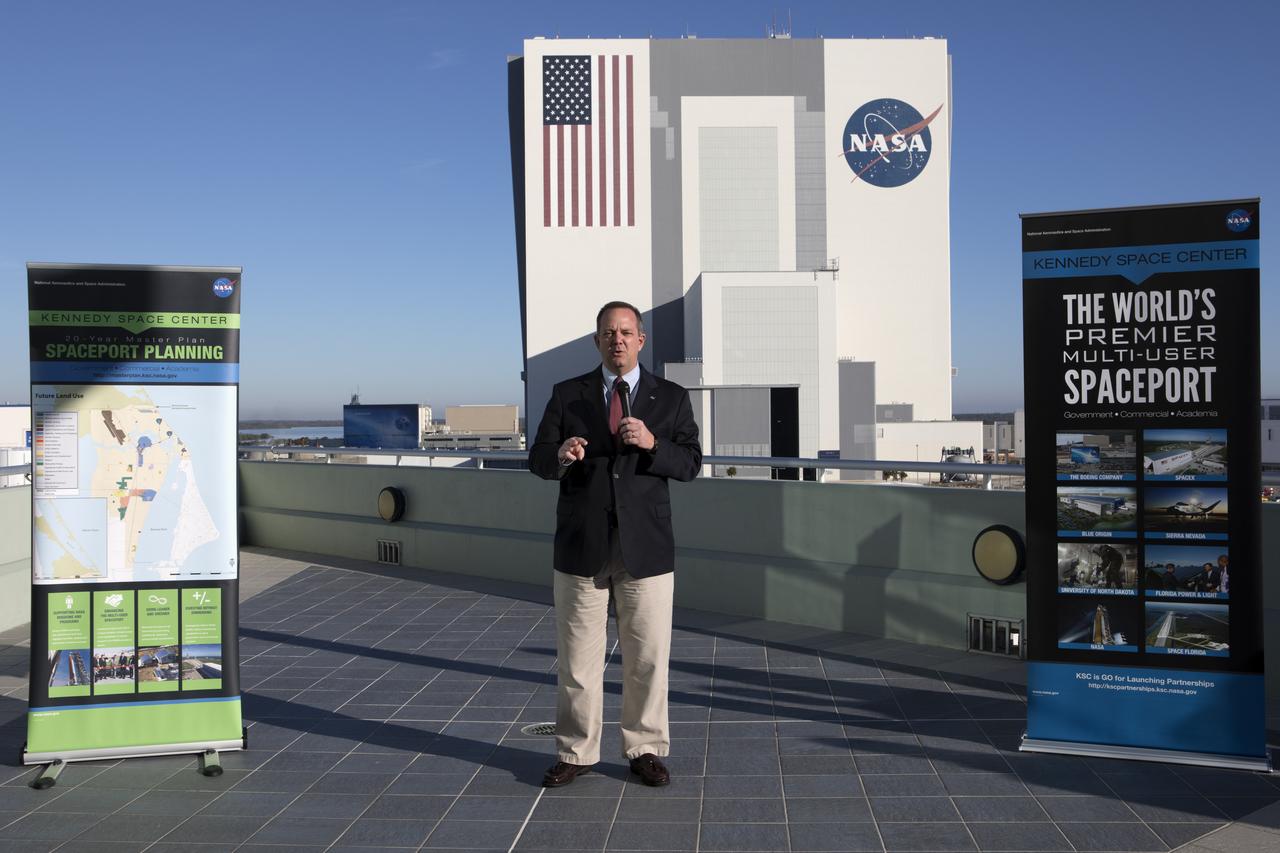
Tom Engler, director of Center Planning and Development at NASA's Kennedy Space Center, speaks to members of the news media on the balcony of Operations Support Building II describing the site's transition from a primarily government-only facility to a premier, multi-user spaceport. In the background is the Vehicle Assembly Building (VAB). Modifications were recently completed in the VAB where new work platforms were installed to support processing of NASA's Space Launch System rocket designed to send the Orion spacecraft on missions beyond low-Earth orbit.
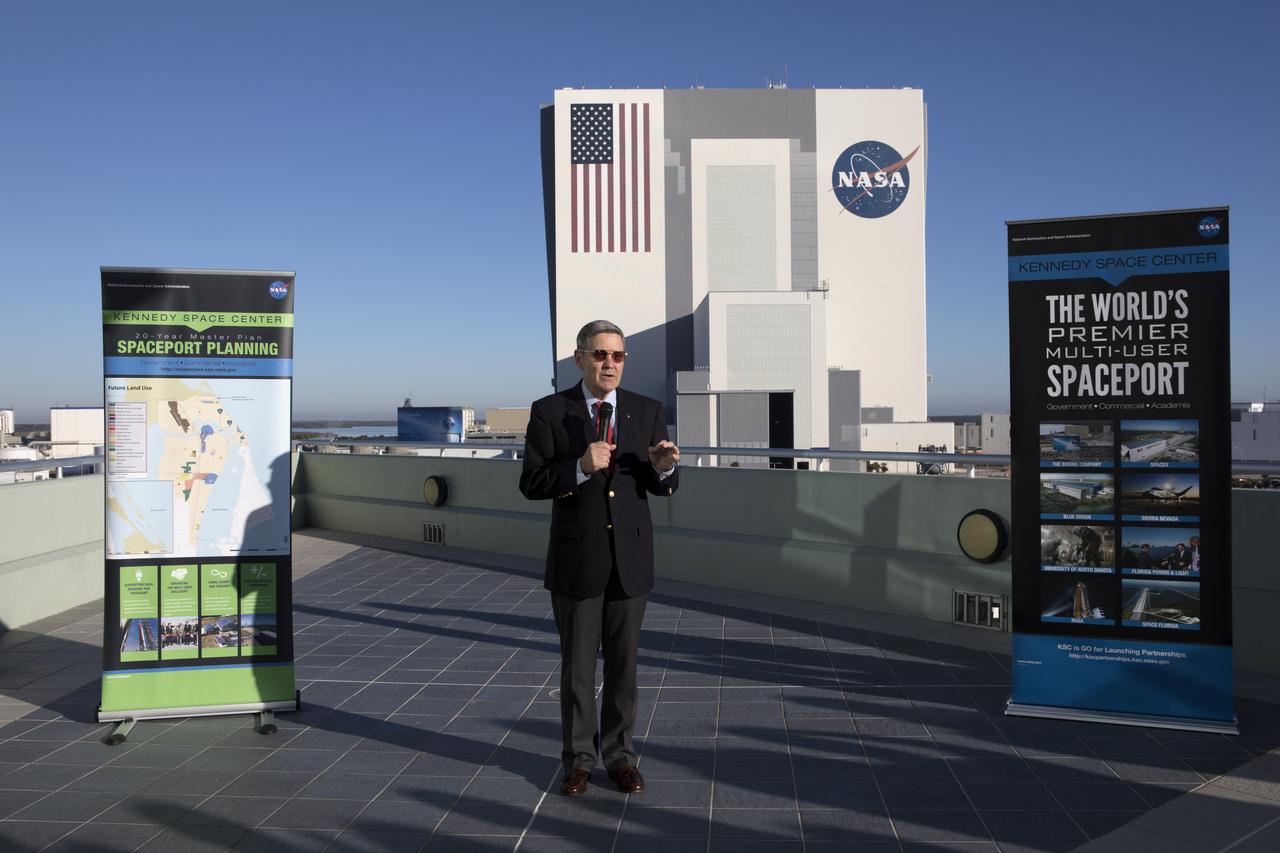
Kennedy Space Center Director Bob Cabana speaks to members of the news media on the balcony of Operations Support Building II describing the site's transition from a primarily government-only facility to a premier, multi-user spaceport. In the background is the Vehicle Assembly Building (VAB). Modifications were recently completed in the VAB where new work platforms were installed to support processing of NASA's Space Launch System rocket designed to send the Orion spacecraft on missions beyond low-Earth orbit.
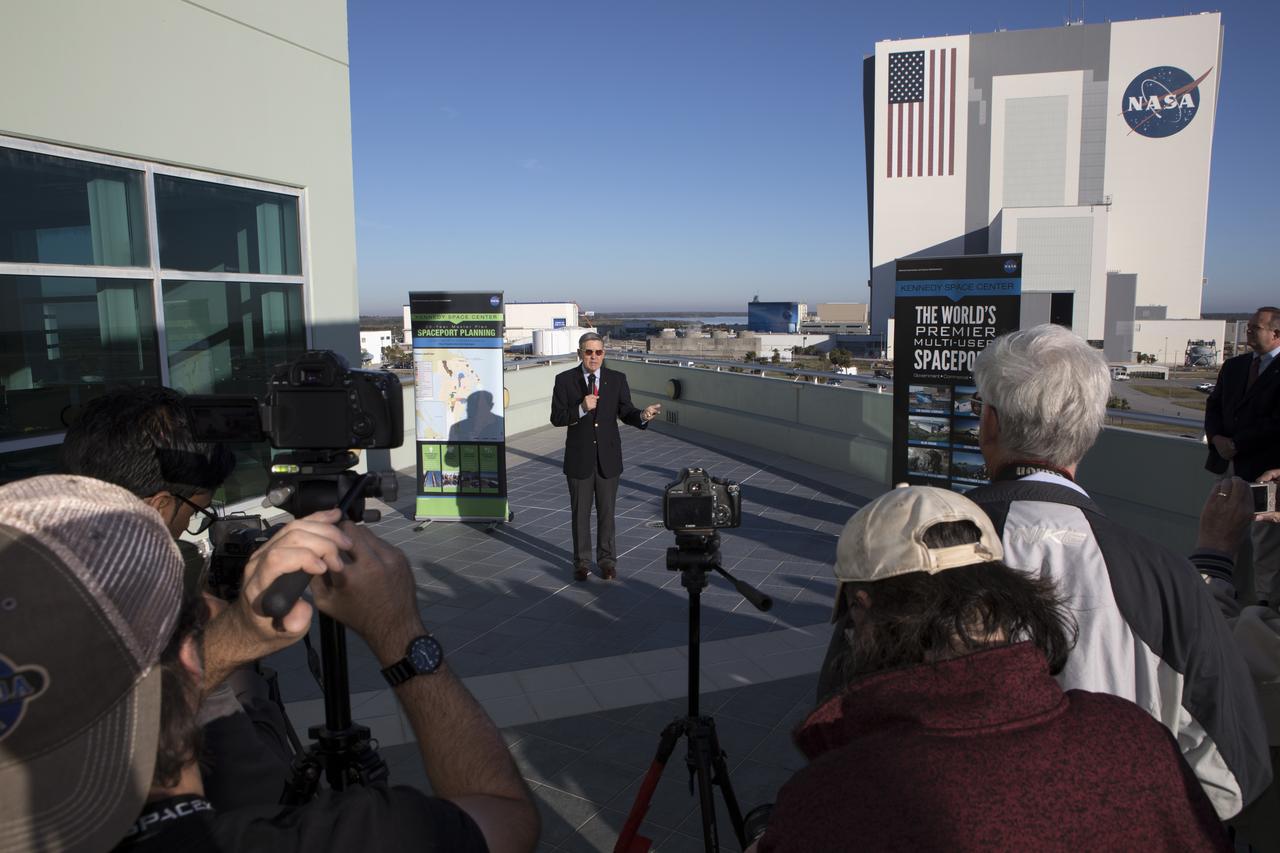
Kennedy Space Center Director Bob Cabana speaks to members of the news media on the balcony of Operations Support Building II describing the site's transition from a primarily government-only facility to a premier, multi-user spaceport. In the background is the Vehicle Assembly Building (VAB). Modifications were recently completed in the VAB where new work platforms were installed to support processing of NASA's Space Launch System rocket designed to send the Orion spacecraft on missions beyond low-Earth orbit.
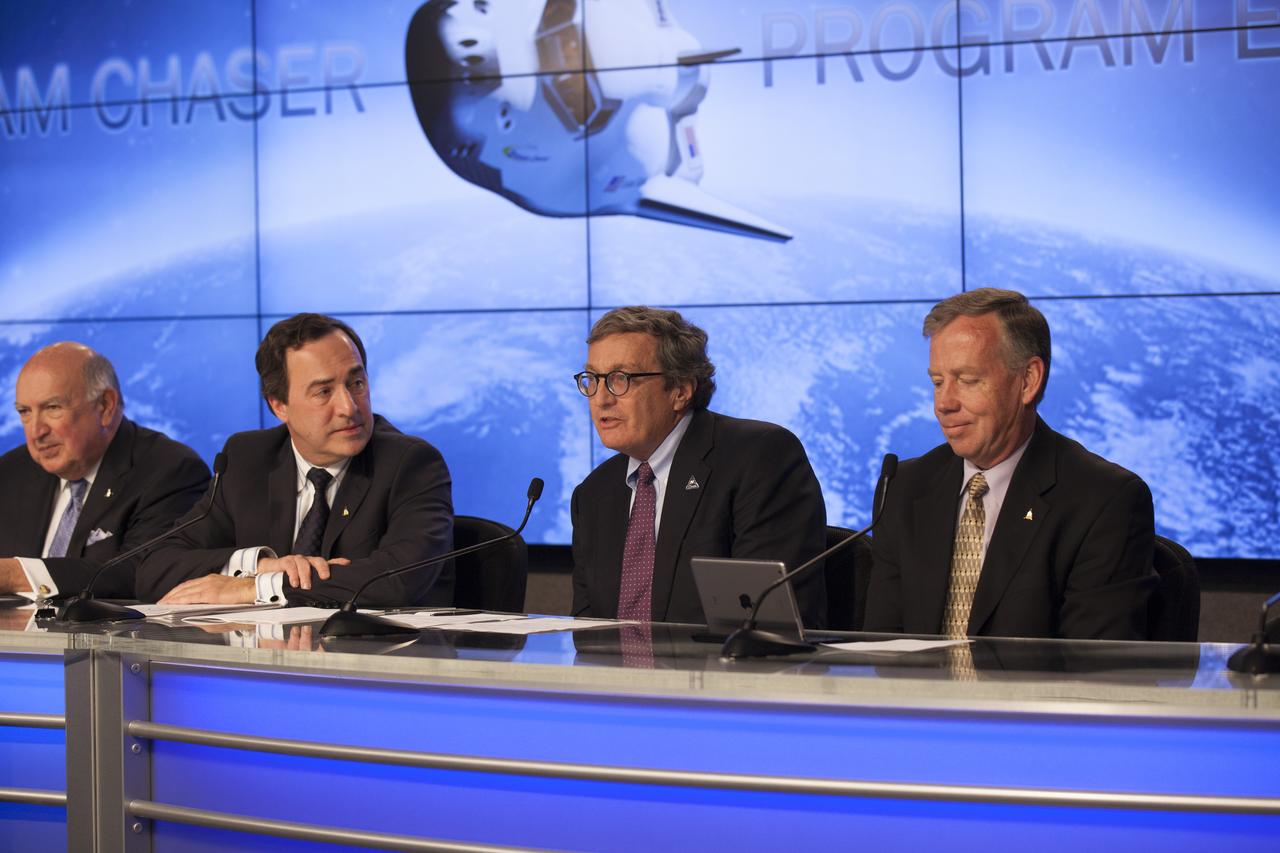
CAPE CANAVERAL, Fla. – Larry Price, Lockheed Martin Space Systems deputy program manager for NASA's Orion spacecraft, joins Sierra Nevada Corporation, or SNC, Space Systems, as the company announces the steps it will take to prepare for a November 2016 orbital flight of its Dream Chaser spacecraft from Florida’s Space Coast. The steps are considered substantial for SNC and important to plans by NASA and Space Florida for Kennedy Space Center’s transformation into a multi-user spaceport for both commercial and government customers. SNC said it plans to work with United Launch Alliance, or ULA, to launch the Dream Chaser spacecraft into orbit atop an Atlas V rocket from Space Launch Complex 41 at Cape Canaveral Air Force Station intends to land the winged spacecraft at Kennedy’s 3.5-mile long runway at the Shuttle Landing Facility lease office space at Exploration Park, right outside Kennedy’s gates and process the spacecraft in the high bay of the Operations and Checkout Building at Kennedy, with Lockheed Martin performing the work. Photo credit: NASA/Kim Shiflett
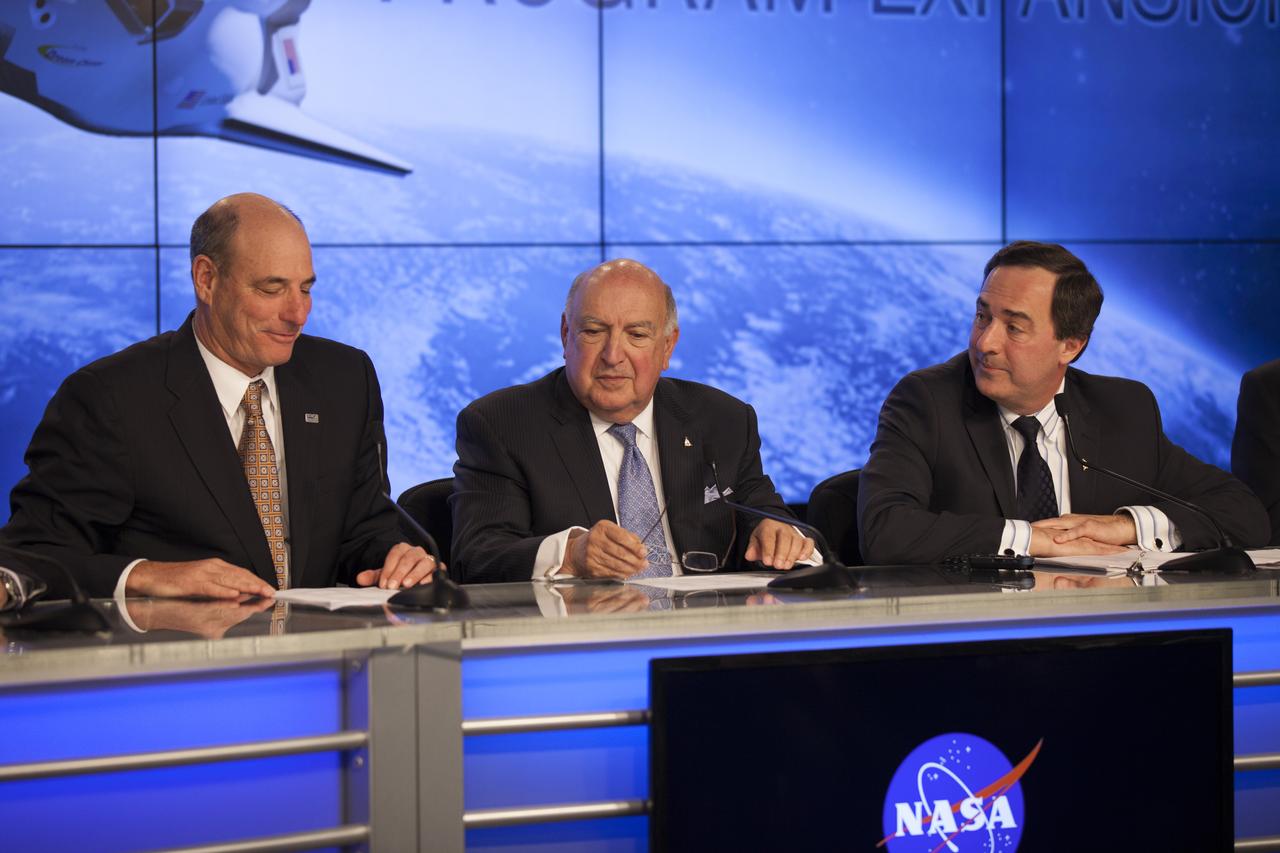
CAPE CANAVERAL, Fla. – Frank DiBello, president and CEO of Space Florida, joins Sierra Nevada Corporation, or SNC, Space Systems, as the company announces the steps it will take to prepare for a November 2016 orbital flight of its Dream Chaser spacecraft from Florida’s Space Coast. The steps are considered substantial for SNC and important to plans by NASA and Space Florida for Kennedy Space Center’s transformation into a multi-user spaceport for both commercial and government customers. SNC said it plans to work with United Launch Alliance, or ULA, to launch the Dream Chaser spacecraft into orbit atop an Atlas V rocket from Space Launch Complex 41 at Cape Canaveral Air Force Station intends to land the winged spacecraft at Kennedy’s 3.5-mile long runway at the Shuttle Landing Facility lease office space at Exploration Park, right outside Kennedy’s gates and process the spacecraft in the high bay of the Operations and Checkout Building at Kennedy, with Lockheed Martin performing the work. Photo credit: NASA/Kim Shiflett
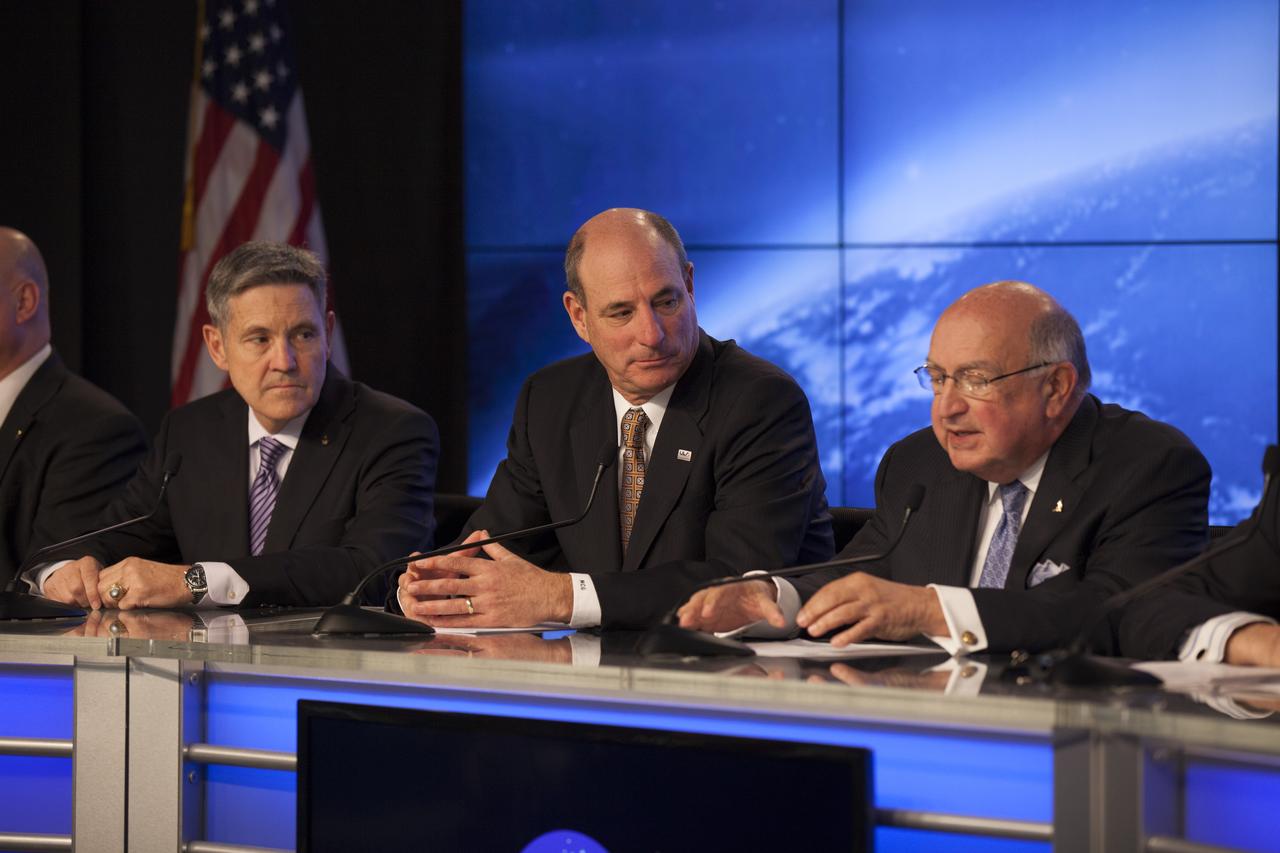
CAPE CANAVERAL, Fla. – Frank DiBello, right, president and CEO of Space Florida, joins Sierra Nevada Corporation, or SNC, Space Systems, as the company announces the steps it will take to prepare for a November 2016 orbital flight of its Dream Chaser spacecraft from Florida’s Space Coast. The steps are considered substantial for SNC and important to plans by NASA and Space Florida for Kennedy Space Center’s transformation into a multi-user spaceport for both commercial and government customers. SNC said it plans to work with United Launch Alliance, or ULA, to launch the Dream Chaser spacecraft into orbit atop an Atlas V rocket from Space Launch Complex 41 at Cape Canaveral Air Force Station intends to land the winged spacecraft at Kennedy’s 3.5-mile long runway at the Shuttle Landing Facility lease office space at Exploration Park, right outside Kennedy’s gates and process the spacecraft in the high bay of the Operations and Checkout Building at Kennedy, with Lockheed Martin performing the work. Photo credit: NASA/Kim Shiflett
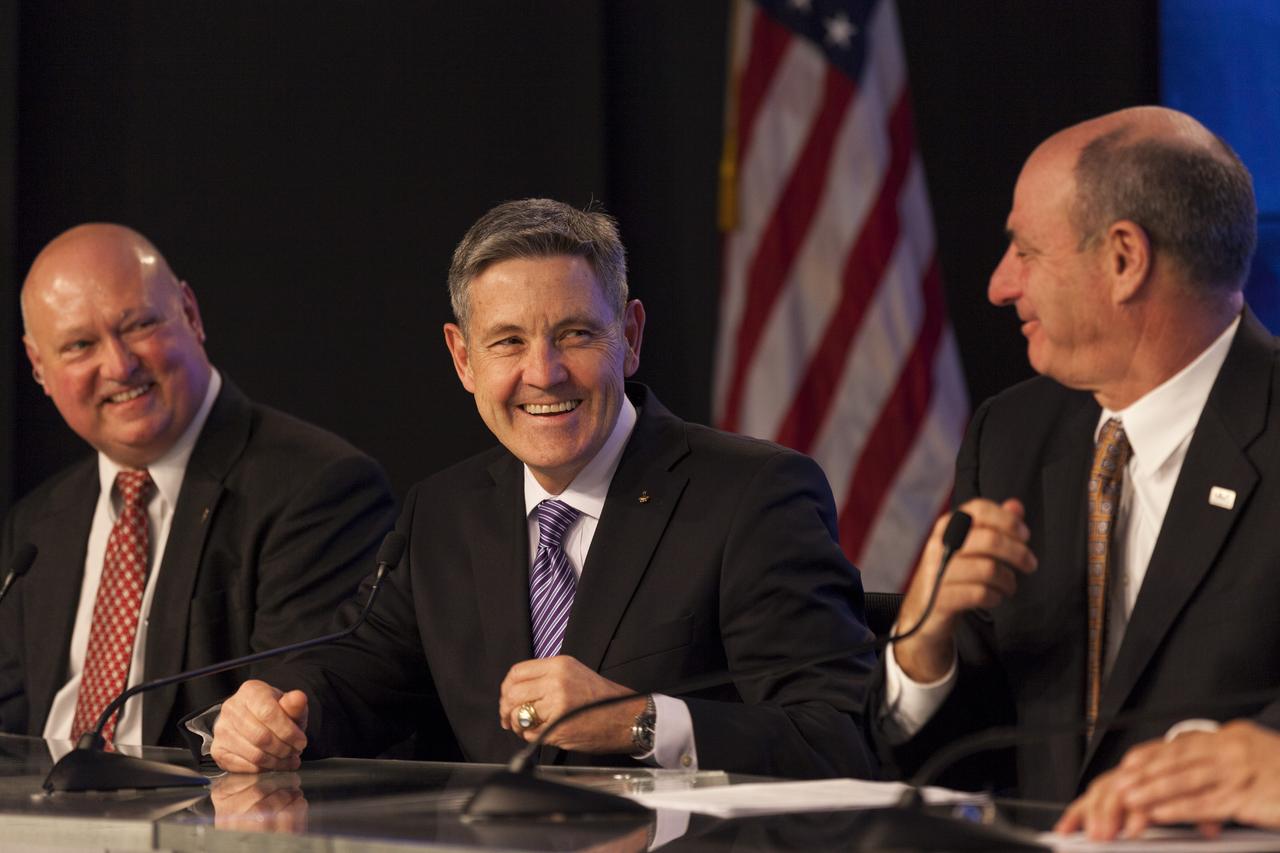
CAPE CANAVERAL, Fla. – Bob Cabana, center, director of Kennedy Space Center in Florida, joins Sierra Nevada Corporation, or SNC, Space Systems, as the company announces the steps it will take to prepare for a November 2016 orbital flight of its Dream Chaser spacecraft from Florida’s Space Coast. The steps are considered substantial for SNC and important to plans by NASA and Space Florida for Kennedy’s transformation into a multi-user spaceport for both commercial and government customers. SNC said it plans to work with United Launch Alliance, or ULA, to launch the Dream Chaser spacecraft into orbit atop an Atlas V rocket from Space Launch Complex 41 at Cape Canaveral Air Force Station intends to land the winged spacecraft at Kennedy’s 3.5-mile long runway at the Shuttle Landing Facility lease office space at Exploration Park, right outside Kennedy’s gates and process the spacecraft in the high bay of the Operations and Checkout Building at Kennedy, with Lockheed Martin performing the work. Photo credit: NASA/Kim Shiflett
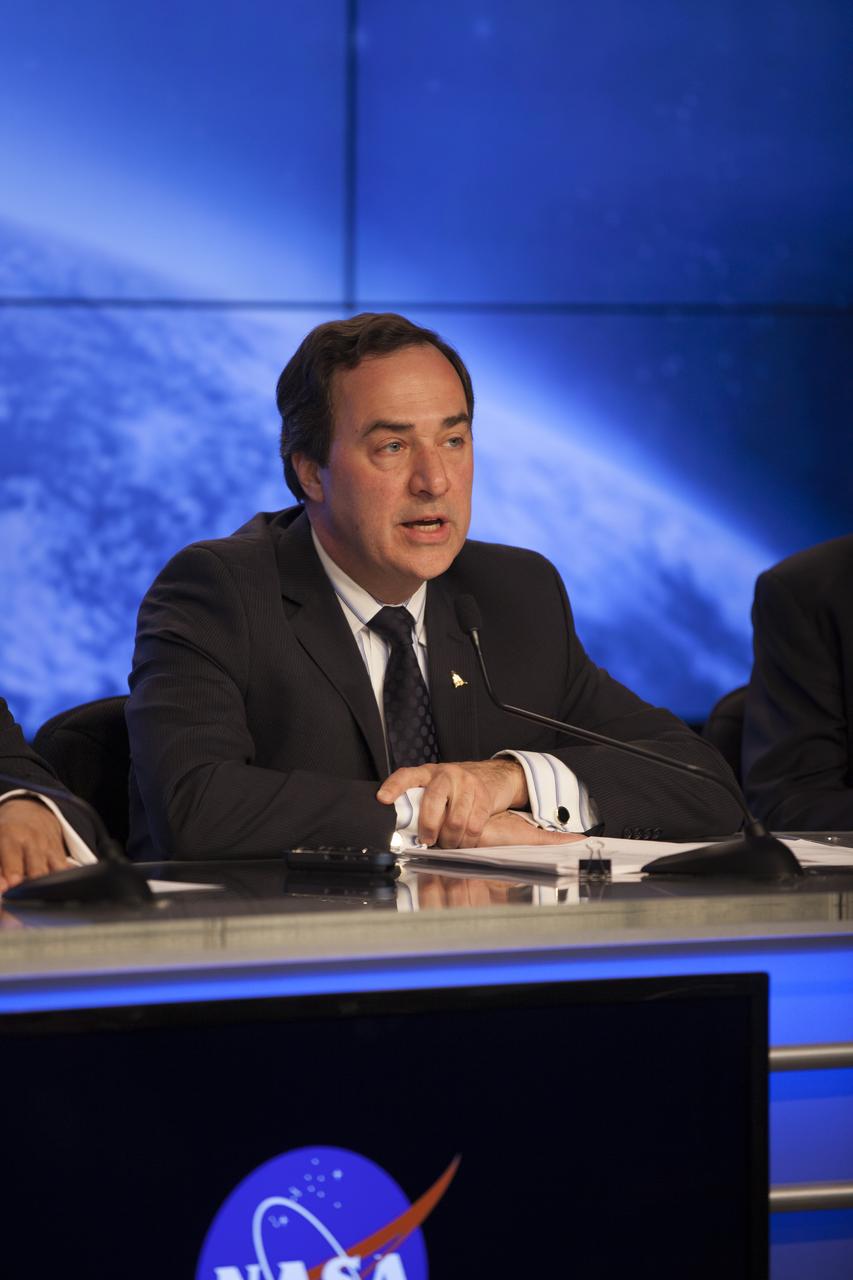
CAPE CANAVERAL, Fla. – Mark Sirangelo, corporate vice president and head of Sierra Nevada Corporation, or SNC, Space Systems, announces the steps the company will take to prepare for a November 2016 orbital flight of its Dream Chaser spacecraft from Florida’s Space Coast. The steps are considered substantial for SNC and important to plans by NASA and Space Florida for Kennedy Space Center’s transformation into a multi-user spaceport for both commercial and government customers. SNC said it plans to work with United Launch Alliance, or ULA, to launch the Dream Chaser spacecraft into orbit atop an Atlas V rocket from Space Launch Complex 41 at Cape Canaveral Air Force Station intends to land the winged spacecraft at Kennedy’s 3.5-mile long runway at the Shuttle Landing Facility lease office space at Exploration Park, right outside Kennedy’s gates and process the spacecraft in the high bay of the Operations and Checkout Building at Kennedy, with Lockheed Martin performing the work. Photo credit: NASA/Kim Shiflett
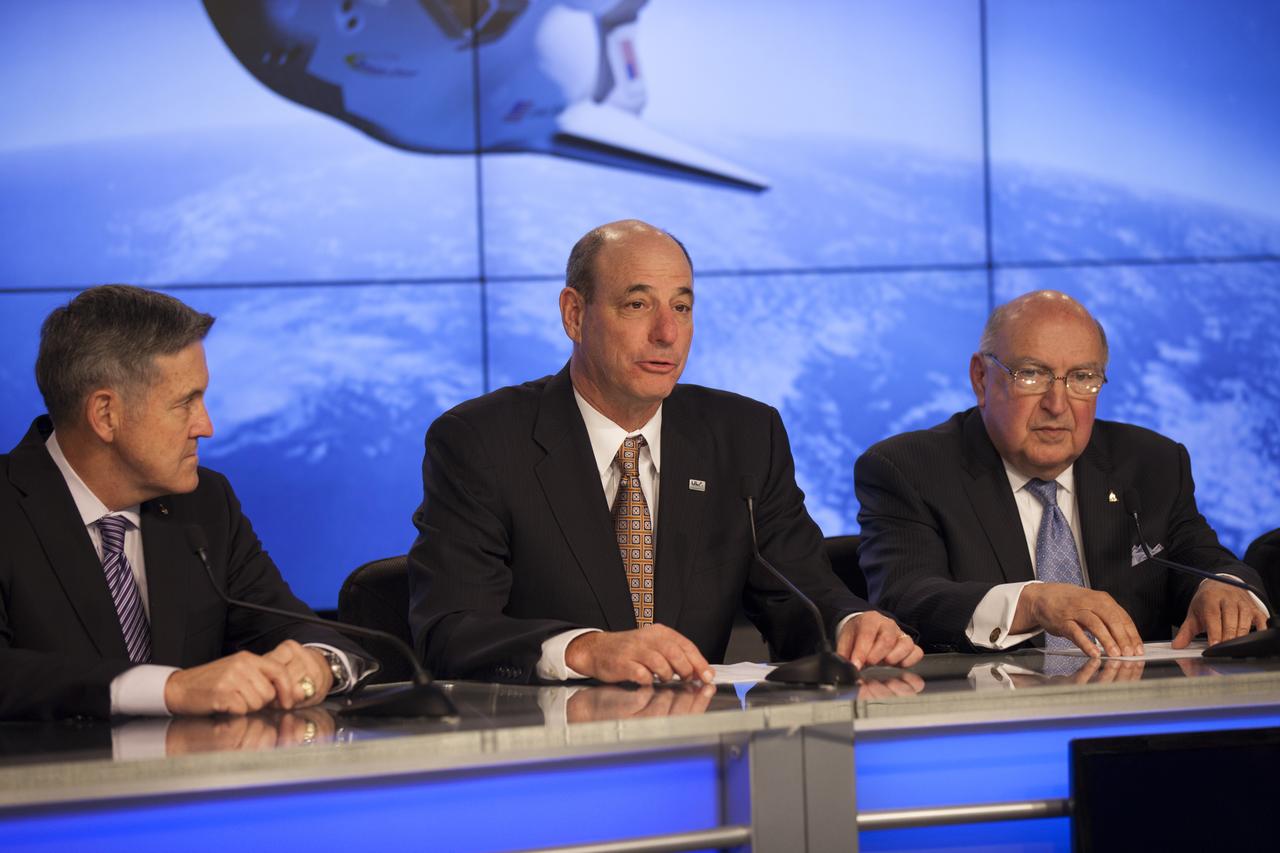
CAPE CANAVERAL, Fla. – Michael Gass, president and CEO of United Launch Alliance, or ULA, joins Sierra Nevada Corporation, or SNC, Space Systems, as the company announces the steps it will take to prepare for a November 2016 orbital flight of its Dream Chaser spacecraft from Florida’s Space Coast. The steps are considered substantial for SNC and important to plans by NASA and Space Florida for Kennedy Space Center’s transformation into a multi-user spaceport for both commercial and government customers. SNC said it plans to work with ULA to launch the Dream Chaser spacecraft into orbit atop an Atlas V rocket from Space Launch Complex 41 at Cape Canaveral Air Force Station intends to land the winged spacecraft at Kennedy’s 3.5-mile long runway at the Shuttle Landing Facility lease office space at Exploration Park, right outside Kennedy’s gates and process the spacecraft in the high bay of the Operations and Checkout Building at Kennedy, with Lockheed Martin performing the work. Photo credit: NASA/Kim Shiflett
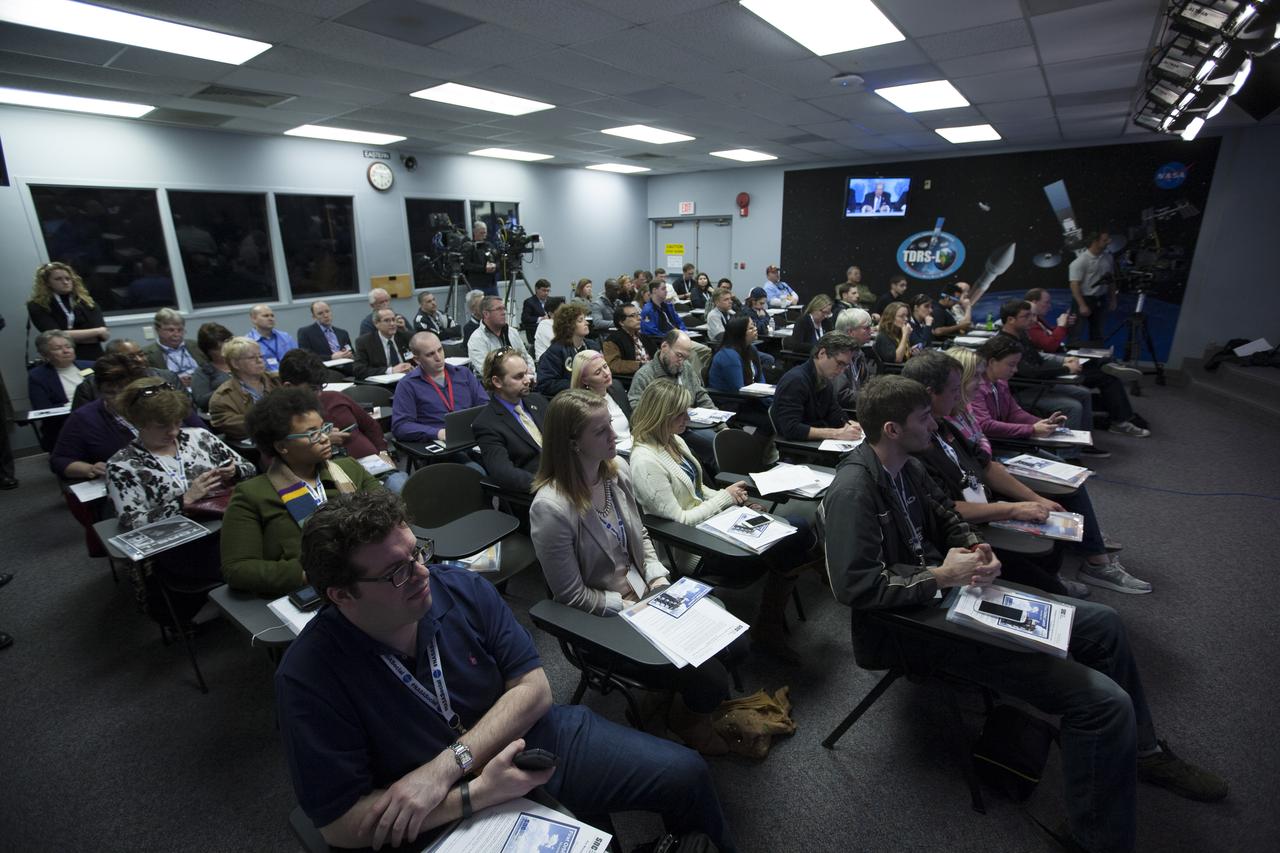
CAPE CANAVERAL, Fla. – Sierra Nevada Corporation, or SNC, Space Systems, announces the steps the company will take to prepare for a November 2016 orbital flight of its Dream Chaser spacecraft from Florida’s Space Coast during a news conference at NASA’s Kennedy Space Center in Florida. The steps are considered substantial for SNC and important to plans by NASA and Space Florida for Kennedy’s transformation into a multi-user spaceport for both commercial and government customers. SNC said it plans to work with ULA to launch the Dream Chaser spacecraft into orbit atop an Atlas V rocket from Space Launch Complex 41 at Cape Canaveral Air Force Station intends to land the winged spacecraft at Kennedy’s 3.5-mile long runway at the Shuttle Landing Facility lease office space at Exploration Park, right outside Kennedy’s gates and process the spacecraft in the high bay of the Operations and Checkout Building at Kennedy, with Lockheed Martin performing the work. Photo credit: NASA/Kim Shiflett
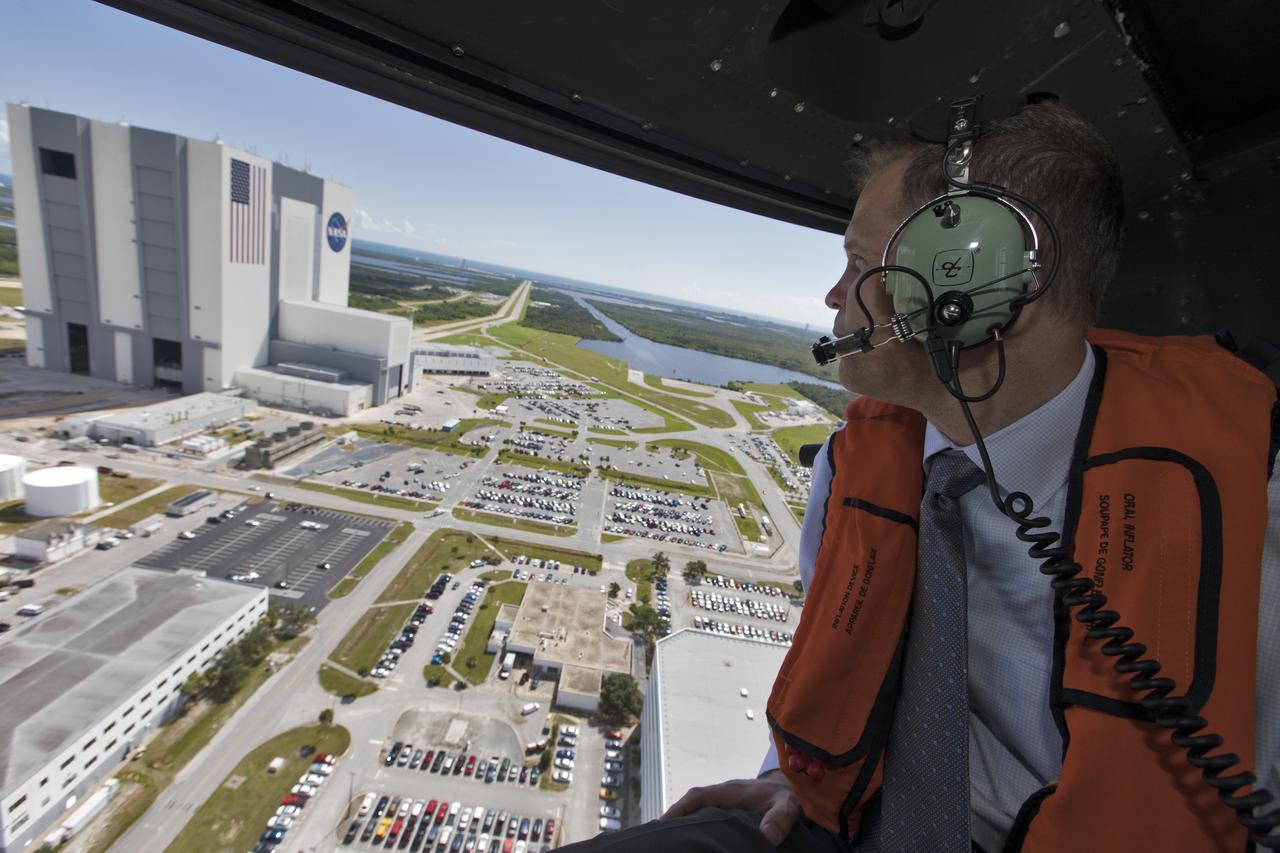
NASA Administrator Jim Bridenstine made his first official visit to the agency's Kennedy Space Center on Monday, Aug. 6, 2018. His up-close look at the premier, multi-user spaceport began with a helicopter tour over the bustling Florida spaceport that included the iconic Vehicle Assembly Building.
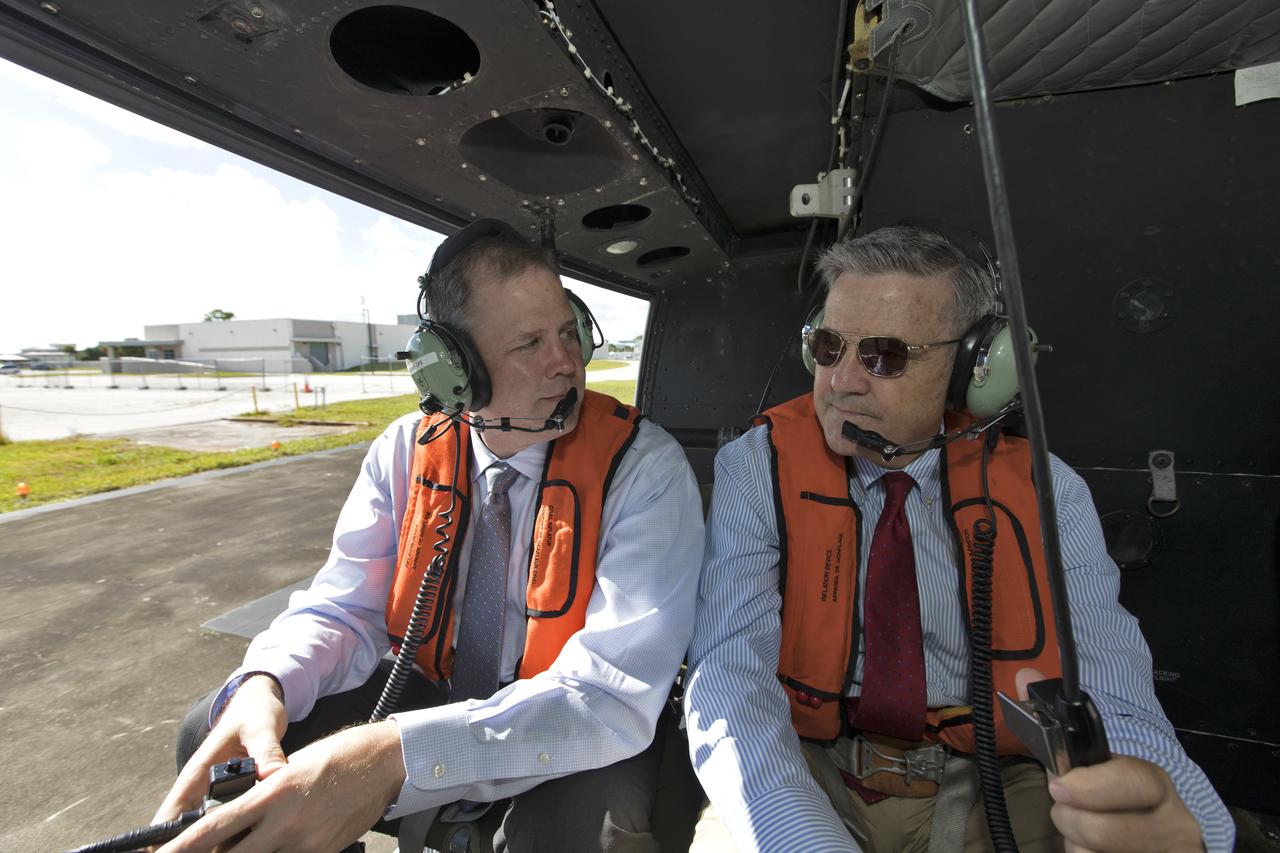
NASA Administrator Jim Bridenstine, left, made his first official visit to the agency's Kennedy Space Center on Monday, Aug. 6, 2018. His up-close look at the premier, multi-user spaceport began with Center Director Bob Cabana giving the administrator a helicopter tour over the bustling Florida spaceport.
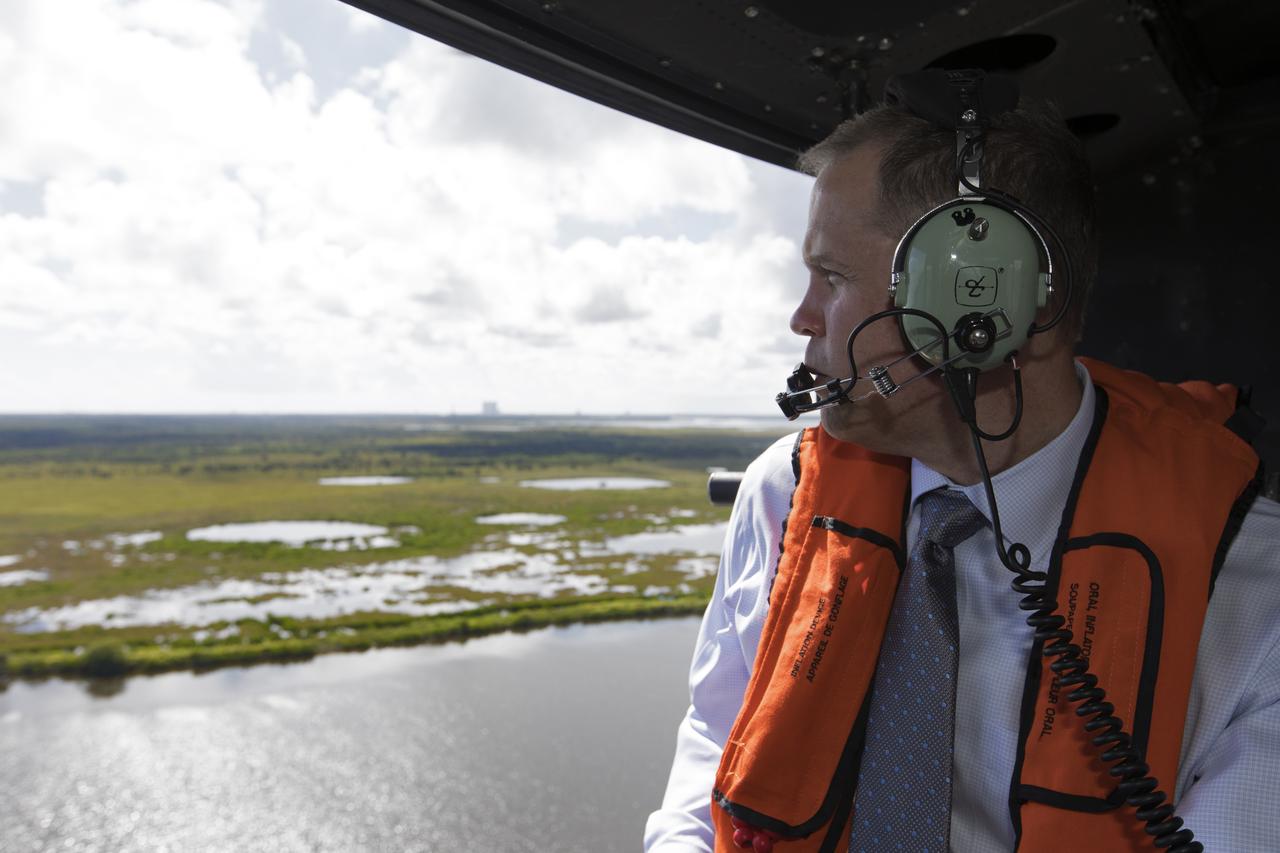
NASA Administrator Jim Bridenstine made his first official visit to the agency's Kennedy Space Center on Monday, Aug. 6, 2018. His up-close look at the premier, multi-user spaceport began with a helicopter tour over the bustling Florida spaceport.
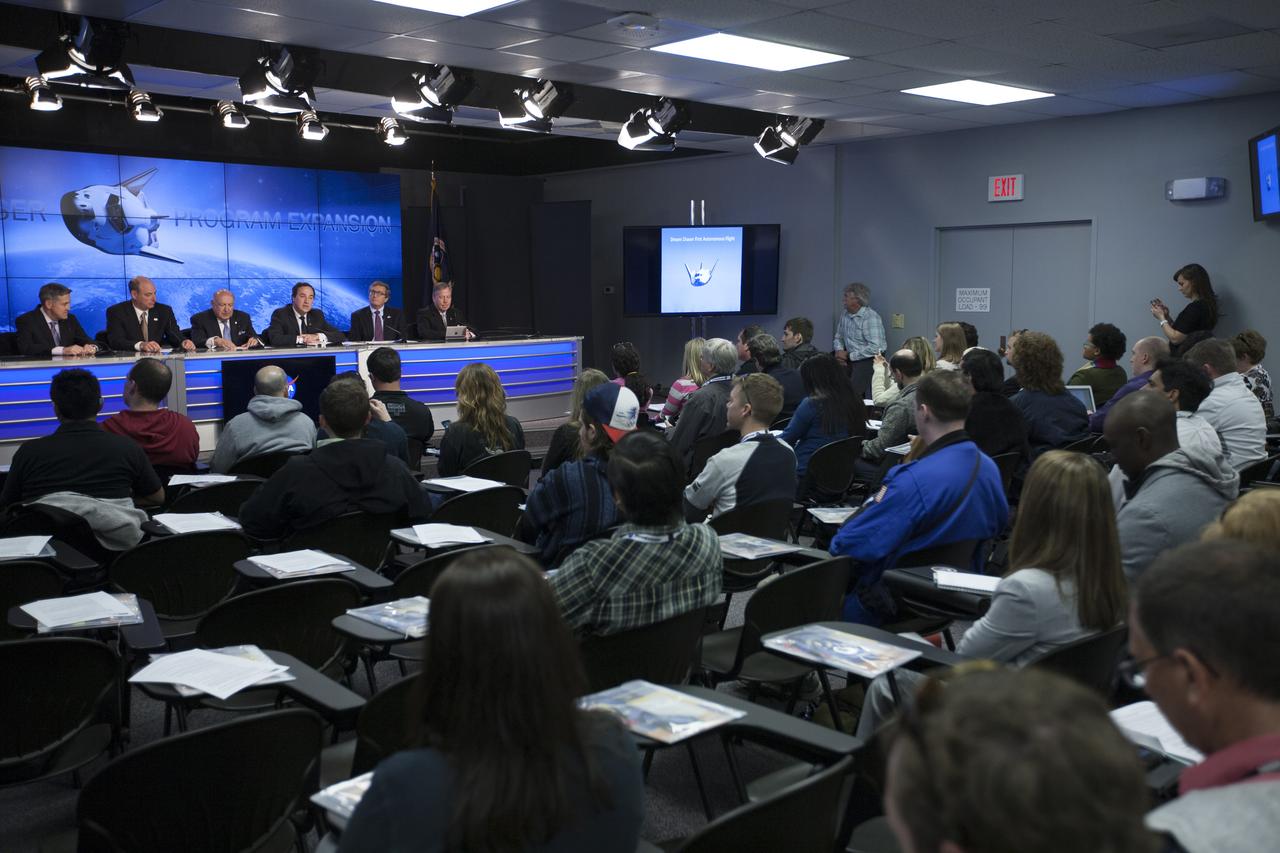
CAPE CANAVERAL, Fla. – Sierra Nevada Corporation, or SNC, Space Systems, announces the steps the company will take to prepare for a November 2016 orbital flight of its Dream Chaser spacecraft from Florida’s Space Coast during a news conference at NASA’s Kennedy Space Center in Florida. Participants, from left, are Bob Cabana, director of Kennedy Michael Gass, president and CEO of United Launch Alliance, or ULA Frank DiBello, president and CEO of Space Florida Mark Sirangelo, corporate vice president and head of SNC Space Systems Larry Price, Lockheed Martin Space Systems deputy program manager for NASA's Orion spacecraft and Steve Lindsey, Dream Chaser program manager for SNC Space Systems. The steps are considered substantial for SNC and important to plans by NASA and Space Florida for Kennedy’s transformation into a multi-user spaceport for both commercial and government customers. SNC said it plans to work with ULA to launch the Dream Chaser spacecraft into orbit atop an Atlas V rocket from Space Launch Complex 41 at Cape Canaveral Air Force Station intends to land the winged spacecraft at Kennedy’s 3.5-mile long runway at the Shuttle Landing Facility lease office space at Exploration Park, right outside Kennedy’s gates and process the spacecraft in the high bay of the Operations and Checkout Building at Kennedy, with Lockheed Martin performing the work. Photo credit: NASA/Kim Shiflett
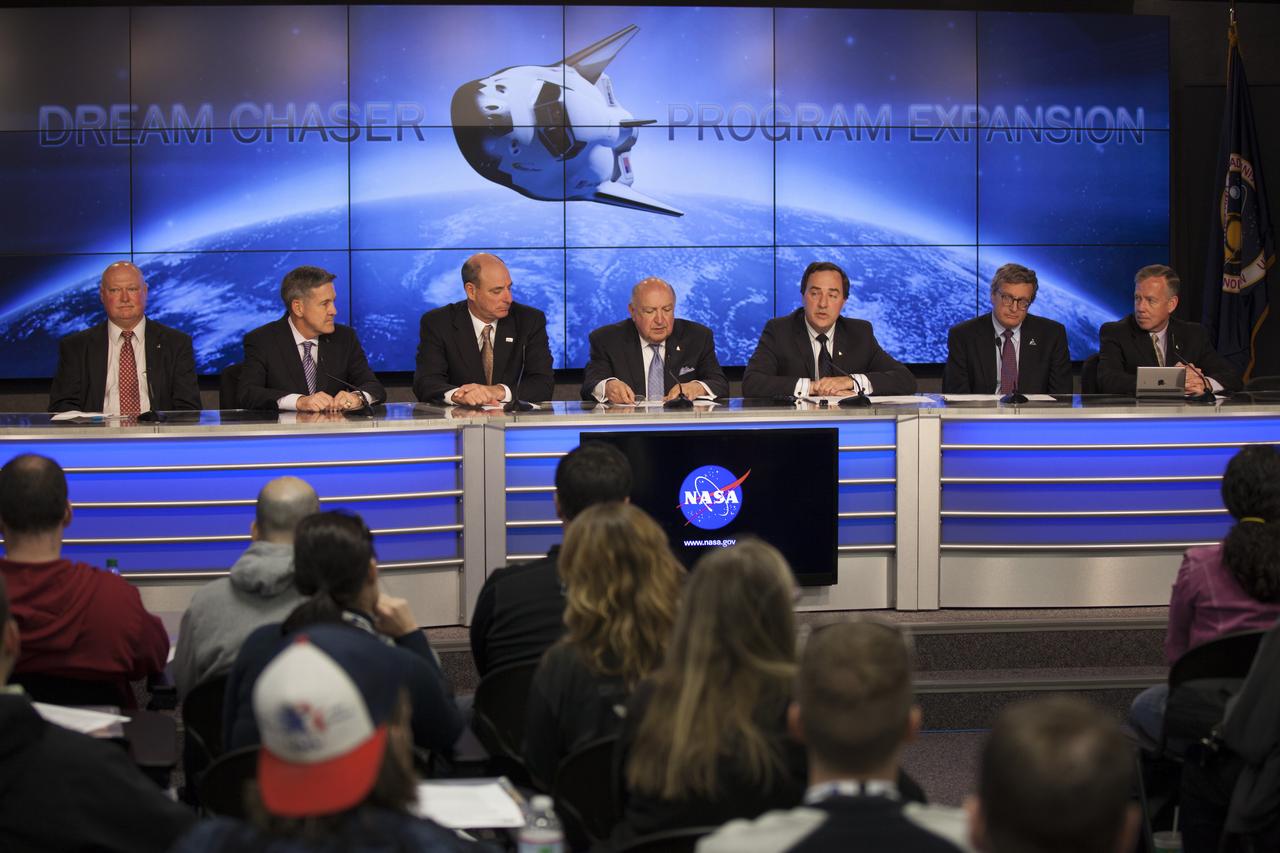
CAPE CANAVERAL, Fla. – Sierra Nevada Corporation, or SNC, Space Systems, announces the steps the company will take to prepare for a November 2016 orbital flight of its Dream Chaser spacecraft from Florida’s Space Coast during a news conference at NASA’s Kennedy Space Center in Florida. Participants are, from left, Michael Curie, NASA spokesman, Bob Cabana, director of Kennedy, Michael Gass, president and CEO of United Launch Alliance, or ULA, Frank DiBello, president and CEO of Space Florida, Mark Sirangelo, corporate vice president and head of SNC Space Systems, Larry Price, Lockheed Martin Space Systems deputy program manager for NASA's Orion spacecraft, and Steve Lindsey, Dream Chaser program manager for SNC Space Systems. The steps are considered substantial for SNC and important to plans by NASA and Space Florida for Kennedy’s transformation into a multi-user spaceport for both commercial and government customers. SNC said it plans to work with ULA to launch the Dream Chaser spacecraft into orbit atop an Atlas V rocket from Space Launch Complex 41 at Cape Canaveral Air Force Station intends to land the winged spacecraft at Kennedy’s 3.5-mile long runway at the Shuttle Landing Facility lease office space at Exploration Park, right outside Kennedy’s gates and process the spacecraft in the high bay of the Operations and Checkout Building at Kennedy, with Lockheed Martin performing the work. Photo credit: NASA/Kim Shiflett
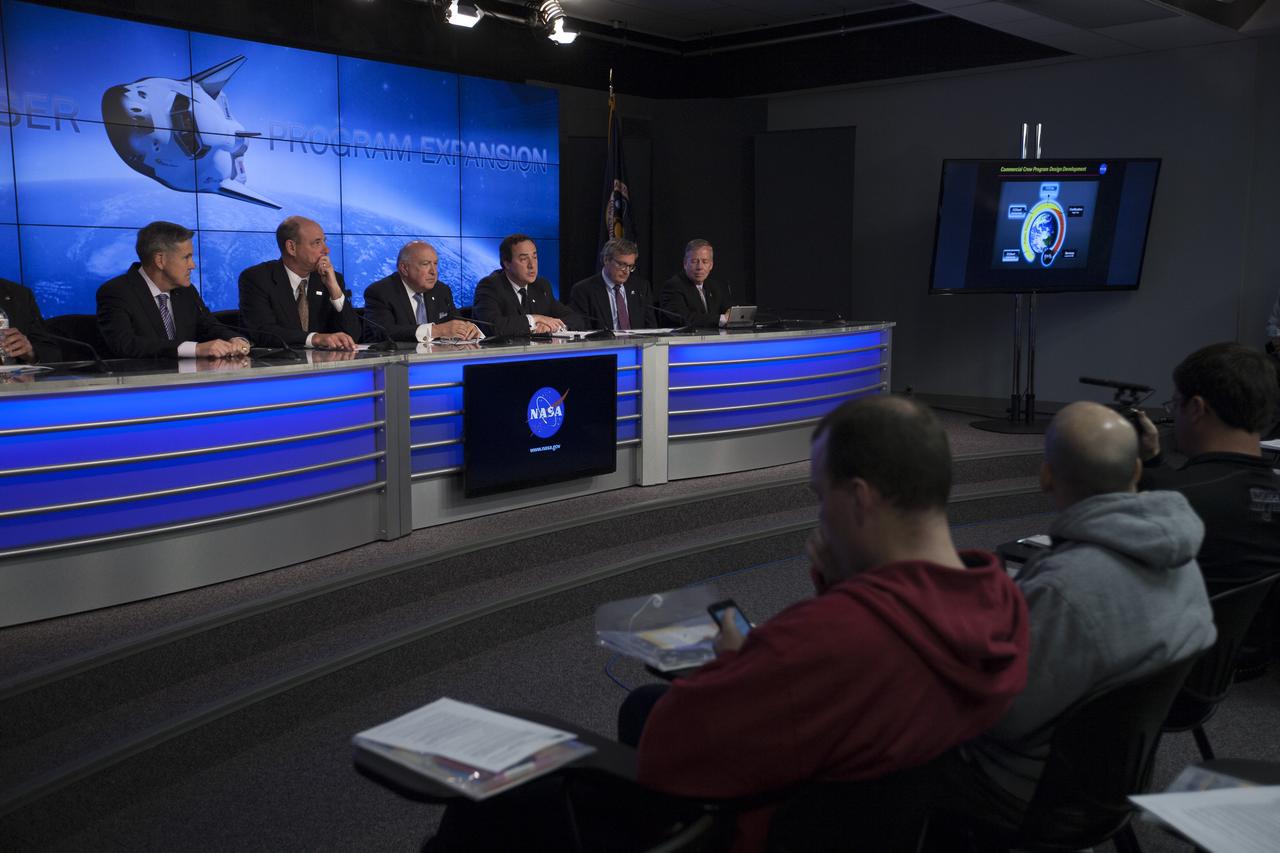
CAPE CANAVERAL, Fla. – Sierra Nevada Corporation, or SNC, Space Systems, announces the steps the company will take to prepare for a November 2016 orbital flight of its Dream Chaser spacecraft from Florida’s Space Coast during a news conference at NASA’s Kennedy Space Center in Florida. Participants, from left, are Bob Cabana, director of Kennedy Michael Gass, president and CEO of United Launch Alliance, or ULA Frank DiBello, president and CEO of Space Florida Mark Sirangelo, corporate vice president and head of SNC Space Systems Larry Price, Lockheed Martin Space Systems deputy program manager for NASA's Orion spacecraft and Steve Lindsey, Dream Chaser program manager for SNC Space Systems. The steps are considered substantial for SNC and important to plans by NASA and Space Florida for Kennedy’s transformation into a multi-user spaceport for both commercial and government customers. SNC said it plans to work with ULA to launch the Dream Chaser spacecraft into orbit atop an Atlas V rocket from Space Launch Complex 41 at Cape Canaveral Air Force Station intends to land the winged spacecraft at Kennedy’s 3.5-mile long runway at the Shuttle Landing Facility lease office space at Exploration Park, right outside Kennedy’s gates and process the spacecraft in the high bay of the Operations and Checkout Building at Kennedy, with Lockheed Martin performing the work. Photo credit: NASA/Kim Shiflett
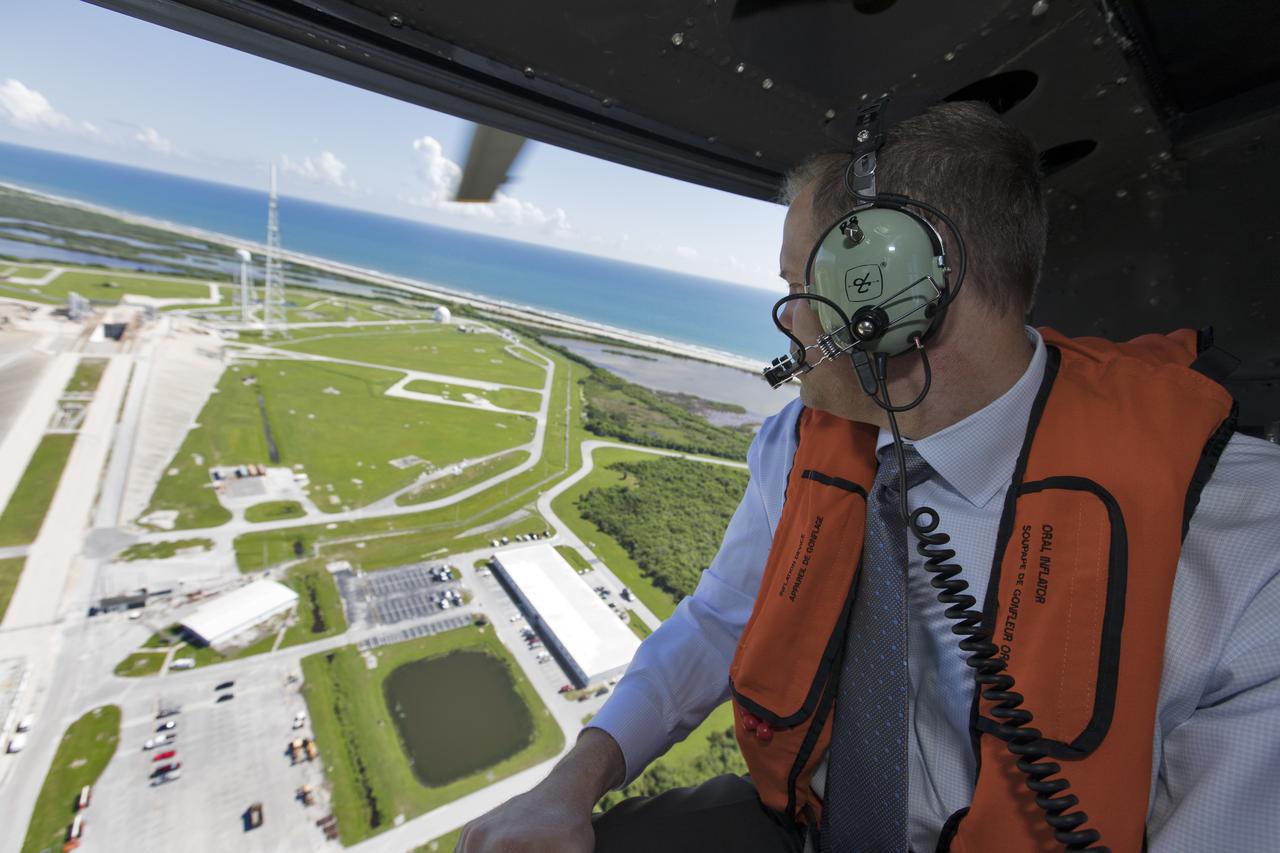
NASA Administrator Jim Bridenstine made his first official visit to the agency's Kennedy Space Center on Monday, Aug. 6, 2018. His up-close look at the premier, multi-user spaceport began with a helicopter tour over the bustling Florida spaceport that included the center's Launch Complex 39B. This will be the site where NASA's Space Launch System rocket and Orion spacecraft will liftoff on trips to the Moon, Mars and beyond.
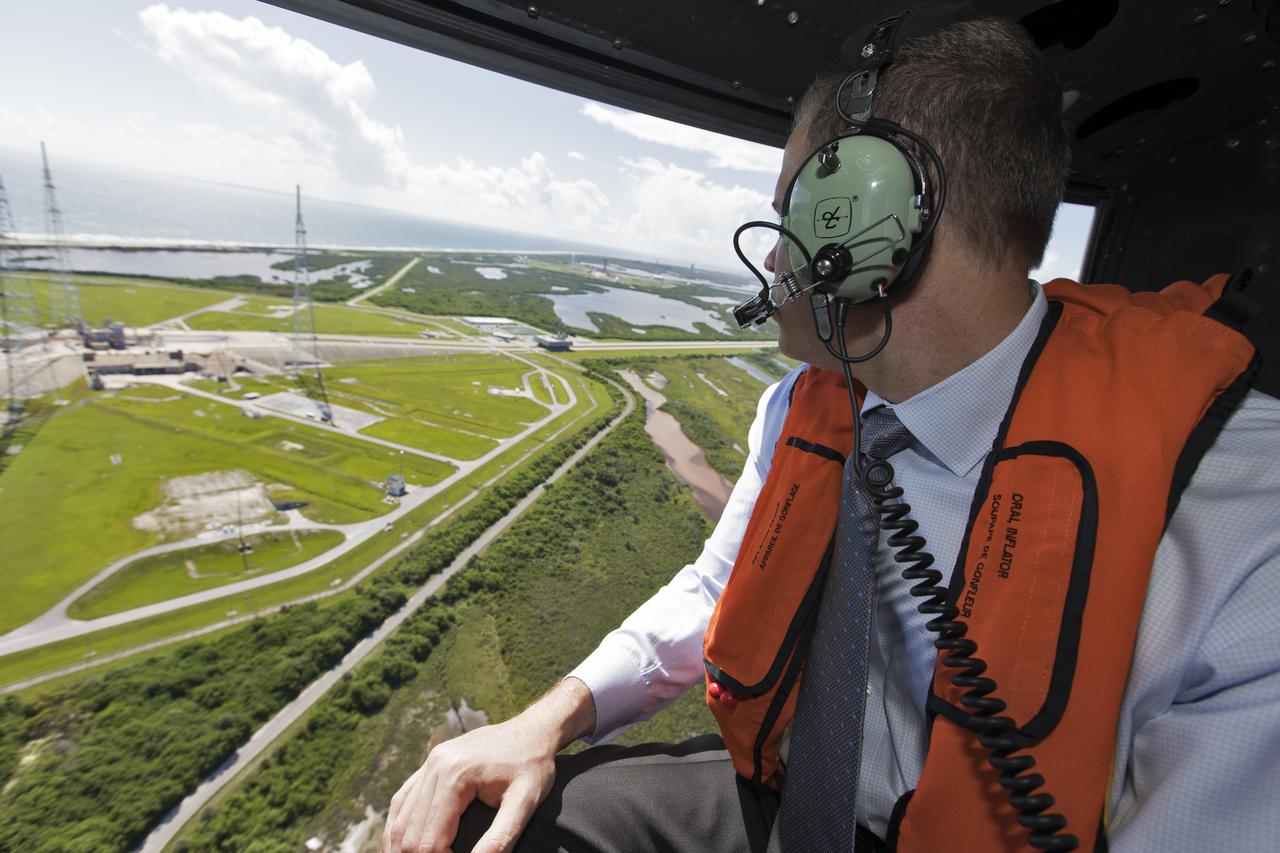
NASA Administrator Jim Bridenstine made his first official visit to the agency's Kennedy Space Center on Monday, Aug. 6, 2018. His up-close look at the premier, multi-user spaceport began with a helicopter tour over the bustling Florida spaceport that included the center's Launch Complex 39B. This will be the site where NASA's Space Launch System rocket and Orion spacecraft will liftoff on trips to the Moon, Mars and beyond.
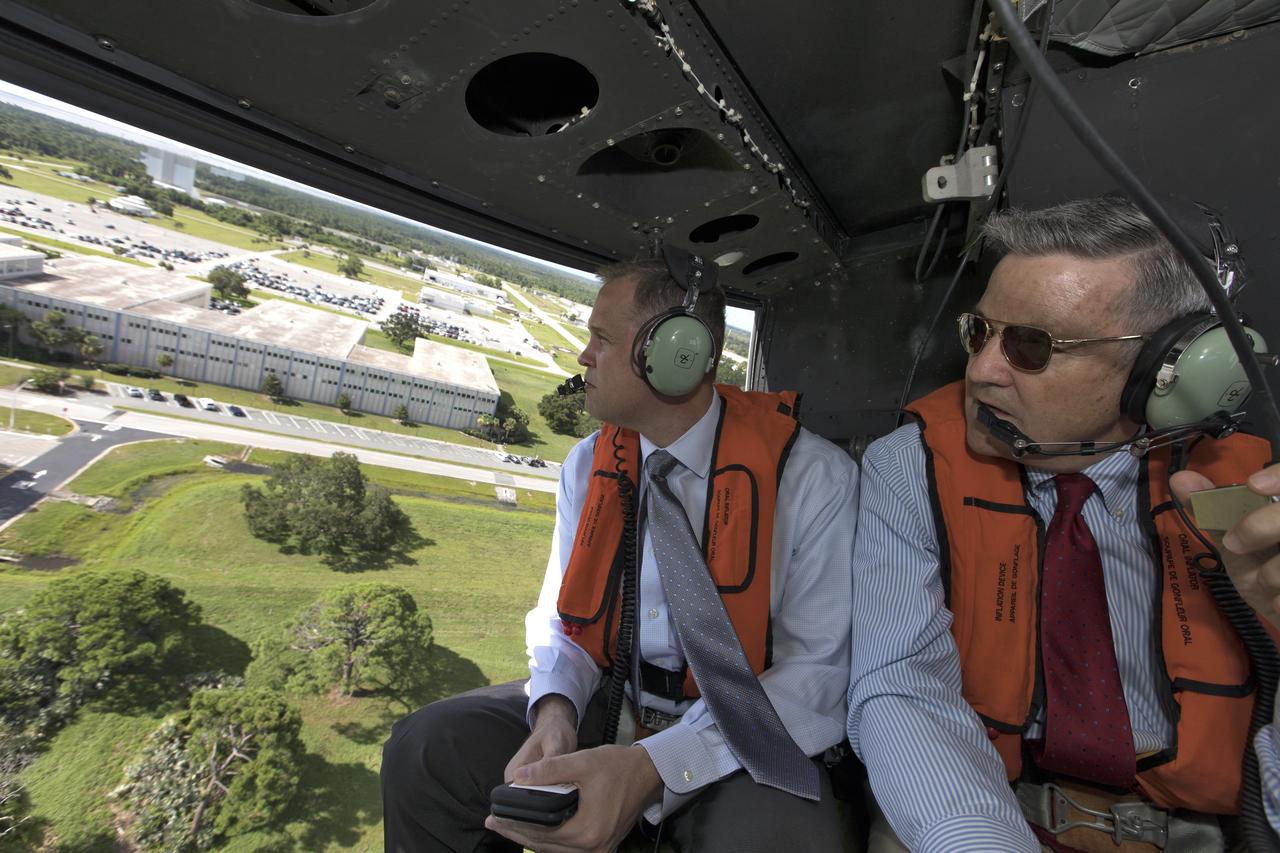
NASA Administrator Jim Bridenstine, left, made his first official visit to the agency's Kennedy Space Center on Monday, Aug. 6, 2018. His up-close look at the premier, multi-user spaceport began with Center Director Bob Cabana giving the administrator a helicopter tour over the bustling Florida spaceport that included the center's Industrial Area.
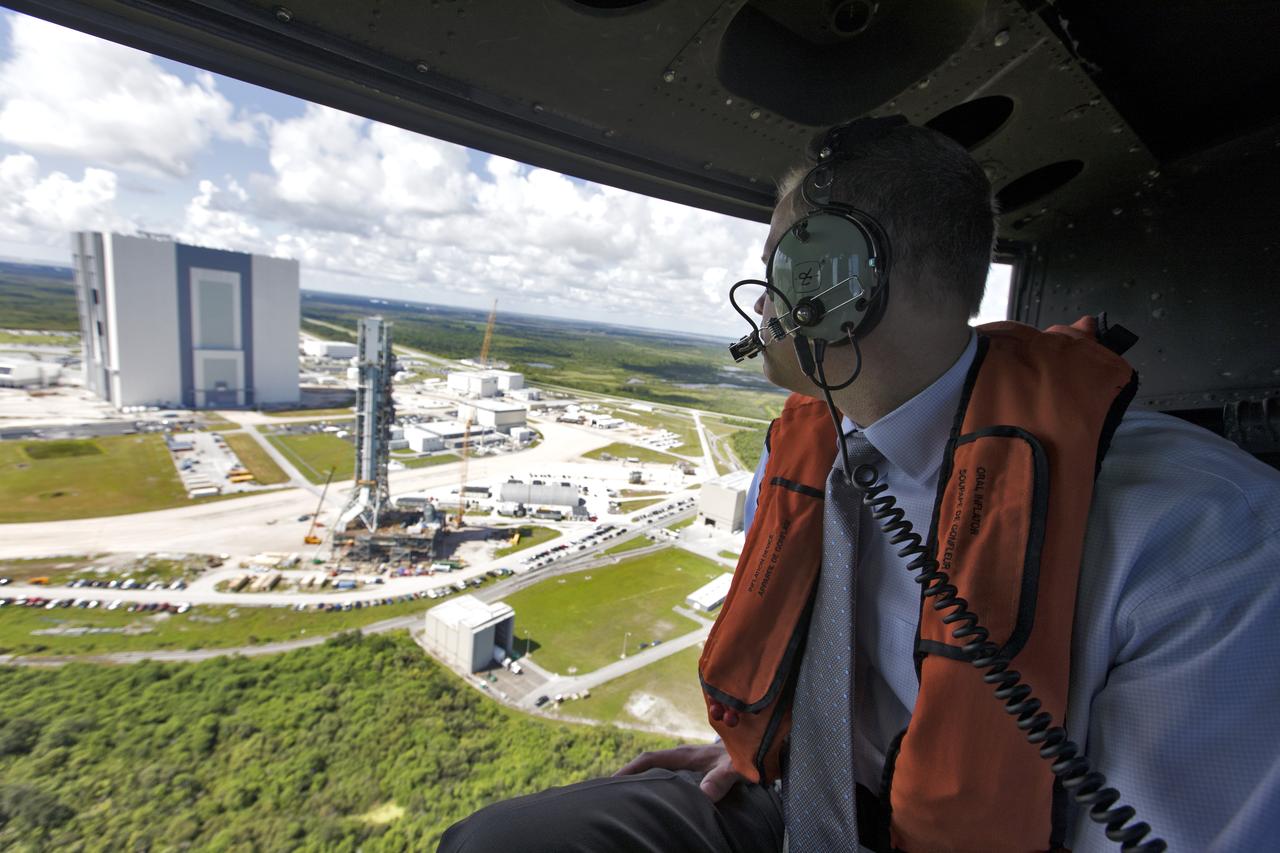
NASA Administrator Jim Bridenstine made his first official visit to the agency's Kennedy Space Center on Monday, Aug. 6, 2018. His up-close look at the premier, multi-user spaceport began with a helicopter tour over the bustling Florida spaceport that included the mobile launcher, in the foreground, that will support NASA's Space Launch System rocket and Orion spacecraft will liftoff on trips to the Moon, Mars and beyond. In the background is the iconic Vehicle Assembly Building.
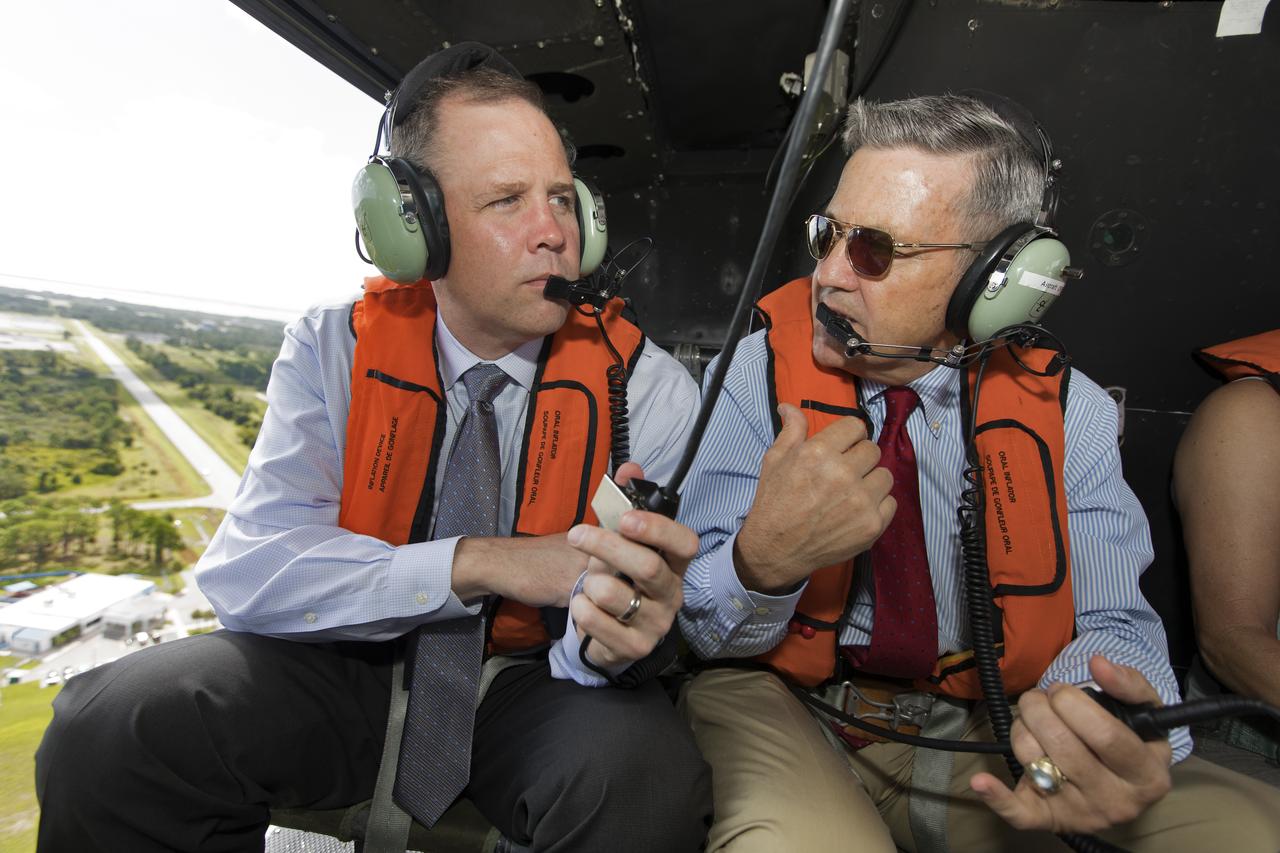
NASA Administrator Jim Bridenstine, left, made his first official visit to the agency's Kennedy Space Center on Monday, Aug. 6, 2018. His up-close look at the premier, multi-user spaceport began with Center Director Bob Cabana giving the administrator a helicopter tour over the bustling Florida spaceport that included the center's Industrial Area.
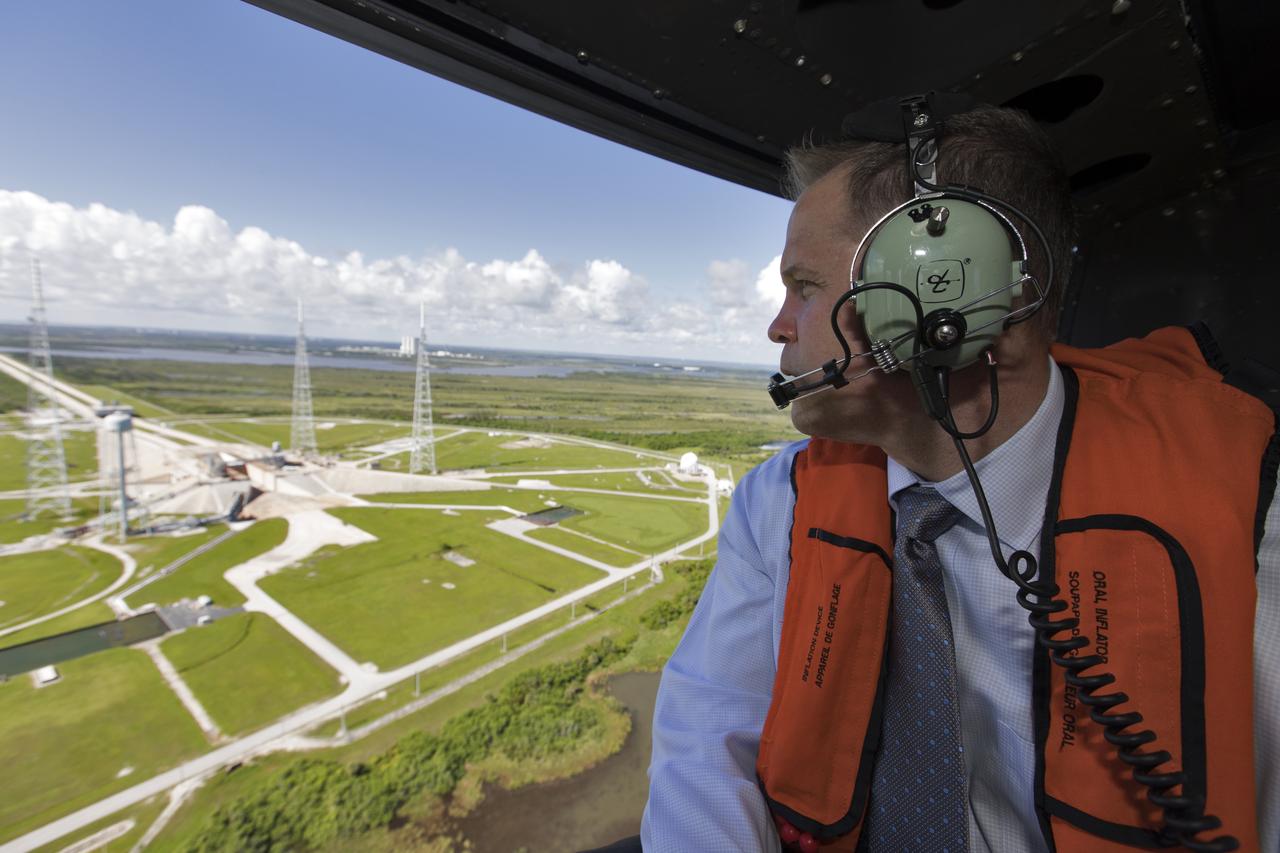
NASA Administrator Jim Bridenstine made his first official visit to the agency's Kennedy Space Center on Monday, Aug. 6, 2018. His up-close look at the premier, multi-user spaceport began with a helicopter tour over the bustling Florida spaceport that included the center's Launch Complex 39B. This will be the site where NASA's Space Launch System rocket and Orion spacecraft will liftoff on trips to the Moon, Mars and beyond.
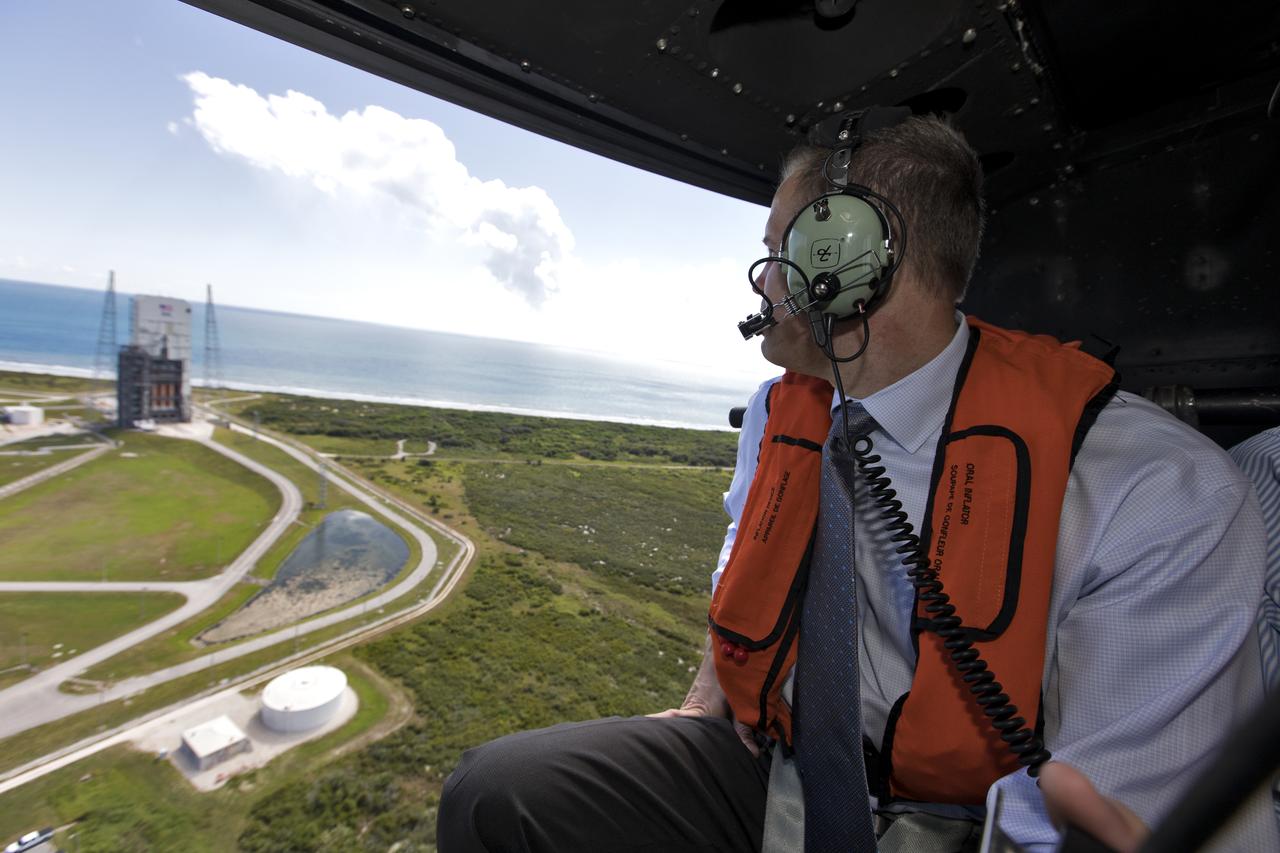
NASA Administrator Jim Bridenstine made his first official visit to the agency's Kennedy Space Center on Monday, Aug. 6, 2018. His up-close look at the premier, multi-user spaceport began with a helicopter tour over the bustling Florida spaceport that included Space Launch Complex 37 at Cape Canaveral Air Force Station. NASA's Parker Solar Probe is being prepared for launch atop a United Launch Alliance Delta IV Heavy rocket. The mission will perform the closest-ever observations of a star when it travels through the Sun's atmosphere, called the corona. The probe will rely on measurements and imaging to revolutionize our understanding of the corona and the Sun-Earth connection.
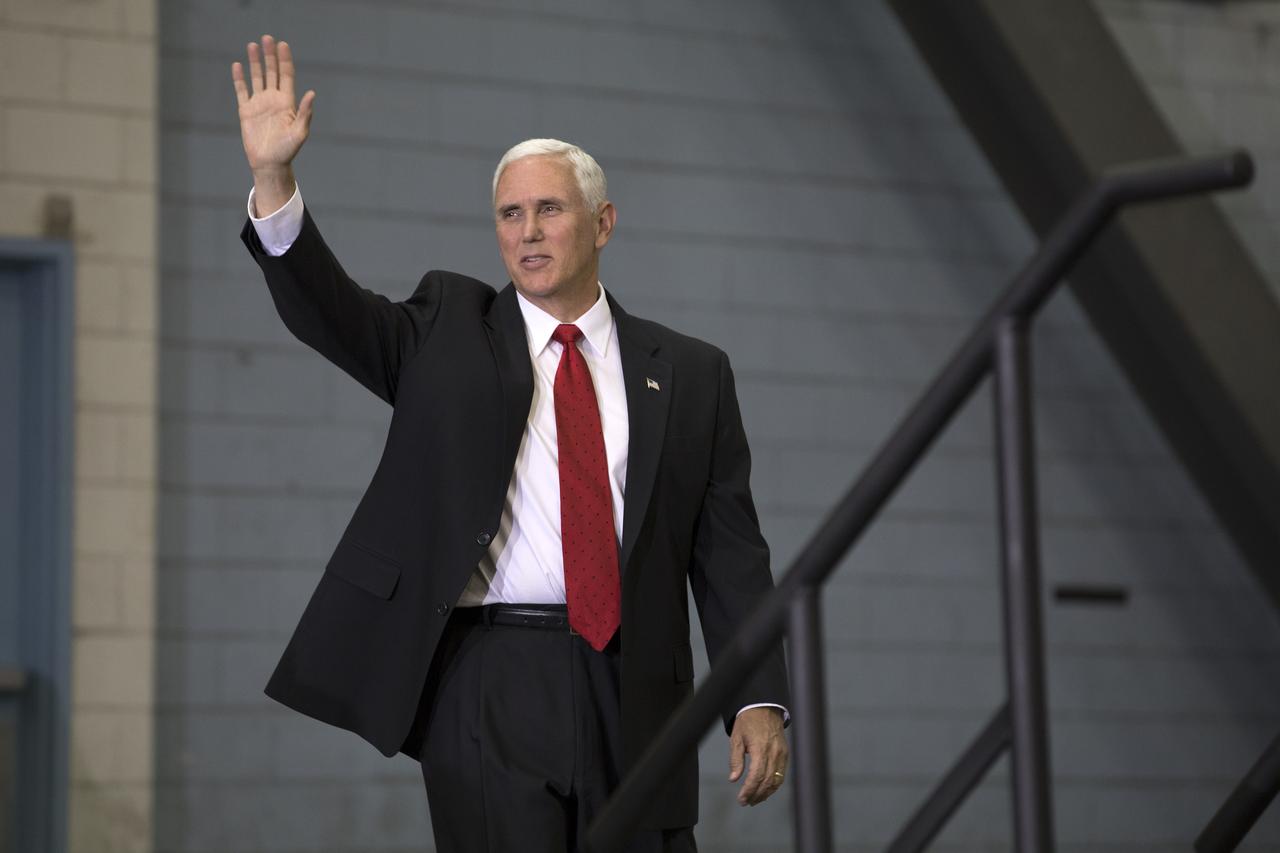
Vice President Mike Pence arrives at the Vehicle Assembly Building at NASA's Kennedy Space Center in Florida. During his visit, Pence spoke inside the iconic building, where he thanked employees for advancing American leadership in space. The Vice President also toured several facilities highlighting the public-private partnerships at Kennedy, as both NASA and commercial companies prepare to launch American astronauts from the multi-user spaceport.
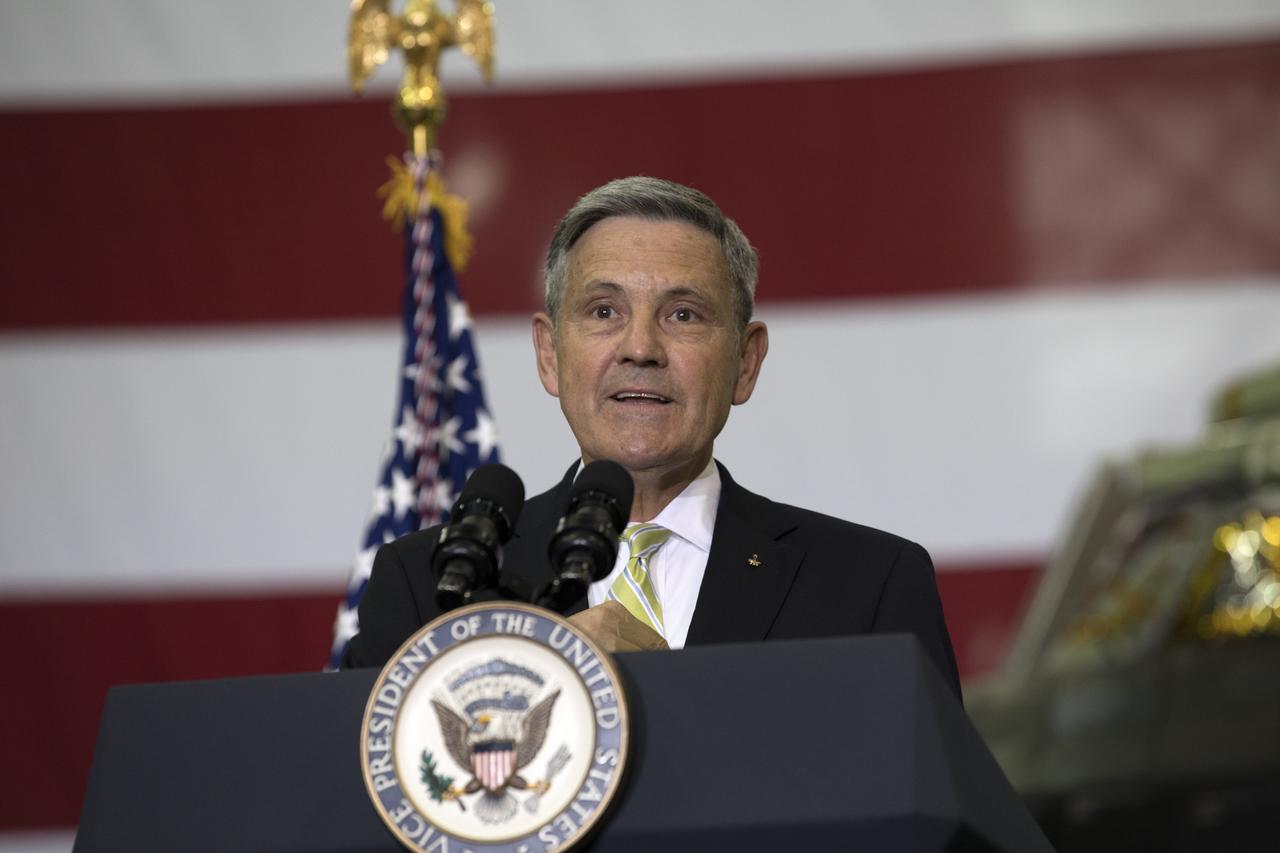
NASA Kennedy Space Center Director Robert Cabana addresses agency leaders, U.S. and Florida government officials, and employees inside the Vehicle Assembly Building during a visit by Vice President Mike Pence. Pence thanked employees for advancing American leadership in space. During his visit to Kennedy, the Vice President also toured several facilities highlighting the public-private partnerships, as both NASA and commercial companies prepare to launch American astronauts from the multi-user spaceport.
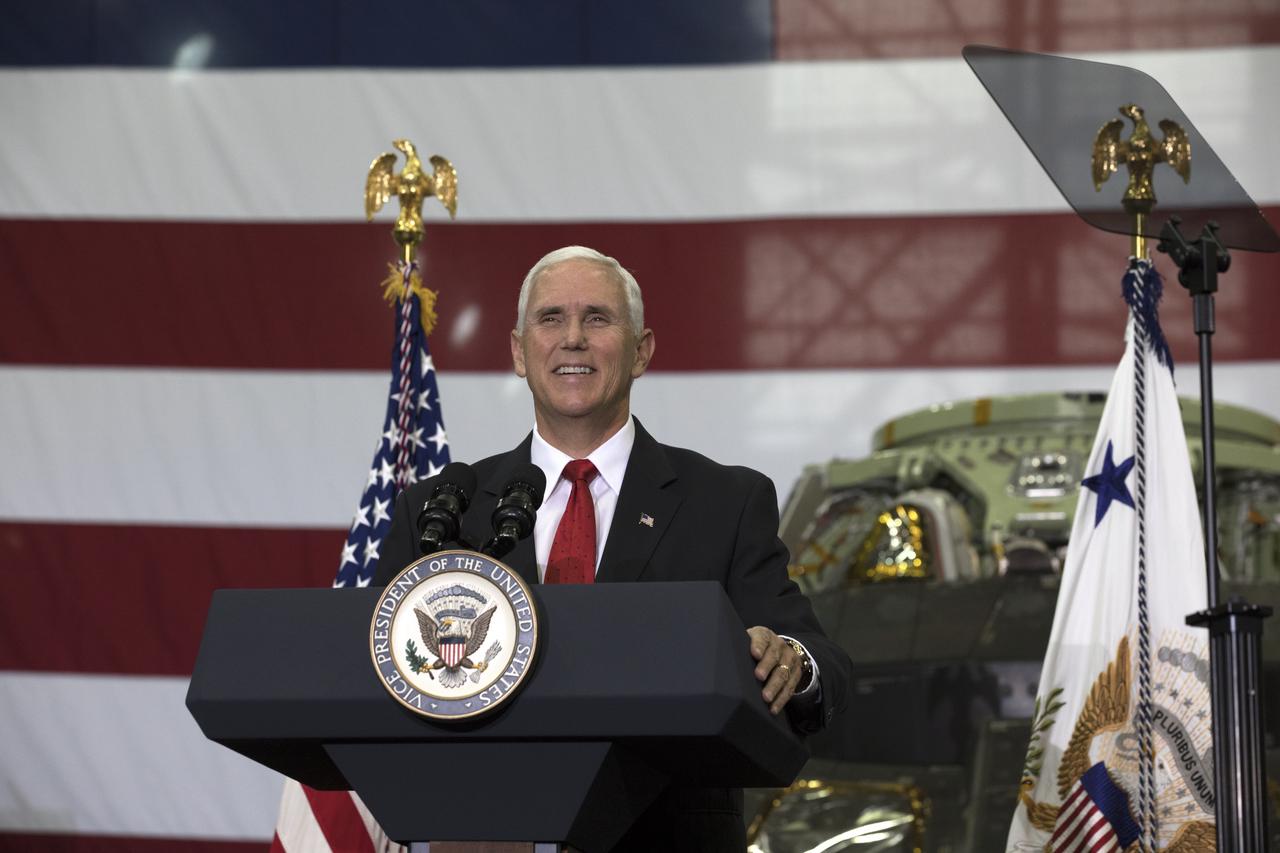
Vice President Mike Pence speaks before an audience of NASA leaders, U.S. and Florida government officials, and employees inside the Vehicle Assembly Building at NASA's Kennedy Space Center in Florida. Pence thanked employees for advancing American leadership in space. During his visit to Kennedy, the Vice President also toured several facilities highlighting the public-private partnerships, as both NASA and commercial companies prepare to launch American astronauts from the multi-user spaceport.
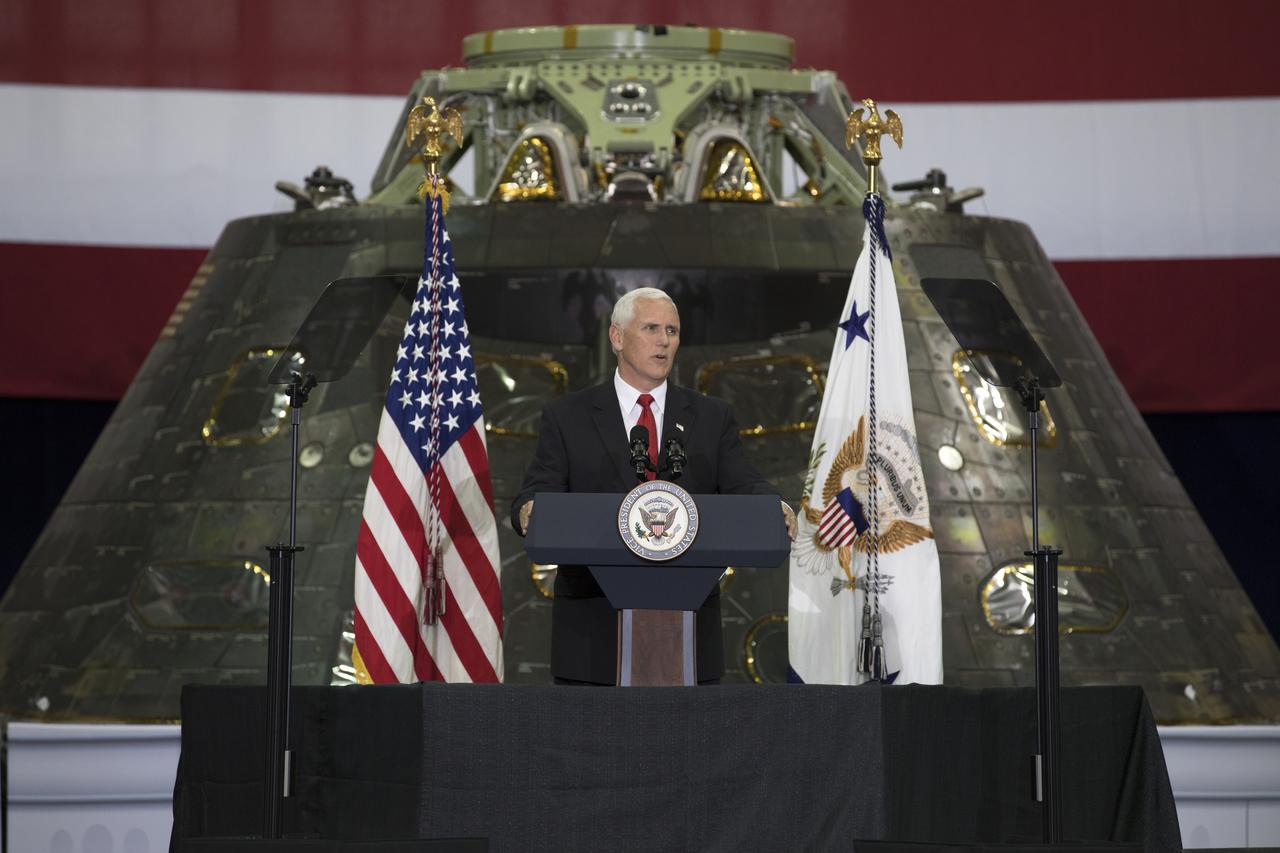
Vice President Mike Pence speaks before an audience of NASA leaders, U.S. and Florida government officials, and employees inside the Vehicle Assembly Building at NASA's Kennedy Space Center in Florida. Pence thanked employees for advancing American leadership in space. Behind the podium is the Orion spacecraft flown on Exploration Flight test-1 in 2014. During his visit to Kennedy, the Vice President also toured several facilities highlighting the public-private partnerships, as both NASA and commercial companies prepare to launch American astronauts from the multi-user spaceport.
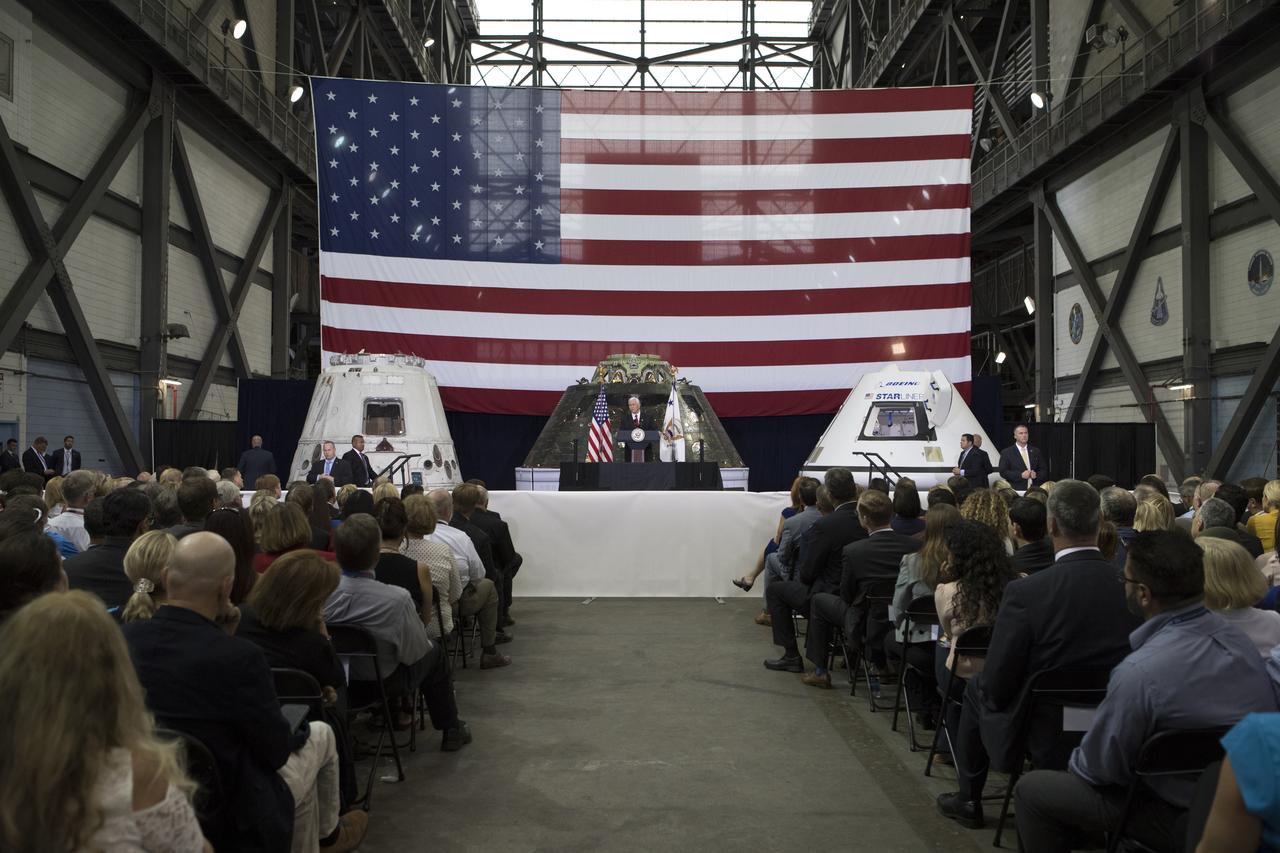
Vice President Mike Pence speaks before an audience of NASA leaders, U.S. and Florida government officials, and employees inside the Vehicle Assembly Building at NASA's Kennedy Space Center in Florida. Pence thanked employees for advancing American leadership in space. Behind the podium are, from the left, a flown SpaceX Dragon capsule, the Orion spacecraft flown on Exploration Flight test-1 in 2014, and a mockup of Boeing's CST-100 Starliner. During his visit to Kennedy, the Vice President also toured several facilities highlighting the public-private partnerships, as both NASA and commercial companies prepare to launch American astronauts from the multi-user spaceport.
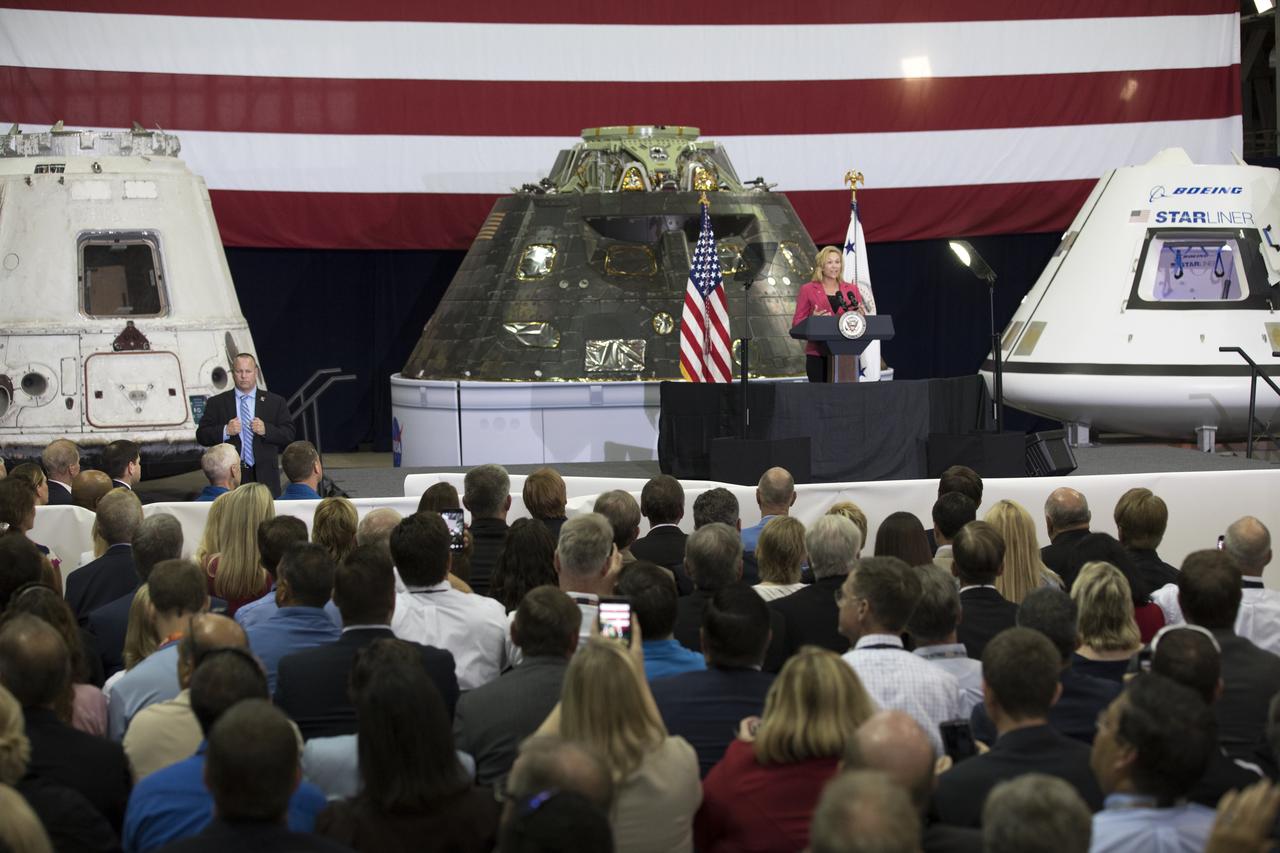
NASA Kennedy Space Center Deputy Director Janet Petro addresses agency leaders, U.S. and Florida government officials and employees inside the Vehicle Assembly Building during a visit by Vice President Mike Pence. Pence thanked employees for advancing American leadership in space. Behind the podium are, from the left, a flown SpaceX Dragon capsule, the Orion spacecraft flown on Exploration Flight test-1 in 2014, and a mockup of Boeing's CST-100 Starliner. During his visit to Kennedy, the Vice President also toured several facilities highlighting the public-private partnerships, as both NASA and commercial companies prepare to launch American astronauts from the multi-user spaceport.
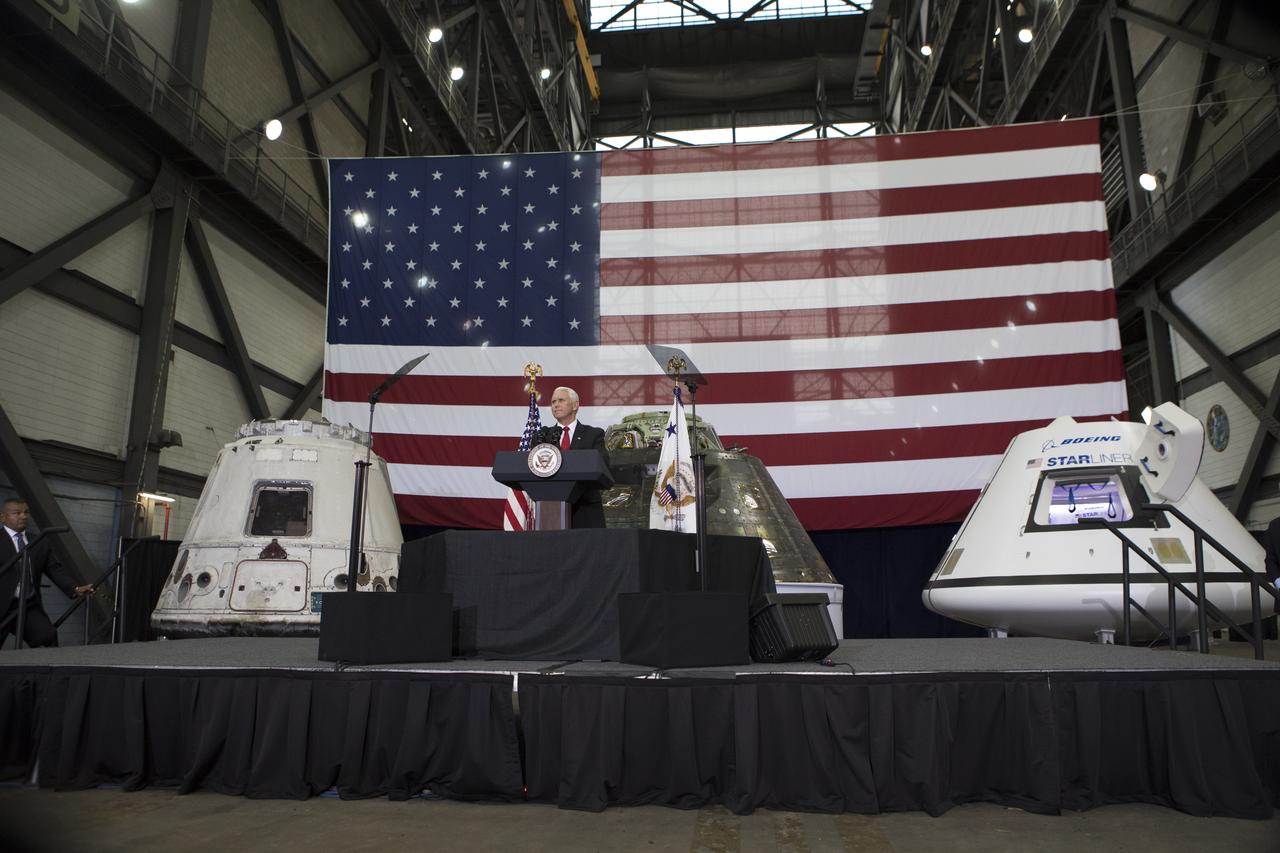
Vice President Mike Pence speaks before an audience of NASA leaders, U.S. and Florida government officials, and employees inside the Vehicle Assembly Building at NASA's Kennedy Space Center in Florida. Pence thanked employees for advancing American leadership in space. Behind the podium are, from the left, a flown SpaceX Dragon capsule, the Orion spacecraft flown on Exploration Flight test-1 in 2014, and a mockup of Boeing's CST-100 Starliner. During his visit to Kennedy, the Vice President also toured several facilities highlighting the public-private partnerships, as both NASA and commercial companies prepare to launch American astronauts from the multi-user spaceport.
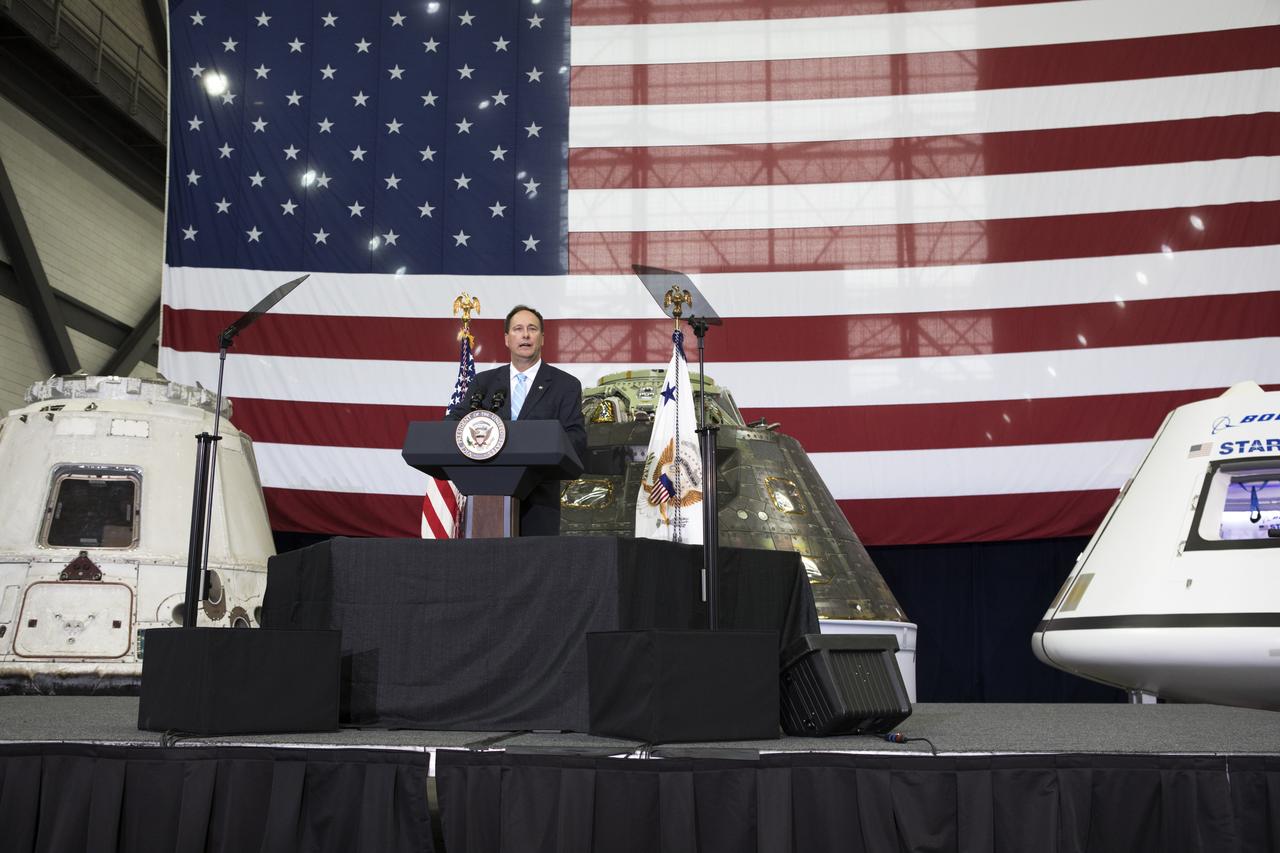
Acting NASA Administrator Robert Lightfoot addresses agency leaders, U.S. and Florida government officials, and employees inside the Vehicle Assembly Building at NASA's Kennedy Space Center in Florida during a visit by Vice President Mike Pence. Pence thanked employees for advancing American leadership in space. Behind the podium are, from the left, a flown SpaceX Dragon capsule, the Orion spacecraft flown on Exploration Flight test-1 in 2014, and a mockup of Boeing's CST-100 Starliner. During his visit to Kennedy, the Vice President also toured several facilities highlighting the public-private partnerships, as both NASA and commercial companies prepare to launch American astronauts from the multi-user spaceport.
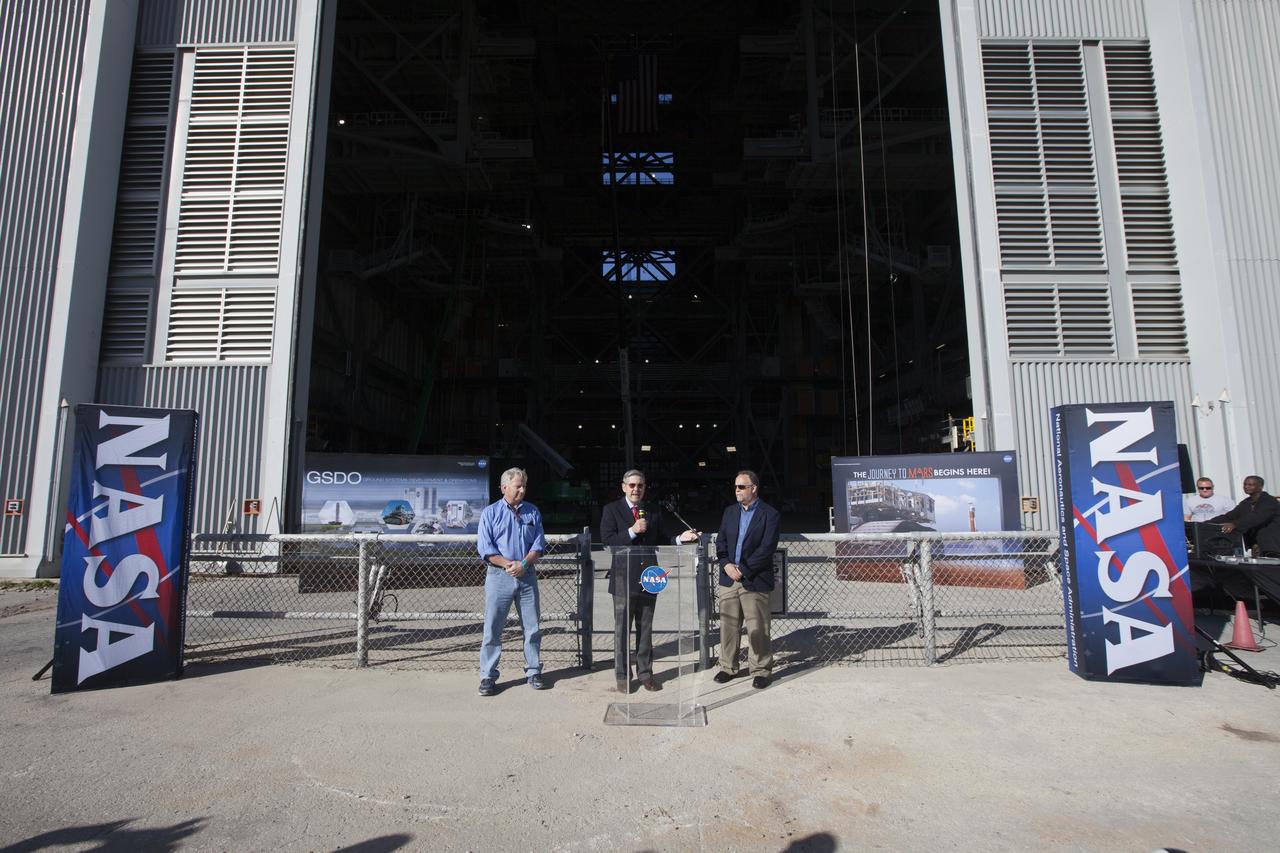
Members of the news media viewed the 10 levels of new work platforms in High Bay 3 inside the Vehicle Assembly Building during a multi-user tour of NASA's Kennedy Space Center in Florida with Center Director Bob Cabana. The final platform, A north, was recently installed. From left are Kerry Chreist of Jacobs on the Test and Operations Support Contract; Cabana; and Shawn Quinn, associate program manager for the Ground Systems Development and Operations Program. The platforms will surround the Space Launch System and Orion spacecraft on the mobile launcher during processing to prepare for the first test flight.
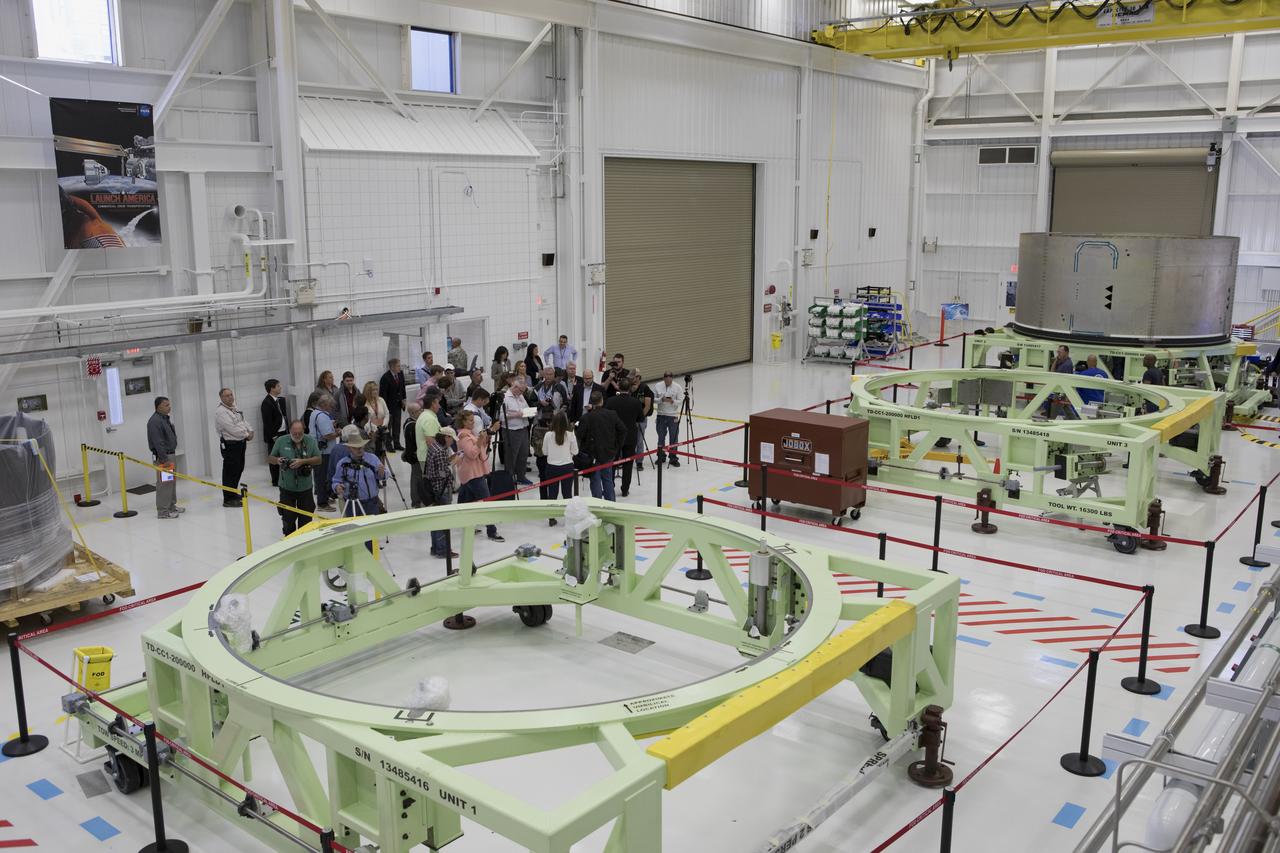
Inside Boeing’s Commercial Crew and Cargo Processing Facility at NASA's Kennedy Space Center in Florida members of the news media view work platforms that will be used in manufacturing Boeing's CST-100 Starliner spacecraft for flight tests and crew rotation missions to the International Space Station as part of the agency's Commercial Crew Program.
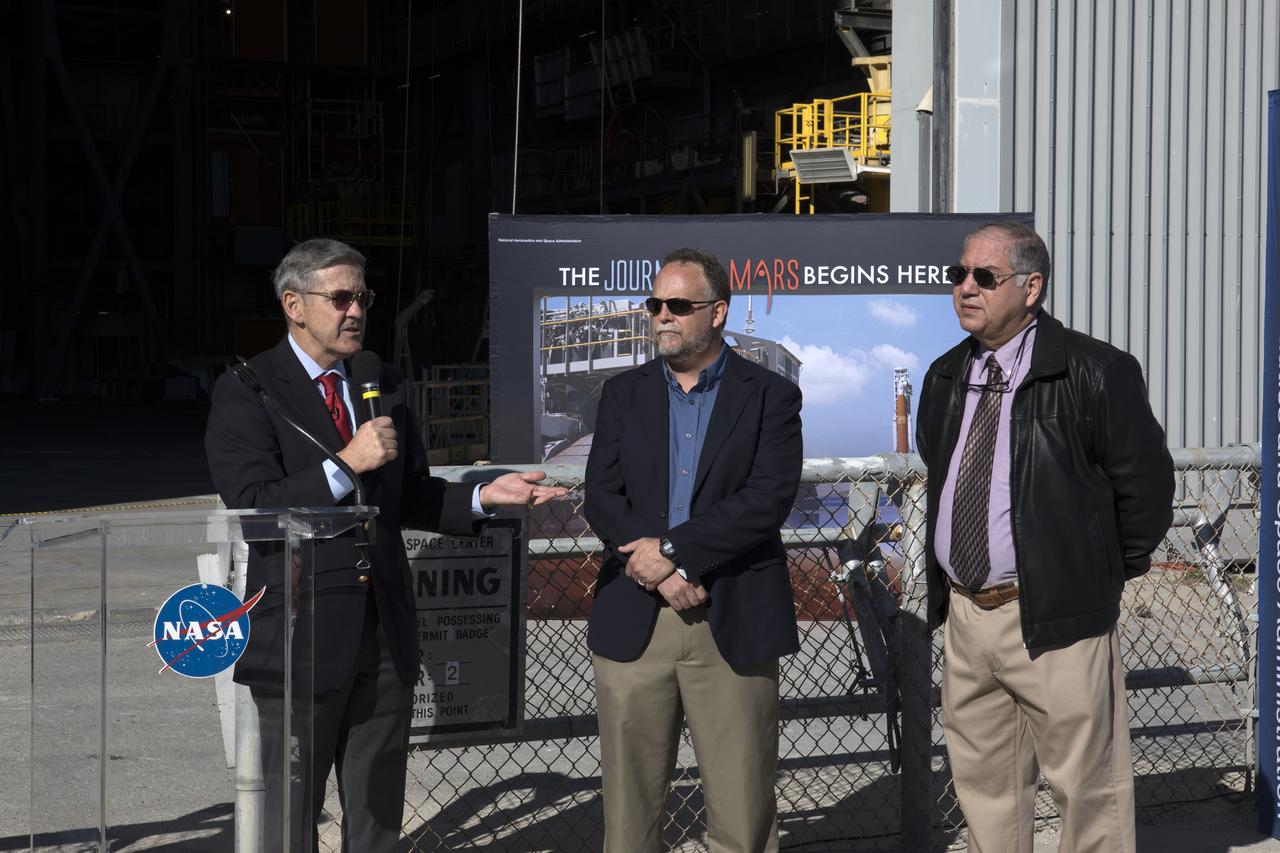
Members of the news media viewed the 10 levels of new work platforms in High Bay 3 inside the Vehicle Assembly Building during a multi-user tour of NASA's Kennedy Space Center in Florida with Center Director Bob Cabana. The final platform, A north, was recently installed. From left are Cabana; Shawn Quinn, associate program manager for the Ground Systems Development and Operations Program (GSDO); and Jose Perez-Morales, GSDO project manager for platform installation. The platforms will surround the Space Launch System and Orion spacecraft on the mobile launcher during processing to prepare for the first test flight.
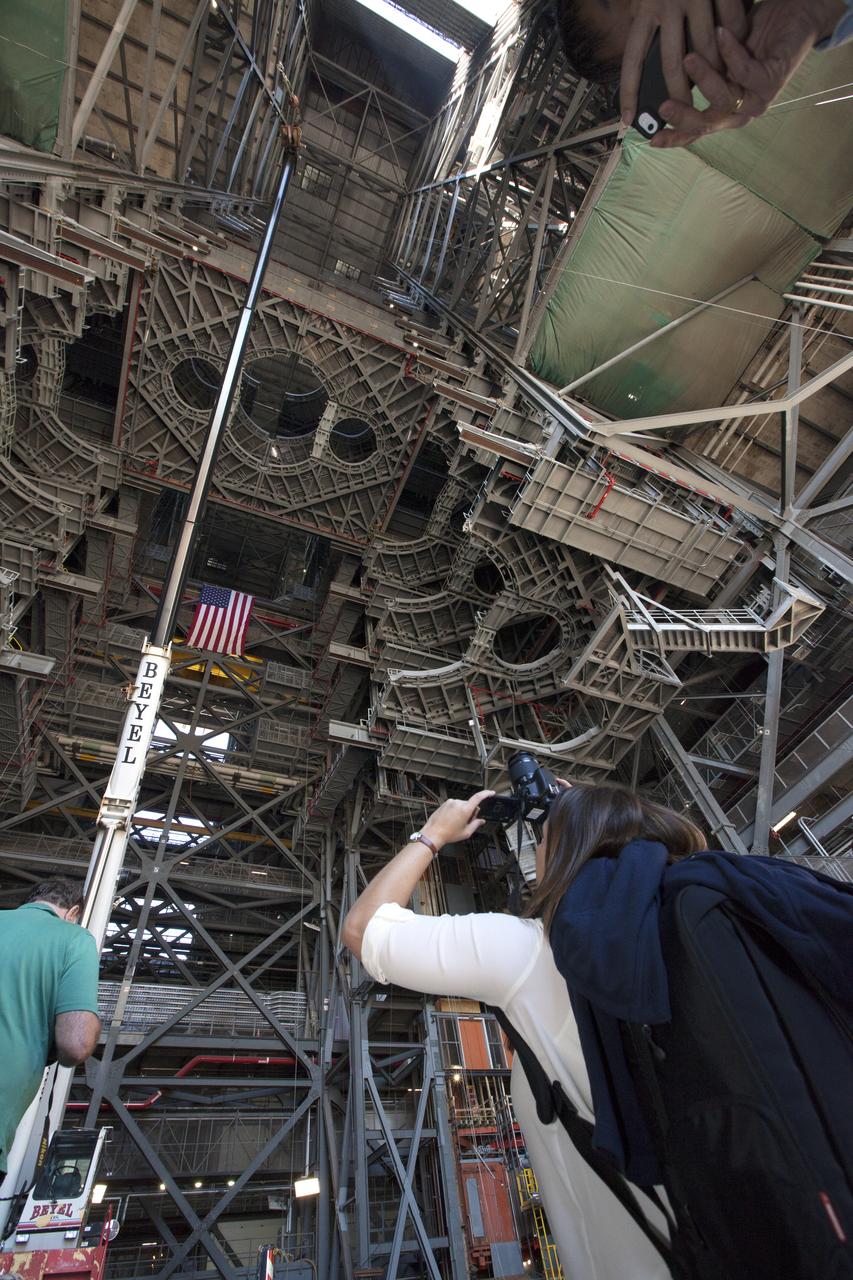
Members of the news media view the 10 levels of new work platforms in High Bay 3 inside the Vehicle Assembly Building (VAB) during a tour of NASA's Kennedy Space Center in Florida with Center Director Bob Cabana. The final platform, A north, was recently installed. The platforms will surround the Space Launch System and Orion spacecraft on the mobile launcher during processing to prepare for the first test flight. The Ground Systems Development and Operations Program is overseeing upgrades to the VAB, including installation of the new work platforms.
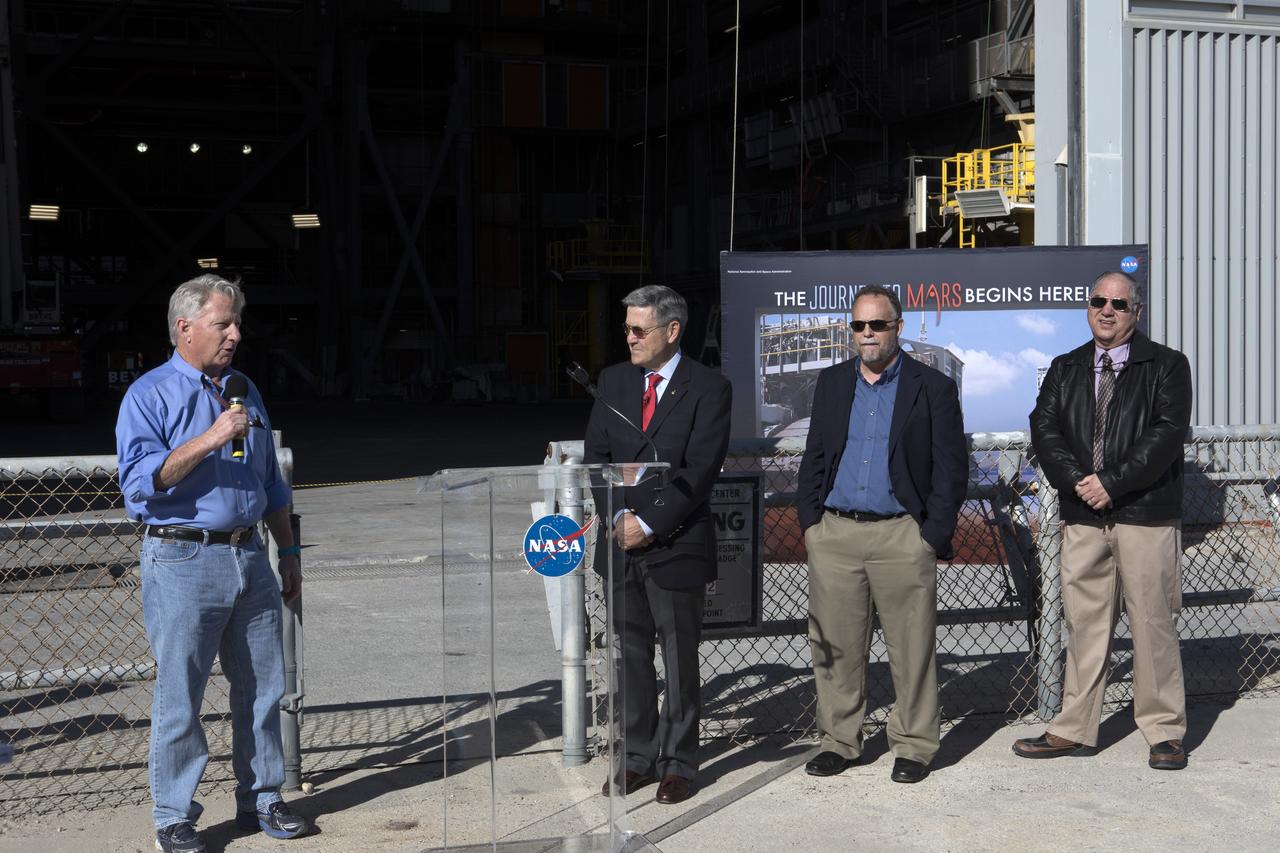
Members of the news media viewed the 10 levels of new work platforms in High Bay 3 inside the Vehicle Assembly Building during a multi-user tour of NASA's Kennedy Space Center in Florida with Center Director Bob Cabana. The final platform, A north, was recently installed. From left are Kerry Chreist of Jacobs on the Test and Operations Support Contract; Cabana; Shawn Quinn, associate program manager for the Ground Systems Development and Operations Program (GSDO); and Jose Perez-Morales, GSDO project manager for platform installation. The platforms will surround the Space Launch System and Orion spacecraft on the mobile launcher during processing to prepare for the first test flight.
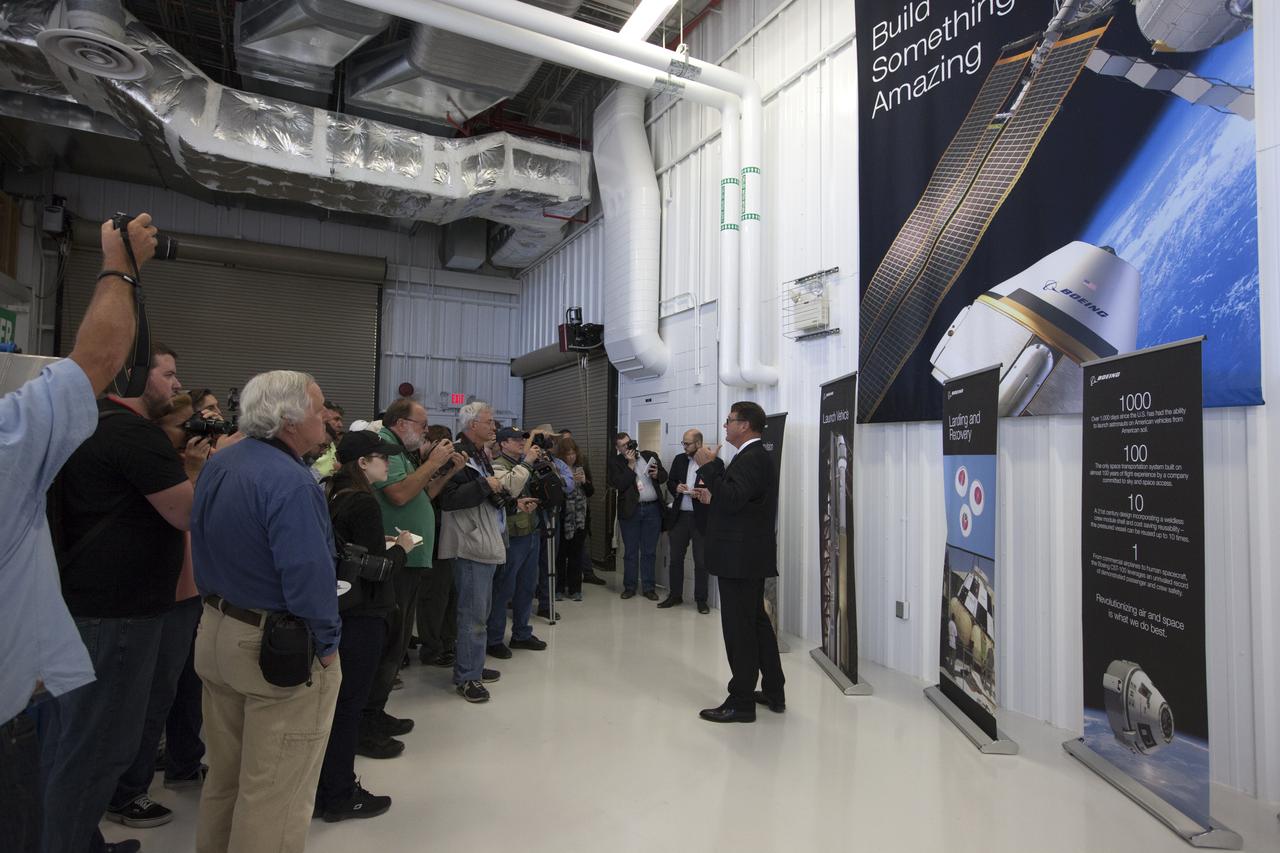
John Mulholland, Boeing vice president and program manager for Commercial Programs, speaks to members of the news media inside the Boeing’s Commercial Crew and Cargo Processing Facility at the Florida spaceport. The facility will be used in manufacturing Boeing's CST-100 Starliner spacecraft for flight tests and crew rotation missions to the International Space Station as part of the agency's Commercial Crew Program.
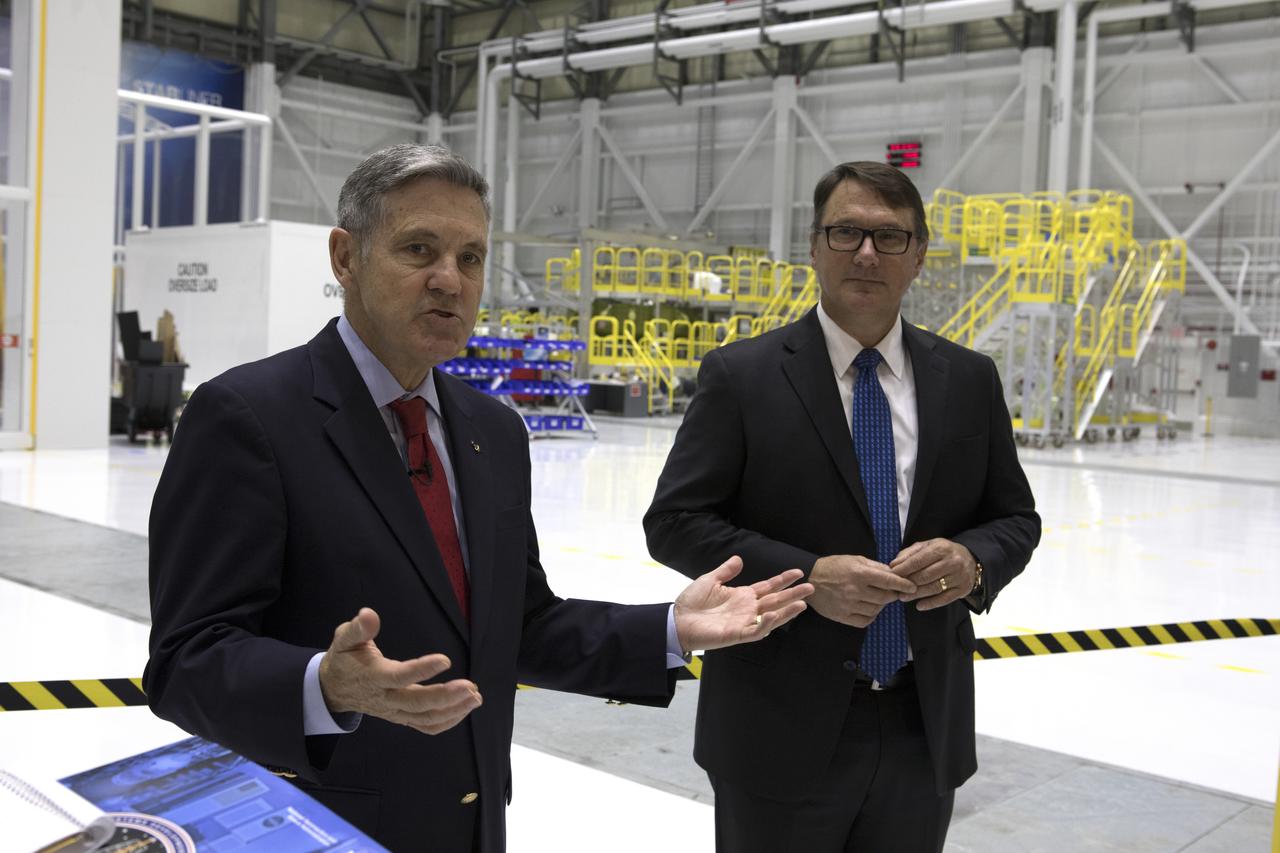
Kennedy Space Center Director Bob Cabana, left, and John Mulholland, Boeing vice president and program manager for Commercial Programs, speak to members of the news media inside the Boeing’s Commercial Crew and Cargo Processing Facility at the Florida spaceport. The facility will be used in manufacturing Boeing's CST-100 Starliner spacecraft for flight tests and crew rotation missions to the International Space Station as part of the agency's Commercial Crew Program.
Members of the news media viewed the 10 levels of new work platforms in High Bay 3 inside the Vehicle Assembly Building during a multi-user tour of NASA's Kennedy Space Center in Florida with Center Director Bob Cabana. The final platform, A north, was recently installed. From left are Cabana; Shawn Quinn, associate program manager for the Ground Systems Development and Operations Program (GSDO); and Jose Perez-Morales, GSDO project manager for platform installation. The platforms will surround the Space Launch System and Orion spacecraft on the mobile launcher during processing to prepare for the first test flight.
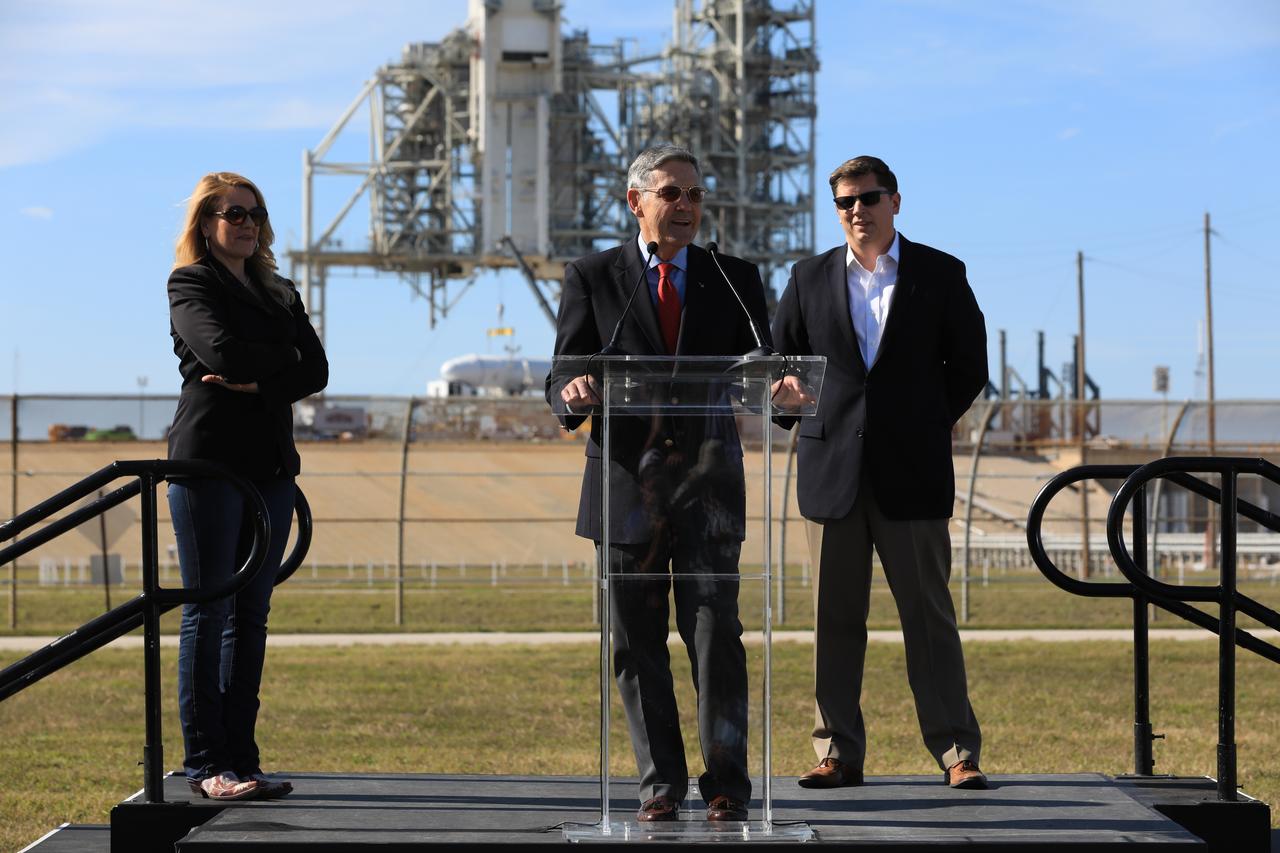
Kennedy Space Center Director Bob Cabana speaks to members of the news media at Launch Complex 39A. At left is Gwynne Shotwell, president and chief operating officer of SpaceX. At right is Timothy Hughes, senior vice president and general counsel for SpaceX. On Feb. 18, a Falcon 9 rocket with a Dragon spacecraft atop is scheduled to lift off from the launch pad for the SpaceX CRS-10 mission. The historic site is where American astronauts first launched to the moon and was last used in 2011 for the final mission of the Space Shuttle Program. In April 2014, NASA officials signed a 20-year property agreement with SpaceX for use and operation of the launch pad for their Falcon 9 and Falcon 9 Heavy rockets. The SpaceX CRS-10 liftoff is another milestone further establishing Kennedy as a premier, multi-user spaceport. The Dragon spacecraft will deliver 5,000 pounds of supplies and research materials to the space station.
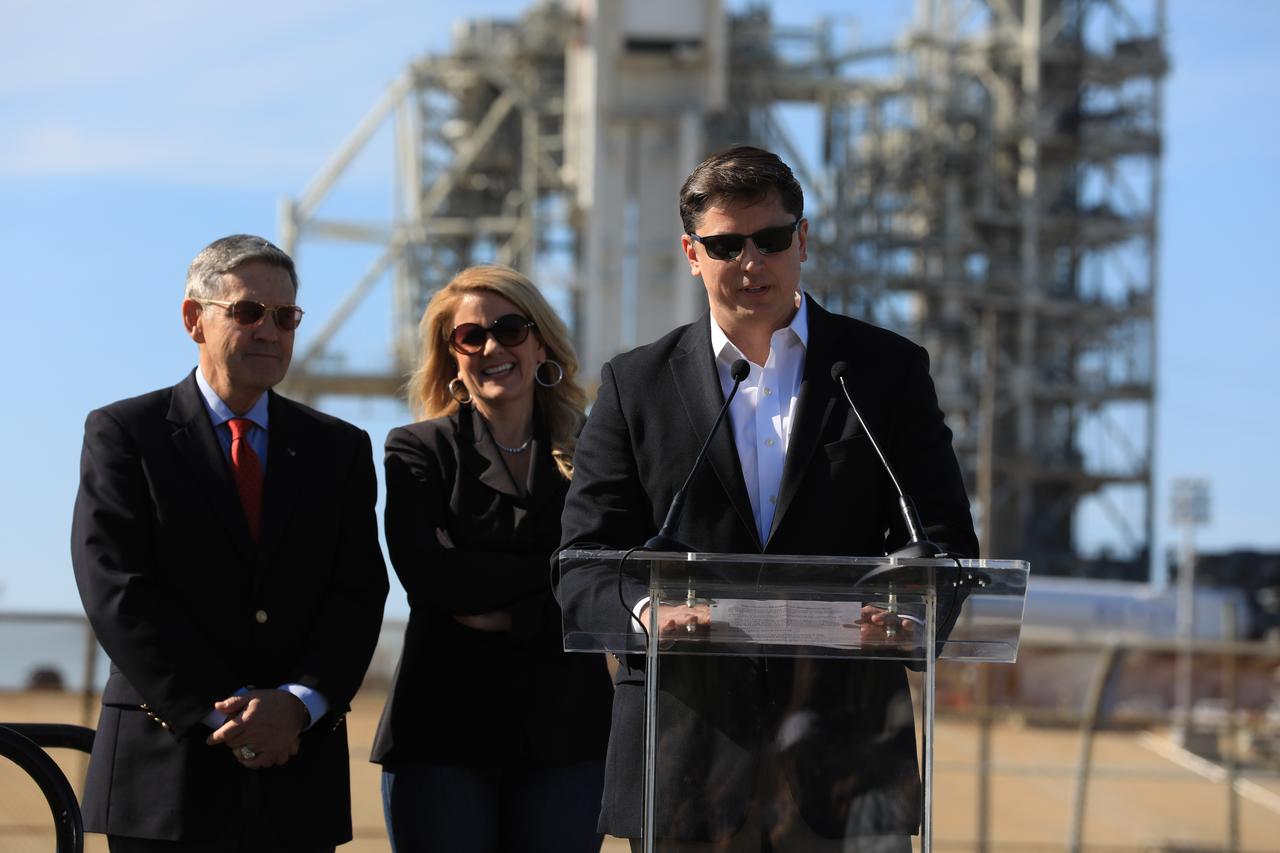
Timothy Hughes, senior vice president and general counsel for SpaceX speaks to members of the news media at Launch Complex 39A. Behind him, from left, are Kennedy Space Center Director Bob Cabana and Gwynne Shotwell, president and chief operating officer of SpaceX. On Feb. 18, a Falcon 9 rocket with a Dragon spacecraft atop is scheduled to lift off from the launch pad for the SpaceX CRS-10 mission. The historic site is where American astronauts first launched to the moon and was last used in 2011 for the final mission of the Space Shuttle Program. In April 2014, NASA officials signed a 20-year property agreement with SpaceX for use and operation of the launch pad for their Falcon 9 and Falcon 9 Heavy rockets. The SpaceX CRS-10 liftoff is another milestone further establishing Kennedy as a premier, multi-user spaceport. The Dragon spacecraft will deliver 5,000 pounds of supplies and research materials to the space station.
Gwynne Shotwell, president and chief operating officer of SpaceX, speaks to members of the news media at Launch Complex 39A. At left is Kennedy Space Center Director Bob Cabana. At right is Timothy Hughes, senior vice president and general counsel for SpaceX. On Feb. 18, a Falcon 9 rocket with a Dragon spacecraft atop is scheduled to lift off from the launch pad for the SpaceX CRS-10 mission. The historic site is where American astronauts first launched to the moon and was last used in 2011 for the final mission of the Space Shuttle Program. In April 2014, NASA officials signed a 20-year property agreement with SpaceX for use and operation of the launch pad for their Falcon 9 and Falcon 9 Heavy rockets. The SpaceX CRS-10 liftoff is another milestone further establishing Kennedy as a premier, multi-user spaceport. The Dragon spacecraft will deliver 5,000 pounds of supplies and research materials to the space station.
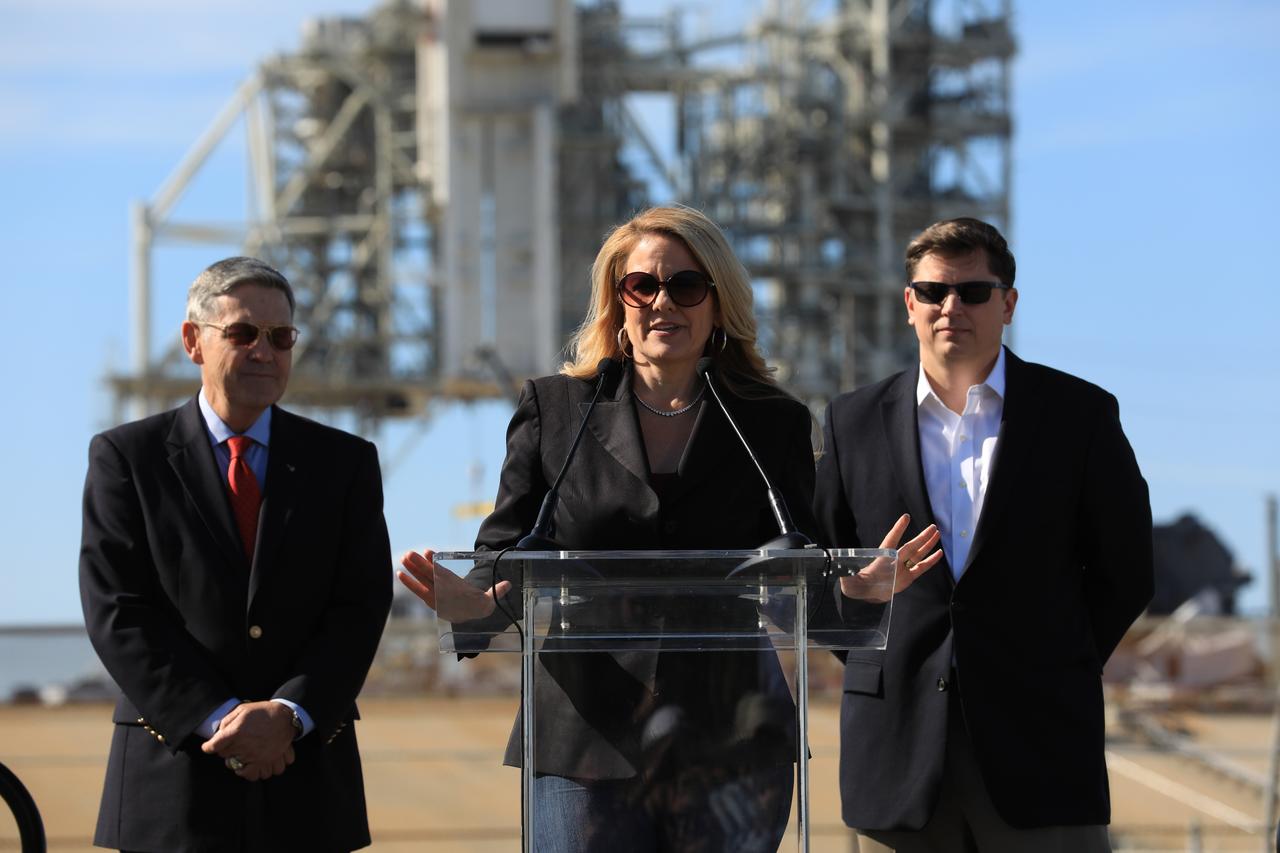
Gwynne Shotwell, president and chief operating officer of SpaceX, speaks to members of the news media at Launch Complex 39A. At left is Kennedy Space Center Director Bob Cabana. At right is Timothy Hughes, senior vice president and general counsel for SpaceX. On Feb. 18, a Falcon 9 rocket with a Dragon spacecraft atop is scheduled to lift off from the launch pad for the SpaceX CRS-10 mission. The historic site is where American astronauts first launched to the moon and was last used in 2011 for the final mission of the Space Shuttle Program. In April 2014, NASA officials signed a 20-year property agreement with SpaceX for use and operation of the launch pad for their Falcon 9 and Falcon 9 Heavy rockets. The SpaceX CRS-10 liftoff is another milestone further establishing Kennedy as a premier, multi-user spaceport. The Dragon spacecraft will deliver 5,000 pounds of supplies and research materials to the space station.
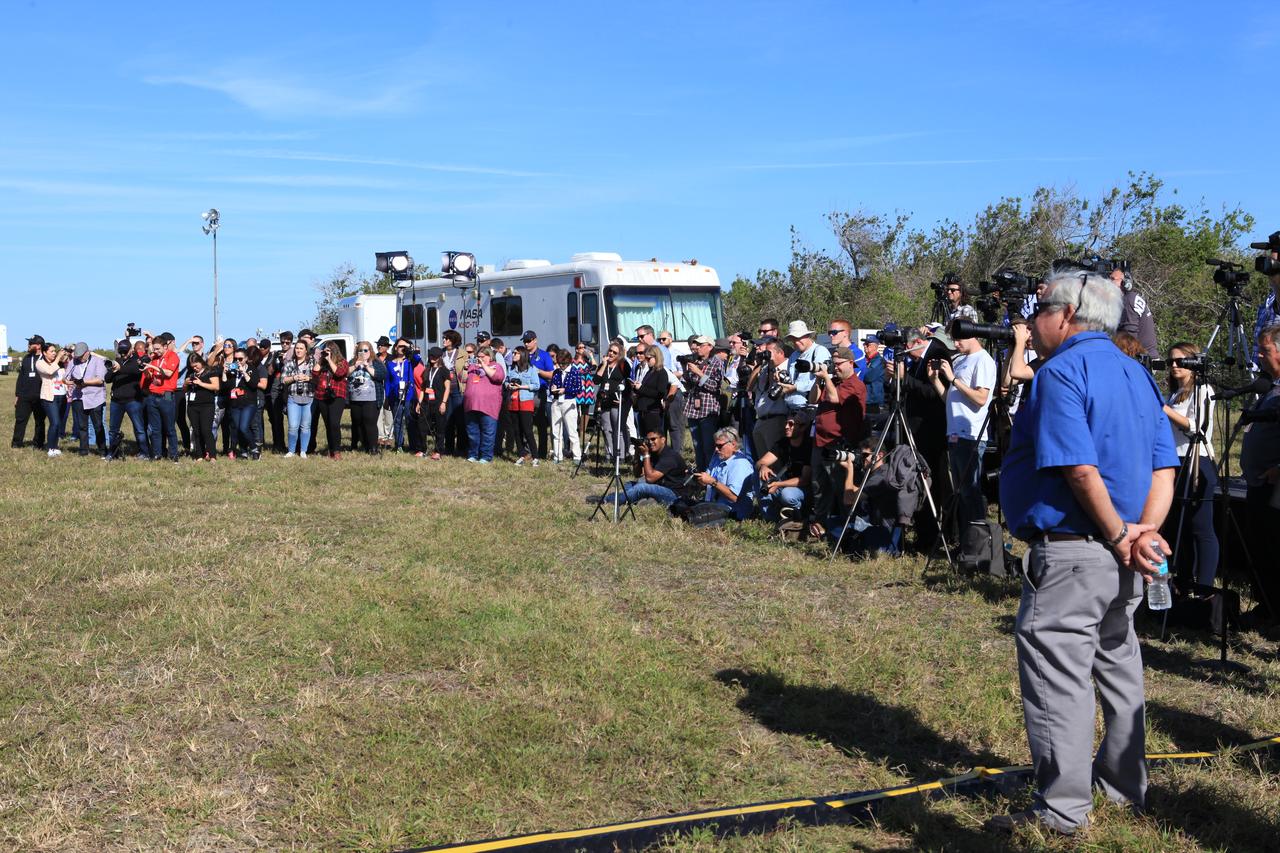
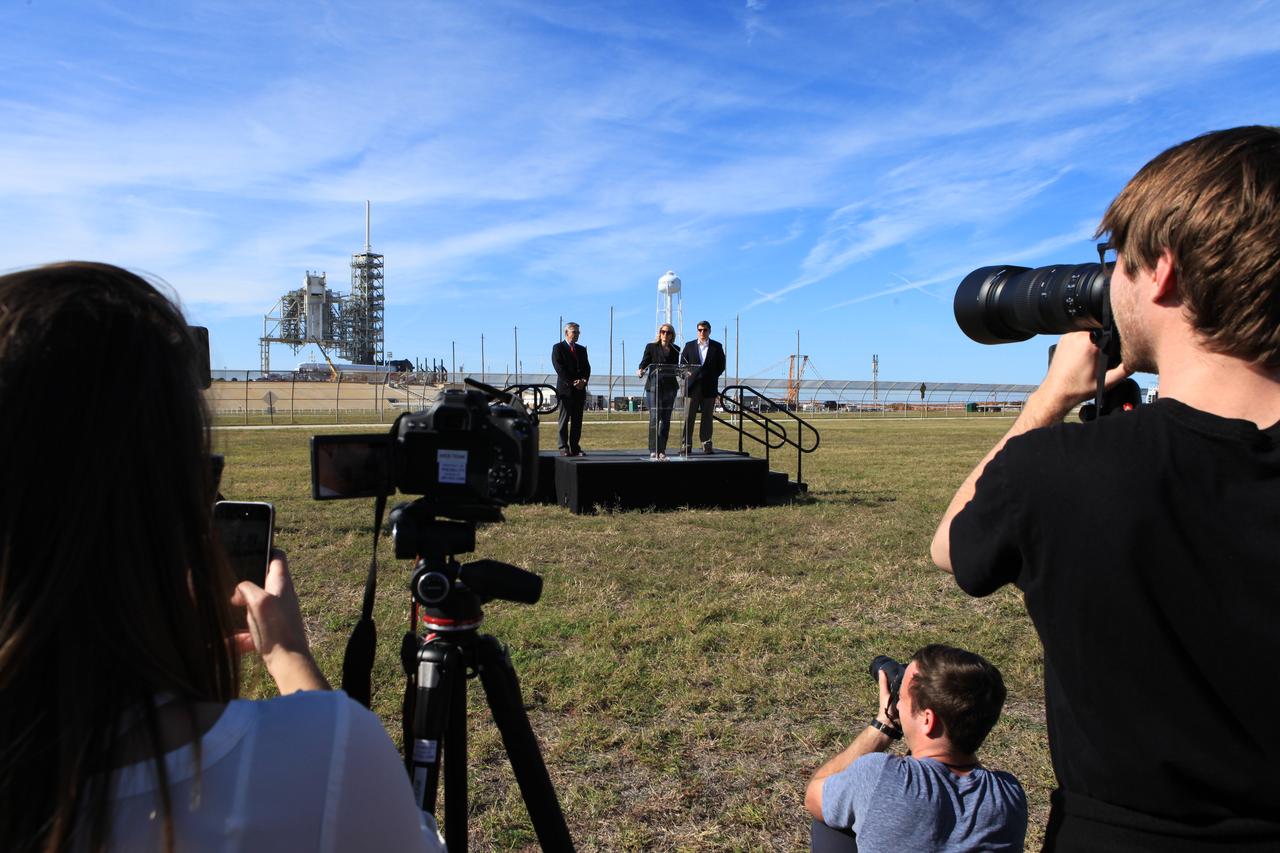
Members of the news media are at Launch Complex 39A for a briefing from Kennedy Space Center Director Bob Cabana; Gwynee Shotwell, president and chief operating officer of SpaceX; and Timothy Hughes, senior vice president and general counsel for SpaceX. On Feb. 18, a Falcon 9 rocket with a Dragon spacecraft atop is scheduled to lift off from the launch pad for the SpaceX CRS-10 mission. The historic site is where American astronauts first launched to the moon and was last used in 2011 for the final mission of the Space Shuttle Program. In April 2014, NASA officials signed a 20-year property agreement with SpaceX for use and operation of the launch pad for their Falcon 9 and Falcon 9 Heavy rockets. The SpaceX CRS-10 liftoff is another milestone further establishing Kennedy as a premier, multi-user spaceport. The Dragon spacecraft will deliver 5,000 pounds of supplies and research materials to the space station.
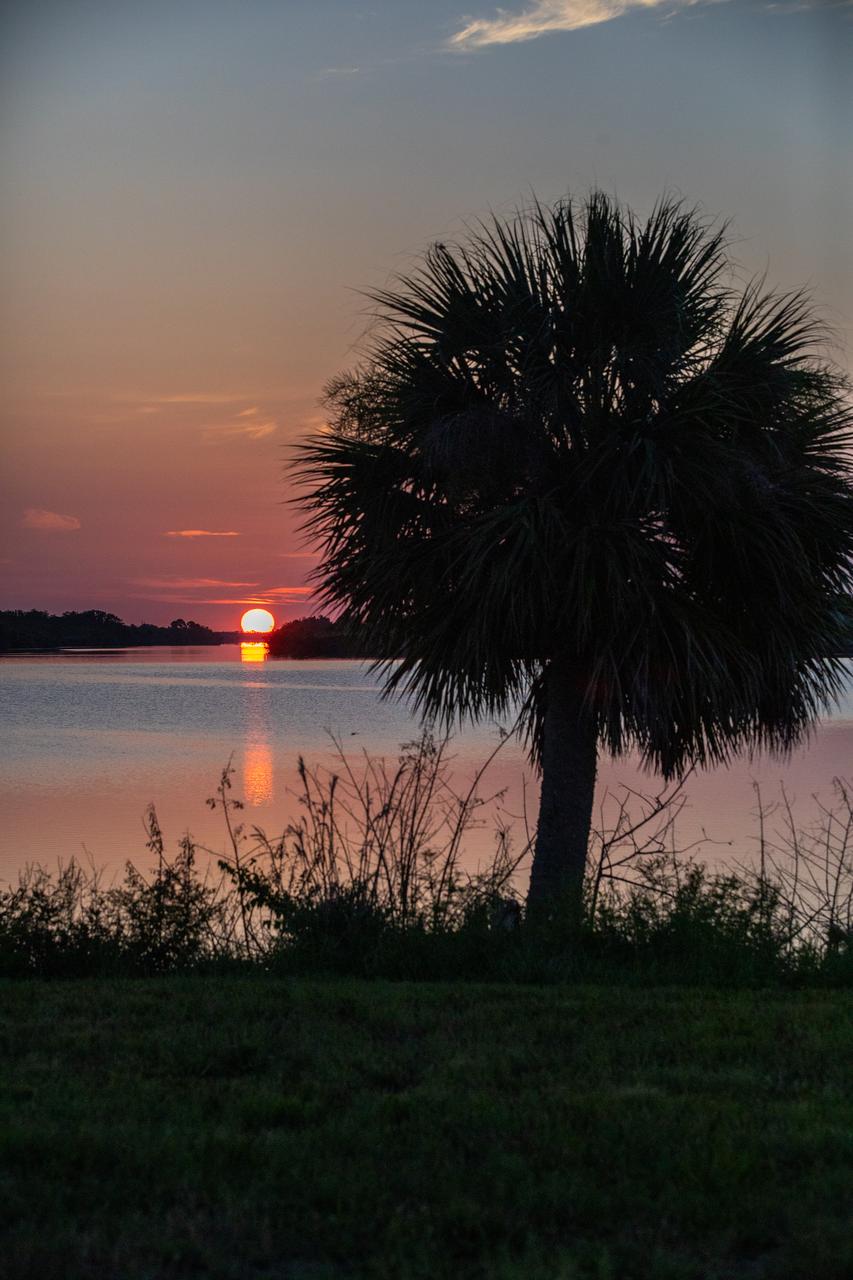
A sunrise over NASA’s Kennedy Space Center in Florida is captured on July 15, 2020. A multi-user spaceport, Kennedy has partnerships with both government and commercial entities, providing the facilities and infrastructure necessary for venturing to space.
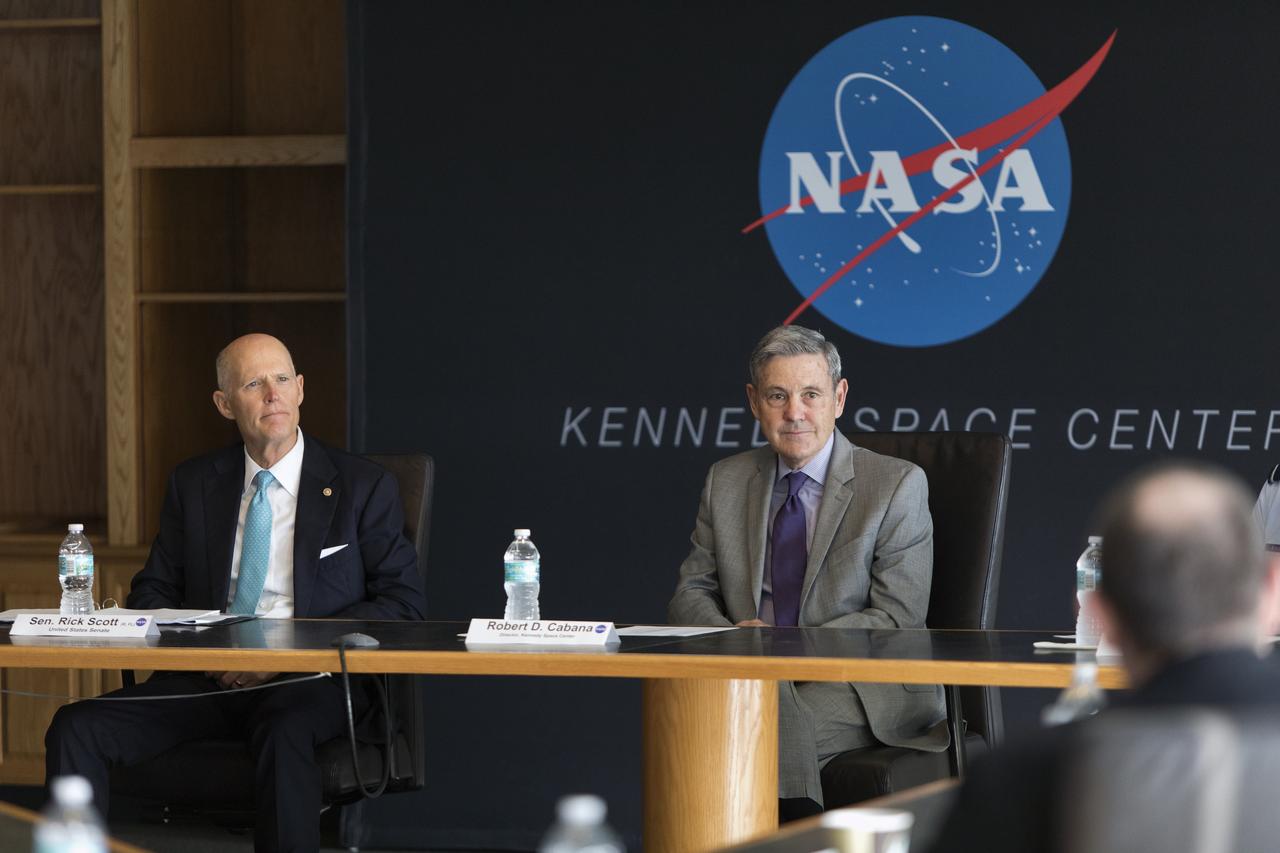
U.S. Sen. Rick Scott and Kennedy Space Center Director Bob Cabana attend a roundtable discussion among multi-user spaceport partners at Kennedy’s Saturn V Conference Center on March 15, 2019. The meeting was held to discuss the needs of the space center and Cape Canaveral Air Force Station.
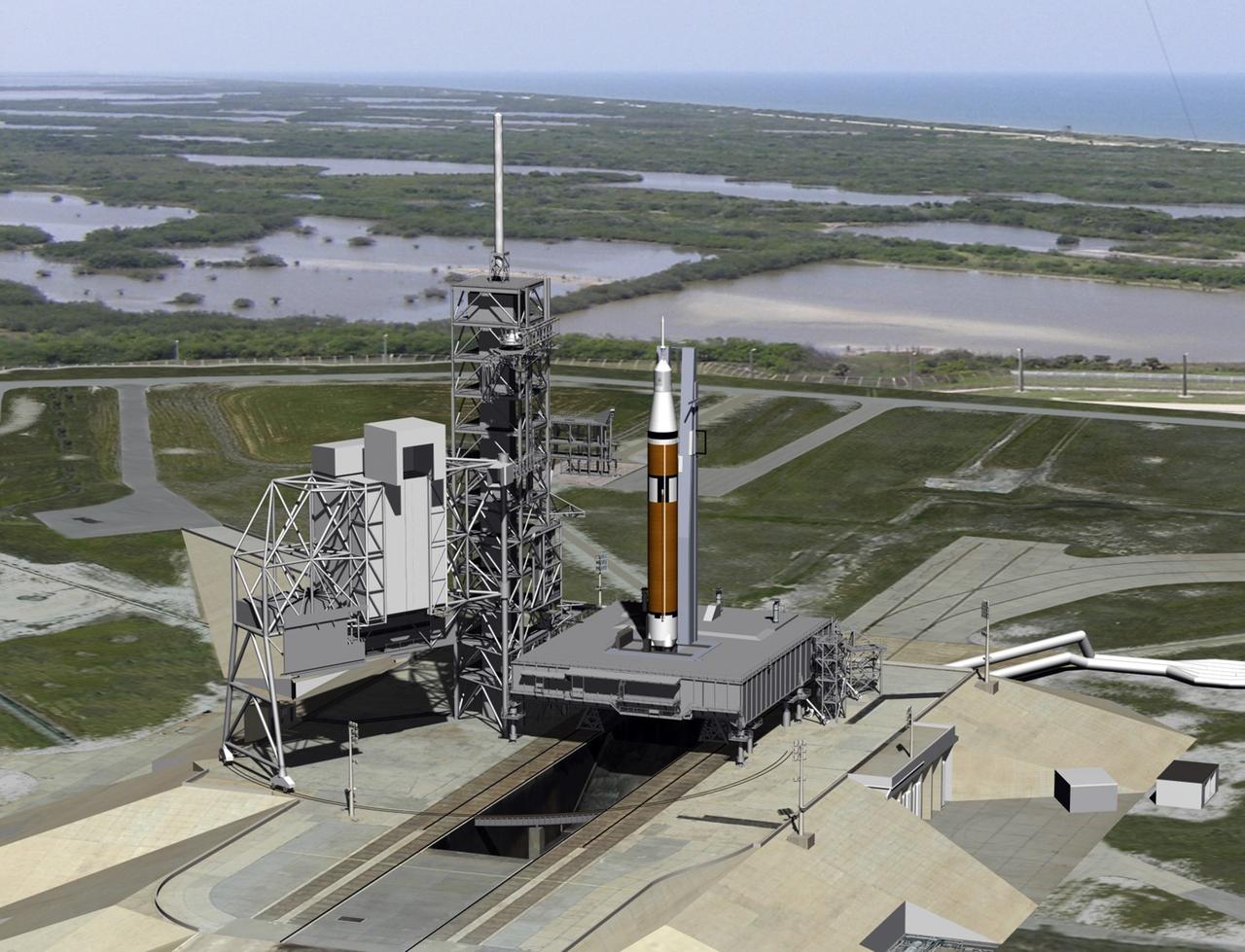
CAPE CANAVERAL, Fla. – An artist's concept shows a possible layout of a commercial spacecraft and rocket using facilities at Launch Pad 39A as NASA's Kennedy Space Center in Florida undergoes a transformation into a multi-user spaceport. Several companies are designing rockets and spacecraft that could be used to launch astronauts and payloads into space in the future. Credit: NASA
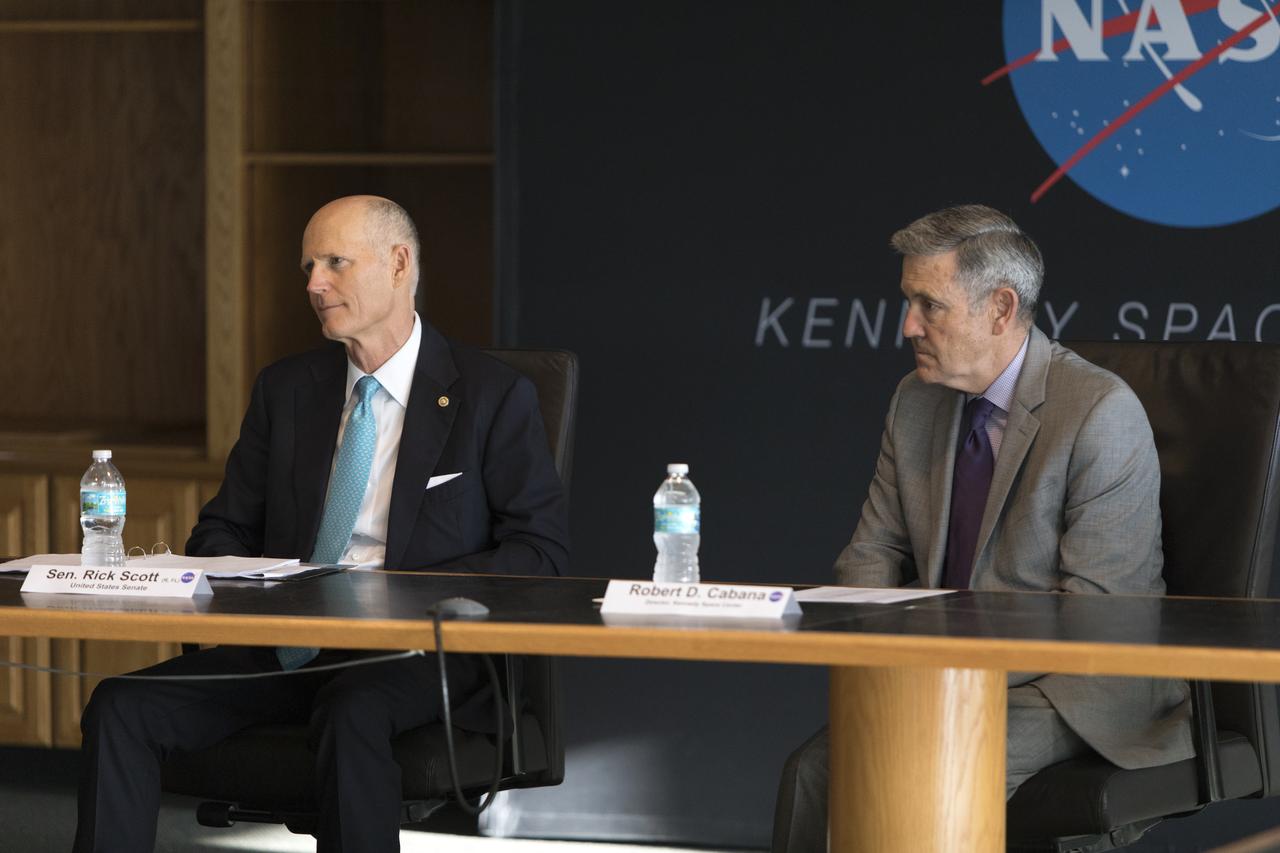
U.S. Sen. Rick Scott and Kennedy Space Center Director Bob Cabana attend a roundtable discussion among multi-user spaceport partners at Kennedy’s Saturn V Conference Center on March 15, 2019. The meeting was held to discuss the needs of the space center and Cape Canaveral Air Force Station.
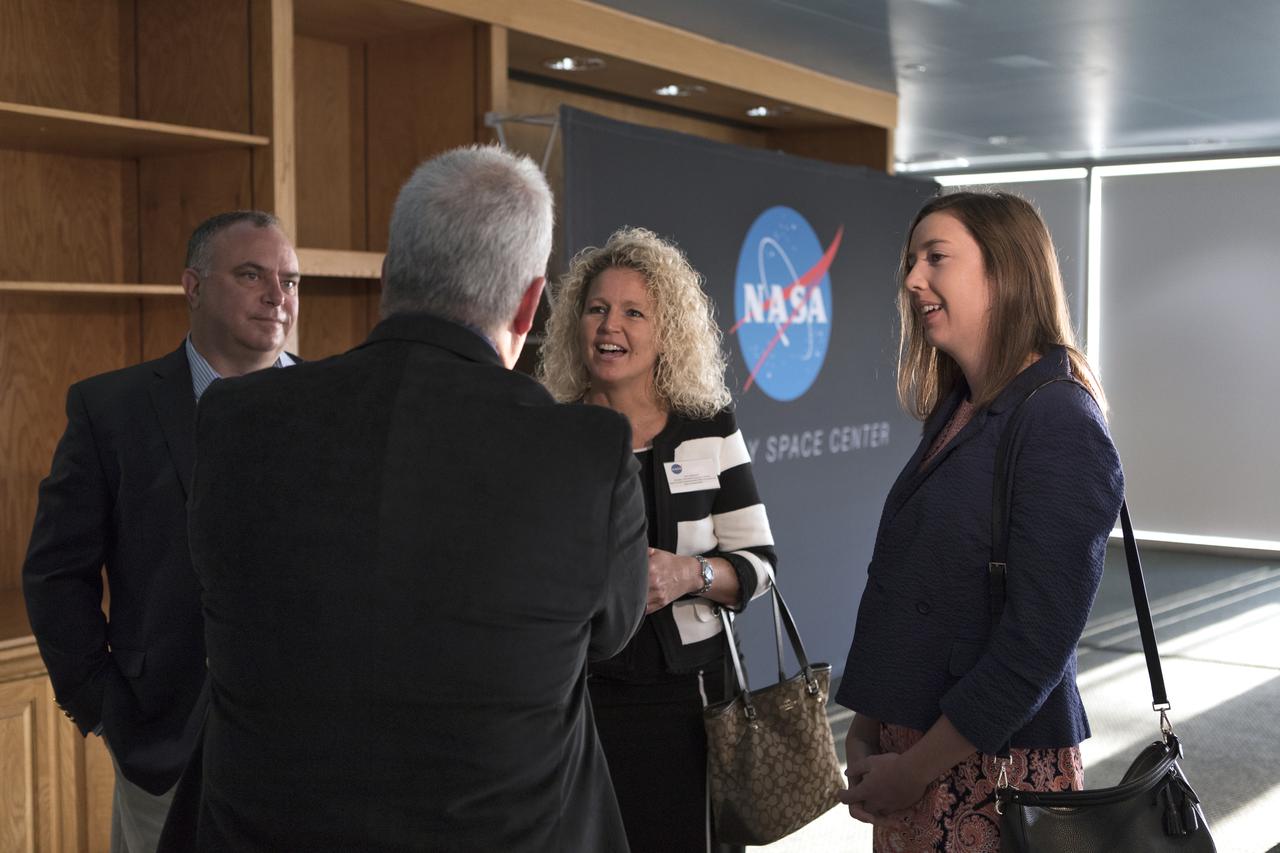
Multi-user spaceport partners converse prior to a roundtable discussion with U.S. Sen. Rick Scott and Kennedy Space Center Director Bob Cabana at Kennedy’s Saturn V Conference Center on March 15, 2019. The meeting was held to discuss the needs of the space center and Cape Canaveral Air Force Station.
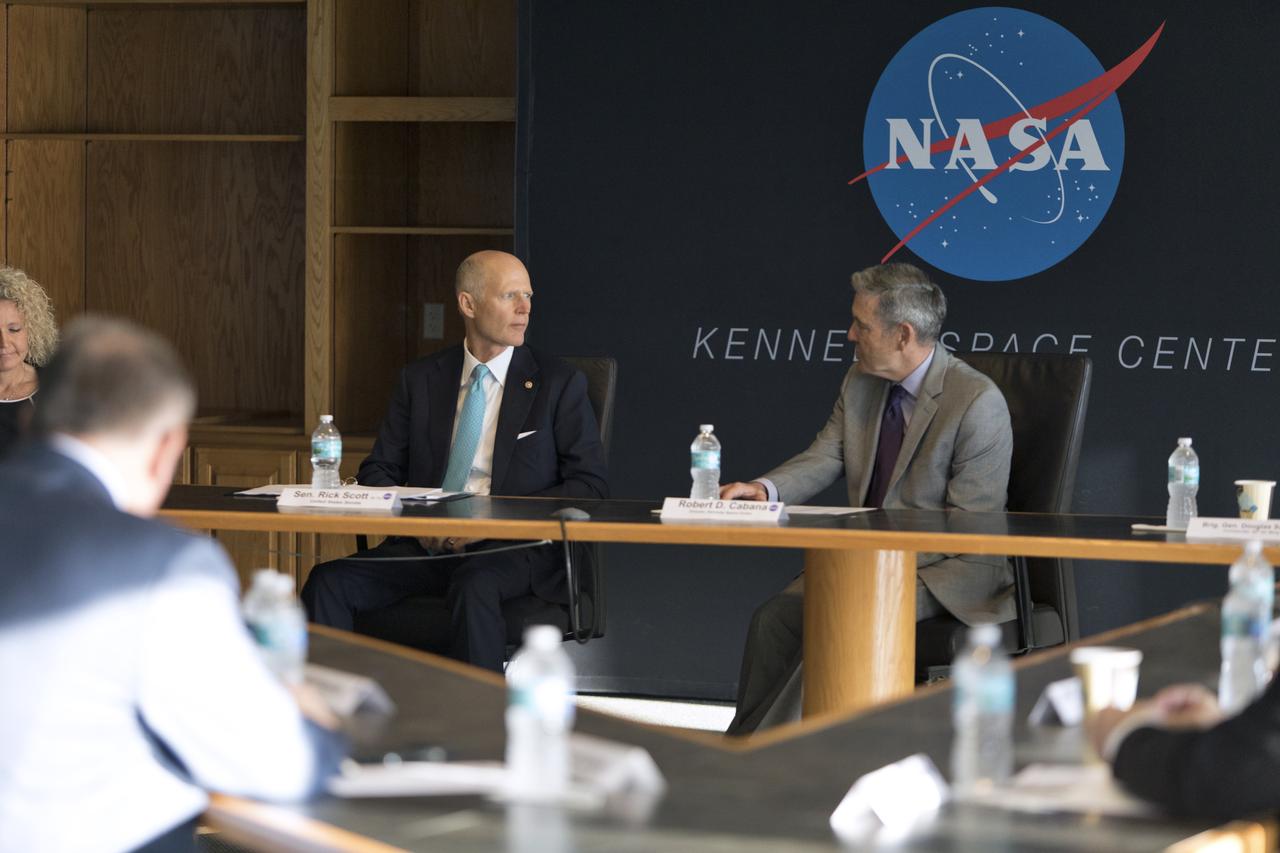
Kennedy Space Center Director Bob Cabana speaks to U.S. Sen. Rick Scott during a roundtable discussion among multi-user spaceport partners at Kennedy’s Saturn V Conference Center on March 15, 2019. The meeting was held to discuss the needs of the space center and Cape Canaveral Air Force Station.
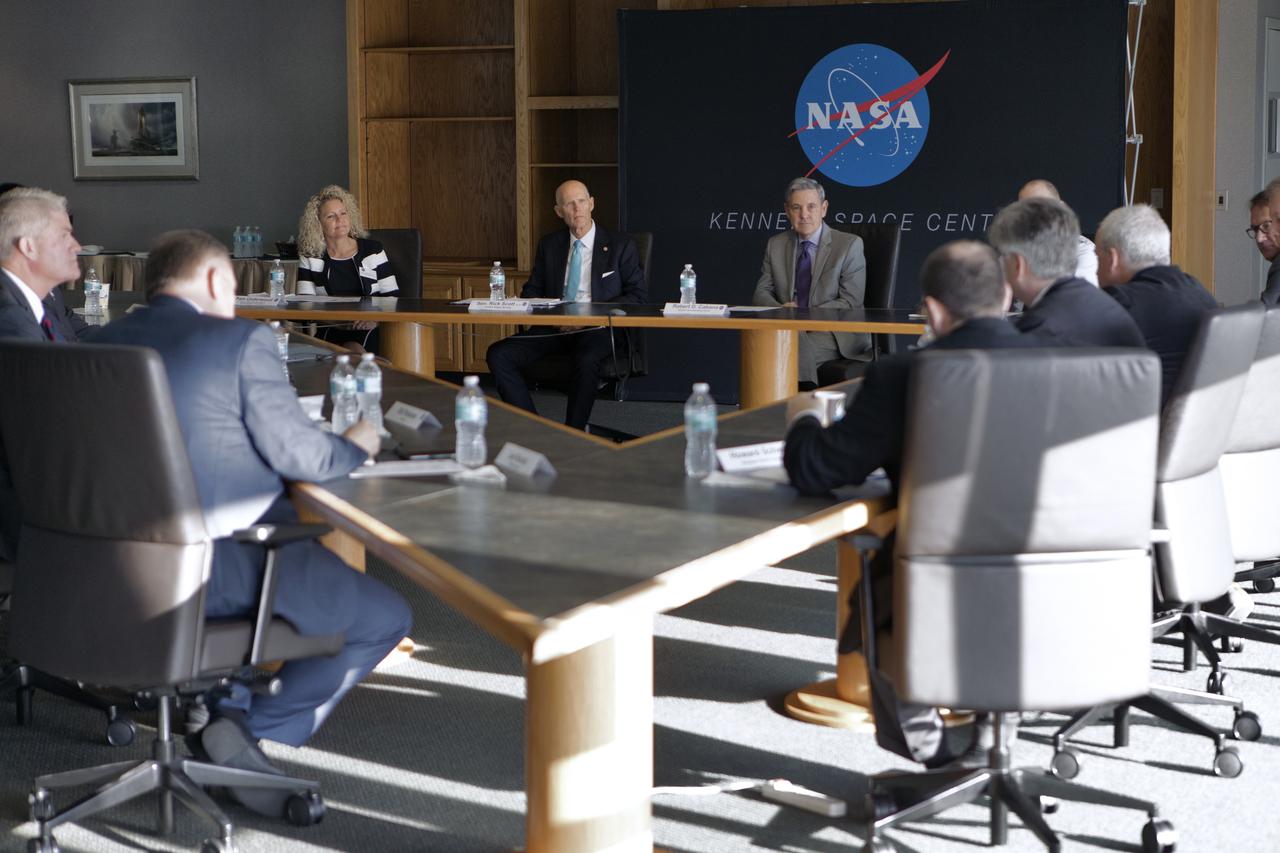
U.S. Sen. Rick Scott and Kennedy Space Center Director Bob Cabana attend a roundtable discussion among multi-user spaceport partners at Kennedy’s Saturn V Conference Center on March 15, 2019. The meeting was held to discuss the needs of the space center and Cape Canaveral Air Force Station.
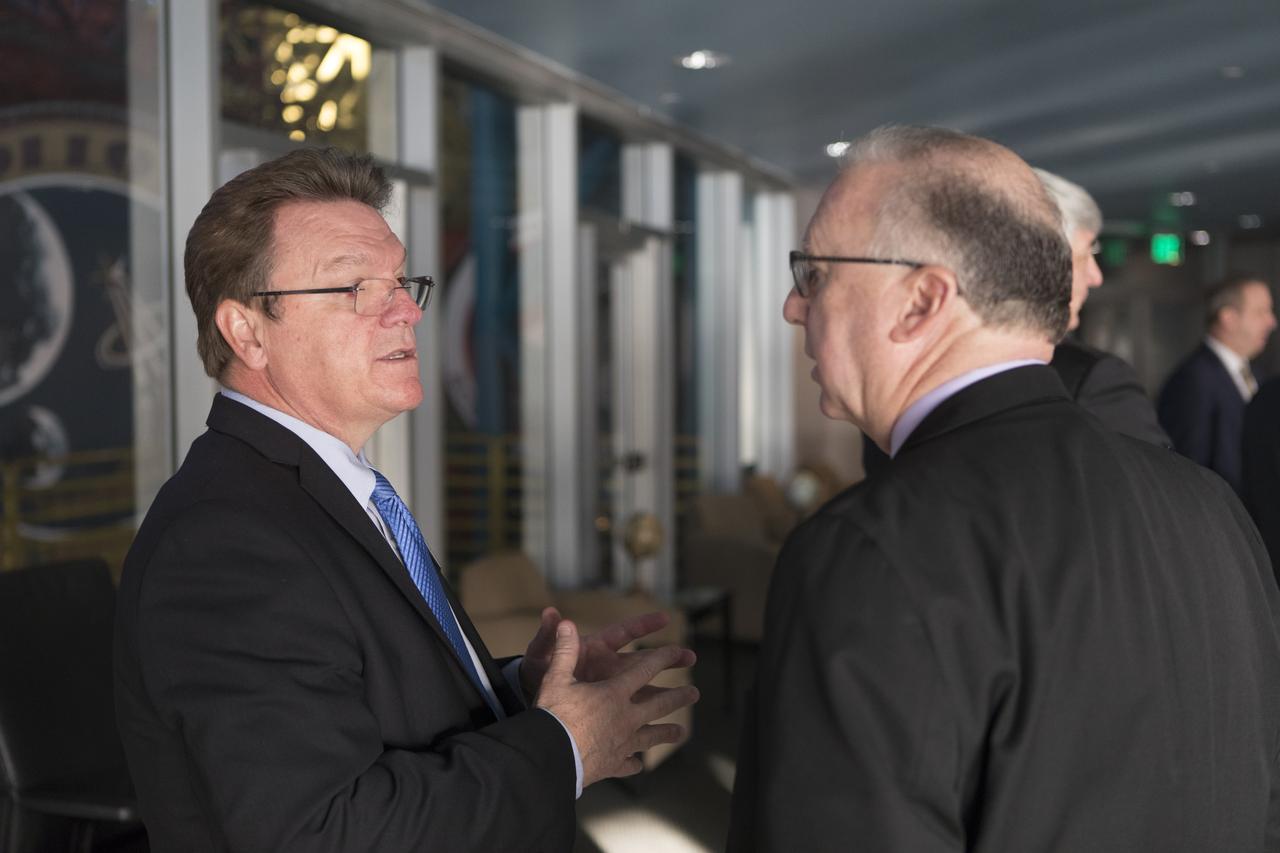
Multi-user spaceport partners converse prior to a roundtable discussion with U.S. Sen. Rick Scott and Kennedy Space Center Director Bob Cabana at Kennedy’s Saturn V Conference Center on March 15, 2019. The meeting was held to discuss the needs of the space center and Cape Canaveral Air Force Station.
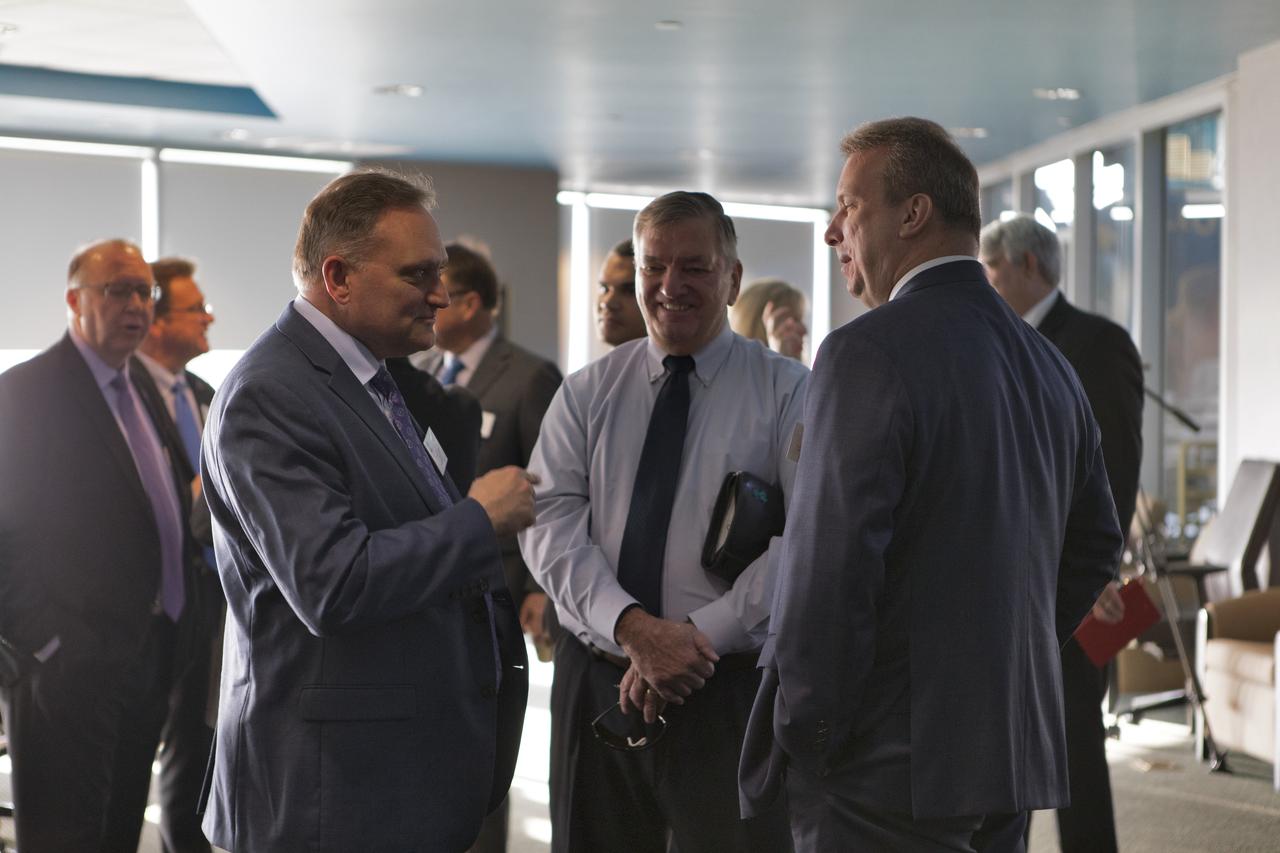
Multi-user spaceport partners converse prior to a roundtable discussion with U.S. Sen. Rick Scott and Kennedy Space Center Director Bob Cabana at Kennedy’s Saturn V Conference Center on March 15, 2019. The meeting was held to discuss the needs of the space center and Cape Canaveral Air Force Station.
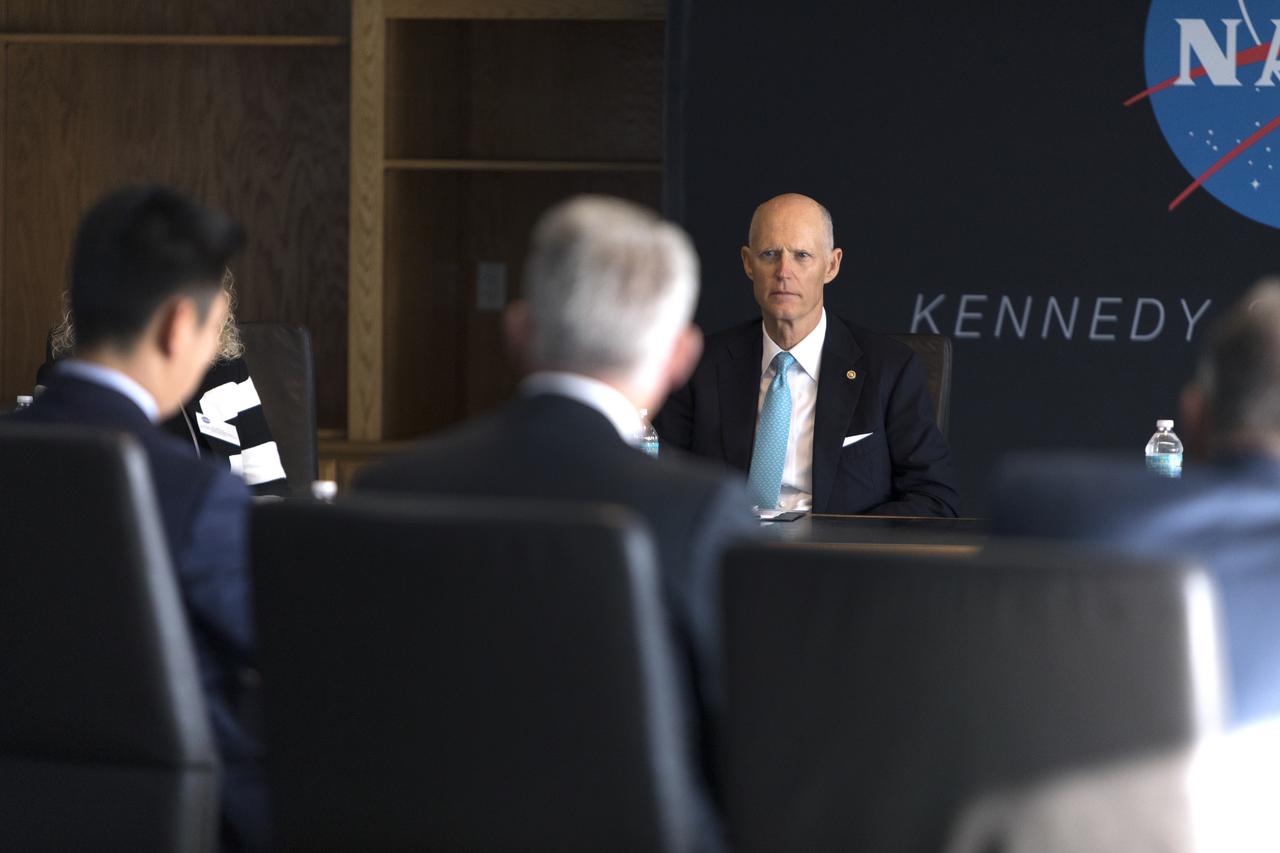
U.S. Sen. Rick Scott attends a roundtable discussion among Kennedy Space Center Director Bob Cabana and multi-user spaceport partners at Kennedy’s Saturn V Conference Center on March 15, 2019. The meeting was held to discuss the needs of the space center and Cape Canaveral Air Force Station.
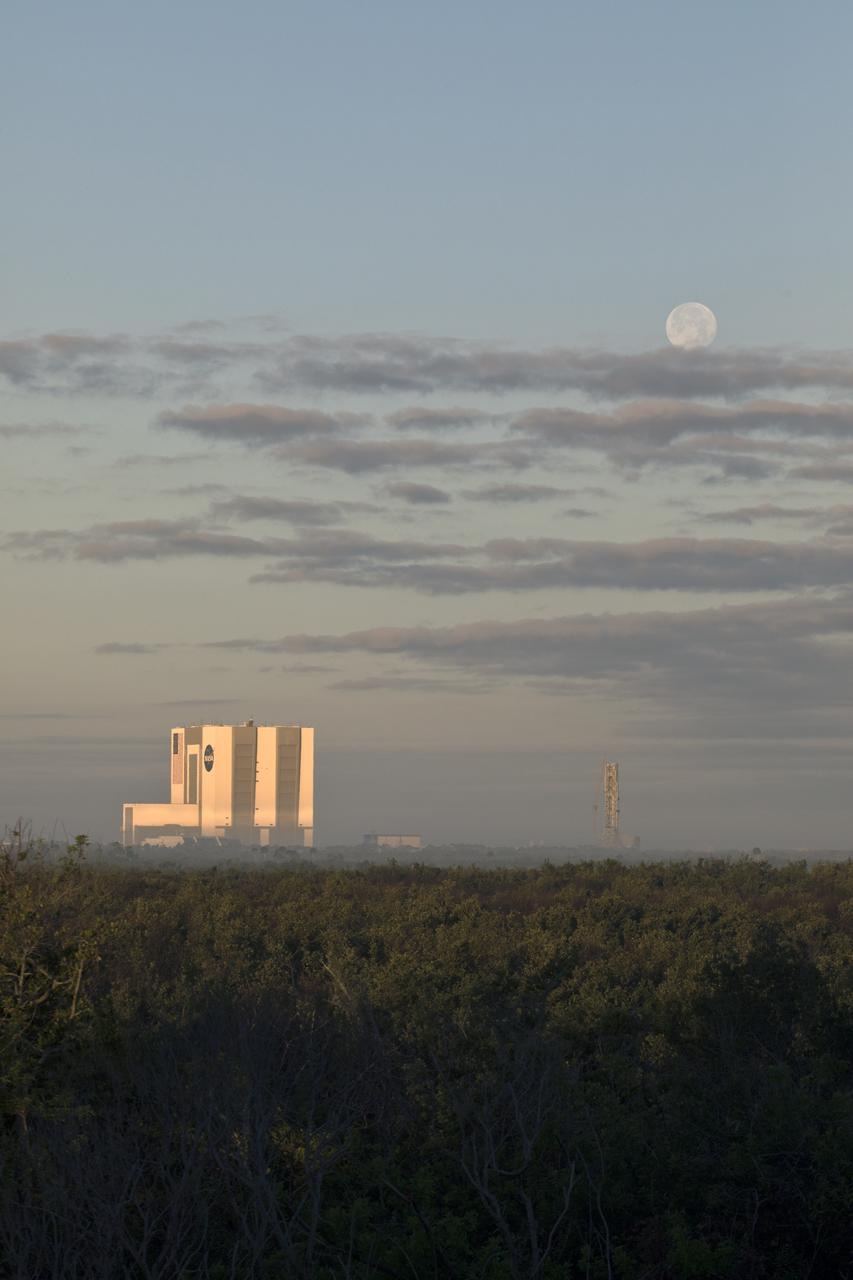
A full Moon sets behind the Vehicle Assembly Building and Mobile Launcher at NASA’s Kennedy Space Center in Florida. At the nation’s premier multi-user spaceport, NASA and its commercial and international partners are looking to return humans to the Moon and beyond utilizing a variety of rockets and capabilities.
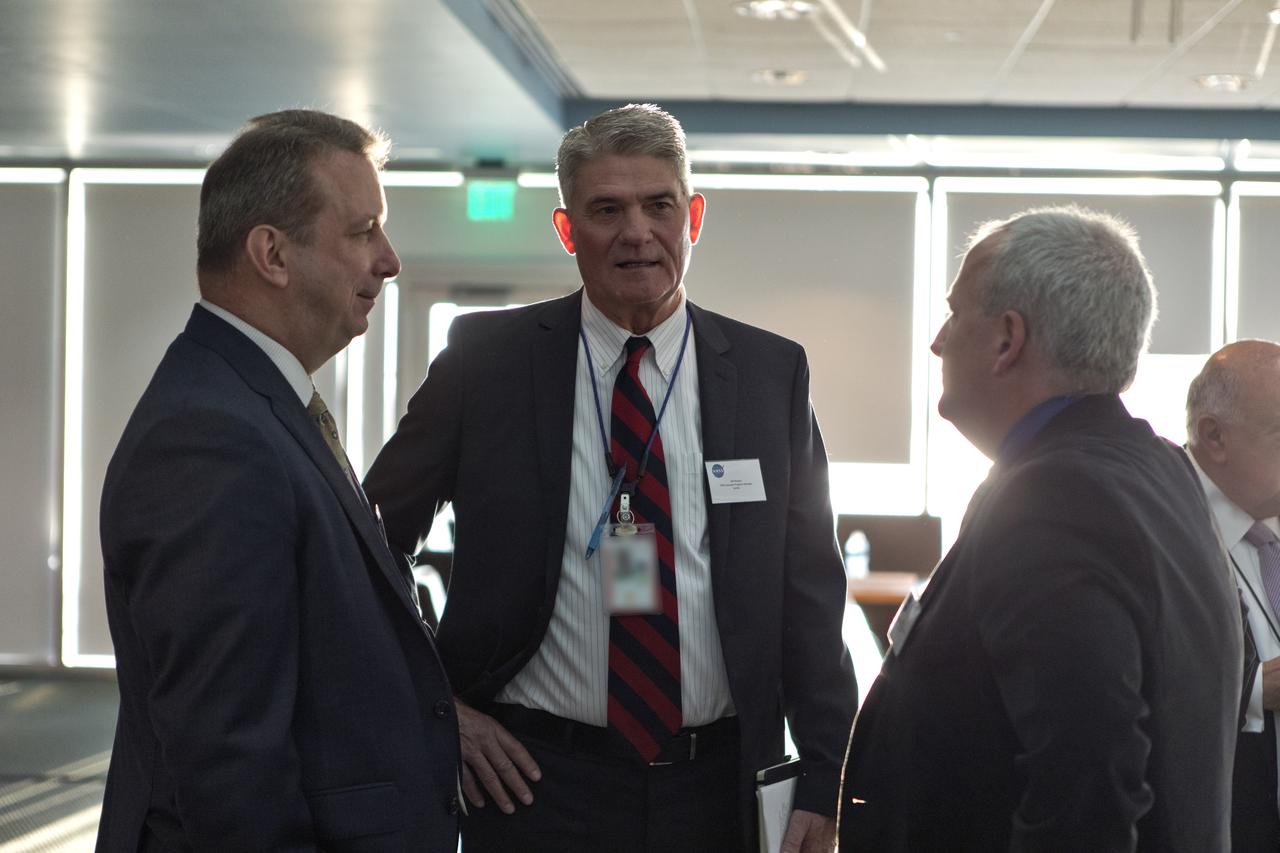
Multi-user spaceport partners converse prior to a roundtable discussion with U.S. Sen. Rick Scott and Kennedy Space Center Director Bob Cabana at Kennedy’s Saturn V Conference Center on March 15, 2019. The meeting was held to discuss the needs of the space center and Cape Canaveral Air Force Station.
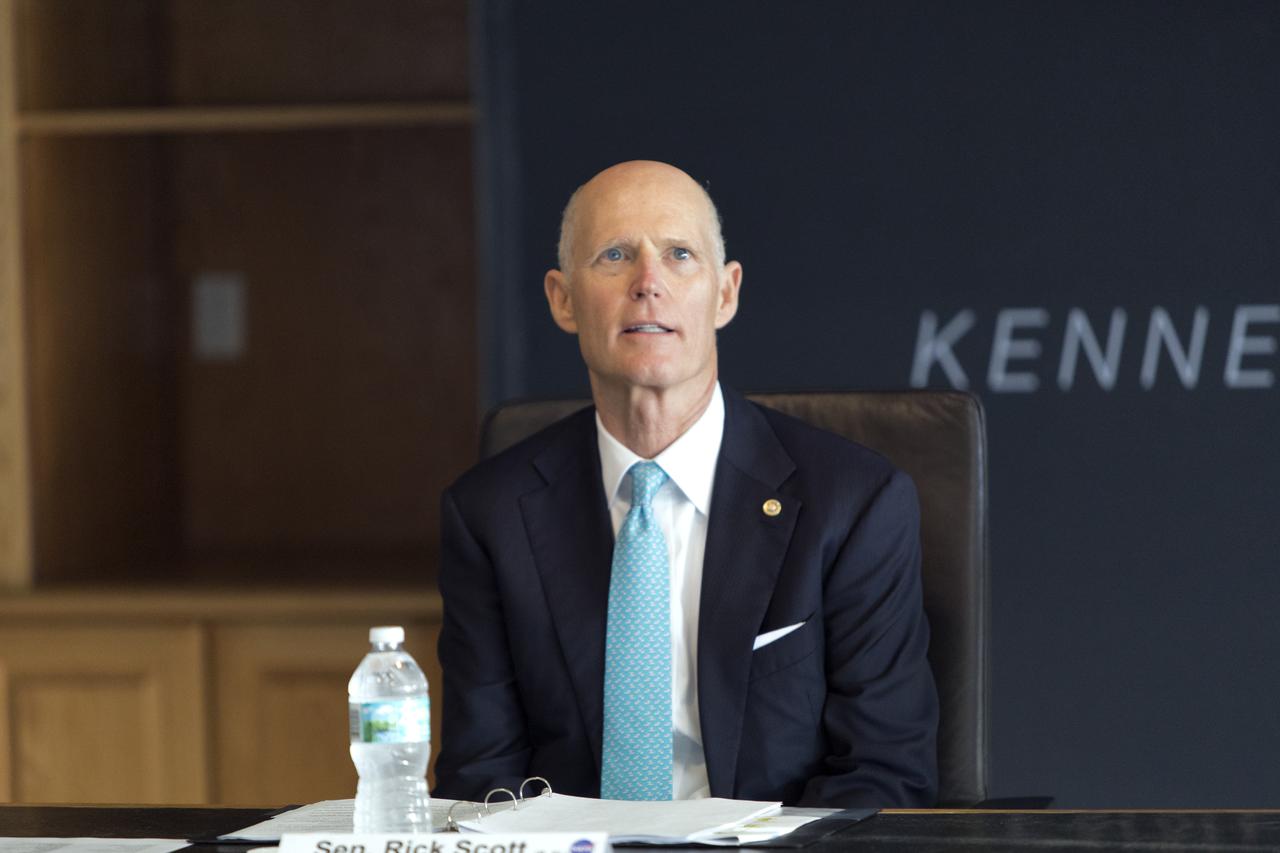
U.S. Sen. Rick Scott attends a roundtable discussion among Kennedy Space Center Director Bob Cabana and multi-user spaceport partners at Kennedy’s Saturn V Conference Center on March 15, 2019. The meeting was held to discuss the needs of the space center and Cape Canaveral Air Force Station.
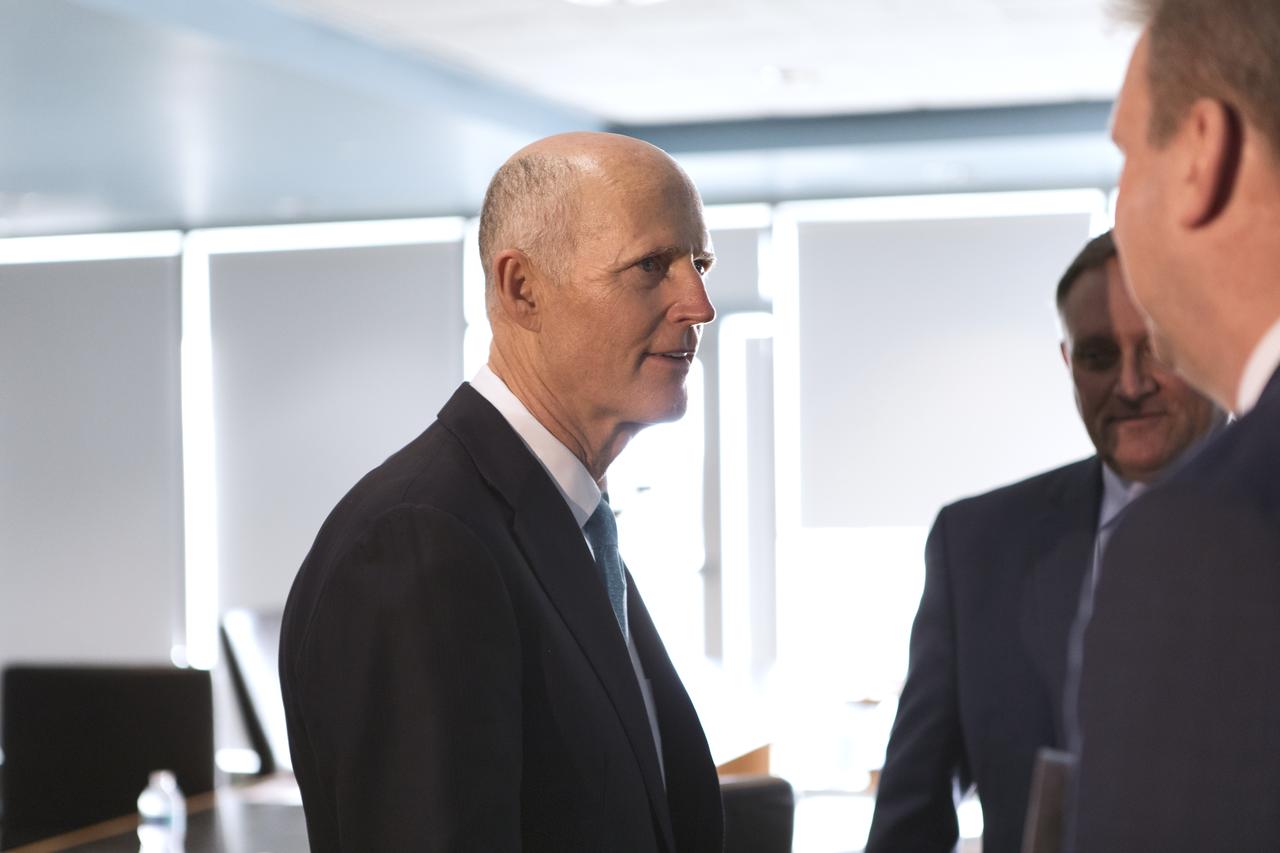
U.S. Sen. Rick Scott converses with multi-user spaceport partners prior to a roundtable discussion among Kennedy Space Center Director Bob Cabana and center partners at Kennedy’s Saturn V Conference Center on March 15, 2019. The meeting was held to discuss the needs of the space center and Cape Canaveral Air Force Station.
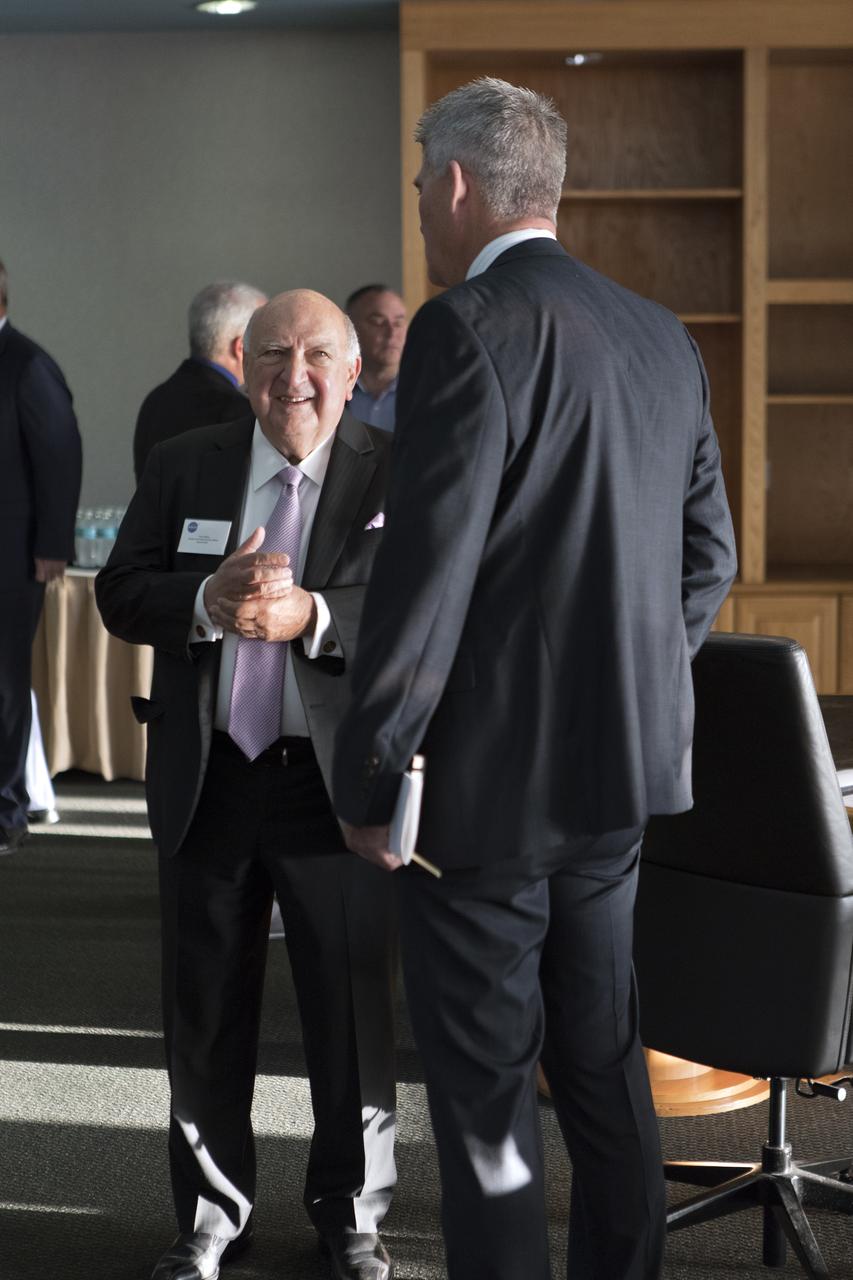
Multi-user spaceport partners converse prior to a roundtable discussion with U.S. Sen. Rick Scott and Kennedy Space Center Director Bob Cabana at Kennedy’s Saturn V Conference Center on March 15, 2019. The meeting was held to discuss the needs of the space center and Cape Canaveral Air Force Station.
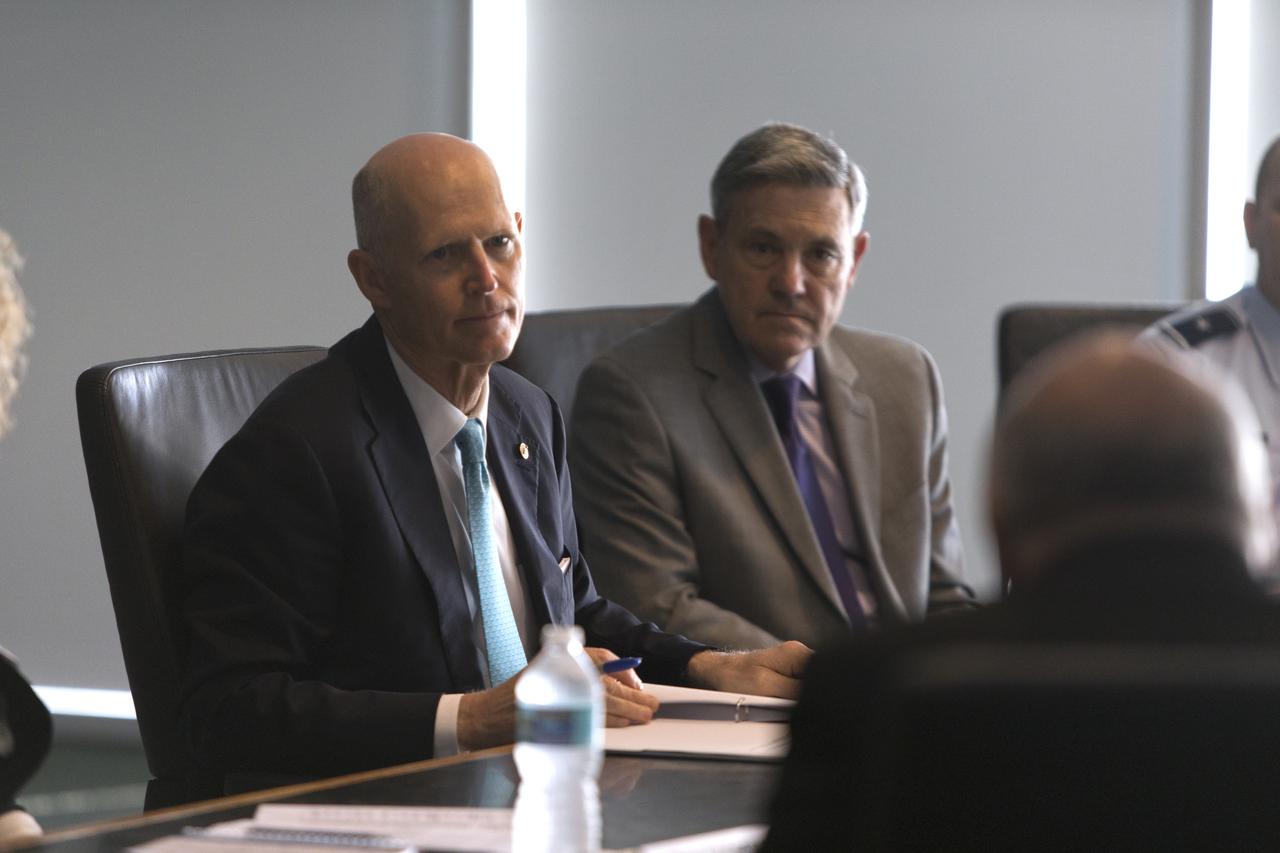
U.S. Sen. Rick Scott and Kennedy Space Center Director Bob Cabana attend a roundtable discussion among multi-user spaceport partners at Kennedy’s Saturn V Conference Center on March 15, 2019. The meeting was held to discuss the needs of the space center and Cape Canaveral Air Force Station.
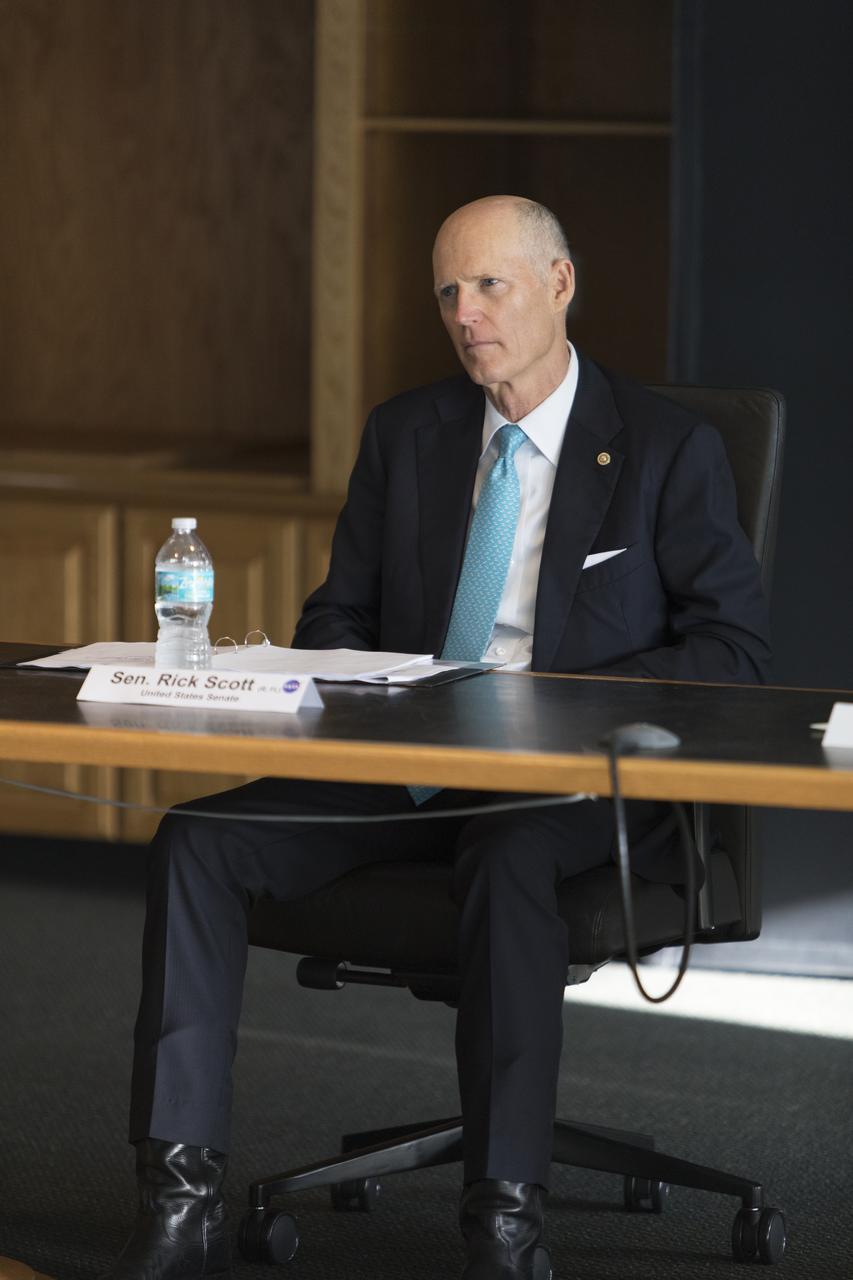
U.S. Sen. Rick Scott attends a roundtable discussion among Kennedy Space Center Director Bob Cabana and multi-user spaceport partners at Kennedy’s Saturn V Conference Center on March 15, 2019. The meeting was held to discuss the needs of the space center and Cape Canaveral Air Force Station.
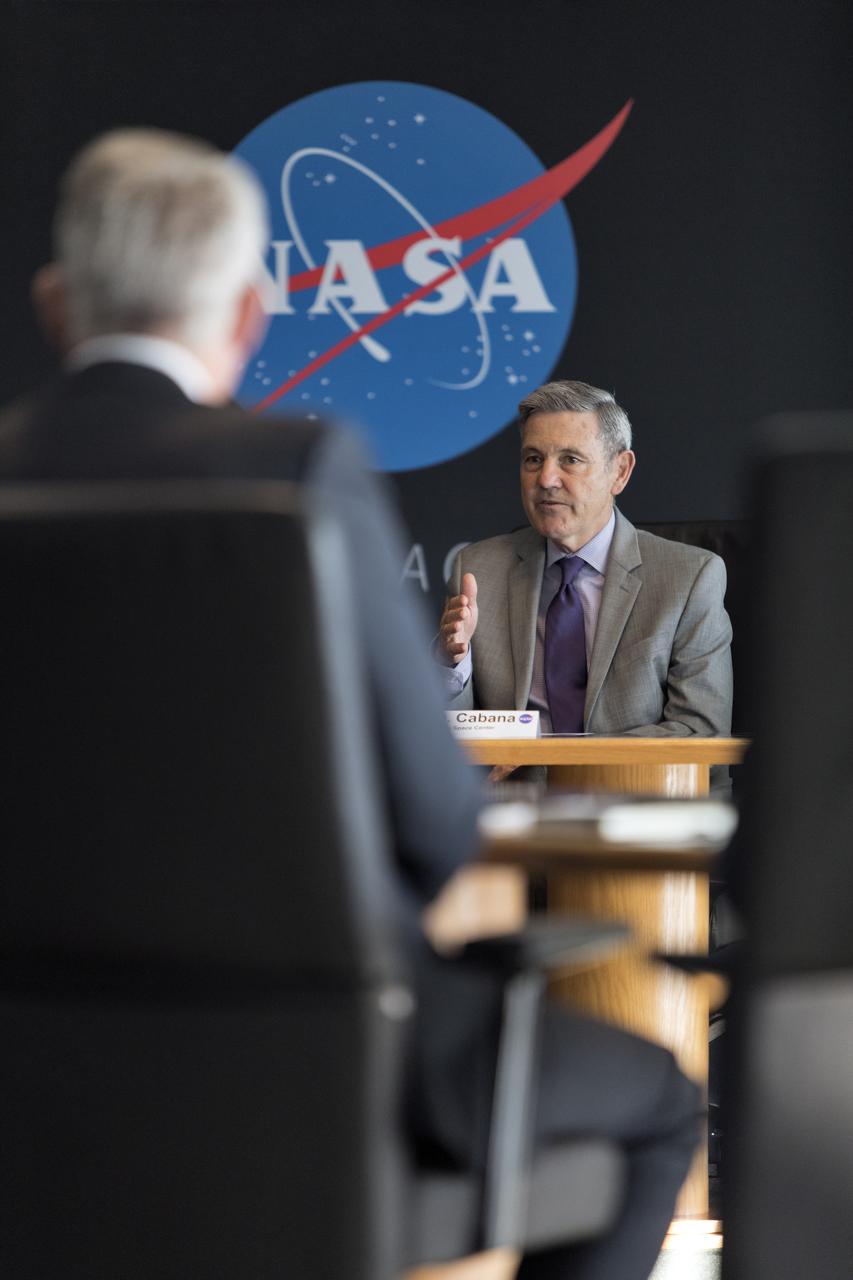
Kennedy Space Center Director Bob Cabana speaks during a roundtable discussion among U.S. Sen. Rick Scott and multi-user spaceport partners at Kennedy’s Saturn V Conference Center on March 15, 2019. The meeting was held to discuss the needs of the space center and Cape Canaveral Air Force Station.
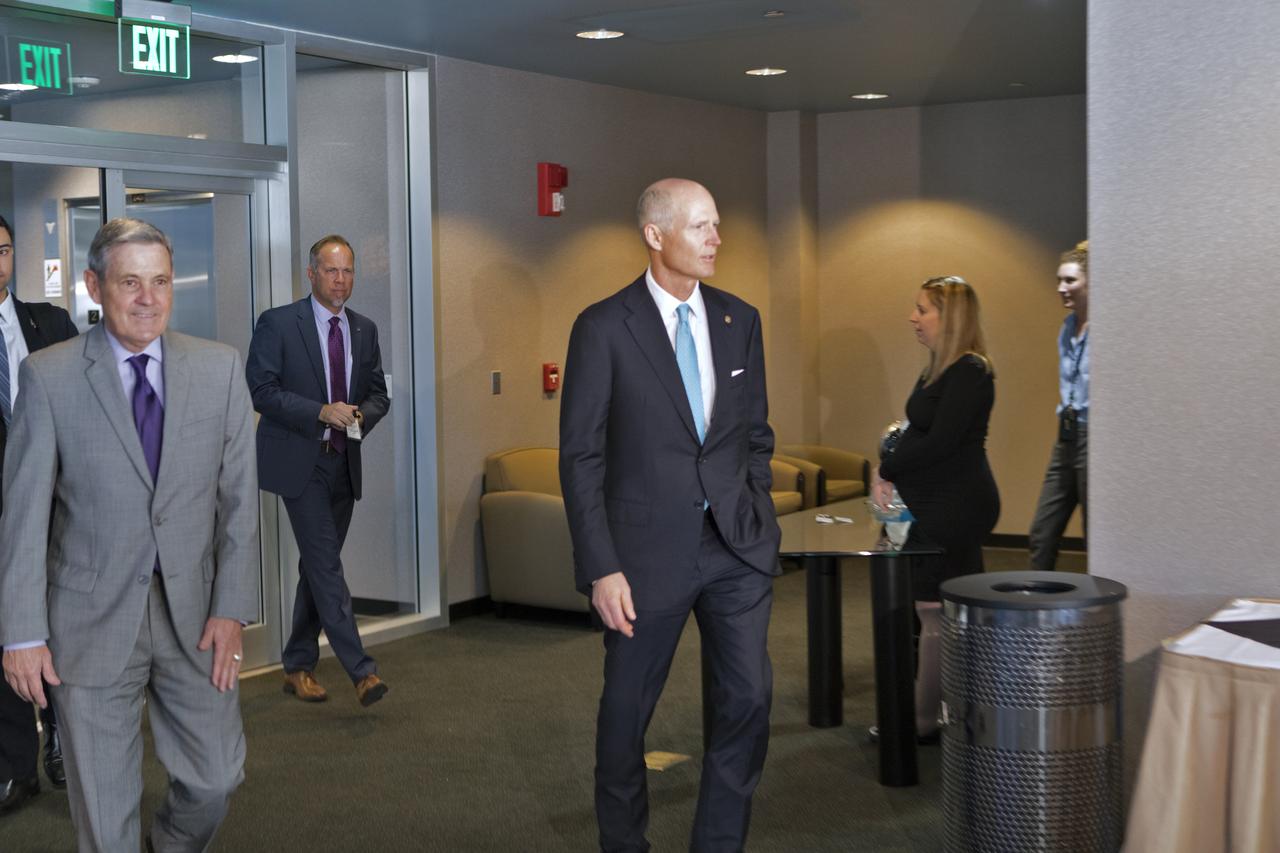
Kennedy Space Center Director Bob Cabana and U.S. Sen. Rick Scott walk into the Kennedy Saturn V Conference Center to attend a roundtable discussion among multi-user spaceport partners on March 15, 2019. The meeting was held to discuss the needs of the space center and Cape Canaveral Air Force Station.
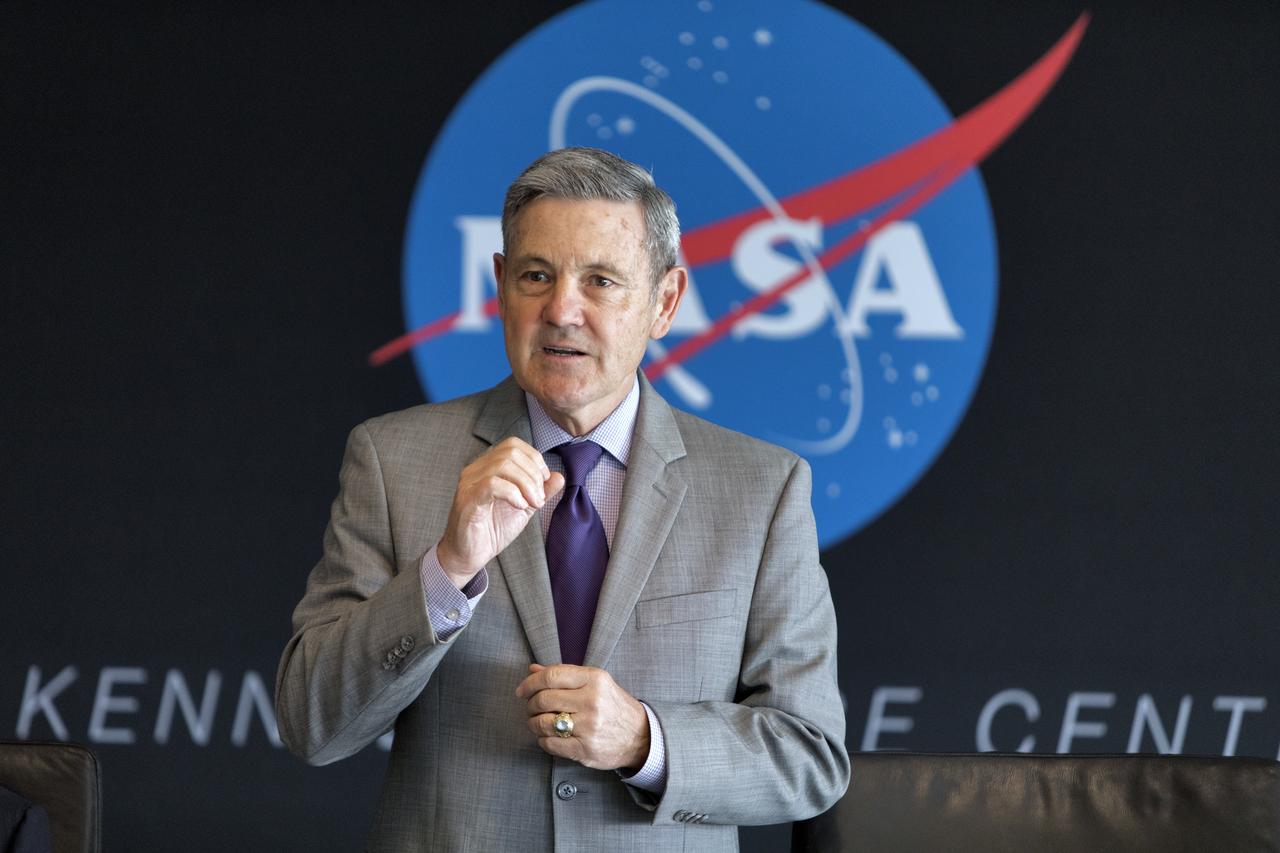
Kennedy Space Center Director Bob Cabana speaks during a roundtable discussion among U.S. Sen. Rick Scott and multi-user spaceport partners Kennedy’s Space Center Saturn V Conference Center on March 15, 2019. The meeting was held to discuss the needs of the space center and Cape Canaveral Air Force Station.
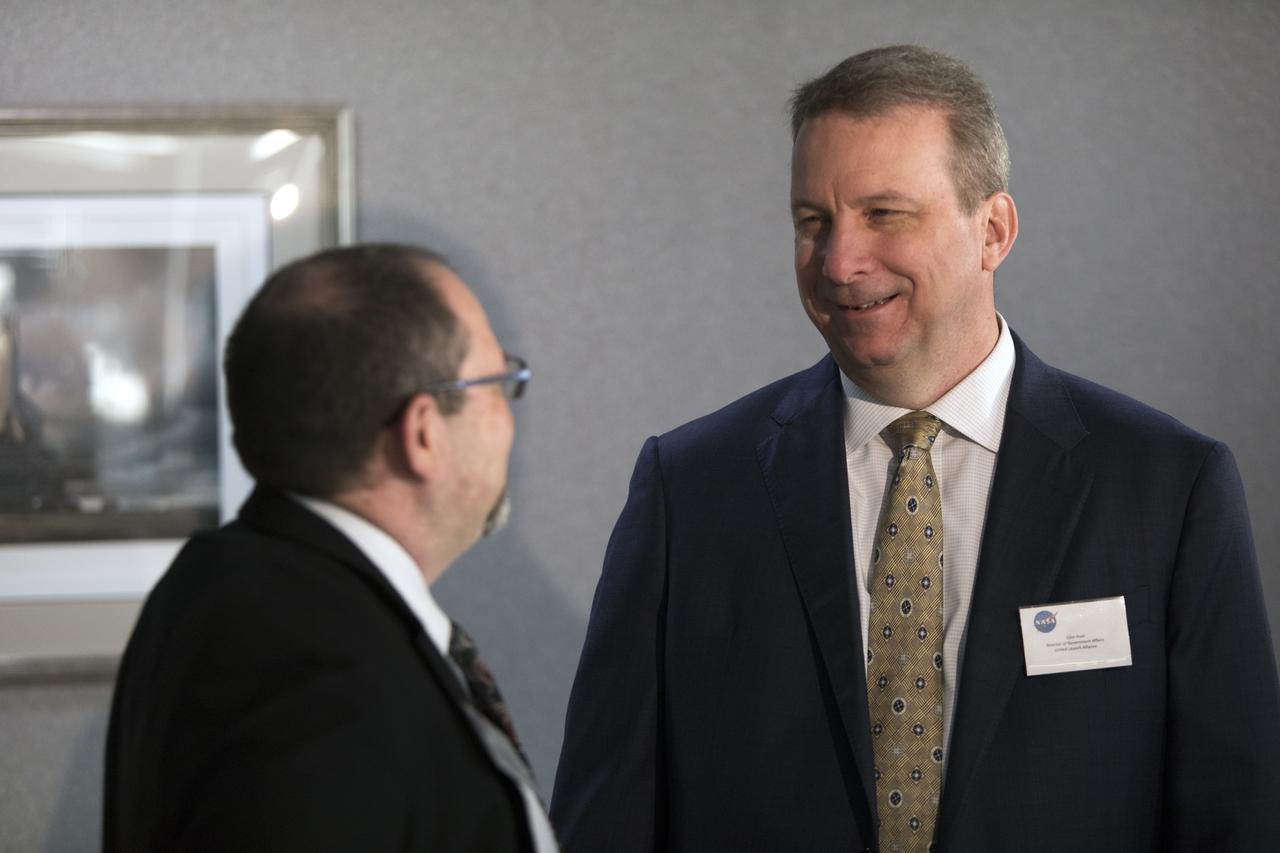
Multi-user spaceport partners converse prior to a roundtable discussion with U.S. Sen. Rick Scott and Kennedy Space Center Director Bob Cabana at Kennedy’s Saturn V Conference Center on March 15, 2019. The meeting was held to discuss the needs of the space center and Cape Canaveral Air Force Station.
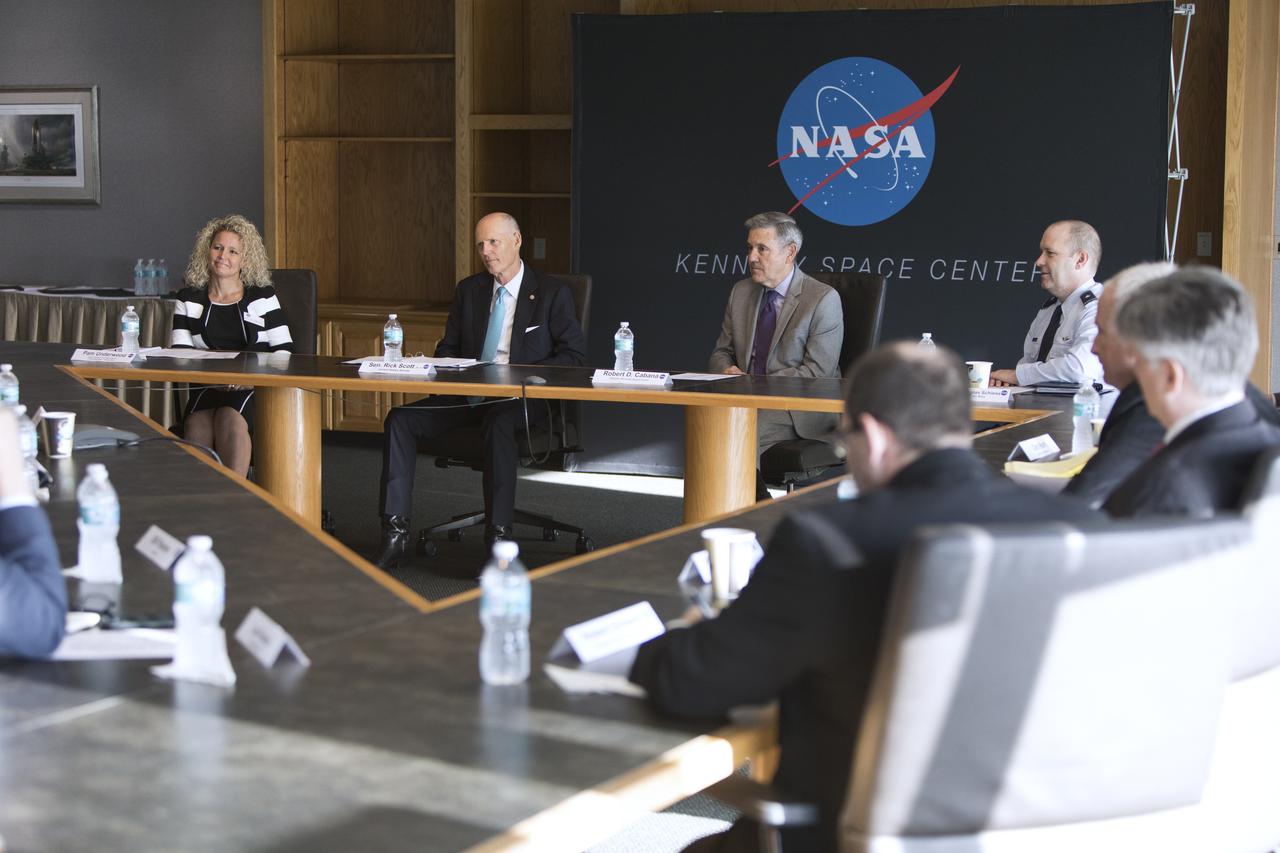
U.S. Sen. Rick Scott and Kennedy Space Center Director Bob Cabana attend a roundtable discussion among multi-user spaceport partners at Kennedy’s Saturn V Conference Center on March 15, 2019. The meeting was held to discuss the needs of the space center and Cape Canaveral Air Force Station.
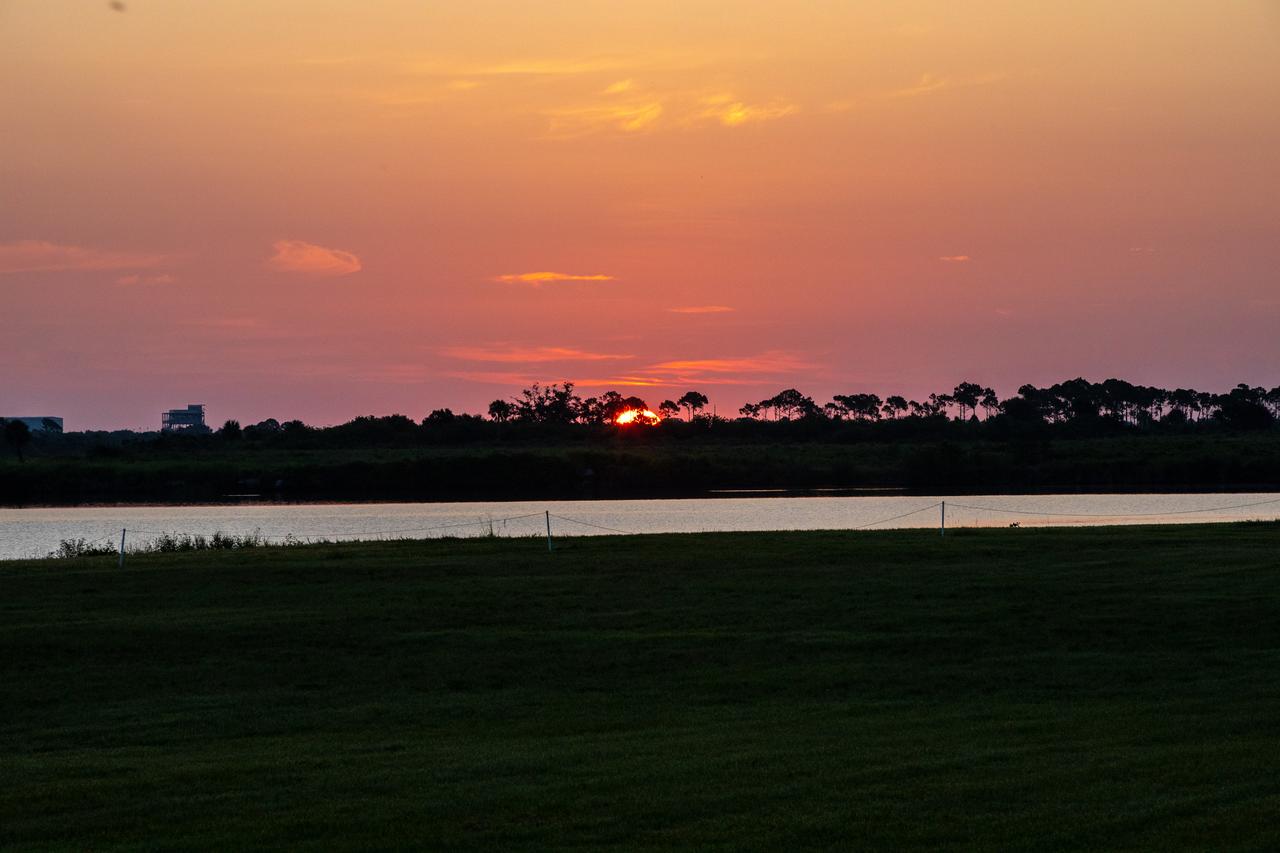
The Sun just begins to rise over NASA’s Kennedy Space Center in Florida on July 15, 2020. A multi-user spaceport, Kennedy has partnerships with both government and commercial entities, providing the facilities and infrastructure necessary for venturing to space.
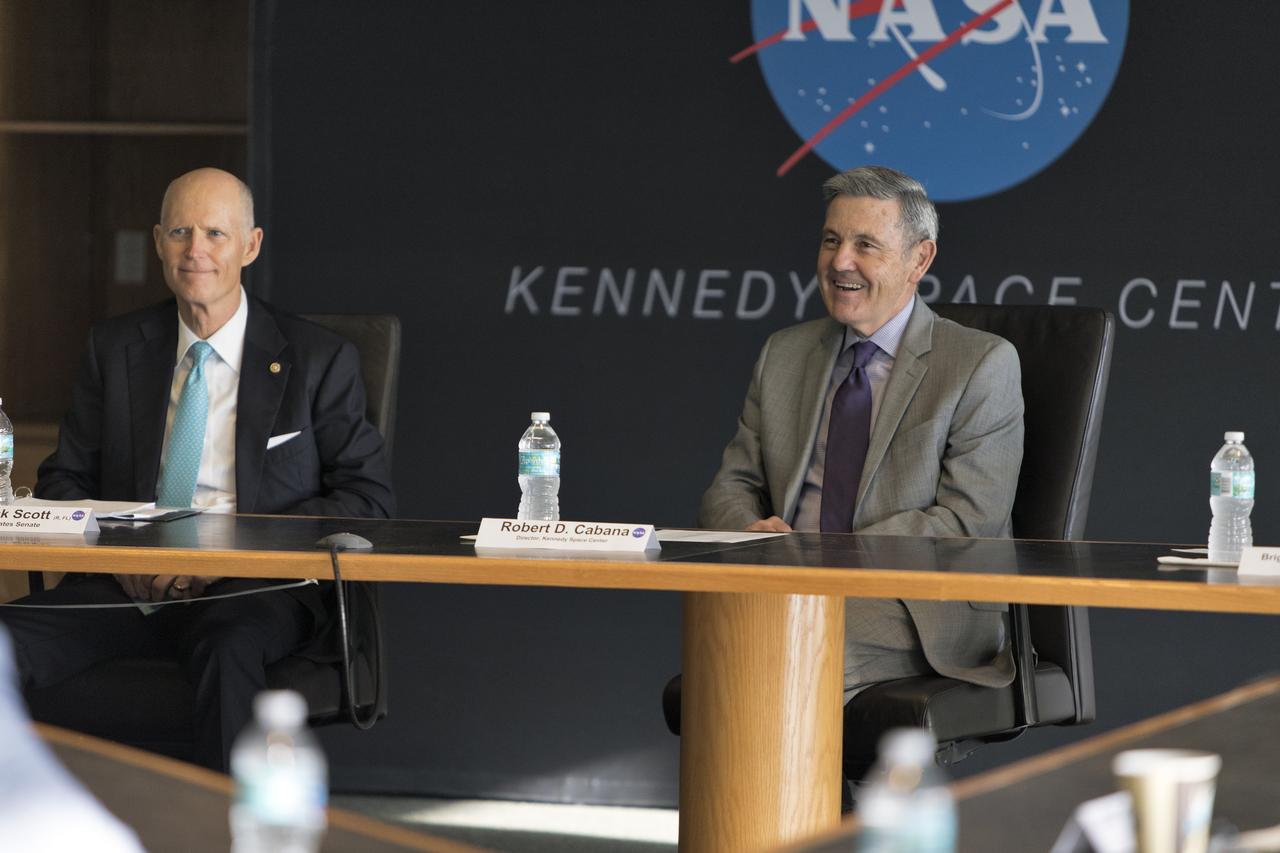
U.S. Sen. Rick Scott and Kennedy Space Center Director Bob Cabana attend a roundtable discussion among multi-user spaceport partners at Kennedy’s Saturn V Conference Center on March 15, 2019. The meeting was held to discuss the needs of the space center and Cape Canaveral Air Force Station.
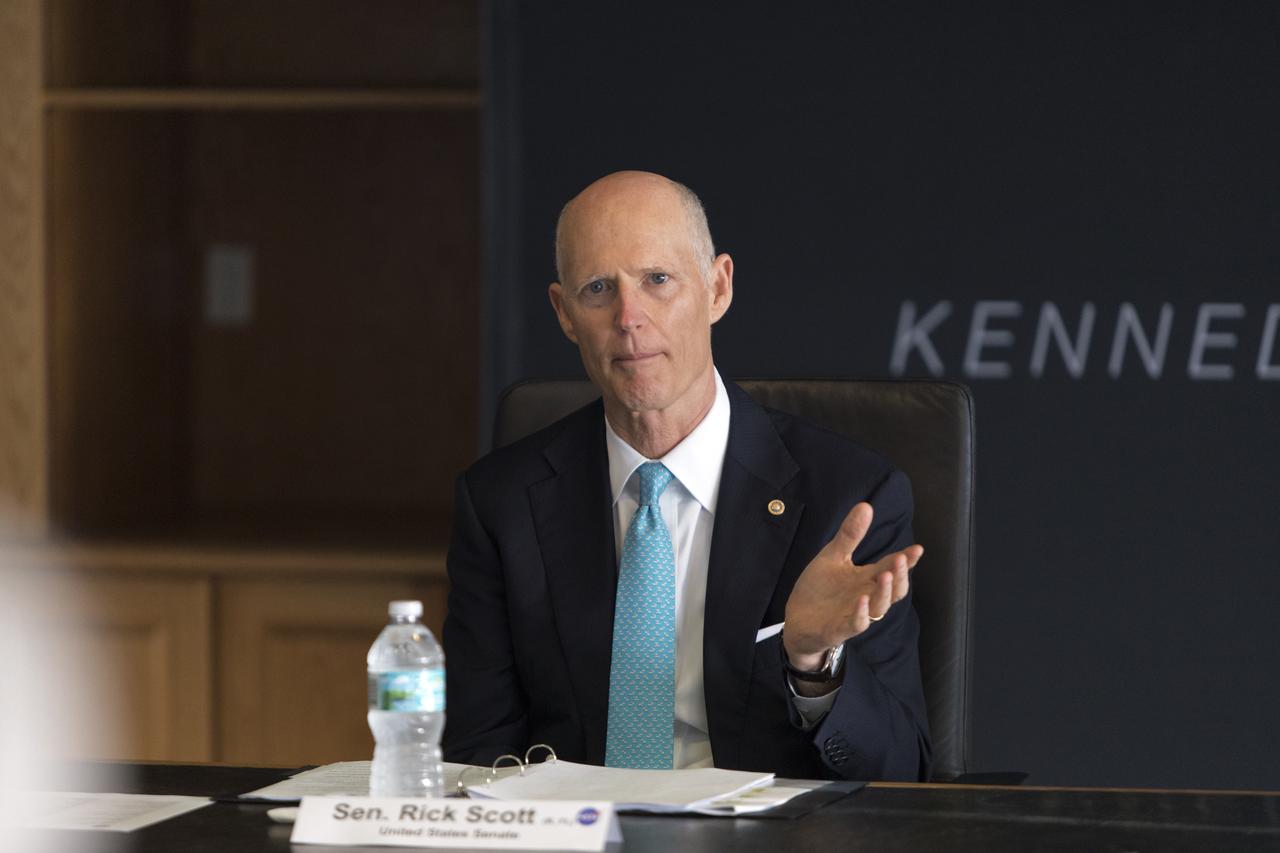
U.S. Sen. Rick Scott speaks during a roundtable discussion among Kennedy Space Center Director Bob Cabana and multi-user spaceport partners at Kennedy’s Saturn V Conference Center on March 15, 2019. The meeting was held to discuss the needs of the space center and Cape Canaveral Air Force Station.
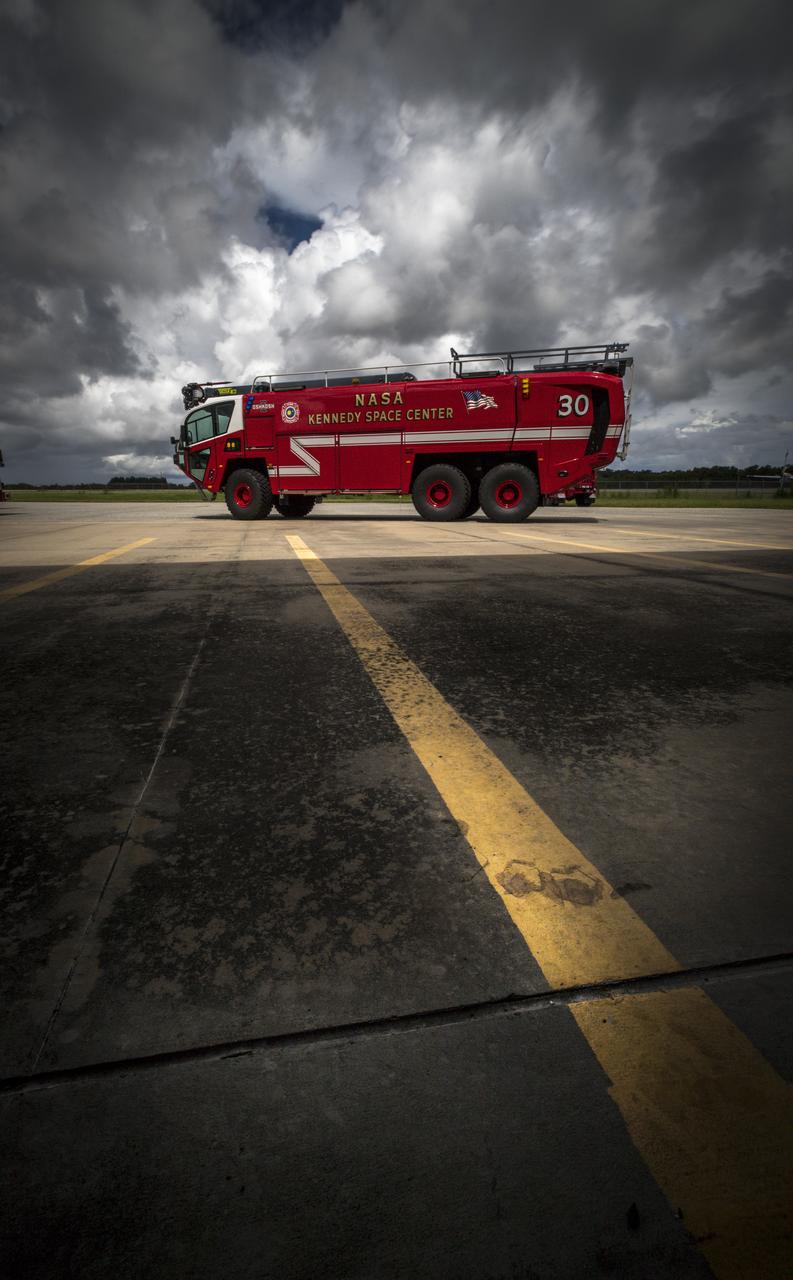
A new Aircraft Rescue and Fire Fighting vehicle is backdropped by the Shuttle Landing Facility runway at NASA’s Kennedy Space Center in Florida. The state-of-the-art truck replaces a 28-year-old vehicle. Kennedy is upgrading its fleet of emergency vehicles to enhance its safety and security posture at the growing, multi-user spaceport.
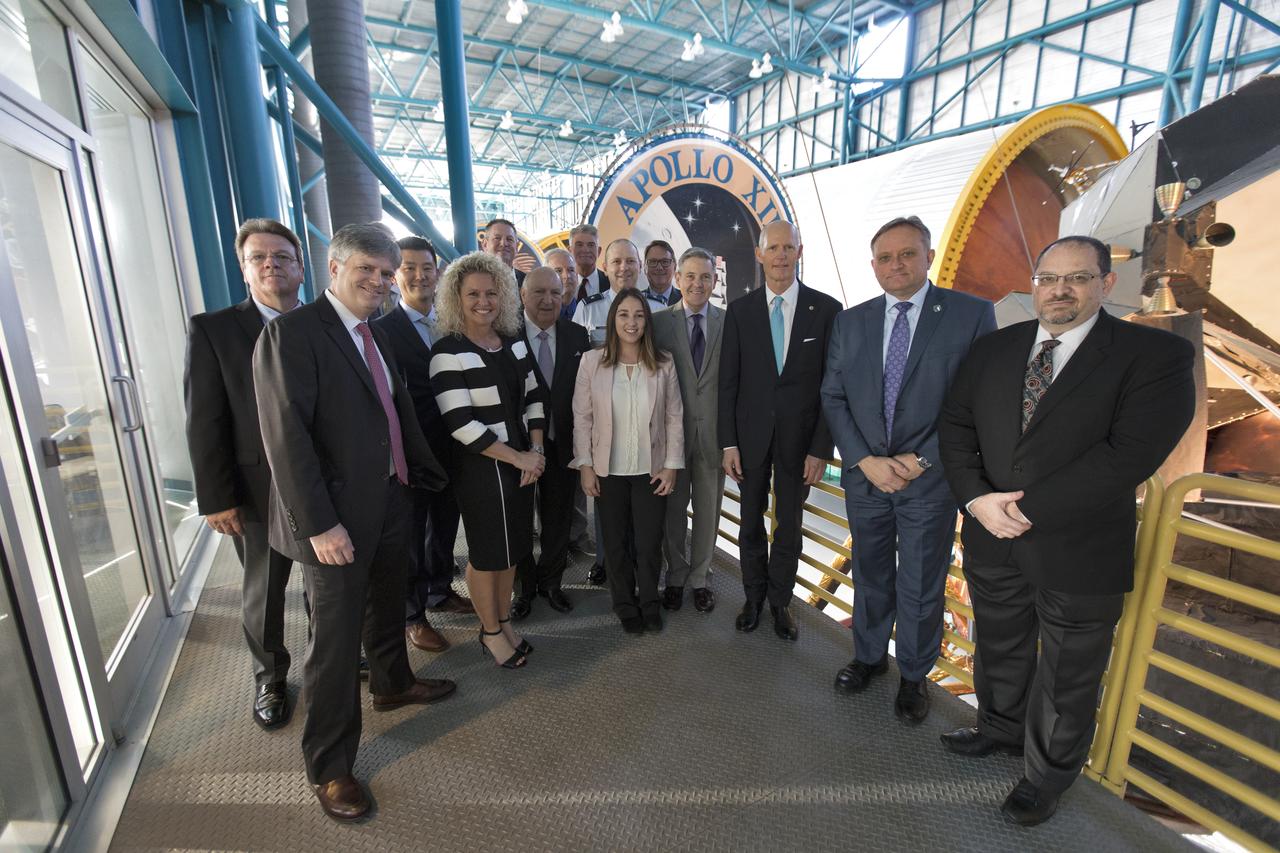
Kennedy Space Center Director Bob Cabana and U.S. Sen. Rick Scott pose for a photo among multi-user spaceport partners prior to a roundtable discussion on March 15, 2019, at Kennedy’s Saturn V Conference Center. The meeting was held to discuss the needs of the space center and Cape Canaveral Air Force Station.
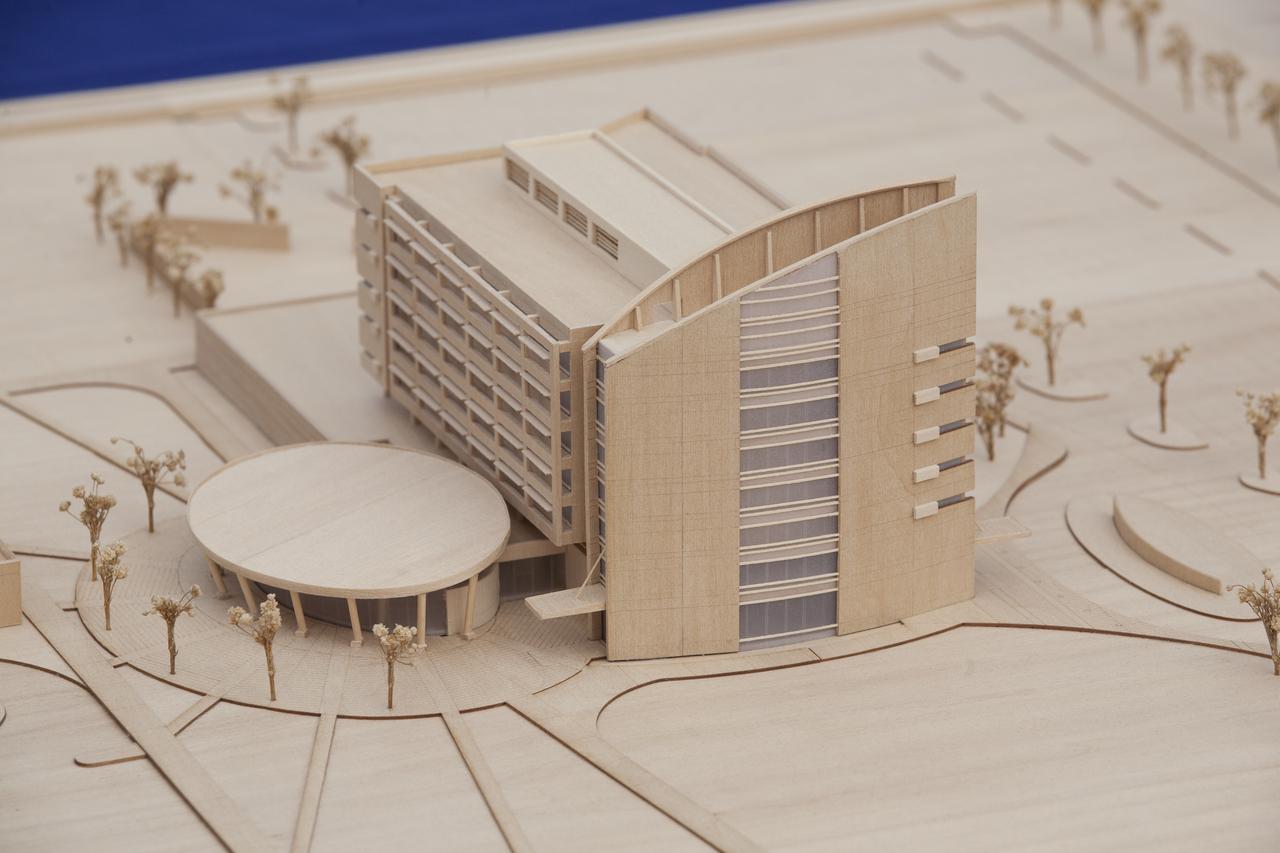
Groundbreaking for the new Central Campus will take place in the Industrial Area at NASA's Kennedy Space Center in Florida. A scale model of the new facility and landscaping is on display for the ceremony. Kennedy is transforming into a multi-user, 21st century spaceport supporting both commercial and government users and operations. Central Campus Phase I includes construction of a new Headquarters Building as one of the major components of the strategy. The new Headquarters Building will be a seven-story, 200,000-square-foot facility that will house about 500 NASA civil service and contractor employees.
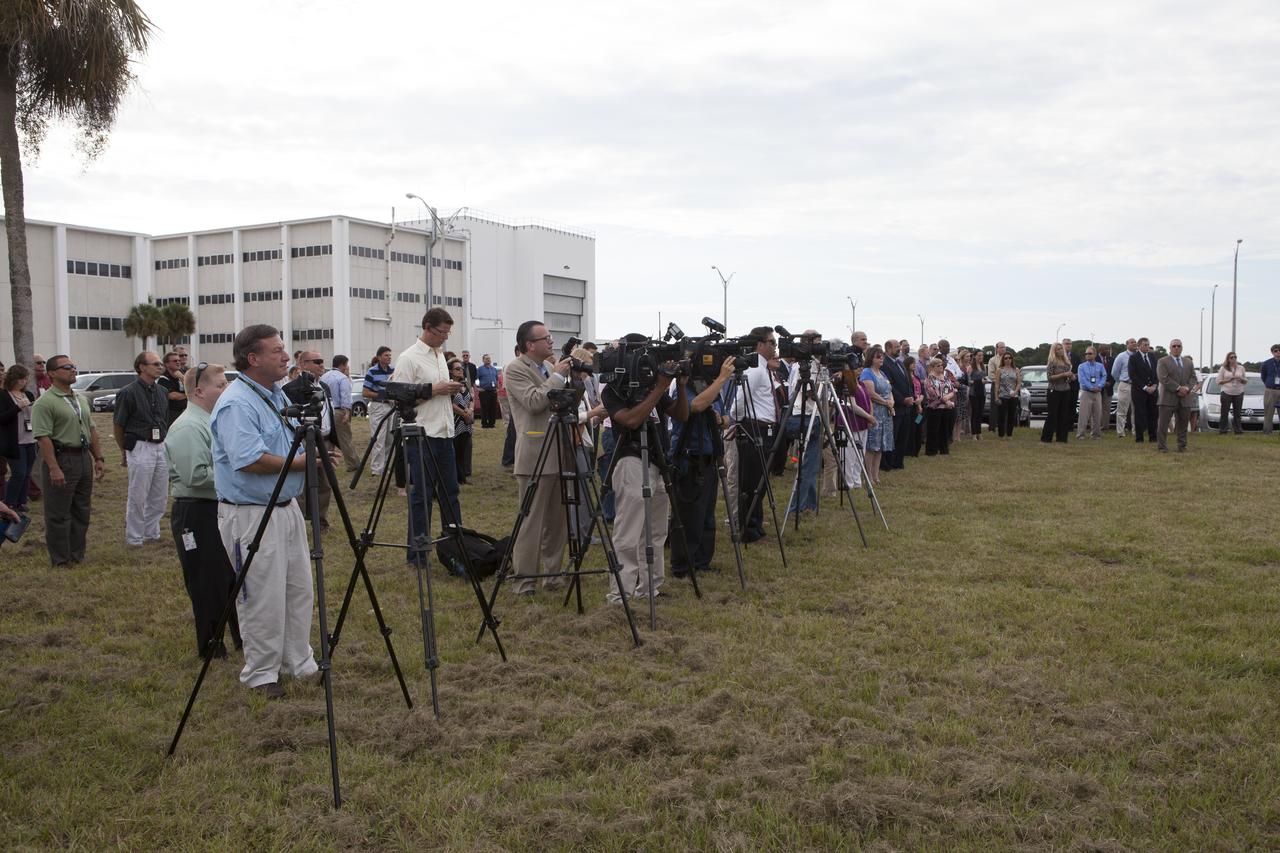
Groundbreaking for the new Central Campus took place in the Industrial Area at NASA's Kennedy Space Center in Florida. Members of the media and guests gathered for the groundbreaking ceremony. Kennedy is transforming into a multi-user, 21st century spaceport supporting both commercial and government users and operations. Central Campus Phase I includes construction of a new Headquarters Building as one of the major components of the strategy. The new Headquarters Building will be a seven-story, 200,000-square-foot facility that will house about 500 NASA civil service and contractor employees.
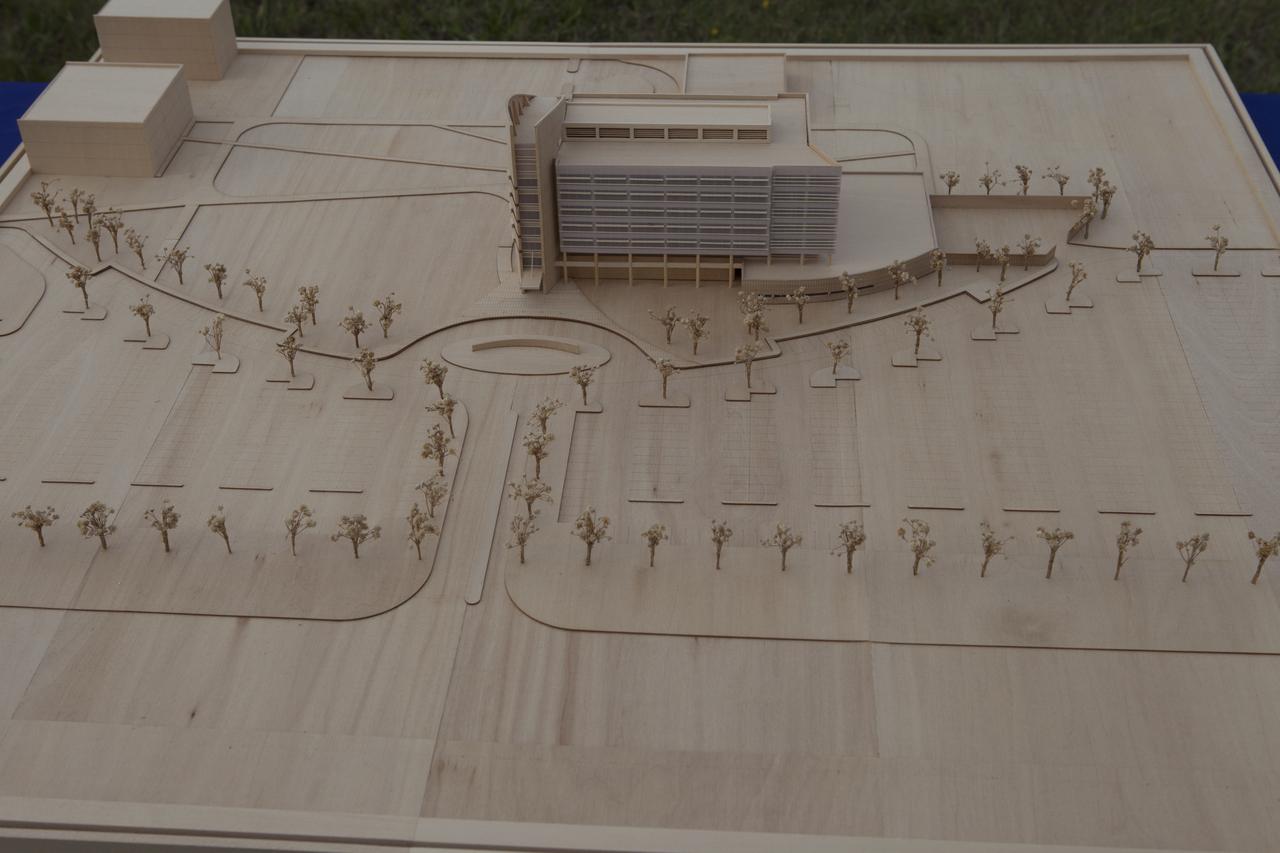
Groundbreaking for the new Central Campus will take place in the Industrial Area at NASA's Kennedy Space Center in Florida. A scale model of the new facility and landscaping is on display for the ceremony. Kennedy is transforming into a multi-user, 21st century spaceport supporting both commercial and government users and operations. Central Campus Phase I includes construction of a new Headquarters Building as one of the major components of the strategy. The new Headquarters Building will be a seven-story, 200,000-square-foot facility that will house about 500 NASA civil service and contractor employees.
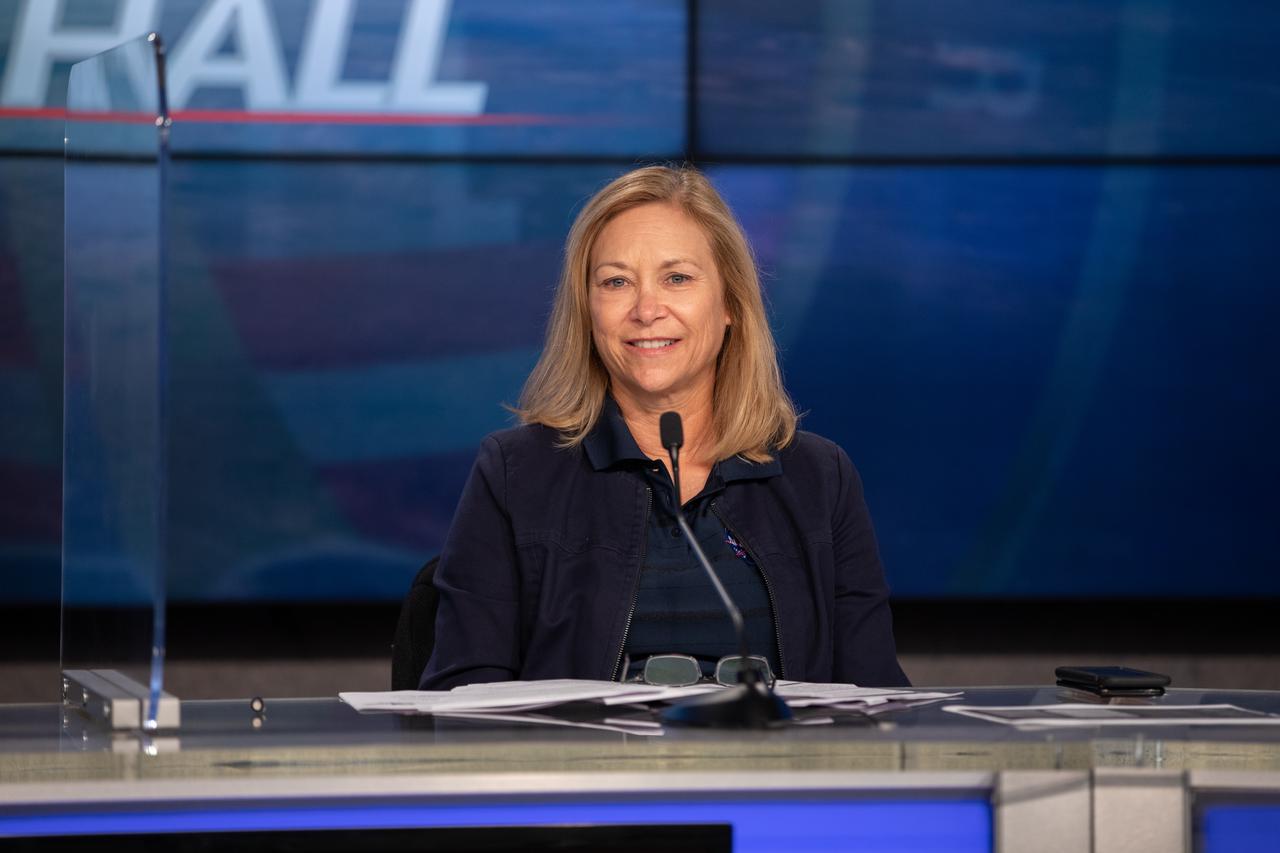
NASA Kennedy Space Center Deputy Director Janet Petro participates in a virtual town hall meeting on Aug. 20, 2020, inside the Florida spaceport’s Press Site auditorium. During the town hall, Kennedy’s senior leaders answered questions submitted by the workforce and discussed a wide range of topics, including upcoming milestones, updates on the criteria for returning to onsite work, and diversity and inclusion at the multi-user spaceport.

The new headquarters building’s seven floors are clearly visible as construction continues in the industrial area at NASA’s Kennedy Space Center in Florida. The 200,000-square-foot facility will anchor the spaceport’s Central Campus and house about 500 NASA civil service and contractor employees. The building will be more energy efficient than the current Headquarters building and will feature the latest in office and administrative building technology to fulfill Kennedy's role as the premiere multi-user spaceport for NASA and, increasingly, commercial entities.
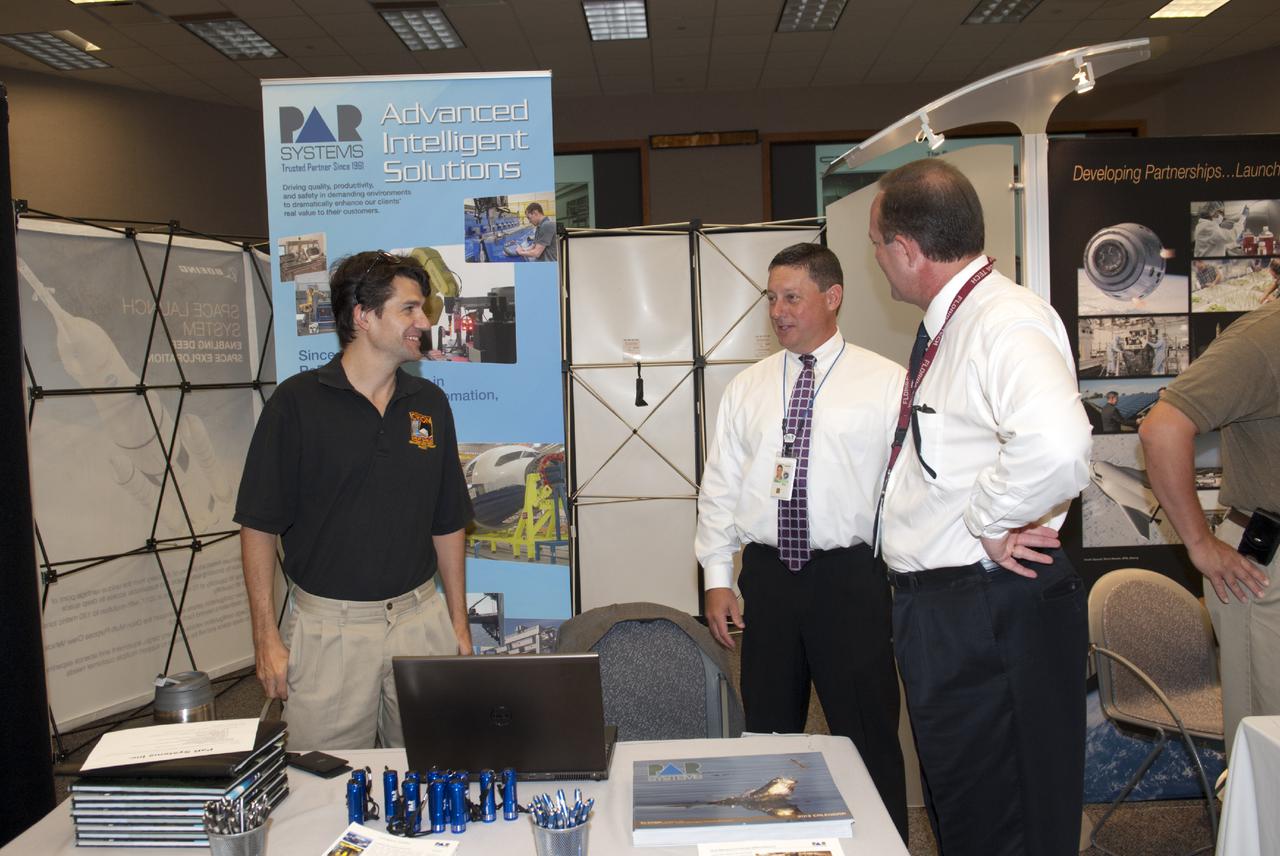
CAPE CANAVERAL, Fla. -- At the Kennedy Space Center in Florida, representatives of PaR Systems talk with guests at the Innovation Expo KSC Showcase. The event gave Kennedy employees an opportunity to meet 12 NASA partners and see how the Center Planning and Development Directorate is transforming Kennedy into a multi-user spaceport through partnerships and resource planning. The 17-booth exhibit consists of 12 partner booths along with Spaceport Planning, Partnership Development and Research and Technology offices. Photo credit: NASA_Charisse Nahser
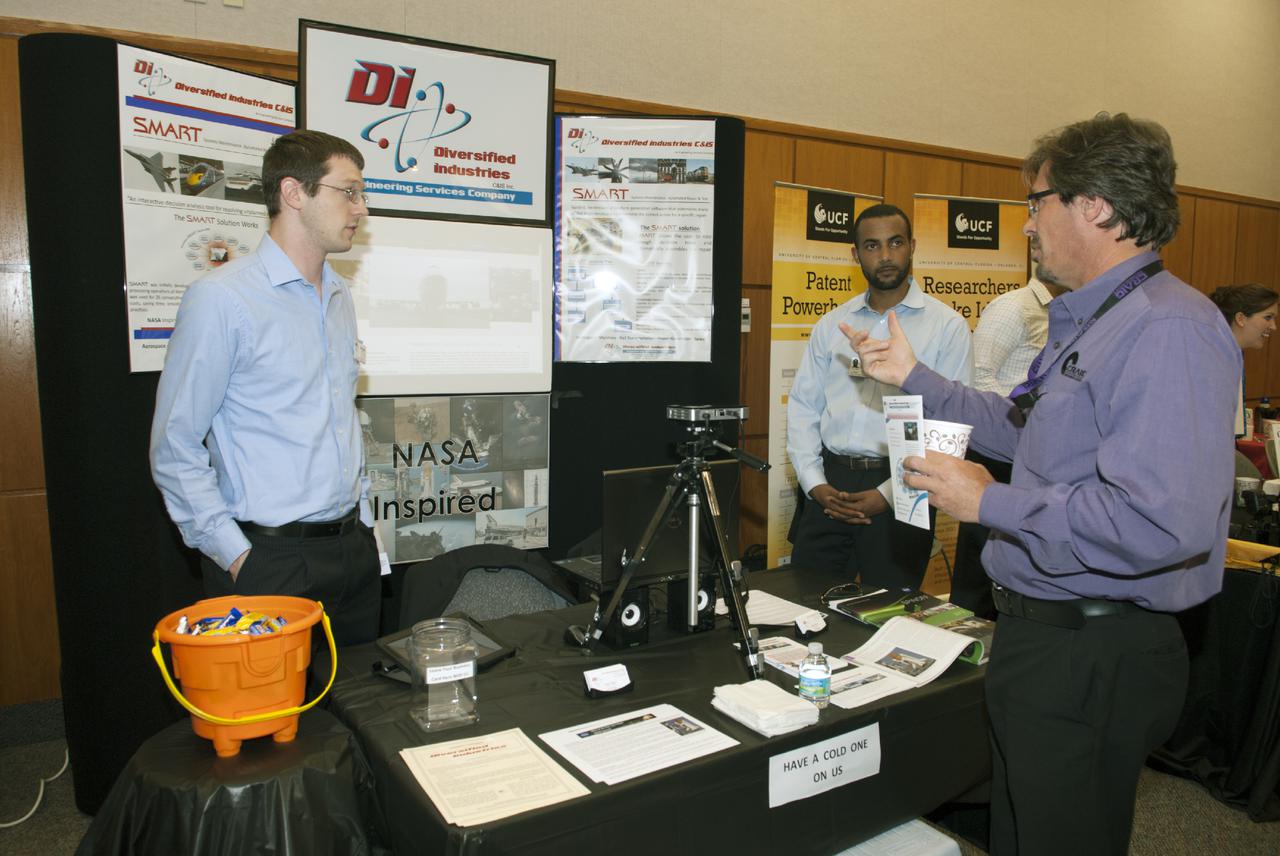
CAPE CANAVERAL, Fla. -- At the Kennedy Space Center in Florida, representatives of Diversified Industries talk with guests at the Innovation Expo KSC Showcase. The event gave Kennedy employees an opportunity to meet 12 NASA partners and see how the Center Planning and Development Directorate is transforming Kennedy into a multi-user spaceport through partnerships and resource planning. The 17-booth exhibit consists of 12 partner booths along with Spaceport Planning, Partnership Development and Research and Technology offices. Photo credit: NASA_Charisse Nahser
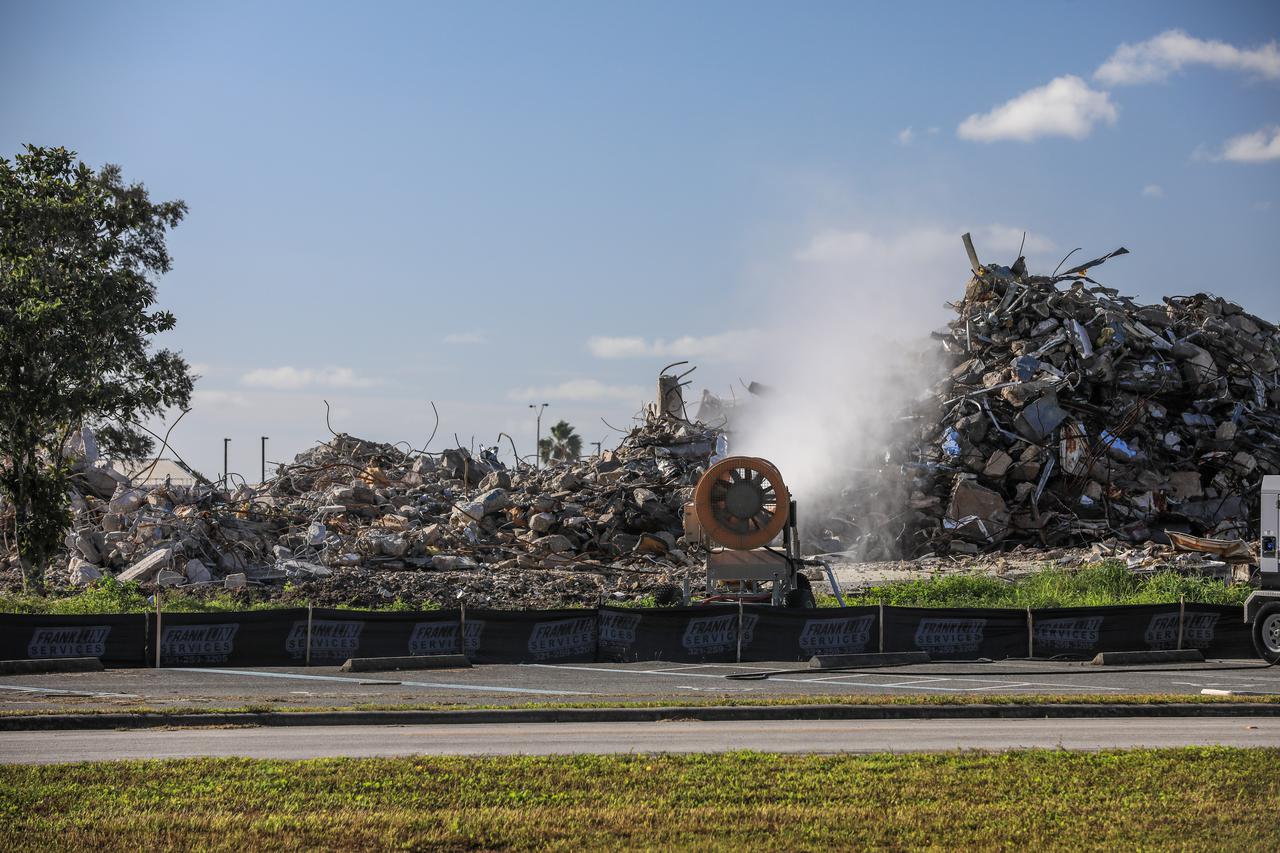
Shown is remnants of the former headquarters building at NASA’s Kennedy Space Center on Jan. 11, 2022. Built in 1965, the 439,000-square-foot structure was demolished and replaced at the Florida spaceport by the 200,000-square-foot, seven-story Central Campus Headquarters (CCHQ) Building. The CCHQ is a modernized, energy efficient facility representative of Kennedy’s transformation to America’s premier multi-user spaceport. The area previously occupied by the old headquarters building will be utilized as greenspace.
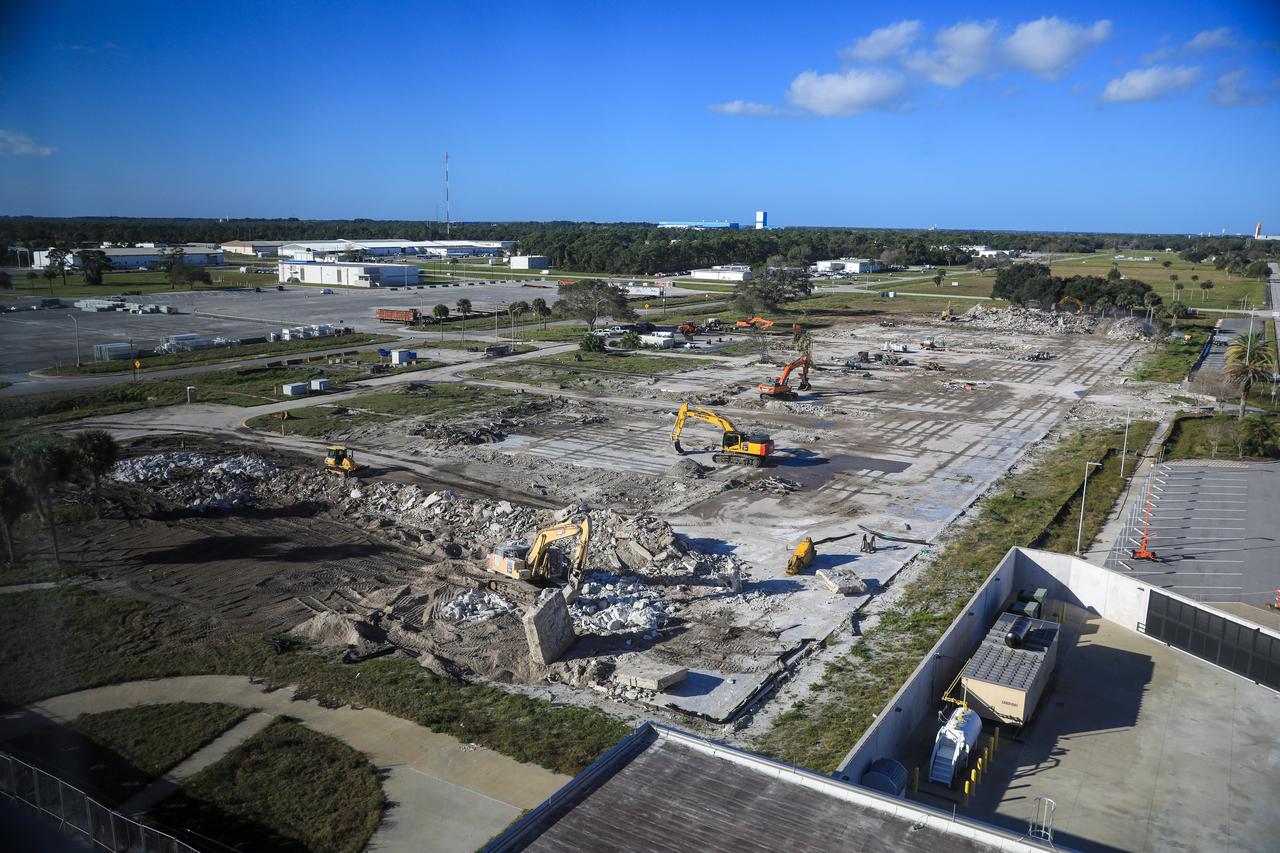
Shown on Jan. 11, 2022, is the area formerly occupied by the headquarters building at NASA’s Kennedy Space Center. Built in 1965, the 439,000-square-foot-structure was demolished and replaced at the Florida spaceport by the 200,000-square-foot, seven-story Central Campus Headquarters (CCHQ) Building. The CCHQ is a modernized, energy efficient facility representative of Kennedy’s transformation to America’s premier multi-user spaceport. It opened in May 2019. The area previously occupied by the old headquarters building will be utilized as greenspace.
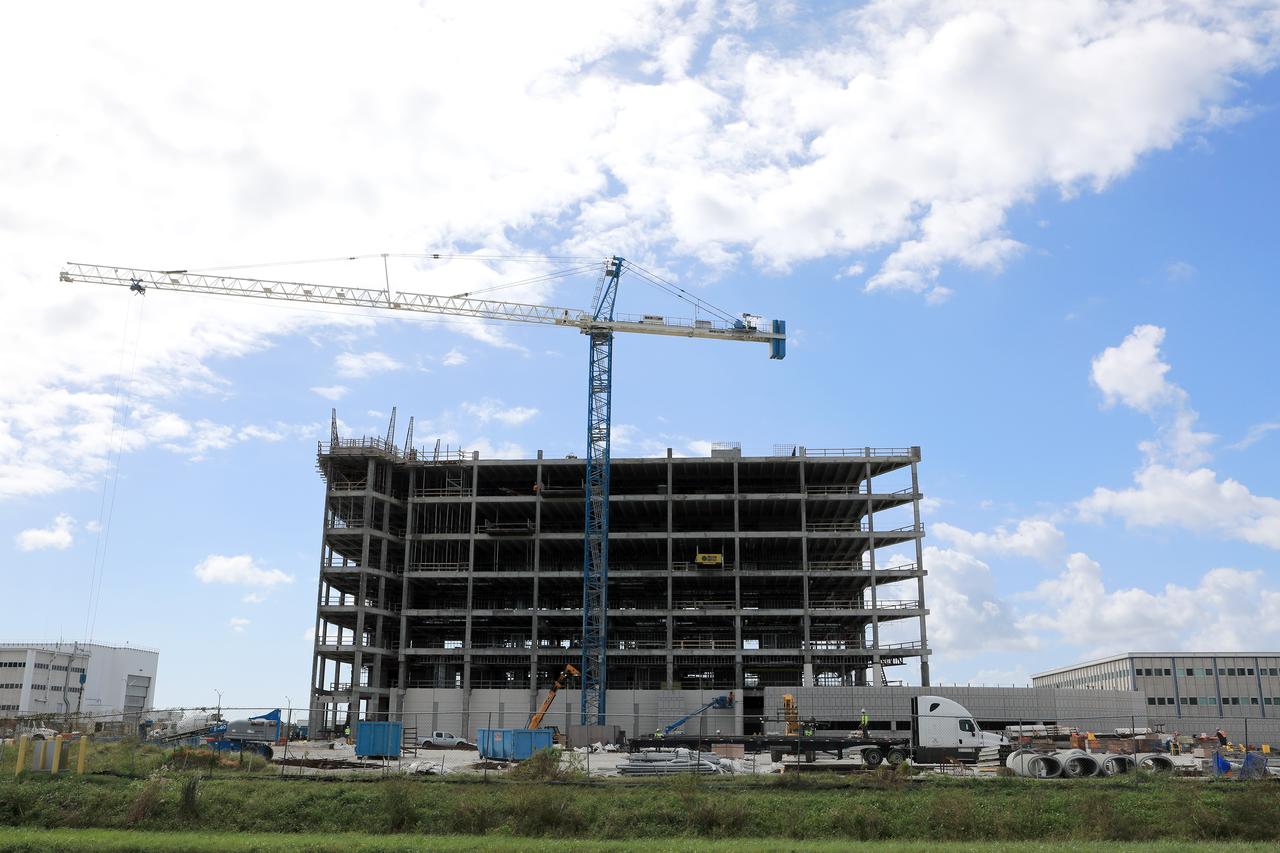
A large crane towers overhead as the new, seven-story headquarters building takes shape in the industrial area at NASA’s Kennedy Space Center in Florida. The 200,000-square-foot facility will anchor the spaceport’s Central Campus and house about 500 NASA civil service and contractor employees. The building will be more energy efficient than the current Headquarters building and will feature the latest in office and administrative building technology to fulfill Kennedy's role as the premiere multi-user spaceport for NASA and, increasingly, commercial entities.
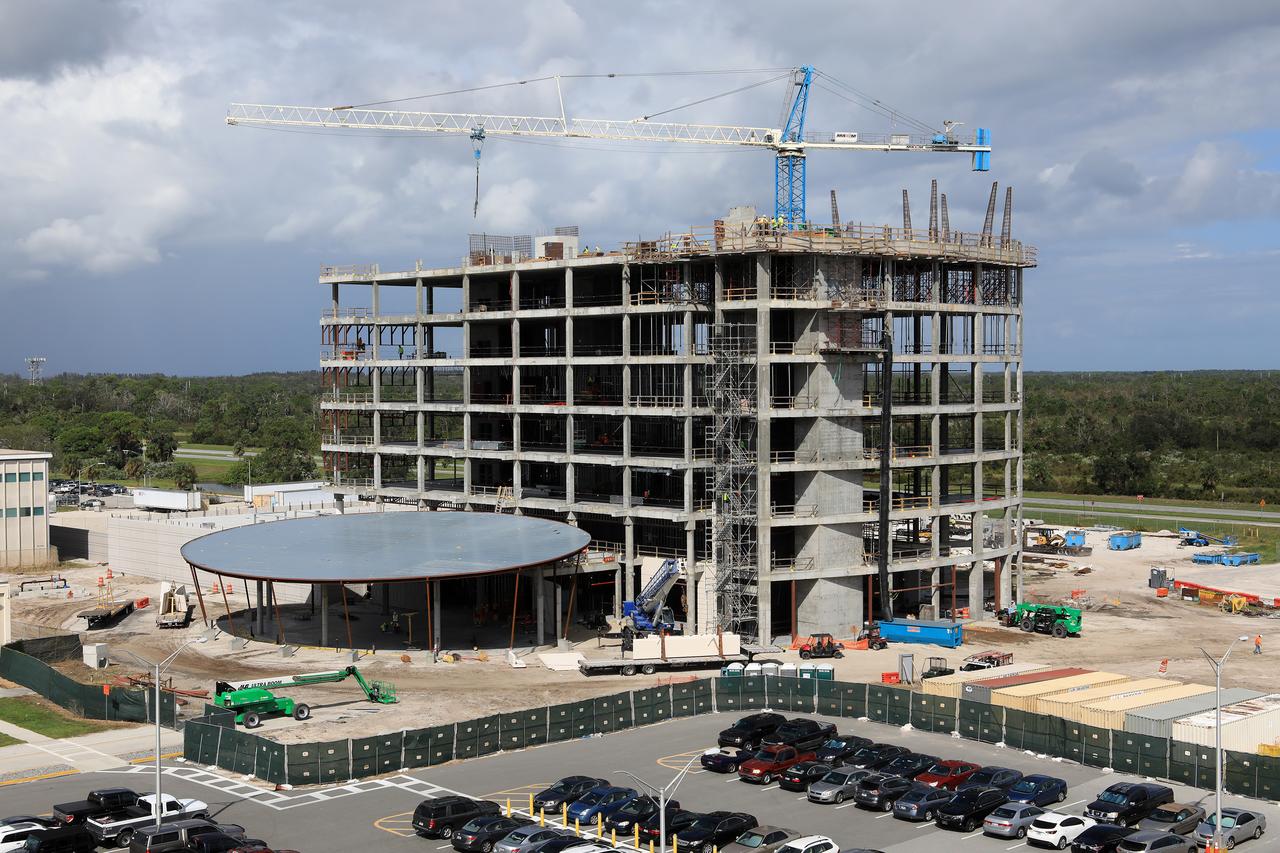
A large crane towers overhead as the new, seven-story headquarters building takes shape in the industrial area at NASA’s Kennedy Space Center in Florida. The 200,000-square-foot facility will anchor the spaceport’s Central Campus and house about 500 NASA civil service and contractor employees. The building will be more energy efficient than the current Headquarters building and will feature the latest in office and administrative building technology to fulfill Kennedy's role as the premiere multi-user spaceport for NASA and, increasingly, commercial entities.
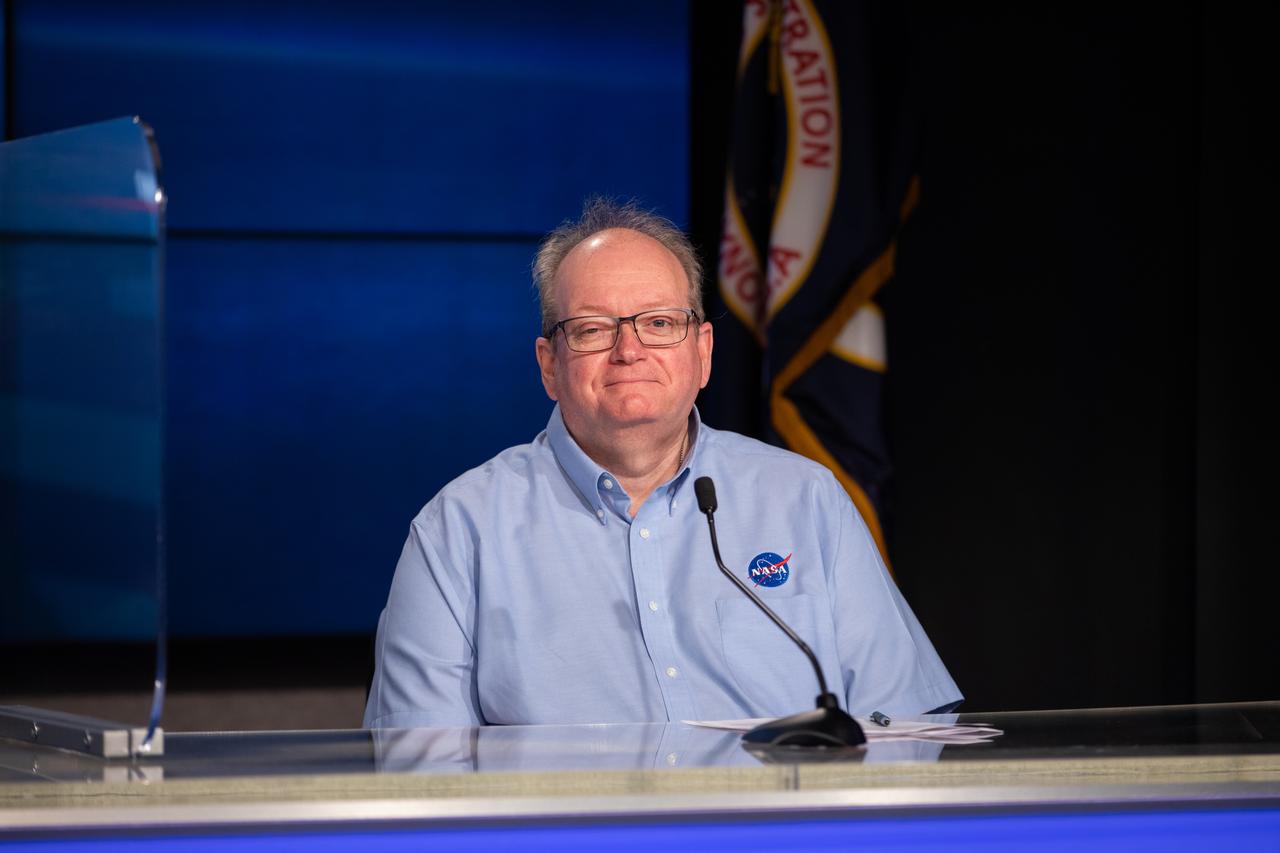
NASA Kennedy Space Center Associate Director, Management Burt Summerfield participates in a virtual town hall meeting on Aug. 20, 2020, inside the Florida spaceport’s Press Site auditorium. During the town hall, Kennedy’s senior leaders answered questions submitted by the workforce and discussed a wide range of topics, including upcoming milestones, updates on the criteria for returning to onsite work, and diversity and inclusion at the multi-user spaceport.
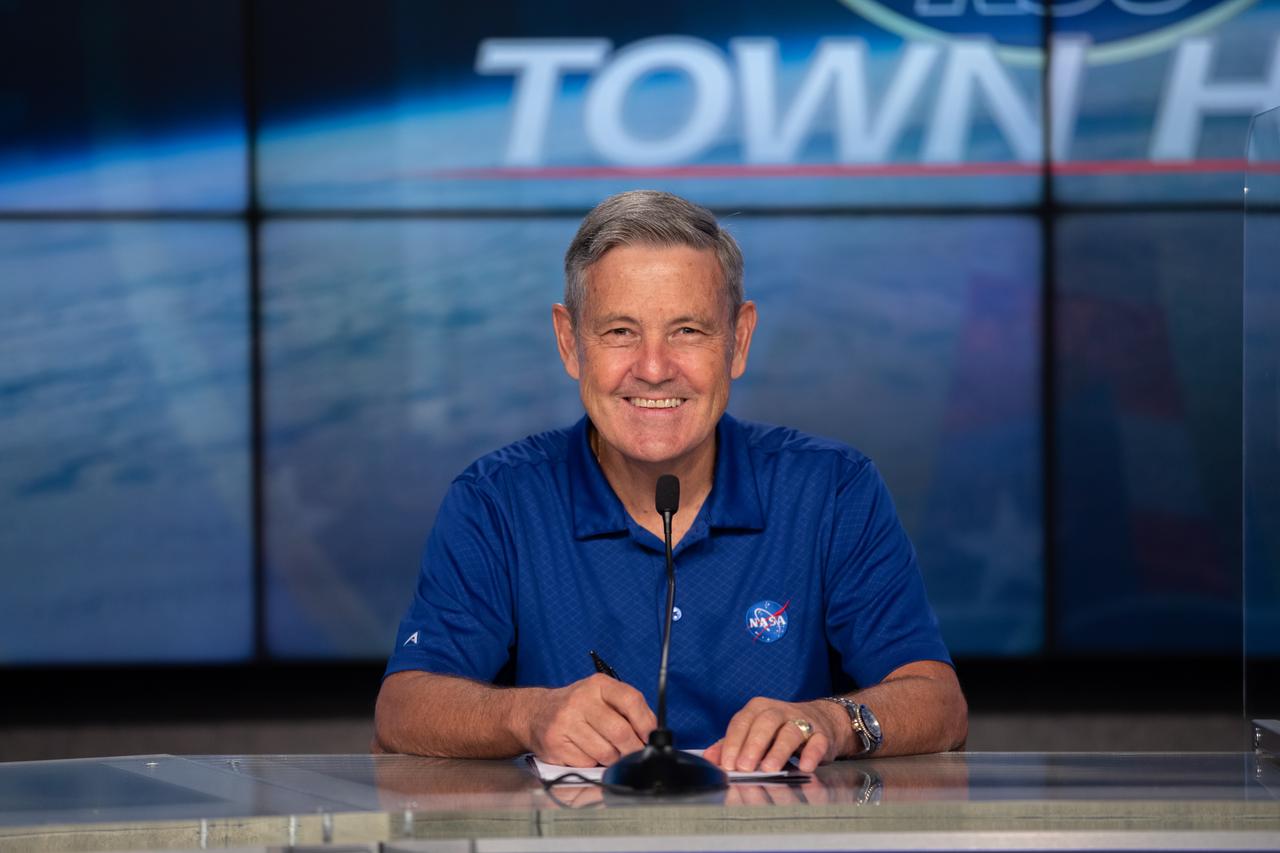
NASA Kennedy Space Center Director Bob Cabana participates in a virtual town hall meeting on Aug. 20, 2020, inside the Florida spaceport’s Press Site auditorium. During the town hall, Kennedy’s senior leaders answered questions submitted by the workforce and discussed a wide range of topics, including upcoming milestones, updates on the criteria for returning to onsite work, and diversity and inclusion at the multi-user spaceport.
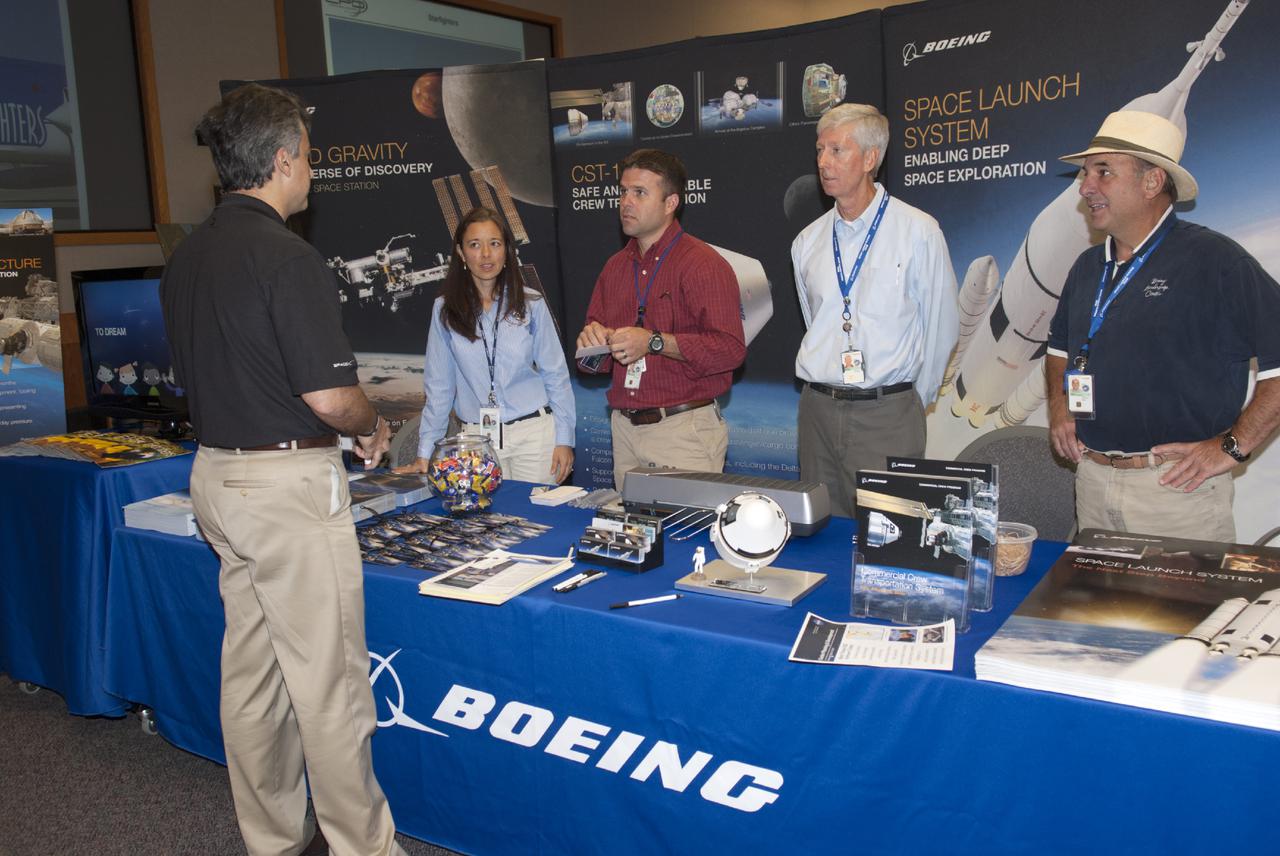
CAPE CANAVERAL, Fla. -- At the Kennedy Space Center in Florida, representatives of Boeing talk with guests at the Innovation Expo KSC Showcase. The event gave Kennedy employees an opportunity to meet 12 NASA partners and see how the Center Planning and Development Directorate is transforming Kennedy into a multi-user spaceport through partnerships and resource planning. The 17-booth exhibit consists of 12 partner booths along with Spaceport Planning, Partnership Development and Research and Technology offices. Photo credit: NASA_Charisse Nahser
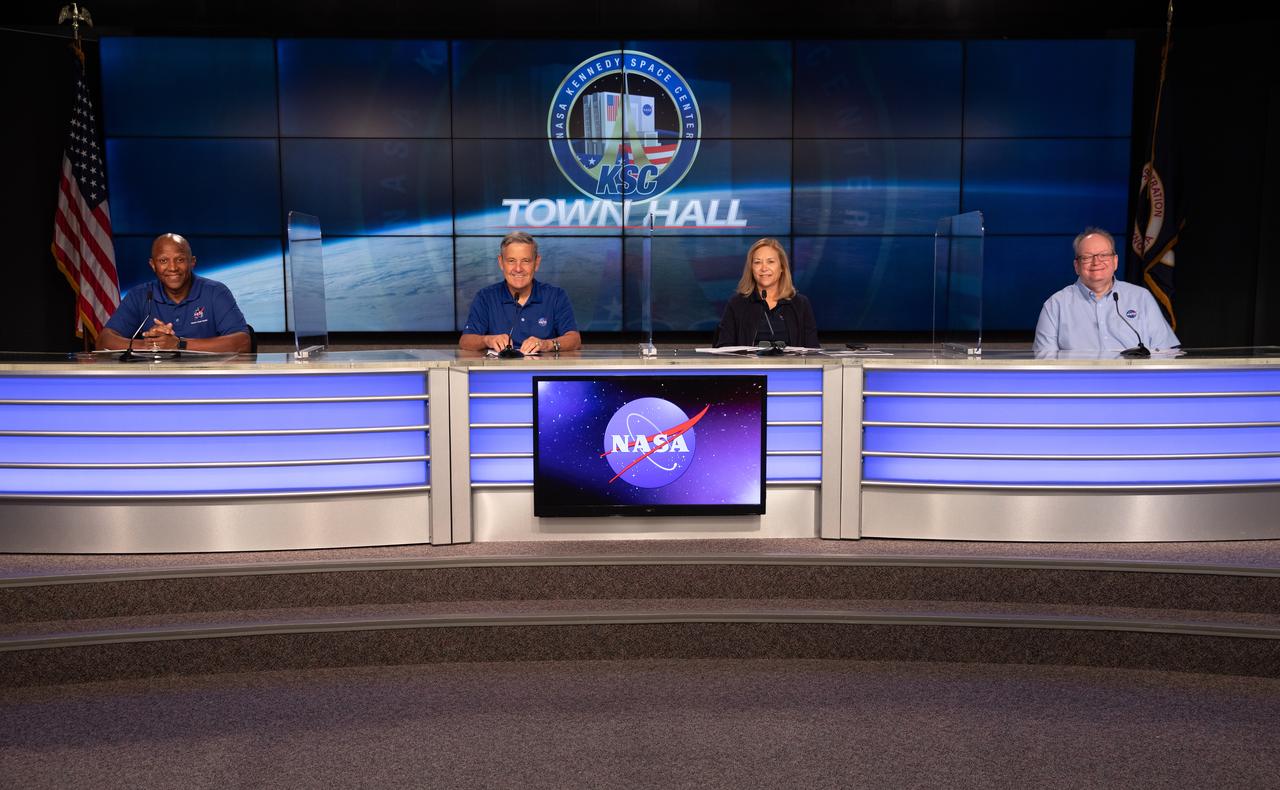
From left, NASA Kennedy Space Center Associate Director, Technical Kelvin Manning; Director Bob Cabana; Deputy Director Janet Petro; and Associate Director, Management Burt Summerfield participate in a virtual town hall meeting on Aug. 20, 2020, inside the Florida spaceport’s Press Site auditorium. During the town hall, Kennedy’s senior leaders answered questions submitted by the workforce and discussed a wide range of topics, including upcoming milestones, updates on the criteria for returning to onsite work, and diversity and inclusion at the multi-user spaceport.
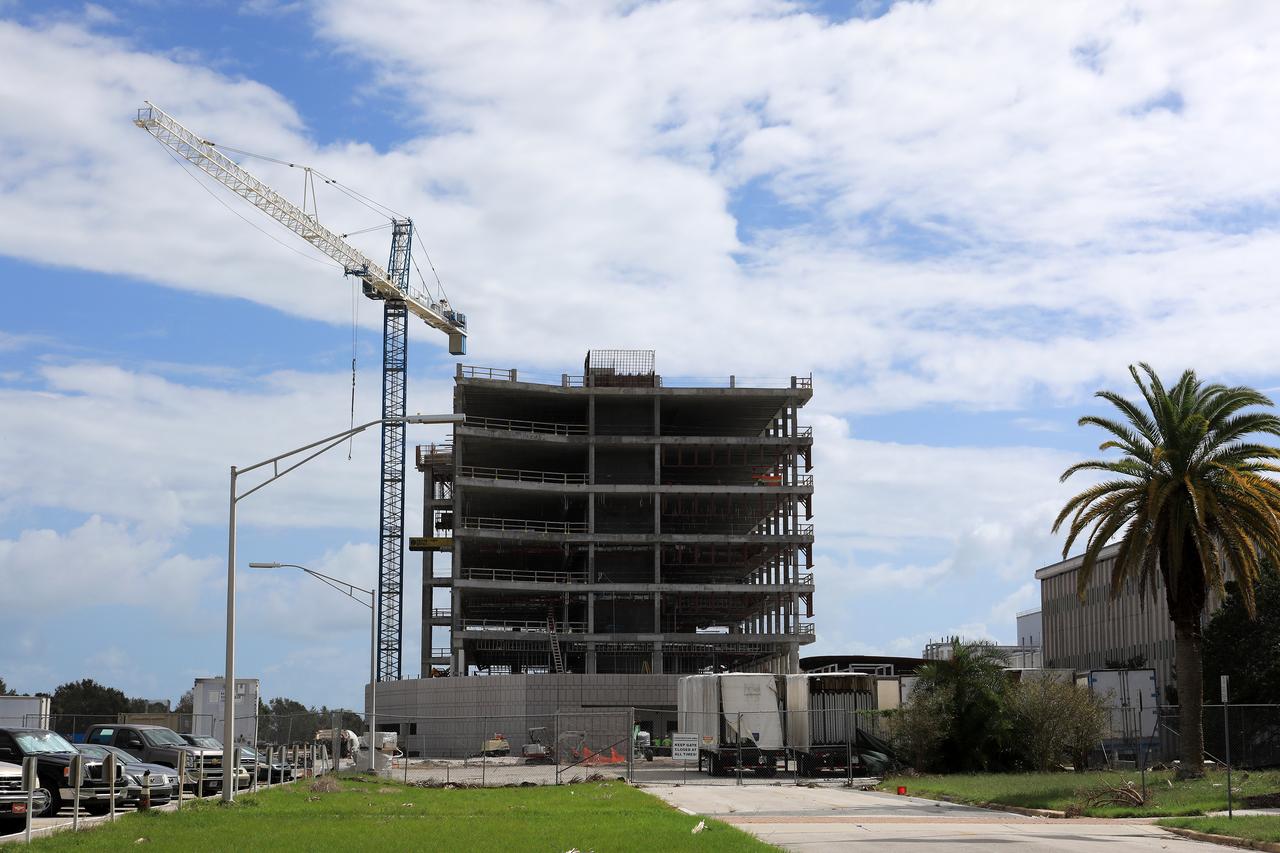
A large crane towers overhead as the new, seven-story headquarters building takes shape in the industrial area at NASA’s Kennedy Space Center in Florida. The 200,000-square-foot facility will anchor the spaceport’s Central Campus and house about 500 NASA civil service and contractor employees. The building will be more energy efficient than the current Headquarters building and will feature the latest in office and administrative building technology to fulfill Kennedy's role as the premiere multi-user spaceport for NASA and, increasingly, commercial entities.
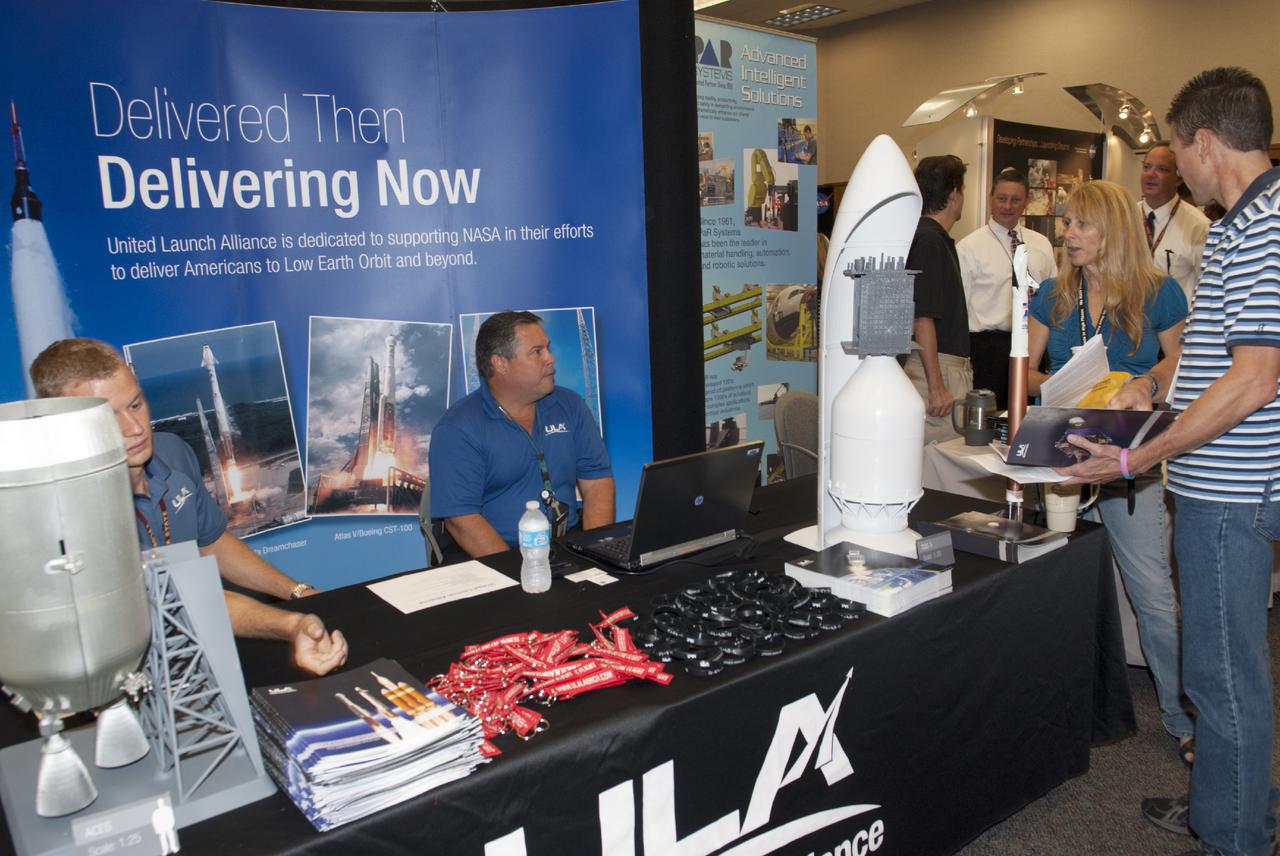
CAPE CANAVERAL, Fla. -- At the Kennedy Space Center in Florida, representatives of United Launch Alliance talk with guests at the Innovation Expo KSC Showcase. The event gave Kennedy employees an opportunity to meet 12 NASA partners and see how the Center Planning and Development Directorate is transforming Kennedy into a multi-user spaceport through partnerships and resource planning. The 17-booth exhibit consists of 12 partner booths along with Spaceport Planning, Partnership Development and Research and Technology offices. Photo credit: NASA_Charisse Nahser
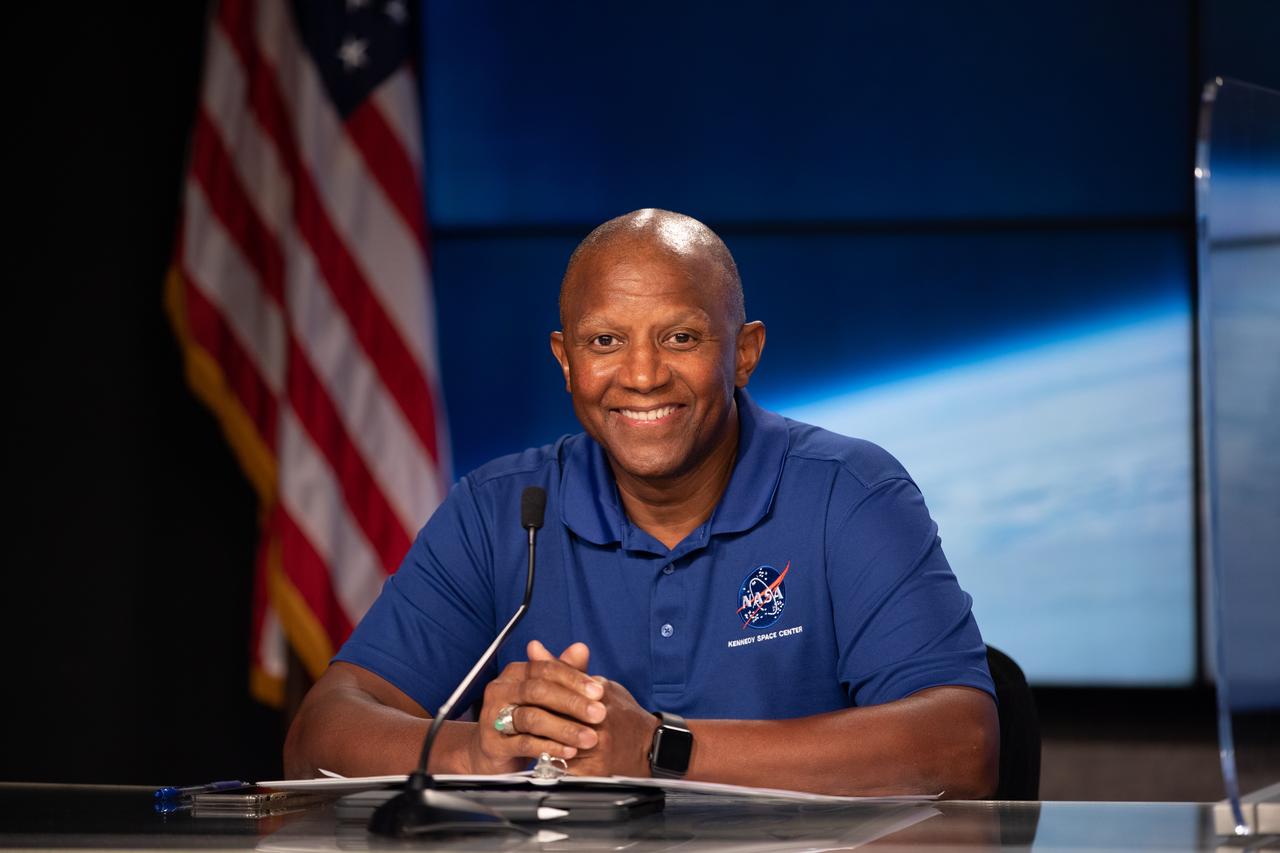
NASA Kennedy Space Center Associate Director, Technical Kelvin Manning participates in a virtual town hall meeting on Aug. 20, 2020, inside the Florida spaceport’s Press Site auditorium. During the town hall, Kennedy’s senior leaders answered questions submitted by the workforce and discussed a wide range of topics, including upcoming milestones, updates on the criteria for returning to onsite work, and diversity and inclusion at the multi-user spaceport.
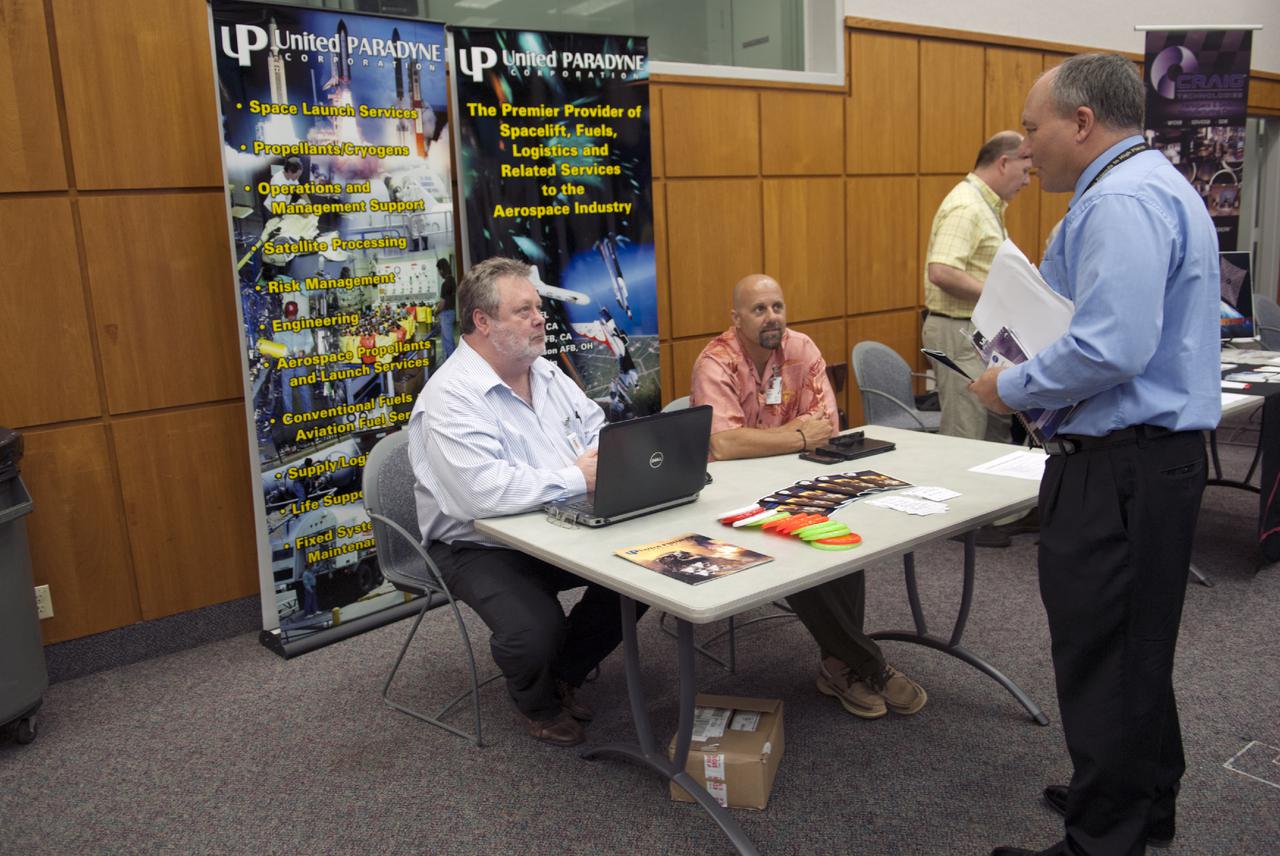
CAPE CANAVERAL, Fla. -- At the Kennedy Space Center in Florida, representatives of United Paradyne talk with guests at the Innovation Expo KSC Showcase. The event gave Kennedy employees an opportunity to meet 12 NASA partners and see how the Center Planning and Development Directorate is transforming Kennedy into a multi-user spaceport through partnerships and resource planning. The 17-booth exhibit consists of 12 partner booths along with Spaceport Planning, Partnership Development and Research and Technology offices. Photo credit: NASA_Charisse Nahser
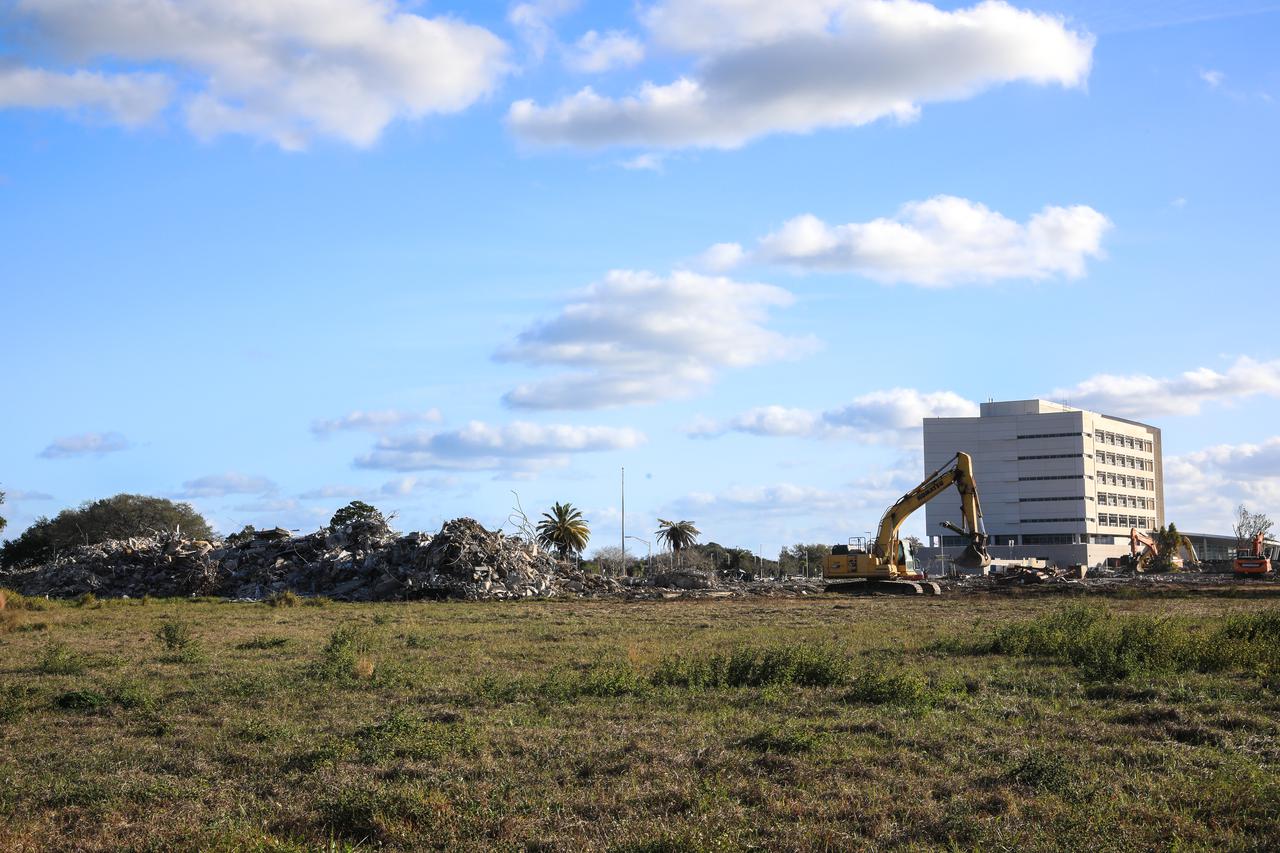
In the foreground is remnants of the former headquarters building at NASA’s Kennedy Space Center on Jan. 11, 2022. Built in 1965, the 439,000-square-foot structure was demolished and replaced at the Florida spaceport by the 200,000-square-foot, seven-story Central Campus Headquarters (CCHQ) Building, shown in the background. The CCHQ is a modernized, energy efficient facility representative of Kennedy’s transformation to America’s premier multi-user spaceport. It opened in May 2019. The area previously occupied by the old headquarters building will be utilized as greenspace.
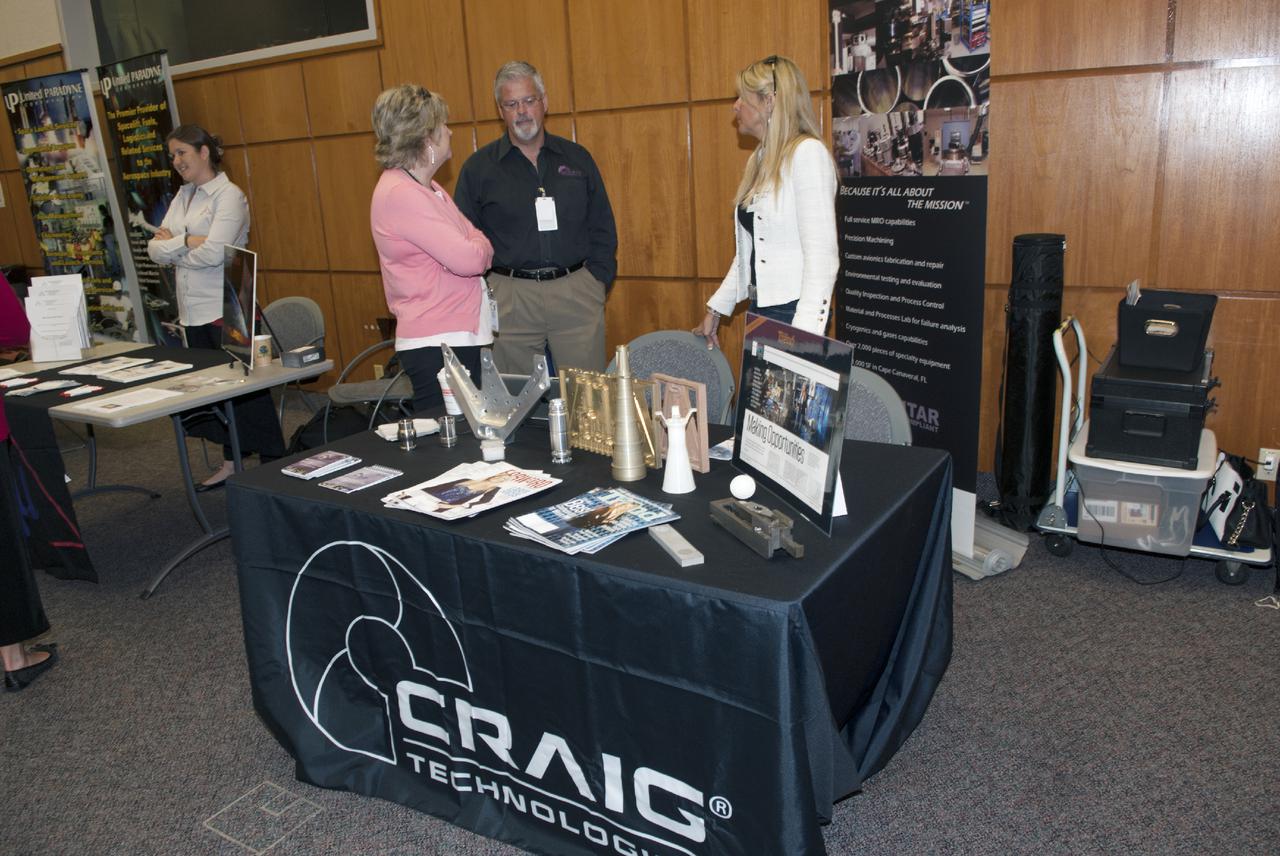
CAPE CANAVERAL, Fla. -- At the Kennedy Space Center in Florida, representatives of Craig Technologies talk with guests at the Innovation Expo KSC Showcase. The event gave Kennedy employees an opportunity to meet 12 NASA partners and see how the Center Planning and Development Directorate is transforming Kennedy into a multi-user spaceport through partnerships and resource planning. The 17-booth exhibit consists of 12 partner booths along with Spaceport Planning, Partnership Development and Research and Technology offices. Photo credit: NASA_Charisse Nahser
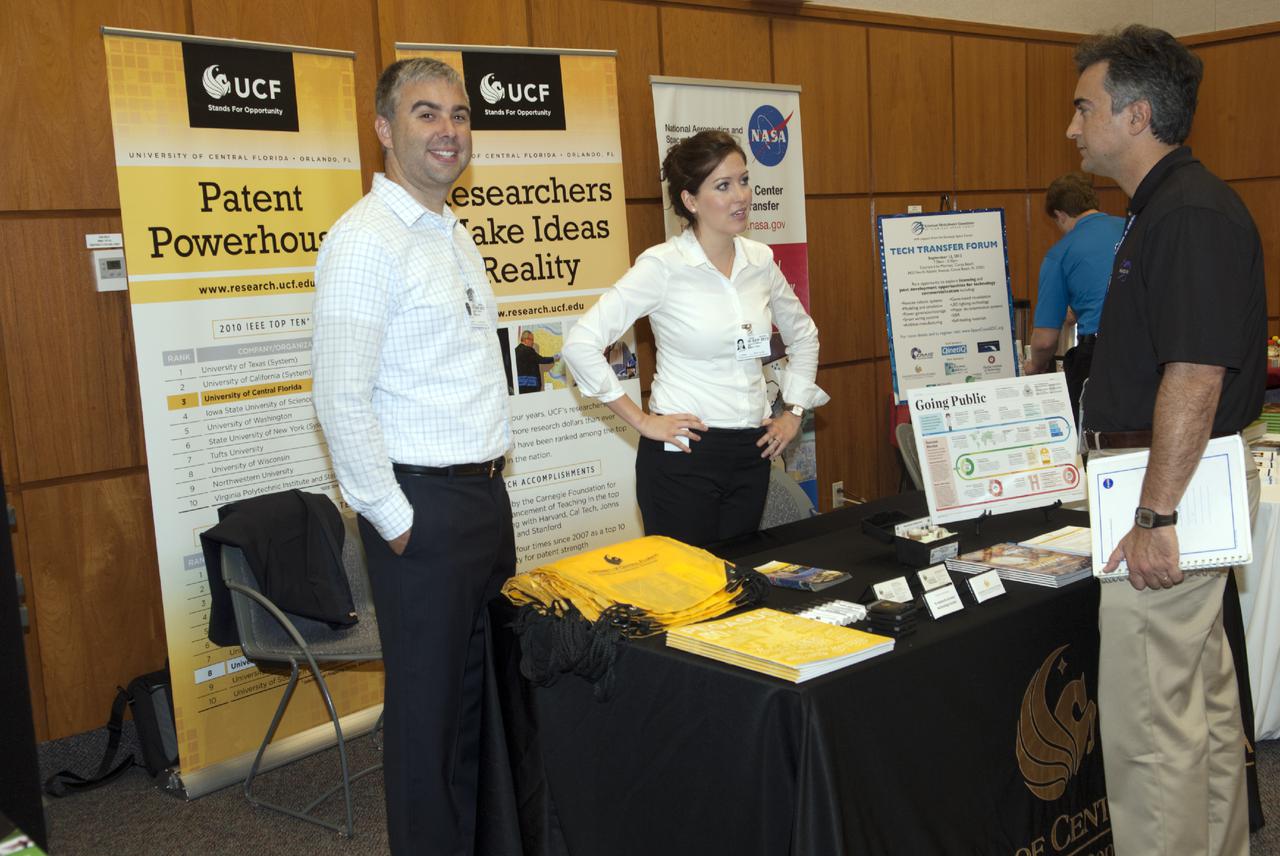
CAPE CANAVERAL, Fla. -- At the Kennedy Space Center in Florida, representatives of the University of Central Florida talk with guests at the Innovation Expo KSC Showcase. The event gave Kennedy employees an opportunity to meet 12 NASA partners and see how the Center Planning and Development Directorate is transforming Kennedy into a multi-user spaceport through partnerships and resource planning. The 17-booth exhibit consists of 12 partner booths along with Spaceport Planning, Partnership Development and Research and Technology offices. Photo credit: NASA_Charisse Nahser
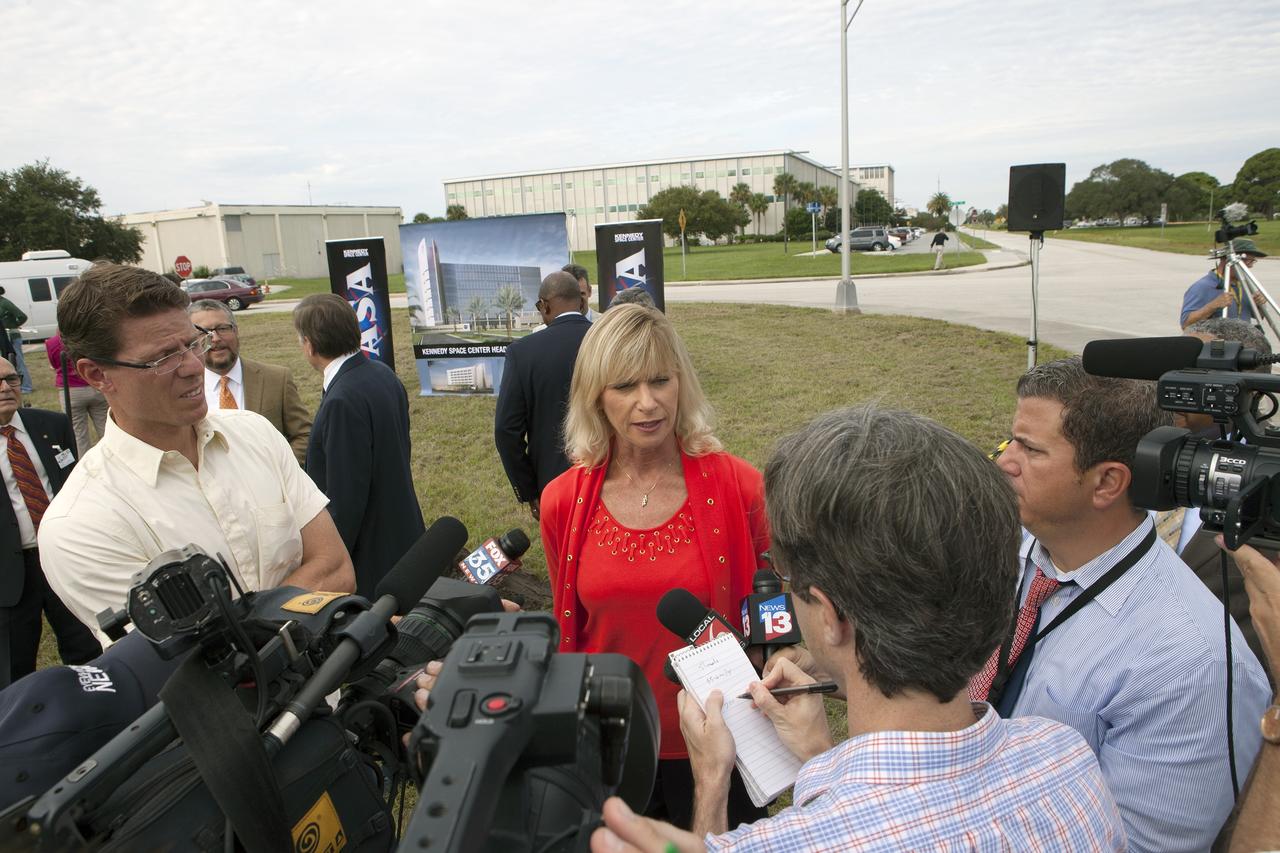
CAPE CANAVERAL, Fla. – Groundbreaking for the new Central Campus will take place in the Industrial Area at NASA's Kennedy Space Center in Florida. Nancy Bray, director of Kennedy's Center Operations Directorate, is interviewed by members of the media during the groundbreaking ceremony. Kennedy is transforming into a multi-user, 21st century spaceport supporting both commercial and government users and operations. Central Campus Phase I includes construction of a new Headquarters Building as one of the major components of the strategy. The new Headquarters Building will be a seven-story, 200,000-square-foot facility that will house about 500 NASA civil service and contractor employees. Photo credit: NASA/Kim Shiflett
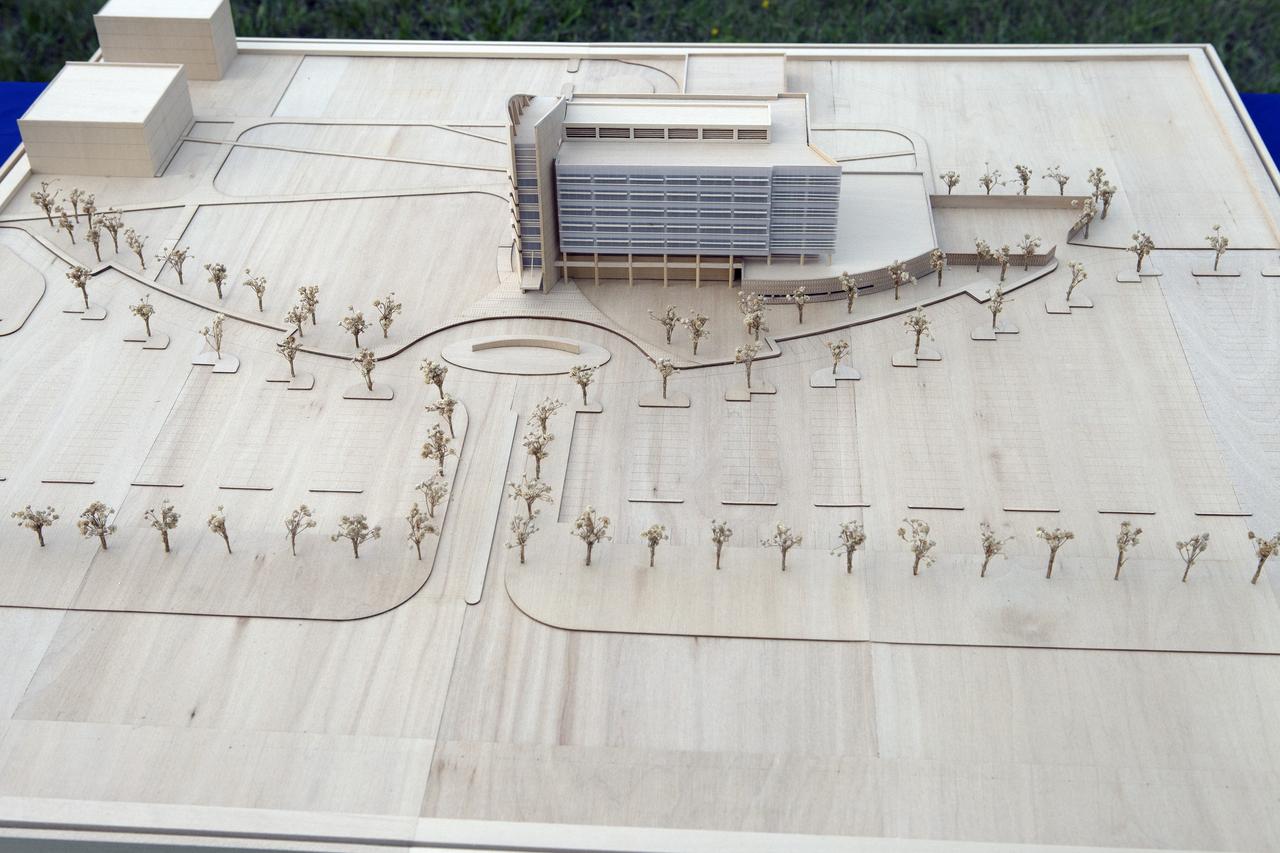
CAPE CANAVERAL, Fla. – Groundbreaking for the new Central Campus will take place in the Industrial Area at NASA's Kennedy Space Center in Florida. A scale model of the new facility and landscaping is on display for the ceremony. Kennedy is transforming into a multi-user, 21st century spaceport supporting both commercial and government users and operations. Central Campus Phase I includes construction of a new Headquarters Building as one of the major components of the strategy. The new Headquarters Building will be a seven-story, 200,000-square-foot facility that will house about 500 NASA civil service and contractor employees. Photo credit: NASA/Kim Shiflett
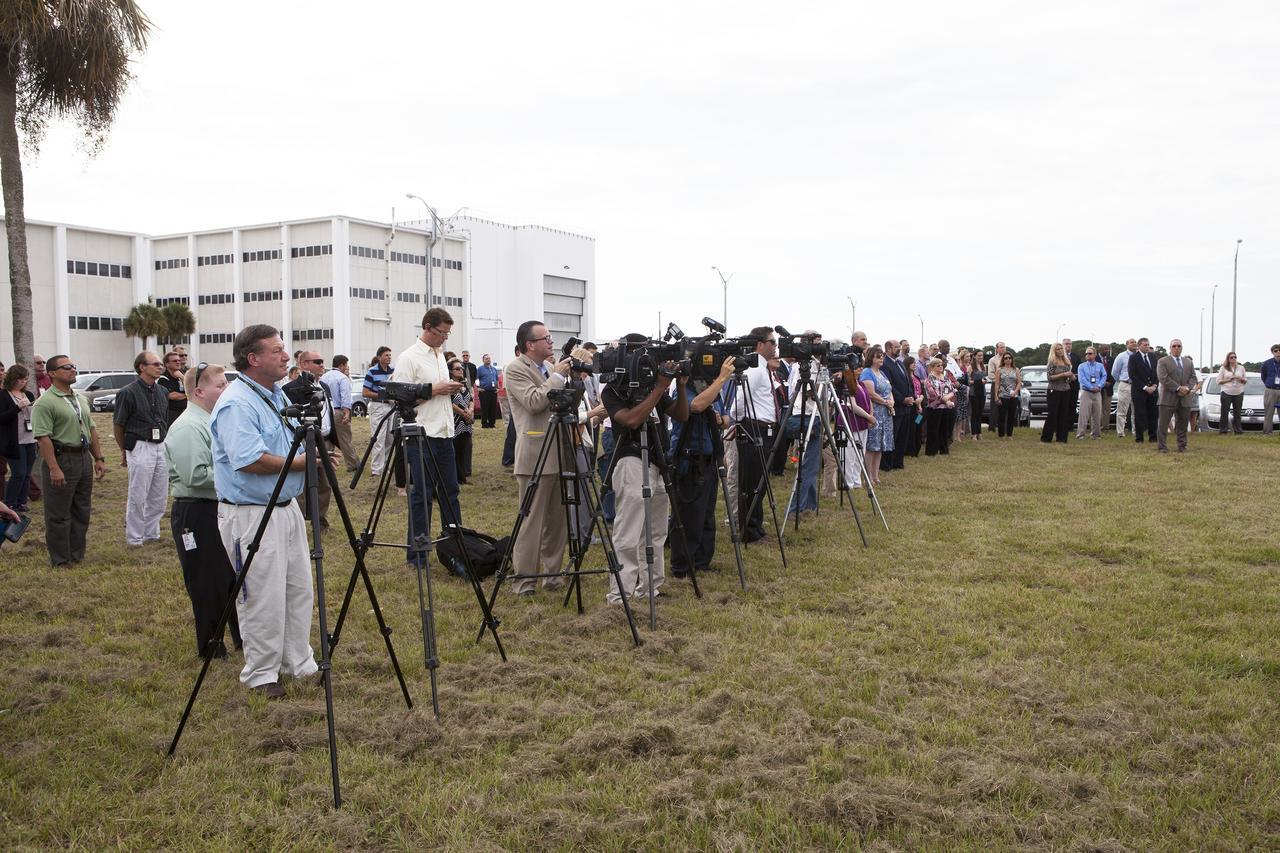
CAPE CANAVERAL, Fla. – Groundbreaking for the new Central Campus took place in the Industrial Area at NASA's Kennedy Space Center in Florida. Members of the media and guests gathered for the groundbreaking ceremony. Kennedy is transforming into a multi-user, 21st century spaceport supporting both commercial and government users and operations. Central Campus Phase I includes construction of a new Headquarters Building as one of the major components of the strategy. The new Headquarters Building will be a seven-story, 200,000-square-foot facility that will house about 500 NASA civil service and contractor employees. Photo credit: NASA/Kim Shiflett
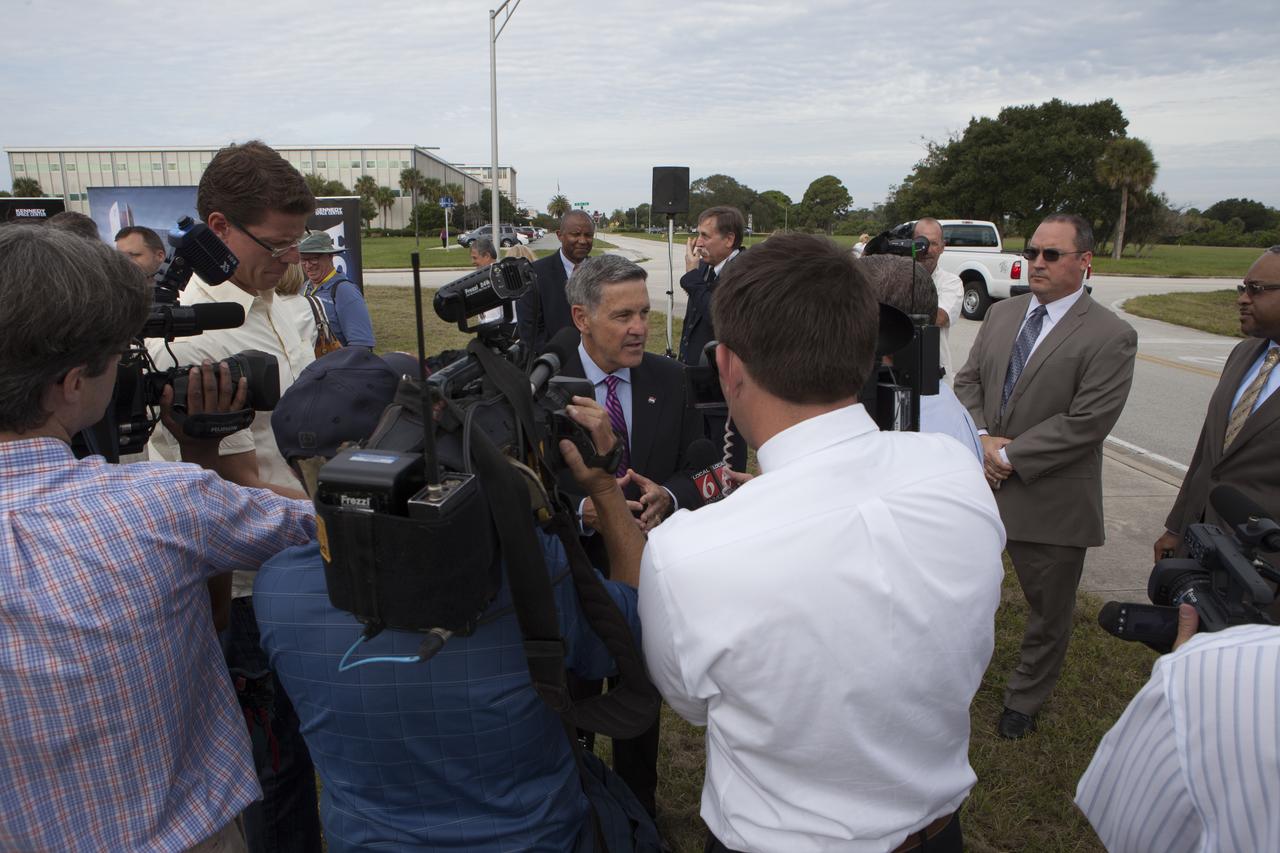
Groundbreaking for the new Central Campus took place in the Industrial Area at NASA's Kennedy Space Center in Florida. Kennedy's Center Director Bob Cabana speaks to members of the media after the groundbreaking ceremony. Kennedy is transforming into a multi-user, 21st century spaceport supporting both commercial and government users and operations. Central Campus Phase I includes construction of a new Headquarters Building as one of the major components of the strategy. The new Headquarters Building will be a seven-story, 200,000-square-foot facility that will house about 500 NASA civil service and contractor employees.
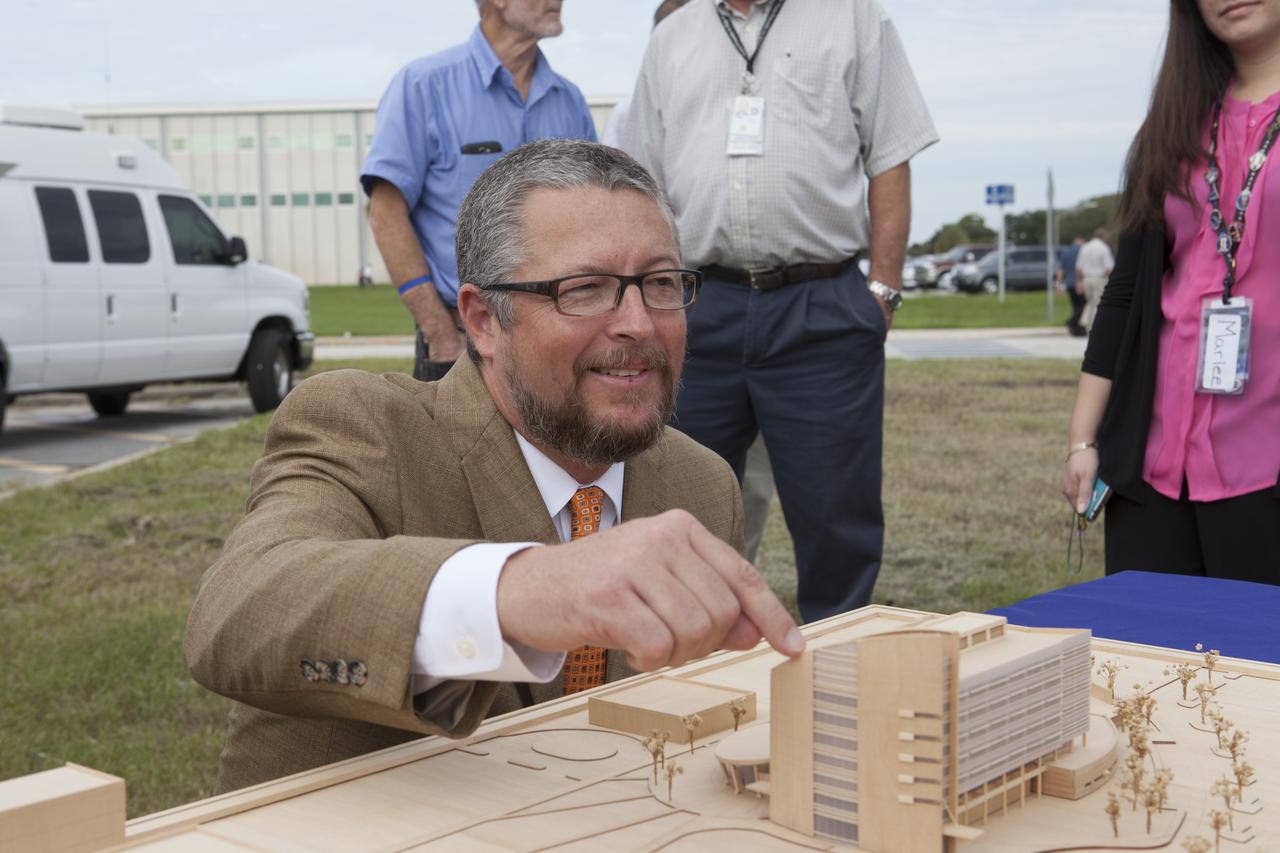
Groundbreaking for the new Central Campus took place in the Industrial Area at NASA's Kennedy Space Center in Florida. Steve Belflower, vice president of HuntonBrady Architects of Orlando, points to a scale model of the Central Campus building on display during the groundbreaking ceremony. Kennedy is transforming into a multi-user, 21st century spaceport supporting both commercial and government users and operations. Central Campus Phase I includes construction of a new Headquarters Building as one of the major components of the strategy. The new Headquarters Building will be a seven-story, 200,000-square-foot facility that will house about 500 NASA civil service and contractor employees.