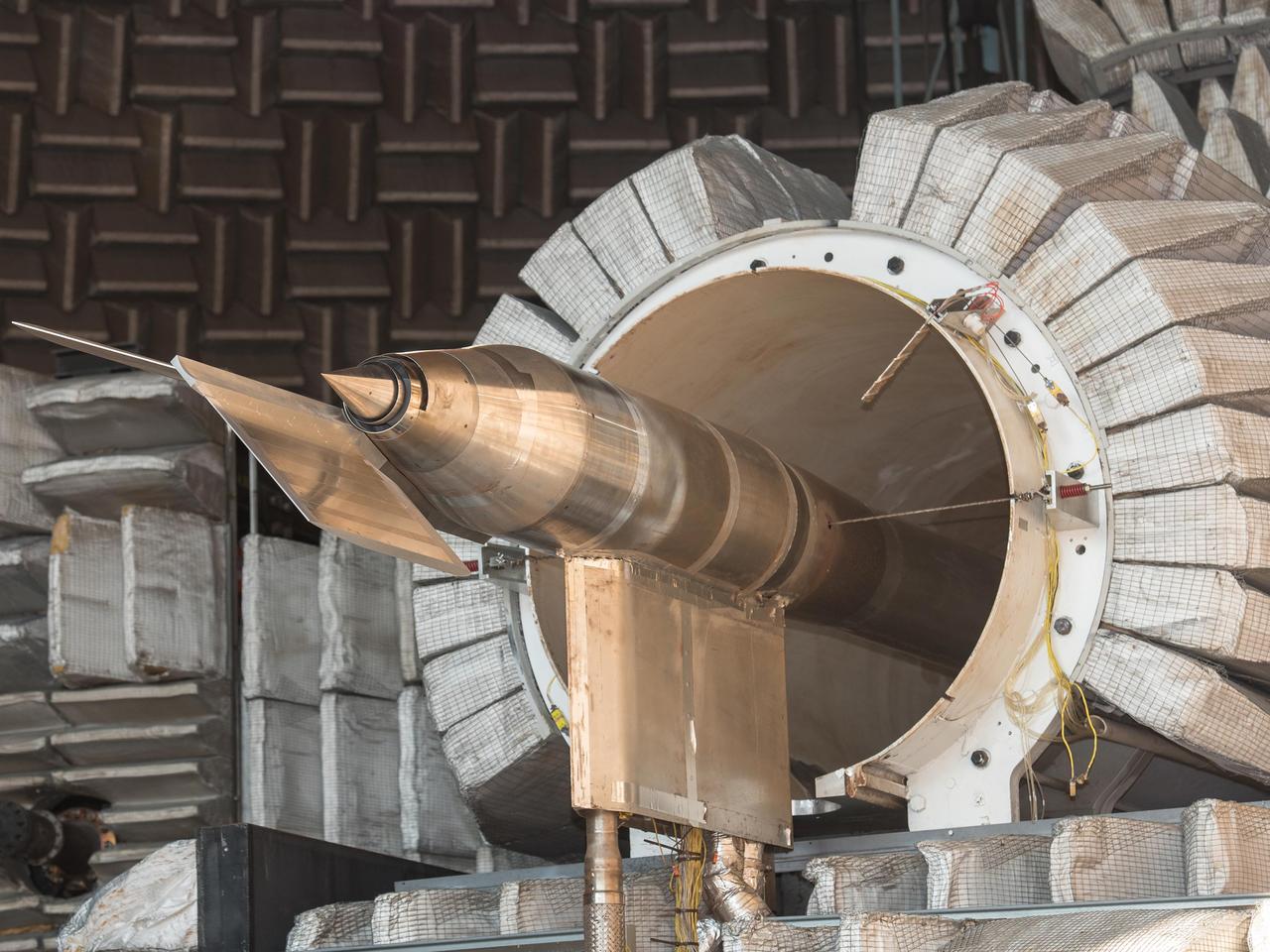
N+2 Nozzle in the Aero-Acoustic Propulsion Lab. As NASA works toward demonstrating low-sonic boom design, engineers at NASA Glenn have tested an engine nozzle that could make supersonic aircraft much quieter.
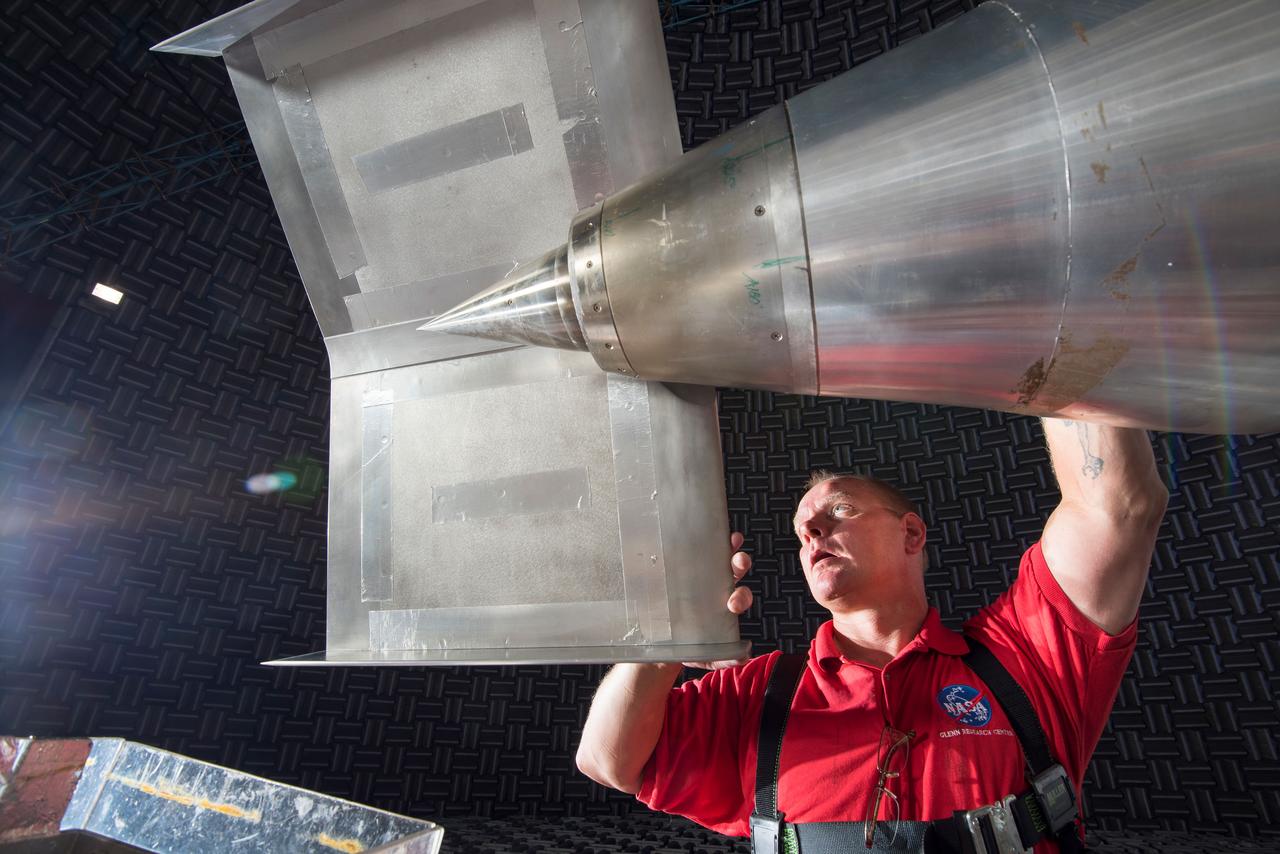
N+2 Nozzle in the Aero-Acoustic Propulsion Lab. As NASA works toward demonstrating low-sonic boom design, engineers at NASA Glenn have tested an engine nozzle that could make supersonic aircraft much quieter.
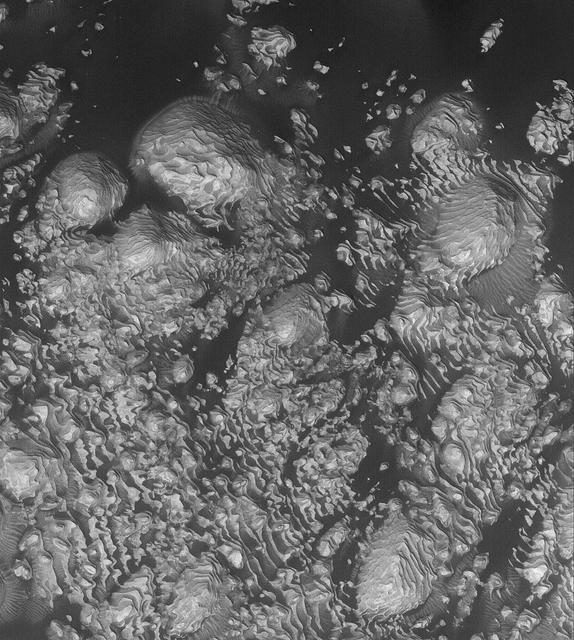
8°N 7°W Crater
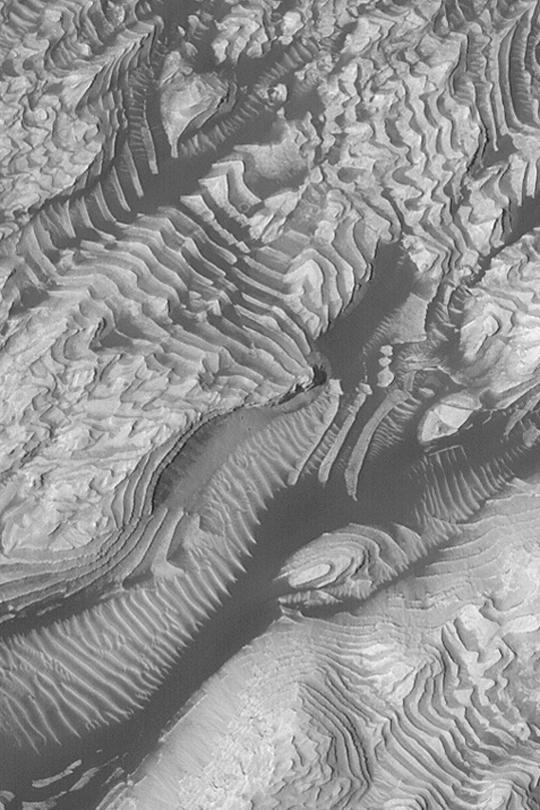
Layers in 8°N, 7°W Crater

Mercury Globe: 0°N, 0°E
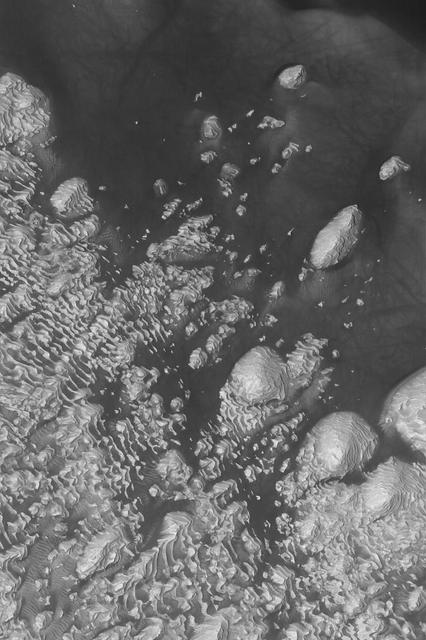
Sedimentary Rocks of 8°N, 7°W

Mercury Globe: 0°N, 180°E

Mercury Globe: 0°N, 90°E
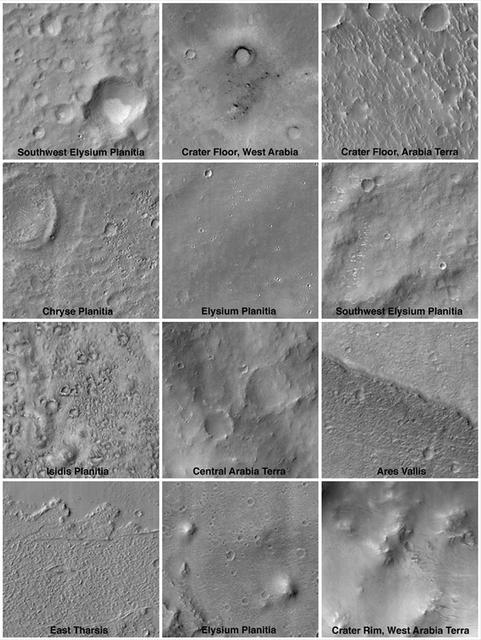
Mars Surfaces at 15.6°N Latitude, March 1999

Mercury Globe: 0°N, 270°E
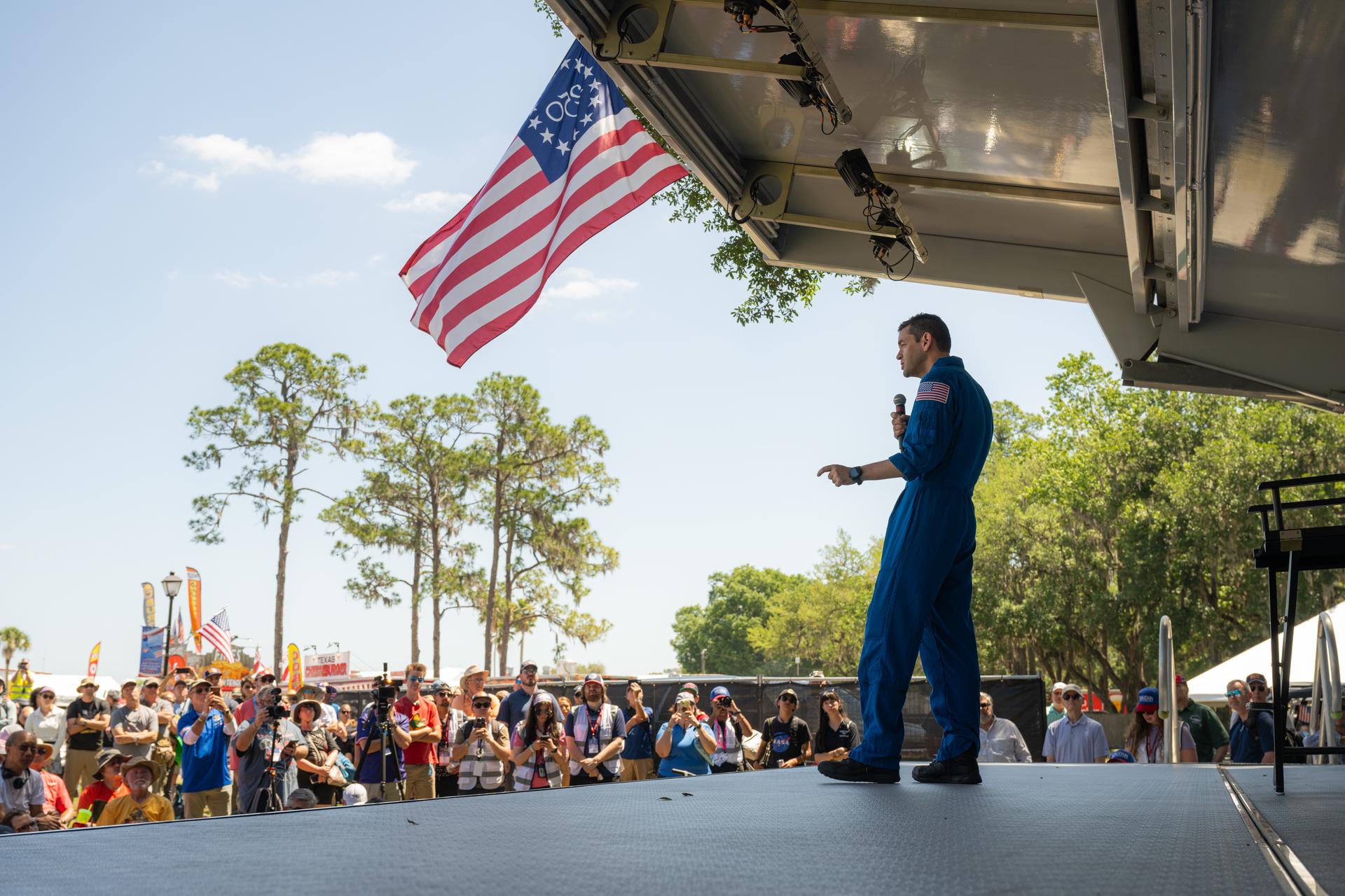
NASA Administrator Jared Isaacman speaks at the SUN ’n FUN Aerospace Expo, Wednesday, Apr. 15, 2026, in Lakeland, Fla. Photo Credit: (NASA/John Kraus)
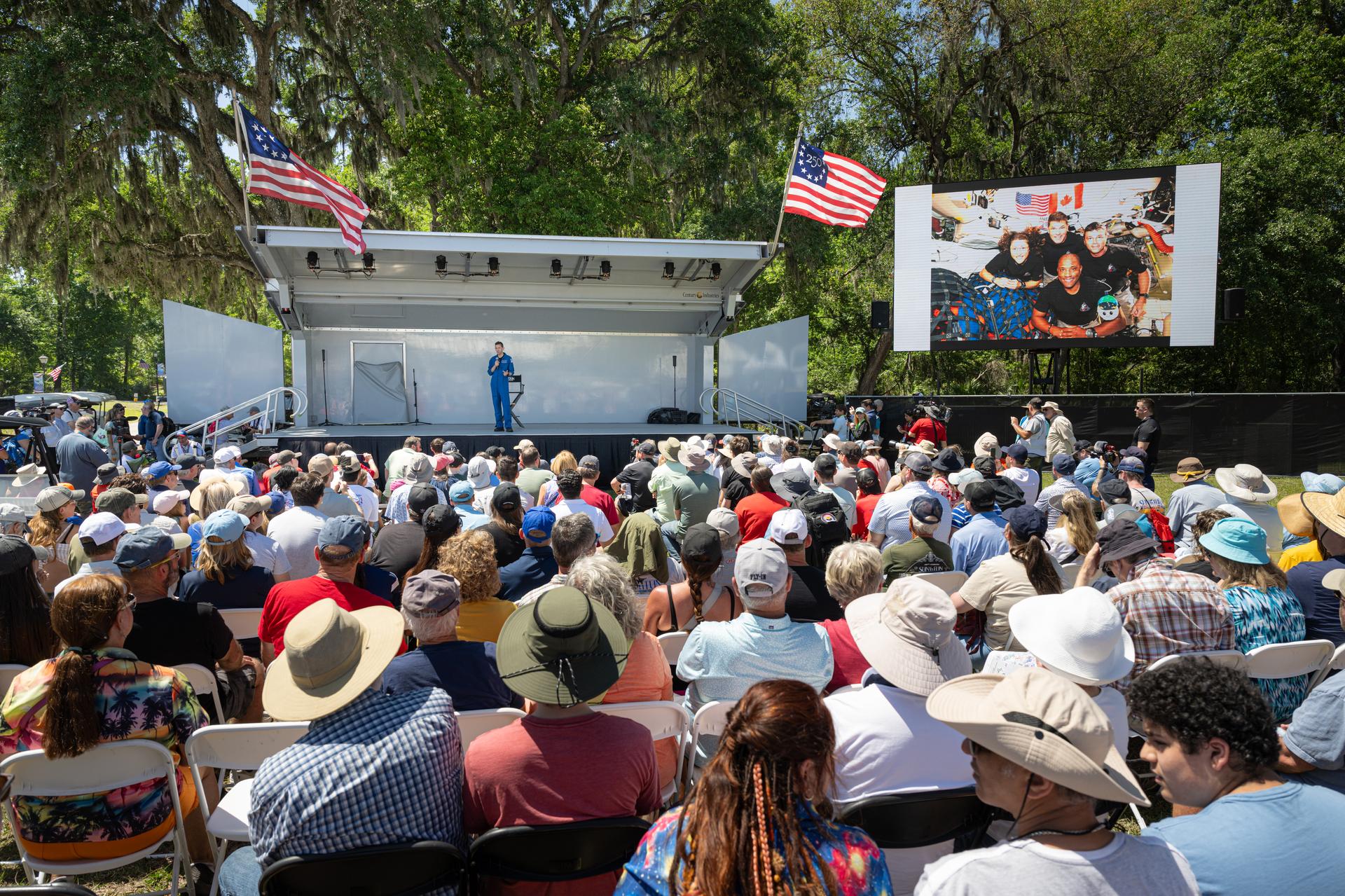
NASA Administrator Jared Isaacman speaks at the SUN ’n FUN Aerospace Expo, Wednesday, Apr. 15, 2026, in Lakeland, Fla. Photo Credit: (NASA/John Kraus)
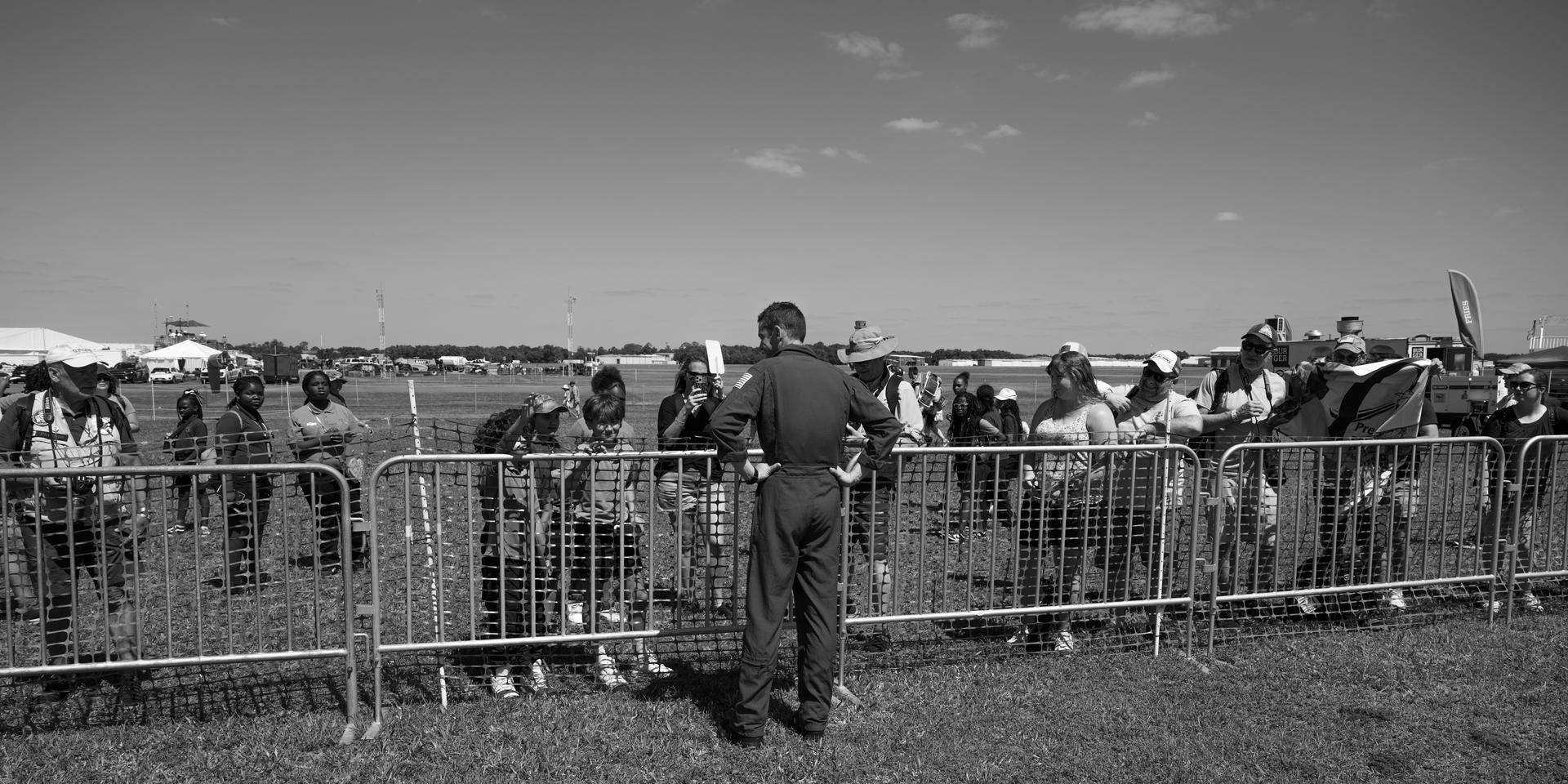
NASA Administrator Jared Isaacman speaks to attendees of the SUN ’n FUN Aerospace Expo, Wednesday, Apr. 15, 2026, in Lakeland, Fla. Photo Credit: (NASA/John Kraus)
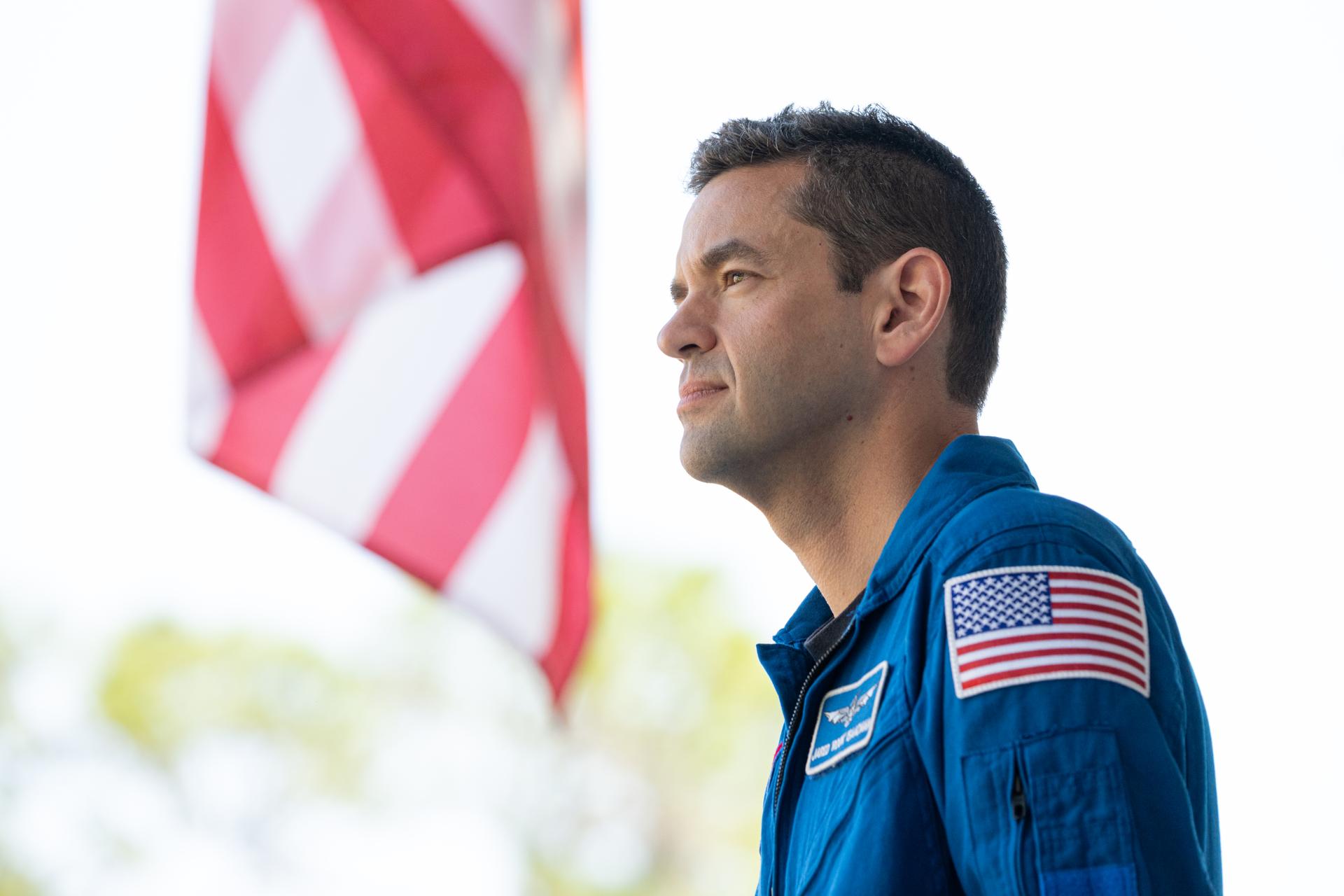
NASA Administrator Jared Isaacman is seen during a speaking engagement at the SUN ’n FUN Aerospace Expo, Wednesday, Apr. 15, 2026, in Lakeland, Fla. Photo Credit: (NASA/John Kraus)
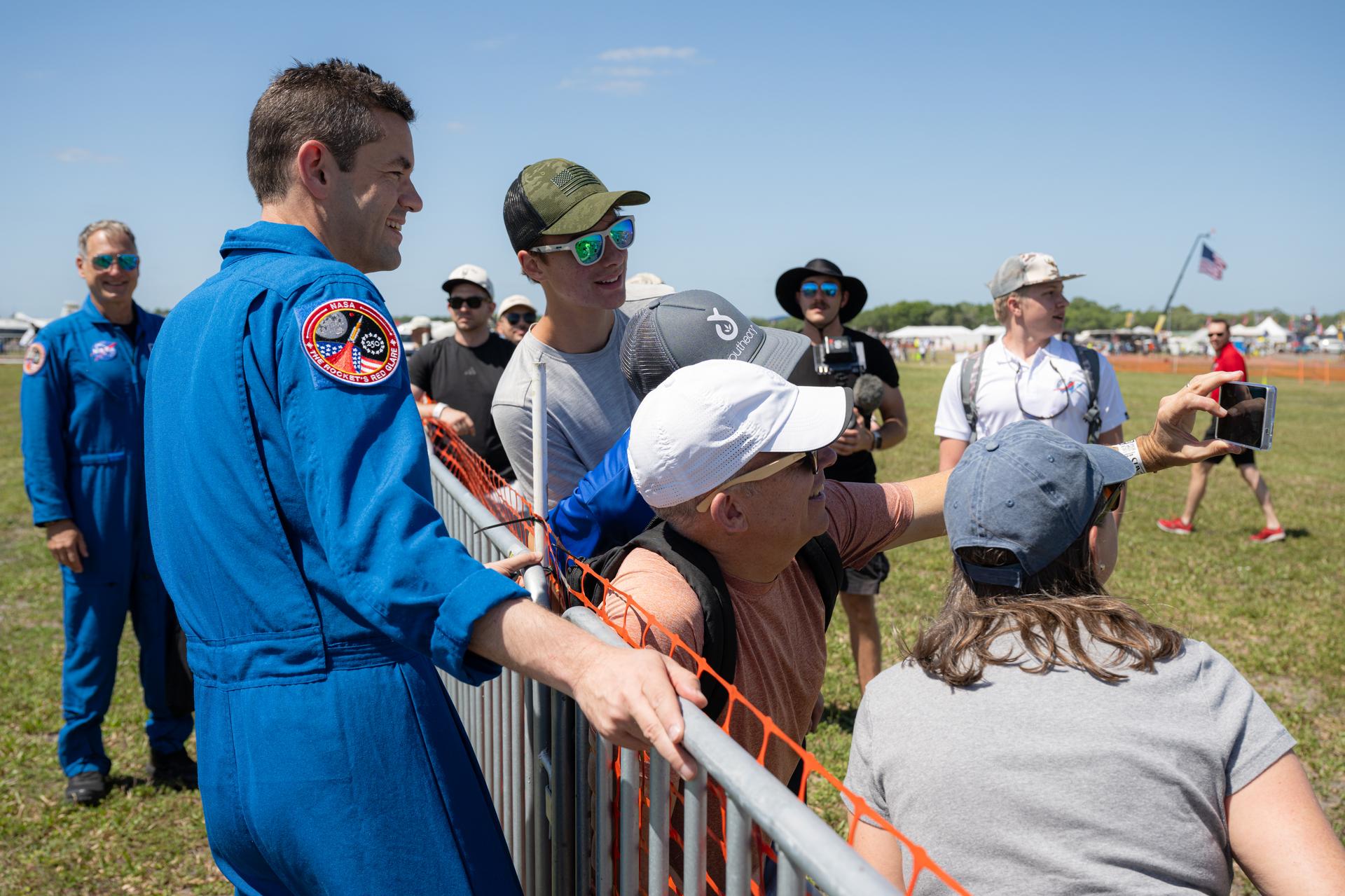
NASA Administrator Jared Isaacman poses for a photograph with attendees of the SUN ’n FUN Aerospace Expo, Wednesday, Apr. 15, 2026, in Lakeland, Fla. Photo Credit: (NASA/John Kraus)
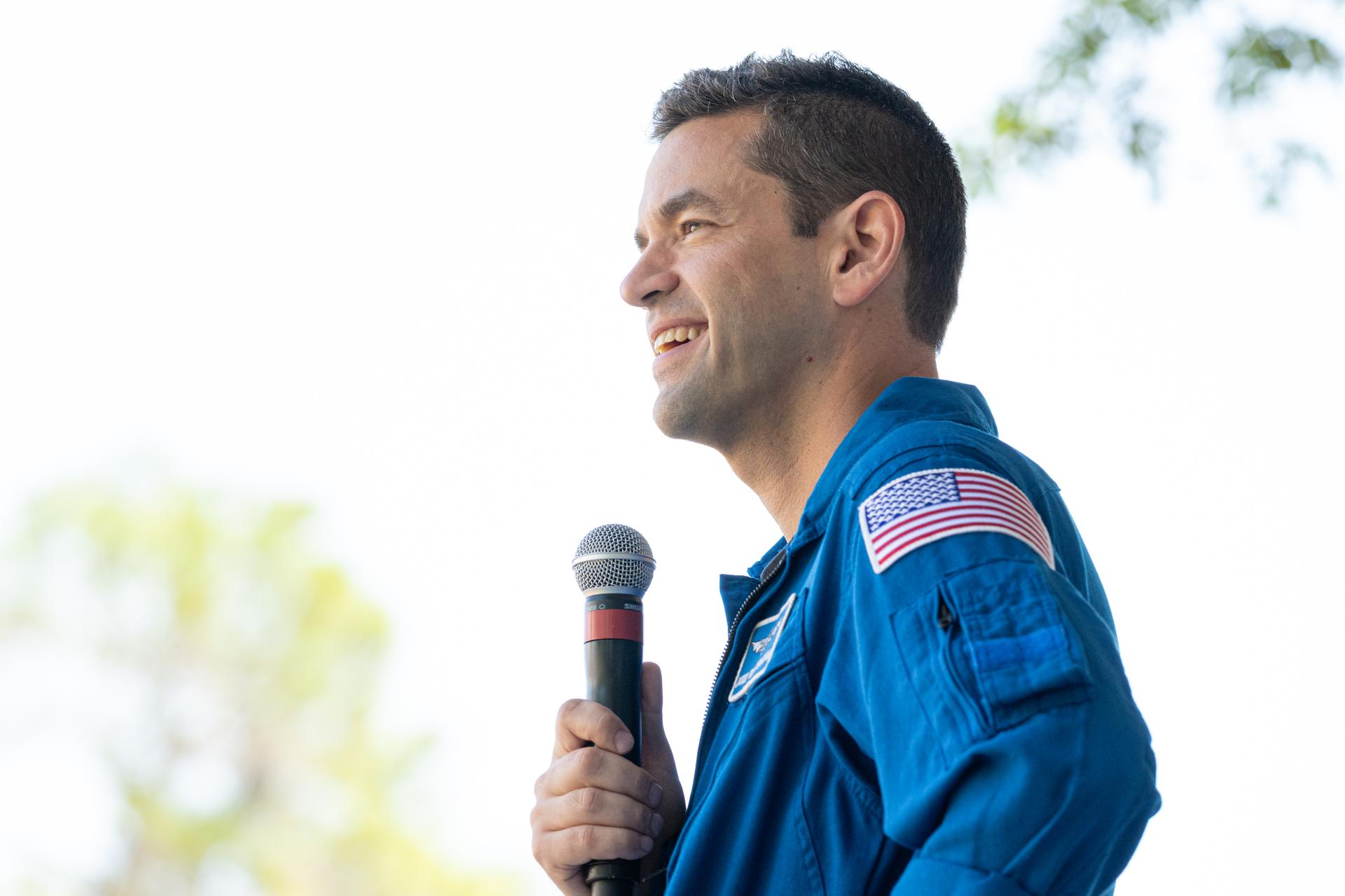
NASA Administrator Jared Isaacman speaks at the SUN ’n FUN Aerospace Expo, Wednesday, Apr. 15, 2026, in Lakeland, Fla. Photo Credit: (NASA/John Kraus)
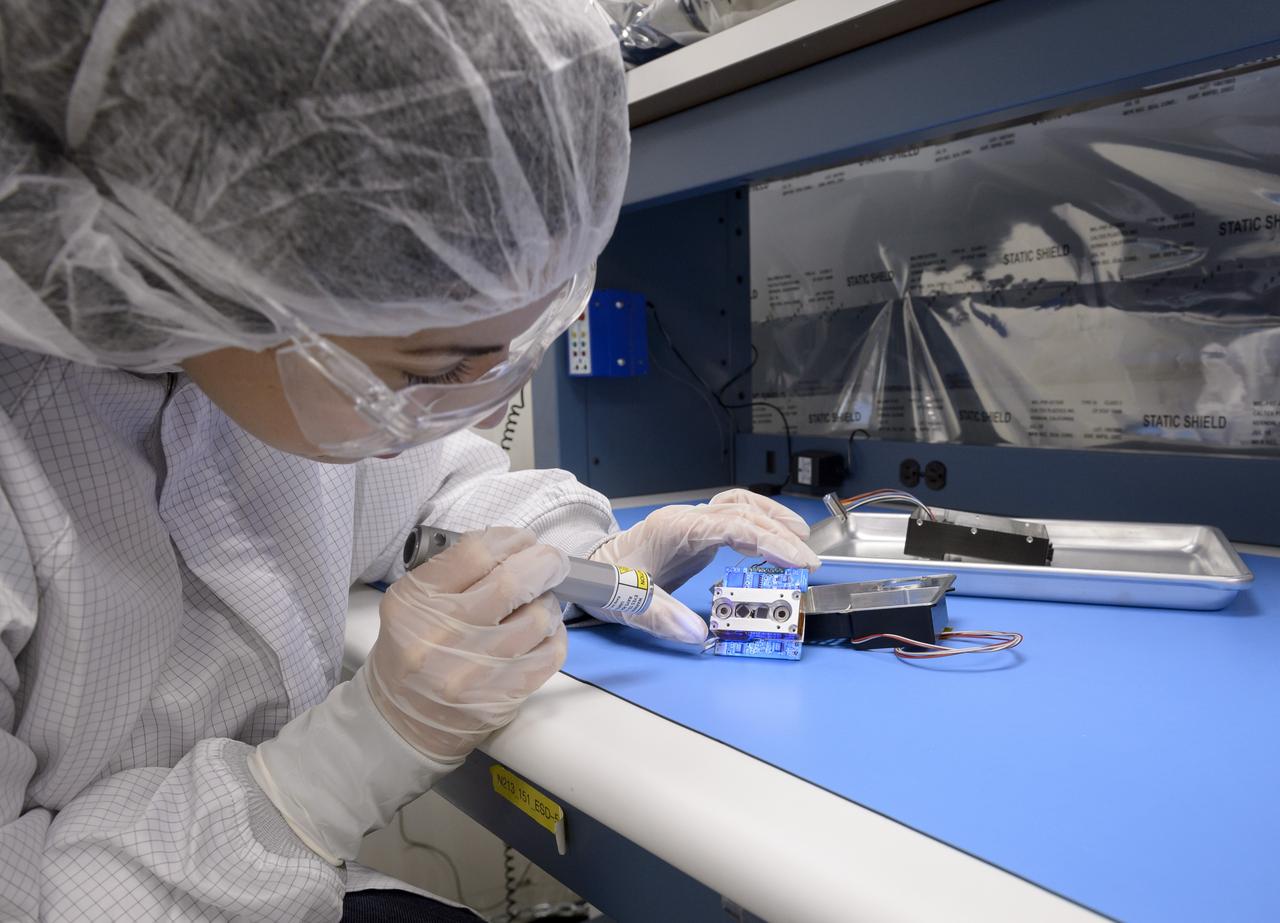
Near InfraRed Volatiles Spectrometer System (NIRVSS) engineering build in Ames N-213 Laboratory with Amanda Cook. The NIRVSS will fly on the Volatiles Investigating Polar Exploration Rover, or VIPER in its search for water on the south pole of the moon.
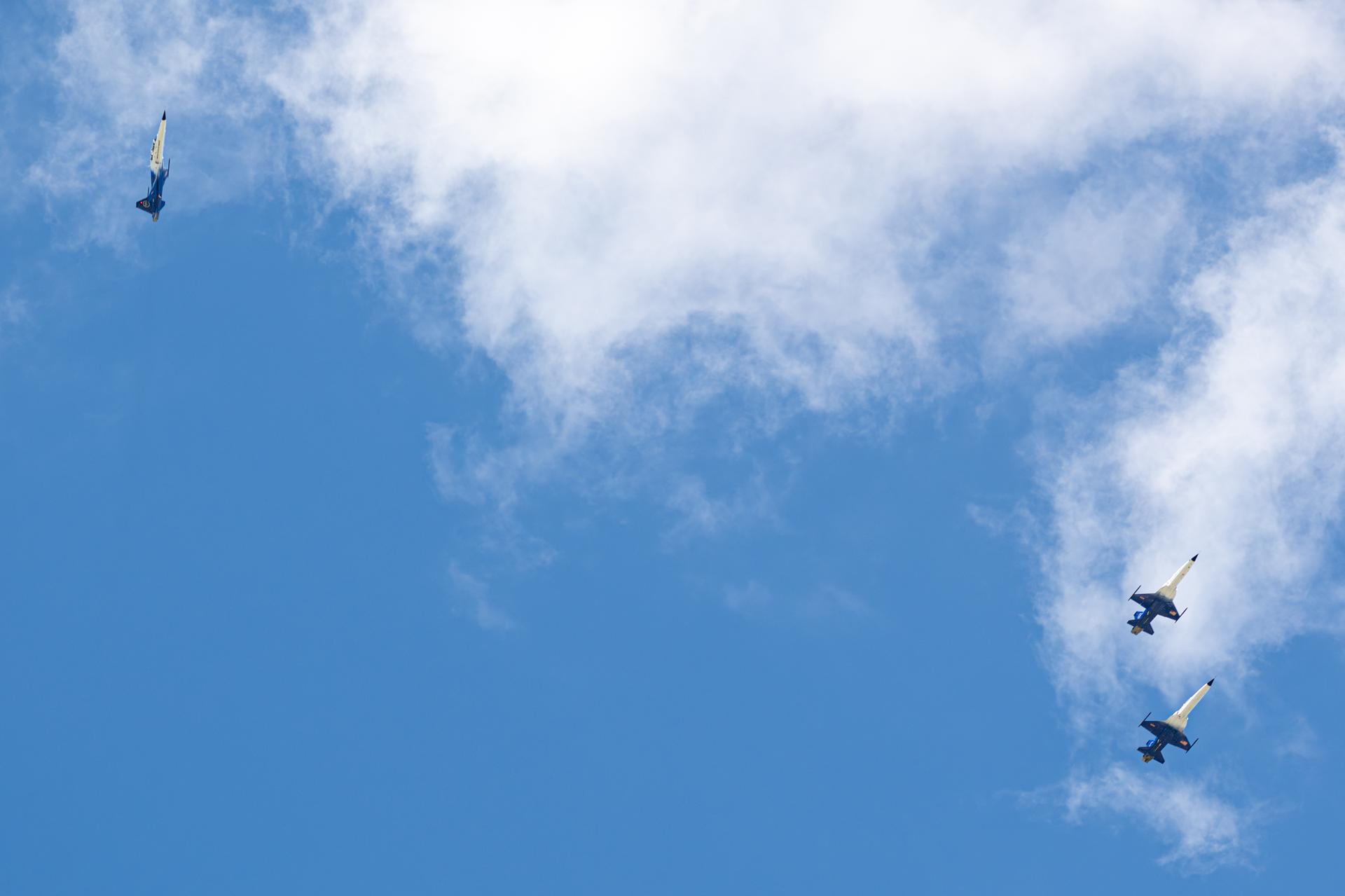
NASA Administrator Jared Isaacman arrives at the SUN ’n FUN Aerospace Expo in a formation flight with his F-5 aircraft, Wednesday, Apr. 15, 2026, in Lakeland, Fla. Photo Credit: (NASA/John Kraus)
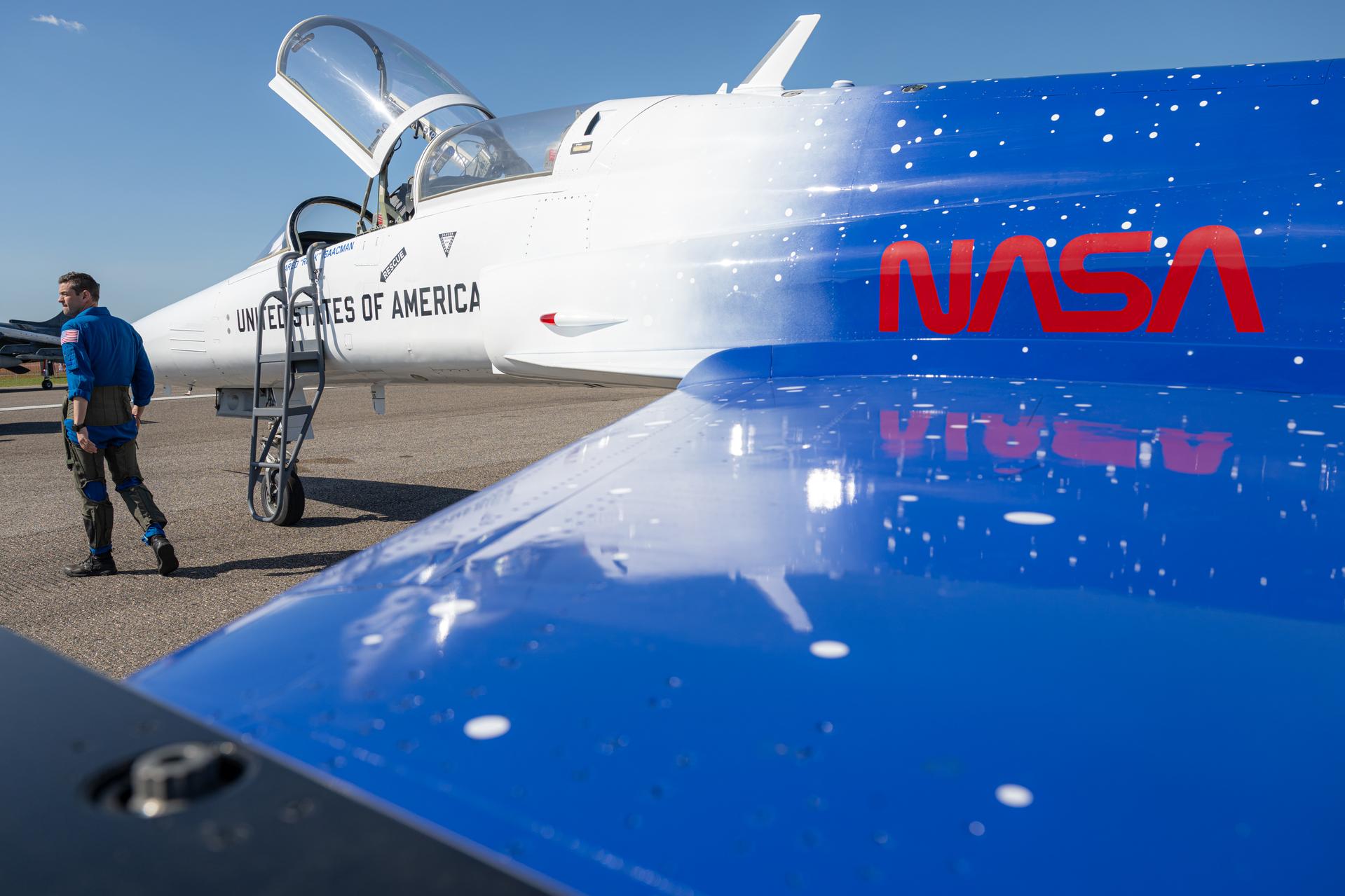
NASA Administrator Jared Isaacman is seen with one of his personal F-5 aircraft ahead of an air show performance at the SUN ’n FUN Aerospace Expo, Wednesday, Apr. 15, 2026, in Lakeland, Fla. Photo Credit: (NASA/John Kraus)
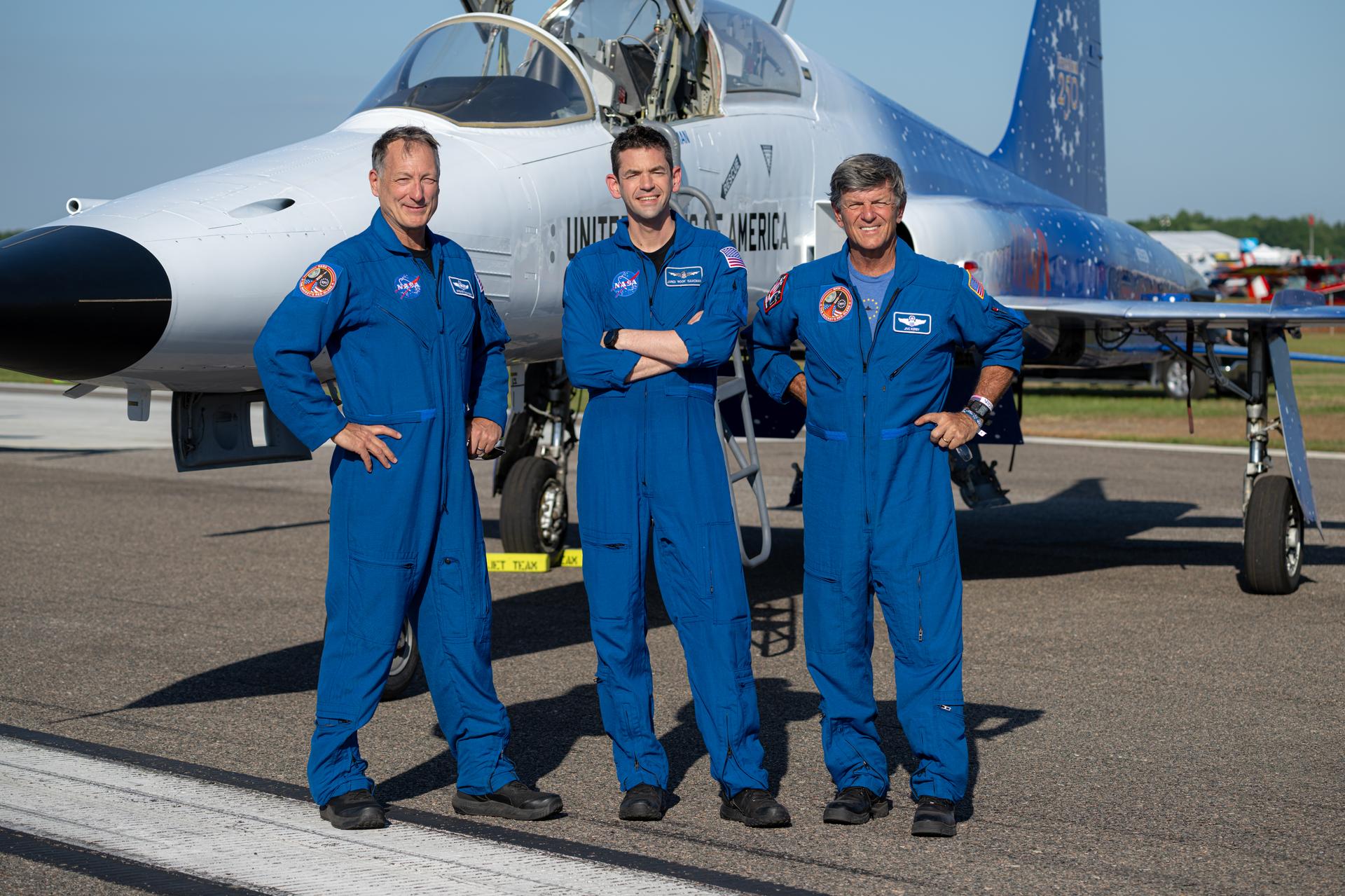
NASA Administrator Jared Isaacman, center; Sean Gustafson, senior advisor to the administrator, left; and Jerry Kerby, pilot, right, pose for a photograph following their air show performance at the SUN ’n FUN Aerospace Expo, Wednesday, Apr. 15, 2026, in Lakeland, Fla. Photo Credit: (NASA/John Kraus)
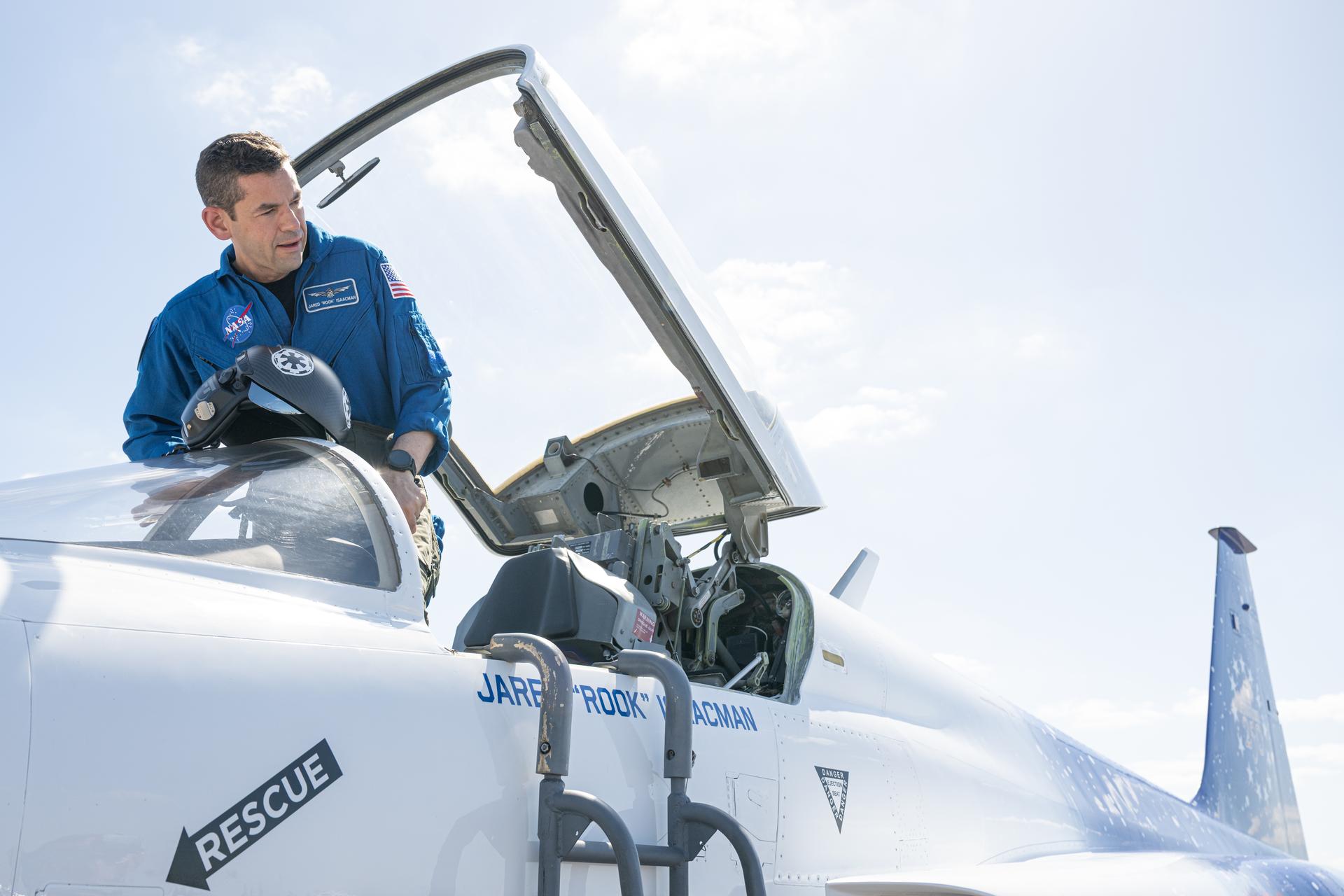
NASA Administrator Jared Isaacman is seen in the cockpit of his personal F-5 aircraft after arriving at the SUN ’n FUN Aerospace Expo, Wednesday, Apr. 15, 2026, in Lakeland, Fla. Photo Credit: (NASA/John Kraus)
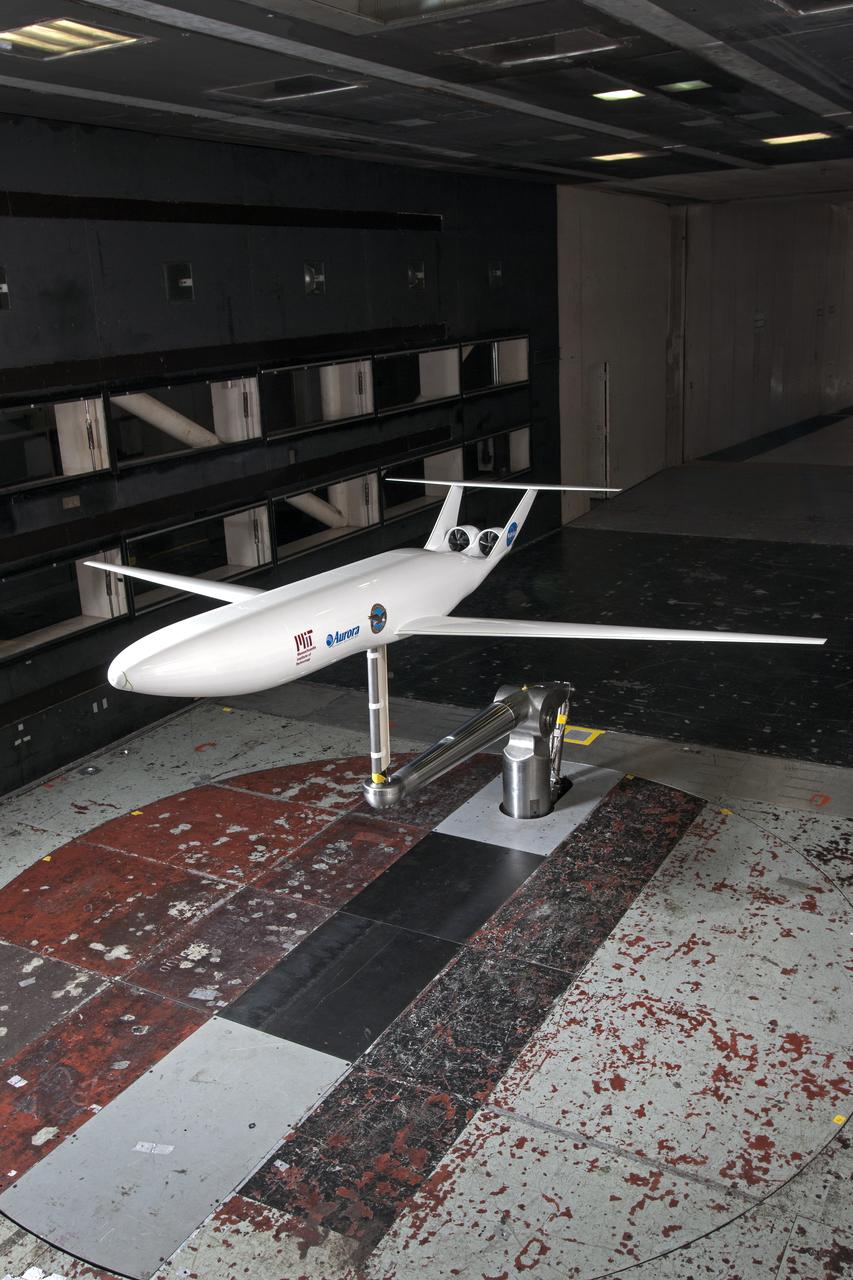
Doublebubble MIT N+3 D8 1/11 Scale Model in the 14x22 Foot Subsonic Tunnel
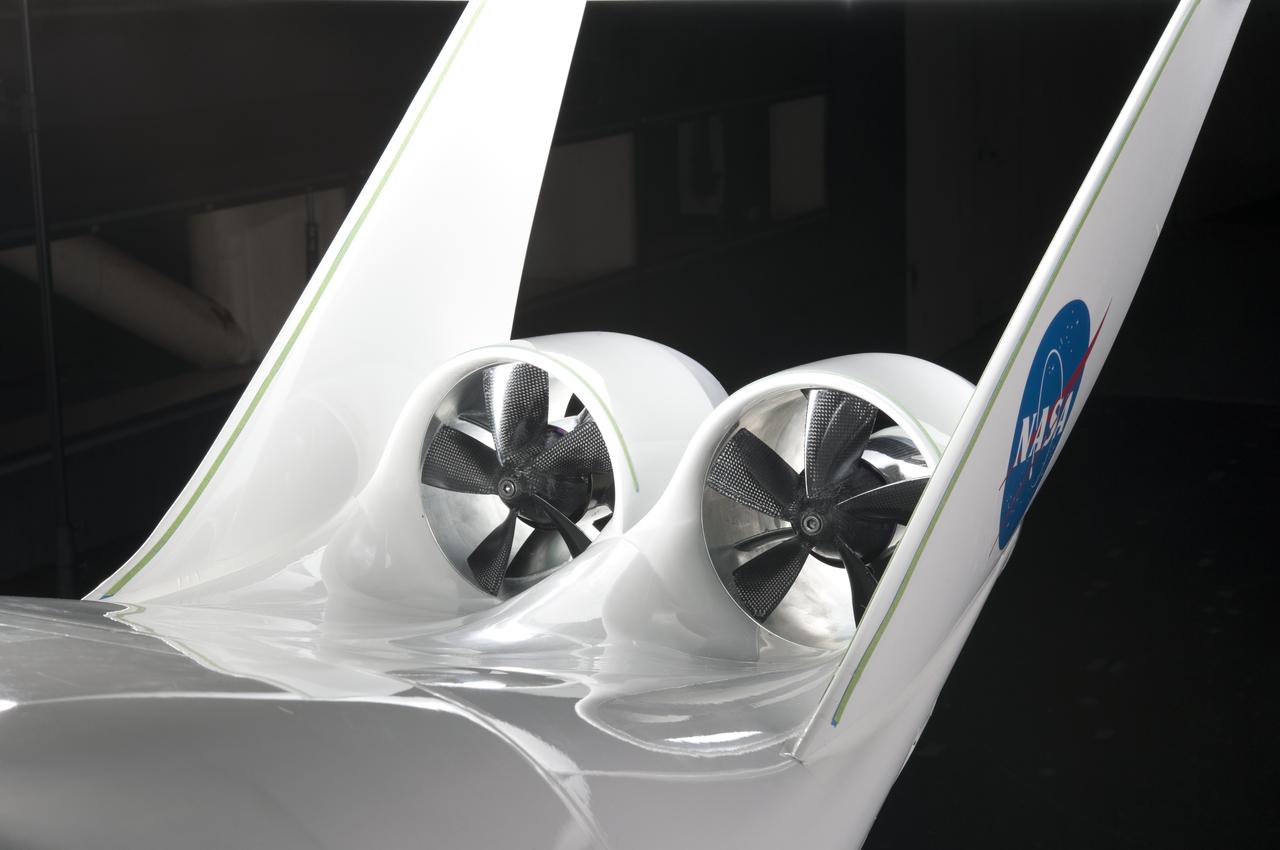
Doublebubble MIT N+3 D8 1/11 Scale Model in the 14x22 Foot Subsonic Tunnel
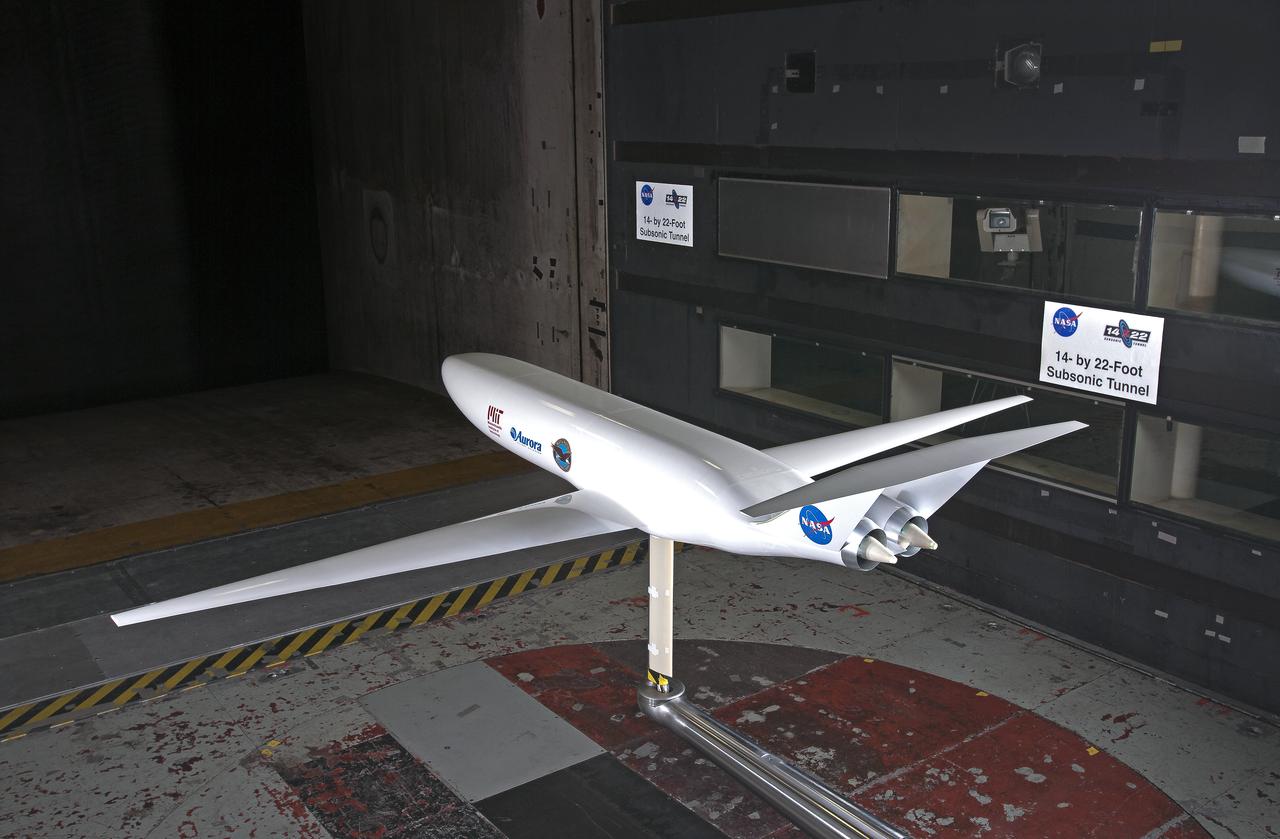
Doublebubble MIT N+3 D8 1/11 Scale Model in the 14x22 Foot Subsonic Tunnel
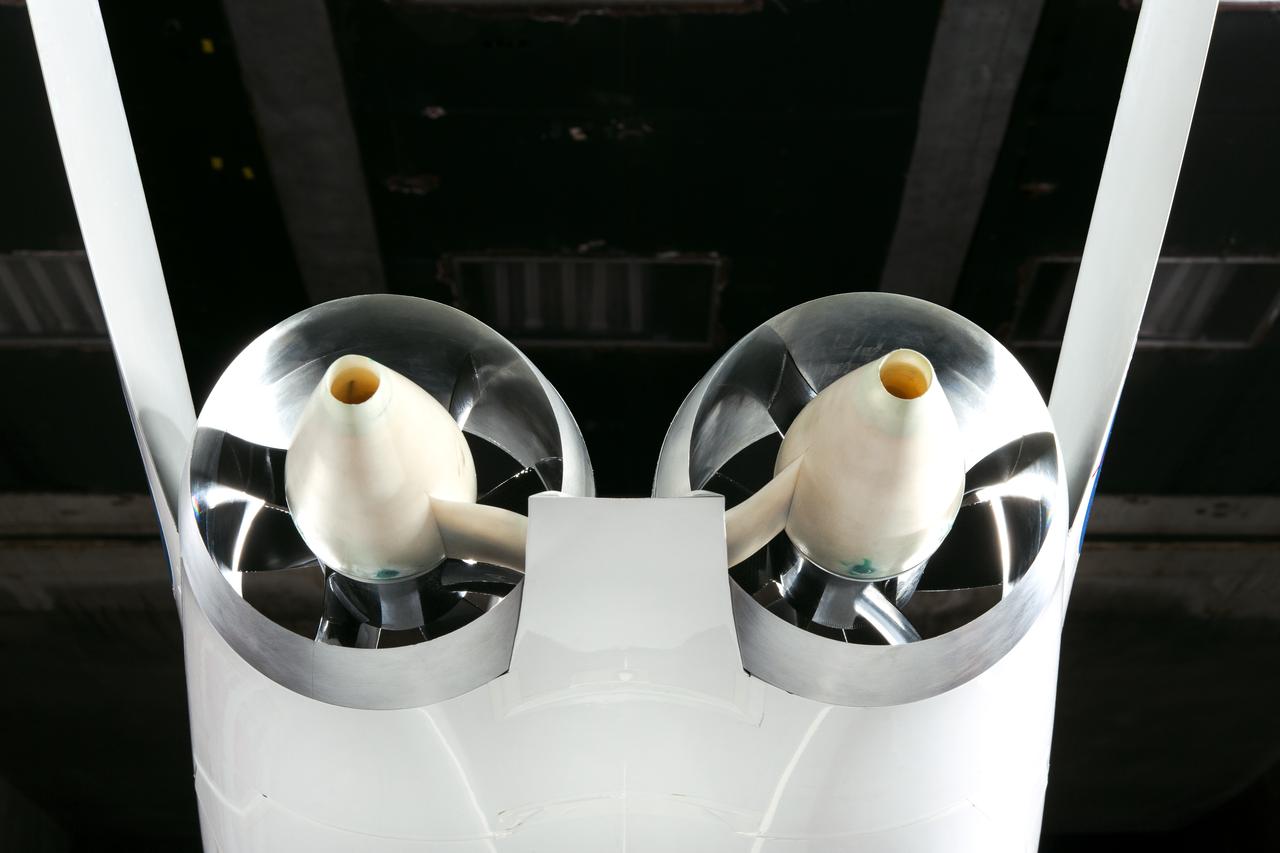
Doublebubble MIT N+3 D8 1/11 Scale Model in the 14x22 Foot Subsonic Tunnel
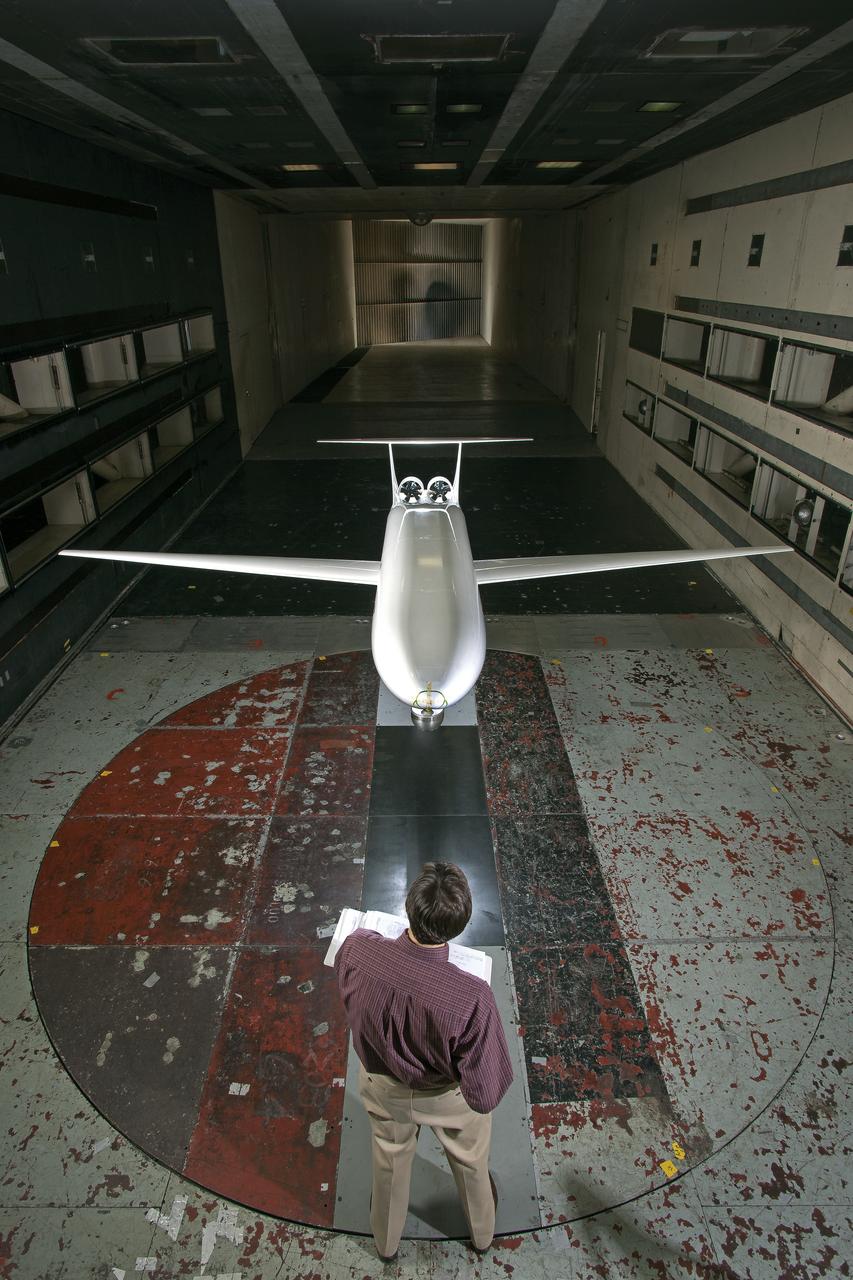
Doublebubble MIT N+3 D8 1/11 Scale Model in the 14x22 Foot Subsonic Tunnel
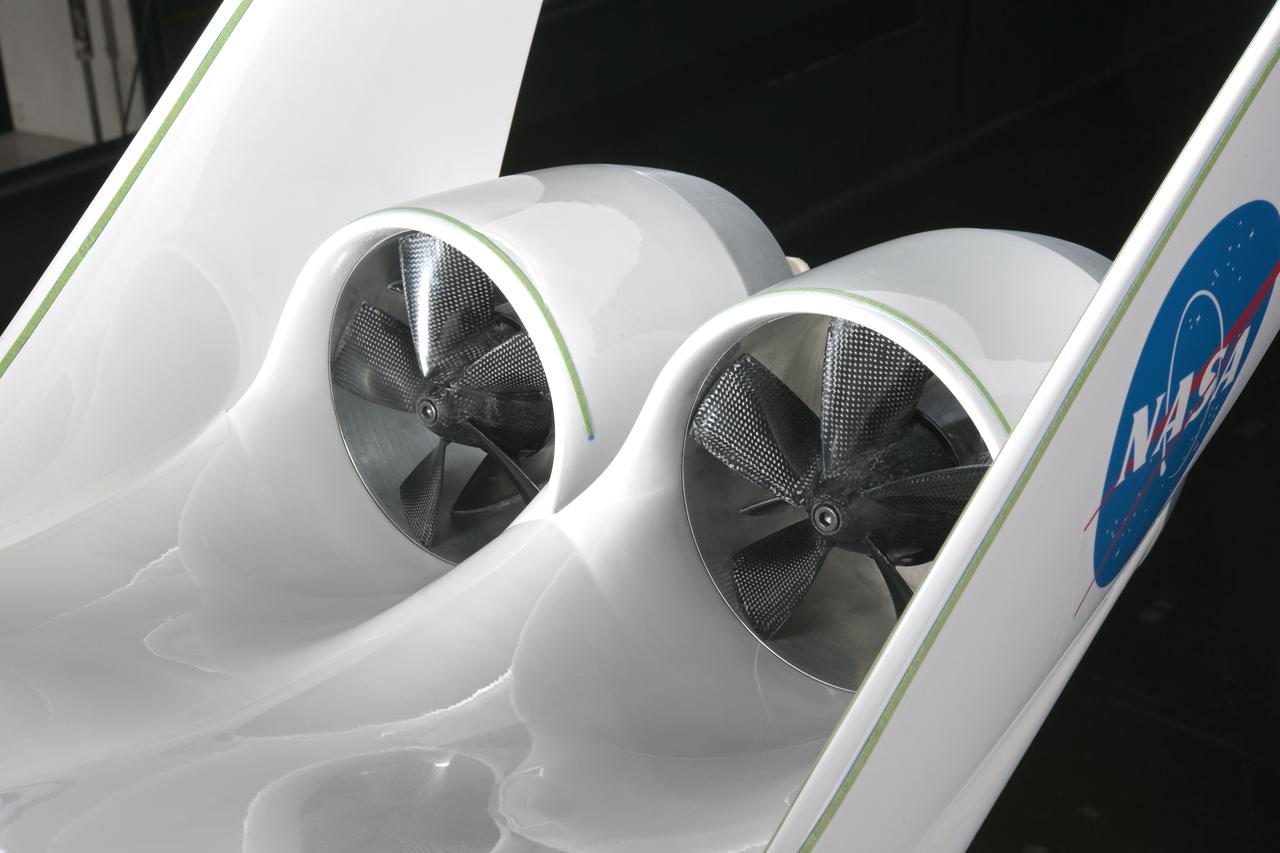
Doublebubble MIT N+3 D8 1/11 Scale Model in the 14x22 Foot Subsonic Tunnel

Doublebubble MIT N+3 D8 1/11 Scale Model in the 14x22 Foot Subsonic Tunnel
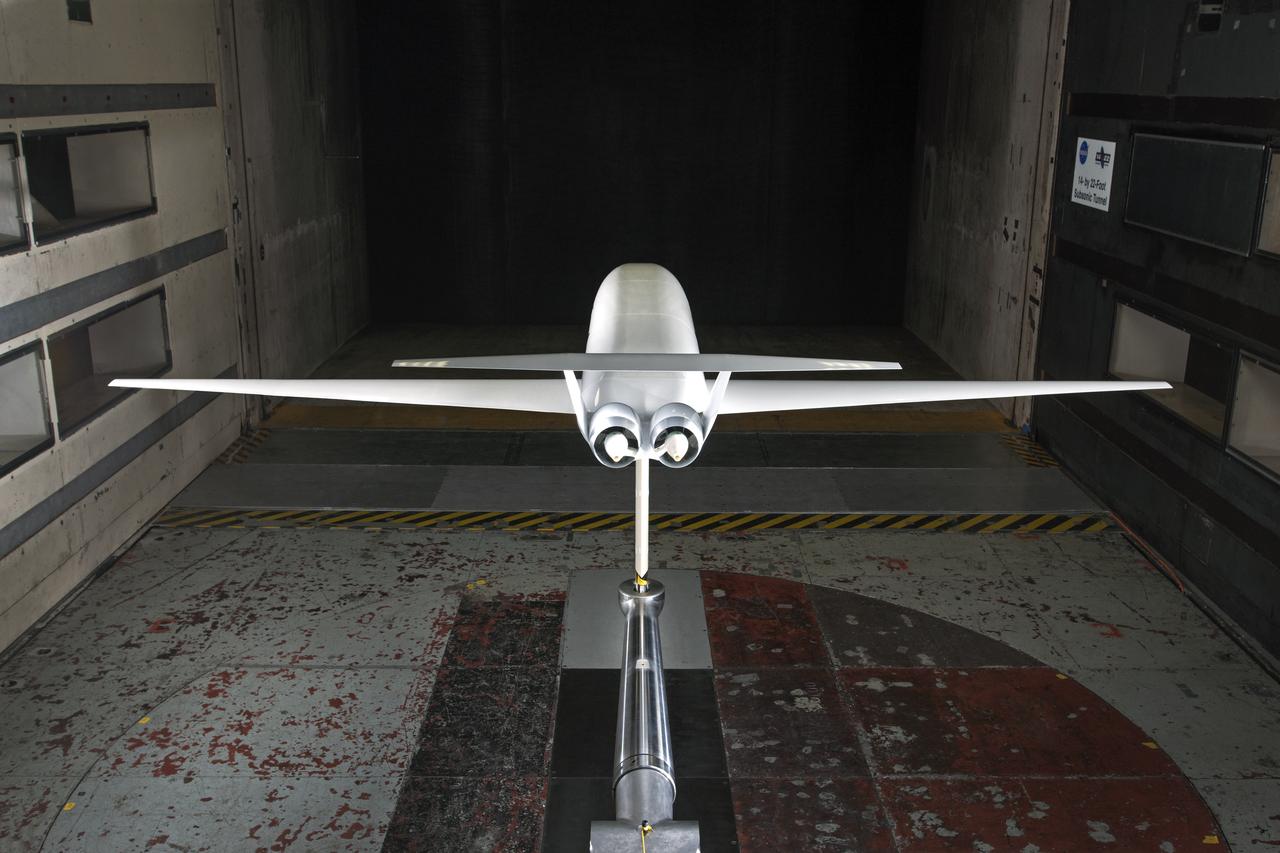
Doublebubble MIT N+3 D8 1/11 Scale Model in the 14x22 Foot Subsonic Tunnel
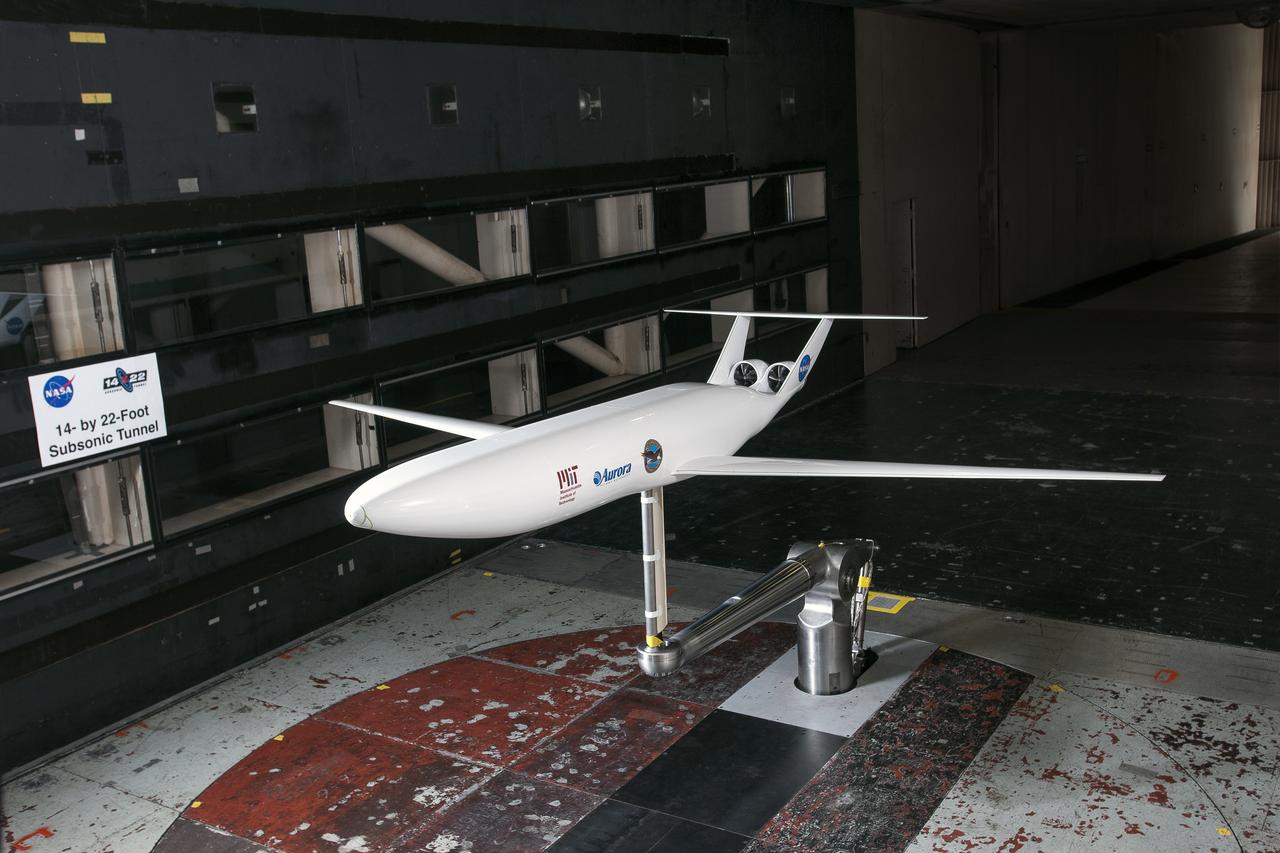
Doublebubble MIT N+3 D8 1/11 Scale Model in the 14x22 Foot Subsonic Tunnel
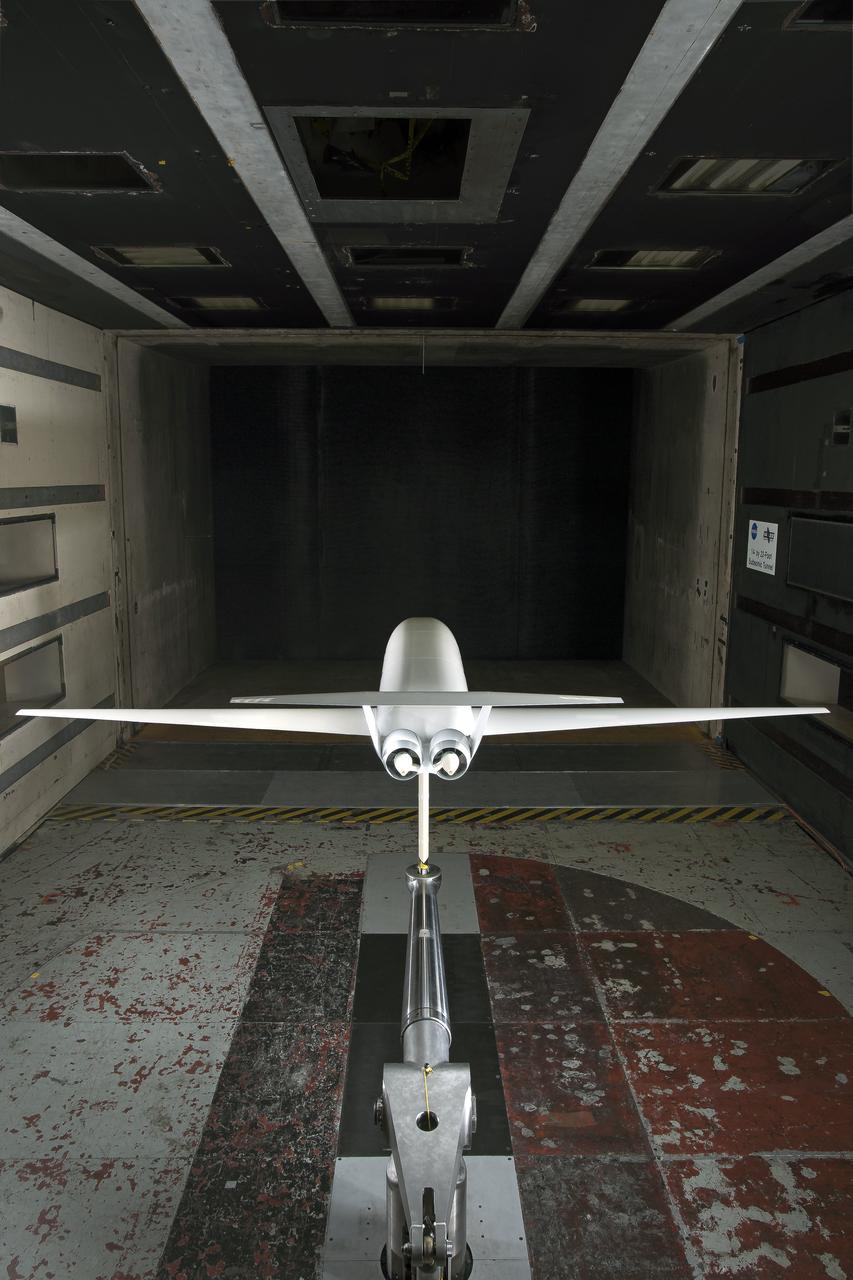
Doublebubble MIT N+3 D8 1/11 Scale Model in the 14x22 Foot Subsonic Tunnel
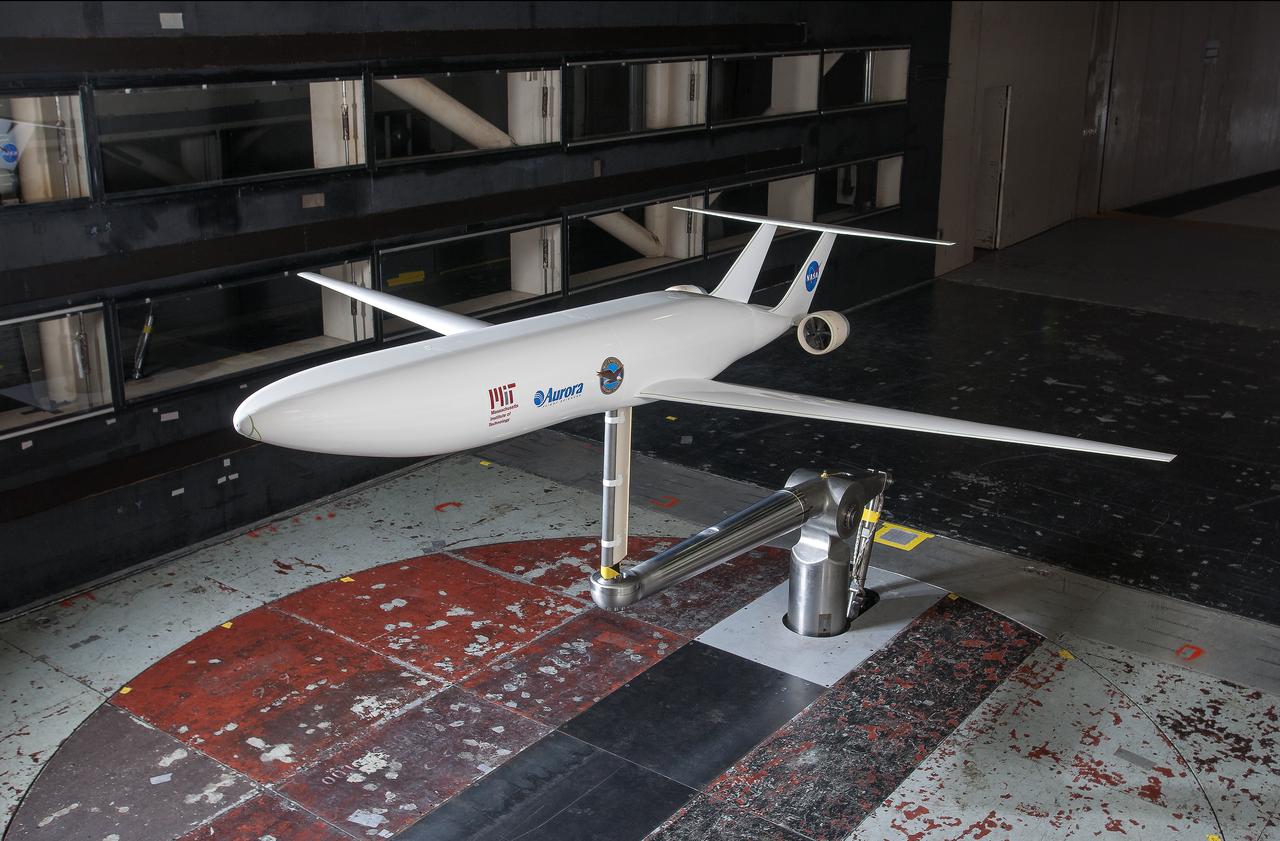
Doublebubble MIT N+3 D8 1/11 Scale Model in the 14x22 Foot Subsonic Tunnel
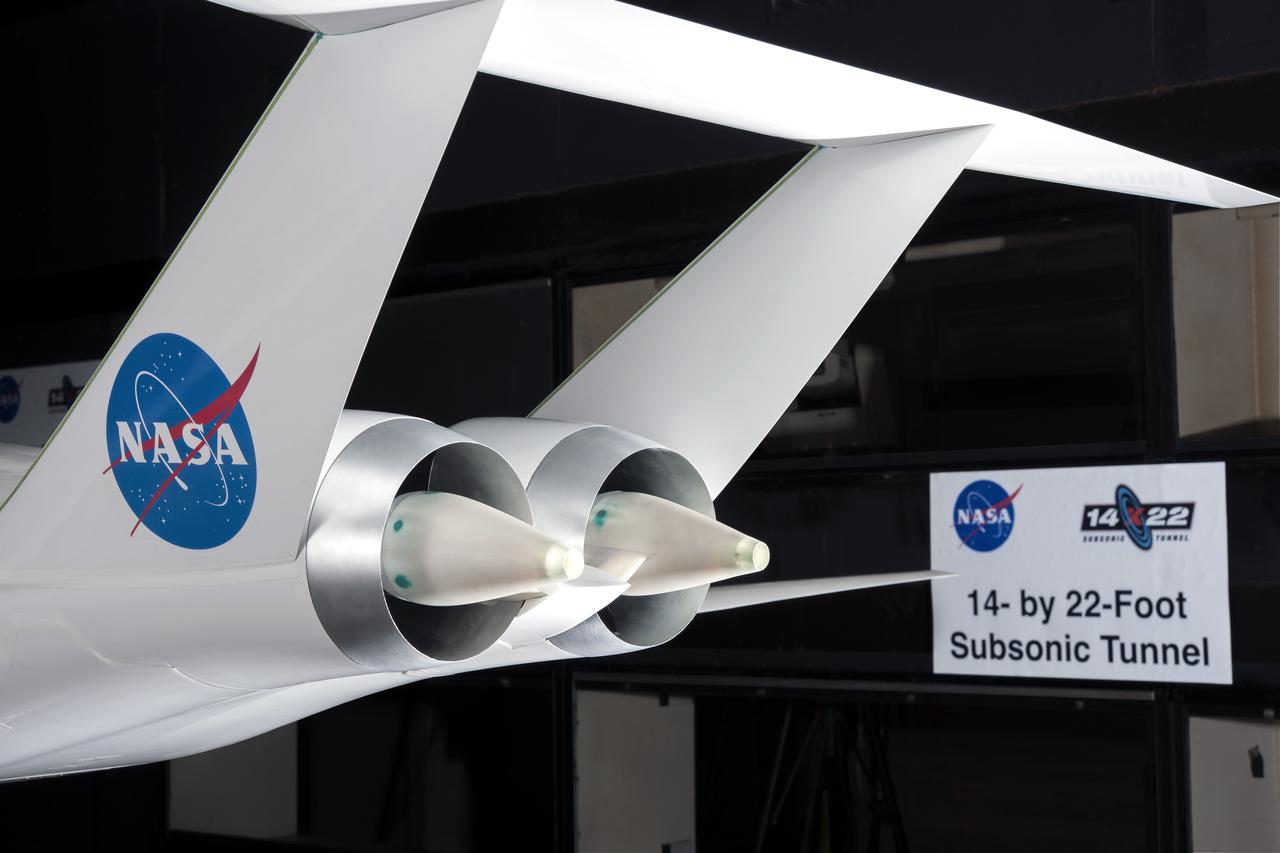
Doublebubble MIT N+3 D8 1/11 Scale Model in the 14x22 Foot Subsonic Tunnel
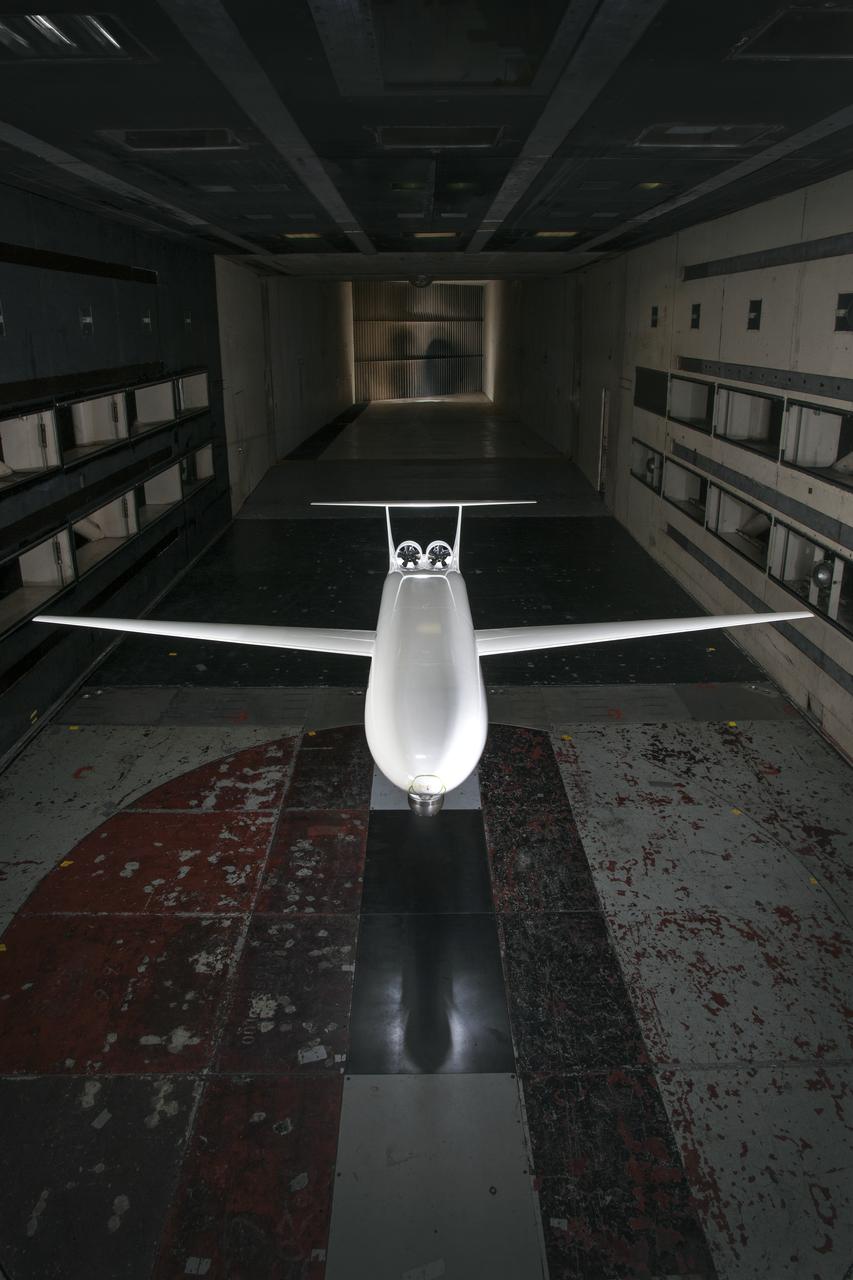
Doublebubble MIT N+3 D8 1/11 Scale Model in the 14x22 Foot Subsonic Tunnel
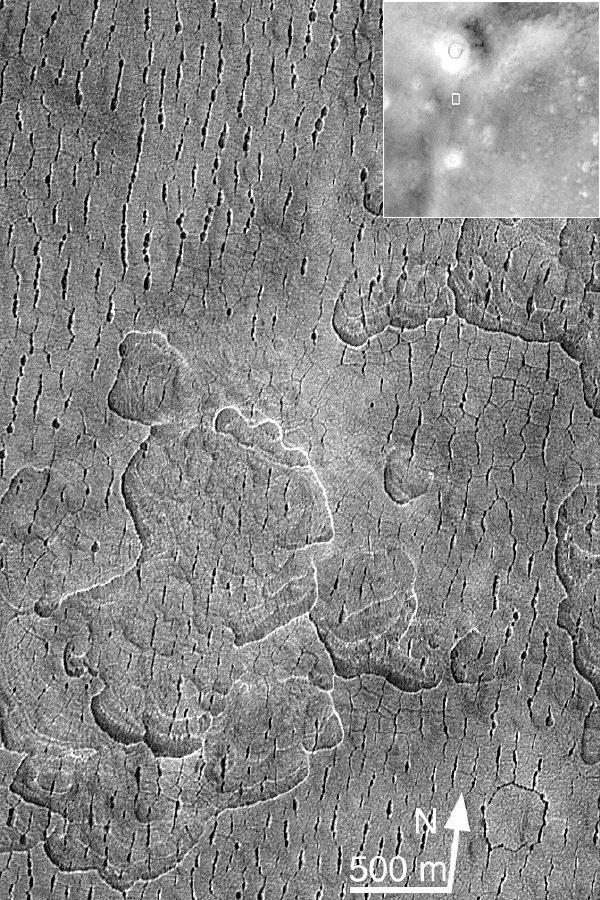
Fractures/Pits in Northern Plains Utopia Plains: 44.9 N, 274.7 W
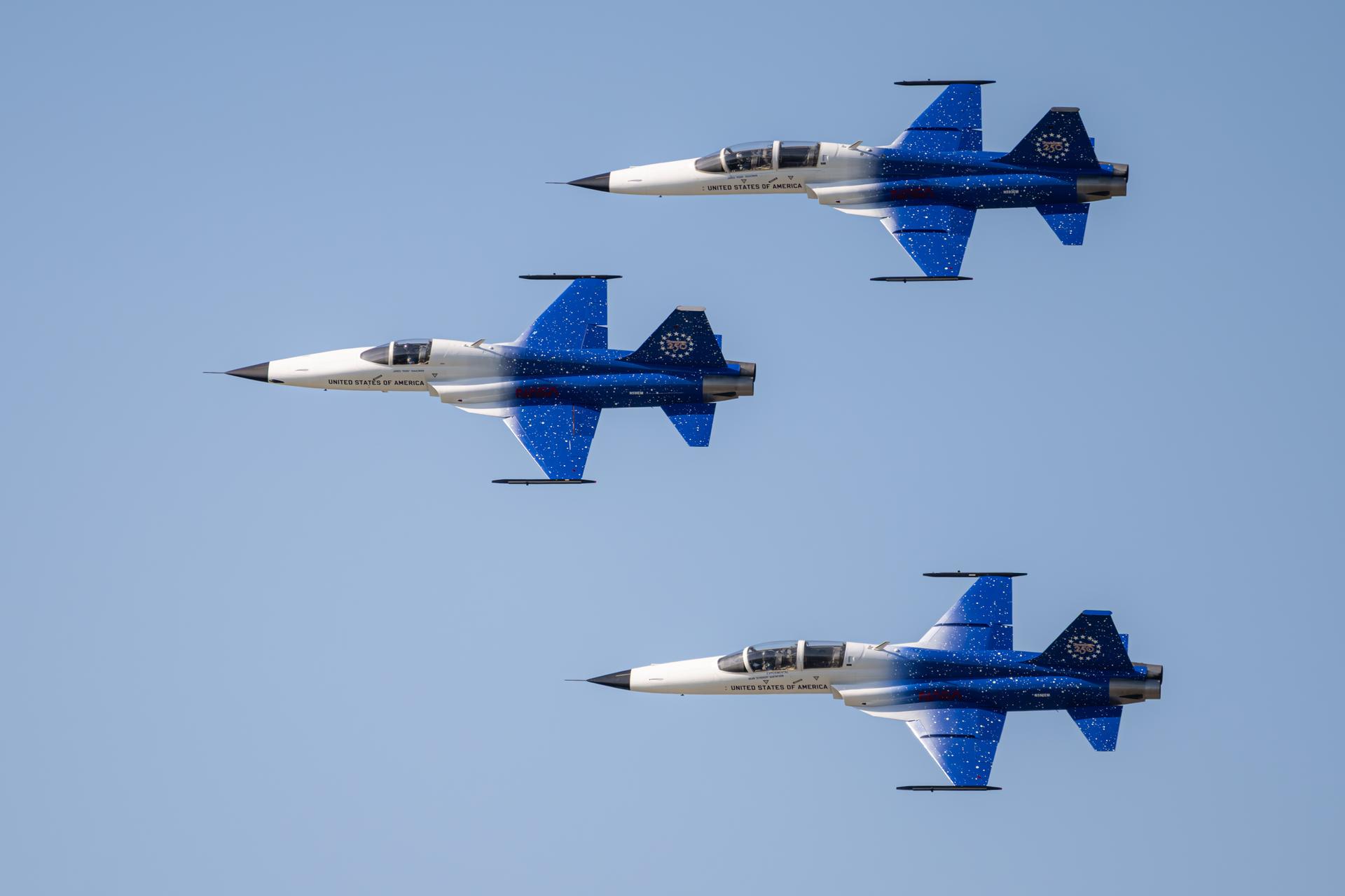
NASA Administrator Jared Isaacman participates in a formation flight with his F-5 aircraft during an air show performance at the SUN ’n FUN Aerospace Expo, Wednesday, Apr. 15, 2026, in Lakeland, Fla. Isaacman was joined by pilots Sean Gustafson, senior advisor to the administrator, and Jerry Kerby. Photo Credit: (NASA/John Kraus)
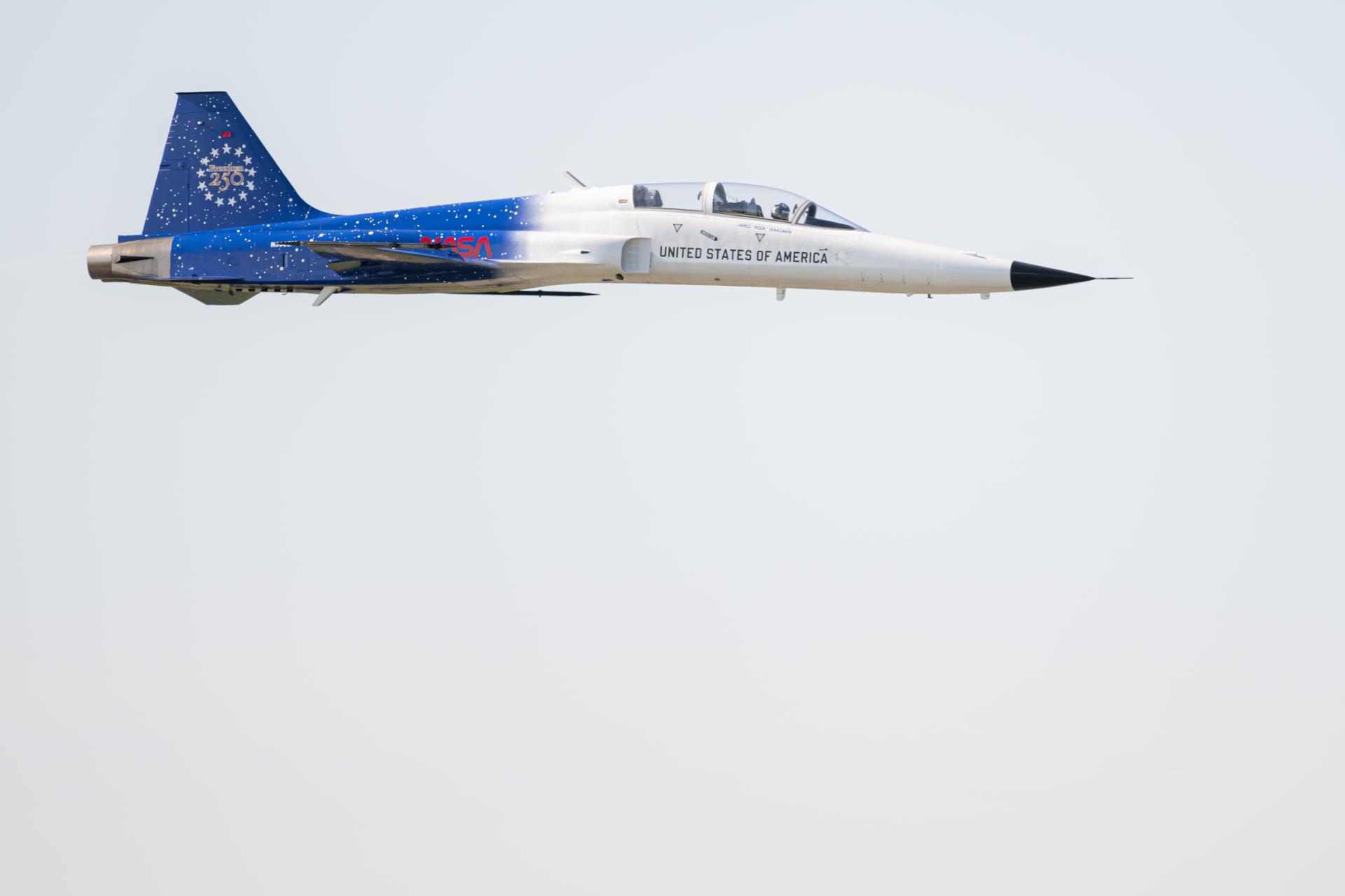
NASA Administrator Jared Isaacman participates in a formation flight with his F-5 aircraft during an air show performance at the SUN ’n FUN Aerospace Expo, Wednesday, Apr. 15, 2026, in Lakeland, Fla. Isaacman was joined by pilots Sean Gustafson, senior advisor to the administrator, and Jerry Kerby. Photo Credit: (NASA/John Kraus)
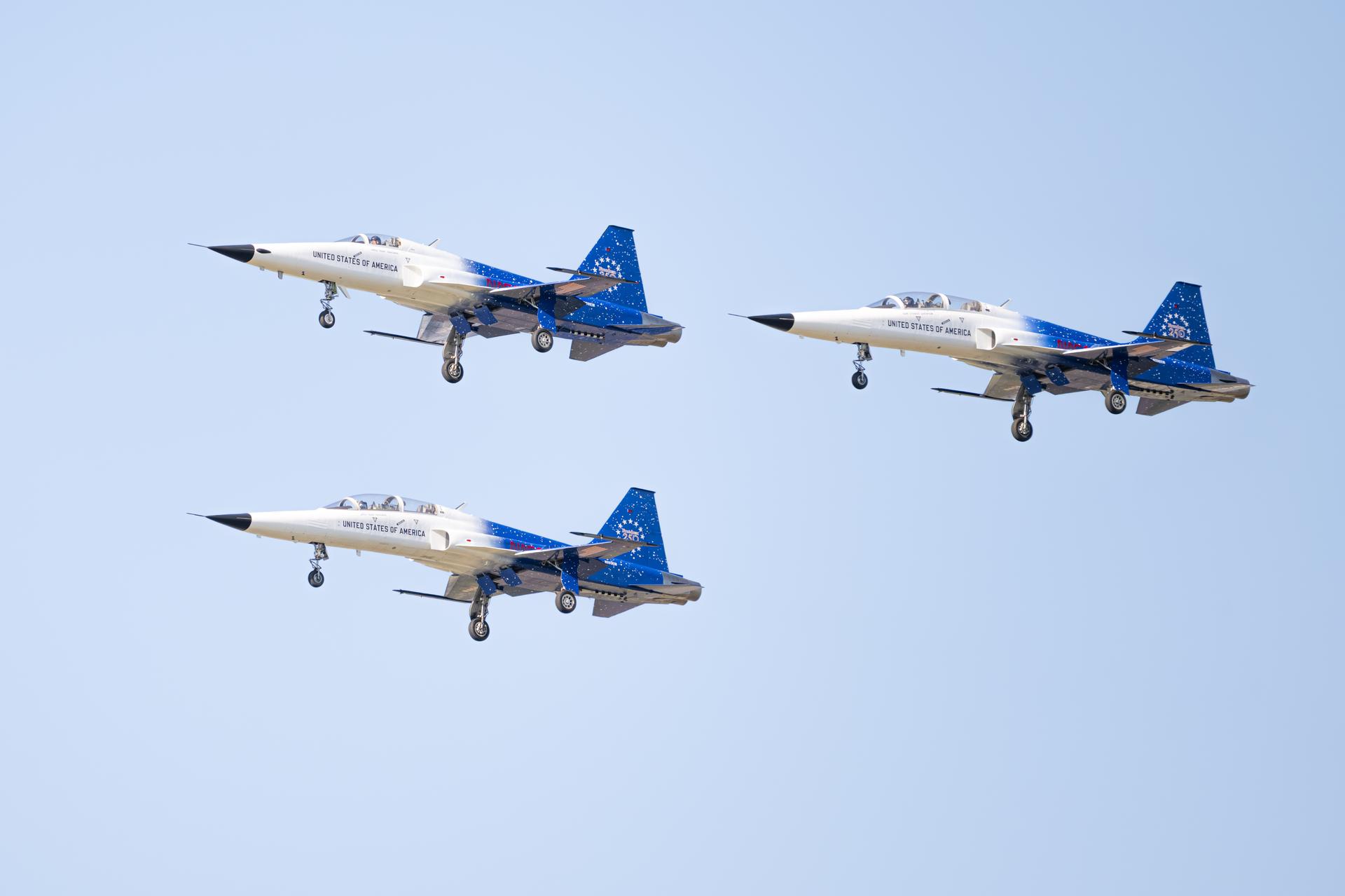
NASA Administrator Jared Isaacman participates in a formation flight with his F-5 aircraft during an air show performance at the SUN ’n FUN Aerospace Expo, Wednesday, Apr. 15, 2026, in Lakeland, Fla. Isaacman was joined by pilots Sean Gustafson, senior advisor to the administrator, and Jerry Kerby. Photo Credit: (NASA/John Kraus)
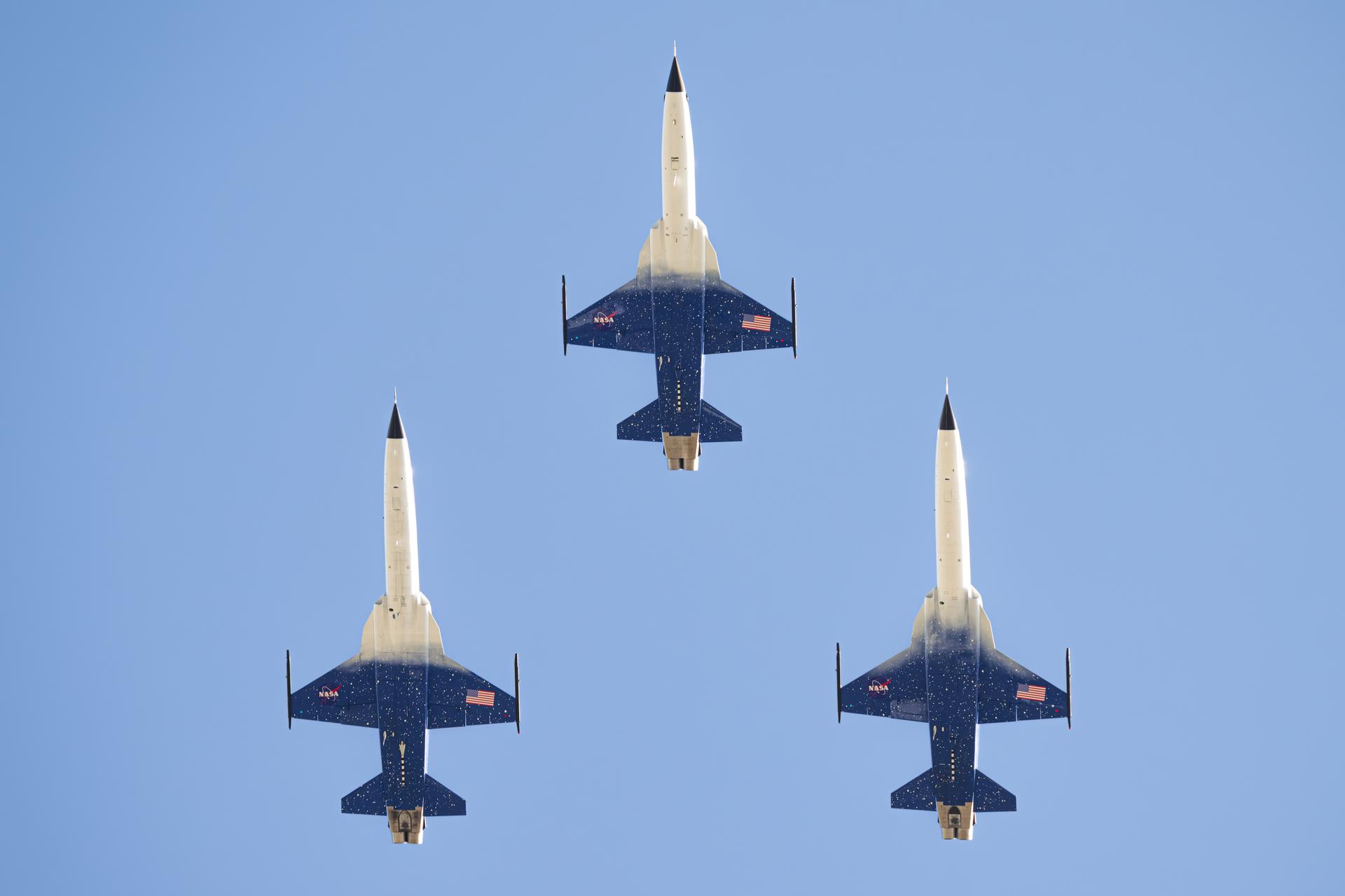
NASA Administrator Jared Isaacman participates in a formation flight with his F-5 aircraft during an air show performance at the SUN ’n FUN Aerospace Expo, Wednesday, Apr. 15, 2026, in Lakeland, Fla. Isaacman was joined by pilots Sean Gustafson, senior advisor to the administrator, and Jerry Kerby. Photo Credit: (NASA/John Kraus)
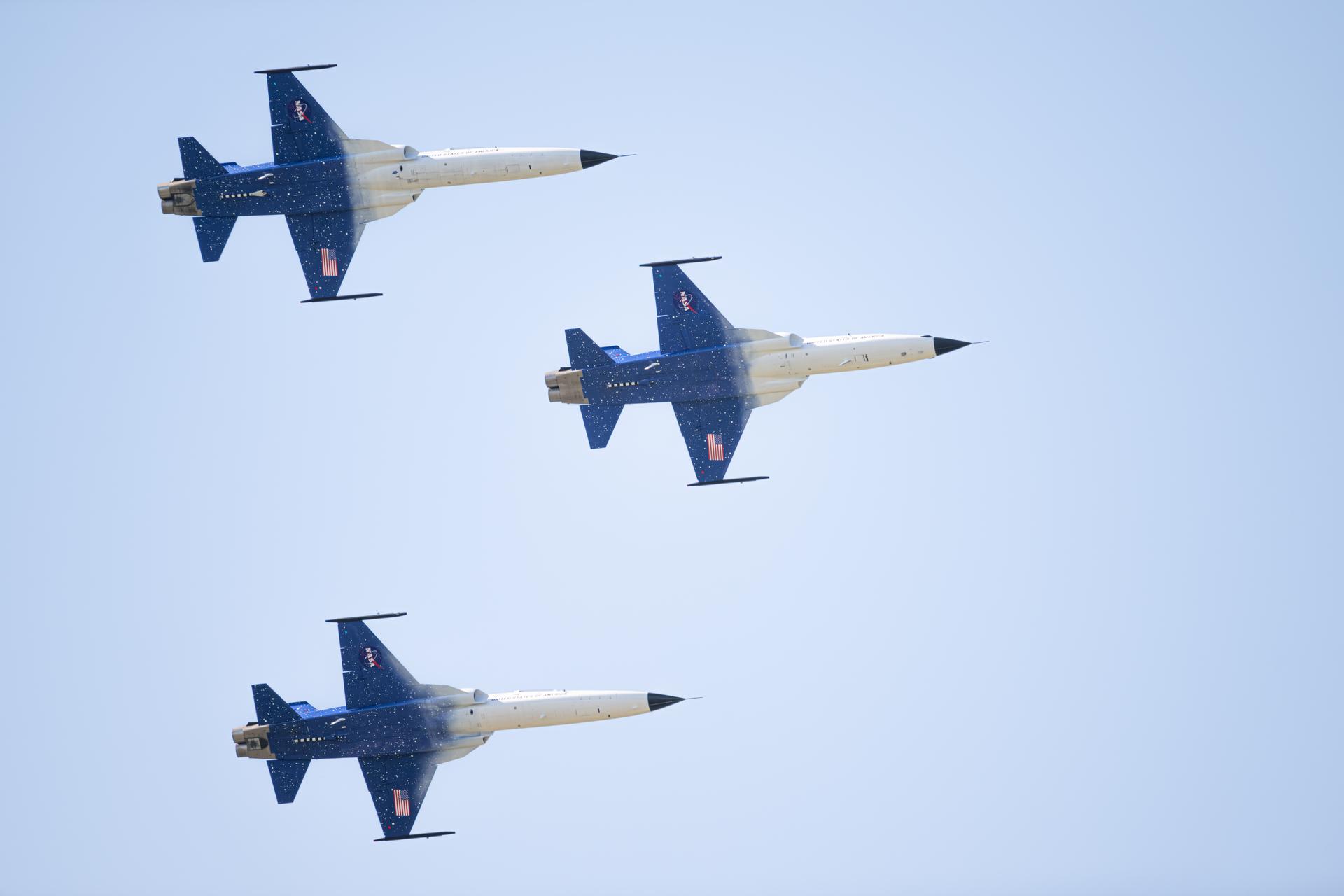
NASA Administrator Jared Isaacman participates in a formation flight with his F-5 aircraft during an air show performance at the SUN ’n FUN Aerospace Expo, Wednesday, Apr. 15, 2026, in Lakeland, Fla. Isaacman was joined by pilots Sean Gustafson, senior advisor to the administrator, and Jerry Kerby. Photo Credit: (NASA/John Kraus)
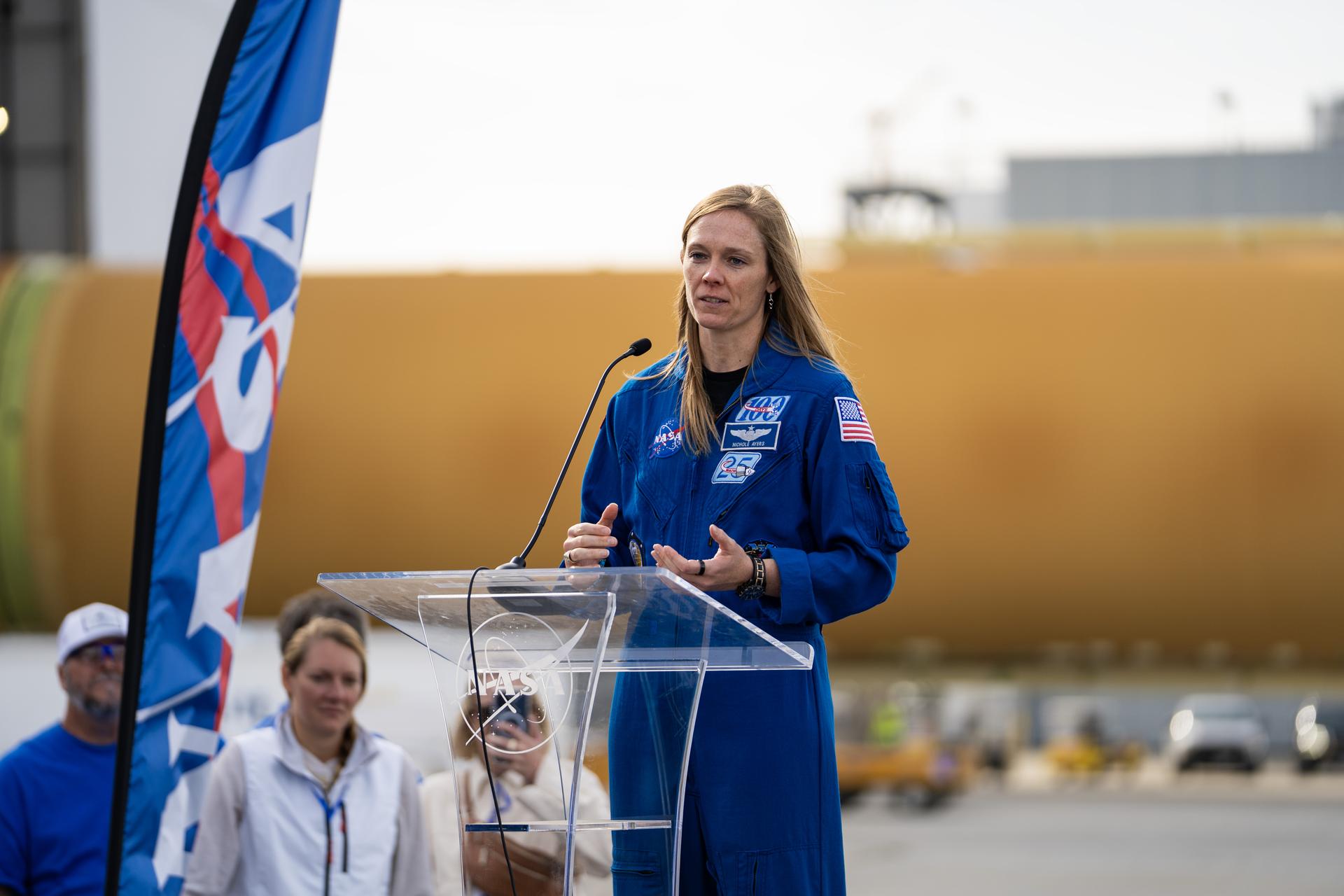
NASA moved the core stage, or the largest section, of the SLS (Space Launch System) rocket that will launch the crewed Artemis III mission in 2027 from the agency’s Michoud Assembly Facility to the agency’s Pegasus barge in New Orleans on April 20. The barge will ferry the top four-fifths – the section containing the liquid hydrogen tank, liquid oxygen tank, intertank, and forward skirt – of the SLS core stage to NASA’s Kennedy Space Center in Florida to complete outfitting and vertical integration. Teams with NASA and Boeing, the SLS core stage lead contractor, used specialized transporters to guide the top four-fifths from the NASA rocket factory to Pegasus. Prior to the move, technicians added an engine section transportation simulator to the rocket stage for shipment to the Space Coast. Next year’s Artemis III mission will launch astronauts to Earth’s orbit aboard the Orion spacecraft on top of SLS to test rendezvous and docking capabilities between Orion and commercial spacecraft needed to land Artemis IV astronauts on the Moon in 2028. NASA’s SLS is the only rocket capable of sending Orion, astronauts, and supplies to the Moon in a single launch.

KENNEDY SPACE CENTER, FLA. - At the Delta Operations Center on Cape Canaveral Air Force Station, Fla., Tibor Nagy, a Pratt and Whitney representative, Wendell Perez (back to camera) and Ed Wagner (right) prepare the Delta second stage nozzle for the Boeing Delta IV launch vehicle for installation. The Delta IV is scheduled to launch the GOES-N satellite in May 2005. Geostationary Operational Environmental Satellites are sponsored by the National Aeronautics and Space Administration (NASA) and the National Oceanic and Atmospheric Administration (NOAA). GOES-N is the first in the next series of GOES satellites, N-P. The multimission GOES series N-P will be a vital contributor to weather, solar and space operations and science. The GOES N-P series will aid activities ranging from severe storm warnings to resource management and advances in science.

KENNEDY SPACE CENTER, FLA. - At the Delta Operations Center on Cape Canaveral Air Force Station, Fla., technicians Duane Miller (left) and Ed Wagner (right) help guide the Delta second stage nozzle for a Boeing Delta IV launch vehicle away from its shipping container. The nozzle is being moved to another site on the floor for inspection. The Delta IV is scheduled to launch the GOES-N satellite in May 2005. Geostationary Operational Environmental Satellites are sponsored by the National Aeronautics and Space Administration (NASA) and the National Oceanic and Atmospheric Administration (NOAA). GOES-N is the first in the next series of GOES satellites, N-P. The multimission GOES series N-P will be a vital contributor to weather, solar and space operations and science. The GOES N-P series will aid activities ranging from severe storm warnings to resource management and advances in science.

KENNEDY SPACE CENTER, FLA. - At the Delta Operations Center on Cape Canaveral Air Force Station, Fla., technicians Duane Miller (left) and Ed Wagner (right) release the crane from the Delta second stage nozzle for a Boeing Delta IV launch vehicle to prepare for installation. The Delta IV is scheduled to launch the GOES-N satellite in May 2005. Geostationary Operational Environmental Satellites are sponsored by the National Aeronautics and Space Administration (NASA) and the National Oceanic and Atmospheric Administration (NOAA). GOES-N is the first in the next series of GOES satellites, N-P. The multimission GOES series N-P will be a vital contributor to weather, solar and space operations and science. The GOES N-P series will aid activities ranging from severe storm warnings to resource management and advances in science.

KENNEDY SPACE CENTER, FLA. - At the Delta Operations Center on Cape Canaveral Air Force Station, Fla., technicians Ed Wagner and Wendell Perez uncrate the Delta second stage nozzle for a Boeing Delta IV launch vehicle. The Delta IV is scheduled to launch the GOES-N satellite in May 2005. Geostationary Operational Environmental Satellites are sponsored by the National Aeronautics and Space Administration (NASA) and the National Oceanic and Atmospheric Administration (NOAA). GOES-N is the first in the next series of GOES satellites, N-P. The multimission GOES series N-P will be a vital contributor to weather, solar and space operations and science. The GOES N-P series will aid activities ranging from severe storm warnings to resource management and advances in science.

KENNEDY SPACE CENTER, FLA. - At the Delta Operations Center on Cape Canaveral Air Force Station, Fla., technicians Duane Miller (left) and Ed Wagner (right) help guide the Delta second stage nozzle for a Boeing Delta IV launch vehicle away from its shipping container. The nozzle is being moved to another site on the floor for inspection. The Delta IV is scheduled to launch the GOES-N satellite in May 2005. Geostationary Operational Environmental Satellites are sponsored by the National Aeronautics and Space Administration (NASA) and the National Oceanic and Atmospheric Administration (NOAA). GOES-N is the first in the next series of GOES satellites, N-P. The multimission GOES series N-P will be a vital contributor to weather, solar and space operations and science. The GOES N-P series will aid activities ranging from severe storm warnings to resource management and advances in science.

KENNEDY SPACE CENTER, FLA. - At the Delta Operations Center on Cape Canaveral Air Force Station, Fla., technician Ed Wagner inspects the Delta second stage nozzle for a Boeing Delta IV launch vehicle after it was uncrated. The Delta IV is scheduled to launch the GOES-N satellite in May 2005. Geostationary Operational Environmental Satellites are sponsored by the National Aeronautics and Space Administration (NASA) and the National Oceanic and Atmospheric Administration (NOAA). GOES-N is the first in the next series of GOES satellites, N-P. The multimission GOES series N-P will be a vital contributor to weather, solar and space operations and science. The GOES N-P series will aid activities ranging from severe storm warnings to resource management and advances in science.

KENNEDY SPACE CENTER, FLA. - At the Delta Operations Center on Cape Canaveral Air Force Station, Fla., Bob McMillan (left), Wendell Perez (back to camera) and Ed Wagner (right) help prepare Delta second stage the nozzle for the Boeing Delta IV launch vehicle for installation. The Delta IV is scheduled to launch the GOES-N satellite in May 2005. Geostationary Operational Environmental Satellites are sponsored by the National Aeronautics and Space Administration (NASA) and the National Oceanic and Atmospheric Administration (NOAA). GOES-N is the first in the next series of GOES satellites, N-P. The multimission GOES series N-P will be a vital contributor to weather, solar and space operations and science. The GOES N-P series will aid activities ranging from severe storm warnings to resource management and advances in science.

KENNEDY SPACE CENTER, FLA. - At the Delta Operations Center on Cape Canaveral Air Force Station, Fla., Wendell Perez checks an overhead crane being attached to the Delta second stage nozzle for a Boeing Delta IV launch vehicle. The nozzle is being lifted from its shipping container and moved to another site on the floor for inspection. The Delta IV is scheduled to launch the GOES-N satellite in May 2005. Geostationary Operational Environmental Satellites are sponsored by the National Aeronautics and Space Administration (NASA) and the National Oceanic and Atmospheric Administration (NOAA). GOES-N is the first in the next series of GOES satellites, N-P. The multimission GOES series N-P will be a vital contributor to weather, solar and space operations and science. The GOES N-P series will aid activities ranging from severe storm warnings to resource management and advances in science.

KENNEDY SPACE CENTER, FLA. - At the Delta Operations Center on Cape Canaveral Air Force Station, Fla., Tibor Nagy and Bob McMillan, at left, make the initial nozzle inspection of the Delta second stage nozzle for a Boeing Delta IV launch vehicle. The Delta IV is scheduled to launch the GOES-N satellite in May 2005. Geostationary Operational Environmental Satellites are sponsored by the National Aeronautics and Space Administration (NASA) and the National Oceanic and Atmospheric Administration (NOAA). GOES-N is the first in the next series of GOES satellites, N-P. The multimission GOES series N-P will be a vital contributor to weather, solar and space operations and science. The GOES N-P series will aid activities ranging from severe storm warnings to resource management and advances in science.
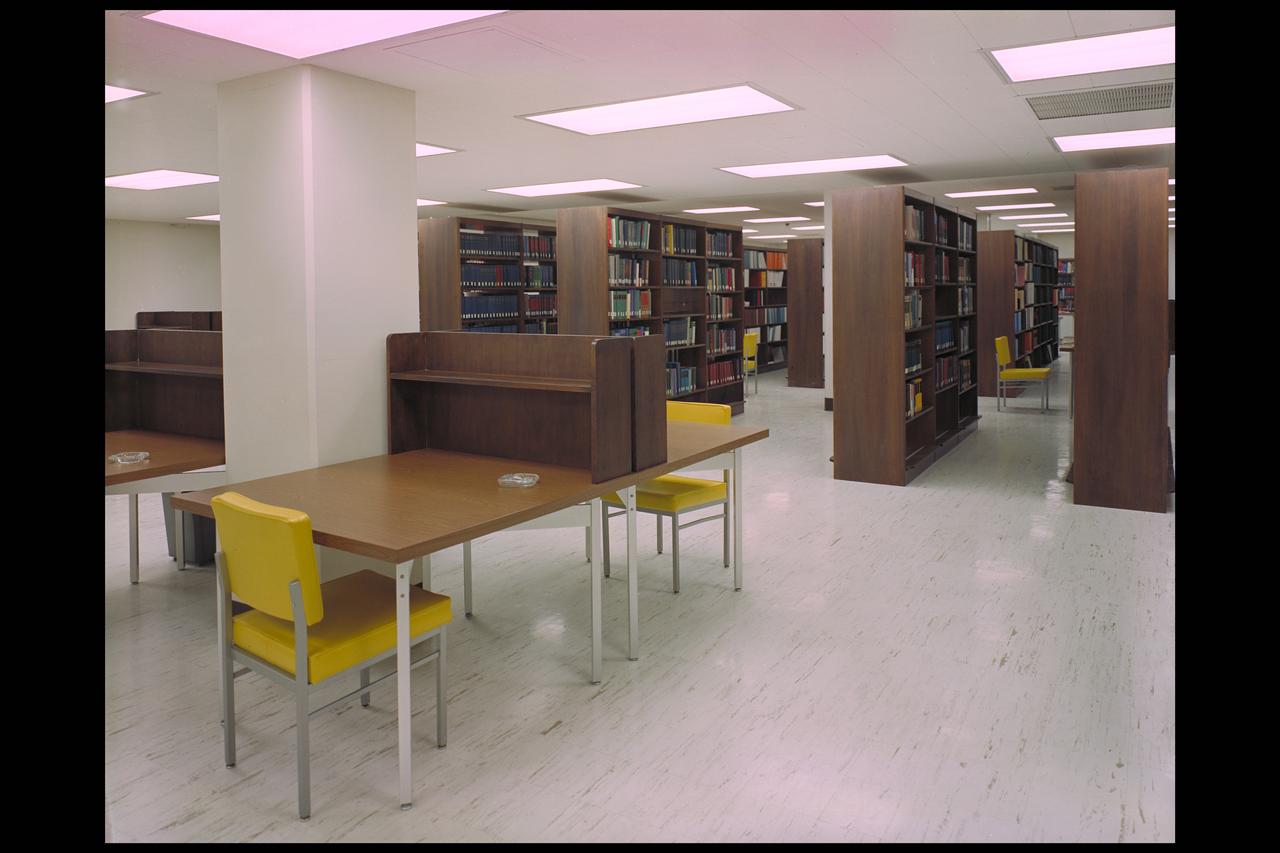
N-202 Mail Library
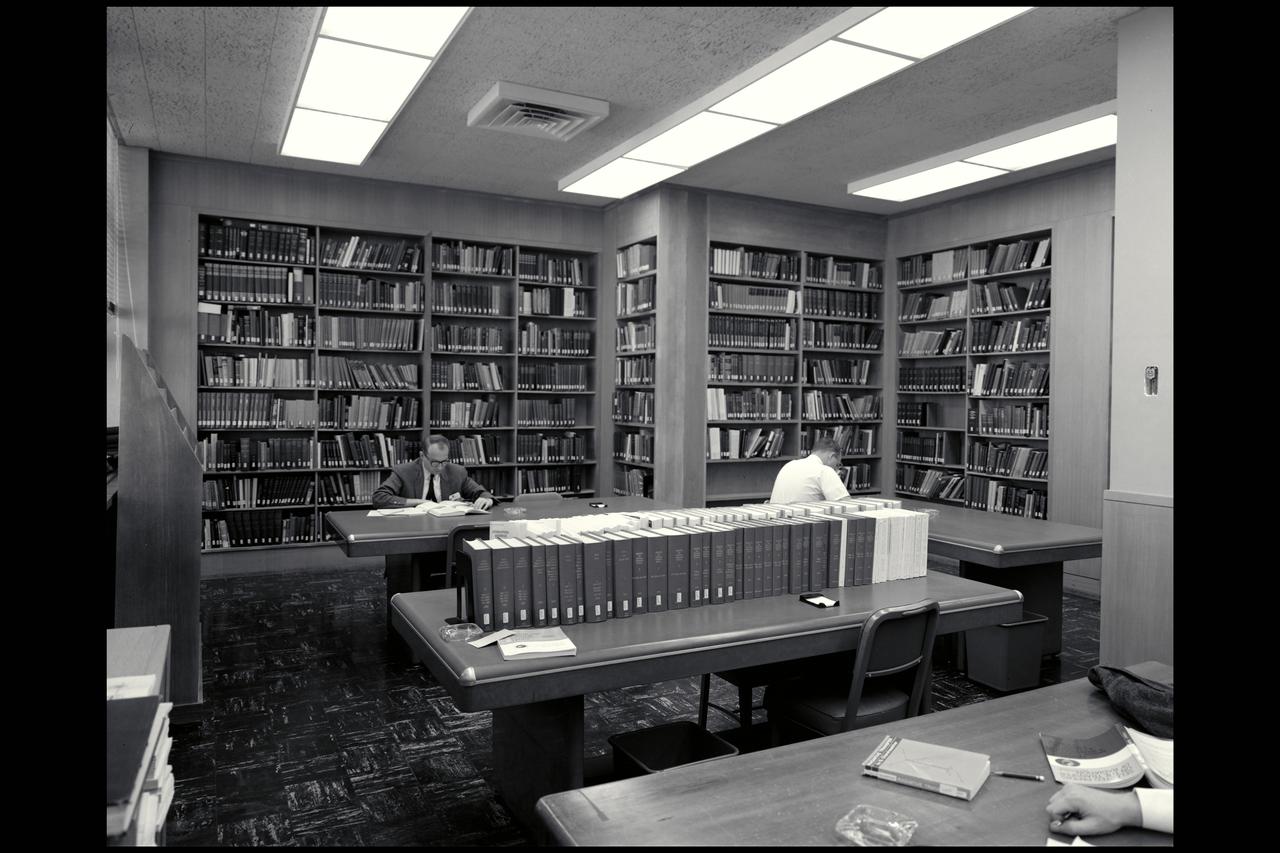
N-202 Main Library
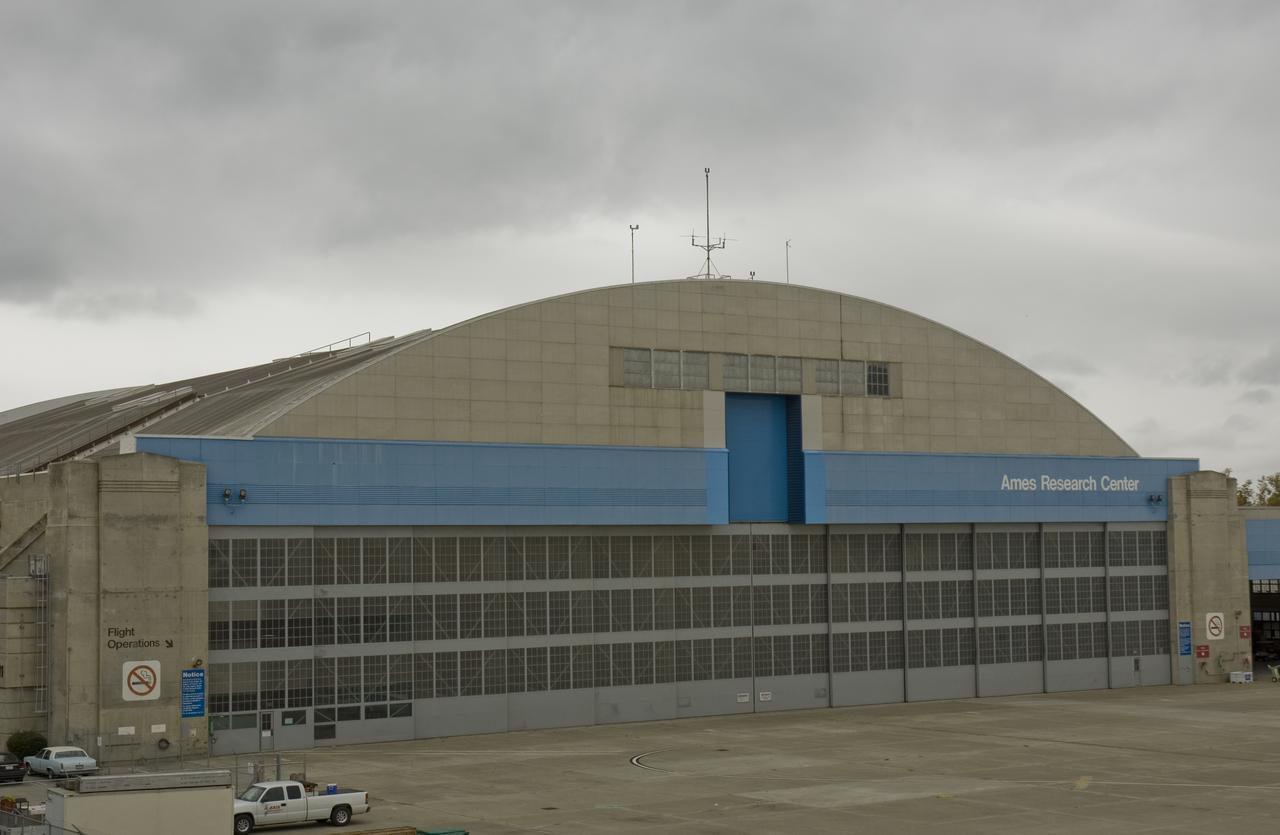
N-211 Ames Hangar - ground views

N-211 Ames Hangar - ground views

N-211 Ames Hangar - ground views

N-211 Ames Hangar - ground views
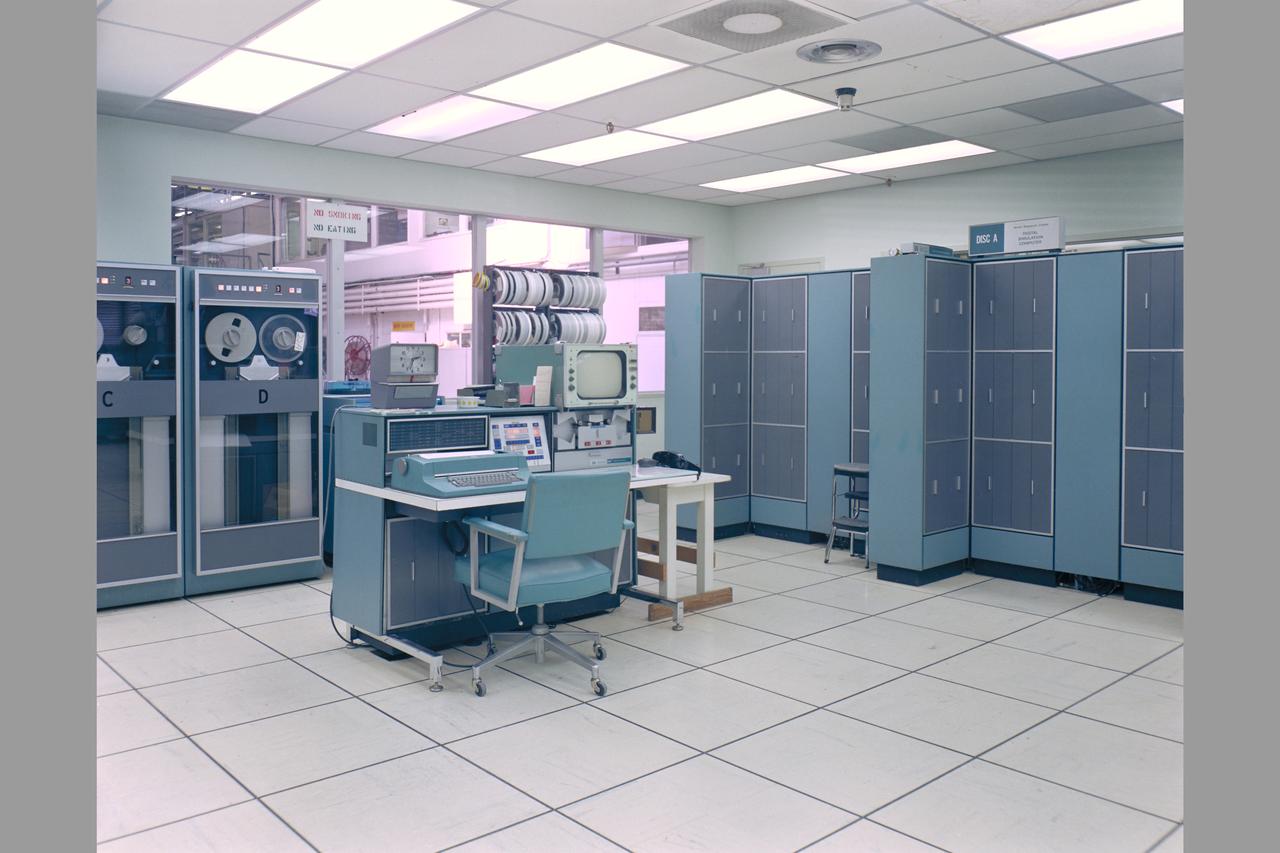
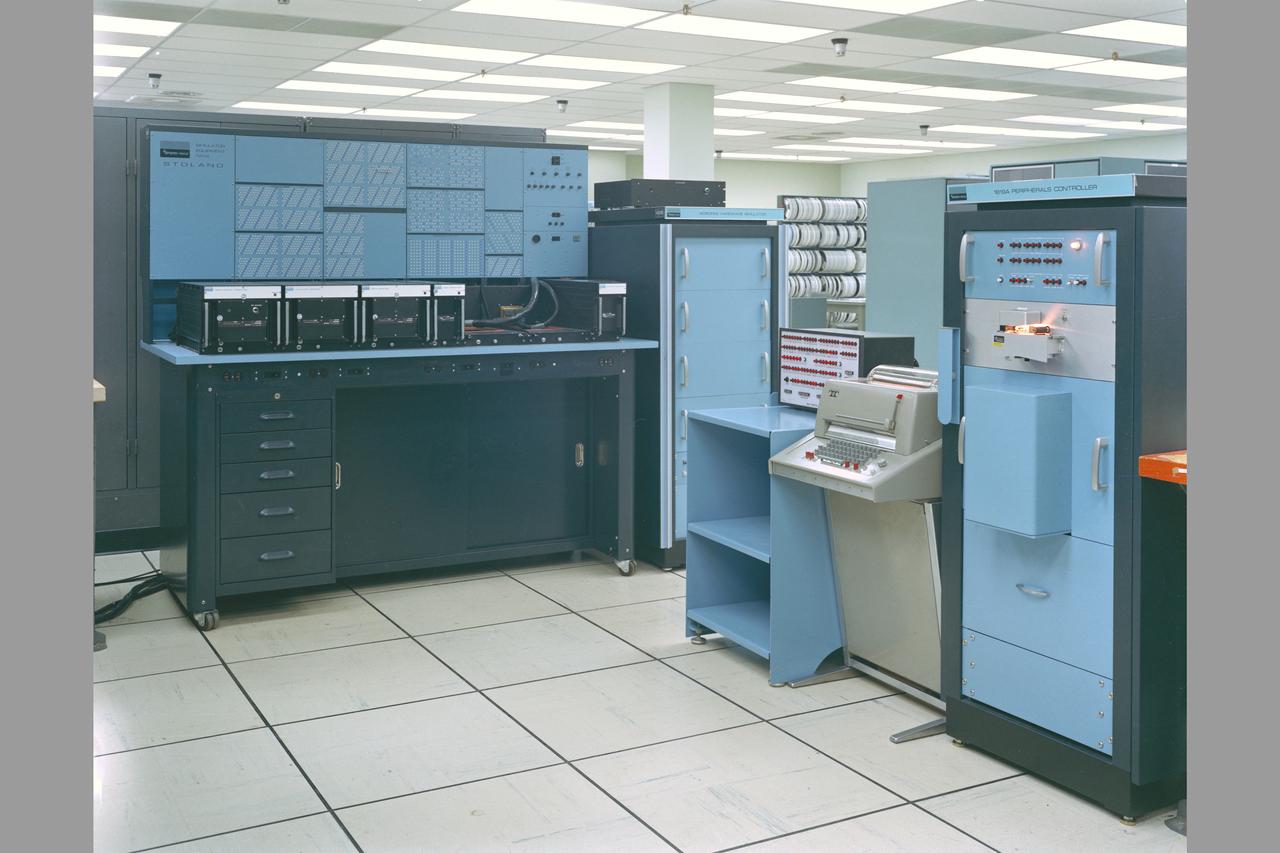
N-210 STOLAND Simulation: EAI 8400 Aircraft Simulation.
N-210 STOLAND Simulation: Analog to digital and digital to analog coverter
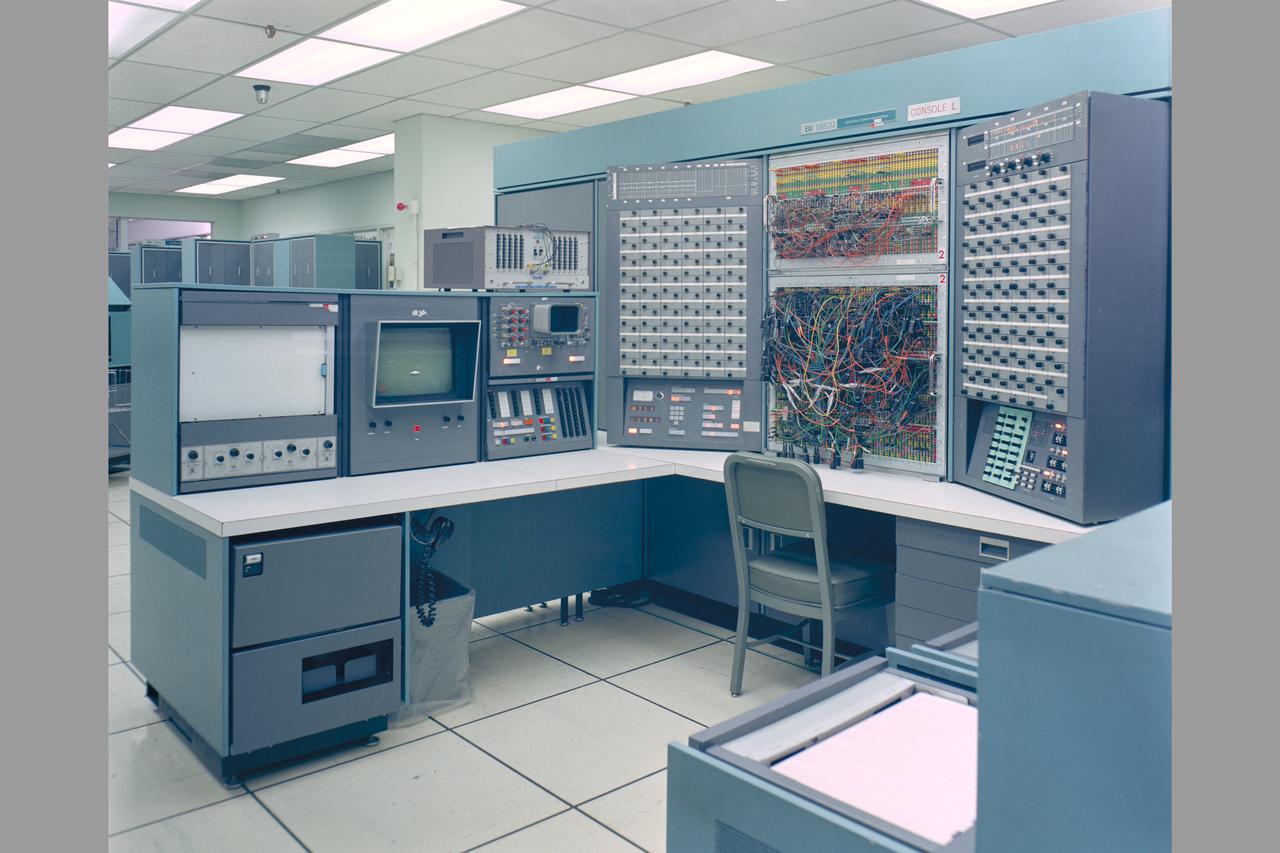
N-210 STOLAND Simulation: EAI 8800 SERVO Simulation.
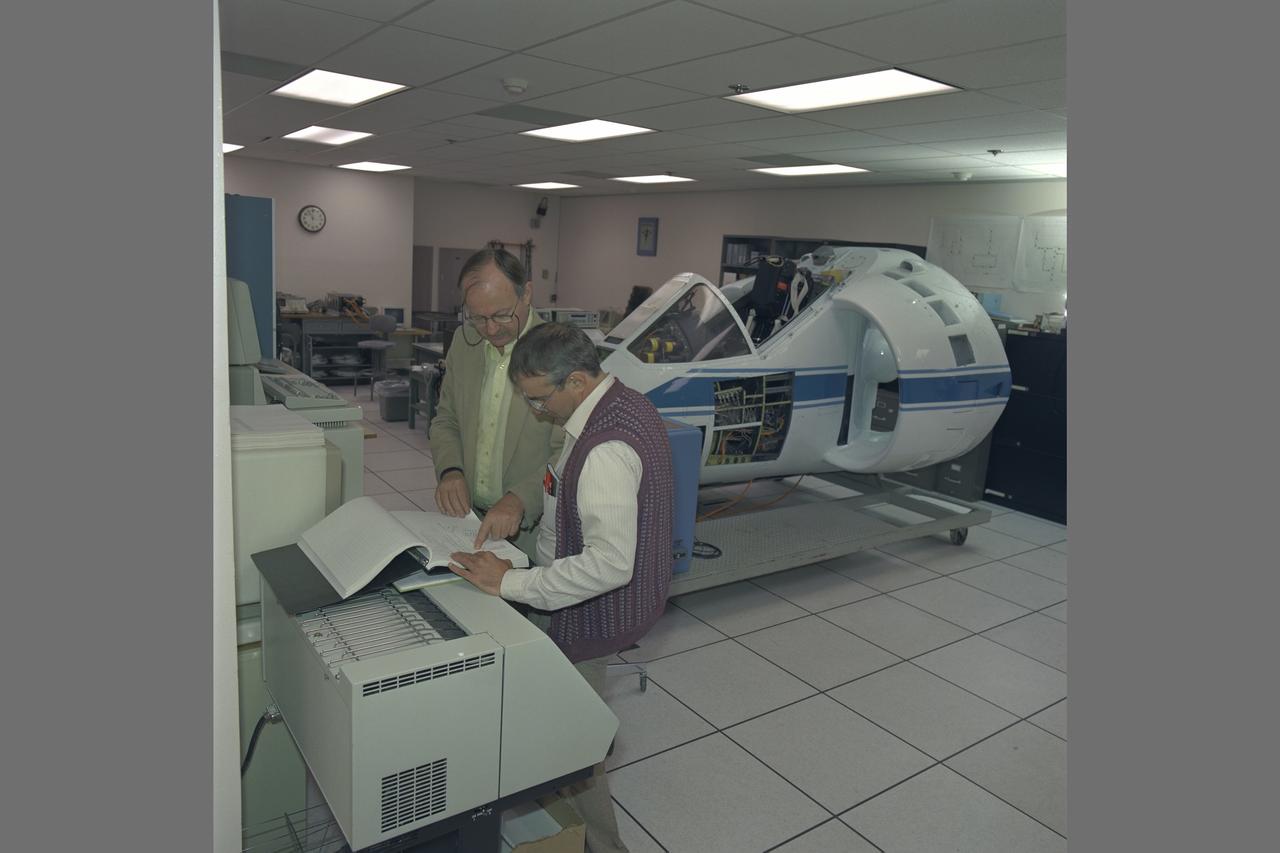
N-210 VSRA simulator and cockpit with Stuart Anderson and Cas Lesiak
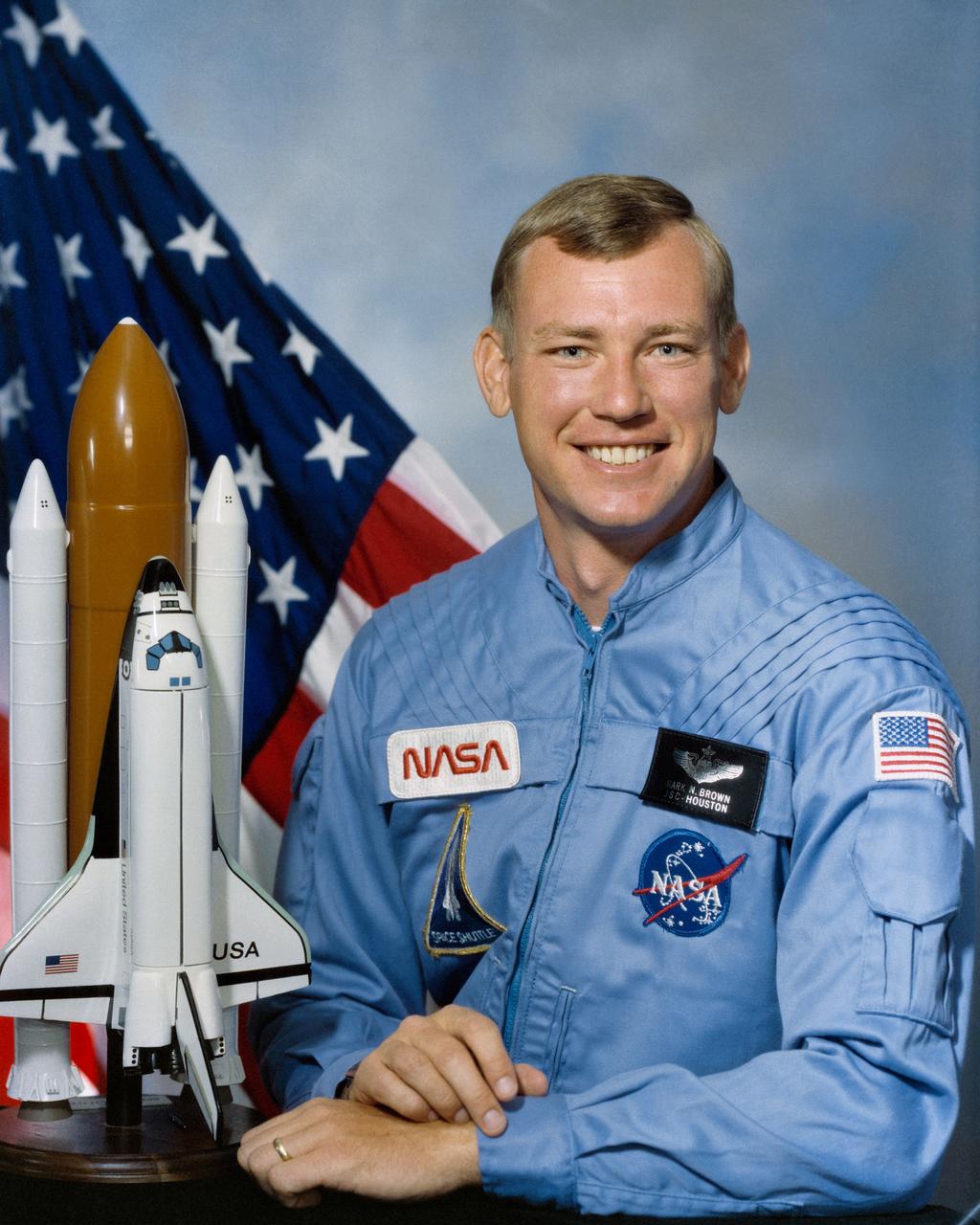
S84-39440 (September 1984) --- Astronaut Mark N. Brown.
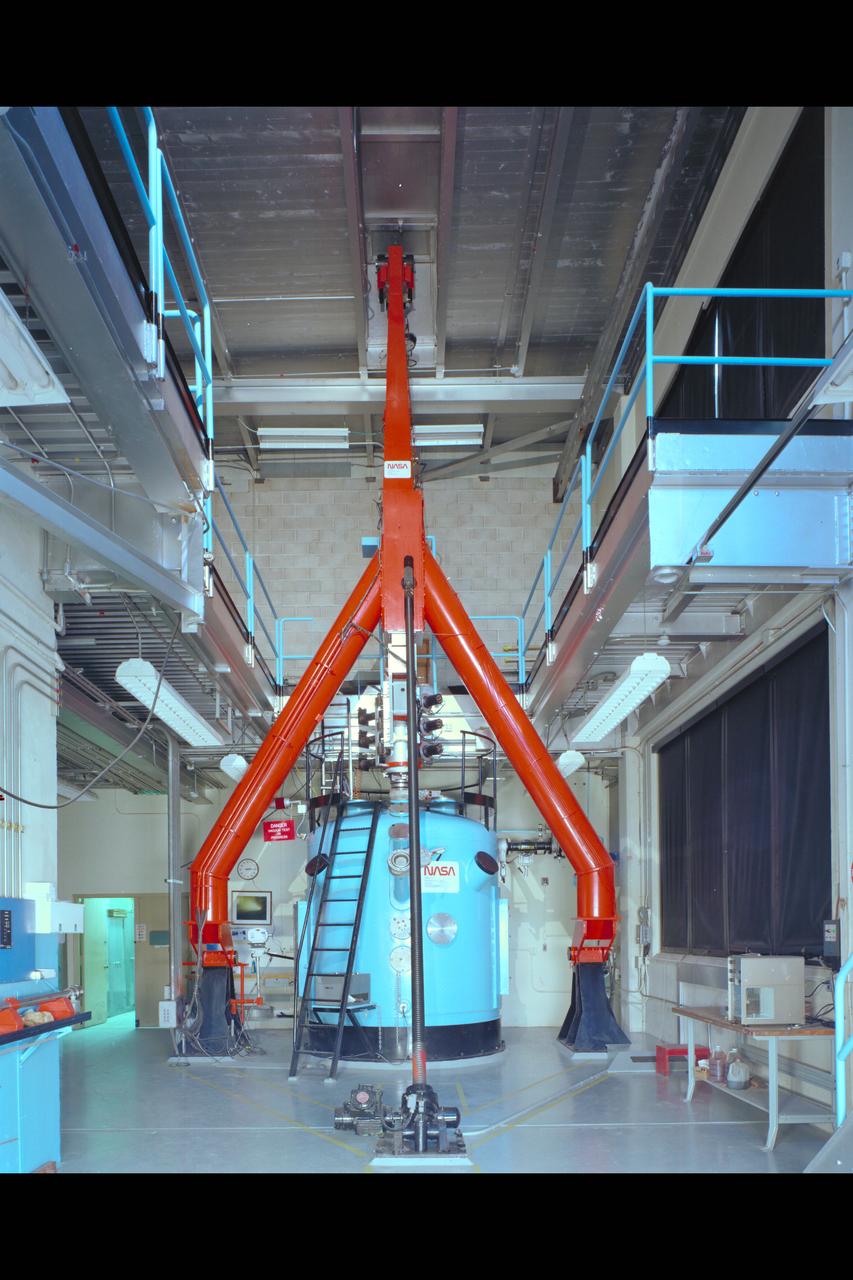
N-204A Verticle Gun is used to simulate the physics and mechanics of planetaryimpact cratering phenomena. (gun shown in vertical position
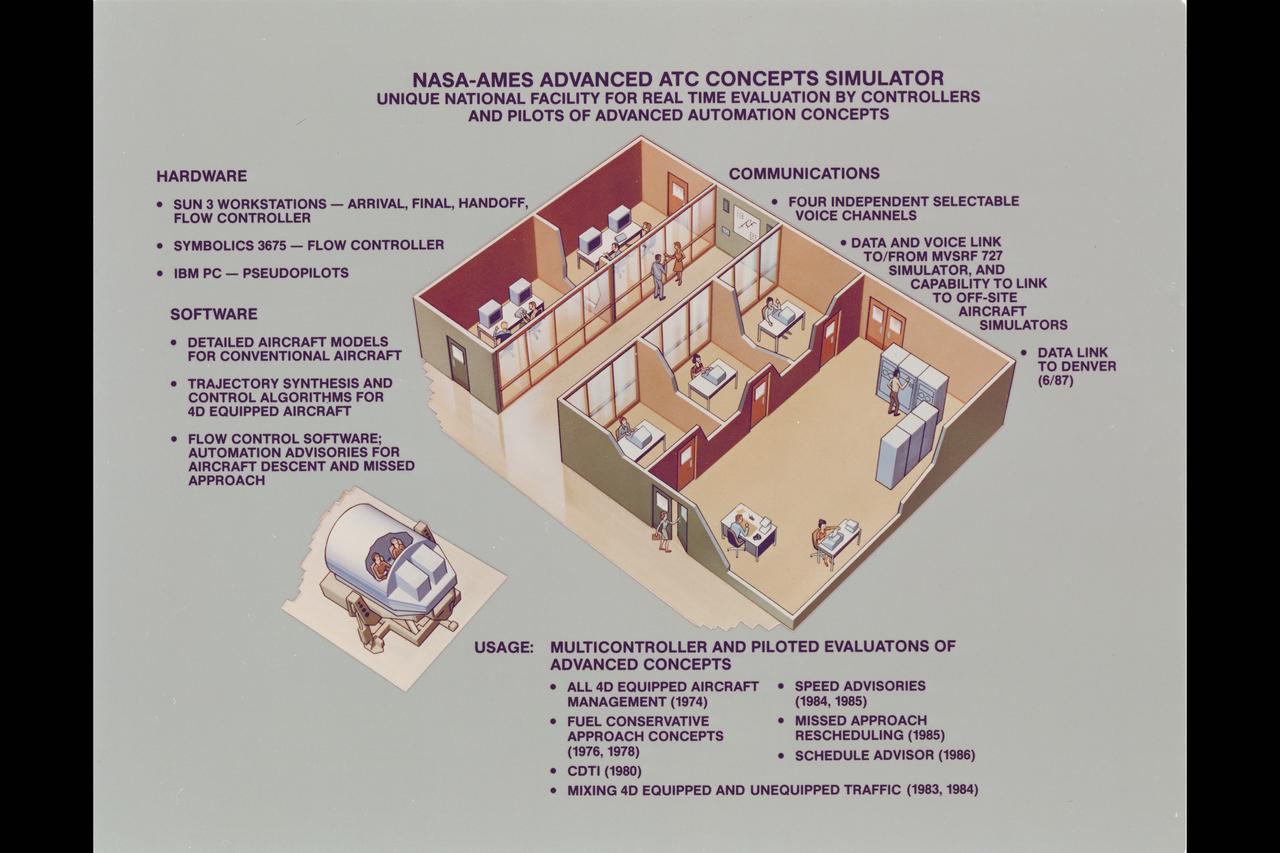
Illustration N-257 Advanced ATC Concepts simulator: unicqu national facility for treal time evalation by controllers and pilots of advanced automation concepts (Cutaway artwork)
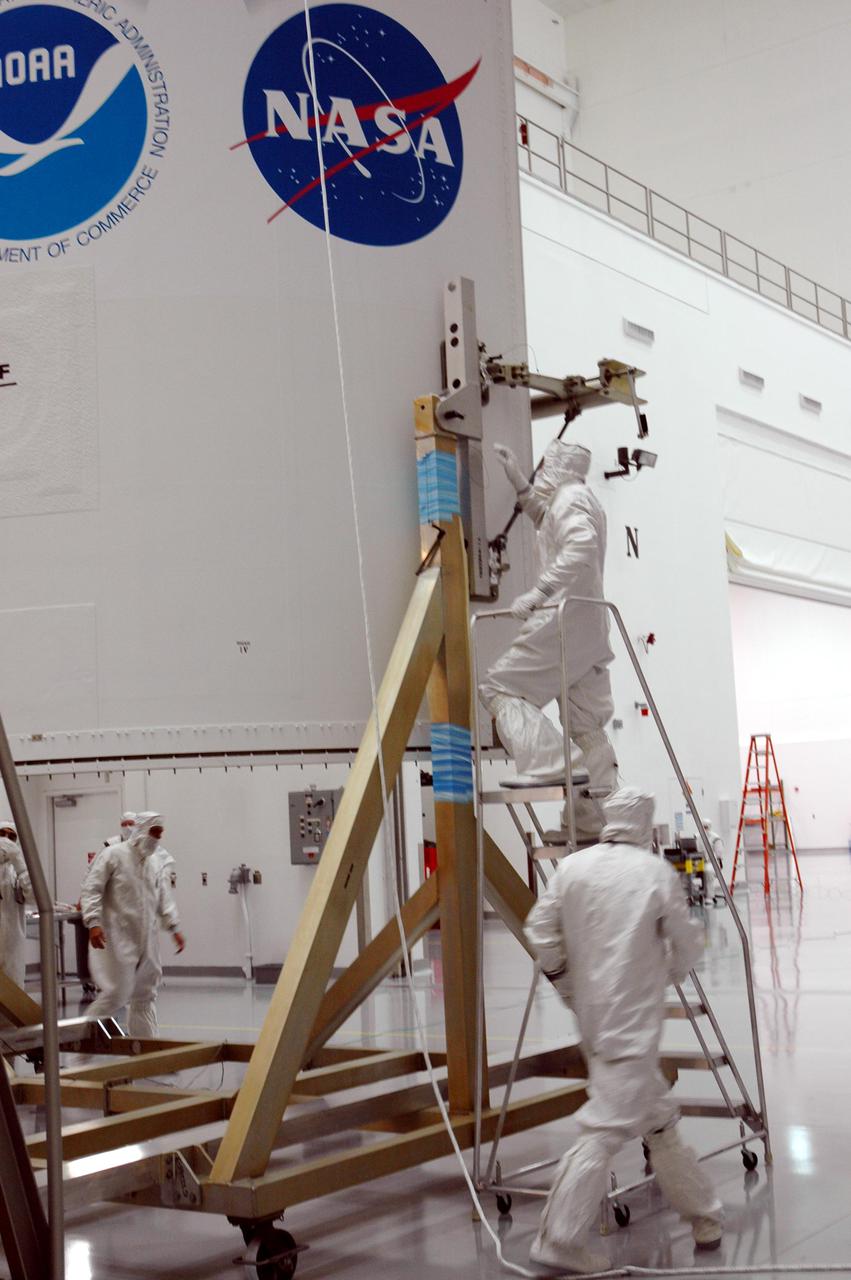
KENNEDY SPACE CENTER, FLA. - At Astrotech Space Operations in Titusville, Fla., workers help place the first half of the fairing around the GOES-N spacecraft. The fairing protects the spacecraft during launch. Geostationary Operational Environmental Satellites (GOES) are sponsored by NASA’s Goddard Space Flight Center and the National Oceanic and Atmospheric Administration. GOES-N is targeted to launch June 23 from Launch Complex 37 at Cape Canaveral Air Force Station in Florida.
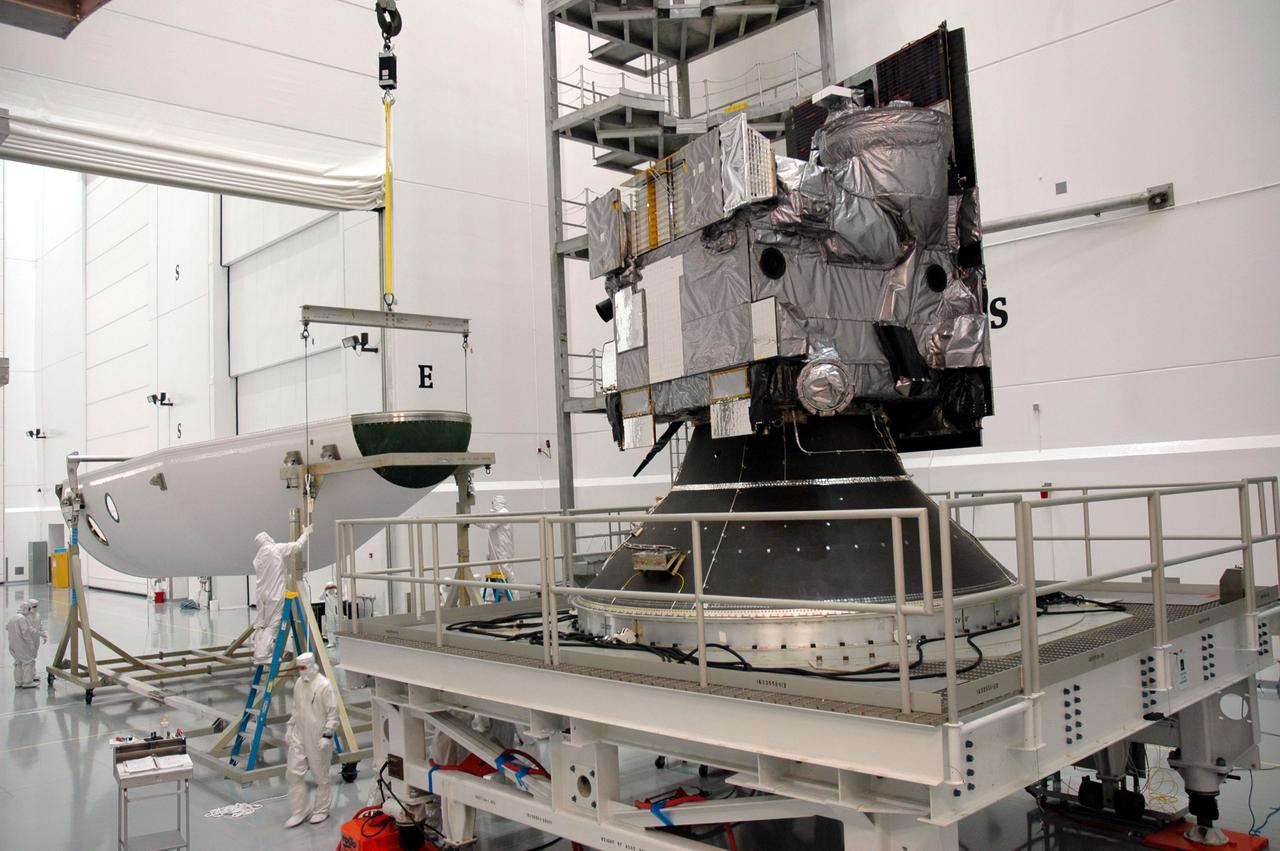
KENNEDY SPACE CENTER, FLA. - At Astrotech Space Operations in Titusville, Fla., workers at left prepare the first half of the fairing for its lift to vertical. The fairing will be placed around the GOES-N spacecraft at right to protect it during launch. Geostationary Operational Environmental Satellites (GOES) are sponsored by NASA’s Goddard Space Flight Center and the National Oceanic and Atmospheric Administration. GOES-N is targeted to launch June 23 from Launch Complex 37 at Cape Canaveral Air Force Station in Florida.

KENNEDY SPACE CENTER, FLA. - At Astrotech Space Operations in Titusville, Fla., the two halves of the fairing come together around the GOES-N spacecraft. The fairing protects the spacecraft during launch. Geostationary Operational Environmental Satellites (GOES) are sponsored by NASA’s Goddard Space Flight Center and the National Oceanic and Atmospheric Administration. GOES-N is targeted to launch June 23 from Launch Complex 37 at Cape Canaveral Air Force Station in Florida.
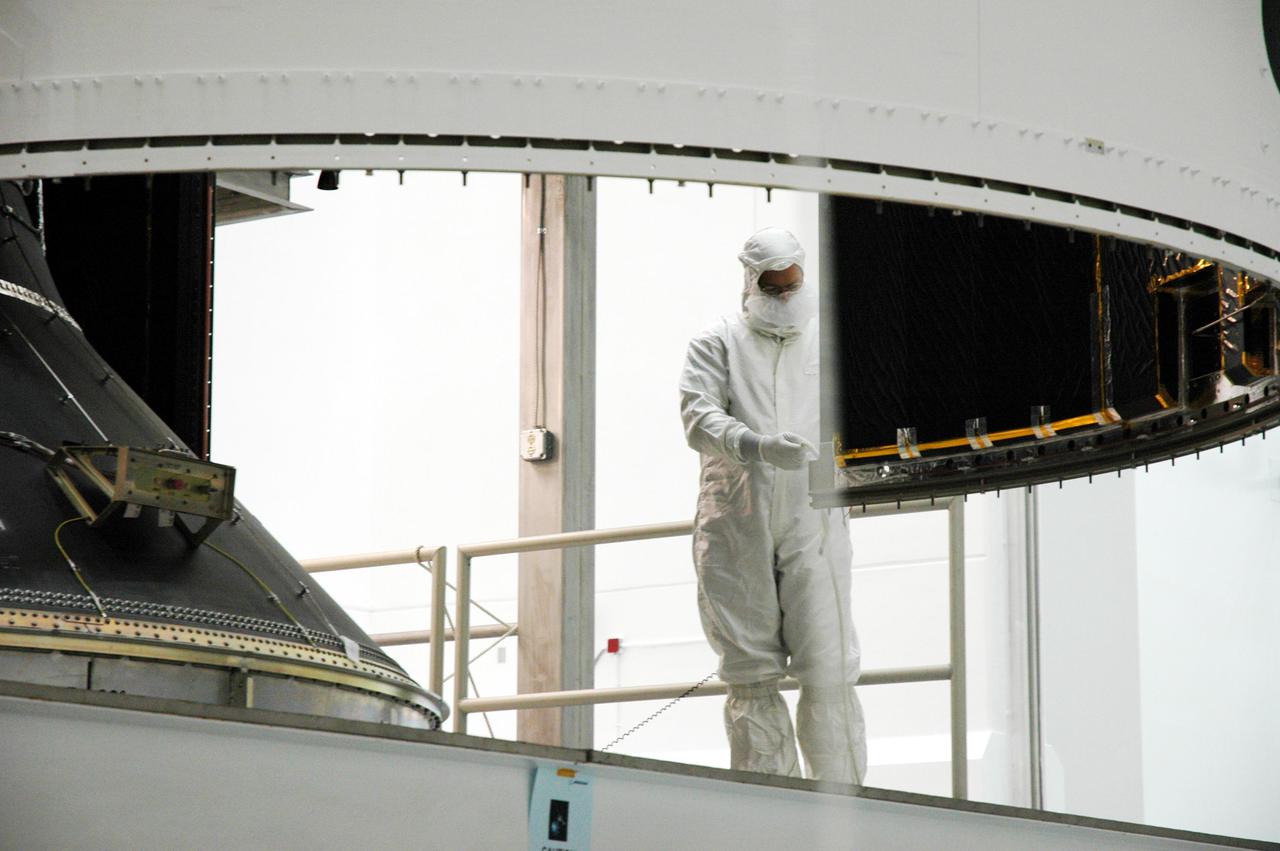
KENNEDY SPACE CENTER, FLA. - At Astrotech Space Operations in Titusville, Fla., a worker helps guide the second half of the fairing as it is moved into place around the GOES-N spacecraft. It will be attached to the first half already in place. The fairing protects the spacecraft during launch. Geostationary Operational Environmental Satellites (GOES) are sponsored by NASA’s Goddard Space Flight Center and the National Oceanic and Atmospheric Administration. GOES-N is targeted to launch June 23 from Launch Complex 37 at Cape Canaveral Air Force Station in Florida.

KENNEDY SPACE CENTER, FLA. - At Astrotech Space Operations in Titusville, Fla., the second half of the fairing is lifted in order to install it around the GOES-N spacecraft (center). The fairing protects the spacecraft during launch. Geostationary Operational Environmental Satellites (GOES) are sponsored by NASA’s Goddard Space Flight Center and the National Oceanic and Atmospheric Administration. GOES-N is targeted to launch June 23 from Launch Complex 37 at Cape Canaveral Air Force Station in Florida.

KENNEDY SPACE CENTER, FLA. - At Astrotech Space Operations in Titusville, Fla., the second half of the fairing is being lifted toward the GOES-N spacecraft at left. It will be attached to the first half already in place. The fairing protects the spacecraft during launch. Geostationary Operational Environmental Satellites (GOES) are sponsored by NASA’s Goddard Space Flight Center and the National Oceanic and Atmospheric Administration. GOES-N is targeted to launch June 23 from Launch Complex 37 at Cape Canaveral Air Force Station in Florida.

KENNEDY SPACE CENTER, FLA. - At Astrotech Space Operations in Titusville, Fla., workers make adjustments to the fairing being installed around the GOES-N spacecraft. The fairing protects the spacecraft during launch. Geostationary Operational Environmental Satellites (GOES) are sponsored by NASA’s Goddard Space Flight Center and the National Oceanic and Atmospheric Administration. GOES-N is targeted to launch June 23 from Launch Complex 37 at Cape Canaveral Air Force Station in Florida.
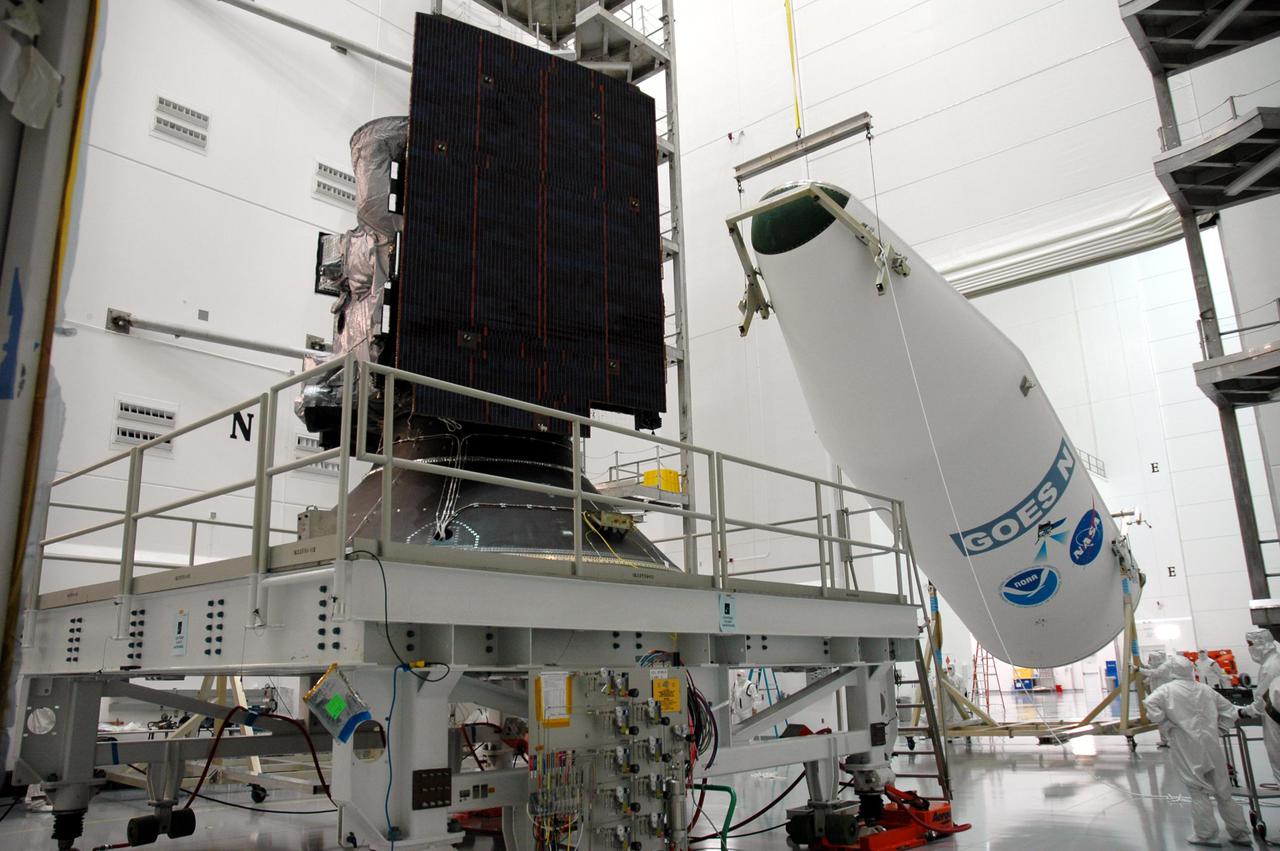
KENNEDY SPACE CENTER, FLA. - At Astrotech Space Operations in Titusville, Fla., one half of the fairing is lifted in order to install it around the GOES-N spacecraft (center). The fairing protects the spacecraft during launch. Geostationary Operational Environmental Satellites (GOES) are sponsored by NASA’s Goddard Space Flight Center and the National Oceanic and Atmospheric Administration. GOES-N is targeted to launch June 23 from Launch Complex 37 at Cape Canaveral Air Force Station in Florida.
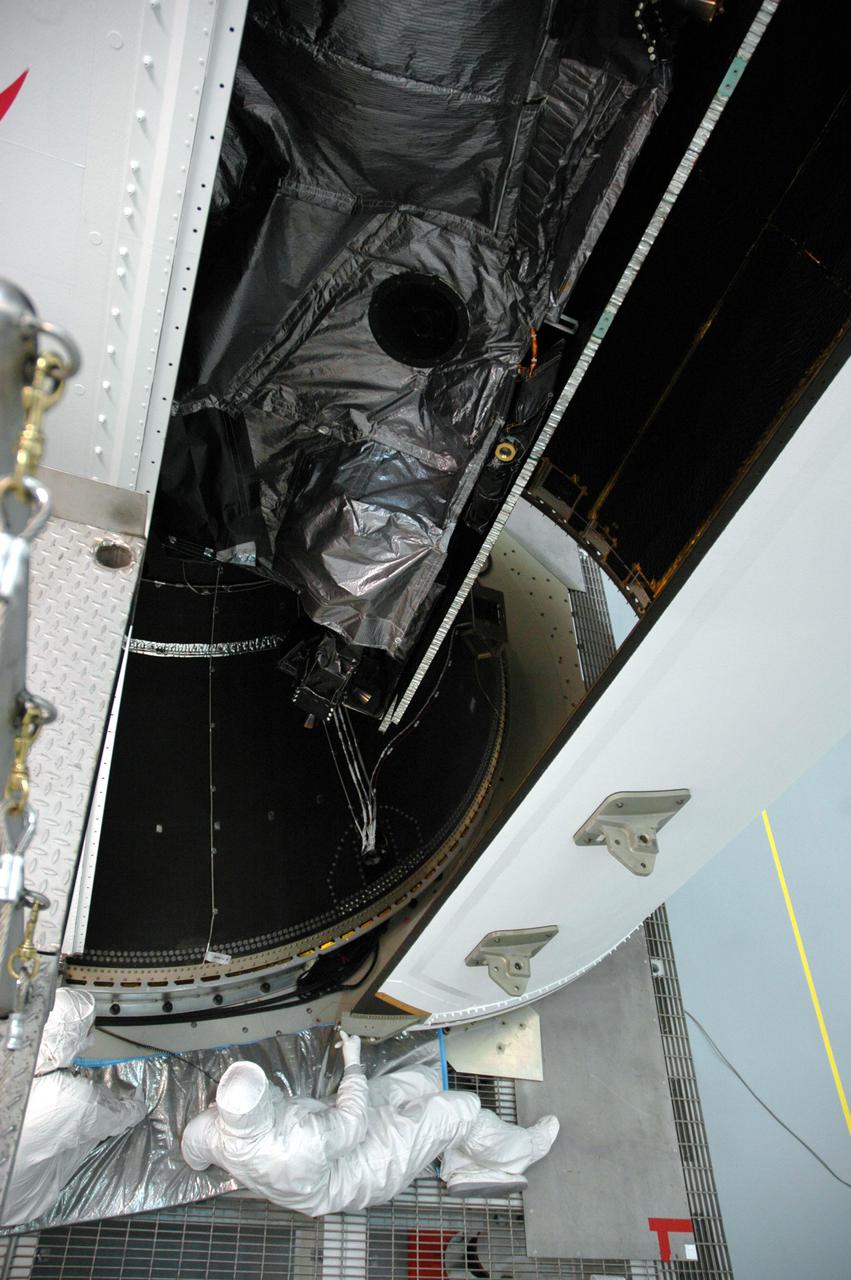
KENNEDY SPACE CENTER, FLA. - At Astrotech Space Operations in Titusville, Fla., a worker helps guide the second half of the fairing as it is moved into place around the GOES-N spacecraft. It will be attached to the first half already in place. The fairing protects the spacecraft during launch. Geostationary Operational Environmental Satellites (GOES) are sponsored by NASA’s Goddard Space Flight Center and the National Oceanic and Atmospheric Administration. GOES-N is targeted to launch June 23 from Launch Complex 37 at Cape Canaveral Air Force Station in Florida.

KENNEDY SPACE CENTER, FLA. - At Astrotech Space Operations in Titusville, Fla., workers make adjustments to the fairing being installed around the GOES-N spacecraft. The fairing protects the spacecraft during launch. Geostationary Operational Environmental Satellites (GOES) are sponsored by NASA’s Goddard Space Flight Center and the National Oceanic and Atmospheric Administration. GOES-N is targeted to launch June 23 from Launch Complex 37 at Cape Canaveral Air Force Station in Florida.
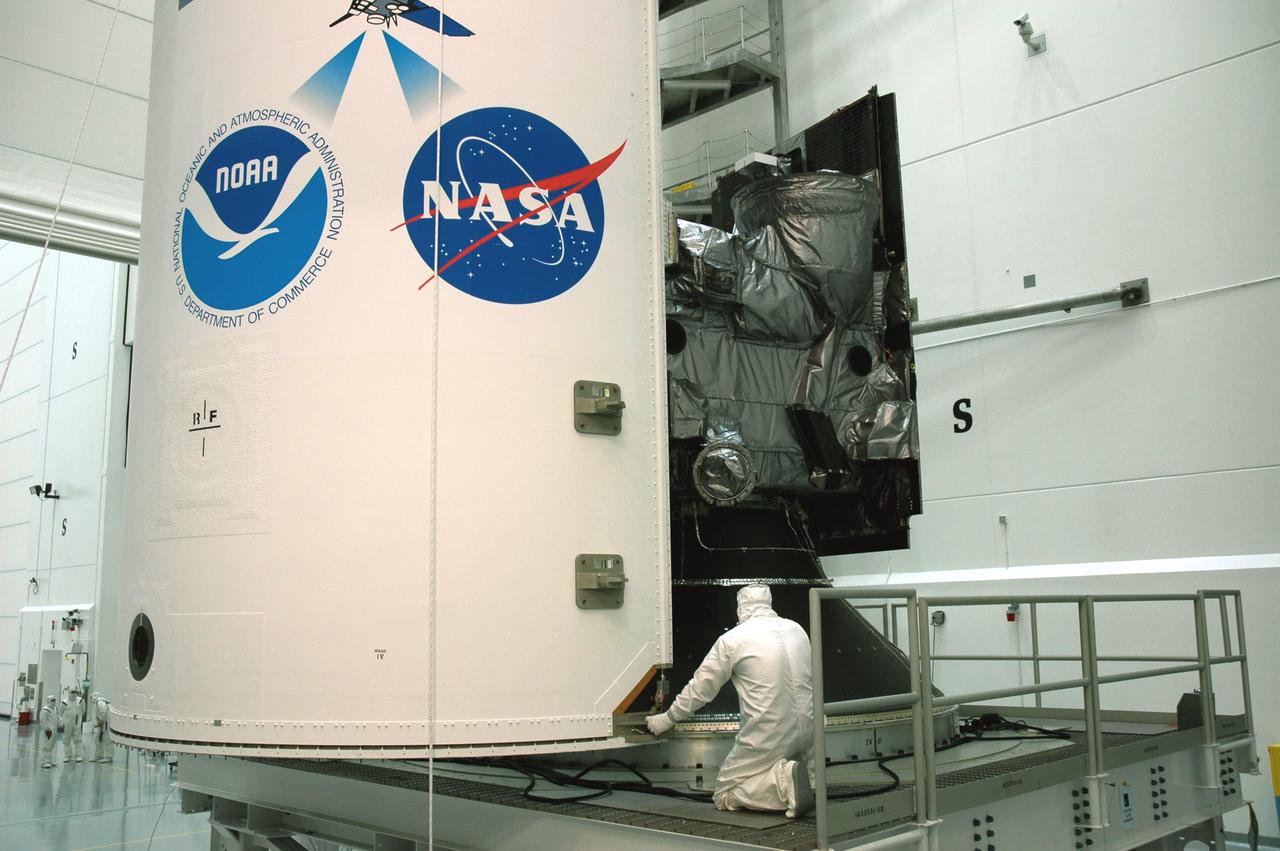
KENNEDY SPACE CENTER, FLA. - At Astrotech Space Operations in Titusville, Fla., workers help place the first half of the fairing around the GOES-N spacecraft. The fairing protects the spacecraft during launch. Geostationary Operational Environmental Satellites (GOES) are sponsored by NASA’s Goddard Space Flight Center and the National Oceanic and Atmospheric Administration. GOES-N is targeted to launch June 23 from Launch Complex 37 at Cape Canaveral Air Force Station in Florida.
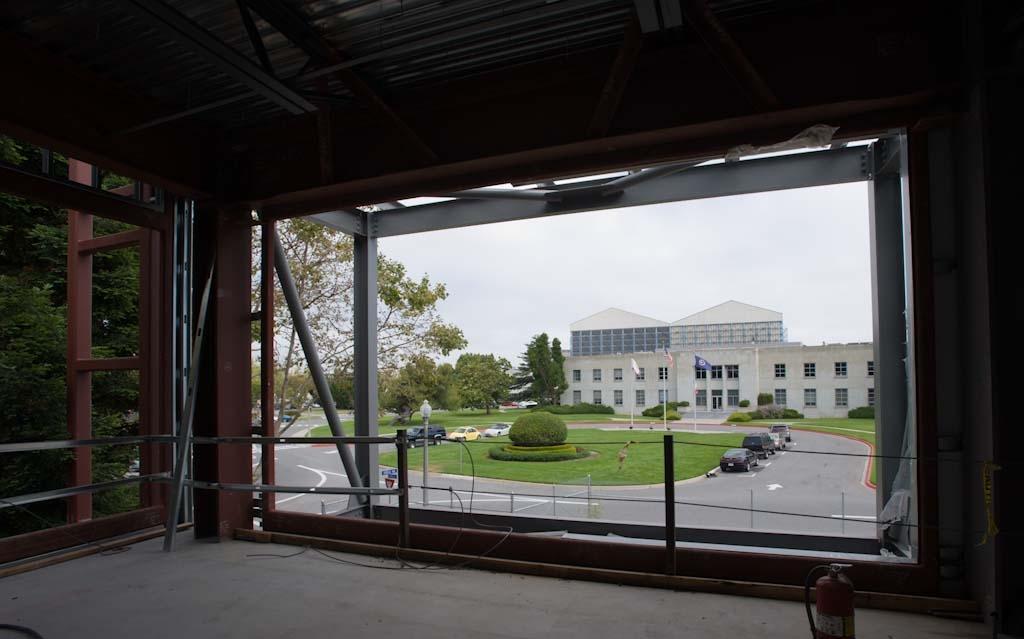
Construction of the new NASA Ames Green Building dubbed Sustainability Base located on the Ames Research Center campus at Moffett Field, CA. View of N-200 from N-232 site
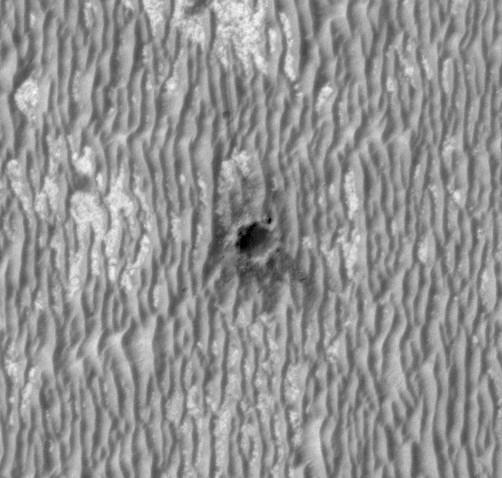
This image, acquired by NASA Mars Reconnaissance Orbiter, shows the rover Opportunity perched on the edge of Concepci?n crater, a fresh crater with dark rays that clearly overprint the north-trending, wind-shaped ripples, in Meridiani Planum.
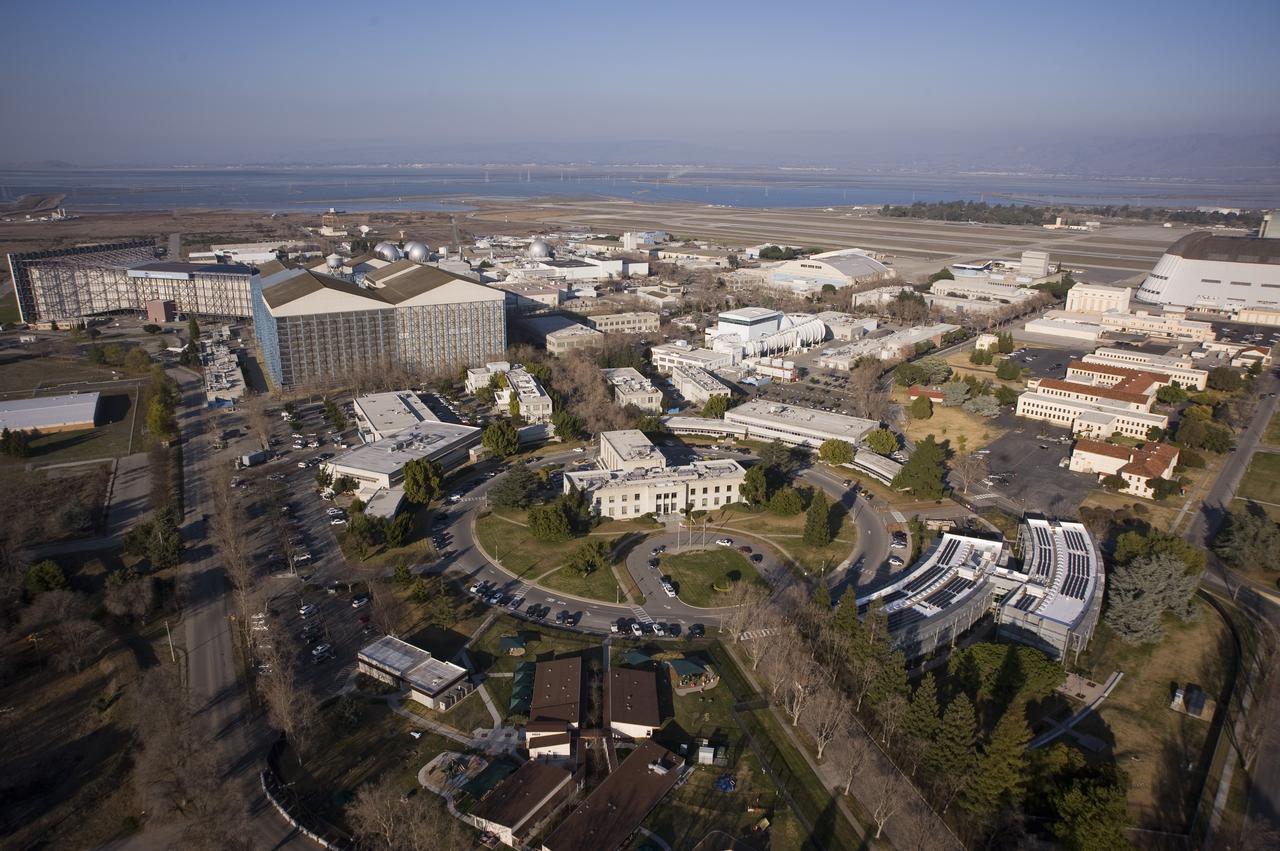
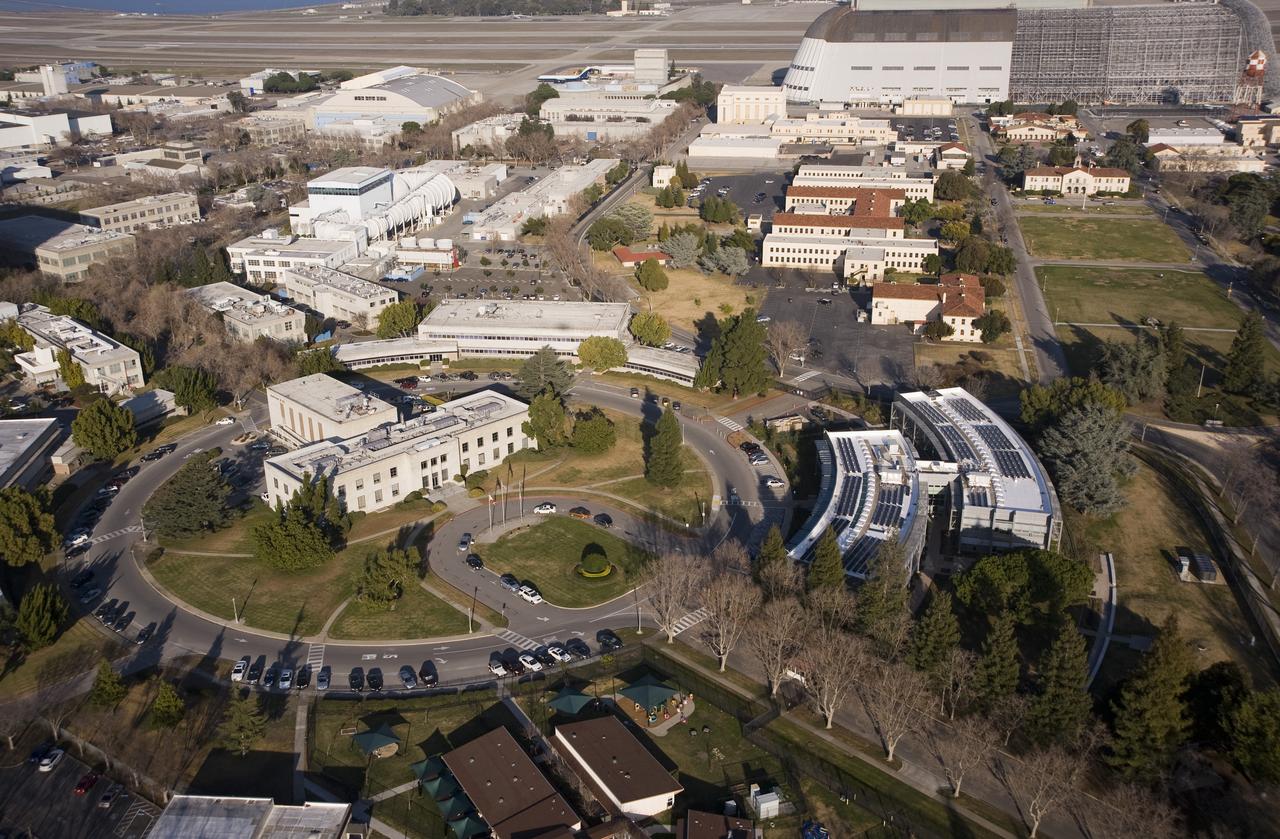
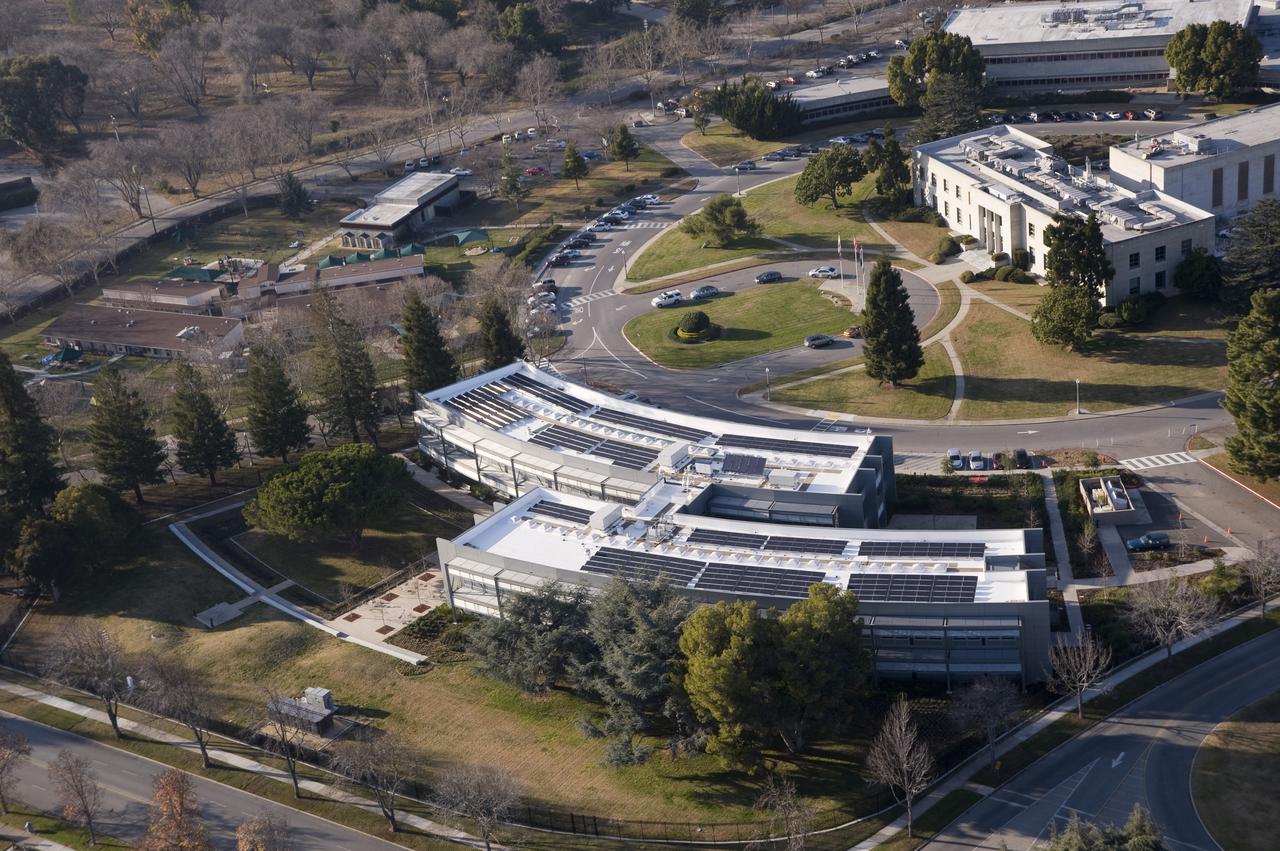
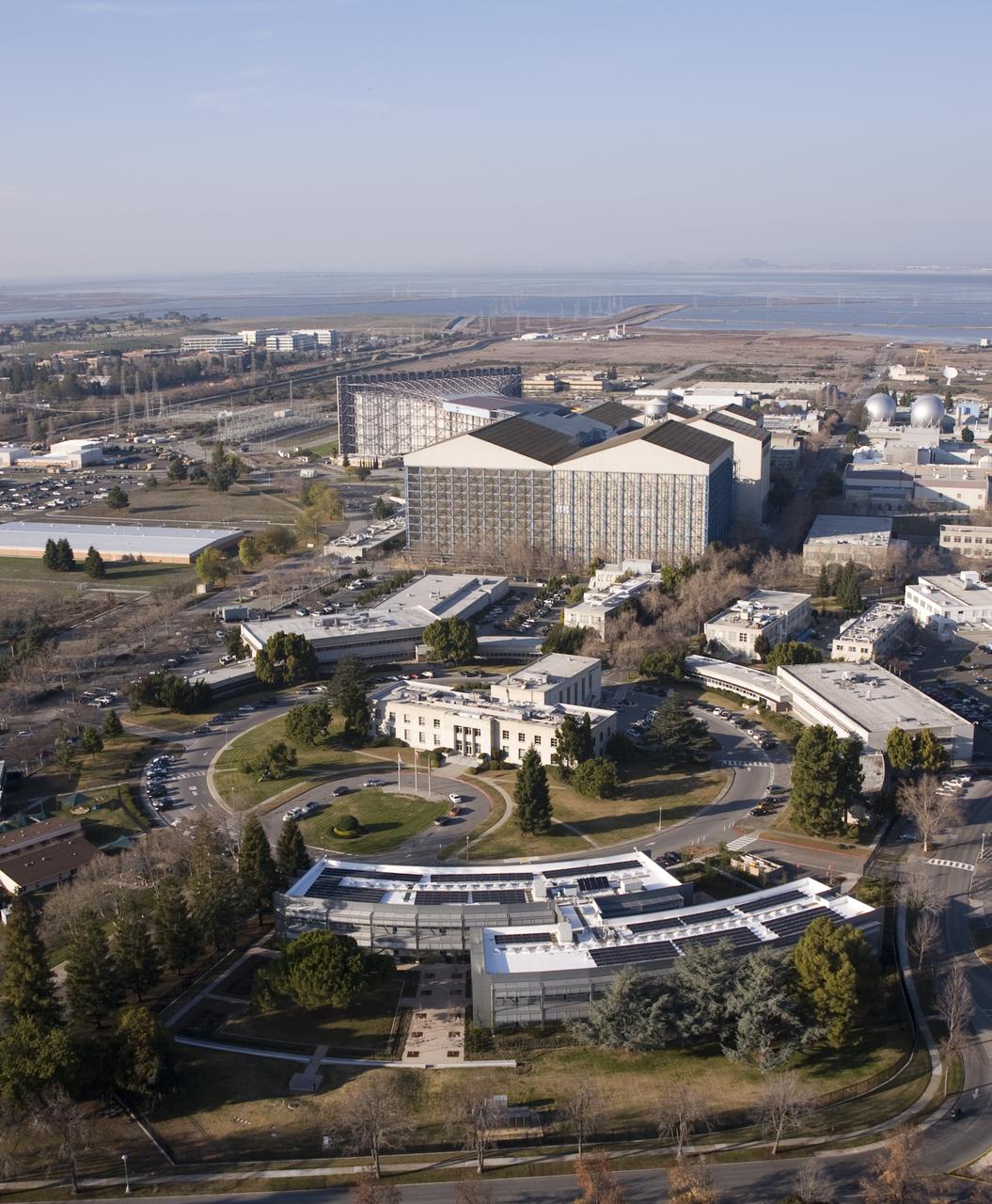
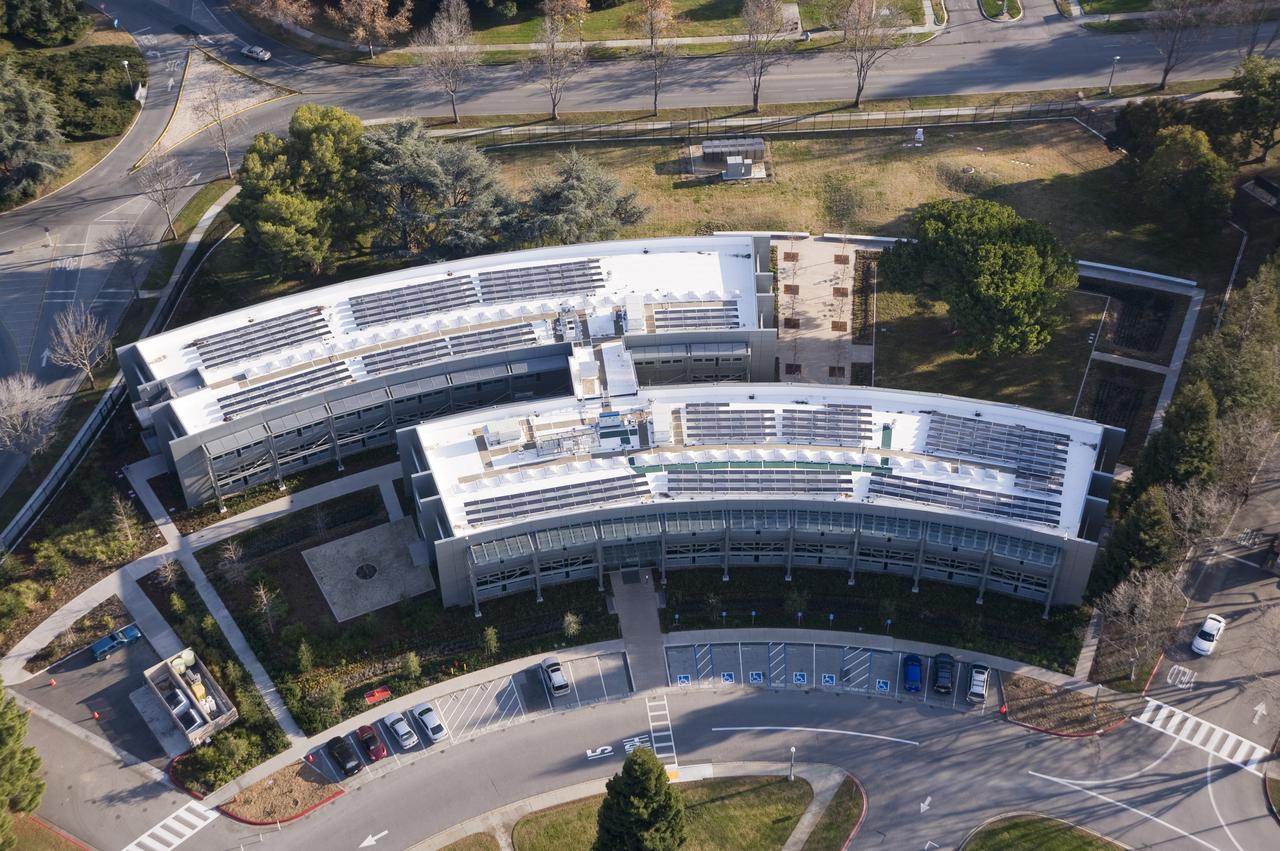
Aerial view of newly completed N-232 Sustainability Base at the NASA Ames Research Center, Moffett Field, CA.
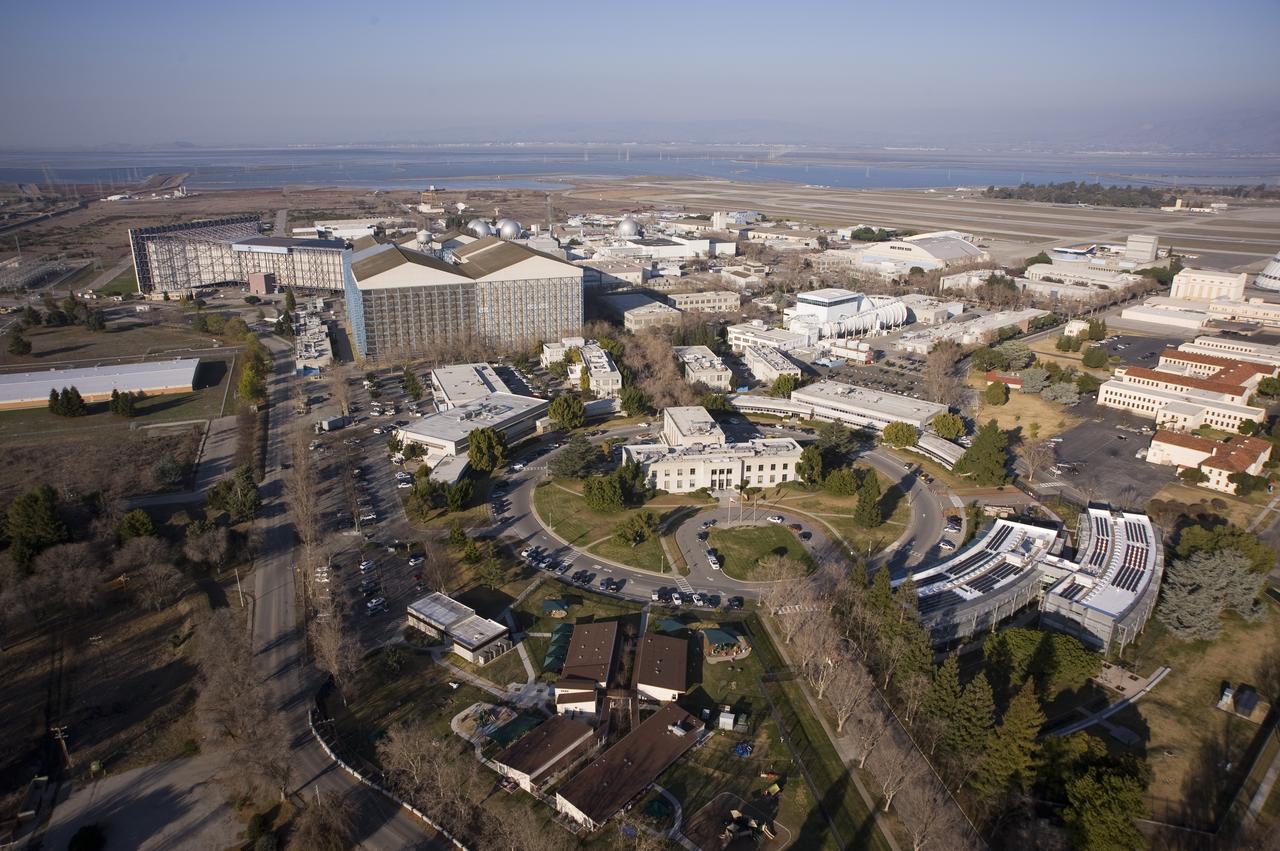
Aerial view of newly completed N-232 Sustainability Base at the NASA Ames Research Center, Moffett Field, CA.
Aerial view of newly completed N-232 Sustainability Base at the NASA Ames Research Center, Moffett Field, CA.

Aerial view of newly completed N-232 Sustainability Base at the NASA Ames Research Center, Moffett Field, CA.
Aerial view of newly completed N-232 Sustainability Base at the NASA Ames Research Center, Moffett Field, CA.
Aerial view of newly completed N-232 Sustainability Base at the NASA Ames Research Center, Moffett Field, CA.
Aerial view of newly completed N-232 Sustainability Base at the NASA Ames Research Center, Moffett Field, CA.
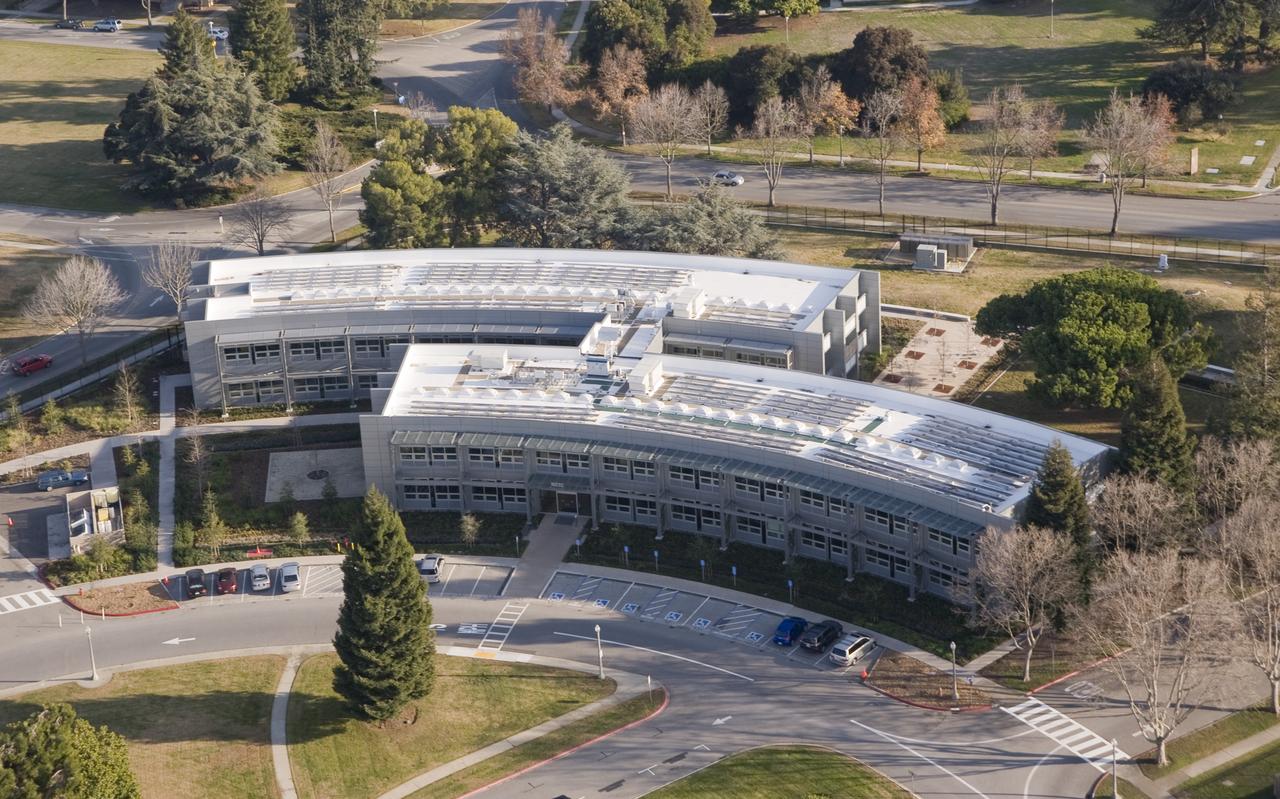
Aerial view of newly completed N-232 Sustainability Base at the NASA Ames Research Center, Moffett Field, CA.
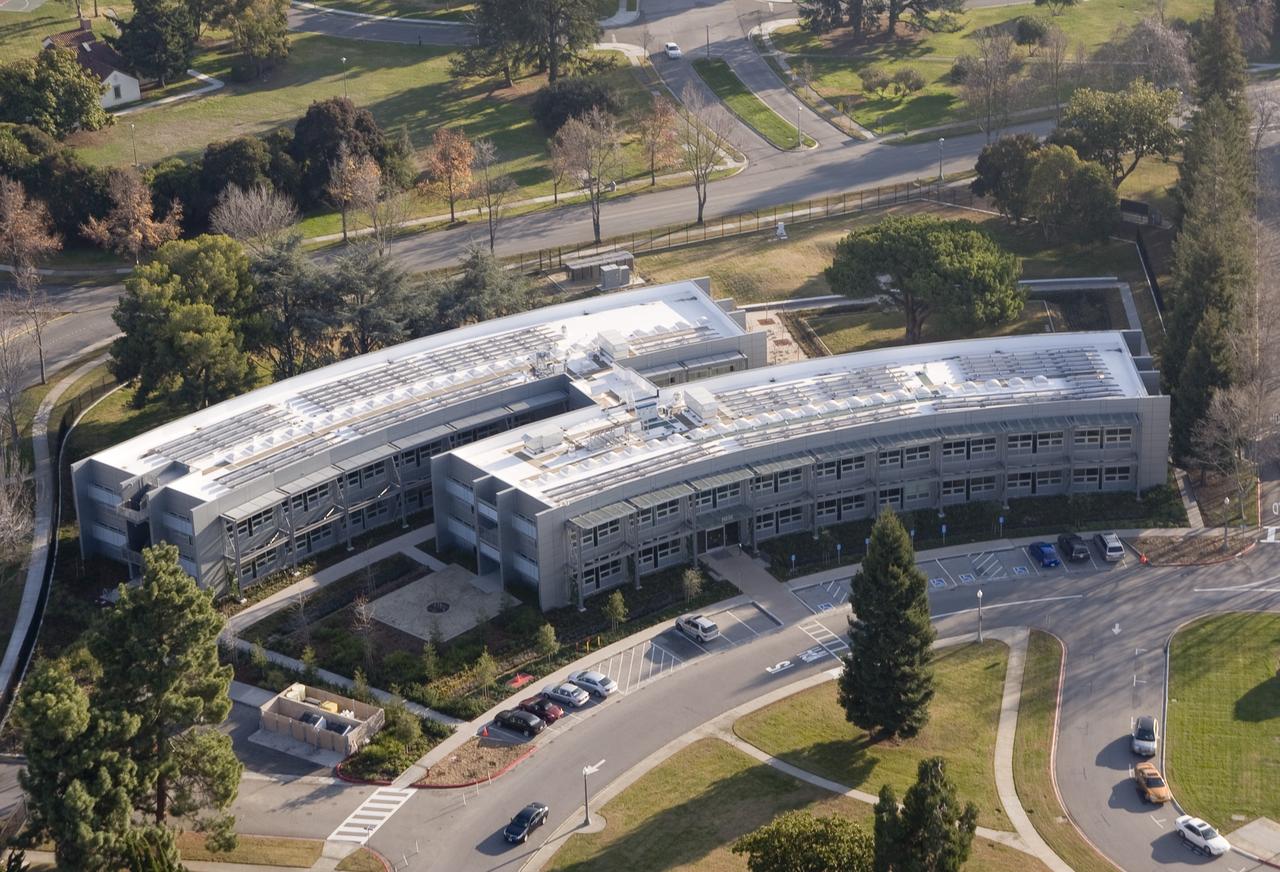
Aerial view of newly completed N-232 Sustainability Base at the NASA Ames Research Center, Moffett Field, CA.
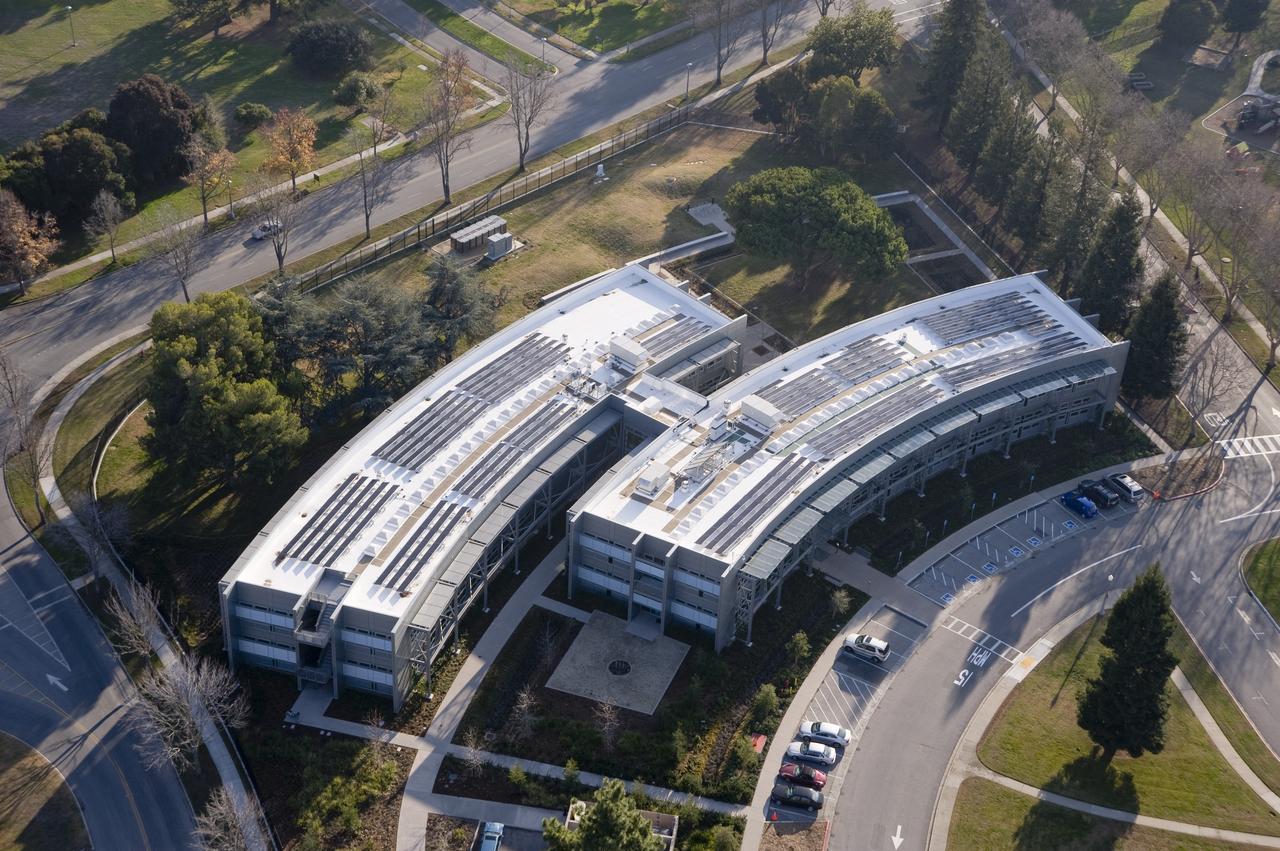
Aerial view of newly completed N-232 Sustainability Base at the NASA Ames Research Center, Moffett Field, CA.
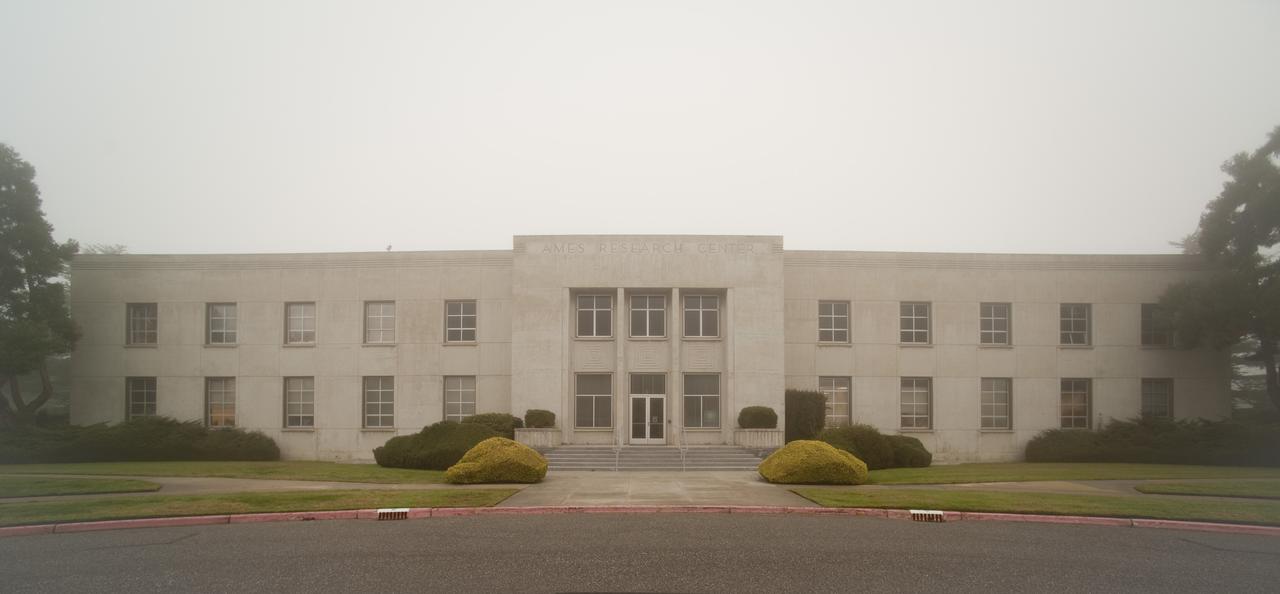
Ames Administration building N-200 on a foggy morning
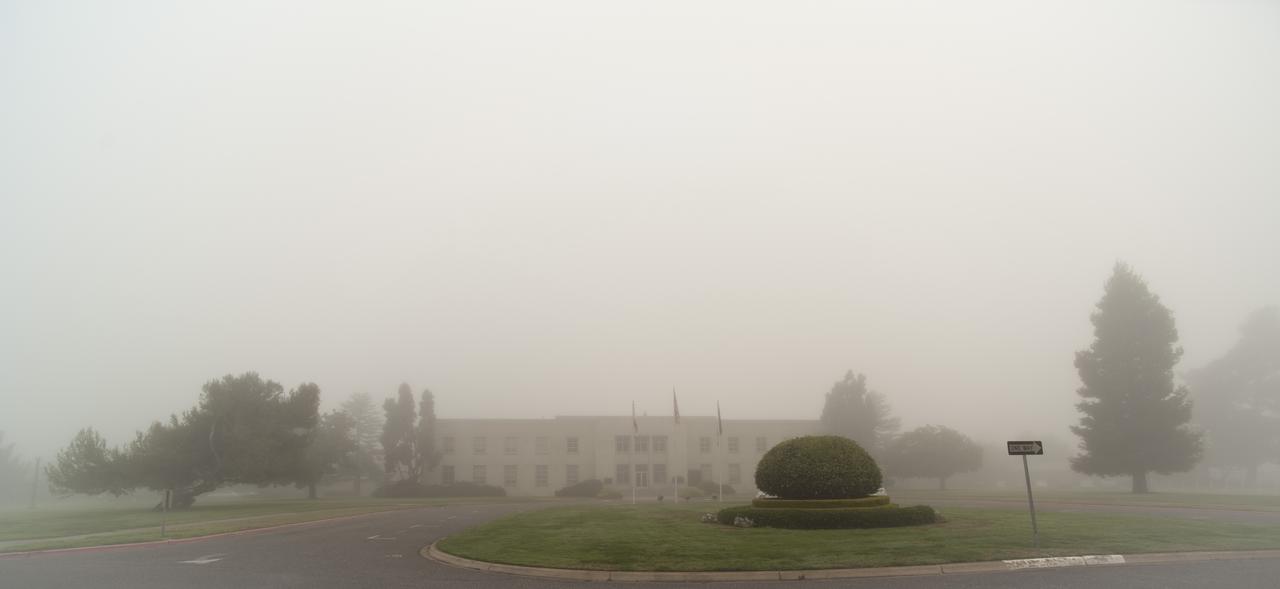
Ames Administration building N-200 on Bush Circle on a foggy morning
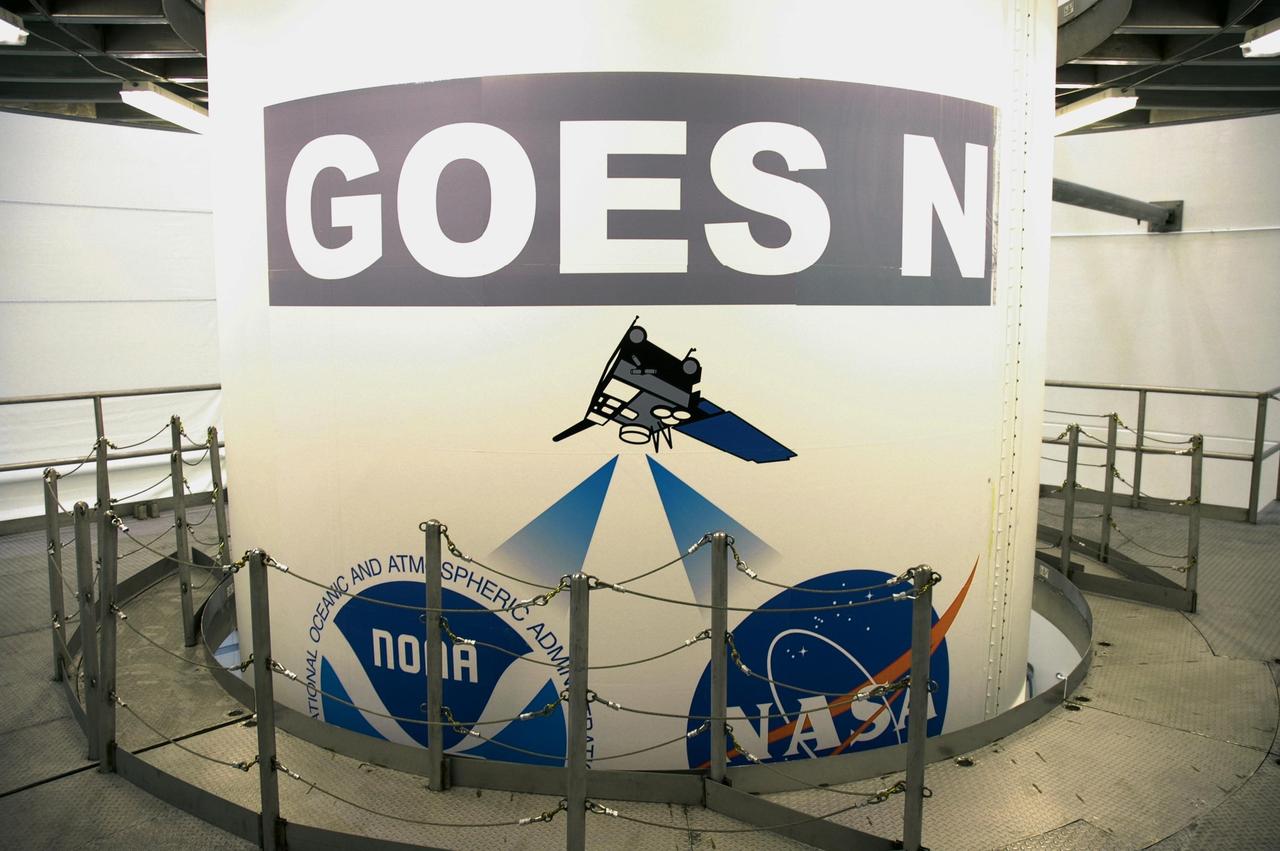
KENNEDY SPACE CENTER, FLA. - At Astrotech Space Operations payload processing facility in Titusville, Fla., the GOES-N spacecraft, secured inside a payload fairing, is surrounded by a work stand. Workers will use the stand to begin detaching the fairing from around the spacecraft. The fairing protects the spacecraft during launch and flight through the atmosphere. Once out of the atmosphere, the fairing is jettisoned. Removing the fairing will allow workers access to the spacecraft. GOES-N was demated from its Boeing Delta IV launch vehicle when the launch was postponed in August 2005 due to technical issues. Due to the extended length of time the spacecraft had been atop the Delta IV rocket without launching, the weather satellite was returned to Astrotech for some precautionary retesting and state of health checks. GOES-N is the latest in a series of Geostationary Operational Environmental Satellites for NOAA and NASA providing continuous monitoring necessary for intensive data analysis. Photo credit: NASA/Jim Grossmann
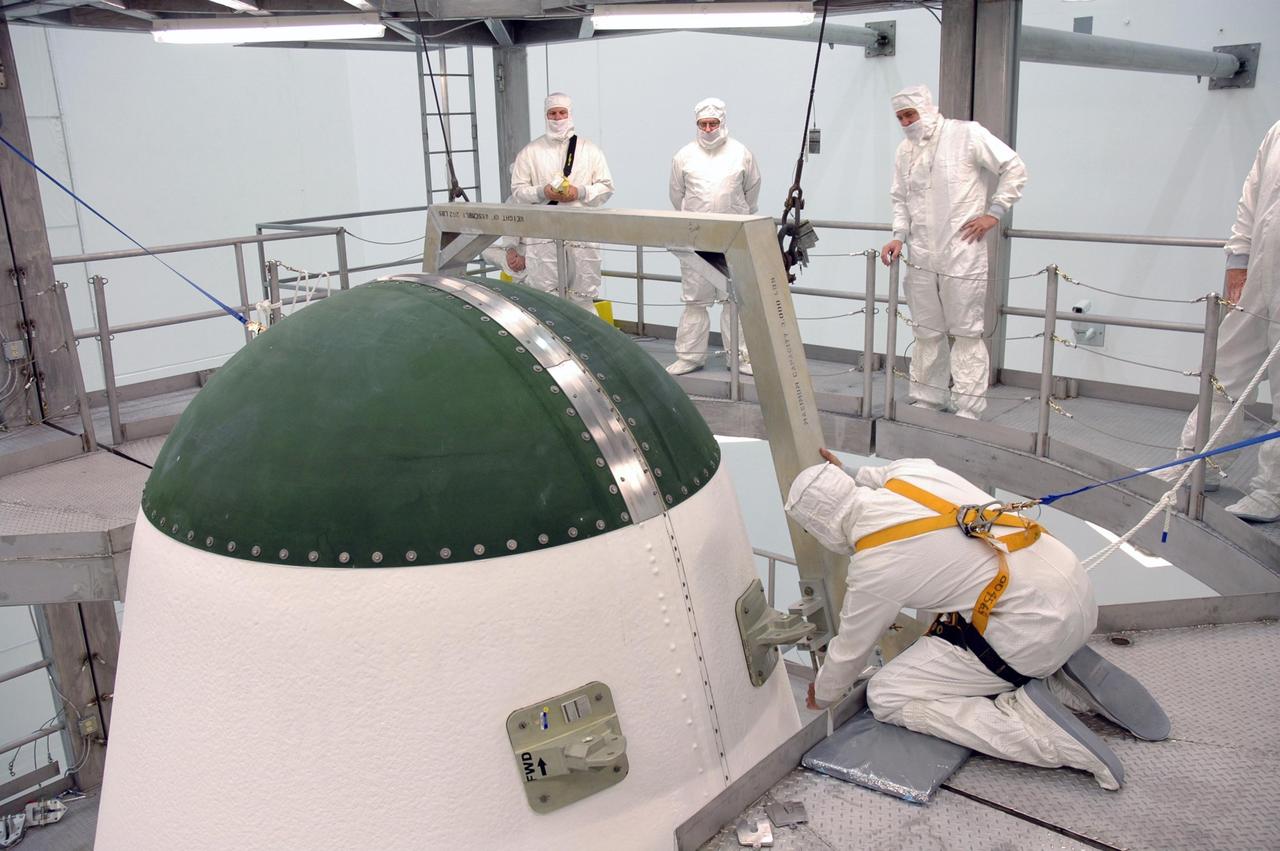
KENNEDY SPACE CENTER, FLA. - At Astrotech Space Operations payload processing facility in Titusville, Fla., workers begin detaching the fairing from around the GOES-N spacecraft. Workers will use the stand to begin detaching the fairing from around the spacecraft. The fairing protects the spacecraft during launch and flight through the atmosphere. Once out of the atmosphere, the fairing is jettisoned. Removing the fairing will allow workers access to the spacecraft. GOES-N was demated from its Boeing Delta IV launch vehicle when the launch was postponed in August 2005 due to technical issues. Due to the extended length of time the spacecraft had been atop the Delta IV rocket without launching, the weather satellite was returned to Astrotech for some precautionary retesting and state of health checks. GOES-N is the latest in a series of Geostationary Operational Environmental Satellites for NOAA and NASA providing continuous monitoring necessary for intensive data analysis. Photo credit: NASA/Jim Grossmann
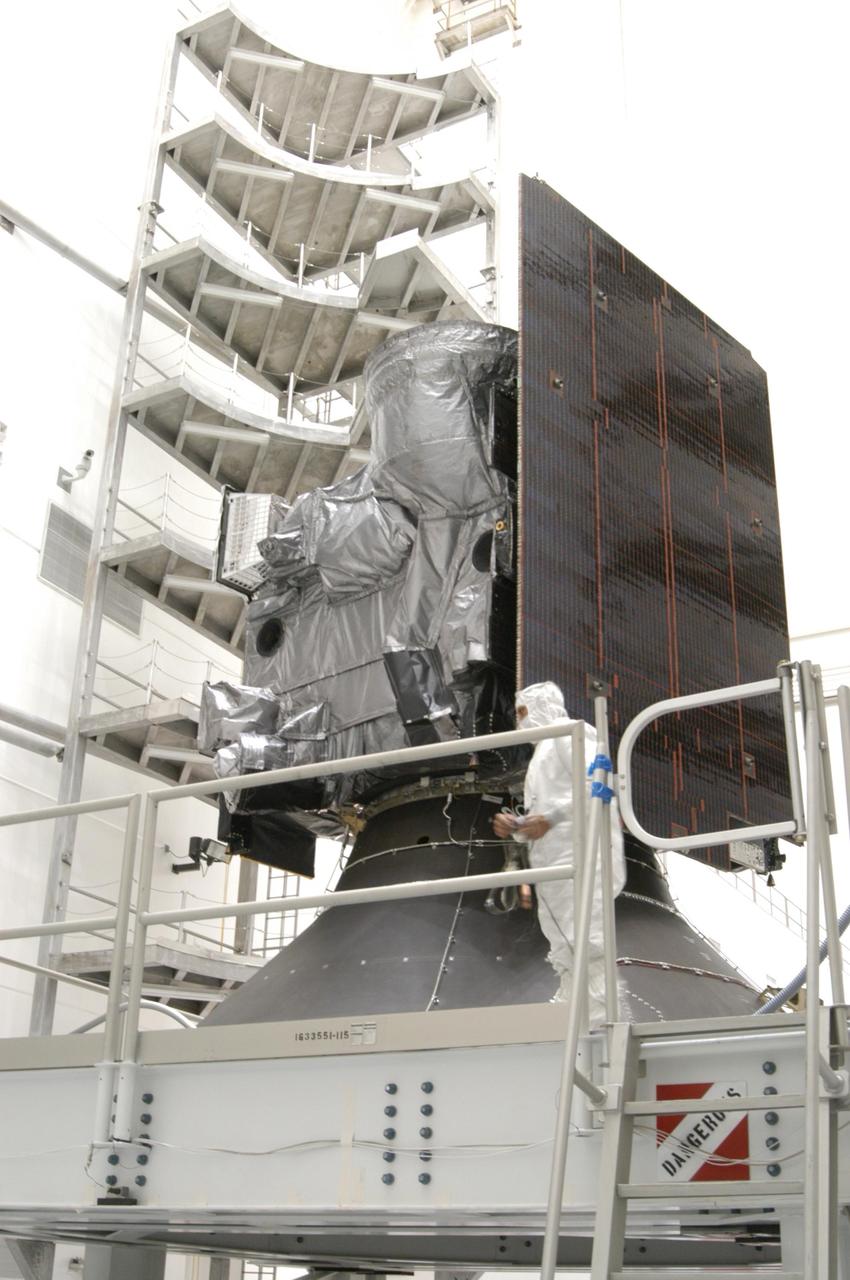
KENNEDY SPACE CENTER, FLA. - Inside a high bay at Astrotech Space Operations in Titusville, Fla., the GOES-N spacecraft is revealed after removal of the fairing to allow testing. GOES-N was demated from its Boeing Delta IV launch vehicle on Launch Complex 37 at Cape Canaveral Air Force Station. The launch was postponed in August 2005 due to technical issues. Due to the extended length of time the spacecraft had been atop the Delta IV without launching, the weather satellite will undergo some precautionary retesting and state of health checks. GOES-N is the latest in a series of Geostationary Operational Environmental Satellites for NOAA and NASA providing continuous monitoring necessary for intensive data analysis. Photo credit: NASA/George Shelton
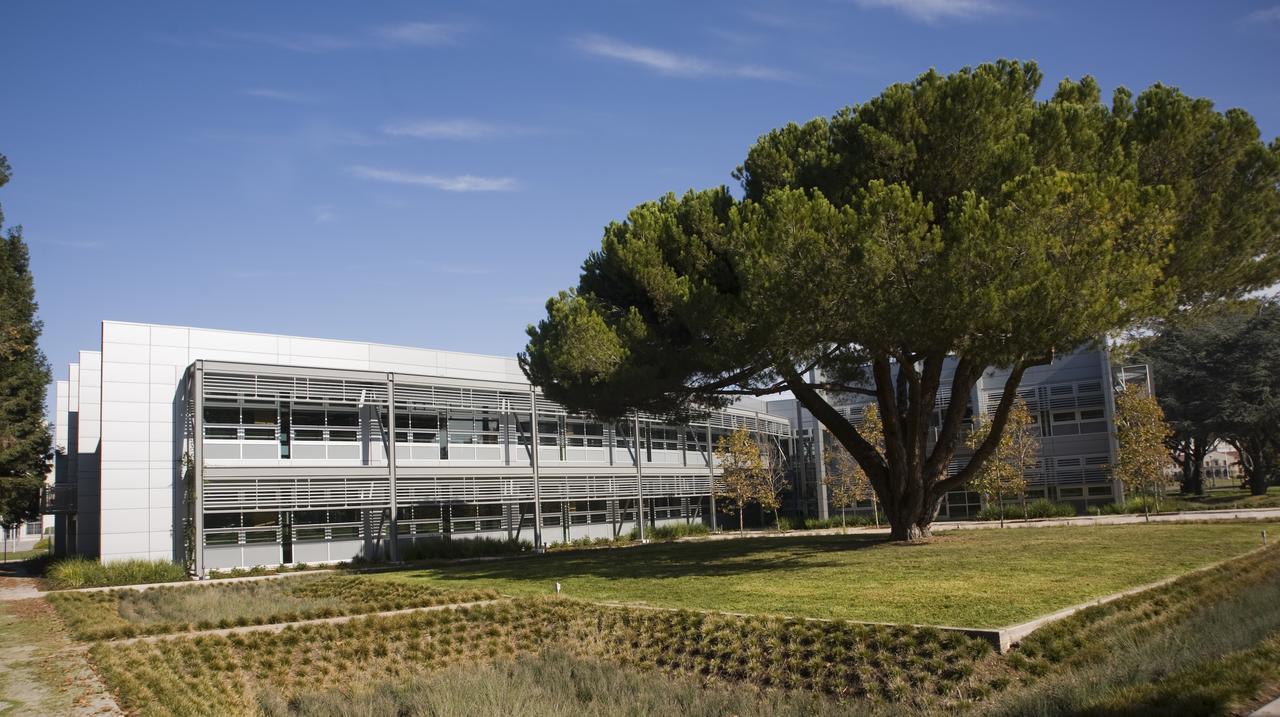
Courtyard at back of building.
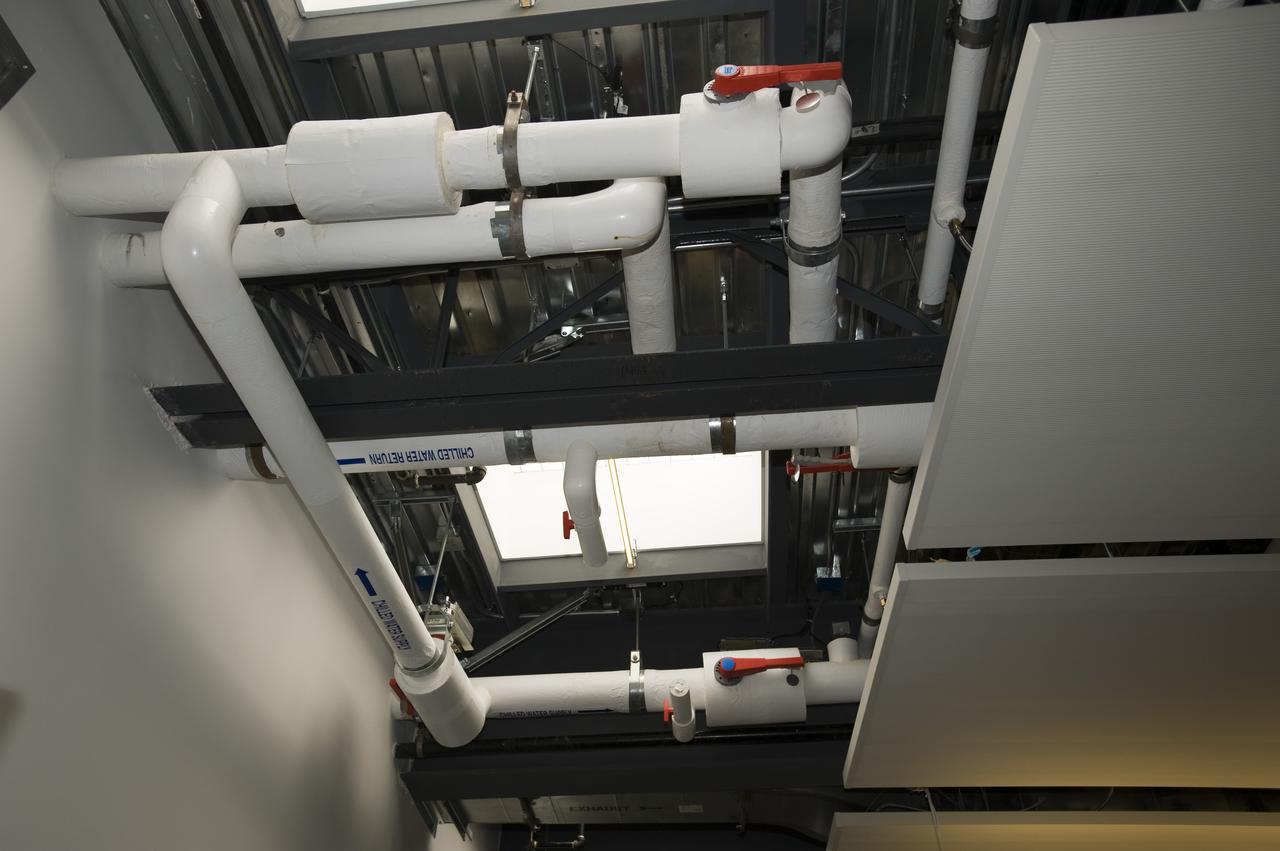
Construction of the new NASA Ames Green Building dubbed Sustainability Base located on the Ames Research Center campus at Moffett Field, CA. chilled water return in ceiling
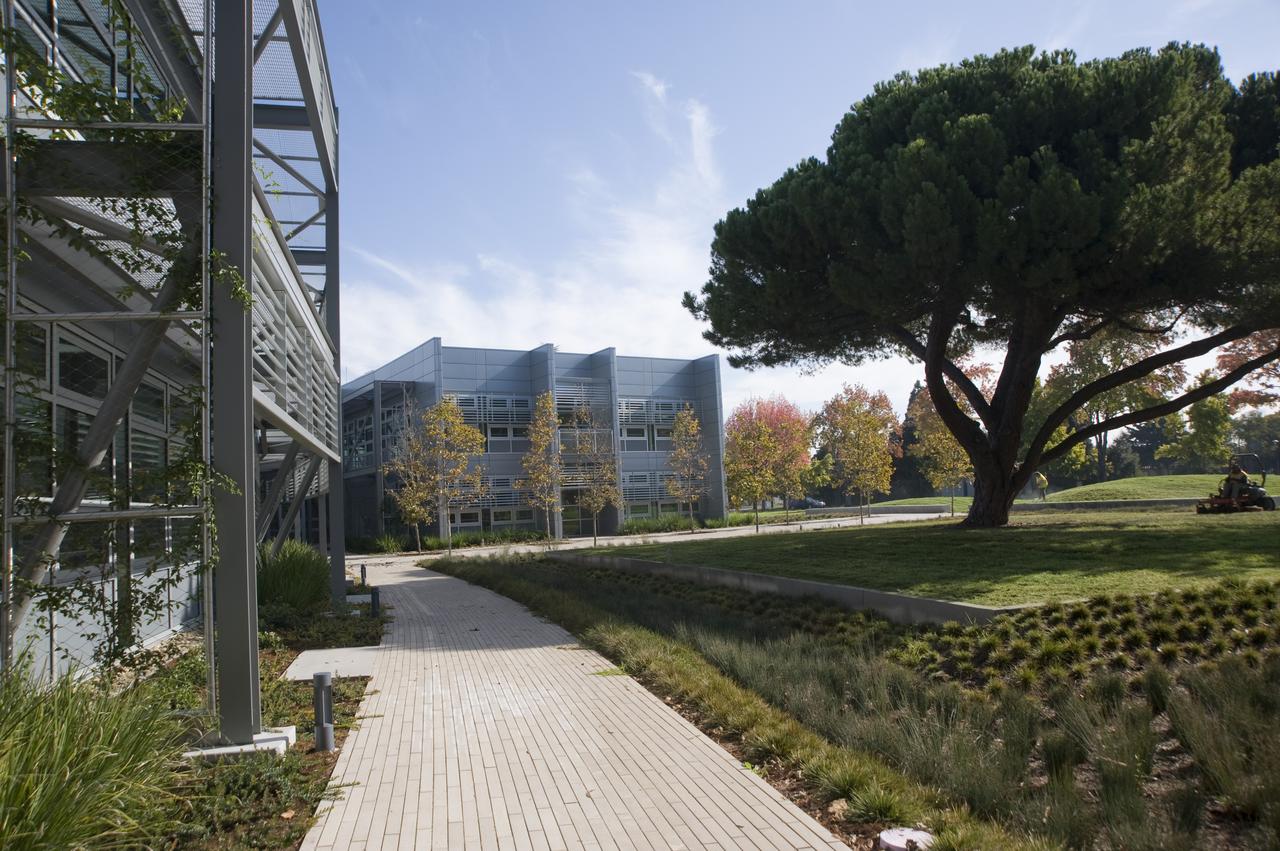
Courtyard at back of building.
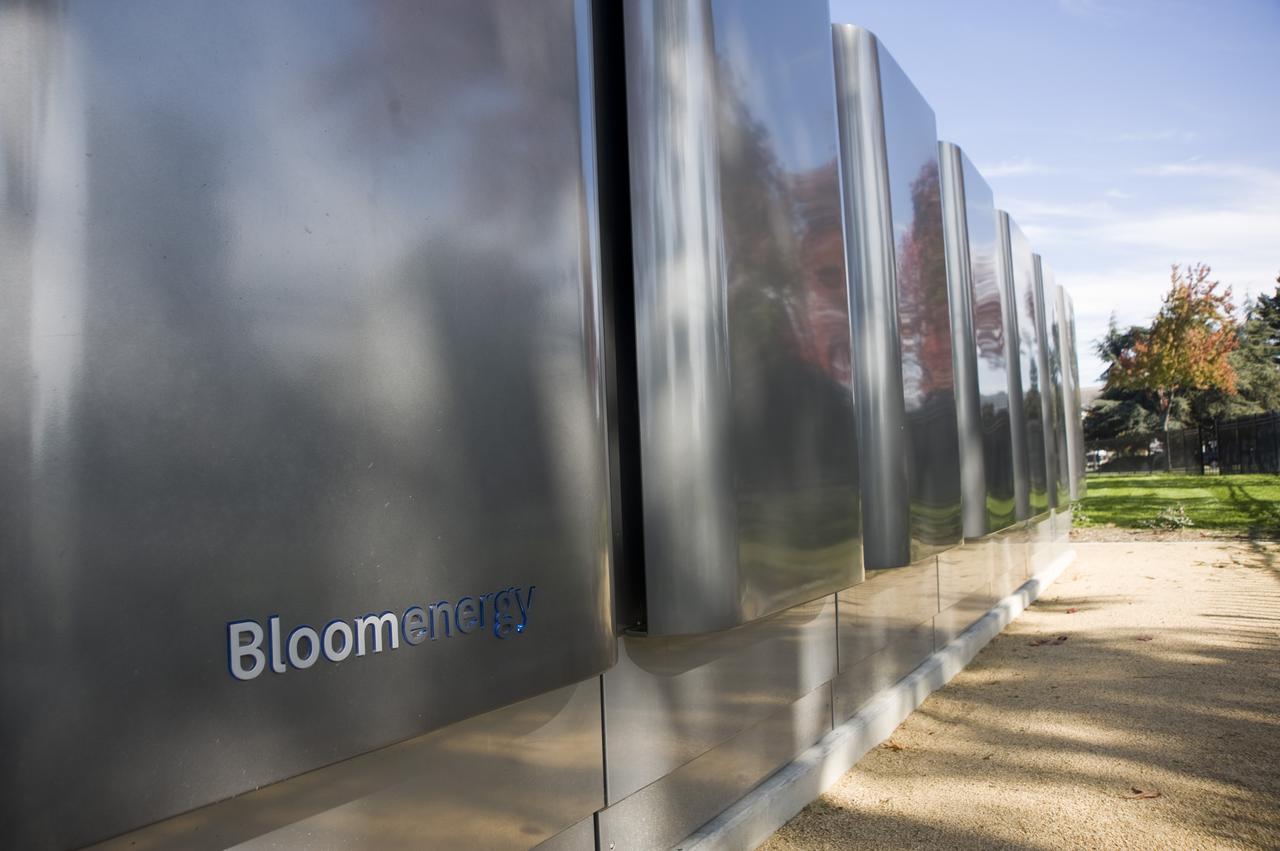
Construction of the new NASA Ames Green Building dubbed Sustainability Base located on the Ames Research Center campus at Moffett Field, CA. Bloom Energy, Inc. powers the building. Bloom Energy equipment
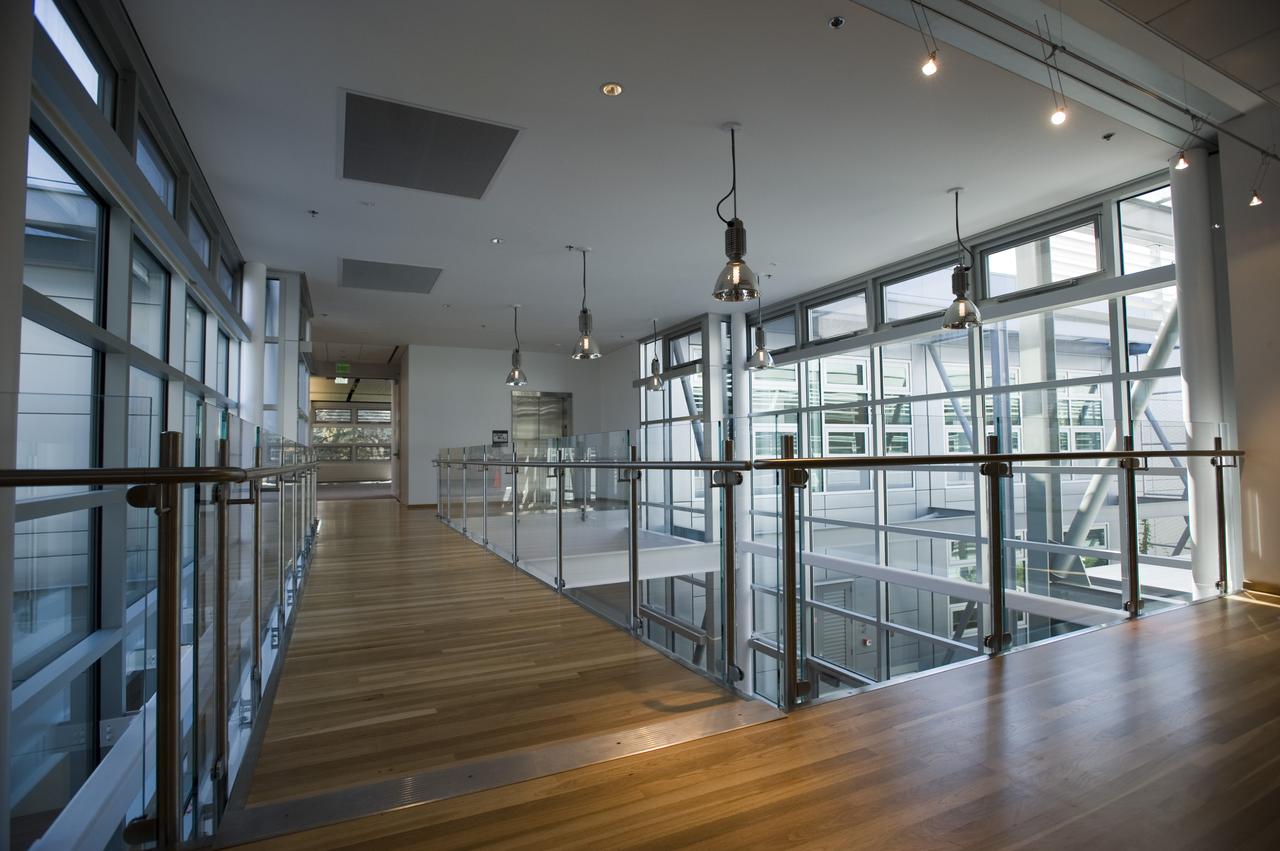
Halls and open space.
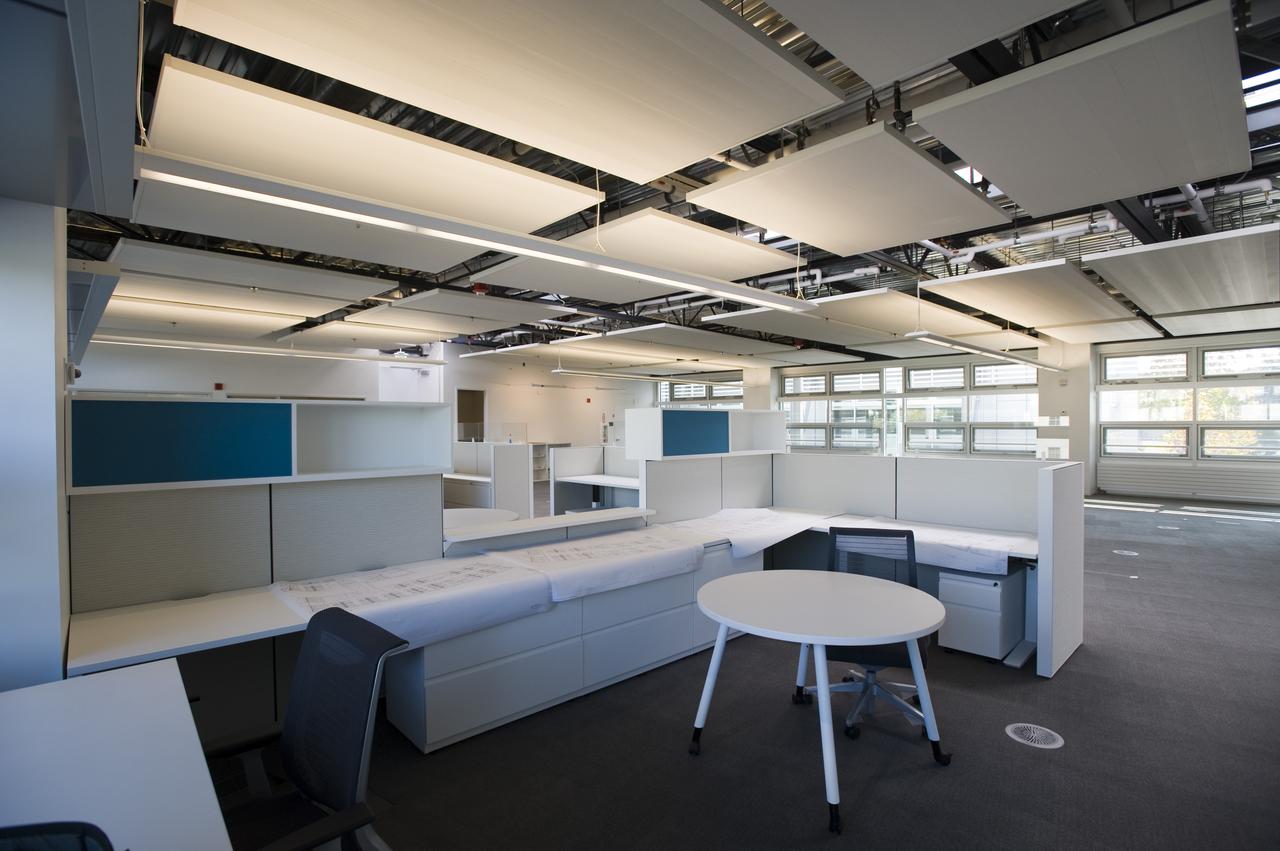
Construction of the new NASA Ames Green Building dubbed Sustainability Base located on the Ames Research Center campus at Moffett Field, CA. interior view as cubicles are being set up and open spaces arranged.
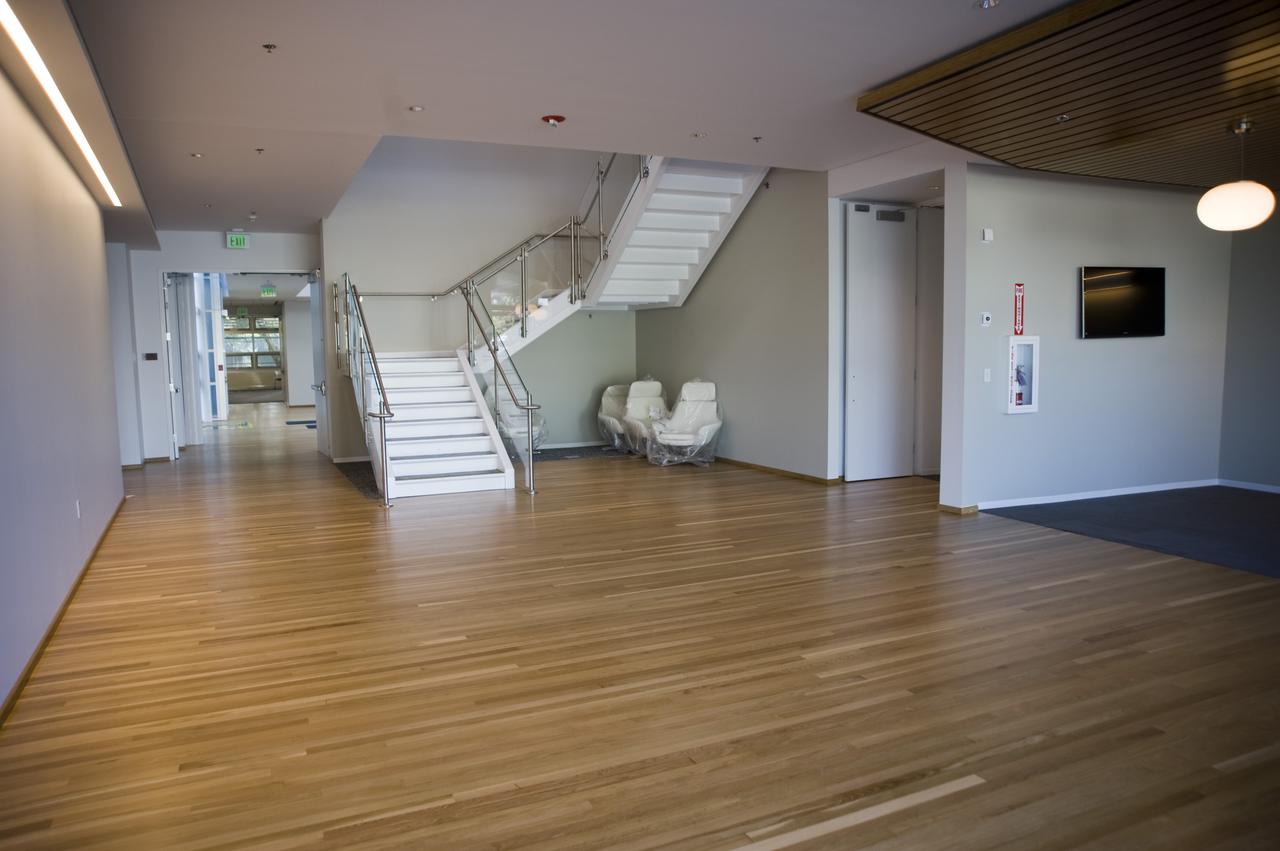
Halls and open space.
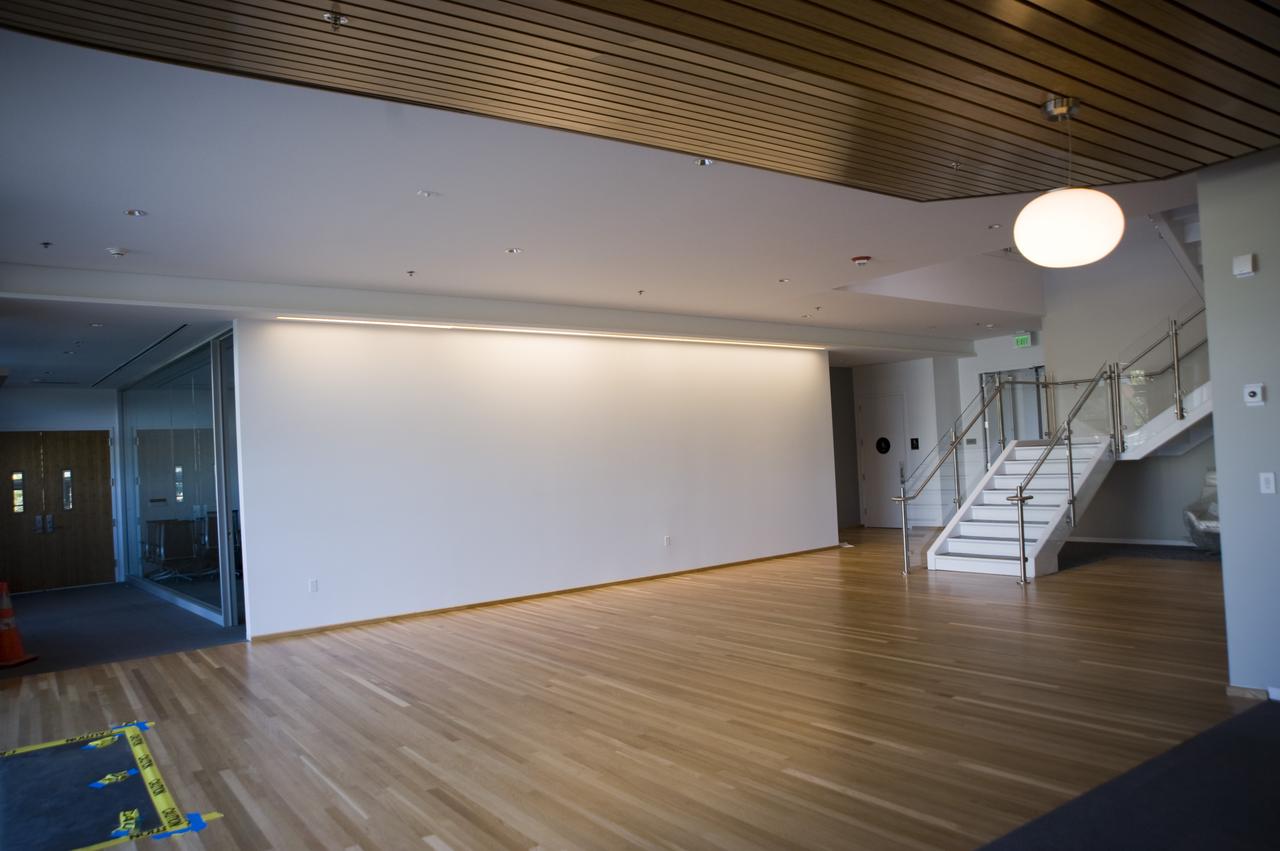
Halls and open space.
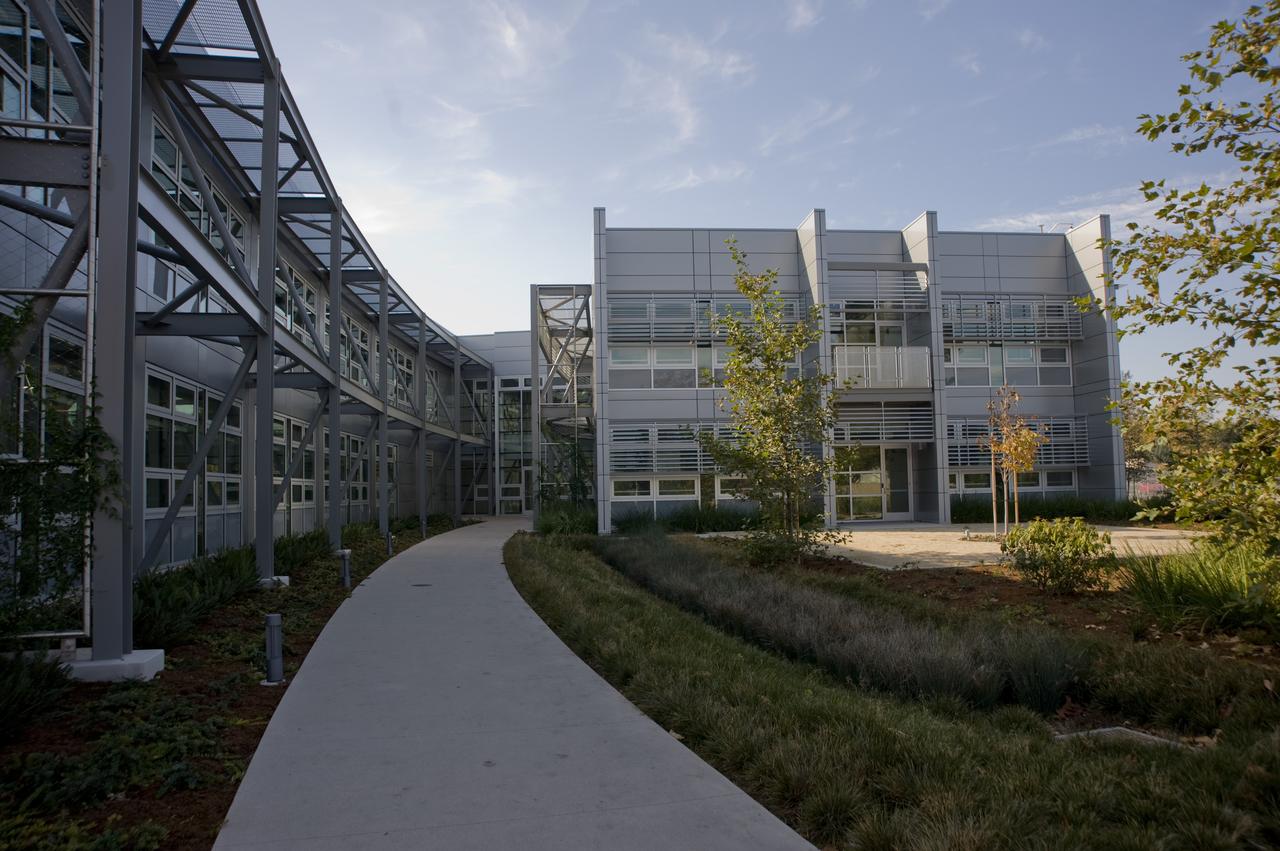
Courtyard at back of building.