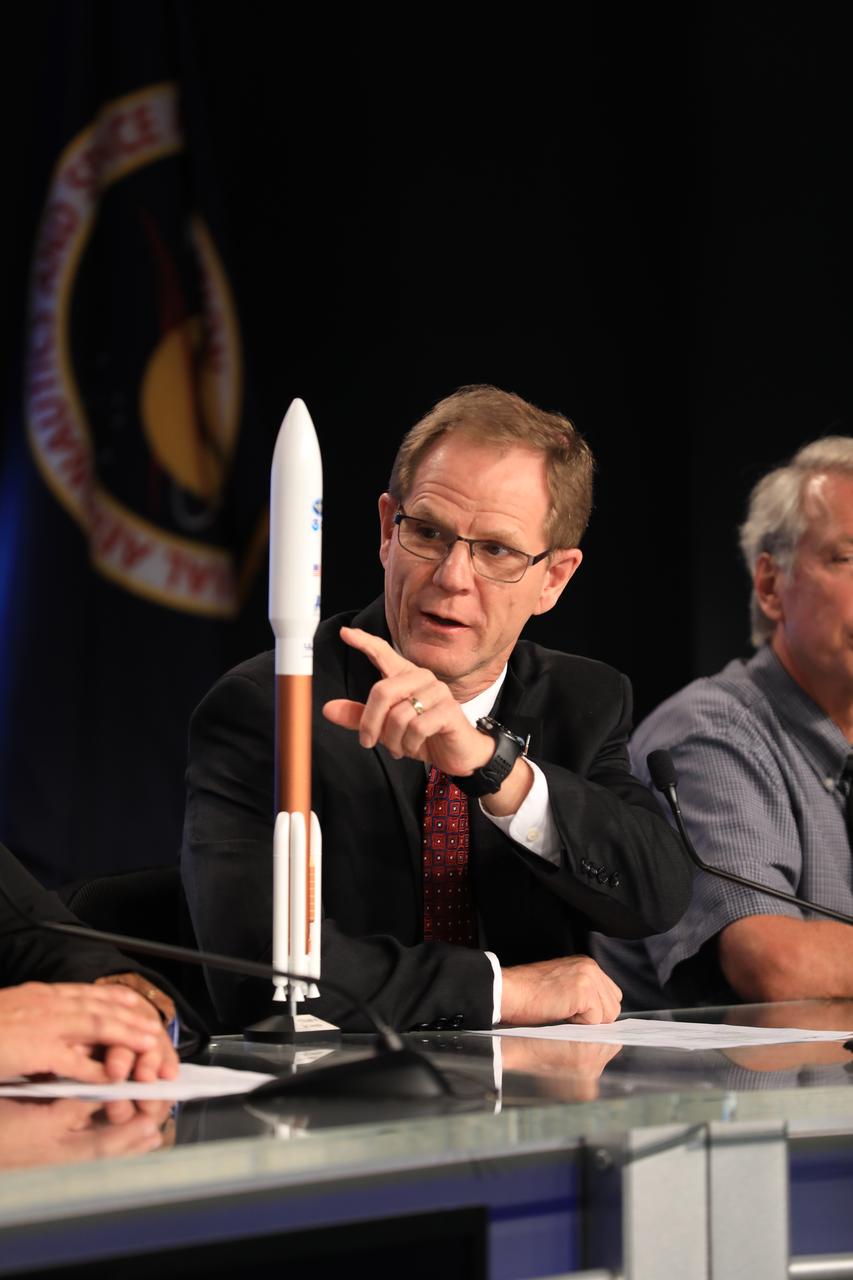
Scott Messer, program manager, NASA Missions, United Launch Alliance, speak to members of the news media during a Geostationary Operational Environmental Satellite (GOES-R) prelaunch news conference in the Kennedy Space Center's Press Site auditorium in Florida.
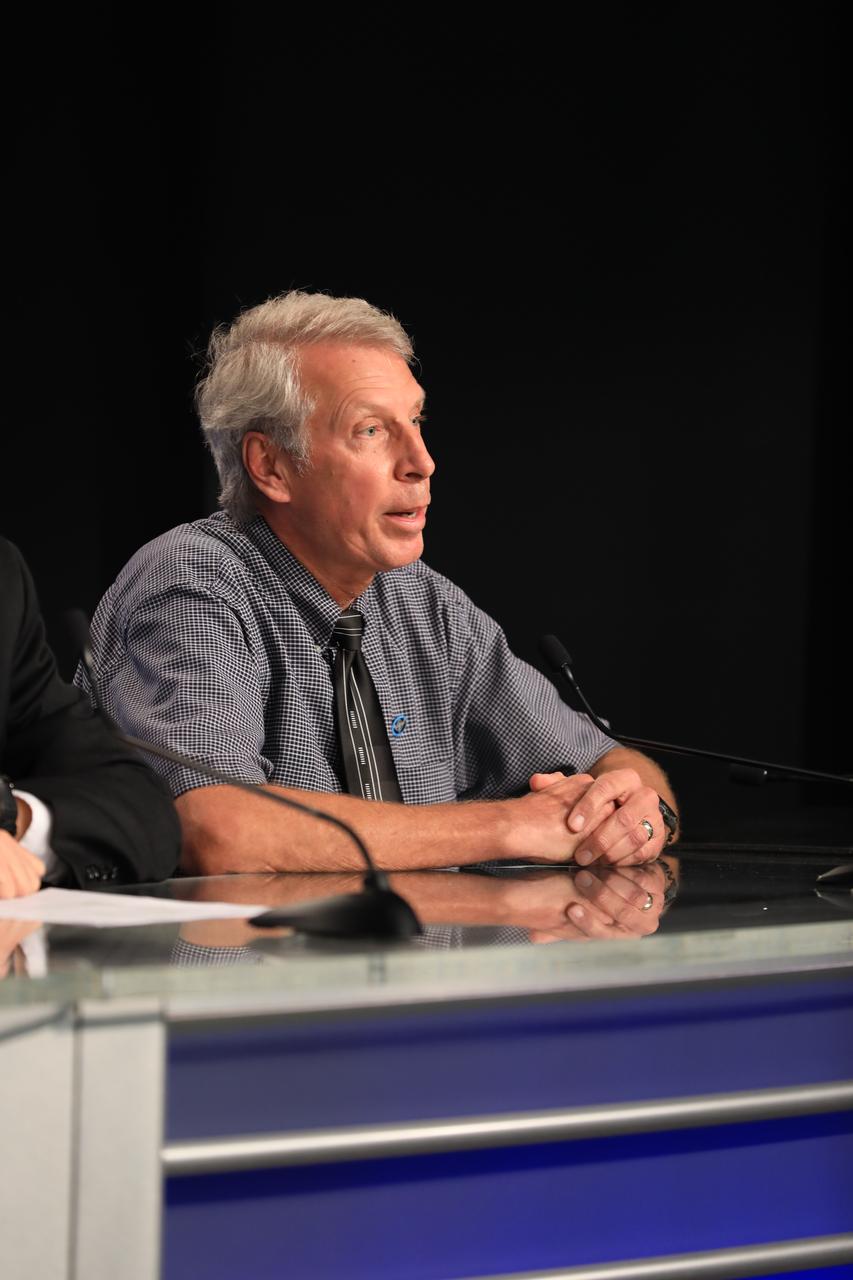
Clay Flinn, launch weather officer, 4th Weather Squadron, Cape Canaveral Air Force Station, speaks to members of the news media during a Geostationary Operational Environmental Satellite (GOES-R) prelaunch news conference in the Kennedy Space Center's Press Site auditorium in Florida.

Sandra Smalley, director, Joint Agency Satellite Division, NASA Headquarters, speaks to members of the news media during a Geostationary Operational Environmental Satellite (GOES-R) prelaunch news conference in the Kennedy Space Center's Press Site auditorium in Florida.

From left, Sandra Smalley, director, Joint Agency Satellite Division, NASA Headquarters; Omar Baez, launch director, NASA Kennedy; and Scott Messer, program manager, NASA Missions, United Launch Alliance, speak to members of the news media during a Geostationary Operational Environmental Satellite (GOES-R) prelaunch news conference in the Kennedy Space Center's Press Site auditorium in Florida.
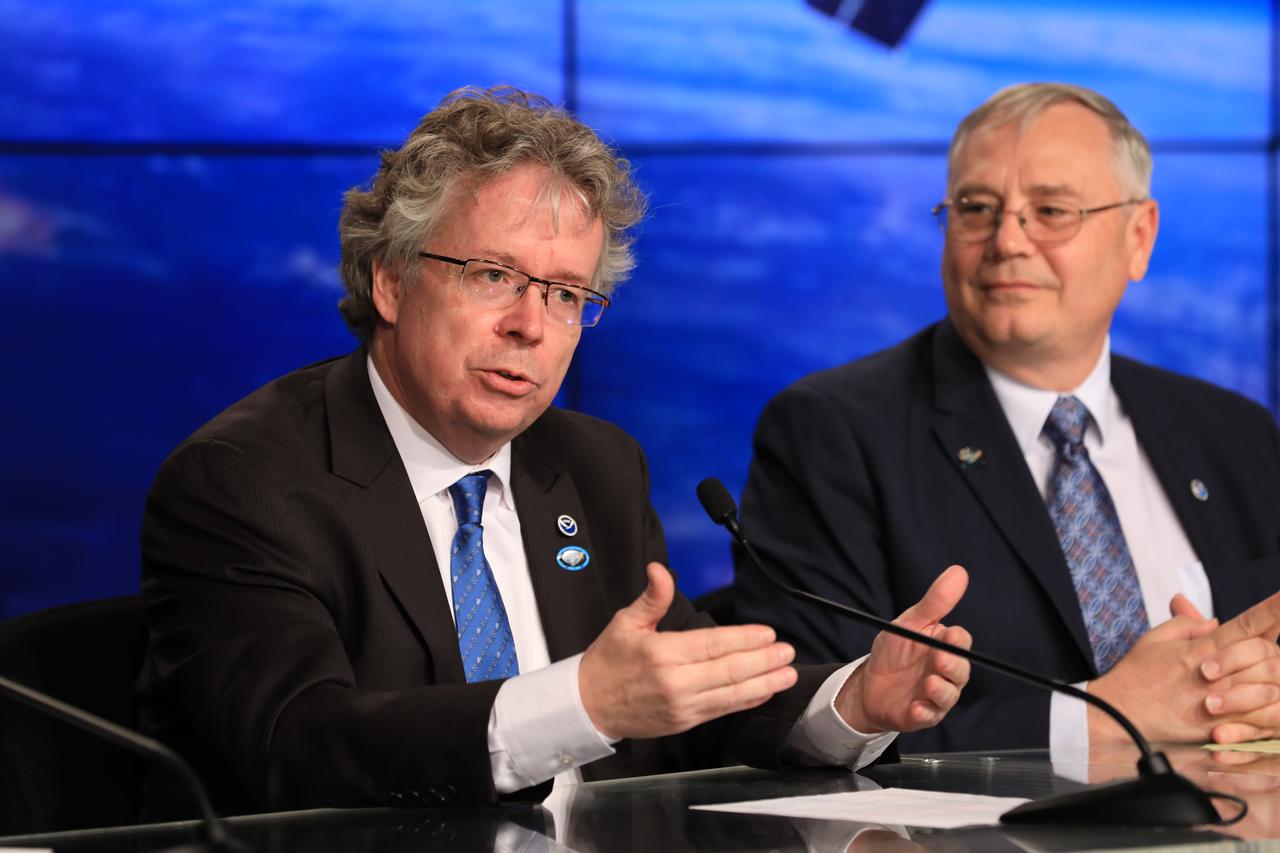
From left, Stephen Volz, assistant administrator for satellite and information services, National Oceanic and Atmospheric Administration (NOAA); and Greg Mandt, GOES-R system program director, NOAA, speak to members of the news media during a Geostationary Operational Environmental Satellite (GOES-R) prelaunch news conference in the Kennedy Space Center's Press Site auditorium.

From left, Stephen Volz, assistant administrator for satellite and information services, National Oceanic and Atmospheric Administration (NOAA); Greg Mandt, GOES-R system program director, NOAA; and Sandra Smalley, director, Joint Agency Satellite Division, NASA Headquarters, speak to members of the news media during a Geostationary Operational Environmental Satellite (GOES-R) prelaunch news conference in the Kennedy Space Center's Press Site auditorium.
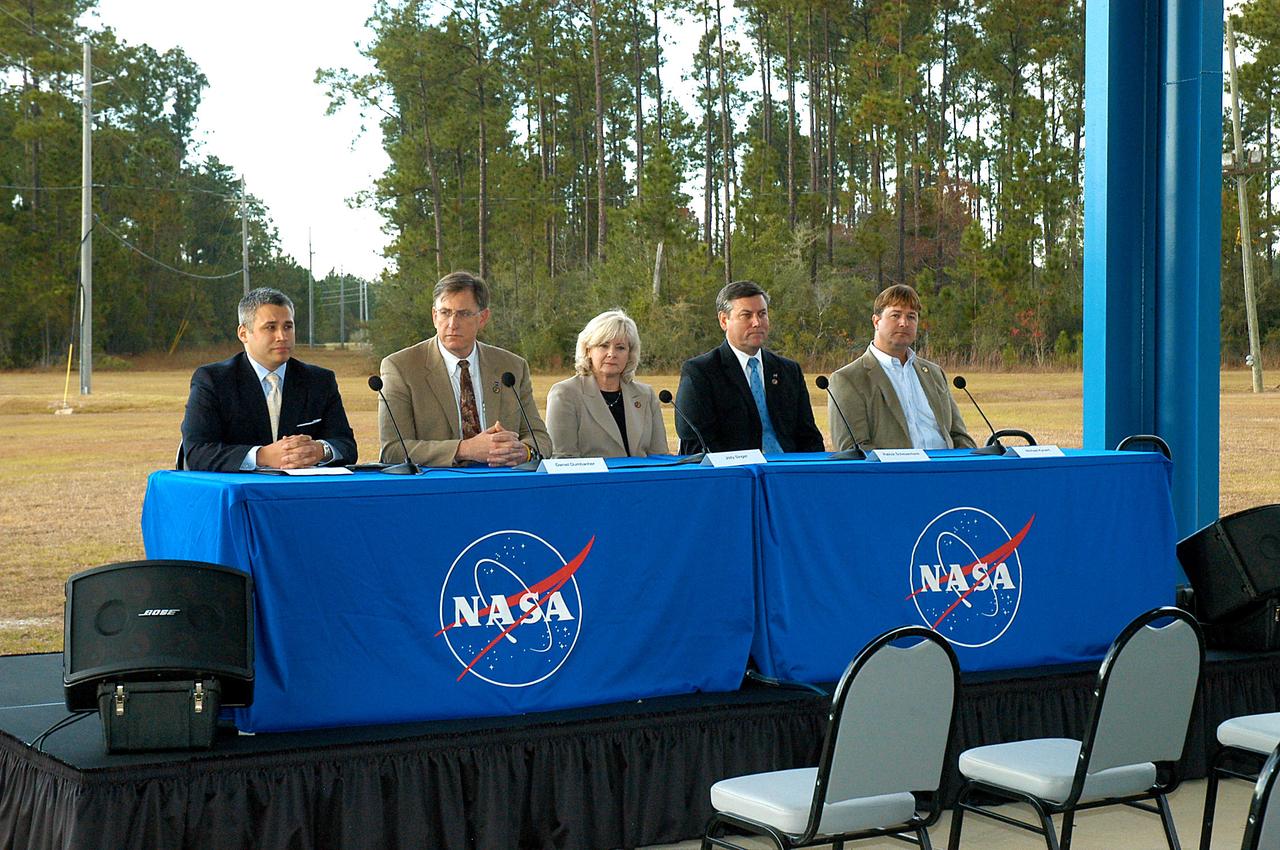
In a news conference broadcast live on NASA TV, key NASA leaders discussed the significance of the successful 500-second test of the agency's new J-2X rocket engine at Stennis Space Center on Nov. 9. The engine will provide upper-stage power for NASA's new Space Launch System being developed to carry humans deeper into space than ever before. Participating in the session were: (l to r) Dan Kanigan, Dan Dumbacher, Joan 'Jody' Singer, Stennis Director Patrick Scheuermann and Mike Kynard.
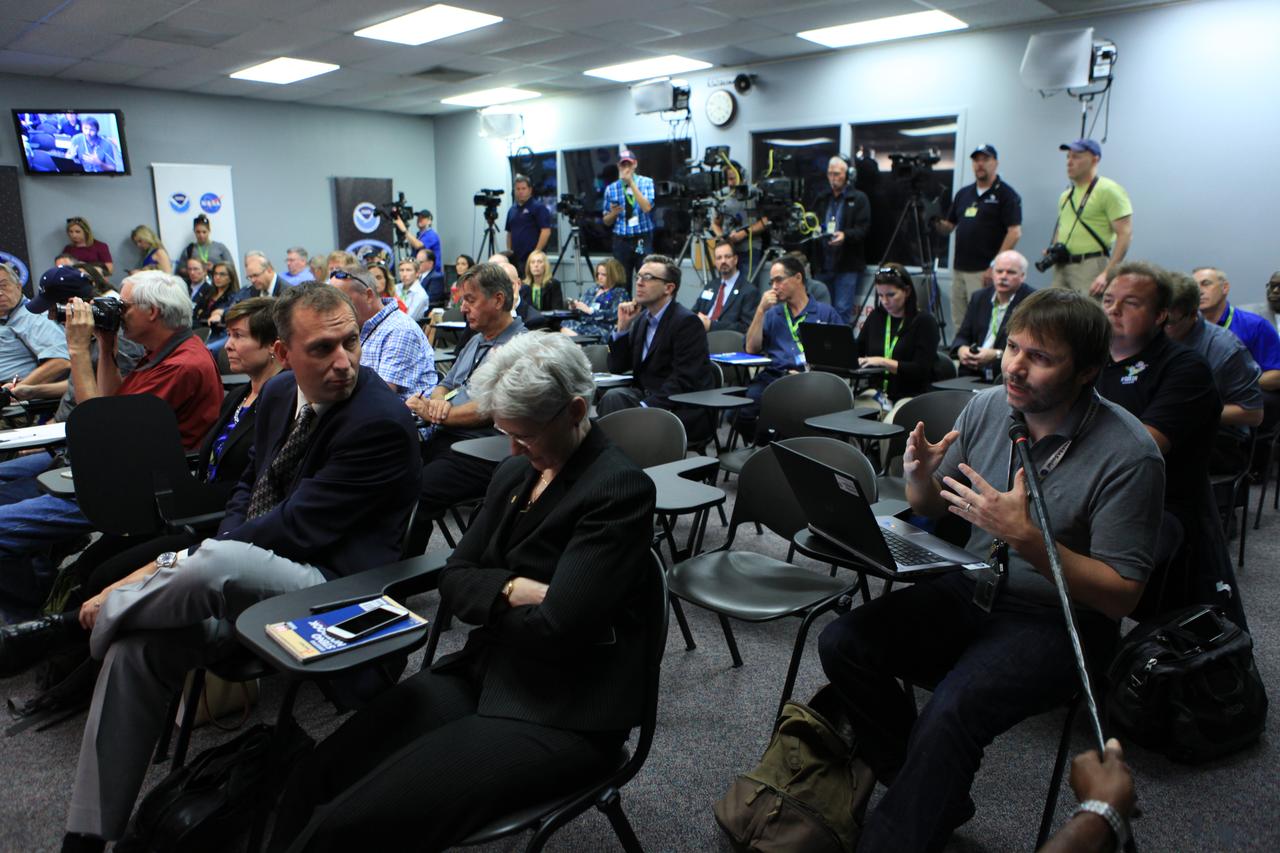
Members of the news media attend a Geostationary Operational Environmental Satellite (GOES-R) prelaunch news conference in the Kennedy Space Center's Press Site auditorium in Florida. NASA and industry leaders include: Michael Curie, of NASA Communications; Stephen Volz, assistant administrator for satellite and information services, National Oceanic and Atmospheric Administration (NOAA's); Greg Mandt, GOES-R system program director, NOAA; Sandra Smalley, director, Joint Agency Satellite Division, NASA Headquarters; Omar Baez, launch director, NASA Kennedy; Scott Messer, program manager, NASA Missions, United Launch Alliance; and Clay Flinn, launch weather officer, 4th Weather Squadron, Cape Canaveral Air Force Station.
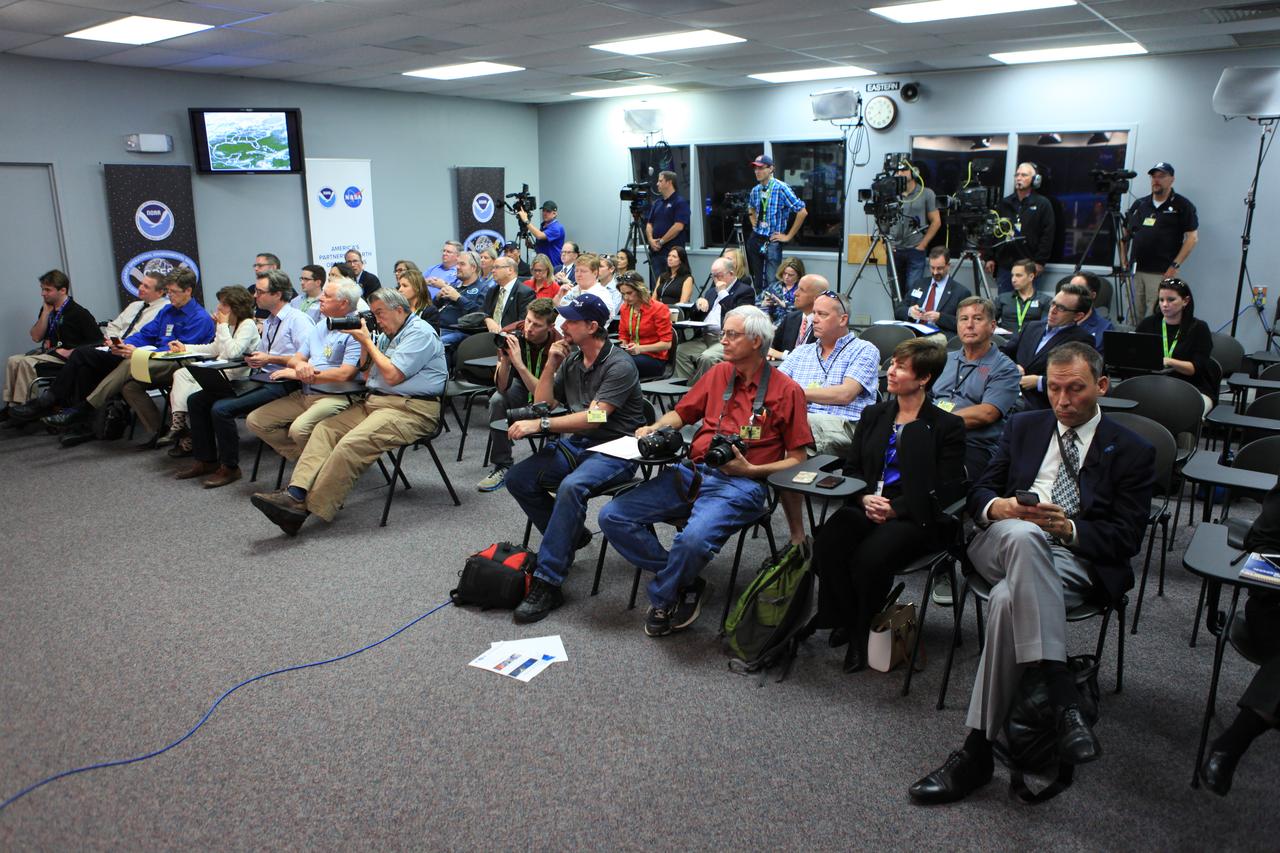
Members of the news media attend a Geostationary Operational Environmental Satellite (GOES-R) prelaunch news conference in the Kennedy Space Center's Press Site auditorium in Florida. NASA and industry leaders include: Michael Curie, of NASA Communications; Stephen Volz, assistant administrator for satellite and information services, National Oceanic and Atmospheric Administration (NOAA's); Greg Mandt, GOES-R system program director, NOAA; Sandra Smalley, director, Joint Agency Satellite Division, NASA Headquarters; Omar Baez, launch director, NASA Kennedy; Scott Messer, program manager, NASA Missions, United Launch Alliance; and Clay Flinn, launch weather officer, 4th Weather Squadron, Cape Canaveral Air Force Station.
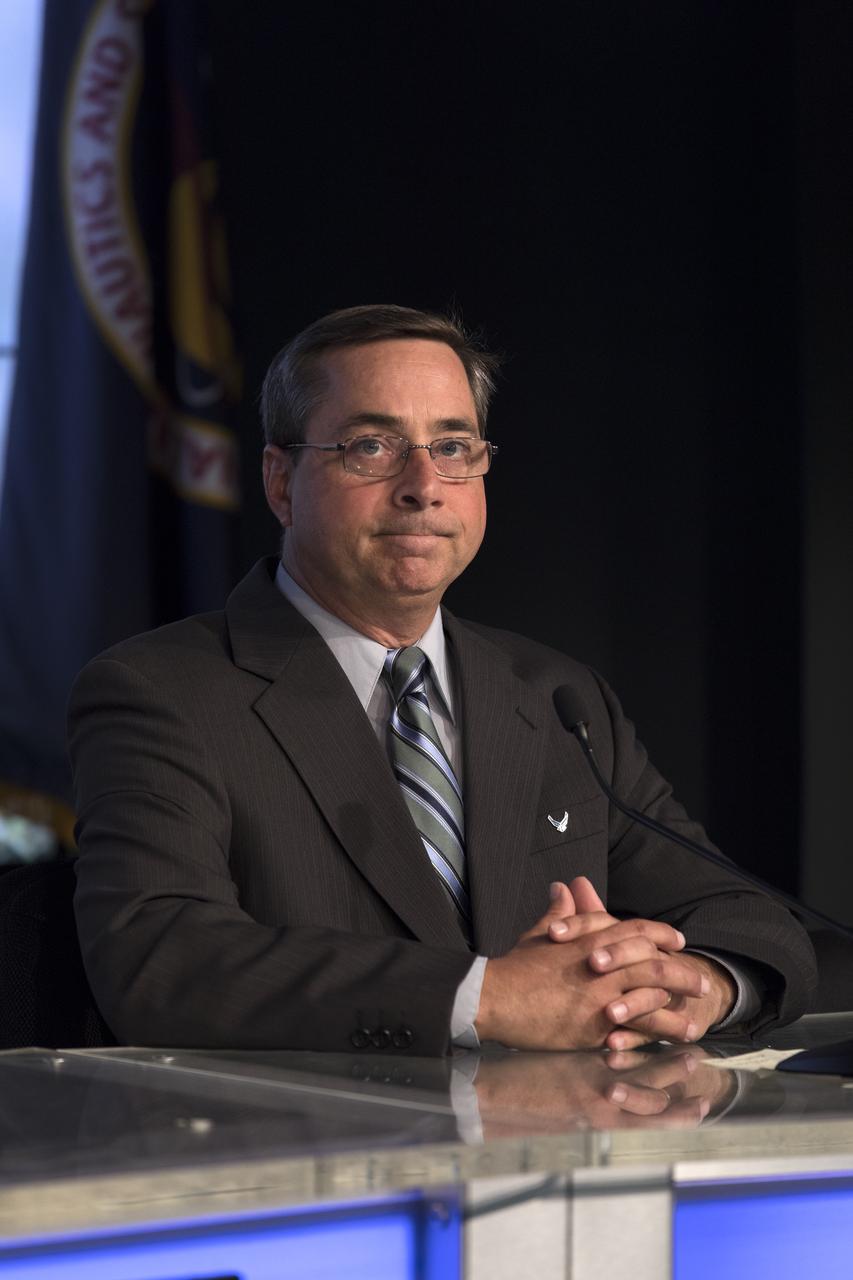
In the Kennedy Space Center’s Press Site auditorium, NASA and industry leaders speak to members of the media during a prelaunch news conference for the SpaceX CRS-14 commercial resupply services mission to the International Space Station. Mike McAleenan, weather officer, 45th Weather Squadron, participates in the news conference. A Dragon spacecraft is scheduled to be launched from Space Launch Complex 40 at Cape Canaveral Air Force Station at 4:30 p.m. EST, on April 2, 2018. The SpaceX Falcon 9 rocket will lift off on the company's 14th Commercial Resupply Services mission to the space station.
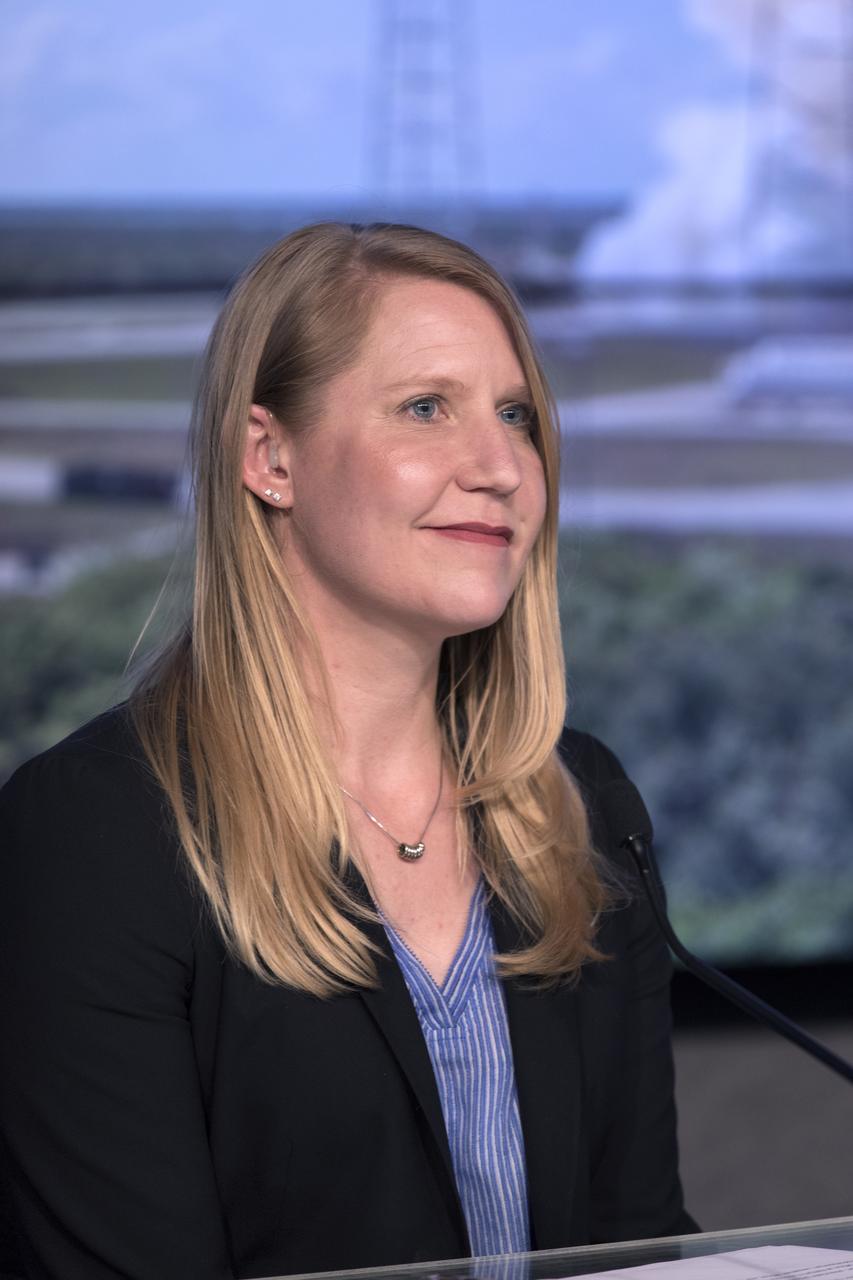
In the Kennedy Space Center’s Press Site auditorium, NASA and industry leaders speak to members of the media during a prelaunch news conference for the SpaceX CRS-14 commercial resupply services mission to the International Space Station. Stephanie Schierholz, of NASA Communications, moderates the news conference. A Dragon spacecraft is scheduled to be launched from Space Launch Complex 40 at Cape Canaveral Air Force Station at 4:30 p.m. EST, on April 2, 2018. The SpaceX Falcon 9 rocket will lift off on the company's 14th Commercial Resupply Services mission to the space station.
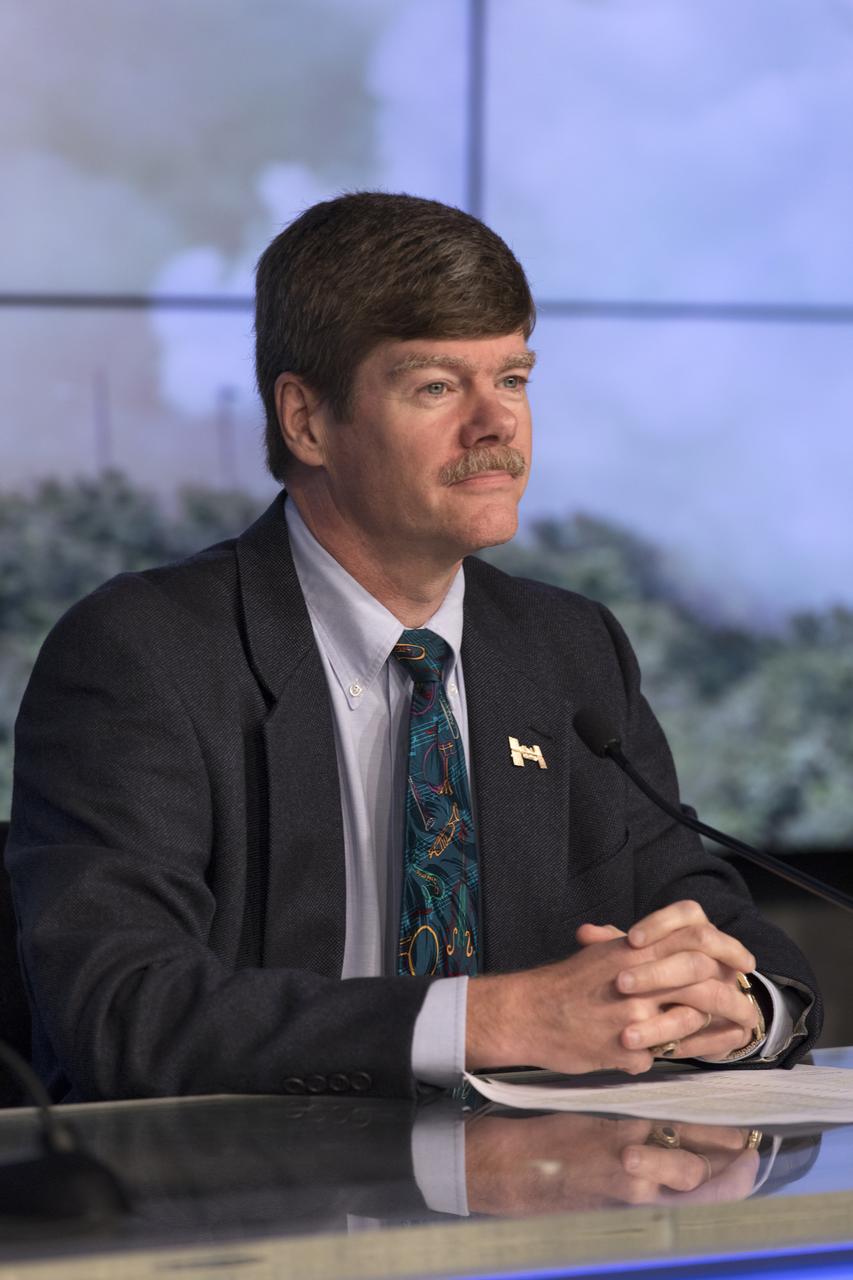
In the Kennedy Space Center’s Press Site auditorium, NASA and industry leaders speak to members of the media during a prelaunch news conference for the SpaceX CRS-14 commercial resupply services mission to the International Space Station. Pete Hasbrook, associate program scientist, ISS Program Science Office at NASA's Johnson Space Center in Houston; participates in the news conference. A Dragon spacecraft is scheduled to be launched from Space Launch Complex 40 at Cape Canaveral Air Force Station at 4:30 p.m. EST, on April 2, 2018. The SpaceX Falcon 9 rocket will lift off on the company's 14th Commercial Resupply Services mission to the space station.
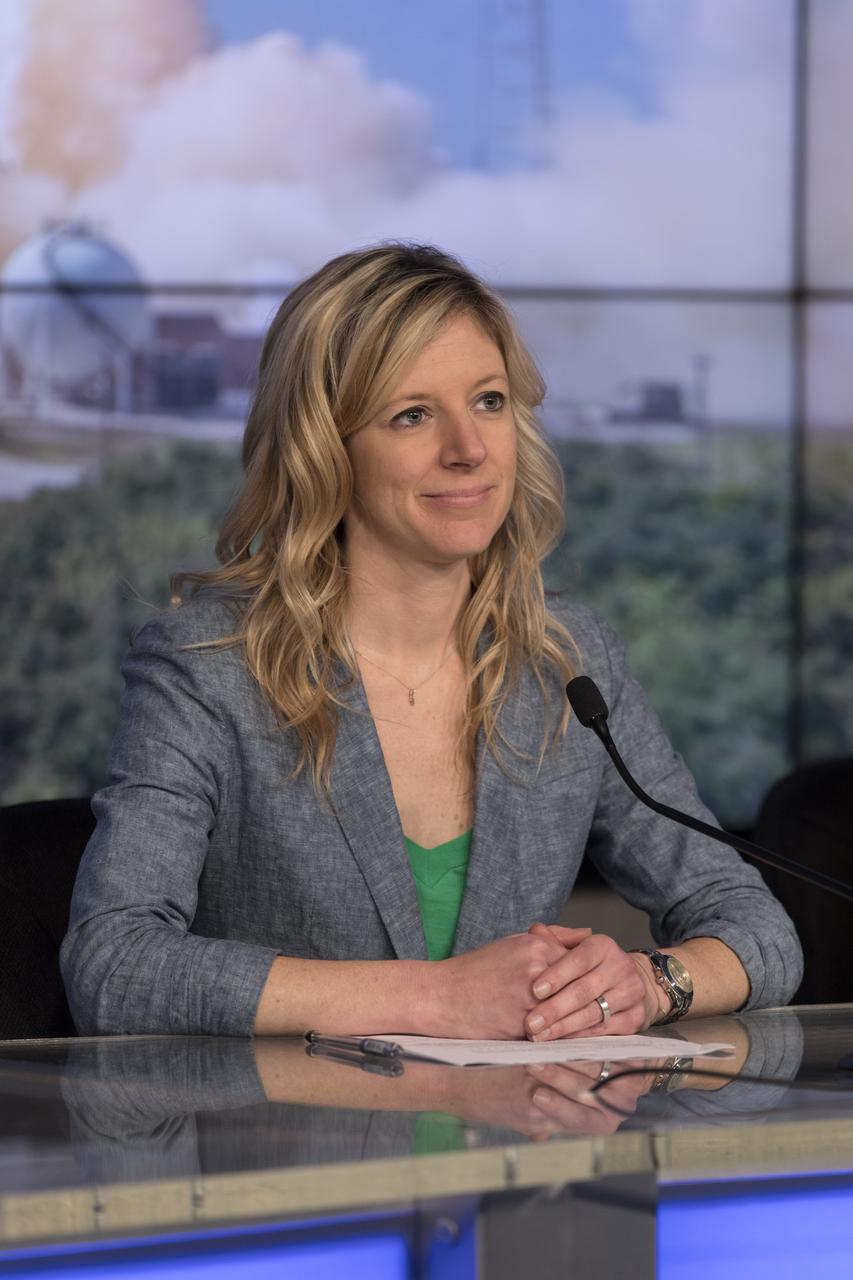
In the Kennedy Space Center’s Press Site auditorium, NASA and industry leaders speak to members of the media during a prelaunch news conference for the SpaceX CRS-14 commercial resupply services mission to the International Space Station. Jessica Jensen, director, Dragon Mission Management, SpaceX, participates in the news conference. A Dragon spacecraft is scheduled to be launched from Space Launch Complex 40 at Cape Canaveral Air Force Station at 4:30 p.m. EST, on April 2, 2018. The SpaceX Falcon 9 rocket will lift off on the company's 14th Commercial Resupply Services mission to the space station.
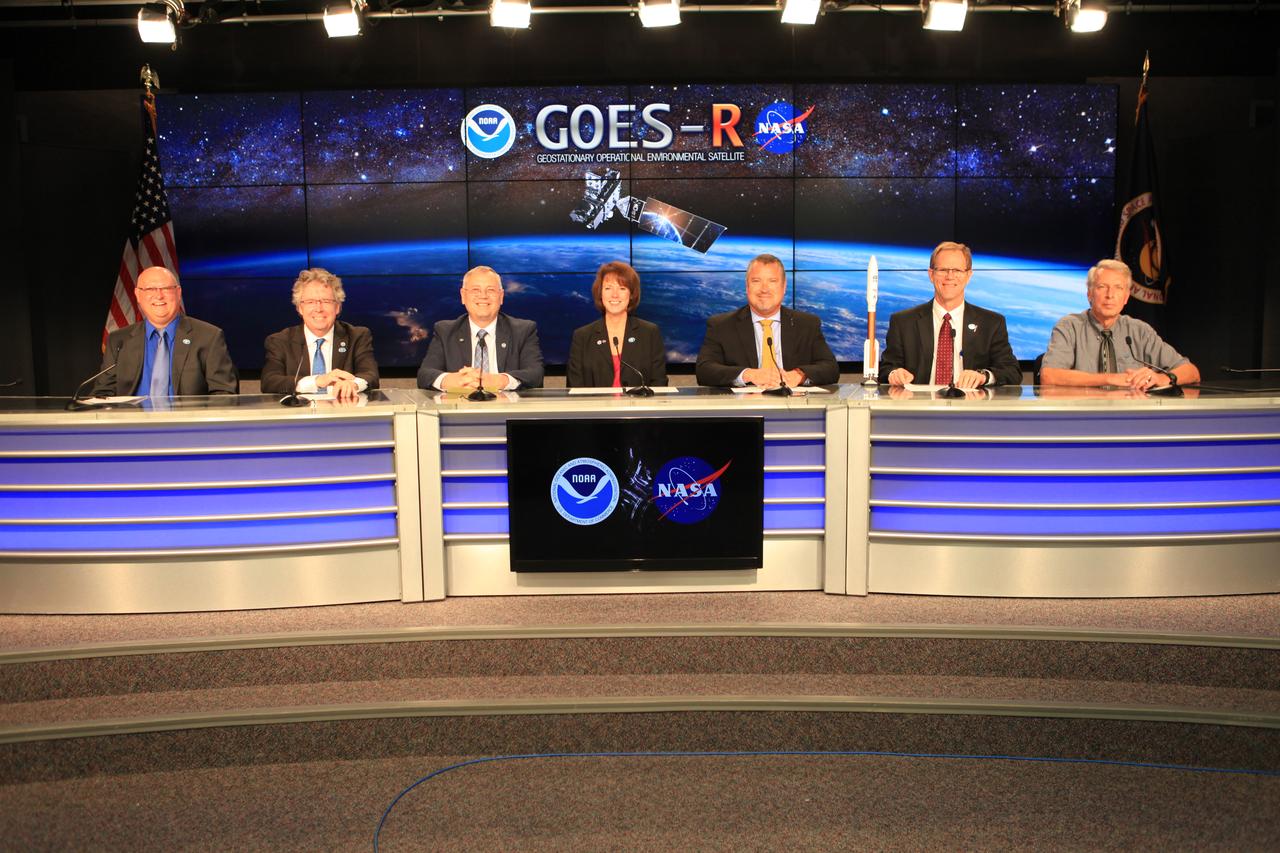
NASA and industry leaders participate in a Geostationary Operational Environmental Satellite (GOES-R), prelaunch news conference in the Kennedy Space Center's Press Site auditorium in Florida. NASA and industry leaders include: Michael Curie, of NASA Communications; Stephen Volz, assistant administrator for satellite and information services, National Oceanic and Atmospheric Administration (NOAA's); Greg Mandt, GOES-R system program director, NOAA; Sandra Smalley, director, Joint Agency Satellite Division, NASA Headquarters; Omar Baez, launch director, NASA Kennedy; Scott Messer, program manager, NASA Missions, United Launch Alliance; and Clay Flinn, launch weather officer, 4th Weather Squadron, Cape Canaveral Air Force Station.
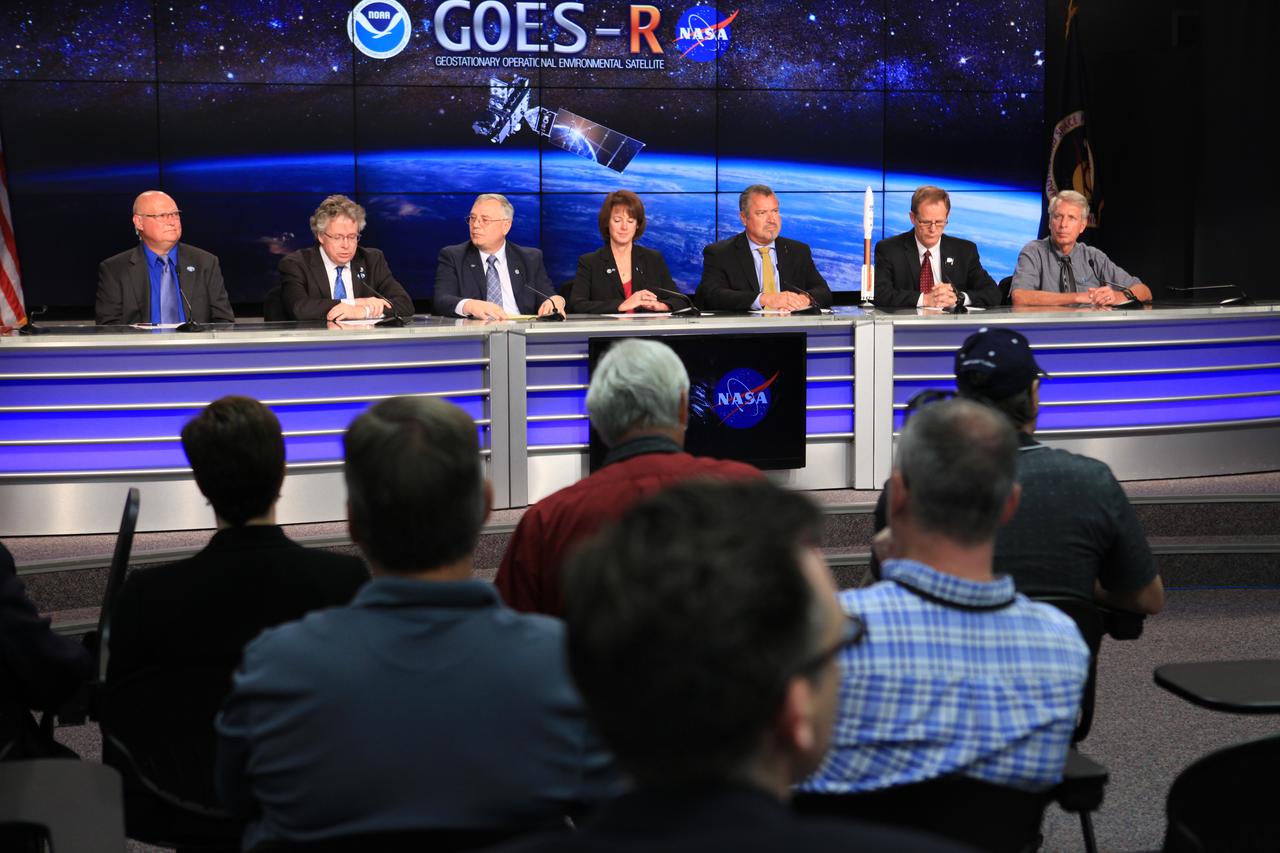
NASA and industry leaders participate in a Geostationary Operational Environmental Satellite (GOES-R), prelaunch news conference in the Kennedy Space Center's Press Site auditorium in Florida. NASA and industry leaders include: Michael Curie, of NASA Communications; Stephen Volz, assistant administrator for satellite and information services, National Oceanic and Atmospheric Administration (NOAA's); Greg Mandt, GOES-R system program director, NOAA; Sandra Smalley, director, Joint Agency Satellite Division, NASA Headquarters; Omar Baez, launch director, NASA Kennedy; Scott Messer, program manager, NASA Missions, United Launch Alliance; and Clay Flinn, launch weather officer, 4th Weather Squadron, Cape Canaveral Air Force Station.
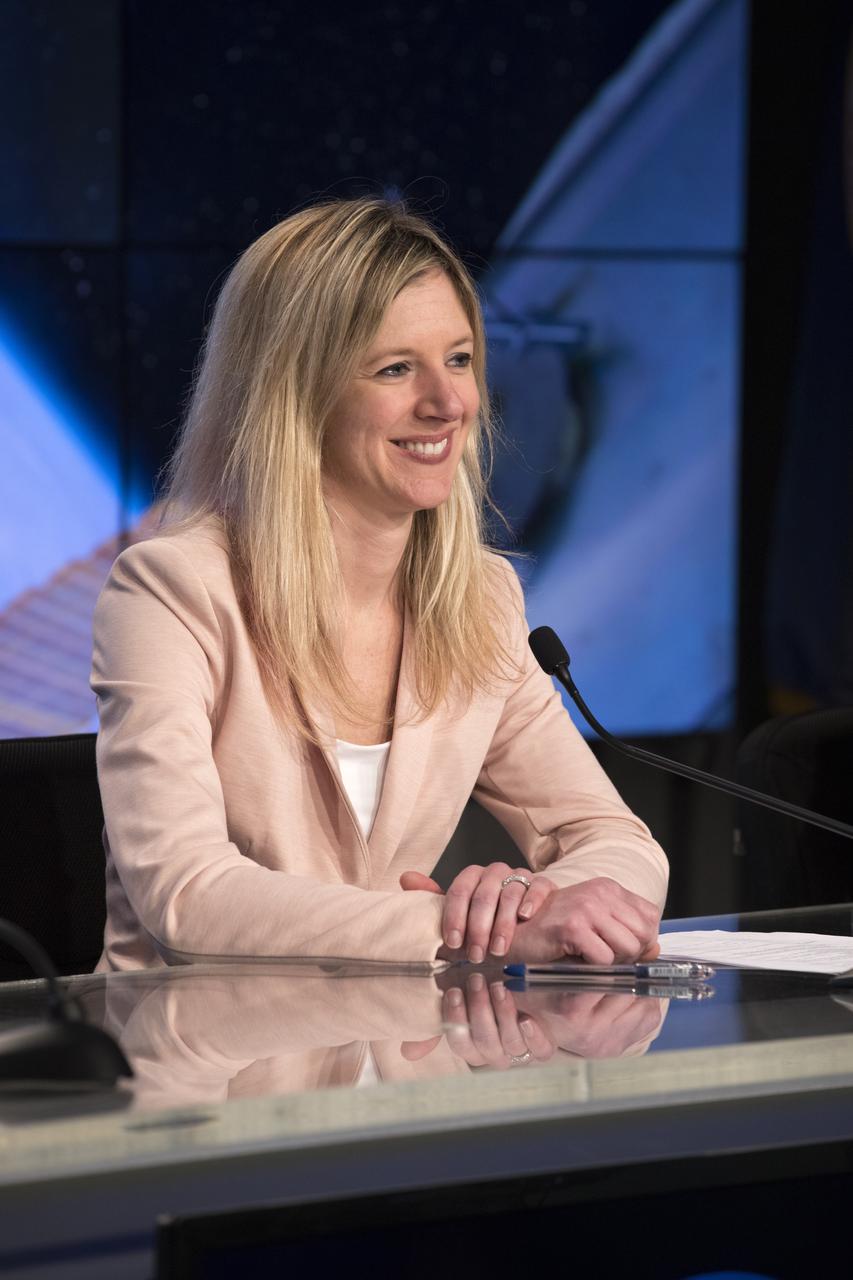
In the Kennedy Space Center’s Press Site auditorium, agency and industry leaders speak to members of the media at a prelaunch news conference for the SpaceX CRS-10 commercial resupply services mission to the International Space Station. Jessica Jensen, director of Dragon mission management for SpaceX, answers questions.
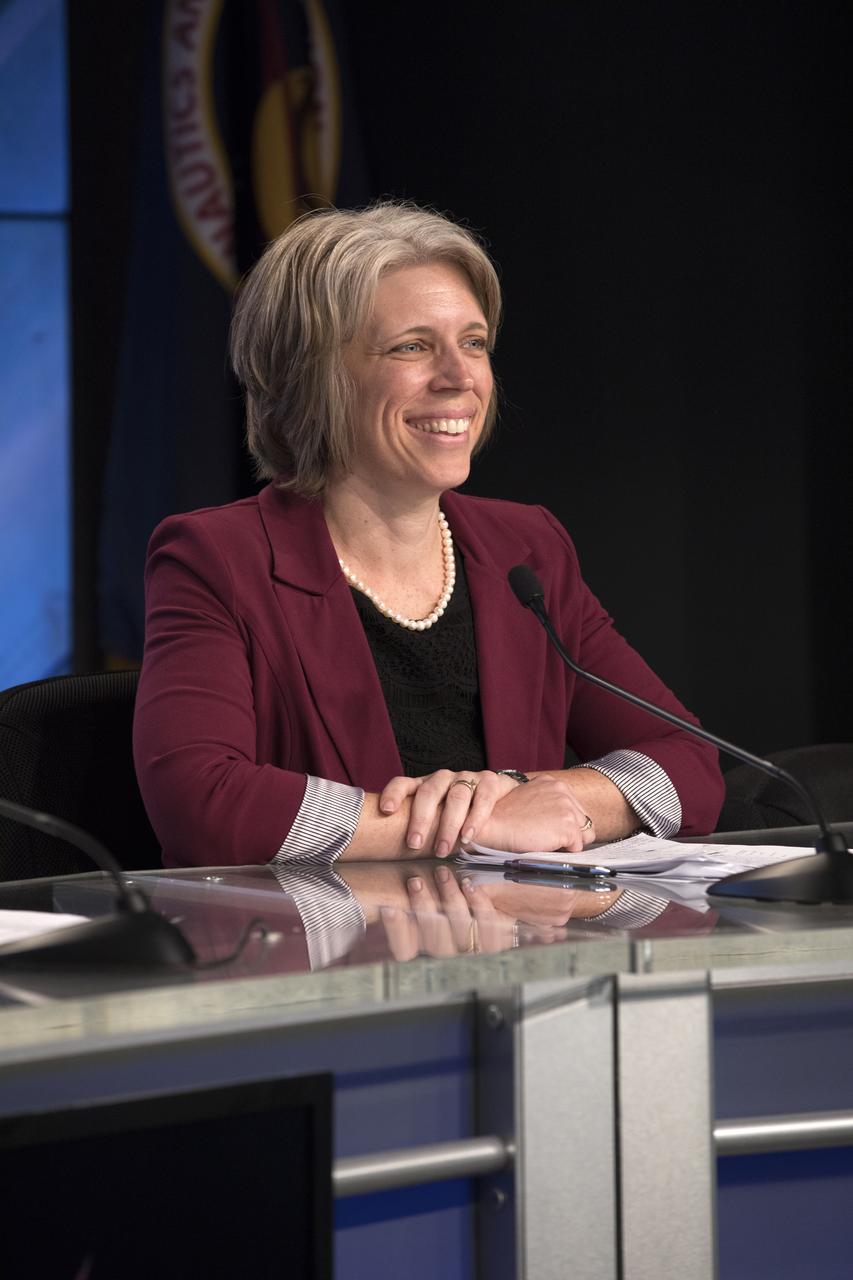
In the Kennedy Space Center’s Press Site auditorium, agency and industry leaders speak to members of the media at a prelaunch news conference for the SpaceX CRS-10 commercial resupply services mission to the International Space Station. Tara Ruttley, associate scientist for the International Space Station Program at Johnson Space Center in Houston answers questions.
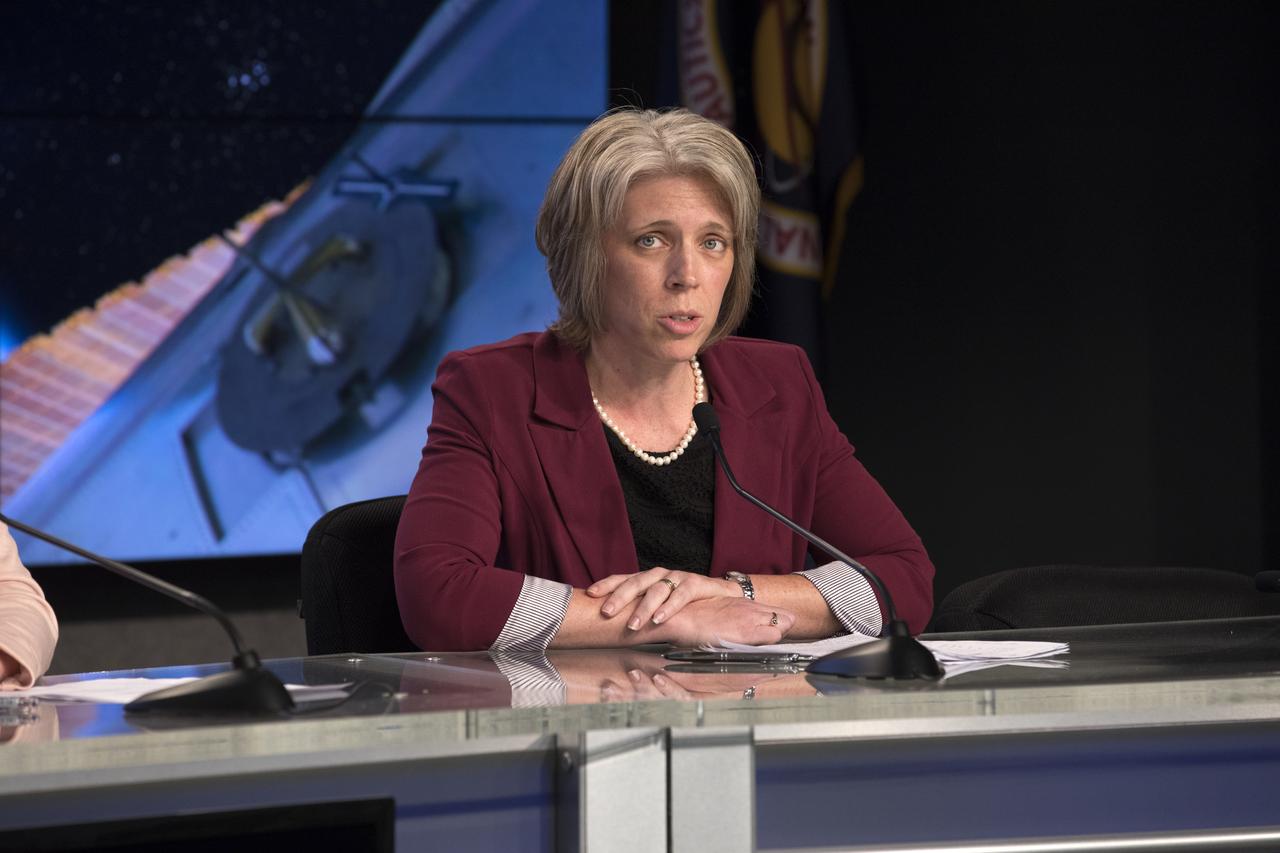
In the Kennedy Space Center’s Press Site auditorium, agency and industry leaders speak to members of the media at a prelaunch news conference for the SpaceX CRS-10 commercial resupply services mission to the International Space Station. Tara Ruttley, associate scientist for the International Space Station Program at Johnson Space Center in Houston, answers questions.
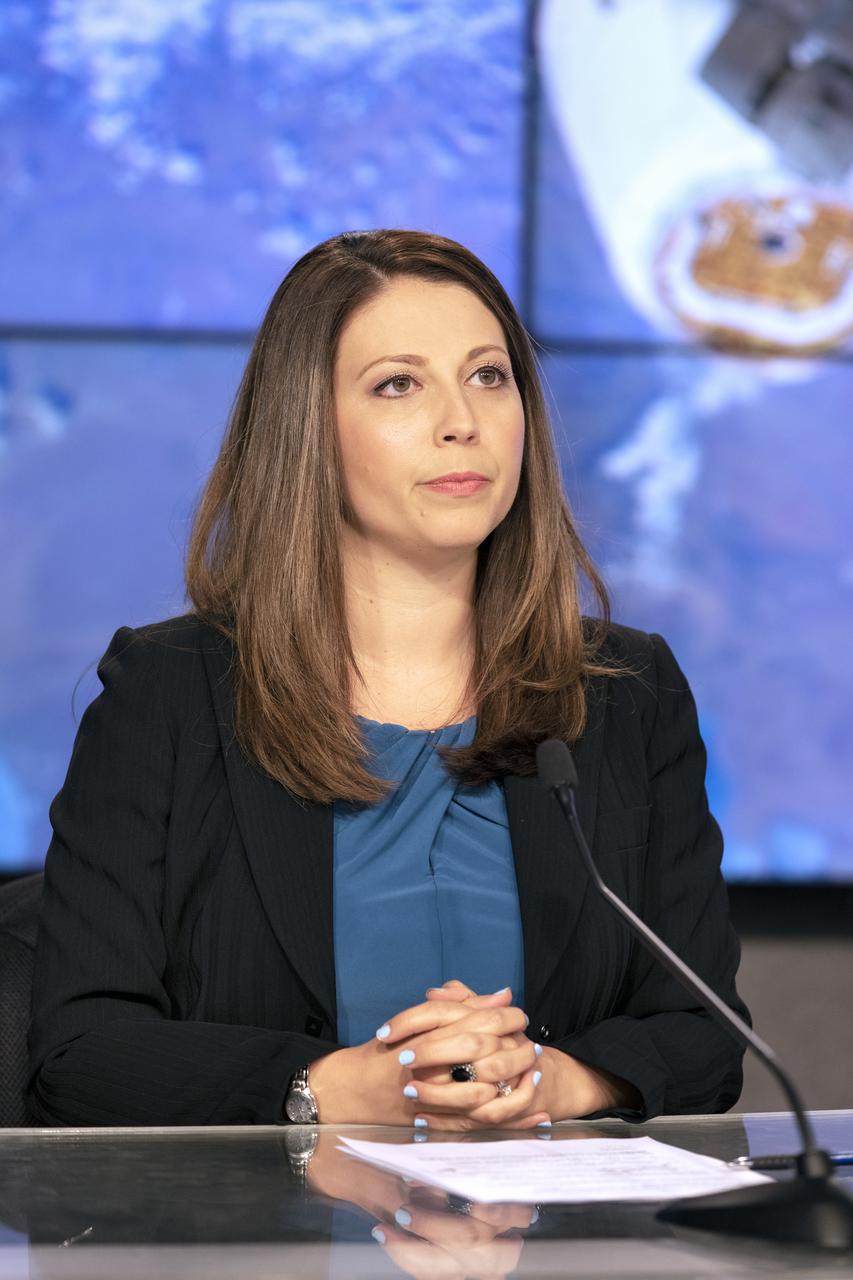
Marie Lewis, NASA Communications moderator, moderates the prelaunch news conference for SpaceX’s 18th Commercial Resupply Services (CRS-18) mission to the International Space Station, July 24, 2019, at the agency’s Kennedy Space Center in Florida. The SpaceX Falcon 9 rocket and uncrewed Dragon spacecraft are scheduled to launch July 24, 2019, from Space Launch Complex 40 at Florida’s Cape Canaveral Air Force Station.

Will Ulrich, launch weather officer with the U.S. Air Force 45th Space Wing, discusses the liftoff weather forecast during the prelaunch news conference for SpaceX’s 18th Commercial Resupply Services (CRS-18) mission to the International Space Station, July 24, 2019, at NASA’s Kennedy Space Center in Florida. The SpaceX Falcon 9 rocket and uncrewed Dragon spacecraft are scheduled to launch July 24, 2019, from Space Launch Complex 40 at Florida’s Cape Canaveral Air Force Station.
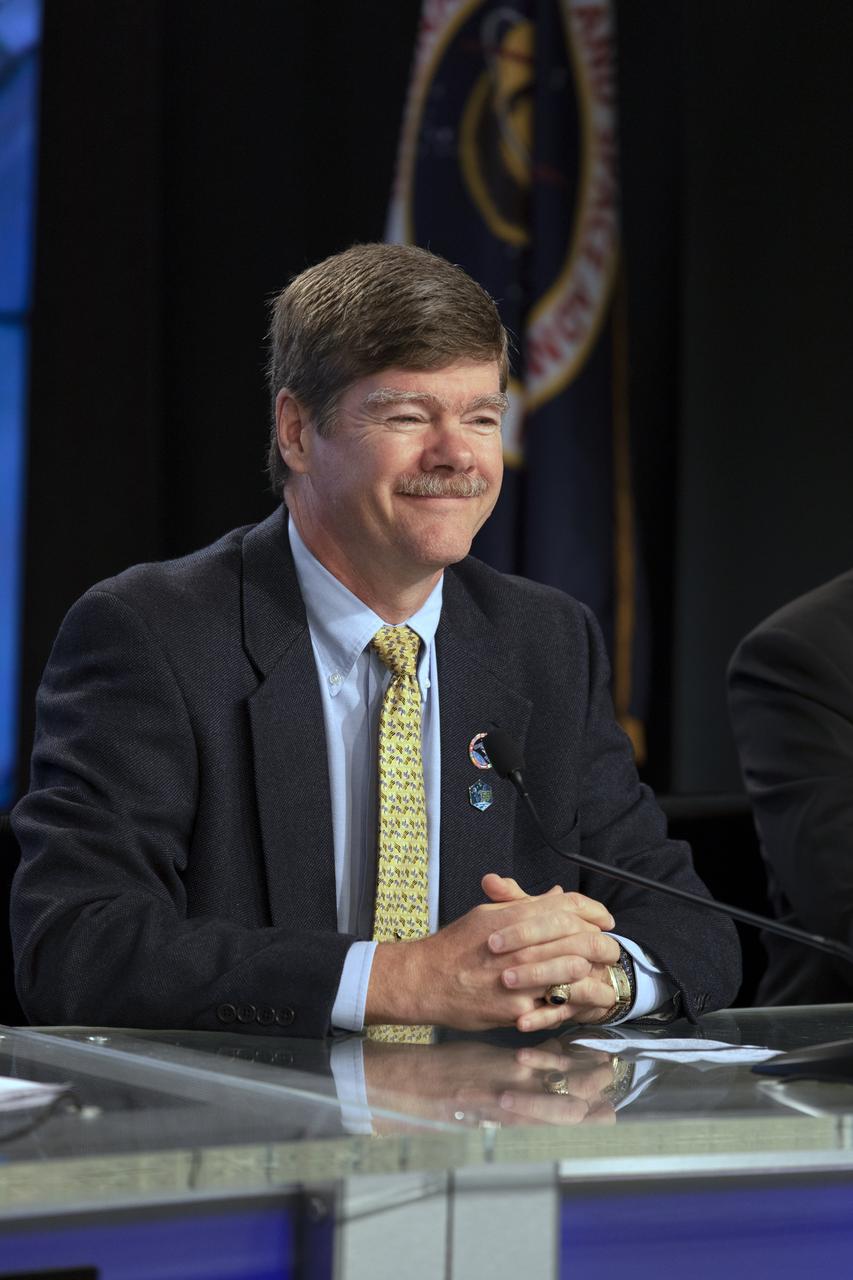
Pete Hasbrook, manager of the International Space Station Program Science Office at NASA’s Johnson Space Center in Houston, speaks during the prelaunch news conference for SpaceX’s 18th Commercial Resupply Services (CRS-18) mission to the station, July 24, 2019, at the agency’s Kennedy Space Center in Florida. The SpaceX Falcon 9 rocket and uncrewed Dragon spacecraft are scheduled to launch July 24, 2019, from Space Launch Complex 40 at Florida’s Cape Canaveral Air Force Station.
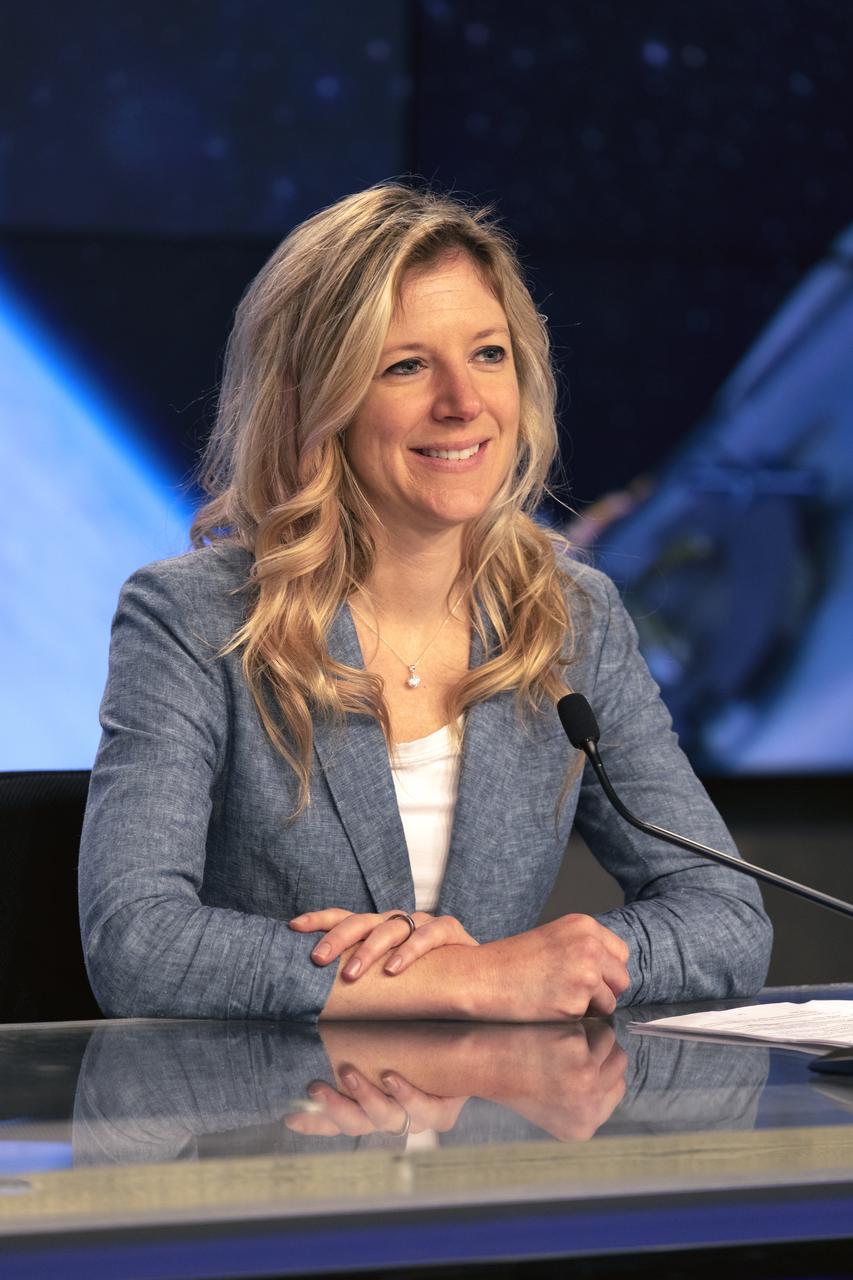
Jessica Jensen, director of Dragon mission management at SpaceX, speaks during the prelaunch news conference for the company's 18th Commercial Resupply Services (CRS-18) mission to the International Space Station, July 24, 2019, at NASA’s Kennedy Space Center in Florida. The SpaceX Falcon 9 rocket and uncrewed Dragon spacecraft are scheduled to launch July 24, 2019, from Space Launch Complex 40 at Florida’s Cape Canaveral Air Force Station.
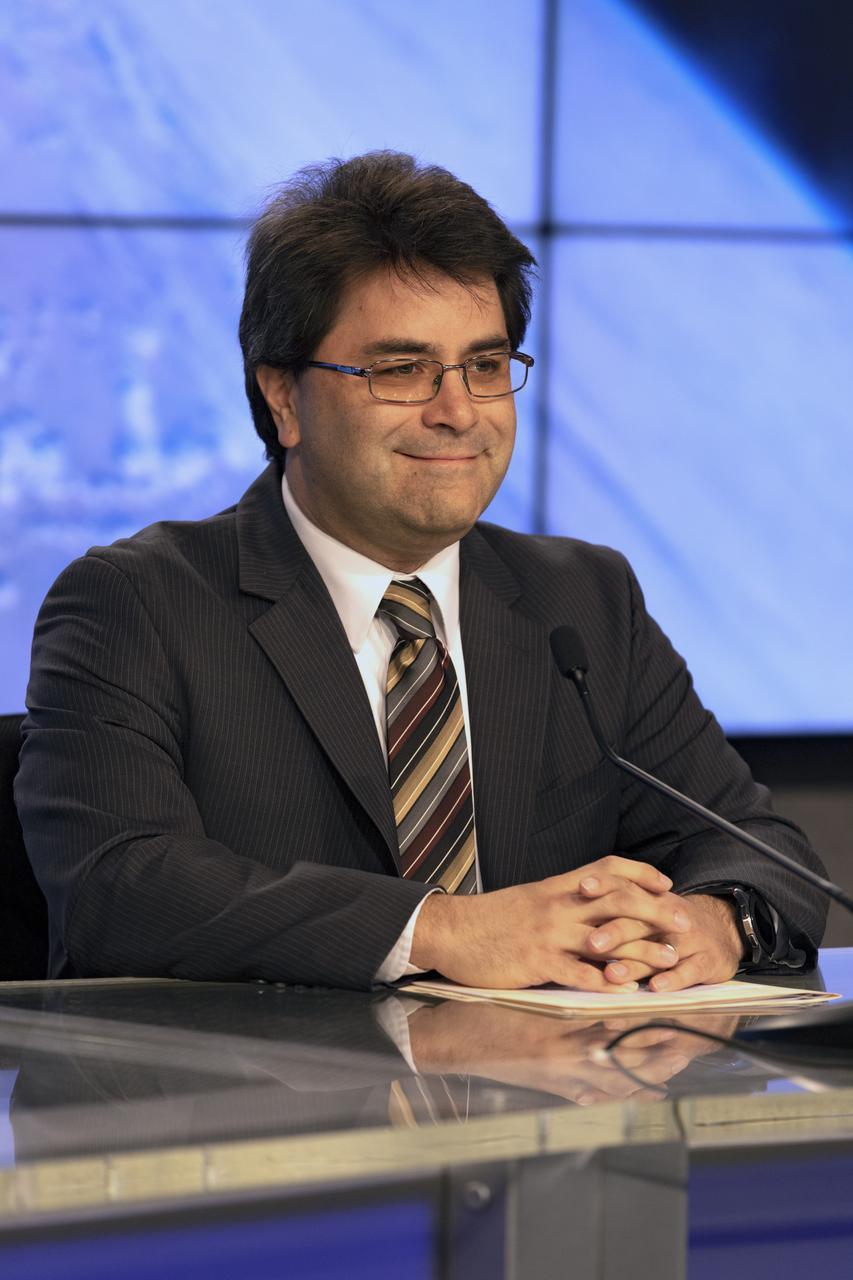
Bill Spetch, deputy manager of the International Space Station Transportation Integration Office at NASA’s Johnson Space Center in Houston, speaks during the prelaunch news conference for SpaceX’s 18th Commercial Resupply Services (CRS-18) mission to the station on July 24, 2019, at the agency’s Kennedy Space Center in Florida. The SpaceX Falcon 9 rocket and uncrewed Dragon spacecraft are scheduled to launch July 24, 2019, from Space Launch Complex 40 at Florida’s Cape Canaveral Air Force Station.
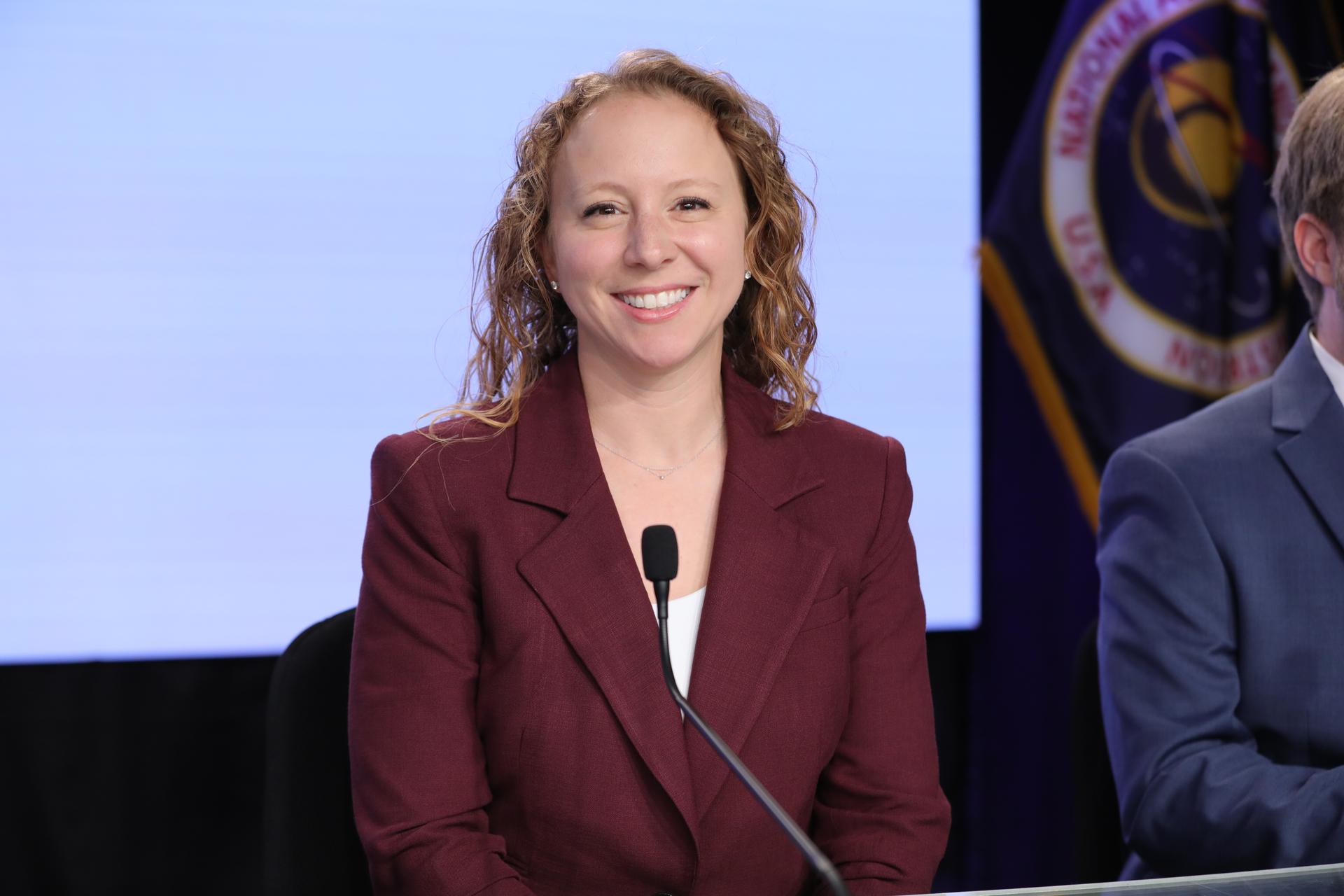
Julianna Scheiman, director, NASA Science and Dragon Programs, SpaceX, participates in a prelaunch news conference for the agency’s Nancy Grace Roman Space Telescope inside the NASA News Center’s John Holliman Auditorium at Kennedy Space Center in Florida, on Saturday, Aug. 29, 2026. Roman will investigate dark energy and dark matter, conduct a statistical census of planetary systems, and enable a broad range of additional astrophysics research. Liftoff from Launch Complex 39A at Kennedy is targeted for no earlier than Sunday, Aug. 30, 2026.
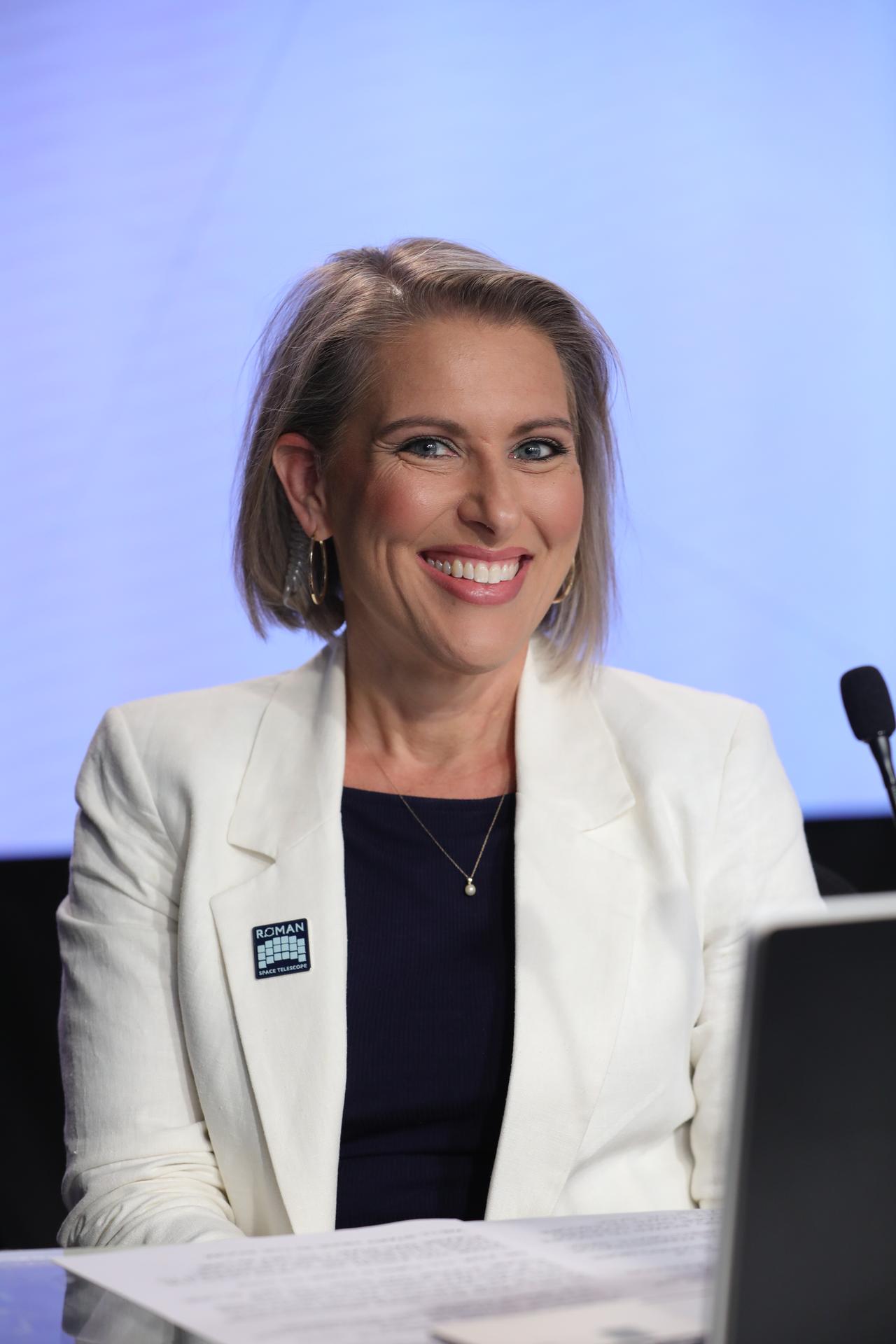
Leah Martin, NASA Communications, participates in a prelaunch news conference for the agency’s Nancy Grace Roman Space Telescope inside the NASA News Center’s John Holliman Auditorium at Kennedy Space Center in Florida, on Saturday, Aug. 29, 2026. Roman will investigate dark energy and dark matter, conduct a statistical census of planetary systems, and enable a broad range of additional astrophysics research. Liftoff from Launch Complex 39A at Kennedy is targeted for no earlier than Sunday, Aug. 30, 2026.
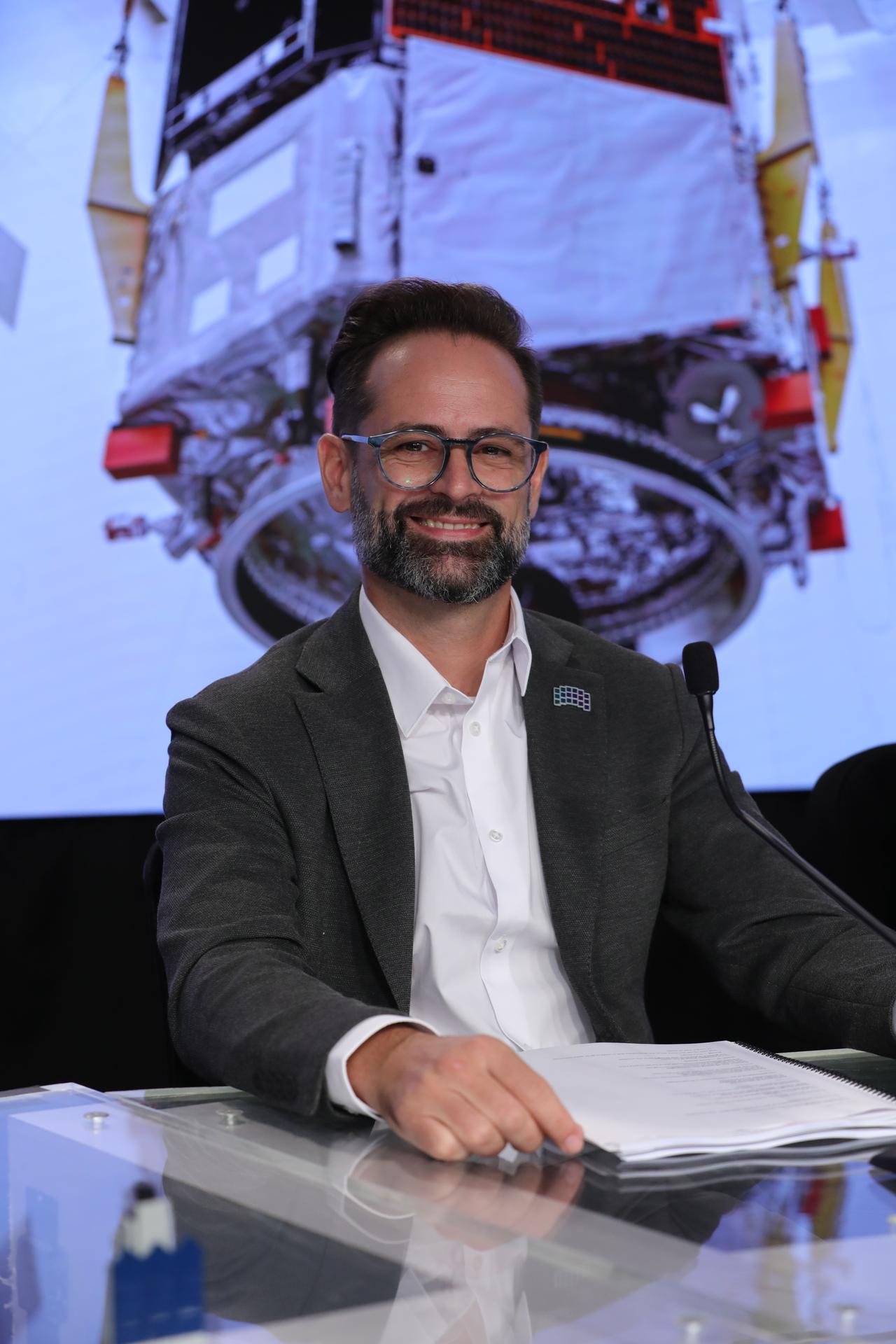
Lucas Paganini, Roman telescope program executive, NASA Headquarters in Washington, participates in a prelaunch news conference for the agency’s Nancy Grace Roman Space Telescope inside the NASA News Center’s John Holliman Auditorium at Kennedy Space Center in Florida, on Saturday, Aug. 29, 2026. Roman will investigate dark energy and dark matter, conduct a statistical census of planetary systems, and enable a broad range of additional astrophysics research. Liftoff from Launch Complex 39A at Kennedy is targeted for no earlier than Sunday, Aug. 30, 2026.
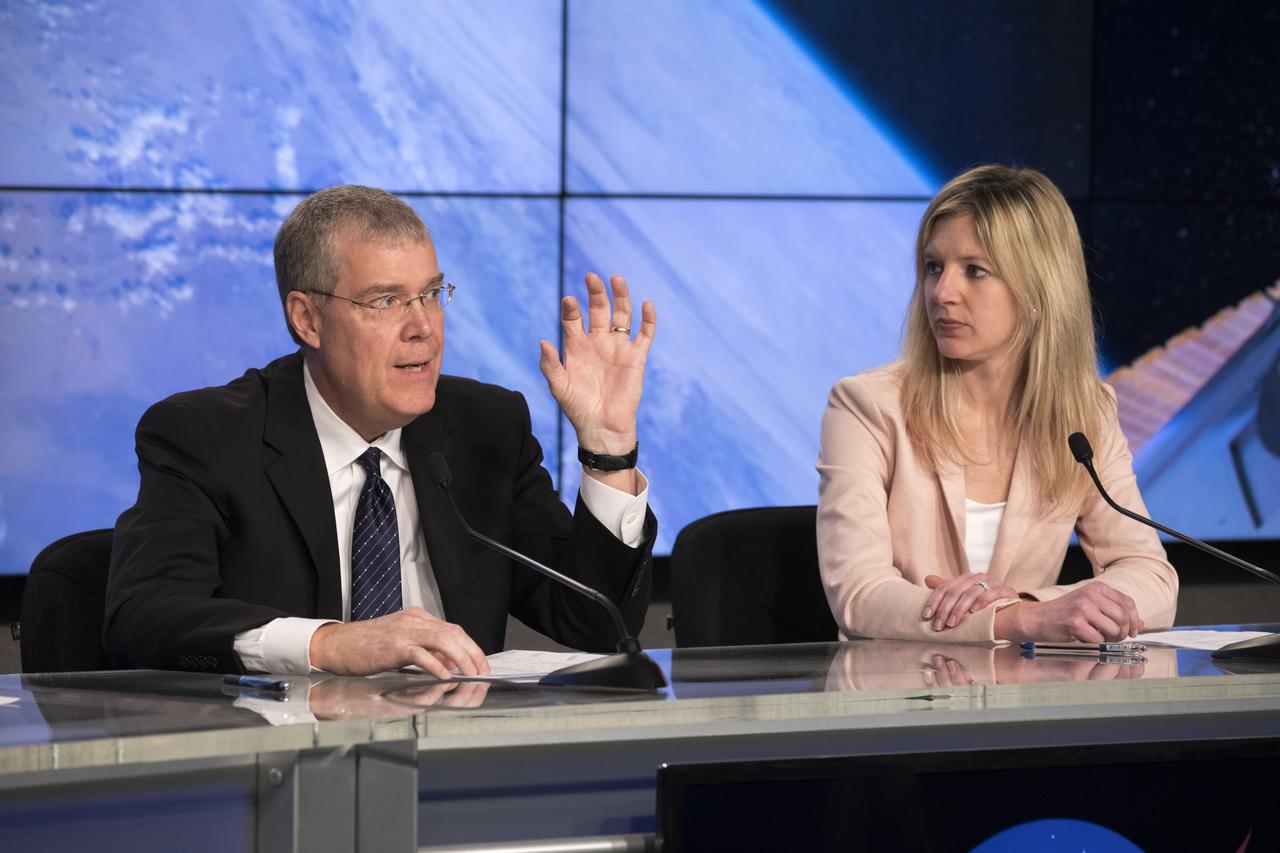
In the Kennedy Space Center’s Press Site auditorium, agency and industry leaders speak to members of the media at a prelaunch news conference for the SpaceX CRS-10 commercial resupply services mission to the International Space Station. From left are: Dan Hartman, deputy manager for the International Space Station Program at NASA's Johnson Space Center in Texas; and Jessica Jensen, director of Dragon mission management for SpaceX.
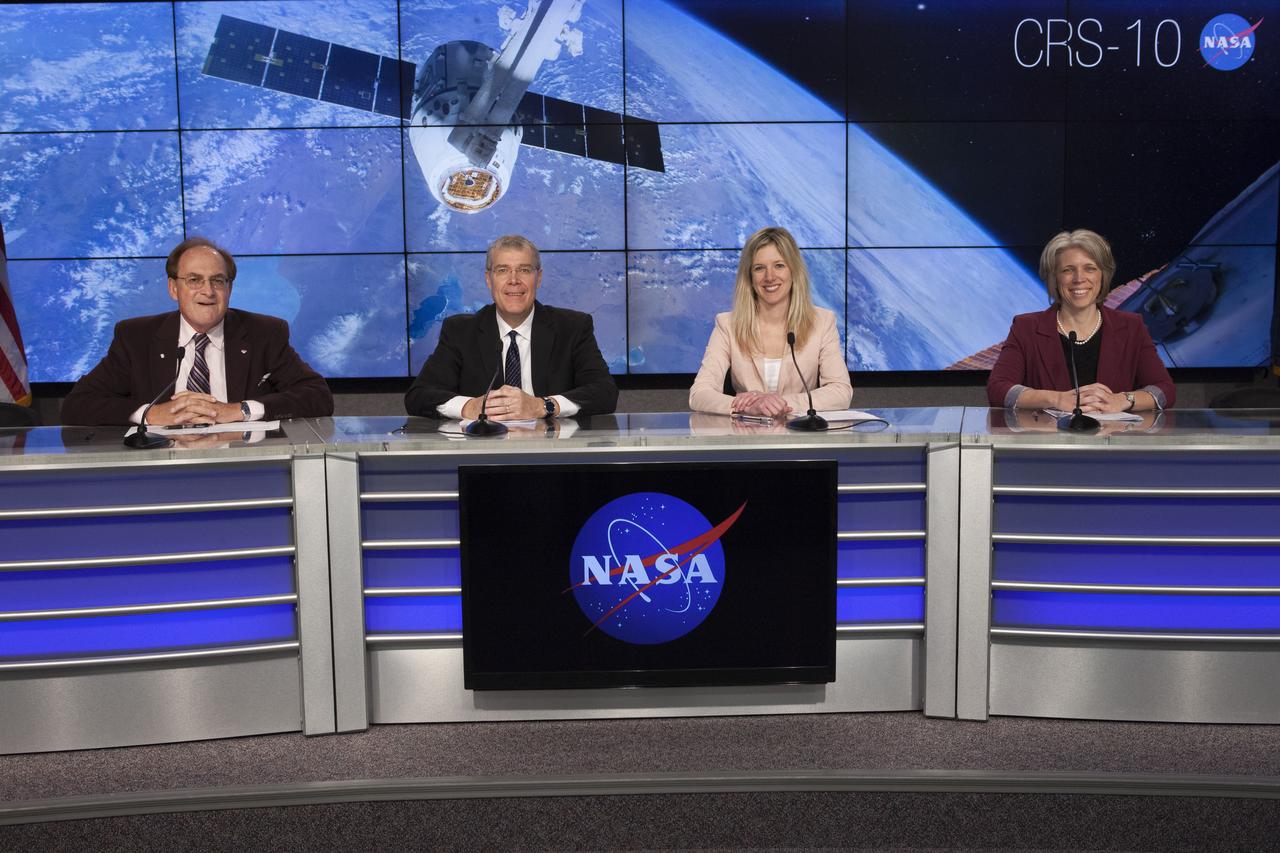
In the Kennedy Space Center’s Press Site auditorium, agency and industry leaders speak to members of the media at a prelaunch news conference for the SpaceX CRS-10 commercial resupply services mission to the International Space Station. From left are: George Diller of NASA Communications; Dan Hartman, deputy manager for the International Space Station Program at NASA's Johnson Space Center in Texas; Jessica Jensen, director of Dragon mission management for SpaceX; and Tara Ruttley, associate scientist for the International Space Station Program at Johnson.
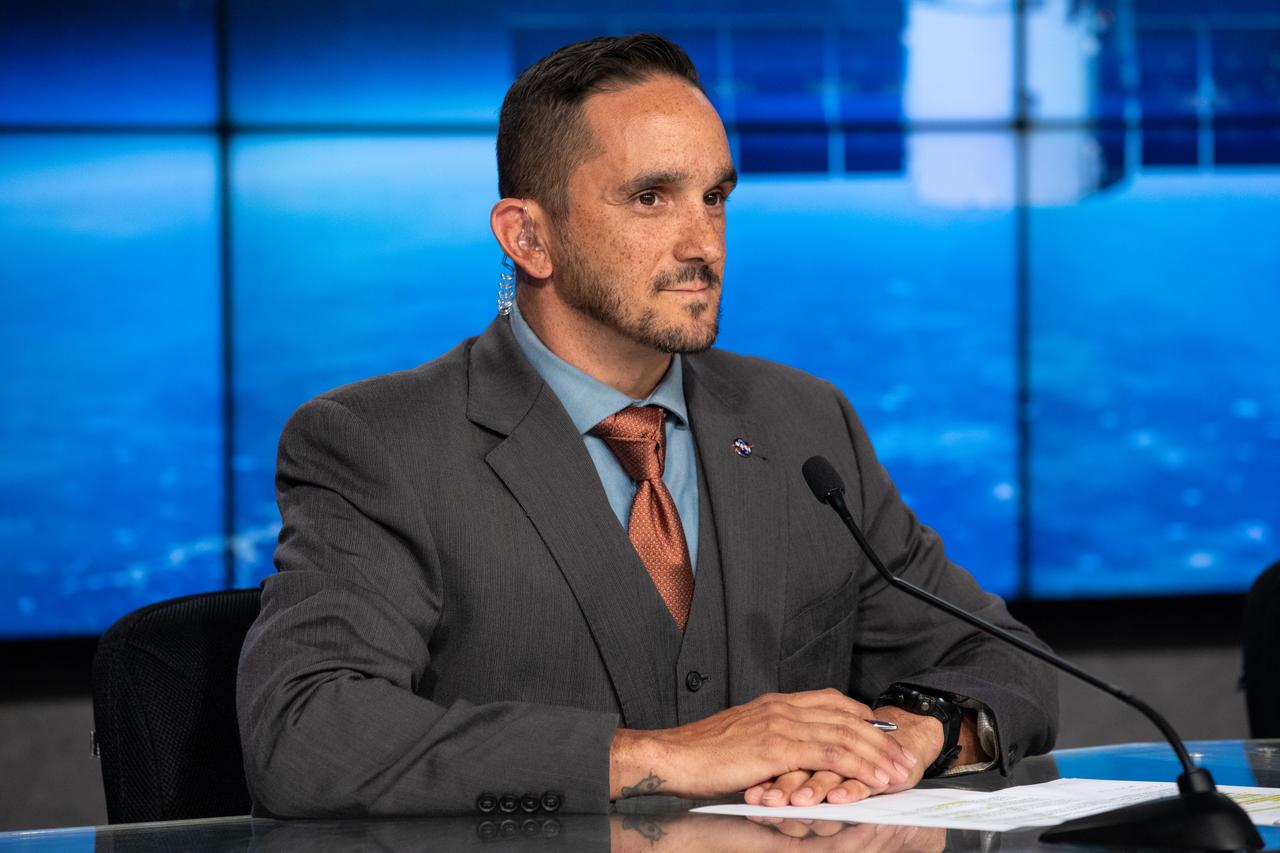
Dustin Cammack, NASA Communications, moderates a prelaunch news conference on Dec. 3, 2019, for SpaceX’s 19th Commercial Resupply Services (CRS-19) mission for NASA to the International Space Station, at the agency’s Kennedy Space Center in Florida. NASA and industry leaders speak to members of the news media during the news conference. The SpaceX Falcon 9 rocket and Dragon cargo module are scheduled to launch on Dec. 4, 2019, from Space Launch Complex 40 on Cape Canaveral Air Force Station in Florida.

Lucy Prelaunch News Conference with representatives from NASA, Southwest Research Institute, United Launch Alliance, and Space Launch Delta 45. Lucy, NASA’s first mission to explore the Trojan Asteroids, is set to launch on a United Launch Alliance Atlas V rocket from Cape Canaveral Space Force Station in Florida on Oct. 16. The launch is managed by NASA’s Launch Services Program based at Kennedy Space Center.

Lucy Prelaunch News Conference with representatives from NASA, Southwest Research Institute, United Launch Alliance, and Space Launch Delta 45. Lucy, NASA’s first mission to explore the Trojan Asteroids, is set to launch on a United Launch Alliance Atlas V rocket from Cape Canaveral Space Force Station in Florida on Oct. 16. The launch is managed by NASA’s Launch Services Program based at Kennedy Space Center.
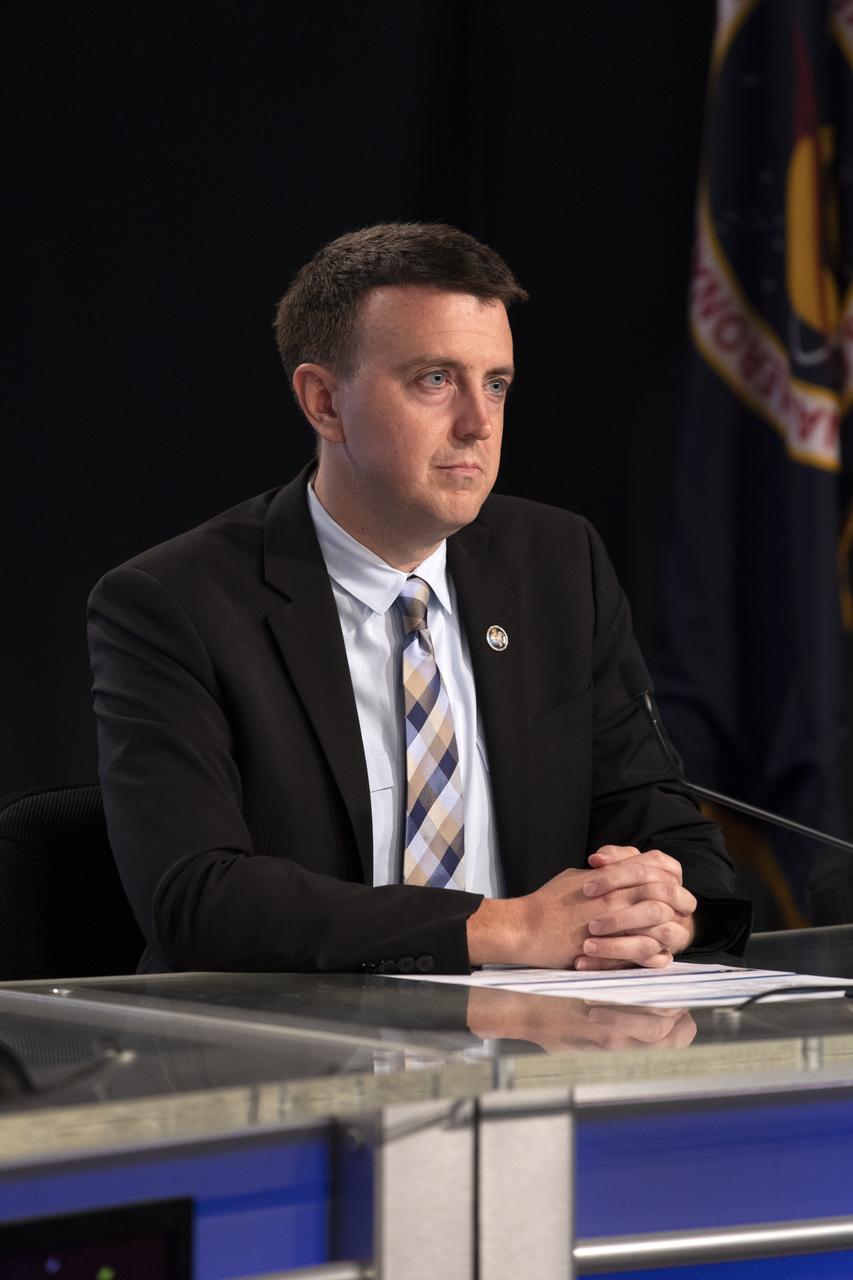
Will Ulrich, 45th Space Wing weather officer with the U.S. Air Force, speaks to members of the news media during a prelaunch news conference for SpaceX’s 17th Commercial Resupply Services (CRS-17) mission for NASA to the International Space Station on May 2, 2019, at the agency’s Kennedy Space Center in Florida. The SpaceX Falcon 9 rocket and Dragon cargo module are scheduled to launch no earlier than May 3, 2019, from Space Launch Complex 40 on Cape Canaveral Air Force Station in Florida.
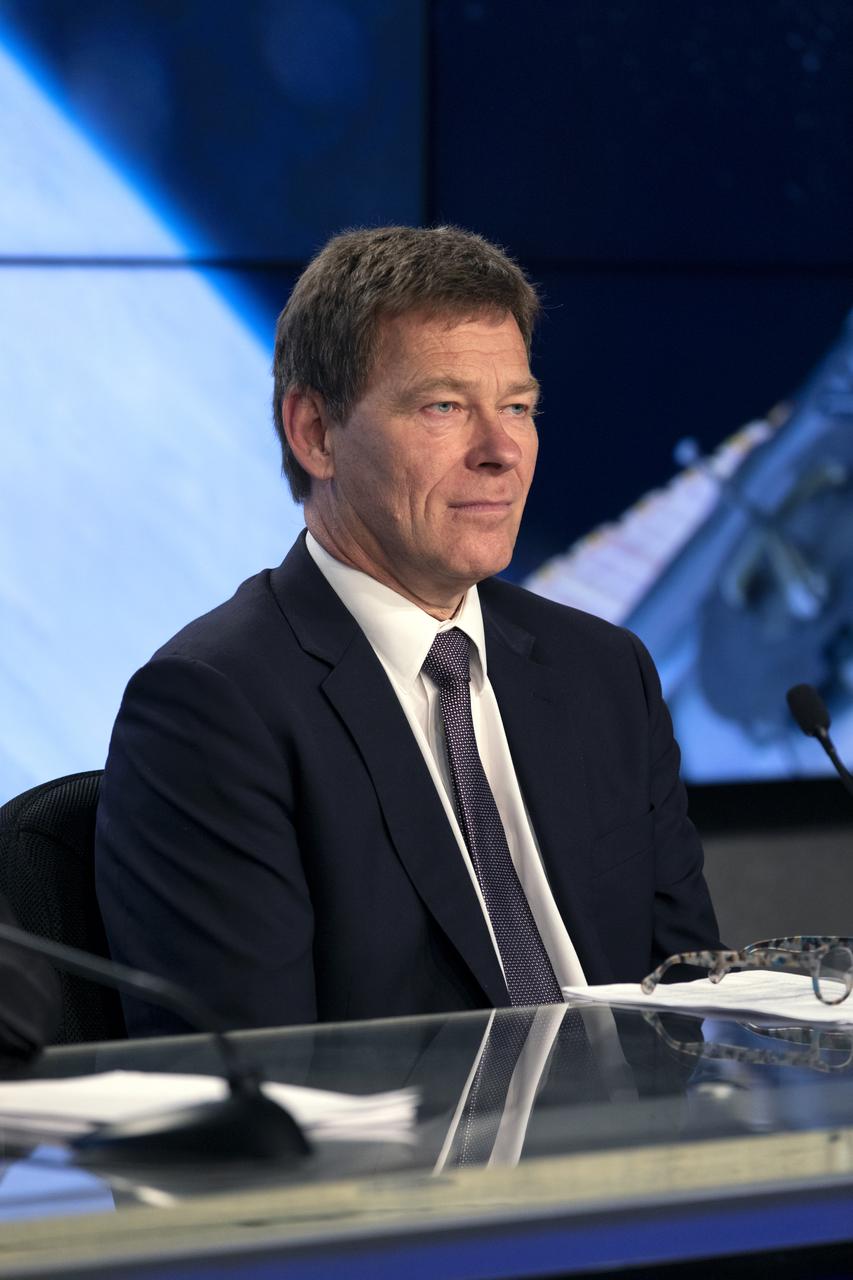
Hans Koenigsmann, VP, Build and Flight Reliability with SpaceX, speaks to members of the news media during a prelaunch news conference for SpaceX’s 17th Commercial Resupply Services (CRS-17) mission for NASA to the International Space Station on May 2, 2019, at the agency’s Kennedy Space Center in Florida. The SpaceX Falcon 9 rocket and Dragon cargo module are scheduled to launch no earlier than May 3, 2019, from Space Launch Complex 40 on Cape Canaveral Air Force Station in Florida.
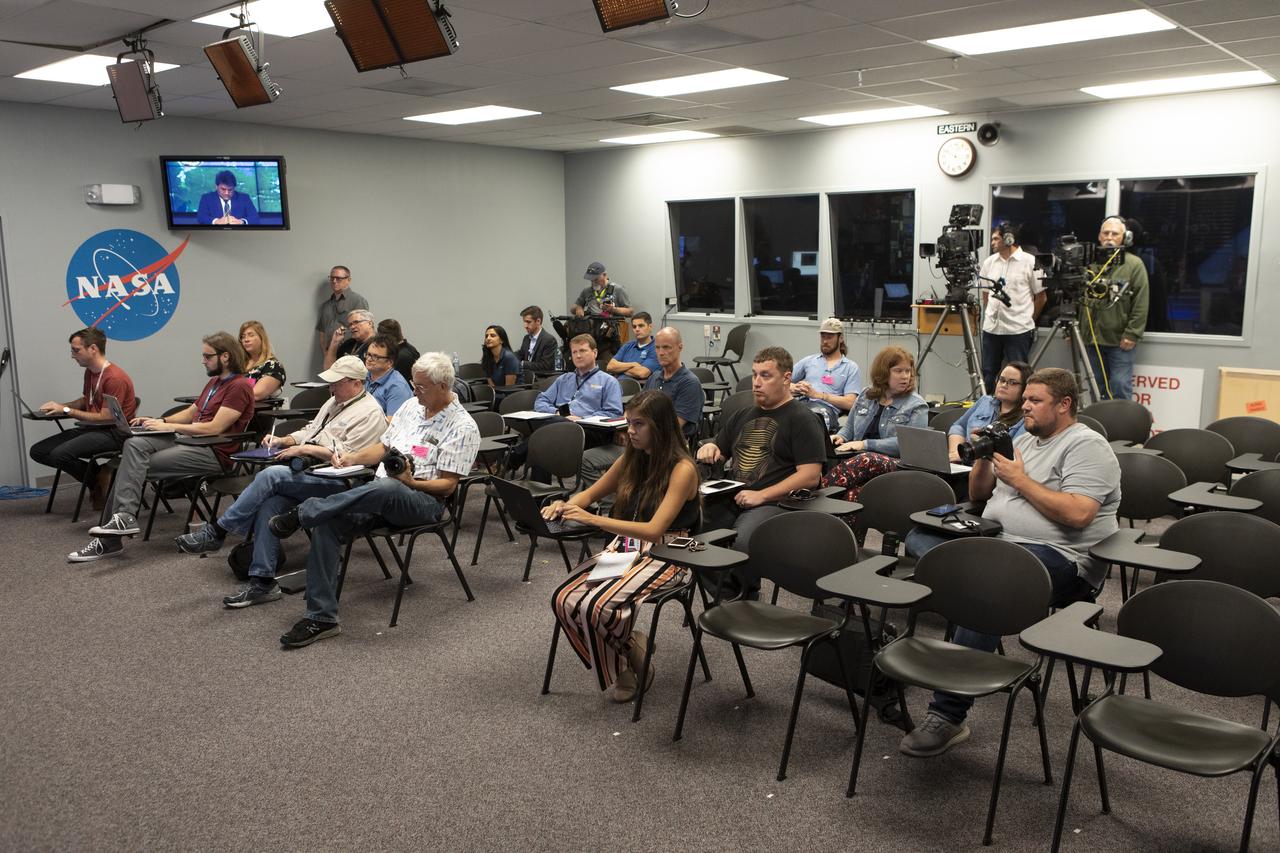
Members of the news media attend the prelaunch news conference for SpaceX’s 18th Commercial Resupply Services (CRS-18) mission to the International Space Station, July 24, 2019, at NASA’s Kennedy Space Center in Florida. Participants were Marie Lewis, NASA Communications moderator; Bill Spetch, deputy manager of the International Space Station Transportation Integration Office at the agency’s Johnson Space Center in Houston; Jessica Jensen, director of Dragon mission management at SpaceX; Pete Hasbrook, manager of the space station’s Program Science Office at Johnson; and Will Ulrich, launch weather officer with the U.S. Air Force 45th Space Wing. The SpaceX Falcon 9 rocket and uncrewed Dragon spacecraft are scheduled to launch July 24, 2019, from Space Launch Complex 40 at Florida’s Cape Canaveral Air Force Station.
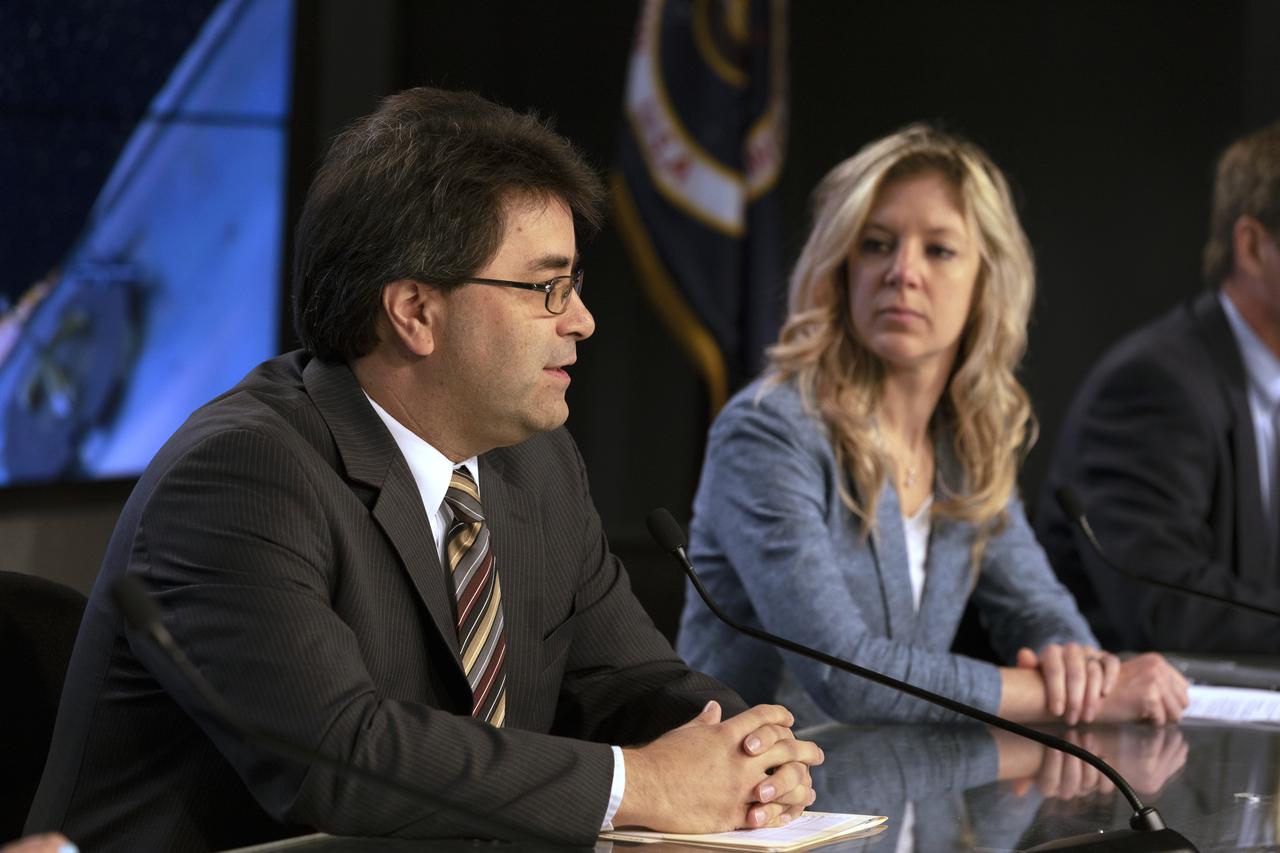
Bill Spetch, deputy manager of the International Space Station Transportation Integration Office at NASA’s Johnson Space Center in Houston, speaks during the prelaunch news conference for SpaceX’s 18th Commercial Resupply Services (CRS-18) mission to the station on July 24, 2019, at the agency’s Kennedy Space Center in Florida. At right is Jessica Jensen, director of Dragon mission management at SpaceX. The SpaceX Falcon 9 rocket and uncrewed Dragon spacecraft are scheduled to launch July 24, 2019, from Space Launch Complex 40 at Florida’s Cape Canaveral Air Force Station.
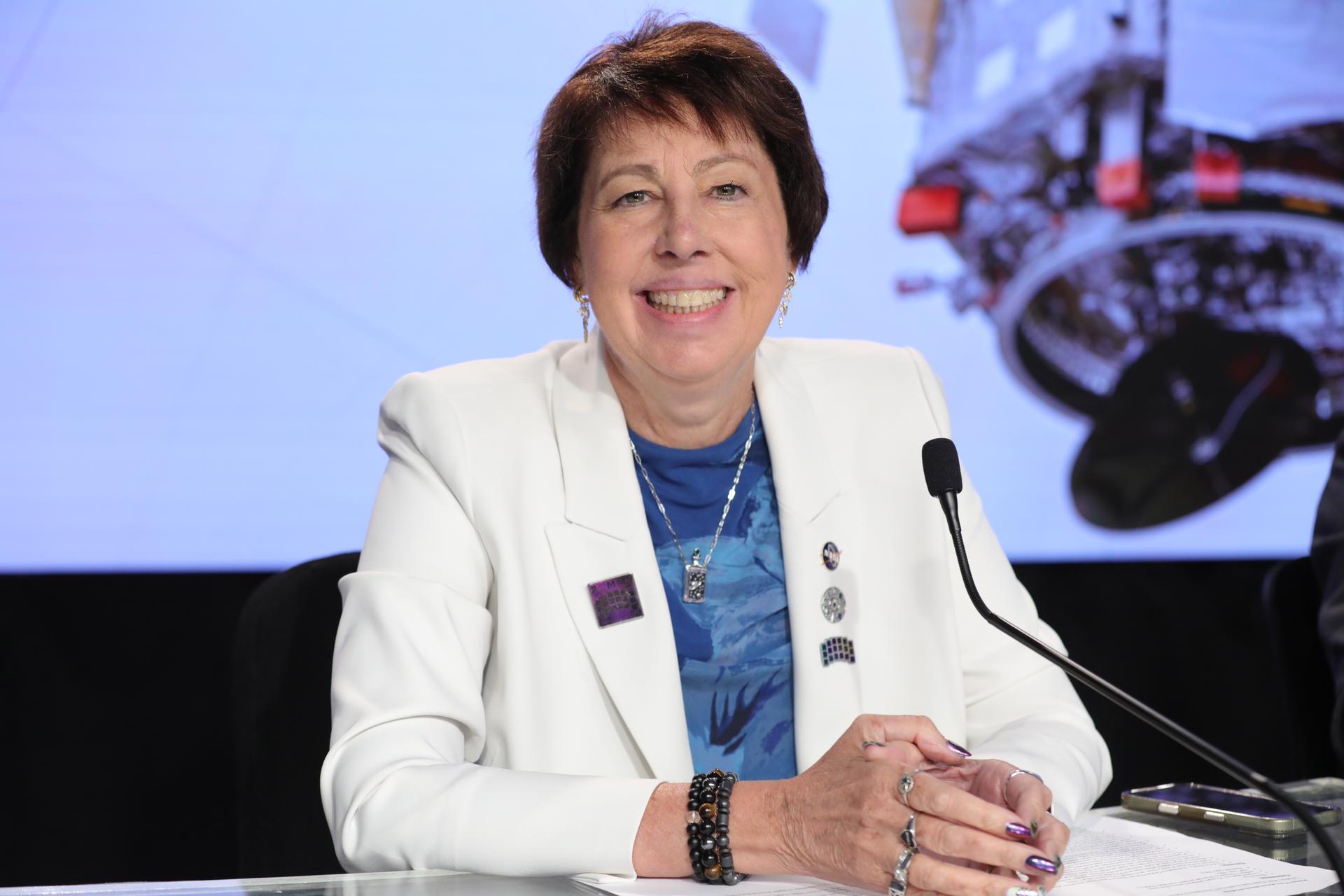
Nicky Fox, associate administrator, Science Mission Directorate, NASA Headquarters in Washington, participates in a prelaunch news conference for the agency’s Nancy Grace Roman Space Telescope inside the NASA News Center’s John Holliman Auditorium at Kennedy Space Center in Florida, on Saturday, Aug. 29, 2026. Roman will investigate dark energy and dark matter, conduct a statistical census of planetary systems, and enable a broad range of additional astrophysics research. Liftoff from Launch Complex 39A at Kennedy is targeted for no earlier than Sunday, Aug. 30, 2026.
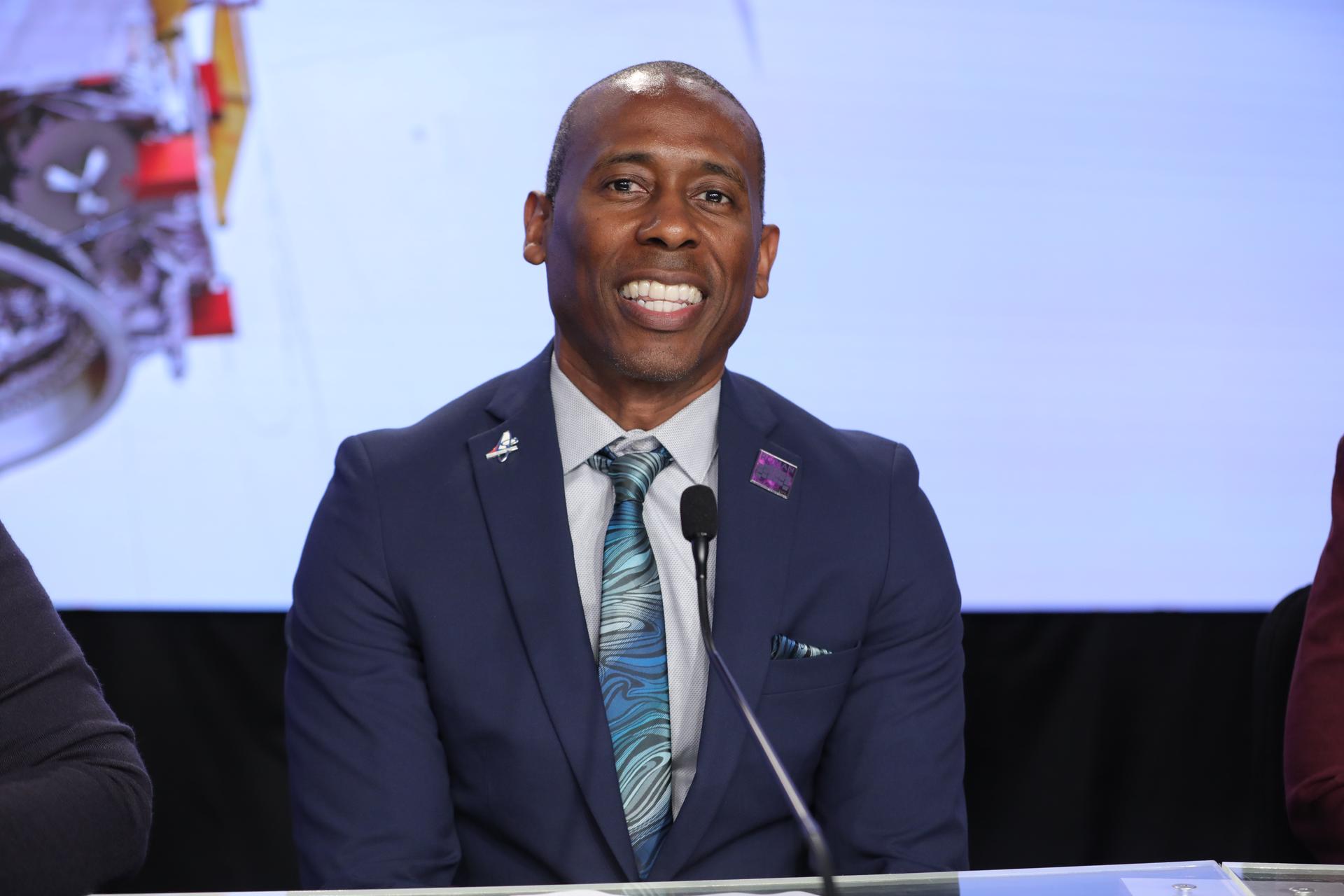
Denton Gibson, launch director, NASA’s Launch Services Program, Kennedy Space Center in Florida, participates in a prelaunch news conference for the agency’s Nancy Grace Roman Space Telescope inside the NASA News Center’s John Holliman Auditorium at Kennedy Space Center in Florida, on Saturday, Aug. 29, 2026. Roman will investigate dark energy and dark matter, conduct a statistical census of planetary systems, and enable a broad range of additional astrophysics research. Liftoff from Launch Complex 39A at Kennedy is targeted for no earlier than Sunday, Aug. 30, 2026.
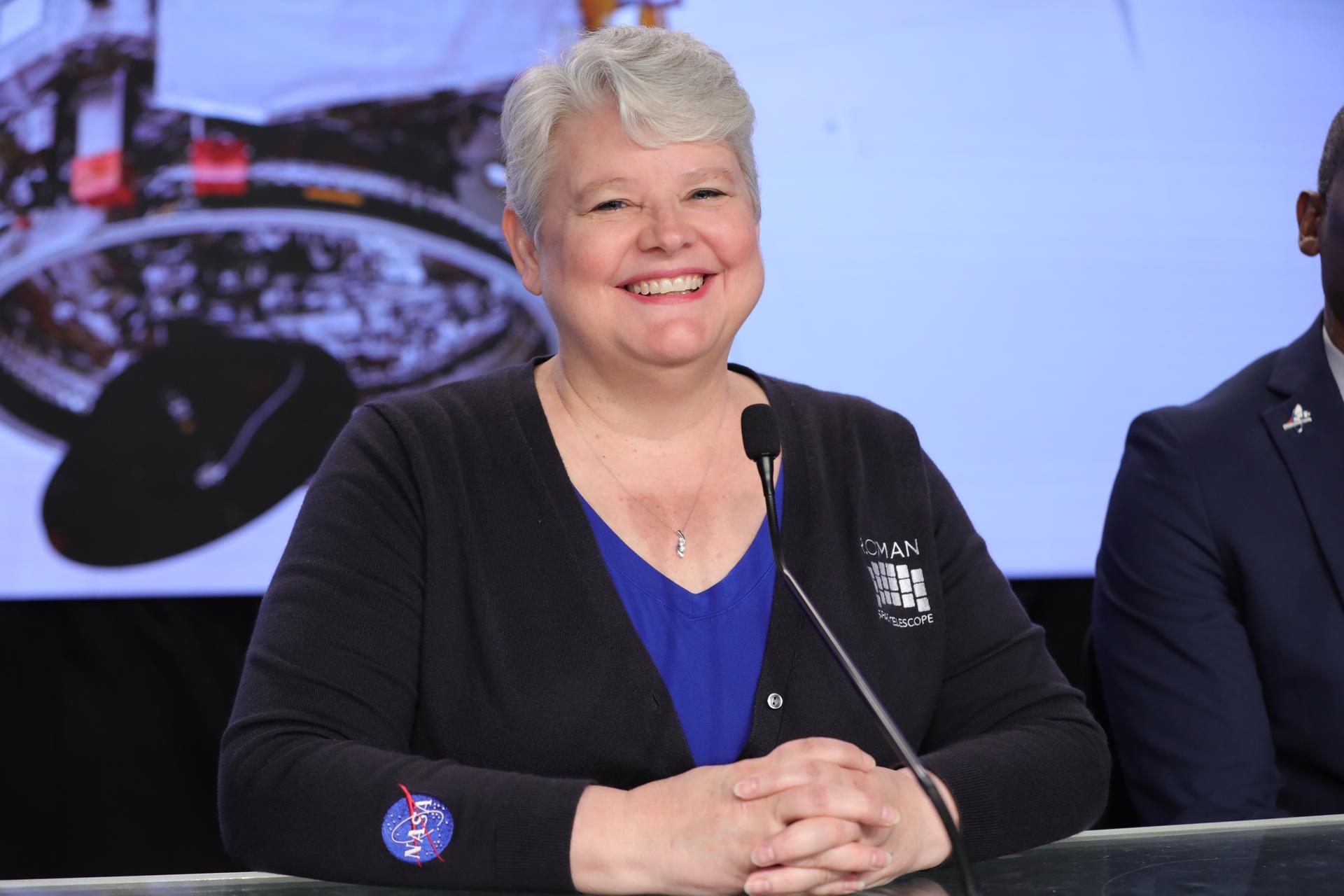
Jackie Townsend, Roman telescope project manager, NASA’s Goddard Space Flight Center in Greenbelt, Maryland, participates in a prelaunch news conference for the agency’s Nancy Grace Roman Space Telescope inside the NASA News Center’s John Holliman Auditorium at Kennedy Space Center in Florida, on Saturday, Aug. 29, 2026. Roman will investigate dark energy and dark matter, conduct a statistical census of planetary systems, and enable a broad range of additional astrophysics research. Liftoff from Launch Complex 39A at Kennedy is targeted for no earlier than Sunday, Aug. 30, 2026.
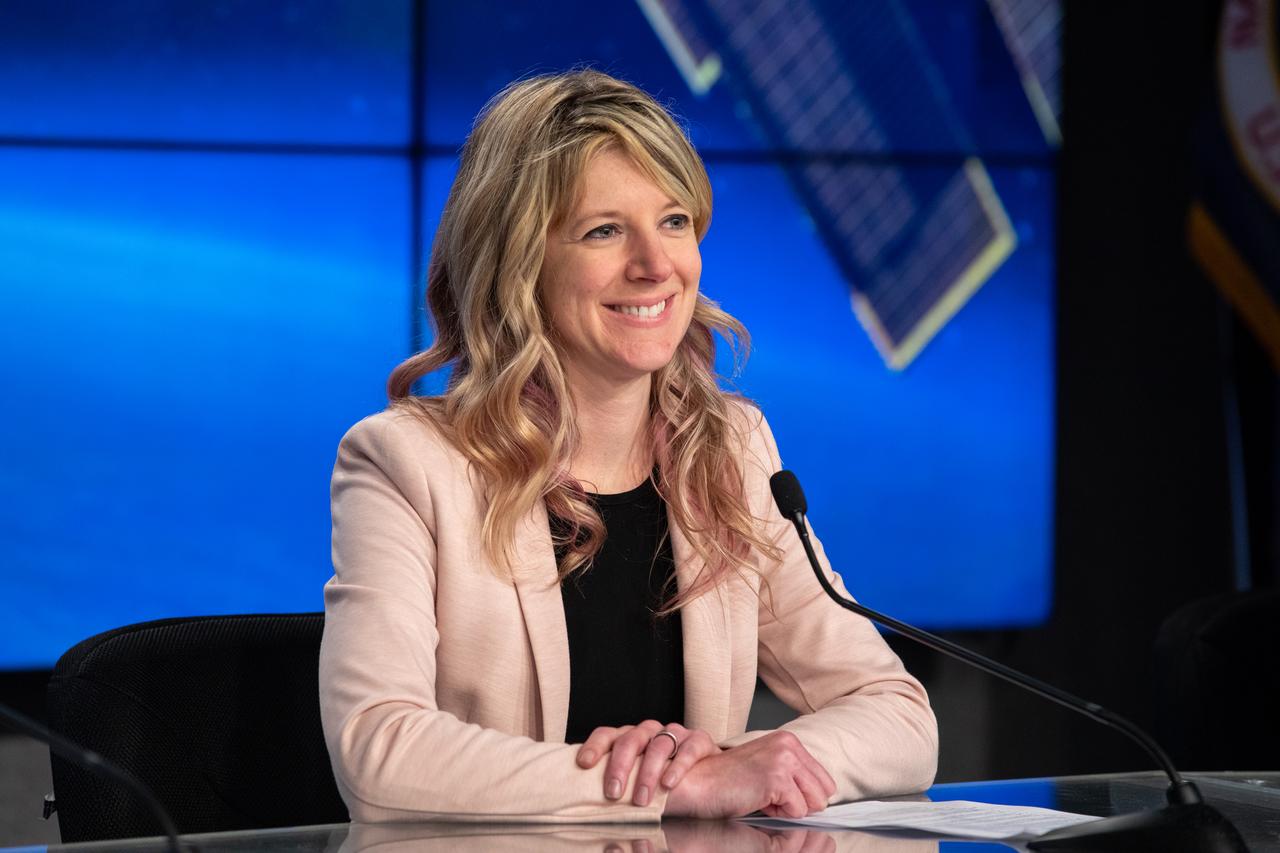
Jessica Jensen, director, Dragon Mission Management at SpaceX, speaks to members of the news media during a prelaunch news conference on Dec. 3, 2019, for SpaceX’s 19th Commercial Resupply Services (CRS-19) mission for NASA to the International Space Station, at the agency’s Kennedy Space Center in Florida. NASA and industry leaders speak to members of the news media during the news conference. The SpaceX Falcon 9 rocket and Dragon cargo module are scheduled to launch on Dec. 4, 2019, from Space Launch Complex 40 on Cape Canaveral Air Force Station in Florida.
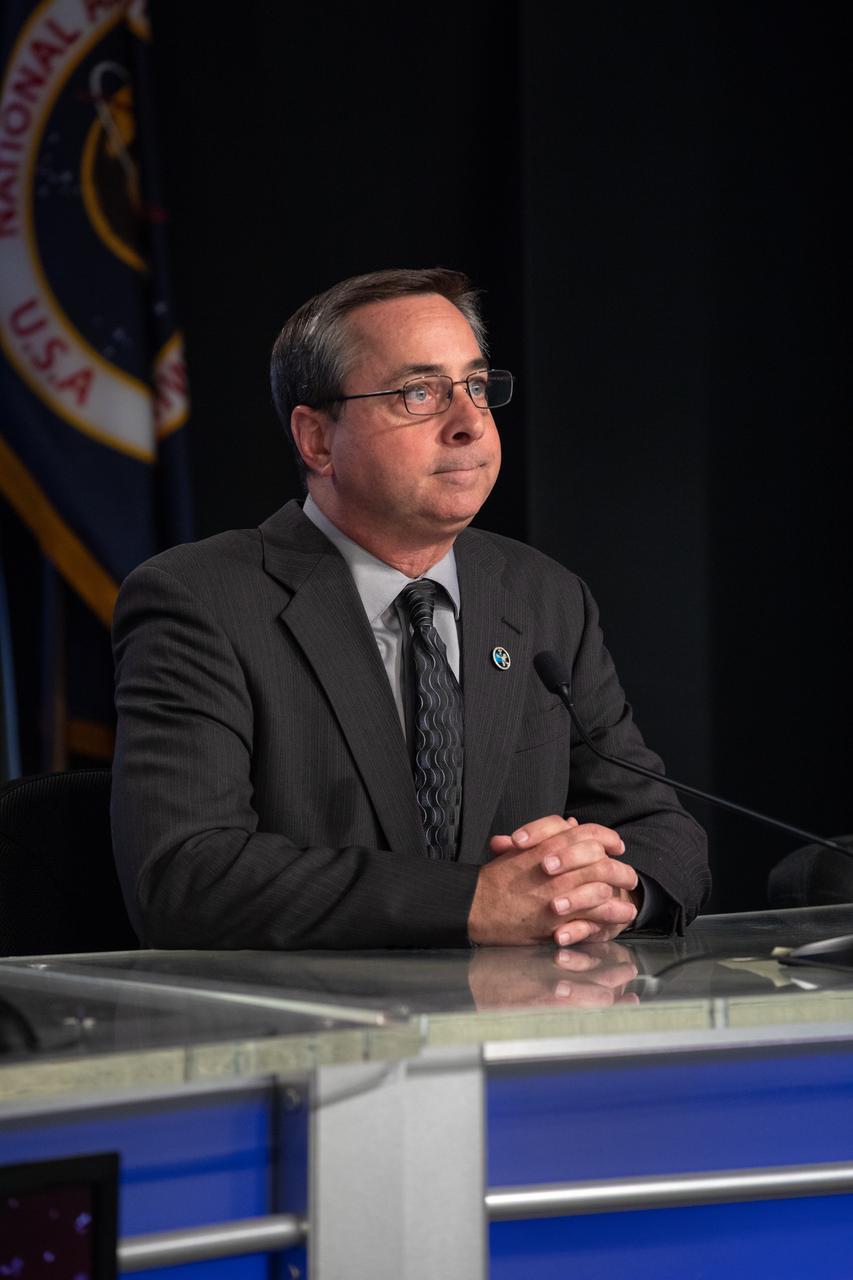
Mike McAleenan, launch weather officer, U.S. Air Force 45th Space Wing, gives a weather update to members of the news media during a prelaunch news conference on Dec. 3, 2019, for SpaceX’s 19th Commercial Resupply Services (CRS-19) mission for NASA to the International Space Station, at the agency’s Kennedy Space Center in Florida. NASA and industry leaders speak to members of the news media during the news conference. The SpaceX Falcon 9 rocket and Dragon cargo module are scheduled to launch on Dec. 4, 2019, from Space Launch Complex 40 on Cape Canaveral Air Force Station in Florida.
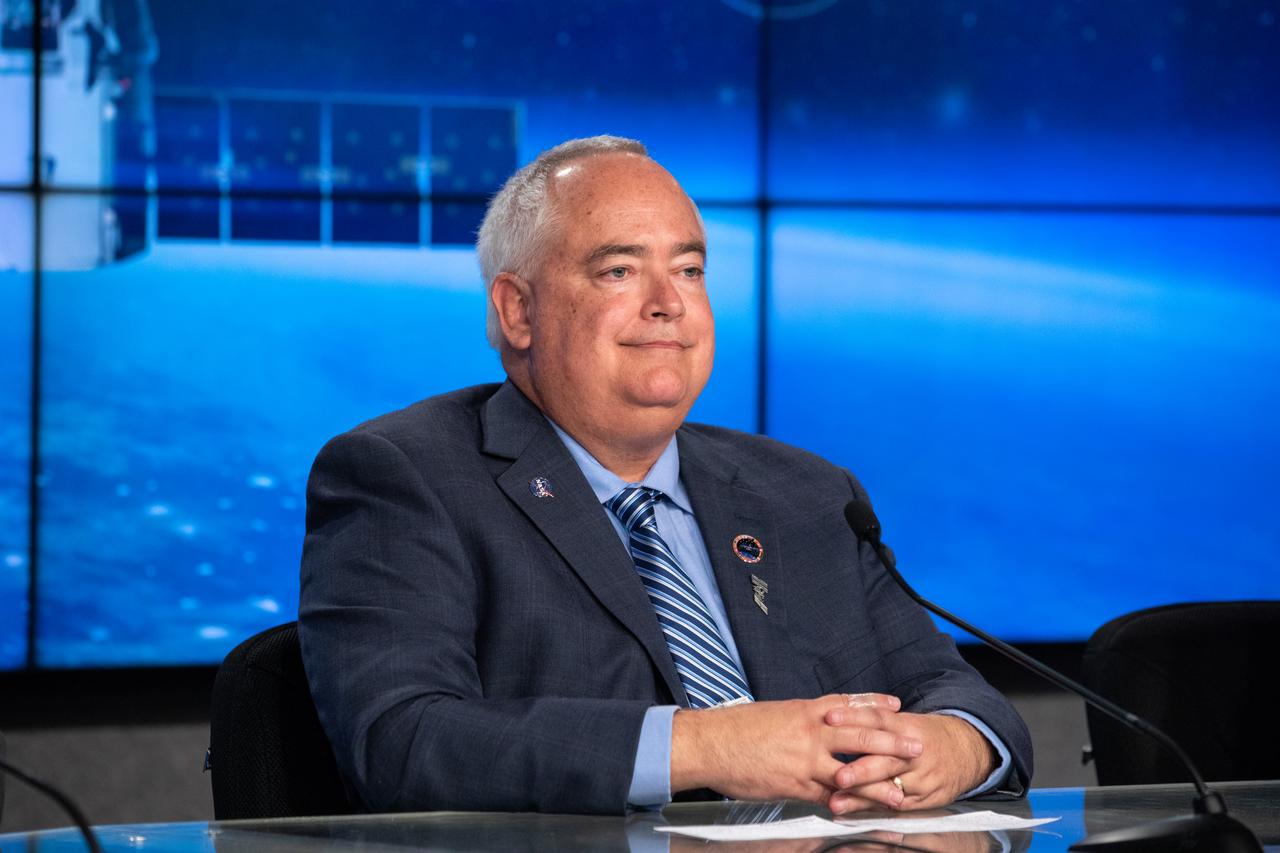
Bryan Dansberry, assistant program scientist, International Space Station Program Science Office at NASA speaks to members of the news media during a prelaunch news conference on Dec. 3, 2019, for SpaceX’s 19th Commercial Resupply Services (CRS-19) mission for NASA to the International Space Station, at the agency’s Kennedy Space Center in Florida. NASA and industry leaders speak to members of the news media during the news conference. The SpaceX Falcon 9 rocket and Dragon cargo module are scheduled to launch on Dec. 4, 2019, from Space Launch Complex 40 on Cape Canaveral Air Force Station in Florida.
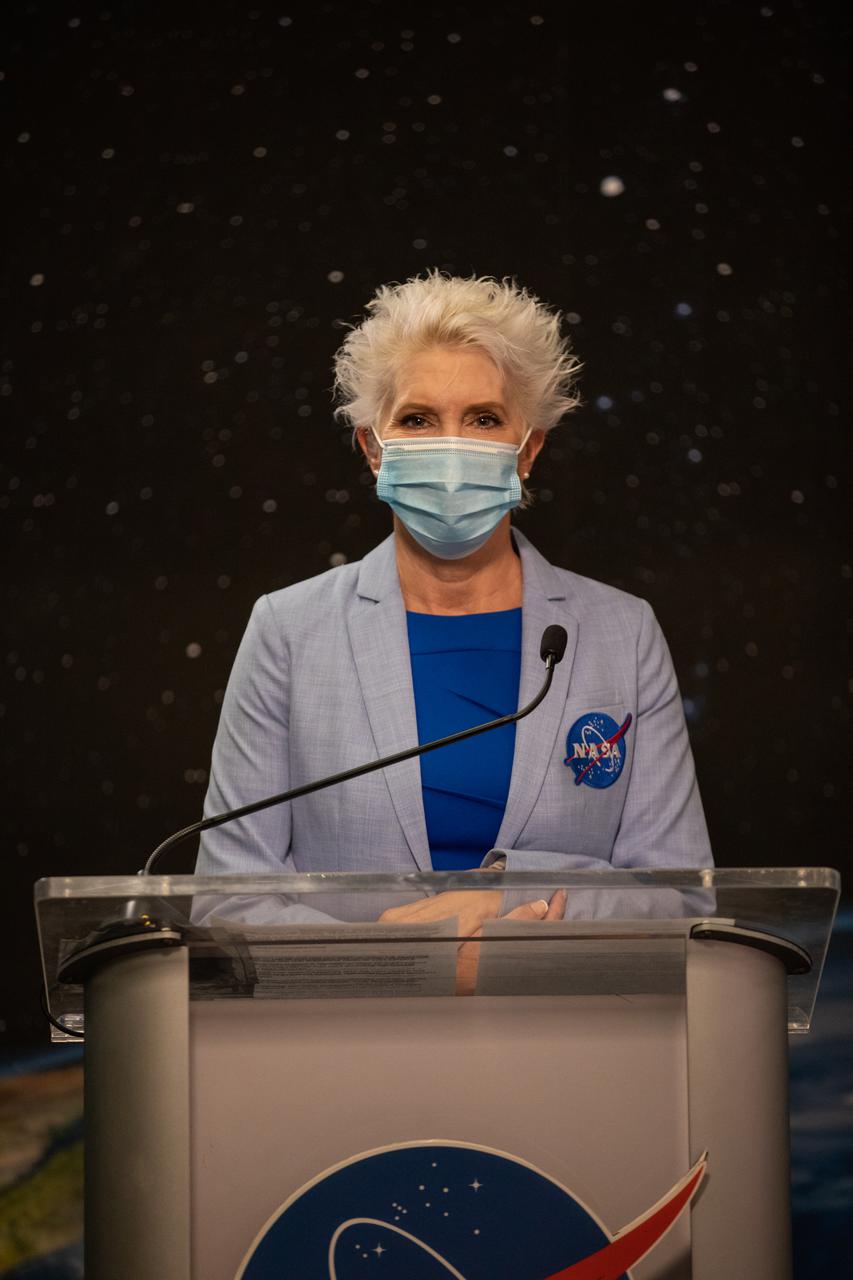
Tammy Long, NASA Communications, addresses the audience during a prelaunch news conference for the Lucy mission held inside the TV Auditorium at NASA’s Kennedy Space Center in Florida on Oct. 13, 2021. The mission is targeted to launch at 5:34 a.m. EDT Saturday, Oct. 16, on a United Launch Alliance Atlas V 401 rocket from Space Launch Complex 41 at Cape Canaveral Space Force Station. NASA’s Launch Services Program, based at Kennedy, is managing the launch. Lucy is the first space mission to study the Trojan asteroids, which hold vital clues to the formation of our solar system.
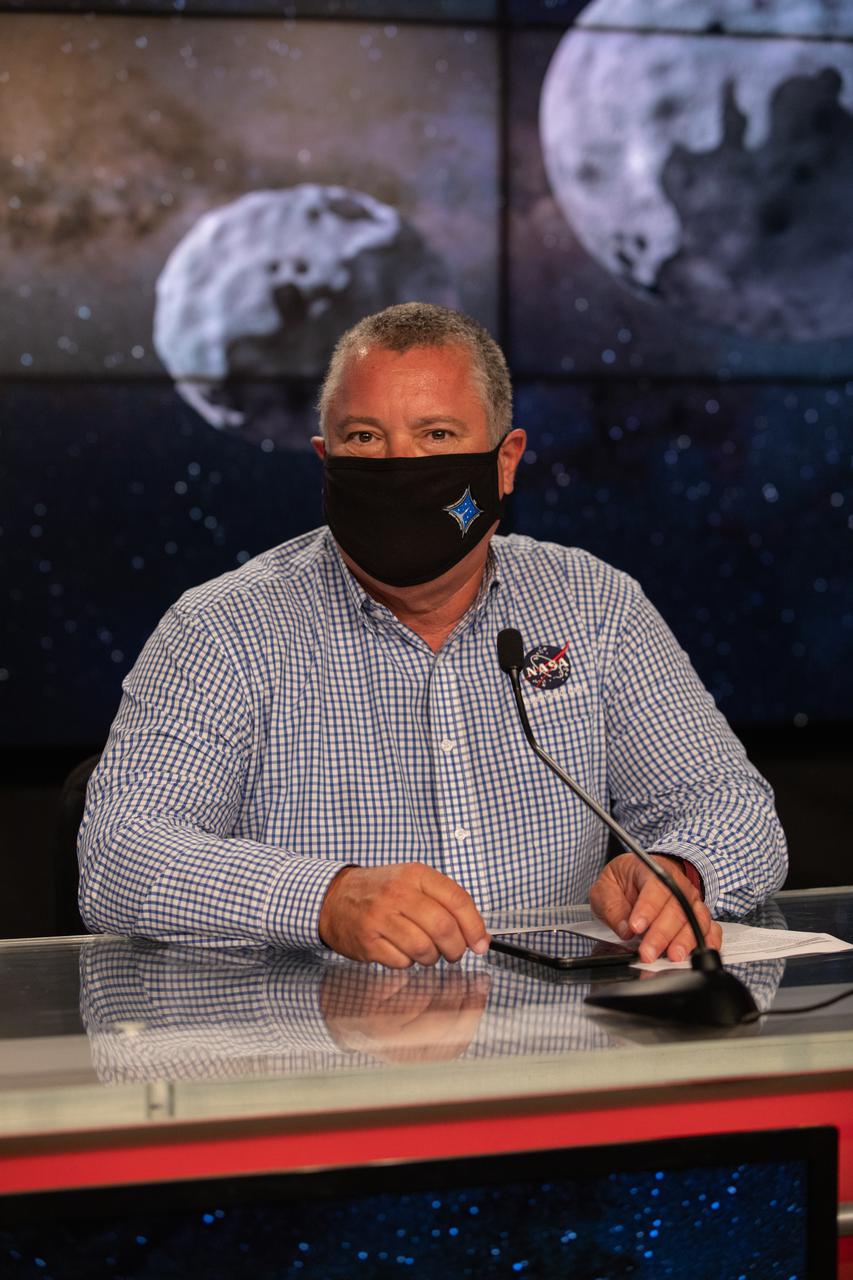
Omar Baez, Lucy Launch Director, NASA’s Launch Services Program, speaks during a prelaunch news conference for the Lucy mission held inside the TV Auditorium at NASA’s Kennedy Space Center in Florida on Oct. 13, 2021. The mission is targeted to launch at 5:34 a.m. EDT Saturday, Oct. 16, on a United Launch Alliance Atlas V 401 rocket from Space Launch Complex 41 at Cape Canaveral Space Force Station. NASA’s Launch Services Program, based at Kennedy, is managing the launch. Lucy is the first space mission to study the Trojan asteroids, which hold vital clues to the formation of our solar system.
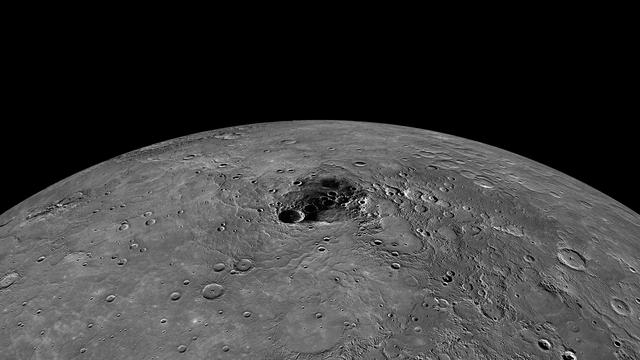
Tune in to NASA's News Conference today, November 29, 2012, at 2 p.m. EST for new findings about Mercury's polar regions. <a href="http://www.nasa.gov/multimedia/nasatv/index.html" rel="nofollow">www.nasa.gov/multimedia/nasatv/index.html</a> Due to its nearly vertical spin axis, Mercury's north pole is never fully sunlit. If it were, it might look something like this image, which is an orthographic projection of a global mosaic. The dark area towards the center of the image contains the north pole. The MESSENGER spacecraft is the first ever to orbit the planet Mercury, and the spacecraft's seven scientific instruments and radio science investigation are unraveling the history and evolution of the Solar System's innermost planet. Visit the Why Mercury? section of this website to learn more about the key science questions that the MESSENGER mission is addressing. During the one-year primary mission, MESSENGER acquired 88,746 images and extensive other data sets. MESSENGER is now in a yearlong extended mission, during which plans call for the acquisition of more than 80,000 additional images to support MESSENGER's science goals. Credit: NASA/Johns Hopkins University Applied Physics Laboratory/Carnegie Institution of Washington <b><a href="http://www.nasa.gov/audience/formedia/features/MP_Photo_Guidelines.html" rel="nofollow">NASA image use policy.</a></b> <b><a href="http://www.nasa.gov/centers/goddard/home/index.html" rel="nofollow">NASA Goddard Space Flight Center</a></b> enables NASA’s mission through four scientific endeavors: Earth Science, Heliophysics, Solar System Exploration, and Astrophysics. Goddard plays a leading role in NASA’s accomplishments by contributing compelling scientific knowledge to advance the Agency’s mission. <b>Follow us on <a href="http://twitter.com/NASA_GoddardPix" rel="nofollow">Twitter</a></b> <b>Like us on <a href="http://www.facebook.com/pages/Greenbelt-MD/NASA-Goddard/395013845897?ref=tsd" rel="nofollow">Facebook</a></b> <b>Find us on <a href="http://instagram.com/nasagoddard?vm=grid" rel="nofollow">Instagram</a></b>
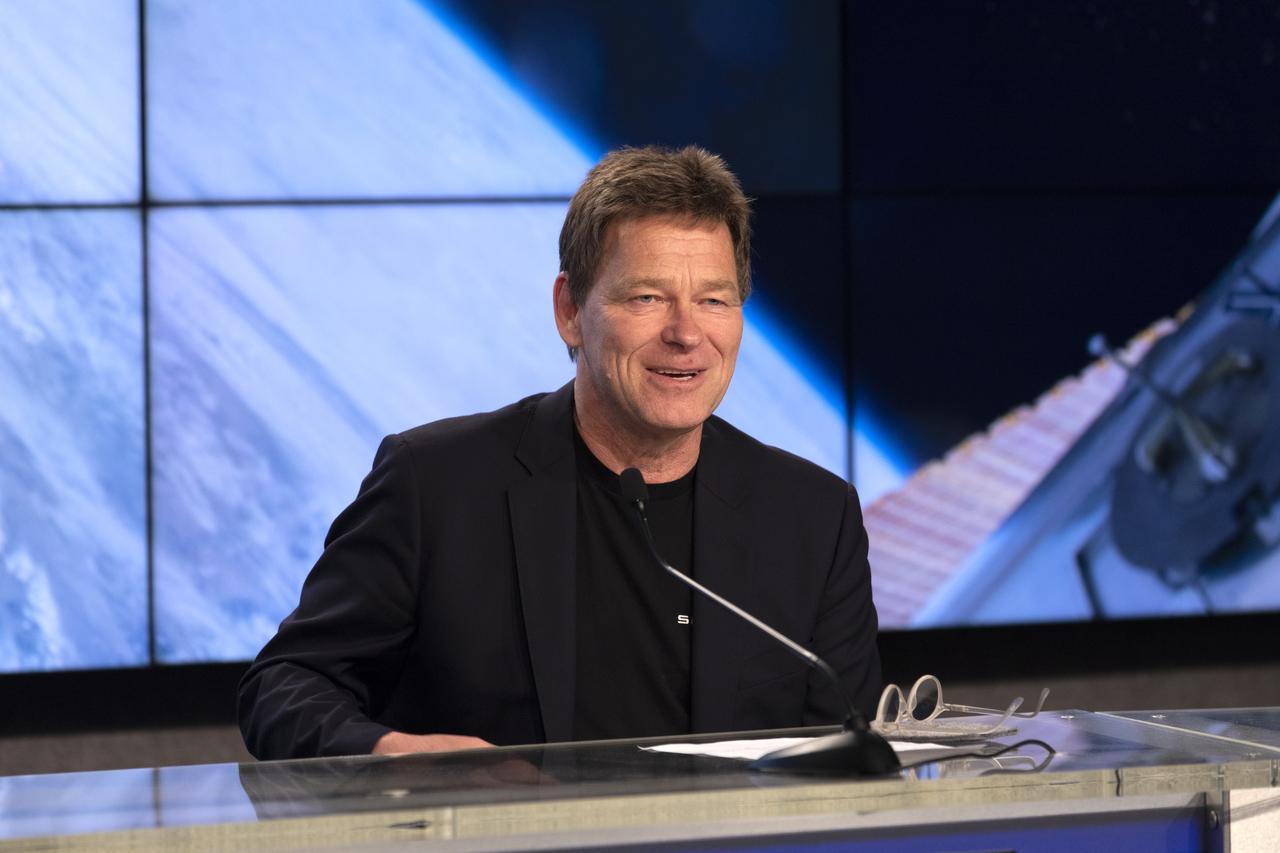
Hans Koenigsmann, vice president, Build and Flight Reliability with SpaceX, speaks to members of the news media during a postlaunch news conference at NASA’s Kennedy Space Center in Florida on May 4, 2019, for SpaceX’s 17th Commercial Resupply Services (CRS-17) mission to the International Space Station for the agency. The company’s Falcon 9 rocket with the Dragon cargo module lifted off from Space Launch Complex 40 at Cape Canaveral Air Force Station in Florida at 2:48 a.m. EDT. The Dragon cargo module will deliver about 5,500 pounds of science and research, crew supplies and vehicle hardware to the orbital laboratory and its crew.
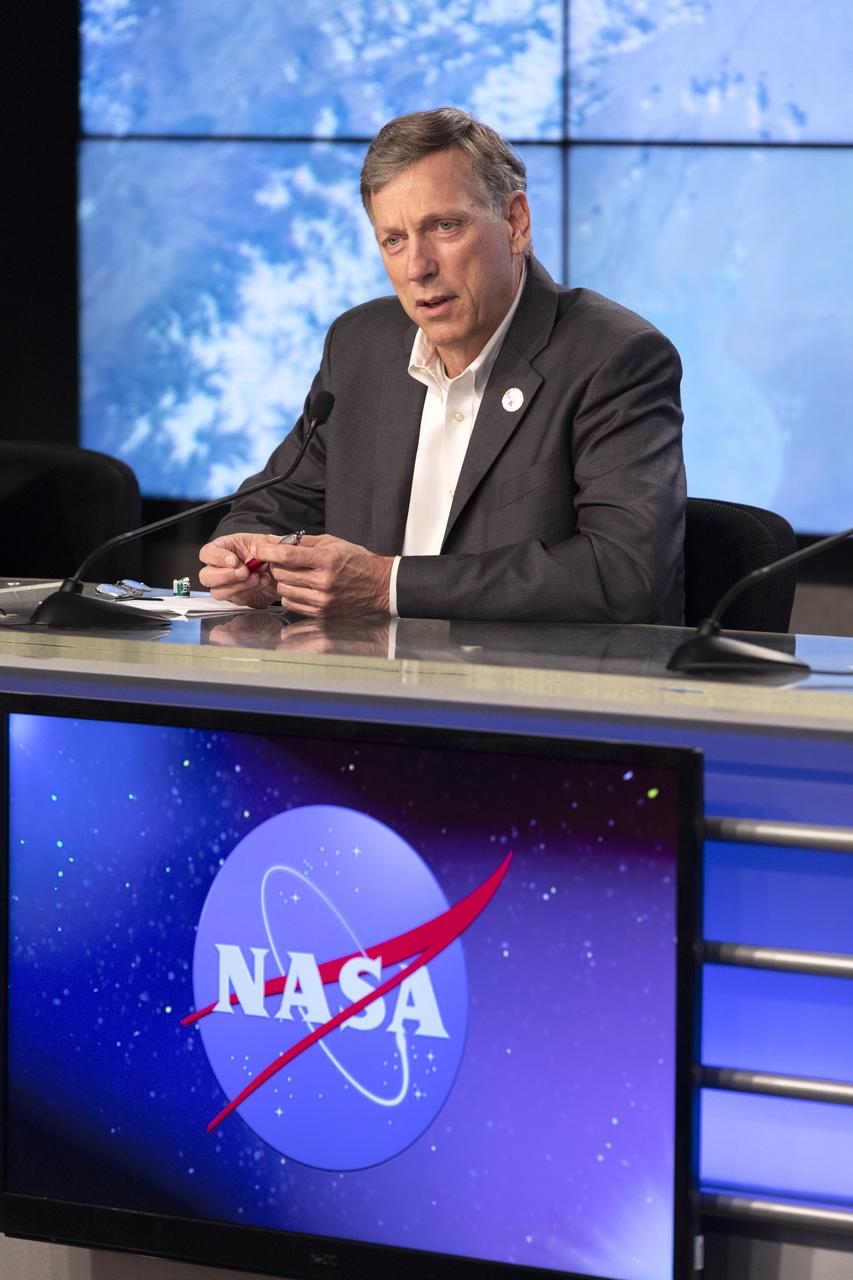
Kenny Todd, manager, International Space Station Operations and Integration at NASA’s Johnson Space Center in Houston speaks to members of the news media during a postlaunch news conference at NASA’s Kennedy Space Center in Florida on May 4, 2019, for SpaceX’s 17th Commercial Resupply Services (CRS-17) mission to the International Space Station for the agency. The company’s Falcon 9 rocket with the Dragon cargo module lifted off from Space Launch Complex 40 at Cape Canaveral Air Force Station in Florida at 2:48 a.m. EDT. The Dragon cargo module will deliver about 5,500 pounds of science and research, crew supplies and vehicle hardware to the orbital laboratory and its crew.
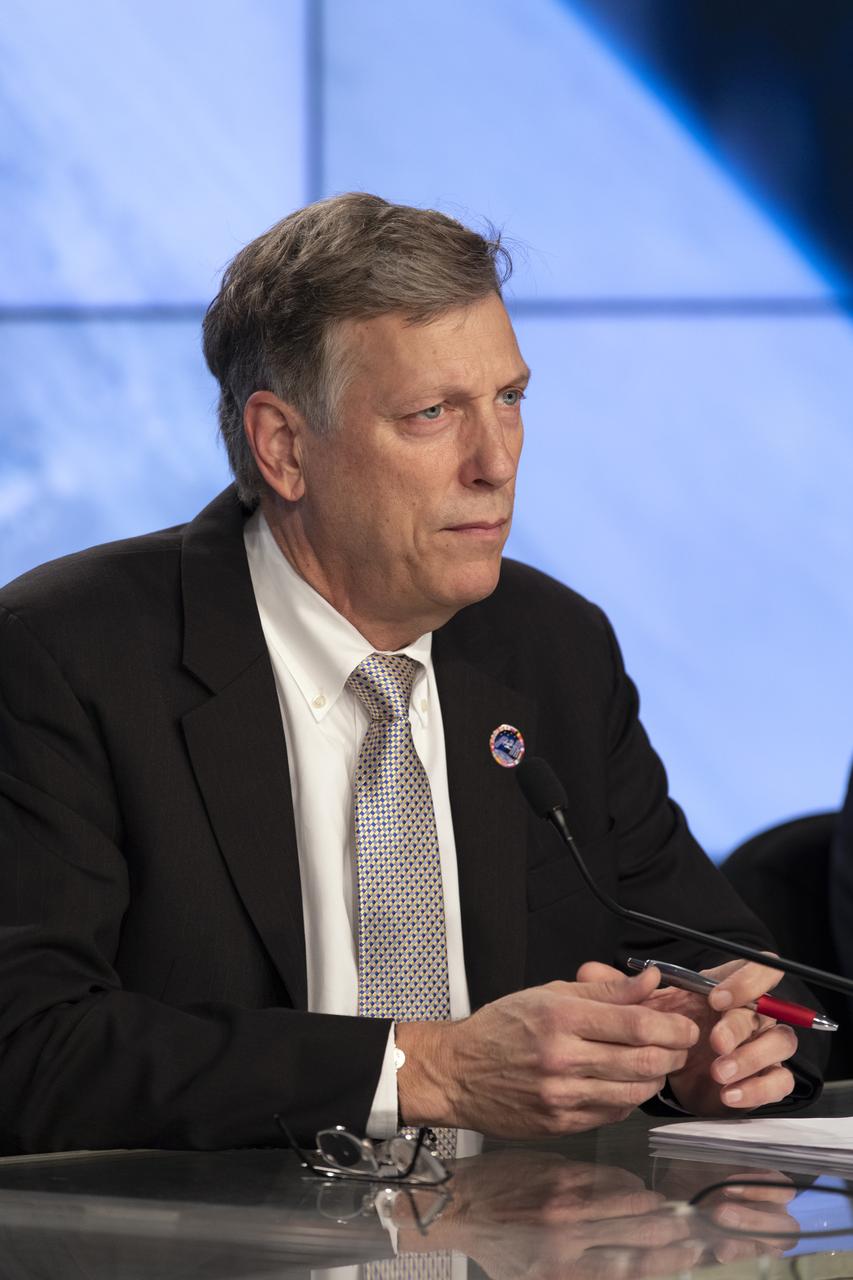
Kenny Todd, manager, International Space Station Operations and Integration, NASA’s Johnson Space Center in Houston, speaks to members of the news media during a prelaunch news conference for SpaceX’s 17th Commercial Resupply Services (CRS-17) mission for NASA to the International Space Station on May 2, 2019, at the agency’s Kennedy Space Center in Florida. The SpaceX Falcon 9 rocket and Dragon cargo module are scheduled to launch no earlier than May 3, 2019, from Space Launch Complex 40 on Cape Canaveral Air Force Station in Florida.

Derrol Nail, NASA Communications moderates a prelaunch news conference for SpaceX’s 17th Commercial Resupply Services (CRS-17) mission for NASA to the International Space Station on May 2, 2019, at the agency’s Kennedy Space Center in Florida. The SpaceX Falcon 9 rocket and Dragon cargo module are scheduled to launch no earlier than May 3, 2019, from Space Launch Complex 40 on Cape Canaveral Air Force Station in Florida.
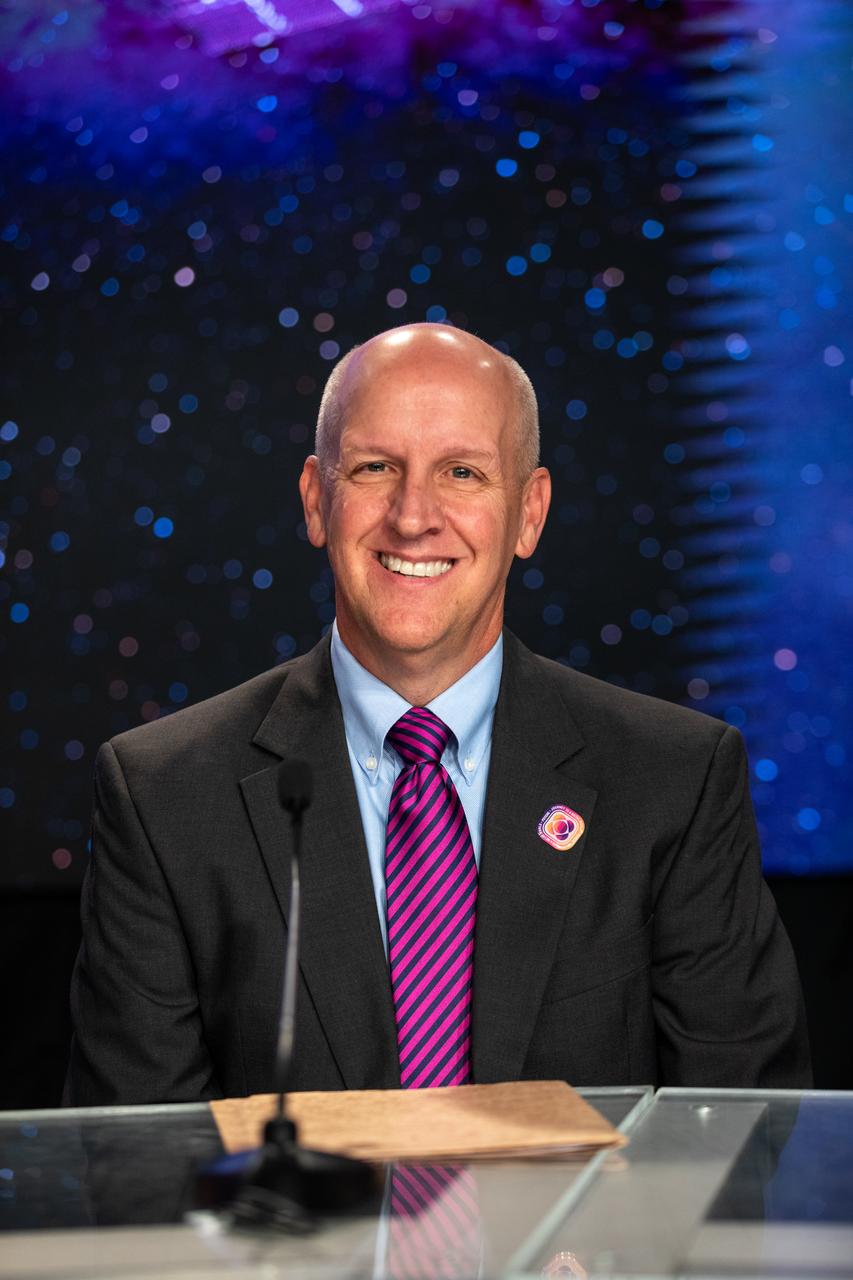
Tim Dunn, senior launch director, NASA’s Launch Services Program, participates in a Psyche mission prelaunch news conference at NASA’s Kennedy Space Center in Florida on Wednesday, Oct. 11, 2023. Psyche is the first mission to explore an asteroid with a surface that likely contains substantial amounts of metal rather than rock or ice. Liftoff of NASA’s Psyche spacecraft, atop a SpaceX Falcon Heavy rocket, is targeted for 10:16 a.m. EDT Thursday, Oct. 12, from Kennedy’s Launch Complex 39A.
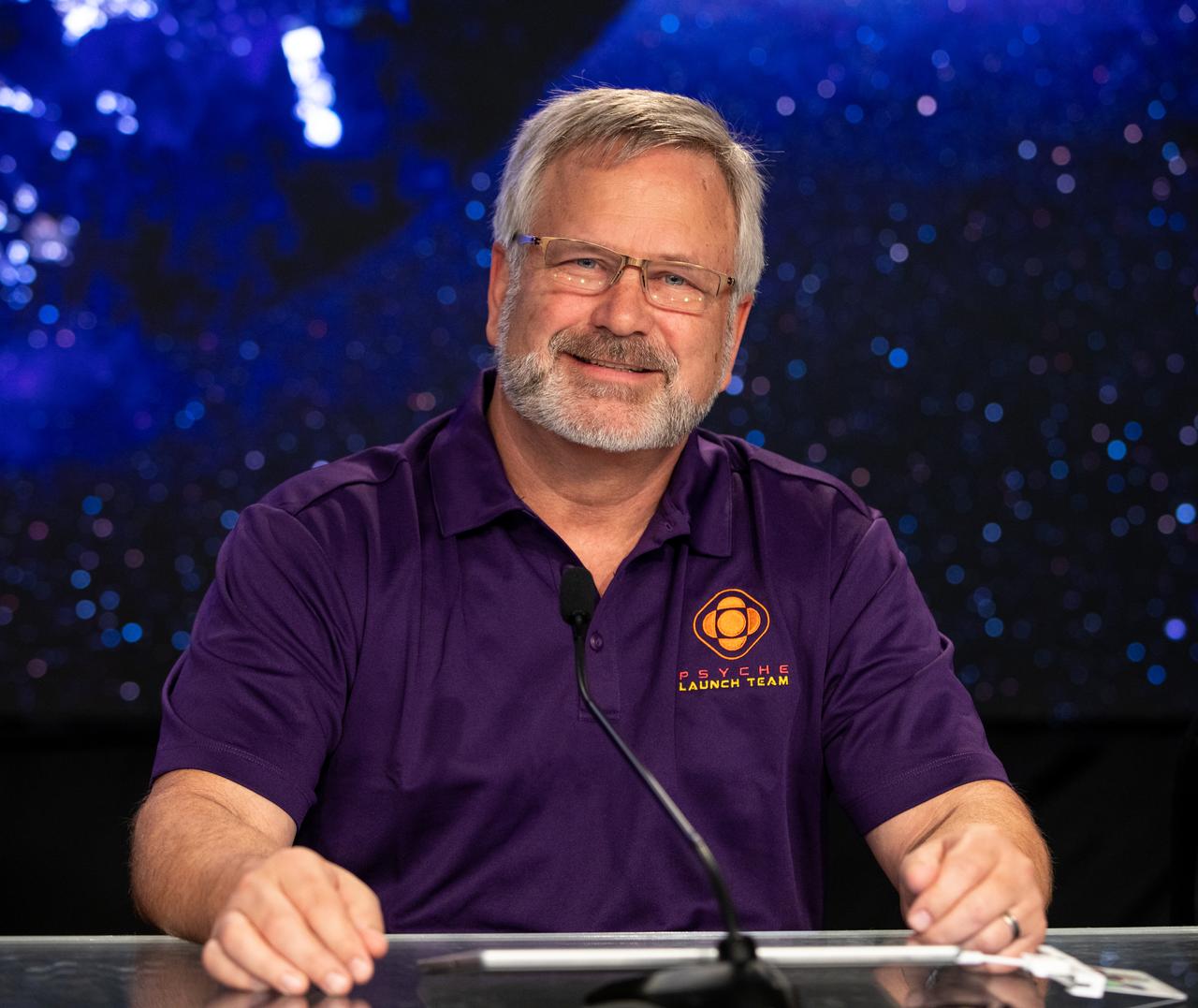
Henry Stone, Psyche project manager, NASA’s Jet Propulsion Laboratory, participates in a Psyche mission prelaunch news conference at NASA’s Kennedy Space Center in Florida on Wednesday, Oct. 11, 2023. Psyche is the first mission to explore an asteroid with a surface that likely contains substantial amounts of metal rather than rock or ice. Liftoff of NASA’s Psyche spacecraft, atop a SpaceX Falcon Heavy rocket, is targeted for 10:16 a.m. EDT Thursday, Oct. 12, from Kennedy’s Launch Complex 39A.
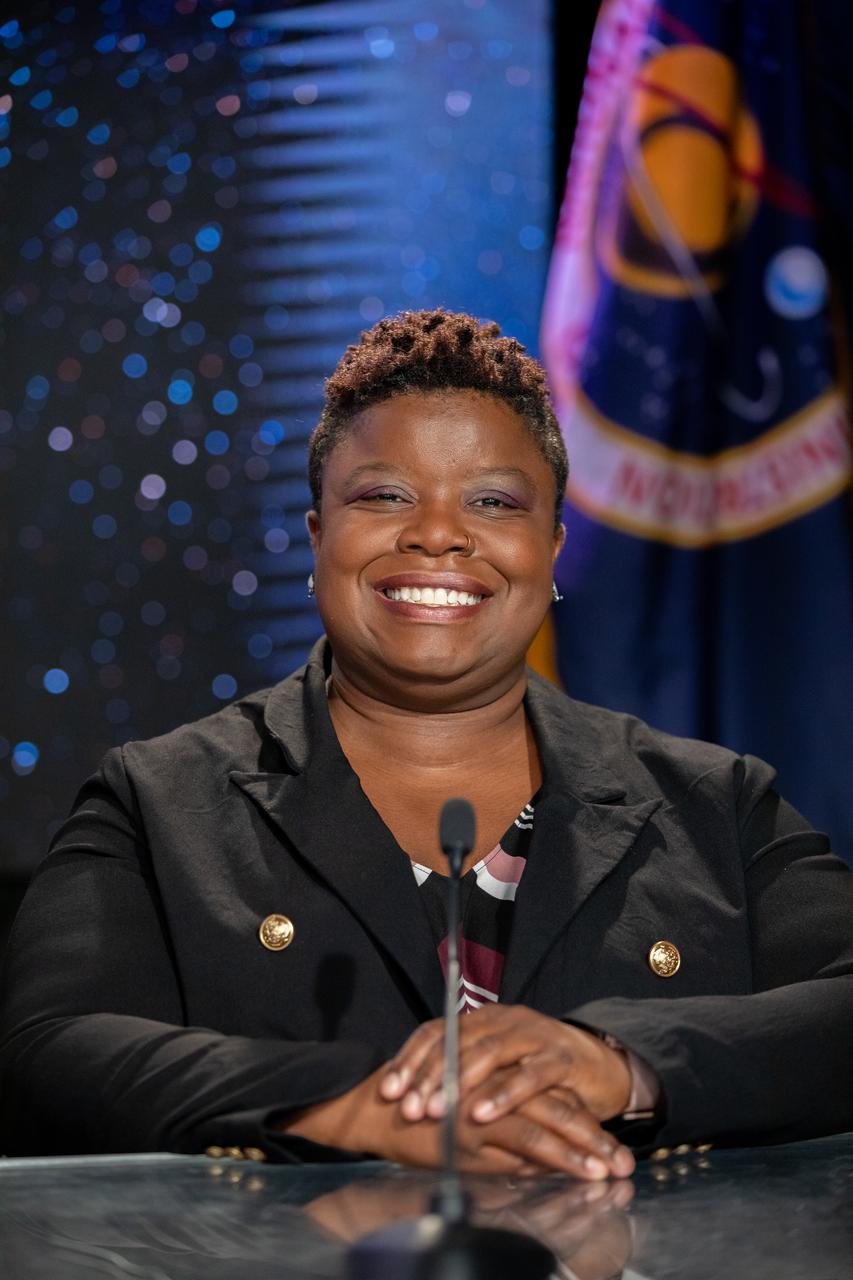
Arlena Moses, launch weather officer, U.S. Space Force, SpaceX, participates in a Psyche mission prelaunch news conference at NASA’s Kennedy Space Center in Florida on Wednesday, Oct. 11, 2023. Psyche is the first mission to explore an asteroid with a surface that likely contains substantial amounts of metal rather than rock or ice. Liftoff of NASA’s Psyche spacecraft, atop a SpaceX Falcon Heavy rocket, is targeted for 10:16 a.m. EDT Thursday, Oct. 12, from Kennedy’s Launch Complex 39A.
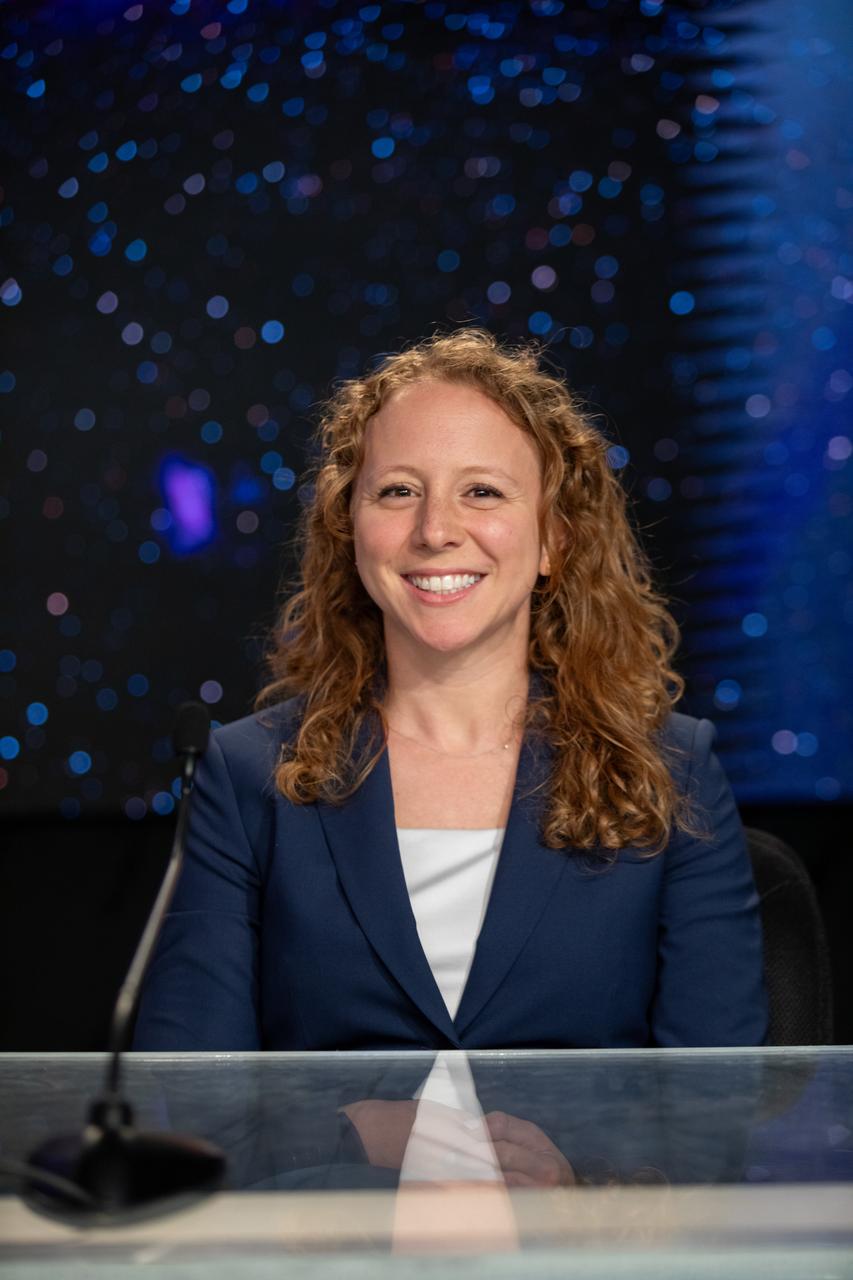
Julianna Scheiman, director, Civil Satellite Missions, SpaceX, participates in a Psyche mission prelaunch news conference at NASA’s Kennedy Space Center in Florida on Wednesday, Oct. 11, 2023. Psyche is the first mission to explore an asteroid with a surface that likely contains substantial amounts of metal rather than rock or ice. Liftoff of NASA’s Psyche spacecraft, atop a SpaceX Falcon Heavy rocket, is targeted for 10:16 a.m. EDT Thursday, Oct. 12, from Kennedy’s Launch Complex 39A.
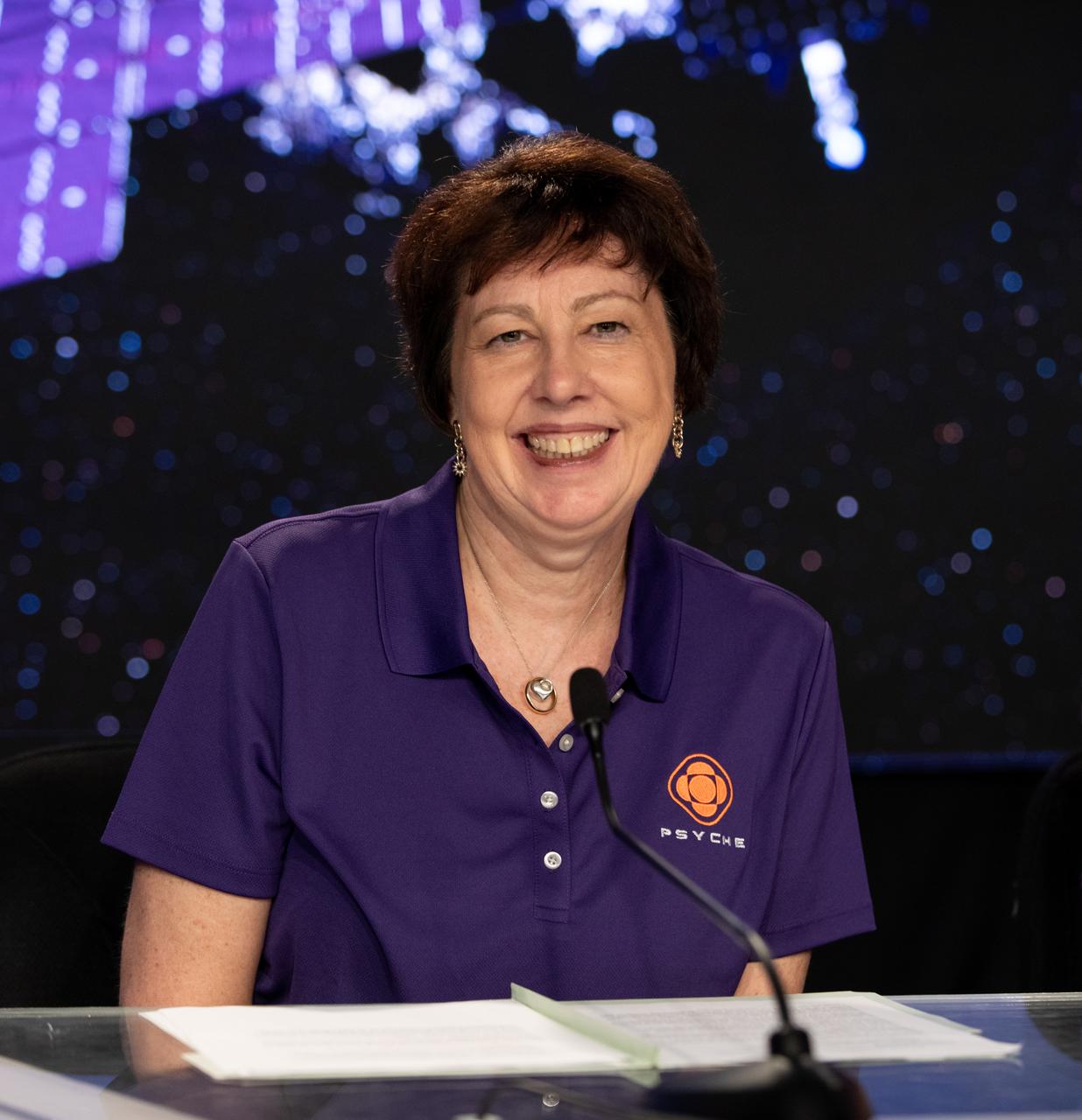
Nicola Fox, associate administrator, NASA’s Science Mission Directorate, participates in a Psyche mission prelaunch news conference at NASA’s Kennedy Space Center in Florida on Wednesday, Oct. 11, 2023. Psyche is the first mission to explore an asteroid with a surface that likely contains substantial amounts of metal rather than rock or ice. Liftoff of NASA’s Psyche spacecraft, atop a SpaceX Falcon Heavy rocket, is targeted for 10:16 a.m. EDT Thursday, Oct. 12, from Kennedy’s Launch Complex 39A.
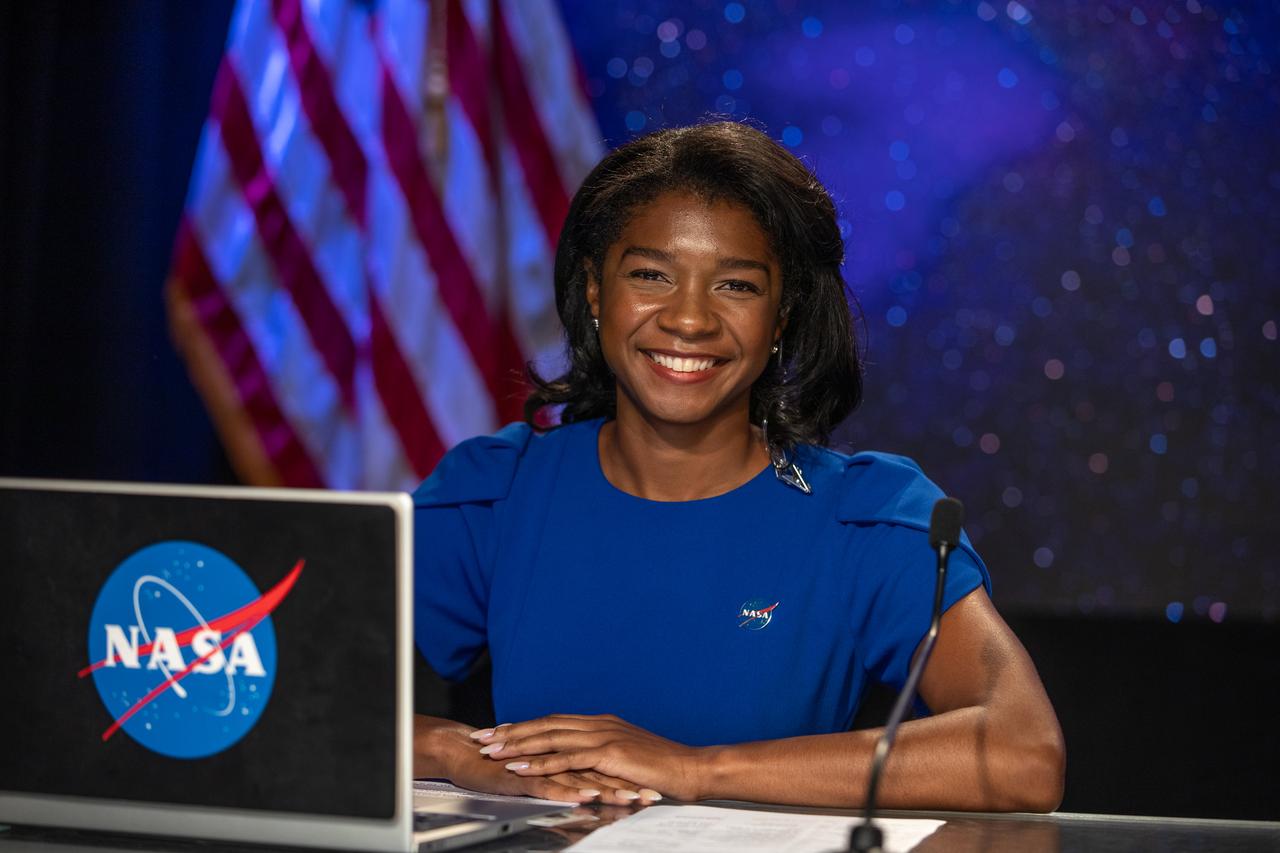
Jasmine Hopkins, NASA Communications, moderates a Psyche mission prelaunch news conference at NASA’s Kennedy Space Center in Florida on Wednesday, Oct. 11, 2023. Psyche is the first mission to explore an asteroid with a surface that likely contains substantial amounts of metal rather than rock or ice. Liftoff of NASA’s Psyche spacecraft, atop a SpaceX Falcon Heavy rocket, is targeted for 10:16 a.m. EDT Thursday, Oct. 12, from Kennedy’s Launch Complex 39A.
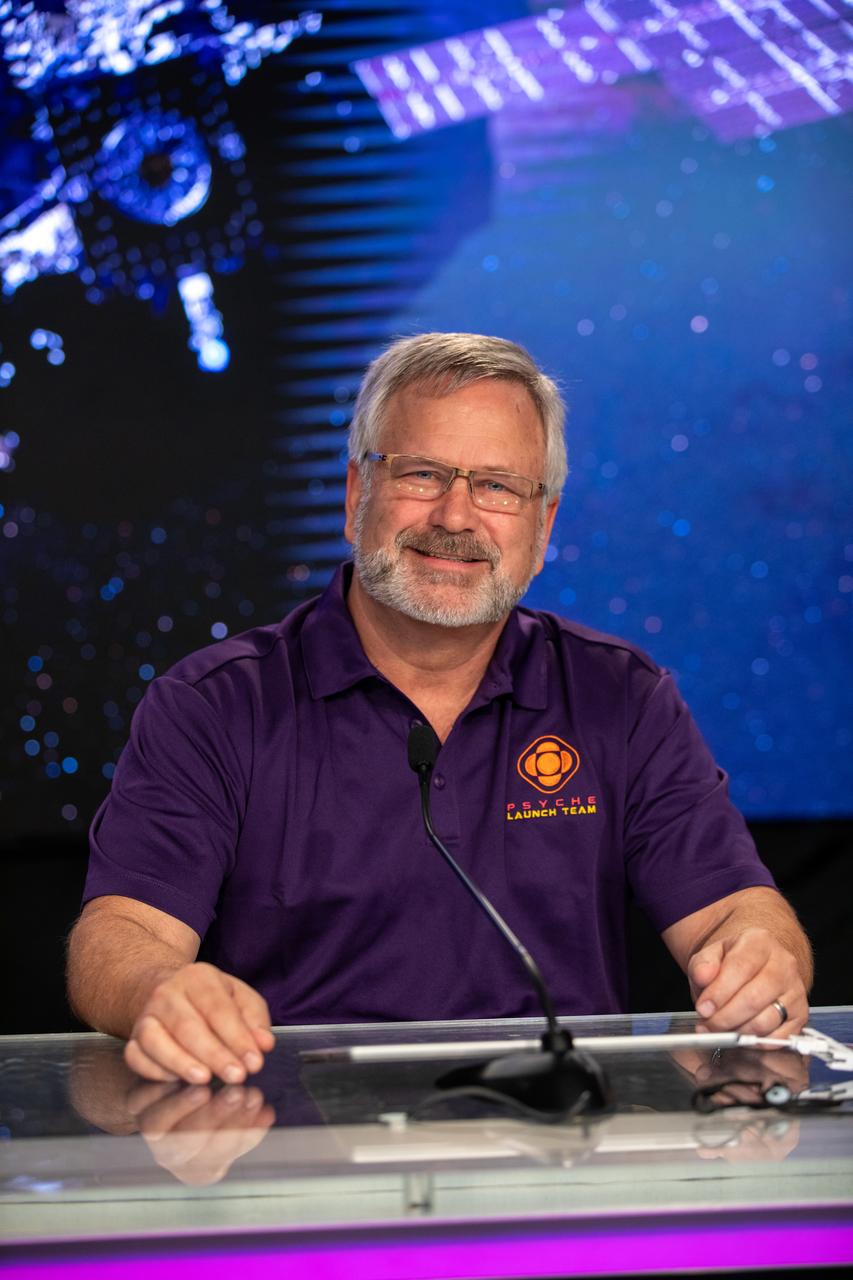
Henry Stone, Psyche project manager, NASA’s Jet Propulsion Laboratory, participates in a Psyche mission prelaunch news conference at NASA’s Kennedy Space Center in Florida on Wednesday, Oct. 11, 2023. Psyche is the first mission to explore an asteroid with a surface that likely contains substantial amounts of metal rather than rock or ice. Liftoff of NASA’s Psyche spacecraft, atop a SpaceX Falcon Heavy rocket, is targeted for 10:16 a.m. EDT Thursday, Oct. 12, from Kennedy’s Launch Complex 39A.
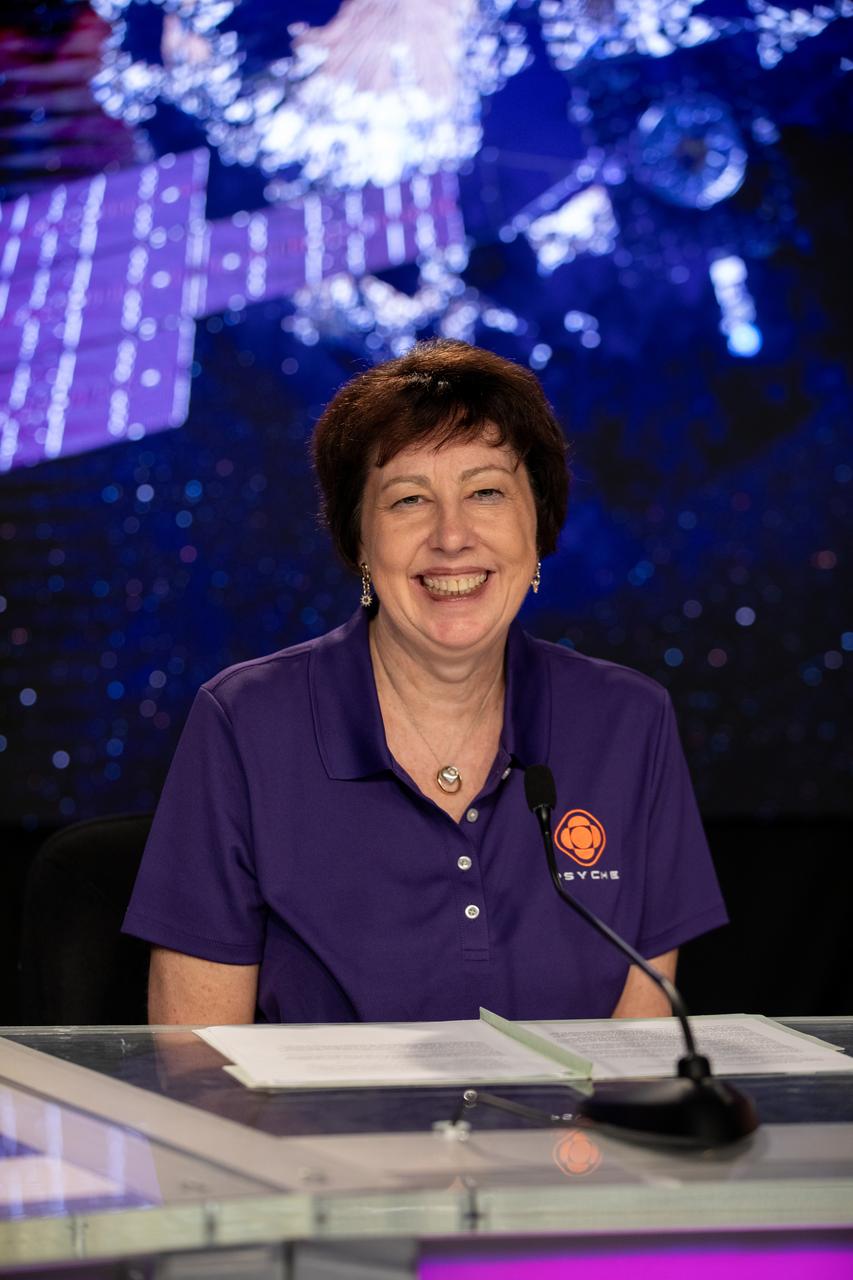
Nicola Fox, associate administrator, NASA’s Science Mission Directorate, participates in a Psyche mission prelaunch news conference at NASA’s Kennedy Space Center in Florida on Wednesday, Oct. 11, 2023. Psyche is the first mission to explore an asteroid with a surface that likely contains substantial amounts of metal rather than rock or ice. Liftoff of NASA’s Psyche spacecraft, atop a SpaceX Falcon Heavy rocket, is targeted for 10:16 a.m. EDT Thursday, Oct. 12, from Kennedy’s Launch Complex 39A.
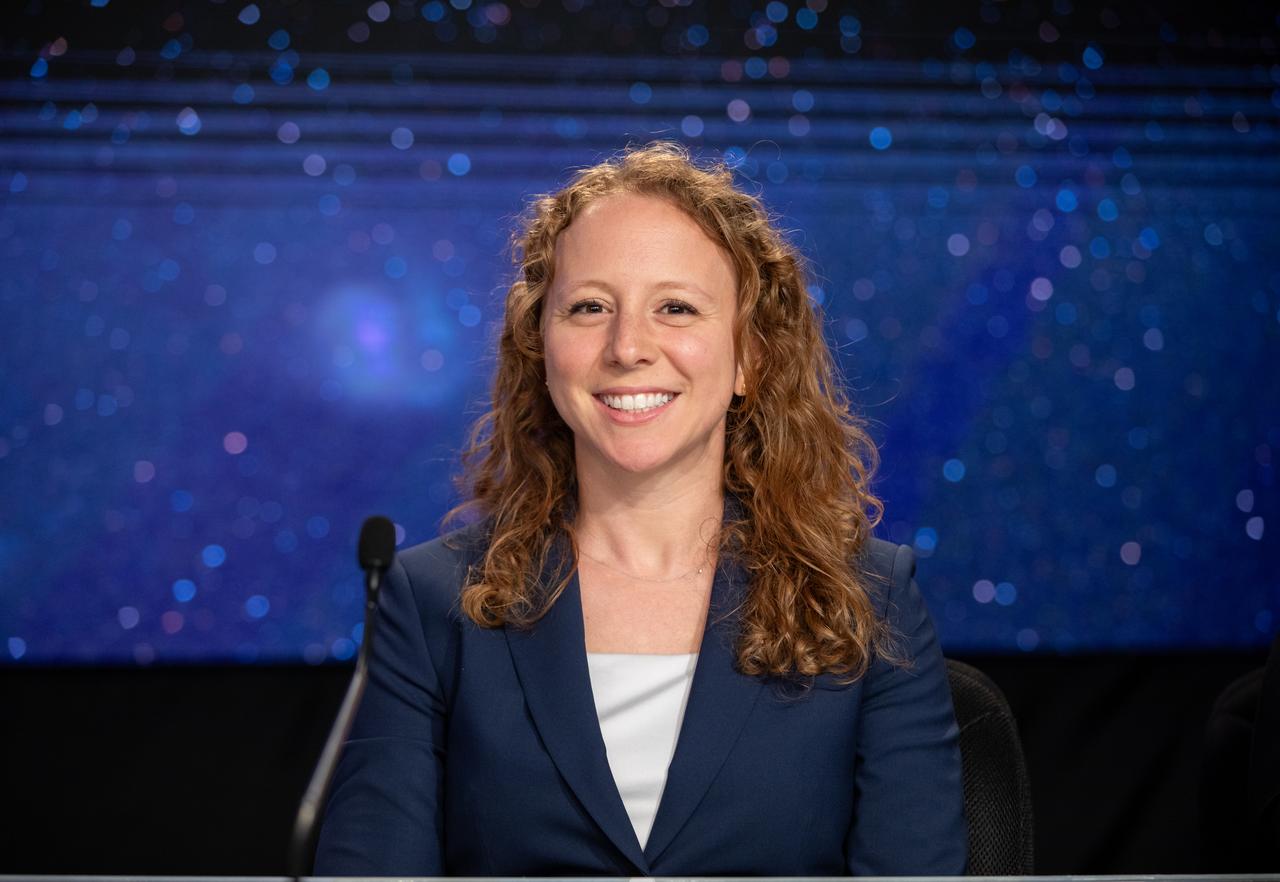
Julianna Scheiman, director, Civil Satellite Missions, SpaceX, participates in a Psyche mission prelaunch news conference at NASA’s Kennedy Space Center in Florida on Wednesday, Oct. 11, 2023. Psyche is the first mission to explore an asteroid with a surface that likely contains substantial amounts of metal rather than rock or ice. Liftoff of NASA’s Psyche spacecraft, atop a SpaceX Falcon Heavy rocket, is targeted for 10:16 a.m. EDT Thursday, Oct. 12, from Kennedy’s Launch Complex 39A.
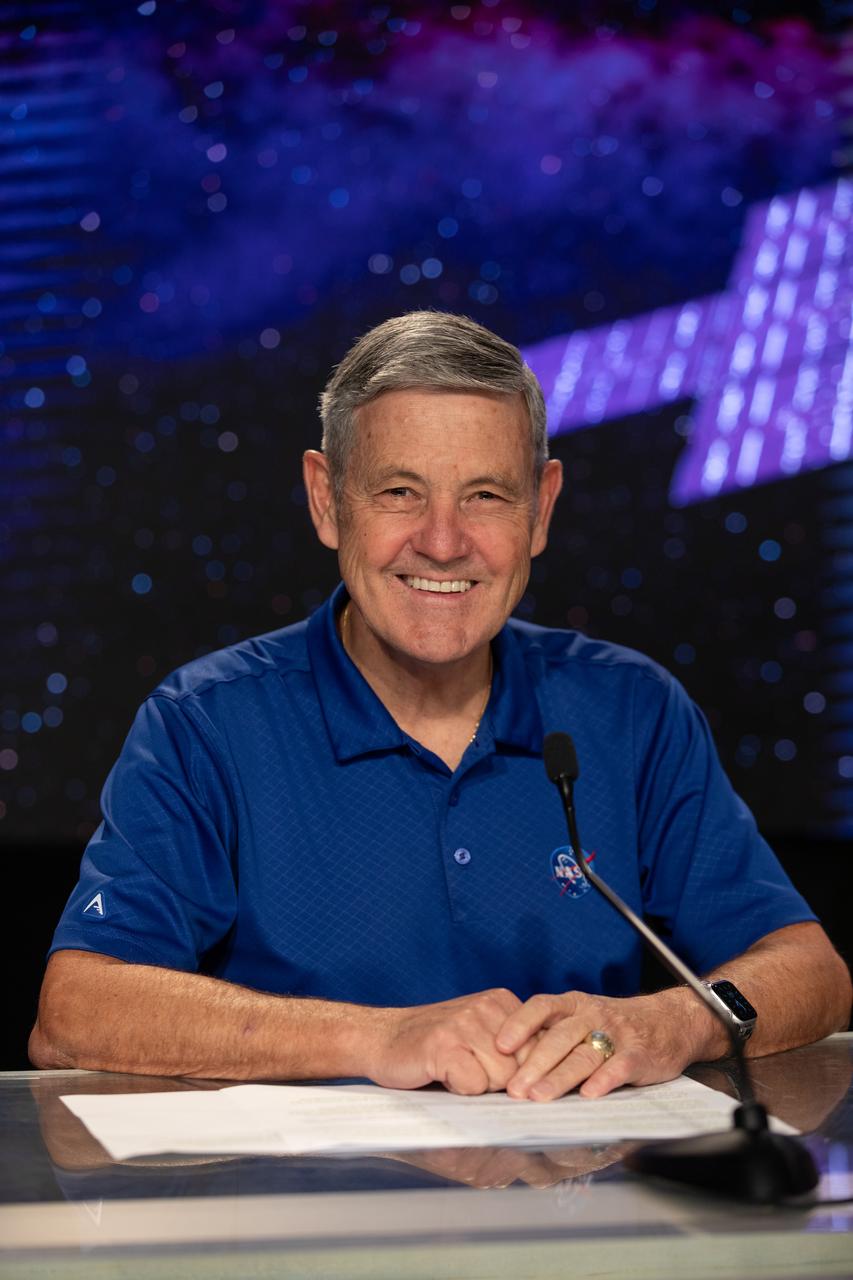
NASA Associate Administrator Bob Cabana participates in a Psyche mission prelaunch news conference at NASA’s Kennedy Space Center in Florida on Wednesday, Oct. 11, 2023. Psyche is the first mission to explore an asteroid with a surface that likely contains substantial amounts of metal rather than rock or ice. Liftoff of NASA’s Psyche spacecraft, atop a SpaceX Falcon Heavy rocket, is targeted for 10:16 a.m. EDT Thursday, Oct. 12, from Kennedy’s Launch Complex 39A.
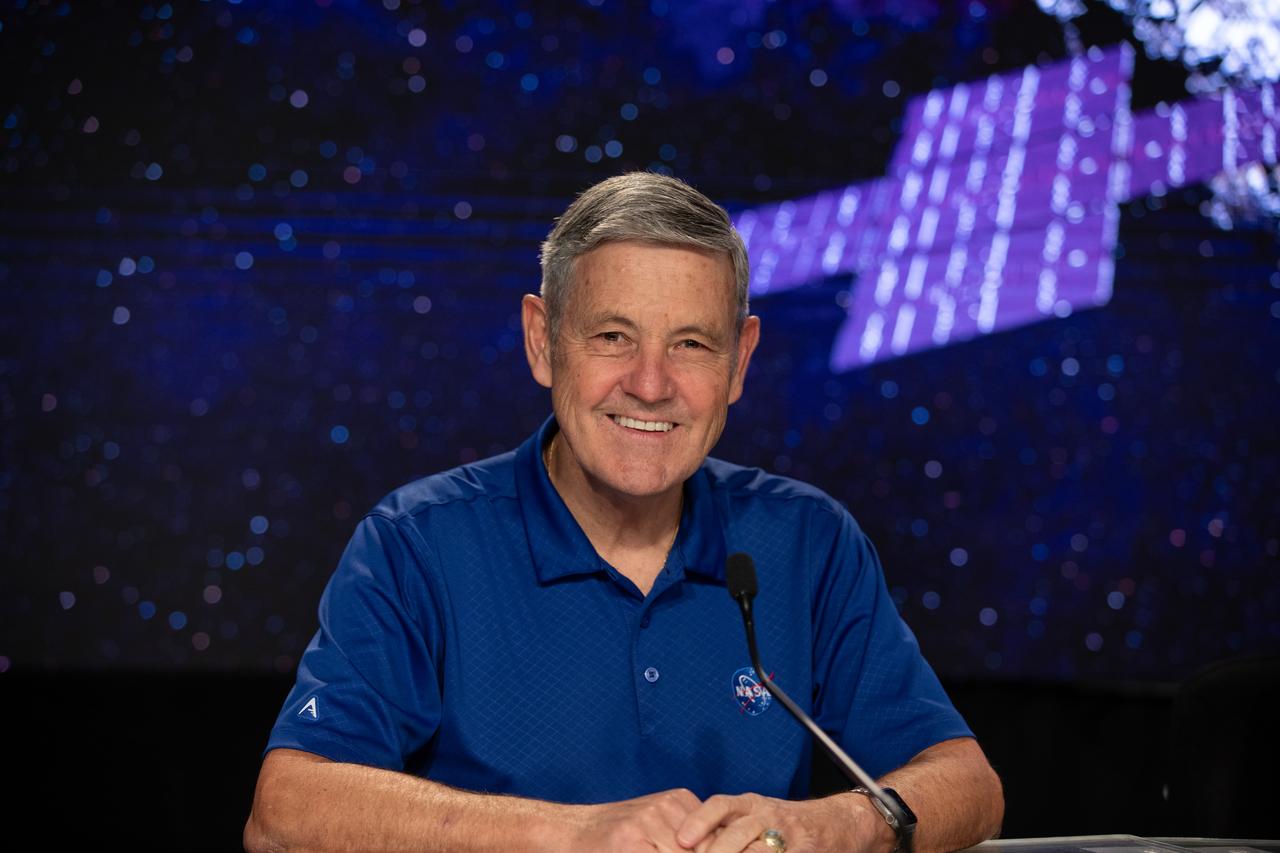
NASA Associate Administrator Bob Cabana participates in a Psyche mission prelaunch news conference at NASA’s Kennedy Space Center in Florida on Wednesday, Oct. 11, 2023. Psyche is the first mission to explore an asteroid with a surface that likely contains substantial amounts of metal rather than rock or ice. Liftoff of NASA’s Psyche spacecraft, atop a SpaceX Falcon Heavy rocket, is targeted for 10:16 a.m. EDT Thursday, Oct. 12, from Kennedy’s Launch Complex 39A.

Jasmine Hopkins, NASA Communications, moderates a Psyche mission prelaunch news conference at NASA’s Kennedy Space Center in Florida on Wednesday, Oct. 11, 2023. Psyche is the first mission to explore an asteroid with a surface that likely contains substantial amounts of metal rather than rock or ice. Liftoff of NASA’s Psyche spacecraft, atop a SpaceX Falcon Heavy rocket, is targeted for 10:16 a.m. EDT Thursday, Oct. 12, from Kennedy’s Launch Complex 39A.
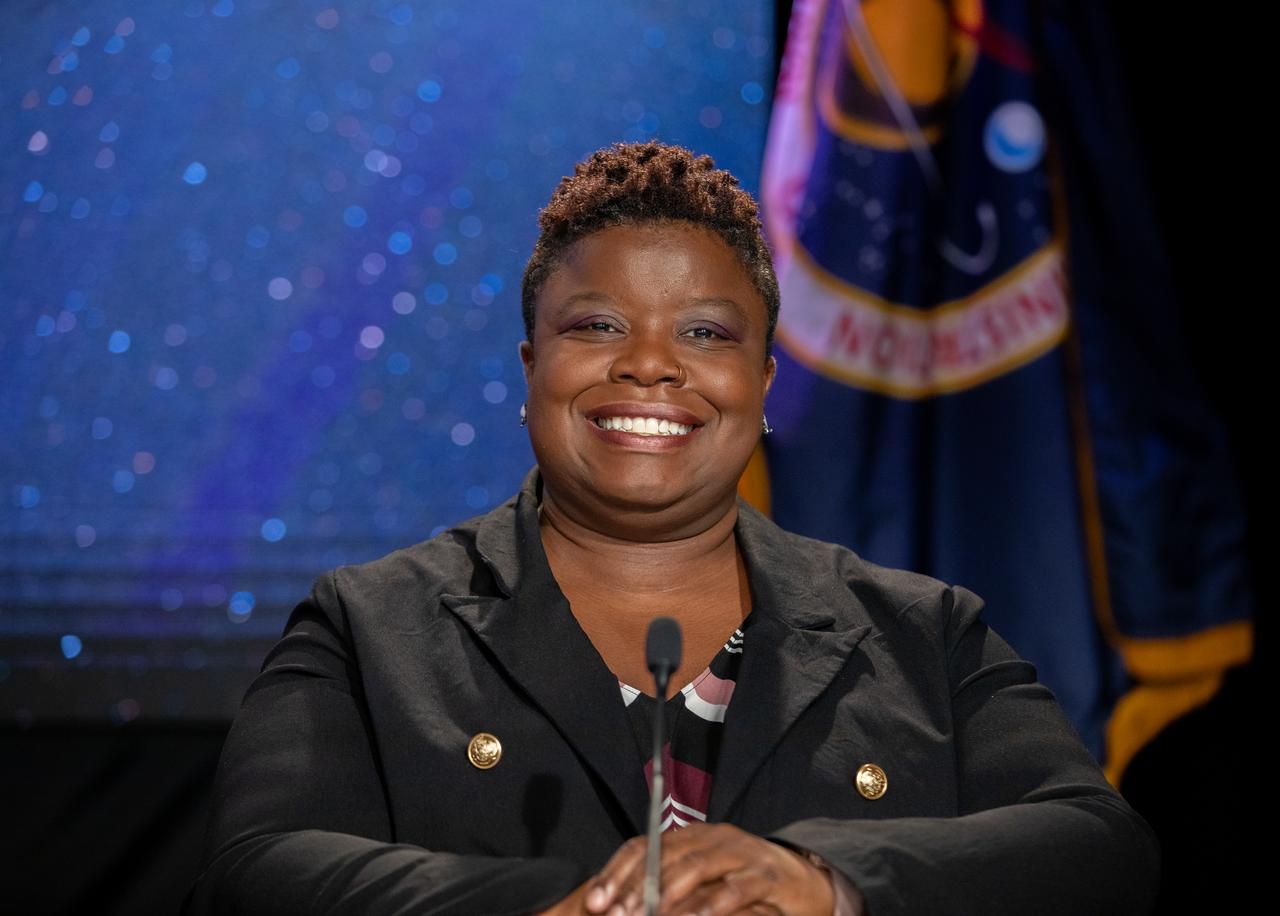
Arlena Moses, launch weather officer, U.S. Space Force, SpaceX, participates in a Psyche mission prelaunch news conference at NASA’s Kennedy Space Center in Florida on Wednesday, Oct. 11, 2023. Psyche is the first mission to explore an asteroid with a surface that likely contains substantial amounts of metal rather than rock or ice. Liftoff of NASA’s Psyche spacecraft, atop a SpaceX Falcon Heavy rocket, is targeted for 10:16 a.m. EDT Thursday, Oct. 12, from Kennedy’s Launch Complex 39A.
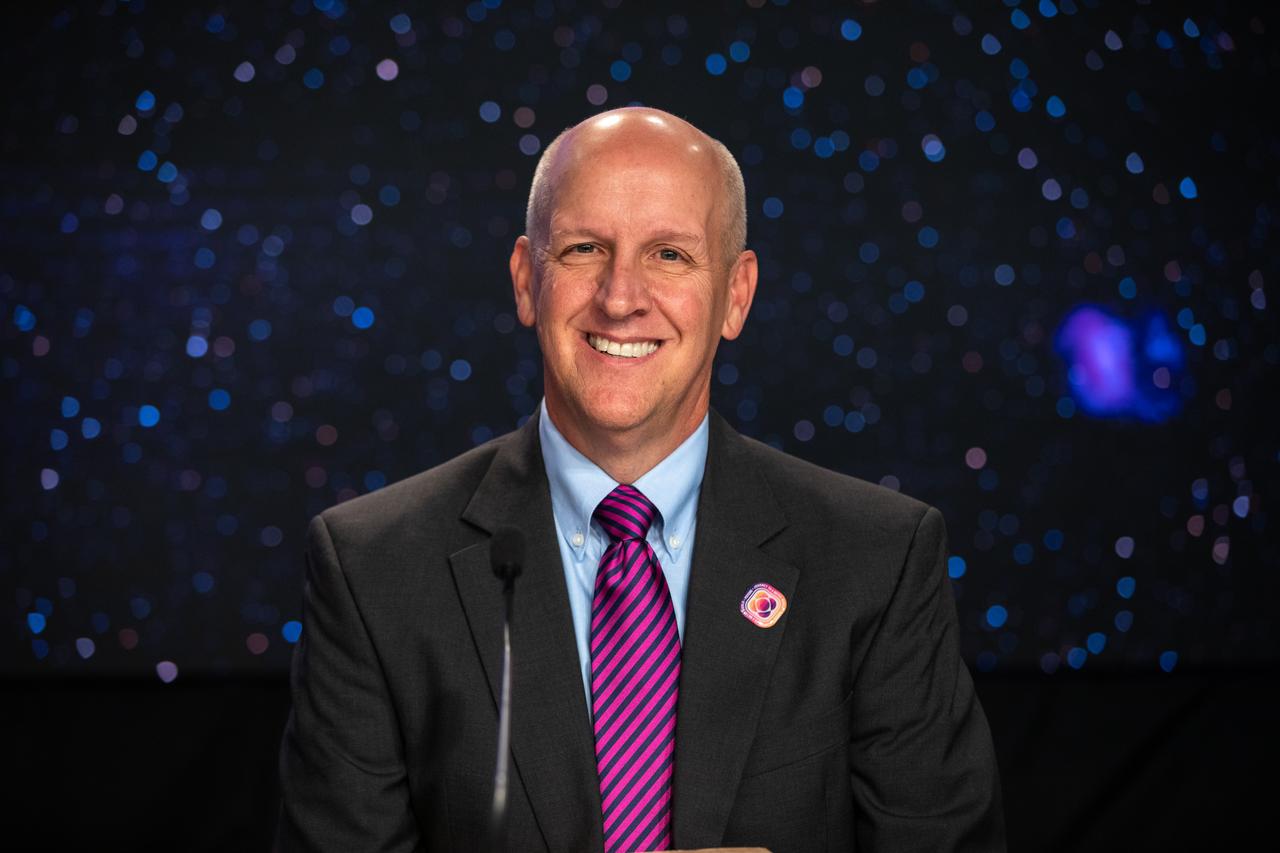
Tim Dunn, senior launch director, NASA’s Launch Services Program, participates in a Psyche mission prelaunch news conference at NASA’s Kennedy Space Center in Florida on Wednesday, Oct. 11, 2023. Psyche is the first mission to explore an asteroid with a surface that likely contains substantial amounts of metal rather than rock or ice. Liftoff of NASA’s Psyche spacecraft, atop a SpaceX Falcon Heavy rocket, is targeted for 10:16 a.m. EDT Thursday, Oct. 12, from Kennedy’s Launch Complex 39A.
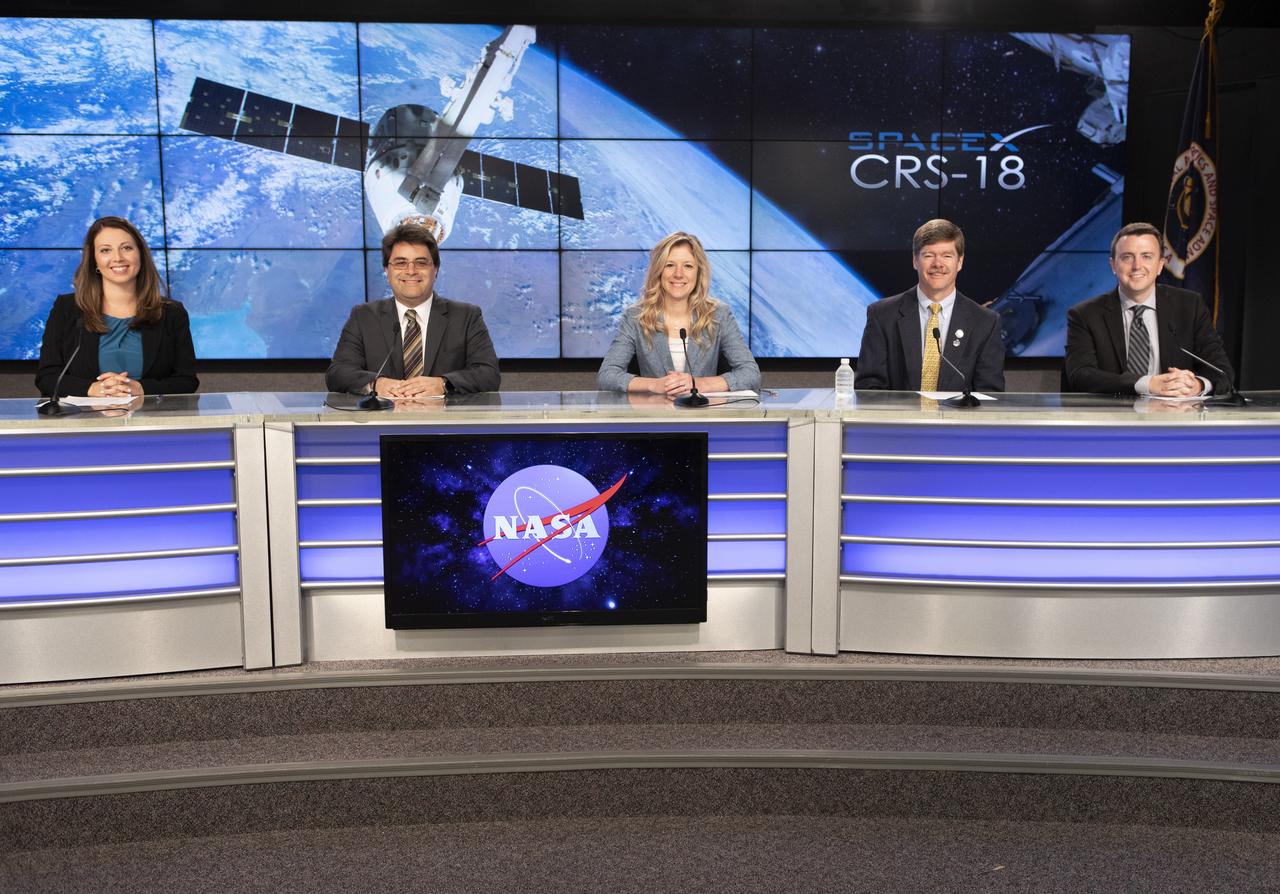
A prelaunch news conference for SpaceX’s 18th Commercial Resupply Services (CRS-18) mission to the International Space Station for NASA is held July 24, 2019, at the agency’s Kennedy Space Center in Florida. From left are Marie Lewis, NASA Communications moderator; Bill Spetch, deputy manager of the International Space Station Transportation Integration Office at NASA’s Johnson Space Center in Houston; Jessica Jensen, director of Dragon mission management at SpaceX; Pete Hasbrook, manager of the space station’s Program Science Office at Johnson; and Will Ulrich, launch weather officer with the U.S. Air Force 45th Space Wing. The SpaceX Falcon 9 rocket and uncrewed Dragon spacecraft are scheduled to launch July 24, 2019, from Space Launch Complex 40 at Florida’s Cape Canaveral Air Force Station.
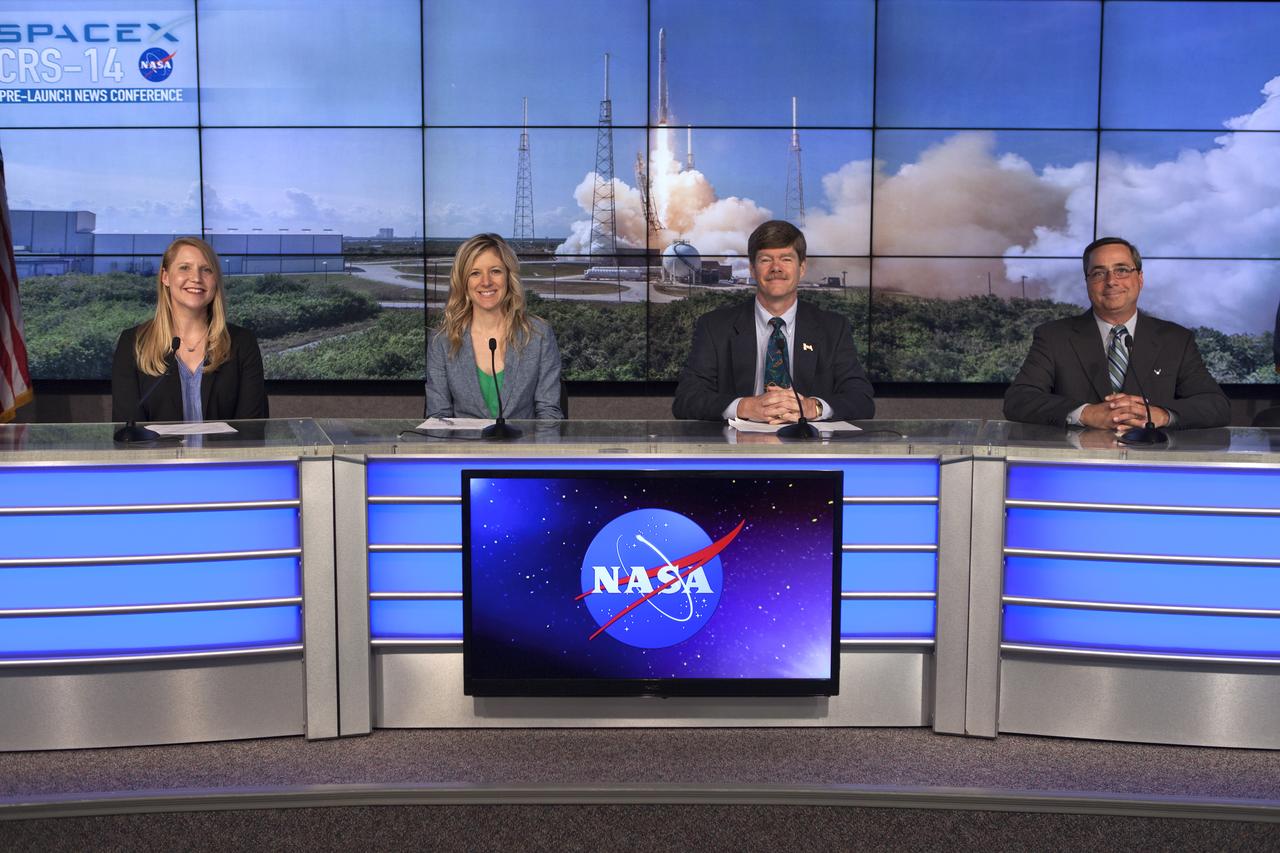
In the Kennedy Space Center’s Press Site auditorium, NASA and industry leaders speak to members of the media during a prelaunch news conference for the SpaceX CRS-14 commercial resupply services mission to the International Space Station. From left, are Stephanie Schierholz, of NASA Communications; Jessica Jensen, director, Dragon Mission Management, SpaceX; Pete Hasbrook, associate program scientist, ISS Program Science Office at NASA's Johnson Space Center in Houston; and Mike McAleenan, weather officer, 45th Weather Squadron. Joining on the phone is Joel Montalbano, deputy manager, ISS Program at Johnson. A Dragon spacecraft is scheduled to be launched from Space Launch Complex 40 at Cape Canaveral Air Force Station at 4:30 p.m. EST, on April 2, 2018. The SpaceX Falcon 9 rocket will lift off on the company's 14th Commercial Resupply Services mission to the space station.
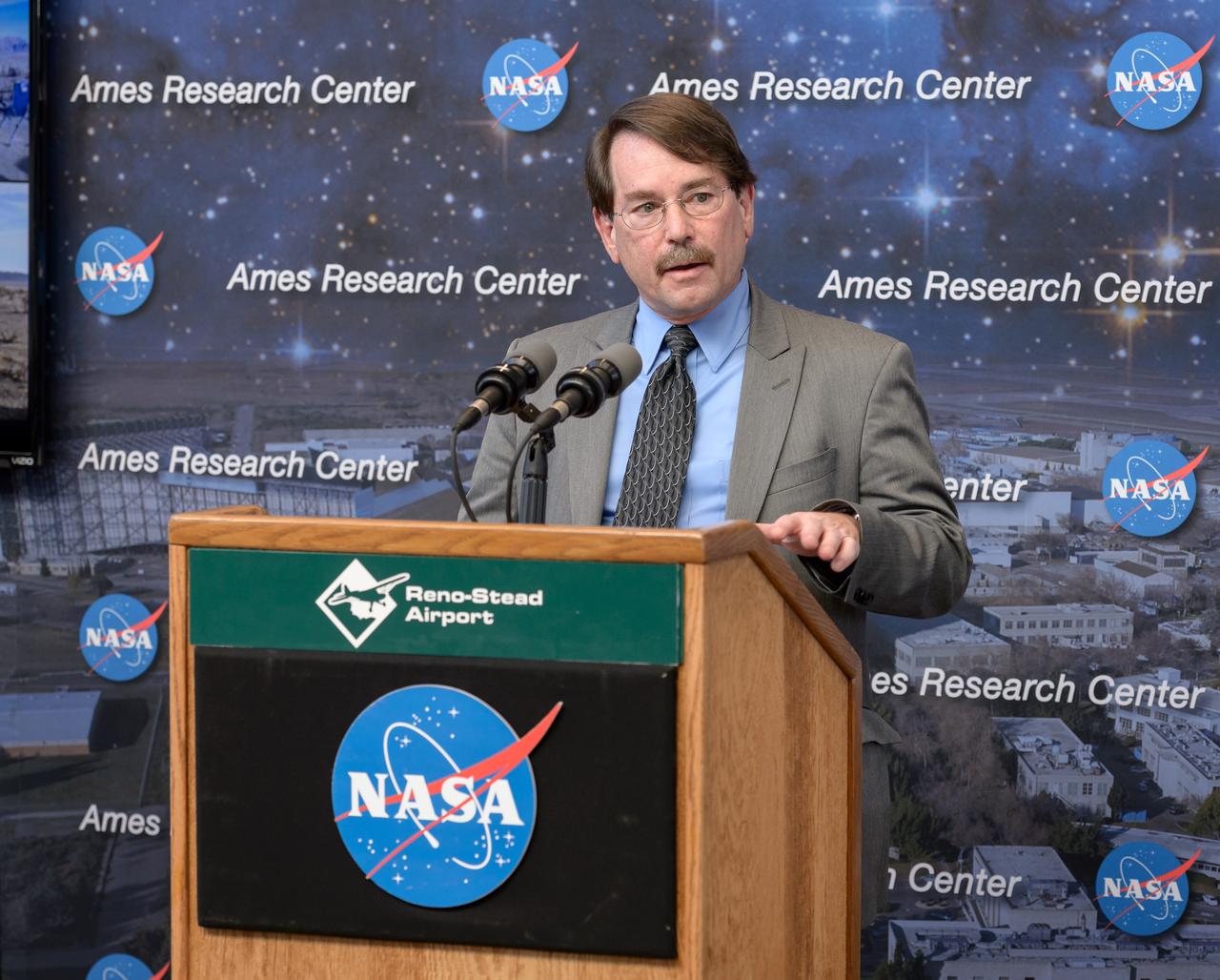
News Conference following the test of Unmanned Aircraft Systems Traffic Management (UTM) technical capability Level 2 (TCL2) at Reno-Stead Airport, Nevada. Mark Baker, Director of Business Development, Nevada Institute of Autonomous Systems.

John Elbon, Chief Operating Officer, United Launch Alliance, is introduced during a prelaunch news conference for the Lucy mission held inside the TV Auditorium at NASA’s Kennedy Space Center in Florida on Oct. 13, 2021. The mission is targeted to launch at 5:34 a.m. EDT Saturday, Oct. 16, on a United Launch Alliance Atlas V 401 rocket from Space Launch Complex 41 at Cape Canaveral Space Force Station. NASA’s Launch Services Program, based at Kennedy, is managing the launch. During its 12-year primary mission, Lucy will explore a record-breaking number of asteroids, flying by one asteroid in the solar system’s main belt and seven Trojan asteroids. Additionally, Lucy’s path will circle back to Earth three times for gravity assists, making it the first spacecraft to return to the vicinity of Earth from the outer solar system.

Donya Douglas-Bradshaw, Lucy project manager at NASA’s Goddard Space Flight Center, is introduced during a prelaunch news conference for the Lucy mission held inside the TV Auditorium at NASA’s Kennedy Space Center in Florida on Oct. 13, 2021. The mission is scheduled to launch no earlier than 5:34 a.m. EDT Saturday, Oct. 16, on a United Launch Alliance Atlas V 401 rocket from Space Launch Complex 41 at Cape Canaveral Space Force Station. NASA’s Launch Services Program, based at Kennedy, is managing the launch. During its 12-year primary mission, Lucy will explore a record-breaking number of asteroids, flying by one asteroid in the solar system’s main belt and seven Trojan asteroids. Additionally, Lucy’s path will circle back to Earth three times for gravity assists, making it the first spacecraft to return to the vicinity of Earth from the outer solar system.

Thomas Zurbuchen, associate administrator, NASA’s Science Mission Directorate, is introduced during a prelaunch news conference for the Lucy mission held inside the TV Auditorium at NASA’s Kennedy Space Center in Florida on Oct. 13, 2021. The mission is scheduled to launch no earlier than 5:34 a.m. EDT Saturday, Oct. 16, on a United Launch Alliance Atlas V 401 rocket from Space Launch Complex 41 at Cape Canaveral Space Force Station. NASA’s Launch Services Program, based at Kennedy, is managing the launch. During its 12-year primary mission, Lucy will explore a record-breaking number of asteroids, flying by one asteroid in the solar system’s main belt and seven Trojan asteroids. Additionally, Lucy’s path will circle back to Earth three times for gravity assists, making it the first spacecraft to return to the vicinity of Earth from the outer solar system.
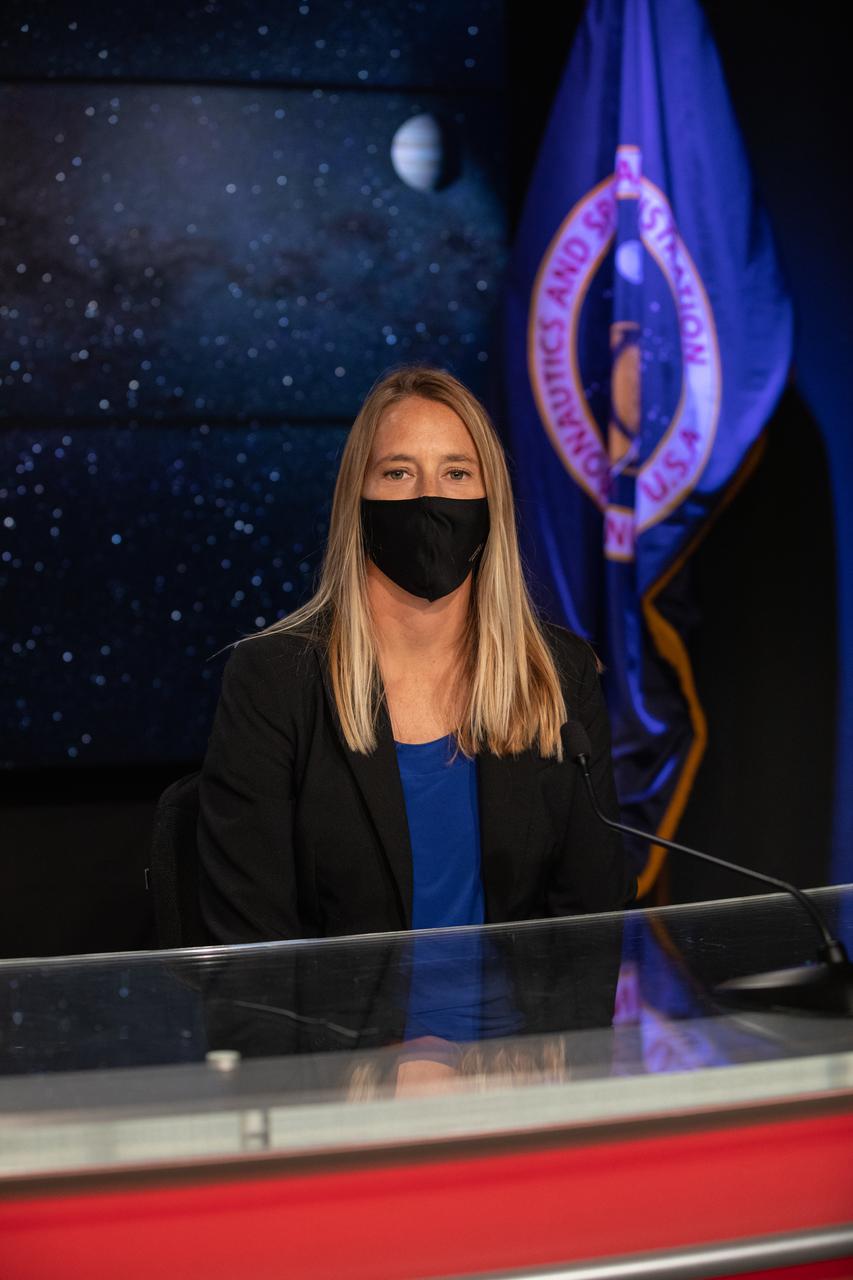
Jessica Williams, Launch Weather Officer, 45th Weather Squadron, Space Launch Delta 45, Cape Canaveral Space Force Station, is introduced during a prelaunch news conference for the Lucy mission held inside the TV Auditorium at NASA’s Kennedy Space Center in Florida on Oct. 13, 2021. The mission is targeted to launch at 5:34 a.m. EDT Saturday, Oct. 16, on a United Launch Alliance Atlas V 401 rocket from Space Launch Complex 41 at Cape Canaveral Space Force Station. NASA’s Launch Services Program, based at Kennedy, is managing the launch. Lucy is the first space mission to study the Trojan asteroids, which hold vital clues to the formation of our solar system.
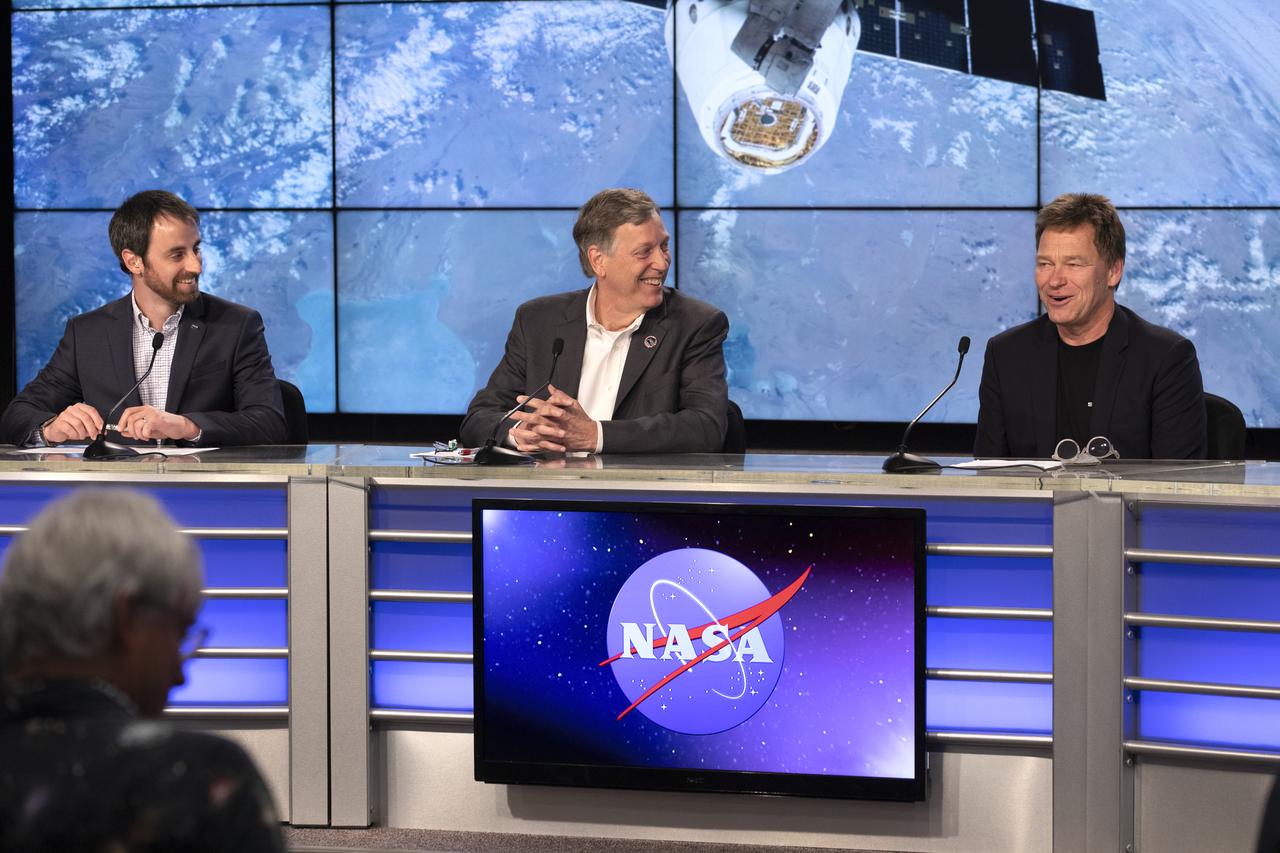
From left, Josh Santora, moderator with NASA Communications; Kenny Todd, manager, International Space Station Operations and Integration at NASA’s Johnson Space Center in Houston; and Hans Koenigsmann, vice president, Build and Flight Reliability with SpaceX, speak to members of the news media during a postlaunch news conference at NASA’s Kennedy Space Center in Florida on May 4, 2019, for SpaceX’s 17th Commercial Resupply Services (CRS-17) mission to the International Space Station for the agency. The company’s Falcon 9 rocket with the Dragon cargo module lifted off from Space Launch Complex 40 at Cape Canaveral Air Force Station in Florida at 2:48 a.m. EDT. The Dragon cargo module will deliver about 5,500 pounds of science and research, crew supplies and vehicle hardware to the orbital laboratory and its crew.
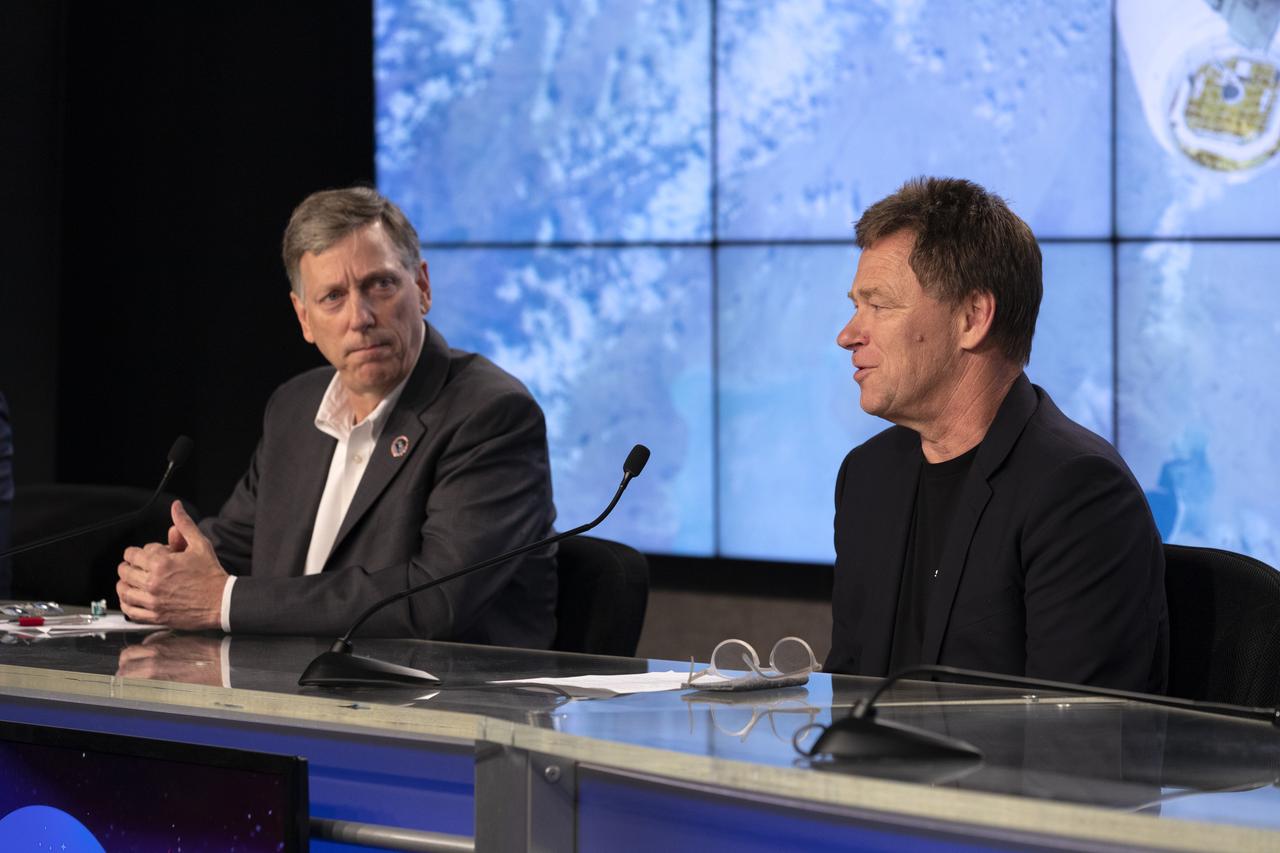
From left, Kenny Todd, manager, International Space Station Operations and Integration at NASA’s Johnson Space Center in Houston; and Hans Koenigsmann, vice president, Build and Flight Reliability with SpaceX, speak to members of the news media during a postlaunch news conference at NASA’s Kennedy Space Center in Florida on May 4, 2019, for SpaceX’s 17th Commercial Resupply Services (CRS-17) mission to the International Space Station for the agency. The company’s Falcon 9 rocket with the Dragon cargo module lifted off from Space Launch Complex 40 at Cape Canaveral Air Force Station in Florida at 2:48 a.m. EDT. The Dragon cargo module will deliver about 5,500 pounds of science and research, crew supplies and vehicle hardware to the orbital laboratory and its crew.
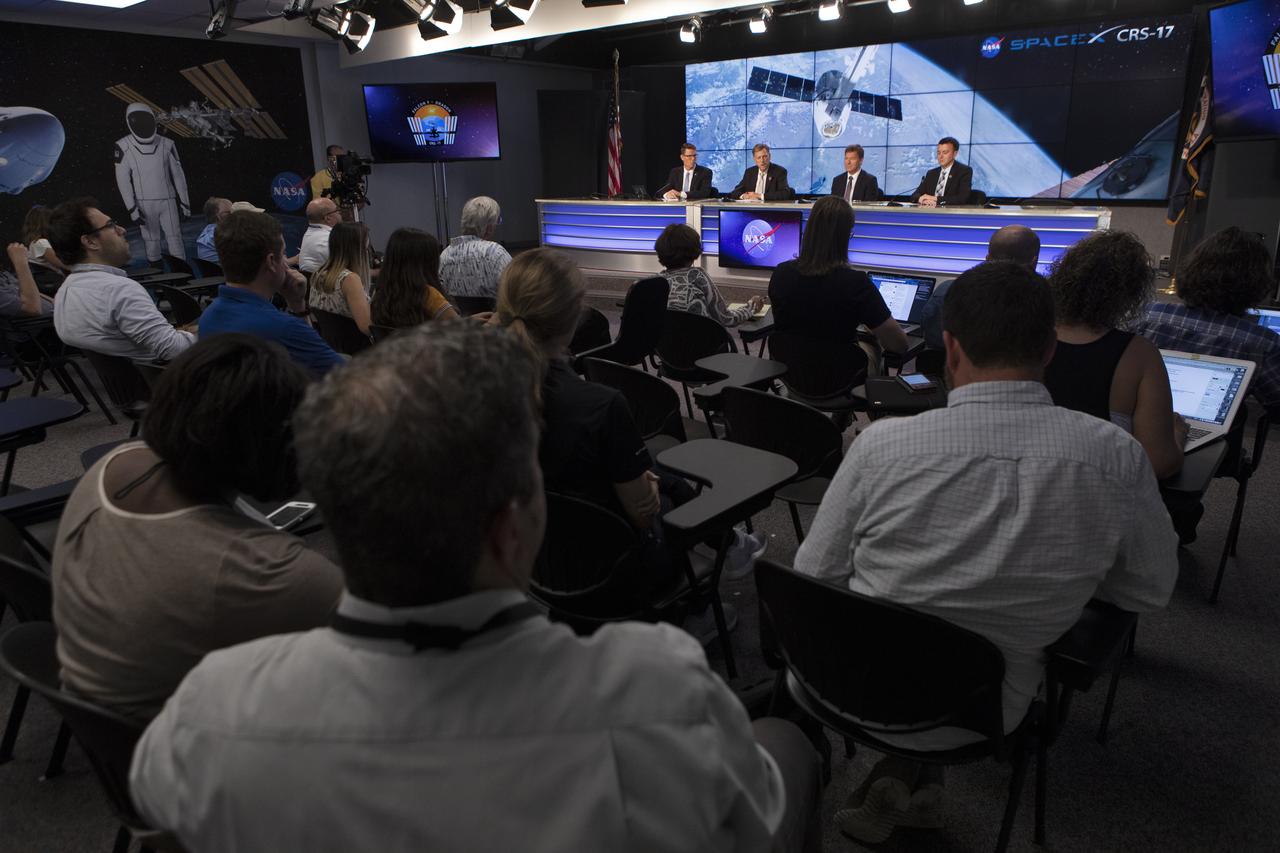
Members of the news media attend a prelaunch news conference for SpaceX’s 17th Commercial Resupply Services (CRS-17) mission to the International Space Station for NASA on May 2, 2019, at the agency’s Kennedy Space Center in Florida. From left, are Derrol Nail, NASA Communications moderator; Kenny Todd, Manager, International Space Station Operations and Integration at NASA’s Johnson Space Center in Houston; Hans Koenigsmann, VP, Build and Flight Reliability with SpaceX; and Will Ulrich, 45th launch weather officer with the U.S. Air Force. The SpaceX Falcon 9 rocket and Dragon cargo module are scheduled to launch no earlier than May 3, 2019, from Space Launch Complex 40 on Cape Canaveral Air Force Station in Florida.
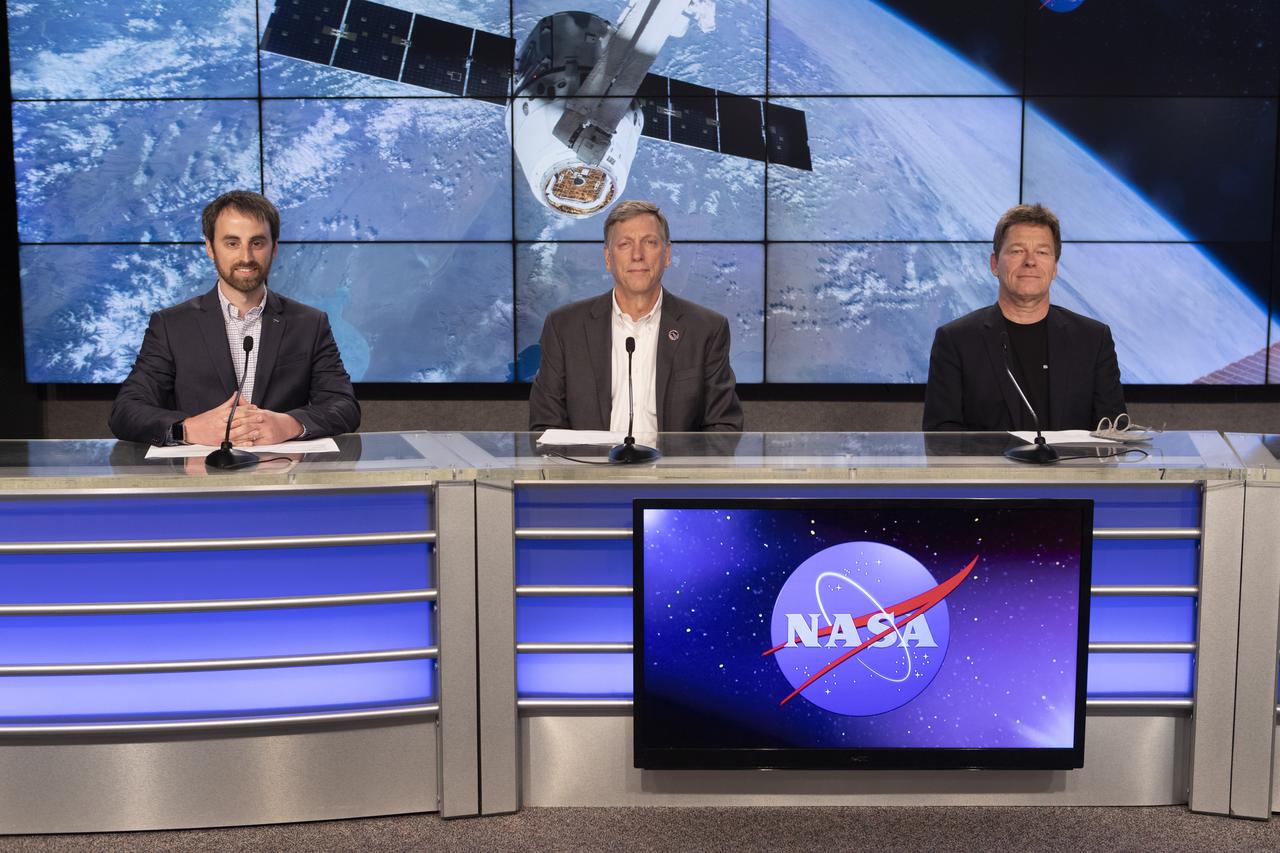
From left, Josh Santora, moderator with NASA Communications; Kenny Todd, manager, International Space Station Operations and Integration at NASA’s Johnson Space Center in Houston; and Hans Koenigsmann, vice president, Build and Flight Reliability with SpaceX, speak to members of the news media during a postlaunch news conference at NASA’s Kennedy Space Center in Florida on May 4, 2019, for SpaceX’s 17th Commercial Resupply Services (CRS-17) mission to the International Space Station for the agency. The company’s Falcon 9 rocket with the Dragon cargo module lifted off from Space Launch Complex 40 at Cape Canaveral Air Force Station in Florida at 2:48 a.m. EDT. The Dragon cargo module will deliver about 5,500 pounds of science and research, crew supplies and vehicle hardware to the orbital laboratory and its crew.
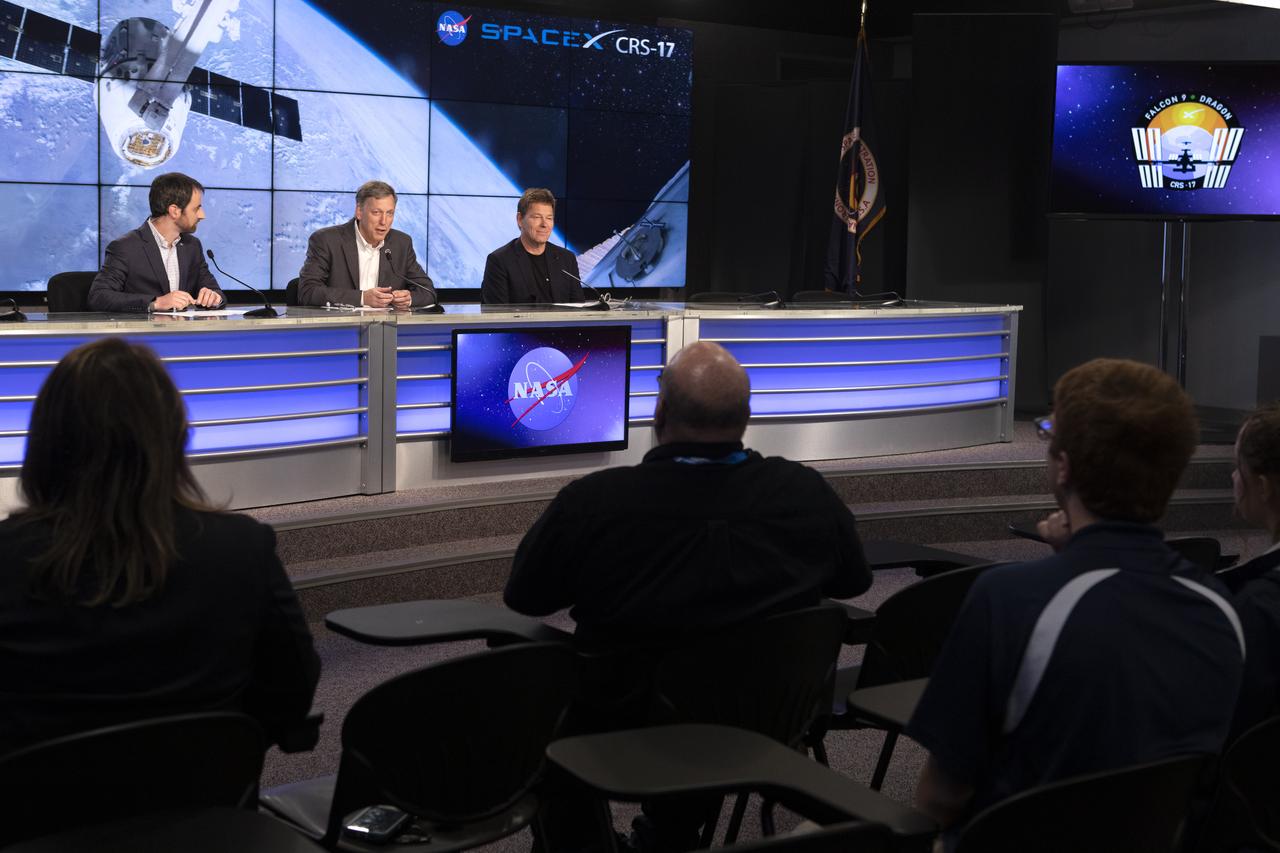
From left, Josh Santora, moderator with NASA Communications; Kenny Todd, manager, International Space Station Operations and Integration at NASA’s Johnson Space Center in Houston; and Hans Koenigsmann, vice president, Build and Flight Reliability with SpaceX, speak to members of the news media during a postlaunch news conference at NASA’s Kennedy Space Center in Florida on May 4, 2019, for SpaceX’s 17th Commercial Resupply Services (CRS-17) mission to the International Space Station for the agency. The company’s Falcon 9 rocket with the Dragon cargo module lifted off from Space Launch Complex 40 at Cape Canaveral Air Force Station in Florida at 2:48 a.m. EDT. The Dragon cargo module will deliver about 5,500 pounds of science and research, crew supplies and vehicle hardware to the orbital laboratory and its crew.
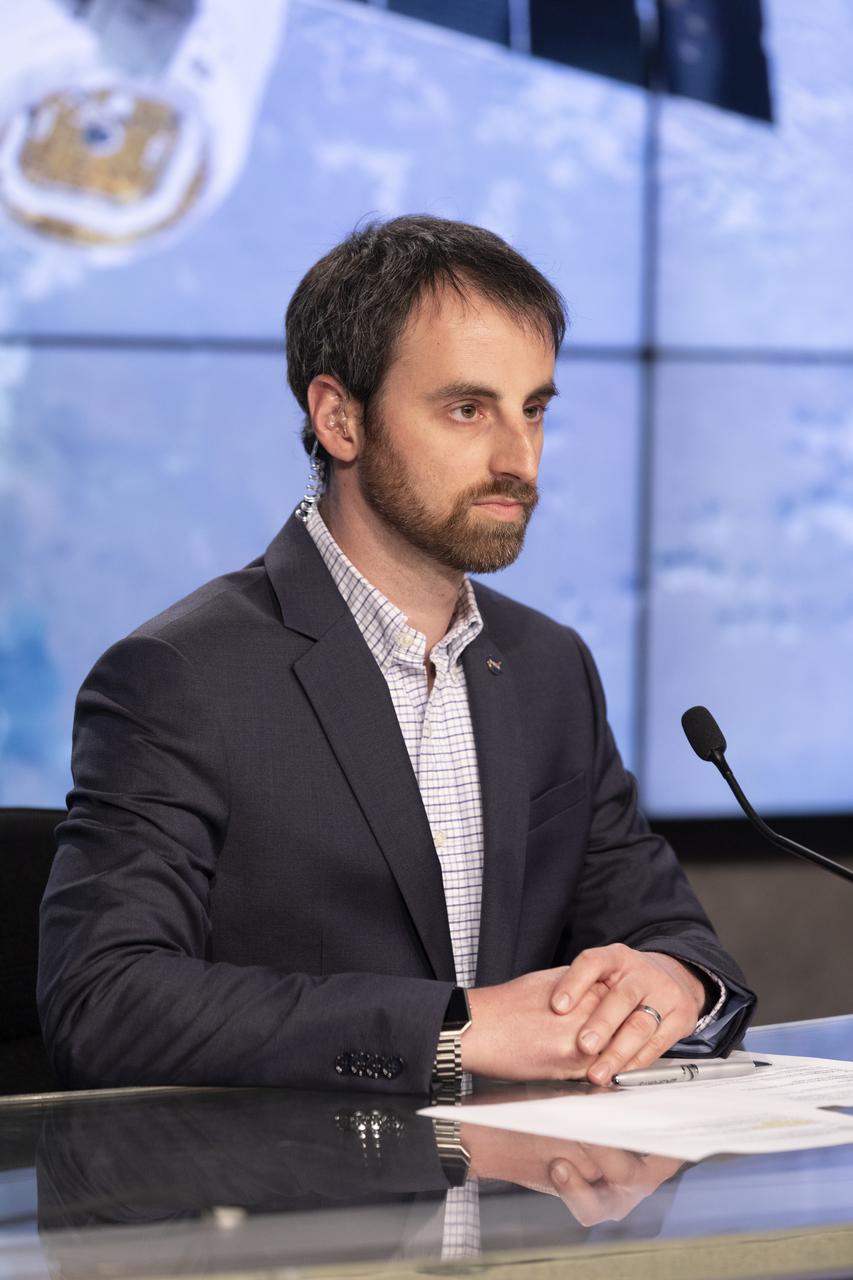
Josh Santora, with NASA Communications, moderates a postlaunch news conference at NASA’s Kennedy Space Center in Florida on May 4, 2019, for SpaceX’s 17th Commercial Resupply Services (CRS-17) mission to the International Space Station for the agency. The company’s Falcon 9 rocket with the Dragon cargo module lifted off from Space Launch Complex 40 at Cape Canaveral Air Force Station in Florida at 2:48 a.m. EDT. The Dragon cargo module will deliver about 5,500 pounds of science and research, crew supplies and vehicle hardware to the orbital laboratory and its crew.
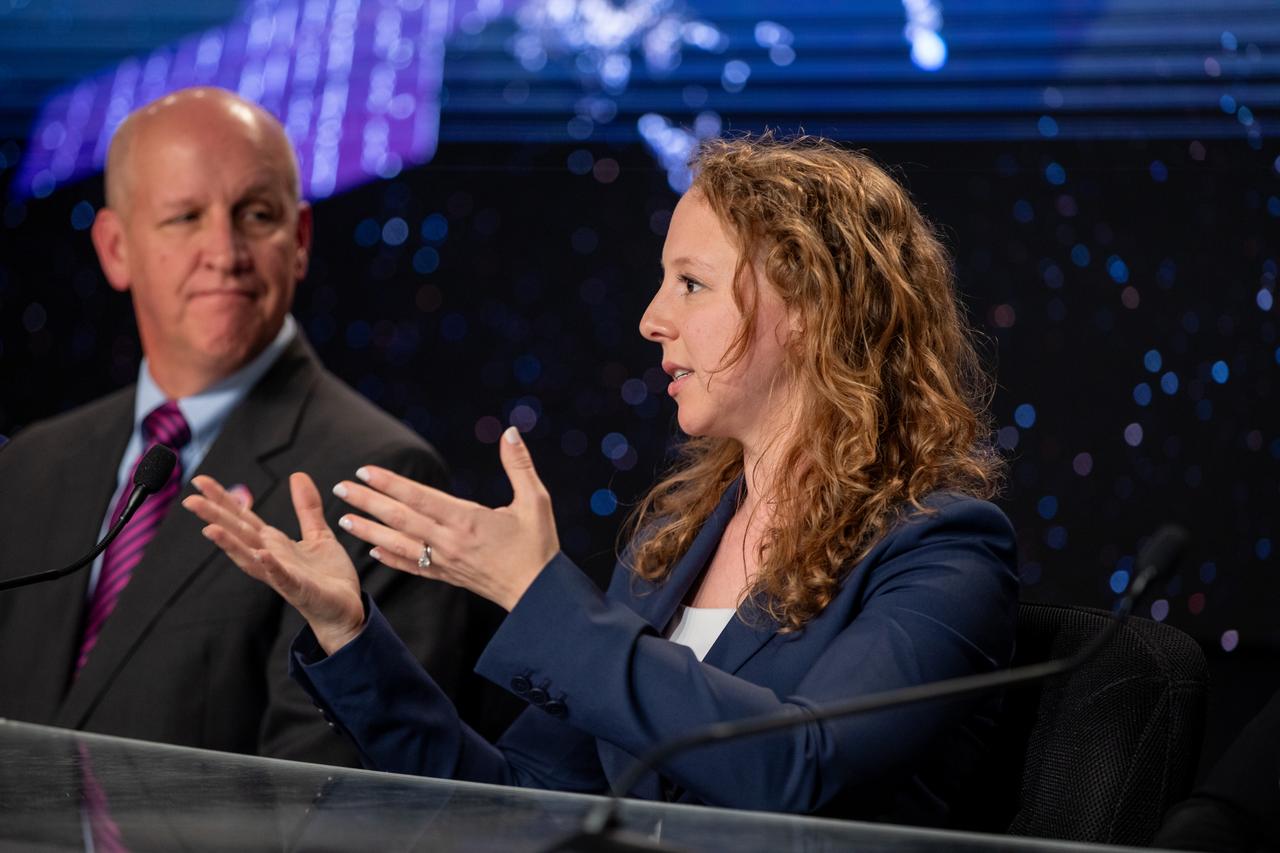
Julianna Scheiman, director, Civil Satellite Missions, SpaceX, addresses the media during a Psyche mission prelaunch news conference at NASA’s Kennedy Space Center in Florida on Wednesday, Oct. 11, 2023. To her left is Tim Dunn, senior launch director, NASA’s Launch Services Program. Psyche is the first mission to explore an asteroid with a surface that likely contains substantial amounts of metal rather than rock or ice. Liftoff of NASA’s Psyche spacecraft, atop a SpaceX Falcon Heavy rocket, is targeted for 10:16 a.m. EDT Thursday, Oct. 12, from Kennedy’s Launch Complex 39A.
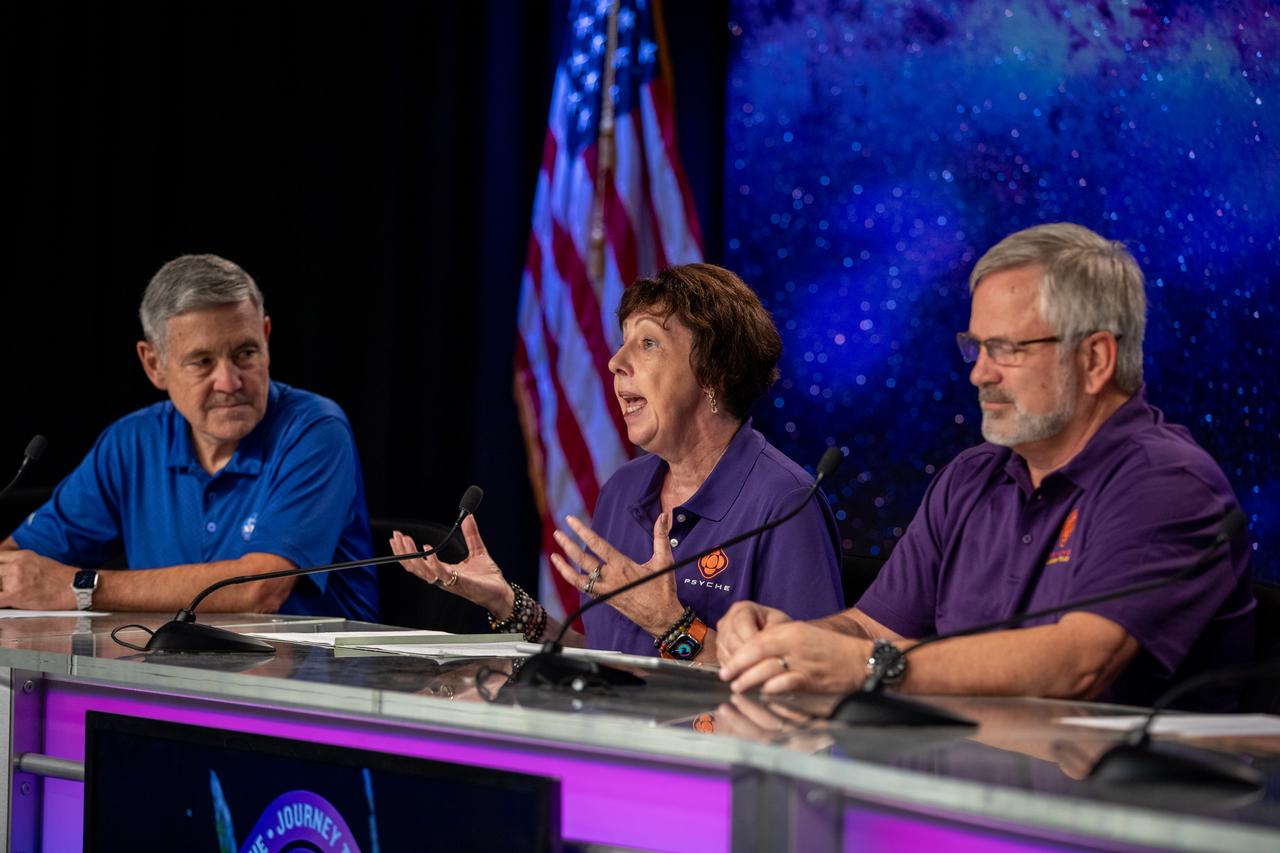
Nicola Fox, associate administrator, NASA’s Science Mission Directorate, addresses the media during a Psyche mission prelaunch news conference at NASA’s Kennedy Space Center in Florida on Wednesday, Oct. 11, 2023. Also shown are NASA Administrator Bob Cabana, left, and Psyche Project Manager Henry Stone. Psyche is the first mission to explore an asteroid with a surface that likely contains substantial amounts of metal rather than rock or ice. Liftoff of NASA’s Psyche spacecraft, atop a SpaceX Falcon Heavy rocket, is targeted for 10:16 a.m. EDT Thursday, Oct. 12, from Kennedy’s Launch Complex 39A.
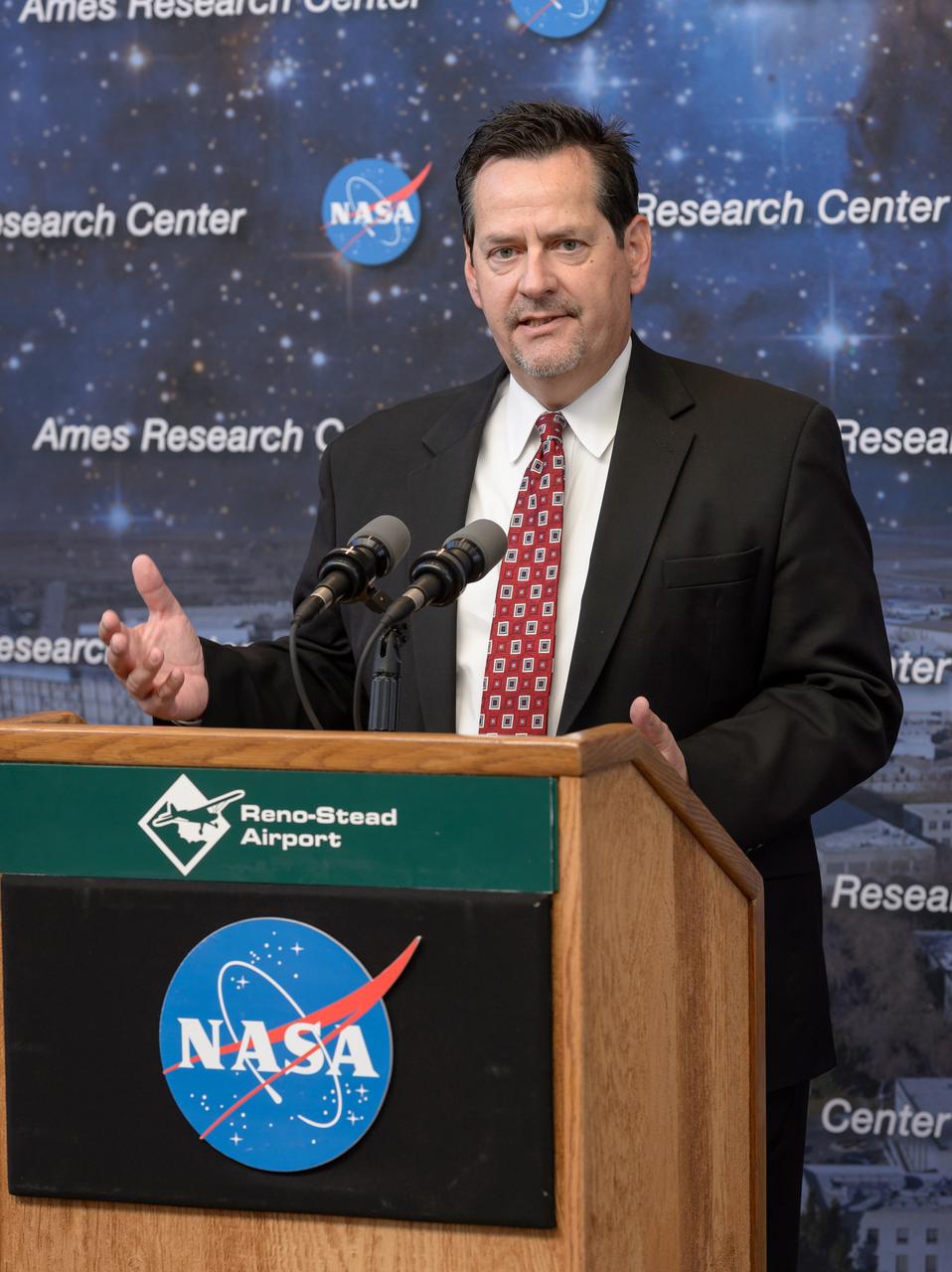
News Conference following the test of Unmanned Aircraft Systems Traffic Management (UTM) technical capability Level 2 (TCL2) at Reno-Stead Airport, Nevada. Tom Wilczek, Aerospace and Defence industry representative and Nevada Govenor's Office of Economic Development.
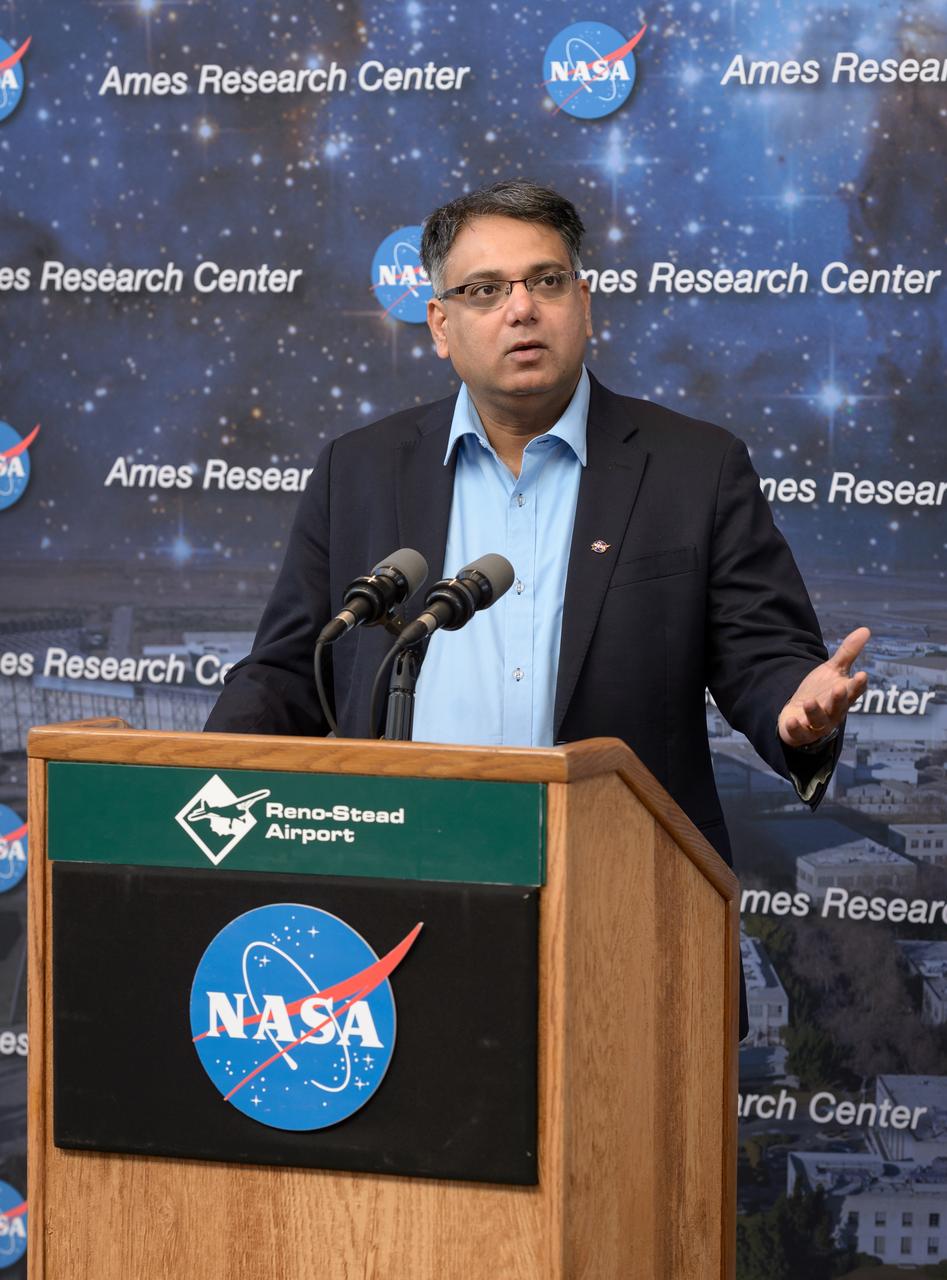
News Conference following the test of Unmanned Aircraft Systems Traffic Management (UTM) technical capability Level 2 (TCL2) at Reno-Stead Airport, Nevada. Parimal Kopardekar, NASA Ames Senior Engineer for Ait Transportation Systems gave an overview of UTM.
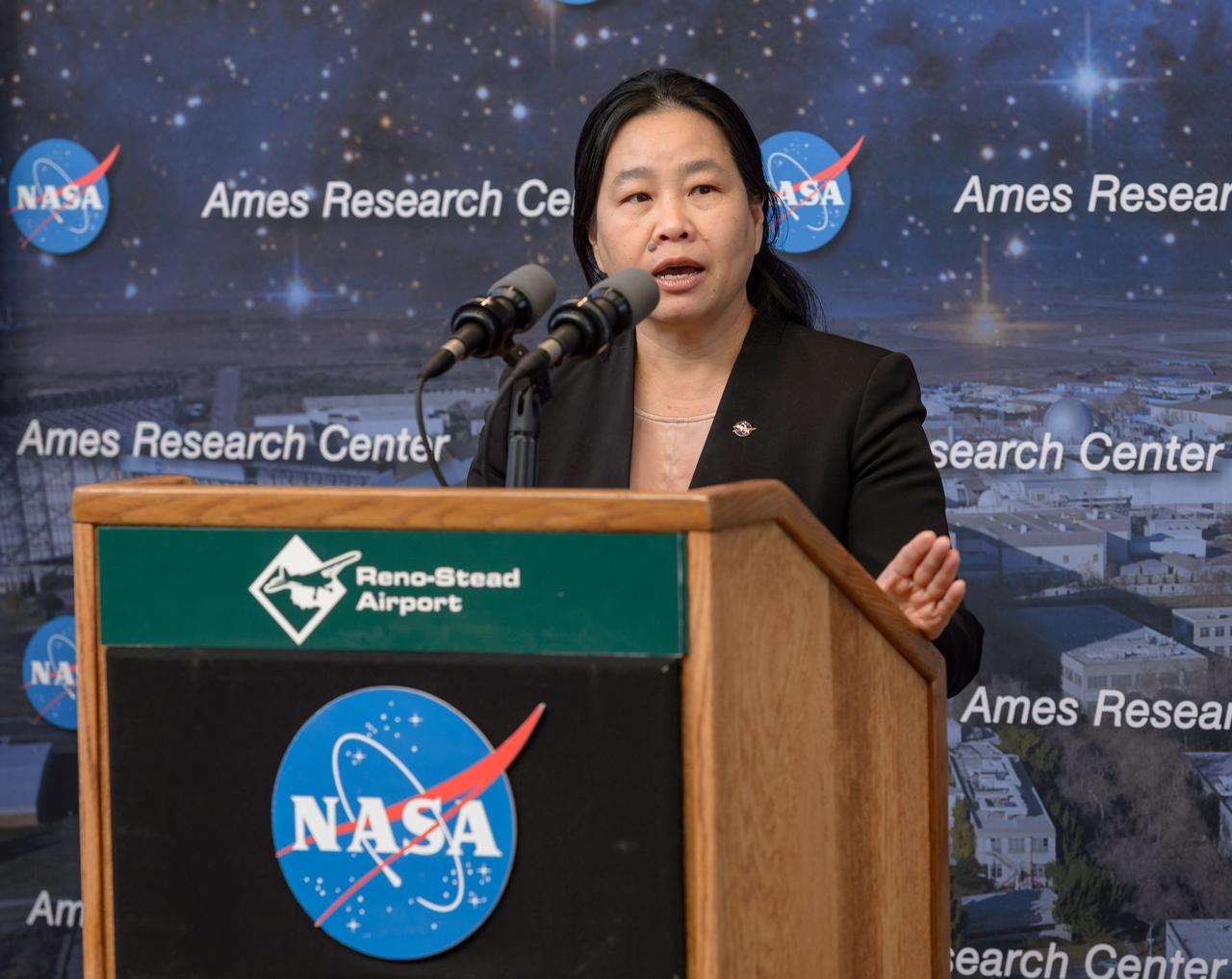
News Conference following the test of Unmanned Aircraft Systems Traffic Management (UTM) technical capability Level 2 (TCL2) at Reno-Stead Airport, Nevada. Huy Tran, NASA Ames Aeronautics Director gives a NASA UTM Project Overview.
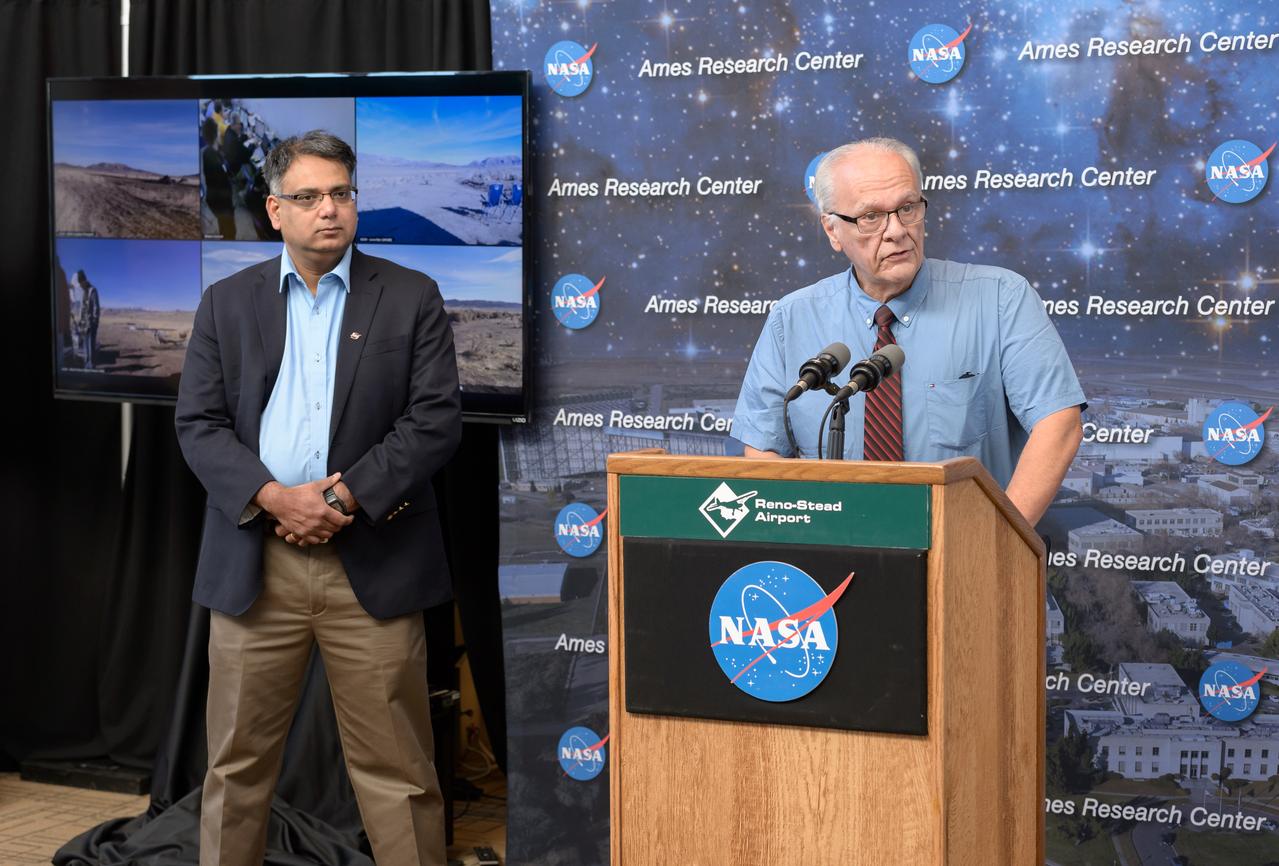
News Conference following the test of Unmanned Aircraft Systems Traffic Management (UTM) technical capability Level 2 (TCL2) at Reno-Stead Airport, Nevada. Parimal Kopardekar, NASA Ames Senior Engineer for Ait Transportation Systems gave an overview of UTM (Left).
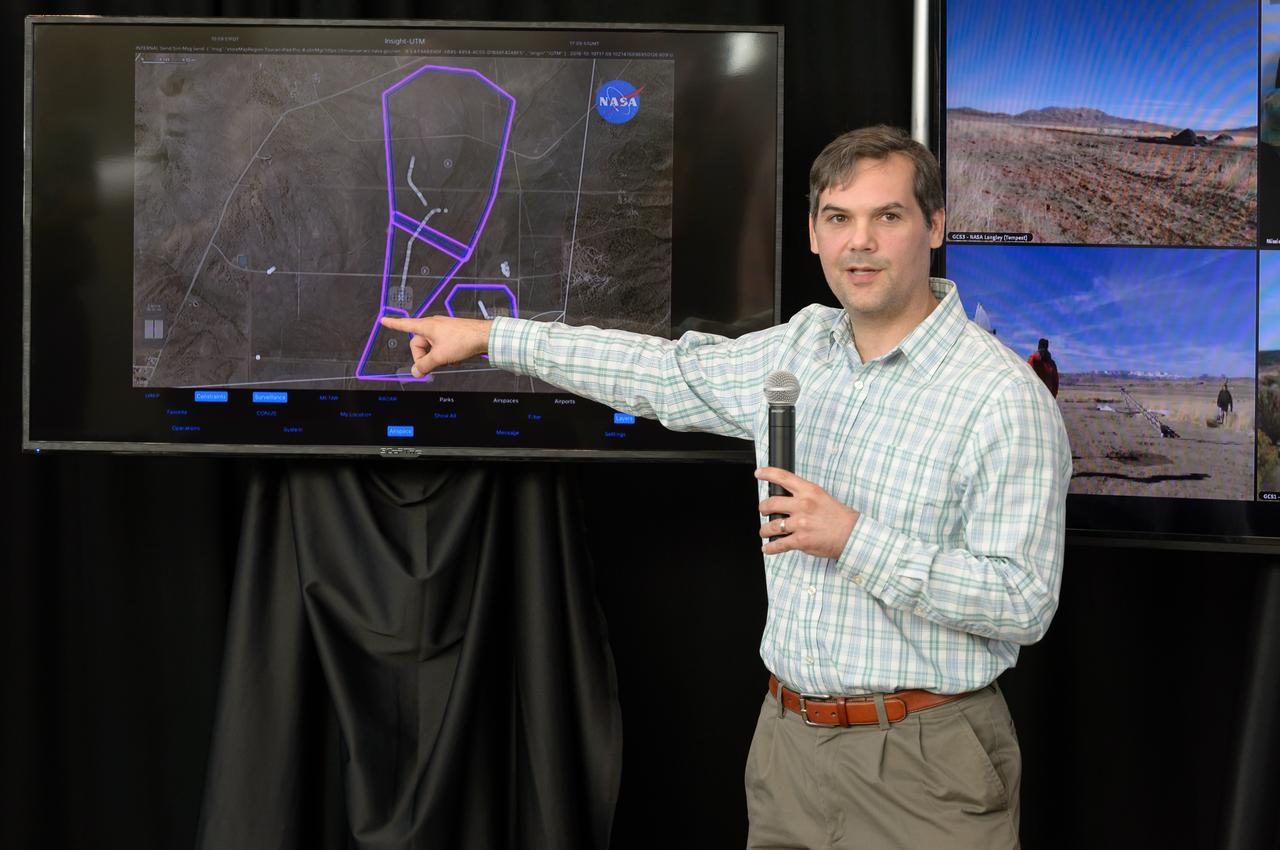
News Conference following the test of Unmanned Aircraft Systems Traffic Management (UTM) technical capability Level 2 (TCL2) at Reno-Stead Airport, Nevada. Joseph Rios, NASA Ames Aerospace Engineer and UTM Technical Lead, describes the purpose of the test and flight scenarios.
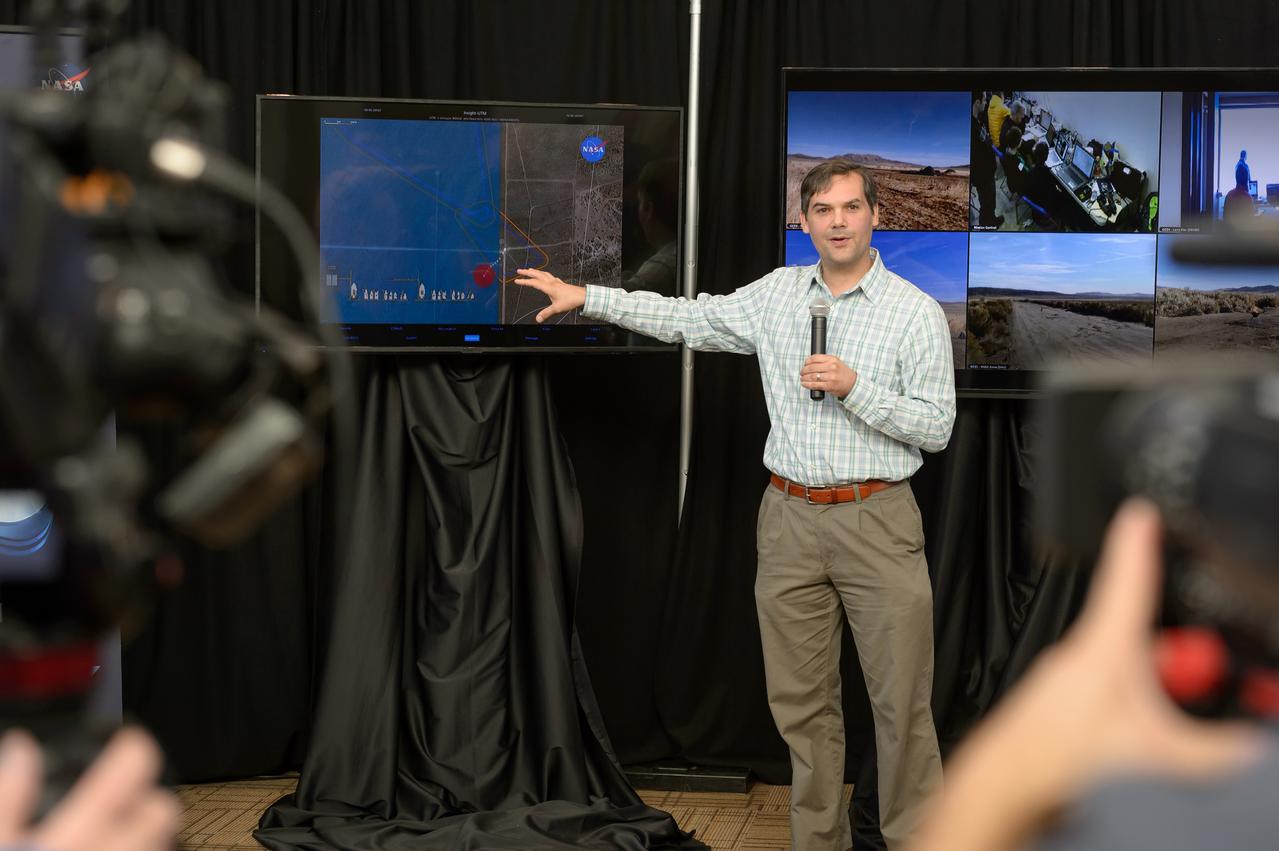
News Conference following the test of Unmanned Aircraft Systems Traffic Management (UTM) technical capability Level 2 (TCL2) at Reno-Stead Airport, Nevada. Joseph Rios, NASA Ames Aerospace Engineer and UTM Technical Lead, describes the purpose of the test and flight scenarios.
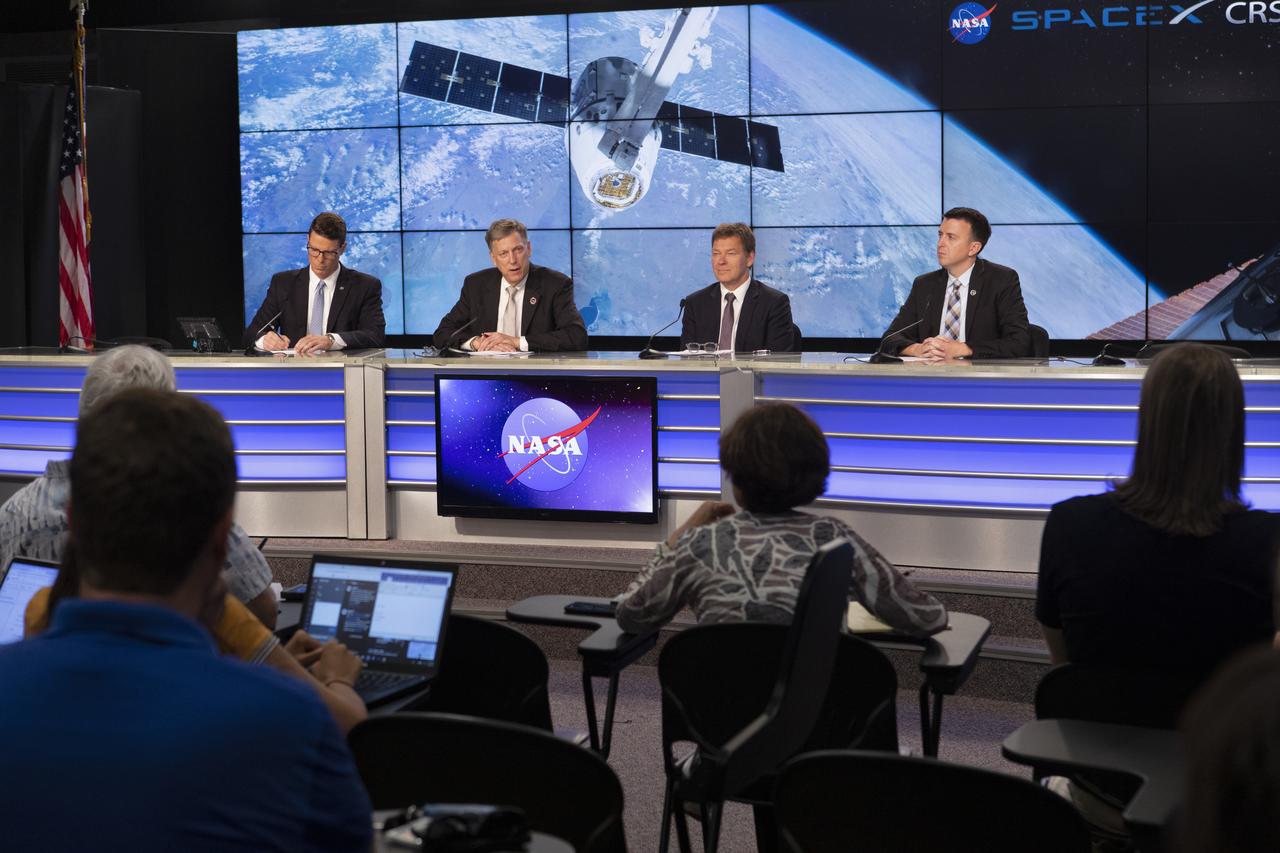
A prelaunch news conference for SpaceX’s 17th Commercial Resupply Services (CRS-17) mission to the International Space Station for NASA is held at the agency’s Kennedy Space Center in Florida on May 2, 2019. From left, are Derrol Nail, NASA Communications moderator; Kenny Todd, Manager, International Space Station Operations and Integration at NASA’s Johnson Space Center in Houston; Hans Koenigsmann, VP, Build and Flight Reliability with SpaceX; and Will Ulrich, 45th launch weather officer with the U.S. Air Force. The SpaceX Falcon 9 rocket and Dragon cargo module are scheduled to launch no earlier than May 3, 2019, from Space Launch Complex 40 on Cape Canaveral Air Force Station in Florida.
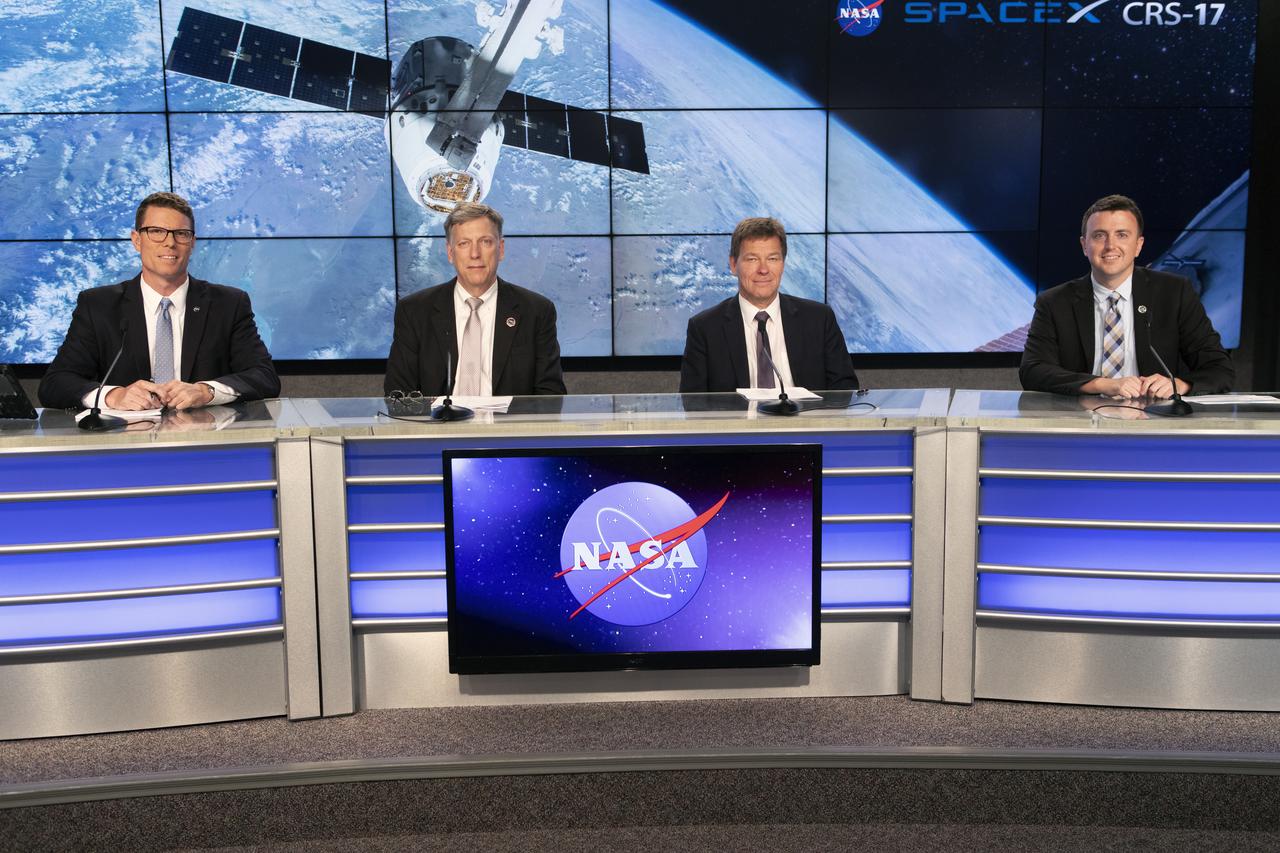
A prelaunch news conference for SpaceX’s 17th Commercial Resupply Services (CRS-17) mission to the International Space Station for NASA is held at the agency’s Kennedy Space Center in Florida on May 2, 2019. From left, are Derrol Nail, NASA Communications moderator; Kenny Todd, Manager, International Space Station Operations and Integration at NASA’s Johnson Space Center in Houston; Hans Koenigsmann, VP, Build and Flight Reliability with SpaceX; and Will Ulrich, 45th launch weather officer with the U.S. Air Force. The SpaceX Falcon 9 rocket and Dragon cargo module are scheduled to launch no earlier than May 3, 2019, from Space Launch Complex 40 on Cape Canaveral Air Force Station in Florida.
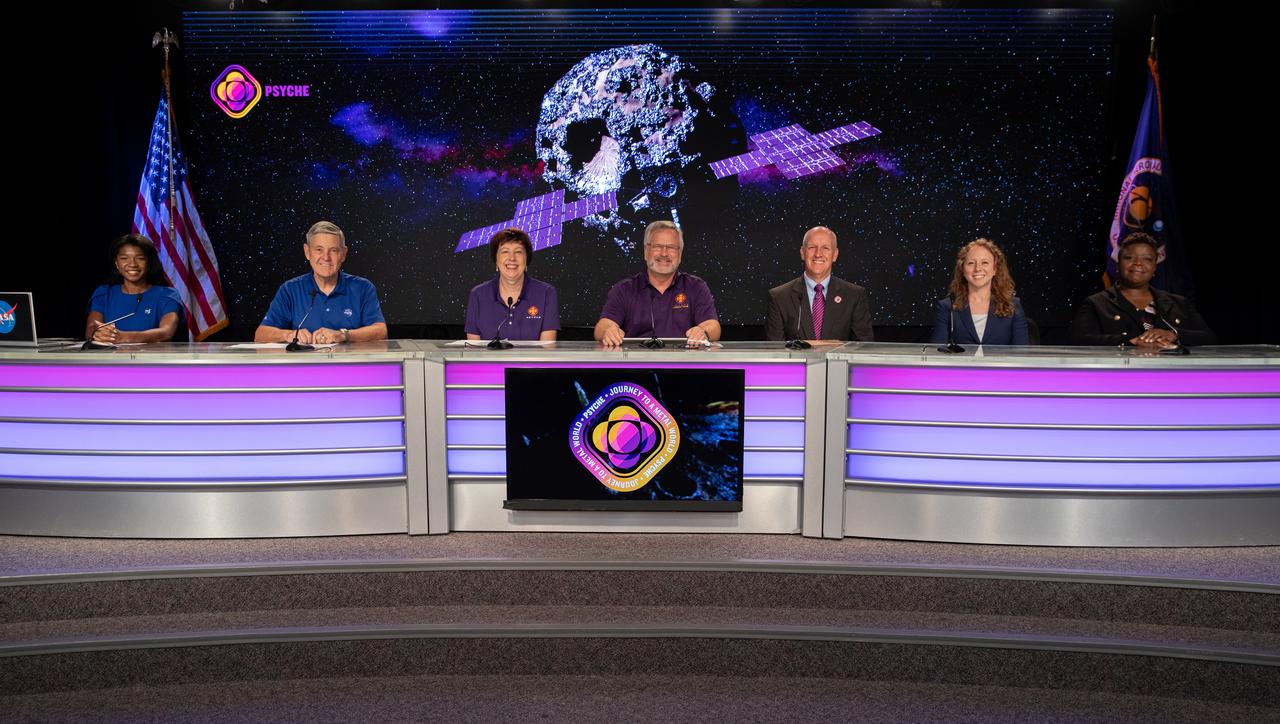
A Psyche mission prelaunch news conference takes place at NASA’s Kennedy Space Center in Florida on Wednesday, Oct. 11, 2023. From left, participants are: Jasmine Hopkins, NASA Communications; NASA Associate Administrator Bob Cabana; Nicola Fox, associate administrator, NASA’s Science Mission Directorate; Henry Stone, Psyche project manager, NASA’s Jet Propulsion Laboratory; Tim Dunn, senior launch director, NASA’s Launch Services Program; Julianna Scheiman, director, Civil Satellite Missions, SpaceX; and Arlena Moses, launch weather officer, U.S. Space Force. Psyche is the first mission to explore an asteroid with a surface that likely contains substantial amounts of metal rather than rock or ice. Liftoff of NASA’s Psyche spacecraft, atop a SpaceX Falcon Heavy rocket, is targeted for 10:16 a.m. EDT Thursday, Oct. 12, from Kennedy’s Launch Complex 39A.
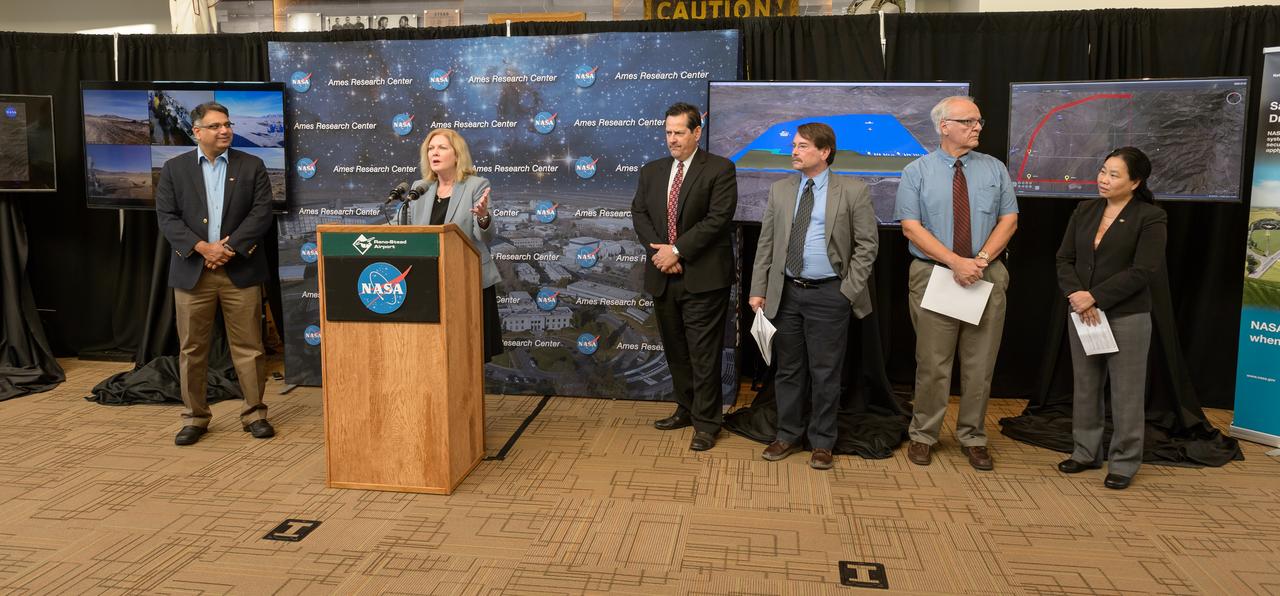
News Conference following the test of Unmanned Aircraft Systems Traffic Management (UTM) technical capability Level 2 (TCL2) at Reno-Stead Airport, Nevada. The UTM Reno Press Conference on Oct. 19, 2016. (Left to Right) Parimal Kopardekar, NASA Ames Senior Engineer for Air Transportation Systems gave an overview of UTM; Maril Mora, President / CEO of the Reno -Tahoe Airport Authority welcomes NASA and Partners; Tom Wilczek, Aerospace and Defence industry representative and Nevada Governor's Office of Economic Development; Mark Baker, Director of Business Development, Nevada Institute of Autonomous Systems; Manos Maragakis, Dean of the College of Engineering, University of Nevada, Reno.

Derrol Nail, NASA Communications, moderates a prelaunch news conference for the Solar Orbiter mission at NASA’s Kennedy Space Center in Florida on Feb. 7, 2020. Solar Orbiter is an international cooperative mission between ESA (European Space Agency) and NASA. The mission aims to study the Sun, its outer atmosphere and solar wind. The spacecraft will provide the first images of the Sun’s poles. The spacecraft was developed by Airbus Defence and Space. NASA’s Launch Services Program based at Kennedy is managing the launch. Solar Orbiter will launch aboard a United Launch Alliance Atlas V rocket on Feb. 9, 2020, from Space Launch Complex 41 at Cape Canaveral Air Force Station.
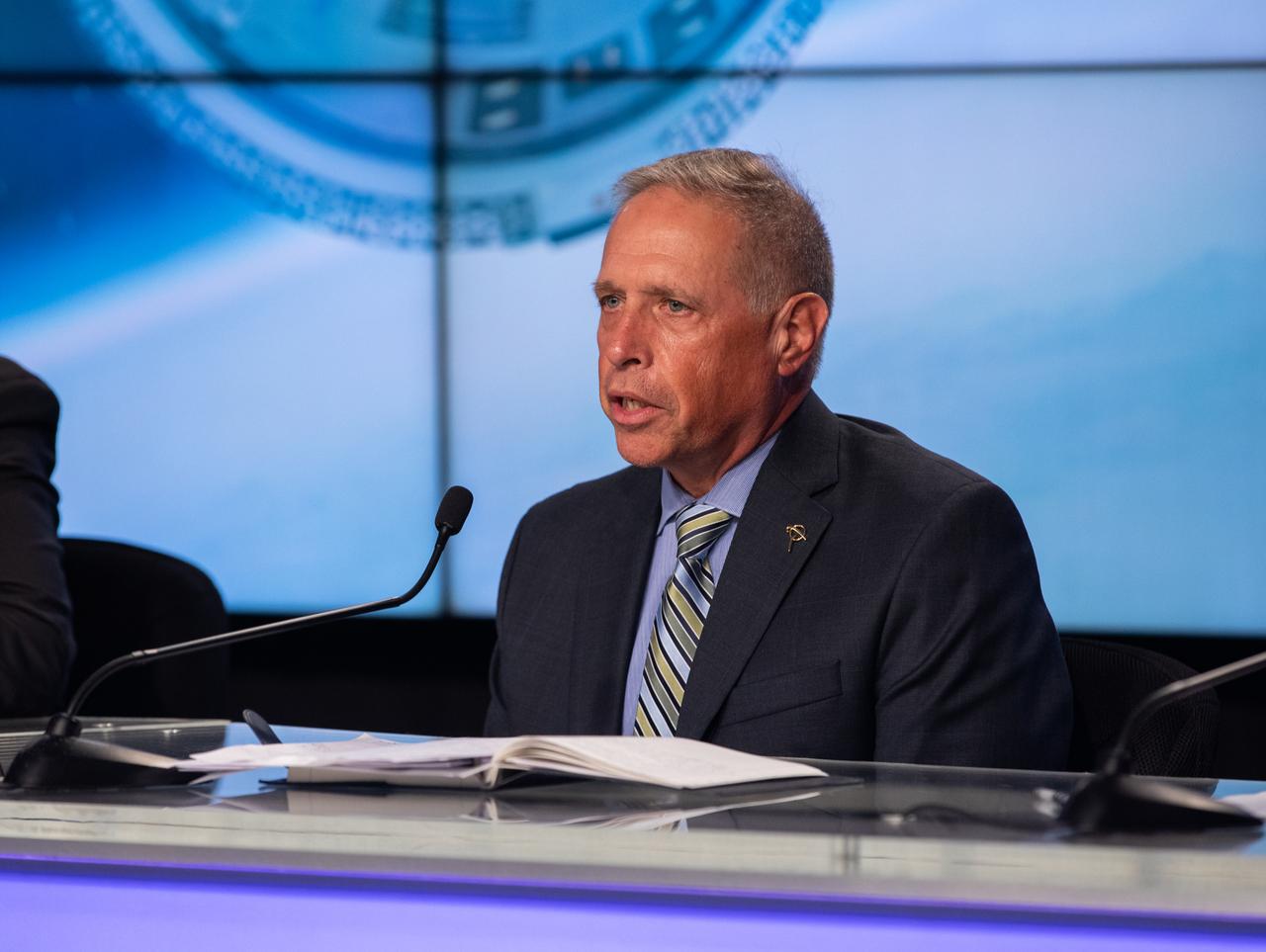
Mark Nappi, vice president and program manager, Boeing Commercial Crew Program, participates in a postlaunch news conference following the liftoff of NASA Boeing’s Orbital Flight Test-2 (OFT-2) on May 19, 2022. Liftoff occurred at 6:54 p.m. EDT from Space Launch Complex-41 at Florida’s Cape Canaveral Space Force Station. Boeing’s uncrewed flight test is designed to test the system’s end-to-end capabilities for NASA’s Commercial Crew Program providing valuable data towards NASA certifying Boeing’s crew transportation system for regular crewed flights to and from the International Space Station.
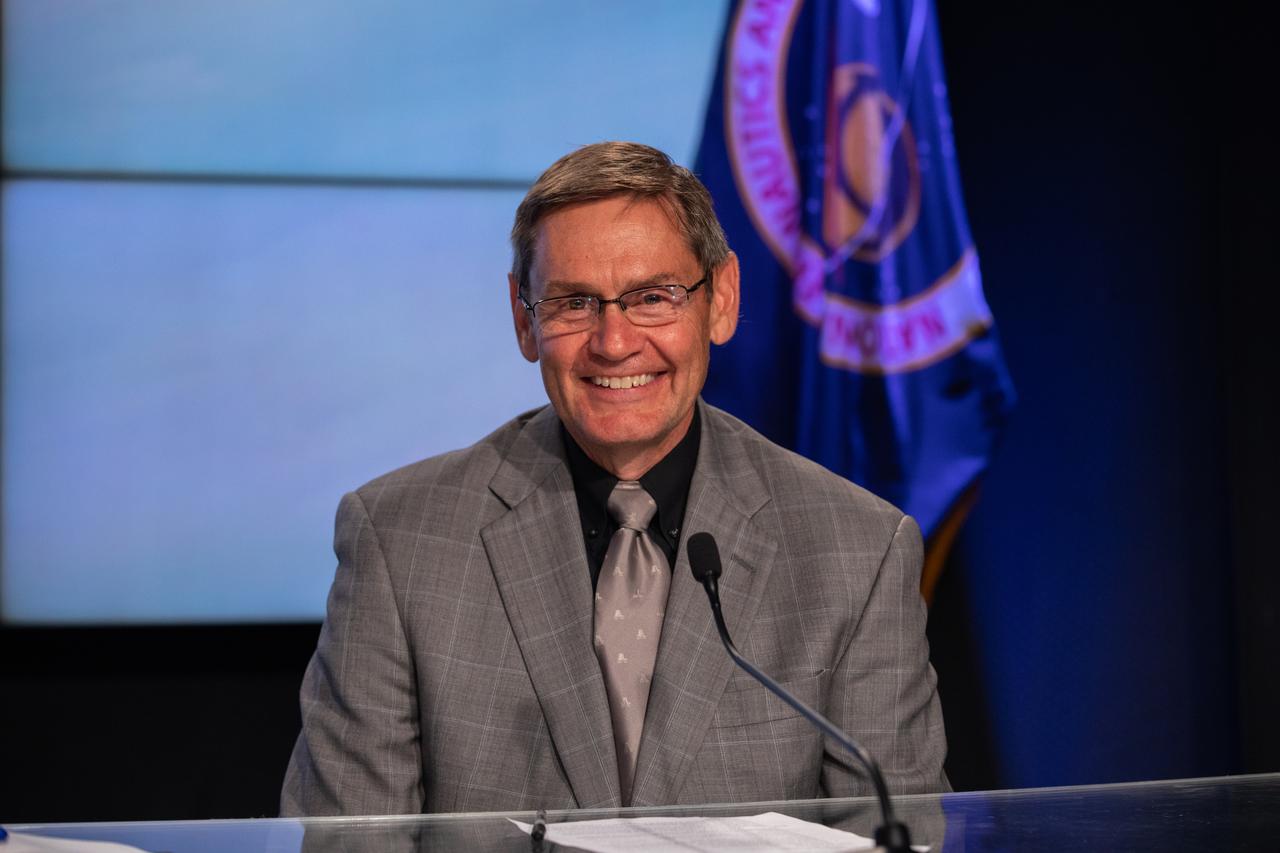
John Elbon, chief operating officer, United Launch Alliance, participates in a postlaunch news conference following the liftoff of NASA Boeing’s Orbital Flight Test-2 (OFT-2) on May 19, 2022. Liftoff occurred at 6:54 p.m. EDT from Space Launch Complex-41 at Florida’s Cape Canaveral Space Force Station. Boeing’s uncrewed flight test is designed to test the system’s end-to-end capabilities for NASA’s Commercial Crew Program providing valuable data towards NASA certifying Boeing’s crew transportation system for regular crewed flights to and from the International Space Station.
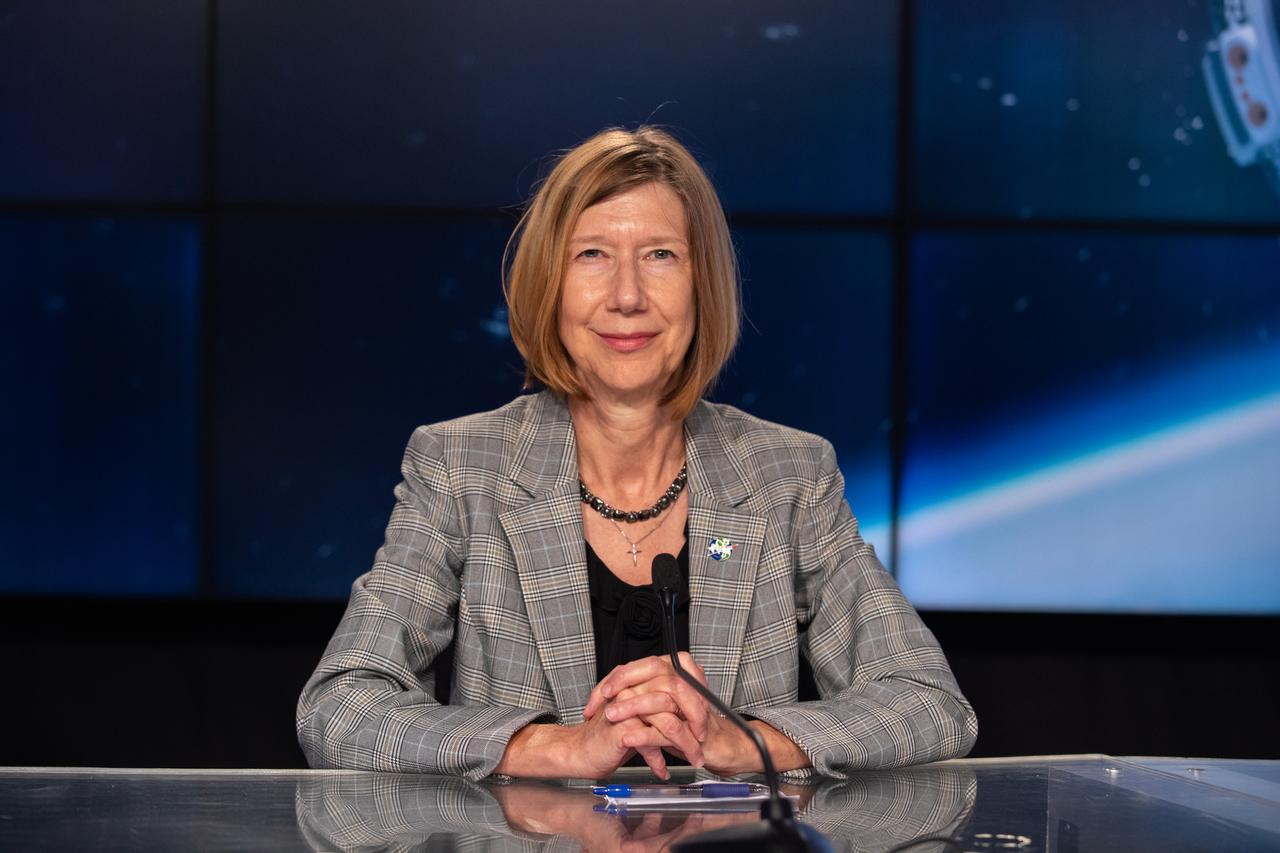
Kathy Lueders, associate administrator, Space Operations Mission Directorate at NASA, participates in a postlaunch news conference following the liftoff of NASA Boeing’s Orbital Flight Test-2 (OFT-2) on May 19, 2022. Liftoff occurred at 6:54 p.m. EDT from Space Launch Complex-41 at Florida’s Cape Canaveral Space Force Station. Boeing’s uncrewed flight test is designed to test the system’s end-to-end capabilities for NASA’s Commercial Crew Program providing valuable data towards NASA certifying Boeing’s crew transportation system for regular crewed flights to and from the International Space Station.
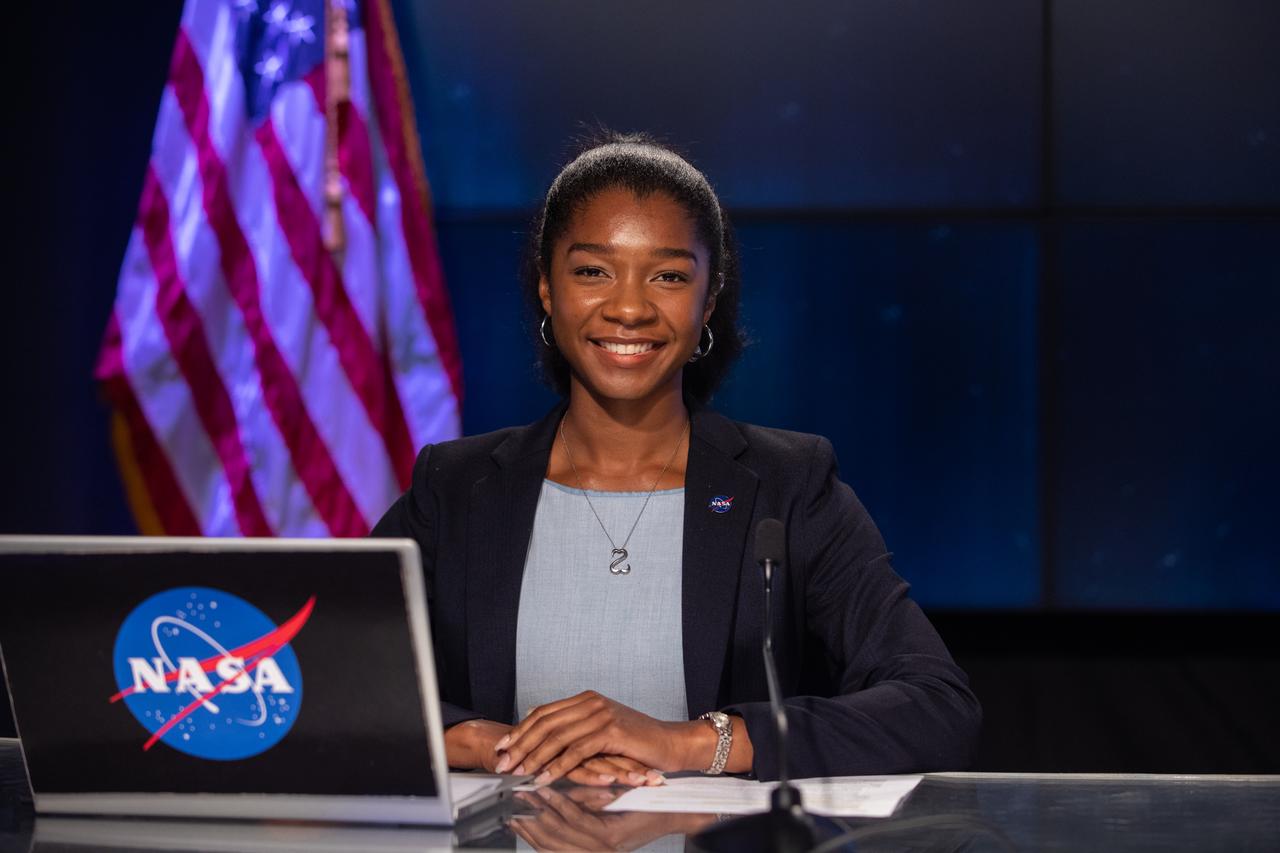
Jasmine Hopkins, NASA Communications, moderates a postlaunch news conference following the liftoff of NASA Boeing’s Orbital Flight Test-2 (OFT-2) on May 19, 2022. Liftoff occurred at 6:54 p.m. EDT from Space Launch Complex-41 at Florida’s Cape Canaveral Space Force Station. Boeing’s uncrewed flight test is designed to test the system’s end-to-end capabilities for NASA’s Commercial Crew Program providing valuable data towards NASA certifying Boeing’s crew transportation system for regular crewed flights to and from the International Space Station.
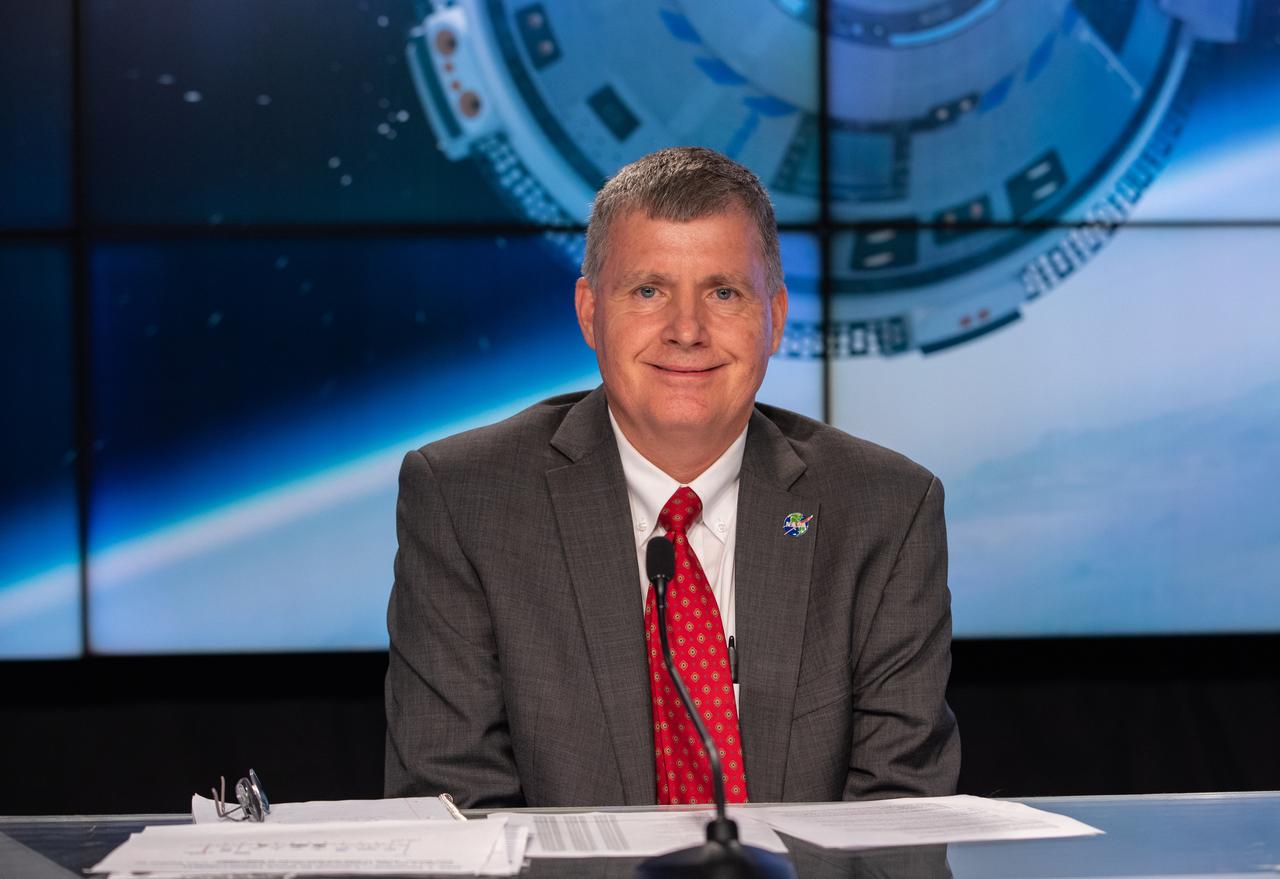
Steve Stich, manager, NASA’s Commercial Crew Program, participates in a postlaunch news conference following the liftoff of NASA Boeing’s Orbital Flight Test-2 (OFT-2) on May 19, 2022. Liftoff occurred at 6:54 p.m. EDT from Space Launch Complex-41 at Florida’s Cape Canaveral Space Force Station. Boeing’s uncrewed flight test is designed to test the system’s end-to-end capabilities for NASA’s Commercial Crew Program providing valuable data towards NASA certifying Boeing’s crew transportation system for regular crewed flights to and from the International Space Station.
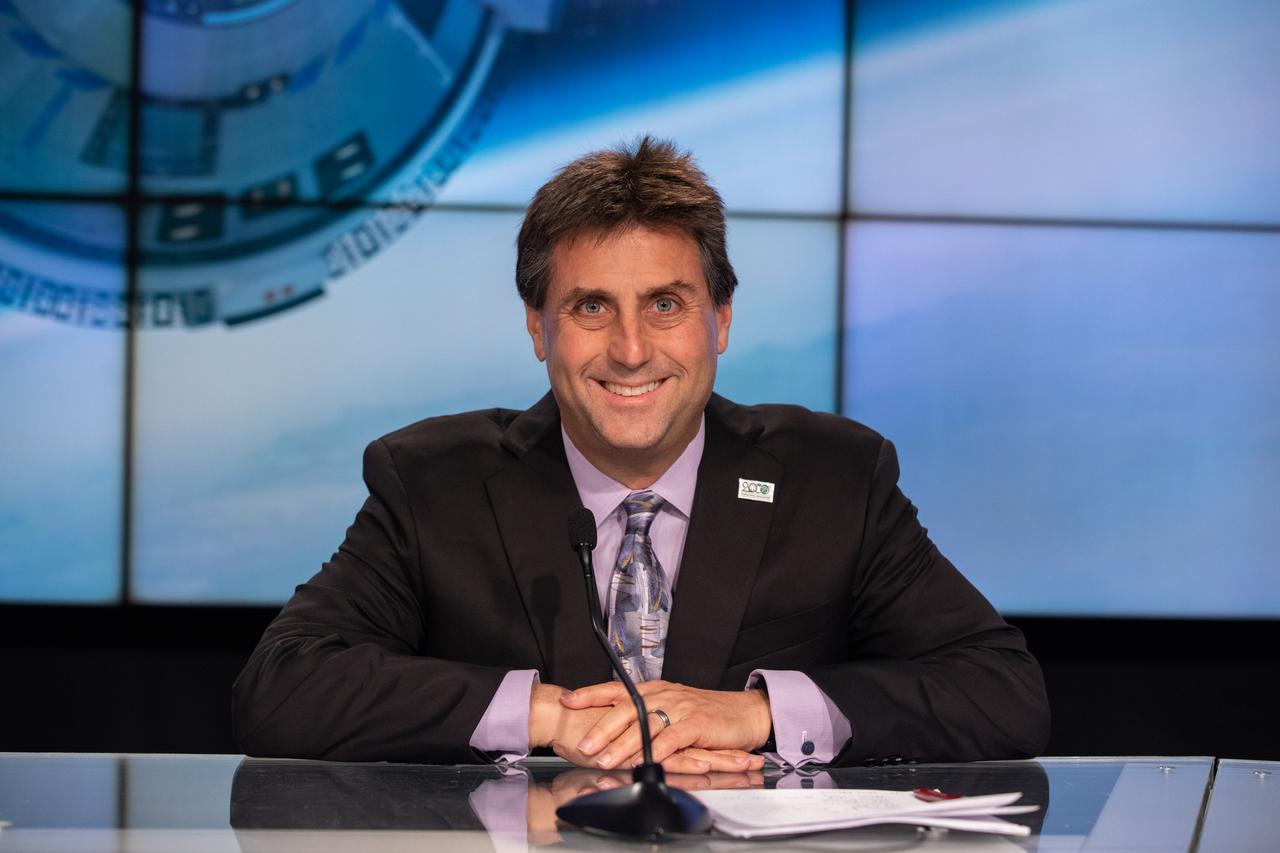
Joel Montalbano, manager, NASA’s International Space Station Program, participates in a post-launch news conference following the liftoff of NASA Boeing’s Orbital Flight Test-2 (OFT-2) on May 19, 2022. Liftoff occurred at 6:54 p.m. EDT from Space Launch Complex-41 at Florida’s Cape Canaveral Space Force Station. Boeing’s uncrewed flight test is designed to test the system’s end-to-end capabilities for NASA’s Commercial Crew Program providing valuable data towards NASA certifying Boeing’s crew transportation system for regular crewed flights to and from the International Space Station.
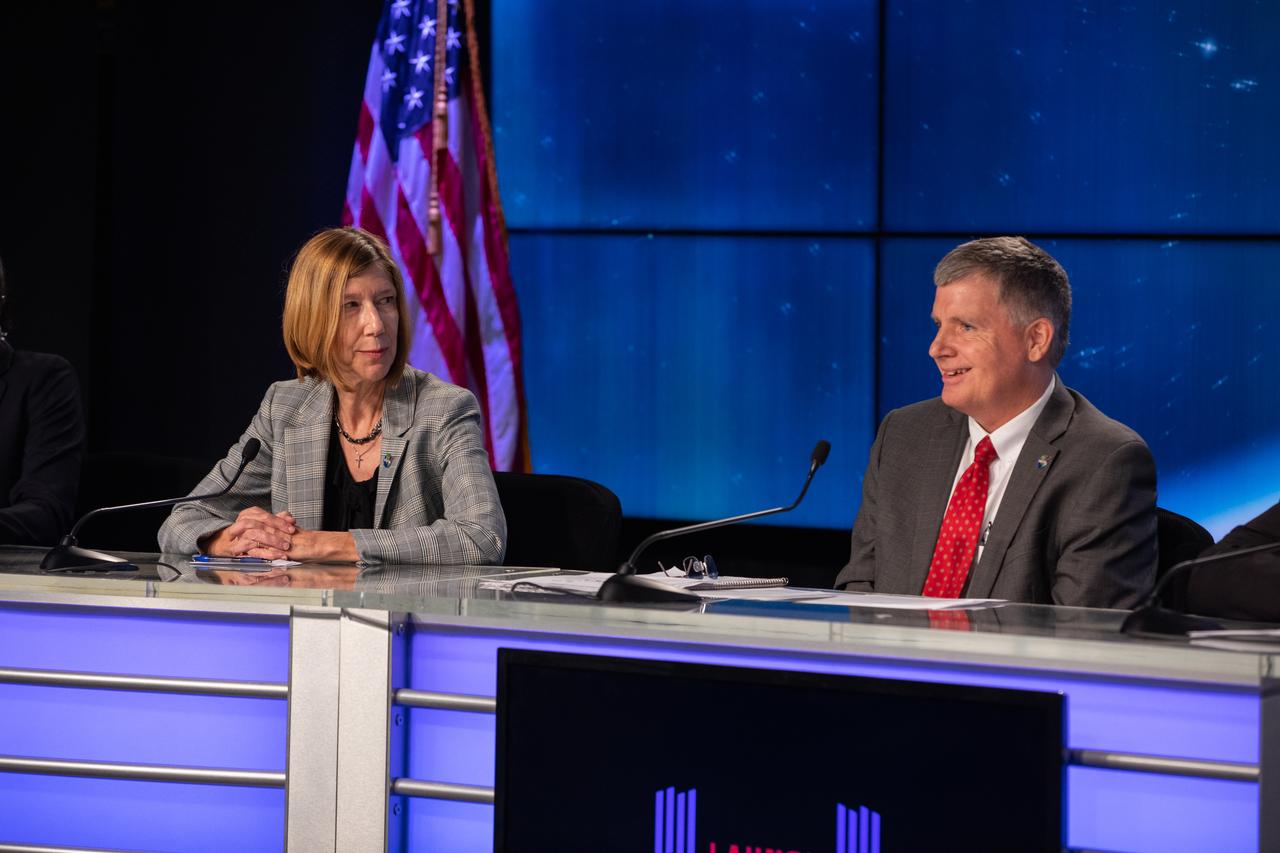
Kathy Lueders, associate administrator, Space Operations Mission Directorate at NASA, left, and Steve Stich, manager, NASA’s Commercial Crew Program, right, participate in a postlaunch news conference following the liftoff of NASA Boeing’s Orbital Flight Test-2 (OFT-2) on May 19, 2022. Liftoff occurred at 6:54 p.m. EDT from Space Launch Complex-41 at Florida’s Cape Canaveral Space Force Station. Boeing’s uncrewed flight test is designed to test the system’s end-to-end capabilities for NASA’s Commercial Crew Program providing valuable data towards NASA certifying Boeing’s crew transportation system for regular crewed flights to and from the International Space Station.
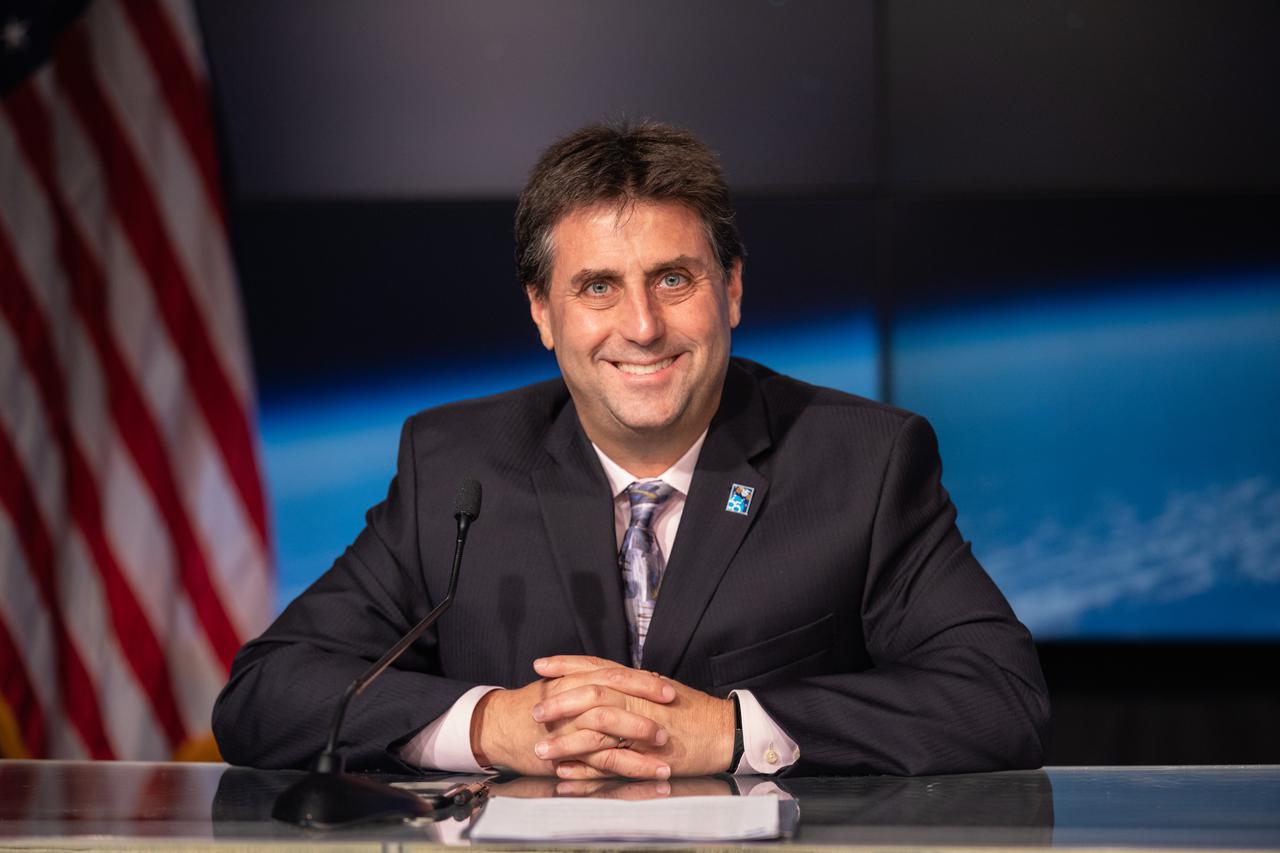
A prelaunch news conference for SpaceX’s 22nd Commercial Resupply Services mission for NASA to the International Space Station is held on June 2, 2021 at Kennedy Space Center in Florida. Joel Montalbano, manager for International Space Station Program, answers questions from members of the media. The Dragon capsule atop SpaceX’s Falcon 9 rocket is scheduled to lift off from Launch Complex 39A at 1:29 p.m. EDT on Thursday, June 3. Dragon will deliver more than 7,300 pounds of cargo to the space station.
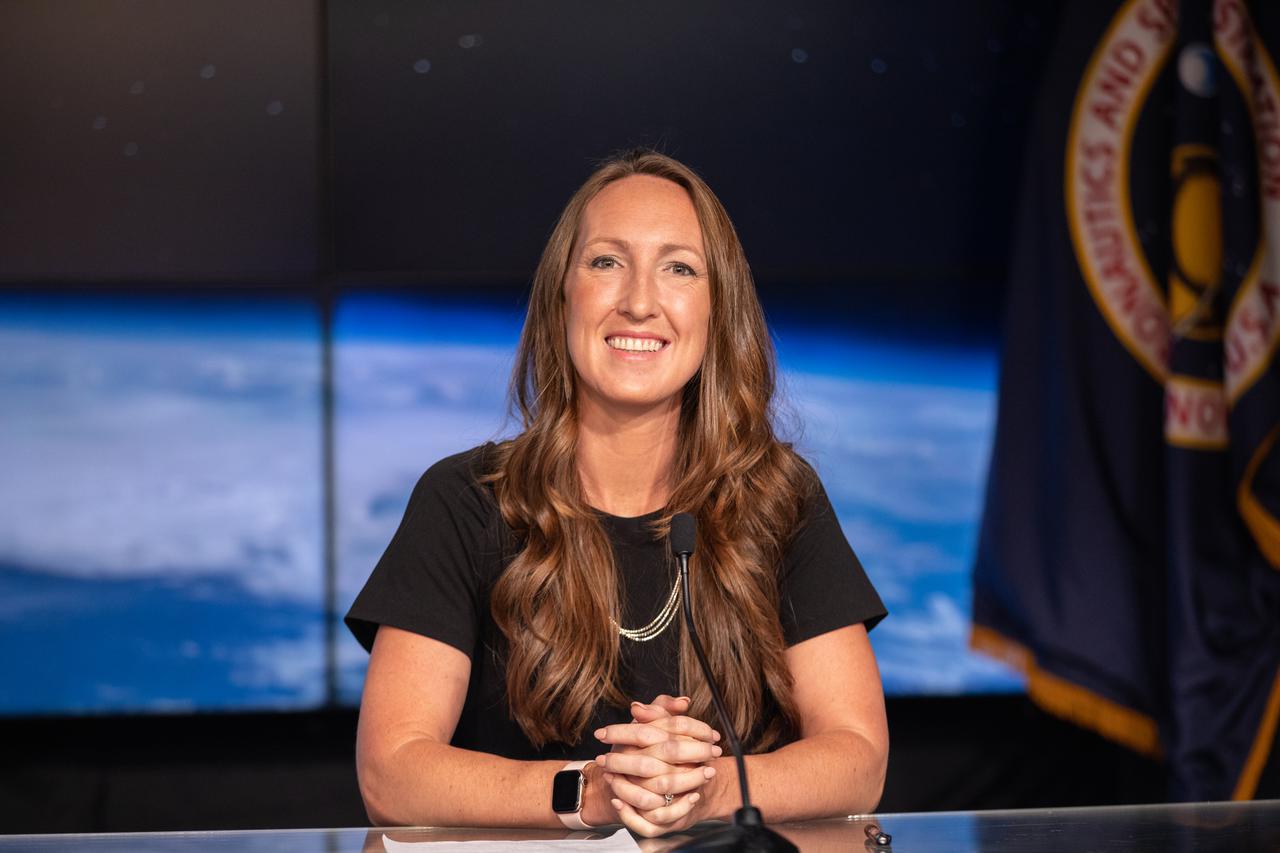
A prelaunch news conference for SpaceX’s 22nd Commercial Resupply Services mission for NASA to the International Space Station is held on June 2, 2021 at Kennedy Space Center in Florida. Sarah Walker, director, Dragon mission management at SpaceX, answers questions from members of the media. The Dragon capsule atop SpaceX’s Falcon 9 rocket is scheduled to lift off from Launch Complex 39A at 1:29 p.m. EDT on Thursday, June 3. Dragon will deliver more than 7,300 pounds of cargo to the space station.
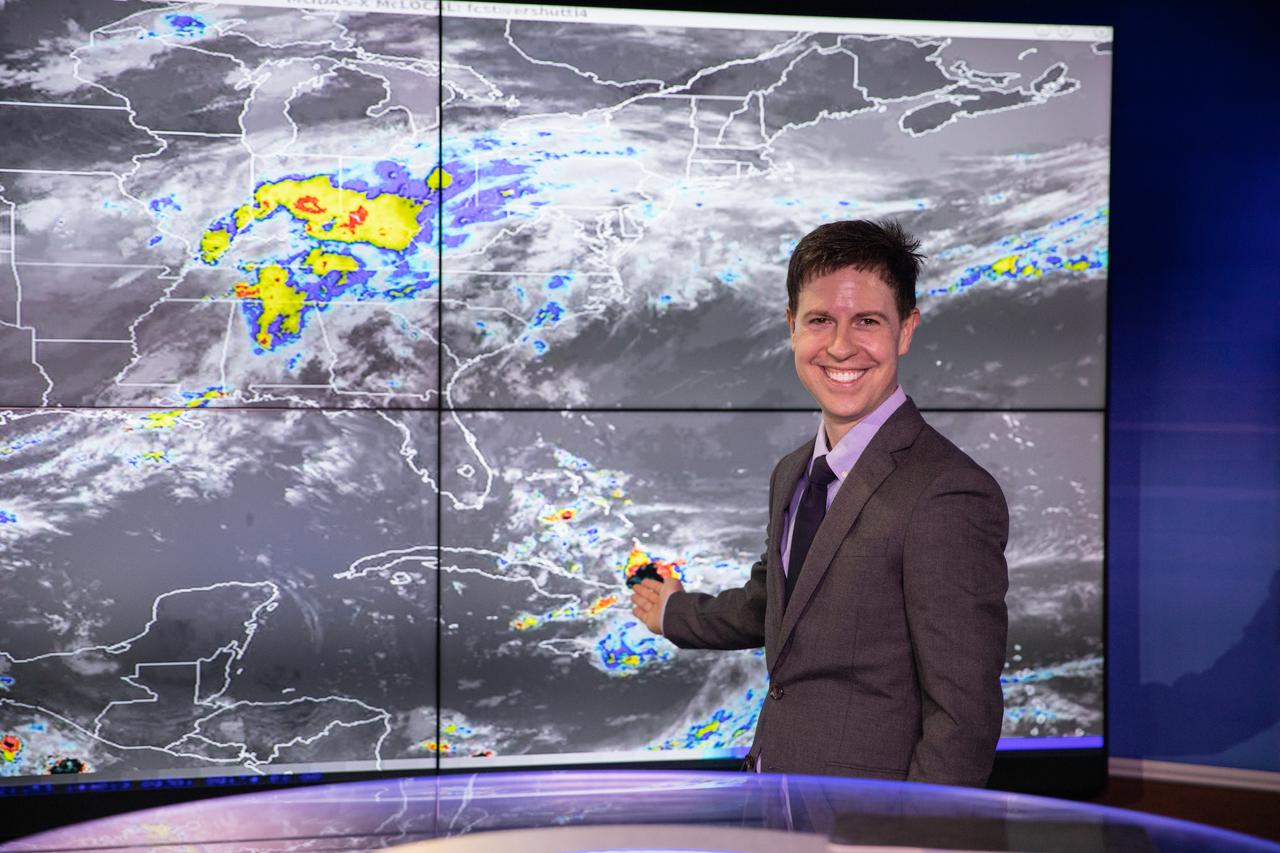
Mark Burger, launch weather officer, 45th Weather Squadron, Cape Canaveral Space Force Station, participates in a prelaunch news conference for SpaceX’s 22nd Commercial Resupply Services mission for NASA to the International Space Station on June 2, 2021 at Kennedy Space Center in Florida. The Dragon capsule atop SpaceX’s Falcon 9 rocket is scheduled to lift off from Launch Complex 39A at 1:29 p.m. EDT on June 3. Dragon will deliver more than 7,300 pounds of cargo to the space station.
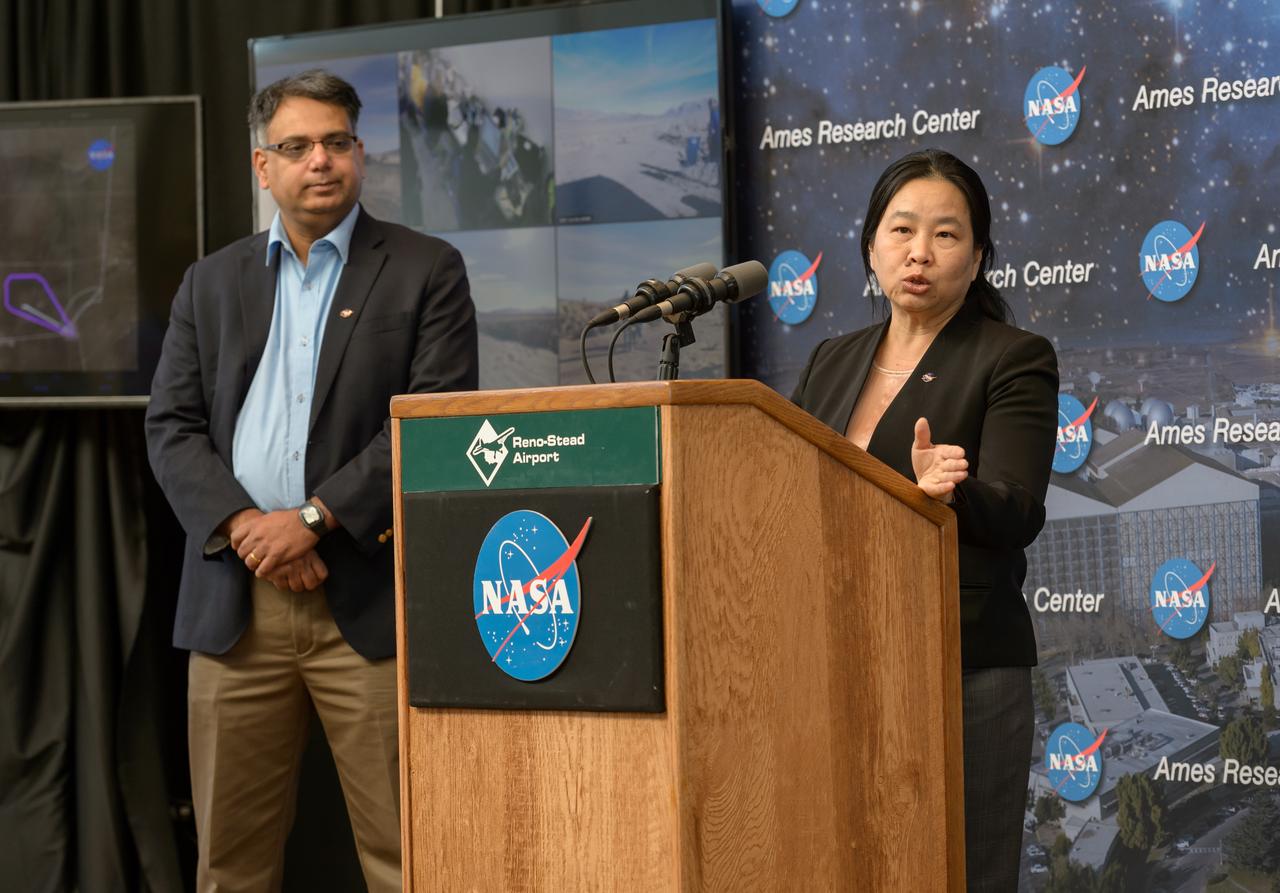
News Conference following the test of Unmanned Aircraft Systems Traffic Management (UTM) technical capability Level 2 (TCL2) at Reno-Stead Airport, Nevada. Parimal Kopardekar, NASA Ames Senior Engineer for Ait Transportation Systems gave an overview of UTM (Left). Huy Tran, NASA Ames Aeronautics Director, presents NASA UTM Project Overview.
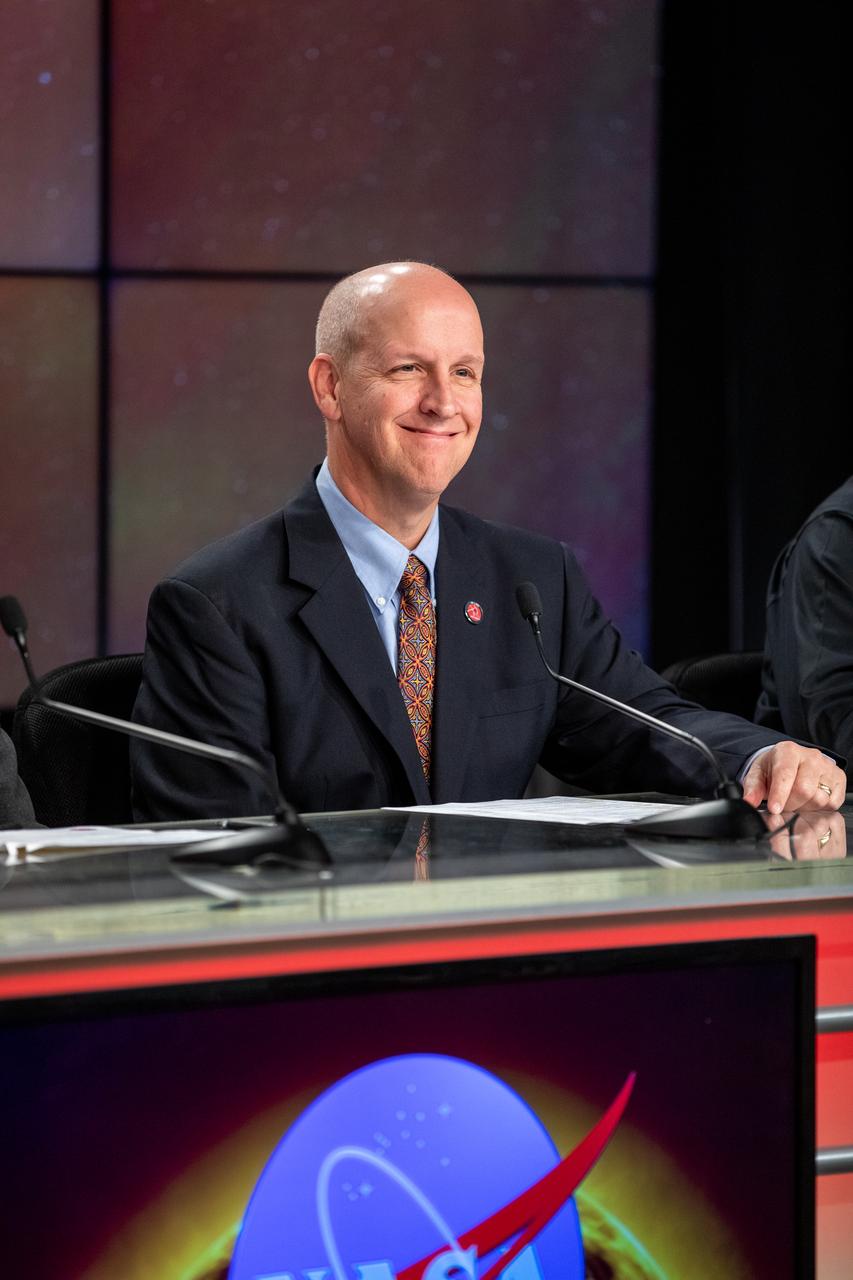
Tim Dunn, launch director, NASA Launch Services Program, participates in a prelaunch news conference for the Solar Orbiter mission at NASA’s Kennedy Space Center in Florida on Feb. 7, 2020. Solar Orbiter is an international cooperative mission between ESA (European Space Agency) and NASA. The mission aims to study the Sun, its outer atmosphere and solar wind. The spacecraft will provide the first images of the Sun’s poles. The spacecraft was developed by Airbus Defence and Space. NASA’s Launch Services Program based at Kennedy is managing the launch. Solar Orbiter will launch aboard a United Launch Alliance Atlas V rocket on Feb. 9, 2020, from Space Launch Complex 41 at Cape Canaveral Air Force Station.