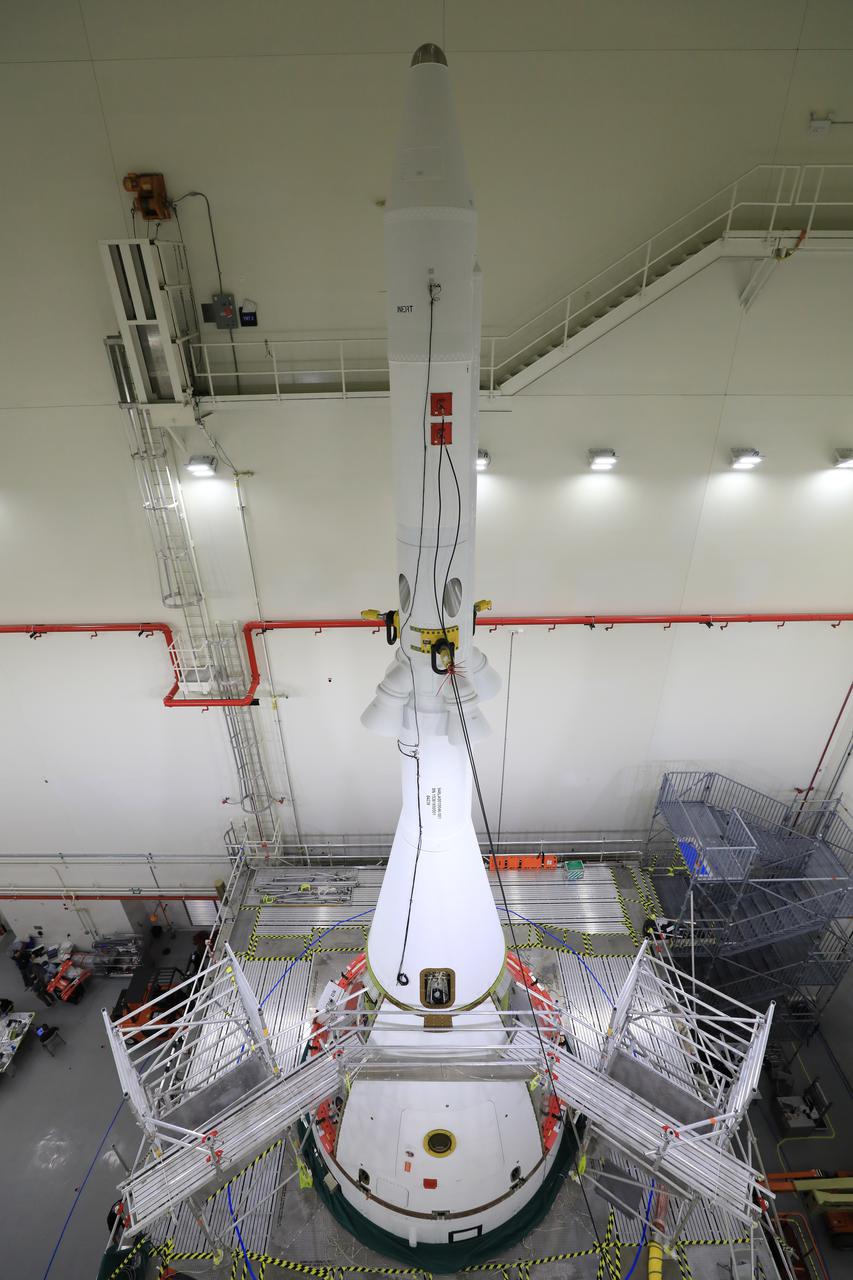
Technicians and engineers with Exploration Ground Systems and Jacobs connect the ogive fairings for Orion’s Artemis I mission to the launch abort system (LAS) inside the Launch Abort System Facility high bay at NASA’s Kennedy Space Center in Florida on Aug. 20, 2021. The ogives are four protective panels that will shield the crew module from the severe vibrations and sounds it will experience during launch. During Artemis missions, the 44-foot-tall LAS will detach from the spacecraft when it is no longer needed. Launching in 2021, Artemis I will be an uncrewed test of the Orion spacecraft and Space Launch System rocket as an integrated system ahead of crewed flights to the Moon. Under Artemis, NASA aims to land the first woman and first person of color on the Moon and establish sustainable lunar exploration.
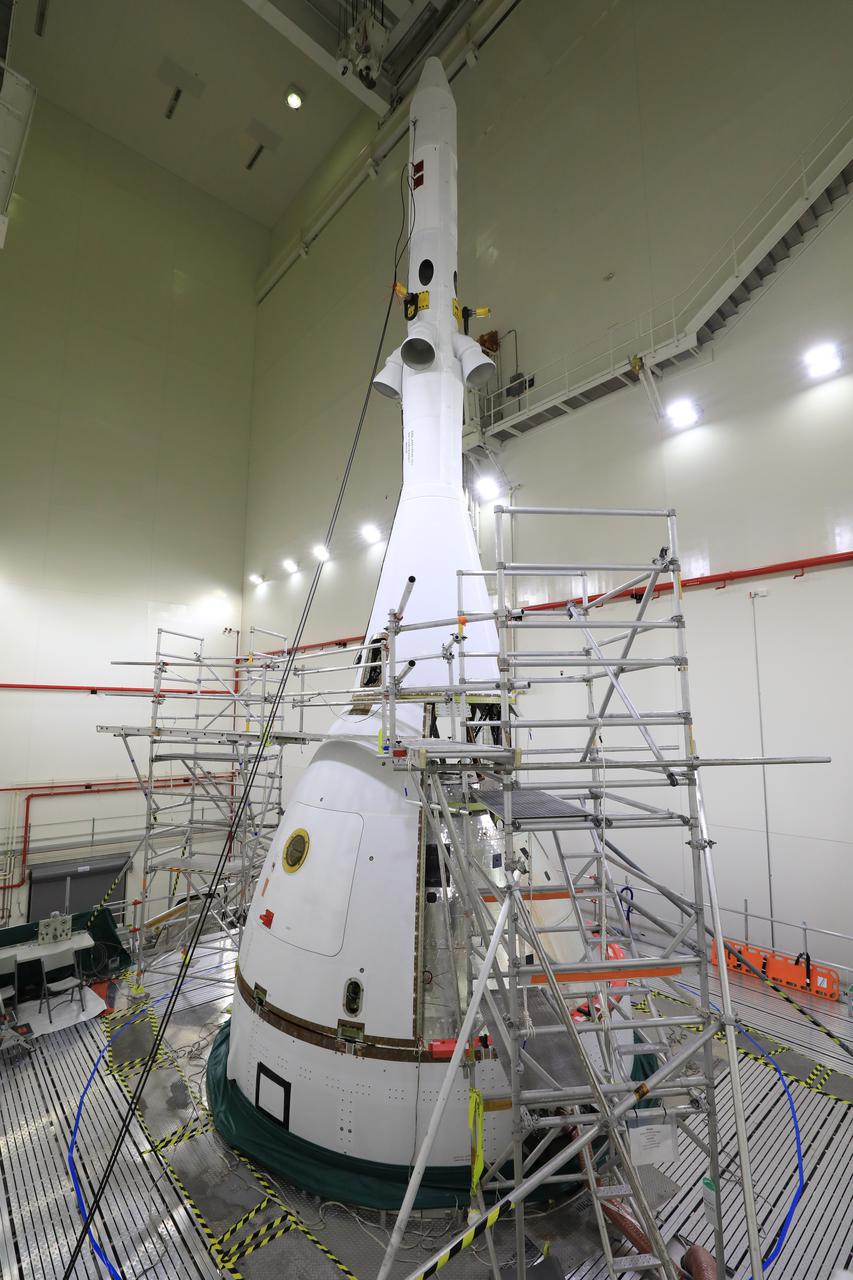
Technicians and engineers with Exploration Ground Systems and Jacobs connect the ogive fairings for Orion’s Artemis I mission to the launch abort system (LAS) inside the Launch Abort System Facility high bay at NASA’s Kennedy Space Center in Florida on Aug. 20, 2021. The ogives are four protective panels that will shield the crew module from the severe vibrations and sounds it will experience during launch. During Artemis missions, the 44-foot-tall LAS will detach from the spacecraft when it is no longer needed. Launching in 2021, Artemis I will be an uncrewed test of the Orion spacecraft and Space Launch System rocket as an integrated system ahead of crewed flights to the Moon. Under Artemis, NASA aims to land the first woman and first person of color on the Moon and establish sustainable lunar exploration.
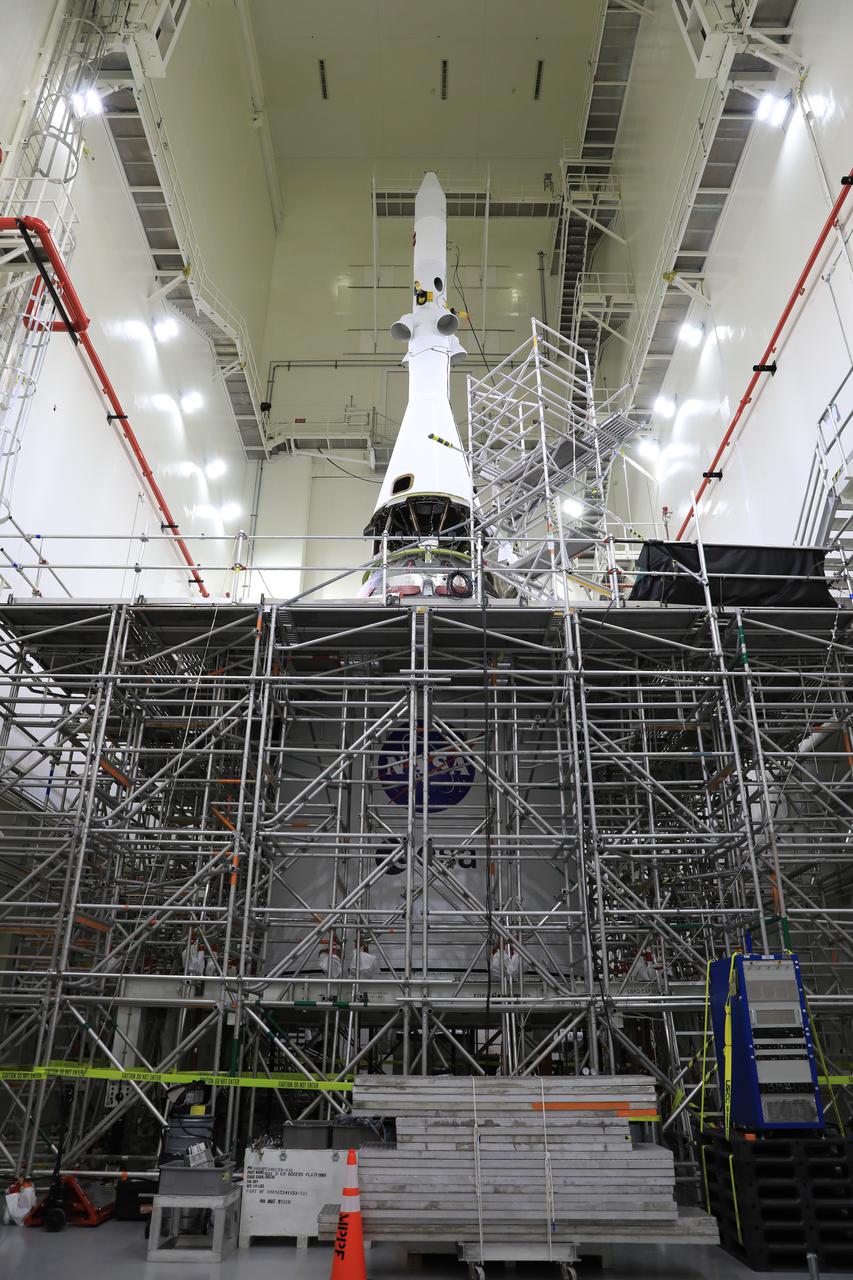
A view of the launch abort system (LAS) for Orion’s Artemis I mission after technicians and engineers with Exploration Ground Systems and Jacobs connected the ogive fairings to it inside the Launch Abort System Facility high bay at NASA’s Kennedy Space Center in Florida on Aug. 20, 2021. The ogives are four protective panels that will shield the crew module from the severe vibrations and sounds it will experience during launch. During Artemis missions, the 44-foot-tall LAS will detach from the spacecraft when it is no longer needed. Launching in 2021, Artemis I will be an uncrewed test of the Orion spacecraft and Space Launch System rocket as an integrated system ahead of crewed flights to the Moon. Under Artemis, NASA aims to land the first woman and first person of color on the Moon and establish sustainable lunar exploration.
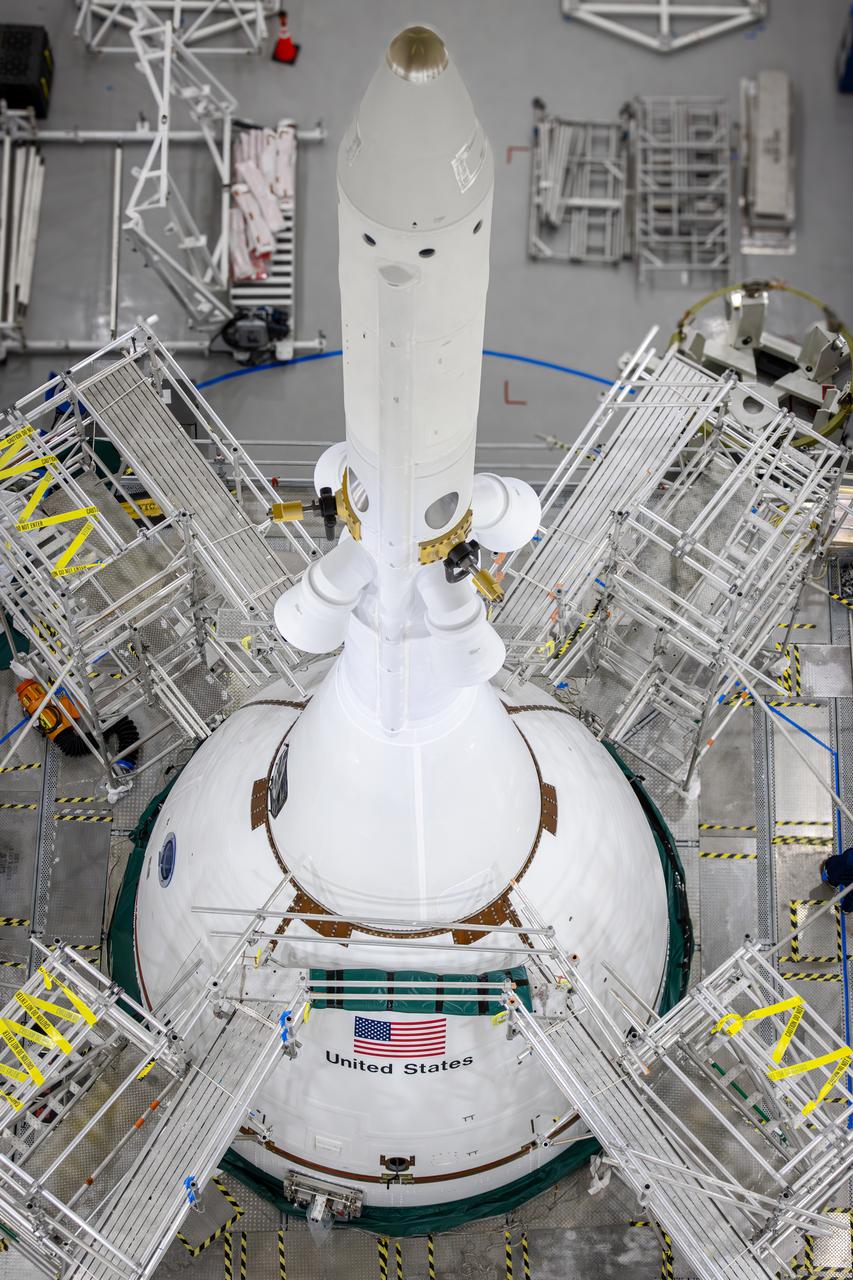
Teams with NASA’s Exploration Ground Systems attached the fourth and final ogive fairing for the launch abort system of the Orion spacecraft for the Artemis II mission. The fully installed fairings were photographed inside the Launch Abort System Facility high bay at NASA’s Kennedy Space Center in Florida on Sept. 17, 2025. The ogives are protective panels that will shield the crew module from the severe vibrations and sounds it will experience during launch, while the 44-foot-tall launch abort system will detach from the spacecraft after launch when it is no longer needed.
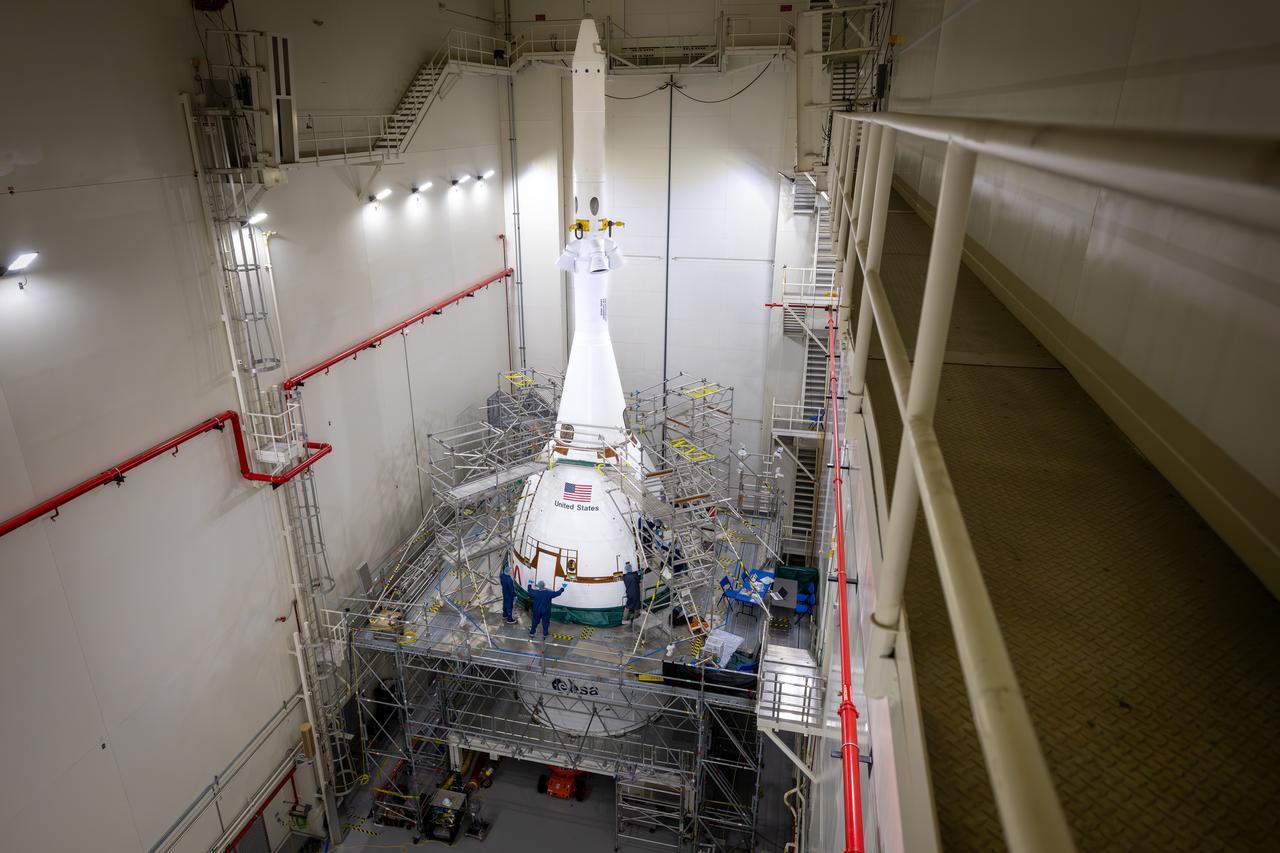
Teams with NASA’s Exploration Ground Systems attached the fourth and final ogive fairing for the launch abort system of the Orion spacecraft for the Artemis II mission. The fully installed fairings were photographed inside the Launch Abort System Facility high bay at NASA’s Kennedy Space Center in Florida on Sept. 17, 2025. The ogives are protective panels that will shield the crew module from the severe vibrations and sounds it will experience during launch, while the 44-foot-tall launch abort system will detach from the spacecraft after launch when it is no longer needed.

Teams with NASA’s Exploration Ground Systems attached the fourth and final ogive fairing for the launch abort system of the Orion spacecraft for the Artemis II mission. The fully installed fairings were photographed inside the Launch Abort System Facility high bay at NASA’s Kennedy Space Center in Florida on Sept. 17, 2025. The ogives are protective panels that will shield the crew module from the severe vibrations and sounds it will experience during launch, while the 44-foot-tall launch abort system will detach from the spacecraft after launch when it is no longer needed.
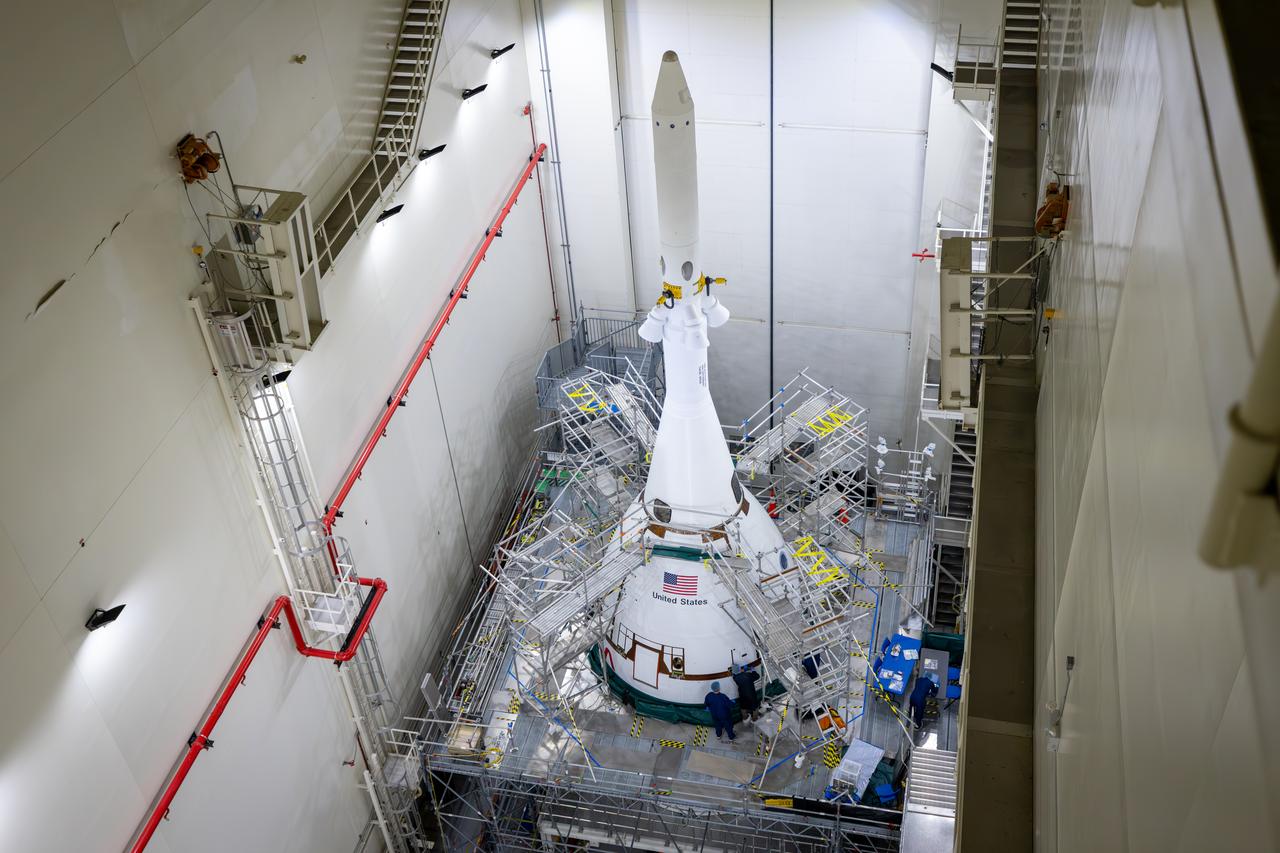
Teams with NASA’s Exploration Ground Systems attached the fourth and final ogive fairing for the launch abort system of the Orion spacecraft for the Artemis II mission. The fully installed fairings were photographed inside the Launch Abort System Facility high bay at NASA’s Kennedy Space Center in Florida on Sept. 17, 2025. The ogives are protective panels that will shield the crew module from the severe vibrations and sounds it will experience during launch, while the 44-foot-tall launch abort system will detach from the spacecraft after launch when it is no longer needed.
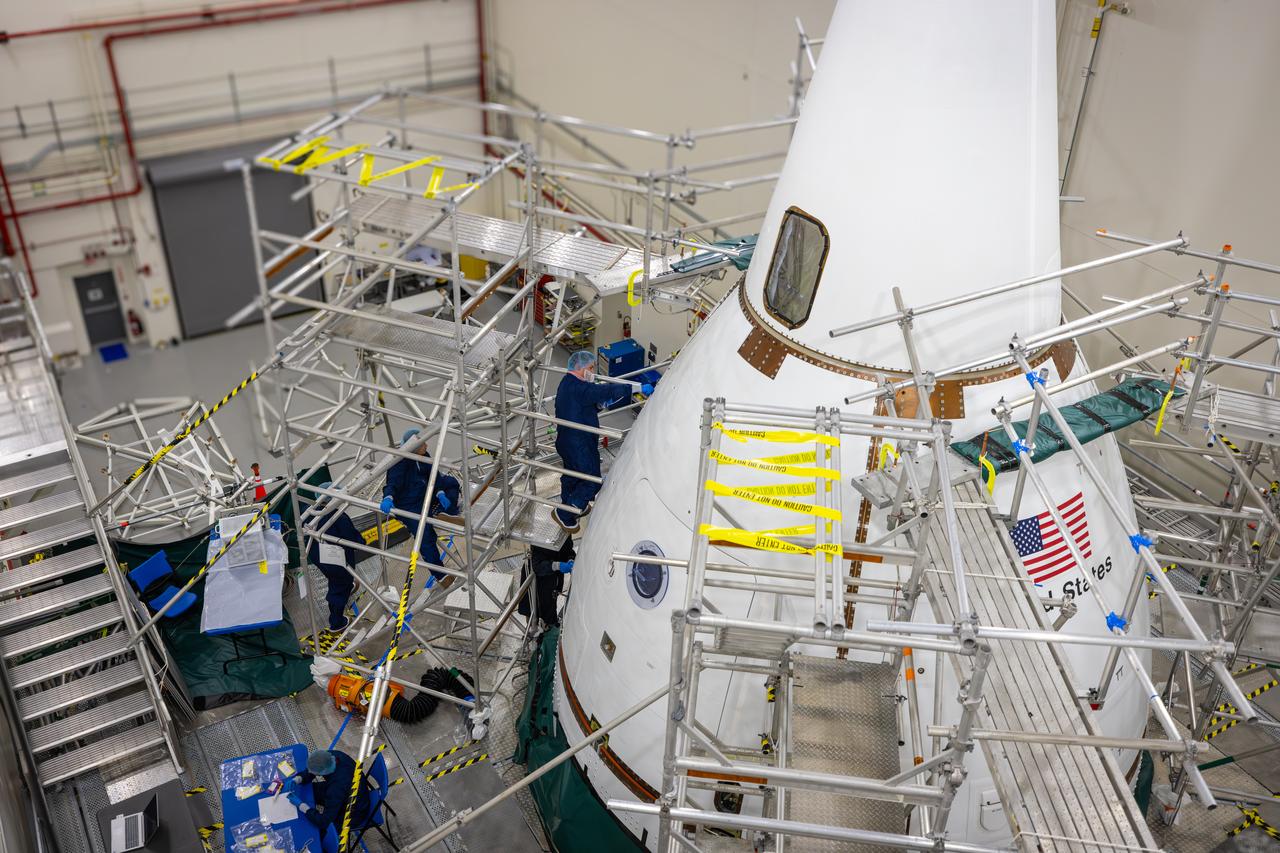
Teams with NASA’s Exploration Ground Systems attached the fourth and final ogive fairing for the launch abort system of the Orion spacecraft for the Artemis II mission. The fully installed fairings were photographed inside the Launch Abort System Facility high bay at NASA’s Kennedy Space Center in Florida on Sept. 17, 2025. The ogives are protective panels that will shield the crew module from the severe vibrations and sounds it will experience during launch, while the 44-foot-tall launch abort system will detach from the spacecraft after launch when it is no longer needed.
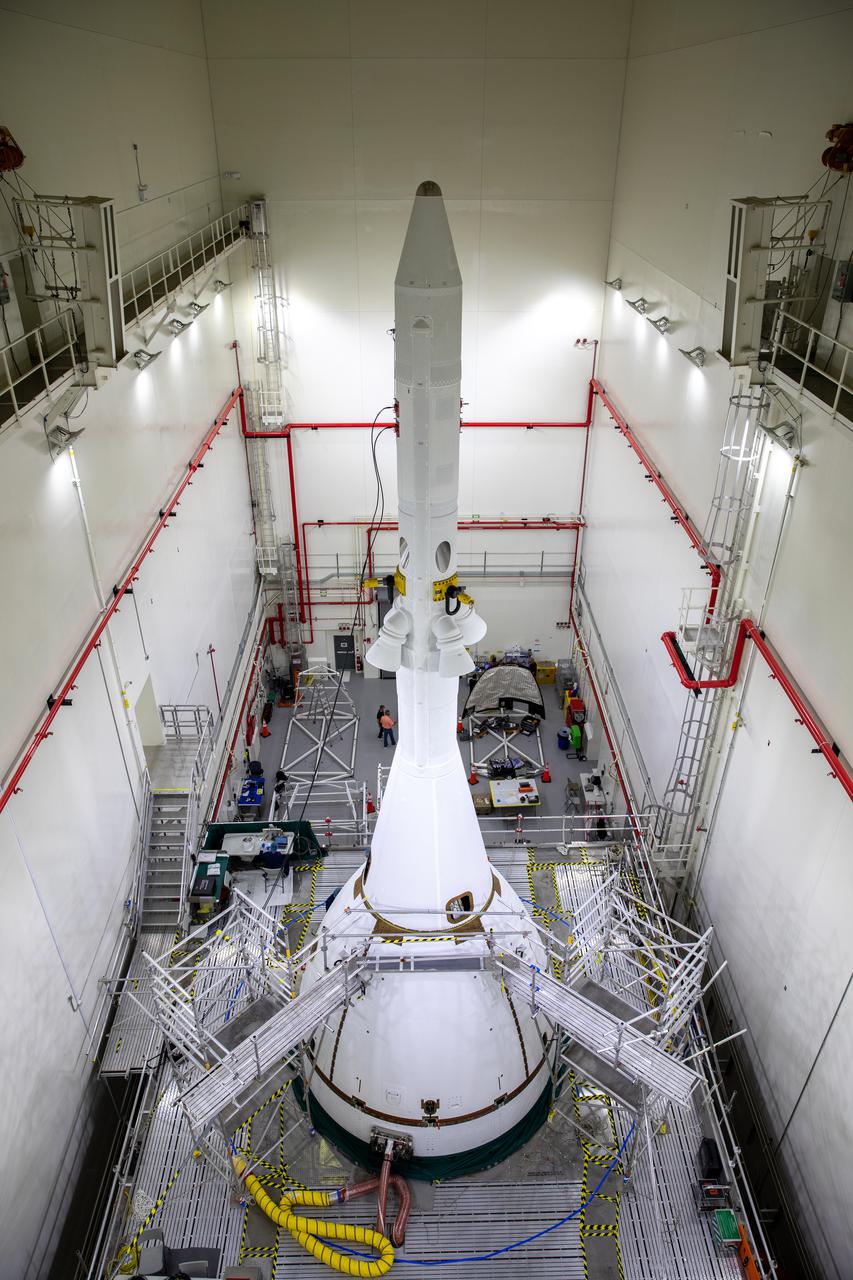
The third ogive fairing for the Orion spacecraft that will fly on the Artemis I mission is attached to the spacecraft’s launch abort system (LAS) inside the Launch Abort System Facility high bay at NASA’s Kennedy Space Center in Florida on Sept. 1, 2021. The ogives consist of four protective panels that will shield the crew module from the severe vibrations and sounds it will experience during launch. During Artemis missions, the 44-foot-tall LAS will detach from the spacecraft when it is no longer needed. Launching in 2021, Artemis I will be an uncrewed test of Orion and the Space Launch System rocket as an integrated system ahead of crewed flights to the Moon. Under Artemis, NASA aims to land the first woman and first person of color on the Moon and establish a long-term presence in lunar orbit.
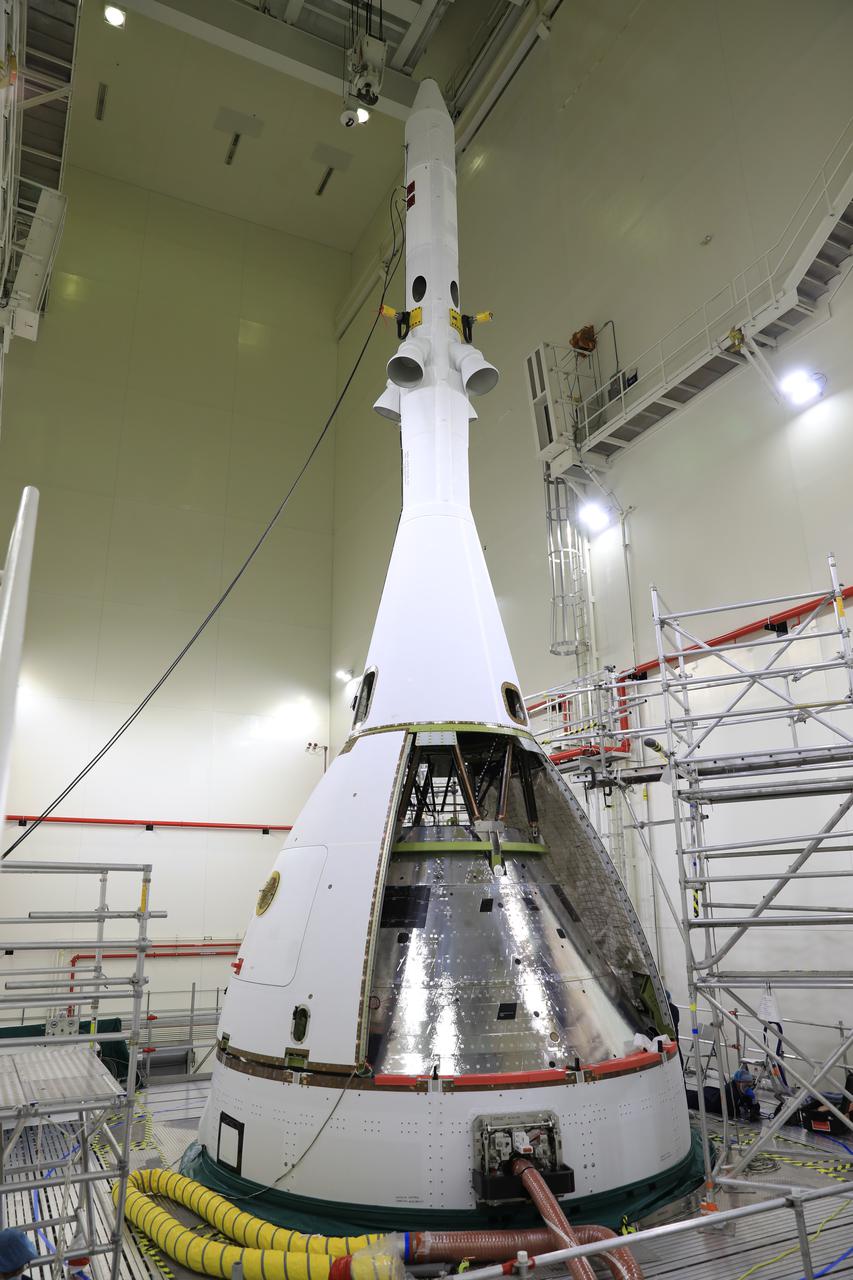
Technicians and engineers with Exploration Ground Systems and Jacobs connect the second ogive fairing for Orion’s Artemis I mission to the launch abort system (LAS) inside the Launch Abort System Facility high bay at NASA’s Kennedy Space Center in Florida on Aug. 23, 2021. The ogives consist of four protective panels that will shield the crew module from the severe vibrations and sounds it will experience during launch. During Artemis missions, the 44-foot-tall LAS will detach from the spacecraft when it is no longer needed. Launching in 2021, Artemis I will be an uncrewed test of the Orion spacecraft and Space Launch System rocket as an integrated system ahead of crewed flights to the Moon. Under Artemis, NASA aims to land the first woman and first person of color on the Moon and establish sustainable lunar exploration.
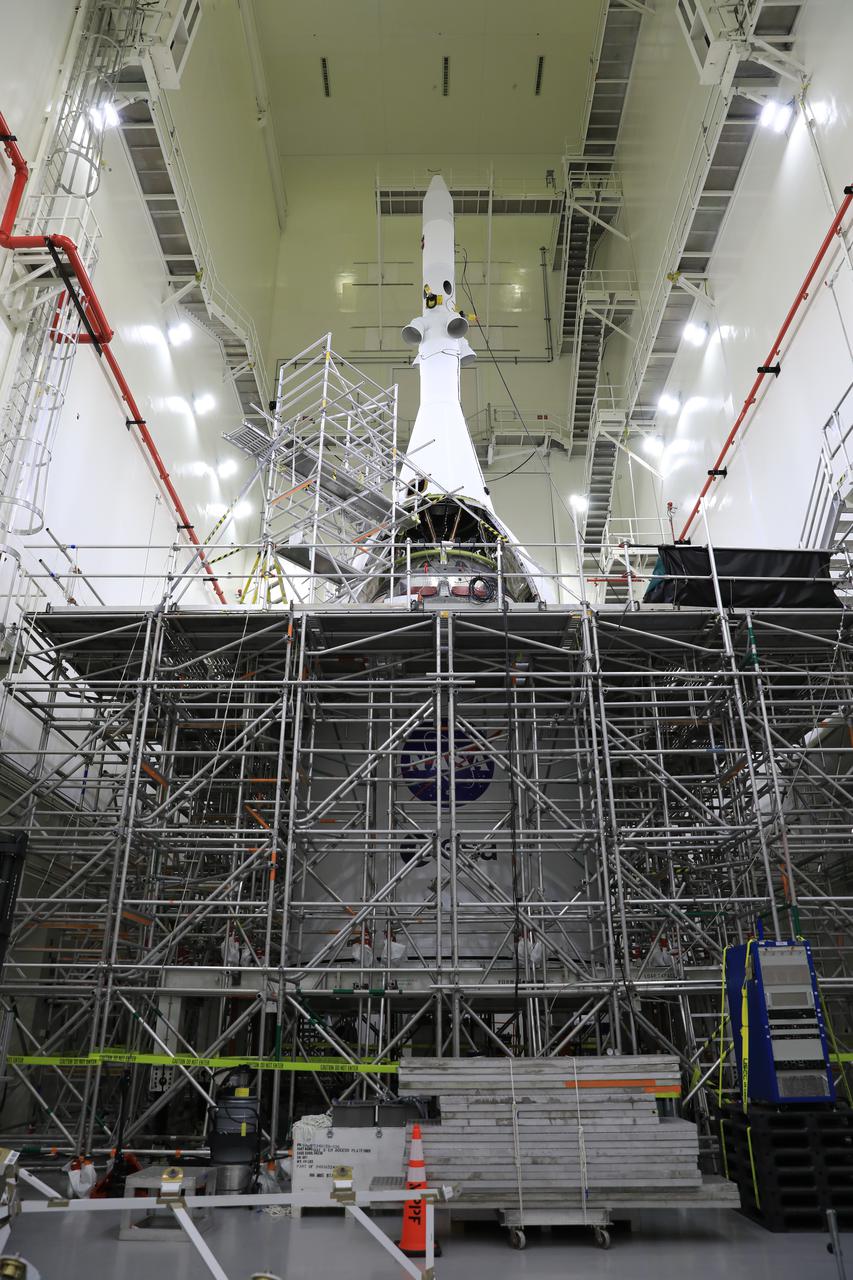
Technicians and engineers with Exploration Ground Systems and Jacobs connect the second ogive fairing for Orion’s Artemis I mission to the launch abort system (LAS) inside the Launch Abort System Facility high bay at NASA’s Kennedy Space Center in Florida on Aug. 23, 2021. The ogives consist of four protective panels that will shield the crew module from the severe vibrations and sounds it will experience during launch. During Artemis missions, the 44-foot-tall LAS will detach from the spacecraft when it is no longer needed. Launching in 2021, Artemis I will be an uncrewed test of the Orion spacecraft and Space Launch System rocket as an integrated system ahead of crewed flights to the Moon. Under Artemis, NASA aims to land the first woman and first person of color on the Moon and establish sustainable lunar exploration.
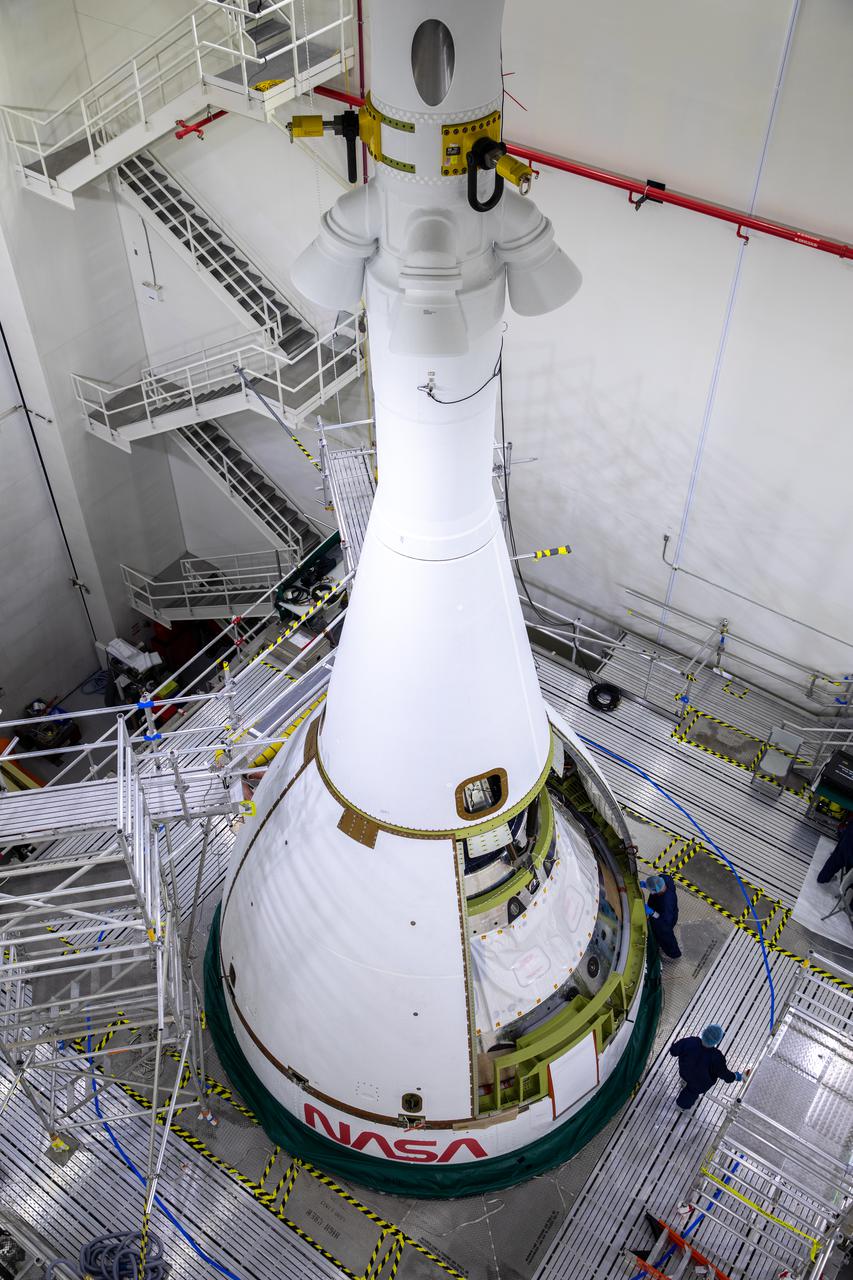
The third ogive fairing for the Orion spacecraft that will fly on the Artemis I mission is attached to the spacecraft’s launch abort system (LAS) inside the Launch Abort System Facility high bay at NASA’s Kennedy Space Center in Florida on Sept. 1, 2021. The ogives consist of four protective panels that will shield the crew module from the severe vibrations and sounds it will experience during launch. During Artemis missions, the 44-foot-tall LAS will detach from the spacecraft when it is no longer needed. Launching in 2021, Artemis I will be an uncrewed test of Orion and the Space Launch System rocket as an integrated system ahead of crewed flights to the Moon. Under Artemis, NASA aims to land the first woman and first person of color on the Moon and establish a long-term presence in lunar orbit.
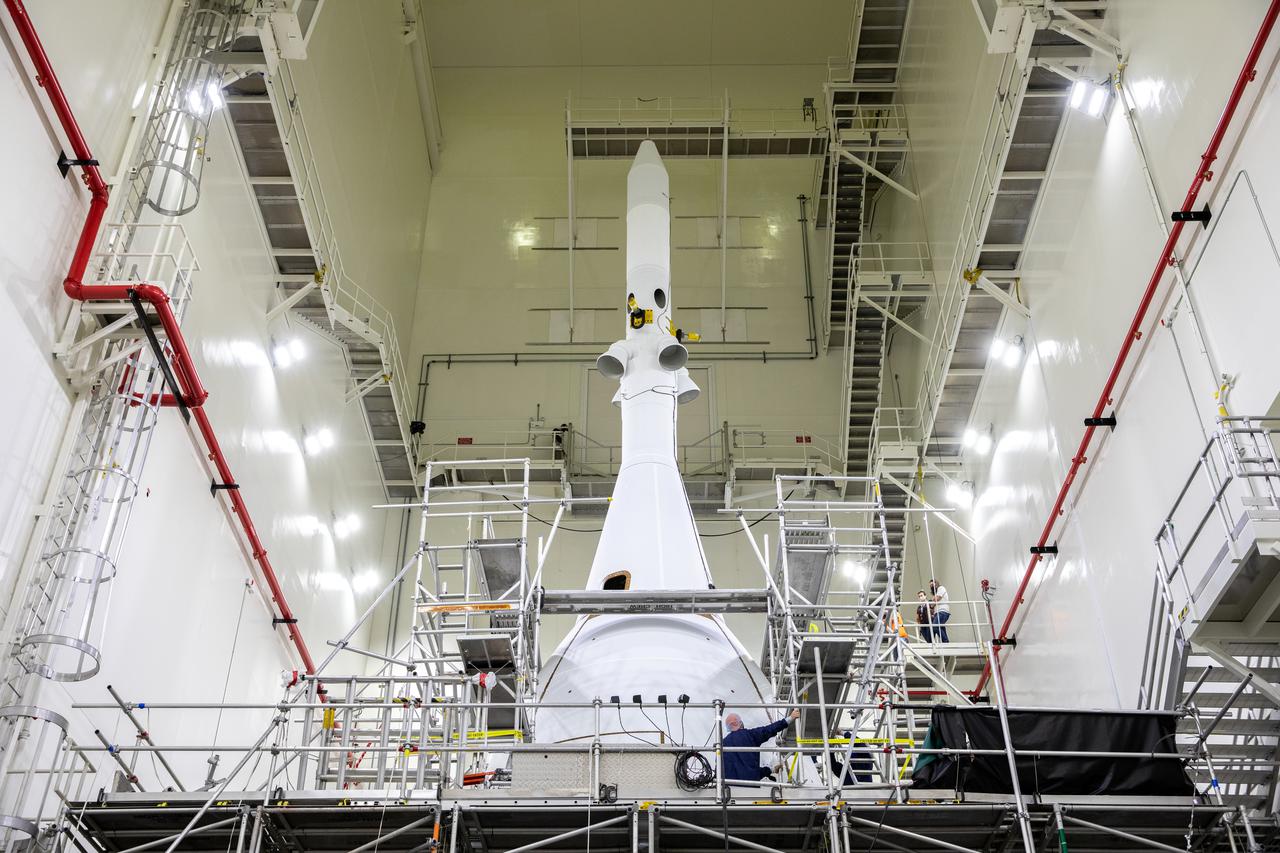
The fourth and final ogive fairing for the Orion spacecraft that will fly on the Artemis I mission is attached to the spacecraft’s launch abort system (LAS) inside the Launch Abort System Facility high bay at NASA’s Kennedy Space Center in Florida on Sept. 7, 2021. The ogives are protective panels that will shield the crew module from the severe vibrations and sounds it will experience during launch. During Artemis missions, the 44-foot-tall LAS will detach from the spacecraft when it is no longer needed. Launching in 2021, Artemis I will be an uncrewed test of Orion and the Space Launch System rocket as an integrated system ahead of crewed flights to the Moon. Under Artemis, NASA aims to land the first woman and first person of color on the Moon and establish a long-term presence in lunar orbit.
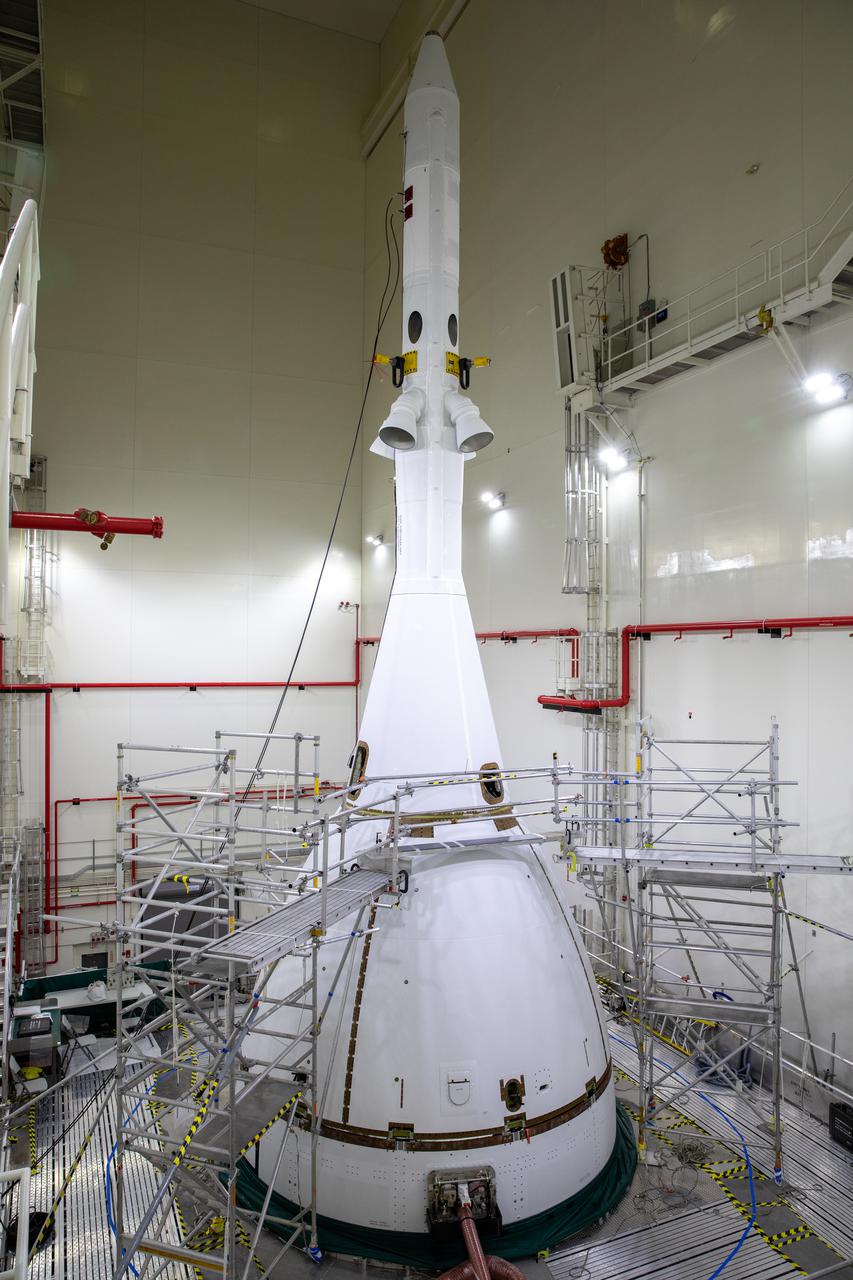
The third ogive fairing for the Orion spacecraft that will fly on the Artemis I mission is attached to the spacecraft’s launch abort system (LAS) inside the Launch Abort System Facility high bay at NASA’s Kennedy Space Center in Florida on Sept. 1, 2021. The ogives consist of four protective panels that will shield the crew module from the severe vibrations and sounds it will experience during launch. During Artemis missions, the 44-foot-tall LAS will detach from the spacecraft when it is no longer needed. Launching in 2021, Artemis I will be an uncrewed test of Orion and the Space Launch System rocket as an integrated system ahead of crewed flights to the Moon. Under Artemis, NASA aims to land the first woman and first person of color on the Moon and establish a long-term presence in lunar orbit.
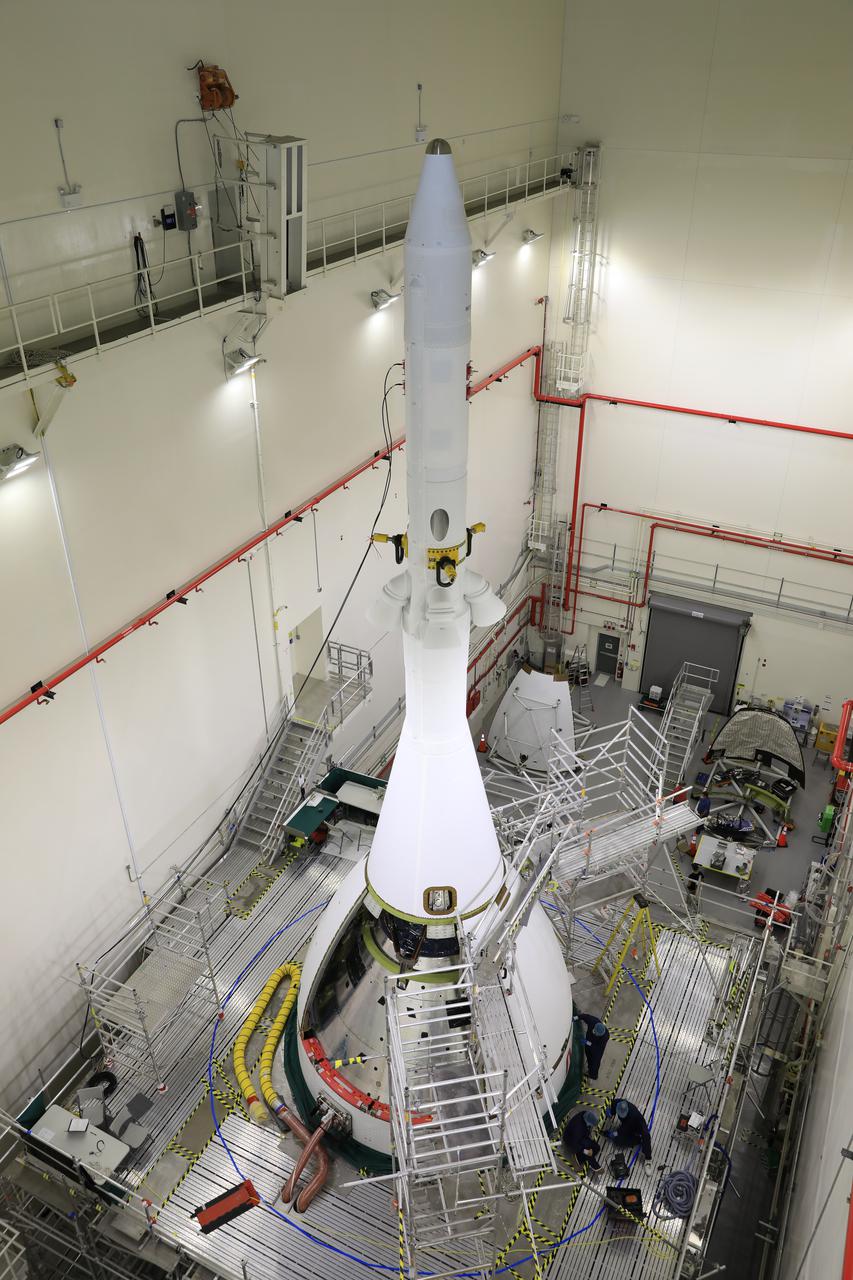
Technicians and engineers with Exploration Ground Systems and Jacobs connect the second ogive fairing for Orion’s Artemis I mission to the launch abort system (LAS) inside the Launch Abort System Facility high bay at NASA’s Kennedy Space Center in Florida on Aug. 23, 2021. The ogives consist of four protective panels that will shield the crew module from the severe vibrations and sounds it will experience during launch. During Artemis missions, the 44-foot-tall LAS will detach from the spacecraft when it is no longer needed. Launching in 2021, Artemis I will be an uncrewed test of the Orion spacecraft and Space Launch System rocket as an integrated system ahead of crewed flights to the Moon. Under Artemis, NASA aims to land the first woman and first person of color on the Moon and establish sustainable lunar exploration.

The fourth and final ogive fairing for the Orion spacecraft that will fly on the Artemis I mission is attached to the spacecraft’s launch abort system (LAS) inside the Launch Abort System Facility high bay at NASA’s Kennedy Space Center in Florida on Sept. 7, 2021. The ogives are protective panels that will shield the crew module from the severe vibrations and sounds it will experience during launch. During Artemis missions, the 44-foot-tall LAS will detach from the spacecraft when it is no longer needed. Launching in 2021, Artemis I will be an uncrewed test of Orion and the Space Launch System rocket as an integrated system ahead of crewed flights to the Moon. Under Artemis, NASA aims to land the first woman and first person of color on the Moon and establish a long-term presence in lunar orbit.
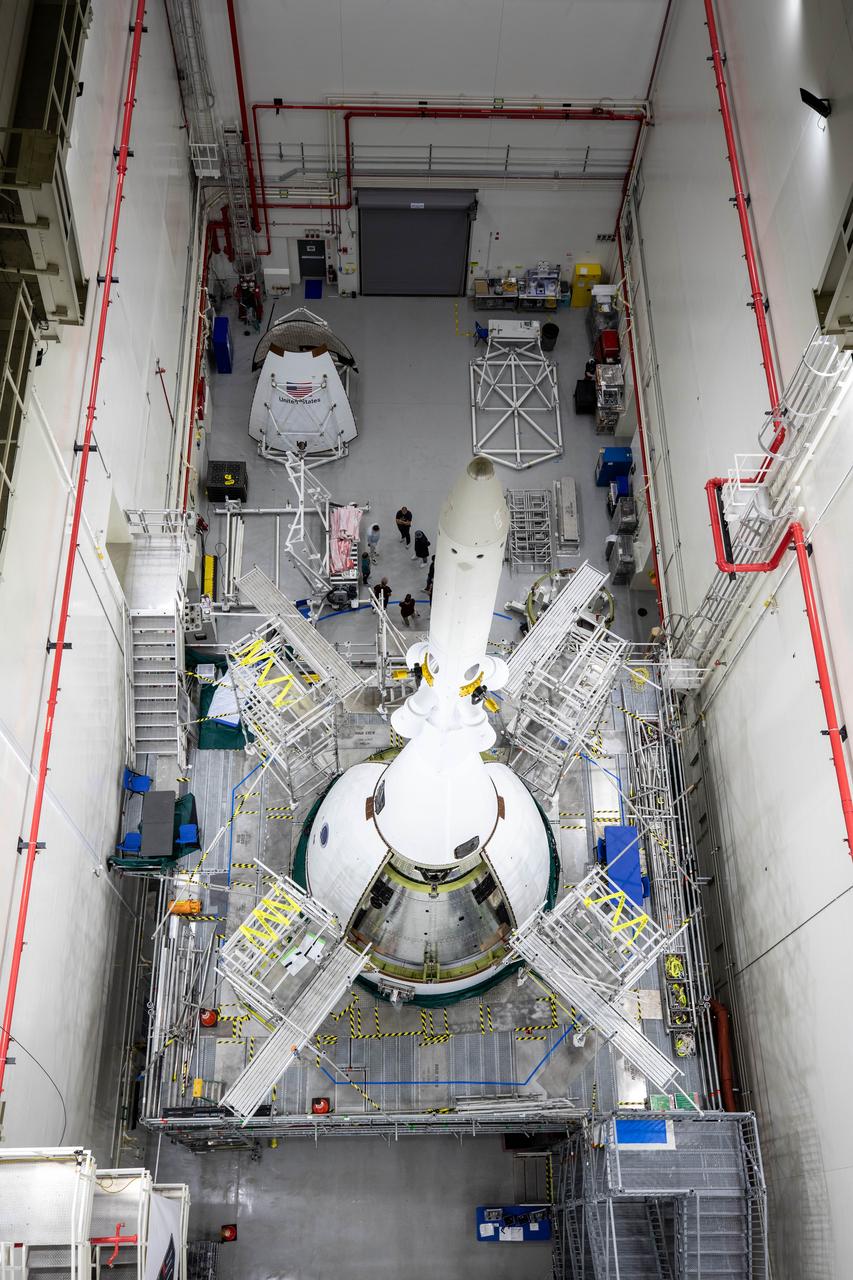
Teams with NASA’s Exploration Ground Systems completed installation of two ogive fairings onto the launch abort system inside the Launch Abort System Facility at NASA’s Kennedy Space Center in Florida on Wednesday, Sept. 10, 2025. The ogives consist of four protective panels that will shield the crew module from the severe vibrations and sounds it will experience during launch. Positioned at the top of Orion, the 44-foot-tall launch abort system is designed to carry the crew to safety in the event of an emergency during launch or ascent, with its three solid rocket motors working together to propel Orion – and astronauts inside – away from the rocket for a safe landing in the ocean, or detach from the spacecraft when it is no longer needed.
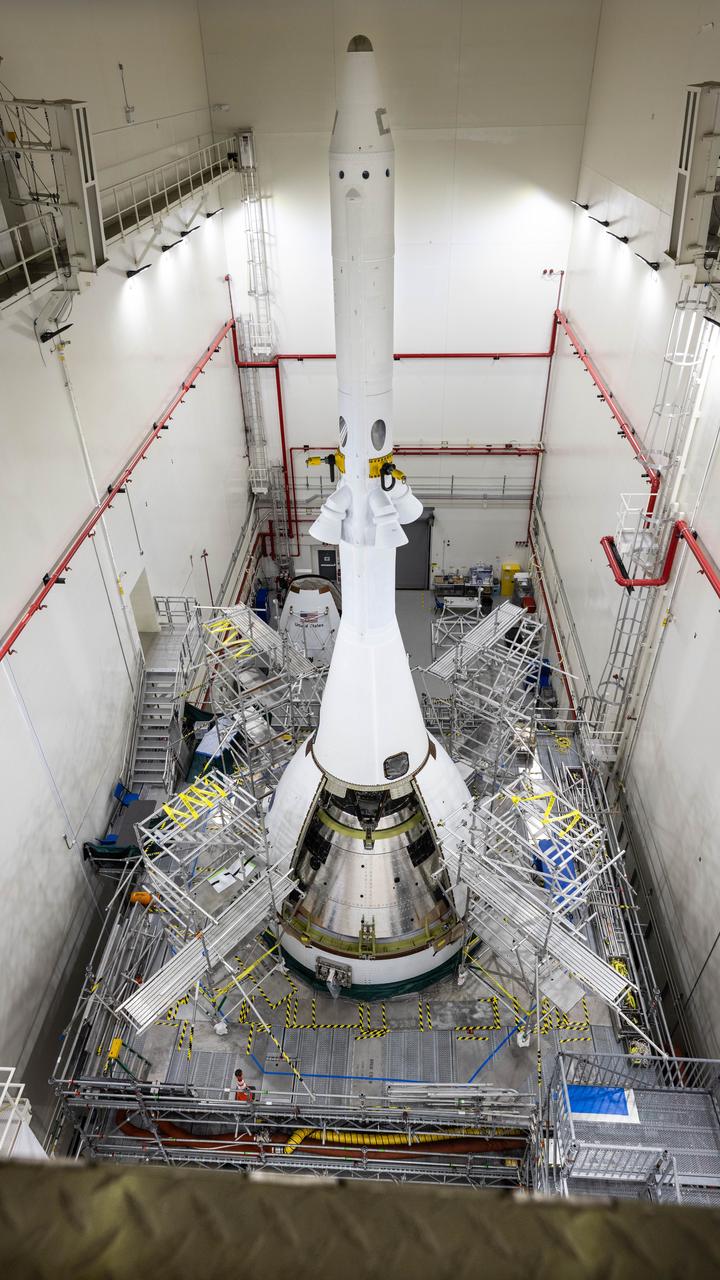
Teams with NASA’s Exploration Ground Systems completed installation of two ogive fairings onto the launch abort system inside the Launch Abort System Facility at NASA’s Kennedy Space Center in Florida on Wednesday, Sept. 10, 2025. The ogives consist of four protective panels that will shield the crew module from the severe vibrations and sounds it will experience during launch. Positioned at the top of Orion, the 44-foot-tall launch abort system is designed to carry the crew to safety in the event of an emergency during launch or ascent, with its three solid rocket motors working together to propel Orion – and astronauts inside – away from the rocket for a safe landing in the ocean, or detach from the spacecraft when it is no longer needed.
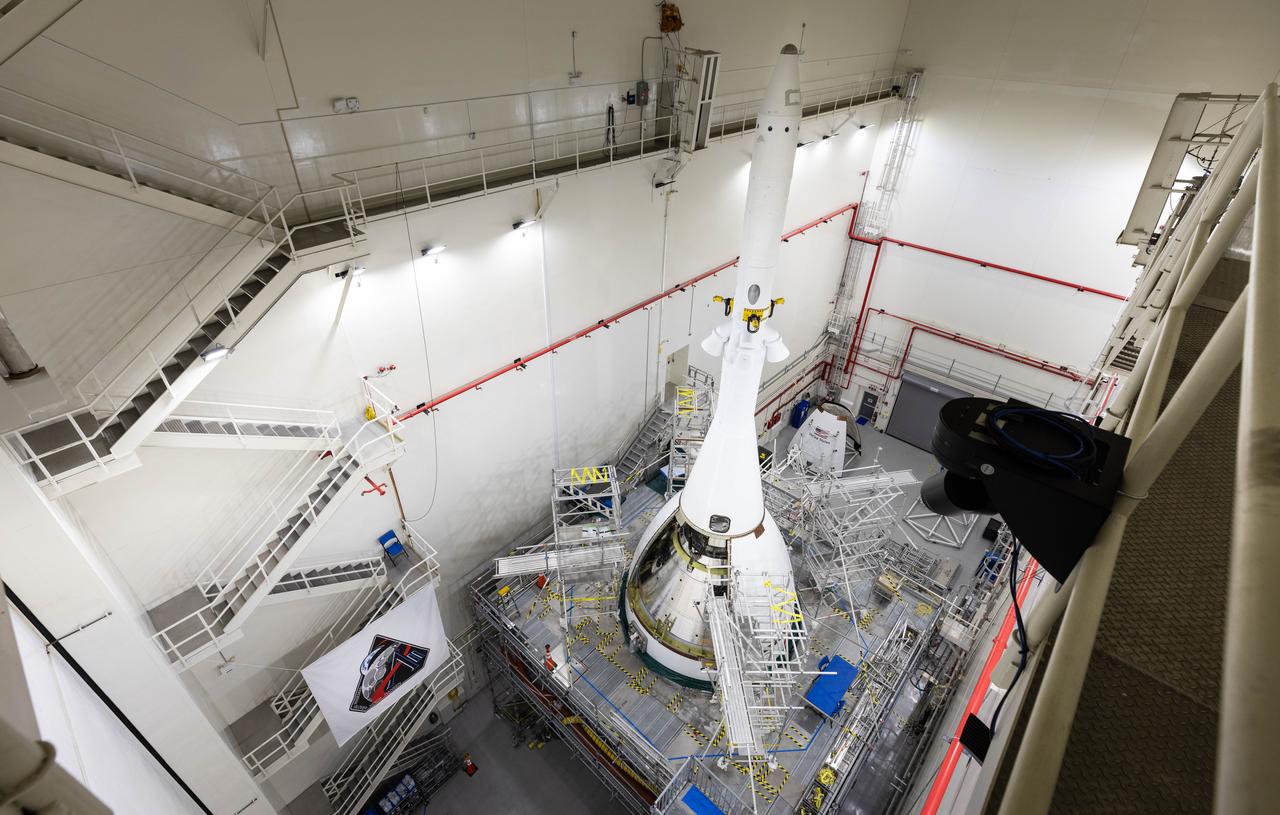
Teams with NASA’s Exploration Ground Systems completed installation of two ogive fairings onto the launch abort system inside the Launch Abort System Facility at NASA’s Kennedy Space Center in Florida on Wednesday, Sept. 10, 2025. The ogives consist of four protective panels that will shield the crew module from the severe vibrations and sounds it will experience during launch. Positioned at the top of Orion, the 44-foot-tall launch abort system is designed to carry the crew to safety in the event of an emergency during launch or ascent, with its three solid rocket motors working together to propel Orion – and astronauts inside – away from the rocket for a safe landing in the ocean, or detach from the spacecraft when it is no longer needed.

The fourth and final ogive fairing for the Orion spacecraft that will fly on the Artemis I mission is attached to the spacecraft’s launch abort system (LAS) inside the Launch Abort System Facility high bay at NASA’s Kennedy Space Center in Florida on Sept. 7, 2021. The ogives are protective panels that will shield the crew module from the severe vibrations and sounds it will experience during launch. During Artemis missions, the 44-foot-tall LAS will detach from the spacecraft when it is no longer needed. Launching in 2021, Artemis I will be an uncrewed test of Orion and the Space Launch System rocket as an integrated system ahead of crewed flights to the Moon. Under Artemis, NASA aims to land the first woman and first person of color on the Moon and establish a long-term presence in lunar orbit.
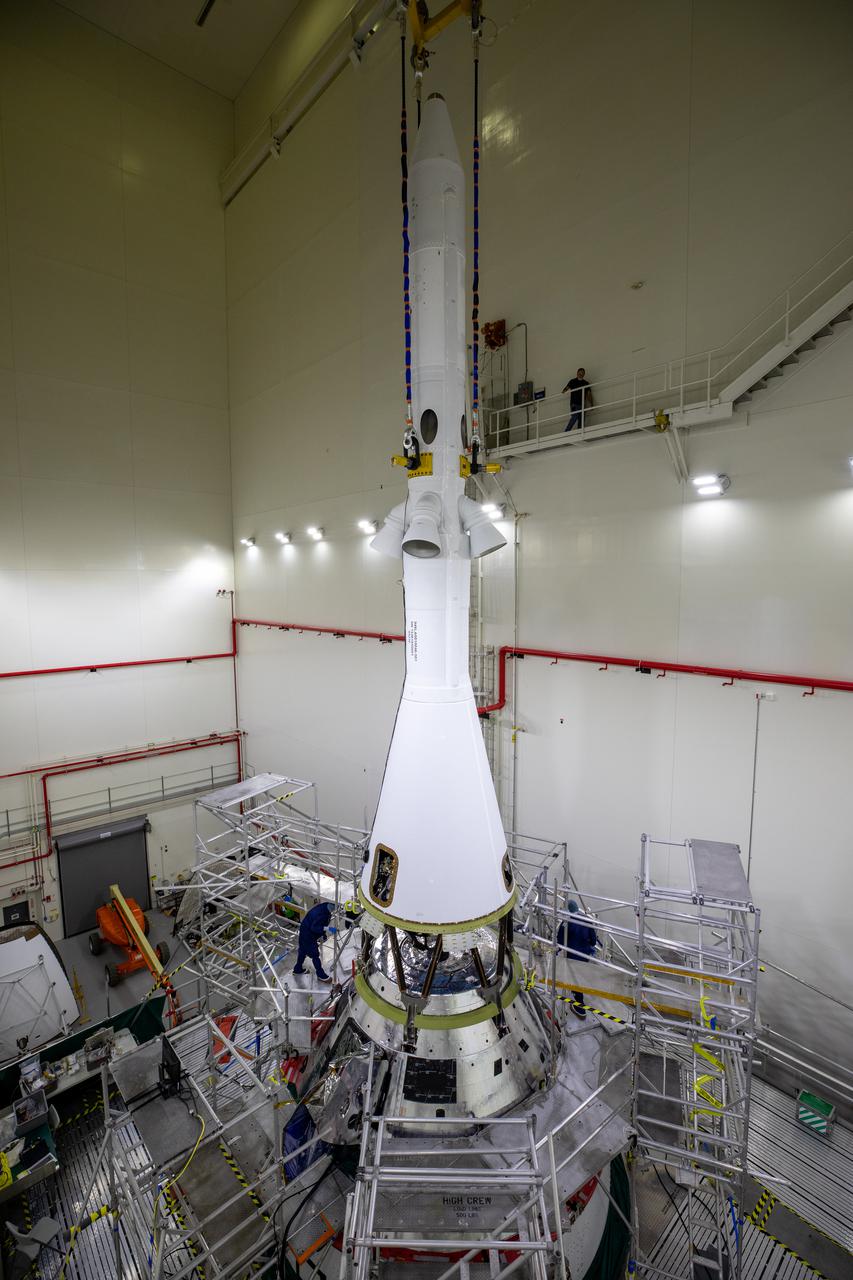
Teams with NASA’s Exploration Ground Systems (EGS) and contractor Jacobs integrated the launch abort system (LAS) with the Orion spacecraft inside the Launch Abort System Facility at NASA’s Kennedy Space Center in Florida on July 23, 2021. Launching later this year, Artemis I will be a test of the Orion spacecraft and Space Launch System rocket as an integrated system ahead of crewed flights to the Moon. Although there will be no crew the Artemis I, the launch abort system will collect flight data during the ascent to space and then jettison from the spacecraft. Next, technicians will install four panels, or ogives, that make up the fairing assembly and protect the spacecraft from heat, air, and acoustic environments during its entry into orbit. Once final checkouts are complete, Orion will join the Space Launch System for integration.
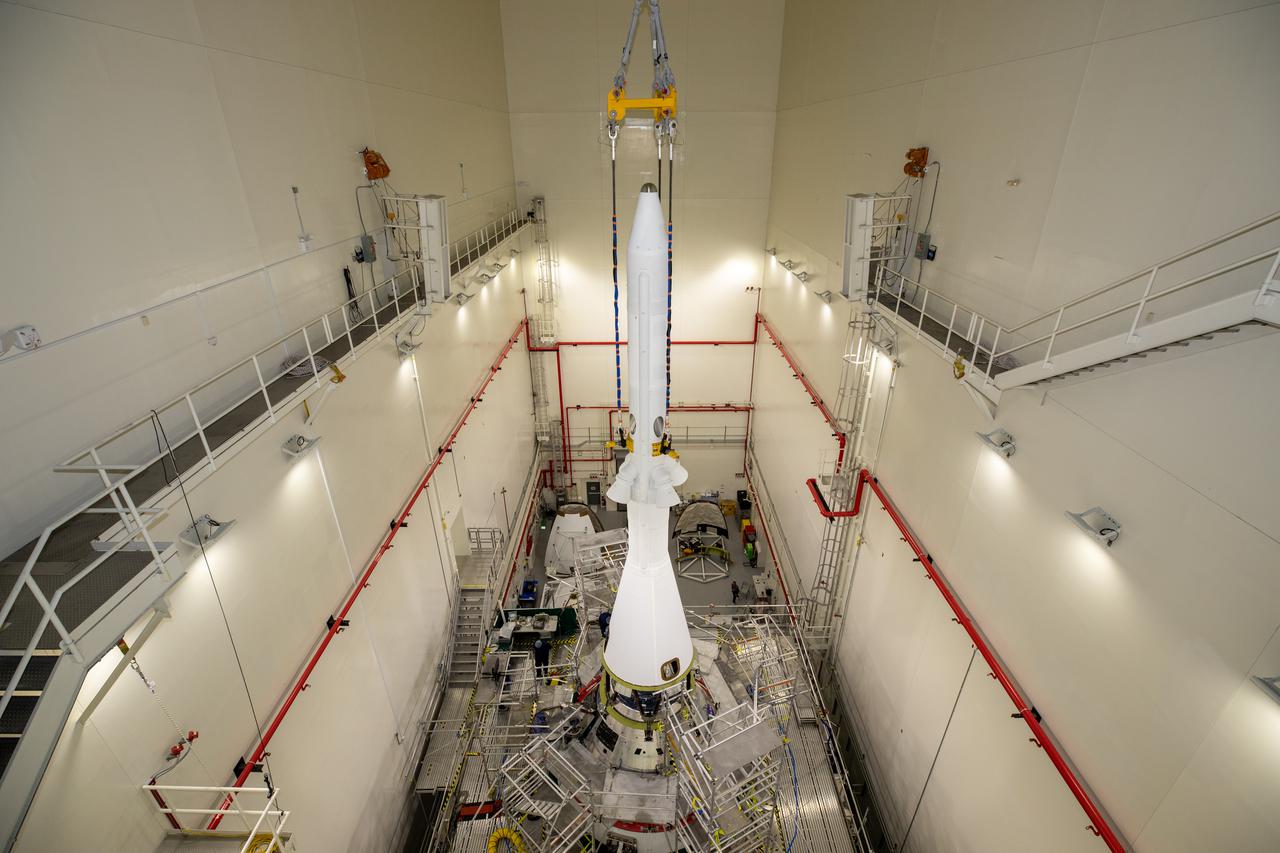
Teams with NASA’s Exploration Ground Systems (EGS) and contractor Jacobs integrated the launch abort system (LAS) with the Orion spacecraft inside the Launch Abort System Facility at NASA’s Kennedy Space Center in Florida on July 23, 2021. Launching later this year, Artemis I will be a test of the Orion spacecraft and Space Launch System rocket as an integrated system ahead of crewed flights to the Moon. Although there will be no crew the Artemis I, the launch abort system will collect flight data during the ascent to space and then jettison from the spacecraft. Next, technicians will install four panels, or ogives, that make up the fairing assembly and protect the spacecraft from heat, air, and acoustic environments during its entry into orbit. Once final checkouts are complete, Orion will join the Space Launch System for integration.
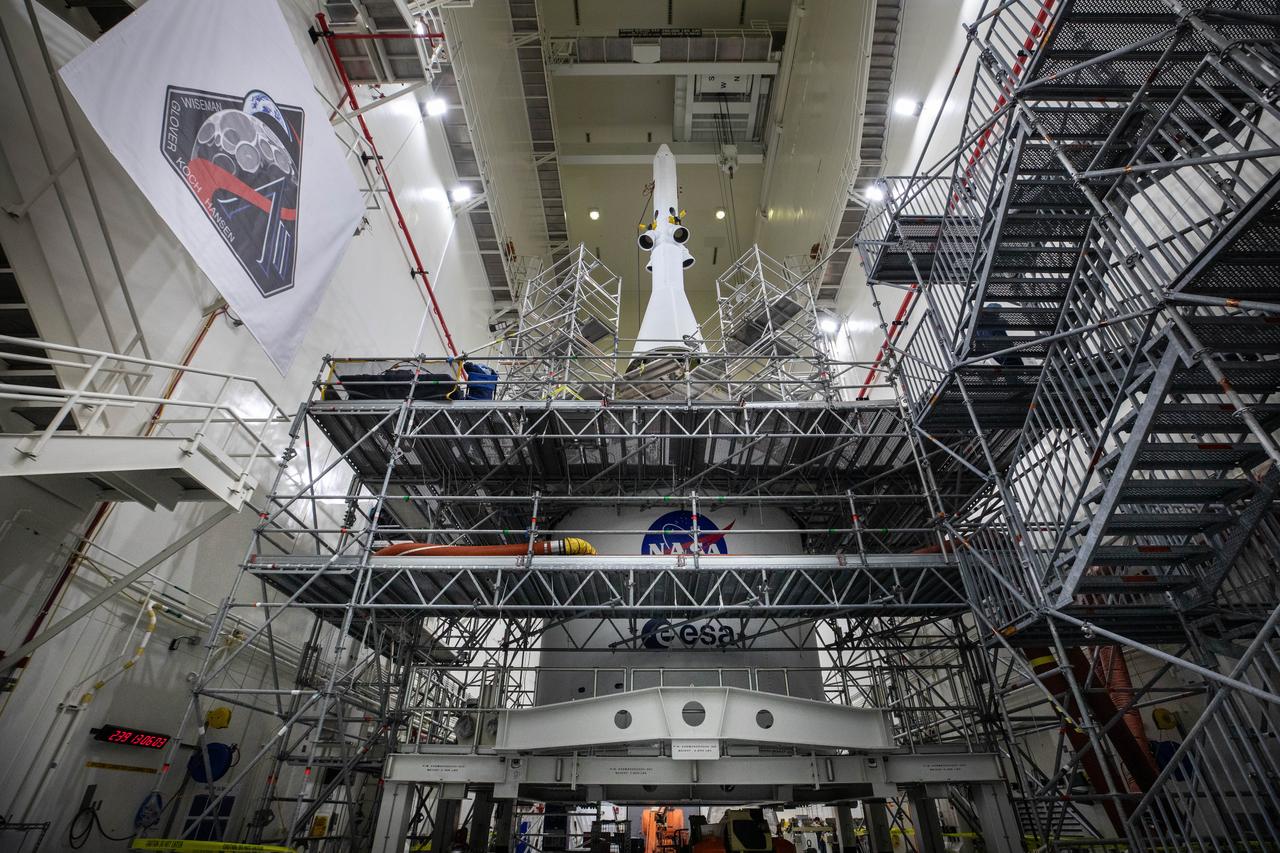
The launch abort tower on NASA’s Artemis II Orion spacecraft is pictured inside the Launch Abort System Facility at the agency’s Kennedy Space Center in Florida on Wednesday, Aug. 27, 2025, after teams with NASA’s Exploration Ground Systems Program installed the tower on Wednesday, Aug. 20, 2025. Positioned at the top of Orion, the 44-foot-tall launch abort system is designed to carry the crew to safety in the event of an emergency during launch or ascent, with its three solid rocket motors working together to propel Orion – and astronauts inside – away from the rocket for a safe landing in the ocean, or detach from the spacecraft when it is no longer needed. The final step to complete integration will be the installation of the ogive fairings, which are four protective panels that will shield the crew module from the severe vibrations and sounds it will experience during launch.
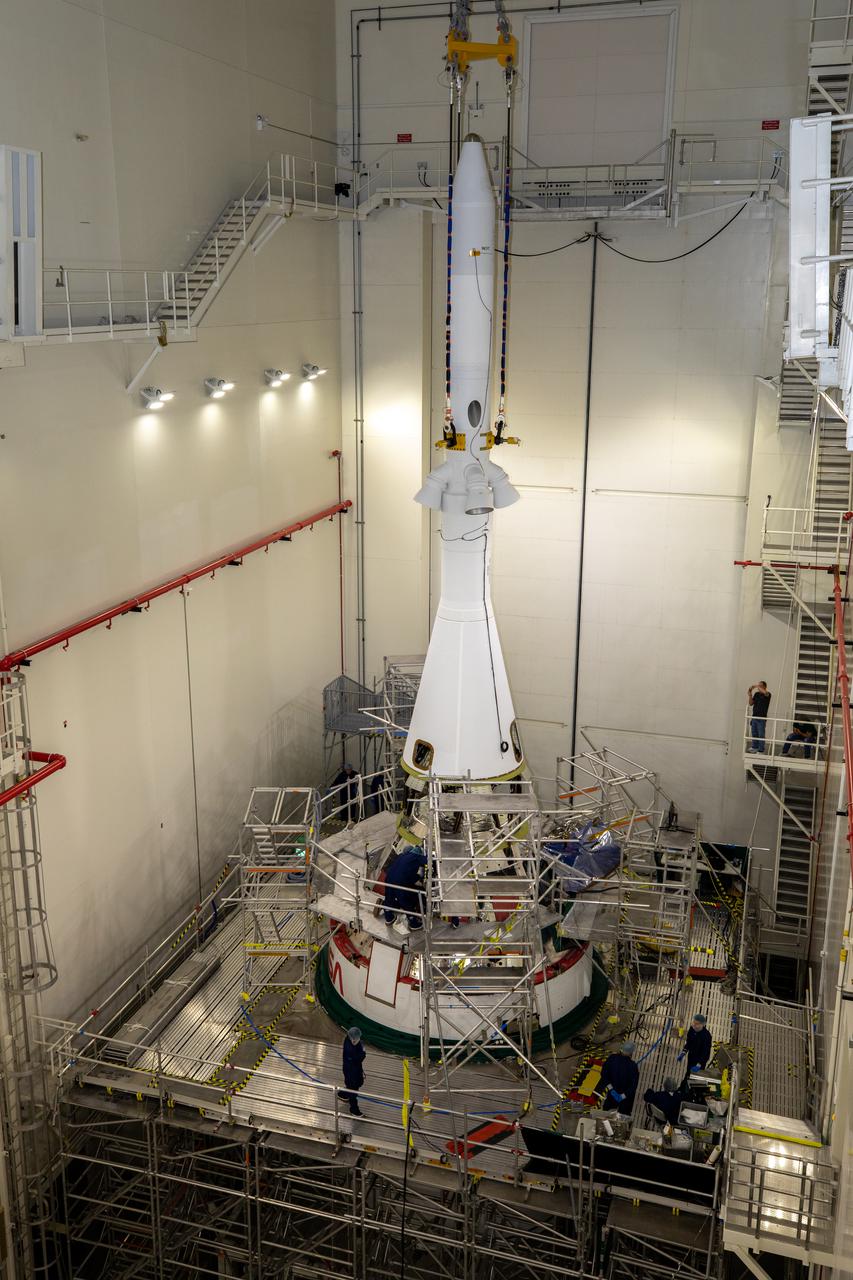
Teams with NASA’s Exploration Ground Systems (EGS) and contractor Jacobs integrated the launch abort system (LAS) with the Orion spacecraft inside the Launch Abort System Facility at NASA’s Kennedy Space Center in Florida on July 23, 2021. Launching later this year, Artemis I will be a test of the Orion spacecraft and Space Launch System rocket as an integrated system ahead of crewed flights to the Moon. Although there will be no crew the Artemis I, the launch abort system will collect flight data during the ascent to space and then jettison from the spacecraft. Next, technicians will install four panels, or ogives, that make up the fairing assembly and protect the spacecraft from heat, air, and acoustic environments during its entry into orbit. Once final checkouts are complete, Orion will join the Space Launch System for integration.
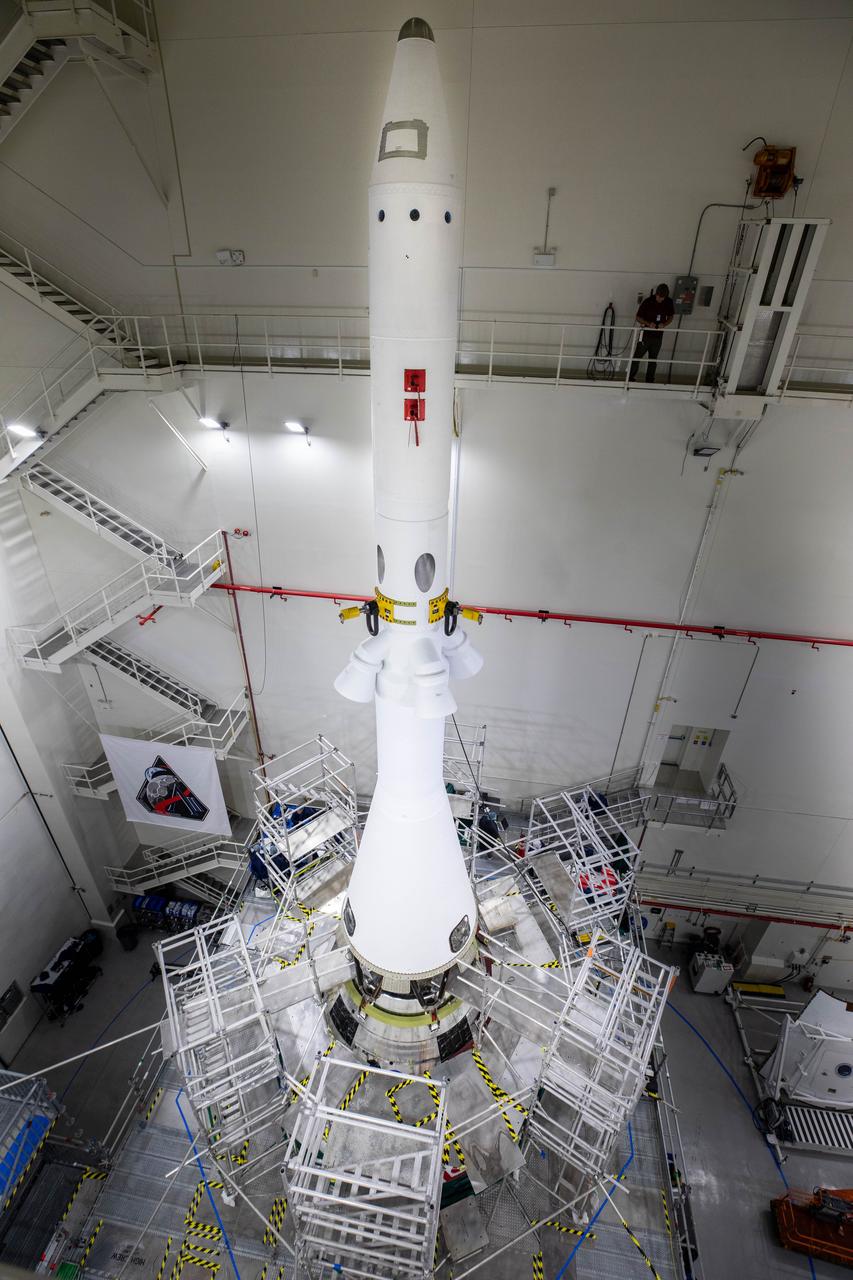
The launch abort tower on NASA’s Artemis II Orion spacecraft is pictured inside the Launch Abort System Facility at the agency’s Kennedy Space Center in Florida on Wednesday, Aug. 27, 2025, after teams with NASA’s Exploration Ground Systems Program installed the tower on Wednesday, Aug. 20, 2025. Positioned at the top of Orion, the 44-foot-tall launch abort system is designed to carry the crew to safety in the event of an emergency during launch or ascent, with its three solid rocket motors working together to propel Orion – and astronauts inside – away from the rocket for a safe landing in the ocean, or detach from the spacecraft when it is no longer needed. The final step to complete integration will be the installation of the ogive fairings, which are four protective panels that will shield the crew module from the severe vibrations and sounds it will experience during launch.
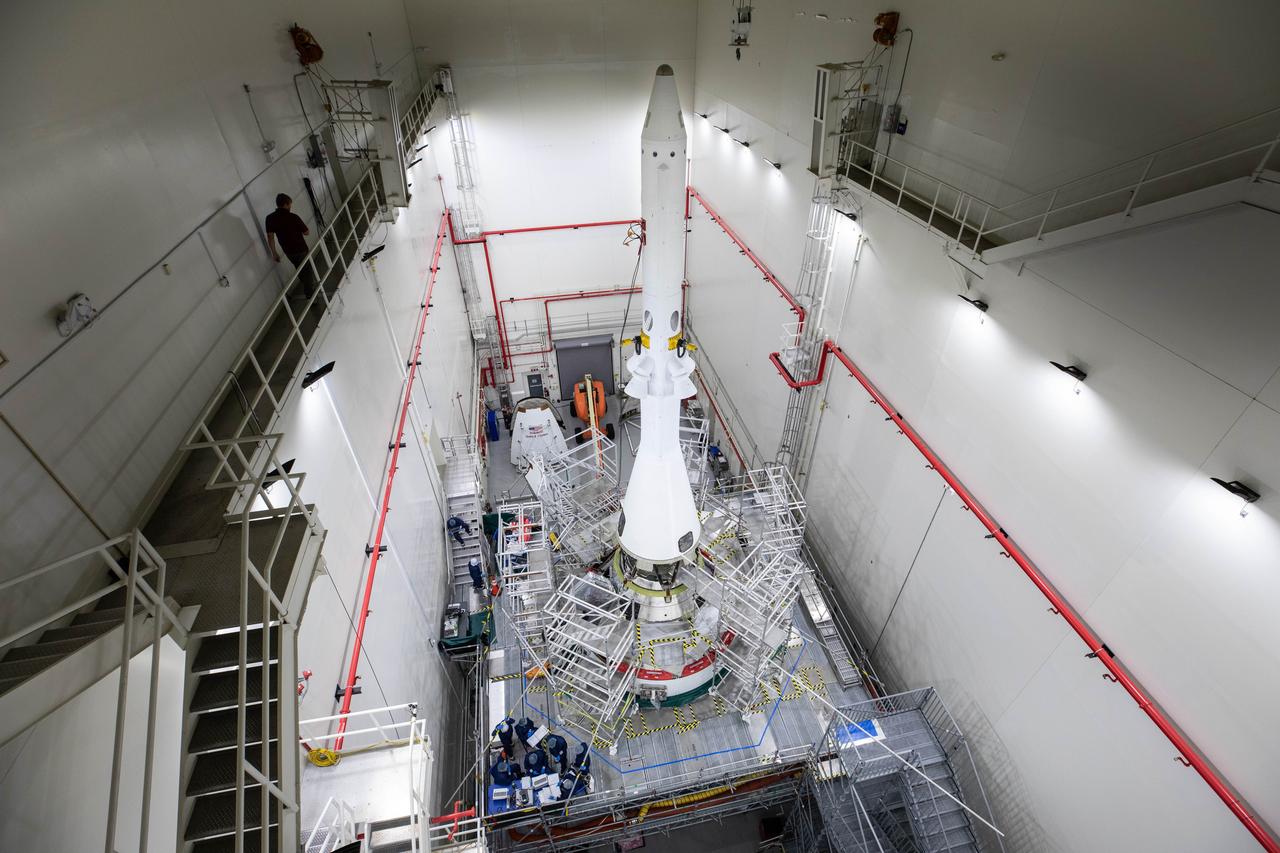
The launch abort tower on NASA’s Artemis II Orion spacecraft is pictured inside the Launch Abort System Facility at the agency’s Kennedy Space Center in Florida on Wednesday, Aug. 27, 2025, after teams with NASA’s Exploration Ground Systems Program installed the tower on Wednesday, Aug. 20, 2025. Positioned at the top of Orion, the 44-foot-tall launch abort system is designed to carry the crew to safety in the event of an emergency during launch or ascent, with its three solid rocket motors working together to propel Orion – and astronauts inside – away from the rocket for a safe landing in the ocean, or detach from the spacecraft when it is no longer needed. The final step to complete integration will be the installation of the ogive fairings, which are four protective panels that will shield the crew module from the severe vibrations and sounds it will experience during launch.