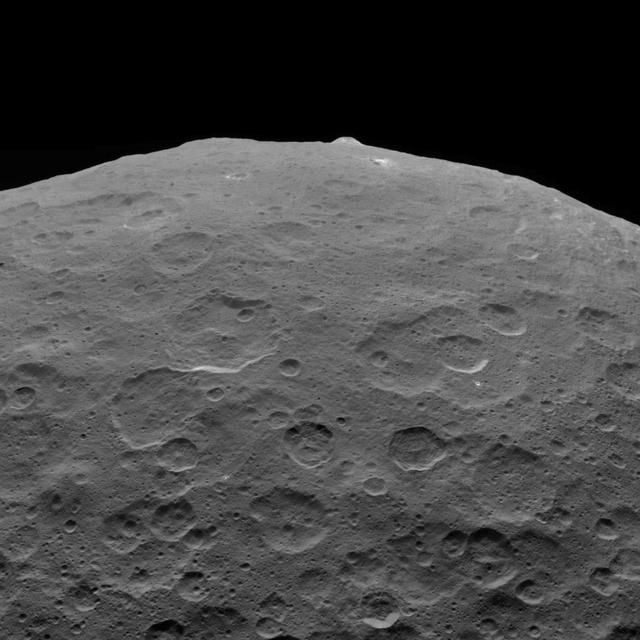
This photo of Ceres and one of its key landmarks, Ahuna Mons, was one of the last views Dawn transmitted before it depleted its remaining hydrazine and completed its mission. This view, which faces south, was captured on Sept. 1, 2018 at an altitude of 2,220 miles (3,570 kilometers) as the spacecraft was ascending in its elliptical orbit. At its lowest point, the orbit dipped down to only about 22 miles (35 kilometers), which allowed Dawn to acquire very high-resolution images in this final phase of its mission. Some of the close-up images of Ceres are shown here. Ahuna Mons is about 12 miles (20 kilometers) across and 2.5 miles (4 kilometers) high and displays sodium carbonate along its flanks. This is the most recent of a potential two dozen cryovolcanoes whose remnants are found across Ceres' surface. https://photojournal.jpl.nasa.gov/catalog/PIA22769

This photo of Ceres and the bright regions in Occator Crater was one of the last views NASA's Dawn spacecraft transmitted before it depleted its remaining hydrazine and completed its mission. This view, which faces south, was captured on Sept. 1, 2018 at an altitude of 2,340 miles (3,370 kilometers) as the spacecraft was ascending in its elliptical orbit. At its lowest point, the orbit dipped down to only about 22 miles (35 kilometers), which allowed Dawn to acquire very high-resolution images in this final phase of its mission. Some of the close-up images of Occator Crater are shown here. Occator Crater is 57 miles (92 kilometers) across and 2.5 miles (4 kilometers) deep and holds the brightest area on Ceres, Cerealia Facula in its center and Vinalia Faculae in its western side. This region has been the subject of intense interest since Dawn's approach to the dwarf planet in early 2015. https://photojournal.jpl.nasa.gov/catalog/PIA22485
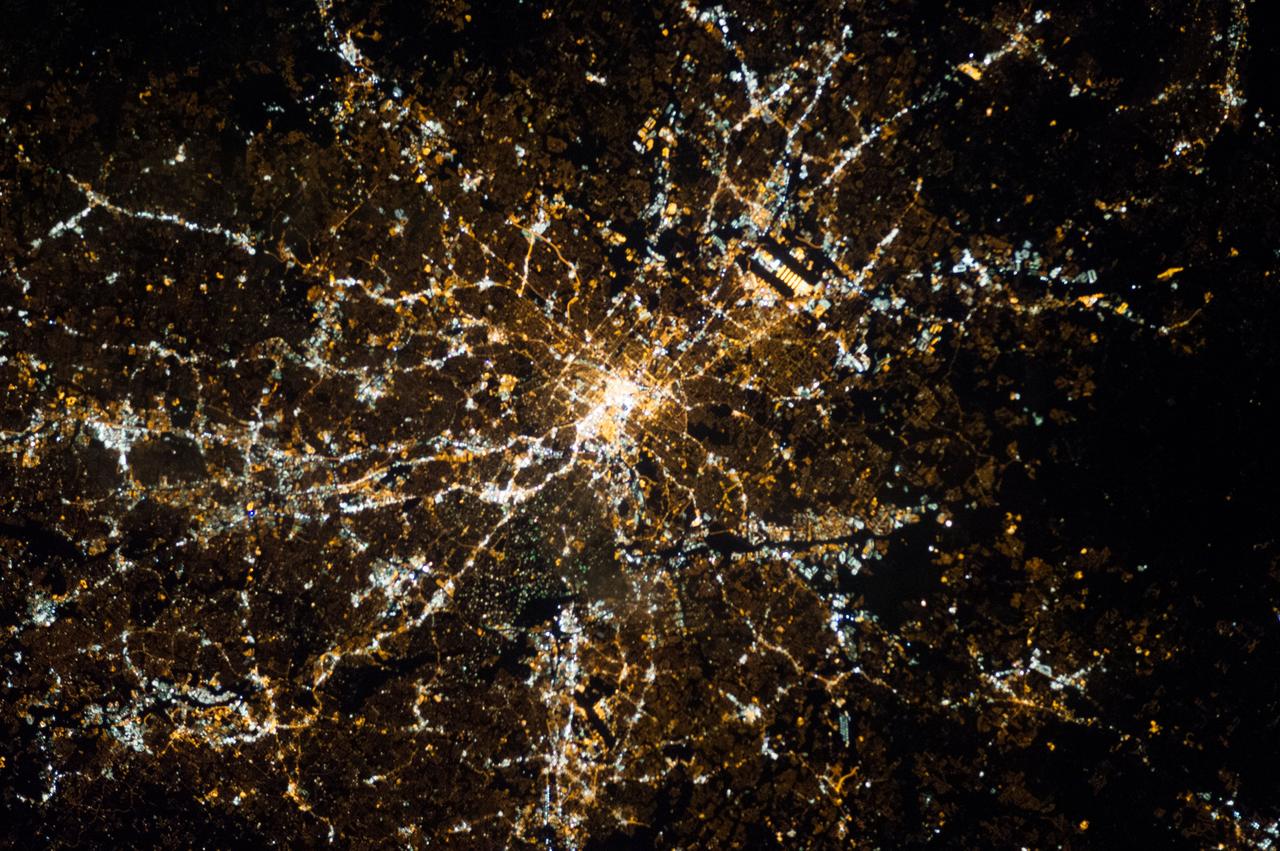
ISS034-E-032466 (20 Jan. 2013) -- One of the Expedition 34 crew members aboard the International Space Station, flying at an altitude of approximately 240 miles, photographed this vertical night view of the metropolitan area of Atlanta, Georgia.
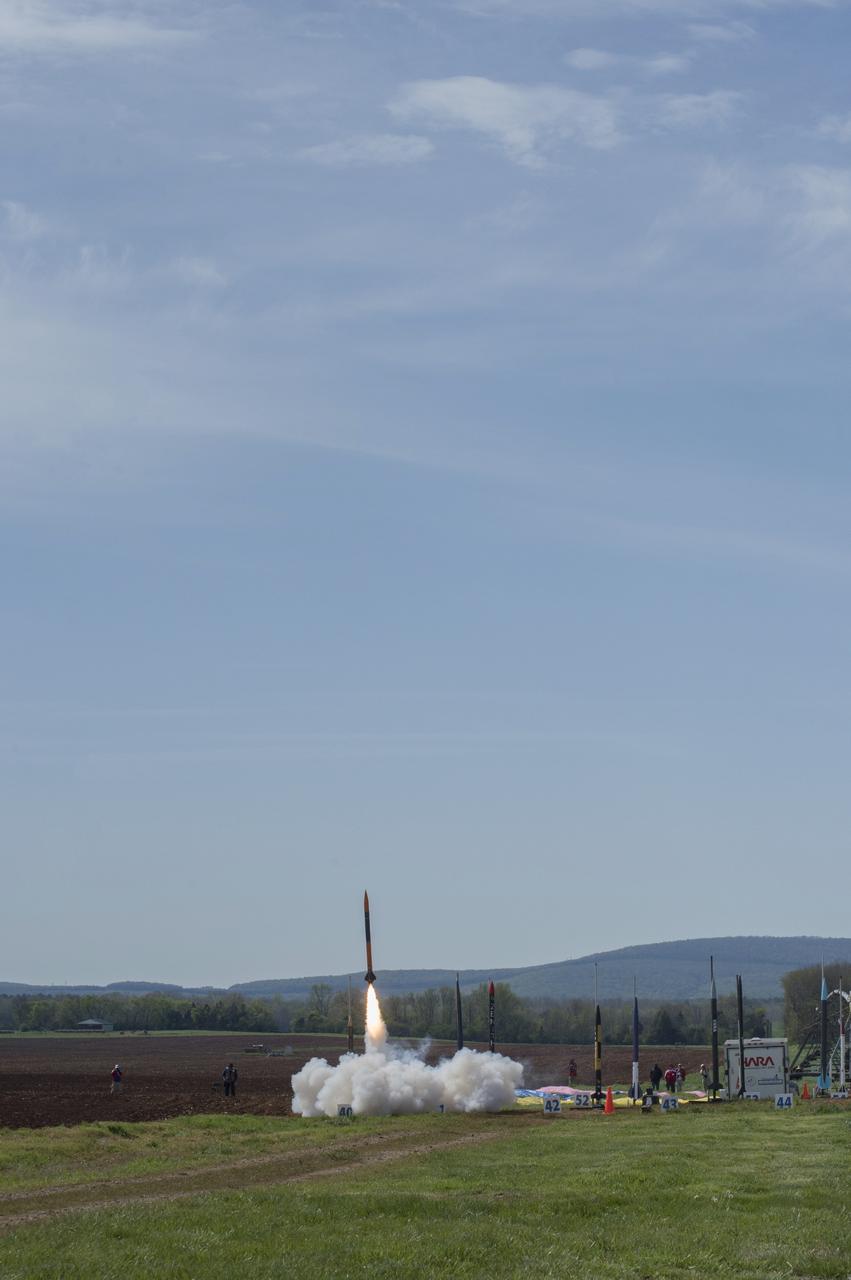
After eight months of designing, building and testing, the middle school, high school and college and university teams launched their rockets as part of NASA Student Launch on Sunday, April 8. The rockets and their payloads are designed to fly to 1-mile in altitude before deploying recovery systems that brings them safely to the ground.
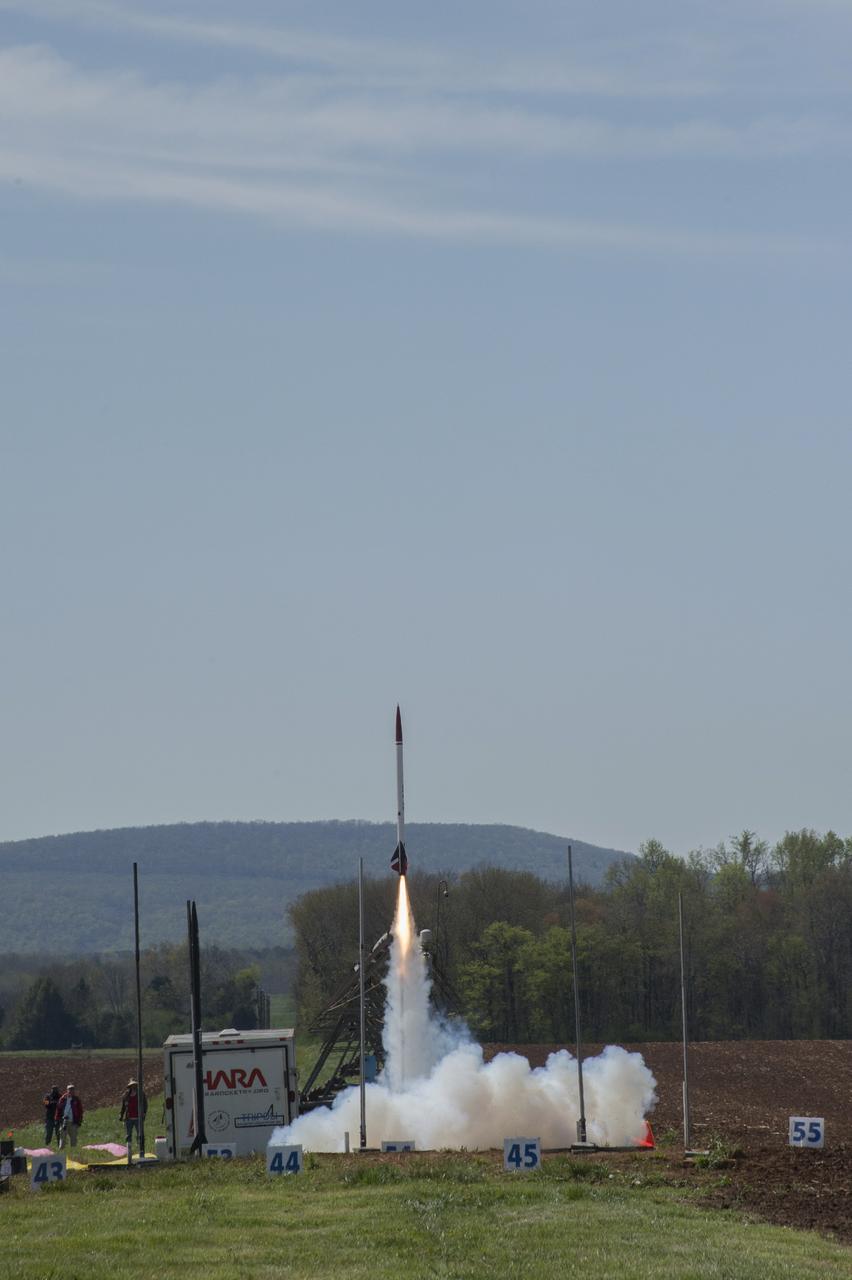
After eight months of designing, building and testing, the middle school, high school and college and university teams launched their rockets as part of NASA Student Launch on Sunday, April 8. The rockets and their payloads are designed to fly to 1-mile in altitude before deploying recovery systems that brings them safely to the ground.
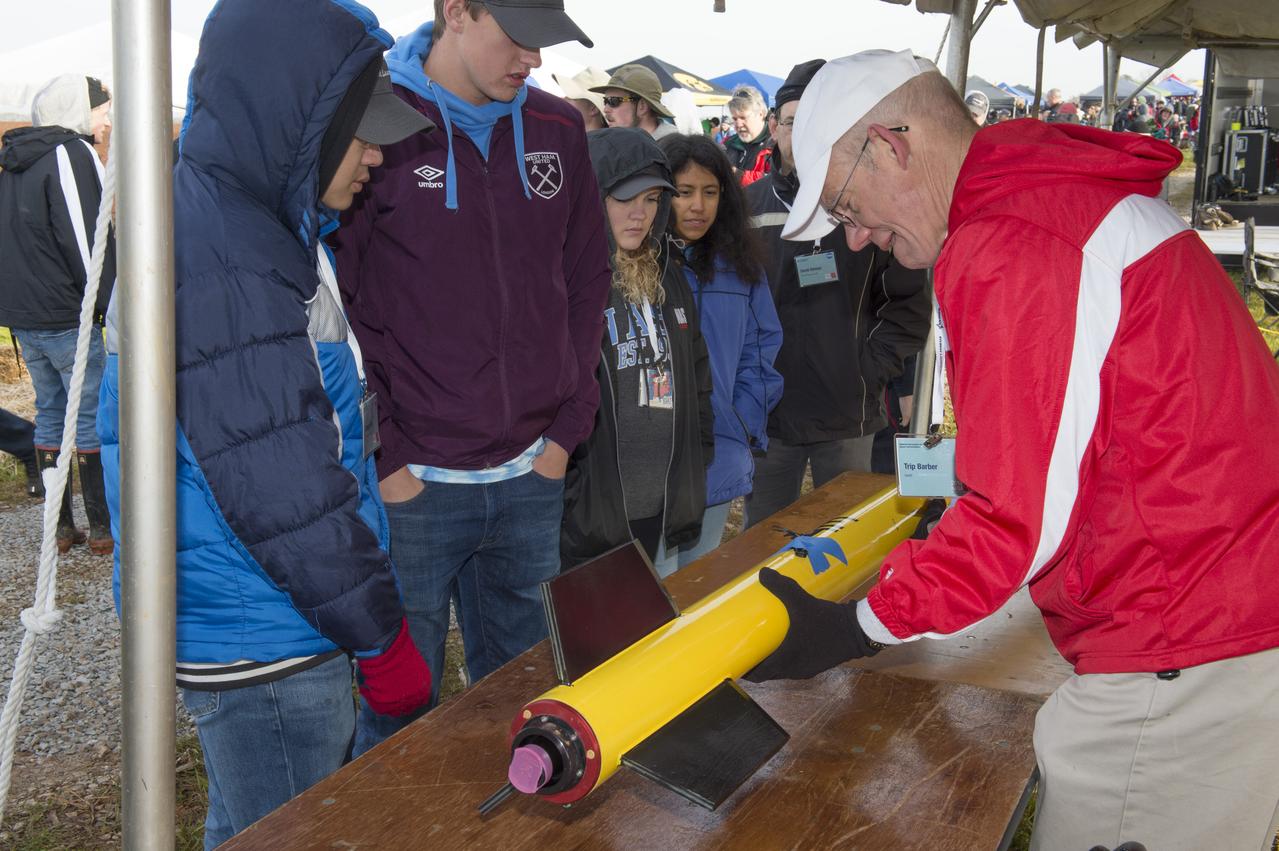
After eight months of designing, building and testing, the middle school, high school and college and university teams launched their rockets as part of NASA Student Launch on Sunday, April 8. The rockets and their payloads are designed to fly to 1-mile in altitude before deploying recovery systems that brings them safely to the ground.
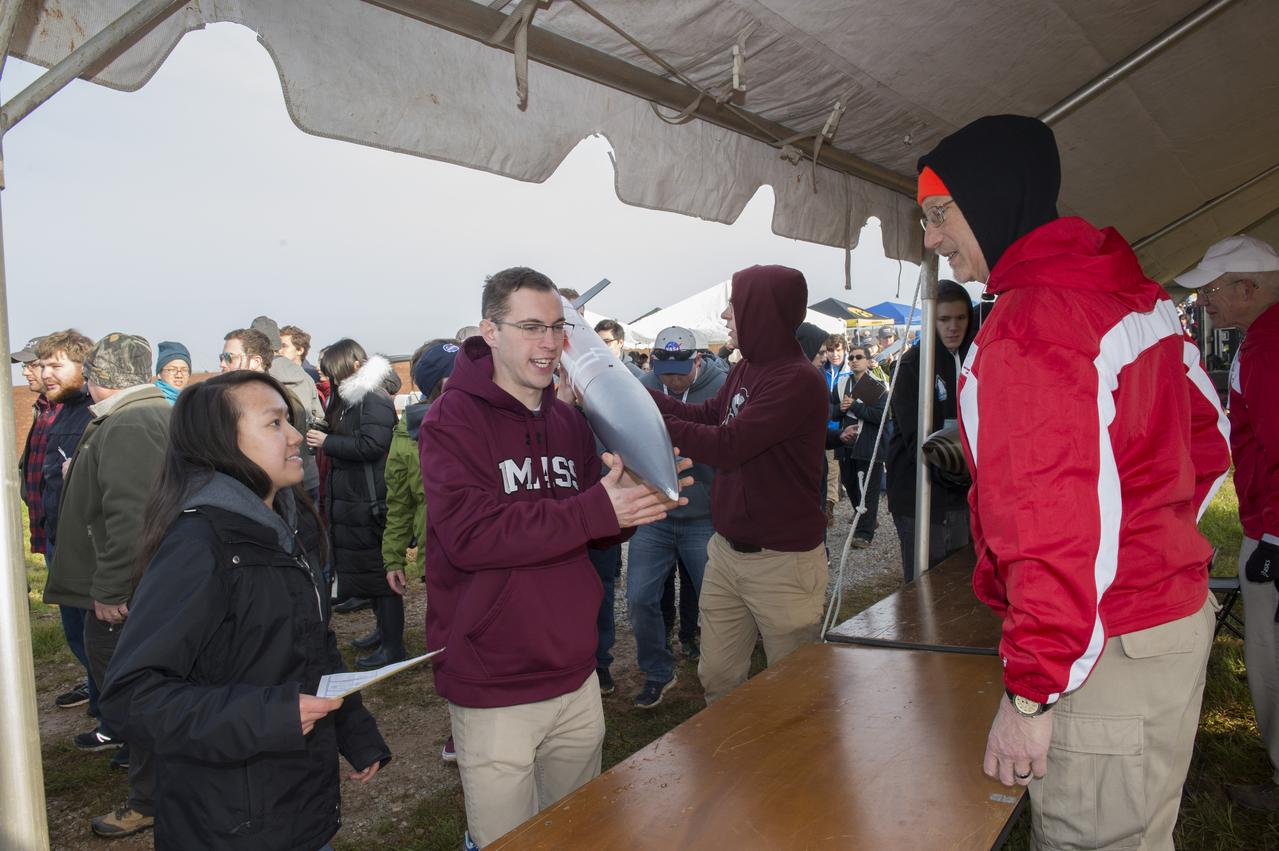
After eight months of designing, building and testing, the middle school, high school and college and university teams launched their rockets as part of NASA Student Launch on Sunday, April 8. The rockets and their payloads are designed to fly to 1-mile in altitude before deploying recovery systems that brings them safely to the ground.
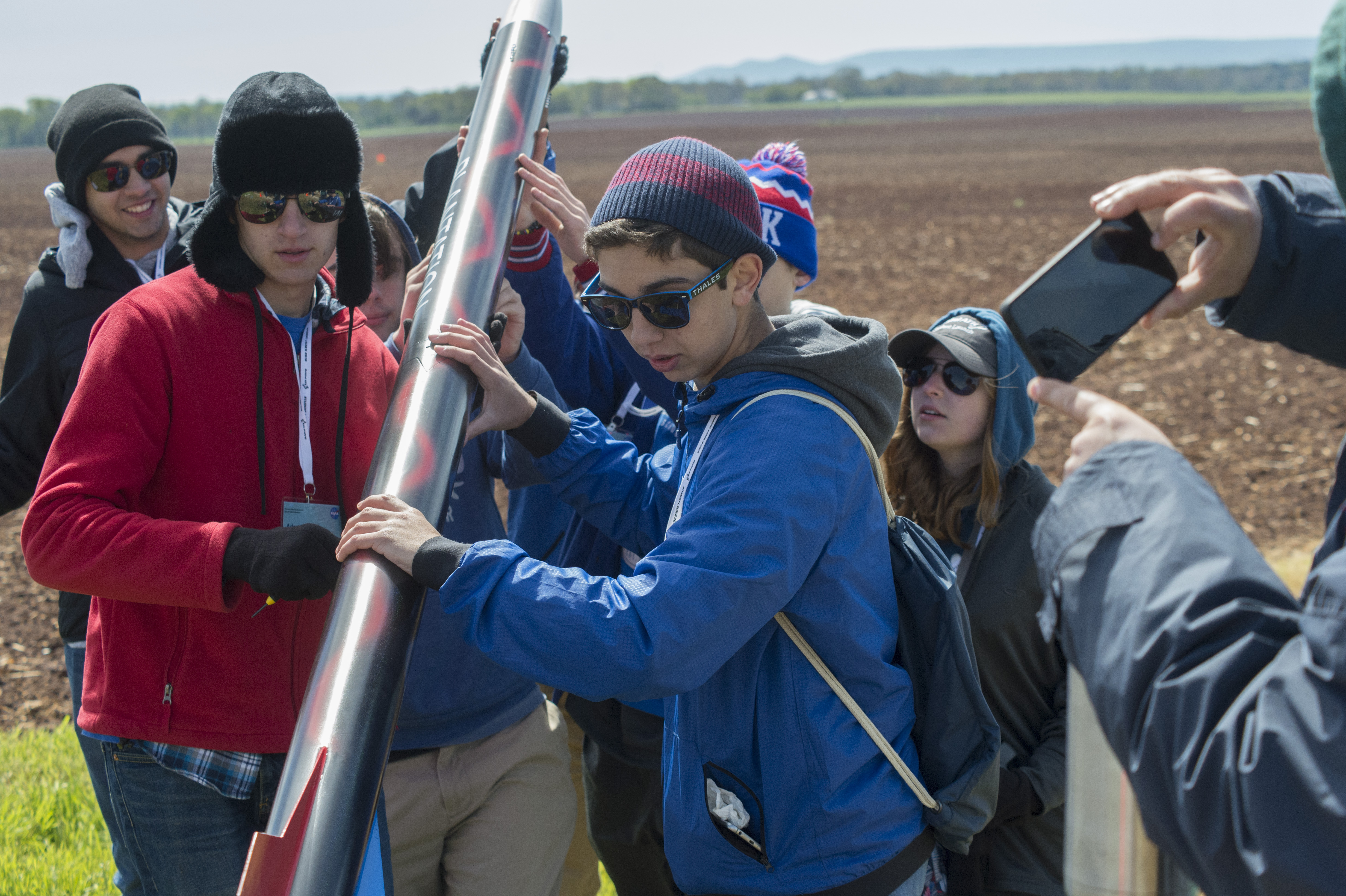
After eight months of designing, building and testing, the middle school, high school and college and university teams launched their rockets as part of NASA Student Launch on Sunday, April 8. The rockets and their payloads are designed to fly to 1-mile in altitude before deploying recovery systems that brings them safely to the ground.
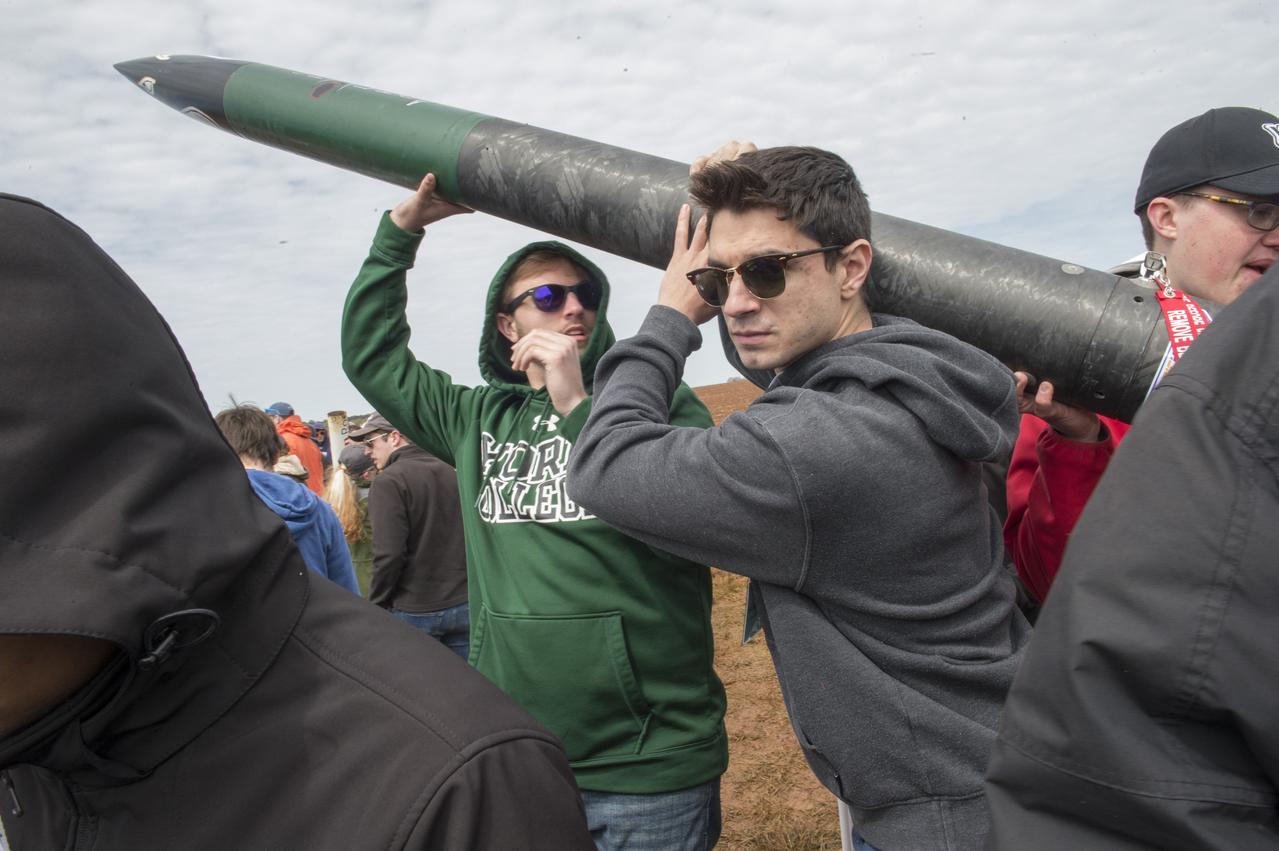
After eight months of designing, building and testing, the middle school, high school and college and university teams launched their rockets as part of NASA Student Launch on Sunday, April 8. The rockets and their payloads are designed to fly to 1-mile in altitude before deploying recovery systems that brings them safely to the ground.
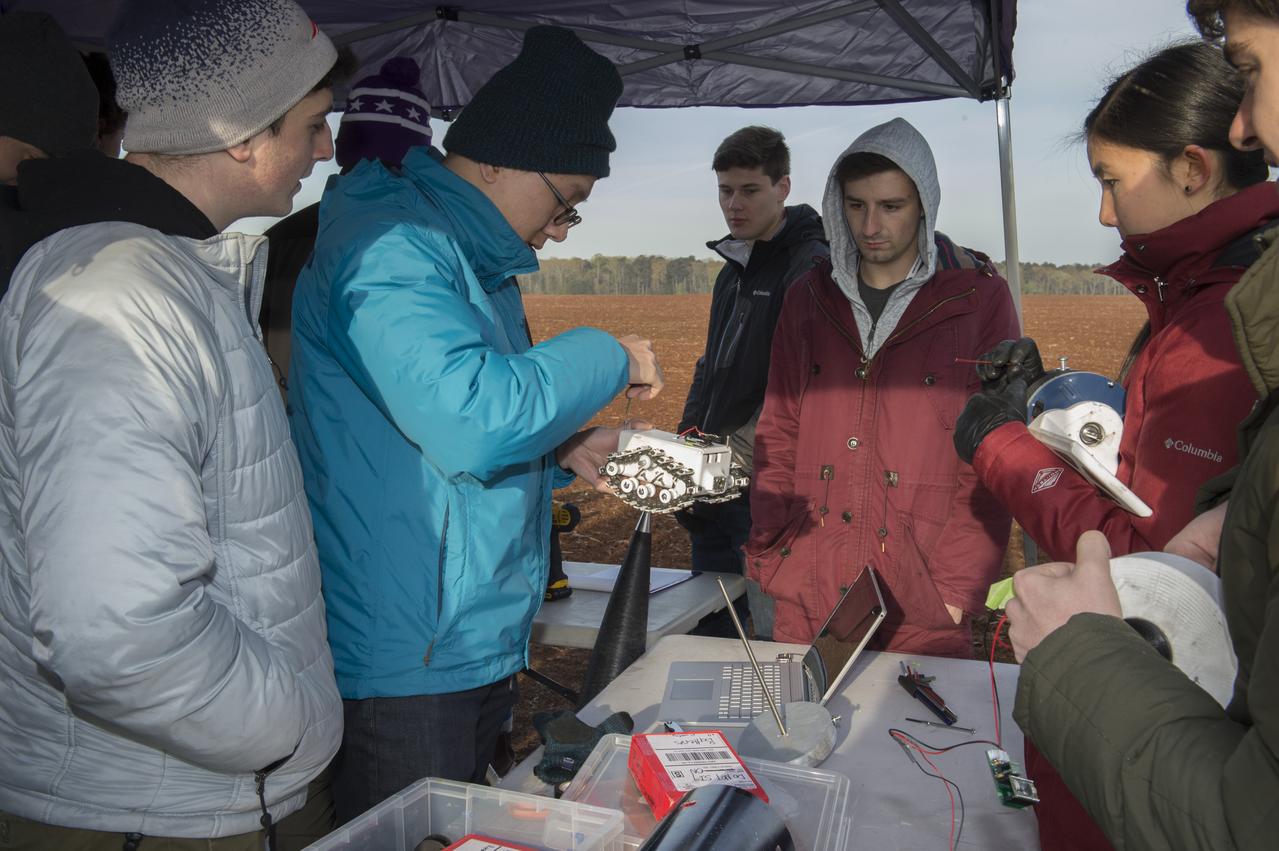
After eight months of designing, building and testing, the middle school, high school and college and university teams launched their rockets as part of NASA Student Launch on Sunday, April 8. The rockets and their payloads are designed to fly to 1-mile in altitude before deploying recovery systems that brings them safely to the ground.
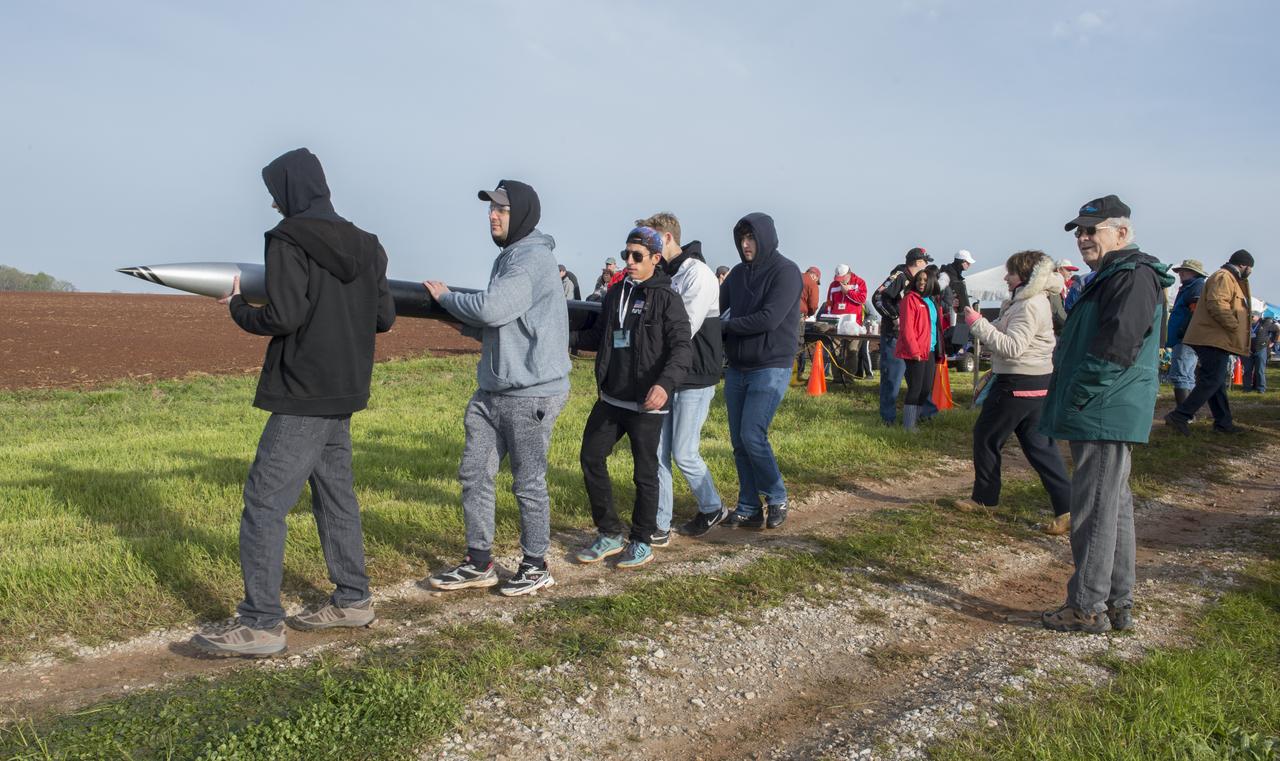
After eight months of designing, building and testing, the middle school, high school and college and university teams launched their rockets as part of NASA Student Launch on Sunday, April 8. The rockets and their payloads are designed to fly to 1-mile in altitude before deploying recovery systems that brings them safely to the ground.
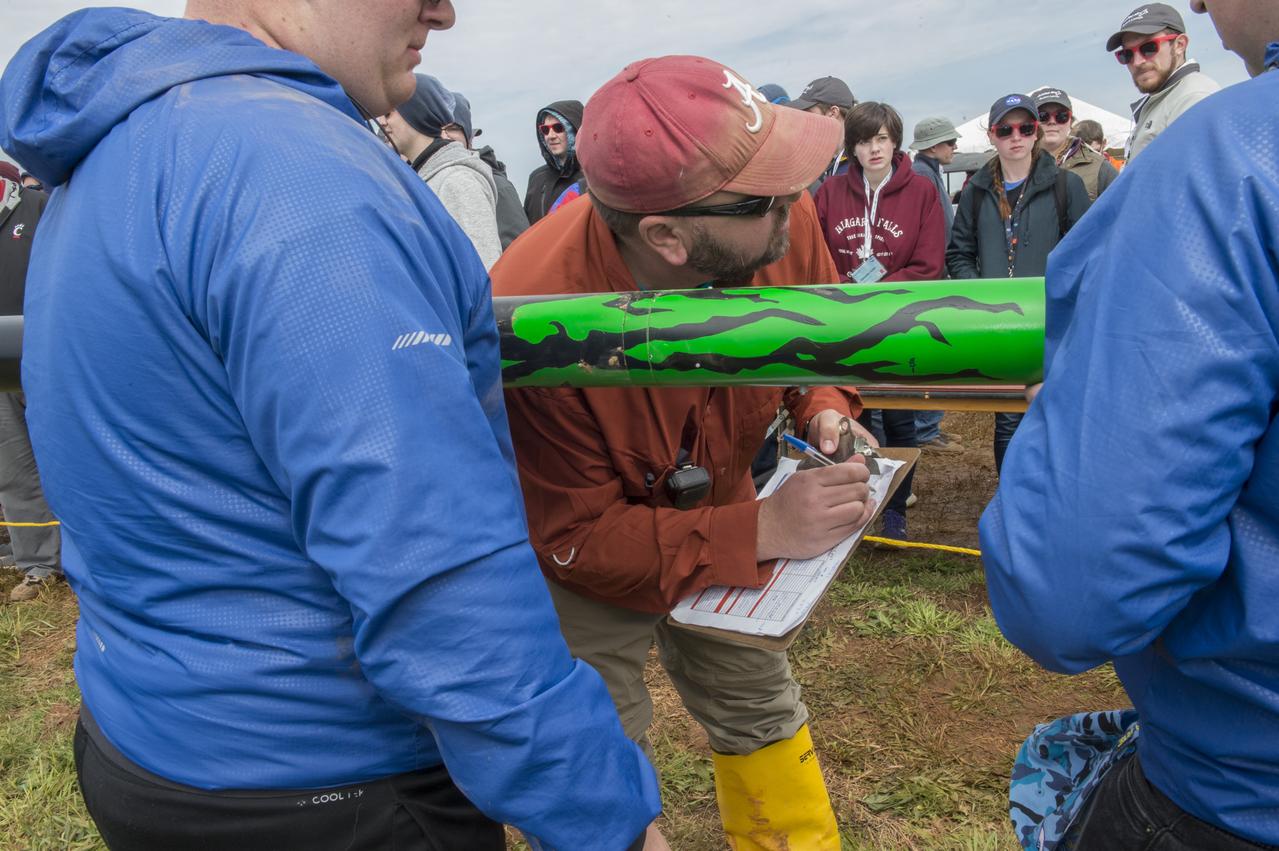
After eight months of designing, building and testing, the middle school, high school and college and university teams launched their rockets as part of NASA Student Launch on Sunday, April 8. The rockets and their payloads are designed to fly to 1-mile in altitude before deploying recovery systems that brings them safely to the ground.
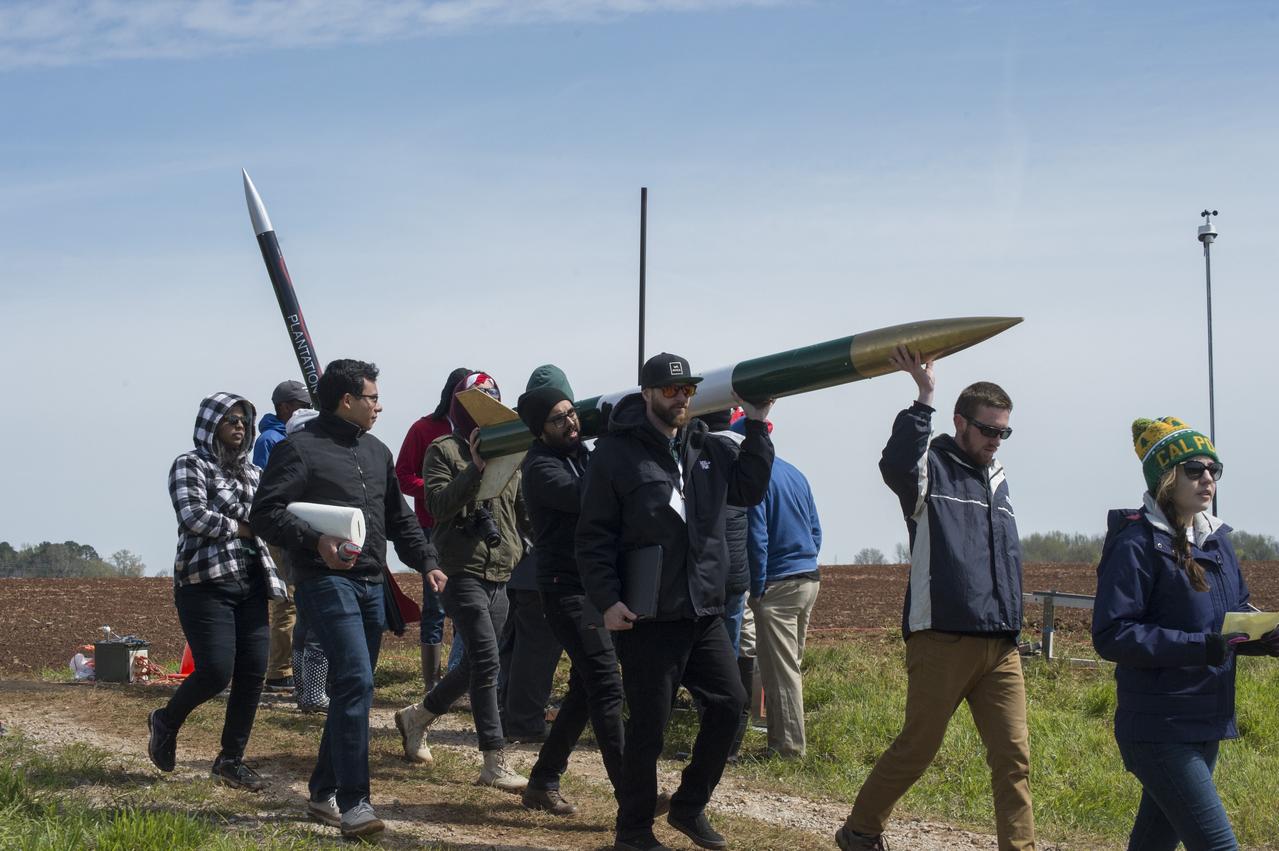
After eight months of designing, building and testing, the middle school, high school and college and university teams launched their rockets as part of NASA Student Launch on Sunday, April 8. The rockets and their payloads are designed to fly to 1-mile in altitude before deploying recovery systems that brings them safely to the ground.
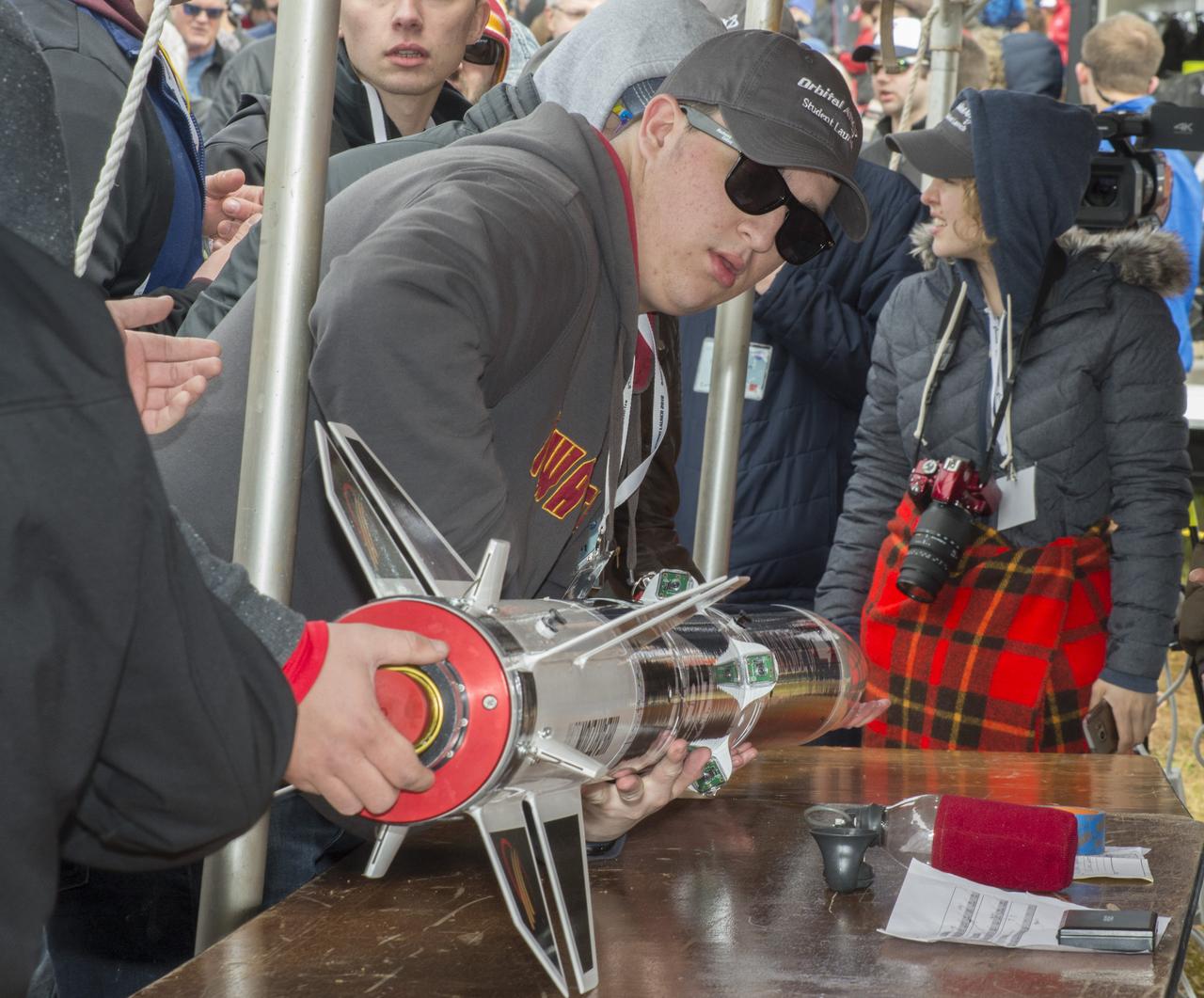
After eight months of designing, building and testing, the middle school, high school and college and university teams launched their rockets as part of NASA Student Launch on Sunday, April 8. The rockets and their payloads are designed to fly to 1-mile in altitude before deploying recovery systems that brings them safely to the ground.
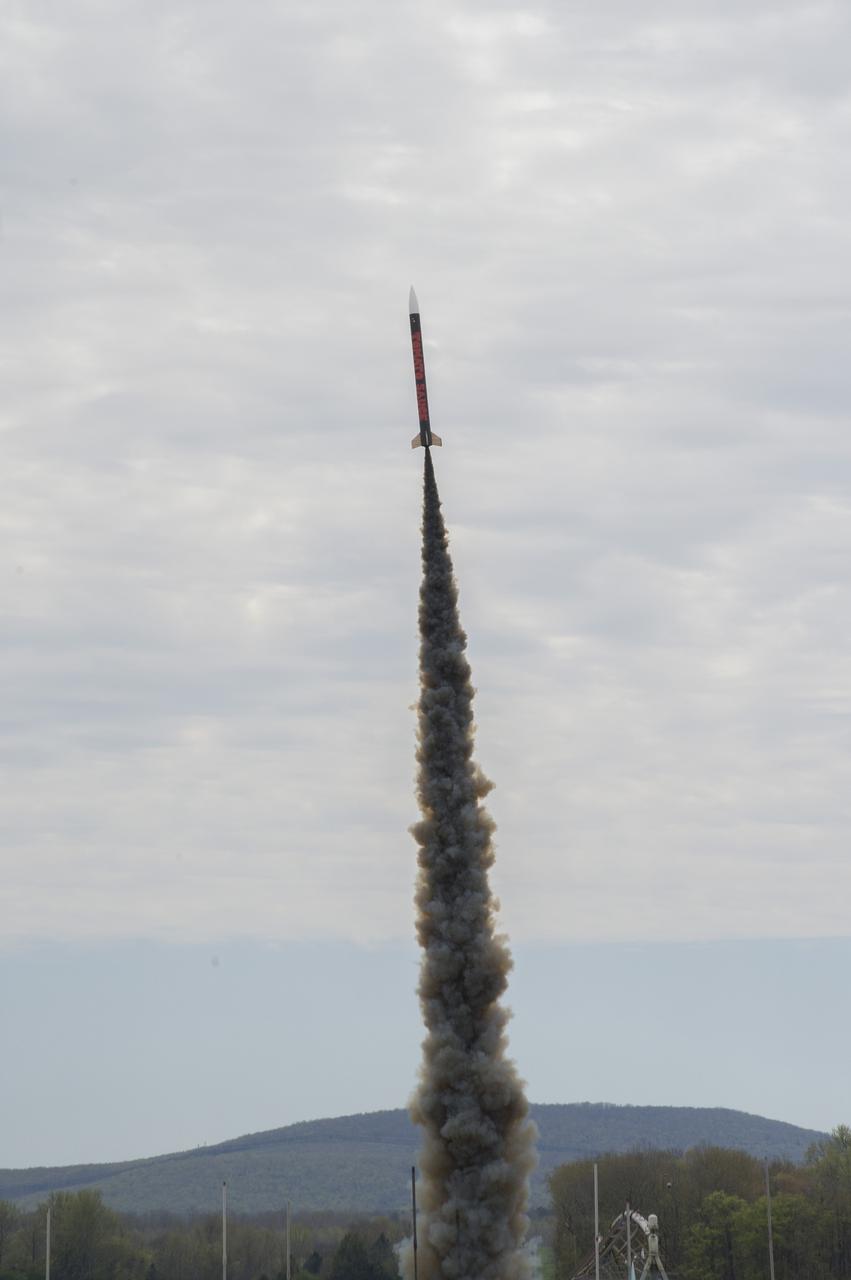
After eight months of designing, building and testing, the middle school, high school and college and university teams launched their rockets as part of NASA Student Launch on Sunday, April 8. The rockets and their payloads are designed to fly to 1-mile in altitude before deploying recovery systems that brings them safely to the ground.
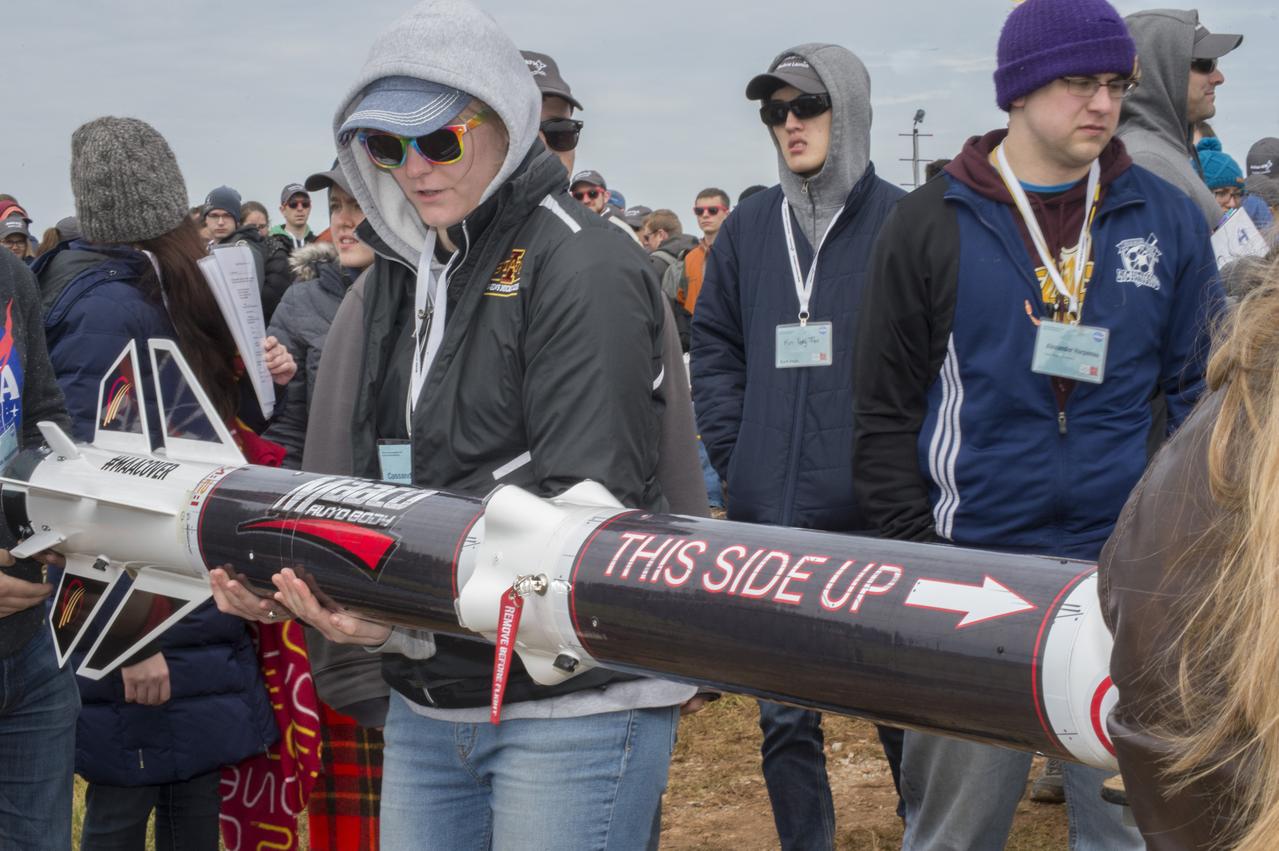
After eight months of designing, building and testing, the middle school, high school and college and university teams launched their rockets as part of NASA Student Launch on Sunday, April 8. The rockets and their payloads are designed to fly to 1-mile in altitude before deploying recovery systems that brings them safely to the ground.
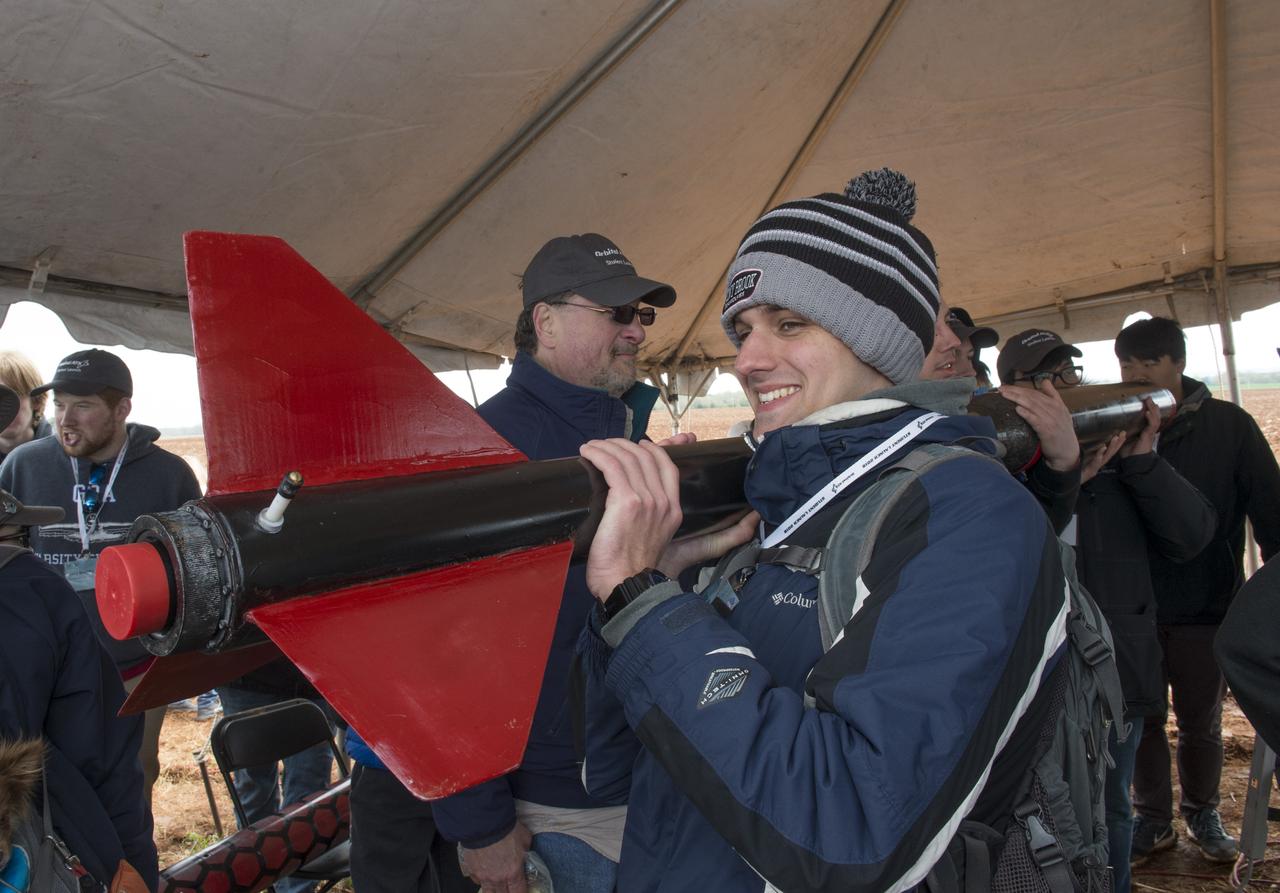
After eight months of designing, building and testing, the middle school, high school and college and university teams launched their rockets as part of NASA Student Launch on Sunday, April 8. The rockets and their payloads are designed to fly to 1-mile in altitude before deploying recovery systems that brings them safely to the ground.
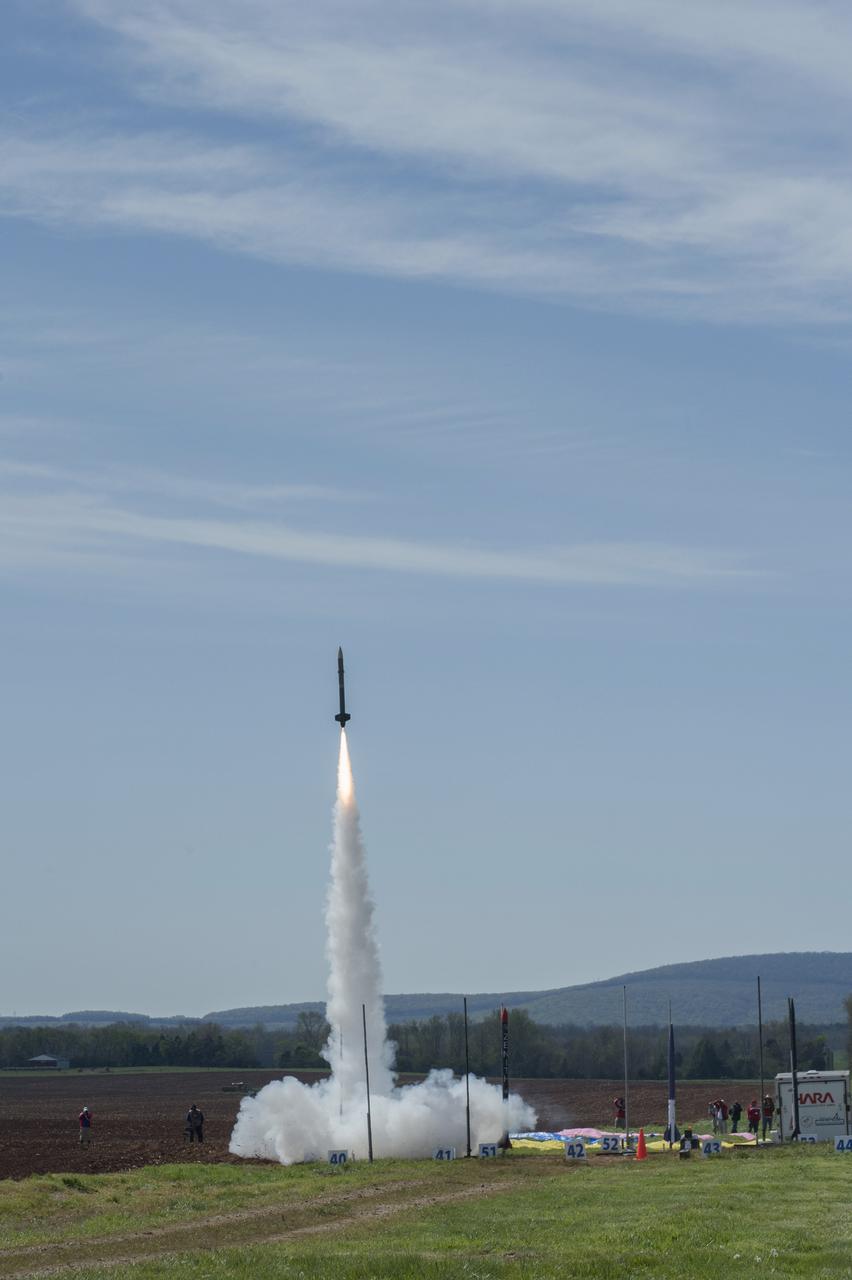
After eight months of designing, building and testing, the middle school, high school and college and university teams launched their rockets as part of NASA Student Launch on Sunday, April 8. The rockets and their payloads are designed to fly to 1-mile in altitude before deploying recovery systems that brings them safely to the ground.
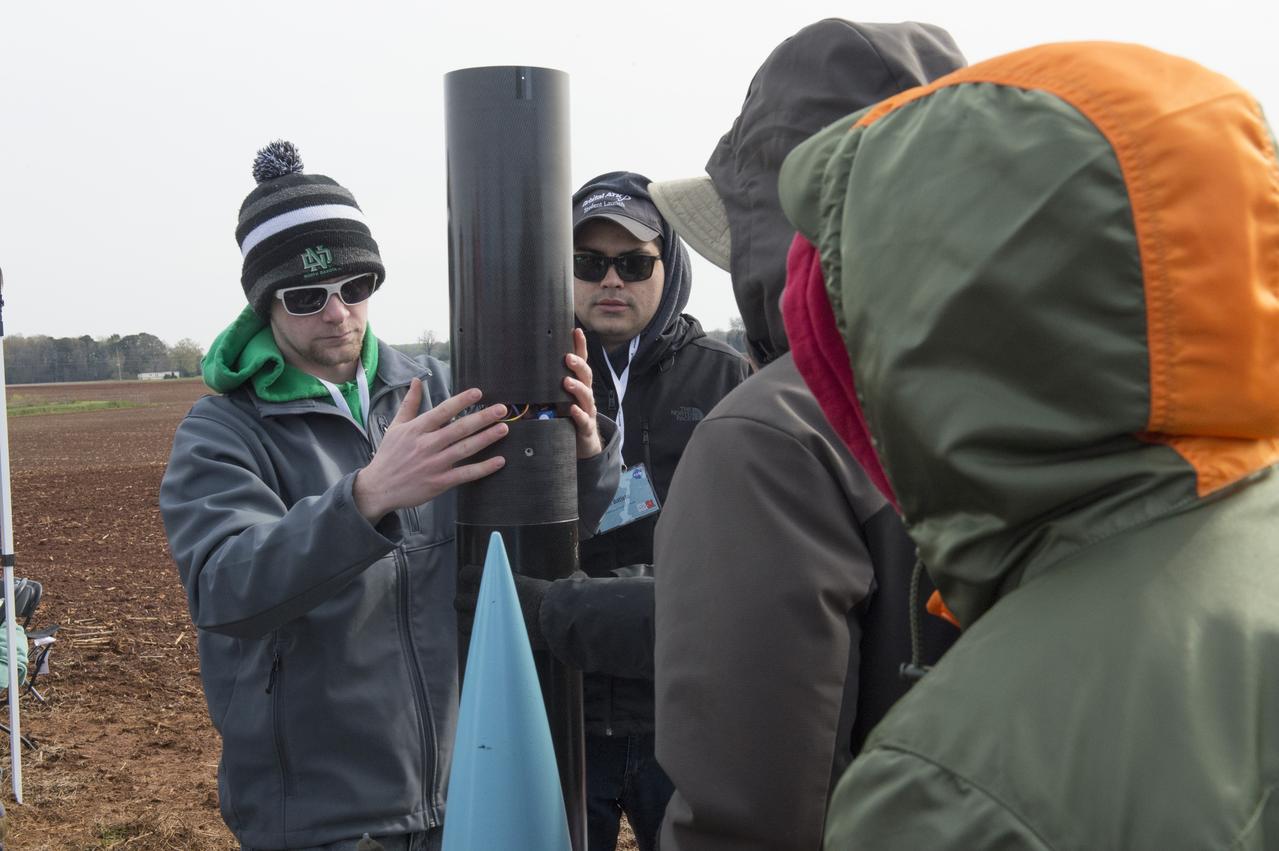
After eight months of designing, building and testing, the middle school, high school and college and university teams launched their rockets as part of NASA Student Launch on Sunday, April 8. The rockets and their payloads are designed to fly to 1-mile in altitude before deploying recovery systems that brings them safely to the ground.
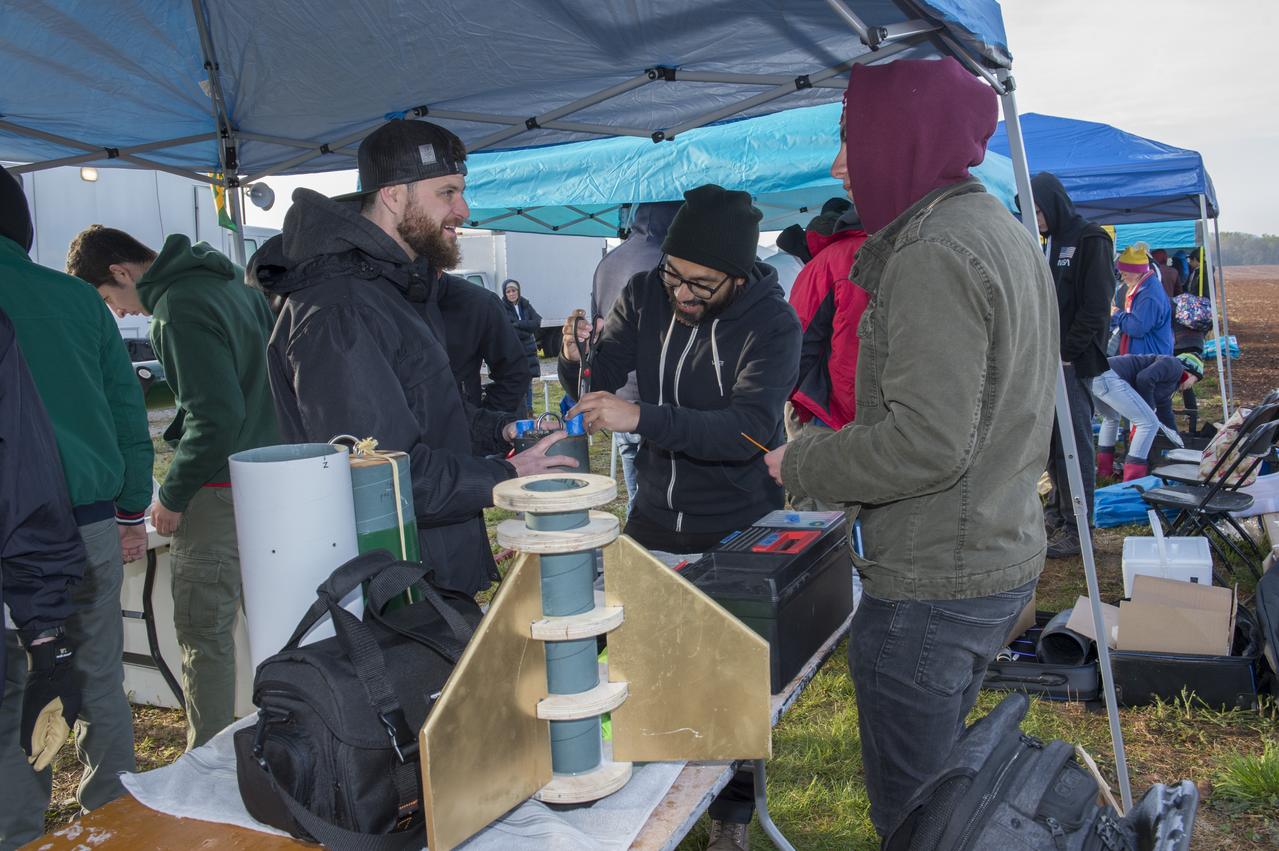
After eight months of designing, building and testing, the middle school, high school and college and university teams launched their rockets as part of NASA Student Launch on Sunday, April 8. The rockets and their payloads are designed to fly to 1-mile in altitude before deploying recovery systems that brings them safely to the ground.
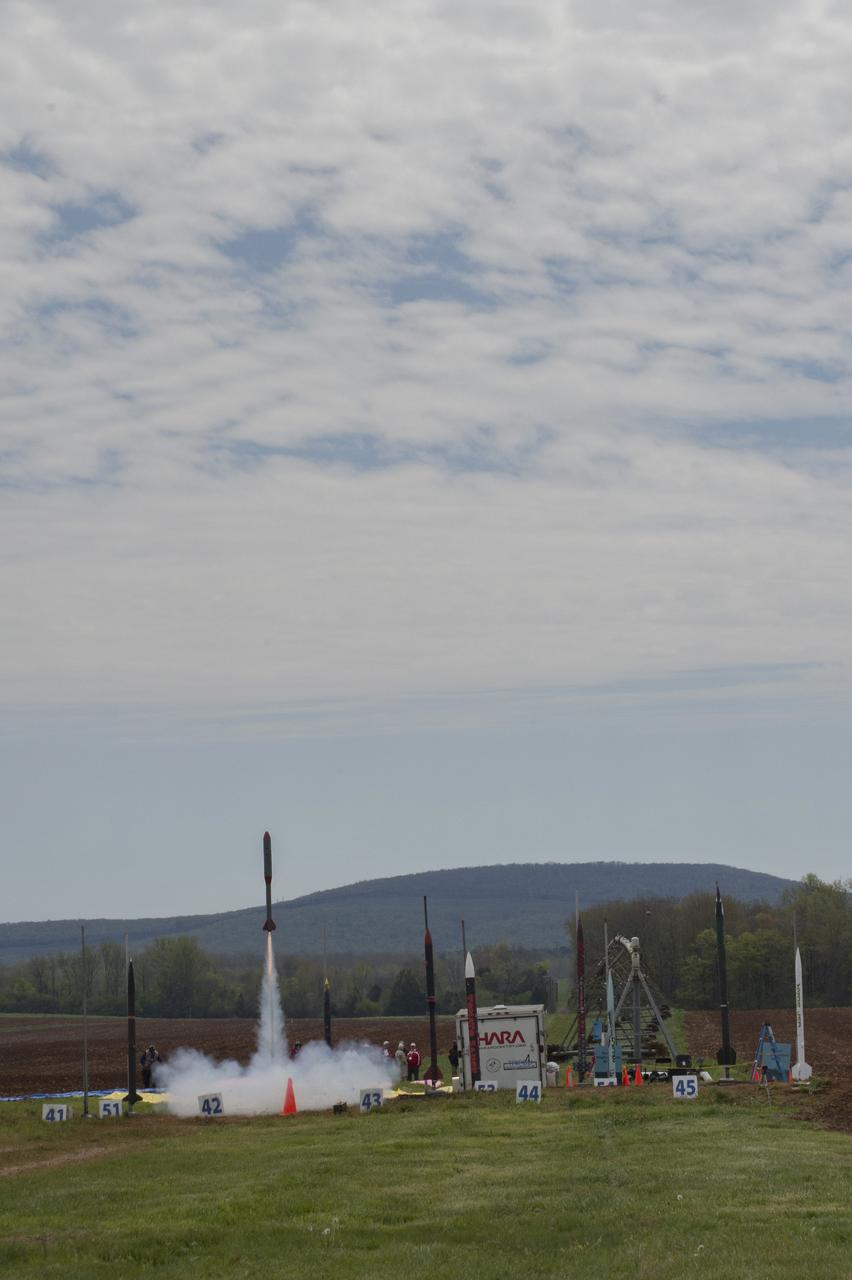
After eight months of designing, building and testing, the middle school, high school and college and university teams launched their rockets as part of NASA Student Launch on Sunday, April 8. The rockets and their payloads are designed to fly to 1-mile in altitude before deploying recovery systems that brings them safely to the ground.
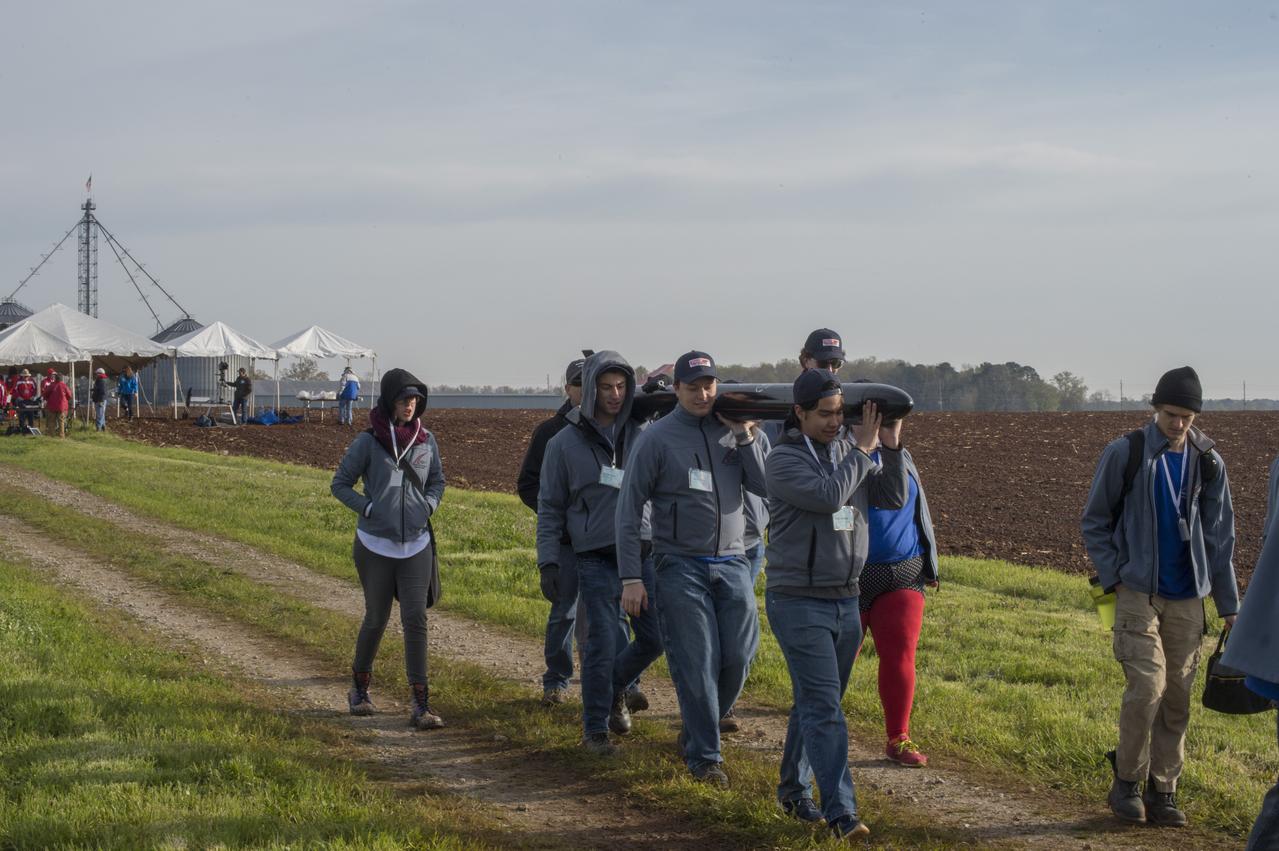
After eight months of designing, building and testing, the middle school, high school and college and university teams launched their rockets as part of NASA Student Launch on Sunday, April 8. The rockets and their payloads are designed to fly to 1-mile in altitude before deploying recovery systems that brings them safely to the ground.
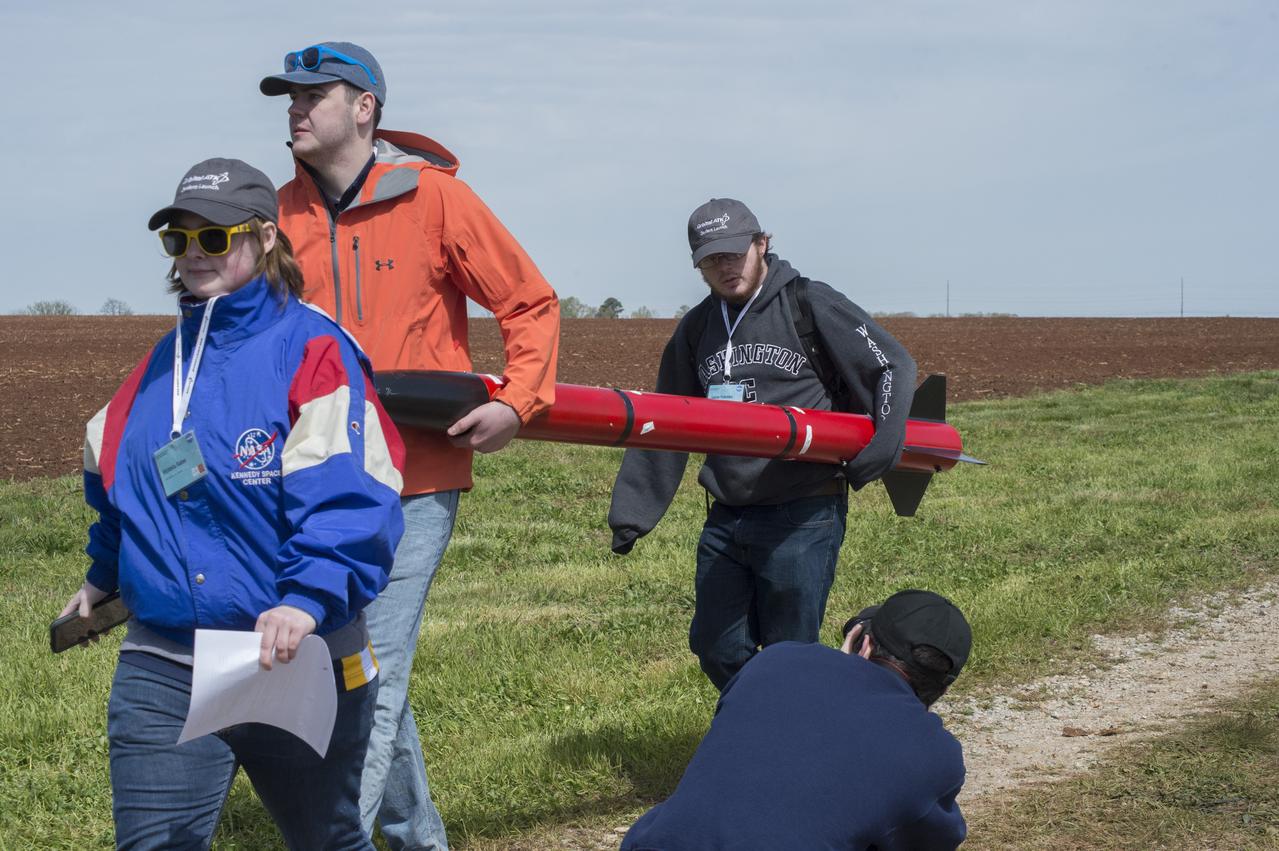
After eight months of designing, building and testing, the middle school, high school and college and university teams launched their rockets as part of NASA Student Launch on Sunday, April 8. The rockets and their payloads are designed to fly to 1-mile in altitude before deploying recovery systems that brings them safely to the ground.
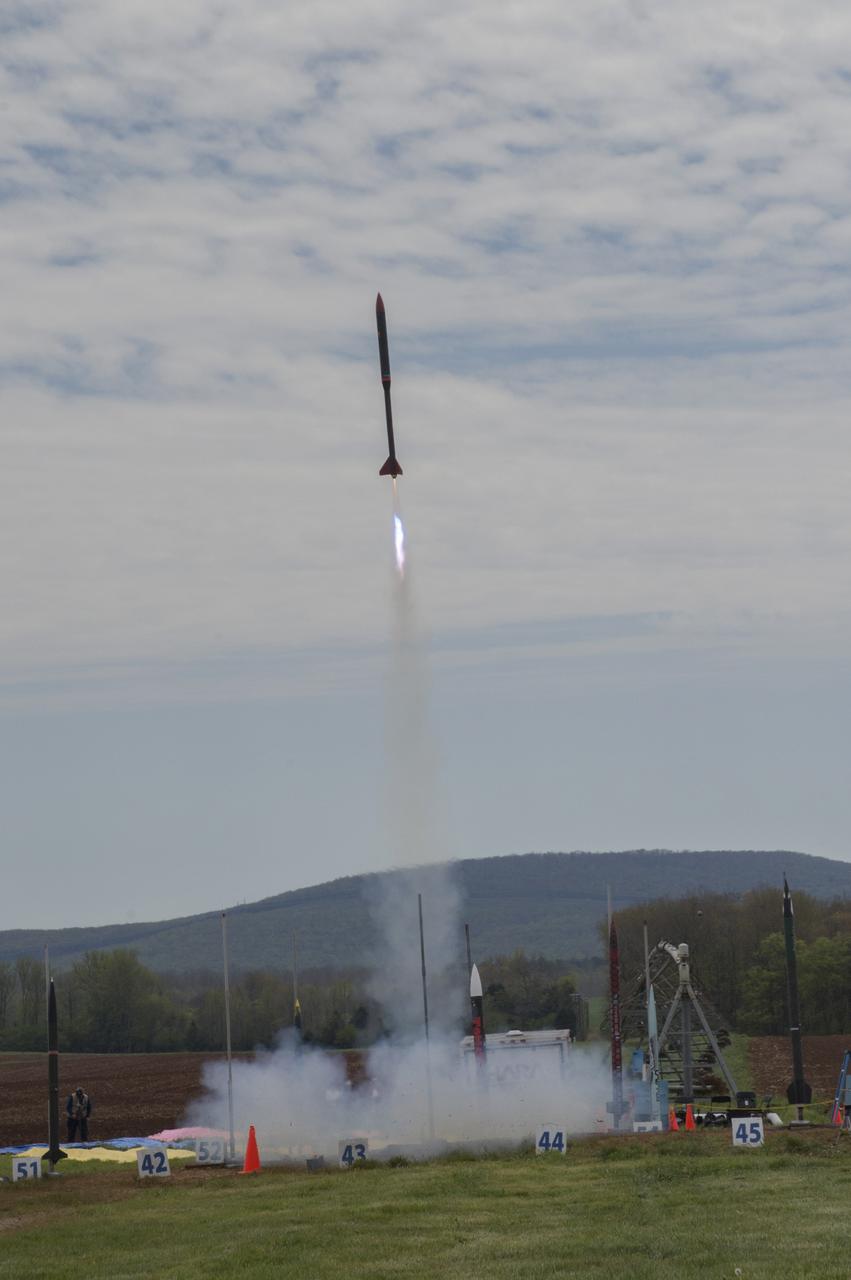
After eight months of designing, building and testing, the middle school, high school and college and university teams launched their rockets as part of NASA Student Launch on Sunday, April 8. The rockets and their payloads are designed to fly to 1-mile in altitude before deploying recovery systems that brings them safely to the ground.
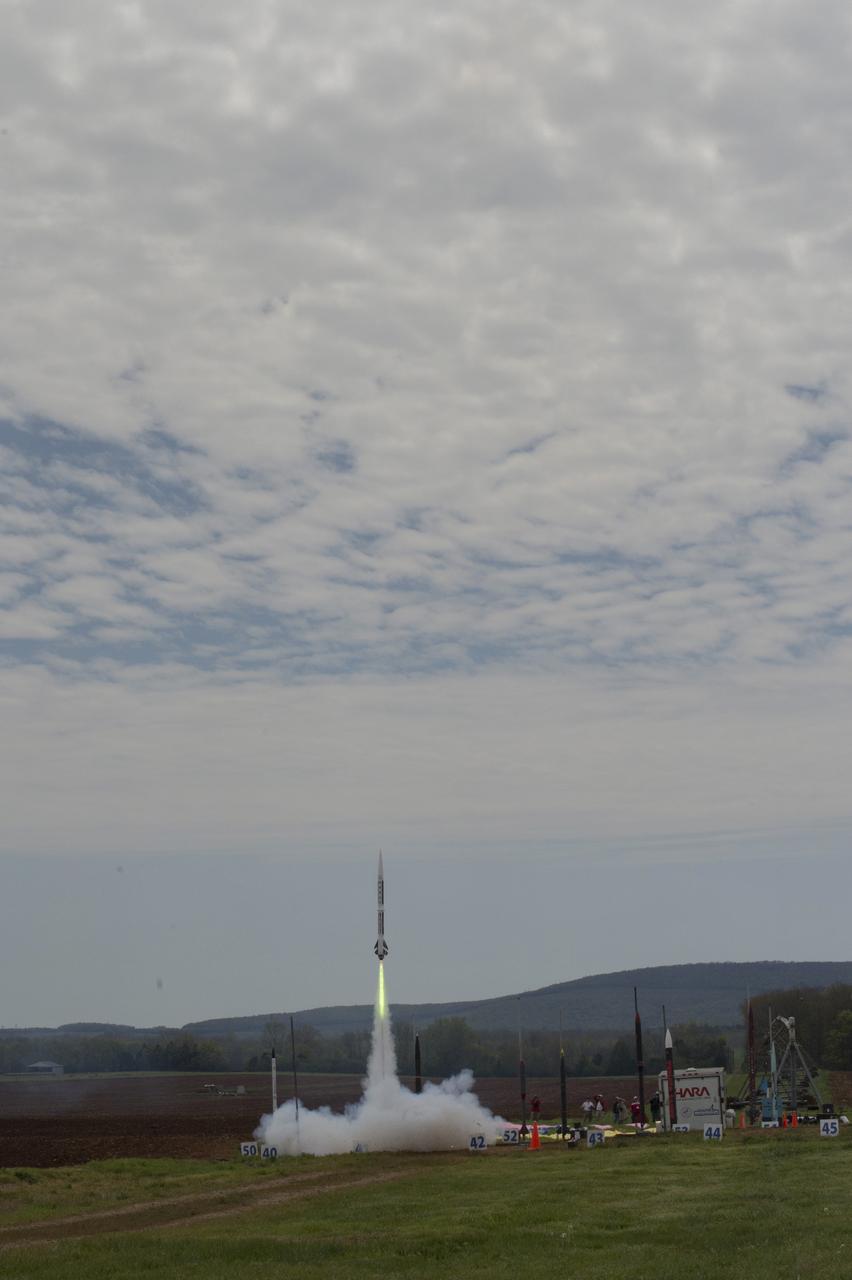
After eight months of designing, building and testing, the middle school, high school and college and university teams launched their rockets as part of NASA Student Launch on Sunday, April 8. The rockets and their payloads are designed to fly to 1-mile in altitude before deploying recovery systems that brings them safely to the ground.
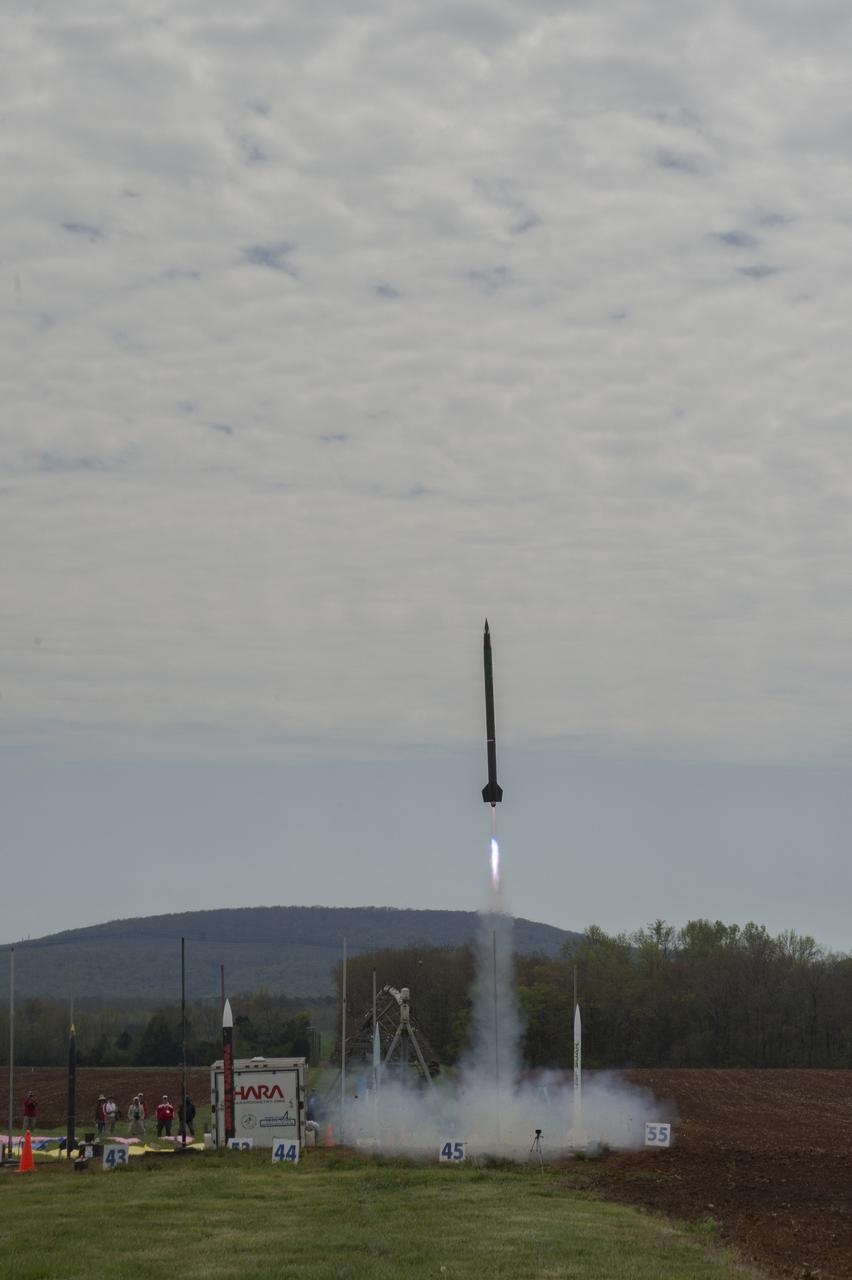
After eight months of designing, building and testing, the middle school, high school and college and university teams launched their rockets as part of NASA Student Launch on Sunday, April 8. The rockets and their payloads are designed to fly to 1-mile in altitude before deploying recovery systems that brings them safely to the ground.
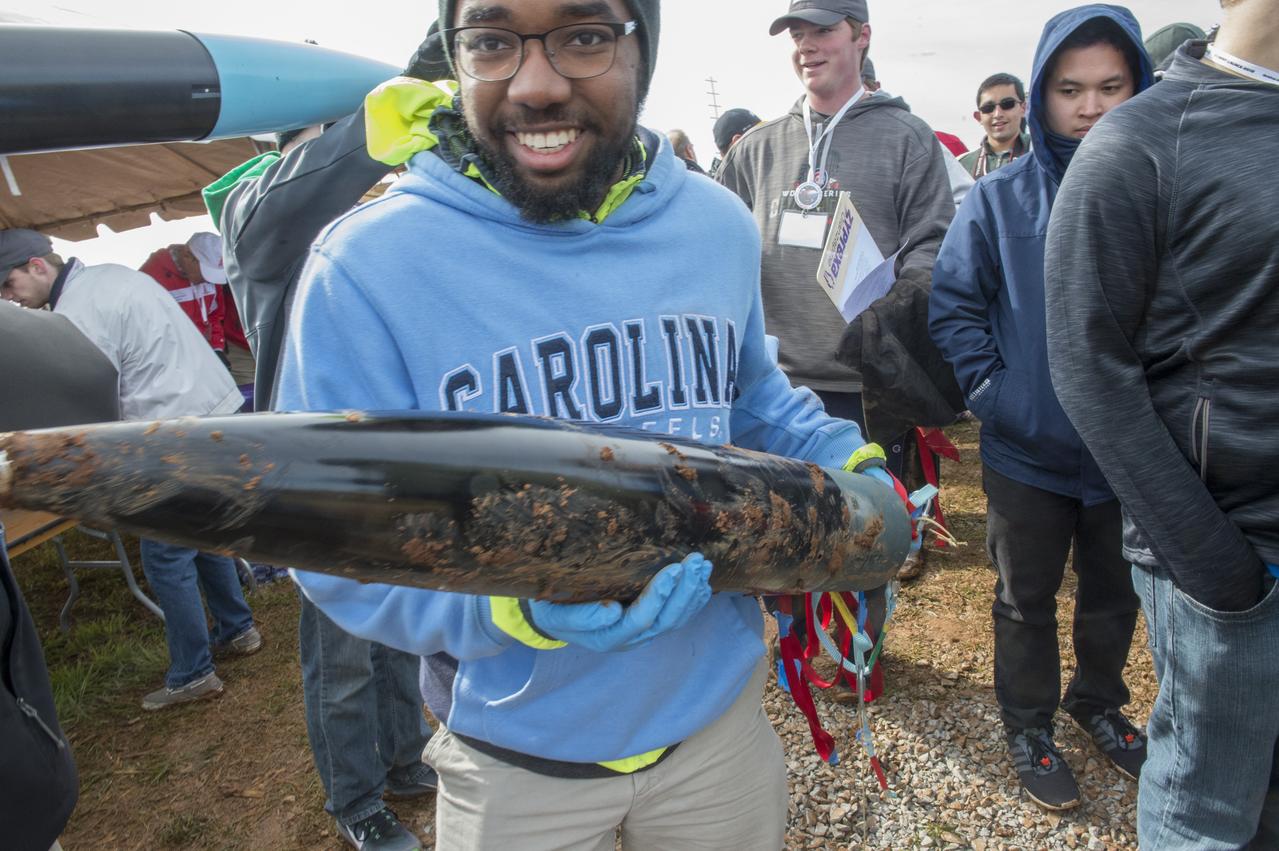
After eight months of designing, building and testing, the middle school, high school and college and university teams launched their rockets as part of NASA Student Launch on Sunday, April 8. The rockets and their payloads are designed to fly to 1-mile in altitude before deploying recovery systems that brings them safely to the ground.
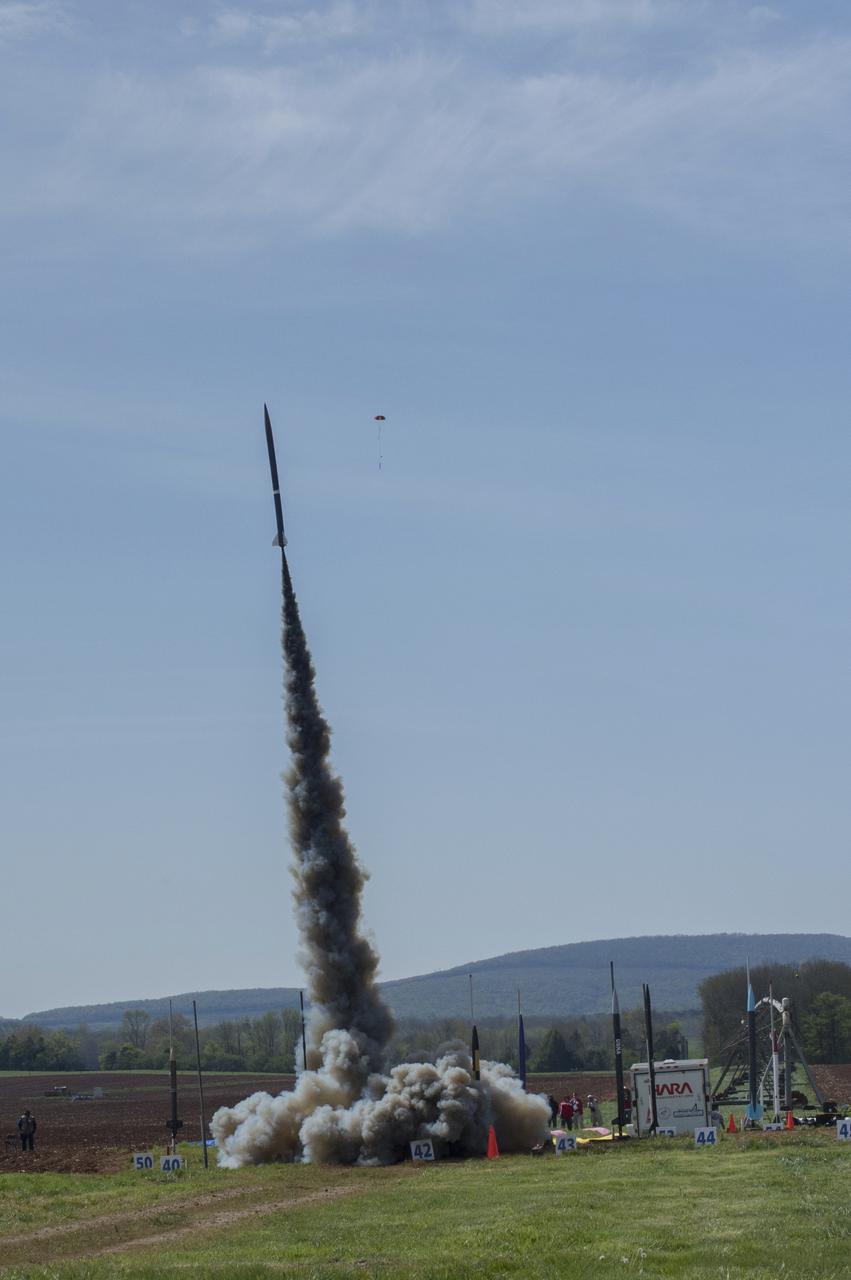
After eight months of designing, building and testing, the middle school, high school and college and university teams launched their rockets as part of NASA Student Launch on Sunday, April 8. The rockets and their payloads are designed to fly to 1-mile in altitude before deploying recovery systems that brings them safely to the ground.
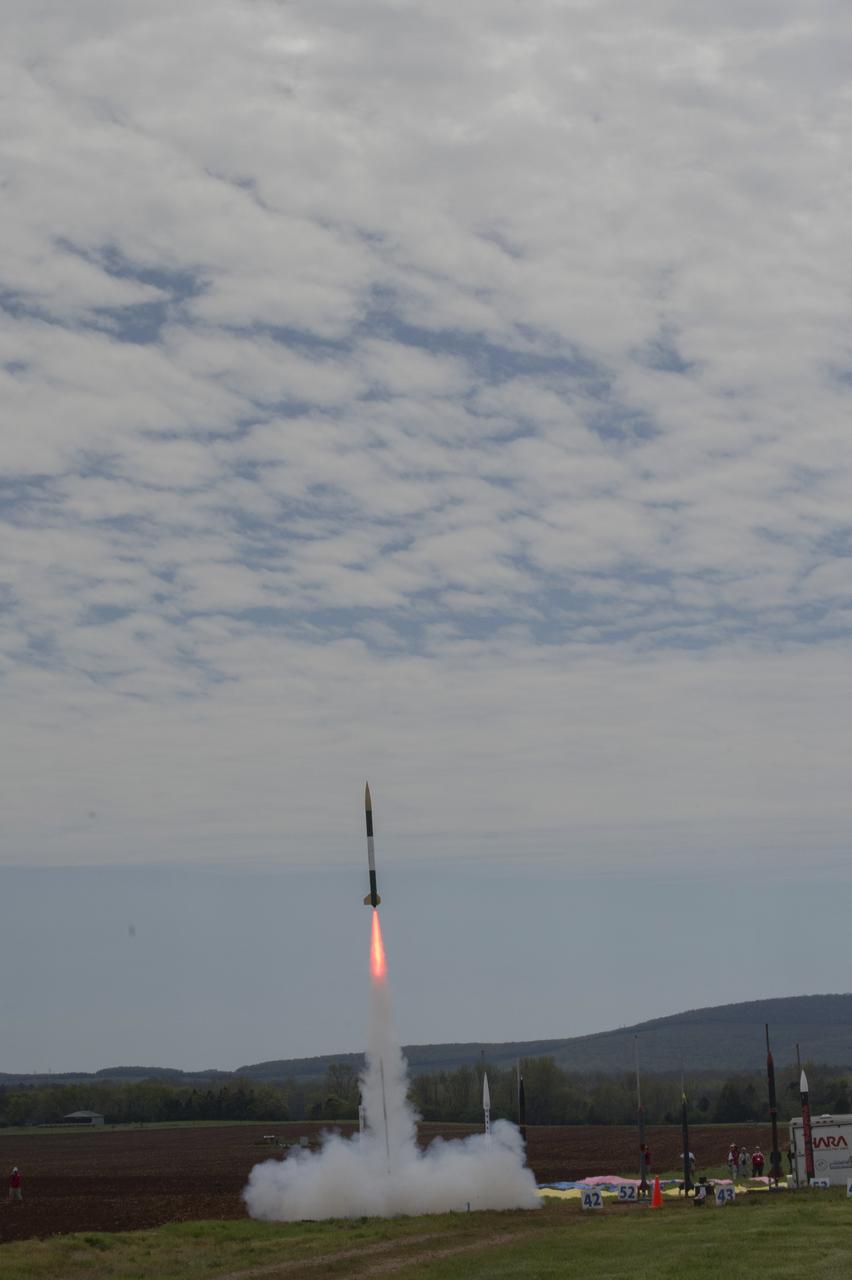
After eight months of designing, building and testing, the middle school, high school and college and university teams launched their rockets as part of NASA Student Launch on Sunday, April 8. The rockets and their payloads are designed to fly to 1-mile in altitude before deploying recovery systems that brings them safely to the ground.
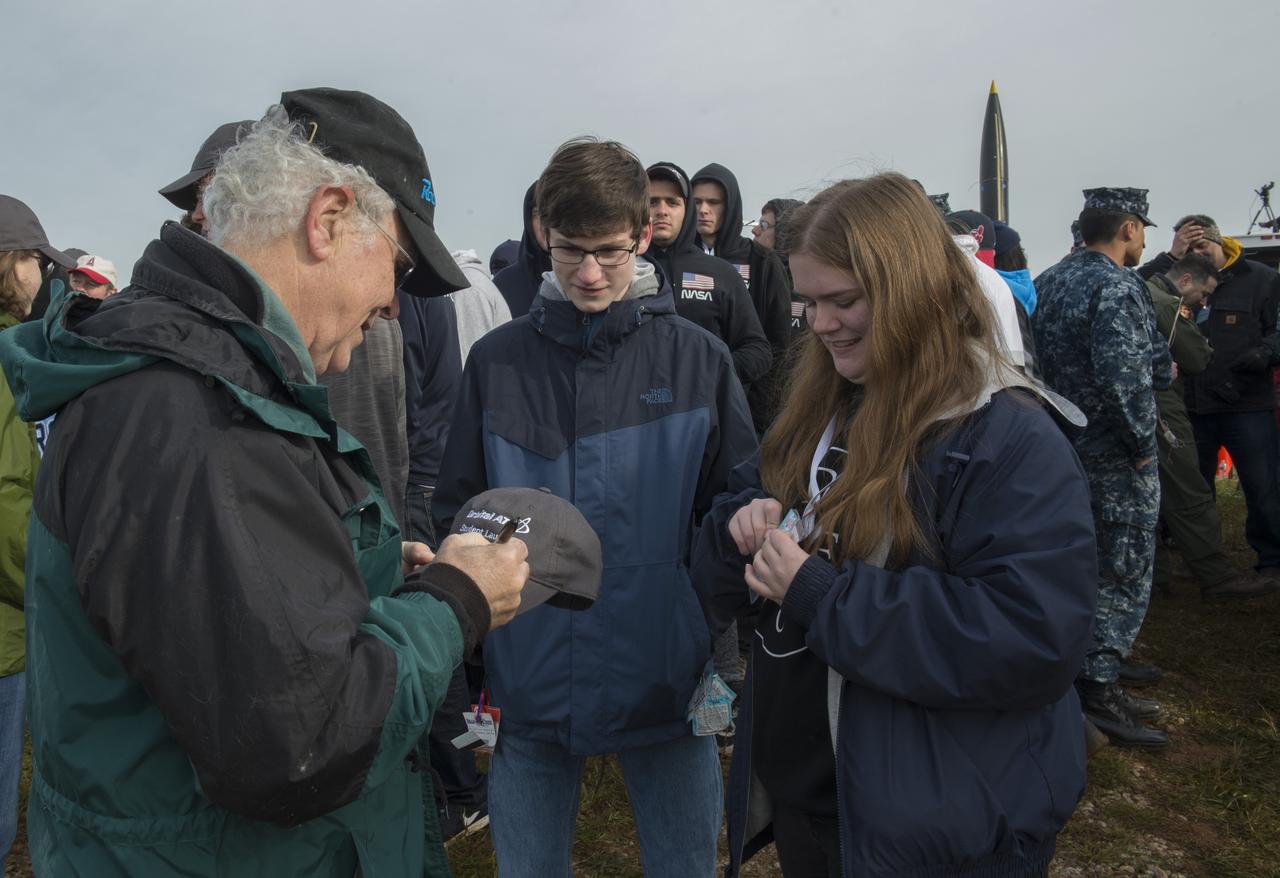
After eight months of designing, building and testing, the middle school, high school and college and university teams launched their rockets as part of NASA Student Launch on Sunday, April 8. The rockets and their payloads are designed to fly to 1-mile in altitude before deploying recovery systems that brings them safely to the ground.
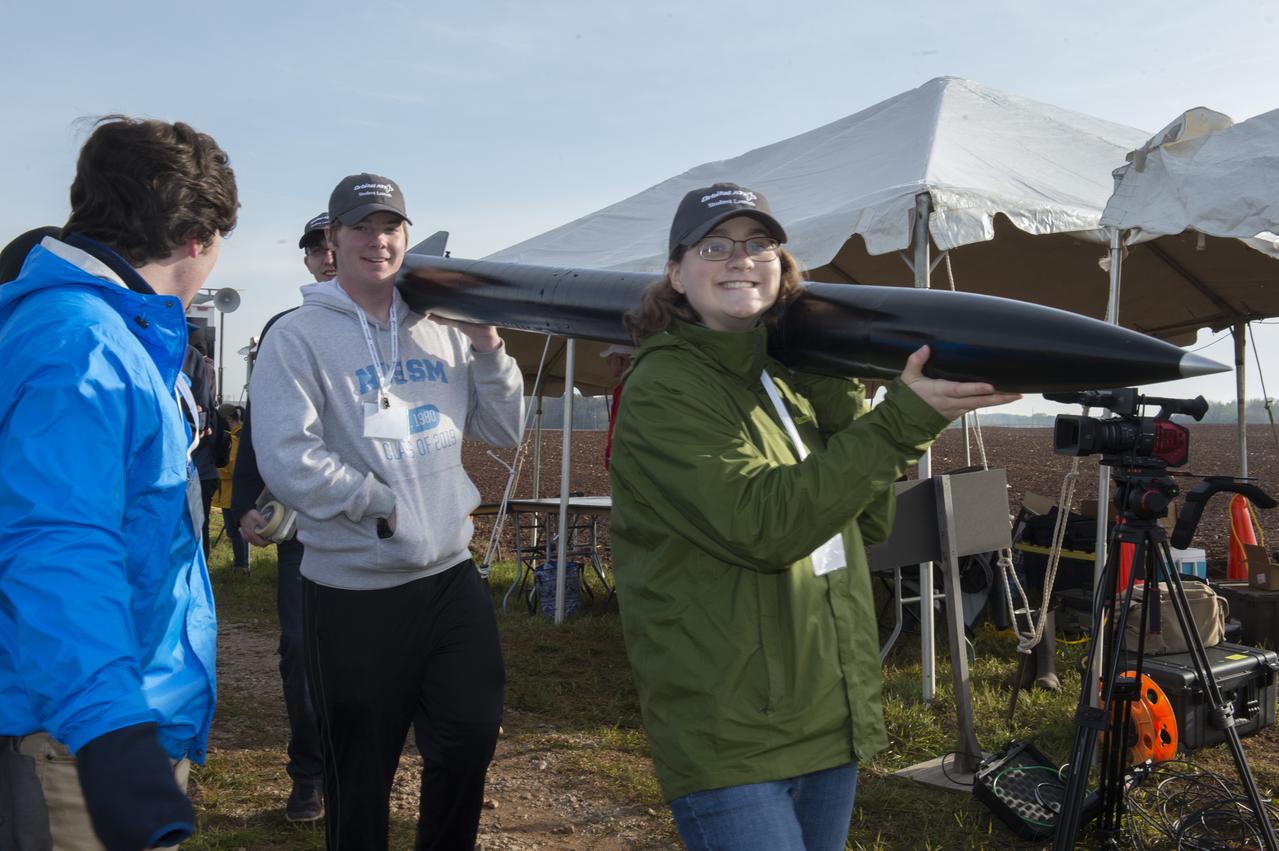
After eight months of designing, building and testing, the middle school, high school and college and university teams launched their rockets as part of NASA Student Launch on Sunday, April 8. The rockets and their payloads are designed to fly to 1-mile in altitude before deploying recovery systems that brings them safely to the ground.

After eight months of designing, building and testing, the middle school, high school and college and university teams launched their rockets as part of NASA Student Launch on Sunday, April 8. The rockets and their payloads are designed to fly to 1-mile in altitude before deploying recovery systems that brings them safely to the ground.
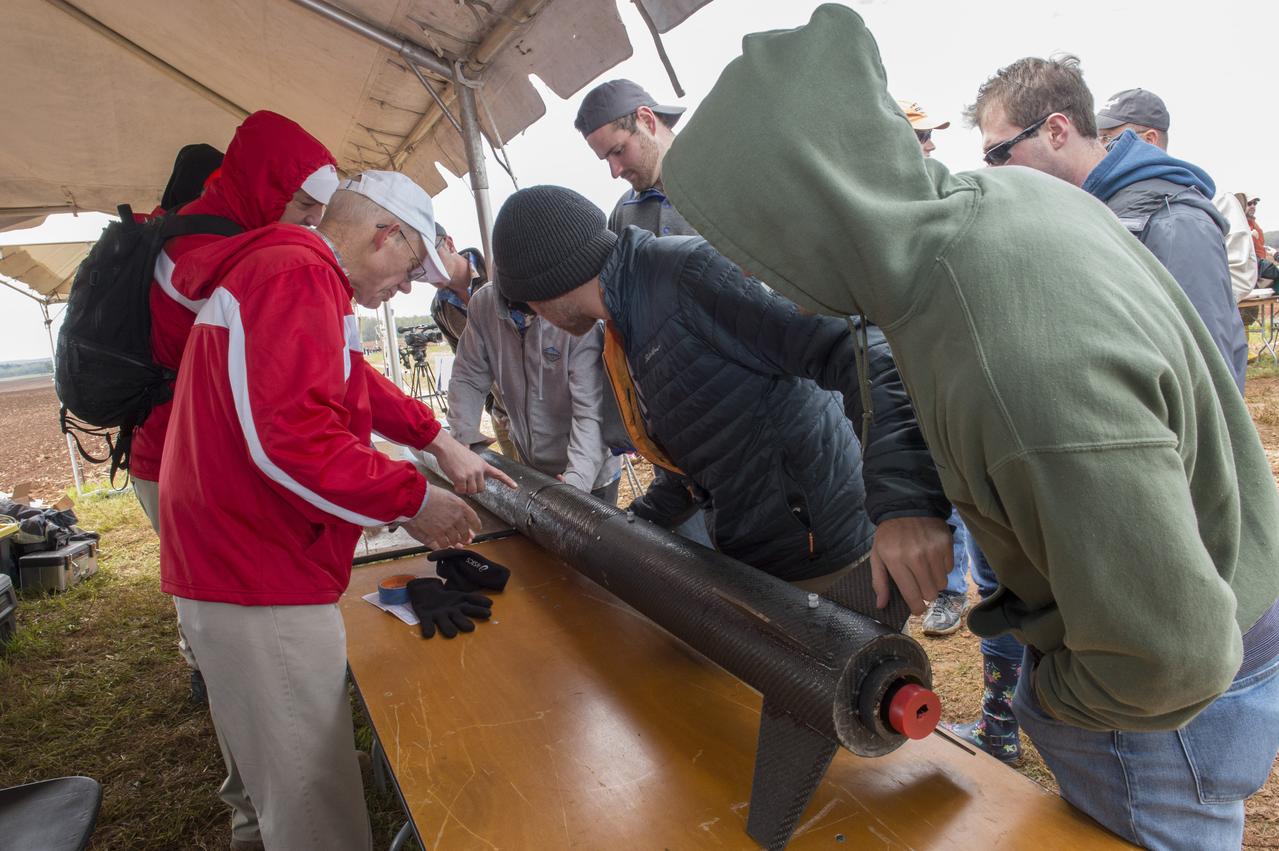
After eight months of designing, building and testing, the middle school, high school and college and university teams launched their rockets as part of NASA Student Launch on Sunday, April 8. The rockets and their payloads are designed to fly to 1-mile in altitude before deploying recovery systems that brings them safely to the ground.
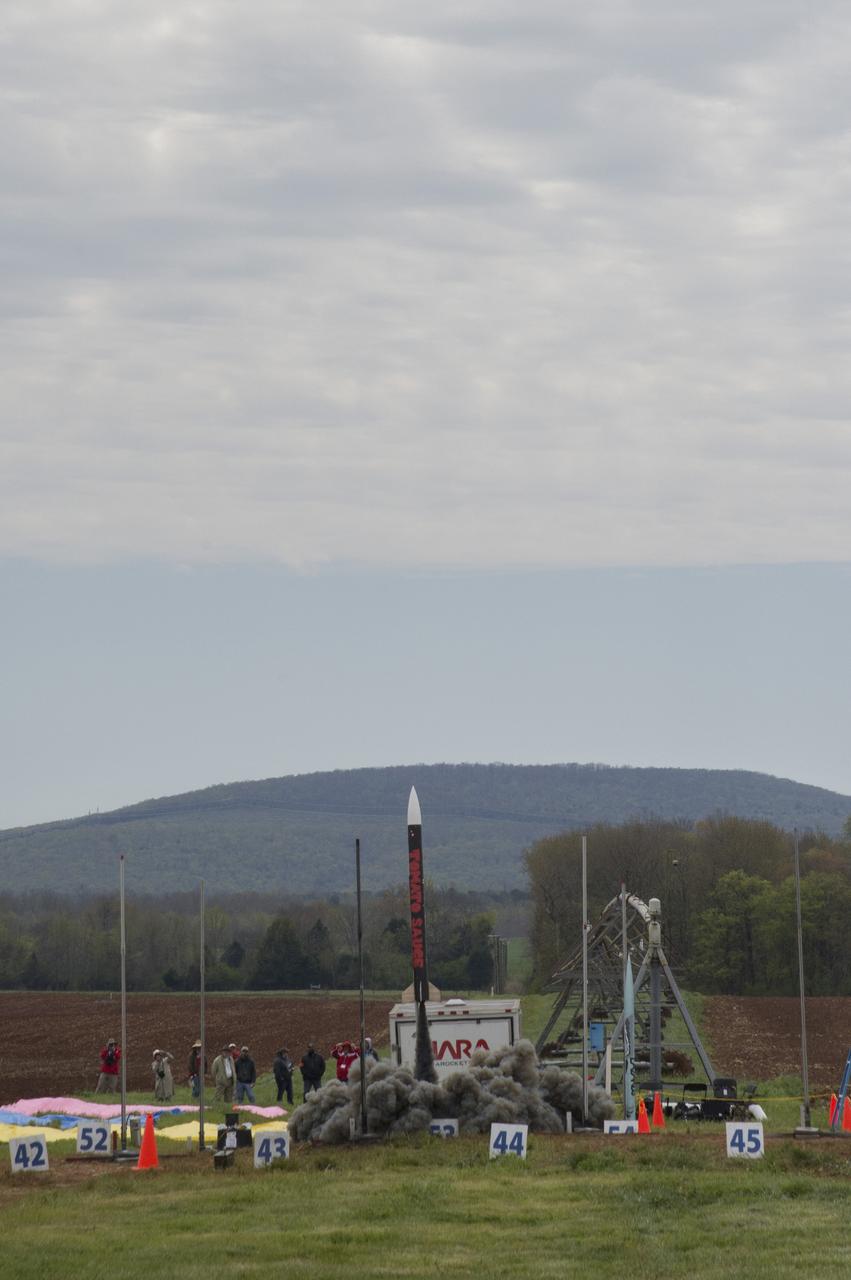
After eight months of designing, building and testing, the middle school, high school and college and university teams launched their rockets as part of NASA Student Launch on Sunday, April 8. The rockets and their payloads are designed to fly to 1-mile in altitude before deploying recovery systems that brings them safely to the ground.
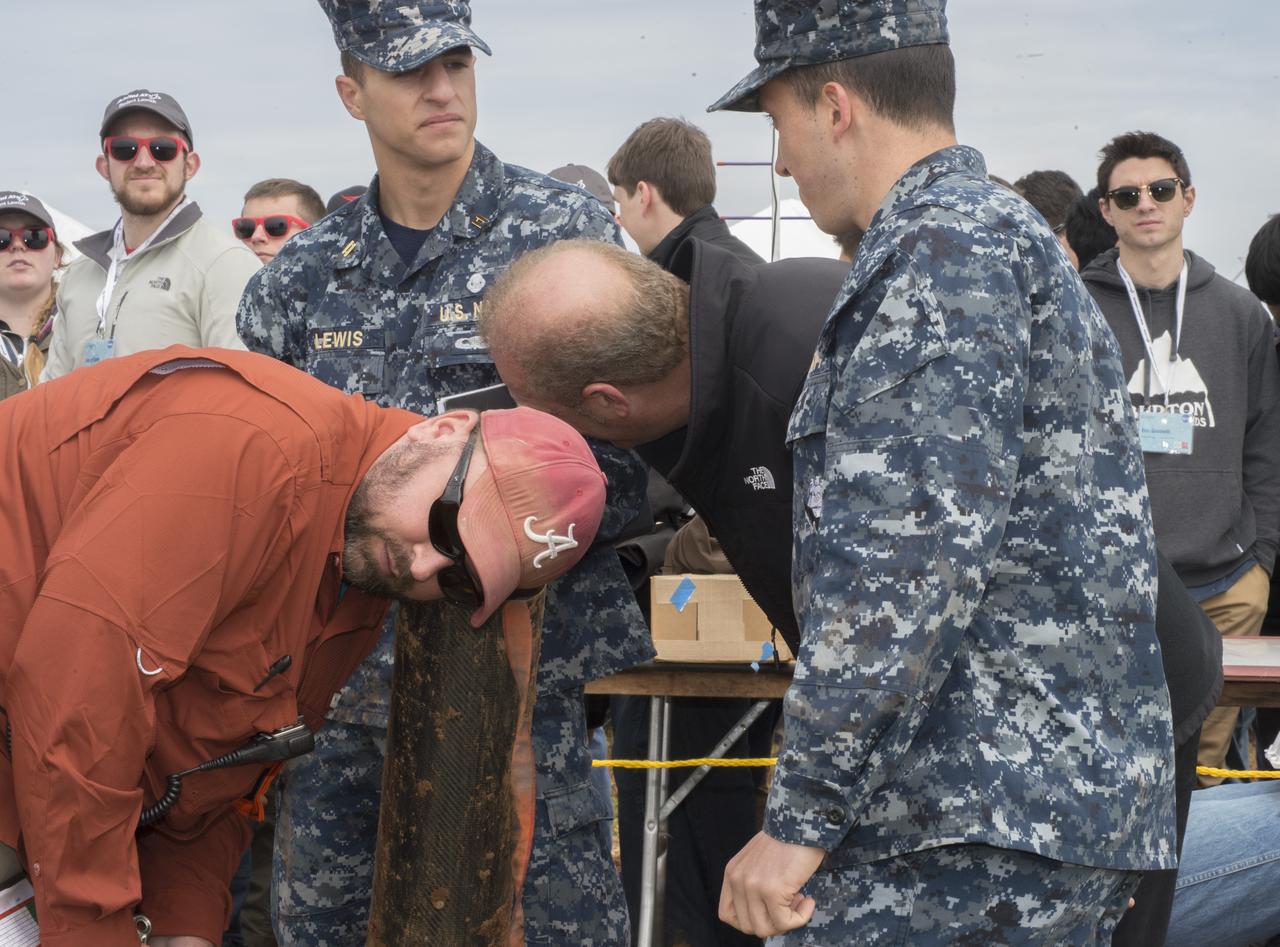
After eight months of designing, building and testing, the middle school, high school and college and university teams launched their rockets as part of NASA Student Launch on Sunday, April 8. The rockets and their payloads are designed to fly to 1-mile in altitude before deploying recovery systems that brings them safely to the ground.
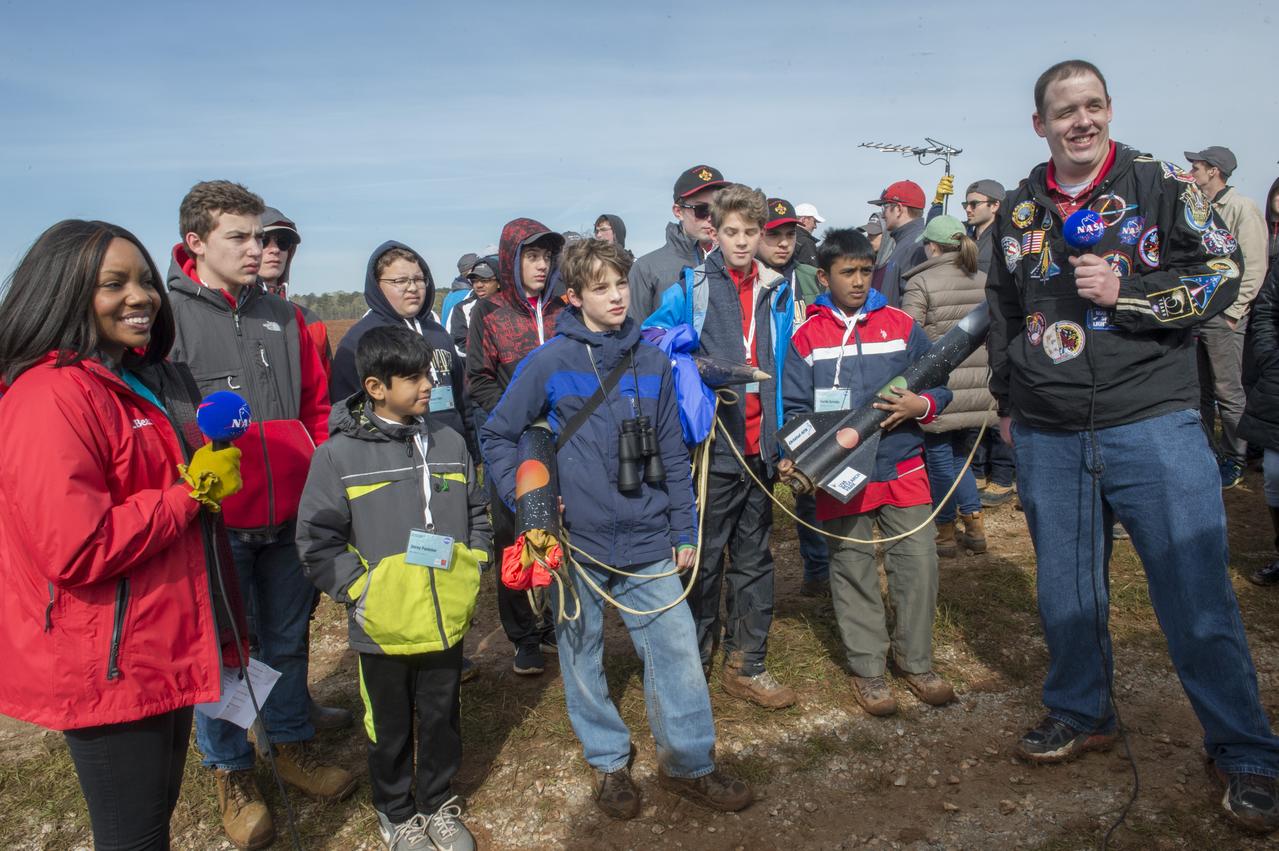
After eight months of designing, building and testing, the middle school, high school and college and university teams launched their rockets as part of NASA Student Launch on Sunday, April 8. The rockets and their payloads are designed to fly to 1-mile in altitude before deploying recovery systems that brings them safely to the ground.
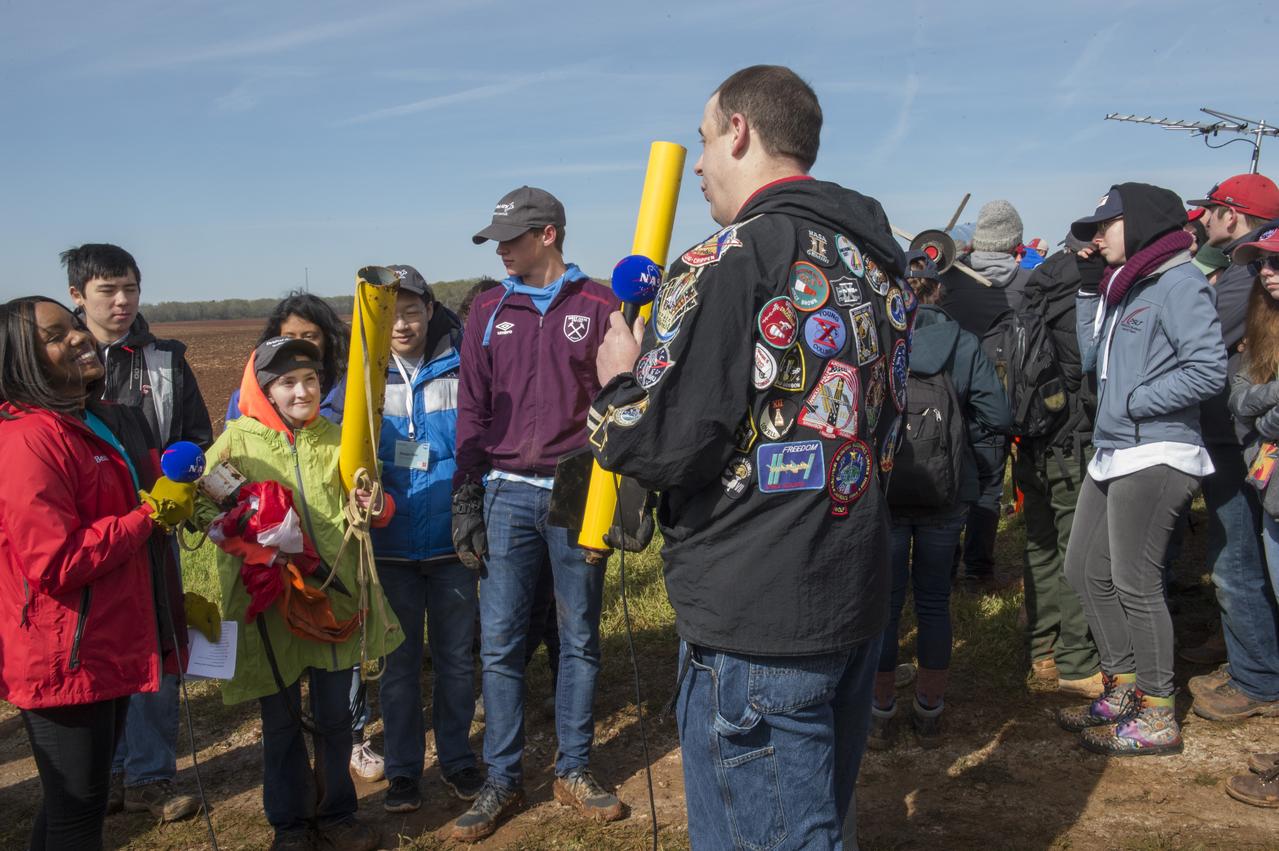
After eight months of designing, building and testing, the middle school, high school and college and university teams launched their rockets as part of NASA Student Launch on Sunday, April 8. The rockets and their payloads are designed to fly to 1-mile in altitude before deploying recovery systems that brings them safely to the ground.
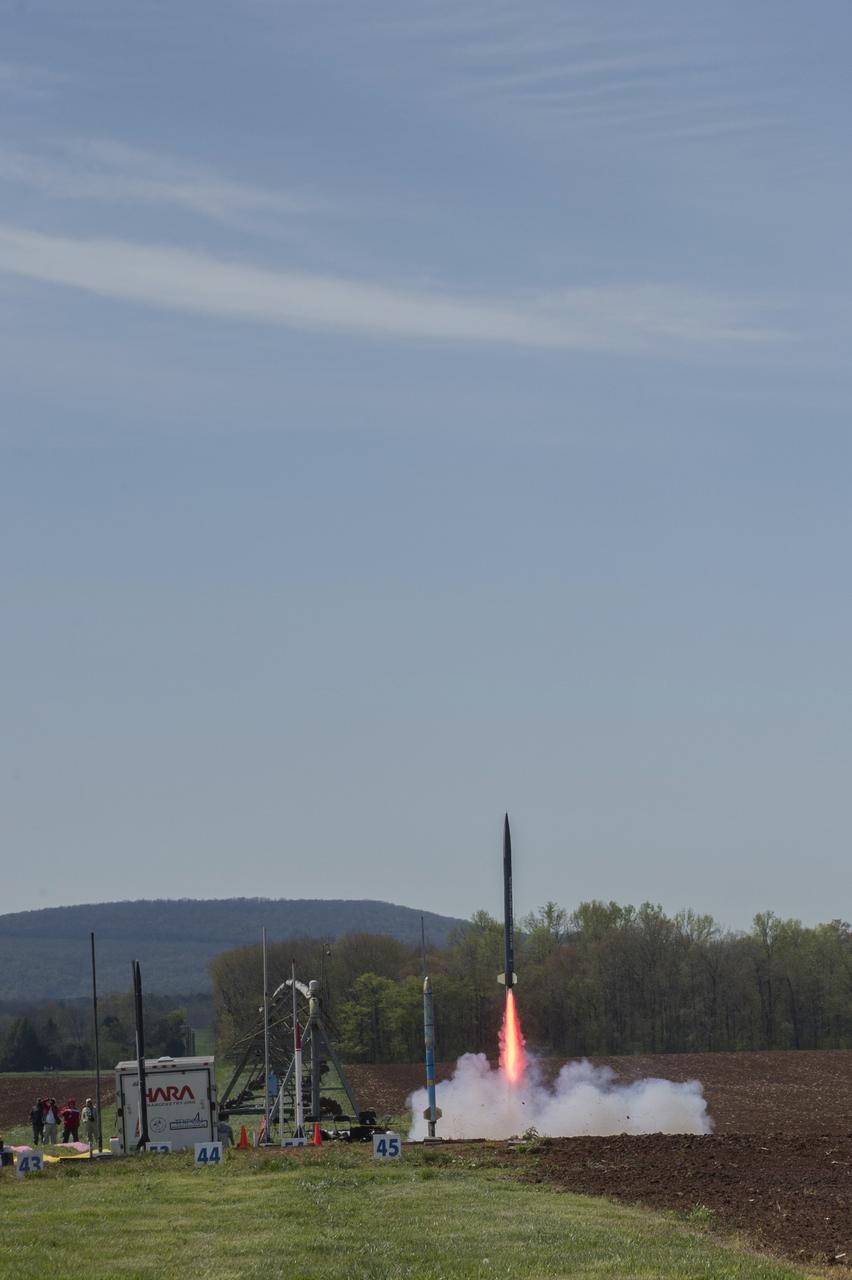
After eight months of designing, building and testing, the middle school, high school and college and university teams launched their rockets as part of NASA Student Launch on Sunday, April 8. The rockets and their payloads are designed to fly to 1-mile in altitude before deploying recovery systems that brings them safely to the ground.
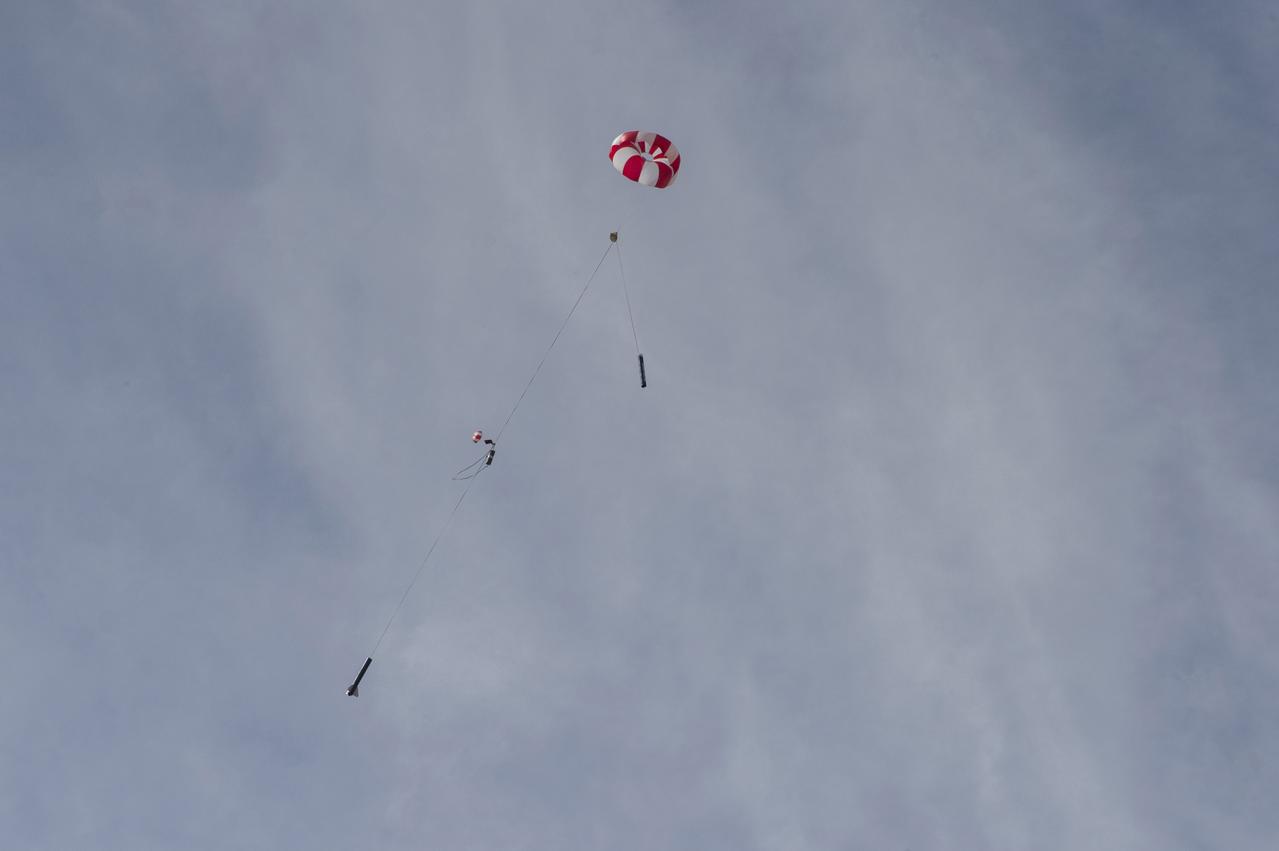
After eight months of designing, building and testing, the middle school, high school and college and university teams launched their rockets as part of NASA Student Launch on Sunday, April 8. The rockets and their payloads are designed to fly to 1-mile in altitude before deploying recovery systems that brings them safely to the ground.
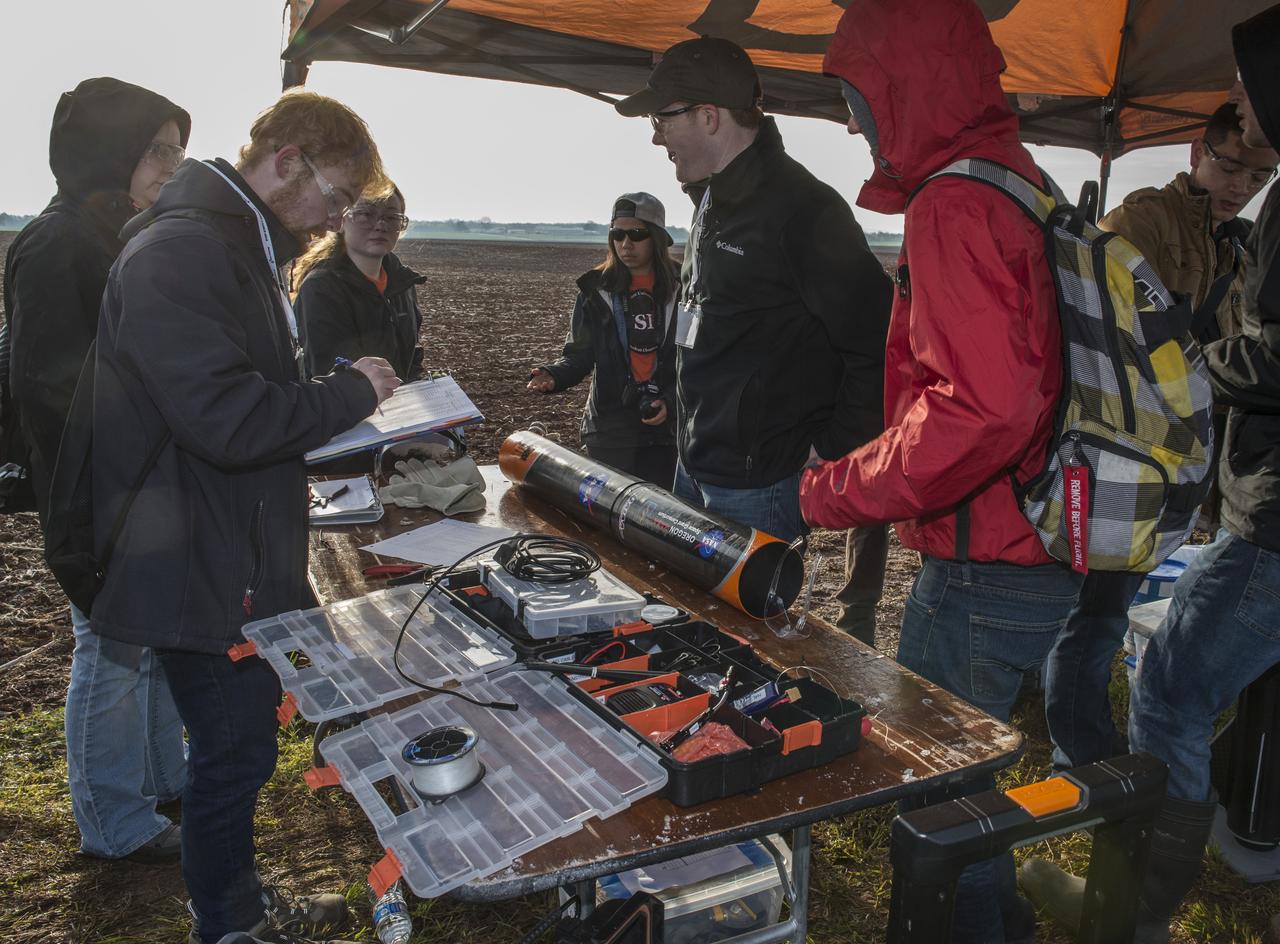
After eight months of designing, building and testing, the middle school, high school and college and university teams launched their rockets as part of NASA Student Launch on Sunday, April 8. The rockets and their payloads are designed to fly to 1-mile in altitude before deploying recovery systems that brings them safely to the ground.
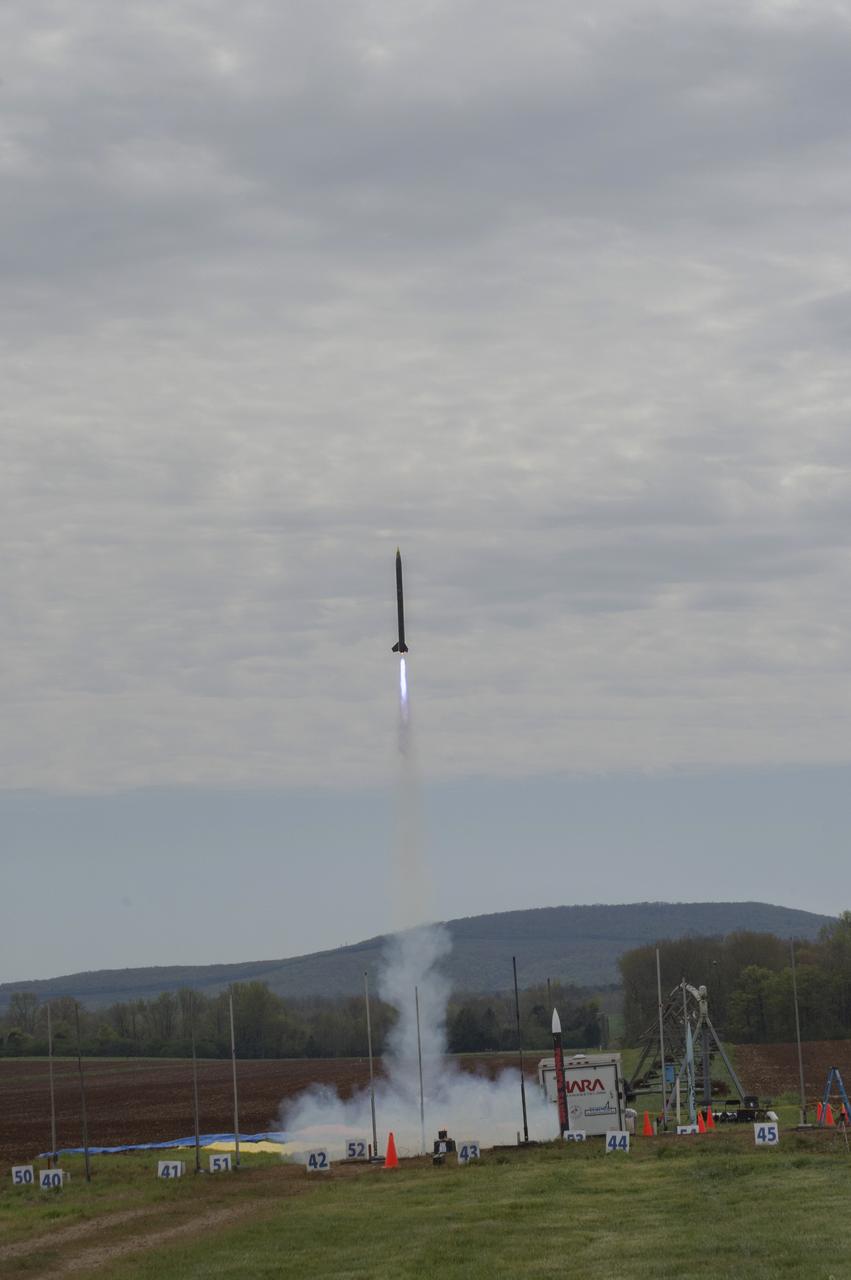
After eight months of designing, building and testing, the middle school, high school and college and university teams launched their rockets as part of NASA Student Launch on Sunday, April 8. The rockets and their payloads are designed to fly to 1-mile in altitude before deploying recovery systems that brings them safely to the ground.
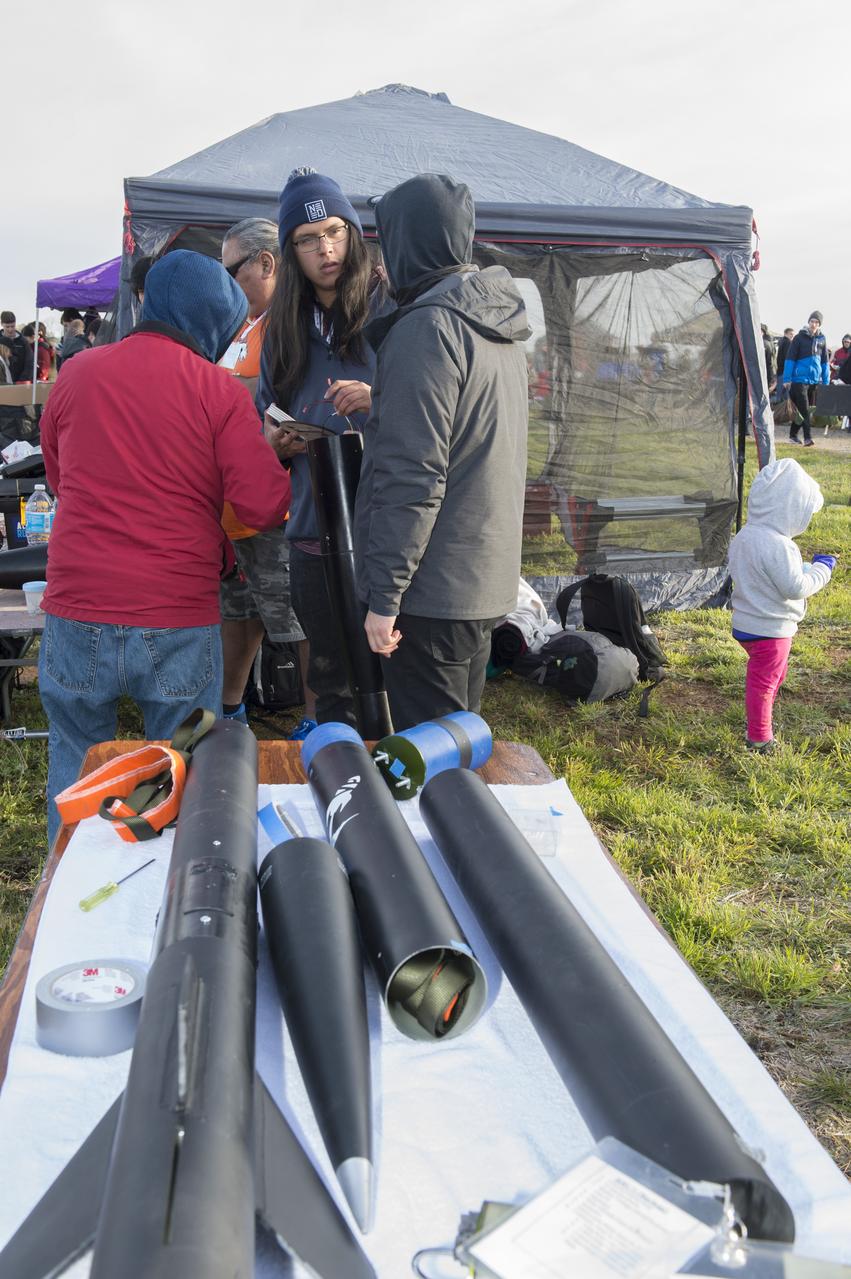
After eight months of designing, building and testing, the middle school, high school and college and university teams launched their rockets as part of NASA Student Launch on Sunday, April 8. The rockets and their payloads are designed to fly to 1-mile in altitude before deploying recovery systems that brings them safely to the ground.
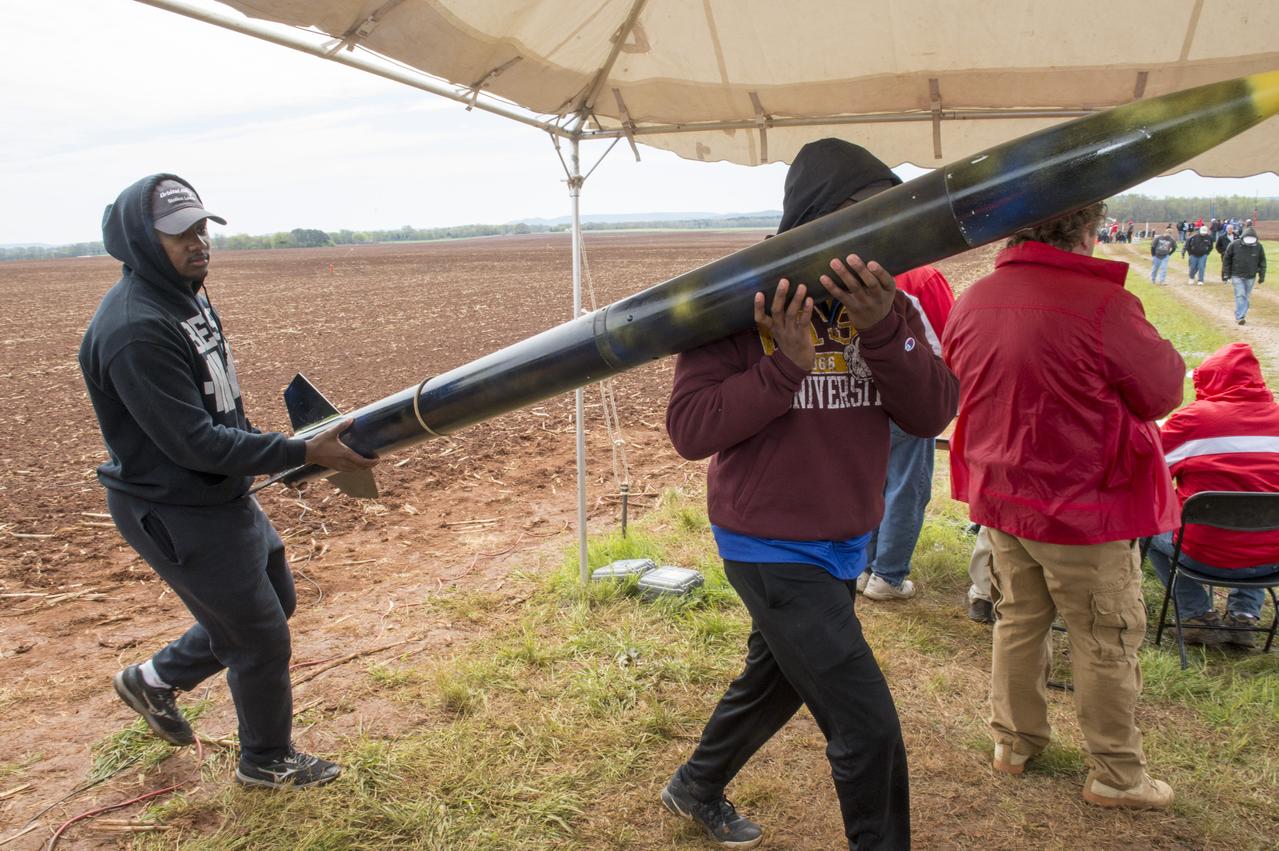
After eight months of designing, building and testing, the middle school, high school and college and university teams launched their rockets as part of NASA Student Launch on Sunday, April 8. The rockets and their payloads are designed to fly to 1-mile in altitude before deploying recovery systems that brings them safely to the ground.
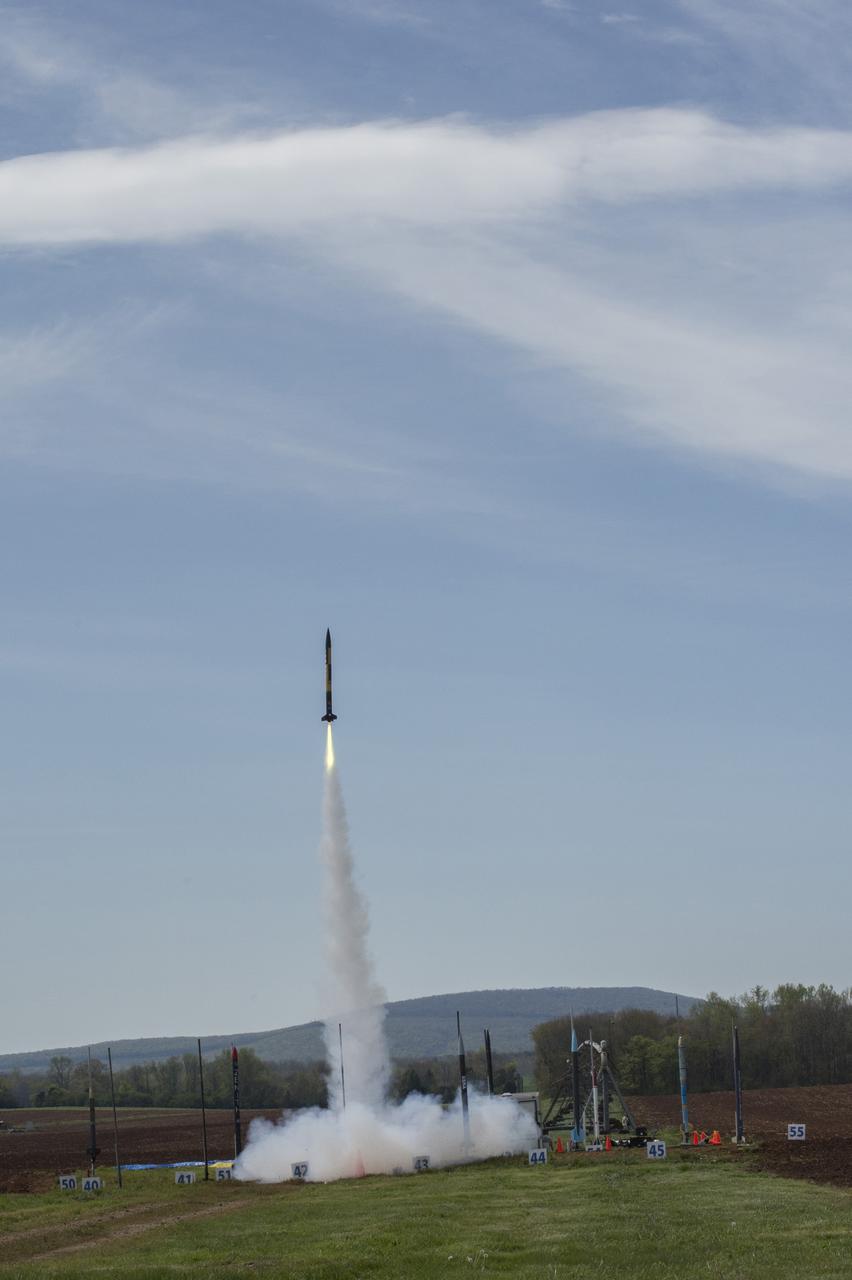
After eight months of designing, building and testing, the middle school, high school and college and university teams launched their rockets as part of NASA Student Launch on Sunday, April 8. The rockets and their payloads are designed to fly to 1-mile in altitude before deploying recovery systems that brings them safely to the ground.
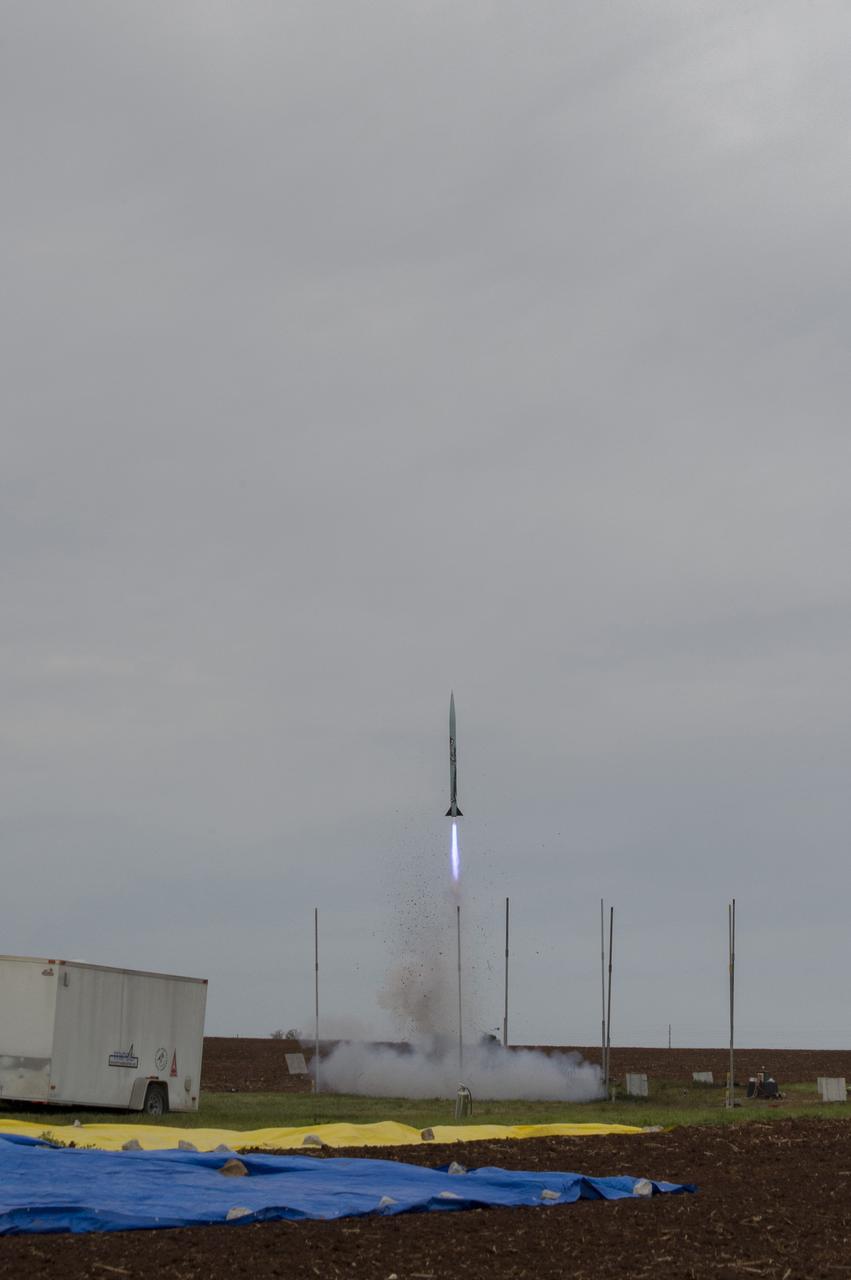
After eight months of designing, building and testing, the middle school, high school and college and university teams launched their rockets as part of NASA Student Launch on Sunday, April 8. The rockets and their payloads are designed to fly to 1-mile in altitude before deploying recovery systems that brings them safely to the ground.
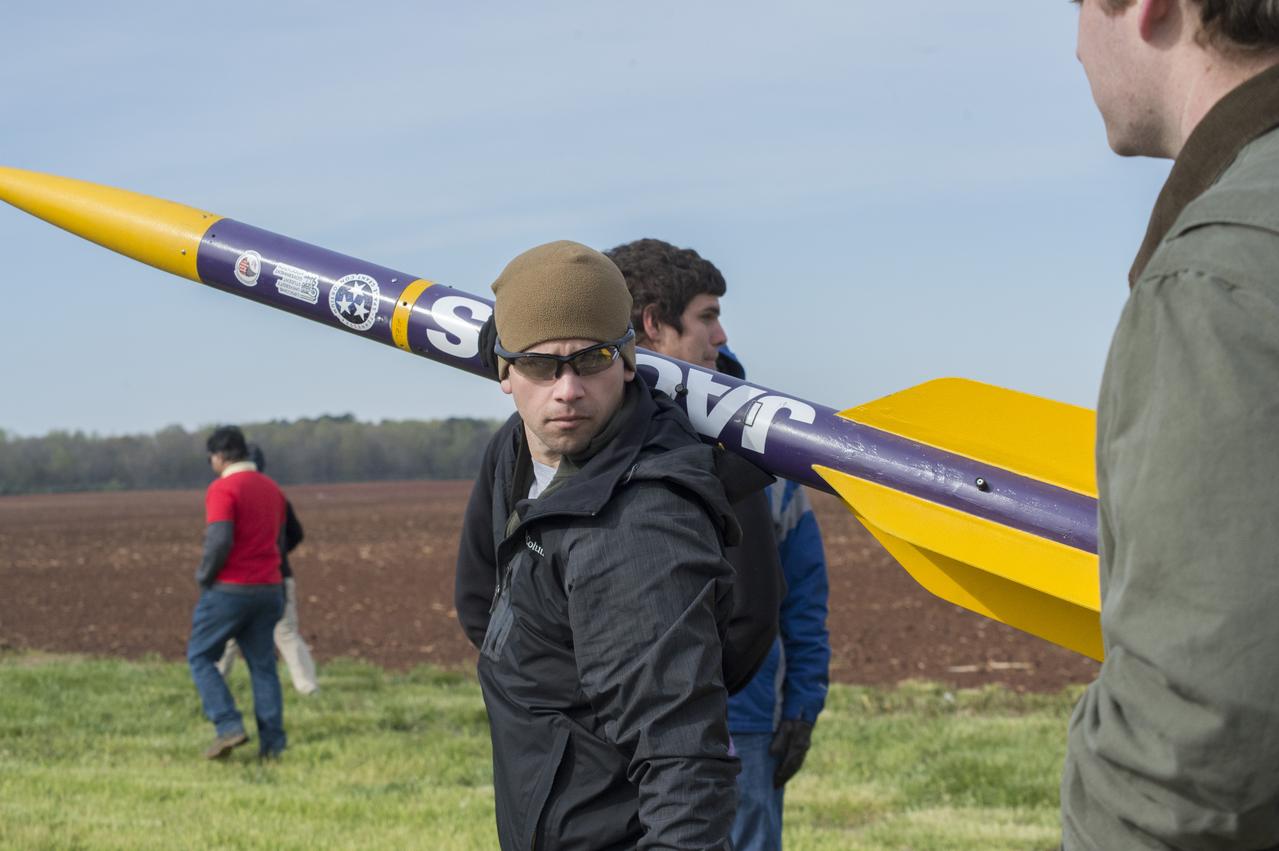
After eight months of designing, building and testing, the middle school, high school and college and university teams launched their rockets as part of NASA Student Launch on Sunday, April 8. The rockets and their payloads are designed to fly to 1-mile in altitude before deploying recovery systems that brings them safely to the ground.
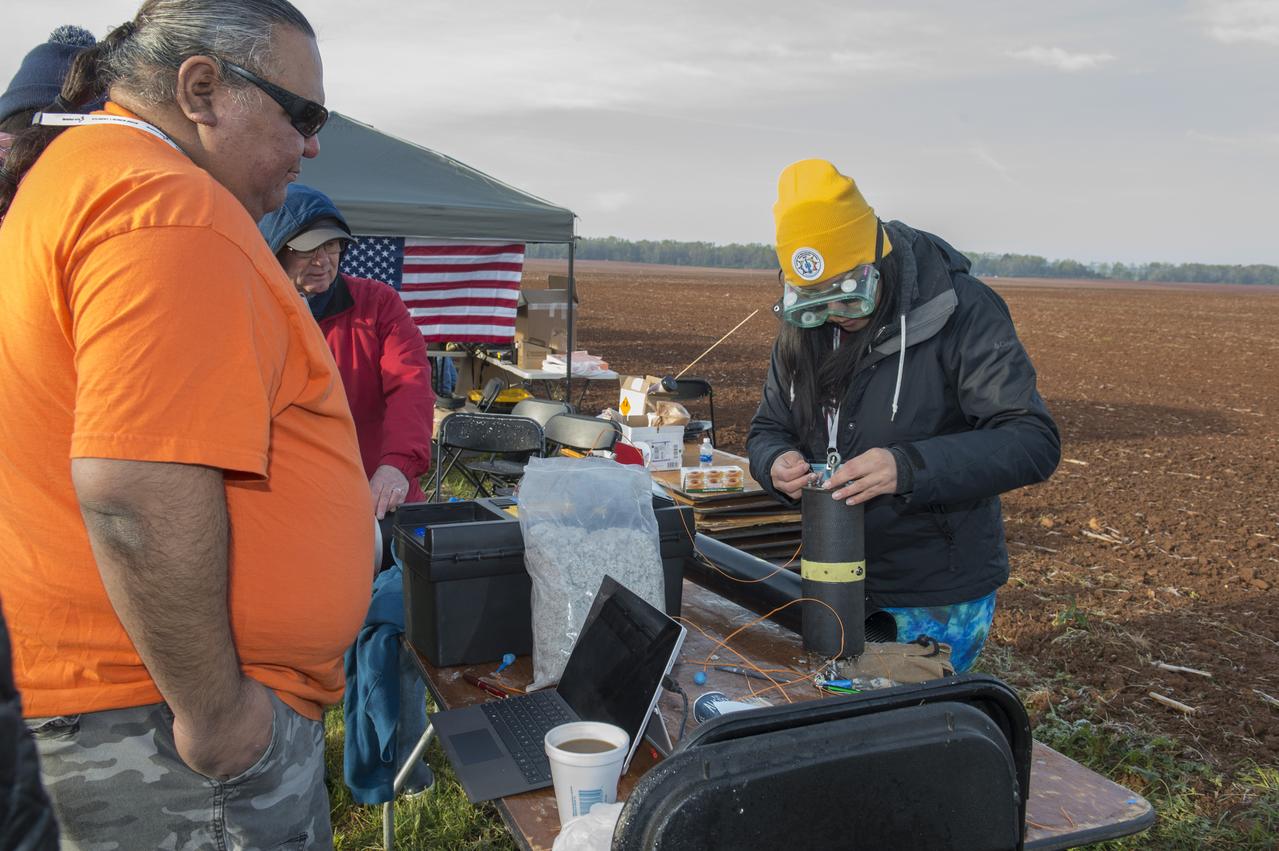
After eight months of designing, building and testing, the middle school, high school and college and university teams launched their rockets as part of NASA Student Launch on Sunday, April 8. The rockets and their payloads are designed to fly to 1-mile in altitude before deploying recovery systems that brings them safely to the ground.
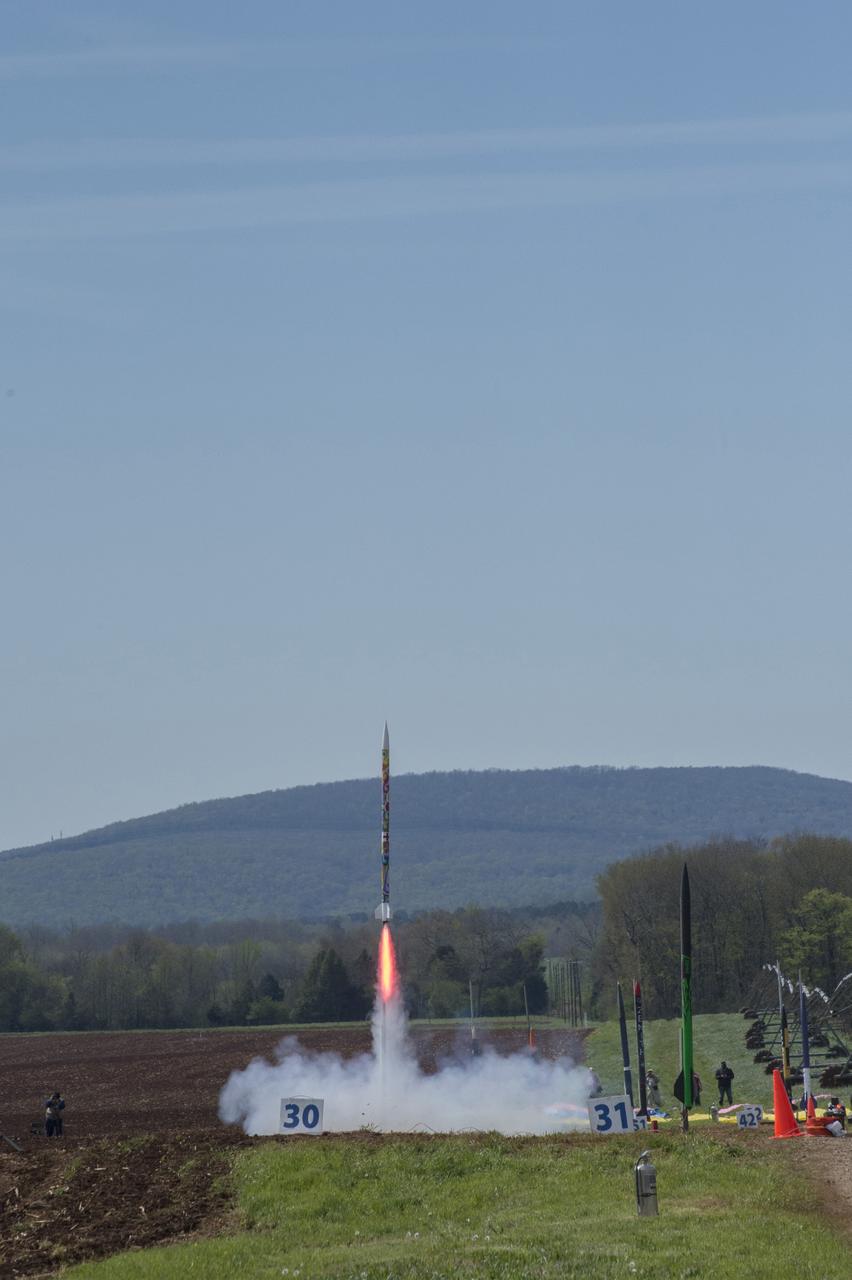
After eight months of designing, building and testing, the middle school, high school and college and university teams launched their rockets as part of NASA Student Launch on Sunday, April 8. The rockets and their payloads are designed to fly to 1-mile in altitude before deploying recovery systems that brings them safely to the ground.
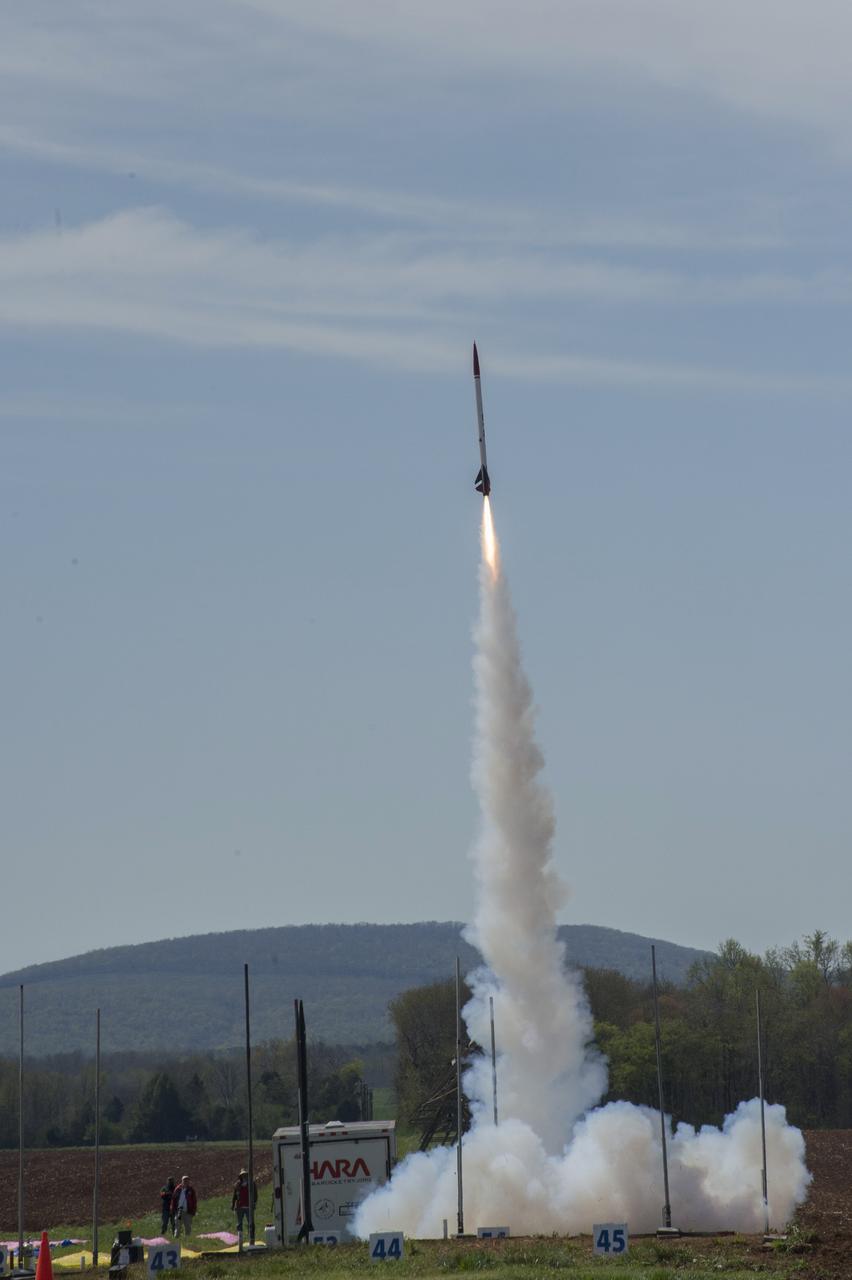
After eight months of designing, building and testing, the middle school, high school and college and university teams launched their rockets as part of NASA Student Launch on Sunday, April 8. The rockets and their payloads are designed to fly to 1-mile in altitude before deploying recovery systems that brings them safely to the ground.
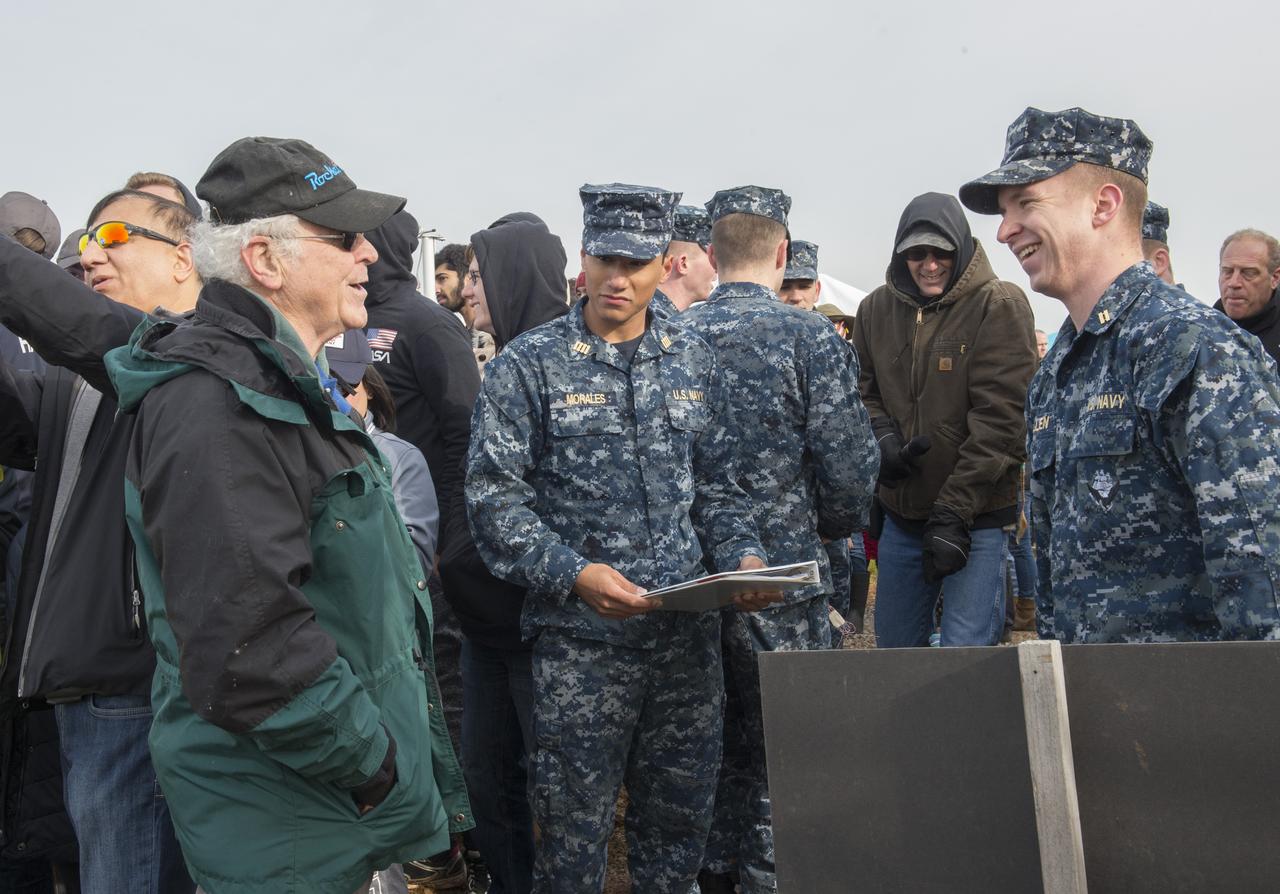
After eight months of designing, building and testing, the middle school, high school and college and university teams launched their rockets as part of NASA Student Launch on Sunday, April 8. The rockets and their payloads are designed to fly to 1-mile in altitude before deploying recovery systems that brings them safely to the ground.
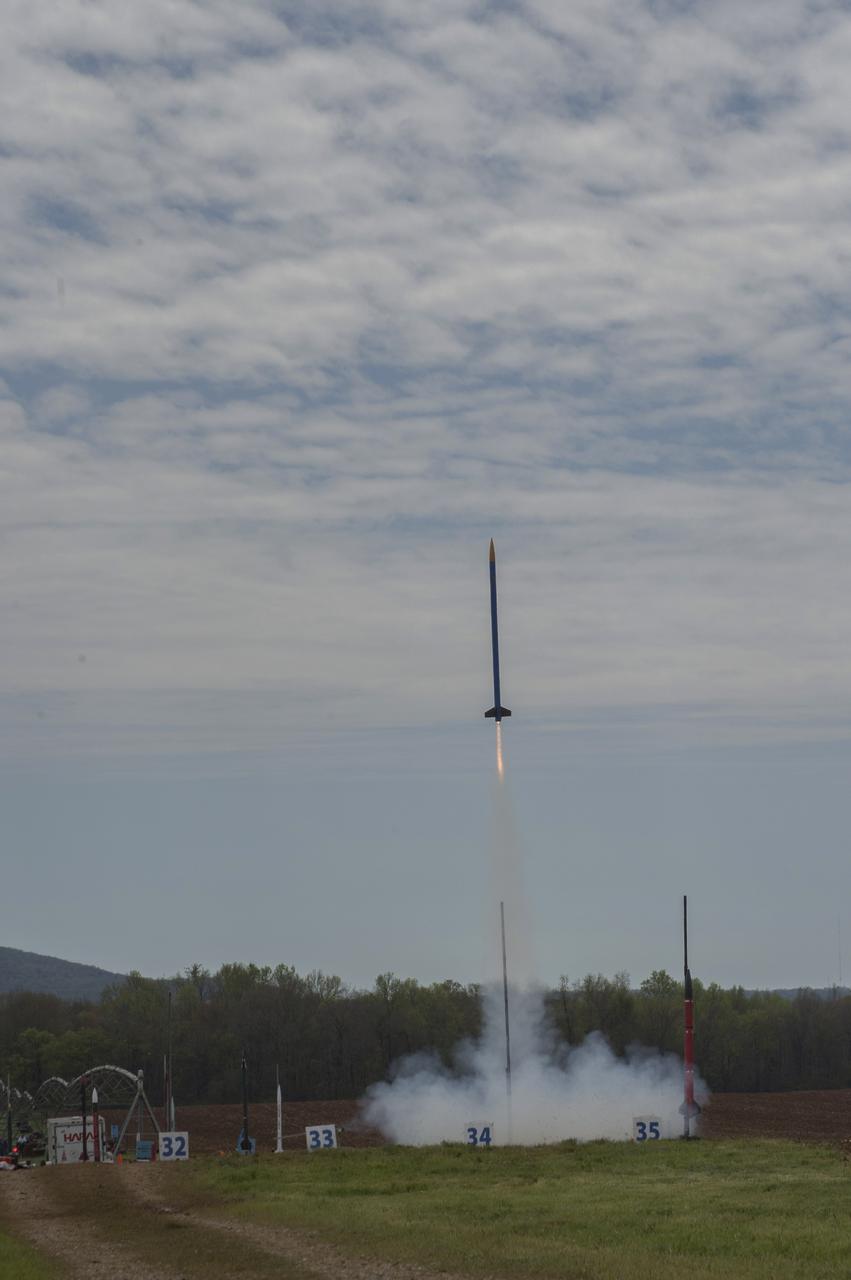
After eight months of designing, building and testing, the middle school, high school and college and university teams launched their rockets as part of NASA Student Launch on Sunday, April 8. The rockets and their payloads are designed to fly to 1-mile in altitude before deploying recovery systems that brings them safely to the ground.
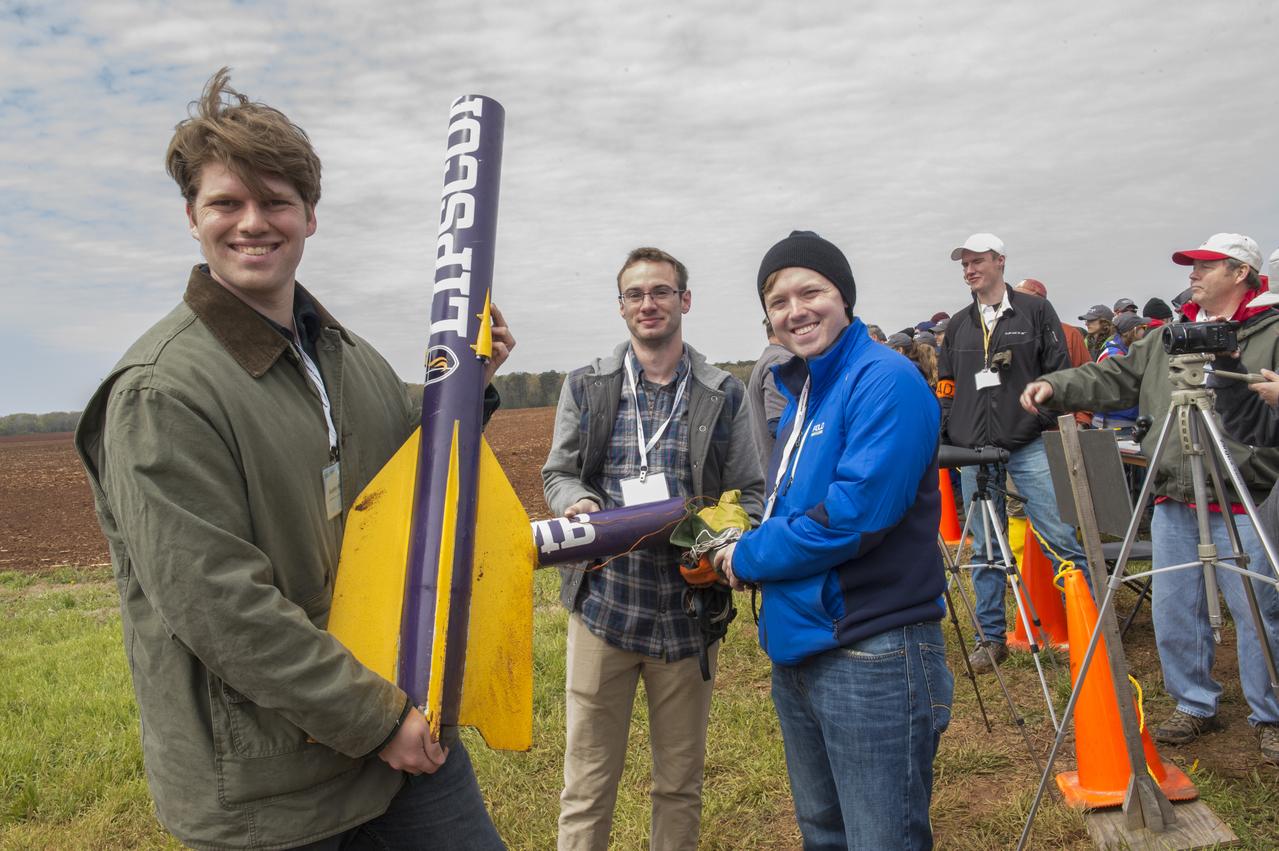
After eight months of designing, building and testing, the middle school, high school and college and university teams launched their rockets as part of NASA Student Launch on Sunday, April 8. The rockets and their payloads are designed to fly to 1-mile in altitude before deploying recovery systems that brings them safely to the ground.
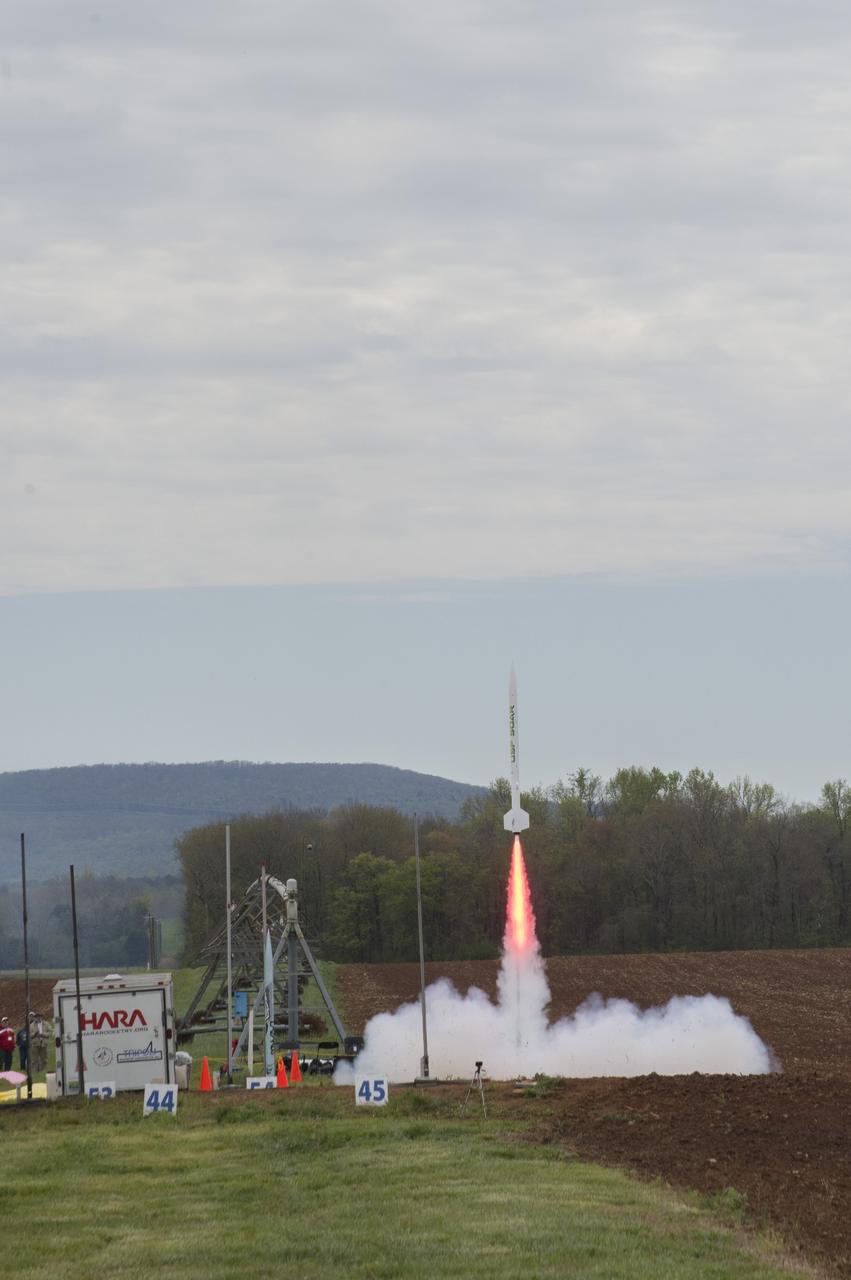
After eight months of designing, building and testing, the middle school, high school and college and university teams launched their rockets as part of NASA Student Launch on Sunday, April 8. The rockets and their payloads are designed to fly to 1-mile in altitude before deploying recovery systems that brings them safely to the ground.
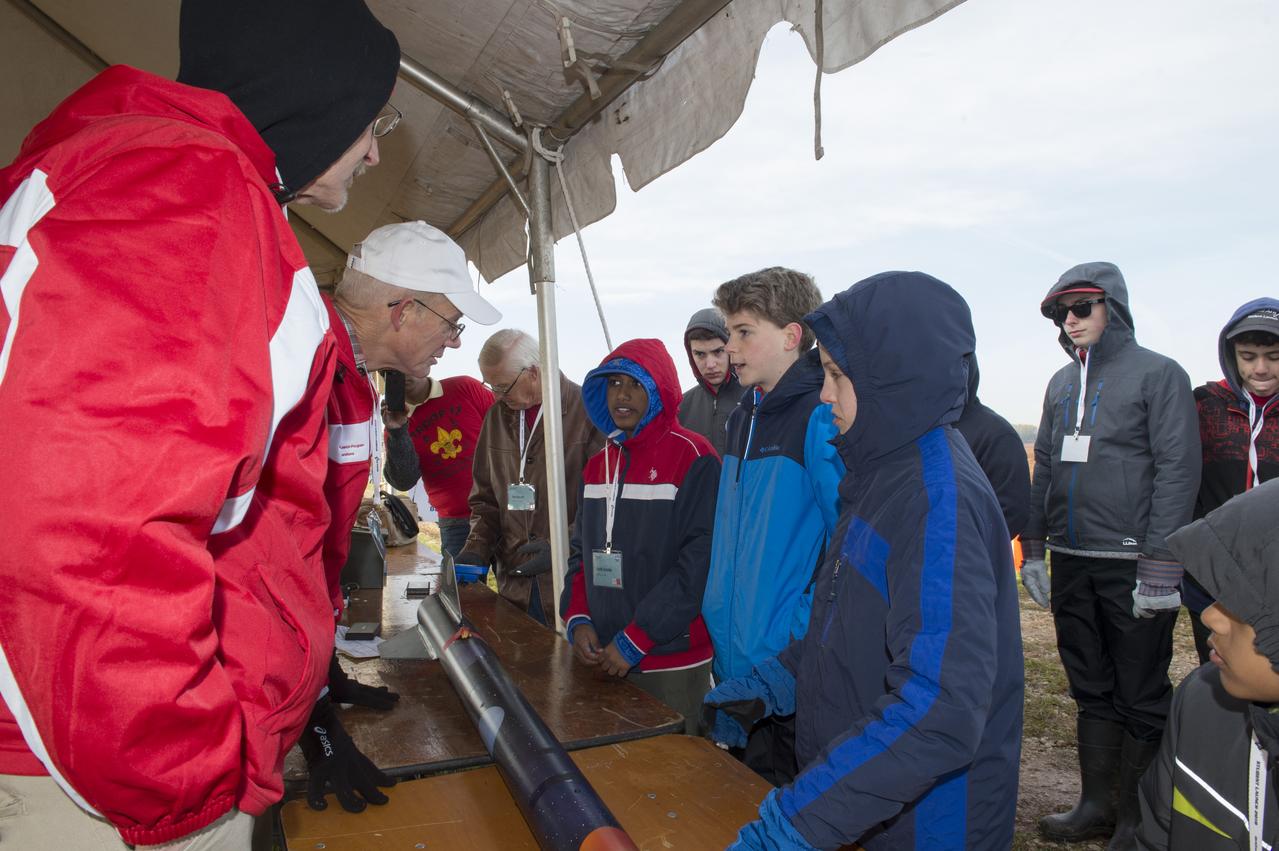
After eight months of designing, building and testing, the middle school, high school and college and university teams launched their rockets as part of NASA Student Launch on Sunday, April 8. The rockets and their payloads are designed to fly to 1-mile in altitude before deploying recovery systems that brings them safely to the ground.
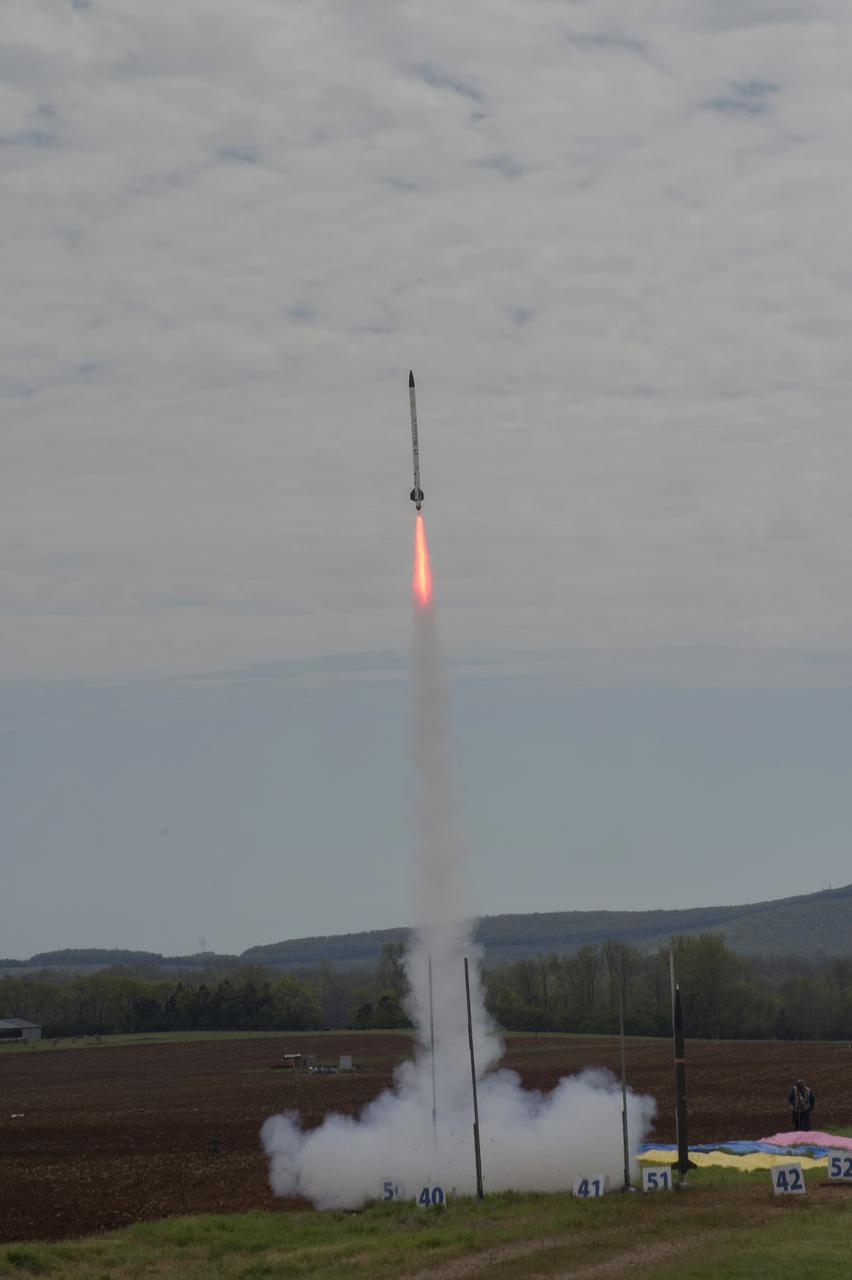
After eight months of designing, building and testing, the middle school, high school and college and university teams launched their rockets as part of NASA Student Launch on Sunday, April 8. The rockets and their payloads are designed to fly to 1-mile in altitude before deploying recovery systems that brings them safely to the ground.
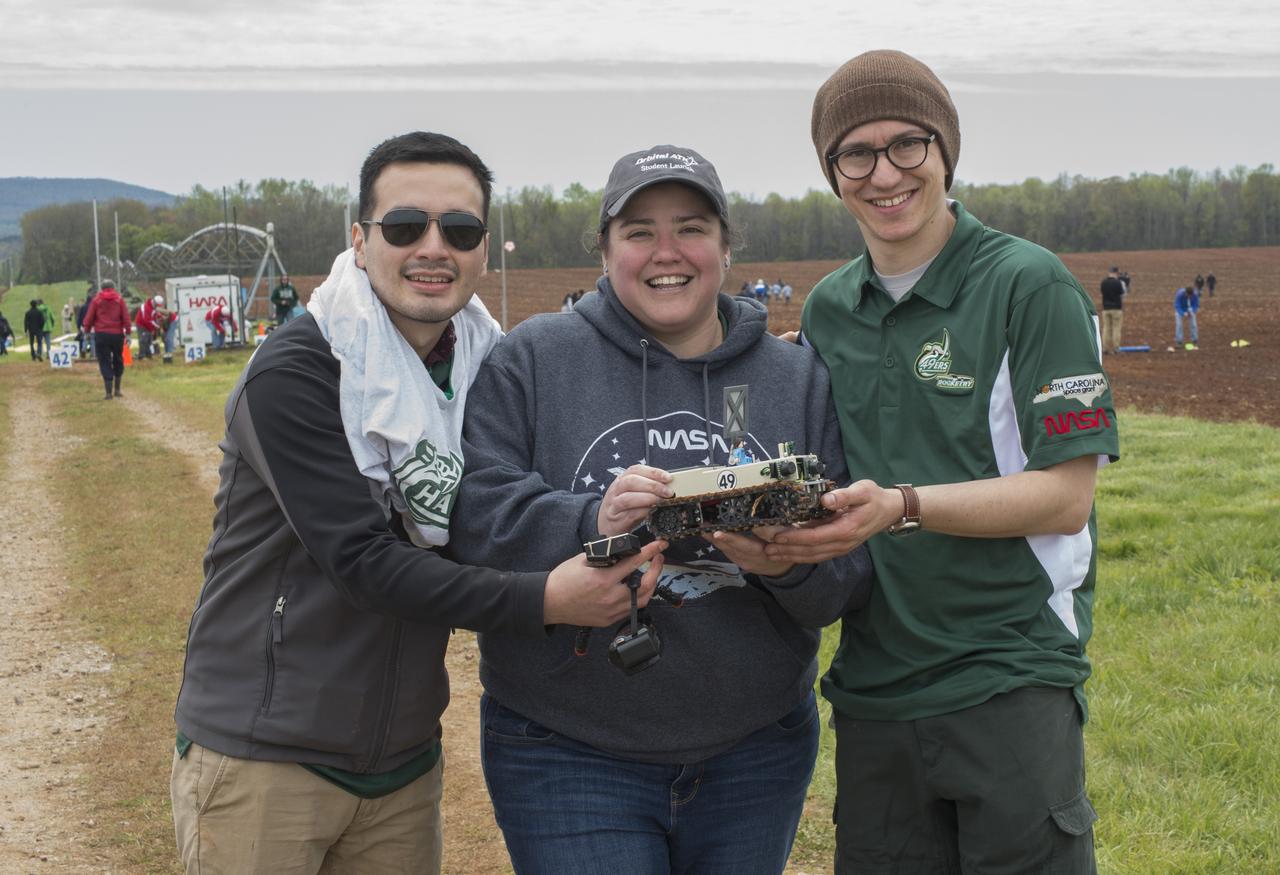
After eight months of designing, building and testing, the middle school, high school and college and university teams launched their rockets as part of NASA Student Launch on Sunday, April 8. The rockets and their payloads are designed to fly to 1-mile in altitude before deploying recovery systems that brings them safely to the ground.
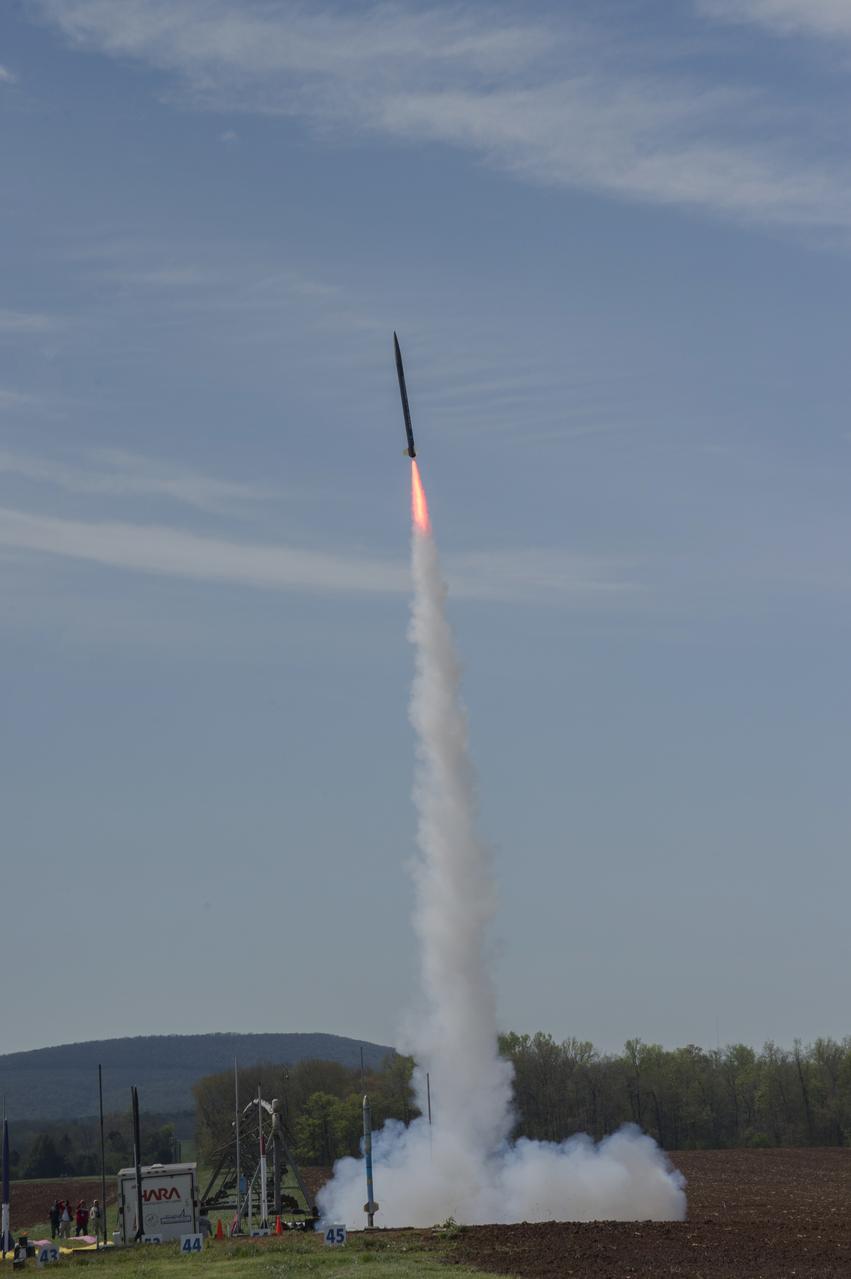
After eight months of designing, building and testing, the middle school, high school and college and university teams launched their rockets as part of NASA Student Launch on Sunday, April 8. The rockets and their payloads are designed to fly to 1-mile in altitude before deploying recovery systems that brings them safely to the ground.
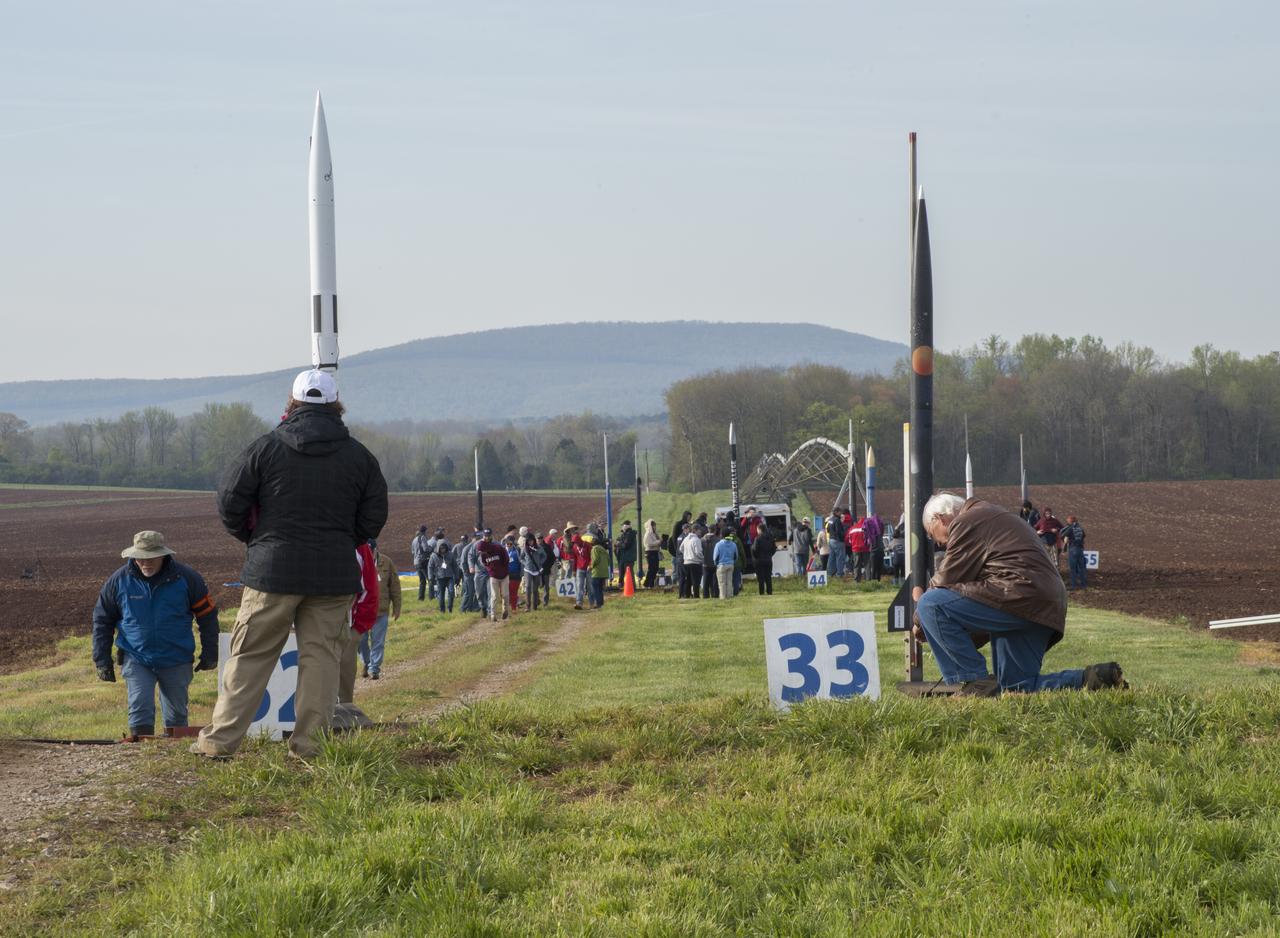
After eight months of designing, building and testing, the middle school, high school and college and university teams launched their rockets as part of NASA Student Launch on Sunday, April 8. The rockets and their payloads are designed to fly to 1-mile in altitude before deploying recovery systems that brings them safely to the ground.
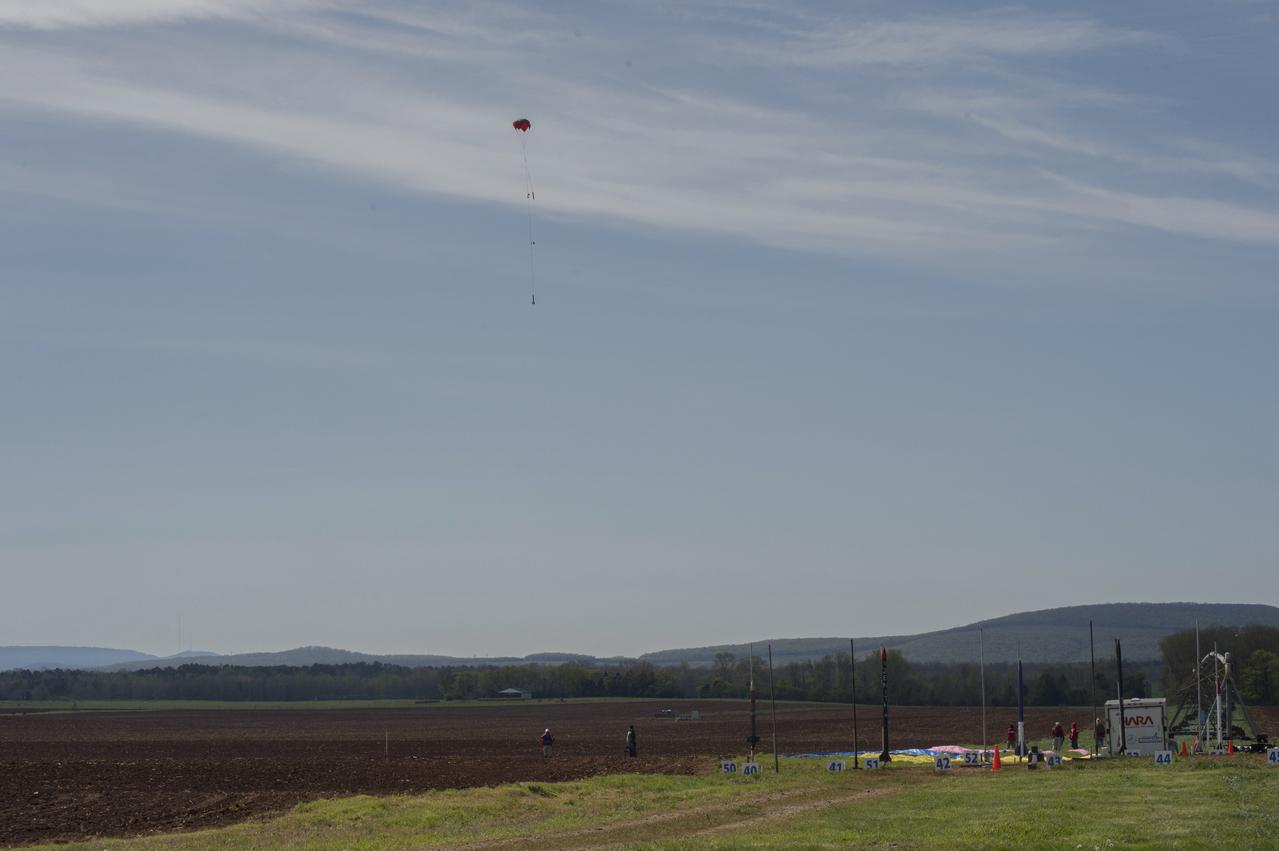
After eight months of designing, building and testing, the middle school, high school and college and university teams launched their rockets as part of NASA Student Launch on Sunday, April 8. The rockets and their payloads are designed to fly to 1-mile in altitude before deploying recovery systems that brings them safely to the ground.
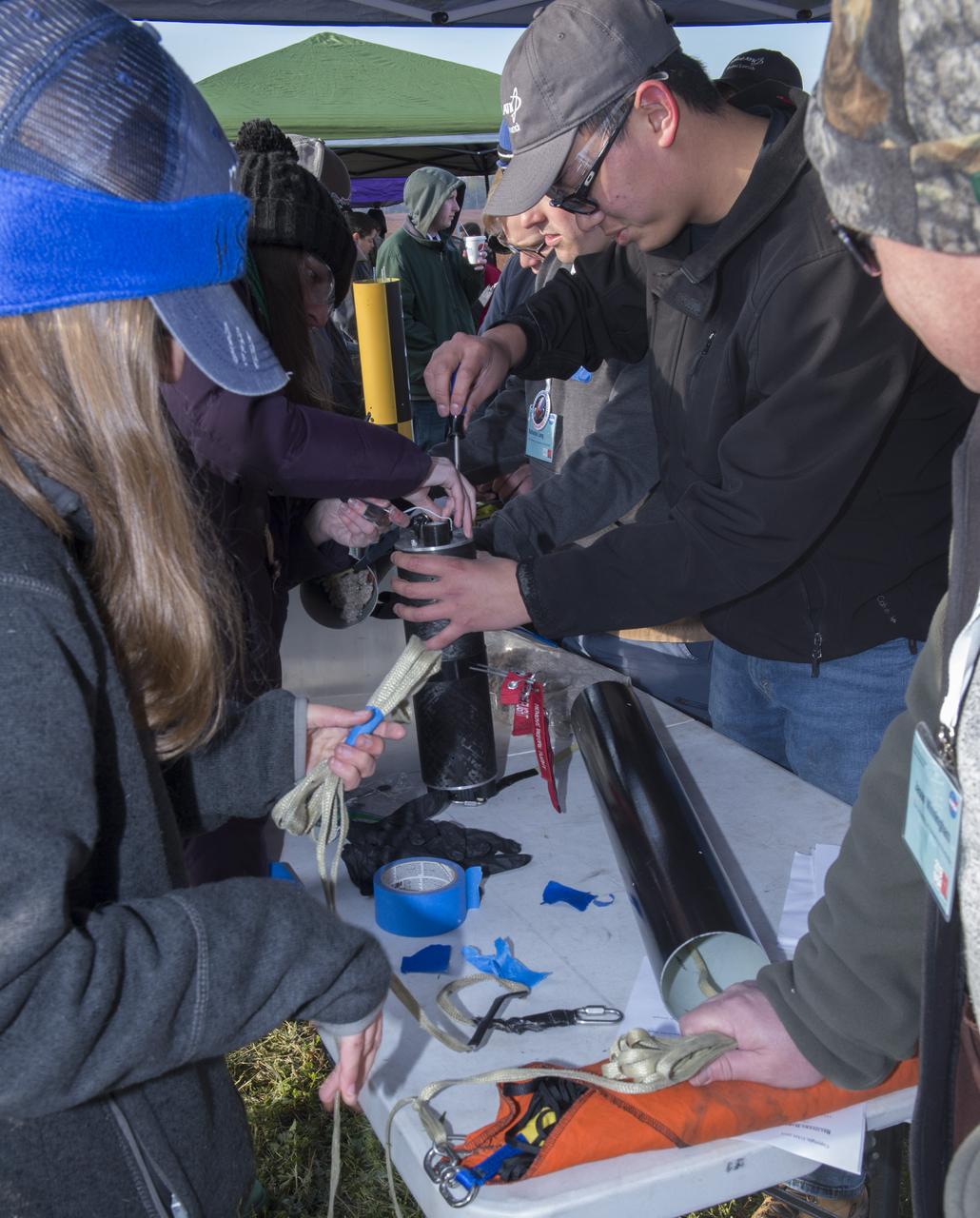
After eight months of designing, building and testing, the middle school, high school and college and university teams launched their rockets as part of NASA Student Launch on Sunday, April 8. The rockets and their payloads are designed to fly to 1-mile in altitude before deploying recovery systems that brings them safely to the ground.
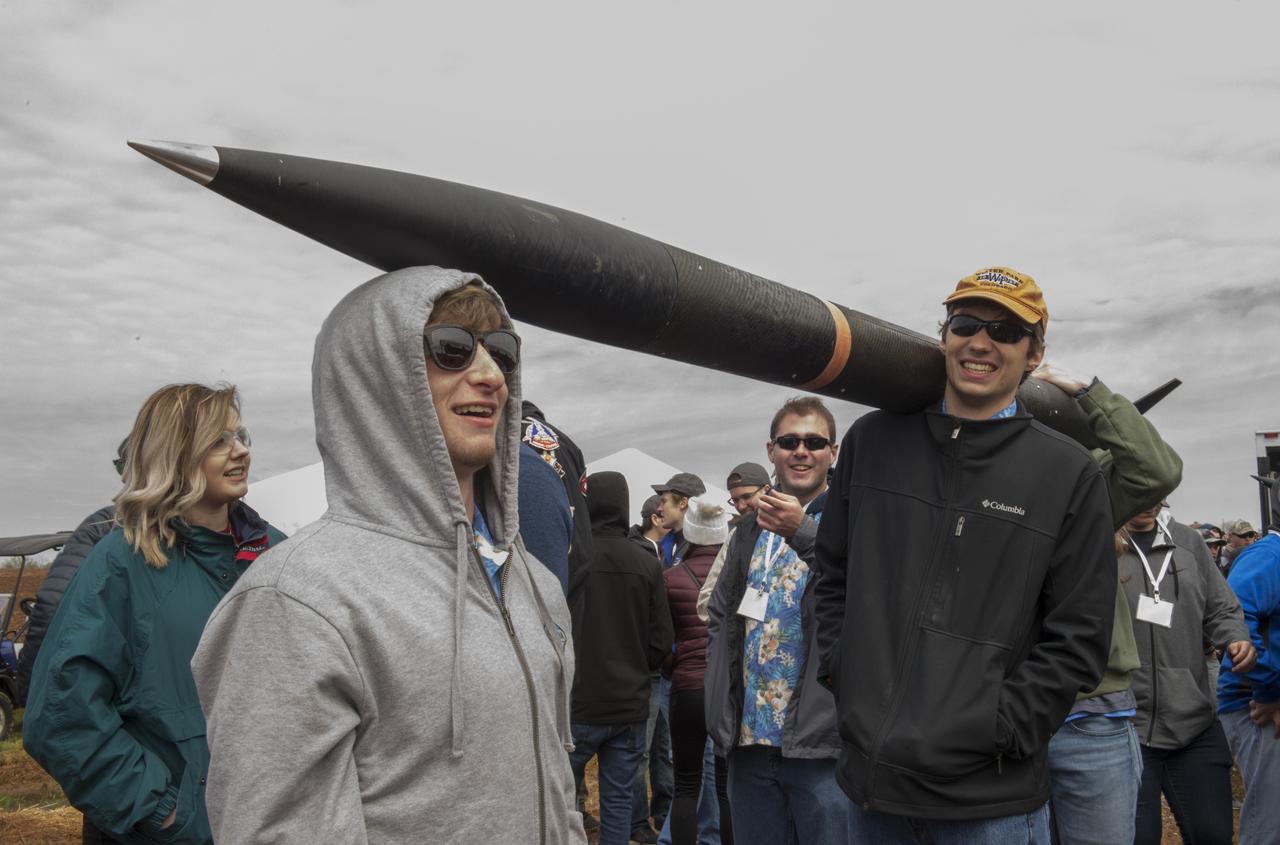
After eight months of designing, building and testing, the middle school, high school and college and university teams launched their rockets as part of NASA Student Launch on Sunday, April 8. The rockets and their payloads are designed to fly to 1-mile in altitude before deploying recovery systems that brings them safely to the ground.
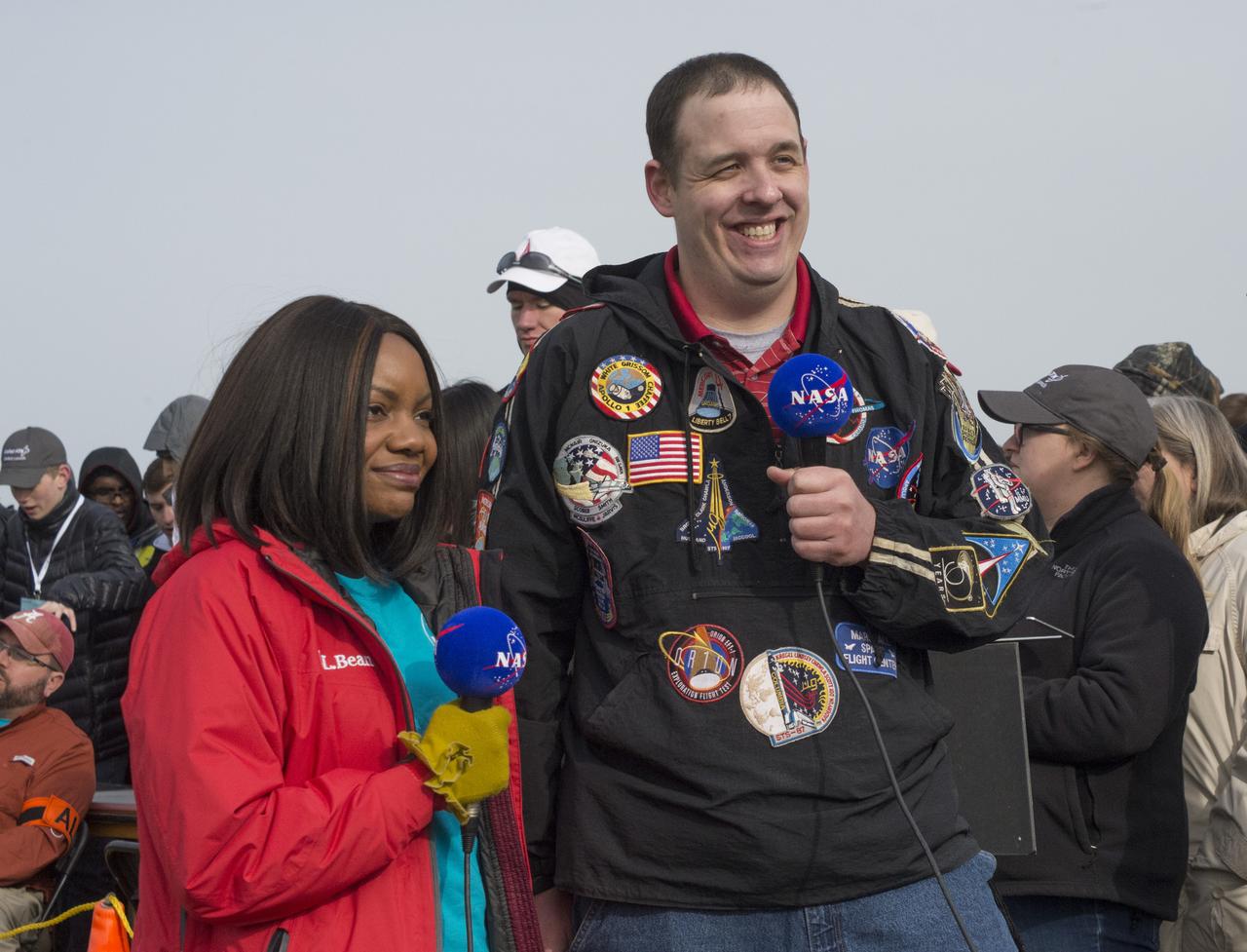
After eight months of designing, building and testing, the middle school, high school and college and university teams launched their rockets as part of NASA Student Launch on Sunday, April 8. The rockets and their payloads are designed to fly to 1-mile in altitude before deploying recovery systems that brings them safely to the ground.
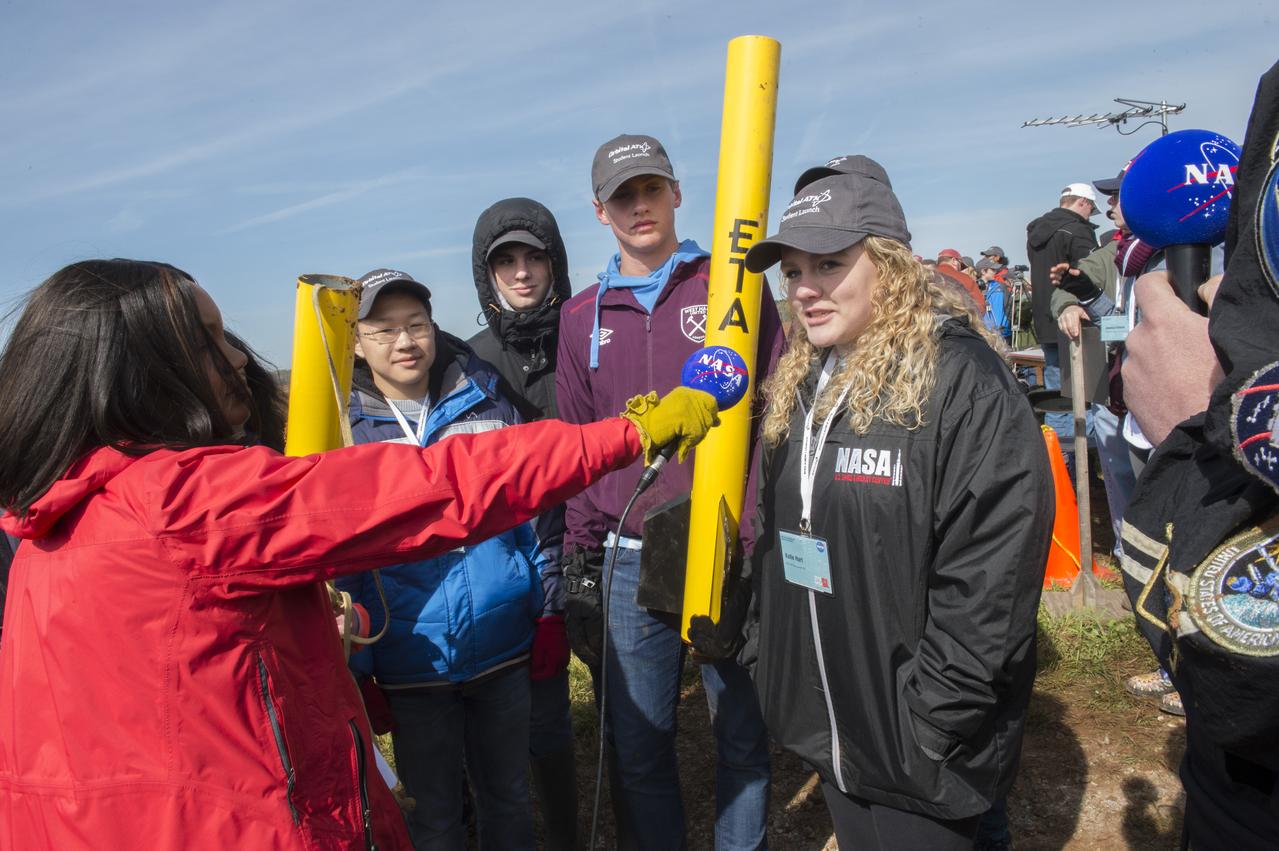
After eight months of designing, building and testing, the middle school, high school and college and university teams launched their rockets as part of NASA Student Launch on Sunday, April 8. The rockets and their payloads are designed to fly to 1-mile in altitude before deploying recovery systems that brings them safely to the ground.
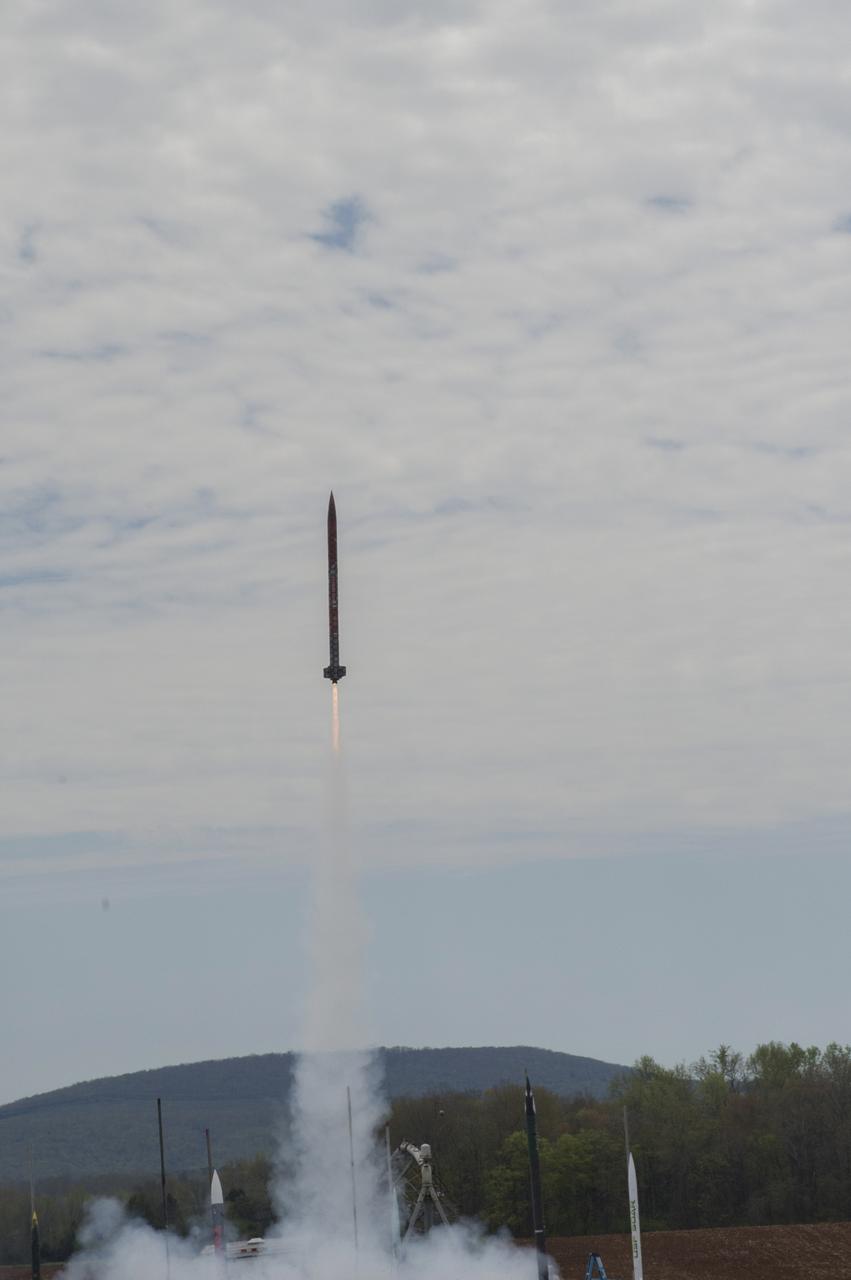
After eight months of designing, building and testing, the middle school, high school and college and university teams launched their rockets as part of NASA Student Launch on Sunday, April 8. The rockets and their payloads are designed to fly to 1-mile in altitude before deploying recovery systems that brings them safely to the ground.
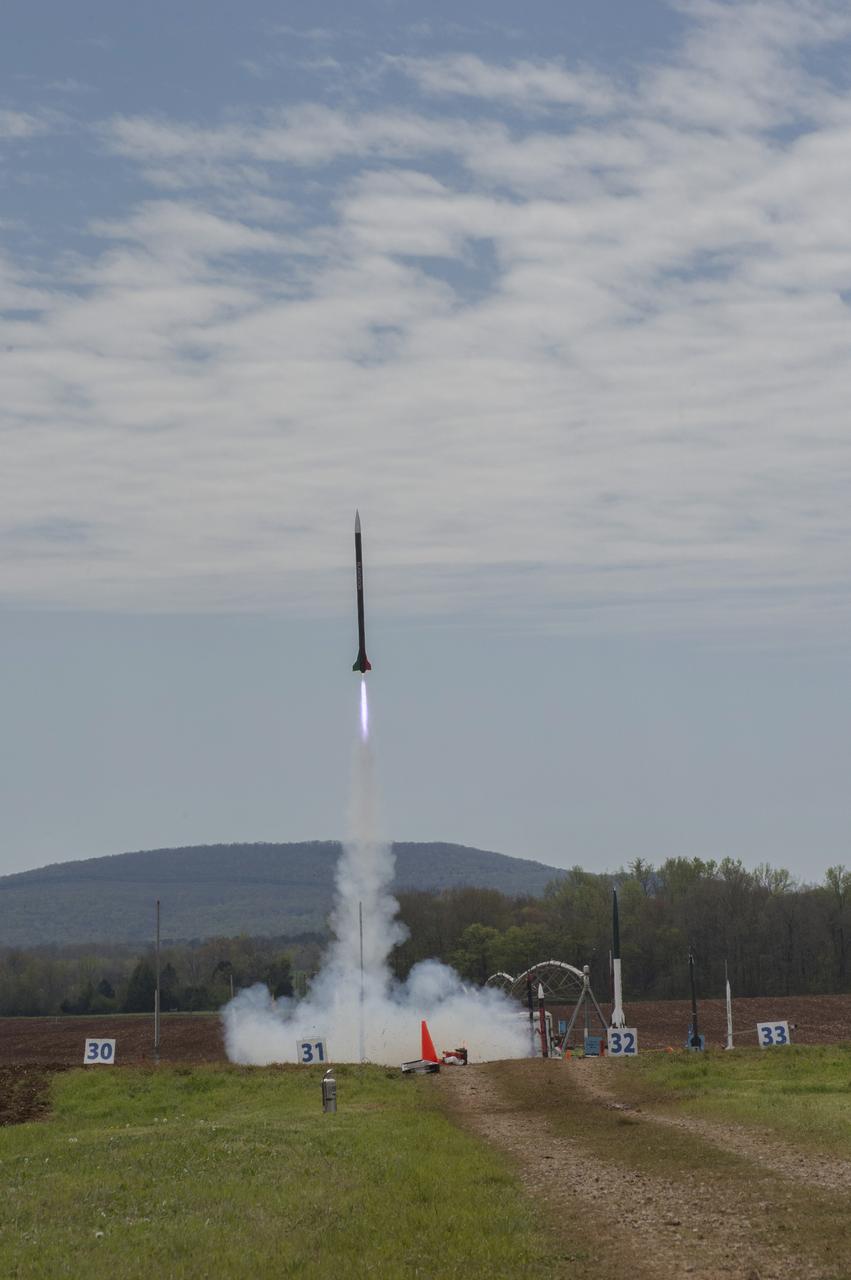
After eight months of designing, building and testing, the middle school, high school and college and university teams launched their rockets as part of NASA Student Launch on Sunday, April 8. The rockets and their payloads are designed to fly to 1-mile in altitude before deploying recovery systems that brings them safely to the ground.
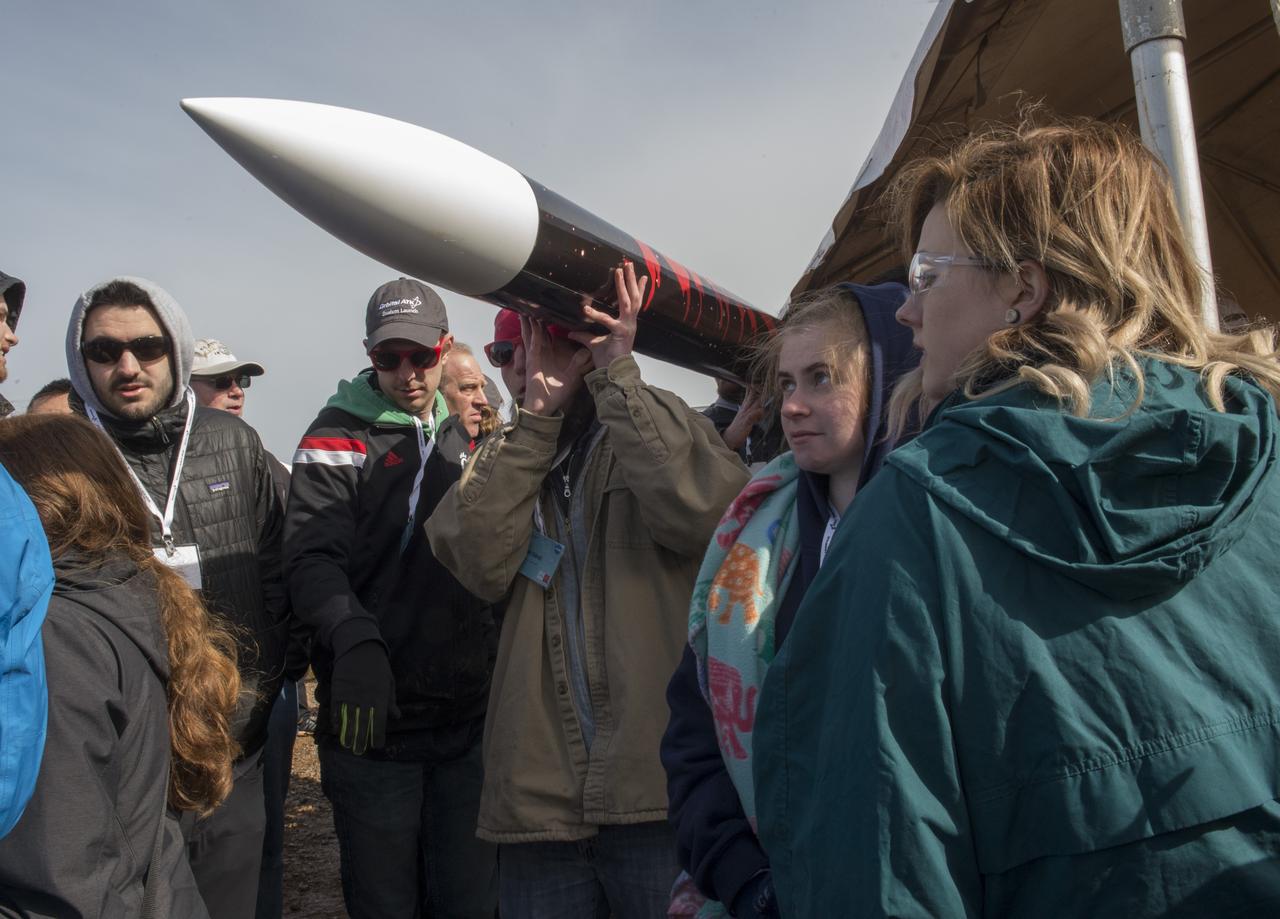
After eight months of designing, building and testing, the middle school, high school and college and university teams launched their rockets as part of NASA Student Launch on Sunday, April 8. The rockets and their payloads are designed to fly to 1-mile in altitude before deploying recovery systems that brings them safely to the ground.
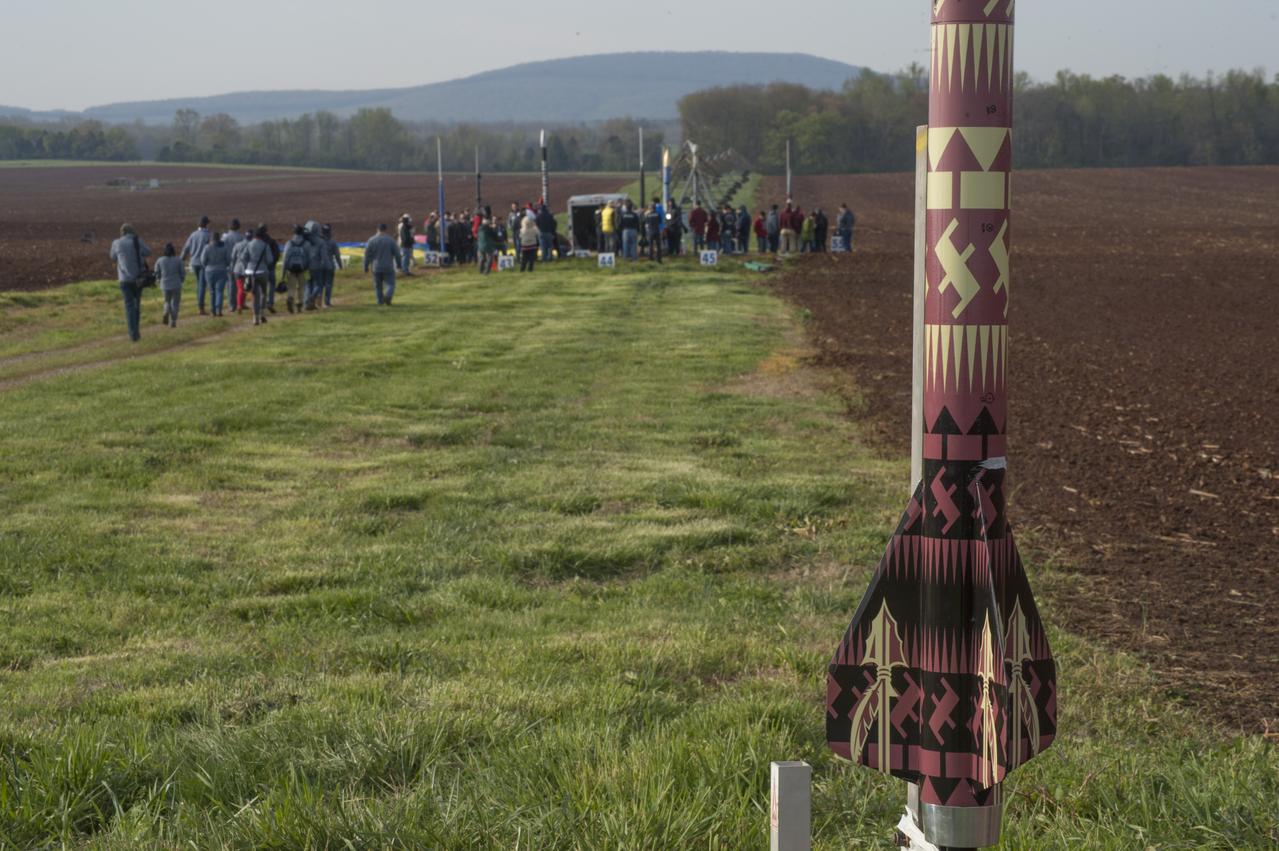
After eight months of designing, building and testing, the middle school, high school and college and university teams launched their rockets as part of NASA Student Launch on Sunday, April 8. The rockets and their payloads are designed to fly to 1-mile in altitude before deploying recovery systems that brings them safely to the ground.
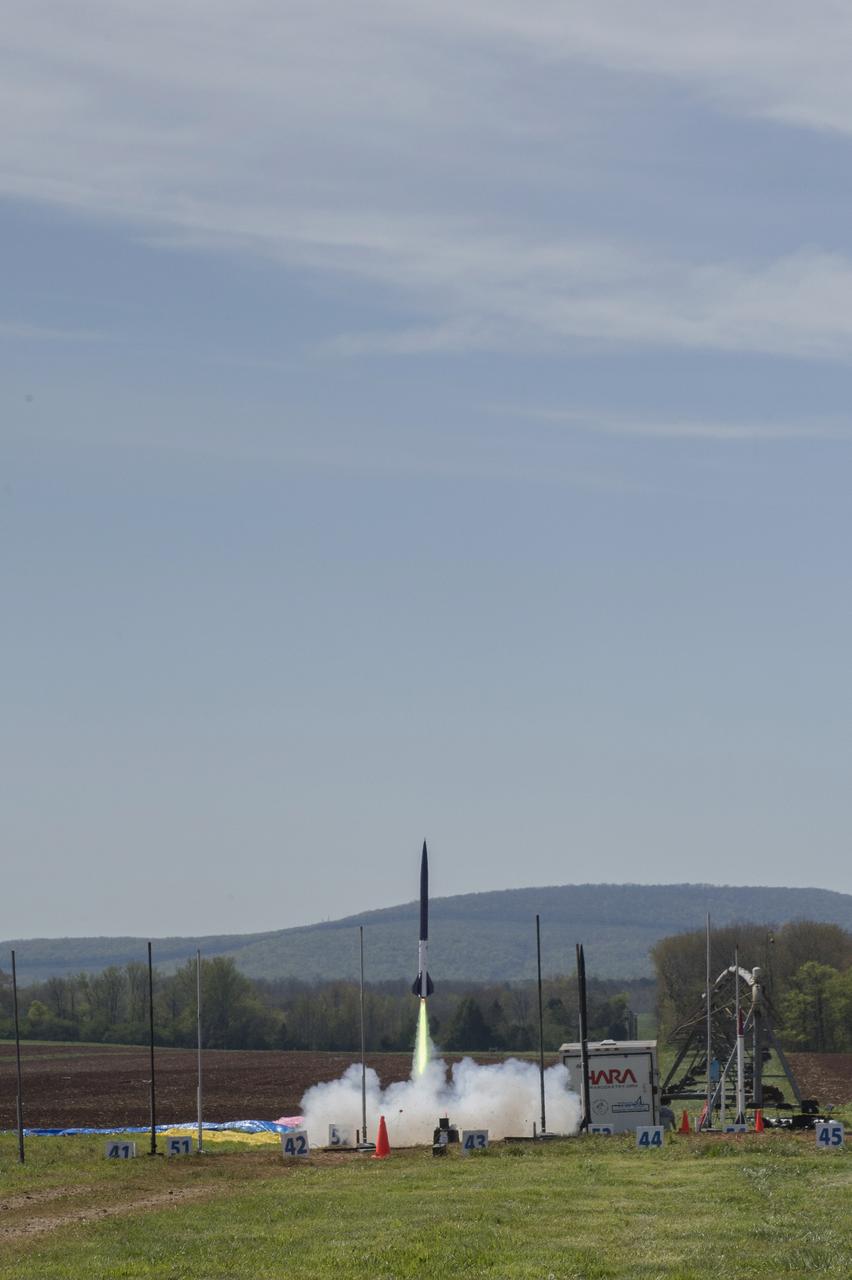
After eight months of designing, building and testing, the middle school, high school and college and university teams launched their rockets as part of NASA Student Launch on Sunday, April 8. The rockets and their payloads are designed to fly to 1-mile in altitude before deploying recovery systems that brings them safely to the ground.
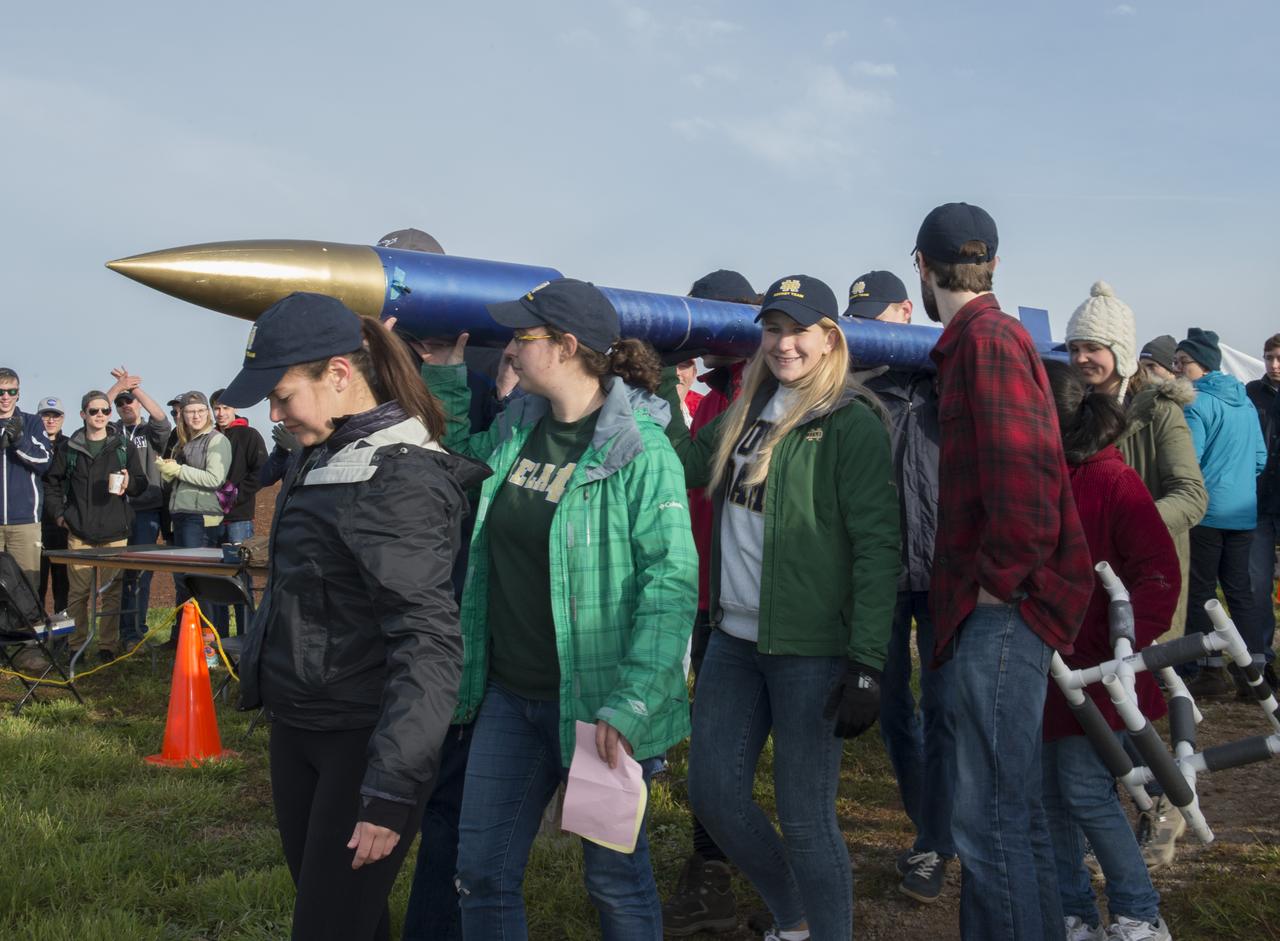
After eight months of designing, building and testing, the middle school, high school and college and university teams launched their rockets as part of NASA Student Launch on Sunday, April 8. The rockets and their payloads are designed to fly to 1-mile in altitude before deploying recovery systems that brings them safely to the ground.
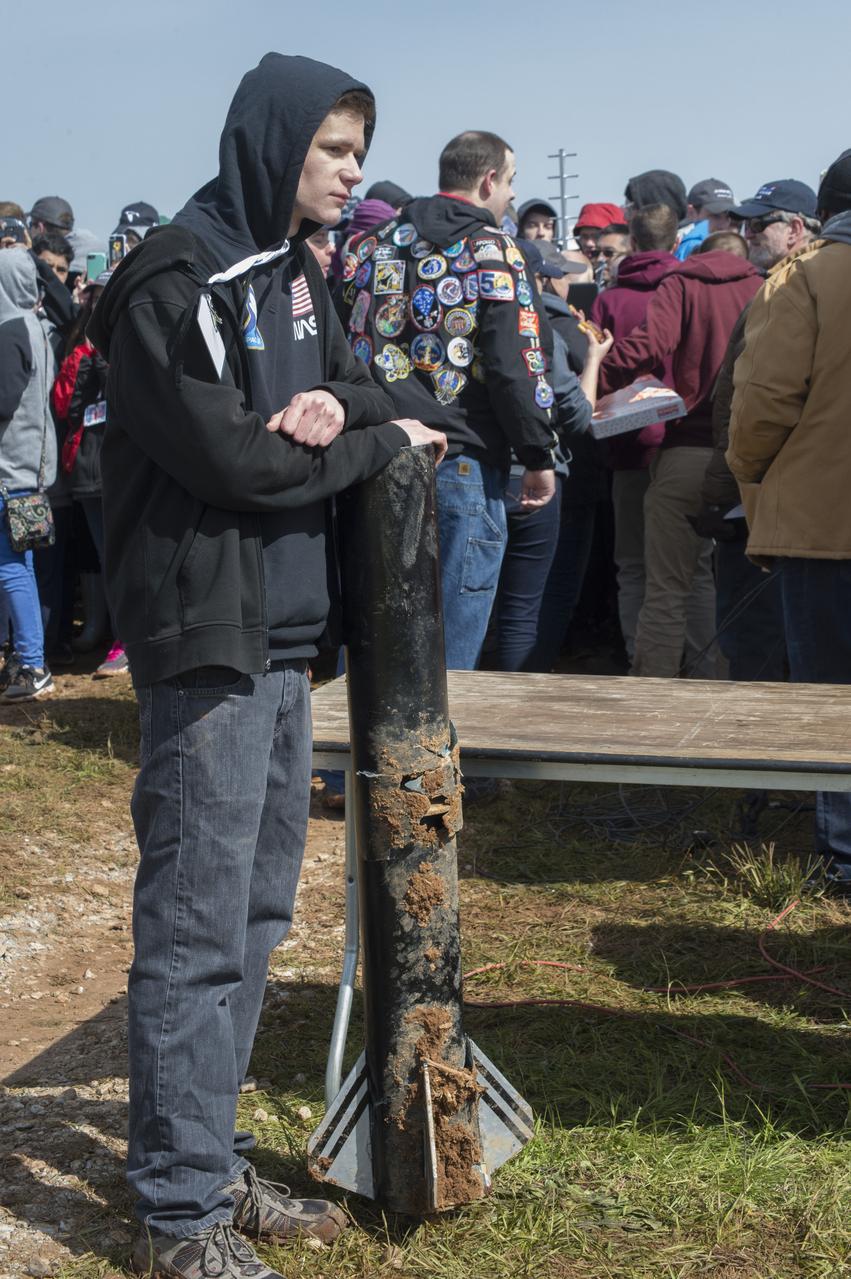
After eight months of designing, building and testing, the middle school, high school and college and university teams launched their rockets as part of NASA Student Launch on Sunday, April 8. The rockets and their payloads are designed to fly to 1-mile in altitude before deploying recovery systems that brings them safely to the ground.
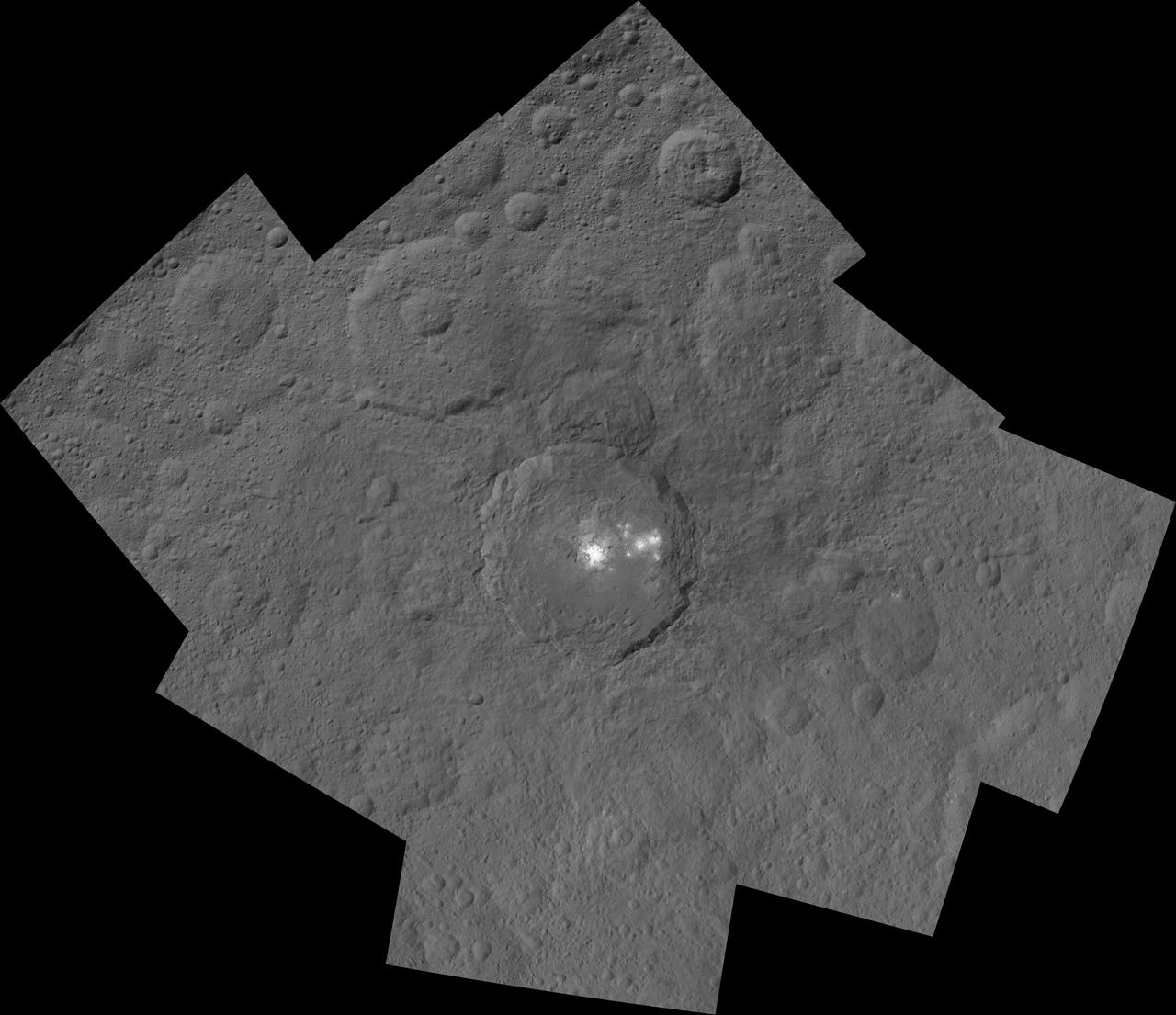
This mosaic shows Ceres' Occator crater and surrounding terrain from an altitude of 915 miles (1,470 kilometers), as seen by NASA's Dawn spacecraft. Occator is 60 miles (90 kilometers) across and 2 miles (4 kilometers) deep. Occator is home to the brightest area on Ceres, which tends to appear overexposed in most images. This view uses a composite of two images of Occator: one using a short exposure that captures the detail in the bright spots, and one where the background surface is captured at normal exposure. The images used to make this mosaic have a resolution of 450 feet (140 meters) per pixel, and were taken during the first of six mapping cycles during Dawn's high-altitude mapping orbit. http://photojournal.jpl.nasa.gov/catalog/PIA19996
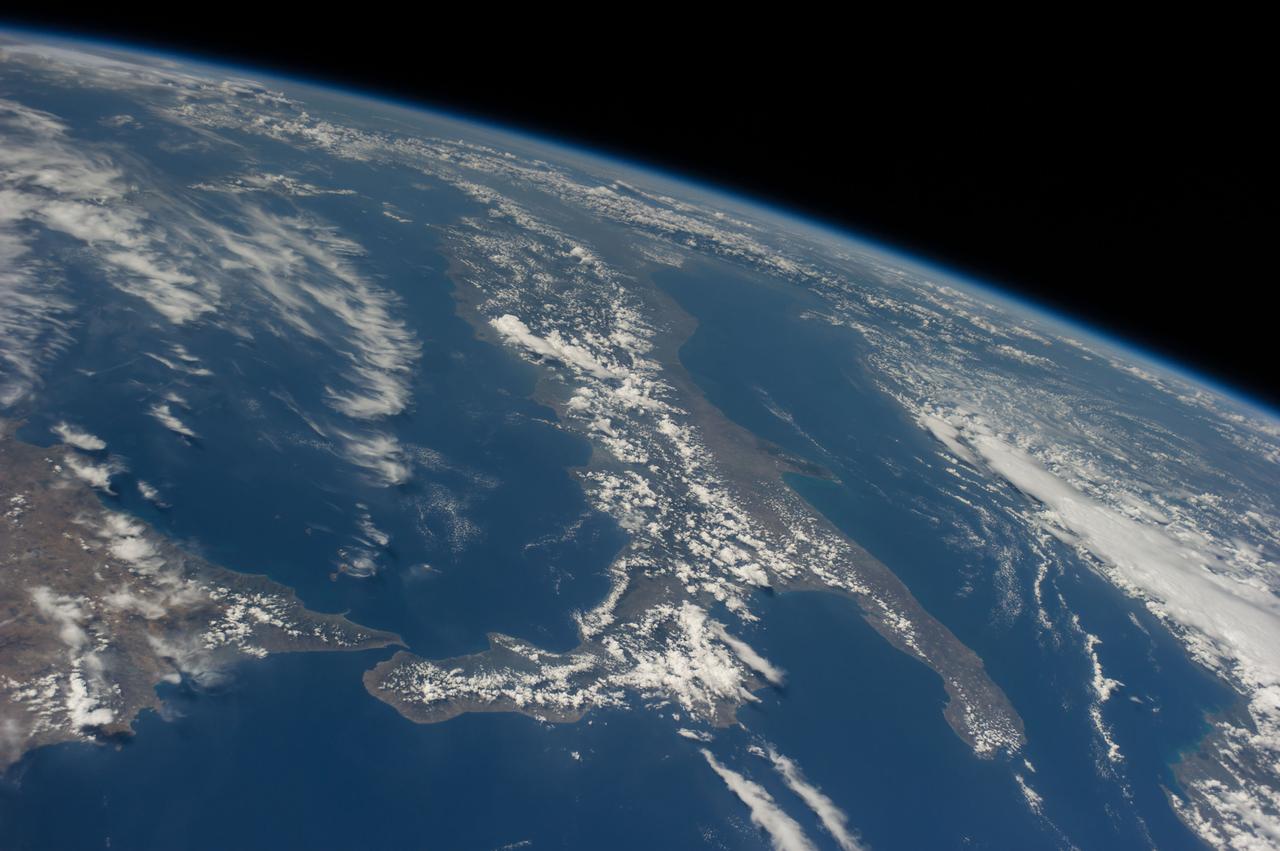
ISS040-E-131380 (8 Sept. 2014) --- Collections of clouds hug Sicily (lower left) and Italy, which runs vertically through the center of this oblique scene, exposed by one the Expedition 40 crew members aboard the International Space Station at an altitude of 221 nautical miles.
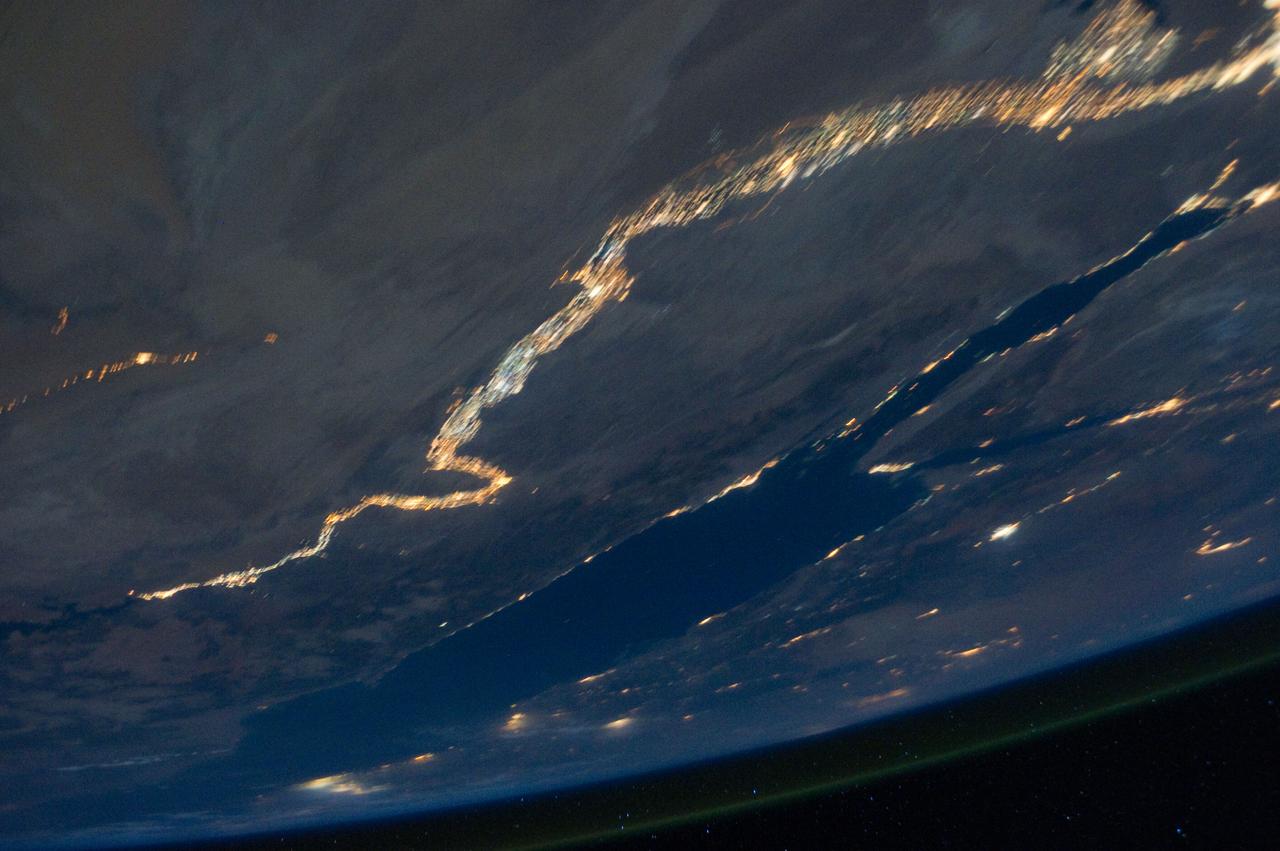
ISS028-E-033124 (18 Aug. 2011) --- The Nile River and the Sinai Peninsula can be easily delineated in this night time photo captured by one of the Expedition 28 crew members aboard the International Space Station, flying at an altitude of approximately 220 miles. A 42-mm focal length was used to record the image.
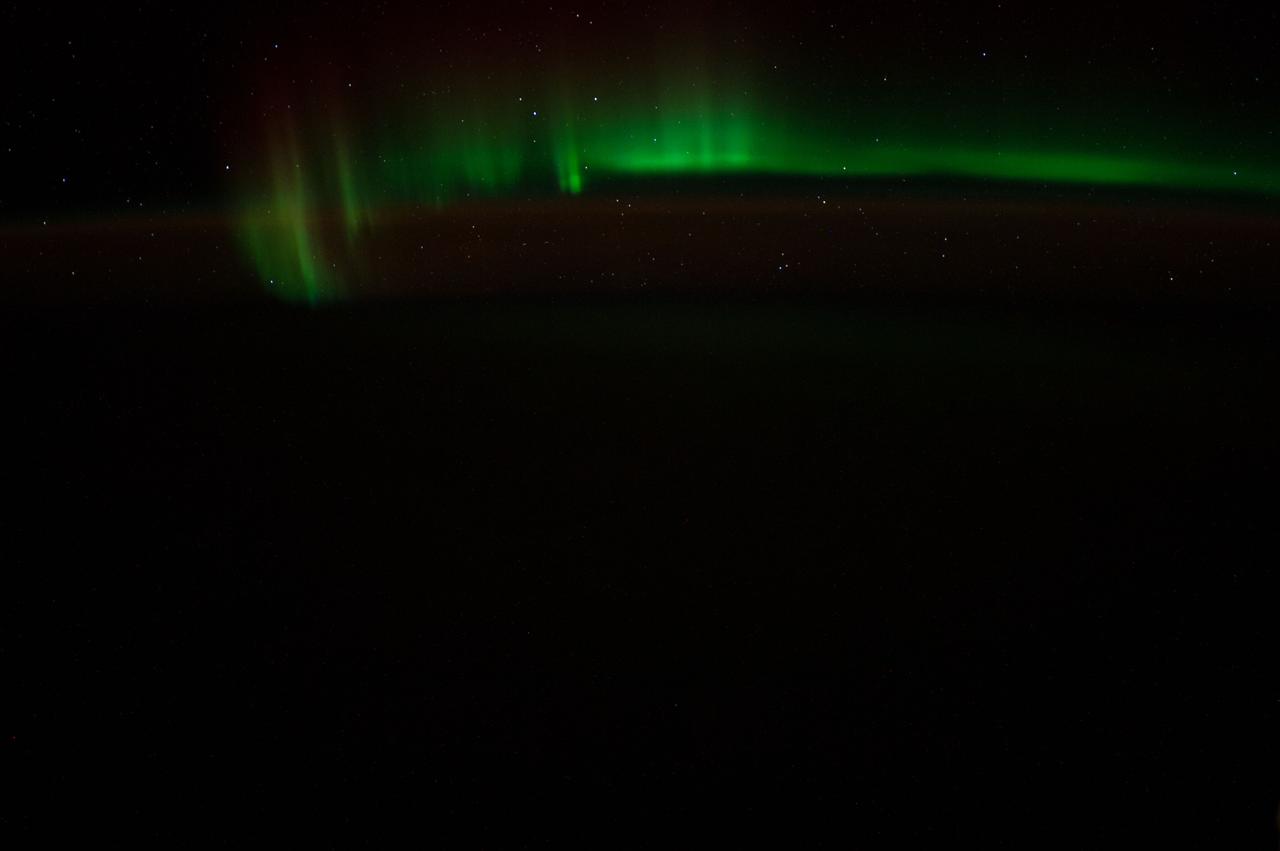
ISS040-E-040103 (5 July 2014) --- As the International Space Station was flying at an altitude of 226 nautical miles on July 5 above a point in the southern Indian Ocean near South Africa's Prince Edwards Islands, one of the Expedition 40 crew members photographed this image of Aurora Australis.
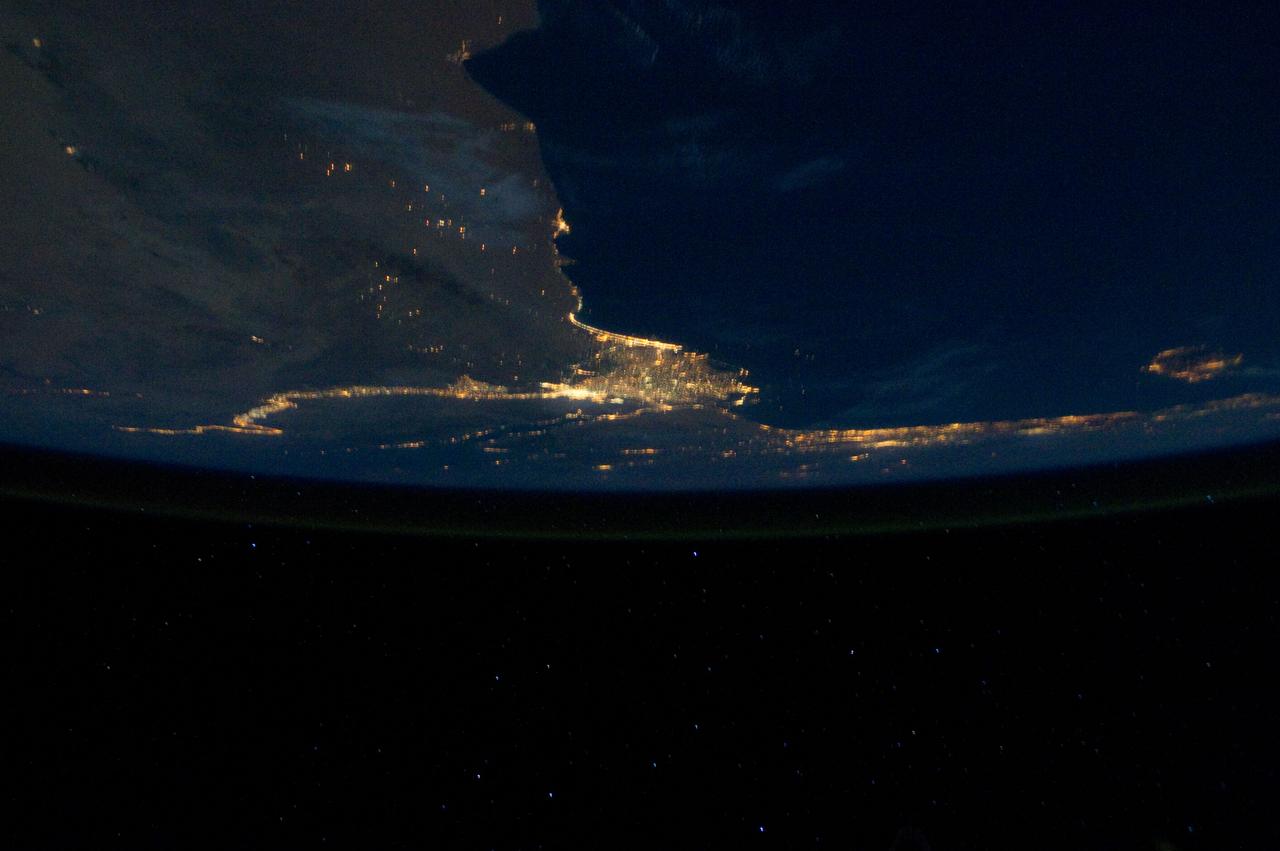
ISS028-E-033108 (18 Aug. 2011) --- The Nile River Delta and part of the Mediterranean Sea can be seen in this night time photo captured by one of the Expedition 28 crew members aboard the International Space Station, flying at an altitude of approximately 220 miles. A 38-mm focal length was used to record the image.
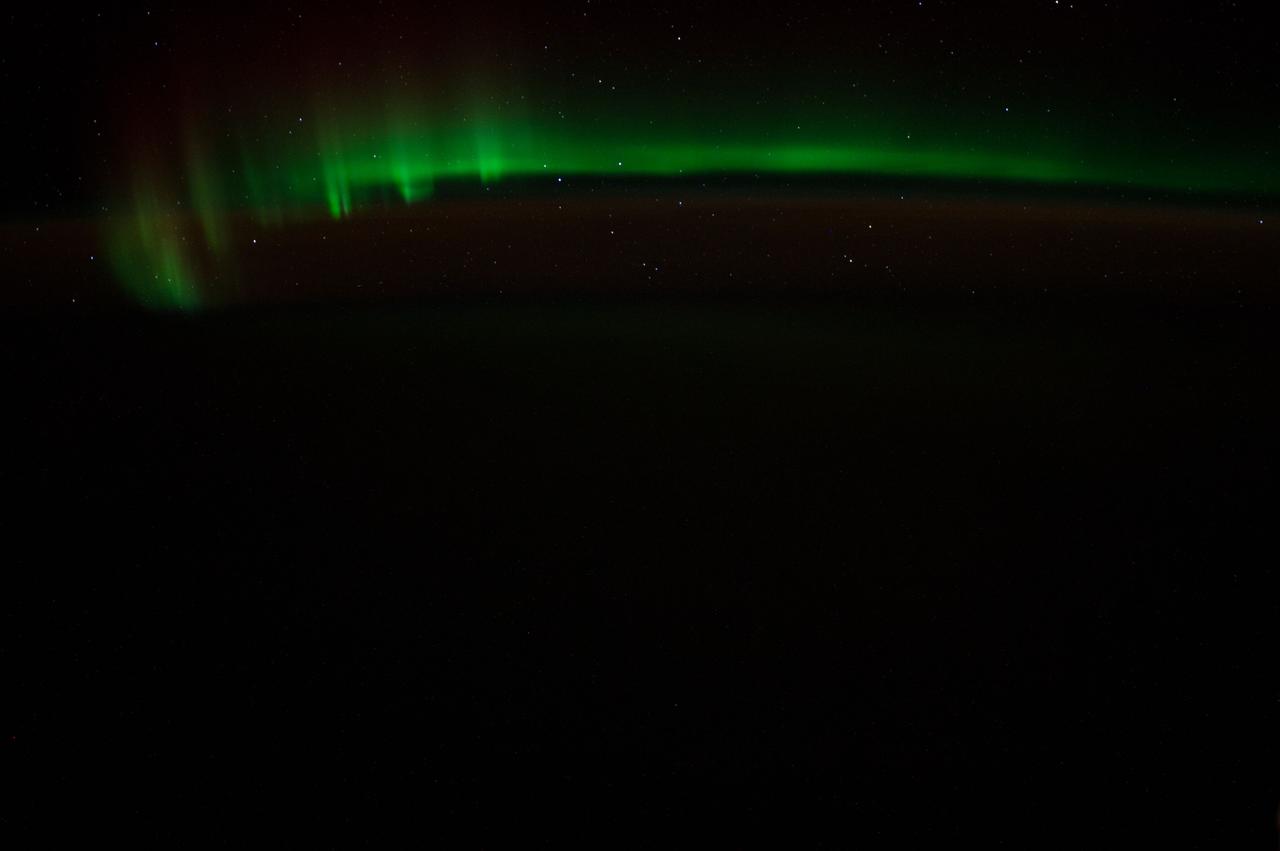
ISS040-E-040088 (5 July 2014) --- As the International Space Station was flying at an altitude of 226 nautical miles on July 5 above a point in the southern Indian Ocean near South Africa's Prince Edwards Islands, one of the Expedition 40 crew members photographed this image of Aurora Australis.
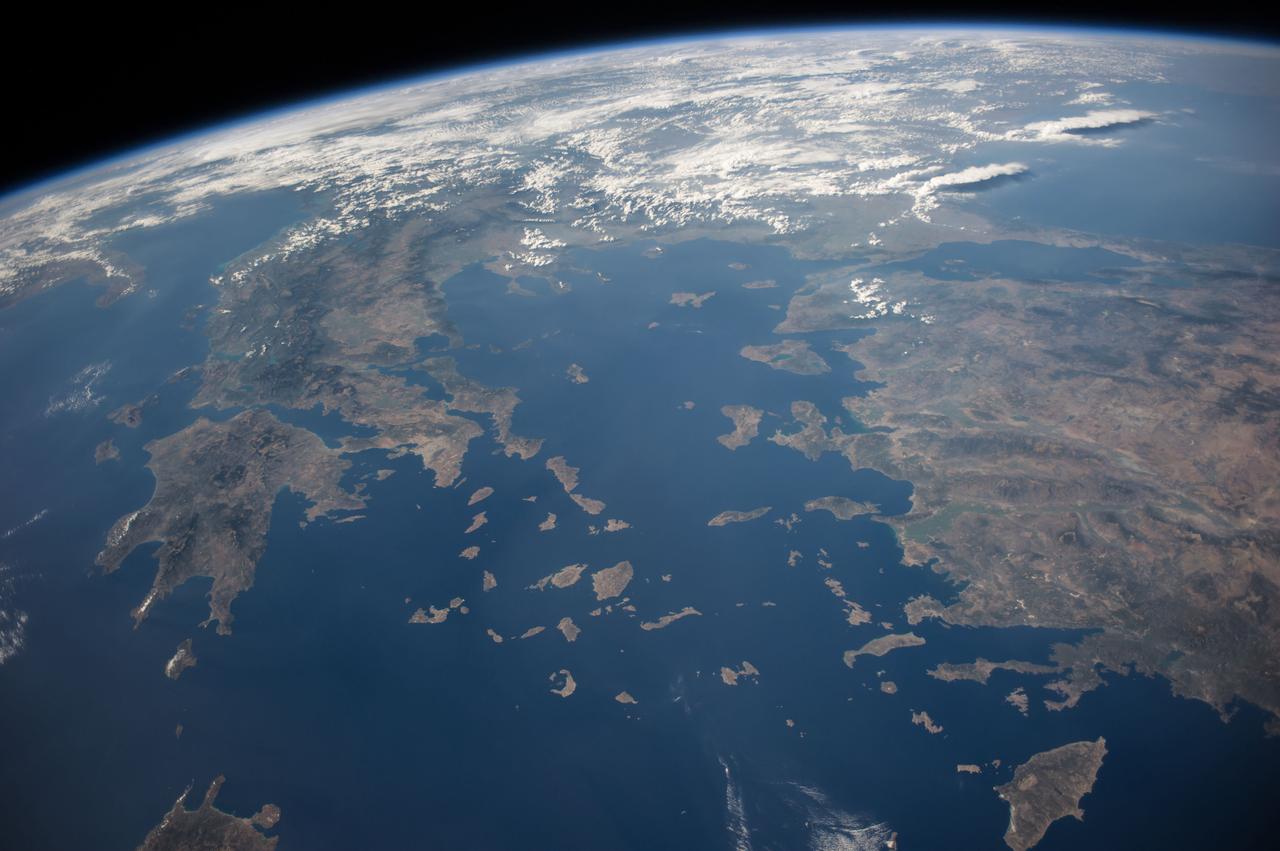
ISS040-E-098804 (16 Aug. 2014) --- One of the Expedition 40 crew members aboard the International Space Station, flying at an altitude of 221 nautical miles, photographed this oblique image showing parts of the continents of Europe and Asia. Much of Greece is visible on the left side of the frame and a large area of Turkey can be seen at right.
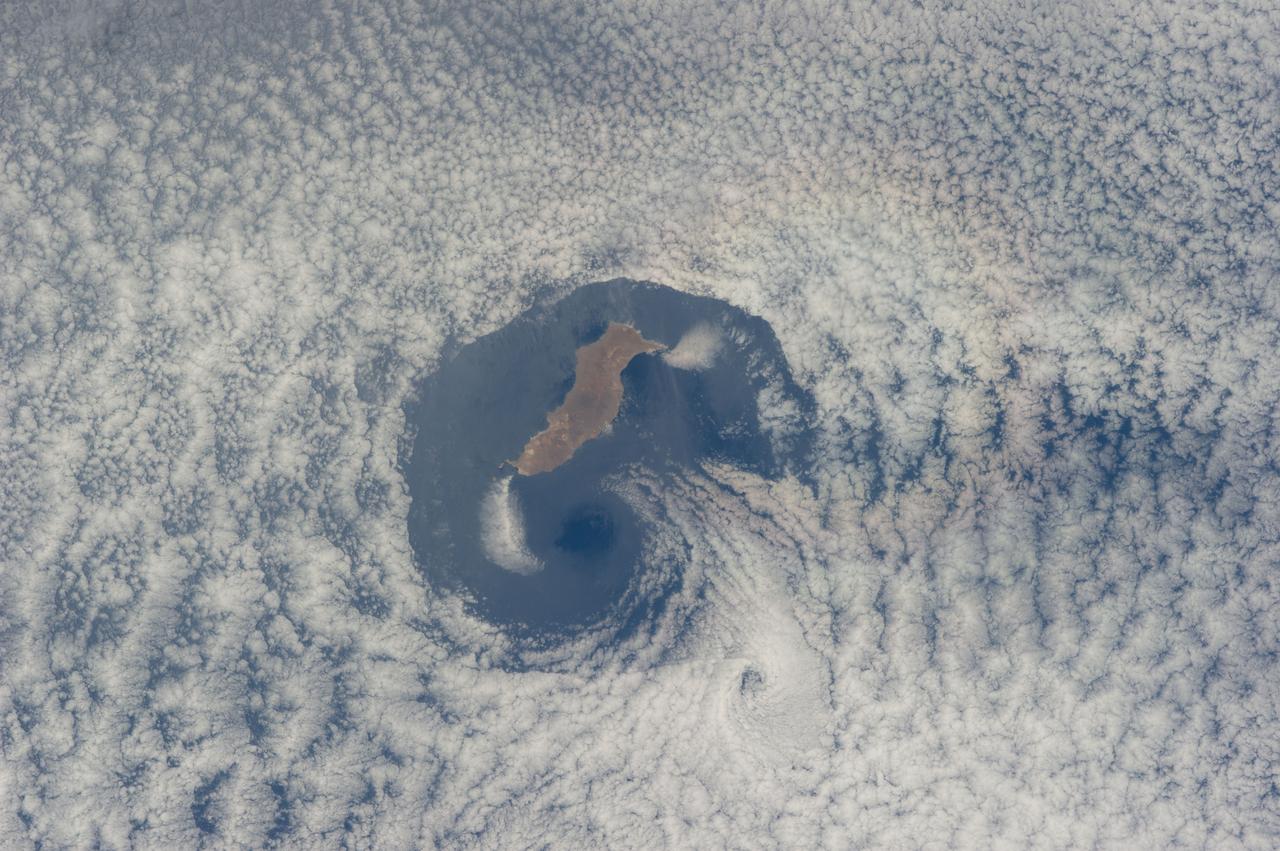
ISS040-E-016570 (21 June 2014) --- From an altitude of 223 nautical miles, one of the Expedition 40 crew members on the International Space Station photographed this nearly vertical image of Guadalupe Island and the Von Karman cloud vortices that are its storied neighbors just off southern California's Pacific Coast.
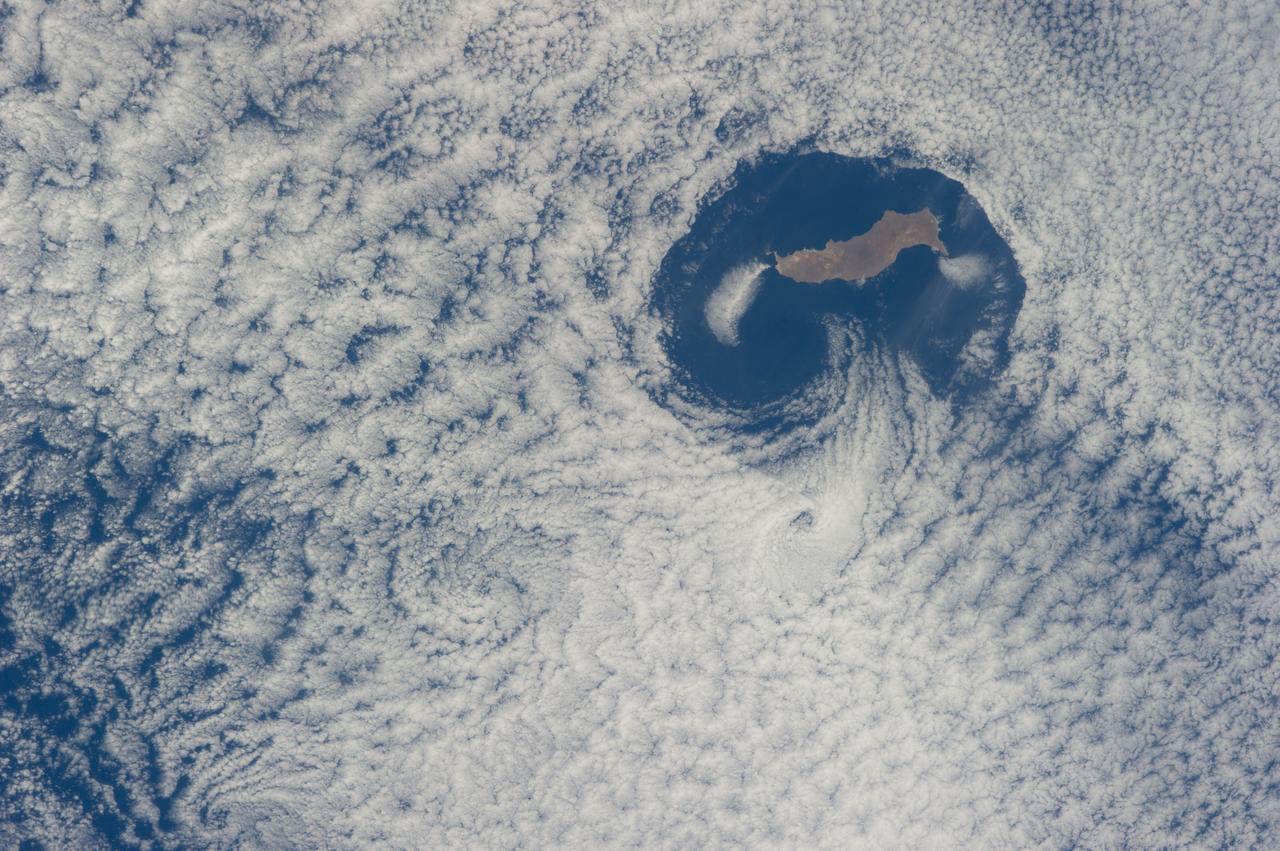
ISS040-E-016569 (21 June 2014) --- From an altitude of 223 nautical miles, one of the Expedition 40 crew members on the International Space Station photographed this nearly vertical image of Guadalupe Island and the Von Karman cloud vortices that are its storied neighbors just off southern California's Pacific Coast.
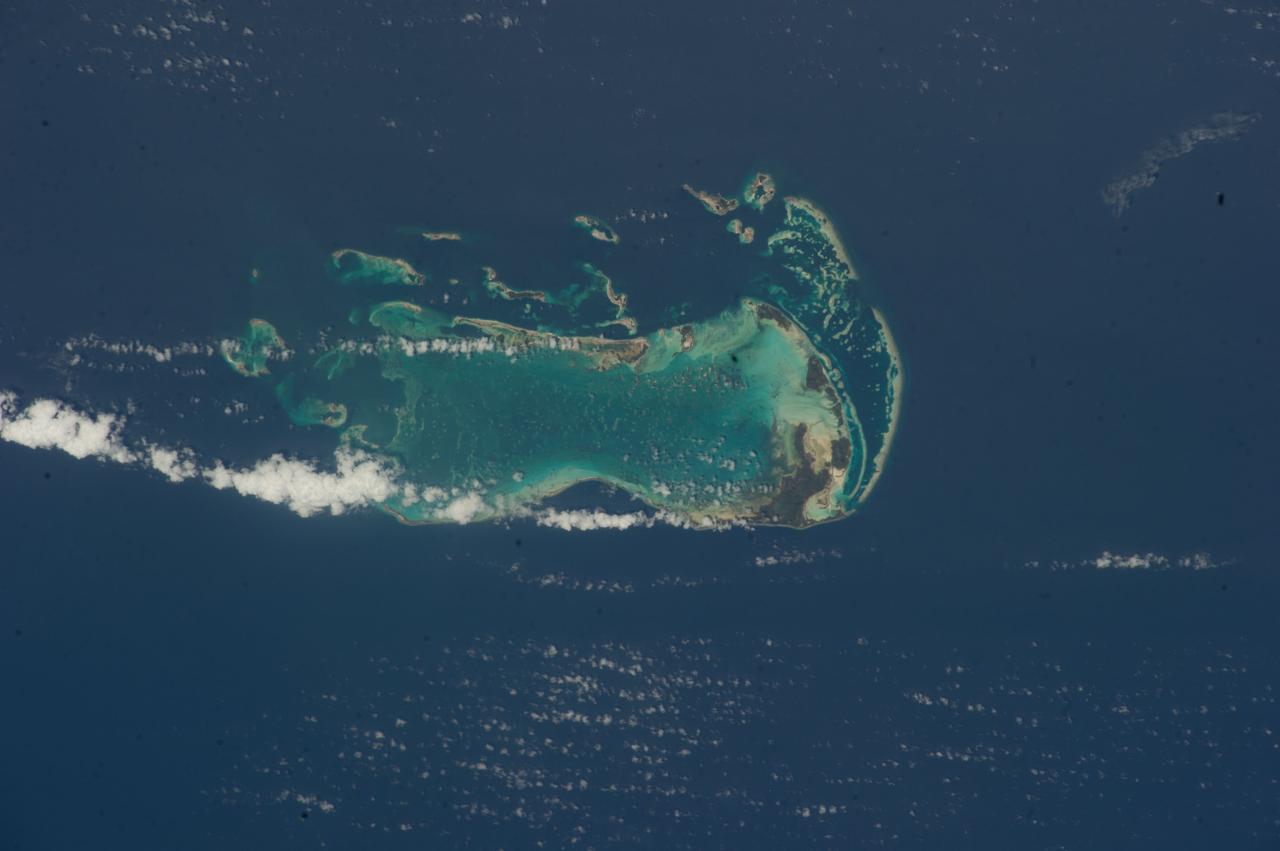
ISS040-E-000500 (17 May 2014) --- One of the Expedition 40 crew members aboard the International Space Station used a 200mm lens to photograph the Los Roques Islands off the north coast of Venezuela on May 17, 2014. The orbital outpost was flying at an altitude of approximately 225 nautical miles when the photo was taken.
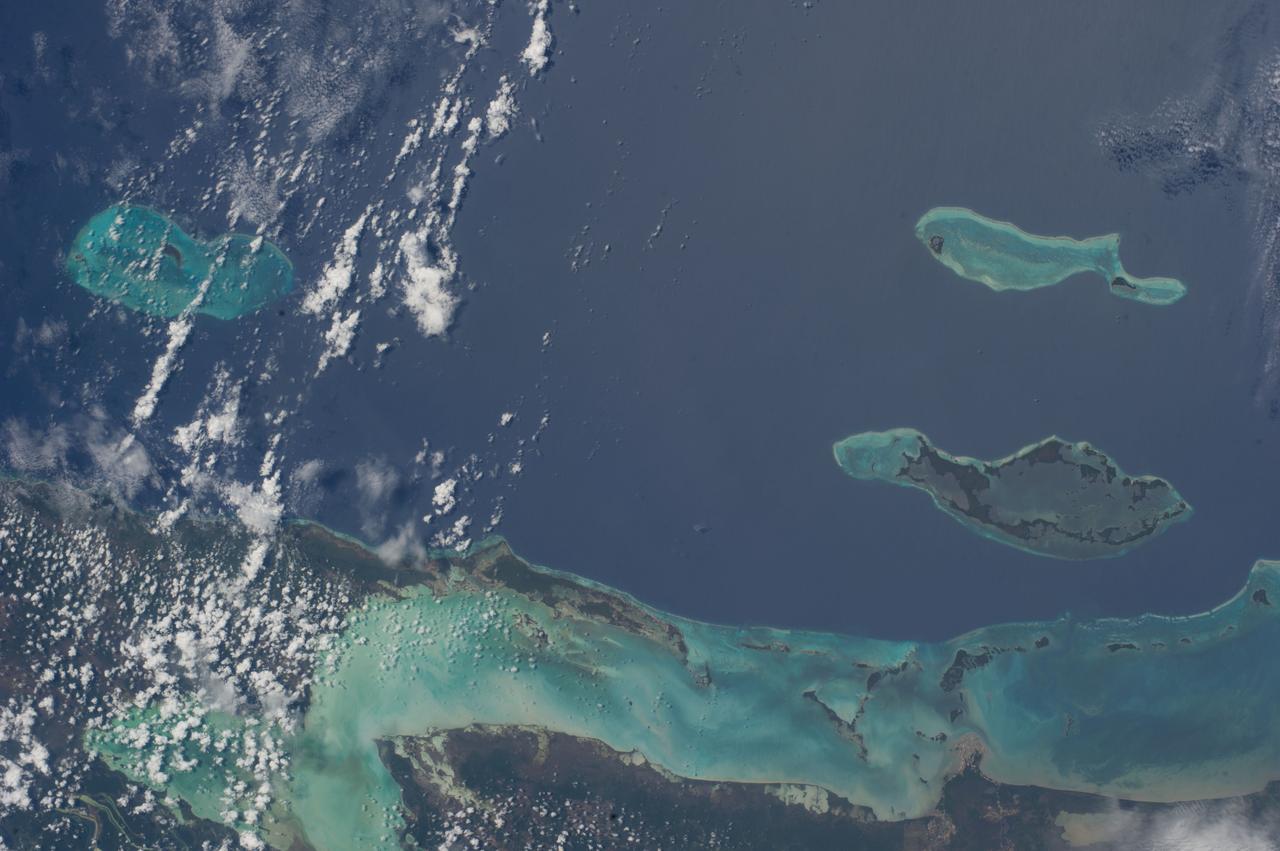
ISS040-E-018752 (24 June 2014) --- One of the Expedition 40 crew members aboard the International Space Station, flying at an altitude of 223 nautical miles, photographed this image of the Caribbean Coast of Belize near the point where it borders Mexico's Yucatan Peninsula. Belize has more than 200 islands or ?cayes.?
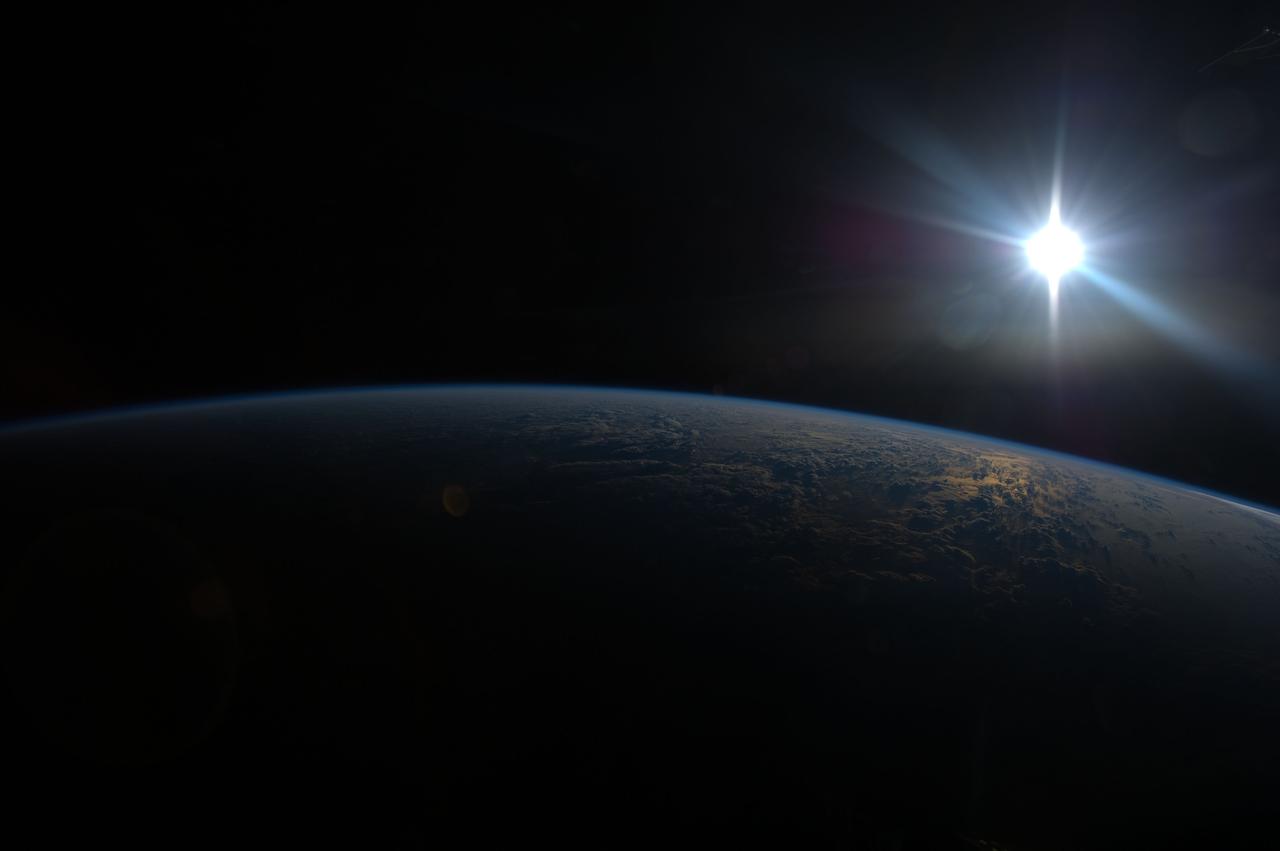
ISS036-E-005813 (2 June 2013) --- One of the Expedition 36 crew members aboard the International Space Station, flying at altitude of approximately 257 miles above the Indian Ocean, recorded this image of the sun about to go down on June 2, 2013.
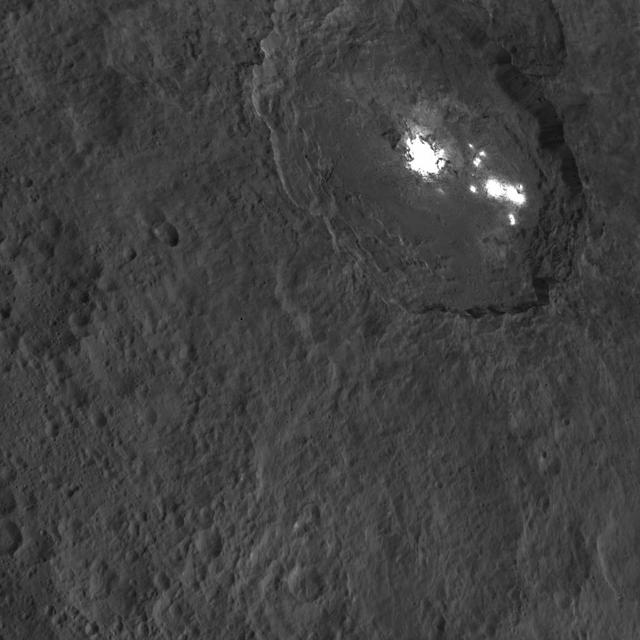
One of the most intriguing features on Ceres, Occator crater, is seen in this oblique view from NASA's Dawn spacecraft. This crater is 60 miles (90 kilometers) across and 2 miles (4 kilometers) deep, and is home to the brightest areas on Ceres. This image was acquired from an altitude of 915 miles (1,470 kilometers). Dawn took this image on Oct. 18, 2015. http://photojournal.jpl.nasa.gov/catalog/PIA20132
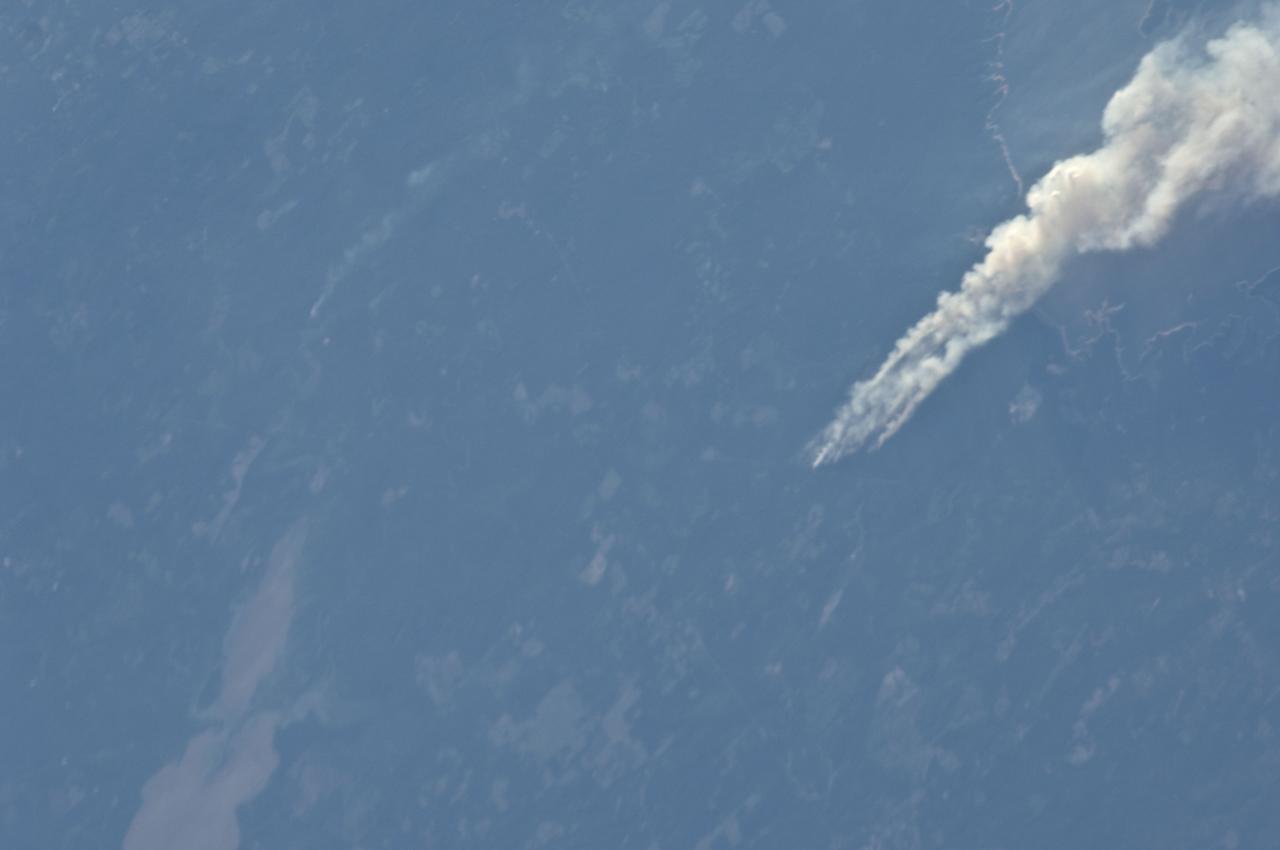
ISS028-E-008377 (21 June 2011) --- One of the Expedition 28 crew members aboard the International Space Station, flying at an altitude of approximately 235 statute miles, on June 21 spotted and photographed this image of one of the major Texas wildfires currently burning up massive acreage. This one is near Jasper and Lake Sam Rayburn in far east Texas.
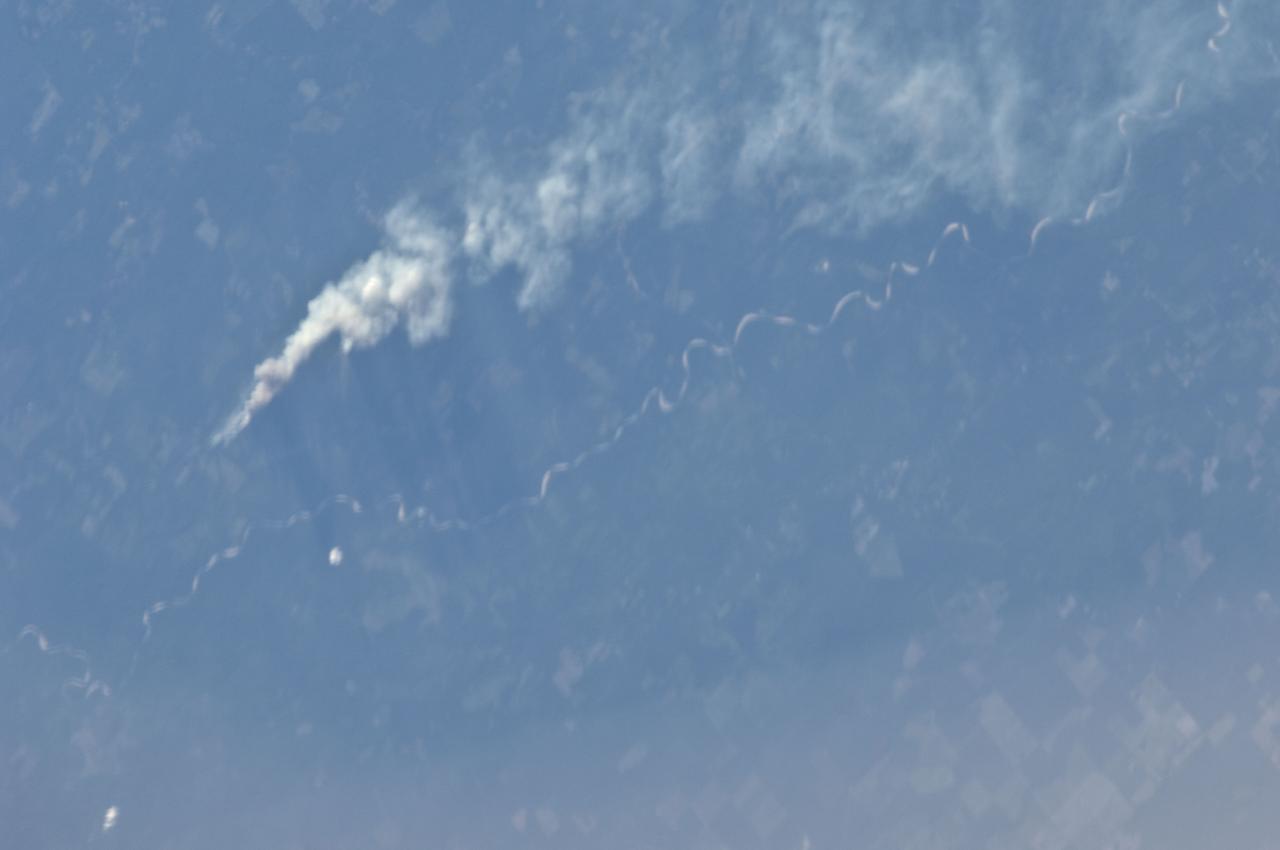
ISS028-E-008375 (21 June 2011) --- One of the Expedition 28 crew members aboard the International Space Station, flying at an altitude of approximately 235 statute miles, on June 21 spotted and photographed this image of one of the major Texas wildfires currently burning up massive acreage. This one is near the Sabine River, southeast of Kirbyville.
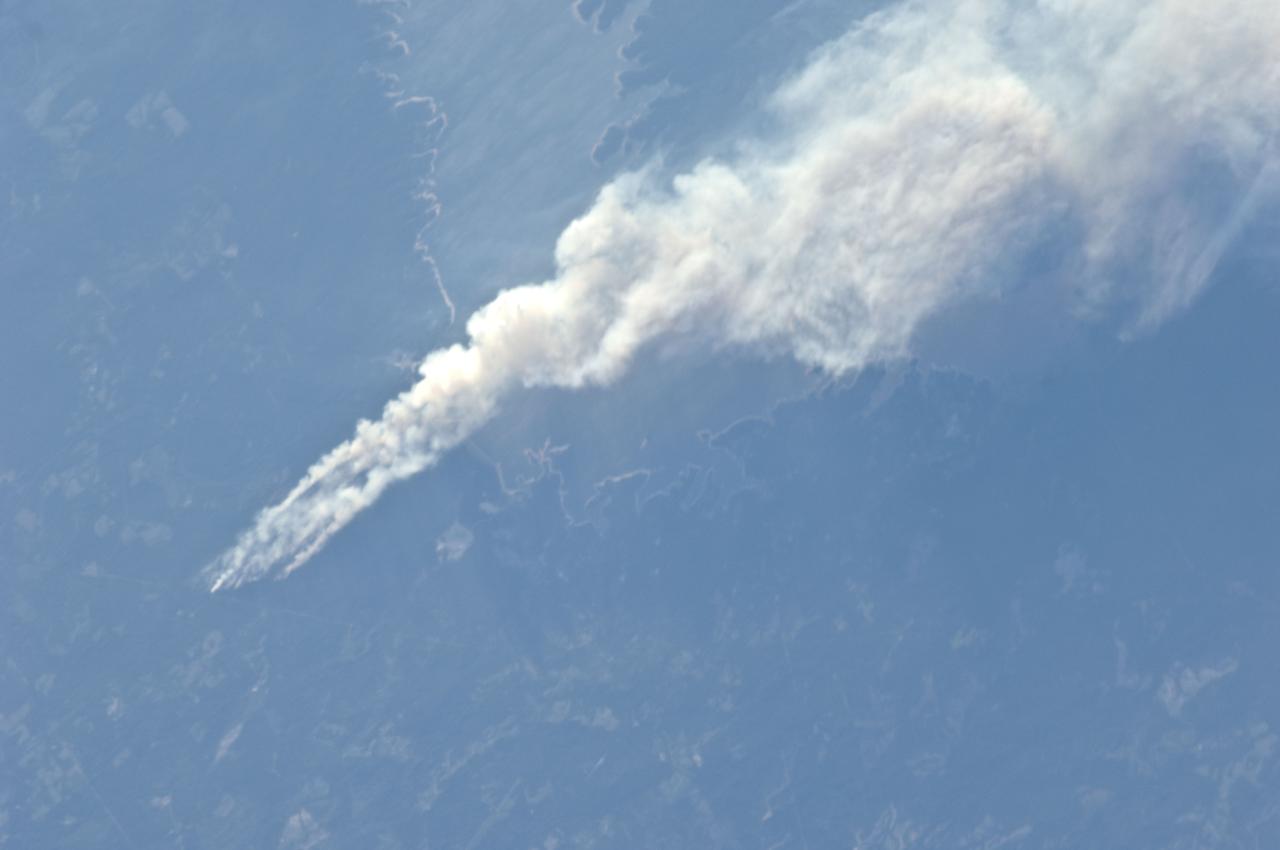
ISS028-E-008374 (21 June 2011) --- One of the Expedition 28 crew members aboard the International Space Station, flying at an altitude of approximately 235 statute miles, on June 21 spotted and photographed this image of one of the major Texas wildfires currently burning up massive acreage. This one is near Jasper and Lake Sam Rayburn in far east Texas.
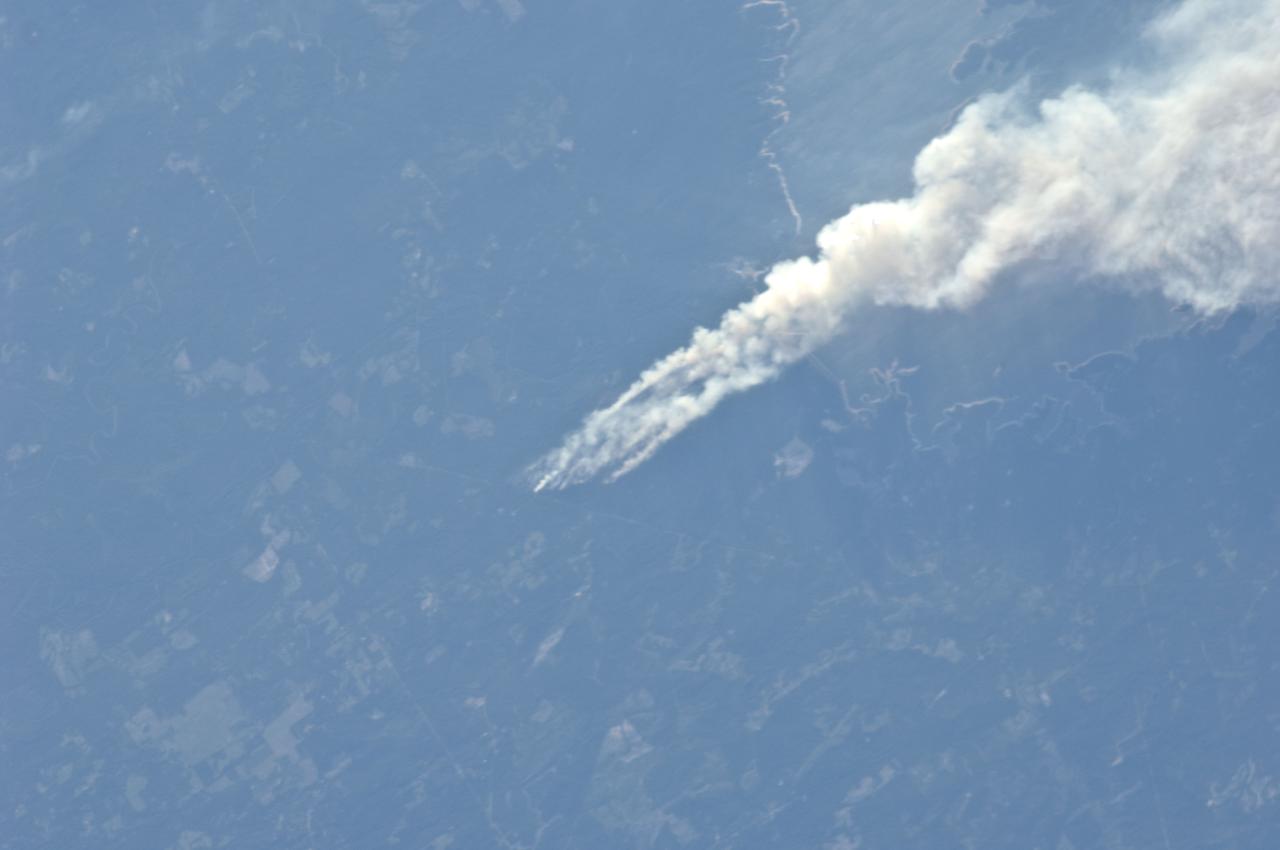
ISS028-E-008373 (21 June 2011) --- One of the Expedition 28 crew members aboard the International Space Station, flying at an altitude of approximately 235 statute miles, on June 21 spotted and photographed this image of one of the major Texas wildfires currently burning up massive acreage. This one is near Jasper and Lake Sam Rayburn in far east Texas.
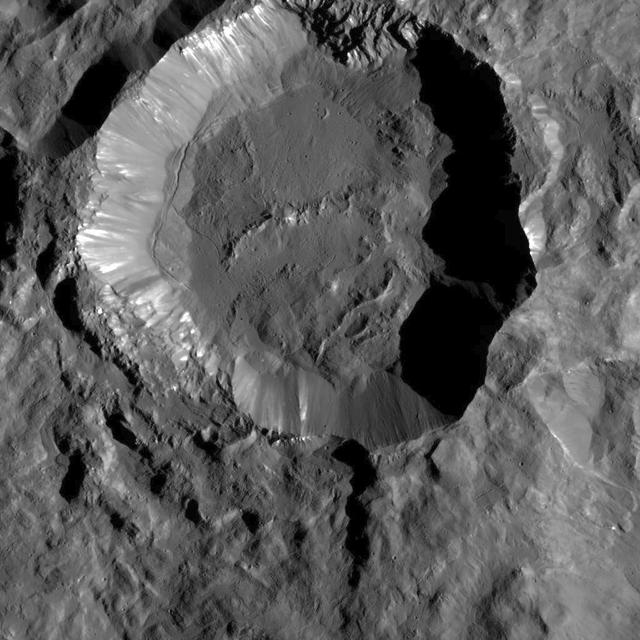
This image from NASA's Dawn spacecraft shows Kupalo Crater, one of the youngest craters on Ceres. The crater has bright material exposed on its rim and walls, which could be salts. Its flat floor likely formed from impact melt and debris. Kupalo, which measures 16 miles (26 kilometers) across and is located at southern mid-latitudes, is named for the Slavic god of vegetation and harvest. Kupalo was imaged earlier in Dawn's science mission at Ceres -- during Survey orbit (see PIA19624) and from the high altitude mapping orbit, or HAMO (see PIA20124). Dawn took this image on Dec. 21 from its low-altitude mapping orbit (LAMO) at an approximate altitude of 240 miles (385 kilometers) above Ceres. The image resolution is 120 feet (35 meters) per pixel. http://photojournal.jpl.nasa.gov/catalog/PIA20192
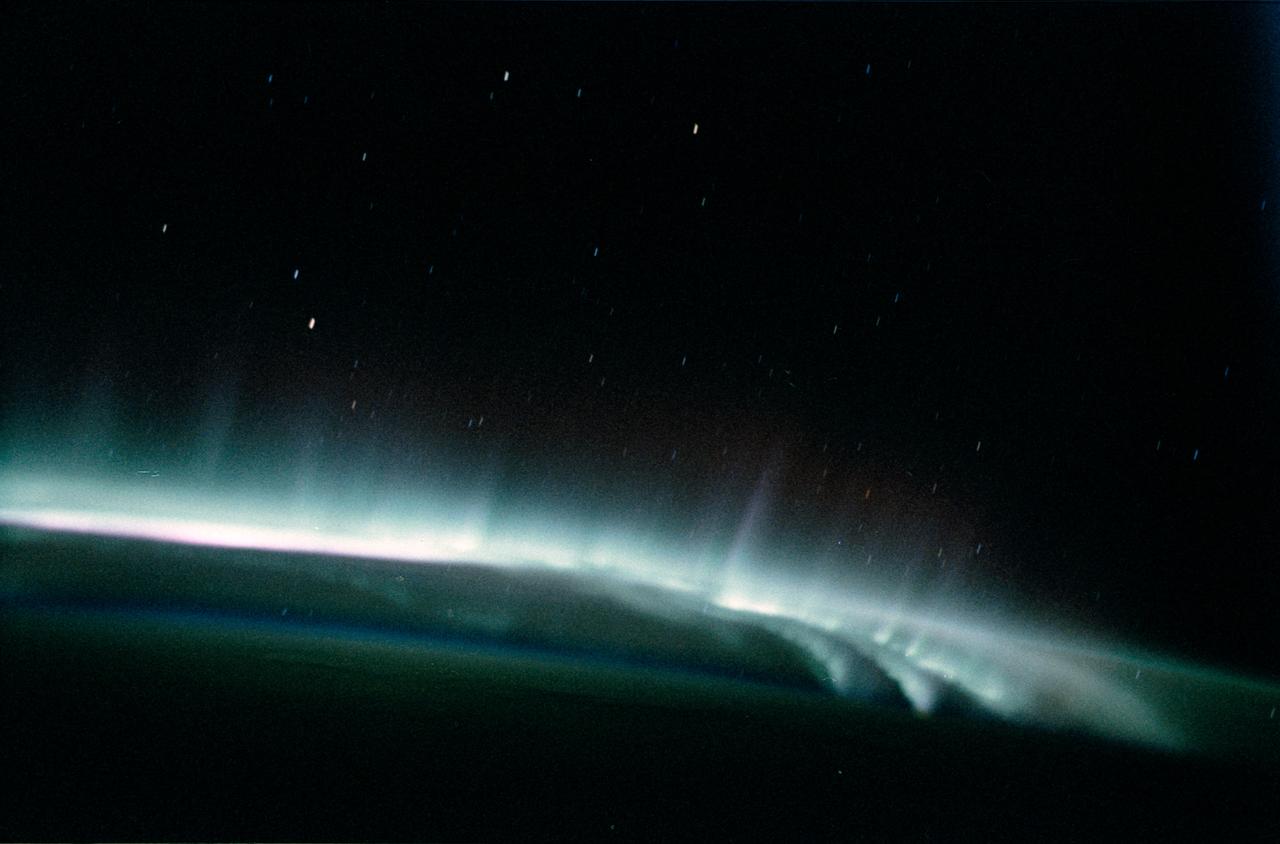
STS062-58-025 (4-18 March) --- This photo shows the aurora australis or souther lights. The multi-hued shafts of light, extending upward to 200 miles above the earth's surface, are caused by beams of energetic electrons colliding with the oxygen and nitrogen in the earth's upper atmosphere. The strong red glow occurs at the highest altitude where the air is least dense and composed mostly of oxygen. At lower altitudes, the greater density favors the green color, also produced by atomic oxygen. Sometimes at the bottom (the lowest altitude of the aurora) a pink border is produced by nitrogen. The aurora usually can be seen only in Arctic regions. However, because of the tilt of the magnetic axis of the space shuttle mission orbits. One of these regions is over eastern North American, and the second one is south of Australia. Since most shuttle launches occur in daytime, the North American region is in daylight, and the only auroras that can be seen are usually in the Southern Hemisphere.
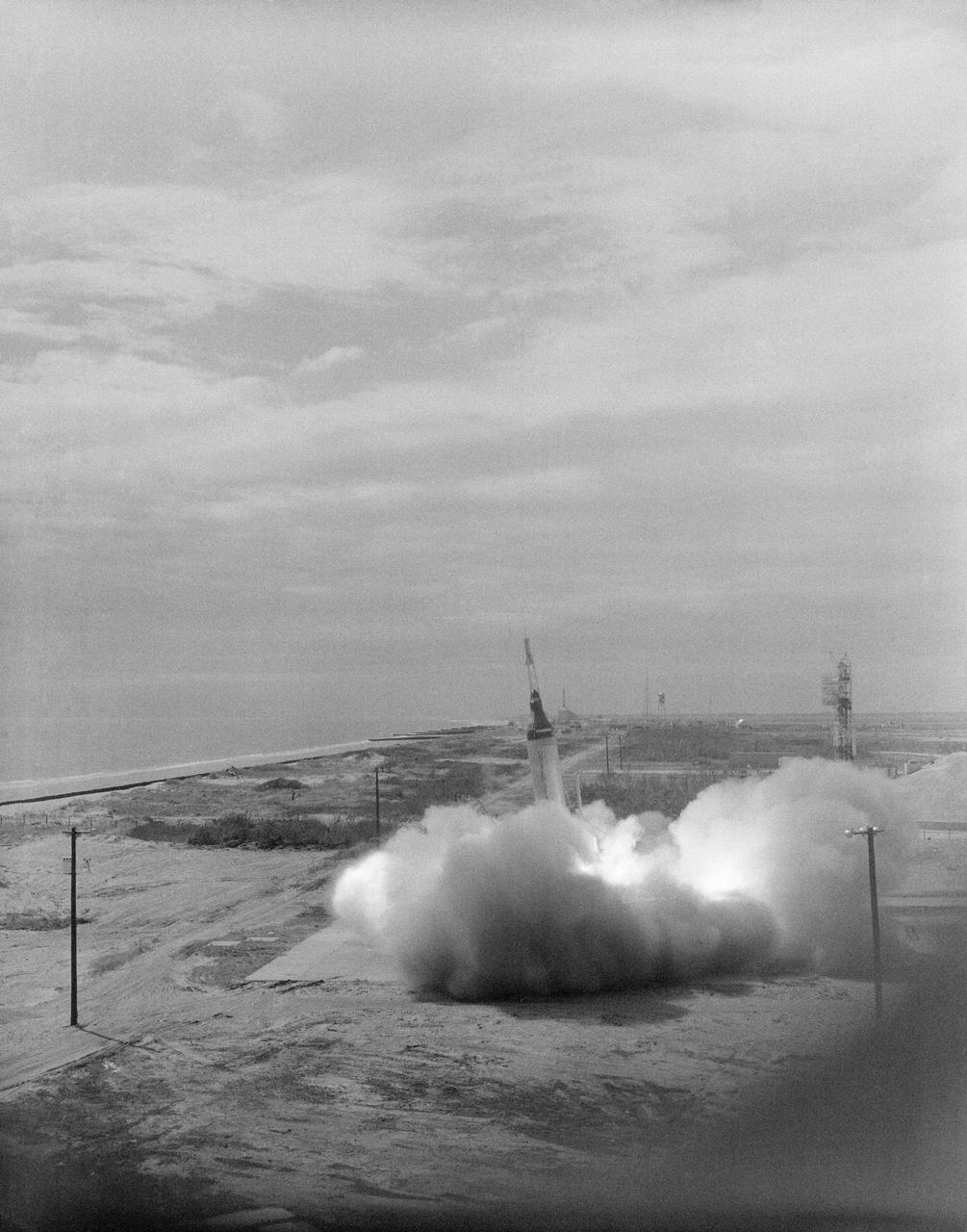
S61-01372 (21 Feb. 1961) --- Launch of the unmanned Mercury-Atlas 2 (MA-2) vehicle for a suborbital test flight of the Mercury capsule. The upper part of Atlas is stengthened by an eight-inch wide stainless steel band. The capsule was recovered less than one hour after launch. The altitude was 108 miles. Speed was 13,000 mph. Recovered 1,425 miles downrange. Photo credit: NASA
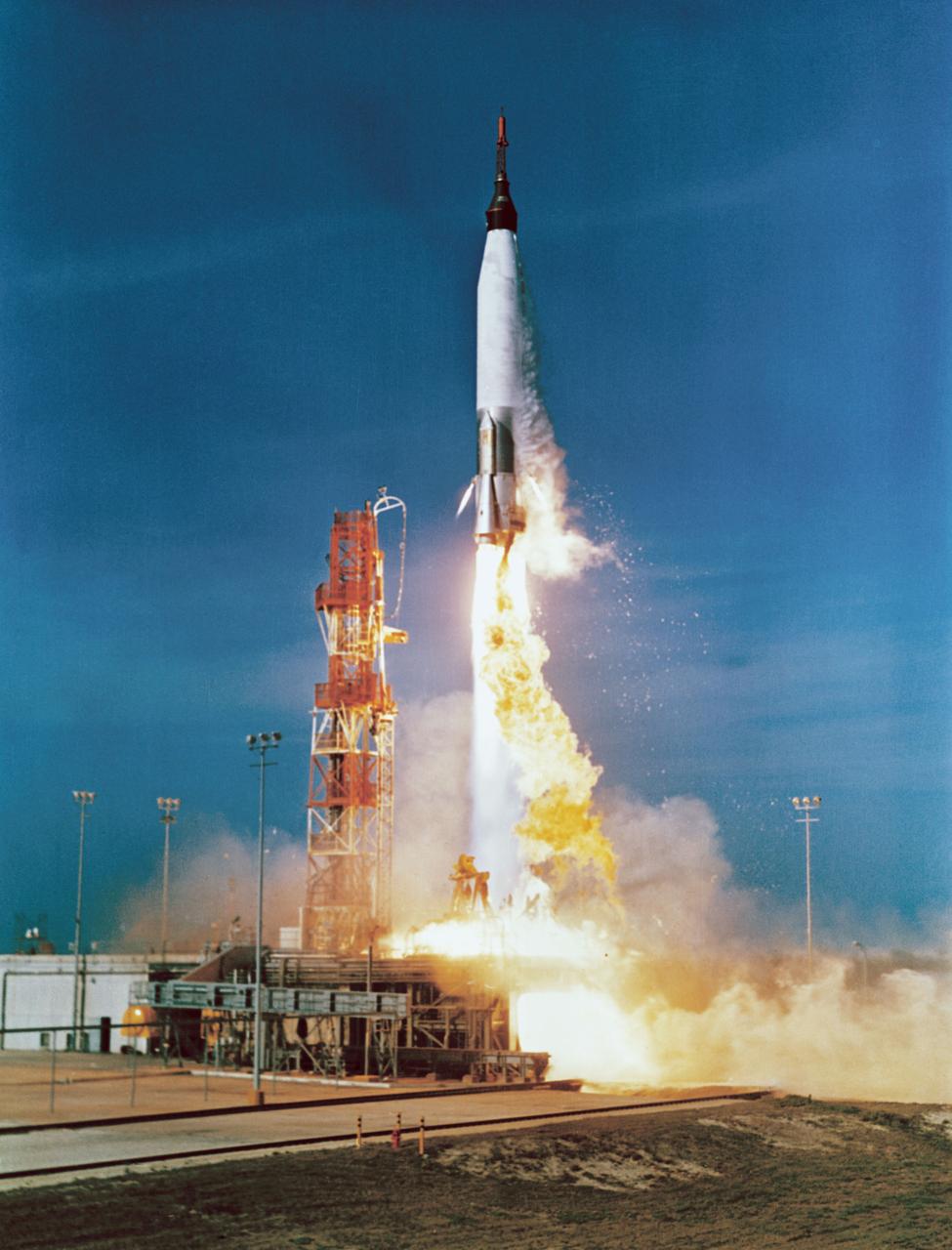
S61-01226 (21 Feb. 1961) --- Launch of the unmanned Mercury-Atlas 2 (MA-2) vehicle for a suborbital test flight of the Mercury capsule. The upper part of Atlas is stengthened by an eight-inch wide stainless steel band. The capsule was recovered less than one hour after launch. The altitude was 108 miles. Speed was 13,000 mph. Recovered 1,425 miles downrange. Photo credit: NASA
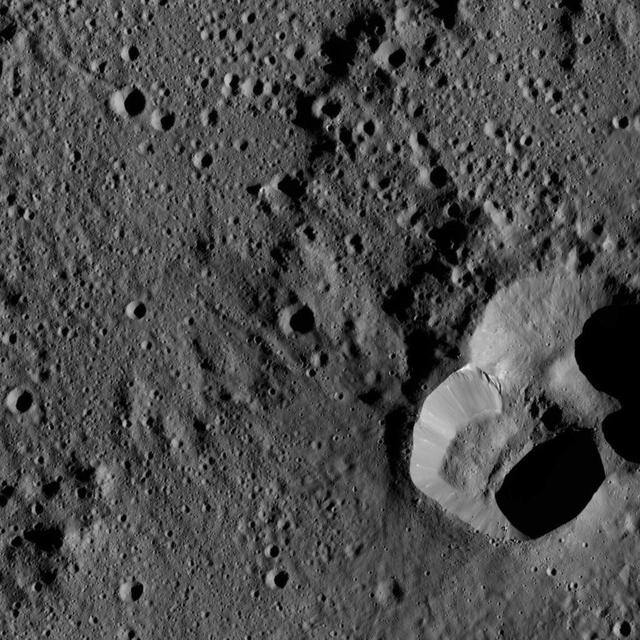
This view from NASA's Dawn spacecraft shows an area in the interior of Yalode Crater on Ceres. Yalode is one of the largest impact basins on Ceres, with a diameter of 160 miles (260 kilometers). Dawn took this image on June 3, 2016, from its low-altitude mapping orbit, at a distance of about 240 miles (385 kilometers) above the surface. The image resolution is 120 feet (35 meters) per pixel. http://photojournal.jpl.nasa.gov/catalog/PIA20945
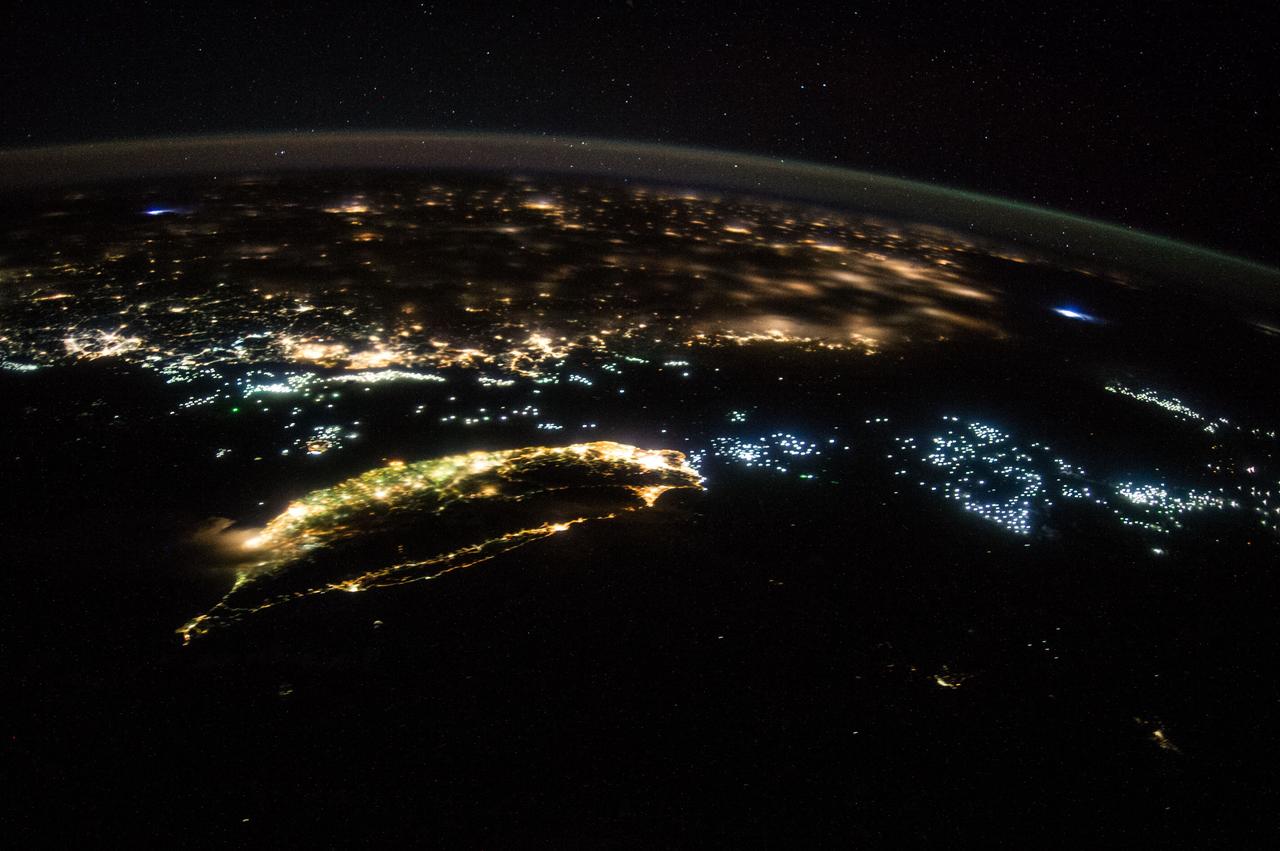
ISS040-E-081424 (27 July 2014) --- From an altitude of 223 nautical miles, one of the Expedition 40 crew members aboard the International Space Station on July 27, 2014 recorded this oblique night image of Taiwan (center foreground) and part of mainland China. Hundreds of fishing vessels, perhaps for harvesting both fish and squid as well as other forms of marine life, are seen in clusters throughout the panorama. Two lightning storms -- one on either side of the image -- are also visible.
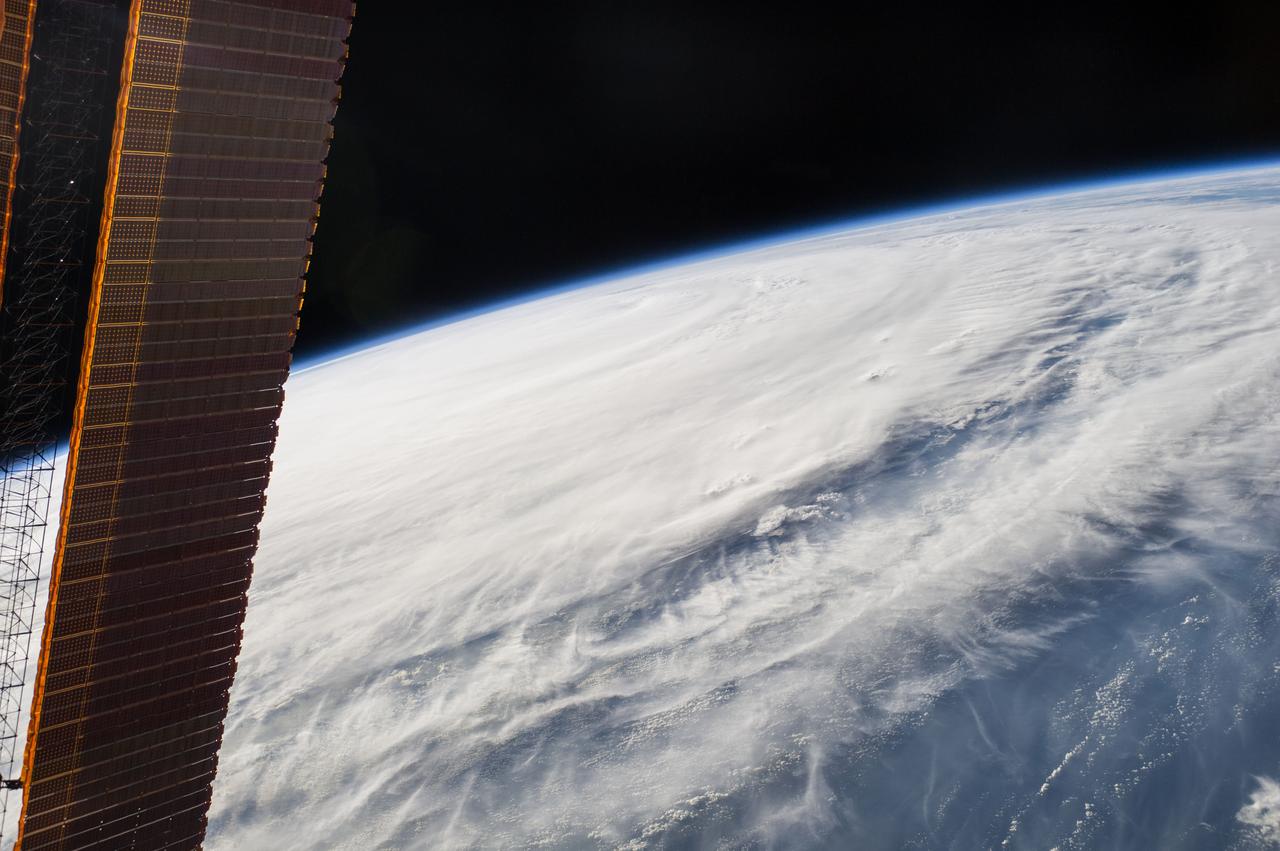
ISS040-E-089379 (7 Aug. 2014) --- One of the Expedition 40 crew members aboard the International Space Station, from an altitude of 221 nautical miles, photographed this image of Typhoon Halong at 08:02:41 GMT on Aug. 7, 2014. The orbital outpost was flying above a point on Earth located at 15.8 degrees north latitude and 142.4 degrees east longitude. One of the solar panels of the orbital outpost is seen on the left side of the scene.
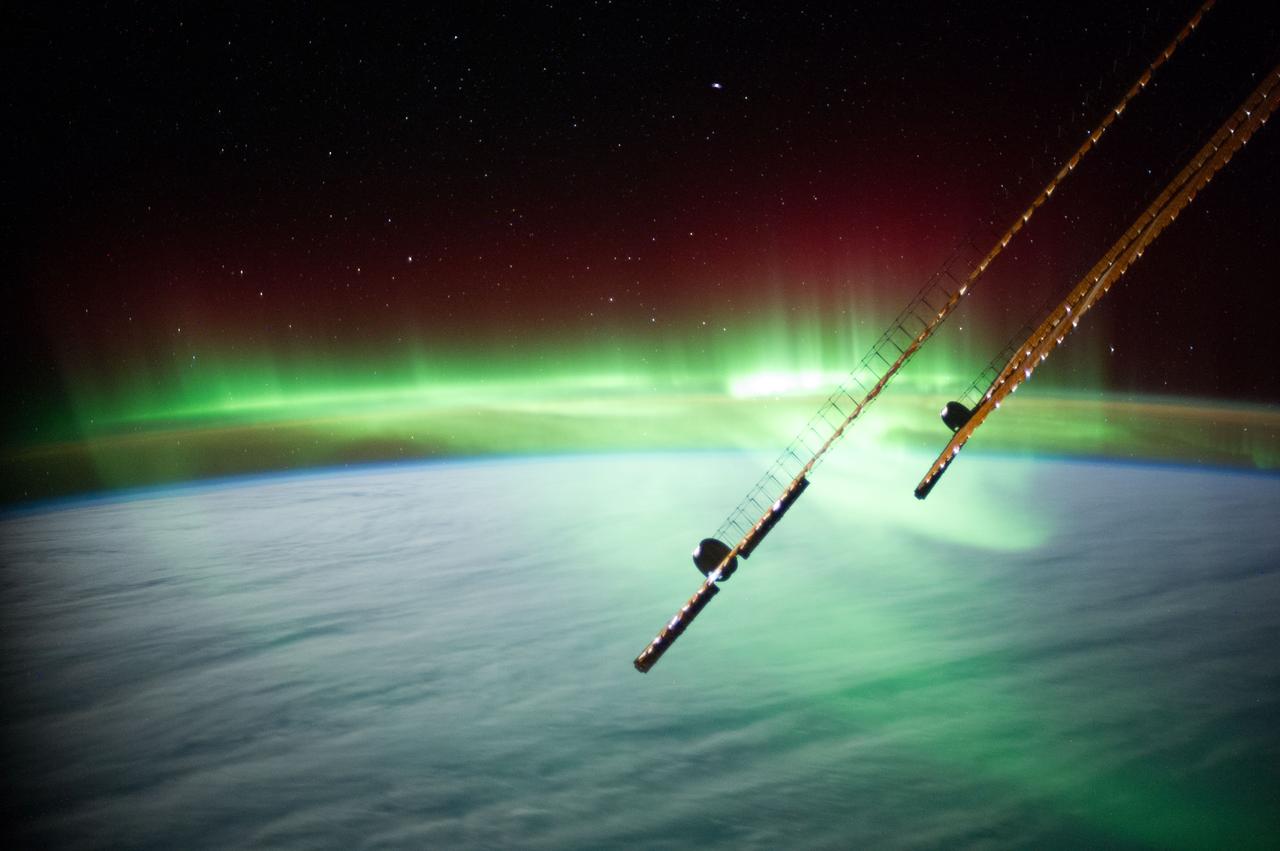
ISS040-E-066028 (15 July 2014) --- One of the more spectacular scenes of the Aurora Australis was photographed by one of the Expedition 40 crew members aboard the International Space Station from an altitude of approximately 223 nautical miles on July 15, 2014. The crew member used a 50mm lens to record the image as the orbital outpost was over a point south of Australia. Parts of solar array panels of the space station are visible at right.
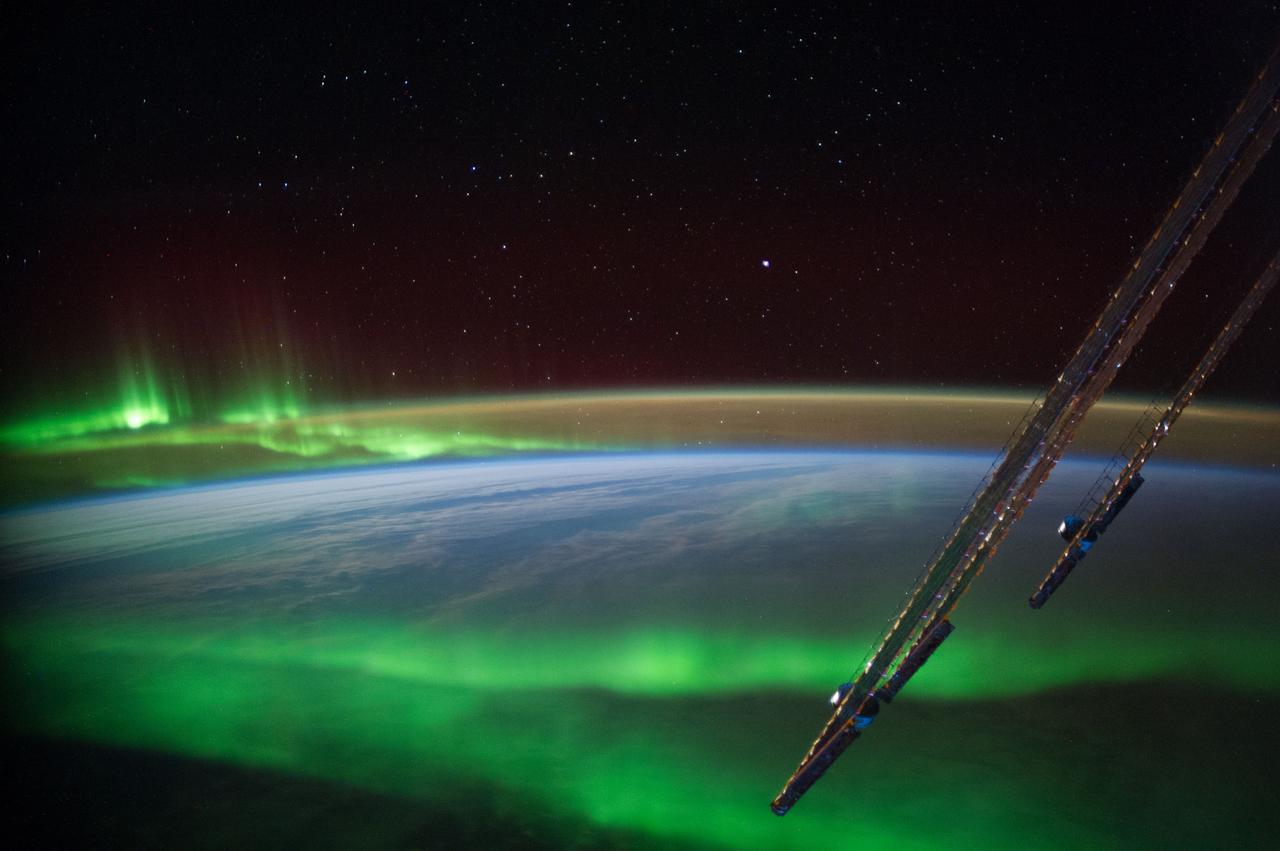
ISS040-E-065887 (15 July 2014) --- One of the more spectacular scenes of the Aurora Australis was photographed by one of the Expedition 40 crew members aboard the International Space Station from an altitude of approximately 223 nautical miles on July 15, 2014. The crew member used a 50mm lens to record the image as the orbital outpost was over a point south of Australia. Parts of solar array panels of the space station are visible at right.
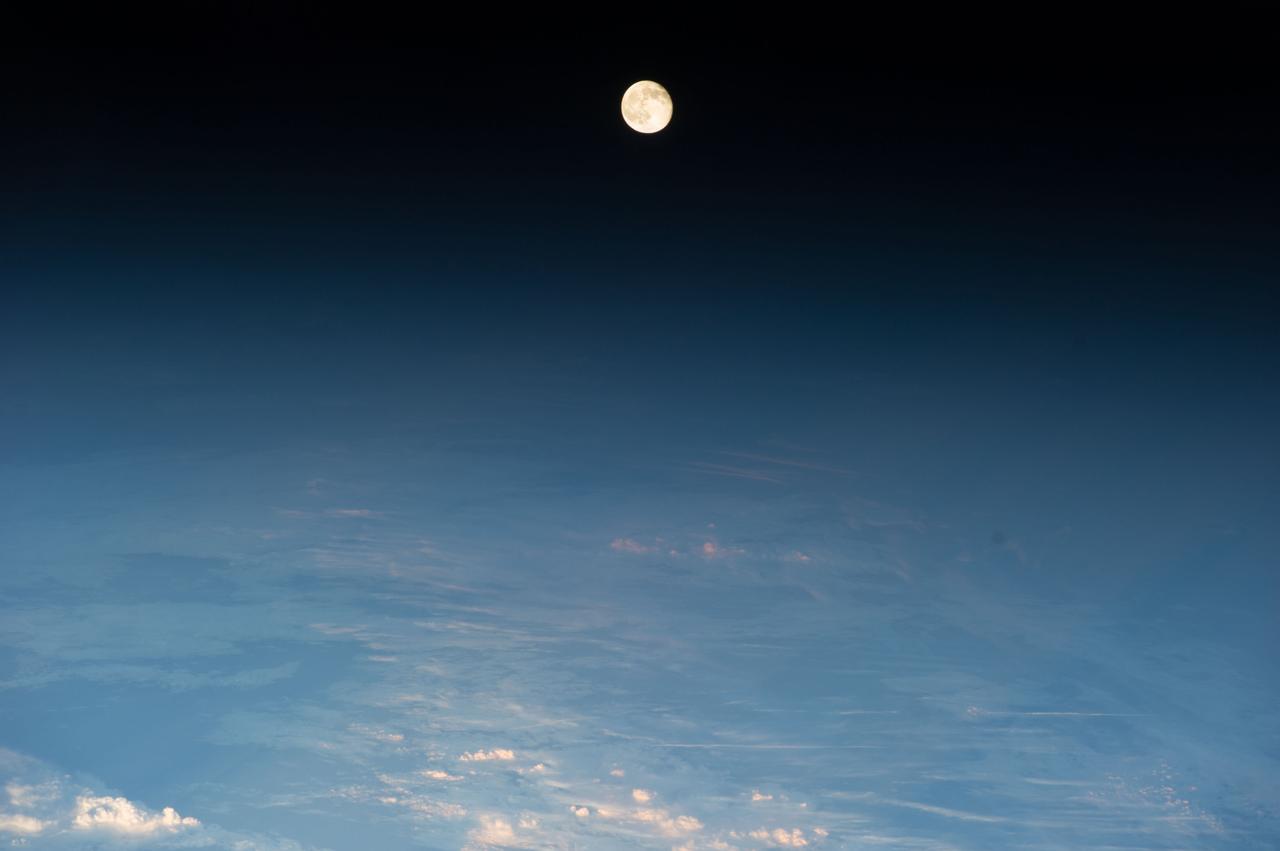
ISS040-E-012007 (14 June 2014) --- A waning gibbous moon is the central focus of this image taken by one of the Expedition 40 crew members aboard the Earth-orbiting International Space Station while the outpost was flying at an altitude of 219 nautical miles above eastern Europe. This image and the adjacent photograph (frame no. ISS04e012006) were taken only seconds apart but the moon appears larger in this frame because a 160mm focal length was used for this image and an 80mm lens was utilized for the other one.
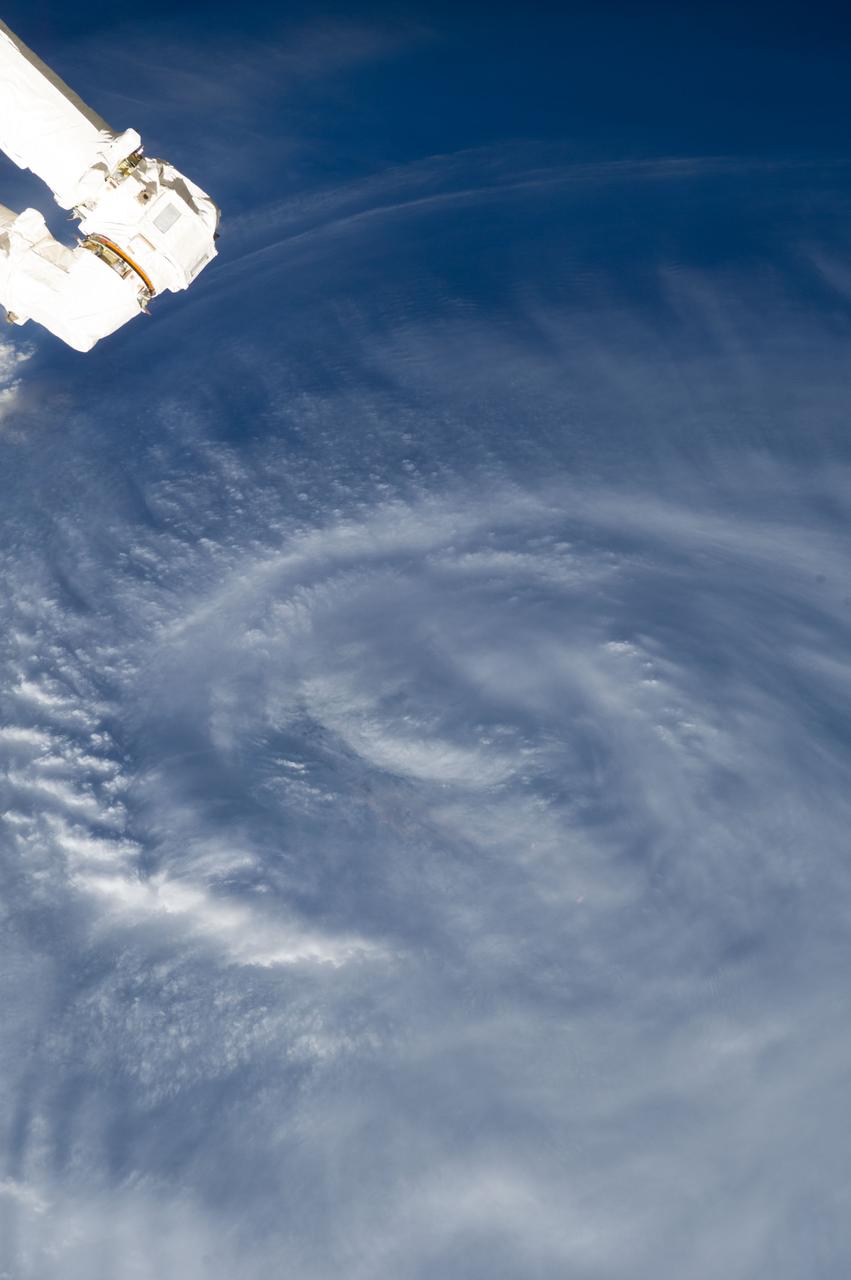
ISS040-E-089388 (7 Aug. 2014) --- One of the Expedition 40 crew members aboard the International Space Station, from an altitude of 221 nautical miles, photographed this image of Typhoon Halong at 09:39:02 GMT on Aug. 7, 2014. The orbital outpost was flying directly above a point on Earth located at 26.1 degrees north latitude and 127.8 degrees east longitude. Part of one of the station's robot arms can be seen in upper left.

ISS034-E-044575 (10 Feb. 2013) --- One of the Expedition 34 crew members aboard the International Space Station, flying at an altitude of approximately 240 miles, took this night view of Cleveland, Ohio on Feb. 10, 2013. STS034-E-054502 (23 Feb. 2013) --- This view of a northern hemisphere mid-Atlantic low pressure system was photographed by one of the Expedition 34 crew members aboard the International Space Station flying approximately 240 miles above Earth on Feb. 23, 2013. The nadir of the space station when the image was taken was 49.9 degrees north latitude and 29.6 degrees west longitude.
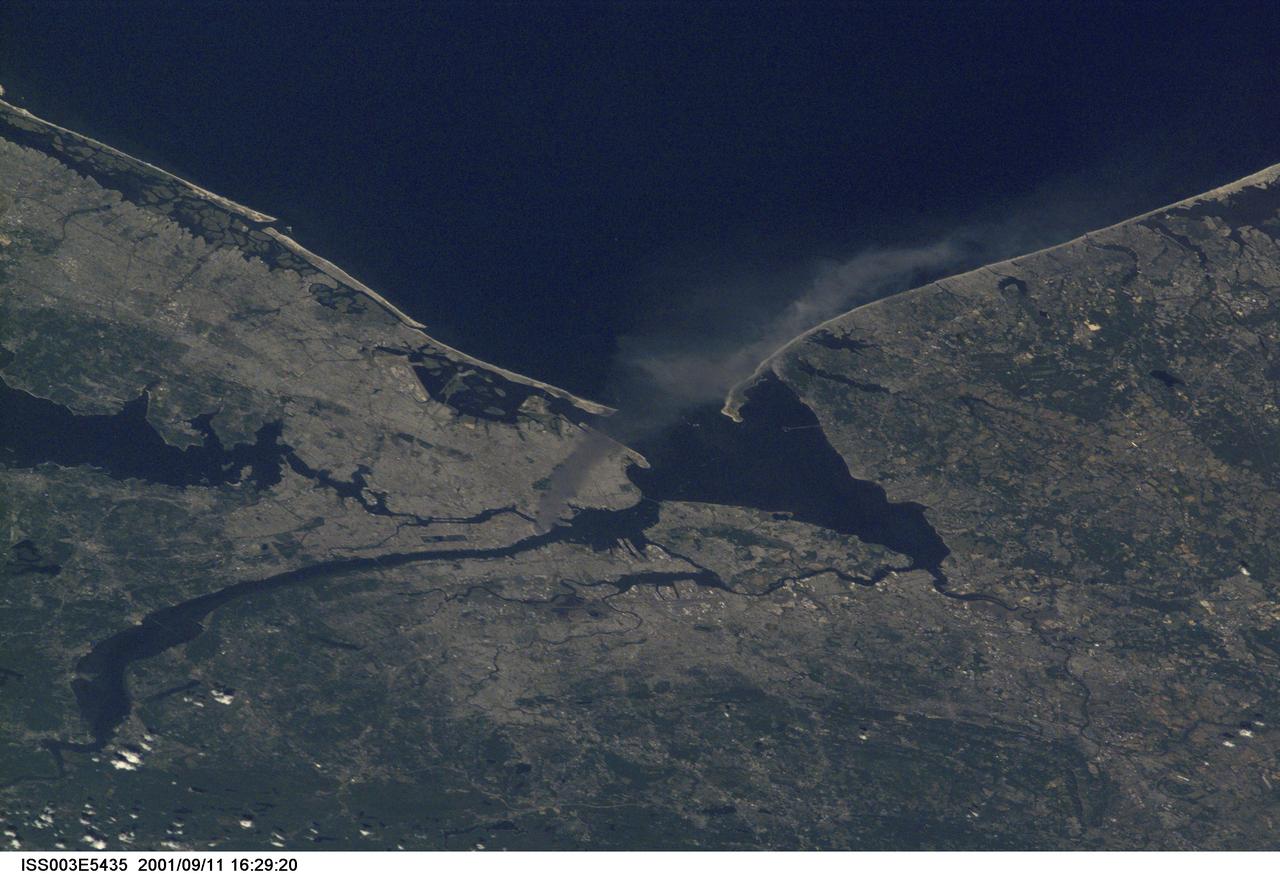
ISS003-E-5435 (11 September 2001) --- One of a series of pictures taken of metropolitan New York City (and other parts of New York as well as New Jersey) by one of the Expedition Three crew members onboard the International Space Station (ISS) at various times during the day of September 11, 2001. The image shows a smoke plume rising from the Manhattan area. The orbital outpost was flying at an altitude of approximately 250 miles. The image was recorded with a digital still camera. Please note: The date identifiers on some frames (other than those that indicate Sept. 11, 2001) are not accurate due to a technical problem with one of the Expedition Three cameras.