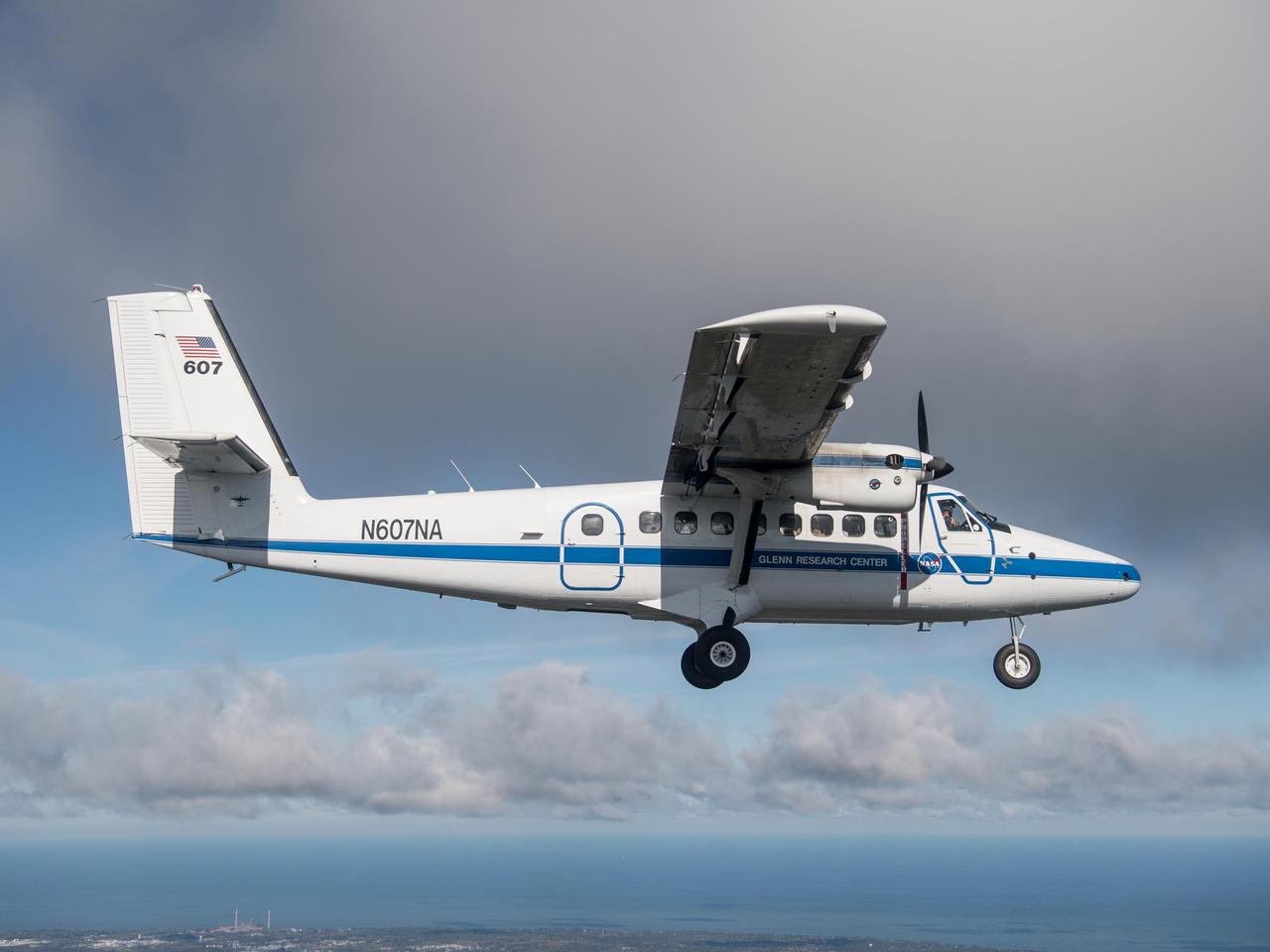
NASA Twin Otter aircraft in flight over northern Ohio. The aircraft has been utilized for numerous research projects conducted at NASA Glenn Research Center in Cleveland, Ohio.

Aircraft mechanics reposition the Twin Otter after a research flight. The aircraft was used to gather data from Lake Erie for the Algae Bloom Project.
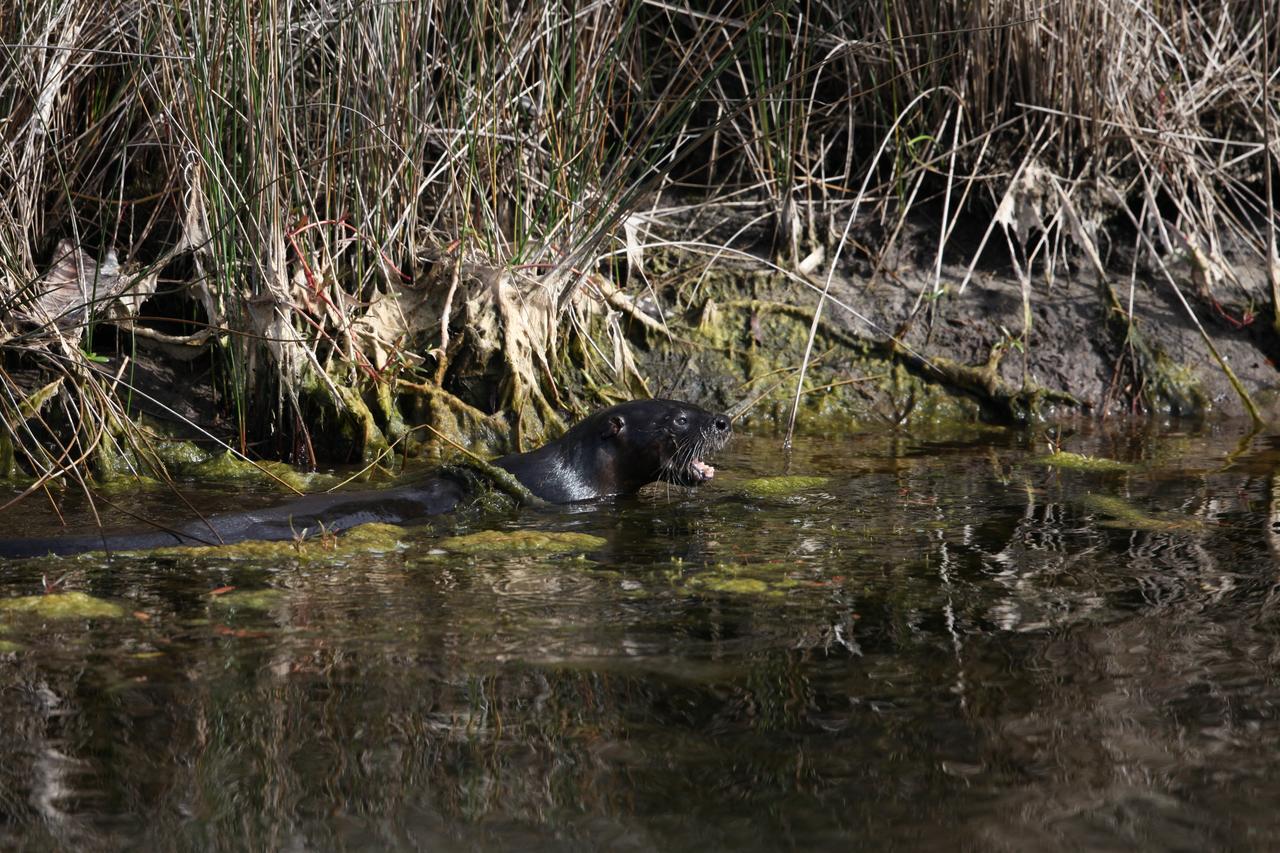
Nature photos of an otter swimming at Kennedy Space Center
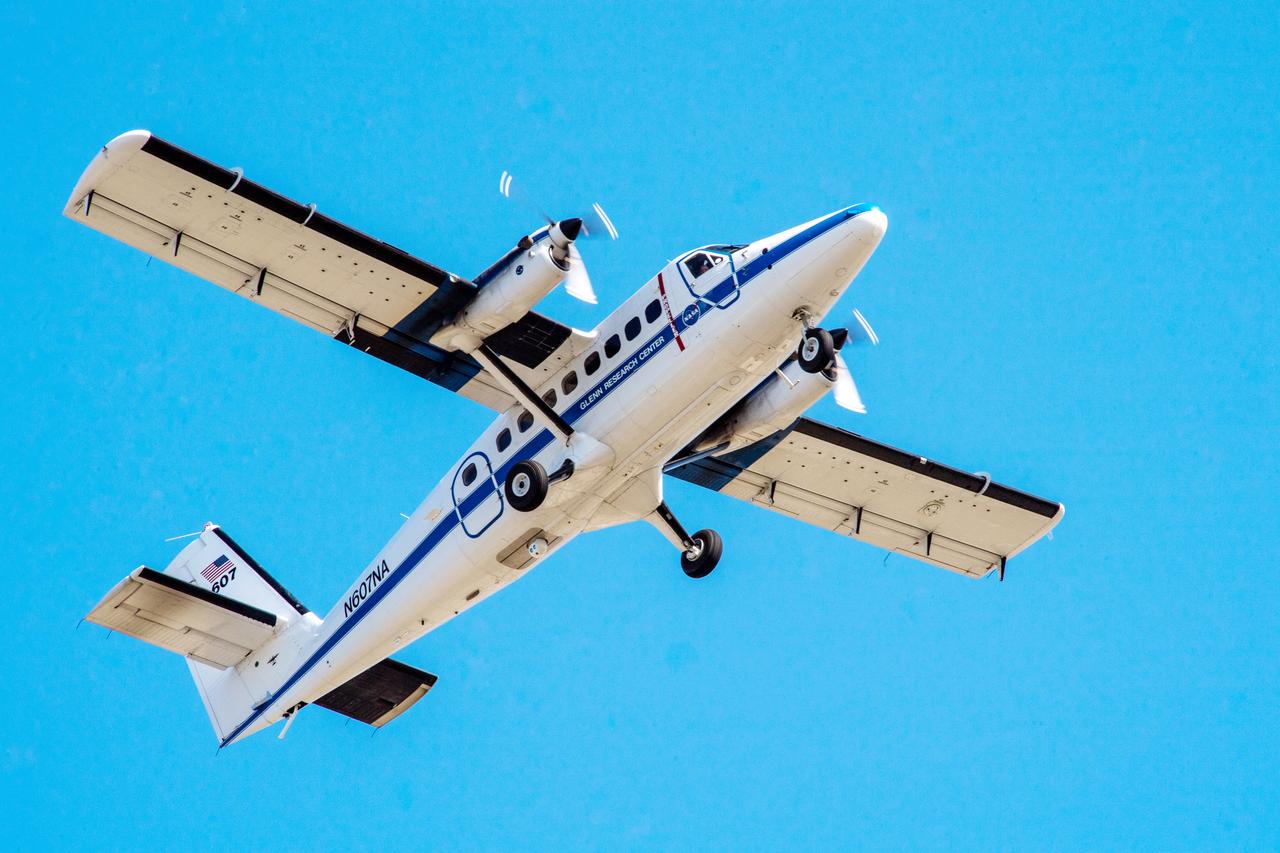
Twin Otter Aircraft, N607NA
An otter swims through a waterway at NASA's Kennedy Space Center in Florida. The center shares a border with the Merritt Island National Wildlife Refuge. More than 330 native and migratory bird species, 25 mammals, 117 fishes and 65 amphibians and reptiles call Kennedy and the wildlife refuge home.
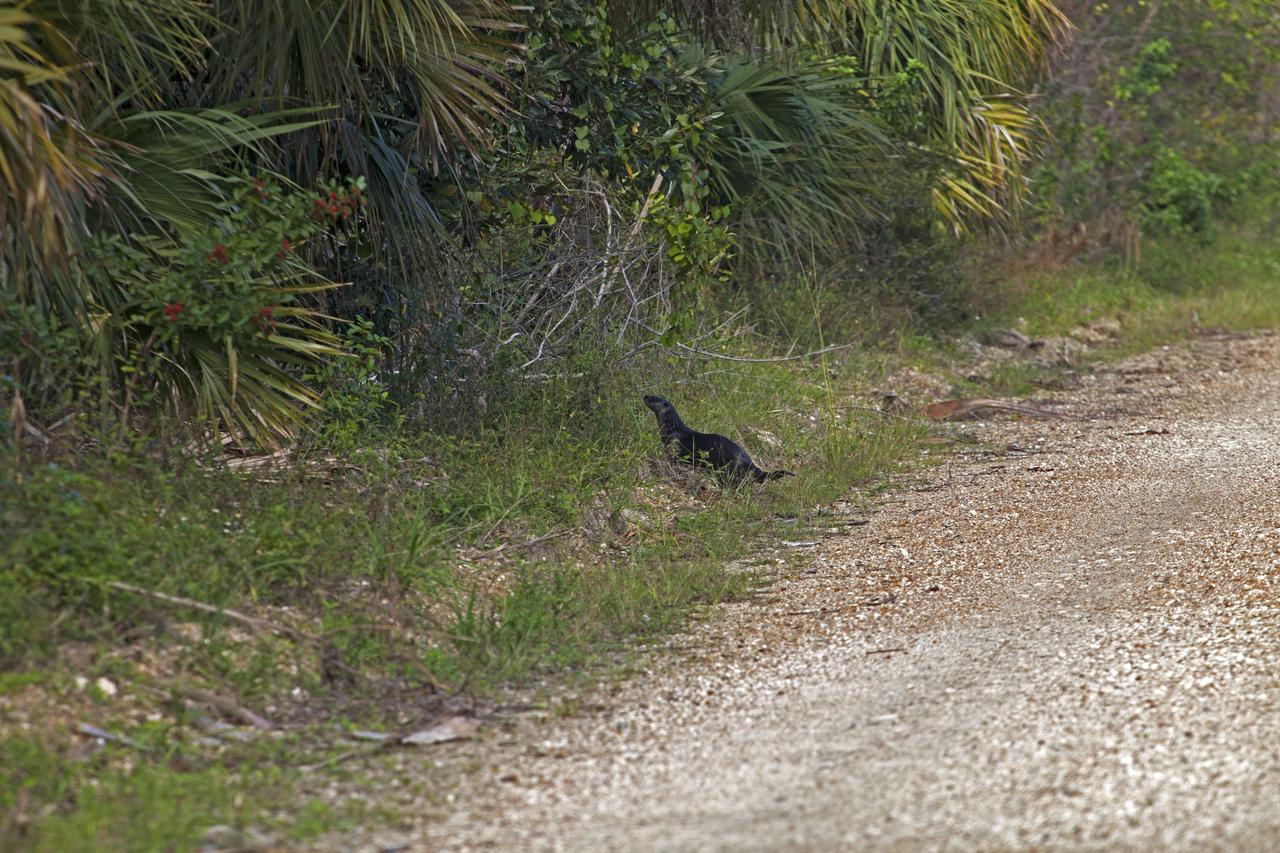
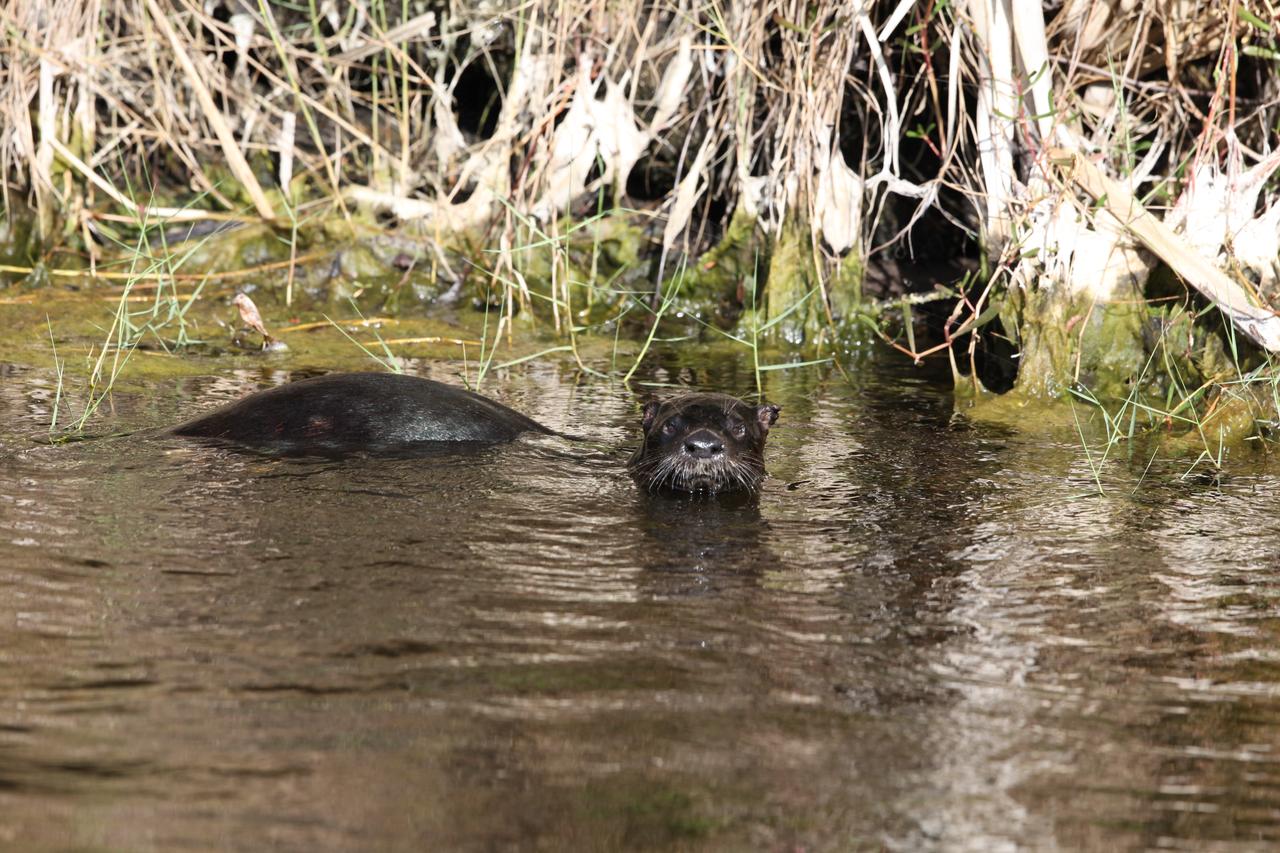
An otter makes its way into the underbrush at NASA's Kennedy Space Center in Florida. The center shares a border with the Merritt Island National Wildlife Refuge. More than 330 native and migratory bird species, 25 mammals, 117 fishes and 65 amphibians and reptiles call Kennedy and the wildlife refuge home.
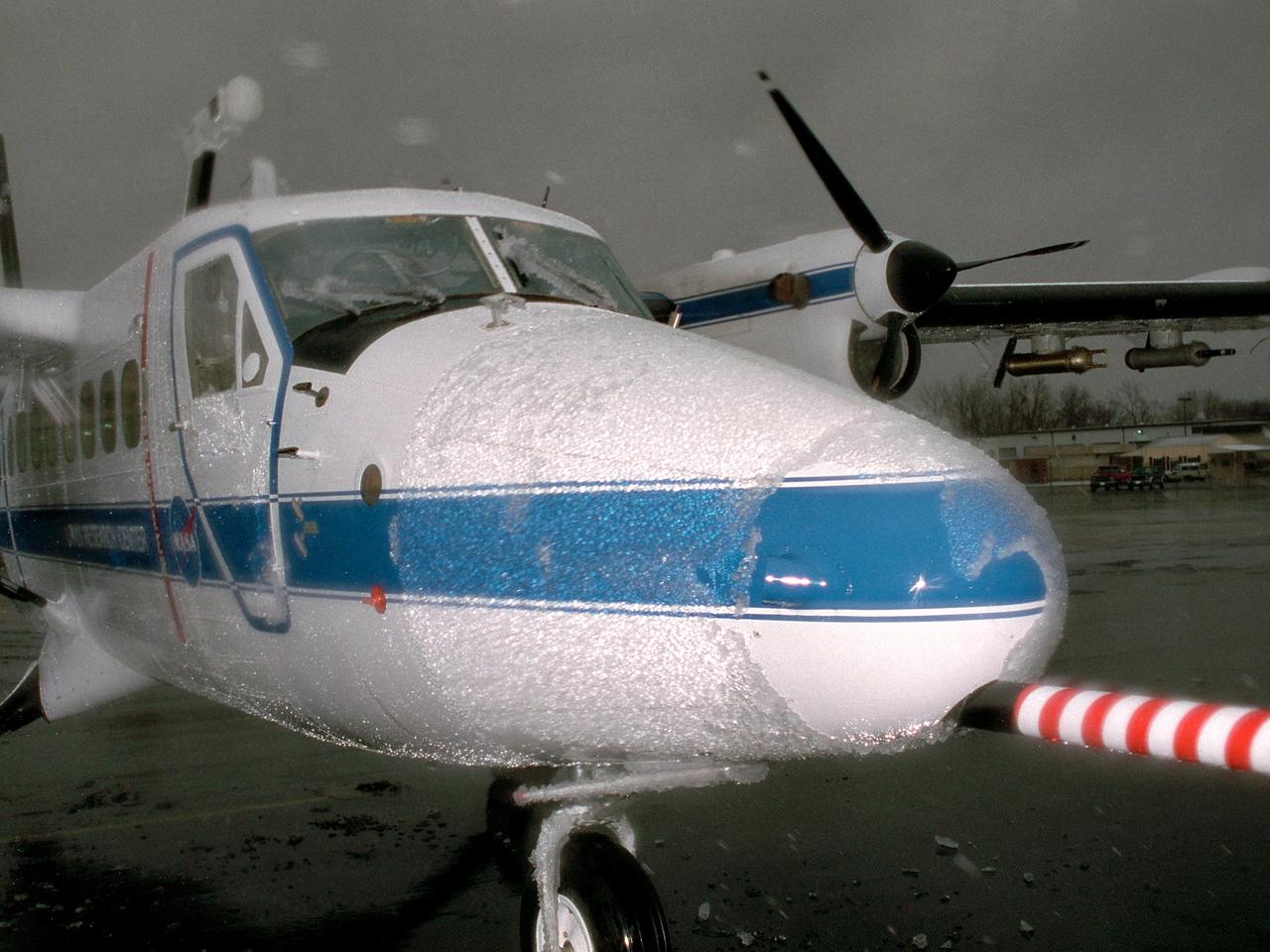
Supercooled Large Droplet (SLD) icing encounter in the Twin Otter icing research aircraft.
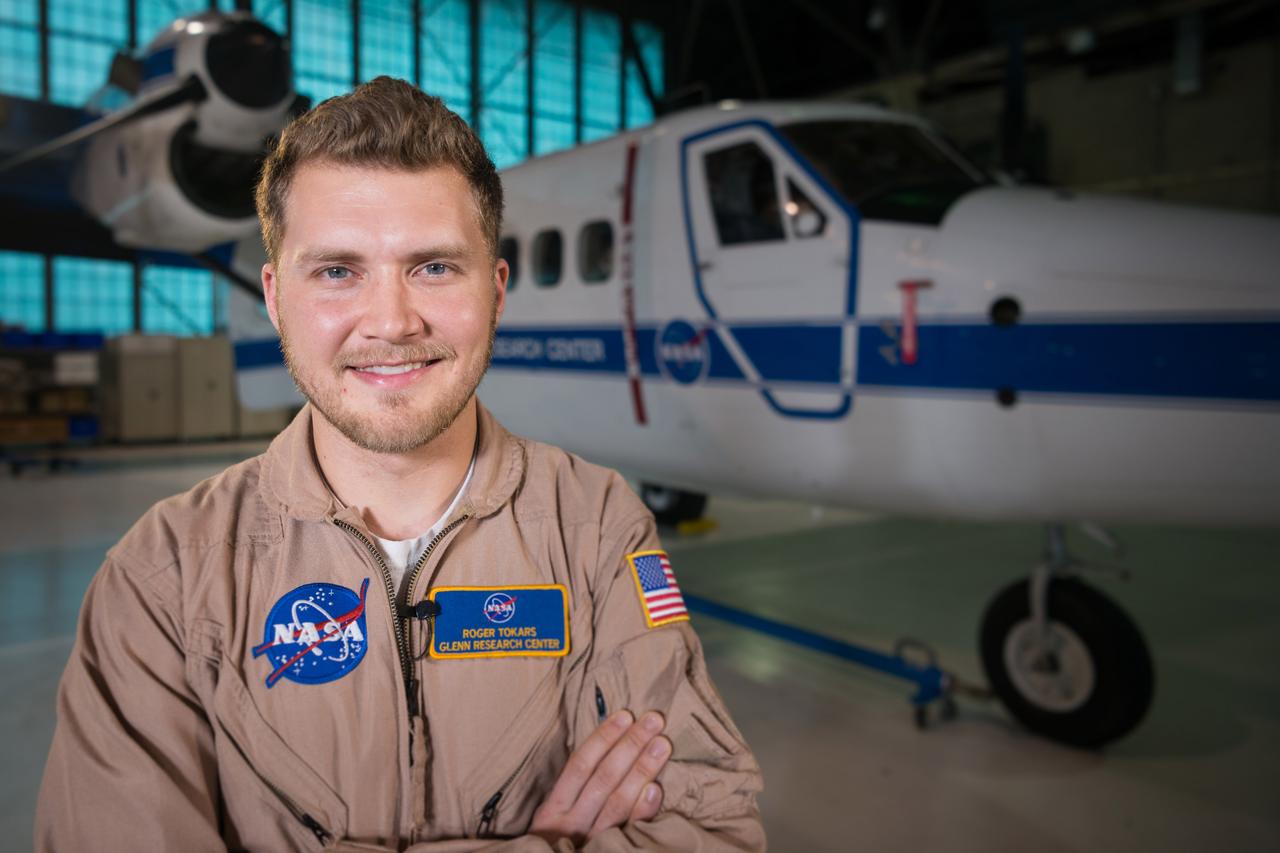
Environmental portrait of research engineer Roger Tokars in front of the Twin Otter research. This image was taken inside the Hangar at NASA Glenn Research Center.
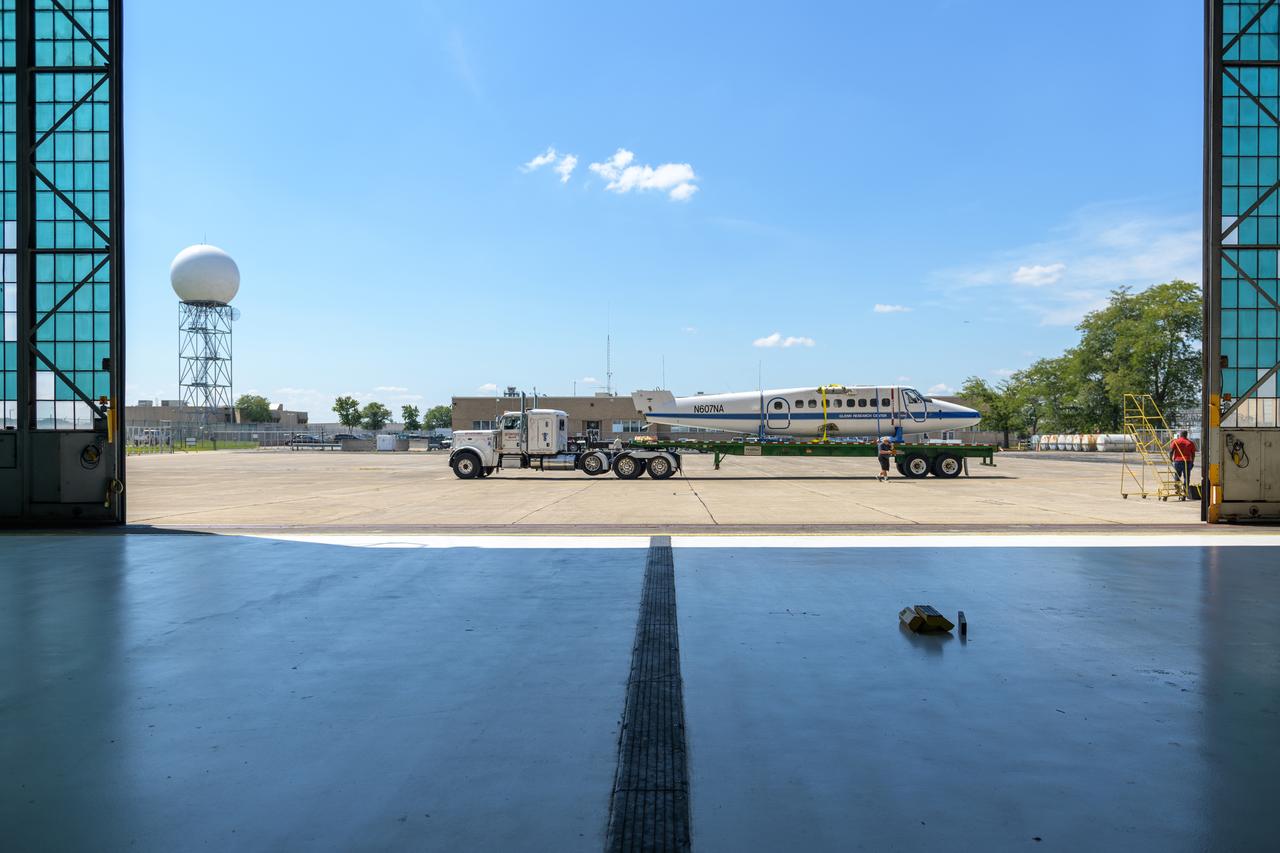
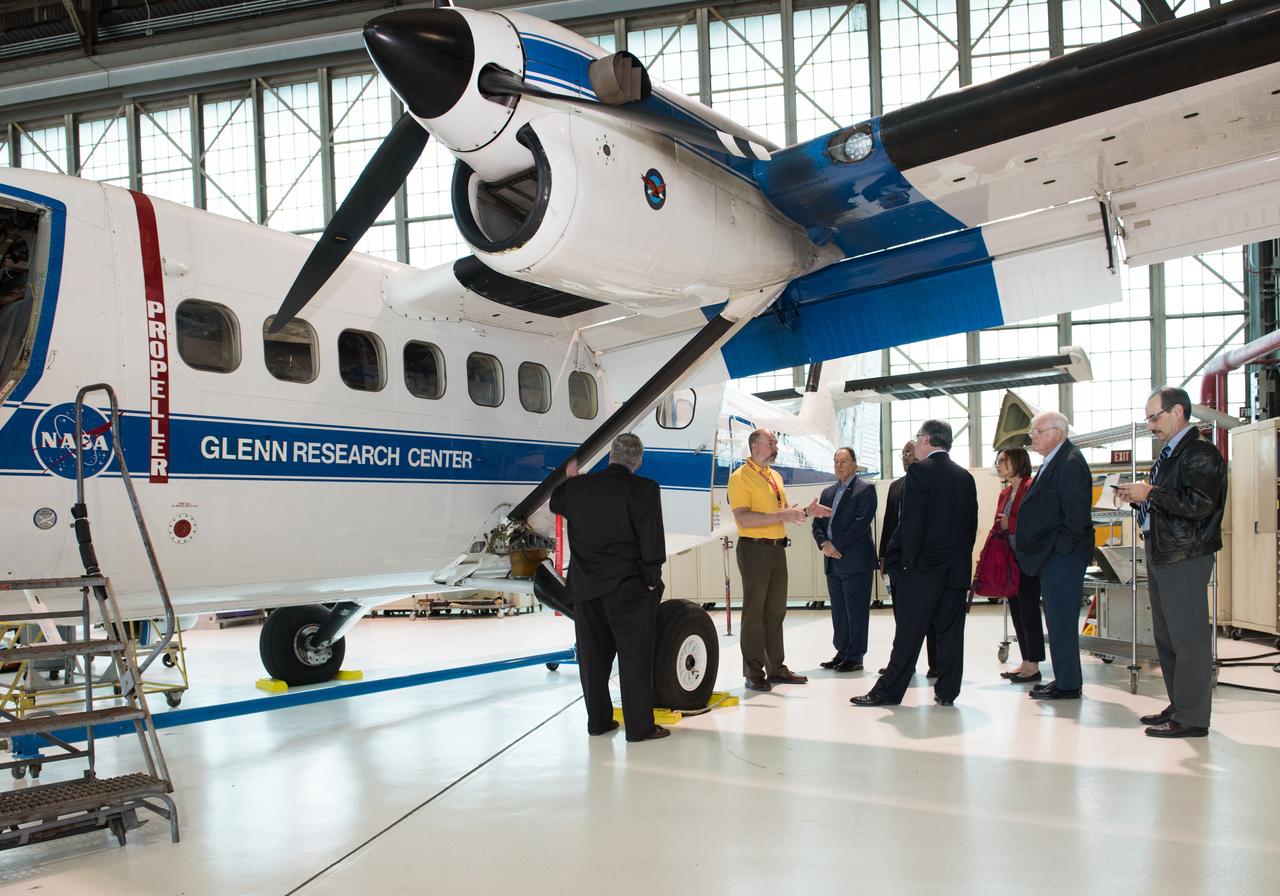
Cuyahoga County Mayors and City Managers Association Members tour the Glenn Research Center Hangar and learn about the role of the Twin Otter aircraft in the GRC Icing Research Program
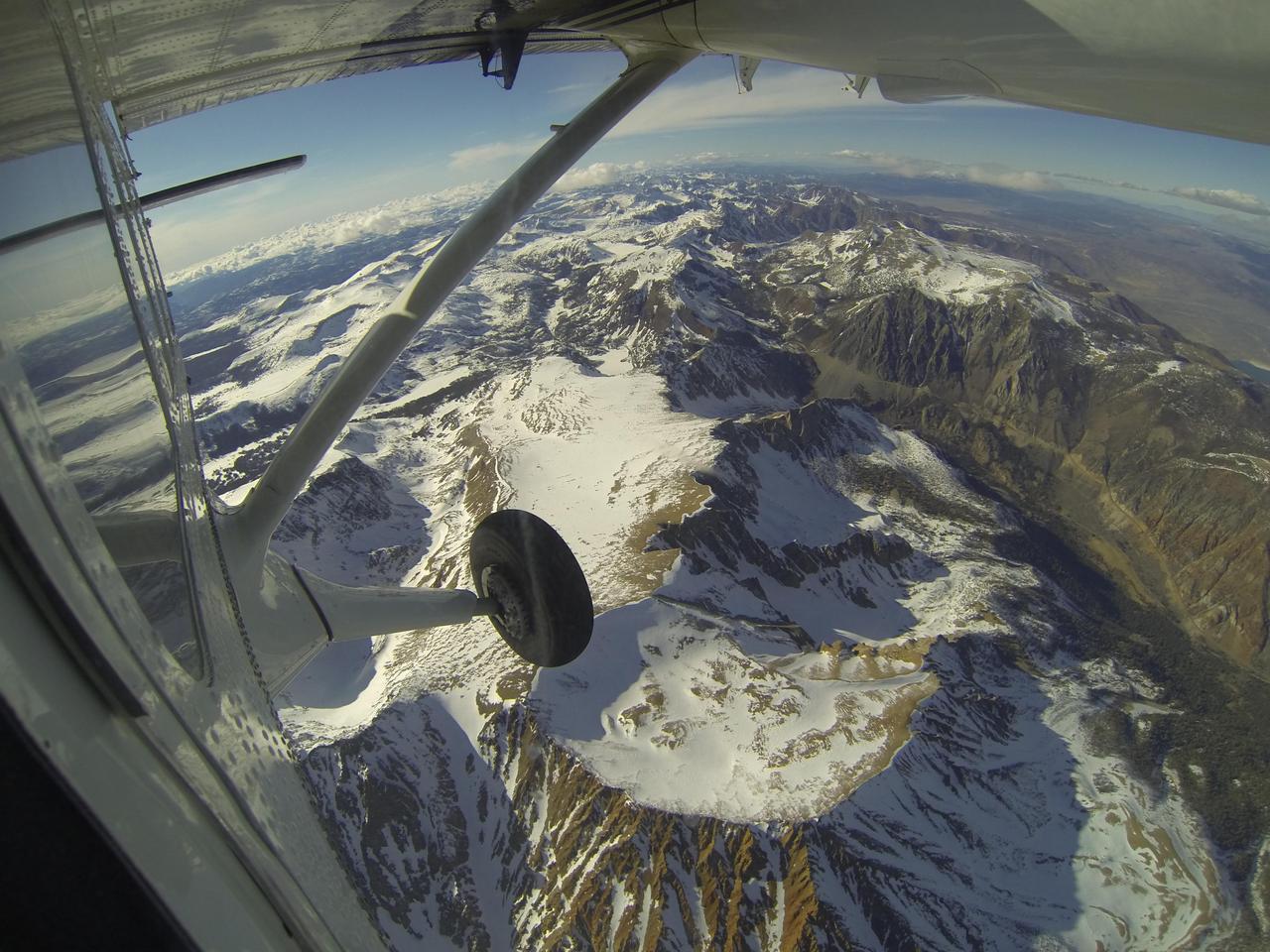
Mt. Dana and Dana Plateau in the Tuolumne River Basin within Yosemite National Park, Calif., as seen out the window of a Twin Otter aircraft carrying NASA Airborne Snow Observatory on April 3, 2013.

FORMATION FLIGHTS WITH THE TWIN OTTER AND THE OV-10 AIRCRAFT
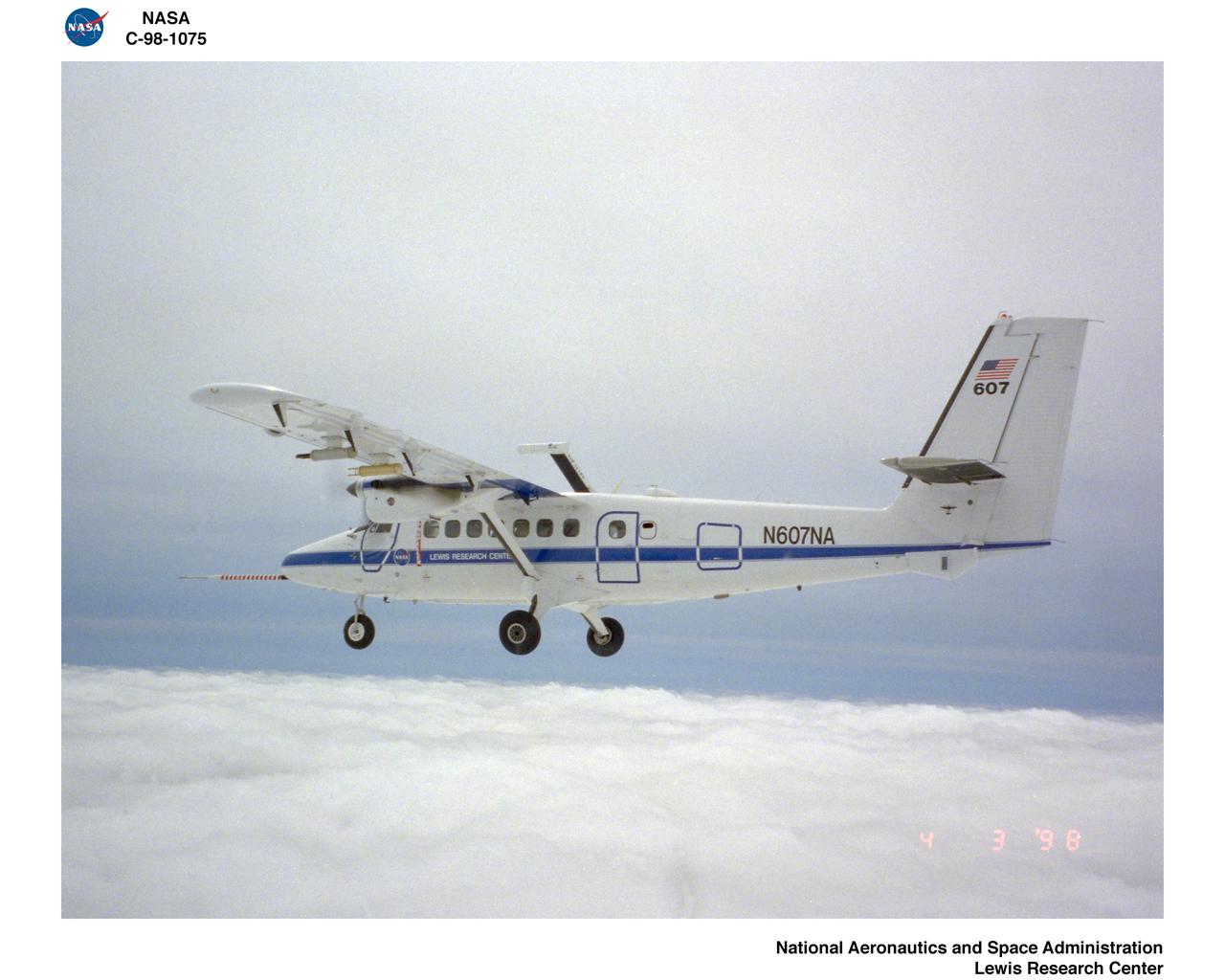
FORMATION FLIGHTS WITH TWIN OTTER AND OV-10 AIRCRAFT
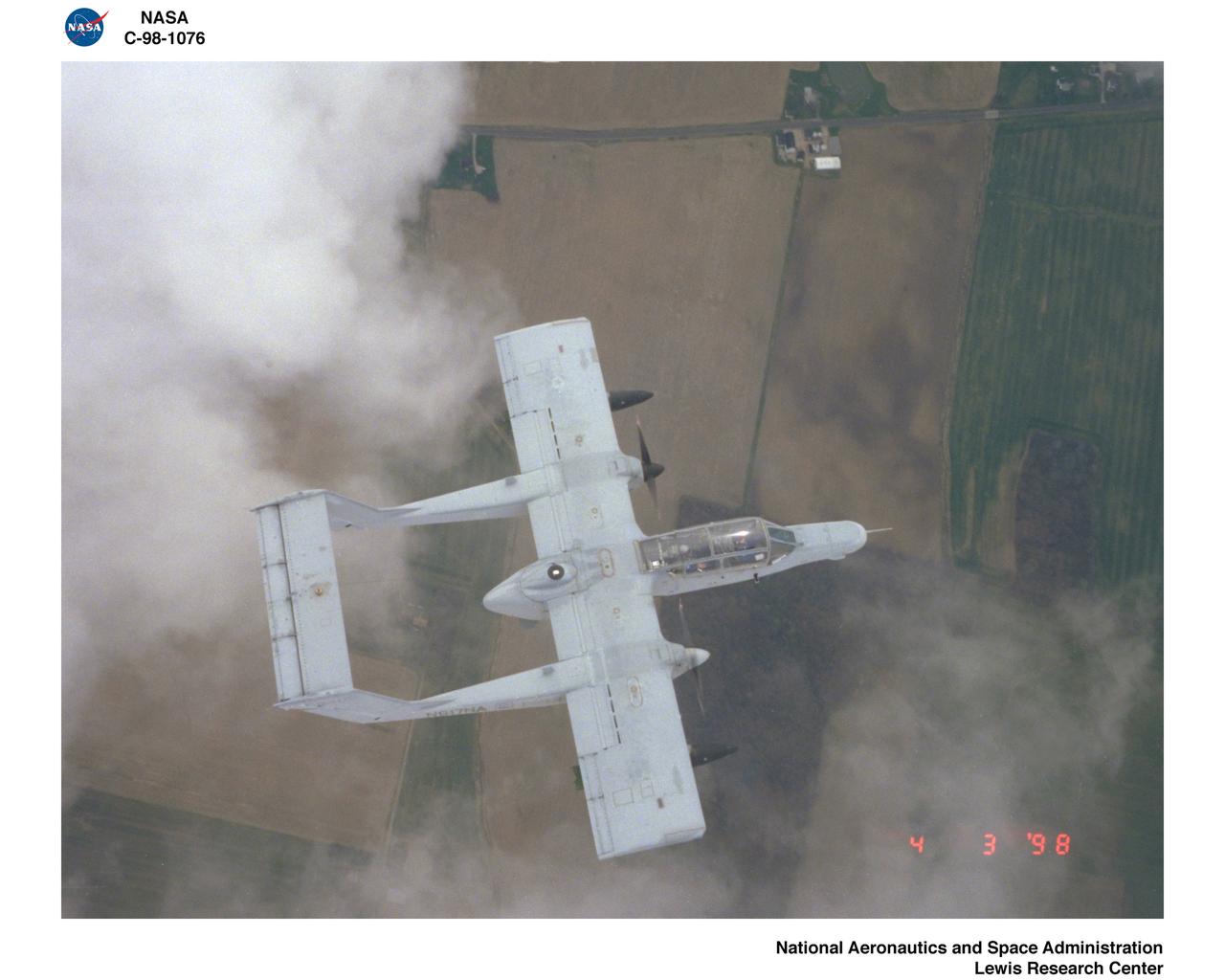
FORMATION FLIGHTS WITH TWIN OTTER AND OV-10 AIRCRAFT

FORMATION FLIGHTS WITH TWIN OTTER AND OV-10 AIRCRAFT

FORMATION FLIGHTS WITH THE TWIN OTTER AND THE OV-10 AIRCRAFT
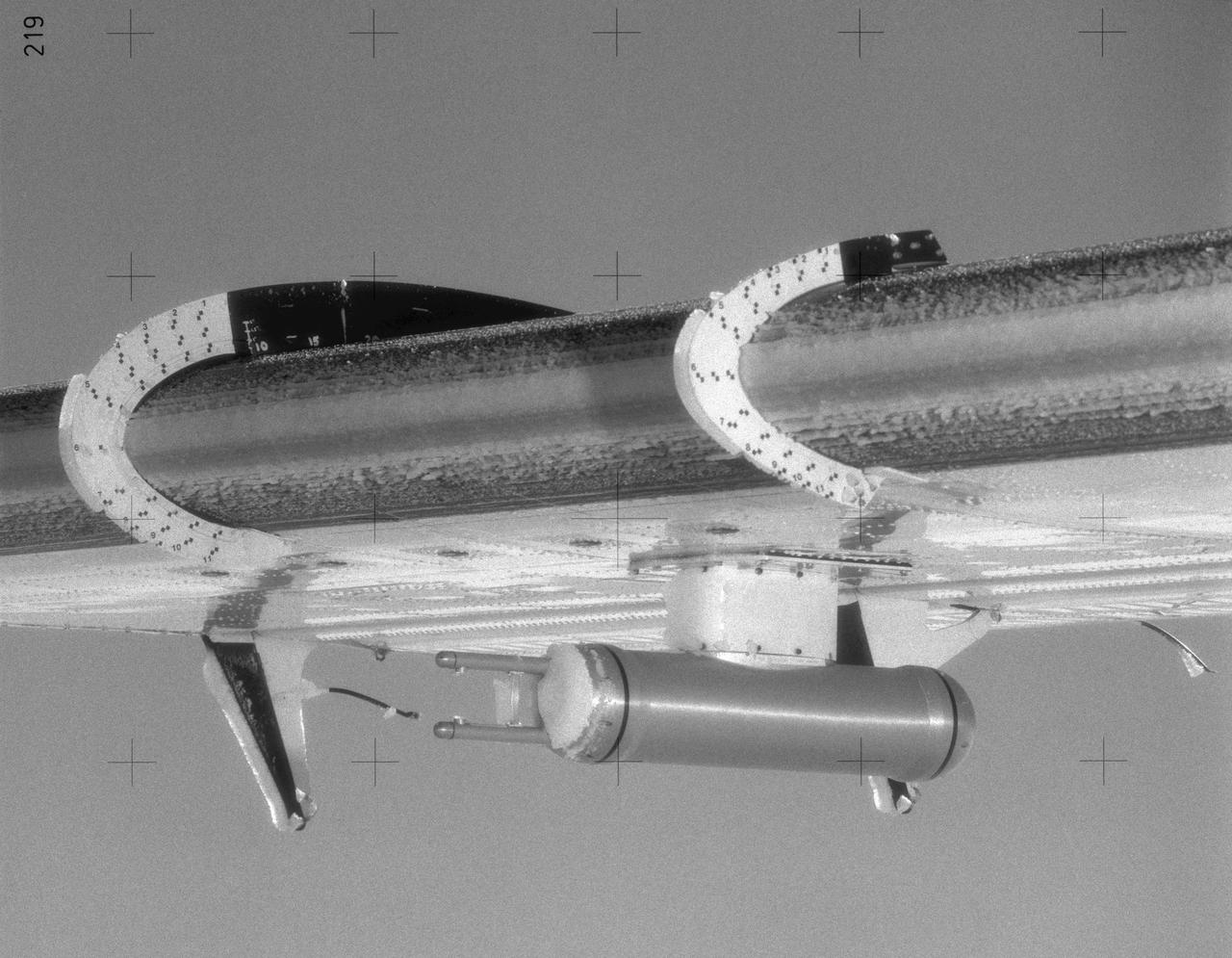
TWIN OTTER AIRPLANE SUPERCOOLED LARGE DROPLETS ICE ACCRETIONS
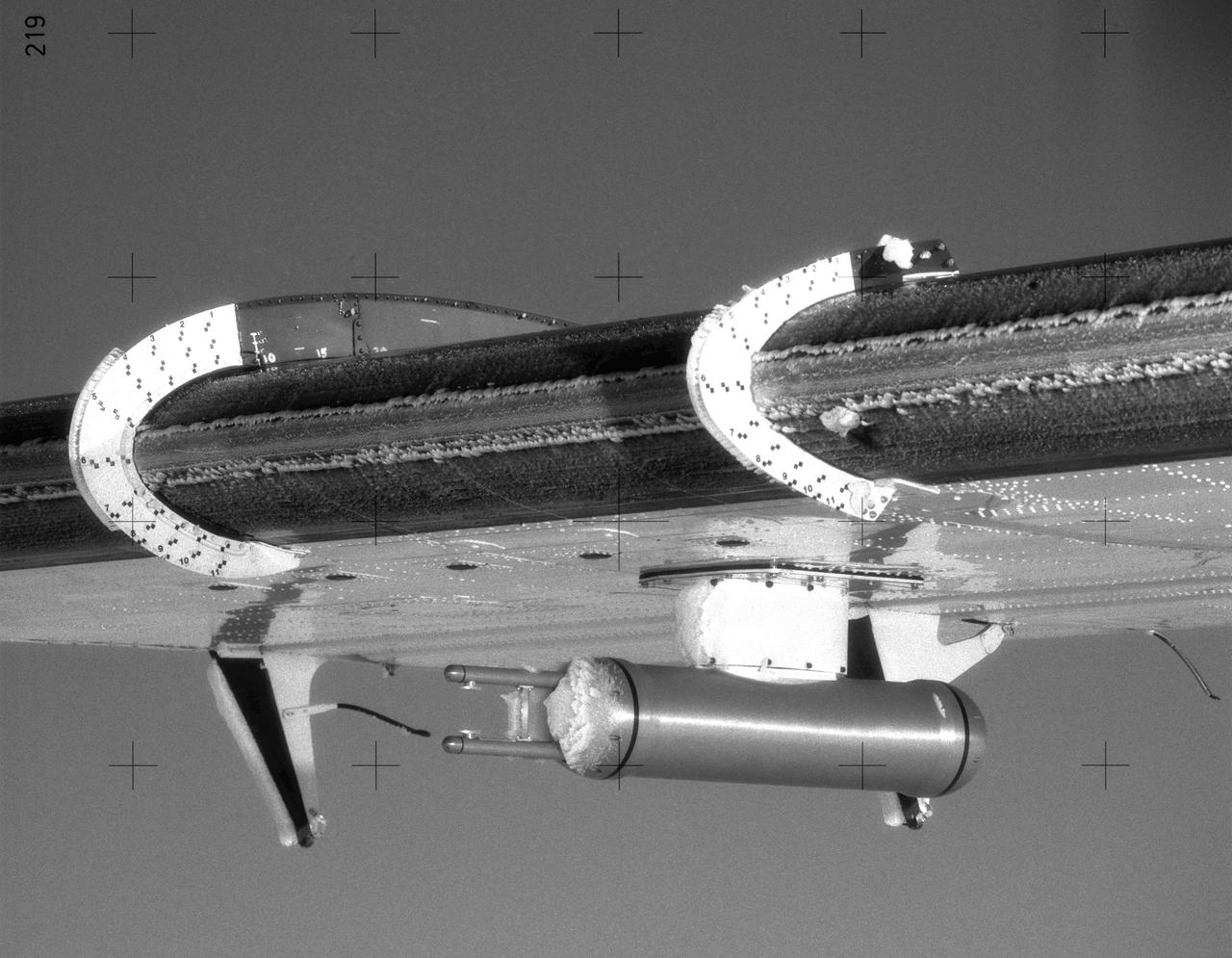
TWIN OTTER AIRPLANE SUPERCOOLED LARGE DROPLETS ICE ACCRETIONS

ICE SHAPES APPLIED TO THE WINGS AND TAIL OF THE TWIN OTTER AIRCRAFT
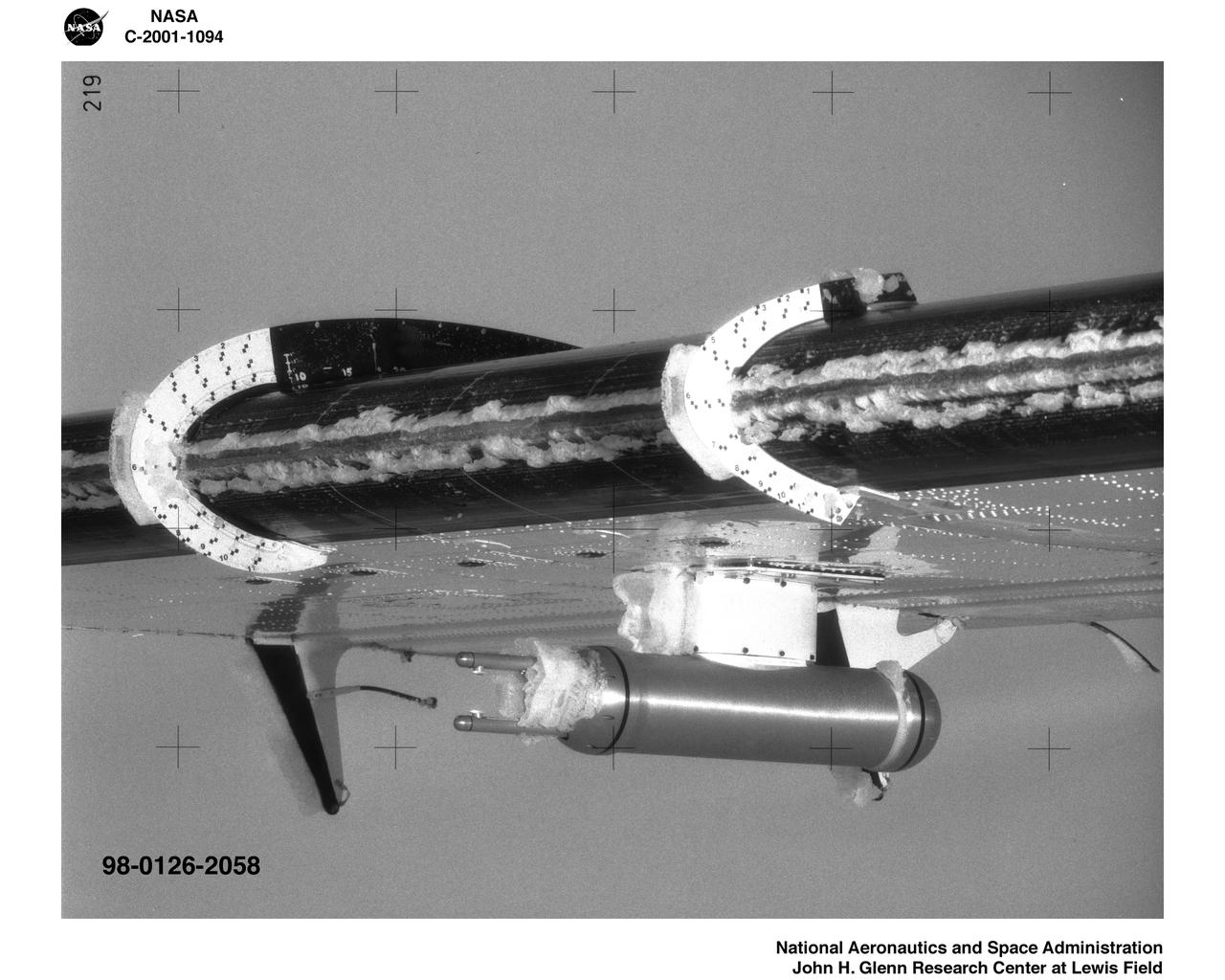
IMAGES FROM THE STEREOGRAPHIC CAMERA SYSTEM ON THE TWIN OTTER AIRPLANE

ICE SHAPES APPLIED TO THE WINGS AND TAIL OF THE TWIN OTTER AIRCRAFT

ICE SHAPES APPLIED TO THE WINGS AND TAIL OF THE TWIN OTTER AIRCRAFT
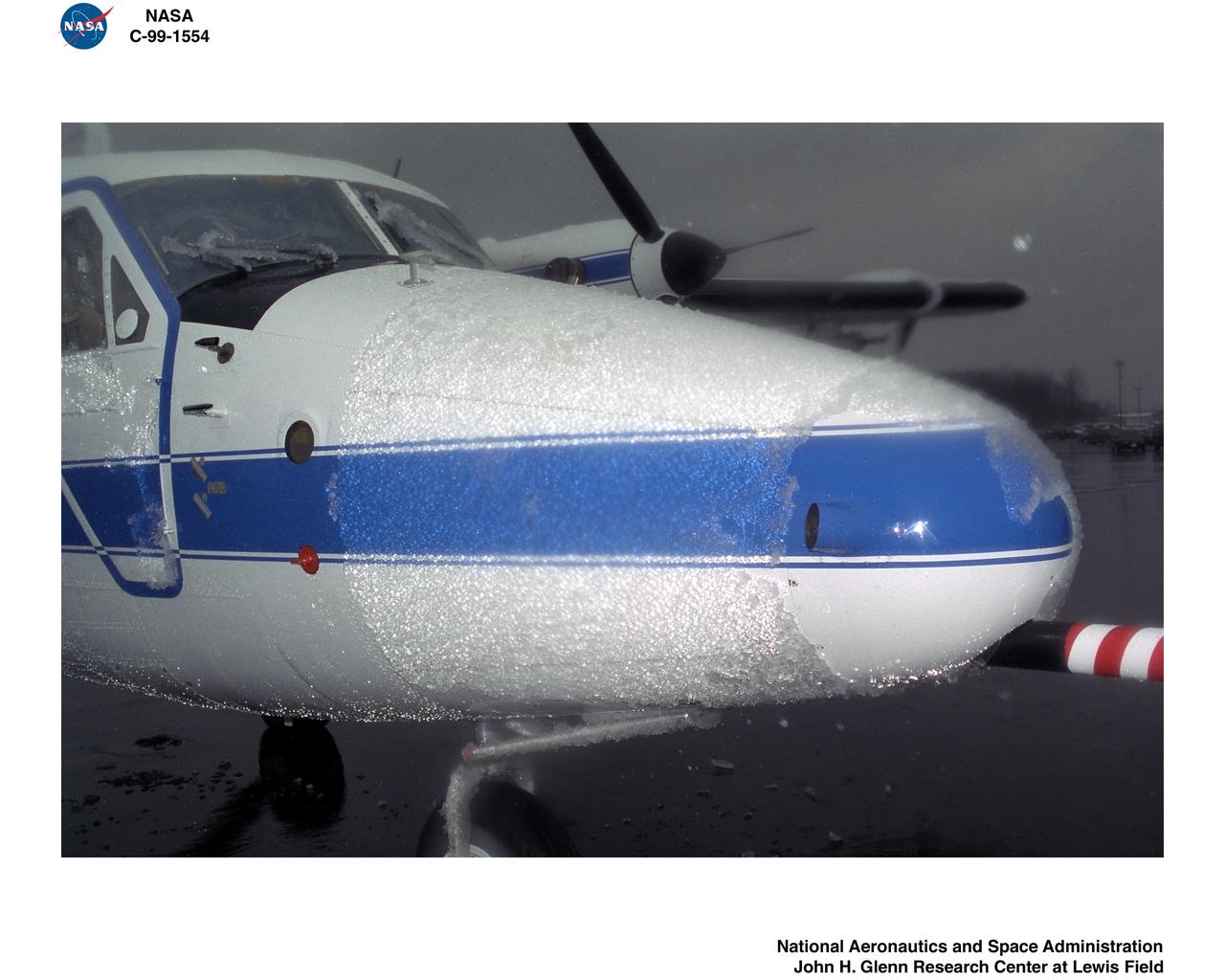
SLD - SUPER COOLED LARGE DROPLET ICING ON TWIN OTTER AIRPLANE 1 - 2 - 3
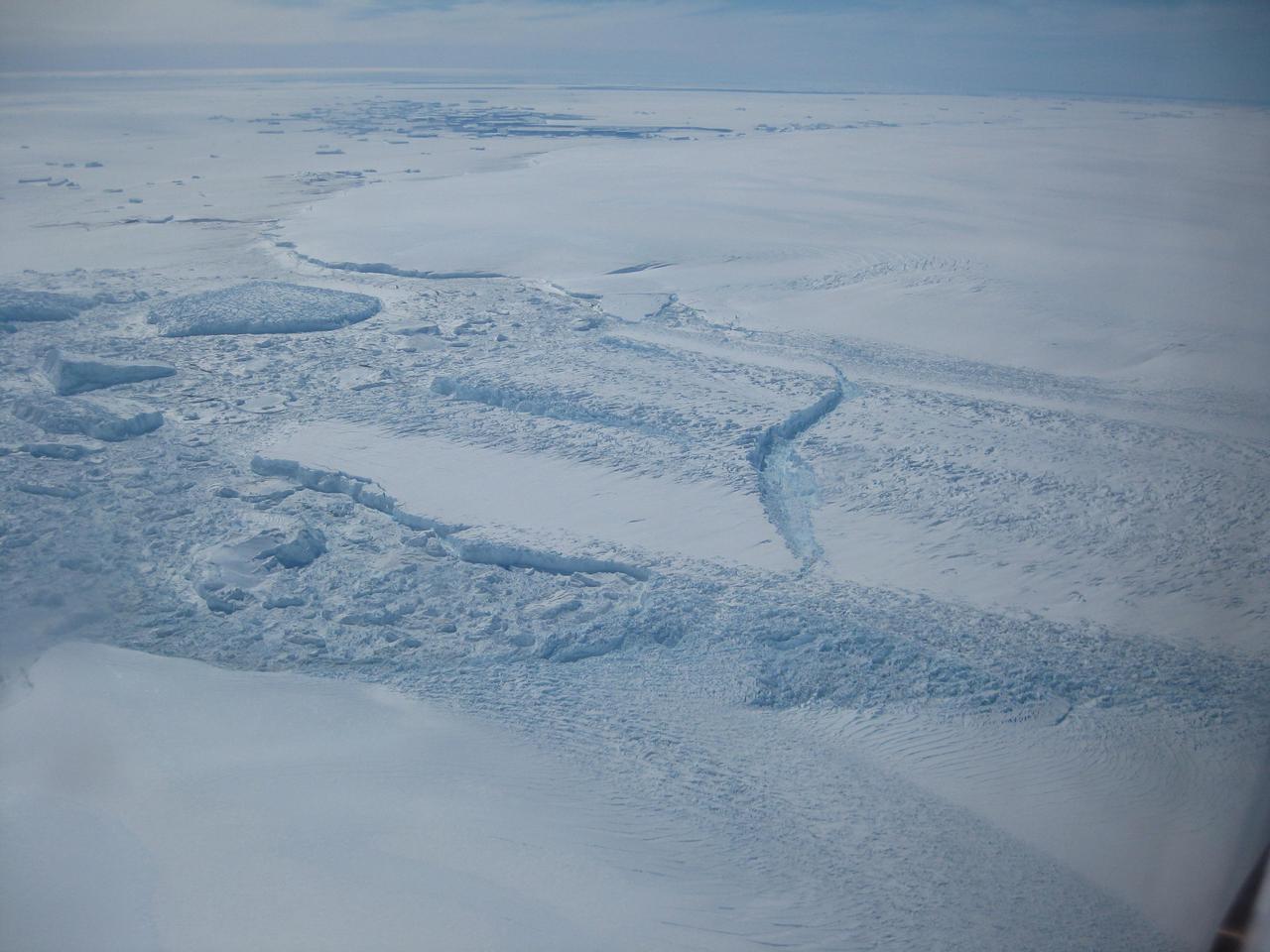
This photo, aken onboard a National Science Foundation/NASA chartered Twin Otter aircraft, shows the ice front of Dibble Ice Shelf, East Antarctica, a significant melt water producer from the Wilkes Land region, East Antarctica.

The Lockheed Viking S-3B aircraft is being pulled out of the hangar at Glenn Research Center in preparation for its departure and retirement from service. This former NAVY aircraft was the last such aircraft still flying. It has gone to a museum on the west coast. After leaving service with the NAVY, it came to GRC to be used in aircraft icing experiments. The swept wings made it suitable for such research as opposed to the straight wings on GRG’s other icing research aircraft, the De Havilland Twin Otter.
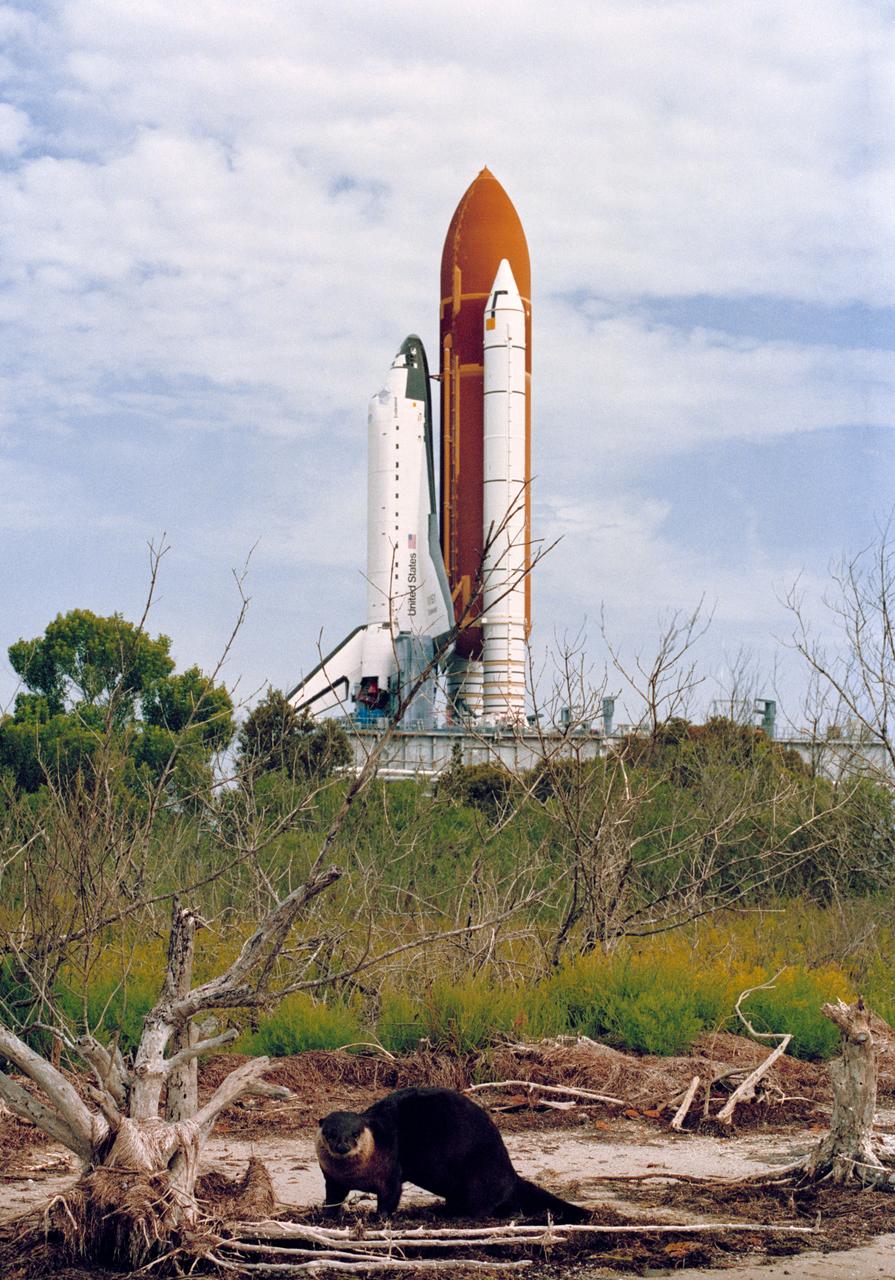
S92-34862 (13 March 1992) --- An otter, surprised by the unexpected presence of the photographer, seems unaware of the Space Shuttle Endeavour rolling behind it to Launch Pad 39B. Endeavour is the newest orbiter in the Shuttle fleet. Still ahead for Endeavour (OV-105) is a Flight Readiness Firing of its three main engines, and the Terminal Countdown Demonstration Test with the flight crew. Endeavour's maiden voyage on NASA's mission STS-49 will occur in late spring.

KENNEDY SPACE CENTER, FLA. -- Astronaut Nicole Stott is one of three astronauts taking part in the 17-day NASA Extreme Environment Mission Operations (NEEMO) project from the National Oceanic and Atmospheric Administration (NOAA) Aquarius Underwater Laboratory. At left is NEEMO instructor "Otter" Mark Rutten. The astronauts are testing space medicine concepts and moon-walking techniques. The 45-foot-long, 13-foot-diameter complex is three miles off Key Largo in the Florida Keys National Marine Sanctuary and anchored 62 feet below the surface. Canadian astronaut Dave Williams is leading the undersea mission, along with Stott and astronaut Ron Garan. Dr. Tim Broderick of the University of Cincinnati rounds out the crew.
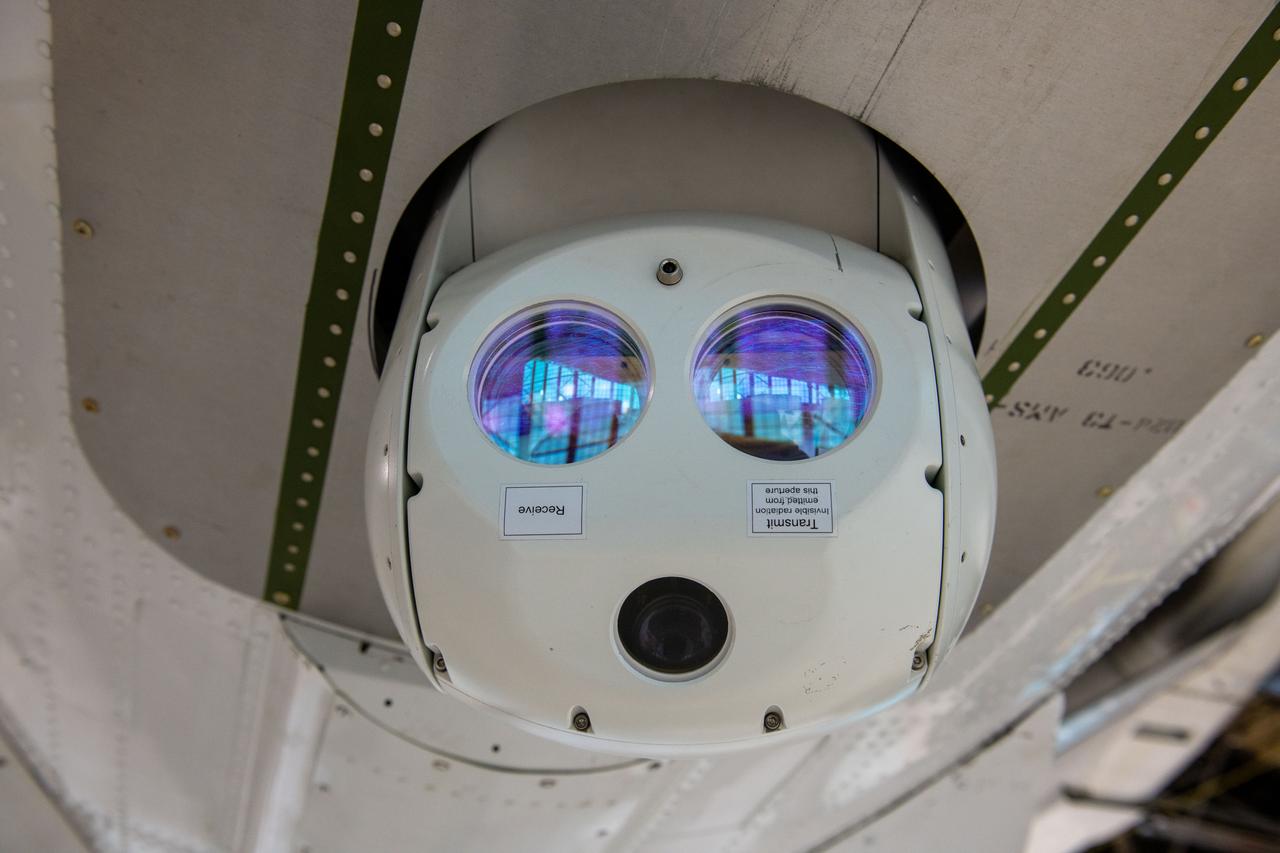
Convergent Aeronautics Solutions (CAS) Quantum Technologies (QTech)
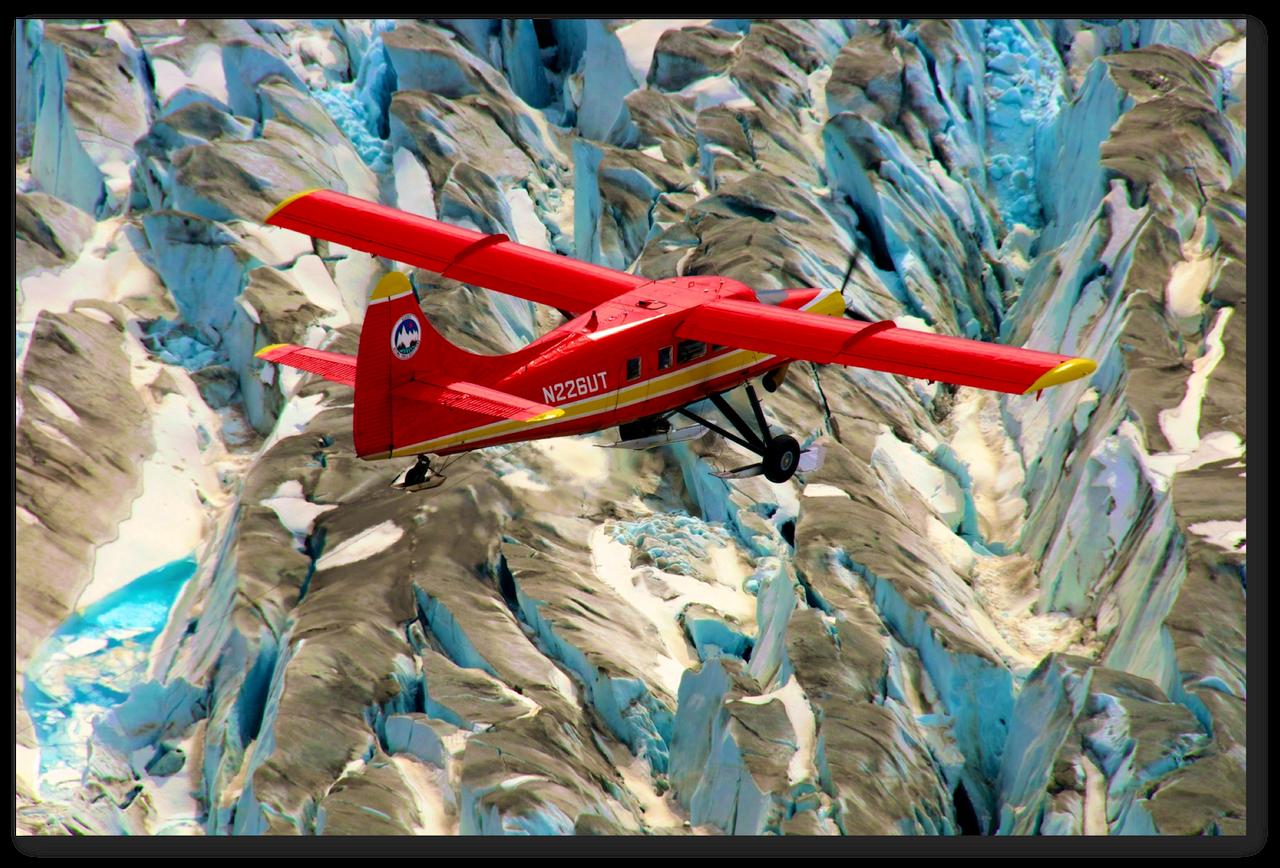
This red plane is a DHC-3 Otter, the plane flown in NASA's Operation IceBridge-Alaska surveys of mountain glaciers in Alaska. Credit: Chris Larsen, University of Alaska-Fairbanks Over the past few decades, average global temperatures have been on the rise, and this warming is happening two to three times faster in the Arctic. As the region’s summer comes to a close, NASA is hard at work studying how rising temperatures are affecting the Arctic. NASA researchers this summer and fall are carrying out three Alaska-based airborne research campaigns aimed at measuring greenhouse gas concentrations near Earth’s surface, monitoring Alaskan glaciers, and collecting data on Arctic sea ice and clouds. Observations from these NASA campaigns will give researchers a better understanding of how the Arctic is responding to rising temperatures. The Arctic Radiation – IceBridge Sea and Ice Experiment, or ARISE, is a new NASA airborne campaign to collect data on thinning sea ice and measure cloud and atmospheric properties in the Arctic. The campaign was designed to address questions about the relationship between retreating sea ice and the Arctic climate. Arctic sea ice reflects sunlight away from Earth, moderating warming in the region. Loss of sea ice means more heat from the sun is absorbed by the ocean surface, adding to Arctic warming. In addition, the larger amount of open water leads to more moisture in the air, which affects the formation of clouds that have their own effect on warming, either enhancing or reducing it. Read more: <a href="http://www.nasa.gov/earthrightnow" rel="nofollow">www.nasa.gov/earthrightnow</a> <b><a href="http://www.nasa.gov/audience/formedia/features/MP_Photo_Guidelines.html" rel="nofollow">NASA image use policy.</a></b> <b><a href="http://www.nasa.gov/centers/goddard/home/index.html" rel="nofollow">NASA Goddard Space Flight Center</a></b> enables NASA’s mission through four scientific endeavors: Earth Science, Heliophysics, Solar System Exploration, and Astrophysics. Goddard plays a leading role in NASA’s accomplishments by contributing compelling scientific knowledge to advance the Agency’s mission. <b>Follow us on <a href="http://twitter.com/NASAGoddardPix" rel="nofollow">Twitter</a></b> <b>Like us on <a href="http://www.facebook.com/pages/Greenbelt-MD/NASA-Goddard/395013845897?ref=tsd" rel="nofollow">Facebook</a></b> <b>Find us on <a href="http://instagram.com/nasagoddard?vm=grid" rel="nofollow">Instagram</a></b>