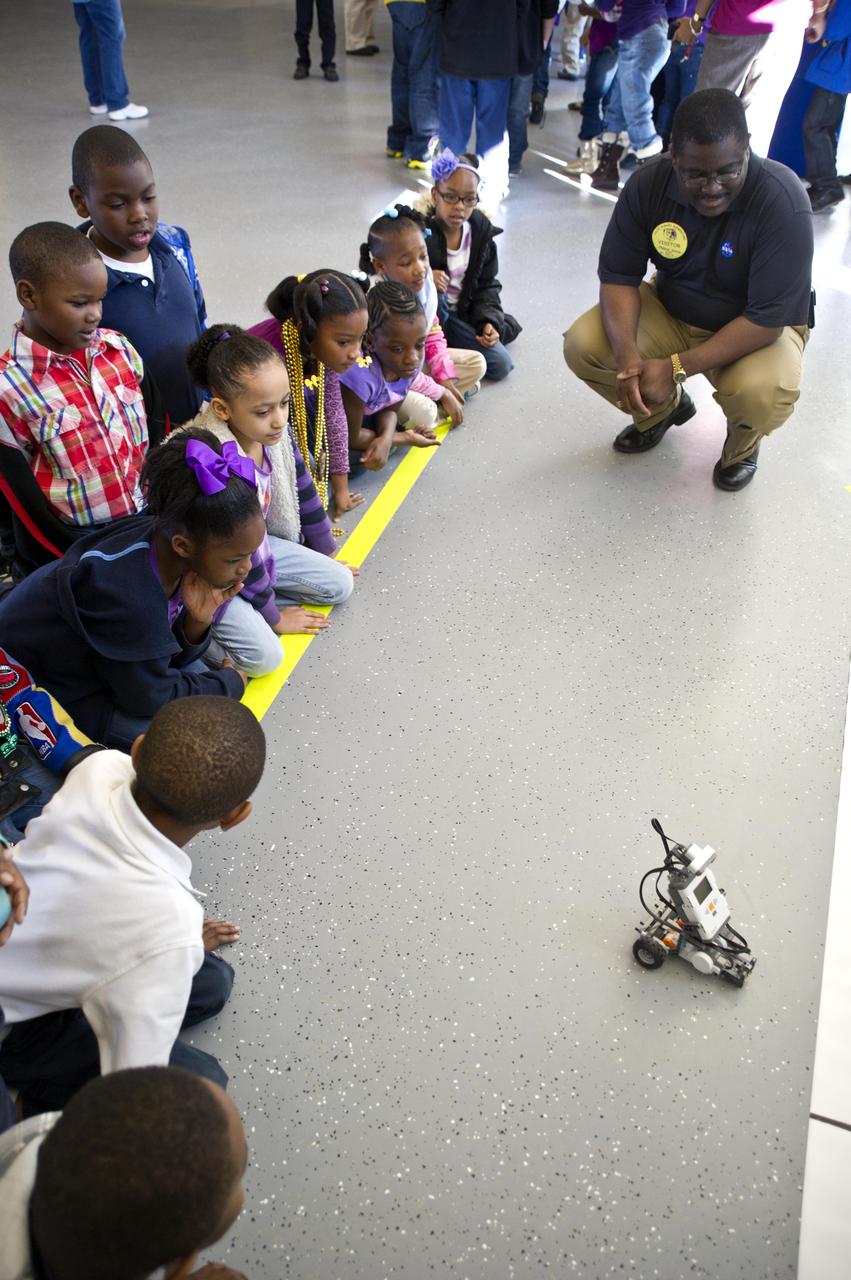
Freddie Douglas, manager of the Stennis Office of Safety and Mission Assurance, joins students to watch a robotic demonstration during activities at Lillie Burney Elementary School in Hattiesburg, Miss., on Jan. 27, 2012. NASA senior staff members from Stennis Space Center visited the school for a morning of activities and outreach to students and school officials.
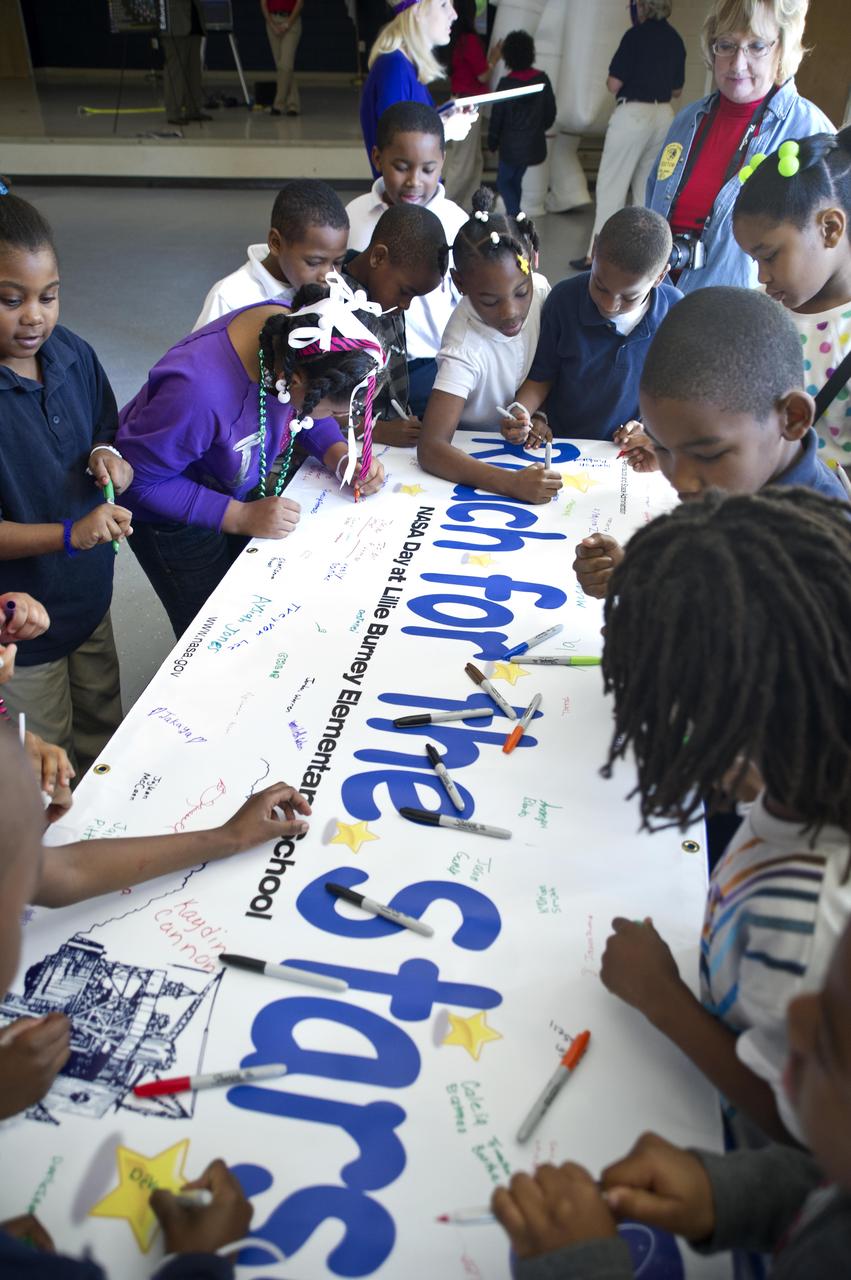
Students at Lillie Burney Elementary School in Hattiesburg, Miss., sign a 'Reach for the Stars' banner to be displayed at their school. NASA senior staff members from Stennis Space Center visited the school Jan. 27, 2012, for a morning of activities and outreach to students and school officials.
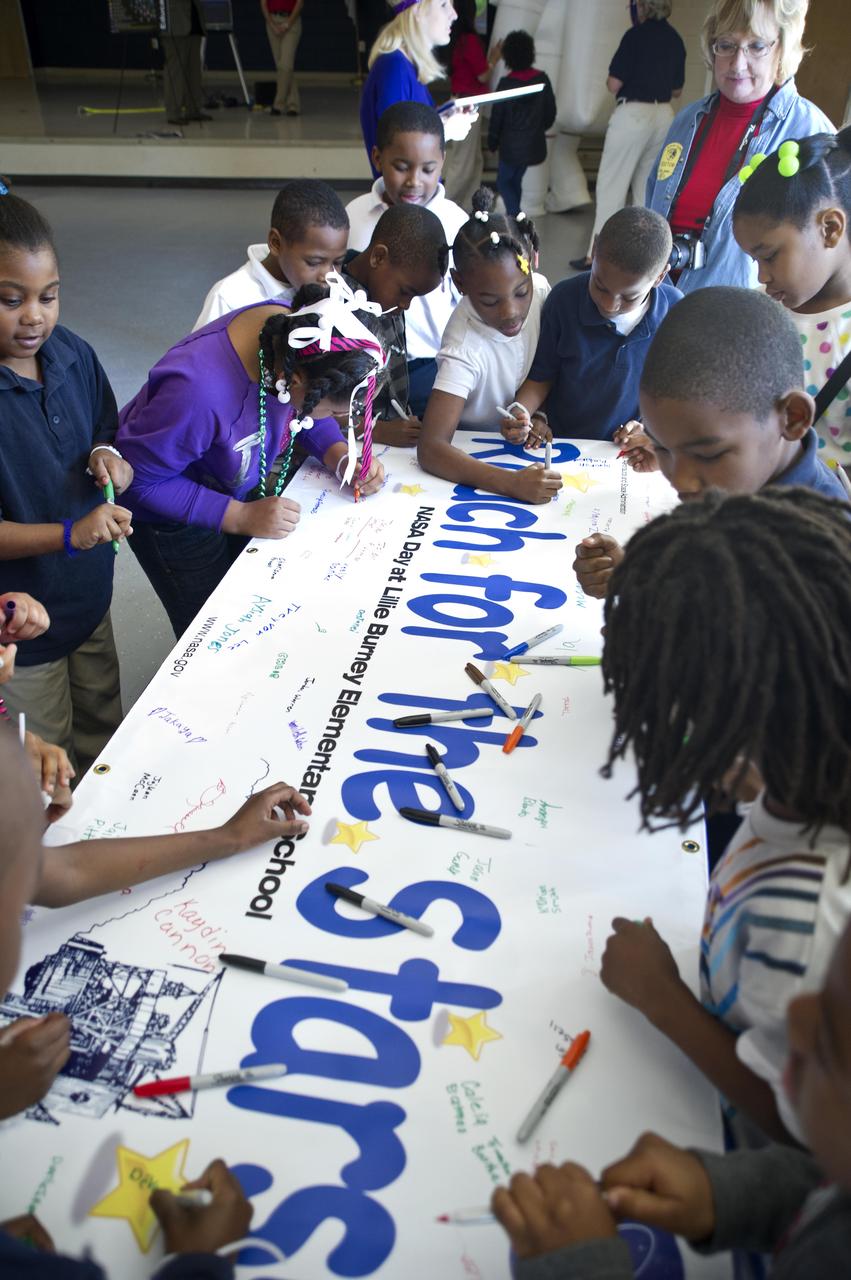
Students at Lillie Burney Elementary School in Hattiesburg, Miss., sign a 'Reach for the Stars' banner to be displayed at their school. NASA senior staff members from Stennis Space Center visited the school Jan. 27, 2012, for a morning of activities and outreach to students and school officials.
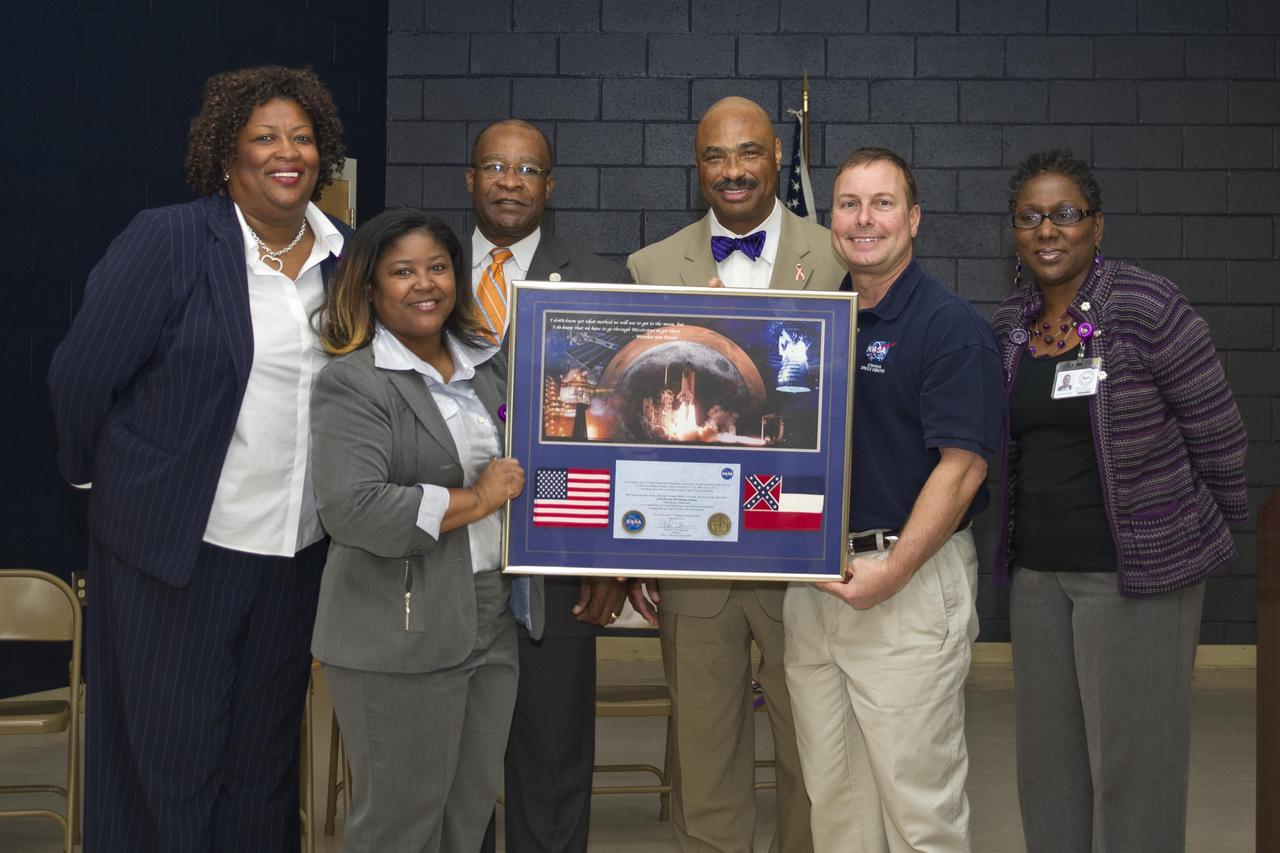
Stennis Deputy Director Rick Gilbrech (second from right) presents a commemorative plaque to Lillie Burney Elementary School officials, including (l to r): Lillie Burney Principal Deborah Smith; Assistant Principal Dr. Bobbie Trussell; Hattiesburg Mayor Johnny DuPree; Hattiesburg Public School District Superintendent James Bacchus; Gilbrech; and District Assistant Superintendent Dr. Edna Thomas. NASA senior staff members from Stennis visited the Hattiesburg, Miss., school Jan. 27, 2012, for a morning of activities and outreach to students and school officials.
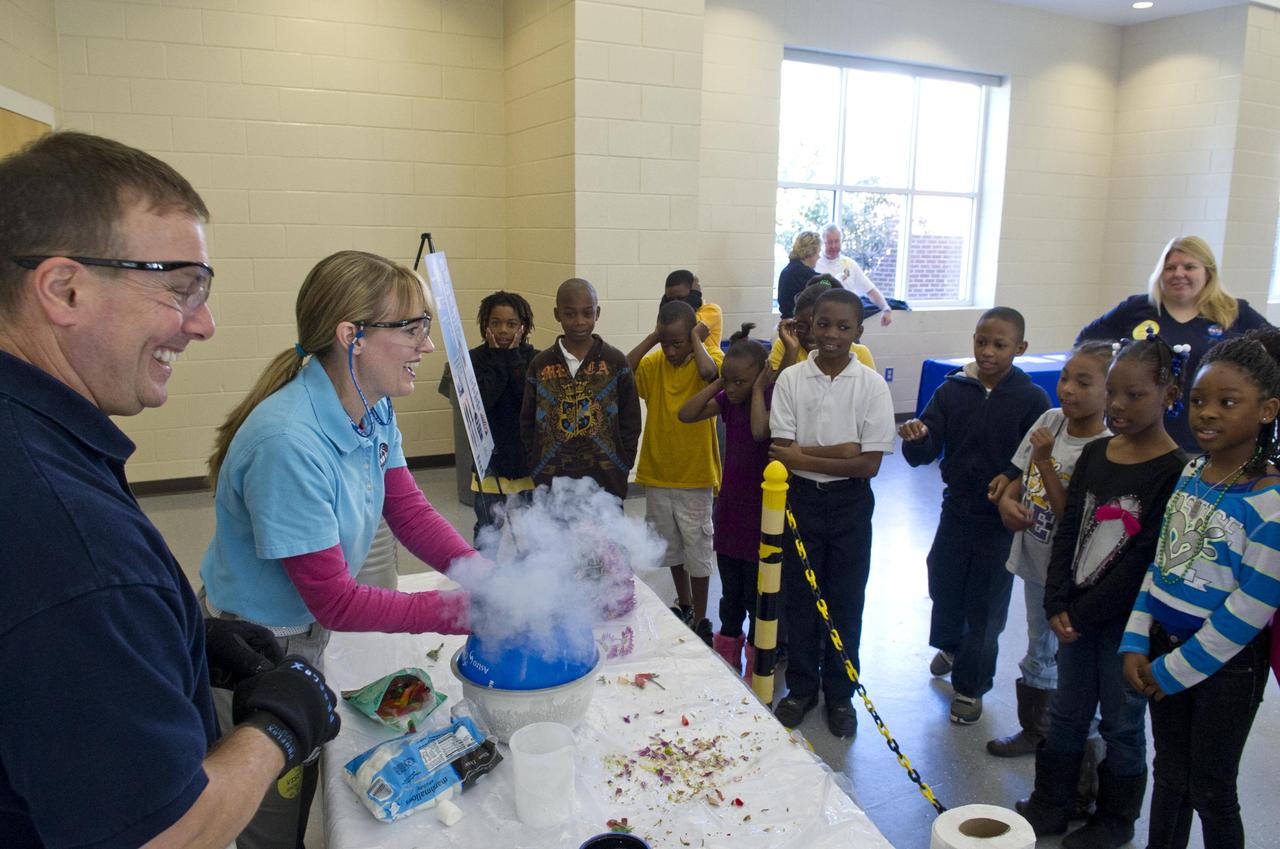
Rick Gilbrech (l), deputy director at Stennis Space Center, and Katie Wallace, director of the Stennis Education Office, team up for a cryogenics presentation at Lillie Burney Elementary School in Hattiesburg, Miss. NASA senior staff members from Stennis Space Center visited the school Jan. 27, 2012, for a morning of activities and outreach to students and school officials.
Stennis Space Center mascot Orbie is presented to students during outreach activities at Lillie Burney Elementary School in Hattiesburg, Miss. NASA senior staff members from Stennis Space Center visited the school Jan. 27, 2012, for a morning of activities and outreach to students and school officials.
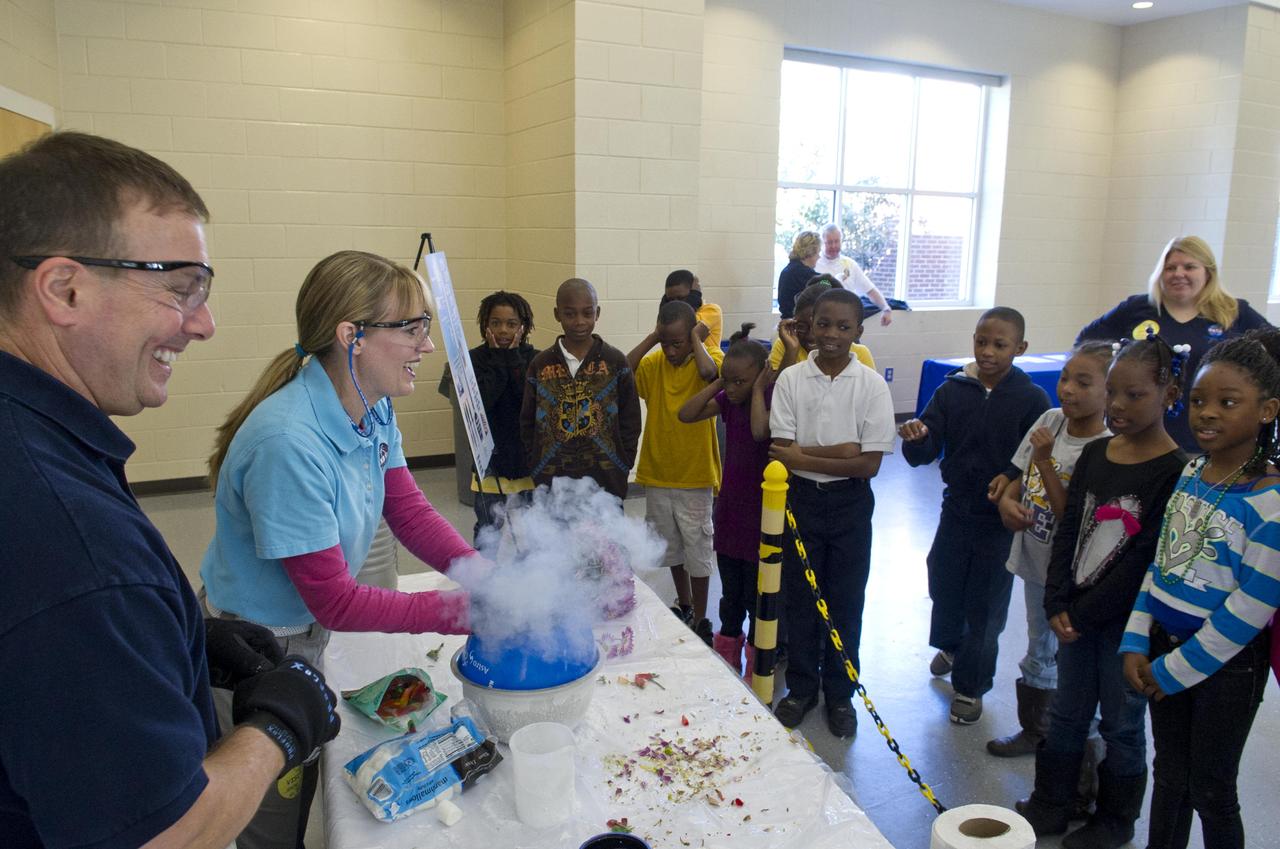
Rick Gilbrech (l), deputy director at Stennis Space Center, and Katie Wallace, director of the Stennis Education Office, team up for a cryogenics presentation at Lillie Burney Elementary School in Hattiesburg, Miss. NASA senior staff members from Stennis Space Center visited the school Jan. 27, 2012, for a morning of activities and outreach to students and school officials.
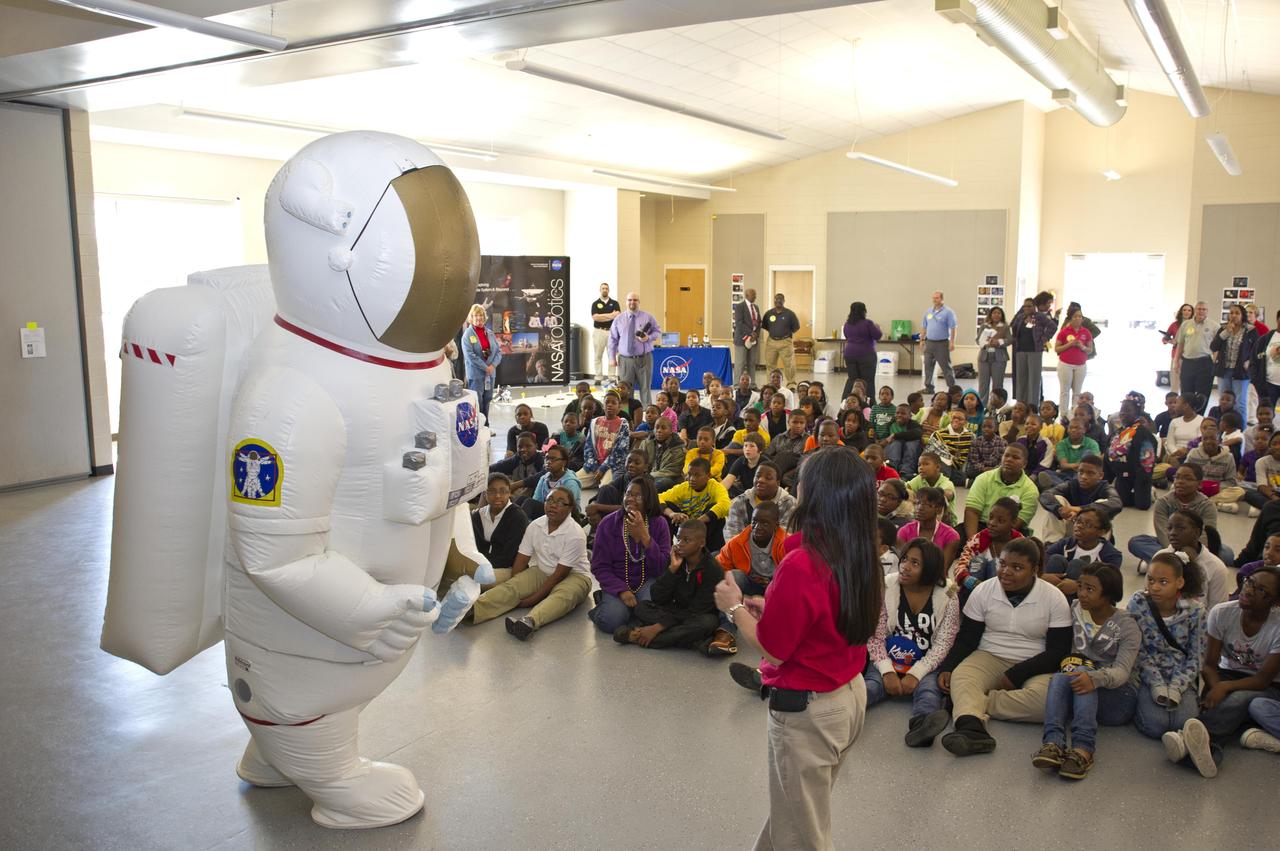
Stennis Space Center mascot Orbie is presented to students during outreach activities at Lillie Burney Elementary School in Hattiesburg, Miss. NASA senior staff members from Stennis Space Center visited the school Jan. 27, 2012, for a morning of activities and outreach to students and school officials.
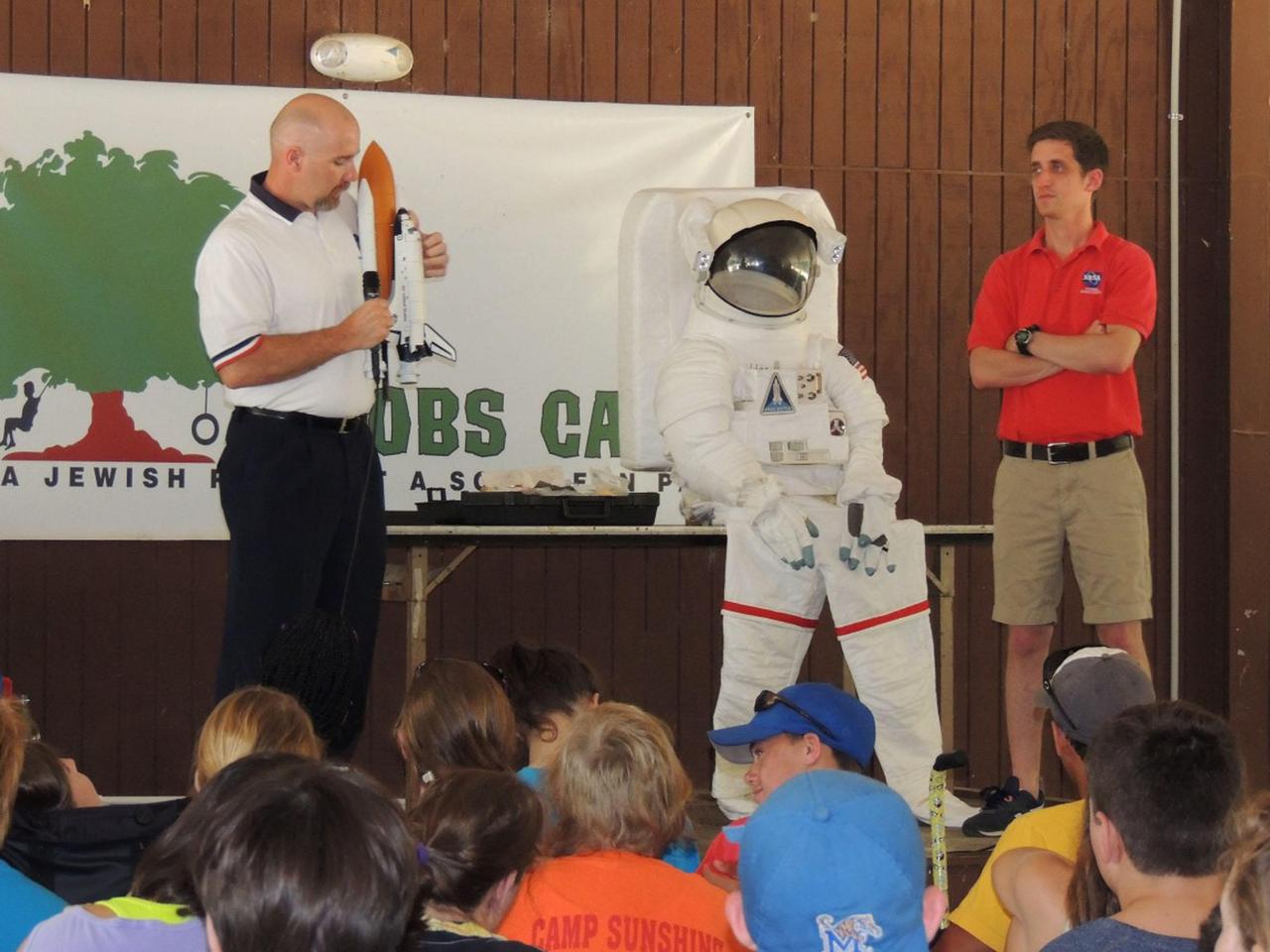
Stennis Space Center education program specialists Chris Copelan (l) and Joshua Finch provide a Working in Space presentation to Camp Dream Street participants during a May 30, 2012, visit to Utica, Miss. Dream Street is a five-day camp program for children with physical disabilities. Camp participants are primarily from Mississippi and surrounding states.
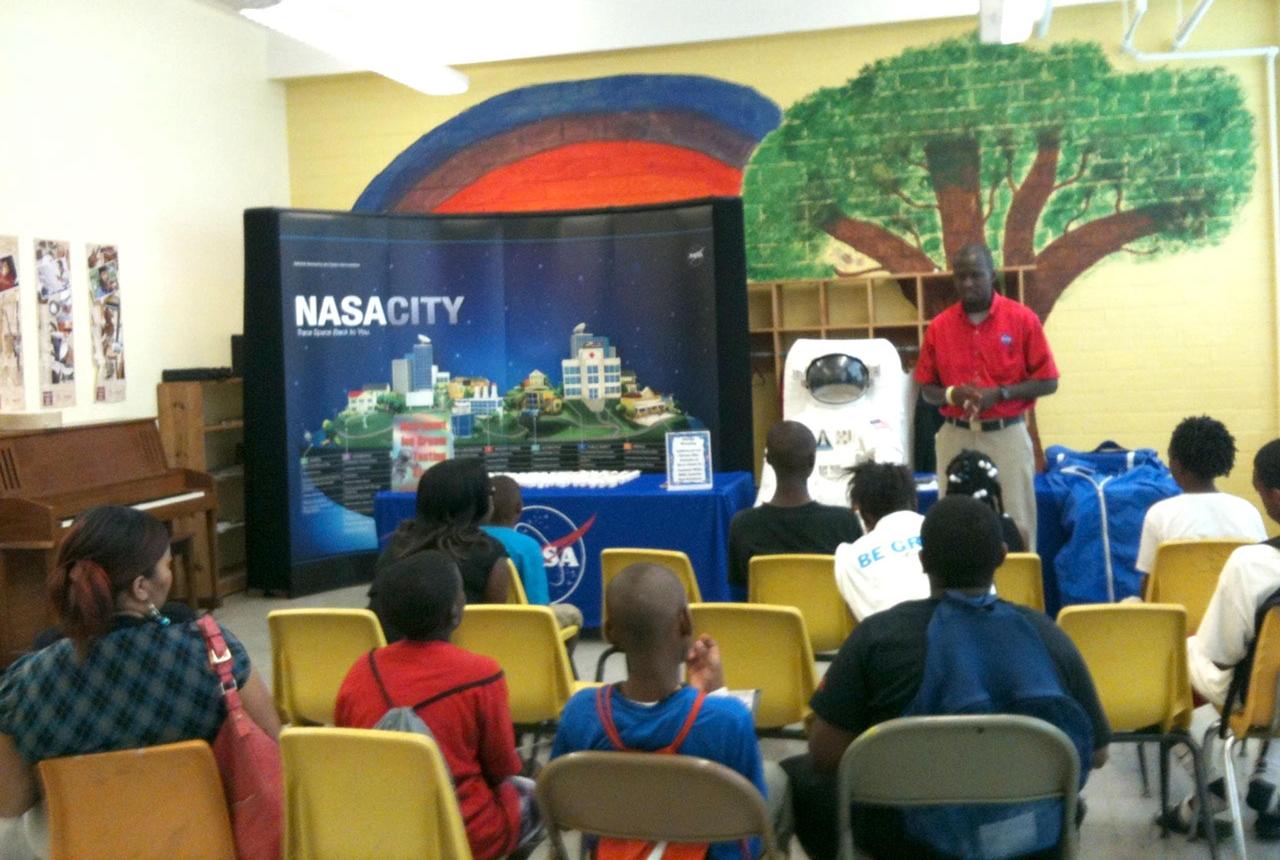
A Stennis Space Center employee talks to young people gathered for a NASA outreach activity at the Boys and Girls Club in Yazoo City, Miss., on June 5, 2012. The Stennis Office of External Affairs hosted outreach activities during a farmers' market in Canton on June 2 prior to visiting Yazoo City. In each instance, visitors were able to collect information about NASA, rocket engine testing and other work at Stennis.
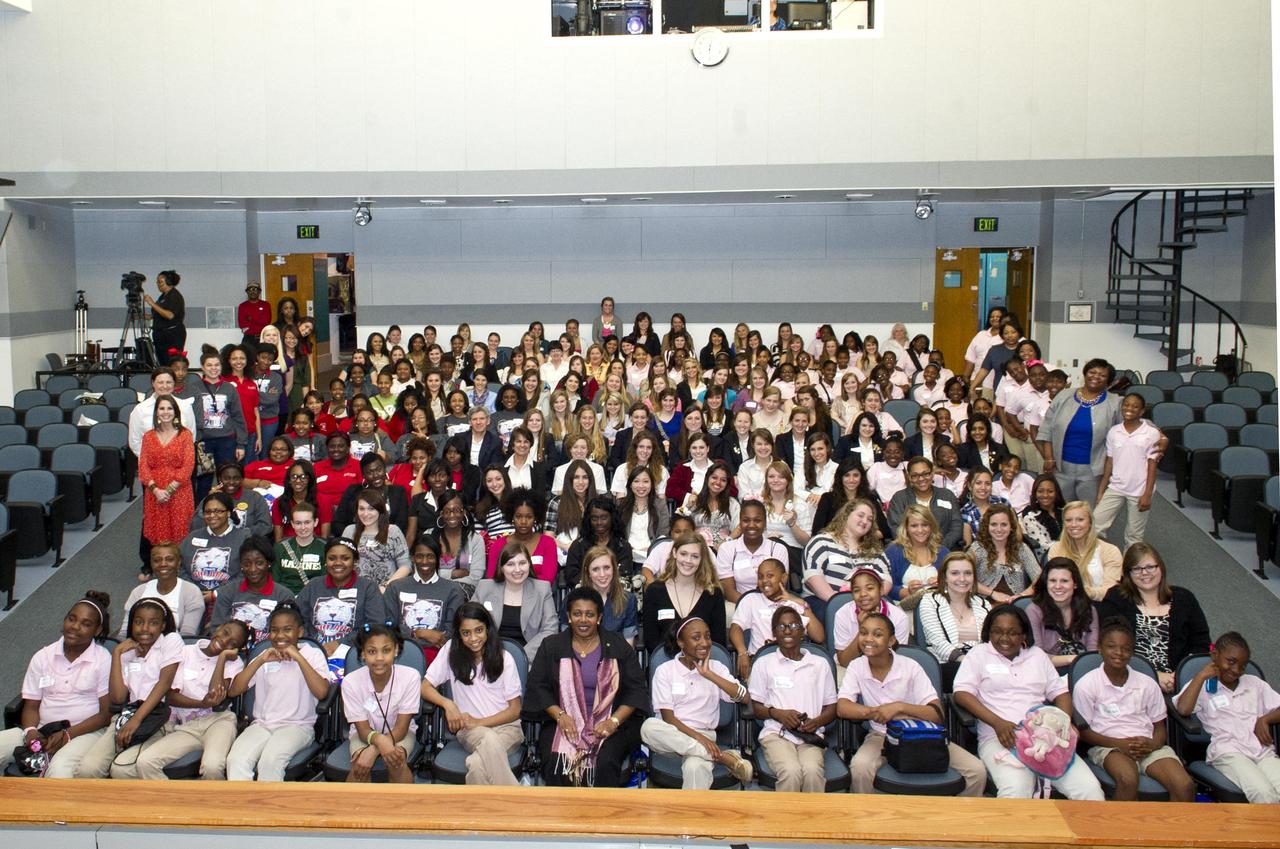
About 170 high school and elementary girls from area schools participated in a Girls Excited about Math and Science event at Stennis Space Center on March 8, 2012. The event featured various workshops and presentations designed to promote studies in science and mathematics, as well as other activities.
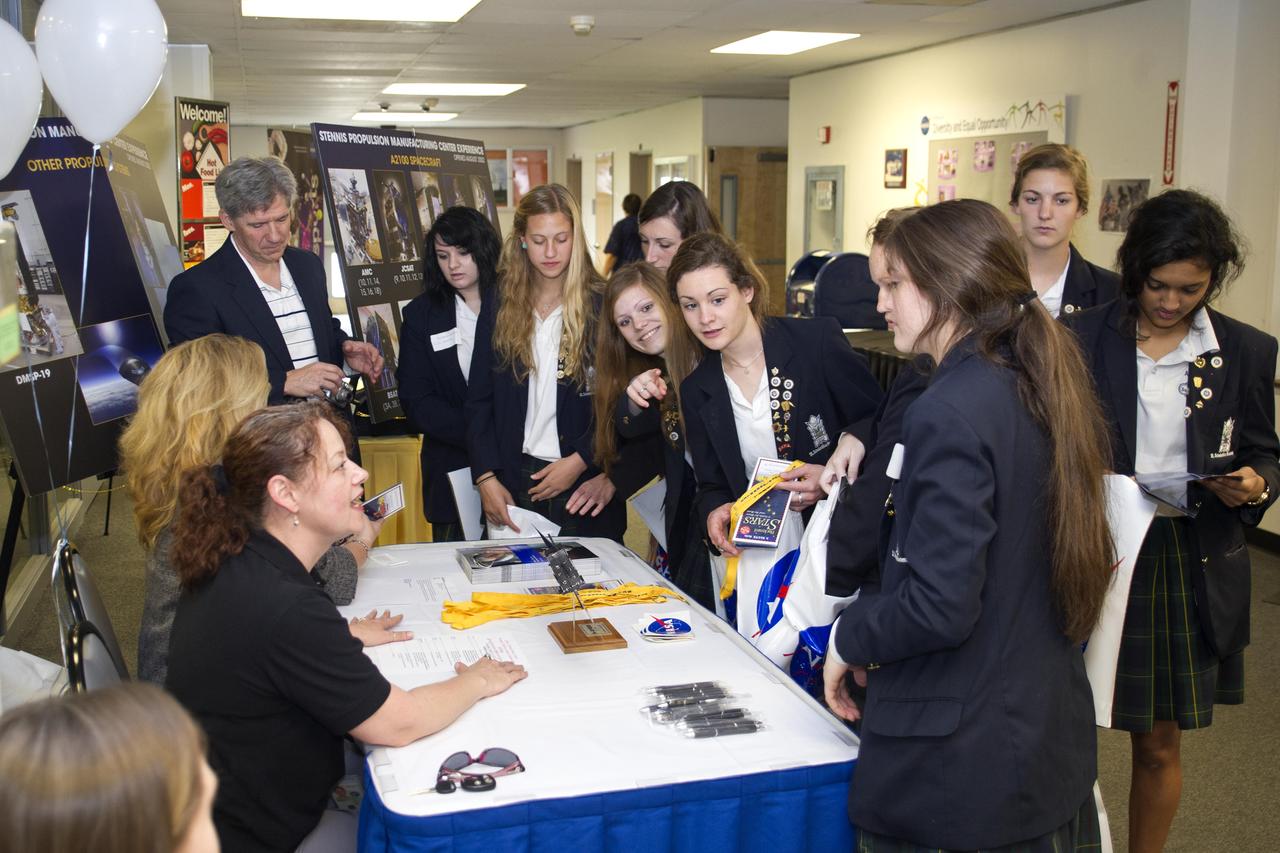
High school students register for activities during a Girls Excited about Math and Science event at Stennis Space Center on March 8, 2012. The event attracted about 130 high school girls and 40 elementary girls from 18 Louisiana and Mississippi for a day of workshop and seminar presentations, a 'Dress for Success' fashion show and a tour of information technology facilities.

NASA Human Resources Specialist Ashley Speed speaks to a group of high school students from area schools during a Girls Excited about Math and Science event at Stennis Space Center on March 8, 2012. About 170 high school and elementary girls from area schools visited Stennis to participate in a day of activities designed to promote studies in science and mathematics.
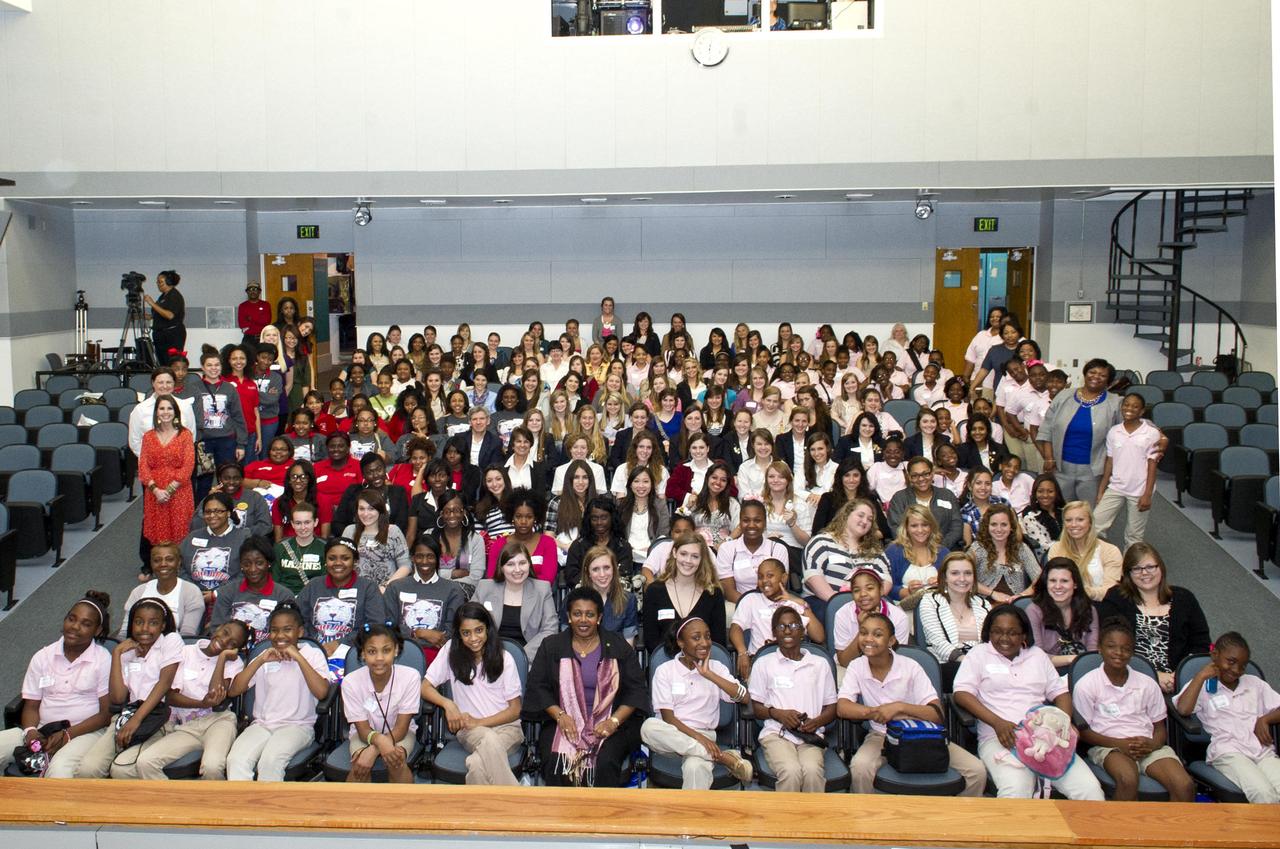
About 170 high school and elementary girls from area schools participated in a Girls Excited about Math and Science event at Stennis Space Center on March 8, 2012. The event was designed to promote studies in science and mathematics.
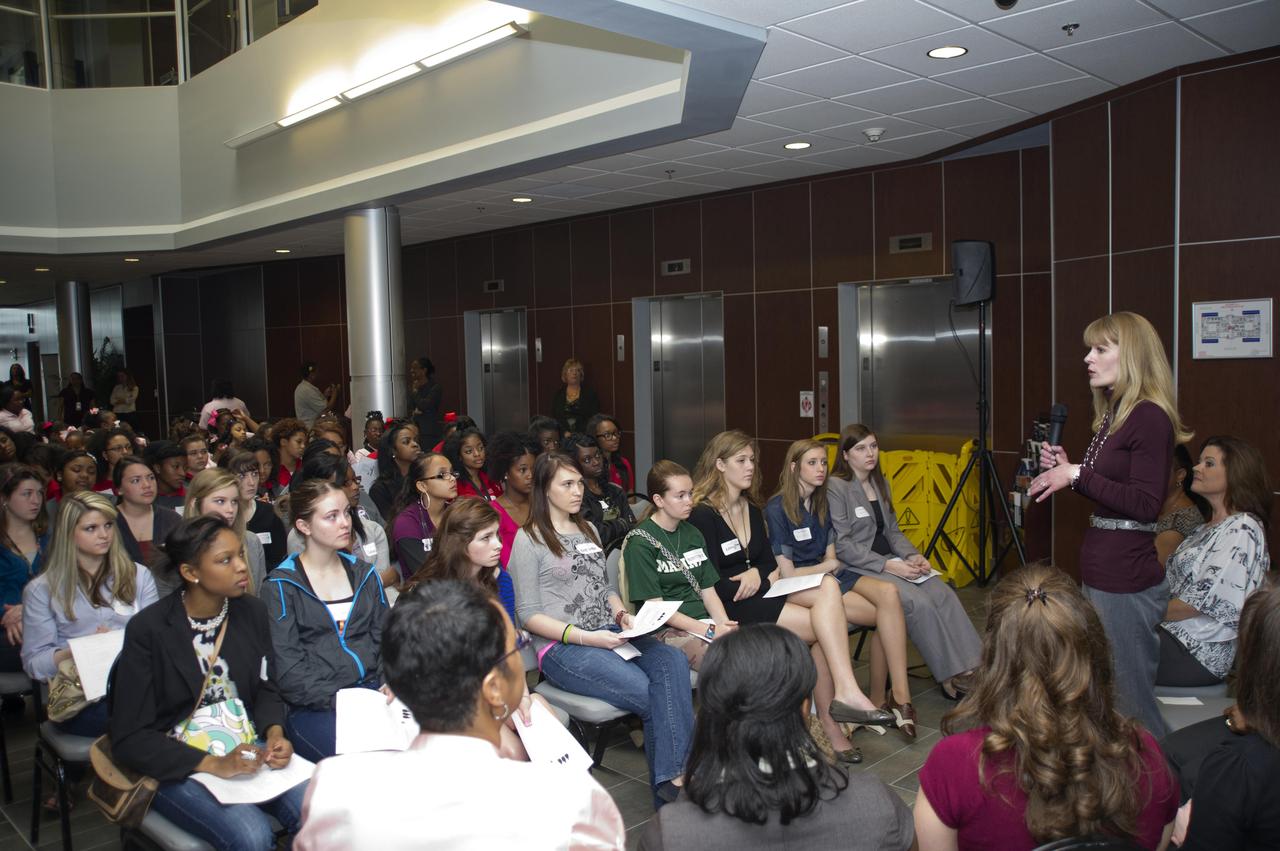
NASA Human Resources Specialist Ashley Speed speaks to a group of high school students from area schools during a Girls Excited about Math and Science event at Stennis Space Center on March 8, 2012. About 170 high school and elementary girls from area schools visited Stennis to participate in a day of activities designed to promote studies in science and mathematics.
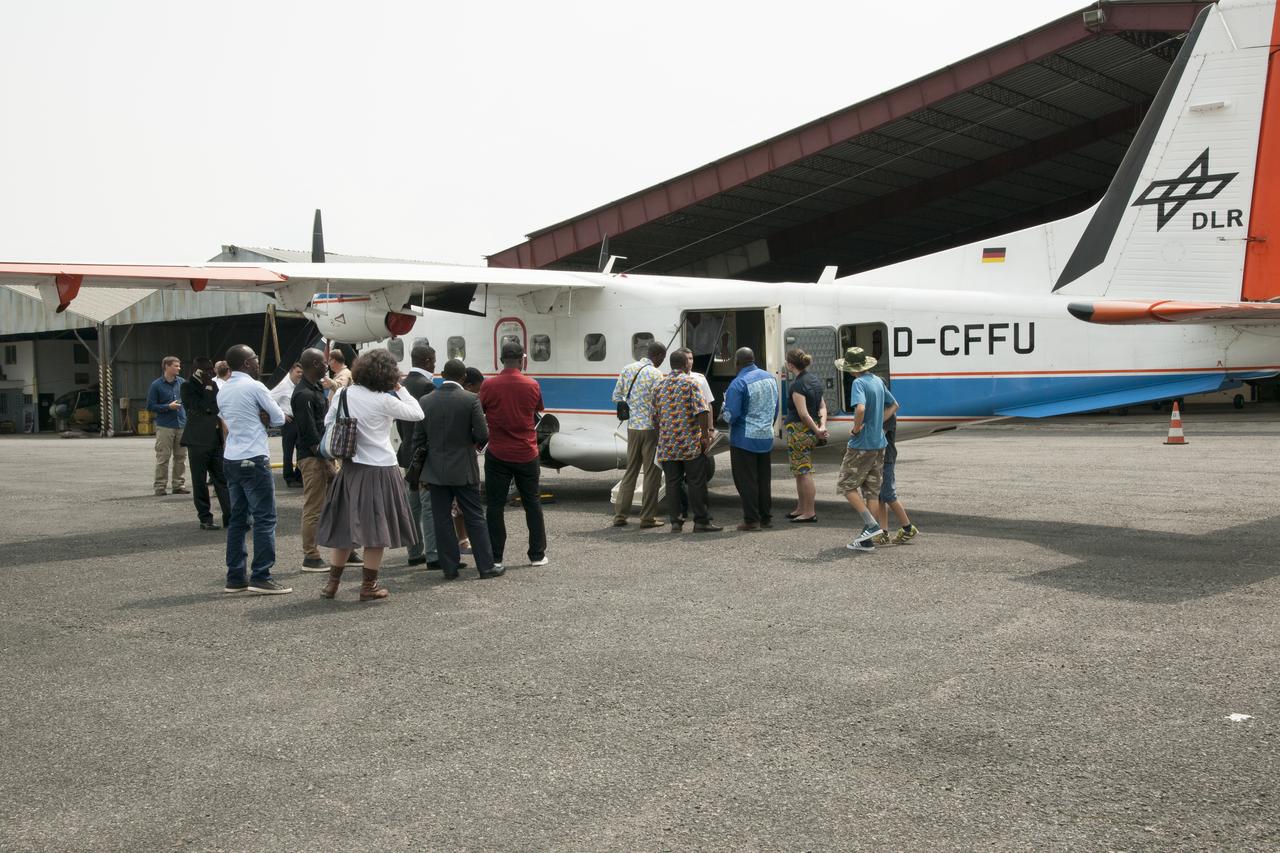
During an education outreach event in Gabon, Africa, students and educators, look at the German Aerospace Center Dornier DO-228 twin-engine turboprop aircraft.

NASA Kennedy Space Center workers enjoy Hispanic food at KARS Park II during an event to celebrate Hispanic Heritage Month on Oct. 17, 2019. The event was hosted by the center’s Hispanic Outreach and Leadership Alliance (HOLA) employee resource group for Hispanic Heritage Month. This year’s theme is “Hispanic Americans: A History of Serving our Nation.” HOLA’s initiatives include education and recruitment, professional networking and development, and community outreach and media support.

NASA Kennedy Space Center workers enjoy Hispanic food at KARS Park II during an event to celebrate Hispanic Heritage Month on Oct. 17, 2019. The event was hosted by the center’s Hispanic Outreach and Leadership Alliance (HOLA) employee resource group for Hispanic Heritage Month. This year’s theme is “Hispanic Americans: A History of Serving our Nation.” HOLA’s initiatives include education and recruitment, professional networking and development, and community outreach and media support.

Student participants at the GRC 'Hidden Figures to Modern Figures' Event held at the Cleveland Public Library.
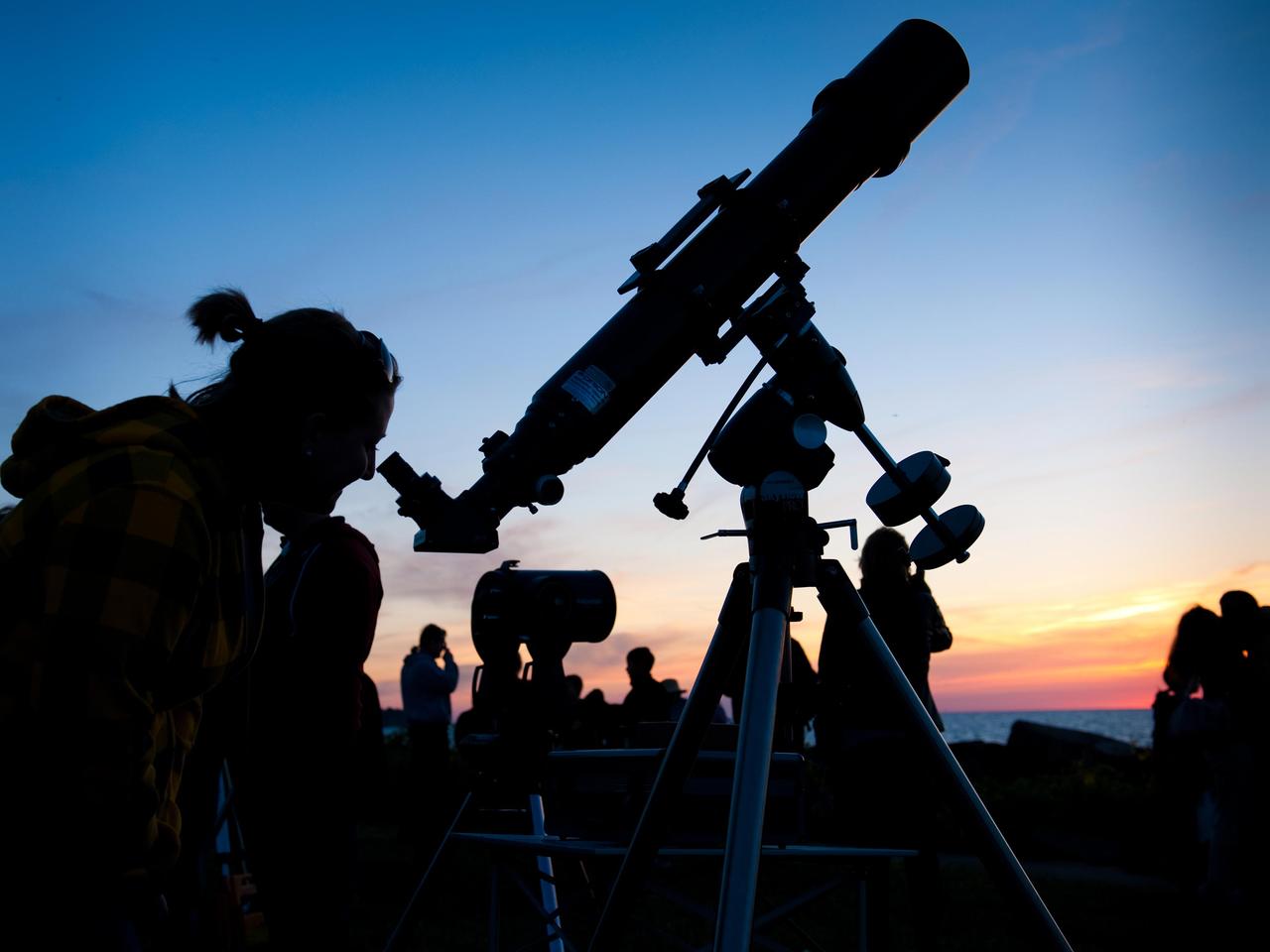
Beautiful skies prevailed on the evening of the Venus Transit when NASA Glenn brought telescopes to Edgewater Park on Lake Erie for a view of the event.
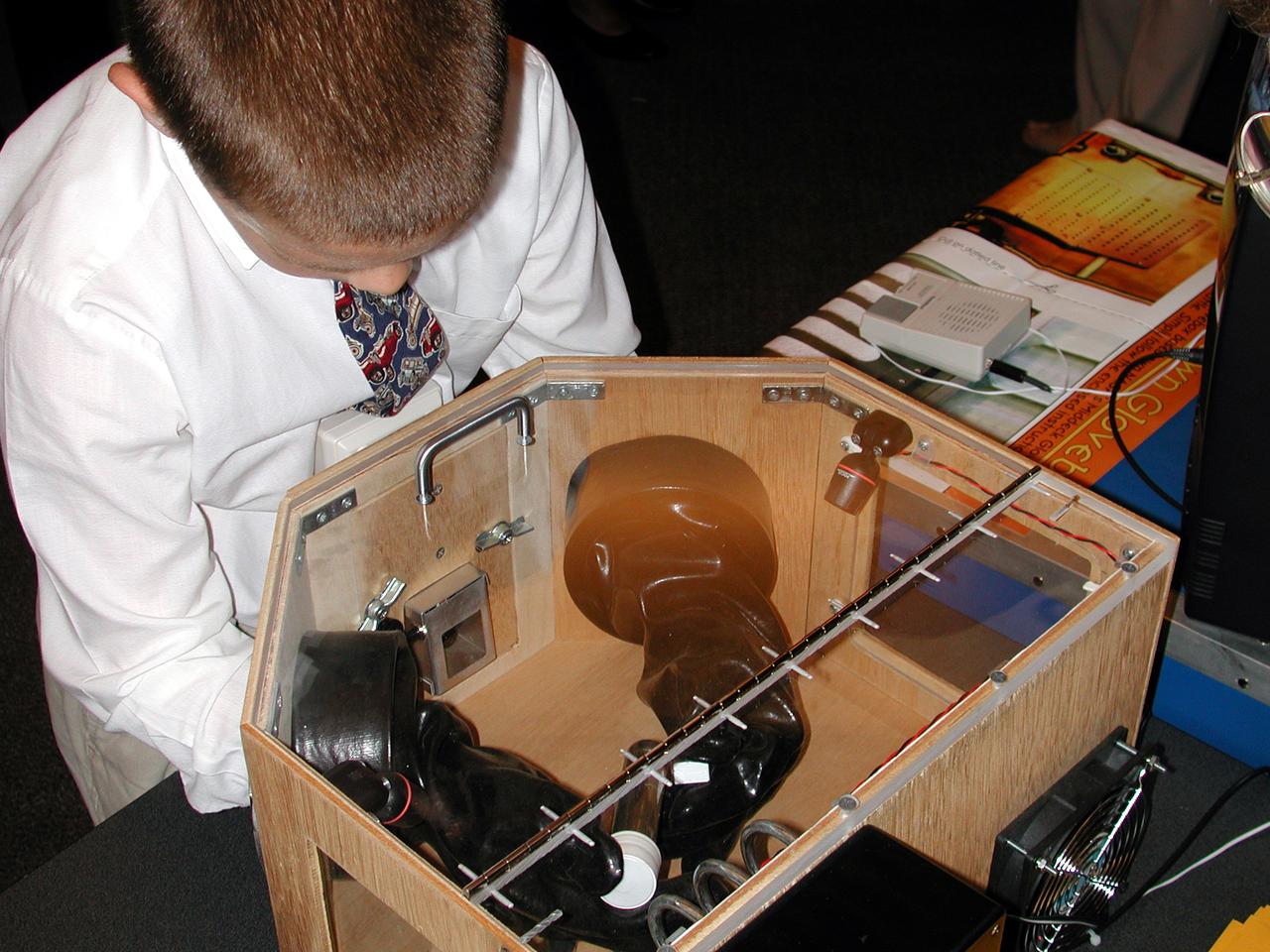
A Virginia student works with a bottle and its cap in a mockup of the Middeck Glovebox used by astronauts on a number of space shuttle research missions. The activity was part of the Space Research and You education event held by NASA's Office of Biological and Physical Research on June 25, 2002, in Arlington, VA, to highlight the research that will be conducted on STS-107.
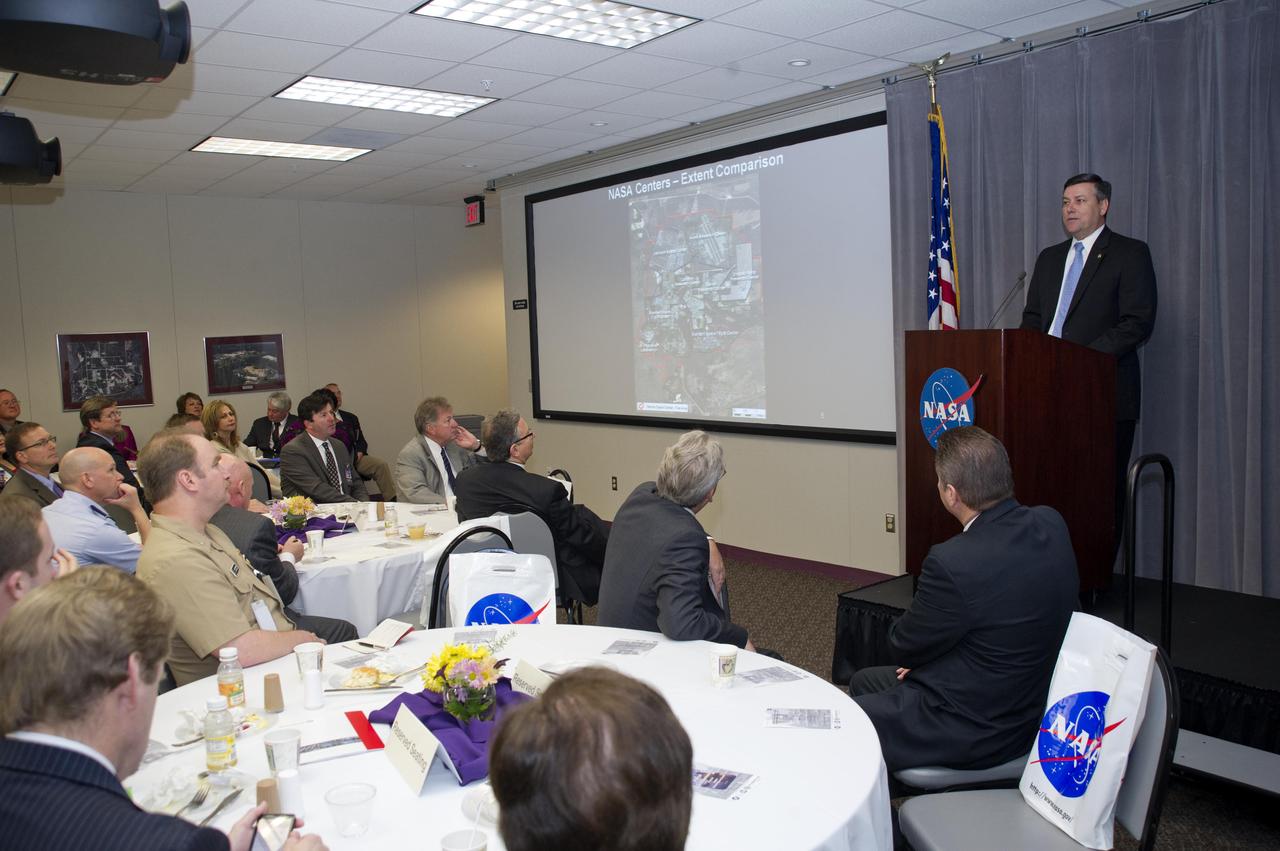
Stennis Space Center Director Patrick Scheuermann addresses community leaders and area officials during a March 1, 2012, event. More than 100 people attended the gathering, which featured reports about rocket engine testing and other work under way at the federal city facility.
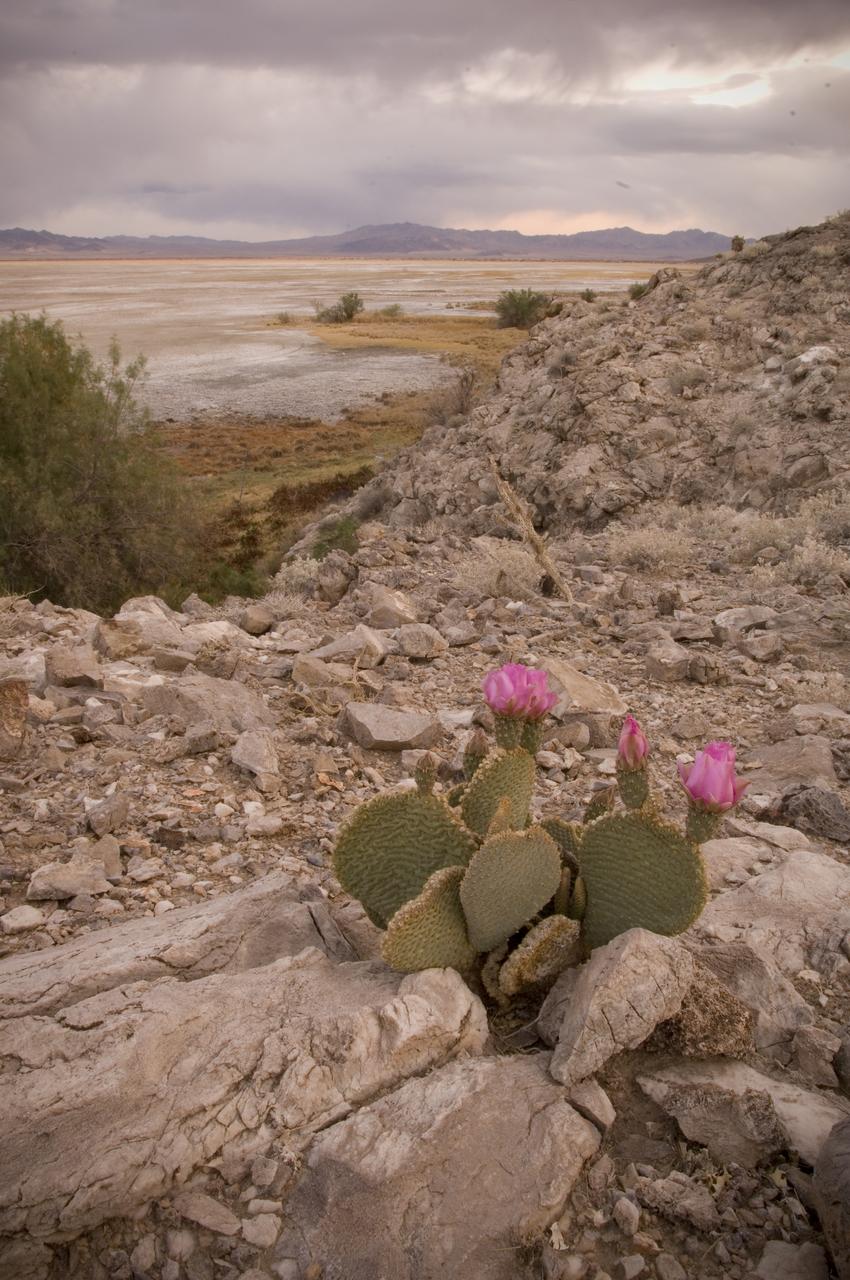
Spaceward Bound event in the Mojave Deser , CA (an outreach exercise) with Dr Chris McKay and Ames Education department personnel Brian Day, Barbara Bazar accompaning teachers (learning for the the classroom)
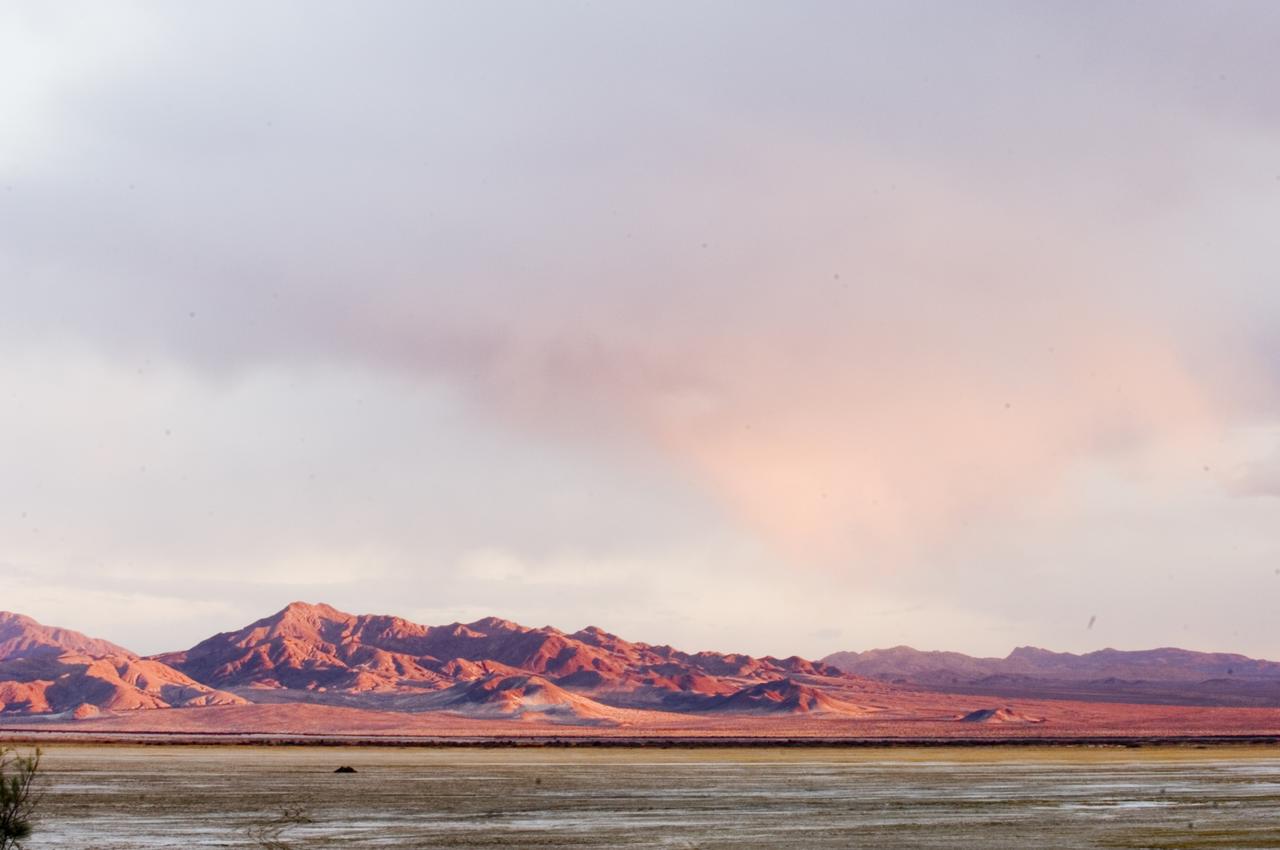
Spaceward Bound event in the Mojave Deser , CA (an outreach exercise) with Dr Chris McKay and Ames Education department personnel Brian Day, Barbara Bazar accompaning teachers (learning for the the classroom)
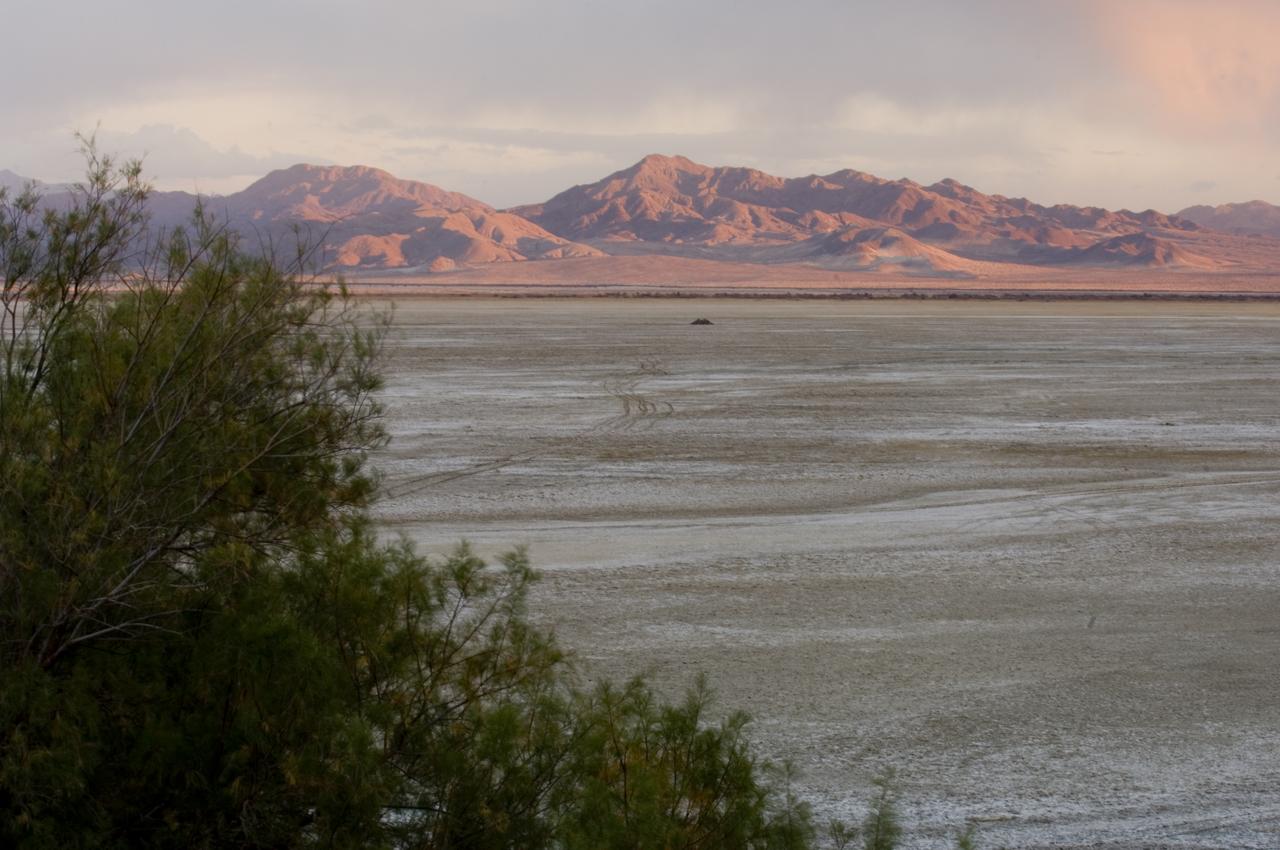
Spaceward Bound event in the Mojave Deser , CA (an outreach exercise) with Dr Chris McKay and Ames Education department personnel Brian Day, Barbara Bazar accompaning teachers (learning for the the classroom)
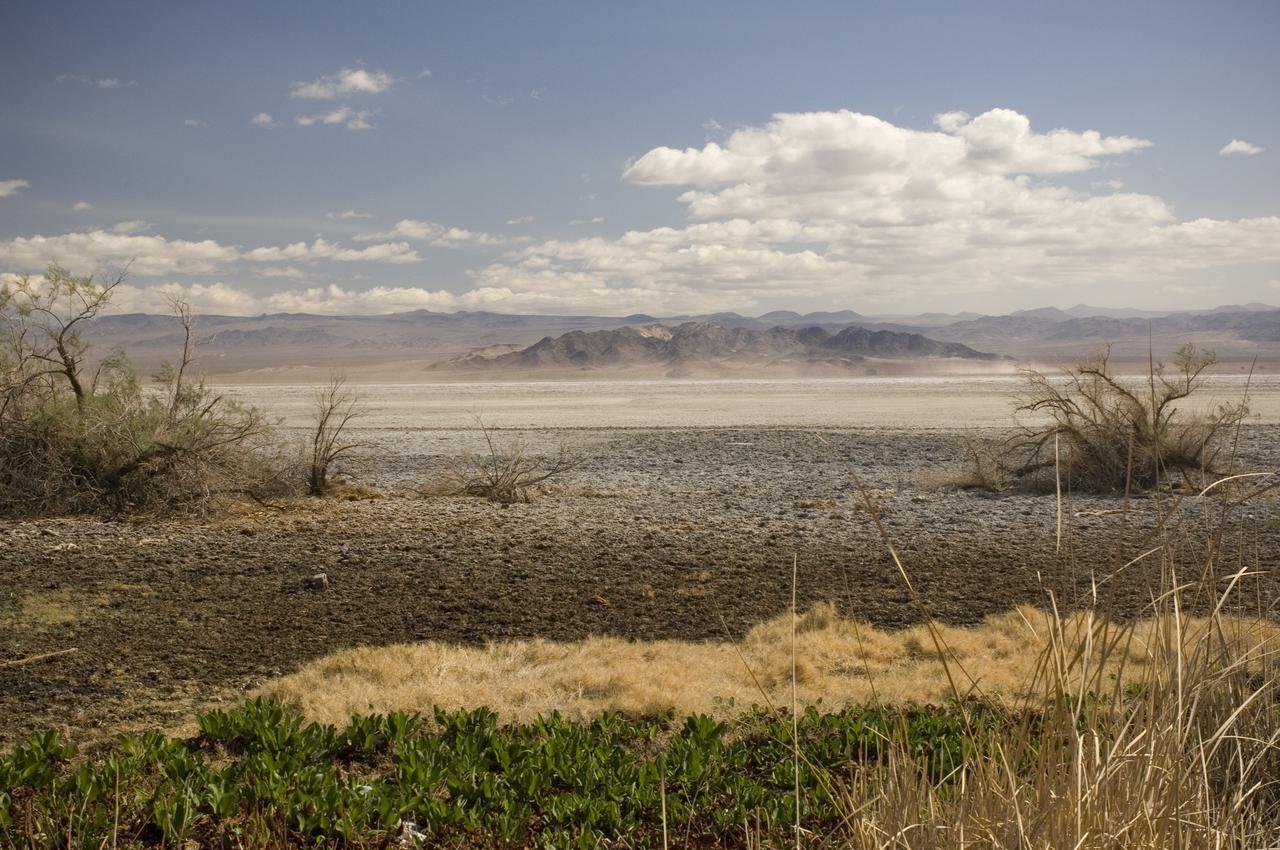
Spaceward Bound event in the Mojave Deser , CA (an outreach exercise) with Dr Chris McKay and Ames Education department personnel Brian Day, Barbara Bazar accompaning teachers (learning for the the classroom)
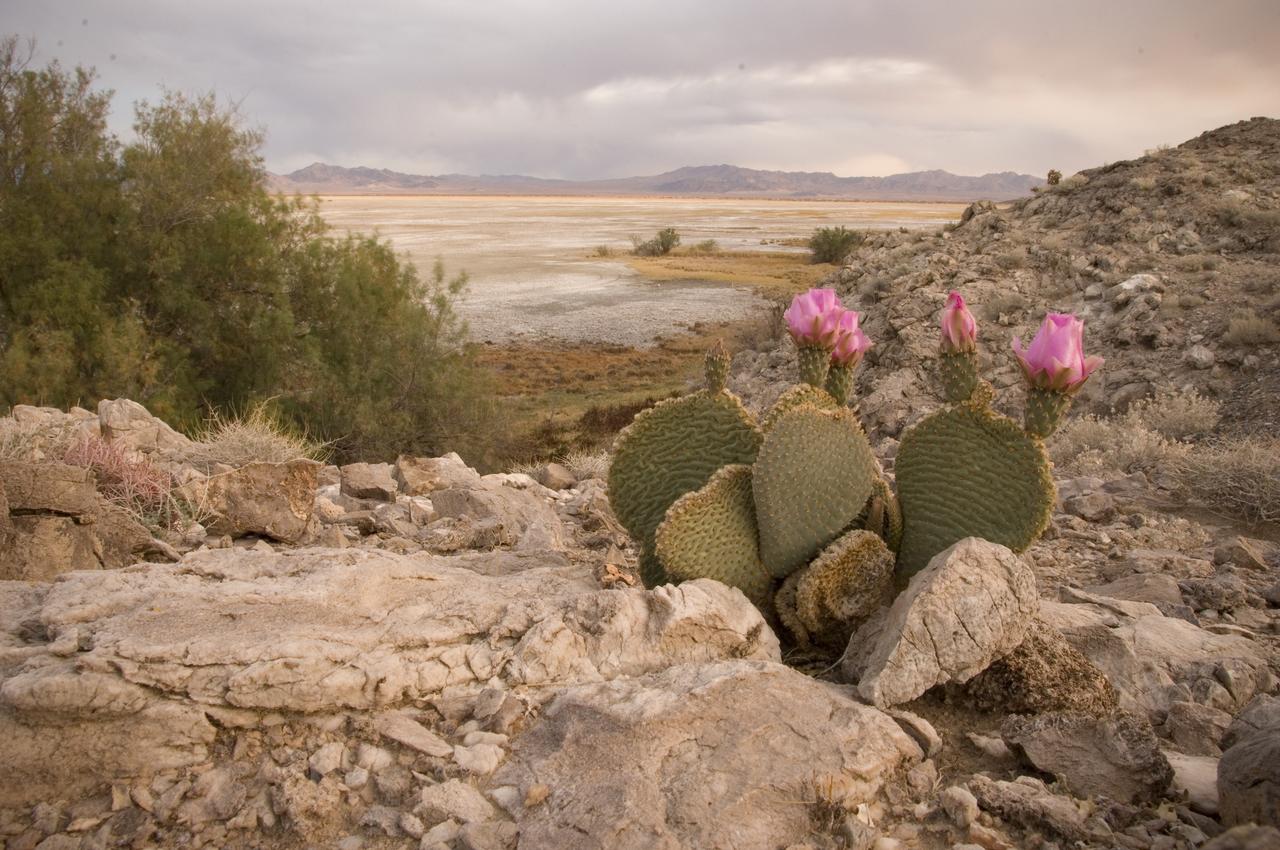
Spaceward Bound event in the Mojave Deser , CA (an outreach exercise) with Dr Chris McKay and Ames Education department personnel Brian Day, Barbara Bazar accompaning teachers (learning for the the classroom)
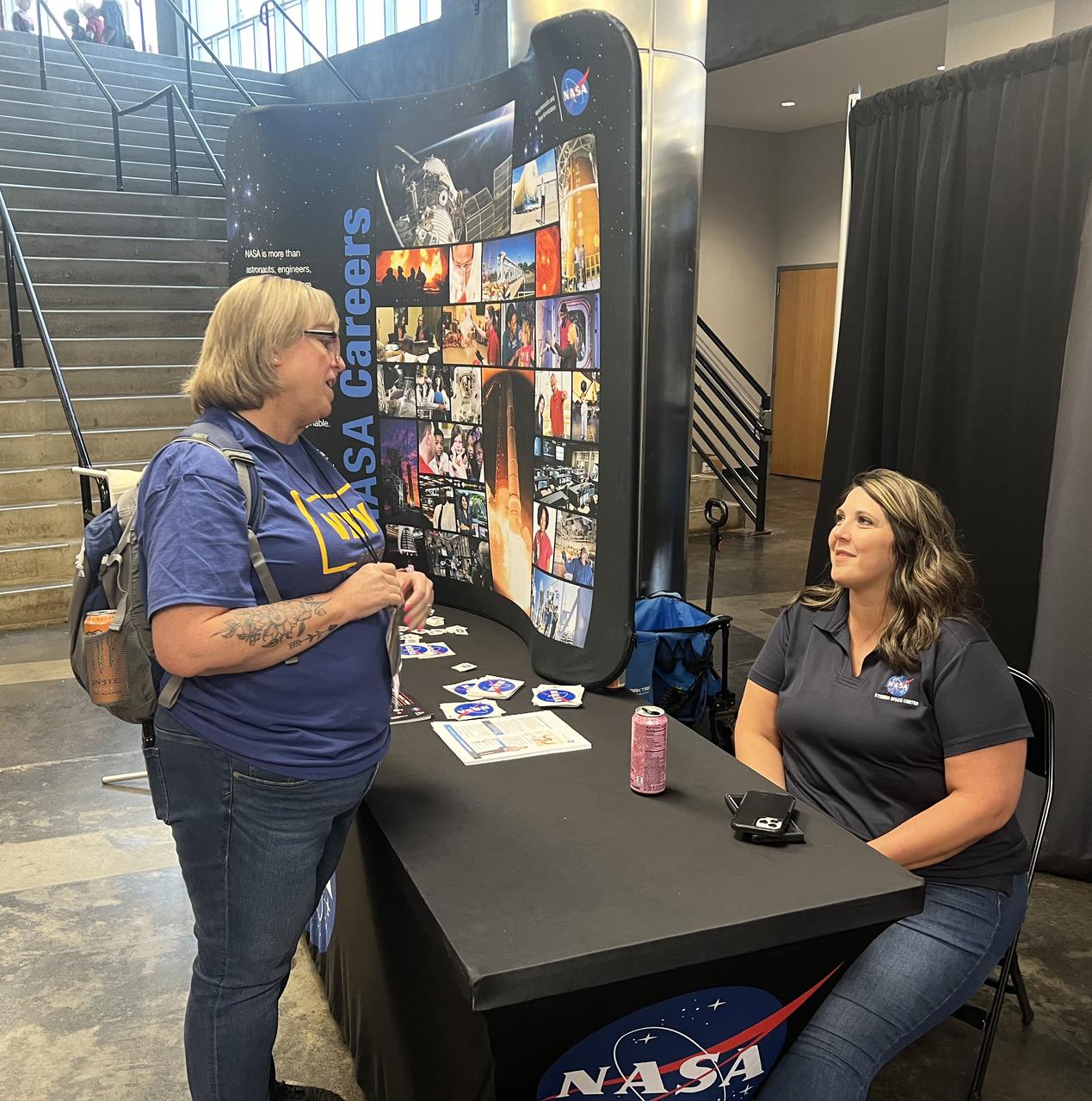
A Mississippi Comic Convention worker, an advocate for children with disabilities, speaks with NASA Stennis budget analyst Rebecca Mataya, right, during the event in Jackson, Mississippi, on June 22, about community outreach events and INFINITY Science Center’s ability to host children with special needs interested in learning more about NASA.
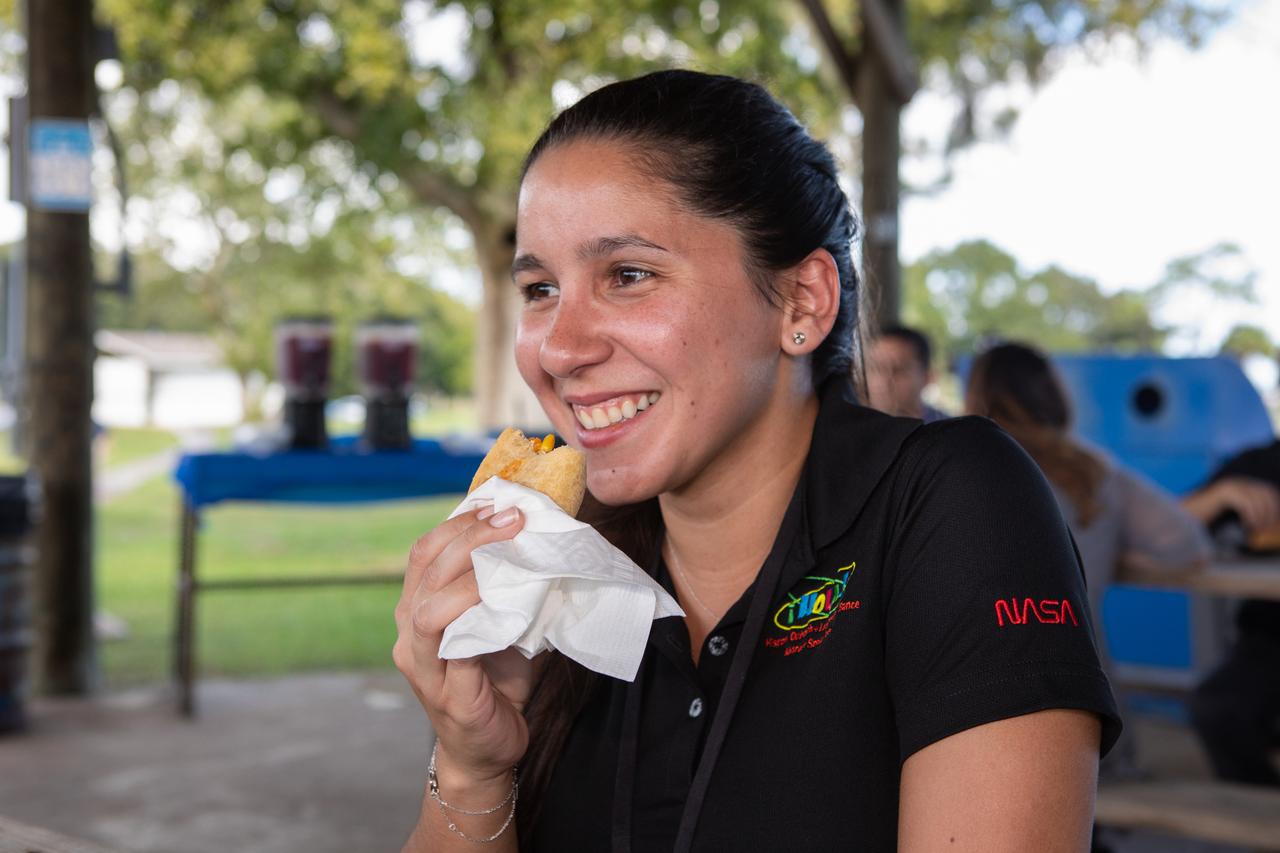
A NASA Kennedy Space Center workers enjoys a treat during a gathering at KARS Park II to celebrate Hispanic Heritage Month on Oct. 17, 2019. The event was hosted by the center’s Hispanic Outreach and Leadership Alliance (HOLA) employee resource group for Hispanic Heritage Month. This year’s theme is “Hispanic Americans: A History of Serving our Nation.” HOLA’s initiatives include education and recruitment, professional networking and development, and community outreach and media support.
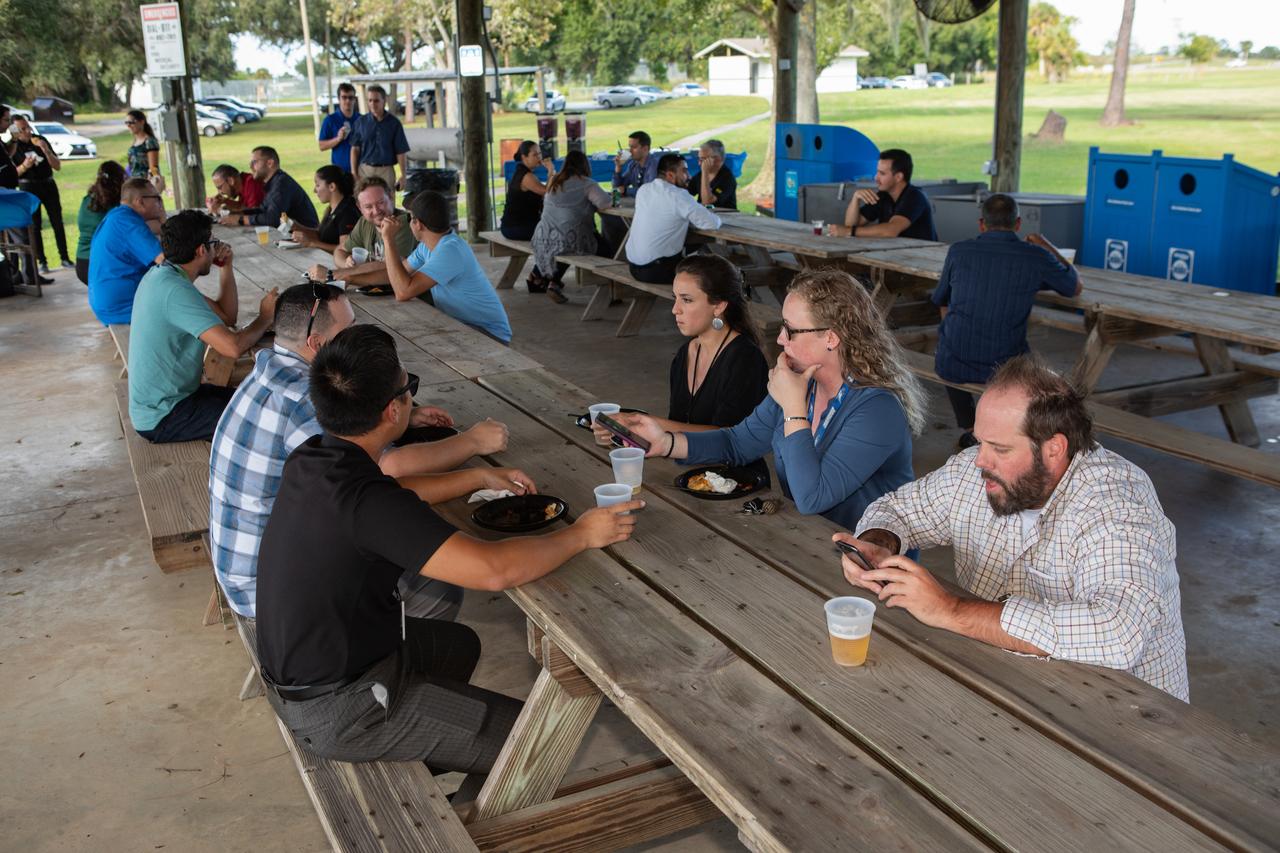
NASA Kennedy Space Center workers gather at KARS Park II to celebrate Hispanic Heritage Month on Oct. 17, 2019. The event was hosted by the center’s Hispanic Outreach and Leadership Alliance (HOLA) employee resource group for Hispanic Heritage Month. This year’s theme is “Hispanic Americans: A History of Serving our Nation.” HOLA’s initiatives include education and recruitment, professional networking and development, and community outreach and media support.
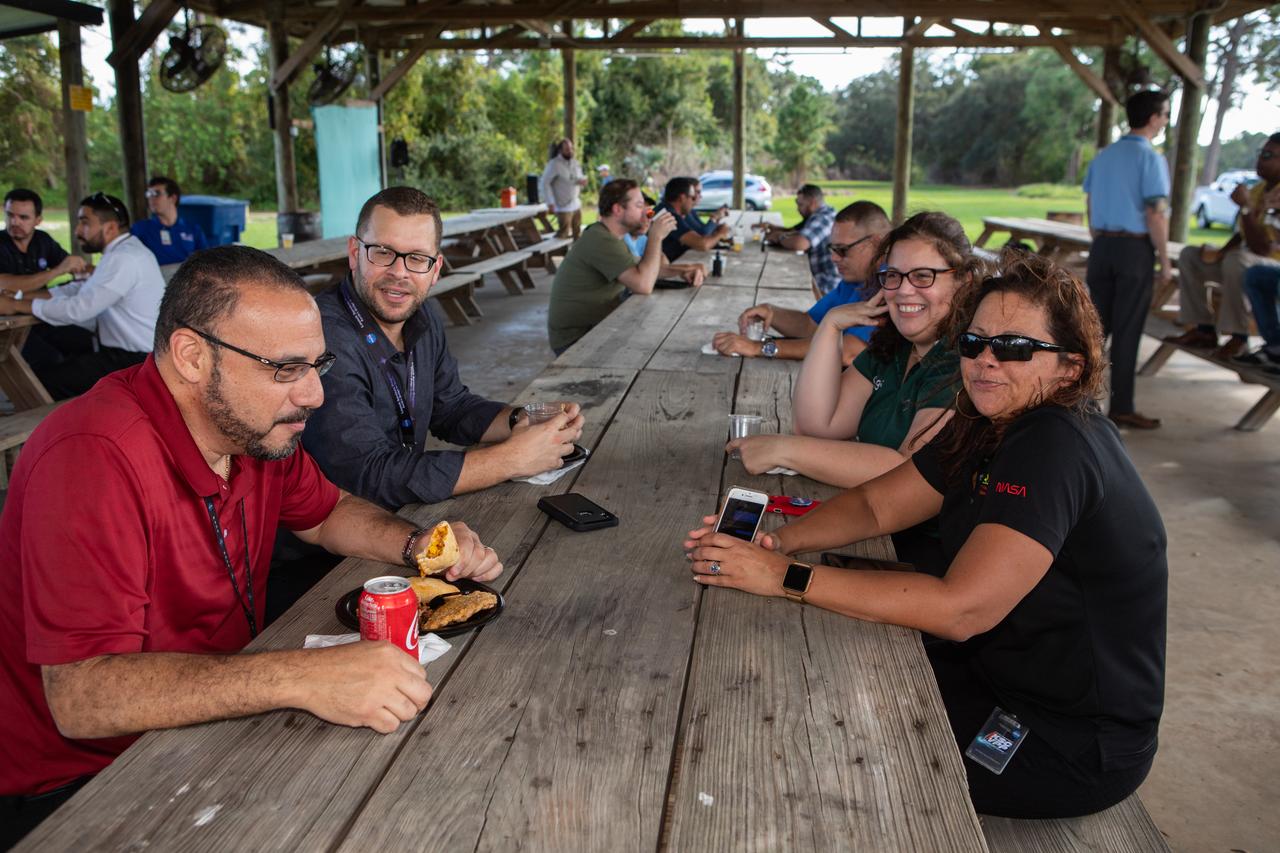
NASA Kennedy Space Center workers gather at KARS Park II to celebrate Hispanic Heritage Month on Oct. 17, 2019. The event was hosted by the center’s Hispanic Outreach and Leadership Alliance (HOLA) employee resource group for Hispanic Heritage Month. This year’s theme is “Hispanic Americans: A History of Serving our Nation.” HOLA’s initiatives include education and recruitment, professional networking and development, and community outreach and media support.

Yanidsi Velez-Bonet, senior director of Florida Programs and Policy for the Hispanic Federation, speaks to workers at NASA’s Kennedy Space Center in Florida on Oct. 10, 2019. The event was hosted by the center’s Hispanic Heritage Outreach and Leadership Alliance (HOLA) employee resource group for Hispanic Heritage Month. This year’s theme is “Hispanic Americans: A History of Serving our Nation.” HOLA’s initiatives include education and recruitment, professional networking and development, and community outreach and media support.

Yanidsi Velez-Bonet, senior director of Florida Programs and Policy for the Hispanic Federation, speaks to workers at NASA’s Kennedy Space Center in Florida on Oct. 10, 2019. The event was hosted by the center’s Hispanic Heritage Outreach and Leadership Alliance (HOLA) employee resource group for Hispanic Heritage Month. This year’s theme is “Hispanic Americans: A History of Serving our Nation.” HOLA’s initiatives include education and recruitment, professional networking and development, and community outreach and media support.

Yanidsi Velez-Bonet, senior director of Florida Programs and Policy for the Hispanic Federation, speaks to workers at NASA’s Kennedy Space Center in Florida on Oct. 10, 2019. The event was hosted by the center’s Hispanic Heritage Outreach and Leadership Alliance (HOLA) employee resource group for Hispanic Heritage Month. This year’s theme is “Hispanic Americans: A History of Serving our Nation.” HOLA’s initiatives include education and recruitment, professional networking and development, and community outreach and media support.

Yanidsi Velez-Bonet, senior director of Florida Programs and Policy for the Hispanic Federation, speaks to workers at NASA’s Kennedy Space Center in Florida on Oct. 10, 2019 and takes questions from workers after her presentation. The event was hosted by the center’s Hispanic Heritage Outreach and Leadership Alliance (HOLA) employee resource group for Hispanic Heritage Month. This year’s theme is “Hispanic Americans: A History of Serving our Nation.” HOLA’s initiatives include education and recruitment, professional networking and development, and community outreach and media support.
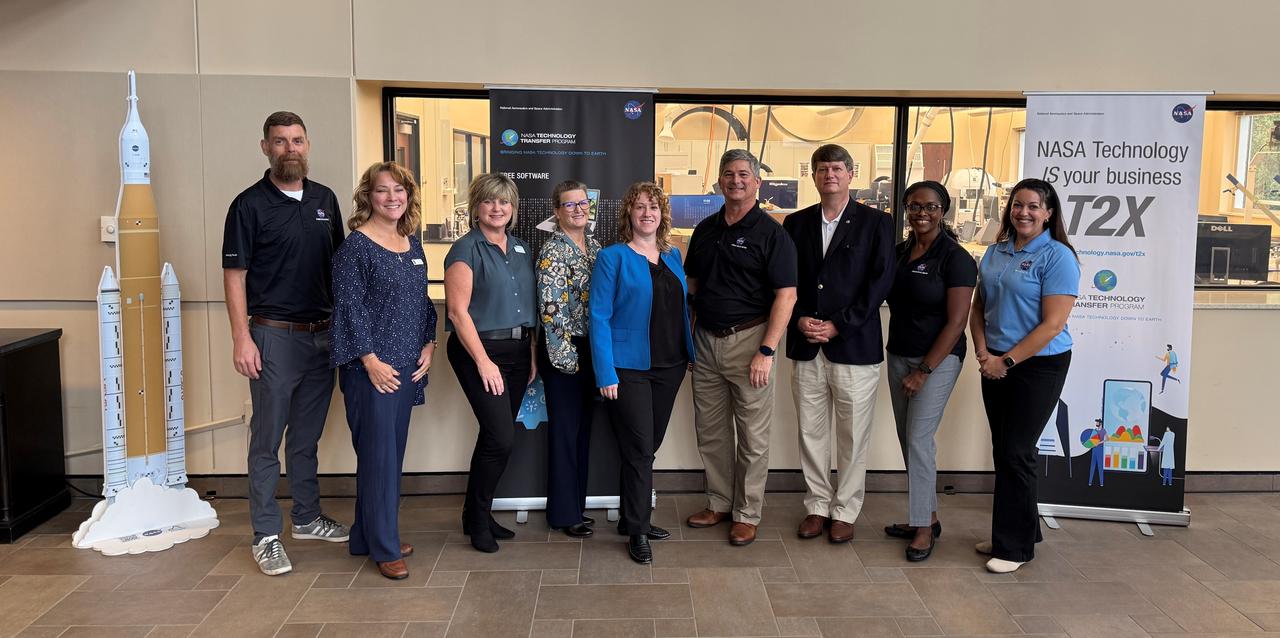
Participants in A Day with NASA at The Accelerator in Hattiesburg, Mississippi, included: (left to right) Marc Shoemaker with the NASA Stennis Small Business Innovation Research/Small Business Technology Transfer Office; Kay Doane with the NASA Stennis Office of Small Business Programs; Sandy Crist with the Mississippi Manufacturers Association Manufacturing Extension Program; Dr. Monica Tisack with the Mississippi Polymer Institute; Caitlyne Shirley with the Mississippi Polymer Institute; Top Lipski with the NASA Stennis Technology Transfer Expansion Team; Thom Jacks with the NASA Stennis Engineering and Test Directorate; Dawn Davis with the NASA Stennis Engineering and Test Directorate; Kelly McCarthy with the NASA Stennis Office of STEM Engagement; and Janet Parker with Innovate Mississippi.
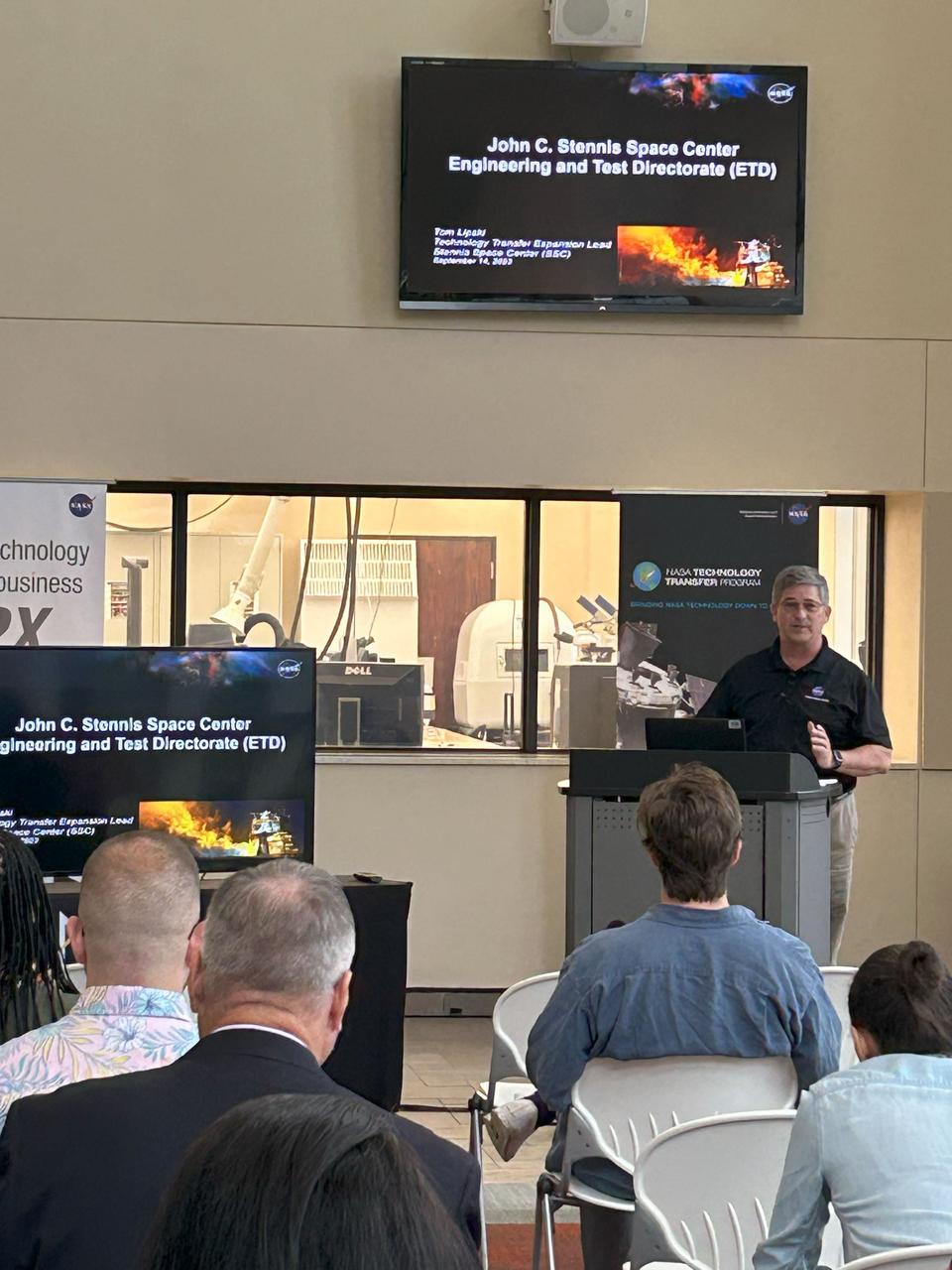
Tom Lipski, NASA Stennis Technology Transfer Expansion team lead, speaks at the “A Day with NASA” event at The Accelerator in Hattiesburg, Mississippi, on Nov. 7. NASA speakers focused on providing updates on agency resources available to help companies grow and on different ways to do business with the agency. They also offered information about how businesses could build partnerships with the agency to commercialize NASA-developed technologies. Participants had the opportunity to meet one-on-one with members of the NASA Stennis business and technology team as well. The Mississippi Polymer Institute, with funding from the Mississippi Manufacturer’s Association Manufacturing Extension Partnership, hosted the event.
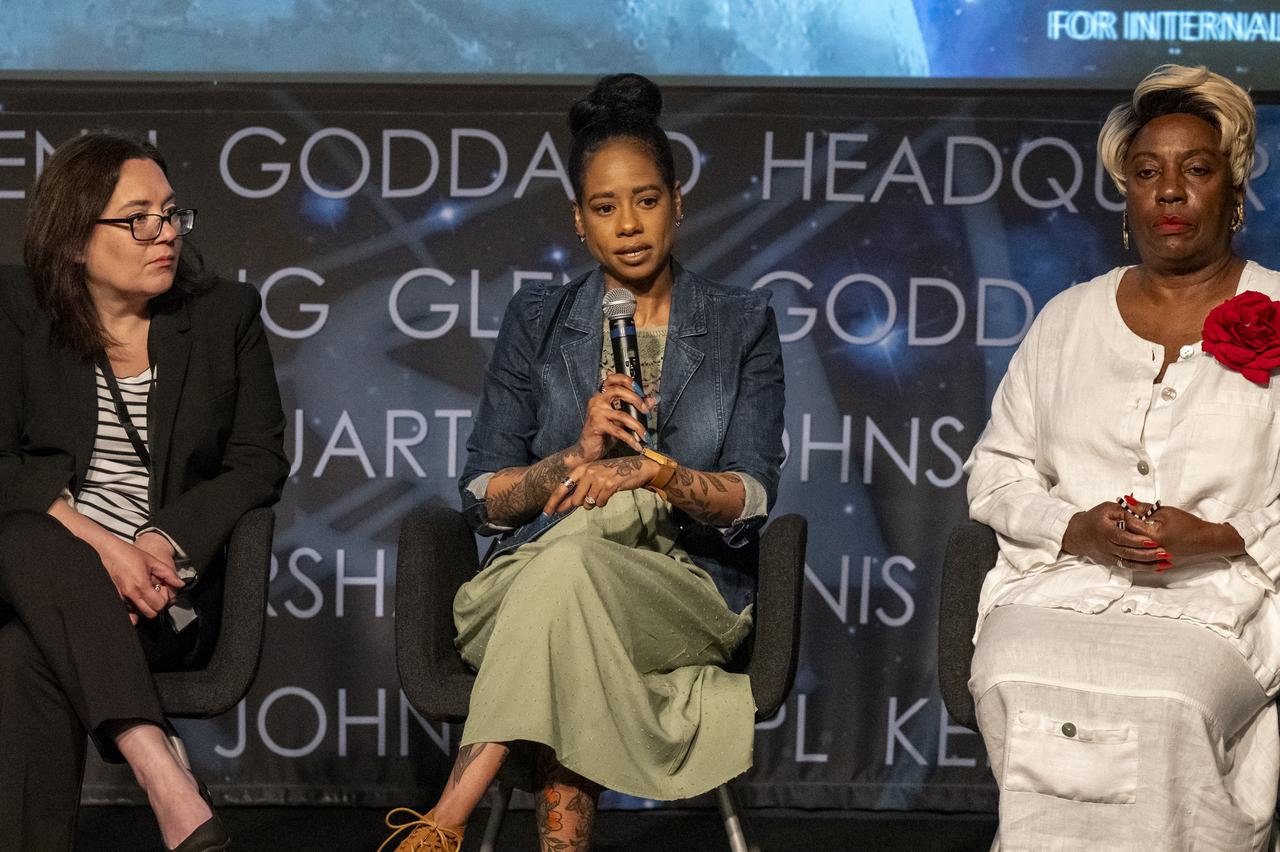
Strategic Communications and Outreach Lead Denise Hill, center, answers questions during a high school student engagement event, Thursday, July 6, 2023, at the Mary W. Jackson NASA Headquarters building in Washington. Photo Credit: (NASA/Keegan Barber)
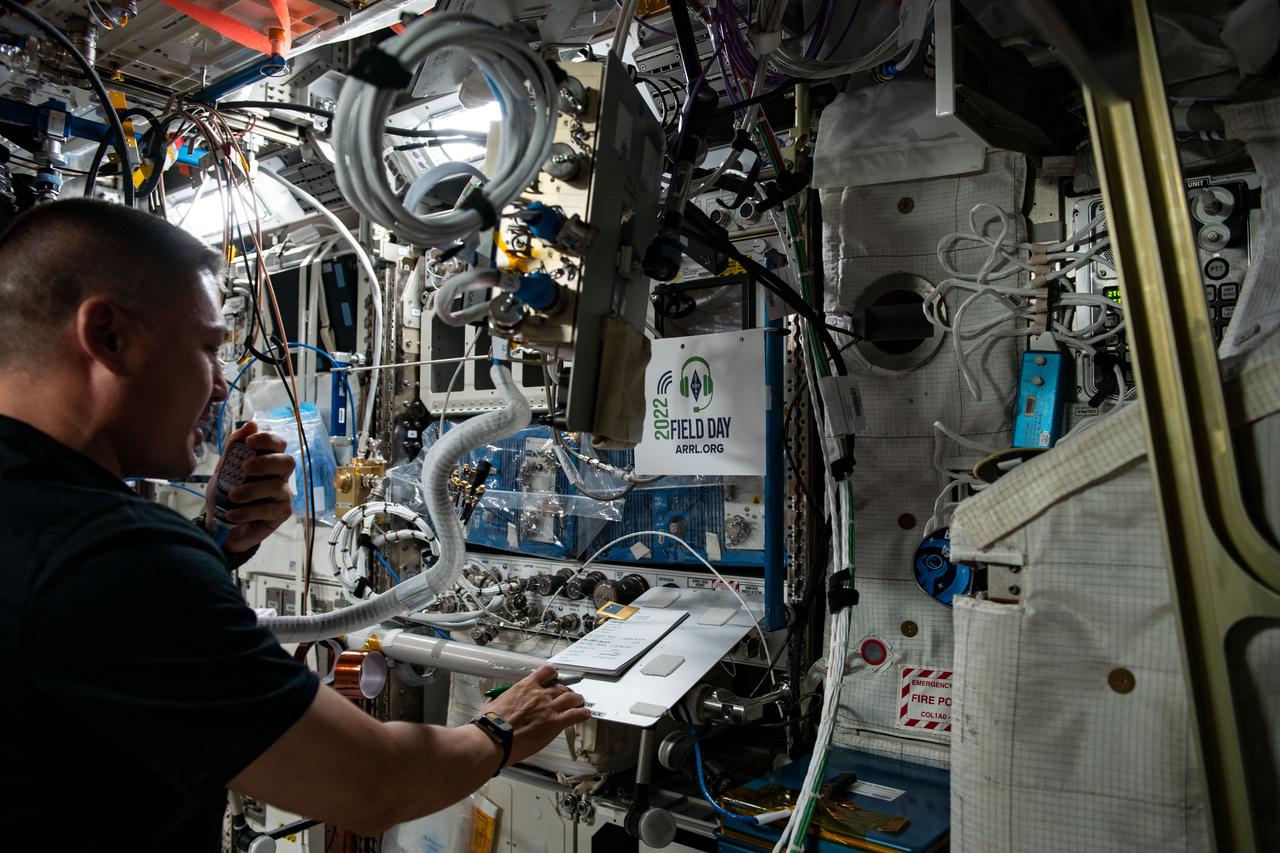
iss067e175034 (June 25, 2022) --- Expedition 67 Flight Engineer and NASA astronaut Kjell Lindgren participates in a ham radio session in commemoration of the Amateur Radio Relay League's 2022 Field Day supporting public service, emergency preparedness, community outreach, and technical skills all in a single event.
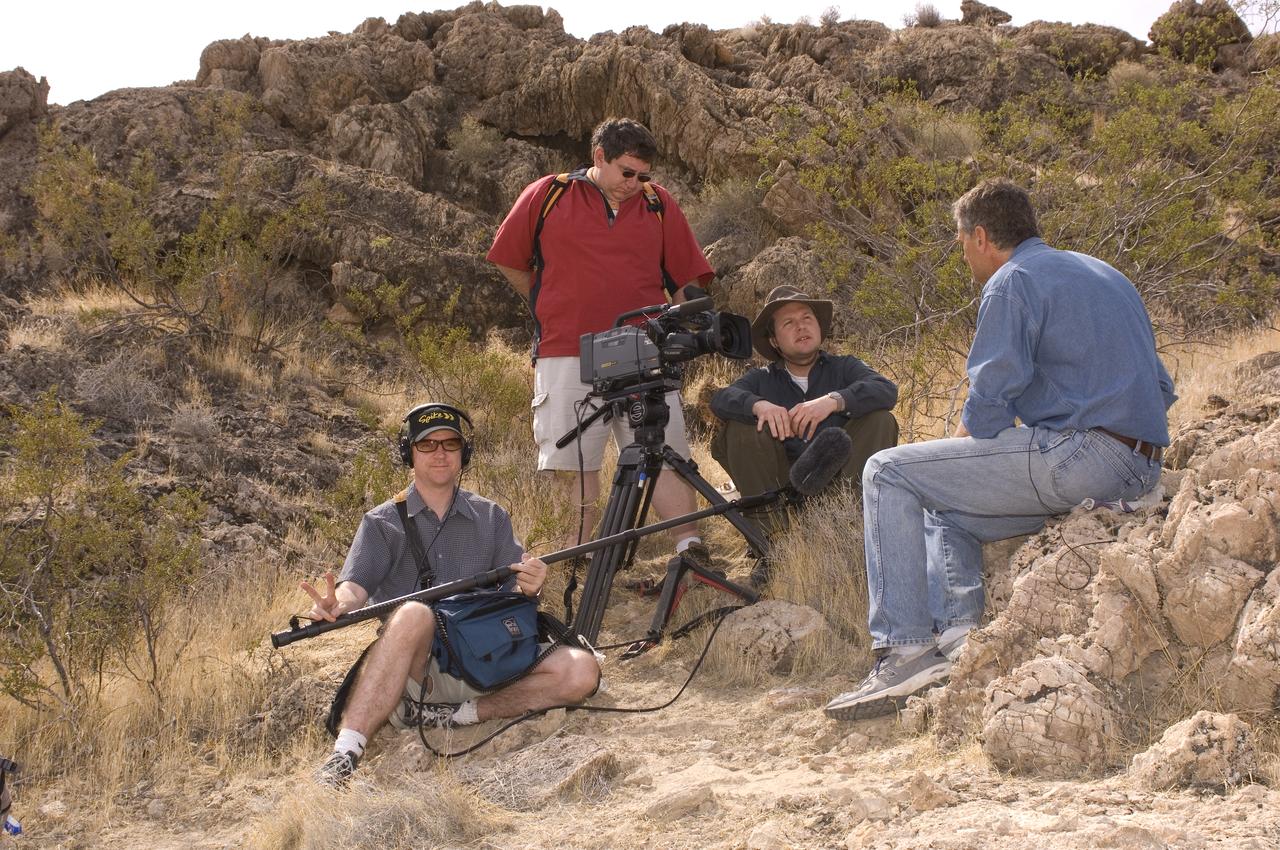
Spaceward Bound event in the Mojave Deser , CA (an outreach exercise) with Dr Chris McKay and Ames Education department personnel Brian Day, Barbara Bazar accompaning teachers (learning for the the classroom) Ames video crew L-R, Eric Land (on sound), Bill Moede (on camera) and Jessie Carpenter interview Chris McKay

Kennedy Space Center workers mingle before a Hispanic Heritage Month presentation in the Neil Armstrong Operations and Checkout Building Mission Briefing Room on Oct. 10, 2019. Yanidsi Velez-Bonet, senior director of Florida Programs and Policy for the Hispanic Federation was this year’s guest speaker. The event was hosted by the center’s Hispanic Heritage Outreach and Leadership Alliance (HOLA) employee resource group. This year’s theme is “Hispanic Americans: A History of Serving our Nation.” HOLA’s initiatives include education and recruitment, professional networking and development, and community outreach and media support.

NASA Engineer Edsel Sanchez welcomes Kennedy Space Center workers to a Hispanic Heritage Month presentation in the Neil Armstrong Operations and Checkout Building Mission Briefing Room on Oct. 10, 2019. Yanidsi Velez-Bonet, senior director of Florida Programs and Policy for the Hispanic Federation was this year’s guest speaker. The event was hosted by the center’s Hispanic Heritage Outreach and Leadership Alliance (HOLA) employee resource group. This year’s theme is “Hispanic Americans: A History of Serving our Nation.” HOLA’s initiatives include education and recruitment, professional networking and development, and community outreach and media support.

Information from the Hispanic Federation is on display in the Neil Armstrong Operations and Checkout Building Mission Briefing Room at NASA’s Kennedy Space Center in Florida, during a Hispanic Heritage Month presentation on Oct. 10, 2019. Yanidsi Velez-Bonet, senior director of Florida Programs and Policy for the Hispanic Federation is this year’s guest speaker. The event, hosted by the center’s Hispanic Heritage Outreach and Leadership Alliance (HOLA) employee resource group, focused on the theme “Hispanic Americans: A History of Serving our Nation.” HOLA’s initiatives include education and recruitment, professional networking and development, and community outreach and media support.

Information from the Hispanic Federation is on display in the Neil Armstrong Operations and Checkout Building Mission Briefing Room at NASA’s Kennedy Space Center in Florida, during a Hispanic Heritage Month presentation on Oct. 10, 2019. Yanidsi Velez-Bonet, senior director of Florida Programs and Policy for the Hispanic Federation is this year’s guest speaker. The event was hosted by the center’s Hispanic Heritage Outreach and Leadership Alliance (HOLA) employee resource group. This year’s theme is “Hispanic Americans: A History of Serving our Nation.” HOLA’s initiatives include education and recruitment, professional networking and development, and community outreach and media support.
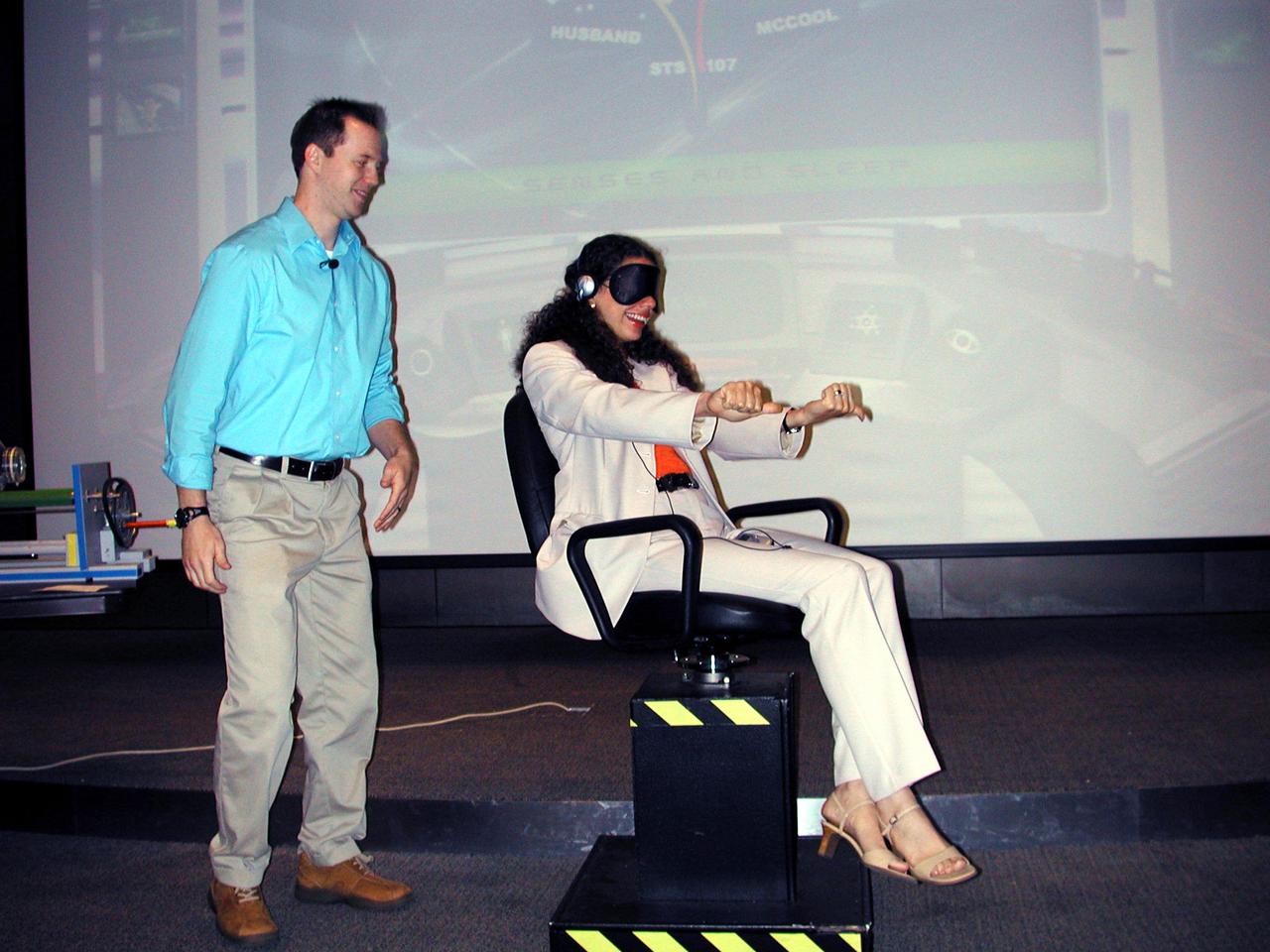
Brad McLain for the Space Biology Museum Network spins a volunteer in a rotating chair to illustrate how dependent the human vestibular system is on visual cues. The volunteer's thumbs indicate which way she thinks she is turning. Similar tests are conducted on astronauts to study how they adapt to space and readapt to Earth. The activity was part of the Space Research and You education event held by NASA's Office of Biological and Physical Research on June 25, 2002, in Arlington, VA, to highlight the research that will be conducted on STS-107.
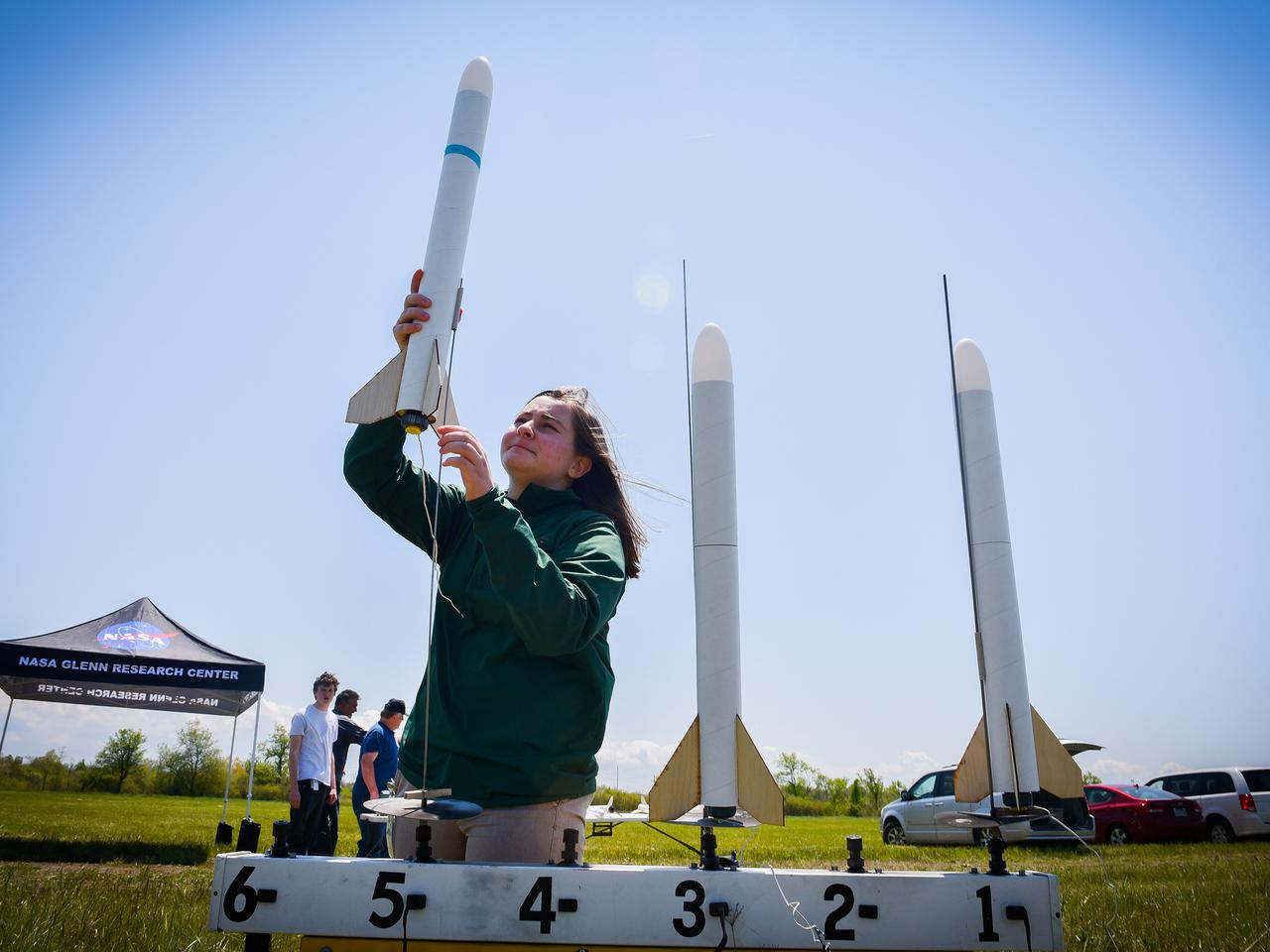
Activities at National Lab Day held at NASA Plum Brook Station in Sandusky, OH.
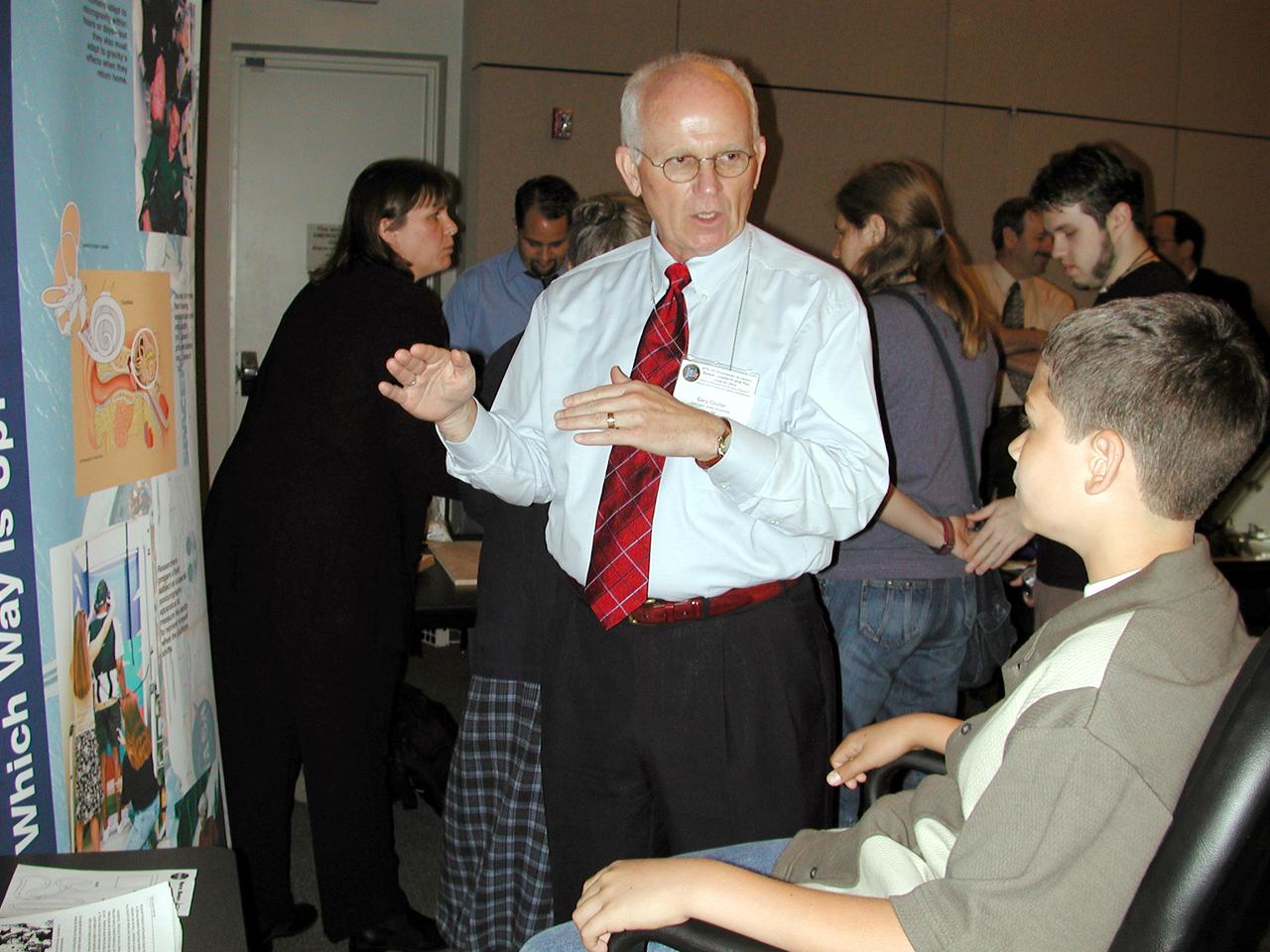
Gary Coulter, a special assistant to NASA's life sciences researchers, explains the workings of the irner ear to a Virginia student. The chair rotates to disorient the vestibular system in a simulation of research on how astronauts adapt to space and readapt to Earth. The activity was part of the Space Research and You education event held by NASA's Office of Biological and Physical Research on June 25, 2002, in Arlington, VA, to highlight the research that will be conducted on STS-107.
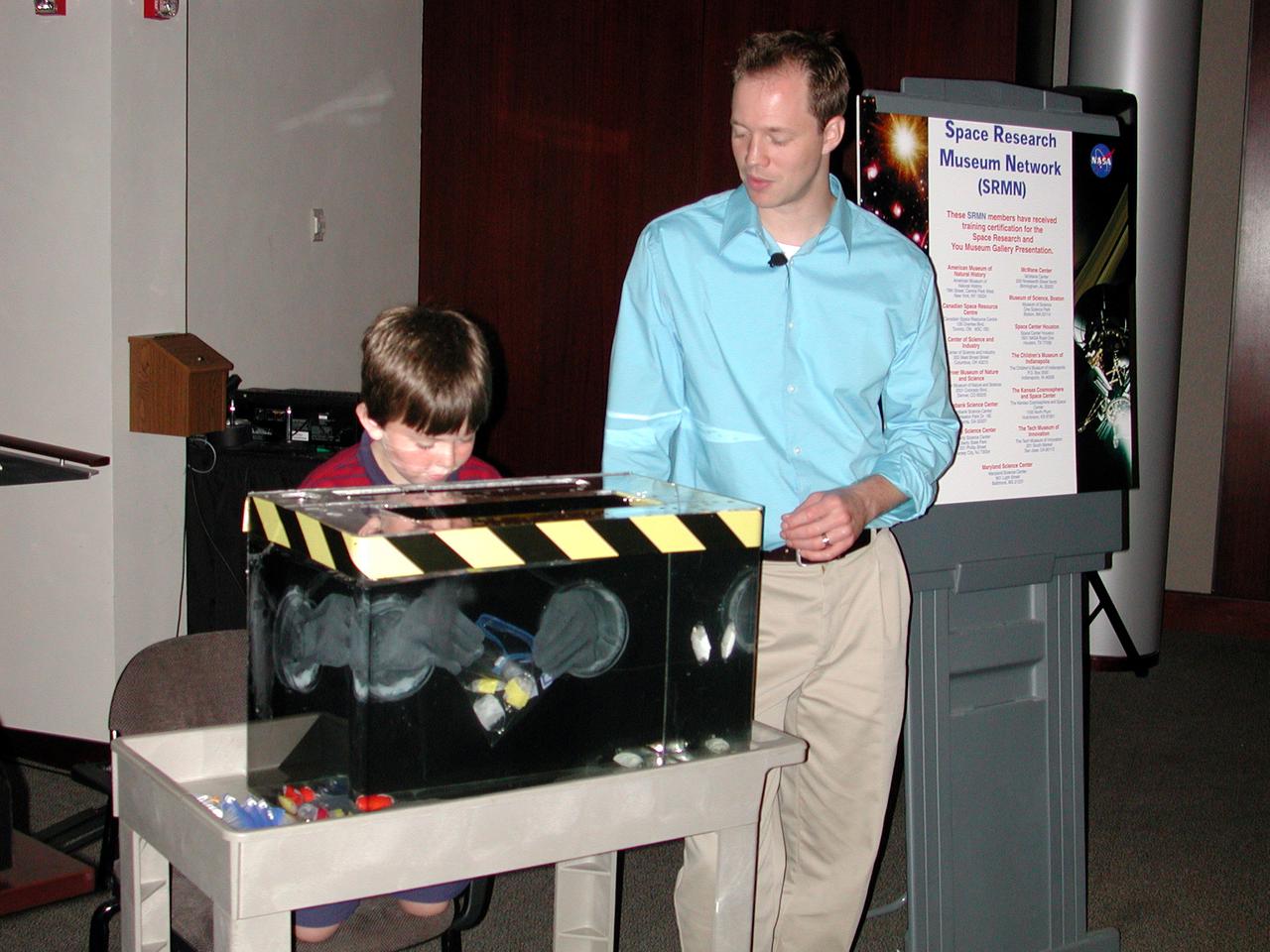
A Virginia student wears gloves inside a water tank to simulate the awkward feel and dexterity that astronauts experience when working in spacesuits. He is directed by Brad McLain for the Space Biology Museum Network. The activity was part of the Space Research and You education event held by NASA's Office of Biological and Physical Research on June 25, 2002, in Arlington, VA, to highlight the research that will be conducted on STS-107.
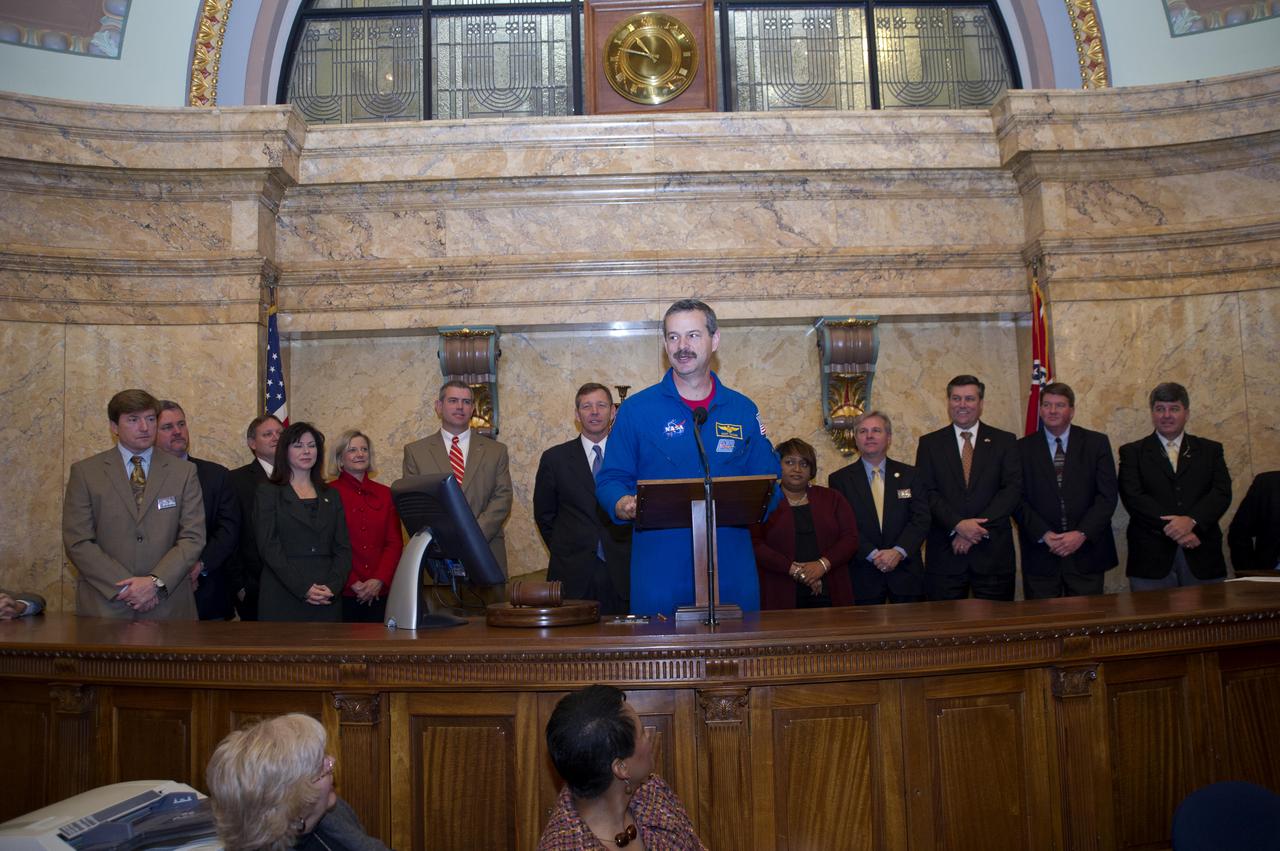
Former astronaut Scott Altman addresses legislators in the Mississippi House of Representatives during NASA Day at the Capitol activities in Jackson on Jan. 12, 2012. During his remarks, Altman was flanked by members of the Mississippi Gulf Coast delegation, as well as Stennis Director Patrick Scheuermann (third from right).
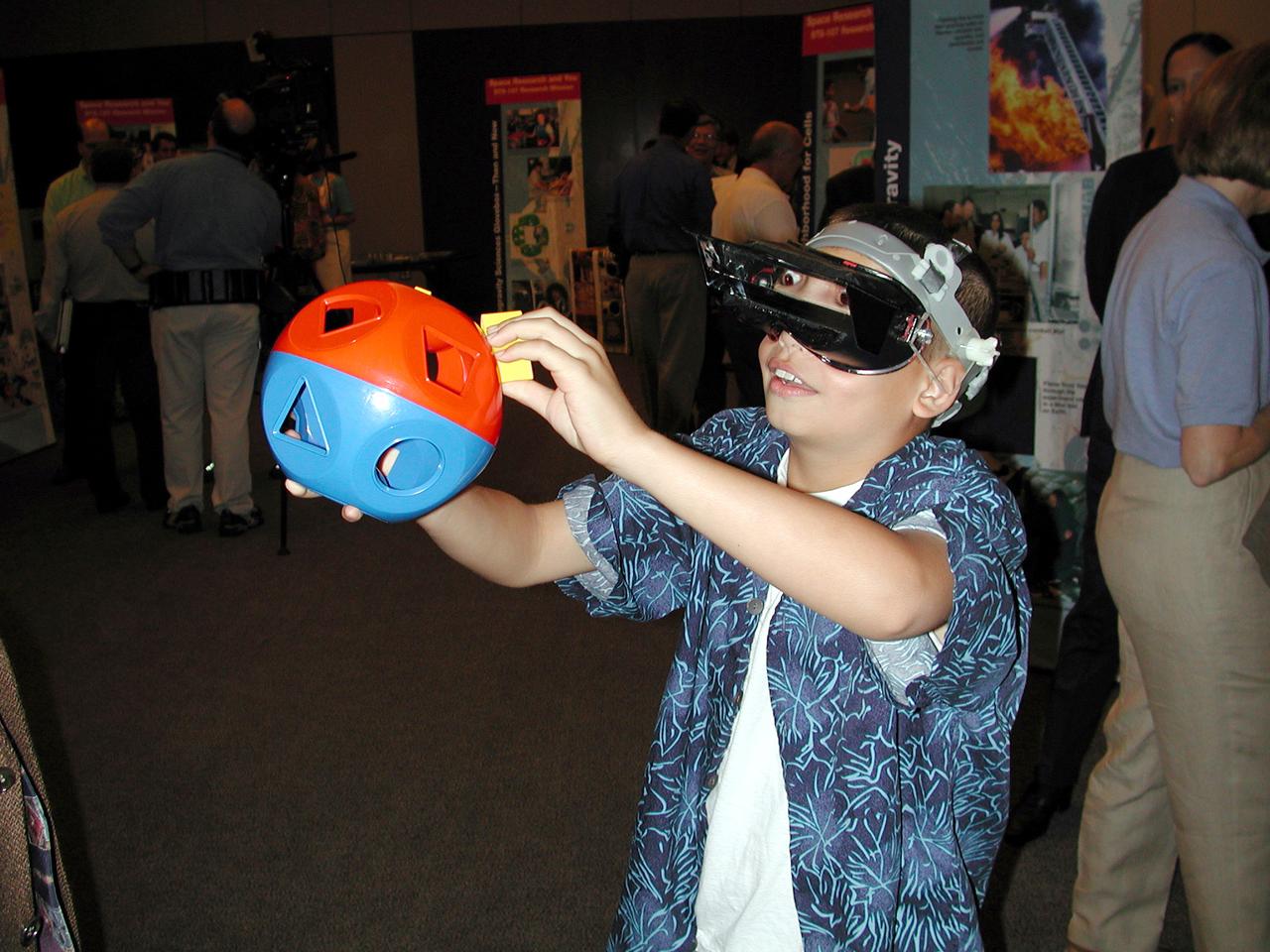
A student tries to insert plastic blocks into the correct holes in a baby's toy. The seemingly trivial task becomes nearly impossible when the prism glasses he is wearing reverse left and right. This is similar to tests used to measure how astronauts adapt to space and then readapt to Earth. The activity was part of the Space Research and You education event held by NASA's Office of Biological and Physical Research on June 25, 2002, in Arlington, VA, to highlight the research that will be conducted on STS-107.
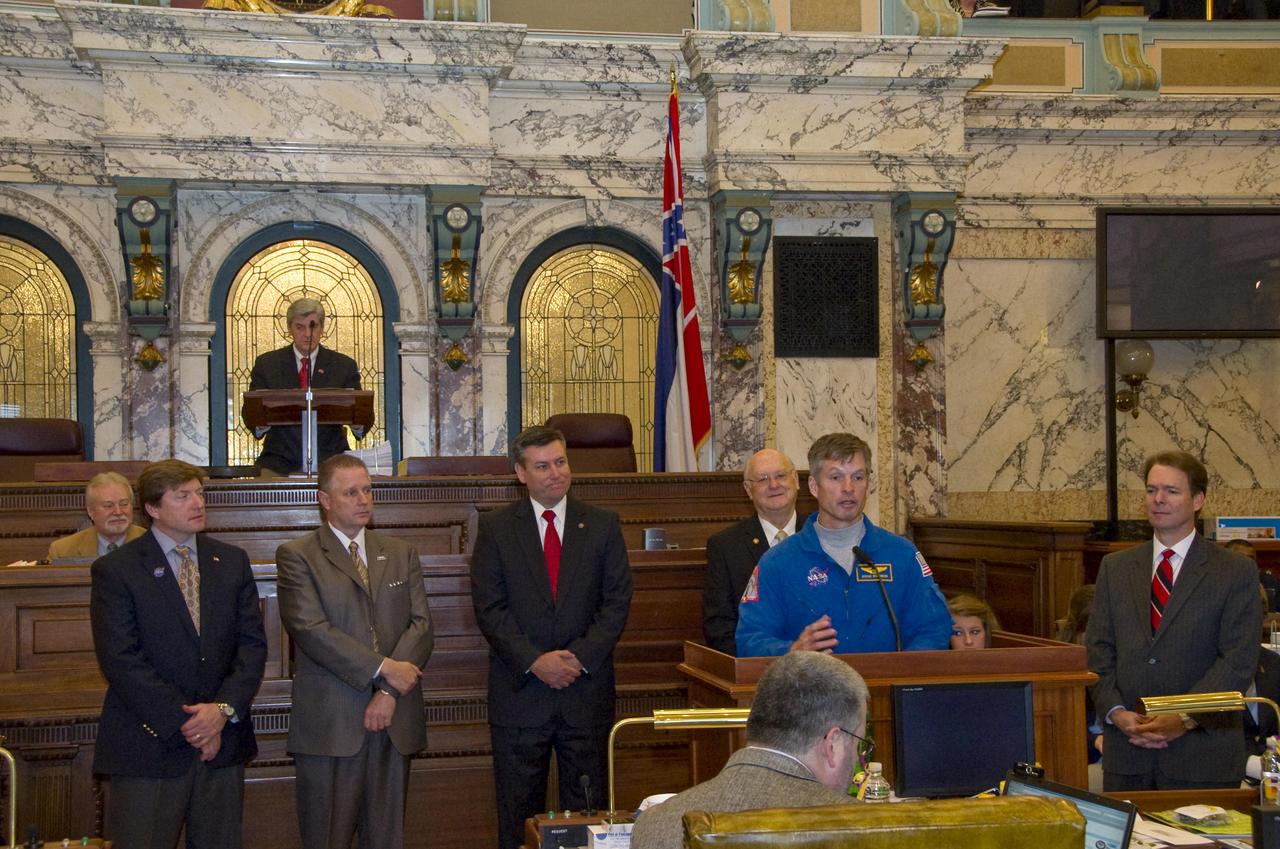
Astronaut Steven Swanson (front) speaks to members of the Mississippi Senate in chambers, with Lt. Gov. Phil Bryant presiding (rear), during NASA Day at the Capitol in Jackson on Feb. 10. Swanson was joined at the podium by Sen. David Baria, D-Bay St. Louis (l to r), NASA Shared Services Center Executive Director Rick Arbuthnot, Stennis Director Patrick Scheuermann, Sen. Ezell Lee, D-Picayune, and Sen. Billy Hewes, R-Gulfport. Baria, Lee and Hewes all are members of the Mississippi Senate Gulf Coast delegation.
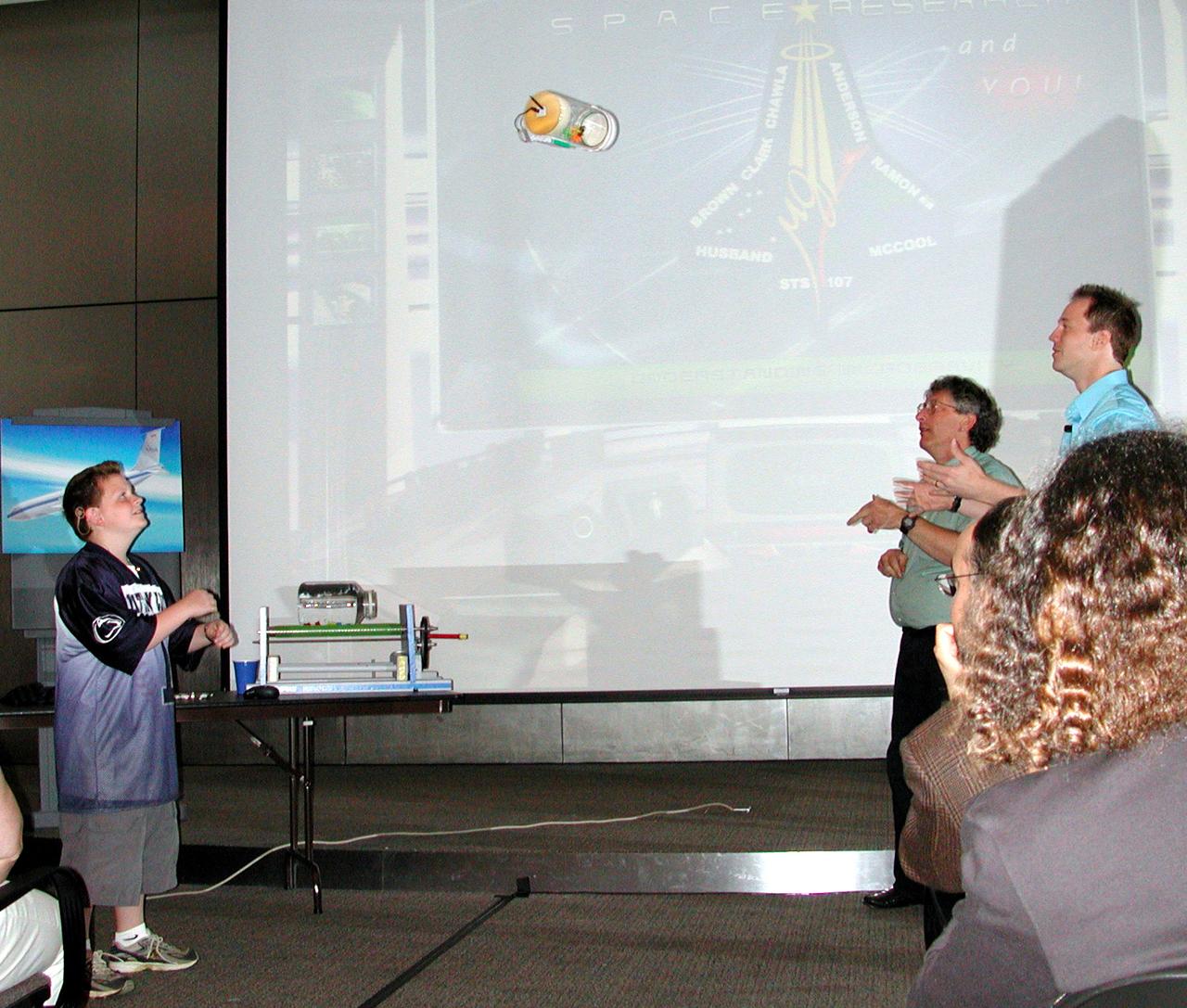
A student gets ready to catch a plastic tube carrying a small fluid bottle and a wireless video camera. As it arced through the air, the container was in free-fall -- just like astronauts in space -- and the TV camera broadcast images of how the fluid behaved. The activity was part of the Space Research and You education event held by NASA's Office of Biological and Physical Research on June 25, 2002, in Arlington, VA, to highlight the research that will be conducted on STS-107. (Digital camera image; no film original.
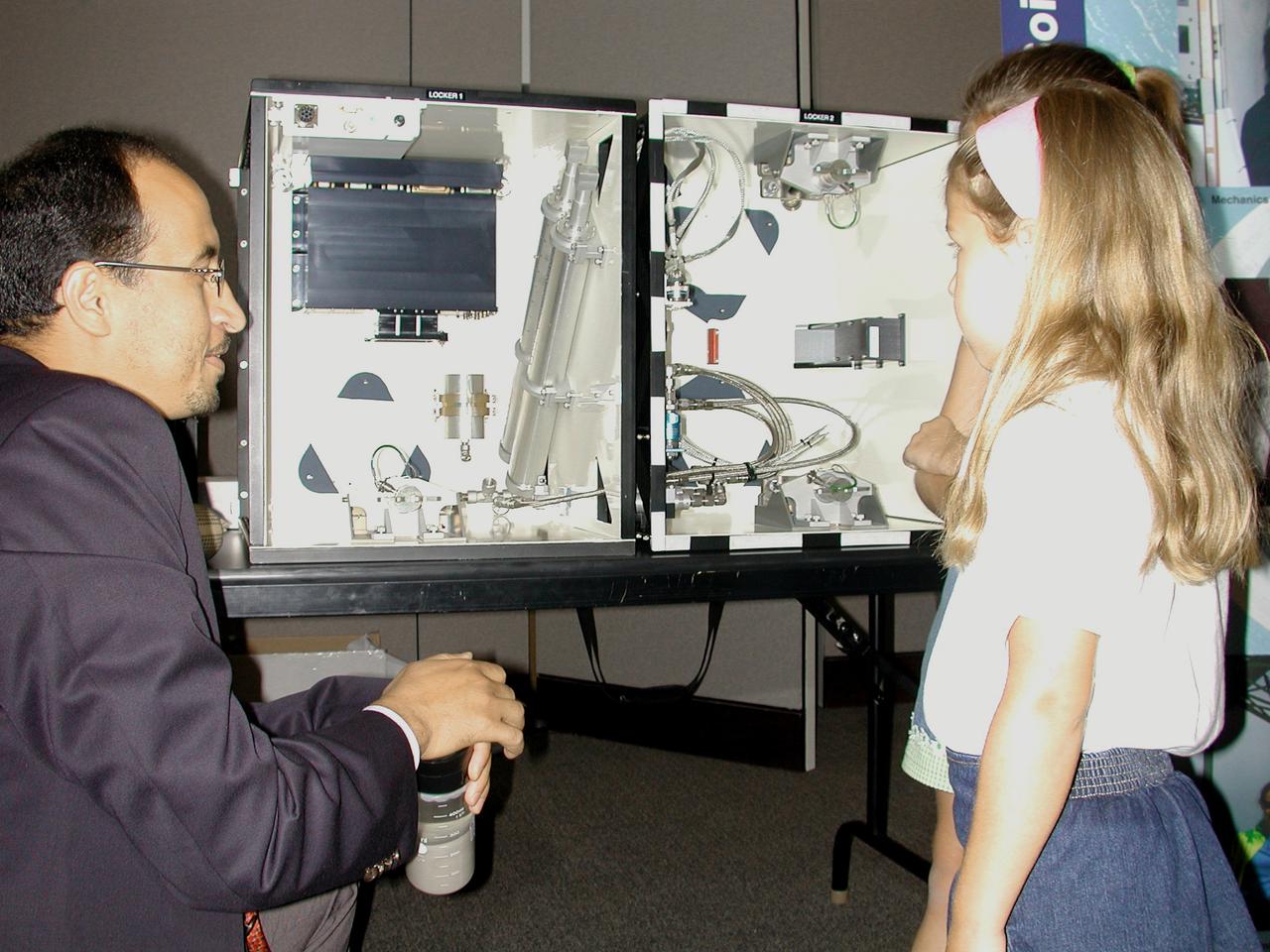
Khalid Alshibli of Louisiana State University, project scientist for the Mechanics of Granular Materials (MGM-III) experiment, uses a jar of sand and a training model of the MGM apparatus to explain the experiment to two young Virginia students. The activity was part of the Space Research and You education event held by NASA's Office of Biological and Physical Research on June 25, 2002, in Arlington, VA, to highlight the research that will be conducted on STS-107.
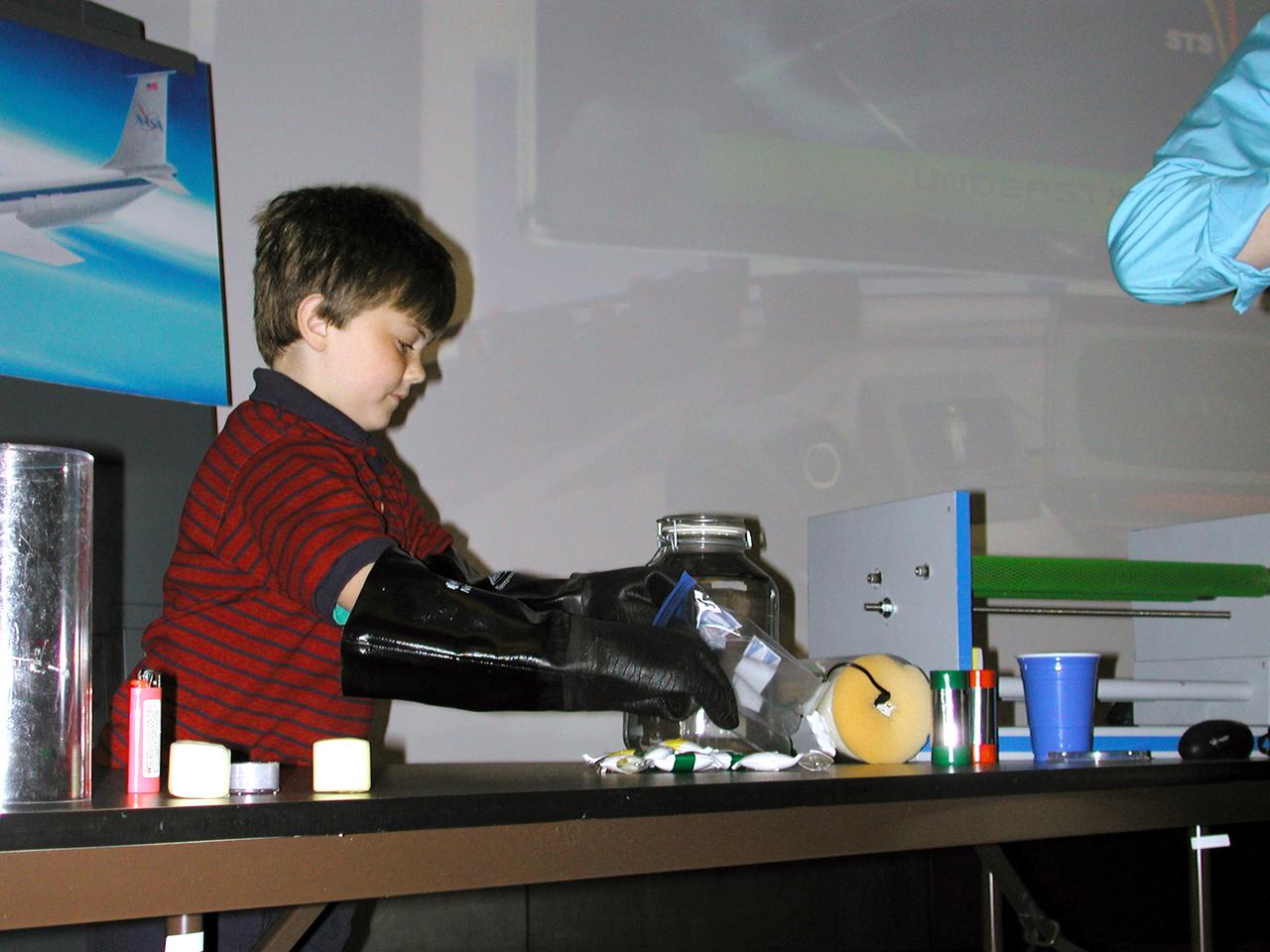
A Virginia student wears gloves to simulate the awkward feel and dexterity that astronauts experience when working in spacesuits. The activity was part of the Space Research and You education event held by NASA's Office of Biological and Physical Research on June 25, 2002, in Arlington, VA, to highlight the research that will be conducted on STS-107. (Digital camera image; no film original.
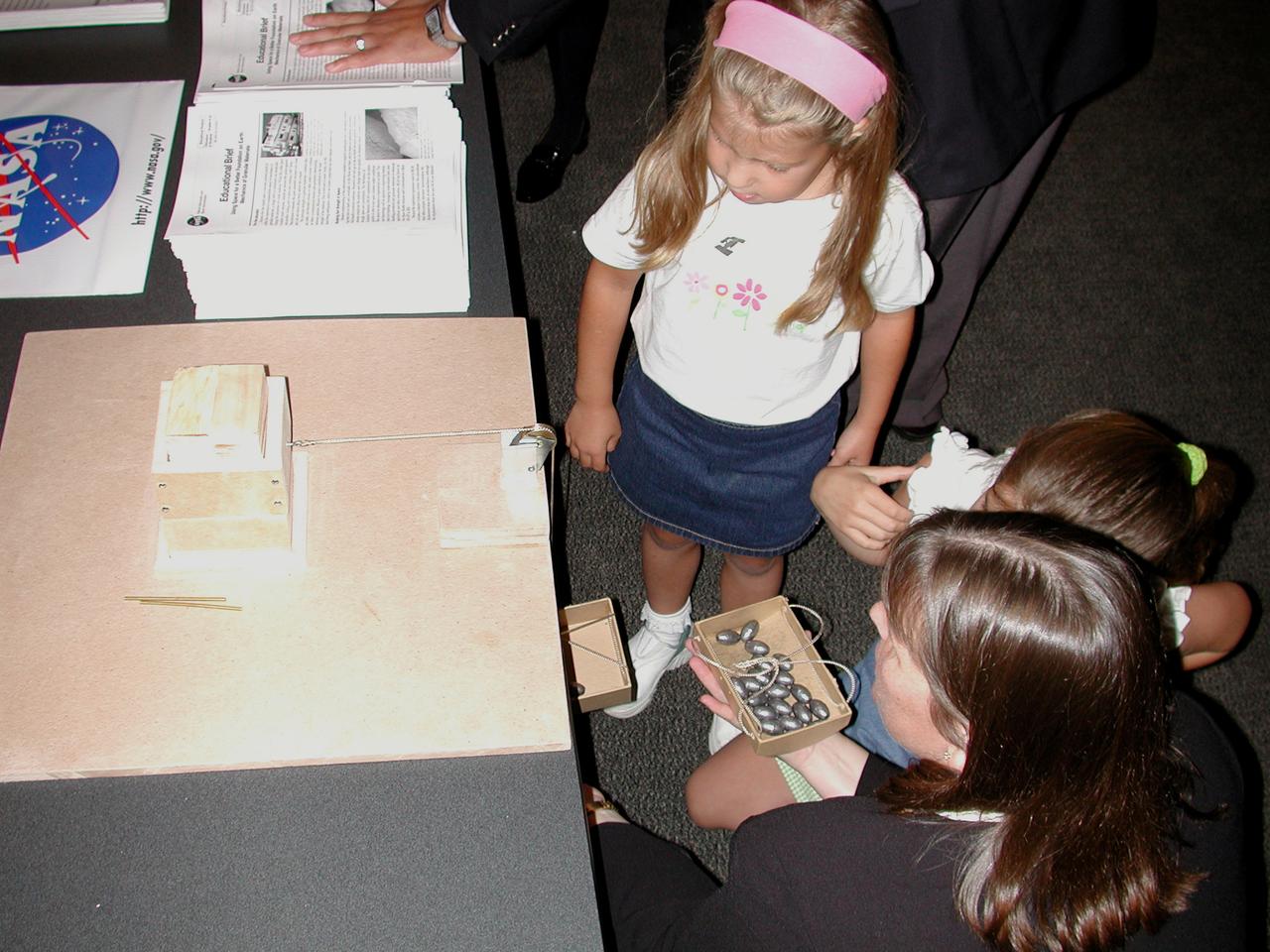
Twila Schneider of Infinity Technology in Huntsville, AL, uses a small sand displacement box to explain the principles of the Mechanics of Granular Materials (MGM-III) experiment to two young Virginia students. The activity was part of the Space Research and You education event held by NASA's Office of Biological and Physical Research on June 25, 2002, in Arlington, VA, to highlight the research that will be conducted on STS-107.
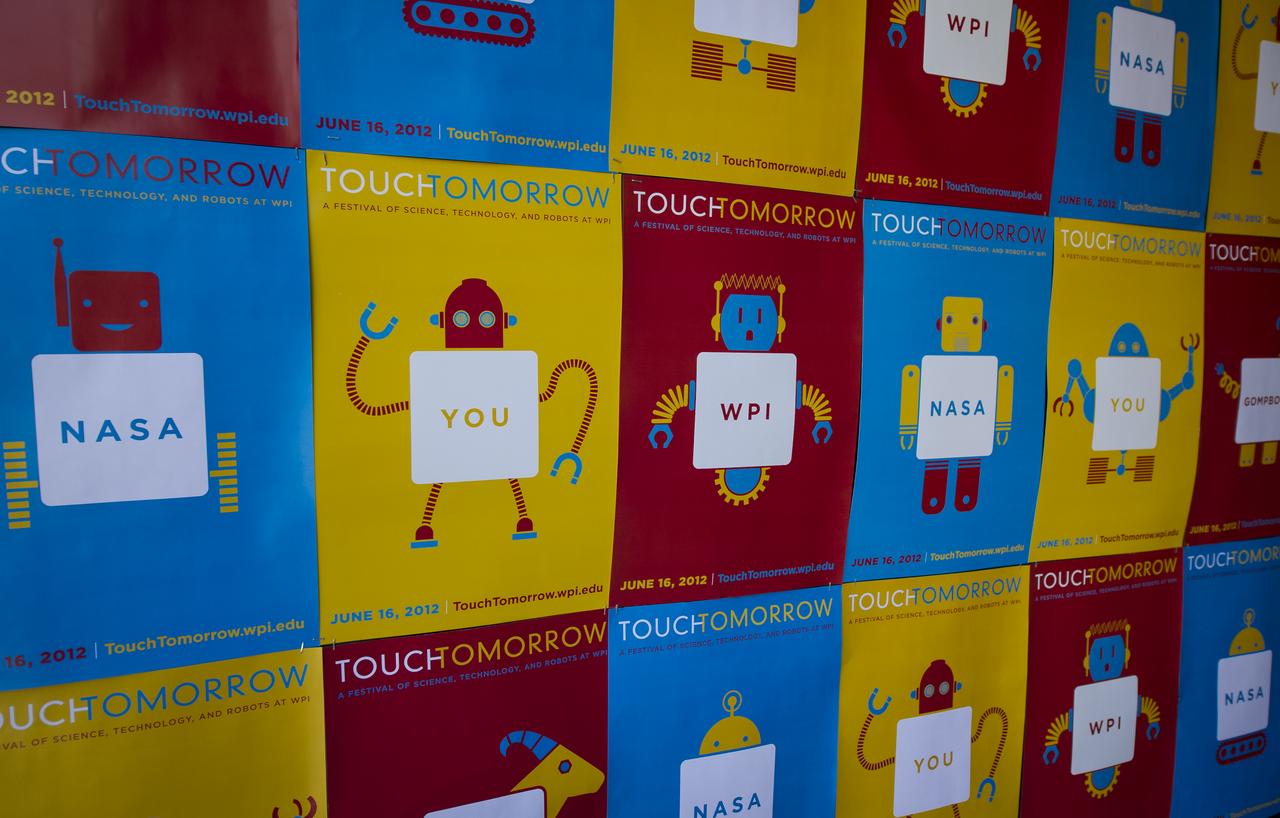
Posters for the Worcester Polytechnic Institute (WPI) "TouchTomorrow" education and outreach event are seen posted around the campus on Saturday, June 16, 2012 at WPI in Worcester, Mass. The TouchTomorrow event was held in tandem with the NASA-WPI Sample Return Robot Centennial Challenge. The NASA-WPI challenge tasked robotic teams to build autonomous robots that can identify, collect and return samples. NASA needs autonomous robotic capability for future planetary exploration. Photo Credit: (NASA/Bill Ingalls)
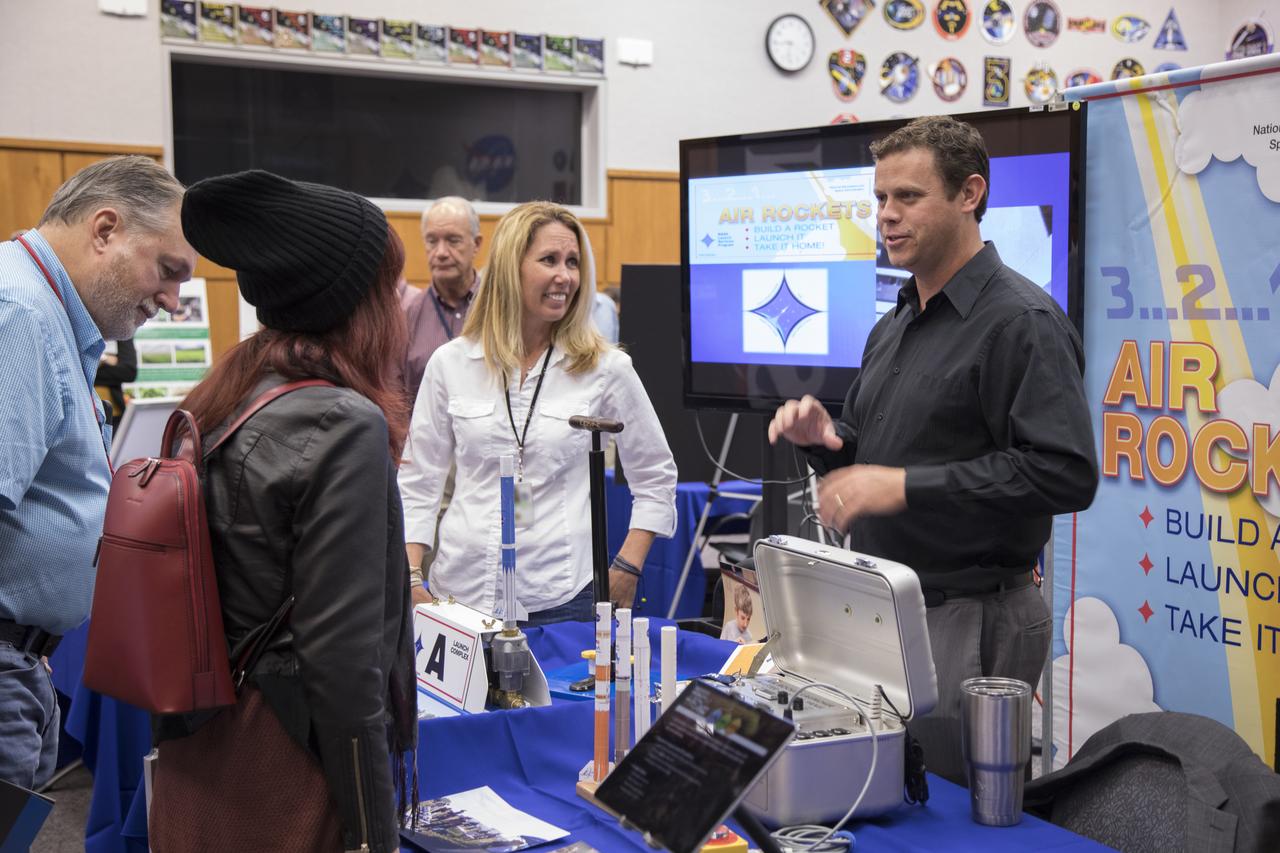
Shaun Daly, an integration engineer in the Launch Services Program, explains a new outreach activity for young students during the 2017 Innovation Expo showcase at NASA's Kennedy Space Center in Florida. The purpose of the annual two-day event is to help foster innovation and creativity among the Kennedy workforce. The event included several keynote speakers, training opportunities, an innovation showcase and the KSC Kickstart competition.
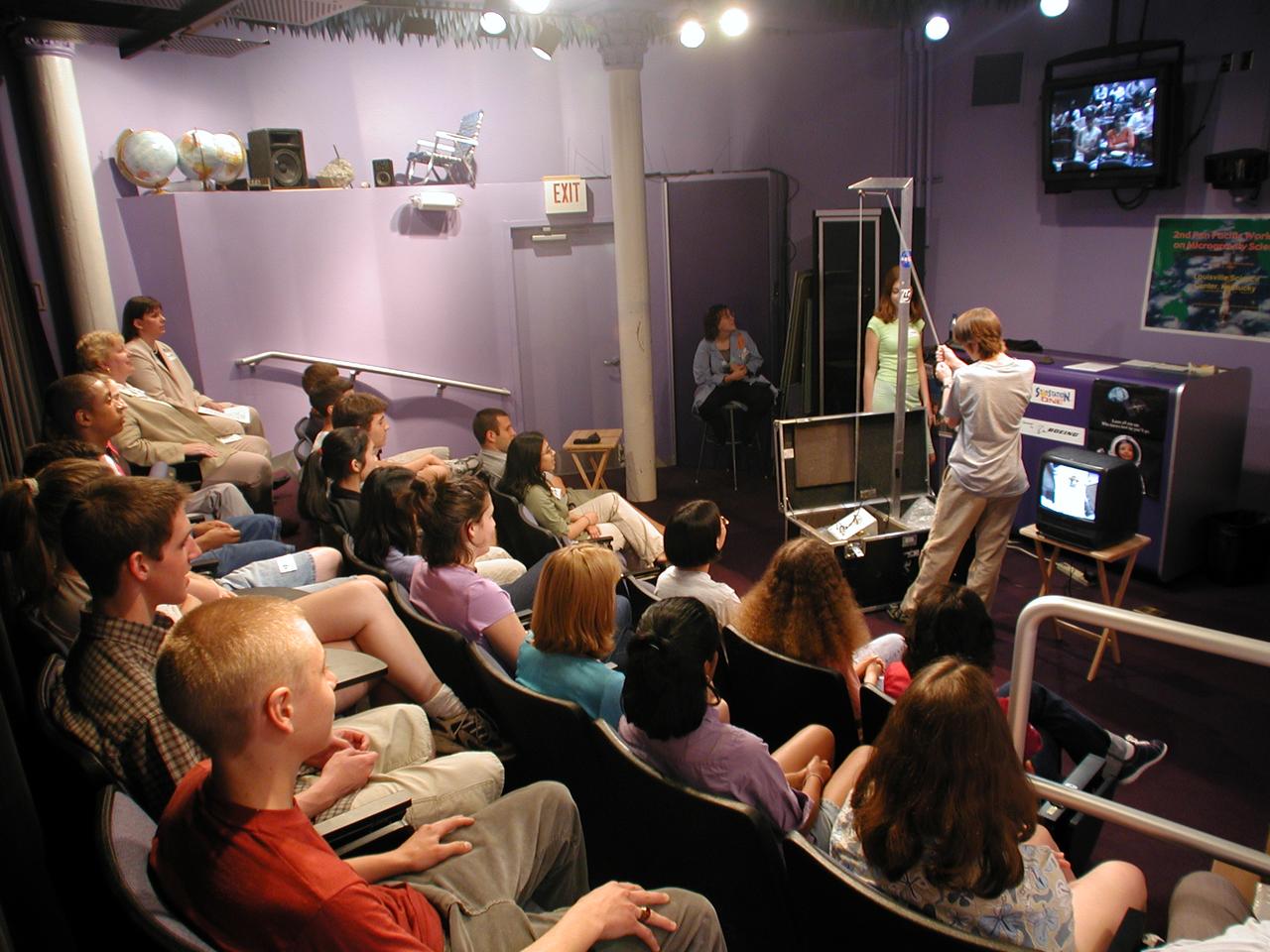
John Henson (grade 12) and Suzi Bryce (grade 10) from DuPont Manual High School in Louisville, Kentucky, conduct a drop with NASA's Microgravity Demonstrator. A camera and a TV/VCR unit let students play back recordings of how different physical devices behave differently during freefall as compared to 1-g. The activity was part of the education outreach segment of the Pan-Pacific Basin Workshop on Microgravity Sciences held in Pasadena, California. The event originated at the California Science Center in Los Angeles. The DuPont Manual students patched in to the event through the distance learning lab at the Louisville Science Center. This image is from a digital still camera; higher resolution is not available.
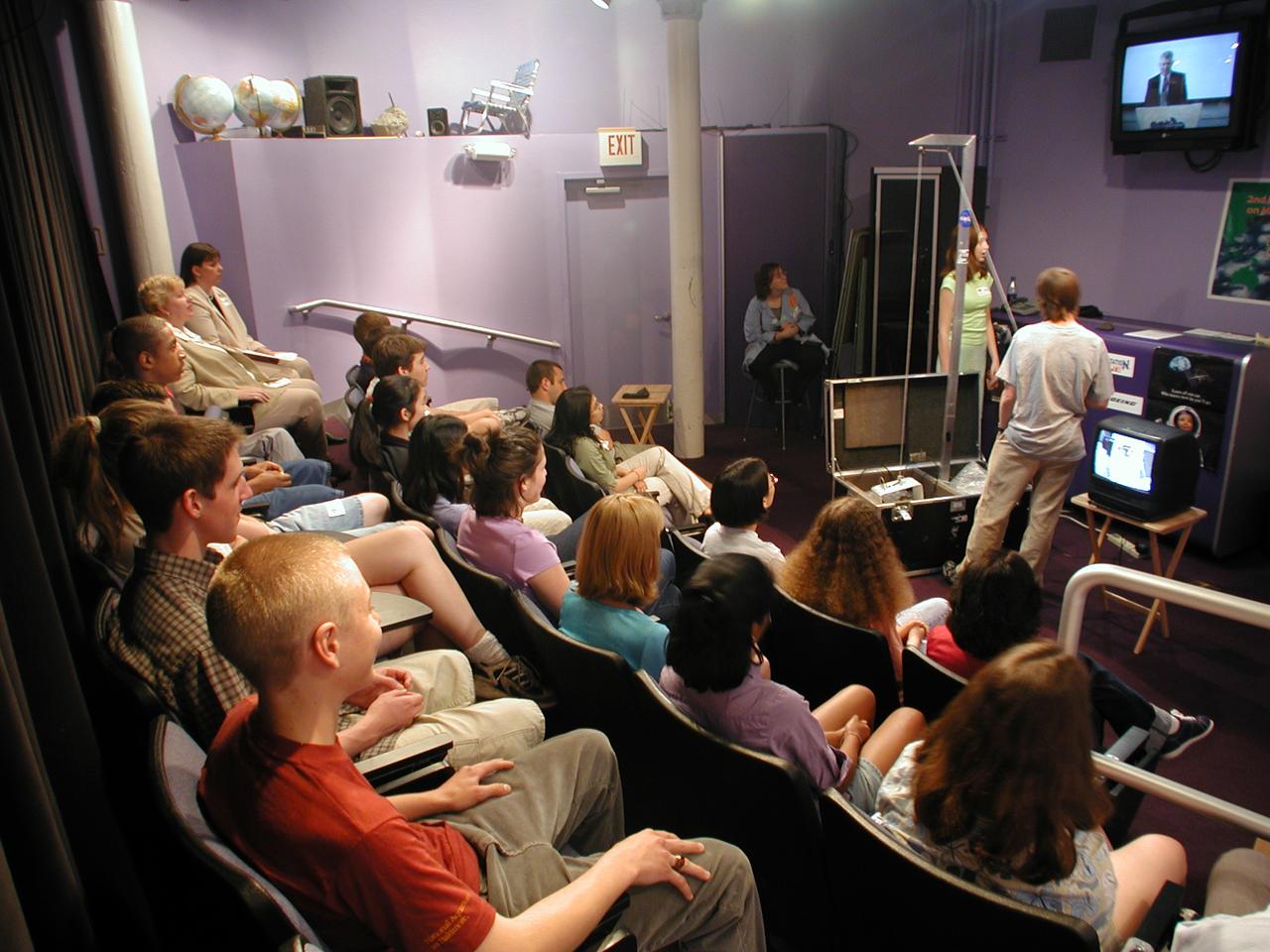
John Henson (grade 12) and Suzi Bryce (grade 10) conducted the drop from DuPont Manual High School in Louisville, Kentucky, conduct a drop with NASA's Microgravity Demonstrator. A camera and a TV/VCR unit let students play back recordings of how different physical devices behave differently during freefall as compared to 1-g. The activity was part of the education outreach segment of the Pan-Pacific Basin Workshop on Microgravity Sciences held in Pasadena, California. The event originated at the California Science Center in Los Angeles. The DuPont Manual students patched in to the event through the distance learning lab at the Louisville Science Center. This image is from a digital still camera; higher resolution is not available.
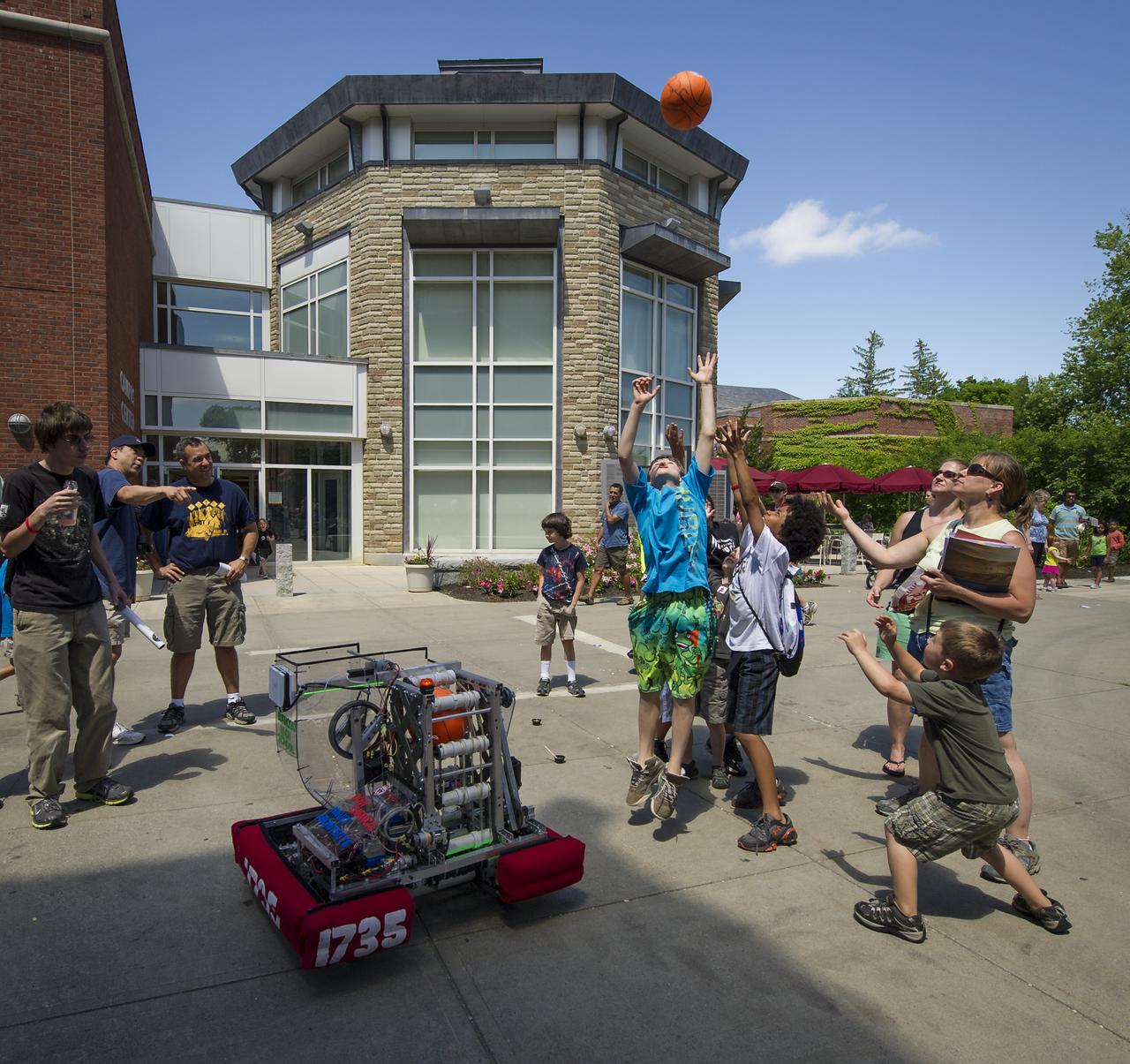
Children visiting the Worcester Polytechnic Institute (WPI) "TouchTomorrow" education and outreach event try to catch basketballs being thrown by a robot from FIRST Robotics at Burncoat High School (Mass.) on Saturday, June 16, 2012 at WPI in Worcester, Mass. The TouchTomorrow event was held in tandem with the NASA-WPI Sample Return Robot Centennial Challenge. The NASA-WPI challenge tasked robotic teams to build autonomous robots that can identify, collect and return samples. NASA needs autonomous robotic capability for future planetary exploration. Photo Credit: (NASA/Bill Ingalls)
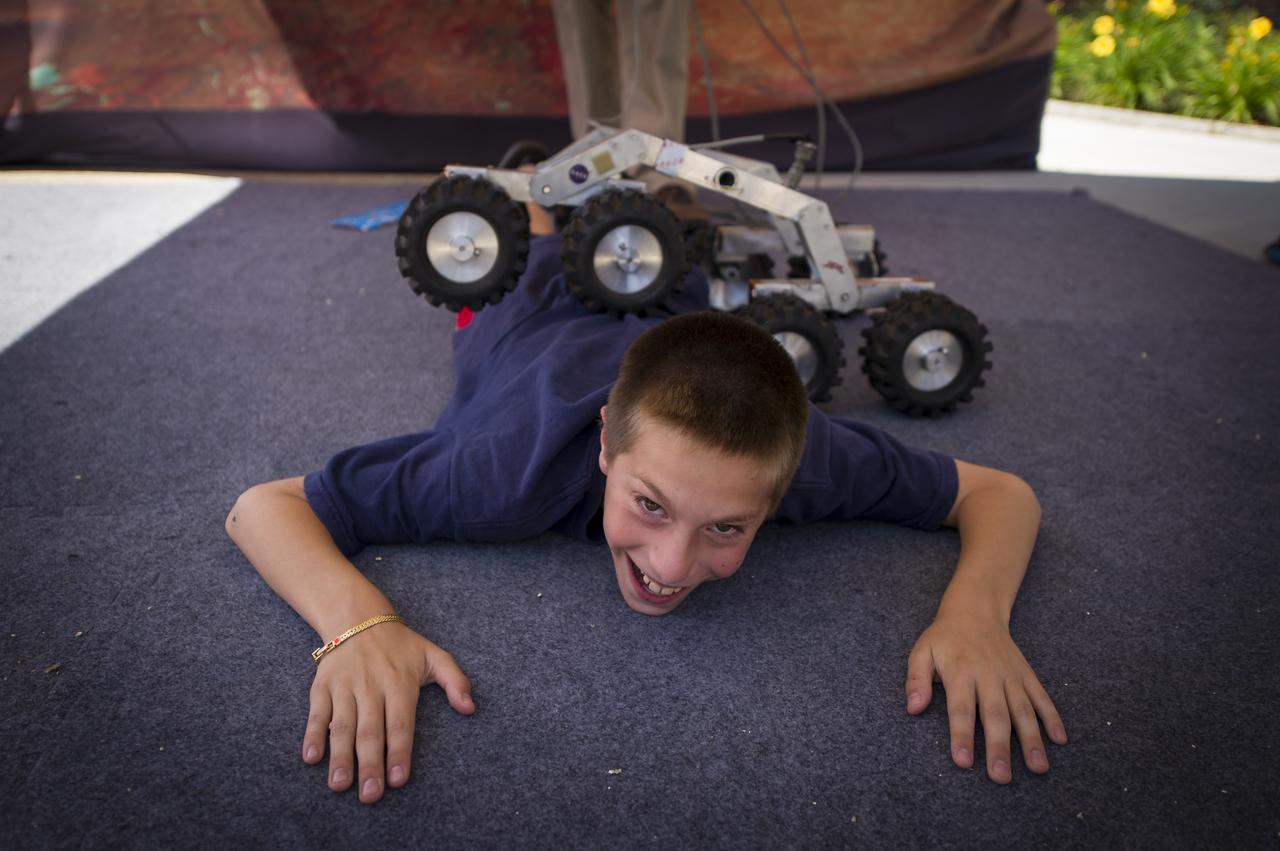
A visitor to the Worcester Polytechnic Institute (WPI) "TouchTomorrow" education and outreach event helps demonstrate how a NASA rover design enables the rover to climb over obstacles higher than it's own body on Saturday, June 16, 2012 at WPI in Worcester, Mass. The event was held in tandem with the NASA-WPI Sample Return Robot Centennial Challenge. The NASA-WPI challenge tasked robotic teams to build autonomous robots that can identify, collect and return samples. NASA needs autonomous robotic capability for future planetary exploration. Photo Credit: (NASA/Bill Ingalls)
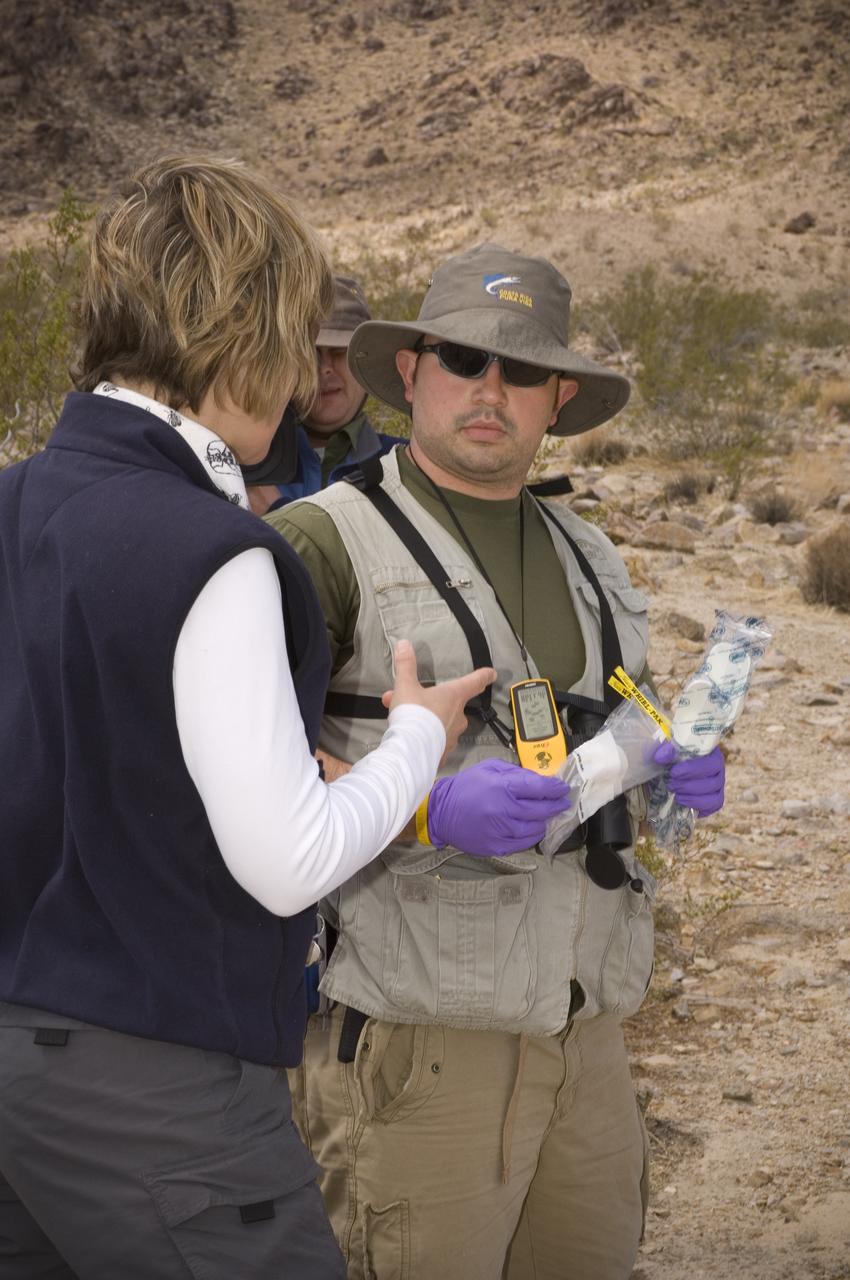
Spaceward Bound event in the Mojave Deser , CA (an outreach exercise) with Dr Chris McKay and Ames Education department personnel Brian Day, Barbara Bazar and a accompaning (learning for the the classroom) team of teachers will be studying side-by-side with NASA scientists who search for life in extreme environments, closely approximating what they expect to find on other planets. Why the Mojave -- an inhospitable, sun-drenched spot in the California Desert? This natural setting presents scientists with opportunities to study environments that are analogous to what explorers will find on the Moon and Mars. Teachers and scientists will perform scientific fieldwork in lunar geology, Mars astrobiology, Mars geology, and issues of temperature and solar inundation and radiation. for additional information and Outreach projects see http://quest.arc.nasa.gov/
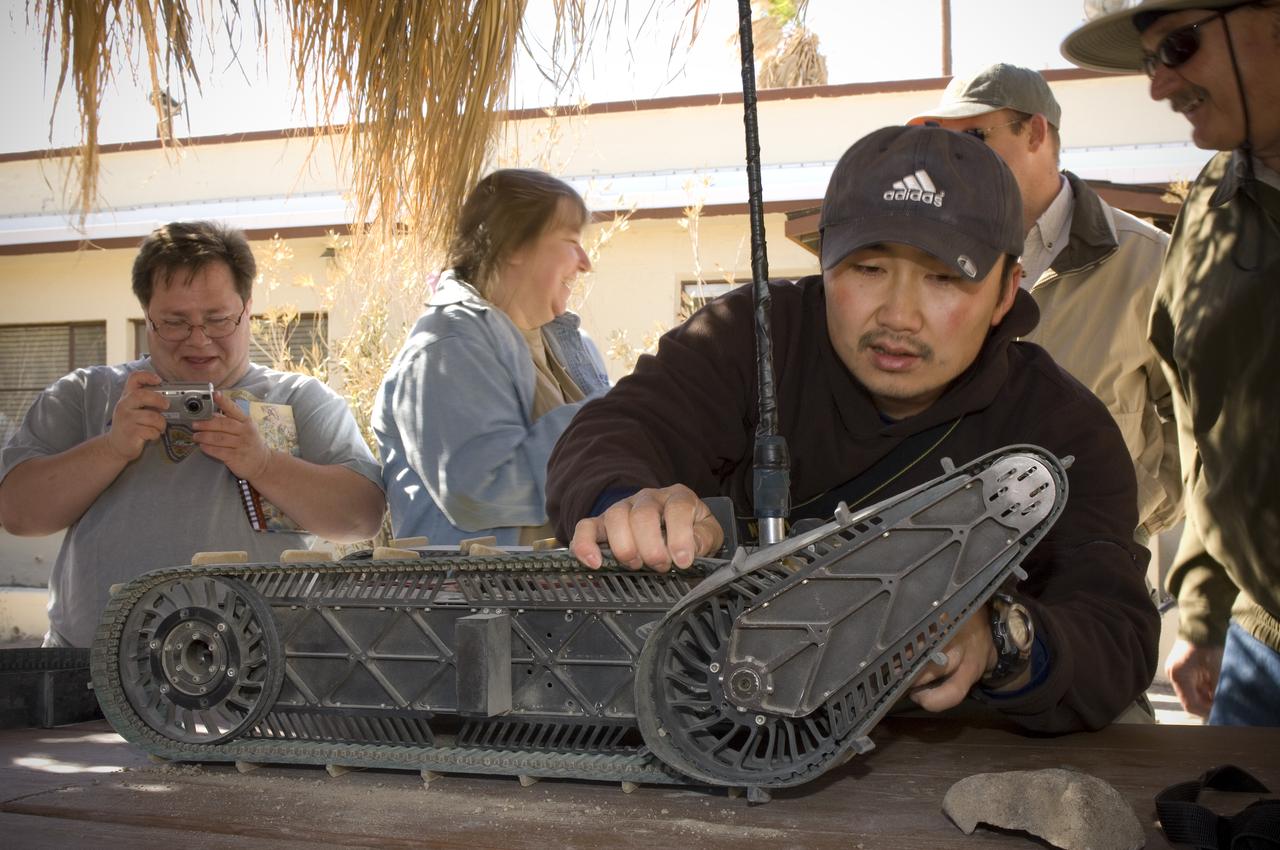
Spaceward Bound event in the Mojave Deser , CA (an outreach exercise) with Dr Chris McKay and Ames Education department personnel Brian Day, Barbara Bazar and a accompaning (learning for the the classroom) team of teachers will be studying side-by-side with NASA scientists who search for life in extreme environments, closely approximating what they expect to find on other planets. Why the Mojave -- an inhospitable, sun-drenched spot in the California Desert? This natural setting presents scientists with opportunities to study environments that are analogous to what explorers will find on the Moon and Mars. Teachers and scientists will perform scientific fieldwork in lunar geology, Mars astrobiology, Mars geology, and issues of temperature and solar inundation and radiation. for additional information and Outreach projects see http://quest.arc.nasa.gov/
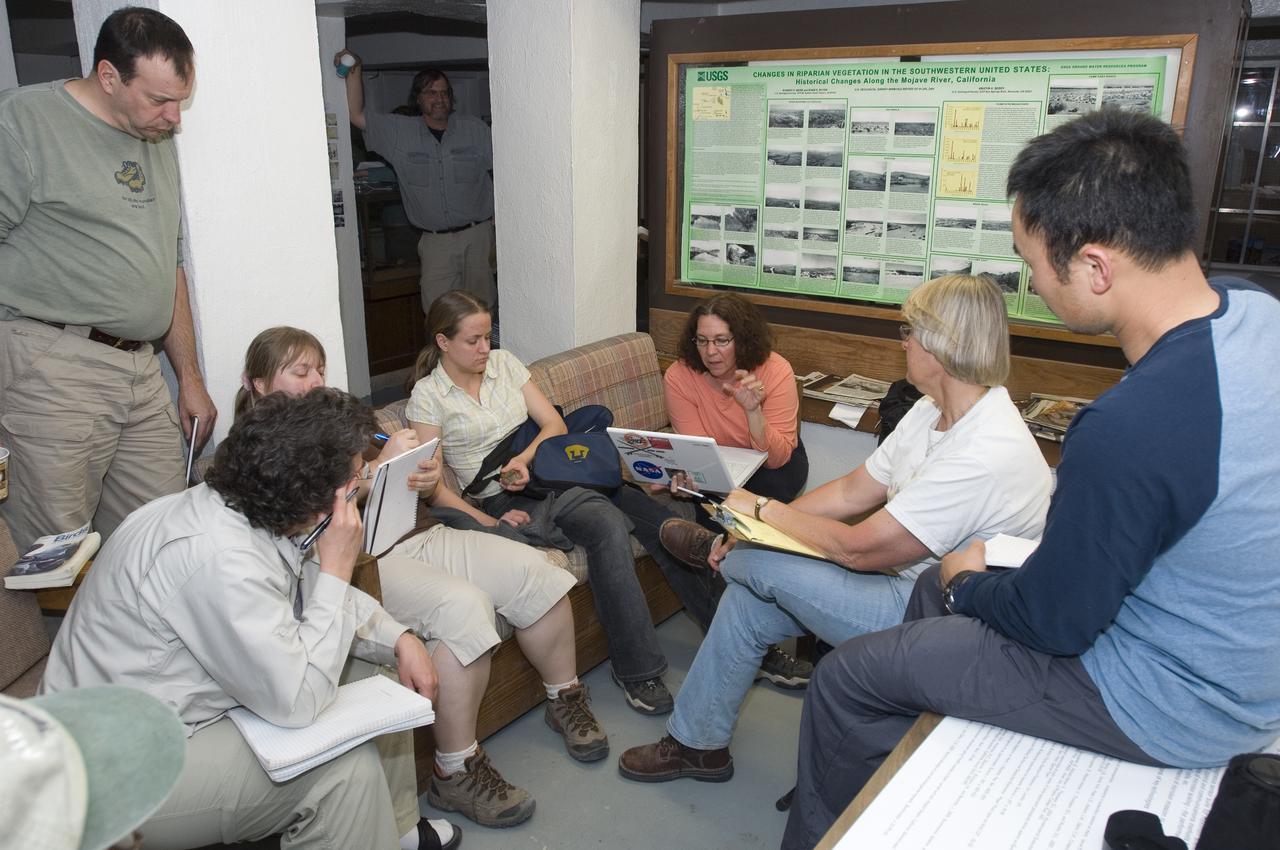
Spaceward Bound event in the Mojave Deser , CA (an outreach exercise) with Dr Chris McKay and Ames Education department personnel Brian Day, Barbara Bazar and a accompaning (learning for the the classroom) team of teachers will be studying side-by-side with NASA scientists who search for life in extreme environments, closely approximating what they expect to find on other planets. Why the Mojave -- an inhospitable, sun-drenched spot in the California Desert? This natural setting presents scientists with opportunities to study environments that are analogous to what explorers will find on the Moon and Mars. Teachers and scientists will perform scientific fieldwork in lunar geology, Mars astrobiology, Mars geology, and issues of temperature and solar inundation and radiation. for additional information and Outreach projects see http://quest.arc.nasa.gov/
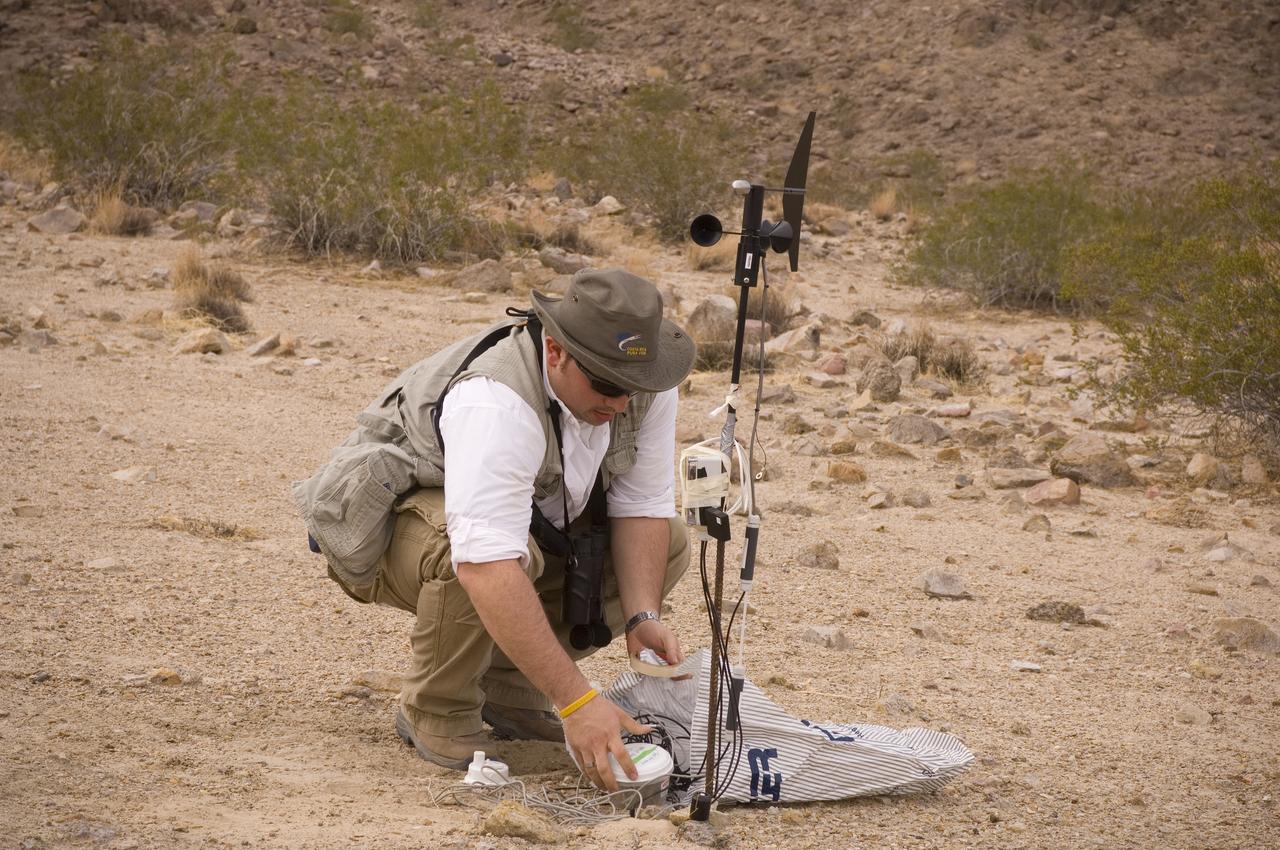
Spaceward Bound event in the Mojave Deser , CA (an outreach exercise) with Dr Chris McKay and Ames Education department personnel Brian Day, Barbara Bazar and a accompaning (learning for the the classroom) team of teachers will be studying side-by-side with NASA scientists who search for life in extreme environments, closely approximating what they expect to find on other planets. Why the Mojave -- an inhospitable, sun-drenched spot in the California Desert? This natural setting presents scientists with opportunities to study environments that are analogous to what explorers will find on the Moon and Mars. Teachers and scientists will perform scientific fieldwork in lunar geology, Mars astrobiology, Mars geology, and issues of temperature and solar inundation and radiation. for additional information and Outreach projects see http://quest.arc.nasa.gov/
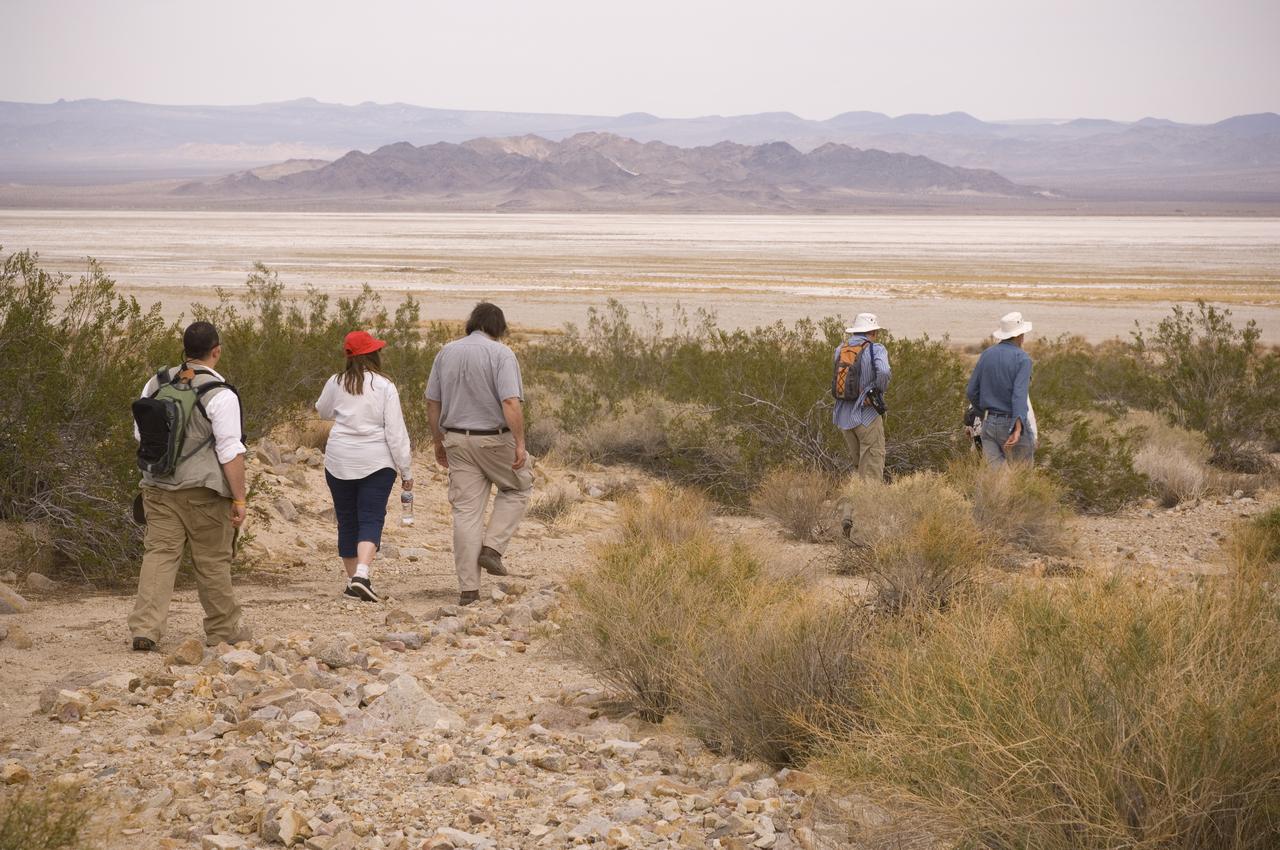
Spaceward Bound event in the Mojave Deser , CA (an outreach exercise) with Dr Chris McKay and Ames Education department personnel Brian Day, Barbara Bazar and a accompaning (learning for the the classroom) team of teachers will be studying side-by-side with NASA scientists who search for life in extreme environments, closely approximating what they expect to find on other planets. Why the Mojave -- an inhospitable, sun-drenched spot in the California Desert? This natural setting presents scientists with opportunities to study environments that are analogous to what explorers will find on the Moon and Mars. Teachers and scientists will perform scientific fieldwork in lunar geology, Mars astrobiology, Mars geology, and issues of temperature and solar inundation and radiation. for additional information and Outreach projects see http://quest.arc.nasa.gov/
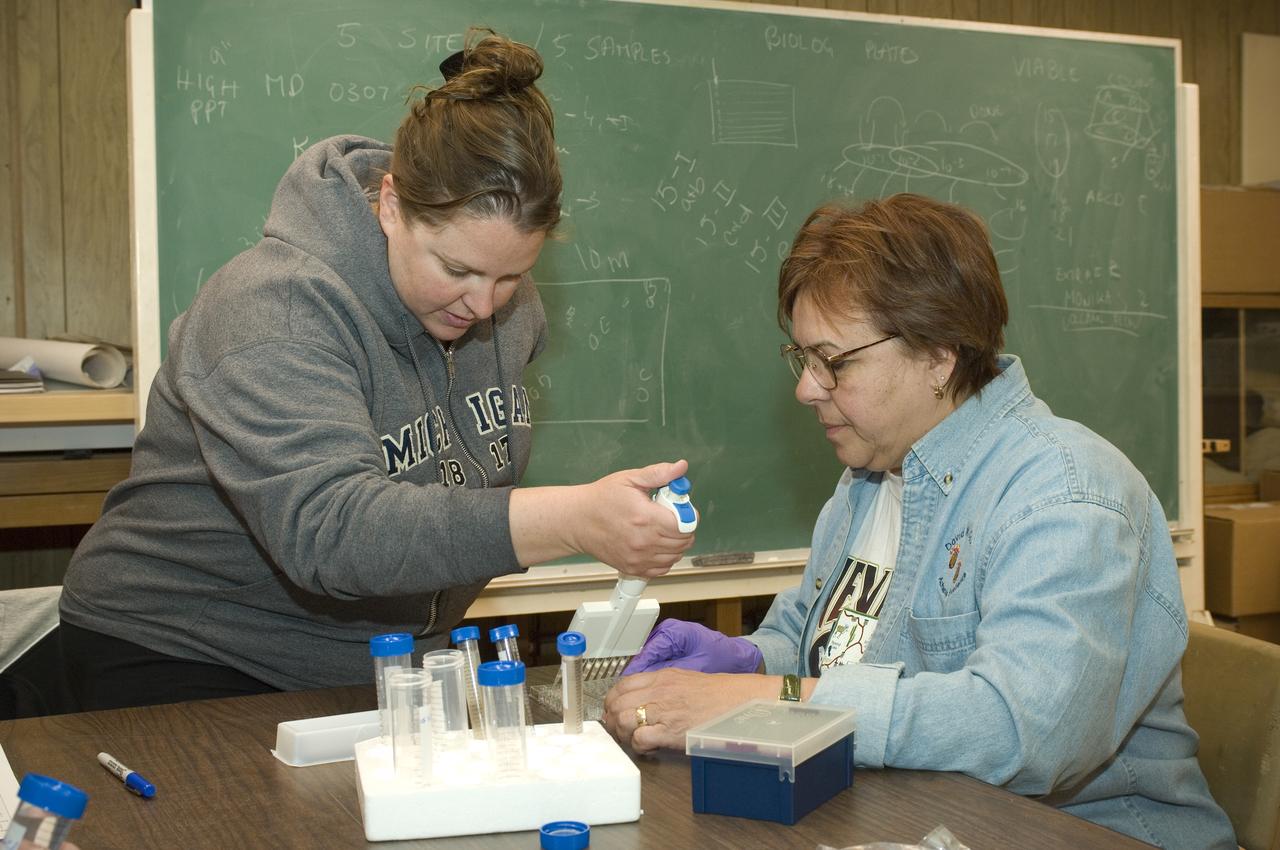
Spaceward Bound event in the Mojave Deser , CA (an outreach exercise) with Dr Chris McKay and Ames Education department personnel Brian Day, Barbara Bazar and a accompaning (learning for the the classroom) team of teachers will be studying side-by-side with NASA scientists who search for life in extreme environments, closely approximating what they expect to find on other planets. Why the Mojave -- an inhospitable, sun-drenched spot in the California Desert? This natural setting presents scientists with opportunities to study environments that are analogous to what explorers will find on the Moon and Mars. Teachers and scientists will perform scientific fieldwork in lunar geology, Mars astrobiology, Mars geology, and issues of temperature and solar inundation and radiation. for additional information and Outreach projects see http://quest.arc.nasa.gov/
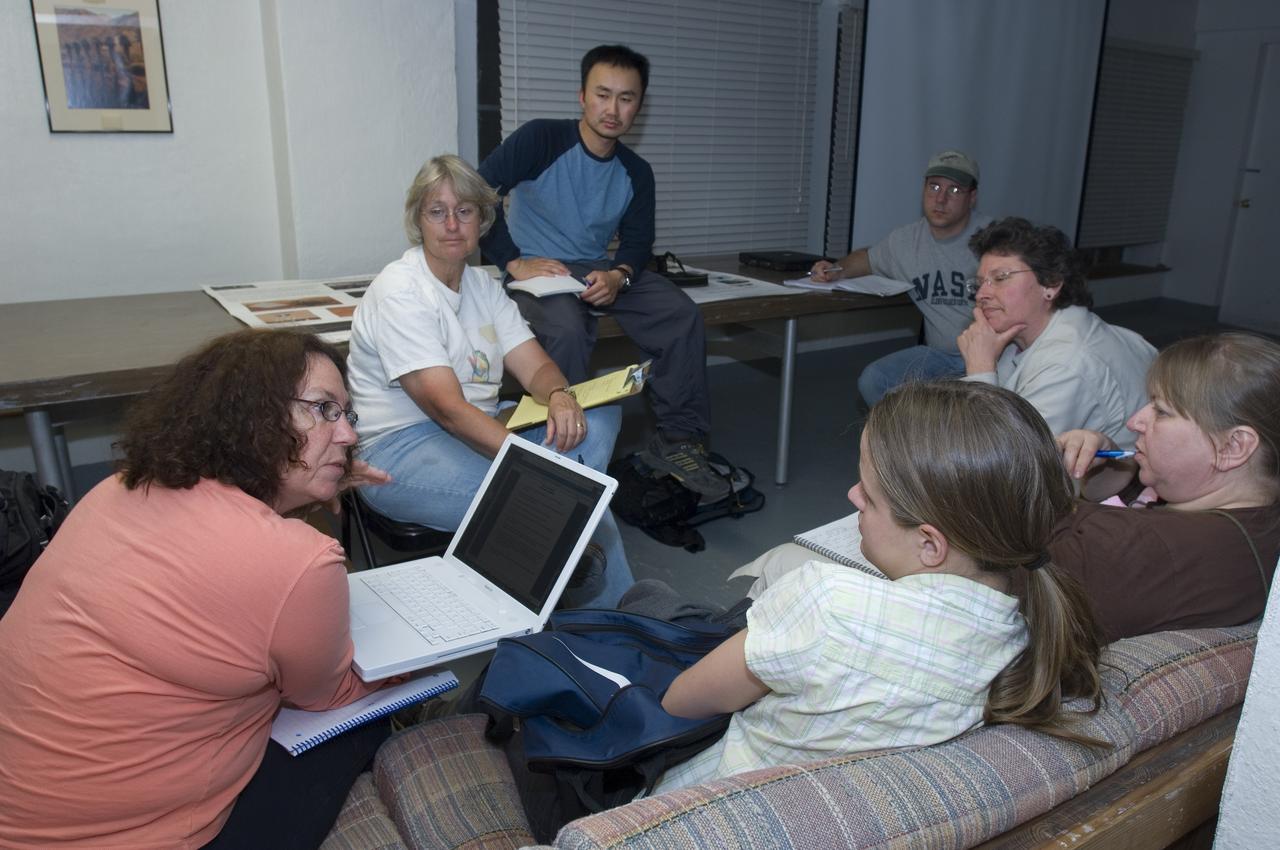
Spaceward Bound event in the Mojave Deser , CA (an outreach exercise) with Dr Chris McKay and Ames Education department personnel Brian Day, Barbara Bazar and a accompaning (learning for the the classroom) team of teachers will be studying side-by-side with NASA scientists who search for life in extreme environments, closely approximating what they expect to find on other planets. Why the Mojave -- an inhospitable, sun-drenched spot in the California Desert? This natural setting presents scientists with opportunities to study environments that are analogous to what explorers will find on the Moon and Mars. Teachers and scientists will perform scientific fieldwork in lunar geology, Mars astrobiology, Mars geology, and issues of temperature and solar inundation and radiation. for additional information and Outreach projects see http://quest.arc.nasa.gov/
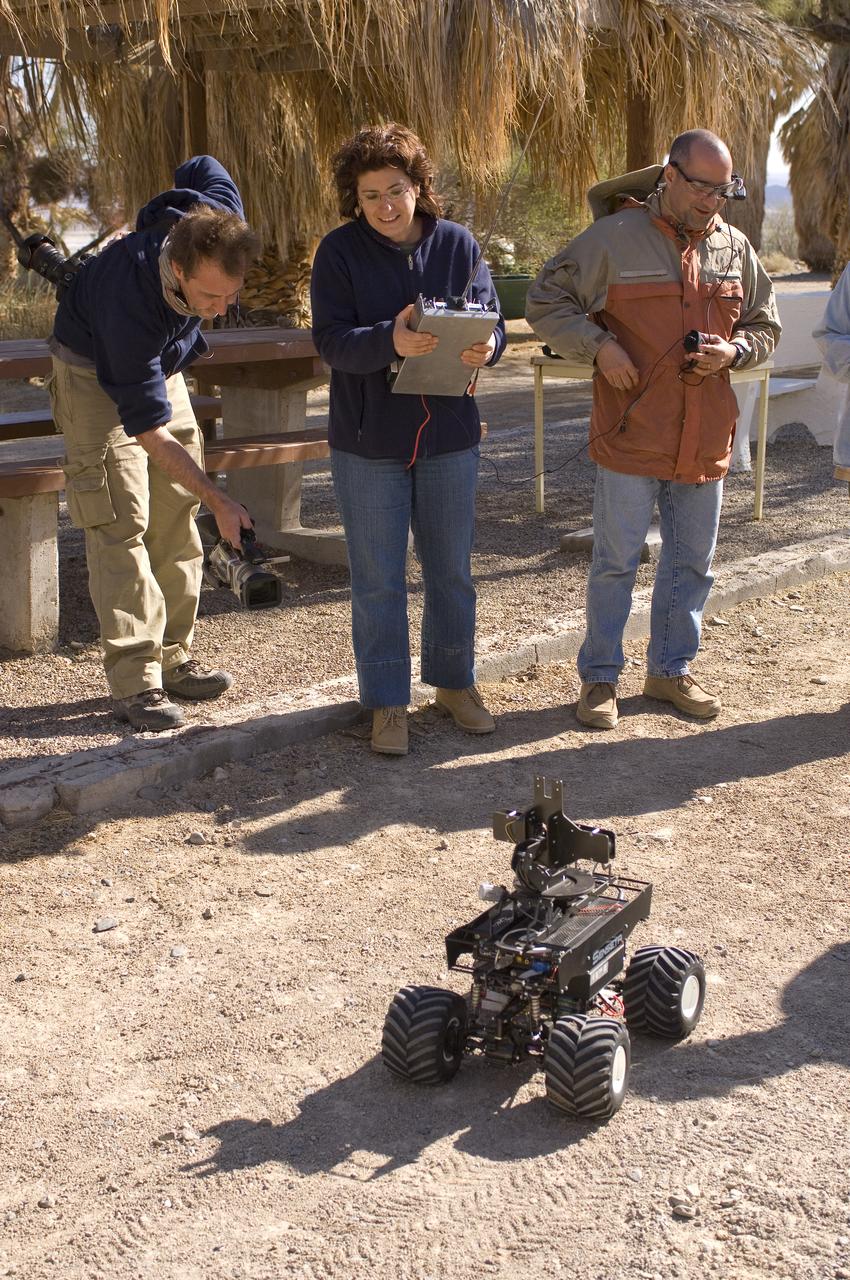
Spaceward Bound event in the Mojave Deser , CA (an outreach exercise) with Dr Chris McKay and Ames Education department personnel Brian Day, Barbara Bazar and a accompaning (learning for the the classroom) team of teachers will be studying side-by-side with NASA scientists who search for life in extreme environments, closely approximating what they expect to find on other planets. Why the Mojave -- an inhospitable, sun-drenched spot in the California Desert? This natural setting presents scientists with opportunities to study environments that are analogous to what explorers will find on the Moon and Mars. Teachers and scientists will perform scientific fieldwork in lunar geology, Mars astrobiology, Mars geology, and issues of temperature and solar inundation and radiation. for additional information and Outreach projects see http://quest.arc.nasa.gov/
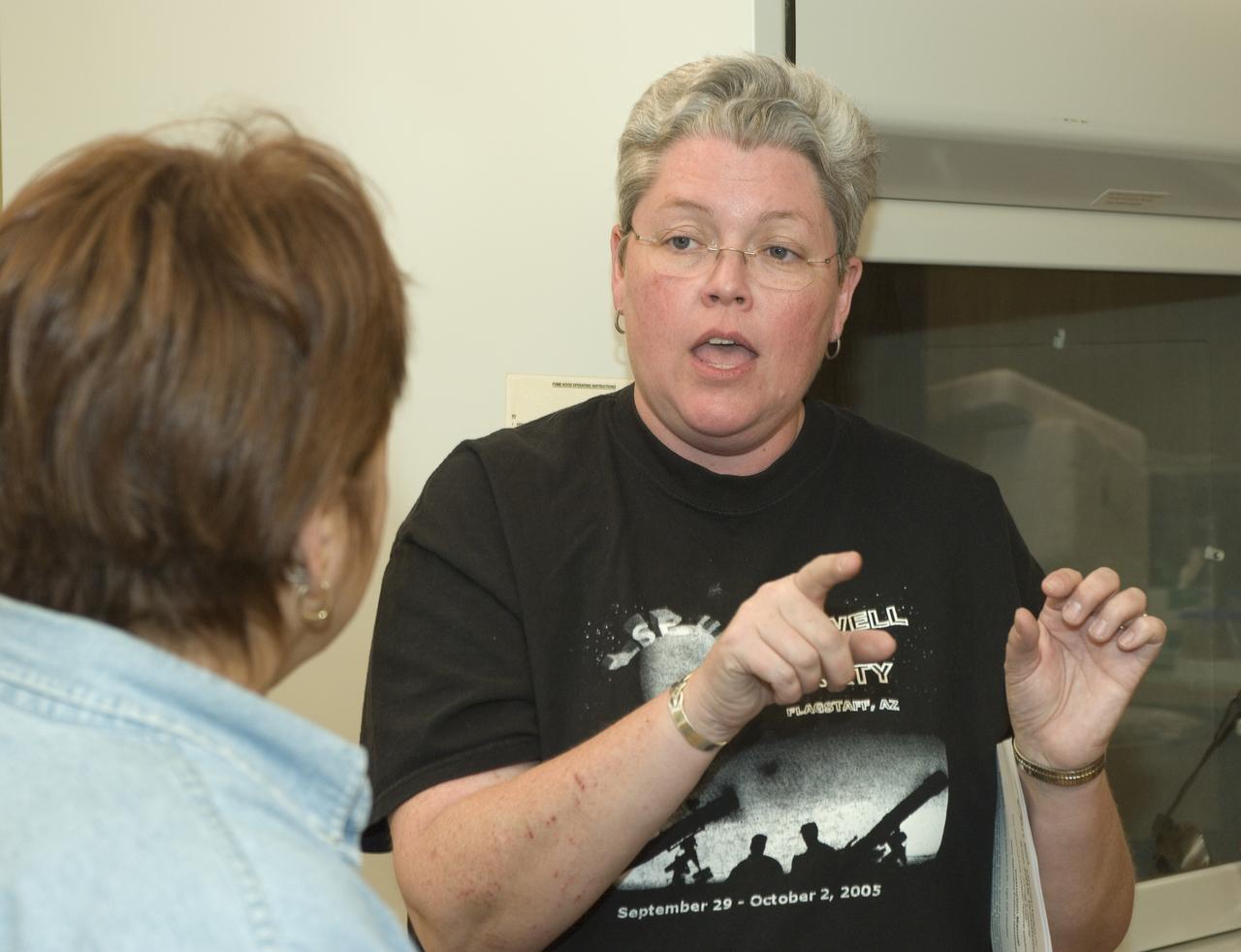
Spaceward Bound event in the Mojave Deser , CA (an outreach exercise) with Dr Chris McKay and Ames Education department personnel Brian Day, Barbara Bazar and a accompaning (learning for the the classroom) team of teachers will be studying side-by-side with NASA scientists who search for life in extreme environments, closely approximating what they expect to find on other planets. Why the Mojave -- an inhospitable, sun-drenched spot in the California Desert? This natural setting presents scientists with opportunities to study environments that are analogous to what explorers will find on the Moon and Mars. Teachers and scientists will perform scientific fieldwork in lunar geology, Mars astrobiology, Mars geology, and issues of temperature and solar inundation and radiation. for additional information and Outreach projects see http://quest.arc.nasa.gov/
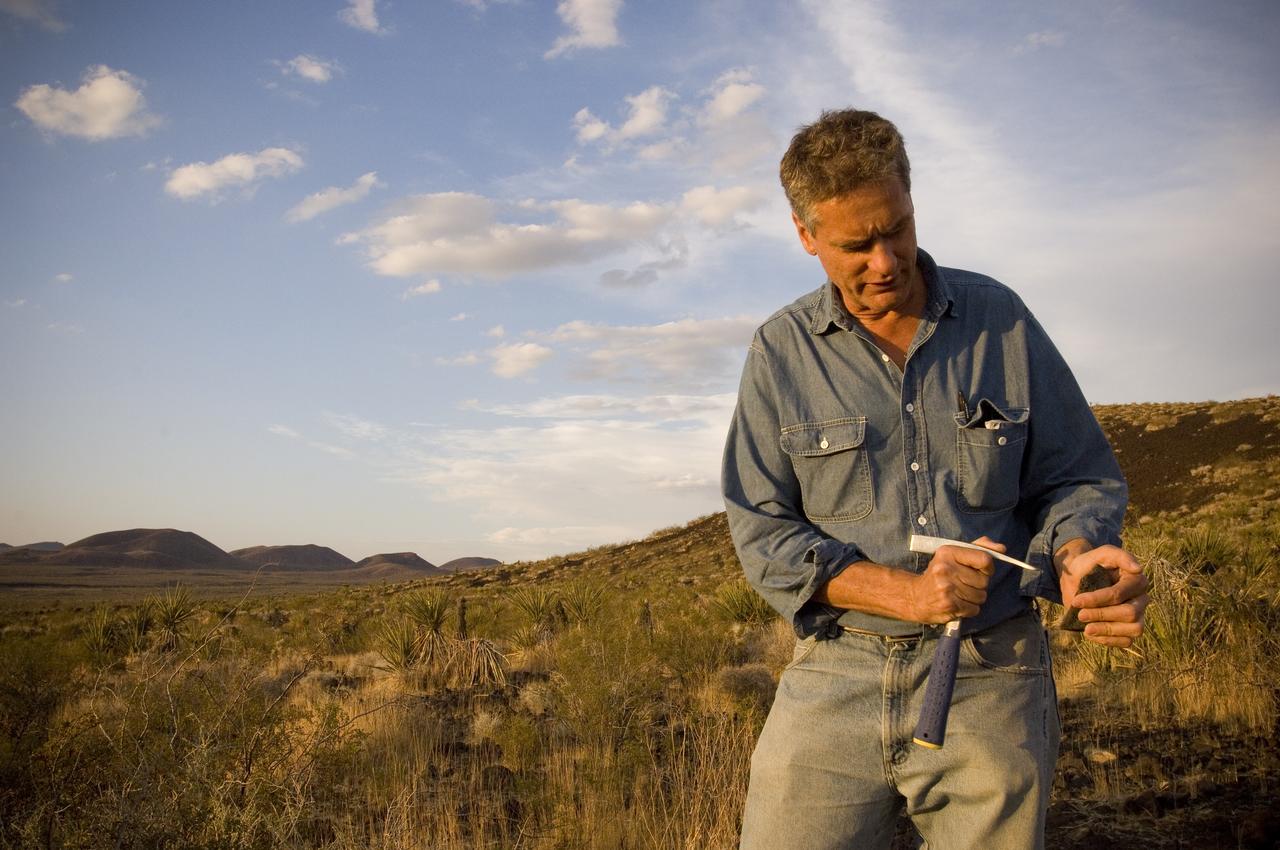
Spaceward Bound event in the Mojave Deser , CA (an outreach exercise) with Dr Chris McKay and Ames Education department personnel Brian Day, Barbara Bazar and a accompaning (learning for the the classroom) team of teachers will be studying side-by-side with NASA scientists who search for life in extreme environments, closely approximating what they expect to find on other planets. Why the Mojave -- an inhospitable, sun-drenched spot in the California Desert? This natural setting presents scientists with opportunities to study environments that are analogous to what explorers will find on the Moon and Mars. Teachers and scientists will perform scientific fieldwork in lunar geology, Mars astrobiology, Mars geology, and issues of temperature and solar inundation and radiation. for additional information and Outreach projects see http://quest.arc.nasa.gov/
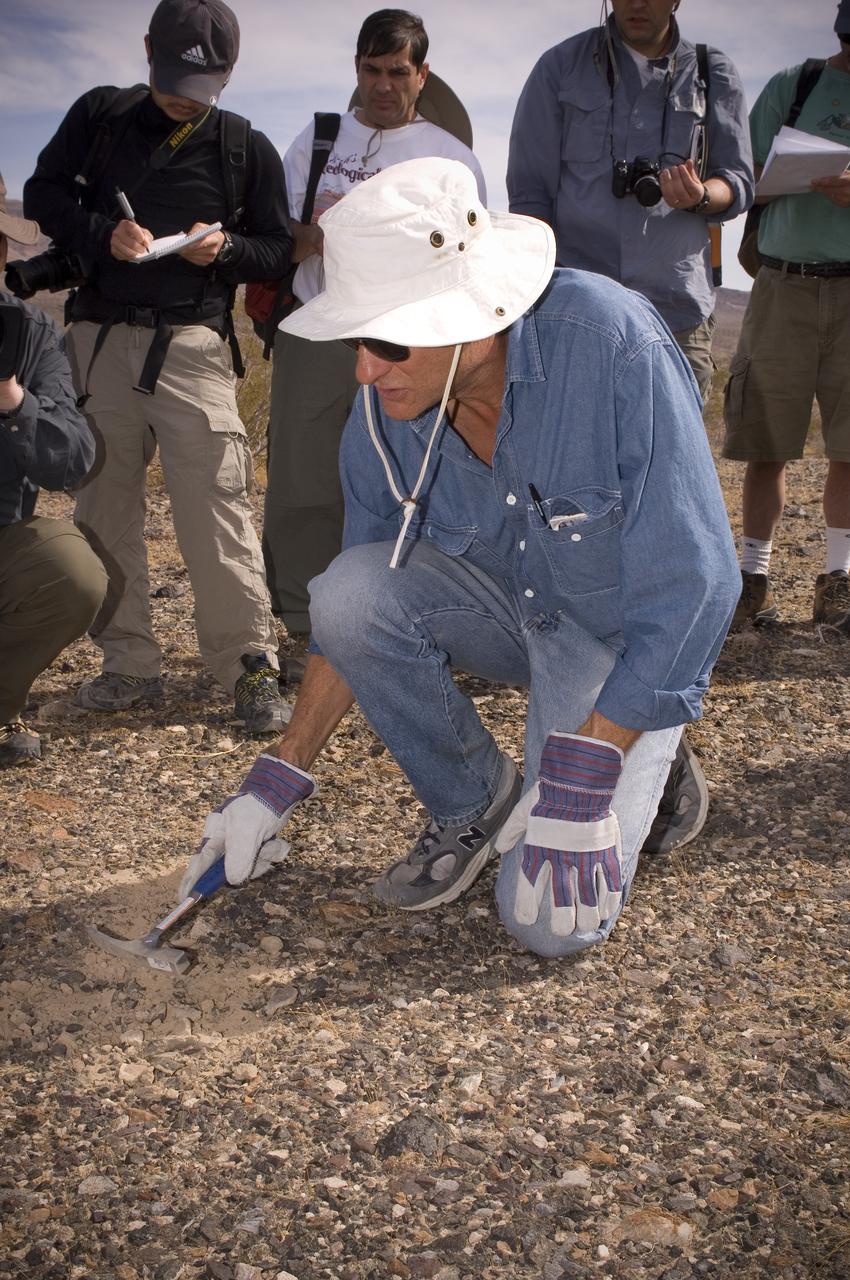
Spaceward Bound event in the Mojave Deser , CA (an outreach exercise) with Dr Chris McKay and Ames Education department personnel Brian Day, Barbara Bazar and a accompaning (learning for the the classroom) team of teachers will be studying side-by-side with NASA scientists who search for life in extreme environments, closely approximating what they expect to find on other planets. Why the Mojave -- an inhospitable, sun-drenched spot in the California Desert? This natural setting presents scientists with opportunities to study environments that are analogous to what explorers will find on the Moon and Mars. Teachers and scientists will perform scientific fieldwork in lunar geology, Mars astrobiology, Mars geology, and issues of temperature and solar inundation and radiation. for additional information and Outreach projects see http://quest.arc.nasa.gov/
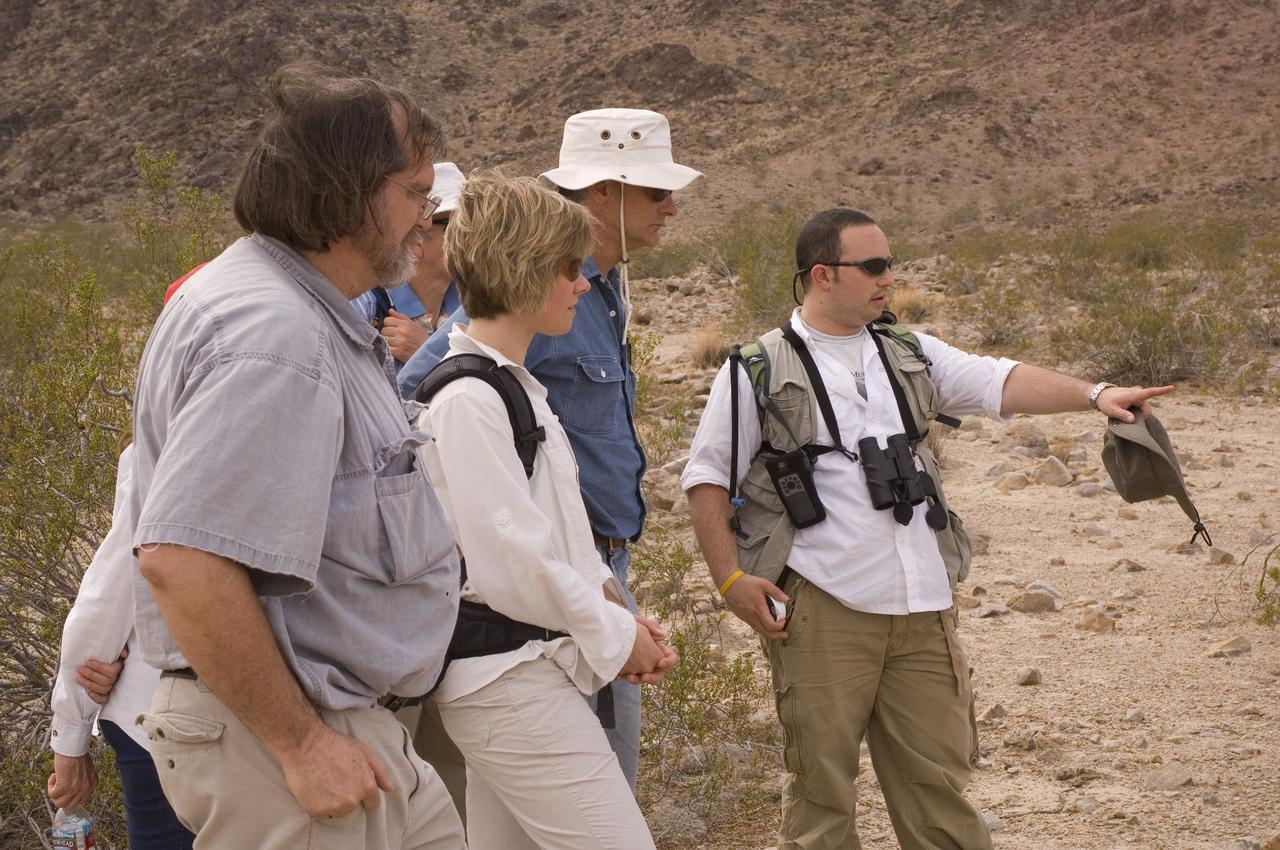
Spaceward Bound event in the Mojave Deser , CA (an outreach exercise) with Dr Chris McKay and Ames Education department personnel Brian Day, Barbara Bazar and a accompaning (learning for the the classroom) team of teachers will be studying side-by-side with NASA scientists who search for life in extreme environments, closely approximating what they expect to find on other planets. Why the Mojave -- an inhospitable, sun-drenched spot in the California Desert? This natural setting presents scientists with opportunities to study environments that are analogous to what explorers will find on the Moon and Mars. Teachers and scientists will perform scientific fieldwork in lunar geology, Mars astrobiology, Mars geology, and issues of temperature and solar inundation and radiation. for additional information and Outreach projects see http://quest.arc.nasa.gov/
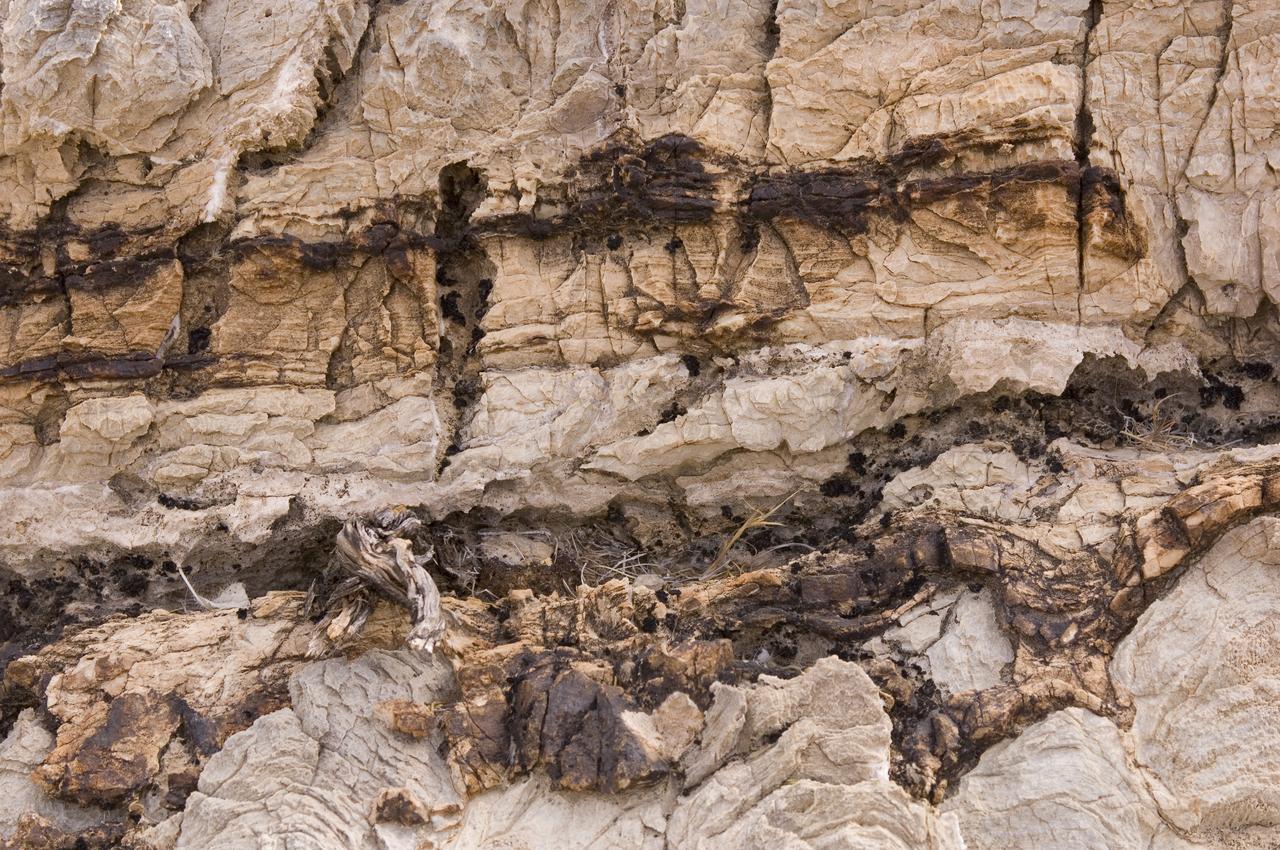
Spaceward Bound event in the Mojave Desert , CA (an outreach exercise) with Dr Chris McKay and Ames Education department personnel Brian Day, Barbara Bazar and a accompaning (learning for the the classroom) team of teachers will be studying side-by-side with NASA scientists who search for life in extreme environments, closely approximating what they expect to find on other planets. Why the Mojave -- an inhospitable, sun-drenched spot in the California Desert? This natural setting presents scientists with opportunities to study environments that are analogous to what explorers will find on the Moon and Mars. Teachers and scientists will perform scientific fieldwork in lunar geology, Mars astrobiology, Mars geology, and issues of temperature and solar inundation and radiation. for additional information and Outreach projects see http://quest.arc.nasa.gov/
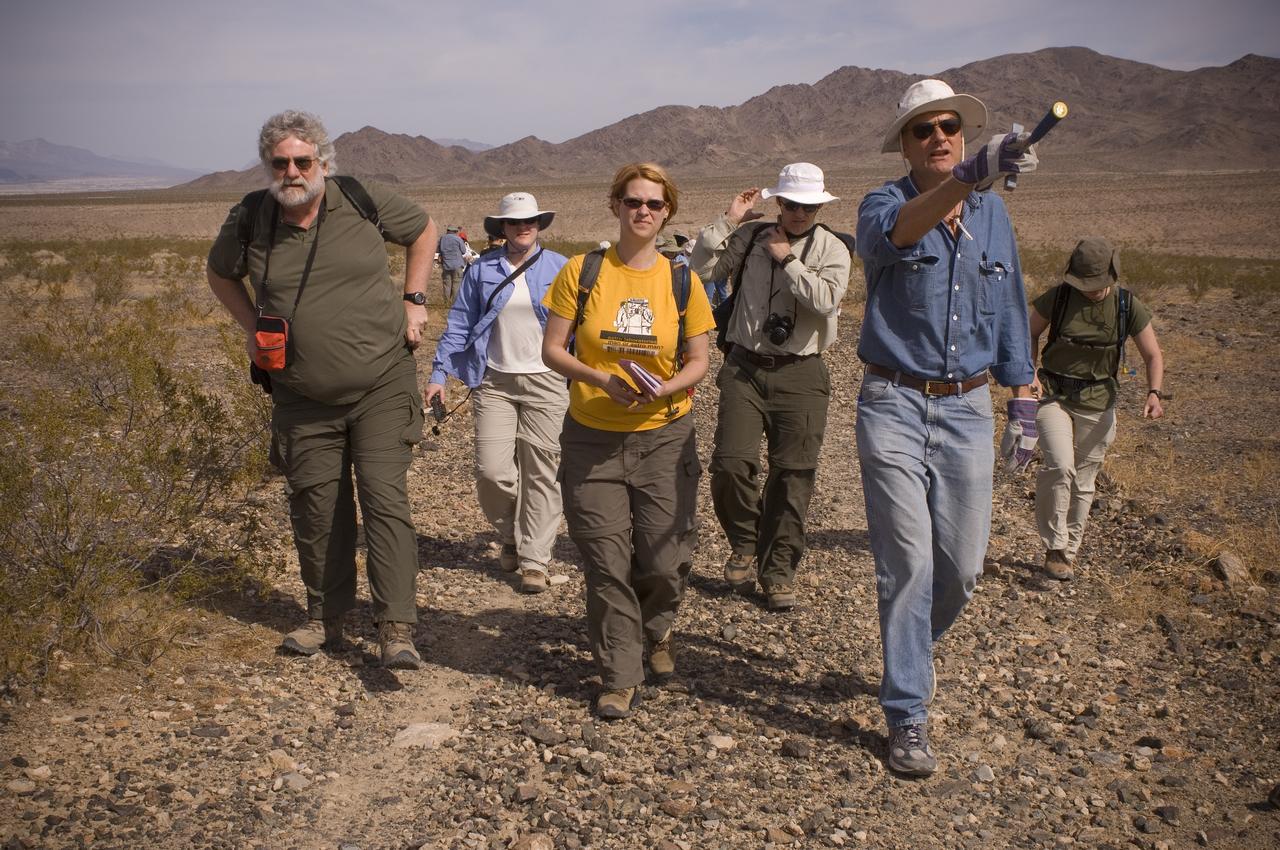
Spaceward Bound event in the Mojave Desert , CA (an outreach exercise) with Dr Chris McKay and Ames Education department personnel Brian Day, Barbara Bazar and a accompaning (learning for the the classroom) team of teachers will be studying side-by-side with NASA scientists who search for life in extreme environments, closely approximating what they expect to find on other planets. Why the Mojave -- an inhospitable, sun-drenched spot in the California Desert? This natural setting presents scientists with opportunities to study environments that are analogous to what explorers will find on the Moon and Mars. Teachers and scientists will perform scientific fieldwork in lunar geology, Mars astrobiology, Mars geology, and issues of temperature and solar inundation and radiation. for additional information and Outreach projects see http://quest.arc.nasa.gov/

Spaceward Bound event in the Mojave Deser , CA (an outreach exercise) with Dr Chris McKay and Ames Education department personnel Brian Day, Barbara Bazar and a accompaning (learning for the the classroom) team of teachers will be studying side-by-side with NASA scientists who search for life in extreme environments, closely approximating what they expect to find on other planets. Why the Mojave -- an inhospitable, sun-drenched spot in the California Desert? This natural setting presents scientists with opportunities to study environments that are analogous to what explorers will find on the Moon and Mars. Teachers and scientists will perform scientific fieldwork in lunar geology, Mars astrobiology, Mars geology, and issues of temperature and solar inundation and radiation. for additional information and Outreach projects see http://quest.arc.nasa.gov/
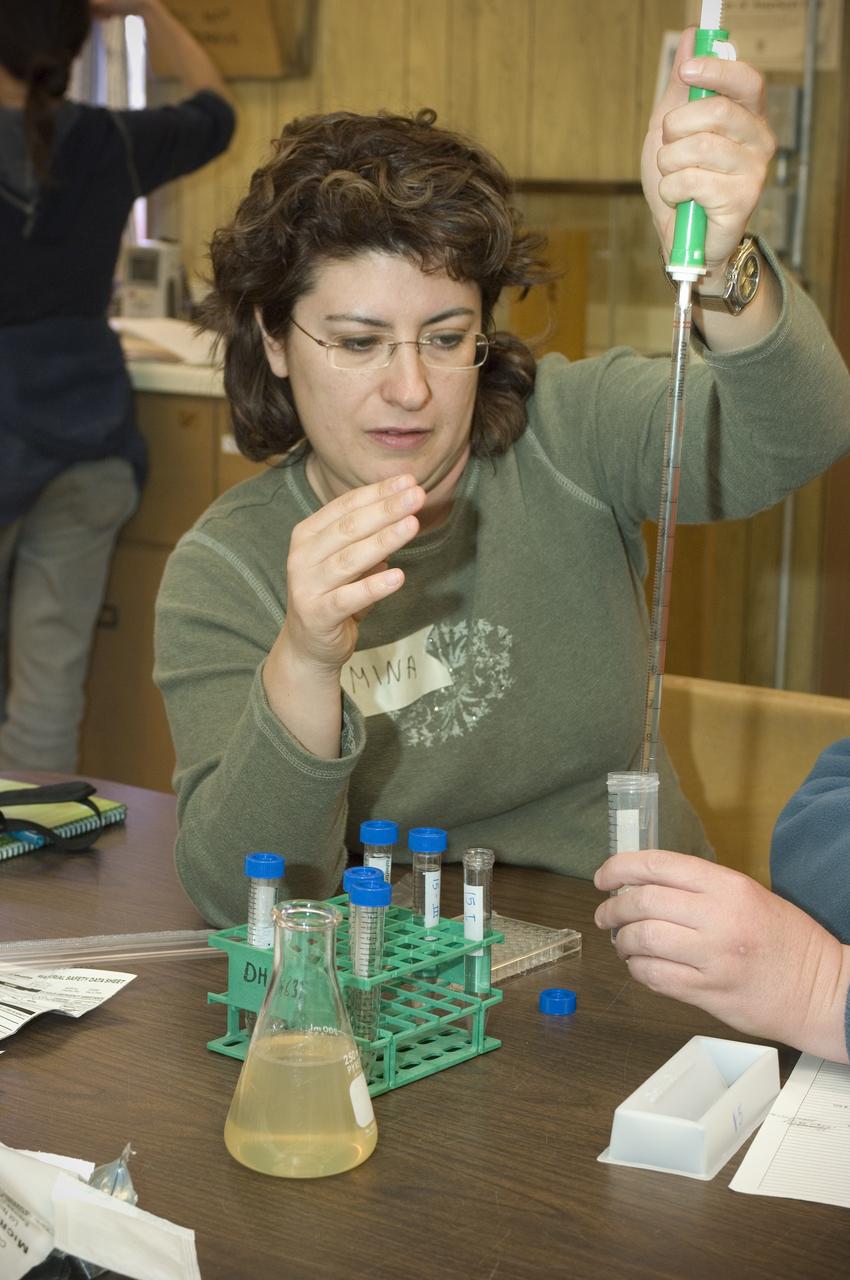
Spaceward Bound event in the Mojave Deser , CA (an outreach exercise) with Dr Chris McKay and Ames Education department personnel Brian Day, Barbara Bazar and a accompaning (learning for the the classroom) team of teachers will be studying side-by-side with NASA scientists who search for life in extreme environments, closely approximating what they expect to find on other planets. Why the Mojave -- an inhospitable, sun-drenched spot in the California Desert? This natural setting presents scientists with opportunities to study environments that are analogous to what explorers will find on the Moon and Mars. Teachers and scientists will perform scientific fieldwork in lunar geology, Mars astrobiology, Mars geology, and issues of temperature and solar inundation and radiation. for additional information and Outreach projects see http://quest.arc.nasa.gov/
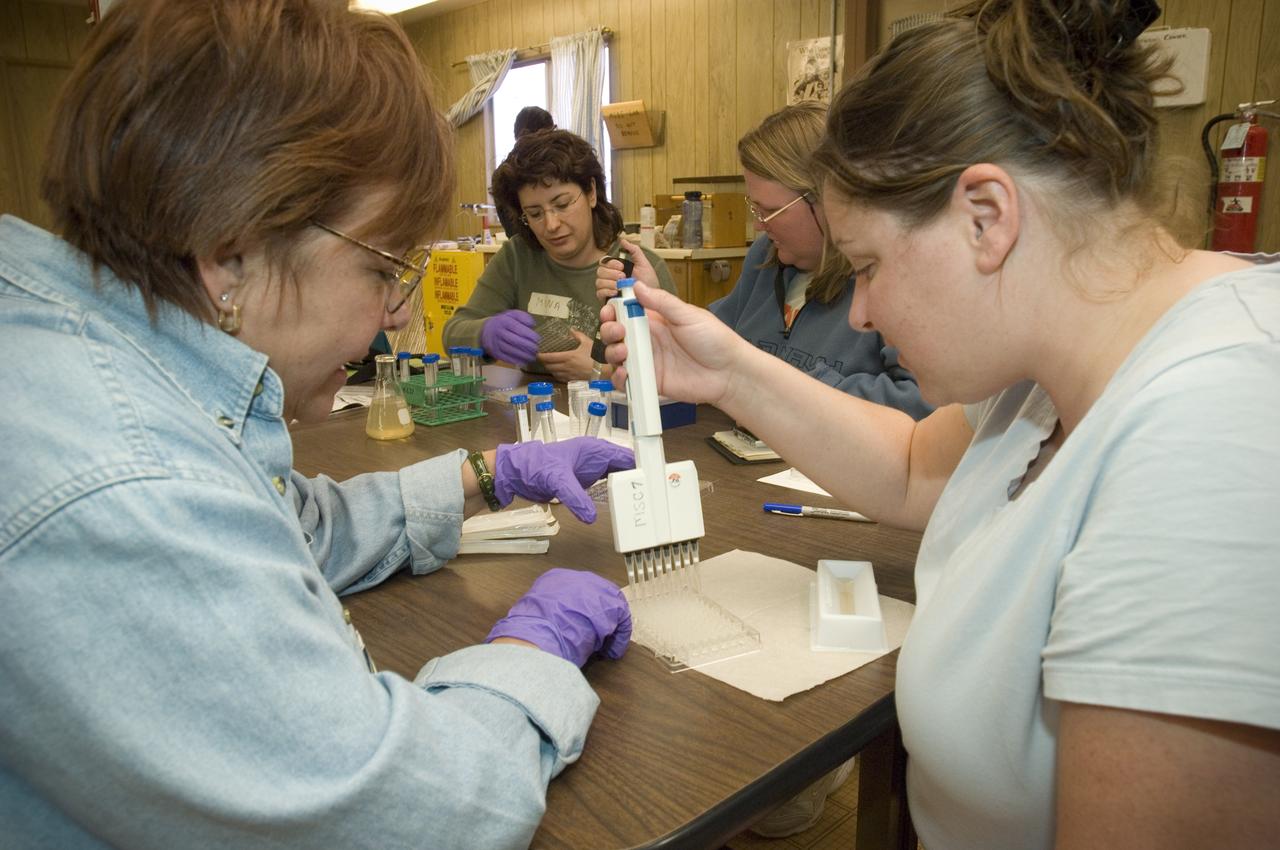
Spaceward Bound event in the Mojave Deser , CA (an outreach exercise) with Dr Chris McKay and Ames Education department personnel Brian Day, Barbara Bazar and a accompaning (learning for the the classroom) team of teachers will be studying side-by-side with NASA scientists who search for life in extreme environments, closely approximating what they expect to find on other planets. Why the Mojave -- an inhospitable, sun-drenched spot in the California Desert? This natural setting presents scientists with opportunities to study environments that are analogous to what explorers will find on the Moon and Mars. Teachers and scientists will perform scientific fieldwork in lunar geology, Mars astrobiology, Mars geology, and issues of temperature and solar inundation and radiation. for additional information and Outreach projects see http://quest.arc.nasa.gov/
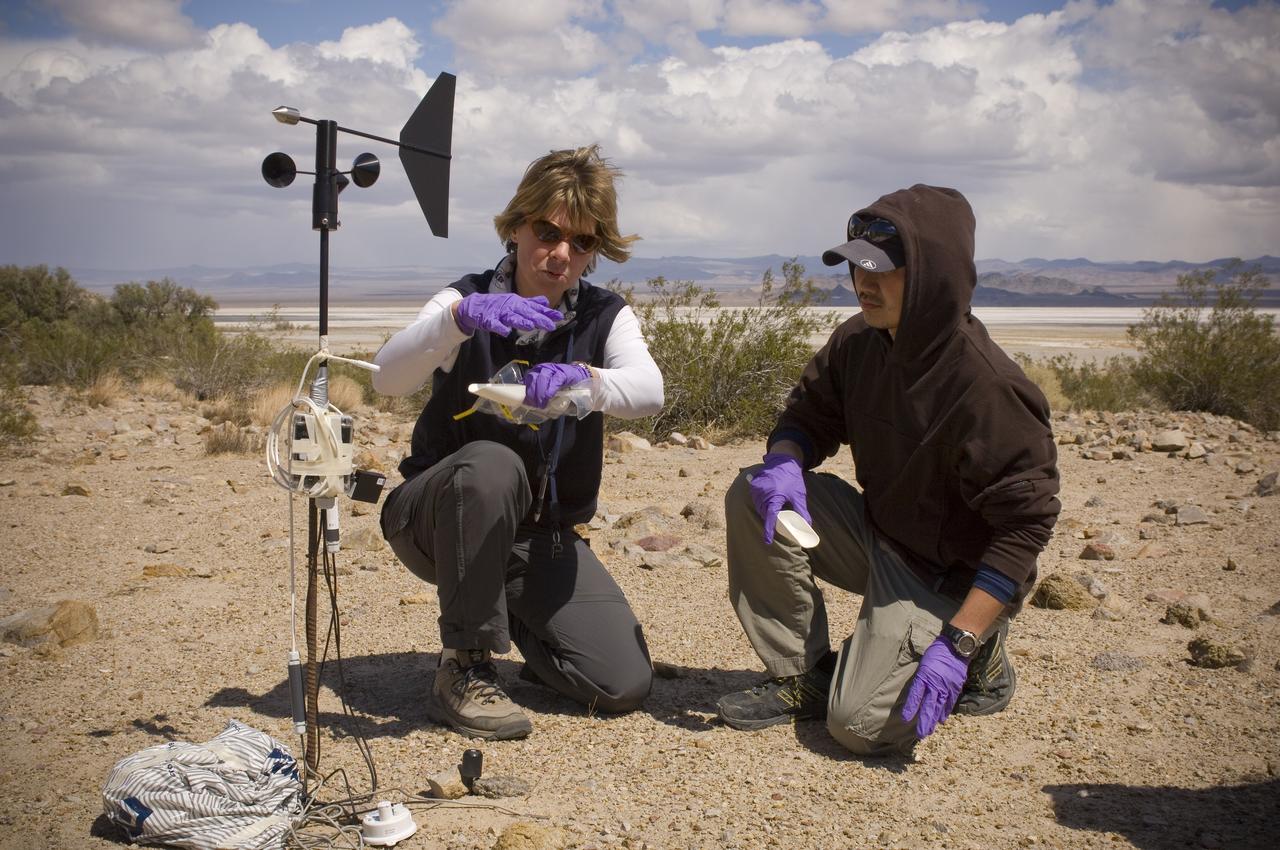
Spaceward Bound event in the Mojave Deser , CA (an outreach exercise) with Dr Chris McKay and Ames Education department personnel Brian Day, Barbara Bazar and a accompaning (learning for the the classroom) team of teachers will be studying side-by-side with NASA scientists who search for life in extreme environments, closely approximating what they expect to find on other planets. Why the Mojave -- an inhospitable, sun-drenched spot in the California Desert? This natural setting presents scientists with opportunities to study environments that are analogous to what explorers will find on the Moon and Mars. Teachers and scientists will perform scientific fieldwork in lunar geology, Mars astrobiology, Mars geology, and issues of temperature and solar inundation and radiation. for additional information and Outreach projects see http://quest.arc.nasa.gov/
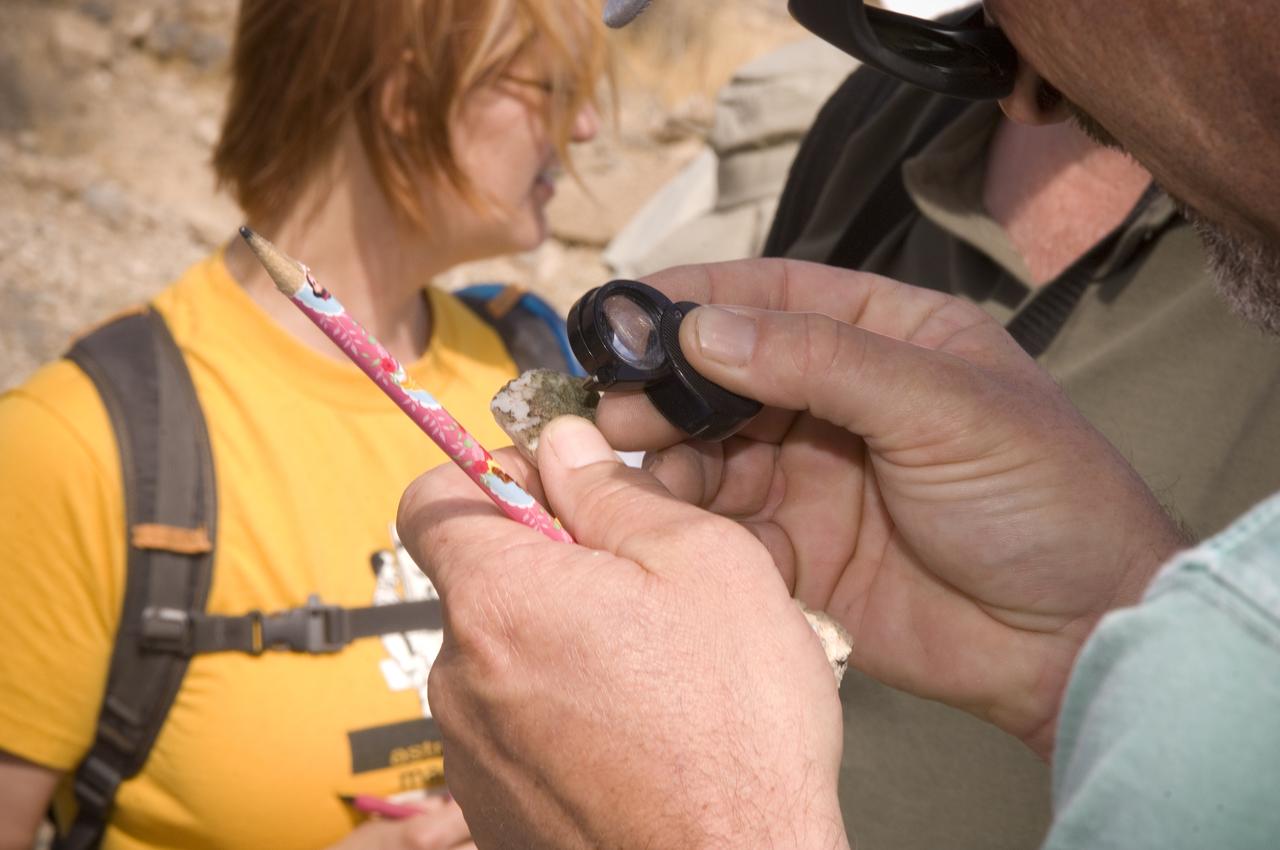
Spaceward Bound event in the Mojave Deser , CA (an outreach exercise) with Dr Chris McKay and Ames Education department personnel Brian Day, Barbara Bazar and a accompaning (learning for the the classroom) team of teachers will be studying side-by-side with NASA scientists who search for life in extreme environments, closely approximating what they expect to find on other planets. Why the Mojave -- an inhospitable, sun-drenched spot in the California Desert? This natural setting presents scientists with opportunities to study environments that are analogous to what explorers will find on the Moon and Mars. Teachers and scientists will perform scientific fieldwork in lunar geology, Mars astrobiology, Mars geology, and issues of temperature and solar inundation and radiation. for additional information and Outreach projects see http://quest.arc.nasa.gov/
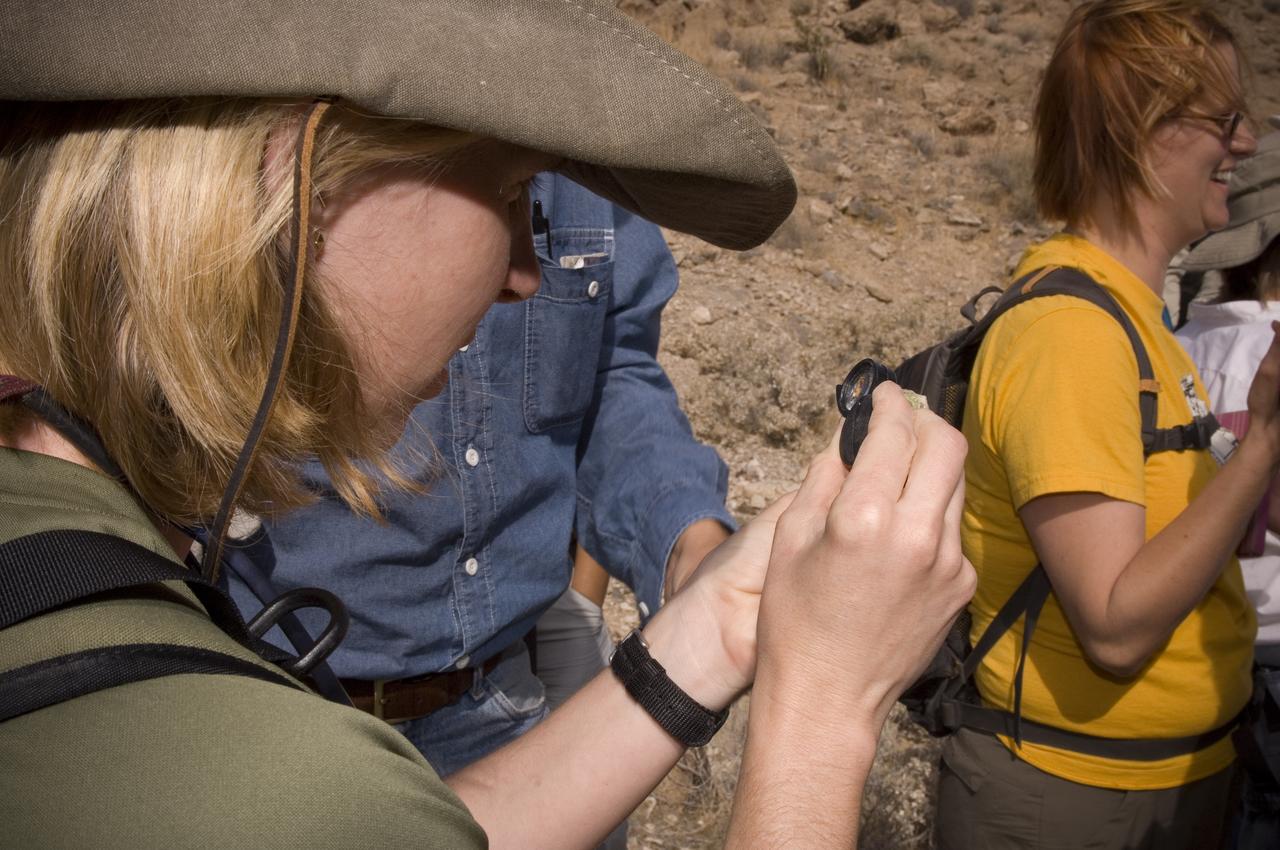
Spaceward Bound event in the Mojave Deser , CA (an outreach exercise) with Dr Chris McKay and Ames Education department personnel Brian Day, Barbara Bazar and a accompaning (learning for the the classroom) team of teachers will be studying side-by-side with NASA scientists who search for life in extreme environments, closely approximating what they expect to find on other planets. Why the Mojave -- an inhospitable, sun-drenched spot in the California Desert? This natural setting presents scientists with opportunities to study environments that are analogous to what explorers will find on the Moon and Mars. Teachers and scientists will perform scientific fieldwork in lunar geology, Mars astrobiology, Mars geology, and issues of temperature and solar inundation and radiation. for additional information and Outreach projects see http://quest.arc.nasa.gov/
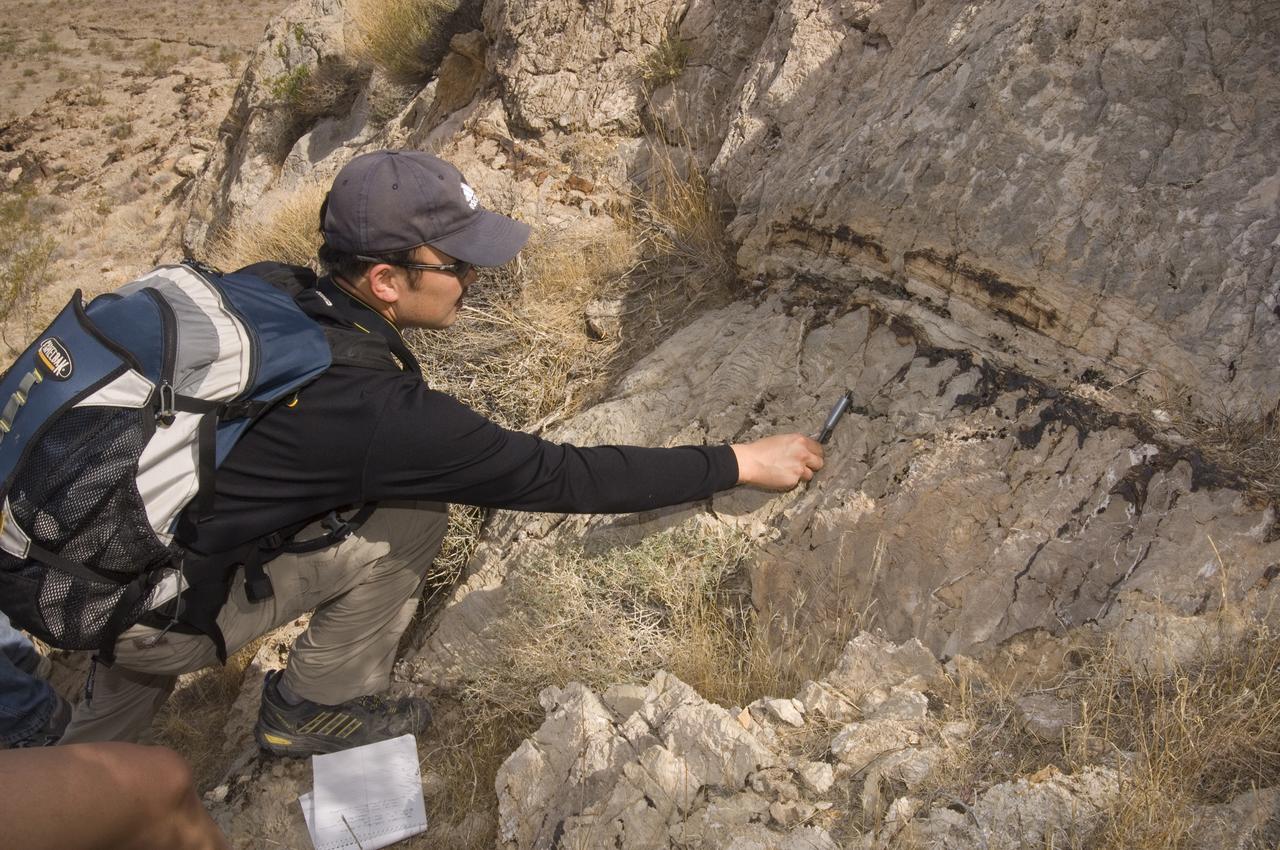
Spaceward Bound event in the Mojave Deser , CA (an outreach exercise) with Dr Chris McKay and Ames Education department personnel Brian Day, Barbara Bazar and a accompaning (learning for the the classroom) team of teachers will be studying side-by-side with NASA scientists who search for life in extreme environments, closely approximating what they expect to find on other planets. Why the Mojave -- an inhospitable, sun-drenched spot in the California Desert? This natural setting presents scientists with opportunities to study environments that are analogous to what explorers will find on the Moon and Mars. Teachers and scientists will perform scientific fieldwork in lunar geology, Mars astrobiology, Mars geology, and issues of temperature and solar inundation and radiation. for additional information and Outreach projects see http://quest.arc.nasa.gov/
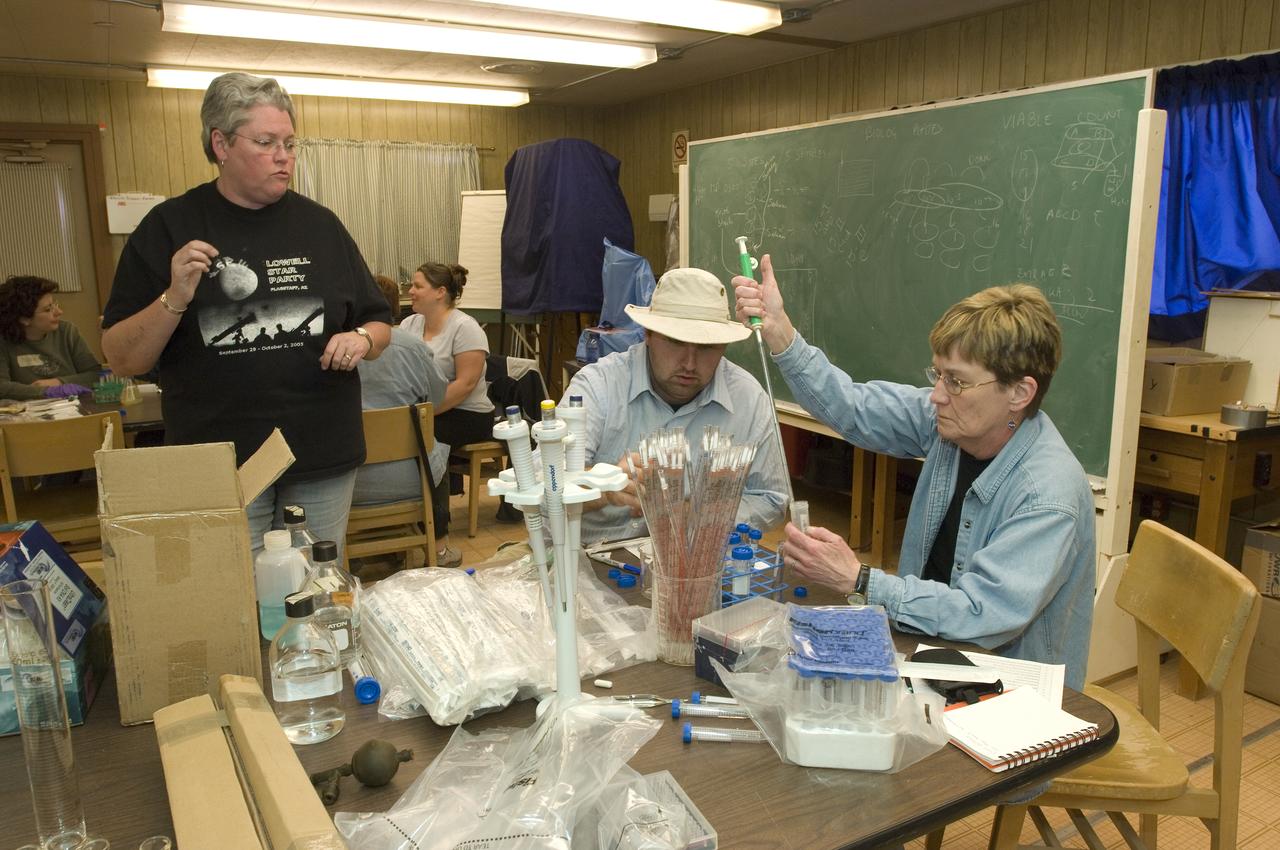
Spaceward Bound event in the Mojave Deser , CA (an outreach exercise) with Dr Chris McKay and Ames Education department personnel Brian Day, Barbara Bazar and a accompaning (learning for the the classroom) team of teachers will be studying side-by-side with NASA scientists who search for life in extreme environments, closely approximating what they expect to find on other planets. Why the Mojave -- an inhospitable, sun-drenched spot in the California Desert? This natural setting presents scientists with opportunities to study environments that are analogous to what explorers will find on the Moon and Mars. Teachers and scientists will perform scientific fieldwork in lunar geology, Mars astrobiology, Mars geology, and issues of temperature and solar inundation and radiation. for additional information and Outreach projects see http://quest.arc.nasa.gov/
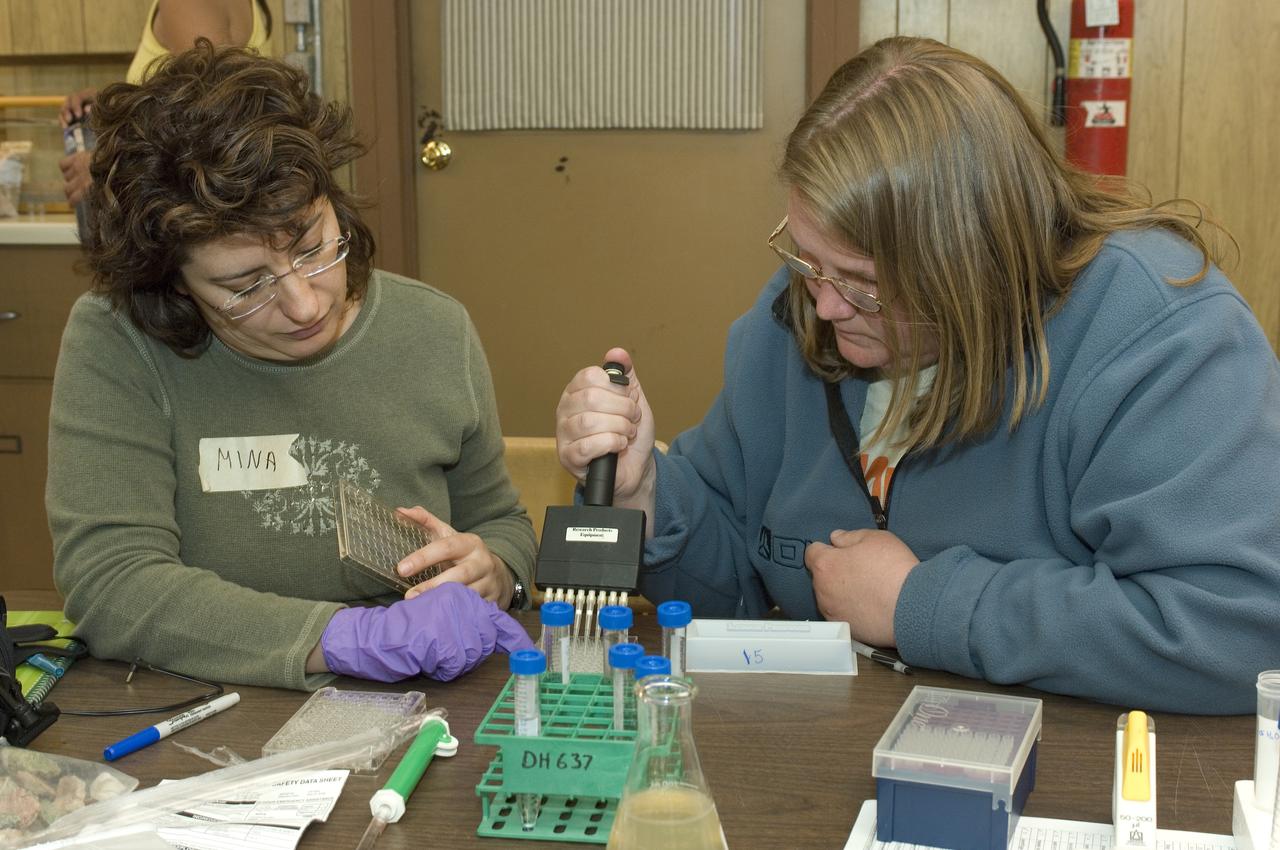
Spaceward Bound event in the Mojave Deser , CA (an outreach exercise) with Dr Chris McKay and Ames Education department personnel Brian Day, Barbara Bazar and a accompaning (learning for the the classroom) team of teachers will be studying side-by-side with NASA scientists who search for life in extreme environments, closely approximating what they expect to find on other planets. Why the Mojave -- an inhospitable, sun-drenched spot in the California Desert? This natural setting presents scientists with opportunities to study environments that are analogous to what explorers will find on the Moon and Mars. Teachers and scientists will perform scientific fieldwork in lunar geology, Mars astrobiology, Mars geology, and issues of temperature and solar inundation and radiation. for additional information and Outreach projects see http://quest.arc.nasa.gov/
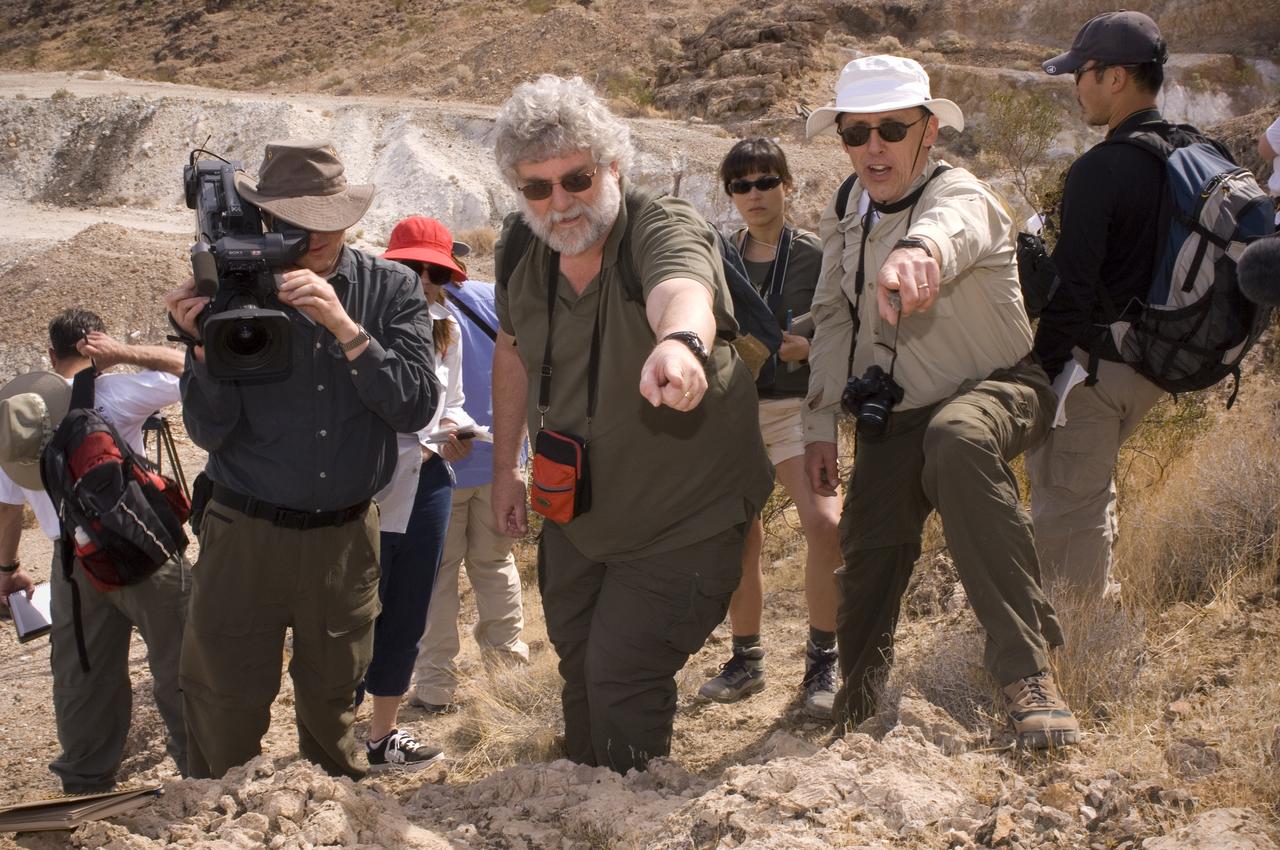
Spaceward Bound event in the Mojave Deser , CA (an outreach exercise) with Dr Chris McKay and Ames Education department personnel Brian Day, Barbara Bazar and a accompaning (learning for the the classroom) team of teachers will be studying side-by-side with NASA scientists who search for life in extreme environments, closely approximating what they expect to find on other planets. Why the Mojave -- an inhospitable, sun-drenched spot in the California Desert? This natural setting presents scientists with opportunities to study environments that are analogous to what explorers will find on the Moon and Mars. Teachers and scientists will perform scientific fieldwork in lunar geology, Mars astrobiology, Mars geology, and issues of temperature and solar inundation and radiation. for additional information and Outreach projects see http://quest.arc.nasa.gov/
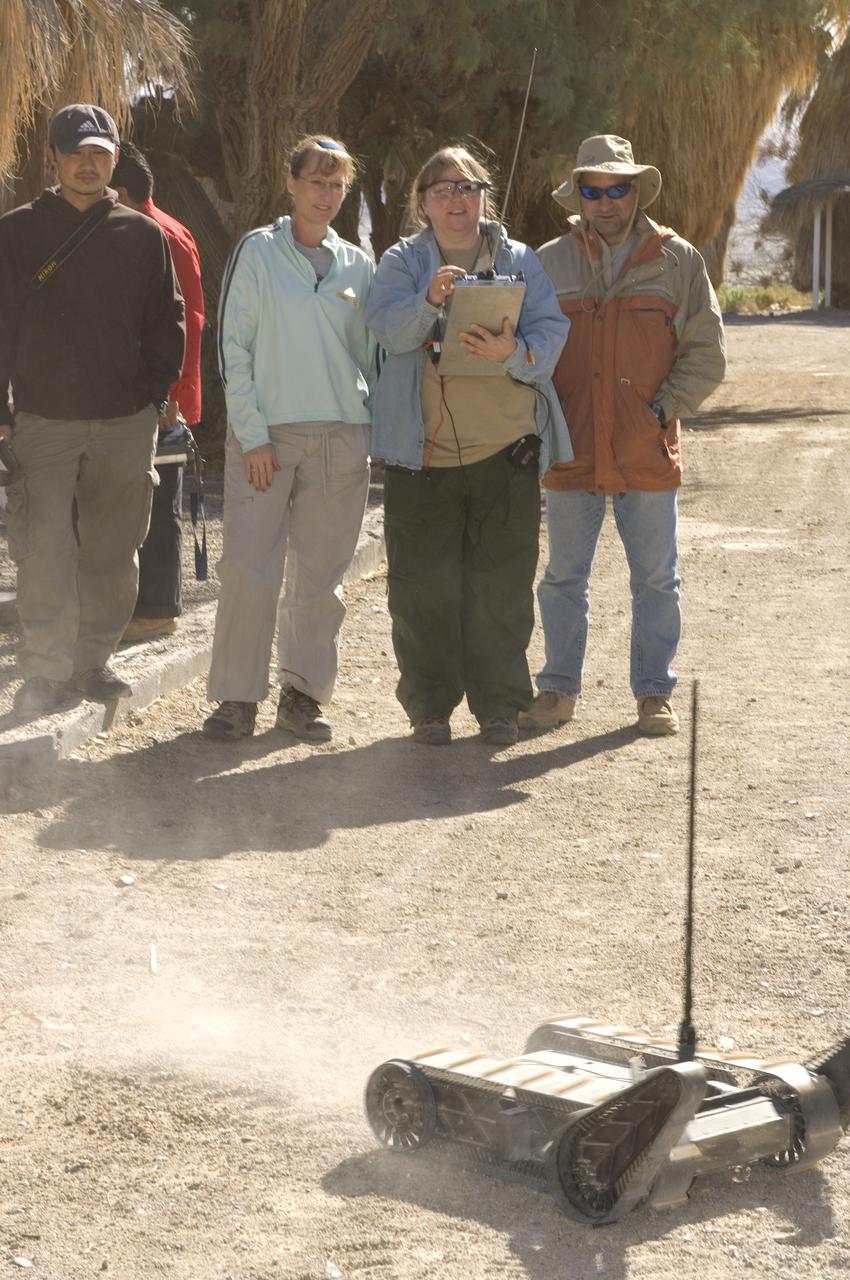
Spaceward Bound event in the Mojave Deser , CA (an outreach exercise) with Dr Chris McKay and Ames Education department personnel Brian Day, Barbara Bazar and a accompaning (learning for the the classroom) team of teachers will be studying side-by-side with NASA scientists who search for life in extreme environments, closely approximating what they expect to find on other planets. Why the Mojave -- an inhospitable, sun-drenched spot in the California Desert? This natural setting presents scientists with opportunities to study environments that are analogous to what explorers will find on the Moon and Mars. Teachers and scientists will perform scientific fieldwork in lunar geology, Mars astrobiology, Mars geology, and issues of temperature and solar inundation and radiation. for additional information and Outreach projects see http://quest.arc.nasa.gov/
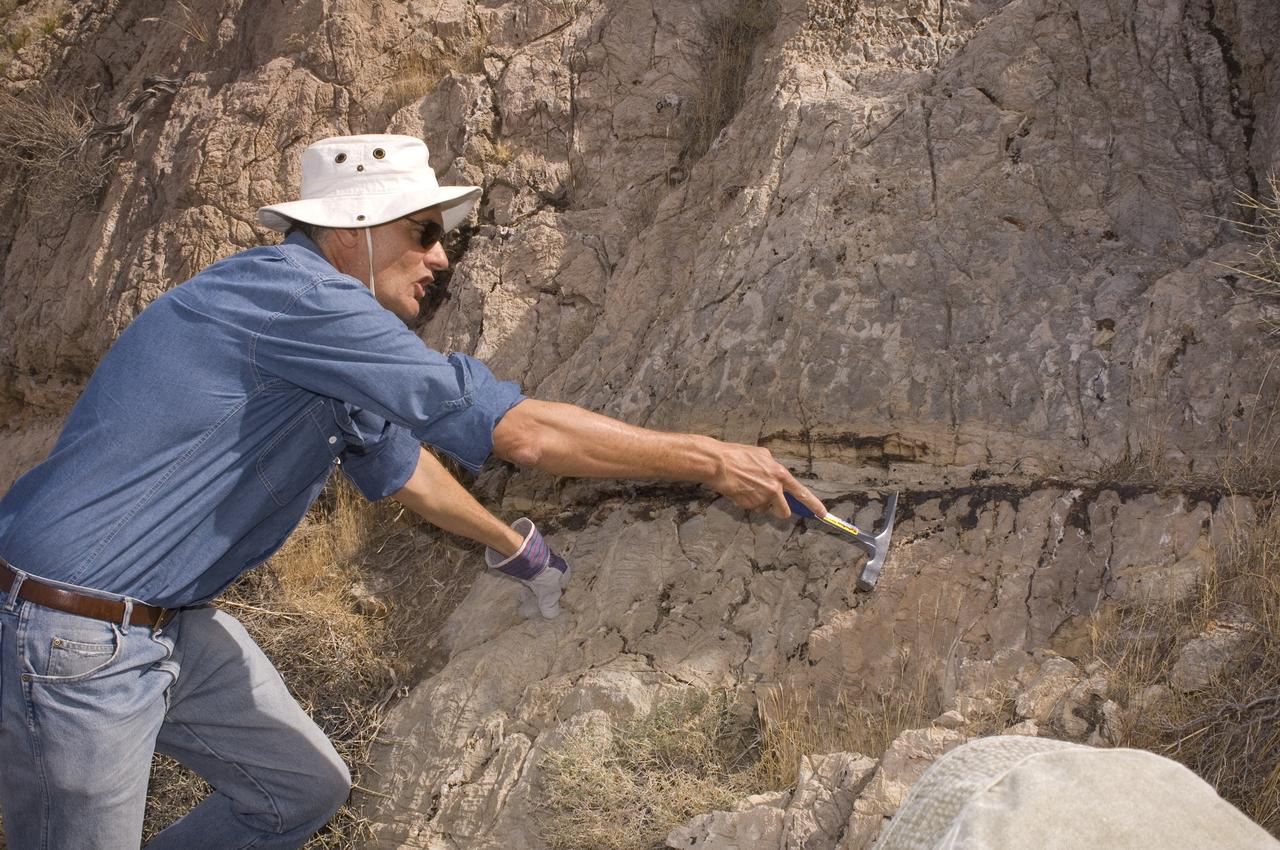
Spaceward Bound event in the Mojave Deser , CA (an outreach exercise) with Dr Chris McKay and Ames Education department personnel Brian Day, Barbara Bazar and a accompaning (learning for the the classroom) team of teachers will be studying side-by-side with NASA scientists who search for life in extreme environments, closely approximating what they expect to find on other planets. Why the Mojave -- an inhospitable, sun-drenched spot in the California Desert? This natural setting presents scientists with opportunities to study environments that are analogous to what explorers will find on the Moon and Mars. Teachers and scientists will perform scientific fieldwork in lunar geology, Mars astrobiology, Mars geology, and issues of temperature and solar inundation and radiation. for additional information and Outreach projects see http://quest.arc.nasa.gov/
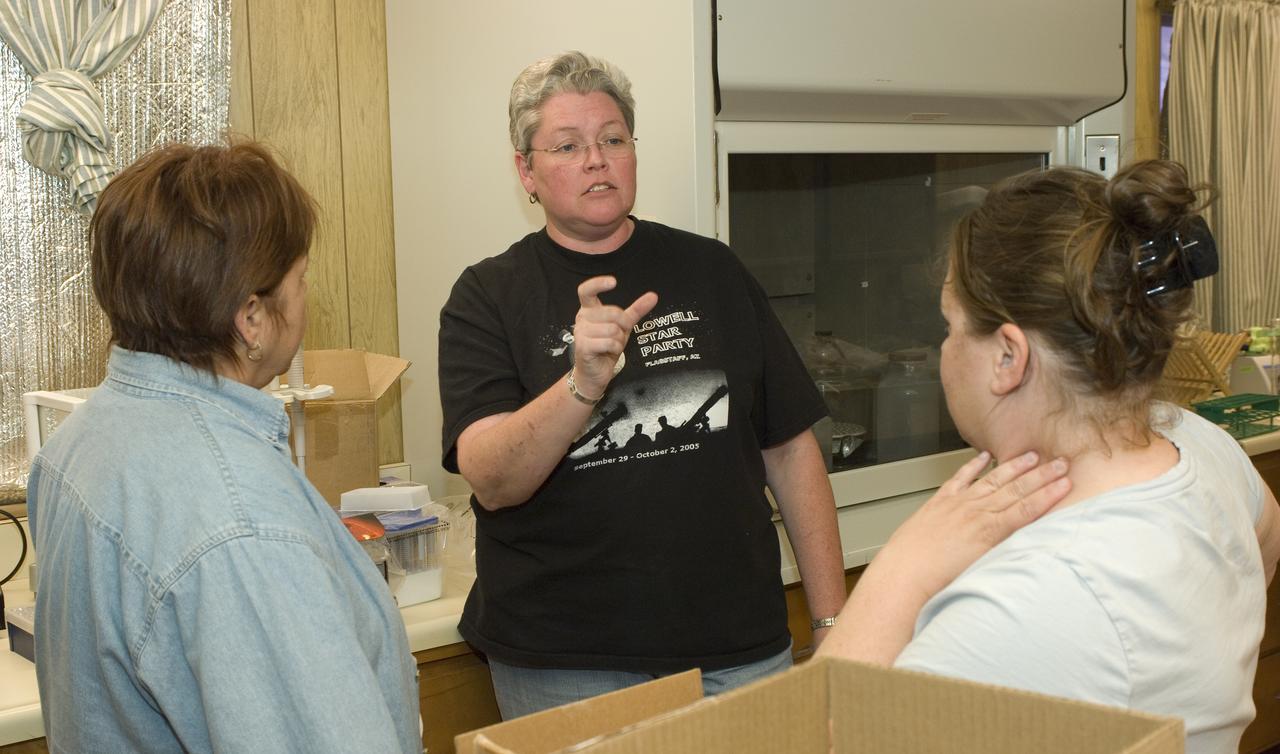
Spaceward Bound event in the Mojave Deser , CA (an outreach exercise) with Dr Chris McKay and Ames Education department personnel Brian Day, Barbara Bazar and a accompaning (learning for the the classroom) team of teachers will be studying side-by-side with NASA scientists who search for life in extreme environments, closely approximating what they expect to find on other planets. Why the Mojave -- an inhospitable, sun-drenched spot in the California Desert? This natural setting presents scientists with opportunities to study environments that are analogous to what explorers will find on the Moon and Mars. Teachers and scientists will perform scientific fieldwork in lunar geology, Mars astrobiology, Mars geology, and issues of temperature and solar inundation and radiation. for additional information and Outreach projects see http://quest.arc.nasa.gov/
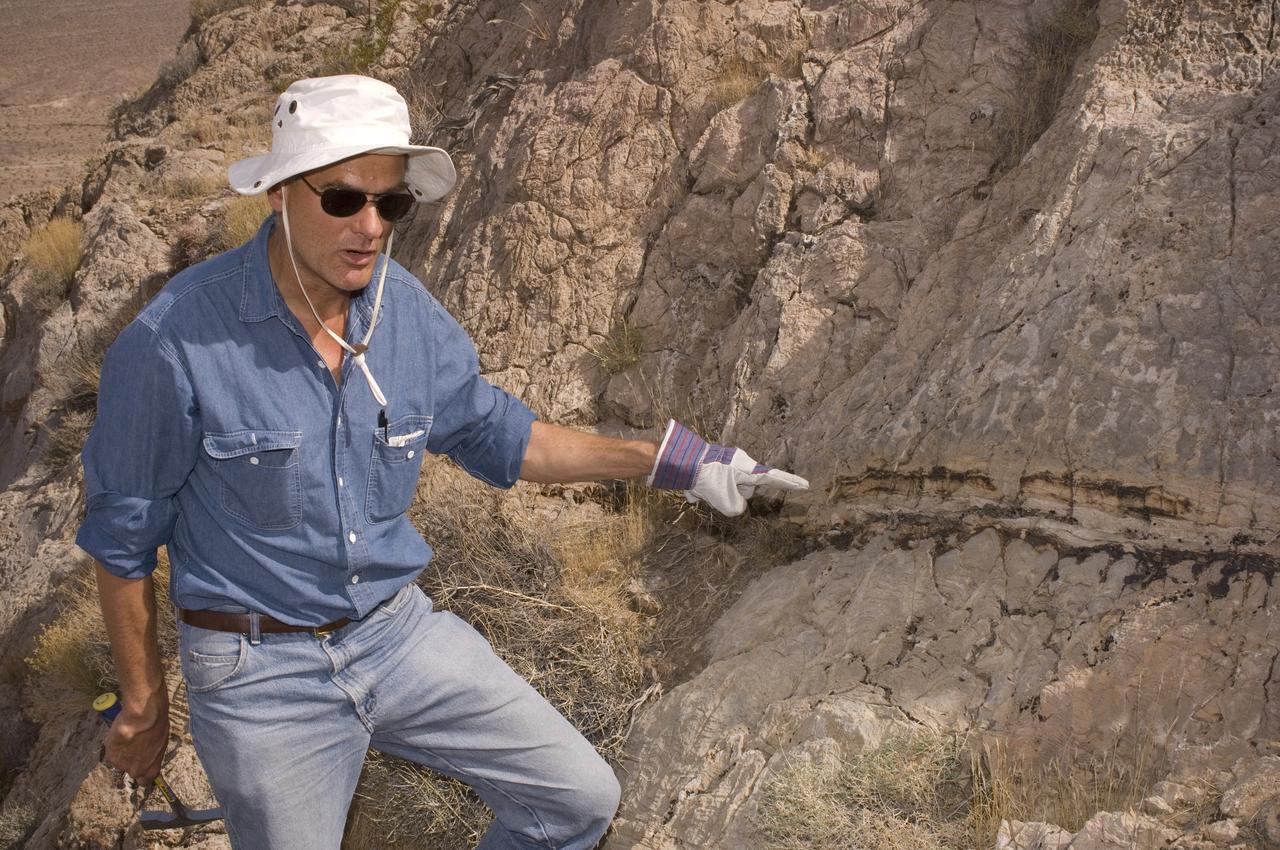
Spaceward Bound event in the Mojave Deser , CA (an outreach exercise) with Dr Chris McKay and Ames Education department personnel Brian Day, Barbara Bazar and a accompaning (learning for the the classroom) team of teachers will be studying side-by-side with NASA scientists who search for life in extreme environments, closely approximating what they expect to find on other planets. Why the Mojave -- an inhospitable, sun-drenched spot in the California Desert? This natural setting presents scientists with opportunities to study environments that are analogous to what explorers will find on the Moon and Mars. Teachers and scientists will perform scientific fieldwork in lunar geology, Mars astrobiology, Mars geology, and issues of temperature and solar inundation and radiation. for additional information and Outreach projects see http://quest.arc.nasa.gov/
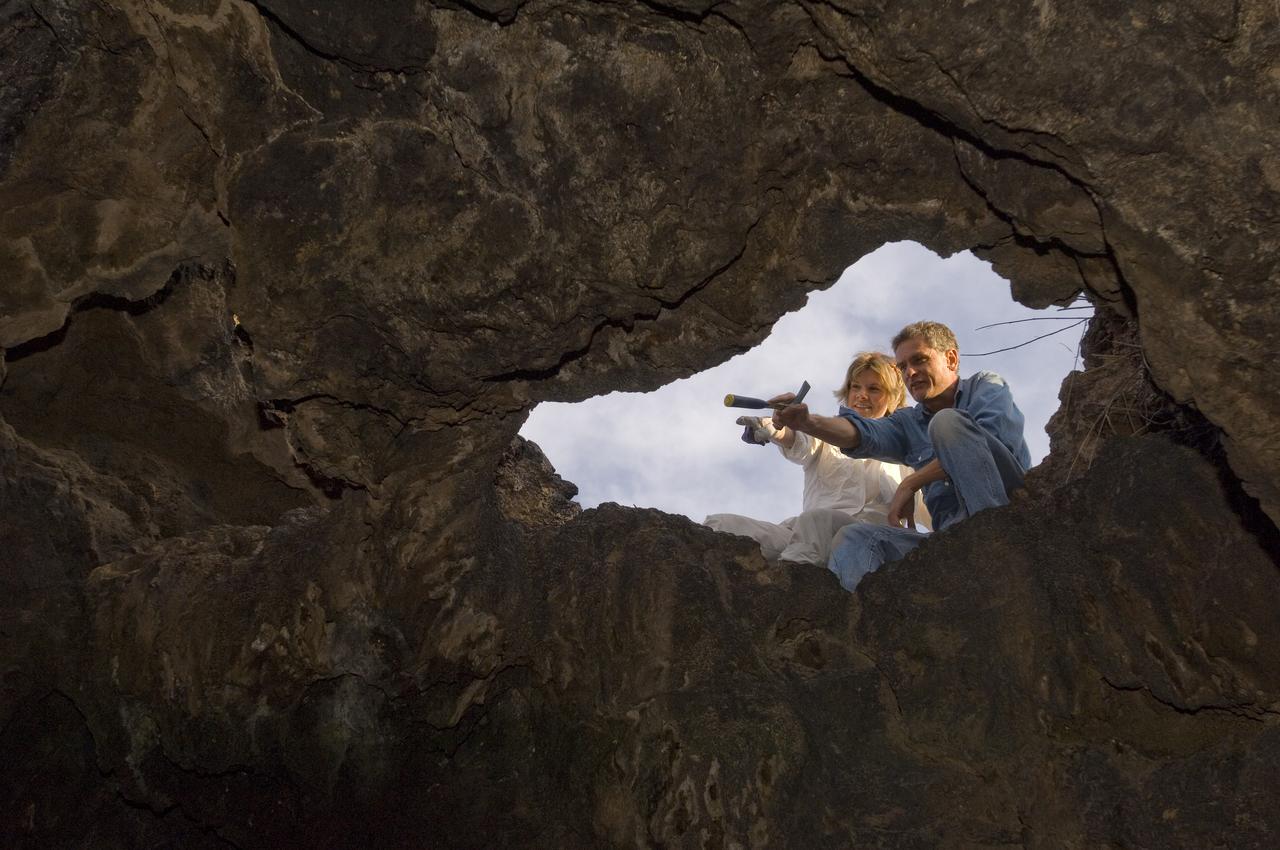
Spaceward Bound event in the Mojave Deser , CA (an outreach exercise) with Dr Chris McKay and Ames Education department personnel Brian Day, Barbara Bazar and a accompaning (learning for the the classroom) team of teachers will be studying side-by-side with NASA scientists who search for life in extreme environments, closely approximating what they expect to find on other planets. Why the Mojave -- an inhospitable, sun-drenched spot in the California Desert? This natural setting presents scientists with opportunities to study environments that are analogous to what explorers will find on the Moon and Mars. Teachers and scientists will perform scientific fieldwork in lunar geology, Mars astrobiology, Mars geology, and issues of temperature and solar inundation and radiation. for additional information and Outreach projects see http://quest.arc.nasa.gov/ shown here are Dr Chris McKay and Monika Kress, Professor of Astronomy at San Jose State University
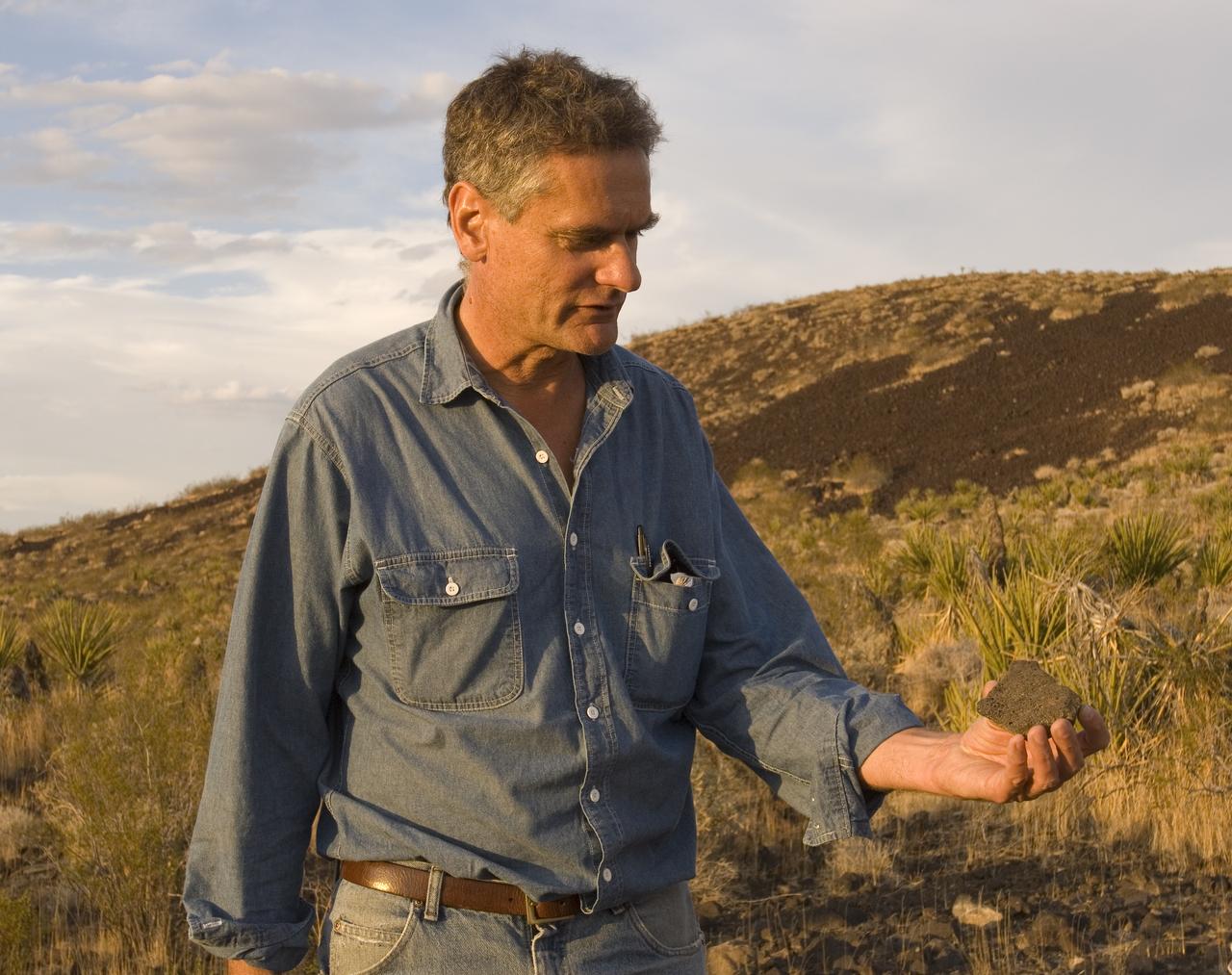
Spaceward Bound event in the Mojave Deser , CA (an outreach exercise) with Dr Chris McKay and Ames Education department personnel Brian Day, Barbara Bazar and a accompaning (learning for the the classroom) team of teachers will be studying side-by-side with NASA scientists who search for life in extreme environments, closely approximating what they expect to find on other planets. Why the Mojave -- an inhospitable, sun-drenched spot in the California Desert? This natural setting presents scientists with opportunities to study environments that are analogous to what explorers will find on the Moon and Mars. Teachers and scientists will perform scientific fieldwork in lunar geology, Mars astrobiology, Mars geology, and issues of temperature and solar inundation and radiation. for additional information and Outreach projects see http://quest.arc.nasa.gov/
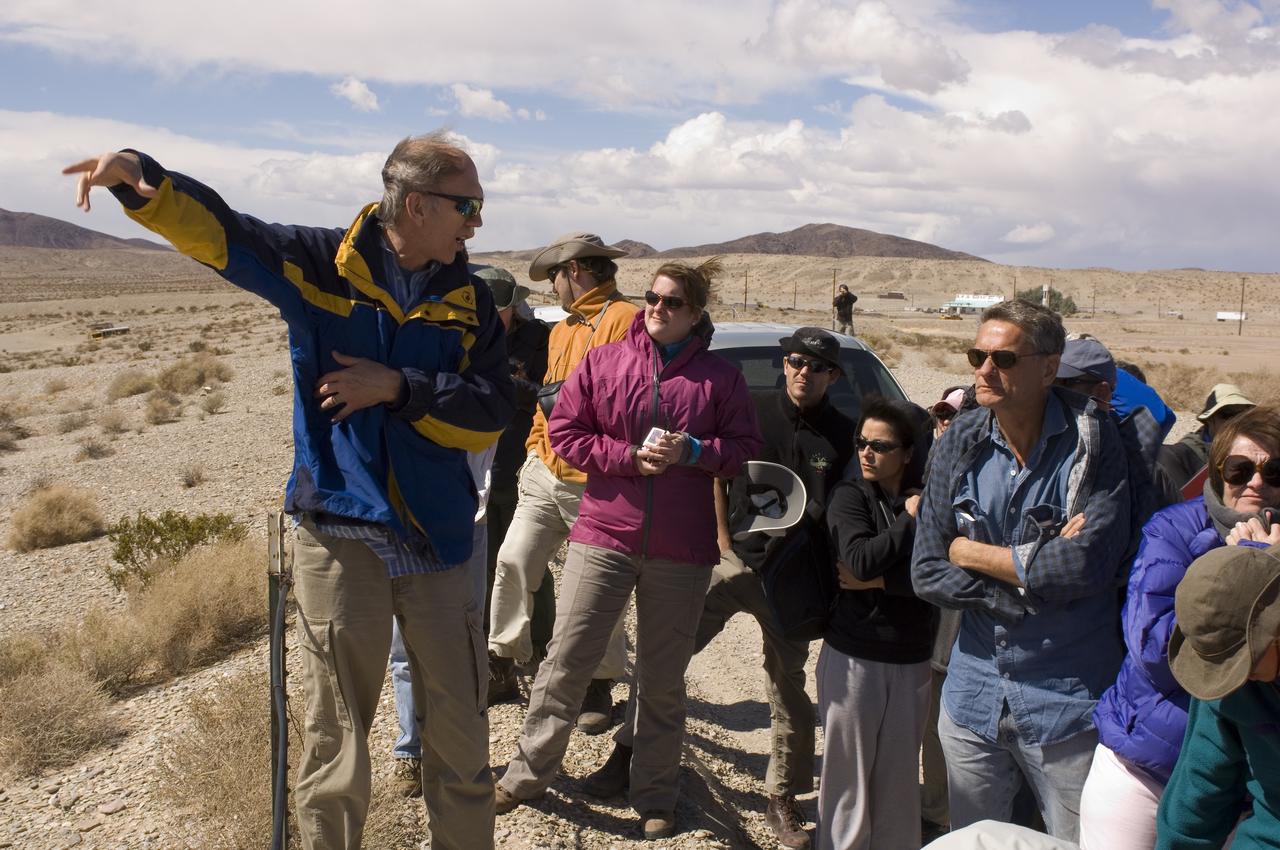
Spaceward Bound event in the Mojave Deser , CA (an outreach exercise) with Dr Chris McKay and Ames Education department personnel Brian Day, Barbara Bazar and a accompaning (learning for the the classroom) team of teachers will be studying side-by-side with NASA scientists who search for life in extreme environments, closely approximating what they expect to find on other planets. Why the Mojave -- an inhospitable, sun-drenched spot in the California Desert? This natural setting presents scientists with opportunities to study environments that are analogous to what explorers will find on the Moon and Mars. Teachers and scientists will perform scientific fieldwork in lunar geology, Mars astrobiology, Mars geology, and issues of temperature and solar inundation and radiation. for additional information and Outreach projects see http://quest.arc.nasa.gov/

Spaceward Bound event in the Mojave Deser , CA (an outreach exercise) with Dr Chris McKay and Ames Education department personnel Brian Day, Barbara Bazar and a accompaning (learning for the the classroom) team of teachers will be studying side-by-side with NASA scientists who search for life in extreme environments, closely approximating what they expect to find on other planets. Why the Mojave -- an inhospitable, sun-drenched spot in the California Desert? This natural setting presents scientists with opportunities to study environments that are analogous to what explorers will find on the Moon and Mars. Teachers and scientists will perform scientific fieldwork in lunar geology, Mars astrobiology, Mars geology, and issues of temperature and solar inundation and radiation. for additional information and Outreach projects see http://quest.arc.nasa.gov/
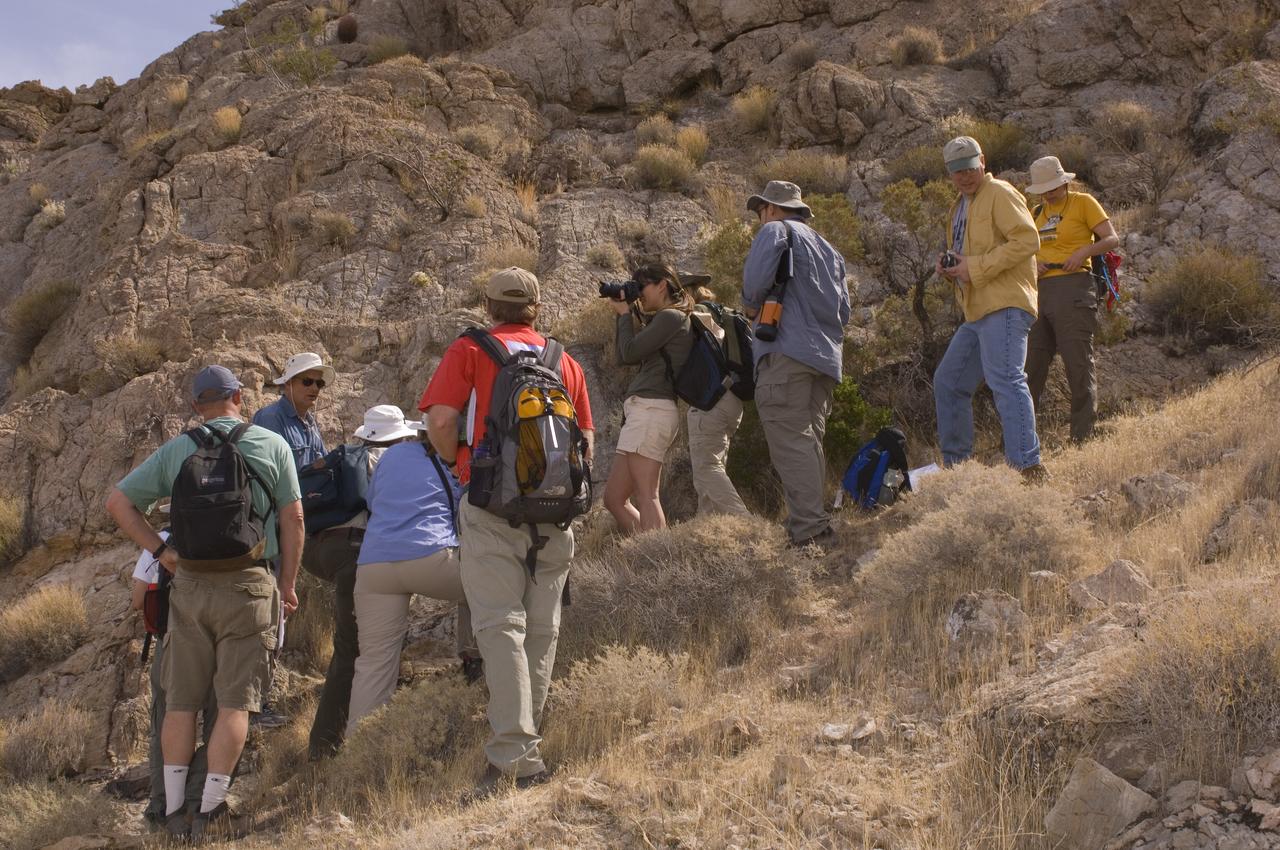
Spaceward Bound event in the Mojave Deser , CA (an outreach exercise) with Dr Chris McKay and Ames Education department personnel Brian Day, Barbara Bazar and a accompaning (learning for the the classroom) team of teachers will be studying side-by-side with NASA scientists who search for life in extreme environments, closely approximating what they expect to find on other planets. Why the Mojave -- an inhospitable, sun-drenched spot in the California Desert? This natural setting presents scientists with opportunities to study environments that are analogous to what explorers will find on the Moon and Mars. Teachers and scientists will perform scientific fieldwork in lunar geology, Mars astrobiology, Mars geology, and issues of temperature and solar inundation and radiation. for additional information and Outreach projects see http://quest.arc.nasa.gov/
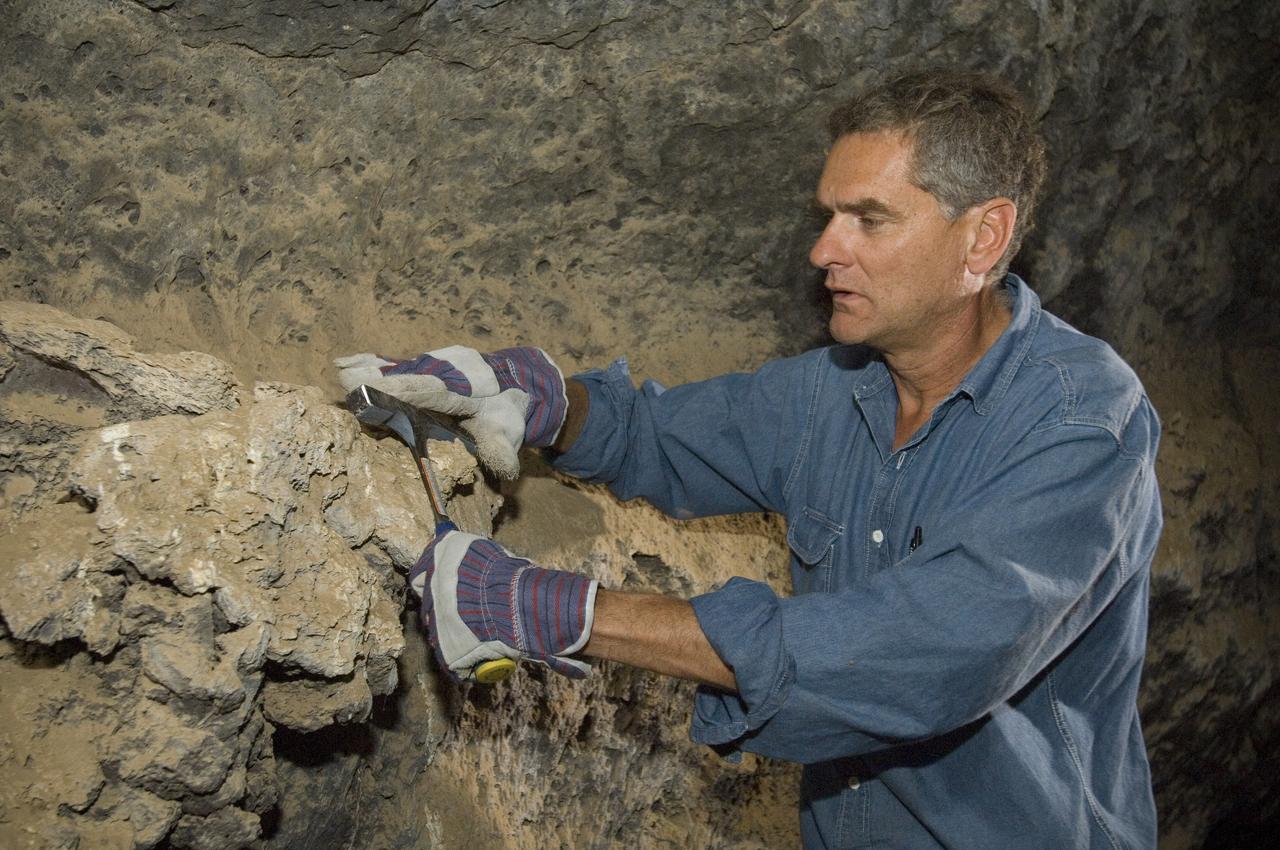
Spaceward Bound event in the Mojave Deser , CA (an outreach exercise) with Dr Chris McKay and Ames Education department personnel Brian Day, Barbara Bazar and a accompaning (learning for the the classroom) team of teachers will be studying side-by-side with NASA scientists who search for life in extreme environments, closely approximating what they expect to find on other planets. Why the Mojave -- an inhospitable, sun-drenched spot in the California Desert? This natural setting presents scientists with opportunities to study environments that are analogous to what explorers will find on the Moon and Mars. Teachers and scientists will perform scientific fieldwork in lunar geology, Mars astrobiology, Mars geology, and issues of temperature and solar inundation and radiation. for additional information and Outreach projects see http://quest.arc.nasa.gov/
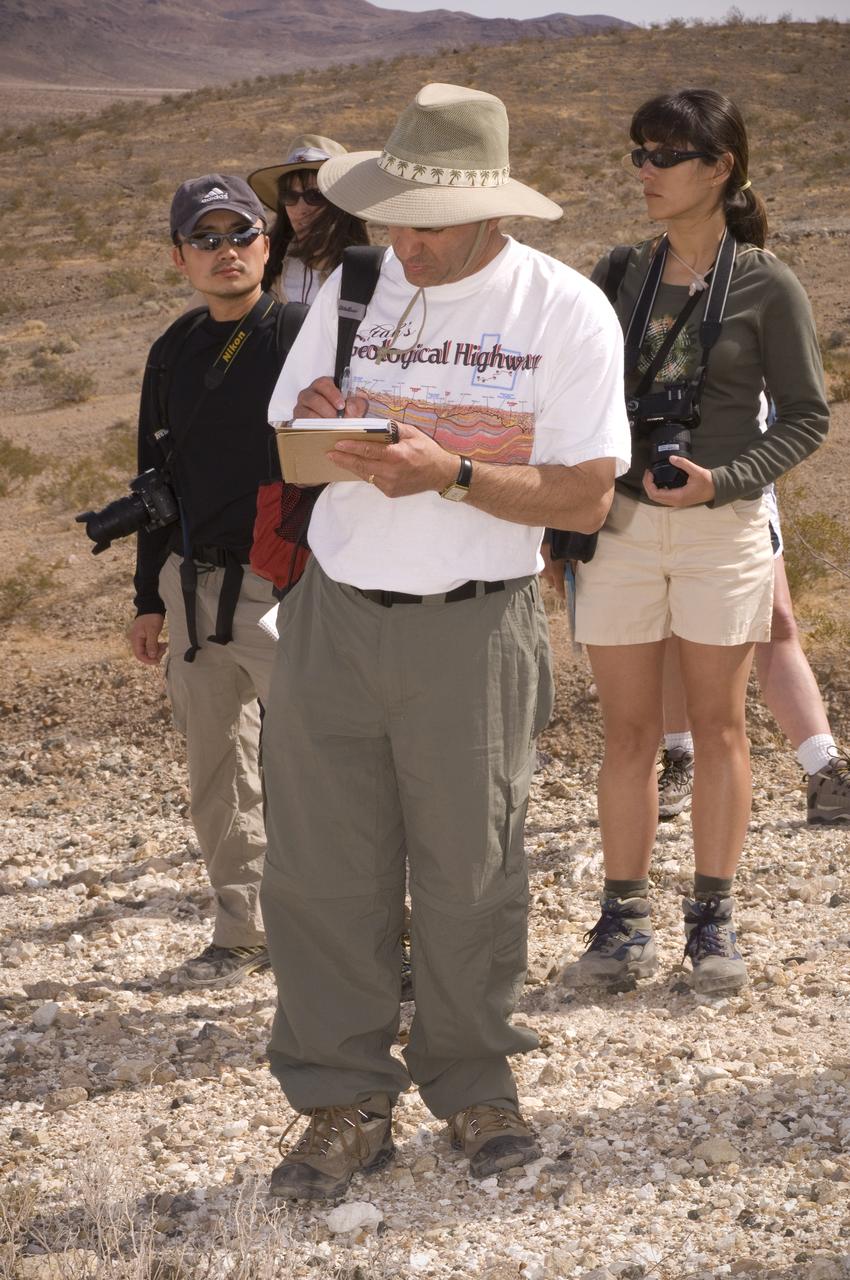
Spaceward Bound event in the Mojave Deser , CA (an outreach exercise) with Dr Chris McKay and Ames Education department personnel Brian Day, Barbara Bazar and a accompaning (learning for the the classroom) team of teachers will be studying side-by-side with NASA scientists who search for life in extreme environments, closely approximating what they expect to find on other planets. Why the Mojave -- an inhospitable, sun-drenched spot in the California Desert? This natural setting presents scientists with opportunities to study environments that are analogous to what explorers will find on the Moon and Mars. Teachers and scientists will perform scientific fieldwork in lunar geology, Mars astrobiology, Mars geology, and issues of temperature and solar inundation and radiation. for additional information and Outreach projects see http://quest.arc.nasa.gov/
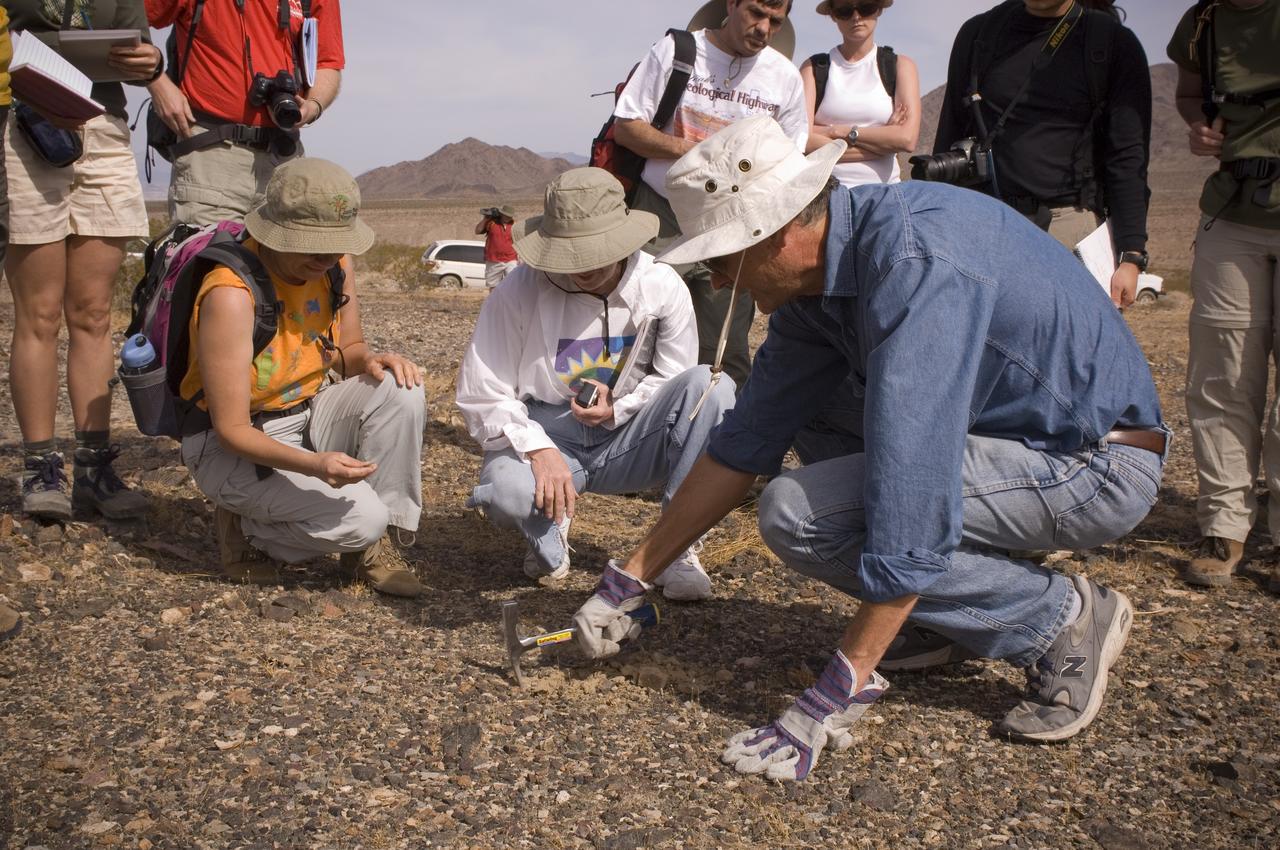
Spaceward Bound event in the Mojave Deser , CA (an outreach exercise) with Dr Chris McKay and Ames Education department personnel Brian Day, Barbara Bazar and a accompaning (learning for the the classroom) team of teachers will be studying side-by-side with NASA scientists who search for life in extreme environments, closely approximating what they expect to find on other planets. Why the Mojave -- an inhospitable, sun-drenched spot in the California Desert? This natural setting presents scientists with opportunities to study environments that are analogous to what explorers will find on the Moon and Mars. Teachers and scientists will perform scientific fieldwork in lunar geology, Mars astrobiology, Mars geology, and issues of temperature and solar inundation and radiation. for additional information and Outreach projects see http://quest.arc.nasa.gov/
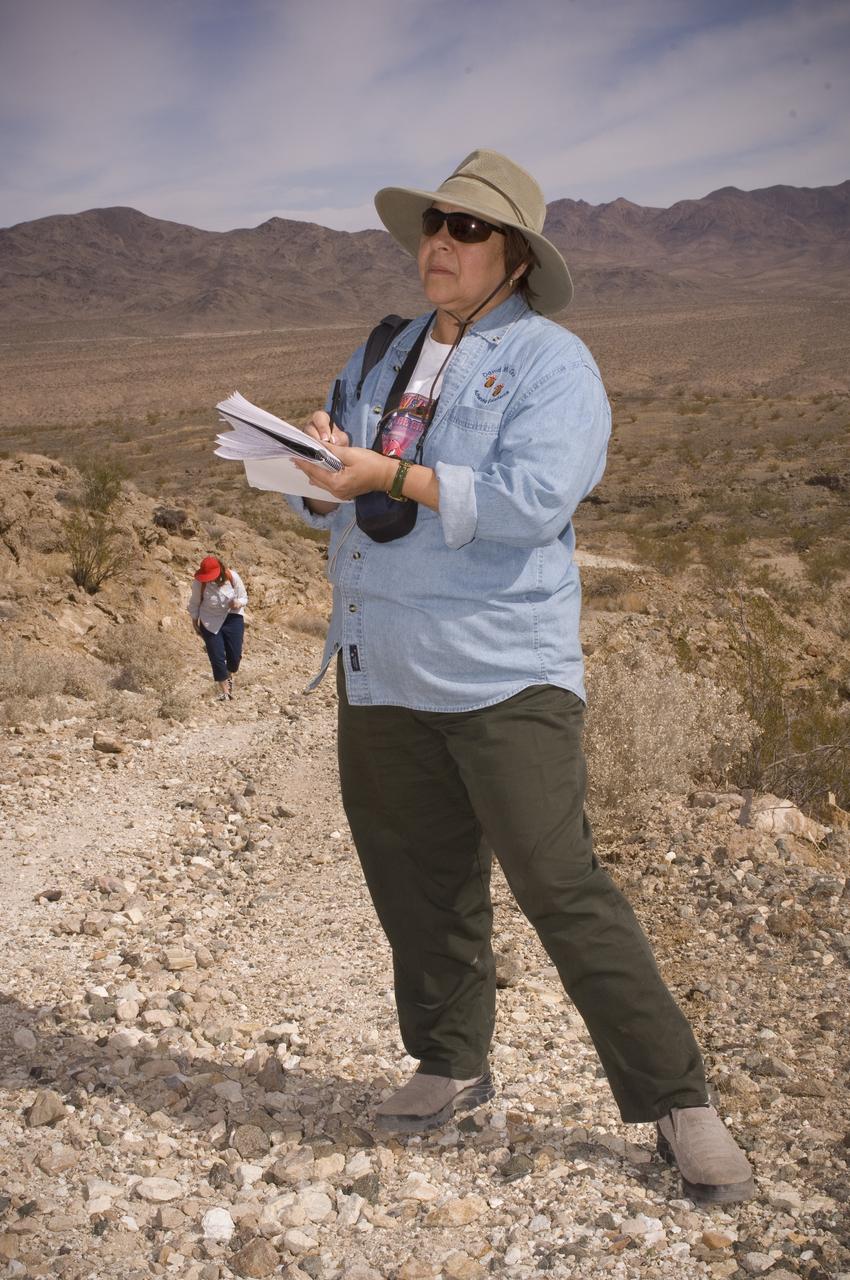
Spaceward Bound event in the Mojave Deser , CA (an outreach exercise) with Dr Chris McKay and Ames Education department personnel Brian Day, Barbara Bazar and a accompaning (learning for the the classroom) team of teachers will be studying side-by-side with NASA scientists who search for life in extreme environments, closely approximating what they expect to find on other planets. Why the Mojave -- an inhospitable, sun-drenched spot in the California Desert? This natural setting presents scientists with opportunities to study environments that are analogous to what explorers will find on the Moon and Mars. Teachers and scientists will perform scientific fieldwork in lunar geology, Mars astrobiology, Mars geology, and issues of temperature and solar inundation and radiation. for additional information and Outreach projects see http://quest.arc.nasa.gov/
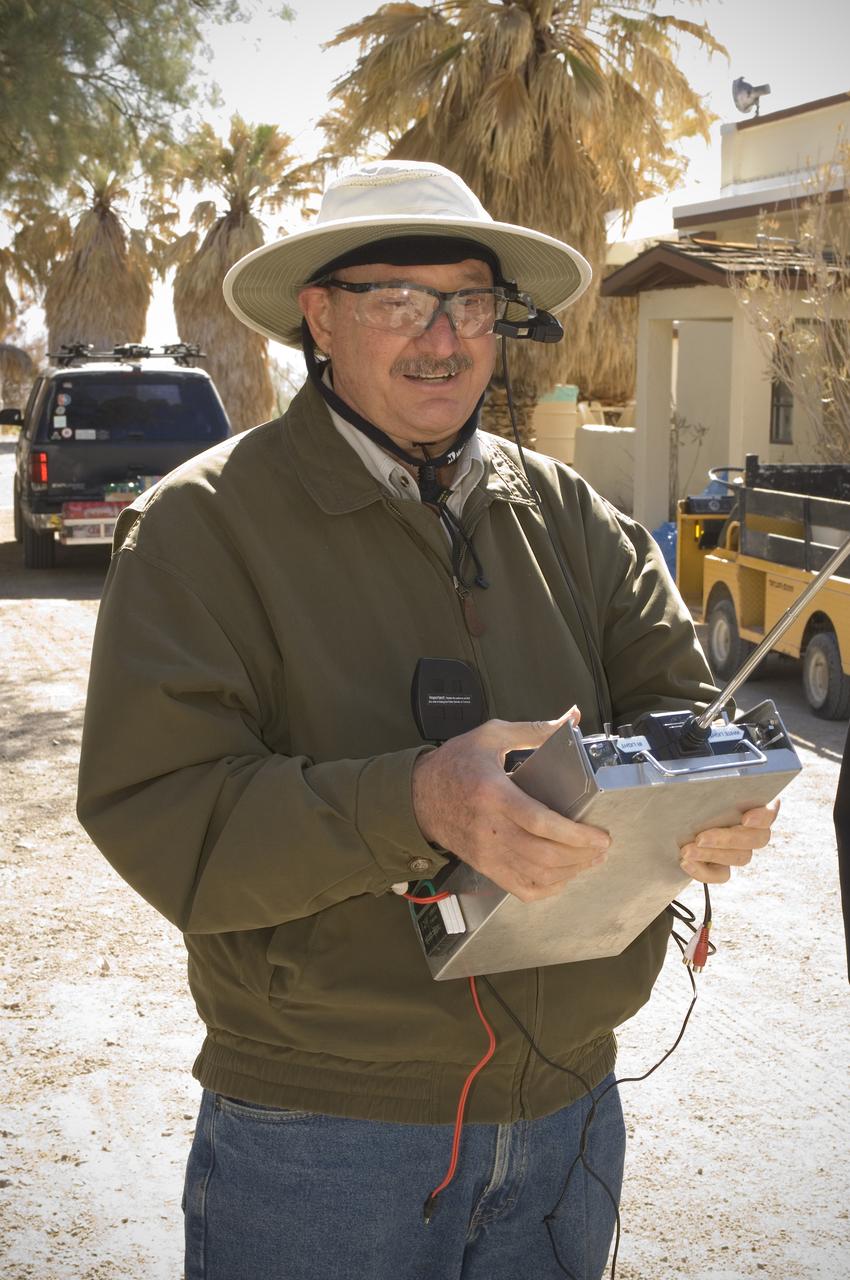
Spaceward Bound event in the Mojave Deser , CA (an outreach exercise) with Dr Chris McKay and Ames Education department personnel Brian Day, Barbara Bazar and a accompaning (learning for the the classroom) team of teachers will be studying side-by-side with NASA scientists who search for life in extreme environments, closely approximating what they expect to find on other planets. Why the Mojave -- an inhospitable, sun-drenched spot in the California Desert? This natural setting presents scientists with opportunities to study environments that are analogous to what explorers will find on the Moon and Mars. Teachers and scientists will perform scientific fieldwork in lunar geology, Mars astrobiology, Mars geology, and issues of temperature and solar inundation and radiation. for additional information and Outreach projects see http://quest.arc.nasa.gov/
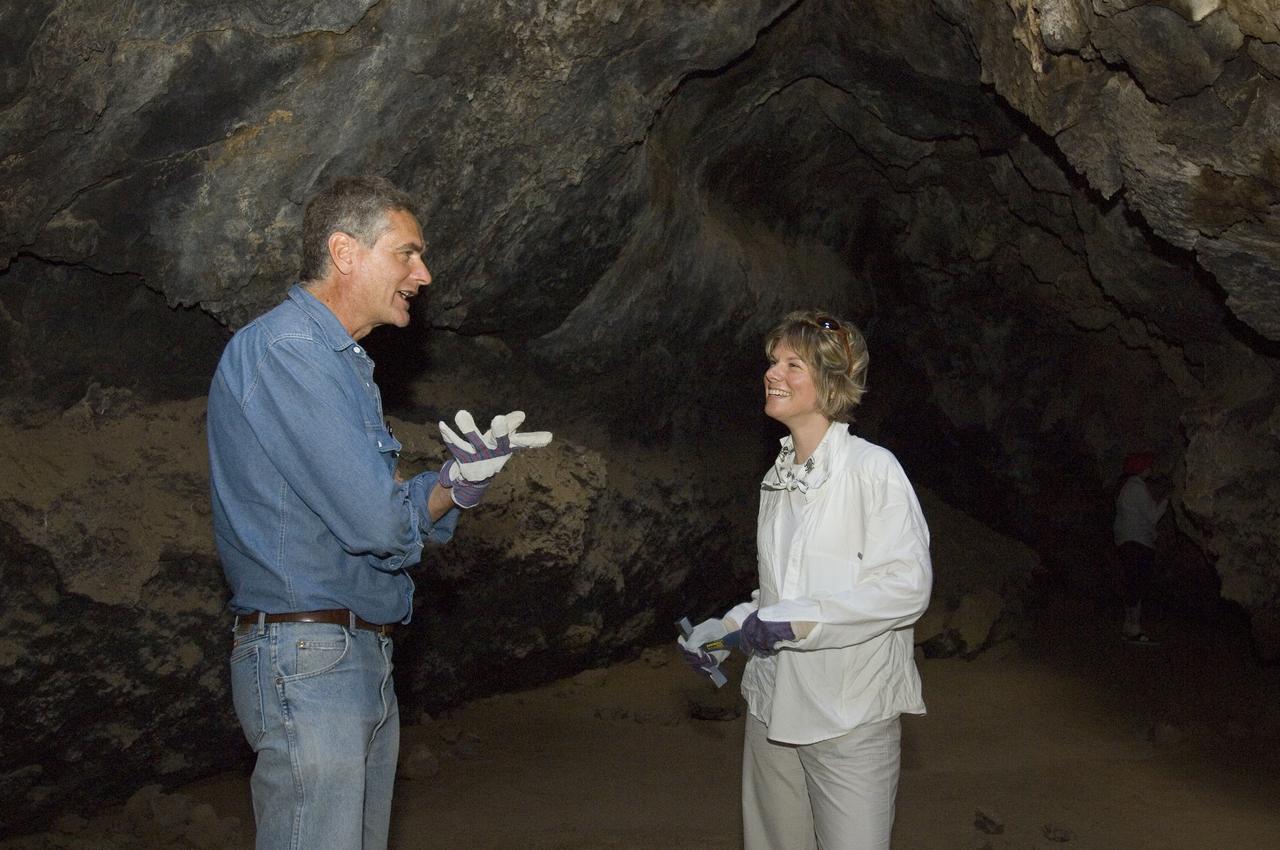
Spaceward Bound event in the Mojave Deser , CA (an outreach exercise) with Dr Chris McKay and Ames Education department personnel Brian Day, Barbara Bazar and a accompaning (learning for the the classroom) team of teachers will be studying side-by-side with NASA scientists who search for life in extreme environments, closely approximating what they expect to find on other planets. Why the Mojave -- an inhospitable, sun-drenched spot in the California Desert? This natural setting presents scientists with opportunities to study environments that are analogous to what explorers will find on the Moon and Mars. Teachers and scientists will perform scientific fieldwork in lunar geology, Mars astrobiology, Mars geology, and issues of temperature and solar inundation and radiation. for additional information and Outreach projects see http://quest.arc.nasa.gov/ shown here are Dr Chris McKay and Monika Kress, Professor of Astronomy at San Jose State University