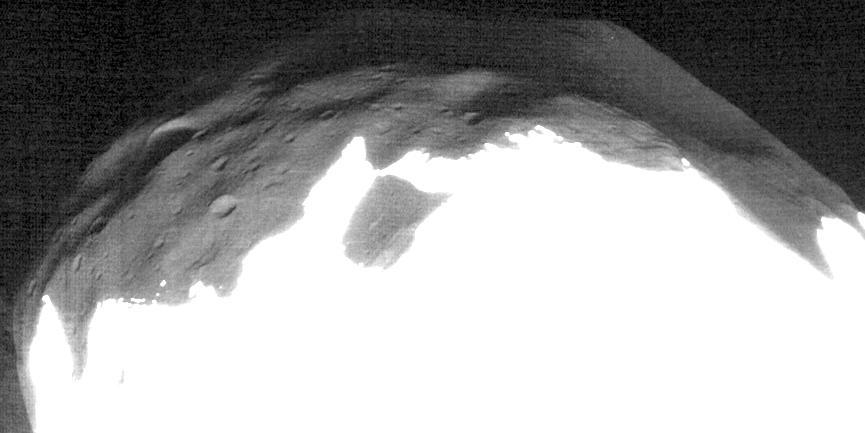
Marsshine on Shadowed Part of Phobos
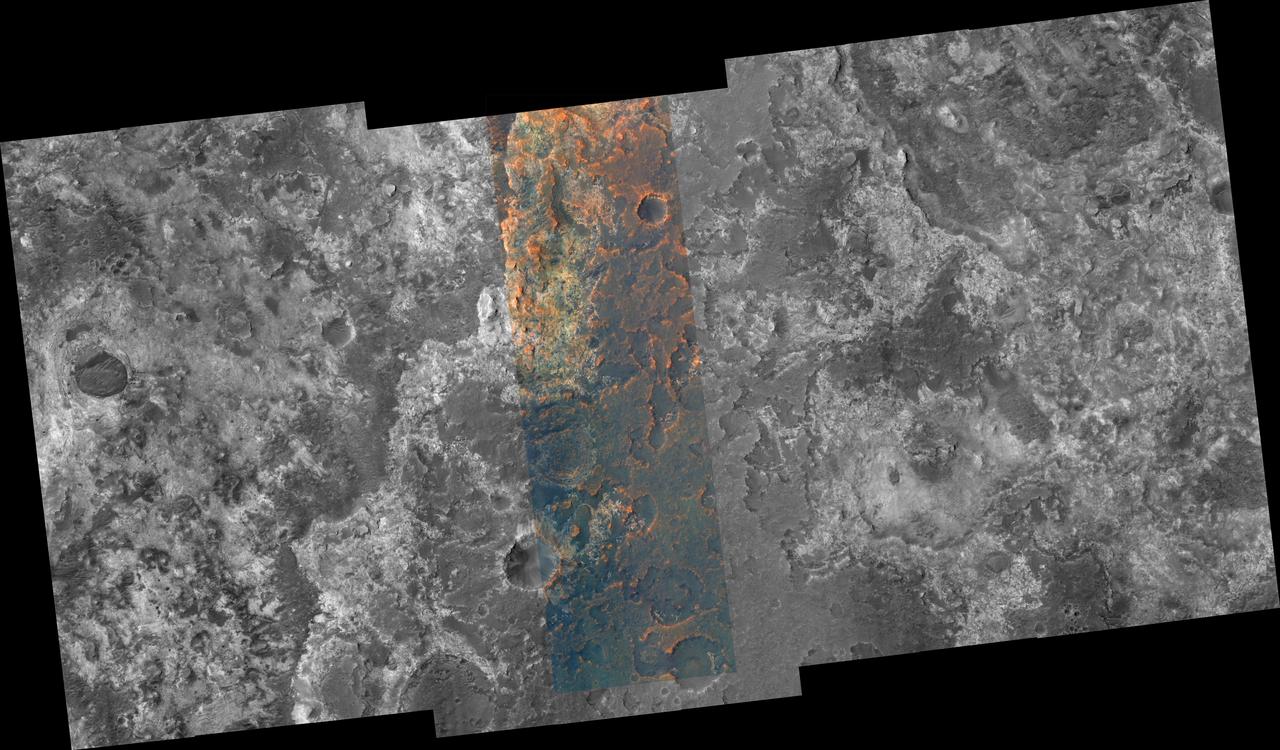
Part of Mawrth Vallis
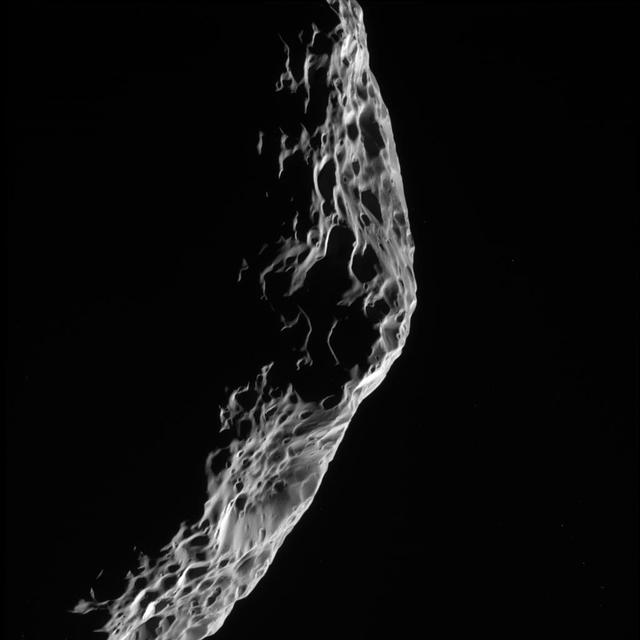
Hyperion: Parting Glance
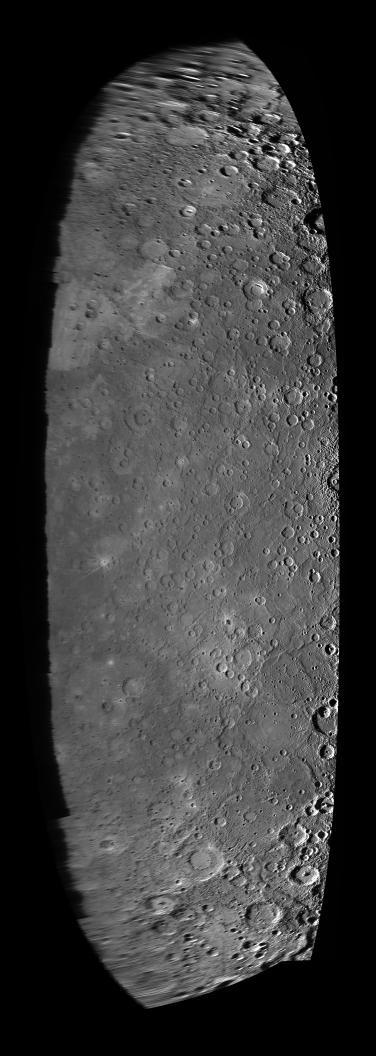
Making a Mosaic - Part II http://photojournal.jpl.nasa.gov/catalog/PIA10605
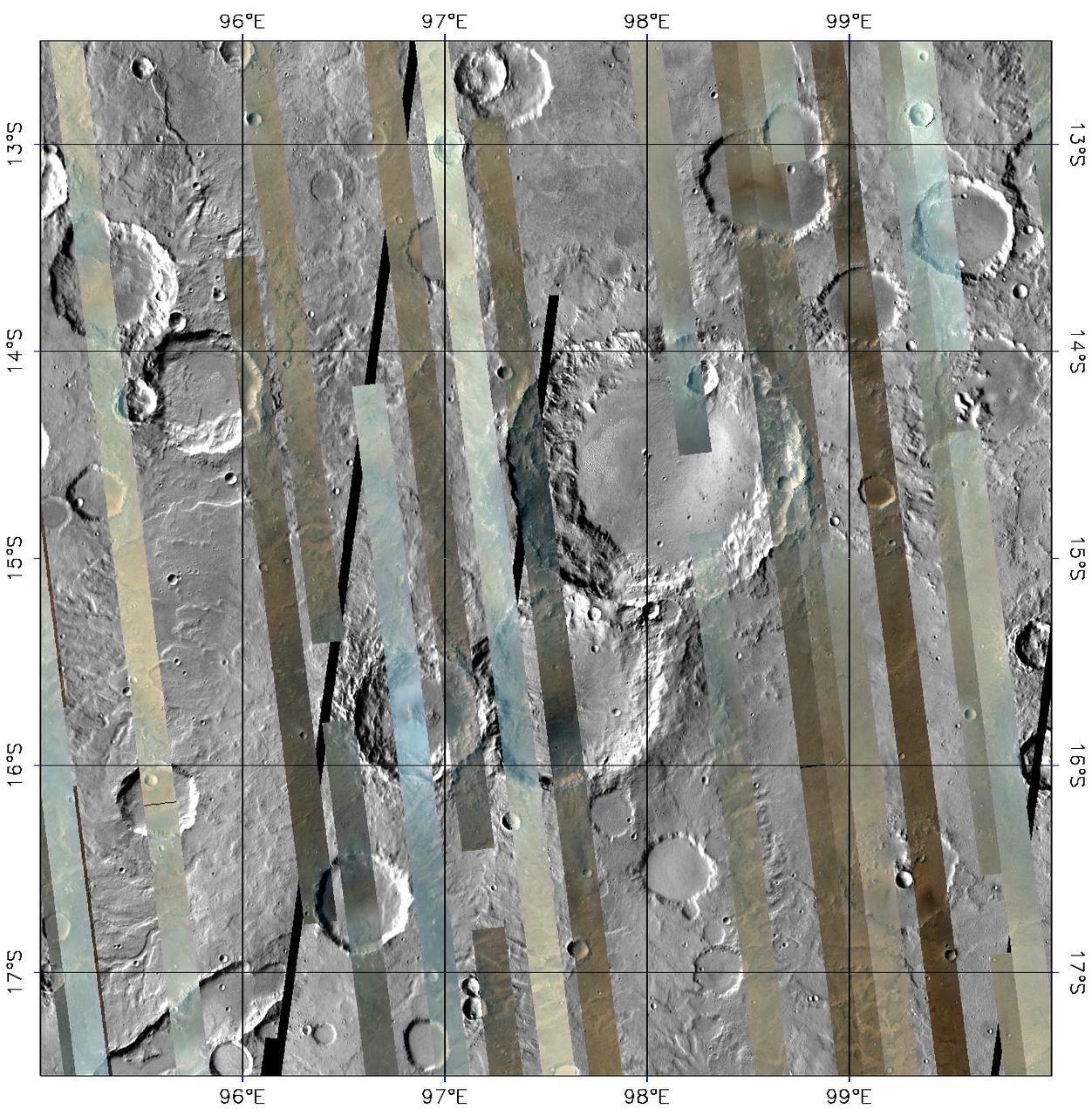
CRISM Global Mapping of Mars, Part 1
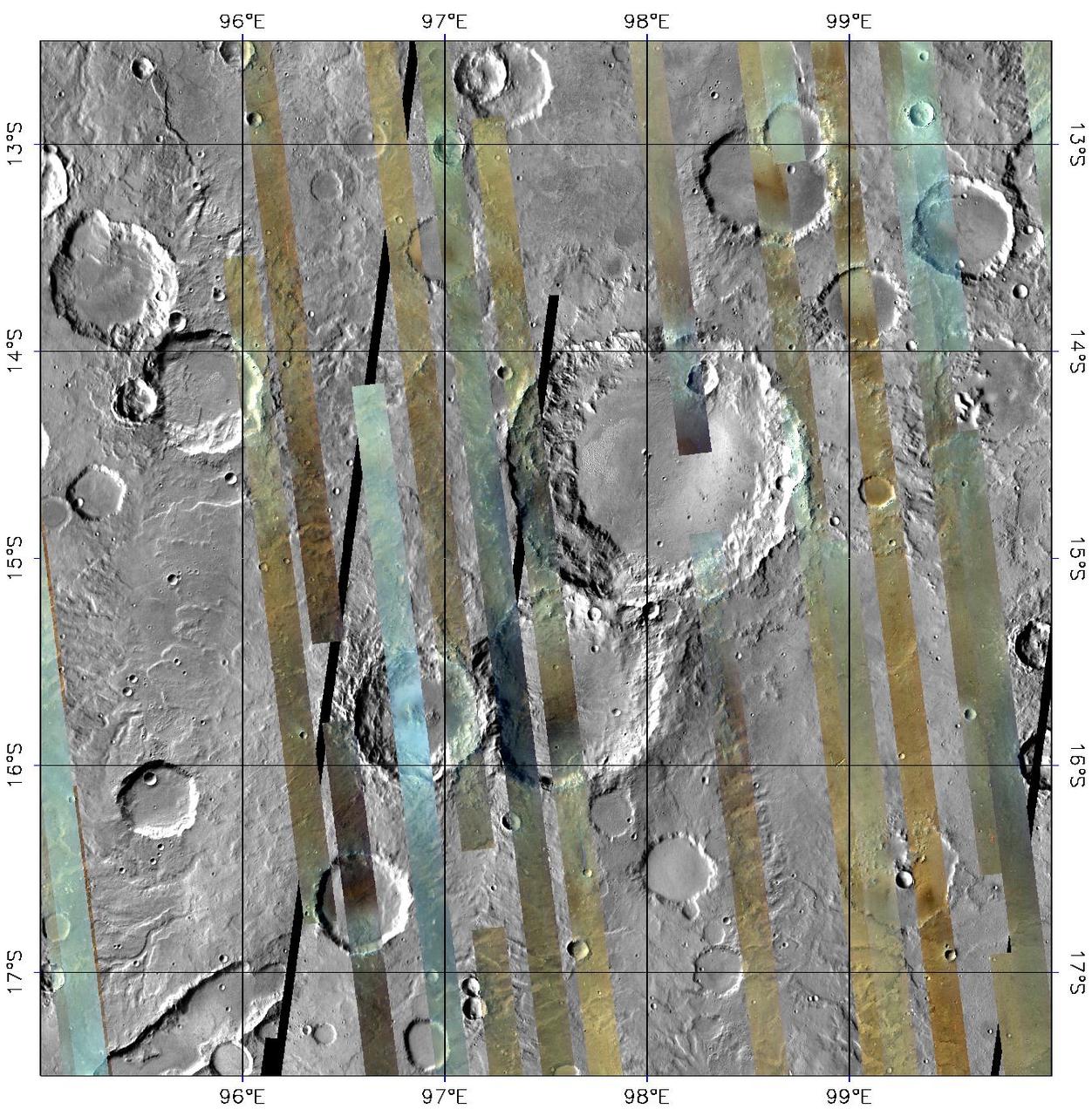
CRISM Global Mapping of Mars, Part 2
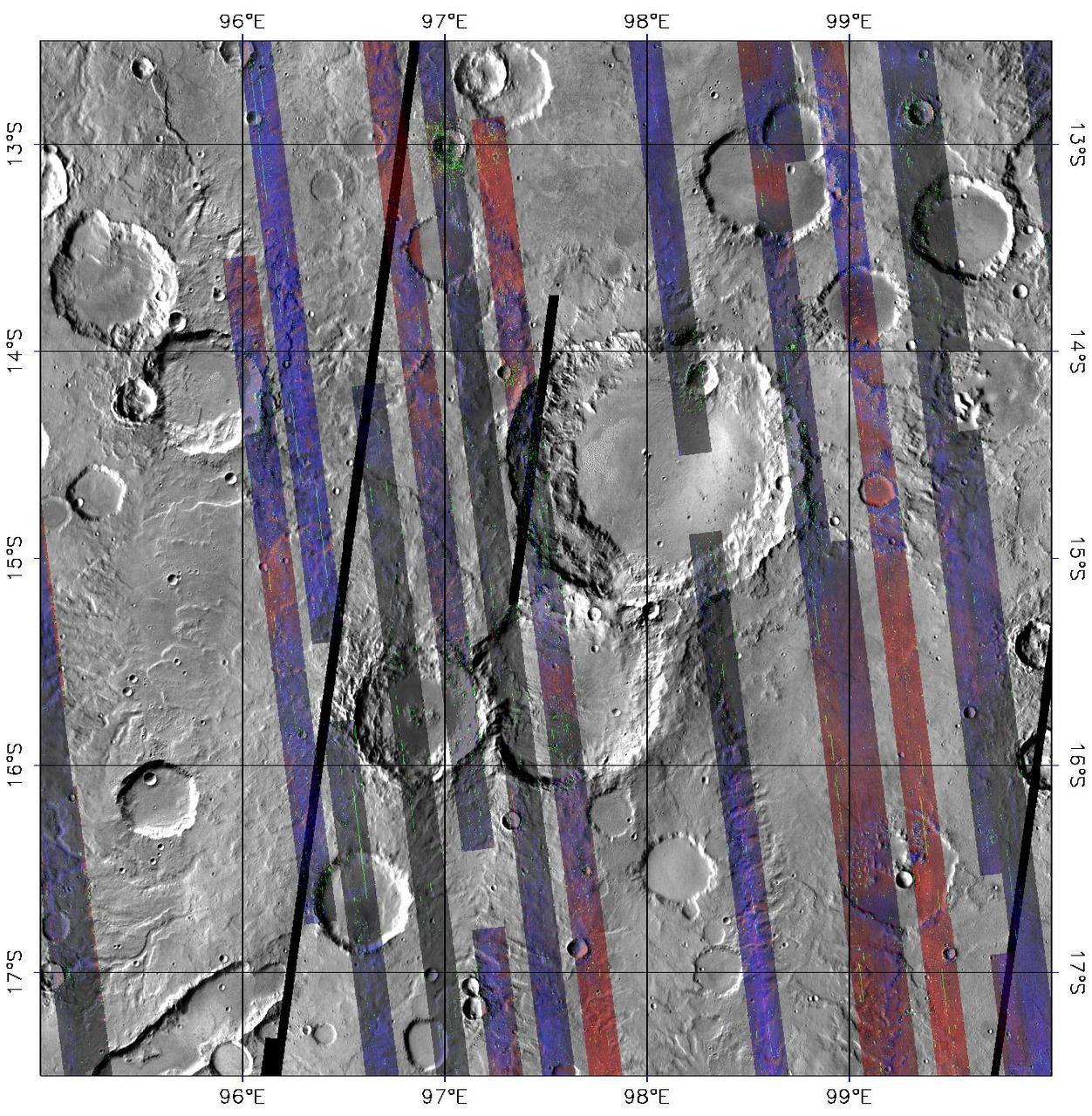
CRISM Global Mapping of Mars, Part 3

NASA Voyager 2 obtained this parting shot of Triton, Neptune largest satellite, shortly after closest approach to the moon and passage through its shadow on the morning of Aug. 25, 1989.
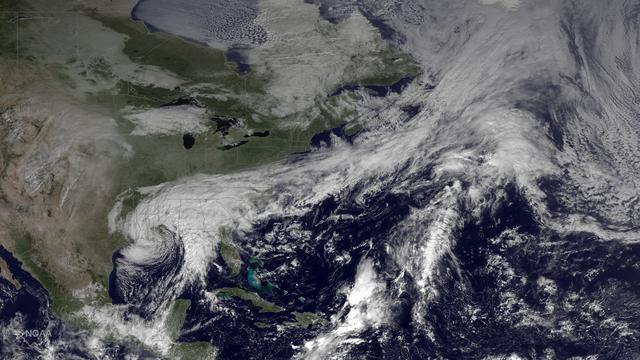
The system that brought heavy rainfall and flash flooding to parts of the southern Plains and western Gulf Coast over the past several days continues to push eastward, with the greatest potential for heavy rain and flash flooding on Monday across parts of the lower Mississippi Valley and Southeast. This image was taken by GOES East at 1515Z on October 26, 2015. <b><a href="http://goes.gsfc.nasa.gov/" rel="nofollow">Credit: NOAA/NASA GOES Project</a></b> Credit: NASA/NOAA via <b><a href="www.nnvl.noaa.gov/" rel="nofollow"> NOAA Environmental Visualization Laboratory</a></b> <b><a href="http://www.nasa.gov/audience/formedia/features/MP_Photo_Guidelines.html" rel="nofollow">NASA image use policy.</a></b> <b><a href="http://www.nasa.gov/centers/goddard/home/index.html" rel="nofollow">NASA Goddard Space Flight Center</a></b> enables NASA’s mission through four scientific endeavors: Earth Science, Heliophysics, Solar System Exploration, and Astrophysics. Goddard plays a leading role in NASA’s accomplishments by contributing compelling scientific knowledge to advance the Agency’s mission. <b>Follow us on <a href="http://twitter.com/NASAGoddardPix" rel="nofollow">Twitter</a></b> <b>Like us on <a href="http://www.facebook.com/pages/Greenbelt-MD/NASA-Goddard/395013845897?ref=tsd" rel="nofollow">Facebook</a></b> <b>Find us on <a href="http://instagrid.me/nasagoddard/?vm=grid" rel="nofollow">Instagram</a></b>
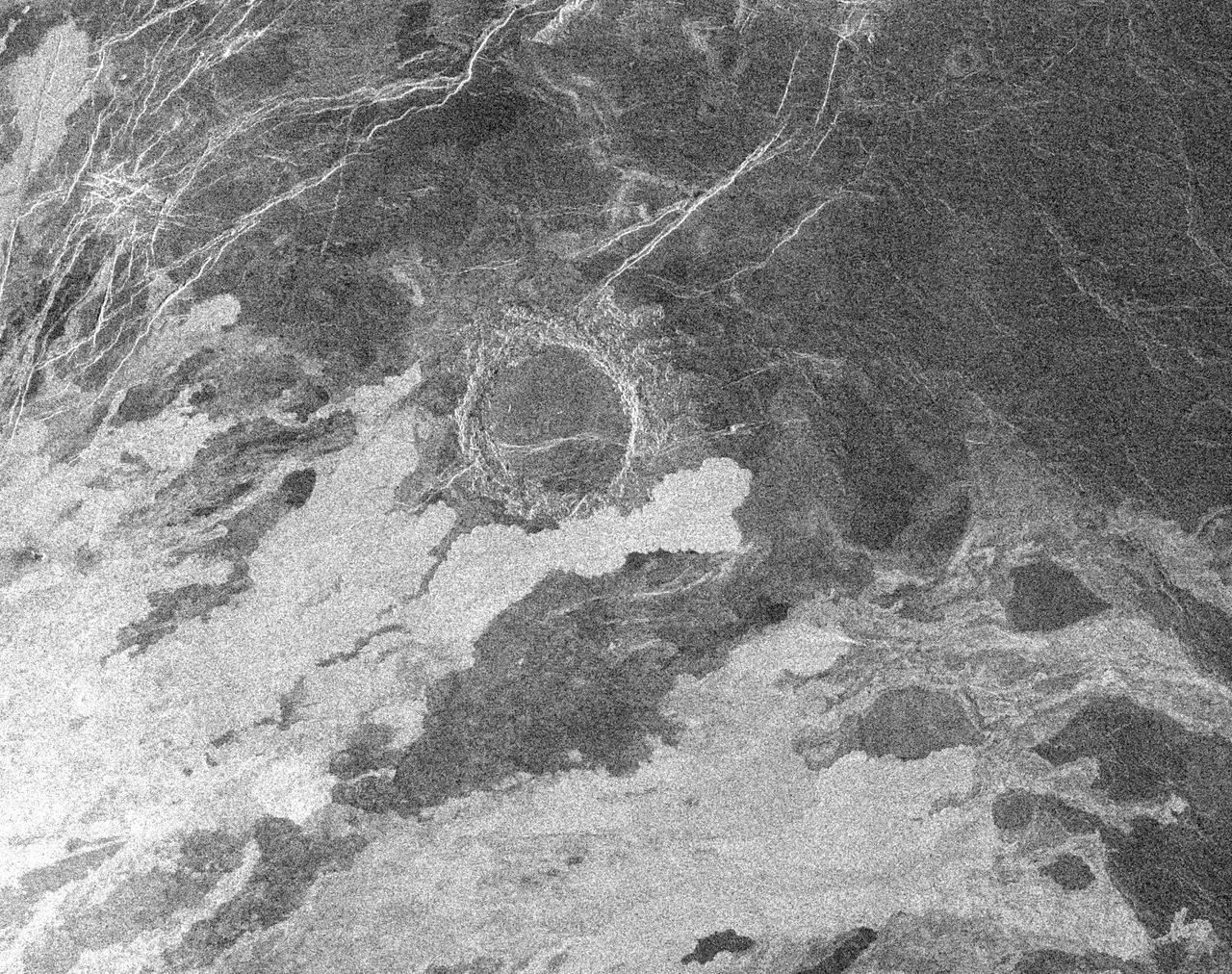
This image from NASA's Magellan spacecraft covers part of the eastern flank of the volcano Sapas Mons on the western edge of Atla Regio. http://photojournal.jpl.nasa.gov/catalog/PIA00099
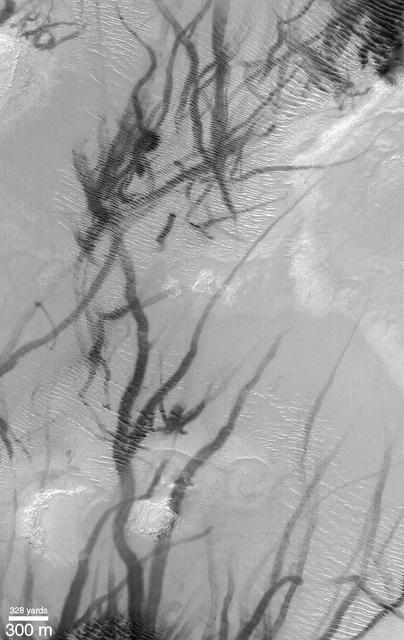
Dust Devils Seen Streaking Across Mars: PART 1--What Are These?
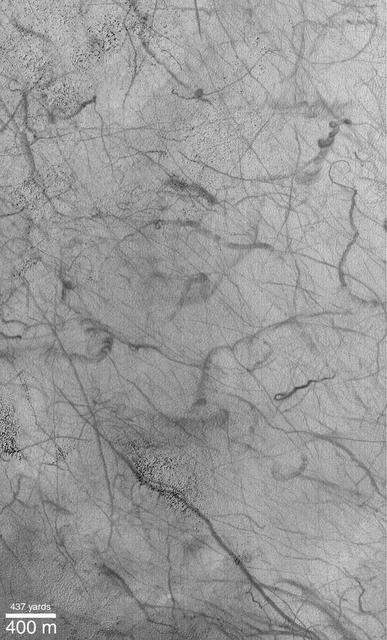
Dust Devils Seen Streaking Across Mars: PART 1--What Are These?
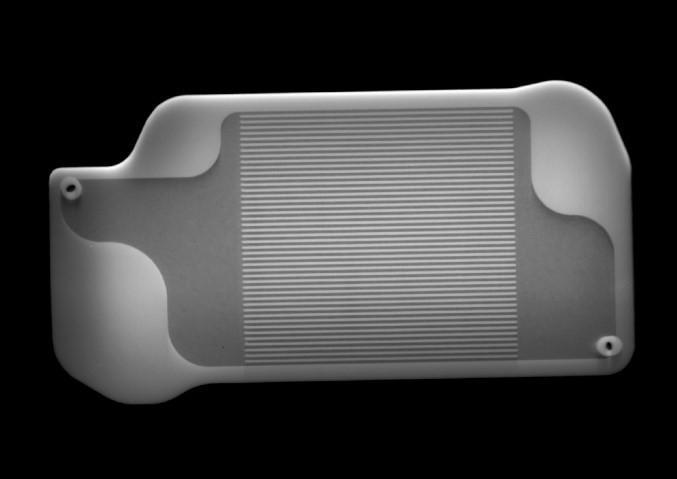
This X-ray image shows the interior of a palm-size 3D-printed heat exchanger inside Perseverance's Mars Oxygen In-situ Resource Utilization Experiment (MOXIE) instrument. Martian air will be carried into the tiny channels visible in the center of this part, where they'll be preheated. MOXIE will convert Martian air, which is mostly composed of carbon dioxide, into oxygen, which will be needed in industrial quantities as rocket propellant for launching astronauts back to Earth. X-ray images like these are used to check for defects inside of parts; in this case, engineers checked to make sure the channels were free of the powder that the 3D printer melts in successive layers in order to produce the part. https://photojournal.jpl.nasa.gov/catalog/PIA24100
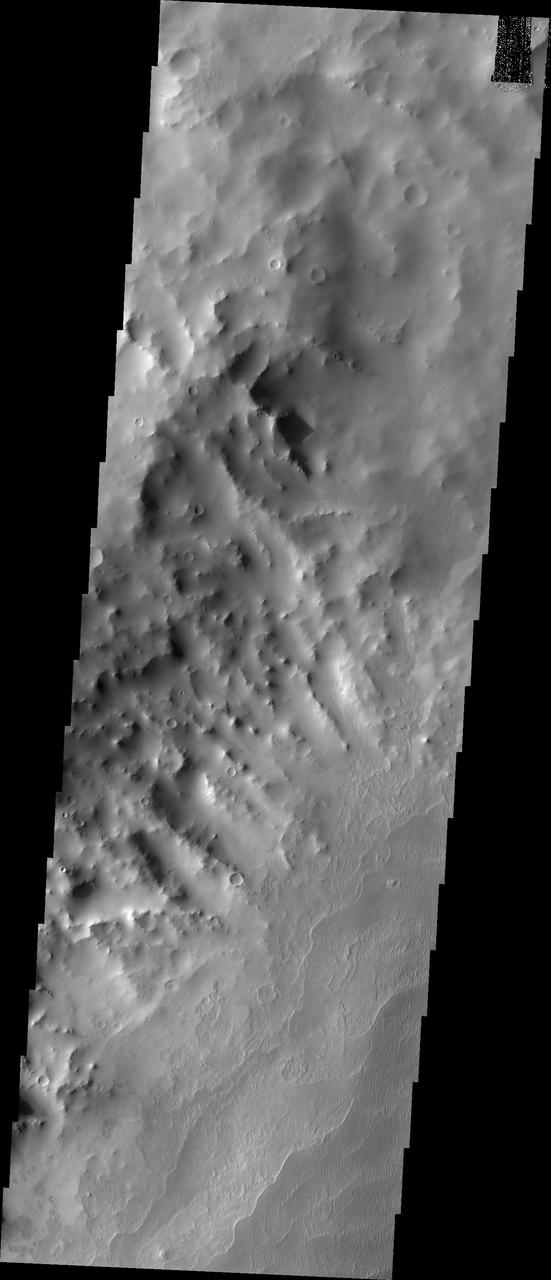
All this week, the THEMIS Image of the Day is following on the real Mars the path taken by fictional astronaut Mark Watney, stranded on the Red Planet in the book and movie, The Martian. Today's image shows part of the northwest rim of Schiaparelli Crater. Schiaparelli is a large, ancient impact scar, some 480 kilometers (280 miles) wide. It has been much modified by billions of years of erosion and deposition by wind and probably water. For astronaut Mark Watney, the descent from the rim onto the crater floor looks smooth and gradual. But it almost wrecks his rover vehicle when he drives into soft sediments. His goal? An automated rescue rocket, intended for the next Mars expedition, which stands about 250 kilometers (150 miles) away on the southern part of Schiaparelli's floor. Orbit Number: 10910 Latitude: -0.882761 Longitude: 13.4529 Instrument: VIS Captured: 2004-05-30 15:45 http://photojournal.jpl.nasa.gov/catalog/PIA19799

All this week, the THEMIS Image of the Day is following on the real Mars the path taken by fictional astronaut Mark Watney, stranded on the Red Planet in the book and movie, The Martian. Today's image shows a part of the flat terrain of northern Meridiani Planum. This area lies about 300 kilometers (190 miles) north of where Mars rover Opportunity is currently exploring the rim rocks of Endeavour Crater. Meridiani is a large expanse of sedimentary rock, mostly flat-lying basalt sandstone with hematite nodules ("blueberries") embedded in it. Farther south from this scene, Opportunity has examined several craters like these that expose deeper rock layers. They show that the Meridiani sandstone is made of dune sands that were soaked in sulfur-rich water. Flat terrain may make for dull scenery, but the driving is easy. This area is where astronaut Mark Watney turns his vehicle east toward Schiaparelli Crater. Before arriving here, he was driving south to get out from under a dust storm that threatened to shut off power to the vehicle's solar cells. At this point he has journeyed about 2,300 kilometers (1,400 miles) from Acidalia. Orbit Number: 6304 Latitude: 2.51711 Longitude: 355.154 Instrument: VIS Captured: 2003-05-17 13:18 http://photojournal.jpl.nasa.gov/catalog/PIA19798
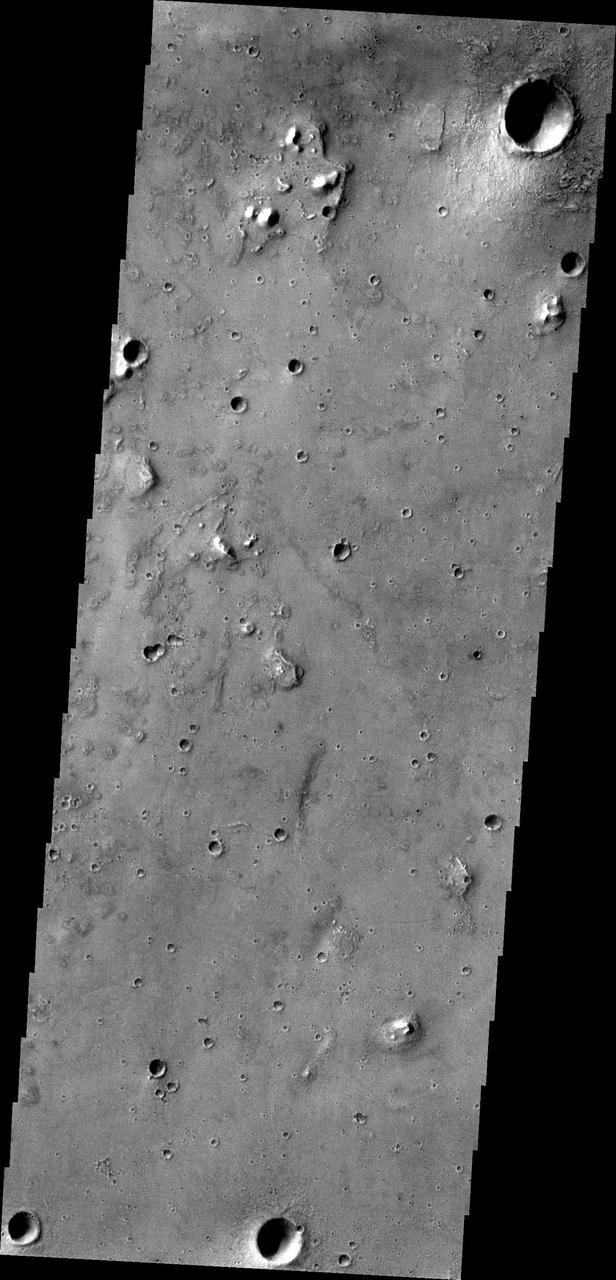
All this week, the THEMIS Image of the Day is following on the real Mars the path taken by fictional astronaut Mark Watney, stranded on the Red Planet in the book and movie, The Martian. Today's image shows a small portion of Acidalia Planitia, a largely flat plain that is part of Mars' vast northern lowlands. Scientists are debating the likelihood that the northern plains once contained a large ocean or other bodies of water, probably ice-covered. In the story, Acidalia Planitia is the landing site for a human expedition to Mars. After a dust storm damages the crew habitat and apparently kills Watney, the remaining crew abandon the expedition and leave for Earth. Watney however is still alive, and to save himself he must journey nearly 4,000 kilometers (2,500 miles) east to Schiaparelli Crater, where a rescue rocket awaits. Orbit Number: 27733 Latitude: 31.218 Longitude: 332.195 Instrument: VIS Captured: 2008-03-15 20:24 http://photojournal.jpl.nasa.gov/catalog/PIA19796
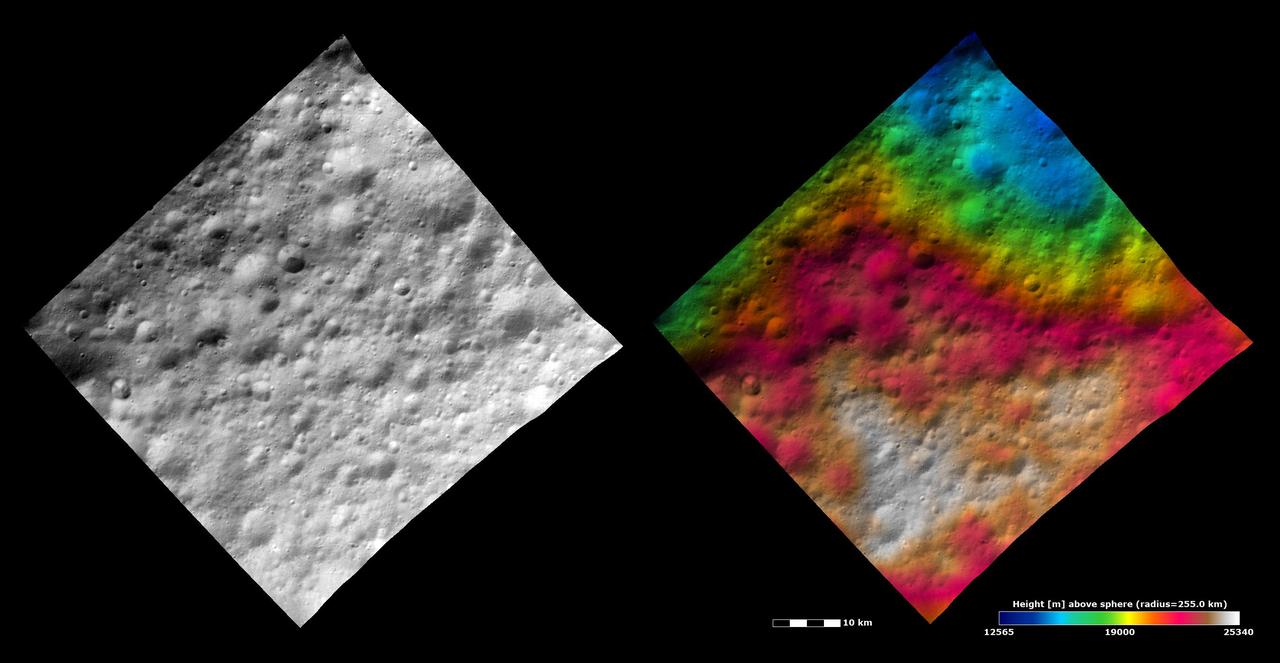
These images from NASA Dawn spacecraft show part of Lucaria Tholus quadrangle in asteroid Vesta northern hemisphere. Lucaria Tholus quadrangle is in Vesta heavily cratered northern hemisphere.
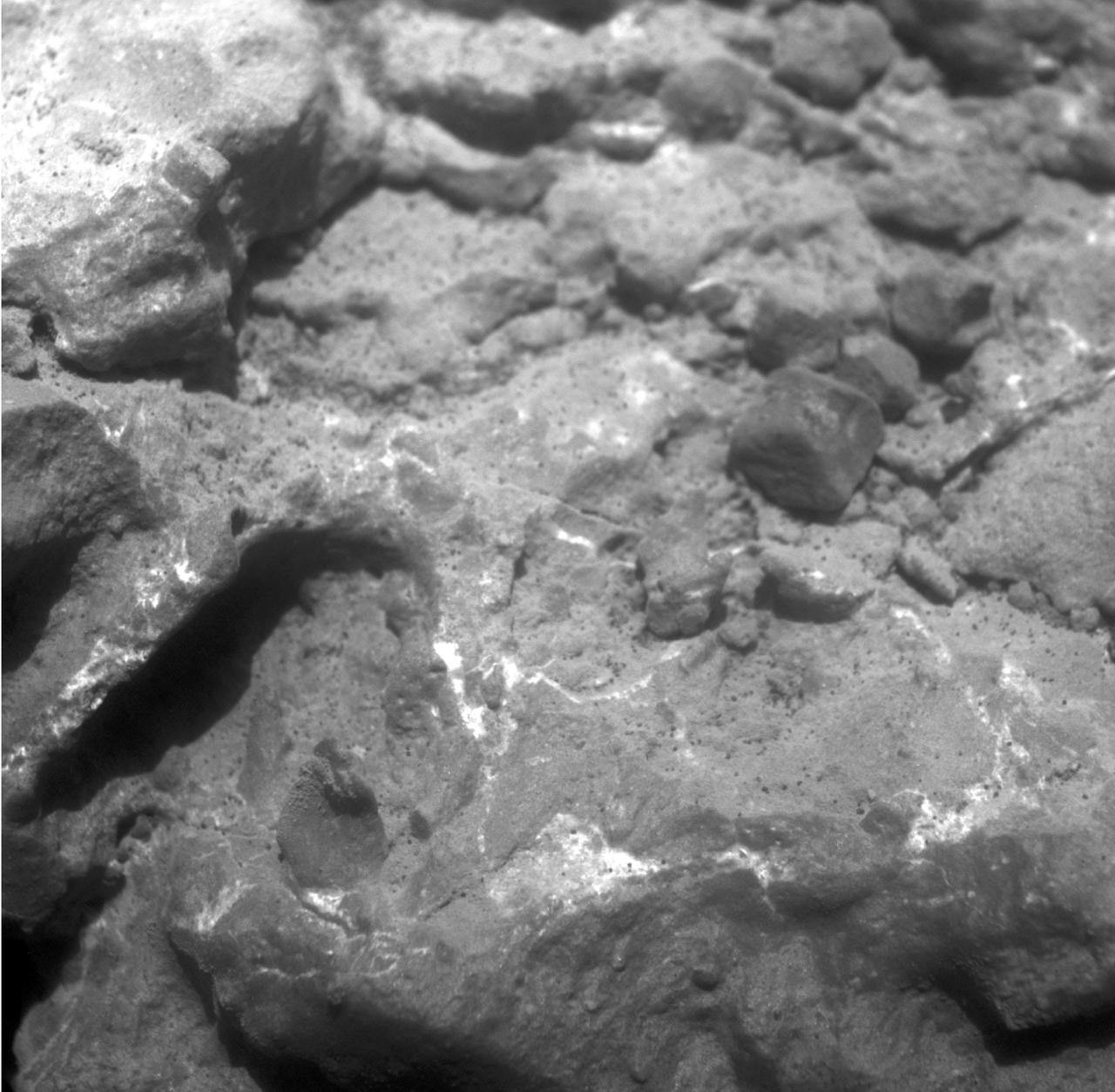
NASA Mars Exploration Rover Opportunity used its microscopic imager to record this close-up view of texture on part of a rock informally named Tisdale
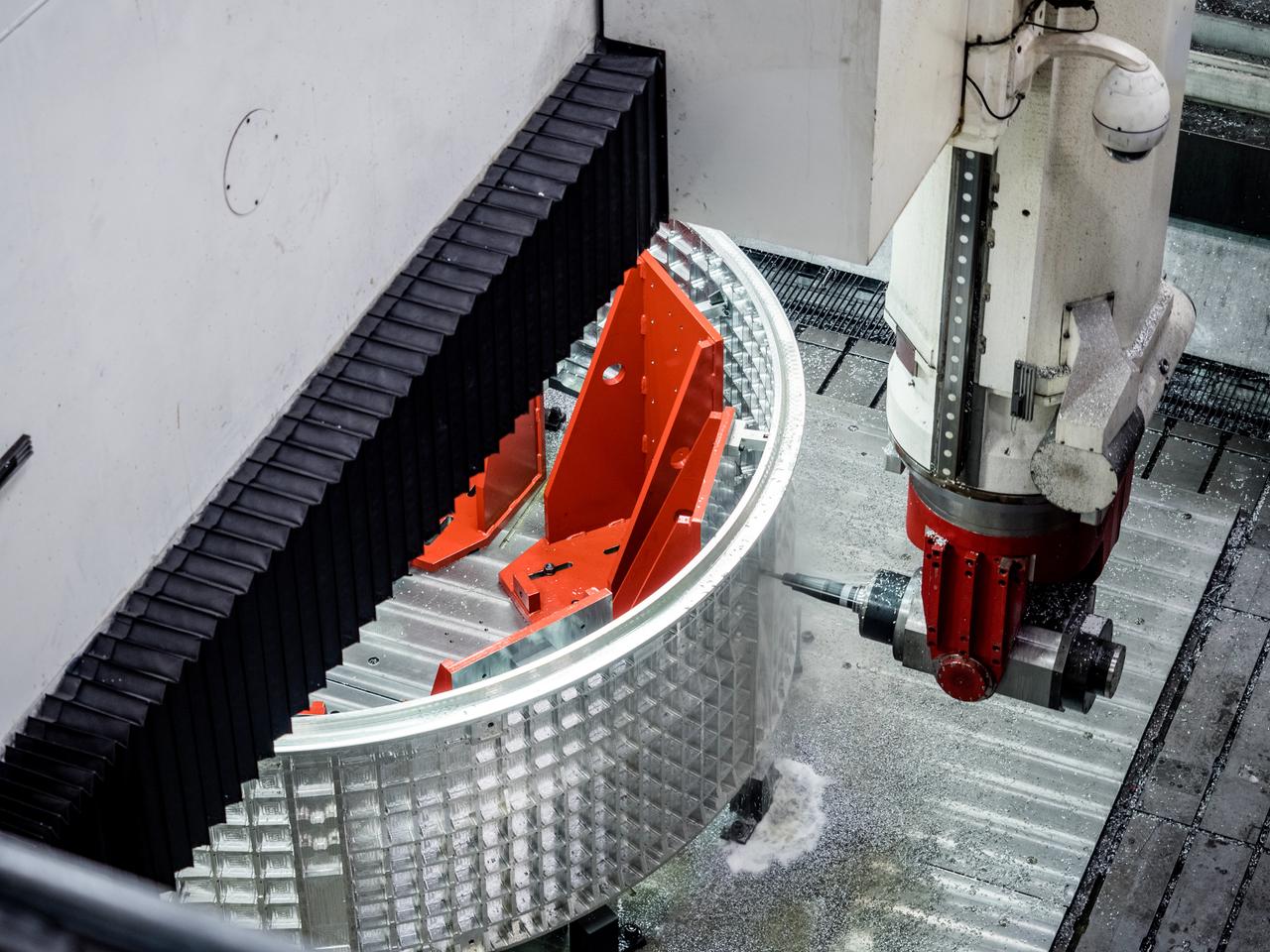
In Rockford, Illinois, Ingersoll Machine Tools builds parts for the Artemis II Orion crew module, shown here on April 13, 2017, which will carry humans beyond Earth orbit.
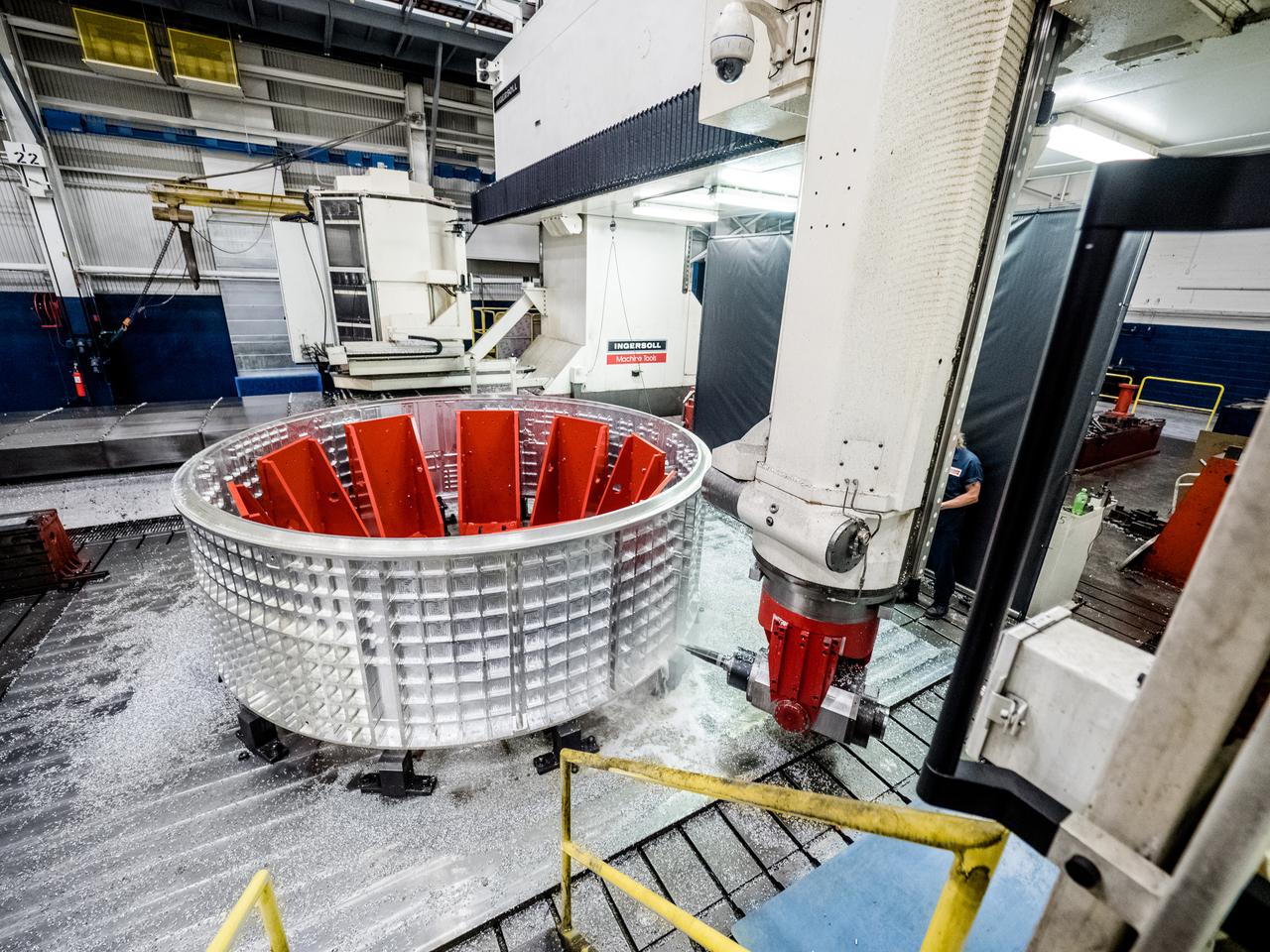
In Rockford, Illinois, Ingersoll Machine Tools builds parts for the Artemis II Orion crew module, shown here on April 13, 2017, which will carry humans beyond Earth orbit.
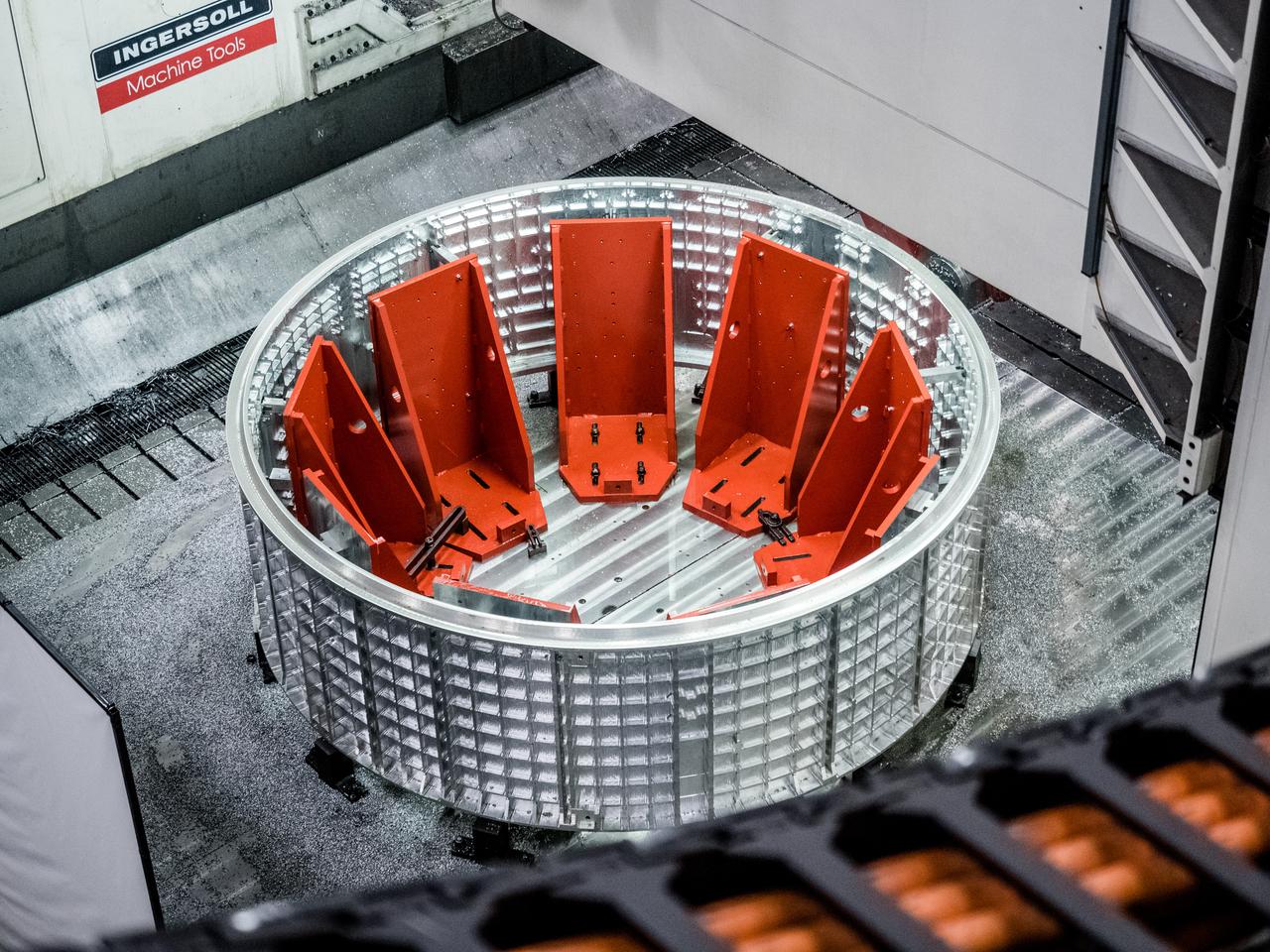
In Rockford, Illinois, Ingersoll Machine Tools builds parts for the Artemis II Orion crew module, shown here on April 13, 2017, which will carry humans beyond Earth orbit.
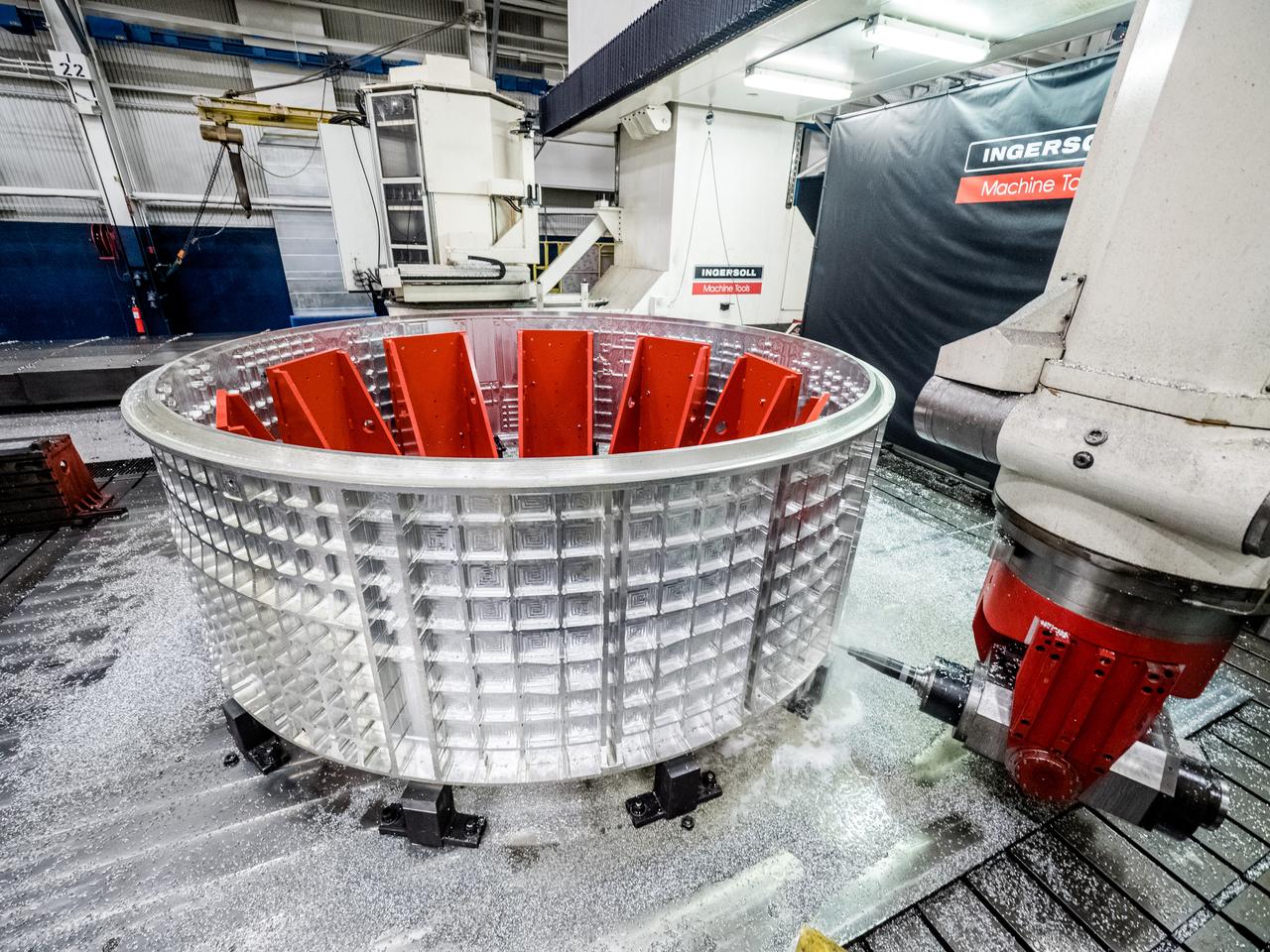
In Rockford, Illinois, Ingersoll Machine Tools builds parts for the Artemis II Orion crew module, shown here on April 13, 2017, which will carry humans beyond Earth orbit.

In Rockford, Illinois, Ingersoll Machine Tools builds parts for the Artemis II Orion crew module, shown here on April 13, 2017, which will carry humans beyond Earth orbit.
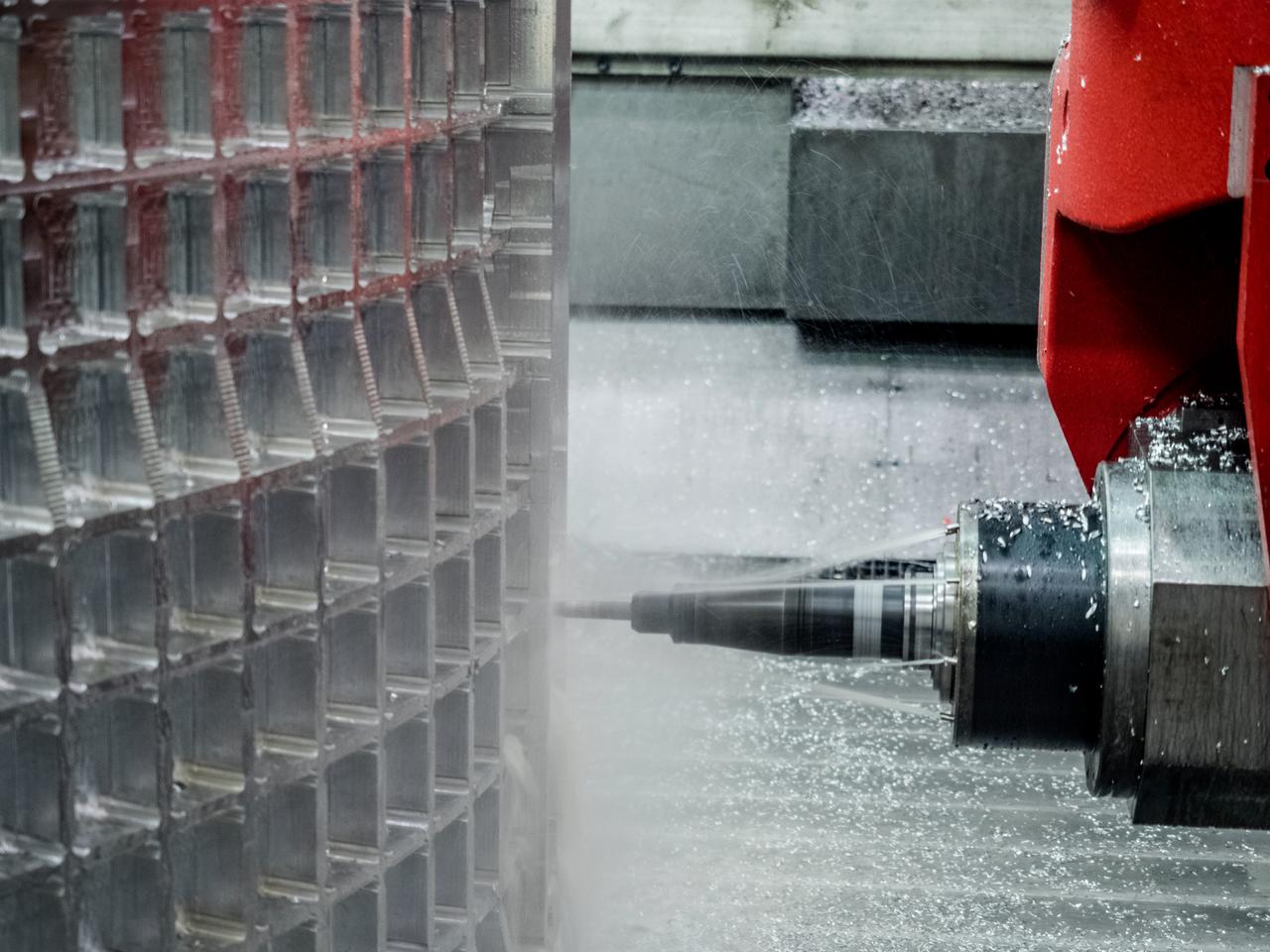
In Rockford, Illinois, Ingersoll Machine Tools builds parts for the Artemis II Orion crew module, shown here on April 13, 2017, which will carry humans beyond Earth orbit.

In Rockford, Illinois, Ingersoll Machine Tools builds parts for the Artemis II Orion crew module, shown here on April 13, 2017, which will carry humans beyond Earth orbit.
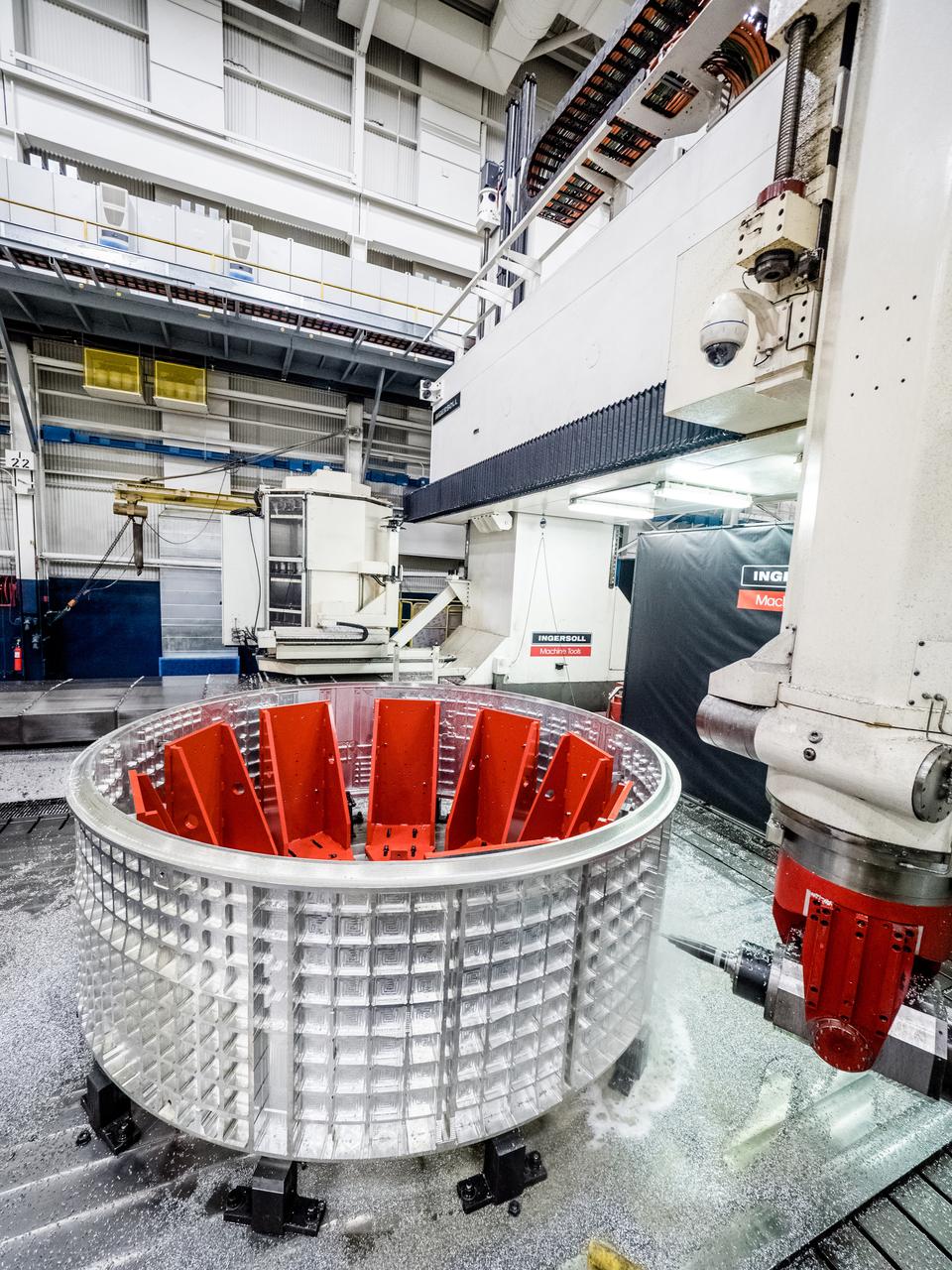
In Rockford, Illinois, Ingersoll Machine Tools builds parts for the Artemis II Orion crew module, shown here on April 13, 2017, which will carry humans beyond Earth orbit.
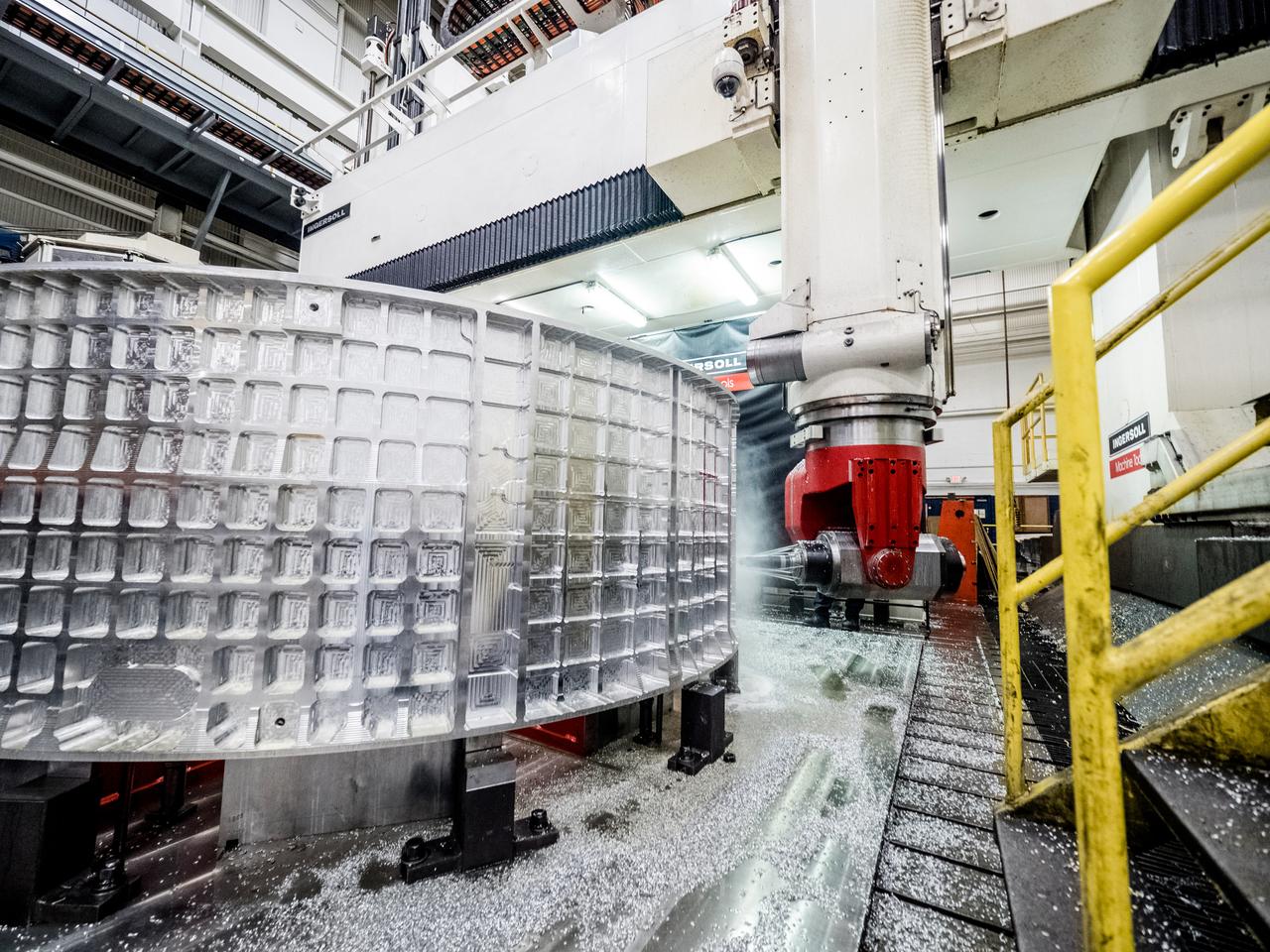
In Rockford, Illinois, Ingersoll Machine Tools builds parts for the Artemis II Orion crew module, shown here on April 13, 2017, which will carry humans beyond Earth orbit.
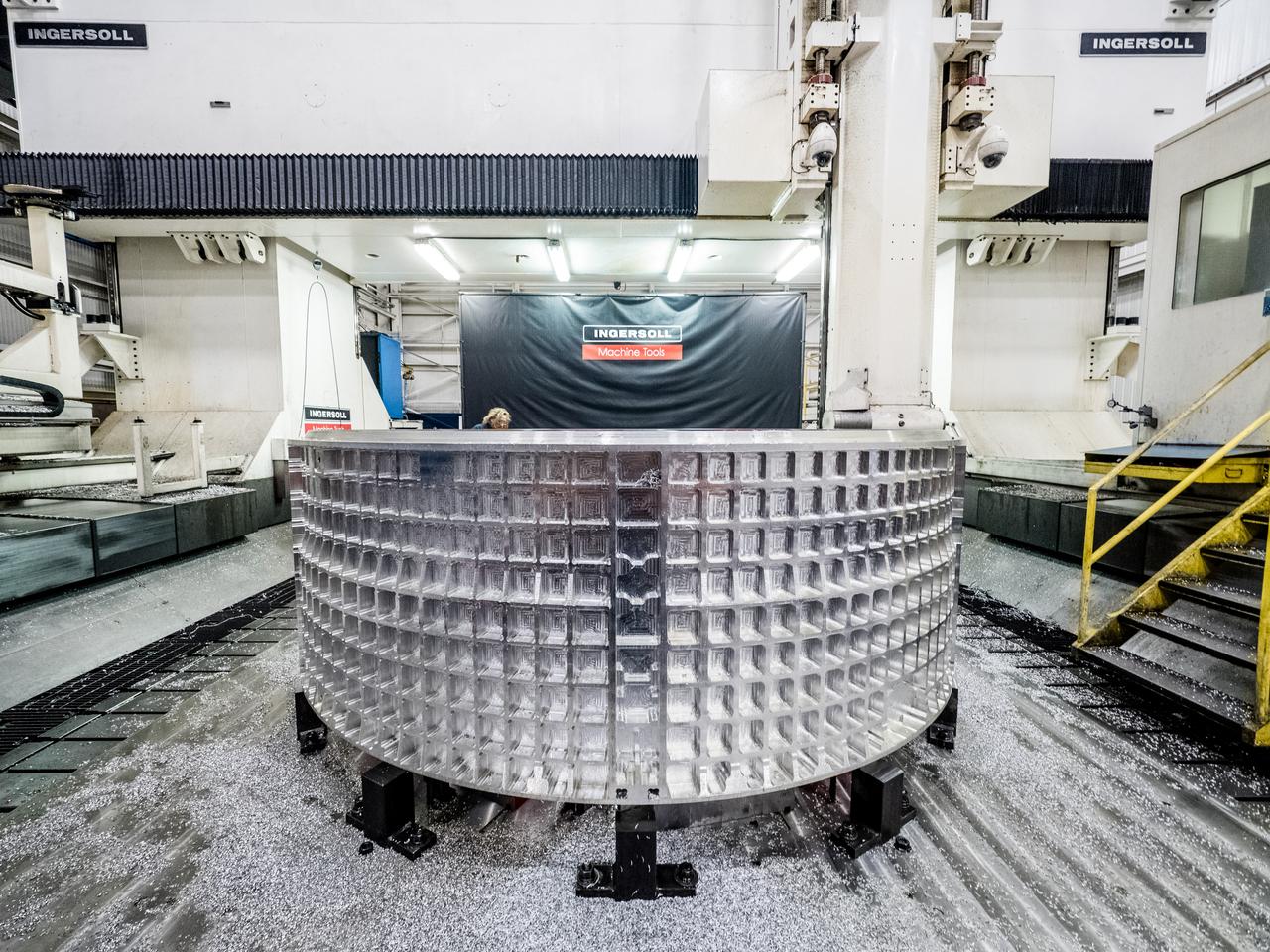
In Rockford, Illinois, Ingersoll Machine Tools builds parts for the Artemis II Orion crew module, shown here on April 13, 2017, which will carry humans beyond Earth orbit.
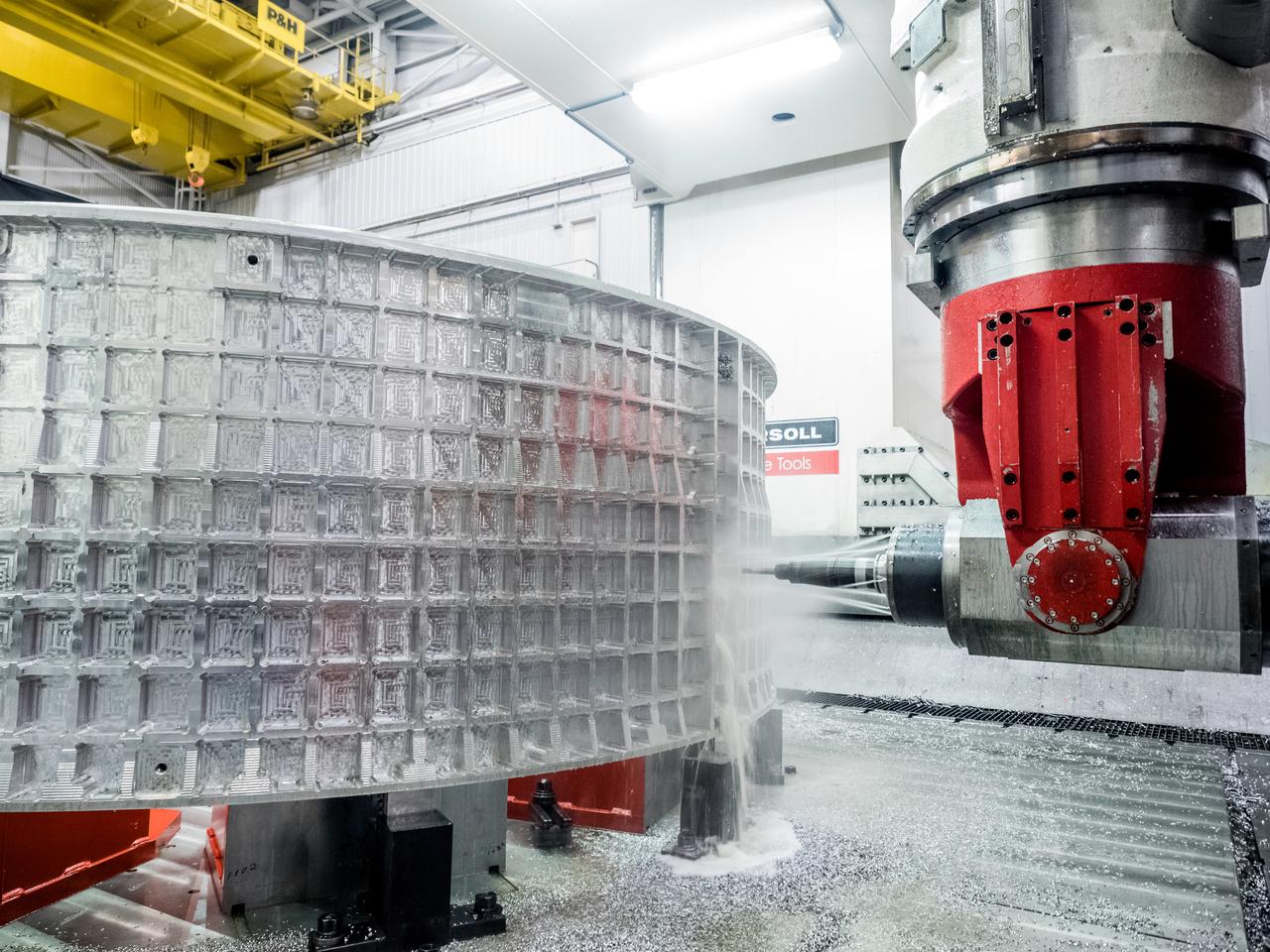
In Rockford, Illinois, Ingersoll Machine Tools builds parts for the Artemis II Orion crew module, shown here on April 13, 2017, which will carry humans beyond Earth orbit.
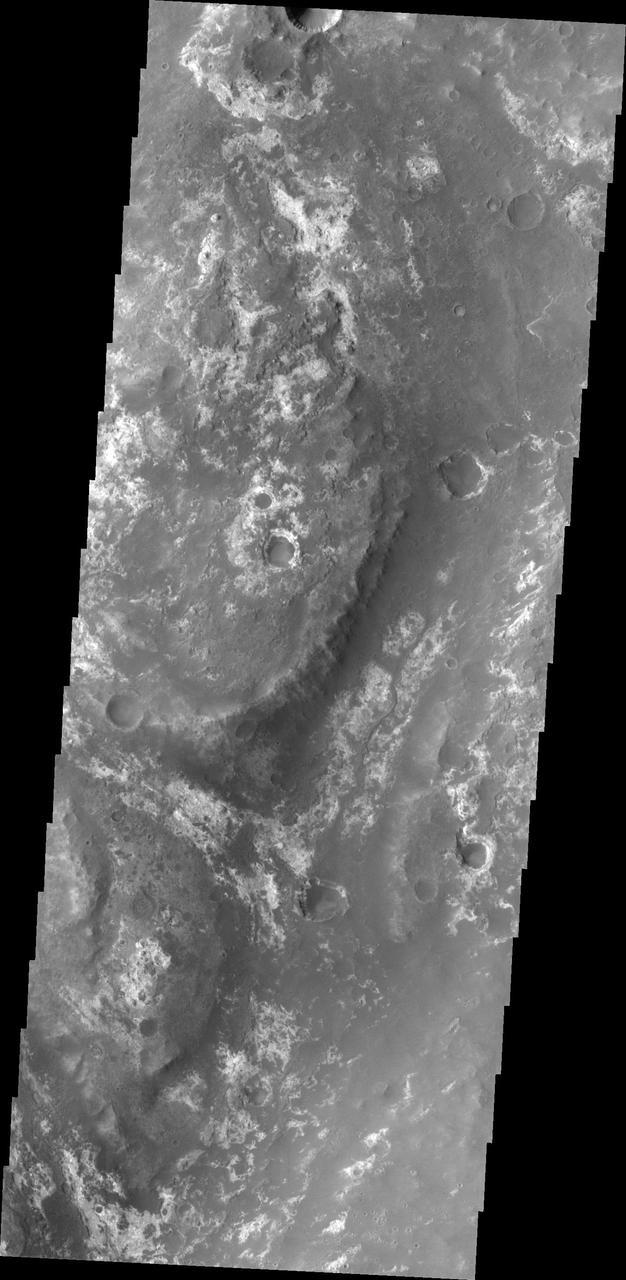
All this week, the THEMIS Image of the Day is following on the real Mars the path taken by fictional astronaut Mark Watney, stranded on the Red Planet in the book and movie, The Martian. Today's image shows part of Mawrth Valles, a channel carved by giant floods billions of years ago. The highlands lying to the south and west of the channel are under consideration as a potential landing site for NASA's Mars 2020 rover. Remote-sensing observations from orbit show widespread exposures of clay minerals, indicating alteration by water early in Martian history. These might preserve traces of ancient life, if there was any. For astronaut Mark Watney, driving in a pressurized and solar-powered rover vehicle, Mawrth Valles offers a gentle slope and an easy-to-follow route up from Acidalia's low-lying plains into the Arabia Terra highlands. At this point in his journey, he has driven about 750 kilometers (470 miles). Orbit Number: 38563 Latitude: 24.4297 Longitude: 341.726 Instrument: VIS Captured: 2010-08-24 14:56 http://photojournal.jpl.nasa.gov/catalog/PIA19797
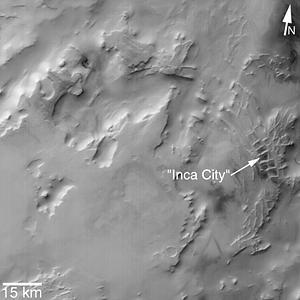
MGS MOC Release No. MOC2-319, 8 August 2002. "Inca City" is the informal name given by Mariner 9 scientists in 1972 to a set of intersecting, rectilinear ridges that are located among the layered materials of the south polar region of Mars. Their origin has never been understood; most investigators thought they might be sand dunes, either modern dunes or, more likely, dunes that were buried, hardened, then exhumed. Others considered them to be dikes formed by injection of molten rock (magma) or soft sediment into subsurface cracks that subsequently hardened and then were exposed at the surface by wind erosion. The Mars Global Surveyor (MGS) Mars Orbiter Camera (MOC) has provided new information about the "Inca City" ridges, though the camera's images still do not solve the mystery. The new information comes in the form of a MOC red wide angle context frame taken in mid-southern spring, shown above left and above right. The original Mariner 9 view of the ridges is seen at the center. The MOC image shows that the "Inca City" ridges, located at 82°S, 67°W, are part of a larger circular structure that is about 86 km (53 mi) across. It is possible that this pattern reflects an origin related to an ancient, eroded meteor impact crater that was filled-in, buried, then partially exhumed. In this case, the ridges might be the remains of filled-in fractures in the bedrock into which the crater formed, or filled-in cracks within the material that filled the crater. Or both explanations could be wrong. While the new MOC image shows that "Inca City" has a larger context as part of a circular form, it does not reveal the exact origin of these striking and unusual martian landforms. http://photojournal.jpl.nasa.gov/catalog/PIA03918
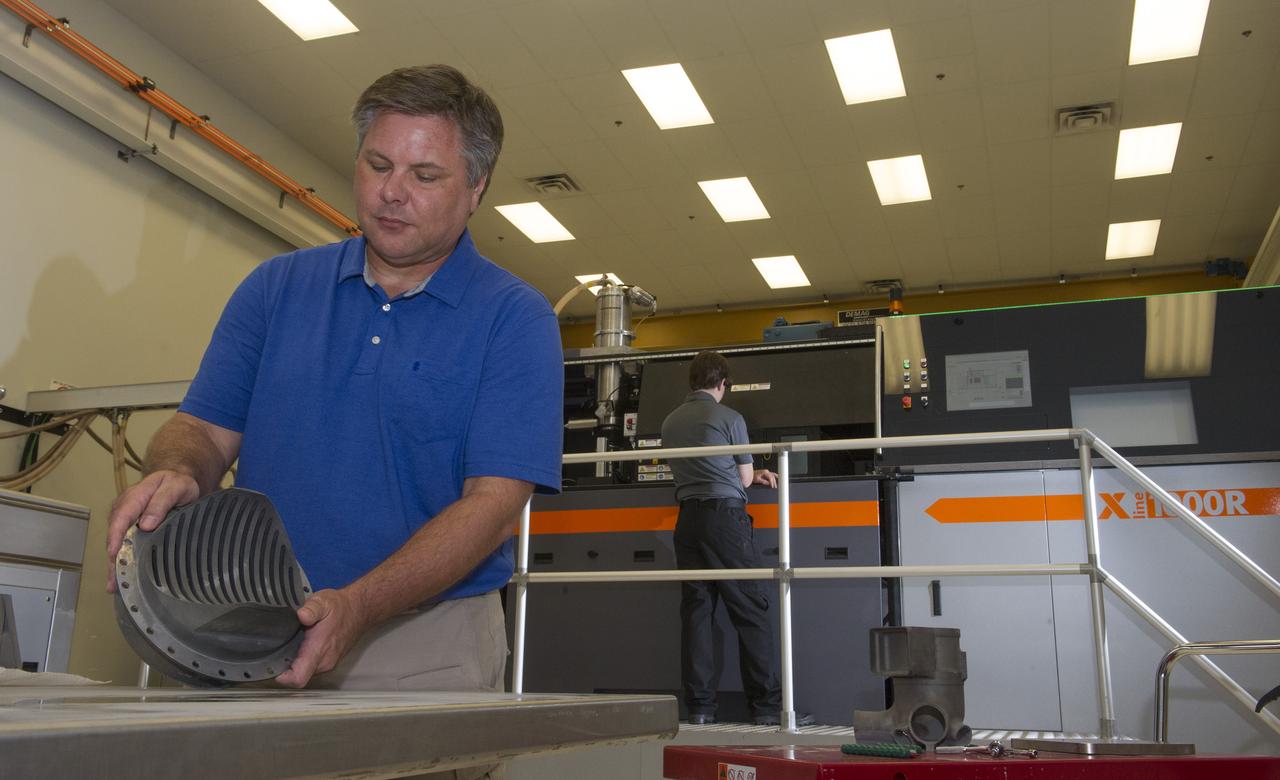
ANDY HARDIN, A PROPULSION ENGINEER AT NASA'S MARSHALL SPACE FLIGHT CENTER IN HUNTSVILLE, ALABAMA, SHOWS A 3-D PRINTED ROCKET PART MADE WITH A SELECTIVE LASER MELTING MACHINE. PARTS FOR THE SPACE LAUNCH SYSTEM'S RS-25 ROCKET ENGINE ARE BEING MADE WITH THE MACHINE IN THE BACKGROUND

All this week, the THEMIS Image of the Day has been following on the real Mars the path taken by fictional astronaut Mark Watney, stranded on the Red Planet in the book and movie, The Martian. Generally smooth and rolling terrain covers most of this portion of Schiaparelli Crater's floor. Because the impact that made Schiaparelli occurred billions of years ago, nature has had ample time to leave lava and sediments in the crater and to erode them. The ridge in the image's southern end is part of an eroded crater rim, one of many such smaller impact craters that have collected on Schiaparelli's floor since it formed. (This image was taken as part of a study for the Mars Student Imaging Project by a high-school science class.) Here astronaut Mark Watney's great overland trek reaches its end. He arrives safely at the Mars Ascent Vehicle (MAV), which was sent in advance for the next Mars mission crew. The rocket will get him off the ground and into Mars orbit, where he can be picked up by a rescue ship coming from Earth. Orbit Number: 37215 Latitude: -4.03322 Longitude: 15.477 Instrument: VIS Captured: 2010-05-05 13:14 http://photojournal.jpl.nasa.gov/catalog/PIA19800
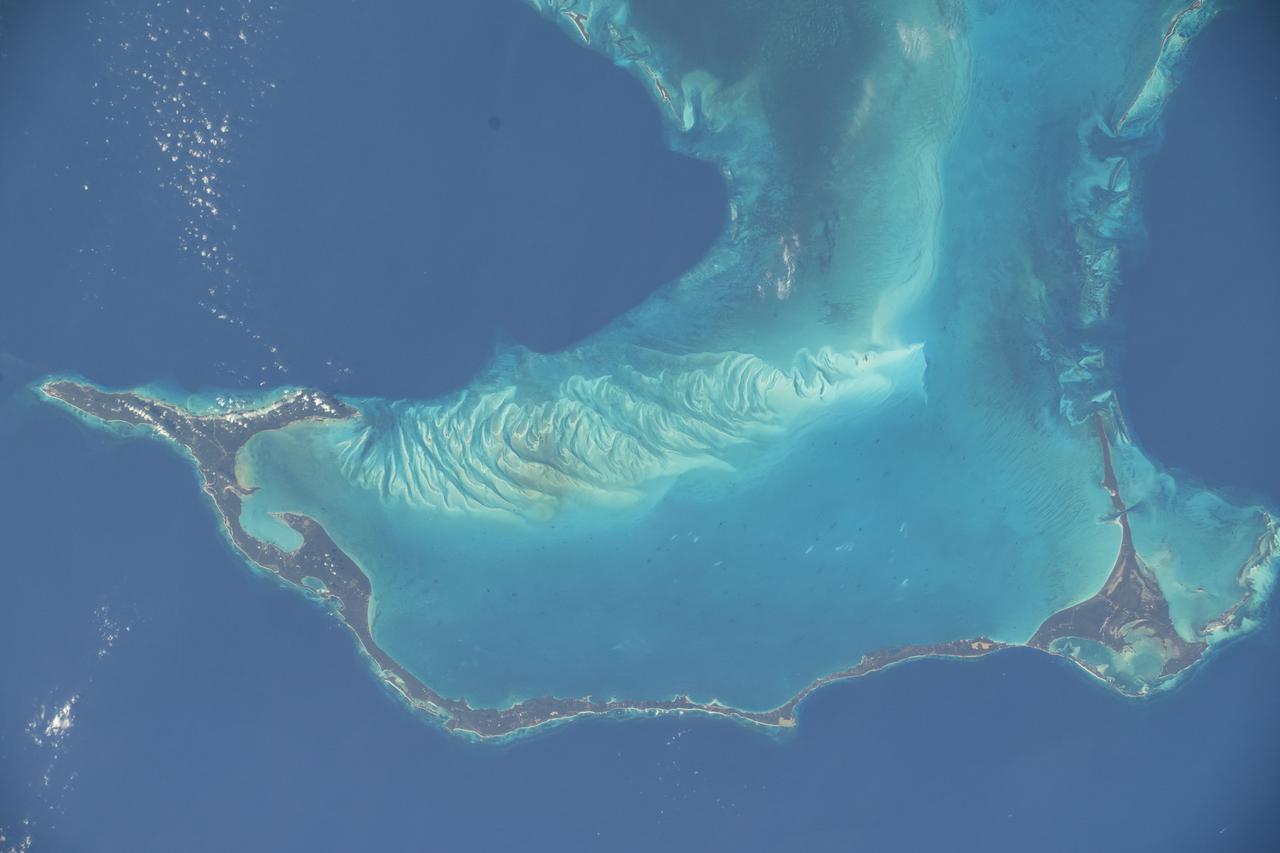
iss072e715777 (Feb. 28, 2025) --- Eleuthera, an island state that is part of the Bahamas archipelago, is pictured in the Atlantic Ocean from the International Space Station as it orbited 262 miles above.
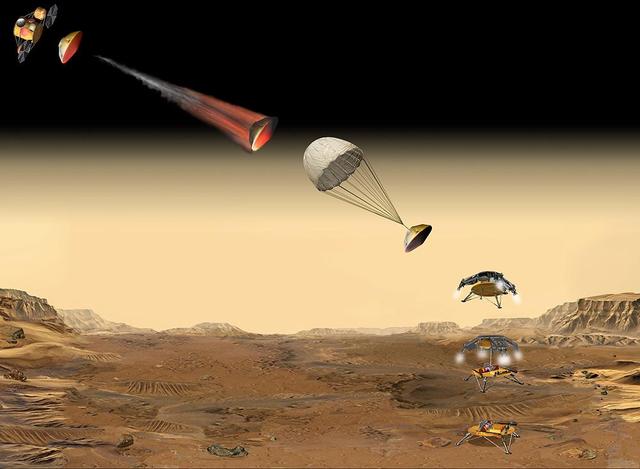
This artist concept of the proposed NASA Mars Sample Return mission shows the entry, descent and landing sequence the lander would undergo on its way to Mars.

Dust Devils Seen Streaking Across Mars: PART II--Theyre the Work of the Devil!
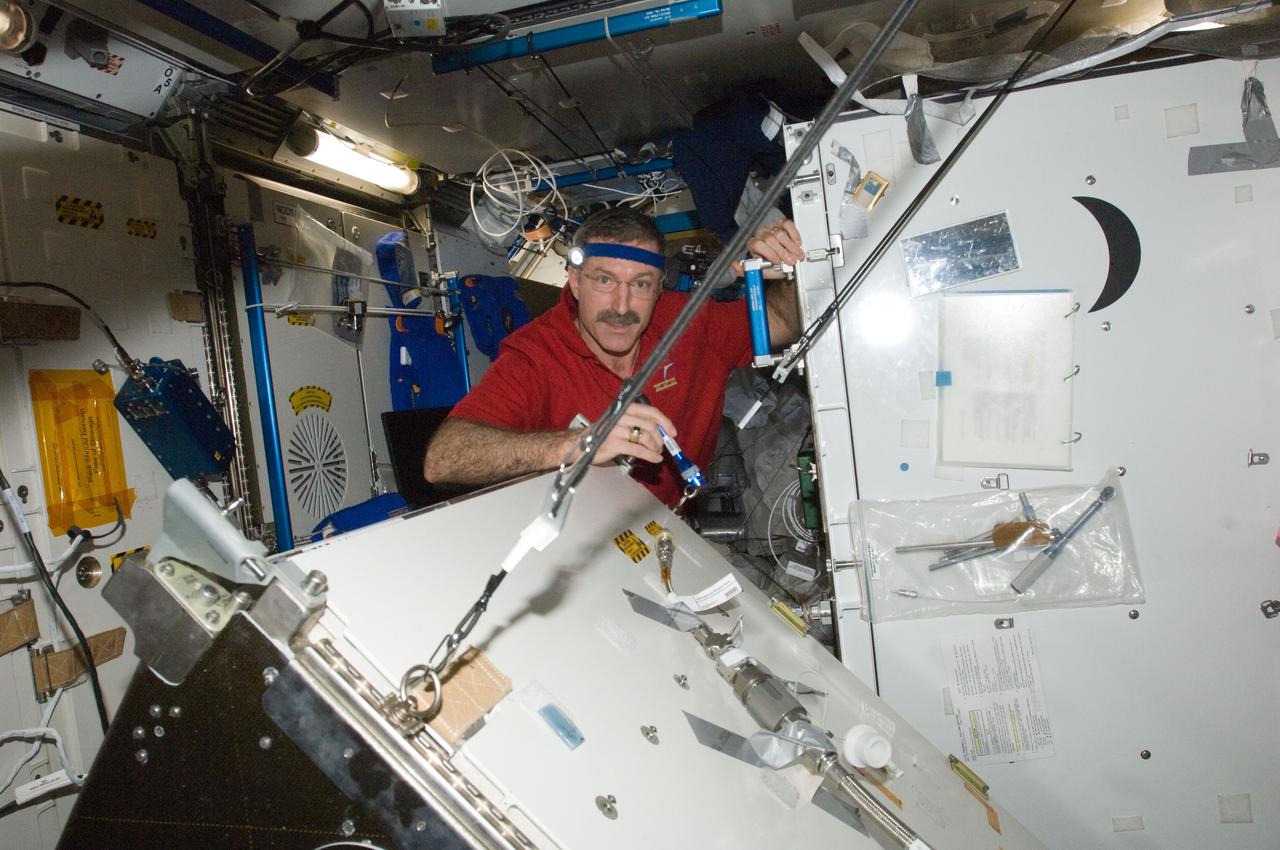
ISS030-E-128752 (8 March 2012) --- NASA astronaut Dan Burbank, Expedition 30 commander, performs part one of the Water Recovery System-1 (WRS-1) repair in the Tranquility node of the International Space Station. Burbank removed and replaced the failed Catalytic Reactor (CR), and installed a temporary filter kit between the new CR and the Microbial Check Valve (MCV) to support a system flush of the new Orbital Replacement Unit (ORU).
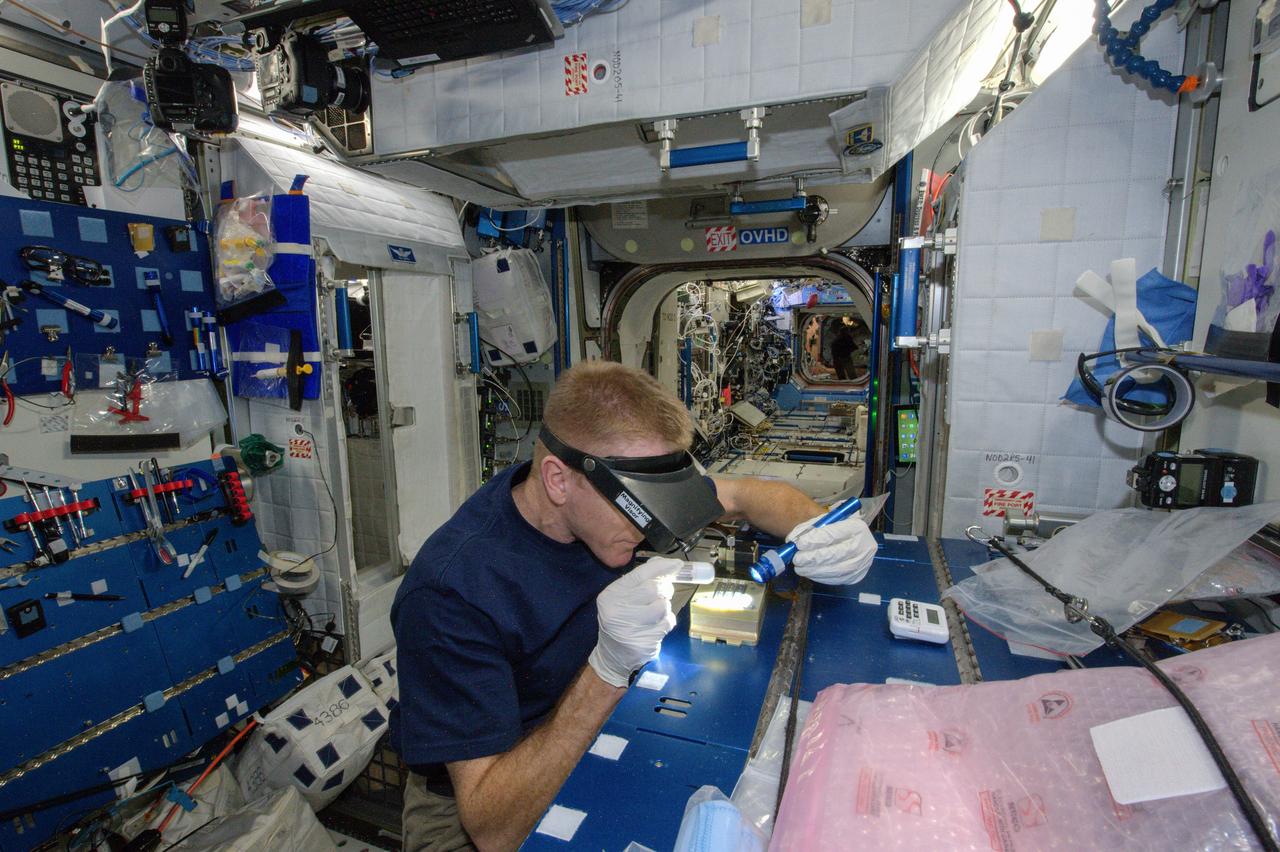
ISS046e005678 (01/04/2016) ---- ESA (European Space Agency) astronaut Tim Peake works on the Advanced Colloids Experiment 2 (ACE H2) Hardware Configuration and Mix Part 1. Peake sent out a Twitter message with this image: Stirring samples using a bar magnet to turn a tiny metal rod - preparing for today's @ISS_Research. #Principia".
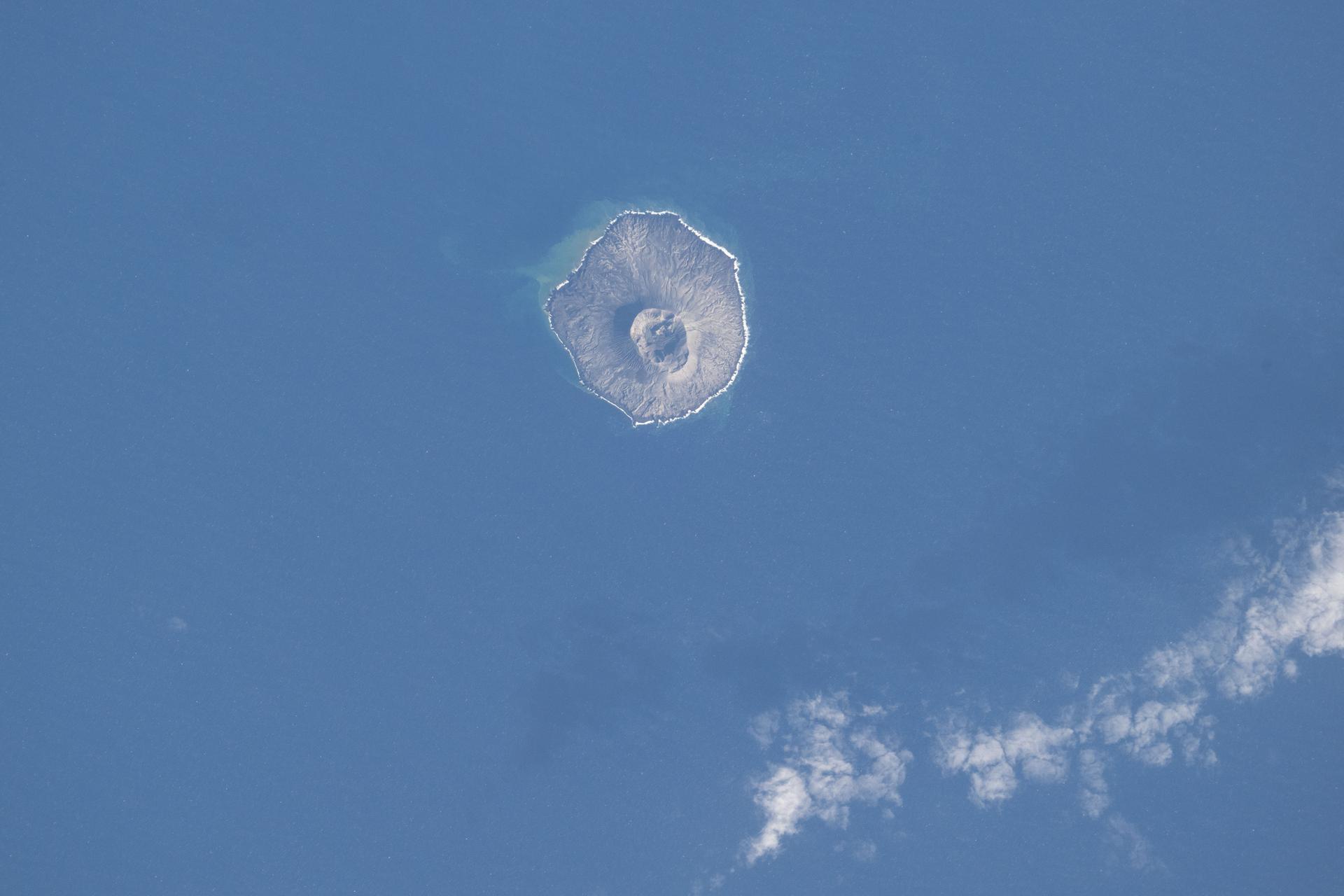
iss074e0014317 (Dec. 25, 2025) --- Nishinoshima Island, part of Japan's Volcano Islands chain and located about 600 miles south of Tokyo in the Pacific Ocean, is being created and expanded by volcanic activity such as magma mixing and periodic eruptions. The International Space Station was orbiting 261 miles above the Earth at the time of this photograph. Credit: JAXA/Kimiya Yui
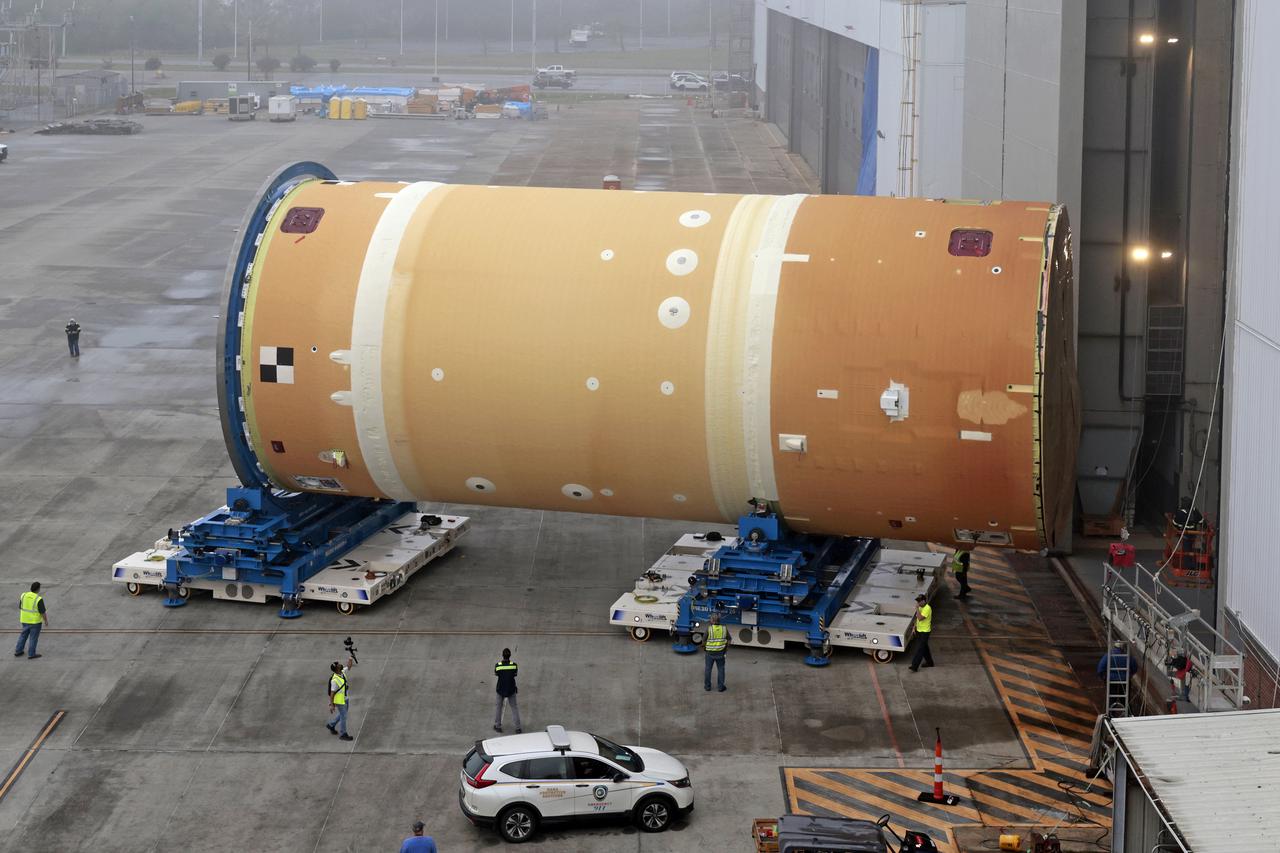
NASA has completed assembly of the upper, or forward, part of the core stage for the Space Launch System (SLS) rocket that will send the Artemis II crew on their lunar mission. Boeing, the lead core stage contractor, completed joining the forward part of the rocket, and then lifted it out of the assembly structure at NASA’s Michoud Assembly Facility in New Orleans. To construct this part of the core stage, the team first stacked three major parts of the stage—the forward skirt, the liquid oxygen tank, and the intertank. The forward skirt sits atop the rocket’s core stage, and it and the intertank are outfitted with the rocket’s flight computers and avionics systems that control SLS during launch and ascent. The liquid oxygen tank holds 196,000 gallons of liquid oxygen cooled to minus 297 degrees Fahrenheit. The entire upper part of the stage is around 66-feet tall. The fully-assembled, 212-foot-tall rocket stage consists of five hardware elements. As the team lifted it out of the assembly area, they completed a breakover maneuver, to put the forward assembly in a horizontal position. Then, they moved it to final assembly where the Artemis II liquid hydrogen tank is also undergoing outfitting. Here, teams will connect the liquid hydrogen tank to the upper part of the rocket and complete assembly of four of the five core stage parts. The last piece to be added will be the engine section, which is currently in a separate assembly area being outfitted with propulsion systems that connect to the engines. Image credit: NASA/Michael DeMocker
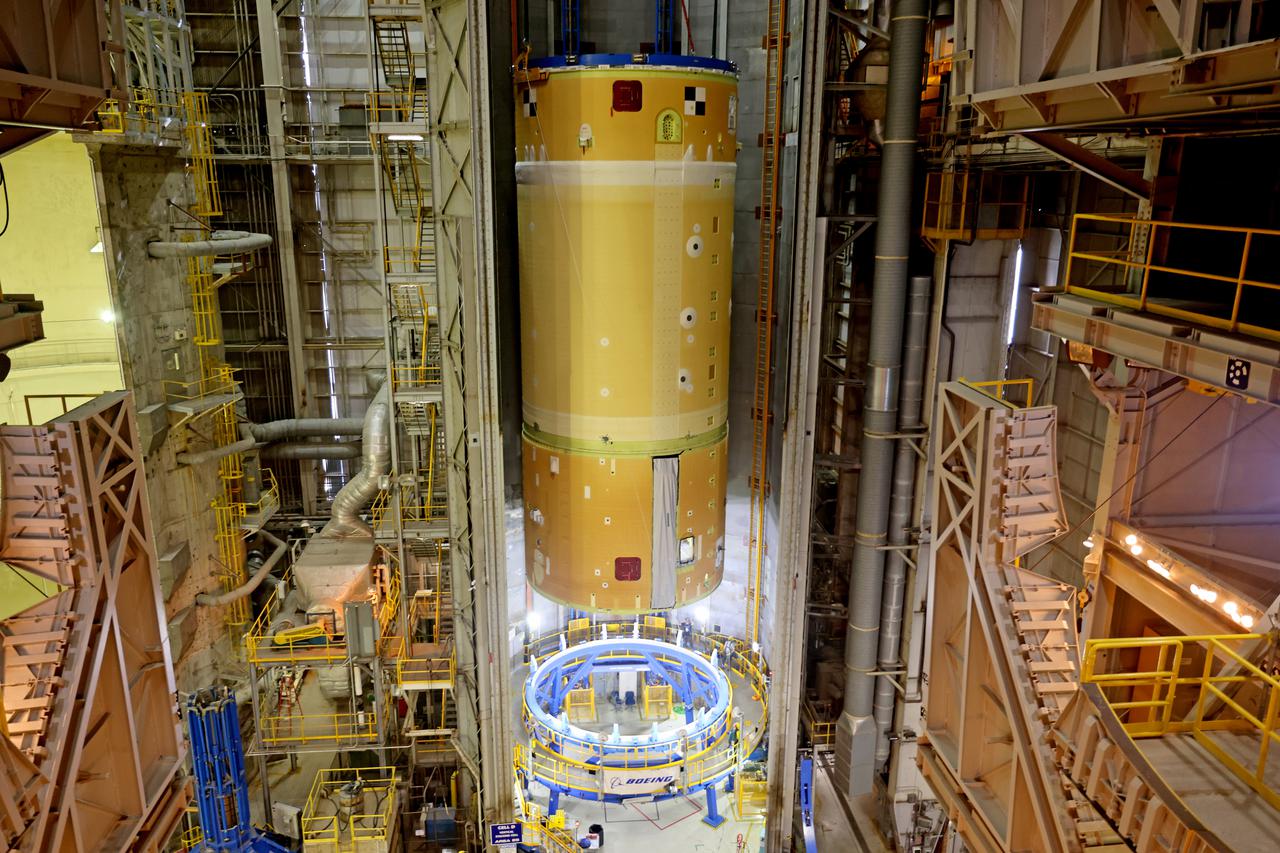
NASA has completed assembly of the upper, or forward, part of the core stage for the Space Launch System (SLS) rocket that will send the Artemis II crew on their lunar mission. Boeing, the lead core stage contractor, completed joining the forward part of the rocket, and then lifted it out of the assembly structure at NASA’s Michoud Assembly Facility in New Orleans. To construct this part of the core stage, the team first stacked three major parts of the stage—the forward skirt, the liquid oxygen tank, and the intertank. The forward skirt sits atop the rocket’s core stage, and it and the intertank are outfitted with the rocket’s flight computers and avionics systems that control SLS during launch and ascent. The liquid oxygen tank holds 196,000 gallons of liquid oxygen cooled to minus 297 degrees Fahrenheit. The entire upper part of the stage is around 66-feet tall. The fully-assembled, 212-foot-tall rocket stage consists of five hardware elements. As the team lifted it out of the assembly area, they completed a breakover maneuver, to put the forward assembly in a horizontal position. Then, they moved it to final assembly where the Artemis II liquid hydrogen tank is also undergoing outfitting. Here, teams will connect the liquid hydrogen tank to the upper part of the rocket and complete assembly of four of the five core stage parts. The last piece to be added will be the engine section, which is currently in a separate assembly area being outfitted with propulsion systems that connect to the engines. Image credit: NASA/Michael DeMocker
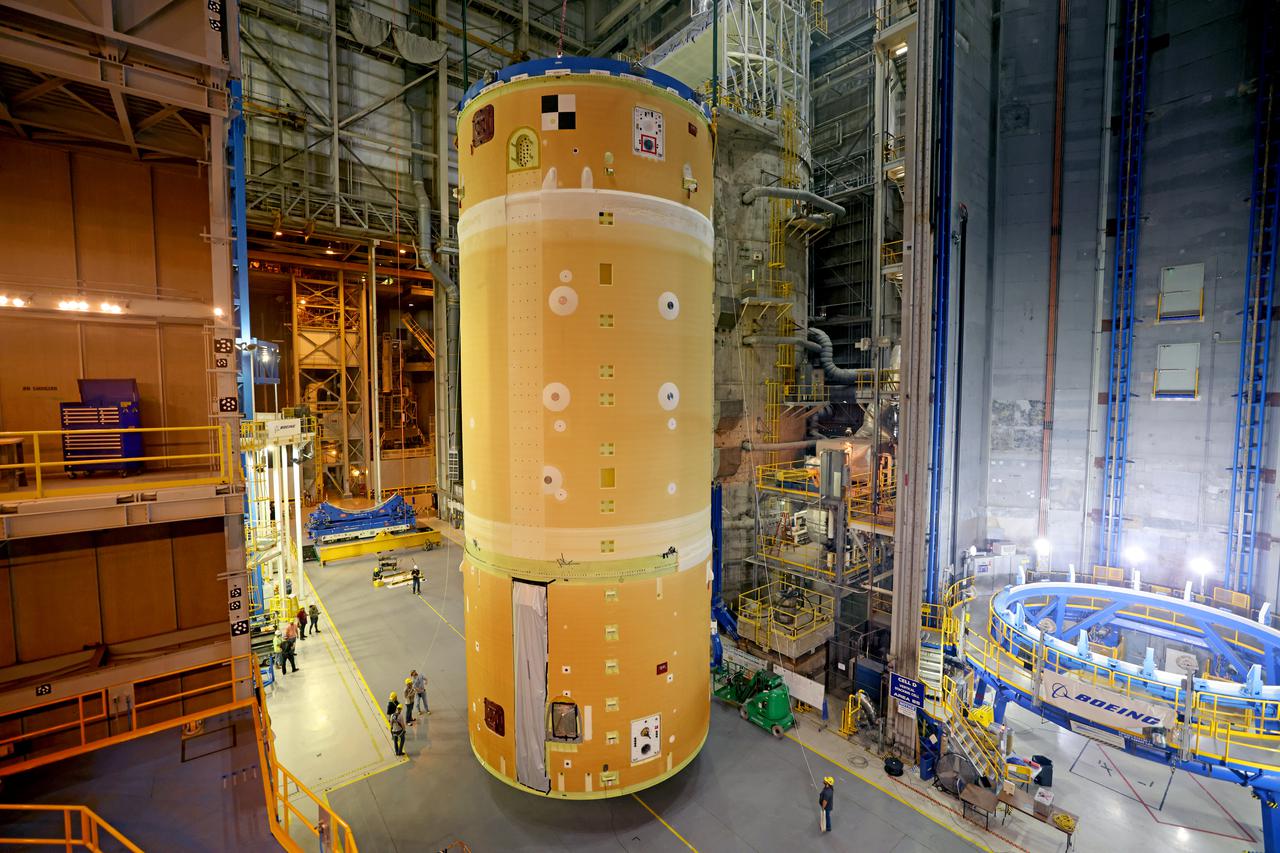
NASA has completed assembly of the upper, or forward, part of the core stage for the Space Launch System (SLS) rocket that will send the Artemis II crew on their lunar mission. Boeing, the lead core stage contractor, completed joining the forward part of the rocket, and then lifted it out of the assembly structure at NASA’s Michoud Assembly Facility in New Orleans. To construct this part of the core stage, the team first stacked three major parts of the stage—the forward skirt, the liquid oxygen tank, and the intertank. The forward skirt sits atop the rocket’s core stage, and it and the intertank are outfitted with the rocket’s flight computers and avionics systems that control SLS during launch and ascent. The liquid oxygen tank holds 196,000 gallons of liquid oxygen cooled to minus 297 degrees Fahrenheit. The entire upper part of the stage is around 66-feet tall. The fully-assembled, 212-foot-tall rocket stage consists of five hardware elements. As the team lifted it out of the assembly area, they completed a breakover maneuver, to put the forward assembly in a horizontal position. Then, they moved it to final assembly where the Artemis II liquid hydrogen tank is also undergoing outfitting. Here, teams will connect the liquid hydrogen tank to the upper part of the rocket and complete assembly of four of the five core stage parts. The last piece to be added will be the engine section, which is currently in a separate assembly area being outfitted with propulsion systems that connect to the engines. Image credit: NASA/Michael DeMocker
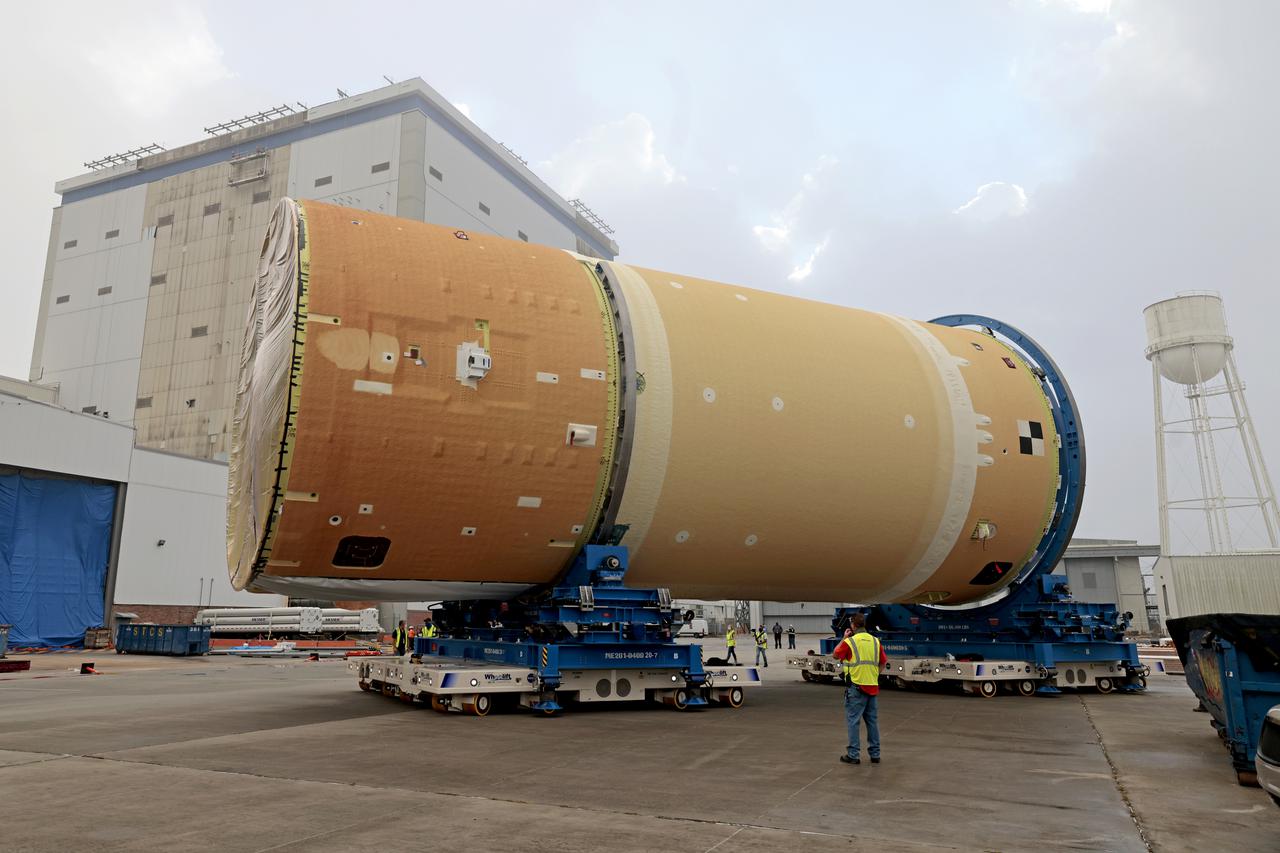
NASA has completed assembly of the upper, or forward, part of the core stage for the Space Launch System (SLS) rocket that will send the Artemis II crew on their lunar mission. Boeing, the lead core stage contractor, completed joining the forward part of the rocket, and then lifted it out of the assembly structure at NASA’s Michoud Assembly Facility in New Orleans. To construct this part of the core stage, the team first stacked three major parts of the stage—the forward skirt, the liquid oxygen tank, and the intertank. The forward skirt sits atop the rocket’s core stage, and it and the intertank are outfitted with the rocket’s flight computers and avionics systems that control SLS during launch and ascent. The liquid oxygen tank holds 196,000 gallons of liquid oxygen cooled to minus 297 degrees Fahrenheit. The entire upper part of the stage is around 66-feet tall. The fully-assembled, 212-foot-tall rocket stage consists of five hardware elements. As the team lifted it out of the assembly area, they completed a breakover maneuver, to put the forward assembly in a horizontal position. Then, they moved it to final assembly where the Artemis II liquid hydrogen tank is also undergoing outfitting. Here, teams will connect the liquid hydrogen tank to the upper part of the rocket and complete assembly of four of the five core stage parts. The last piece to be added will be the engine section, which is currently in a separate assembly area being outfitted with propulsion systems that connect to the engines. Image credit: NASA/Michael DeMocker
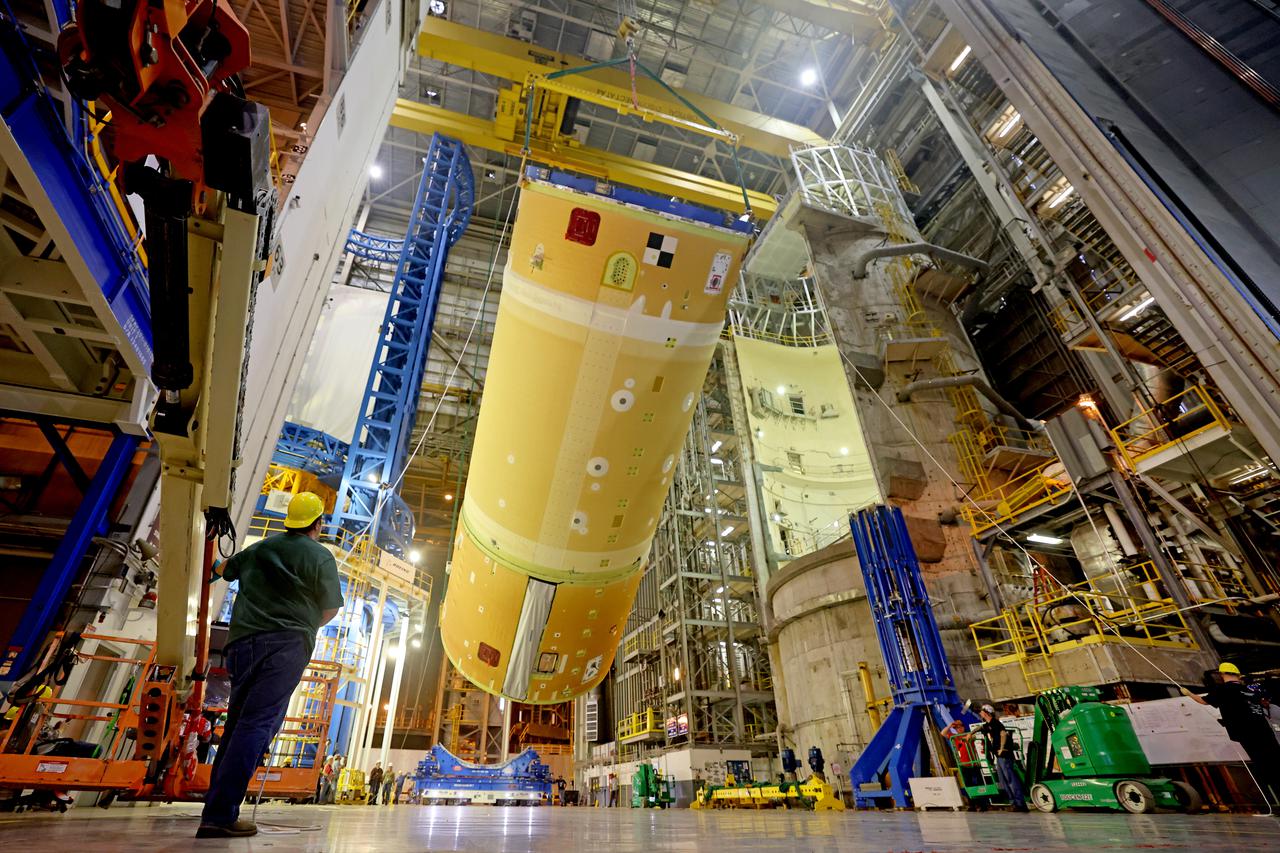
NASA has completed assembly of the upper, or forward, part of the core stage for the Space Launch System (SLS) rocket that will send the Artemis II crew on their lunar mission. Boeing, the lead core stage contractor, completed joining the forward part of the rocket, and then lifted it out of the assembly structure at NASA’s Michoud Assembly Facility in New Orleans. To construct this part of the core stage, the team first stacked three major parts of the stage—the forward skirt, the liquid oxygen tank, and the intertank. The forward skirt sits atop the rocket’s core stage, and it and the intertank are outfitted with the rocket’s flight computers and avionics systems that control SLS during launch and ascent. The liquid oxygen tank holds 196,000 gallons of liquid oxygen cooled to minus 297 degrees Fahrenheit. The entire upper part of the stage is around 66-feet tall. The fully-assembled, 212-foot-tall rocket stage consists of five hardware elements. As the team lifted it out of the assembly area, they completed a breakover maneuver, to put the forward assembly in a horizontal position. Then, they moved it to final assembly where the Artemis II liquid hydrogen tank is also undergoing outfitting. Here, teams will connect the liquid hydrogen tank to the upper part of the rocket and complete assembly of four of the five core stage parts. The last piece to be added will be the engine section, which is currently in a separate assembly area being outfitted with propulsion systems that connect to the engines. Image credit: NASA/Michael DeMocker
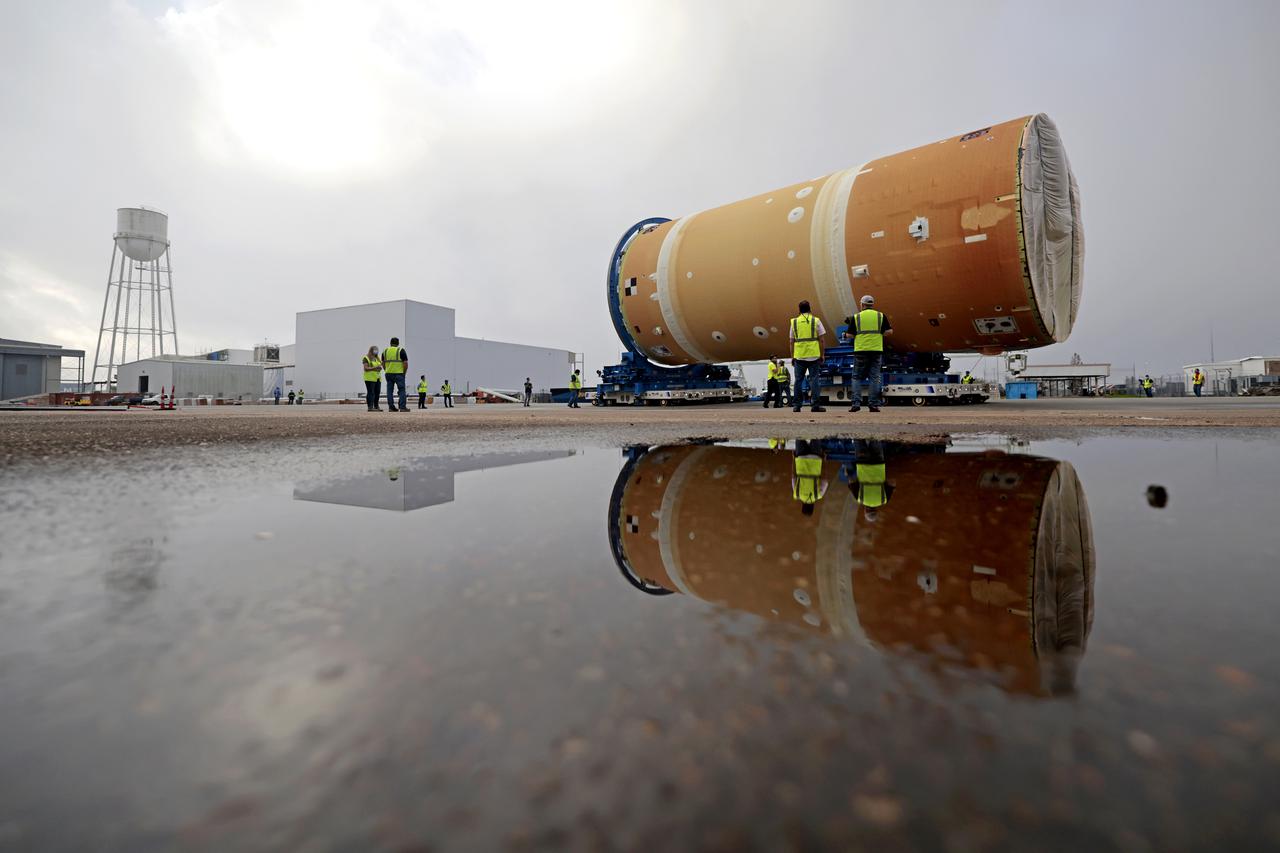
NASA has completed assembly of the upper, or forward, part of the core stage for the Space Launch System (SLS) rocket that will send the Artemis II crew on their lunar mission. Boeing, the lead core stage contractor, completed joining the forward part of the rocket, and then lifted it out of the assembly structure at NASA’s Michoud Assembly Facility in New Orleans. To construct this part of the core stage, the team first stacked three major parts of the stage—the forward skirt, the liquid oxygen tank, and the intertank. The forward skirt sits atop the rocket’s core stage, and it and the intertank are outfitted with the rocket’s flight computers and avionics systems that control SLS during launch and ascent. The liquid oxygen tank holds 196,000 gallons of liquid oxygen cooled to minus 297 degrees Fahrenheit. The entire upper part of the stage is around 66-feet tall. The fully-assembled, 212-foot-tall rocket stage consists of five hardware elements. As the team lifted it out of the assembly area, they completed a breakover maneuver, to put the forward assembly in a horizontal position. Then, they moved it to final assembly where the Artemis II liquid hydrogen tank is also undergoing outfitting. Here, teams will connect the liquid hydrogen tank to the upper part of the rocket and complete assembly of four of the five core stage parts. The last piece to be added will be the engine section, which is currently in a separate assembly area being outfitted with propulsion systems that connect to the engines. Image credit: NASA/Michael DeMocker
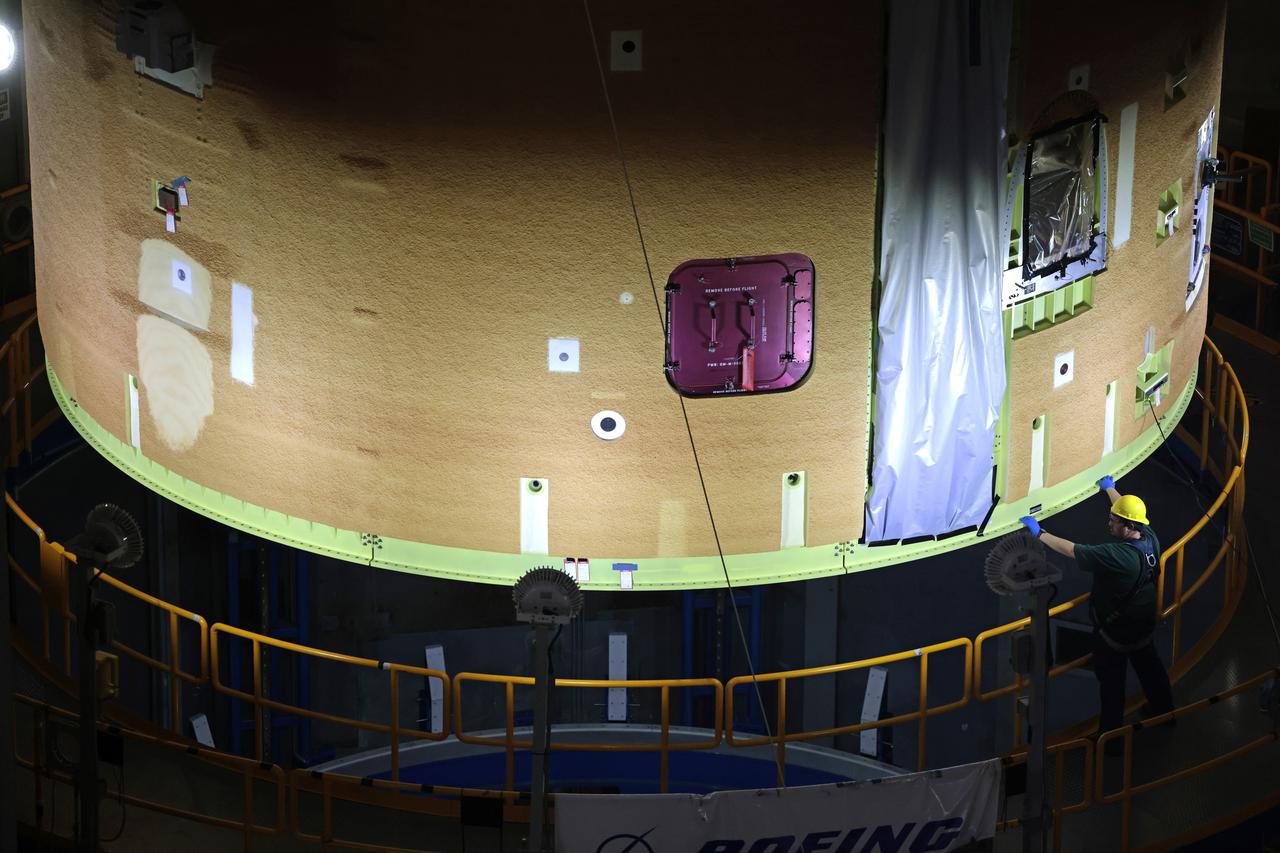
NASA has completed assembly of the upper, or forward, part of the core stage for the Space Launch System (SLS) rocket that will send the Artemis II crew on their lunar mission. Boeing, the lead core stage contractor, completed joining the forward part of the rocket, and then lifted it out of the assembly structure at NASA’s Michoud Assembly Facility in New Orleans. To construct this part of the core stage, the team first stacked three major parts of the stage—the forward skirt, the liquid oxygen tank, and the intertank. The forward skirt sits atop the rocket’s core stage, and it and the intertank are outfitted with the rocket’s flight computers and avionics systems that control SLS during launch and ascent. The liquid oxygen tank holds 196,000 gallons of liquid oxygen cooled to minus 297 degrees Fahrenheit. The entire upper part of the stage is around 66-feet tall. The fully-assembled, 212-foot-tall rocket stage consists of five hardware elements. As the team lifted it out of the assembly area, they completed a breakover maneuver, to put the forward assembly in a horizontal position. Then, they moved it to final assembly where the Artemis II liquid hydrogen tank is also undergoing outfitting. Here, teams will connect the liquid hydrogen tank to the upper part of the rocket and complete assembly of four of the five core stage parts. The last piece to be added will be the engine section, which is currently in a separate assembly area being outfitted with propulsion systems that connect to the engines. Image credit: NASA/Michael DeMocker
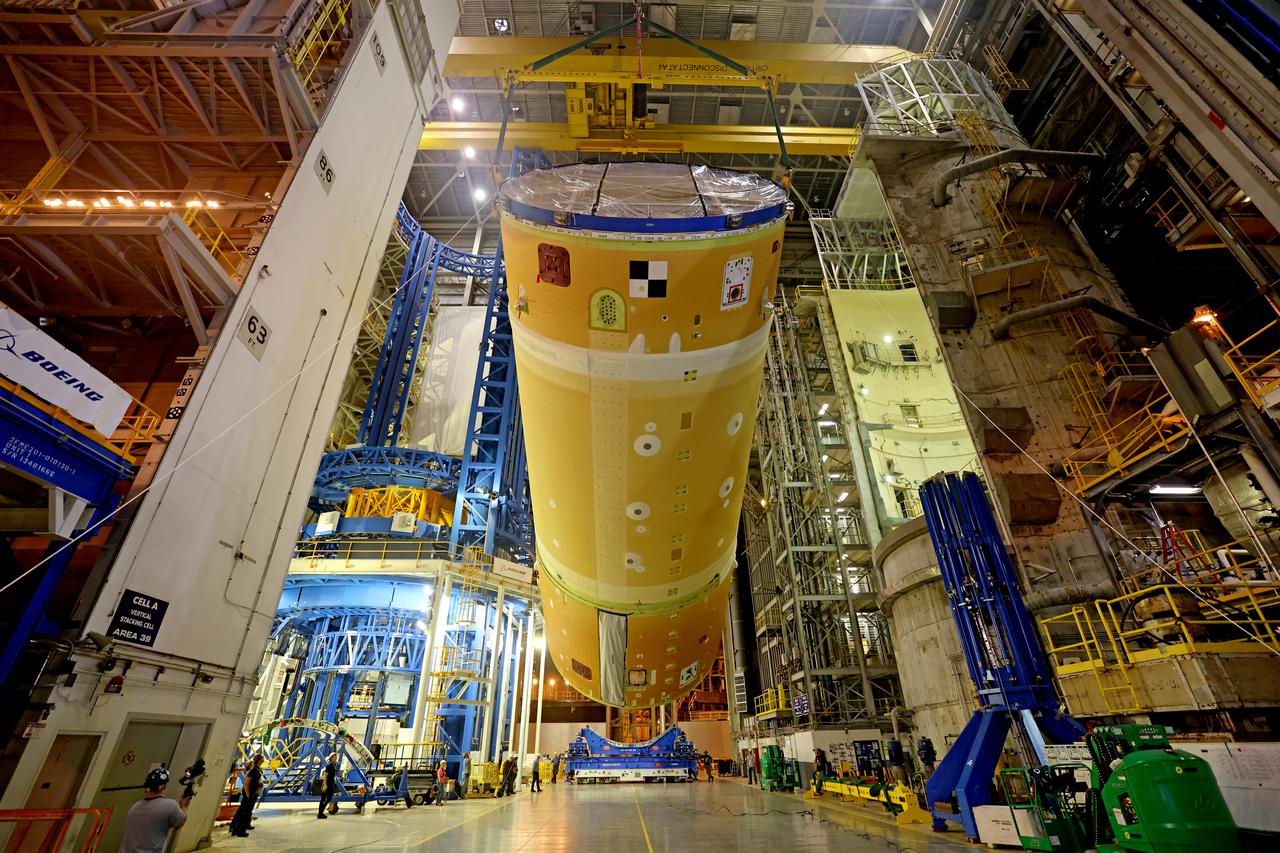
NASA has completed assembly of the upper, or forward, part of the core stage for the Space Launch System (SLS) rocket that will send the Artemis II crew on their lunar mission. Boeing, the lead core stage contractor, completed joining the forward part of the rocket, and then lifted it out of the assembly structure at NASA’s Michoud Assembly Facility in New Orleans. To construct this part of the core stage, the team first stacked three major parts of the stage—the forward skirt, the liquid oxygen tank, and the intertank. The forward skirt sits atop the rocket’s core stage, and it and the intertank are outfitted with the rocket’s flight computers and avionics systems that control SLS during launch and ascent. The liquid oxygen tank holds 196,000 gallons of liquid oxygen cooled to minus 297 degrees Fahrenheit. The entire upper part of the stage is around 66-feet tall. The fully-assembled, 212-foot-tall rocket stage consists of five hardware elements. As the team lifted it out of the assembly area, they completed a breakover maneuver, to put the forward assembly in a horizontal position. Then, they moved it to final assembly where the Artemis II liquid hydrogen tank is also undergoing outfitting. Here, teams will connect the liquid hydrogen tank to the upper part of the rocket and complete assembly of four of the five core stage parts. The last piece to be added will be the engine section, which is currently in a separate assembly area being outfitted with propulsion systems that connect to the engines. Image credit: NASA/Michael DeMocker
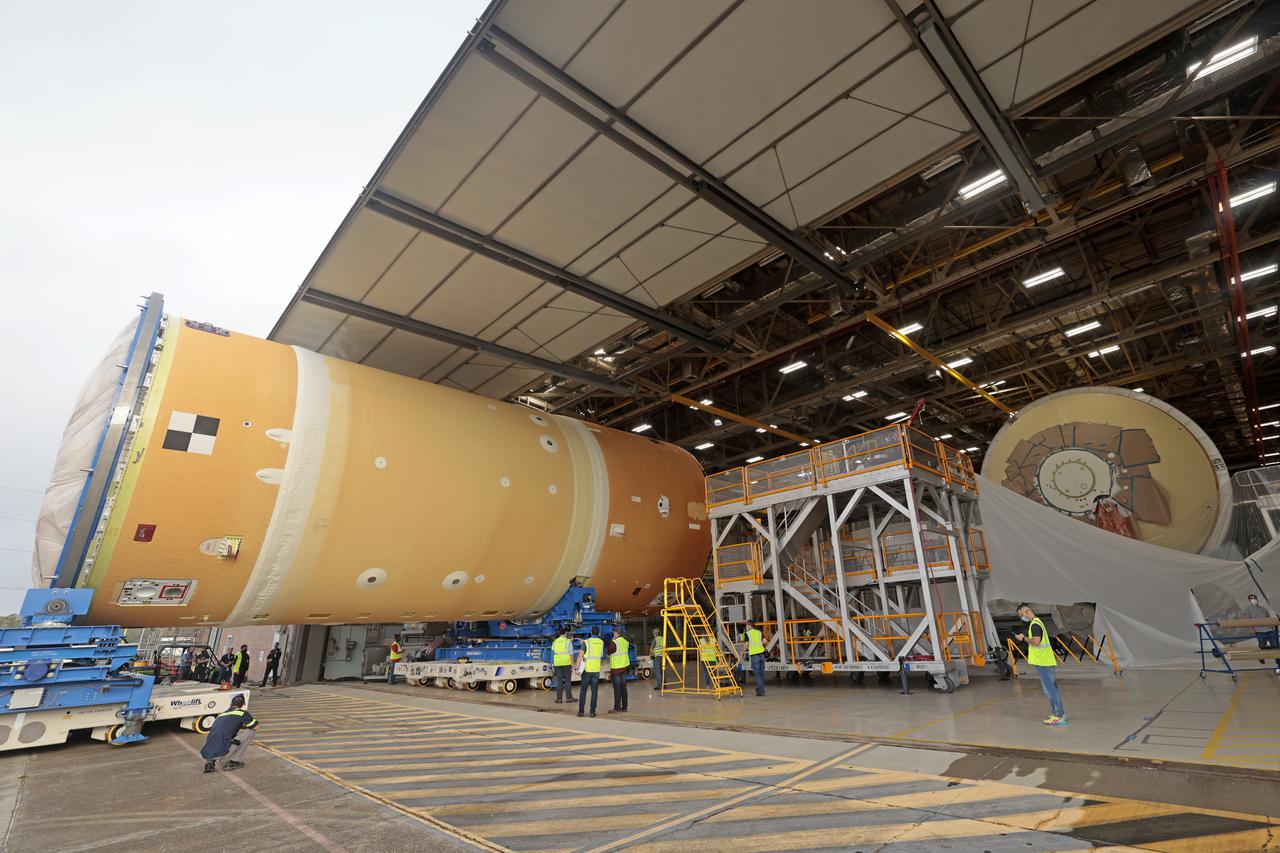
NASA has completed assembly of the upper, or forward, part of the core stage for the Space Launch System (SLS) rocket that will send the Artemis II crew on their lunar mission. Boeing, the lead core stage contractor, completed joining the forward part of the rocket, and then lifted it out of the assembly structure at NASA’s Michoud Assembly Facility in New Orleans. To construct this part of the core stage, the team first stacked three major parts of the stage—the forward skirt, the liquid oxygen tank, and the intertank. The forward skirt sits atop the rocket’s core stage, and it and the intertank are outfitted with the rocket’s flight computers and avionics systems that control SLS during launch and ascent. The liquid oxygen tank holds 196,000 gallons of liquid oxygen cooled to minus 297 degrees Fahrenheit. The entire upper part of the stage is around 66-feet tall. The fully-assembled, 212-foot-tall rocket stage consists of five hardware elements. As the team lifted it out of the assembly area, they completed a breakover maneuver, to put the forward assembly in a horizontal position. Then, they moved it to final assembly where the Artemis II liquid hydrogen tank is also undergoing outfitting. Here, teams will connect the liquid hydrogen tank to the upper part of the rocket and complete assembly of four of the five core stage parts. The last piece to be added will be the engine section, which is currently in a separate assembly area being outfitted with propulsion systems that connect to the engines. Image credit: NASA/Michael DeMocker
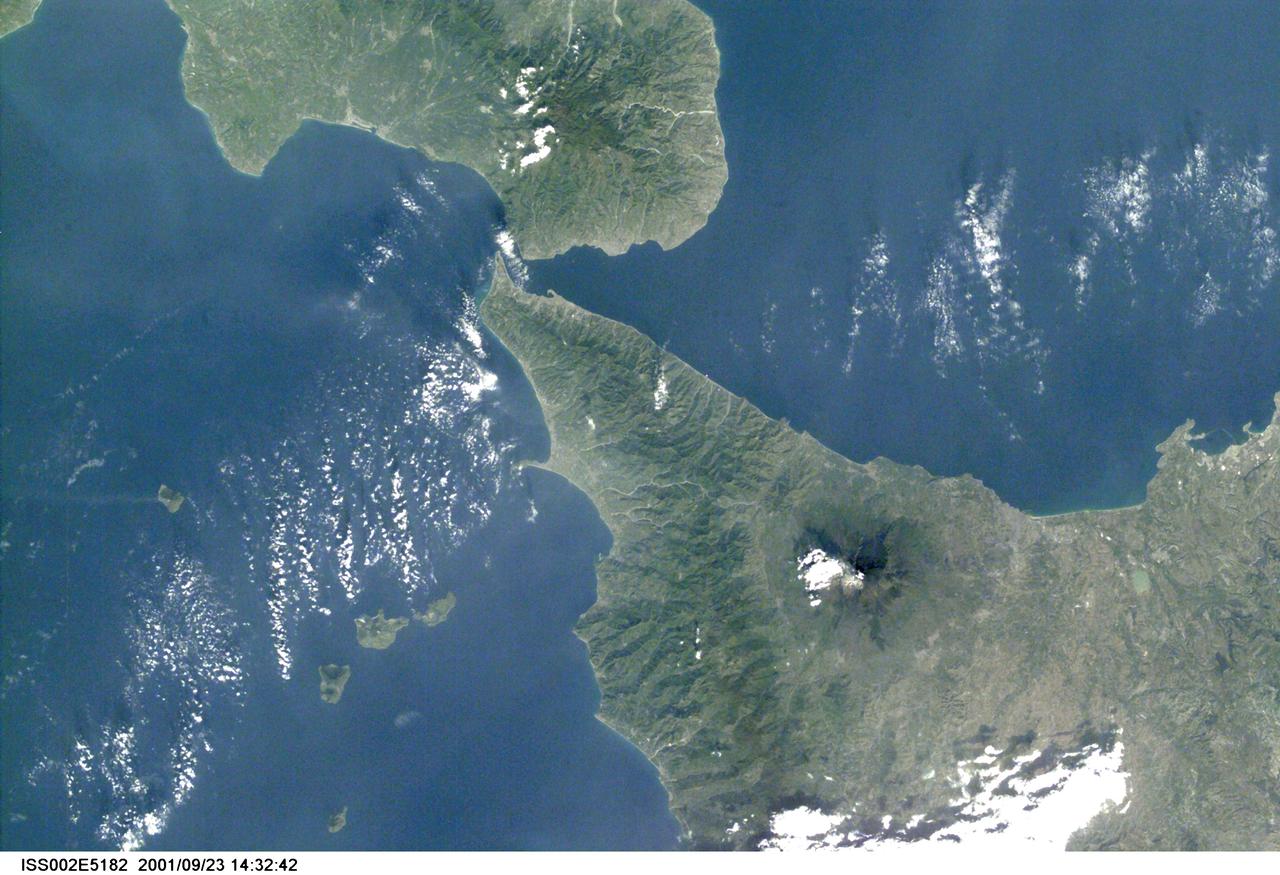
ISS002-E-5182 (March 2001) --- Part of the "toe" of Italy and Sicily are visible in this Expedition Two digital still camera's image.
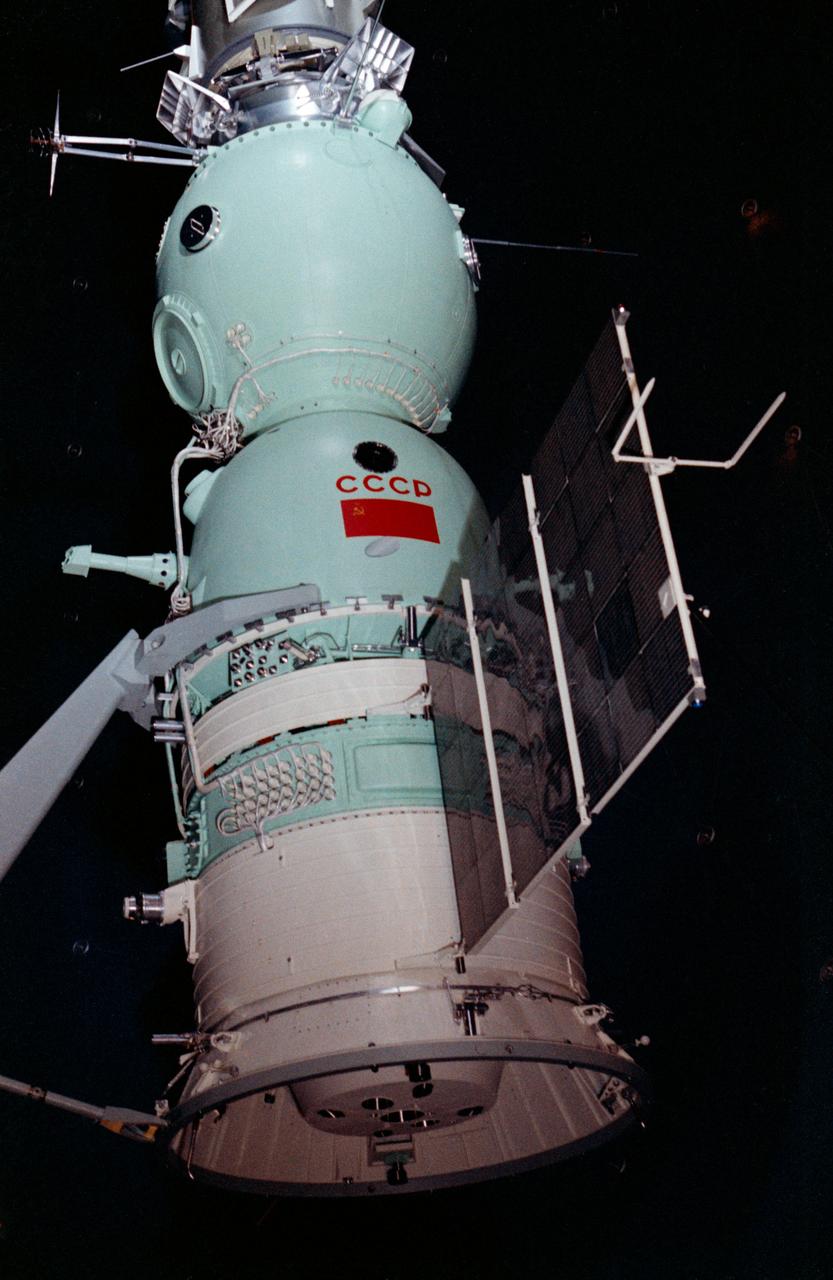
S73-27666 (May-June 1973) --- A close-up view of the Soyuz spacecraft which was part of the Apollo-Soyuz Test Project exhibit at the 30th International Aeronautics and Space Exhibition held May 24 ? June 3, 1973 at the Le Bourget Airport in Paris, France. The ASTP exhibit was co-sponsored by the United States and the Union of Soviet Socialist Republics. An agreement between the U.S. and the USSR provides for the docking in Earth orbit of the Soyuz and Apollo in the summer of 1975. The Apollo spacecraft is out of view to the left. At the far left, a mock-up of a Docking Module connects the Apollo with the Soyuz. The spherical-shaped portion of the Soyuz is called the orbital section. The middle section with the lettering ?CCCP? (USSR) on it is called the cosmonauts? cabin. Two solar panels extend out from the machines and panel section.

Karma Snyder, a project manager at NASA's John C. Stennis Space Center, was a senior design engineer on the RL10 liquid rocket engine that powered the Centaur, the upper stage of the rocket used in NASA's Lunar CRater Observation and Sensing Satellite (LCROSS) mission in October 2009. Part of the LCROSS mission was to search for water on the moon by striking the lunar surface with a rocket stage, creating a plume of debris that could be analyzed for water ice and vapor. Snyder's work on the RL10 took place from 1995 to 2001 when she was a senior design engineer with Pratt & Whitney Rocketdyne. Years later, she sees the project as one of her biggest accomplishments in light of the LCROSS mission. 'It's wonderful to see it come into full service,' she said. 'As one of my co-workers said, the original dream was to get that engine to the moon, and we're finally realizing that dream.'
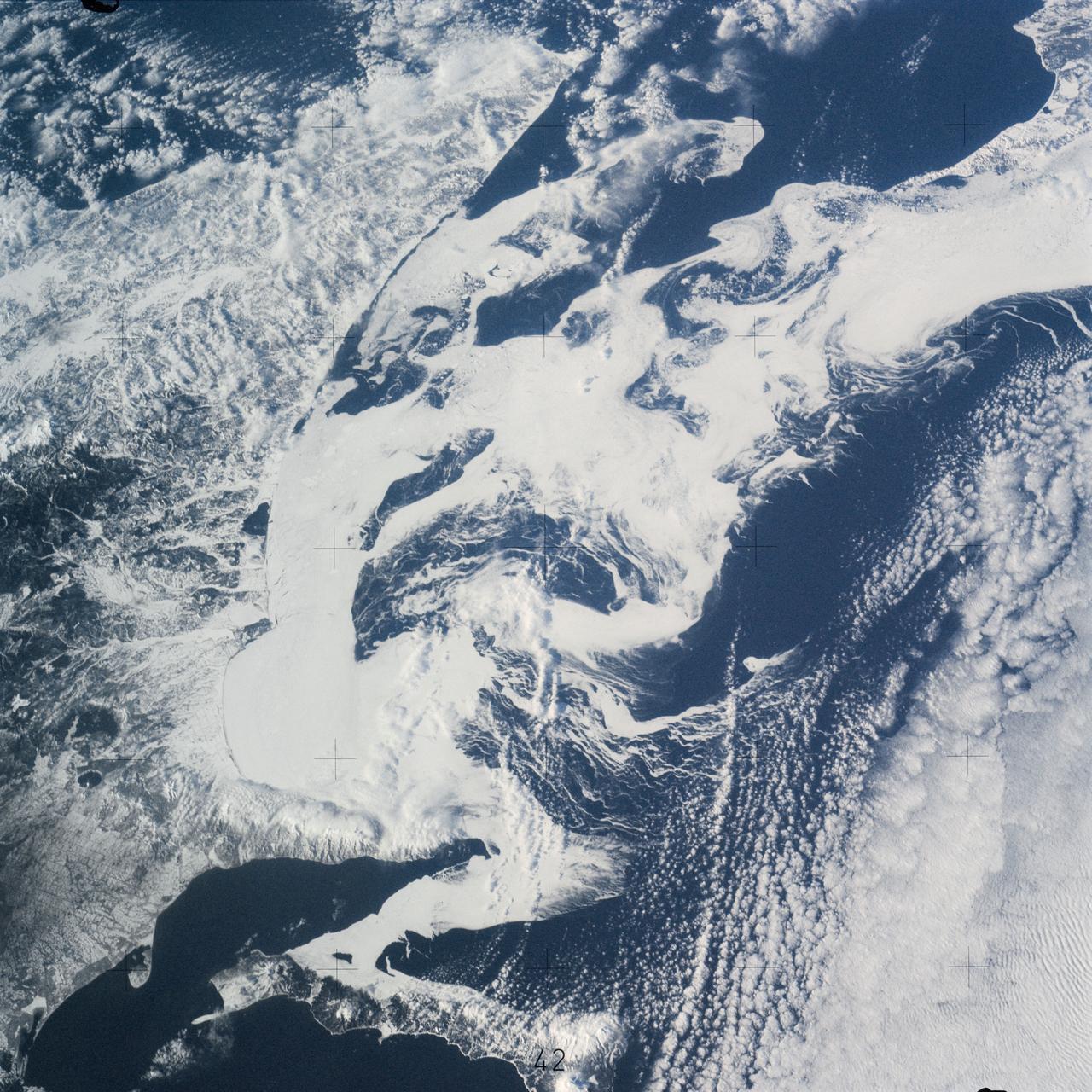
SL4-141-4340 (20 Jan. 1974) --- An oblique view of the southern part of the Sea of Okhotsk, north of Japan, as photographed from the Skylab space station in Earth orbit by one of the Skylab 4 crewmen. The camera used was a hand-held 70mm Hasselblad, and SO-368 medium-speed Ektachrome. NORTH IS AT THE TOP WHEN THE PICTURE IS HELD WITH THE LARGEST LAND MASS AT THE BOTTOM. Most of the land area is Hokkaido Island, Japan. The southern tip of Sakhalin Island (Soviet Union) is in the northwest corner. This photograph was taken to aid in the study of the formation of sea ice. Comparison of these photographs will be made with observations made during a joint USSR-U.S. experiment in the Bering Sea a year earlier. Observations in the Sea of Okhotsk are of interest because the ice has a morphology similar to that of the Bering Sea. Photo credit: NASA
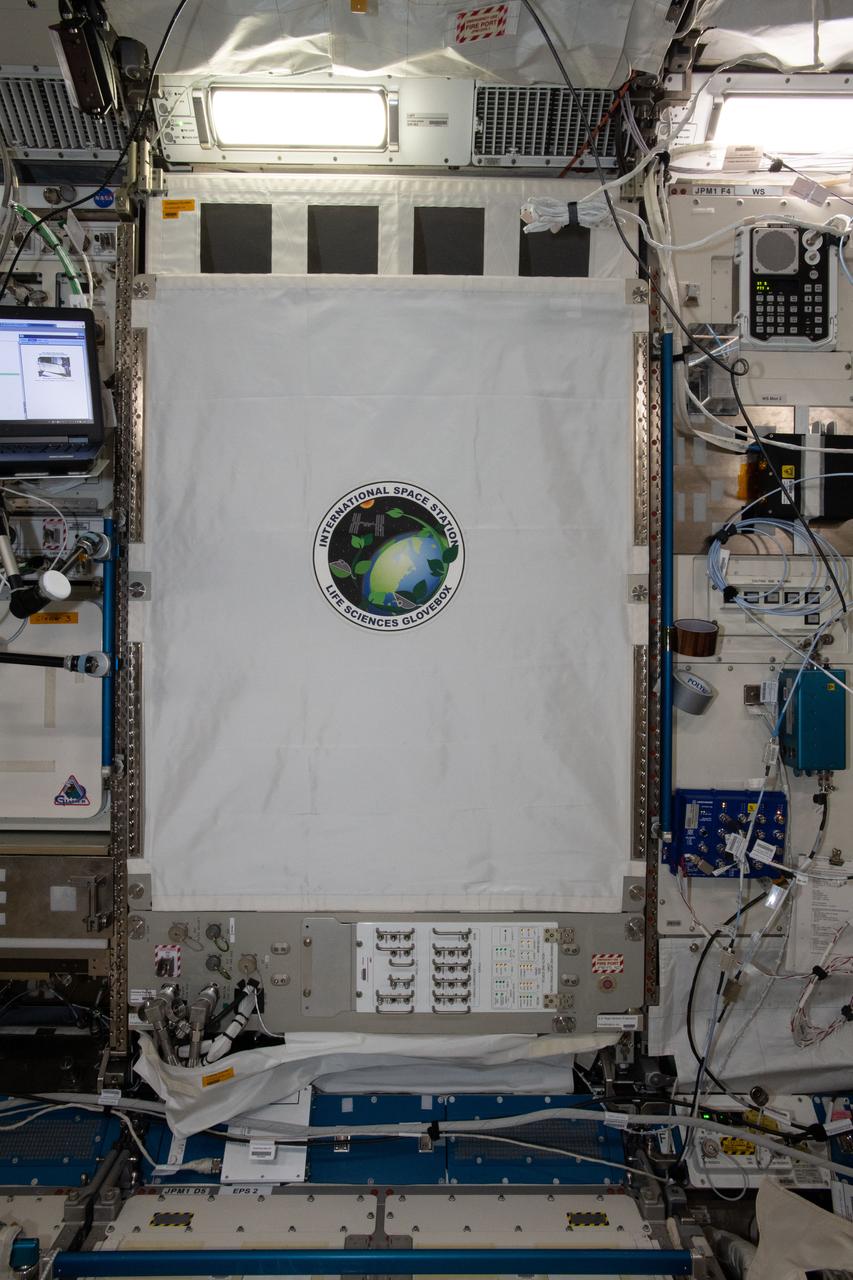
iss057e057787 (10/31/2018) --- A view of the Life Sciences Glovebox (LSG) with Closeout Screen and Front Cover installed during rack configuration operations (OPS) in the Kibo Japanese Experiment Pressurized Module (JPM). The Life Sciences Glovebox (LSG) is a sealed work area that accommodates life science and technology investigations in a “workbench” type environment. Due to its larger size design, two crew members can work in the LSG simultaneously.
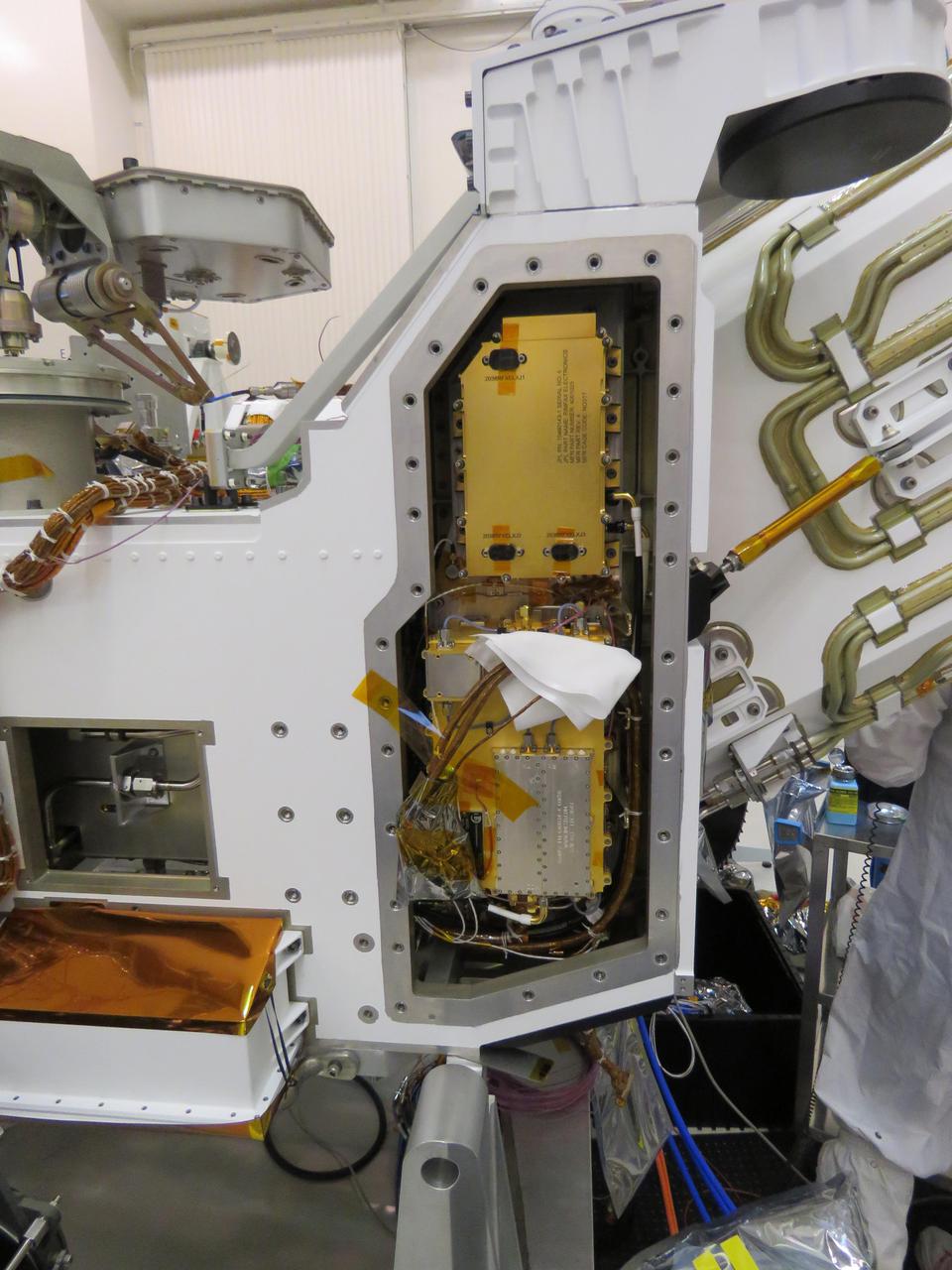
This image, taken in the clean room at NASA's Jet Propulsion Laboratory in Southern California, shows the Radar Imager for Mars' Subsurface Experiment (RIMFAX) electronic's box after it has been inserted into the Perseverance rover. The gold-plated electronics box is at the top of the opening. RIMFAX's antenna will be mounted on the bottom rear of the rover. https://photojournal.jpl.nasa.gov/catalog/PIA24204
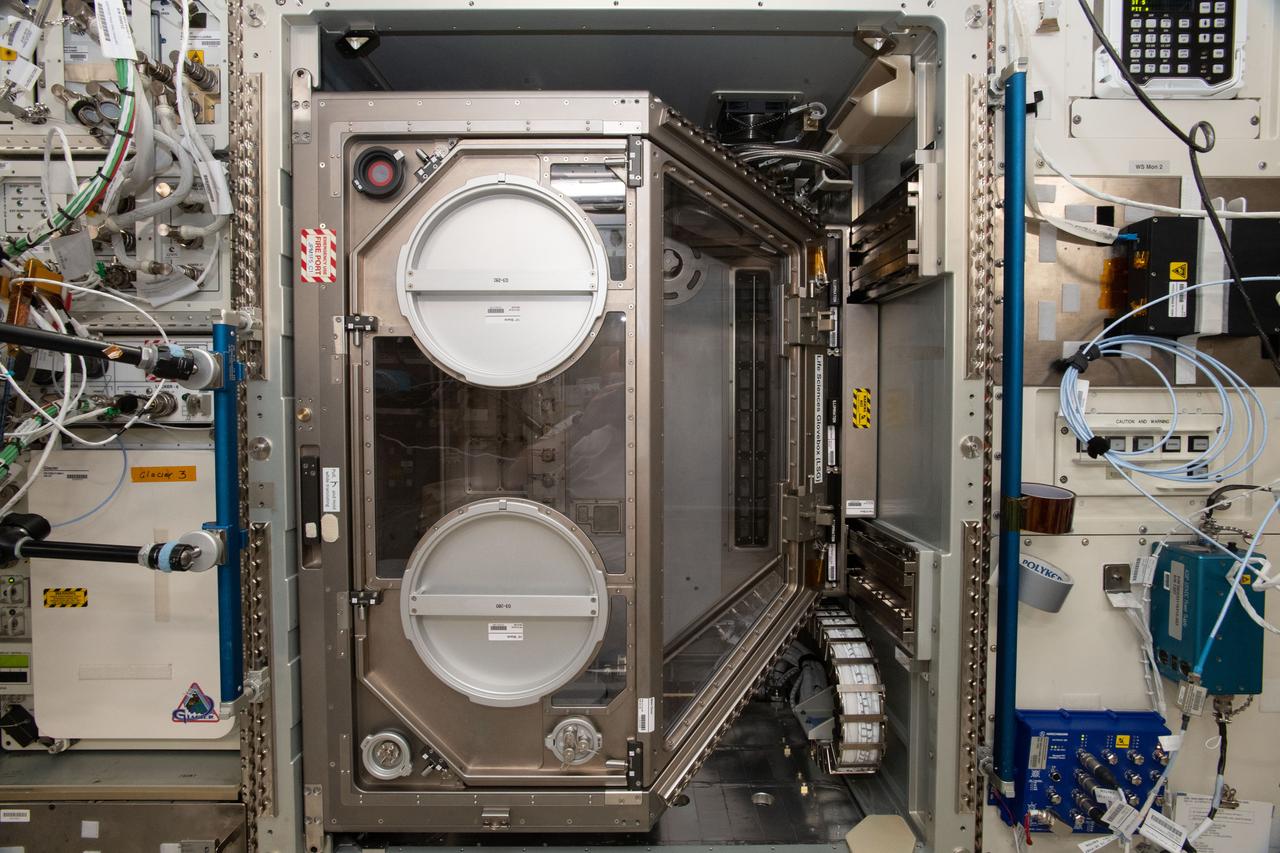
iss057e057774 (10/31/2018) --- A view of the Life Sciences Glovebox (LSG) during rack configuration operations (OPS) in the Kibo Japanese Experiment Pressurized Module (JPM). The Life Sciences Glovebox (LSG) is a sealed work area that accommodates life science and technology investigations in a “workbench” type environment. Due to its larger size design, two crew members can work in the LSG simultaneously.
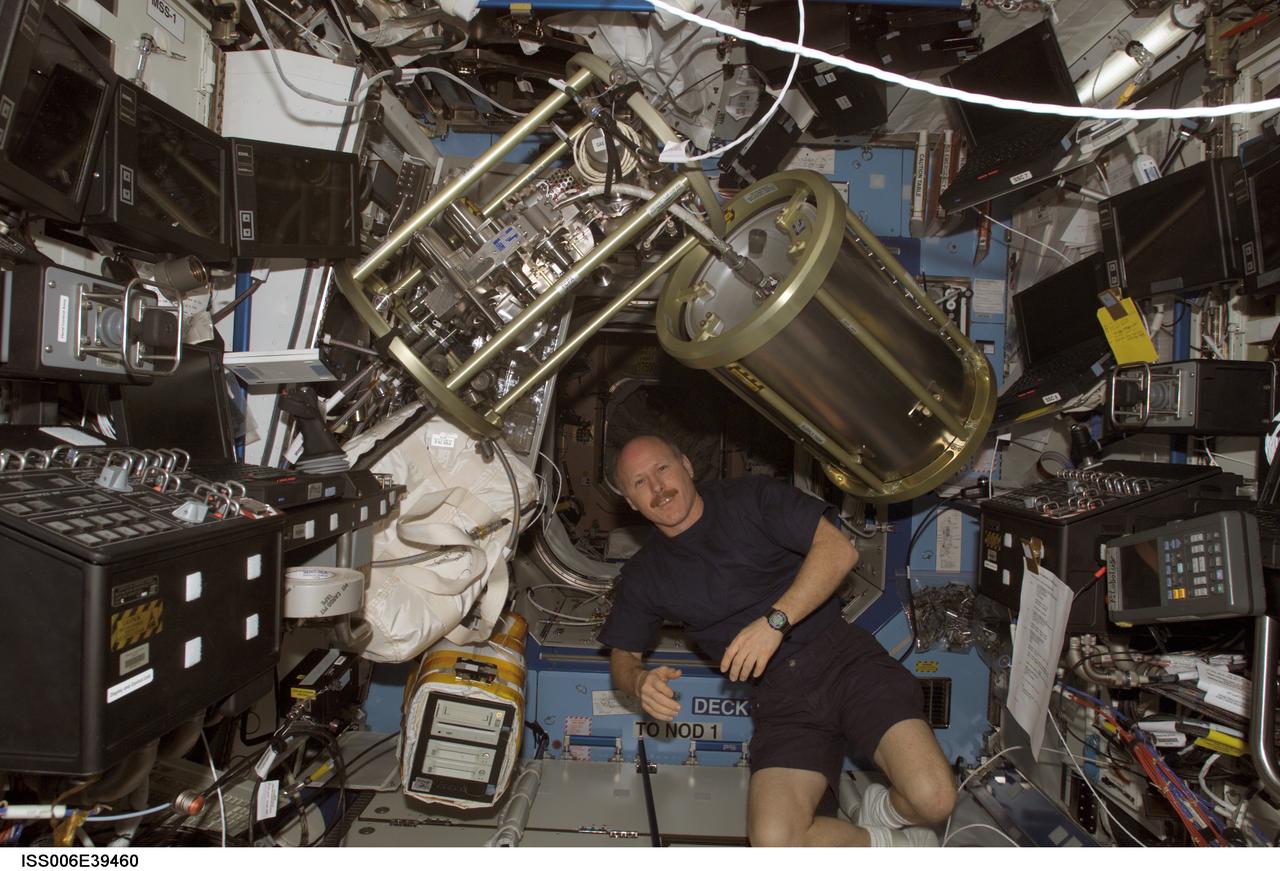
ISS006-E-39460 (18 March 2003) --- Astronaut Kenneth D. Bowersox, Expedition Six mission commander, is pictured in the Destiny laboratory on the International Space Station (ISS). The supply tank and Fluid Control Pump Assembly (FCPA), which are a part of the Internal Thermal Control System (ITCS), are visible floating freeing above Bowersox.
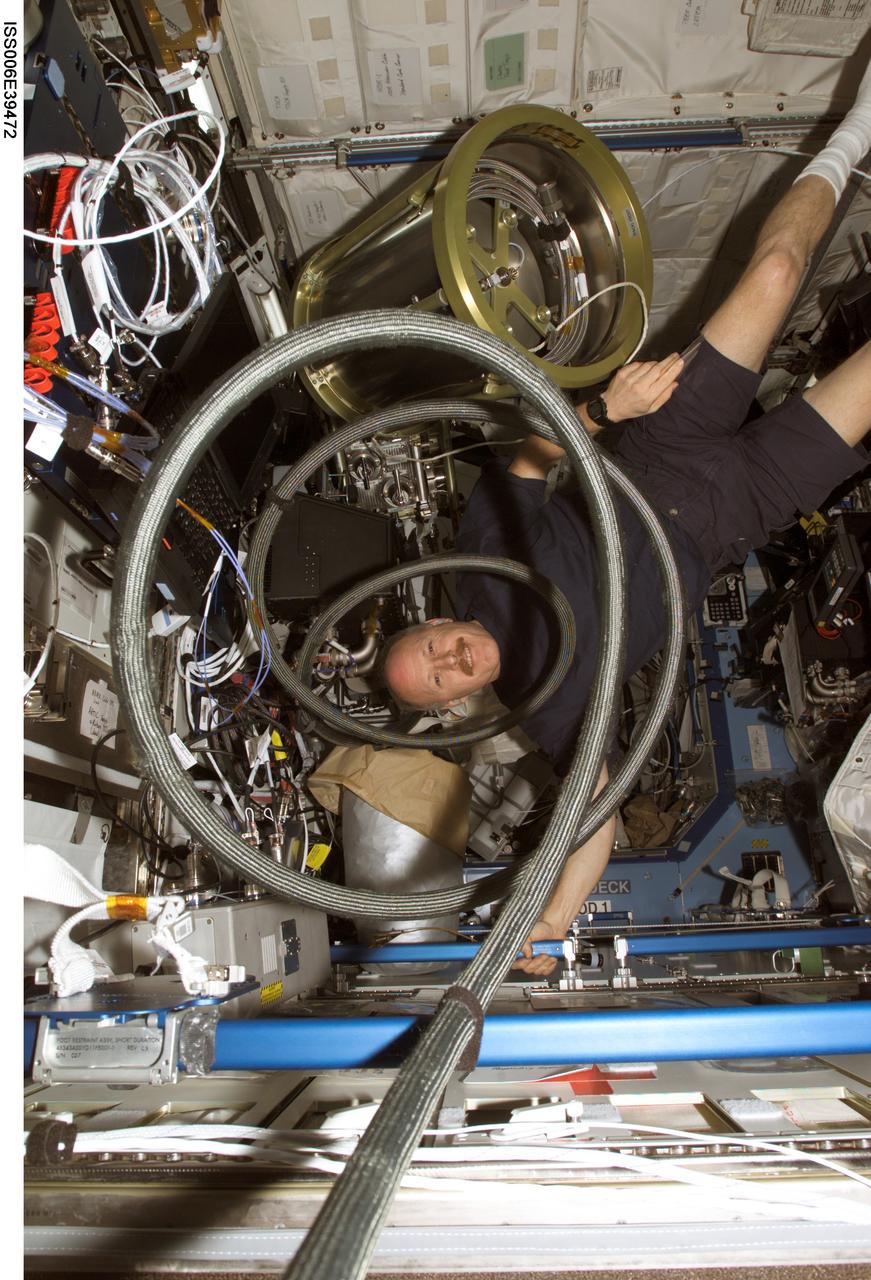
ISS006-E-39472 (18 March 2003) --- Astronaut Kenneth D. Bowersox, Expedition Six mission commander, floats with a supply tank, which is a part of the Internal Thermal Control System (ITCS) in the Destiny laboratory on the International Space Station (ISS).
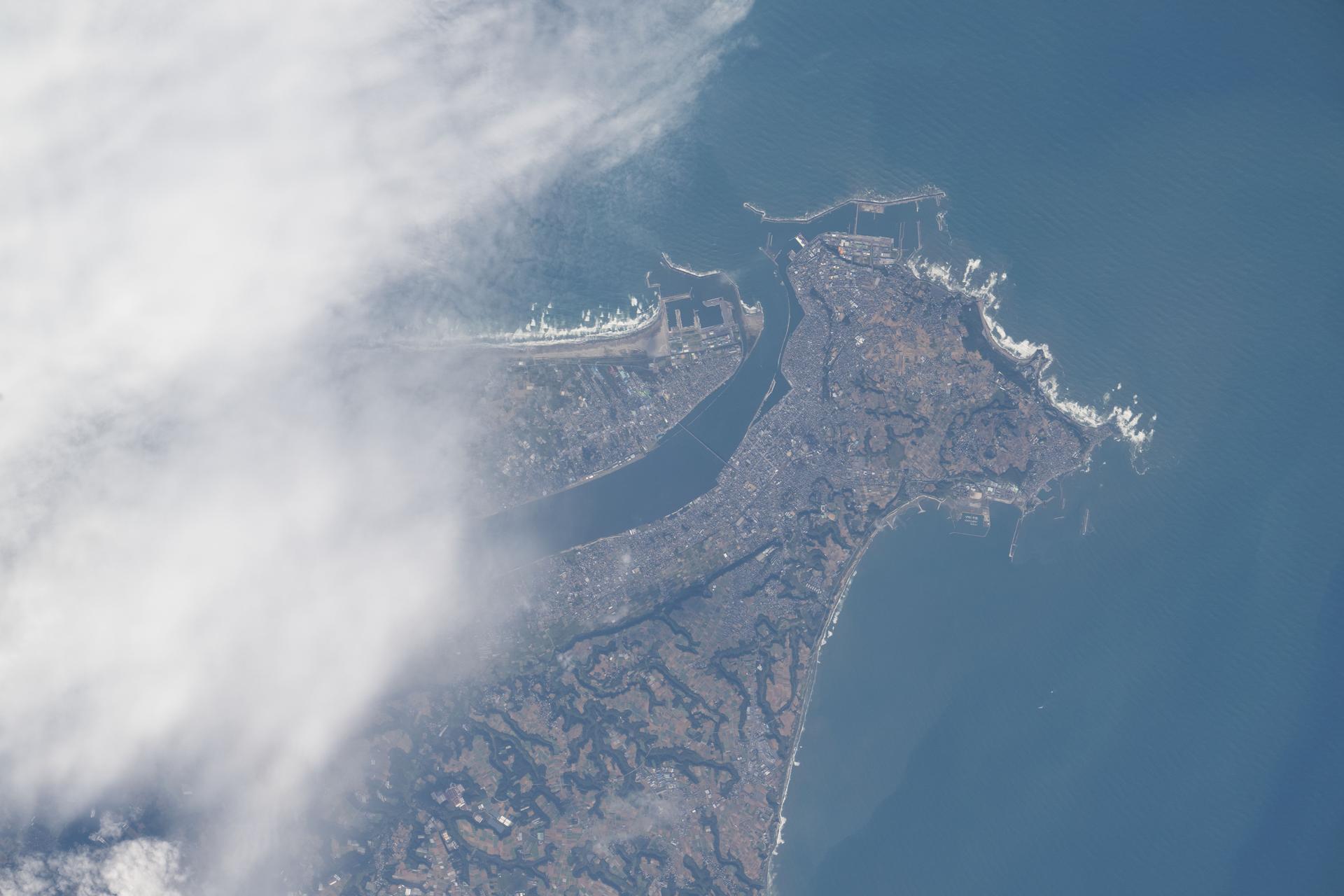
iss073e0958562 (Oct. 10, 2025) --- The Tone River flows through the northern part of Chōshi, Japan, a coastal city on the Pacific Ocean with a population of over 59,000. Chōshi, pictured here from the International Space Station as it orbited 261 miles above the Pacific, is known for the Inubosaki Lighthouse and as one of Japan’s top soy sauce producers
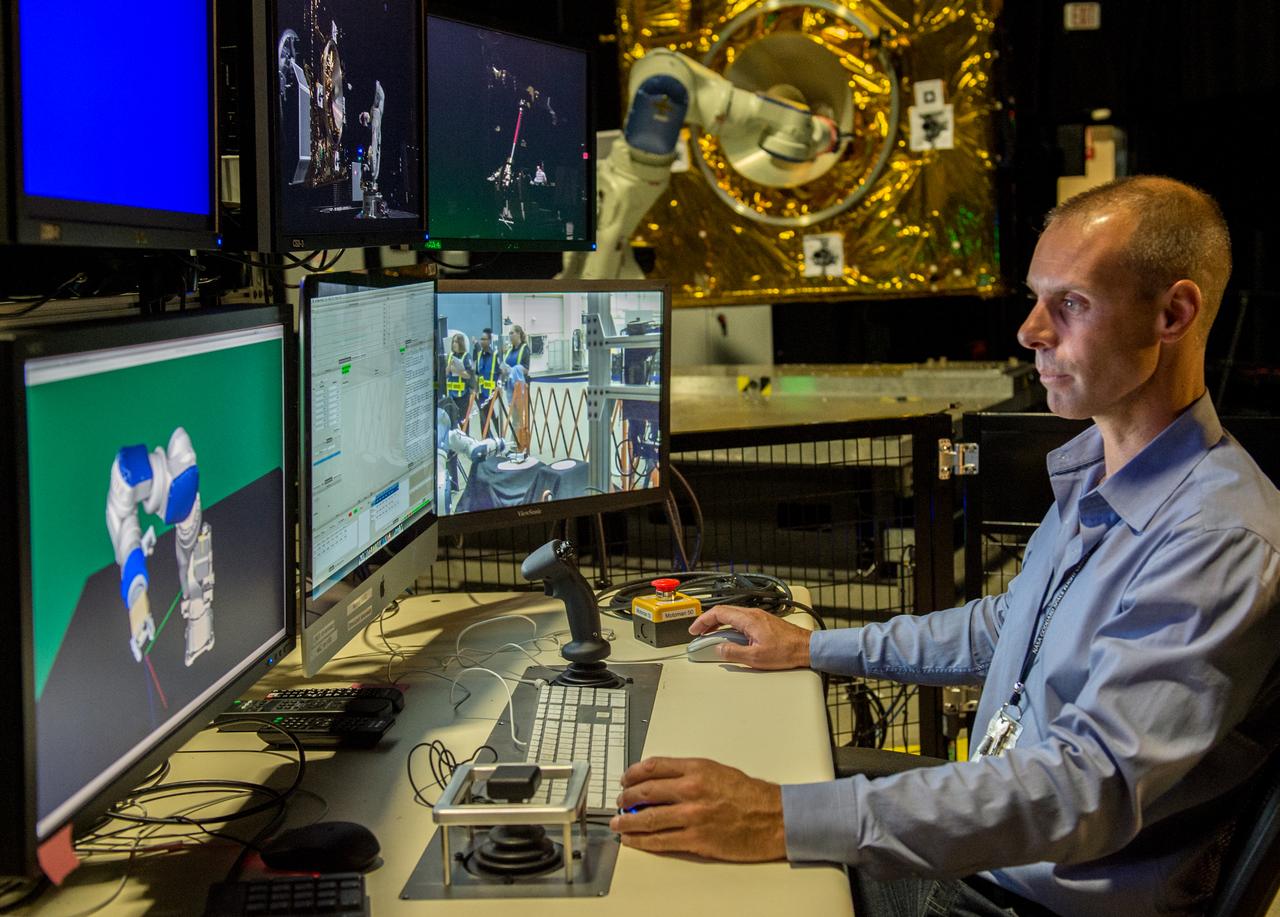
Buildings 7 & 29. Explore@NASAGoddard celebrates the 25th anniversary of the launch of the Hubble Space Telescope. All areas of Goddard’s research – Earth science, heliophysics, planetary science, astrophysics, and engineering and technology – will be presented, as each discipline plays a critical part in NASA's ongoing journey to reach new heights.
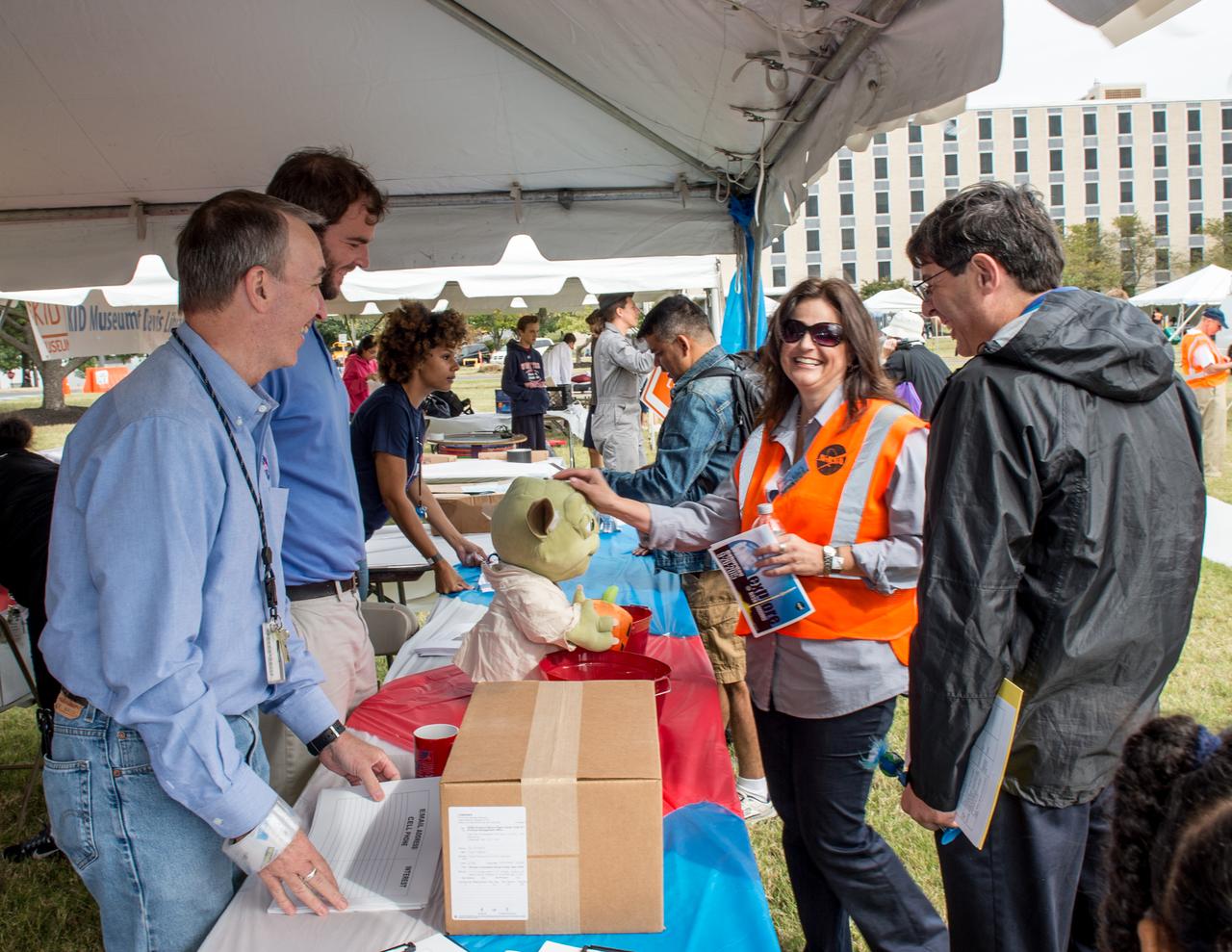
Center Director Chris Scolese visits displays at Explore@NASAGoddard celebrates the 25th anniversary of the launch of the Hubble Space Telescope. All areas of Goddard’s research – Earth science, heliophysics, planetary science, astrophysics, and engineering and technology – will be presented, as each discipline plays a critical part in NASA's ongoing journey to reach new heights.
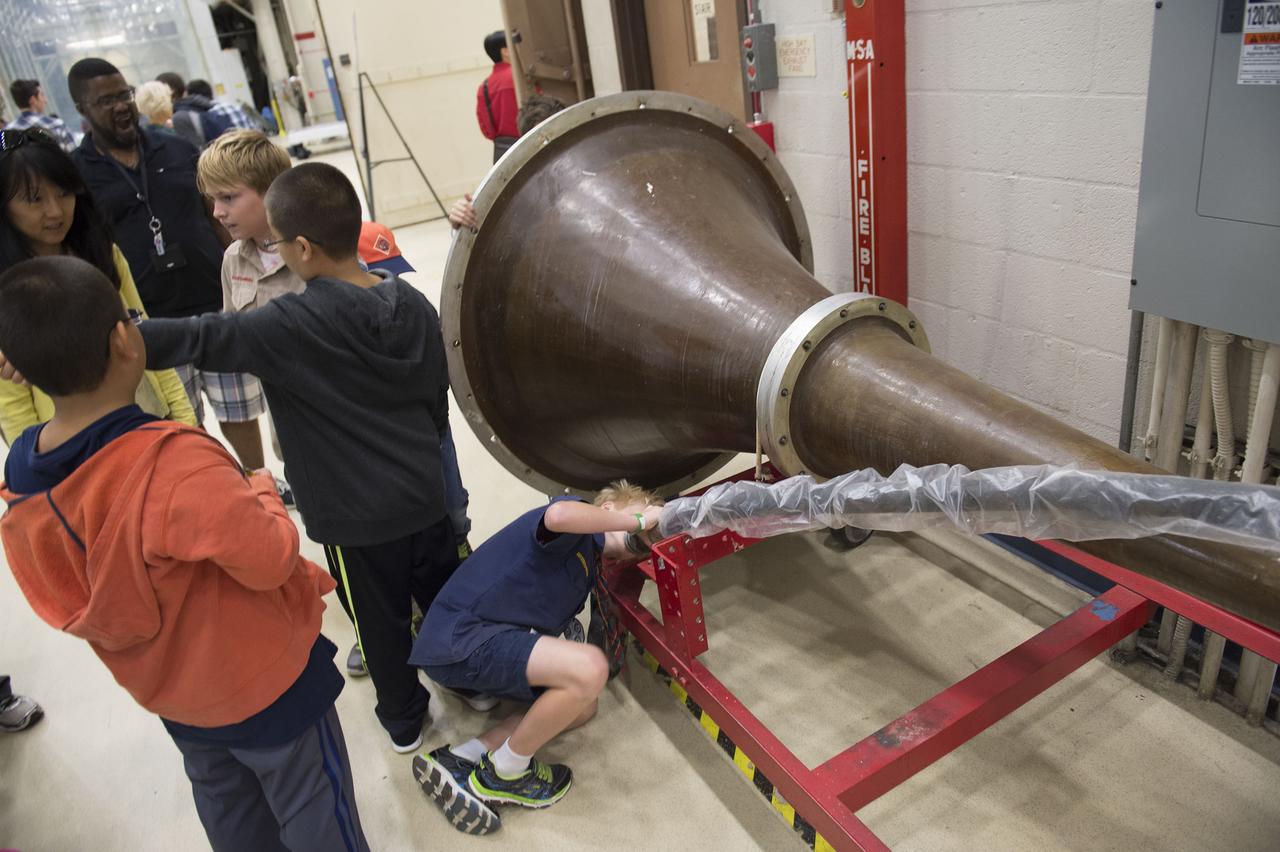
Buildings 7 & 29. Explore@NASAGoddard celebrates the 25th anniversary of the launch of the Hubble Space Telescope. All areas of Goddard’s research – Earth science, heliophysics, planetary science, astrophysics, and engineering and technology – will be presented, as each discipline plays a critical part in NASA's ongoing journey to reach new heights.
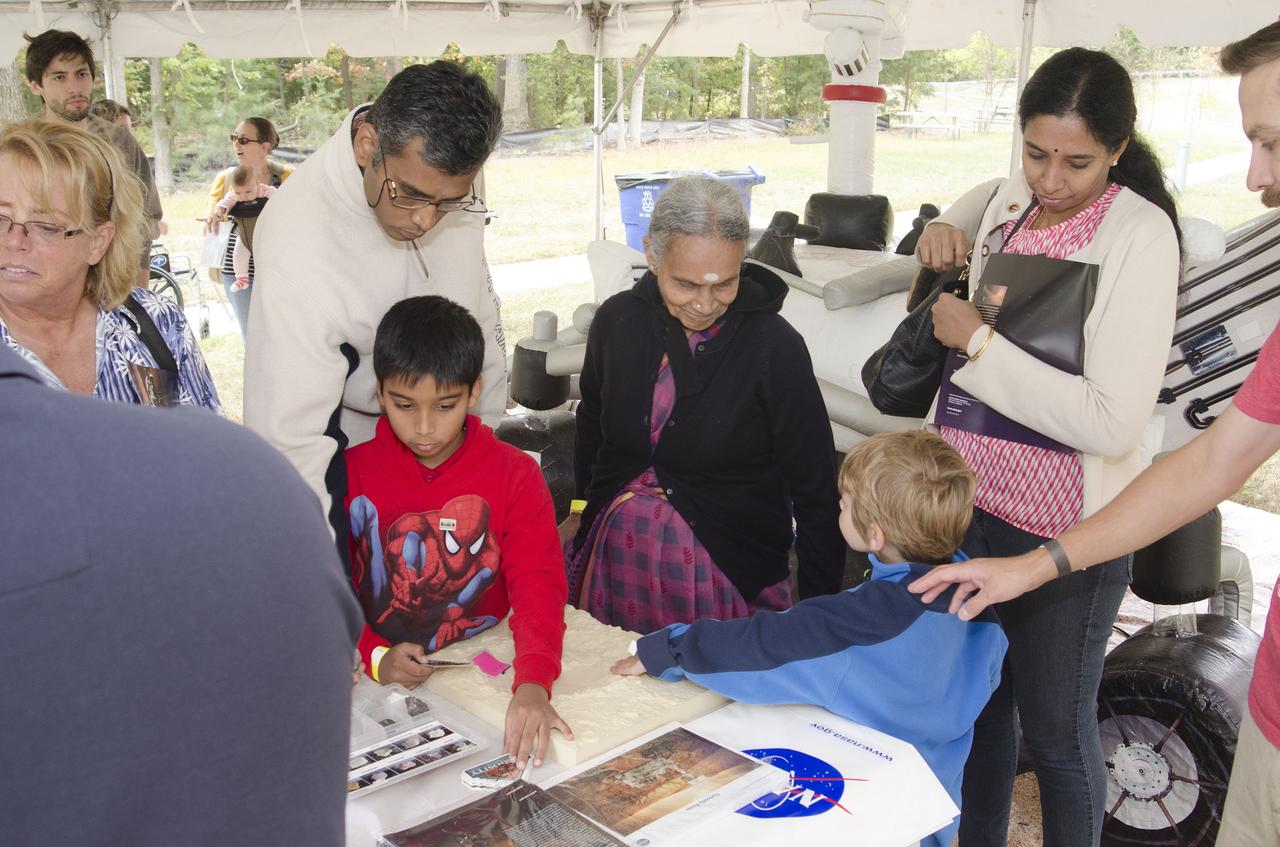
Explore@NASAGoddard celebrates the 25th anniversary of the launch of the Hubble Space Telescope. All areas of Goddard’s research – Earth science, heliophysics, planetary science, astrophysics, and engineering and technology – will be presented, as each discipline plays a critical part in NASA's ongoing journey to reach new heights.
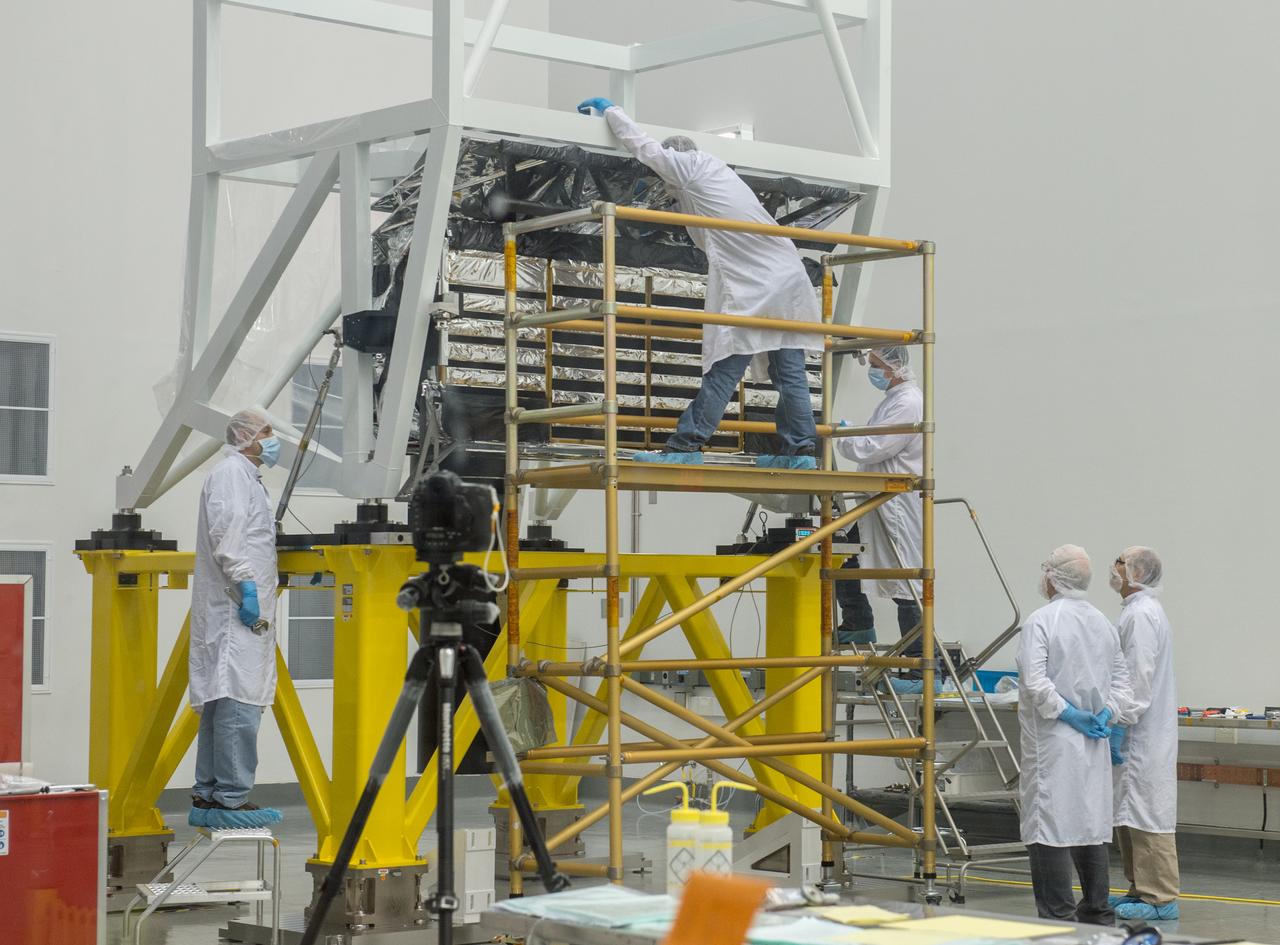
Buildings 7 & 29. Explore@NASAGoddard celebrates the 25th anniversary of the launch of the Hubble Space Telescope. All areas of Goddard’s research – Earth science, heliophysics, planetary science, astrophysics, and engineering and technology – will be presented, as each discipline plays a critical part in NASA's ongoing journey to reach new heights.

Explore@NASAGoddard celebrates the 25th anniversary of the launch of the Hubble Space Telescope. All areas of Goddard’s research – Earth science, heliophysics, planetary science, astrophysics, and engineering and technology – will be presented, as each discipline plays a critical part in NASA's ongoing journey to reach new heights.

Explore@NASAGoddard celebrates the 25th anniversary of the launch of the Hubble Space Telescope. All areas of Goddard’s research – Earth science, heliophysics, planetary science, astrophysics, and engineering and technology – will be presented, as each discipline plays a critical part in NASA's ongoing journey to reach new heights.
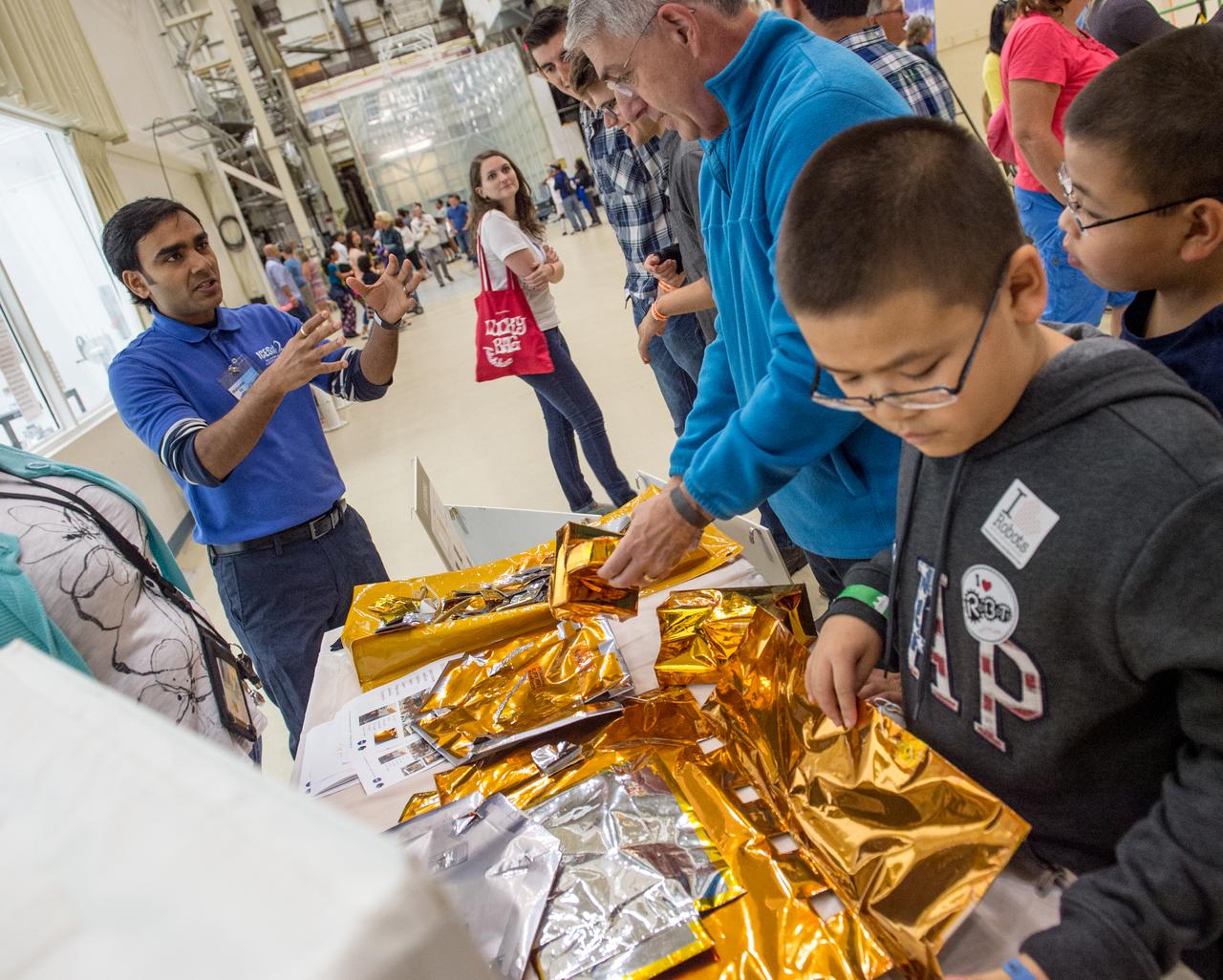
Buildings 7 & 29. Explore@NASAGoddard celebrates the 25th anniversary of the launch of the Hubble Space Telescope. All areas of Goddard’s research – Earth science, heliophysics, planetary science, astrophysics, and engineering and technology – will be presented, as each discipline plays a critical part in NASA's ongoing journey to reach new heights.
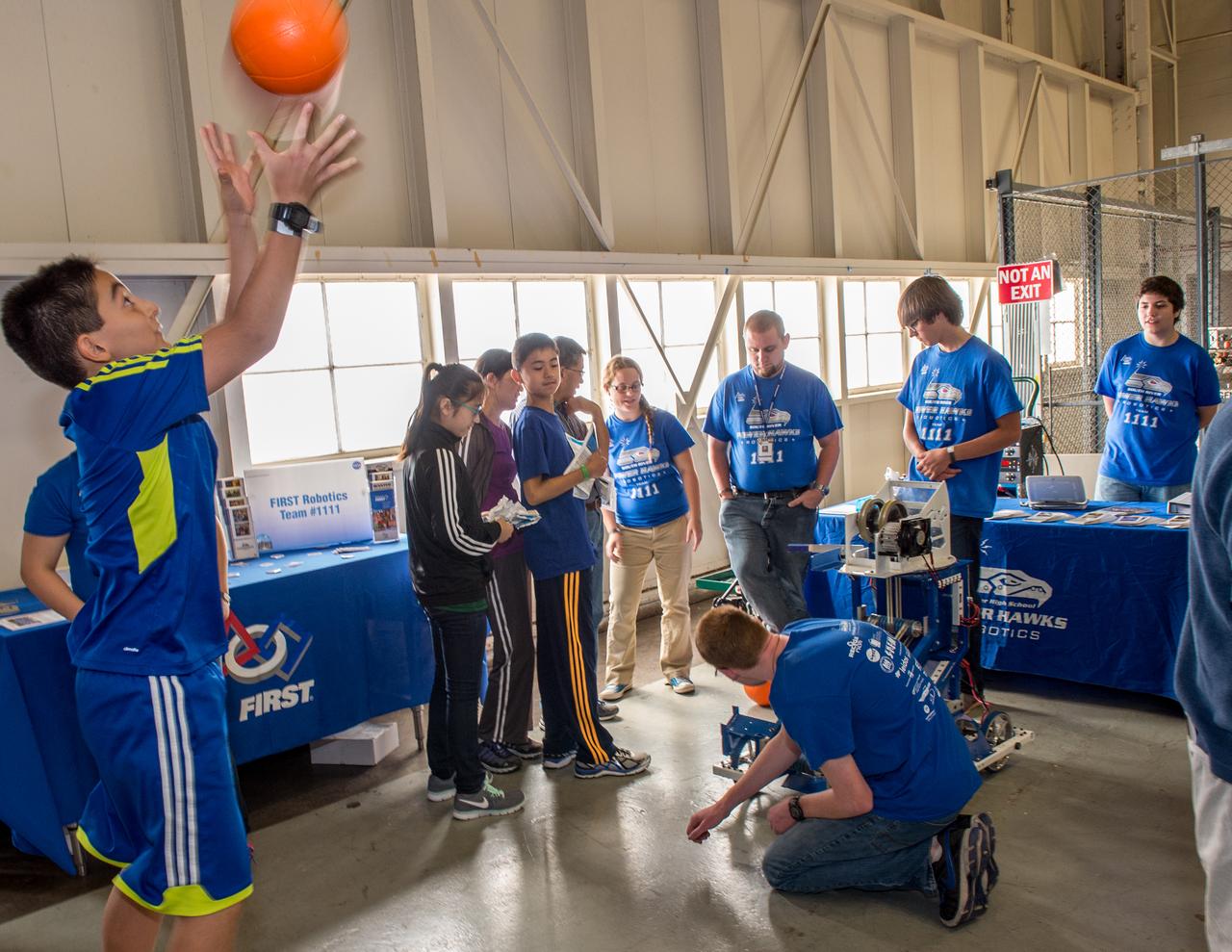
Building 5 Manufacturing Branch. Explore@NASAGoddard celebrates the 25th anniversary of the launch of the Hubble Space Telescope. All areas of Goddard’s research – Earth science, heliophysics, planetary science, astrophysics, and engineering and technology – will be presented, as each discipline plays a critical part in NASA's ongoing journey to reach new heights.

Explore@NASAGoddard celebrates the 25th anniversary of the launch of the Hubble Space Telescope. All areas of Goddard’s research – Earth science, heliophysics, planetary science, astrophysics, and engineering and technology – will be presented, as each discipline plays a critical part in NASA's ongoing journey to reach new heights.
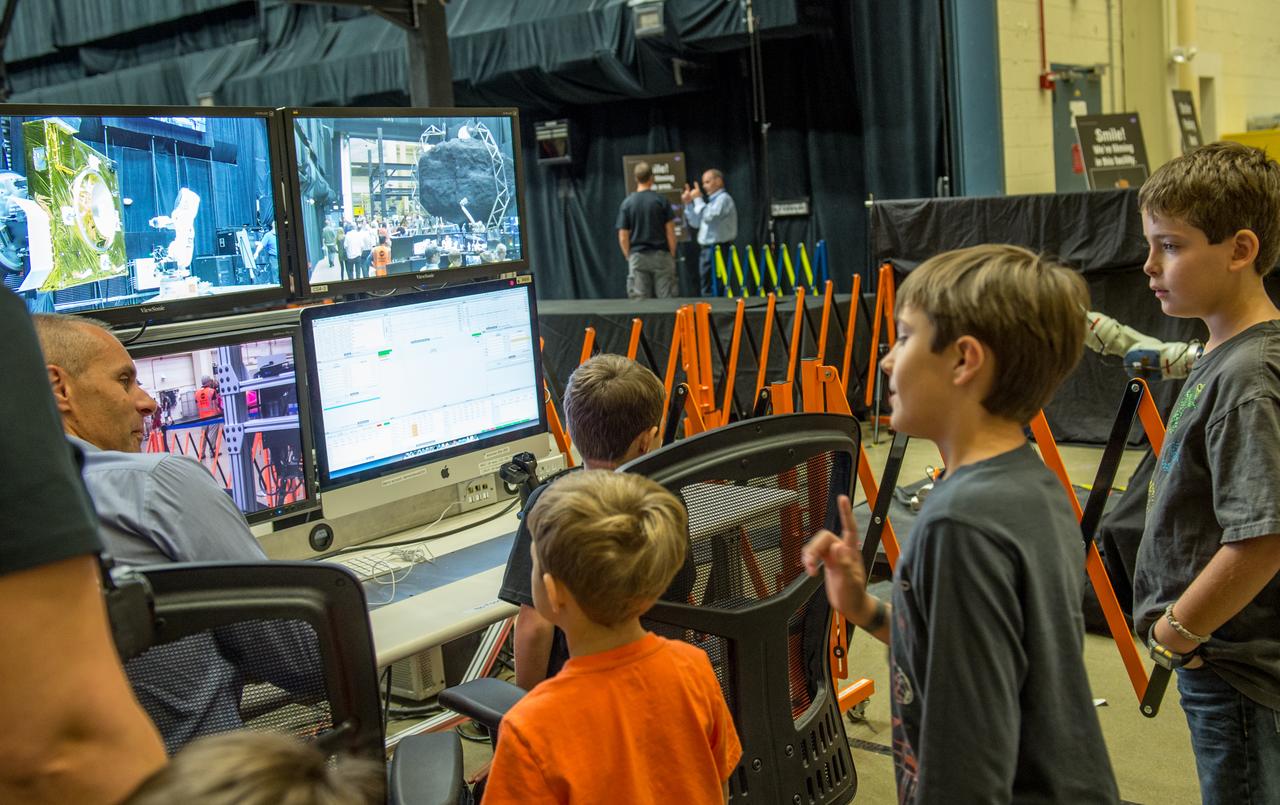
Buildings 7 & 29. Explore@NASAGoddard celebrates the 25th anniversary of the launch of the Hubble Space Telescope. All areas of Goddard’s research – Earth science, heliophysics, planetary science, astrophysics, and engineering and technology – will be presented, as each discipline plays a critical part in NASA's ongoing journey to reach new heights.

Explore@NASAGoddard celebrates the 25th anniversary of the launch of the Hubble Space Telescope. All areas of Goddard’s research – Earth science, heliophysics, planetary science, astrophysics, and engineering and technology – will be presented, as each discipline plays a critical part in NASA's ongoing journey to reach new heights.
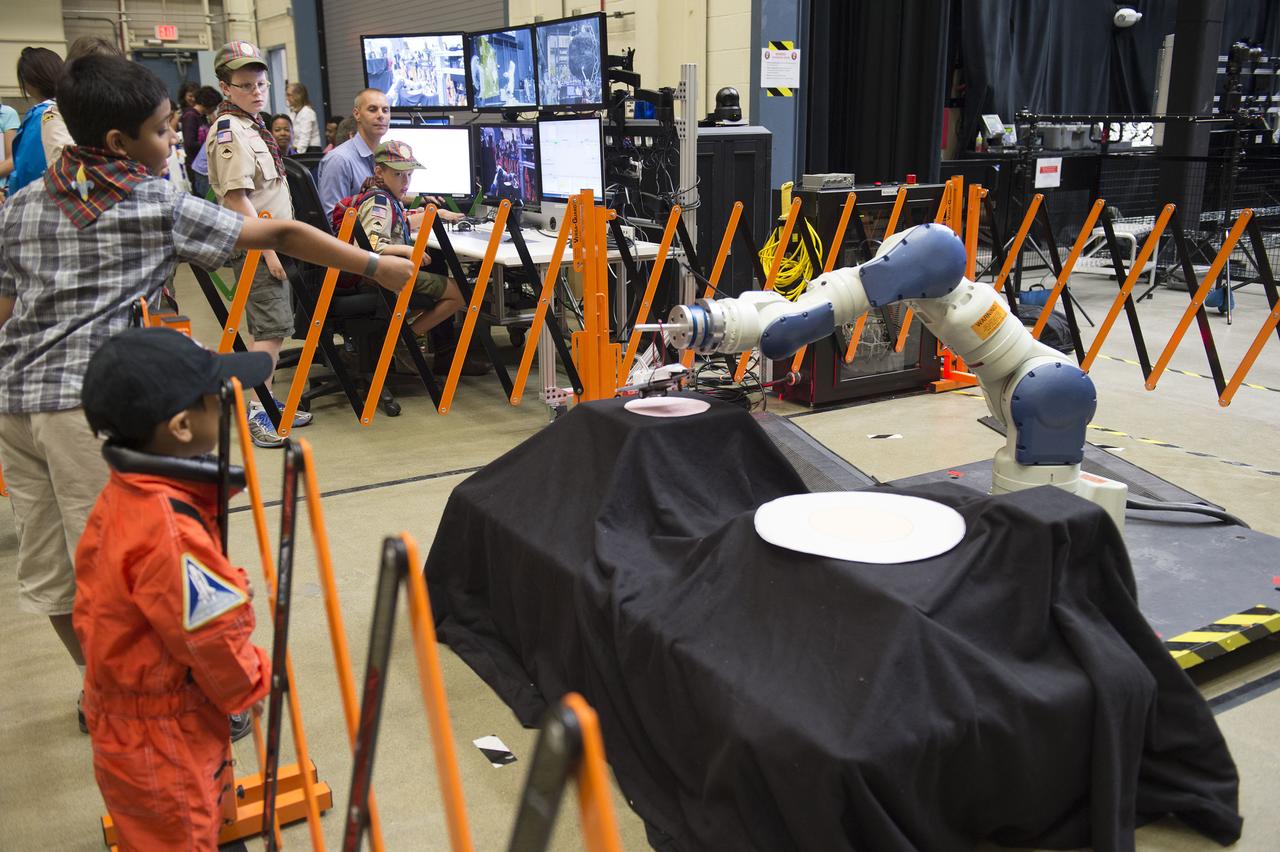
Buildings 7 & 29. Explore@NASAGoddard celebrates the 25th anniversary of the launch of the Hubble Space Telescope. All areas of Goddard’s research – Earth science, heliophysics, planetary science, astrophysics, and engineering and technology – will be presented, as each discipline plays a critical part in NASA's ongoing journey to reach new heights.

Explore@NASAGoddard celebrates the 25th anniversary of the launch of the Hubble Space Telescope. All areas of Goddard’s research – Earth science, heliophysics, planetary science, astrophysics, and engineering and technology – will be presented, as each discipline plays a critical part in NASA's ongoing journey to reach new heights.

Buildings 7 & 29. Explore@NASAGoddard celebrates the 25th anniversary of the launch of the Hubble Space Telescope. All areas of Goddard’s research – Earth science, heliophysics, planetary science, astrophysics, and engineering and technology – will be presented, as each discipline plays a critical part in NASA's ongoing journey to reach new heights.
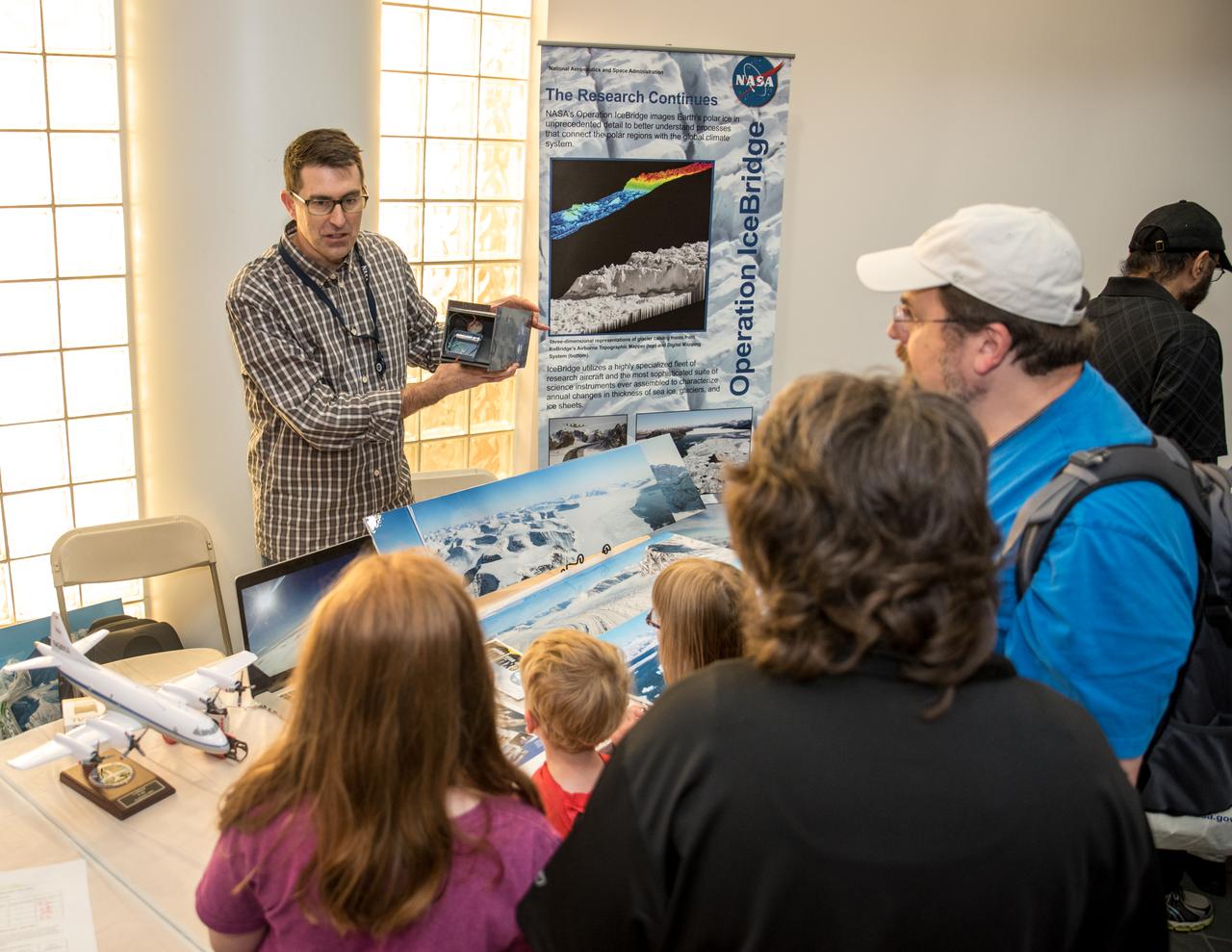
Explore@NASAGoddard celebrates the 25th anniversary of the launch of the Hubble Space Telescope. All areas of Goddard’s research – Earth science, heliophysics, planetary science, astrophysics, and engineering and technology – will be presented, as each discipline plays a critical part in NASA's ongoing journey to reach new heights.
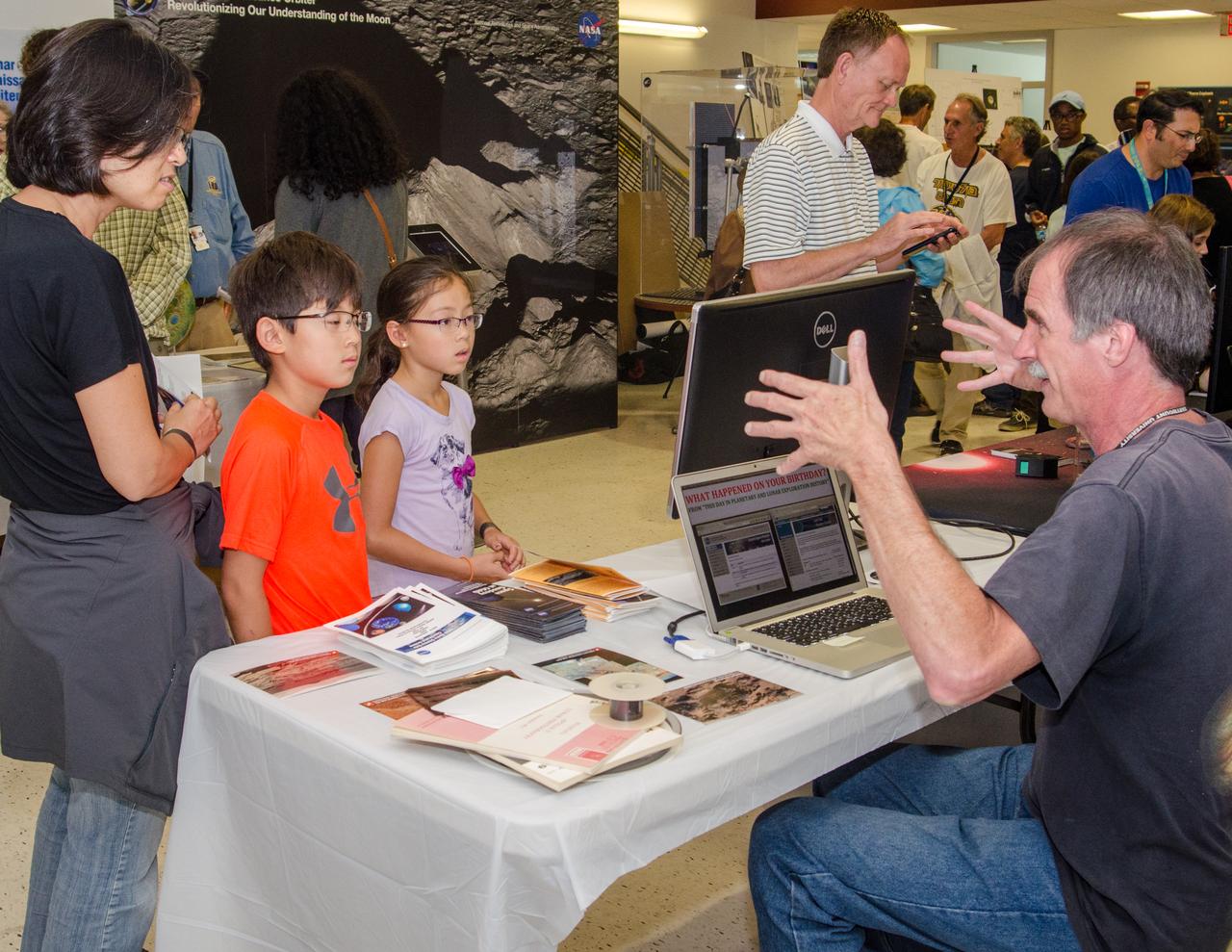
Explore@NASAGoddard celebrates the 25th anniversary of the launch of the Hubble Space Telescope. All areas of Goddard’s research – Earth science, heliophysics, planetary science, astrophysics, and engineering and technology – will be presented, as each discipline plays a critical part in NASA's ongoing journey to reach new heights.

Explore@NASAGoddard celebrates the 25th anniversary of the launch of the Hubble Space Telescope. All areas of Goddard’s research – Earth science, heliophysics, planetary science, astrophysics, and engineering and technology – will be presented, as each discipline plays a critical part in NASA's ongoing journey to reach new heights.

This image shows part of Coprates Chasma
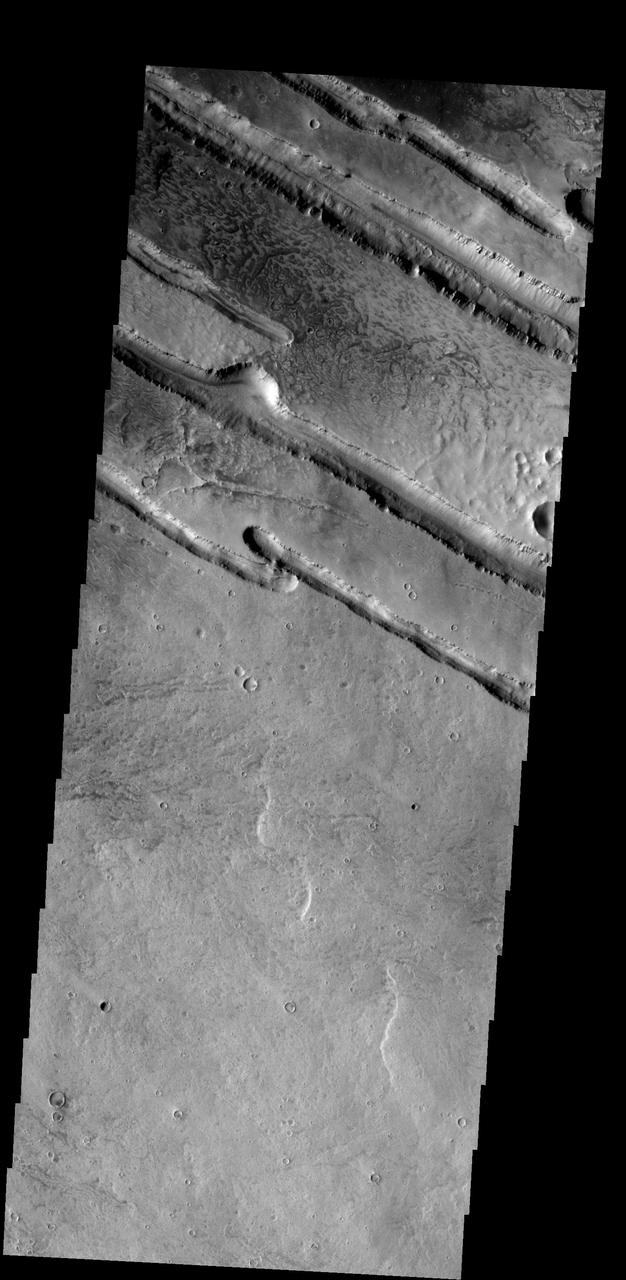
These linear fractures are part of Panchaia Rupes
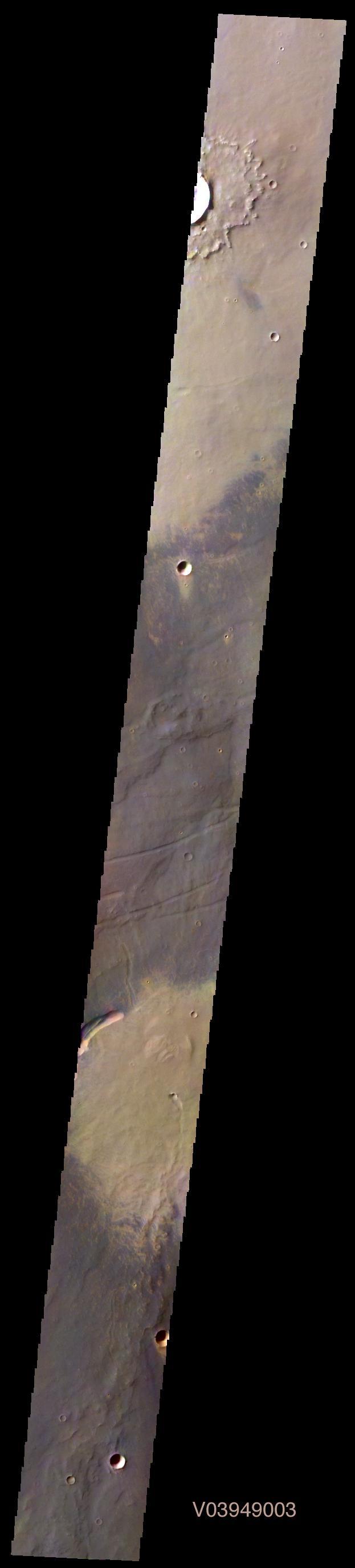
This image shows part of Syria Planum
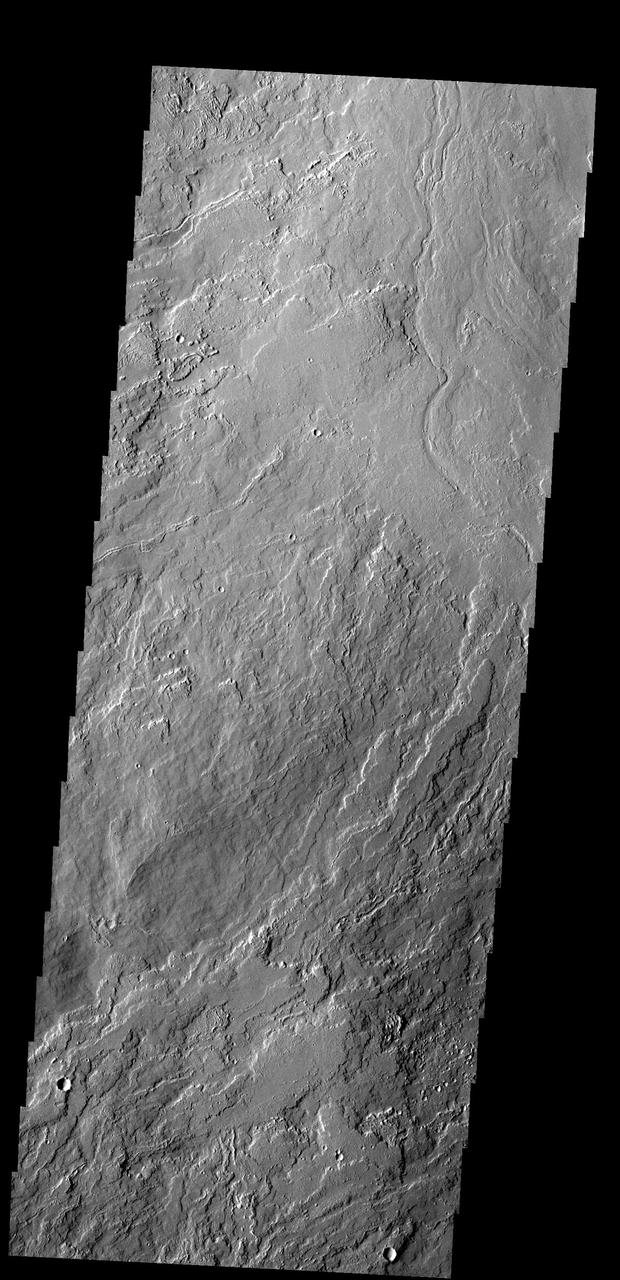
These lava flows are part of Olympus Mons
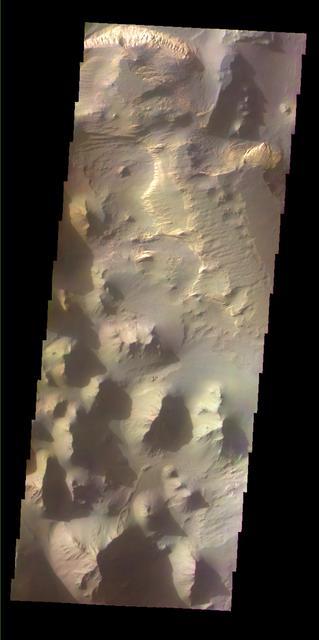
This image shows part of Eos Chasma
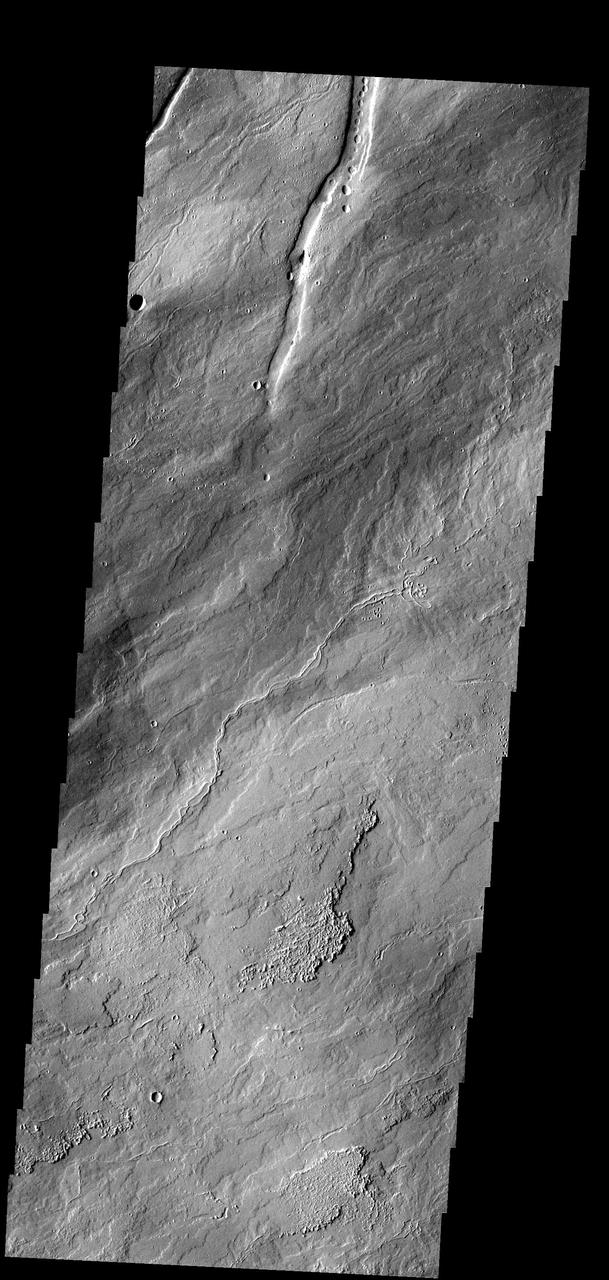
These lava flows are part of Ascraeus Mons
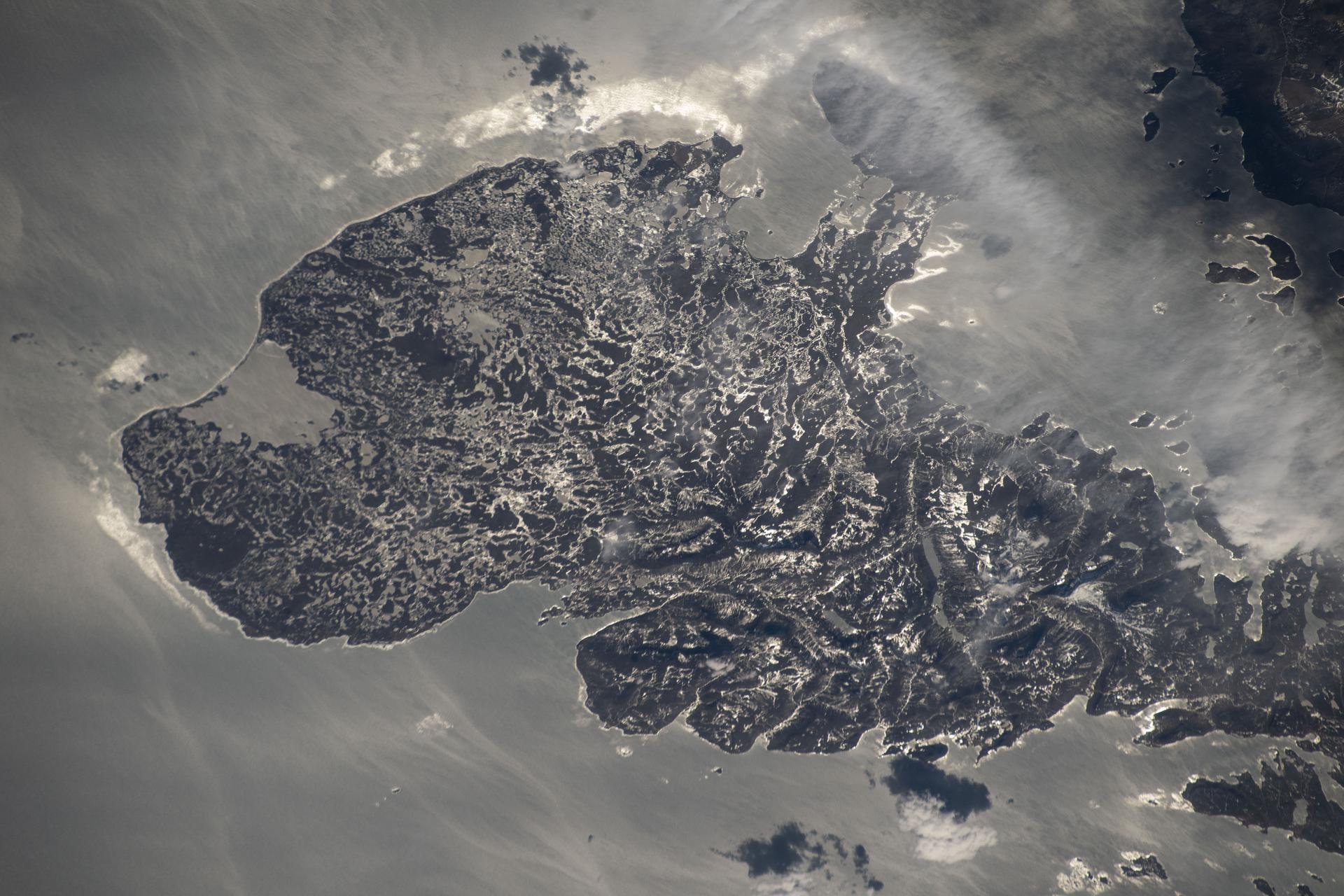
iss073e1047970 (Nov. 2, 2025) --- The western portion of Grand Terre, part of the French Southern and Antarctic Lands, is pictured from the International Space Station as it orbited 270 miles above the Indian Ocean. The largest island in the Kerguelen Archipelago, this UNESCO World Heritage Site is of volcanic origin, features a cold oceanic climate, and is home to king penguins, elephant seals, and albatrosses.
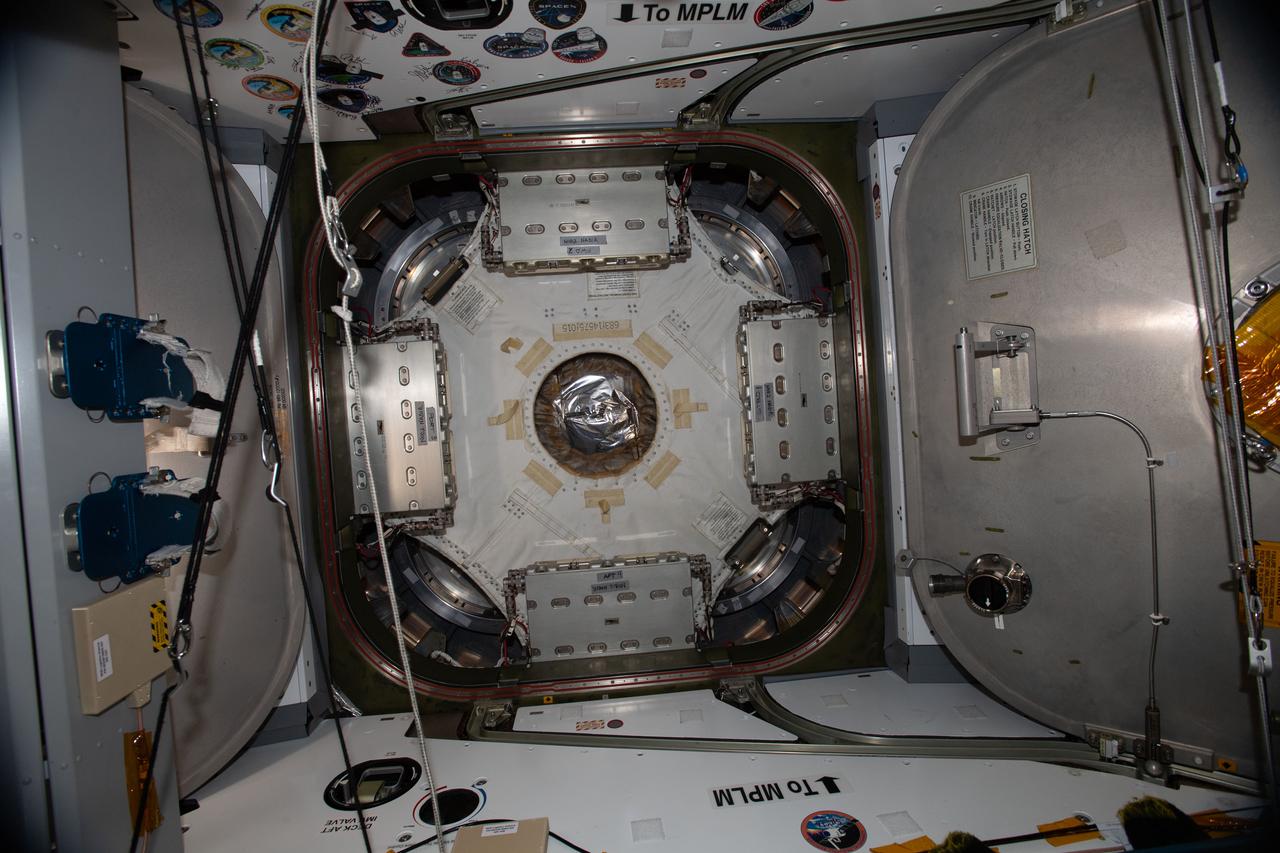
iss057e059085 (11/7/2018) --- Photo documentation of the Common Berthing Mechanism (CBM) Center Disk Cover in the Harmony Node 2 nadir hatch during part 2 of Kounotori H-II Transfer Vehicle 7 (HTV-7) Vestibule configuration for demating. The HTV Small Re-entry Capsule (HSRC) Protective Cover has been removed.

iss057e059103 (11/7/2018) --- Photo documentation of the area behind the Common Berthing Mechanism (CBM) Center Disk Cover in the Harmony Node 2 nadir hatch during part 2 of Kounotori H-II Transfer Vehicle 7 (HTV-7) Vestibule configuration for demating. The HTV Small Re-entry Capsule (HSRC) Protective Cover has been removed.

iss074e0591623 (May 19, 2026) --- The northern part of the Caspian Sea, bordered by Kazakhstan, is fresher than the southern portion, which is much saltier due to the lack of an ocean outlet and increased evaporation that contributes to its salinity. Freshwater from the Volga, Ural, and Kura rivers feeds the northern region, diluting its salinity. The International Space Station was orbiting 260 miles above Central Asia when this photograph was taken. Credit: NASA/Jessica Meir

Center Director Chris Scolese with Sobe Restaurant owners Tony and Josette Simpson and Nichelle Schoultz. Explore@NASAGoddard celebrates the 25th anniversary of the launch of the Hubble Space Telescope. All areas of Goddard’s research – Earth science, heliophysics, planetary science, astrophysics, and engineering and technology – will be presented, as each discipline plays a critical part in NASA's ongoing journey to reach new heights.
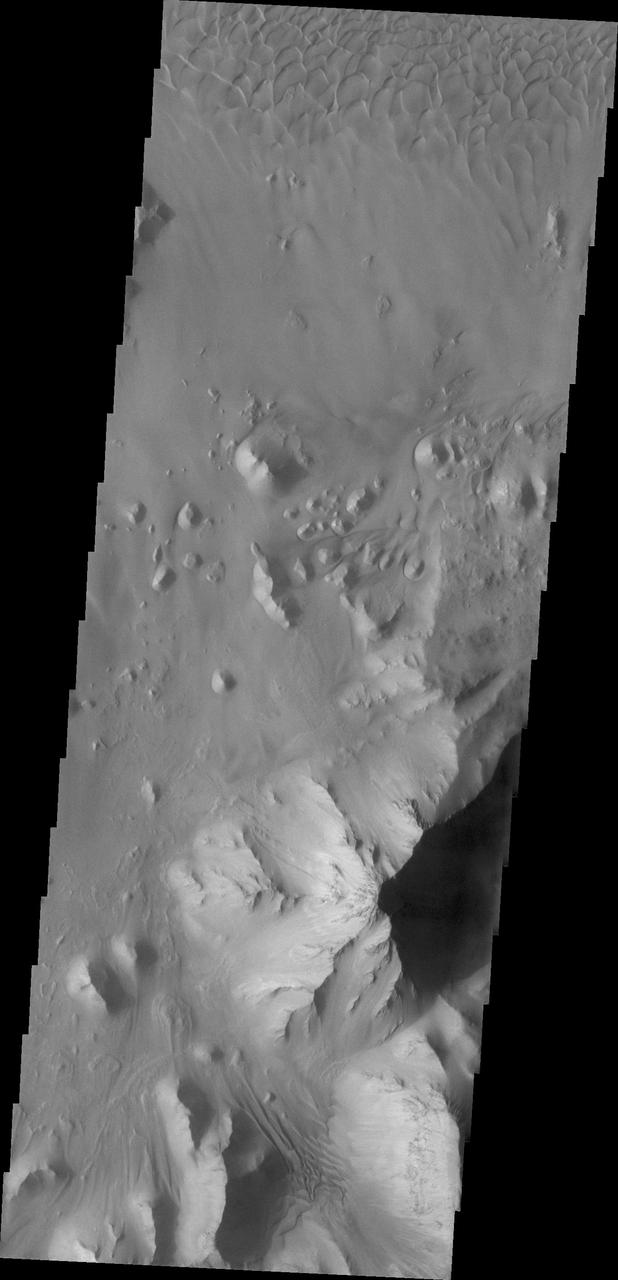
This image from NASA 2001 Mars Odyssey spacecraft shows part of the floor of Ganges Chasma, including part of a sand sheet.

This image captured by NASA 2001 Mars Odyssey spacecraft is part of Tithonium Chasma, part of the western side of Valles Marineris.
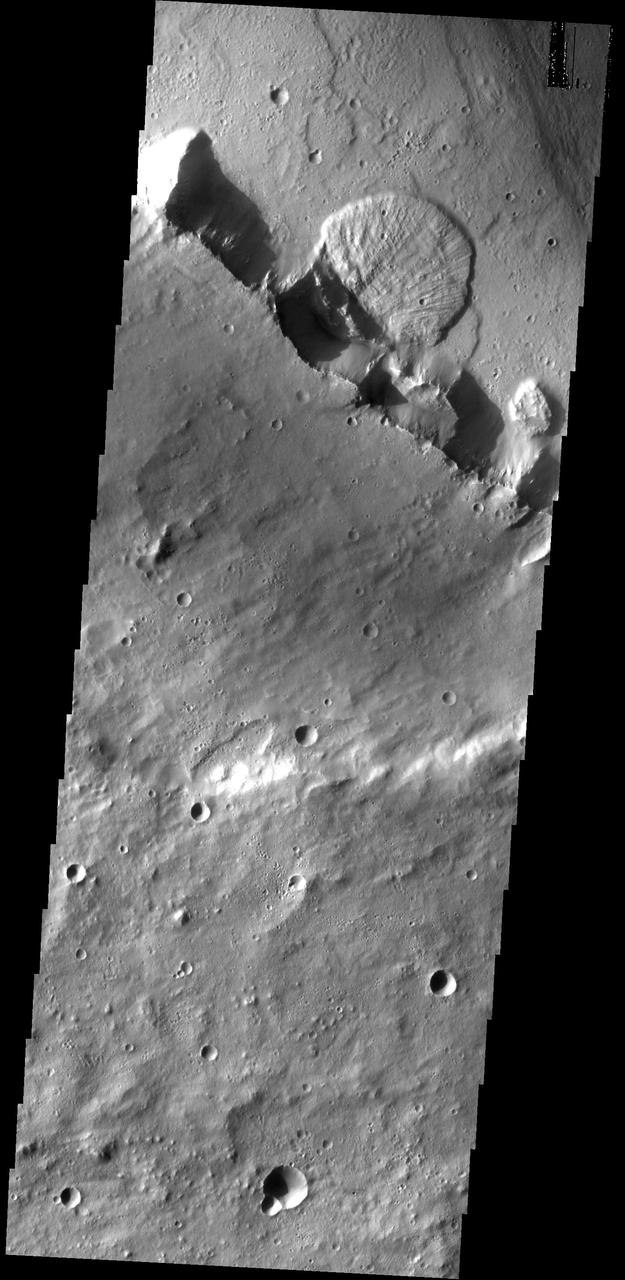
This landslide was formed when part of the channel wall collapsed. This image shows part of Kasei Vallis
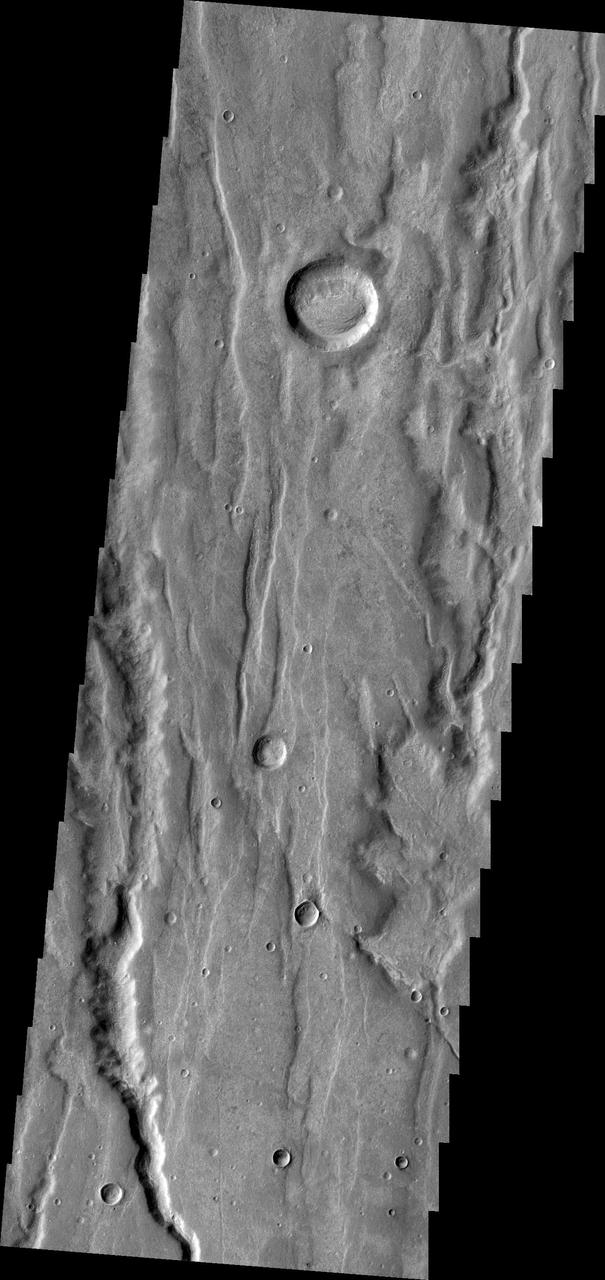
The depressions in this image captured by NASA 2001 Mars Odyssey spacecraft are part of Coracis Fossae, part of the highlands south of Solis Planum.
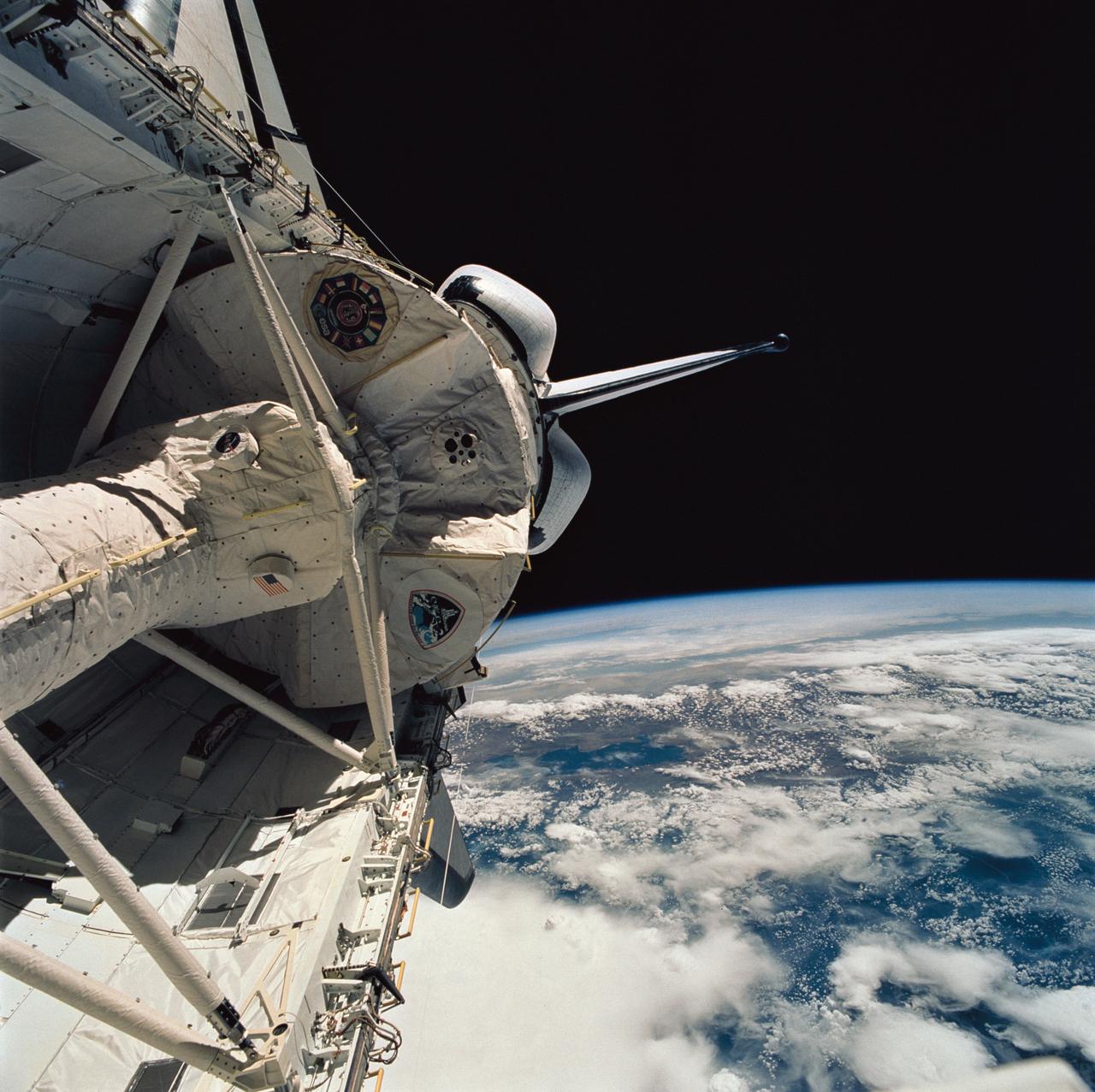
STS058-76-041 (18 Oct-1 Nov 1993) --- Backdropped against the Peru-Bolivia border and part of the Amazon basin, the Spacelab Life Sciences (SLS-2) laboratory module was captured with a 70mm camera, by one of the seven crew members inside the Space Shuttle Columbia's cabin. Part of the tunnel-like passageway is visible in the foreground. Six NASA astronauts and a veterinarian from the private sector spent two weeks devoted to medical research in Earth-orbit. Lake Titicaca, the largest high-altitude lake in the world lies in the Altiplano of Bolivia and Peru. Space Shuttle photography has been used to document fluctuations of several meters of the level of Lake Titicaca during the past decade, as well as to document the eutrophication of the north end of the lake, which is primarily due to increased population in the Peruvian shoreline areas. This view shows the effect of abnormally heavy precipitation of the region for the third successive year. Meteorologists feel this precipitation increase, which may portend another increase of the lake level, is due to the third successive El Nino - Southern Oscillation phenomenon in the 1993 - 94 southern hemisphere summertime. This global phenomenon is now resulting in major weather disturbances in Indonesia, California, Texas and elsewhere.
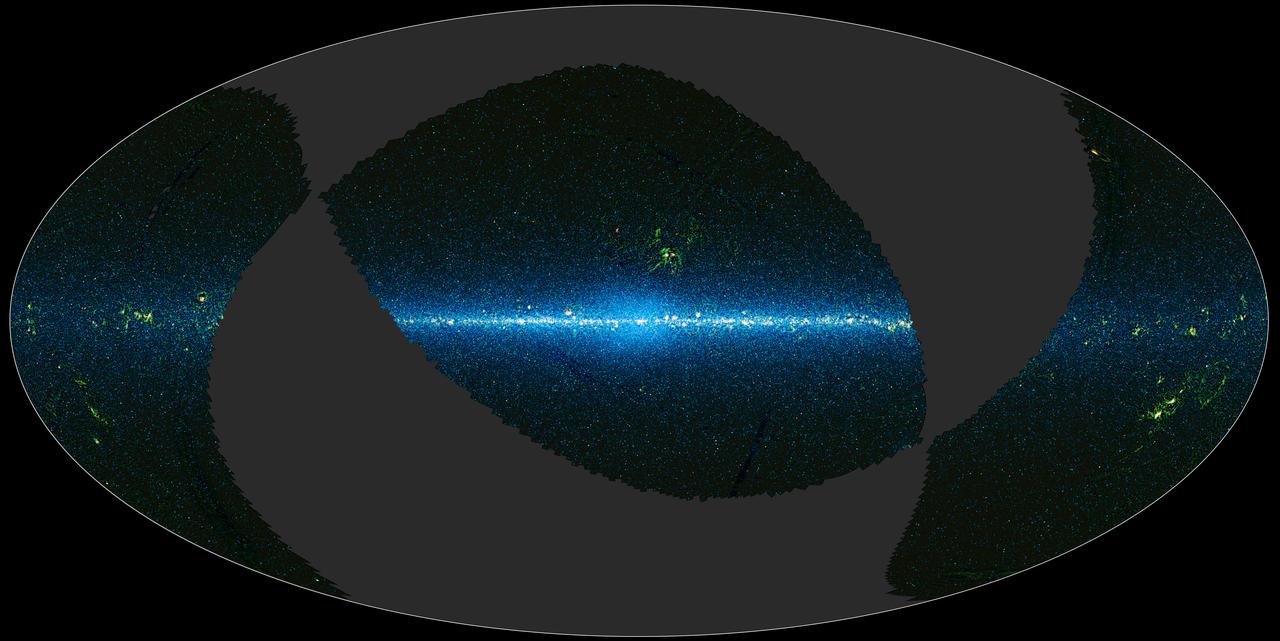
This image is a map of the portion of the sky covered by the preliminary release of WISE data. WISE surveyed the entire sky in four infrared wavelengths in 2010. This map is centered on the Milky Way galaxy.
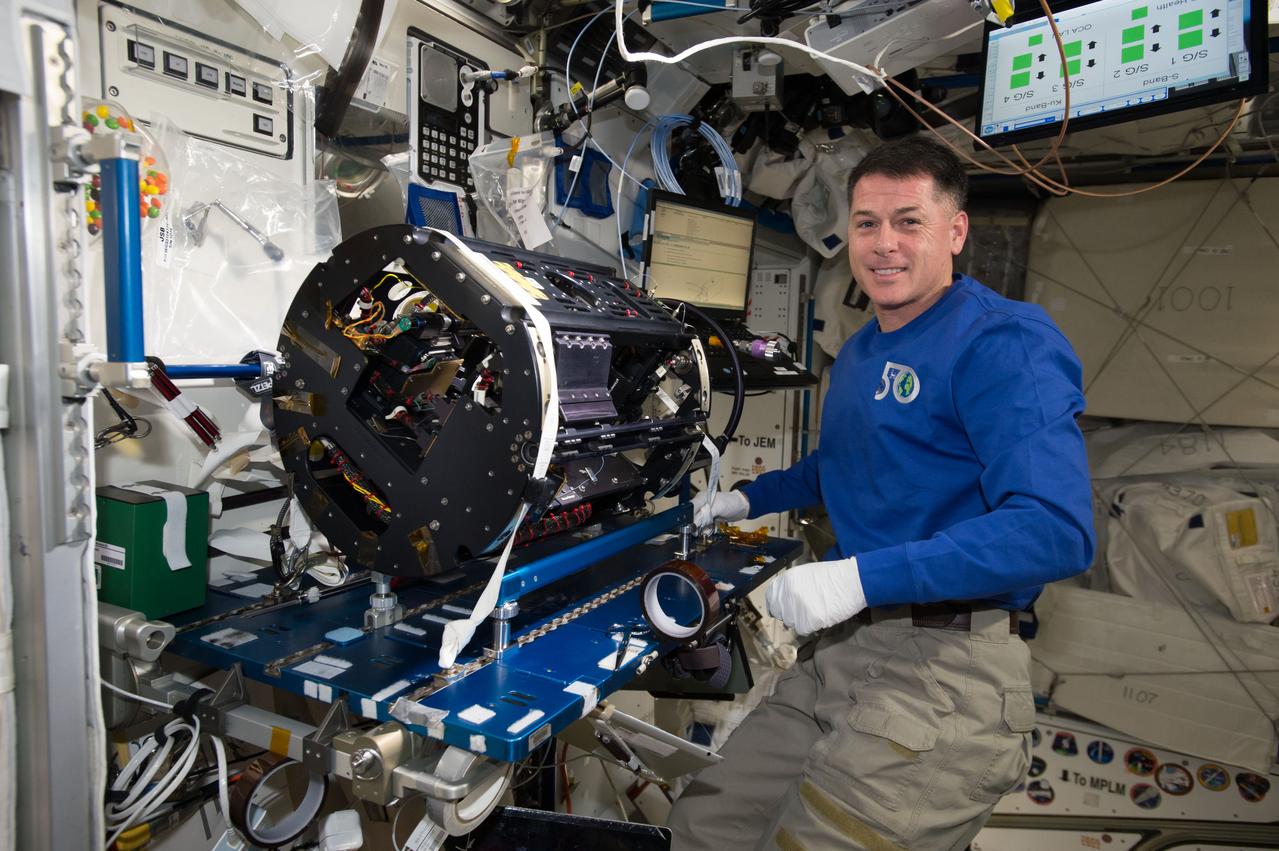
iss050e035112 (1/24/2017) --- NASA astronaut Shane Kimbrough completing the Multi-user Droplet Combustion Apparatus (MDCA) reconfiguration to the Cool Flames Investigation (CFI) setup. The Combustion Integrated Rack (CIR) includes an optics bench, combustion chamber, fuel and oxidizer control, and five different cameras for performing combustion experiments in microgravity.
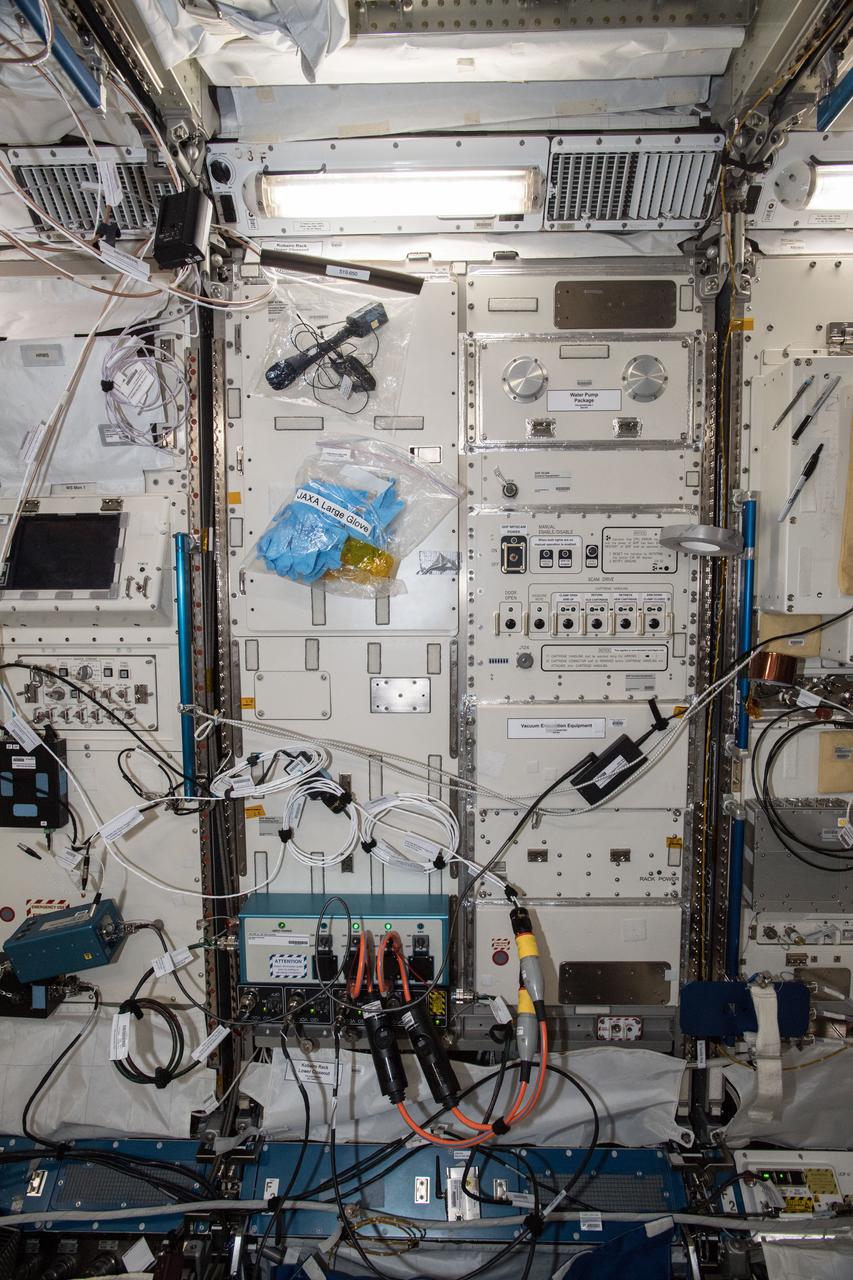
iss057e092614 (11/14/2018) --- Photo documentation of the Kobairo Rack front, JPM1F3 in the Kibo Japanese Experiment Module (JEM) aboard the International Space Staion (ISS). The KOBAIRO Rack houses the Gradient Heating Furnace (GHF), an experiment facility for investigating crystal growth of semiconductors. This furnace has the capability of directional solidification of samples.
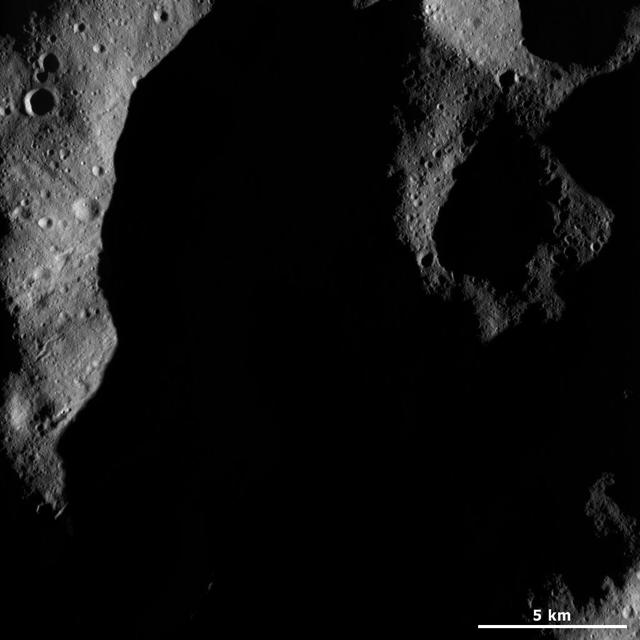
This image from NASA Dawn spacecraft shows a very shadowed region in Vesta northern hemisphere. Roughly the upper one third of asteroid Vesta northern hemisphere is currently in shadow.
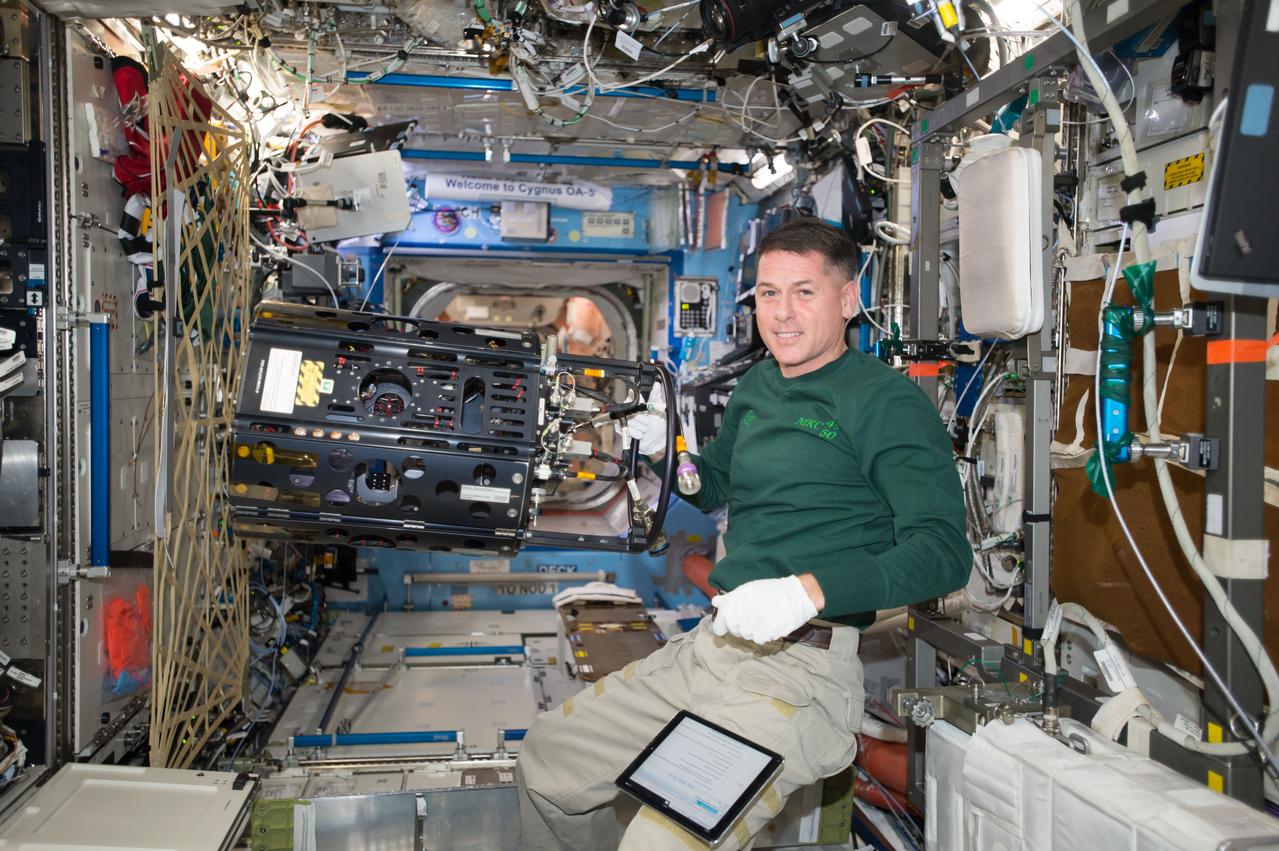
iss050e034393 (1/18/2017) --- NASA astronaut Shane Kimbrough during Combustion Integration Rack (CIR) Multi-user Droplet Combustion Apparatus (MDCA) Troubleshooting in the U.S. Laboratory. MDCA was removed from the CIR Combustion Chamber and spring fastener was repaired. The CIR is used to perform combustion experiments in microgravity. The CIR can be reconfigured easily on orbit to accommodate a variety of combustion experiments.
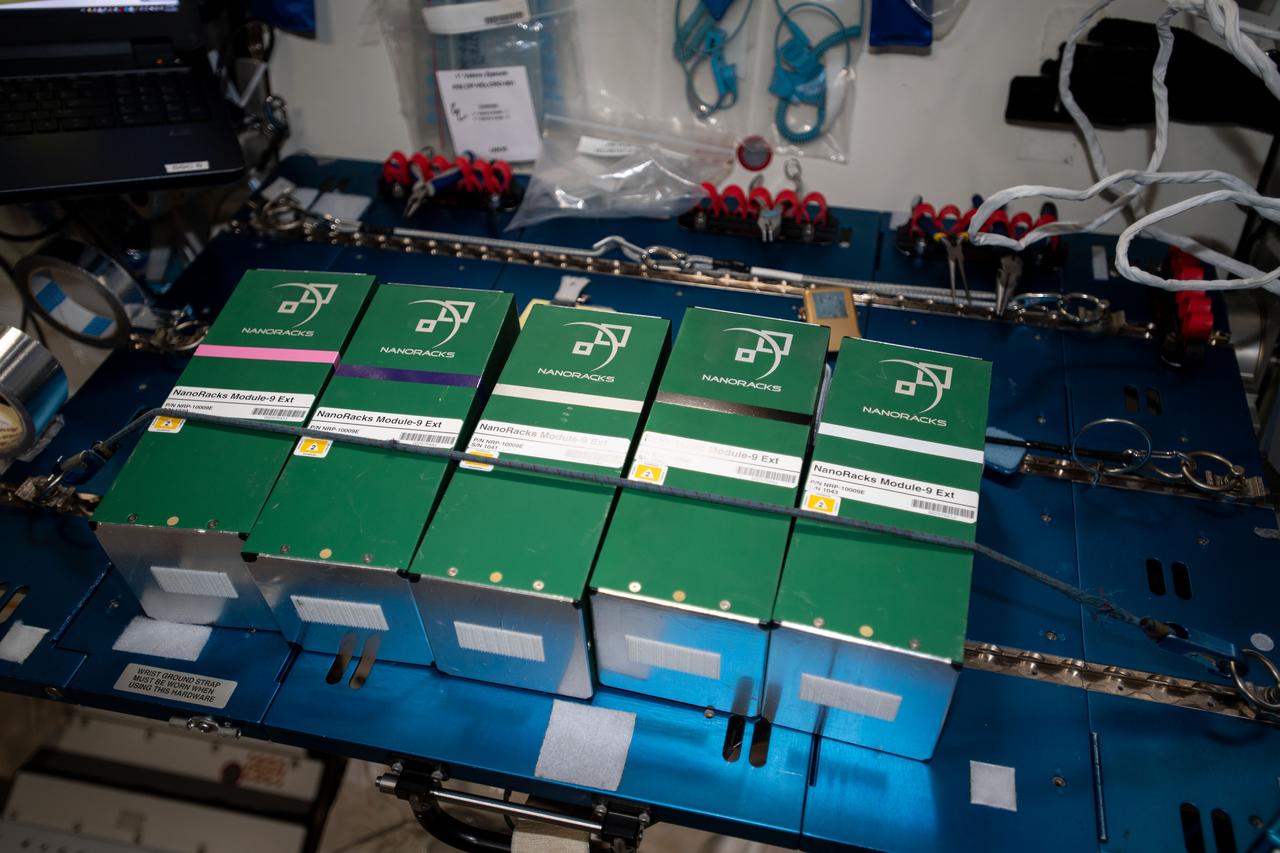
iss060e035405 (8/13/2019) --- A view the NanoRacks-NCESSE-Gemini NanoRacks-National Center for Earth and Space Science-Gemini (SSEP Mission 13) - Part of NanoRacks Module-9 Ext. aboard the International Space Station (ISS). The experiments range from examinations of water filtration and purification to synthetic soil production, rust formation, antibiotic effectiveness, growth and development of microacquatic organisms, and growth of plant, fungi, and bacteria. Each was chosen from more than 3,000 entries submitted by more than 23,000 U.S., Canadian, and Brazilian students. The experiments use NanoRacks MixStix, miniature laboratories activated by space station crew and eventually returned to the student teams on Earth for analysis.
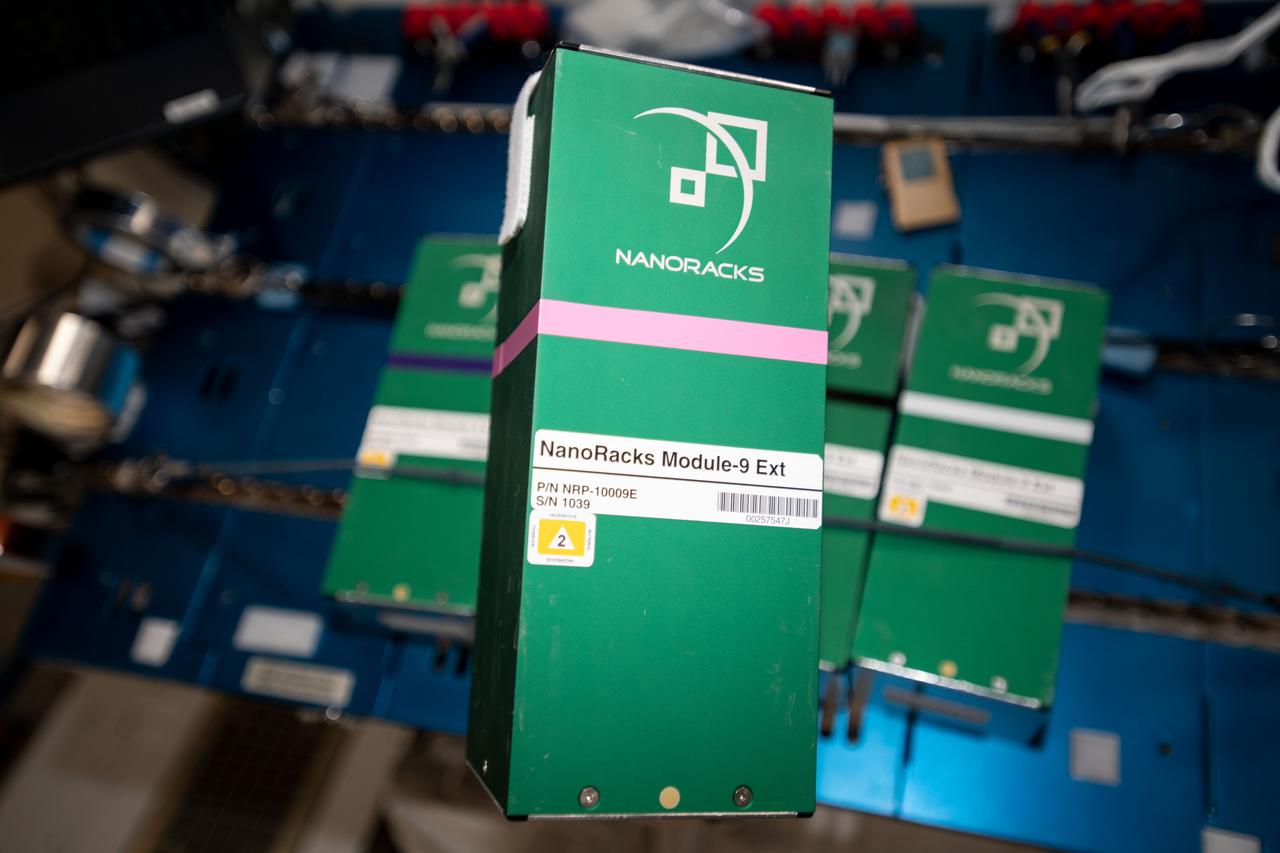
iss060e035407 (8/13/2019) --- A view the NanoRacks-NCESSE-Gemini NanoRacks-National Center for Earth and Space Science-Gemini (SSEP Mission 13) - Part of NanoRacks Module-9 Ext. The experiments range from examinations of water filtration and purification to synthetic soil production, rust formation, antibiotic effectiveness, growth and development of microacquatic organisms, and growth of plant, fungi, and bacteria. Each was chosen from more than 3,000 entries submitted by more than 23,000 U.S., Canadian, and Brazilian students. The experiments use NanoRacks MixStix, miniature laboratories activated by space station crew and eventually returned to the student teams on Earth for analysis.
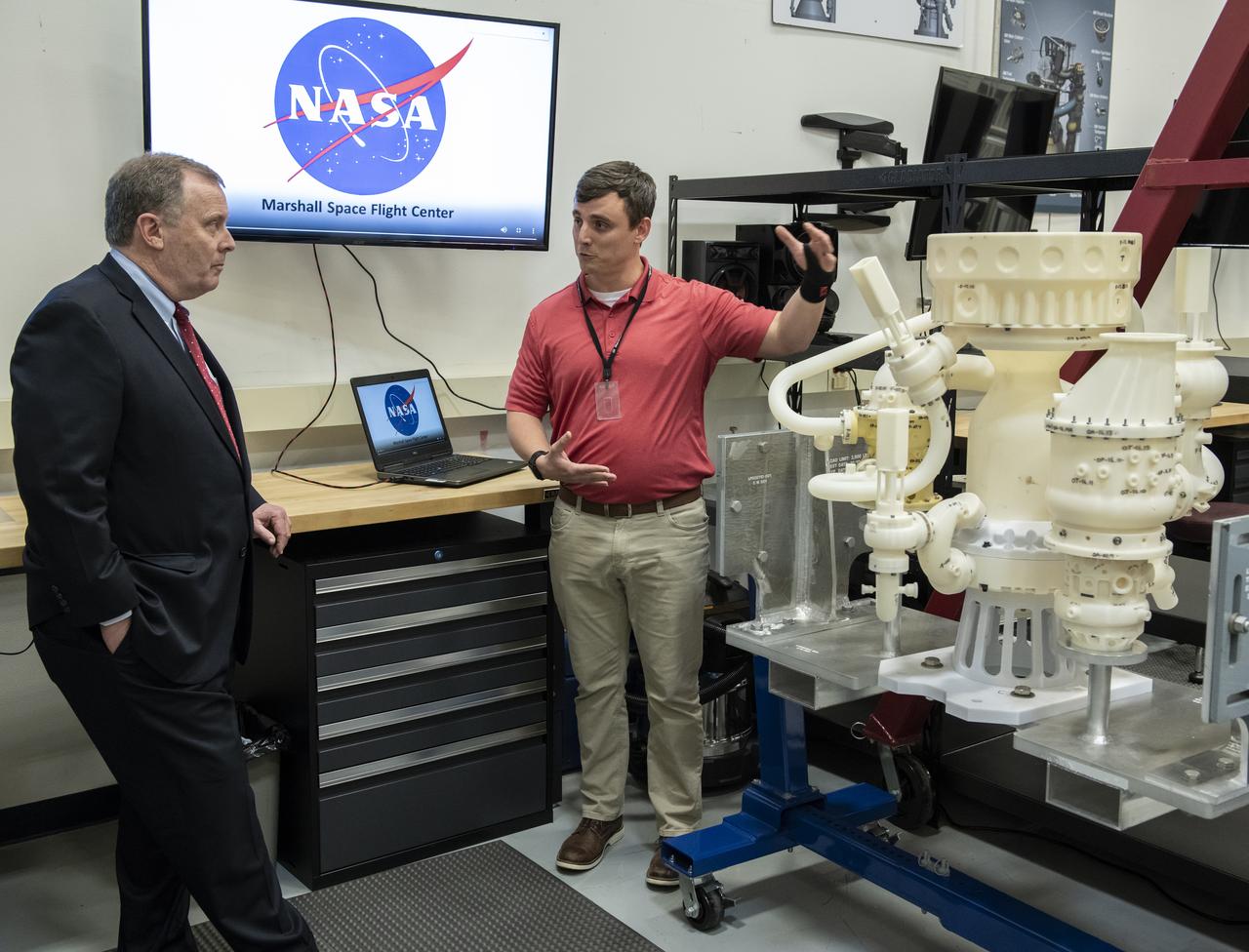
NASA Deputy Administrator Jim Morhard, left, visits the Combustion Lab at Marshall Space Flight Center on March 25, where Michael Allison shares the advancements being made in additive manufacturing of rocket engine parts at Marshall. Allison leads the assembly and integration lead for the MC2 engine model, shown here, which is an additively manufactured liquid engine designed and developed at Marshall. During his tour of the center, Morhard also saw the work being done by Marshall to advance deep space exploration at the Liquid Hydrogen Test Stand, Deep Space Habitat, Payload Operations Integration Center and the Systems Integration Lab.