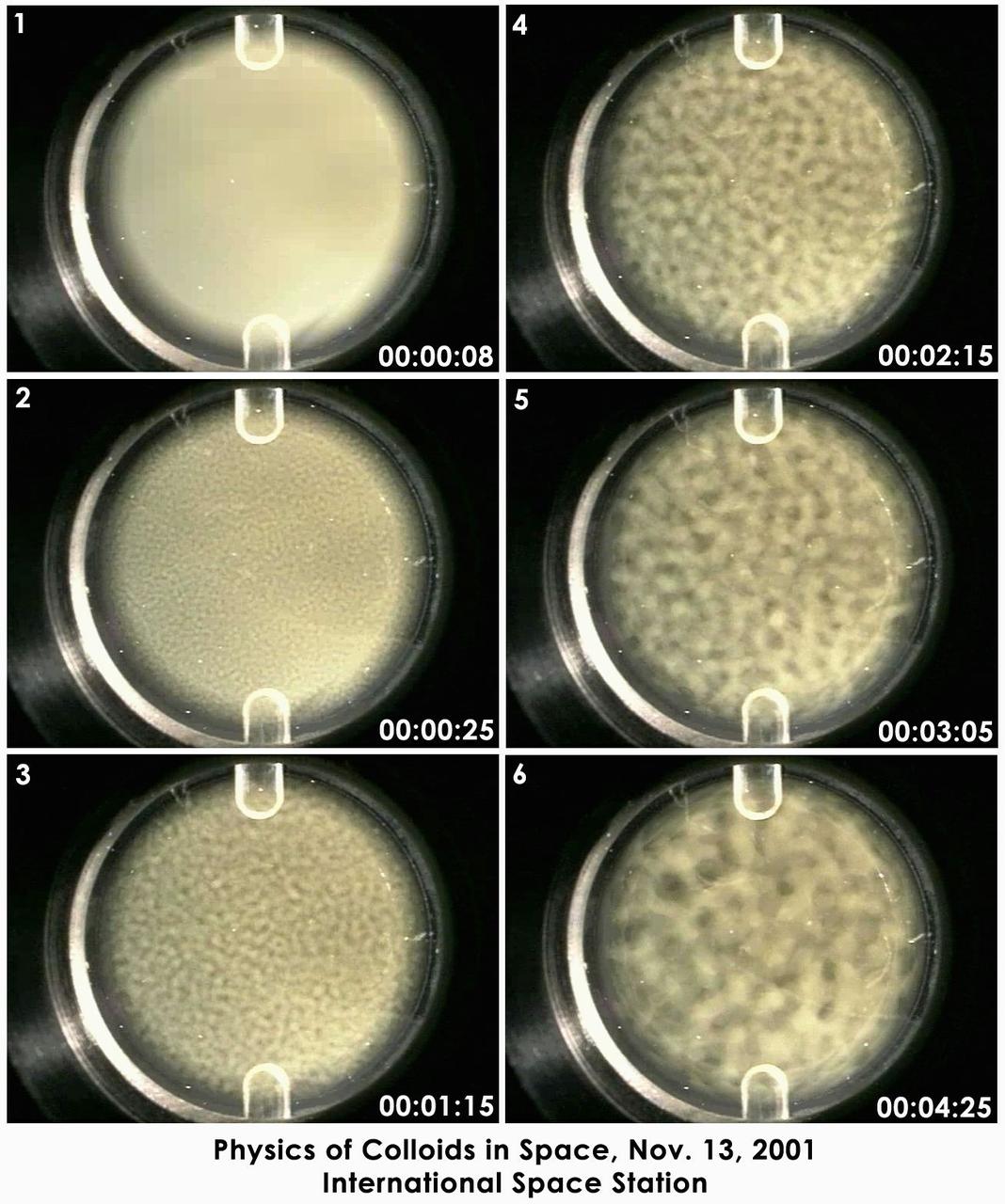
Still photographs taken over 16 hours on Nov. 13, 2001, on the International Space Station have been condensed into a few seconds to show the de-mixing -- or phase separation -- process studied by the Experiment on Physics of Colloids in Space. Commanded from the ground, dozens of similar tests have been conducted since the experiment arrived on ISS in 2000. The sample is a mix of polymethylmethacrylate (PMMA or acrylic) colloids, polystyrene polymers and solvents. The circular area is 2 cm (0.8 in.) in diameter. The phase separation process occurs spontaneously after the sample is mechanically mixed. The evolving lighter regions are rich in colloid and have the structure of a liquid. The dark regions are poor in colloids and have the structure of a gas. This behavior carnot be observed on Earth because gravity causes the particles to fall out of solution faster than the phase separation can occur. While similar to a gas-liquid phase transition, the growth rate observed in this test is different from any atomic gas-liquid or liquid-liquid phase transition ever measured experimentally. Ultimately, the sample separates into colloid-poor and colloid-rich areas, just as oil and vinegar separate. The fundamental science of de-mixing in this colloid-polymer sample is the same found in the annealing of metal alloys and plastic polymer blends. Improving the understanding of this process may lead to improving processing of these materials on Earth.
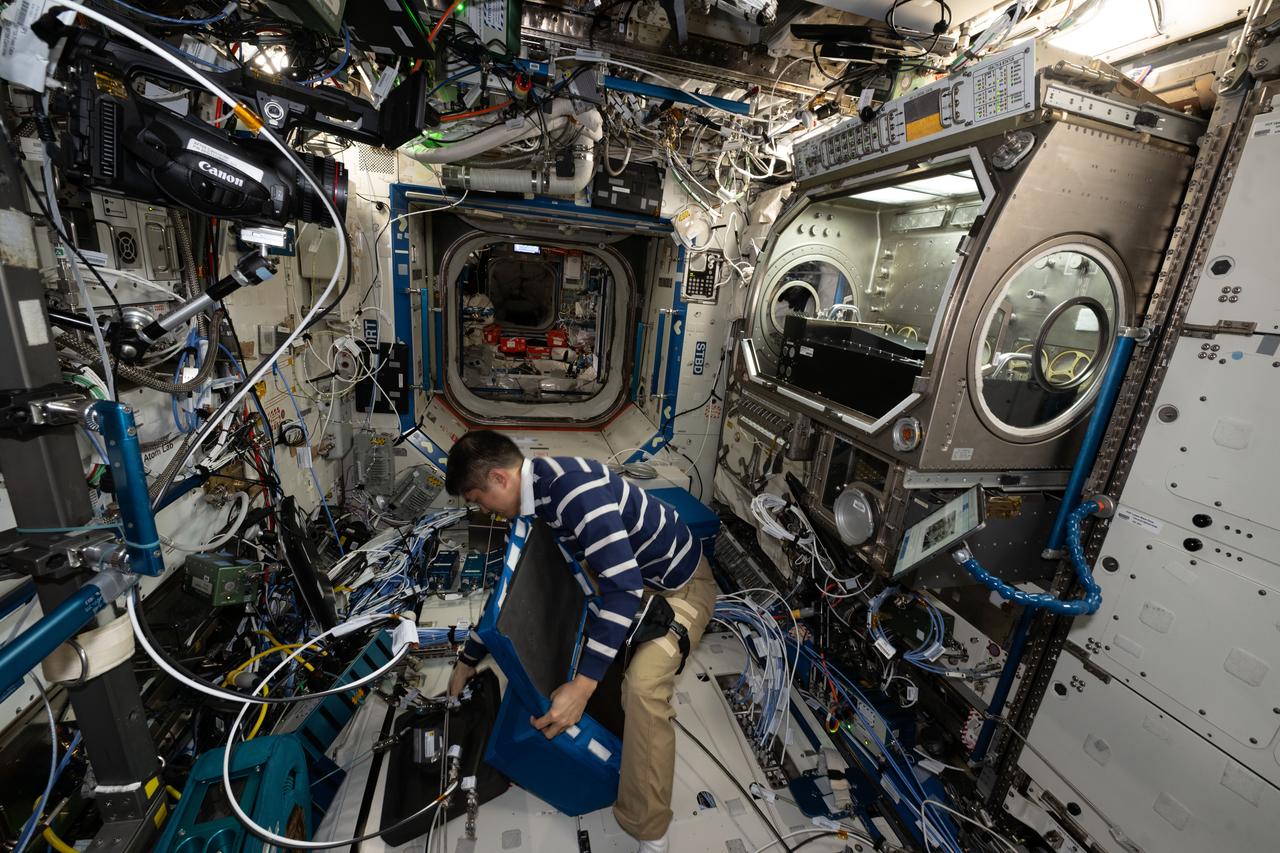
iss073e0134912 (June 6, 2025) --- JAXA (Japan Aerospace Exploration Agency) astronaut and Expedition 73 Commander Takuya Onishi stows physics research hardware used during the Colloidal Solids experiment to understand the behavior of tiny particles (colloids) and proteins in water. Onishi is pictured in front of the Microgravity Science Glovebox, located in the Destiny laboratory module, where the investigation took place that may lead to the space-based production of pharmaceuticals and advances in human health.
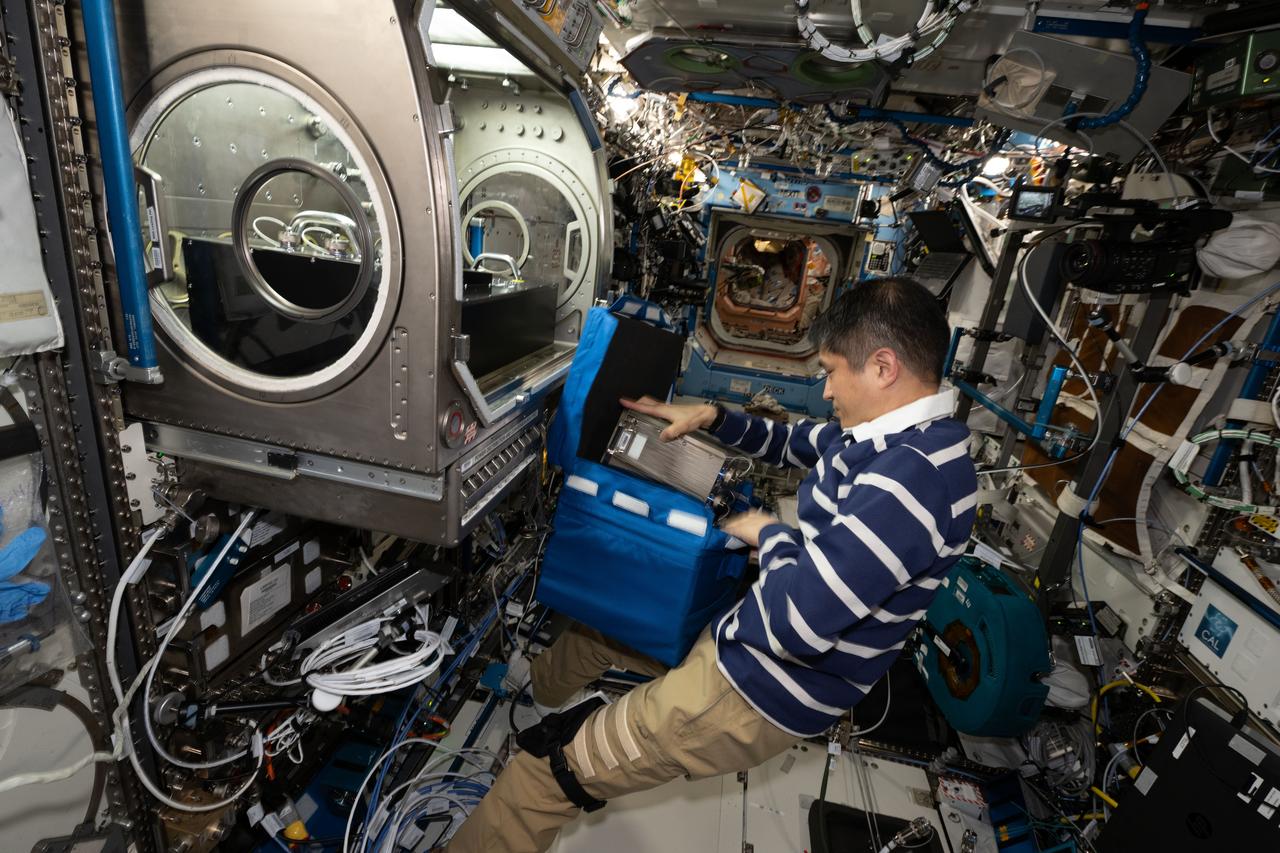
iss073e0134908 (June 6, 2025) --- JAXA (Japan Aerospace Exploration Agency) astronaut and Expedition 73 Commander Takuya Onishi stows physics research hardware used during the Colloidal Solids experiment to understand the behavior of tiny particles (colloids) and proteins in water. Onishi is pictured in front of the Microgravity Science Glovebox, located in the Destiny laboratory module, where the investigation took place that may lead to the space-based production of pharmaceuticals and advances in human health.
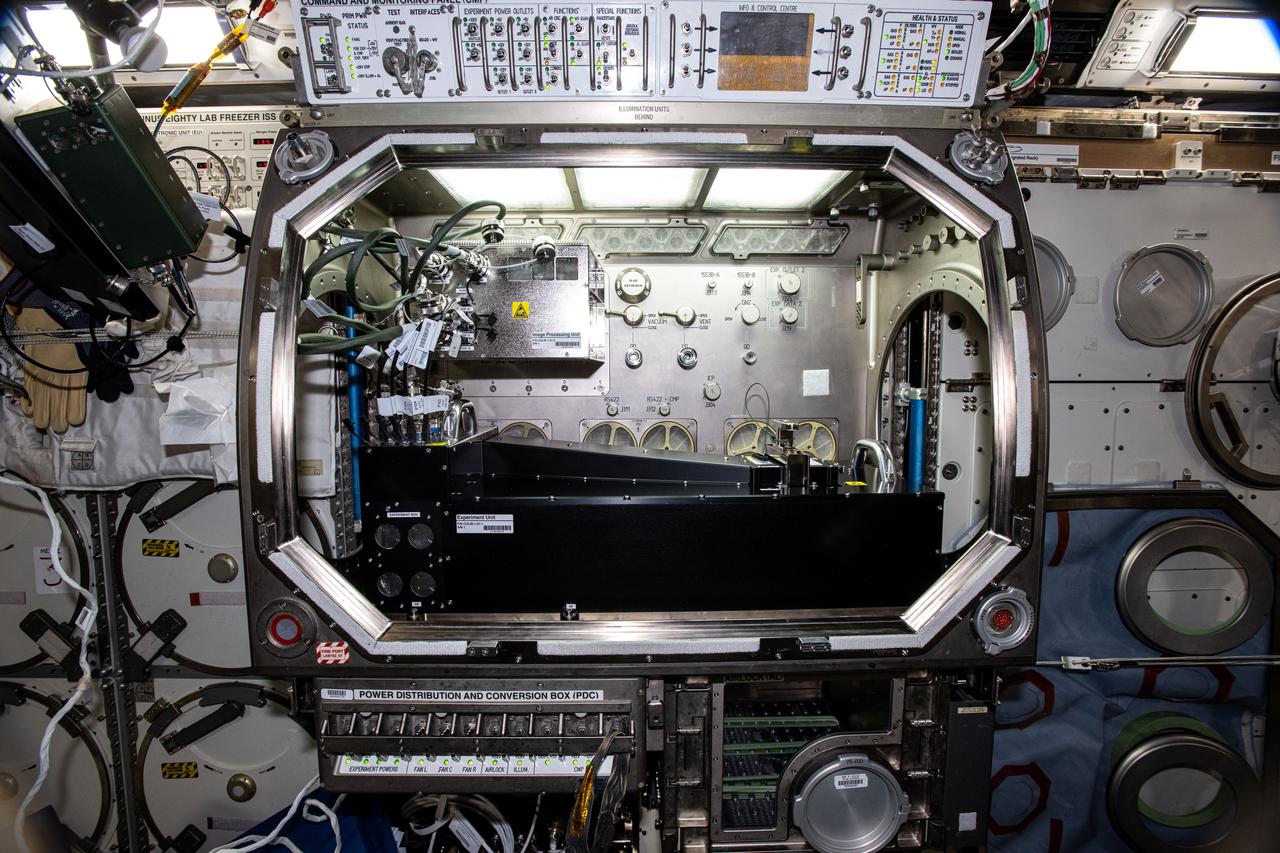
iss073e0002997 (4/28/2025) --- A view of the Colloidal Solids investigation inside the Microgravity Sciences Glovebox (MSG). Colloidal Solids (COLIS) provides researchers with a better understanding of the origin, formation, and dynamics of protein crystals and colloidal glasses and gels. COLIS is a state-of-the-art multi-line light scattering apparatus that enables the research team to monitor the dynamics of physical processes, during and after solidification, of soft matter solids on the International Space Station (ISS) to assess the role played by gravity on the properties of growing structures.
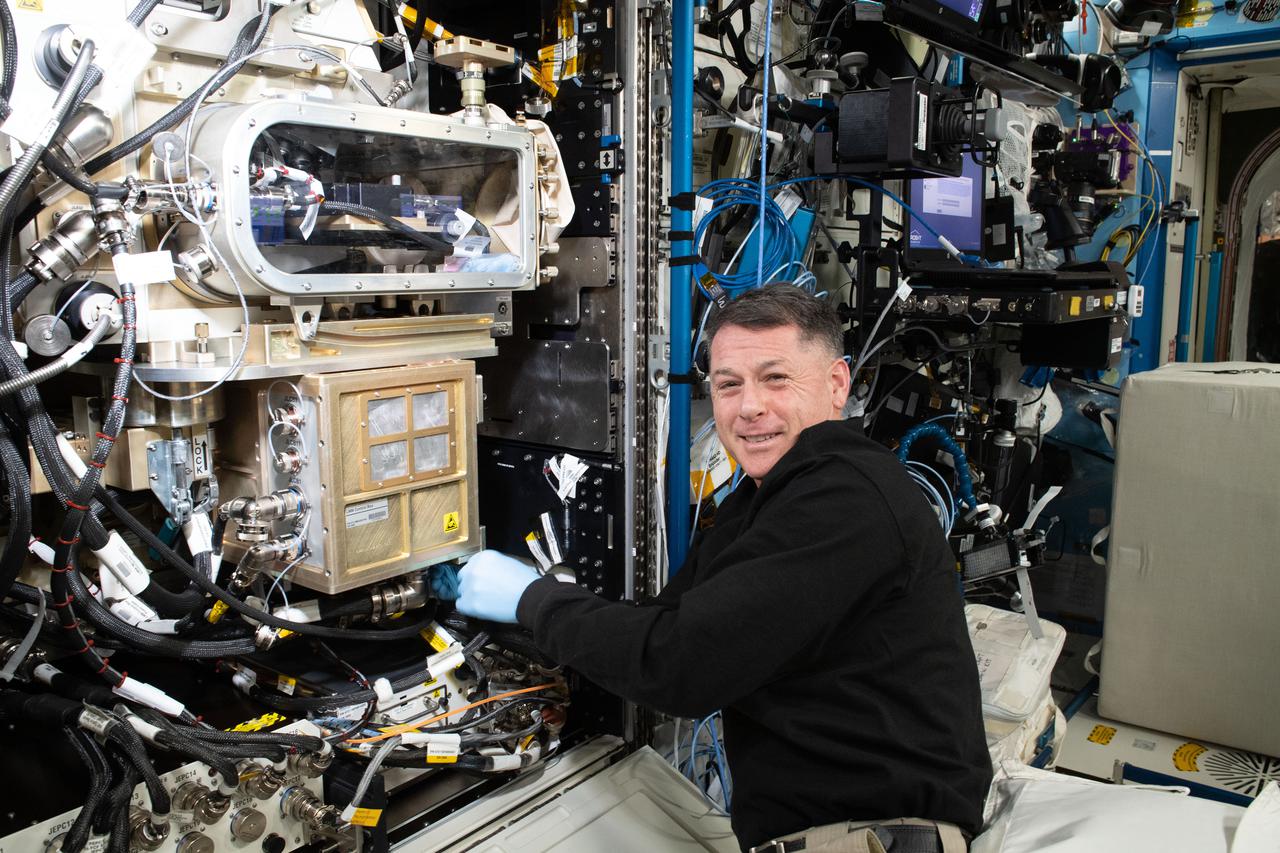
iss065e257486 (Aug. 17, 2021) --- NASA astronaut and Expedition 65 Flight Engineer Shane Kimbrough installs and configures a new Advanced Colloids Experiment module inside the U.S. Destiny laboratory module's Fluids Integrated Rack (FIR). The work supports the ACE-T9 fluid physics study that uses the FIR's Light Microscopy Module to image colloidal molecules for insights into the development of advanced materials not possible to produce in Earth's gravity.
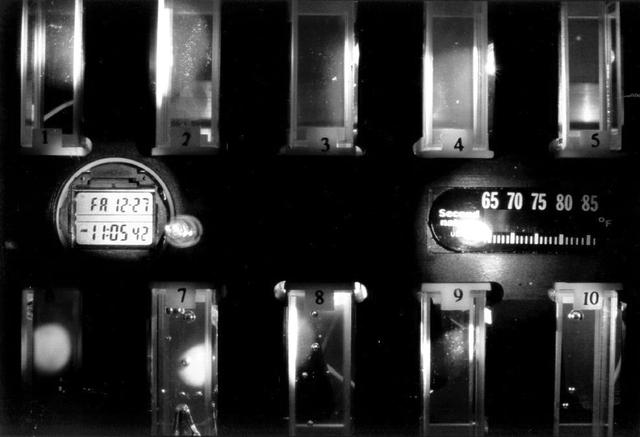
Close-up view of the Binary Colloidal Alloy Test during an experiment run aboard the Russian Mir space station. BCAT is part of an extensive series of experiments plarned to investigate the fundamental properties of colloids so that scientists can make colloids more useful for technological applications. Some of the colloids studied in BCAT are made of two different sized particles (binary colloidal alloys) that are very tiny, uniform plastic spheres. Under the proper conditions, these colloids can arrange themselves in a pattern to form crystals, which may have many unique properties that may form the basis of new classes of light switches, displays, and optical devices that can fuel the evolution of the next generation of computer and communication technologies. This Slow Growth hardware consisted of a 35-mm camera aimed toward a module which contained 10 separate colloid samples. To begin the experiment, one of the astronauts would mix the samples to disperse the colloidal particles. Then the hardware operated autonomously, taking photos of the colloidal samples over a 90-day period. The investigation proved that gravity plays a central role in the formation and stability of these types of colloidal crystal structures. The investigation also helped identify the optimum conditions for the formation of colloidal crystals, which will be used for optimizing future microgravity experiments in the study of colloidal physics. Dr. David Weitz of the University of Pennsylvania and Dr. Peter Pusey of the University of Edinburgh, United Kingdom, are the principal investigators.
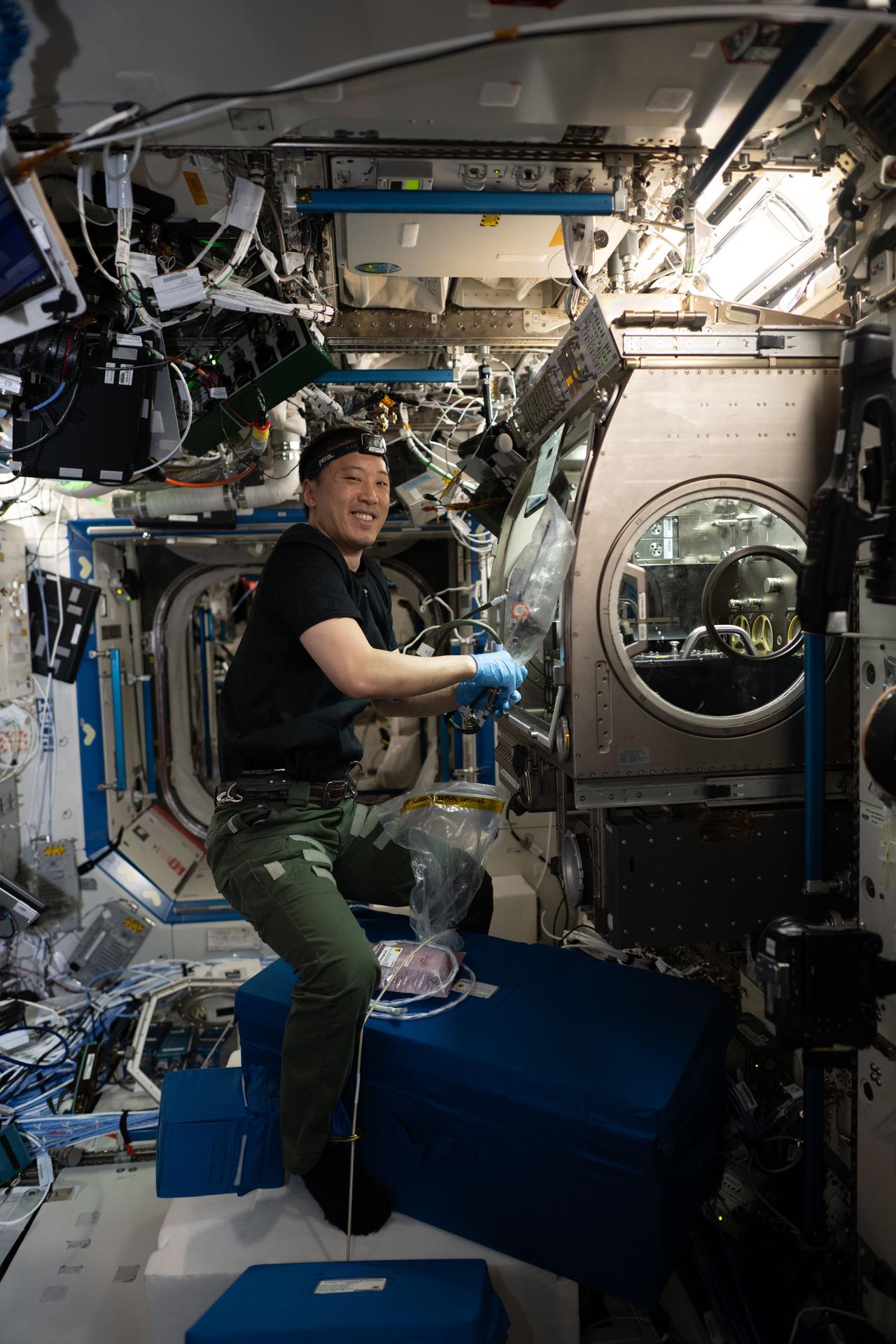
iss073e0886402 (Oct. 17) --- NASA astronaut and Expedition 73 Flight Engineer Jonny Kim works inside the Microgravity Science Glovebox (MSG) aboard the International Space Station’s Destiny laboratory module. Kim is seen stowing research hardware used in the Colloidal Solids physics experiment, which investigates how tiny particles—colloids—and proteins suspended in water behave in microgravity. The results may inform plant growth techniques, 3D printing technologies, and pharmaceutical manufacturing in space. On Earth, the findings could benefit the food, personal care, and healthcare industries.
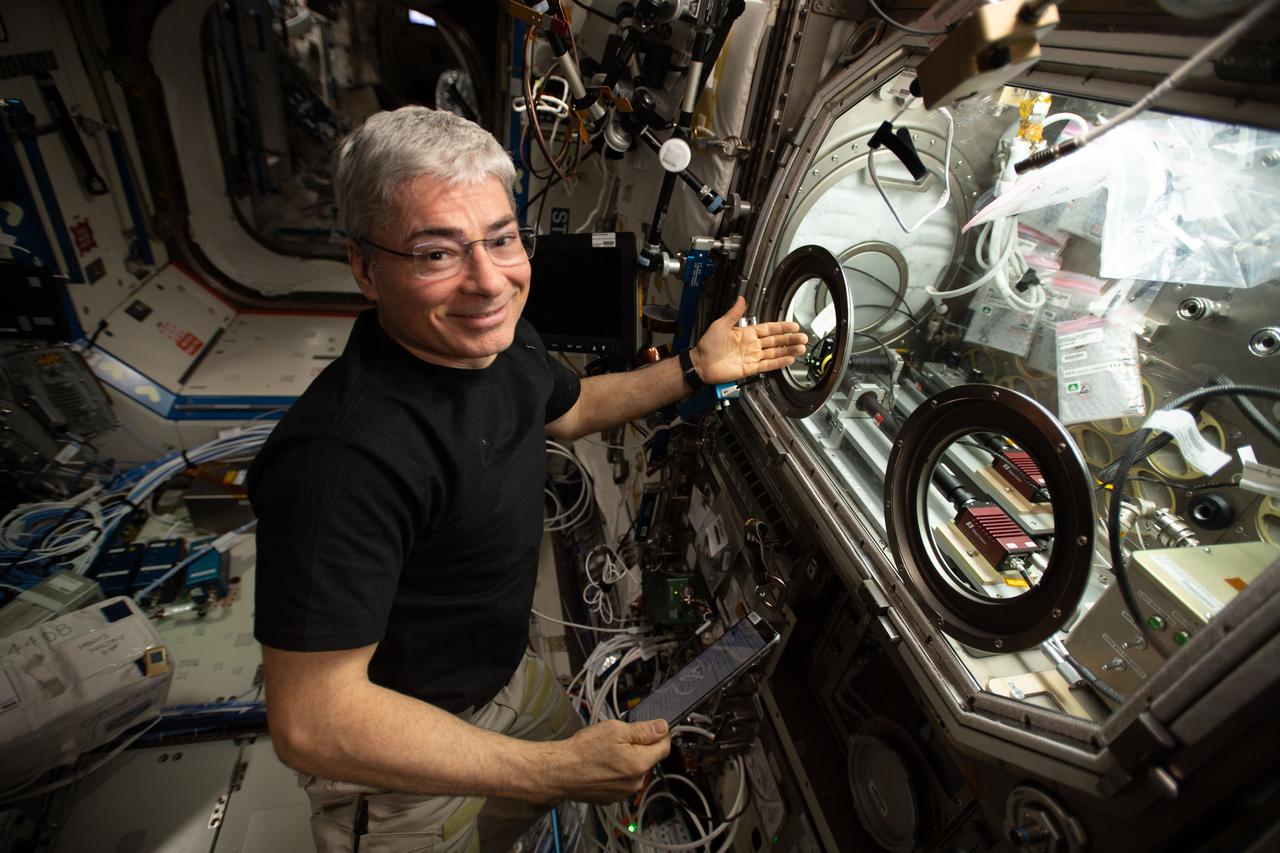
iss066e081677 (Nov. 23, 2021) --- NASA astronaut and Expedition 66 Flight Engineer Mark Vande Hei sets up hardware inside the Microgravity Science Glovebox for the InSPACE-4 space physics experiment. Results from InSPACE-4, or Investigating the Structure of Paramagnetic Aggregates from Colloidal Ellipsoids, could provide insight into how to harness nanoparticles to fabricate and manufacture new materials for Earth and space applications.
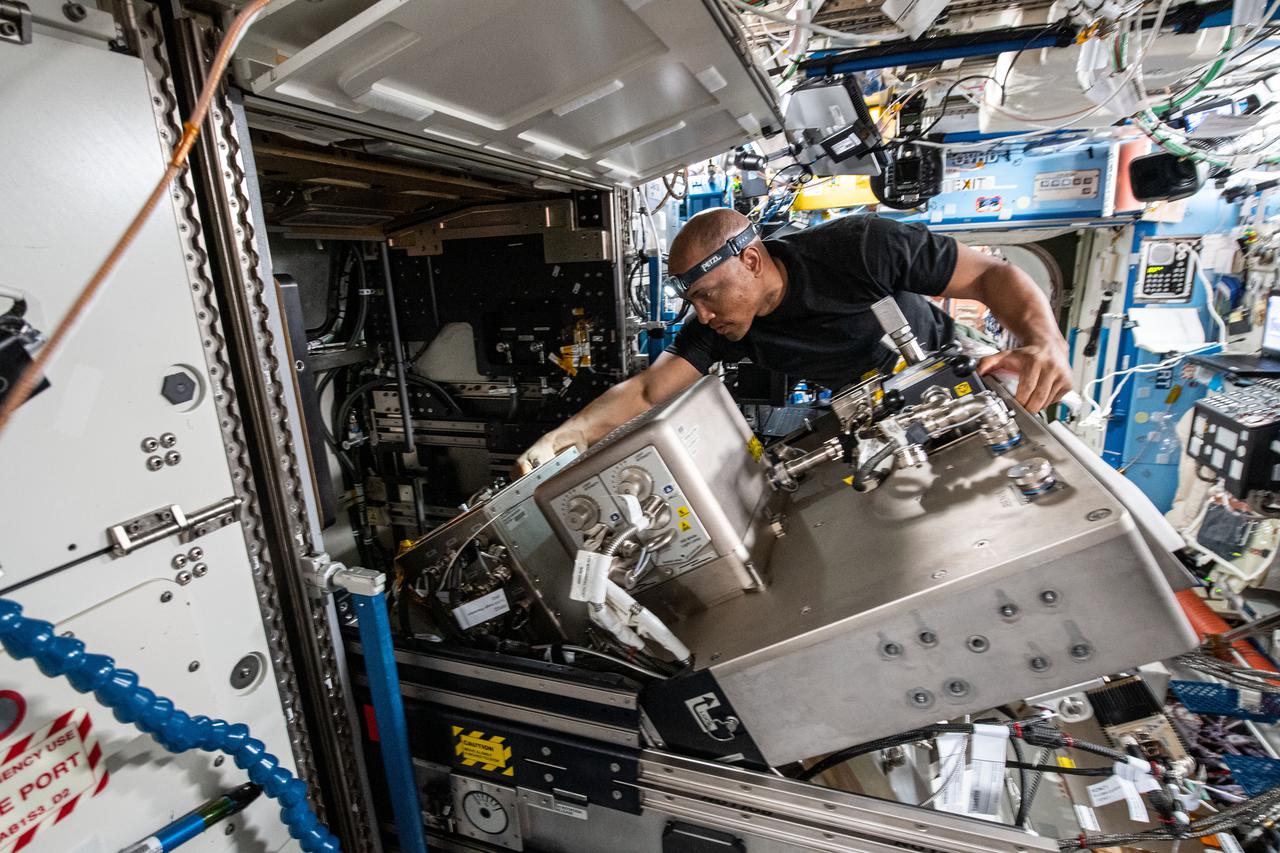
iss064e044807 (March 19, 2021) --- NASA astronaut and Expedition 64 Flight Engineer Victor Glover replaces hardware inside the U.S. Destiny laboratory module's Fluids Integrated Rack (FIR). The FIR supports fluid physics research in microgravity observing phenomena such as colloids, gels, bubbles, wetting and capillary action, and phase changes, including boiling and condensation.
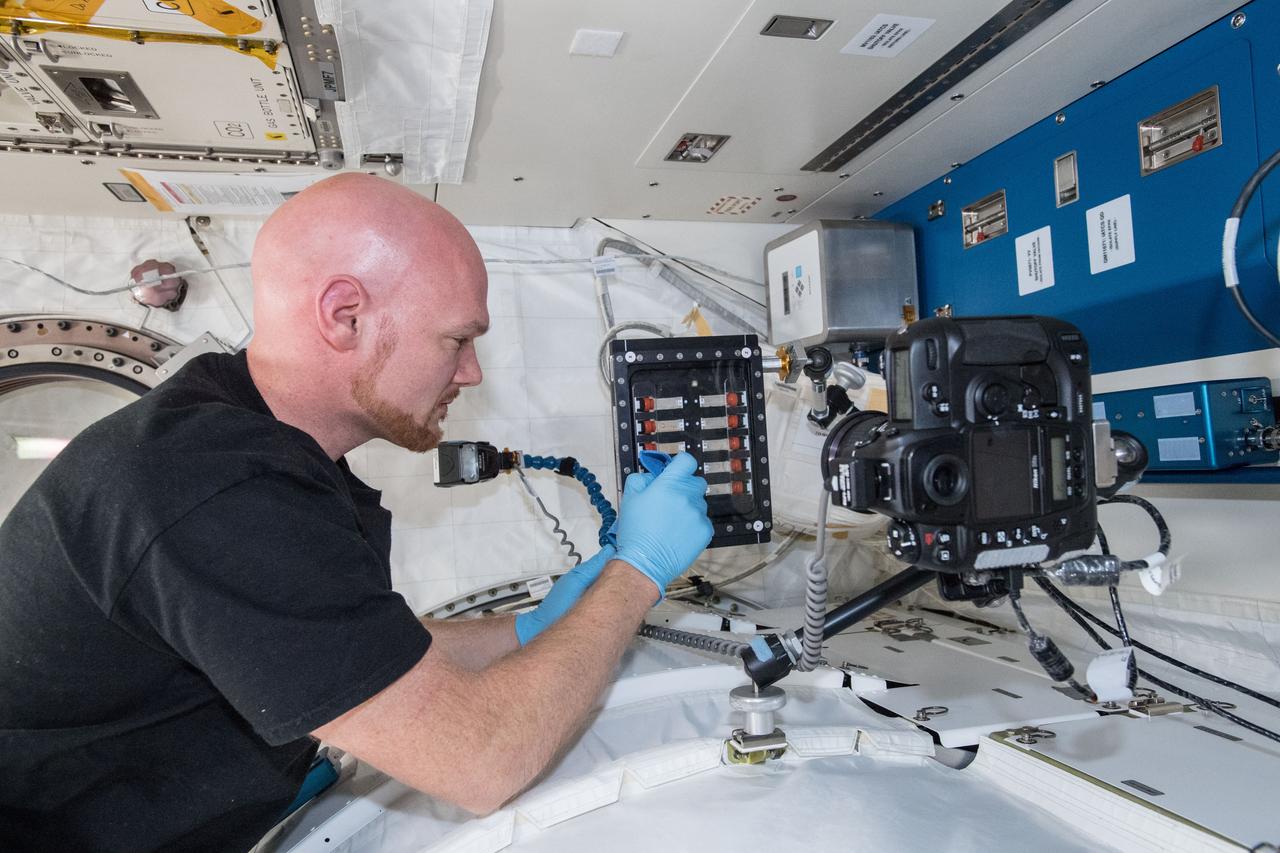
iss056e098995 (July 26, 2018) --- Astronaut Alexander Gerst of ESA (European Space Agency) works inside the Japanese Kibo laboratory module taking pictures of samples for the Binary Colloidal Alloy Test-Cohesive Sedimentation investigation (BCAT-CS). The fluid physics research explores the sedimentary properties of quartz and clay particles. Mixed quartz and clay samples are suspended in a liquid for photographic and video downlink to scientists on Earth helping guide future geological studies of unexplored planets and improving petroleum exploration here on Earth.
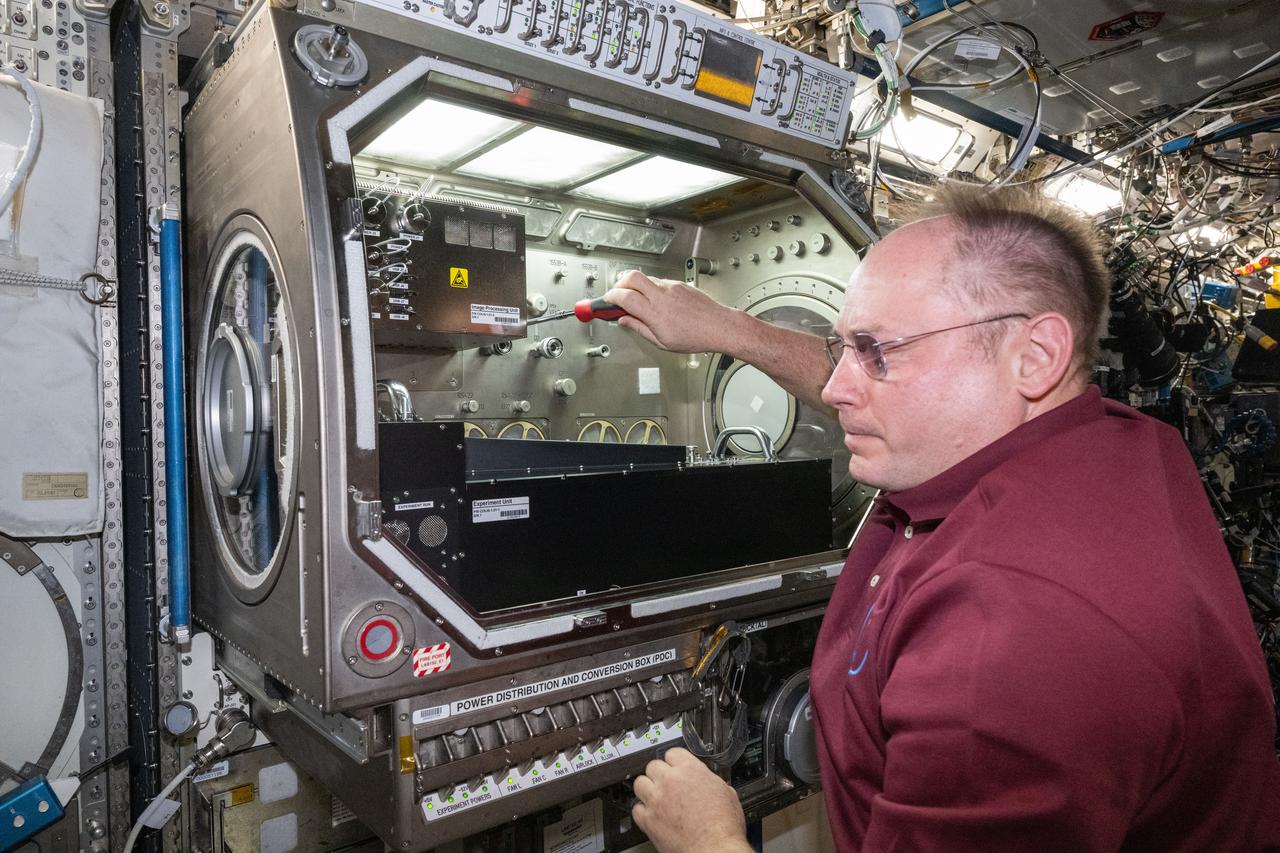
iss073e0606528 (Sept. 4, 2025) --- NASA astronaut and Expedition 73 Flight Engineer Mike Fincke sets up the Colloidal Solids research hardware inside the Destiny laboratory module’s Microgravity Science Glovebox aboard the International Space Station. The physics study is investigating pharmaceutical manufacturing and 3D printing techniques in space potentially advancing human health on and off the Earth.
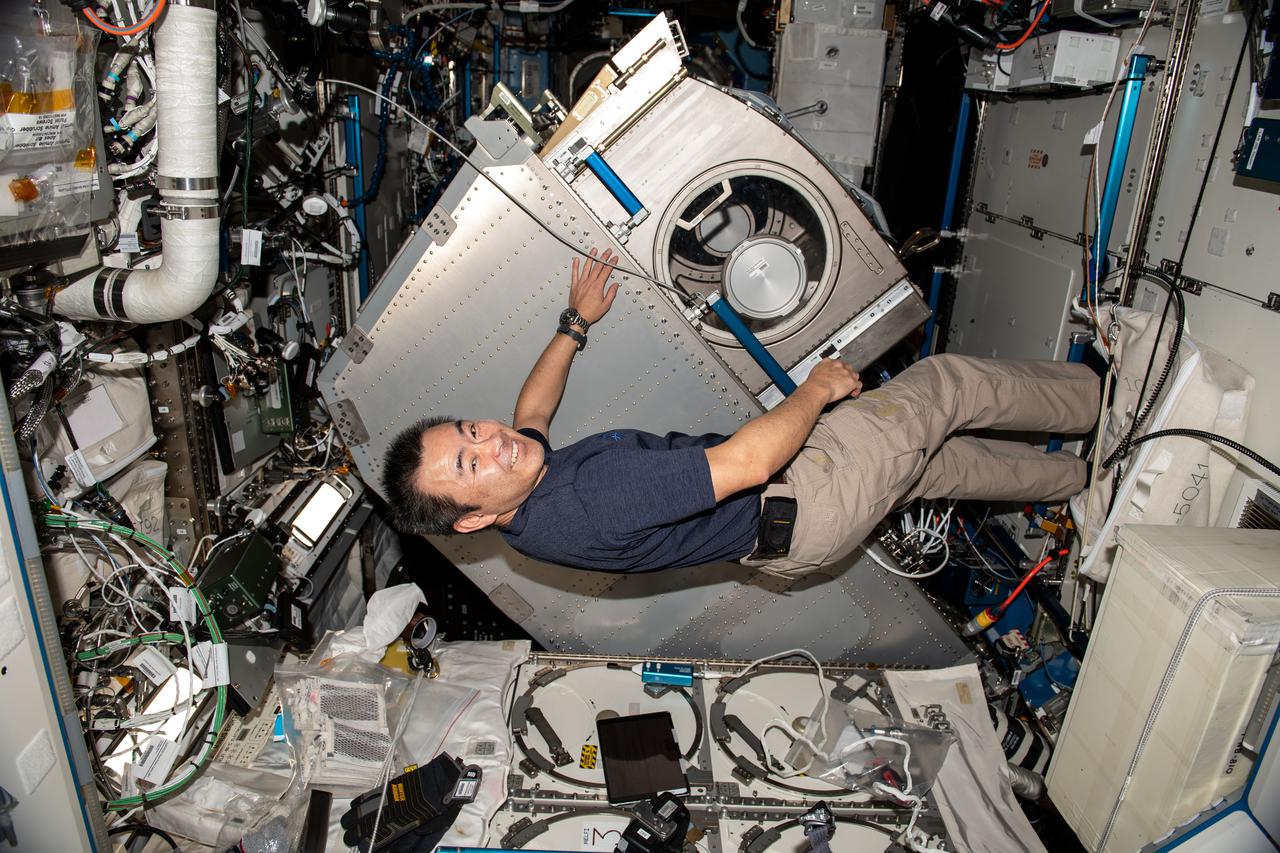
iss065e241905 (Aug. 11, 2021) --- Expedition 65 Commander Akihiko Hoshide of the Japan Aerospace Exploration Agency (JAXA) rotates the Microgravity Science Glovebox (MSG) from its rack position inside the International Space Station's U.S. Destiny laboratory module. Hoshide cleaned electronic components inside the MSG following completion of the InSpace-4 physics experiment that studied the assembly of tiny structures from colloids using magnetic fields.
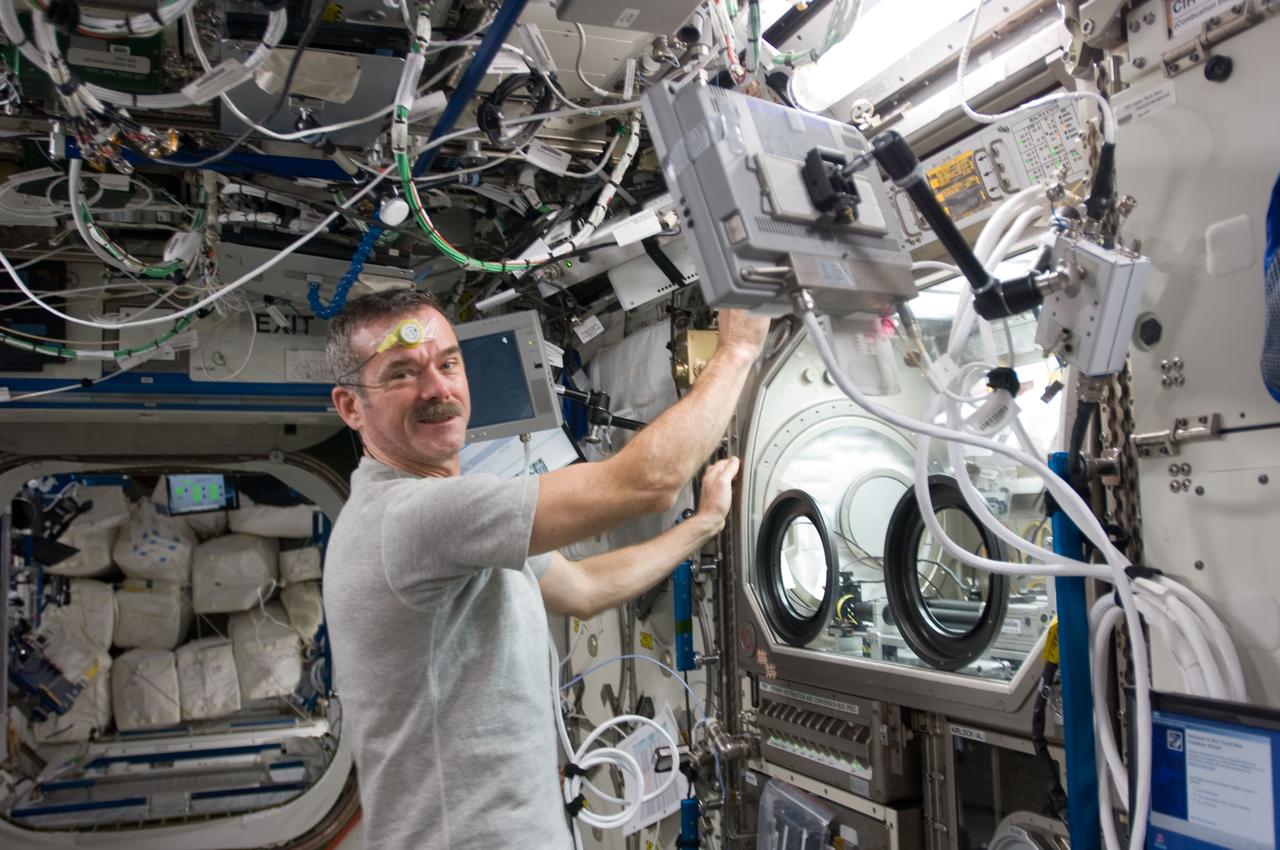
View of Canadian Space Agency (CSA) Chris Hadfield,Expedition 34 Flight Engineer (FE), during the Investigating the Structure of Paramagnetic Aggregates from Colloidal Emulsions 3 (InSPACE-3) experiment. InSPACE-3 collects and records data on fluids containing ellipsoid-shaped particles that change the physical properties of the fluids in response to magnetic fields. Photo was taken during Expedition 34.
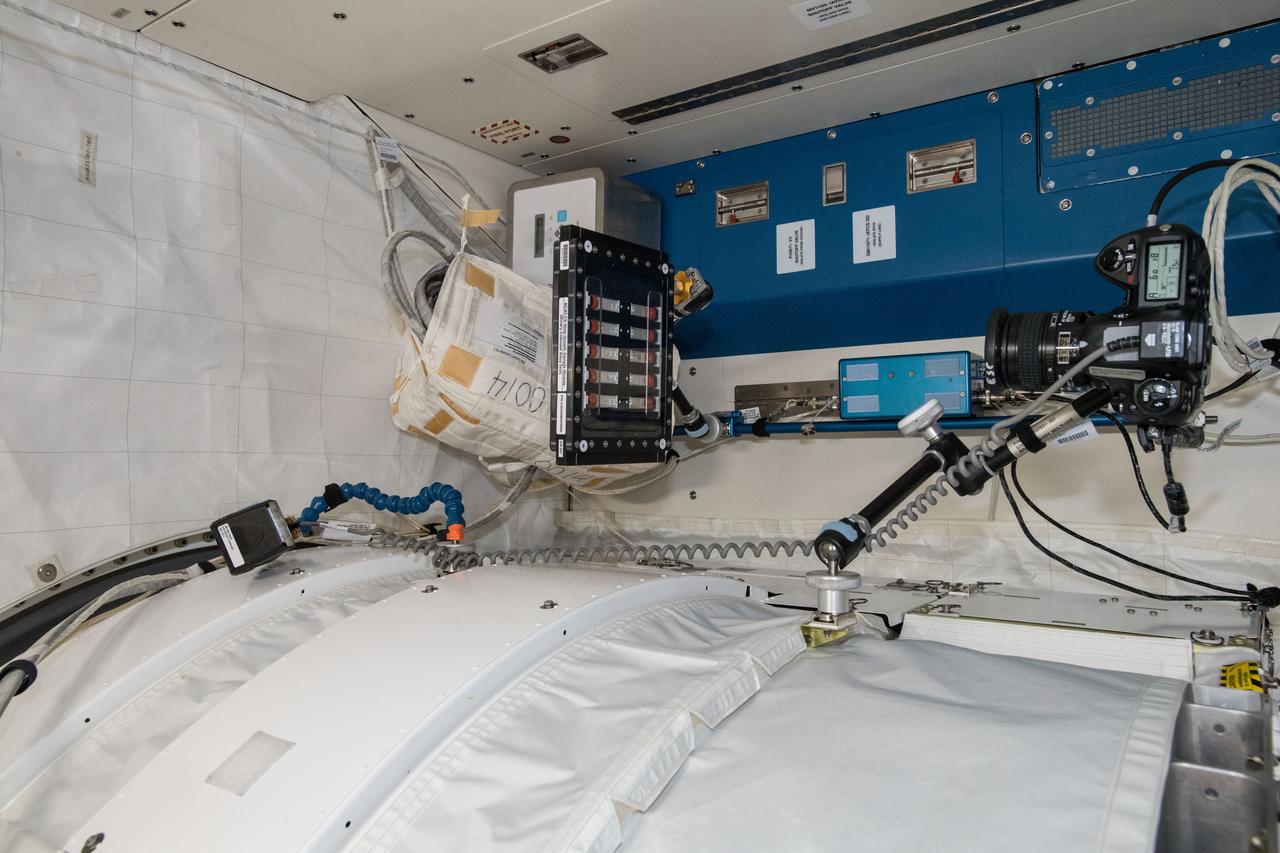
iss056e098988 (July 26, 2018) --- Photographic documentation of the Binary Colloidal Alloy Test-Cohesive Sedimentation investigation (BCAT-CS). The fluid physics research explores the sedimentary properties of quartz and clay particles. Mixed quartz and clay samples are suspended in a liquid for photographic and video downlink to scientists on Earth helping guide future geological studies of unexplored planets and improving petroleum exploration here on Earth.
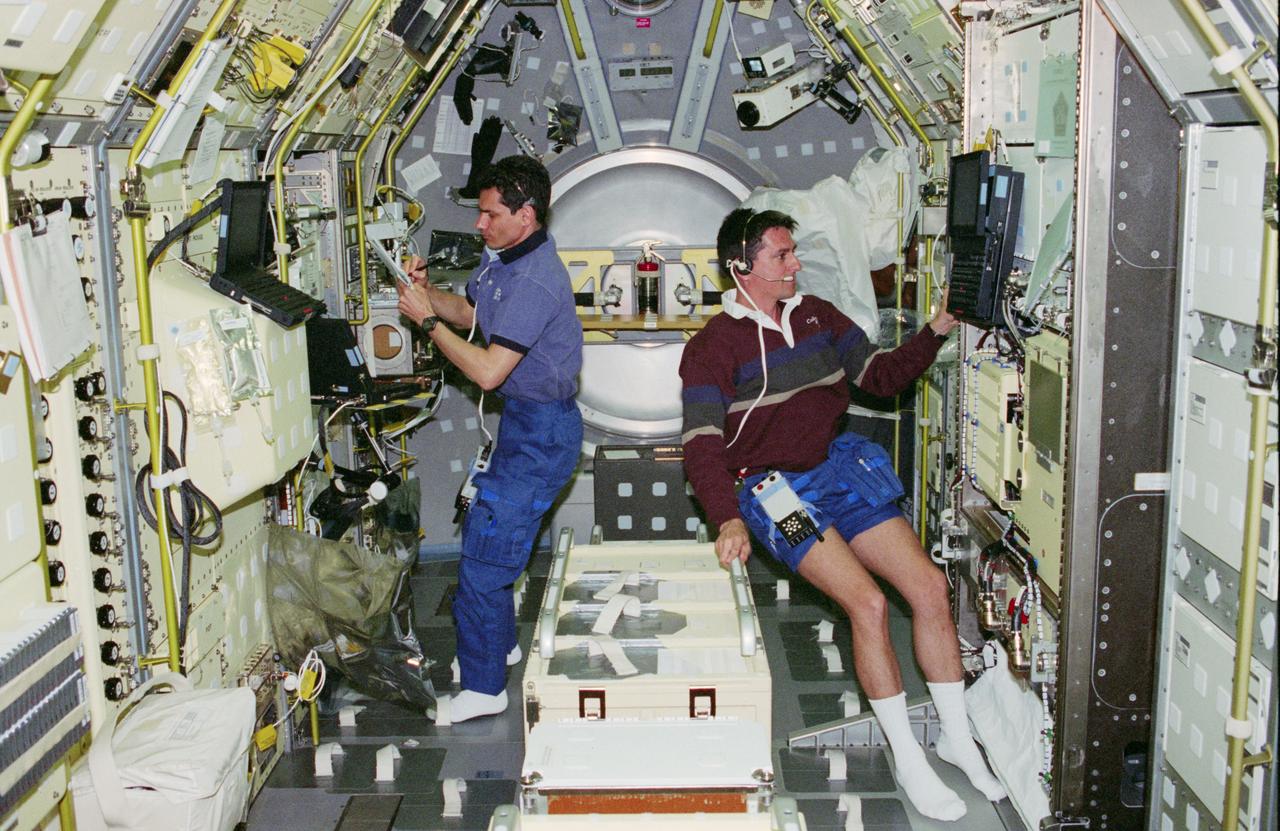
STS083-312-031 (4-8 April 1997) --- Payload specialist Gregory T. Linteris (left) is seen at the Mid Deck Glove Box (MGBX), while astronaut Donald A. Thomas, mission specialist, works at the Expedite the Processing of Experiments to Space Station (EXPRESS) rack. MGBX is a facility that allows scientists the capability of doing tests on hardware and materials that are not approved to be handled in the open Spacelab. It is equipped with photographic, video and data recording capability, allowing a complete record of experiment operations. Experiments performed on STS-83 were Bubble Drop Nonlinear Dynamics and Fiber Supported Droplet Combustion. EXPRESS is designed to provide accommodations for Sub-rack payloads on Space Station. For STS-83, it held two payloads. The Physics of Hard Colloidal Spheres (PHaSE) and ASTRO-Plant Generic Bioprocessing Apparatus (ASTRO-PGBA), a facility with light and atmospheric controls which supports plant growth for commercial research.