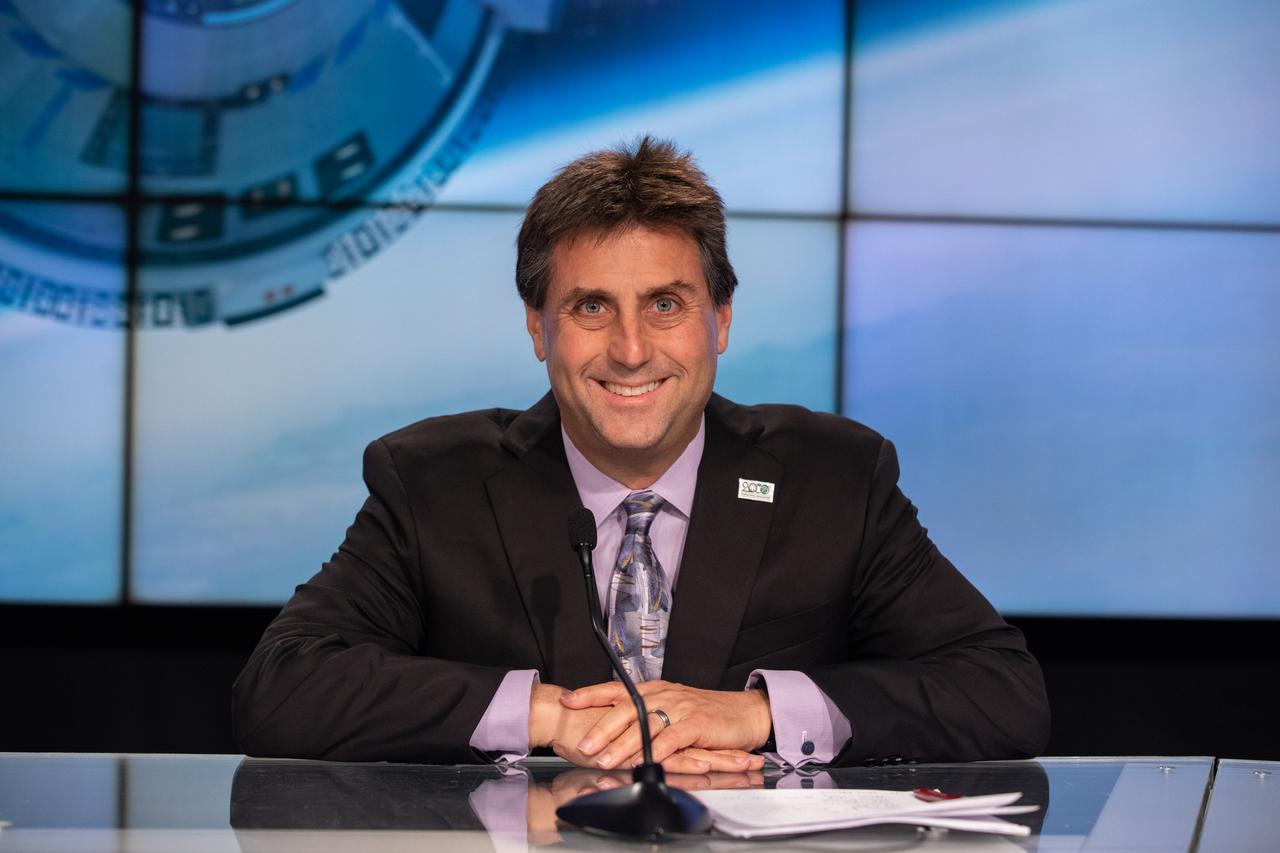
Joel Montalbano, manager, NASA’s International Space Station Program, participates in a post-launch news conference following the liftoff of NASA Boeing’s Orbital Flight Test-2 (OFT-2) on May 19, 2022. Liftoff occurred at 6:54 p.m. EDT from Space Launch Complex-41 at Florida’s Cape Canaveral Space Force Station. Boeing’s uncrewed flight test is designed to test the system’s end-to-end capabilities for NASA’s Commercial Crew Program providing valuable data towards NASA certifying Boeing’s crew transportation system for regular crewed flights to and from the International Space Station.
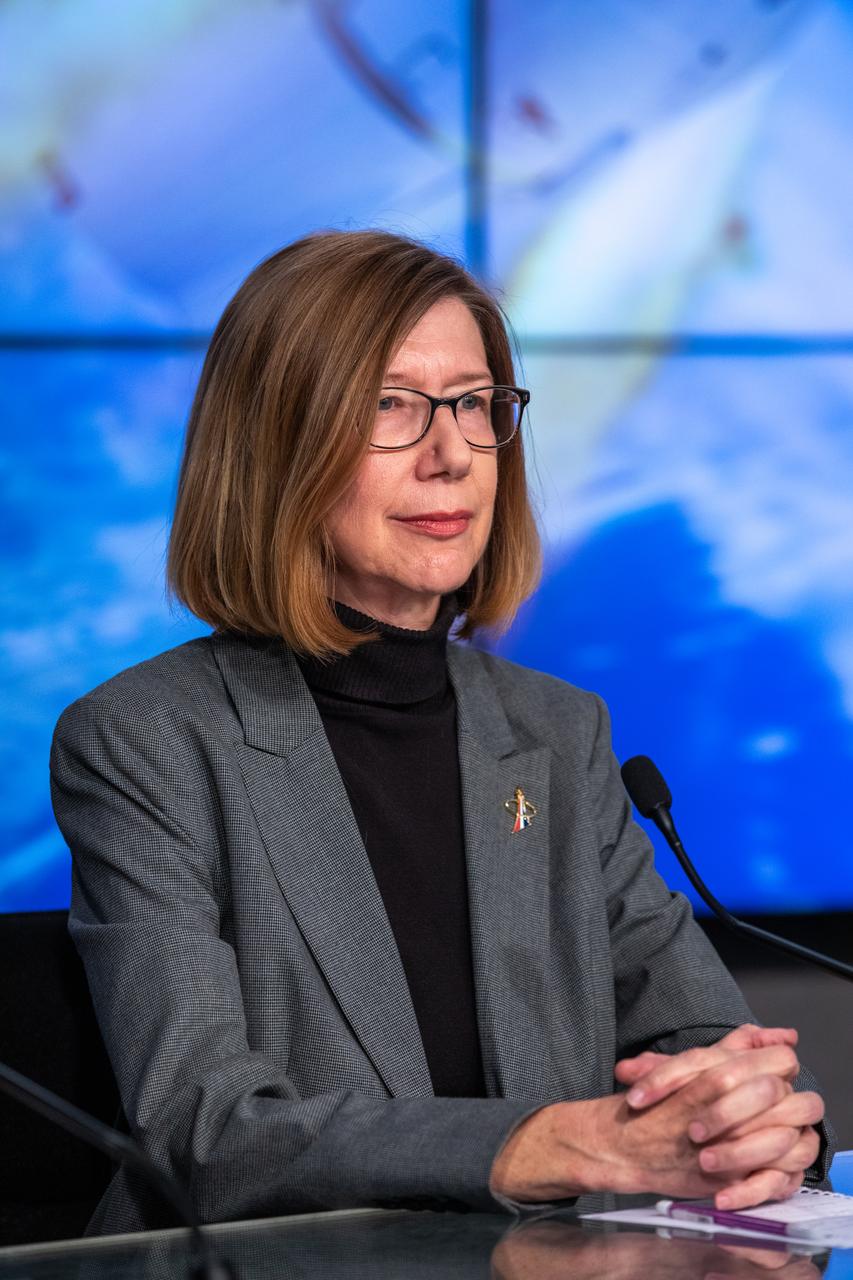
Kathy Lueders, manager of NASA’s Commercial Crew Program, participates in a briefing at the agency’s Kennedy Space Center in Florida following the company’s uncrewed In-Flight Abort Test on Jan. 19, 2020. During the flight test, a SpaceX Falcon 9 rocket and Crew Dragon spacecraft lifted off from Kennedy’s Launch Complex 39A and began a planned launch-abort sequence demonstrating the spacecraft’s escape capabilities. The Crew Dragon splashed down in the Atlantic Ocean as expected. The In-Flight Abort Test is a critical milestone in preparation for crewed flights to the International Space Station as part of the agency’s Commercial Crew Program.
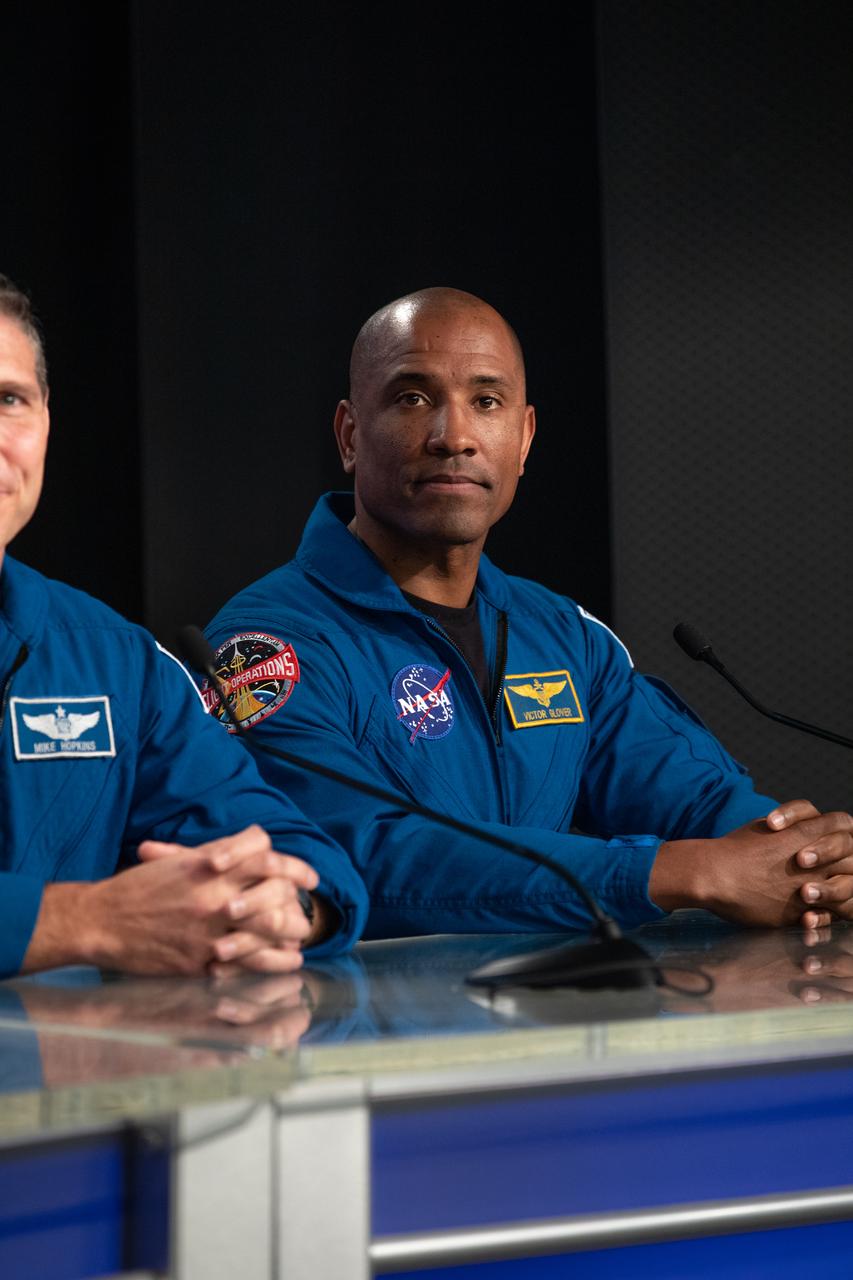
NASA astronaut Victor Glover participates in a briefing at the agency’s Kennedy Space Center in Florida following the company’s uncrewed In-Flight Abort Test on Jan. 19, 2020. During the flight test, a SpaceX Falcon 9 rocket and Crew Dragon spacecraft lifted off from Kennedy’s Launch Complex 39A and began a planned launch-abort sequence demonstrating the spacecraft’s escape capabilities. The Crew Dragon splashed down in the Atlantic Ocean as expected. The In-Flight Abort Test is a critical milestone in preparation for crewed flights to the International Space Station as part of the agency’s Commercial Crew Program.
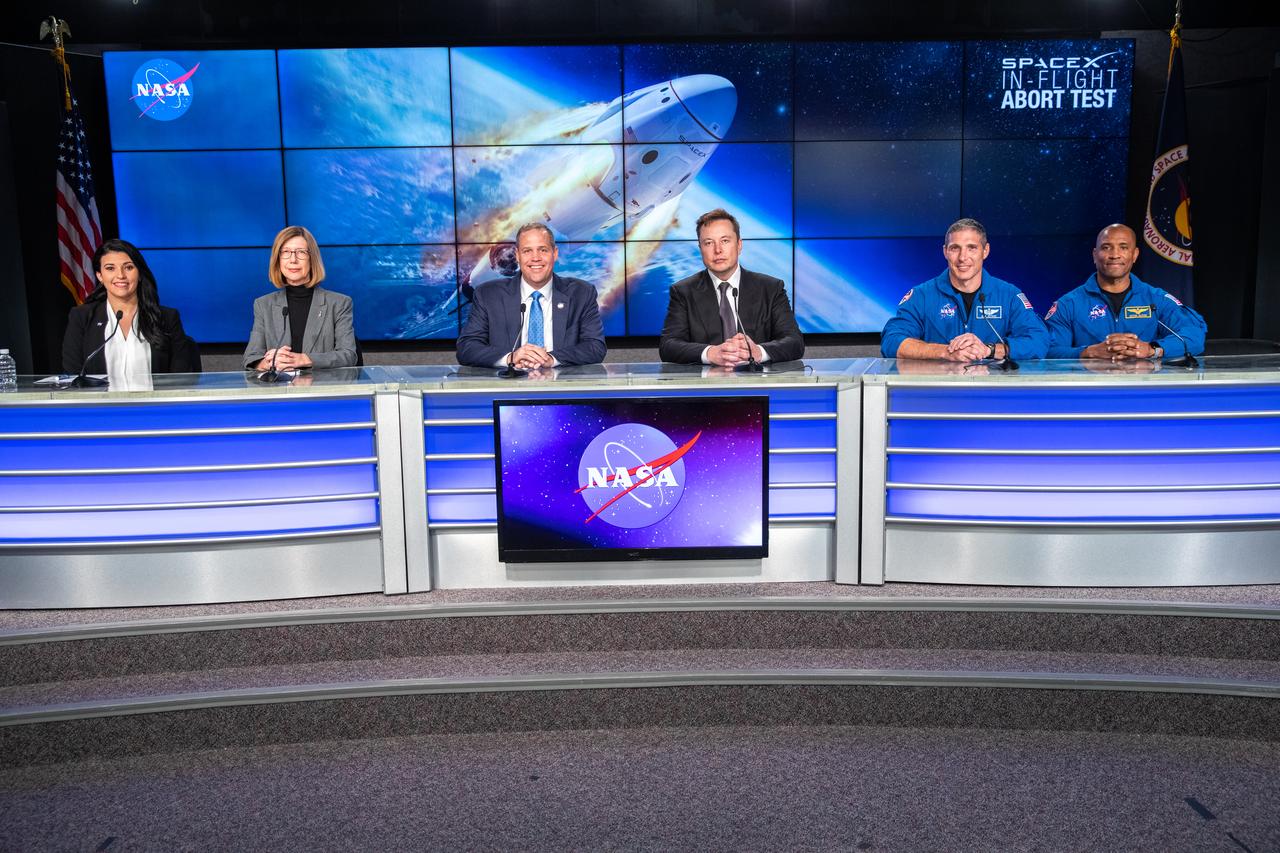
Officials from NASA and SpaceX participate in a briefing at the agency’s Kennedy Space Center in Florida following the company’s uncrewed In-Flight Abort Test on Jan. 19, 2020. From left to right are Bettina Inclan, NASA Communications; Kathy Lueders, program manager, NASA’s Commercial Crew Program; NASA Administrator Jim Bridenstine; Elon Musk, chief engineer, SpaceX; and NASA astronauts Mike Hopkins and Victor Glover. During the flight test, a SpaceX Falcon 9 rocket and Crew Dragon spacecraft lifted off from Kennedy’s Launch Complex 39A and began a planned launch-abort sequence demonstrating the spacecraft’s escape capabilities. The Crew Dragon splashed down in the Atlantic Ocean as expected. The In-Flight Abort Test is a critical milestone in preparation for crewed flights to the International Space Station as part of the agency’s Commercial Crew Program.
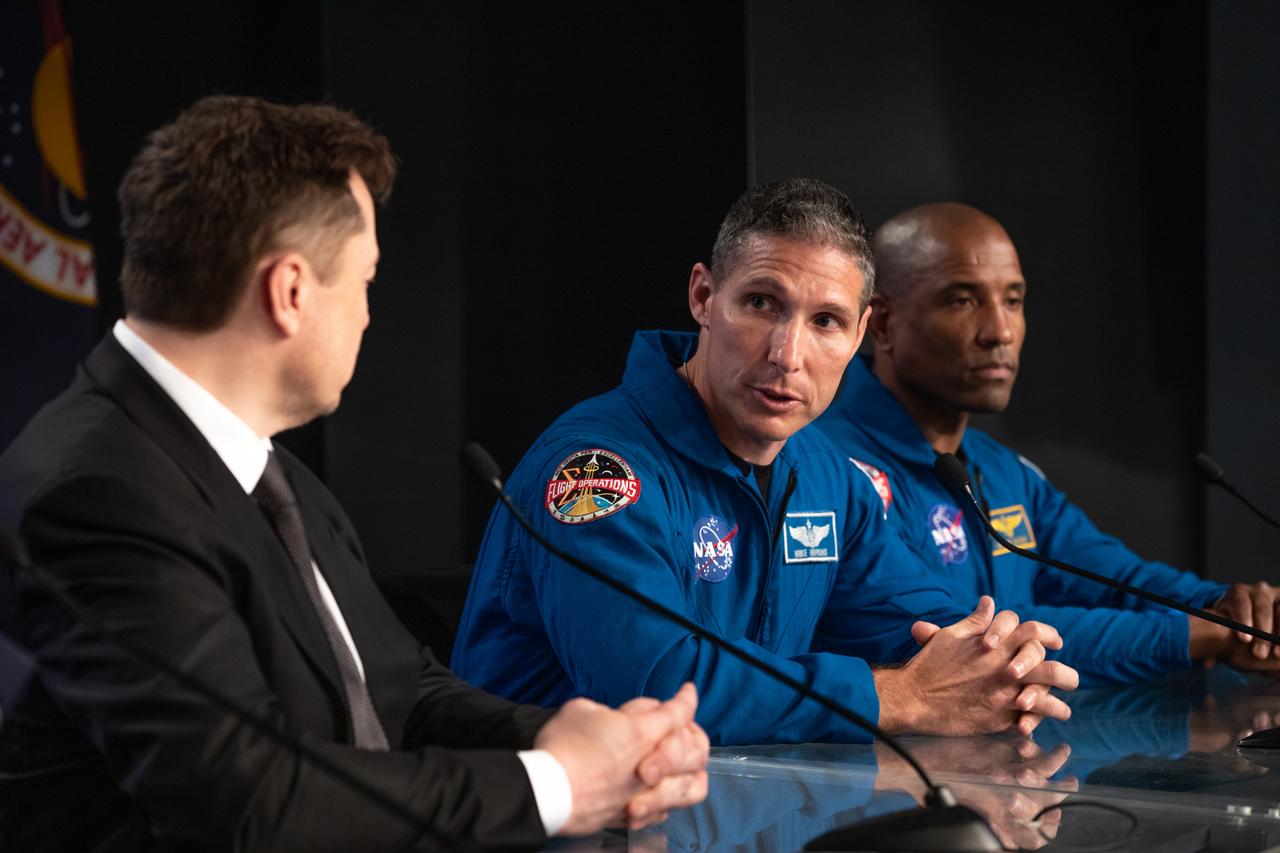
NASA astronaut Mike Hopkins, center, speaks during a briefing at the agency’s Kennedy Space Center in Florida following the uncrewed In-Flight Abort Test on Jan. 19, 2020. From left to right are SpaceX Chief Engineer Elon Musk, Hopkins, and NASA astronaut Victor Glover. During the flight test, a SpaceX Falcon 9 rocket and Crew Dragon spacecraft lifted off from Kennedy’s Launch Complex 39A and began a planned launch-abort sequence demonstrating the spacecraft’s escape capabilities. The Crew Dragon splashed down in the Atlantic Ocean as expected. The In-Flight Abort Test is a critical milestone in preparation for crewed flights to the International Space Station as part of the agency’s Commercial Crew Program.
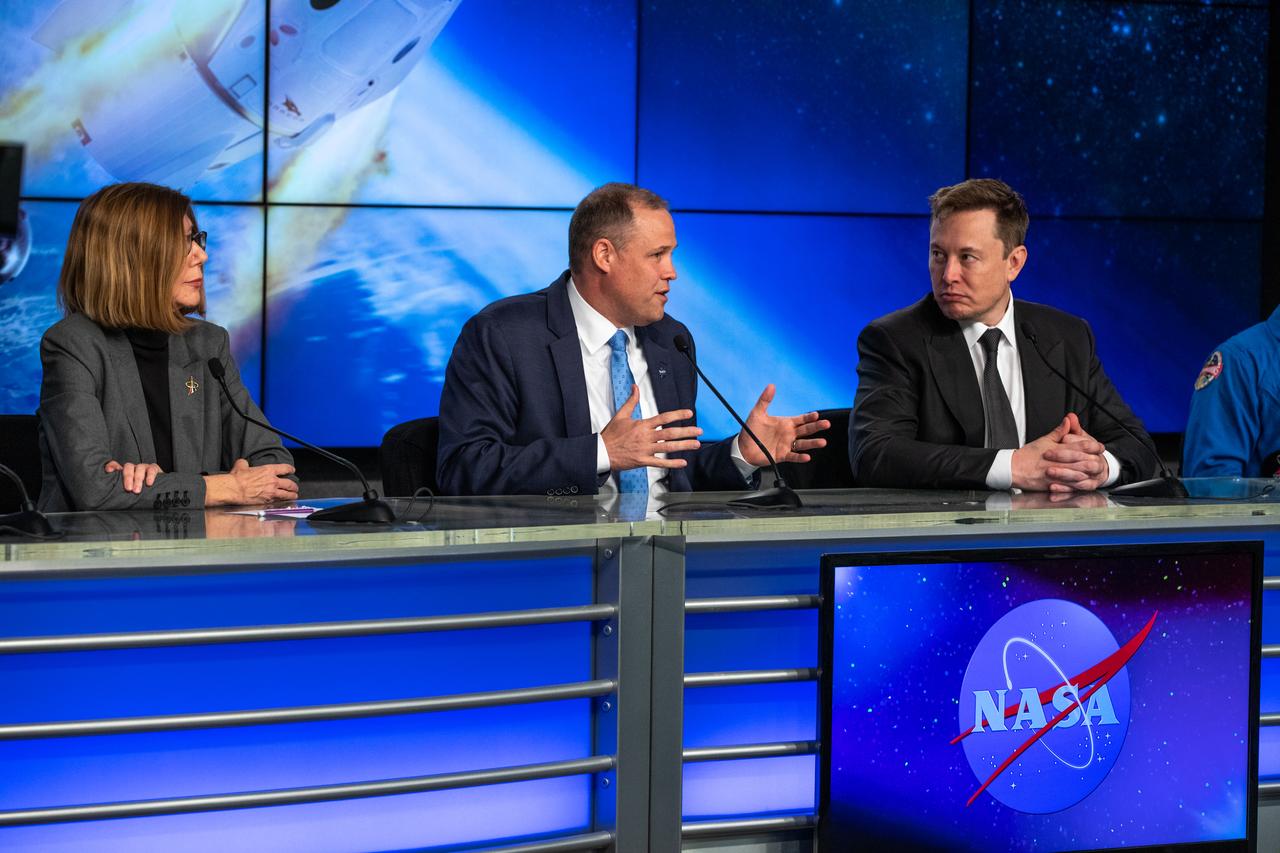
NASA Administrator Jim Bridenstine, center, speaks during a briefing at the agency’s Kennedy Space Center in Florida following the uncrewed In-Flight Abort Test on Jan. 19, 2020. From left to right are Kathy Lueders, program manager, NASA’s Commercial Crew Program; Bridenstine; and Elon Musk, chief engineer, SpaceX. During the flight test, a SpaceX Falcon 9 rocket and Crew Dragon spacecraft lifted off from Kennedy’s Launch Complex 39A and began a planned launch-abort sequence demonstrating the spacecraft’s escape capabilities. The Crew Dragon splashed down in the Atlantic Ocean as expected. The In-Flight Abort Test is a critical milestone in preparation for crewed flights to the International Space Station as part of the agency’s Commercial Crew Program.
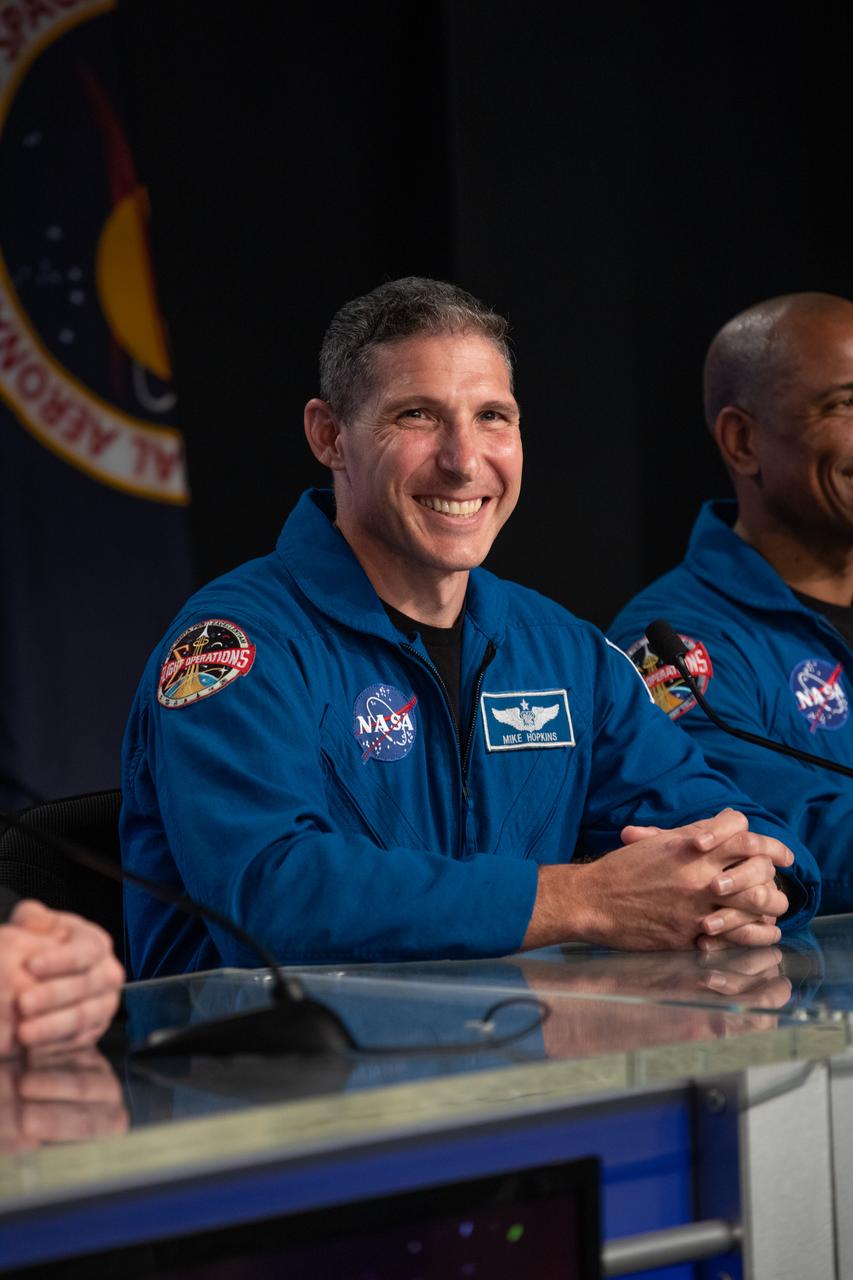
NASA astronaut Mike Hopkins participates in a briefing at the agency’s Kennedy Space Center in Florida following the company’s uncrewed In-Flight Abort Test on Jan. 19, 2020. During the flight test, a SpaceX Falcon 9 rocket and Crew Dragon spacecraft lifted off from Kennedy’s Launch Complex 39A and began a planned launch-abort sequence demonstrating the spacecraft’s escape capabilities. The Crew Dragon splashed down in the Atlantic Ocean as expected. The In-Flight Abort Test is a critical milestone in preparation for crewed flights to the International Space Station as part of the agency’s Commercial Crew Program.
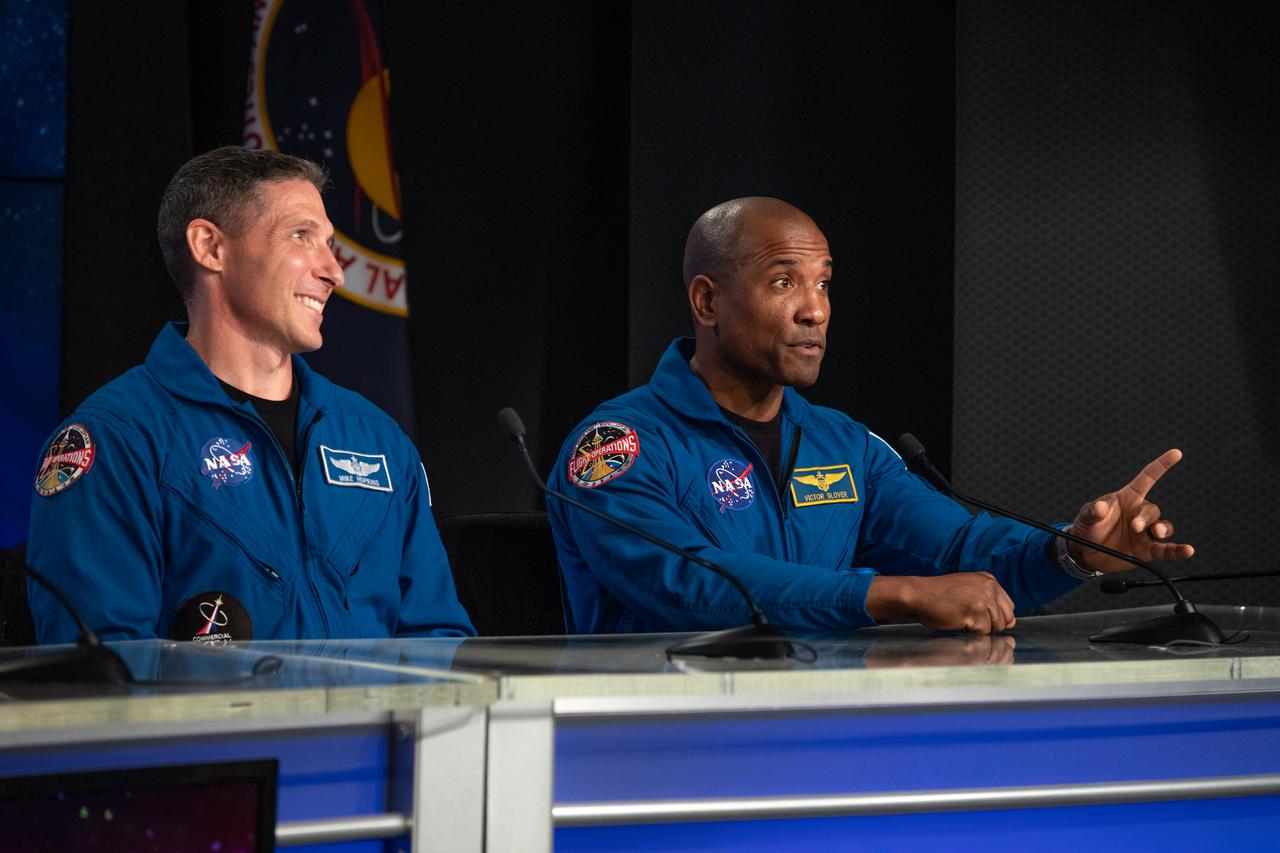
NASA astronaut Victor Glover, right, speaks during a briefing at the agency’s Kennedy Space Center in Florida following the uncrewed In-Flight Abort Test on Jan. 19, 2020. Beside Glover is NASA astronaut Mike Hopkins. During the flight test, a SpaceX Falcon 9 rocket and Crew Dragon spacecraft lifted off from Kennedy’s Launch Complex 39A and began a planned launch-abort sequence demonstrating the spacecraft’s escape capabilities. The Crew Dragon splashed down in the Atlantic Ocean as expected. The In-Flight Abort Test is a critical milestone in preparation for crewed flights to the International Space Station as part of the agency’s Commercial Crew Program.
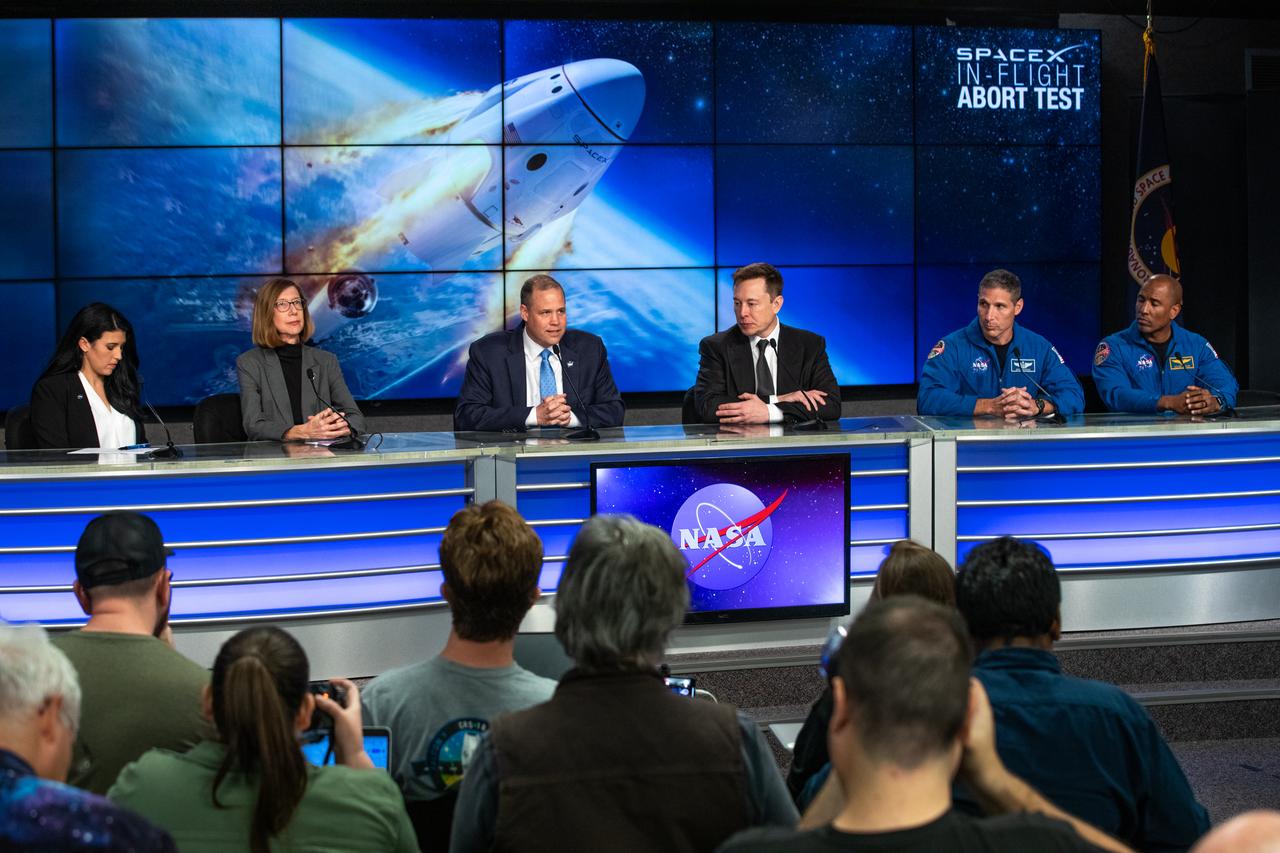
Officials from NASA and SpaceX participate in a briefing at the agency’s Kennedy Space Center in Florida following the company’s uncrewed In-Flight Abort Test on Jan. 19, 2020. From left to right are Bettina Inclan, NASA Communications; Kathy Lueders, program manager, NASA’s Commercial Crew Program; NASA Administrator Jim Bridenstine; Elon Musk, chief engineer, SpaceX; and NASA astronauts Mike Hopkins and Victor Glover. During the flight test, a SpaceX Falcon 9 rocket and Crew Dragon spacecraft lifted off from Kennedy’s Launch Complex 39A and began a planned launch-abort sequence demonstrating the spacecraft’s escape capabilities. The Crew Dragon splashed down in the Atlantic Ocean as expected. The In-Flight Abort Test is a critical milestone in preparation for crewed flights to the International Space Station as part of the agency’s Commercial Crew Program.
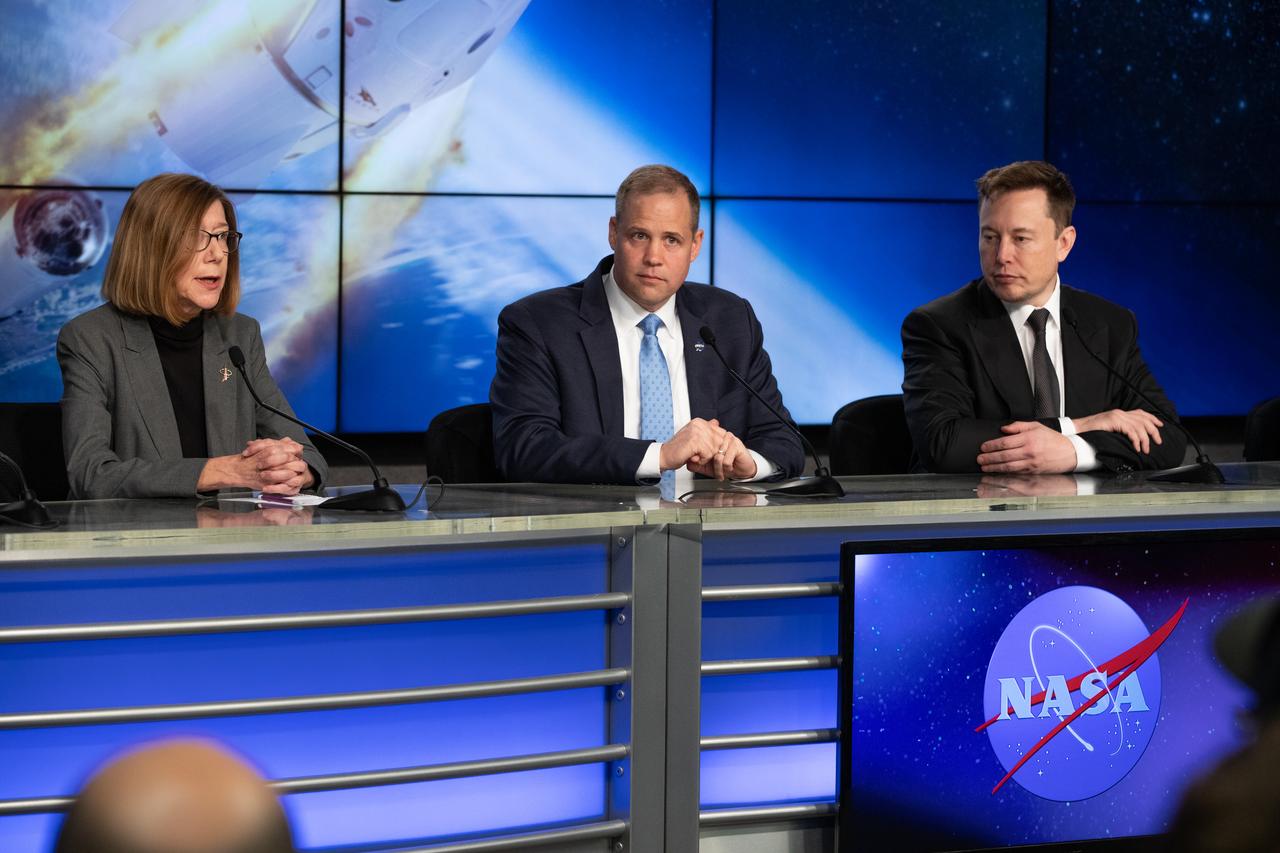
Officials from NASA and SpaceX participate in a briefing at the agency’s Kennedy Space Center in Florida following the company’s uncrewed In-Flight Abort Test on Jan. 19, 2020. From left to right are Kathy Lueders, program manager, NASA’s Commercial Crew Program; NASA Administrator Jim Bridenstine; and Elon Musk, chief engineer, SpaceX. During the flight test, a SpaceX Falcon 9 rocket and Crew Dragon spacecraft lifted off from Kennedy’s Launch Complex 39A and began a planned launch-abort sequence demonstrating the spacecraft’s escape capabilities. The Crew Dragon splashed down in the Atlantic Ocean as expected. The In-Flight Abort Test is a critical milestone in preparation for crewed flights to the International Space Station as part of the agency’s Commercial Crew Program.
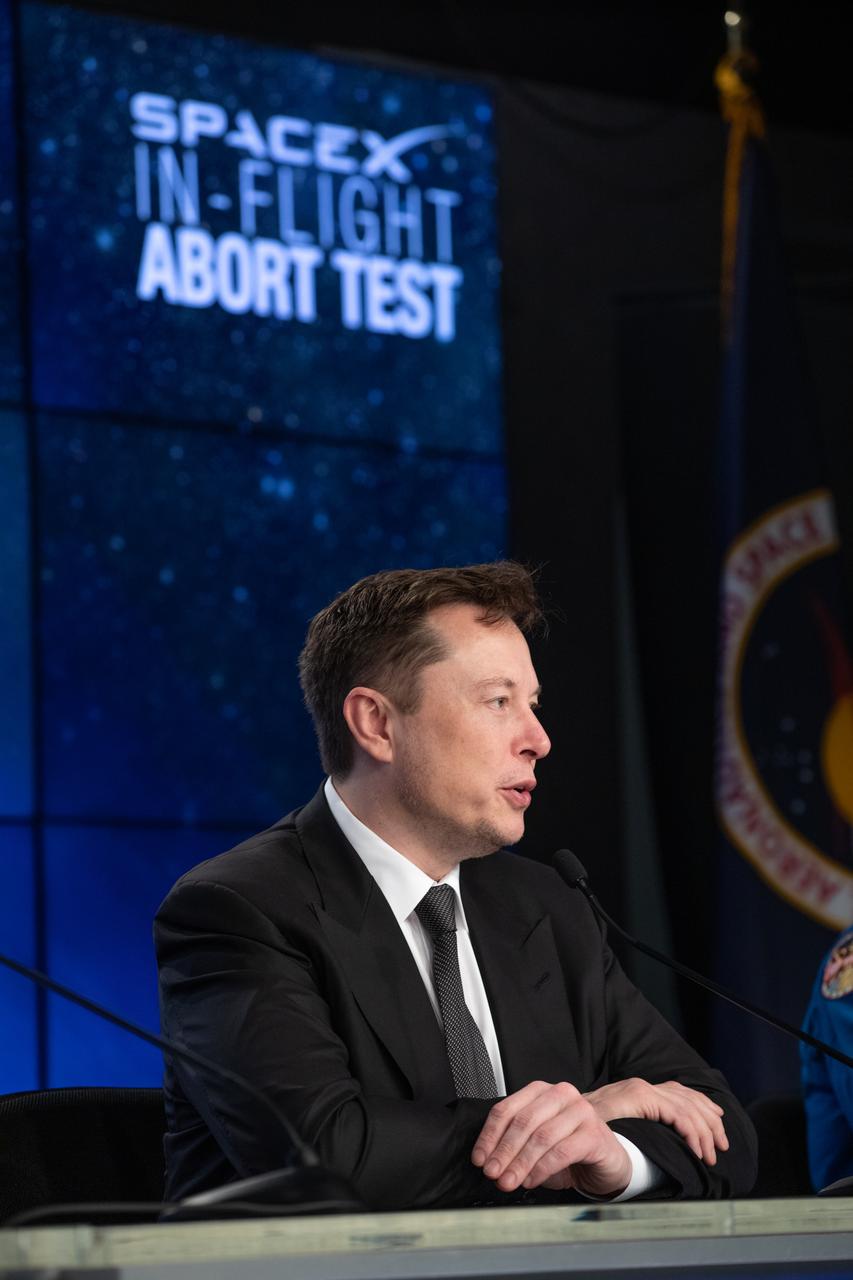
SpaceX Chief Engineer Elon Musk participates in a briefing at the agency’s Kennedy Space Center in Florida following the company’s uncrewed In-Flight Abort Test on Jan. 19, 2020. During the flight test, a SpaceX Falcon 9 rocket and Crew Dragon spacecraft lifted off from Kennedy’s Launch Complex 39A and began a planned launch-abort sequence demonstrating the spacecraft’s escape capabilities. The Crew Dragon splashed down in the Atlantic Ocean as expected. The In-Flight Abort Test is a critical milestone in preparation for crewed flights to the International Space Station as part of the agency’s Commercial Crew Program.
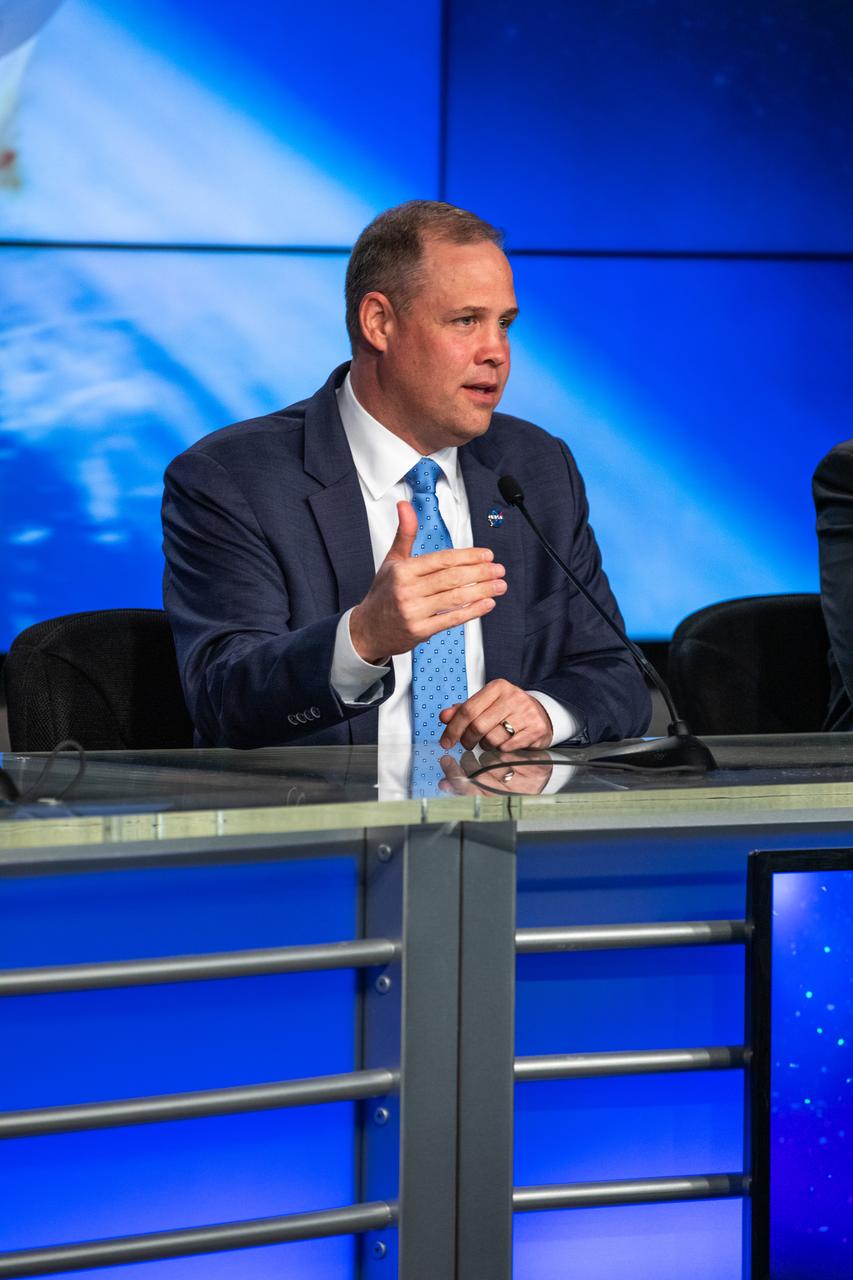
NASA Administrator Jim Bridenstine speaks during a briefing at the agency’s Kennedy Space Center in Florida following the uncrewed In-Flight Abort Test on Jan. 19, 2020. From left to right are Kathy Lueders, program manager, NASA’s Commercial Crew Program; Bridenstine; and Elon Musk, chief engineer, SpaceX. During the flight test, a SpaceX Falcon 9 rocket and Crew Dragon spacecraft lifted off from Kennedy’s Launch Complex 39A and began a planned launch-abort sequence demonstrating the spacecraft’s escape capabilities. The Crew Dragon splashed down in the Atlantic Ocean as expected. The In-Flight Abort Test is a critical milestone in preparation for crewed flights to the International Space Station as part of the agency’s Commercial Crew Program.
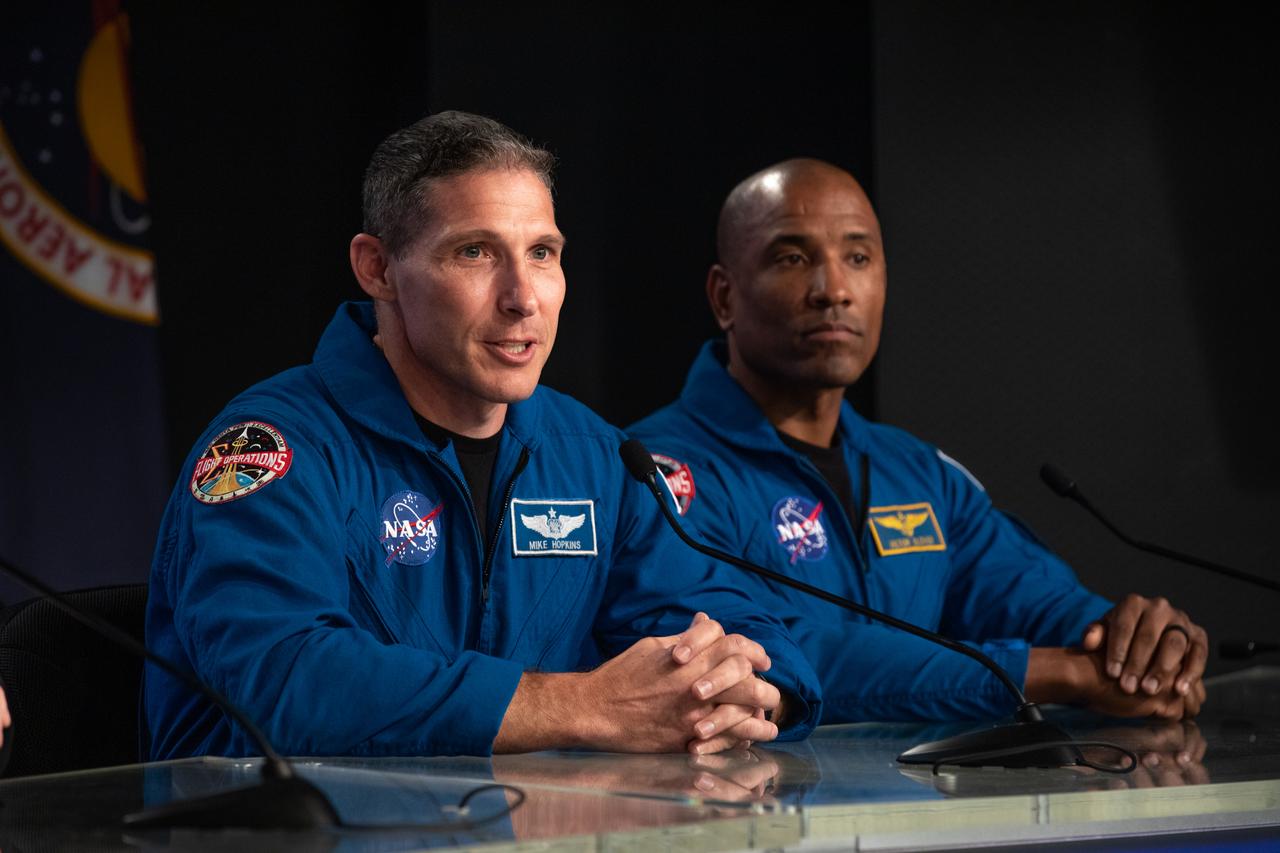
NASA astronaut Mike Hopkins, left, speaks during a briefing at the agency’s Kennedy Space Center in Florida following the uncrewed In-Flight Abort Test on Jan. 19, 2020. Beside Hopkins is NASA astronaut Victor Glover. During the flight test, a SpaceX Falcon 9 rocket and Crew Dragon spacecraft lifted off from Kennedy’s Launch Complex 39A and began a planned launch-abort sequence demonstrating the spacecraft’s escape capabilities. The Crew Dragon splashed down in the Atlantic Ocean as expected. The In-Flight Abort Test is a critical milestone in preparation for crewed flights to the International Space Station as part of the agency’s Commercial Crew Program.
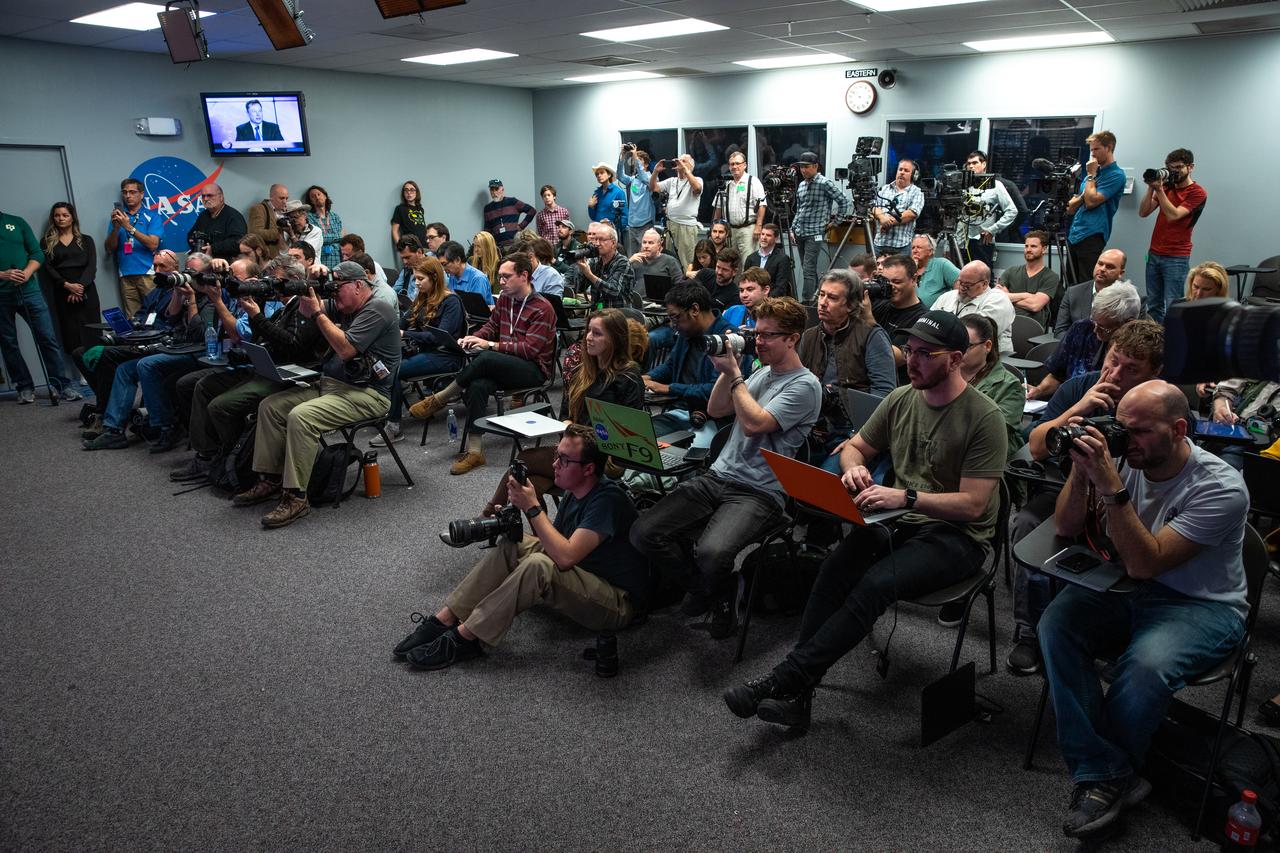
Members of the news media listen as officials from NASA and SpaceX participate in a briefing at the agency’s Kennedy Space Center in Florida following the company’s uncrewed In-Flight Abort Test on Jan. 19, 2020. During the flight test, a SpaceX Falcon 9 rocket and Crew Dragon spacecraft lifted off from Kennedy’s Launch Complex 39A and began a planned launch-abort sequence demonstrating the spacecraft’s escape capabilities. The Crew Dragon splashed down in the Atlantic Ocean as expected. The In-Flight Abort Test is a critical milestone in preparation for crewed flights to the International Space Station as part of the agency’s Commercial Crew Program.
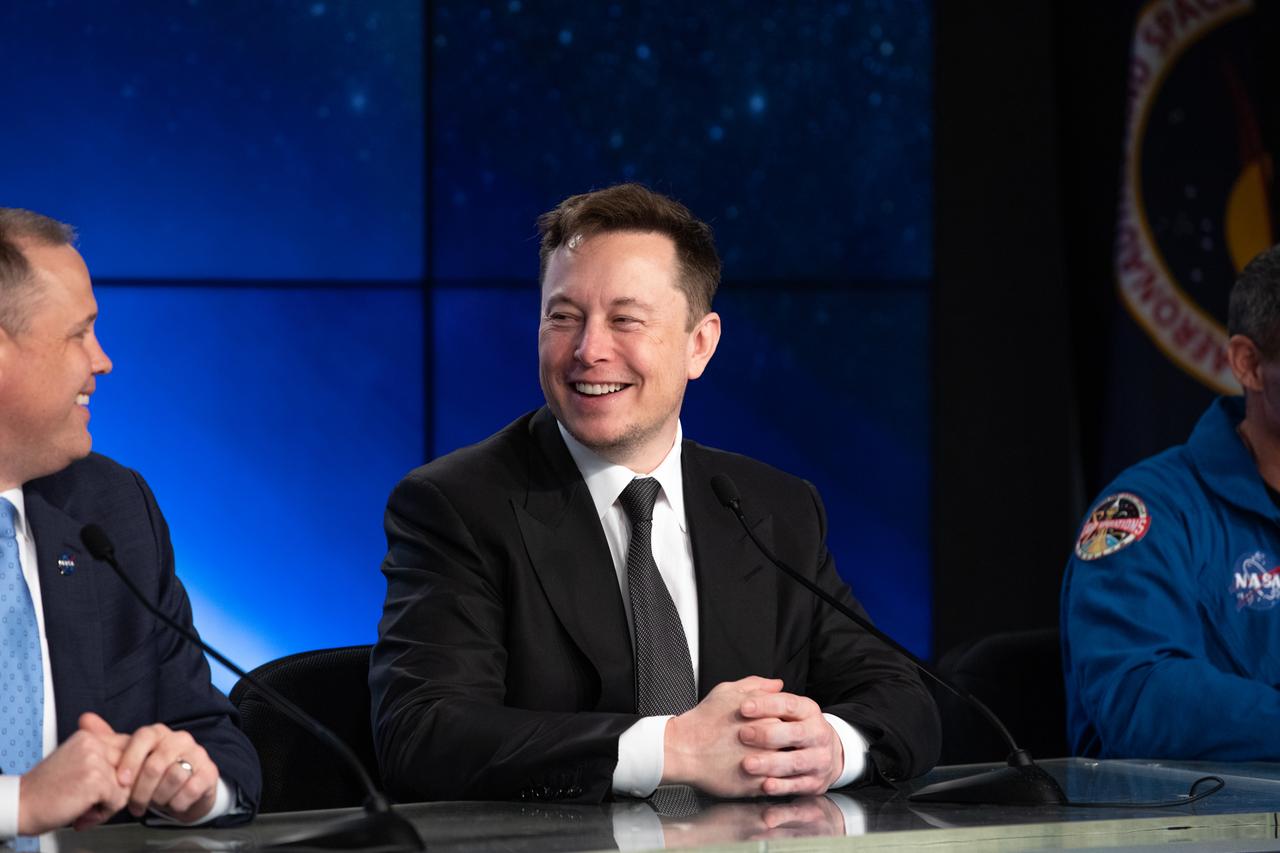
SpaceX Chief Engineer Elon Musk, right, speaks during a briefing at the agency’s Kennedy Space Center in Florida following the company’s uncrewed In-Flight Abort Test on Jan. 19, 2020. Beside Musk is NASA Administrator Jim Bridenstine. During the flight test, a SpaceX Falcon 9 rocket and Crew Dragon spacecraft lifted off from Kennedy’s Launch Complex 39A and began a planned launch-abort sequence demonstrating the spacecraft’s escape capabilities. The Crew Dragon splashed down in the Atlantic Ocean as expected. The In-Flight Abort Test is a critical milestone in preparation for crewed flights to the International Space Station as part of the agency’s Commercial Crew Program.
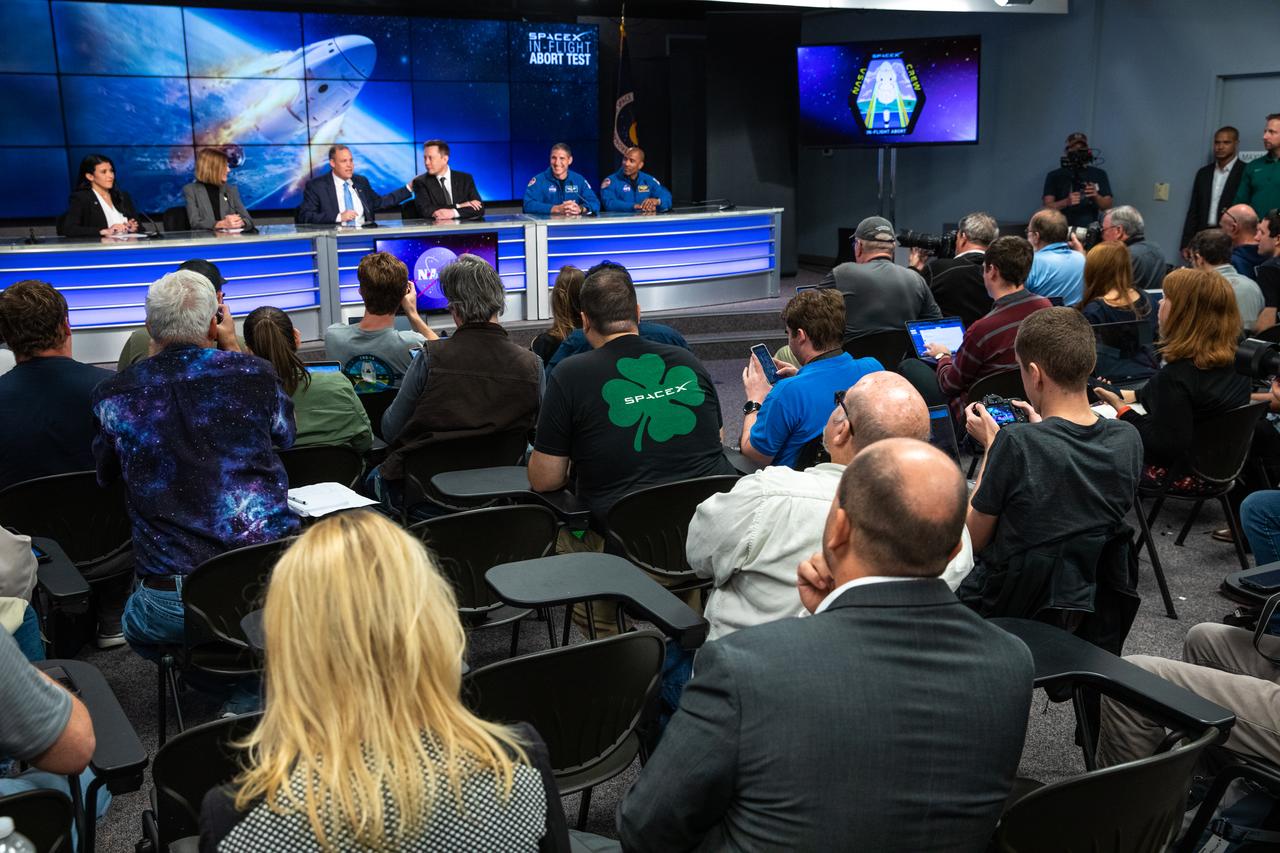
Officials from NASA and SpaceX participate in a briefing at the agency’s Kennedy Space Center in Florida following the company’s uncrewed In-Flight Abort Test on Jan. 19, 2020. From left to right are Bettina Inclan, NASA Communications; Kathy Lueders, program manager, NASA’s Commercial Crew Program; NASA Administrator Jim Bridenstine; Elon Musk, chief engineer, SpaceX; and NASA astronauts Mike Hopkins and Victor Glover. During the flight test, a SpaceX Falcon 9 rocket and Crew Dragon spacecraft lifted off from Kennedy’s Launch Complex 39A and began a planned launch-abort sequence demonstrating the spacecraft’s escape capabilities. The Crew Dragon splashed down in the Atlantic Ocean as expected. The In-Flight Abort Test is a critical milestone in preparation for crewed flights to the International Space Station as part of the agency’s Commercial Crew Program.
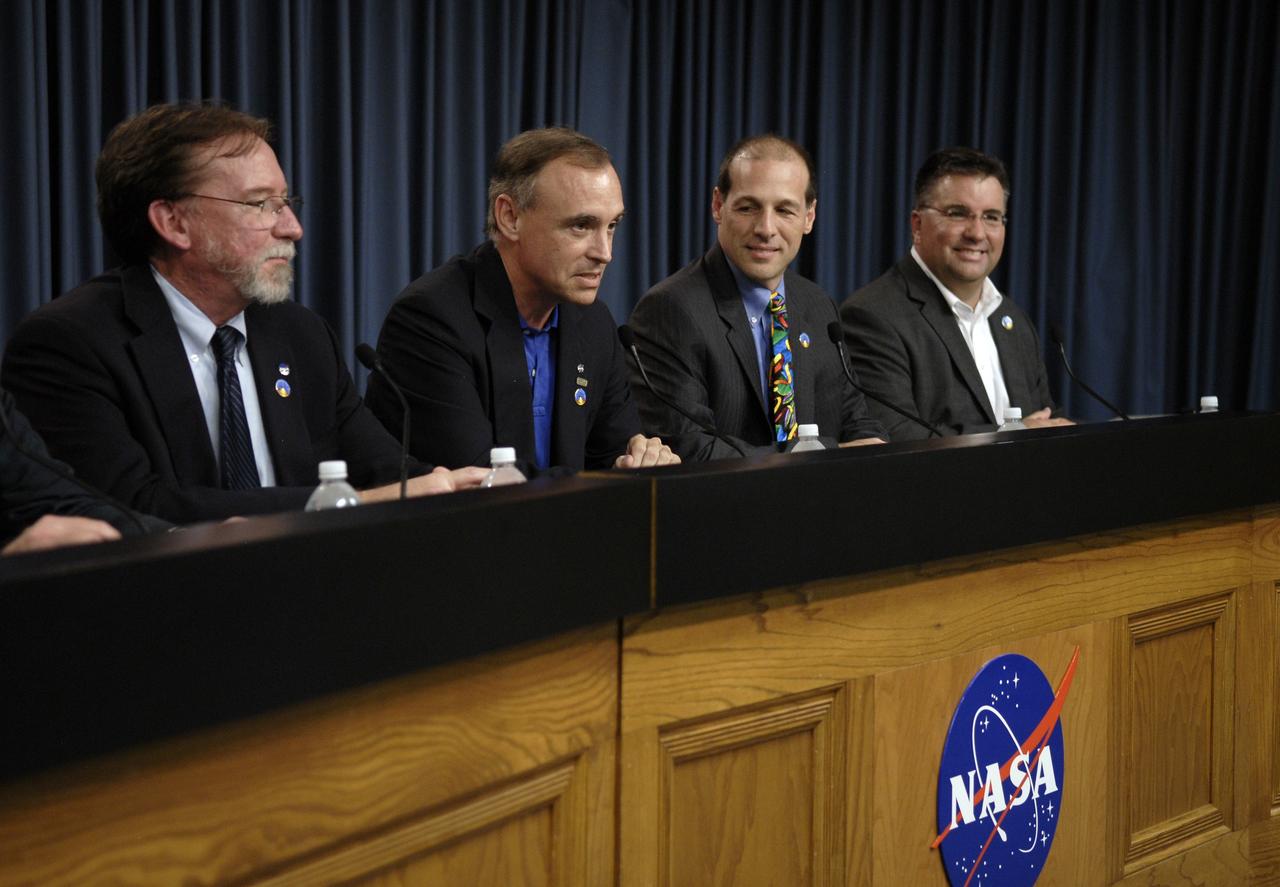
CAPE CANAVERAL, Fla. - At NASA's Kennedy Space Center in Florida, Constellation Program Manager Jeff Hanley addresses a post-launch news conference in the Press Site auditorium following the successful launch of the Ares I-X test rocket at 11:30 a.m. EDT Oct. 28. From left, are, Doug Cooke, associate administrator for NASA's Exploration Systems Mission Directorate; Hanley; Bob Ess, mission manager for the Ares I-X flight test; and Edward Mango, launch director for the Ares I-X flight test. For more information on the Ares I-X vehicle and flight test, visit http://www.nasa.gov/aresIX. Photo credit: NASA/Kim Shiflett
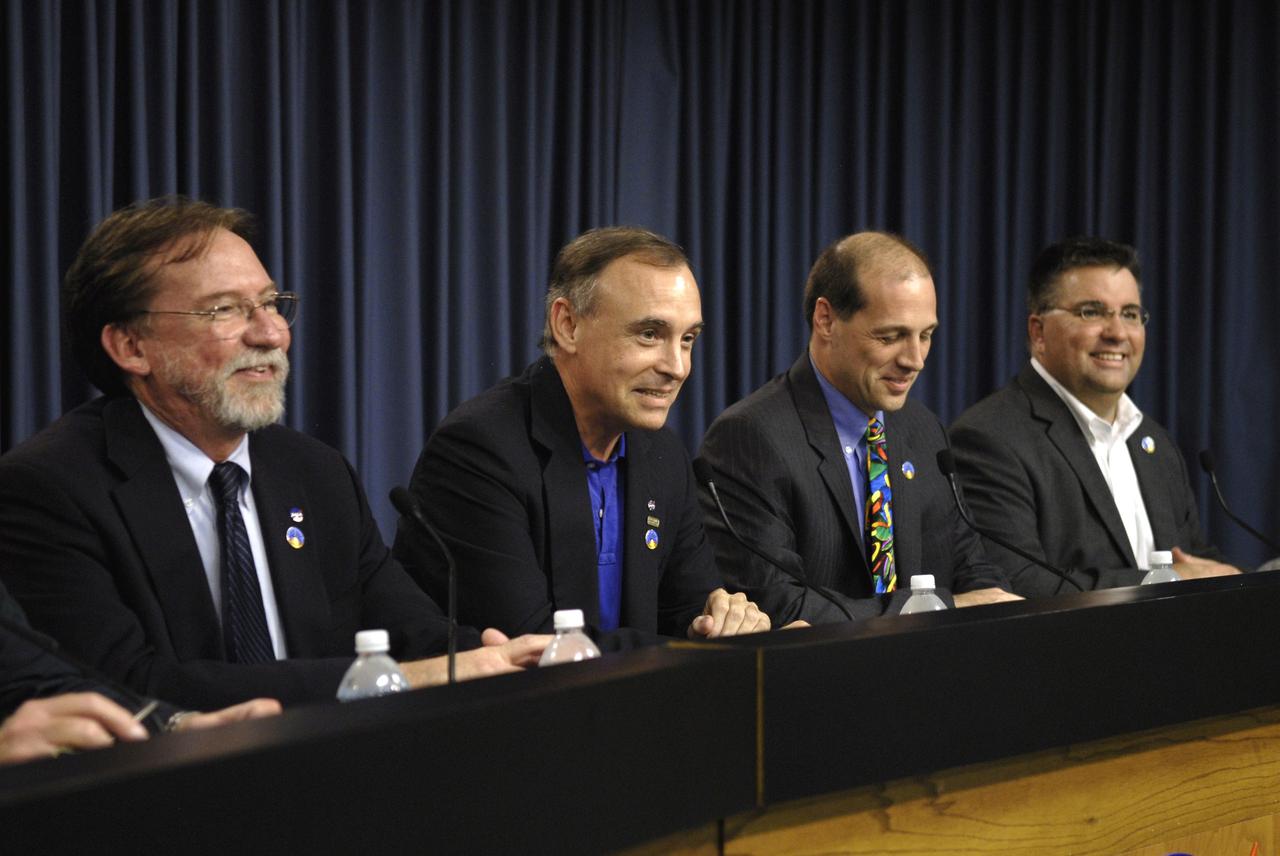
CAPE CANAVERAL, Fla. - At NASA's Kennedy Space Center in Florida, a post-launch news conference is held in the Press Site auditorium following the successful launch of the Ares I-X test rocket at 11:30 a.m. EDT Oct. 28. Smiling, from left, are Doug Cooke, associate administrator for NASA's Exploration Systems Mission Directorate; Jeff Hanley, Constellation Program manager; Bob Ess, mission manager for the Ares I-X flight test; and Edward Mango, launch director for the Ares I-X flight test. For more information on the Ares I-X vehicle and flight test, visit http://www.nasa.gov/aresIX. Photo credit: NASA/Kim Shiflett
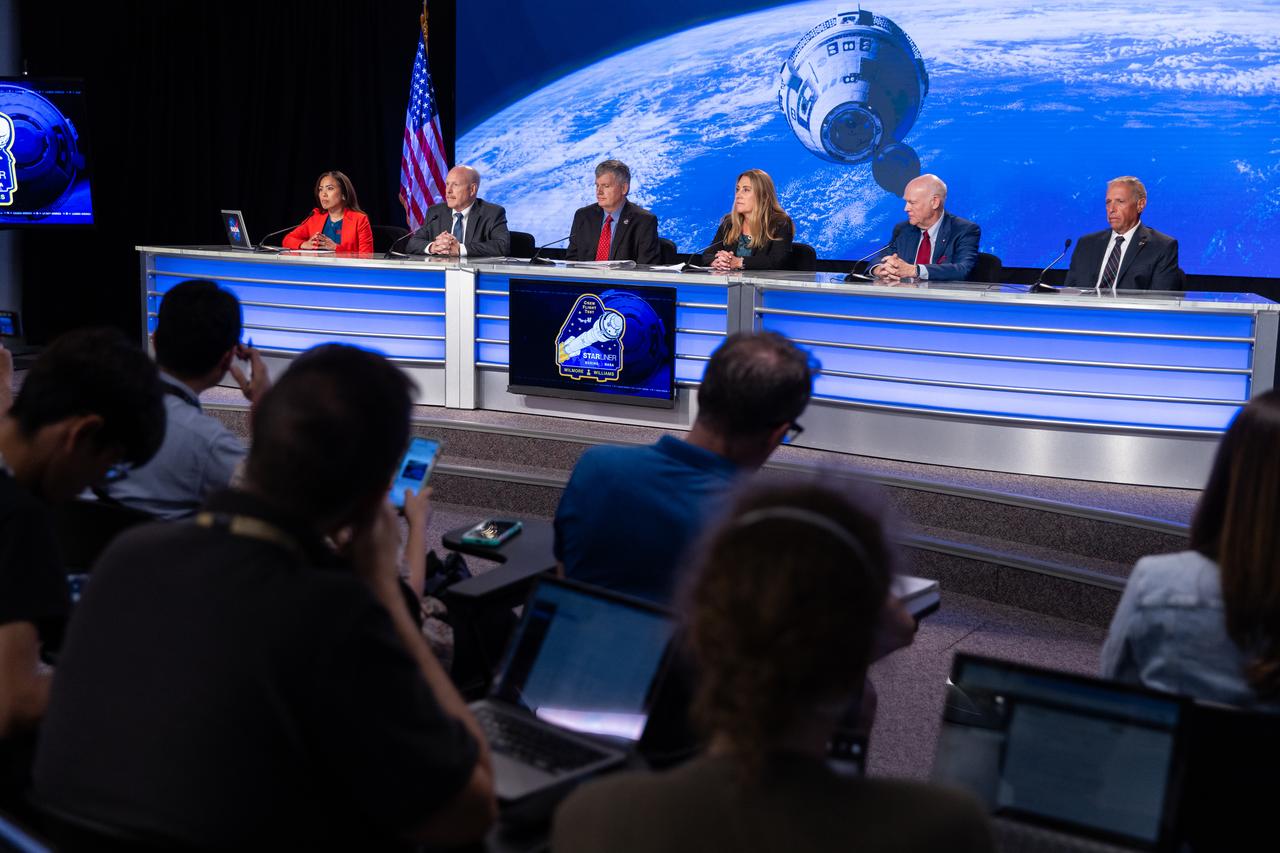
After the first launch attempt of NASA’s Boeing Crew Flight Test, a news conference is held on Monday, May 6, 2024, at the agency’s Kennedy Space Center in Florida. As part of the agency’s Commercial Crew Program, the first crewed launch to the International Space Station aboard Boeing’s Starliner spacecraft atop a United Launch Alliance Atlas V rocket from Space Launch Complex-41 at nearby Cape Canaveral Space Force Station was targeted for 10:34 p.m. ET but scrubbed for the day. Participants, from left to right are, Megan Cruz, NASA Communications; NASA Associate Administrator for Space Operations Ken Bowersox; NASA Commercial Crew Program Manager Steve Stich; NASA International Space Station Program Manager Dana Weigel; ULA (United Launch Alliance) President and CEO, Tory Bruno; and Vice President and Program Manager of Boeing’s Commercial Crew Program Mark Nappi.
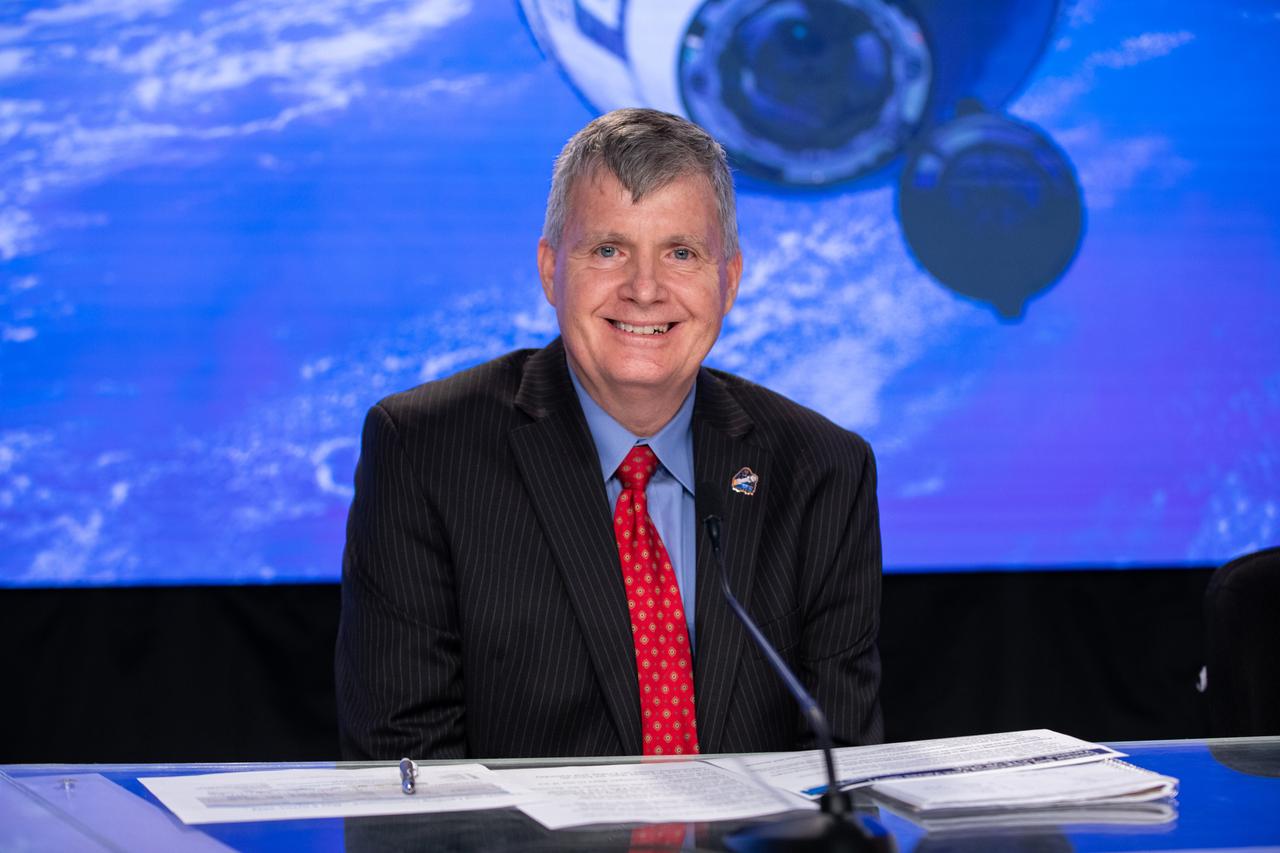
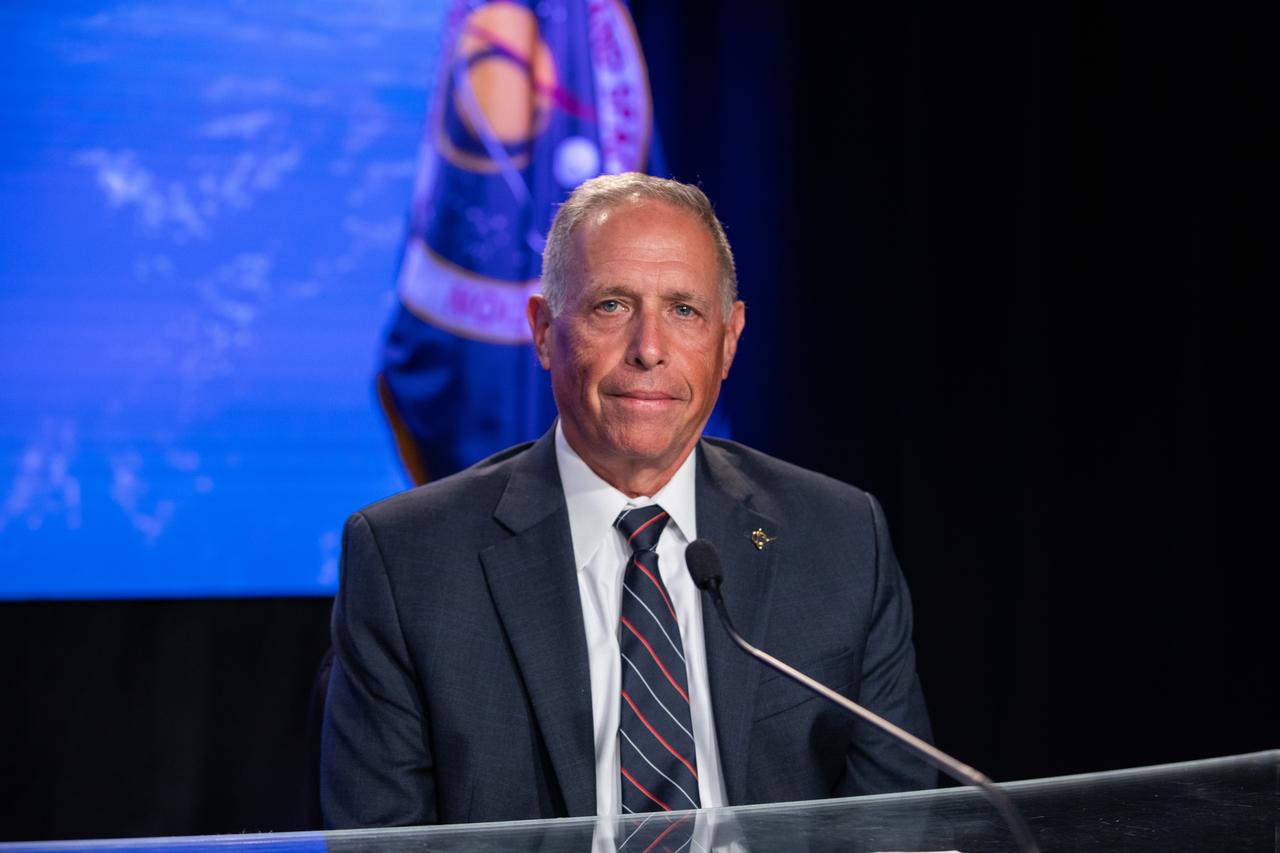
NASA Commercial Crew Program Manager Steve Stich is photographed during a news conference held on Monday, May 6, 2024, at the agency’s Kennedy Space Center in Florida following the first launch attempt of NASA’s Boeing Crew Flight Test. As part of the agency’s Commercial Crew Program, the first crewed launch to the International Space Station aboard Boeing’s Starliner spacecraft atop a United Launch Alliance Atlas V rocket from Space Launch Complex-41 at nearby Cape Canaveral Space Force Station was targeted for 10:34 p.m. ET but scrubbed for the day.
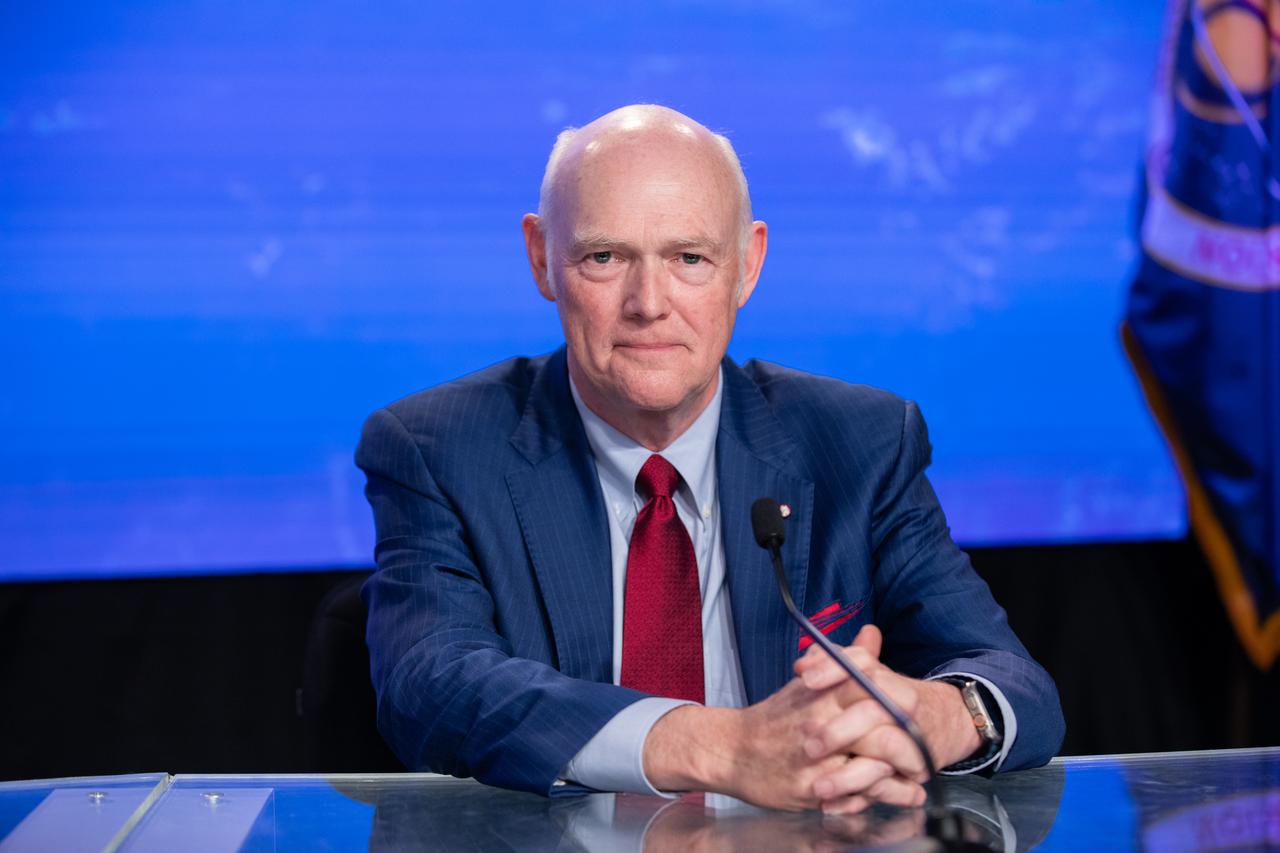
Vice President and Program Manager of Boeing’s Commercial Crew Program Mark Nappi,is photographed during a news conference held on Monday, May 6, 2024, at the agency’s Kennedy Space Center in Florida following the first launch attempt of NASA’s Boeing Crew Flight Test. As part of the agency’s Commercial Crew Program, the first crewed launch to the International Space Station aboard Boeing’s Starliner spacecraft atop a United Launch Alliance Atlas V rocket from Space Launch Complex-41 at nearby Cape Canaveral Space Force Station was targeted for 10:34 p.m. ET but scrubbed for the day.
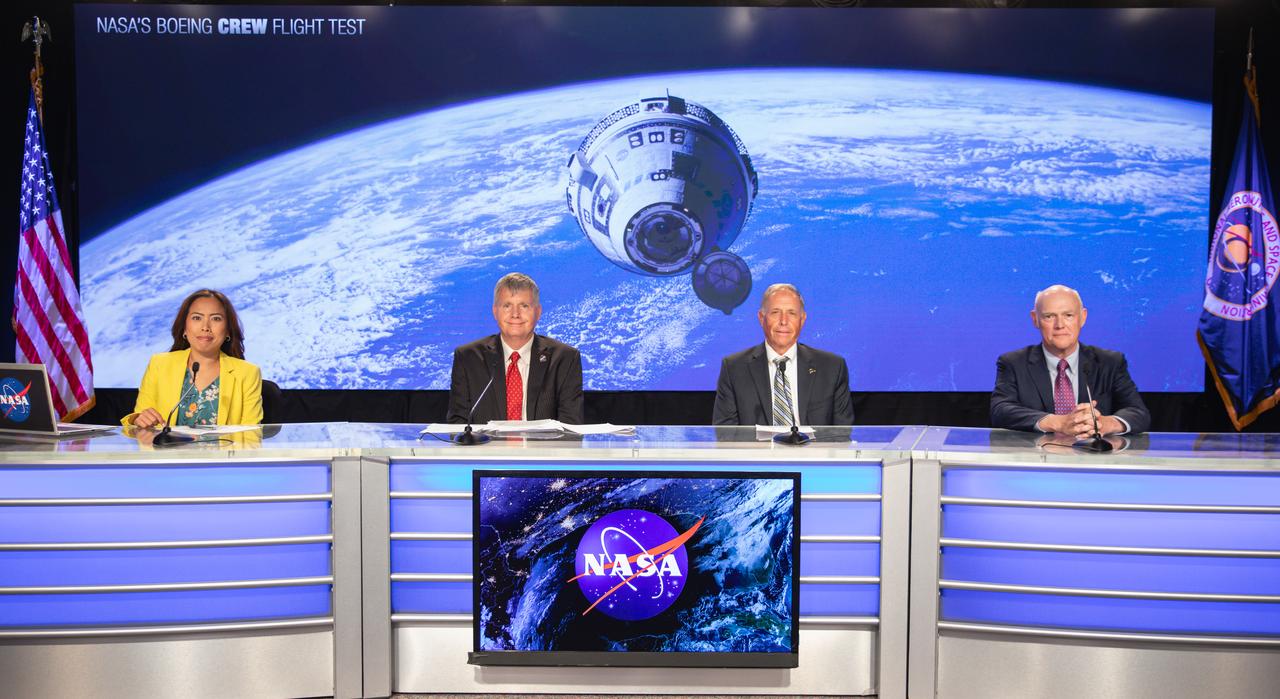
A news conference is held at the agency’s Kennedy Space Center in Florida on Saturday, June 1, 2024, after the second launch attempt of NASA’s Boeing Crew Flight Test scrubbed for the day. As part of the agency’s Commercial Crew Program, NASA astronauts Butch Wilmore and Suni Williams will be the first to launch to the International Space Station aboard Boeing’s Starliner spacecraft atop a ULA (United Launch Alliance) Atlas V rocket from Space Launch Complex-41 at nearby Cape Canaveral Space Force Station. Participants, from left to right, are Megan Cruz, NASA Communications; Steve Stich, NASA Commercial Crew Program manager; Mark Nappi, vice president and program manager for the Commercial Crew Program at Boeing; and Tory Bruno, ULA president and CEO.
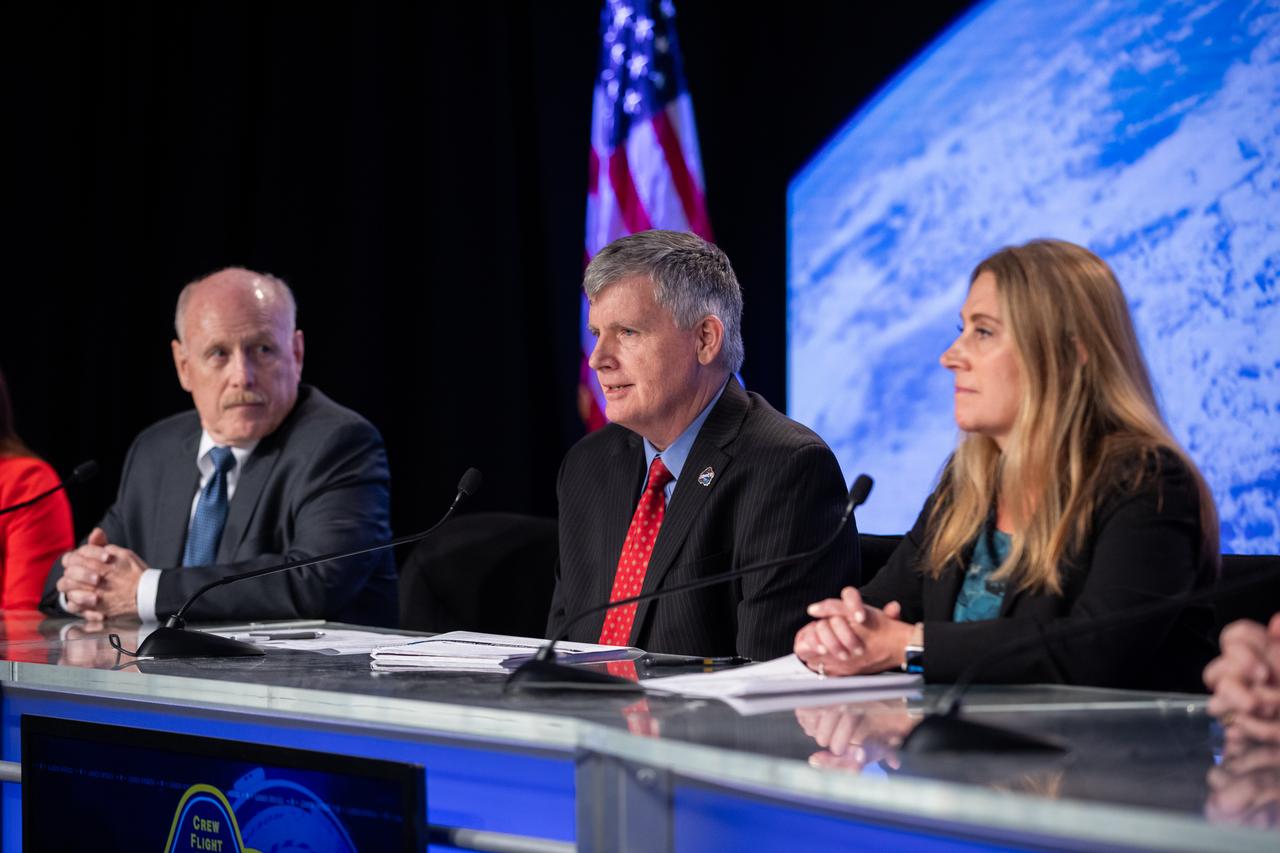
After the first launch attempt of NASA’s Boeing Crew Flight Test, a news conference is held on Monday, May 6, 2024, at the agency’s Kennedy Space Center in Florida. As part of the agency’s Commercial Crew Program, the first crewed launch to the International Space Station aboard Boeing’s Starliner spacecraft atop a United Launch Alliance Atlas V rocket from Space Launch Complex-41 at nearby Cape Canaveral Space Force Station was targeted for 10:34 p.m. ET but scrubbed for the day. Participants, from left to right are Associate Administrator for Space Operations Ken Bowersox; NASA Commercial Crew Program Manager Steve Stich; NASA International Space Station Program Manager Dana Weigel.
ULA (United Launch Alliance) President and CEO Tory Bruno is photographed during a news conference held on Monday, May 6, 2024, at the agency’s Kennedy Space Center in Florida following the first launch attempt of NASA’s Boeing Crew Flight Test. As part of the agency’s Commercial Crew Program, the first crewed launch to the International Space Station aboard Boeing’s Starliner spacecraft atop a United Launch Alliance Atlas V rocket from Space Launch Complex-41 at nearby Cape Canaveral Space Force Station was targeted for 10:34 p.m. ET but scrubbed for the day.
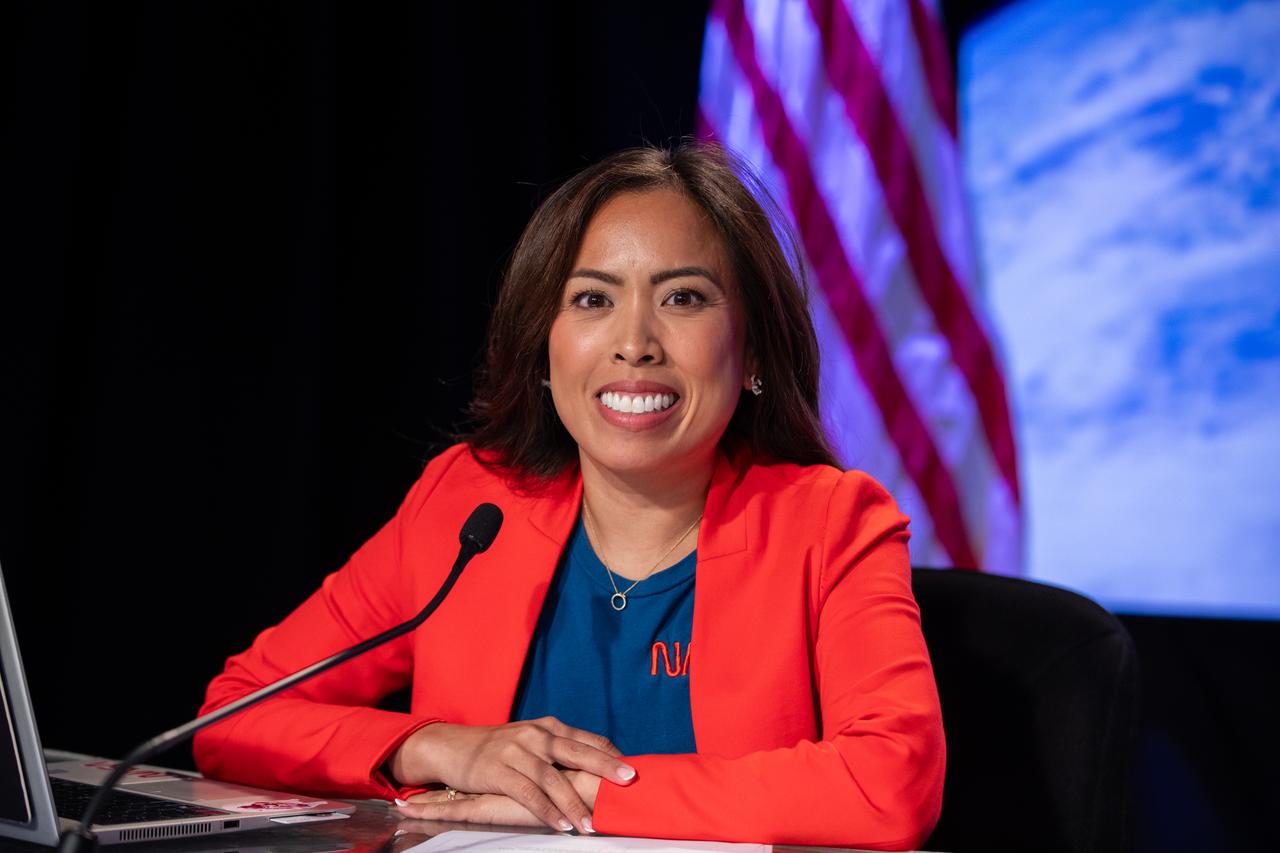
Megan Cruz, NASA communications, is photographed during a news conference held on Monday, May 6, 2024, at the agency’s Kennedy Space Center in Florida following the first launch attempt of NASA’s Boeing Crew Flight Test. As part of the agency’s Commercial Crew Program, the first crewed launch to the International Space Station aboard Boeing’s Starliner spacecraft atop a United Launch Alliance Atlas V rocket from Space Launch Complex-41 at nearby Cape Canaveral Space Force Station was targeted for 10:34 p.m. ET but scrubbed for the day.
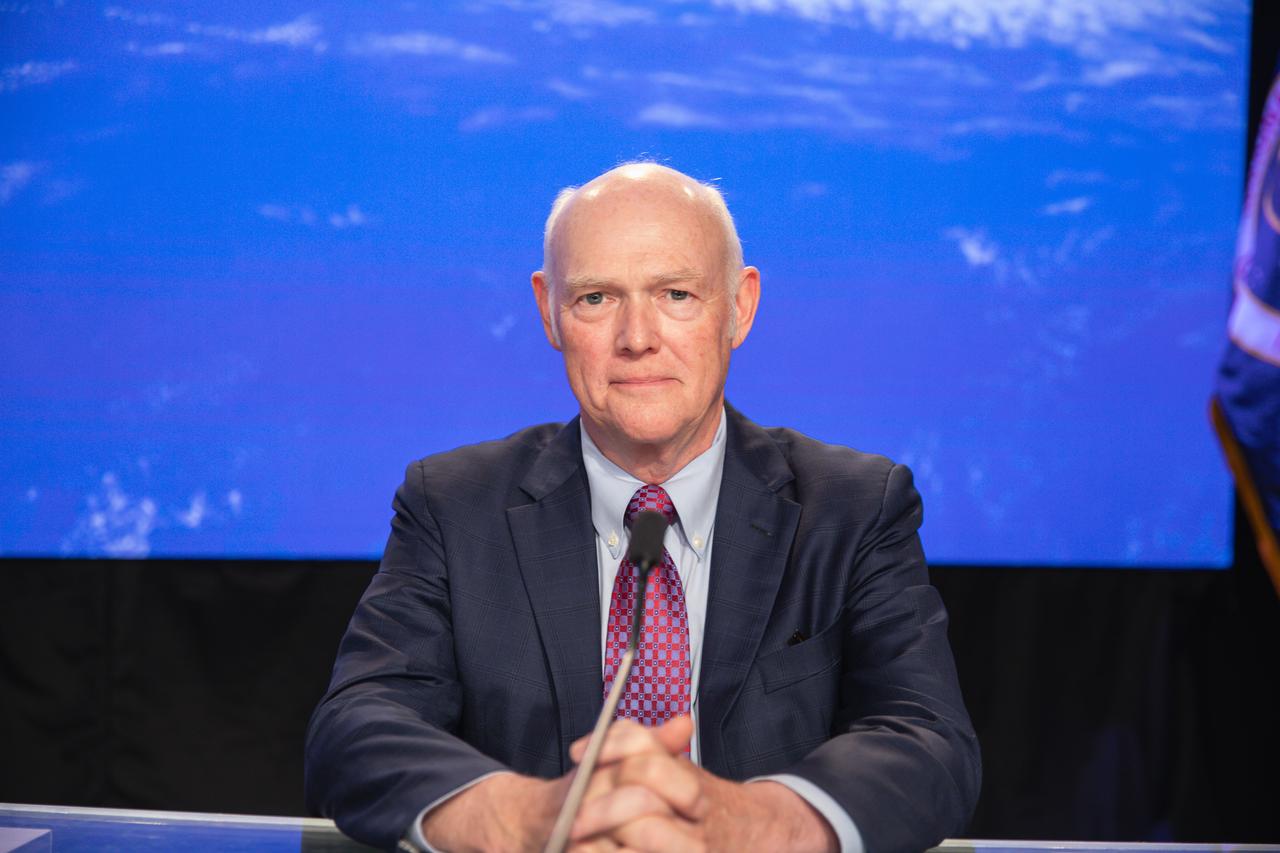
Tory Bruno, ULA (United Launch Alliance) president and CEO, participates in a news conference held at the agency’s Kennedy Space Center in Florida on Saturday, June 1, 2024, after the second launch attempt of NASA’s Boeing Crew Flight Test scrubbed for the day. As part of the agency’s Commercial Crew Program, NASA astronauts Butch Wilmore and Suni Williams will be the first to launch to the International Space Station aboard Boeing’s Starliner spacecraft atop a ULA (United Launch Alliance) Atlas V rocket from Space Launch Complex-41 at nearby Cape Canaveral Space Force Station.
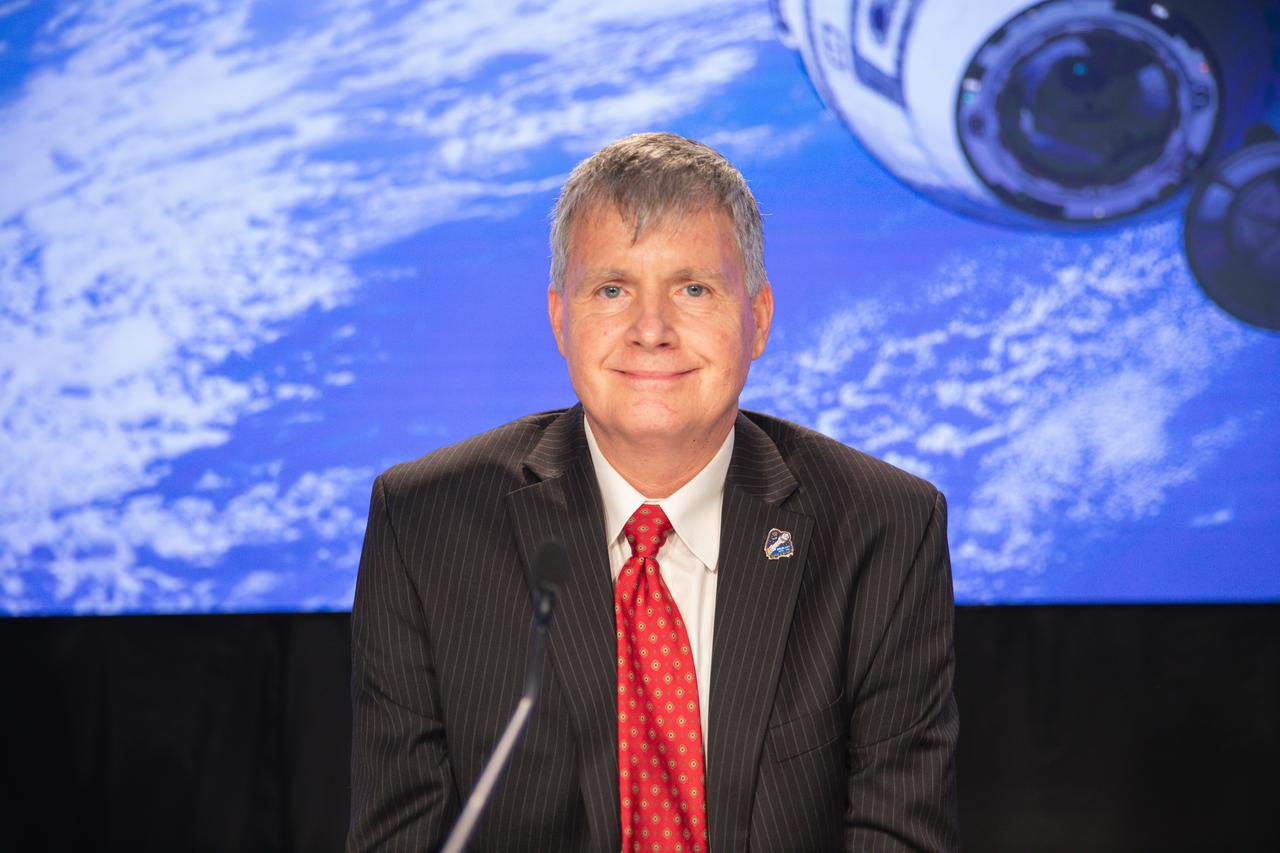
Steve Stich, NASA Commercial Crew Program manager, participates in a news conference held at the agency’s Kennedy Space Center in Florida on Saturday, June 1, 2024, after the second launch attempt of NASA’s Boeing Crew Flight Test scrubbed for the day. As part of the agency’s Commercial Crew Program, NASA astronauts Butch Wilmore and Suni Williams will be the first to launch to the International Space Station aboard Boeing’s Starliner spacecraft atop a ULA (United Launch Alliance) Atlas V rocket from Space Launch Complex-41 at nearby Cape Canaveral Space Force Station.
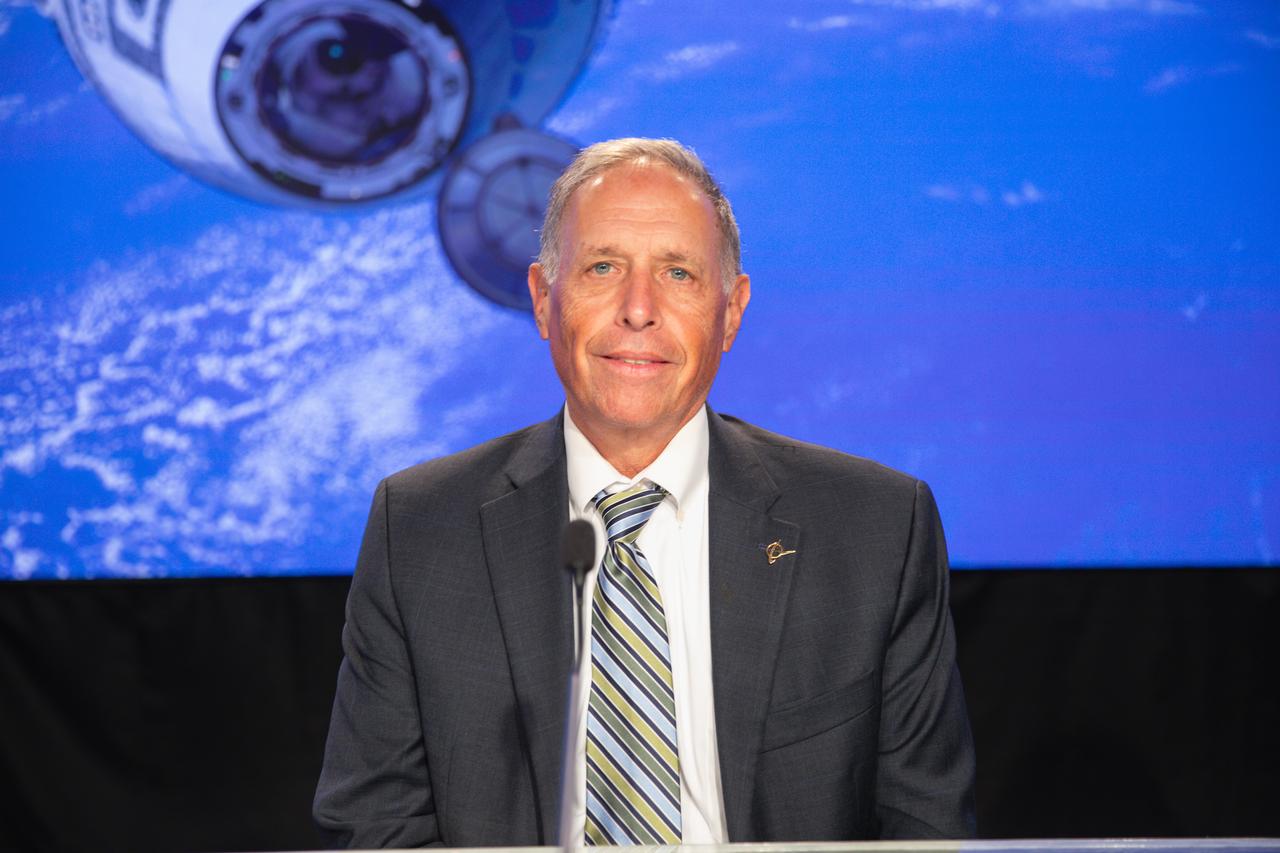
Mark Nappi, vice president and program manager for the Commercial Crew Program at Boeing, participates in a news conference held at the agency’s Kennedy Space Center in Florida on Saturday, June 1, 2024, after the second launch attempt of NASA’s Boeing Crew Flight Test scrubbed for the day. As part of the agency’s Commercial Crew Program, NASA astronauts Butch Wilmore and Suni Williams will be the first to launch to the International Space Station aboard Boeing’s Starliner spacecraft atop a ULA (United Launch Alliance) Atlas V rocket from Space Launch Complex-41 at nearby Cape Canaveral Space Force Station.
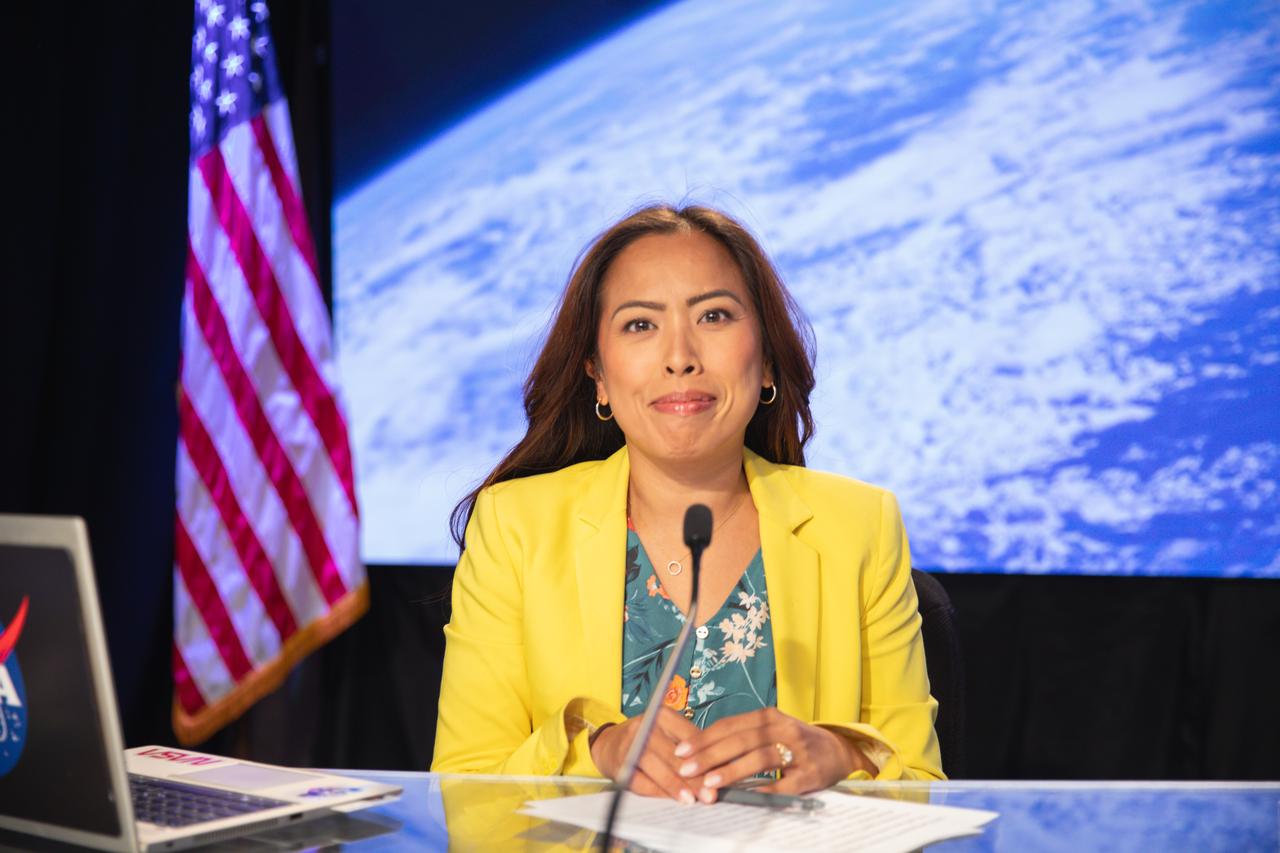
Megan Cruz, NASA Communications, participates in a news conference held at the agency’s Kennedy Space Center in Florida on Saturday, June 1, 2024, after the second launch attempt of NASA’s Boeing Crew Flight Test scrubbed for the day. As part of the agency’s Commercial Crew Program, NASA astronauts Butch Wilmore and Suni Williams will be the first to launch to the International Space Station aboard Boeing’s Starliner spacecraft atop a ULA (United Launch Alliance) Atlas V rocket from Space Launch Complex-41 at nearby Cape Canaveral Space Force Station.
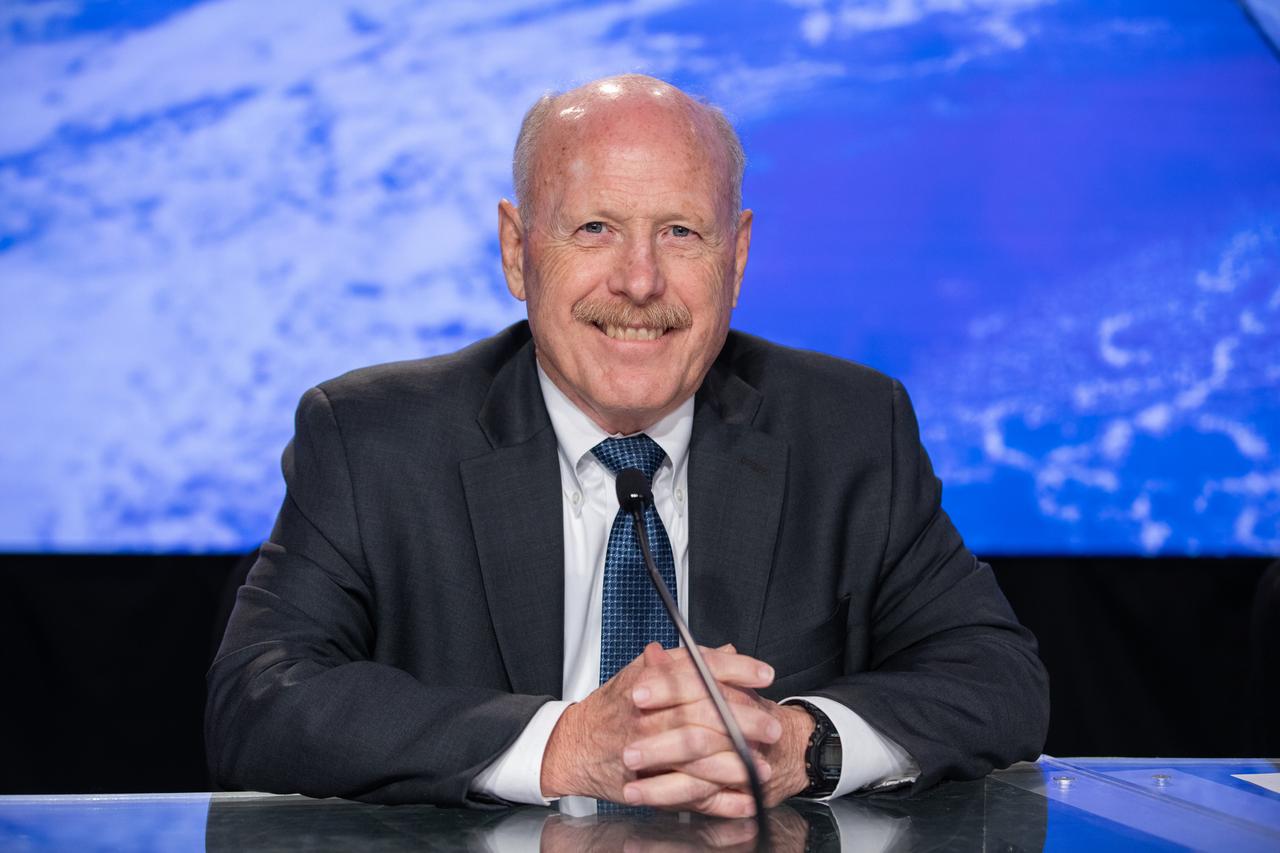
NASA Associate Administrator for Space Operations Ken Bowersox is photographed during a news conference held on Monday, May 6, 2024, at the agency’s Kennedy Space Center in Florida following the first launch attempt of NASA’s Boeing Crew Flight Test. As part of the agency’s Commercial Crew Program, the first crewed launch to the International Space Station aboard Boeing’s Starliner spacecraft atop a United Launch Alliance Atlas V rocket from Space Launch Complex-41 at nearby Cape Canaveral Space Force Station was targeted for 10:34 p.m. ET but scrubbed for the day.
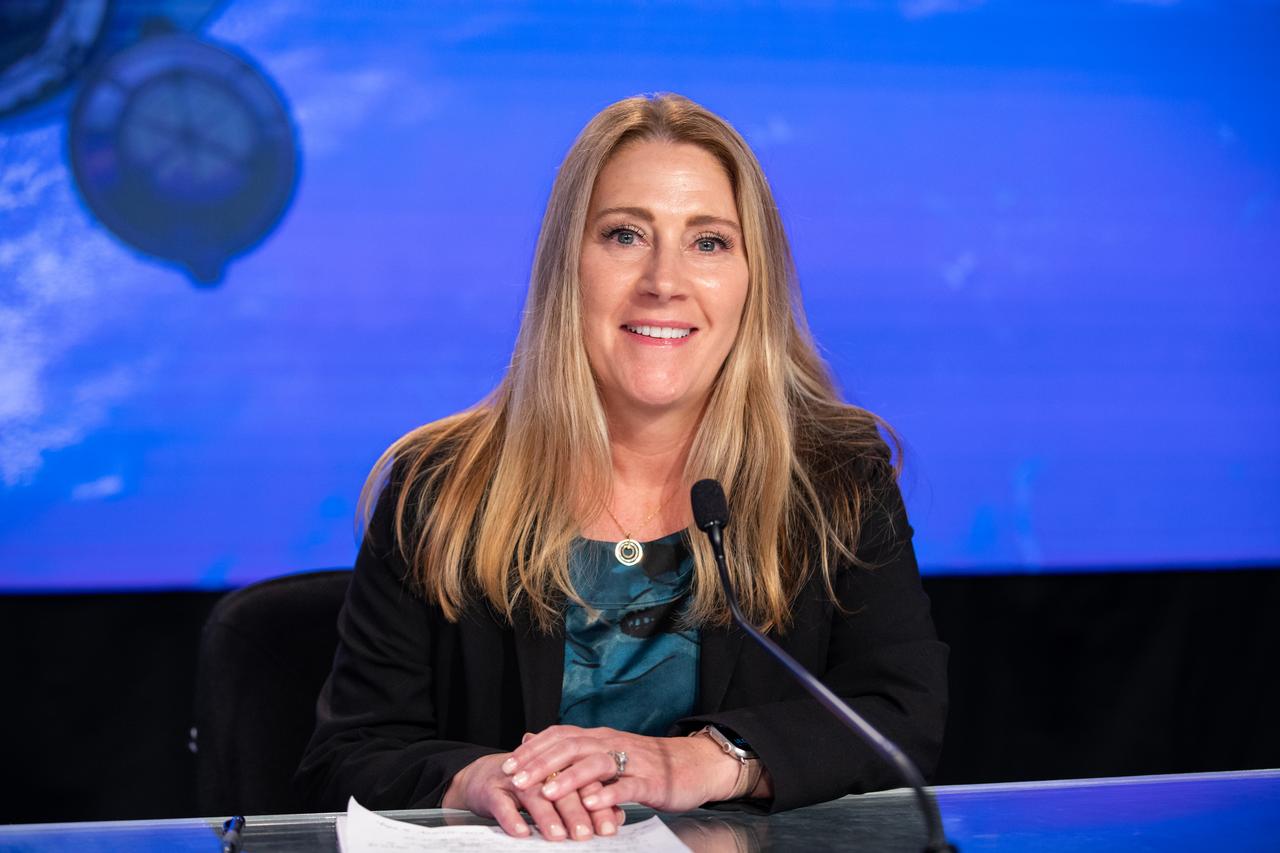
NASA International Space Station Program Manager Dana Weigel is photographed during a news conference held on Monday, May 6, 2024, at the agency’s Kennedy Space Center in Florida following the first launch attempt of NASA’s Boeing Crew Flight Test. As part of the agency’s Commercial Crew Program, the first crewed launch to the International Space Station aboard Boeing’s Starliner spacecraft atop a United Launch Alliance Atlas V rocket from Space Launch Complex-41 at nearby Cape Canaveral Space Force Station was targeted for 10:34 p.m. ET but scrubbed for the day.
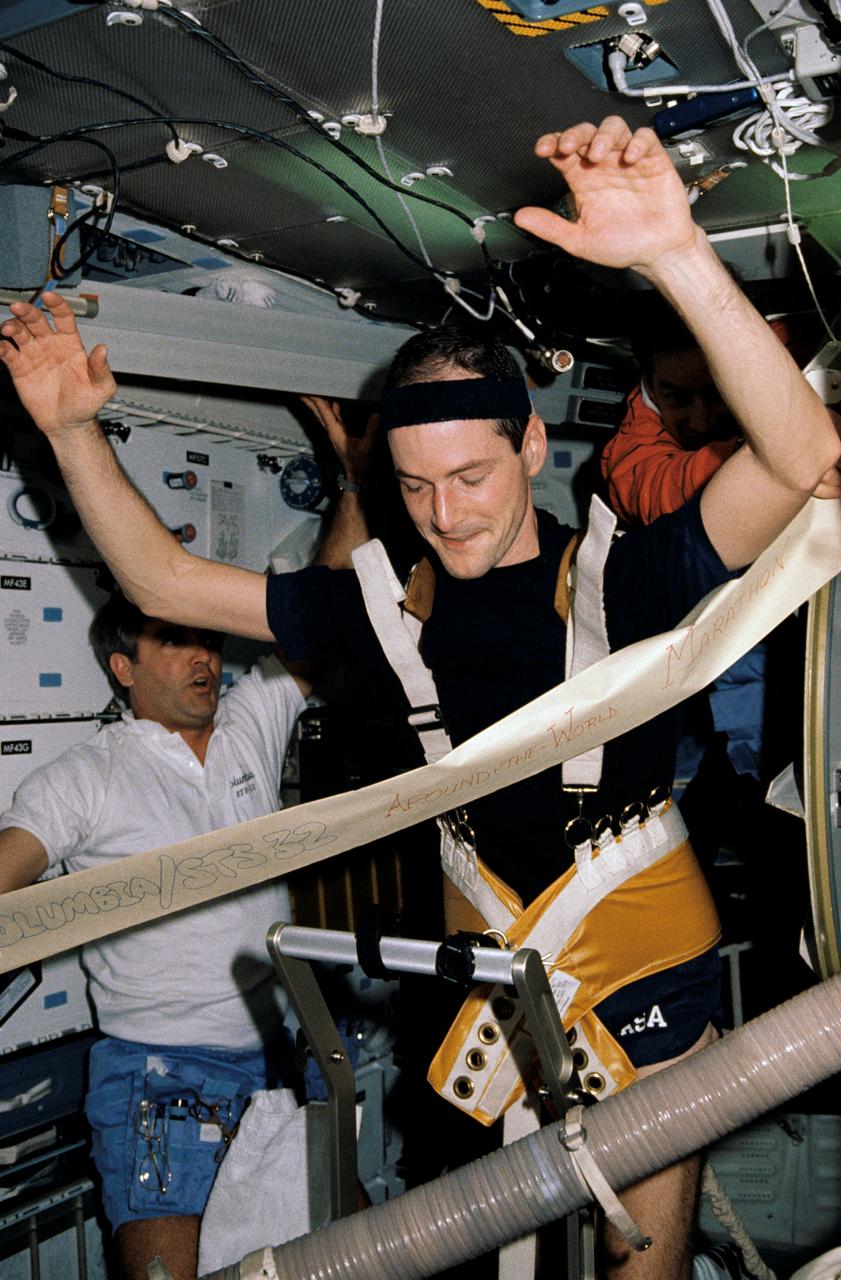
STS032-03-021 (9-20 Jan. 1990) --- Three crew members aboard the Space Shuttle Columbia enjoy one of the lighter moments of the 11-day mission on the flight deck. Astronaut G. David Low "runs" on a treadmill device while astronauts Daniel C. Brandenstein, left, and James D. Wetherbee look on. Wetherbee's mother competed in a marathon in Houston while the crew members had their own in-space version. The treadmill served as an exerciser and also was an important element of onboard biomedical testing. This picture was used by the astronauts at their January 30, 1990 Post Flight Press Conference (PFPC) at the Johnson Space Center (JSC).
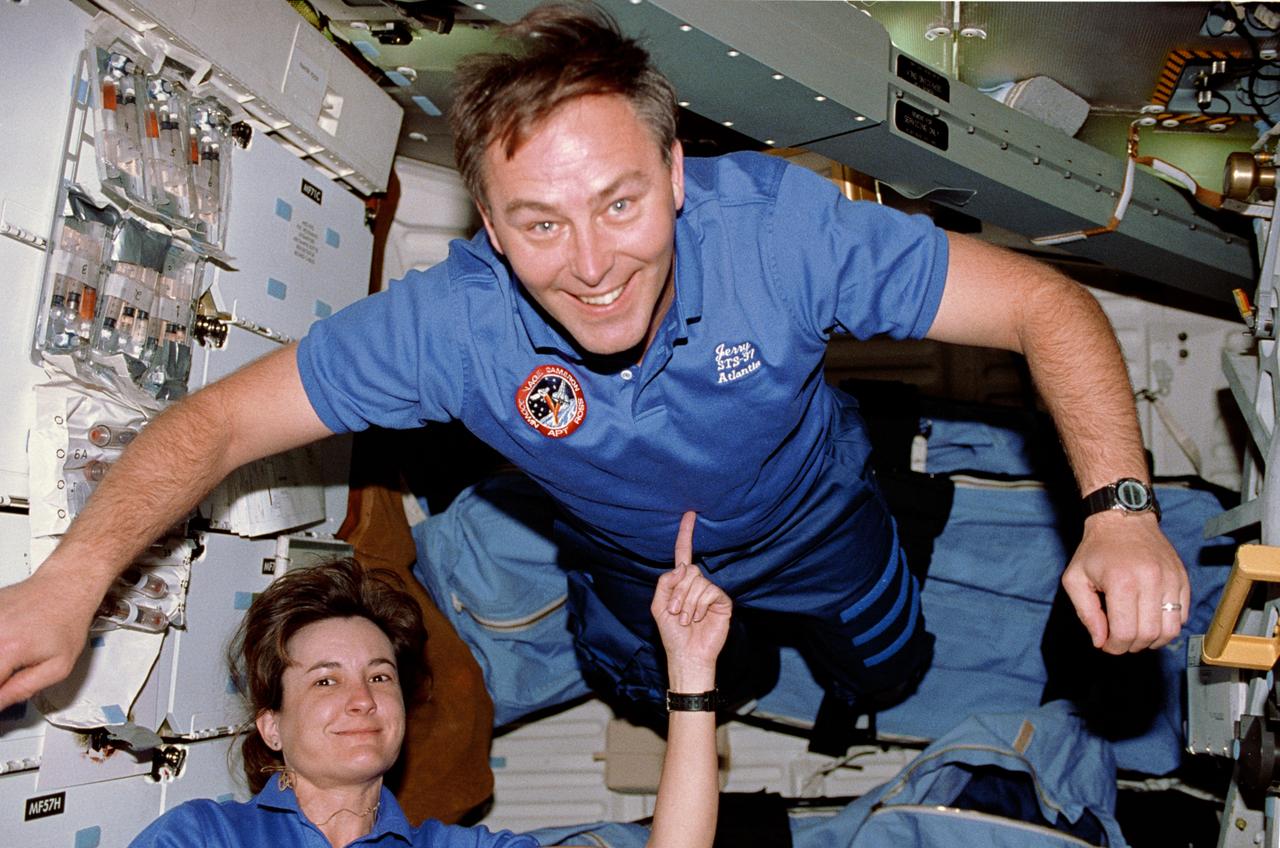
STS037-29-002 (5-11 April 1991) --- Astronauts Linda M. Godwin and Jerry L. Ross perform a balancing act on Atlantis' middeck. With little effort Godwin is able to hold Ross up near the ceiling with her index finger. Although the area the two occupy is very small, a number of articles are seen, including two sleep restraints, the escape pole and Bioserve ITA Materials Dispersion Apparatus bioprocessing test bed (attached to stowage lockers at left). This was one of the visuals used by the STS-37 crewmembers during their April 19 post-flight press conference at the Johnson Space Center (JSC).
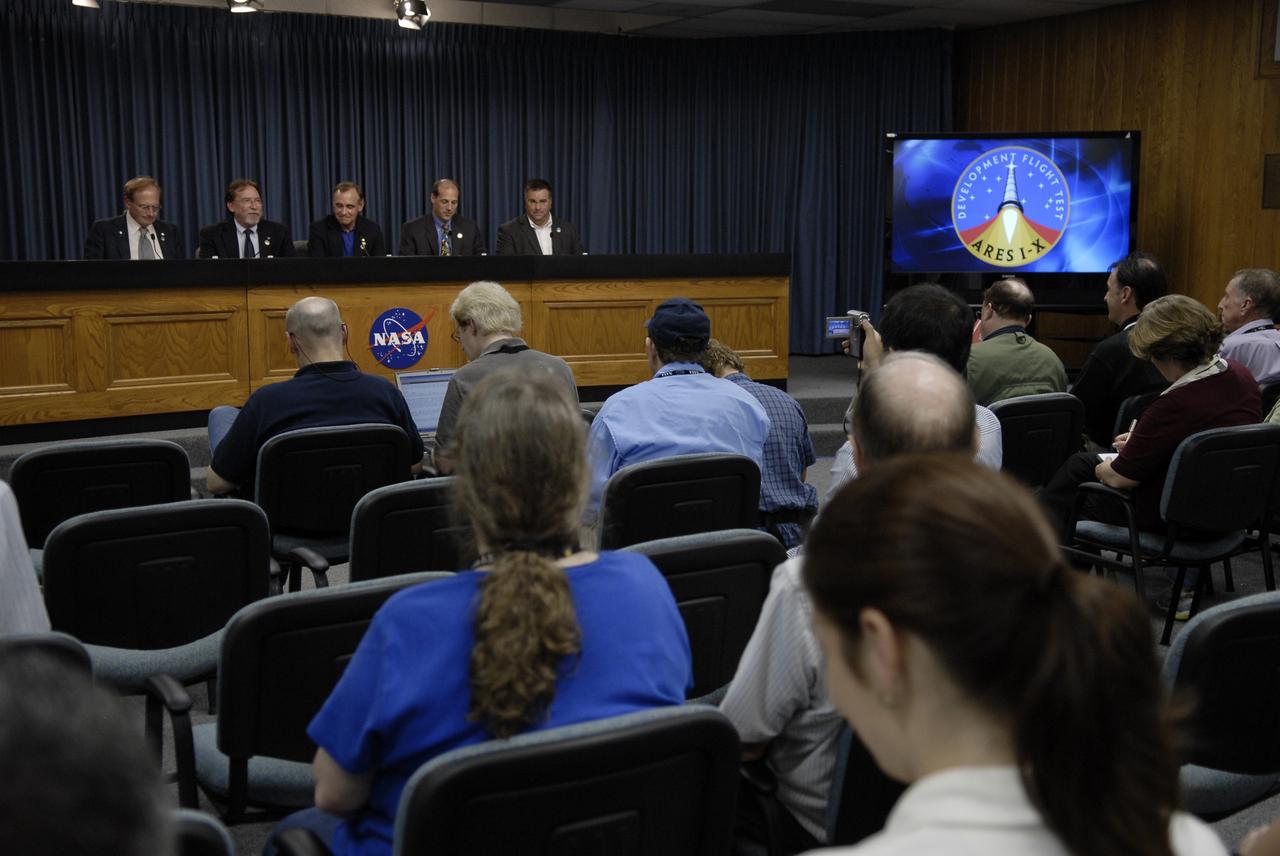
CAPE CANAVERAL, Fla. - At NASA's Kennedy Space Center in Florida, members of the news media attend a post-launch news conference in the Press Site auditorium following the successful launch of the Ares I-X test rocket at 11:30 a.m. EDT Oct. 28. Onstage, from left, are moderator George Diller, NASA Public Affairs officer; Doug Cooke, associate administrator for NASA's Exploration Systems Mission Directorate; Jeff Hanley, Constellation Program manager; Bob Ess, mission manager for the Ares I-X flight test; and Edward Mango, launch director for the Ares I-X flight test. For more information on the Ares I-X vehicle and flight test, visit http://www.nasa.gov/aresIX. Photo credit: NASA/Kim Shiflett
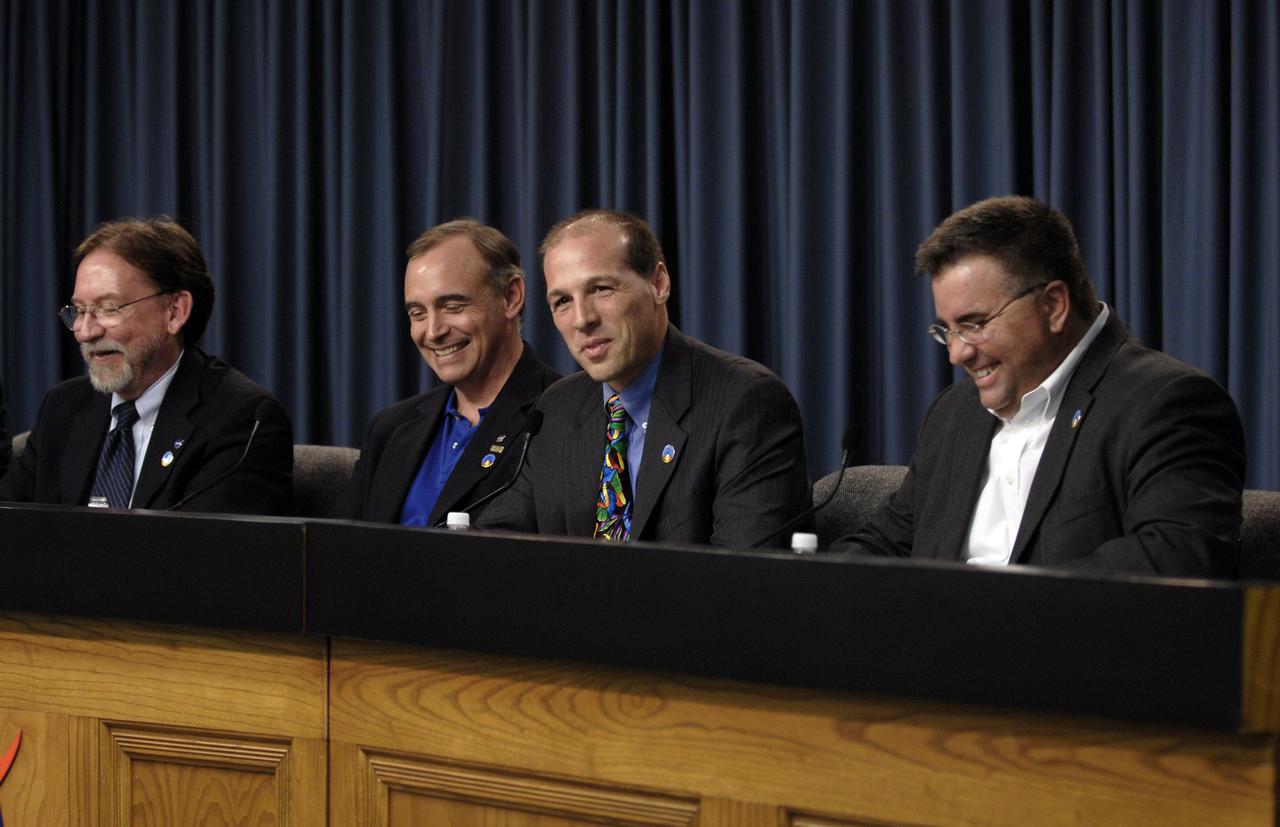
CAPE CANAVERAL, Fla. - At NASA's Kennedy Space Center in Florida, a post-launch news conference is held in the Press Site auditorium following the successful launch of the Ares I-X test rocket at 11:30 a.m. EDT Oct. 28. Sharing a lighter moment are, from left, Doug Cooke, associate administrator for NASA's Exploration Systems Mission Directorate; Jeff Hanley, Constellation Program manager; Bob Ess, mission manager for the Ares I-X flight test; and Edward Mango, launch director for the Ares I-X flight test. For more information on the Ares I-X vehicle and flight test, visit http://www.nasa.gov/aresIX. Photo credit: NASA/Kim Shiflett
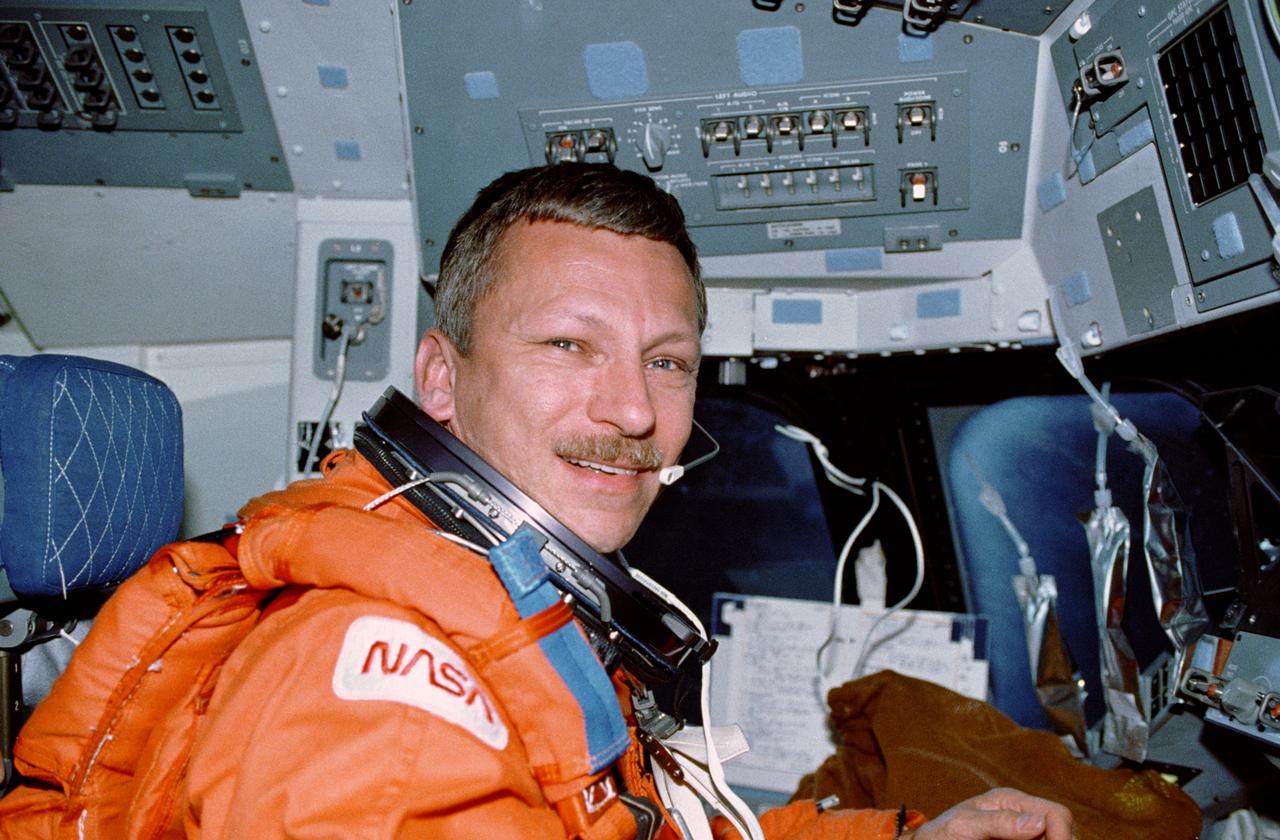
STS037-13-036 (5-11 April 1991) --- Astronaut Steven R. Nagel talks to ground controllers from the commander's station on the space shuttle Atlantis. He is wearing the special partial pressure suit used by space shuttle crew members for ascent and entry phases. Nagel, mission commander, and four other astronauts spent six days in space during which they readied the Gamma Ray Observatory (GRO) for deployment, released it into space, tested possible Space Station Freedom translation aid devices, conducted experiments, took photographs and performed other duties. This frame was taken with a 35mm camera. This was one of the visuals used by the crew members during their April 19 Post Flight Press Conference (PFPC) at the Johnson Space Center (JSC). Photo credit: NASA

CAPE CANAVERAL, Fla. – Elon Musk, chief executive officer and chief designer for SpaceX, participates in a post-launch news conference being held in the Press Site auditorium at NASA’s Kennedy Space Center in Florida by video teleconference. The SpaceX Falcon 9 rocket launched into space at 3:44 a.m. EDT from Space Launch Complex-40 on Cape Canaveral Air Force Station in Florida. The launch is the company's second demonstration test flight for NASA's Commercial Orbital Transportation Services Program, or COTS. During the flight, the capsule will conduct a series of check-out procedures to test and prove its systems, including rendezvous and berthing with the International Space Station. If the capsule performs as planned, the cargo and experiments it is carrying will be transferred to the station. The cargo includes food, water and provisions for the station’s Expedition crews, such as clothing, batteries and computer equipment. Under COTS, NASA has partnered with two aerospace companies to deliver cargo to the station. For more information, visit http://www.nasa.gov/spacex. Photo credit: NASA/Kim Shiflett
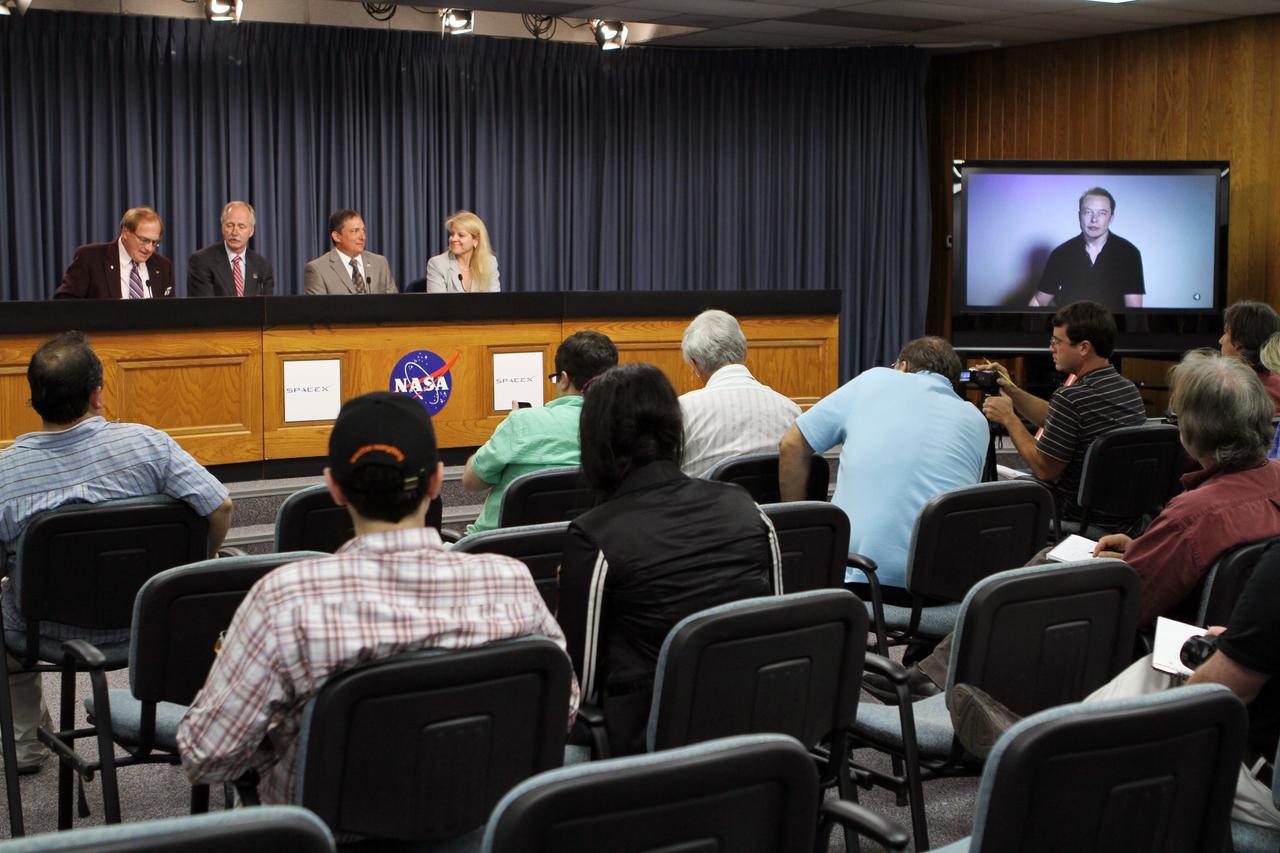
CAPE CANAVERAL, Fla. – Participating in a post-launch news conference in the Press Site auditorium at NASA’s Kennedy Space Center in Florida are, from left, George H. Diller, NASA Public Affairs, William Gerstenmaier, associate administrator of NASA’s Human Exploration and Operations Directorate, Alan Lindenmoyer, manager of NASA’s Commercial Crew and Cargo Program, and Gwynne Shotwell, president of SpaceX. Also participating by video teleconference, on the screen at right, is Elon Musk, chief executive officer and chief designer for SpaceX. The SpaceX Falcon 9 rocket launched into space at 3:44 a.m. EDT from Space Launch Complex-40 on Cape Canaveral Air Force Station in Florida. The launch is the company's second demonstration test flight for NASA's Commercial Orbital Transportation Services Program, or COTS. During the flight, the capsule will conduct a series of check-out procedures to test and prove its systems, including rendezvous and berthing with the International Space Station. If the capsule performs as planned, the cargo and experiments it is carrying will be transferred to the station. The cargo includes food, water and provisions for the station’s Expedition crews, such as clothing, batteries and computer equipment. Under COTS, NASA has partnered with two aerospace companies to deliver cargo to the station. For more information, visit http://www.nasa.gov/spacex. Photo credit: NASA/Kim Shiflett
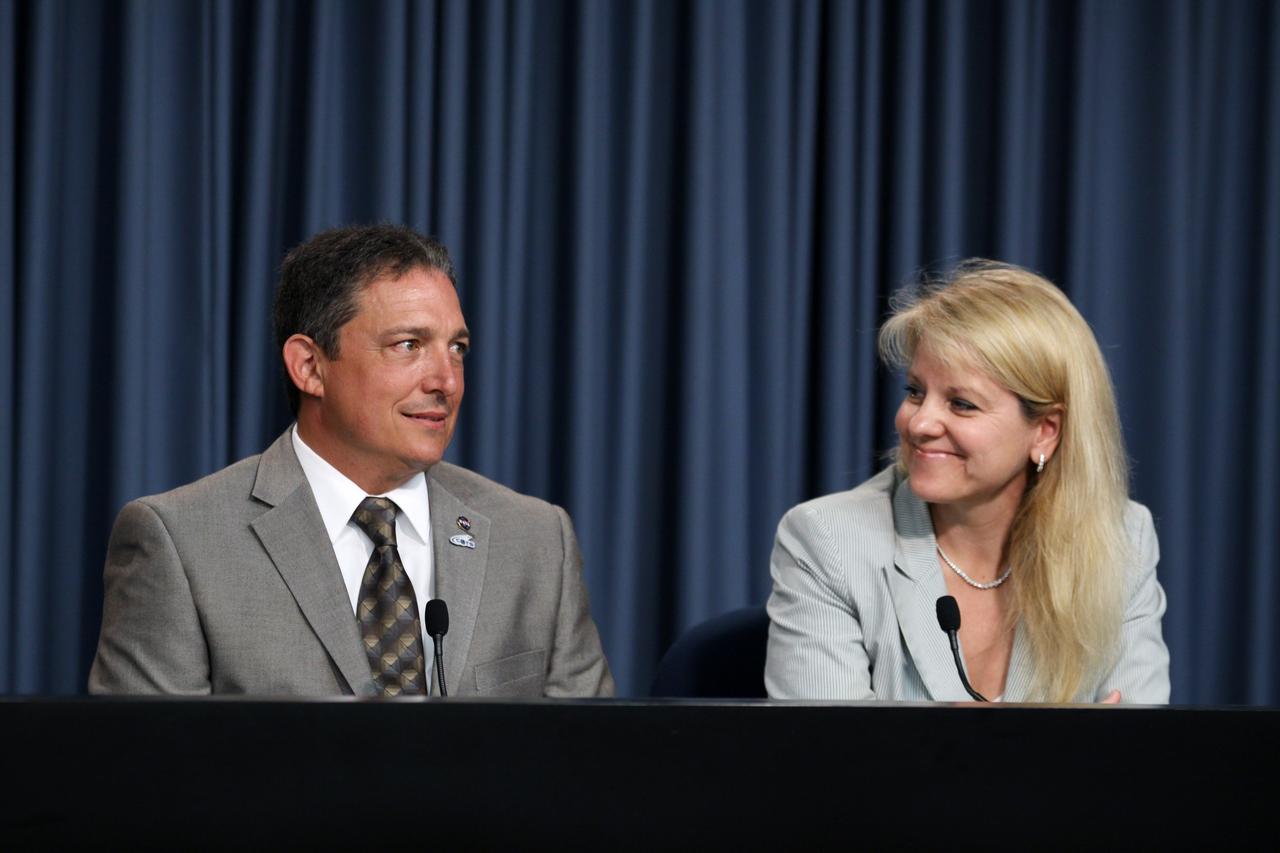
CAPE CANAVERAL, Fla. – Alan Lindenmoyer, manager of NASA’s Commercial Crew and Cargo Program, congratulates Gwynne Shotwell, president of SpaceX, on a job well done during a post-launch news conference in the Press Site auditorium at NASA’s Kennedy Space Center in Florida. The SpaceX Falcon 9 rocket launched into space at 3:44 a.m. EDT from Space Launch Complex-40 on Cape Canaveral Air Force Station in Florida. The launch is the company's second demonstration test flight for NASA's Commercial Orbital Transportation Services Program, or COTS. During the flight, the capsule will conduct a series of check-out procedures to test and prove its systems, including rendezvous and berthing with the International Space Station. If the capsule performs as planned, the cargo and experiments it is carrying will be transferred to the station. The cargo includes food, water and provisions for the station’s Expedition crews, such as clothing, batteries and computer equipment. Under COTS, NASA has partnered with two aerospace companies to deliver cargo to the station. For more information, visit http://www.nasa.gov/spacex. Photo credit: NASA/Kim Shiflett
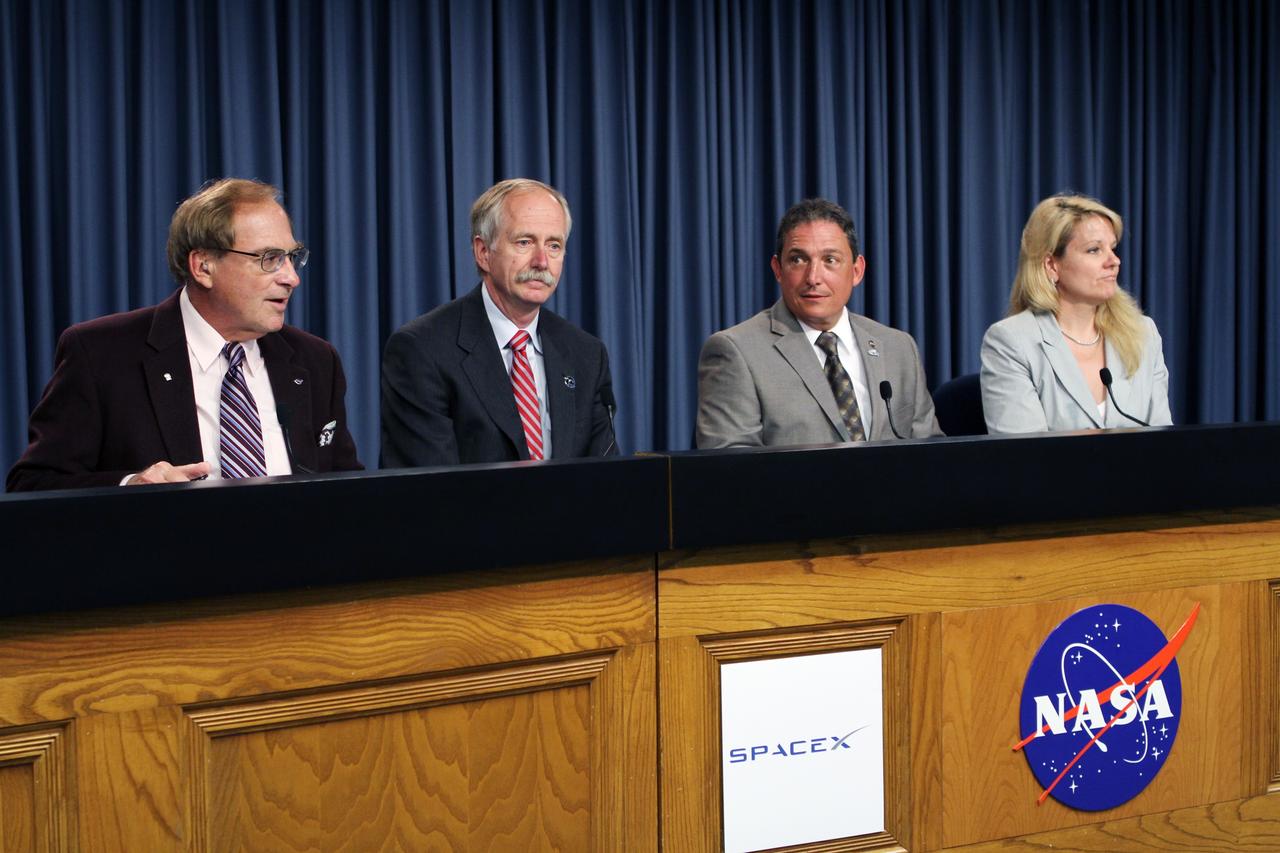
CAPE CANAVERAL, Fla. – Participating in a post-launch news conference in the Press Site auditorium at NASA’s Kennedy Space Center in Florida are, from left, George H. Diller, NASA Public Affairs, William Gerstenmaier, associate administrator of NASA’s Human Exploration and Operations Directorate, Alan Lindenmoyer, manager of NASA’s Commercial Crew and Cargo Program, and Gwynne Shotwell, president of SpaceX. The SpaceX Falcon 9 rocket launched into space at 3:44 a.m. EDT from Space Launch Complex-40 on Cape Canaveral Air Force Station in Florida. The launch is the company's second demonstration test flight for NASA's Commercial Orbital Transportation Services Program, or COTS. During the flight, the capsule will conduct a series of check-out procedures to test and prove its systems, including rendezvous and berthing with the International Space Station. If the capsule performs as planned, the cargo and experiments it is carrying will be transferred to the station. The cargo includes food, water and provisions for the station’s Expedition crews, such as clothing, batteries and computer equipment. Under COTS, NASA has partnered with two aerospace companies to deliver cargo to the station. For more information, visit http://www.nasa.gov/spacex. Photo credit: NASA/Kim Shiflett
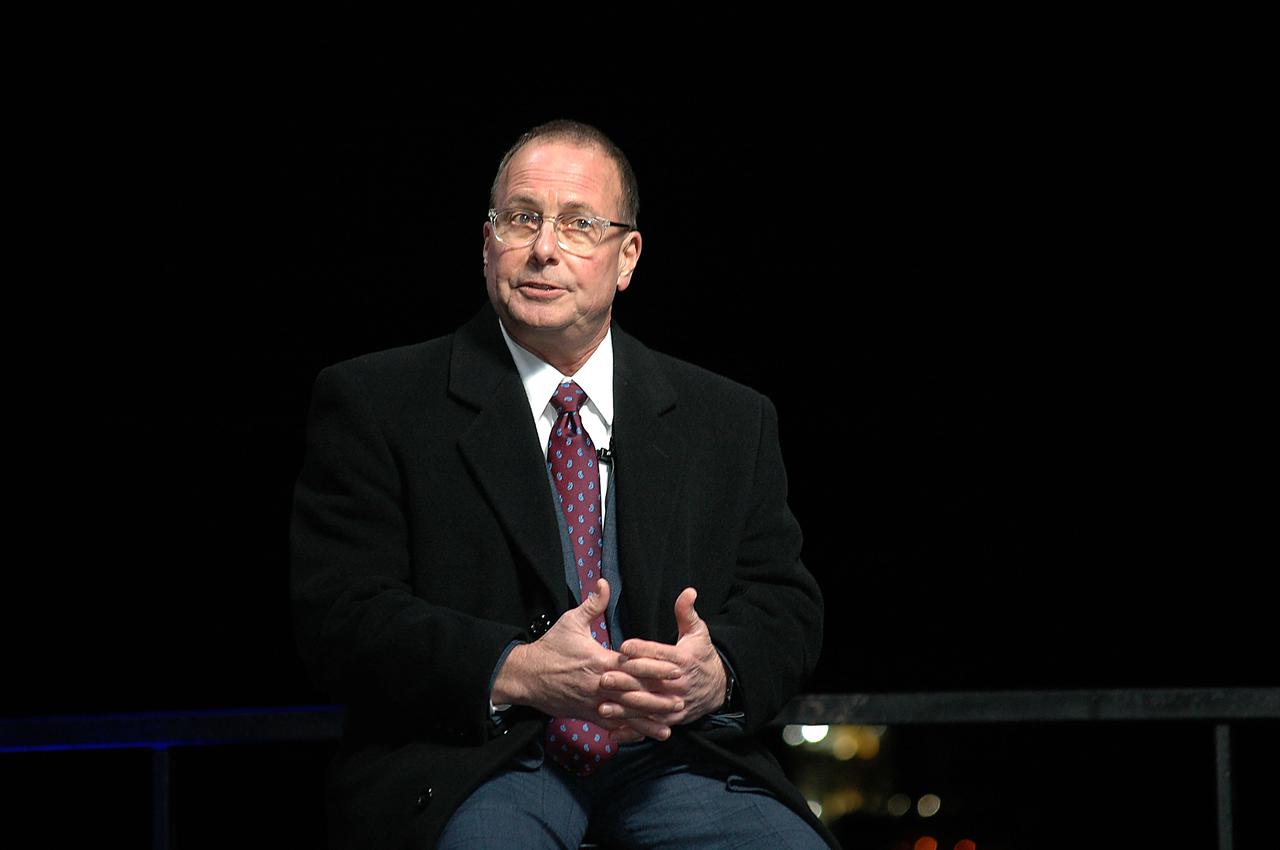
Stennis Space Center Director Rick Gilbrech participates in a press conference following the Green Run hot fire test of the core stage for NASA’s Space Launch System (SLS) rocket on Saturday, January 16, 2021. NASA conducted a hot fire test of the core stage’s four RS-25 engines on the B-2 Test Stand at Stennis Space Center near Bay St. Louis, Mississippi. Scheduled for as long as eight minutes, the engines fired for a little more than one minute to generate a combined 1.6 million pounds of thrust, just as will occur during an actual launch. The hot fire is the final test of the Green Run test series, a comprehensive assessment of the SLS core stage prior to launching the Artemis I mission to the Moon.
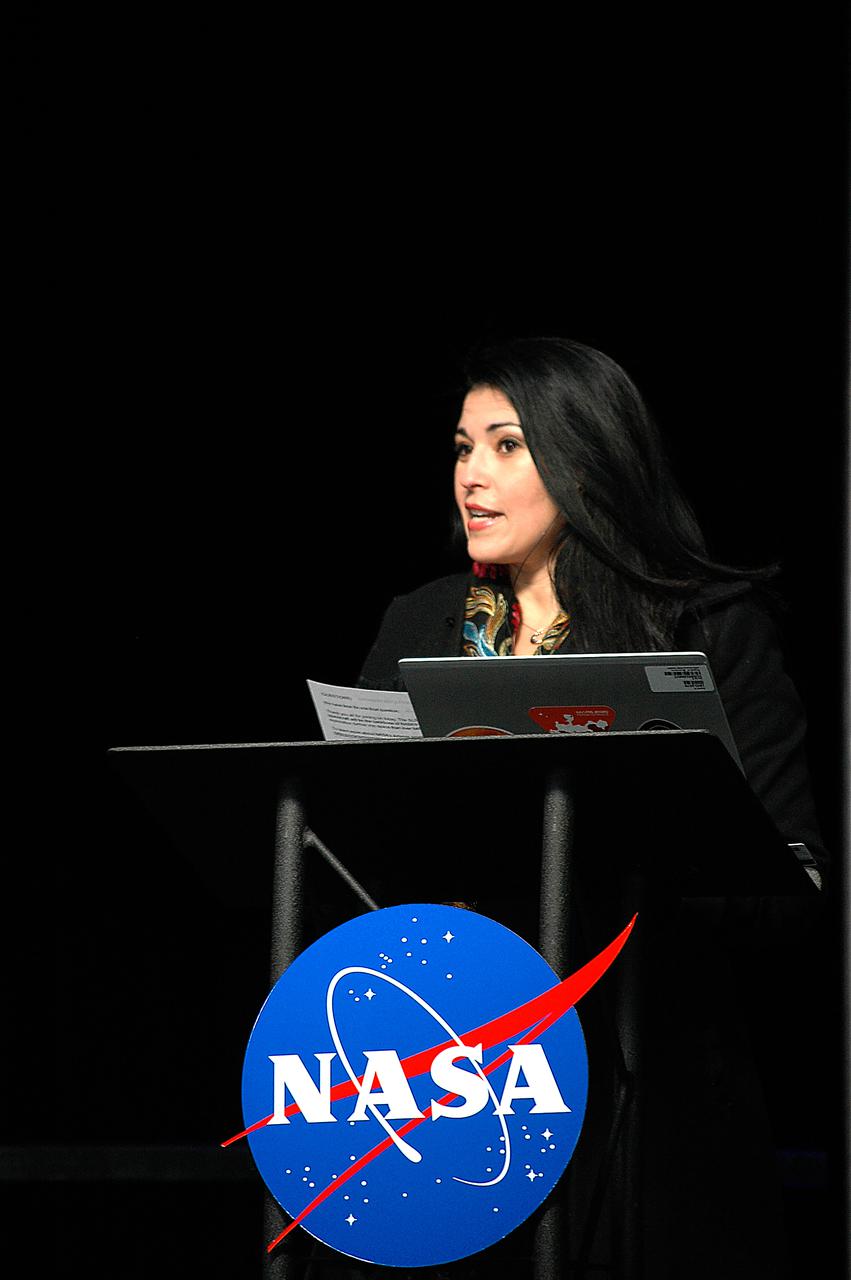
Outgoing NASA Associate Administrator for Communications Bettina Inclan hosts a press conference following the Green Run hot fire test of the core stage for NASA’s Space Launch System (SLS) rocket on Saturday, January 16, 2021. NASA conducted a hot fire test of the core stage’s four RS-25 engines on the B-2 Test Stand at Stennis Space Center near Bay St. Louis, Mississippi. Scheduled for as long as eight minutes, the engines fired for a little more than one minute to generate a combined 1.6 million pounds of thrust, just as will occur during an actual launch. The hot fire is the final test of the Green Run test series, a comprehensive assessment of the SLS core stage prior to launching the Artemis I mission to the Moon.
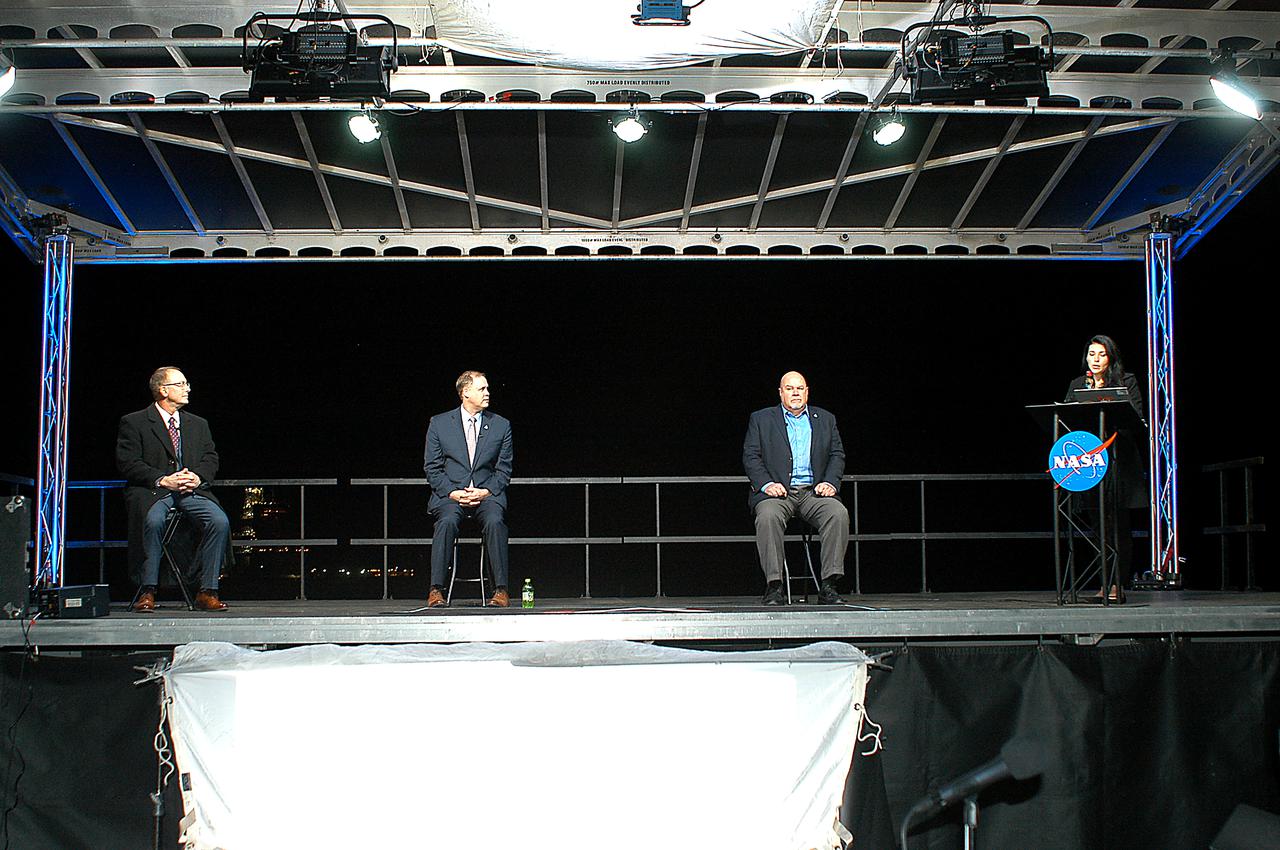
Outgoing NASA Associate Administrator for Communications Bettina Inclan (far right) hosts a press conference following the Green Run hot fire test of the core stage for NASA’s Space Launch System (SLS) rocket on Saturday, January 16, 2021. Seated press conference participants included outgoing NASA Administrator Jim Bridenstine (center), Stennis Space Center Director Rick Gilbrech (left) and SLS Program Manager John Honeycutt from Marshall Space Flight Center. NASA conducted a hot fire test of the core stage’s four RS-25 engines on the B-2 Test Stand at Stennis Space Center near Bay St. Louis, Mississippi. Scheduled for as long as eight minutes, the engines fired for a little more than one minute to generate a combined 1.6 million pounds of thrust, just as will occur during an actual launch. The hot fire is the final test of the Green Run test series, a comprehensive assessment of the SLS core stage prior to launching the Artemis I mission to the Moon.
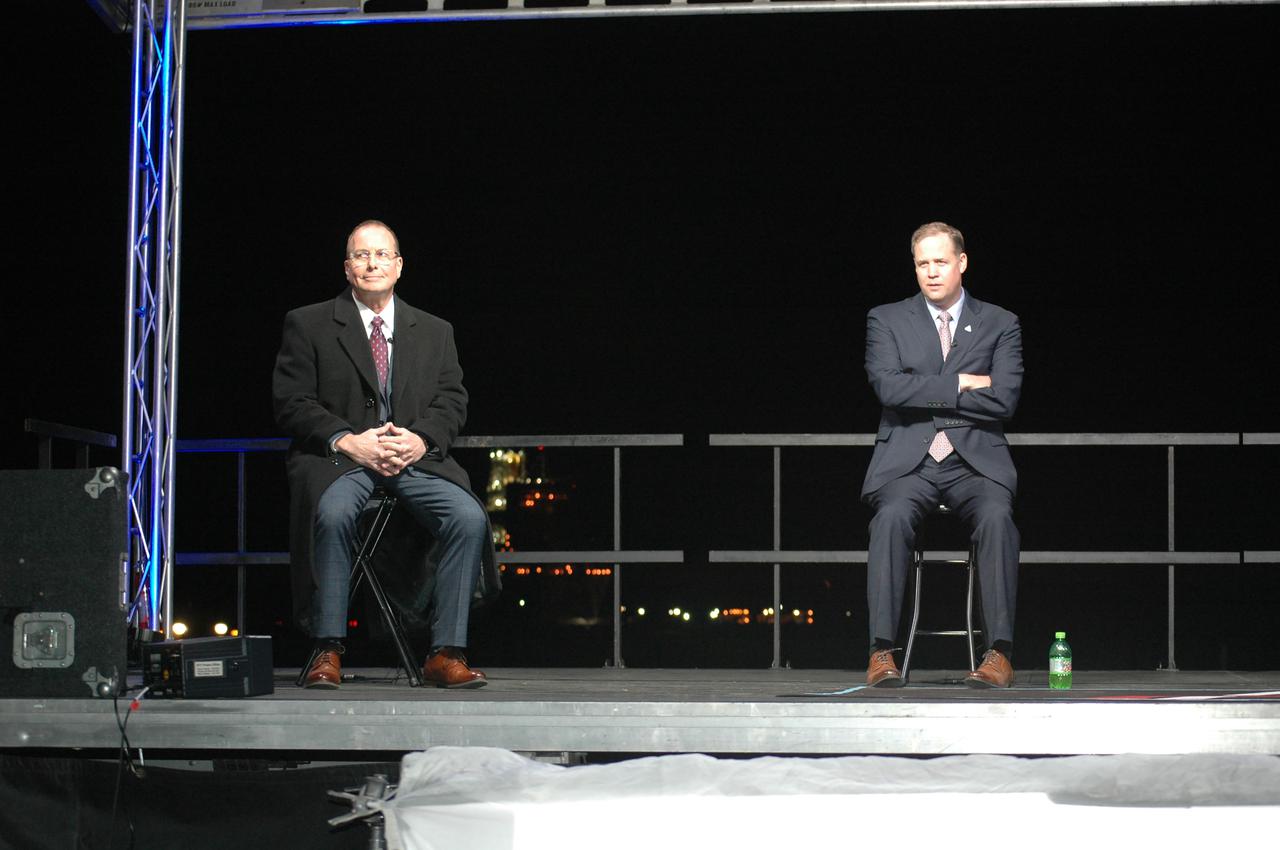
Outgoing NASA Administrator Jim Bridenstine (right) and Stennis Space Center Director Rick Gilbrech participate in a press conference following the Green Run hot fire test of the core stage for NASA’s Space Launch System (SLS) rocket on Saturday, January 16, 2021. NASA conducted a hot fire test of the core stage’s four RS-25 engines on the B-2 Test Stand at Stennis Space Center near Bay St. Louis, Mississippi. Scheduled for as long as eight minutes, the engines fired for a little more than one minute to generate a combined 1.6 million pounds of thrust, just as will occur during an actual launch. The hot fire is the final test of the Green Run test series, a comprehensive assessment of the SLS core stage prior to launching the Artemis I mission to the Moon.
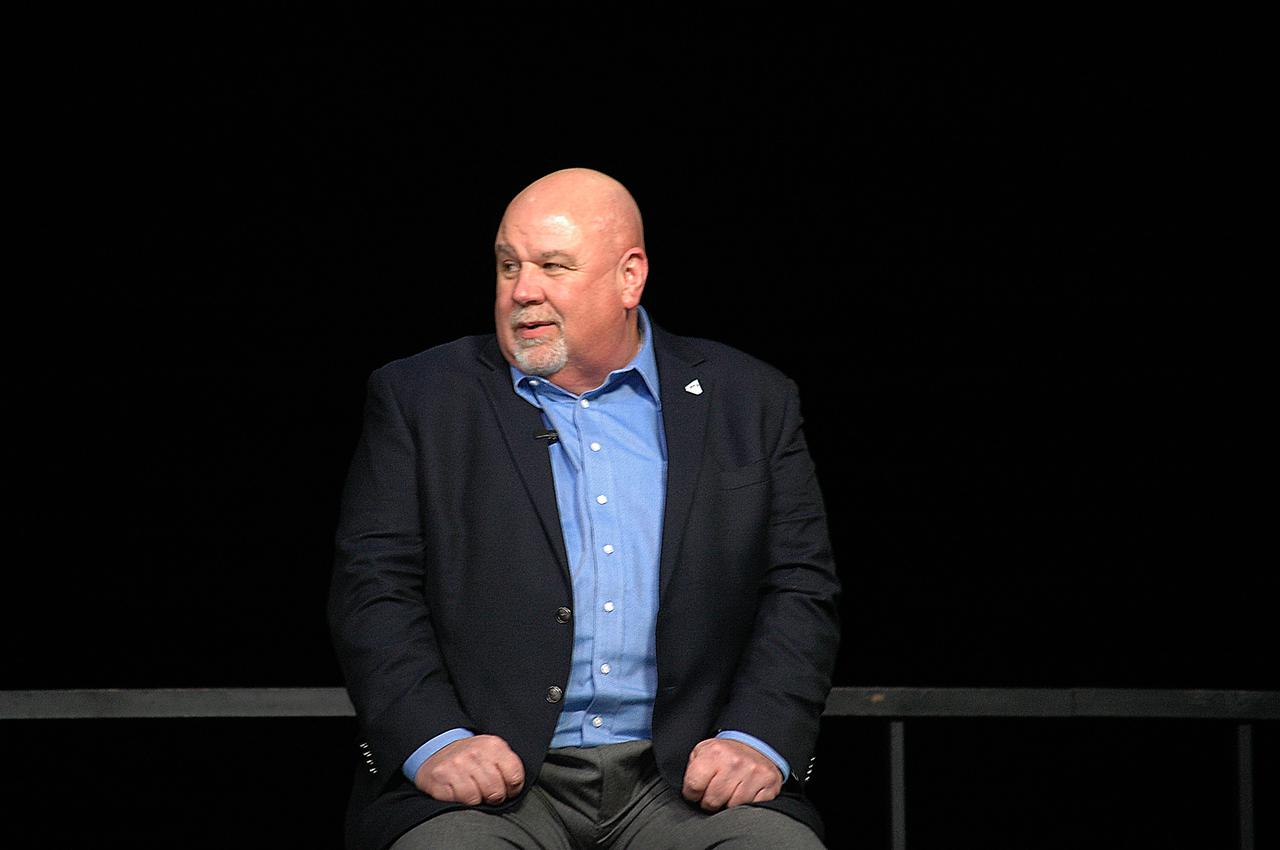
SLS Program Manager John Honeycutt from NASA’s Marshall Space Flight Center participates in a press conference following the Green Run hot fire test of the core stage for NASA’s Space Launch System (SLS) rocket on Saturday, January 16, 2021. NASA conducted a hot fire test of the core stage’s four RS-25 engines on the B-2 Test Stand at Stennis Space Center near Bay St. Louis, Mississippi. Scheduled for as long as eight minutes, the engines fired for a little more than one minute to generate a combined 1.6 million pounds of thrust, just as will occur during an actual launch. The hot fire is the final test of the Green Run test series, a comprehensive assessment of the SLS core stage prior to launching the Artemis I mission to the Moon.
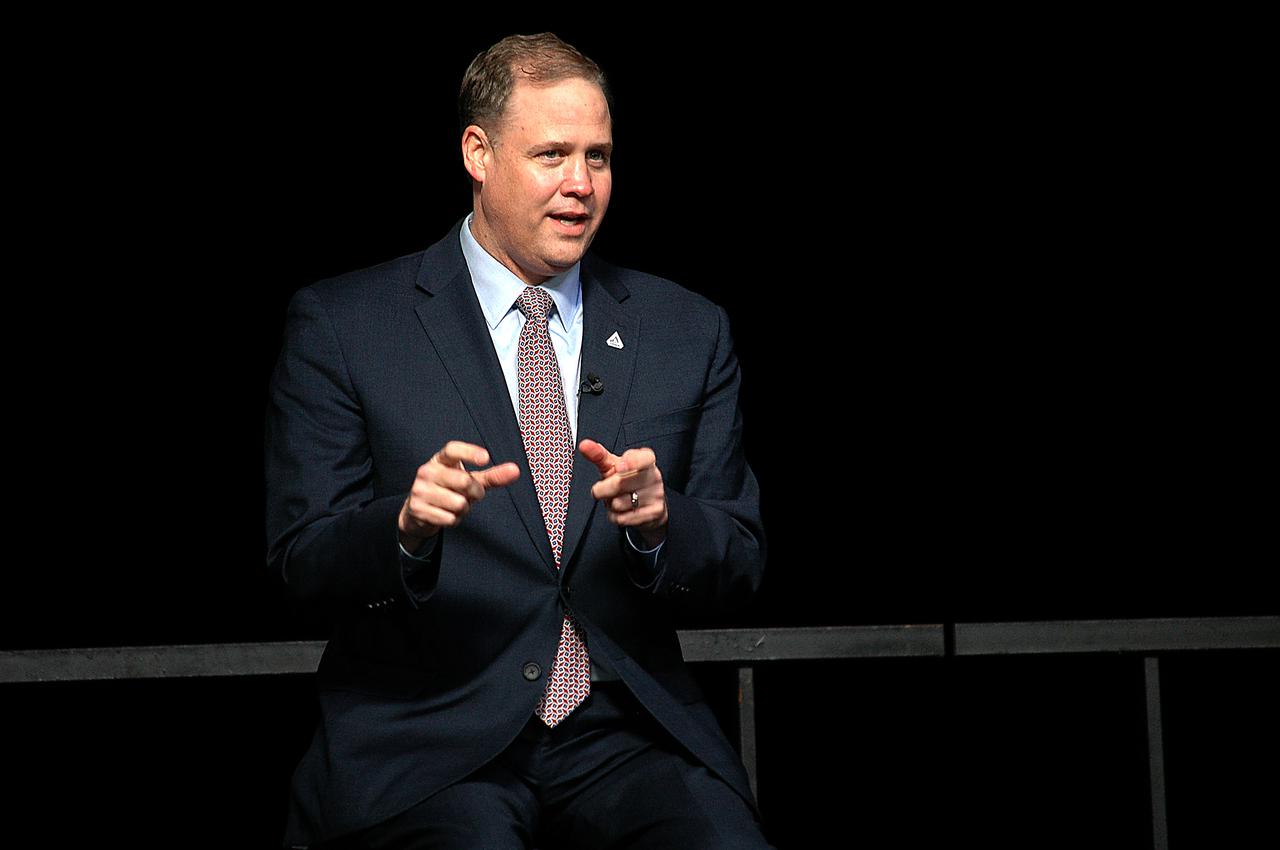
Outgoing NASA Administrator Jim Bridenstine participates in a press conference following the Green Run hot fire test of the core stage for NASA’s Space Launch System (SLS) rocket on Saturday, January 16, 2021. NASA conducted a hot fire test of the core stage’s four RS-25 engines on the B-2 Test Stand at Stennis Space Center near Bay St. Louis, Mississippi. Scheduled for as long as eight minutes, the engines fired for a little more than one minute to generate a combined 1.6 million pounds of thrust, just as will occur during an actual launch. The hot fire is the final test of the Green Run test series, a comprehensive assessment of the SLS core stage prior to launching the Artemis I mission to the Moon.
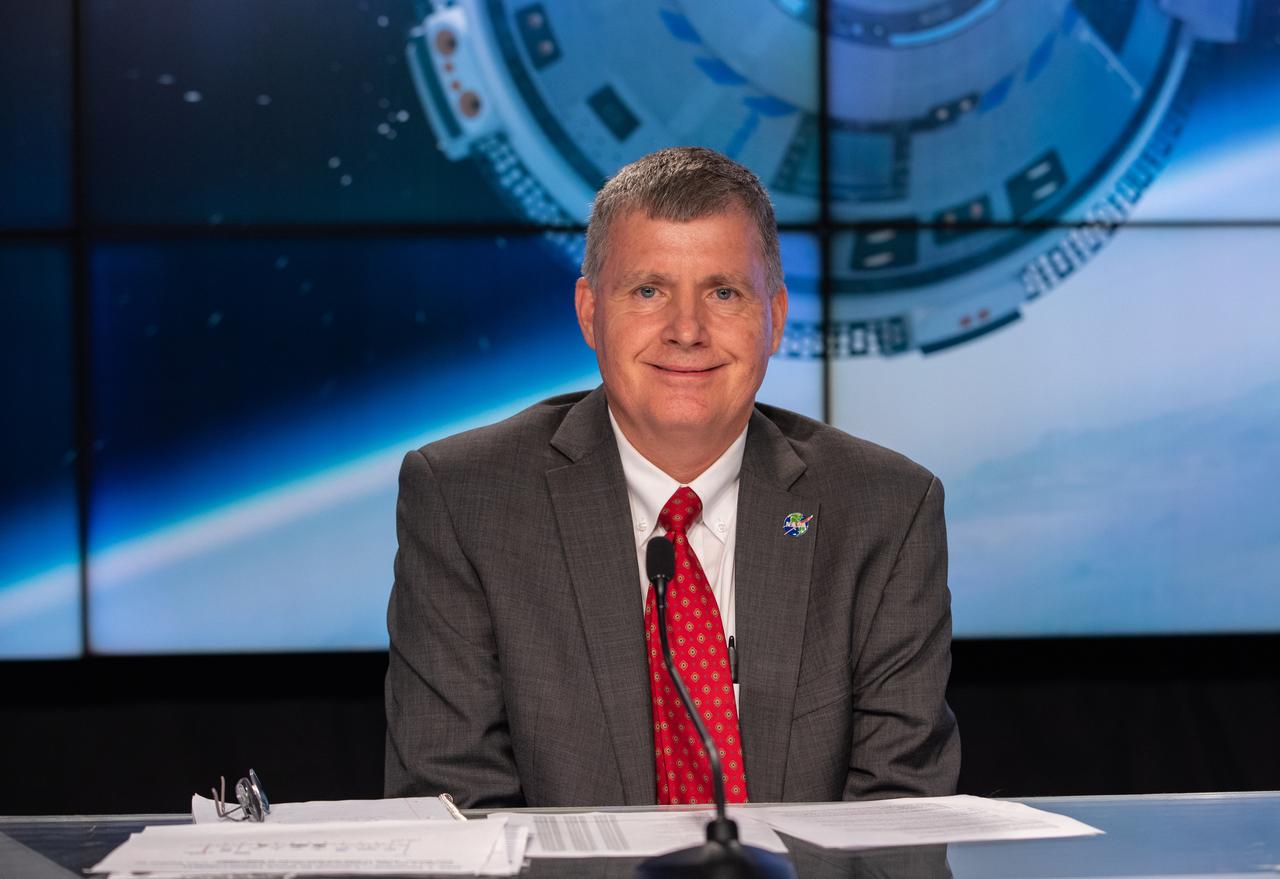
Steve Stich, manager, NASA’s Commercial Crew Program, participates in a postlaunch news conference following the liftoff of NASA Boeing’s Orbital Flight Test-2 (OFT-2) on May 19, 2022. Liftoff occurred at 6:54 p.m. EDT from Space Launch Complex-41 at Florida’s Cape Canaveral Space Force Station. Boeing’s uncrewed flight test is designed to test the system’s end-to-end capabilities for NASA’s Commercial Crew Program providing valuable data towards NASA certifying Boeing’s crew transportation system for regular crewed flights to and from the International Space Station.
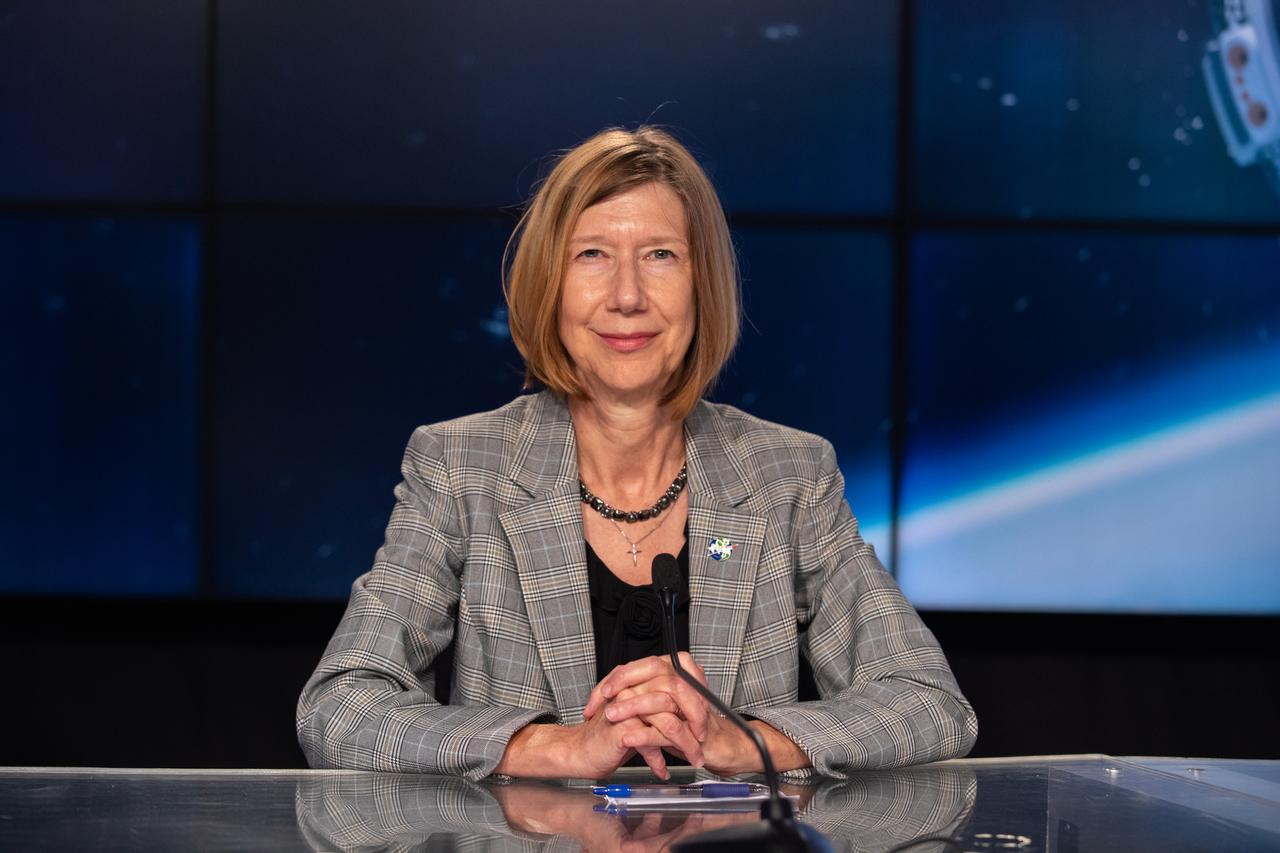
Kathy Lueders, associate administrator, Space Operations Mission Directorate at NASA, participates in a postlaunch news conference following the liftoff of NASA Boeing’s Orbital Flight Test-2 (OFT-2) on May 19, 2022. Liftoff occurred at 6:54 p.m. EDT from Space Launch Complex-41 at Florida’s Cape Canaveral Space Force Station. Boeing’s uncrewed flight test is designed to test the system’s end-to-end capabilities for NASA’s Commercial Crew Program providing valuable data towards NASA certifying Boeing’s crew transportation system for regular crewed flights to and from the International Space Station.
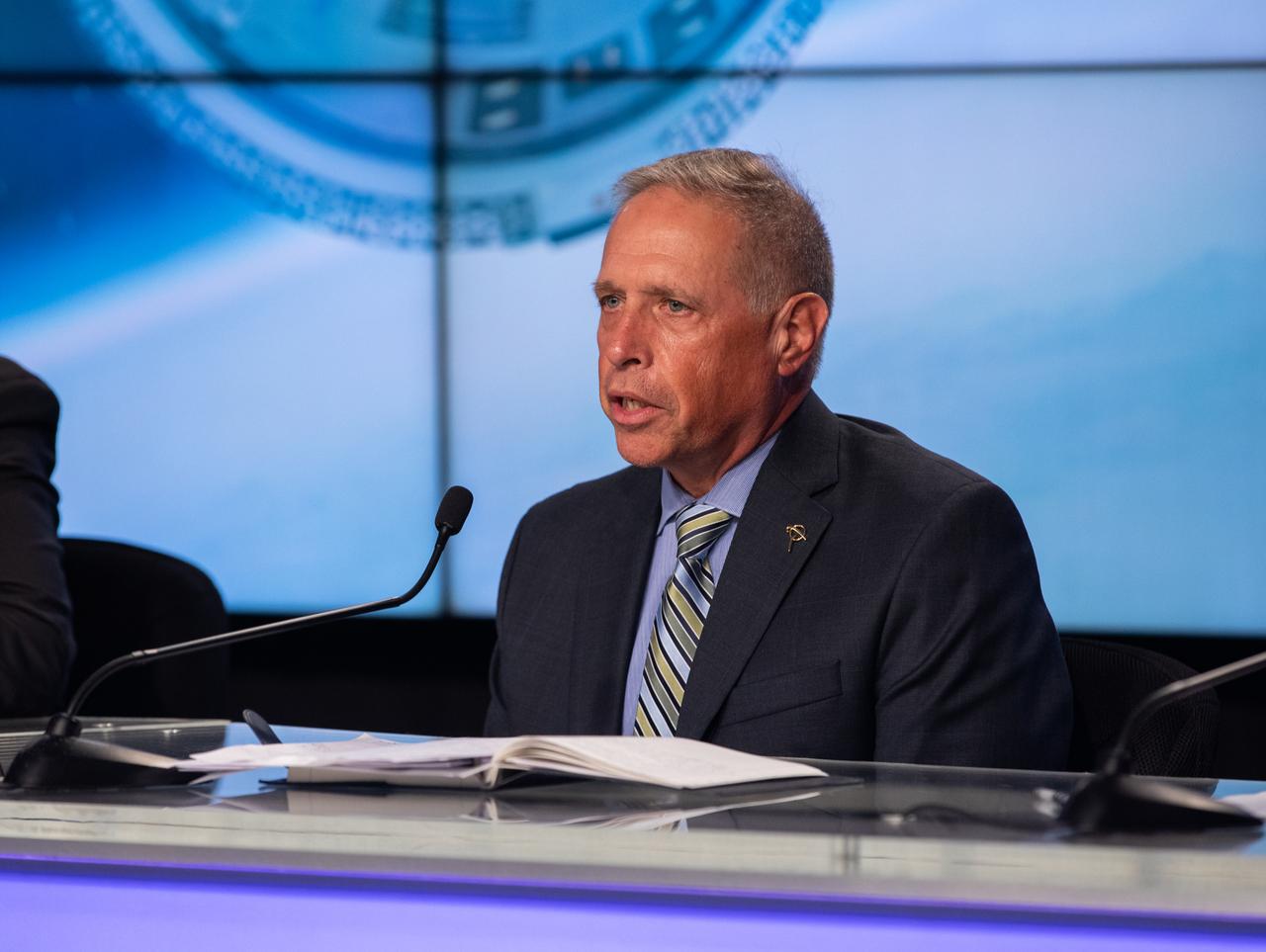
Mark Nappi, vice president and program manager, Boeing Commercial Crew Program, participates in a postlaunch news conference following the liftoff of NASA Boeing’s Orbital Flight Test-2 (OFT-2) on May 19, 2022. Liftoff occurred at 6:54 p.m. EDT from Space Launch Complex-41 at Florida’s Cape Canaveral Space Force Station. Boeing’s uncrewed flight test is designed to test the system’s end-to-end capabilities for NASA’s Commercial Crew Program providing valuable data towards NASA certifying Boeing’s crew transportation system for regular crewed flights to and from the International Space Station.
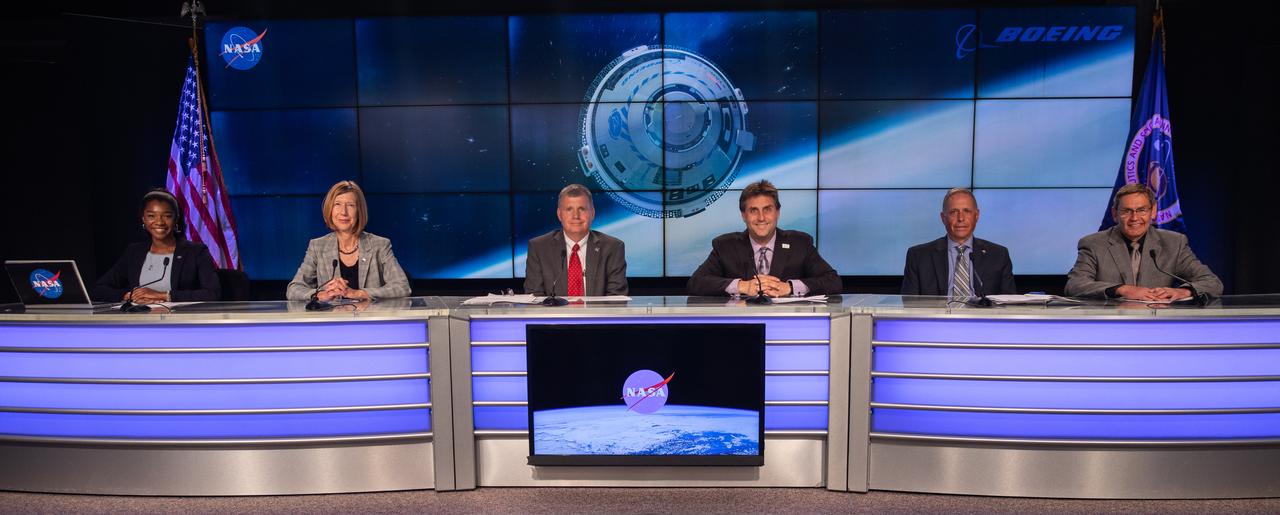
In the Press Site auditorium of NASA's Kennedy Space Center in Florida, officials from NASA, Boeing, and United Launch Alliance (ULA) participate in a postlaunch news conference following the liftoff of NASA Boeing’s Orbital Flight Test-2 (OFT-2) on May 19, 2022. From left are Jasmine Hopkins, NASA Communications; Kathryn Lueders, associate administrator, Space Operations Mission Directorate at NASA; Steve Stich, manager, NASA Commercial Crew Program; Joel Montalbano, manager, NASA’s International Space Station Program; Mark Nappi, vice president and program manager, Boeing Commercial Crew Program; John Elbon, chief operating officer, United Launch Alliance. Liftoff occurred at 6:54 p.m. EDT from Space Launch Complex-41 at Florida’s Cape Canaveral Space Force Station. Boeing’s uncrewed flight test is designed to test the system’s end-to-end capabilities for NASA’s Commercial Crew Program providing valuable data towards NASA certifying Boeing’s crew transportation system for regular crewed flights to and from the International Space Station.
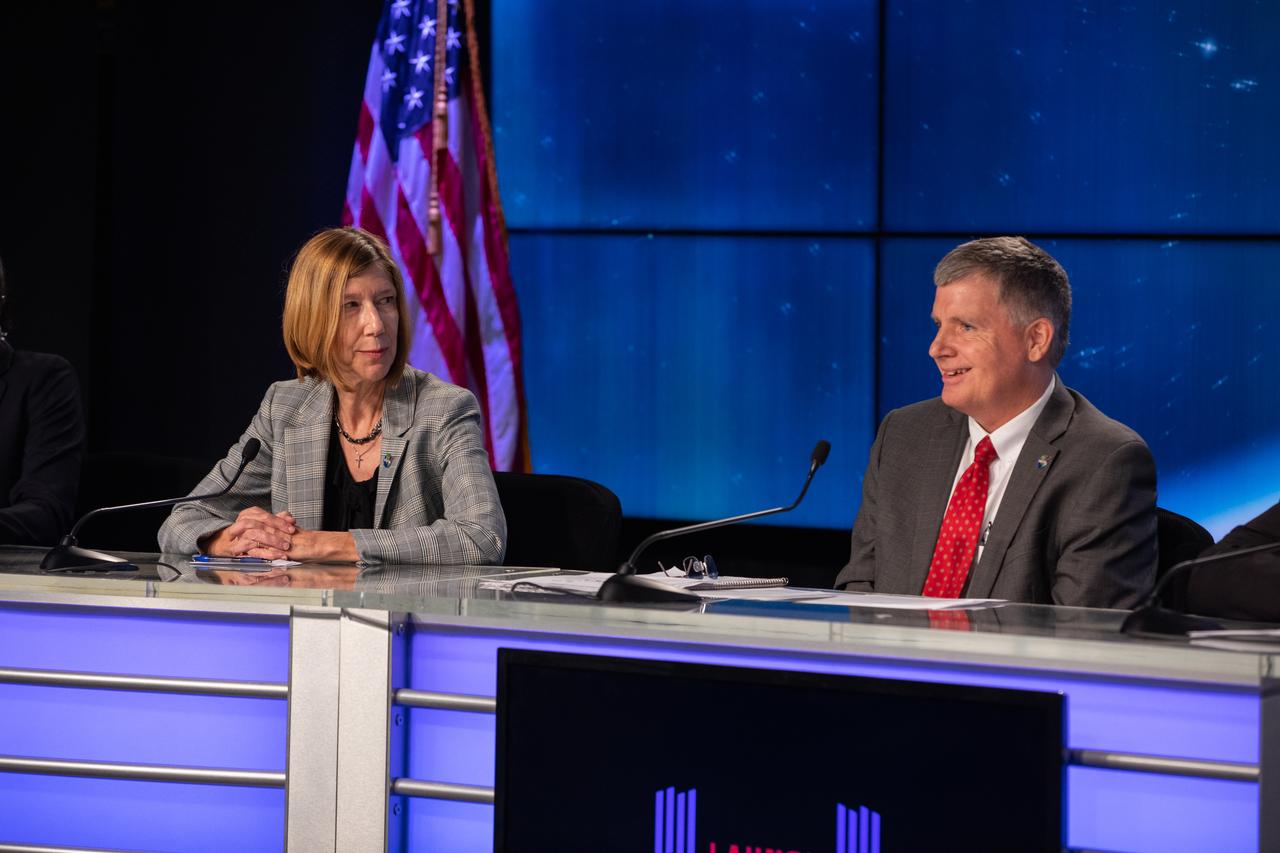
Kathy Lueders, associate administrator, Space Operations Mission Directorate at NASA, left, and Steve Stich, manager, NASA’s Commercial Crew Program, right, participate in a postlaunch news conference following the liftoff of NASA Boeing’s Orbital Flight Test-2 (OFT-2) on May 19, 2022. Liftoff occurred at 6:54 p.m. EDT from Space Launch Complex-41 at Florida’s Cape Canaveral Space Force Station. Boeing’s uncrewed flight test is designed to test the system’s end-to-end capabilities for NASA’s Commercial Crew Program providing valuable data towards NASA certifying Boeing’s crew transportation system for regular crewed flights to and from the International Space Station.
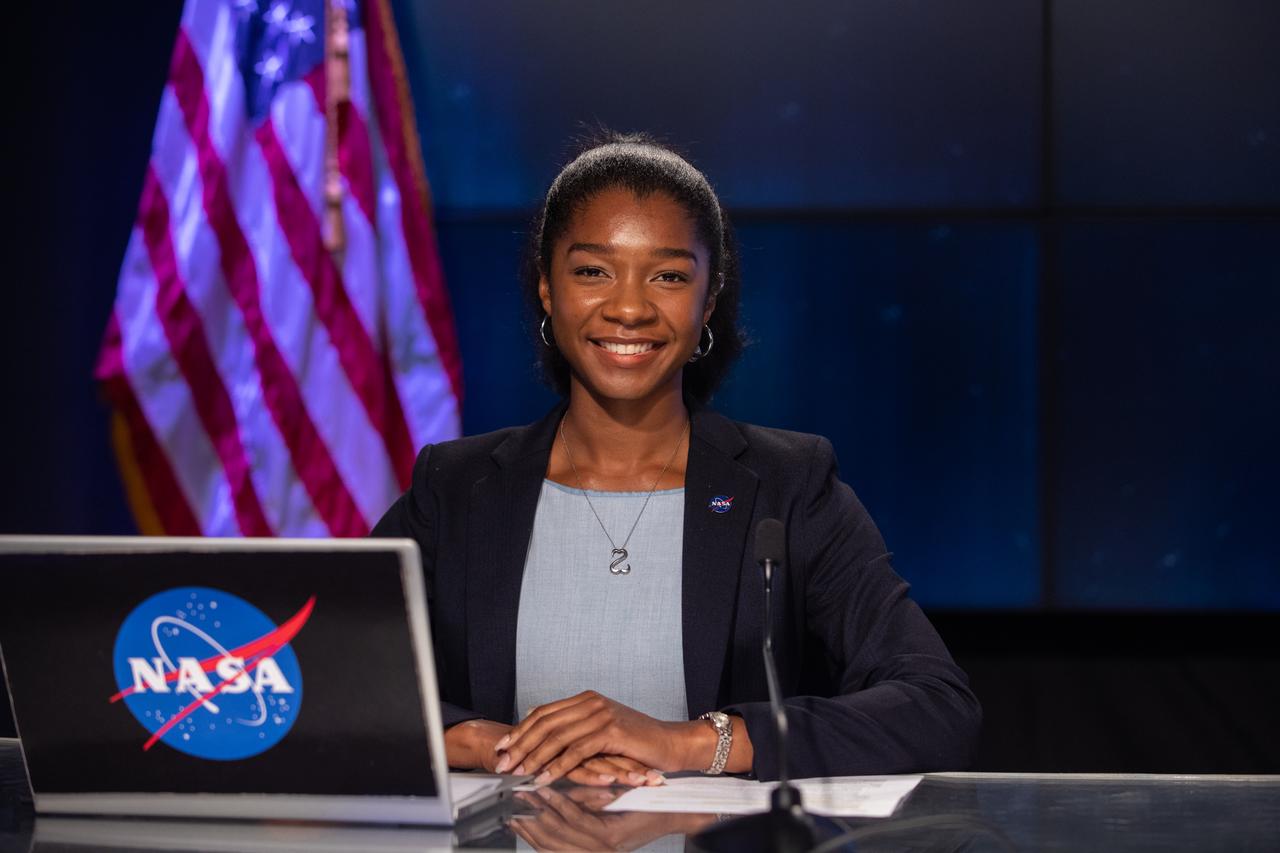
Jasmine Hopkins, NASA Communications, moderates a postlaunch news conference following the liftoff of NASA Boeing’s Orbital Flight Test-2 (OFT-2) on May 19, 2022. Liftoff occurred at 6:54 p.m. EDT from Space Launch Complex-41 at Florida’s Cape Canaveral Space Force Station. Boeing’s uncrewed flight test is designed to test the system’s end-to-end capabilities for NASA’s Commercial Crew Program providing valuable data towards NASA certifying Boeing’s crew transportation system for regular crewed flights to and from the International Space Station.
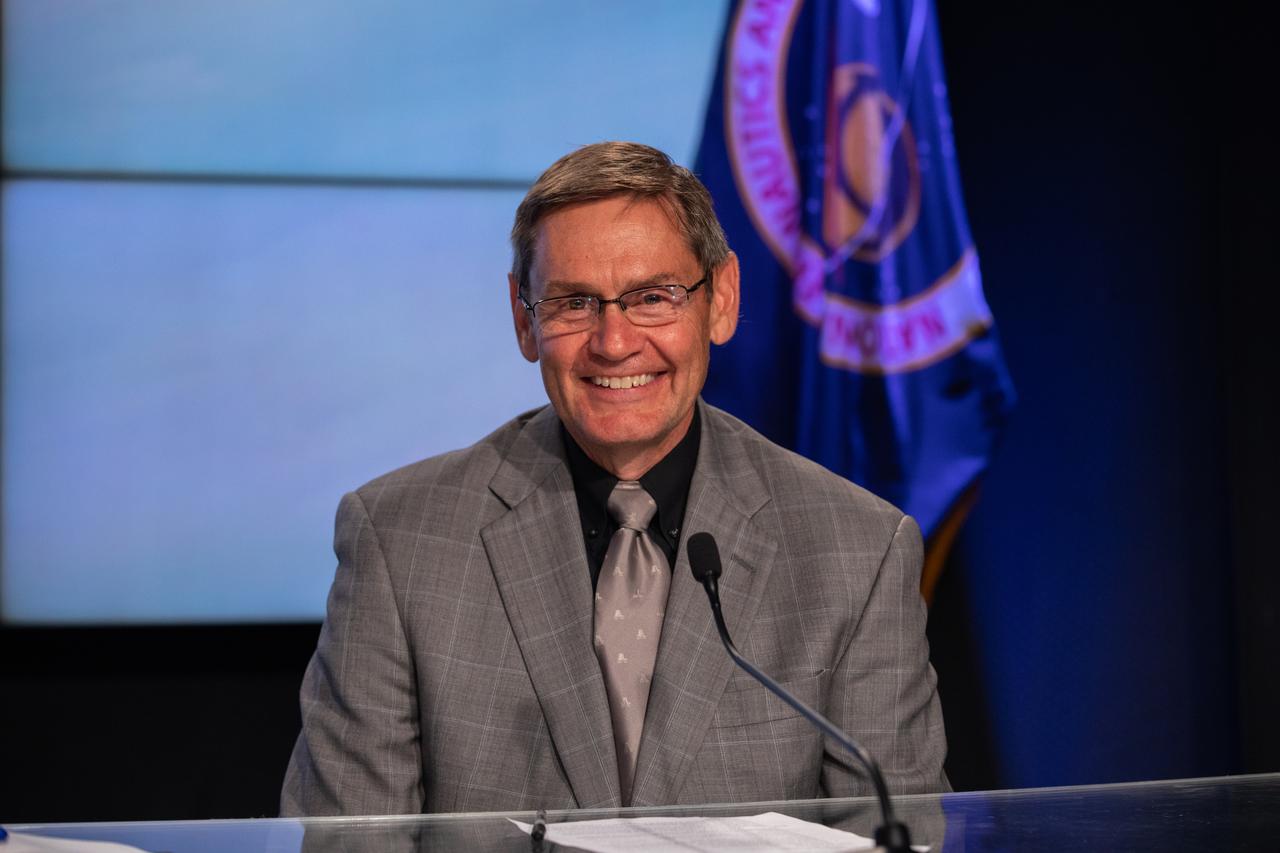
John Elbon, chief operating officer, United Launch Alliance, participates in a postlaunch news conference following the liftoff of NASA Boeing’s Orbital Flight Test-2 (OFT-2) on May 19, 2022. Liftoff occurred at 6:54 p.m. EDT from Space Launch Complex-41 at Florida’s Cape Canaveral Space Force Station. Boeing’s uncrewed flight test is designed to test the system’s end-to-end capabilities for NASA’s Commercial Crew Program providing valuable data towards NASA certifying Boeing’s crew transportation system for regular crewed flights to and from the International Space Station.