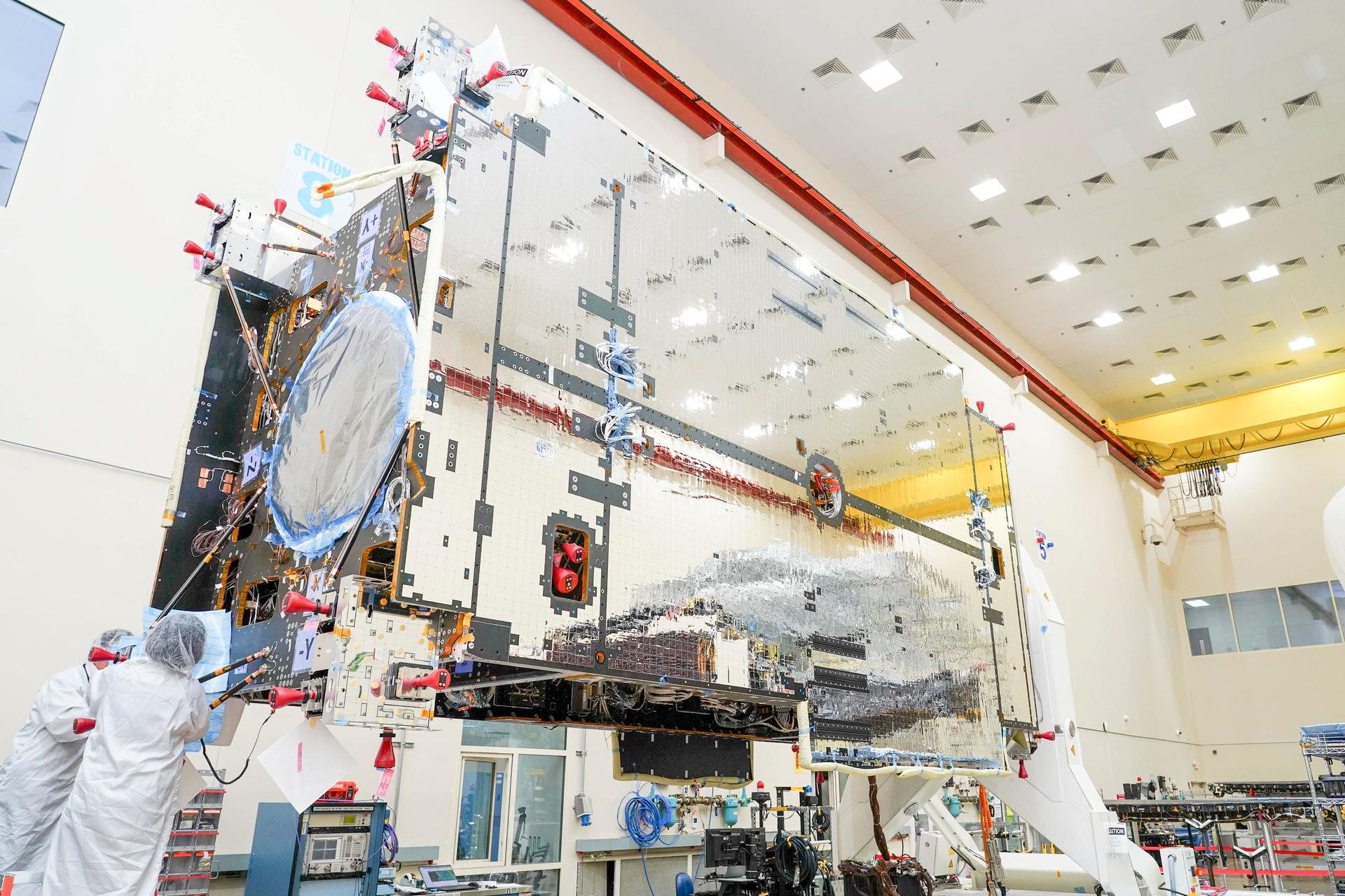
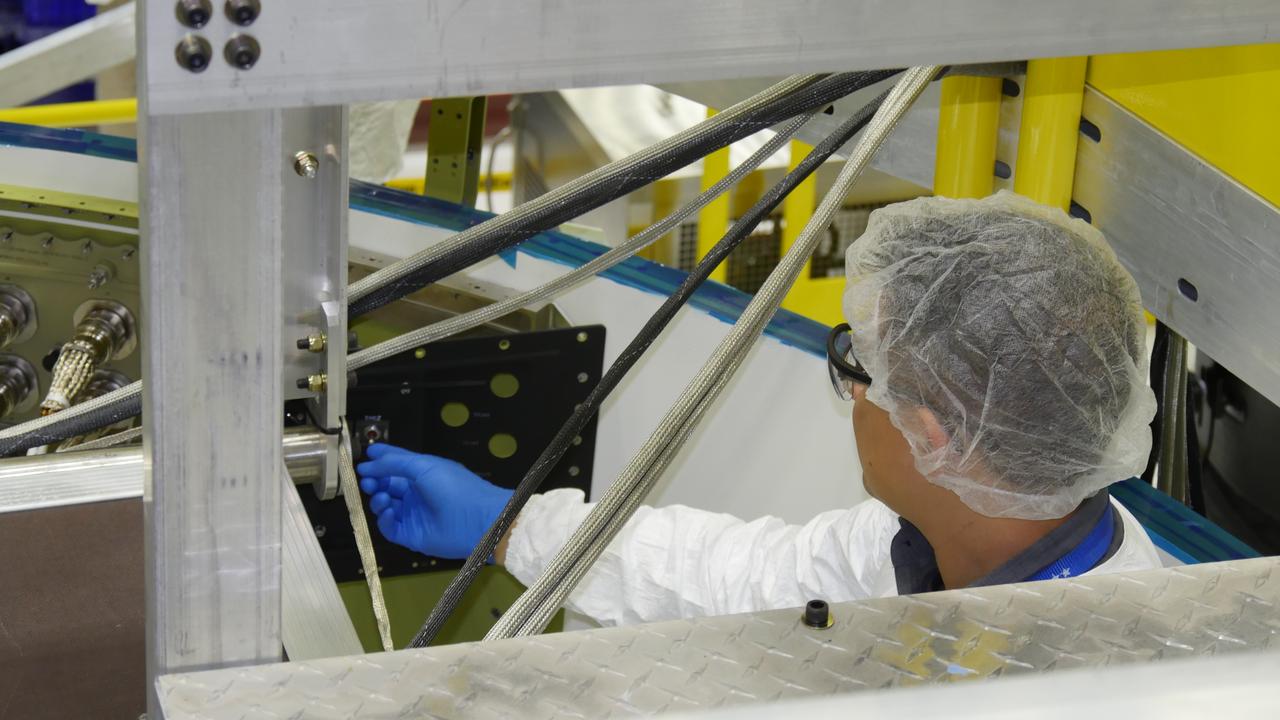
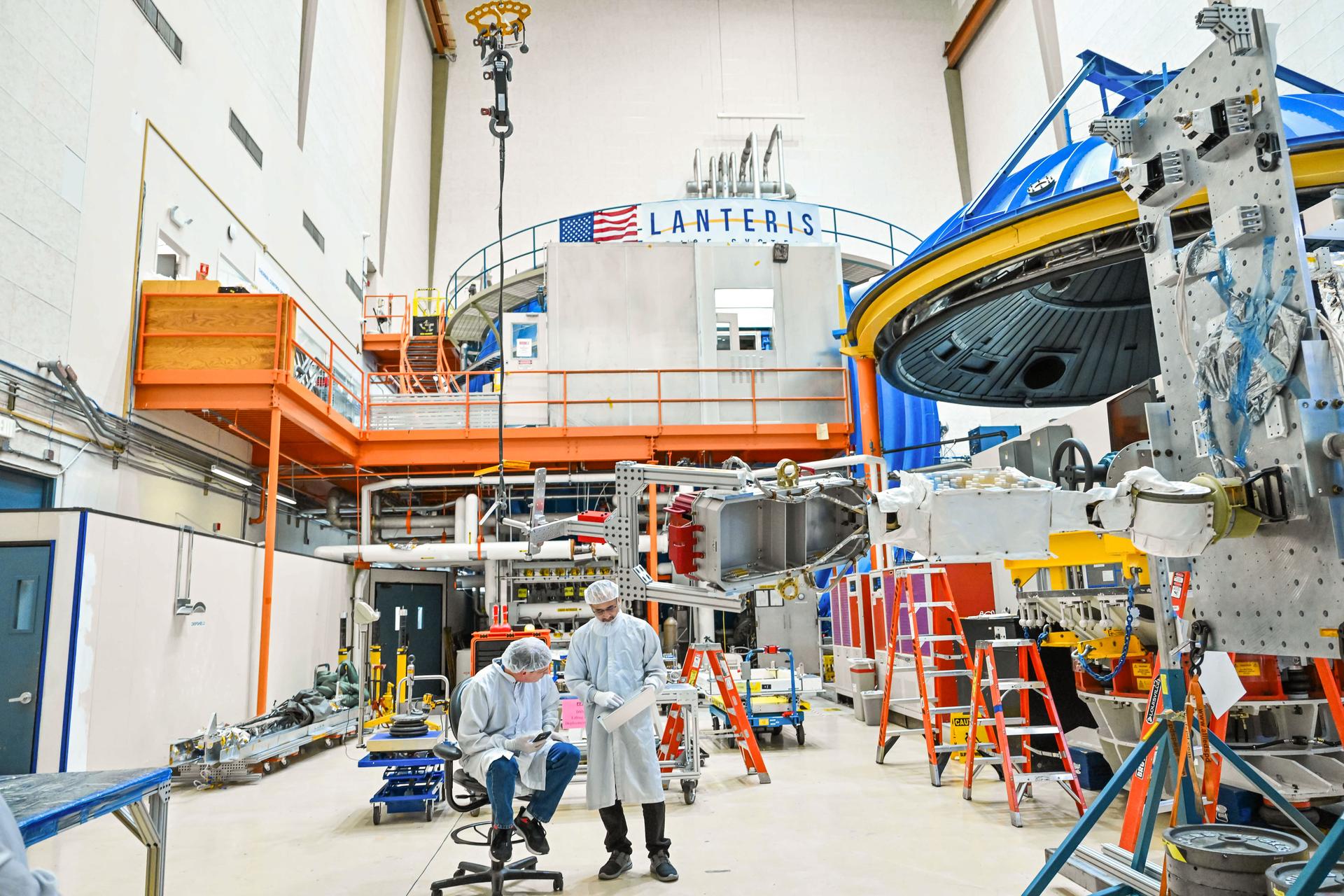
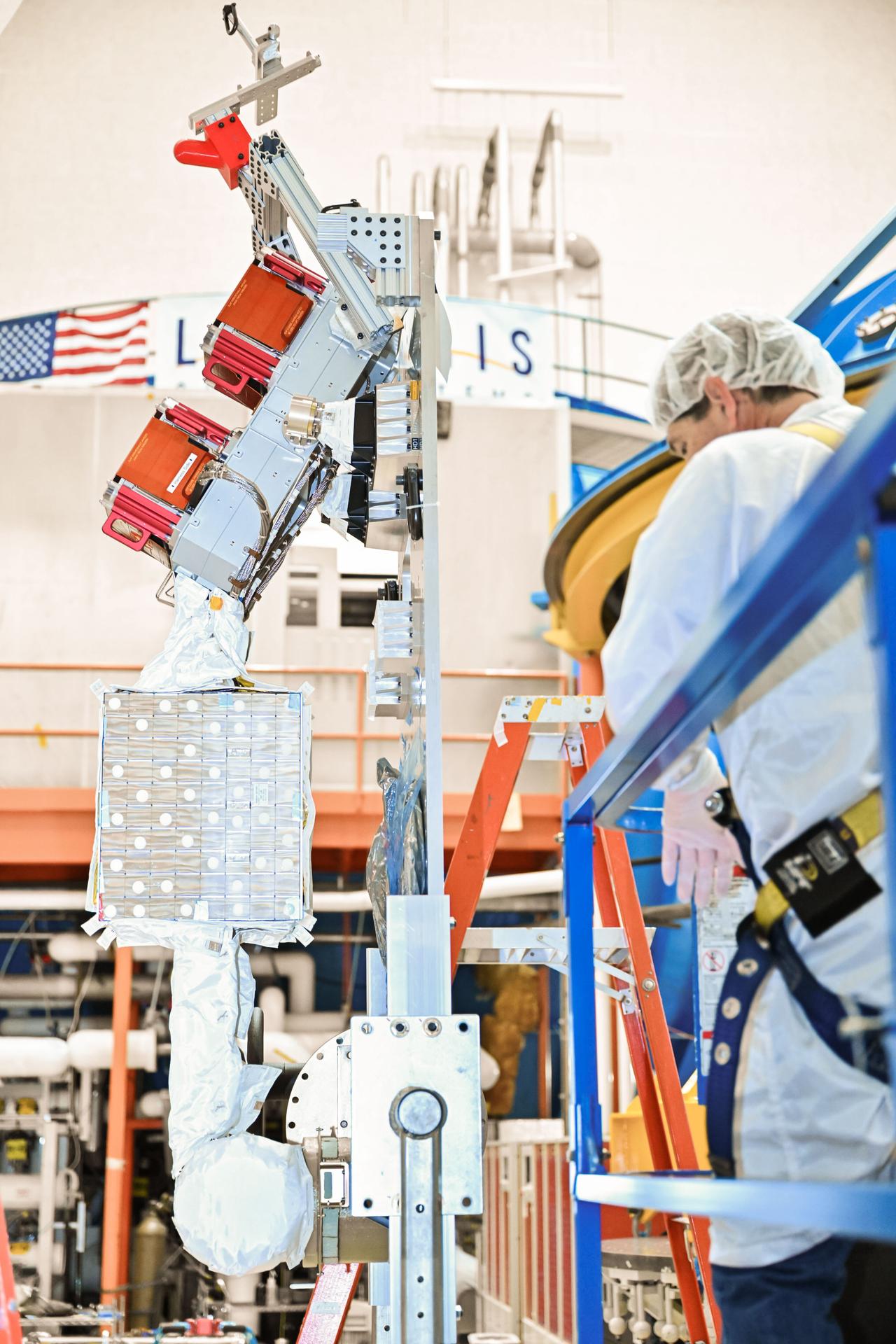
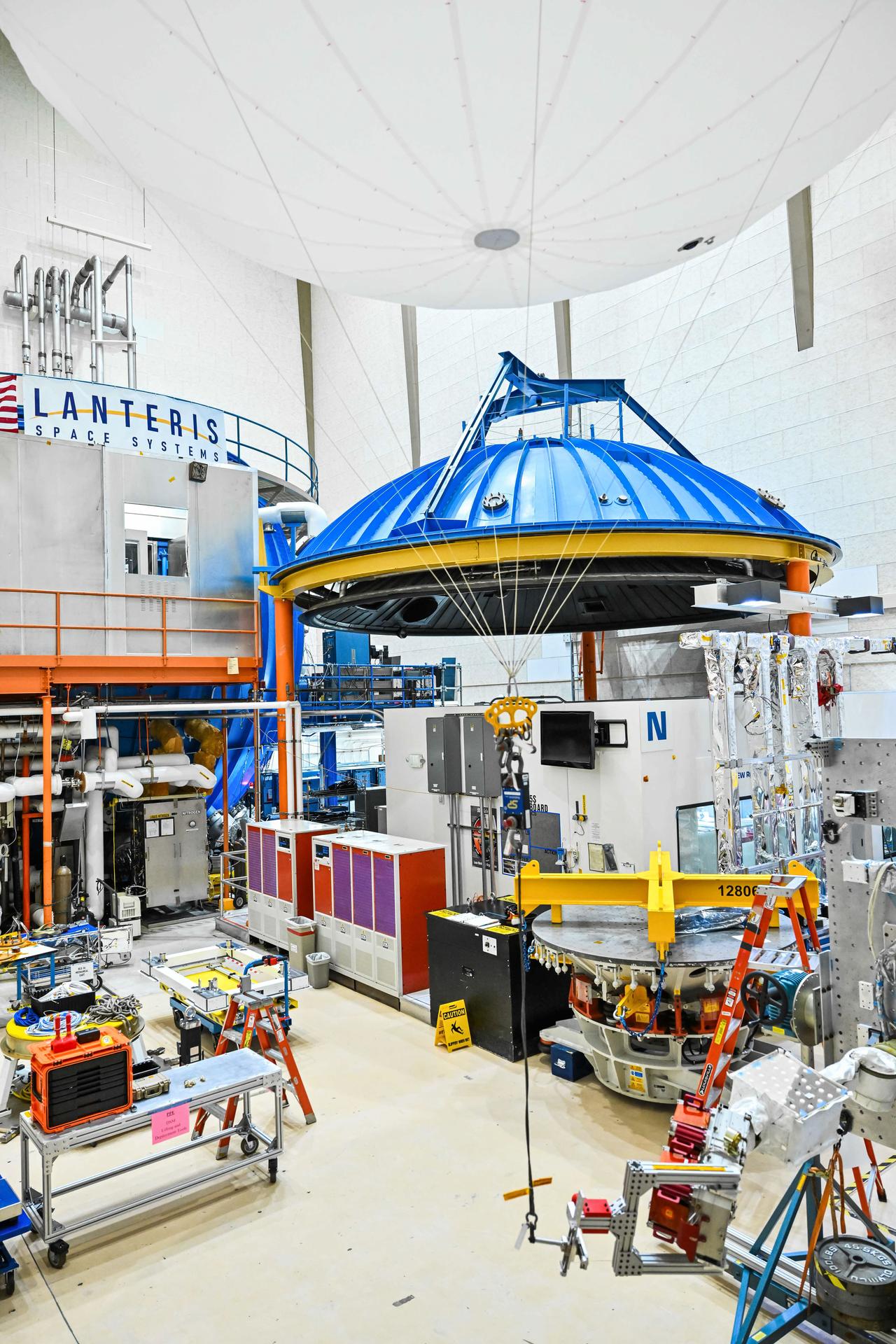
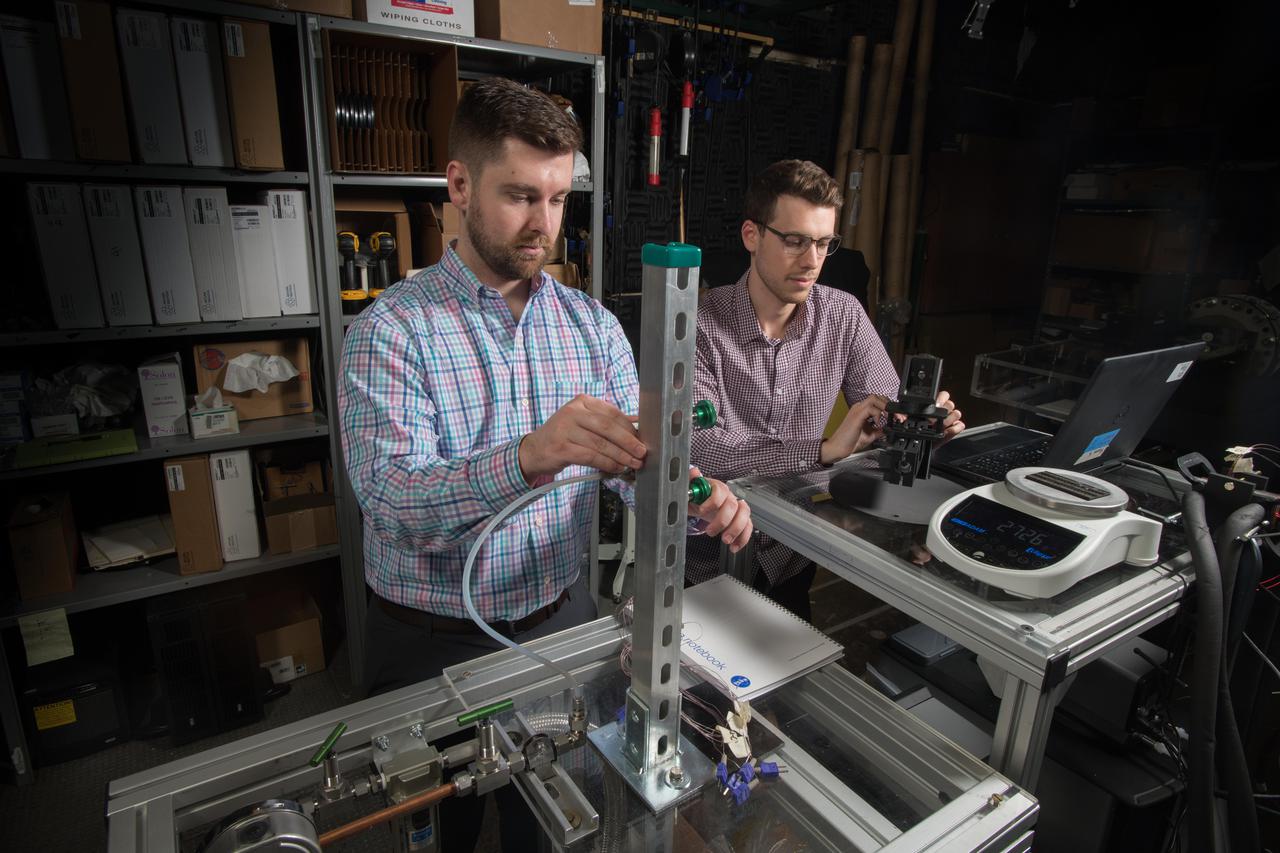
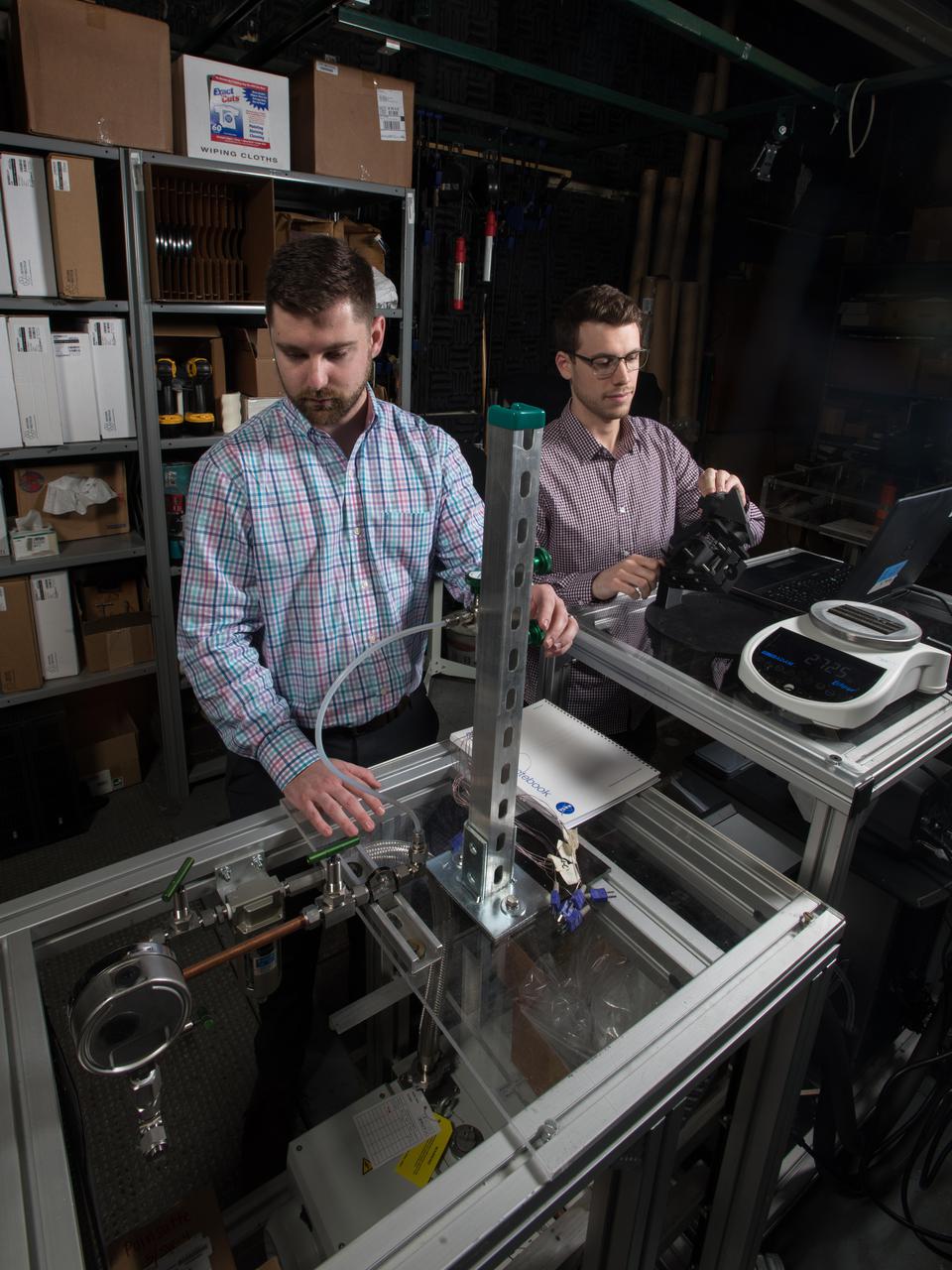
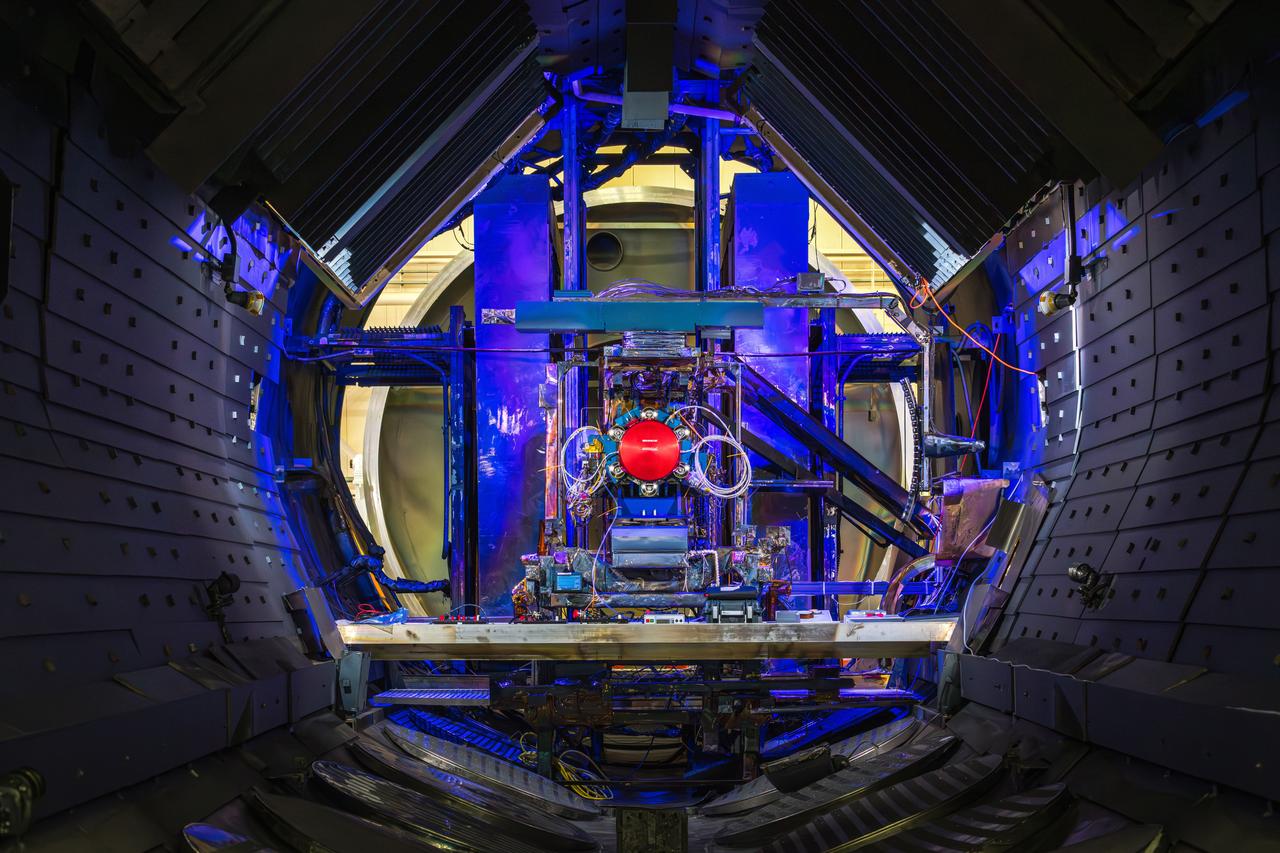
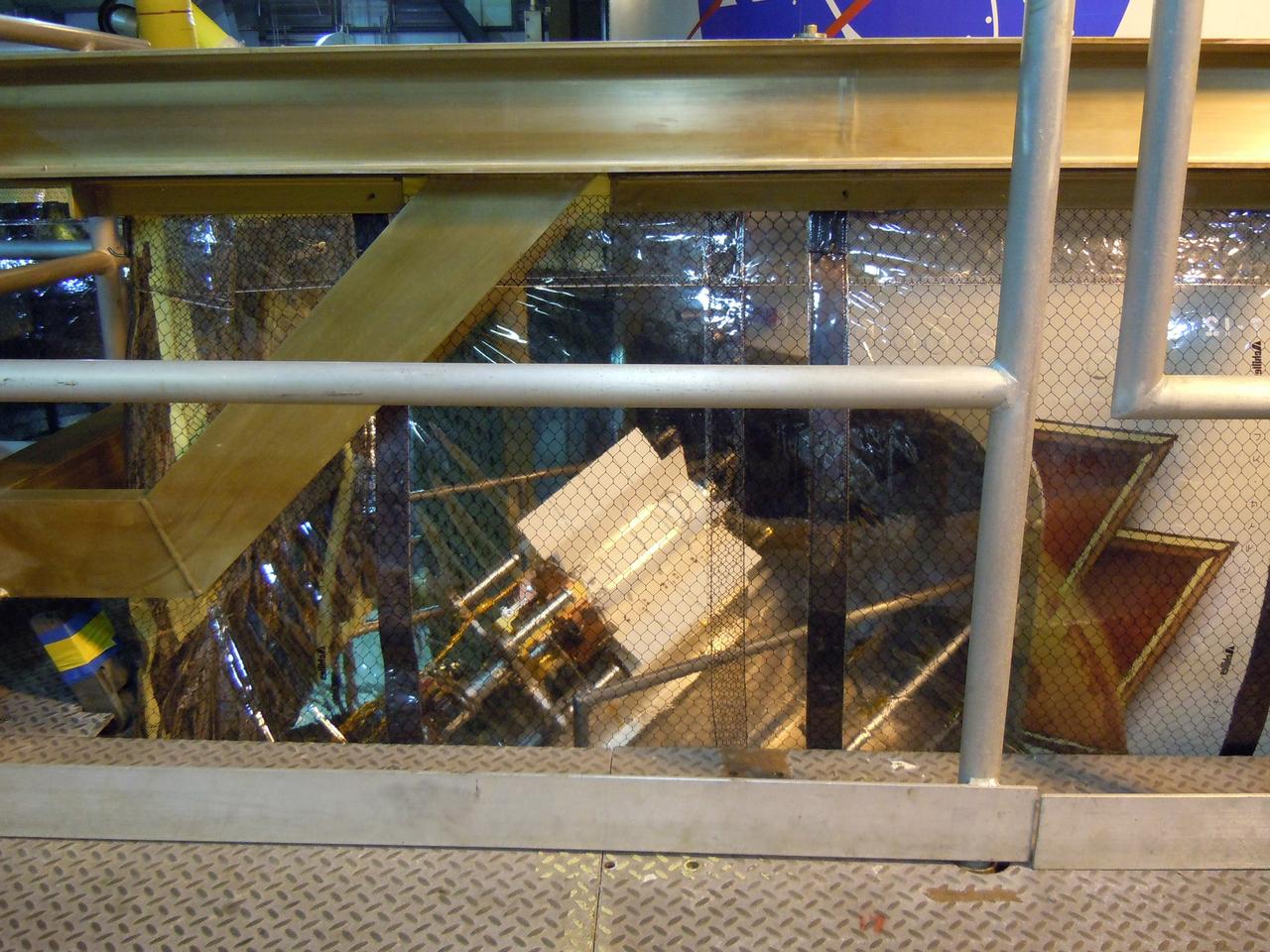
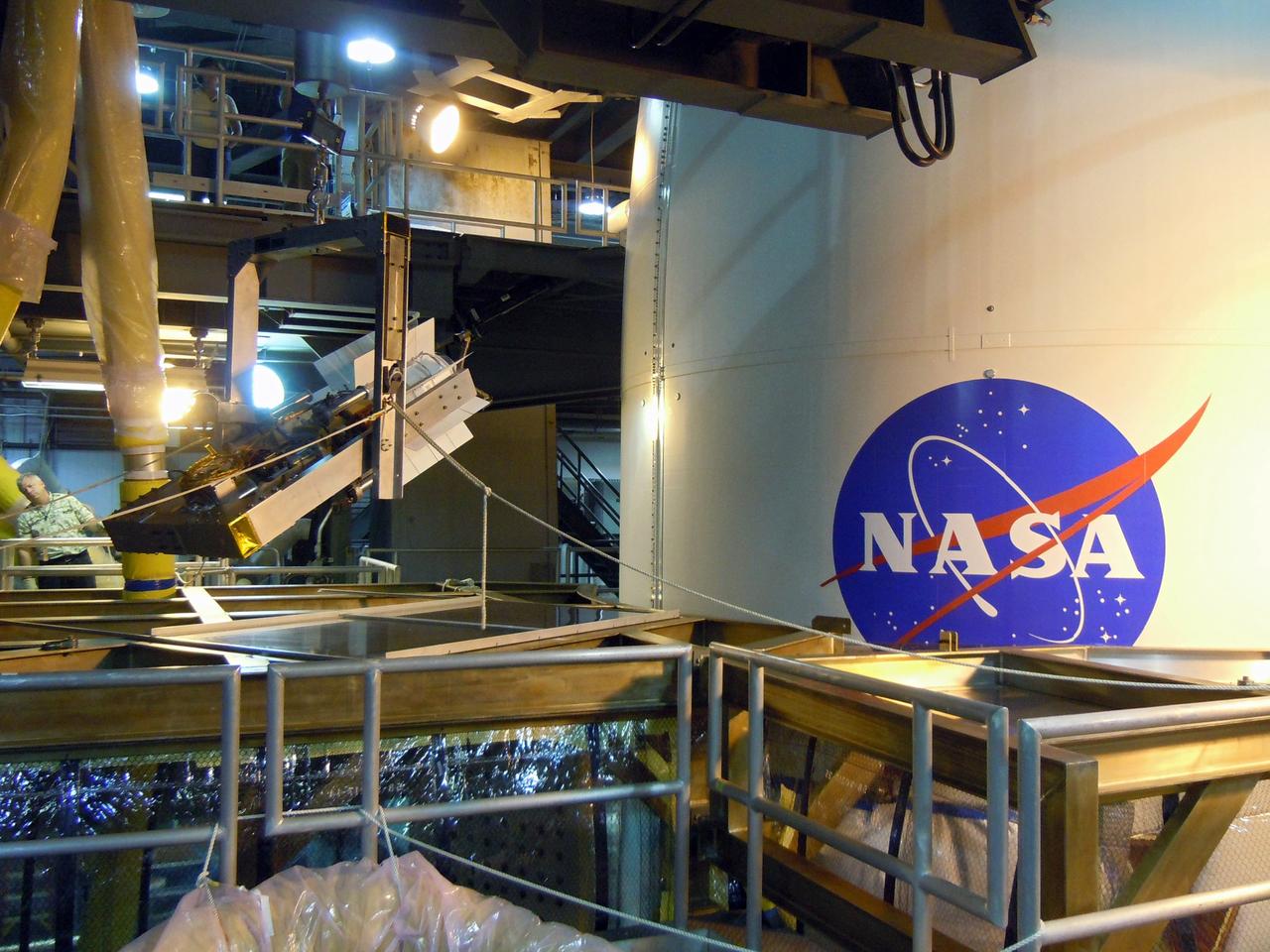
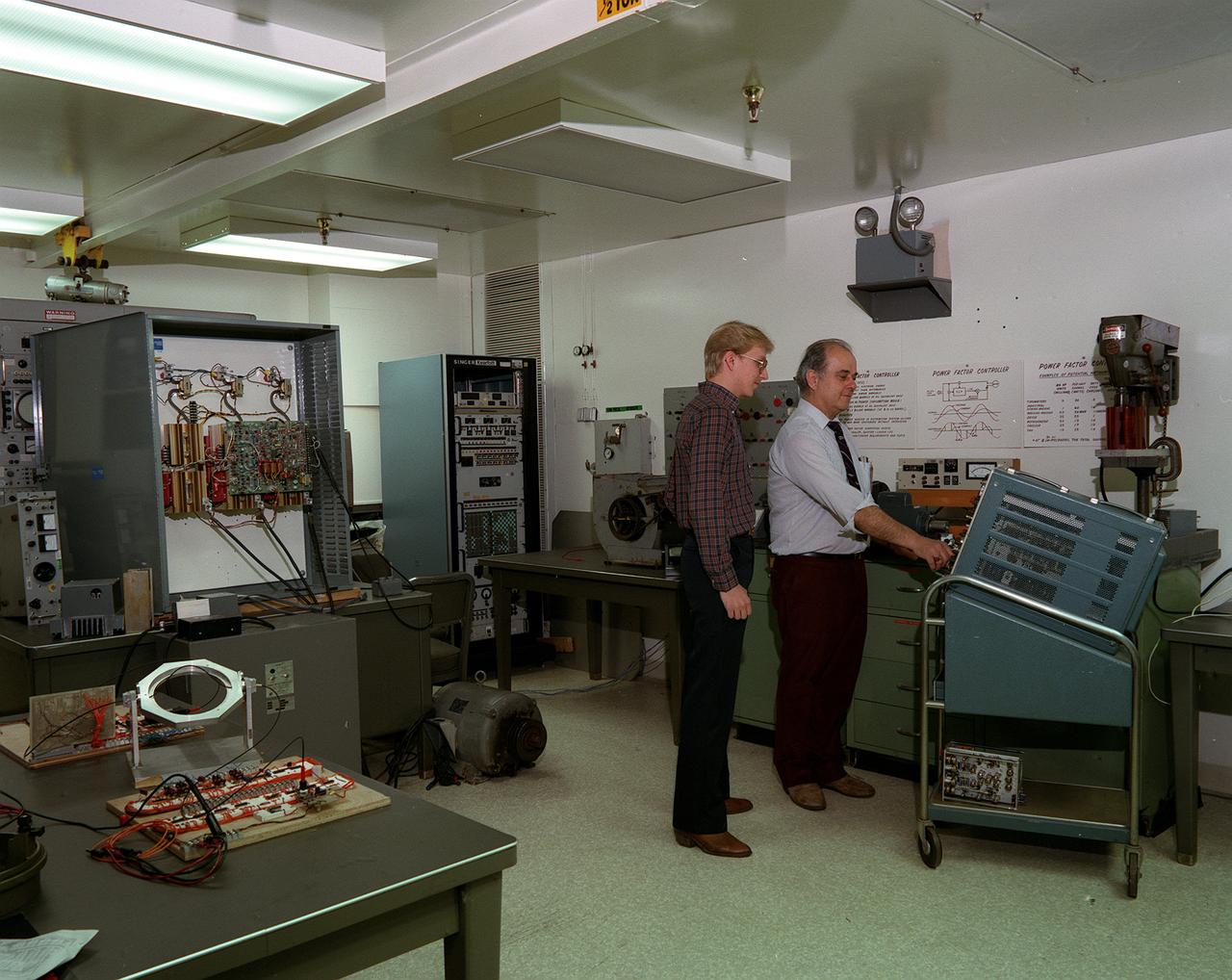
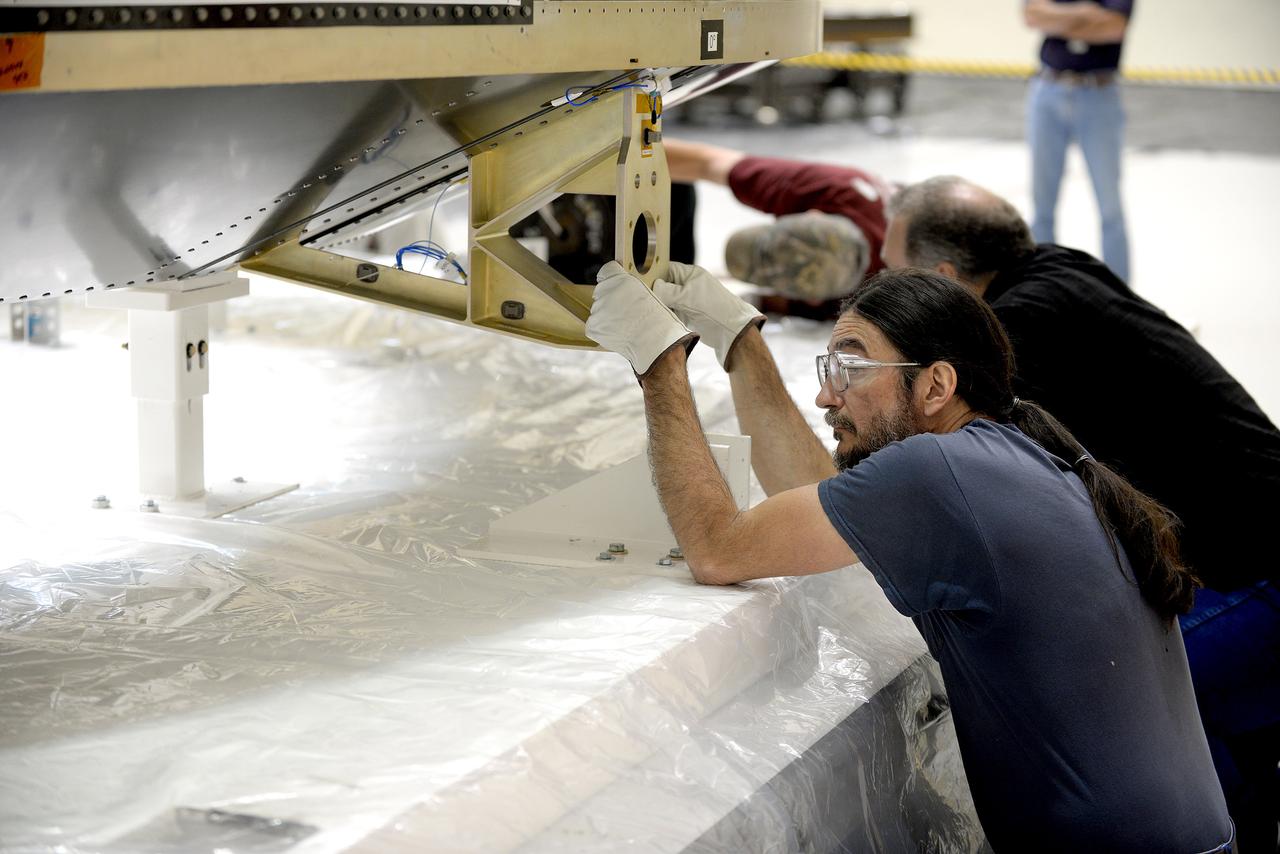
Detail of the Fission Surface Power Structure that part of the research in providing power on the moon.
Fission Surface Power
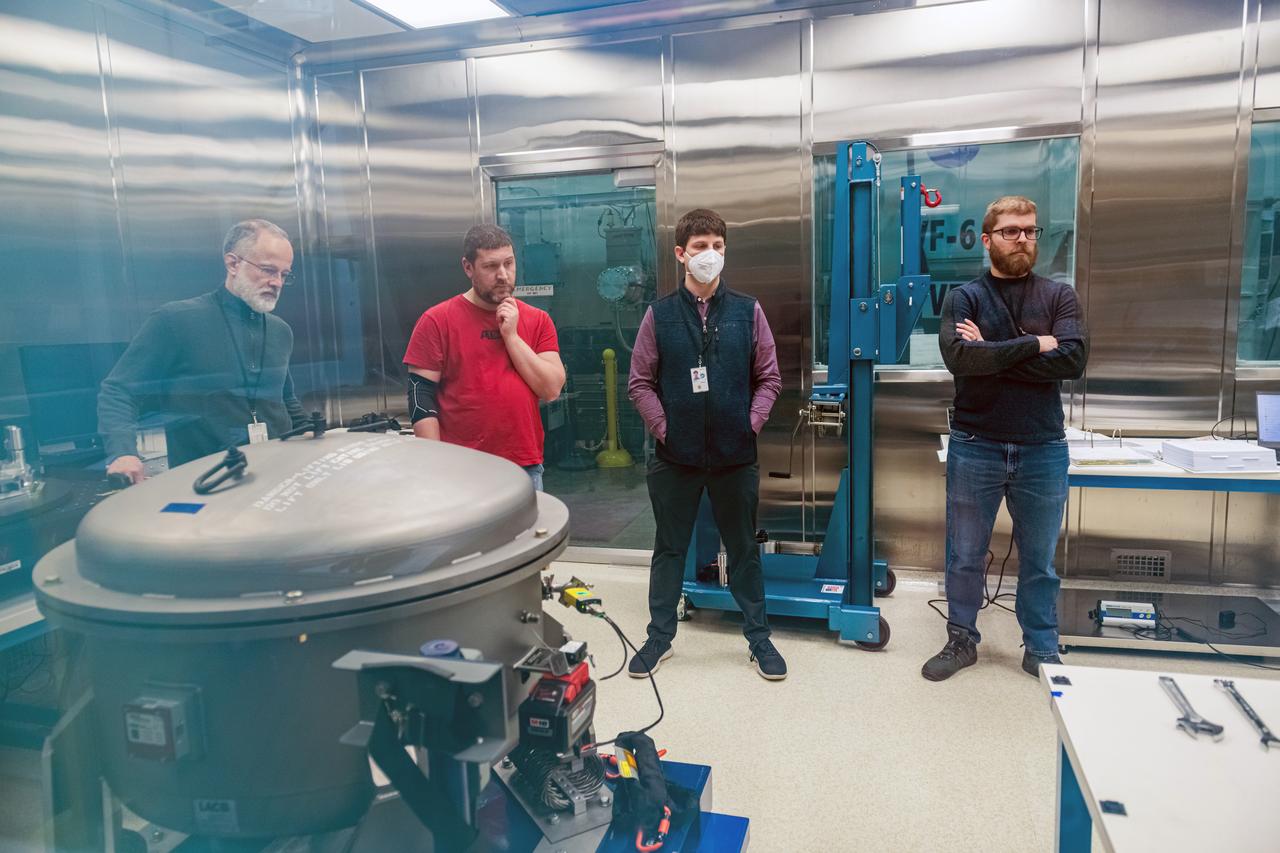
NASA Glenn Technician Mark Springowski works on a 10-kilowatt Stirling Power Conversion Unit, which is part of the Fission Surface Power Technology Demonstration Unit. This is a system level demonstration of a surface power system, which could potentially be used to support manned missions to the moon or Mars. A flight system would use 180 kilowatt nuclear fission reactor and four Stirling PCU’s to produce 40 kW of electricity for manned surface missions.
Fission Surface Power Technology Demonstration Unit
Wind Power
Wind Power
Powerful Impact
Powerful Impact
Turtle Power!
Turtle Power!
Solar Power
Solar Power
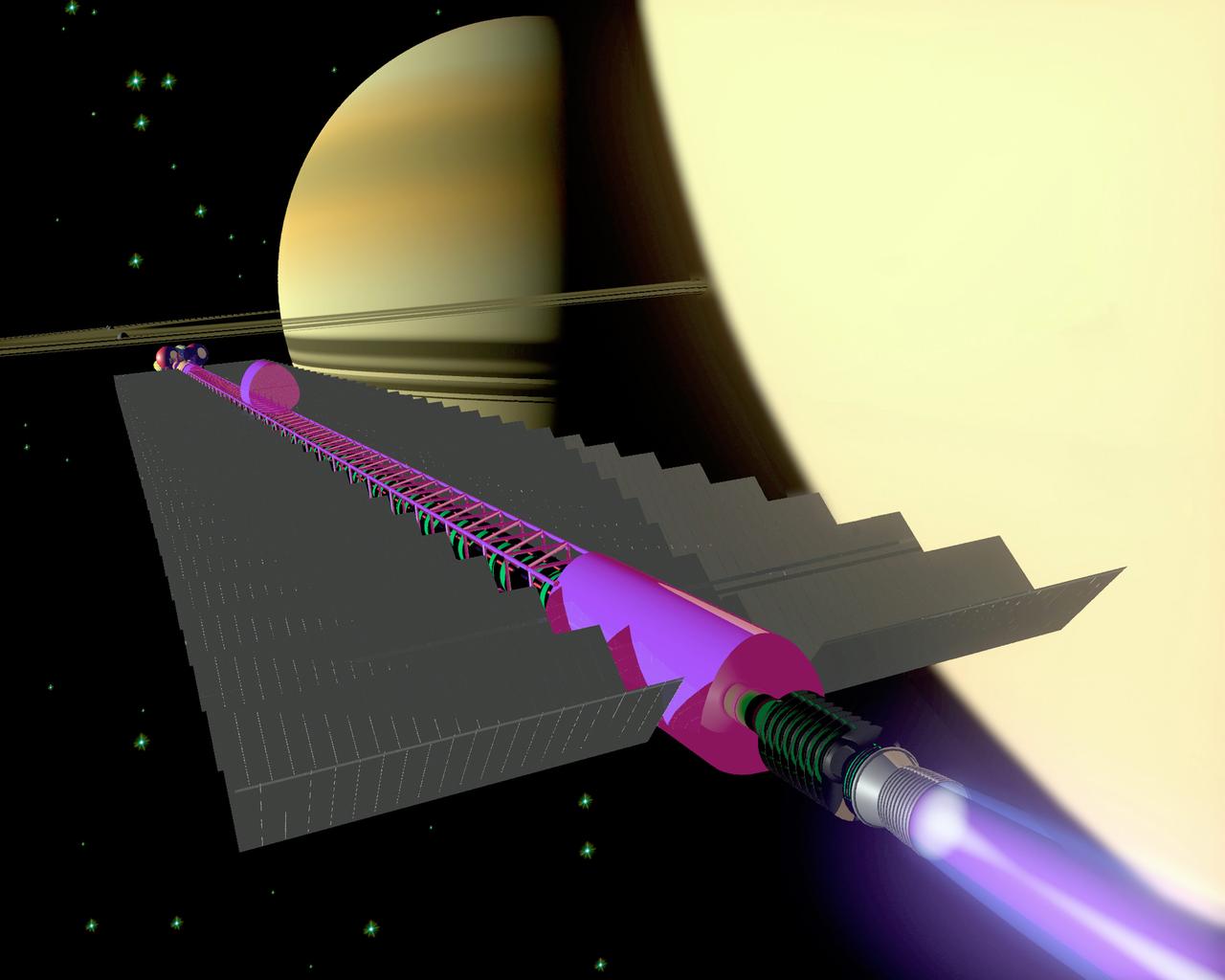
Powering Saturn Jets
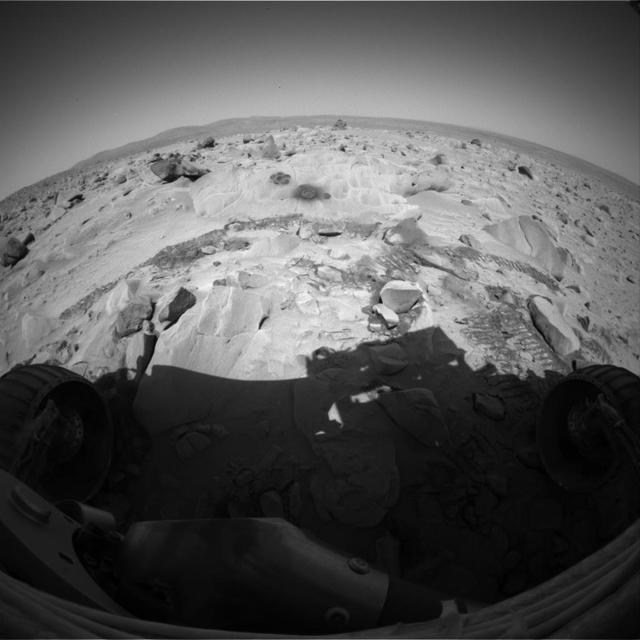
Spirit Has Flower Power
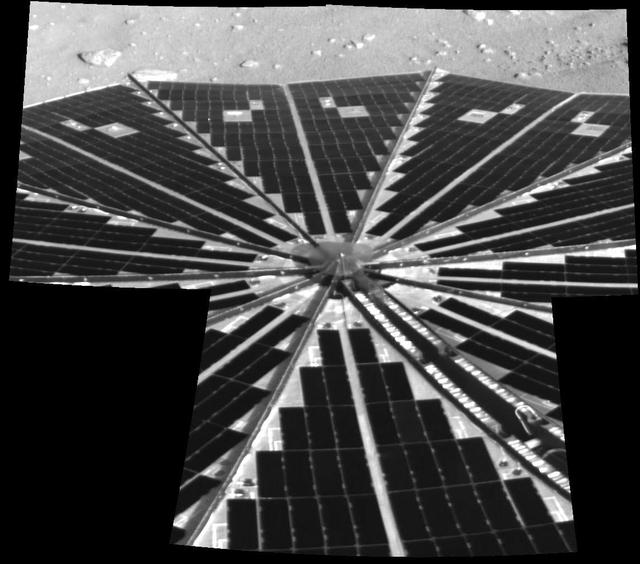
Solar Power Grid Unfurled
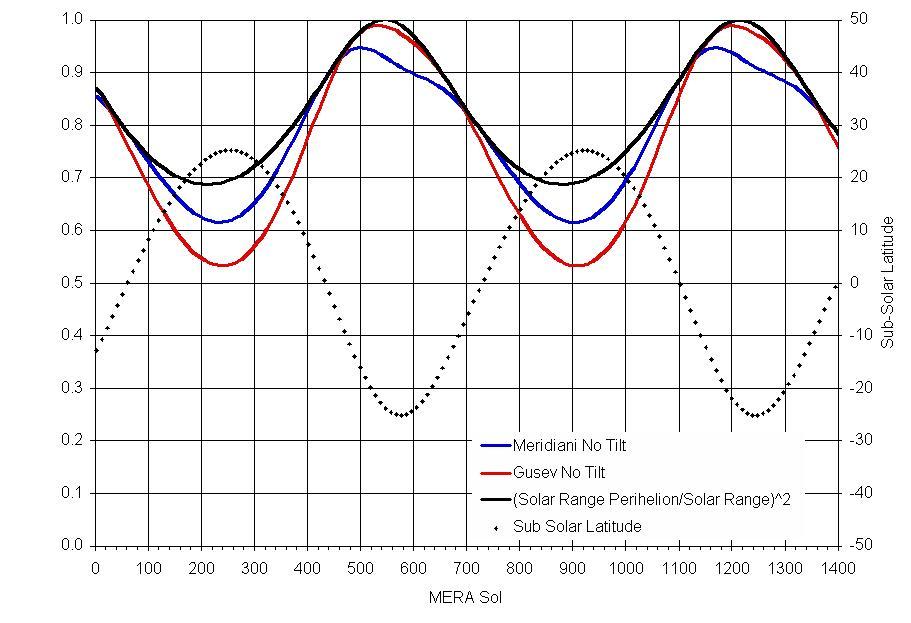
Solar Power on Mars
Solar Power on Mars
This artist's concept shows an auroral display on a brown dwarf. If you could see an aurora on a brown dwarf, it would be a million times brighter than an aurora on Earth.  Credits: Chuck Carter and Gregg Hallinan/Caltech   --- Mysterious objects called brown dwarfs are sometimes called &quot;failed stars.&quot; They are too small to fuse hydrogen in their cores, the way most stars do, but also too large to be classified as planets. But a new study in the journal Nature suggests they succeed in creating powerful auroral displays, similar to the kind seen around the magnetic poles on Earth.  &quot;This is a whole new manifestation of magnetic activity for that kind of object,&quot; said Leon Harding, a technologist at NASA's Jet Propulsion Laboratory, Pasadena, California, and co-author on the study.  On Earth, auroras are created when charged particles from the solar wind enter our planet's magnetosphere, a region where Earth's magnetic field accelerates and sends them toward the poles. There, they collide with atoms of gas in the atmosphere, resulting in a brilliant display of colors in the sky. Read more: <a href="http://www.nasa.gov/jpl/powerful-auroras-found-at-brown-dwarf" rel="nofollow">www.nasa.gov/jpl/powerful-auroras-found-at-brown-dwarf</a>  <b><a href="http://www.nasa.gov/audience/formedia/features/MP_Photo_Guidelines.html" rel="nofollow">NASA image use policy.</a></b>  <b><a href="http://www.nasa.gov/centers/goddard/home/index.html" rel="nofollow">NASA Goddard Space Flight Center</a></b> enables NASA’s mission through four scientific endeavors: Earth Science, Heliophysics, Solar System Exploration, and Astrophysics. Goddard plays a leading role in NASA’s accomplishments by contributing compelling scientific knowledge to advance the Agency’s mission.  <b>Follow us on <a href="http://twitter.com/NASAGoddardPix" rel="nofollow">Twitter</a></b>  <b>Like us on <a href="http://www.facebook.com/pages/Greenbelt-MD/NASA-Goddard/395013845897?ref=tsd" rel="nofollow">Facebook</a></b>  <b>Find us on <a href="http://instagrid.me/nasagoddard/?vm=grid" rel="nofollow">Instagram</a></b>
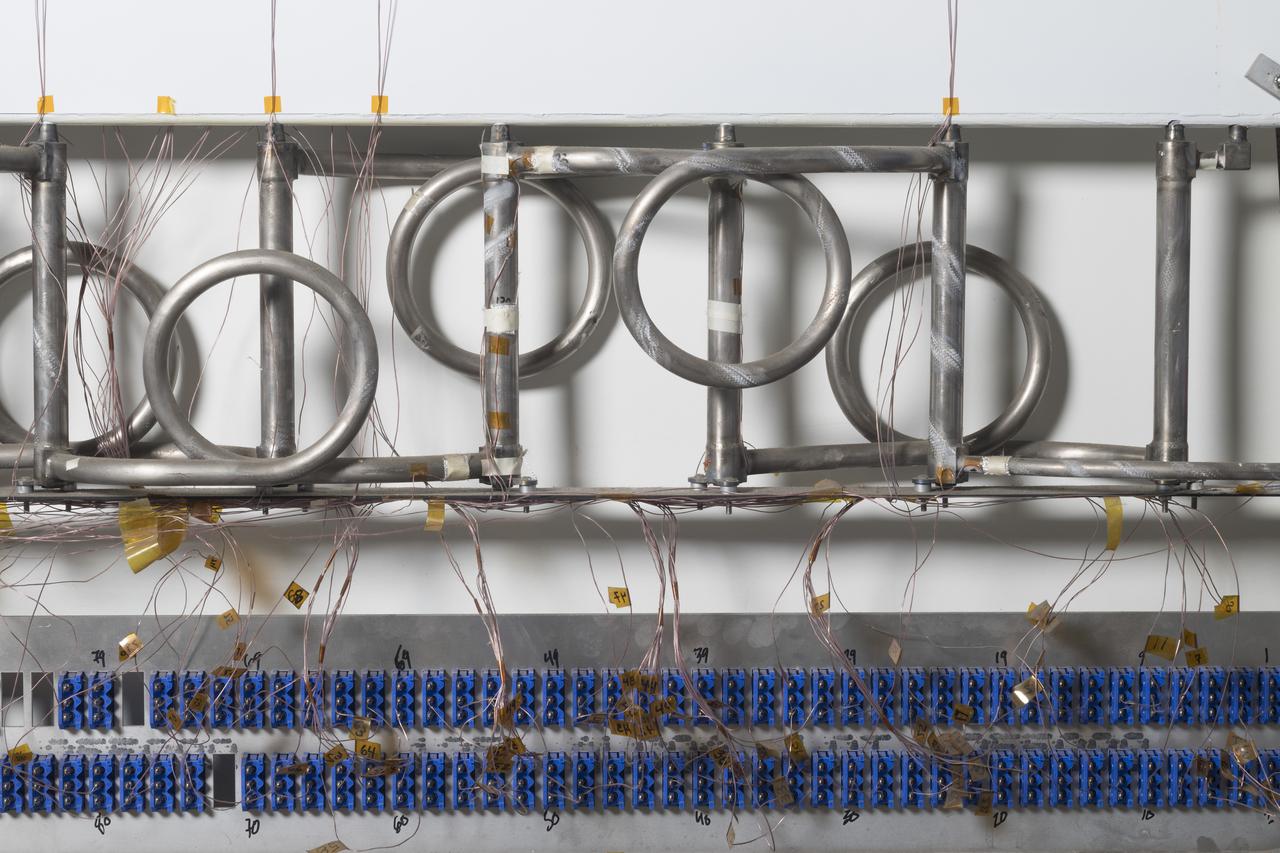
Powerful Auroras Found at Brown Dwarf
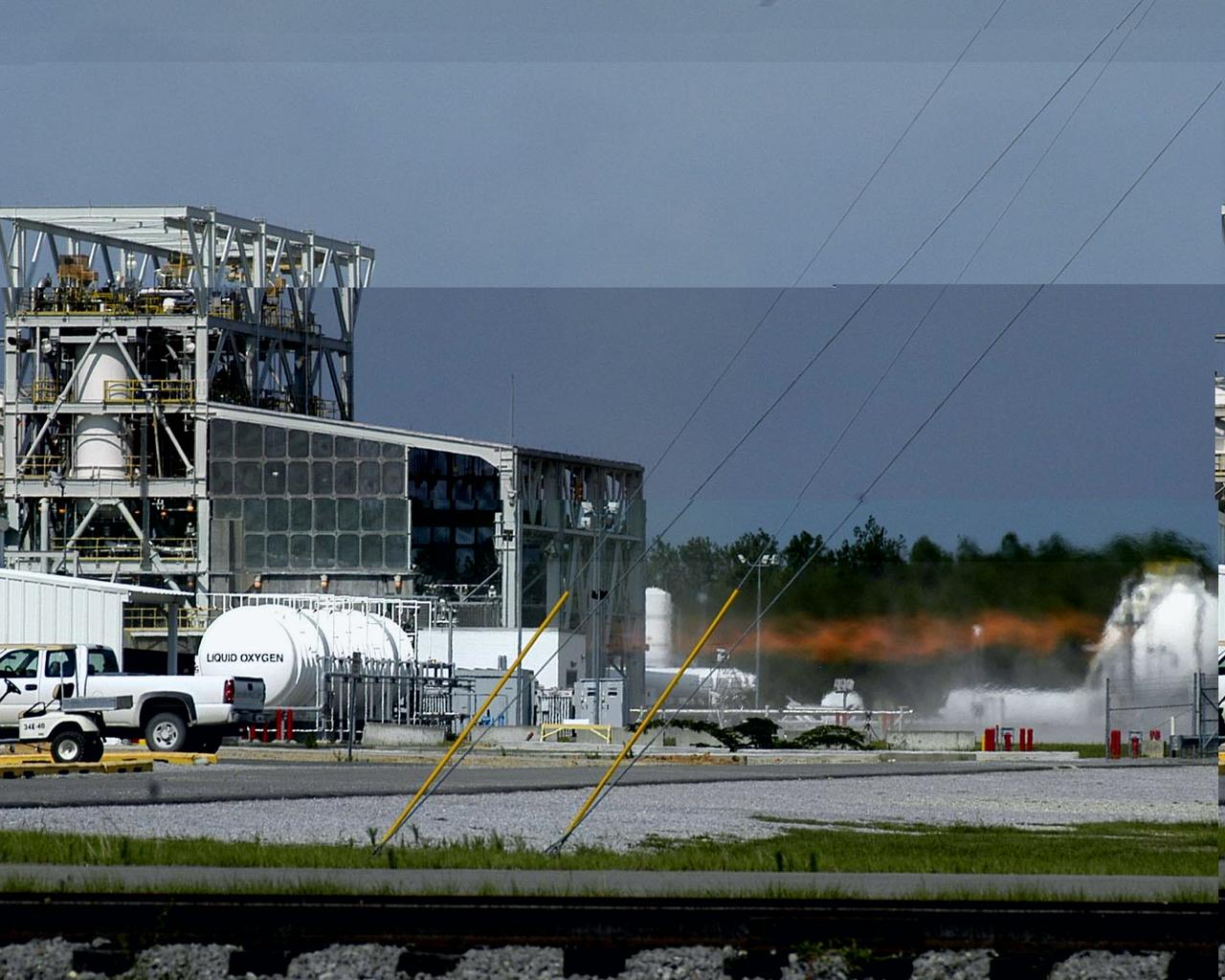
The Integrated Powerhead Demonstration engine was fired at 100 percent power for the first time July 12, 2006 at NASA Stennis Space Center's E Test Complex. The IPD, which can generate about 250,000 pounds of thrust, is a reusable engine system whose technologies could one day help Americans return to the moon, and travel to Mars and beyond. The IPD engine has been designed, developed and tested through the combined efforts of Pratt & Whitney Rocketdyne and Aerojet, under the direction of the Air Force Research Laboratory and NASA's Marshall Space Flight Center.
IPD 100% Power Test
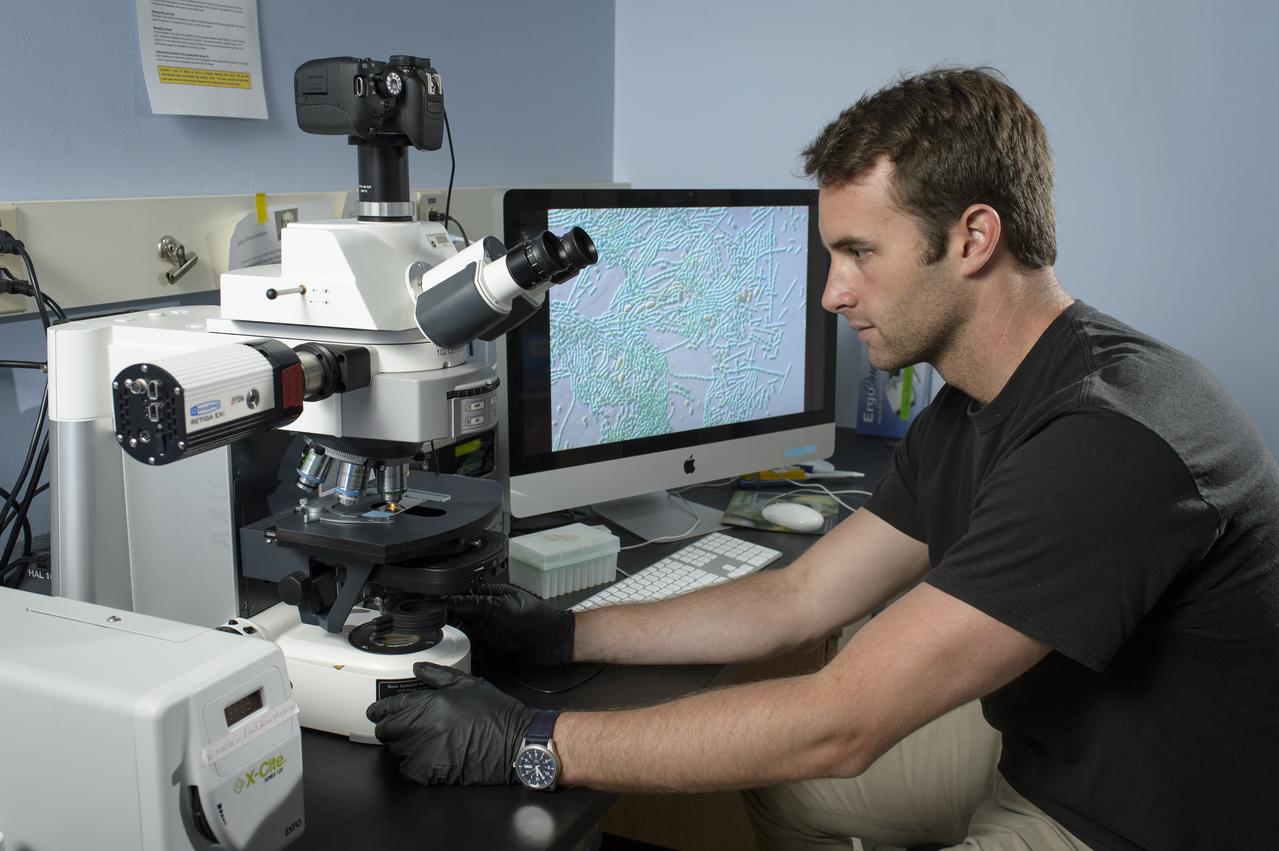
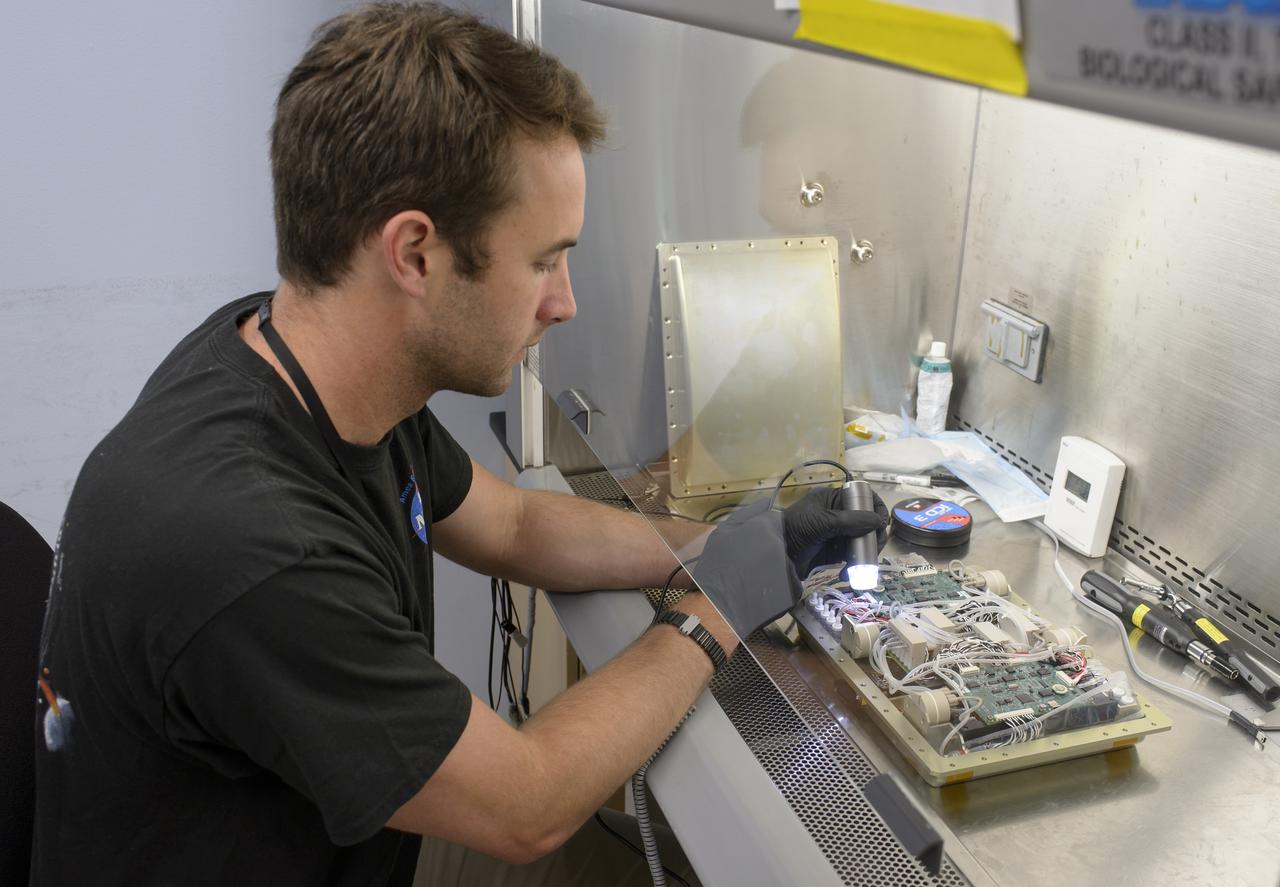
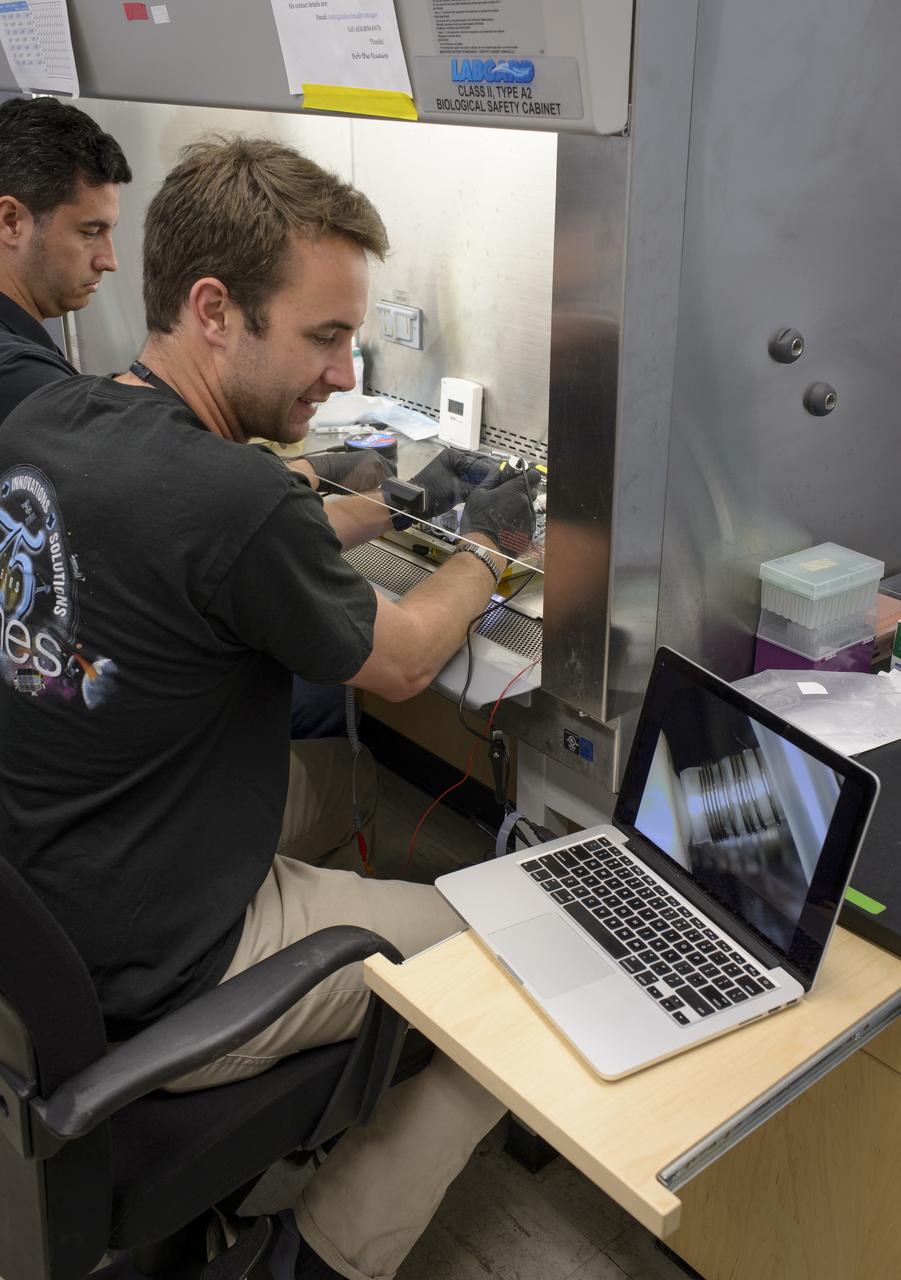
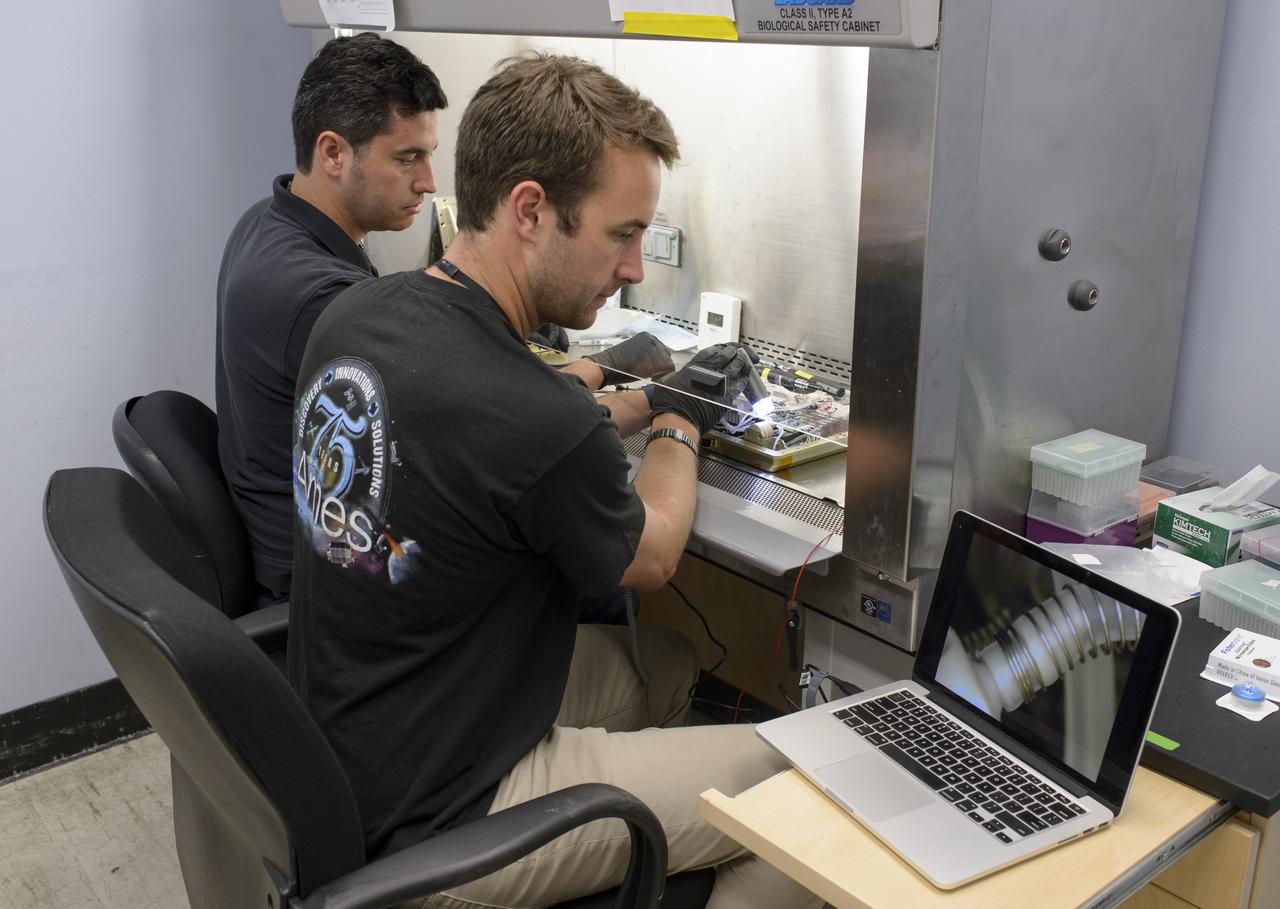
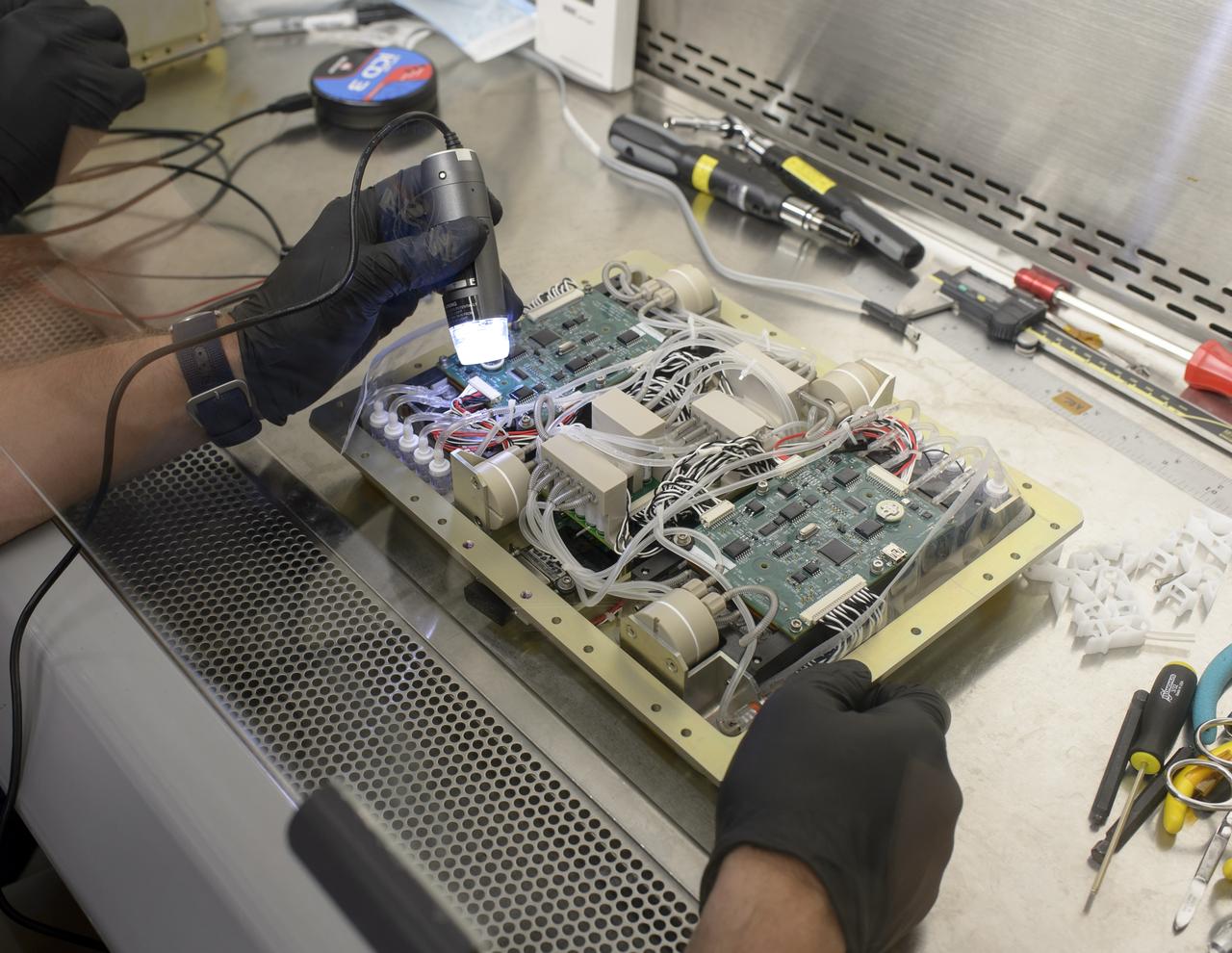
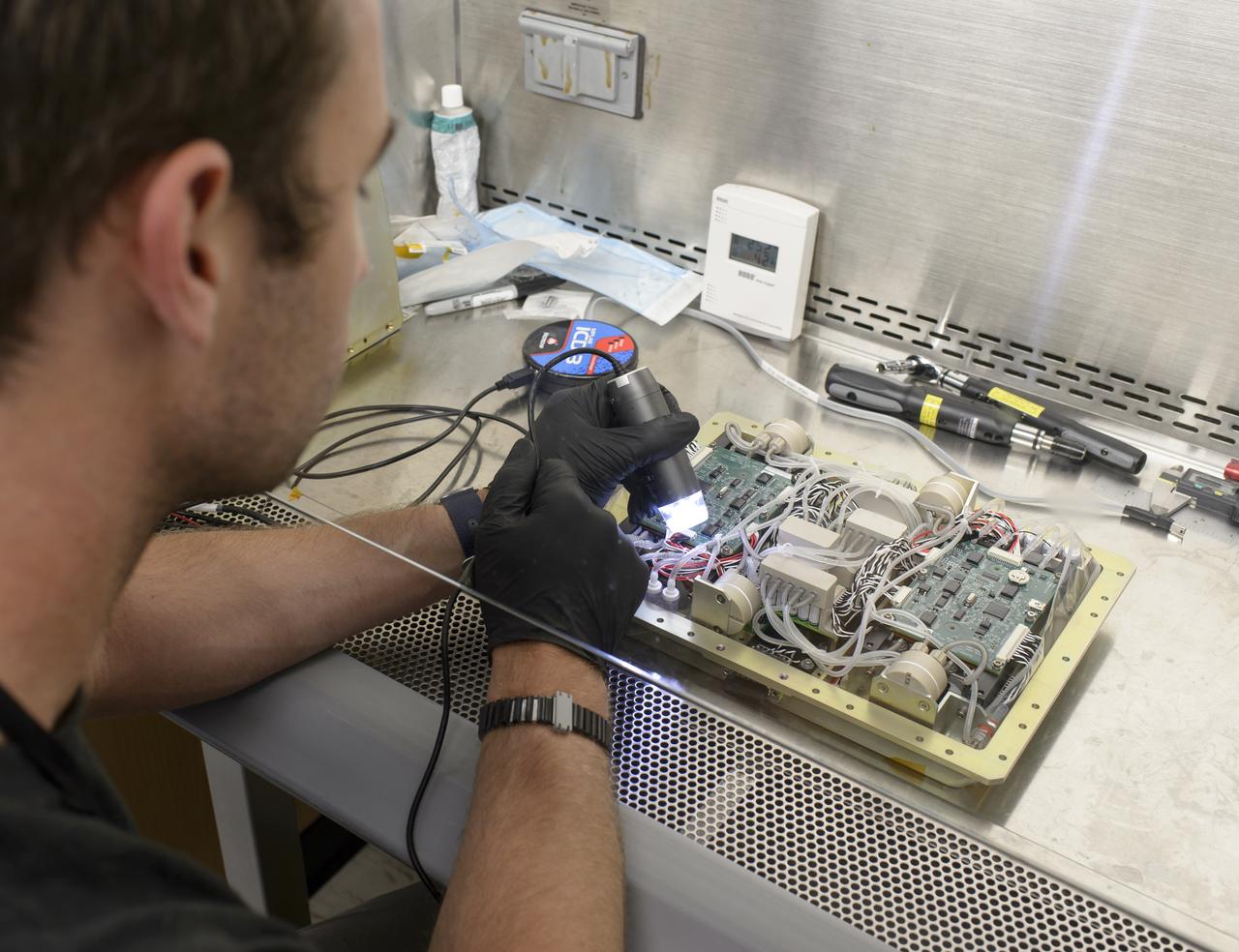
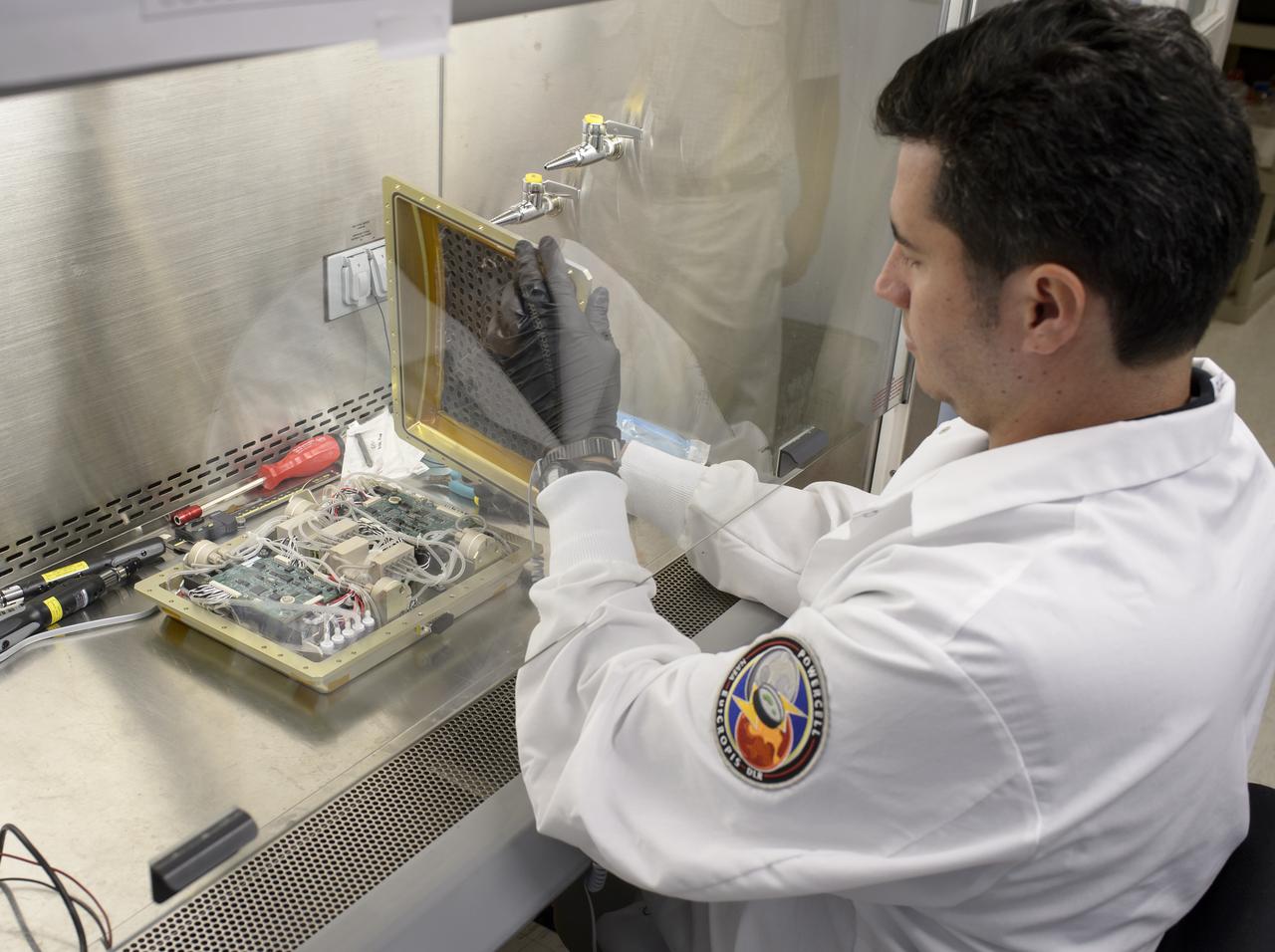
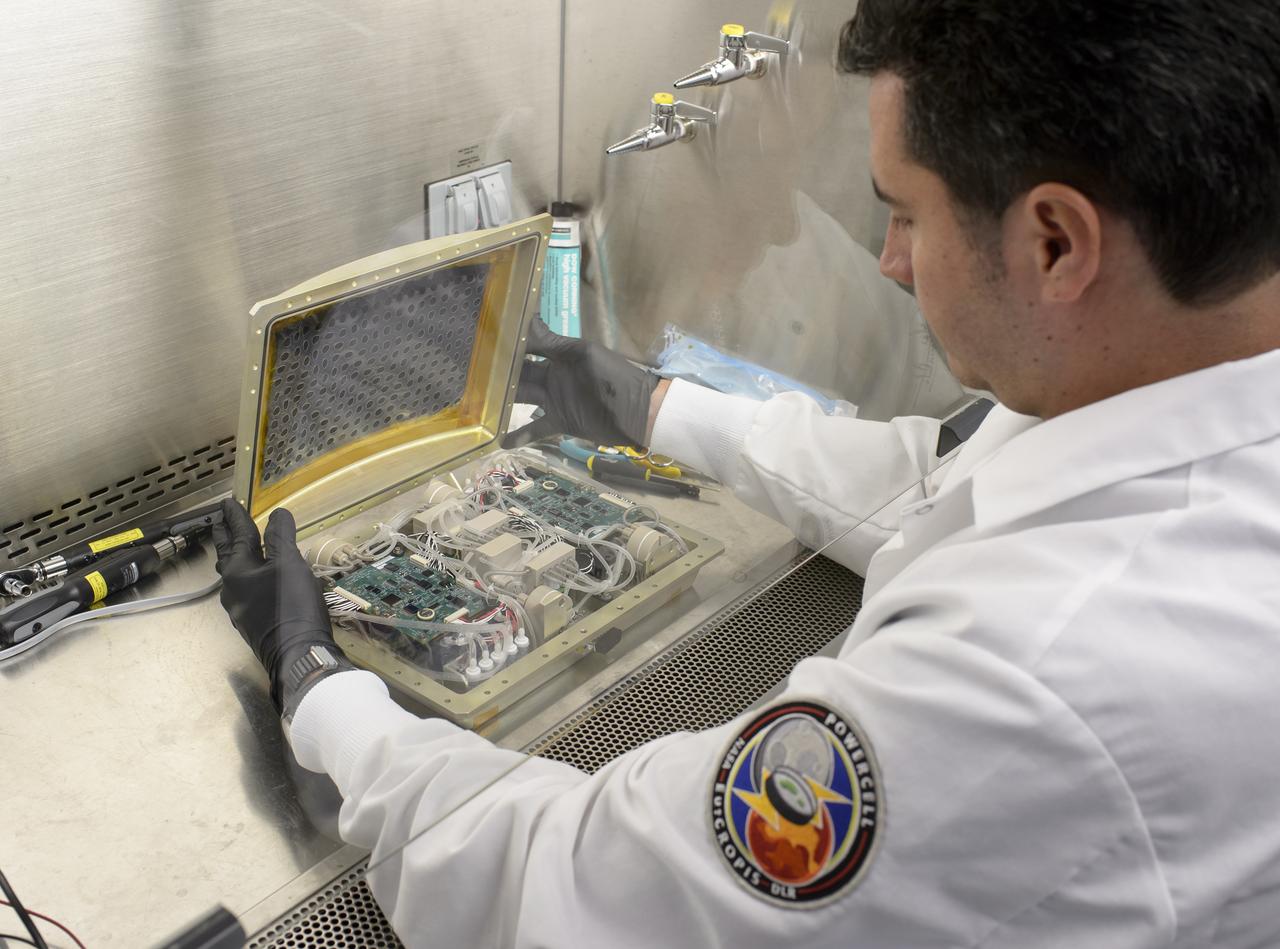
EuCROPIS EVT-2 Power Cell with Ryan Kent at microscope
EuCROPIS EVT-2 Power Cell in N-239 Lab
EuCROPIS EVT-2 Power Cell in N-239 Lab with Griffin McCutcheon
EuCROPIS EVT-2 Power Cell in N-239 Lab
EuCROPIS EVT-2 Power Cell in N-239 Lab with Griffin McCutcheon
EuCROPIS EVT-2 Power Cell in N-239 Lab
EuCROPIS EVT-2 Power Cell in N-239 Lab with Griffin McCutcheon
EuCROPIS EVT-2 Power Cell in N-239 Lab
An engineer works the switch to power on a Boeing CST-100 Starliner spacecraft inside Boeing's Commercial Crew and Cargo Processing Facility at NASA's Kennedy Space Center in Florida. This was the first time "Spacecraft 1," as the individual Starliner is known, was powered up. It is being assembled for use during a pad abort test that will demonstrate the Starliners' ability to lift astronauts out of danger in the unlikely event of an emergency.  Later flight tests will demonstrate Starliners in orbital missions to the station without a crew, and then with astronauts aboard. The flight tests will preview the crew rotation missions future Starliners will perform as they take up to four astronauts at a time to the orbiting laboratory in order to enhance the research taking place there.
Boeing's CST-100 Starliner Test Flight Vehicle Powers on for the
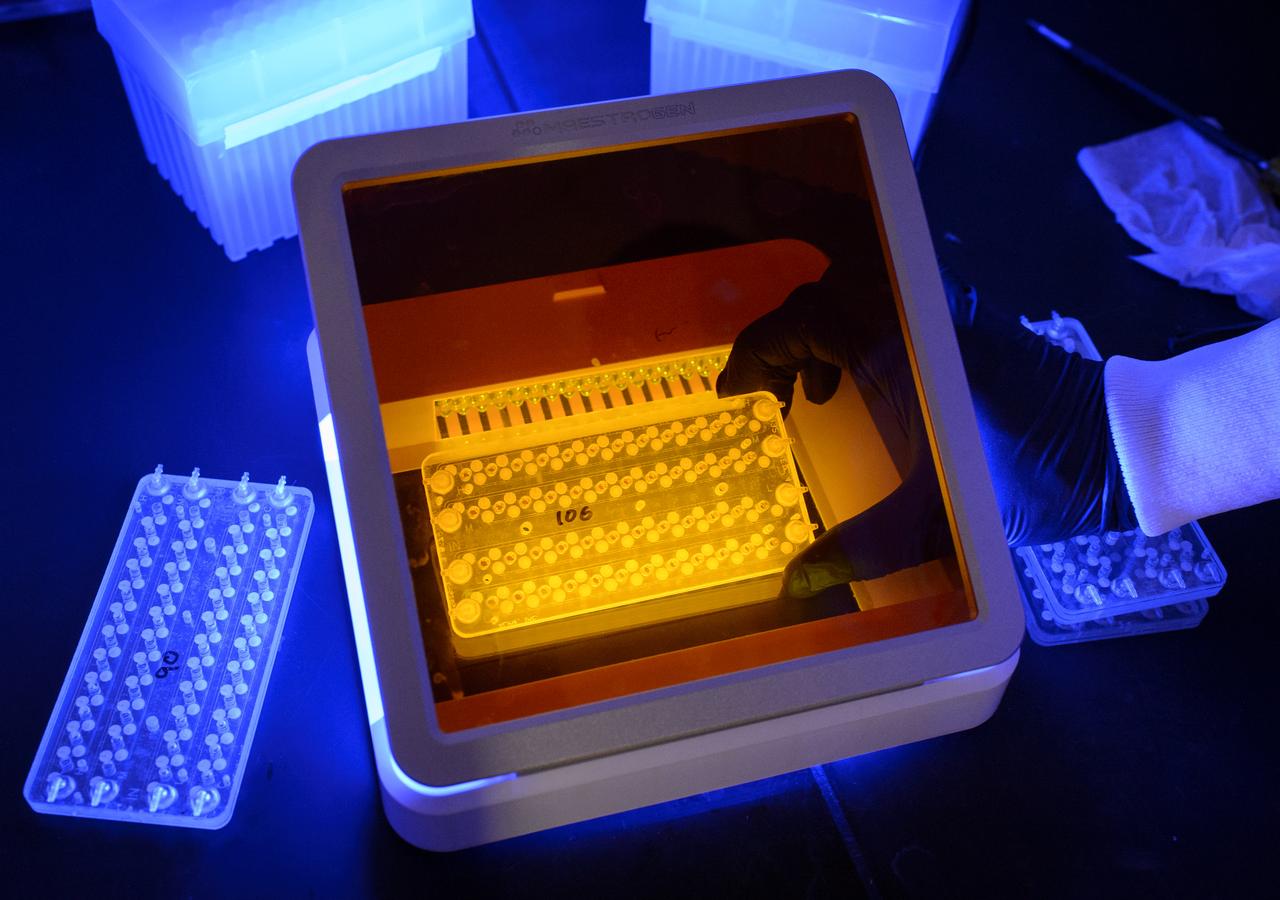
EuCROPIS EVT-2 Power Cell in N-239 Lab showing LED light viewing area
EuCROPIS EVT-2 Power Cell in N-239 Lab
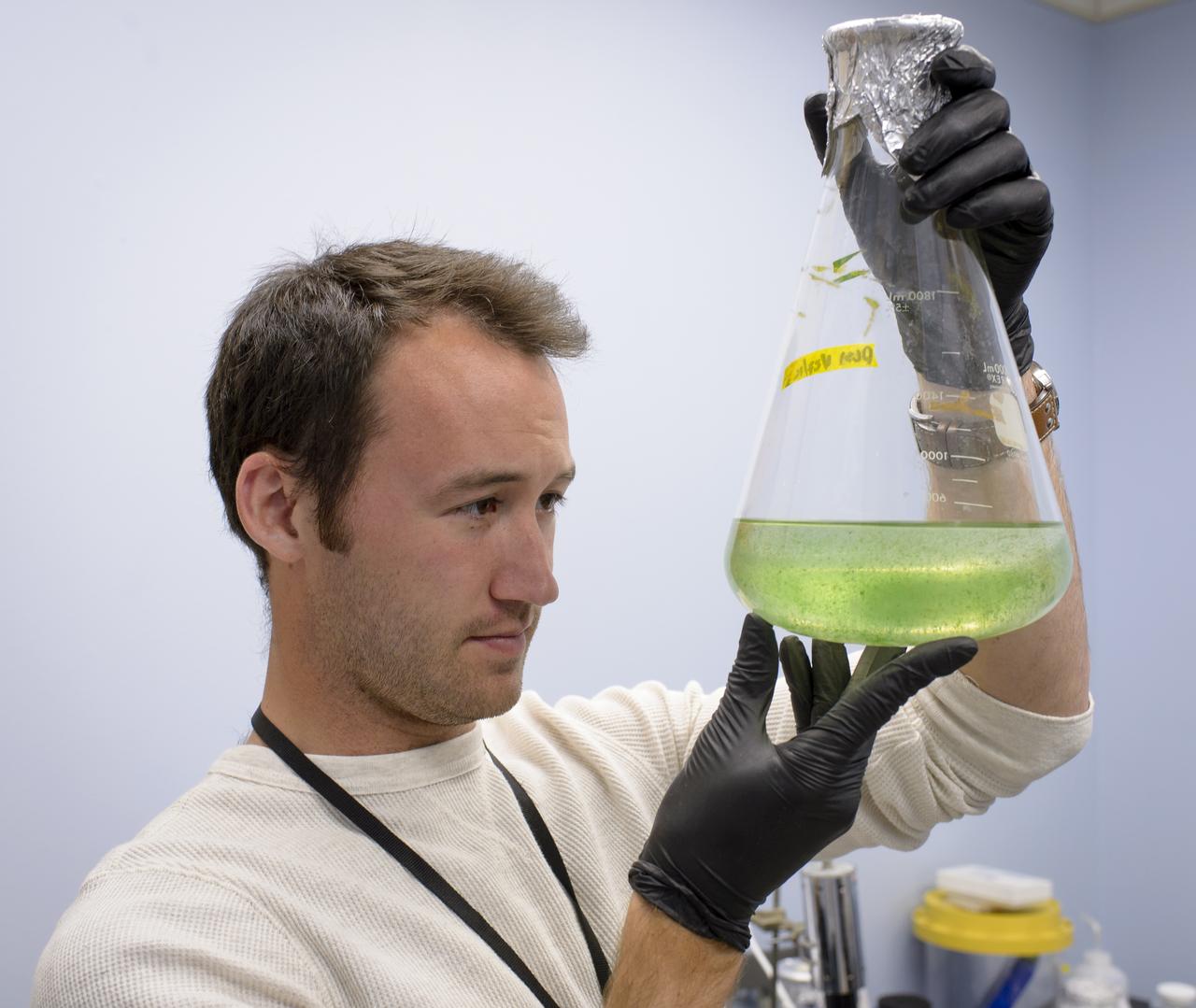
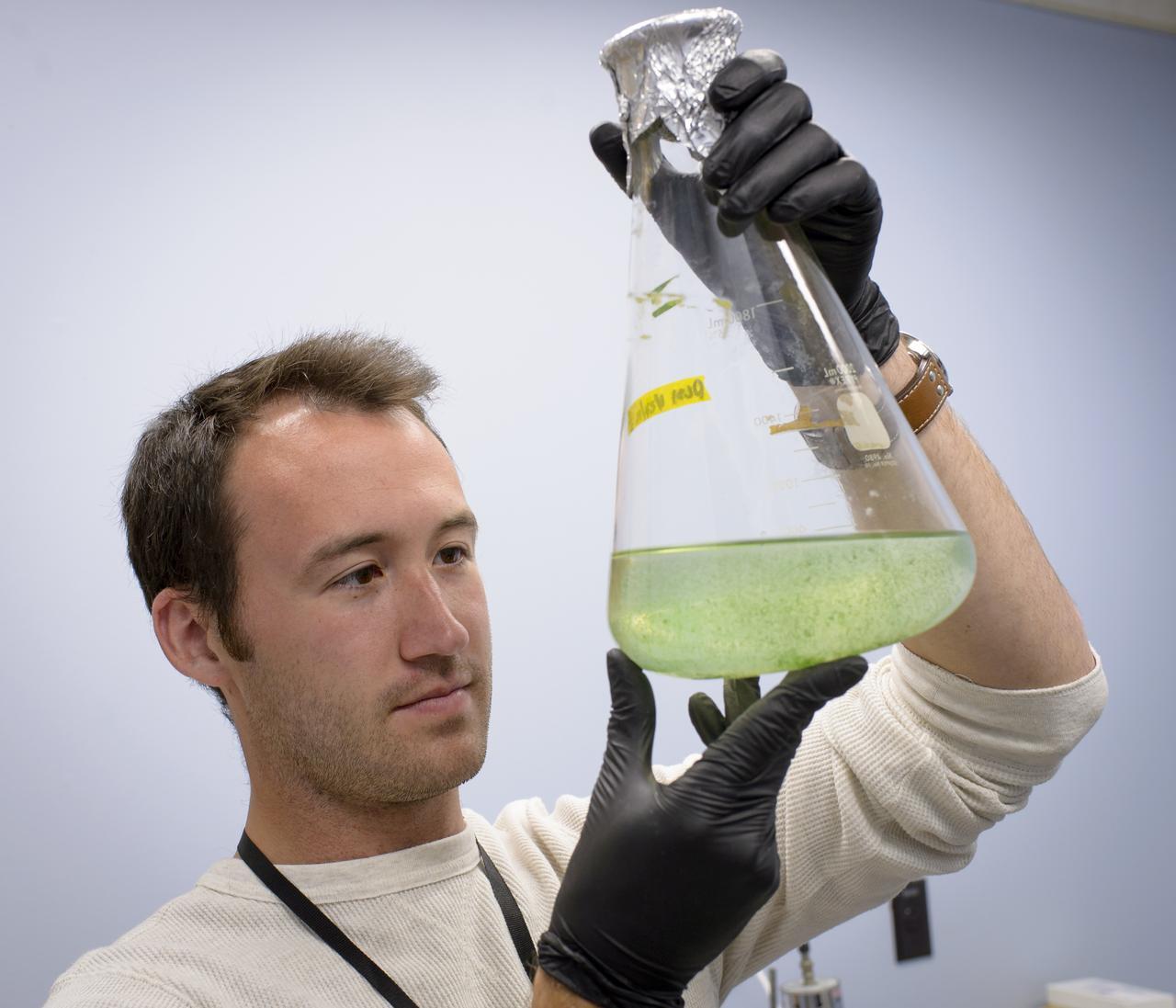
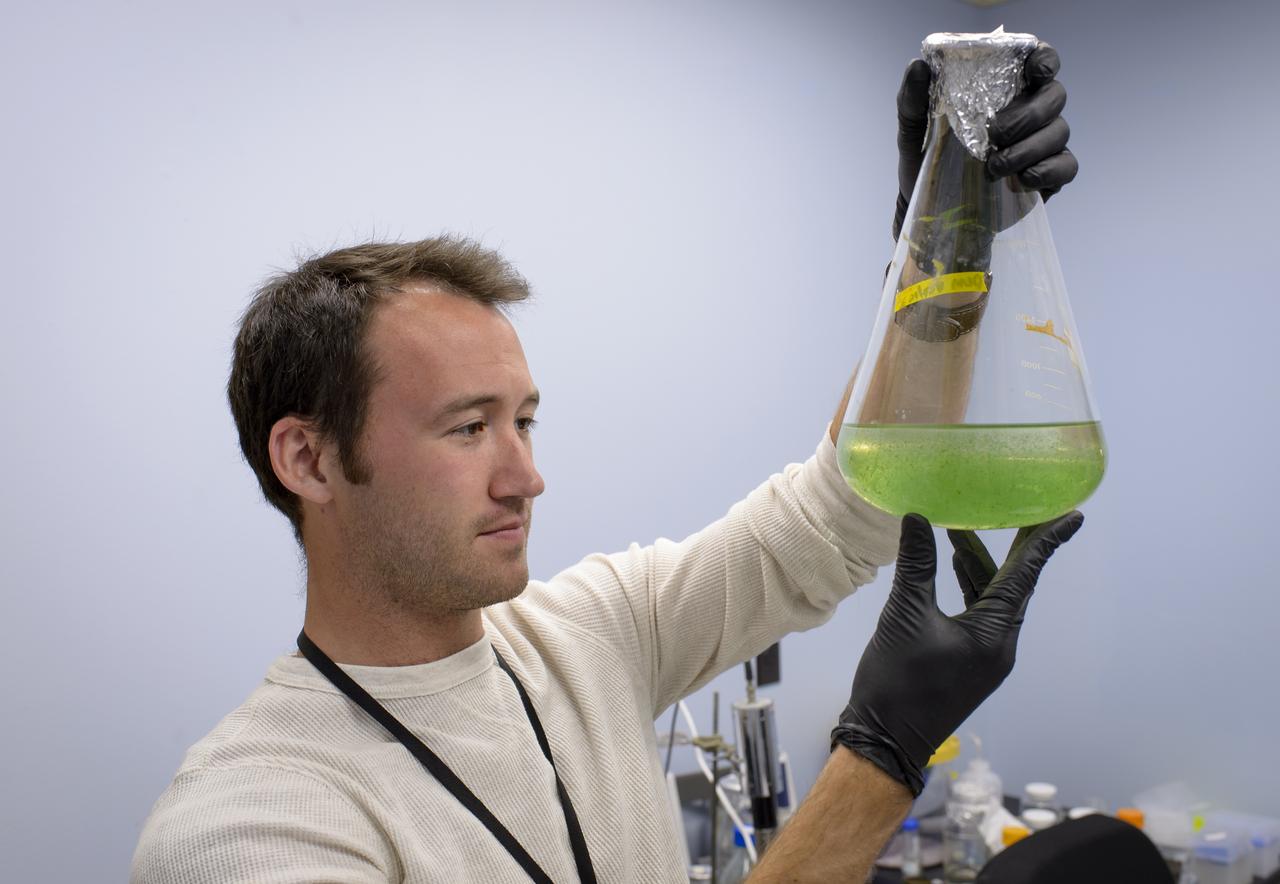
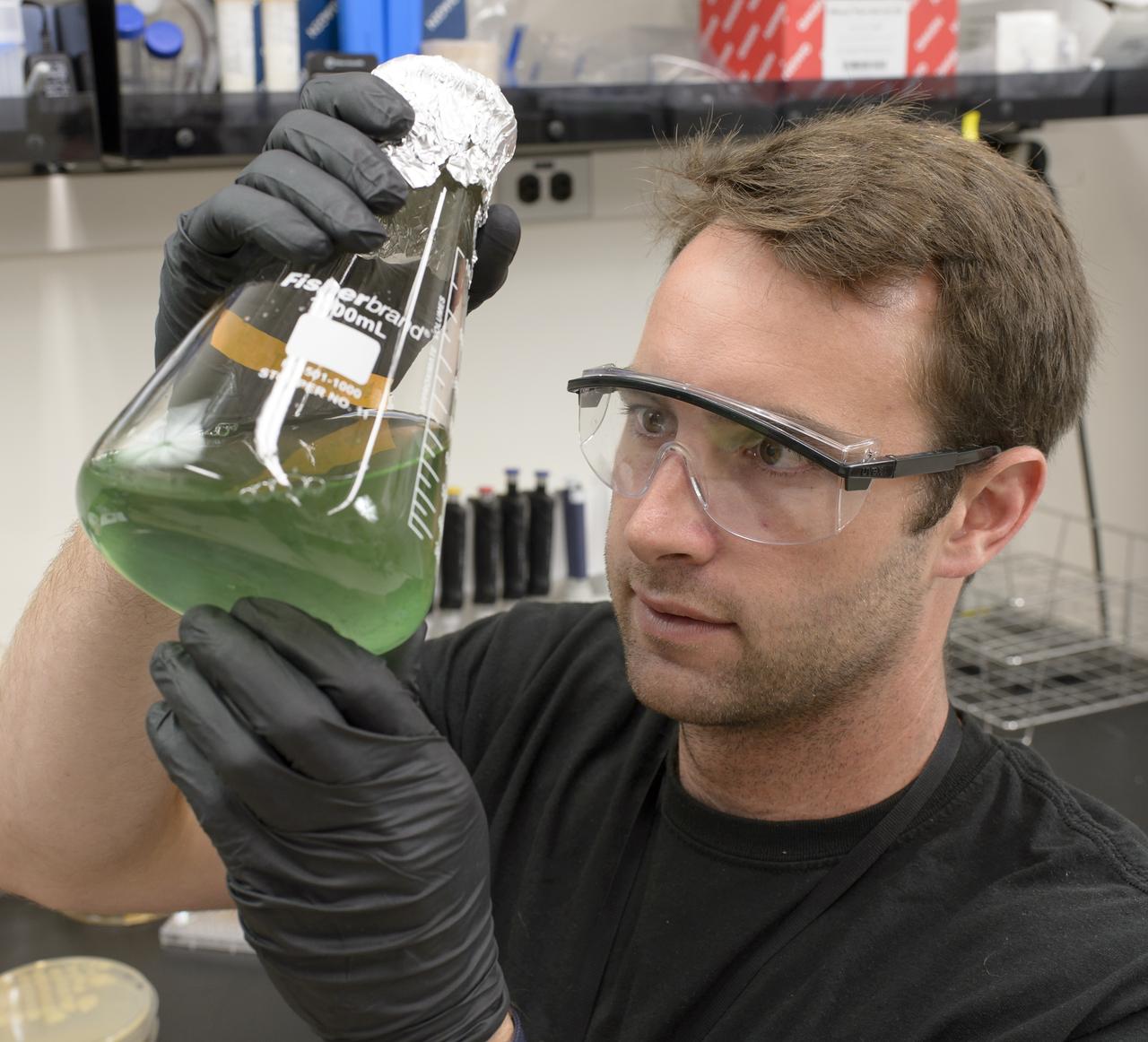
EuCROPIS EVT-2 Power Cell in N-239 Lab Griffin McCutcheon with flask of Anabaena culture
EuCROPIS EVT-2 Power Cell in N-239 Lab
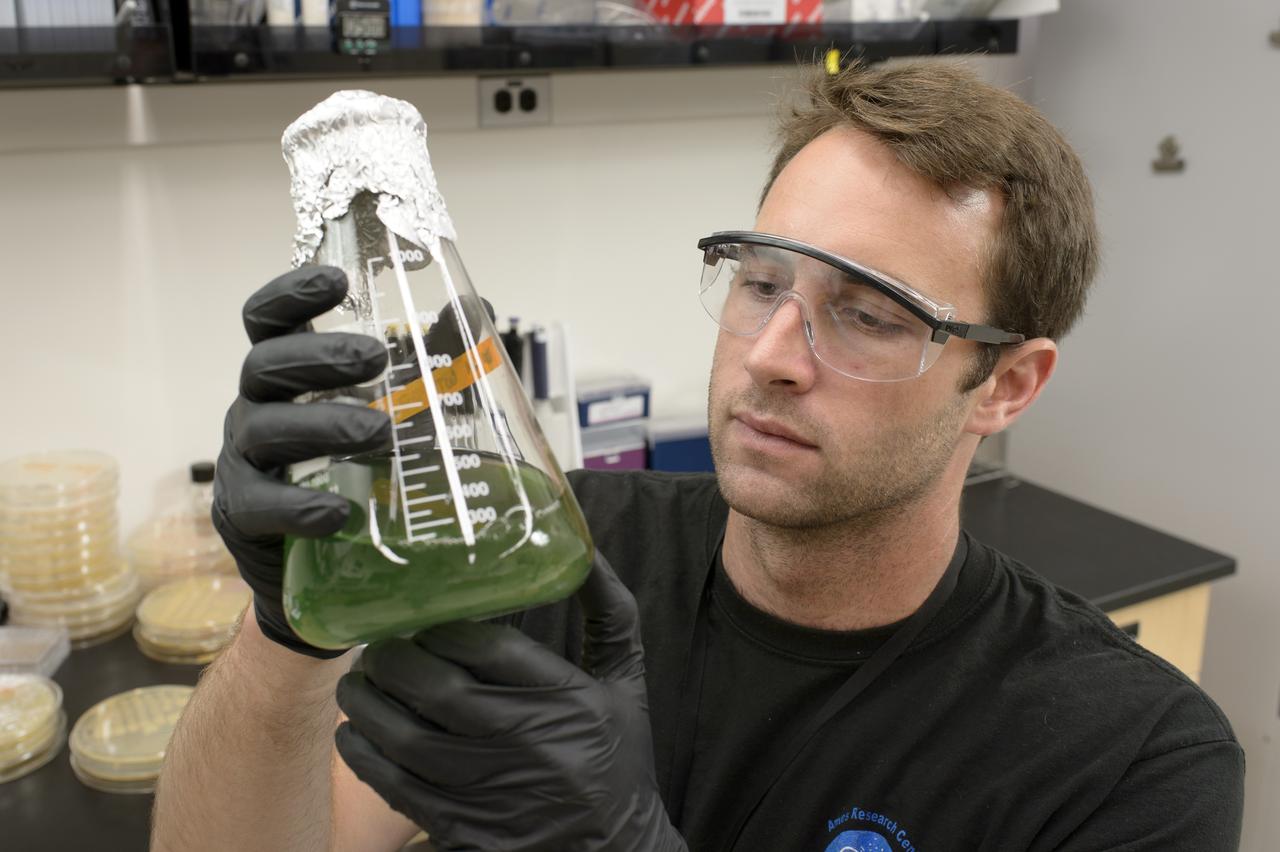
EuCROPIS EVT-2 Power Cell in N-239 Lab Ryan Kent with Flask containing Anabaena Culture
EuCROPIS EVT-2 Power Cell in N-239 Lab
EuCROPIS EVT-2 Power Cell in N-239 Lab Ryan Kent with Flask containing Anabaena Culture
EuCROPIS EVT-2 Power Cell in N-239 Lab
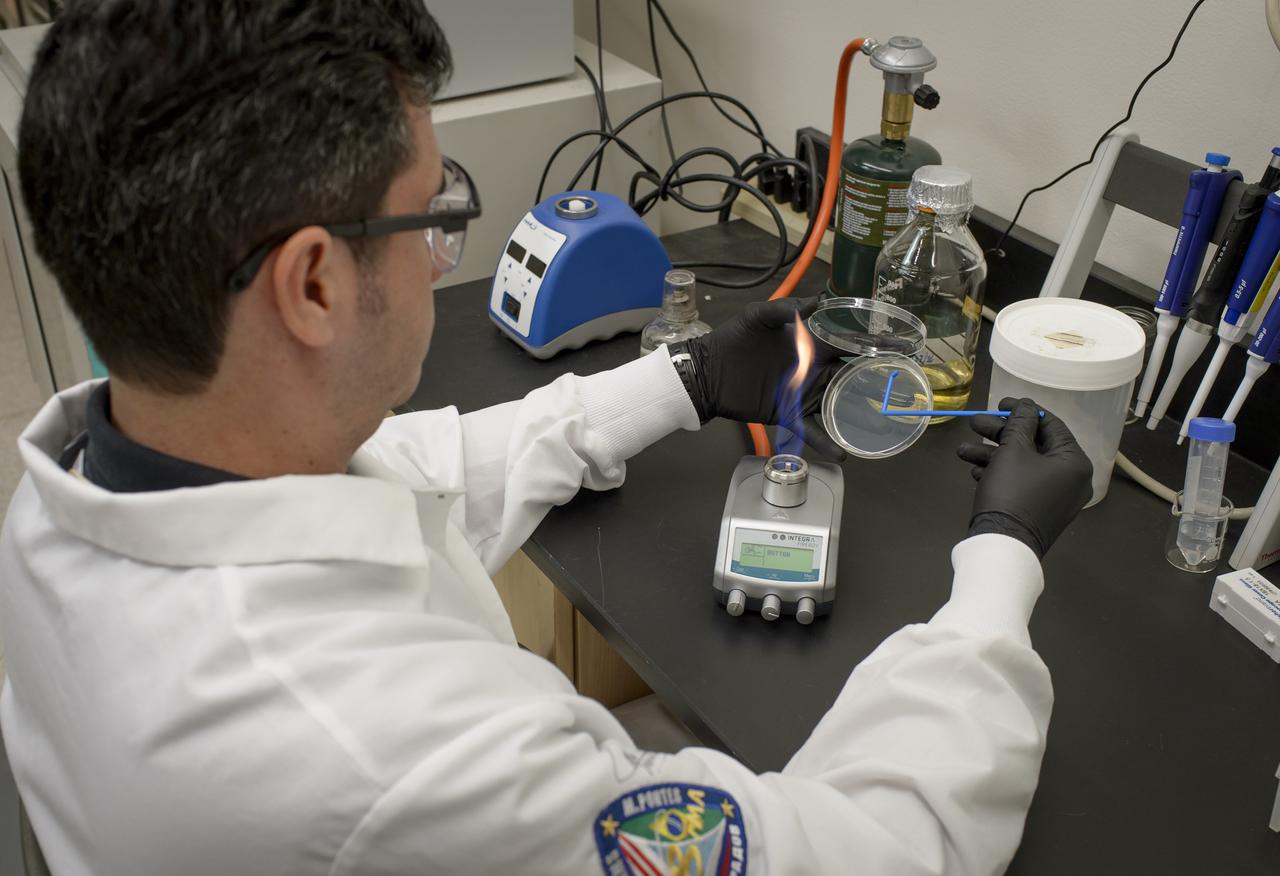
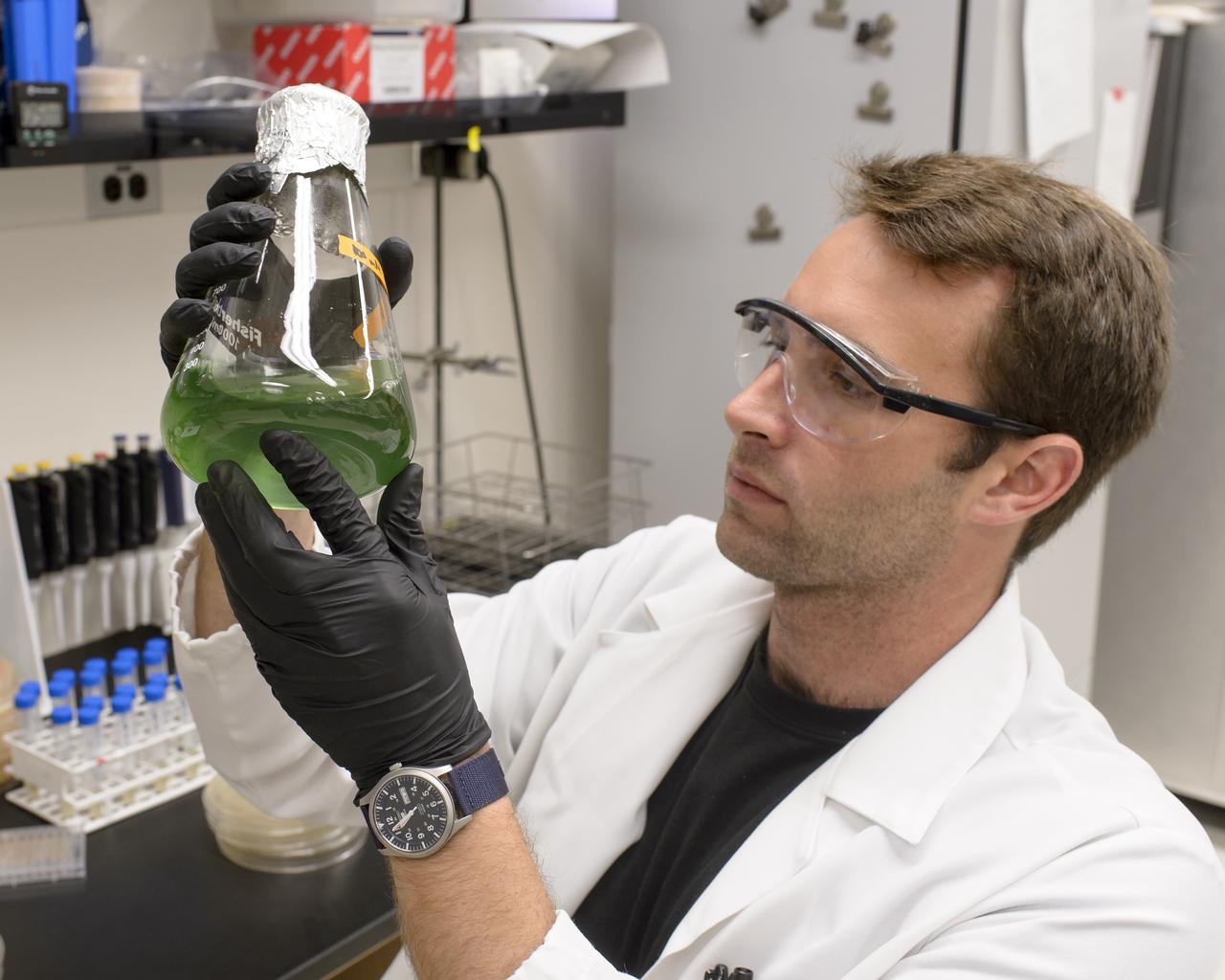
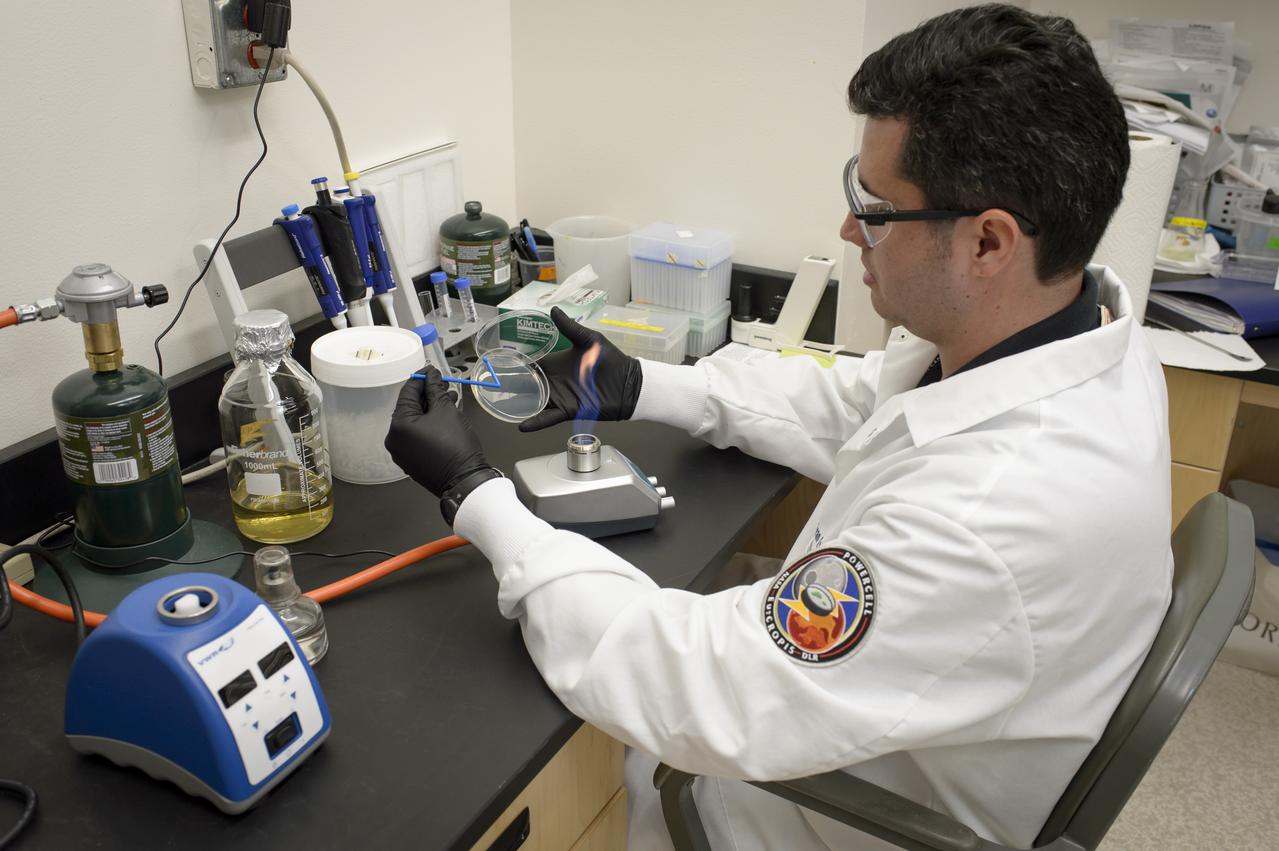
EuCROPIS EVT-2 Power Cell in N-239 Lab, Ivan Paulino-Lima with Petri dish and burner
EuCROPIS EVT-2 Power Cell in N-239 Lab
EuCROPIS EVT-2 Power Cell in N-239 Lab Ryan Kent with Flask containing Anabaena Culture
EuCROPIS EVT-2 Power Cell in N-239 Lab
EuCROPIS EVT-2 Power Cell in N-239 Lab Ryan Kent with Flask containing Anabaena Culture
EuCROPIS EVT-2 Power Cell in N-239 Lab
EuCROPIS EVT-2 Power Cell in N-239 Lab Ryan Kent with Flask containing Anabaena Culture
EuCROPIS EVT-2 Power Cell in N-239 Lab
EuCROPIS EVT-2 Power Cell in N-239 Lab Ryan Kent with Flask containing Anabaena Culture
EuCROPIS EVT-2 Power Cell in N-239 Lab
EuCROPIS EVT-2 Power Cell in N-239 Lab Ryan Kent with Flask containing Anabaena Culture
EuCROPIS EVT-2 Power Cell in N-239 Lab
EuCROPIS EVT-2 Power Cell in N-239 Lab Griffin McCutcheon with flask of Anabaena culture
EuCROPIS EVT-2 Power Cell in N-239 Lab
EuCROPIS EVT-2 Power Cell in N-239 Lab Ryan Kent with Flask containing Anabaena Culture
EuCROPIS EVT-2 Power Cell in N-239 Lab
EuCROPIS EVT-2 Power Cell in N-239 Lab, Ivan Paulino-Lima with Petri dish and burner
EuCROPIS EVT-2 Power Cell in N-239 Lab
EuCROPIS EVT-2 Power Cell in N-239 Lab Ryan Kent with Flask containing Anabaena Culture
EuCROPIS EVT-2 Power Cell in N-239 Lab
EuCROPIS EVT-2 Power Cell in N-239 Lab Griffin McCutcheon with flask of Anabaena culture
EuCROPIS EVT-2 Power Cell in N-239 Lab
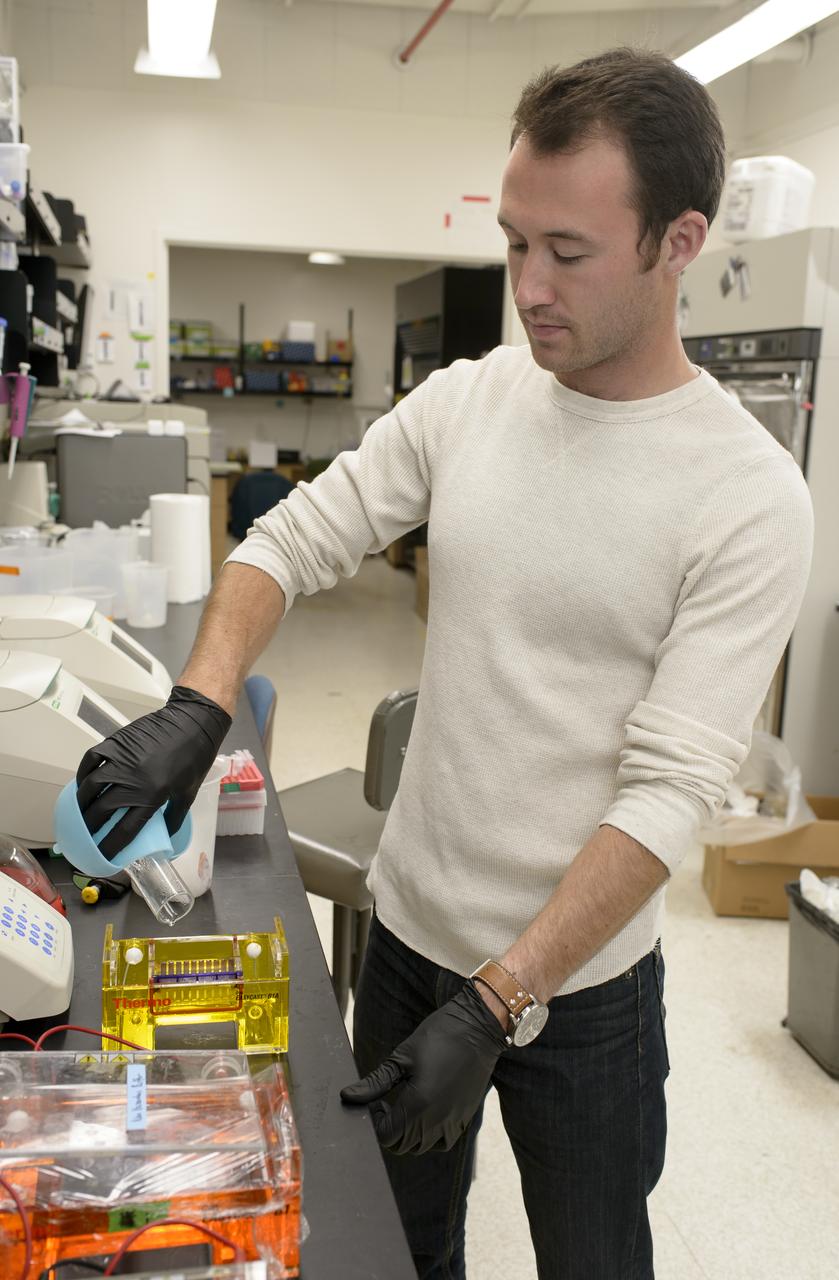
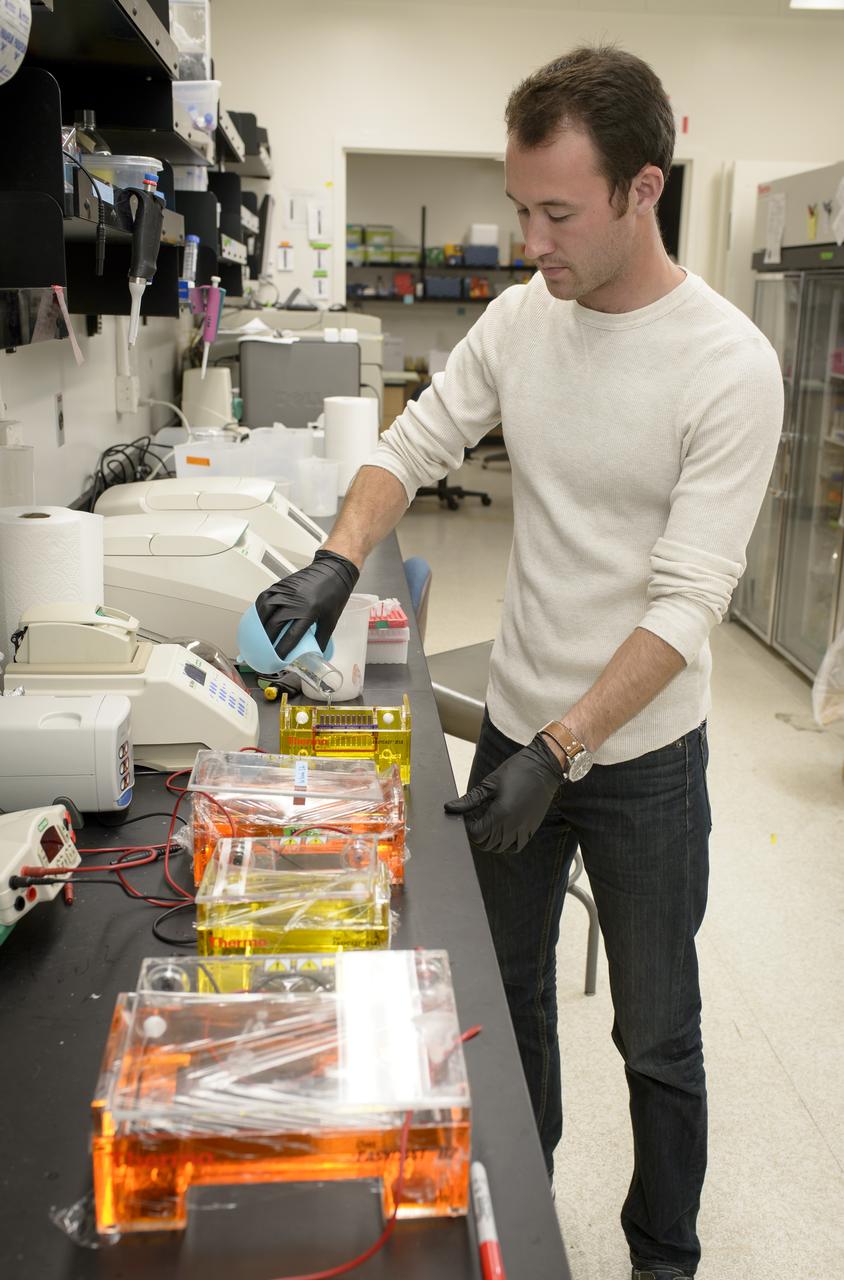
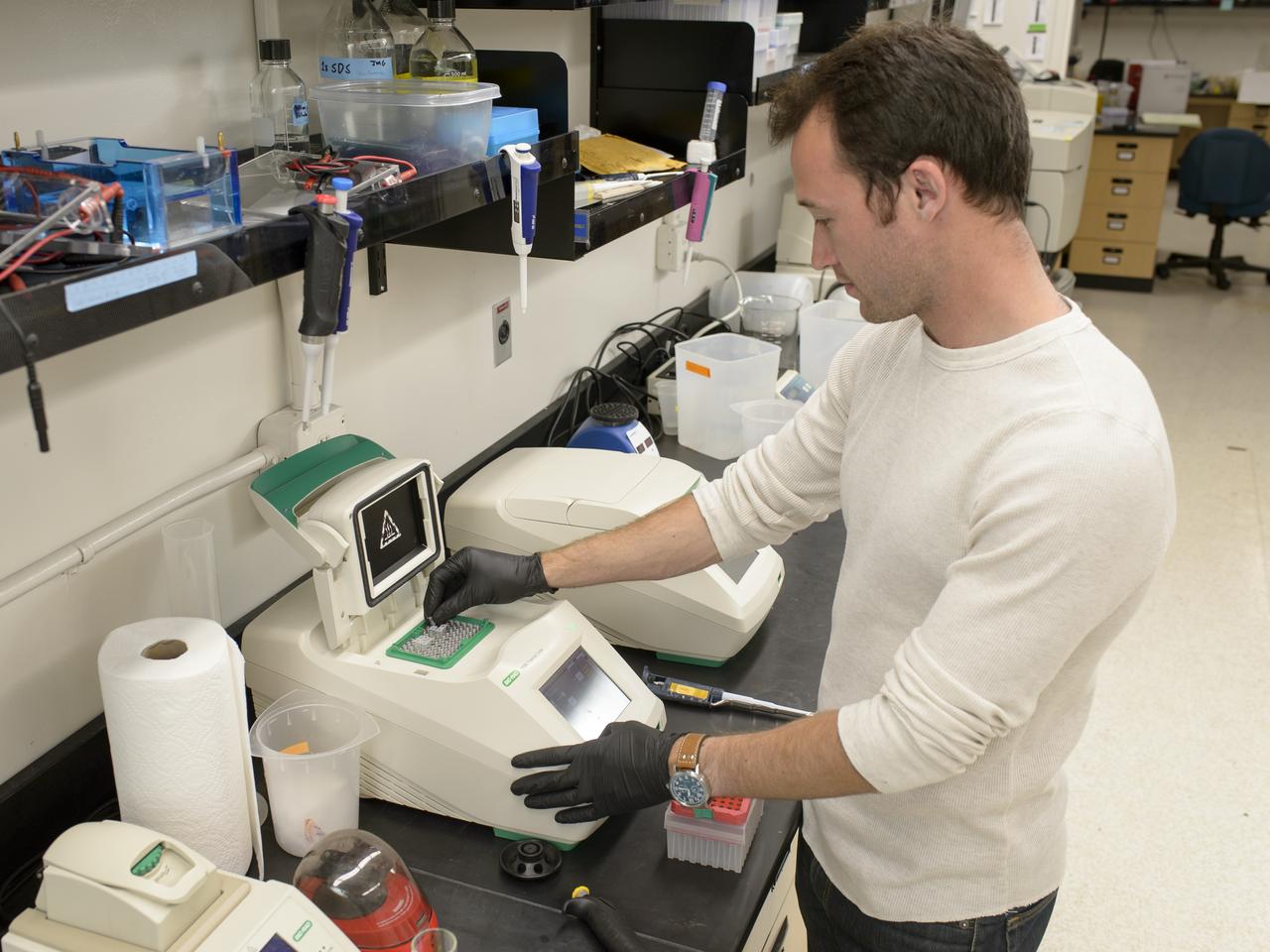
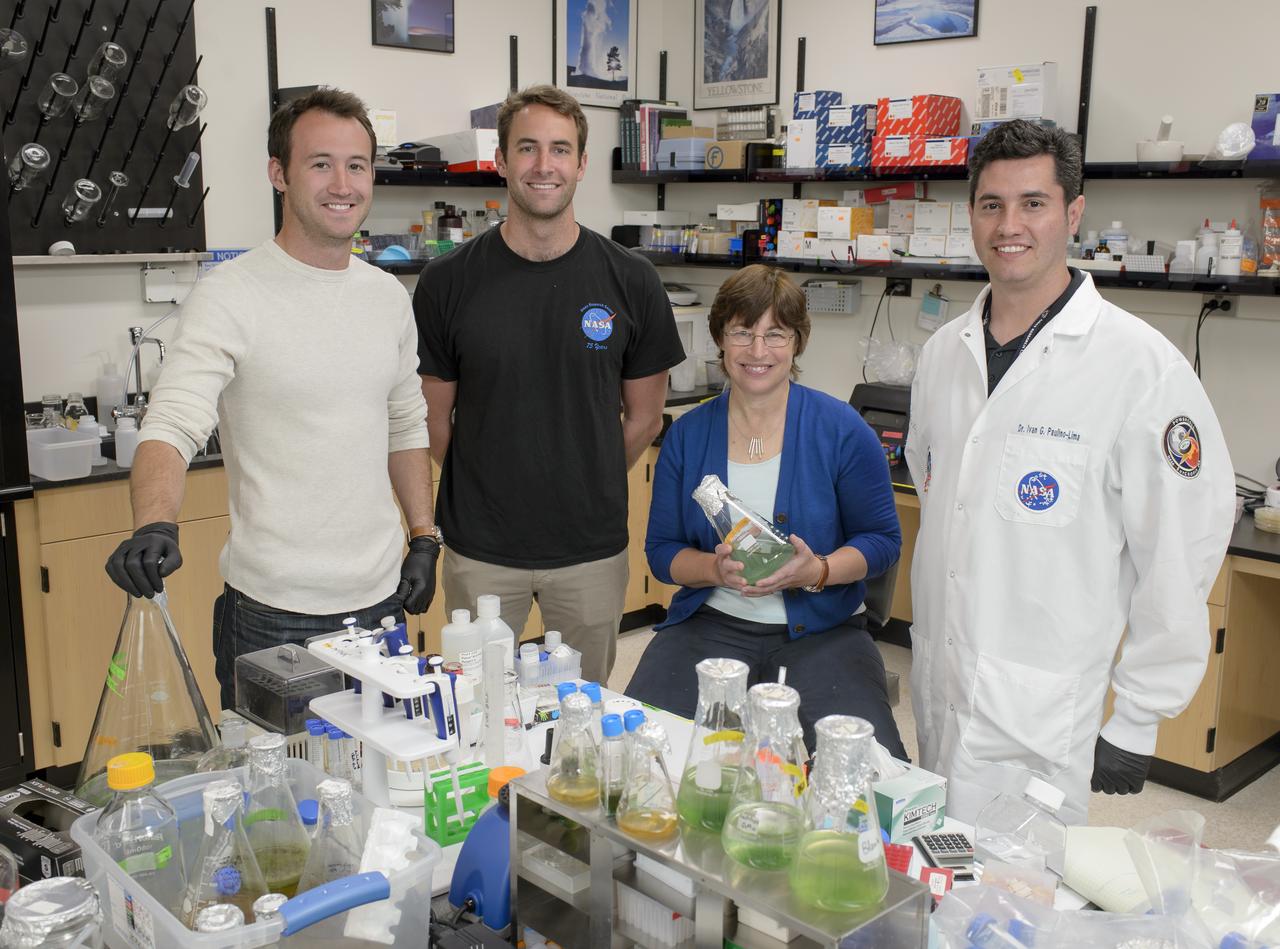
EuCROPIS EVT-2 Power Cell team in N-239 Lab from left to right Griffin McCutcheon, Ryan Kent, Lynn Rothchild project P.I. and Ivan Paulino-Lima
EuCROPIS EVT-2 Power Cell in N-239 Lab
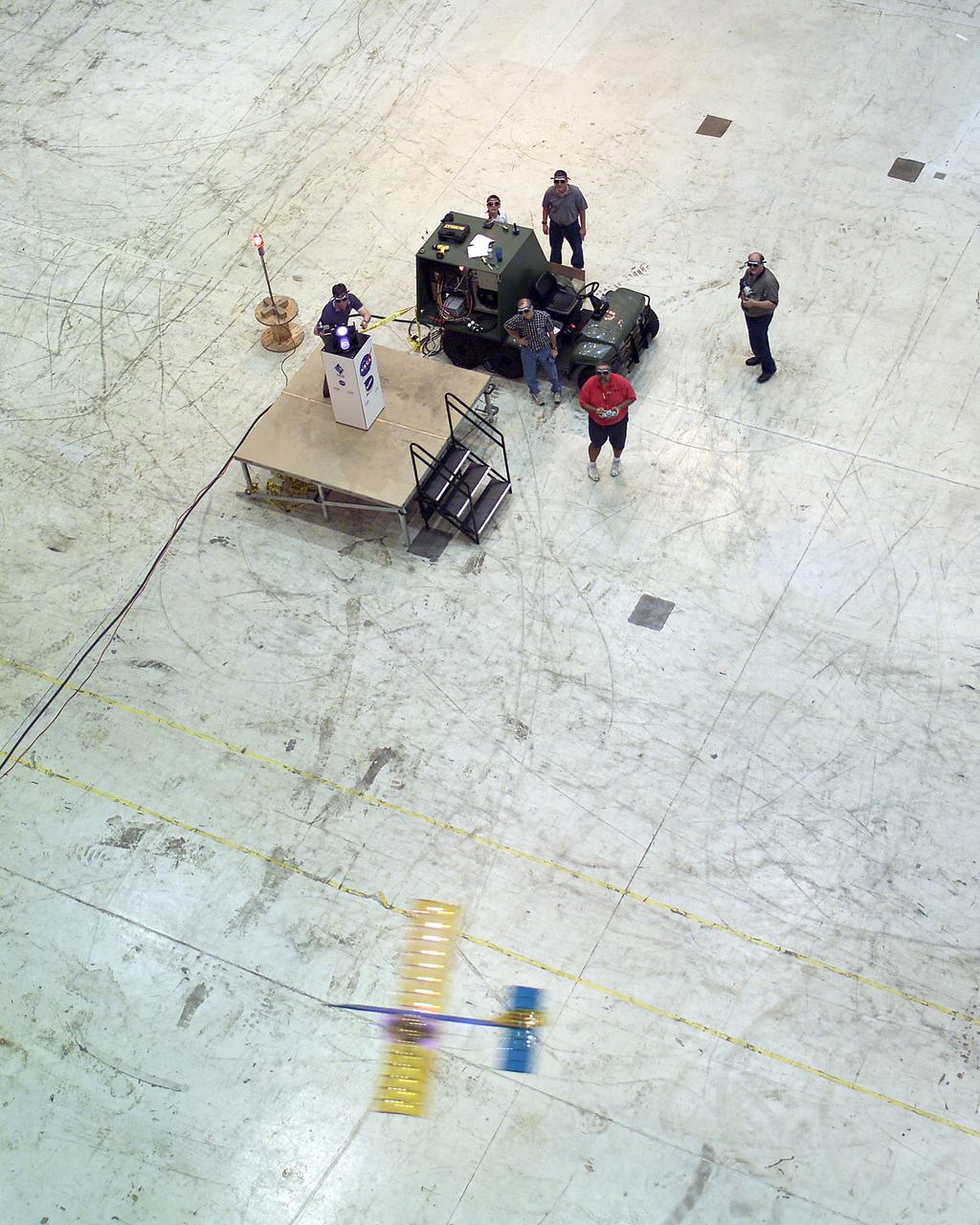
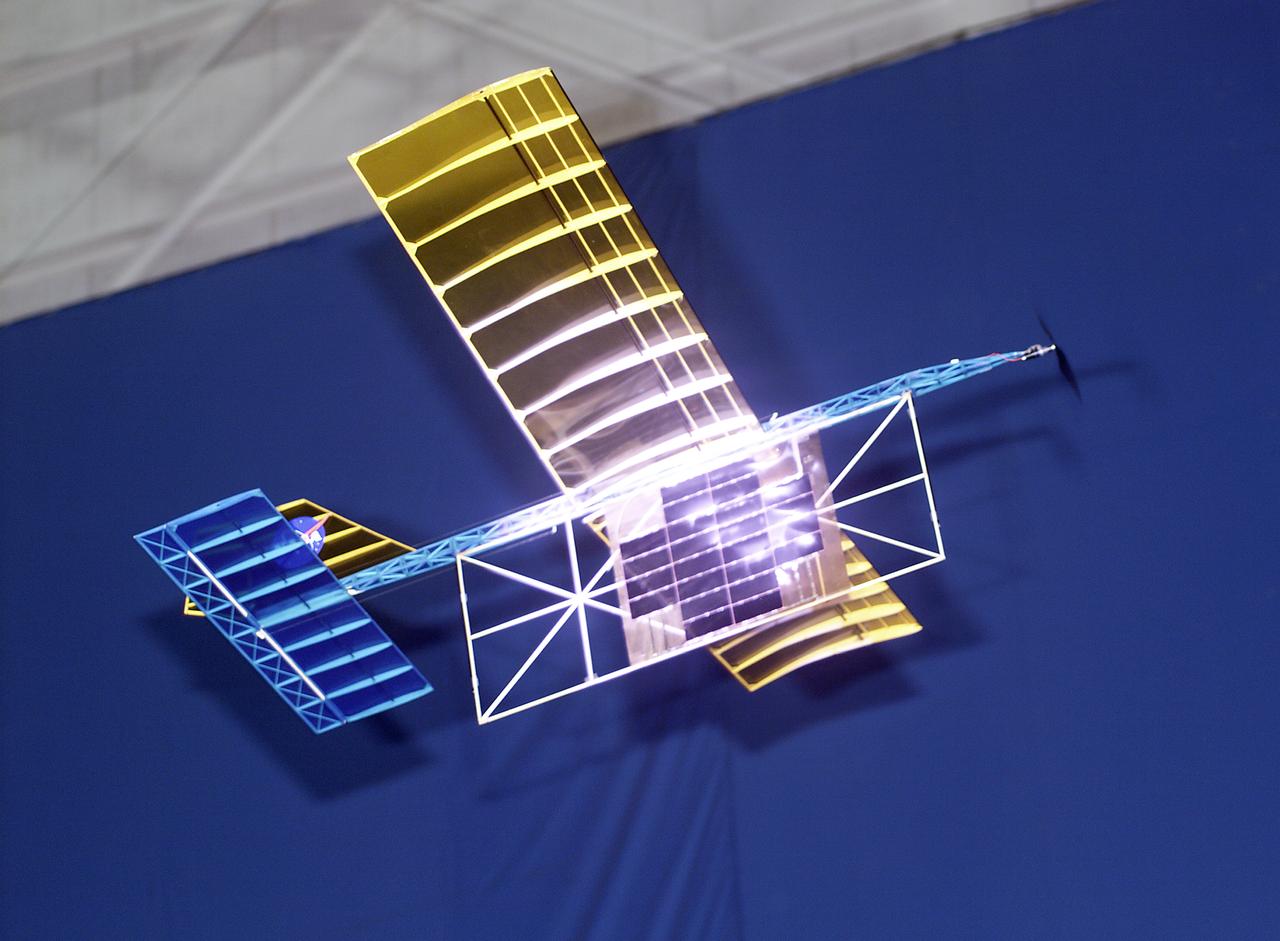
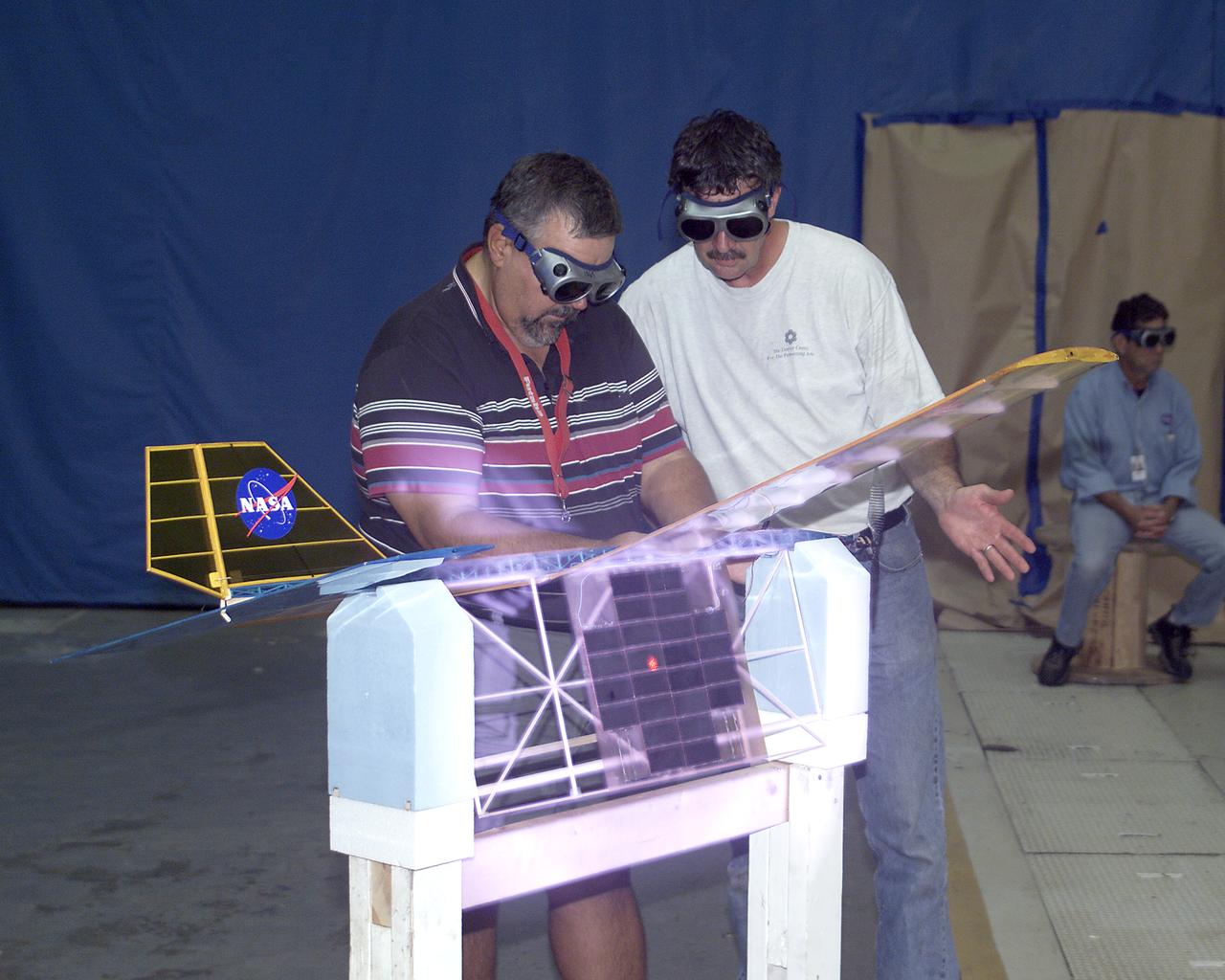
Powered by a laser beam directed at it from a center pedestal, a lightweight model plane makes the first flight of an aircraft powered by laser energy inside a building at NASA's Marshall Space Flight Center.
Powered by a laser beam directed at it from a pedestal, a model plane makes the first flight of an aircraft powered by laser energy inside a building at NASA Marshall.
EuCROPIS EVT-2 Power Cell in N-239 Lab with Ryan Kent
EuCROPIS EVT-2 Power Cell in N-239 Lab
An engineer monitors a Boeing CST-100 Starliner spacecraft inside Boeing's Commercial Crew and Cargo Processing Facility at NASA's Kennedy Space Center in Florida. This was the first time "Spacecraft 1," as the individual Starliner is known, was powered up. It is being assembled for use during a pad abort test that will demonstrate the Starliners' ability to lift astronauts out of danger in the unlikely event of an emergency.  Later flight tests will demonstrate Starliners in orbital missions to the station without a crew, and then with astronauts aboard. The flight tests will preview the crew rotation missions future Starliners will perform as they take up to four astronauts at a time to the orbiting laboratory in order to enhance the research taking place there
Boeing's CST-100 Starliner Test Flight Vehicle Powers on for the
EuCROPIS EVT-2 Power Cell in N-239 Lab with Ivan Paulino-Lima
EuCROPIS EVT-2 Power Cell in N-239 Lab
EuCROPIS EVT-2 Power Cell in N-239 Lab with Ivan Paulino-Lima
EuCROPIS EVT-2 Power Cell in N-239 Lab
EuCROPIS EVT-2 Power Cell in N-239 Lab with Ivan Paulino-Lima
EuCROPIS EVT-2 Power Cell in N-239 Lab
EuCROPIS EVT-2 Power Cell in N-239 Lab with Ivan Paulino-Lima
EuCROPIS EVT-2 Power Cell in N-239 Lab
EuCROPIS EVT-2 Power Cell in N-239 Lab with Ivan Paulino-Lima
EuCROPIS EVT-2 Power Cell in N-239 Lab
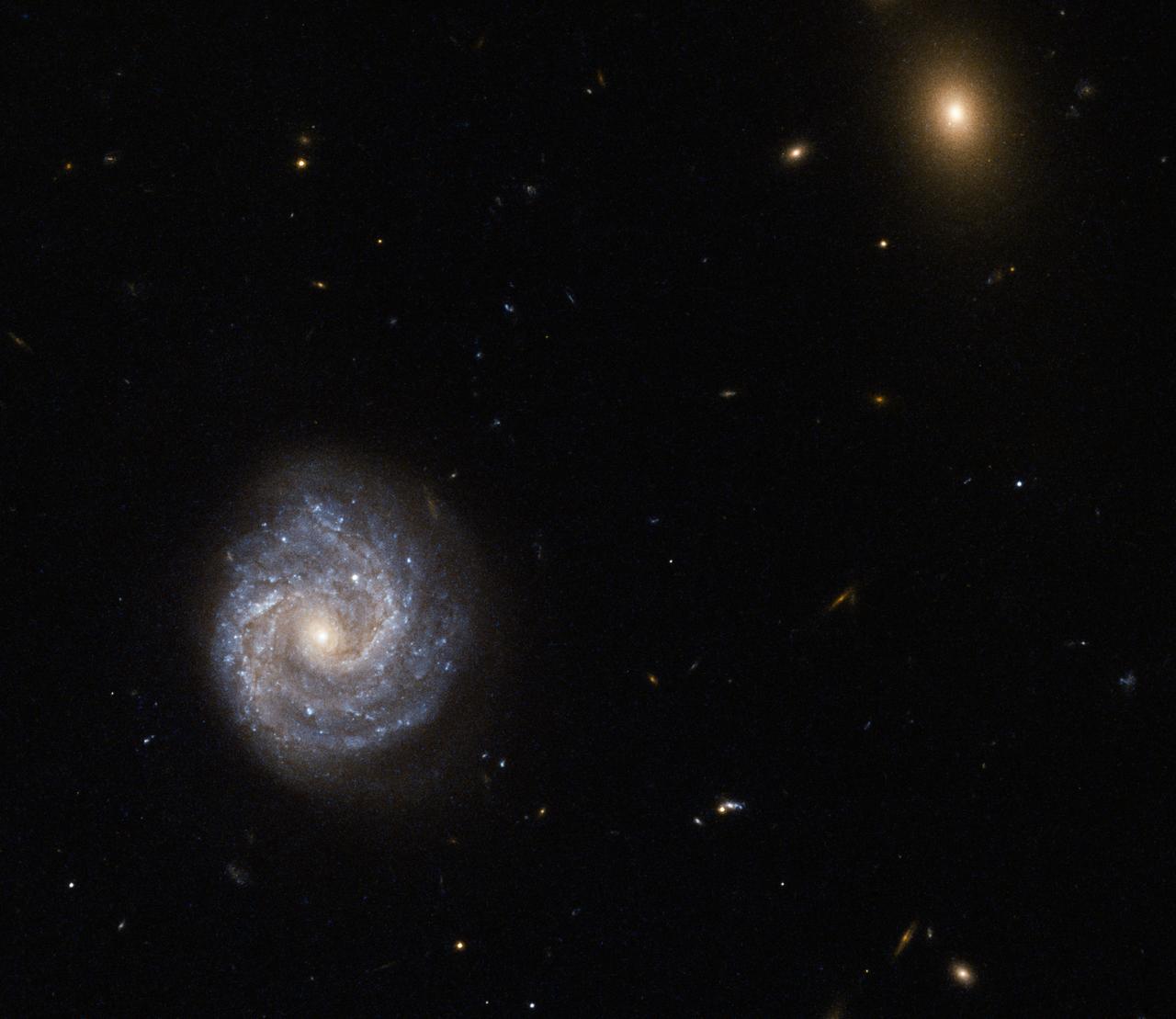
Not all galaxies have the luxury of possessing a simple moniker or quirky nickname.   This impressive galaxy imaged by the NASA/ESA Hubble Space Telescope is one of the unlucky ones, and goes by a name that looks more like a password for a computer:  2XMM J143450.5+033843.  Such a name may seem like a random jumble of numbers and letters, but like all galactic epithets it has a distinct meaning. This galaxy, for example, was detected and observed as part of the second X-ray sky survey performed by ESA’s XMM-Newton Observatory. Its celestial coordinates form the rest of the bulky name, following the “J”: a right ascension value of 14h (hours) 34m (minutes) 50.5s (seconds). This can be likened to terrestrial longitude. It also has a declination of +03d (degrees) 38m (minutes) 43s (seconds). Declination can be likened to terrestrial latitude. The other fuzzy object in the frame was named in the same way — it is a bright galaxy named 2XMM J143448.3+033749.  2XMM J143450.5+033843 lies nearly 400 million light-years away from Earth. It is a Seyfert galaxy that is dominated by something known as an Active Galactic Nucleus — its core is thought to contain a supermassive black hole that is emitting huge amounts of radiation, pouring energetic X-rays out into the Universe.  Photo credit: ESA/Hubble &amp; NASA  <b><a href="http://www.nasa.gov/audience/formedia/features/MP_Photo_Guidelines.html" rel="nofollow">NASA image use policy.</a></b>  <b><a href="http://www.nasa.gov/centers/goddard/home/index.html" rel="nofollow">NASA Goddard Space Flight Center</a></b> enables NASA’s mission through four scientific endeavors: Earth Science, Heliophysics, Solar System Exploration, and Astrophysics. Goddard plays a leading role in NASA’s accomplishments by contributing compelling scientific knowledge to advance the Agency’s mission.  <b>Follow us on <a href="http://twitter.com/NASAGoddardPix" rel="nofollow">Twitter</a></b>  <b>Like us on <a href="http://www.facebook.com/pages/Greenbelt-MD/NASA-Goddard/395013845897?ref=tsd" rel="nofollow">Facebook</a></b>  <b>Find us on <a href="http://instagrid.me/nasagoddard/?vm=grid" rel="nofollow">Instagram</a></b>
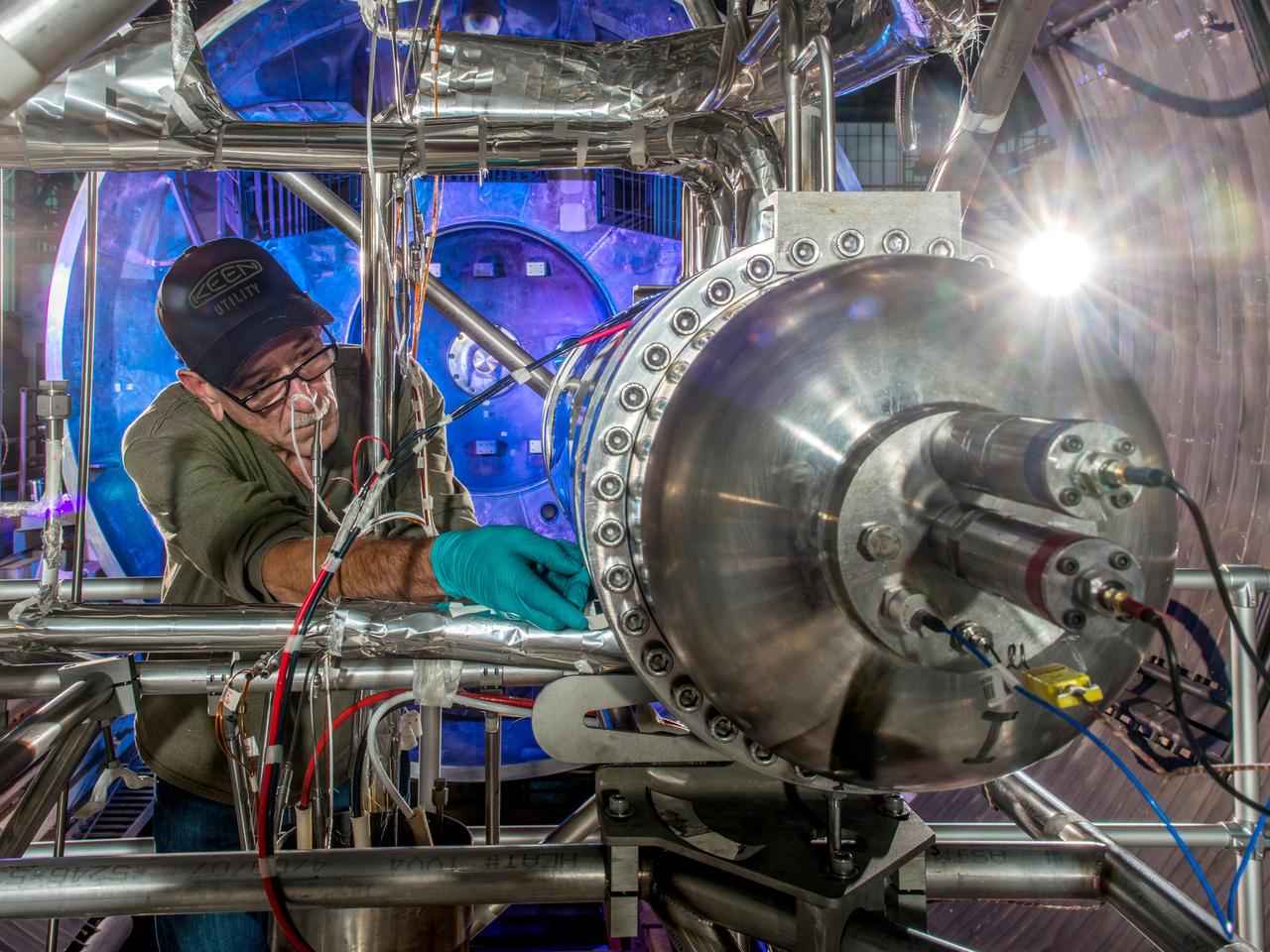
Hubble Eyes a Powerful Galaxy
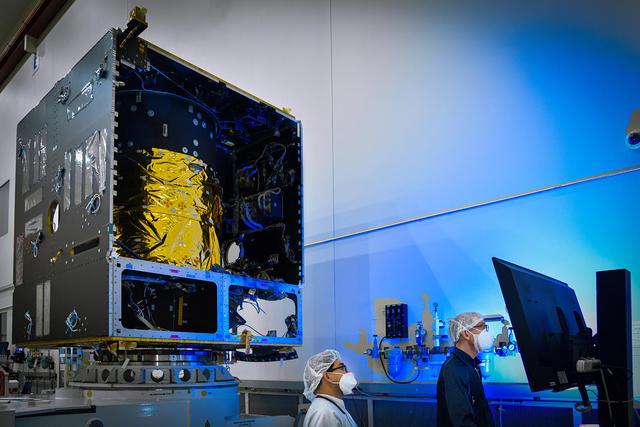
Technicians carefully install a piece of equipment to house Gateway’s xenon fuel tanks, part of its advanced electric propulsion system.
Gateway's Power and Propulsion Element Tops Off
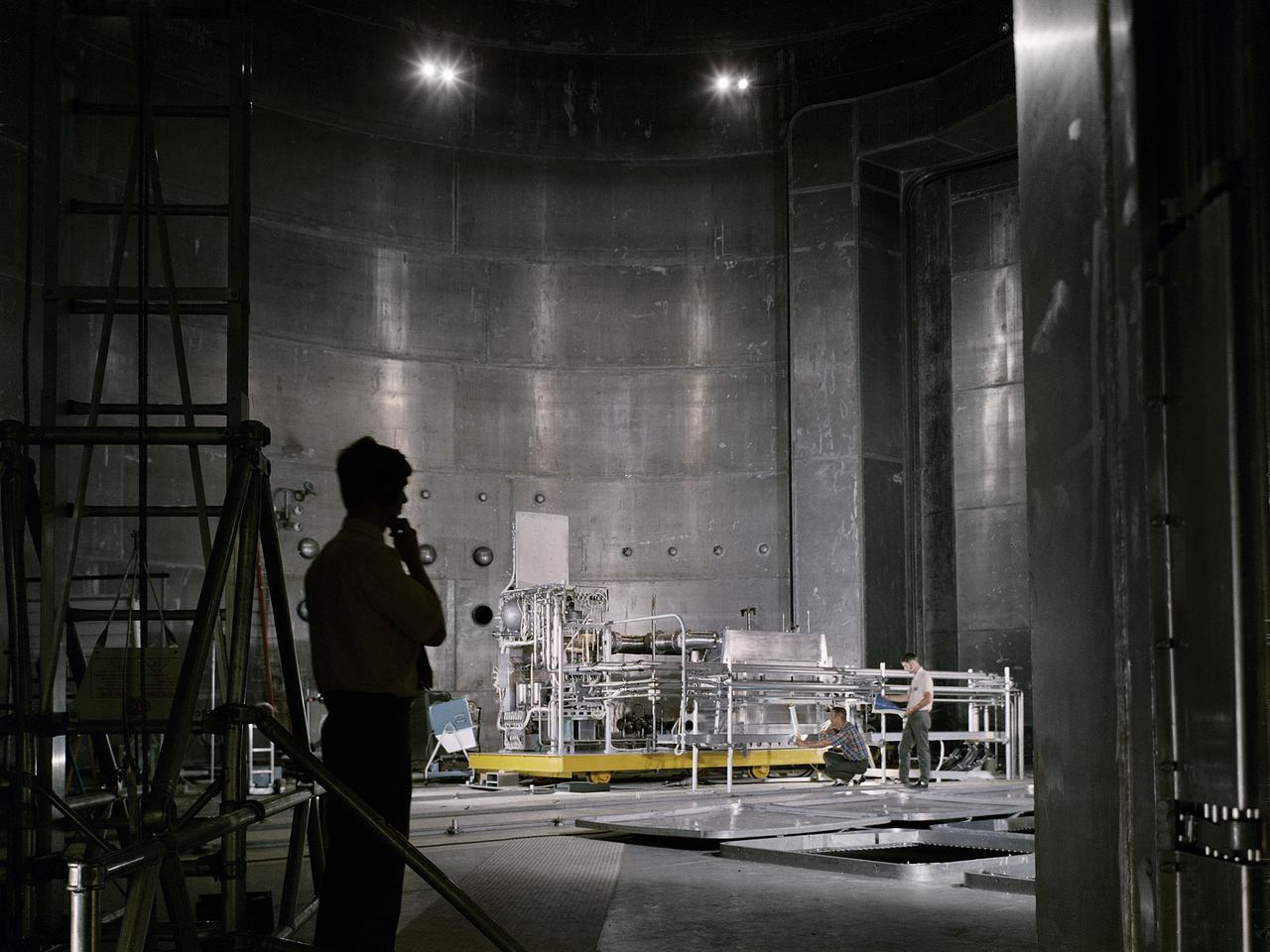
Set up of a Brayton Cycle Power System test in the Space Power Facility’s massive vacuum chamber at the National Aeronautics and Space Administration’s (NASA) Plum Brook Station in Sandusky, Ohio. The $28.4-million facility, which began operations in 1969, is the largest high vacuum chamber ever built. The chamber is 100 feet in diameter and 120 feet high. It can produce a vacuum deep enough to simulate the conditions at 300 miles altitude.  The Space Power Facility was originally designed to test nuclear-power sources for spacecraft, but it was never used for that purpose.   The Space Power Facility was first used to test a 15 to 20-kilowatt Brayton Cycle Power System for space applications. Three different methods of simulating solar heat were employed during the tests.    Lewis researchers studied the Brayton power system extensively in the 1960s and 1970s. The Brayton engine converted solar thermal energy into electrical power. The system operated on a closed-loop Brayton thermodynamic cycle with a helium-xenon gas mixture as its working fluid. A space radiator was designed to serve as the system’s waste heat rejecter. The radiator was later installed in the vacuum chamber and tested in a simulated space environment to determine its effect on the power conversion system. The Brayton system was subjected to simulated orbits with 62 minutes of sun and 34 minutes of shade.
Brayton Cycle Power System in the Space Power Facility
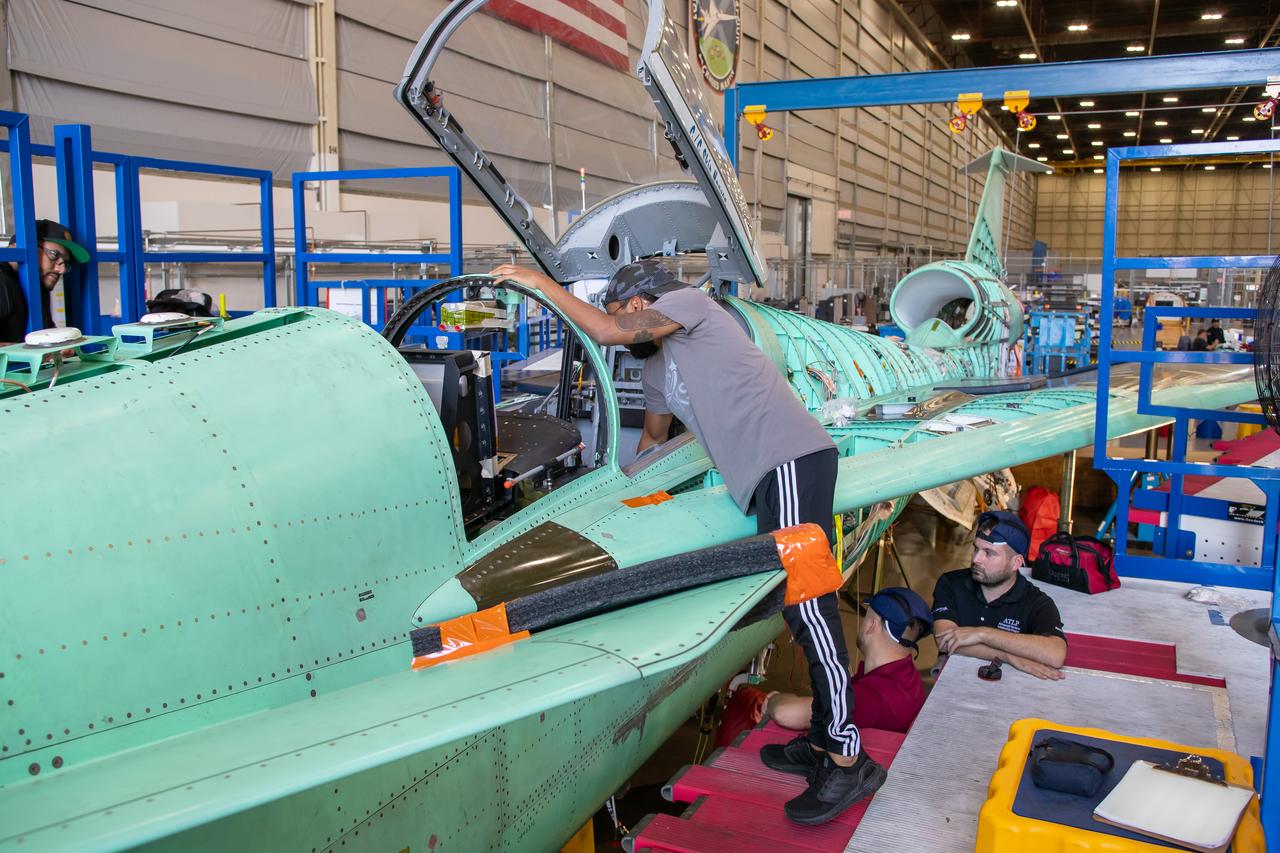
A Lockheed Martin Skunk Works technician inspects some of the wiring and sensors on the X-59 aircraft in preparation for the first power-on system checkouts.  Once complete, the X-59 aircraft will demonstrate the ability to fly supersonic while reducing the loud sonic boom to a quiet sonic thump and help enable commercial supersonic air travel over land. This aircraft is the centerpiece of NASA’s Quesst mission.
First Power-On SCO
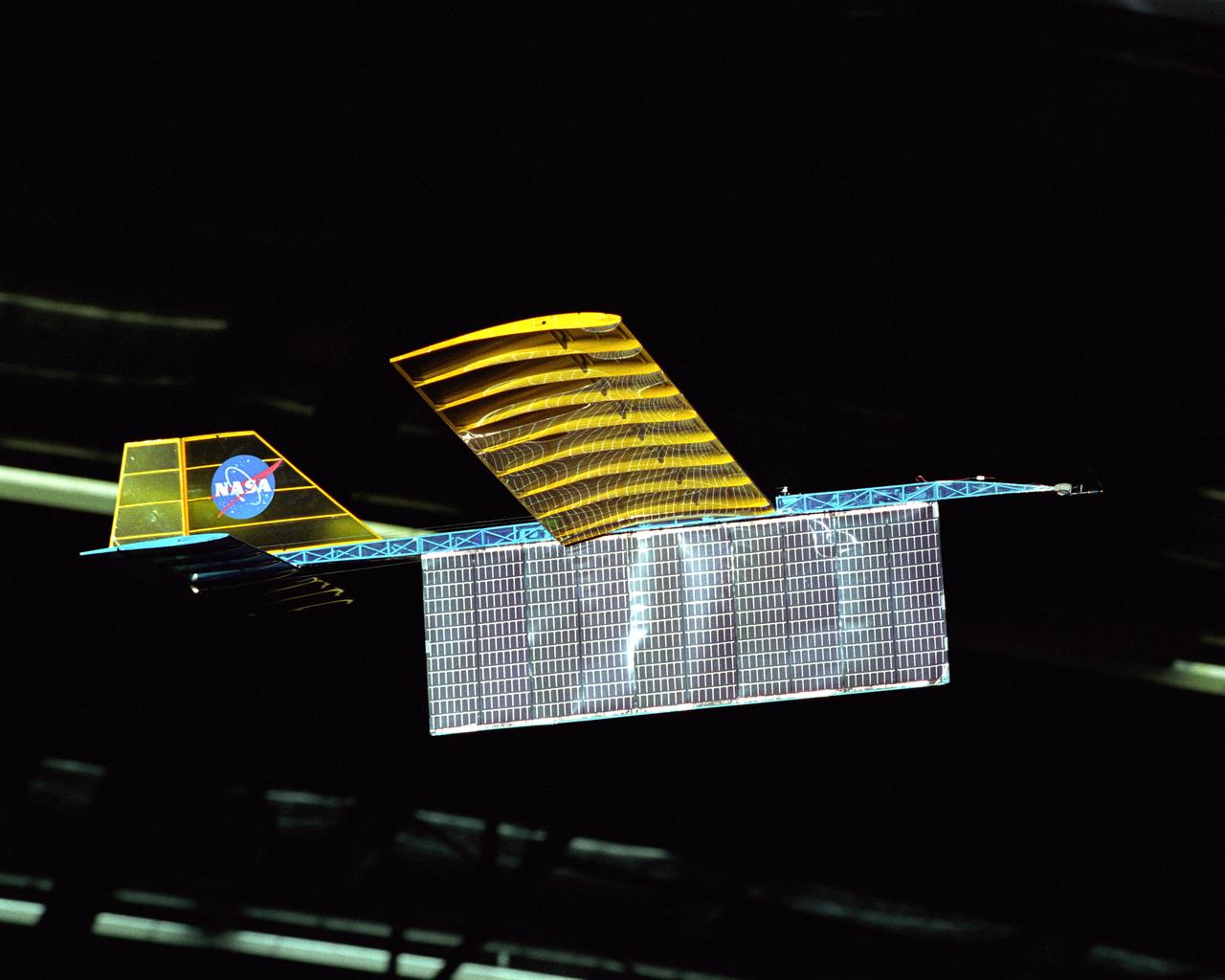
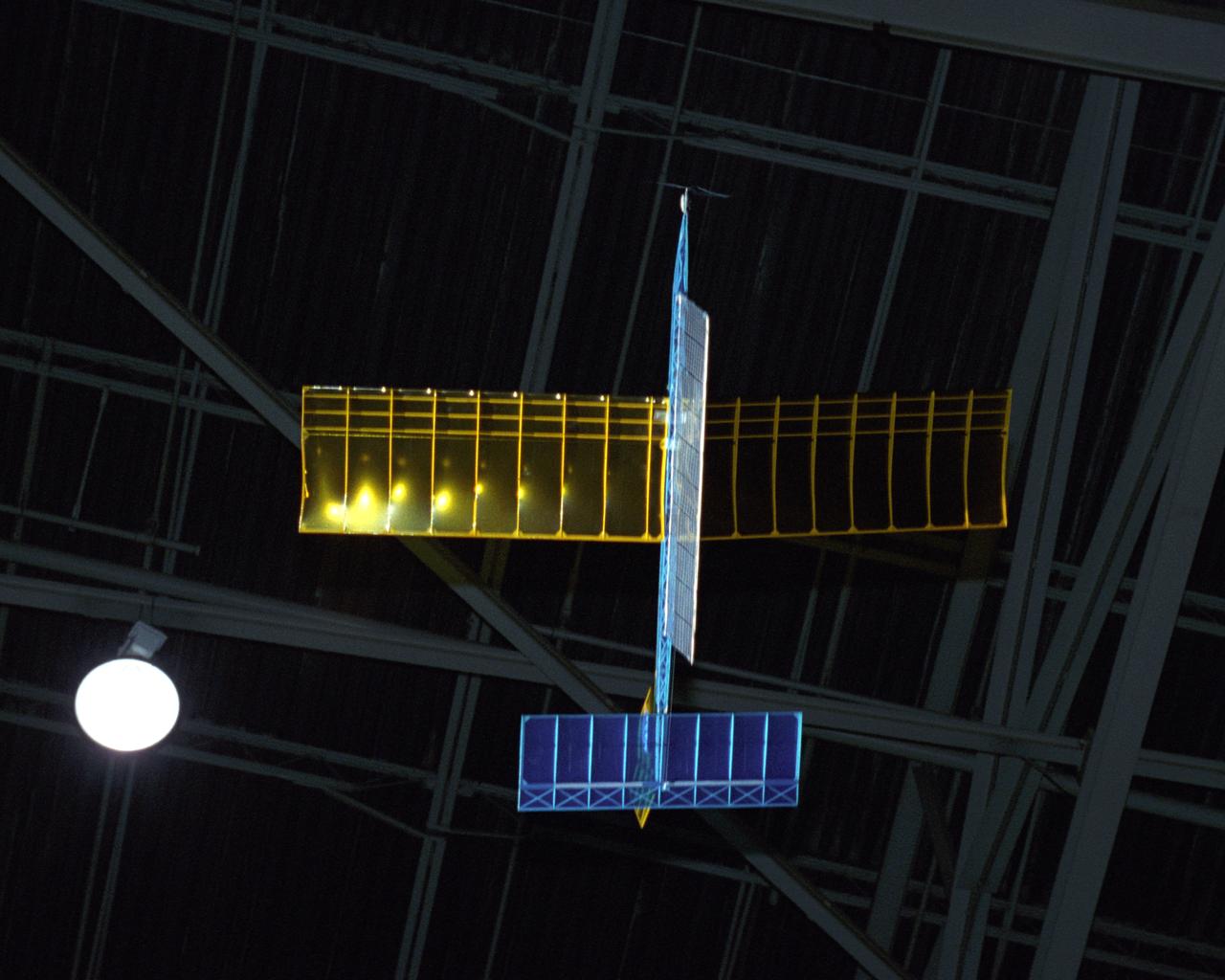
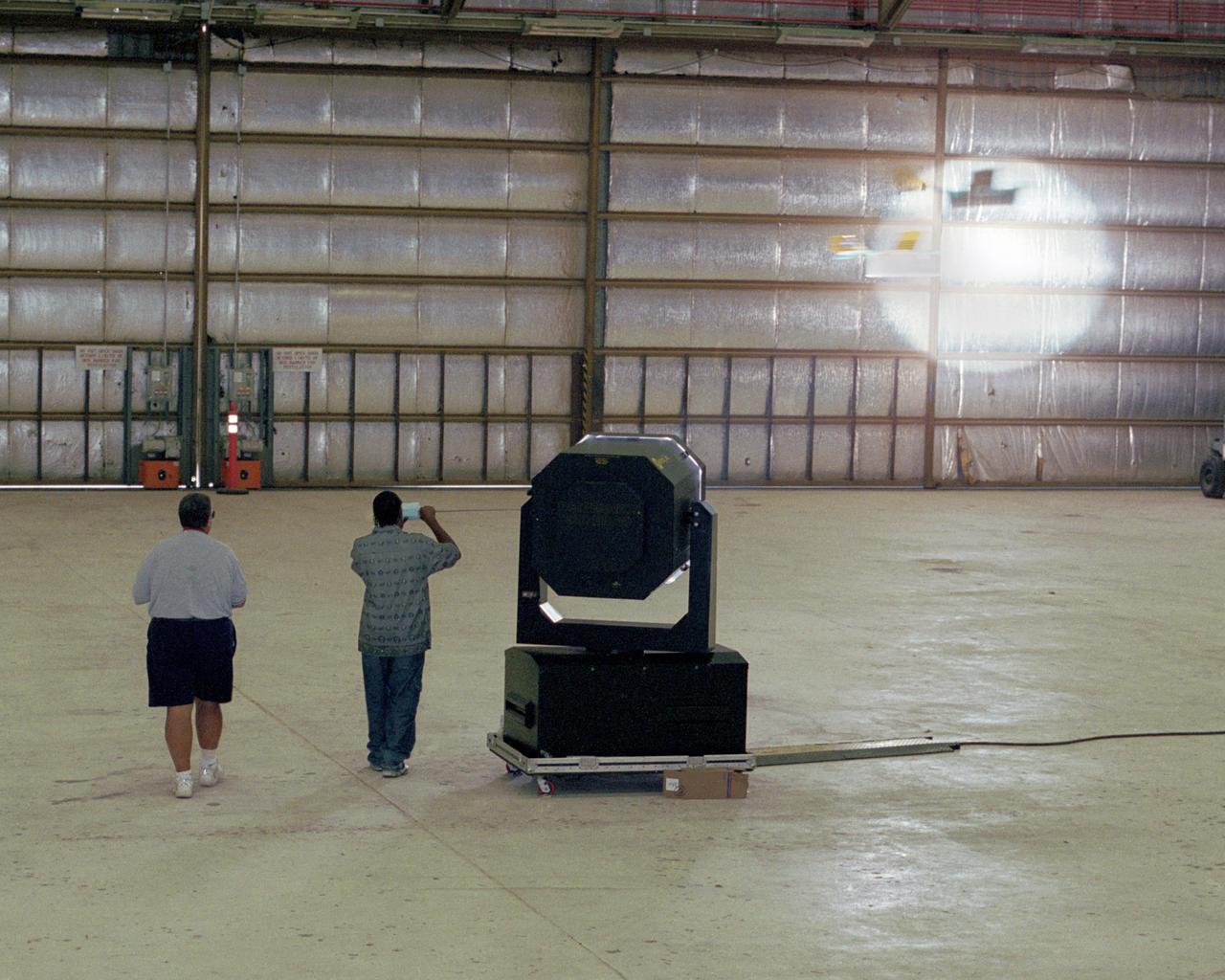
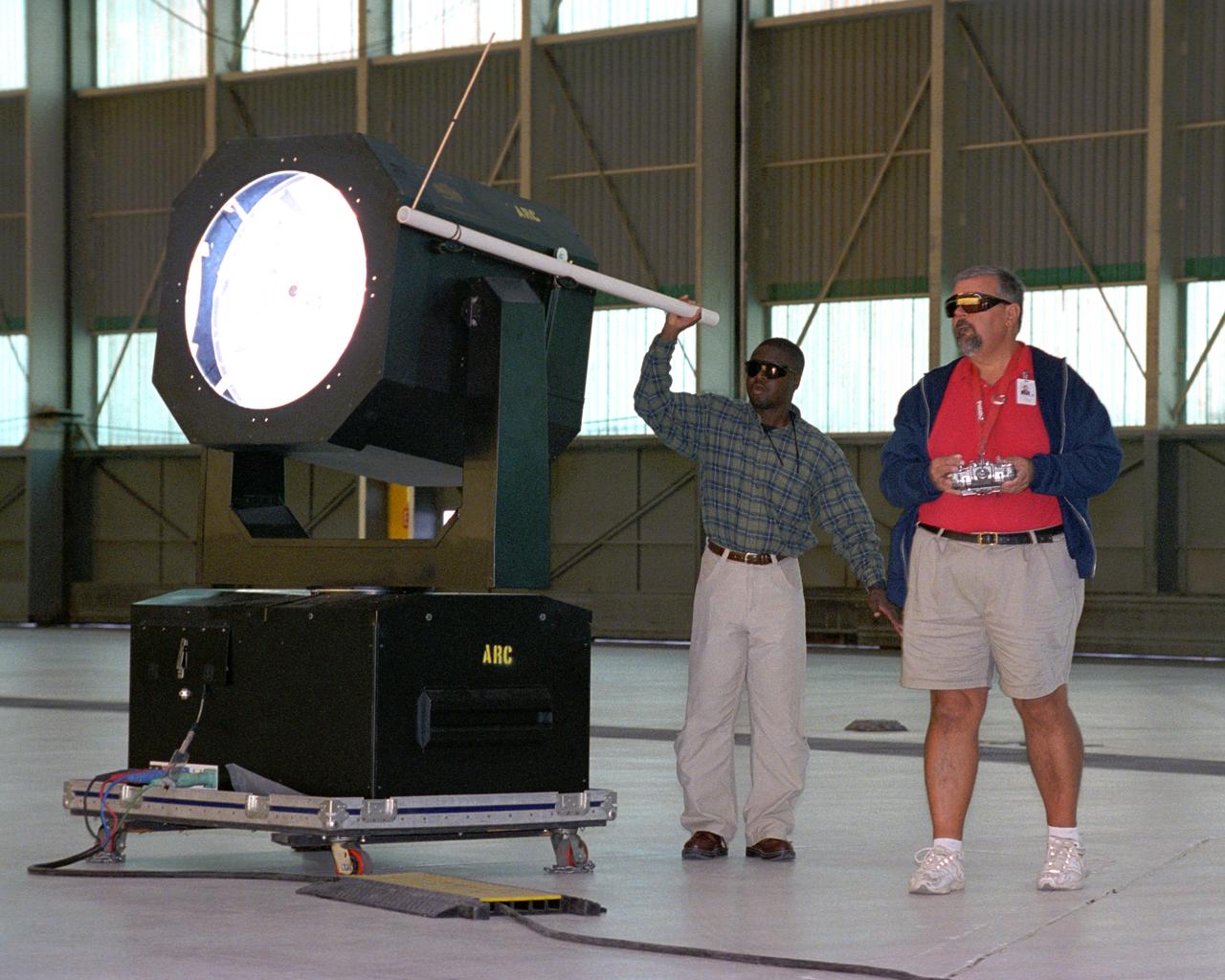
An experimental radio-controlled model aircraft is seen here in flight powered only by light energy beamed to it by a spotlight.
An experimental radio-controlled model aircraft is seen here in flight, powered only by light energy beamed to it by a spotlight.
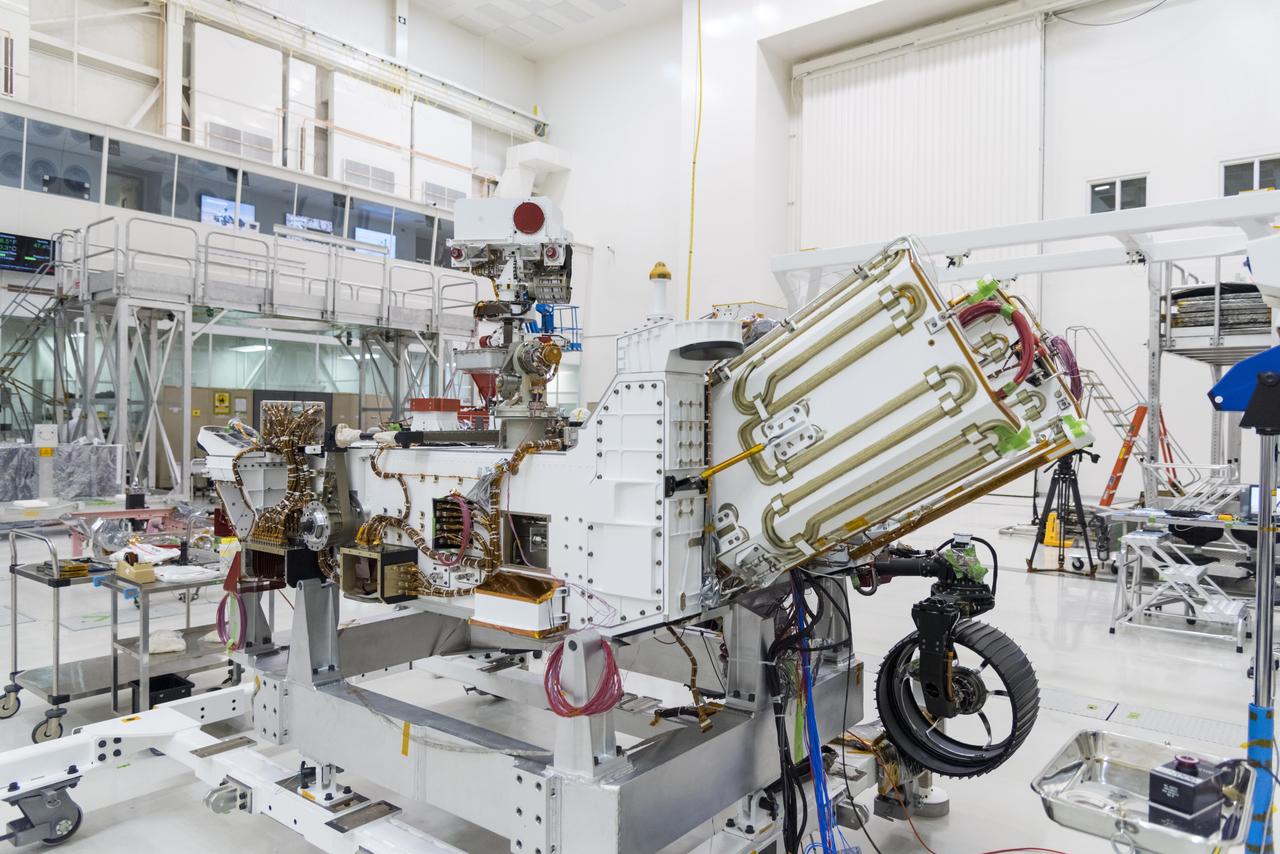
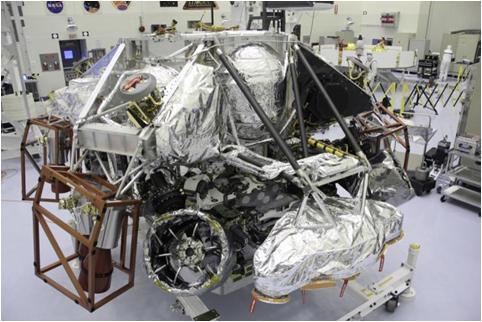
The electricity needed to operate NASA's Mars 2020 rover is provided by a power system called a Multi-Mission Radioisotope Thermoelectric Generator, or MMRTG. The MMRTG will be inserted into the aft end of the rover between the panels with gold tubing visible at the rear, which are called heat exchangers.  Essentially a nuclear battery, an MMRTG uses the heat from the natural radioactive decay of plutonium-238 to generate about 110 watts of electricity at the start of a mission. Besides generating useful electrical power, the MMRTG produces heat. Some of this heat can be used to maintain the rover's systems at the proper operating temperatures in the frigid cold of space and on the surface of Mars. Some of it is rejected into space via the rover's Heat Rejection System.  The gold-colored tubing on the heat exchangers form part of the cooling loops of that system. The tubes carry a fluid coolant called Trichlorofluoromethane (CFC-11) that helps dissipate the excess heat. The same tubes are used to pipe some of the heat back into the belly of the rover.  MMRTGs are provided to NASA for civil space applications by the U.S. Department of Energy (DOE). The radioisotope fuel is inserted into the MMRTG at the DOE's Idaho National Laboratory before the MMRTG is shipped to the launch site. Electrically heated versions of the MMRTG are used at JPL to verify and practice integration of the power system with the rover.  https://photojournal.jpl.nasa.gov/catalog/PIA23305
Power for Mars 2020
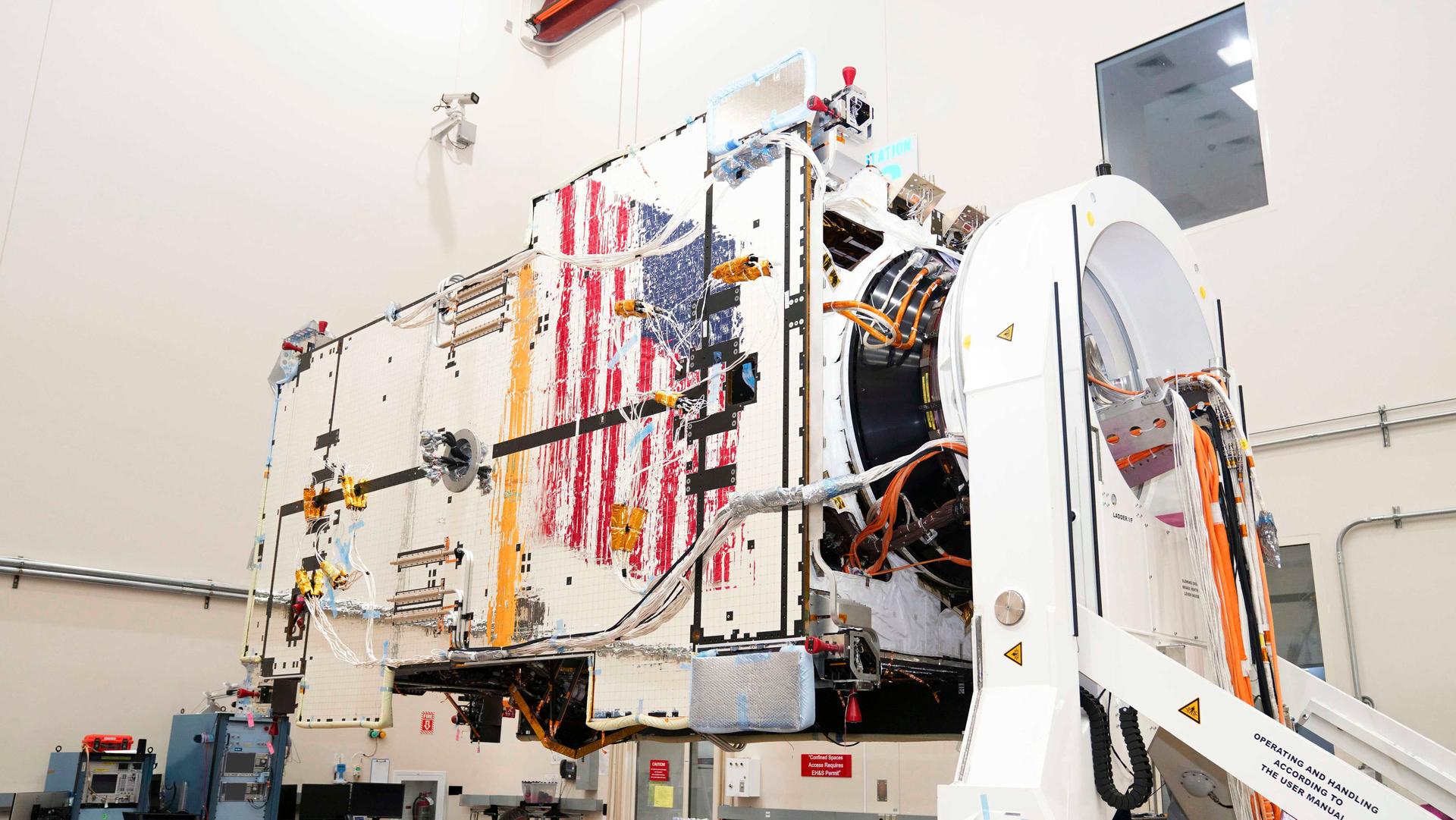
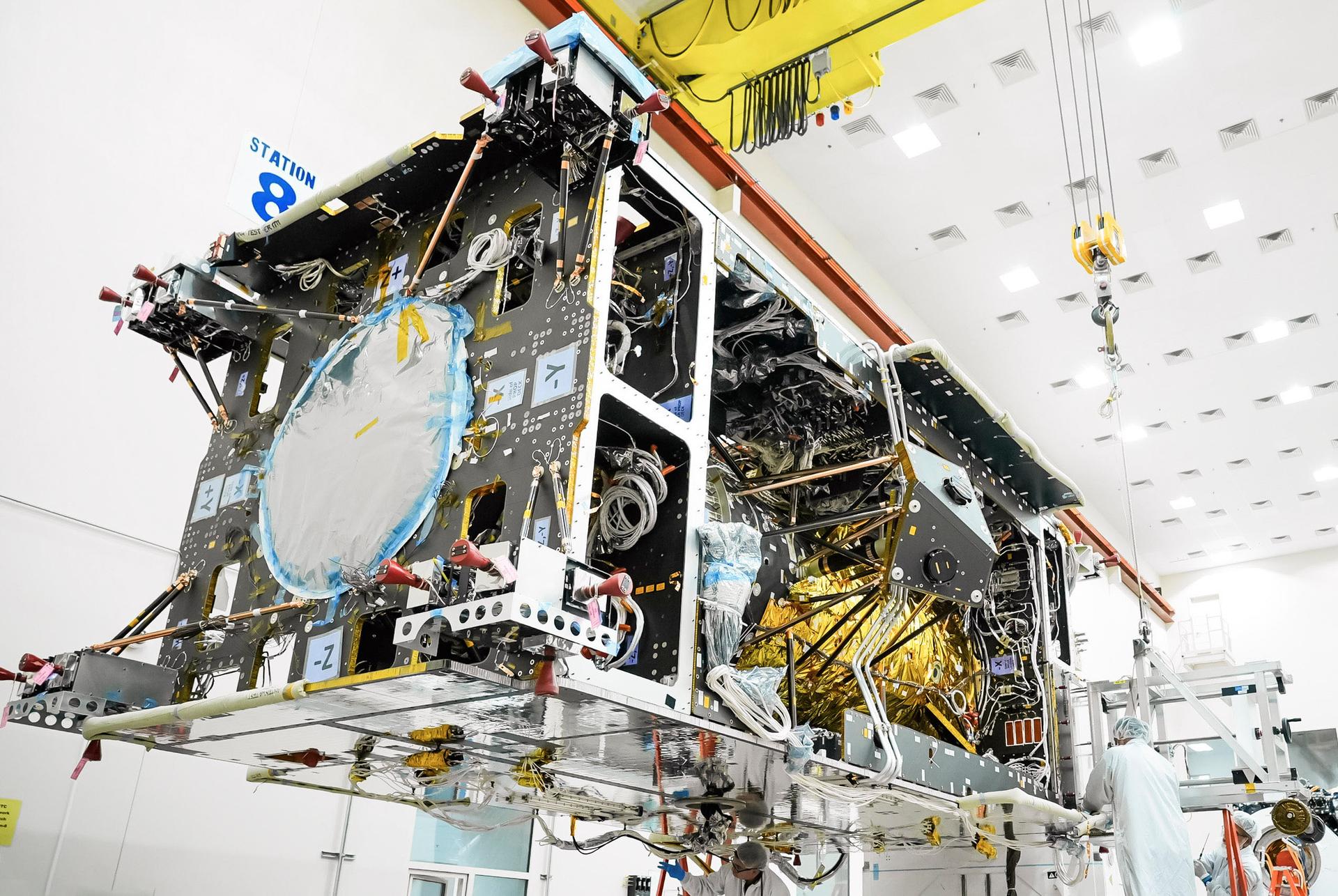
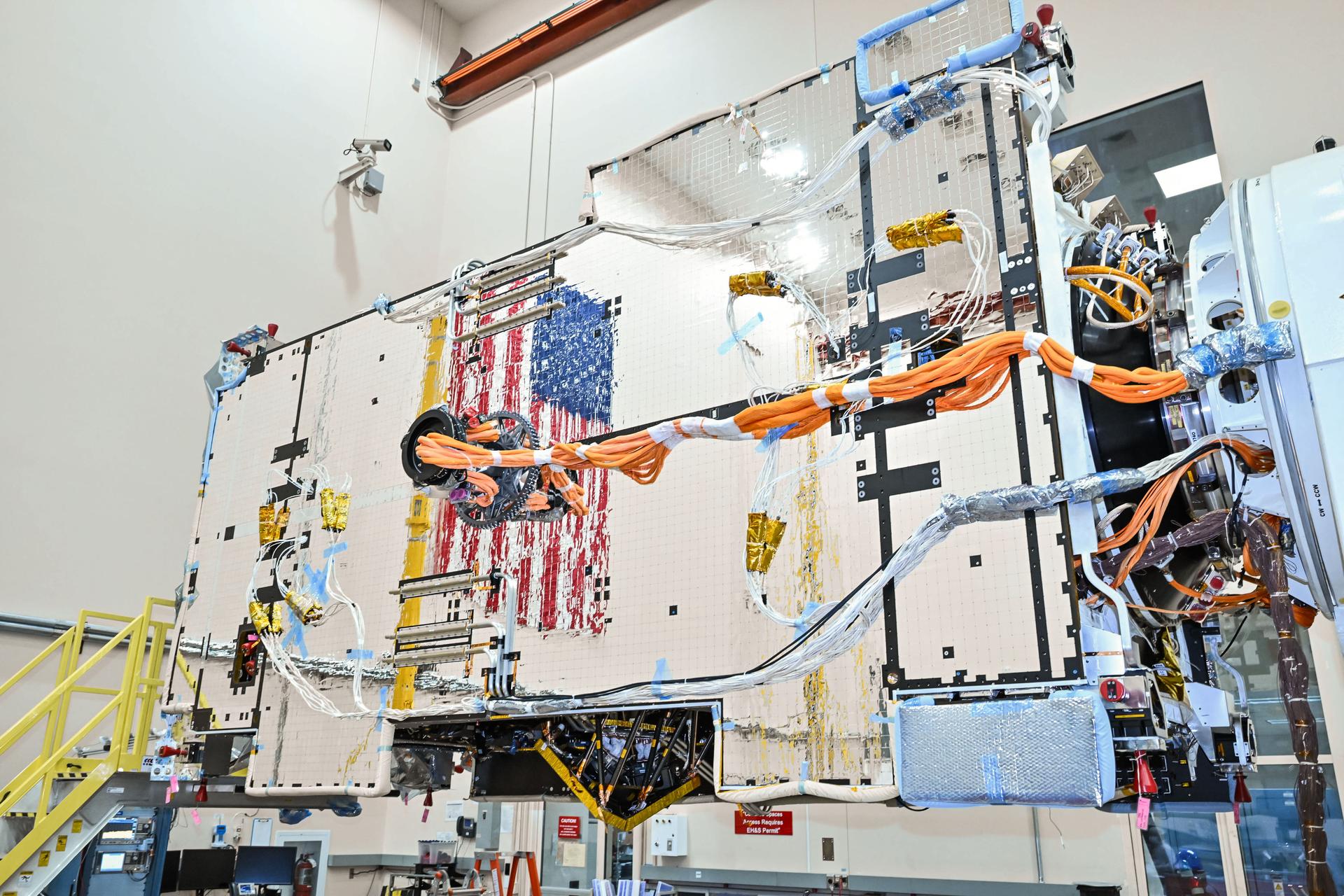
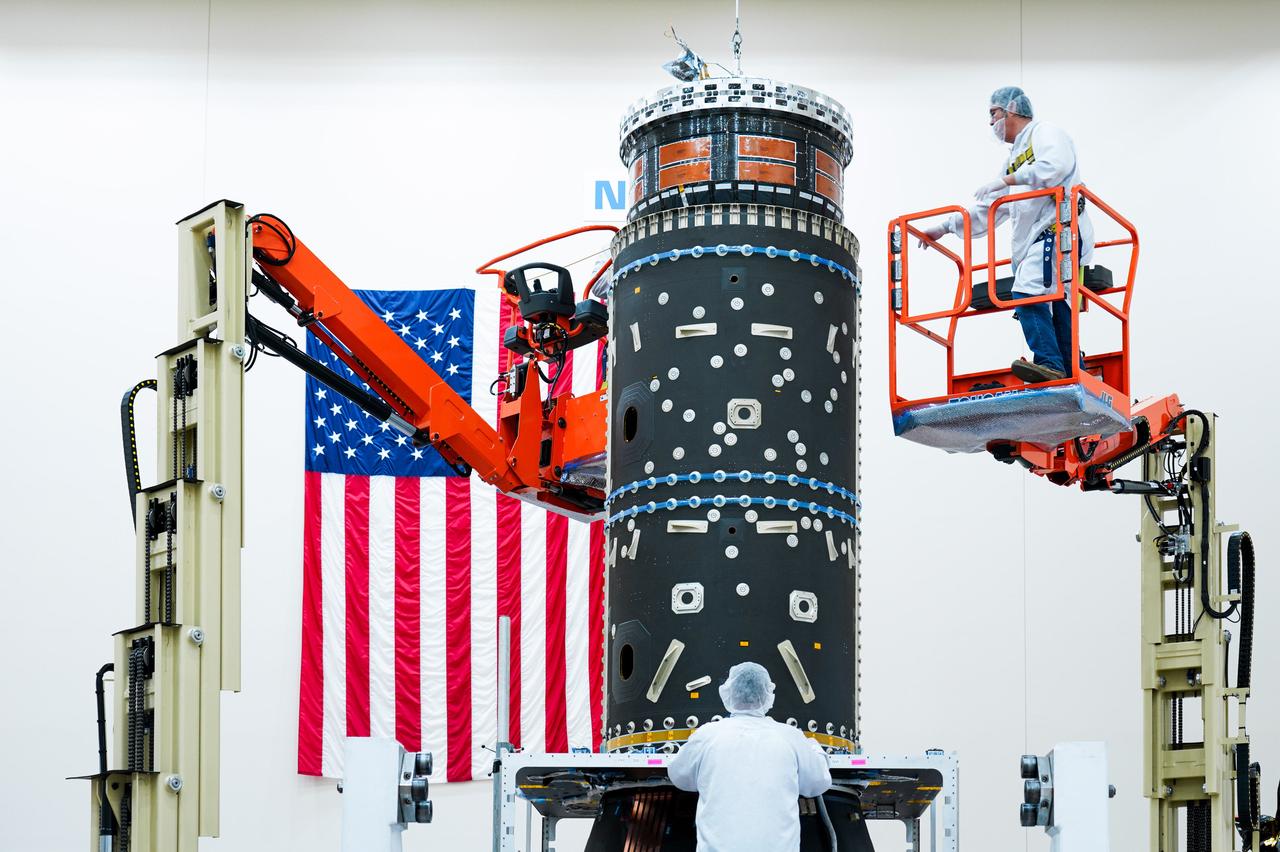
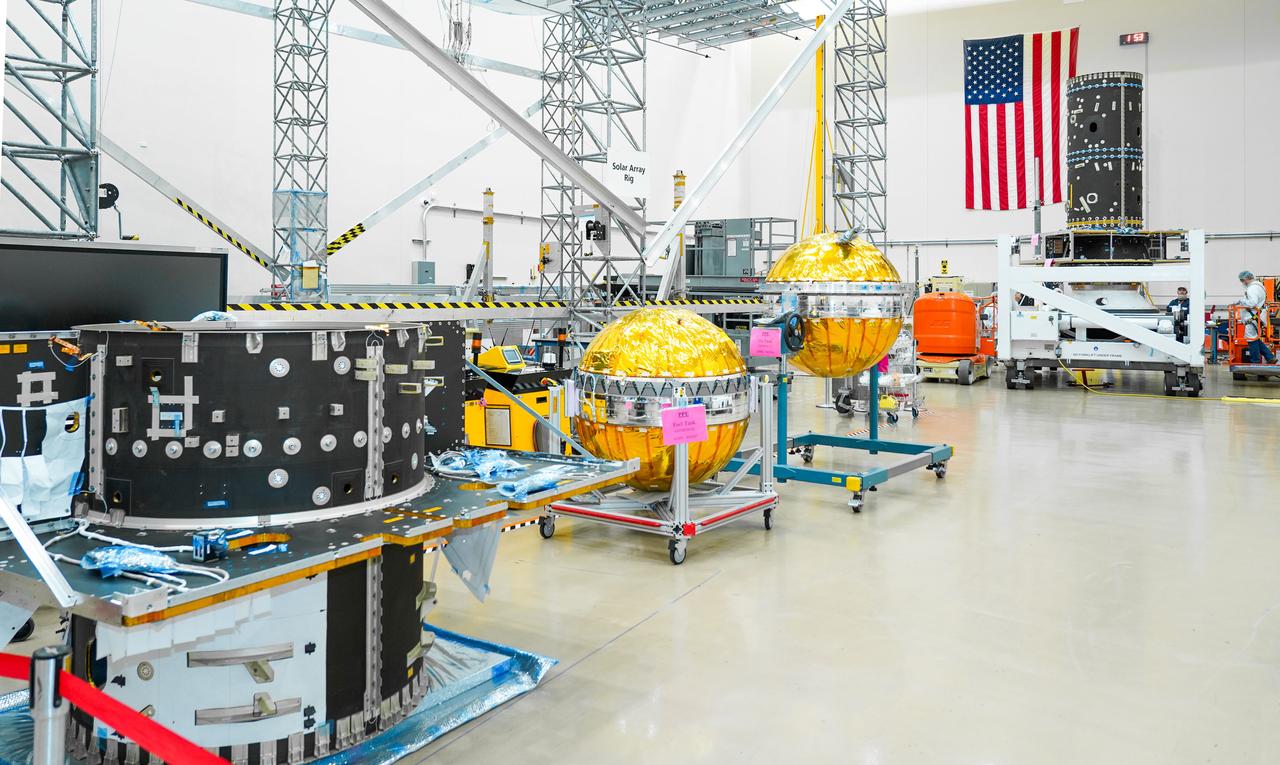
Hardware for the Gateway space station’s Power and Propulsion element, including its primary structure and fuel tanks ready for assembly, are shown at Maxar Space Systems in Palo Alto, California.
Gateway Tops Off
The world largest solar power tower recently began operating outside Seville, Spain -- and it marks a historic moment in the saga of renewable energy. This image was acquired by NASA Terra spacecraft.
Solar Power, Seville, Spain
Dryden Model Shop's Tony Frakowiak remotely flies an experimental model aircraft being powered by a spotlight operated by student intern Derrick Barrett.
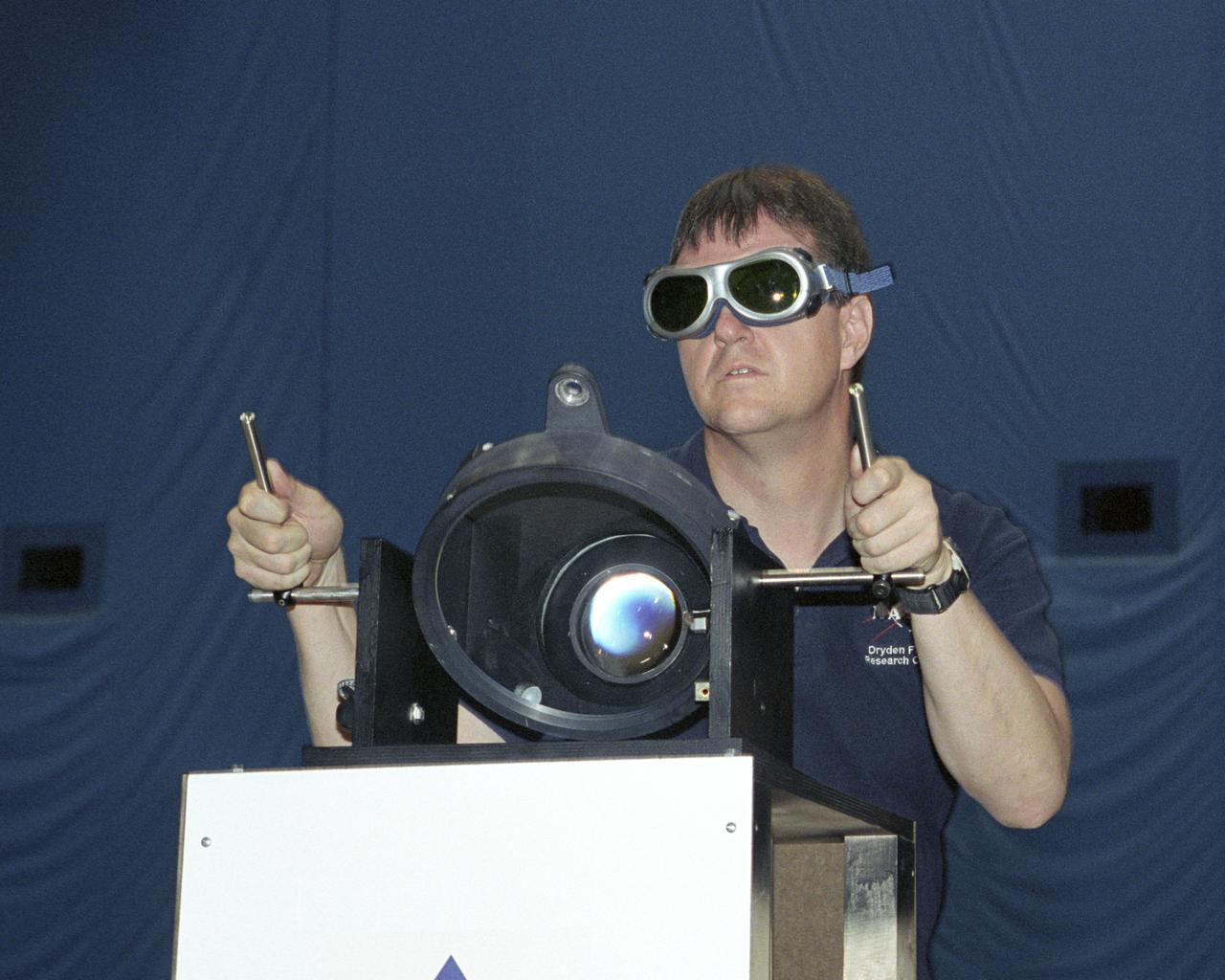
NASA Dryden project engineer Dave Bushman carefully aims the optics of a laser device at a solar cell panel on a model aircraft during the first flight demonstration of an aircraft powered by laser light.
NASA Dryden's Dave Bushman aims the optics of a laser device at a panel on a model aircraft during the first flight demonstration of an aircraft powered by laser light.
With a laser beam centered on its panel of photovoltaic cells, a lightweight model plane makes the first flight of an aircraft powered by a laser beam inside a building at NASA Marshall Space Flight Center.
With a laser beam centered on its panel of photovoltaic cells, a model plane makes the first flight of an aircraft powered by a laser beam inside a building at NASA Marshall.
The Mars Science Laboratory mission powered descent vehicle is the integrated combination of the spacecraft descent stage and the rover Curiosity.
Mars Science Laboratory Powered Descent Vehicle
Advanced Thermal Management, High Power Density Core, Advanced Air Transport Technology,
Advanced Thermal Management, High Power Density Core, Advance...
Advanced Thermal Management, High Power Density Core, Advanced Air Transport Technology,
Advanced Thermal Management, High Power Density Core, Advance...
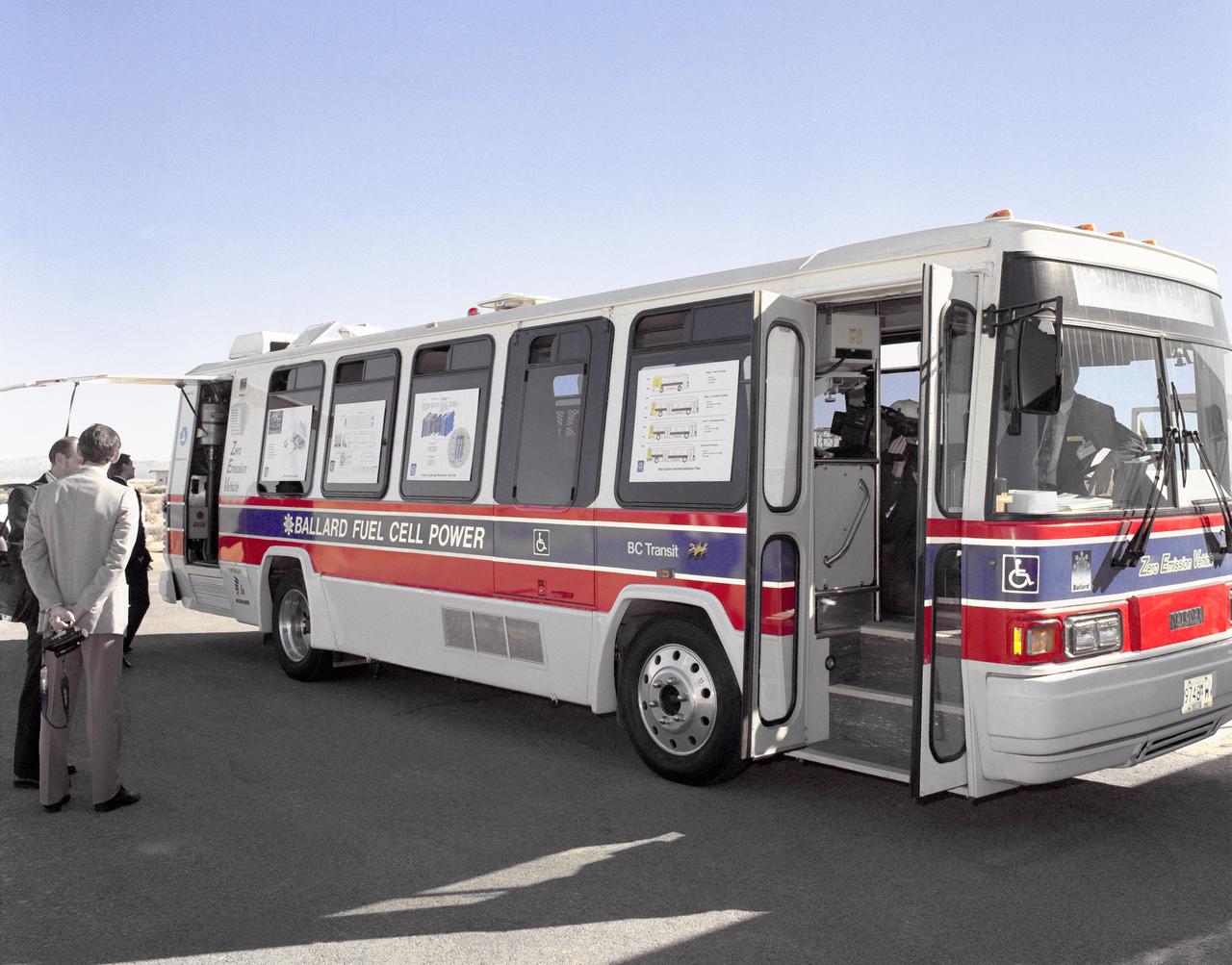
Fuel Cell Powered Bus
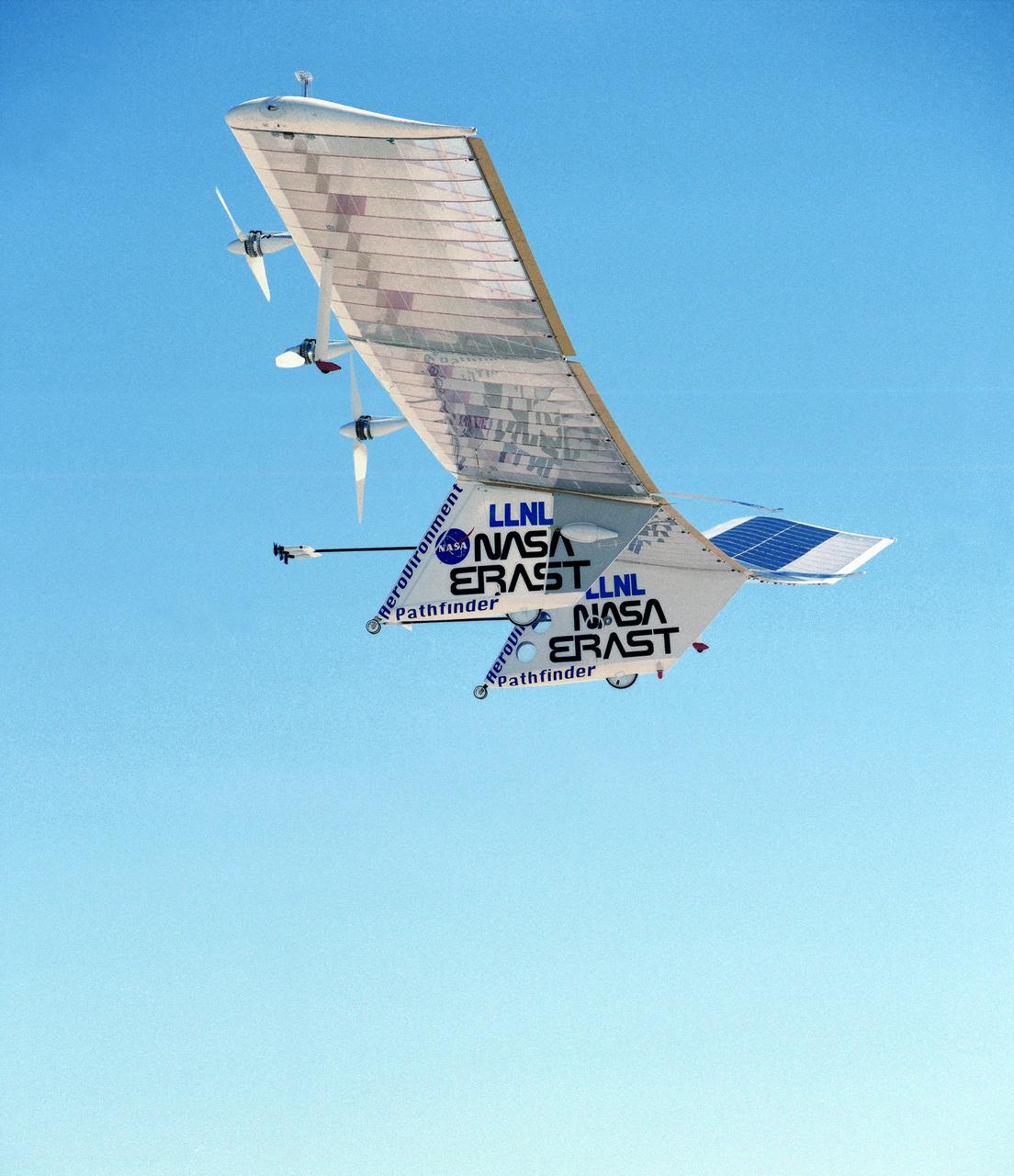
The Pathfinder solar-powered remotely piloted aircraft climbs to a record-setting altitude of 50,567 feet during a flight Sept. 11, 1995, at NASA's Dryden Flight Research Center, Edwards, California. The flight was part of the NASA ERAST (Environmental Research Aircraft and Sensor Technology) program. The Pathfinder was designed and built by AeroVironment Inc., Monrovia, California. Solar arrays cover nearly all of the upper wing surface and produce electricity to power the aircraft's six motors.
Pathfinder aircraft taking off - setting new solar powered altitude record
The Pathfinder solar-powered remotely piloted aircraft climbs to a record-setting altitude of 50,567 feet during a flight Sept. 11, 1995, at NASA's Dryden Flight Research Center, Edwards, California.
Pathfinder aircraft taking off - setting new solar powered altitude record
International Space Station (ISS) Remote Power Control Module (RPCM) Hot-mate/De-mate Assessment  Dr. Erin Hayward , Mr. Todd Schneider, Mr. Jason Vaughn
International Space Station (ISS) Remote Power Control Module (R
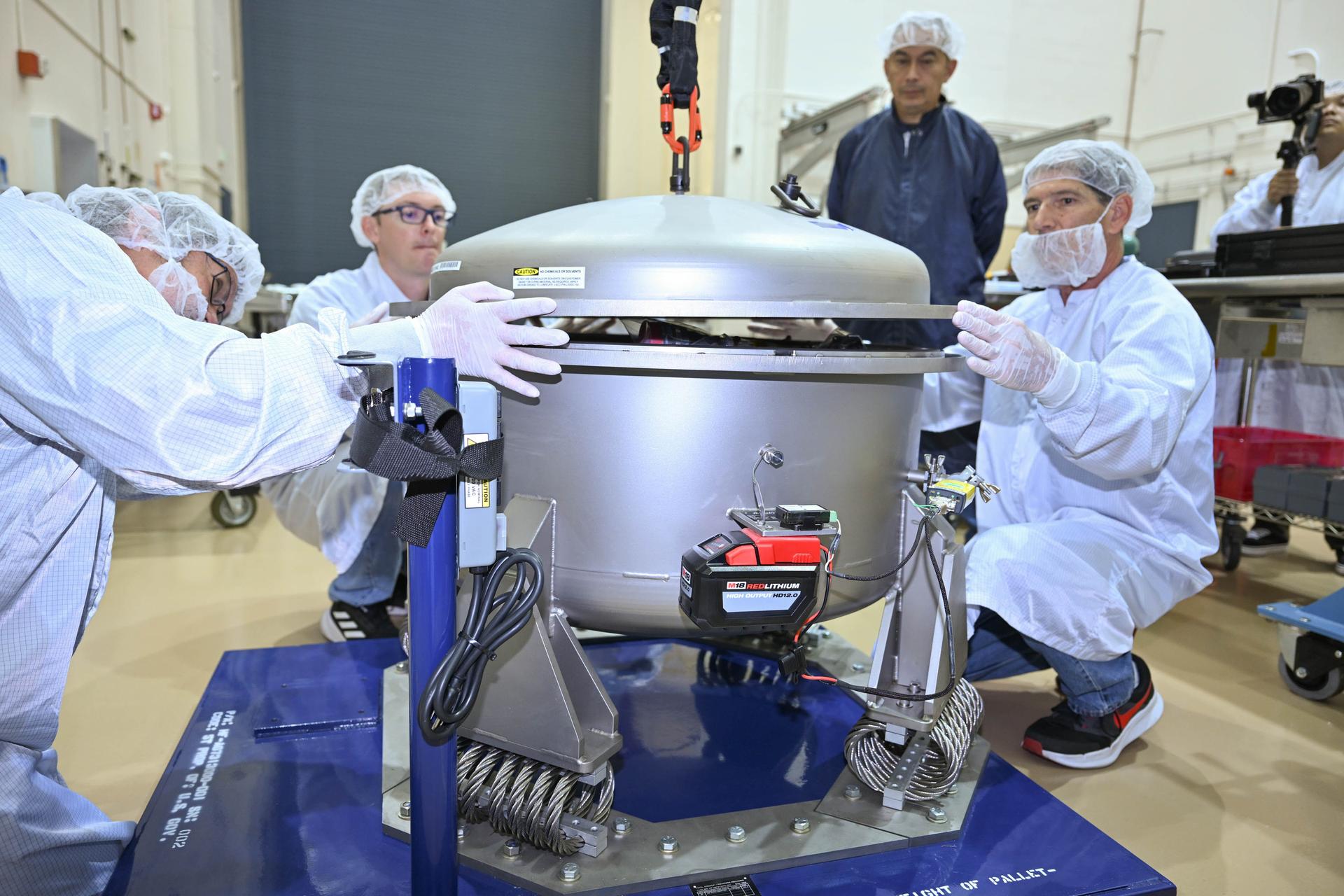
NASA Glenn Research Center has received the first of three Advanced Electric Propulsion System (AEPS) thrusters for the Gateway lunar space station. Built by L3Harris Technologies, the thruster will undergo testing before integration with Gateway’s Power and Propulsion Element, launching with the HALO module ahead of Artemis IV.
Gateway Hardware Milestone: First AEPS Thruster for Power and Propulsion Element Delivered to NASA Glenn (GRC-2025-C-01209)
NASA Glenn Research Center has received the first of three Advanced Electric Propulsion System (AEPS) thrusters for the Gateway lunar space station. Built by L3Harris Technologies, the thruster will undergo testing before integration with Gateway’s Power and Propulsion Element, launching with the HALO module ahead of Artemis IV.
Gateway Hardware Milestone: First AEPS Thruster for Power and Propulsion Element Delivered to NASA Glenn (GRC-2025-C-01673)
With a laser beam centered on its solar panel, a lightweight model aircraft is checked out by technician Tony Frakowiak and researcher Tim Blackwell before its power-beamed demonstration flight.
With a laser beam centered on its solar panel, a model aircraft is checked out by technician Tony Frakowiak and researcher Tim Blackwell before its power-beamed demonstration flight.
In this photo, taken in November 2020, technicians power on the main body of NASA's Psyche spacecraft — called the Solar Electric Propulsion (SEP) Chassis — for the first time, in a clean room at Maxar Technologies in Palo Alto, California.  Maxar will deliver the SEP Chassis to NASA's Jet Propulsion Laboratory in Southern California in spring of 2021.  Set to launch in August 2022, Psyche will investigate the composition of a metal-rich asteroid of the same name that lies in the main asteroid belt between Mars and Jupiter. The spacecraft will arrive in early 2026 and orbit the asteroid for nearly two years.  https://photojournal.jpl.nasa.gov/catalog/PIA24326
Power On: Psyche Spacecraft
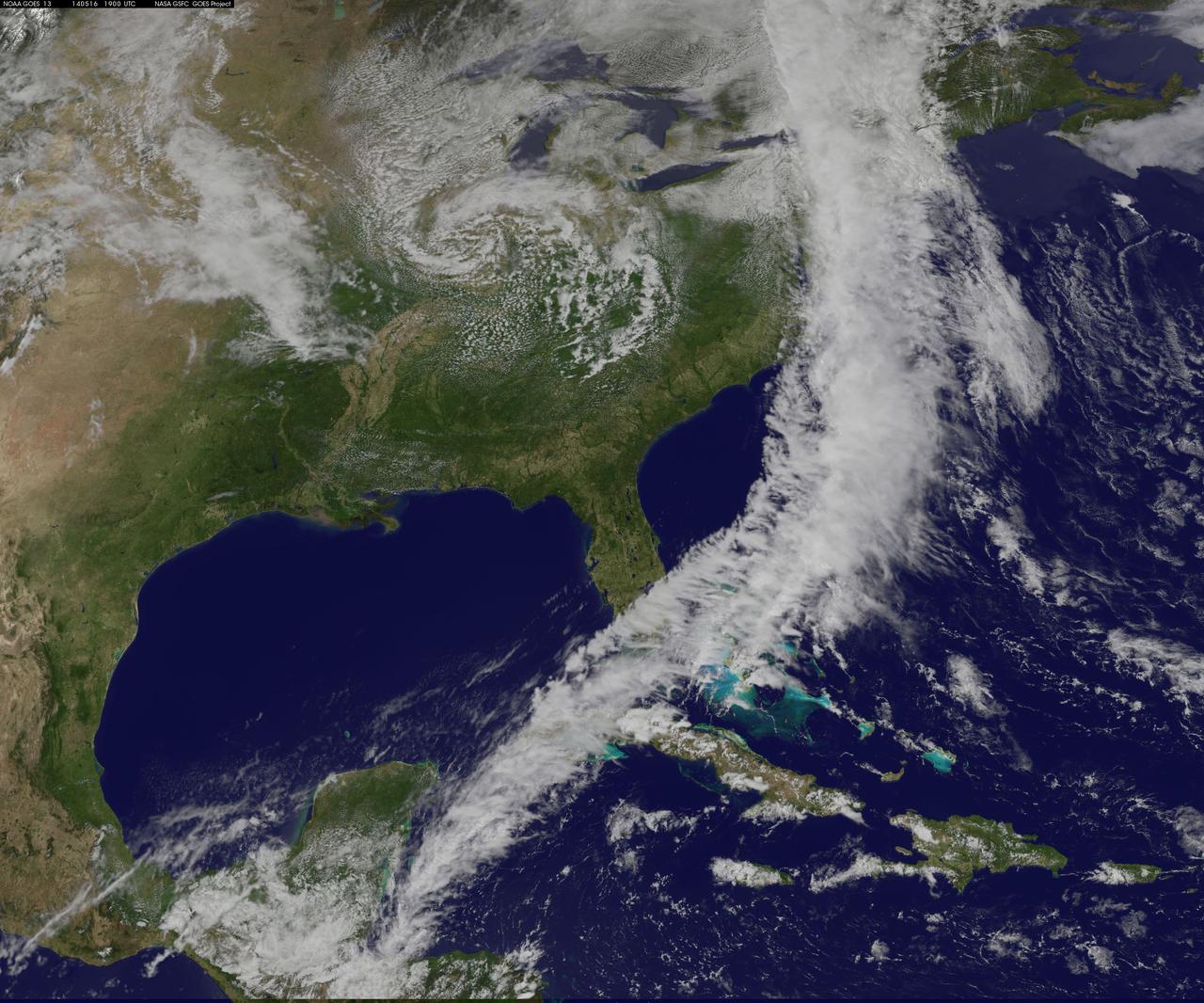
NOAA's GOES-East satellite captured an image of a powerful cold front that triggered flash flood watches and warnings along the U.S. East Coast on May 16. NOAA's National Weather Service noted flash flooding was possible from New England into eastern North Carolina today, May 16.   The clouds associated with the long cold front was captured using visible data from NOAA's GOES-East or GOES-13 satellite on at 1900 UTC (3:00 p.m. EDT) and was made into an image by NASA/NOAA's GOES Project at NASA's Goddard Space Flight Center in Greenbelt, Md.  The clouds stretched from Maine south through the Mid-Atlantic down to southern Florida with a tail of clouds extending into the western Caribbean Sea.   South of Lake Michigan the rounded swirl of clouds indicates another low pressure system.    GOES satellites provide the kind of continuous monitoring necessary for intensive data analysis. Geostationary describes an orbit in which a satellite is always in the same position with respect to the rotating Earth. This allows GOES to hover continuously over one position on Earth's surface, appearing stationary. As a result, GOES provide a constant vigil for the atmospheric &quot;triggers&quot; for severe weather conditions such as tornadoes, flash floods, hail storms and hurricanes.   For updated information about the storm system, visit NOAA's National Weather Service website: <a href="http://www.weather.gov" rel="nofollow">www.weather.gov</a>  For more information about GOES satellites, visit: <a href="http://www.goes.noaa.gov/" rel="nofollow">www.goes.noaa.gov/</a> or <a href="http://goes.gsfc.nasa.gov/" rel="nofollow">goes.gsfc.nasa.gov/</a>  Rob Gutro NASA's Goddard Space Flight Center  <b><a href="http://www.nasa.gov/audience/formedia/features/MP_Photo_Guidelines.html" rel="nofollow">NASA image use policy.</a></b>   <b><a href="http://www.nasa.gov/centers/goddard/home/index.html" rel="nofollow">NASA Goddard Space Flight Center</a></b> enables NASA’s mission through four scientific endeavors: Earth Science, Heliophysics, Solar System Exploration, and Astrophysics. Goddard plays a leading role in NASA’s accomplishments by contributing compelling scientific knowledge to advance the Agency’s mission.   <b>Follow us on <a href="http://twitter.com/NASAGoddardPix" rel="nofollow">Twitter</a></b>   <b>Like us on <a href="http://www.facebook.com/pages/Greenbelt-MD/NASA-Goddard/395013845897?ref=tsd" rel="nofollow">Facebook</a></b>   <b>Find us on <a href="http://instagram.com/nasagoddard?vm=grid" rel="nofollow">Instagram</a></b>
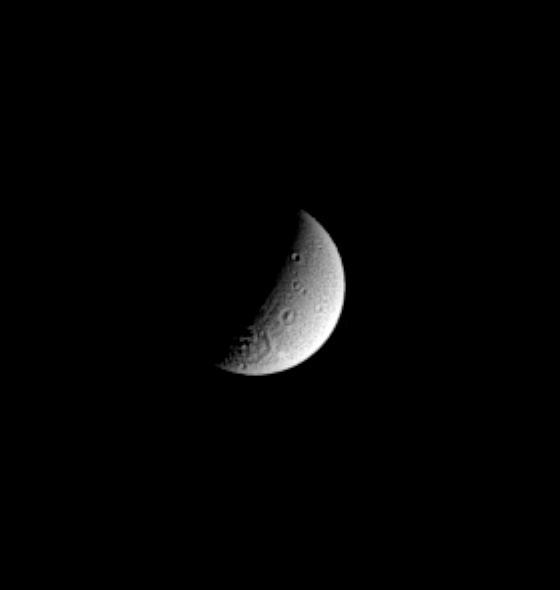
Satellite Shows Powerful Cold Front Moving Off U.S. East Coast
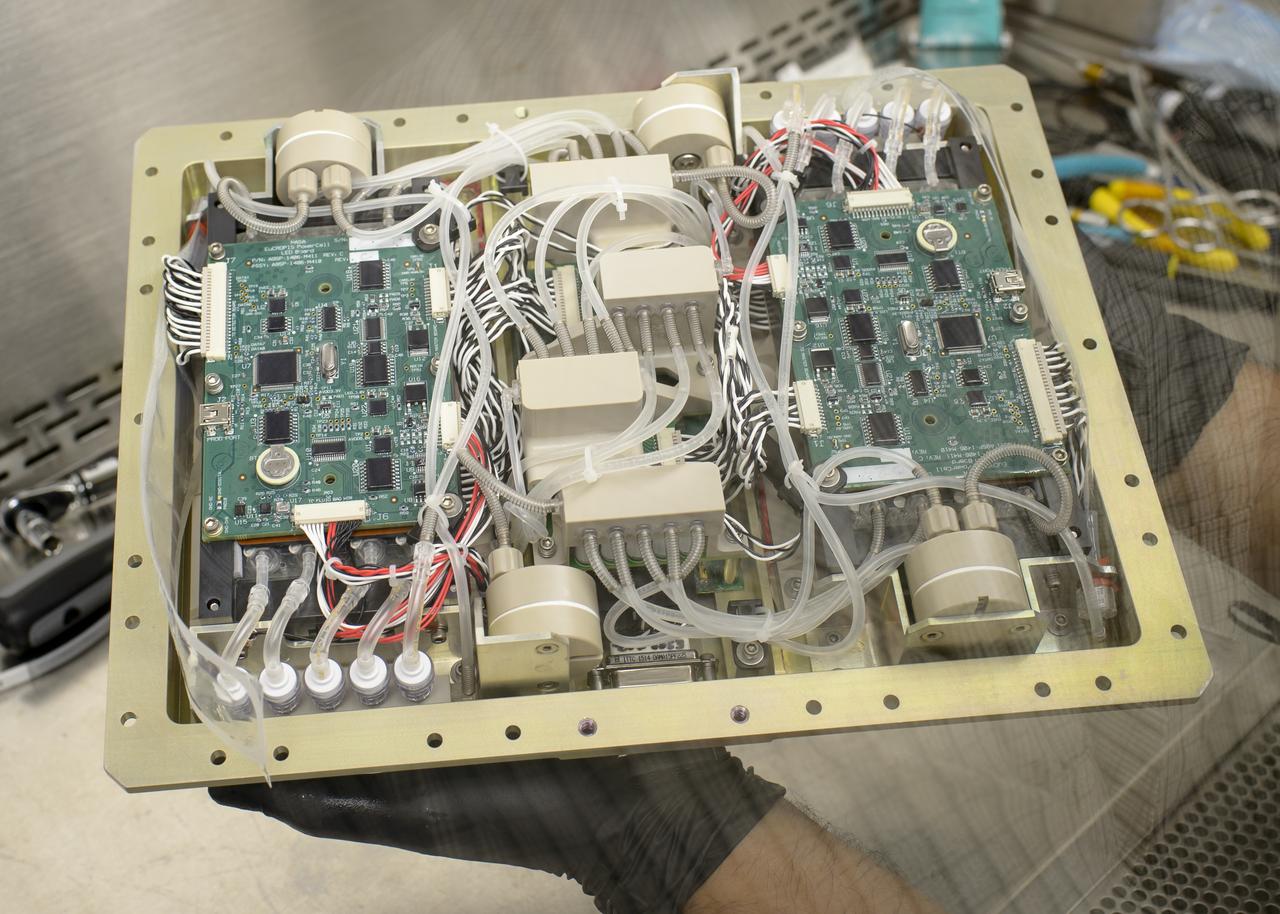
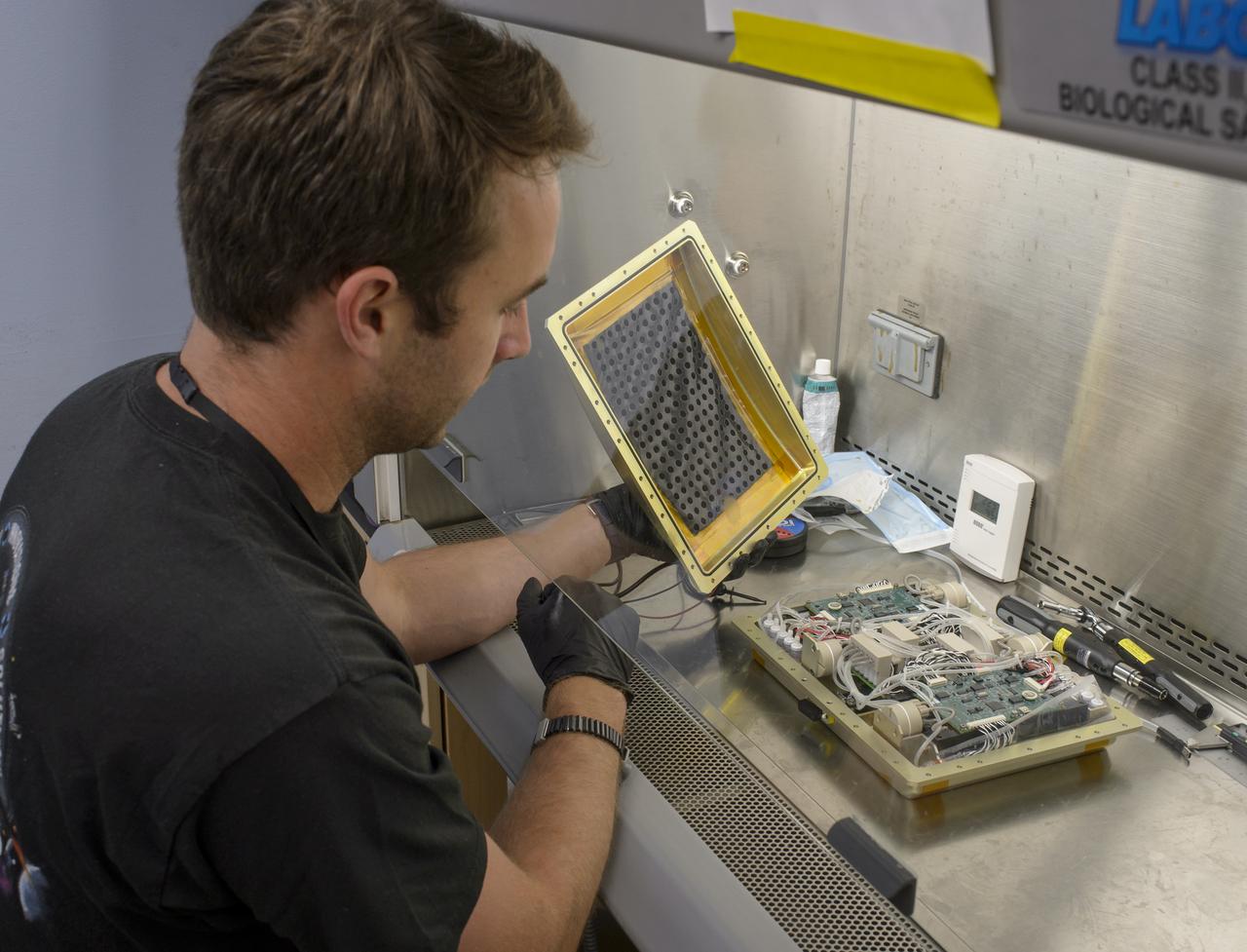
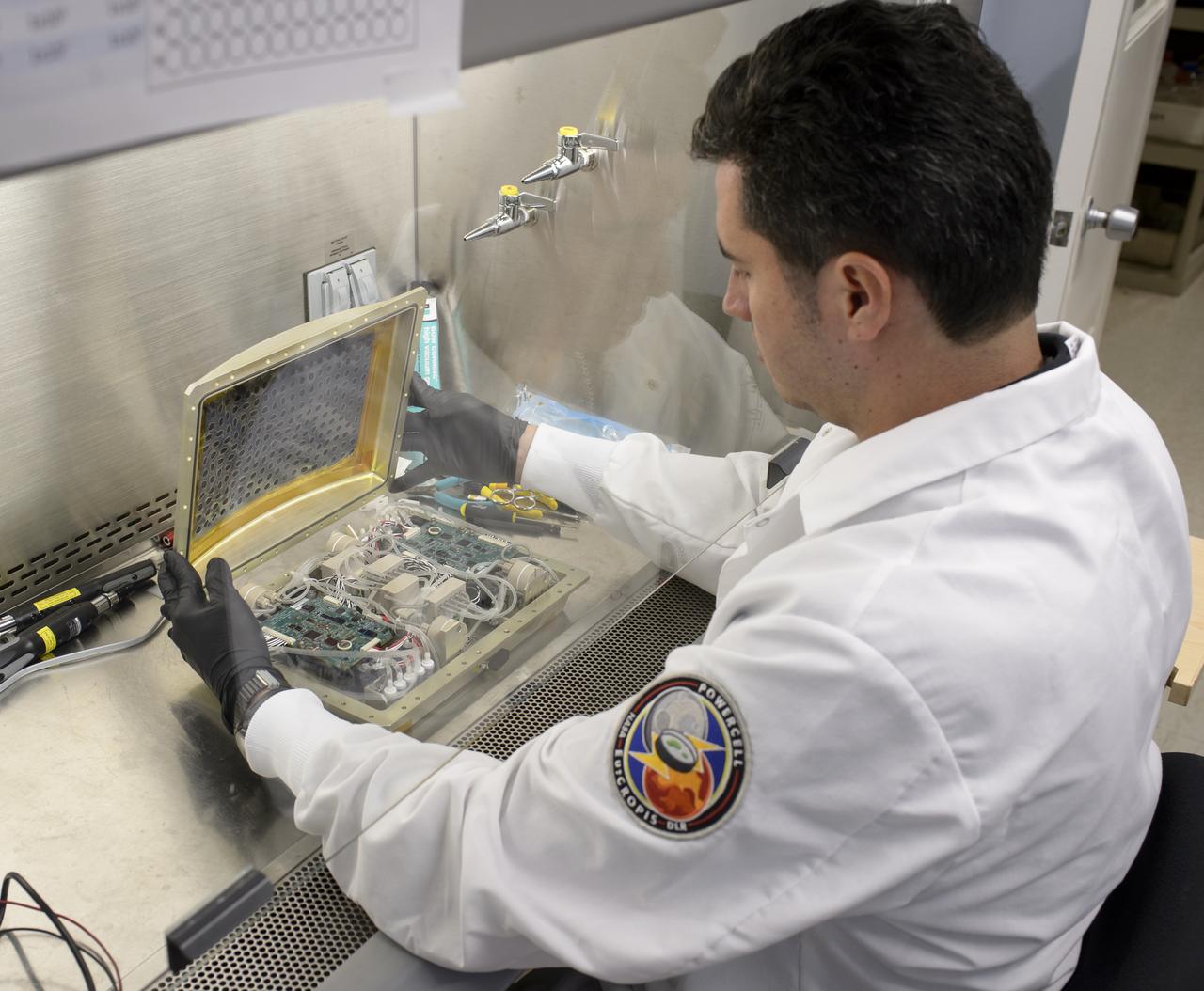
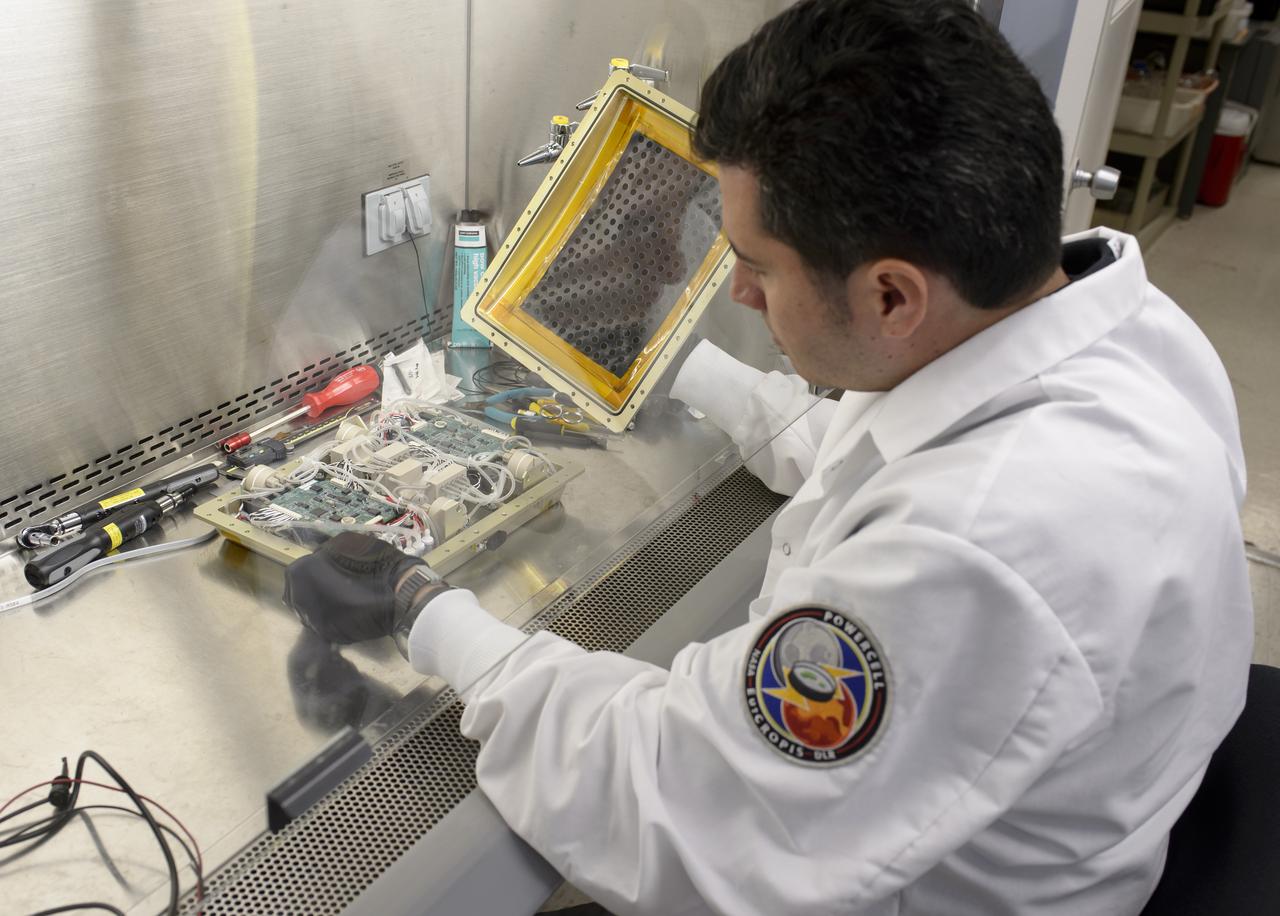
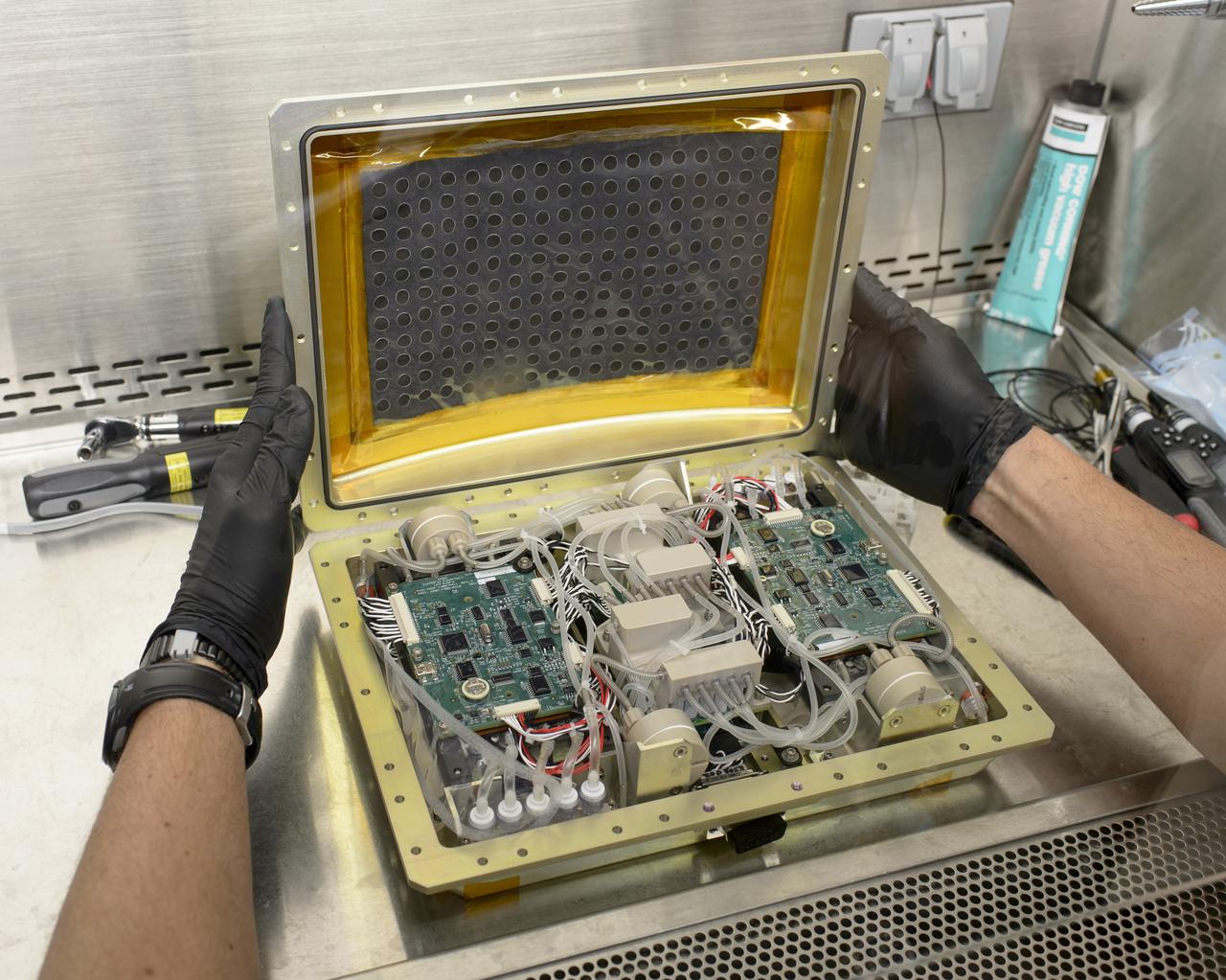
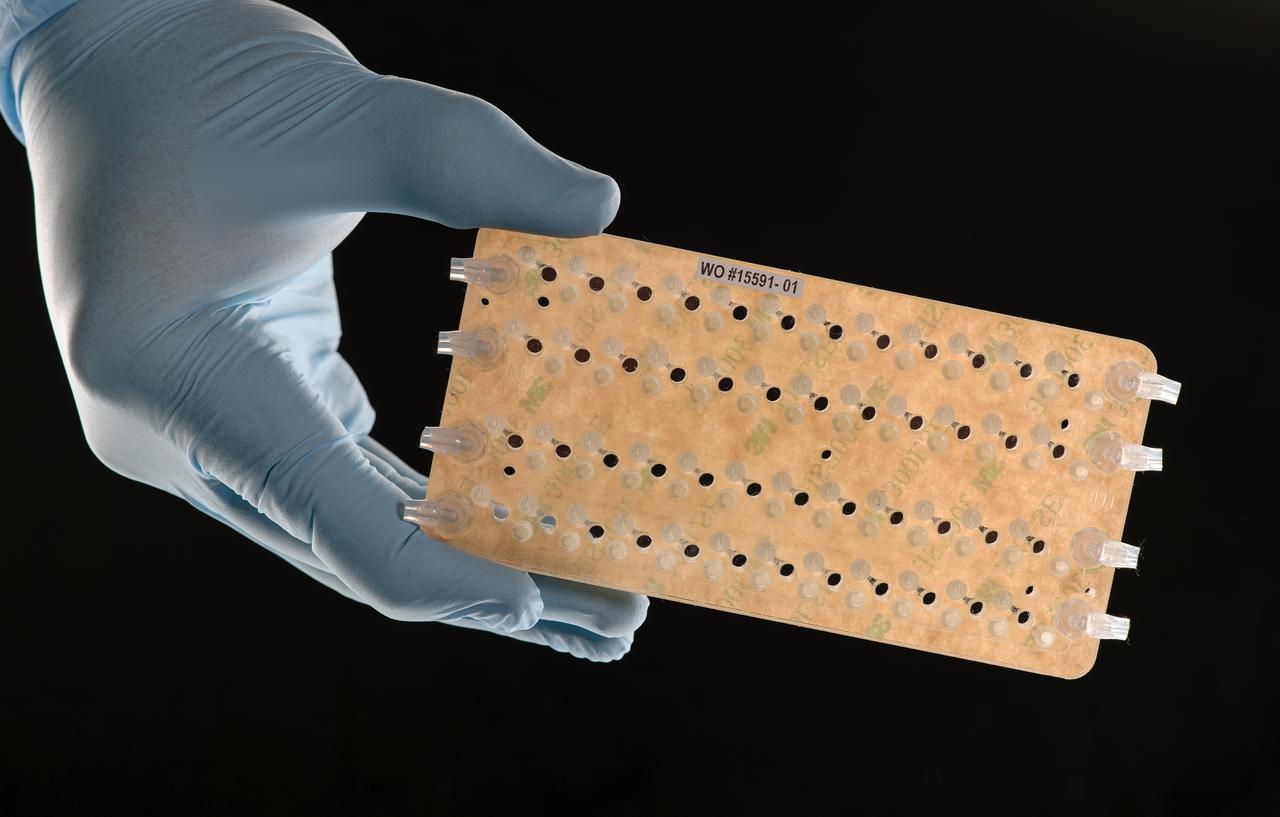
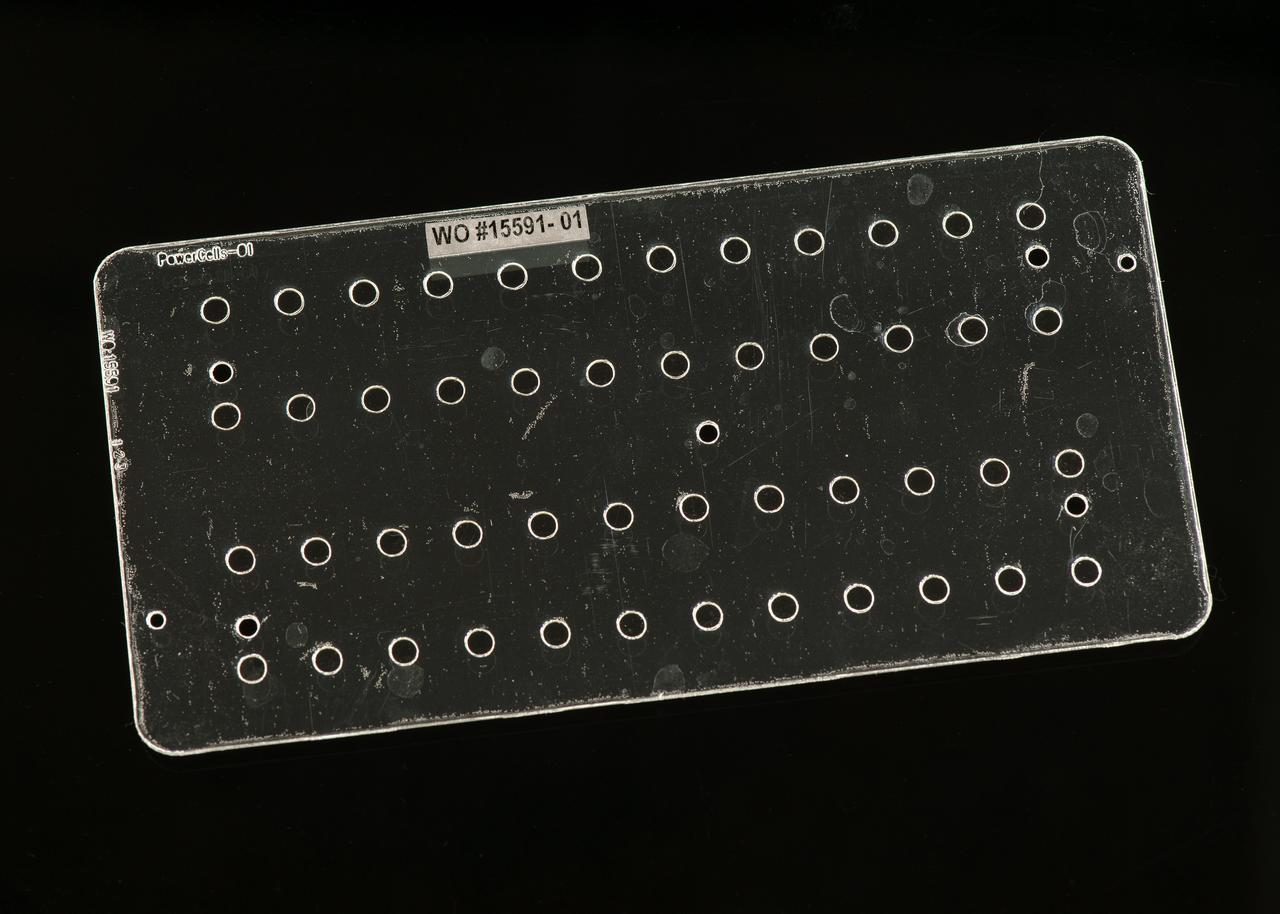
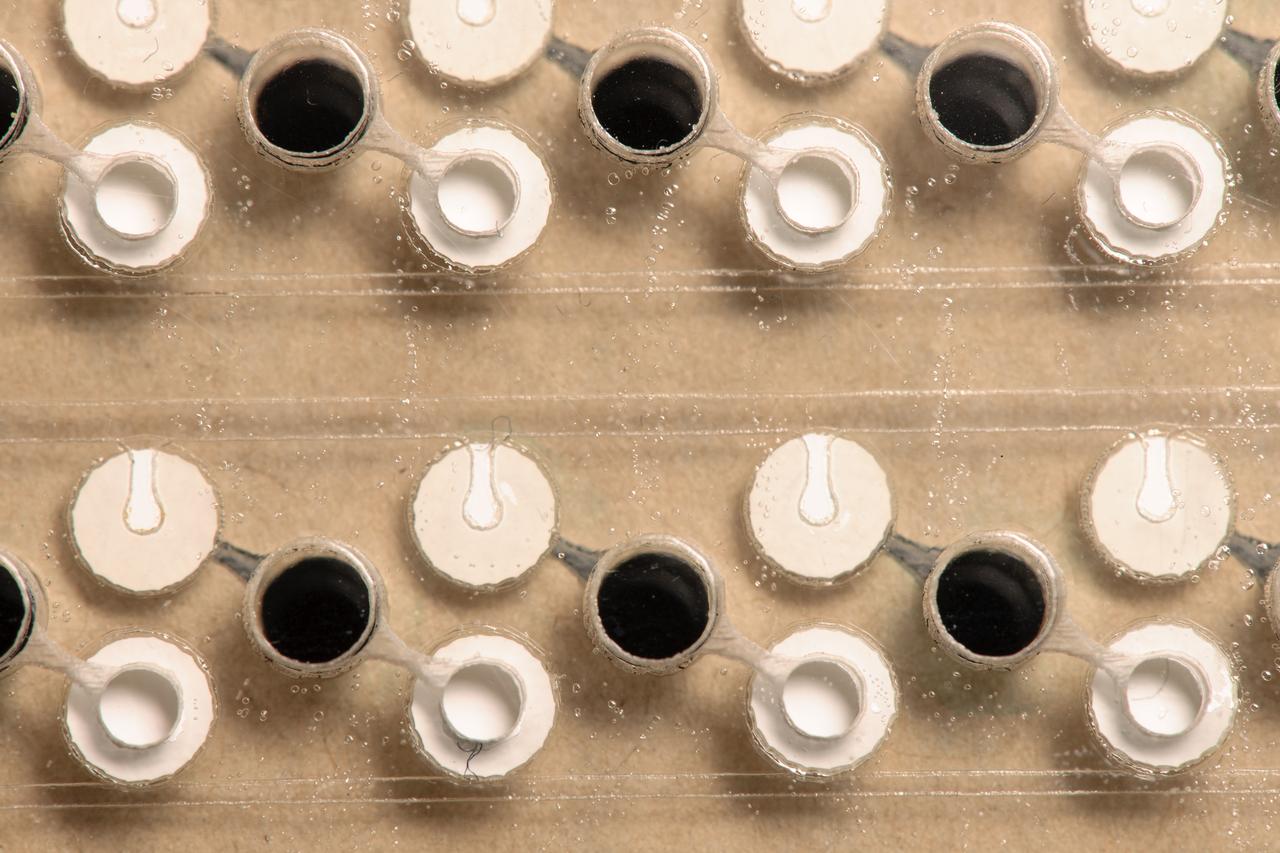
EuCropis Power Cells Micronics
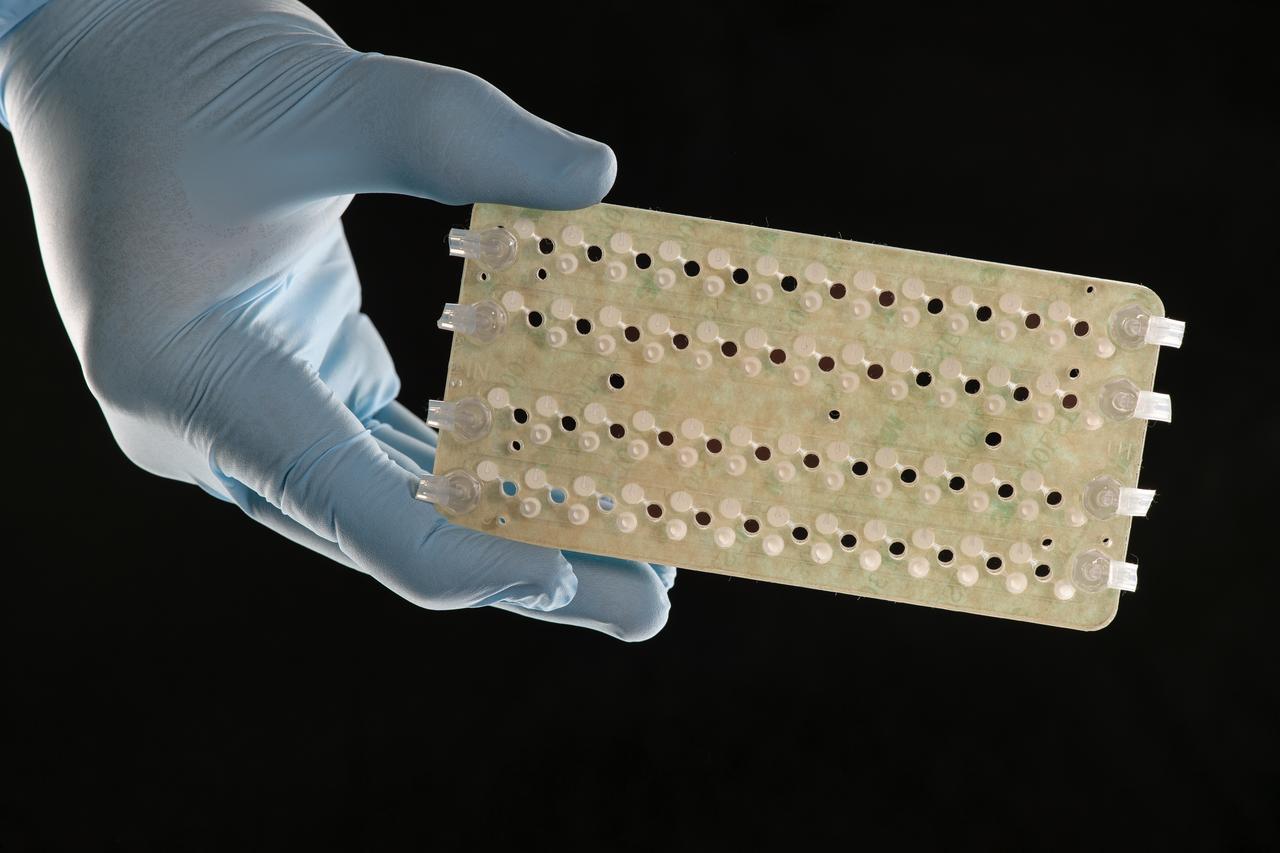
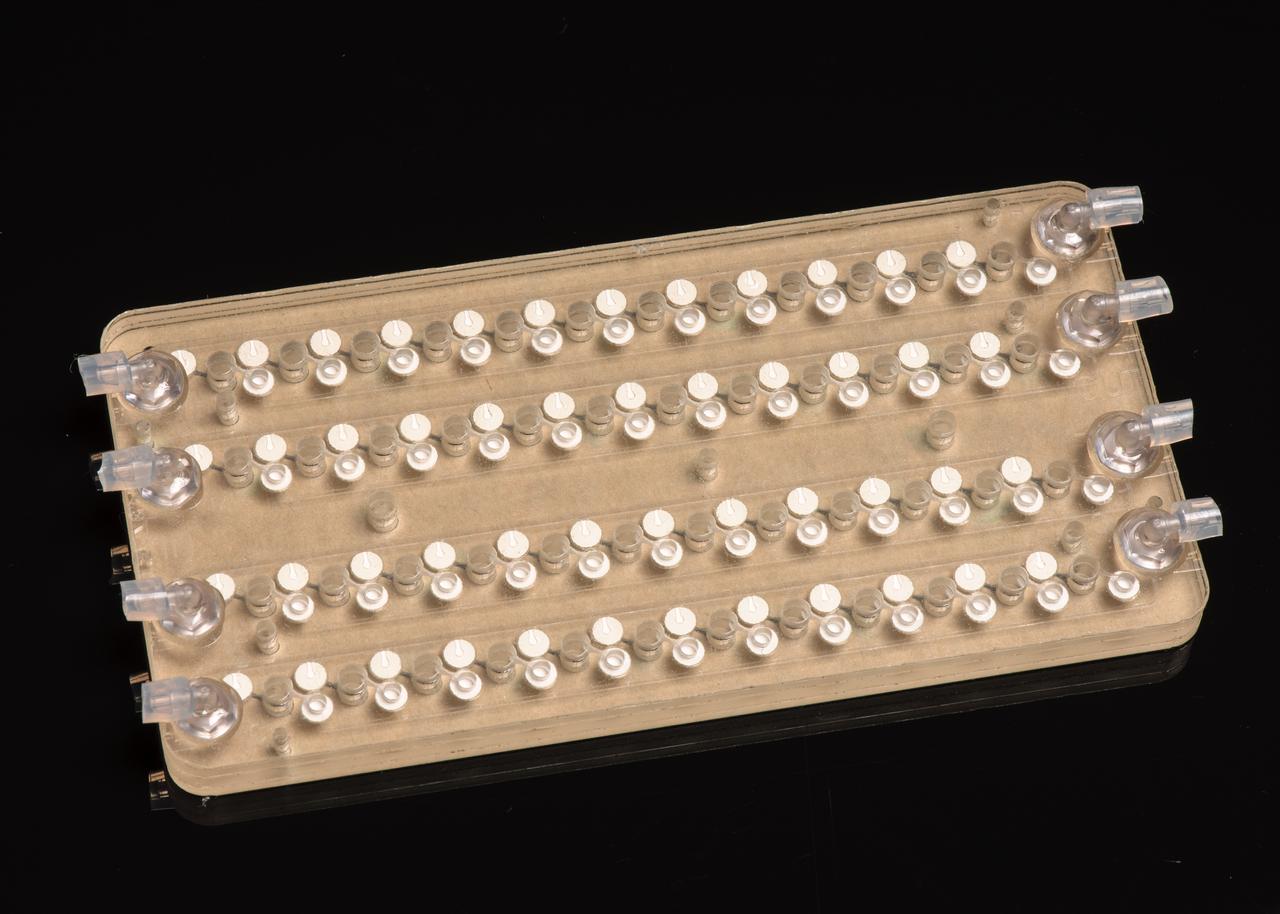
EuCropis Power Cells Fluidic Cards
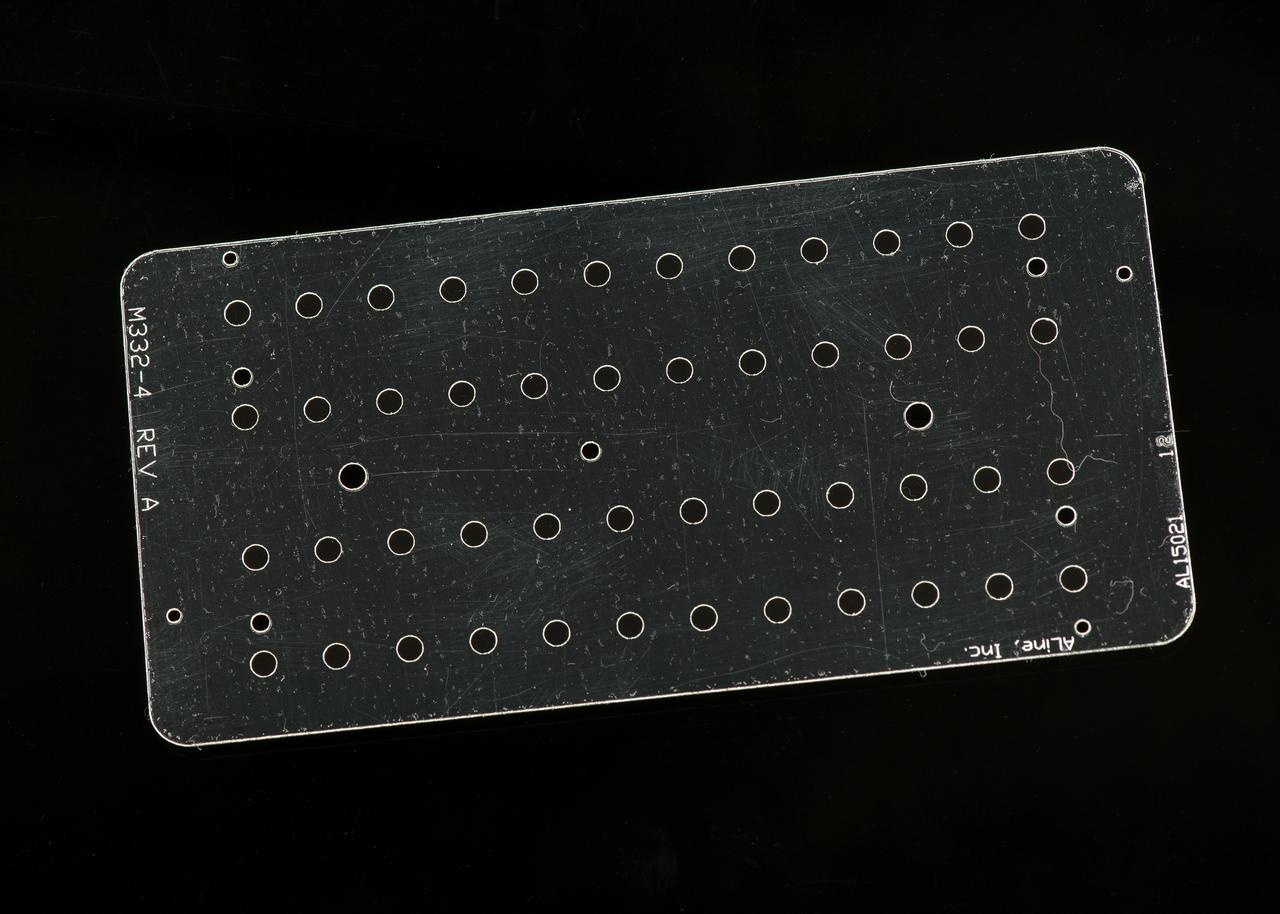
EuCropis Power Cells A-Line
EuCropis Power Cells Fluidic Cards
Dryden Model Shop's Tony Frakowiak remotely flies an experimental model aircraft being powered by a spotlight operated by Dryden aerospace engineer (code RA) Ryan Warner.
Dryden Model Shop's Tony Frakowiak remotely flies an experimental model aircraft being powered by a spotlight operated by Dryden aerospace engineer (Code RA) Ryan Warner.
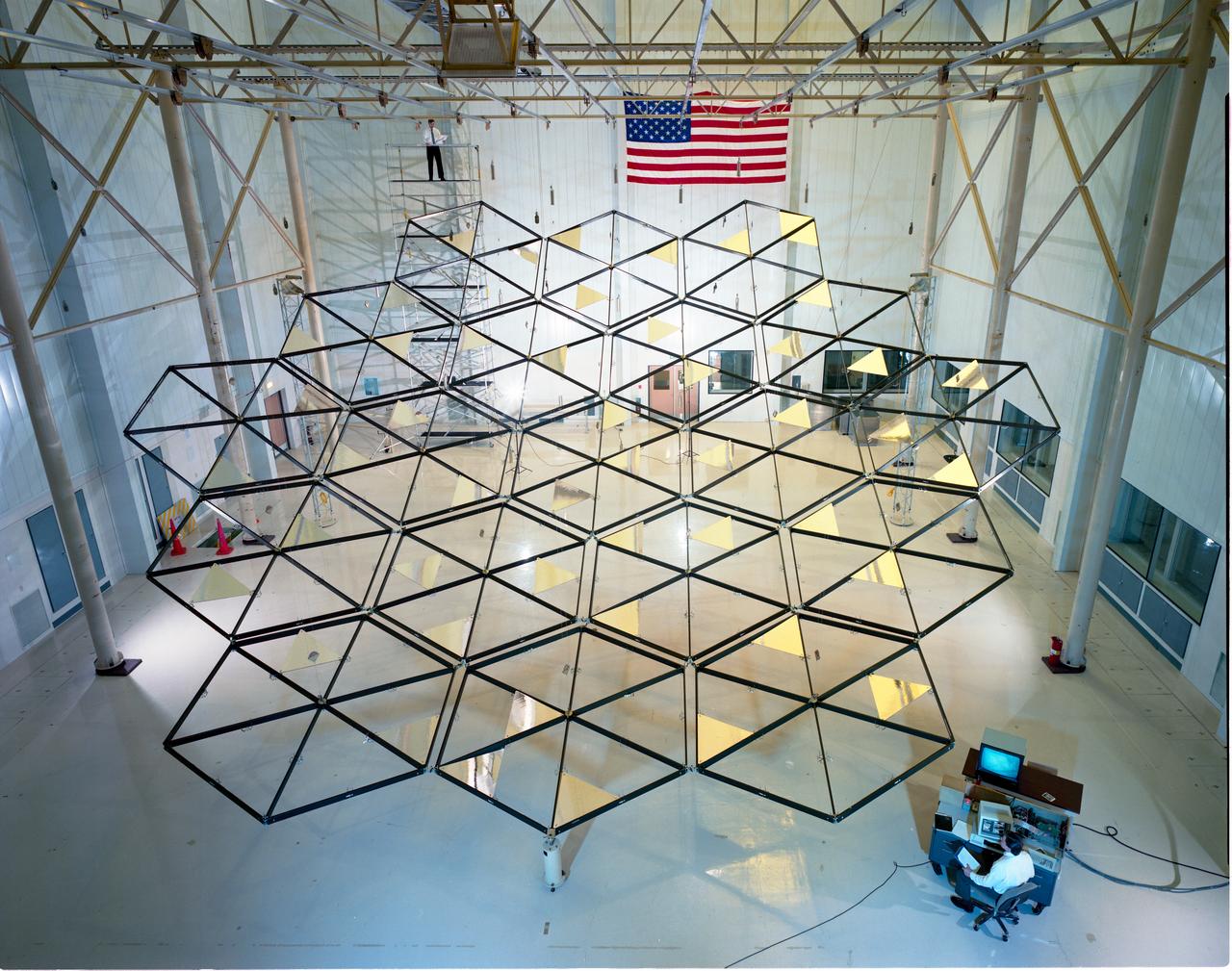
Testing of the Solar Dynamic Collector for Space Freedom.  The solar dynamic power system includes a solar concentrator, which collects sunlight; a receiver, which accepts and stores the concentrated solar energy and transfers this energy to a gas; a Brayton turbine, alternator, and compressor unit, which generates electric power; and a radiator, which rejects waste heat.
SOLAR CONCENTRATOR ADVANCED DEVELOPMENT
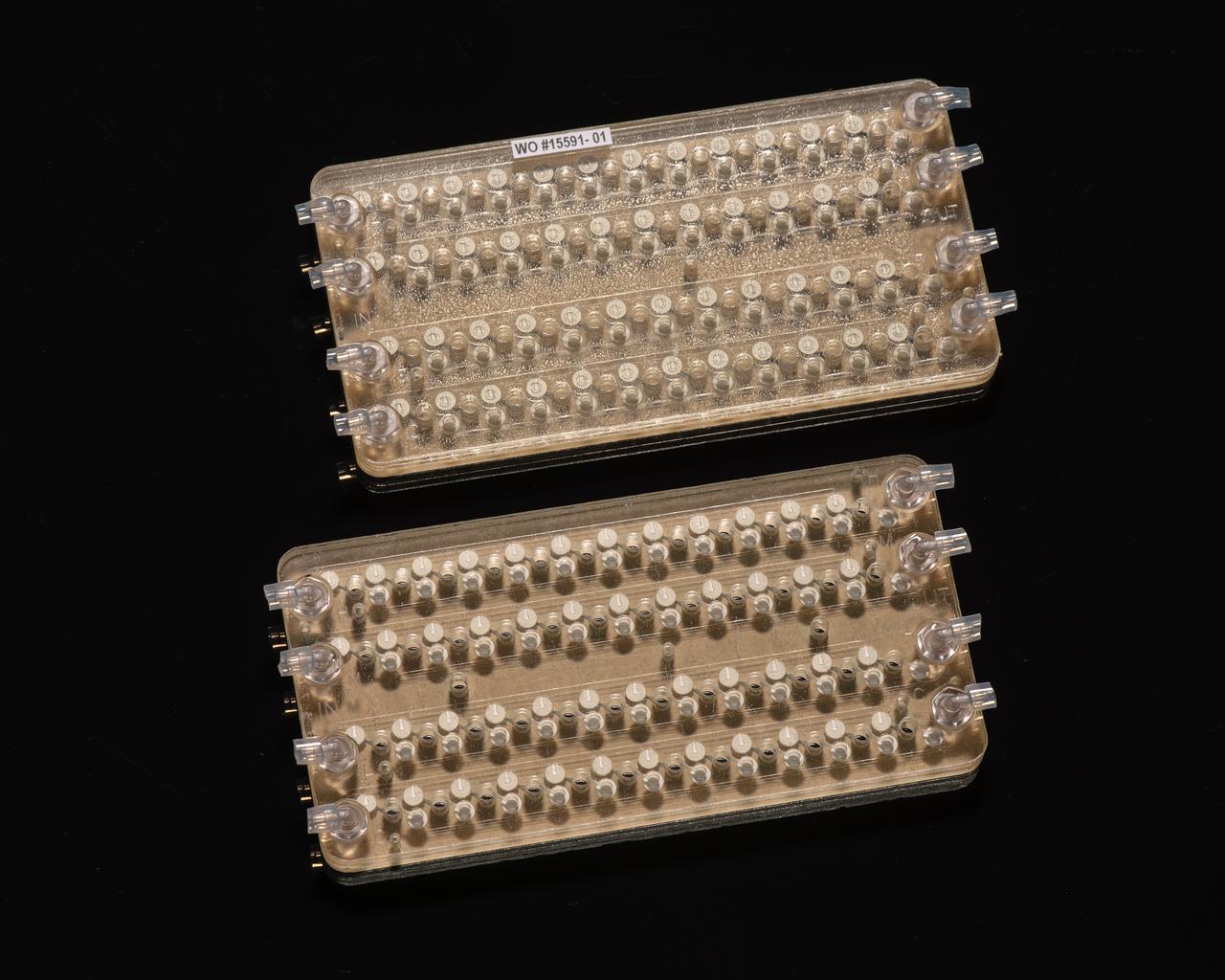
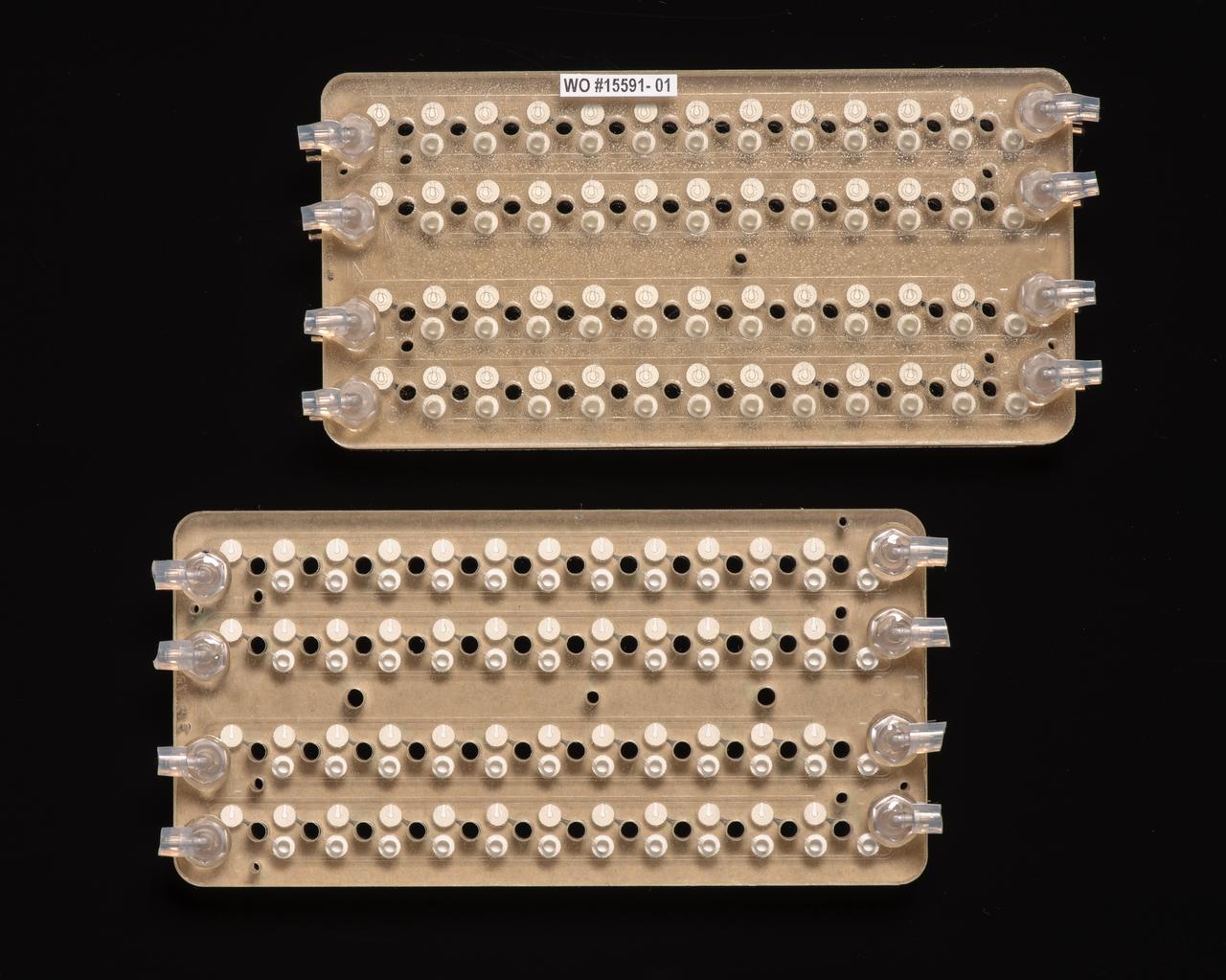
EuCropis Power Cells Micronics top, A-line bottom
EuCropis Power Cells Fluidic Cards
EuCropis Power Cells capping layer - Micronics
EuCropis Power Cells Fluidic Cards
EuCropis Power Cells capping layer A-line
EuCropis Power Cells Fluidic Cards
EuCropis Power Cells Micronics top, A-line bottom
EuCropis Power Cells Fluidic Cards
CAPE CANAVERAL, Fla. -- In the Vertical Integration Facility at Space Launch Complex-41 on Cape Canaveral Air Force Station, the multi-mission radioisotope thermoelectric generator (MMRTG) for NASA's Mars Science Laboratory (MSL) mission, secured to a turning fixture, is positioned on the radioisotope power system integration cart (RIC). The MMRTG will be installed on the Curiosity rover with the aid of the RIC.    The MMRTG will generate the power needed for the mission from the natural decay of plutonium-238, a non-weapons-grade form of the radioisotope. Heat given off by this natural decay will provide constant power through the day and night during all seasons. Curiosity, MSL's car-sized rover, has 10 science instruments designed to search for signs of life, including methane, and help determine if the gas is from a biological or geological source. Waste heat from the MMRTG will be circulated throughout the rover system to keep instruments, computers, mechanical devices and communications systems within their operating temperature ranges. Launch of MSL aboard a United Launch Alliance Atlas V rocket is scheduled for Nov. 25. For more information, visit http://www.nasa.gov/msl. Photo credit: Department of Energy/Idaho National Laboratory
KSC-2011-7899
CAPE CANAVERAL, Fla. -- In the Vertical Integration Facility at Space Launch Complex-41 on Cape Canaveral Air Force Station, a turning fixture lowers the multi-mission radioisotope thermoelectric generator (MMRTG) for NASA's Mars Science Laboratory (MSL) mission toward the radioisotope power system integration cart (RIC). Once the MMRTG is secured on the cart, it will be installed on the Curiosity rover.     The MMRTG will generate the power needed for the mission from the natural decay of plutonium-238, a non-weapons-grade form of the radioisotope. Heat given off by this natural decay will provide constant power through the day and night during all seasons. Curiosity, MSL's car-sized rover, has 10 science instruments designed to search for signs of life, including methane, and help determine if the gas is from a biological or geological source. Waste heat from the MMRTG will be circulated throughout the rover system to keep instruments, computers, mechanical devices and communications systems within their operating temperature ranges. Launch of MSL aboard a United Launch Alliance Atlas V rocket is scheduled for Nov. 25. For more information, visit http://www.nasa.gov/msl. Photo credit: Department of Energy/Idaho National Laboratory
KSC-2011-7898
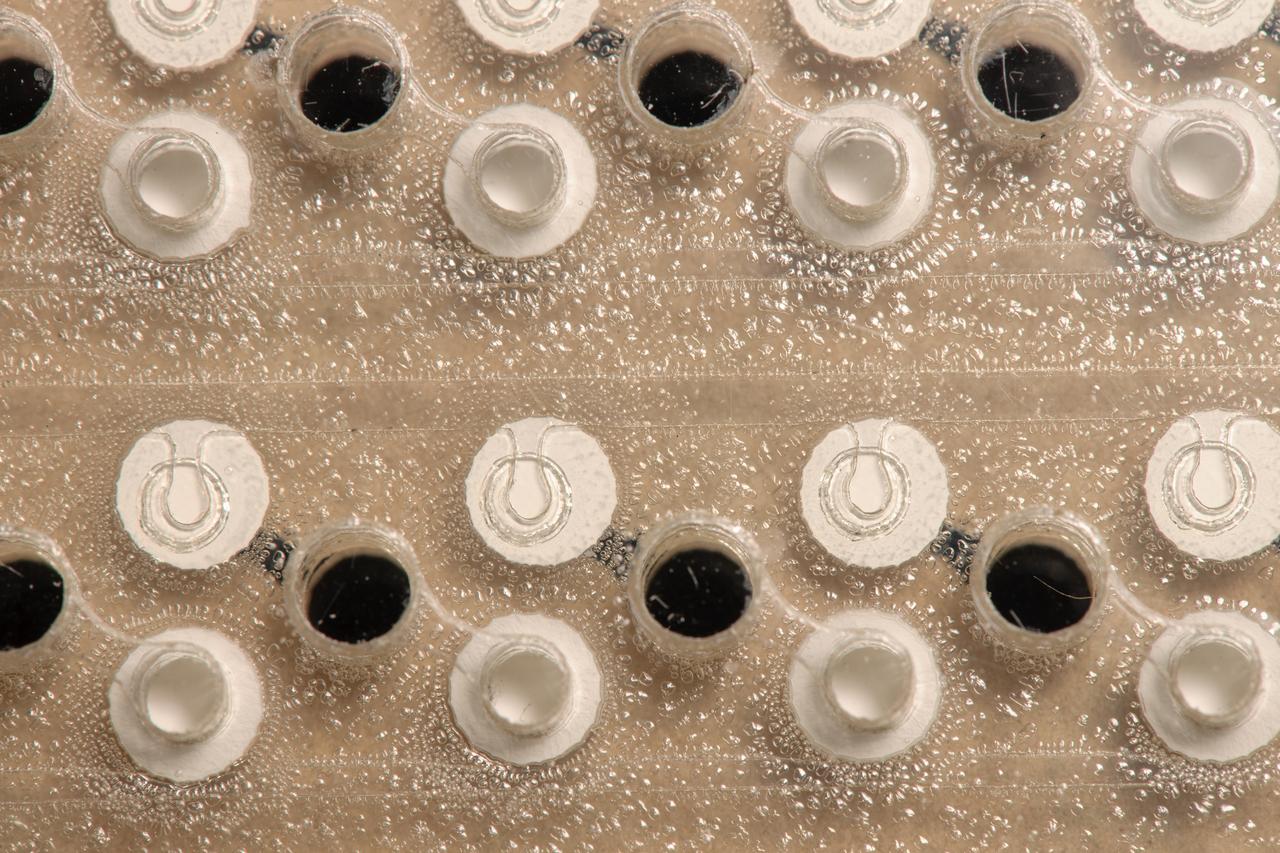
EuCropis Power Cells built by A-Line showing clearer manufacturing
EuCropis Power Cells Fluidic Cards
EuCropis Power Cells built by A-Line showing clearer manufacturing
EuCropis Power Cells Fluidic Cards
EuCropis Power Cells built by Micronics and showing bubbles in manufacturing
EuCropis Power Cells Fluidic Cards
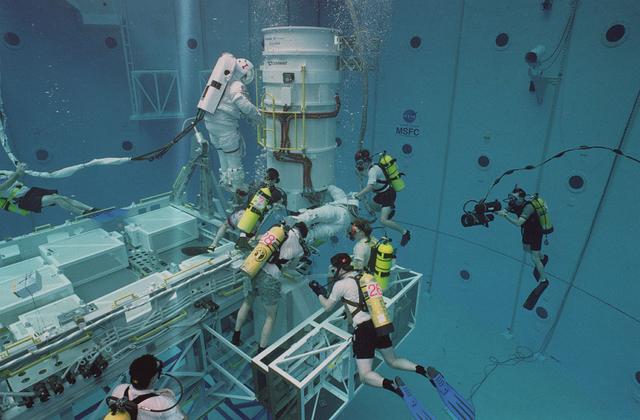
Astronaut Joe Lindquist and Kate Rupley conduct underwater testing on the International Space Station's power module in Marshall's Neutral Buoyancy Simulator (NBS).
Around Marshall
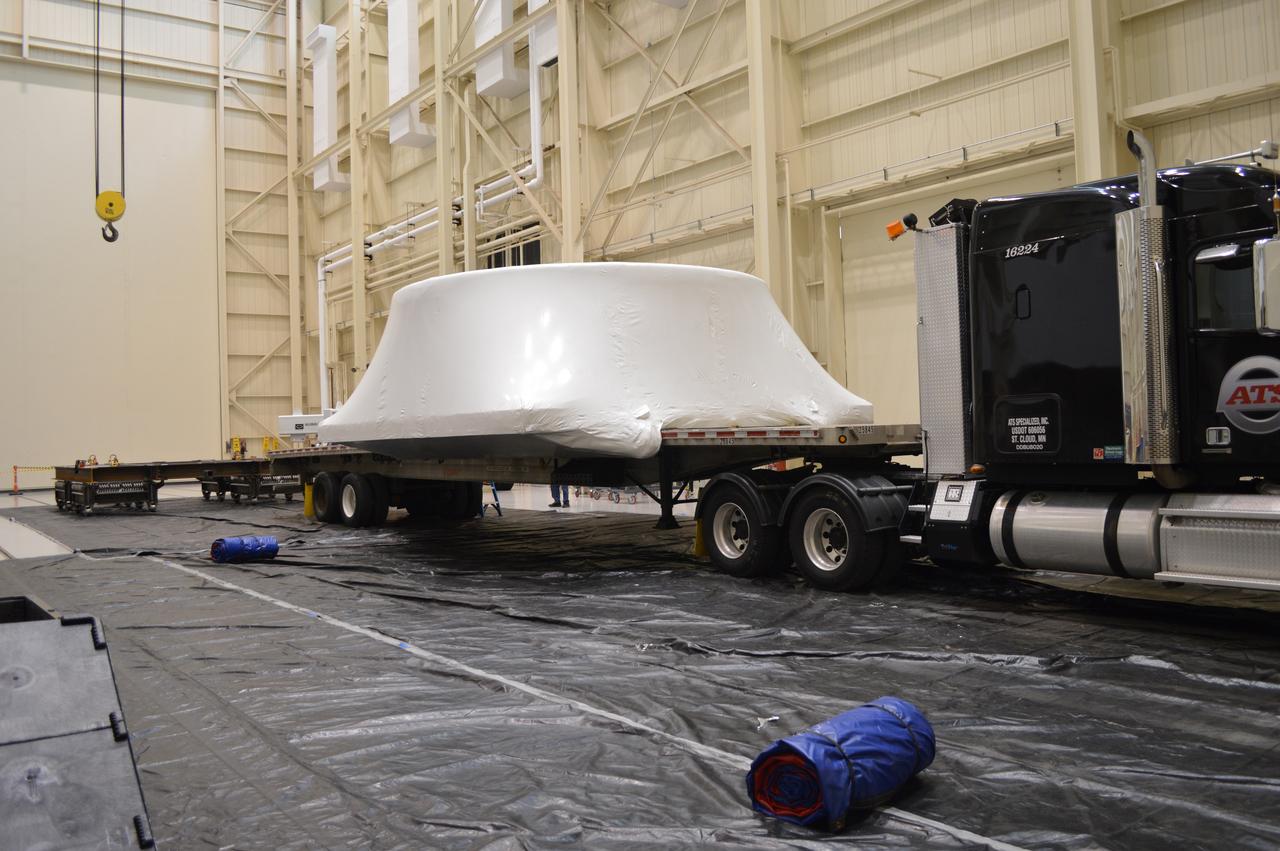
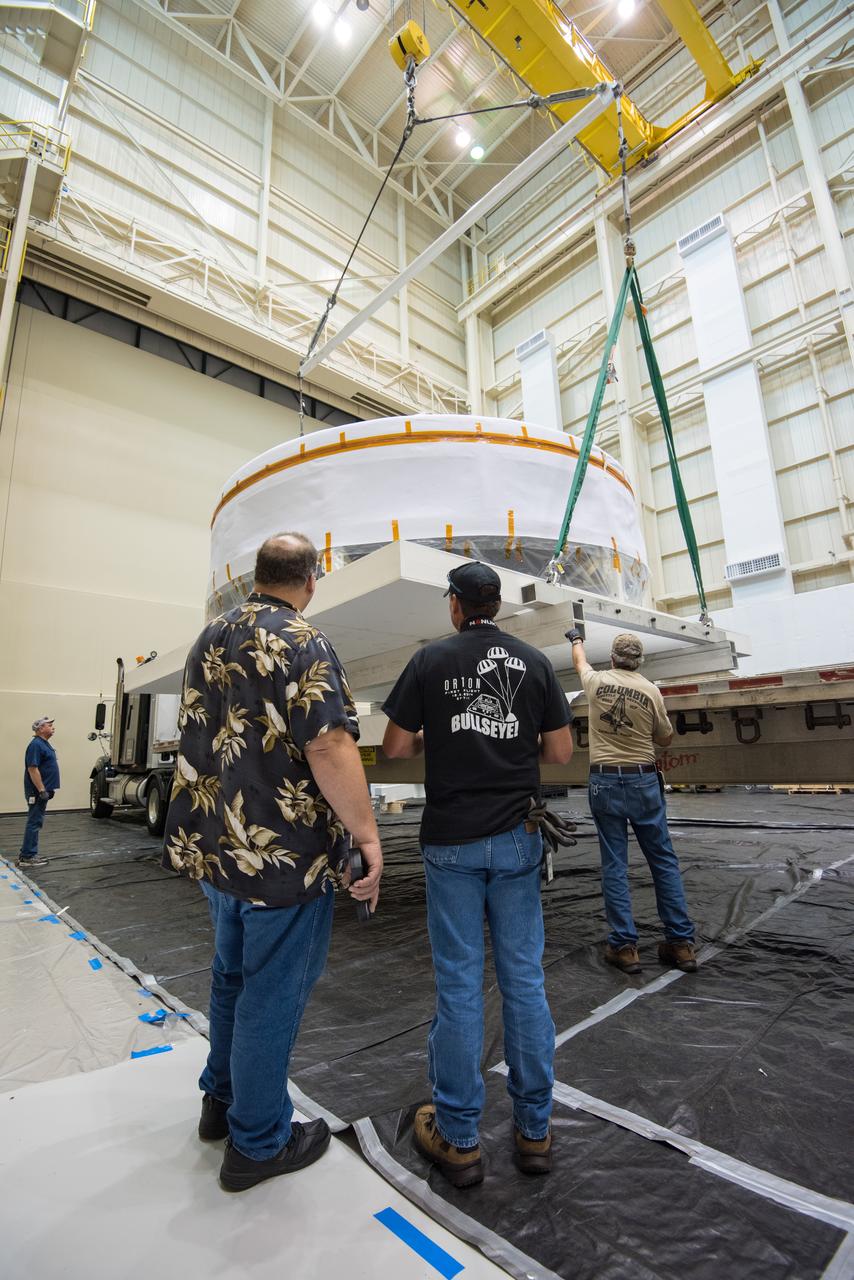
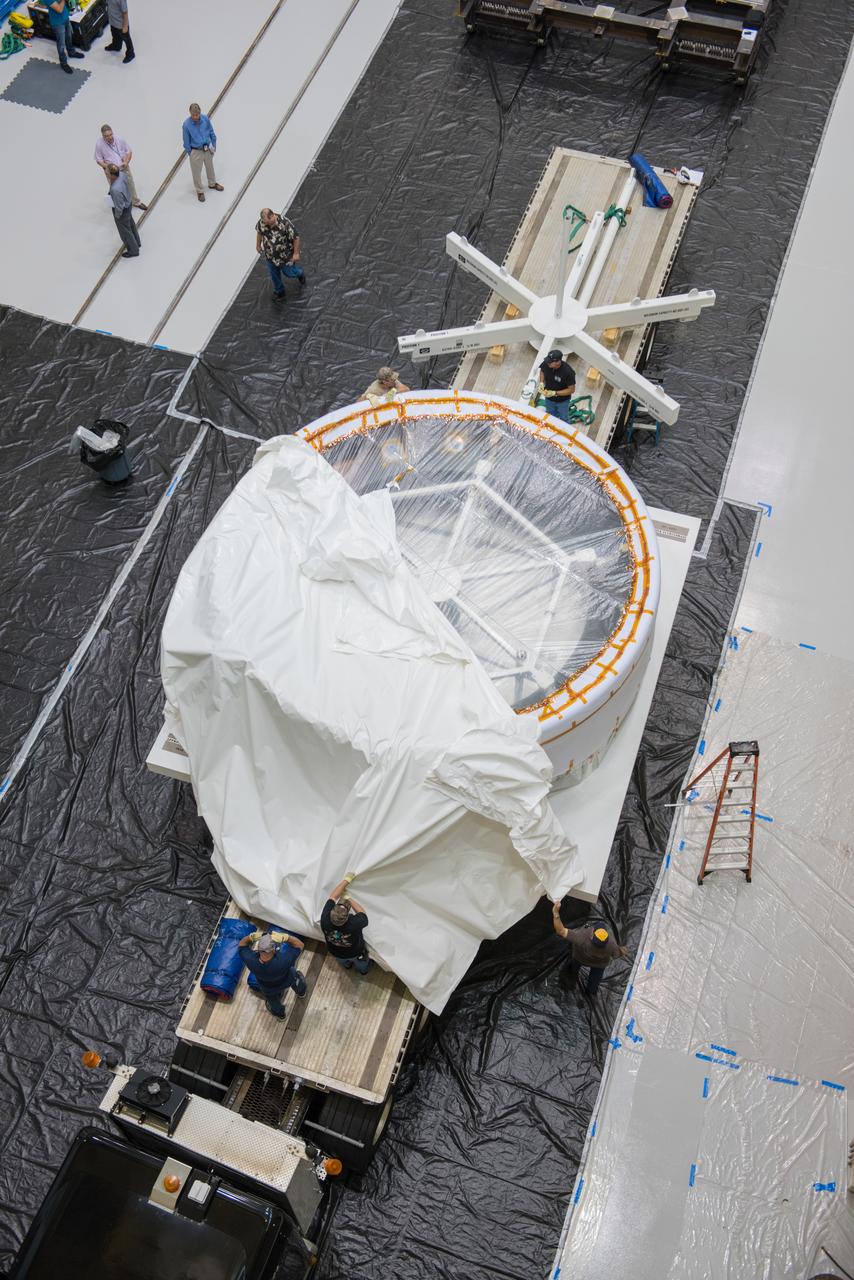
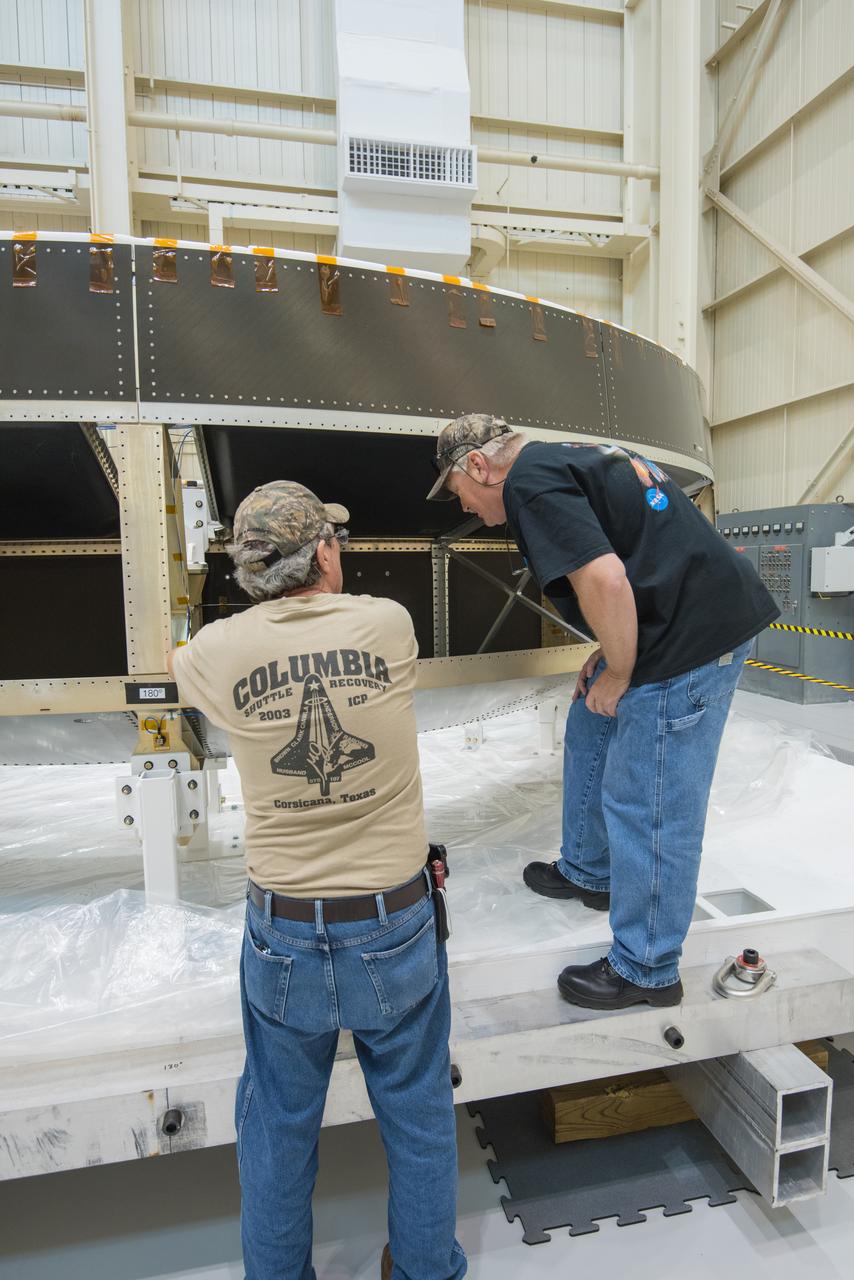
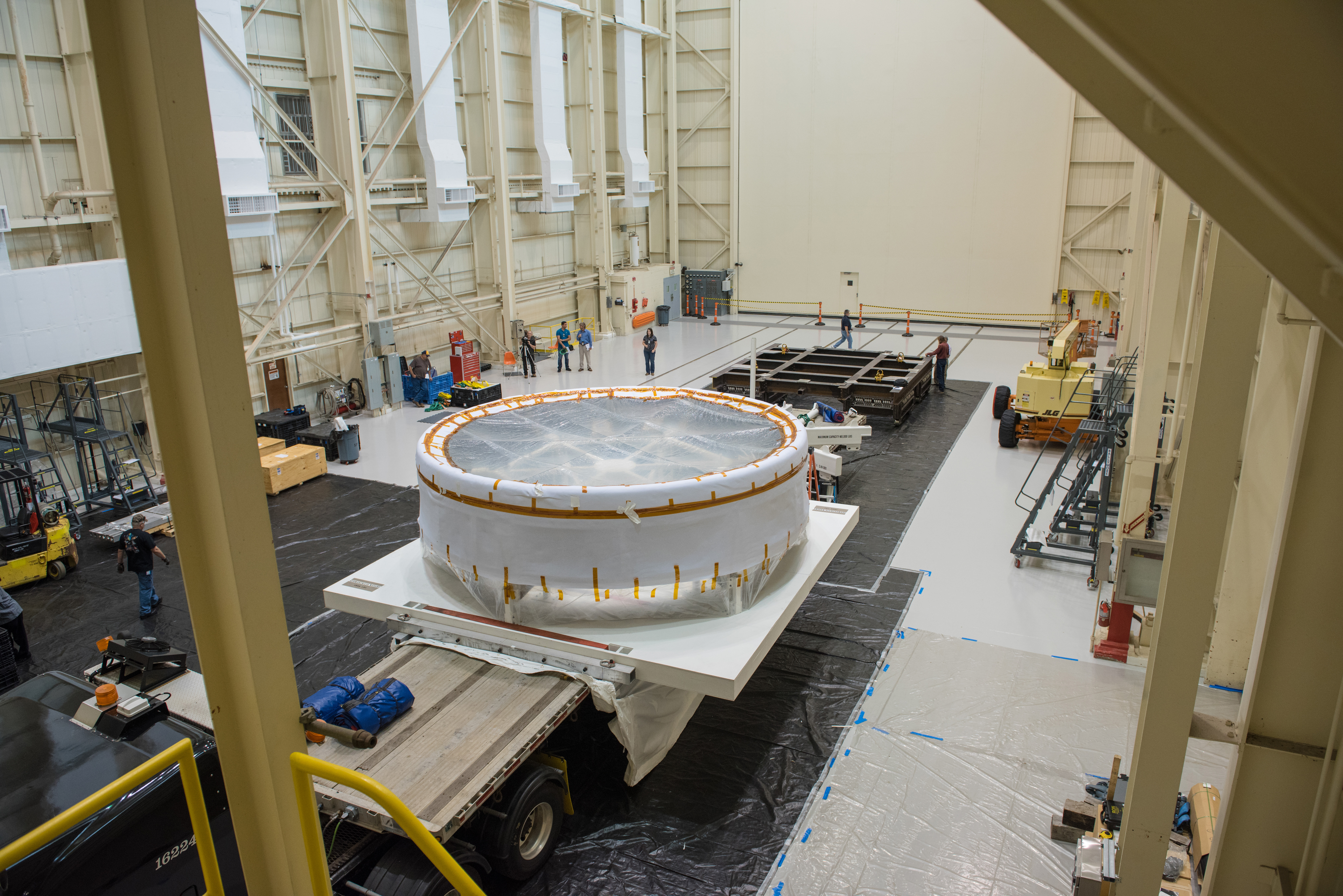
The Orion Crew Module Adapter simulator arrives at NASA Glenn's Plum Brook Station Space Power Facility in Sandusky, Ohio on June 24, 2015. Part of Batch image transfer from Flickr.
Space Power Facility
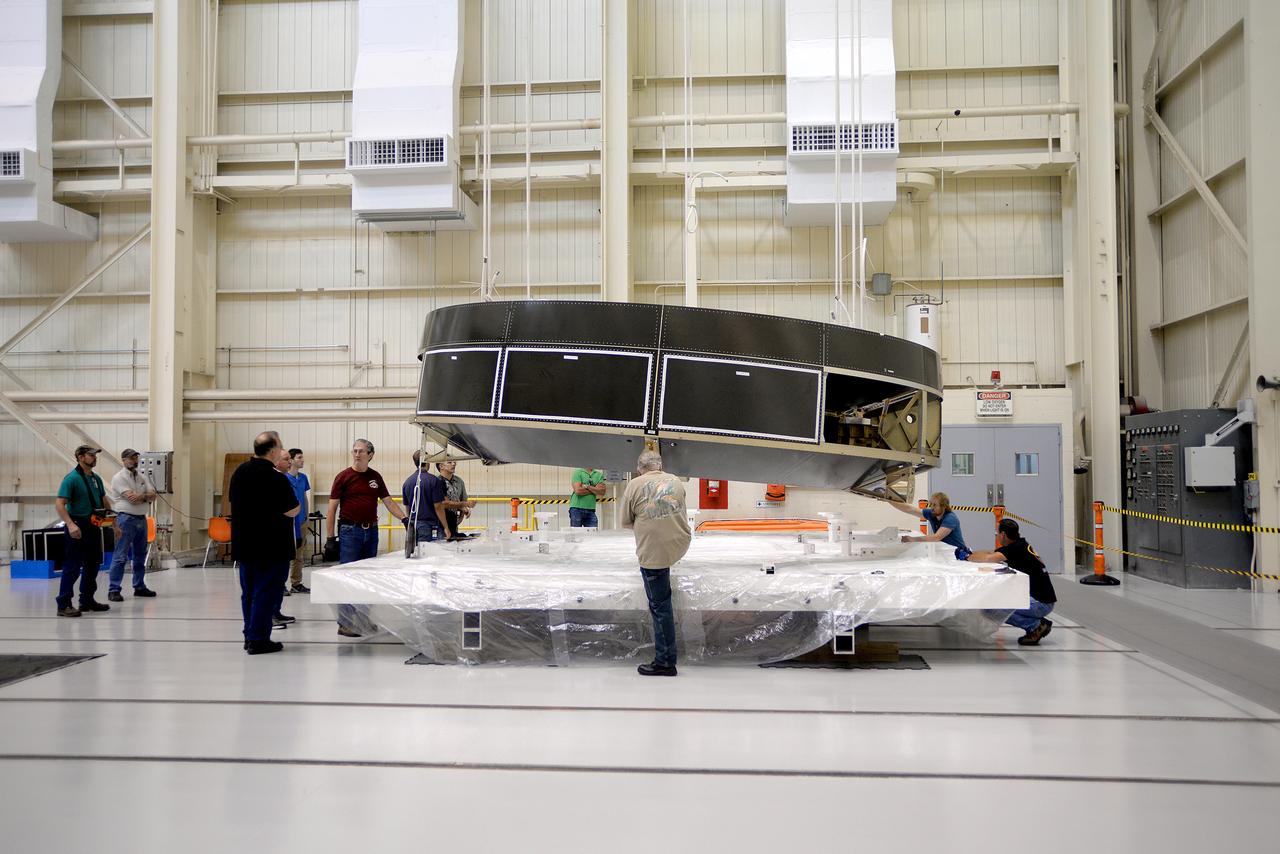
The Orion Crew Module Adapter simulator arrives at NASA Glenn's Plum Brook Station Space Power Facility in Sandusky, Ohio on June 24, 2015. Part of Batch image transfer from Flickr.
Space Power Facility
The Orion Crew Module Adapter simulator arrives at NASA Glenn's Plum Brook Station Space Power Facility in Sandusky, Ohio on June 24, 2015. Part of Batch image transfer from Flickr.
Space Power Facility
The Orion Crew Module Adapter simulator arrives at NASA Glenn's Plum Brook Station Space Power Facility in Sandusky, Ohio on June 24, 2015. Part of Batch image transfer from Flickr.
Space Power Facility
The Orion Crew Module Adapter simulator arrives at NASA Glenn's Plum Brook Station Space Power Facility in Sandusky, Ohio on June 24, 2015. Part of Batch image transfer from Flickr.
Space Power Facility
The Orion Crew Module Adapter simulator arrives at NASA Glenn's Plum Brook Station Space Power Facility in Sandusky, Ohio on June 24, 2015. Part of Batch image transfer from Flickr.
Space Power Facility
The Orion Crew Module Adapter simulator arrives at NASA Glenn's Plum Brook Station Space Power Facility in Sandusky, Ohio on June 24, 2015. Part of Batch image transfer from Flickr.
Space Power Facility
The Orion Crew Module Adapter simulator arrives at NASA Glenn's Plum Brook Station Space Power Facility in Sandusky, Ohio on June 24, 2015. Part of Batch image transfer from Flickr.
Space Power Facility
The Orion Crew Module Adapter simulator arrives at NASA Glenn's Plum Brook Station Space Power Facility in Sandusky, Ohio on June 24, 2015. Part of Batch image transfer from Flickr.
Space Power Facility
The Orion Crew Module Adapter simulator arrives at NASA Glenn's Plum Brook Station Space Power Facility in Sandusky, Ohio on June 24, 2015. Part of Batch image transfer from Flickr.
Space Power Facility
The Orion Crew Module Adapter simulator arrives at NASA Glenn's Plum Brook Station Space Power Facility in Sandusky, Ohio on June 24, 2015. Part of Batch image transfer from Flickr.
Space Power Facility
The Orion Crew Module Adapter simulator arrives at NASA Glenn's Plum Brook Station Space Power Facility in Sandusky, Ohio on June 24, 2015. Part of Batch image transfer from Flickr.
Space Power Facility
The Orion Crew Module Adapter simulator arrives at NASA Glenn's Plum Brook Station Space Power Facility in Sandusky, Ohio on June 24, 2015. Part of Batch image transfer from Flickr.
Space Power Facility
The Orion Crew Module Adapter simulator arrives at NASA Glenn's Plum Brook Station Space Power Facility in Sandusky, Ohio on June 24, 2015. Part of Batch image transfer from Flickr.
Space Power Facility
The Orion Crew Module Adapter simulator arrives at NASA Glenn's Plum Brook Station Space Power Facility in Sandusky, Ohio on June 24, 2015. Part of Batch image transfer from Flickr.
Space Power Facility
The Orion Crew Module Adapter simulator arrives at NASA Glenn's Plum Brook Station Space Power Facility in Sandusky, Ohio on June 24, 2015. Part of Batch image transfer from Flickr.
Space Power Facility
The Orion Crew Module Adapter simulator arrives at NASA Glenn's Plum Brook Station Space Power Facility in Sandusky, Ohio on June 24, 2015. Part of Batch image transfer from Flickr.
Space Power Facility
The Orion Crew Module Adapter simulator arrives at NASA Glenn's Plum Brook Station Space Power Facility in Sandusky, Ohio on June 24, 2015. Part of Batch image transfer from Flickr.
Space Power Facility
The Orion Crew Module Adapter simulator arrives at NASA Glenn's Plum Brook Station Space Power Facility in Sandusky, Ohio on June 24, 2015. Part of Batch image transfer from Flickr.
Space Power Facility
The Orion Crew Module Adapter simulator arrives at NASA Glenn's Plum Brook Station Space Power Facility in Sandusky, Ohio on June 24, 2015. Part of Batch image transfer from Flickr.
Space Power Facility