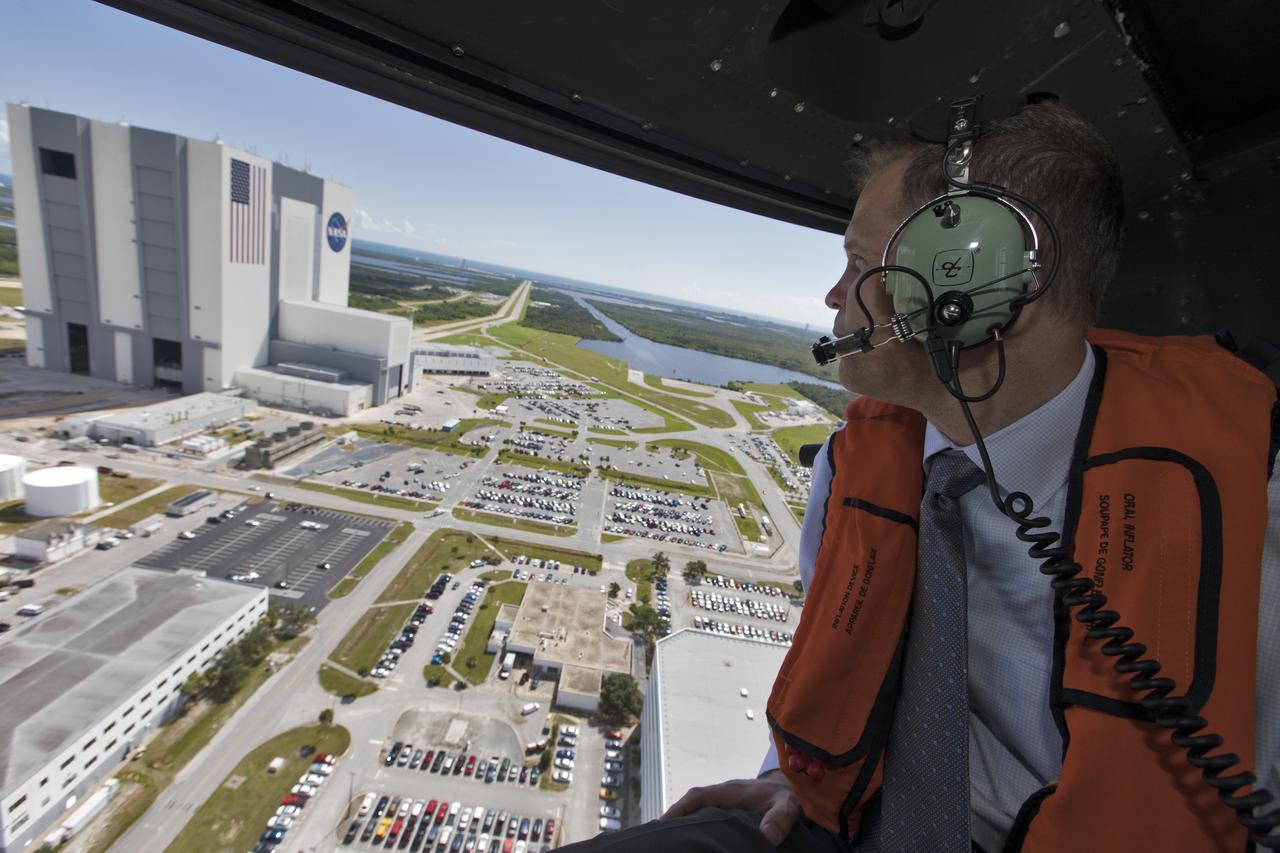
NASA Administrator Jim Bridenstine made his first official visit to the agency's Kennedy Space Center on Monday, Aug. 6, 2018. His up-close look at the premier, multi-user spaceport began with a helicopter tour over the bustling Florida spaceport that included the iconic Vehicle Assembly Building.
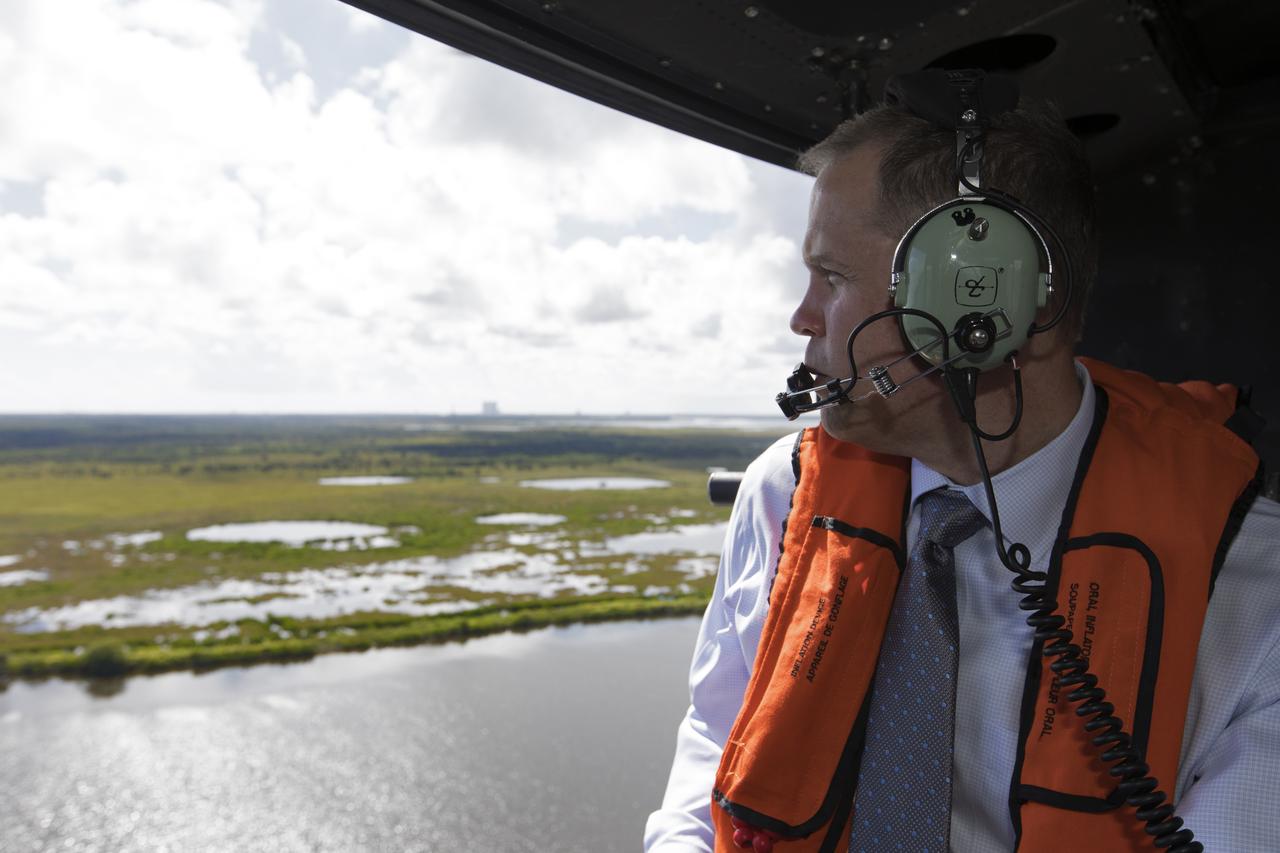
NASA Administrator Jim Bridenstine made his first official visit to the agency's Kennedy Space Center on Monday, Aug. 6, 2018. His up-close look at the premier, multi-user spaceport began with a helicopter tour over the bustling Florida spaceport.
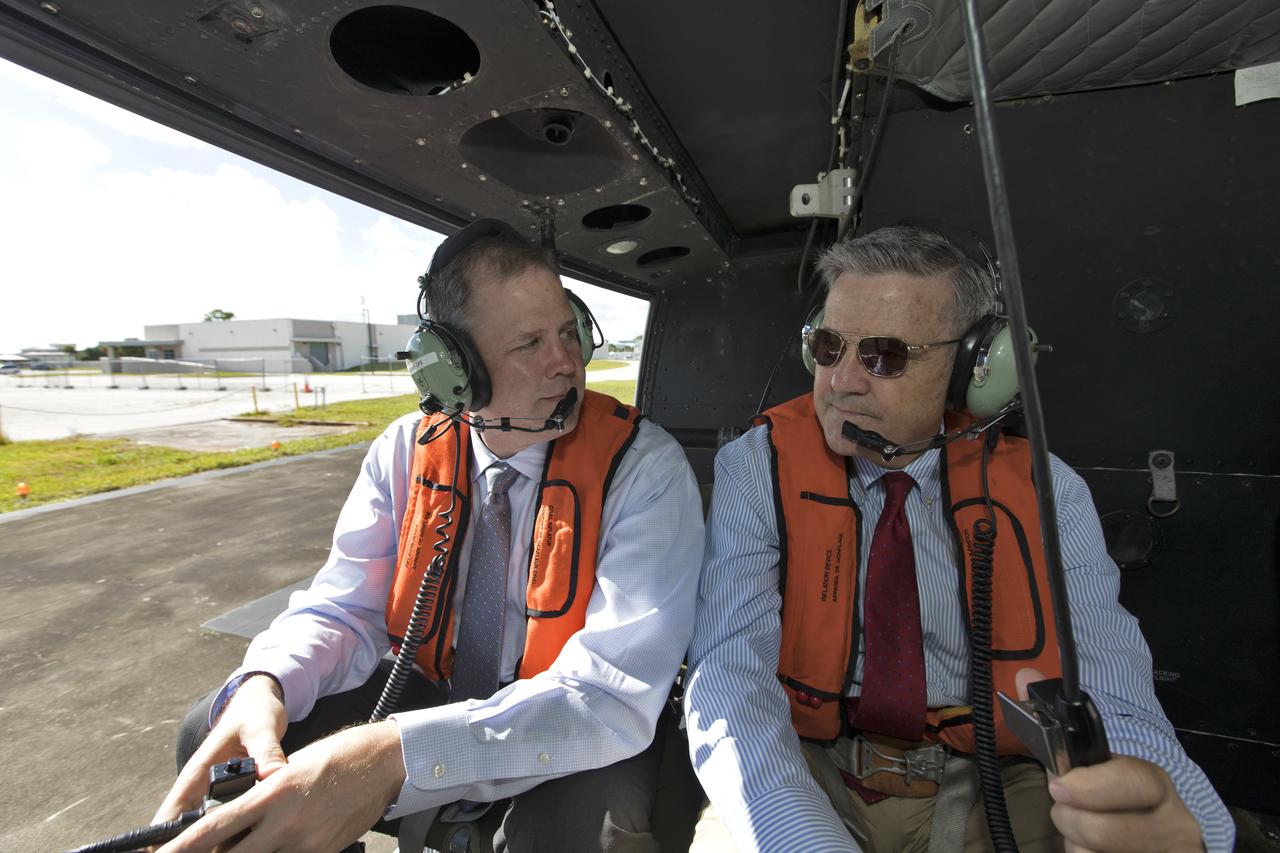
NASA Administrator Jim Bridenstine, left, made his first official visit to the agency's Kennedy Space Center on Monday, Aug. 6, 2018. His up-close look at the premier, multi-user spaceport began with Center Director Bob Cabana giving the administrator a helicopter tour over the bustling Florida spaceport.
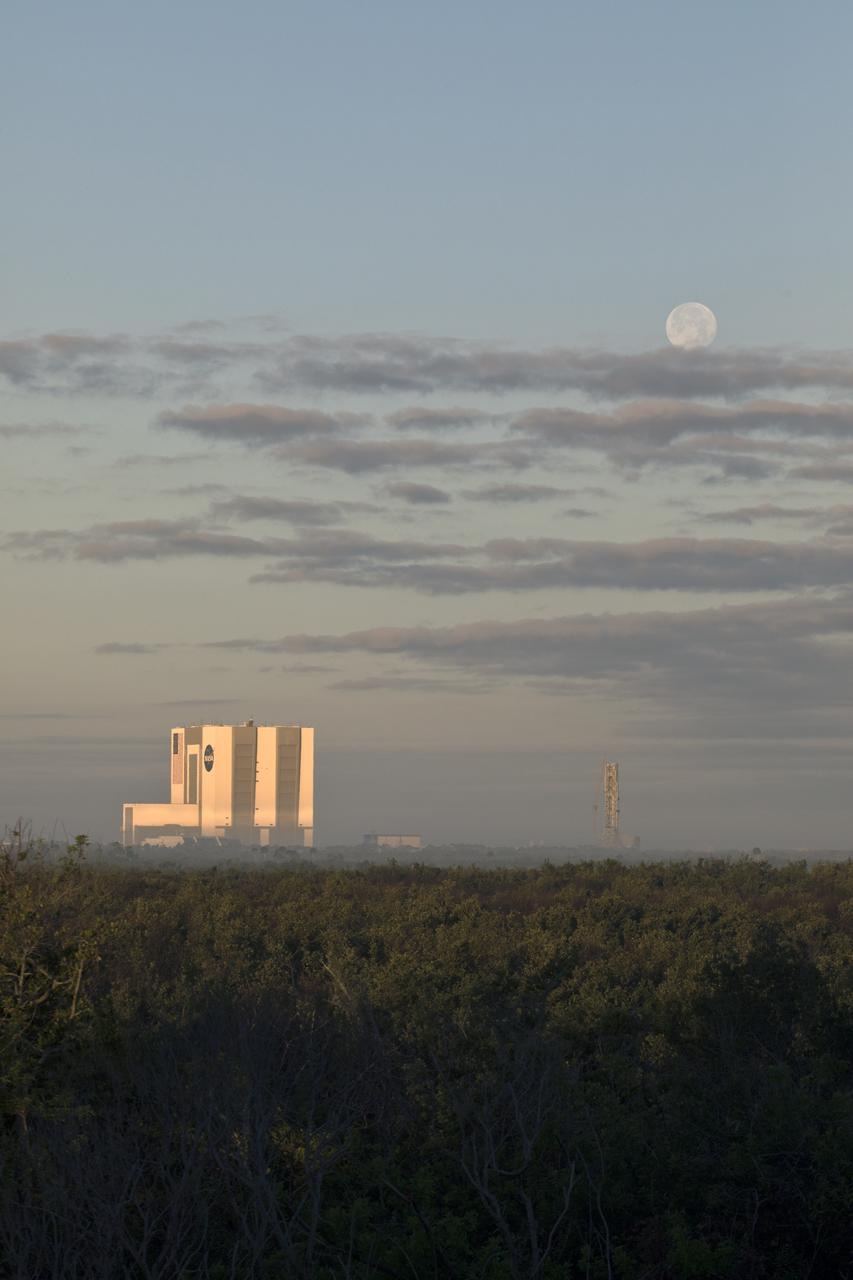
A full Moon sets behind the Vehicle Assembly Building and Mobile Launcher at NASA’s Kennedy Space Center in Florida. At the nation’s premier multi-user spaceport, NASA and its commercial and international partners are looking to return humans to the Moon and beyond utilizing a variety of rockets and capabilities.
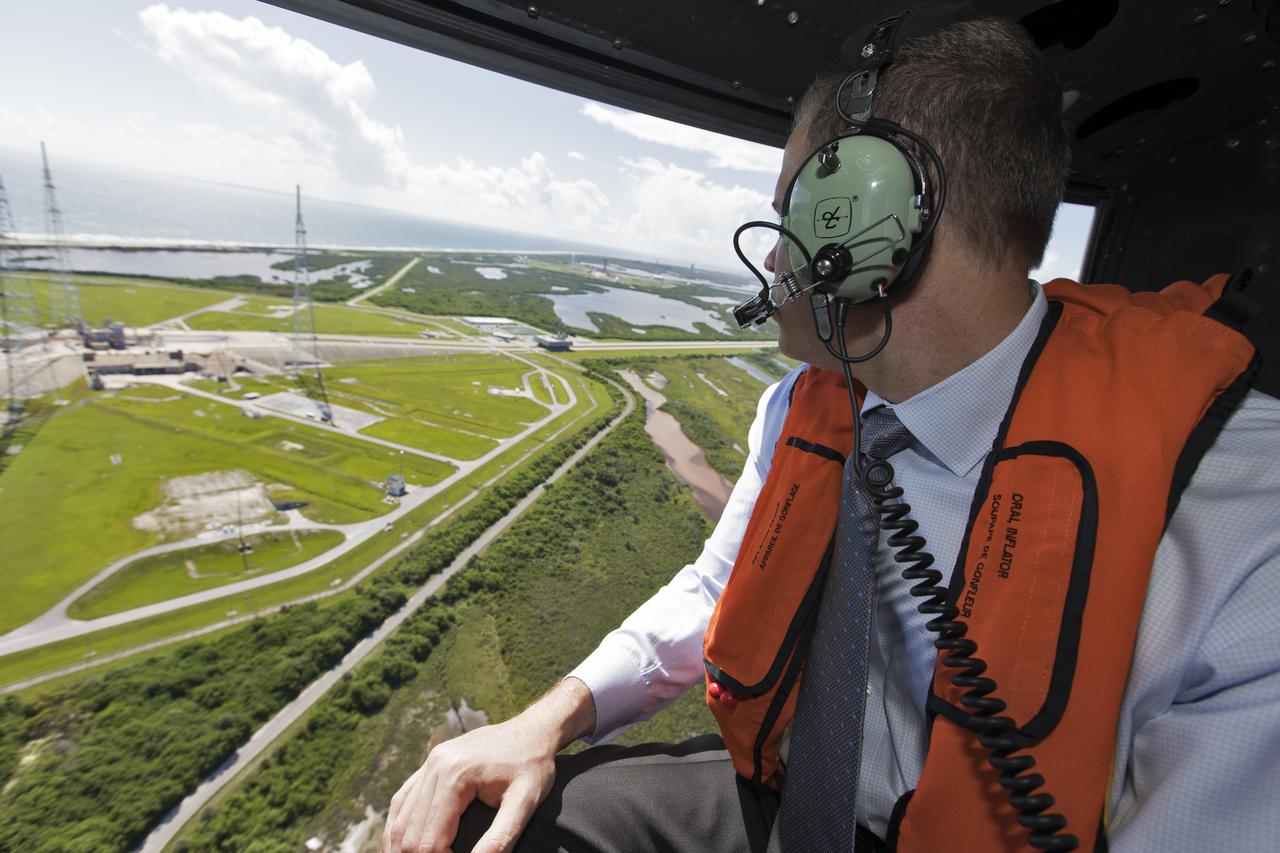
NASA Administrator Jim Bridenstine made his first official visit to the agency's Kennedy Space Center on Monday, Aug. 6, 2018. His up-close look at the premier, multi-user spaceport began with a helicopter tour over the bustling Florida spaceport that included the center's Launch Complex 39B. This will be the site where NASA's Space Launch System rocket and Orion spacecraft will liftoff on trips to the Moon, Mars and beyond.
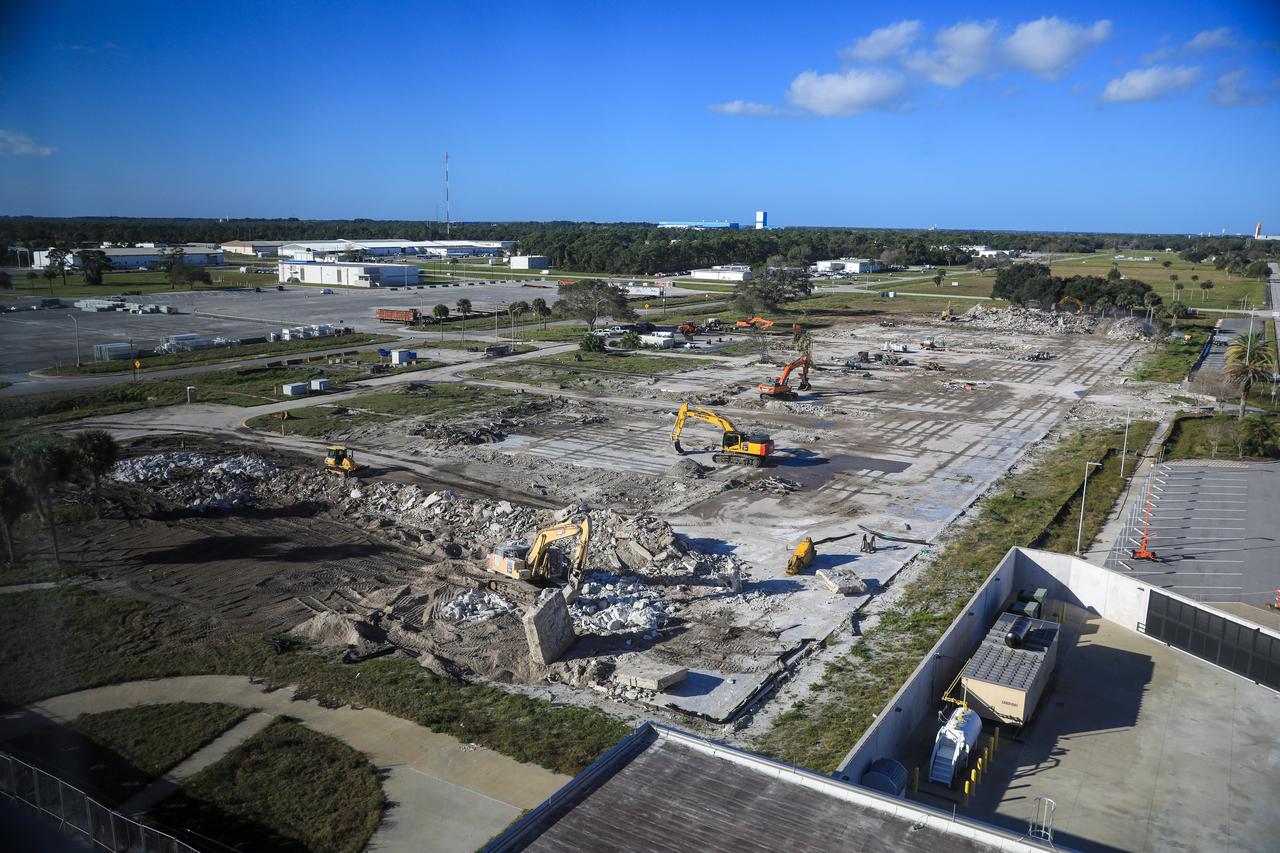
Shown on Jan. 11, 2022, is the area formerly occupied by the headquarters building at NASA’s Kennedy Space Center. Built in 1965, the 439,000-square-foot-structure was demolished and replaced at the Florida spaceport by the 200,000-square-foot, seven-story Central Campus Headquarters (CCHQ) Building. The CCHQ is a modernized, energy efficient facility representative of Kennedy’s transformation to America’s premier multi-user spaceport. It opened in May 2019. The area previously occupied by the old headquarters building will be utilized as greenspace.
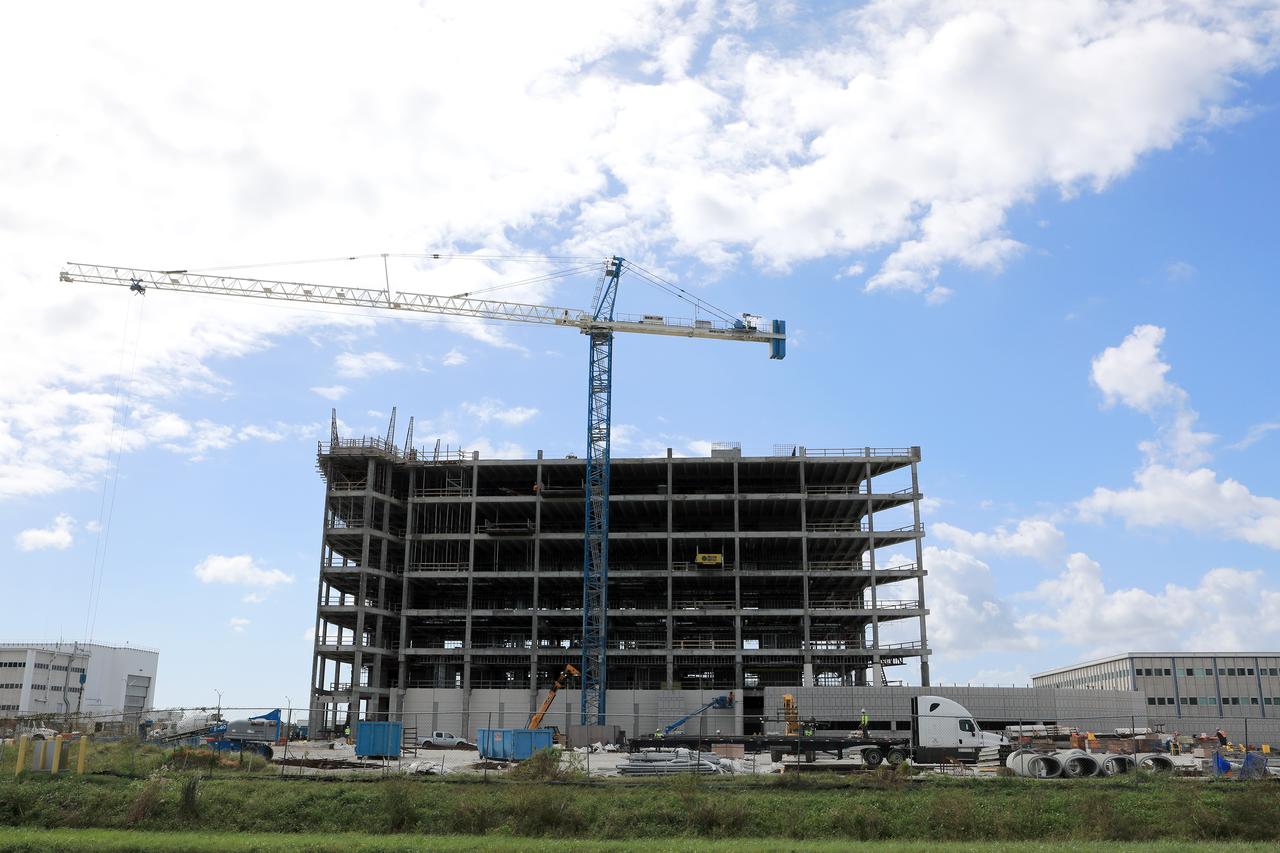
A large crane towers overhead as the new, seven-story headquarters building takes shape in the industrial area at NASA’s Kennedy Space Center in Florida. The 200,000-square-foot facility will anchor the spaceport’s Central Campus and house about 500 NASA civil service and contractor employees. The building will be more energy efficient than the current Headquarters building and will feature the latest in office and administrative building technology to fulfill Kennedy's role as the premiere multi-user spaceport for NASA and, increasingly, commercial entities.
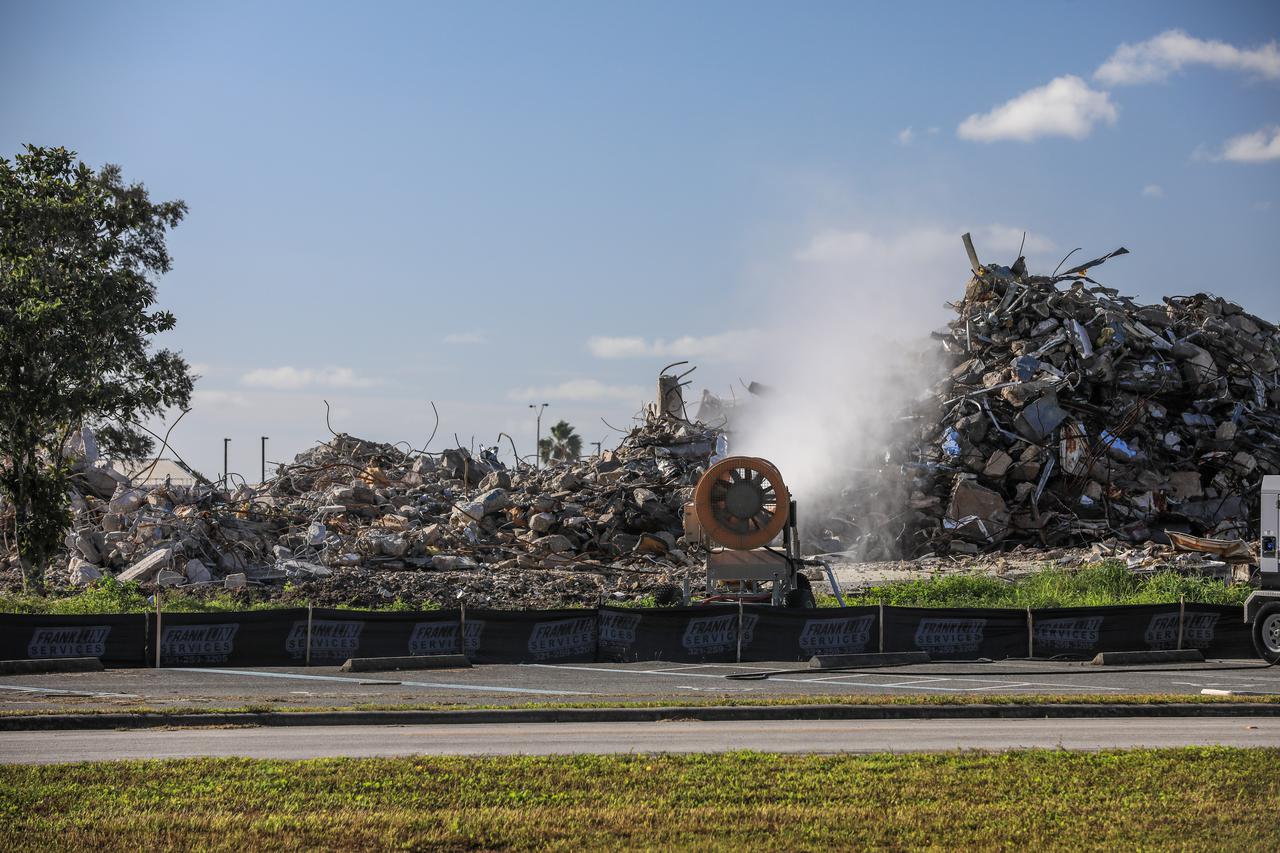
Shown is remnants of the former headquarters building at NASA’s Kennedy Space Center on Jan. 11, 2022. Built in 1965, the 439,000-square-foot structure was demolished and replaced at the Florida spaceport by the 200,000-square-foot, seven-story Central Campus Headquarters (CCHQ) Building. The CCHQ is a modernized, energy efficient facility representative of Kennedy’s transformation to America’s premier multi-user spaceport. The area previously occupied by the old headquarters building will be utilized as greenspace.
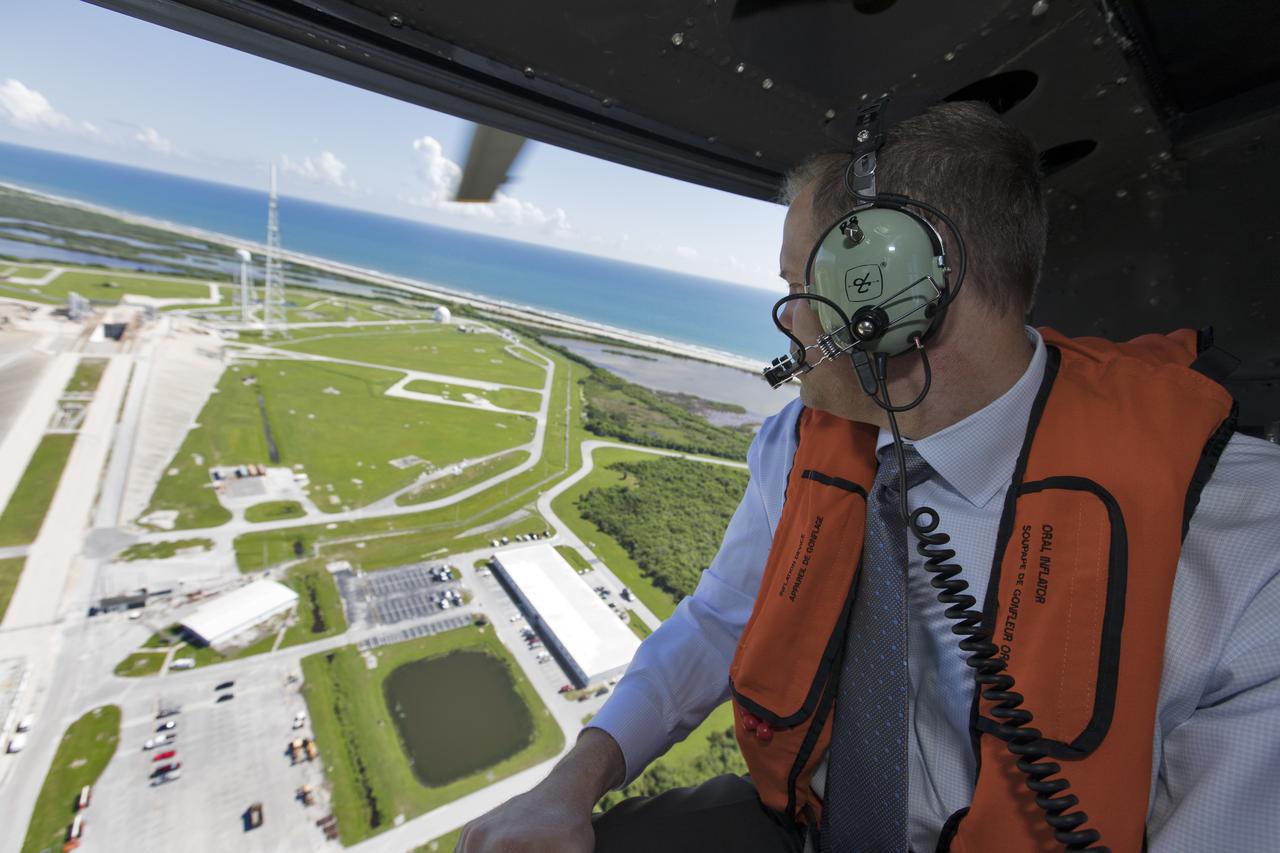
NASA Administrator Jim Bridenstine made his first official visit to the agency's Kennedy Space Center on Monday, Aug. 6, 2018. His up-close look at the premier, multi-user spaceport began with a helicopter tour over the bustling Florida spaceport that included the center's Launch Complex 39B. This will be the site where NASA's Space Launch System rocket and Orion spacecraft will liftoff on trips to the Moon, Mars and beyond.

The new headquarters building’s seven floors are clearly visible as construction continues in the industrial area at NASA’s Kennedy Space Center in Florida. The 200,000-square-foot facility will anchor the spaceport’s Central Campus and house about 500 NASA civil service and contractor employees. The building will be more energy efficient than the current Headquarters building and will feature the latest in office and administrative building technology to fulfill Kennedy's role as the premiere multi-user spaceport for NASA and, increasingly, commercial entities.
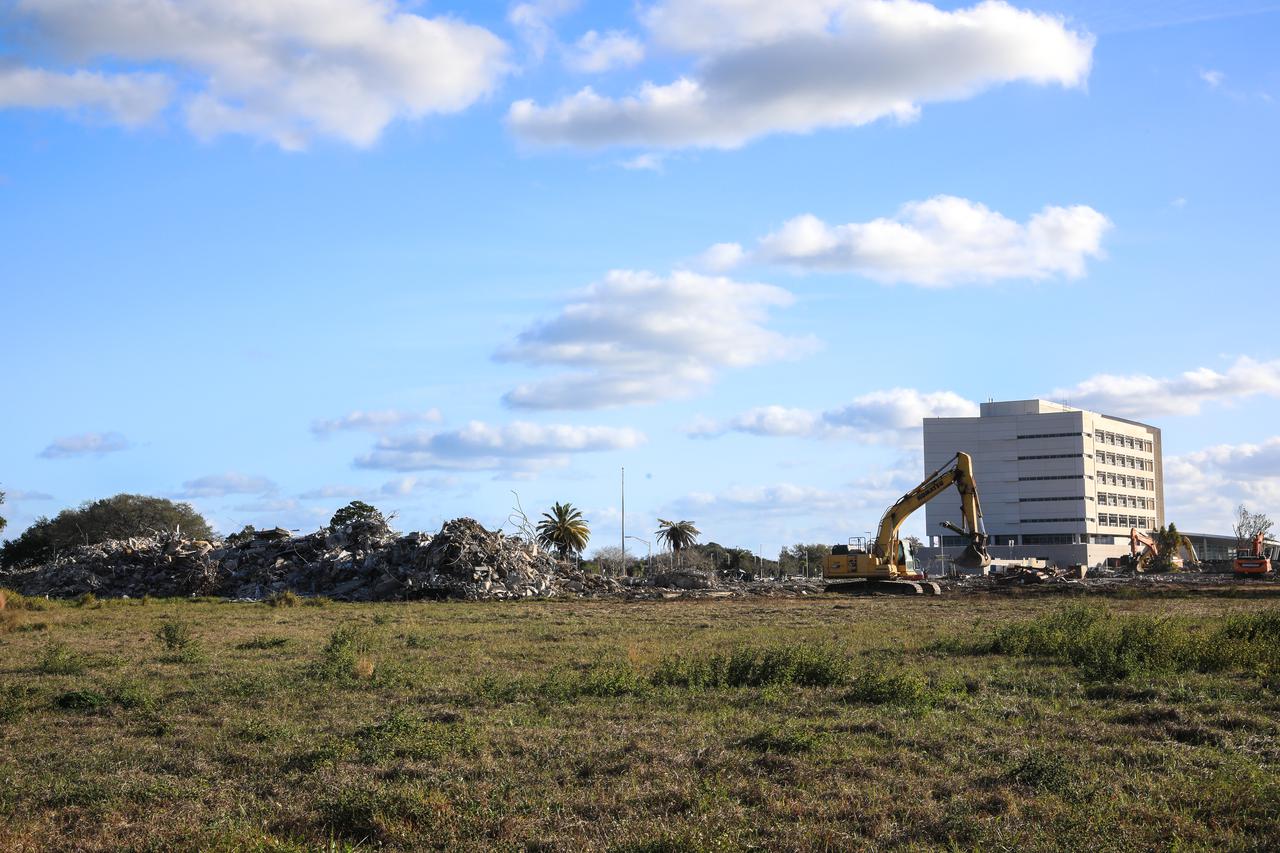
In the foreground is remnants of the former headquarters building at NASA’s Kennedy Space Center on Jan. 11, 2022. Built in 1965, the 439,000-square-foot structure was demolished and replaced at the Florida spaceport by the 200,000-square-foot, seven-story Central Campus Headquarters (CCHQ) Building, shown in the background. The CCHQ is a modernized, energy efficient facility representative of Kennedy’s transformation to America’s premier multi-user spaceport. It opened in May 2019. The area previously occupied by the old headquarters building will be utilized as greenspace.
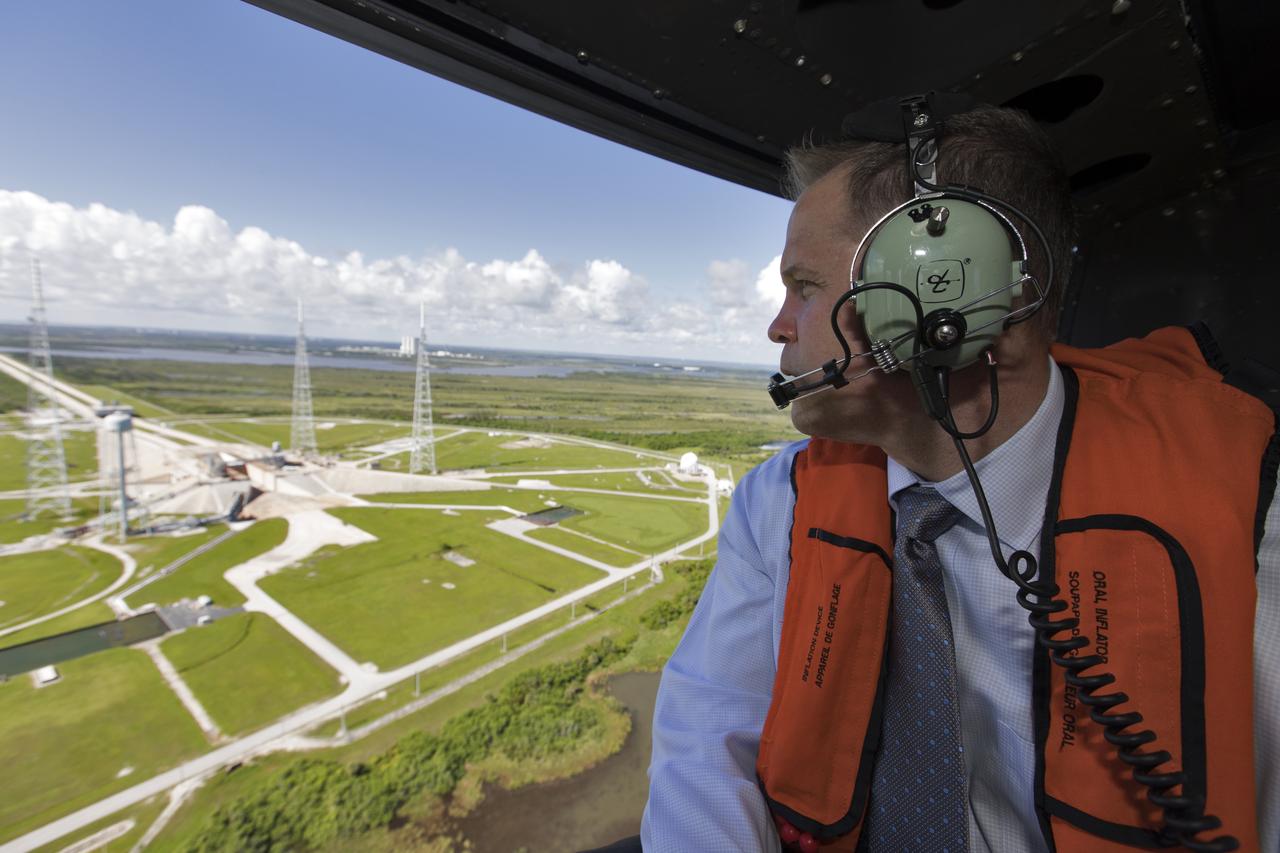
NASA Administrator Jim Bridenstine made his first official visit to the agency's Kennedy Space Center on Monday, Aug. 6, 2018. His up-close look at the premier, multi-user spaceport began with a helicopter tour over the bustling Florida spaceport that included the center's Launch Complex 39B. This will be the site where NASA's Space Launch System rocket and Orion spacecraft will liftoff on trips to the Moon, Mars and beyond.
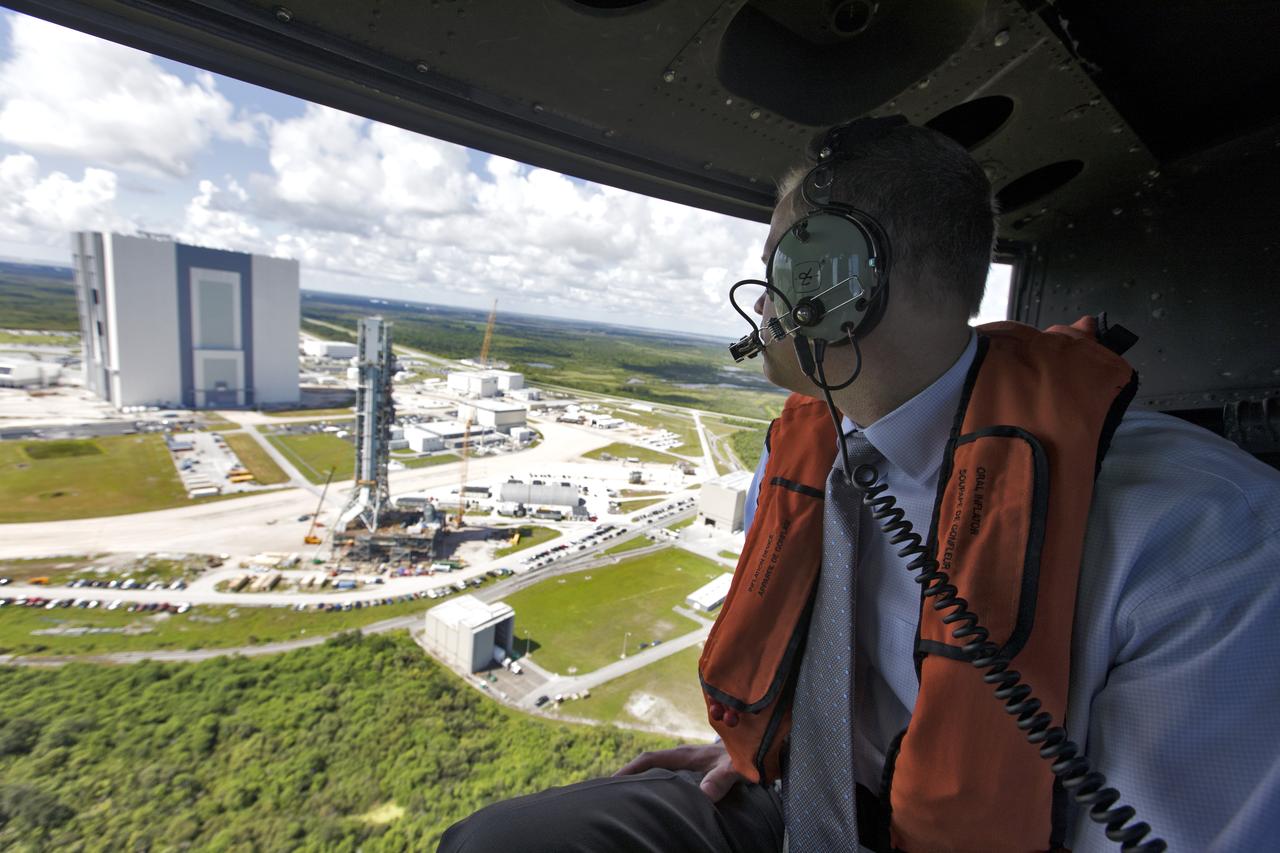
NASA Administrator Jim Bridenstine made his first official visit to the agency's Kennedy Space Center on Monday, Aug. 6, 2018. His up-close look at the premier, multi-user spaceport began with a helicopter tour over the bustling Florida spaceport that included the mobile launcher, in the foreground, that will support NASA's Space Launch System rocket and Orion spacecraft will liftoff on trips to the Moon, Mars and beyond. In the background is the iconic Vehicle Assembly Building.
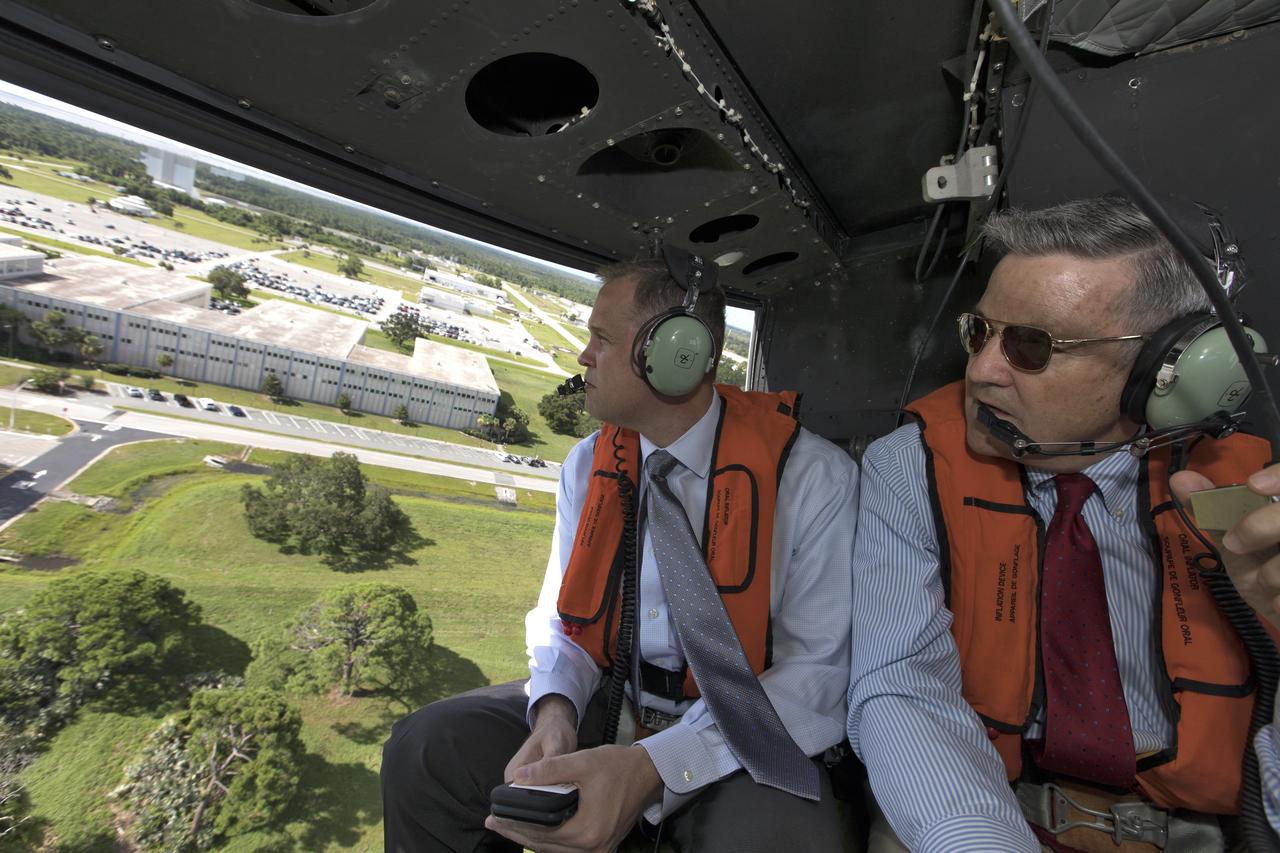
NASA Administrator Jim Bridenstine, left, made his first official visit to the agency's Kennedy Space Center on Monday, Aug. 6, 2018. His up-close look at the premier, multi-user spaceport began with Center Director Bob Cabana giving the administrator a helicopter tour over the bustling Florida spaceport that included the center's Industrial Area.
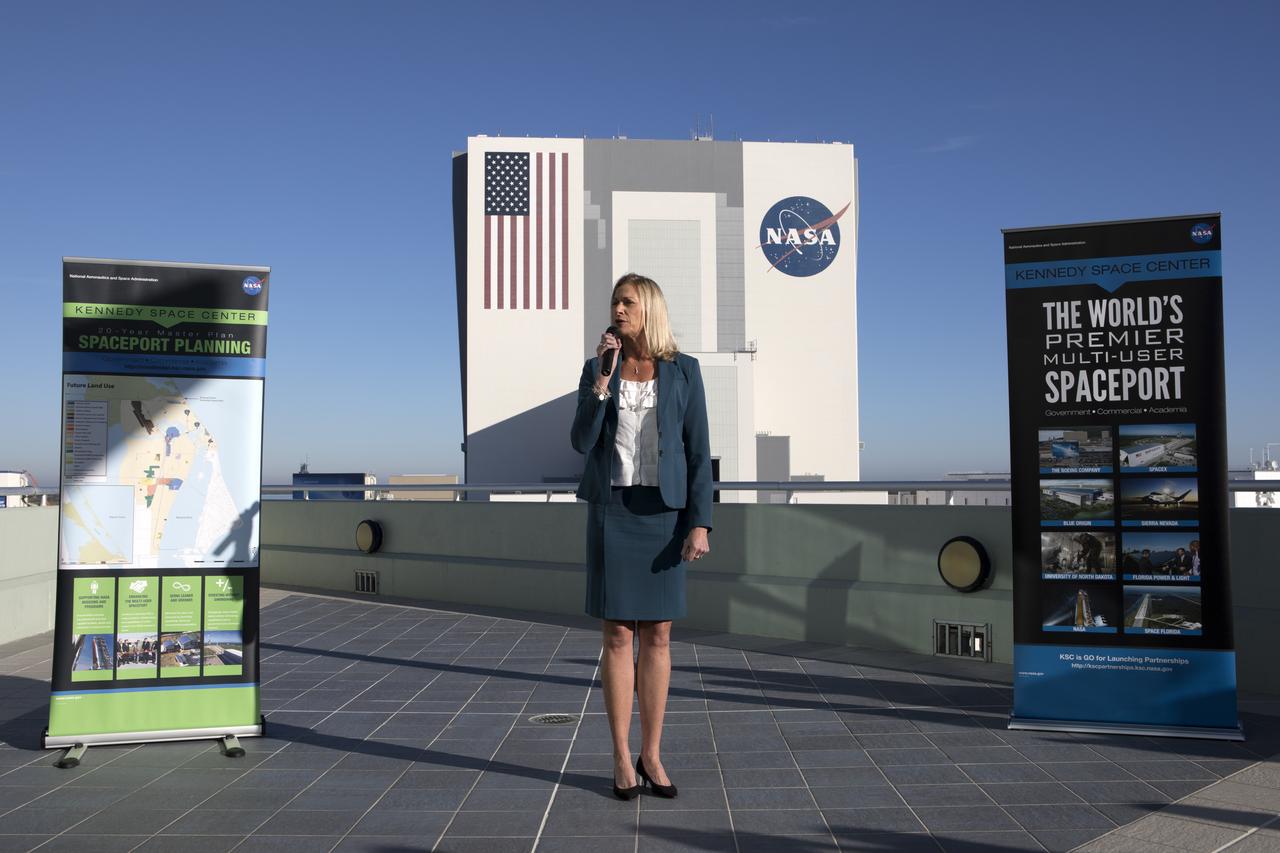
Nancy Bray, director of Spaceport Integration and Services at NASA's Kennedy Space Center, speaks to members of the news media on the balcony of Operations Support Building II describing the site's transition from a primarily government-only facility to a premier, multi-user spaceport. In the background is the Vehicle Assembly Building (VAB). Modifications were recently completed in the VAB where new work platforms were installed to support processing of NASA's Space Launch System rocket designed to send the Orion spacecraft on missions beyond low-Earth orbit.
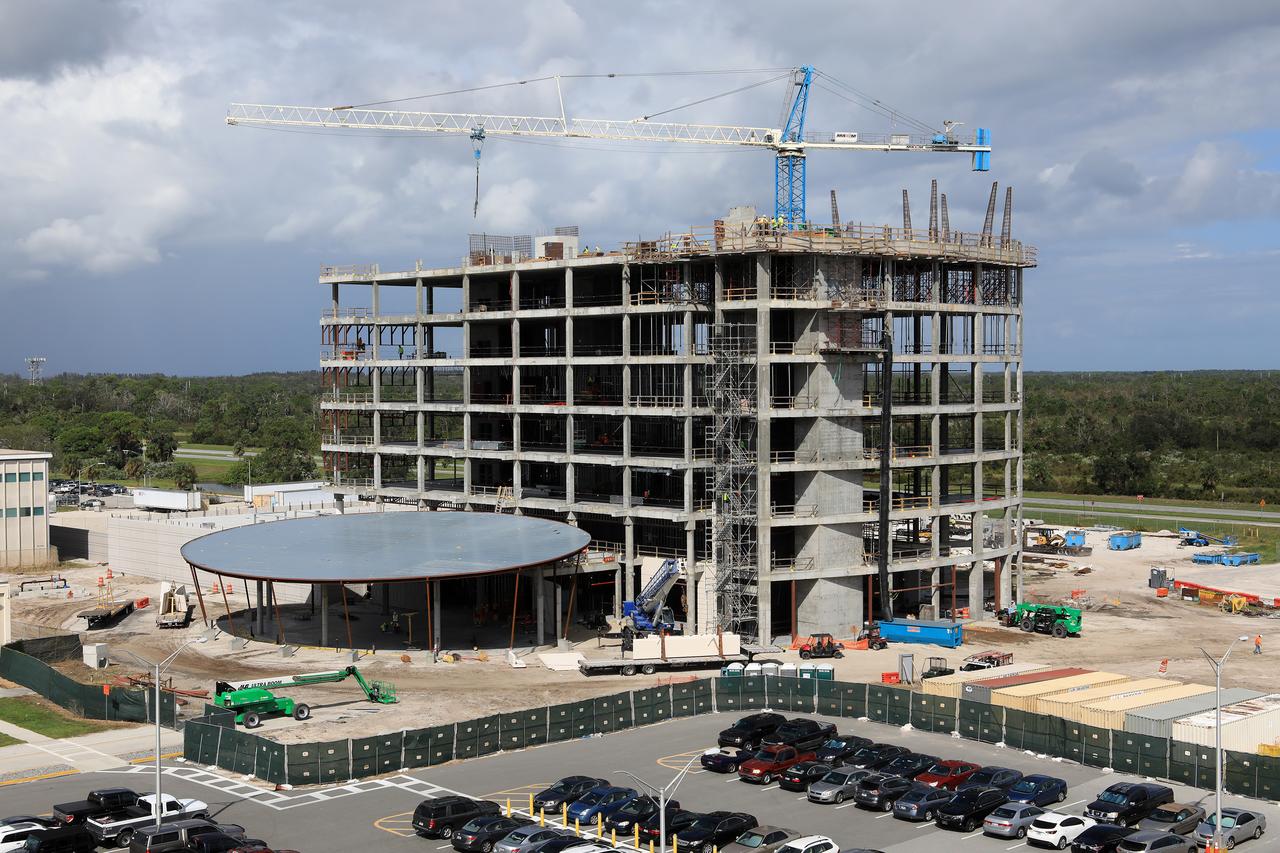
A large crane towers overhead as the new, seven-story headquarters building takes shape in the industrial area at NASA’s Kennedy Space Center in Florida. The 200,000-square-foot facility will anchor the spaceport’s Central Campus and house about 500 NASA civil service and contractor employees. The building will be more energy efficient than the current Headquarters building and will feature the latest in office and administrative building technology to fulfill Kennedy's role as the premiere multi-user spaceport for NASA and, increasingly, commercial entities.
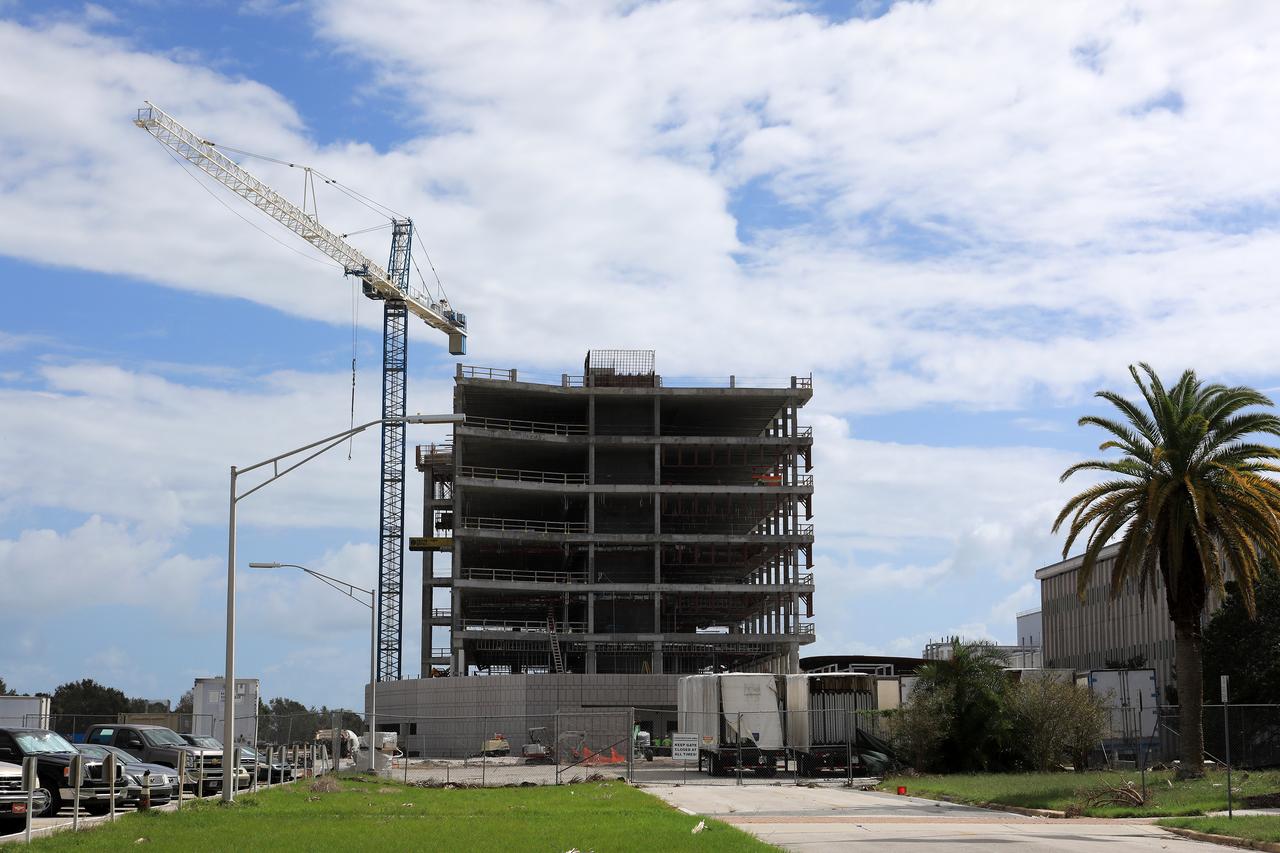
A large crane towers overhead as the new, seven-story headquarters building takes shape in the industrial area at NASA’s Kennedy Space Center in Florida. The 200,000-square-foot facility will anchor the spaceport’s Central Campus and house about 500 NASA civil service and contractor employees. The building will be more energy efficient than the current Headquarters building and will feature the latest in office and administrative building technology to fulfill Kennedy's role as the premiere multi-user spaceport for NASA and, increasingly, commercial entities.
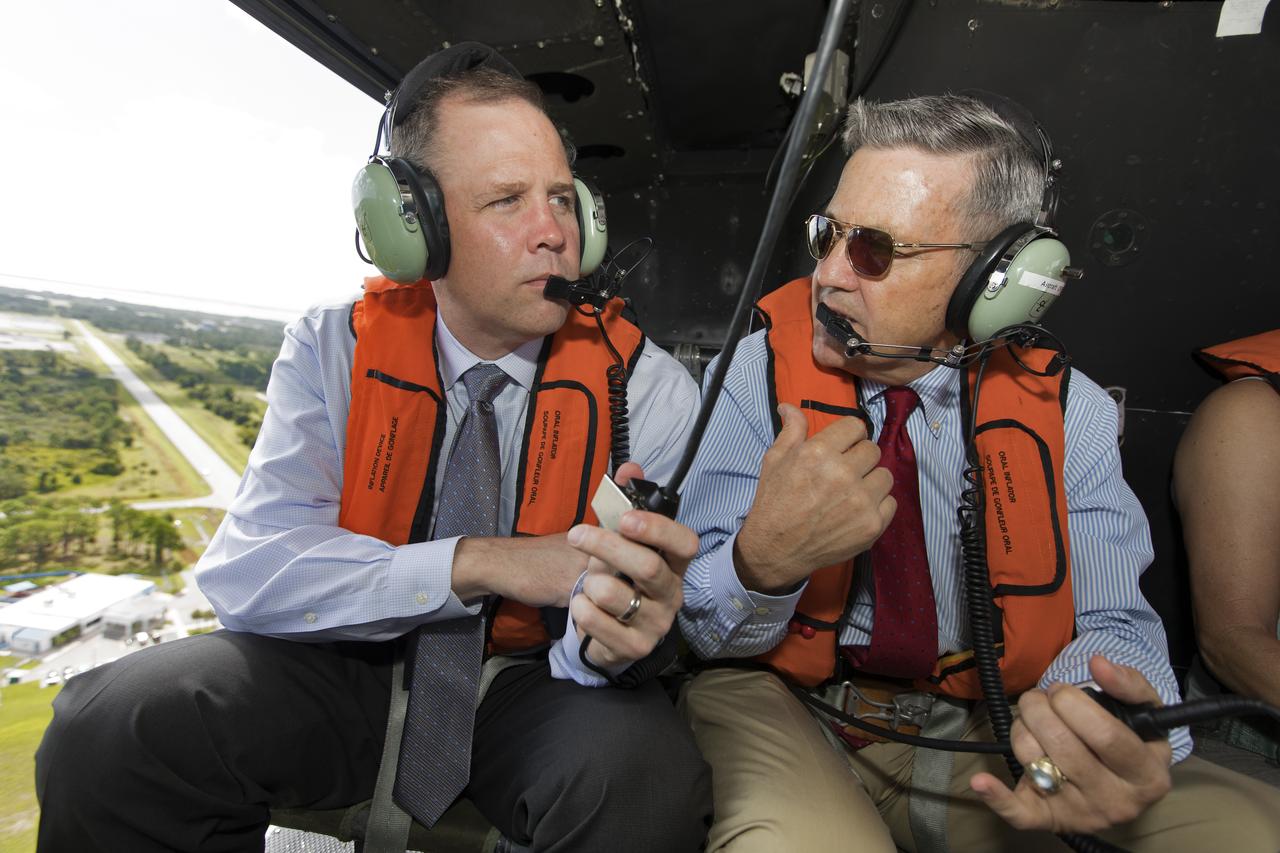
NASA Administrator Jim Bridenstine, left, made his first official visit to the agency's Kennedy Space Center on Monday, Aug. 6, 2018. His up-close look at the premier, multi-user spaceport began with Center Director Bob Cabana giving the administrator a helicopter tour over the bustling Florida spaceport that included the center's Industrial Area.
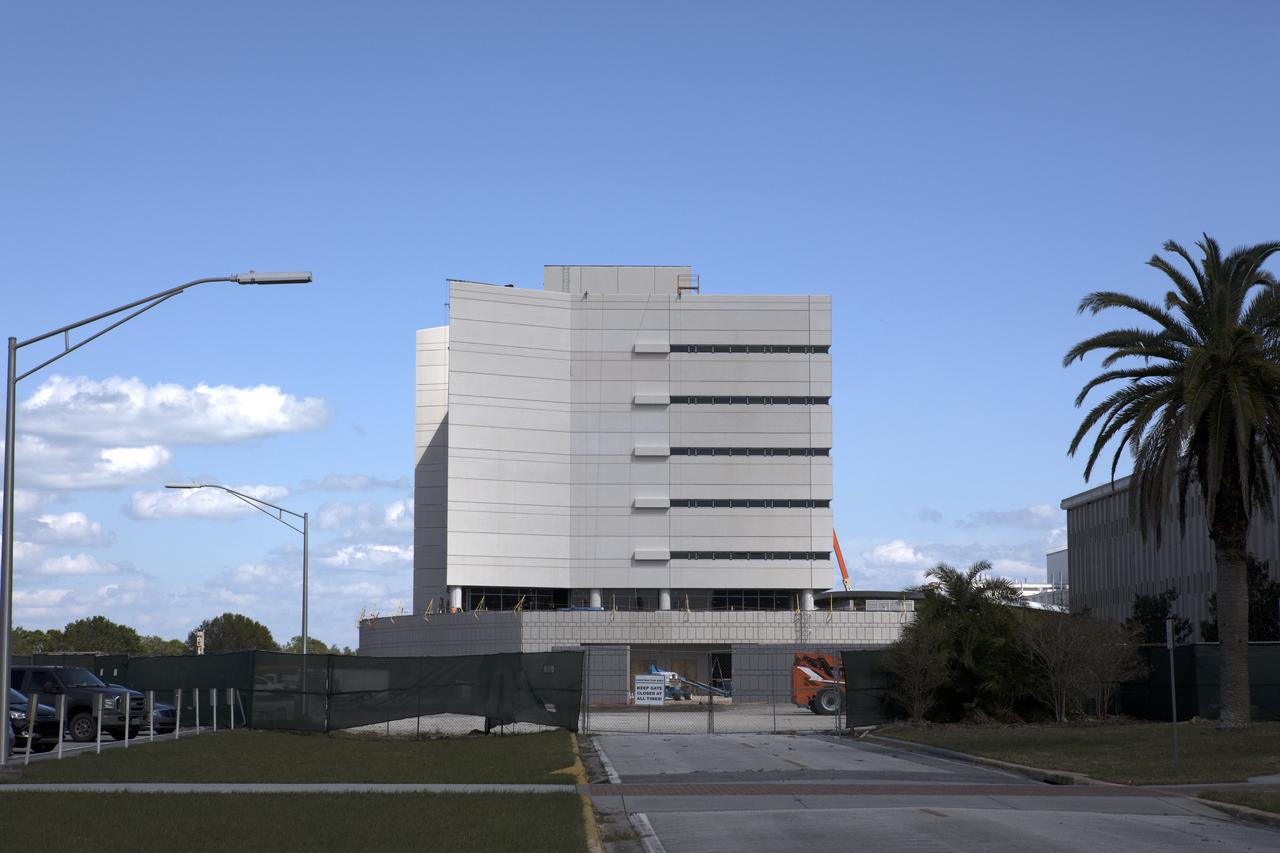
NASA's Kennedy Space Center in Florida is a premier, multi-user spaceport with ongoing construction adding new, ultra-modern facilities. A key element of the Central Campus makeover is a new, seven-story, 200,000-square-foot headquarters building that has taken shape in the heart of the spaceport. The headquarters building's glass facade, as seen from NASA Causeway, is complete. The exterior skin of the building also is nearly finished. The remainder of the glass components are being installed on each floor. Construction of interior walls and utilities on most floors is well underway. Construction of the headquarters building is targeted for completion in November 2017 and employees are expected to be able to move in soon after.
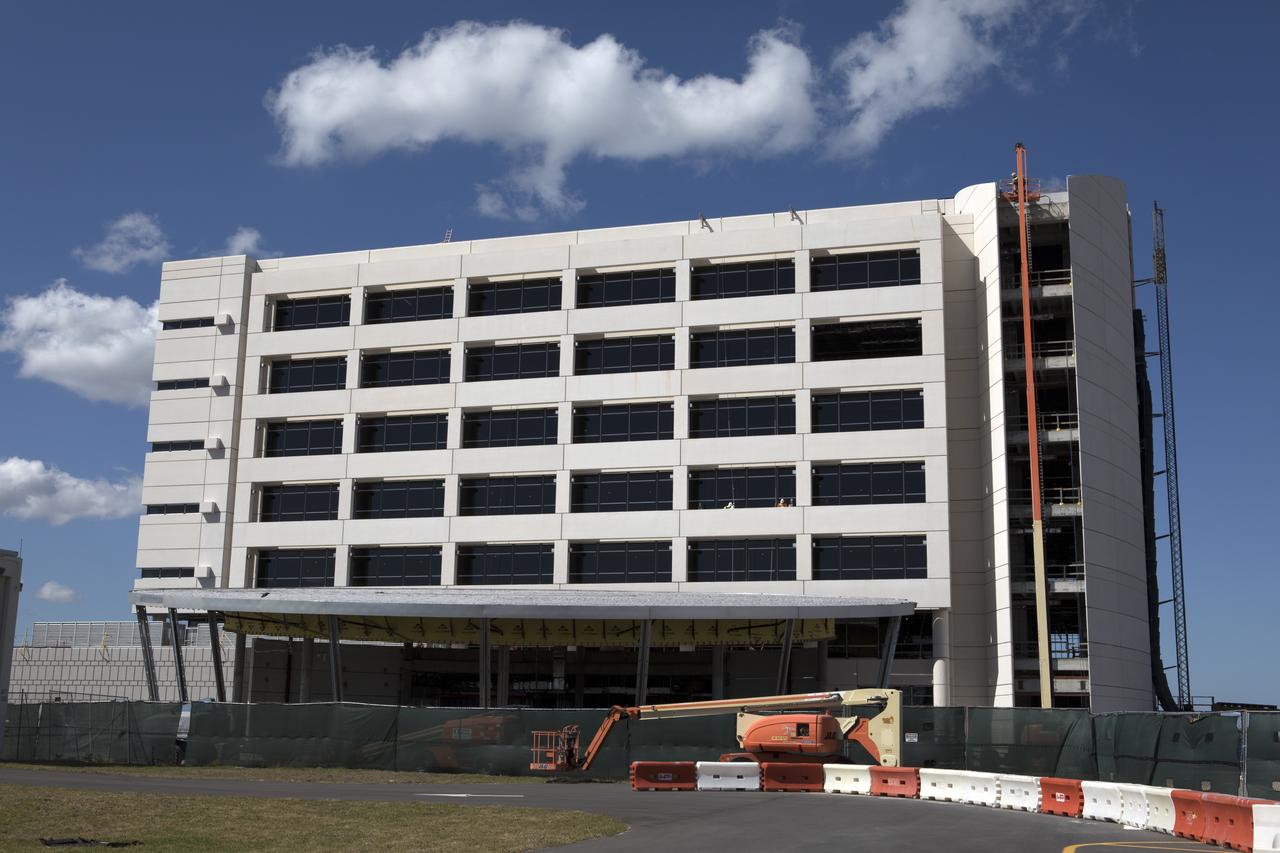
NASA's Kennedy Space Center in Florida is a premier, multi-user spaceport with ongoing construction adding new, ultra-modern facilities. A key element of the Central Campus makeover is a new, seven-story, 200,000-square-foot headquarters building that has taken shape in the heart of the spaceport. The headquarters building's glass facade, as seen from NASA Causeway, is complete. The exterior skin of the building also is nearly finished. The remainder of the glass components are being installed on each floor. Construction of interior walls and utilities on most floors is well underway. Construction of the headquarters building is targeted for completion in November 2017 and employees are expected to be able to move in soon after.
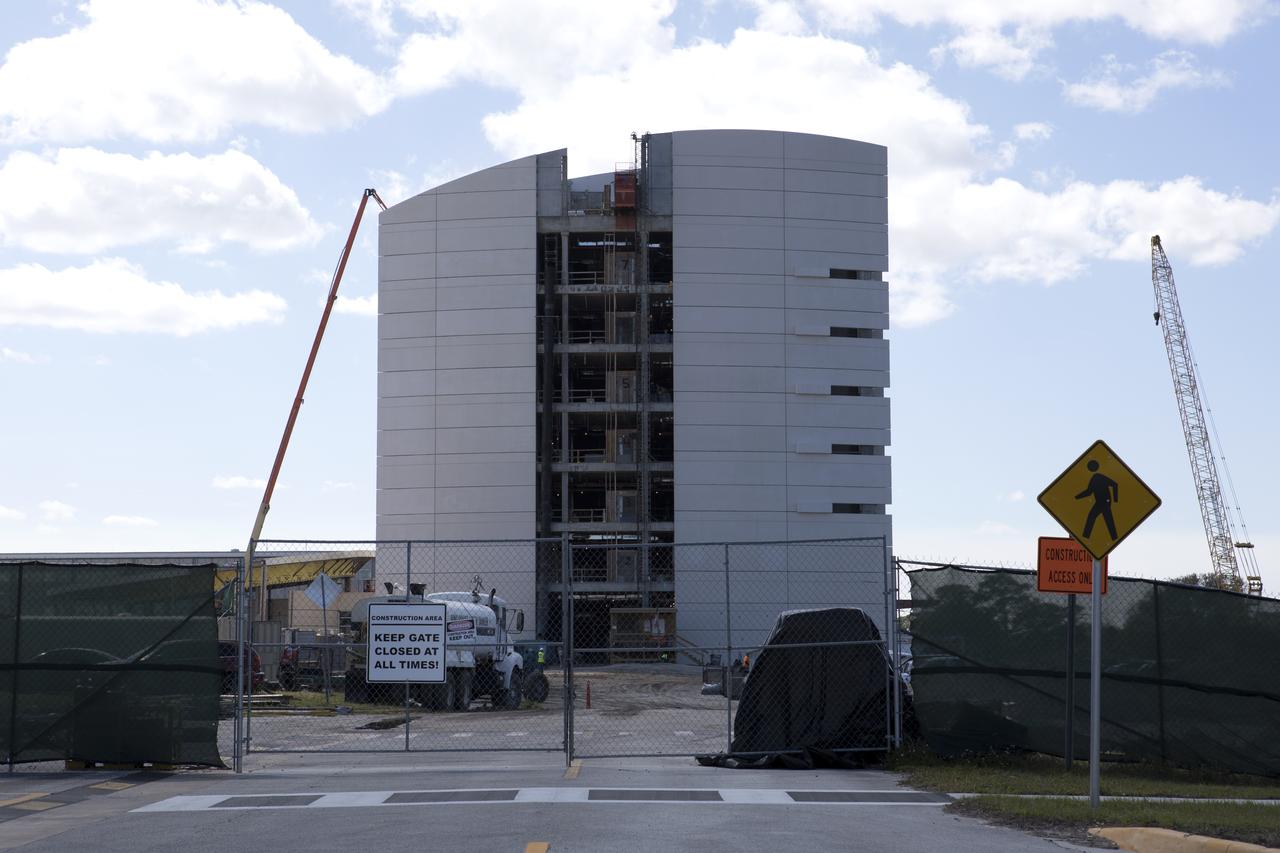
NASA's Kennedy Space Center in Florida is a premier, multi-user spaceport with ongoing construction adding new, ultra-modern facilities. A key element of the Central Campus makeover is a new, seven-story, 200,000-square-foot headquarters building that has taken shape in the heart of the spaceport. The headquarters building's glass facade, as seen from NASA Causeway, is complete. The exterior skin of the building also is nearly finished. The remainder of the glass components are being installed on each floor. Construction of interior walls and utilities on most floors is well underway. Construction of the headquarters building is targeted for completion in November 2017 and employees are expected to be able to move in soon after.
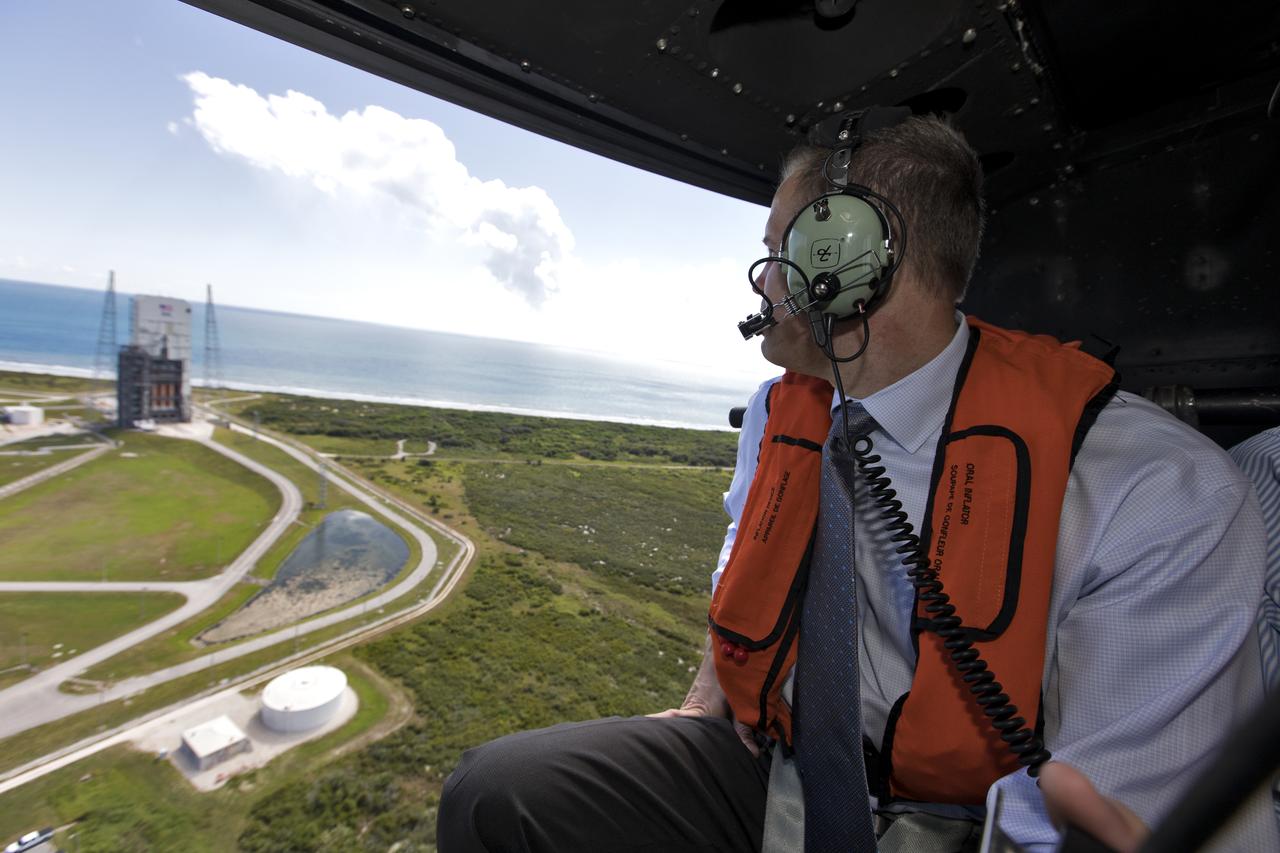
NASA Administrator Jim Bridenstine made his first official visit to the agency's Kennedy Space Center on Monday, Aug. 6, 2018. His up-close look at the premier, multi-user spaceport began with a helicopter tour over the bustling Florida spaceport that included Space Launch Complex 37 at Cape Canaveral Air Force Station. NASA's Parker Solar Probe is being prepared for launch atop a United Launch Alliance Delta IV Heavy rocket. The mission will perform the closest-ever observations of a star when it travels through the Sun's atmosphere, called the corona. The probe will rely on measurements and imaging to revolutionize our understanding of the corona and the Sun-Earth connection.
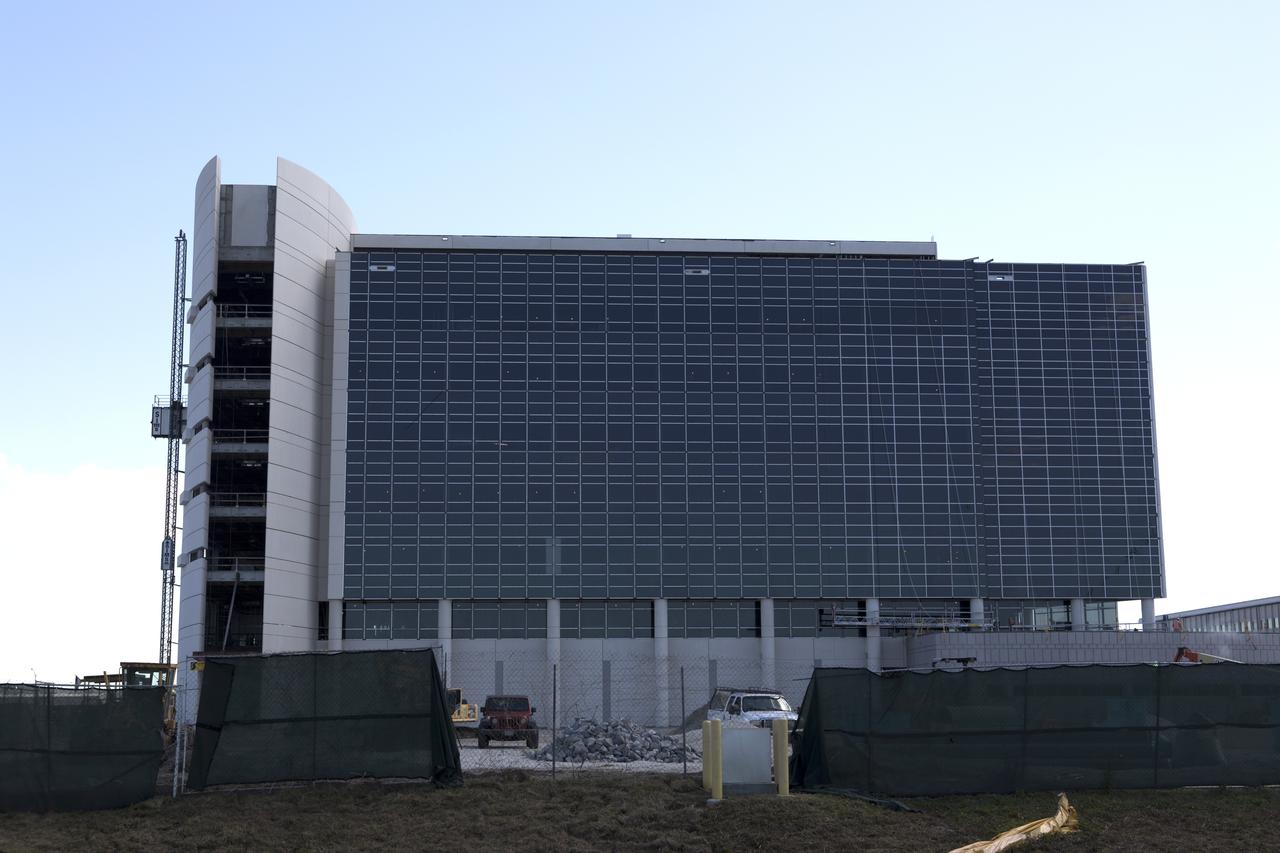
NASA's Kennedy Space Center in Florida is a premier, multi-user spaceport with ongoing construction adding new, ultra-modern facilities. A key element of the Central Campus makeover is a new, seven-story, 200,000-square-foot headquarters building that has taken shape in the heart of the spaceport. The headquarters building's glass facade, as seen from NASA Causeway, is complete. The exterior skin of the building also is nearly finished. The remainder of the glass components are being installed on each floor. Construction of interior walls and utilities on most floors is well underway. Construction of the headquarters building is targeted for completion in November 2017 and employees are expected to be able to move in soon after.
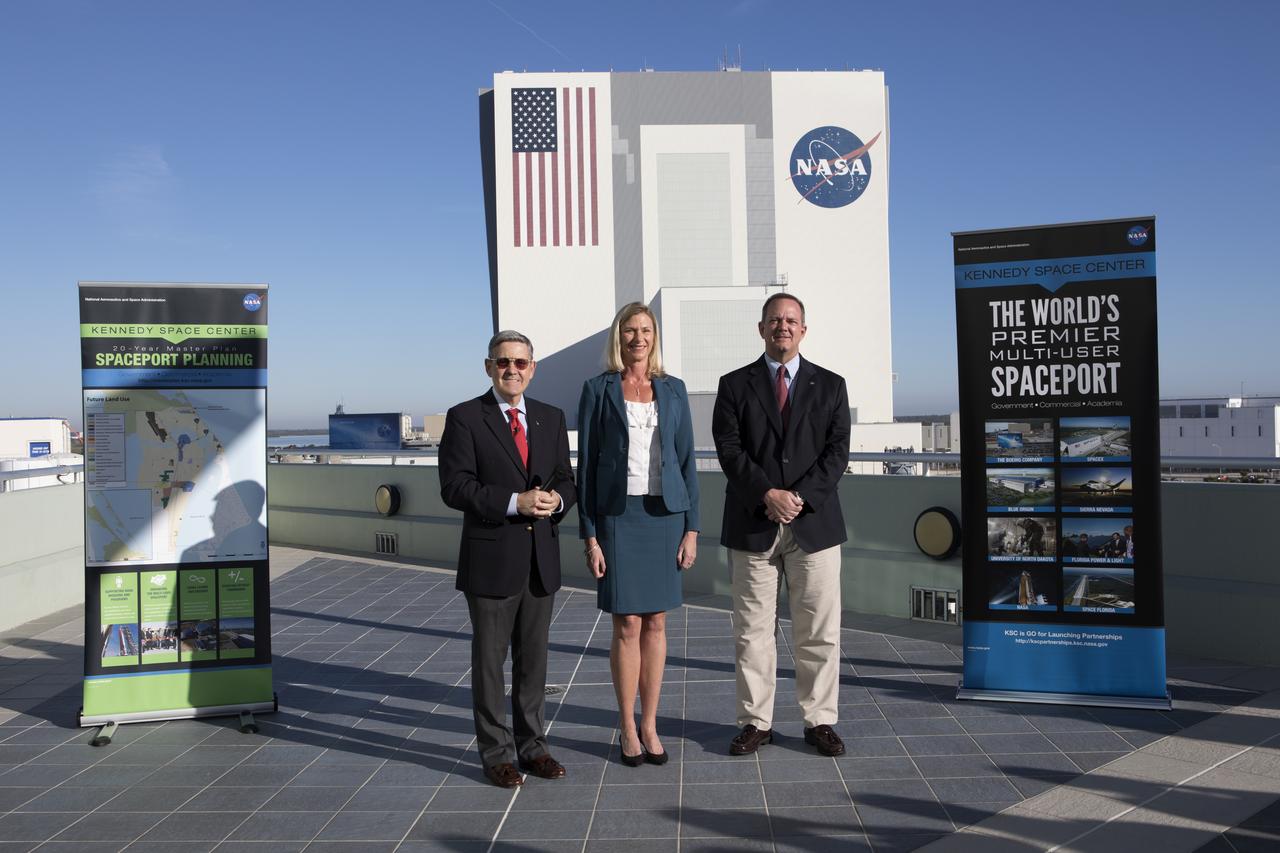
Kennedy Space Center Director Bob Cabana, left, was joined by Nancy Bray, director of Spaceport Integration and Services, center, and Tom Engler, director of Center Planning and Development in briefing members of the news media on the balcony of Operations Support Building II. They described Kennedy's transition from a primarily government-only facility to a premier, multi-user spaceport. In the background is the Vehicle Assembly Building (VAB). Modifications were recently completed in the VAB where new work platforms were installed to support processing of NASA's Space Launch System rocket designed to send the Orion spacecraft on missions beyond low-Earth orbit.
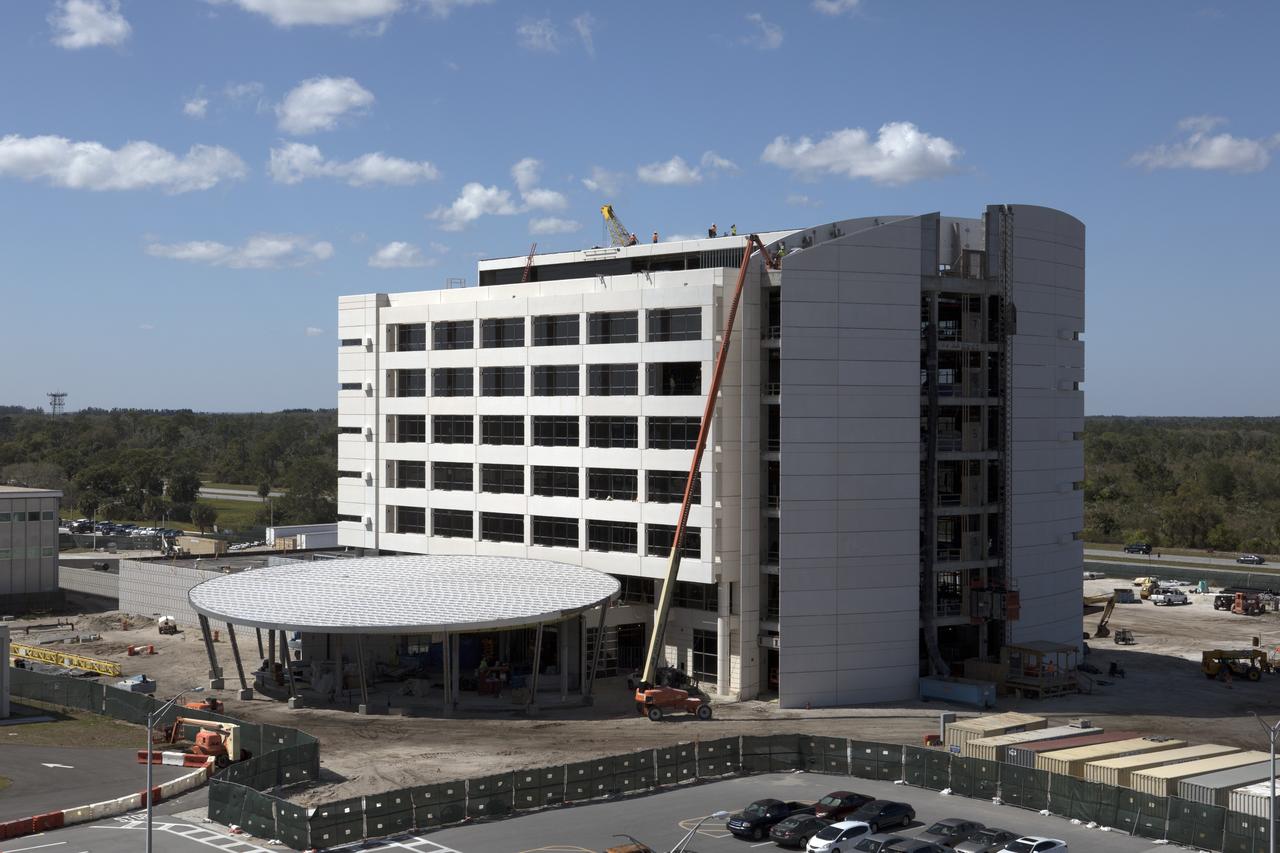
NASA's Kennedy Space Center in Florida is a premier, multi-user spaceport with ongoing construction adding new, ultra-modern facilities. A key element of the Central Campus makeover is a new, seven-story, 200,000-square-foot headquarters building that has taken shape in the heart of the spaceport. The headquarters building's glass facade, as seen from NASA Causeway, is complete. The exterior skin of the building also is nearly finished. The remainder of the glass components are being installed on each floor. Construction of interior walls and utilities on most floors is well underway. Construction of the headquarters building is targeted for completion in November 2017 and employees are expected to be able to move in soon after.
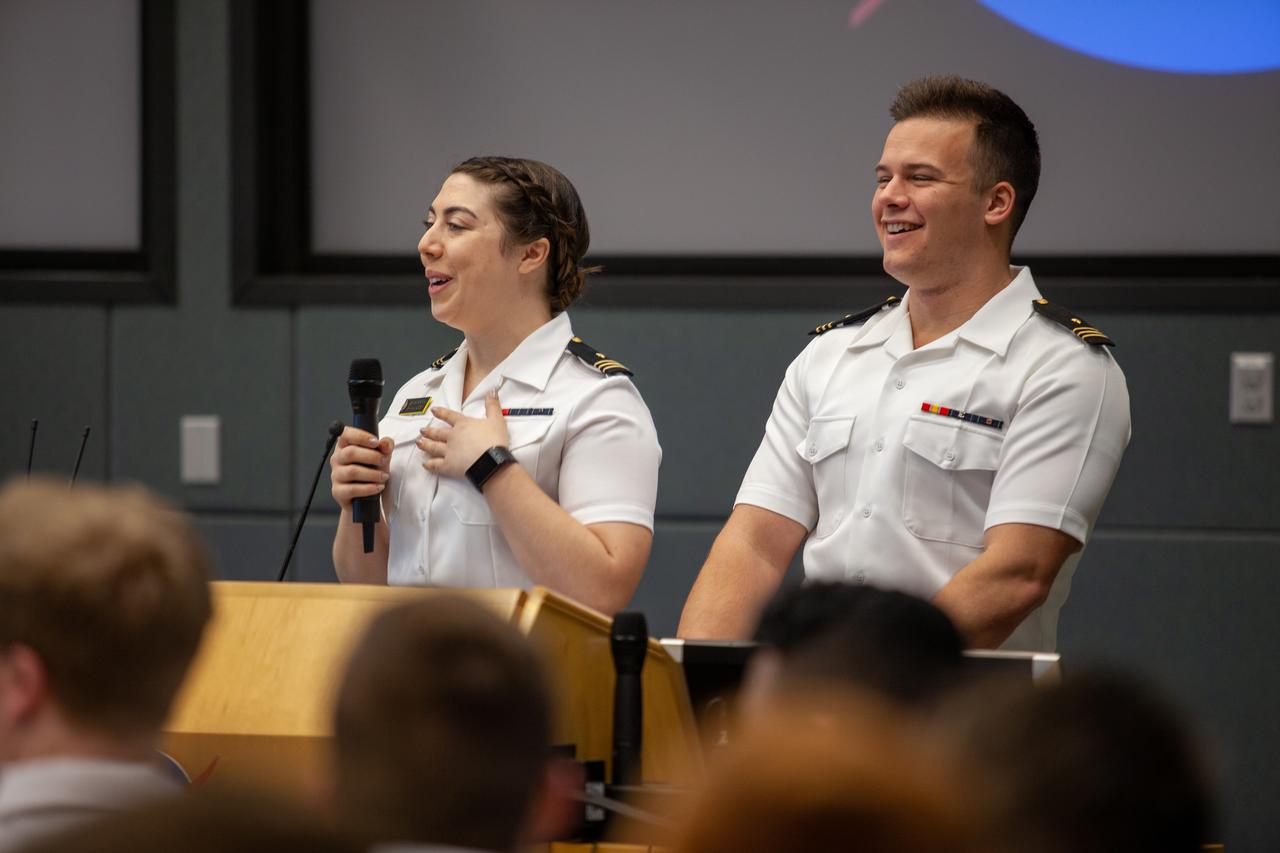
Members of the United States Naval Academy Glee Club address the crowd during a special performance for Kennedy Space Center employees at the Florida spaceport on March 10, 2020. As part of the celebration, Kennedy Director Bob Cabana discussed the deep historical ties between NASA and the U.S. Navy. The highly acclaimed Glee Club has achieved prominence as one of America’s premier choral ensembles, performing throughout the nation each year.
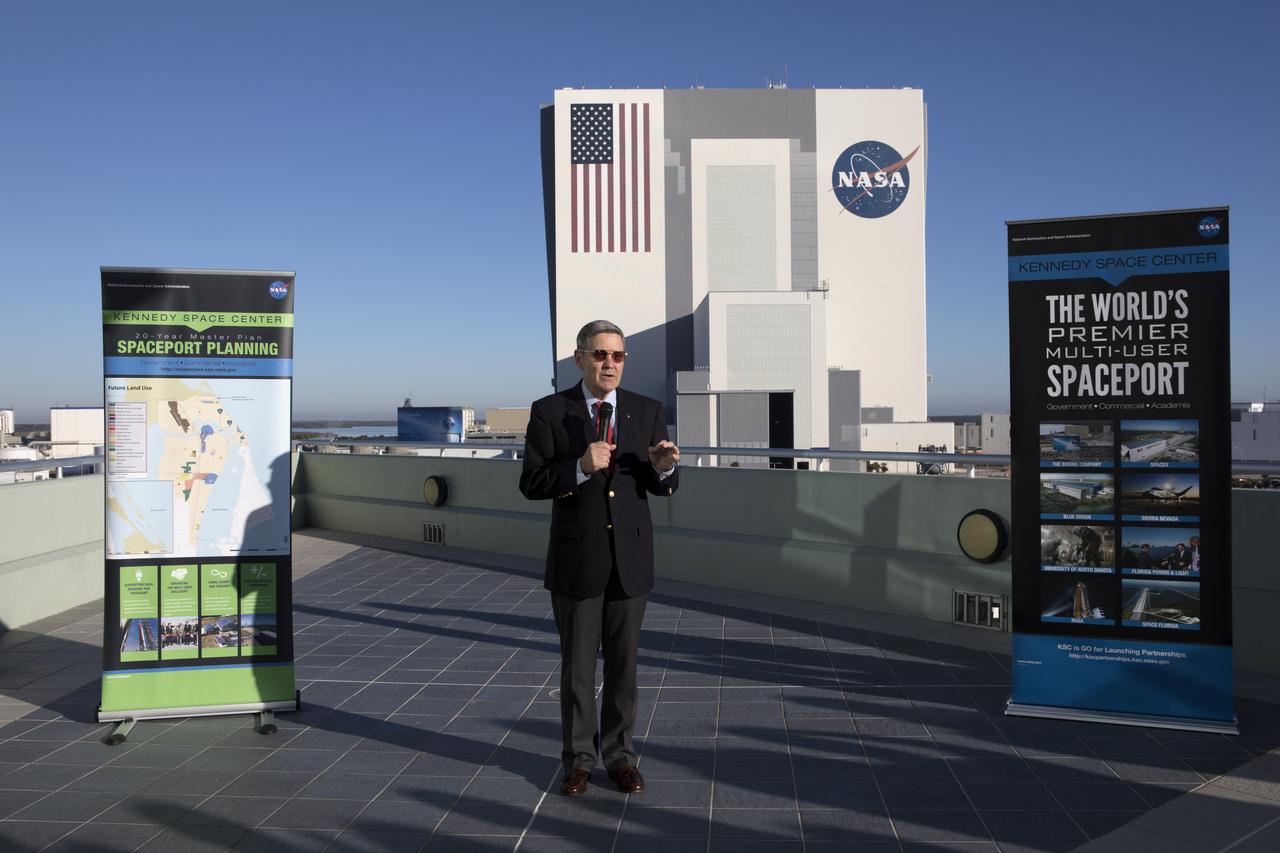
Kennedy Space Center Director Bob Cabana speaks to members of the news media on the balcony of Operations Support Building II describing the site's transition from a primarily government-only facility to a premier, multi-user spaceport. In the background is the Vehicle Assembly Building (VAB). Modifications were recently completed in the VAB where new work platforms were installed to support processing of NASA's Space Launch System rocket designed to send the Orion spacecraft on missions beyond low-Earth orbit.
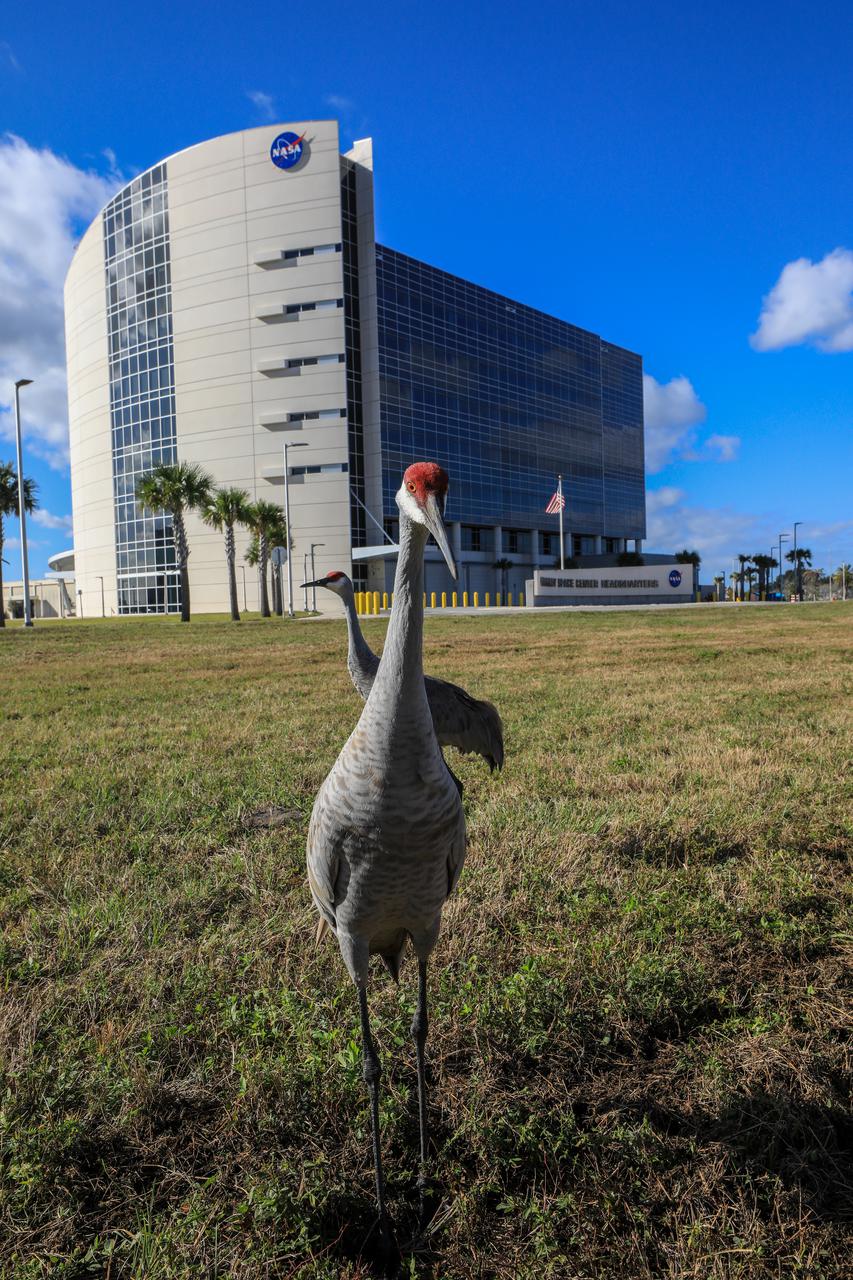
Sandhill cranes pose in front of the Central Campus Headquarters (CCHQ) Building at NASA’s Kennedy Space Center in Florida on Jan. 11, 2022. The CCHQ is a modernized, energy efficient facility representative of Kennedy’s transformation to America’s premier multi-user spaceport. It opened in May 2019. Built in 1965, the former headquarters building was recently demolished. The area previously occupied by the 439,000 square-foot-facility will be utilized as greenspace.
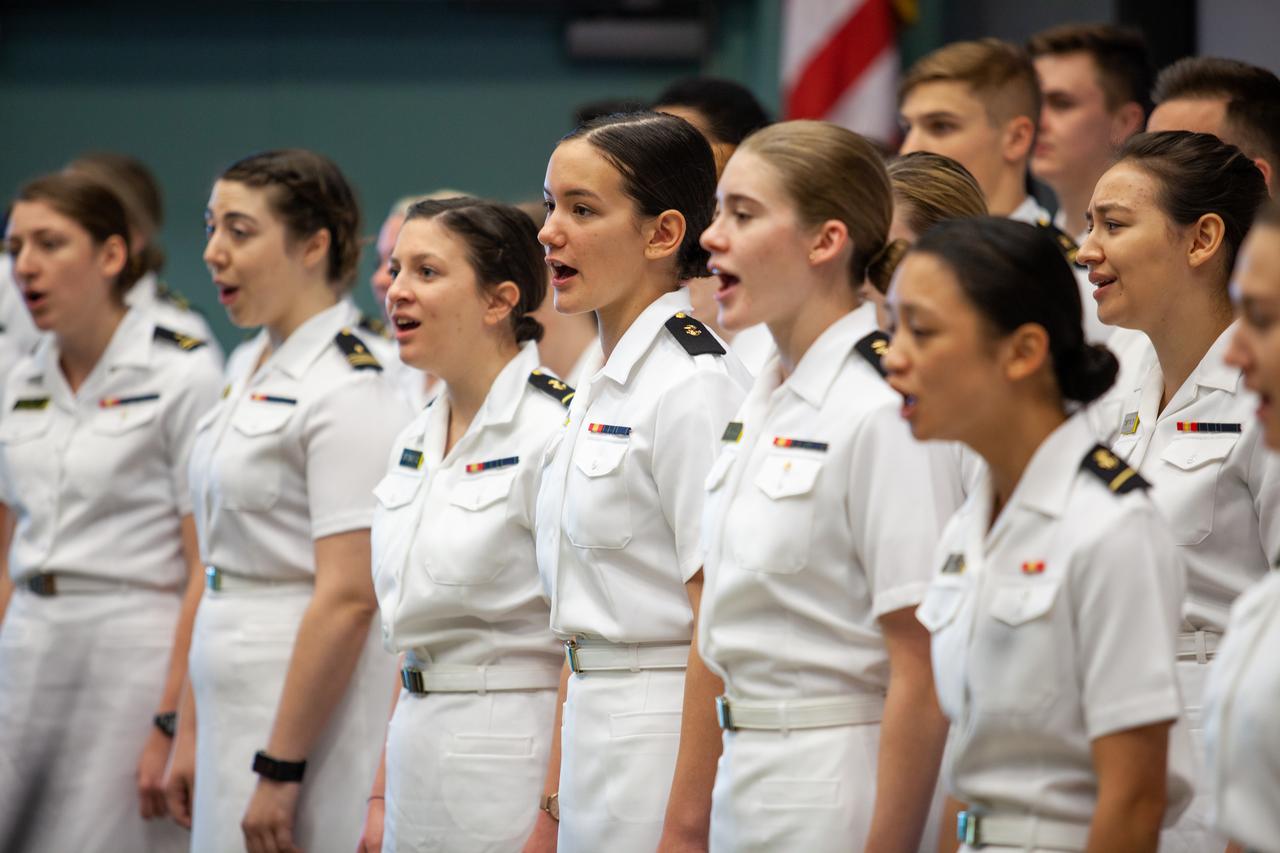
The United States Naval Academy Glee Club performs for Kennedy Space Center employees at the Florida spaceport on March 10, 2020. As part of the celebration, Kennedy Director Bob Cabana discussed the deep historical ties between NASA and the U.S. Navy. The highly acclaimed Glee Club has achieved prominence as one of America’s premier choral ensembles, performing throughout the nation each year.
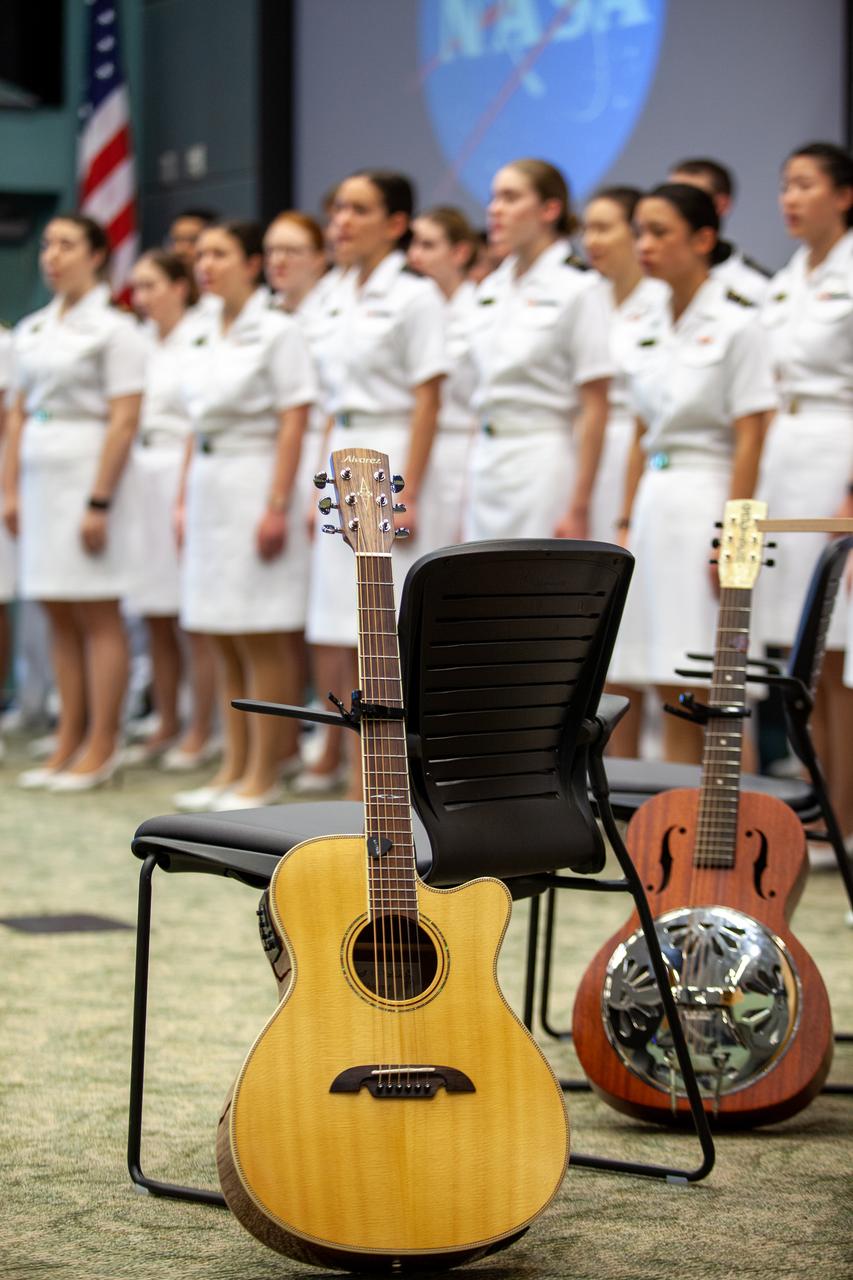
The United States Naval Academy Glee Club performs for Kennedy Space Center employees at the Florida spaceport on March 10, 2020. As part of the celebration, Kennedy Director Bob Cabana discussed the deep historical ties between NASA and the U.S. Navy. The highly acclaimed Glee Club has achieved prominence as one of America’s premier choral ensembles, performing throughout the nation each year.
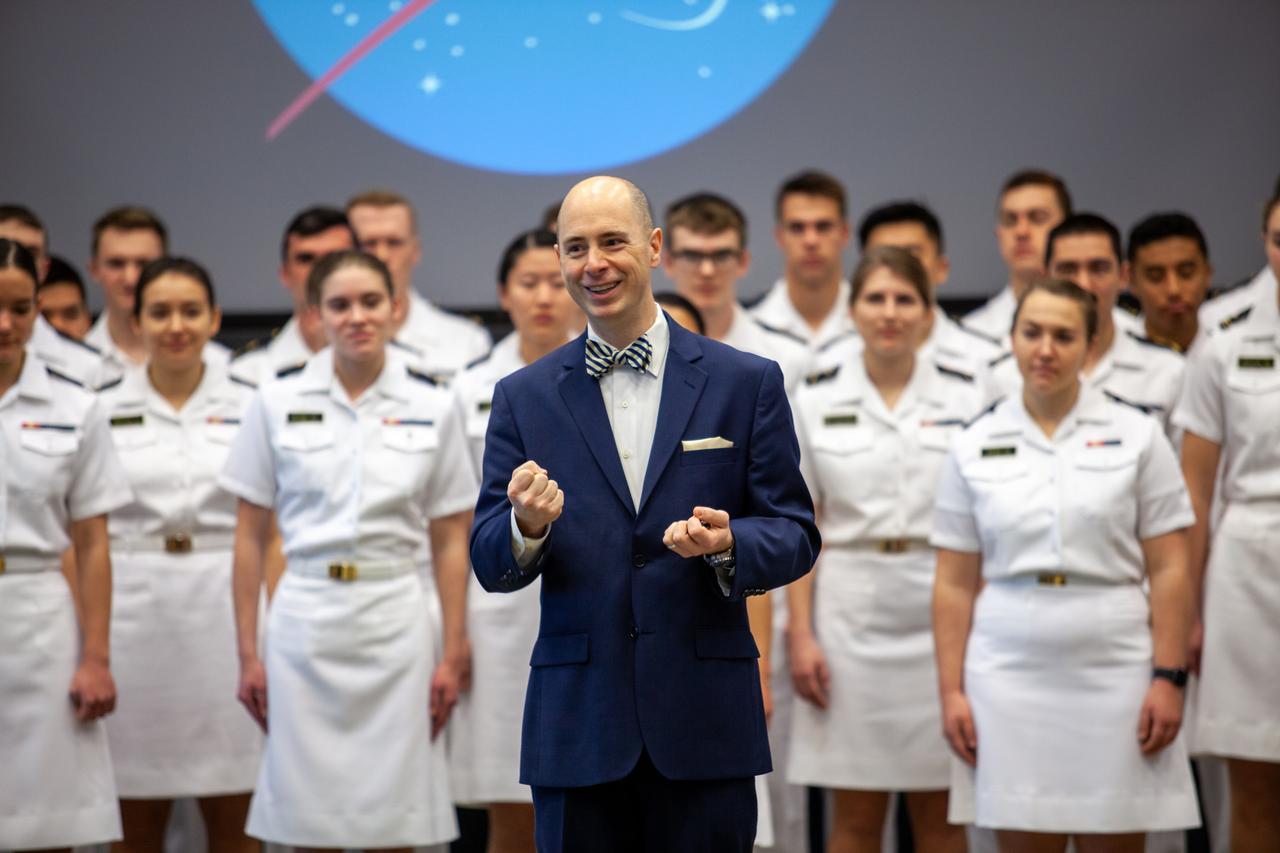
Dr. Aaron Smith, director and chairman, Musical Activities Department, United States Naval Academy, stands in front of the U.S. Naval Academy Glee Club during a performance for Kennedy Space Center employees at the Florida spaceport on March 10, 2020. As part of the celebration, Kennedy Director Bob Cabana discussed the deep historical ties between NASA and the U.S. Navy. The highly acclaimed Glee Club has achieved prominence as one of America’s premier choral ensembles, performing throughout the nation each year.
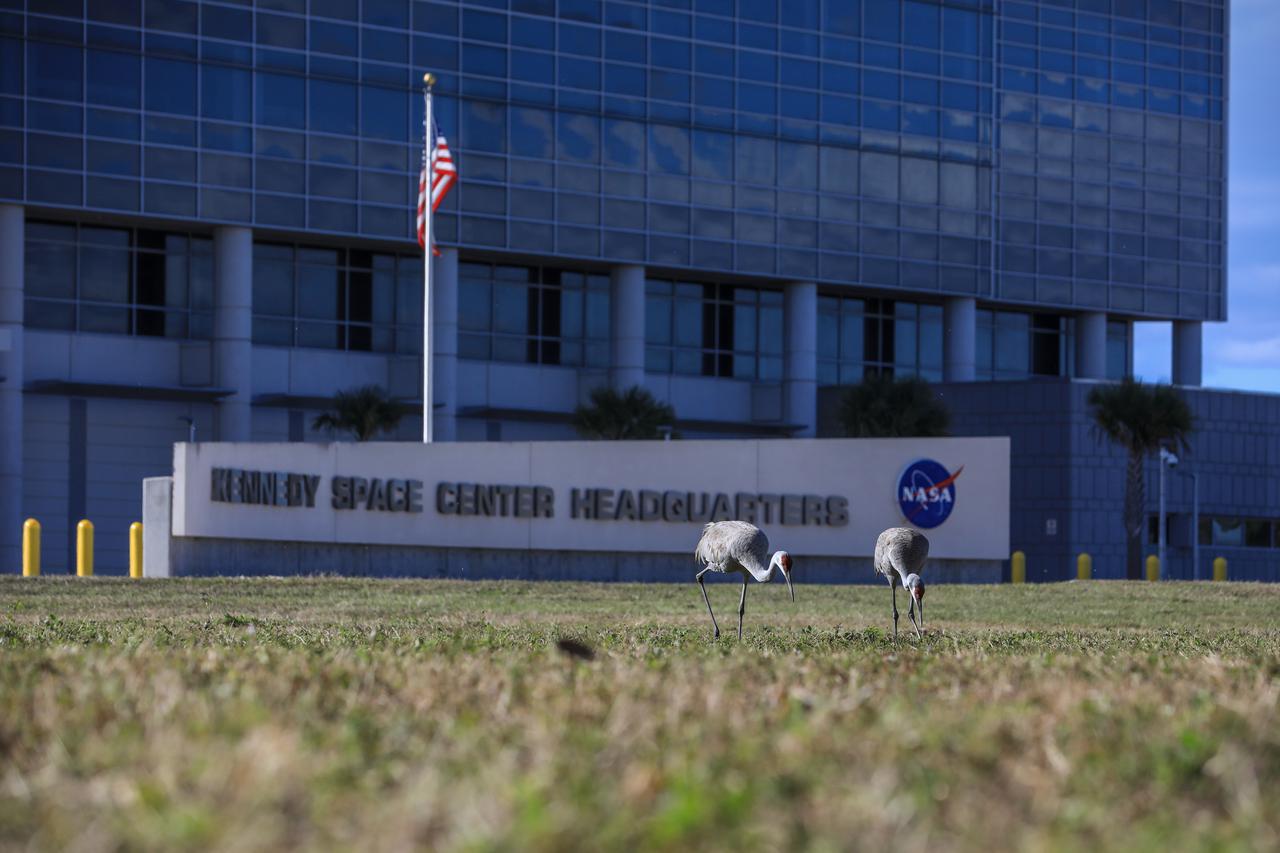
Sandhill cranes dig in the ground in front of the Central Campus Headquarters (CCHQ) Building at NASA’s Kennedy Space Center in Florida on Jan. 11, 2022. The CCHQ is a modernized, energy efficient facility representative of Kennedy’s transformation to America’s premier multi-user spaceport. It opened in May 2019. Built in 1965, the former headquarters building was recently demolished. The area previously occupied by the 439,000 square-foot-facility will be utilized as greenspace.
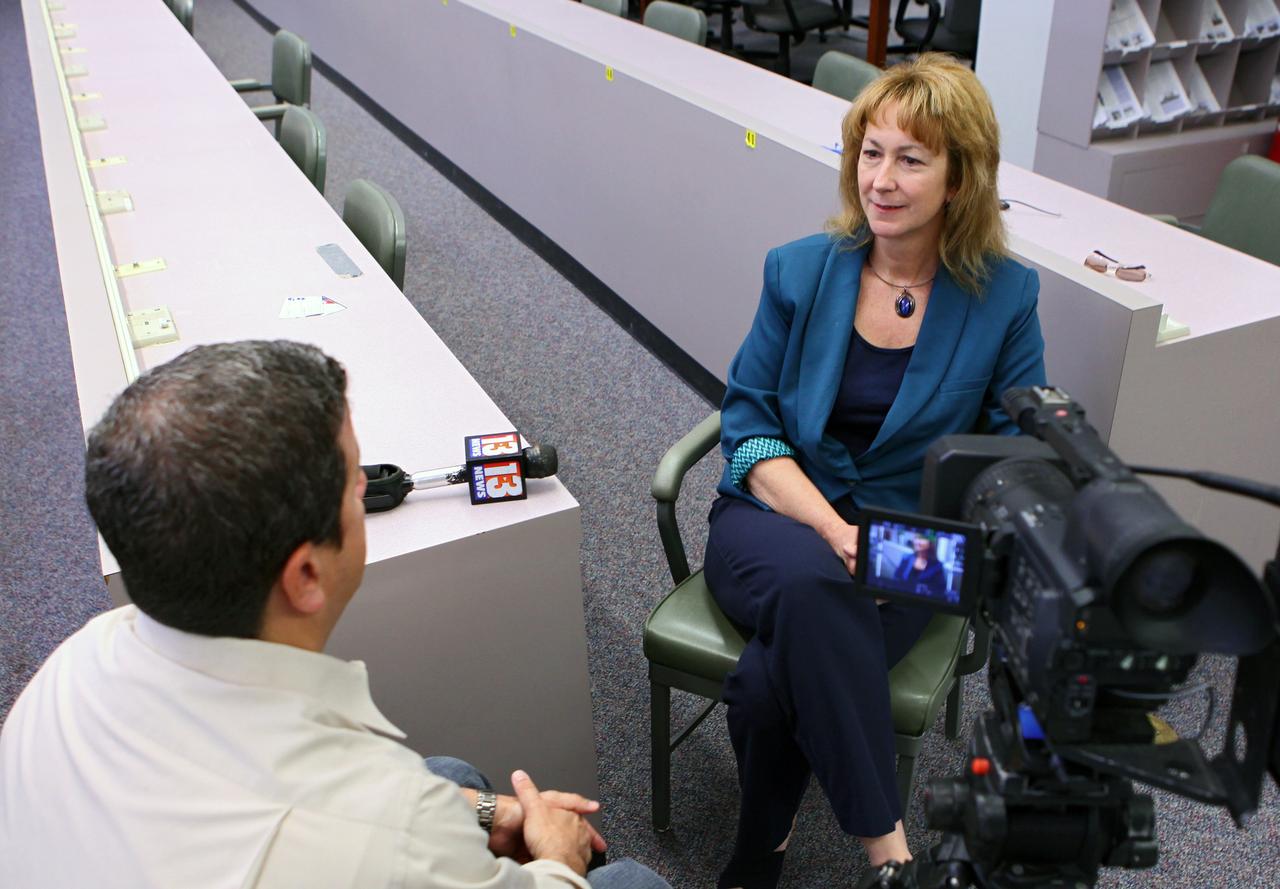
CAPE CANAVERAL, Fla. -- To start the new year, Joyce M. Riquelme from Kennedy's Center Planning and Development Office discusses the space center's direction with TV news reporter Greg Pallone of Channel 13 in Orlando.The office's purpose is to develop the world’s premier spaceport, meeting government and commercial space industry needs through comprehensive resource planning and the formation of partnerships to ensure the economic vitality of Kennedy Space Center. Photo credit: NASA/Kim Shiflett
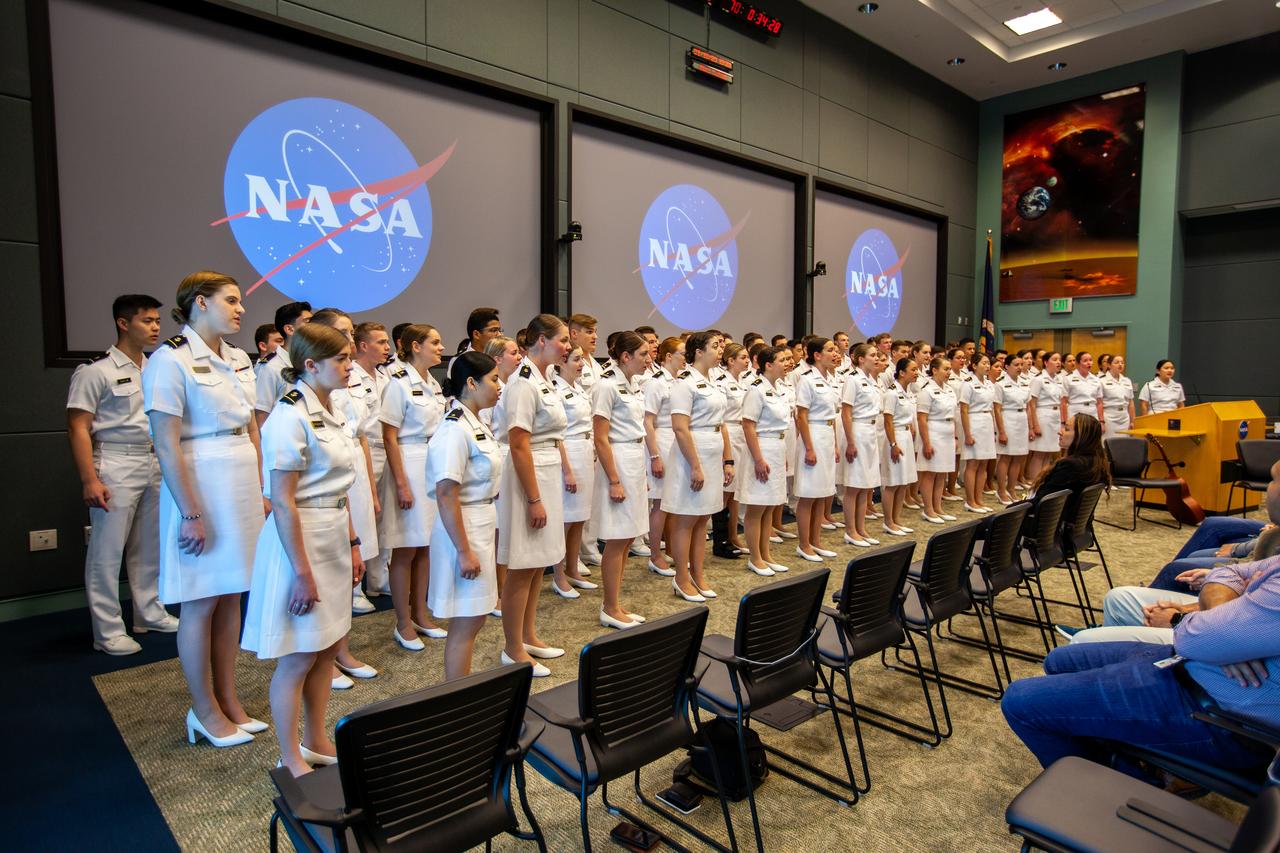
The United States Naval Academy Glee Club performs for Kennedy Space Center employees at the Florida spaceport on March 10, 2020. As part of the celebration, Kennedy Director Bob Cabana discussed the deep historical ties between NASA and the U.S. Navy. The highly acclaimed Glee Club has achieved prominence as one of America’s premier choral ensembles, performing throughout the nation each year.

Kennedy Space Center Director Bob Cabana addresses members of the United States Naval Academy Glee Club at the Florida spaceport on March 10, 2020. The highly acclaimed Glee Club, which performed for Kennedy employees, has achieved prominence as one of America’s premier choral ensembles. As part of the celebration, Cabana discussed the deep historical ties between NASA and the U.S. Navy.
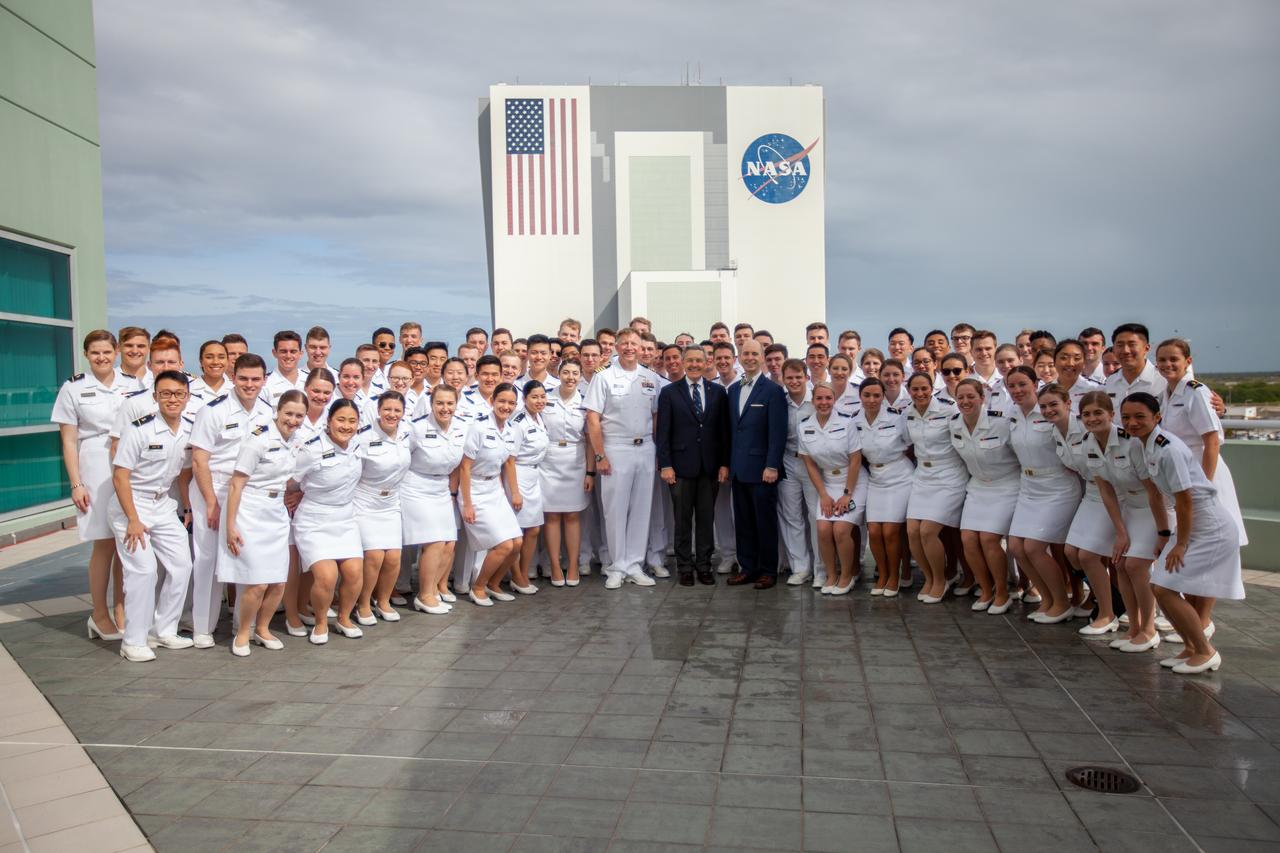
At center, from left to right, Captain Ben Shupp, commanding officer, Naval Ordnance Test Unit; Bob Cabana, Kennedy Space Center director; and Dr. Aaron Smith, director and chairman, Musical Activities Department, United States Naval Academy; pose with the U.S. Naval Academy Glee Club with the Florida spaceport’s Vehicle Assembly Building in the background on March 10, 2020. The highly acclaimed Glee Club, which performed for Kennedy employees, has achieved prominence as one of America’s premier choral ensembles.
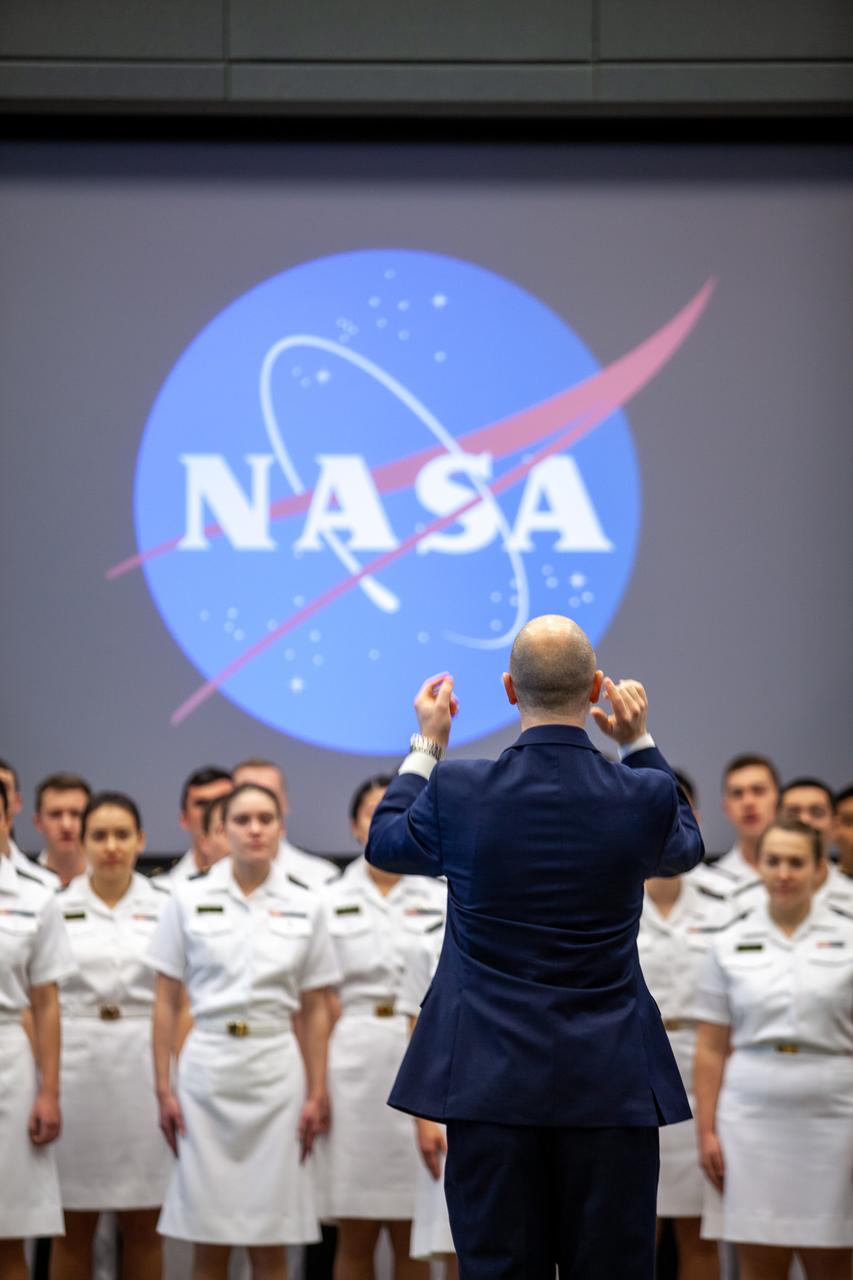
The United States Naval Academy Glee Club performs for Kennedy Space Center employees at the Florida spaceport on March 10, 2020. As part of the celebration, Kennedy Director Bob Cabana discussed the deep historical ties between NASA and the U.S. Navy. The highly acclaimed Glee Club has achieved prominence as one of America’s premier choral ensembles, performing throughout the nation each year.
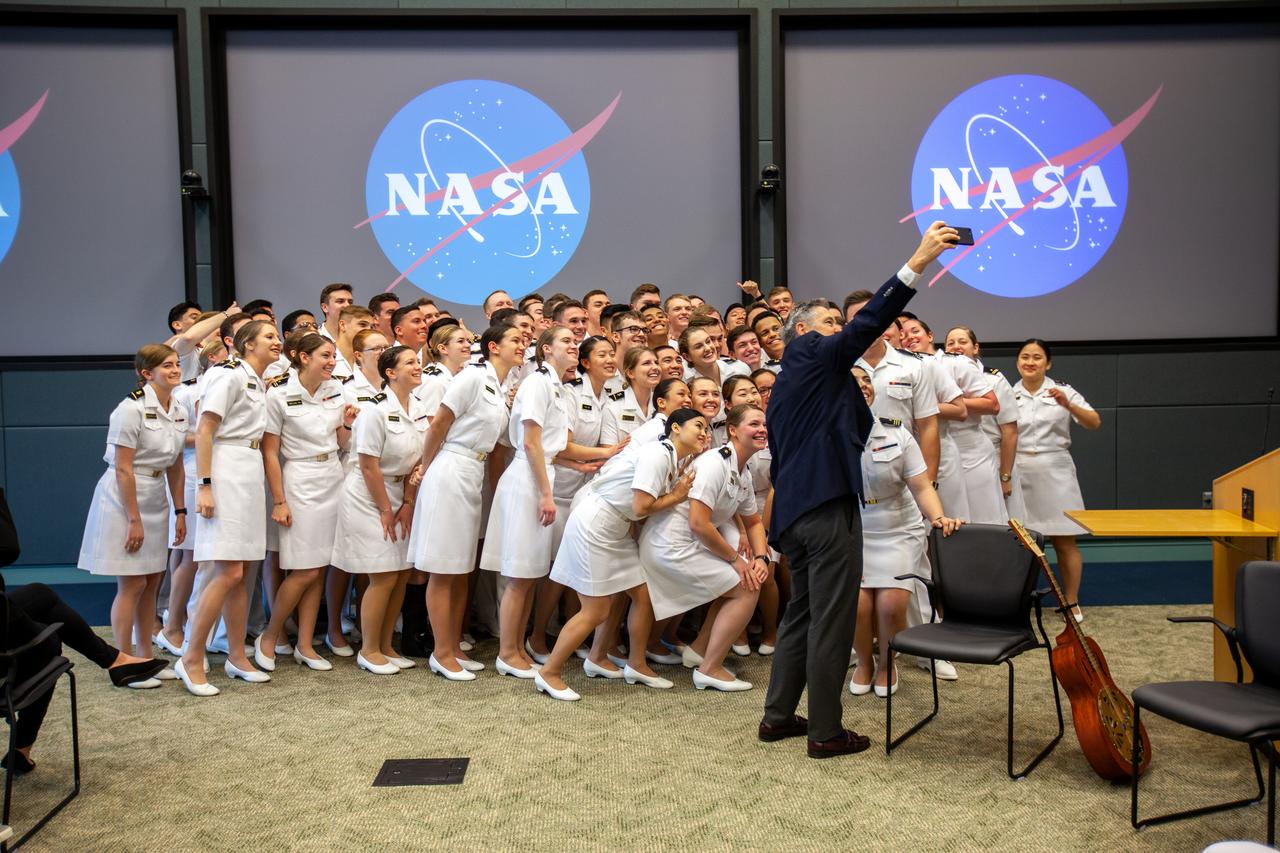
Kennedy Space Center Director Bob Cabana takes a selfie with members of the United States Naval Academy Glee Club at the Florida spaceport on March 10, 2020. The highly acclaimed Glee Club, which performed for Kennedy employees, has achieved prominence as one of America’s premier choral ensembles. As part of the celebration, Cabana discussed the deep historical ties between NASA and the U.S. Navy.
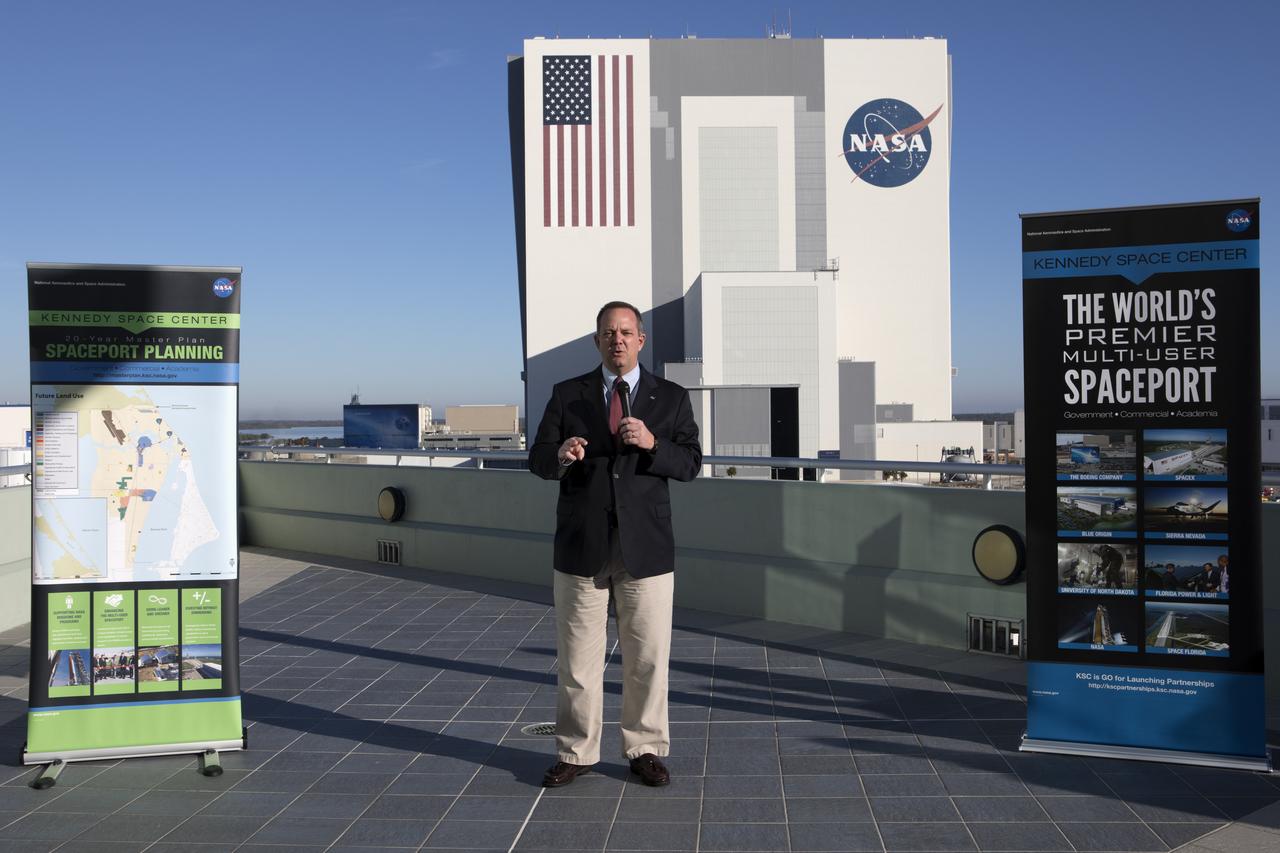
Tom Engler, director of Center Planning and Development at NASA's Kennedy Space Center, speaks to members of the news media on the balcony of Operations Support Building II describing the site's transition from a primarily government-only facility to a premier, multi-user spaceport. In the background is the Vehicle Assembly Building (VAB). Modifications were recently completed in the VAB where new work platforms were installed to support processing of NASA's Space Launch System rocket designed to send the Orion spacecraft on missions beyond low-Earth orbit.
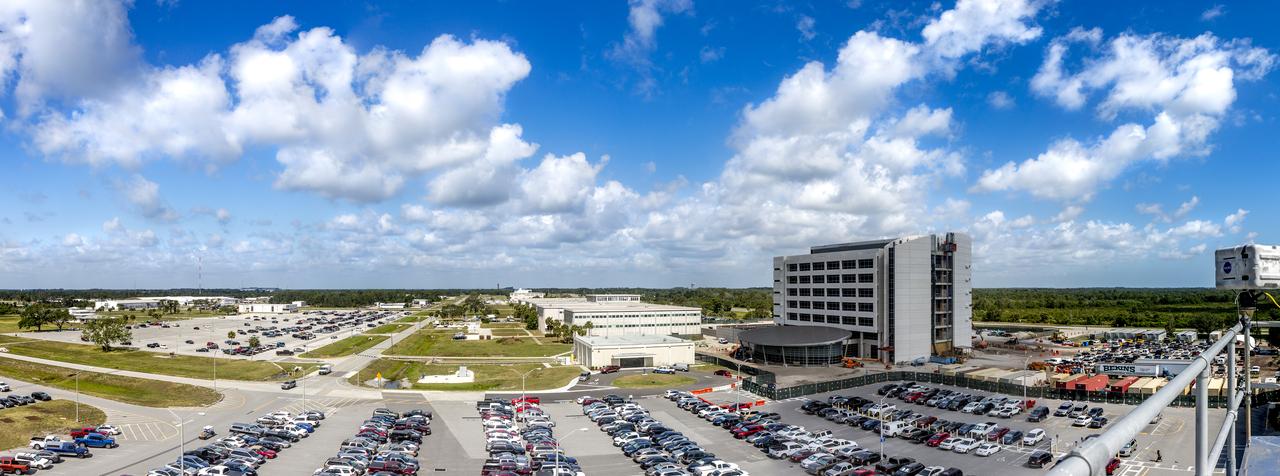
A panoramic view of the Industrial Area at NASA's Kennedy Space Center in Florida, shows the nearly-complete new headquarters building at right. The new seven-story, 200,000-square-foot facility will house about 500 NASA civil service and contractor employees. The building will be more energy efficient than the current Headquarters building and will feature the latest in office and administrative building technology to fulfill Kennedy's role as the premiere spaceport for NASA and, increasingly, commercial entities.
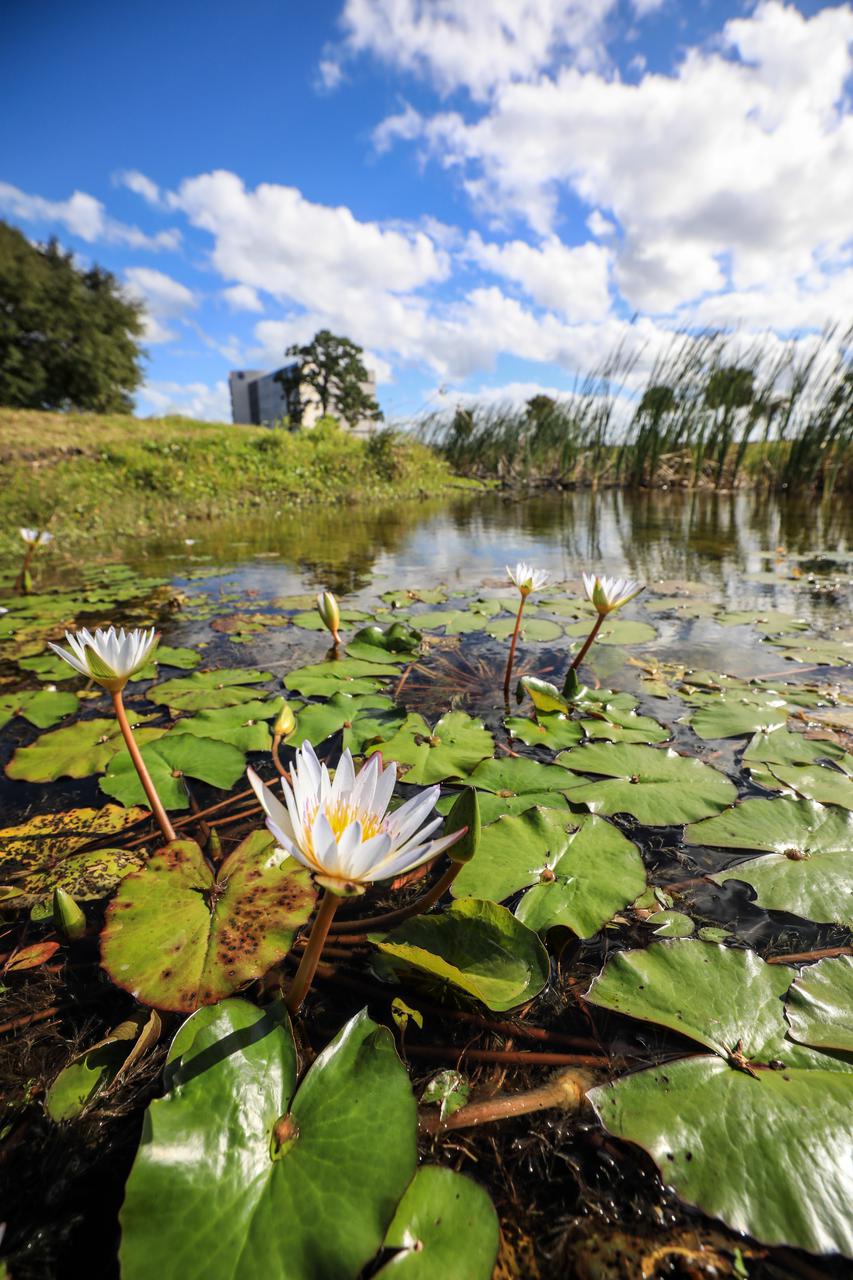
Budding flowers adorn the forefront of the Central Campus Headquarters (CCHQ) Building at NASA’s Kennedy Space Center in Florida on Jan. 11, 2022. The CCHQ is a modernized, energy efficient facility representative of Kennedy’s transformation to America’s premier multi-user spaceport. It opened in May 2019. Built in 1965, the former headquarters building was recently demolished. The area previously occupied by the 439,000 square-foot-facility will be utilized as greenspace.
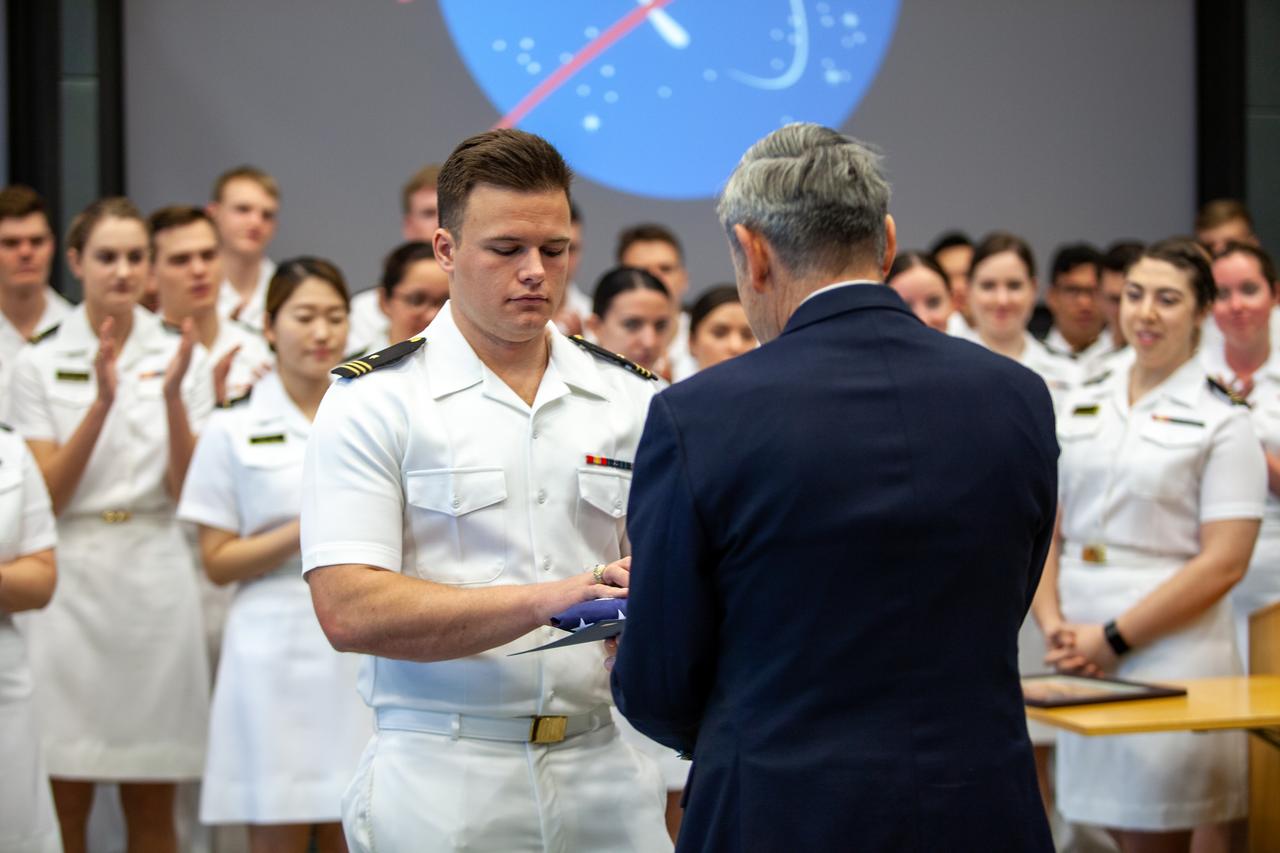
Kennedy Space Center Director Bob Cabana is presented with a flag that was flown over the United States Naval Academy in his honor during a special event at the Florida spaceport on March 10, 2020. The event included a performance by the U.S. Naval Academy Glee Club and a presentation by Cabana, who discussed the deep historical ties between NASA and the U.S. Navy. The highly acclaimed Glee Club has achieved prominence as one of America’s premier choral ensembles, performing throughout the nation each year.
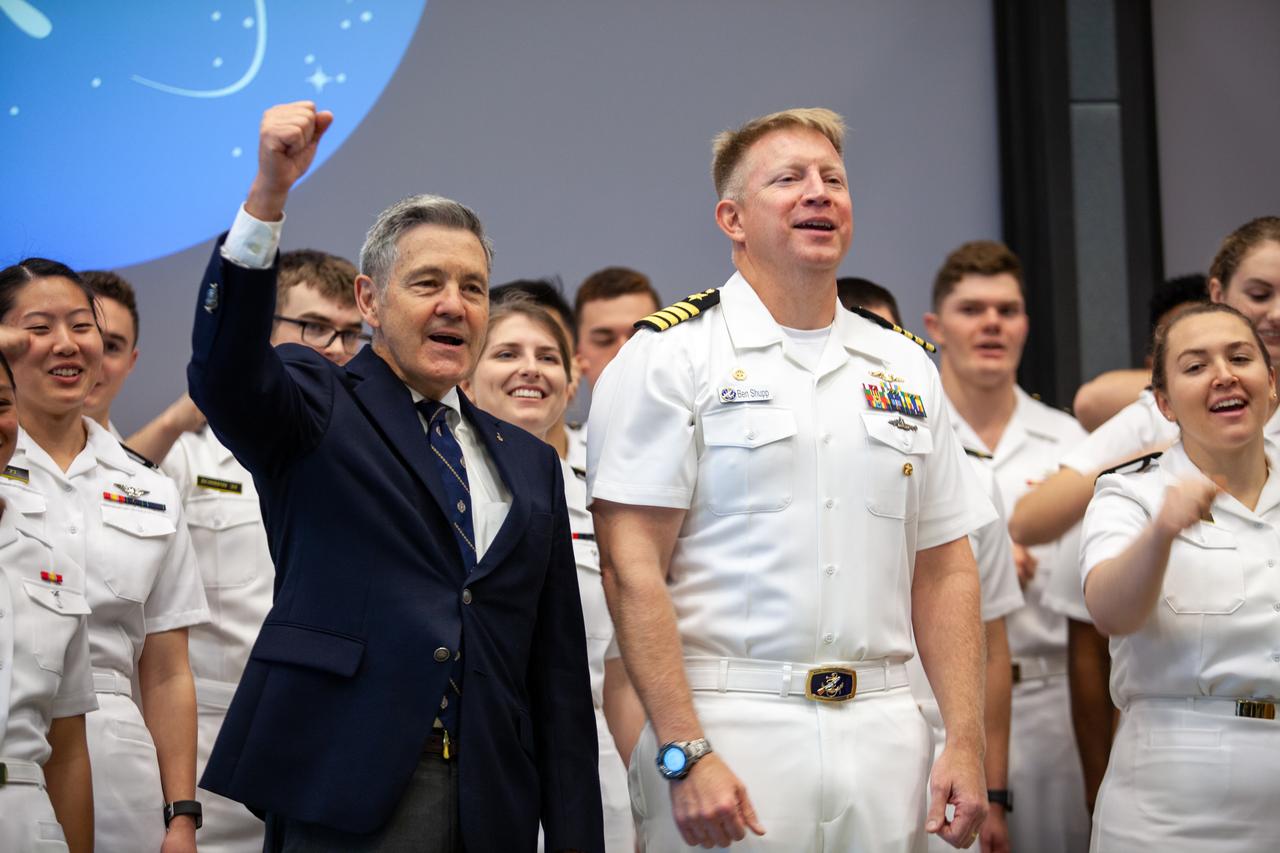
Kennedy Space Center Director Bob Cabana, left, and Captain Ben Shupp, commanding officer, Naval Ordnance Test Unit, stand with the U.S. Naval Academy Glee Club at the Florida spaceport on March 10, 2020. As part of the special celebration, Cabana discussed the deep historical ties between NASA and the U.S. Navy. The highly acclaimed Glee Club has achieved prominence as one of America’s premier choral ensembles, performing throughout the nation each year.
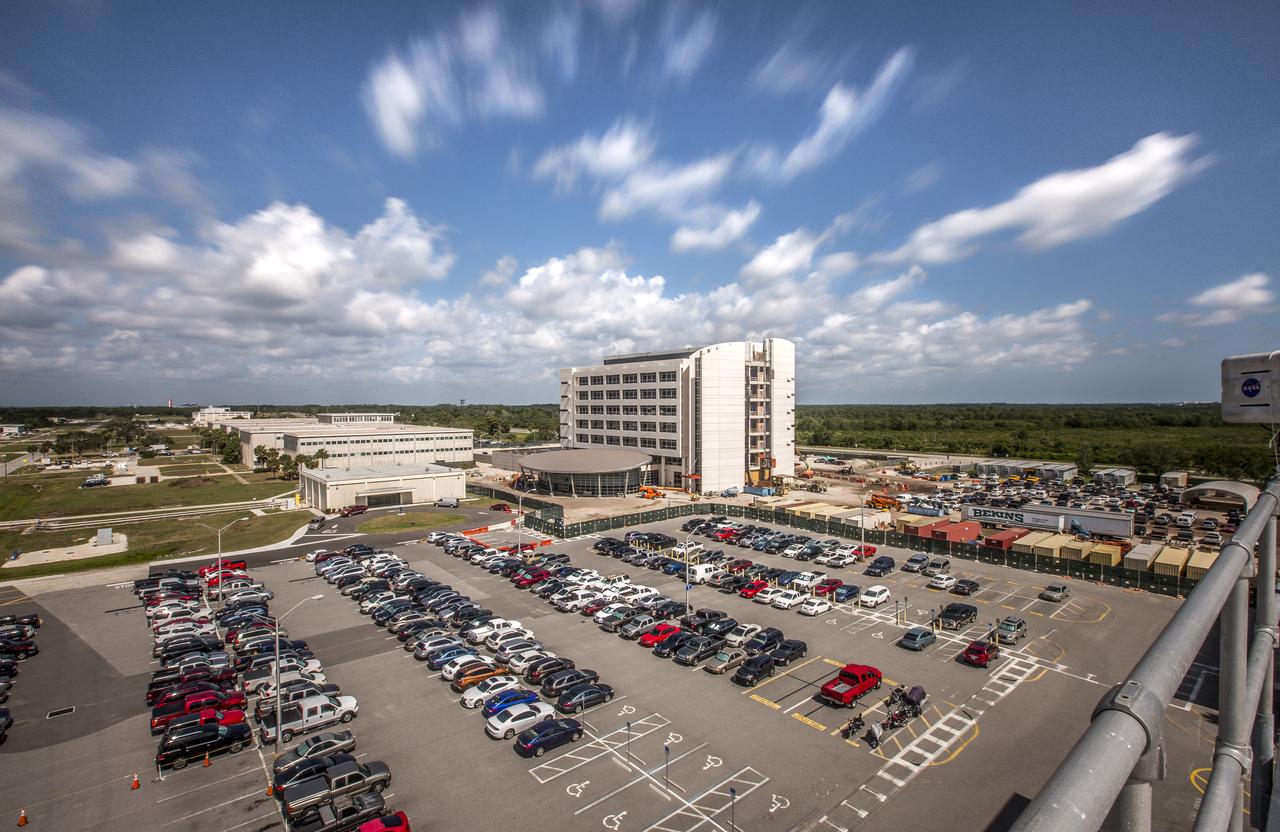
A long exposure photograph of the new headquarters building, part of the Central Campus in the industrial area at NASA’s Kennedy Space Center in Florida. The nearly-complete seven-story, 200,000-square-foot facility will house about 500 NASA civil service and contractor employees. The building will be more energy efficient than the current Headquarters building and will feature the latest in office and administrative building technology to fulfill Kennedy's role as the premiere spaceport for NASA and, increasingly, commercial entities.
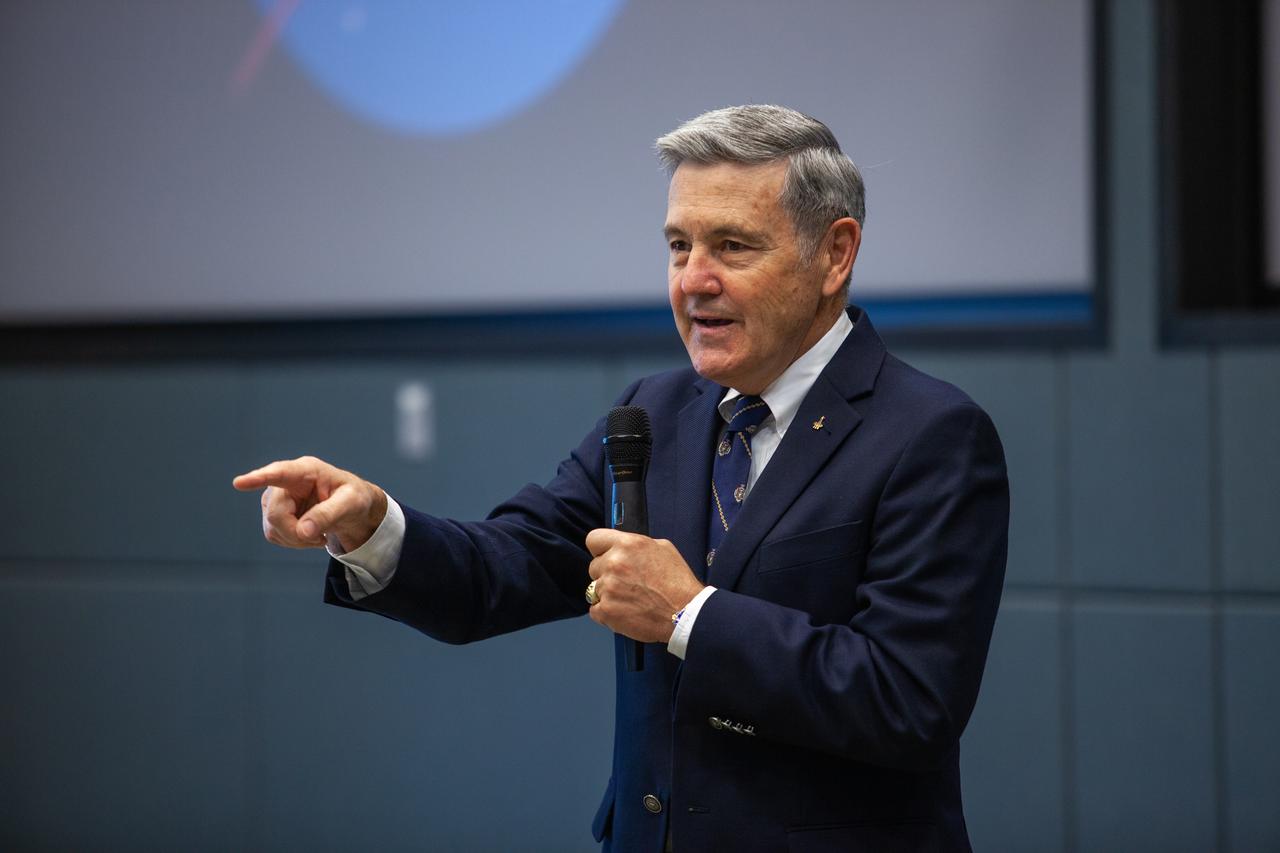
Kennedy Space Center Director Bob Cabana addresses the crowd during a special performance by the United States Naval Academy Glee Club at the Florida spaceport on March 10, 2020. As part of the celebration, Cabana discussed the deep historical ties between NASA and the U.S. Navy. The highly acclaimed Glee Club has achieved prominence as one of America’s premier choral ensembles, performing throughout the nation each year.

Kennedy Space Center Director Bob Cabana stands with members of the United States Naval Academy Glee Club at the Florida spaceport on March 10, 2020. The highly acclaimed Glee Club, which performed for Kennedy employees, has achieved prominence as one of America’s premier choral ensembles. As part of the special celebration, Cabana also discussed the deep historical ties between NASA and the U.S. Navy.
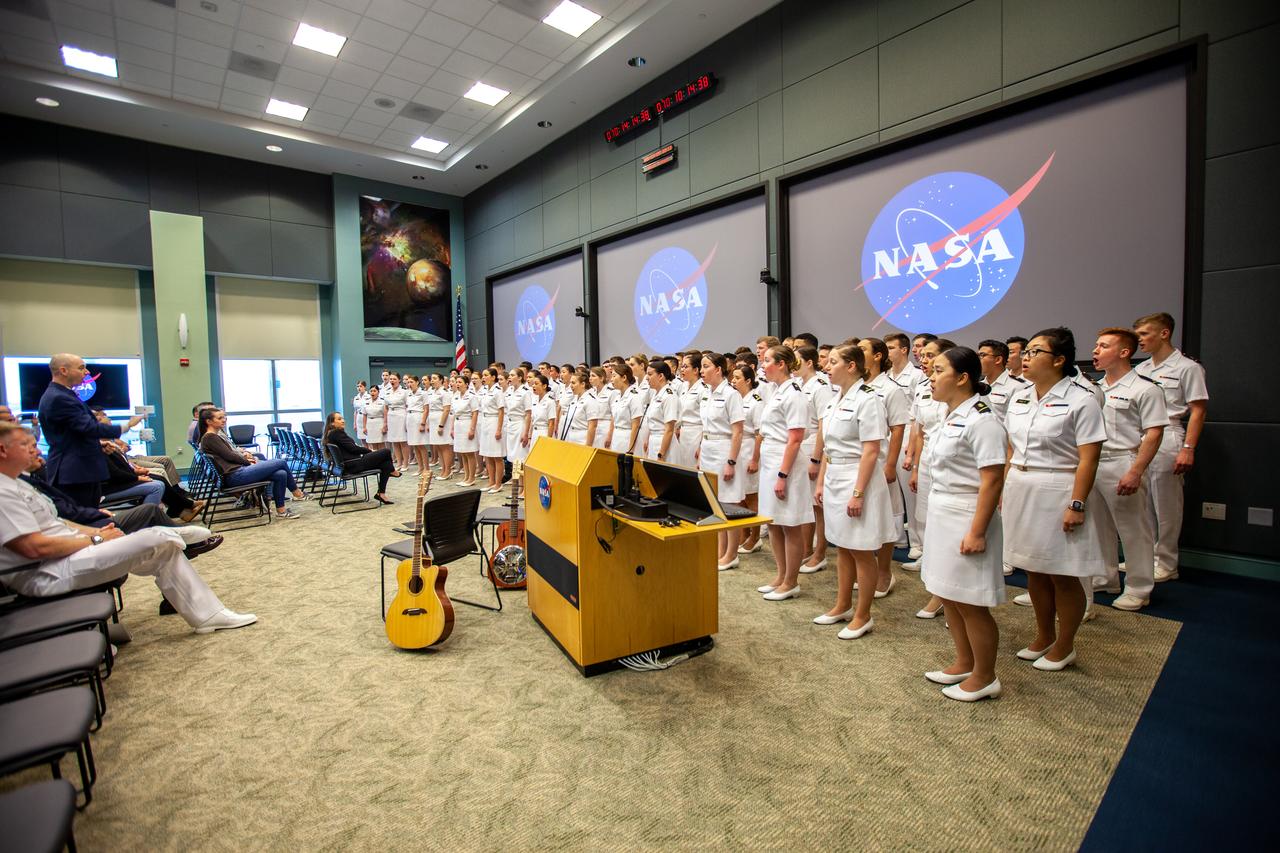
The United States Naval Academy Glee Club performs for Kennedy Space Center employees at the Florida spaceport on March 10, 2020. As part of the celebration, Kennedy Director Bob Cabana discussed the deep historical ties between NASA and the U.S. Navy. The highly acclaimed Glee Club has achieved prominence as one of America’s premier choral ensembles, performing throughout the nation each year.
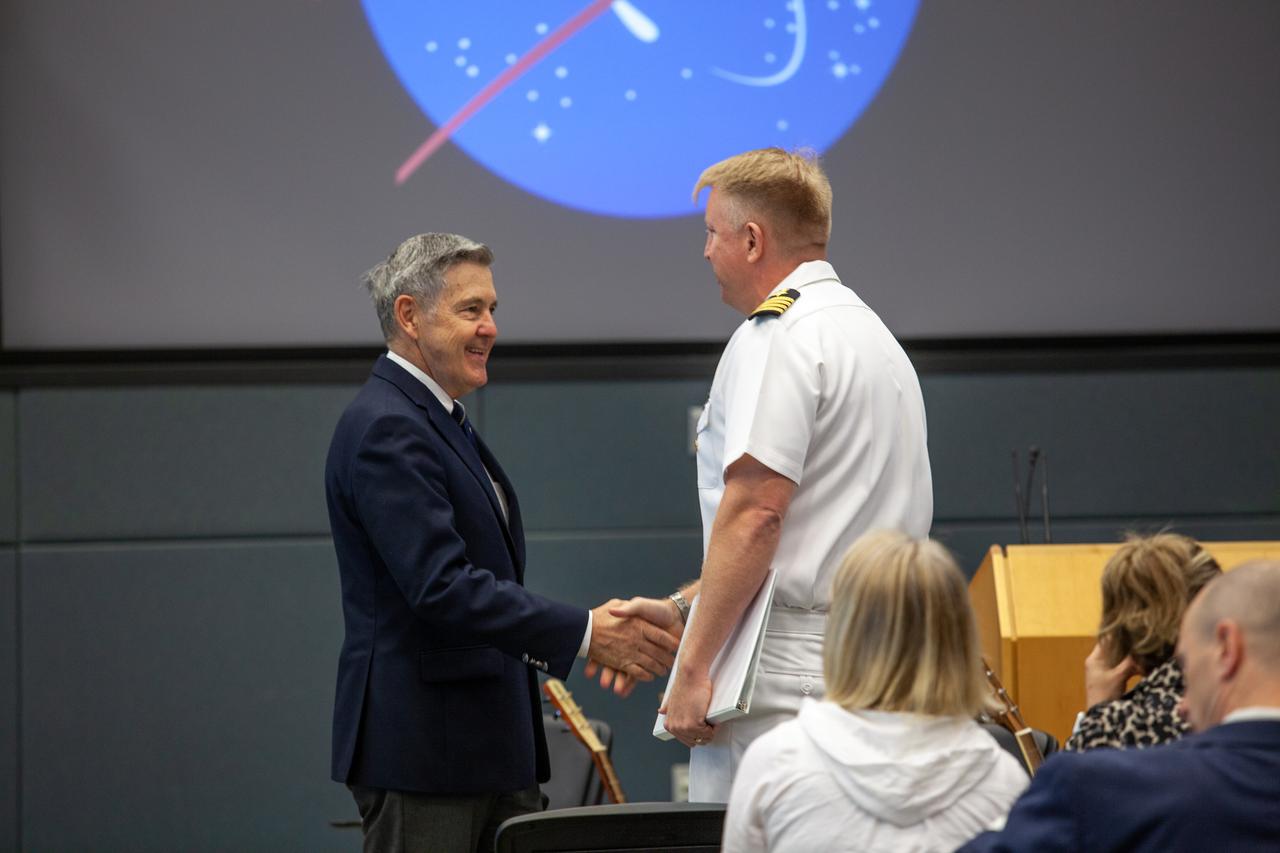
Kennedy Space Center Director Bob Cabana, left, shakes hands with Captain Ben Shupp, commanding officer, Naval Ordnance Test Unit, at the Florida spaceport on March 10, 2020. The United States Naval Academy Glee Club performed for Kennedy employees during a special celebration, which included Cabana discussing the deep historical ties between NASA and the U.S. Navy. The highly acclaimed Glee Club has achieved prominence as one of America’s premier choral ensembles, performing throughout the nation each year.
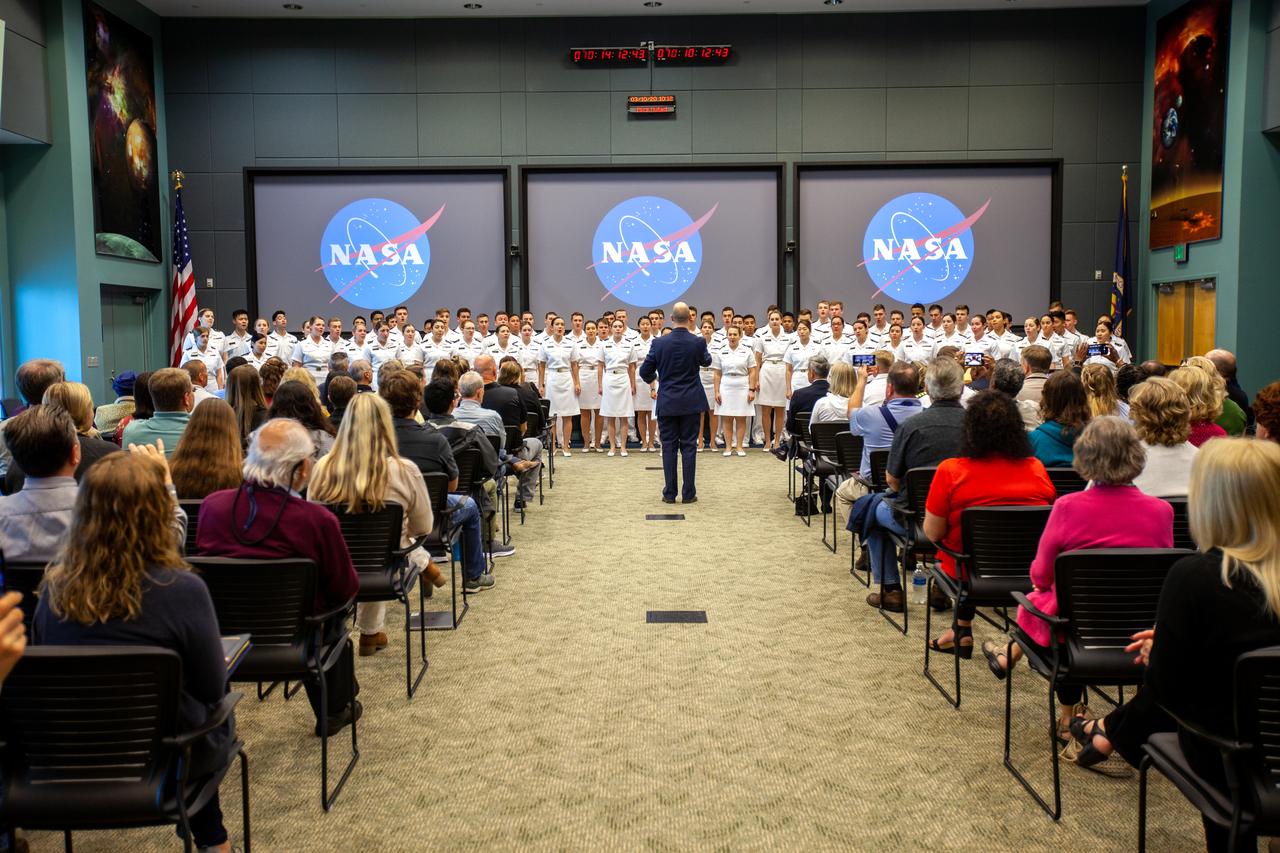
The United States Naval Academy Glee Club performs for Kennedy Space Center employees at the Florida spaceport on March 10, 2020. As part of the celebration, Kennedy Director Bob Cabana discussed the deep historical ties between NASA and the U.S. Navy. The highly acclaimed Glee Club has achieved prominence as one of America’s premier choral ensembles, performing throughout the nation each year.
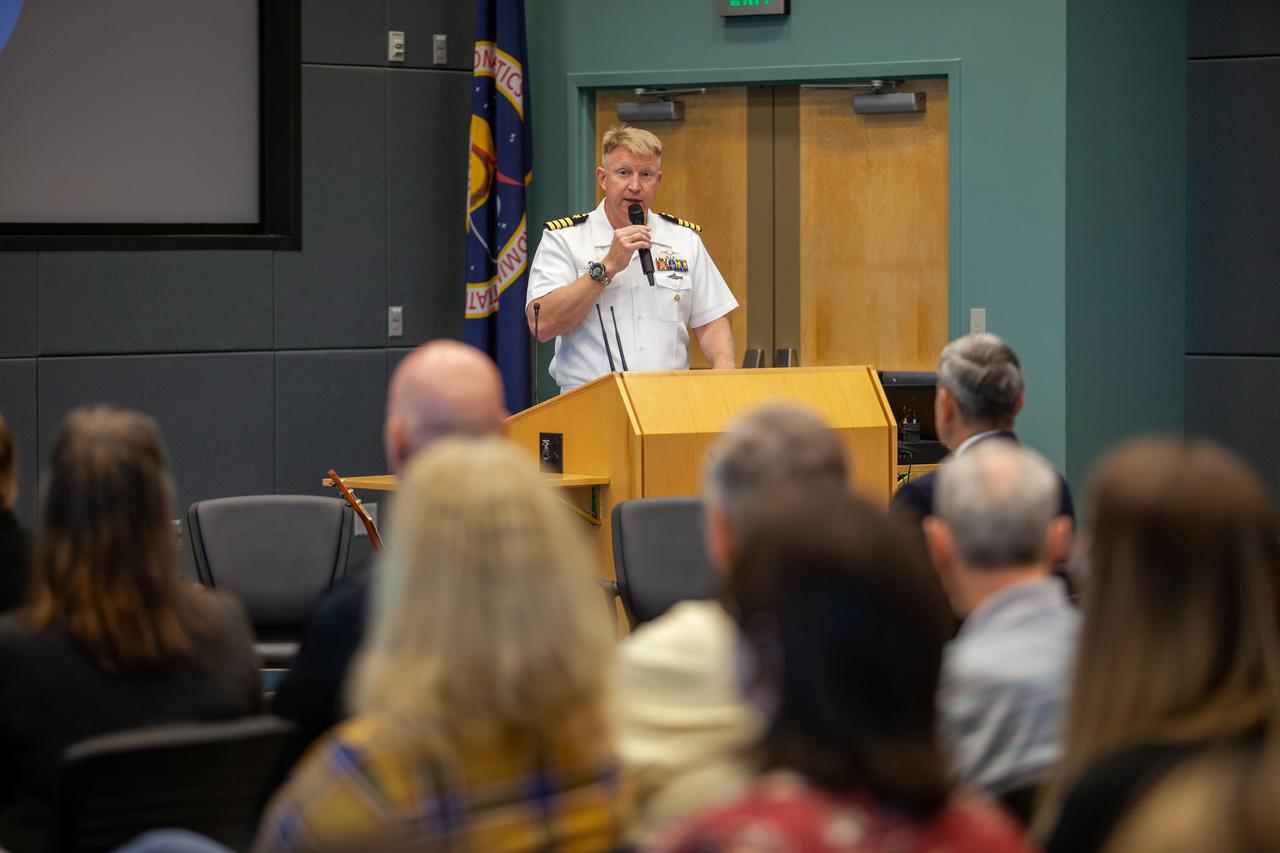
Captain Ben Shupp, commanding officer, Naval Ordnance Test Unit, addresses the crowd during a special performance by the United States Naval Academy Glee Club at the Florida spaceport on March 10, 2020. As part of the celebration, Kennedy Director Bob Cabana discussed the deep historical ties between NASA and the U.S. Navy. The highly acclaimed Glee Club has achieved prominence as one of America’s premier choral ensembles, performing throughout the nation each year.
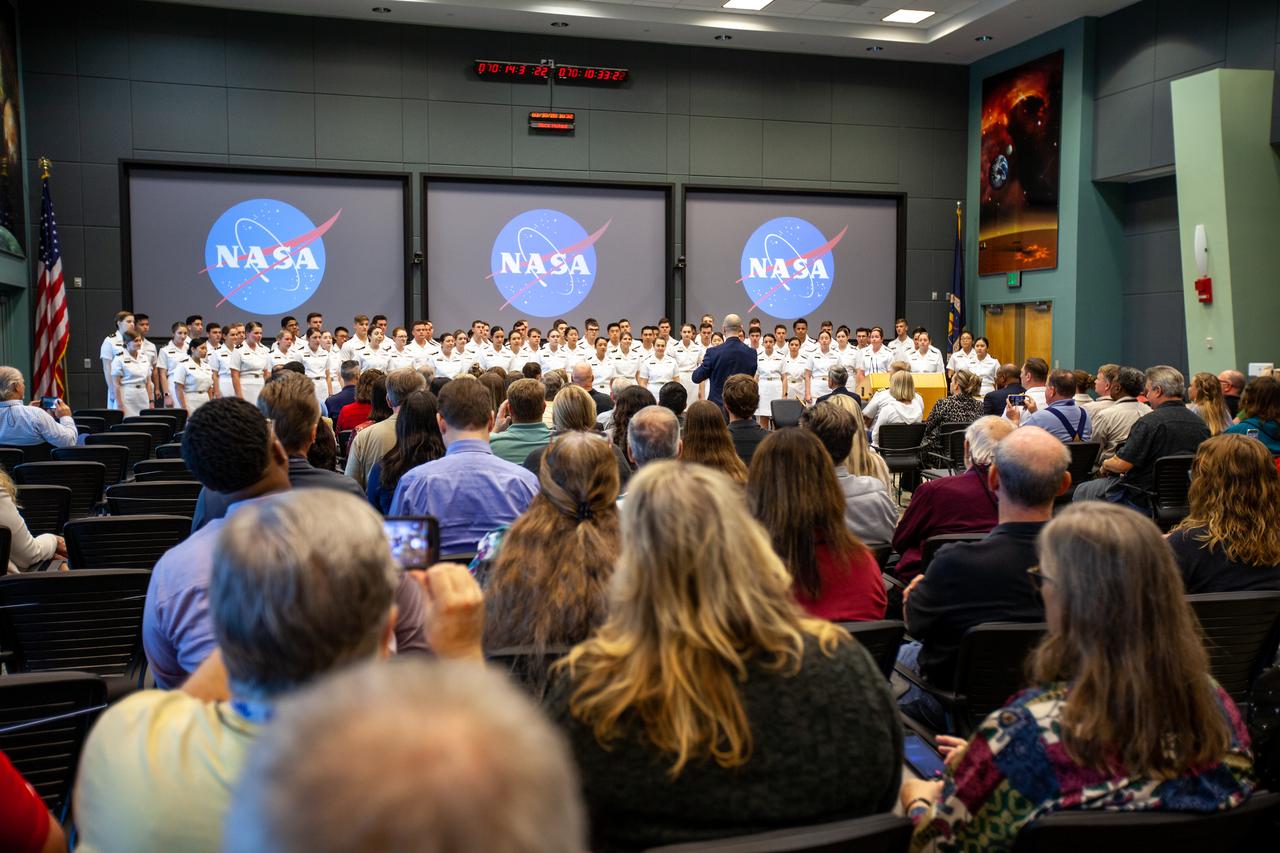
The United States Naval Academy Glee Club performs for Kennedy Space Center employees at the Florida spaceport on March 10, 2020. As part of the celebration, Kennedy Director Bob Cabana discussed the deep historical ties between NASA and the U.S. Navy. The highly acclaimed Glee Club has achieved prominence as one of America’s premier choral ensembles, performing throughout the nation each year.
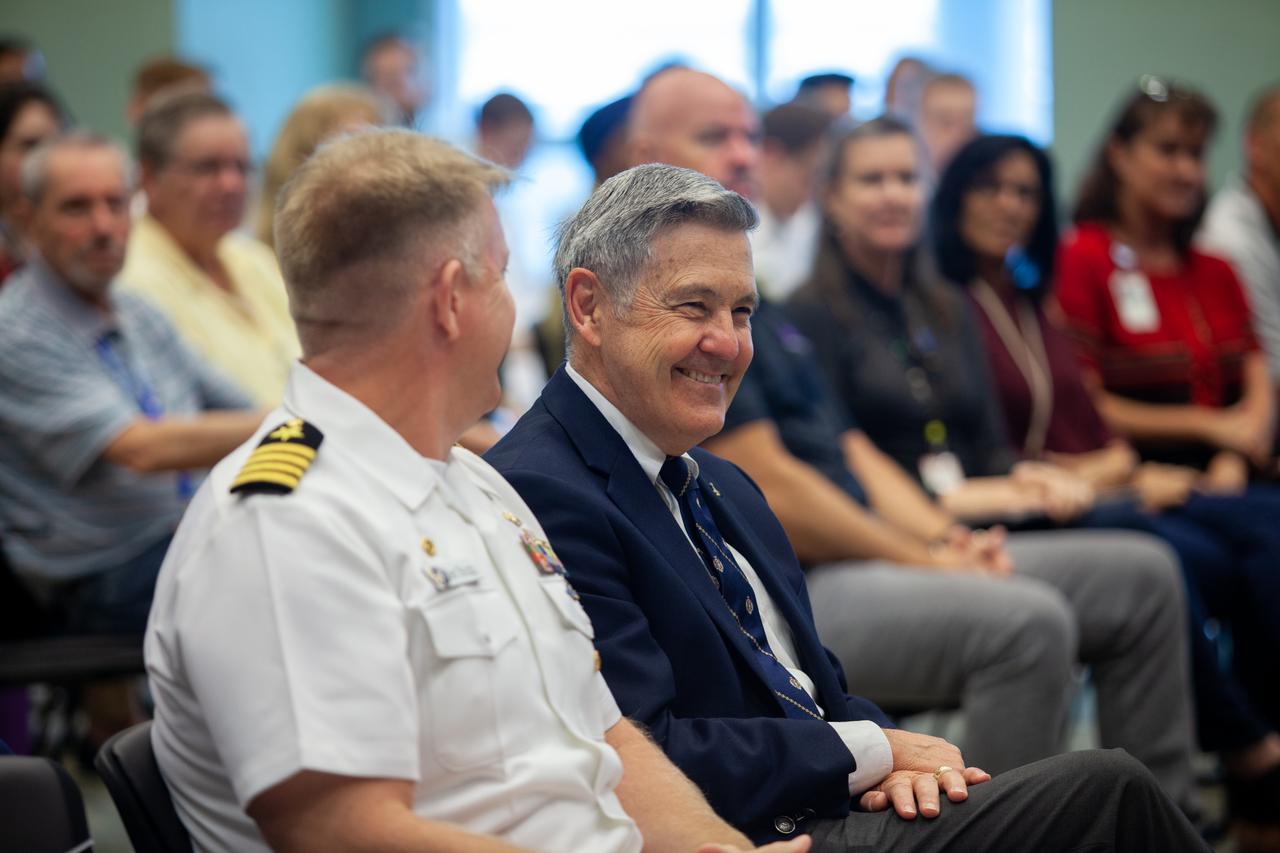
Kennedy Space Center Director Bob Cabana shares a laugh with Captain Ben Shupp, commanding officer, Naval Ordnance Test Unit, at the Florida spaceport on March 10, 2020. The United States Naval Academy Glee Club performed for Kennedy employees as part of a special celebration. Cabana also discussed the deep historical ties between NASA and the U.S. Navy. The highly acclaimed Glee Club has achieved prominence as one of America’s premier choral ensembles, performing throughout the nation each year.
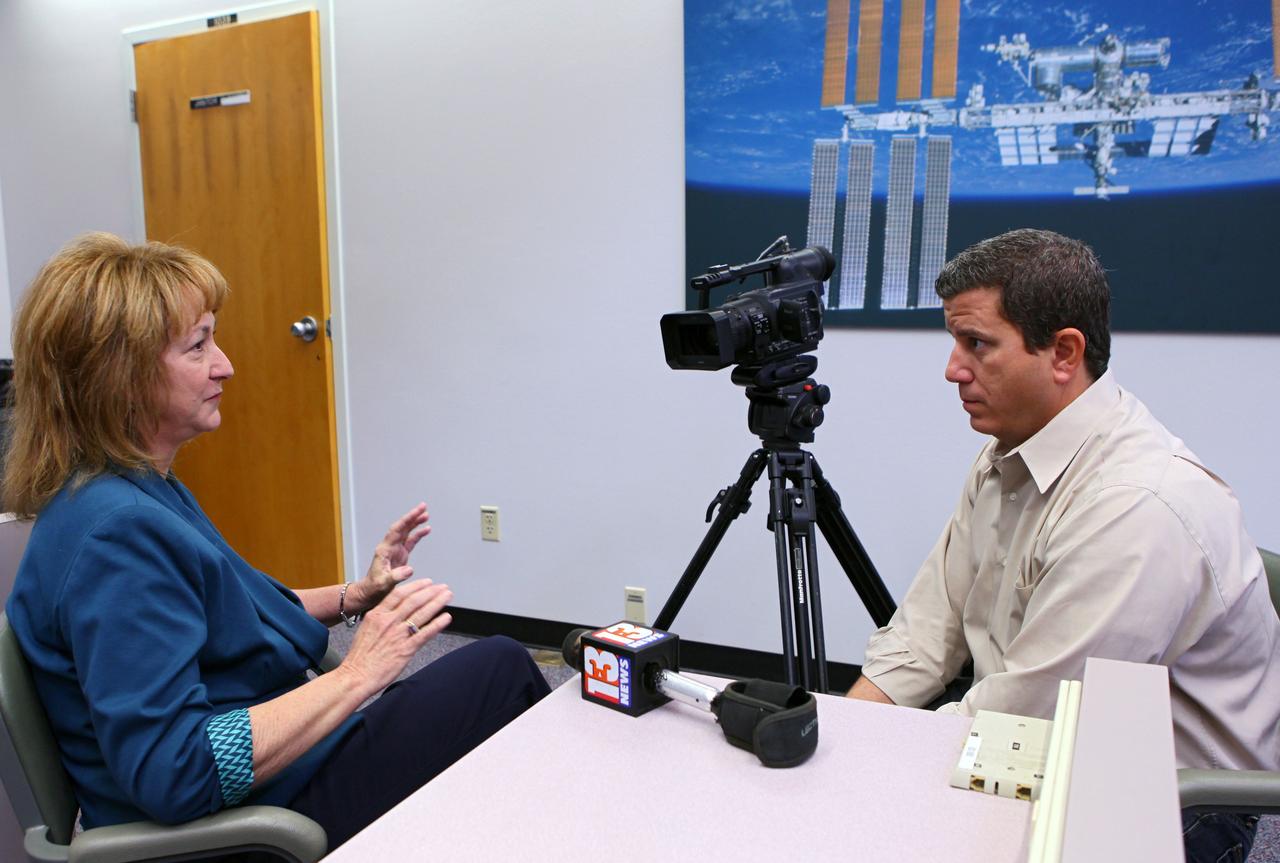
CAPE CANAVERAL, Fla. -- To start the new year, Joyce M. Riquelme from Kennedy's Center Planning and Development Office discusses the space center's direction with TV news reporter Greg Pallone of Channel 13 in Orlando.The office's purpose is to develop the world’s premier spaceport, meeting government and commercial space industry needs through comprehensive resource planning and the formation of partnerships to ensure the economic vitality of Kennedy Space Center. Photo credit: NASA/Kim Shiflett
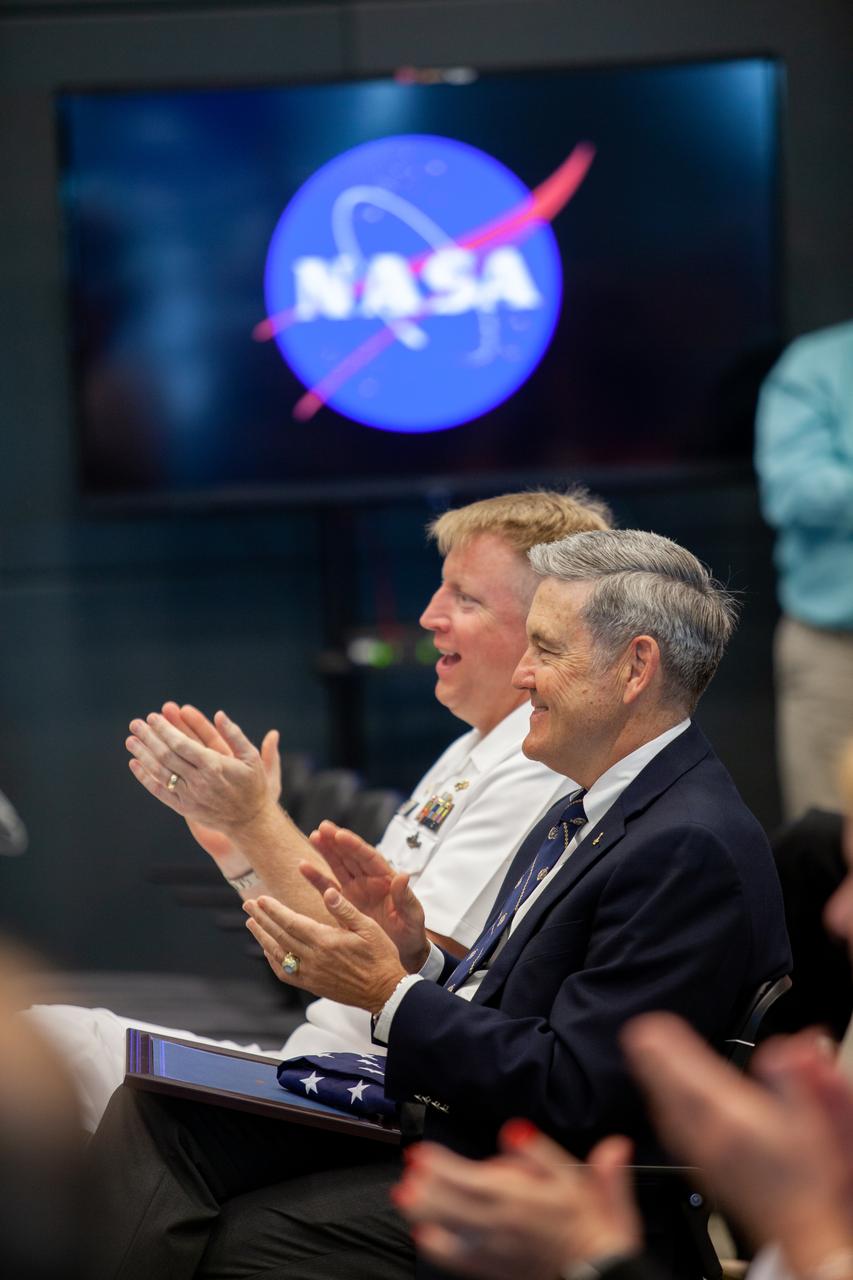
Kennedy Space Center Director Bob Cabana, left, and Captain Ben Shupp, commanding officer, Naval Ordnance Test Unit, enjoy a performance by the U.S. Naval Academy Glee Club at the Florida spaceport on March 10, 2020. As part of the special celebration, Cabana discussed the deep historical ties between NASA and the U.S. Navy. The highly acclaimed Glee Club has achieved prominence as one of America’s premier choral ensembles, performing throughout the nation each year.
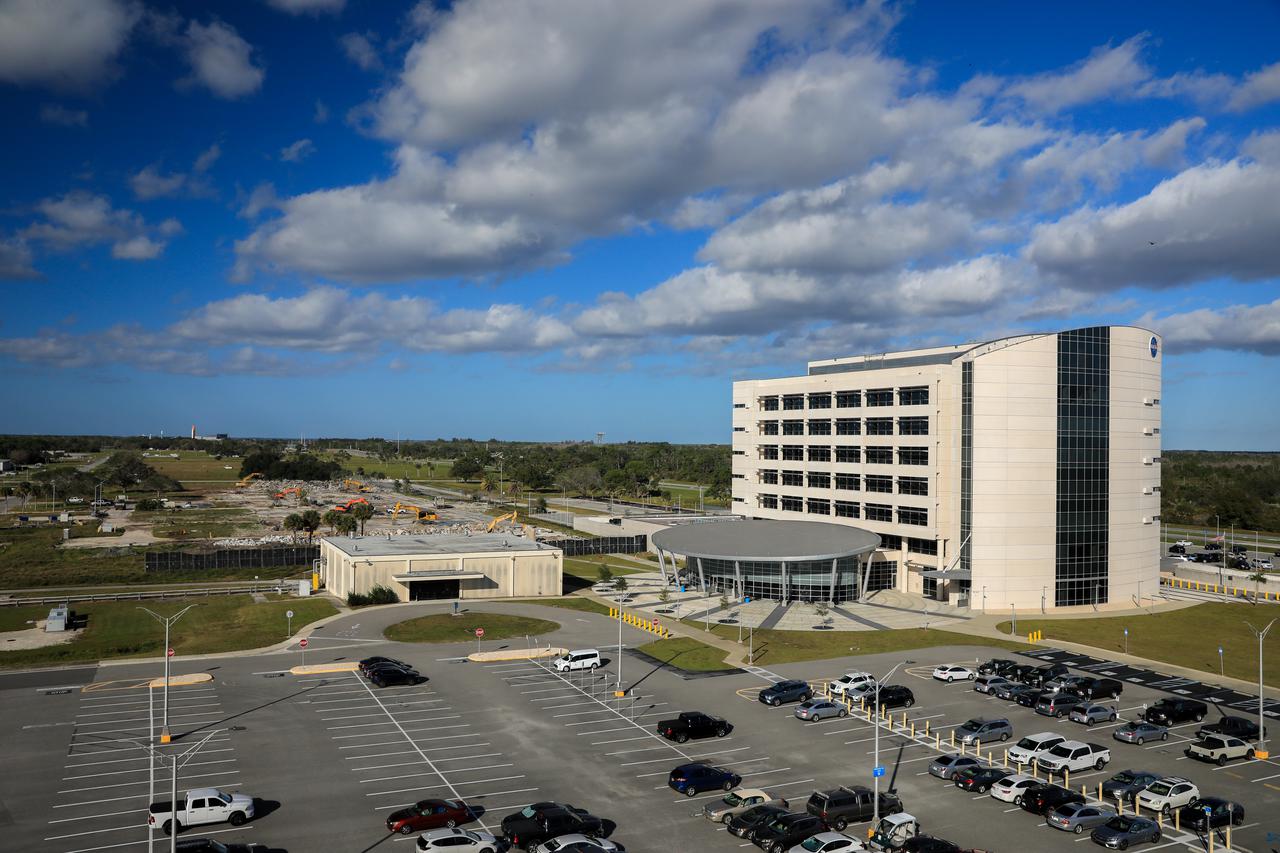
Shown is a view of the seven-story, 200,000-square-foot Central Campus Headquarters (CCHQ) Building at NASA’s Kennedy Space Center in Florida on Jan. 11, 2022. The CCHQ is a modernized, energy efficient facility representative of Kennedy’s transformation to America’s premier multi-user spaceport. It opened in May 2019. Built in 1965, the former headquarters building was recently demolished. The area previously occupied by the 439,000 square-foot-facility will be utilized as greenspace.
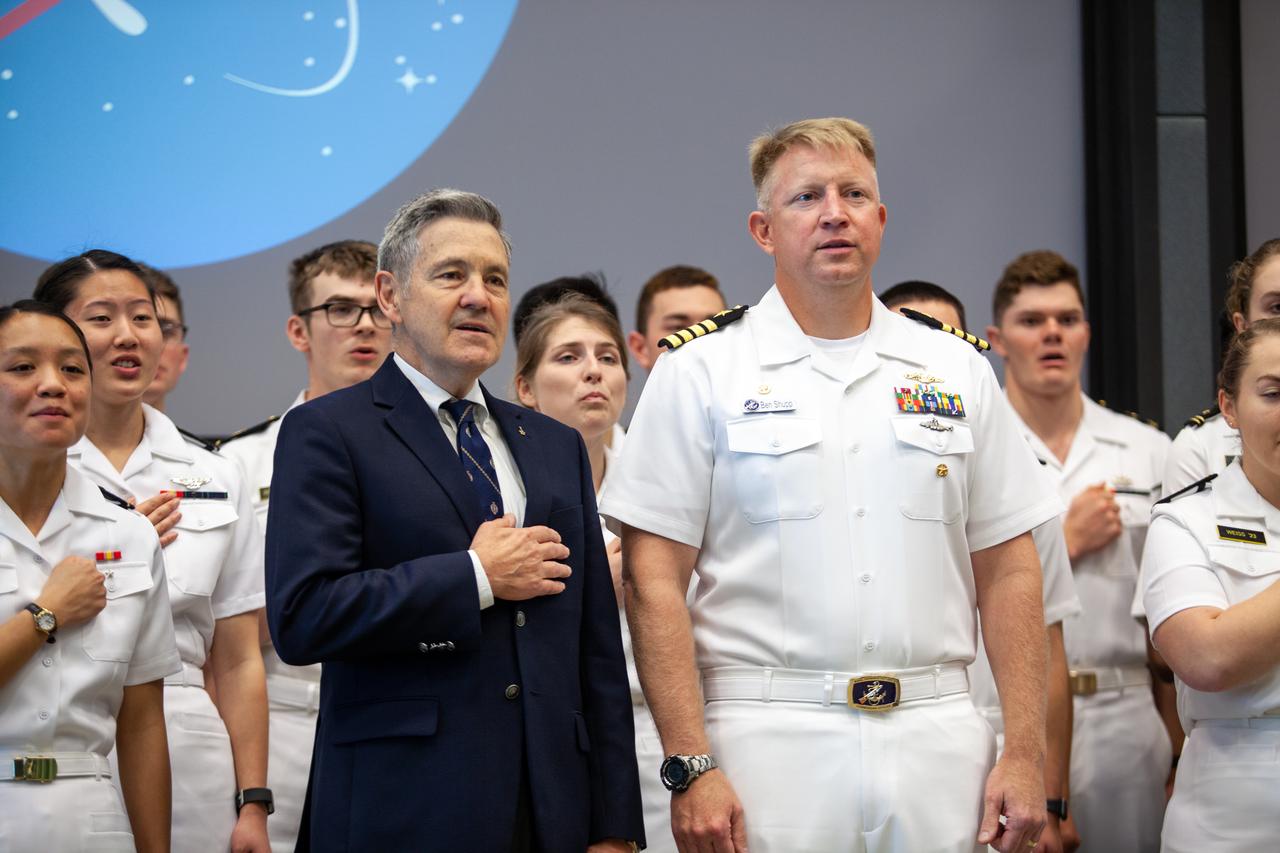
Kennedy Space Center Director Bob Cabana, left, and Captain Ben Shupp, commanding officer, Naval Ordnance Test Unit, stand with the U.S. Naval Academy Glee Club at the Florida spaceport on March 10, 2020. As part of the special celebration, Cabana discussed the deep historical ties between NASA and the U.S. Navy. The highly acclaimed Glee Club has achieved prominence as one of America’s premier choral ensembles, performing throughout the nation each year.
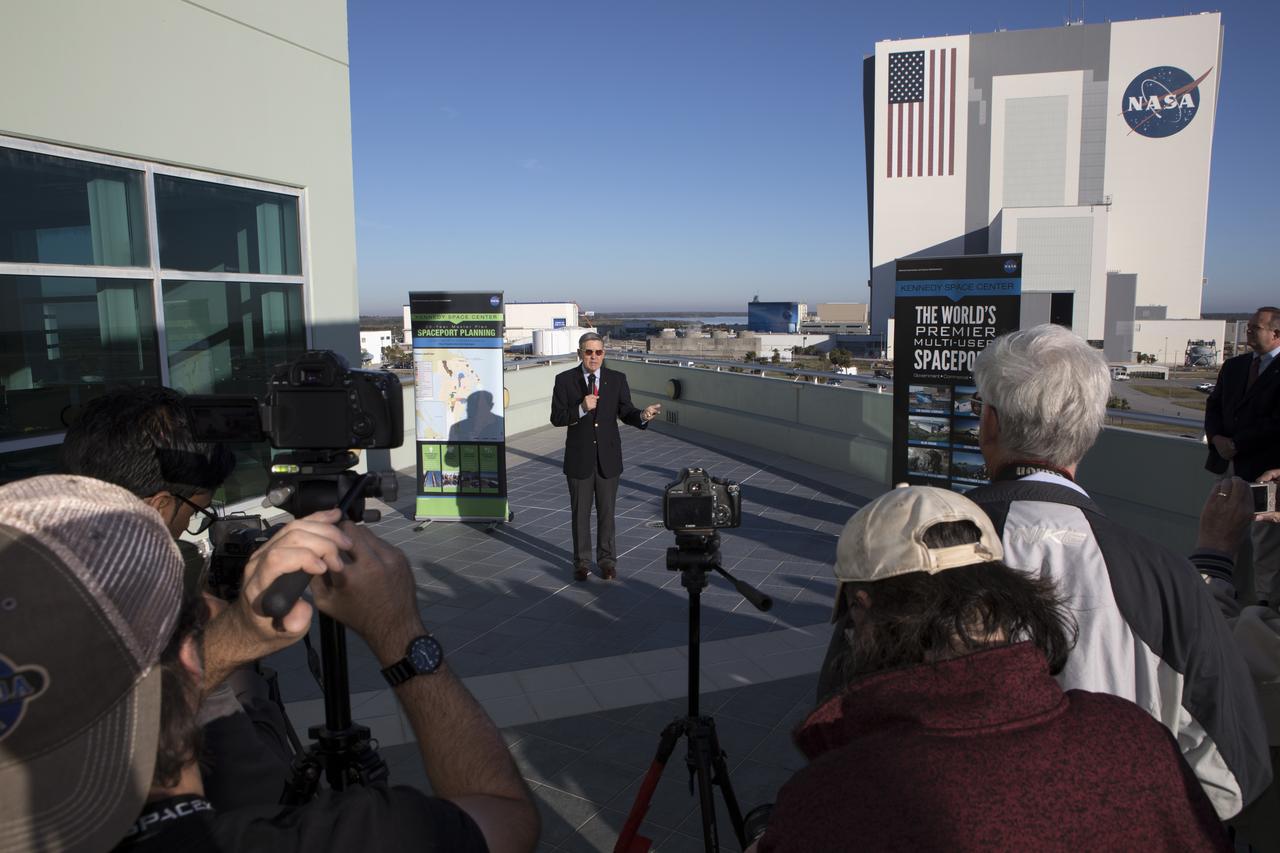
Kennedy Space Center Director Bob Cabana speaks to members of the news media on the balcony of Operations Support Building II describing the site's transition from a primarily government-only facility to a premier, multi-user spaceport. In the background is the Vehicle Assembly Building (VAB). Modifications were recently completed in the VAB where new work platforms were installed to support processing of NASA's Space Launch System rocket designed to send the Orion spacecraft on missions beyond low-Earth orbit.
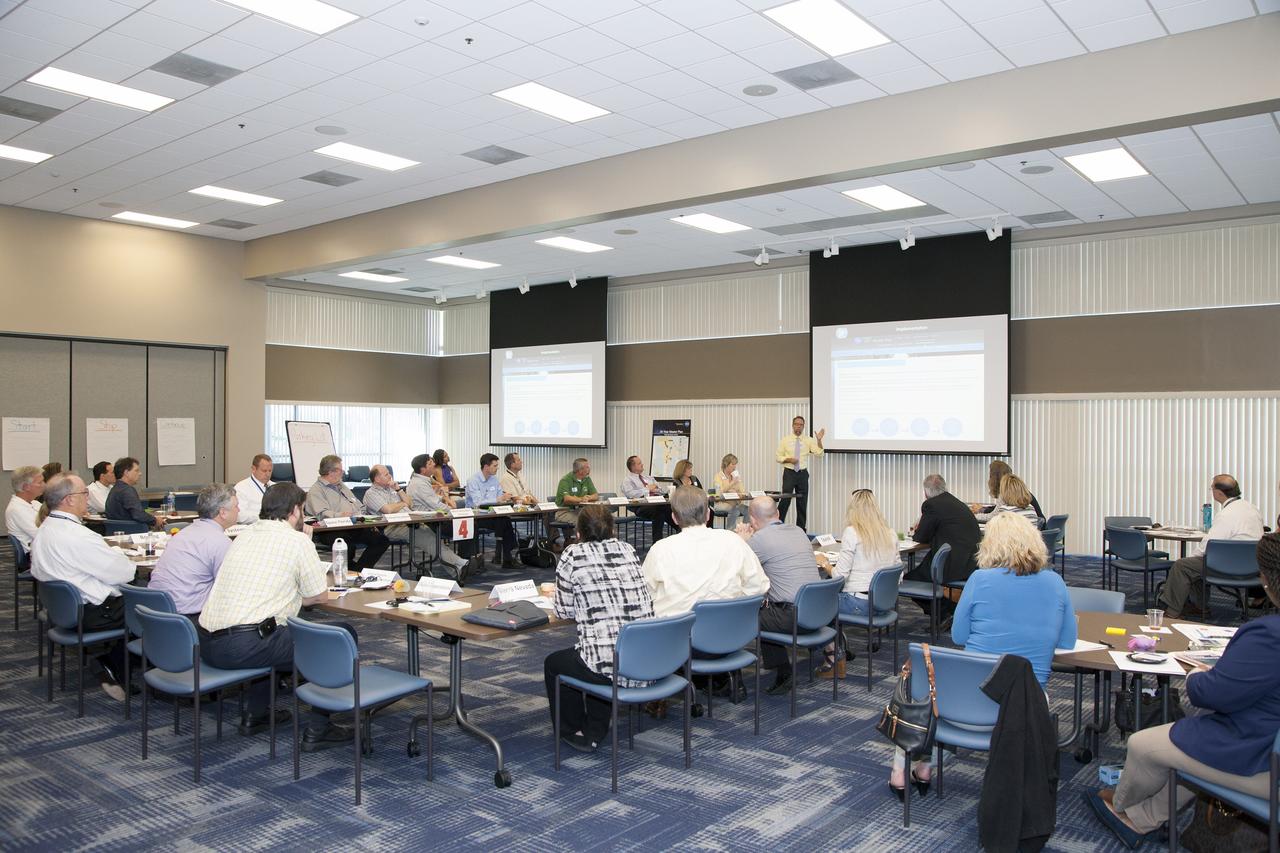
CAPE CANAVERAL, Fla. -- At the Kennedy Space Center in Florida, Trey Carlson, the spaceport's master planner, describes how the Center Planning and Development Directorate CPD is working to help transform Kennedy into a multi-user spaceport through partnerships and resource planning. The event was first of what is planned to be quarterly meetings between NASA's industry partners and representatives of Kennedy's CPD, Safety and Mission Assurance, International Space Station Ground Processing, Chief Financial officer and Ground Processing and Ground Systems Development and Operations directorates. Center Planning and Development is the “front door” for partnerships with NASA’s Kennedy Space Center. Kennedy is now developing the world’s premier spaceport for government and commercial space industries using comprehensive resource planning and partnerships. Photo credit: NASA/Daniel Casper
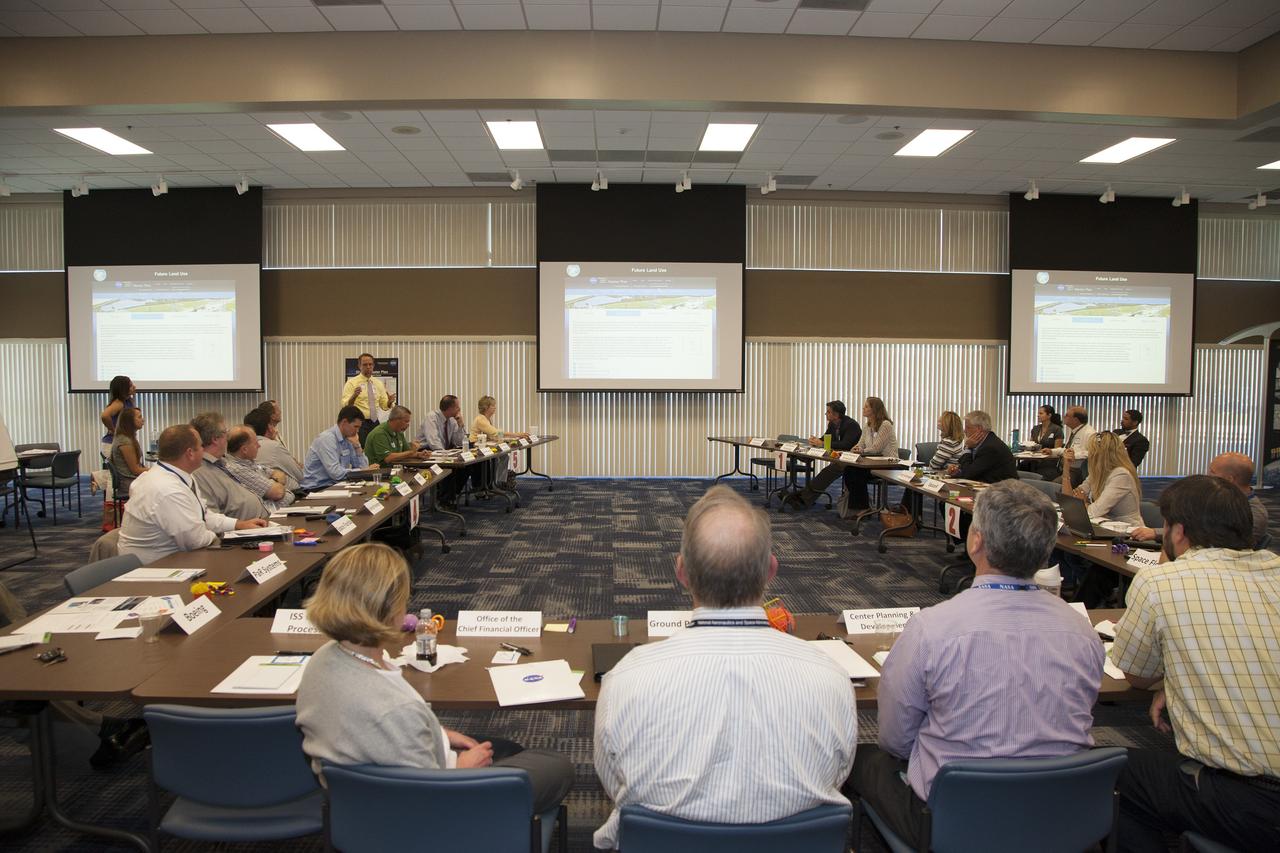
CAPE CANAVERAL, Fla. -- At the Kennedy Space Center in Florida, Trey Carlson, the spaceport's master planner, describes how the Center Planning and Development Directorate CPD is working to help transform Kennedy into a multi-user spaceport through partnerships and resource planning. The event was first of what is planned to be quarterly meetings between NASA's industry partners and representatives of Kennedy's CPD, Safety and Mission Assurance, International Space Station Ground Processing, Chief Financial officer and Ground Processing and Ground Systems Development and Operations directorates. Center Planning and Development is the “front door” for partnerships with NASA’s Kennedy Space Center. Kennedy is now developing the world’s premier spaceport for government and commercial space industries using comprehensive resource planning and partnerships. Photo credit: NASA/Daniel Casper
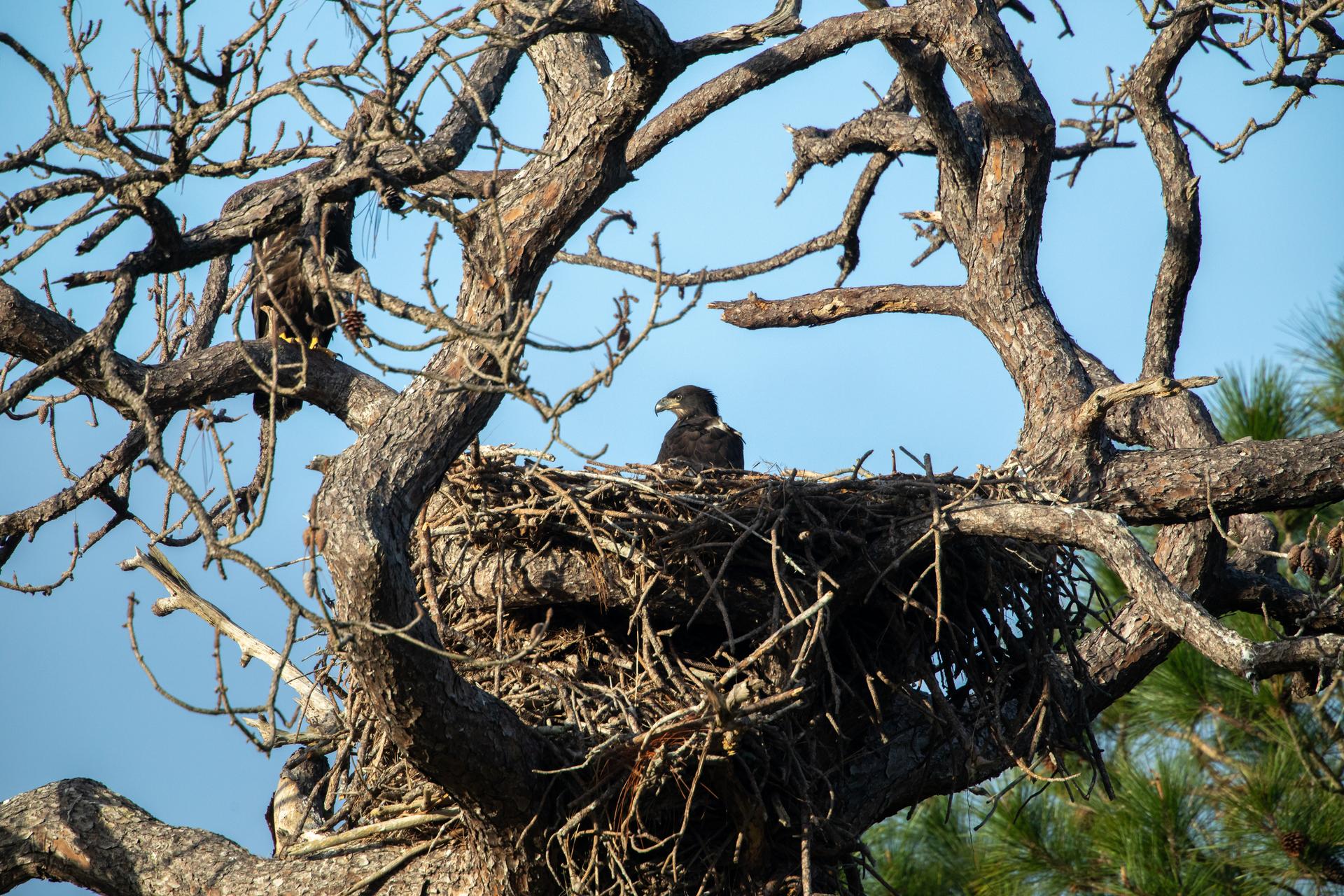
An American bald eaglet sits in its nest on a tree at NASA’s Kennedy Space Center in Florida on Friday, March 13, 2026. Bald eagle nesting surveys across NASA Kennedy, Merritt Island National Wildlife Refuge, and Canaveral National Seashore are conducted annually to document the number of bald eagle active and inactive nests in support of wildlife management and regulatory compliance. Each year, eagles take up winter residence at the Florida spaceport, breeding and raising a new generation.
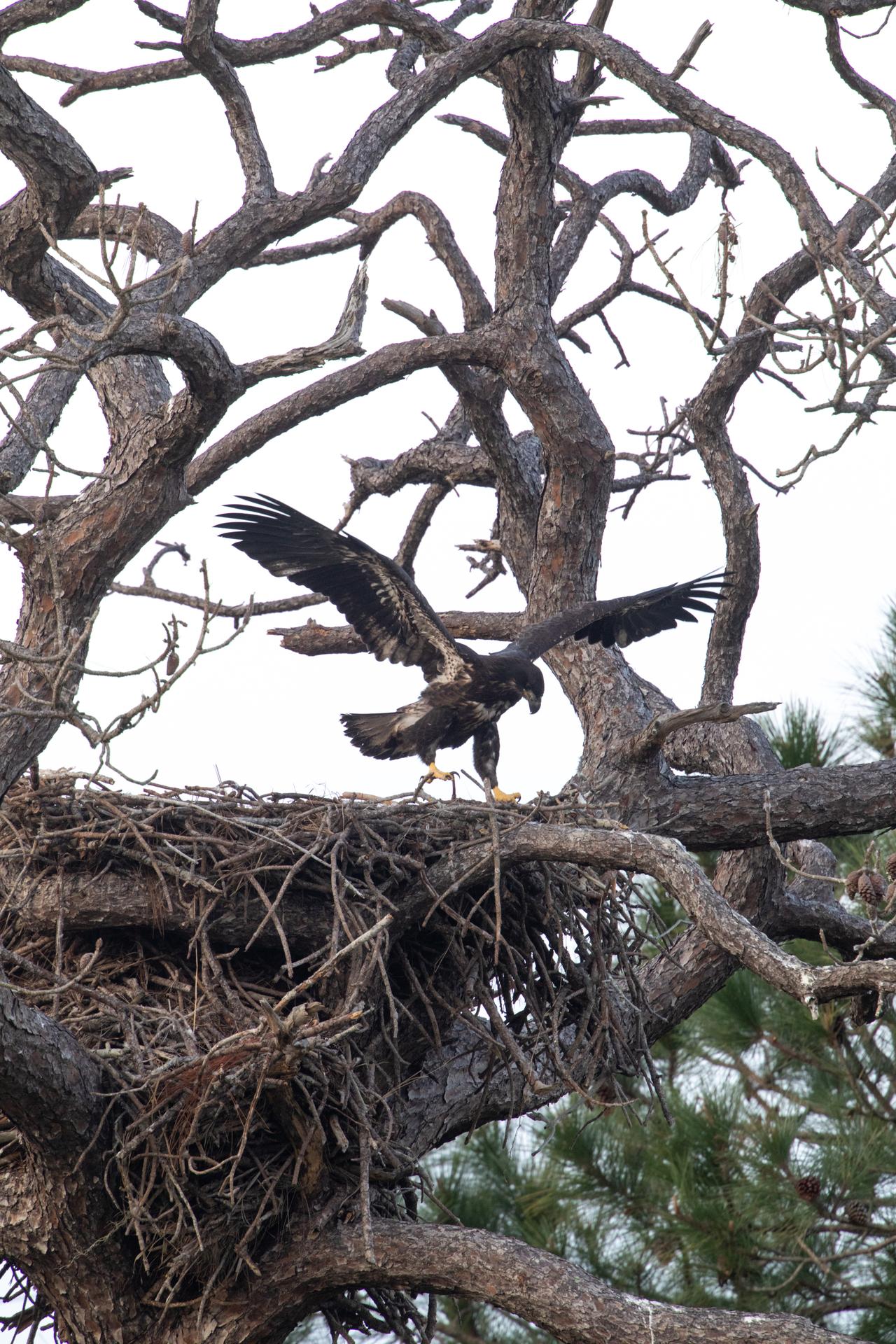
An American bald eaglet prepares to fly from its nest at NASA’s Kennedy Space Center in Florida on Friday, March 13, 2026. Bald eagle nesting surveys across NASA Kennedy, Merritt Island National Wildlife Refuge, and Canaveral National Seashore are conducted annually to document the number of bald eagle active and inactive nests in support of wildlife management and regulatory compliance. Each year, eagles take up winter residence at the Florida spaceport, breeding and raising a new generation.

Two American bald eagles sit perched on a tree branch while two eaglets sit in their nest at NASA’s Kennedy Space Center in Florida on Friday, March 13, 2026. Bald eagle nesting surveys across NASA Kennedy, Merritt Island National Wildlife Refuge, and Canaveral National Seashore are conducted annually to document the number of bald eagle active and inactive nests in support of wildlife management and regulatory compliance. Each year, eagles take up winter residence at the Florida spaceport, breeding and raising a new generation.
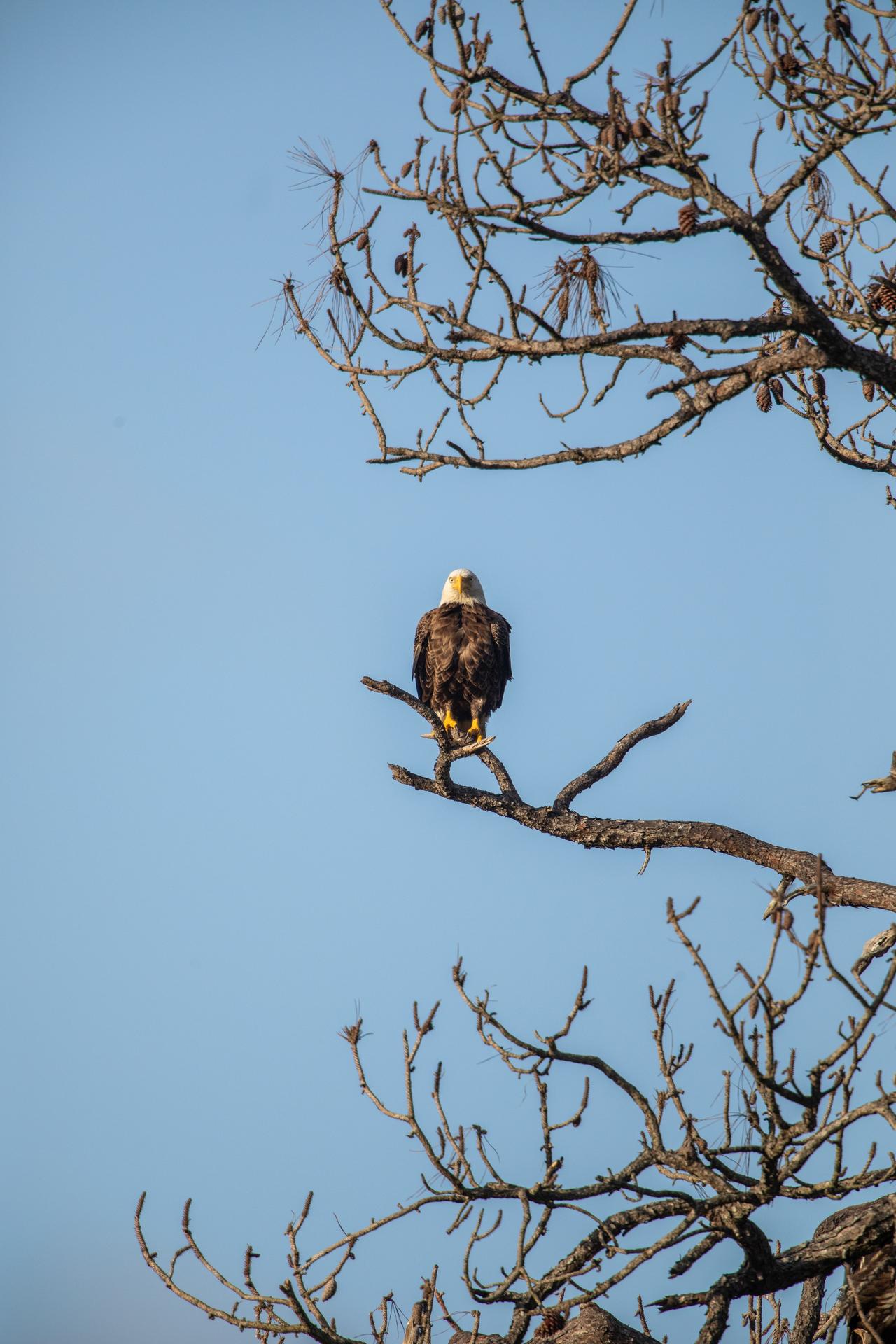
An American bald eagle sits perched on a tree limb near its nest at NASA’s Kennedy Space Center in Florida on Friday, March 13, 2026. Bald eagle nesting surveys across NASA Kennedy, Merritt Island National Wildlife Refuge, and Canaveral National Seashore are conducted annually to document the number of bald eagle active and inactive nests in support of wildlife management and regulatory compliance. Each year, eagles take up winter residence at the Florida spaceport, breeding and raising a new generation.

An American bald eaglet sits perched in a nest while another eaglet sits on a nearby branch at NASA’s Kennedy Space Center in Florida on Friday, March 13, 2026. Bald eagle nesting surveys across NASA Kennedy, Merritt Island National Wildlife Refuge, and Canaveral National Seashore are conducted annually to document the number of bald eagle active and inactive nests in support of wildlife management and regulatory compliance. Each year, eagles take up winter residence at the Florida spaceport, breeding and raising a new generation.

Two American bald eagles sit perched on a tree branch while two eaglets sit in their nest at NASA’s Kennedy Space Center in Florida on Friday, March 13, 2026. Bald eagle nesting surveys across NASA Kennedy, Merritt Island National Wildlife Refuge, and Canaveral National Seashore are conducted annually to document the number of bald eagle active and inactive nests in support of wildlife management and regulatory compliance. Each year, eagles take up winter residence at the Florida spaceport, breeding and raising a new generation.

Two American bald eagles sit perched on a tree branch near their nest at NASA’s Kennedy Space Center in Florida on Friday, March 13, 2026. Bald eagle nesting surveys across NASA Kennedy, Merritt Island National Wildlife Refuge, and Canaveral National Seashore are conducted annually to document the number of bald eagle active and inactive nests in support of wildlife management and regulatory compliance. Each year, eagles take up winter residence at the Florida spaceport, breeding and raising a new generation.

An American bald eagle prepares to feed two eaglets in their nest at NASA’s Kennedy Space Center in Florida on Friday, March 13, 2026. Bald eagle nesting surveys across NASA Kennedy, Merritt Island National Wildlife Refuge, and Canaveral National Seashore are conducted annually to document the number of bald eagle active and inactive nests in support of wildlife management and regulatory compliance. Each year, eagles take up winter residence at the Florida spaceport, breeding and raising a new generation.

An American bald eagle sits perched on a tree branch (top left), while another American eagle and two eaglets sit in their nest at NASA’s Kennedy Space Center in Florida on Friday, March 13, 2026. Bald eagle nesting surveys across NASA Kennedy, Merritt Island National Wildlife Refuge, and Canaveral National Seashore are conducted annually to document the number of bald eagle active and inactive nests in support of wildlife management and regulatory compliance. Each year, eagles take up winter residence at the Florida spaceport, breeding and raising a new generation.
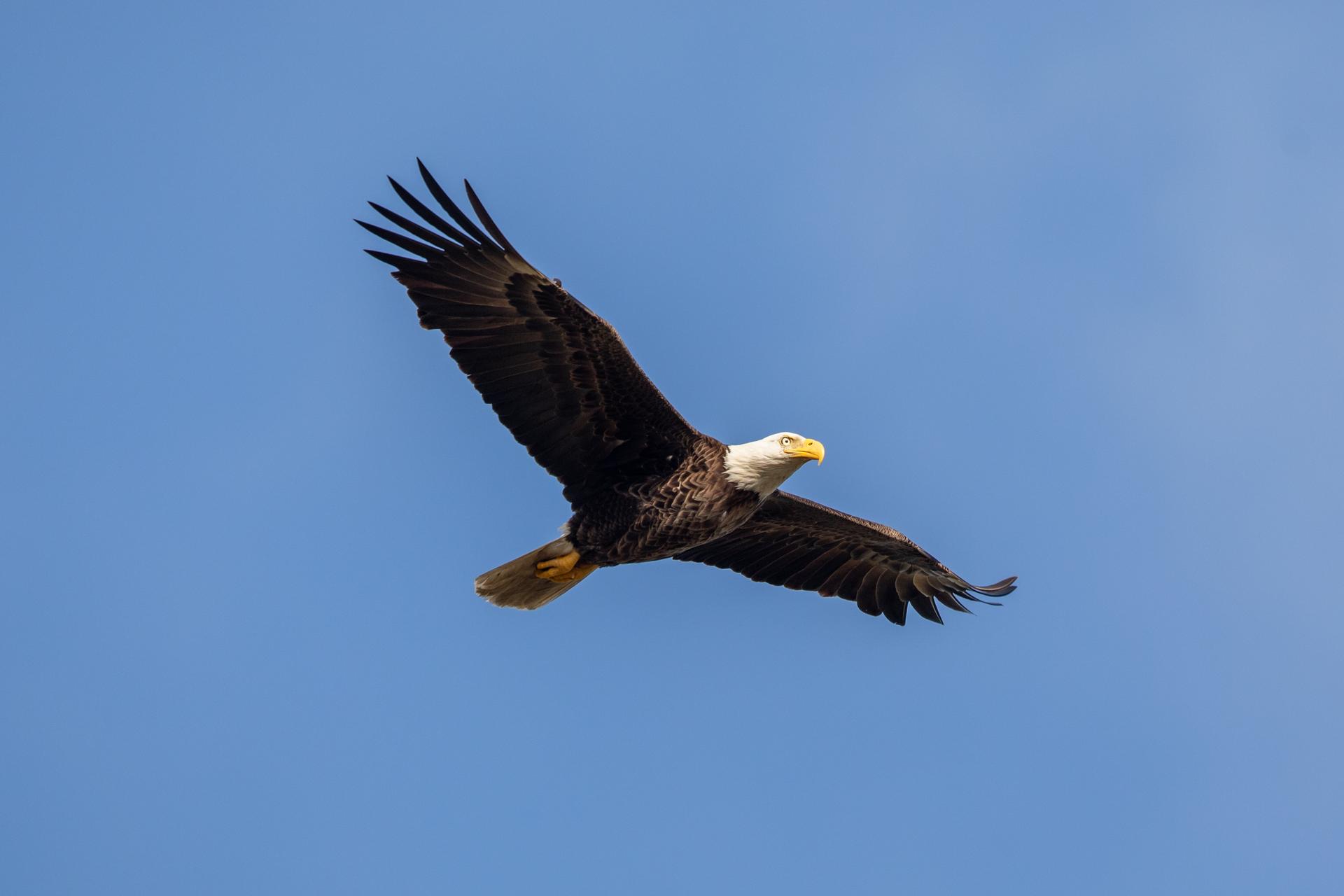
An American bald eagles flies away from their nest and tree at NASA’s Kennedy Space Center in Florida on Friday, March 13, 2026. Bald eagle nesting surveys across NASA Kennedy, Merritt Island National Wildlife Refuge, and Canaveral National Seashore are conducted annually to document the number of bald eagle active and inactive nests in support of wildlife management and regulatory compliance. Each year, eagles take up winter residence at the Florida spaceport, breeding and raising a new generation.
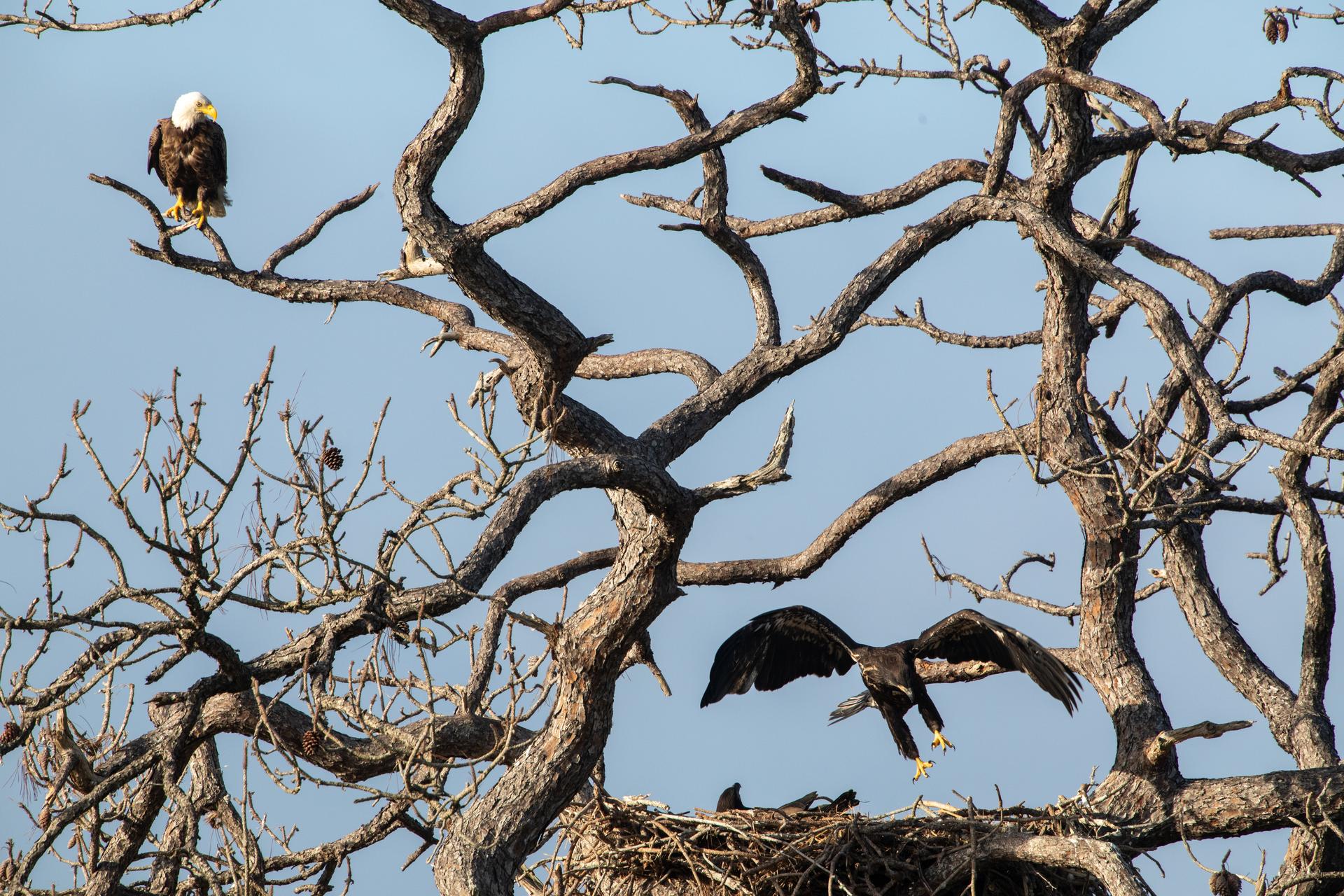
An American bald eagle sits perched on a tree branch as an eaglet flies from their nest at NASA’s Kennedy Space Center in Florida on Friday, March 13, 2026. Bald eagle nesting surveys across NASA Kennedy, Merritt Island National Wildlife Refuge, and Canaveral National Seashore are conducted annually to document the number of bald eagle active and inactive nests in support of wildlife management and regulatory compliance. Each year, eagles take up winter residence at the Florida spaceport, breeding and raising a new generation.
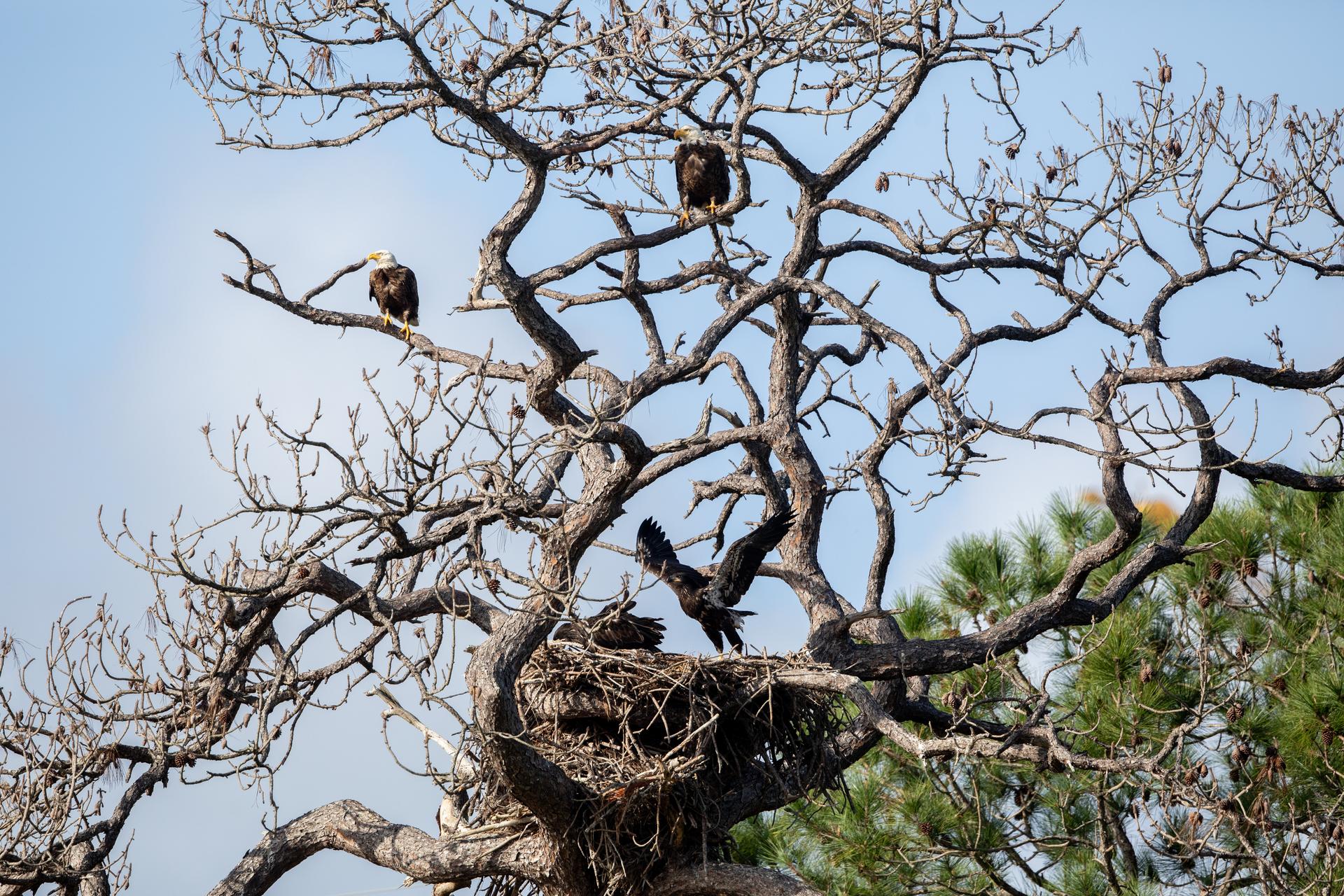
Two American bald eagles sit perched on a tree branch while two eaglets prepare to fly out of their nest at NASA’s Kennedy Space Center in Florida on Friday, March 13, 2026. Bald eagle nesting surveys across NASA Kennedy, Merritt Island National Wildlife Refuge, and Canaveral National Seashore are conducted annually to document the number of bald eagle active and inactive nests in support of wildlife management and regulatory compliance. Each year, eagles take up winter residence at the Florida spaceport, breeding and raising a new generation.

An American bald eagles flies away from their nest and tree at NASA’s Kennedy Space Center in Florida on Friday, March 13, 2026. Bald eagle nesting surveys across NASA Kennedy, Merritt Island National Wildlife Refuge, and Canaveral National Seashore are conducted annually to document the number of bald eagle active and inactive nests in support of wildlife management and regulatory compliance. Each year, eagles take up winter residence at the Florida spaceport, breeding and raising a new generation.

An American bald eagles flies away from their nest and tree at NASA’s Kennedy Space Center in Florida on Friday, March 13, 2026. Bald eagle nesting surveys across NASA Kennedy, Merritt Island National Wildlife Refuge, and Canaveral National Seashore are conducted annually to document the number of bald eagle active and inactive nests in support of wildlife management and regulatory compliance. Each year, eagles take up winter residence at the Florida spaceport, breeding and raising a new generation.

An American bald eagles flies away from their nest and tree at NASA’s Kennedy Space Center in Florida on Friday, March 13, 2026. Bald eagle nesting surveys across NASA Kennedy, Merritt Island National Wildlife Refuge, and Canaveral National Seashore are conducted annually to document the number of bald eagle active and inactive nests in support of wildlife management and regulatory compliance. Each year, eagles take up winter residence at the Florida spaceport, breeding and raising a new generation.

From top left, an American bald eagle sits perched on a tree branch, another eaglet sits on a tree branch (bottom left), while an eaglet and a bald eagle sit in their nest at NASA’s Kennedy Space Center in Florida on Friday, March 13, 2026. Bald eagle nesting surveys across NASA Kennedy, Merritt Island National Wildlife Refuge, and Canaveral National Seashore are conducted annually to document the number of bald eagle active and inactive nests in support of wildlife management and regulatory compliance. Each year, eagles take up winter residence at the Florida spaceport, breeding and raising a new generation.

Two American bald eagles sit perched on a tree branch while two eaglets sit in their nest at NASA’s Kennedy Space Center in Florida on Friday, March 13, 2026. Bald eagle nesting surveys across NASA Kennedy, Merritt Island National Wildlife Refuge, and Canaveral National Seashore are conducted annually to document the number of bald eagle active and inactive nests in support of wildlife management and regulatory compliance. Each year, eagles take up winter residence at the Florida spaceport, breeding and raising a new generation.
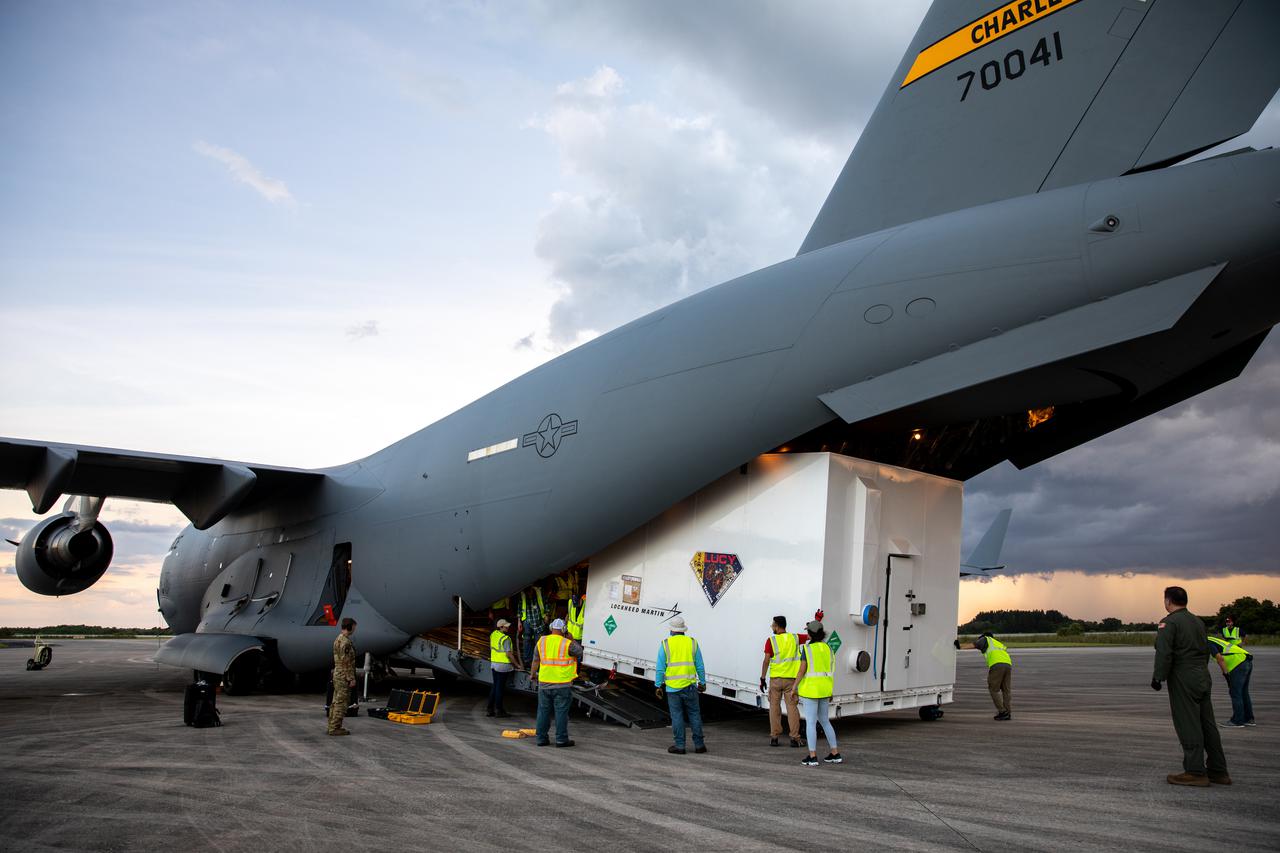
NASA’s Lucy spacecraft arrives by cargo plane and is unloaded on the runway of the Launch and Landing Facility at Kennedy Space Center in Florida on July 30, 2021. From there, the Lucy spacecraft will move to the Astrotech Space Operations - Florida payload processing facility in nearby Titusville, Florida, before its scheduled launch on a United Launch Alliance (ULA) Atlas V rocket from Cape Canaveral Space Force Station on October 16, 2021. The Lucy mission will be the first space mission to explore a diverse population of small bodies known as the Jupiter Trojan asteroids. The launch is being managed by NASA’s Launch Services Program based at Kennedy, America’s premier multi-user spaceport.
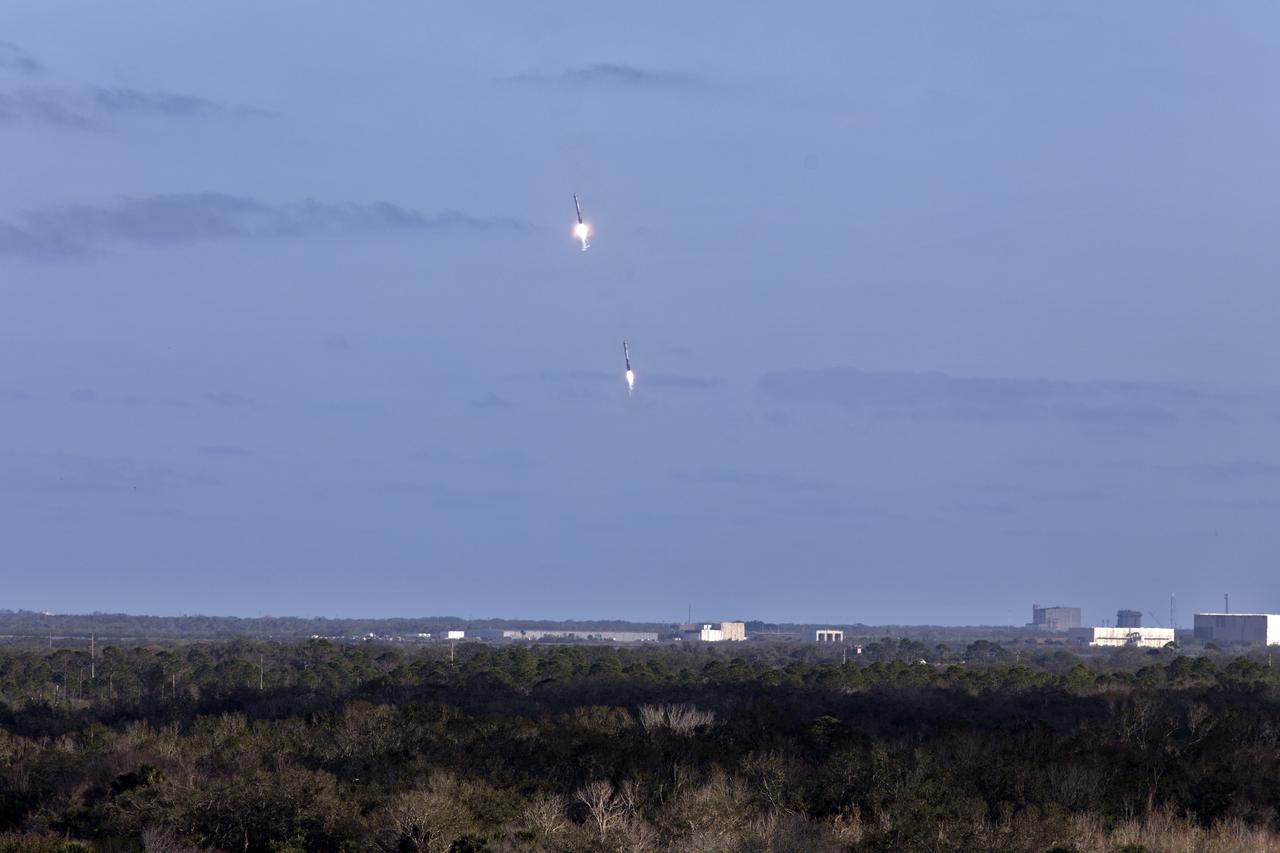
The SpaceX Falcon Heavy rocket’s two side cores descend toward landing at Cape Canaveral Air Force Station in Florida following a successful liftoff at 3:45 p.m. EST from Launch Complex 39A at NASA's Kennedy Space Center. This demonstration flight is a significant milestone for the world's premier multi-user spaceport. In 2014, NASA signed a property agreement with SpaceX for the use and operation of the center's pad 39A, where the company has launched Falcon 9 rockets and prepared for the first Falcon Heavy. NASA also has Space Act Agreements in place with partners, such as SpaceX, to provide services needed to process and launch rockets and spacecraft.
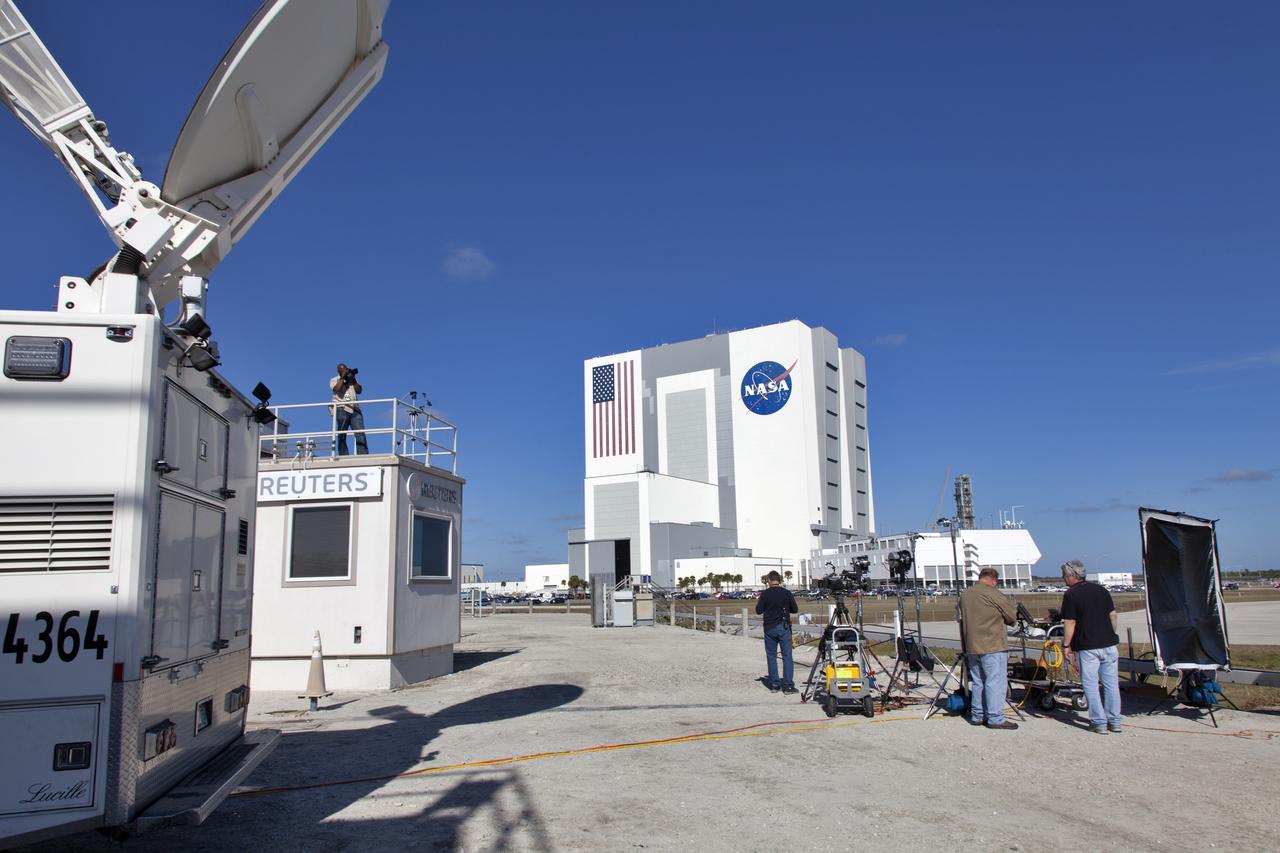
Members of the news media begin setting up at the NASA News Center to await liftoff of the SpaceX Falcon Heavy rocket from Launch Complex 39A at Kennedy Space Center in Florida. The iconic Vehicle Assembly Building and Launch Control Center are visible in the background. The Falcon Heavy demonstration flight will be a significant milestone for the world's premier multi-user spaceport. In 2014, NASA signed a property agreement with SpaceX for the use and operation of the center's pad 39A, where the company has launched Falcon 9 rockets and is preparing for the first Falcon Heavy. NASA also has Space Act Agreements in place with partners, such as SpaceX, to provide services needed to process and launch rockets and spacecraft.
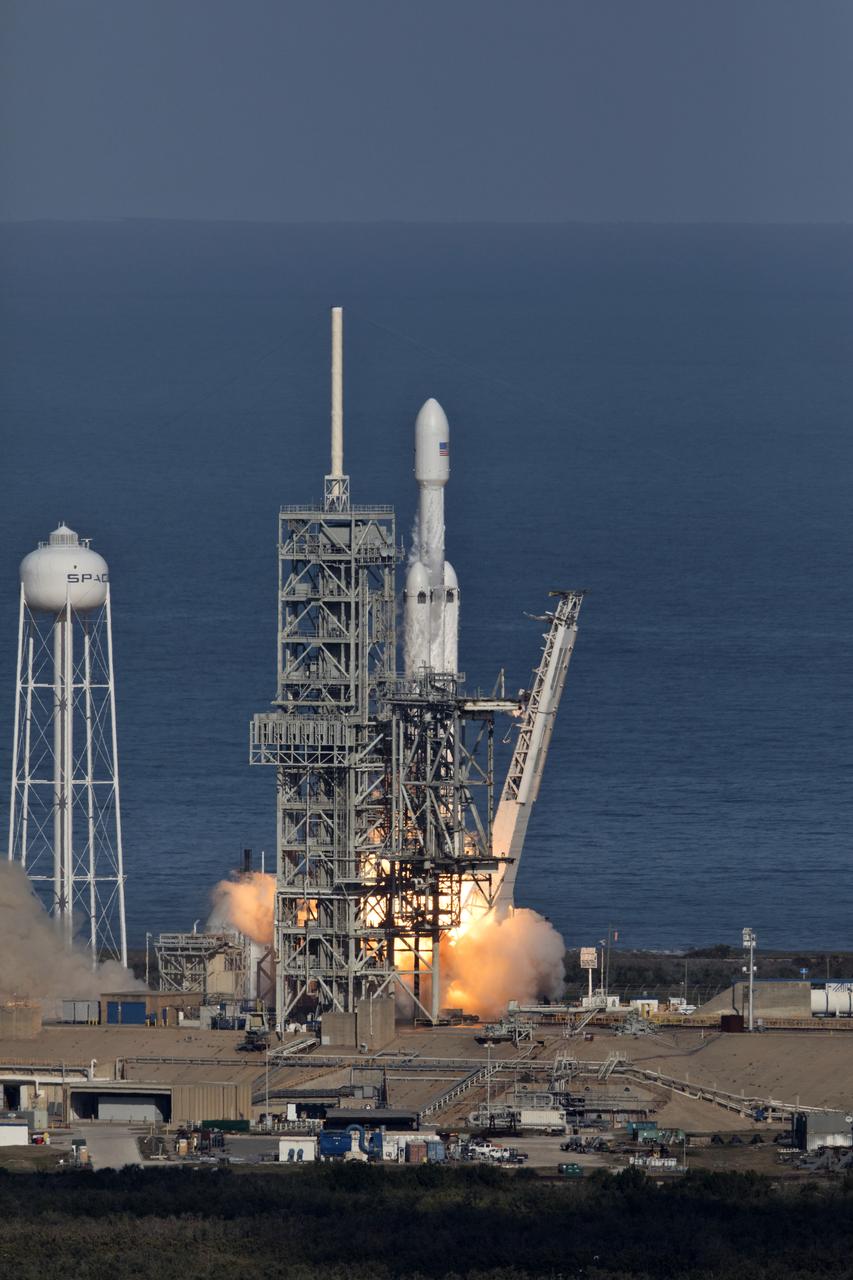
A SpaceX Falcon Heavy rocket begins its demonstration flight with liftoff at 3:45 p.m. EST from from Launch Complex 39A at NASA's Kennedy Space Center in Florida. This is a significant milestone for the world's premier multi-user spaceport. In 2014, NASA signed a property agreement with SpaceX for the use and operation of the center's pad 39A, where the company has launched Falcon 9 rockets and prepared for the first Falcon Heavy. NASA also has Space Act Agreements in place with partners, such as SpaceX, to provide services needed to process and launch rockets and spacecraft.
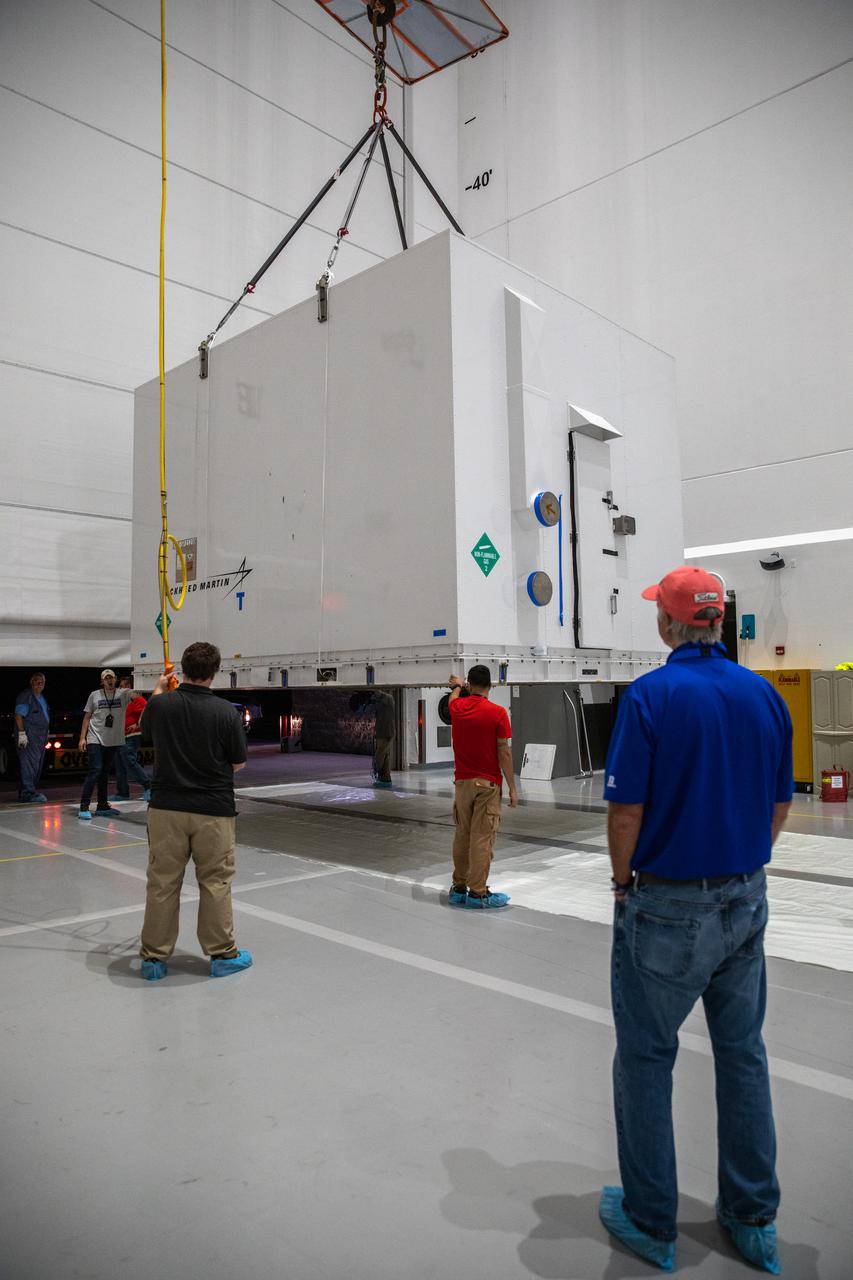
The shipping container holding NASA's Lucy spacecraft arrives at Astrotech Space Operations payload processing facility in Titusville, Florida on July 30, 2021. The facility, located near NASA's Kennedy Space Center, is where the Lucy spacecraft will undergo processing before its scheduled launch on a United Launch Alliance (ULA) Atlas V rocket from Cape Canaveral Space Force Station on October 16, 2021. The Lucy mission will be the first space mission to explore a diverse population of small bodies known as the Jupiter Trojan asteroids. The launch is being managed by NASA's Launch Services Program based at Kennedy, America's premier multi-user spaceport.
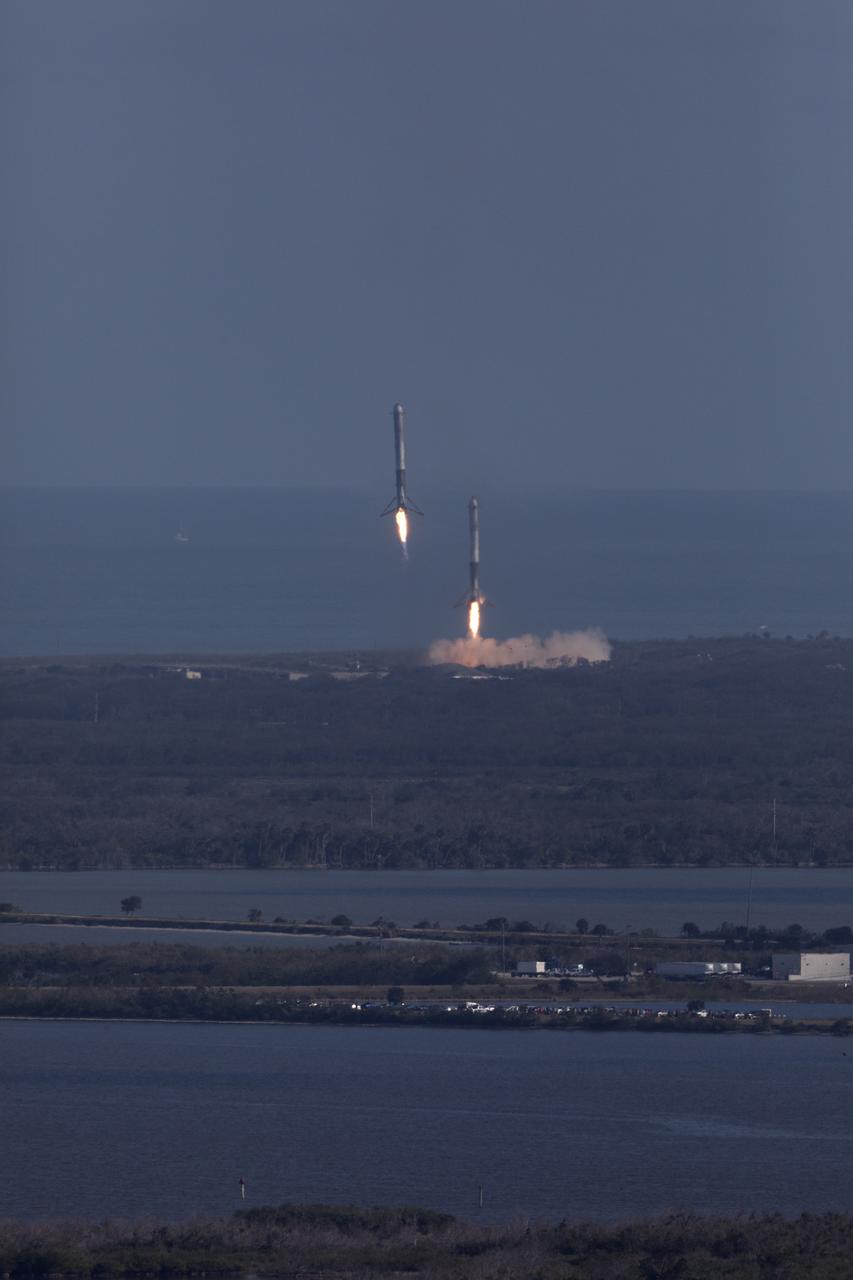
The SpaceX Falcon Heavy rocket’s two side cores descend toward landing at Cape Canaveral Air Force Station in Florida following a successful liftoff at 3:45 p.m. EST from Launch Complex 39A at NASA's Kennedy Space Center. This demonstration flight is a significant milestone for the world's premier multi-user spaceport. In 2014, NASA signed a property agreement with SpaceX for the use and operation of the center's pad 39A, where the company has launched Falcon 9 rockets and prepared for the first Falcon Heavy. NASA also has Space Act Agreements in place with partners, such as SpaceX, to provide services needed to process and launch rockets and spacecraft.
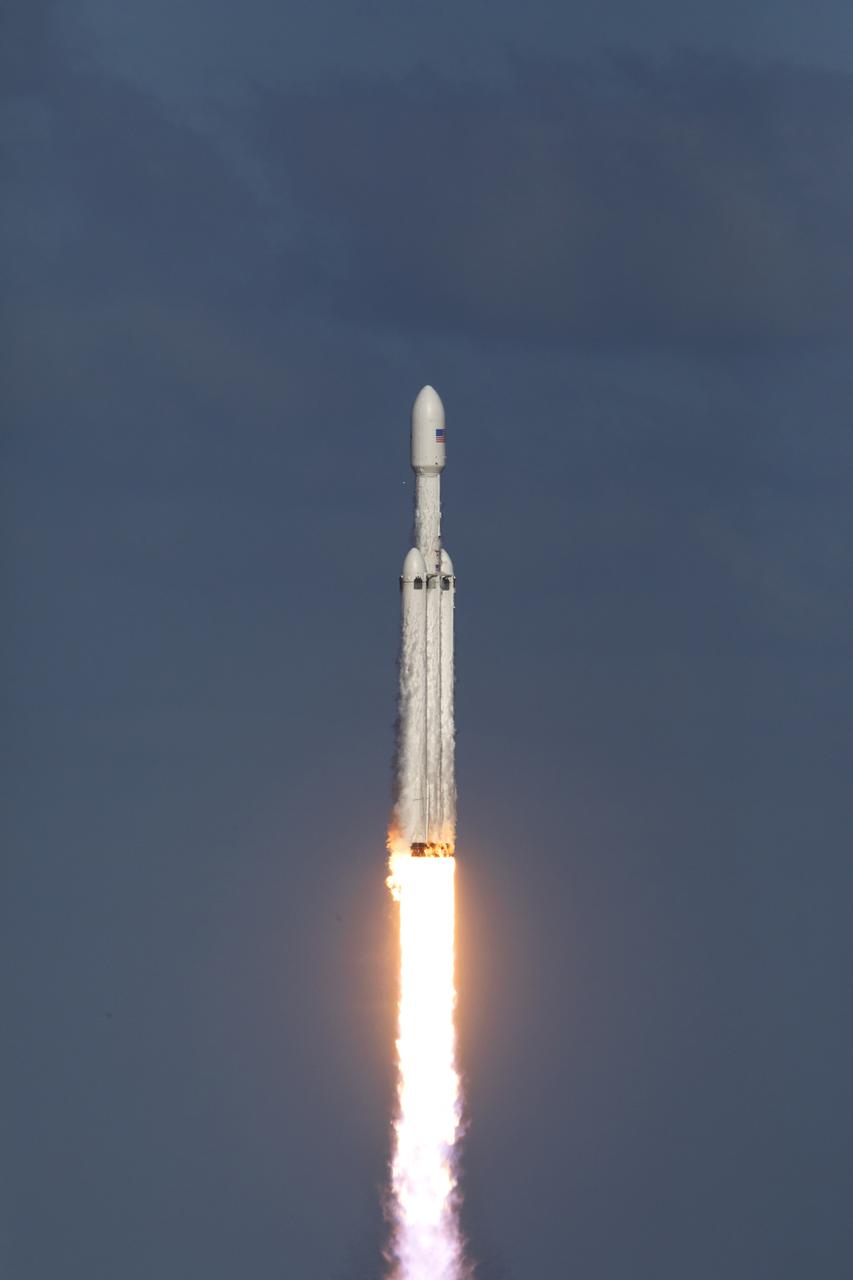
A SpaceX Falcon Heavy rocket begins its demonstration flight with liftoff at 3:45 p.m. EST from from Launch Complex 39A at NASA's Kennedy Space Center in Florida. This is a significant milestone for the world's premier multi-user spaceport. In 2014, NASA signed a property agreement with SpaceX for the use and operation of the center's pad 39A, where the company has launched Falcon 9 rockets and prepared for the first Falcon Heavy. NASA also has Space Act Agreements in place with partners, such as SpaceX, to provide services needed to process and launch rockets and spacecraft.
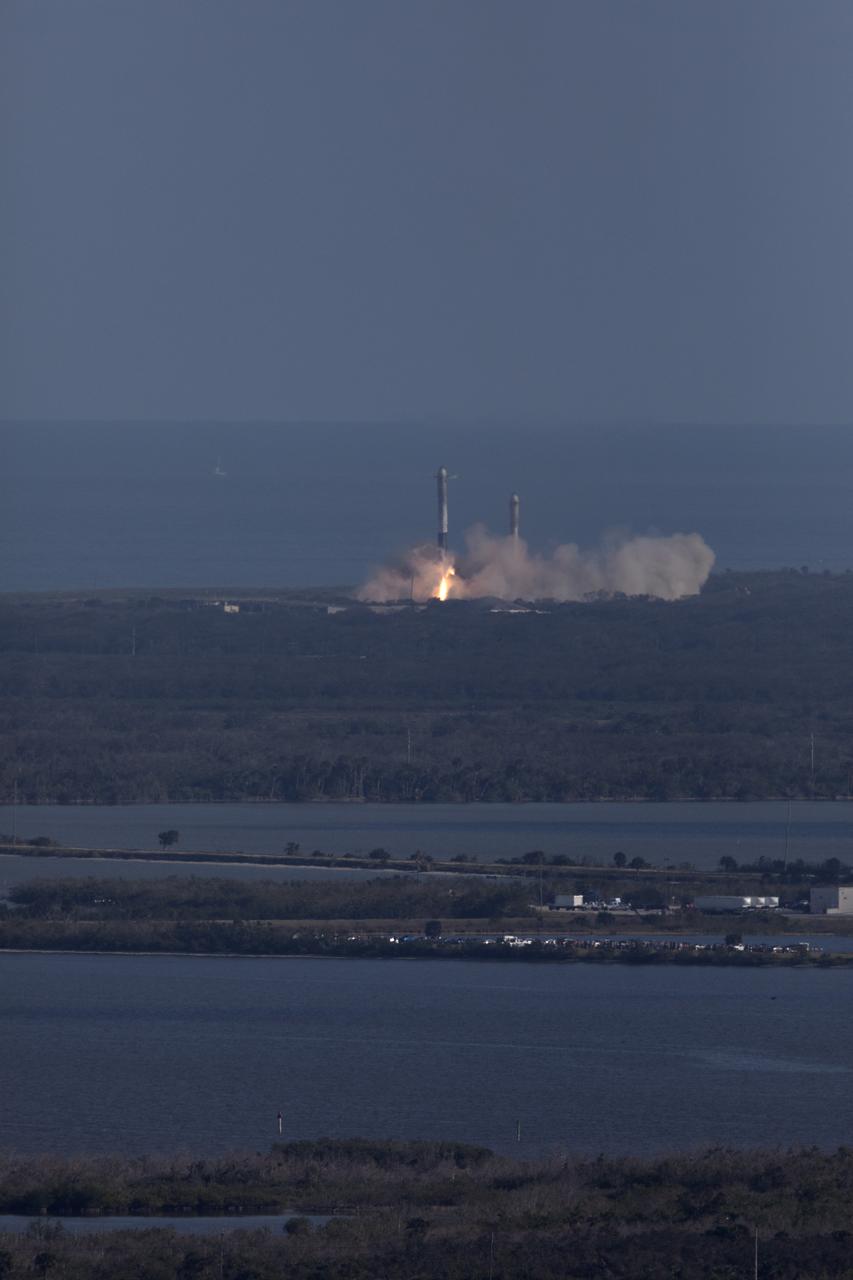
The SpaceX Falcon Heavy rocket’s two side cores descend toward landing at Cape Canaveral Air Force Station in Florida following a successful liftoff at 3:45 p.m. EST from Launch Complex 39A at NASA's Kennedy Space Center. This demonstration flight is a significant milestone for the world's premier multi-user spaceport. In 2014, NASA signed a property agreement with SpaceX for the use and operation of the center's pad 39A, where the company has launched Falcon 9 rockets and prepared for the first Falcon Heavy. NASA also has Space Act Agreements in place with partners, such as SpaceX, to provide services needed to process and launch rockets and spacecraft.
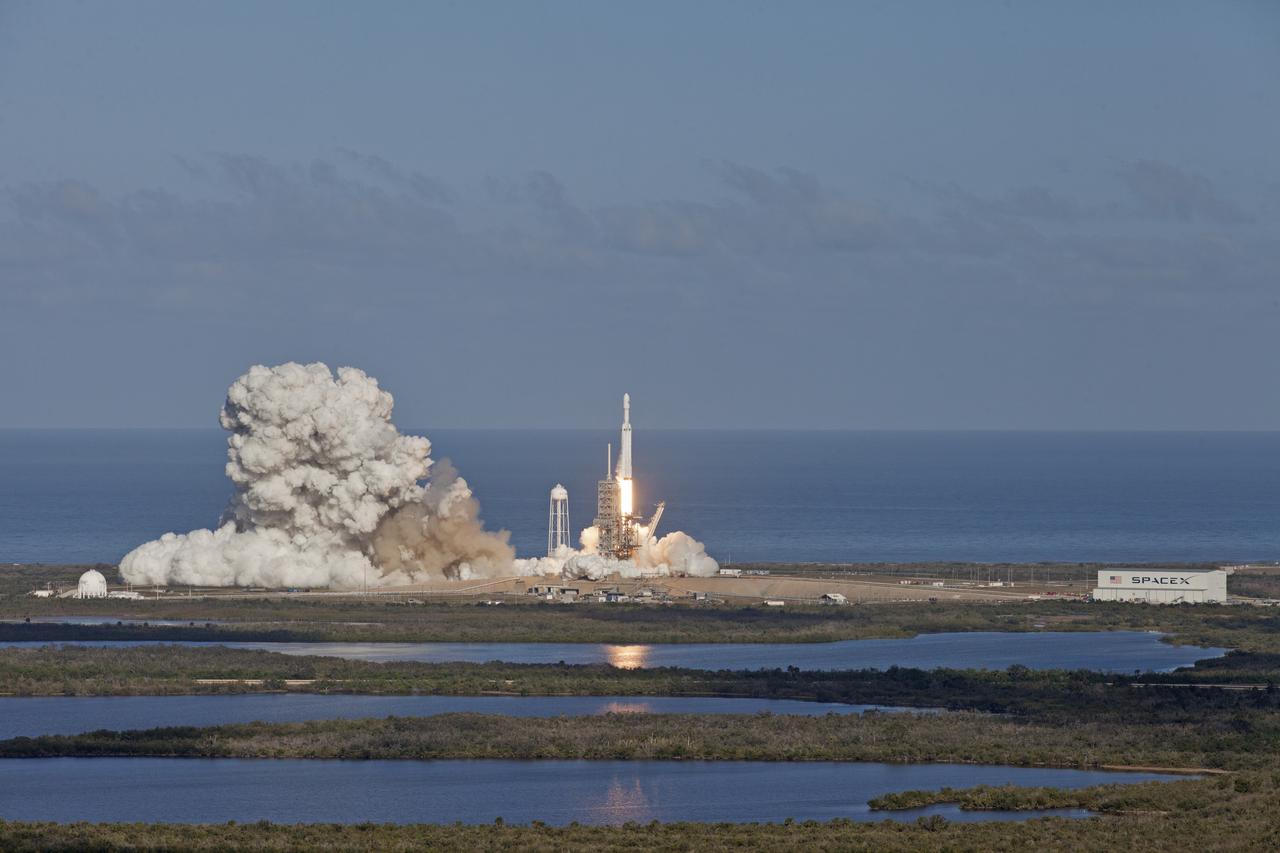
A SpaceX Falcon Heavy rocket begins its demonstration flight with liftoff at 3:45 p.m. EST from from Launch Complex 39A at NASA's Kennedy Space Center in Florida. This is a significant milestone for the world's premier multi-user spaceport. In 2014, NASA signed a property agreement with SpaceX for the use and operation of the center's pad 39A, where the company has launched Falcon 9 rockets and prepared for the first Falcon Heavy. NASA also has Space Act Agreements in place with partners, such as SpaceX, to provide services needed to process and launch rockets and spacecraft.
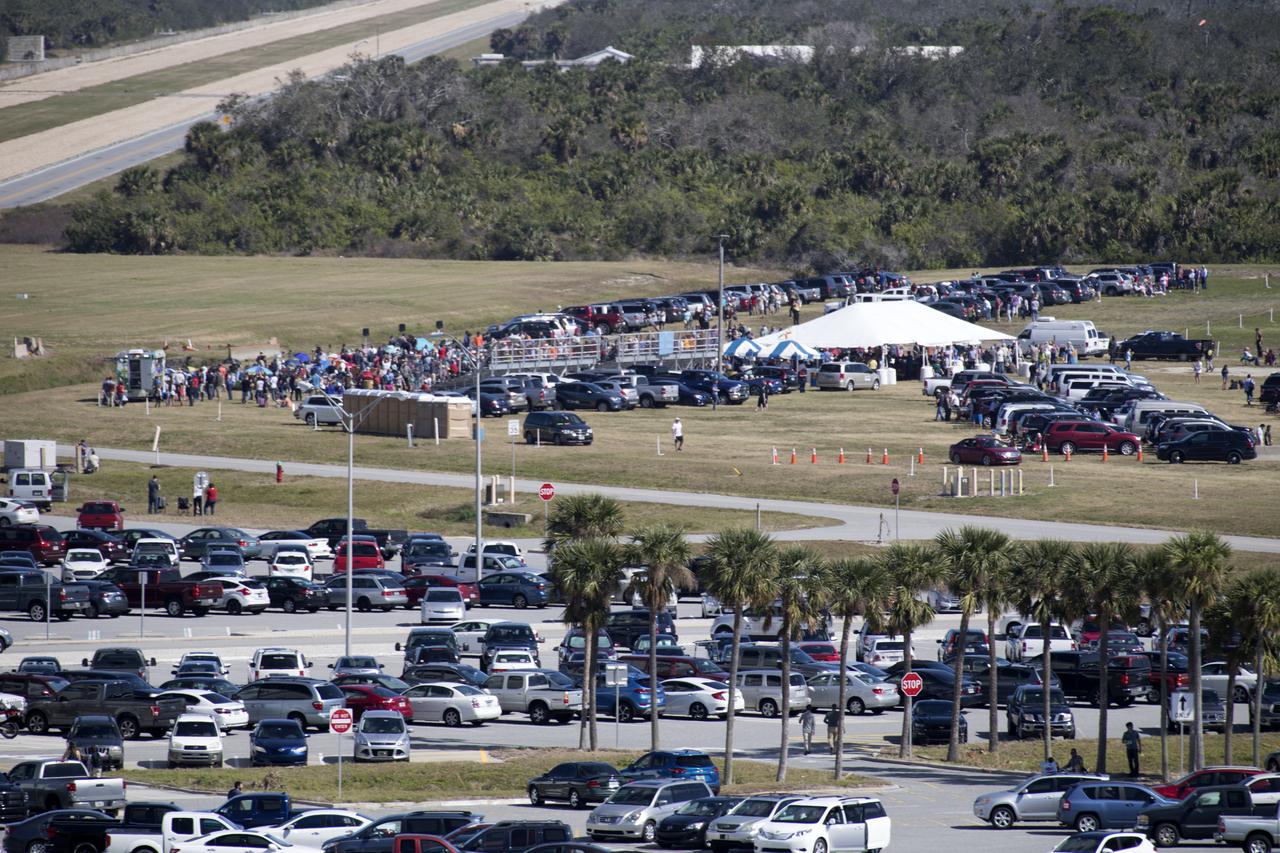
Employees, invited guests and members of the news media await liftoff of the SpaceX Falcon Heavy rocket from Launch Complex 39A at NASA’s Kennedy Space Center in Florida. The demonstration flight is a significant milestone for the world's premier multi-user spaceport. In 2014, NASA signed a property agreement with SpaceX for the use and operation of the center's pad 39A, where the company has launched Falcon 9 rockets and is preparing for the first Falcon Heavy. NASA also has Space Act Agreements in place with partners, such as SpaceX, to provide services needed to process and launch rockets and spacecraft.
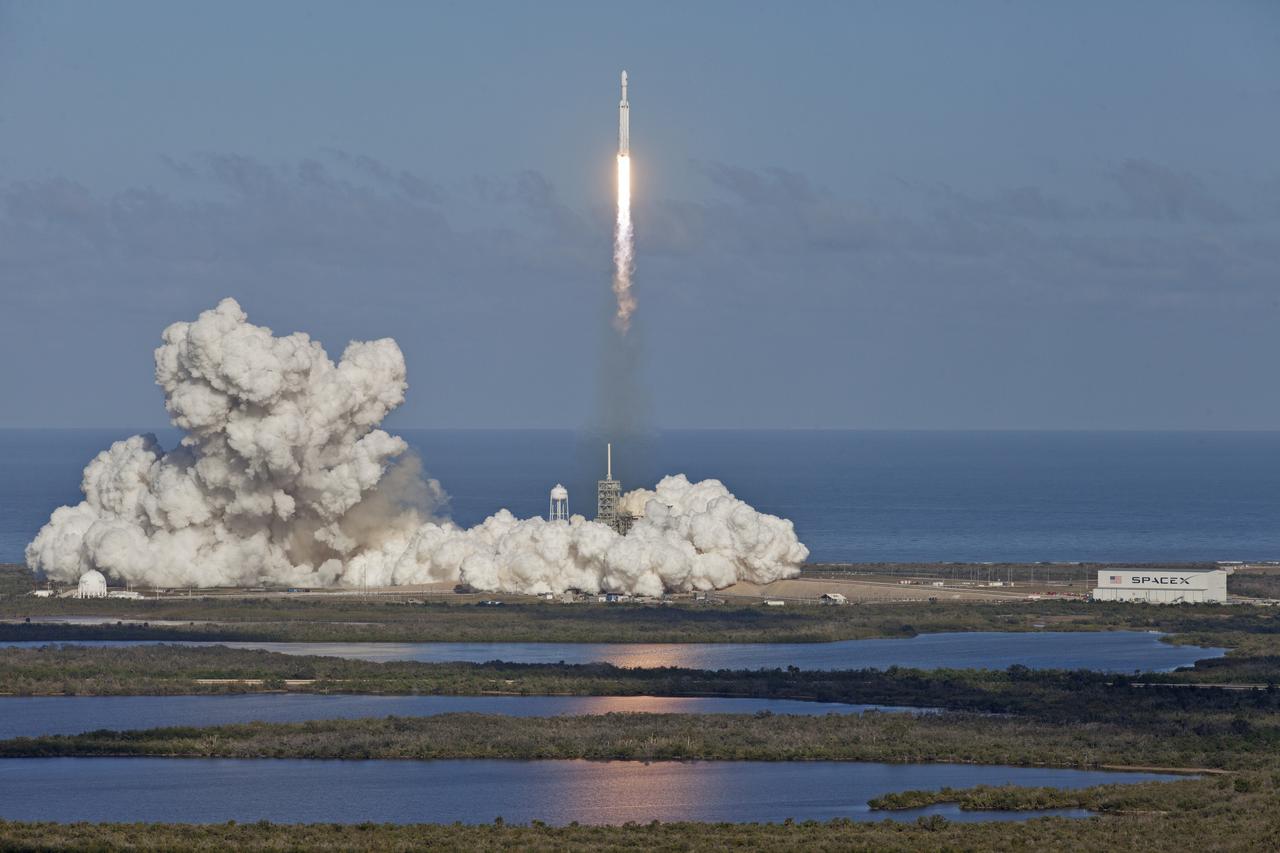
A SpaceX Falcon Heavy rocket begins its demonstration flight with liftoff at 3:45 p.m. EST from from Launch Complex 39A at NASA's Kennedy Space Center in Florida. This is a significant milestone for the world's premier multi-user spaceport. In 2014, NASA signed a property agreement with SpaceX for the use and operation of the center's pad 39A, where the company has launched Falcon 9 rockets and prepared for the first Falcon Heavy. NASA also has Space Act Agreements in place with partners, such as SpaceX, to provide services needed to process and launch rockets and spacecraft.
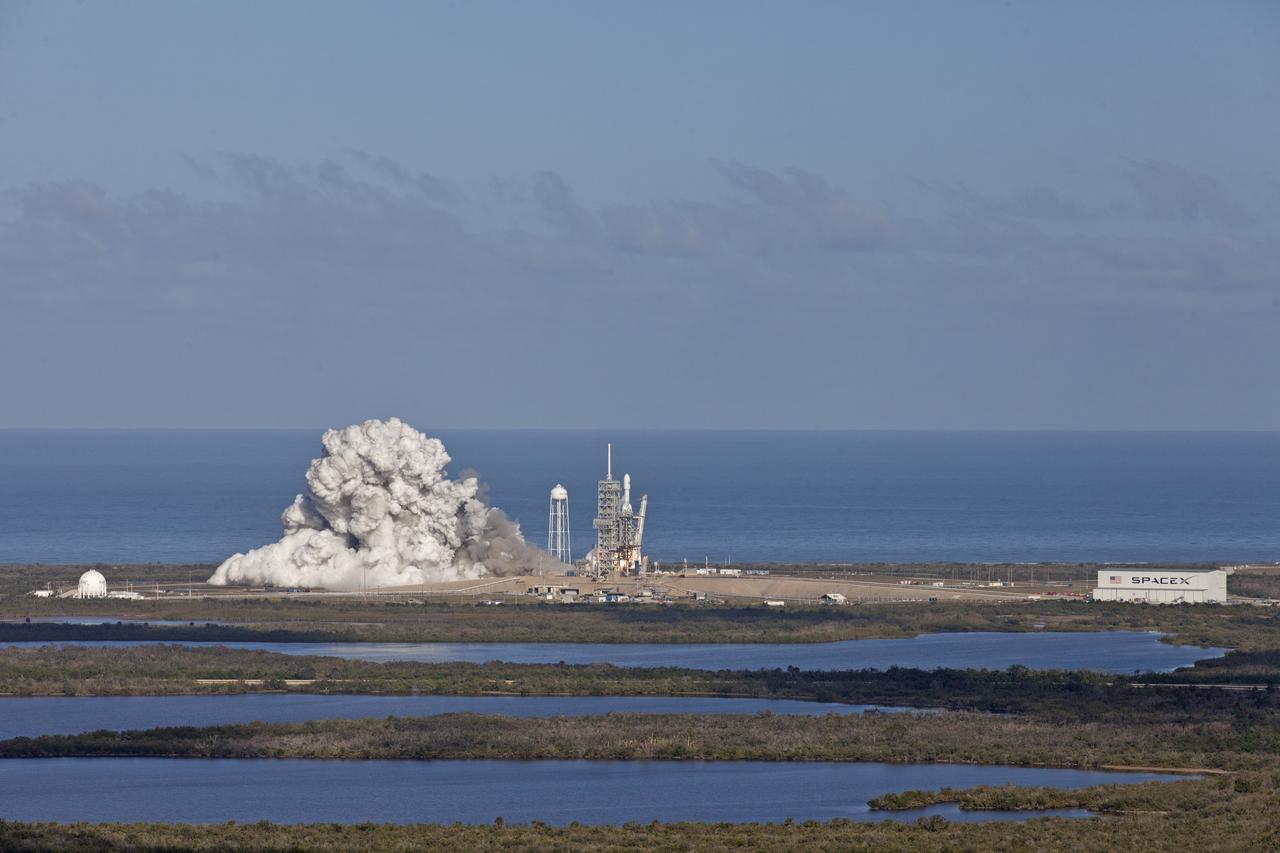
A SpaceX Falcon Heavy rocket begins its demonstration flight with liftoff at 3:45 p.m. EST from from Launch Complex 39A at NASA's Kennedy Space Center in Florida. This is a significant milestone for the world's premier multi-user spaceport. In 2014, NASA signed a property agreement with SpaceX for the use and operation of the center's pad 39A, where the company has launched Falcon 9 rockets and prepared for the first Falcon Heavy. NASA also has Space Act Agreements in place with partners, such as SpaceX, to provide services needed to process and launch rockets and spacecraft.
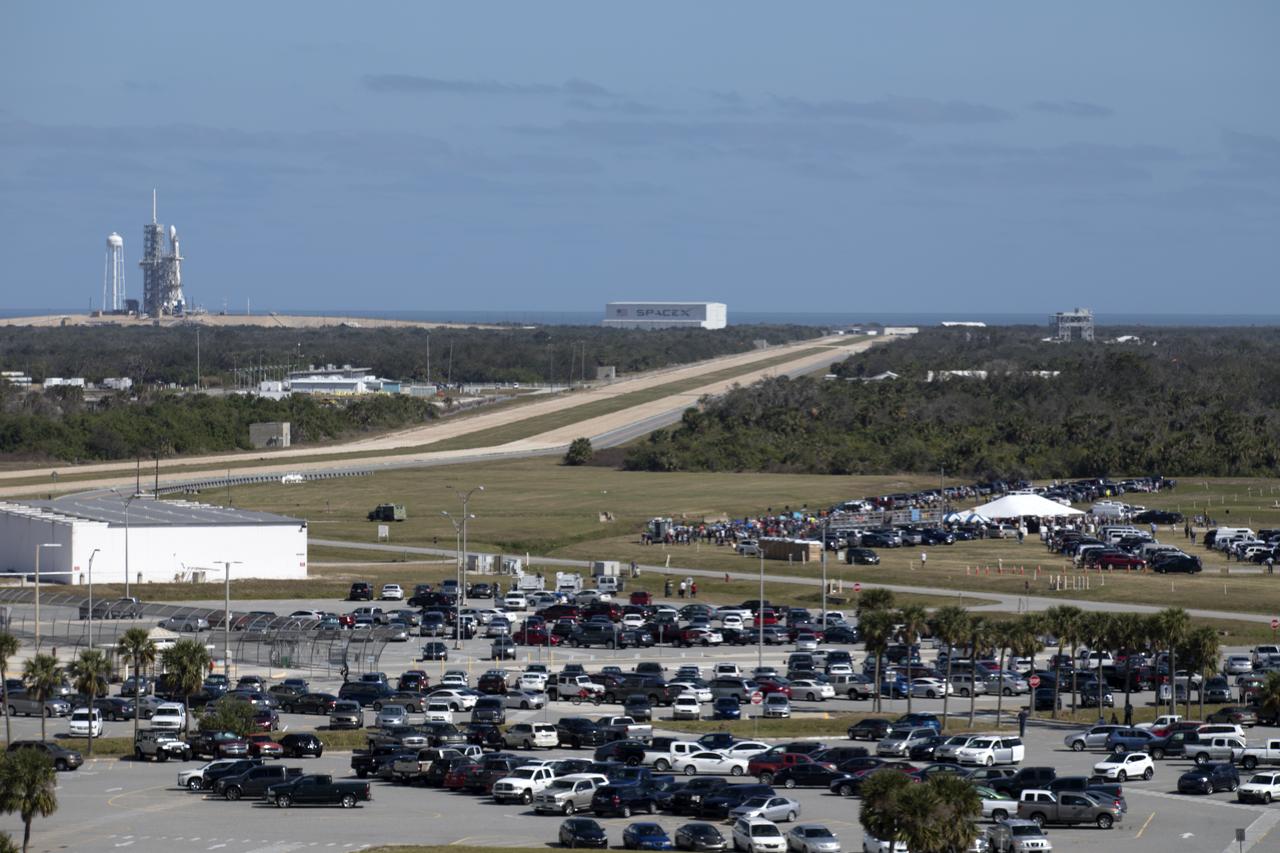
Employees, invited guests and members of the news media await liftoff of the SpaceX Falcon Heavy rocket from Launch Complex 39A at NASA’s Kennedy Space Center in Florida. The demonstration flight is a significant milestone for the world's premier multi-user spaceport. In 2014, NASA signed a property agreement with SpaceX for the use and operation of the center's pad 39A, where the company has launched Falcon 9 rockets and is preparing for the first Falcon Heavy. NASA also has Space Act Agreements in place with partners, such as SpaceX, to provide services needed to process and launch rockets and spacecraft.
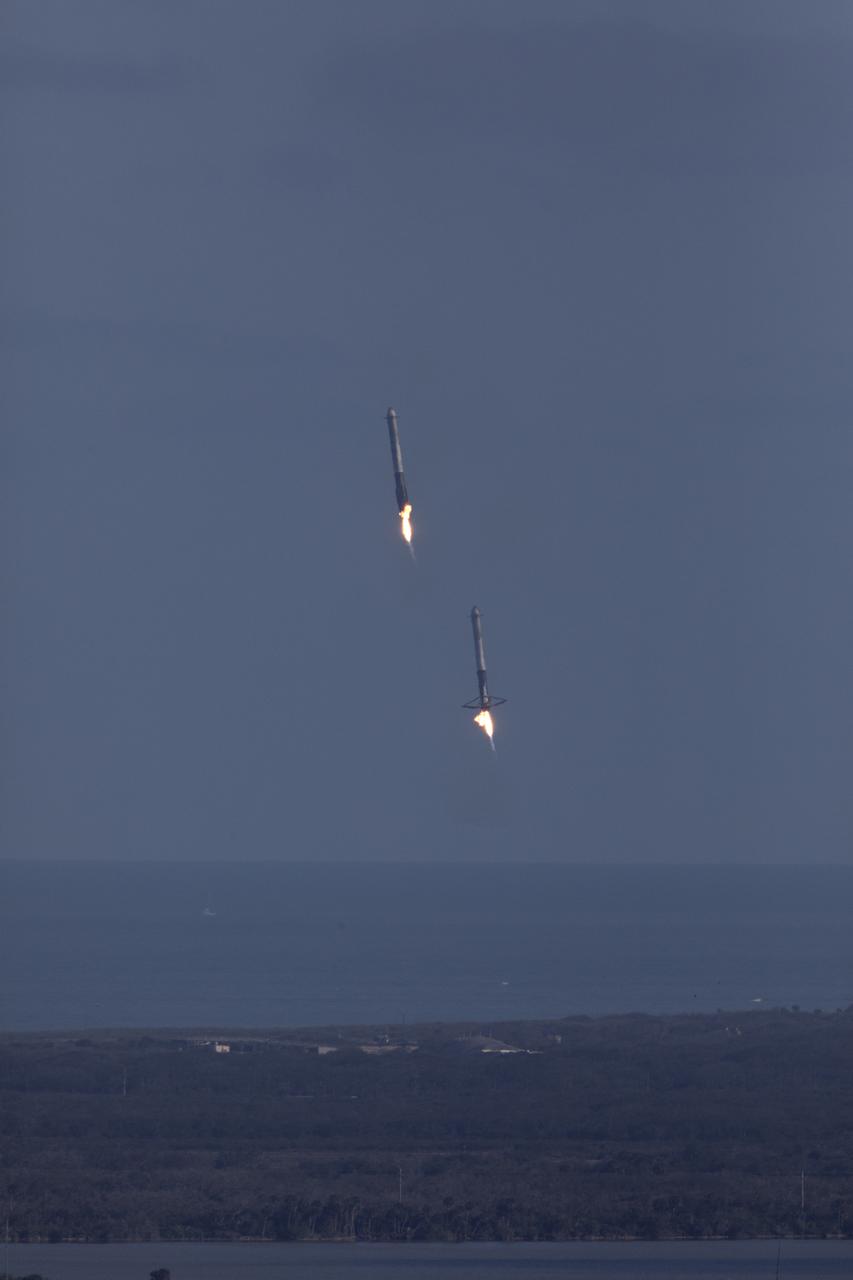
The SpaceX Falcon Heavy rocket’s two side cores descend toward landing at Cape Canaveral Air Force Station in Florida following a successful liftoff at 3:45 p.m. EST from Launch Complex 39A at NASA's Kennedy Space Center. This demonstration flight is a significant milestone for the world's premier multi-user spaceport. In 2014, NASA signed a property agreement with SpaceX for the use and operation of the center's pad 39A, where the company has launched Falcon 9 rockets and prepared for the first Falcon Heavy. NASA also has Space Act Agreements in place with partners, such as SpaceX, to provide services needed to process and launch rockets and spacecraft.
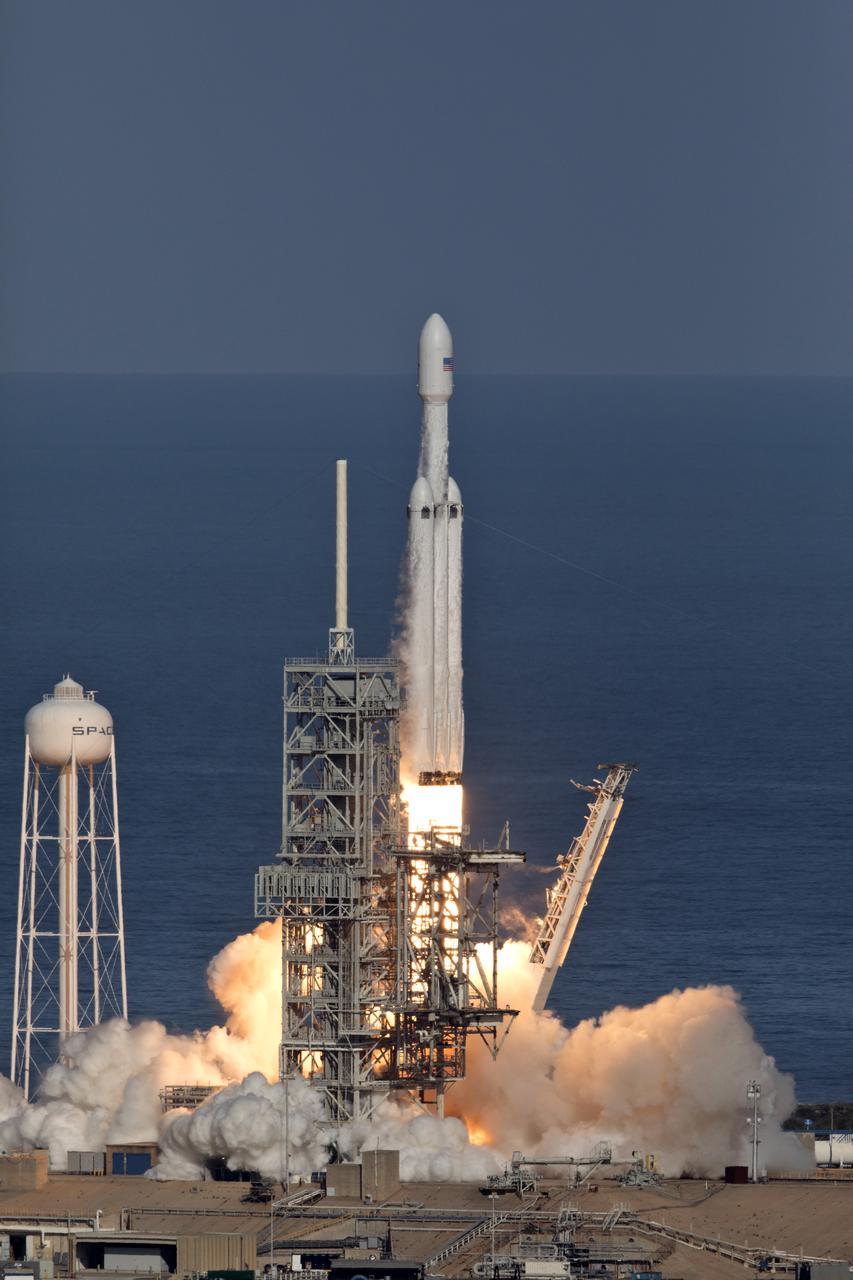
A SpaceX Falcon Heavy rocket begins its demonstration flight with liftoff at 3:45 p.m. EST from from Launch Complex 39A at NASA's Kennedy Space Center in Florida. This is a significant milestone for the world's premier multi-user spaceport. In 2014, NASA signed a property agreement with SpaceX for the use and operation of the center's pad 39A, where the company has launched Falcon 9 rockets and prepared for the first Falcon Heavy. NASA also has Space Act Agreements in place with partners, such as SpaceX, to provide services needed to process and launch rockets and spacecraft.
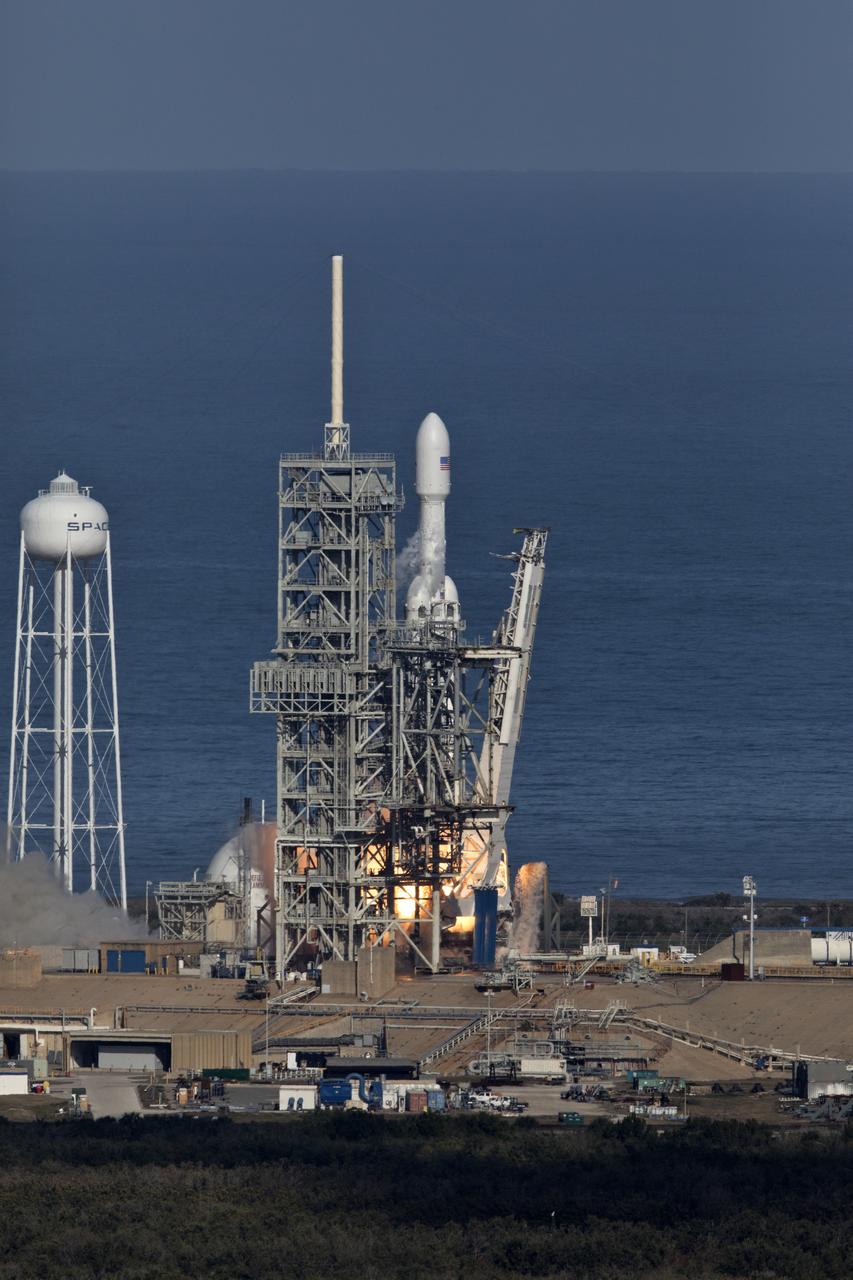
A SpaceX Falcon Heavy rocket begins its demonstration flight with liftoff at 3:45 p.m. EST from from Launch Complex 39A at NASA's Kennedy Space Center in Florida. This is a significant milestone for the world's premier multi-user spaceport. In 2014, NASA signed a property agreement with SpaceX for the use and operation of the center's pad 39A, where the company has launched Falcon 9 rockets and prepared for the first Falcon Heavy. NASA also has Space Act Agreements in place with partners, such as SpaceX, to provide services needed to process and launch rockets and spacecraft.
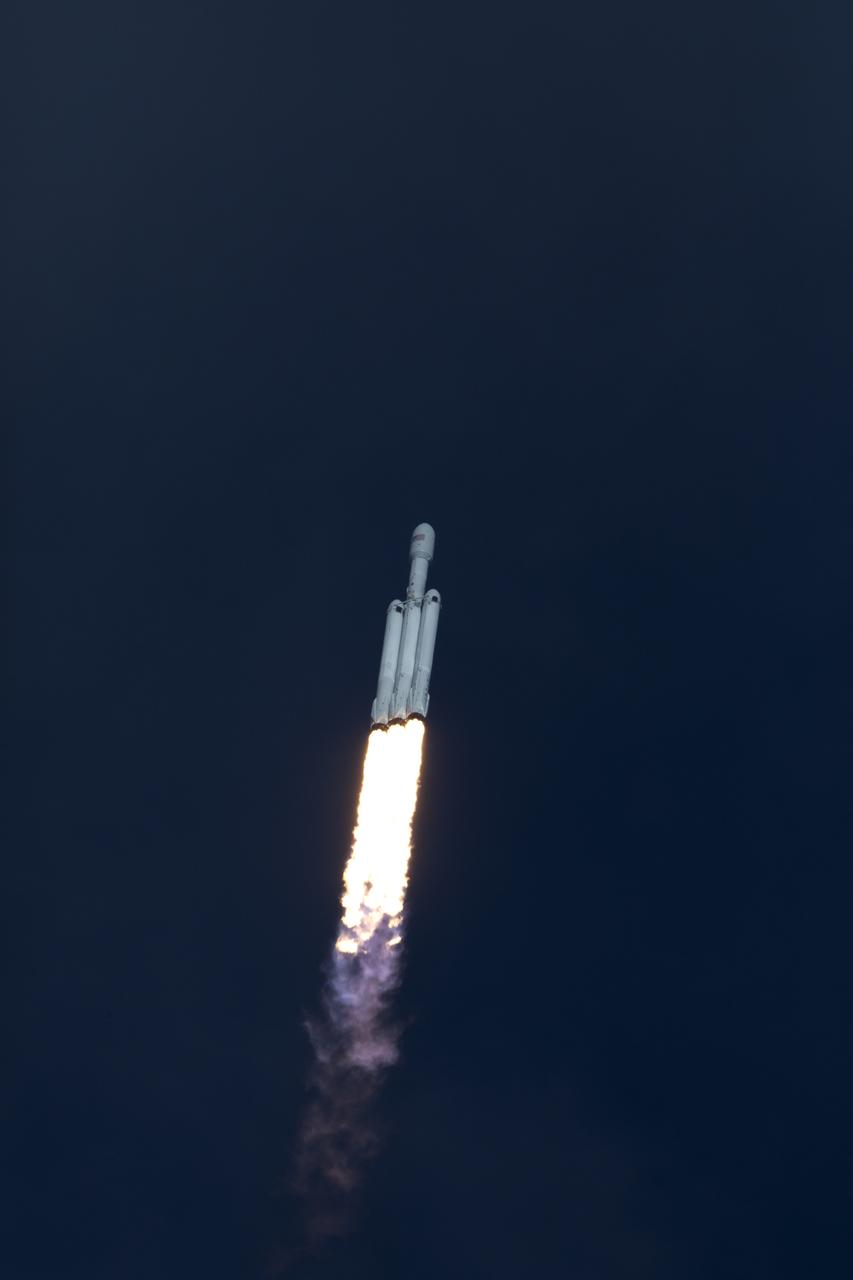
A SpaceX Falcon Heavy rocket begins its demonstration flight with liftoff at 3:45 p.m. EST from from Launch Complex 39A at NASA's Kennedy Space Center in Florida. This is a significant milestone for the world's premier multi-user spaceport. In 2014, NASA signed a property agreement with SpaceX for the use and operation of the center's pad 39A, where the company has launched Falcon 9 rockets and prepared for the first Falcon Heavy. NASA also has Space Act Agreements in place with partners, such as SpaceX, to provide services needed to process and launch rockets and spacecraft.
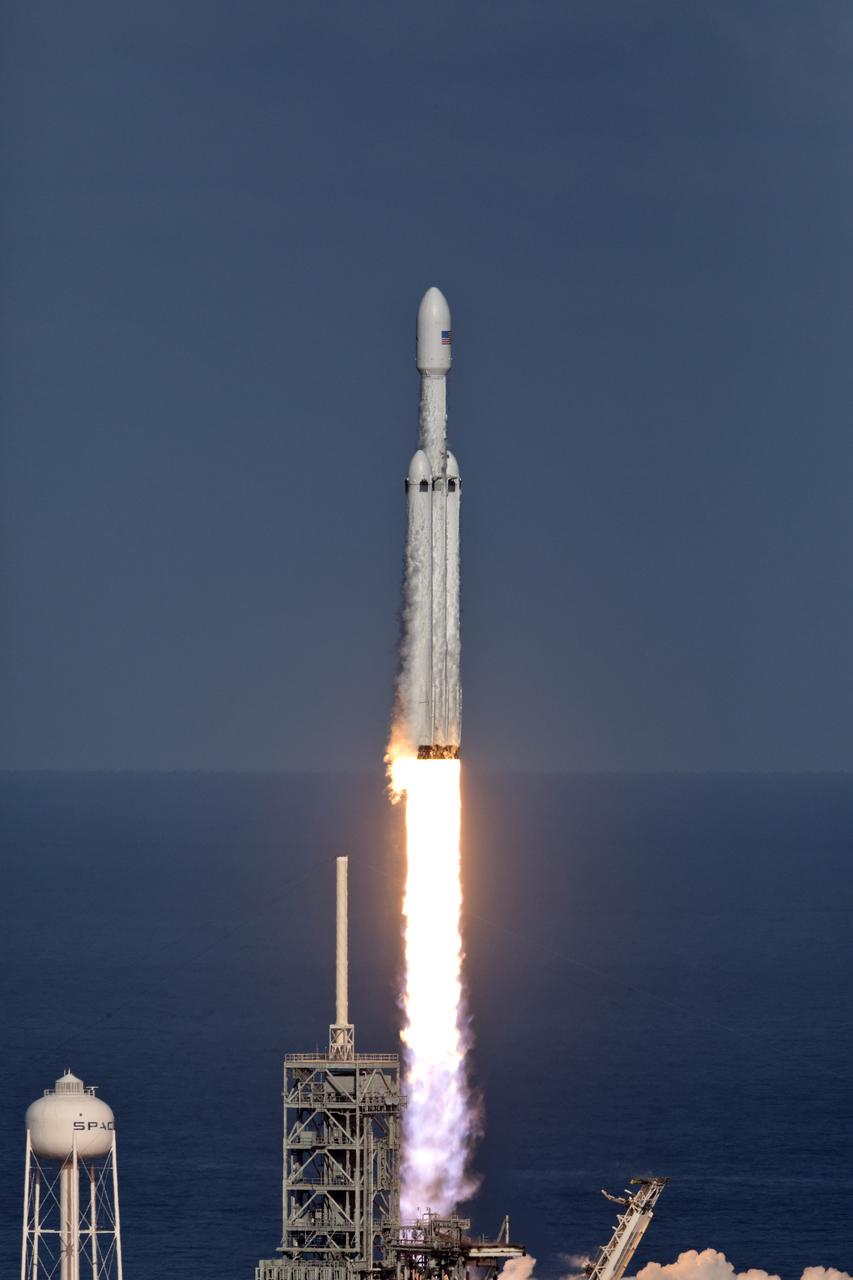
A SpaceX Falcon Heavy rocket begins its demonstration flight with liftoff at 3:45 p.m. EST from from Launch Complex 39A at NASA's Kennedy Space Center in Florida. This is a significant milestone for the world's premier multi-user spaceport. In 2014, NASA signed a property agreement with SpaceX for the use and operation of the center's pad 39A, where the company has launched Falcon 9 rockets and prepared for the first Falcon Heavy. NASA also has Space Act Agreements in place with partners, such as SpaceX, to provide services needed to process and launch rockets and spacecraft.

The SpaceX Falcon Heavy rocket’s two side cores descend toward landing at Cape Canaveral Air Force Station in Florida following a successful liftoff at 3:45 p.m. EST from Launch Complex 39A at NASA's Kennedy Space Center. This demonstration flight is a significant milestone for the world's premier multi-user spaceport. In 2014, NASA signed a property agreement with SpaceX for the use and operation of the center's pad 39A, where the company has launched Falcon 9 rockets and prepared for the first Falcon Heavy. NASA also has Space Act Agreements in place with partners, such as SpaceX, to provide services needed to process and launch rockets and spacecraft.

Elon Musk, SpaceX chief executive officer and lead designer, speaks to the news media during a news conference at NASA's Kennedy Space Center in Florida after the successful liftoff of the company’s Falcon Heavy rocket from Launch Complex 39A. The demonstration flight is a significant milestone for the world's premier multi-user spaceport. In 2014, NASA signed a property agreement with SpaceX for the use and operation of the center's pad 39A, where the company has launched Falcon 9 rockets and is preparing for the first Falcon Heavy. NASA also has Space Act Agreements in place with partners, such as SpaceX, to provide services needed to process and launch rockets and spacecraft.
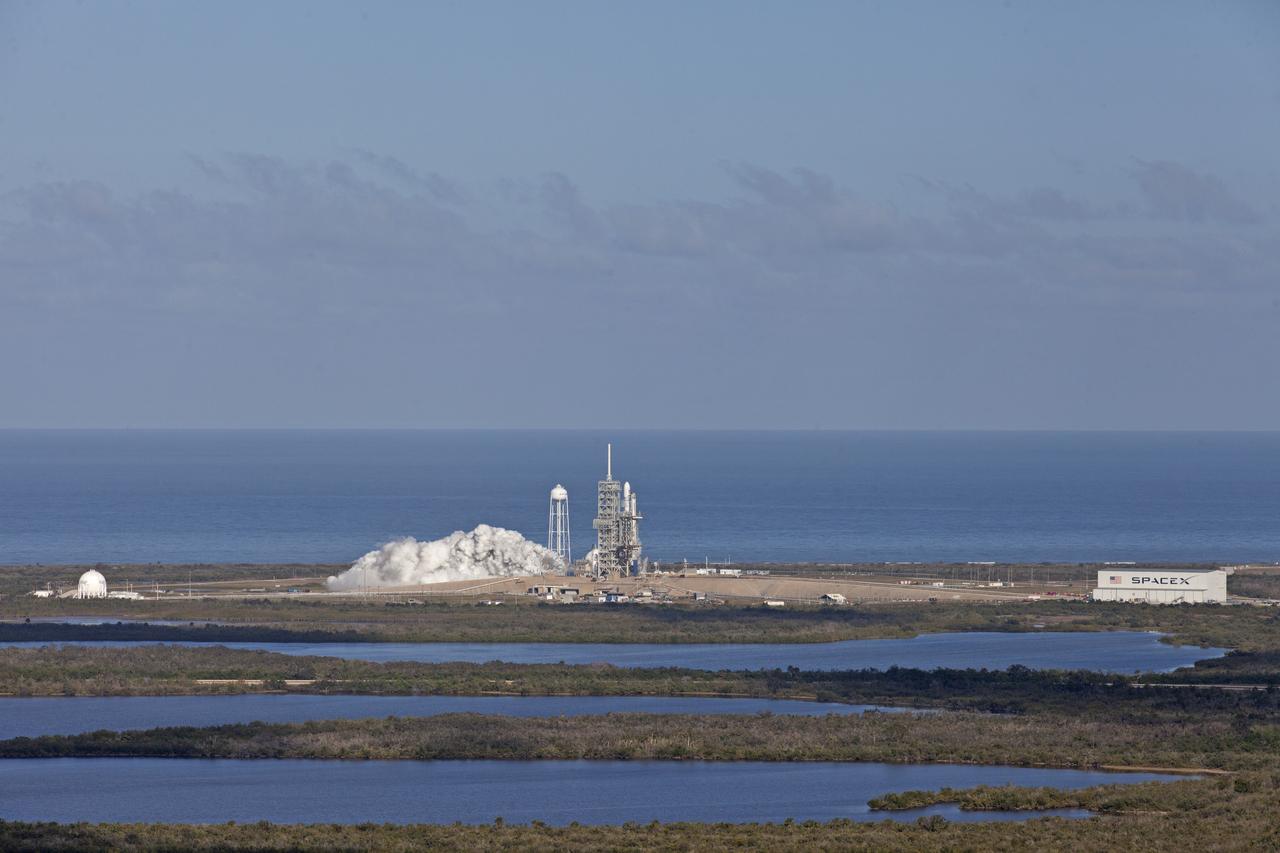
A SpaceX Falcon Heavy rocket begins its demonstration flight with liftoff at 3:45 p.m. EST from from Launch Complex 39A at NASA's Kennedy Space Center in Florida. This is a significant milestone for the world's premier multi-user spaceport. In 2014, NASA signed a property agreement with SpaceX for the use and operation of the center's pad 39A, where the company has launched Falcon 9 rockets and prepared for the first Falcon Heavy. NASA also has Space Act Agreements in place with partners, such as SpaceX, to provide services needed to process and launch rockets and spacecraft.
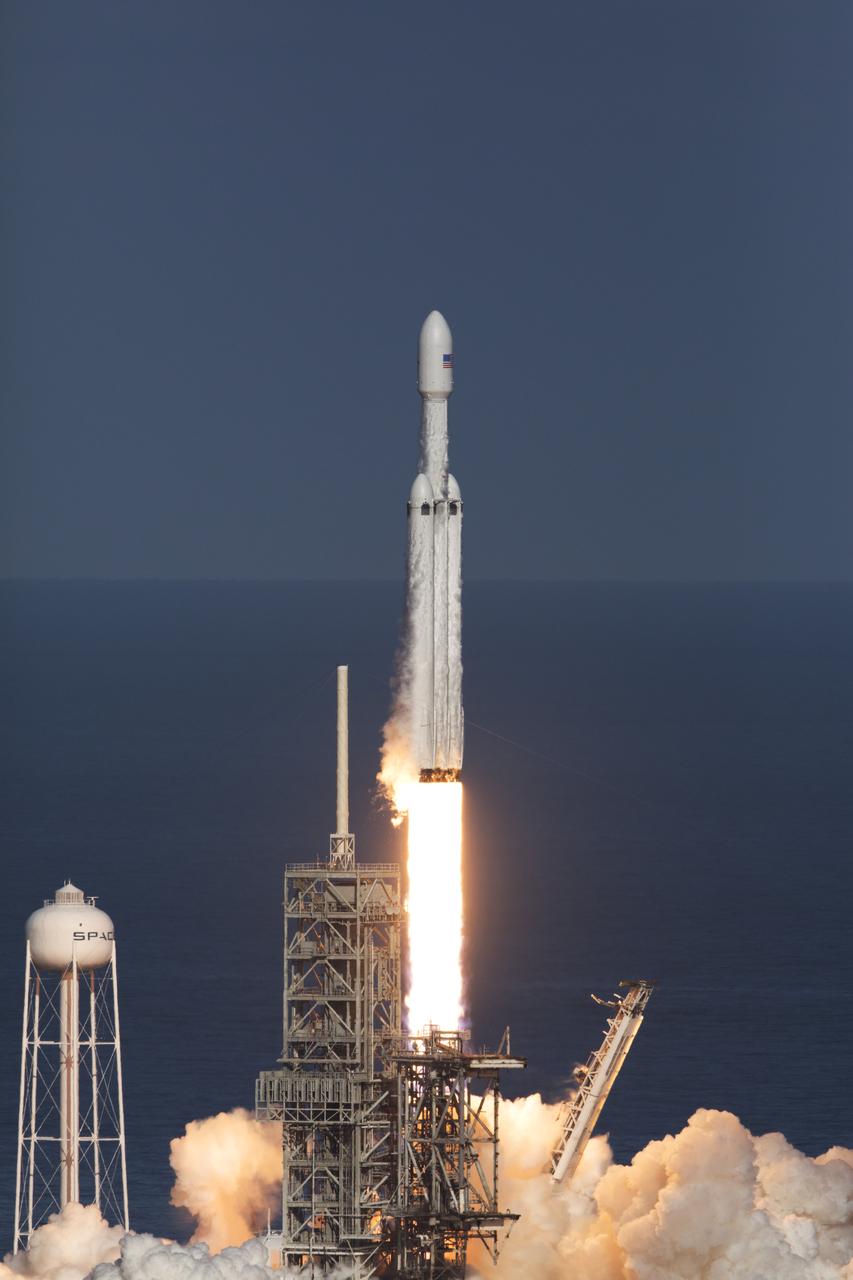
A SpaceX Falcon Heavy rocket begins its demonstration flight with liftoff at 3:45 p.m. EST from from Launch Complex 39A at NASA's Kennedy Space Center in Florida. This is a significant milestone for the world's premier multi-user spaceport. In 2014, NASA signed a property agreement with SpaceX for the use and operation of the center's pad 39A, where the company has launched Falcon 9 rockets and prepared for the first Falcon Heavy. NASA also has Space Act Agreements in place with partners, such as SpaceX, to provide services needed to process and launch rockets and spacecraft.

Elon Musk, SpaceX chief executive officer and lead designer, speaks to the news media during a news conference at NASA's Kennedy Space Center in Florida after the successful liftoff of the company’s Falcon Heavy rocket from Launch Complex 39A. The demonstration flight is a significant milestone for the world's premier multi-user spaceport. In 2014, NASA signed a property agreement with SpaceX for the use and operation of the center's pad 39A, where the company has launched Falcon 9 rockets and is preparing for the first Falcon Heavy. NASA also has Space Act Agreements in place with partners, such as SpaceX, to provide services needed to process and launch rockets and spacecraft.
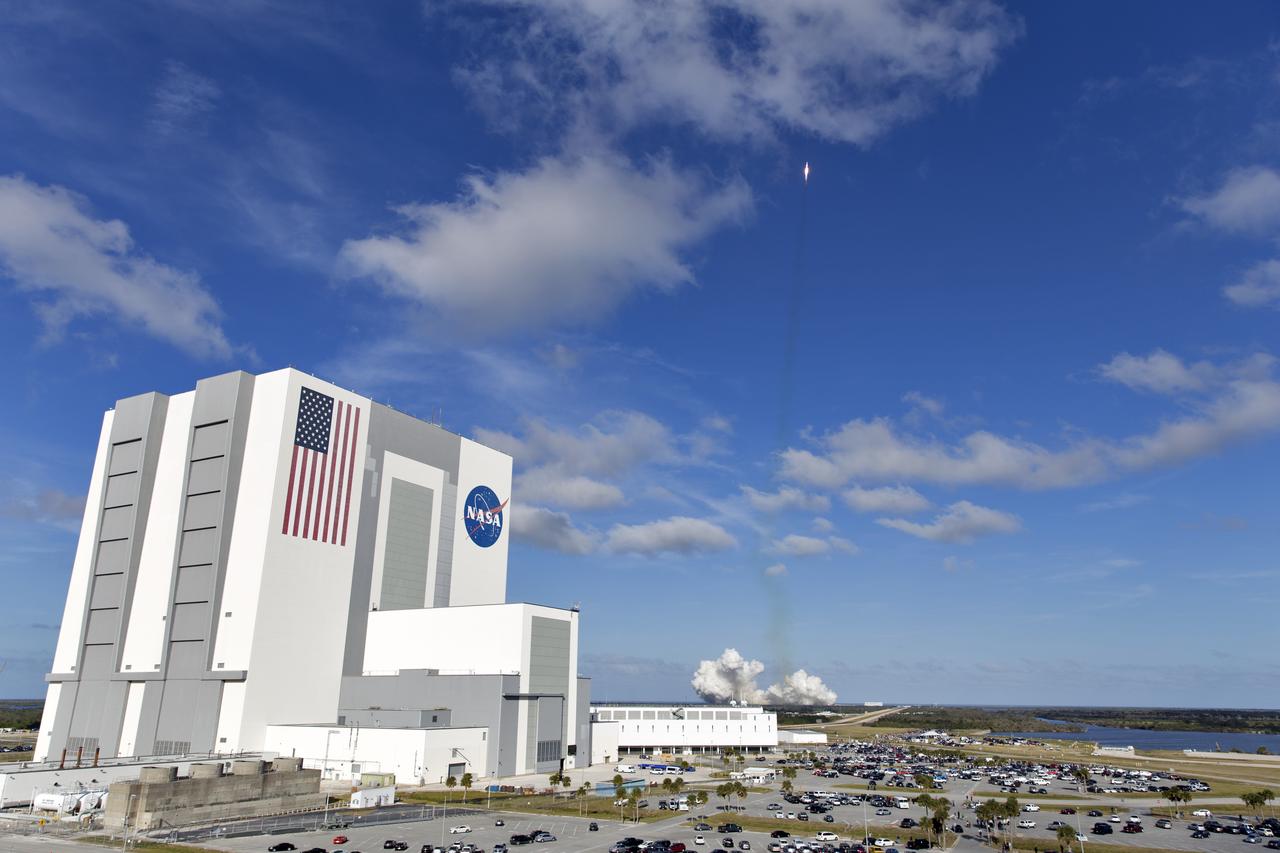
A SpaceX Falcon Heavy rocket begins its demonstration flight with liftoff at 3:45 p.m. EST from from Launch Complex 39A at NASA's Kennedy Space Center in Florida. This is a significant milestone for the world's premier multi-user spaceport. In 2014, NASA signed a property agreement with SpaceX for the use and operation of the center's pad 39A, where the company has launched Falcon 9 rockets and prepared for the first Falcon Heavy. NASA also has Space Act Agreements in place with partners, such as SpaceX, to provide services needed to process and launch rockets and spacecraft.