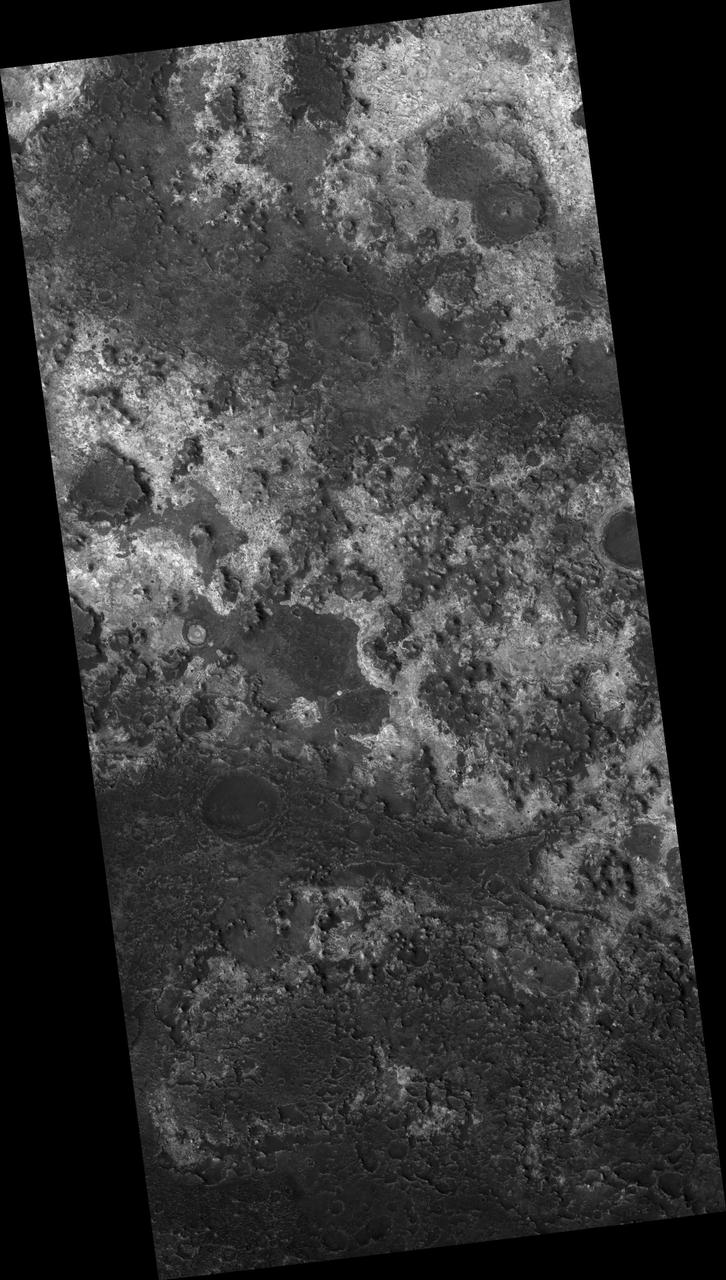
Proposed MSL Site in Mawrth Vallis
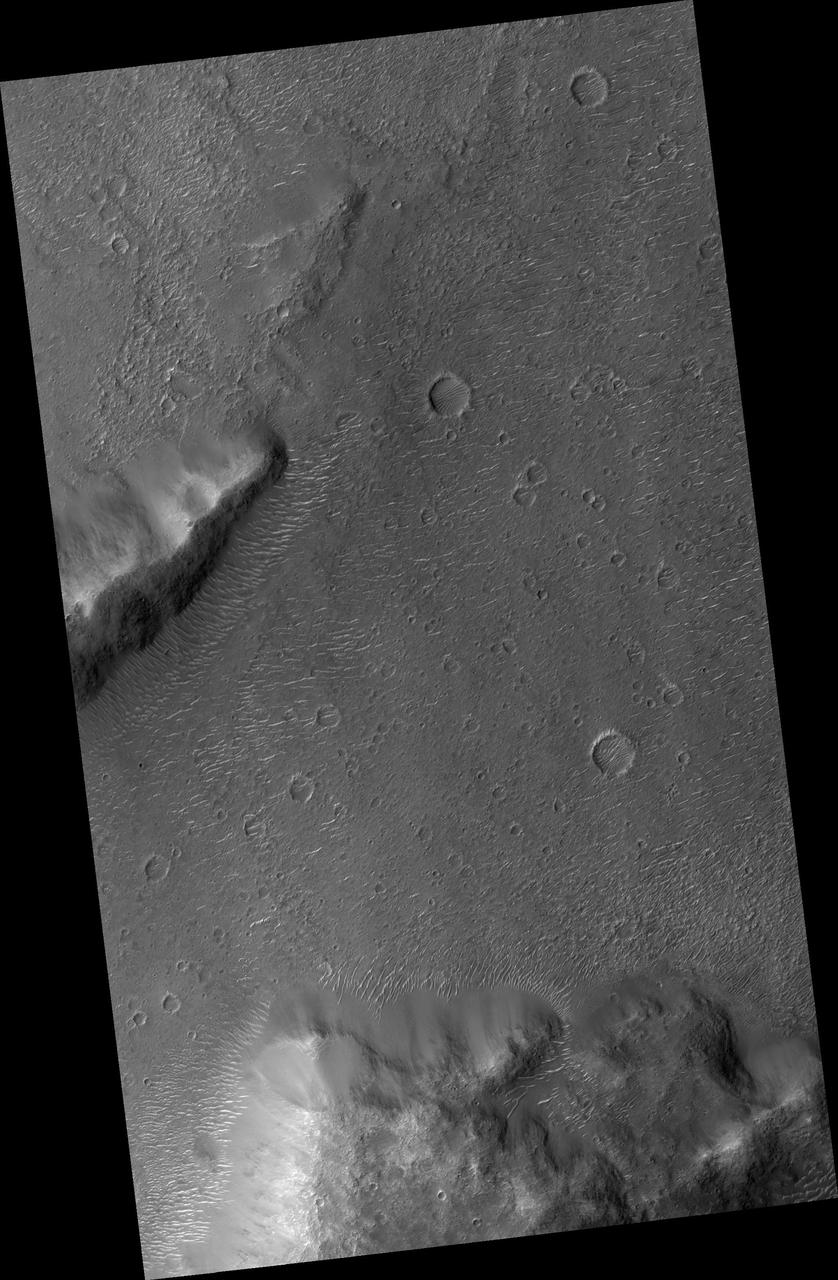
Proposed MSL Site in Margaritifer Basin
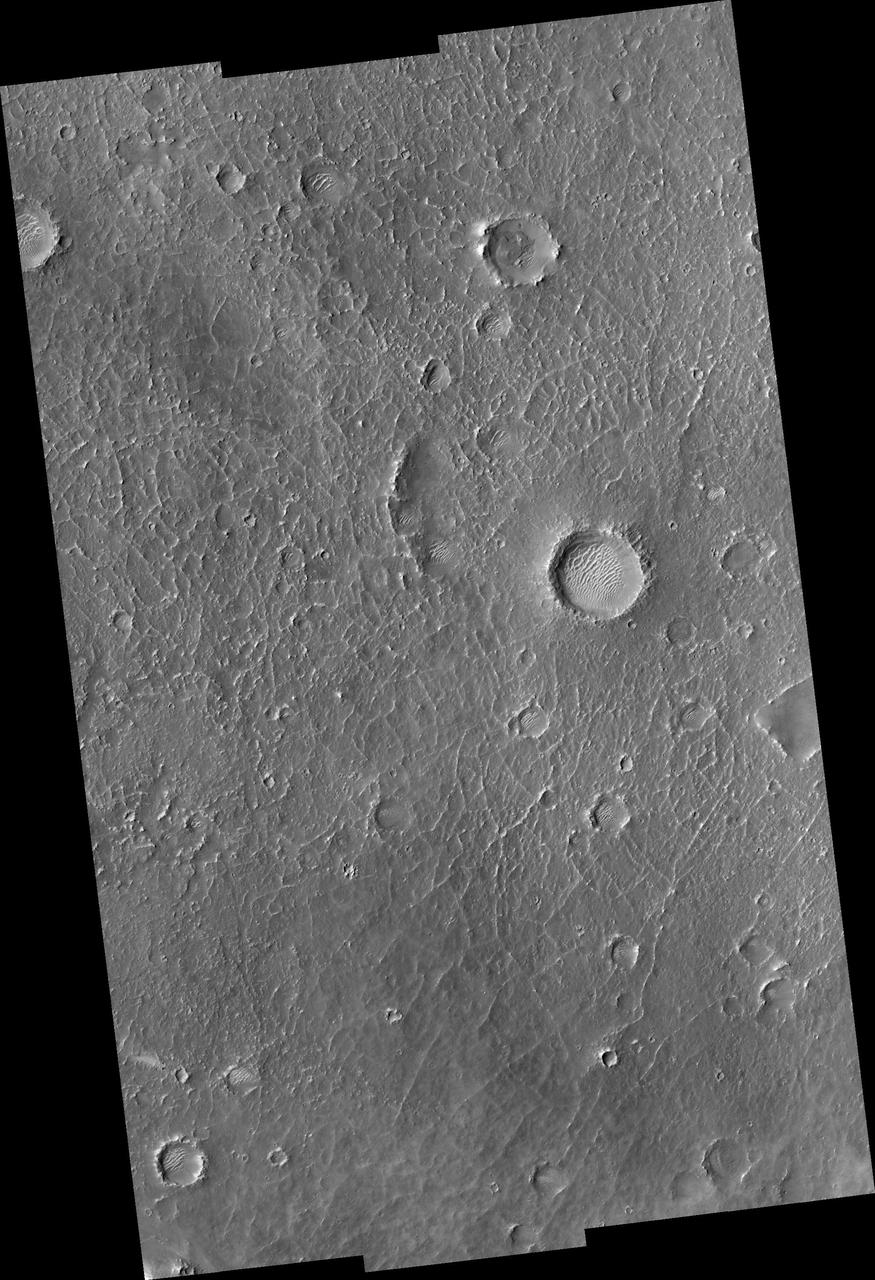
Proposed MSL Site in Becquerel Crater
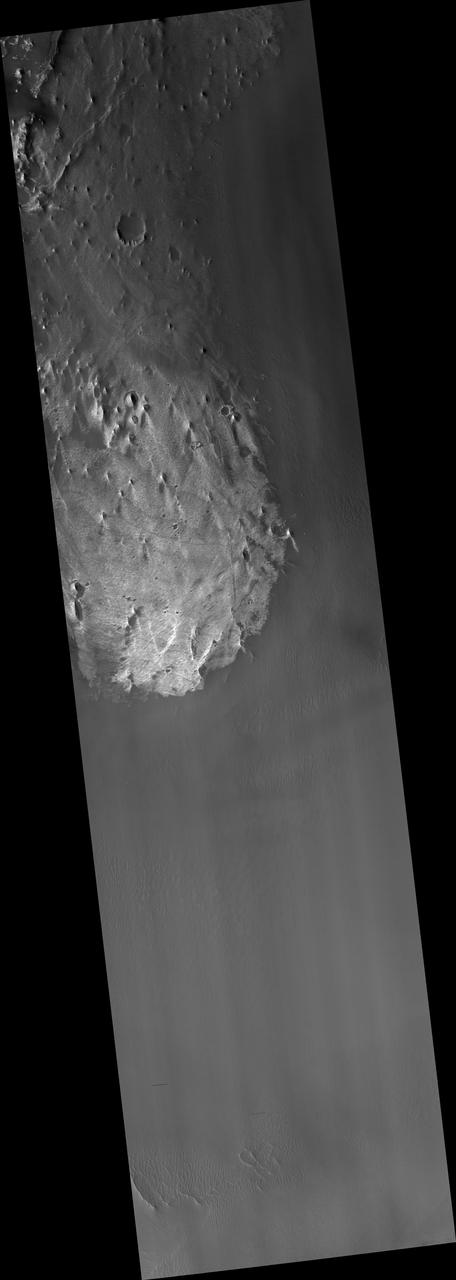
Proposed MSL Site in Juventae Chasma
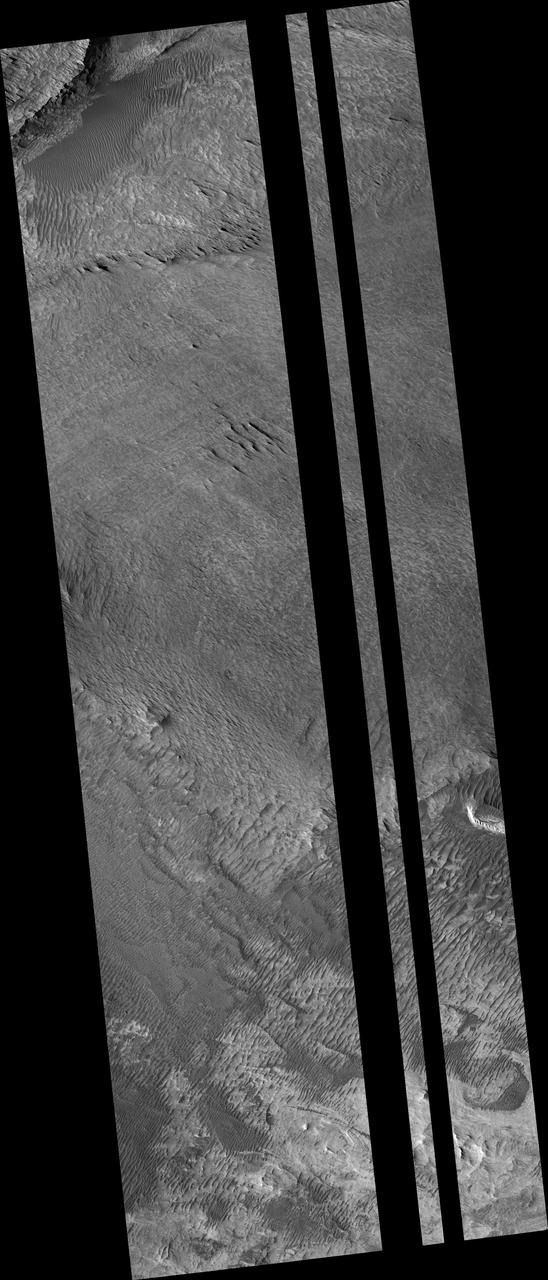
Proposed MSL Site in West Candor
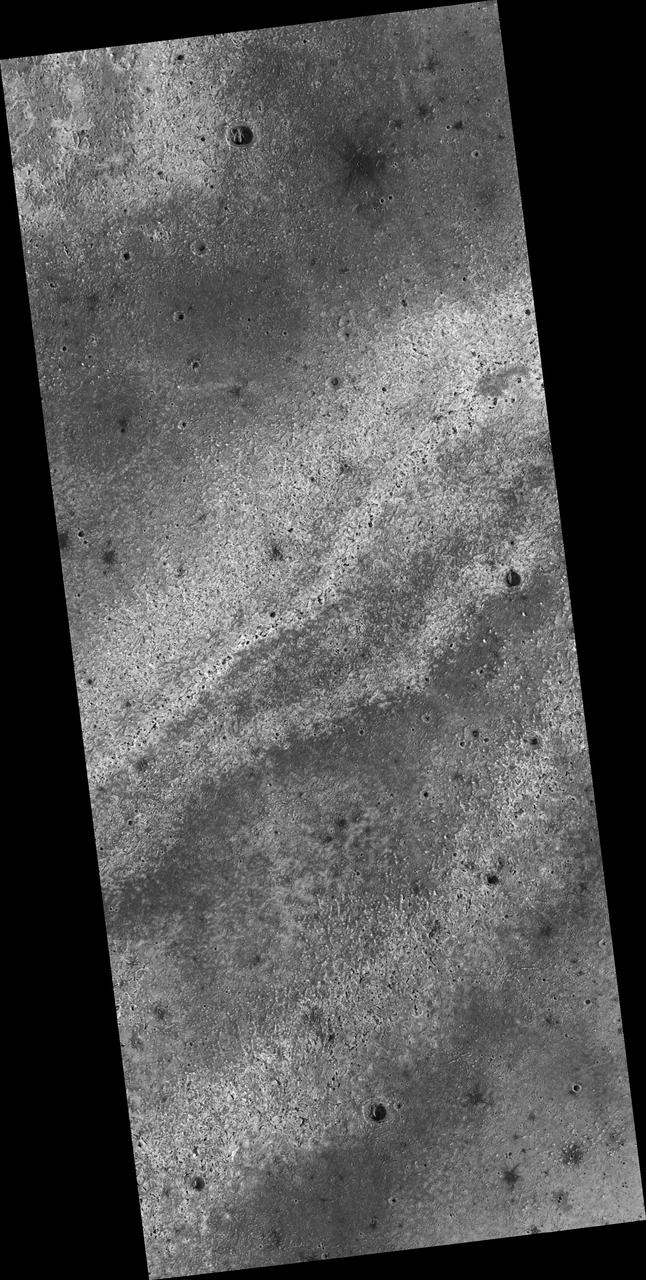
Proposed MSL Site in East Meridiani
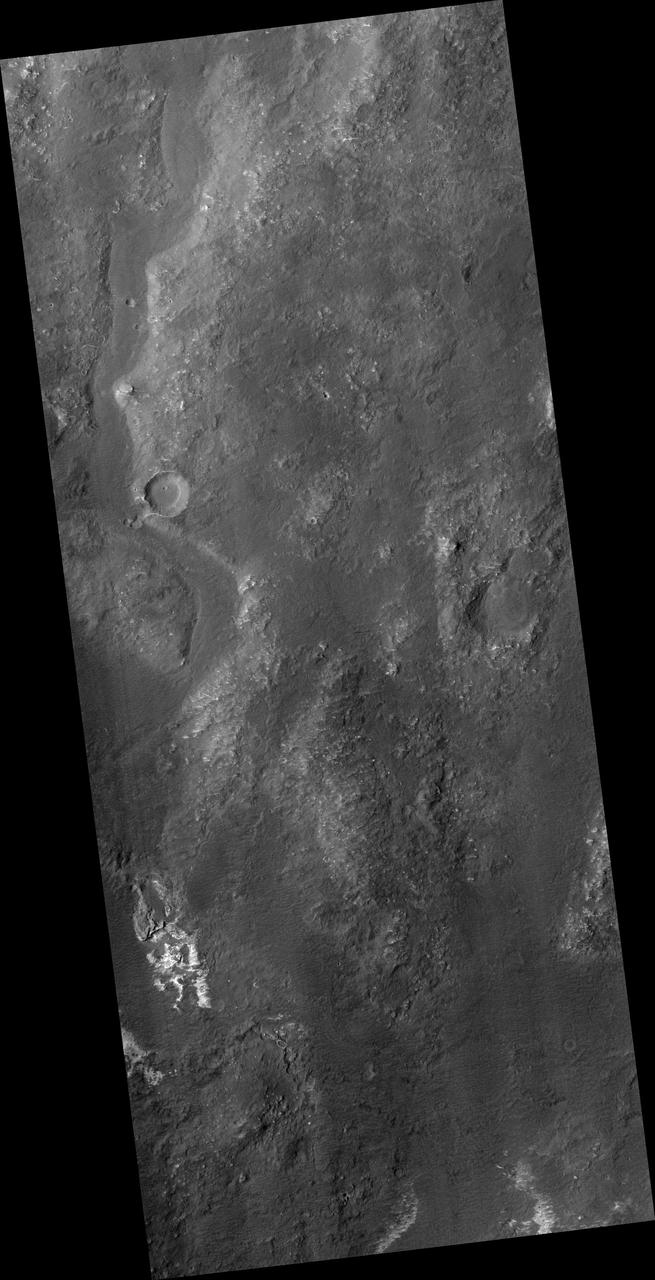
Proposed MSL Site in Eberswalde Crater
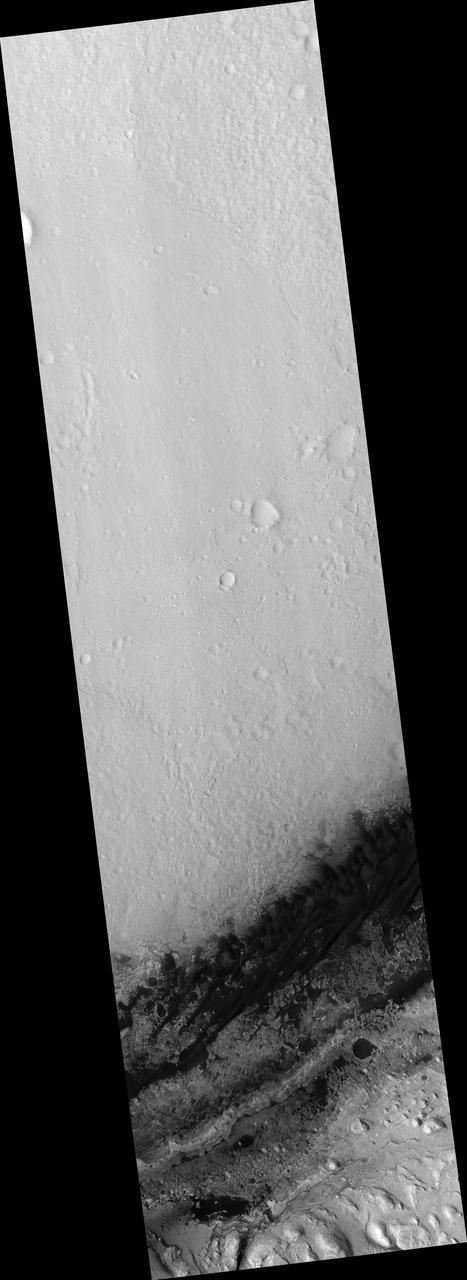
Proposed MSL Site in Gale Crater
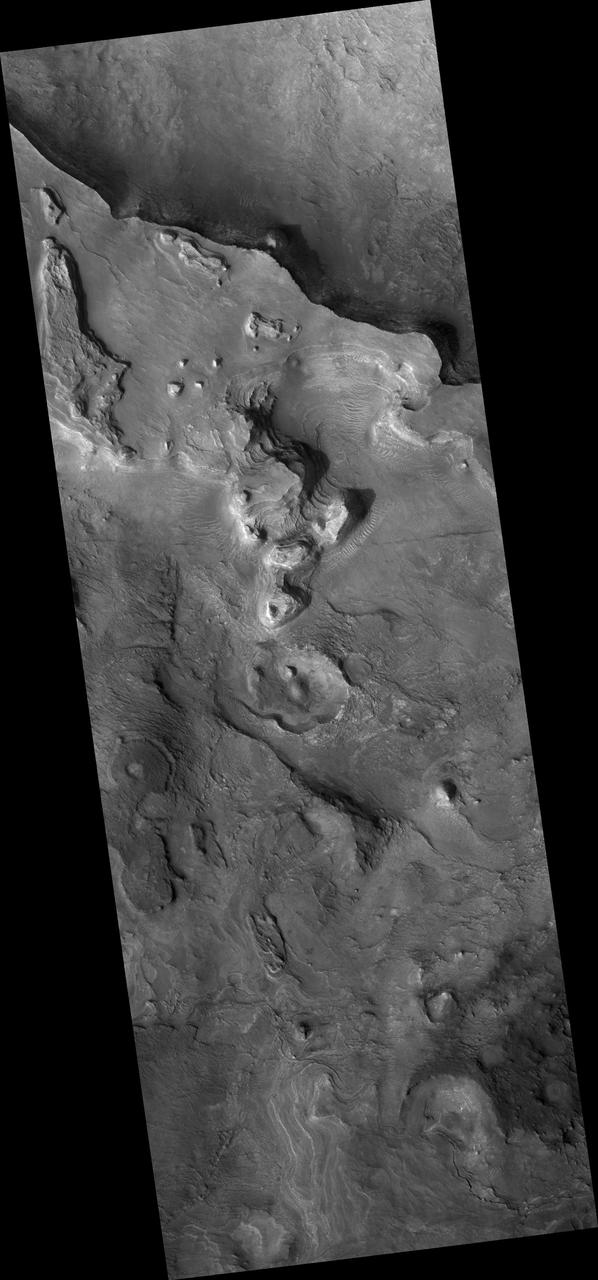
Proposed MSL Site in Nilo Syrtis
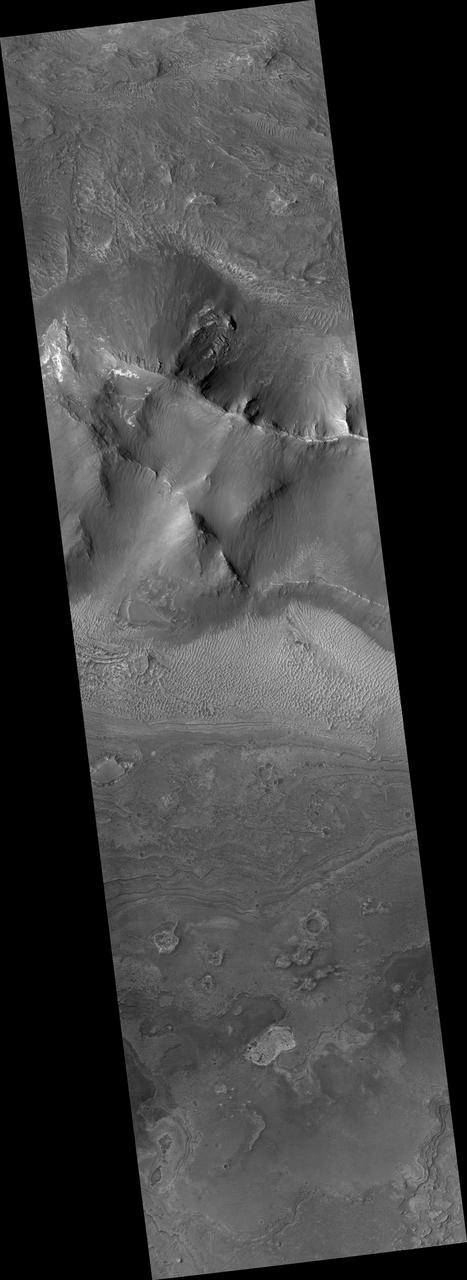
Proposed MSL Site in Melas Chasma
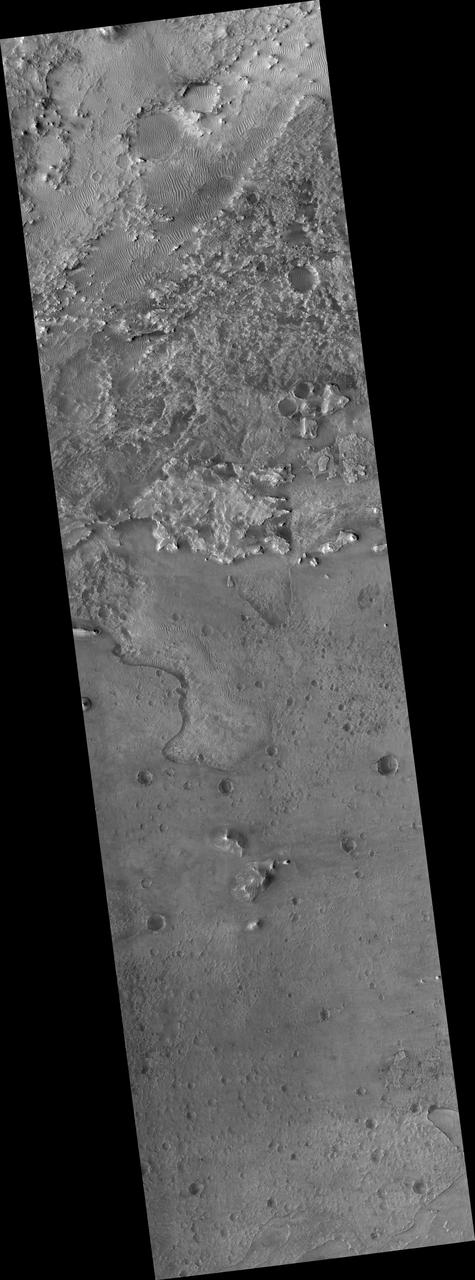
Proposed MSL Site in Nili Fossae Crater
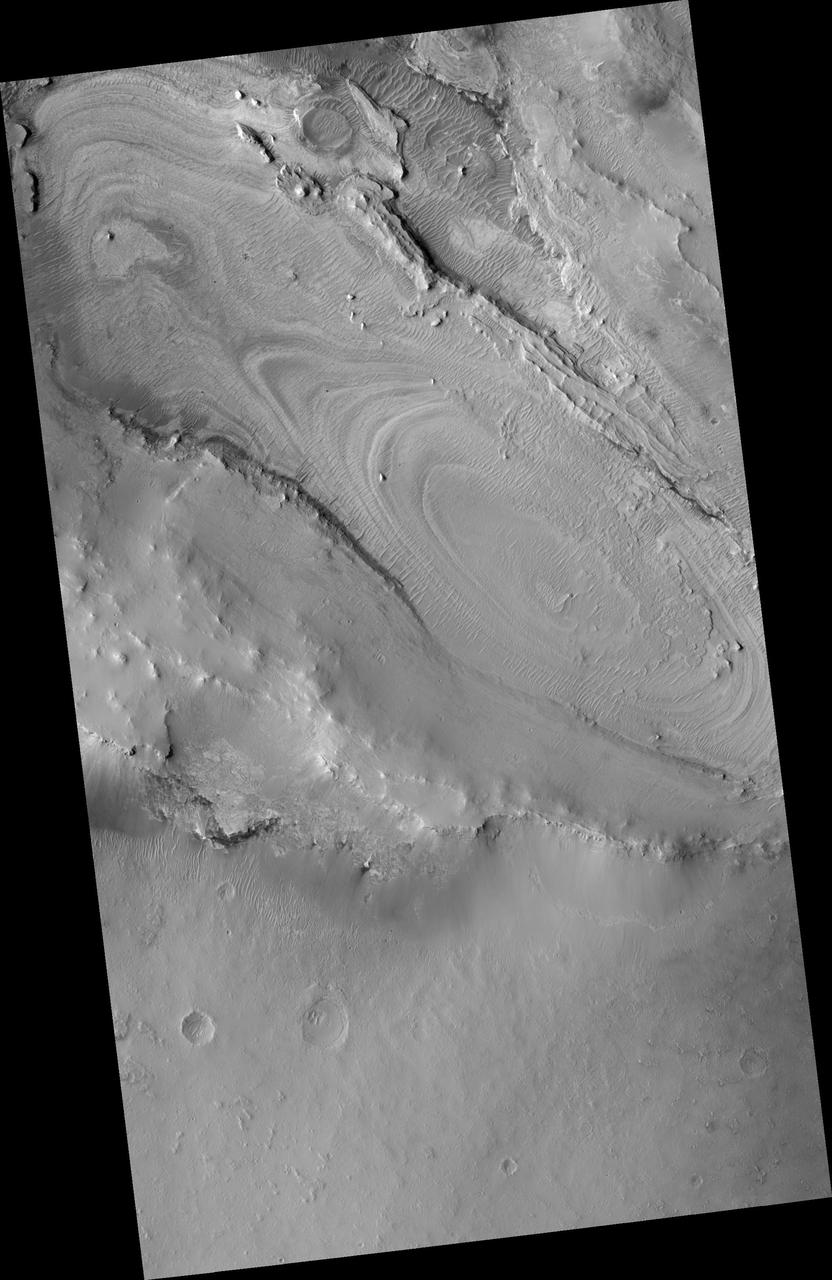
Proposed MSL site in Meridiani Crater Lake
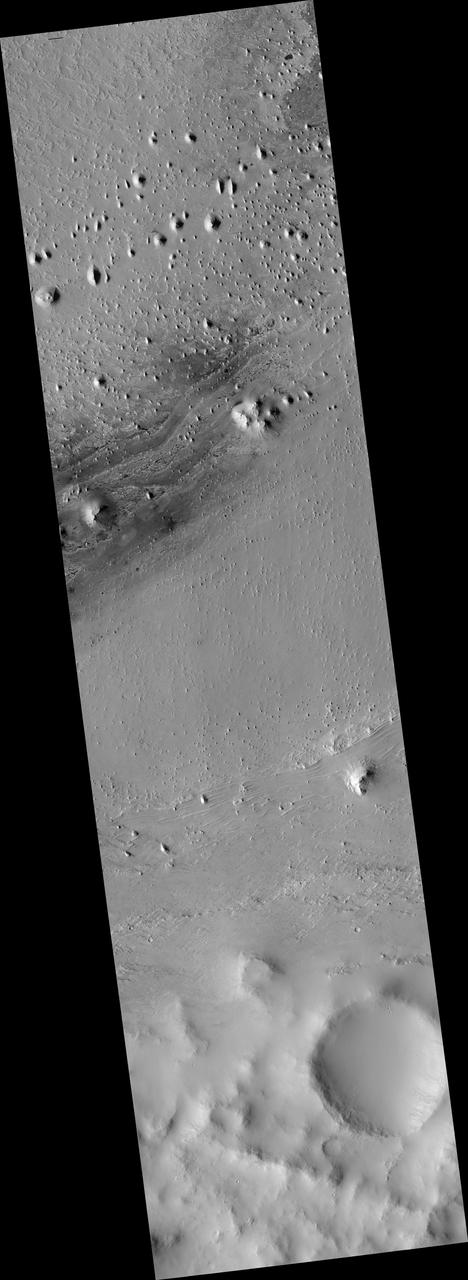
Proposed MSL Site in Southwest Arabia Terra
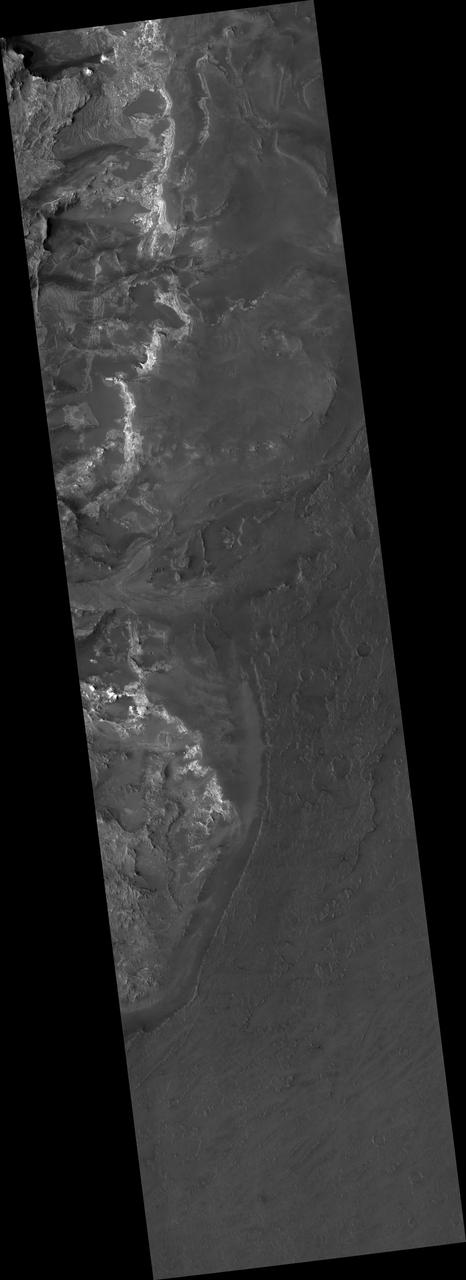
Proposed MSL Site in NE Syrtis Major
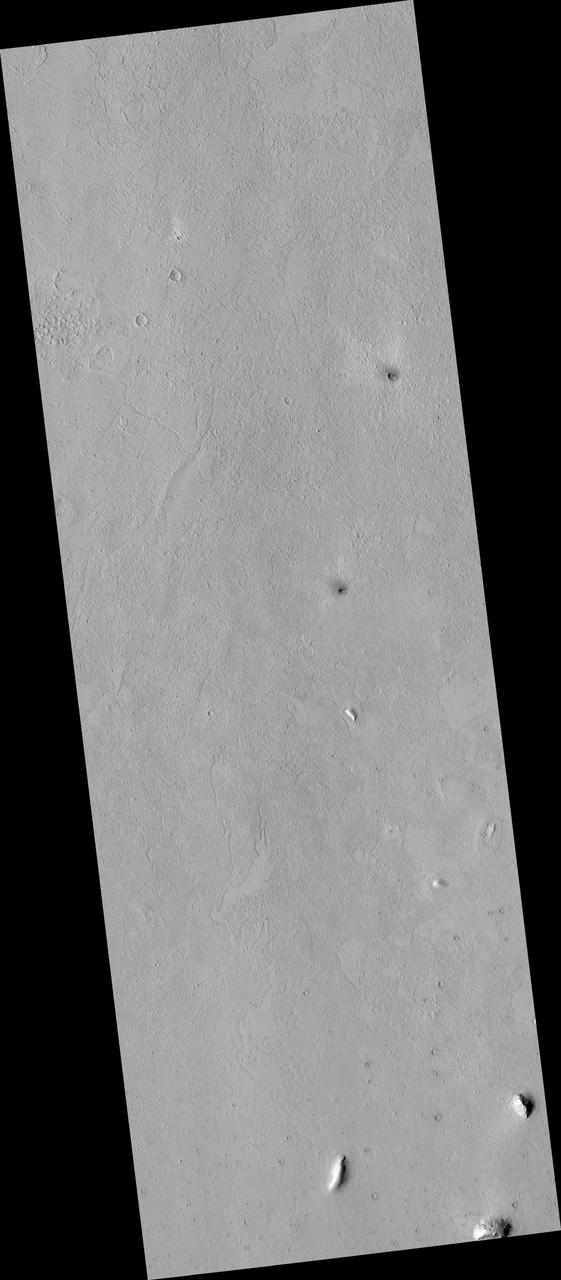
Proposed MSL Site in Elysium/Avernus Colles
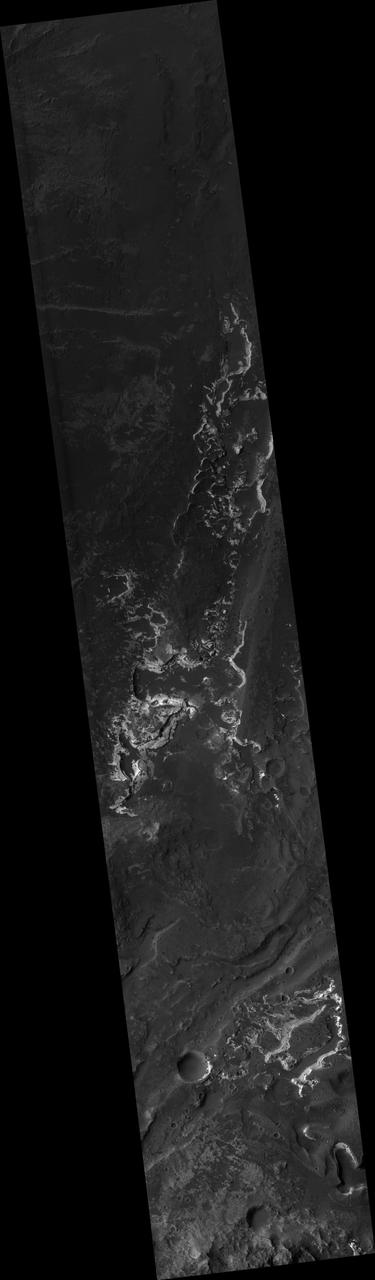
Proposed MSL site in Holden Crater Fan
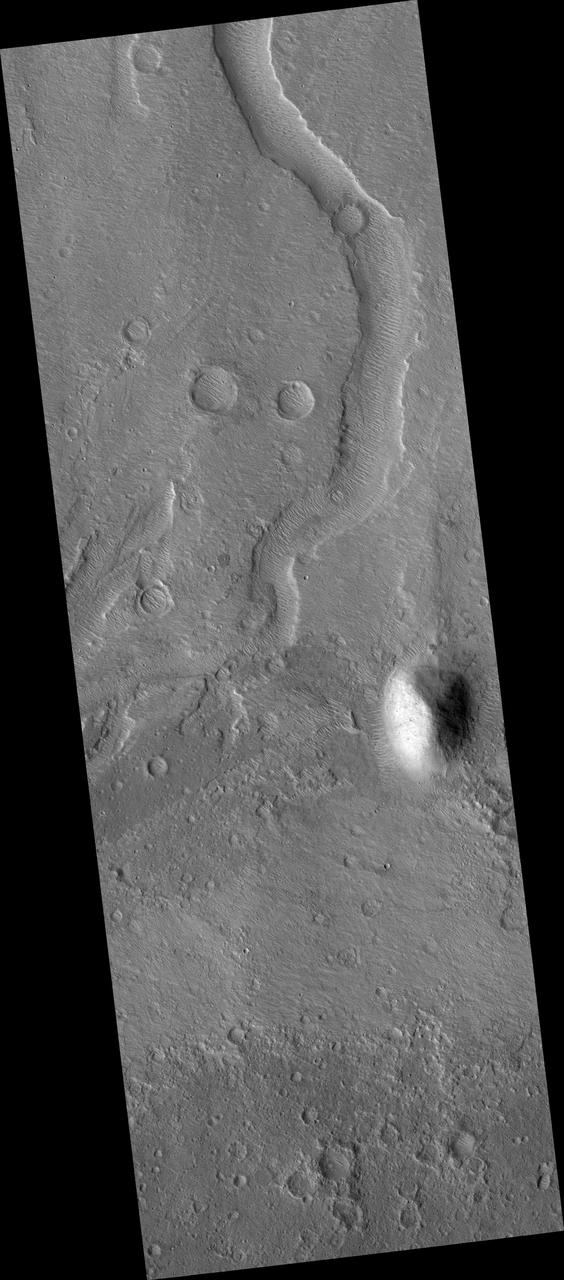
Proposed MSL site in Xanthe/Hypanis Vallis
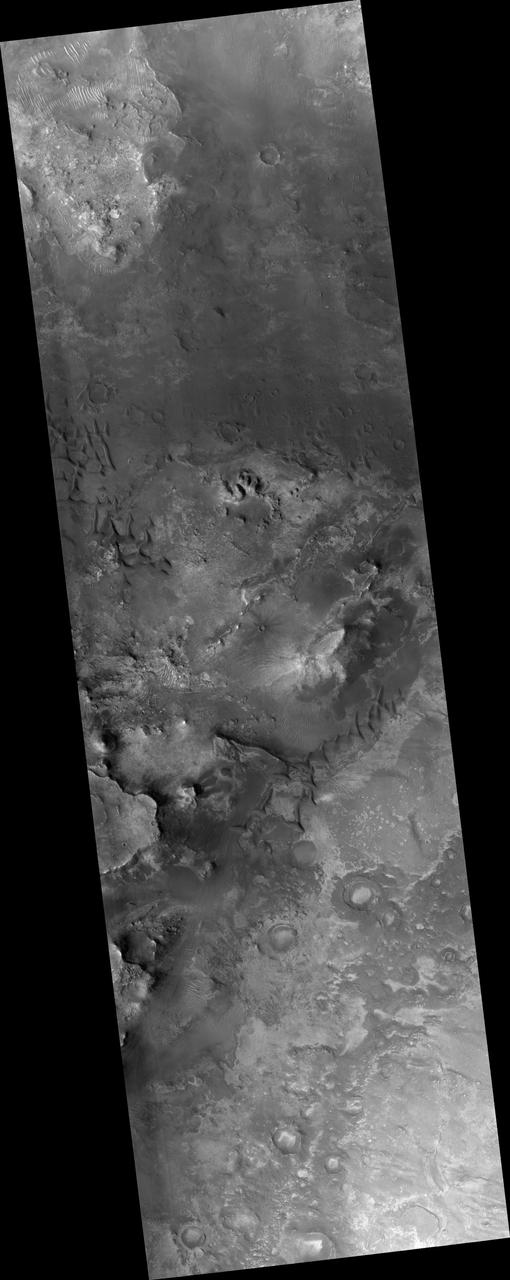
Proposed MSL Site in Nili Fossae Trough

Proposed Mars Polar Lander Landing Site Perspective View 2
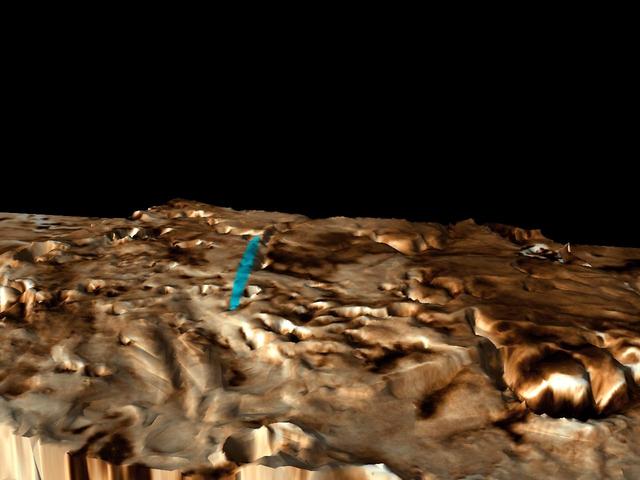
Proposed Mars Polar Lander Landing Site Perspective View 3
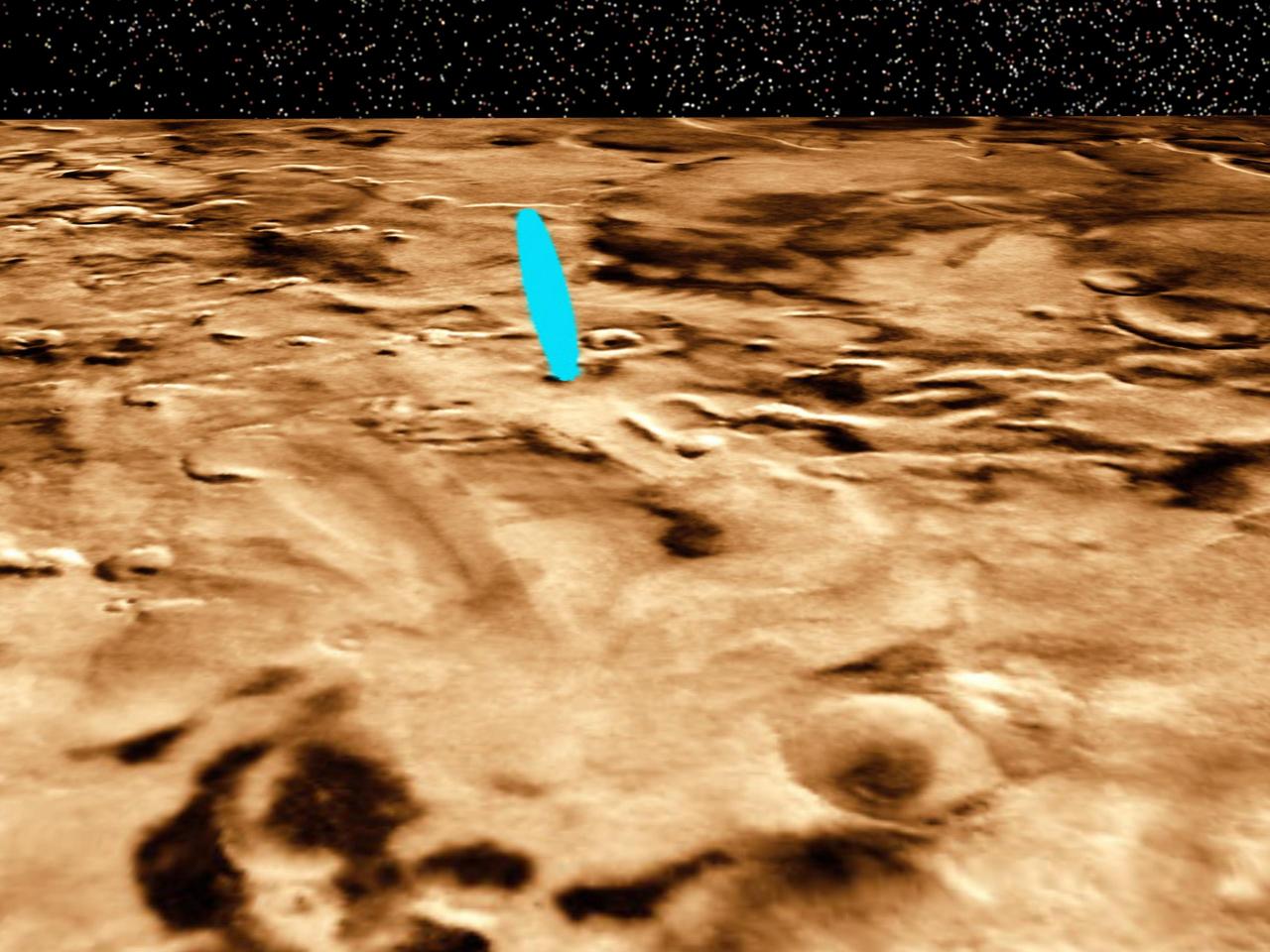
Proposed Mars Polar Lander Landing Site Perspective View 1
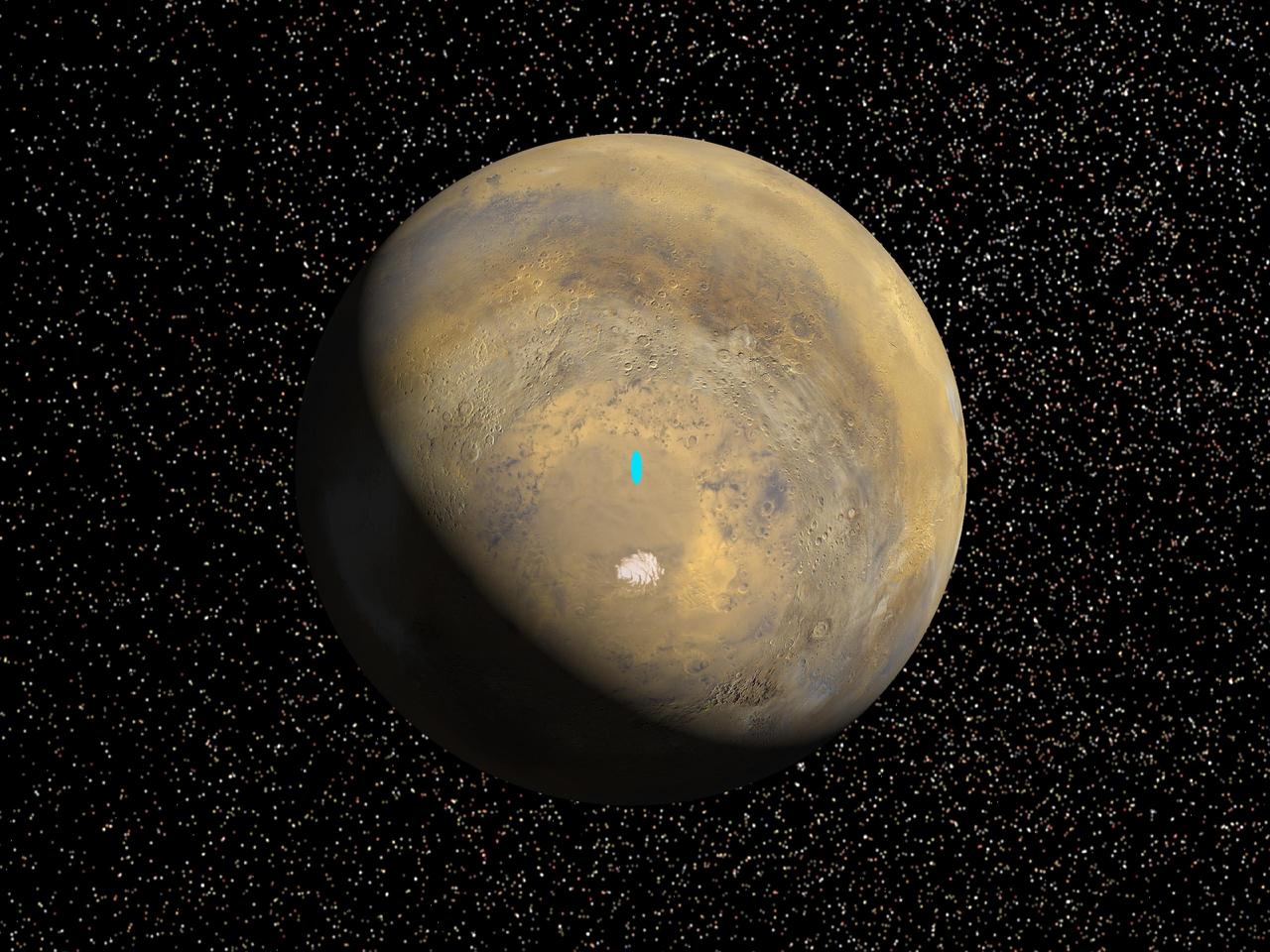
Proposed Mars Polar Lander Landing Site Global Perspective
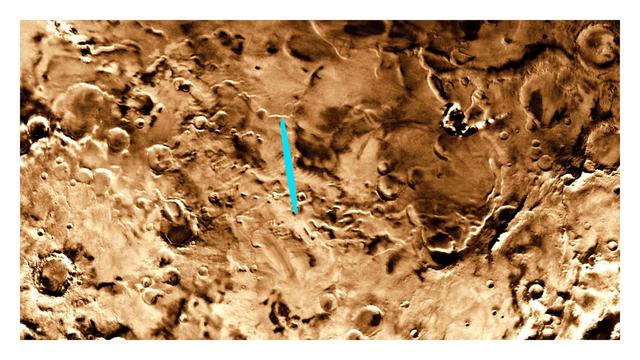
Proposed Mars Polar Lander Landing Site Flat Map
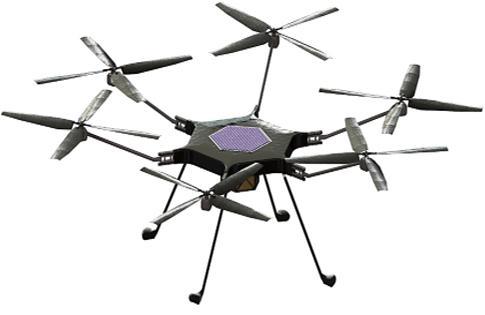
This illustration shows a conceptual design of a Mars Science Helicopter, a proposed follow-on to NASA's Ingenuity Mars Helicopter. Researchers are considering how helicopters could be used in future missions. In addition to scouting, such a helicopter could carry science instruments to study terrain rovers can't reach. The proposed design is the product of collaboration between NASA's Jet Propulsion Laboratory in Southern California, NASA's Ames Research Center in Silicon Valley, and AeroVironment, Inc. A helicopter with this particular design could carry 4.5 to 11 pounds (2-5 kilograms) of science payload. https://photojournal.jpl.nasa.gov/catalog/PIA24729
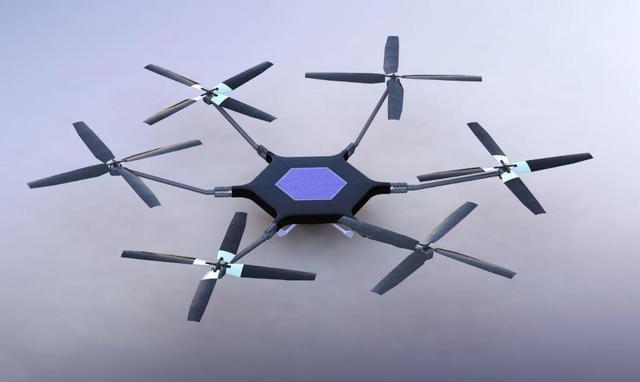
A model of NASA's Mars Science Helicopter concept is shown in this photo. This helicopter concept is a more capable proposed follow-on to NASA's Ingenuity Mars Helicopter, which arrived at the Red Planet in the belly of the agency's Perseverance rover in February 2021. The six-rotor Mars Science Helicopter could be used during future Mars missions to serve as an aerial scout, carrying between 4.5 and 11 pounds (2 to 5 kilograms) of payload, including science instruments, and studying terrain that rovers can't reach. It remains in early conceptual and design stages. The proposed design is the product of collaboration between JPL, NASA's Ames Research Center in California's Silicon Valley, and AeroVironment Inc. https://photojournal.jpl.nasa.gov/catalog/PIA25661
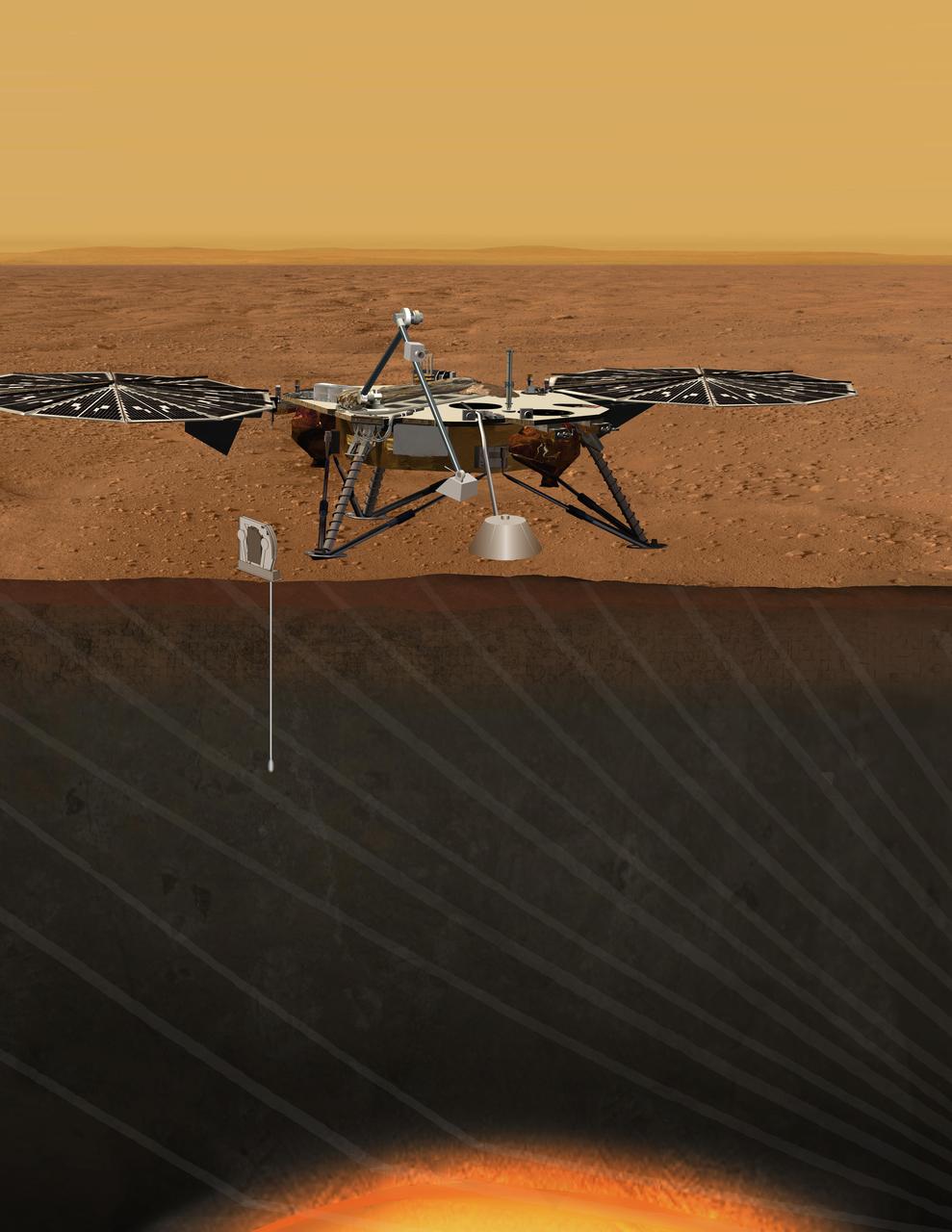
An artist concept portrays the proposed Geophysical Monitoring Station mission for studying the deep interior of Mars.
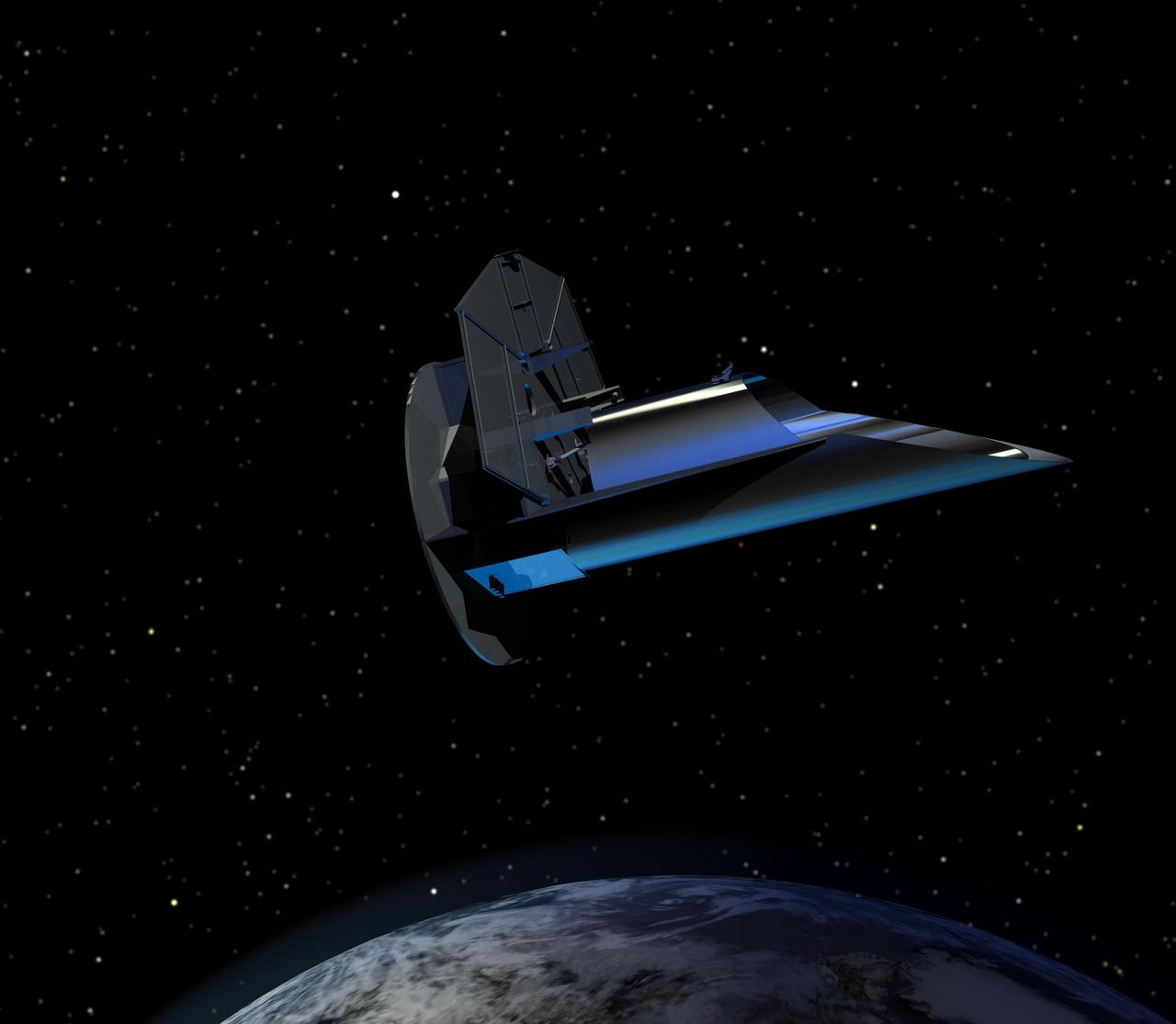
This is an artist rendering of the spacecraft FINESSE orbiting above Earth. Proposed for launch in 2016 as part of NASA Explorers Program, FINESSE would take the first family portrait of extrasolar planets.
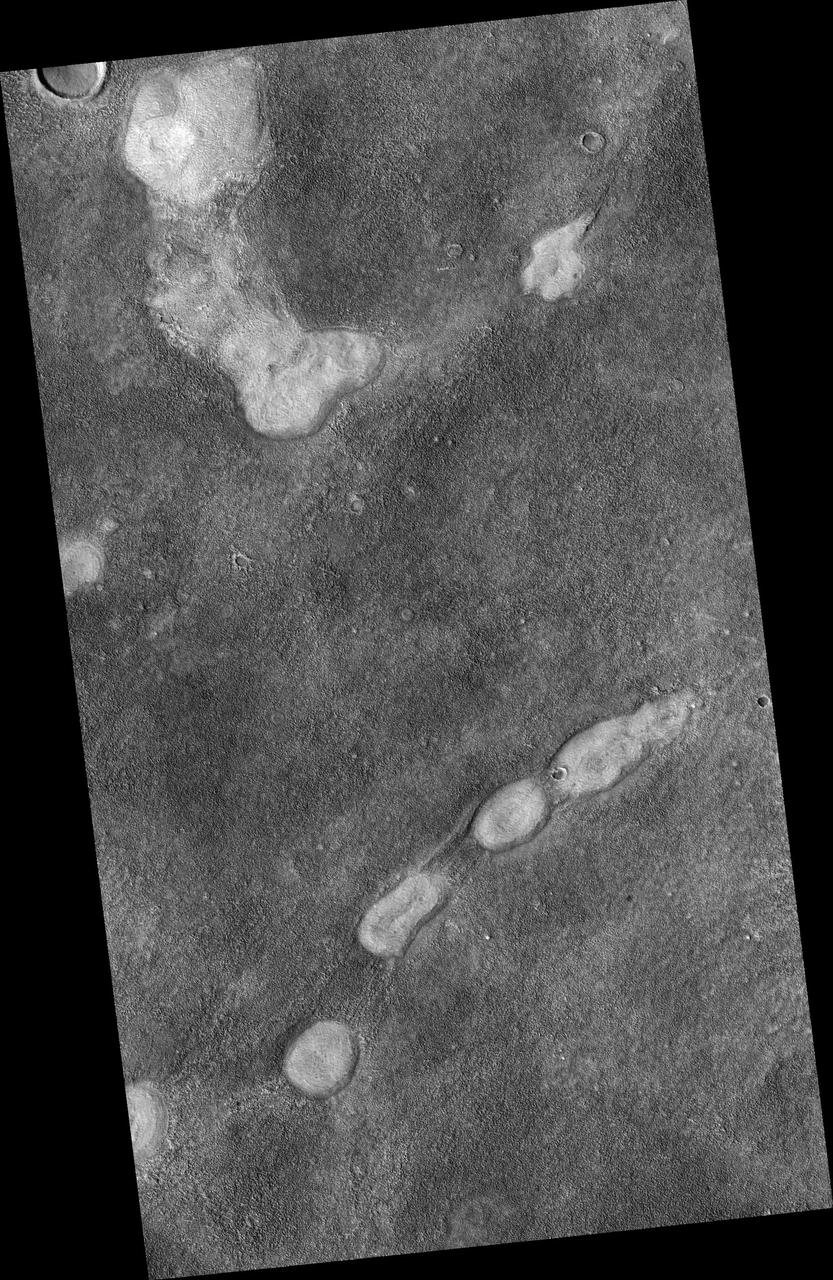
This image from NASA Mars Reconnaissance Orbiter is a proposed future Mars landing site in Acidalia Planitia targets densely occurring mounds thought to be mud volcanoes.
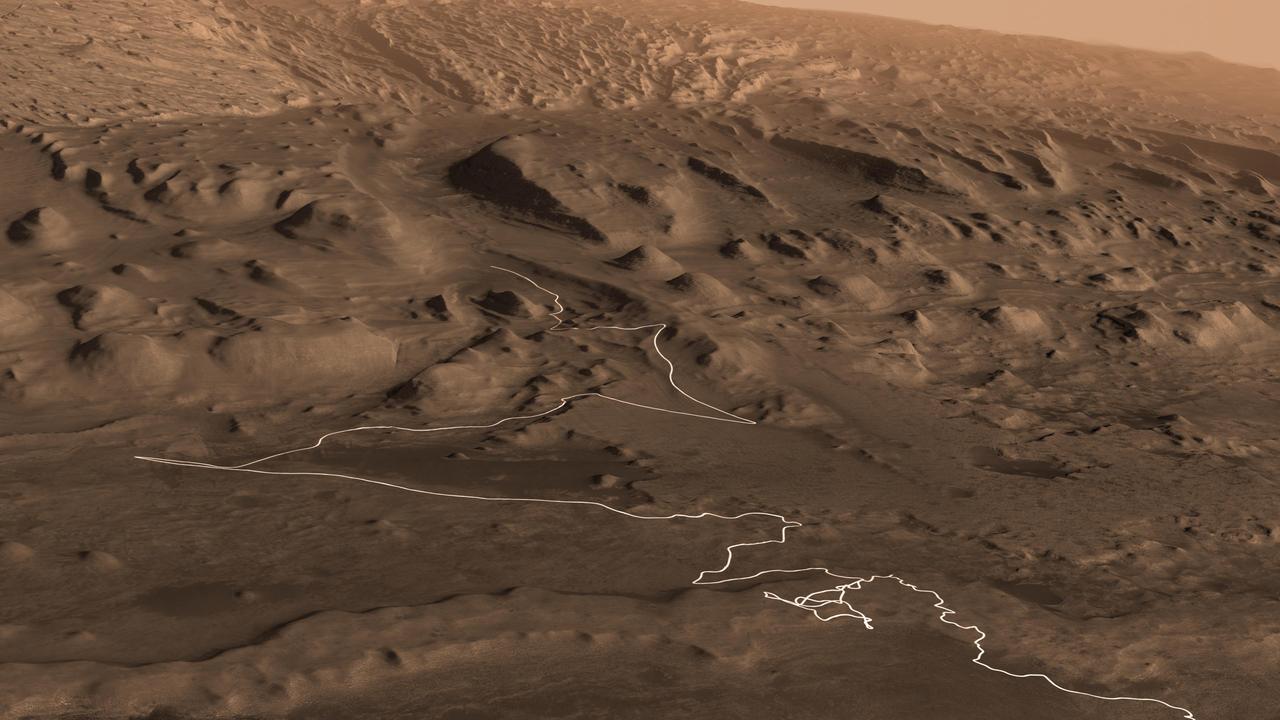
This animation shows a proposed route for NASA's Curiosity rover, which is climbing lower Mount Sharp on Mars. The annotated version of the map labels different regions that scientists working with the rover would like to explore in coming years. A flyover video explains them in more detail. Data used in creating this map came from several instruments on NASA's Mars Reconnaissance Orbiter (MRO), including the High Resolution Imaging Science Experiment (HiRISE), Compact Reconnaissance Imaging Spectrometer for Mars (CRISM) and the Context Camera (CTX). The High Resolution Stereo Camera (HRSC) instrument on the European Space Agency's Mars Express also contributed data. Animation available at https://photojournal.jpl.nasa.gov/catalog/PIA23179
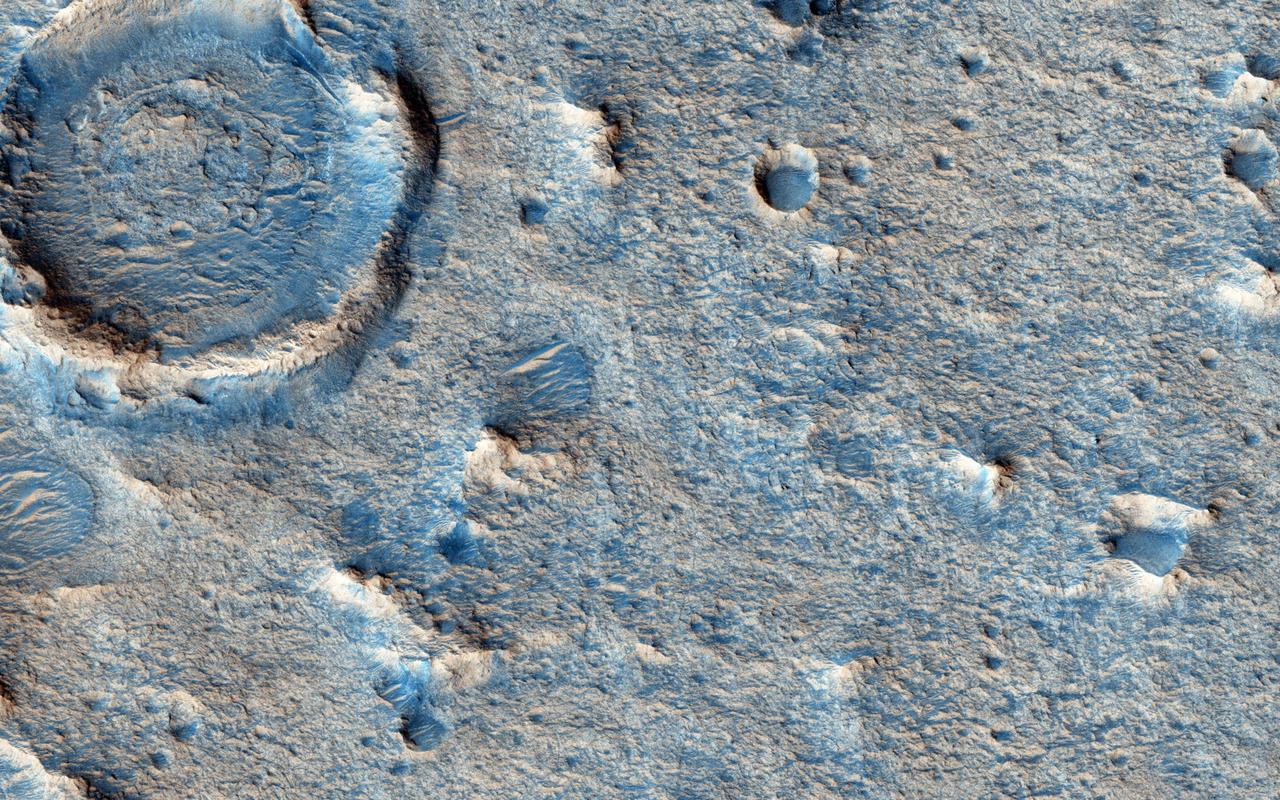
Oxia Planum is an ancient Noachian epoch terrain situated to the east of Chryse Planitia at about 18 degrees north. This image from NASA Mars Reconnaissance Orbiteris of a proposed ExoMars Landing Site.
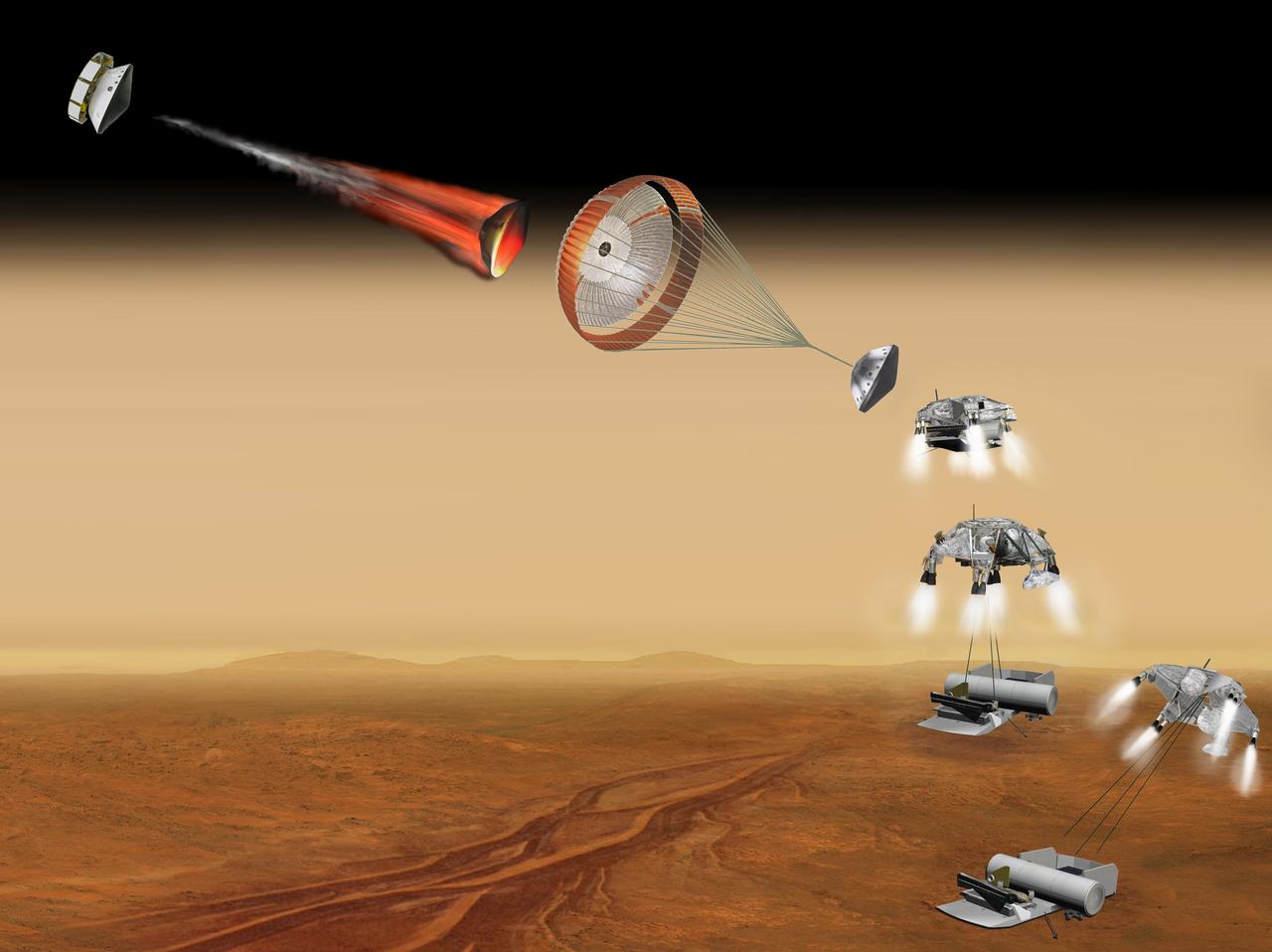
This artist concept of a proposed NASA and European Space Agency collaboration on proposals for a Mars sample return mission portrays a series of six steps in the spacecraft landing on Mars.
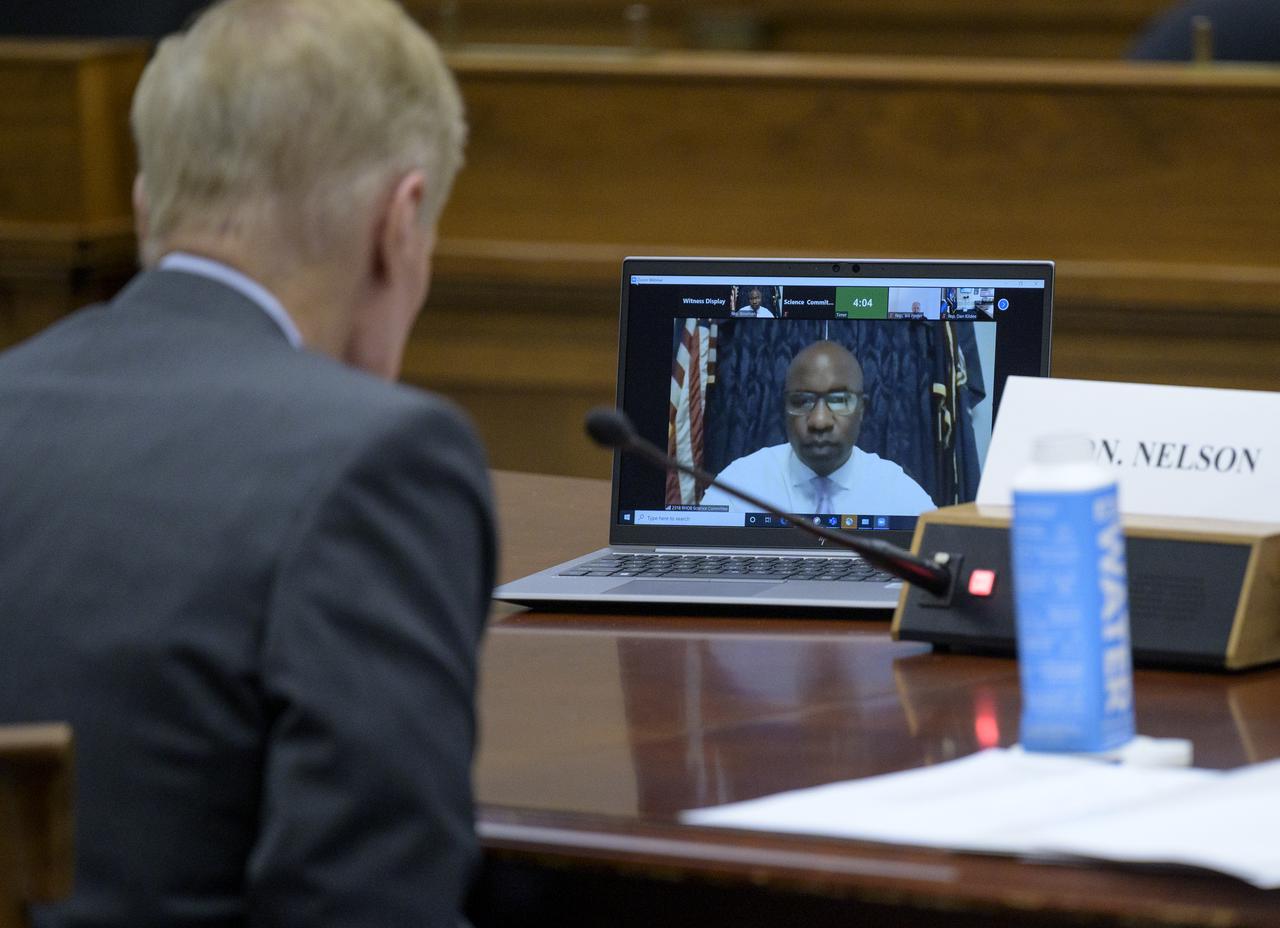
Rep. Jamaal Bowman, D-N.Y., asks NASA Administrator Bill Nelson questions remotely during a House Committee on Science, Space, and Technology hearing on the fiscal year 2022 budget proposal, Wednesday, June 23, 2021 at the Rayburn House Office Building in Washington. Photo Credit: (NASA/Bill Ingalls)

Rep. Eddie Bernice Johnson, D-Texas, chair of the House Science, Space and Technology Committee asks NASA Administrator Bill Nelson a question during a hearing on the fiscal year 2022 budget proposal, Wednesday, June 23, 2021 at the Rayburn House Office Building in Washington. Photo Credit: (NASA/Bill Ingalls)
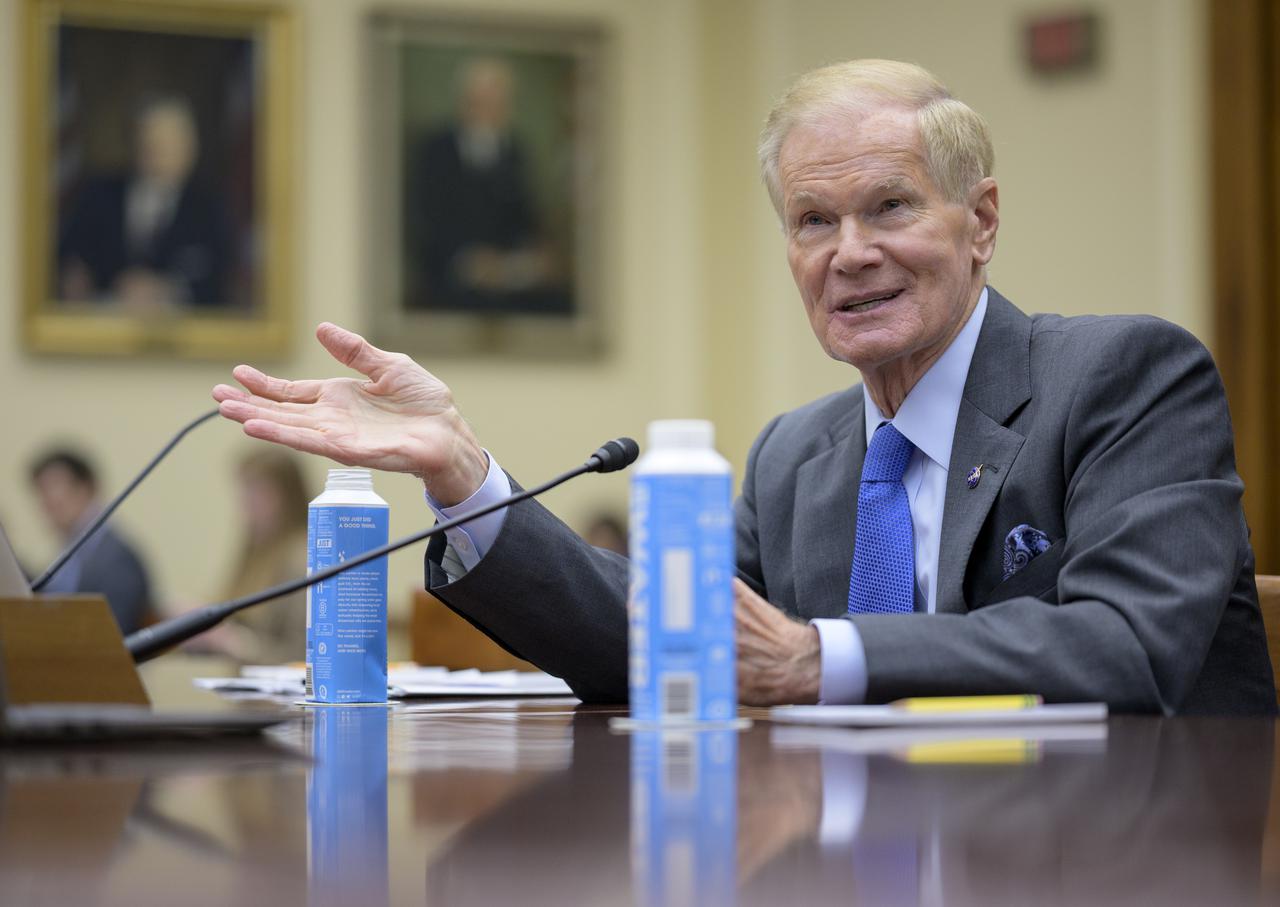
NASA Administrator Bill Nelson testifies before the House Committee on Science, Space, and Technology during a hearing on the fiscal year 2022 budget proposal, Wednesday, June 23, 2021 at the Rayburn House Office Building in Washington. Photo Credit: (NASA/Bill Ingalls)
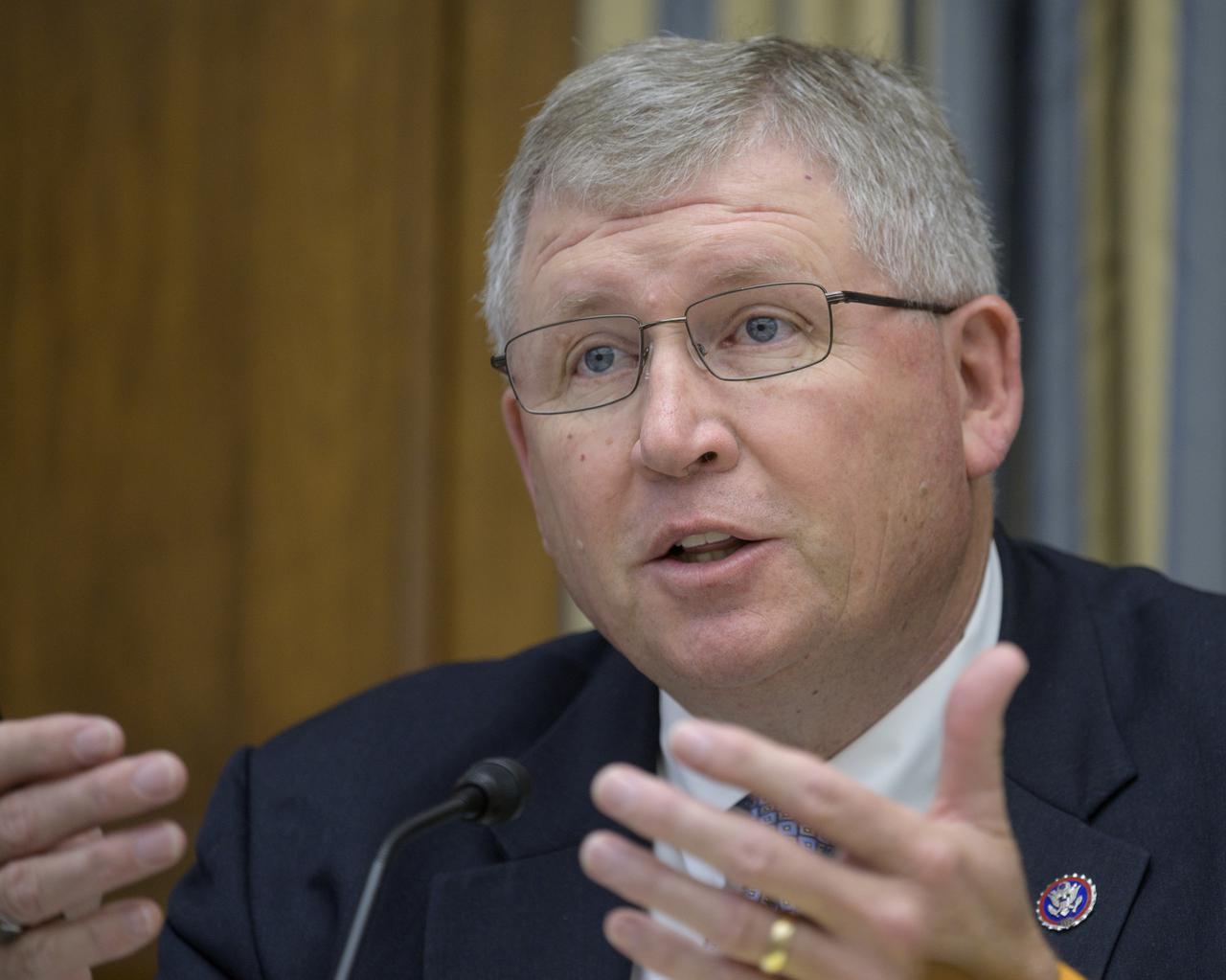
Rep. Frank Lucas, R-Okla., asks NASA Administrator Bill Nelson a question during a House Science, Space and Technology Committee hearing on the fiscal year 2022 budget proposal, Wednesday, June 23, 2021 at the Rayburn House Office Building in Washington. Photo Credit: (NASA/Bill Ingalls)
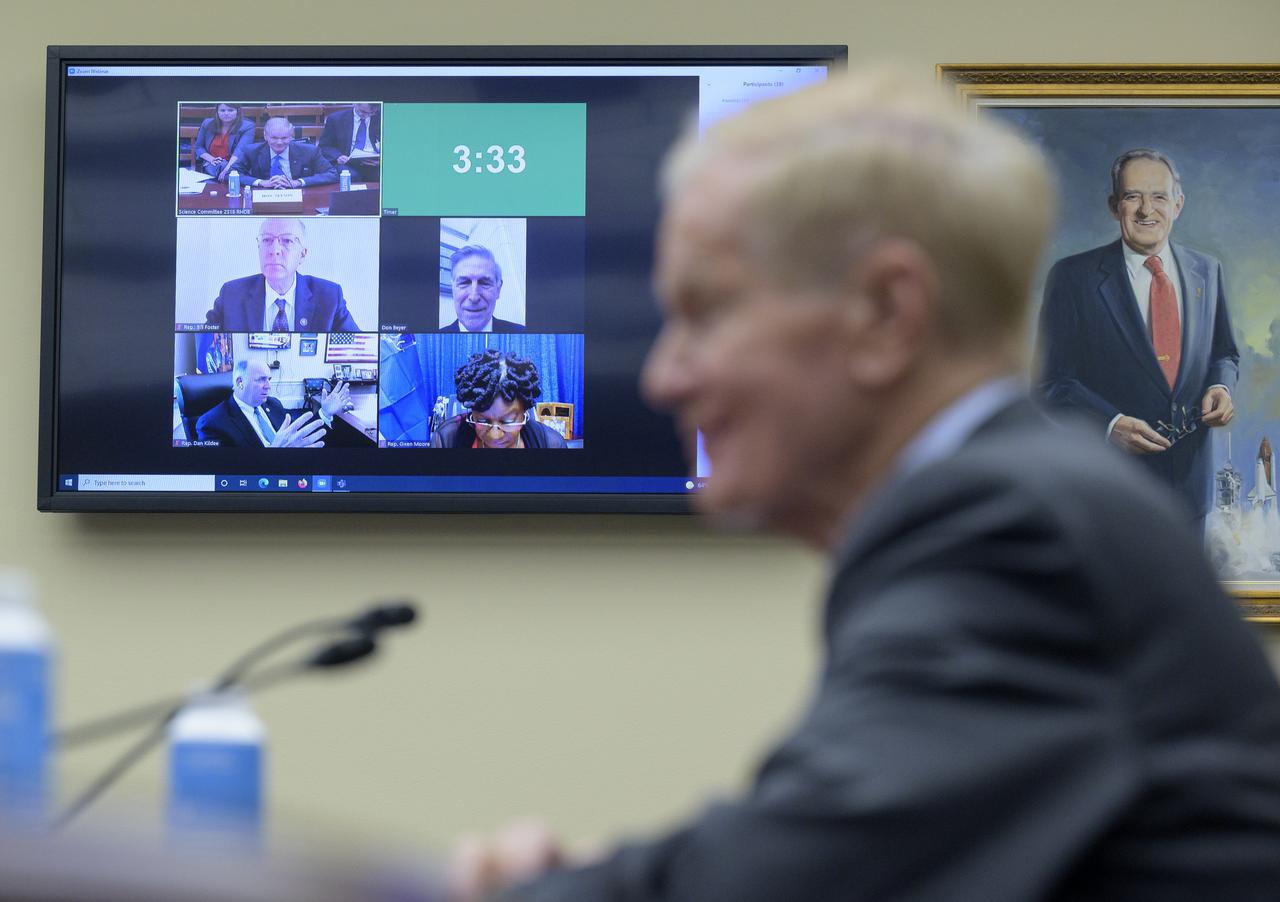
NASA Administrator Bill Nelson testifies before the House Committee on Science, Space, and Technology during a hearing on the fiscal year 2022 budget proposal, Wednesday, June 23, 2021 at the Rayburn House Office Building in Washington. Photo Credit: (NASA/Bill Ingalls)
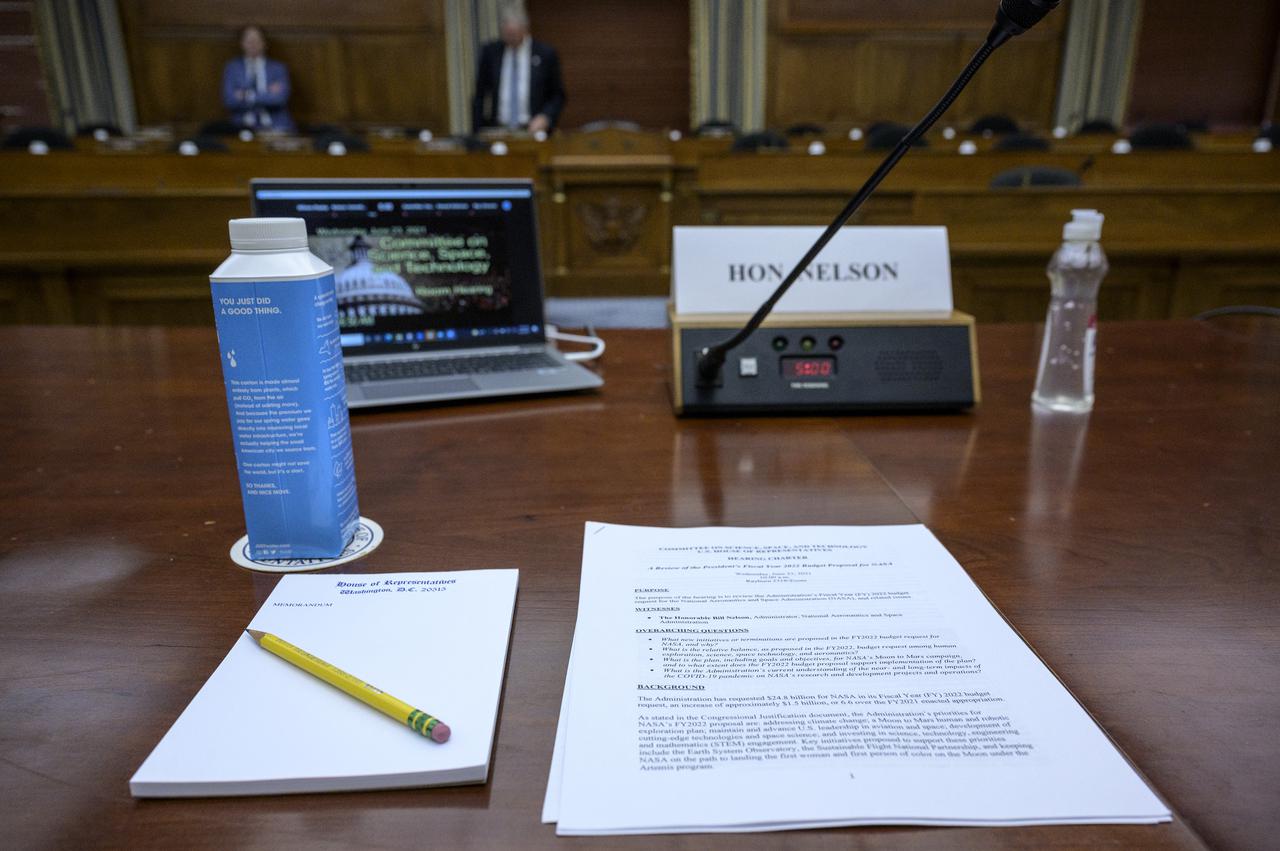
The witness desk is ready for NASA Administrator Bill Nelson prior to him testifying before a House Committee on Science, Space, and Technology hearing on the fiscal year 2022 budget proposal, Wednesday, June 23, 2021 at the Rayburn House Office Building in Washington. Photo Credit: (NASA/Bill Ingalls)
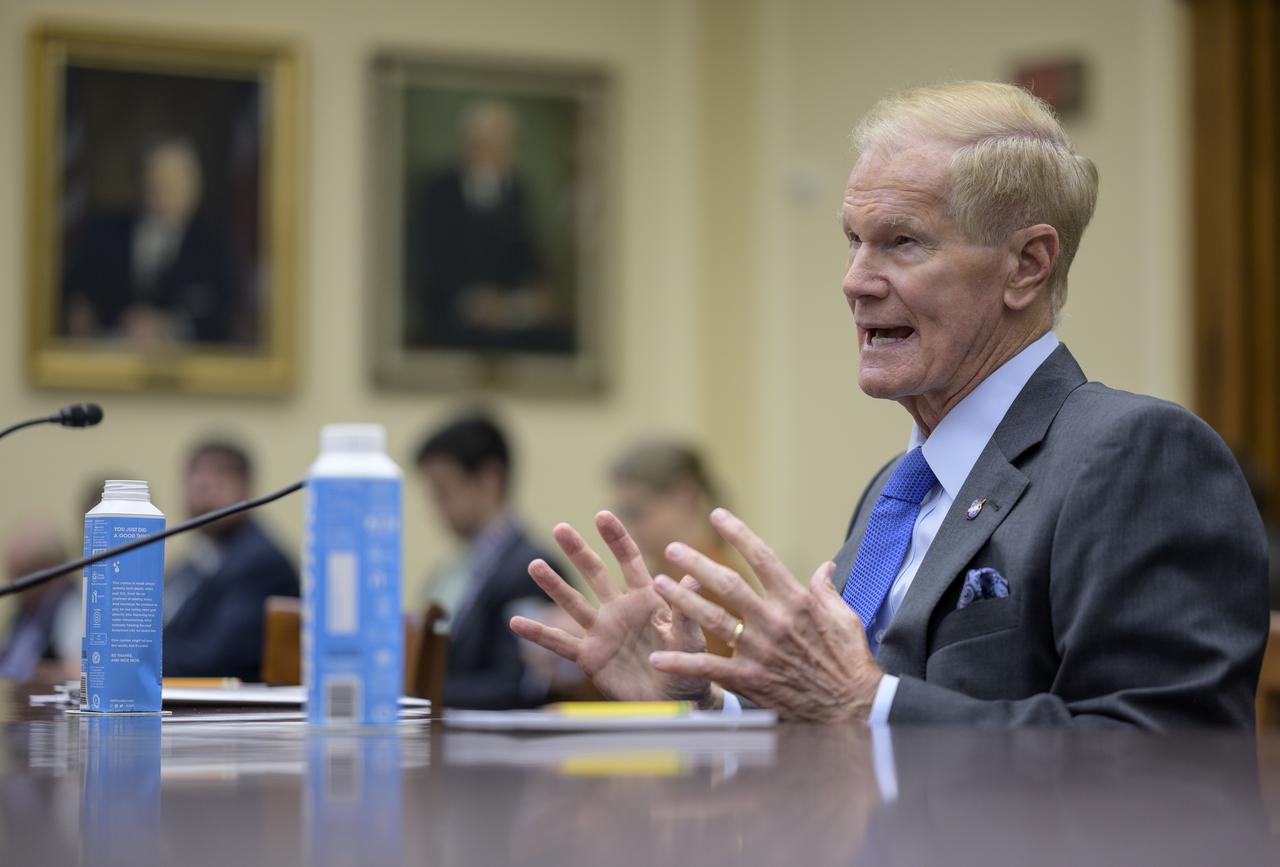
NASA Administrator Bill Nelson testifies before the House Committee on Science, Space, and Technology during a hearing on the fiscal year 2022 budget proposal, Wednesday, June 23, 2021 at the Rayburn House Office Building in Washington. Photo Credit: (NASA/Bill Ingalls)
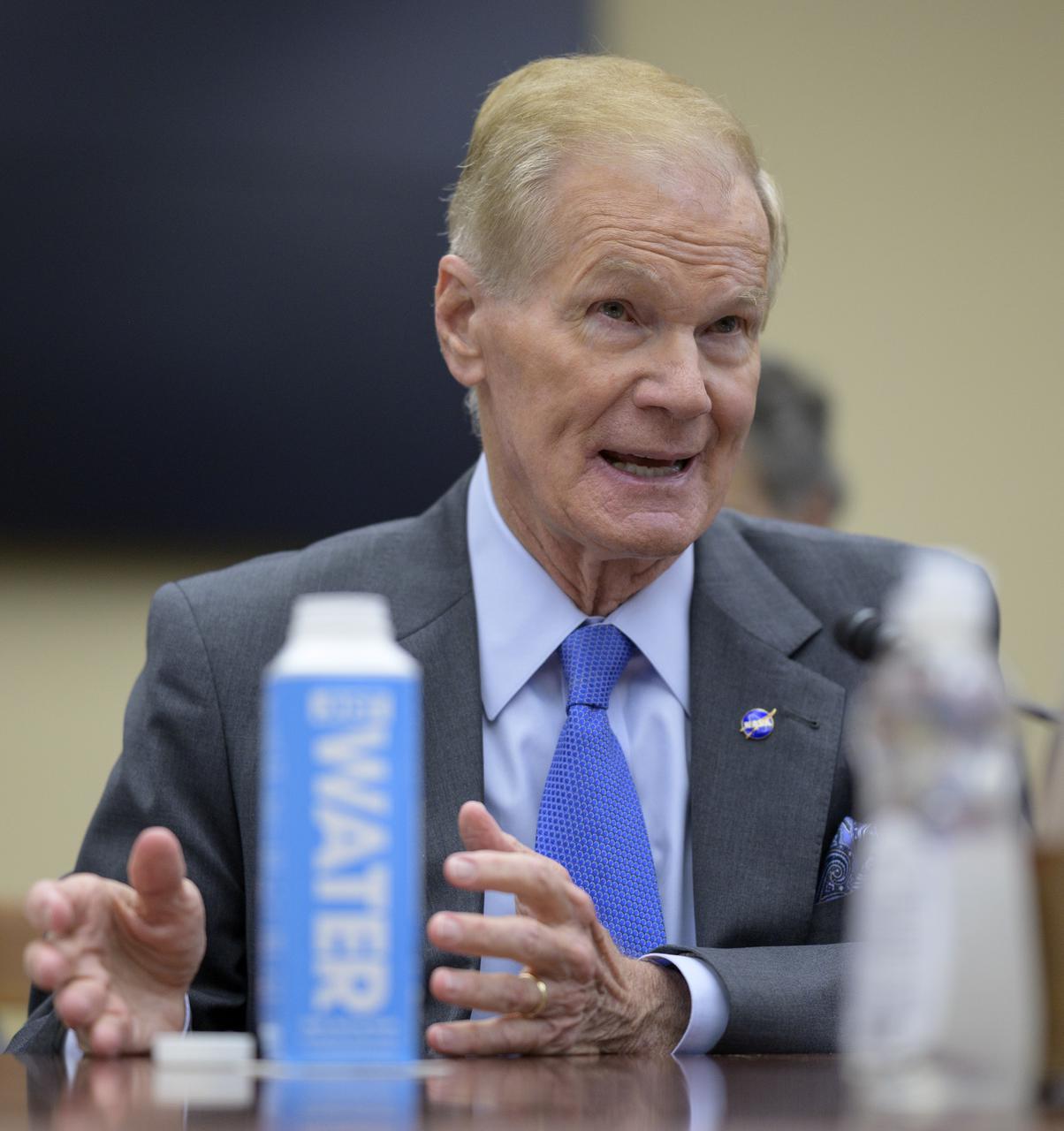
NASA Administrator Bill Nelson testifies before the House Committee on Science, Space, and Technology during a hearing on the fiscal year 2022 budget proposal, Wednesday, June 23, 2021 at the Rayburn House Office Building in Washington. Photo Credit: (NASA/Bill Ingalls)
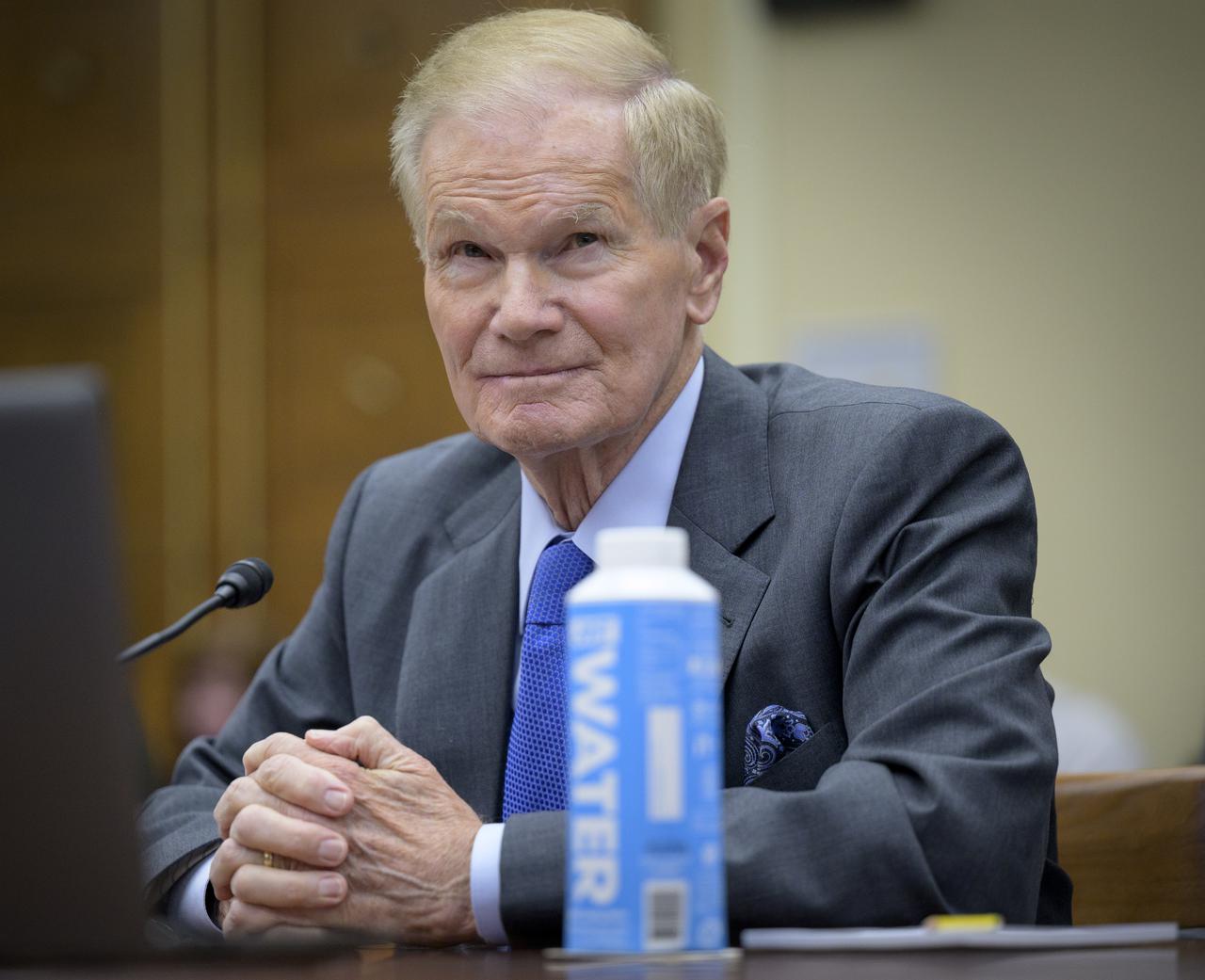
NASA Administrator Bill Nelson testifies before the House Committee on Science, Space, and Technology during a hearing on the fiscal year 2022 budget proposal, Wednesday, June 23, 2021 at the Rayburn House Office Building in Washington. Photo Credit: (NASA/Bill Ingalls)
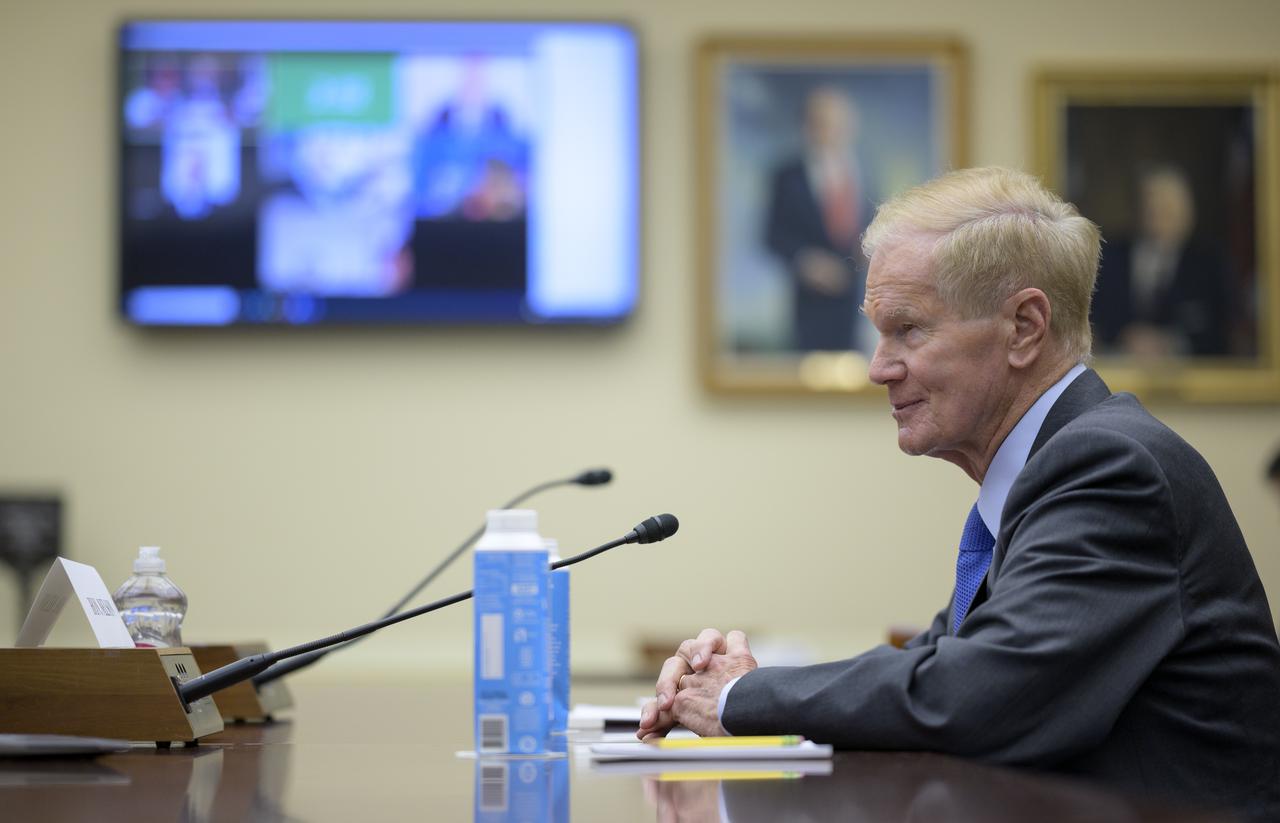
NASA Administrator Bill Nelson testifies before the House Committee on Science, Space, and Technology during a hearing on the fiscal year 2022 budget proposal, Wednesday, June 23, 2021 at the Rayburn House Office Building in Washington. Photo Credit: (NASA/Bill Ingalls)
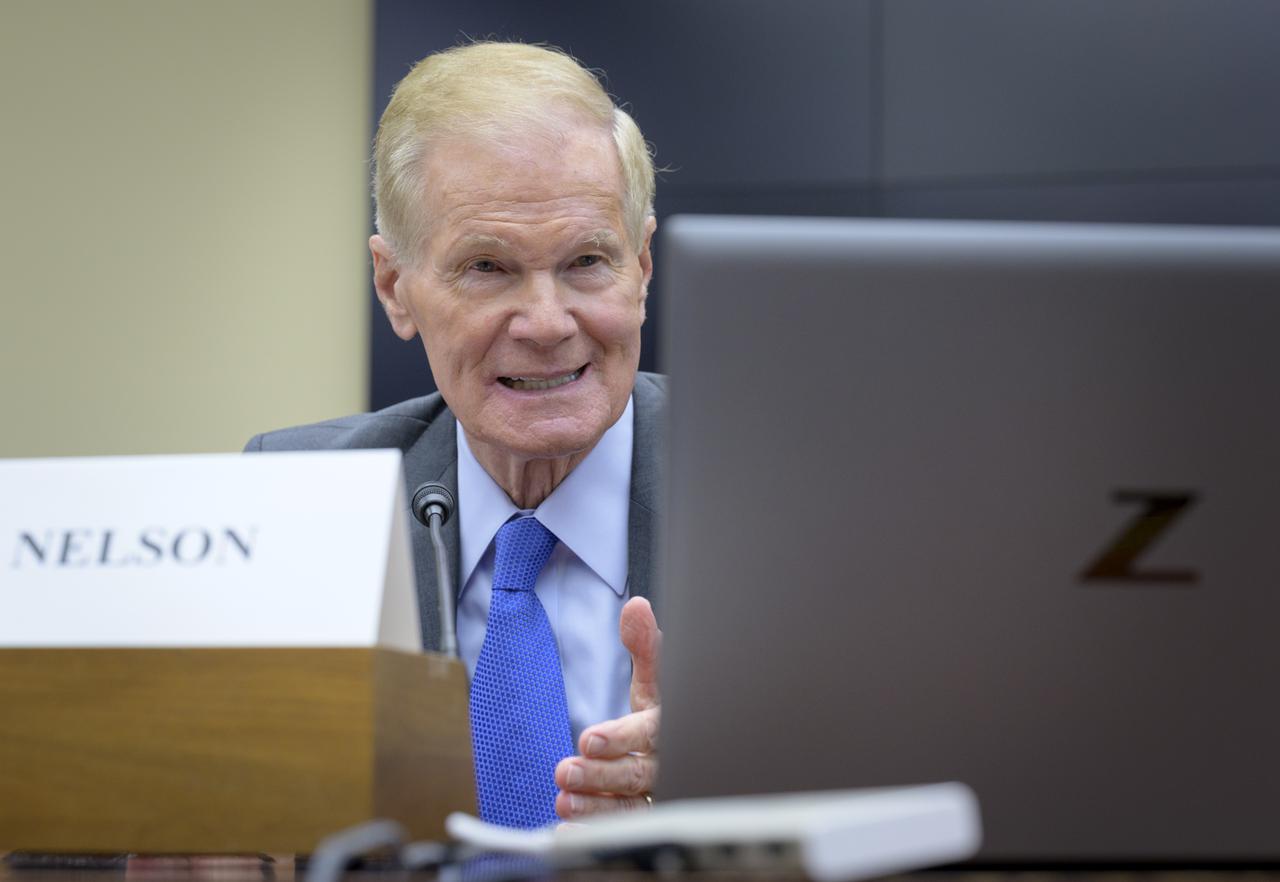
NASA Administrator Bill Nelson testifies before the House Committee on Science, Space, and Technology during a hearing on the fiscal year 2022 budget proposal, Wednesday, June 23, 2021 at the Rayburn House Office Building in Washington. Photo Credit: (NASA/Bill Ingalls)

NASA Administrator Bill Nelson testifies before the House Committee on Science, Space, and Technology during a hearing on the fiscal year 2022 budget proposal, Wednesday, June 23, 2021 at the Rayburn House Office Building in Washington. Photo Credit: (NASA/Bill Ingalls)
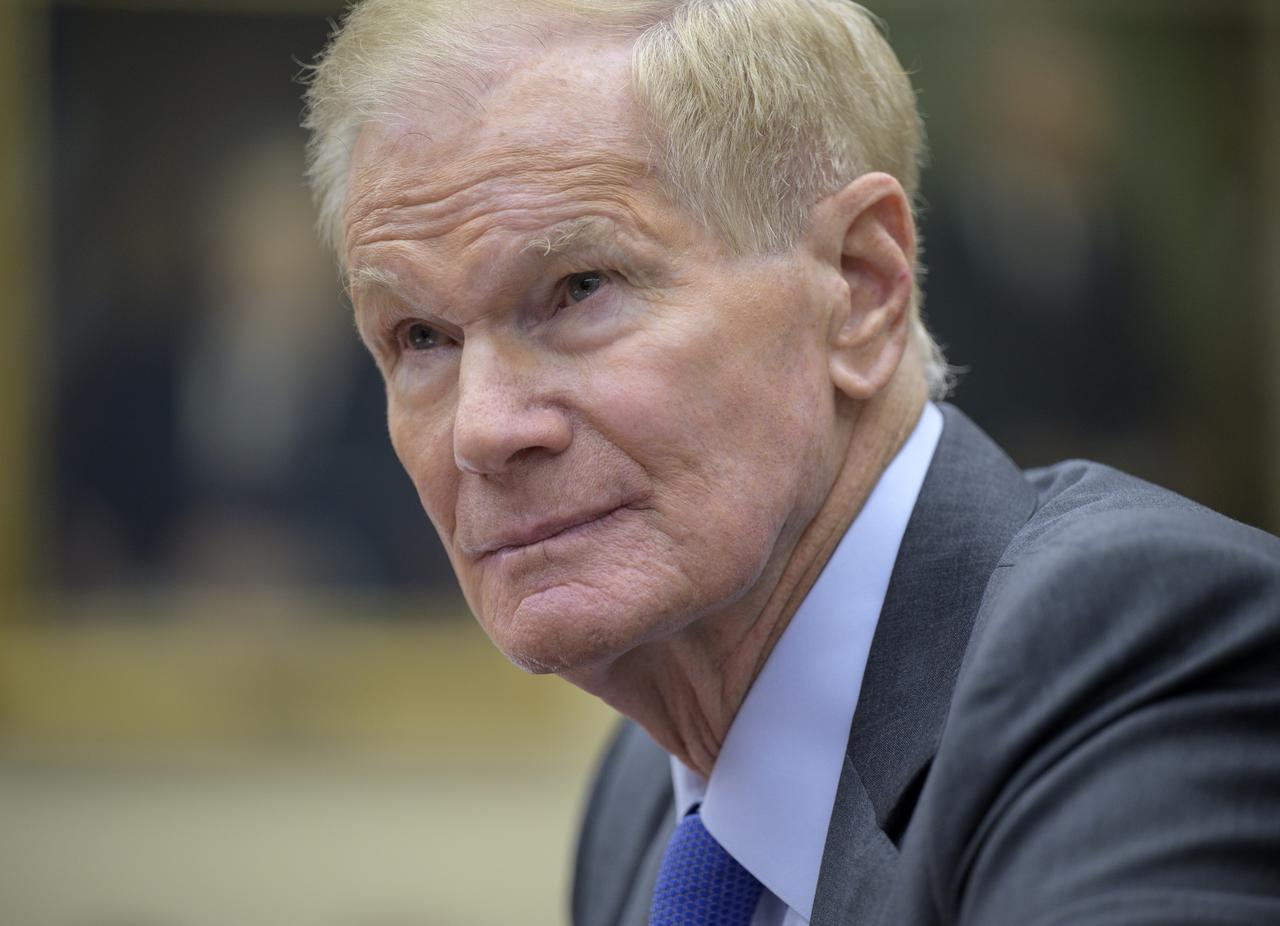
NASA Administrator Bill Nelson testifies before the House Committee on Science, Space, and Technology during a hearing on the fiscal year 2022 budget proposal, Wednesday, June 23, 2021 at the Rayburn House Office Building in Washington. Photo Credit: (NASA/Bill Ingalls)
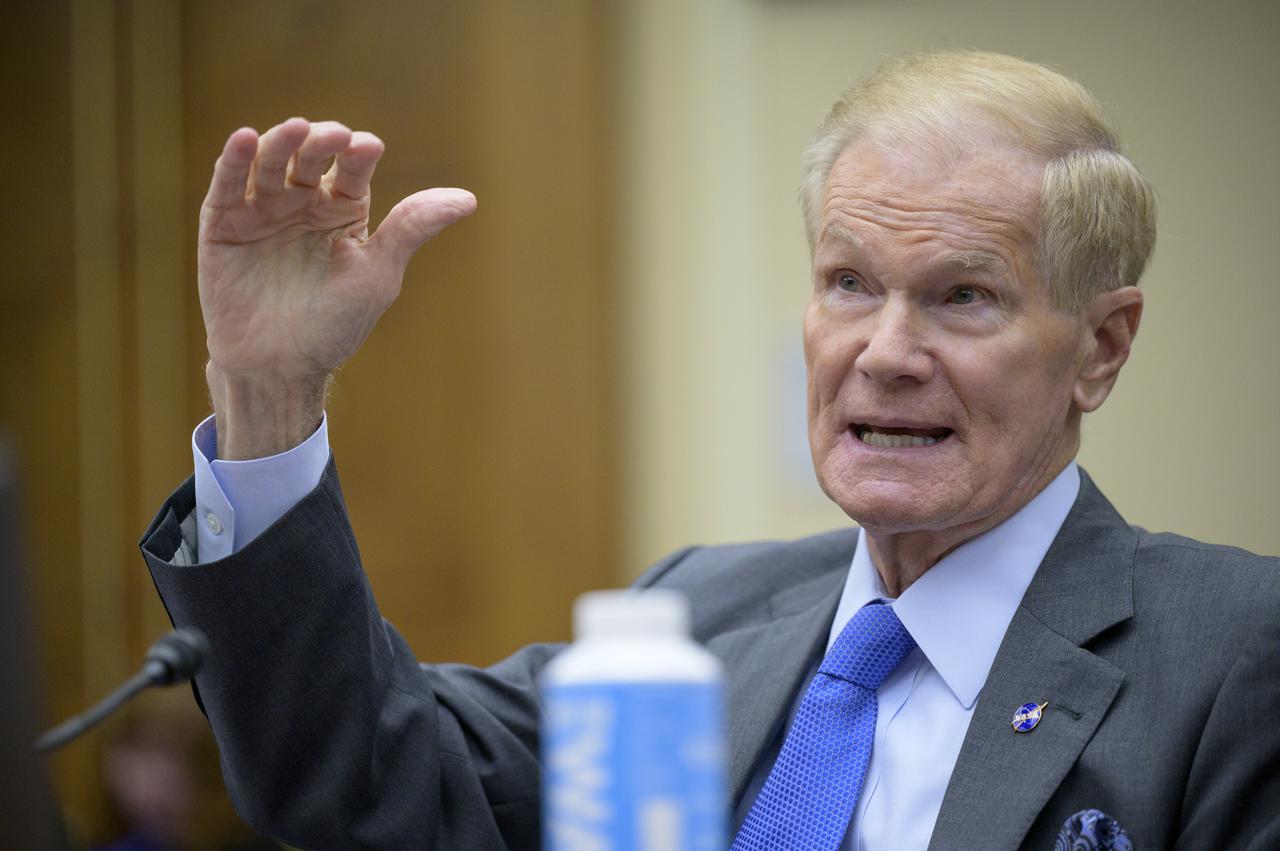
NASA Administrator Bill Nelson testifies before the House Committee on Science, Space, and Technology during a hearing on the fiscal year 2022 budget proposal, Wednesday, June 23, 2021 at the Rayburn House Office Building in Washington. Photo Credit: (NASA/Bill Ingalls)
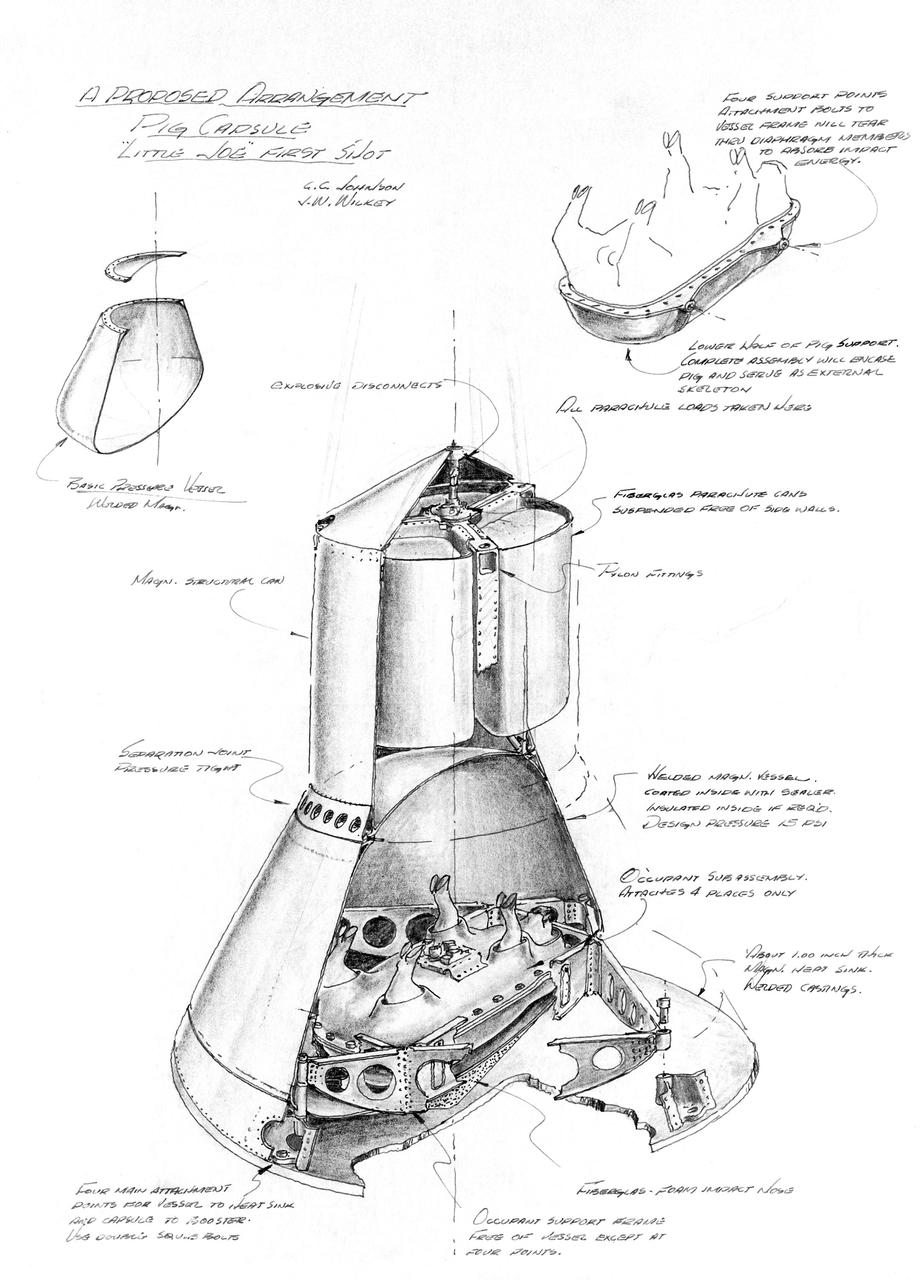
S63-19319 (October 1963) --- Pen and ink drawing of a proposed arrangement for a Pig Capsule in Little Joe capsule first shot. Photo credit: NASA
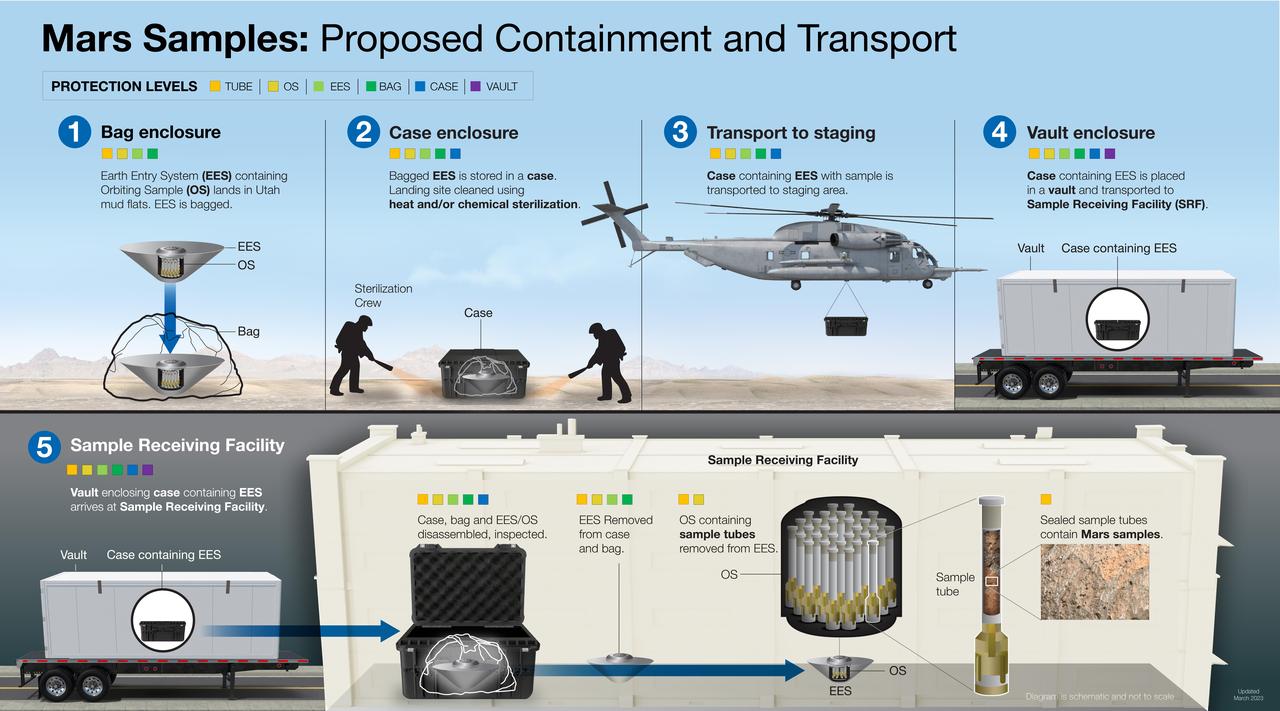
This illustration shows the proposed process for safely recovering, containing, and transporting Mars samples gathered by NASA's Perseverance Mars rover after they are returned to Earth as part of the joint NASA/ESA (European Space Agency) Mars Sample Return Campaign. The process of carefully containing and handling the samples would begin long before they arrive on Earth. Every phase of the Mars Sample Return campaign from collection and sealing to launch, transfer, and landing has been developed with a "safety first" approach. Sample handling and curation experts would be involved in planning for the round trip at each phase of the campaign. After its journey back to Earth from Mars on the ESA-provided Earth Return Orbiter, the capsule containing the samples would land at the Utah Test and Training Range in west-central Utah. NASA would securely transport the capsule and its contents to a Sample Return Facility at a location to be determined. Once at the facility, the samples would undergo a rigorous process to assess whether they are safe for release for detailed analysis by scientists from around the world. https://photojournal.jpl.nasa.gov/catalog/PIA25857
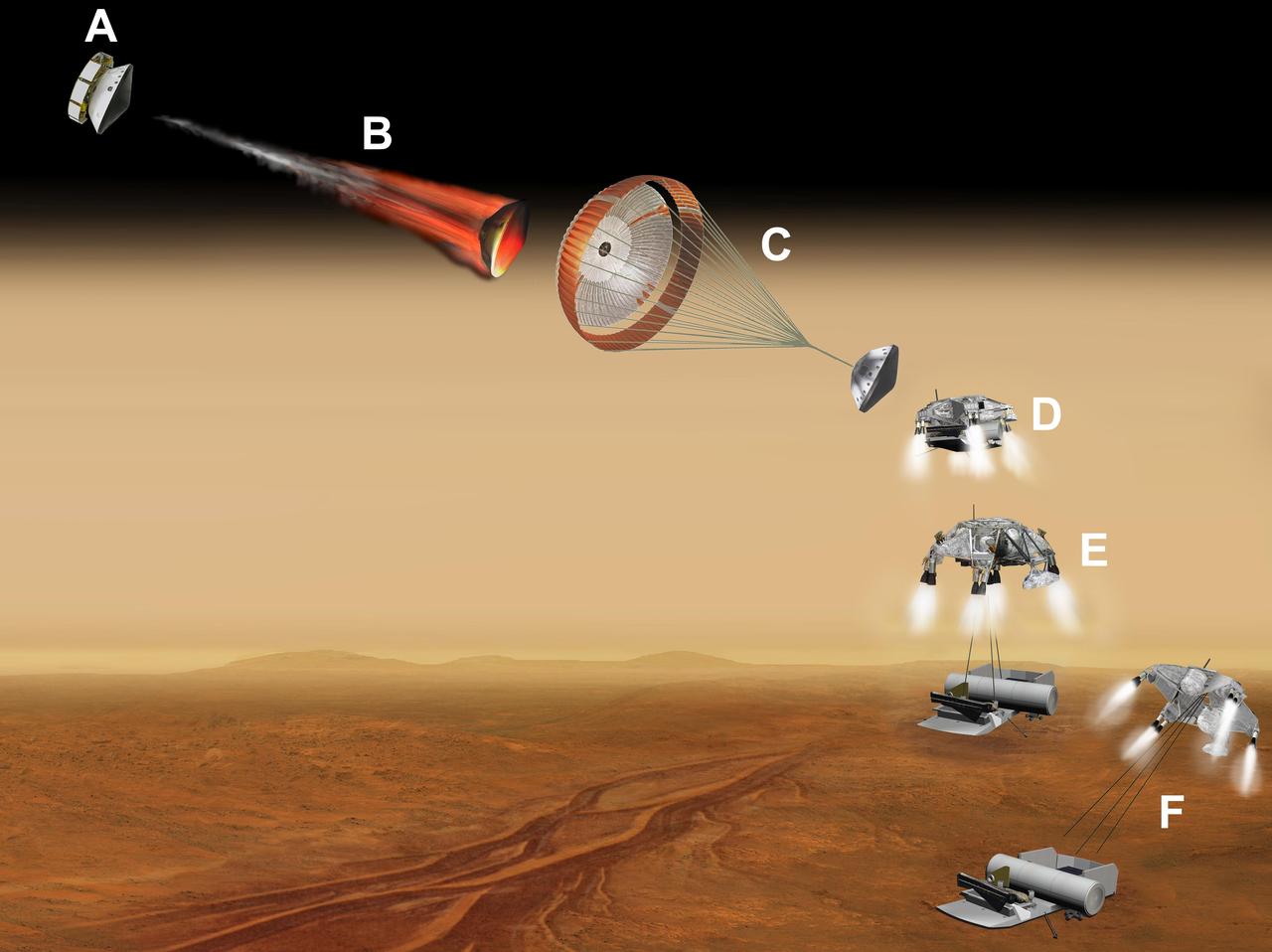
This artist concept of a proposed NASA and European Space Agency collaboration on proposals for a Mars sample return mission portrays a series of six steps A through F in the spacecraft landing on Mars.
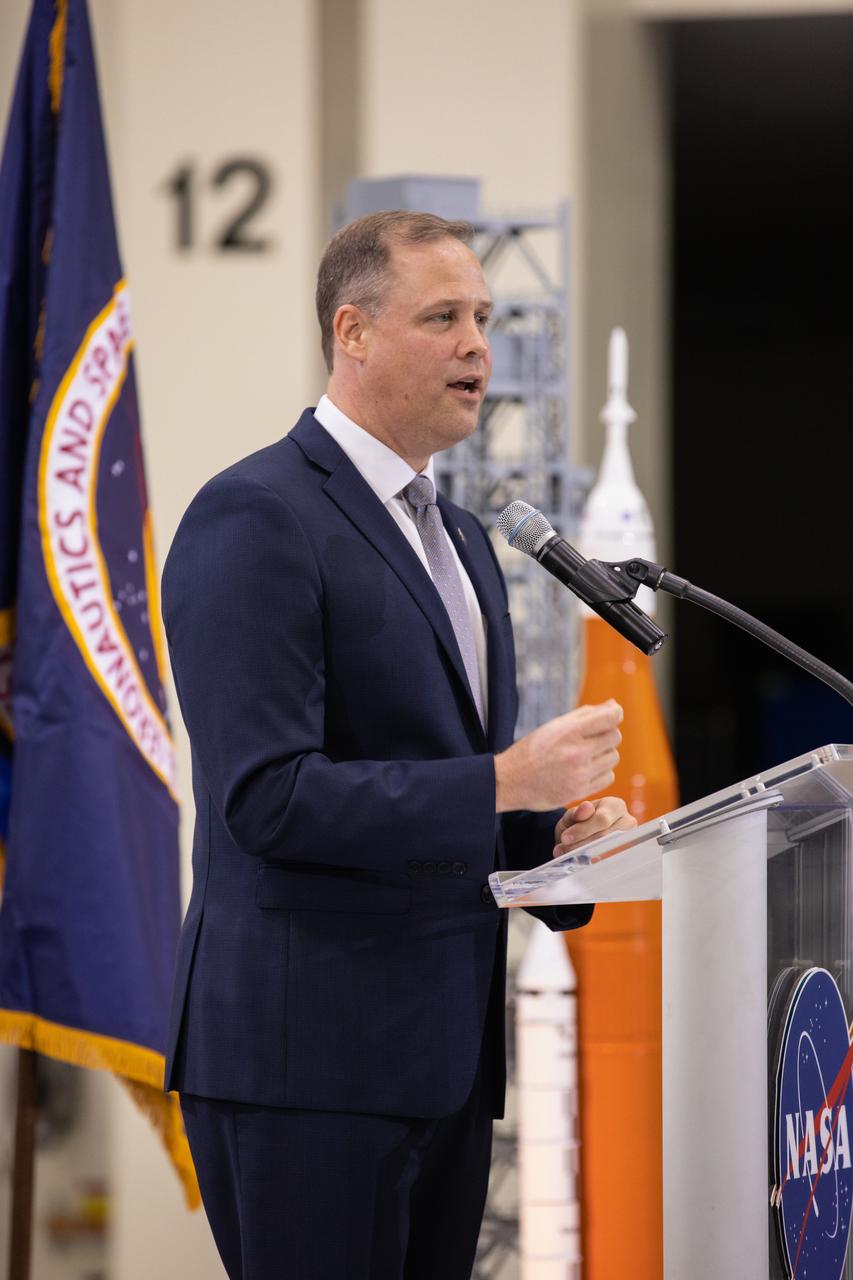
NASA Administrator Jim Bridenstine speaks to NASA workers across the nation and members of the news media, during a Moon to Mars event in the Neil Armstrong Operations and Checkout Building high bay on March 11, 2019. The event followed the delivery of President Trump’s fiscal year 2020 budget proposal to U.S. Congress, which includes funding for the agency’s Moon to Mars initiative and Gateway lunar outpost. Bridenstine presented a closer look at America’s work to return astronauts to the Moon in a sustainable way and continue exploration to Mars.
NASA Administrator Jim Bridenstine speaks to NASA workers across the nation and members of the news media, during a Moon to Mars event in the Neil Armstrong Operations and Checkout Building high bay on March 11, 2019. The event followed the delivery of President Trump’s fiscal year 2020 budget proposal to U.S. Congress, which includes funding for the agency’s Moon to Mars initiative and Gateway lunar outpost. Bridenstine presented a closer look at America’s work to return astronauts to the Moon in a sustainable way and continue exploration to Mars.
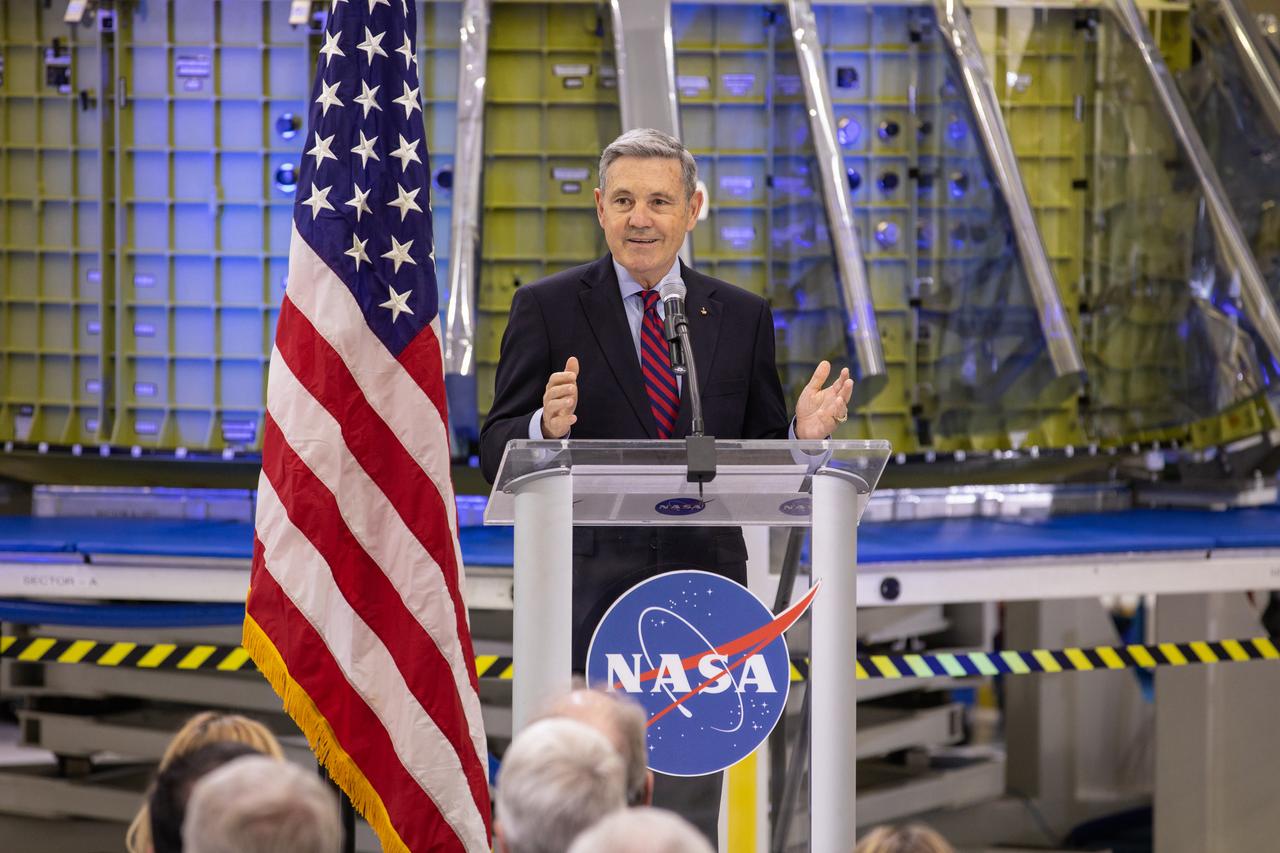
Bob Cabana, director of NASA’s Kennedy Space Center in Florida, speaks toNASA workers and members of the news media, during a Moon to Mars event in the Neil Armstrong Operations and Checkout Building high bay on March 11, 2019. The event followed the delivery of President Trump’s fiscal year 2020 budget proposal to U.S. Congress, which includes funding for the agency’s Moon to Mars initiative and Gateway lunar outpost.
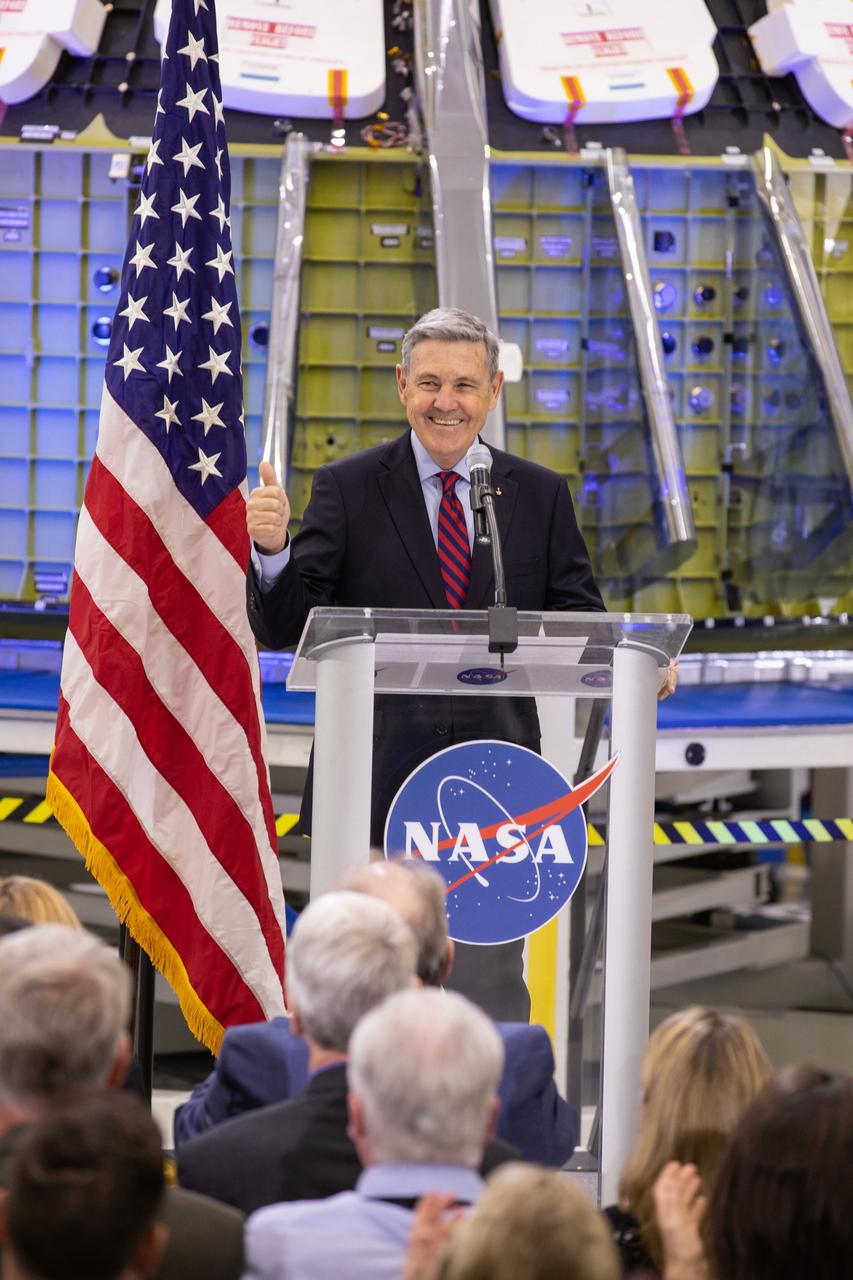
Bob Cabana, director of NASA’s Kennedy Space Center in Florida, gives a thumbs up as he speaks to NASA workers and members of the news media, during a Moon to Mars event in the Neil Armstrong Operations and Checkout Building high bay on March 11, 2019. The event followed the delivery of President Trump’s fiscal year 2020 budget proposal to U.S. Congress, which includes funding for the agency’s Moon to Mars initiative and Gateway lunar outpost.
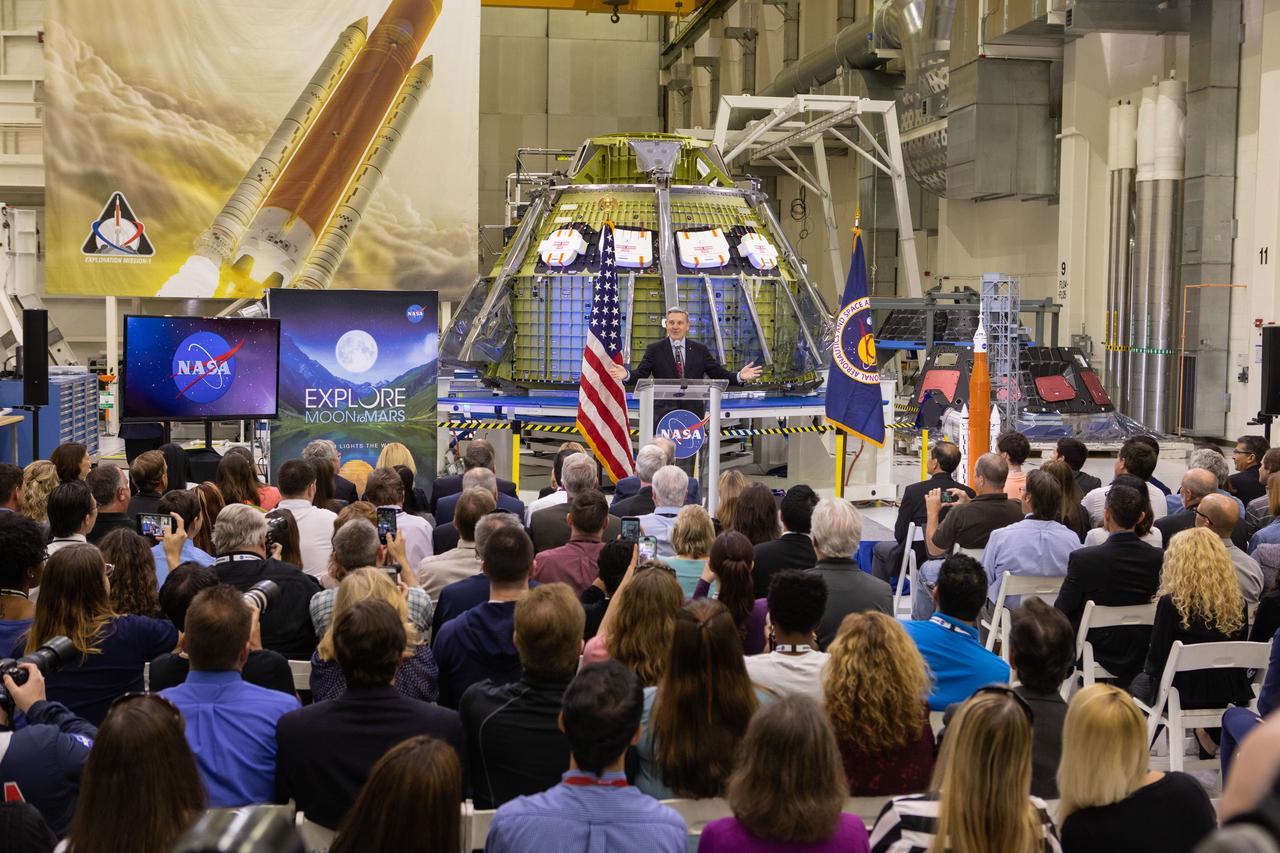
Bob Cabana, director of NASA’s Kennedy Space Center in Florida, speaks to NASA workers across the nation and members of the news media, during a Moon to Mars event in the Neil Armstrong Operations and Checkout Building high bay on March 11, 2019. The event followed the delivery of President Trump’s fiscal year 2020 budget proposal to U.S. Congress, which includes funding for the agency’s Moon to Mars initiative and Gateway lunar outpost.
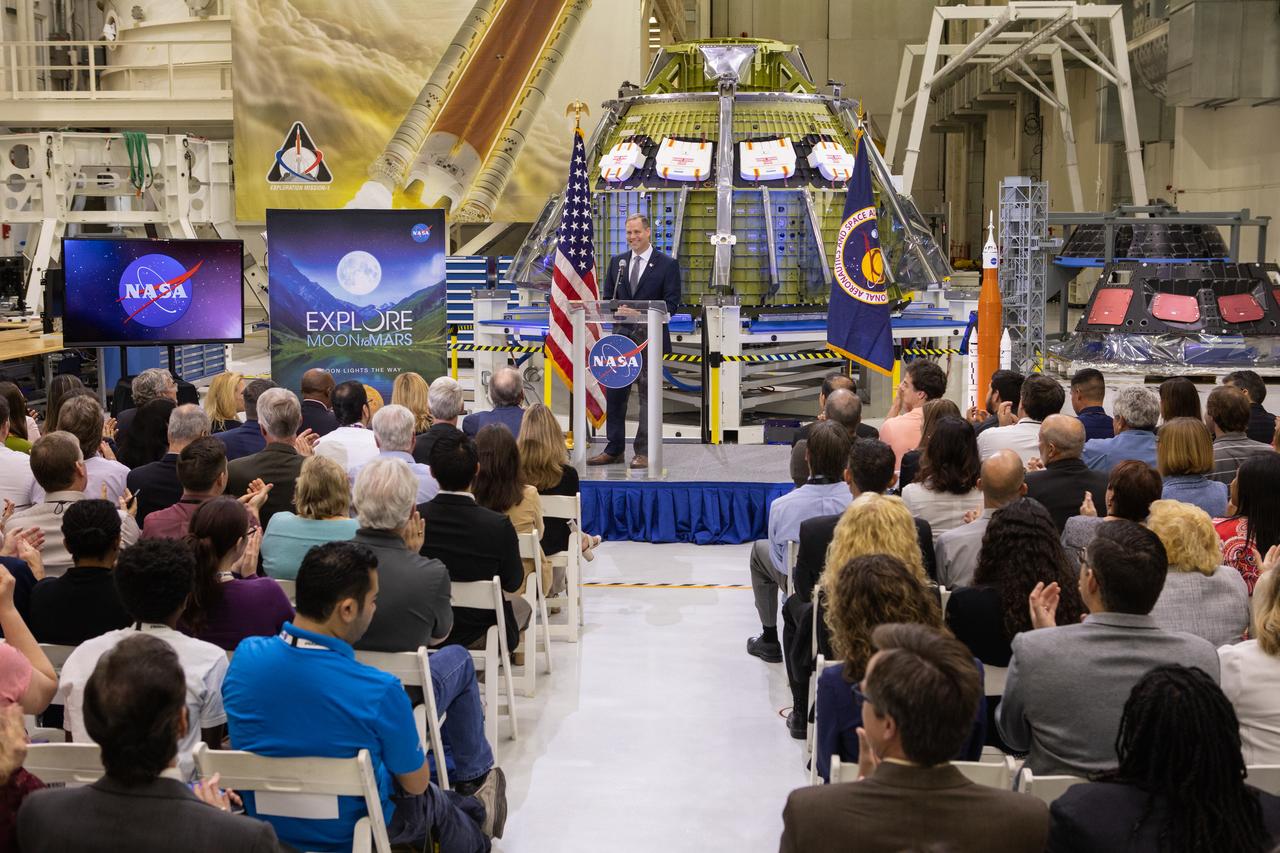
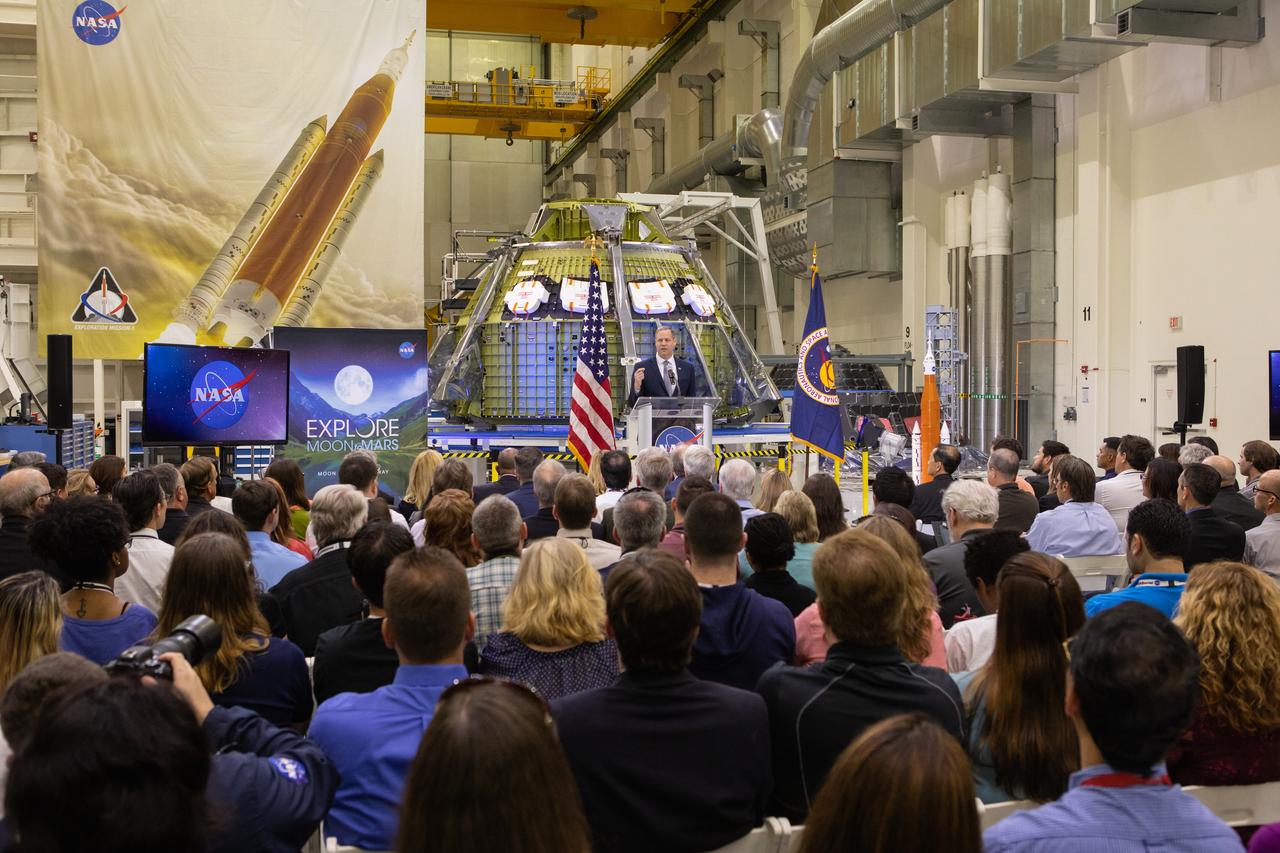
NASA Administrator Jim Bridenstine speaks to NASA workers across the nation and members of the news media, during a Moon to Mars event in the Neil Armstrong Operations and Checkout Building high bay on March 11, 2019. Behind him is the Orion crew module for Exploration Mission-2. The event followed the delivery of President Trump’s fiscal year 2020 budget proposal to U.S. Congress, which includes funding for the agency’s Moon to Mars initiative and Gateway lunar outpost. Bridenstine presented a closer look at America’s work to return astronauts to the Moon in a sustainable way and continue exploration to Mars.
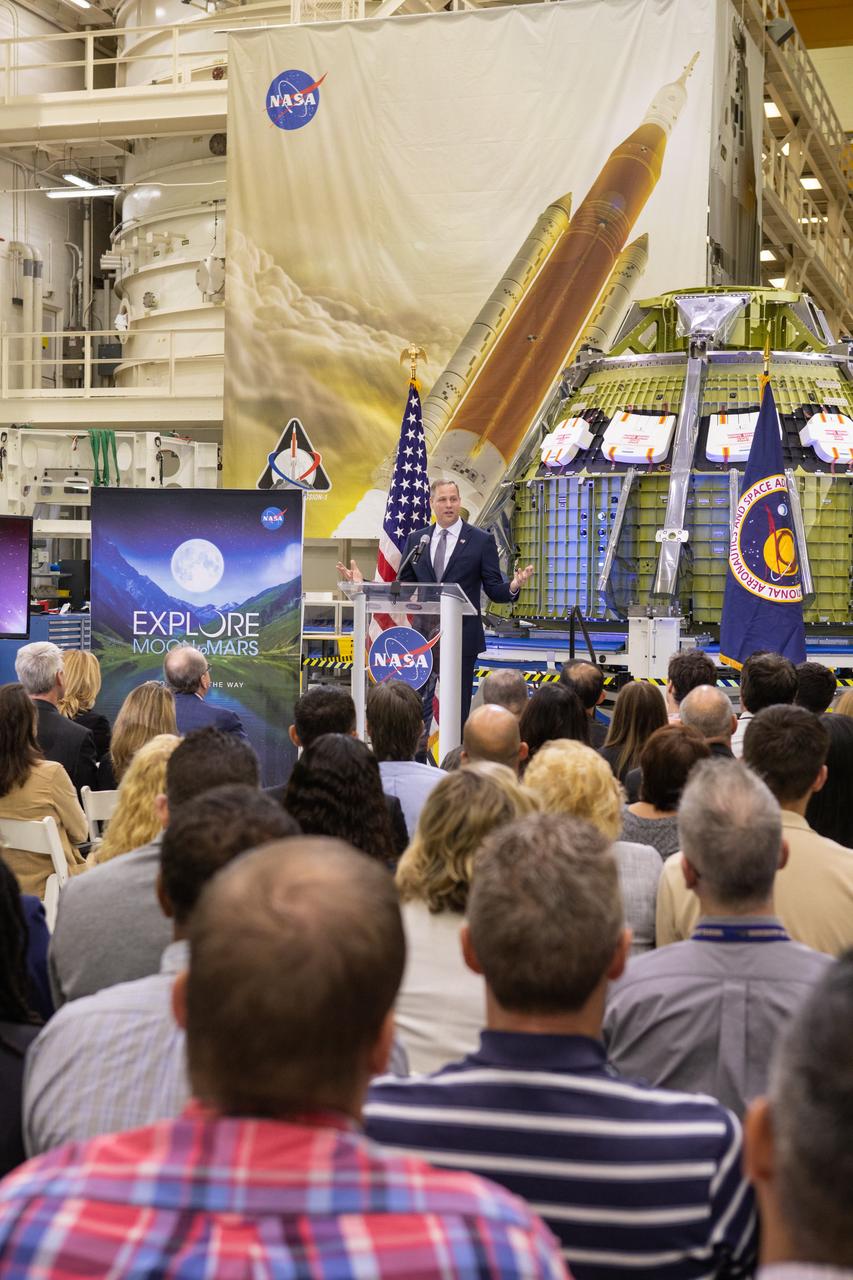
NASA Administrator Jim Bridenstine speaks toNASA workers across the nation and members of the news media, during a Moon to Mars event in the Neil Armstrong Operations and Checkout Building high bay on March 11, 2019. Behind him is the Orion crew module for Exploration Mission-2. The event followed the delivery of President Trump’s fiscal year 2020 budget proposal to U.S. Congress, which includes funding for the agency’s Moon to Mars initiative and Gateway lunar outpost. Bridenstine presented a closer look at America’s work to return astronauts to the Moon in a sustainable way and continue exploration to Mars.
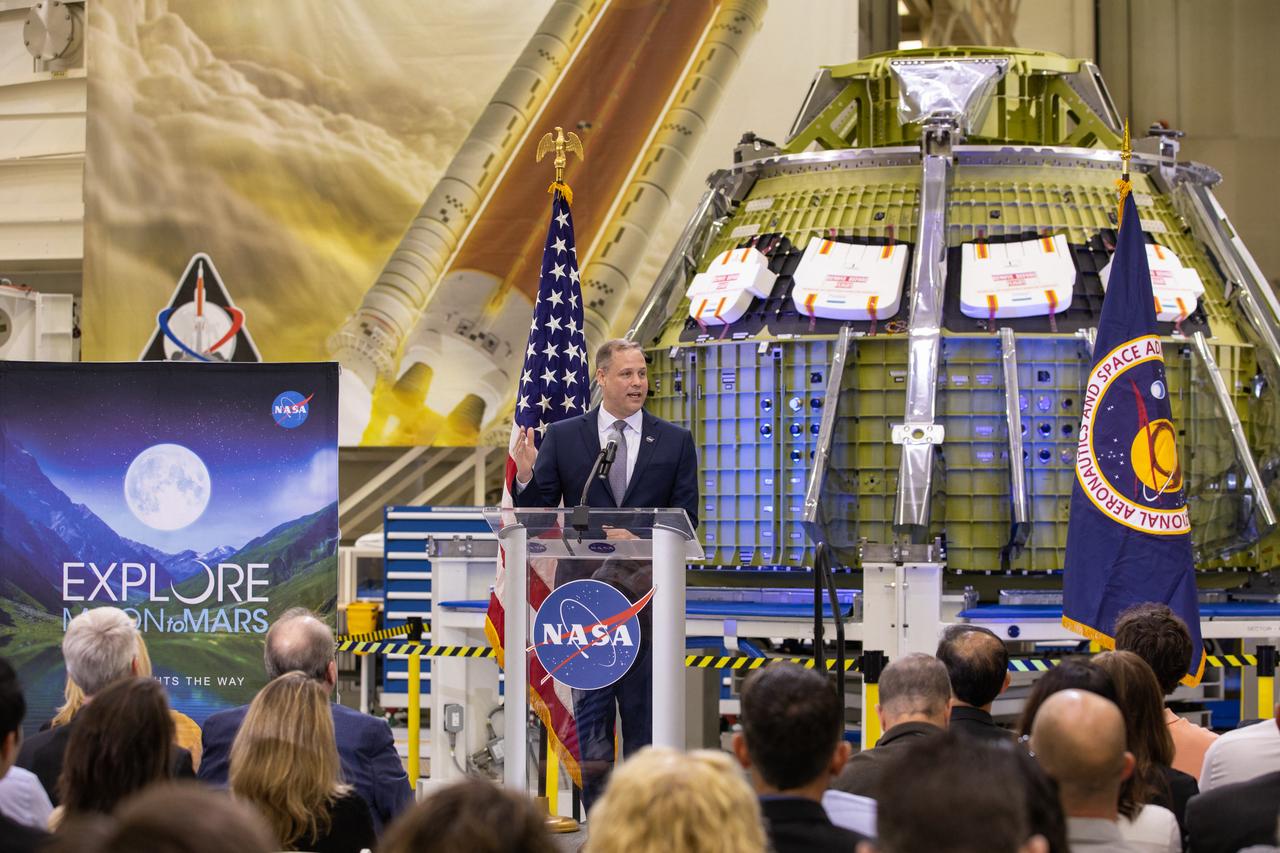
NASA Administrator Jim Bridenstine speaks to NASA workers across the nation and members of the news media, during a Moon to Mars event in the Neil Armstrong Operations and Checkout Building high bay on March 11, 2019. Behind him is the Orion crew module for Exploration Mission-2. The event followed the delivery of President Trump’s fiscal year 2020 budget proposal to U.S. Congress, which includes funding for the agency’s Moon to Mars initiative and Gateway lunar outpost. Bridenstine presented a closer look at America’s work to return astronauts to the Moon in a sustainable way and continue exploration to Mars.
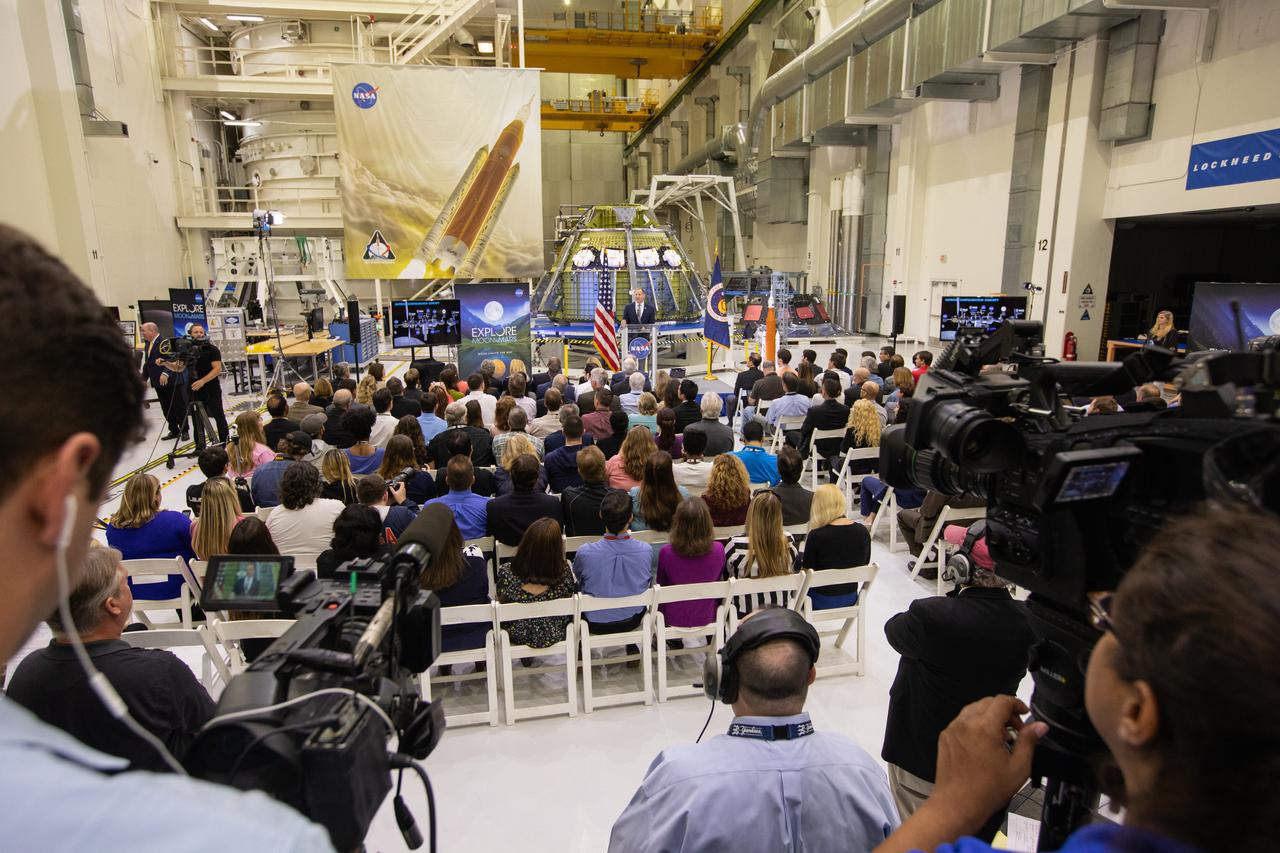
NASA Administrator Jim Bridenstine, at the podium up front, speaks to NASA workers across the nation and members of the news media, during a Moon to Mars event in the Neil Armstrong Operations and Checkout Building high bay on March 11, 2019. Behind him is the Orion crew module for Exploration Mission-2. The event followed the delivery of President Trump’s fiscal year 2020 budget proposal to U.S. Congress, which includes funding for the agency’s Moon to Mars initiative and Gateway lunar outpost. Bridenstine presented a closer look at America’s work to return astronauts to the Moon in a sustainable way and continue exploration to Mars.
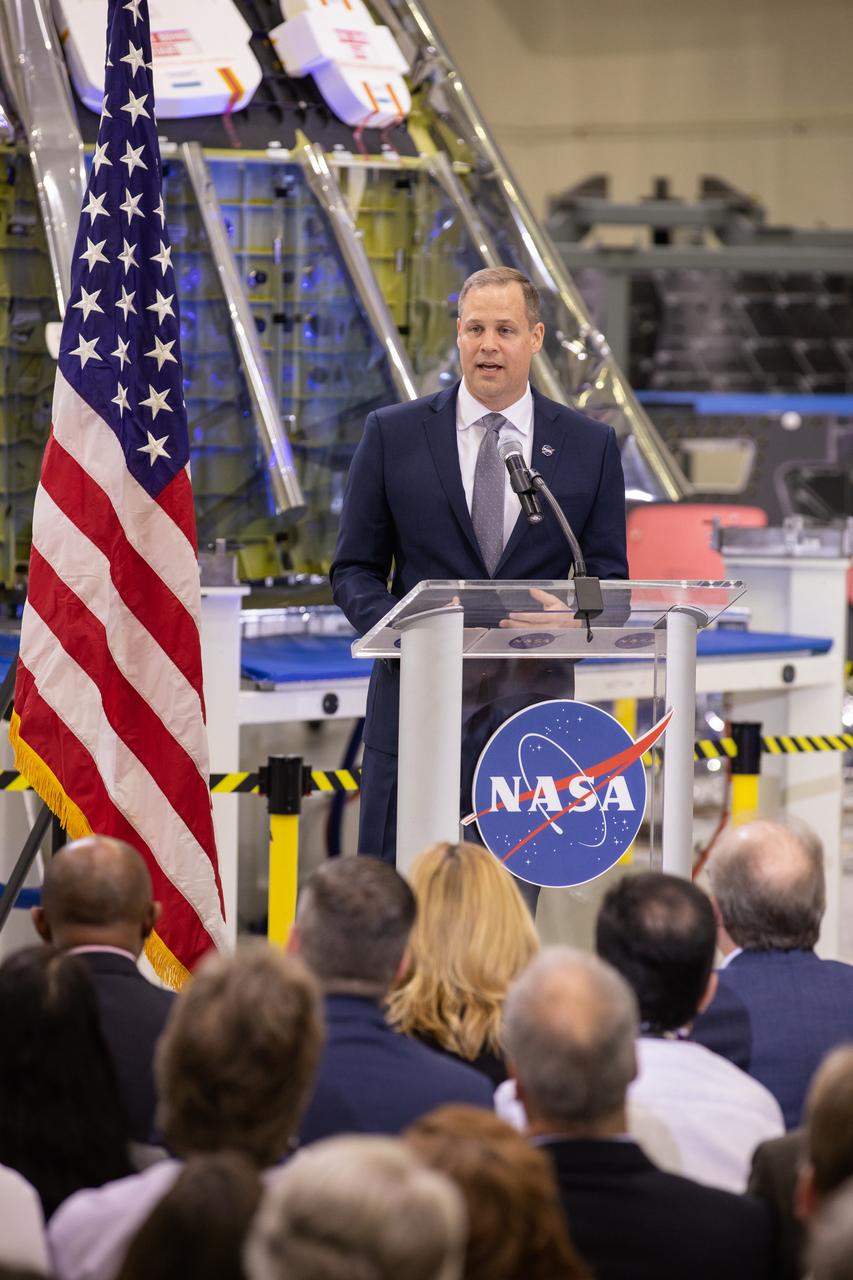
NASA Administrator Jim Bridenstine speaks to NASA workers across the nation and members of the news media, during a Moon to Mars event in the Neil Armstrong Operations and Checkout Building high bay on March 11, 2019. Behind him is the Orion crew module for Exploration Mission-2. The event followed the delivery of President Trump’s fiscal year 2020 budget proposal to U.S. Congress, which includes funding for the agency’s Moon to Mars initiative and Gateway lunar outpost. Bridenstine presented a closer look at America’s work to return astronauts to the Moon in a sustainable way and continue exploration to Mars.
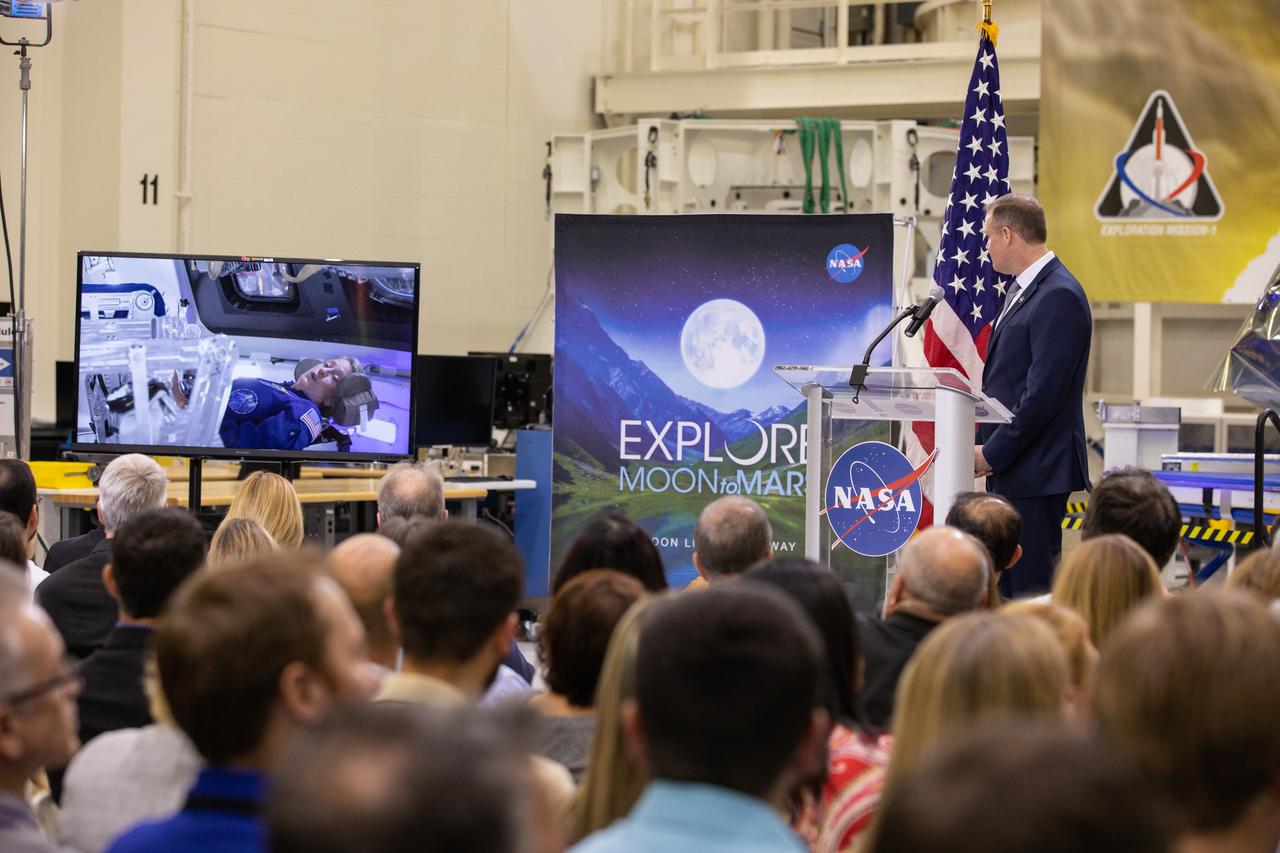
During a Moon to Mars event March 11, 2019, in the Neil Armstrong Operations and Checkout Building high bay at Kennedy Space Center in Florida, NASA Administrator Jim Bridenstine speaks to astronaut Karen Nyberg, on screen. Nyberg is in a test version of the Orion crew module at the agency’s Johnson Space Center in Houston. Bridenstine spoke to NASA workers across the nation and members of the news media, following the delivery of President Trump’s fiscal year 2020 budget proposal to U.S. Congress, which includes funding for the agency’s Moon to Mars initiative and Gateway lunar outpost. Bridenstine presented a closer look at America’s work to return astronauts to the Moon in a sustainable way and continue exploration to Mars.
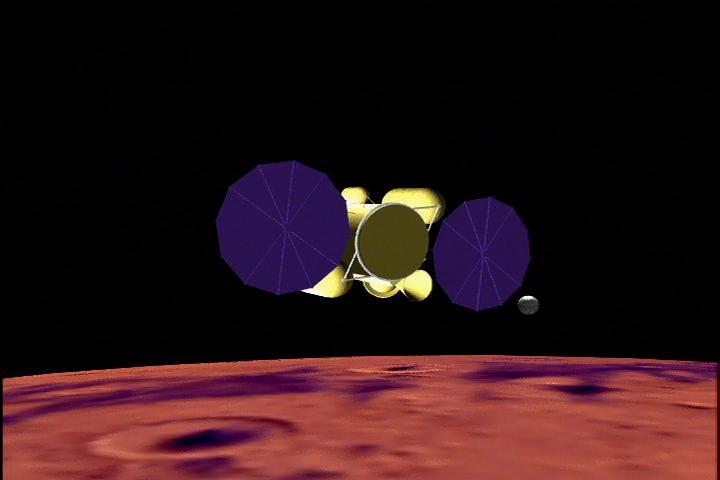
This artist concept shows the proposed NASA Mars sample return mission above the red planet.
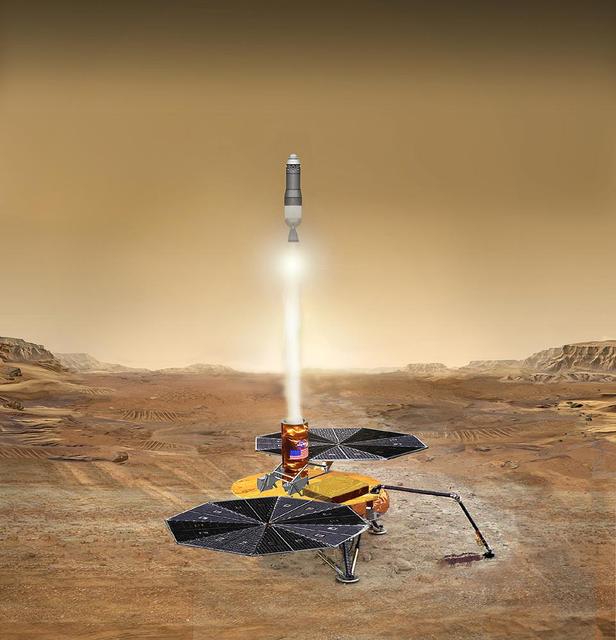
This artist concept of the proposed NASA Mars Sample Return mission shows the launch of the martian sample back toward Earth.
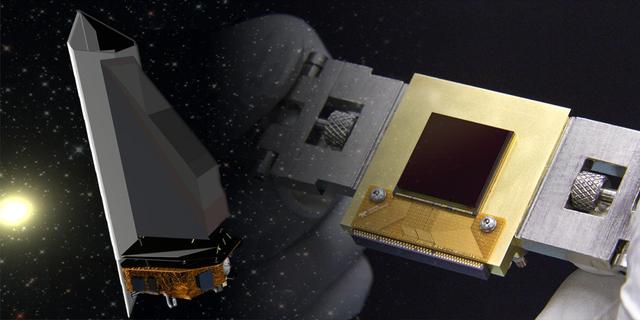
The NEOCam sensor right is the lynchpin for the proposed Near Earth Object Camera, or NEOCam, space mission left.
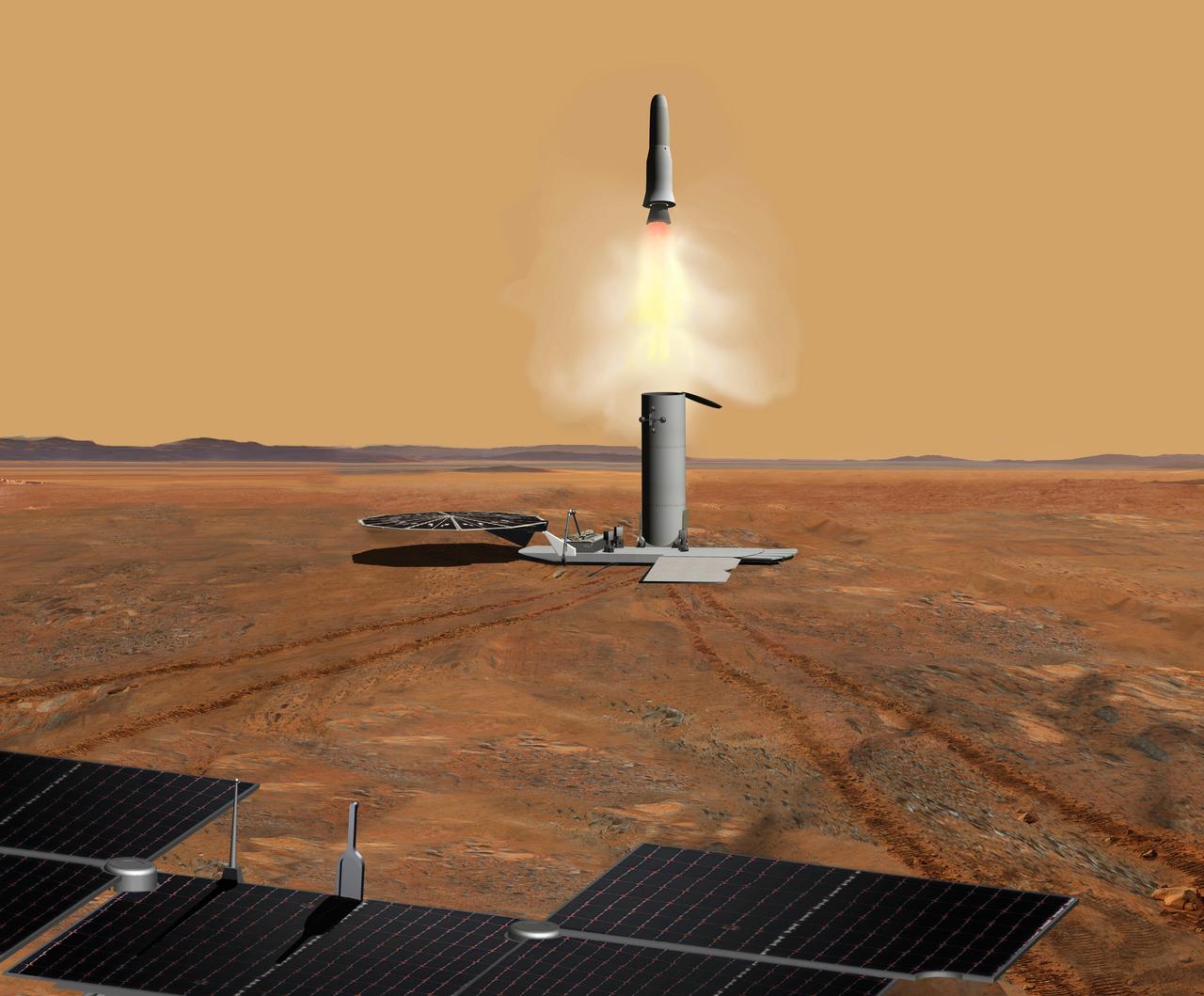
This artist concept of a proposed Mars sample return mission portrays the launch of an ascent vehicle. The solar panels in the foreground are part of a rover.
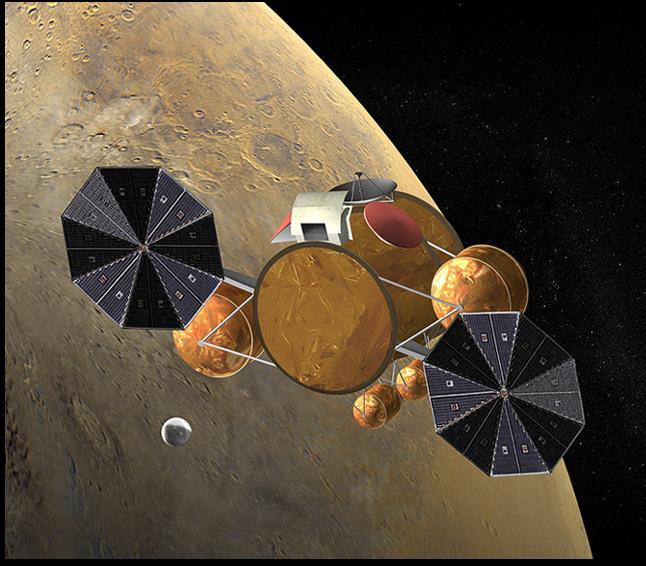
This artist concept of the proposed NASA Mars Sample Return mission shows rendezvous of the orbiting sample container with the Earth return vehicle.
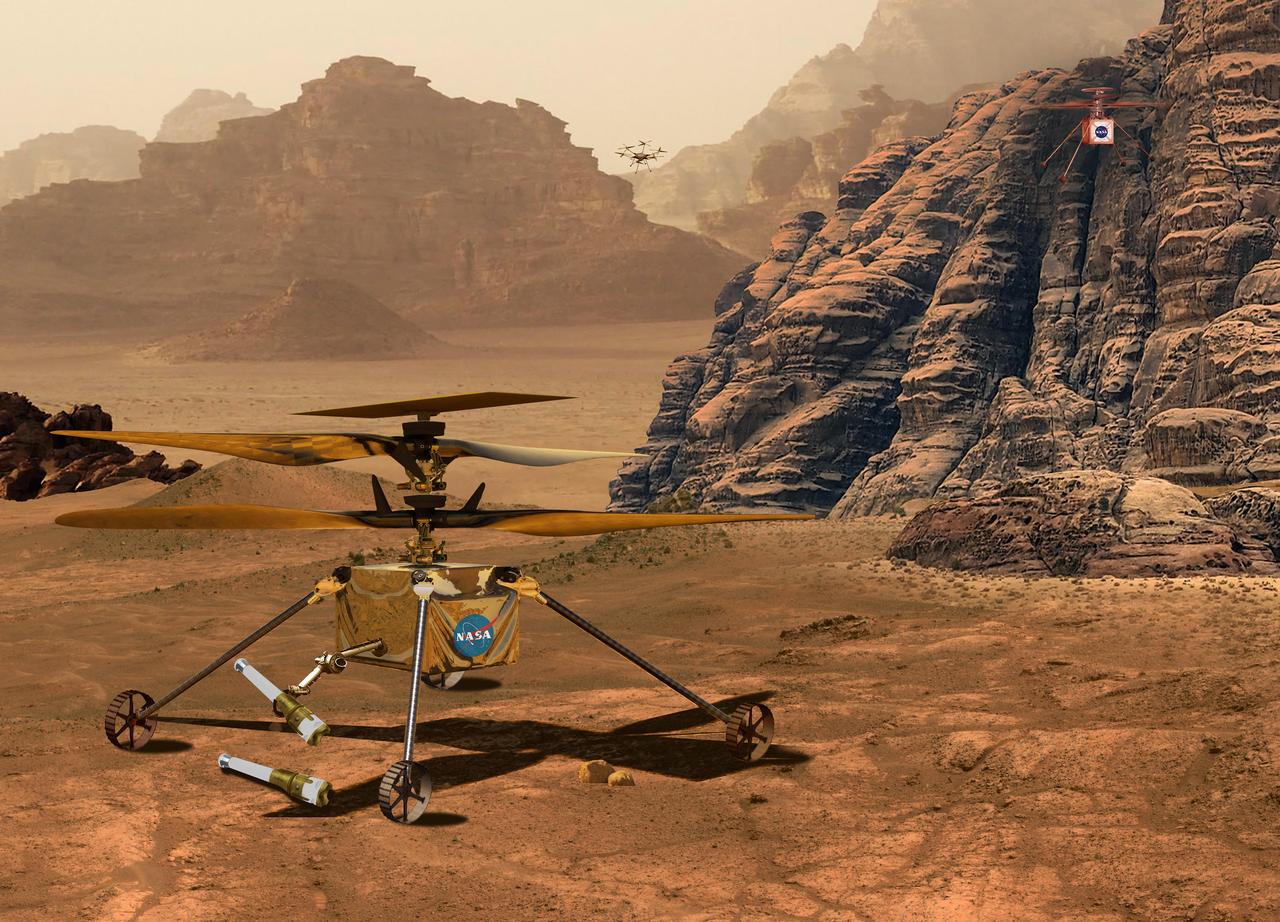
This illustration depicts three different of models of NASA's solar-powered Mars helicopter. In the upper right is the Ingenuity Mars Helicopter, currently operating at Jezero Crater. Depicted in the foreground is one of two Sample Recovery Helicopters slated to fly to Mars as part of the Mars Sample Return Campaign. NASA is developing the Sample Recovery Helicopters to serve as backups to the agency's Perseverance rover in transporting sample tubes to the Sample Return Lander. In the upper center of image is the Mars Science Helicopter concept. A proposed follow-on to Ingenuity, the six-rotor Mars Science Helicopter could be used during future Mars missions to serve as an aerial scout and carry between 4.5 and 11 pounds (2 to 5 kilograms) of payload, including science instruments, to study terrain that rovers can't reach. https://photojournal.jpl.nasa.gov/catalog/PIA25338
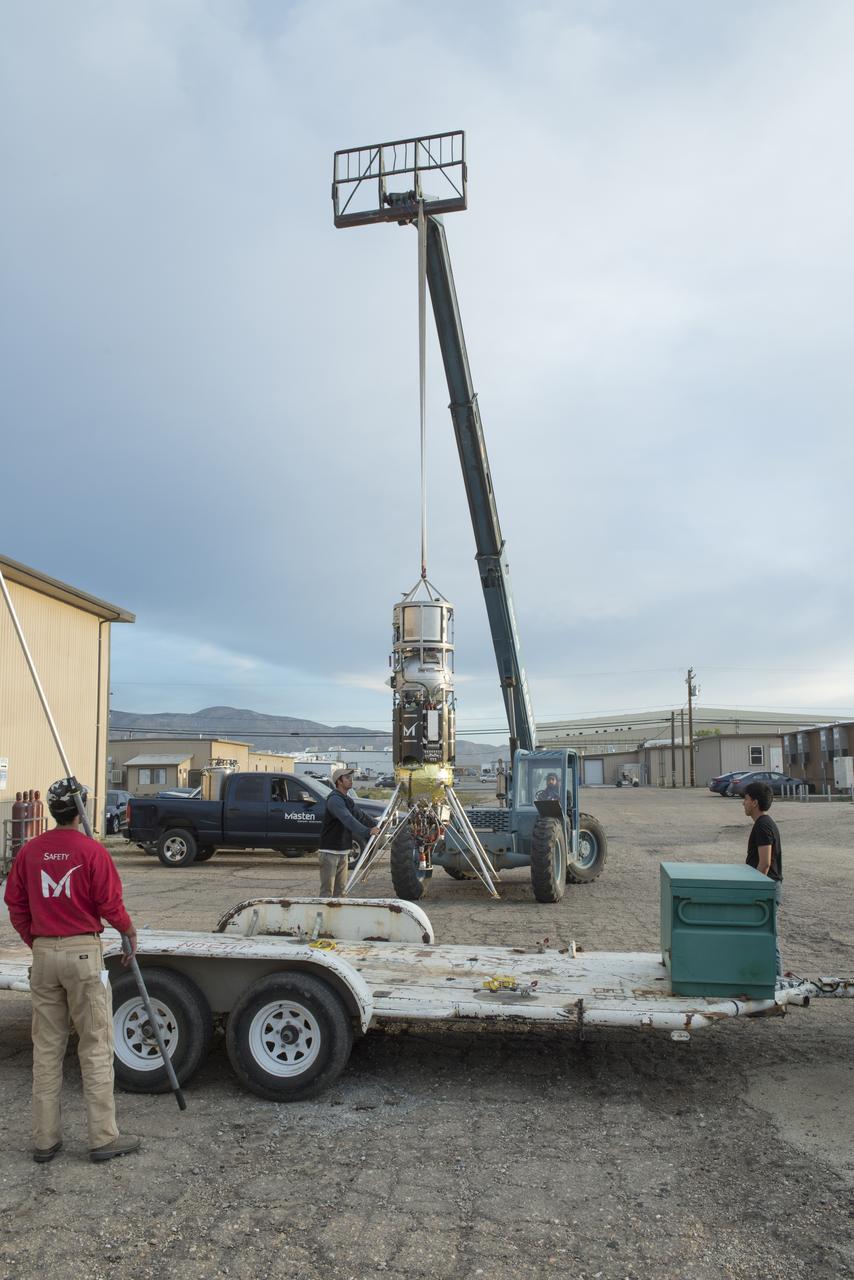
Masten Space Systems’ technician making adjustments to NASA’s autonomous landing technologies payload on Masten’s Xodiac rocket.
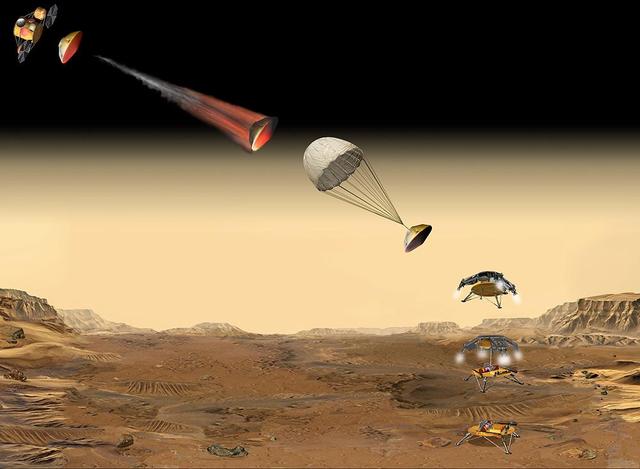
This artist concept of the proposed NASA Mars Sample Return mission shows the entry, descent and landing sequence the lander would undergo on its way to Mars.
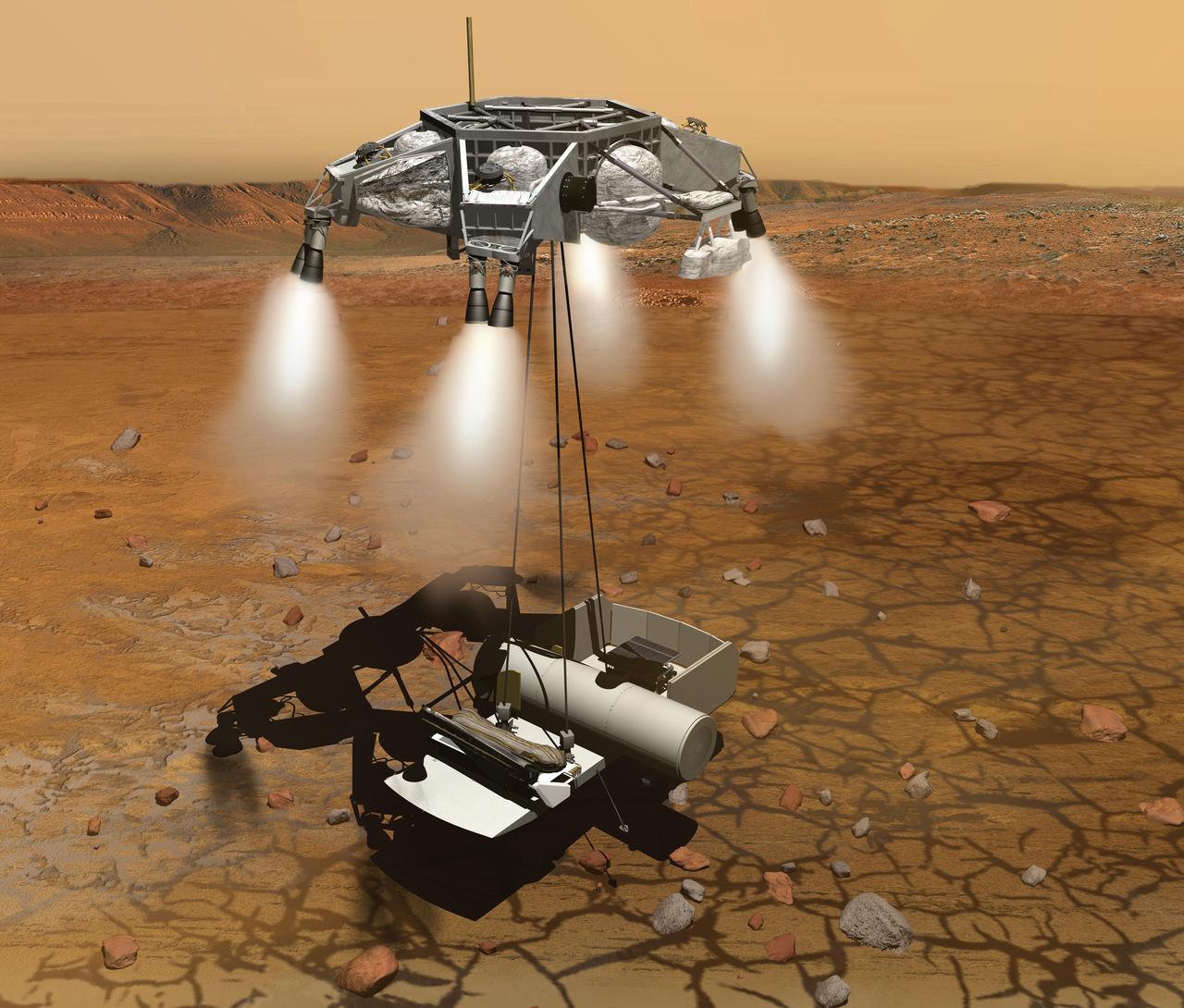
This artist concept of a proposed Mars sample return mission portrays a rocket-powered descent stage lowering a sample-retrieving rover and an ascent vehicle to the surface.
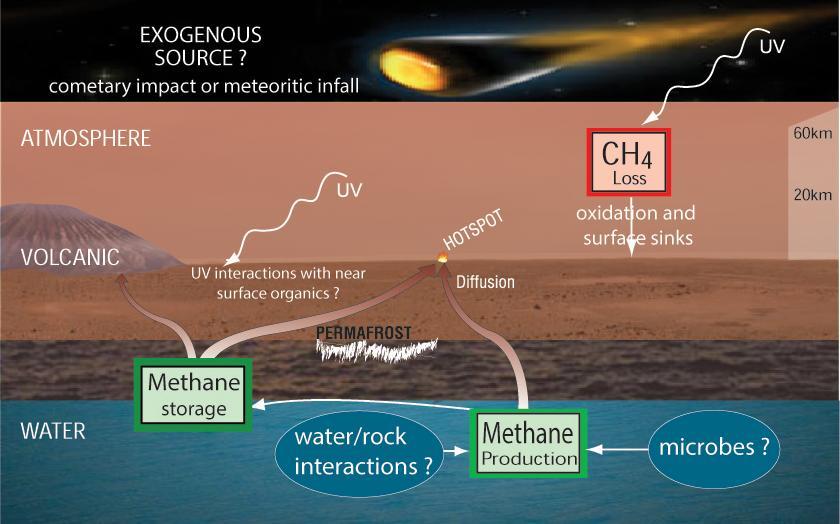
If the atmosphere of Mars contains methane, various possibilities have been proposed for where the methane could come from and how it could disappear.
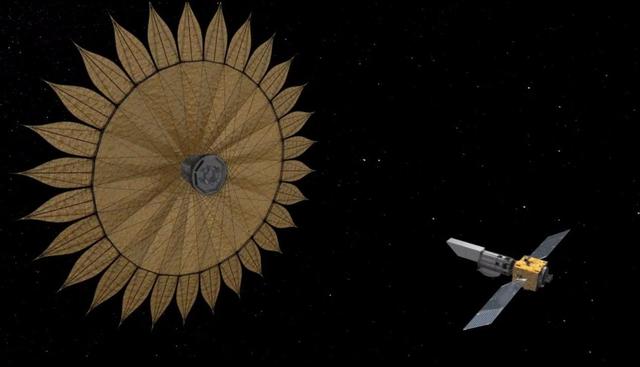
This artist's rendering shows the proposed starshade flying in sync with a space telescope. The giant sunflower-like structure would be used to acquire images of Earth-like rocky planets around nearby stars. The proposed starshade could launch together with a telescope. Once in space, it would separate from the rocket and telescope, unfurl its petals, then move into position to block the light of stars. http://photojournal.jpl.nasa.gov/catalog/PIA20910
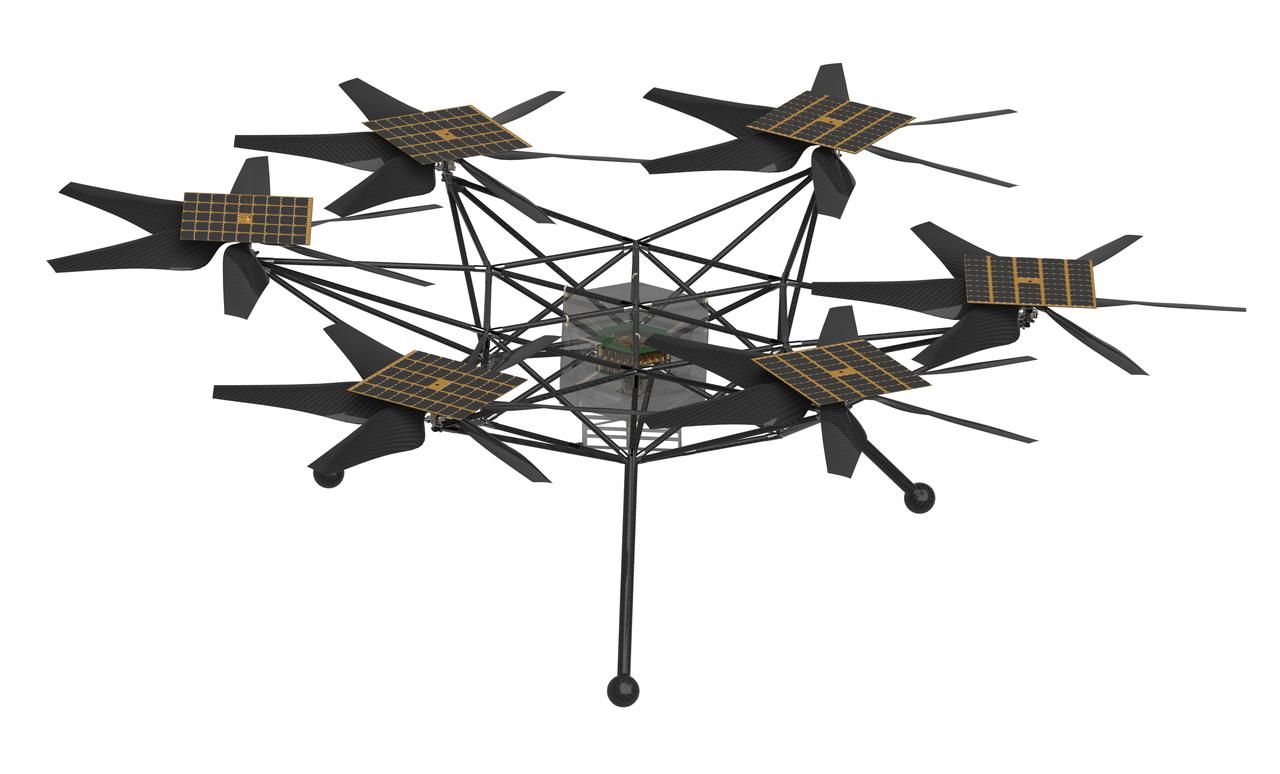
NASA's Mars Chopper concept, shown in a design software rendering, is a more capable proposed follow-on to the agency's Ingenuity Mars Helicopter, which arrived at the Red Planet in the belly of the Perseverance rover in February 2021. Chopper would be about the size of an SUV, with six rotors, each with six blades. It could be used to carry science payloads as large as 11 pounds (5 kilograms) distances of up to 1.9 miles (3 kilometers) each Martian day (or sol). Scientists could use Chopper to study large swaths of terrain in detail, quickly – including areas where rovers cannot safely travel. Chopper remains in early conceptual and design stages. The proposed design is the product of collaboration between NASA's Jet Propulsion Laboratory in Southern California, the agency's Ames Research Center in California's Silicon Valley, and AeroVironment Inc. https://photojournal.jpl.nasa.gov/catalog/PIA26375
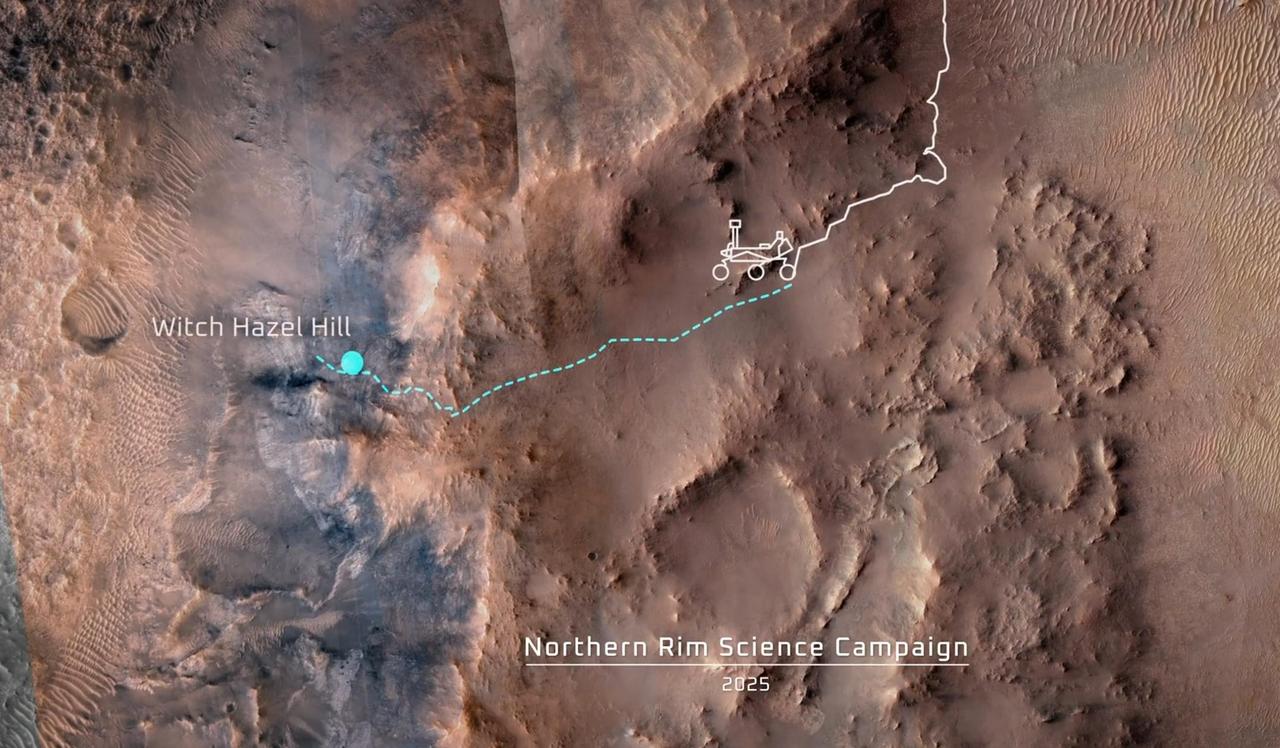
This animation shows the position of NASA's Perseverance Mars rover as of Dec. 4, 2024, the 1,347th Martian day, or sol, of the mission, along with the proposed route of the mission's fifth science campaign, dubbed Northern Rim, over the next several years. This map was made using data from NASA's Mars Reconnaissance Orbiter's High-Resolution Imaging Science Experiment (HiRISE) camera as well as the European Space Agency's (ESA) High Resolution Stereo Camera (HRSC). The University of Arizona, in Tucson, operates HiRISE, which was built by Ball Aerospace & Technologies Corp., in Boulder, Colorado. NASA's Jet Propulsion Laboratory, a division of Caltech in Pasadena, California, manages the Mars Reconnaissance Orbiter Project for NASA's Science Mission Directorate, Washington. A key objective for Perseverance's mission on Mars is astrobiology, including the search for signs of ancient microbial life. The rover will characterize the planet's geology and past climate, pave the way for human exploration of the Red Planet, and be the first mission to collect and cache Martian rock and regolith (broken rock and dust). Subsequent NASA missions, in cooperation with ESA (European Space Agency), would send spacecraft to Mars to collect these sealed samples from the surface and return them to Earth for in-depth analysis. The Mars 2020 Perseverance mission is part of NASA's Moon to Mars exploration approach, which includes Artemis missions to the Moon that will help prepare for human exploration of the Red Planet. Animation available at https://photojournal.jpl.nasa.gov/catalog/PIA26480
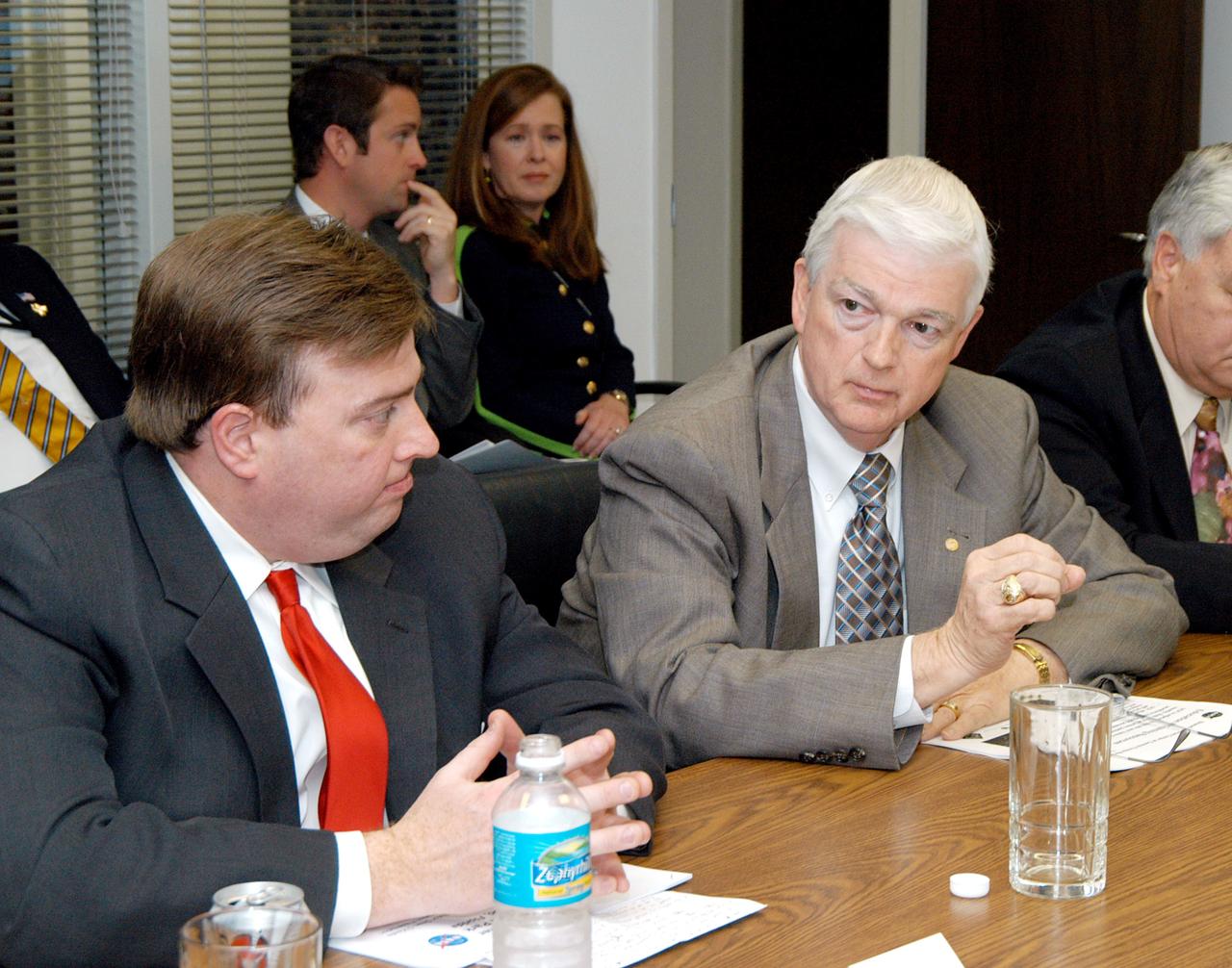
KENNEDY SPACE CENTER, FLA. - - U.S. Representative Ric Keller (left) listens intently to a presentation proposing the use of the Central Florida Research Park, near Orlando, as the site of NASA’s new Shared Services Center. NASA and Florida officials toured the research park as well. Central Florida leaders are proposing the research park as the site for the center, which would centralize NASA’s payroll, accounting, human resources, facilities and procurement offices that are now handled at each field center. The consolidation is part of the One NASA focus. Six sites around the U.S. are under consideration by NASA.
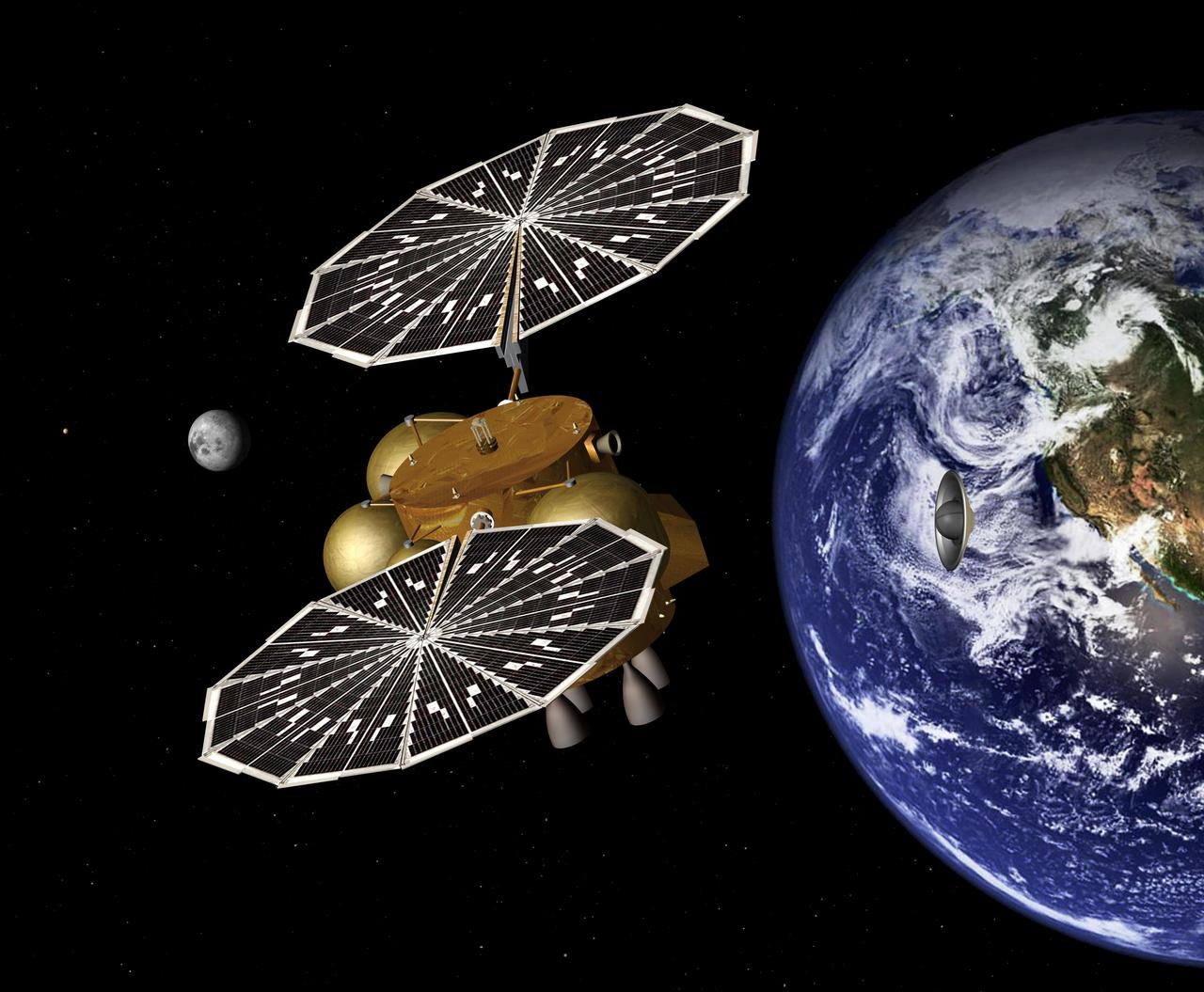
This artist concept of a proposed Mars sample return mission portrays the separation of an Earth entry vehicle, bearing a container of Martian rock samples, from the main spacecraft that would have carried it from Martian orbit nearly to Earth.
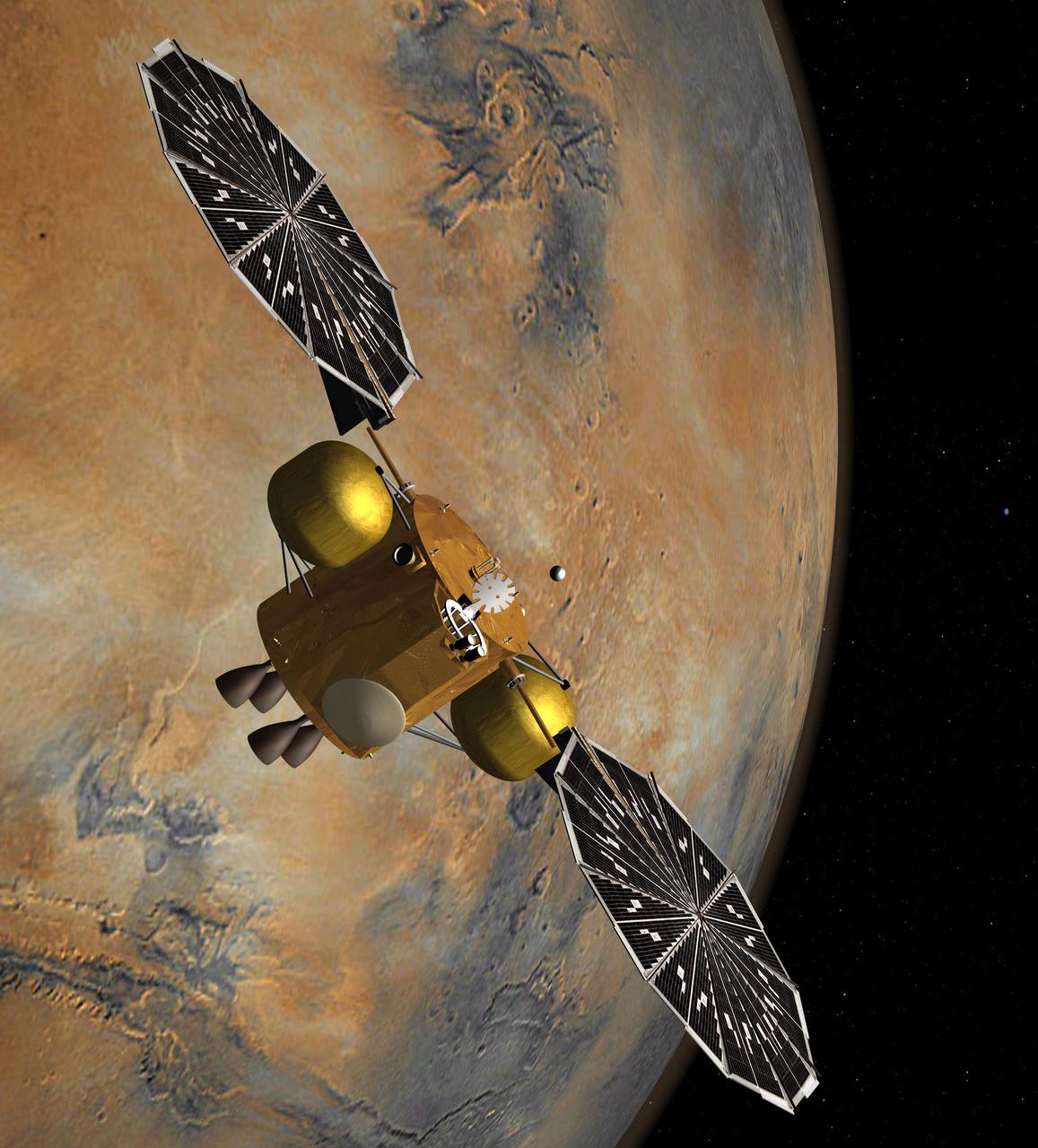
This artist concept of a proposed Mars sample return mission portrays the capture of a collection of Martian samples by a spacecraft orbiting Mars. The samples would have been collected on Mars by a rover and lifted to orbit by an ascent vehicle.
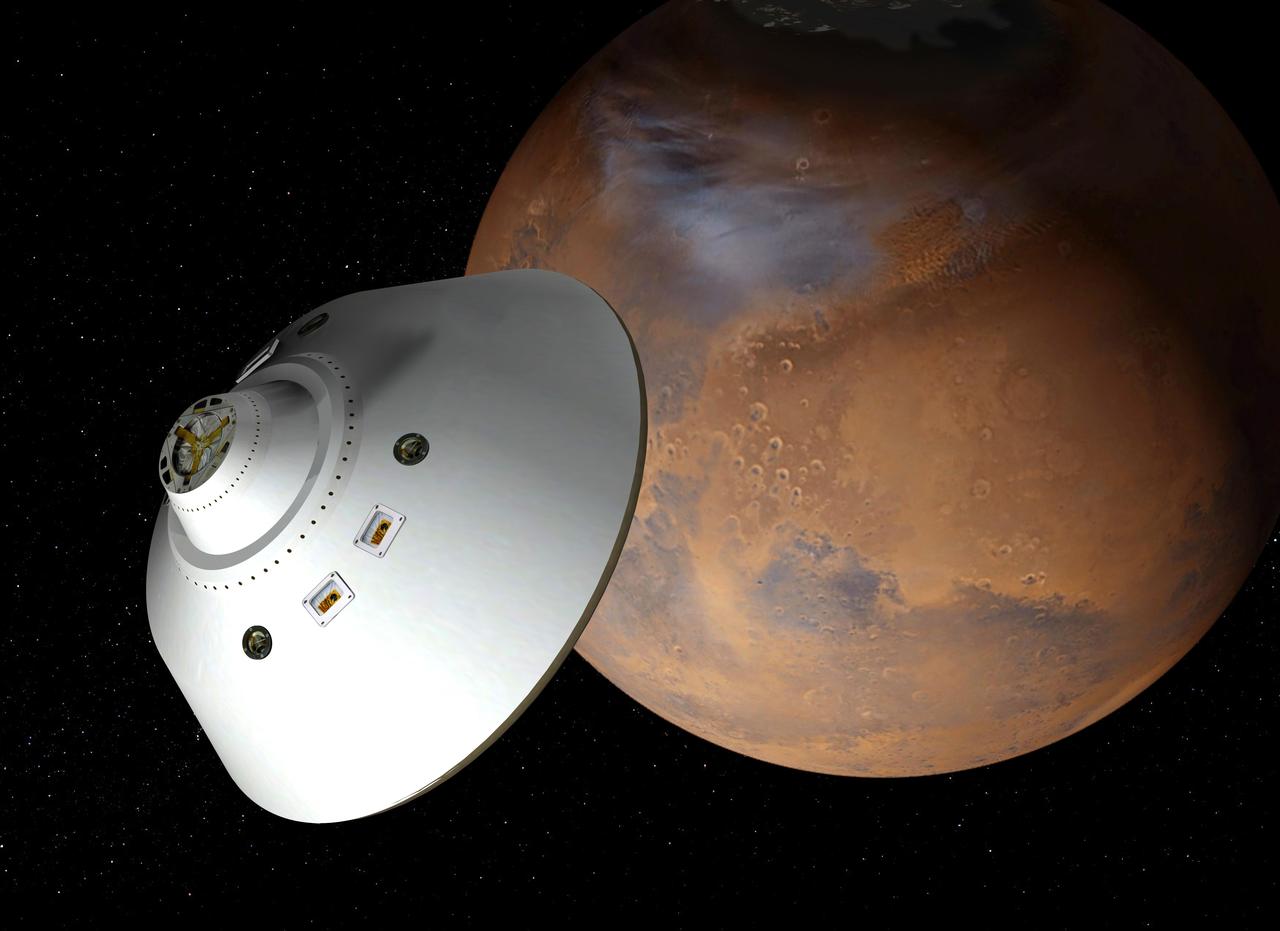
This artist concept of a proposed Mars sample return mission portrays an aeroshell-encased spacecraft approaching Mars. This spacecraft would put a sample-retrieving rover and an ascent vehicle onto the surface of Mars.
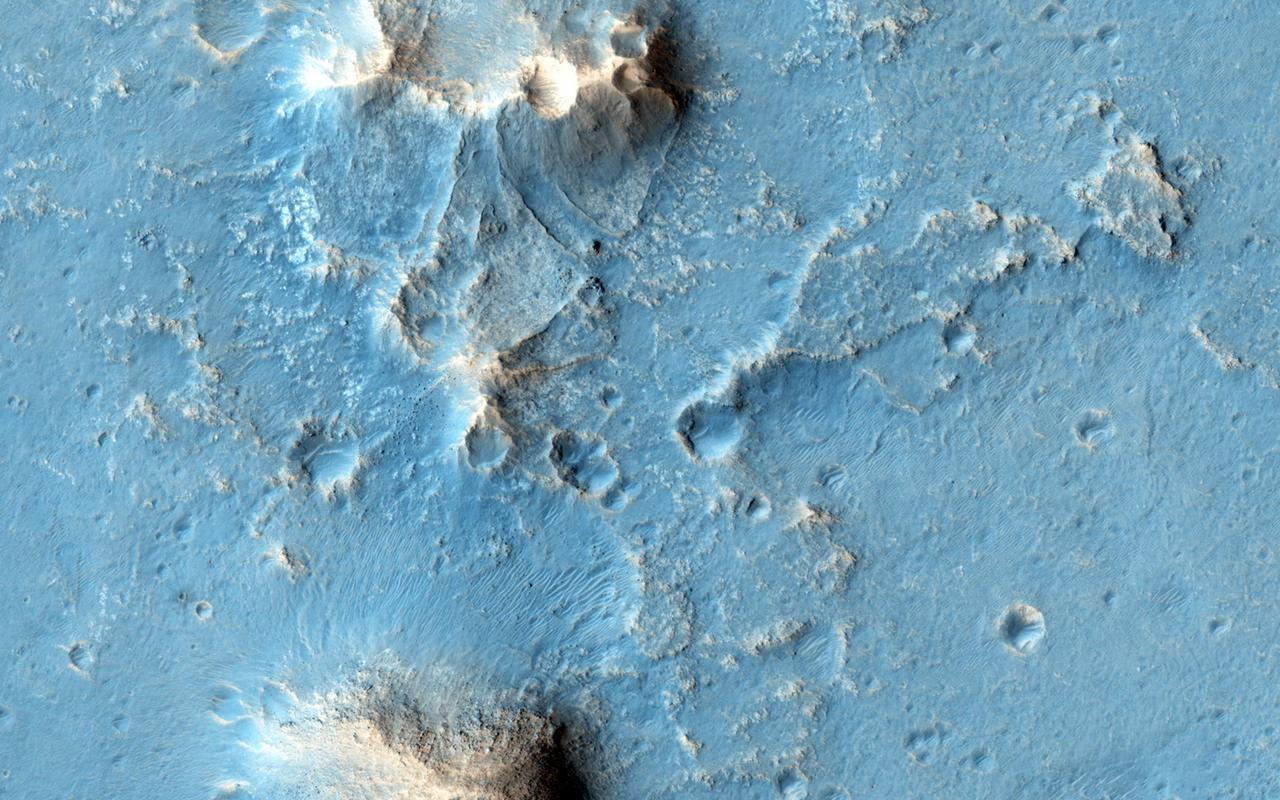
Oxia Planum is broad clay-bearing surface between Mawrth and Ares Vallis that has been proposed as a future landing site on Mars. This image is from NASA Mars Reconnaissance Orbiter.
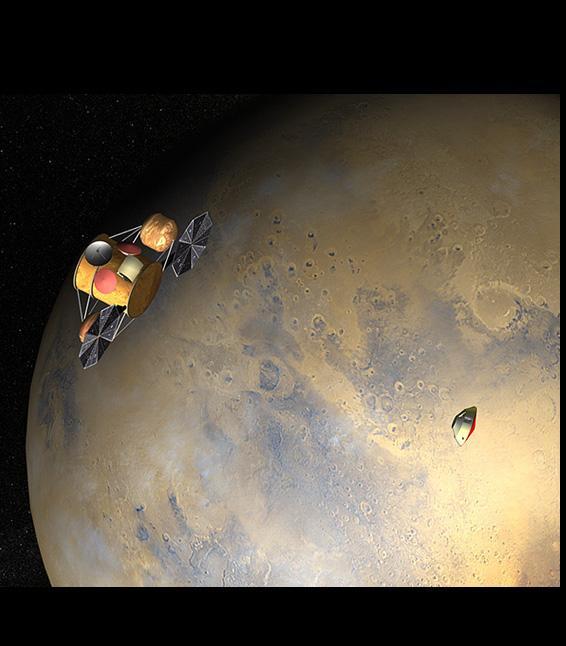
This artist concept of the proposed NASA Mars Sample Return mission shows the orbiter and lander, just after the orbiter would release the lander to descend through the martian atmosphere.
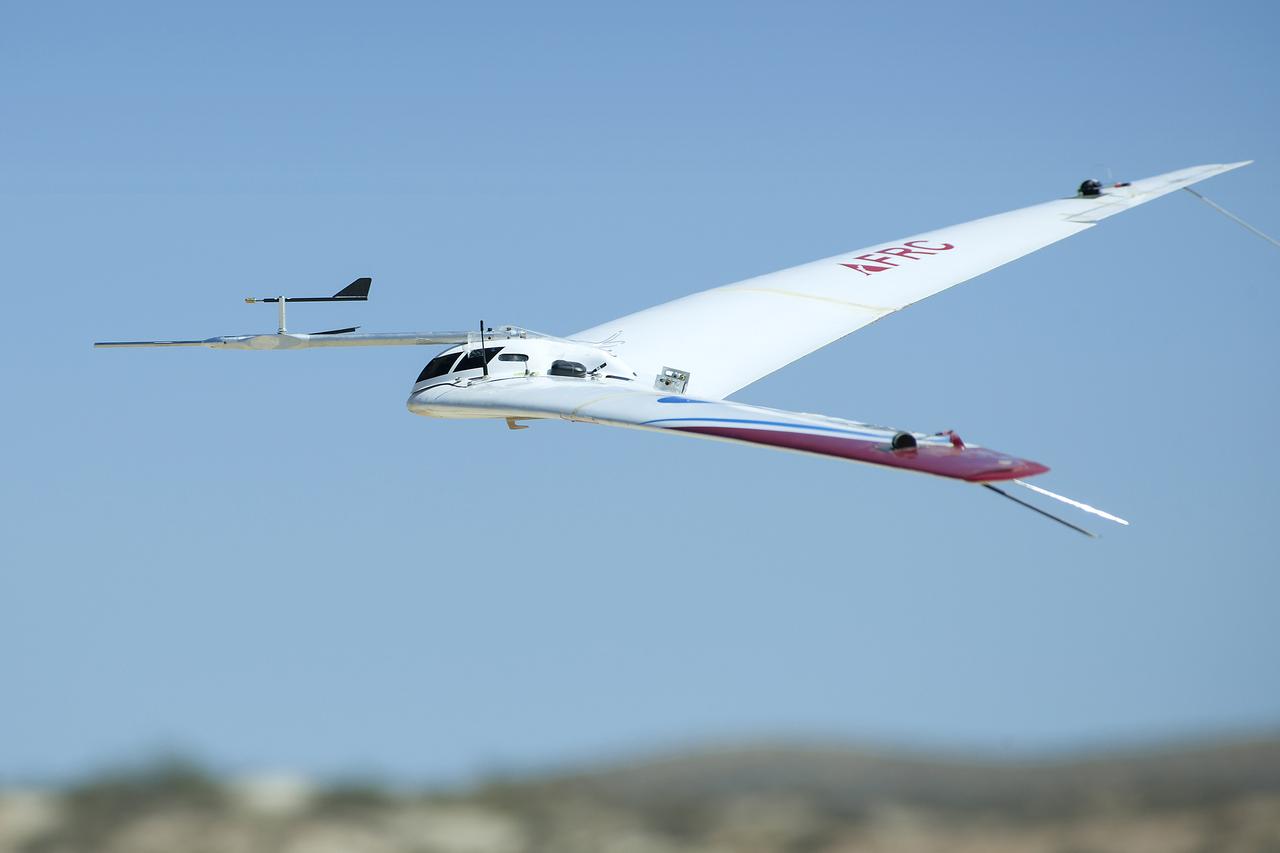
The proposed Prandtl-m is based on the Prandtl-d seen coming in for a landing during a flight test in June. The aerodynamics offer a solution that could lead to the first aircraft on Mars.
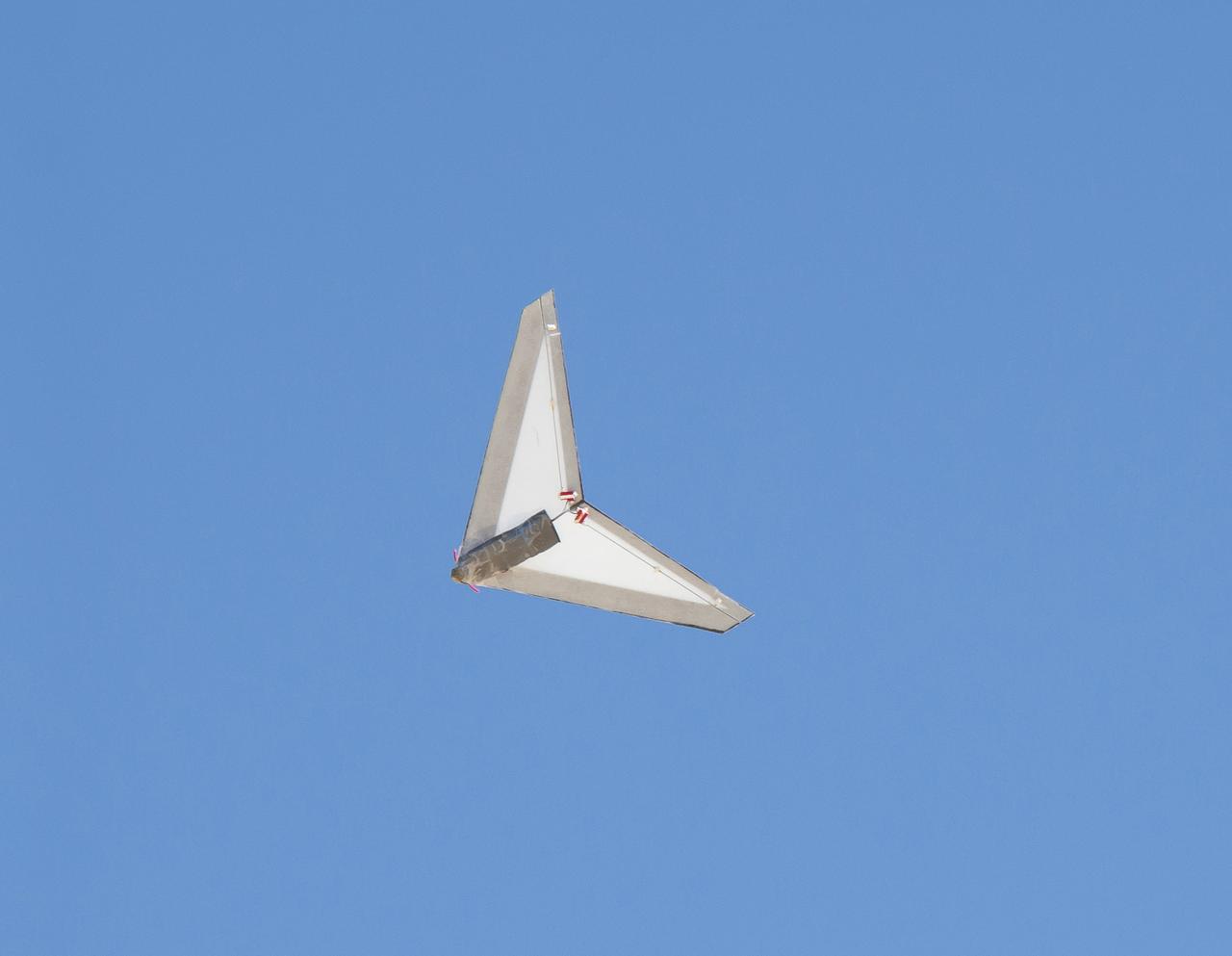
The Preliminary Research Aerodynamic Design to Land on Mars, or Prandtl-M, flies during a test flight. A new proposal based on the aircraft recently won an agencywide technology grant.
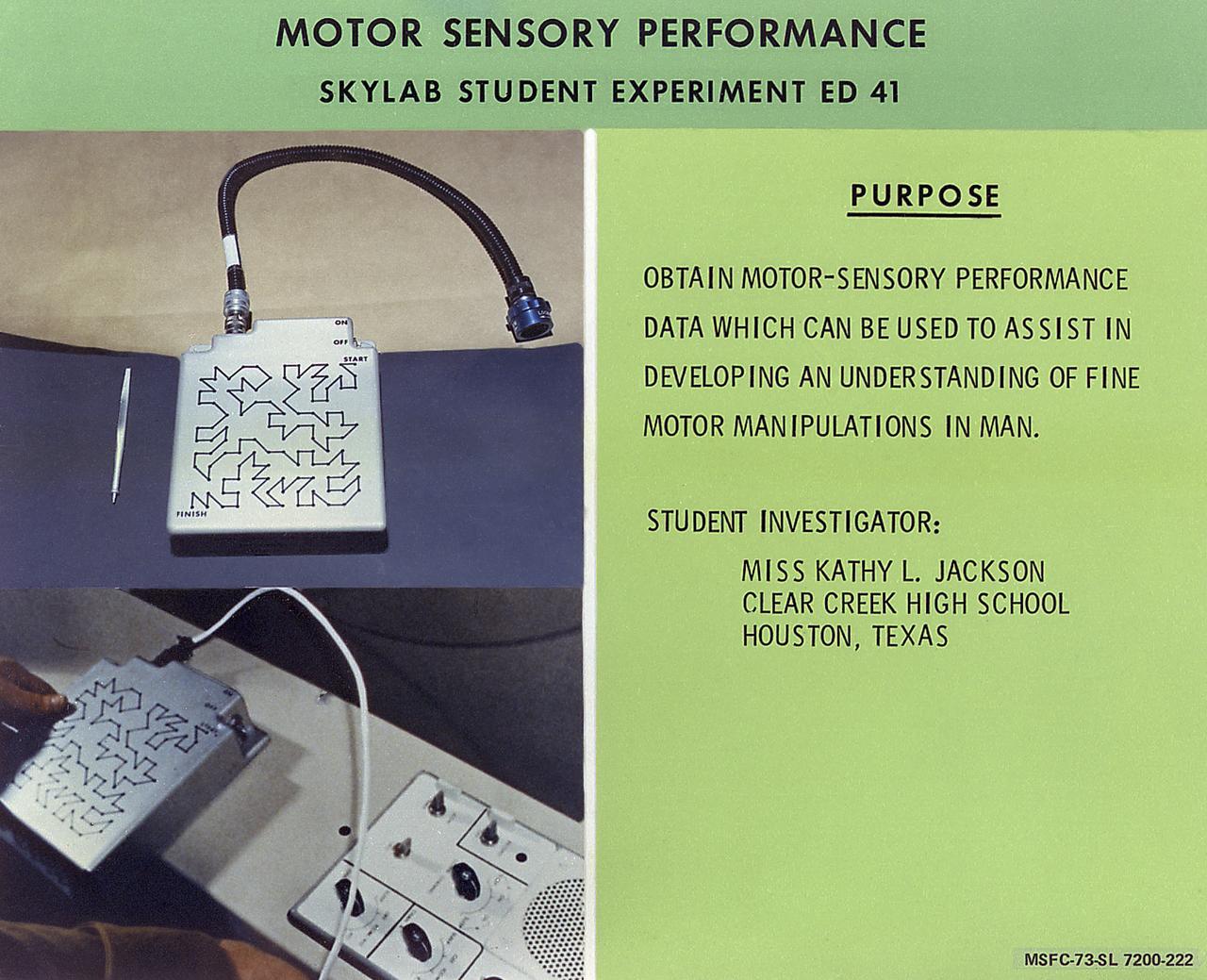
This chart describes the Skylab student experiment Motor Sensory Performance, proposed by Kathy L. Jackson of Houston, Texas. Her proposal was a very simple but effective test to measure the potential degradation of man's motor-sensory skills while weightless. Without knowing whether or not man can retain a high level of competency in the performance of various tasks after long exposure to weightlessness, this capability could not be fully known. Skylab, with its long-duration missions, provided an ideal testing situation. The experiment Kathy Jackson proposed was similar in application to the tasks involved in docking one spacecraft to another using manual control. It required one of the greatest tests of the motor-sensory capabilities of man. In March 1972, NASA and the National Science Teachers Association selected 25 experiment proposals for flight on Skylab. Science advisors from the Marshall Space Flight Center aided and assisted the students in developing the proposals for flight on Skylab.
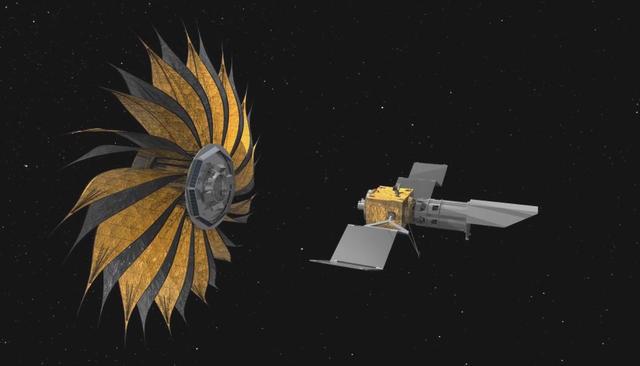
How do we find Earth-like planets outside our solar system? One idea is to send a giant structure that blocks starlight so that astronomers can more easily detect orbiting planets. This artist's rendering shows the proposed starshade concept flying in sync with a space telescope. The giant sunflower-like structure would be used to acquire images of Earth-like rocky planets around nearby stars. The proposed starshade could launch together with a telescope. Once in space, it would separate from the rocket and telescope, unfurl its petals, then move into position to block the light of stars. http://photojournal.jpl.nasa.gov/catalog/PIA20911
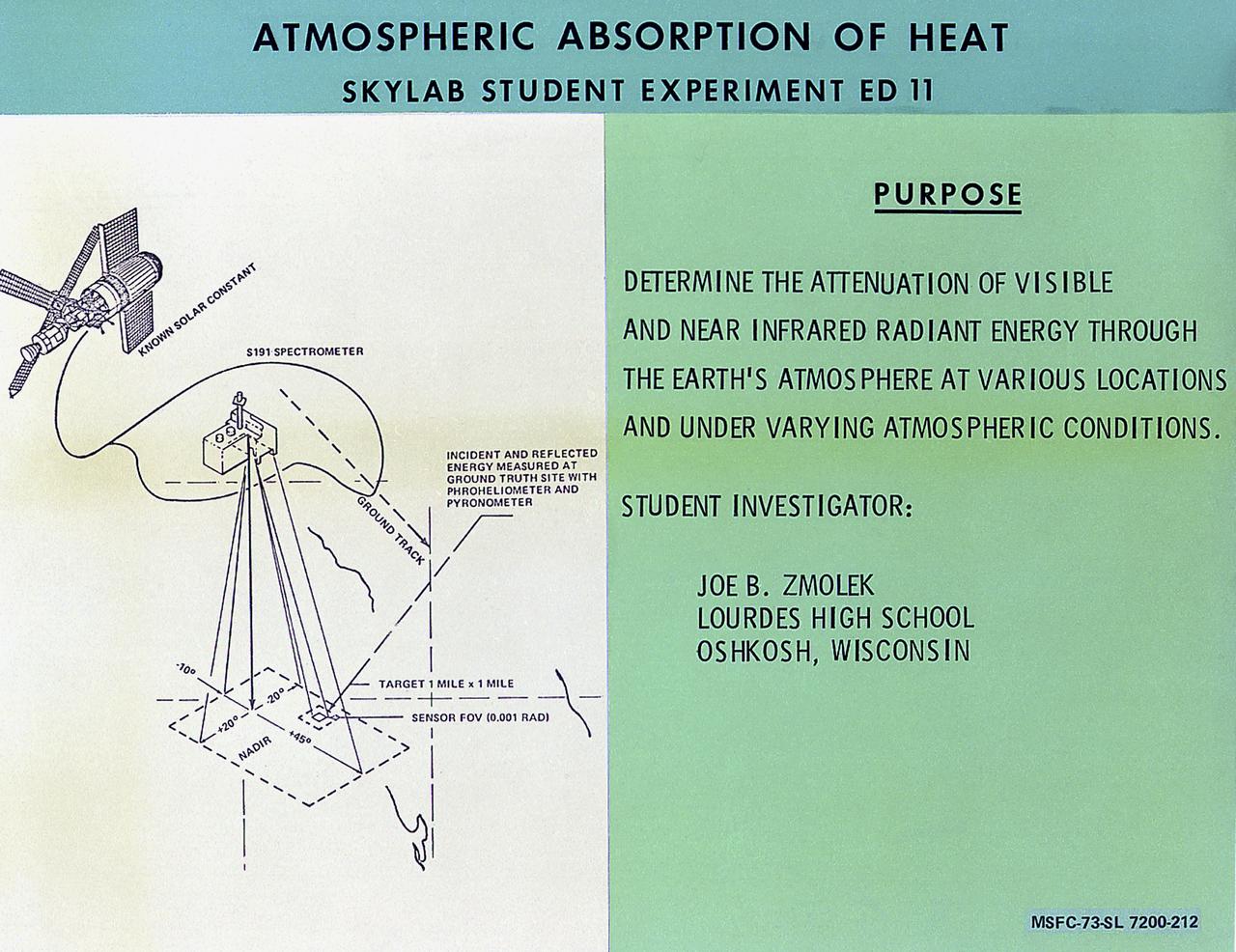
This chart describes the Skylab student experiment, Atmospheric Absorption of Heat, proposed by Joe B. Zmolek of Oshkosh, Wisconsin. This experiment utilized Skylab's Earth Resources Experiment spectrometers to determine the attenuation of radiant energy in the visible and near-infrared spectrums for both densely and sparsely populated areas. In March 1972, NASA and the National Science Teachers Association selected 25 experiment proposals for flight on Skylab. Science advisors from the Marshall Space Flight Center aided and assisted the students in developing the proposals for flight on Skylab.
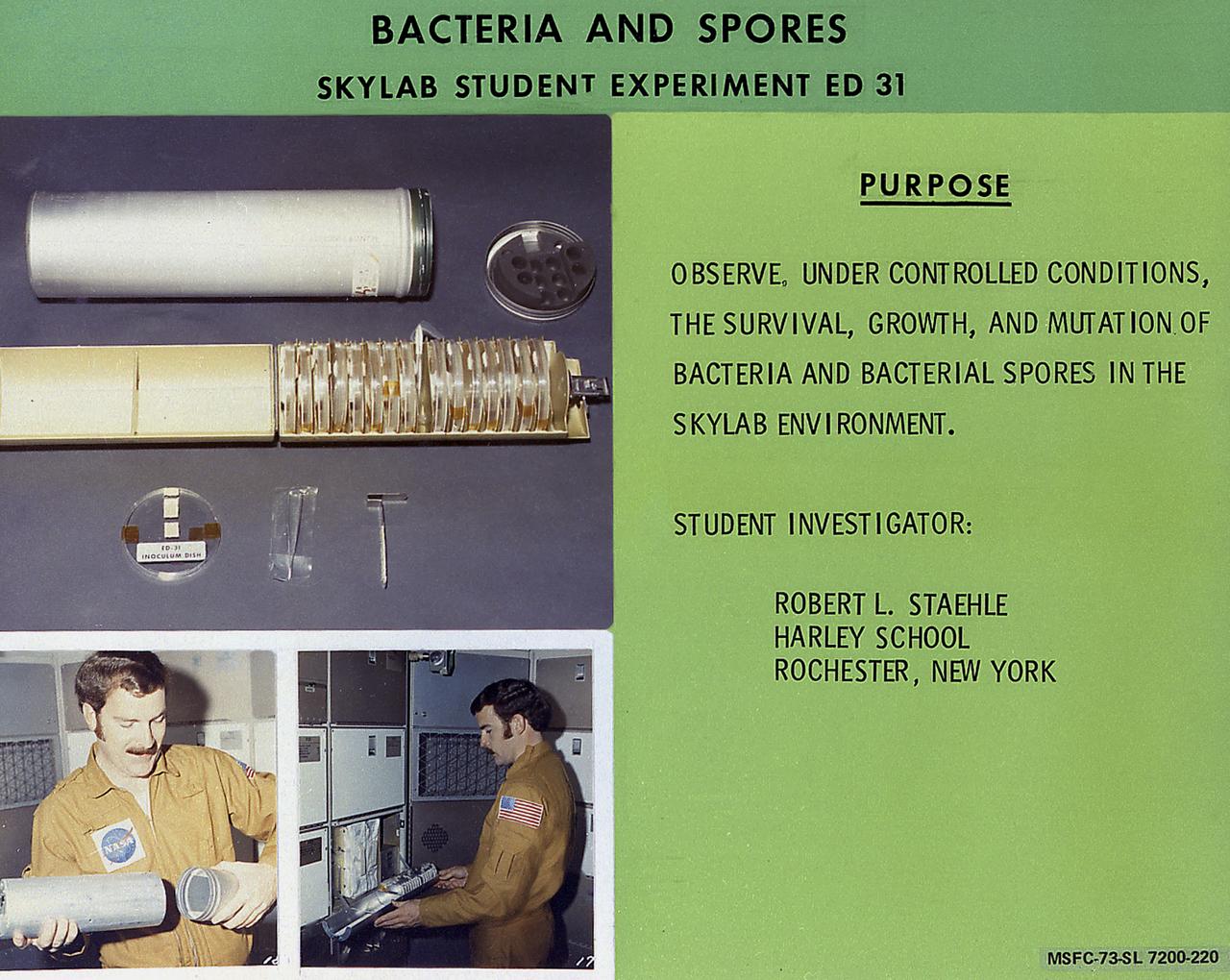
This chart describes the Skylab student experiment Bacteria and Spores, proposed by Robert L. Staehle of Rochester, New York. This experiment was intended to determine the effect of the Skylab environment (particularly weightlessness) on the survival, growth rates, and mutations of certain bacteria and spores. In March 1972, NASA and the National Science Teachers Association selected 25 experiment proposals for flight on Skylab. Science advisors from the Marshall Space Flight Center aided and assisted the students in developing the proposals for flight on Skylab.
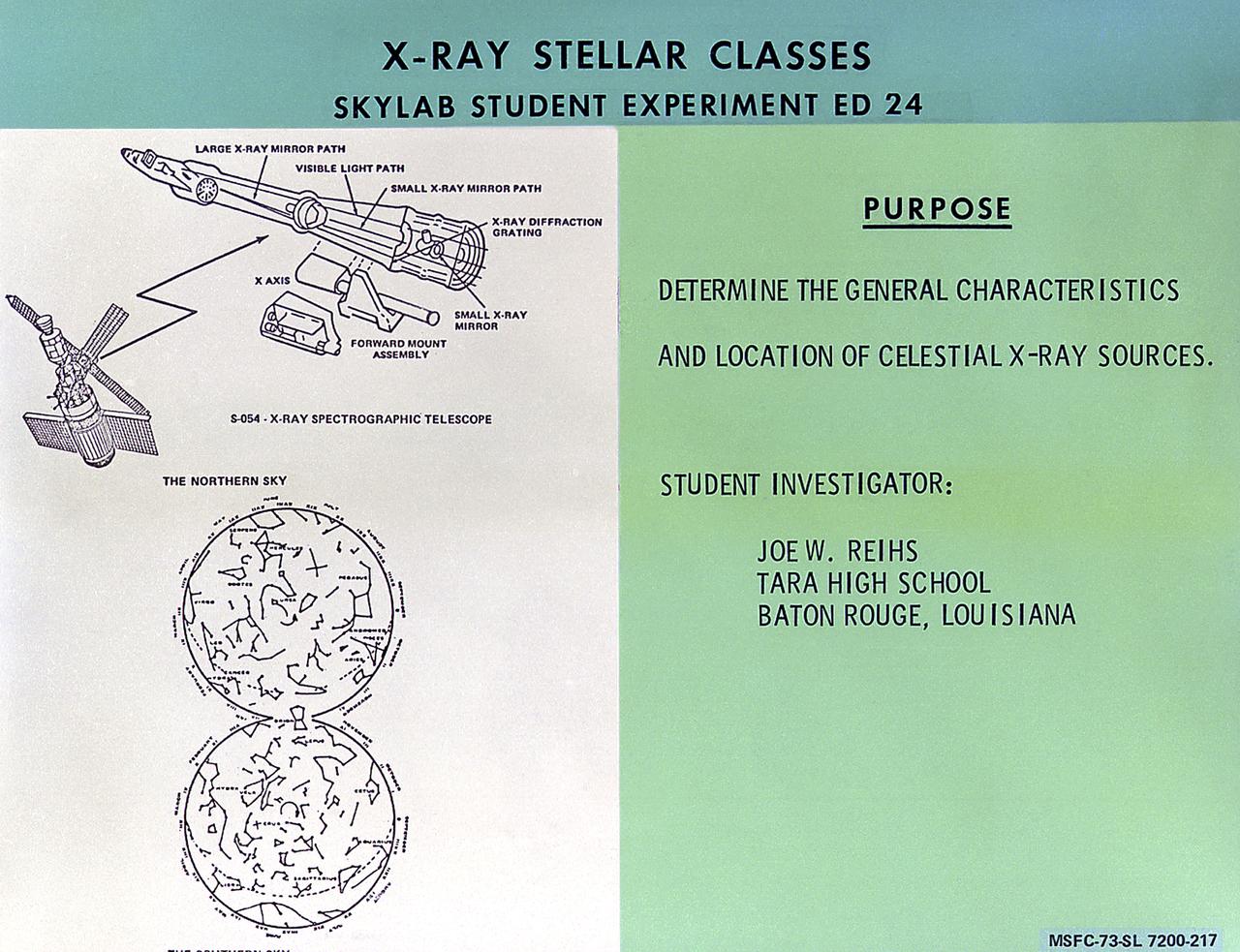
This chart describes the Skylab student experiment X-Ray Stellar Classes, proposed by Joe Reihs of Baton Rouge, Louisiana. This experiment utilized Skylab's X-Ray Spectrographic Telescope to observe and determine the general characteristics and location of x-ray sources. In March 1972, NASA and the National Science Teachers Association selected 25 experiment proposals for flight on Skylab. Science advisors from the Marshall Space Flight Center aided and assisted the students in developing the proposals for flight on Skylab.
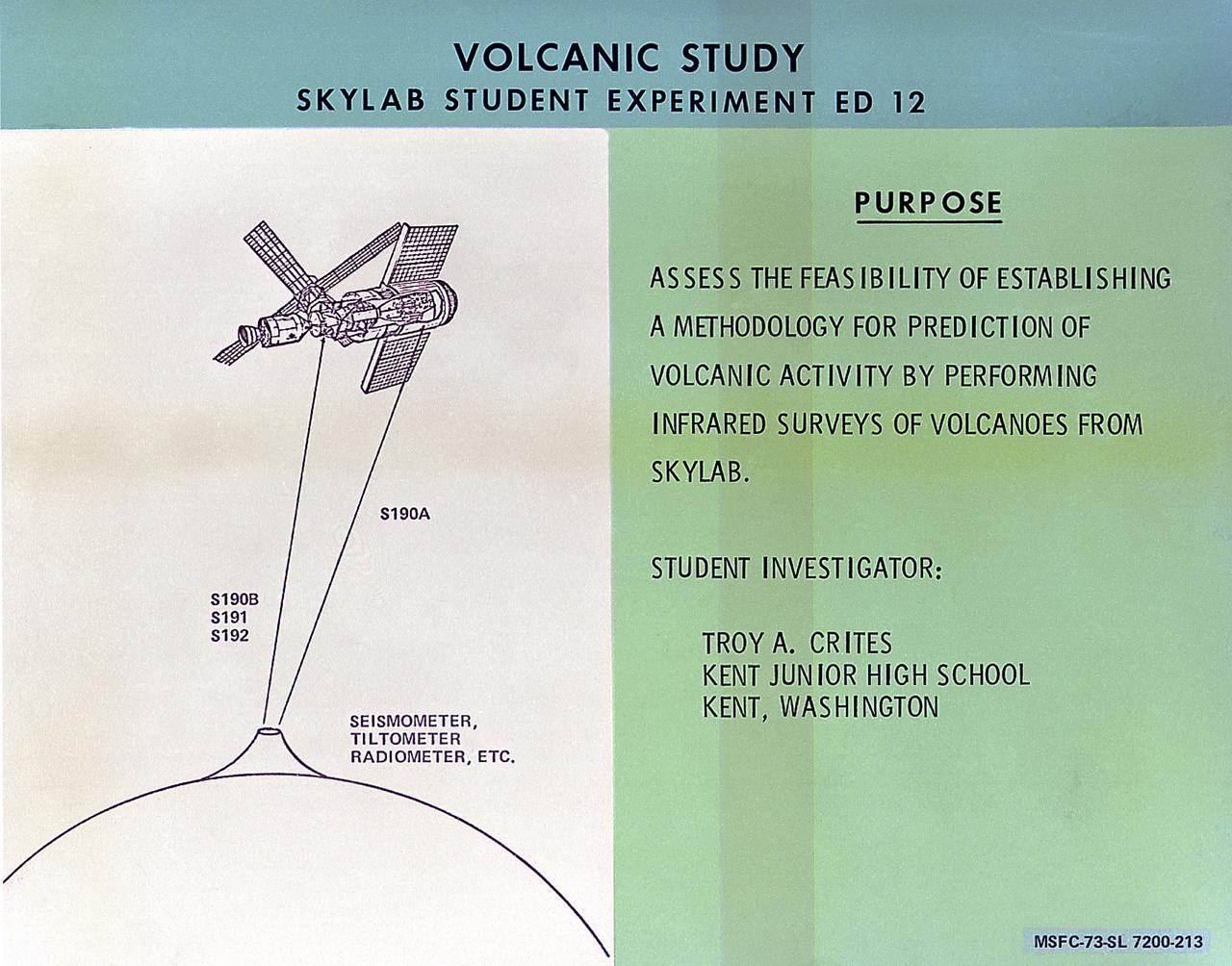
This chart describes the Skylab student experiment Volcanic Study, proposed by Troy A. Crites of Kent, Washington. This experiment utilized Skylab's Earth Resources Experiment sensors to determine if volcanic activity can be predicted using infrared surveys from orbit. In March 1972, NASA and the National Science Teachers Association selected 25 experiment proposals for flight on Skylab. Science advisors from the Marshall Space Flight Center aided and assisted the students in developing the proposals for flight on Skylab.
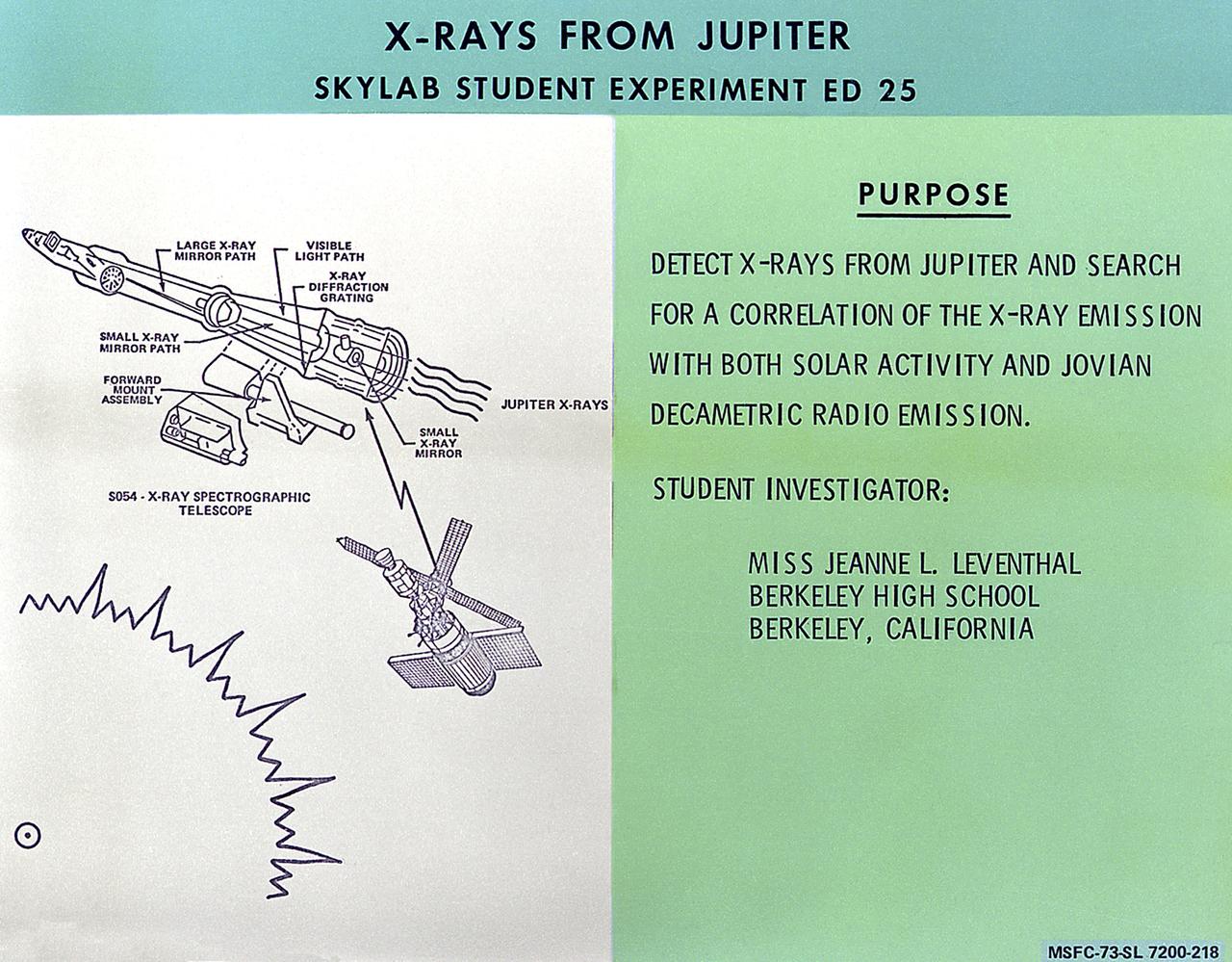
This chart describes the Skylab student experiment X-Rays from Jupiter, proposed by Jearne Leventhal of Berkeley, California. This experiment was an investigation to detect x-rays from the planet Jupiter and determine any correlation with solar flare activity. In March 1972, NASA and the National Science Teachers Association selected 25 experiment proposals for flight on Skylab. Science advisors from the Marshall Space Flight Center aided and assisted the students in developing the proposals for flight on Skylab.

This chart describes the Skylab student experiment Ultraviolet (UV) from Quasars, proposed by John C. Hamilton of Aiea, Hawaii. This experiment utilized Skylab's Ultraviolet Stellar Astronomy equipment to photograph quasars in the UV spectrum and compare those images to existing radio and visible data. In March 1972 NASA and the National Science Teachers Association selected 25 experiment proposals for flight on Skylab. Science advisors from the Marshall Space Flight Center aided and assisted the students in developing the proposals for flight on Skylab.
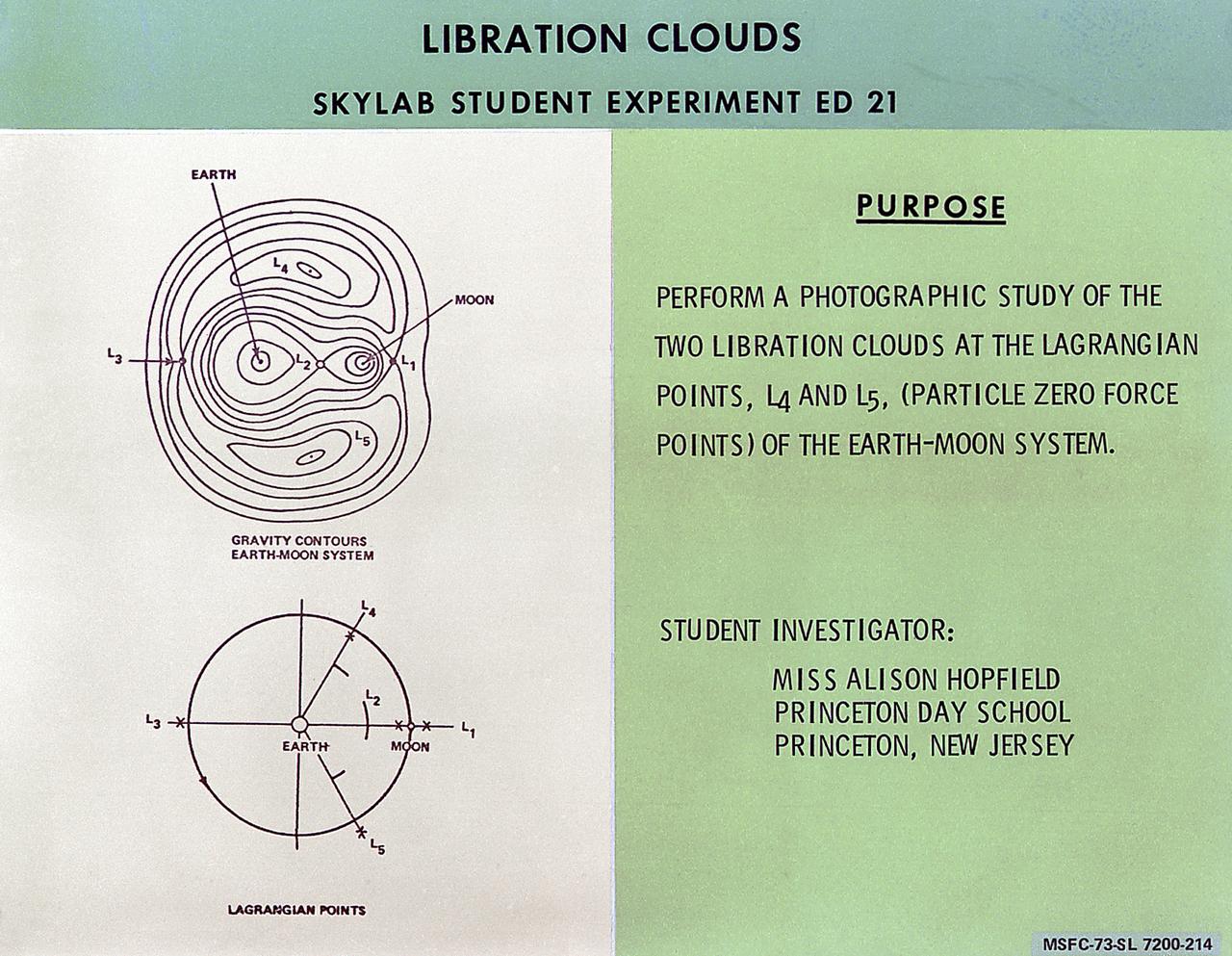
This chart describes the Skylab student experiment Libration Clouds, proposed by Alison Hopfield of Princeton, New Jersey. This experiment utilized Skylab's astronomical telescopes to observe the two zero-force regions (Lagrangian points) within the Earth-Moon System in which small space particles were expected to accumulate. In March 1972, NASA and the National Science Teachers Association selected 25 experiment proposals for flight on Skylab. Science advisors from the Marshall Space Flight Center aided and assisted the students in developing the proposals for flight on Skylab.
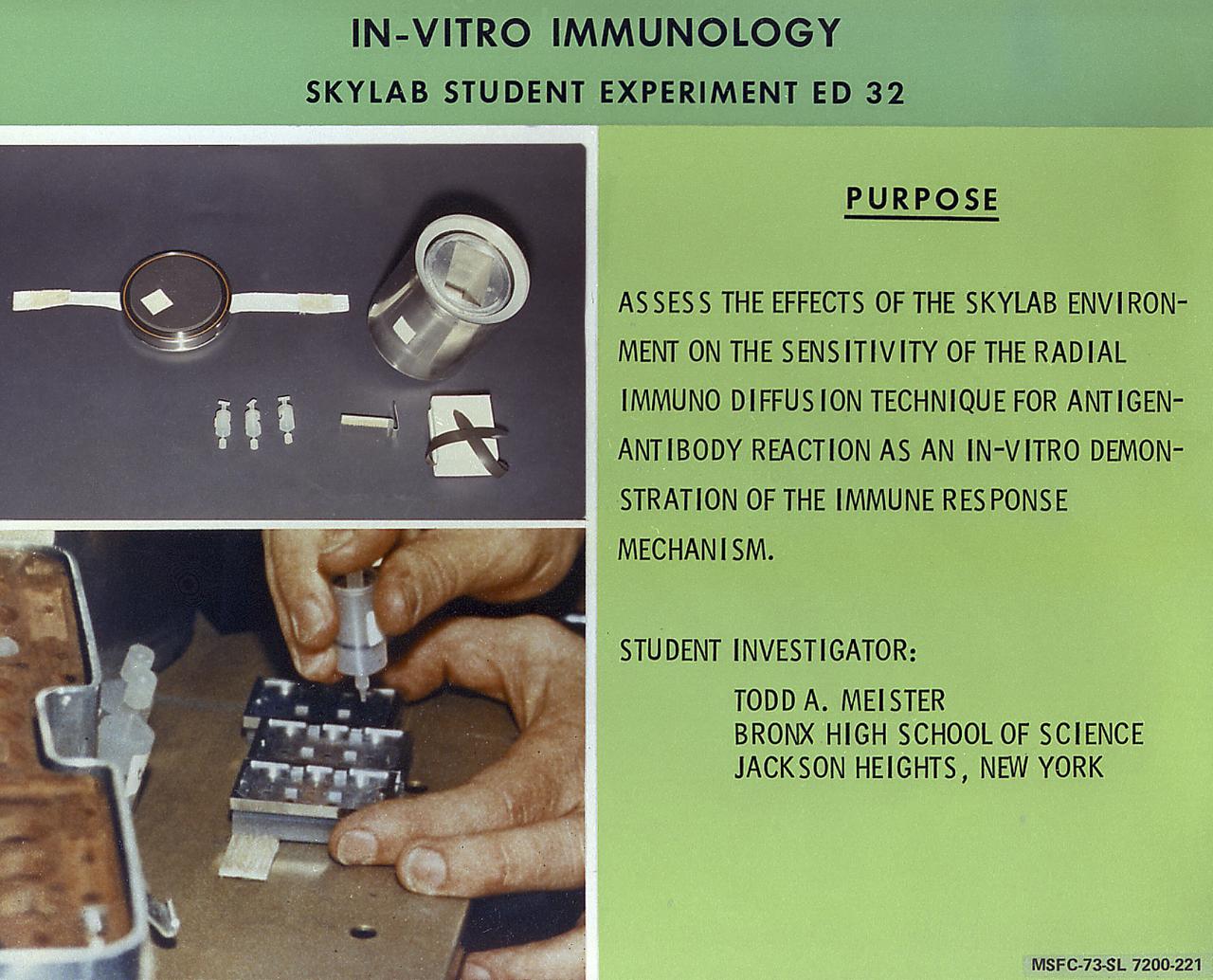
This chart describes the Skylab student experiment In-Vitro Immunology, proposed by Todd A. Meister of Jackson Heights, New York. He suggested an in-vitro observation of the effects of zero-gravity on a presipitin-type antigen-antibody reaction, as compared with the same reaction carried out in an Earth-based laboratory. In March 1972, NASA and the National Science Teachers Association selected 25 experiment proposals for flight on Skylab. Science advisors from the Marshall Space Flight Center aided and assisted the students in developing the proposals for flight on Skylab.
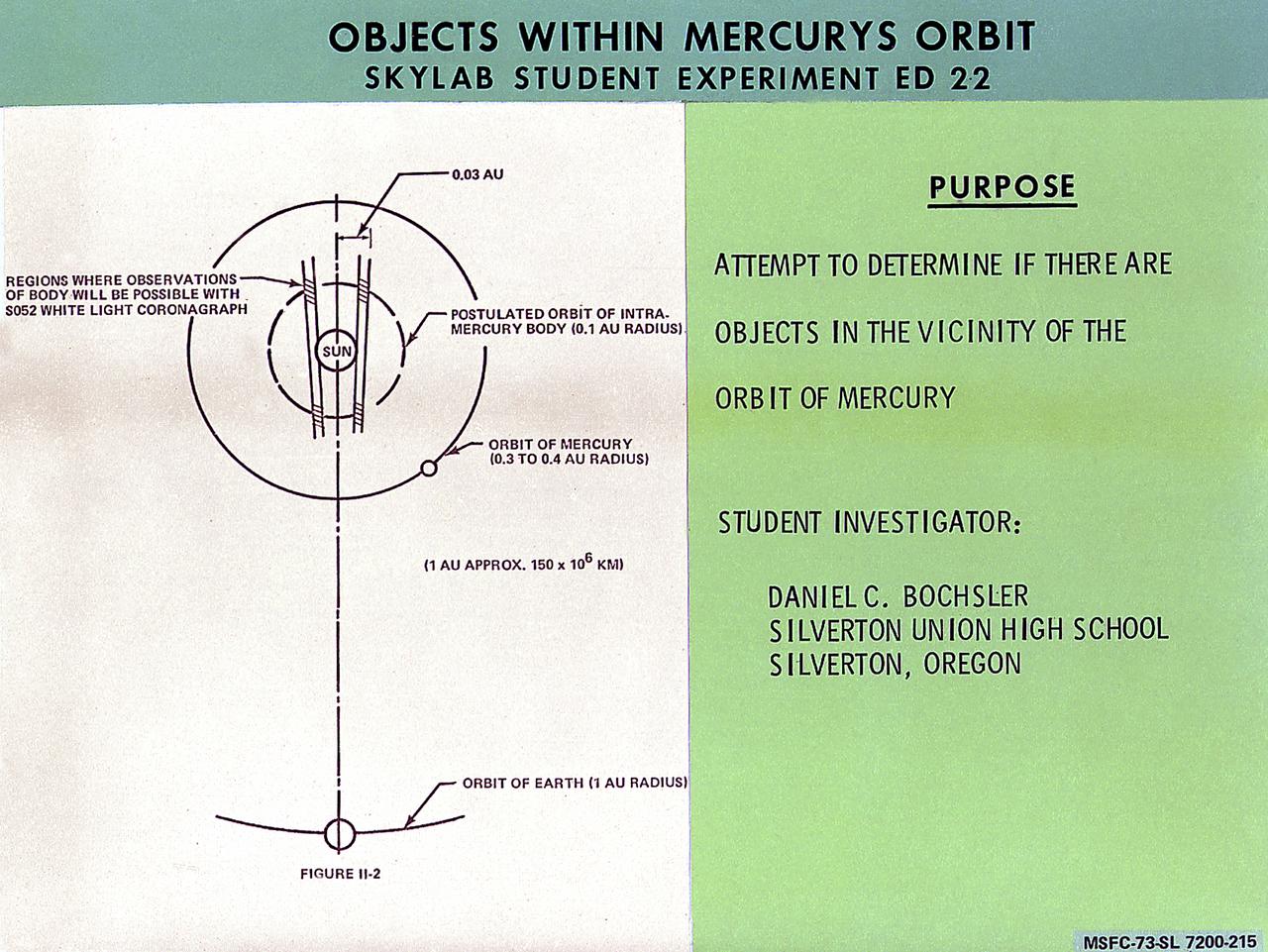
This chart describes the Skylab student experiment Objects Within Mercury's Orbit, proposed by Daniel C. Bochsler of Silverton, Oregon. This experiment utilized Skylab's White Light Coronagraph telescope to identify any objects orbiting the Sun within the orbit of Mercury. In March 1972, NASA and the National Science Teachers Association selected 25 experiment proposals for flight on Skylab. Science advisors from the Marshall Space Flight Center aided and assisted the students in developing the proposals for flight on Skylab.
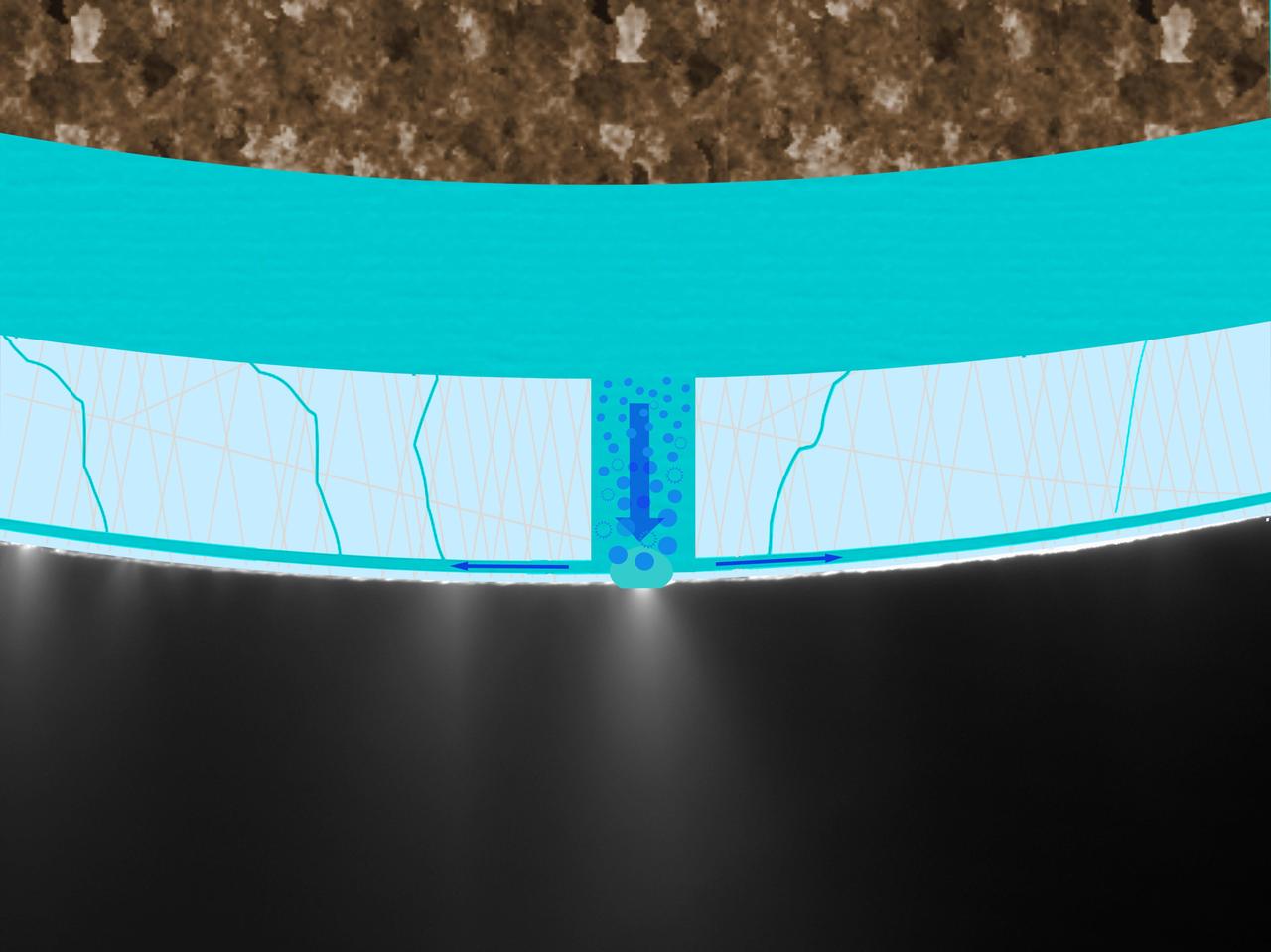
A graphic laid atop an image of Enceladus jets taken by NASA Cassini imaging cameras shows bubbles in seawater traveling through a passage in the ice crust to feed a geyser. Seawater flows back down to the subsurface ocean through cracks in the ice.
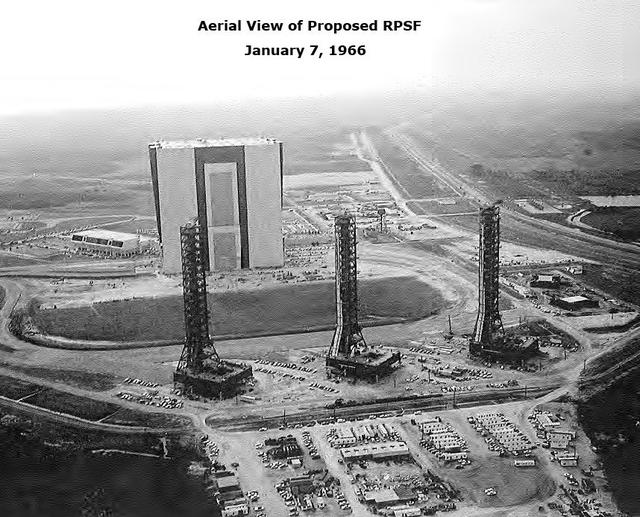
Aerial View of Proposed RPSF Area, January 7, 1966
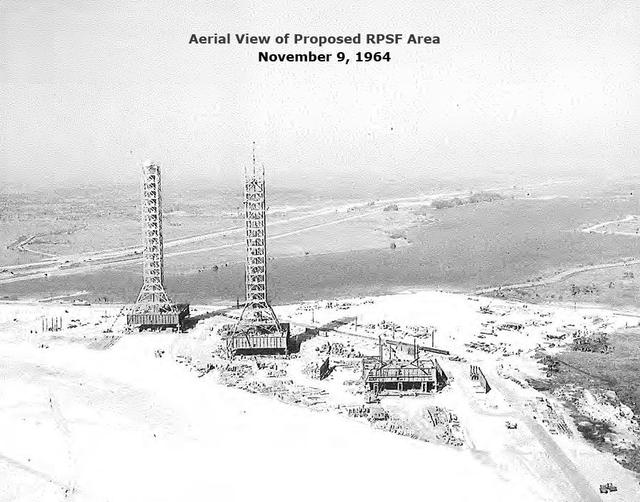
Aerial View of Proposed RPSF Area, November 9, 1964
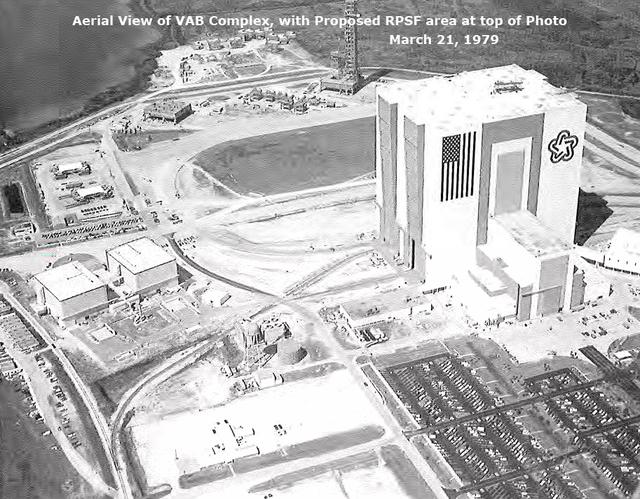
Aerial View of VAB Complex, with Proposed RPSF Area, March 21, 1979
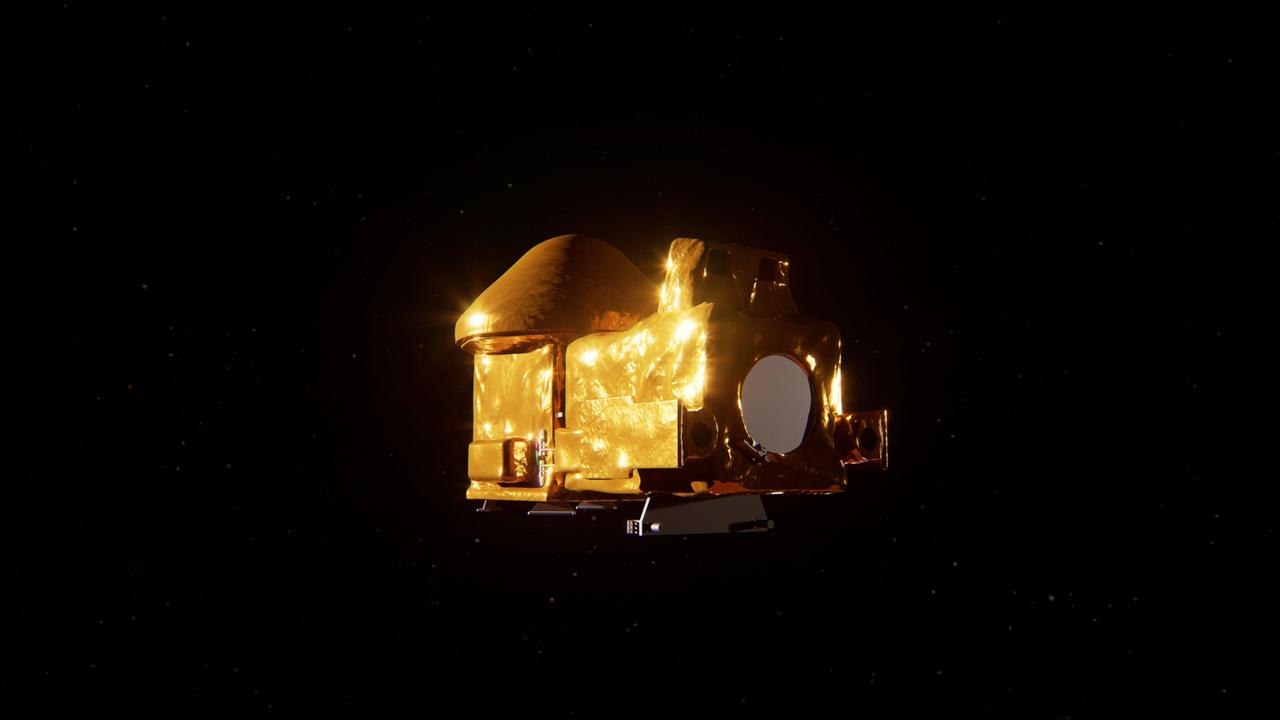
This artist's concept shows the proposed Capture, Containment, and Return System, a NASA payload on the European Space Agency's Earth Return Orbiter. The payload is tasked with capturing the Orbiting Sample container, orienting it, sterilizing its exterior, and transferring it into a clean zone for secondary containment, toward safe return to Earth. The Capture, Containment, and Return System is part of the multi-mission Mars Sample Return program being planned by NASA and European Space Agency (ESA). https://photojournal.jpl.nasa.gov/catalog/PIA25894
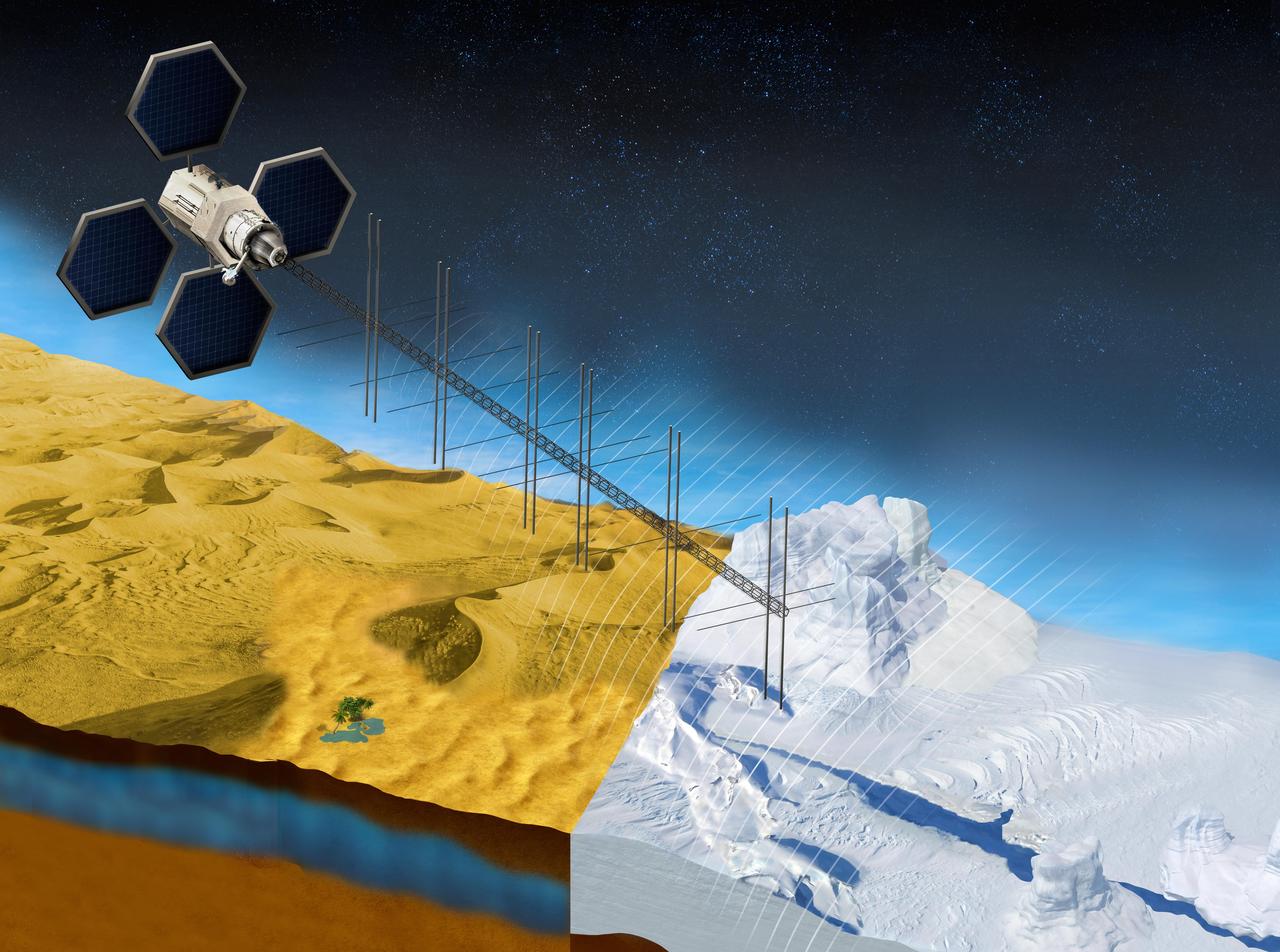
The OASIS project seeks to study fresh water aquifers in the desert as well as ice sheets in places like Greenland. This illustration shows what a satellite with a proposed radar instrument for the mission could look like. https://photojournal.jpl.nasa.gov/catalog/PIA23790
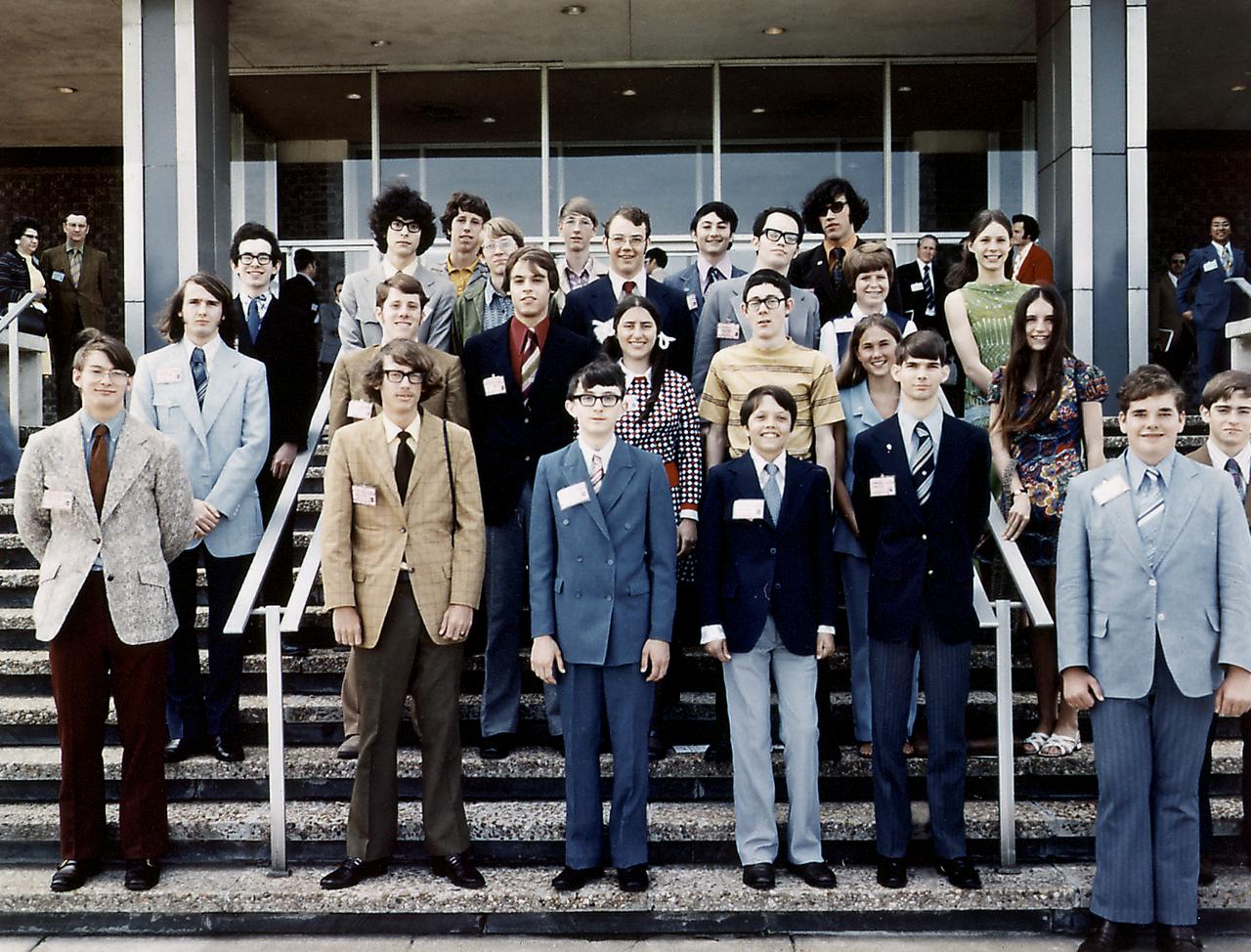
One of the most successful of the Skylab educational efforts was the Skylab Student Project. This was a nationwide contest in which secondary school students submitted proposals for experiments to fly on Skylab. After the official announcement of this project, over 4,000 students responded with 3,409 proposals from which 25 winners were selected. In the subsequent evaluation of these 25 proposed experiments in terms of their suitability for flight, the Marshall Space Flight Center, the lead center for Skylab, selected 19. This photograph is a group shot of the 25 winners in the Skylab student program when they met for the first time at the Marshall Space Flight Center in May 1972.
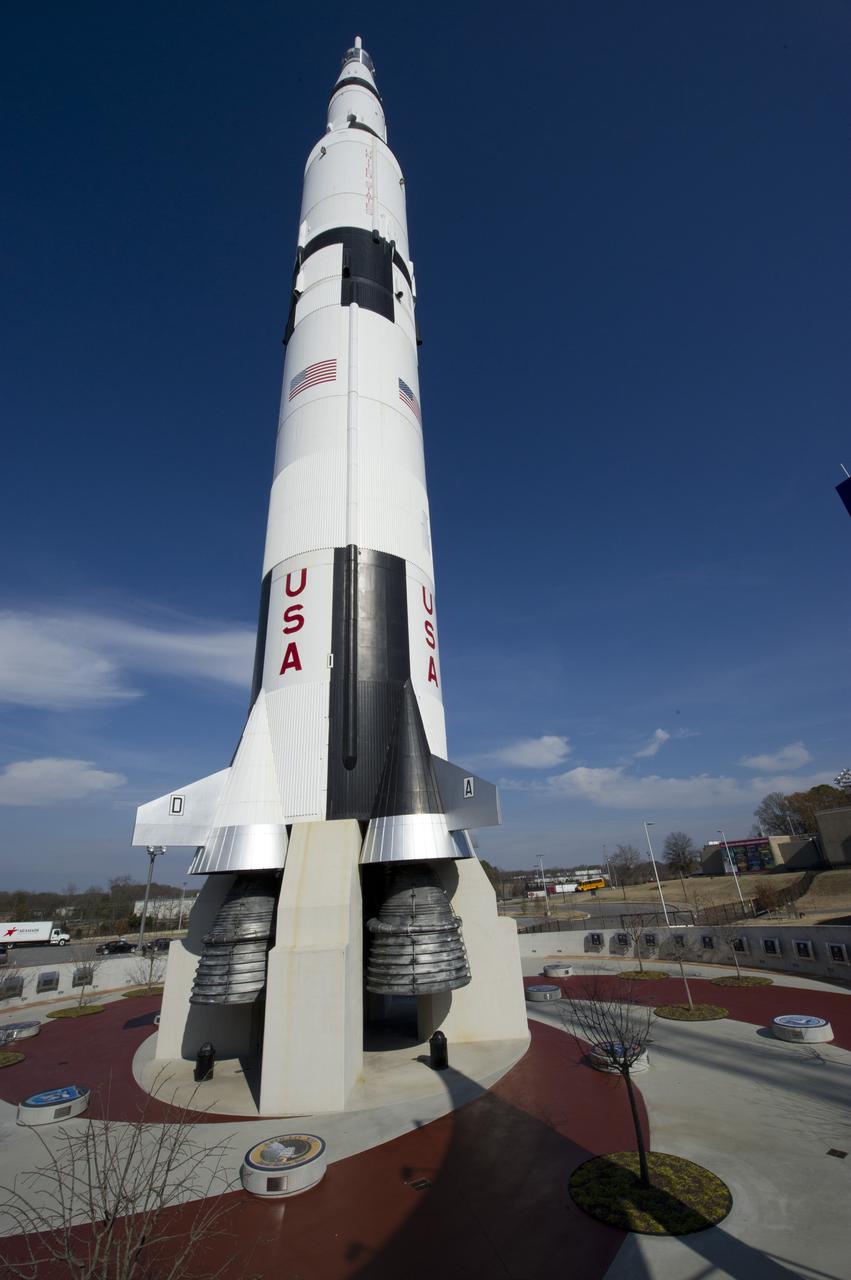
PROPOSED LOCATION FOR MSFC MEMORIAL BRICKS AT BASE OF SATURN V ROCKET AT USSRC/DAVIDSON CENTER
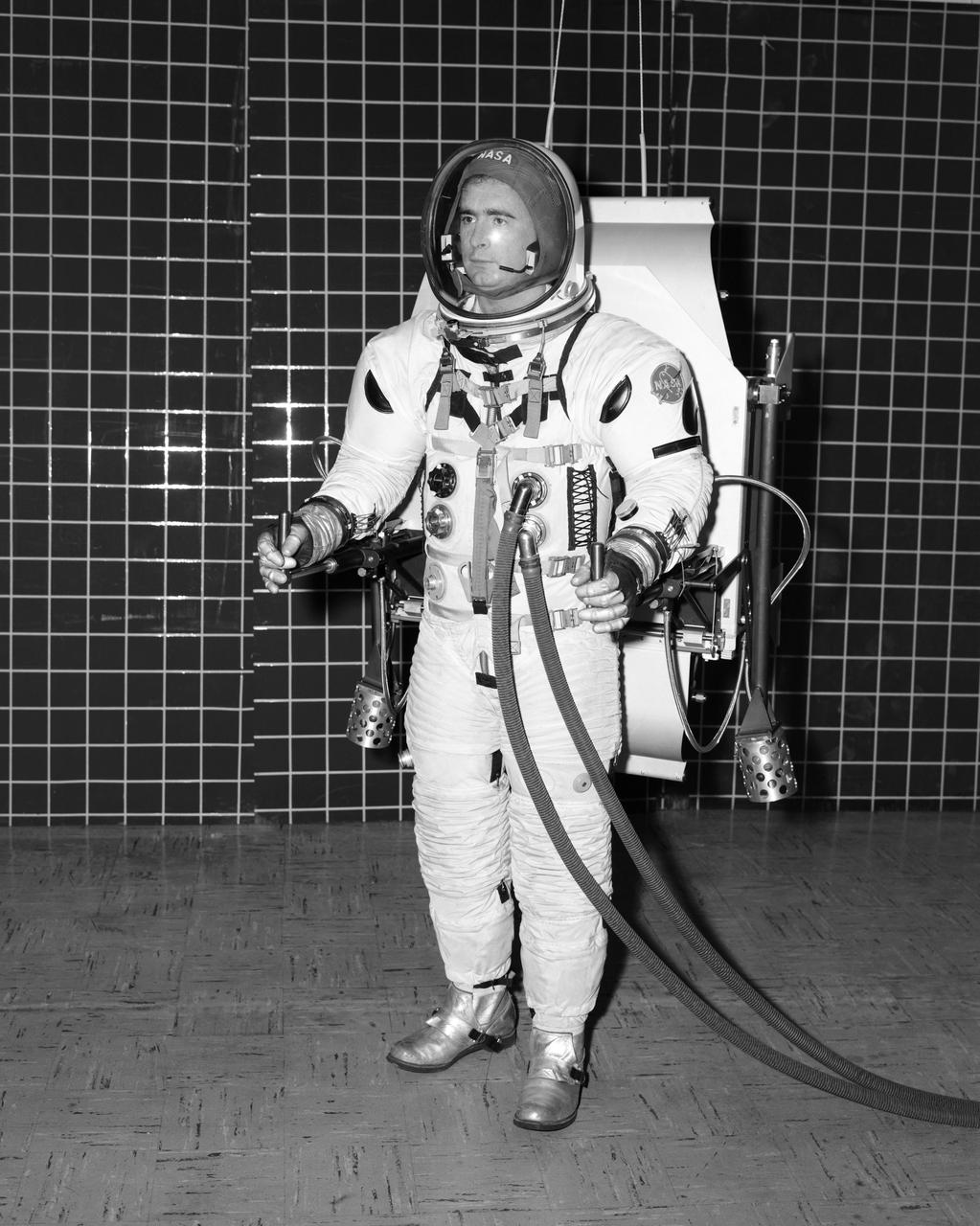
Space Suit: NASA Langley researcher (Kenneth R. Yenni) tries out a proposal for an Apollo space suit.