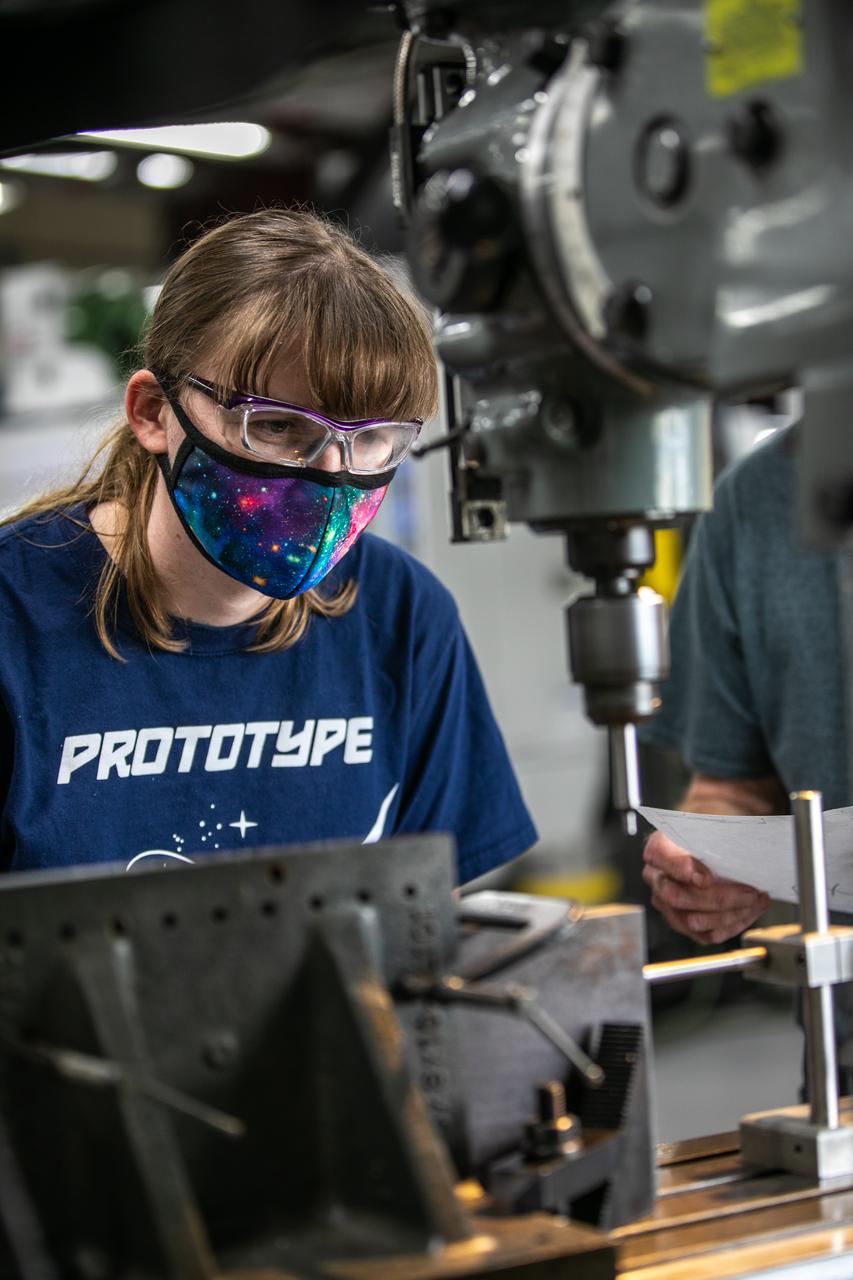
Katie Mortensen, a mechanical engineering technician, machines test article materials inside the Prototype Development Laboratory at NASA’s Kennedy Space Center in Florida on Oct. 21, 2020. The prototype laboratory designs, fabricates, and tests prototypes, test articles and test support equipment. It has a long history of providing fast solutions to complex operations problems. The lab’s teams of engineers use specialized equipment to produce exacting, one-of-a-kind items made from a range of materials depending on the design. The lab supports projects at Kennedy and at the agency level.
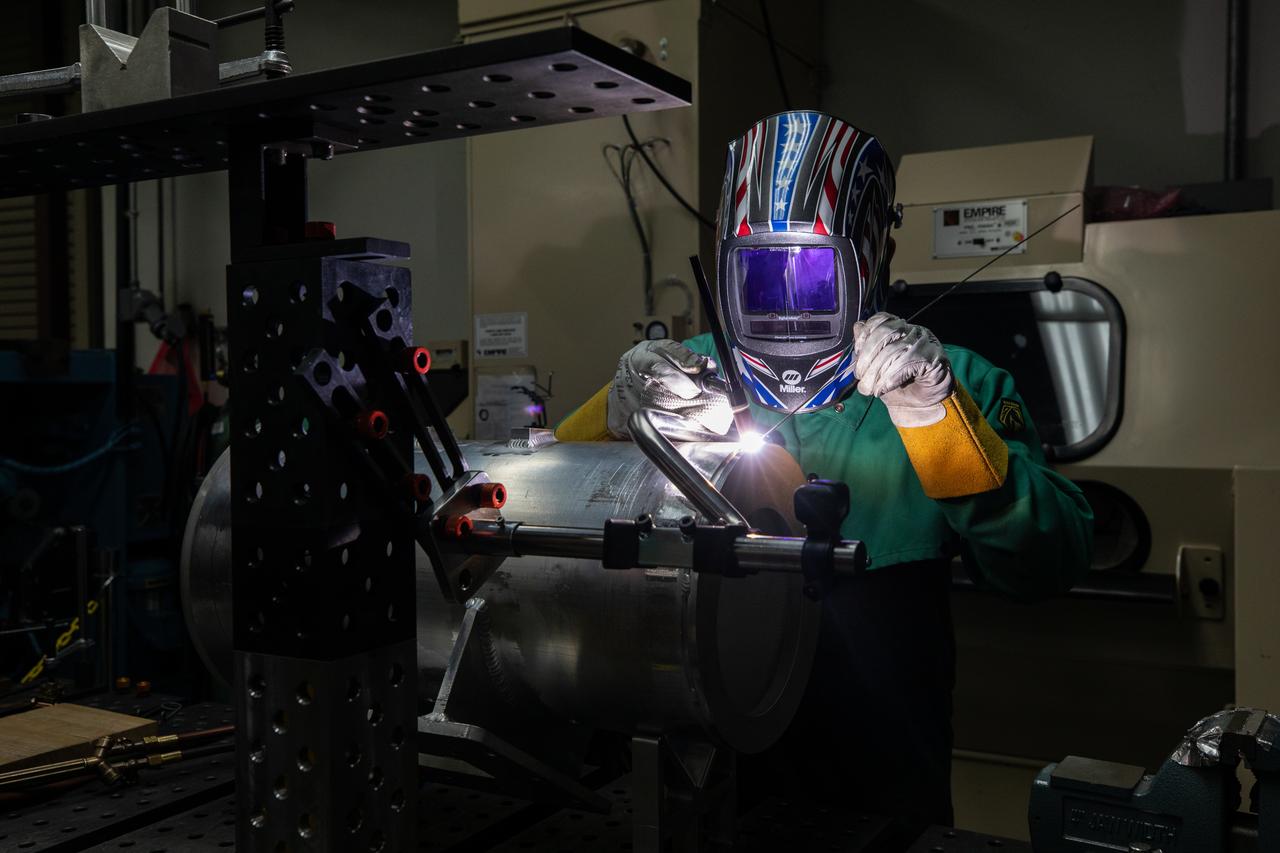
Spencer Wells, a mechanical engineering technician, welds a part of a camera enclosure which will be used at Launch Complex 39B inside the Prototype Development Laboratory at NASA’s Kennedy Space Center in Florida on Oct. 21, 2020. The prototype laboratory designs, fabricates, and tests prototypes, test articles and test support equipment. It has a long history of providing fast solutions to complex operations problems. The lab’s teams of engineers use specialized equipment to produce exacting, one-of-a-kind items made from a range of materials depending on the design. The lab supports projects at Kennedy and at the agency level.
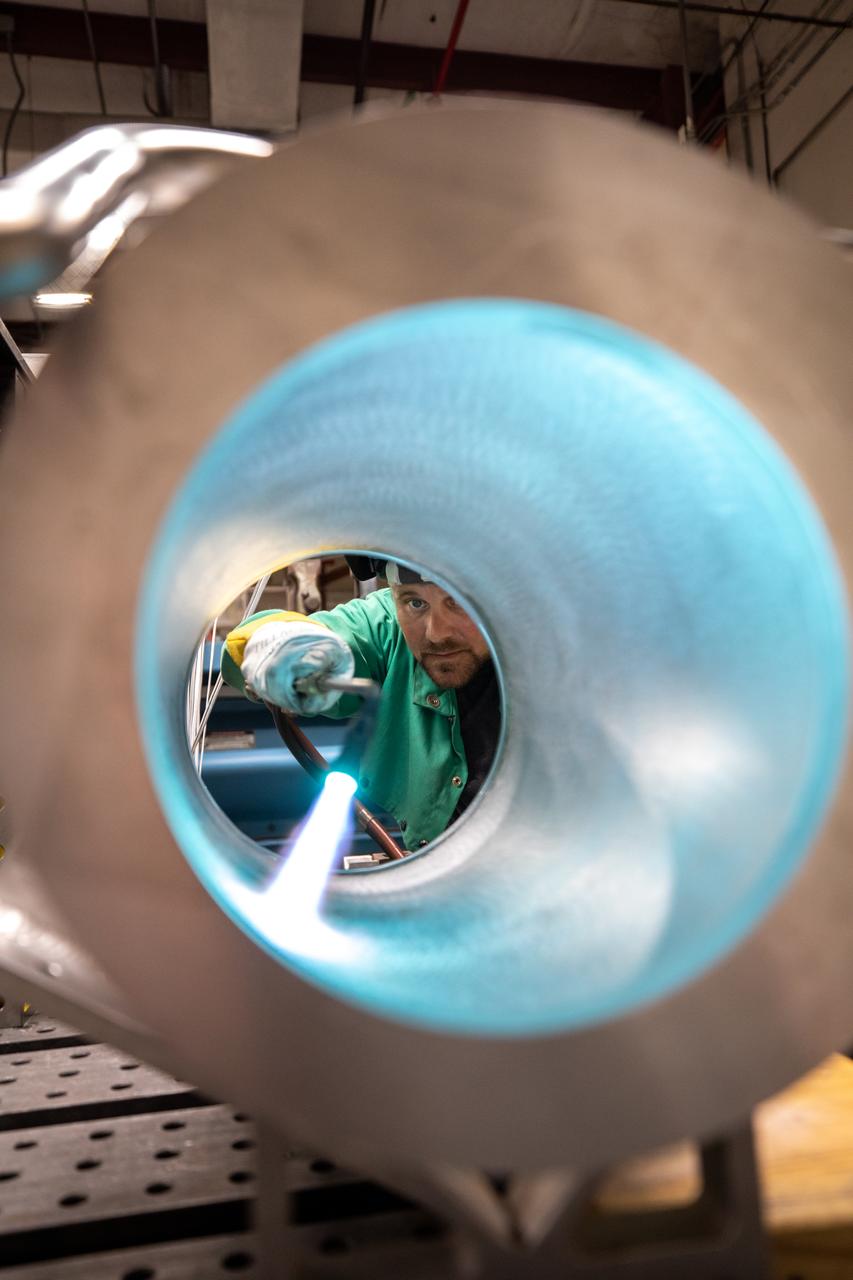
Spencer Wells, a mechanical engineering technician, examines the interior of a camera enclosure for Launch Complex 39B inside the Prototype Development Laboratory at NASA’s Kennedy Space Center in Florida on Oct. 21, 2020. The prototype laboratory designs, fabricates, and tests prototypes, test articles and test support equipment. It has a long history of providing fast solutions to complex operations problems. The lab’s teams of engineers use specialized equipment to produce exacting, one-of-a-kind items made from a range of materials depending on the design. The lab supports projects at Kennedy and at the agency level.
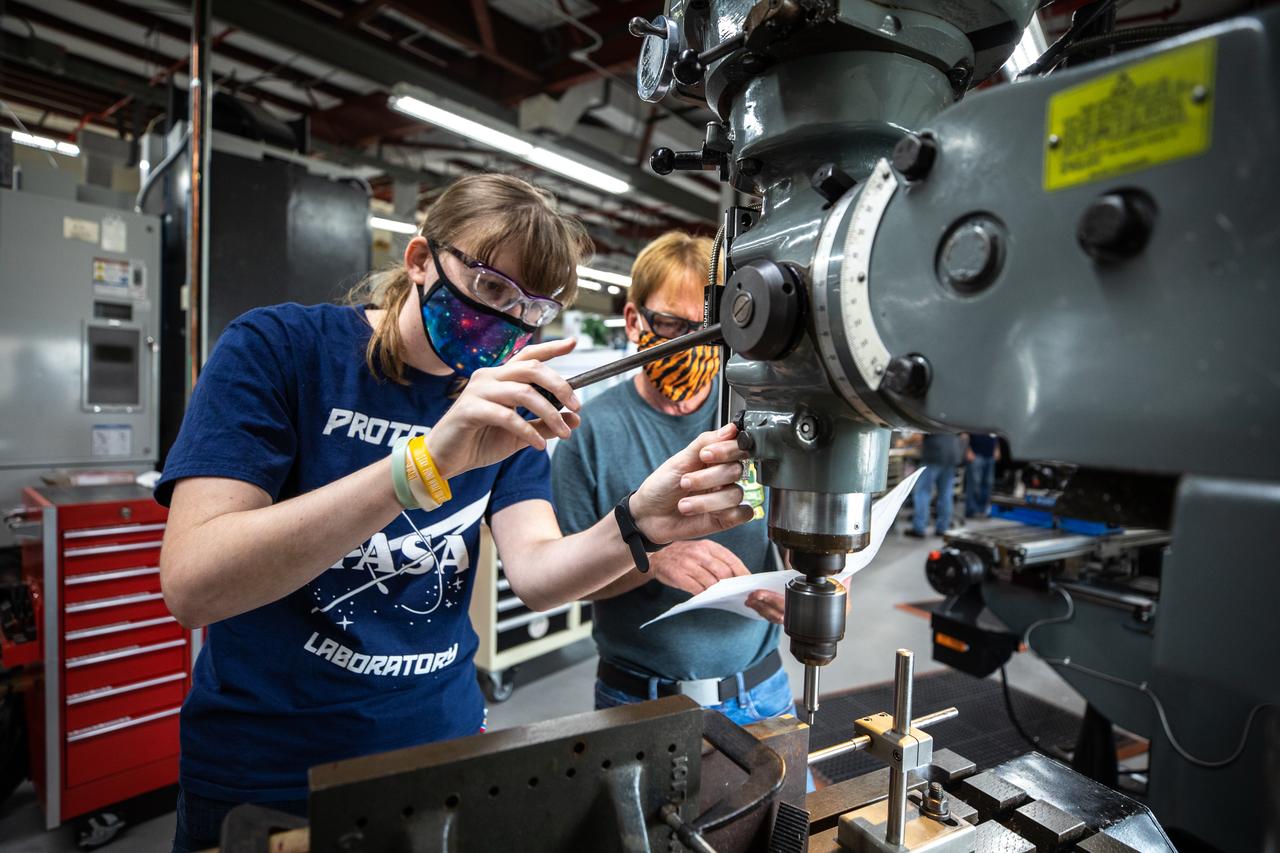
From left, mechanical engineering technicians Katie Mortensen and Jim Niehoff machine test article material inside the Prototype Development Laboratory at NASA’s Kennedy Space Center in Florida on Oct. 21, 2020. The prototype laboratory designs, fabricates, and tests prototypes, test articles and test support equipment. It has a long history of providing fast solutions to complex operations problems. The lab’s teams of engineers use specialized equipment to produce exacting, one-of-a-kind items made from a range of materials depending on the design. The lab supports projects at Kennedy and at the agency level.
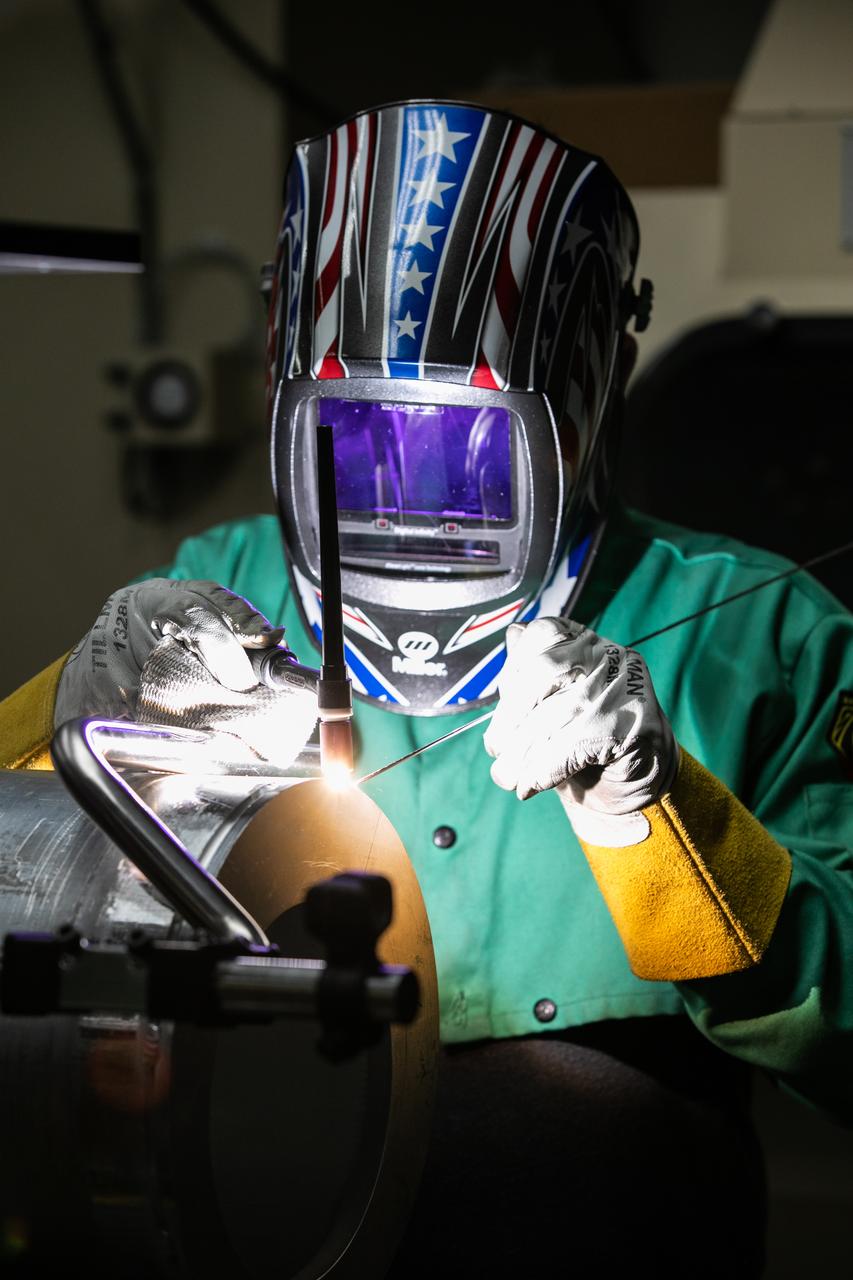
Spencer Wells, a mechanical engineering technician, welds a part of a camera enclosure which will be used at Launch Complex 39B inside the Prototype Development Laboratory at NASA’s Kennedy Space Center in Florida on Oct. 21, 2020. The prototype laboratory designs, fabricates, and tests prototypes, test articles and test support equipment. It has a long history of providing fast solutions to complex operations problems. The lab’s teams of engineers use specialized equipment to produce exacting, one-of-a-kind items made from a range of materials depending on the design. The lab supports projects at Kennedy and at the agency level.
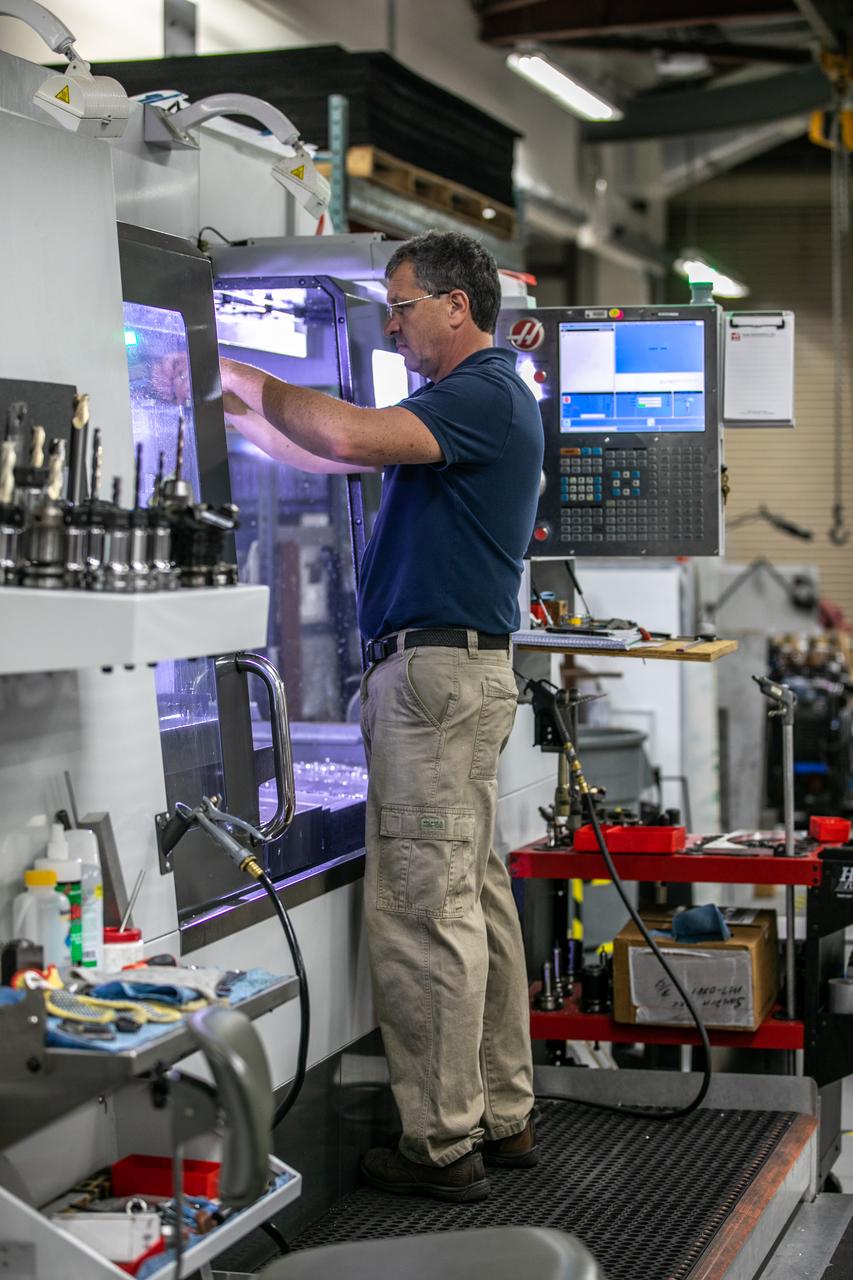
Tim Evans, a mechanical engineering technician, uses a computer numerical control (CNC) machine to machine a part for a Launch Pad 39B camera enclosure inside the Prototype Development Laboratory at NASA’s Kennedy Space Center in Florida on Oct. 21, 2020. The prototype laboratory designs, fabricates, and tests prototypes, test articles and test support equipment. It has a long history of providing fast solutions to complex operations problems. The lab’s teams of engineers use specialized equipment to produce exacting, one-of-a-kind items made from a range of materials depending on the design. The lab supports projects at Kennedy and at the agency level.
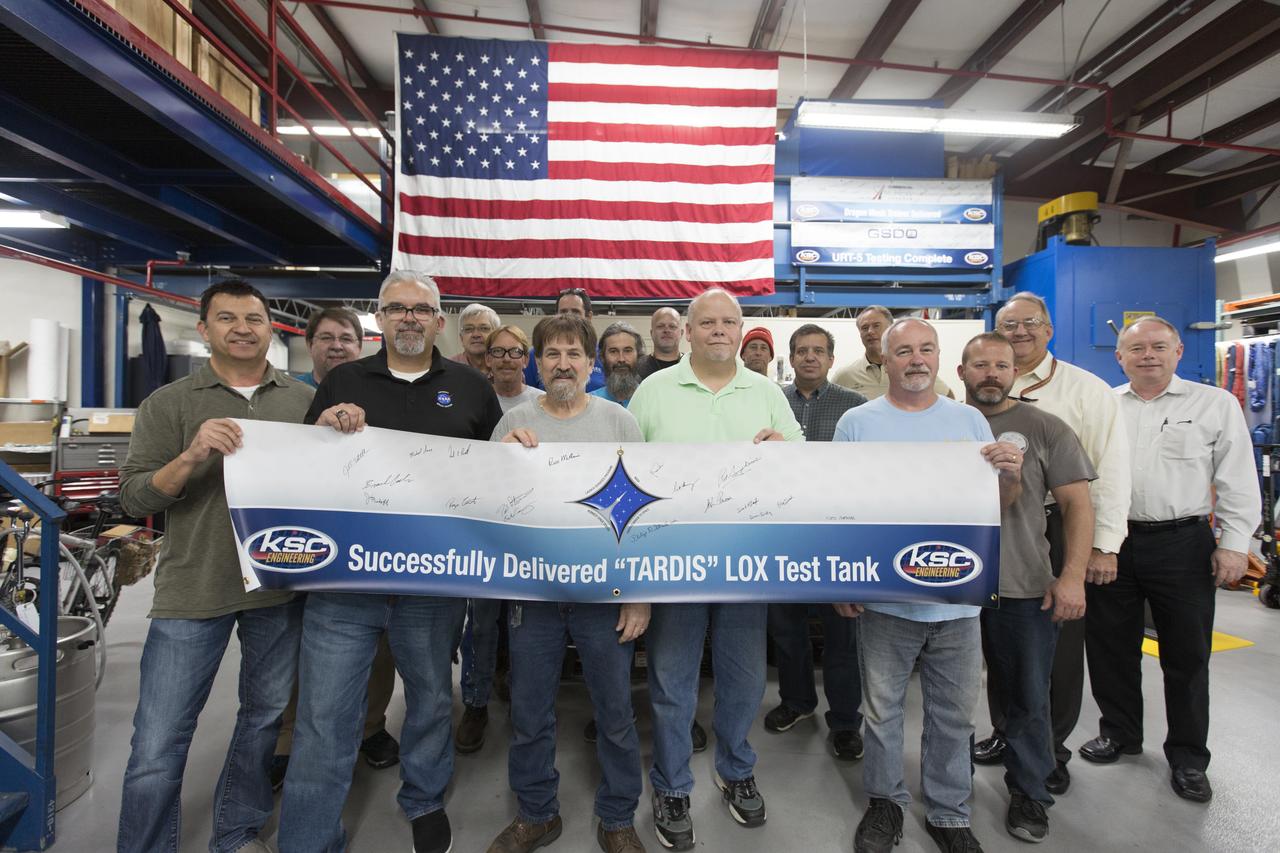
Inside the Prototype Development Laboratory at NASA's Kennedy Space Center in Florida, workers in the lab hold a banner marking the successful delivery of a liquid oxygen test tank called Tardis. Engineers and technicians worked together to develop the tank to build it at the lab to support cryogenic testing at Johnson Space Center's White Sands Test Facility in Las Cruces, New Mexico. The 12-foot-tall, 3,810-pound aluminum tank will be shipped to White Sands for testing.
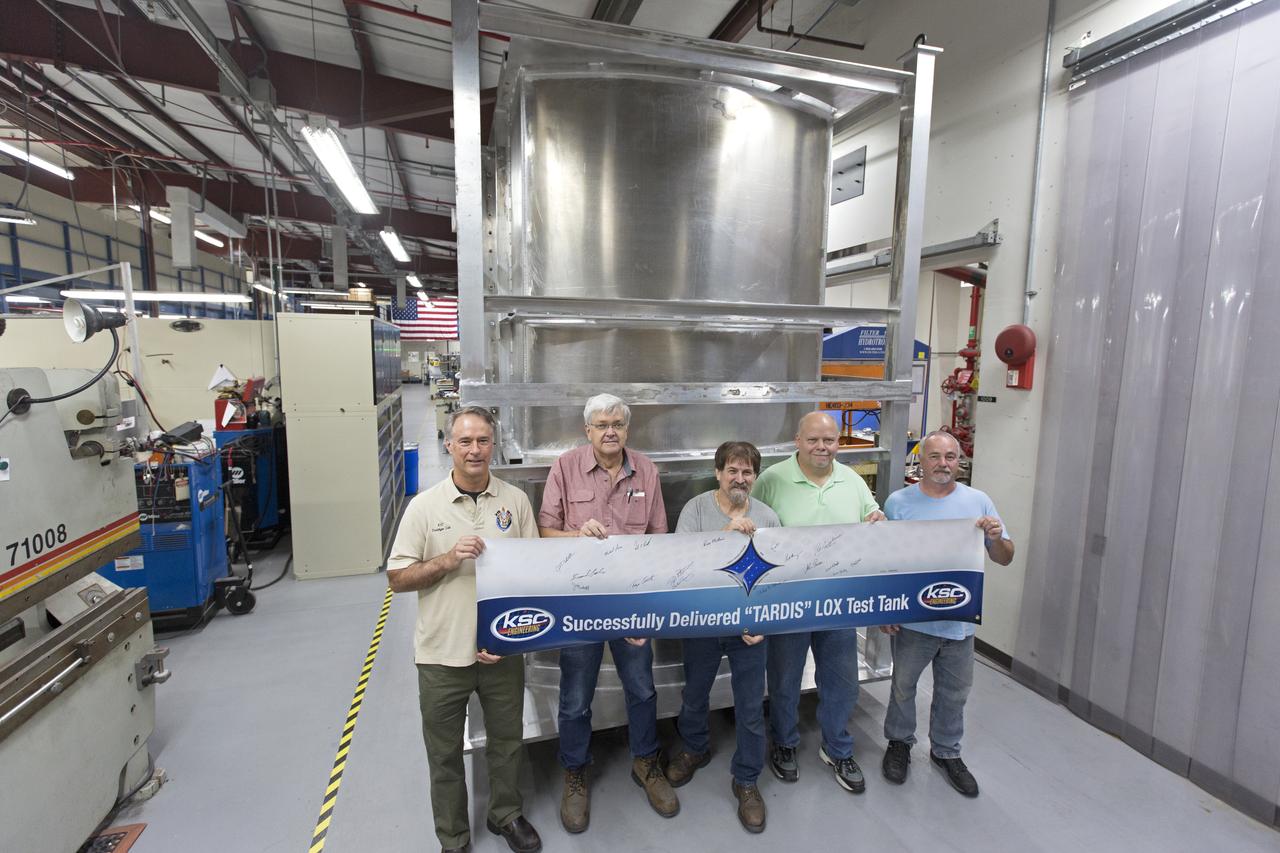
Inside the Prototype Development Laboratory at NASA's Kennedy Space Center in Florida, engineers and technicians hold a banner marking the successful delivery of a liquid oxygen test tank called Tardis. From left, are Todd Steinrock, chief, Fabrication and Development Branch, Prototype Development Lab; David McLaughlin, electrical engineering technician; Phil Stroda, mechanical engineering technician; Perry Dickey, lead electrical engineering technician; and Harold McAmis, lead mechanical engineering technician. Engineers and technicians worked together to develop the tank and build it at the lab to support cryogenic testing at Johnson Space Center's White Sands Test Facility in Las Cruces, New Mexico. The 12-foot-tall, 3,810-pound aluminum tank will be shipped to White Sands for testing.
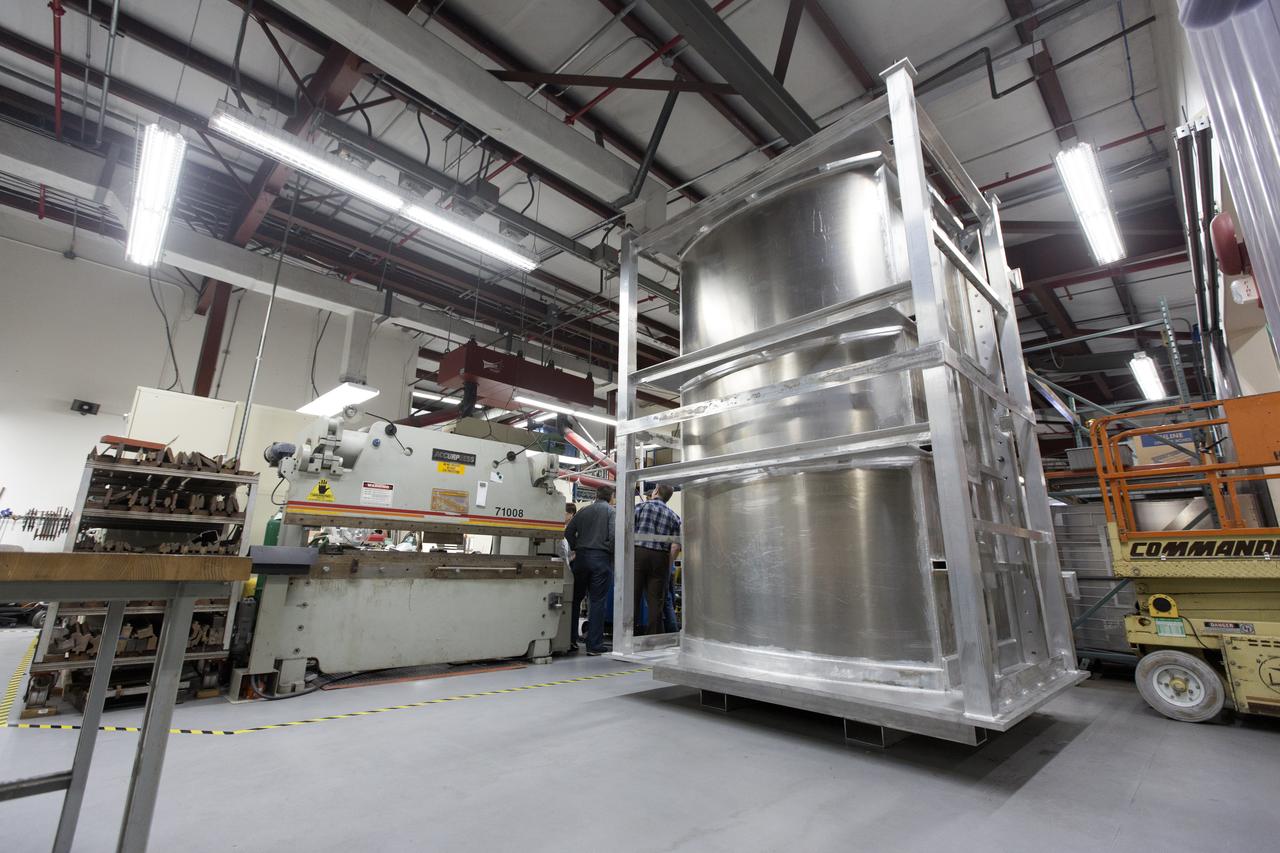
A liquid oxygen test tank was completed in the Prototype Development Laboratory at NASA's Kennedy Space Center in Florida. A banner signing event marked the successful delivery of the tank called Tardis. Engineers and technicians worked together to develop the tank and build it at the lab to support cryogenic testing at Johnson Space Center's White Sands Test Facility in Las Cruces, New Mexico. The 12-foot-tall, 3,810-pound aluminum tank will be shipped to White Sands for testing.
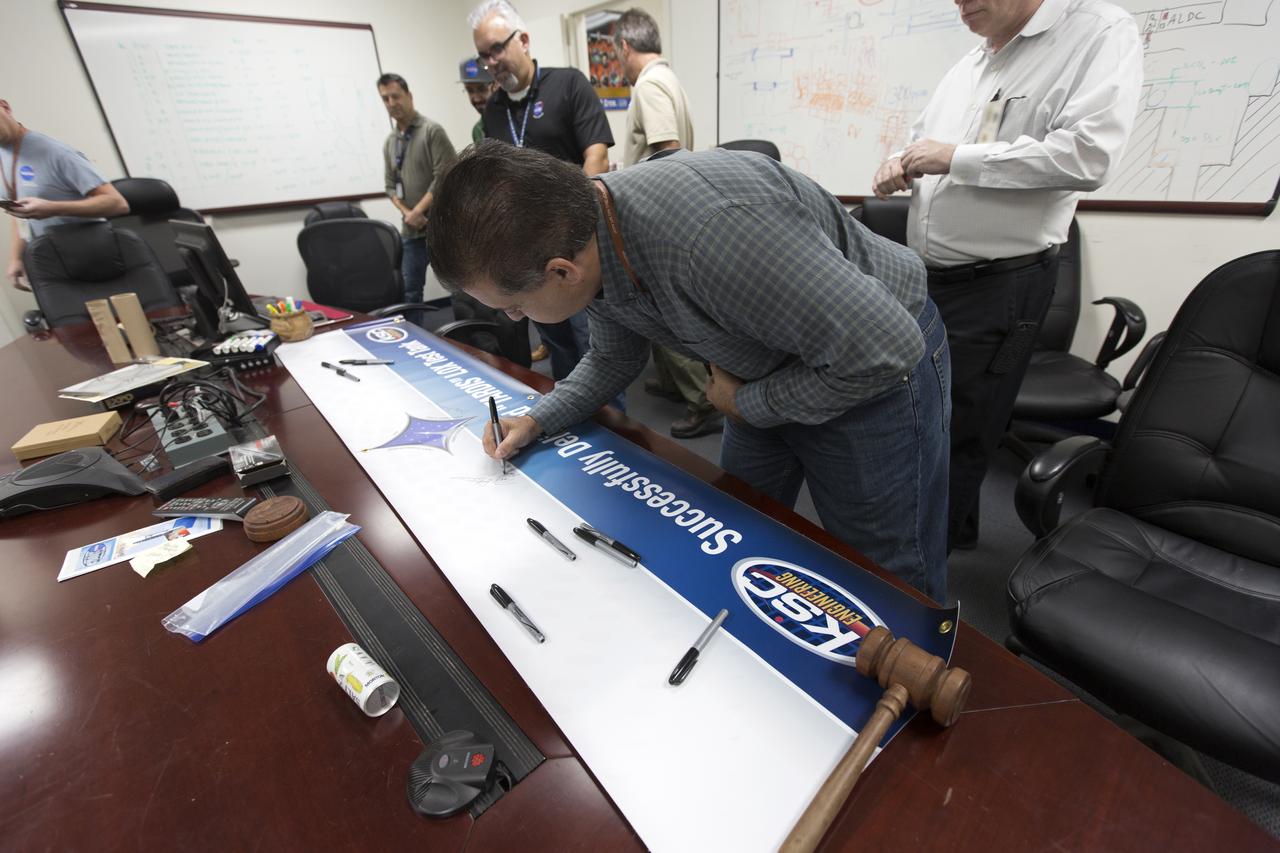
Workers sign the banner marking the successful delivery of a liquid oxygen test tank, called Tardis, in the Prototype Development Laboratory at NASA's Kennedy Space Center in Florida. Engineers and technicians worked together to develop the tank and build it at the lab to support cryogenic testing at Johnson Space Center's White Sands Test Facility in Las Cruces, New Mexico. The 12-foot-tall, 3,810-pound aluminum tank will be shipped to White Sands for testing.
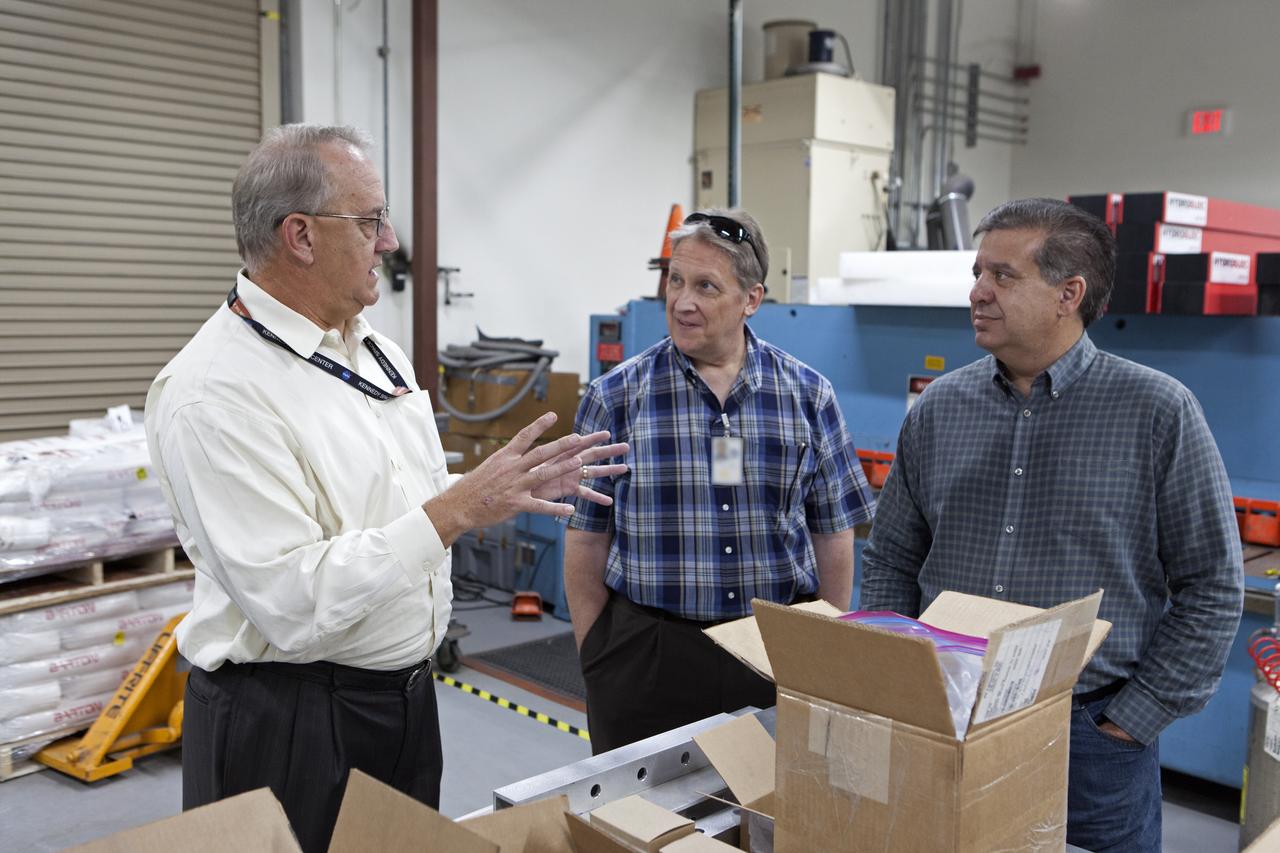
NASA Kennedy Space Center's Engineering Director Pat Simpkins, at left, talks with Michael E. Johnson, a project engineer; and Emilio Cruz, deputy division chief in the Laboratories, Development and Testing Division, inside the Prototype Development Laboratory. A banner signing event was held to mark the successful delivery of a liquid oxygen test tank, called Tardis. Engineers and technicians worked together to develop the tank and build it at the lab to support cryogenic testing at Johnson Space Center's White Sands Test Facility in Las Cruces, New Mexico. The 12-foot-tall, 3,810-pound aluminum tank will be shipped to White Sands for testing.
NASA Kennedy Space Center's Engineering Directorate held a banner signing event in the Prototype Development Laboratory to mark the successful delivery of a liquid oxygen test tank, called Tardis. Engineers and technicians worked together to develop the tank and build it to support cryogenic testing at Johnson Space Center's White Stands Test Facility in Las Cruces, New Mexico. The 12-foot-tall, 3,810-pound aluminum tank will be shipped to White Sands for testing.
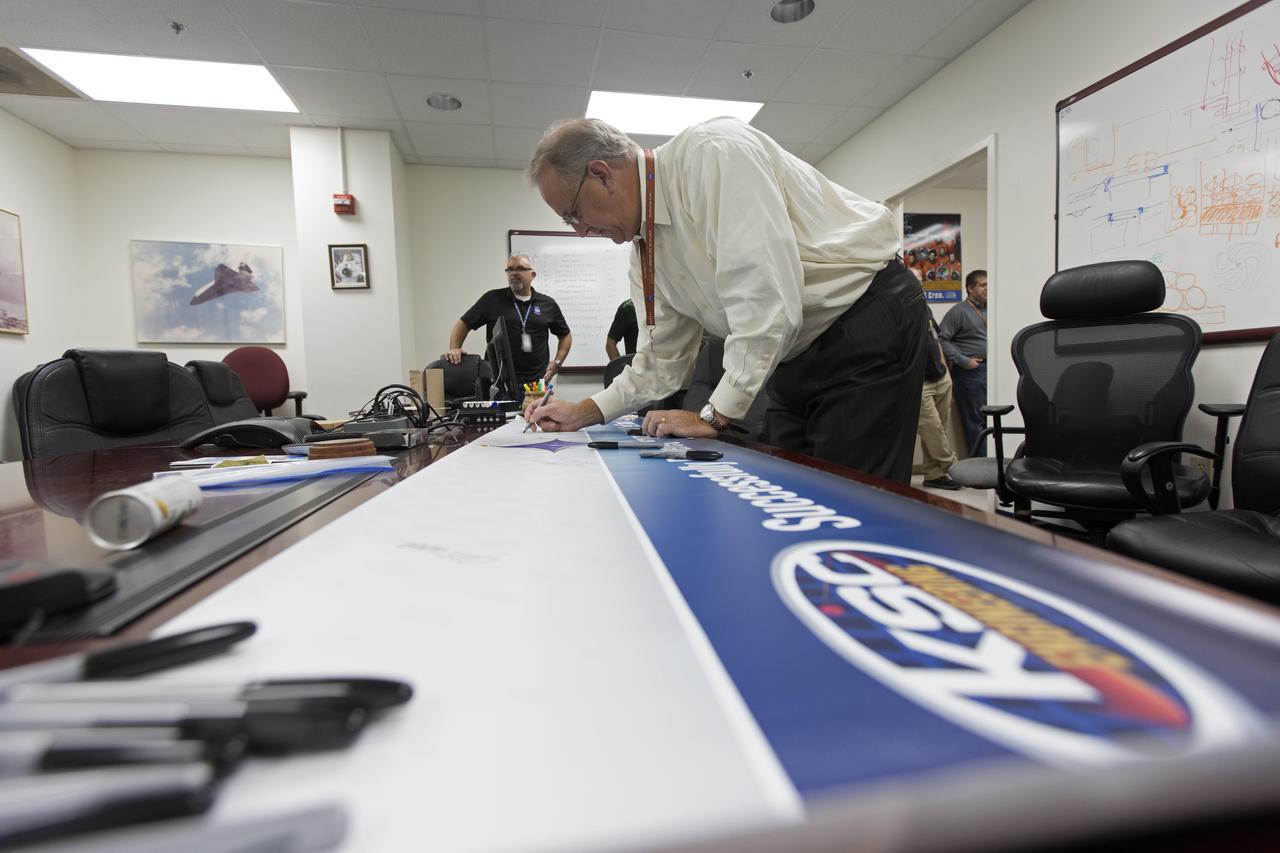
NASA Kennedy Space Center's Engineering Director Pat Simpkins signs the banner marking the successful delivery of a liquid oxygen test tank, called Tardis, in the Prototype Development Laboratory at NASA's Kennedy Space Center in Florida. Engineers and technicians worked together to develop the tank and build it to support cryogenic testing at Johnson Space Center's White Stands Test Facility in Las Cruces, New Mexico. The 12-foot-tall, 3,810-pound aluminum tank will be shipped to White Sands for testing.
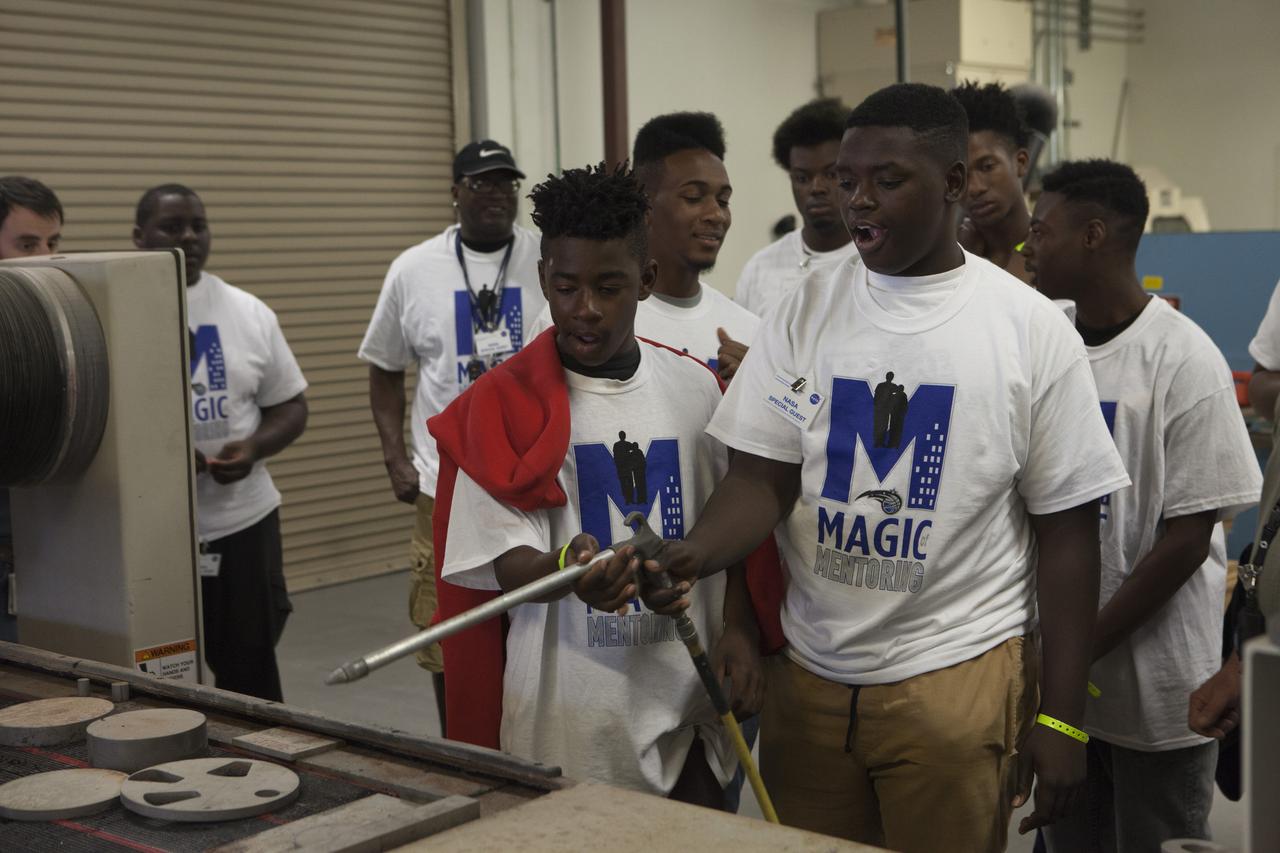
Students in the My Brother’s Keeper program try out some of the machinery inside the Prototype Lab at NASA’s Kennedy Space Center. The Florida spaceport is one of six NASA centers that participated in My Brother’s Keeper National Lab Week. The event is a nationwide effort to bring youth from underrepresented communities into federal labs and centers for hands-on activities, tours and inspirational speakers. Sixty students from the nearby cities of Orlando and Sanford visited Kennedy, where they toured the Vehicle Assembly Building, the Space Station Processing Facility and the center’s innovative Swamp Works Labs. The students also had a chance to meet and ask questions of a panel of subject matter experts from across Kennedy.
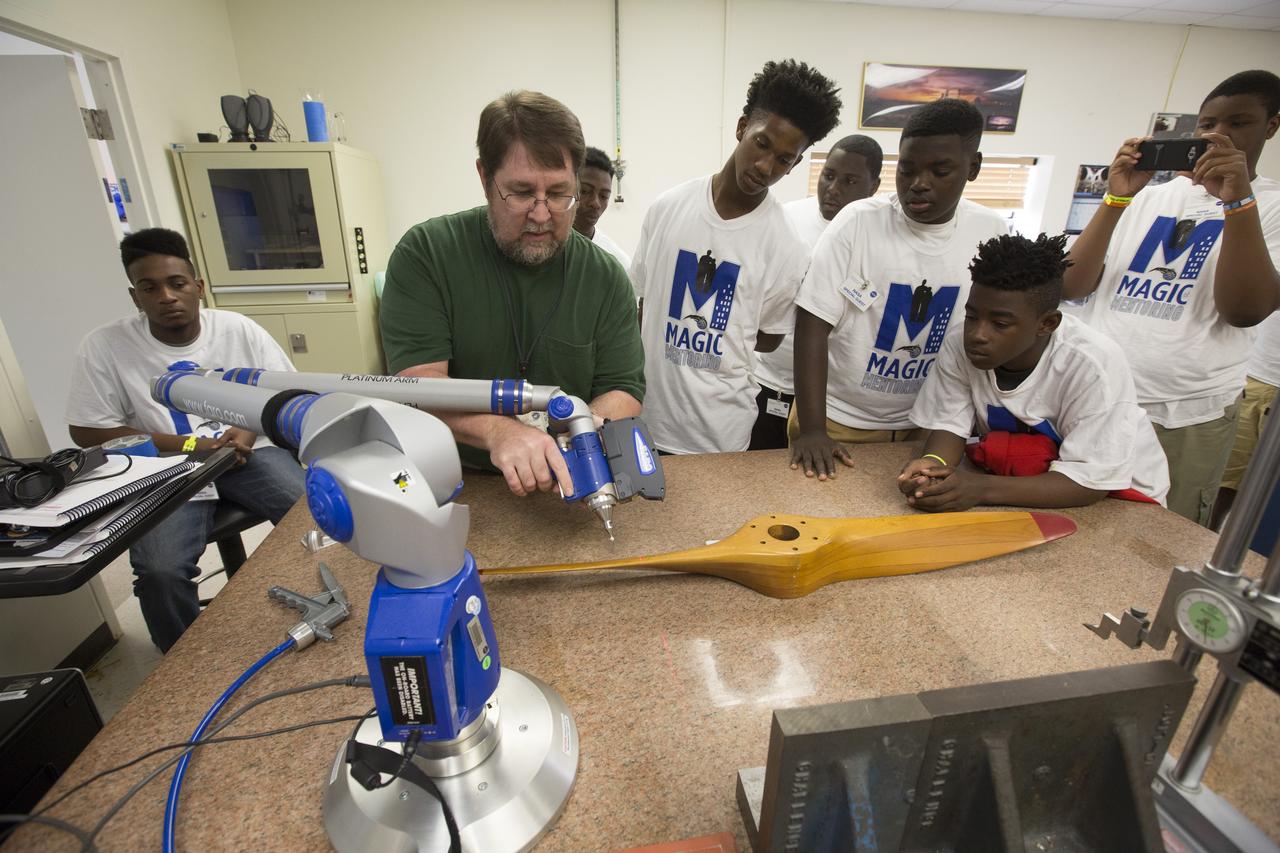
Mike Lane demonstrates a 3D scanner inside the NASA Kennedy Space Center Prototype Lab for students in the My Brother’s Keeper program. The Florida spaceport is one of six NASA centers that participated in My Brother’s Keeper National Lab Week. The event is a nationwide effort to bring youth from underrepresented communities into federal labs and centers for hands-on activities, tours and inspirational speakers. Sixty students from the nearby cities of Orlando and Sanford visited Kennedy, where they toured the Vehicle Assembly Building, the Space Station Processing Facility and the center’s innovative Swamp Works Labs. The students also had a chance to meet and ask questions of a panel of subject matter experts from across Kennedy.
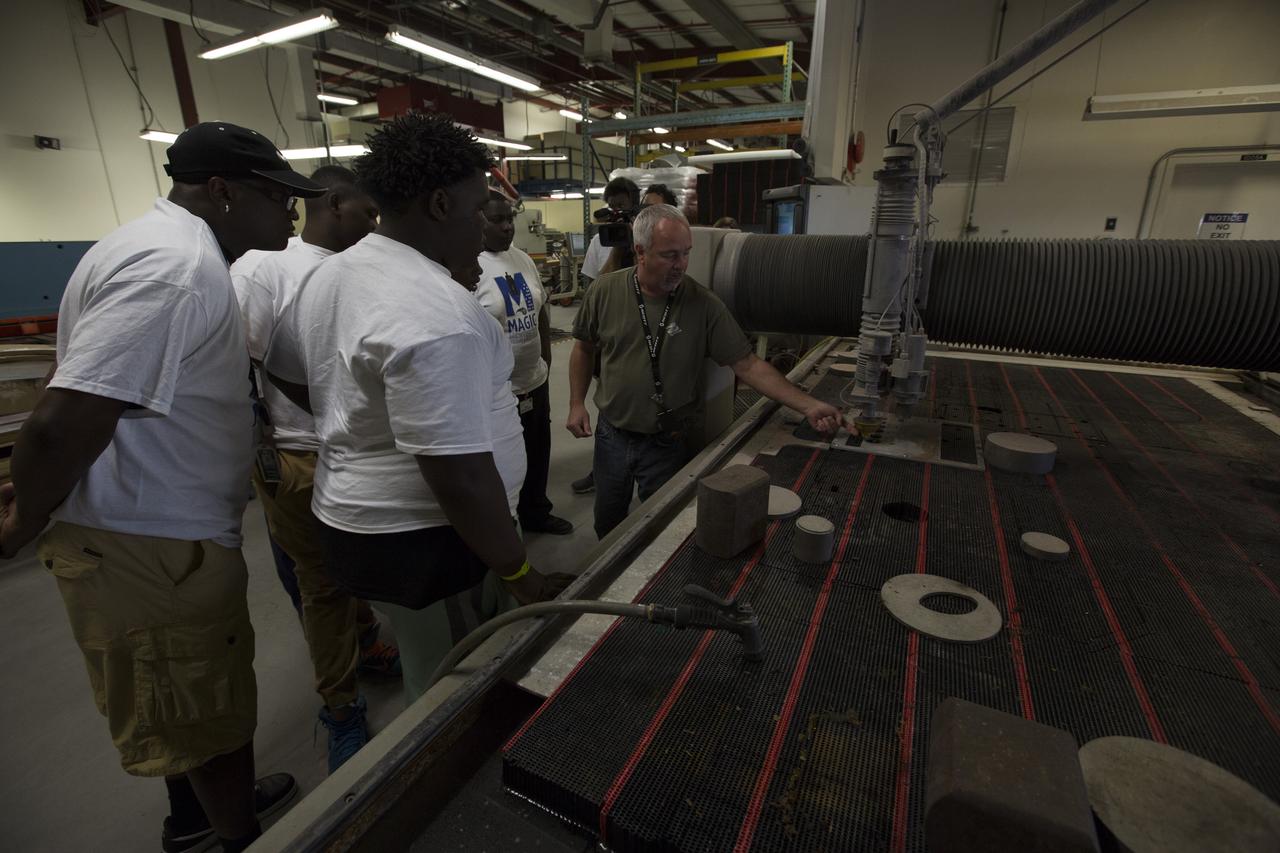
Harold (Russ) McAmis demonstrates machinery inside NASA Kennedy Space Center’s Prototype Lab for students in the My Brother’s Keeper program. The Florida spaceport is one of six NASA centers that participated in My Brother’s Keeper National Lab Week. The event is a nationwide effort to bring youth from underrepresented communities into federal labs and centers for hands-on activities, tours and inspirational speakers. Sixty students from the nearby cities of Orlando and Sanford visited Kennedy, where they toured the Vehicle Assembly Building, the Space Station Processing Facility and the center’s innovative Swamp Works Labs. The students also had a chance to meet and ask questions of a panel of subject matter experts from across Kennedy.
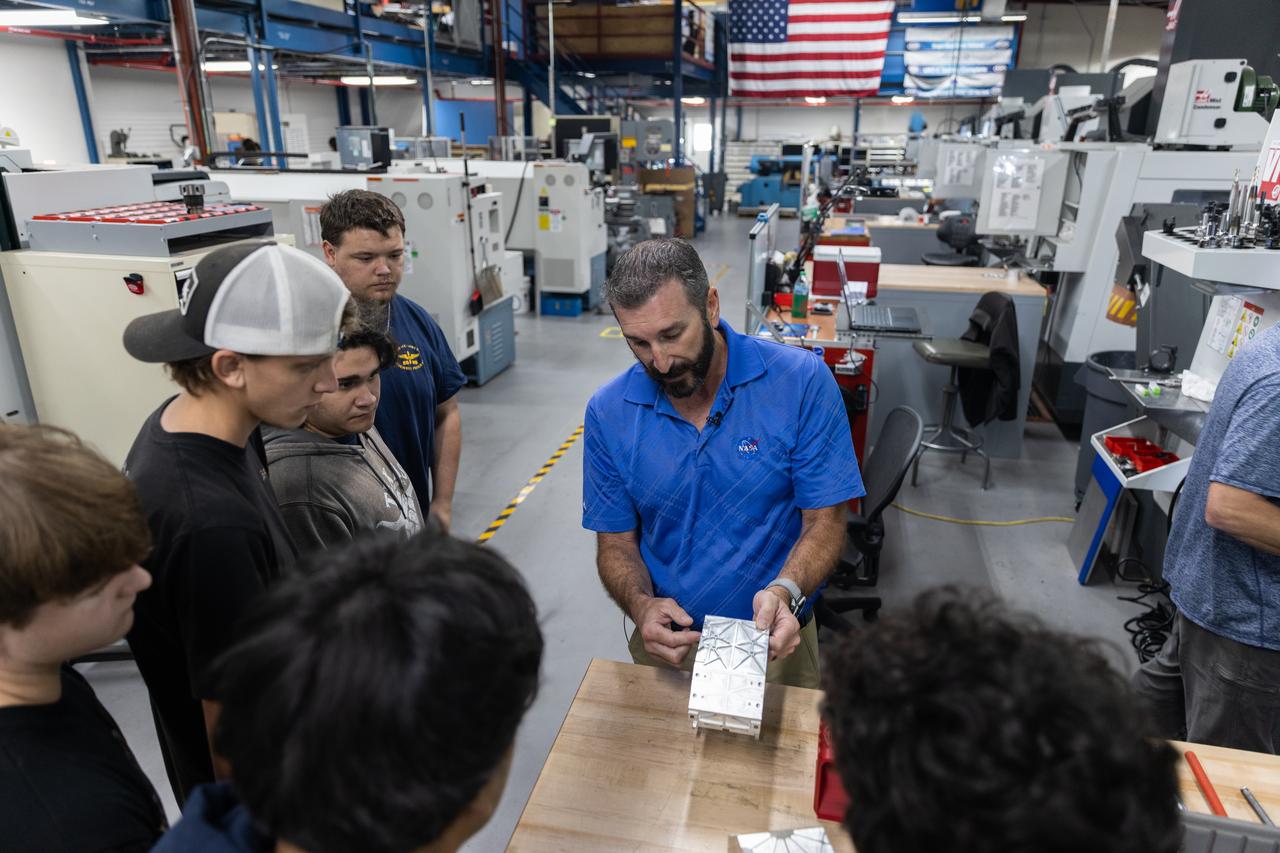
Students from Eau Gallie High School in Melbourne, Florida, visited the Prototype Development Laboratory at NASA’s Kennedy Space Center in Florida on Monday, April 28, 2025. The STEM participants have an interest in technical trades and learned about the technicians at the Prototype Development Laboratory who design, fabricate, and test protypes, test articles, and test support equipment.
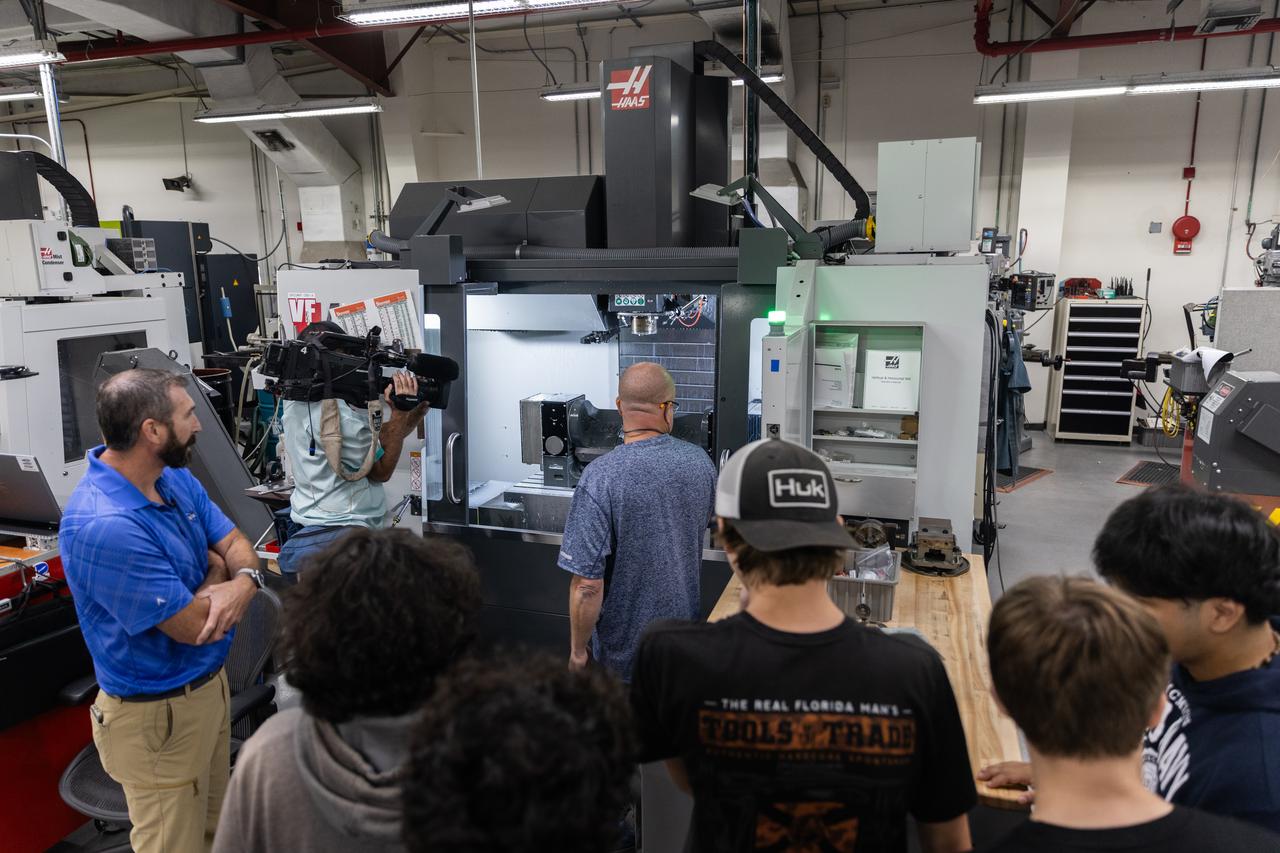
Students from Eau Gallie High School in Melbourne, Florida, visited the Prototype Development Laboratory at NASA’s Kennedy Space Center in Florida on Monday, April 28, 2025. The STEM participants have an interest in technical trades and learned about the technicians at the Prototype Development Laboratory who design, fabricate, and test protypes, test articles, and test support equipment.
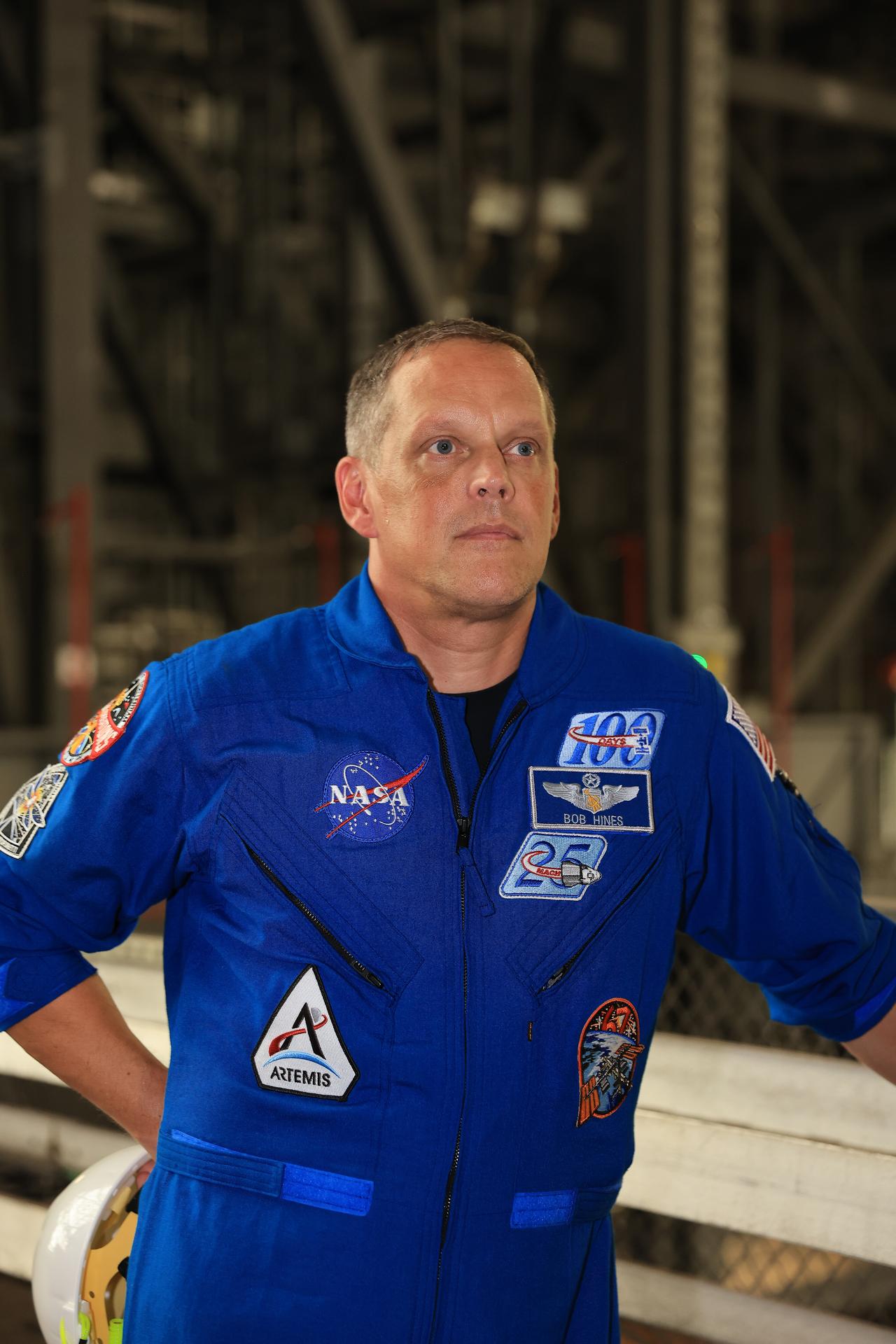
Artemis III backup crew member NASA astronaut Bob Hines visits the Vehicle Assembly Building at NASA's Kennedy Space Center in Florida on Wednesday, Sept. 2, 2026. Hines, as well as NASA astronaut Randy Bresnik, commander; ESA (European Space Agency) astronaut Luca Parmitano, pilot; NASA astronaut Andre Douglas, mission specialist; and NASA astronaut Frank Rubio, mission specialist, made the first visit to Kennedy by the entire crew and backup crew members of Artemis III. The mission will launch four crew members aboard the Orion spacecraft to carry out a series of objectives in low Earth orbit designed to demonstrate critical systems needed for future lunar landings, beginning with Artemis IV.
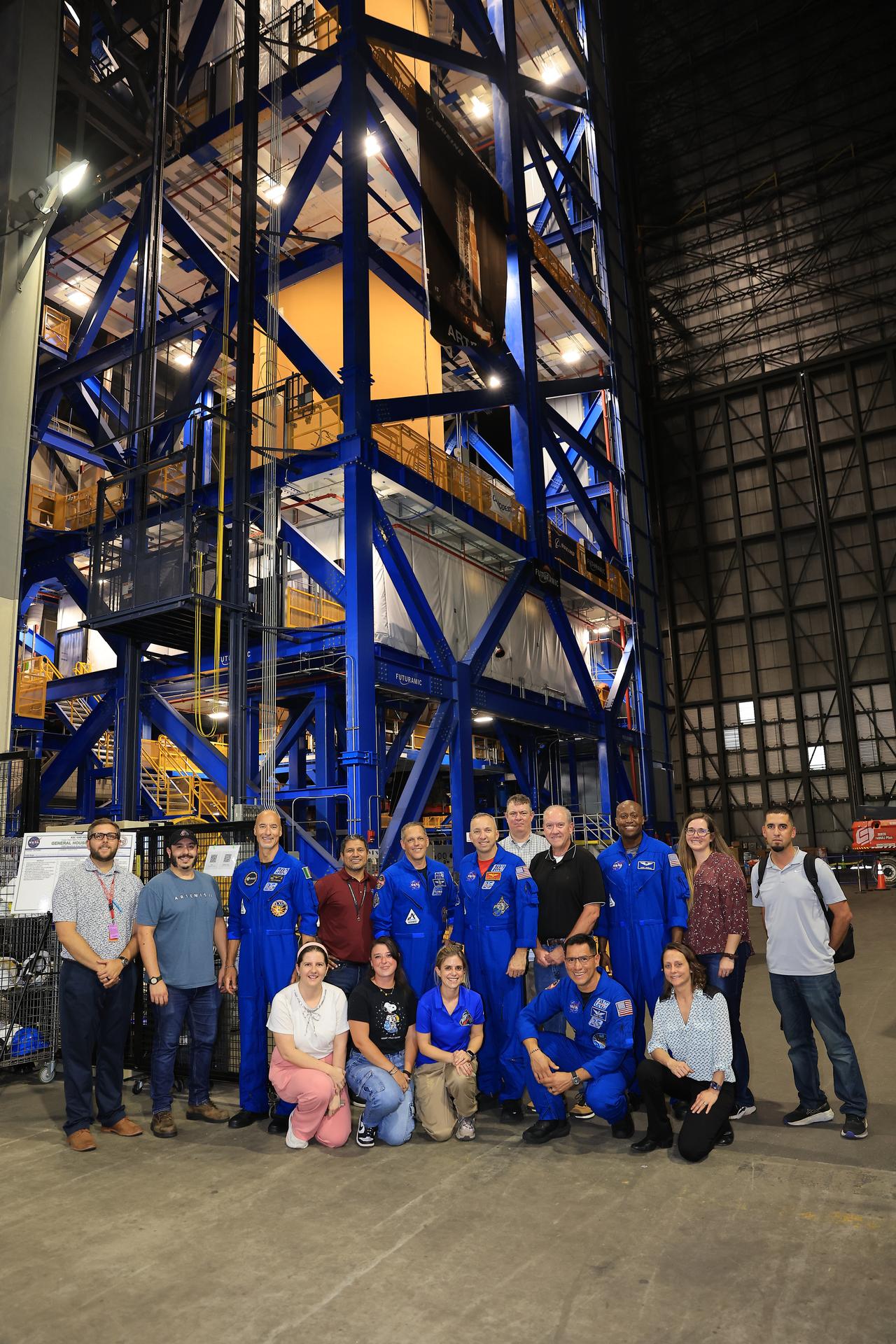
The Artemis III primary and back-up crew members pose for a photo with employees from NASA’s Exploration Ground Systems Program on Wednesday, Sept. 2, 2026, inside the Vehicle Assembly Building at NASA's Kennedy Space Center in Florida. Dressed in blue flight suits, from left, ESA (European Space Agency) astronaut Luca Parmitano, and NASA astronauts Bob Hines, Randy Bresnik, Frank Rubio, and Andre Douglas viewed the work progress on the Artemis III SLS (Space Launch System) rocket core stage inside High Bay 2, visible in the background. This marked the first visit to Kennedy by the entire crew and backup crew members. Artemis III will launch four crew members aboard the Orion spacecraft to carry out a series of objectives in low Earth orbit designed to demonstrate critical systems needed for future lunar landings, beginning with Artemis IV.
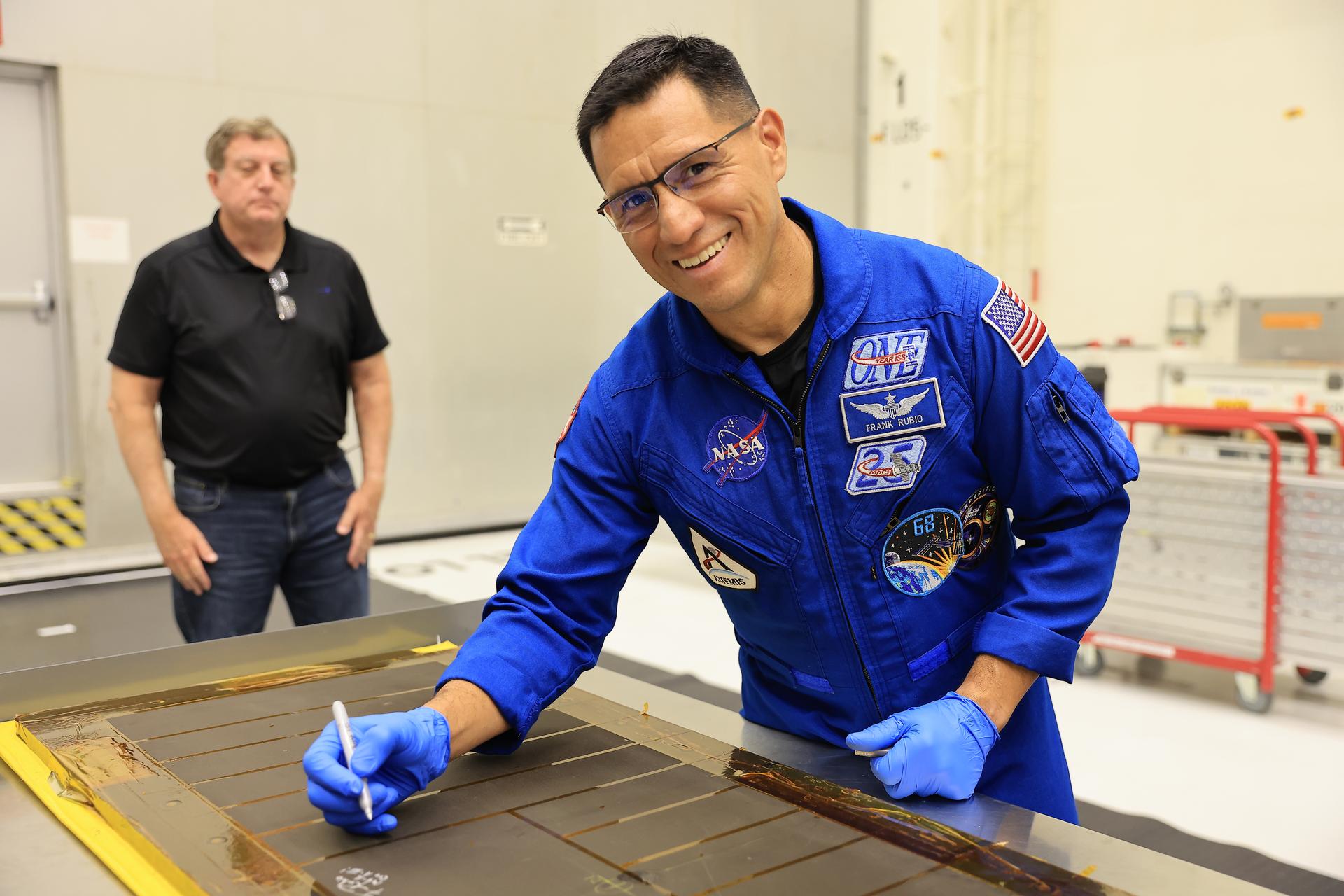
Artemis III NASA astronaut Frank Rubio, mission specialist, signs an interior center wall panel that will cover environmental control and life support system (ECLSS) components inside the Orion crew module in the Neil A. Armstrong Operations and Checkout Building at Kennedy Space Center in Florida on Wednesday, Sept. 2, 2026. The Artemis III primary and backup crew members, including Rubio; NASA astronaut Randy Bresnik, commander; ESA (European Space Agency) astronaut Luca Parmitano, pilot; NASA astronaut Andre Douglas, mission specialist; and NASA astronaut Bob Hines, backup crew member, visited Kennedy to view progress on Artemis III hardware, marking the first visit by the entire crew and backup crew to the Florida spaceport. On Orion, ECLSS will make the crew module a habitable, safe place for astronauts and is key to survival as they travel on deep space missions.
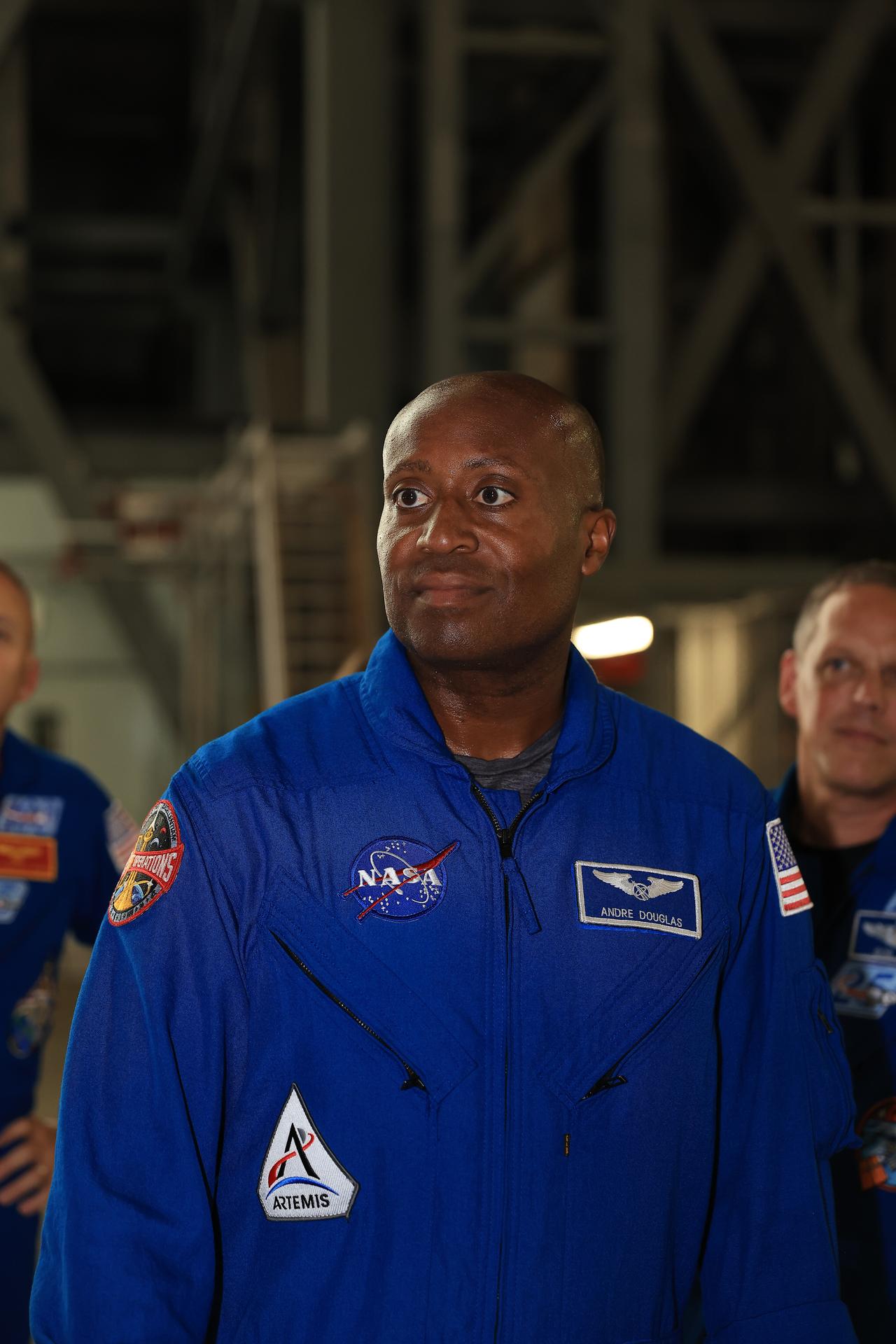
Artemis III mission specialist NASA astronaut Andre Douglas visits the Vehicle Assembly Building at NASA's Kennedy Space Center in Florida on Wednesday, Sept. 2, 2026. Douglas, as well as NASA astronaut Randy Bresnik, commander; ESA (European Space Agency) astronaut Luca Parmitano, pilot; NASA astronaut Frank Rubio, mission specialist; and NASA astronaut Bob Hines, backup crew member, made the first visit to Kennedy by the entire crew and backup crew members of Artemis III. The mission will launch four crew members aboard the Orion spacecraft to carry out a series of objectives in low Earth orbit designed to demonstrate critical systems needed for future lunar landings, beginning with Artemis IV.
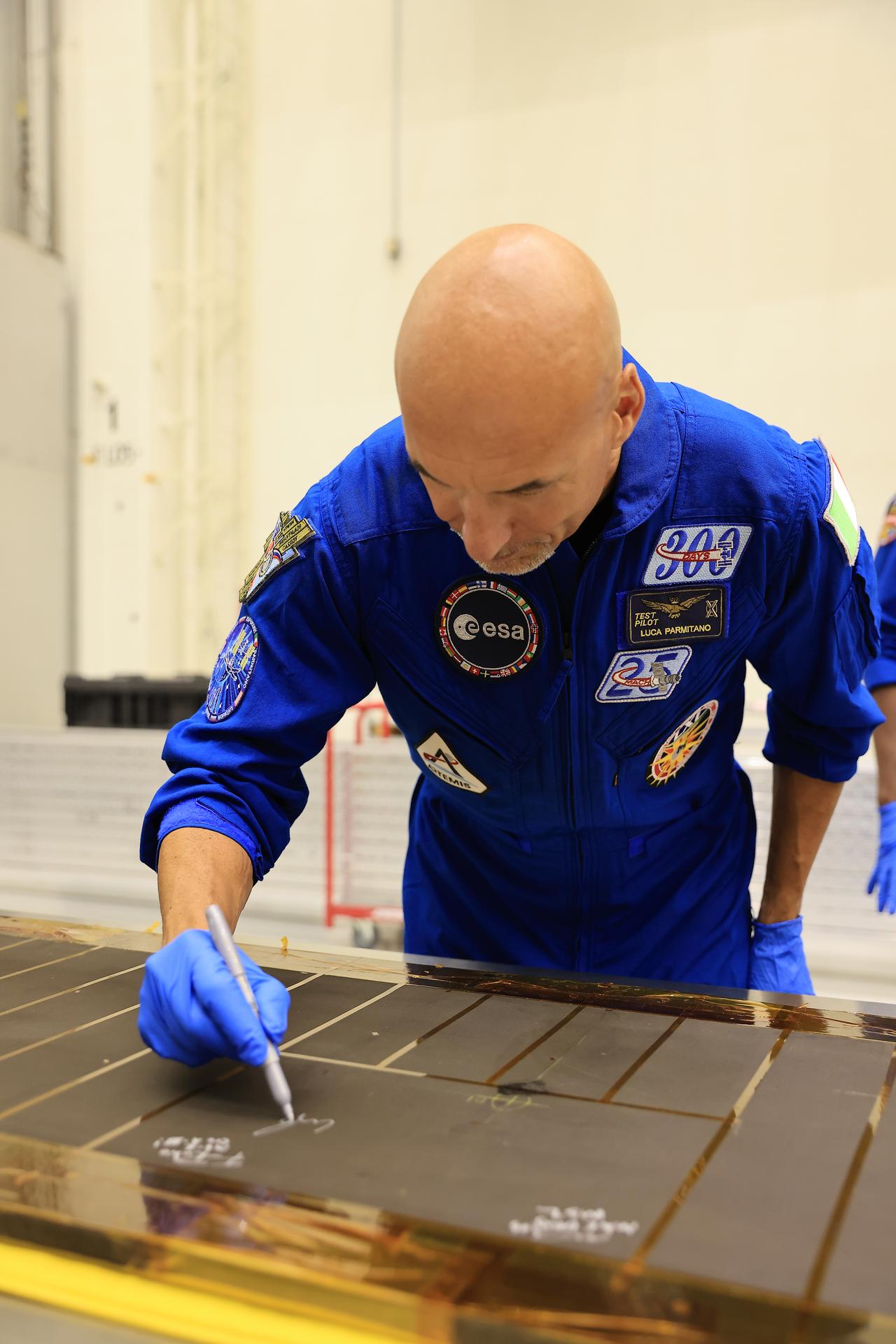
Artemis III ESA (European Space Agency) astronaut Luca Parmitano, pilot, signs an interior center wall panel that will cover environmental control and life support system (ECLSS) components inside the Orion crew module in the Neil A. Armstrong Operations and Checkout Building at Kennedy Space Center in Florida on Wednesday, Sept. 2, 2026. The Artemis III primary and backup crew members, including Parmitano; NASA astronaut Randy Bresnik, commander; NASA astronaut Andre Douglas, mission specialist; NASA astronaut Frank Rubio, mission specialist; and NASA astronaut Bob Hines, backup crew member, visited Kennedy to view progress on Artemis III hardware, marking the first visit by the entire crew and backup crew to the Florida spaceport. On Orion, ECLSS will make the crew module a habitable, safe place for astronauts and is key to survival as they travel on deep space missions.
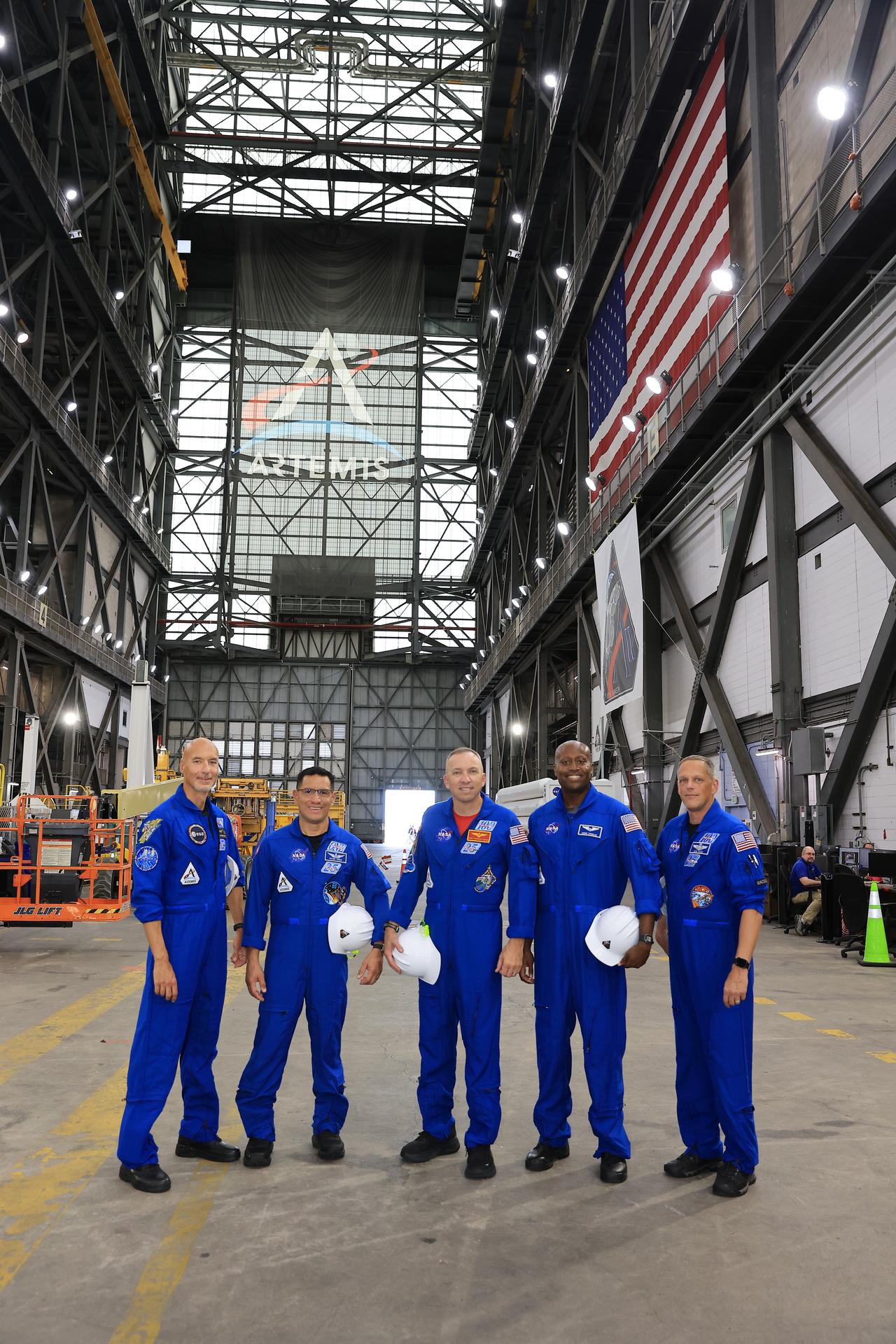
The Artemis III primary and back-up crew members pose for a photograph on Wednesday, Sept. 2, 2026, inside the Vehicle Assembly Building at NASA's Kennedy Space Center in Florida. From left, ESA (European Space Agency) astronaut Luca Parmitano, pilot; NASA astronaut Frank Rubio, mission specialist; NASA astronaut Randy Bresnik, commander; NASA astronaut Andre Douglas, mission specialist; and NASA astronaut Bob Hines, backup crew member, viewed the work progress on the Artemis III SLS (Space Launch System) rocket core stage inside High Bay 2 and the solid rocket booster integration inside High Bay 3. This marked the first visit to Kennedy by the entire crew and backup crew members. Artemis III will launch four crew members aboard the Orion spacecraft to carry out a series of objectives in low Earth orbit designed to demonstrate critical systems needed for future lunar landings, beginning with Artemis IV.
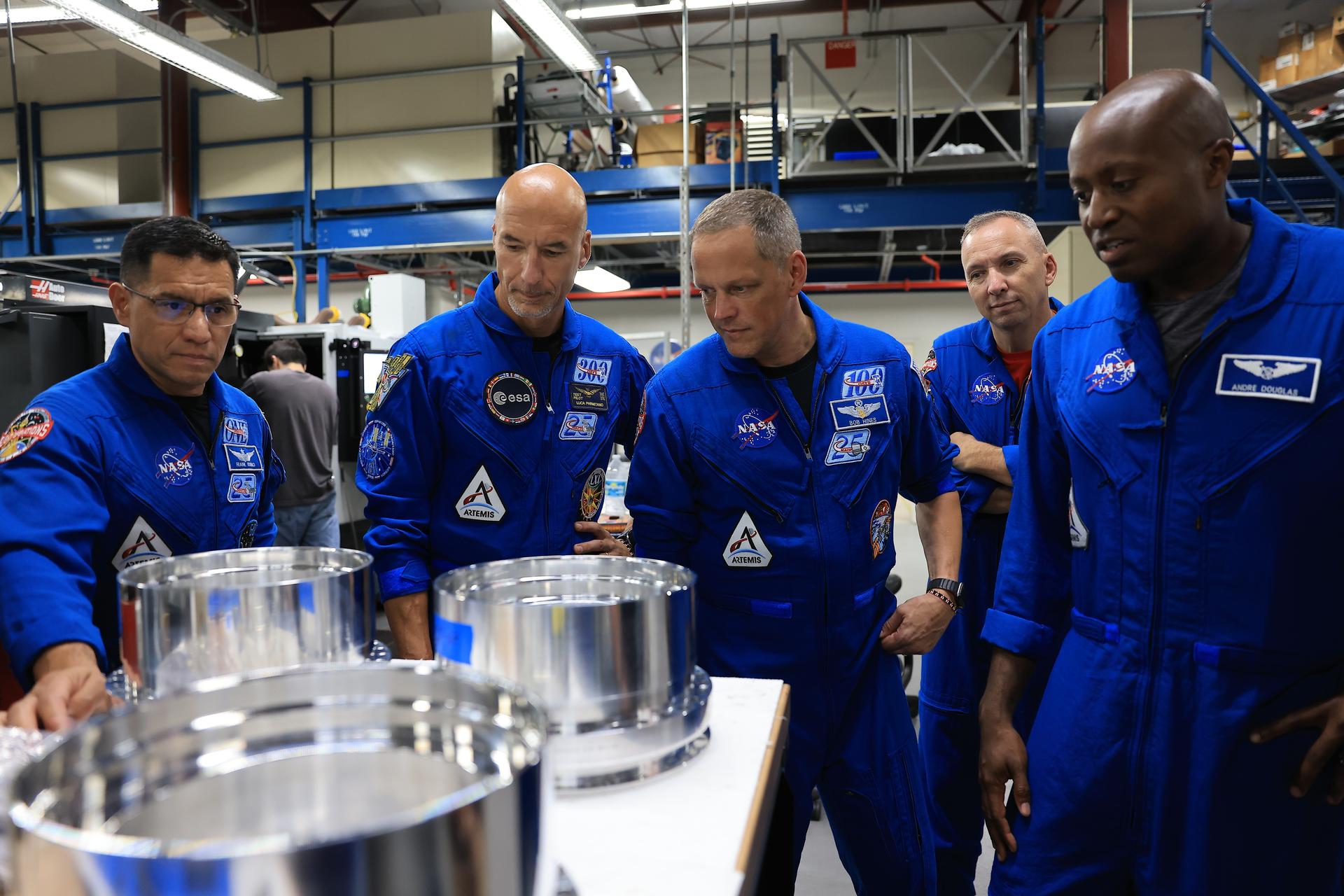
From left, NASA astronaut Frank Rubio, ESA (European Space Agency) astronaut Luca Parmitano, and NASA astronauts Bob Hines, Randy Bresnik, and Andre Douglas visit the Prototype Development Laboratory at NASA's Kennedy Space Center in Florida on Wednesday, Sept. 2, 2026. The Artemis III primary and back-up crew members visited multiple facilities at Kennedy and viewed the work progress on Artemis III hardware, marking their first joint visit to the spaceport. Artemis III will launch four crew members aboard the Orion spacecraft to carry out a series of objectives in low Earth orbit designed to demonstrate critical systems needed for future lunar landings, beginning with Artemis IV.
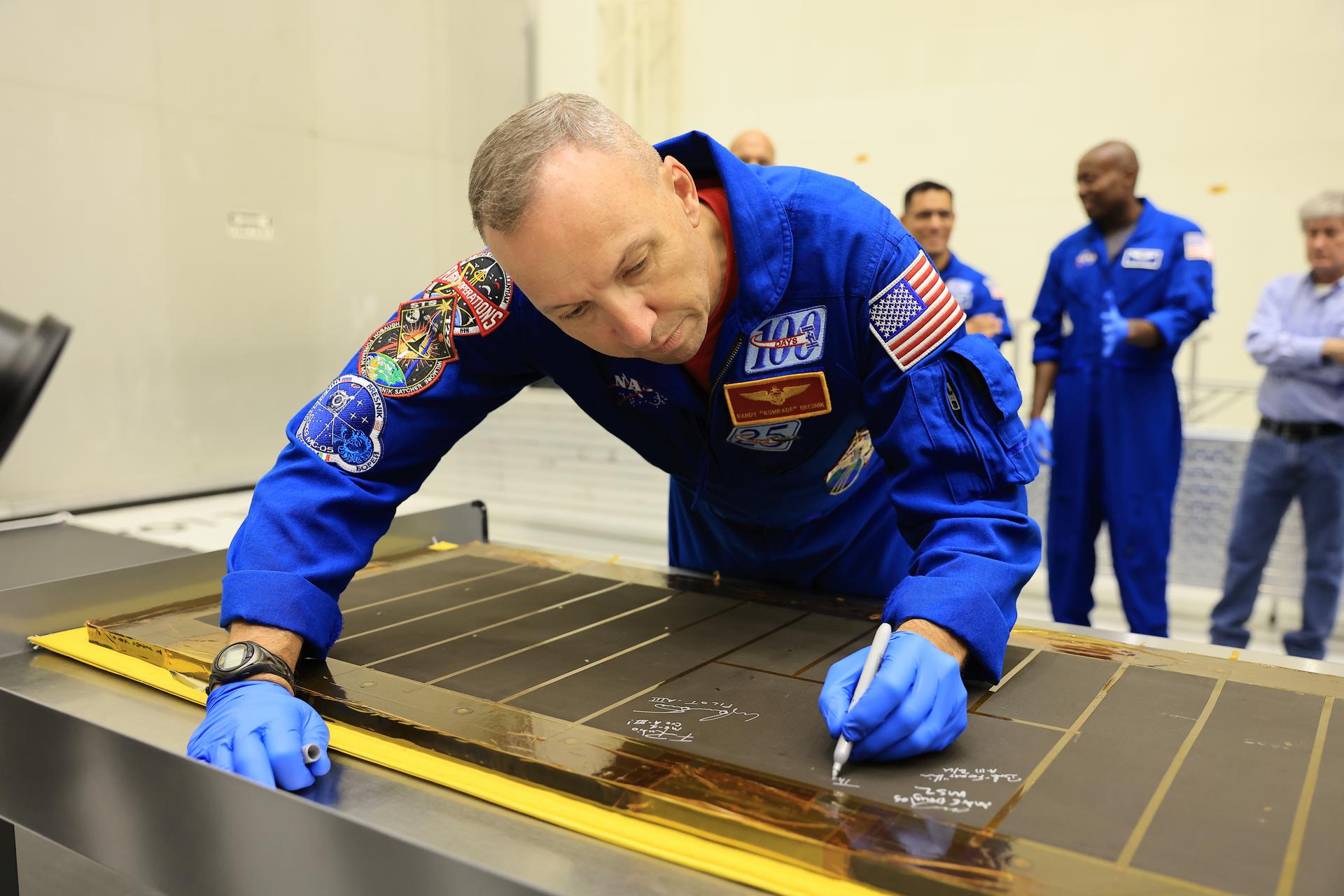
Artemis III NASA astronaut Randy Bresnik, commander, signs an interior center wall panel that will cover environmental control and life support system (ECLSS) components inside the Orion crew module in the Neil A. Armstrong Operations and Checkout Building at Kennedy Space Center in Florida on Wednesday, Sept. 2, 2026. The Artemis III primary and backup crew members, including Bresnik; ESA (European Space Agency) astronaut Luca Parmitano, pilot; NASA astronaut Andre Douglas, mission specialist; NASA astronaut Frank Rubio, mission specialist; and NASA astronaut Bob Hines, backup crew member, visited Kennedy to view progress on Artemis III hardware, marking the first visit by the entire crew and backup crew to the Florida spaceport. On Orion, ECLSS will make the crew module a habitable, safe place for astronauts and is key to survival as they travel on deep space missions.
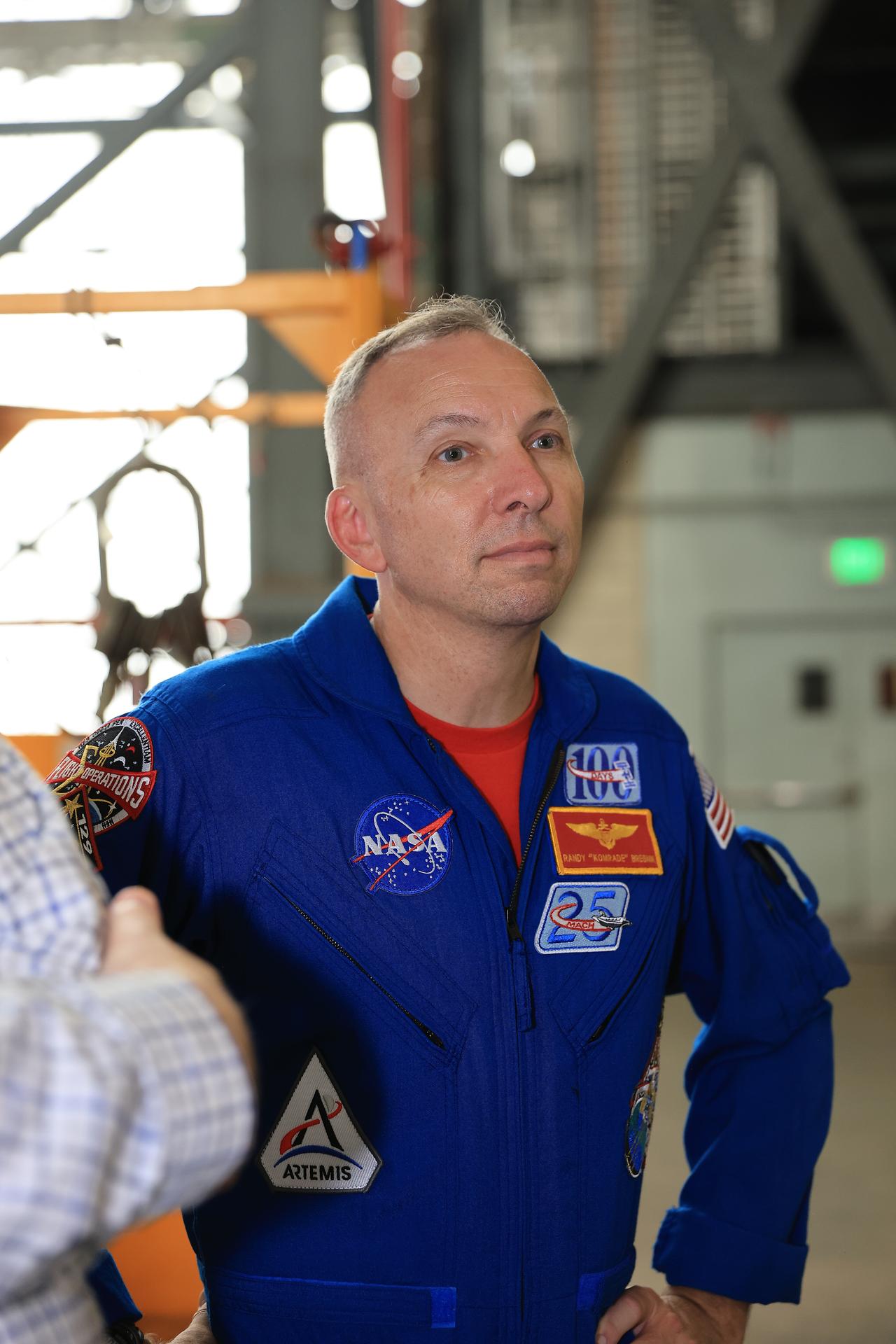
Artemis III mission commandeer NASA astronaut Randy Bresnik visits the Vehicle Assembly Building at NASA's Kennedy Space Center in Florida on Wednesday, Sept. 2, 2026. Bresnik, as well as ESA (European Space Agency) astronaut Luca Parmitano, pilot; NASA astronauts Andre Douglas, mission specialist; Frank Rubio, mission specialist; and Bob Hines, backup crew member, made the first visit to Kennedy by the entire crew and backup crew members of Artemis III. The mission will launch four crew members aboard the Orion spacecraft to carry out a series of objectives in low Earth orbit designed to demonstrate critical systems needed for future lunar landings, beginning with Artemis IV.
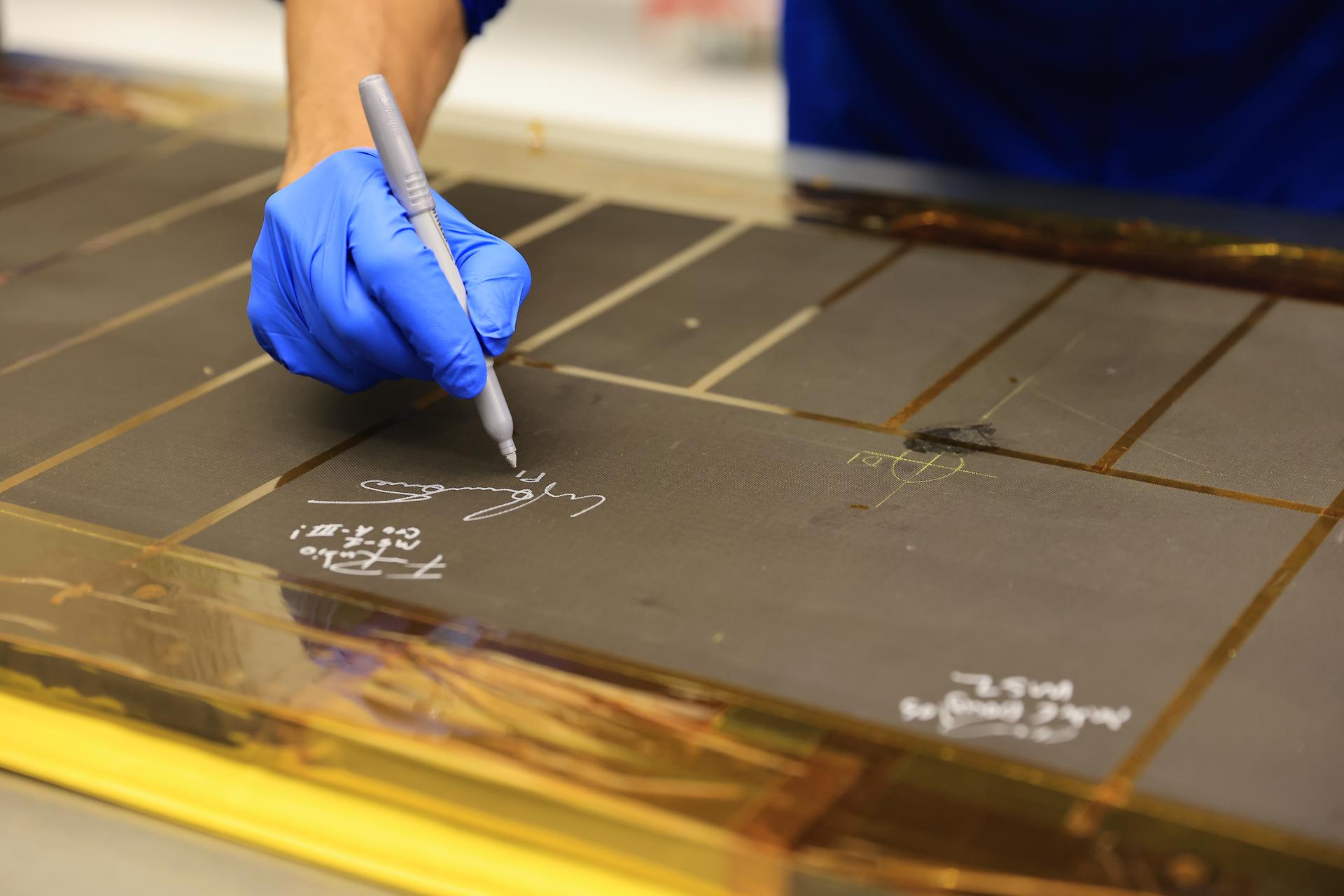
Artemis III ESA (European Space Agency) astronaut Luca Parmitano, pilot, signs an interior center wall panel that will cover environmental control and life support system (ECLSS) components inside the Orion crew module in the Neil A. Armstrong Operations and Checkout Building at Kennedy Space Center in Florida on Wednesday, Sept. 2, 2026. The Artemis III primary and backup crew members, including Parmitano; NASA astronaut Randy Bresnik, commander; NASA astronaut Andre Douglas, mission specialist; NASA astronaut Frank Rubio, mission specialist; and NASA astronaut Bob Hines, backup crew member, visited Kennedy to view progress on Artemis III hardware, marking the first visit by the entire crew and backup crew to the Florida spaceport. On Orion, ECLSS will make the crew module a habitable, safe place for astronauts and is key to survival as they travel on deep space missions.
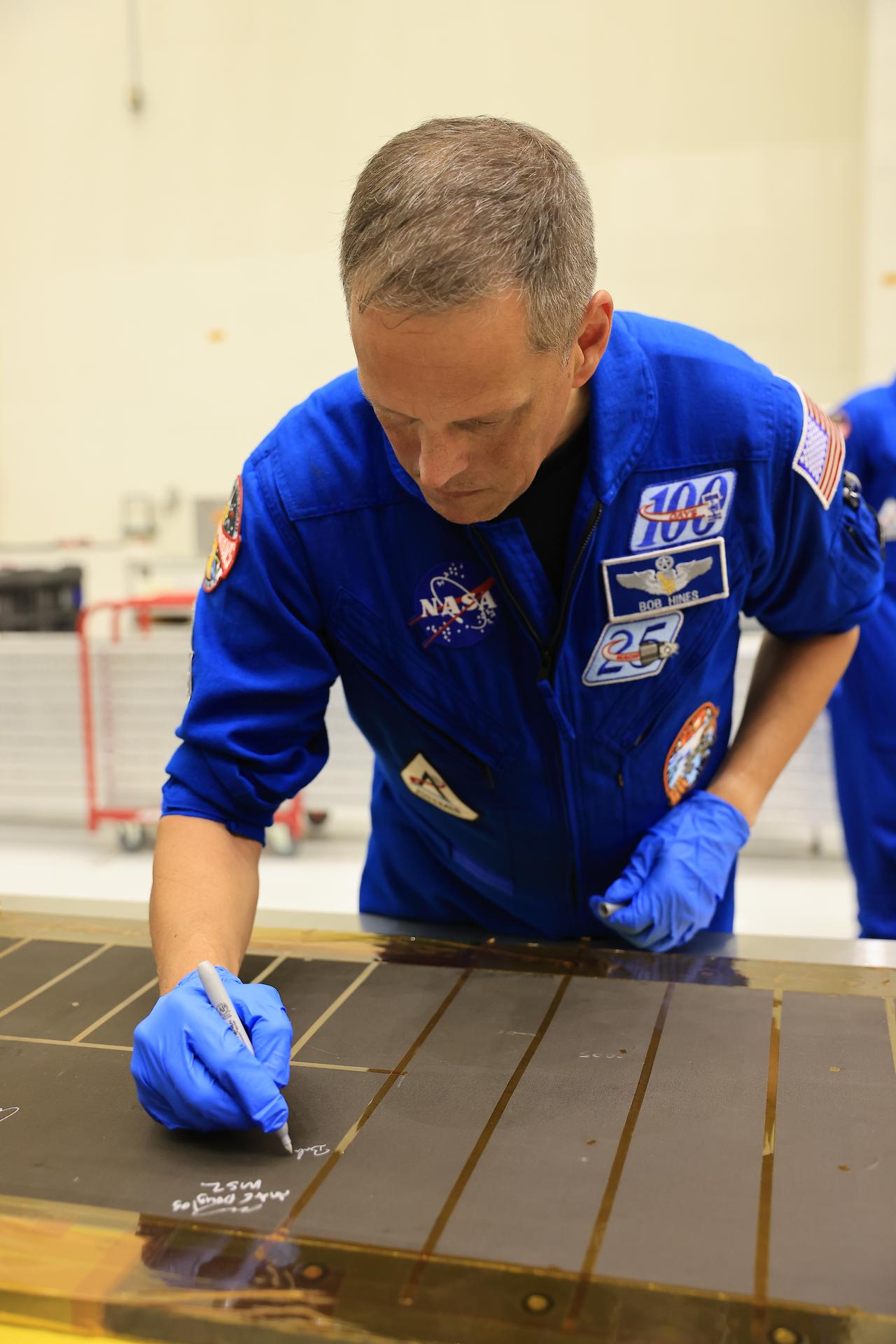
Artemis III NASA astronaut Bob Hines, backup crew member, signs an interior center wall panel that will cover environmental control and life support system (ECLSS) components inside the Orion crew module in the Neil A. Armstrong Operations and Checkout Building at Kennedy Space Center in Florida on Wednesday, Sept. 2, 2026. The Artemis III primary and backup crew members, including Hines; NASA astronaut Randy Bresnik, commander; ESA (European Space Agency) astronaut Luca Parmitano, pilot; NASA astronaut Andre Douglas, mission specialist; NASA astronaut Frank Rubio, mission specialist, visited Kennedy to view progress on Artemis III hardware, marking the first visit by the entire crew and backup crew to the Florida spaceport. On Orion, ECLSS will make the crew module a habitable, safe place for astronauts and is key to survival as they travel on deep space missions.
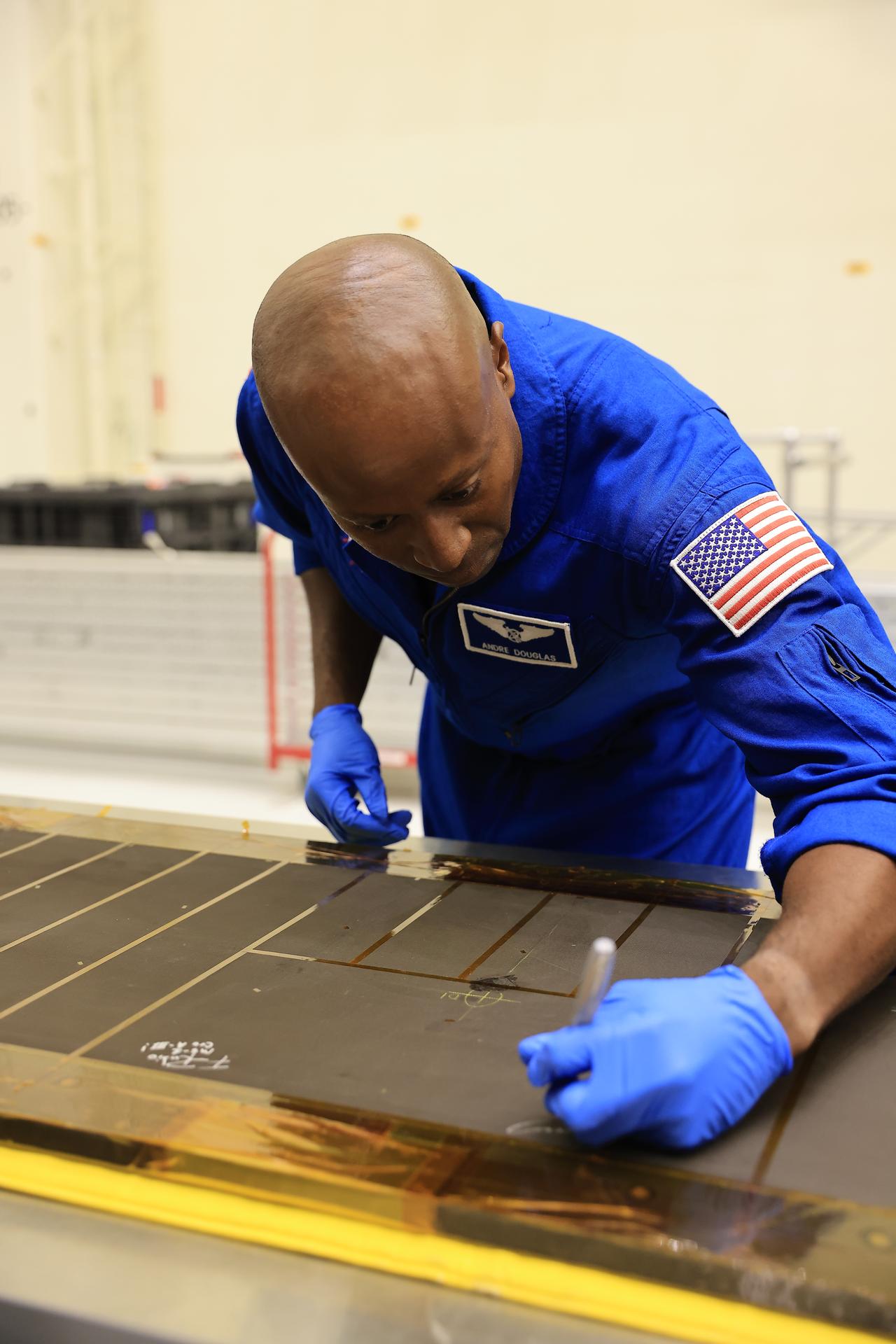
Artemis III NASA astronaut Andre Douglas, mission specialist, signs an interior center wall panel that will cover environmental control and life support system (ECLSS) components inside the Orion crew module in the Neil A. Armstrong Operations and Checkout Building at Kennedy Space Center in Florida on Wednesday, Sept. 2, 2026. The Artemis III primary and backup crew members, including Douglas; NASA astronaut Randy Bresnik, commander; ESA (European Space Agency) astronaut Luca Parmitano, pilot; NASA astronaut Frank Rubio, mission specialist; and NASA astronaut Bob Hines, backup crew member, visited Kennedy to view progress on Artemis III hardware, marking the first visit by the entire crew and backup crew to the Florida spaceport. On Orion, ECLSS will make the crew module a habitable, safe place for astronauts and is key to survival as they travel on deep space missions.
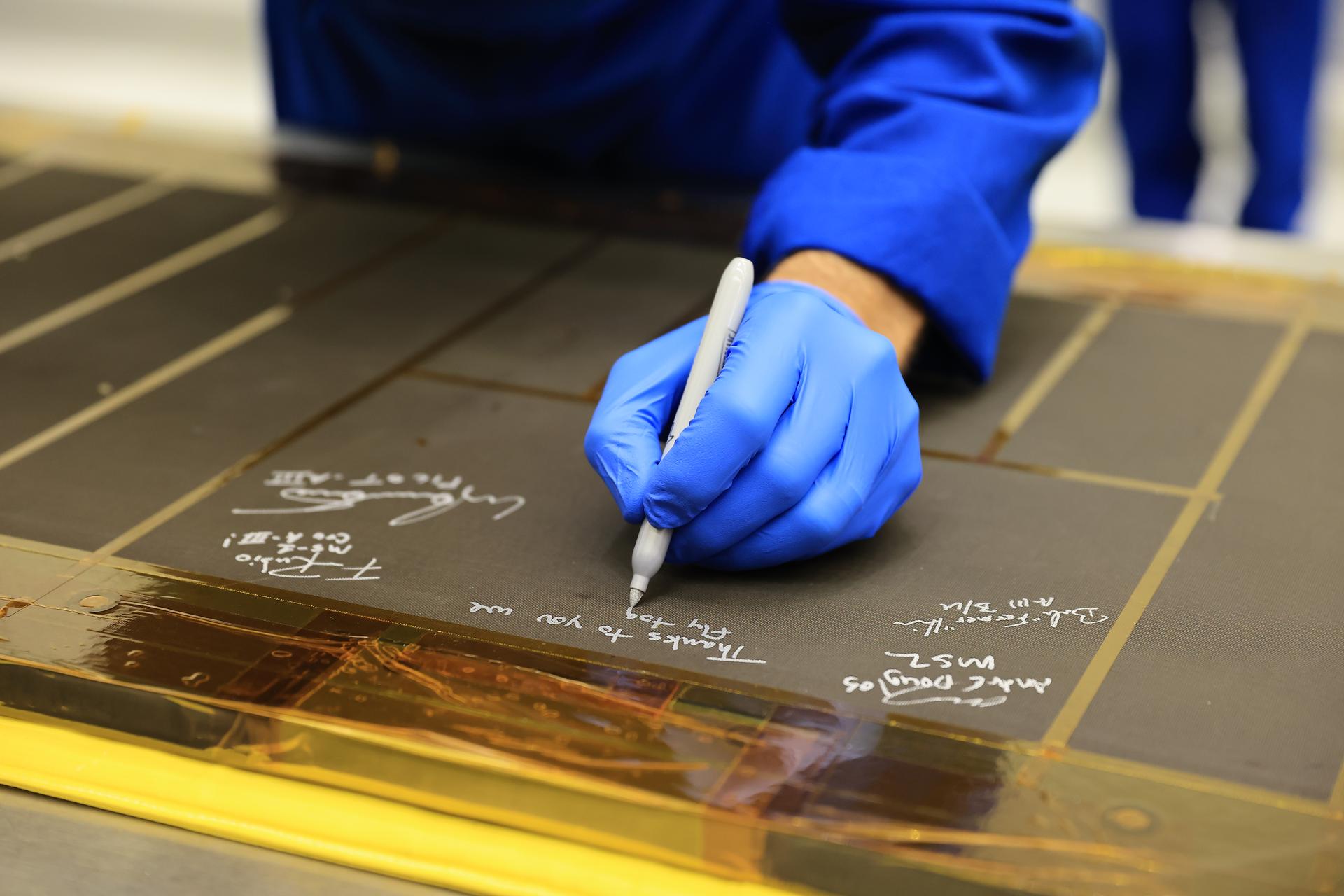
Artemis III NASA astronaut Randy Bresnik, commander, signs an interior center wall panel that will cover environmental control and life support system (ECLSS) components inside the Orion crew module in the Neil A. Armstrong Operations and Checkout Building at Kennedy Space Center in Florida on Wednesday, Sept. 2, 2026. The Artemis III primary and backup crew members, including Bresnik; ESA (European Space Agency) astronaut Luca Parmitano, pilot; NASA astronaut Andre Douglas, mission specialist; NASA astronaut Frank Rubio, mission specialist; and NASA astronaut Bob Hines, backup crew member, visited Kennedy to view progress on Artemis III hardware, marking the first visit by the entire crew and backup crew to the Florida spaceport. On Orion, ECLSS will make the crew module a habitable, safe place for astronauts and is key to survival as they travel on deep space missions.
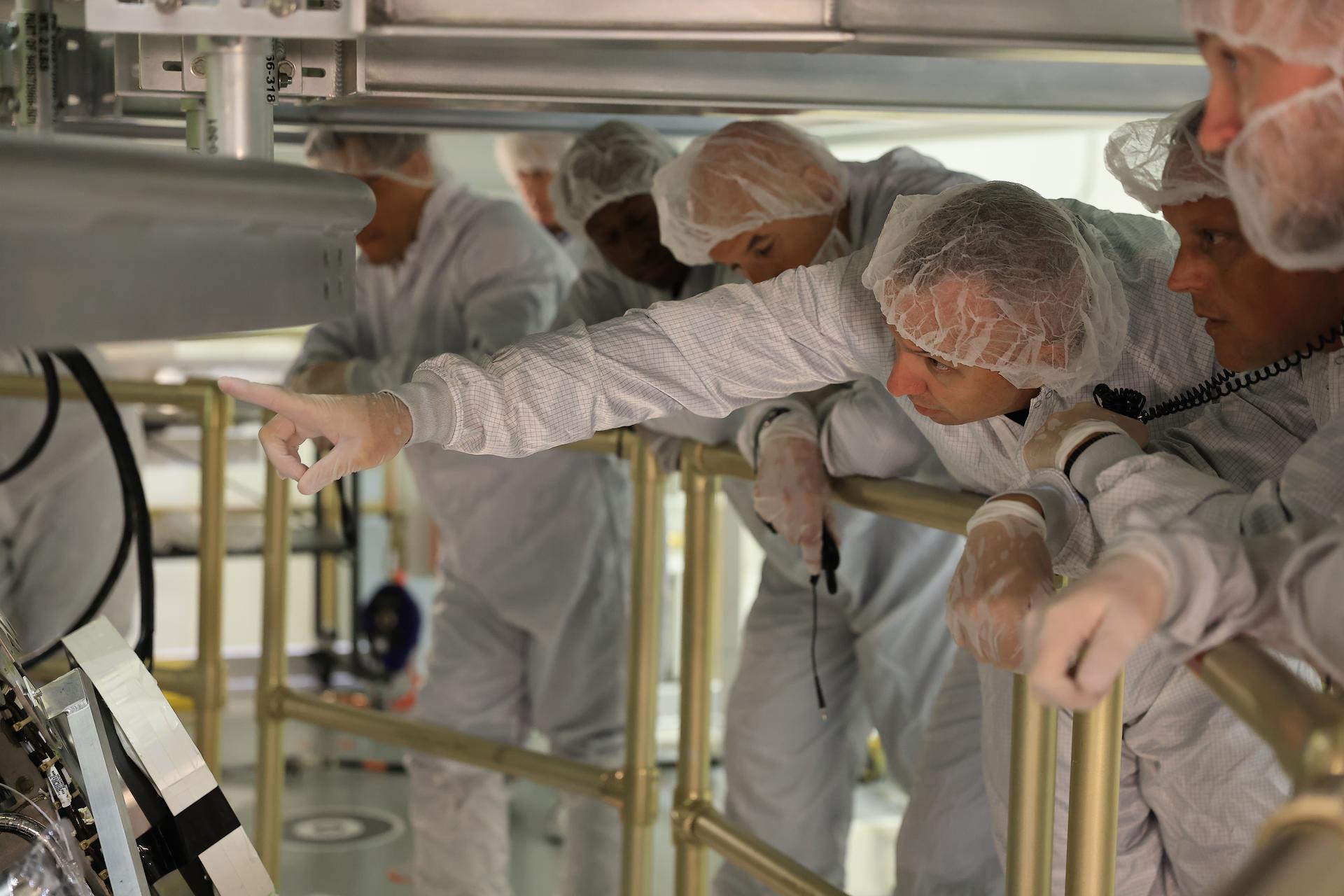
From left, the Artemis III primary and backup crew members, NASA astronauts Frank Rubio and Andre Douglas, ESA (European Space Agency) astronaut Luca Parmitano, and NASA astronauts Randy Bresnik and Bob Hines view the Orion spacecraft on Wednesday, Sept. 2, 2026, inside the Neil A. Armstrong Operations and Checkout building at NASA's Kennedy Space Center in Florida. This marked the first visit to Kennedy by the entire Artemis III crew and backup crew members. Artemis III will launch four crew members aboard the Orion spacecraft to carry out a series of objectives in low Earth orbit designed to demonstrate critical systems needed for future lunar landings, beginning with Artemis IV.
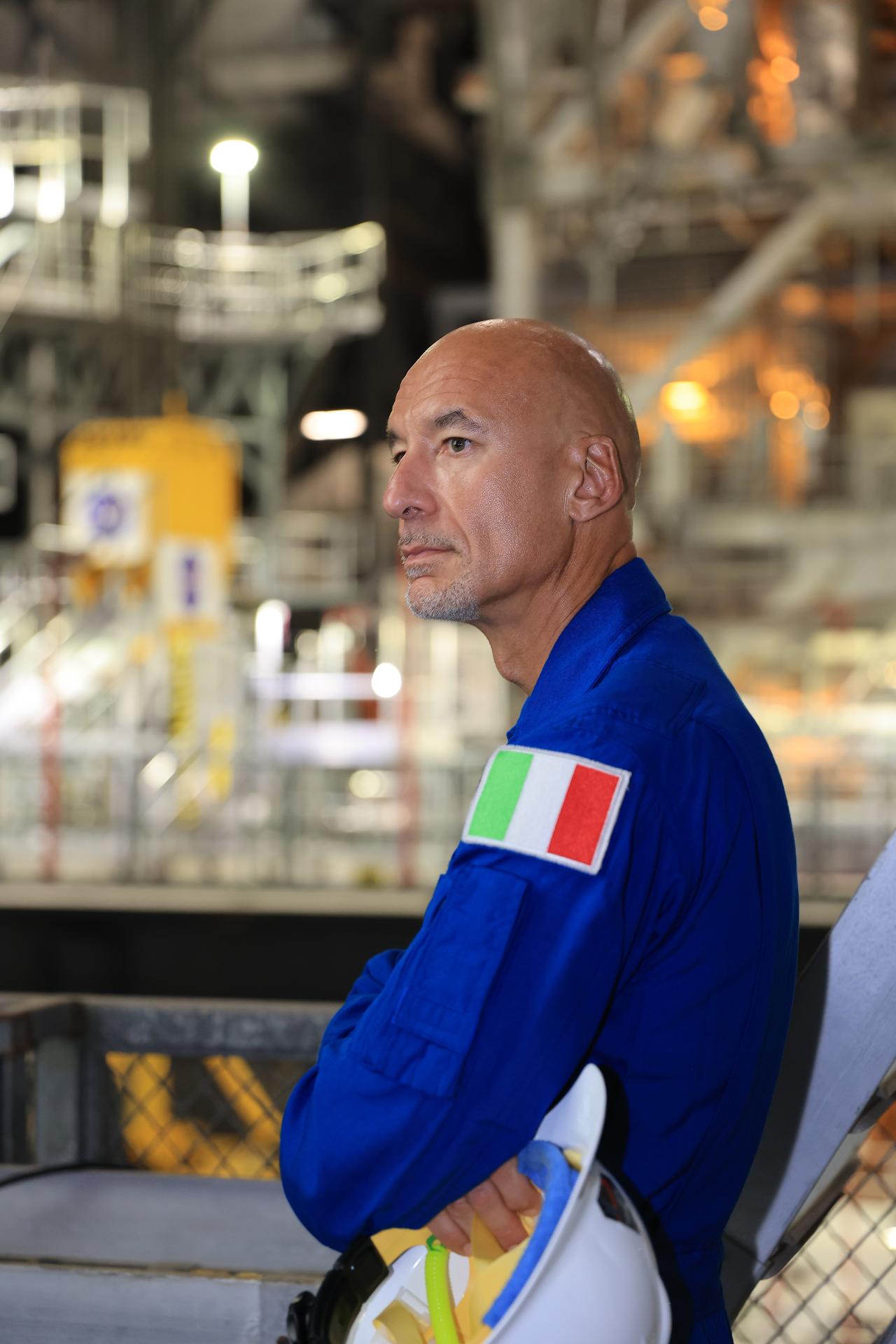
Artemis III pilot ESA (European Space Agency) astronaut Luca Parmitano visits the Vehicle Assembly Building at NASA's Kennedy Space Center in Florida on Wednesday, Sept. 2, 2026. Parmitano, as well as NASA astronauts Randy Bresnik, commander; Andre Douglas, mission specialist; Frank Rubio, mission specialist; and Bob Hines, backup crew member, made the first visit to Kennedy by the entire crew and backup crew members of Artemis III. The mission will launch four crew members aboard the Orion spacecraft to carry out a series of objectives in low Earth orbit designed to demonstrate critical systems needed for future lunar landings, beginning with Artemis IV.
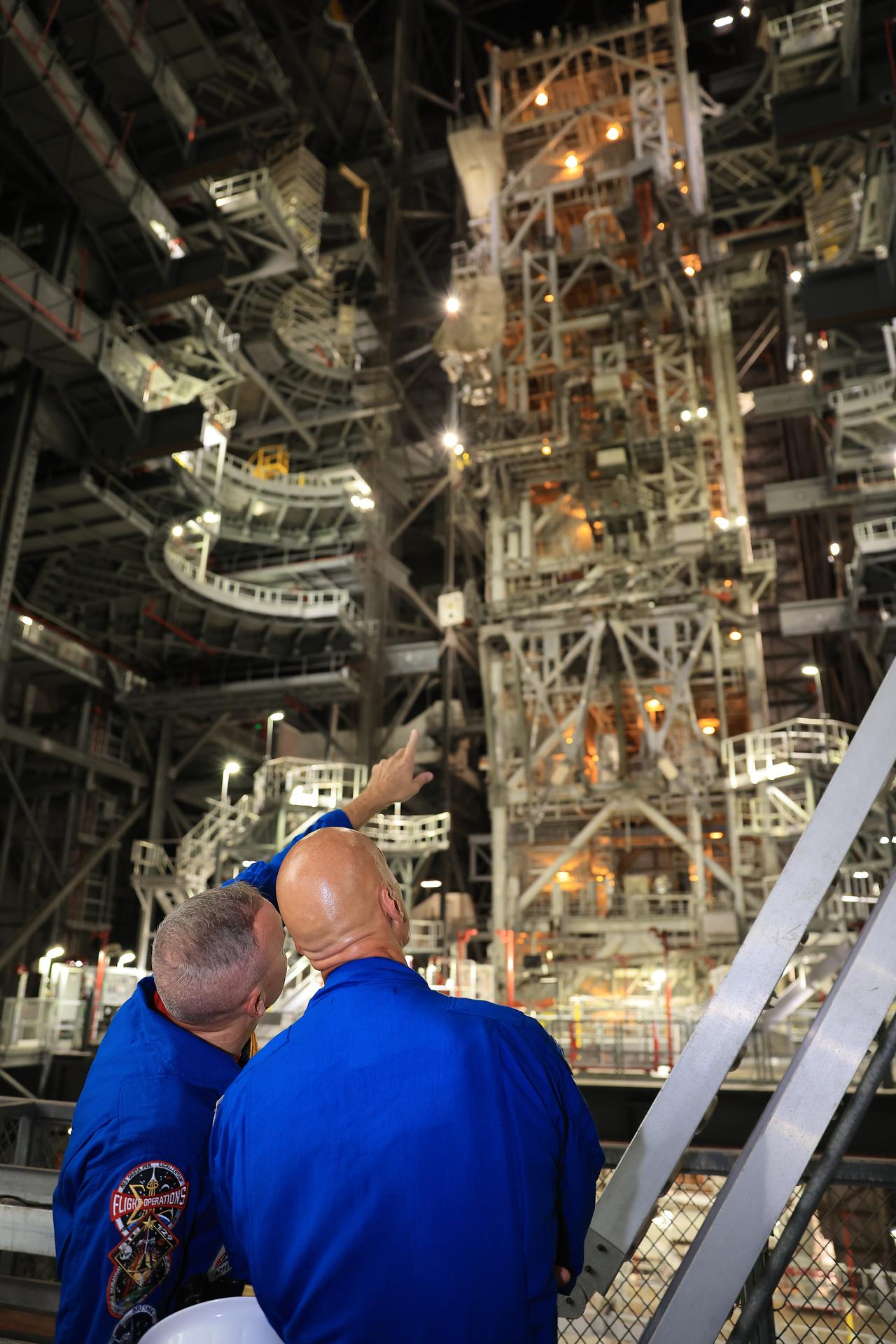
NASA astronaut Randy Bresnik (left) and ESA (European Space Agency) astronaut Luca Parmitano view progress on the solid rocket booster integration in High Bay 3 inside the Vehicle Assembly Building at NASA's Kennedy Space Center in Florida on Wednesday, Sept. 2, 2026. Bresnik, Parmitano, as well as NASA astronauts Andre Douglas, Frank Rubio, and Bob Hines made the first visit to Kennedy by the entire crew and backup crew members of Artemis III. The mission will launch four crew members aboard the Orion spacecraft to carry out a series of objectives in low Earth orbit designed to demonstrate critical systems needed for future lunar landings, beginning with Artemis IV.
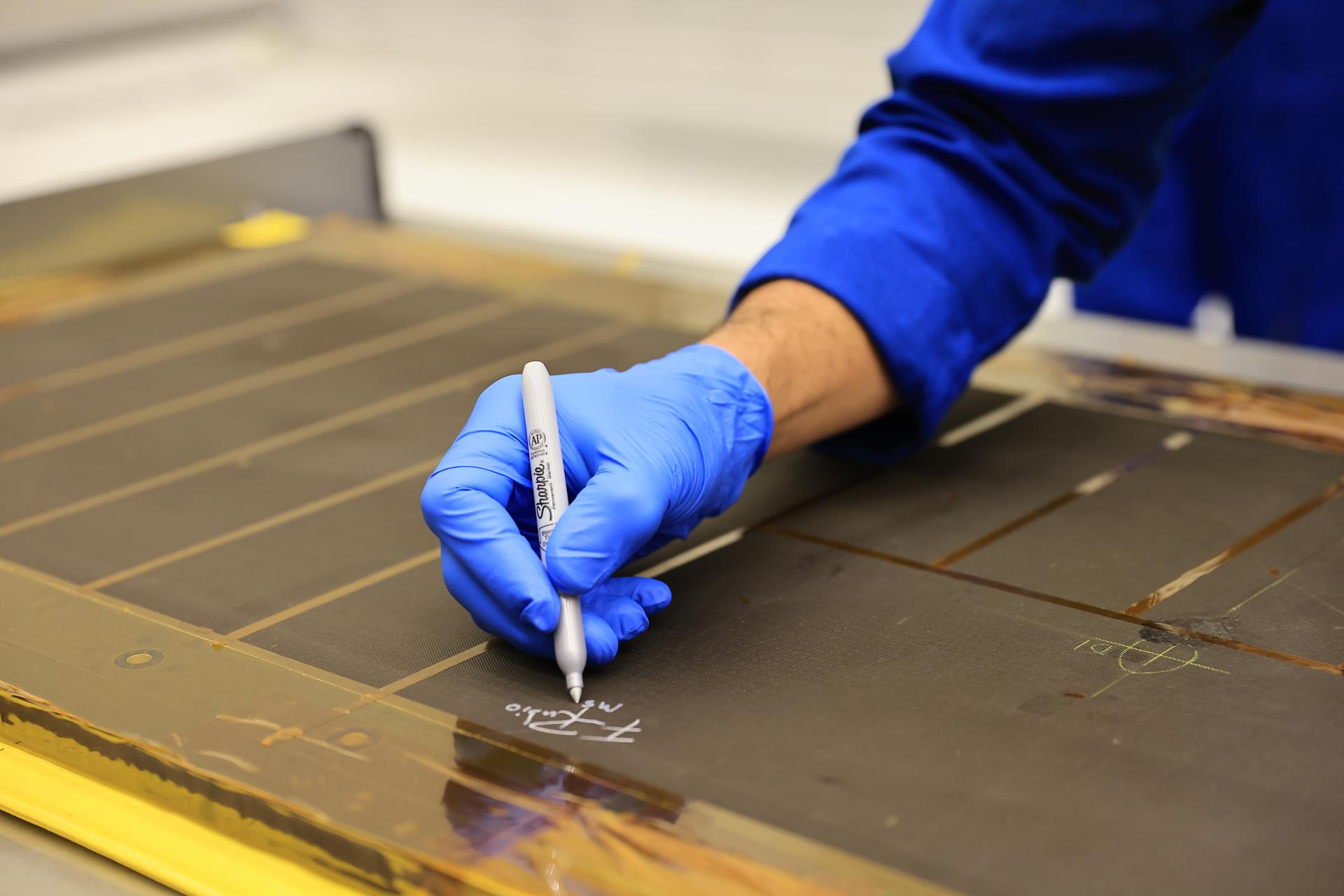
Artemis III NASA astronaut Frank Rubio, mission specialist, signs an interior center wall panel that will cover environmental control and life support system (ECLSS) components inside the Orion crew module in the Neil A. Armstrong Operations and Checkout Building at Kennedy Space Center in Florida on Wednesday, Sept. 2, 2026. The Artemis III primary and backup crew members, including Rubio; NASA astronaut Randy Bresnik, commander; ESA (European Space Agency) astronaut Luca Parmitano, pilot; NASA astronaut Andre Douglas, mission specialist; and NASA astronaut Bob Hines, backup crew member, visited Kennedy to view progress on Artemis III hardware, marking the first visit by the entire crew and backup crew to the Florida spaceport. On Orion, ECLSS will make the crew module a habitable, safe place for astronauts and is key to survival as they travel on deep space missions.
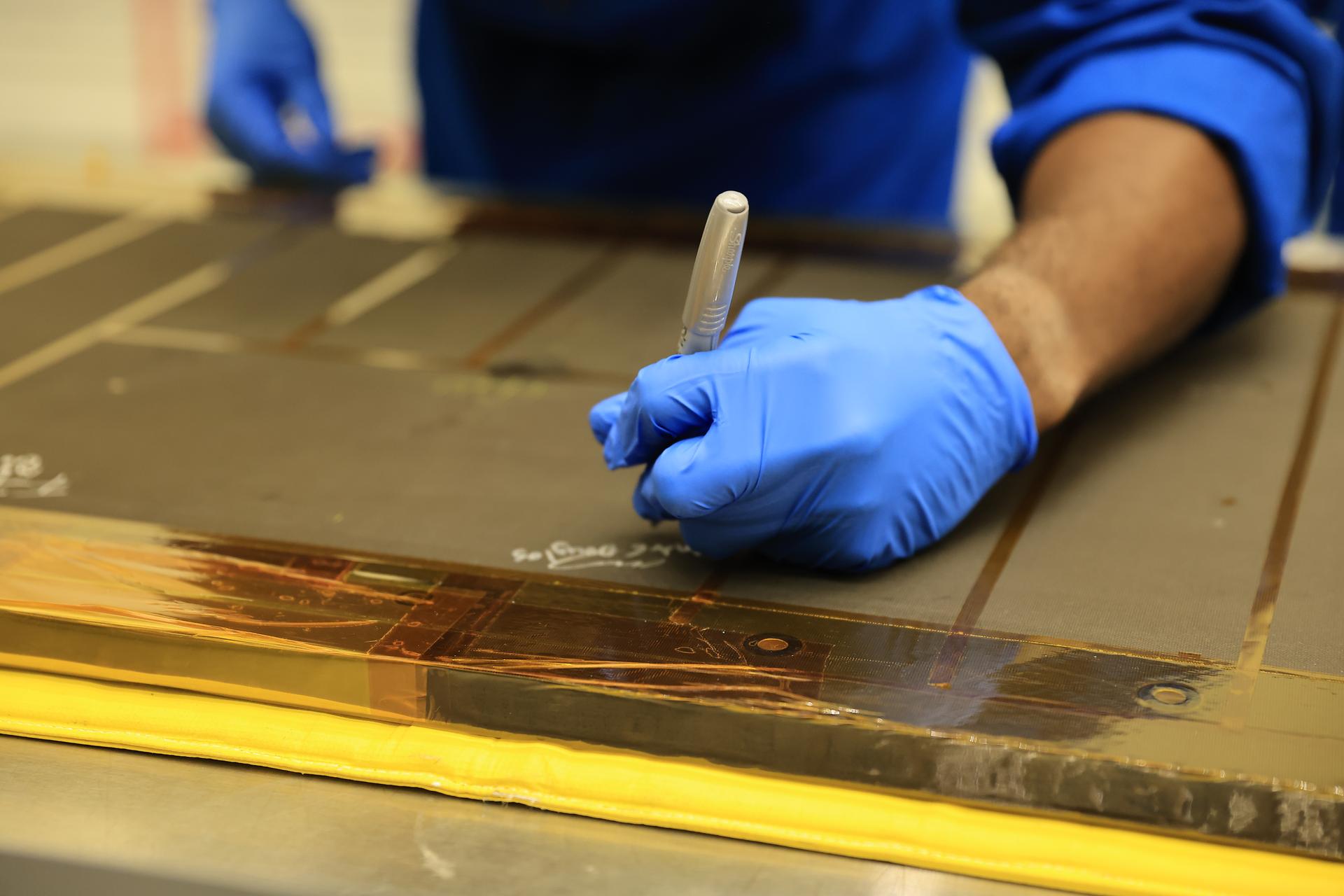
Artemis III NASA astronaut Andre Douglas, mission specialist, signs an interior center wall panel that will cover environmental control and life support system (ECLSS) components inside the Orion crew module in the Neil A. Armstrong Operations and Checkout Building at Kennedy Space Center in Florida on Wednesday, Sept. 2, 2026. The Artemis III primary and backup crew members, including Douglas; NASA astronaut Randy Bresnik, commander; ESA (European Space Agency) astronaut Luca Parmitano, pilot; NASA astronaut Frank Rubio, mission specialist; and NASA astronaut Bob Hines, backup crew member, visited Kennedy to view progress on Artemis III hardware, marking the first visit by the entire crew and backup crew to the Florida spaceport. On Orion, ECLSS will make the crew module a habitable, safe place for astronauts and is key to survival as they travel on deep space missions.
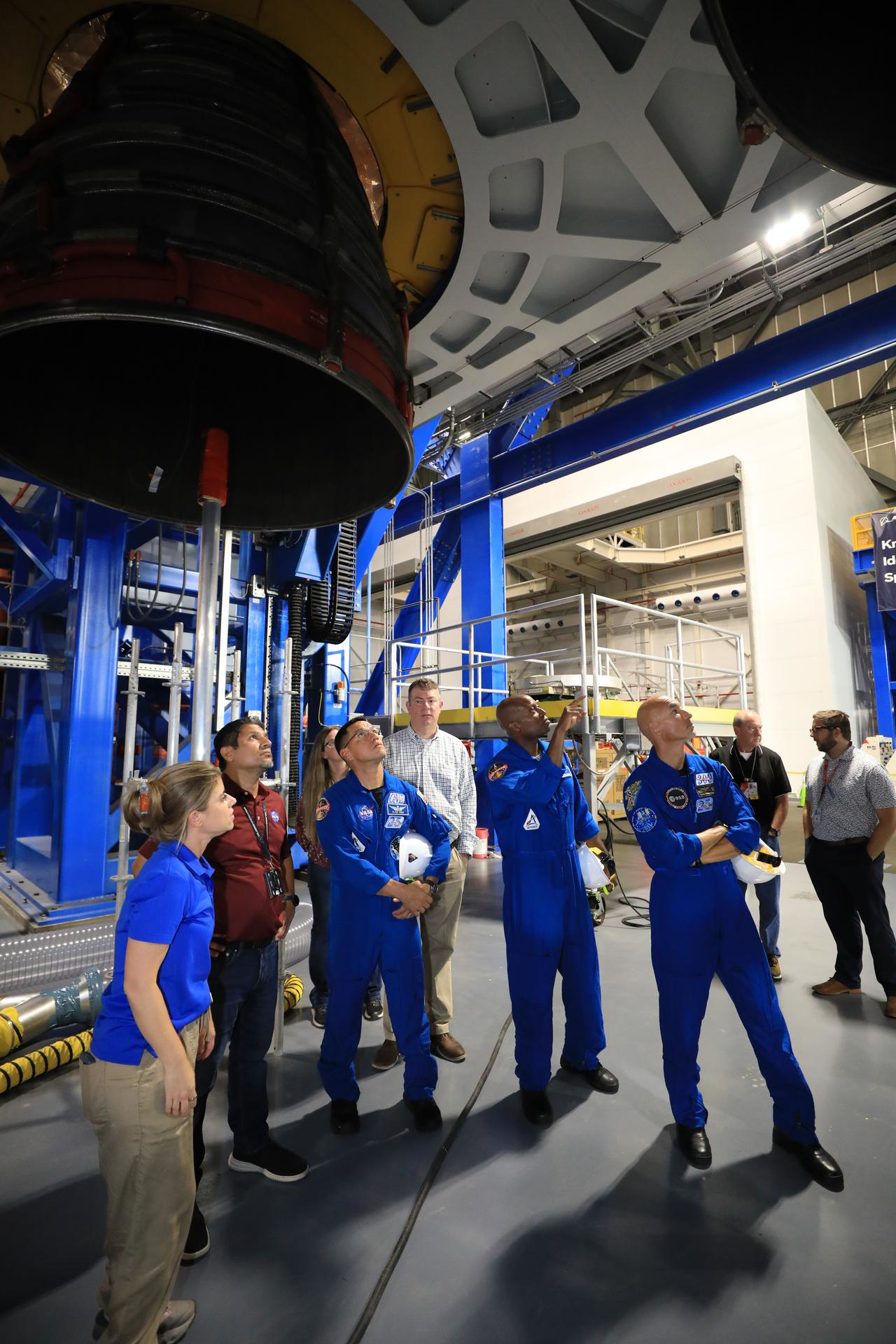
The Artemis III primary and back-up crew members view the work progress on the Artemis III SLS (Space Launch System) rocket core stage inside High Bay 2 of the Vehicle Assembly Building at NASA's Kennedy Space Center in Florida on Wednesday, Sept. 2, 2026. Dressed in blue flight suits, NASA astronauts Frank Rubio and Andre Douglas, as well as ESA (European Space Agency) astronaut Luca Parmitano view the four RS-25 engines on the work stand for integration with the core stage. This marked the first visit to Kennedy by the entire crew and backup crew members. Artemis III will launch four crew members aboard the Orion spacecraft to carry out a series of objectives in low Earth orbit designed to demonstrate critical systems needed for future lunar landings, beginning with Artemis IV.
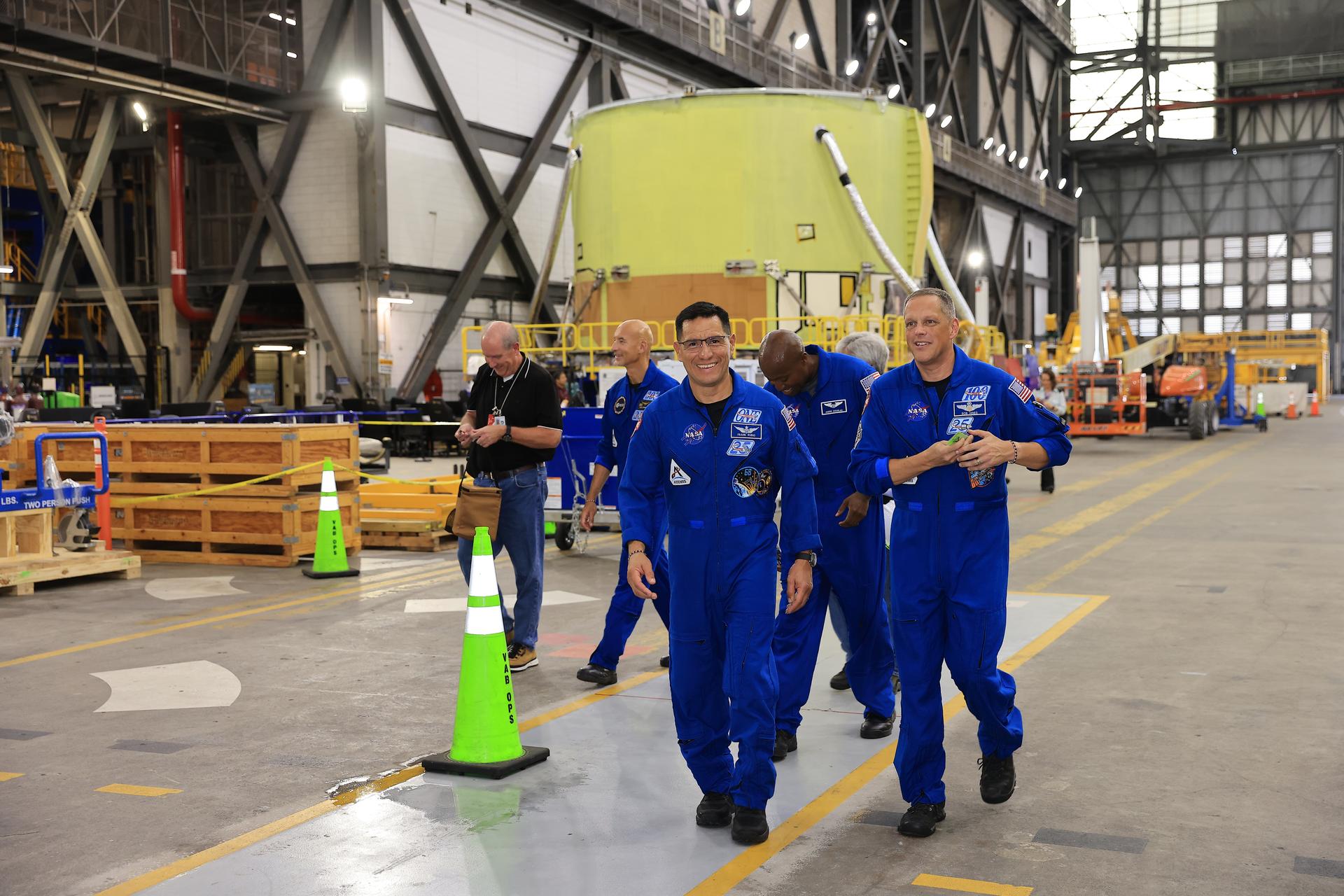
The Artemis III primary and back-up crew members walk by the core stage engine section for NASA’s Artemis IV mission in the transfer aisle of the Vehicle Assembly Building at NASA's Kennedy Space Center in Florida on Wednesday, Sept. 2, 2026. Dressed in blue flight suits, from left, ESA (European Space Agency) astronaut Luca Parmitano, and NASA astronauts Frank Rubio, Andre Douglas, and Bob Hines, along with Randy Bresnik (not pictured) viewed the work progress on the Artemis III SLS (Space Launch System) rocket core stage inside High Bay 2 and the solid rocket booster integration inside High Bay 3. This marked the first visit to Kennedy by the entire crew and backup crew members. Artemis III will launch four crew members aboard the Orion spacecraft to carry out a series of objectives in low Earth orbit designed to demonstrate critical systems needed for future lunar landings, beginning with Artemis IV.
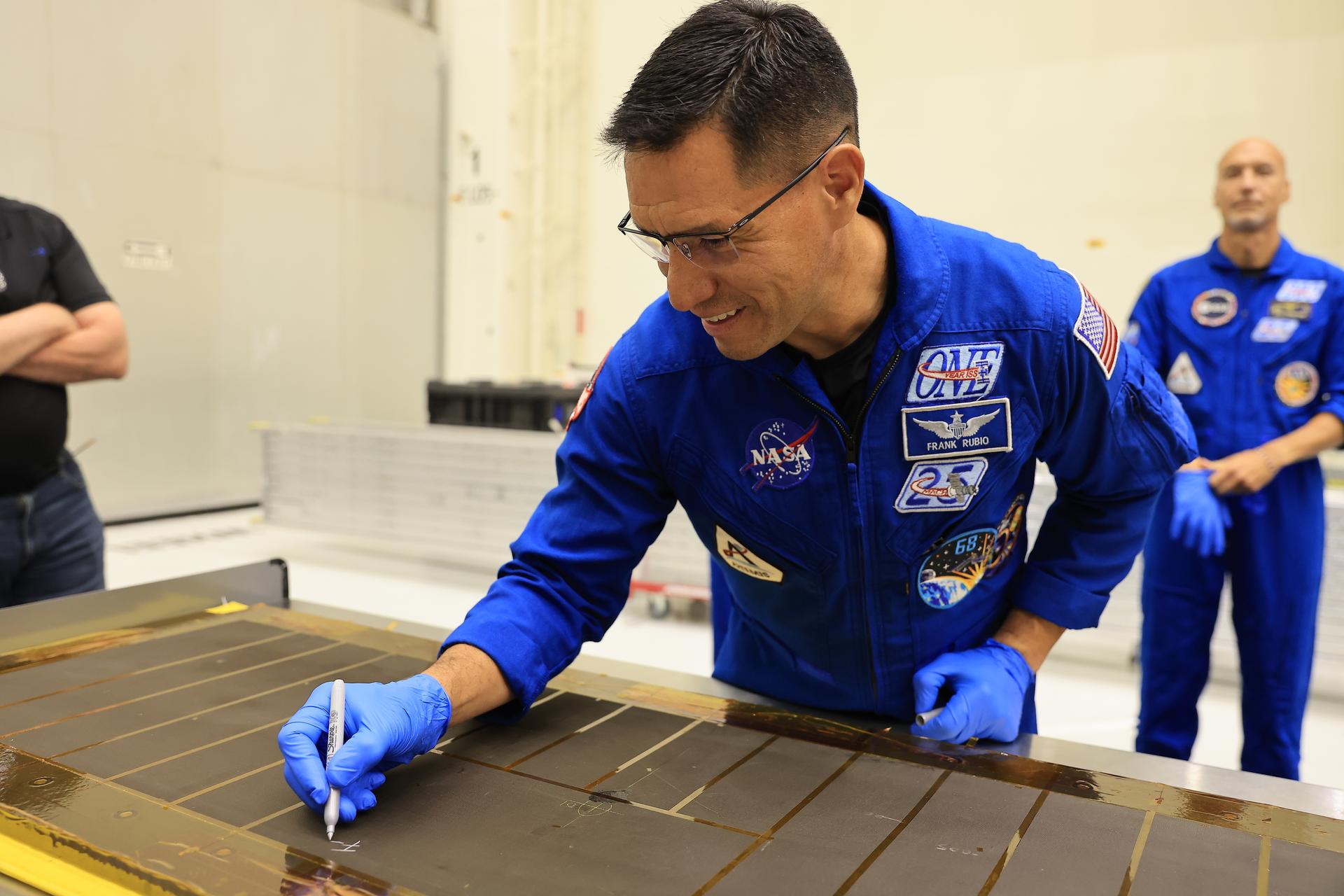
Artemis III NASA astronaut Frank Rubio, mission specialist, signs an interior center wall panel that will cover environmental control and life support system (ECLSS) components inside the Orion crew module in the Neil A. Armstrong Operations and Checkout Building at Kennedy Space Center in Florida on Wednesday, Sept. 2, 2026. The Artemis III primary and backup crew members, including Rubio; NASA astronaut Randy Bresnik, commander; ESA (European Space Agency) astronaut Luca Parmitano, pilot; NASA astronaut Andre Douglas, mission specialist; and NASA astronaut Bob Hines, backup crew member, visited Kennedy to view progress on Artemis III hardware, marking the first visit by the entire crew and backup crew to the Florida spaceport. On Orion, ECLSS will make the crew module a habitable, safe place for astronauts and is key to survival as they travel on deep space missions.
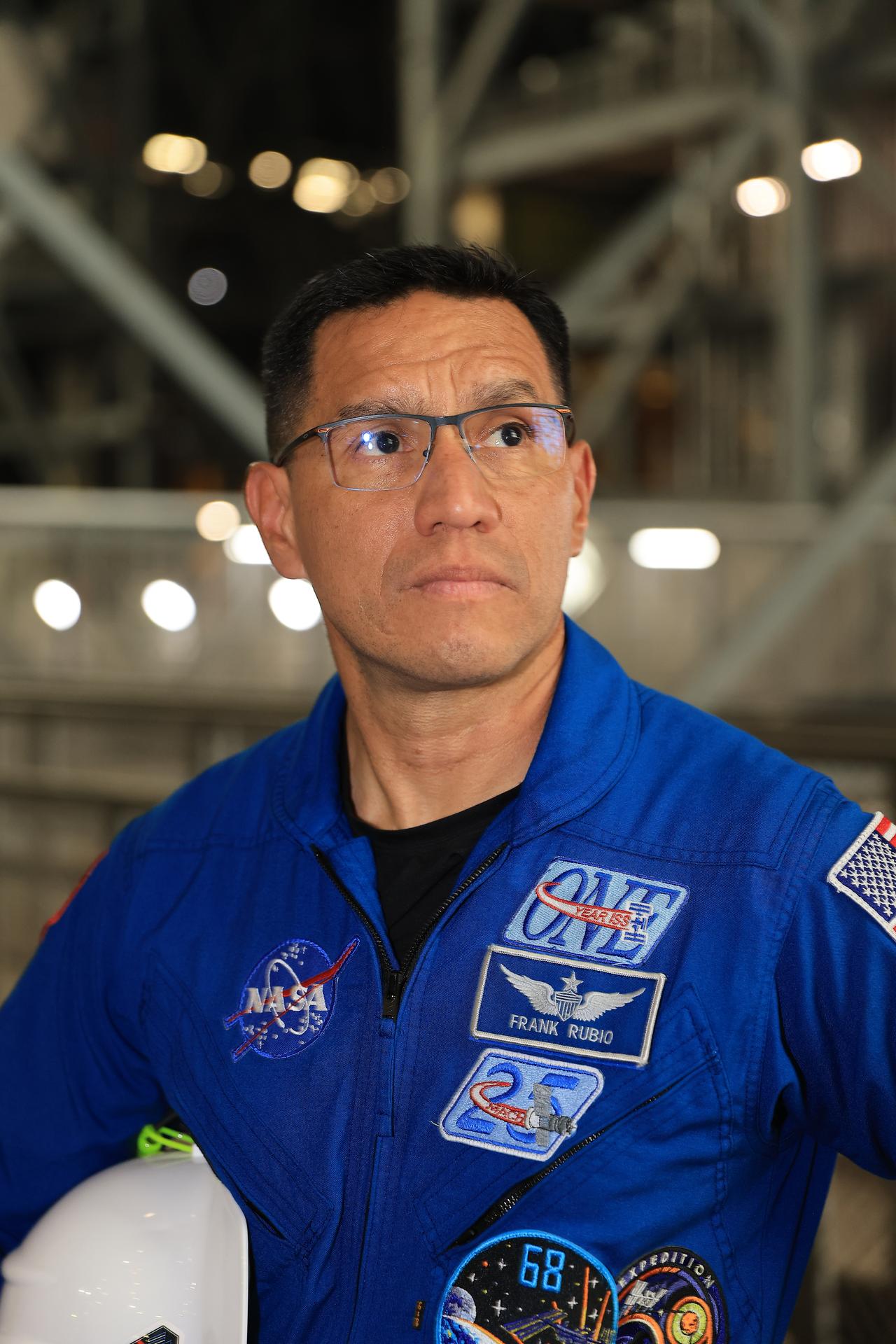
Artemis III mission specialist NASA astronaut Frank Rubio visits the Vehicle Assembly Building at NASA's Kennedy Space Center in Florida on Wednesday, Sept. 2, 2026. Rubio, as well as NASA astronaut Randy Bresnik, commander; ESA (European Space Agency) astronaut Luca Parmitano, pilot; NASA astronaut Andre Douglas, mission specialist; and NASA astronaut Bob Hines, backup crew member, made the first visit to Kennedy by the entire crew and backup crew members of Artemis III. The mission will launch four crew members aboard the Orion spacecraft to carry out a series of objectives in low Earth orbit designed to demonstrate critical systems needed for future lunar landings, beginning with Artemis IV.
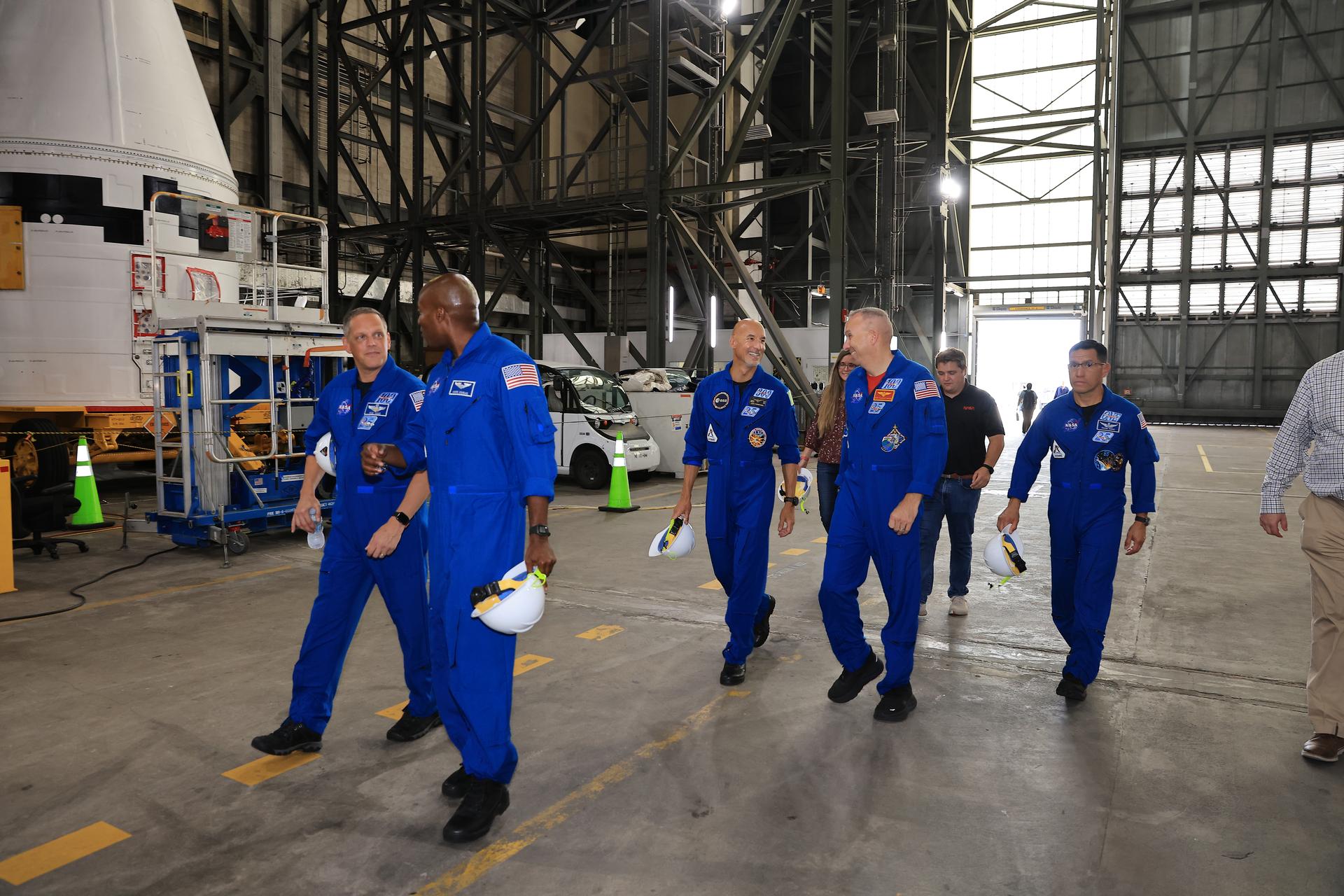
The Artemis III primary and back-up crew members visit the Vehicle Assembly Building at NASA's Kennedy Space Center in Florida on Wednesday, Sept. 2, 2026. From left, NASA astronauts Bob Hines and Andre Douglas, ESA (European Space Agency) astronaut Luca Parmitano, and NASA astronauts Randy Bresnik and Frank Rubio viewed the work progress on the Artemis III SLS (Space Launch System) rocket core stage inside High Bay 2 and the solid rocket booster integration inside High Bay 3. This marked the first visit to Kennedy by the entire crew and backup crew members. Artemis III will launch four crew members aboard the Orion spacecraft to carry out a series of objectives in low Earth orbit designed to demonstrate critical systems needed for future lunar landings, beginning with Artemis IV.
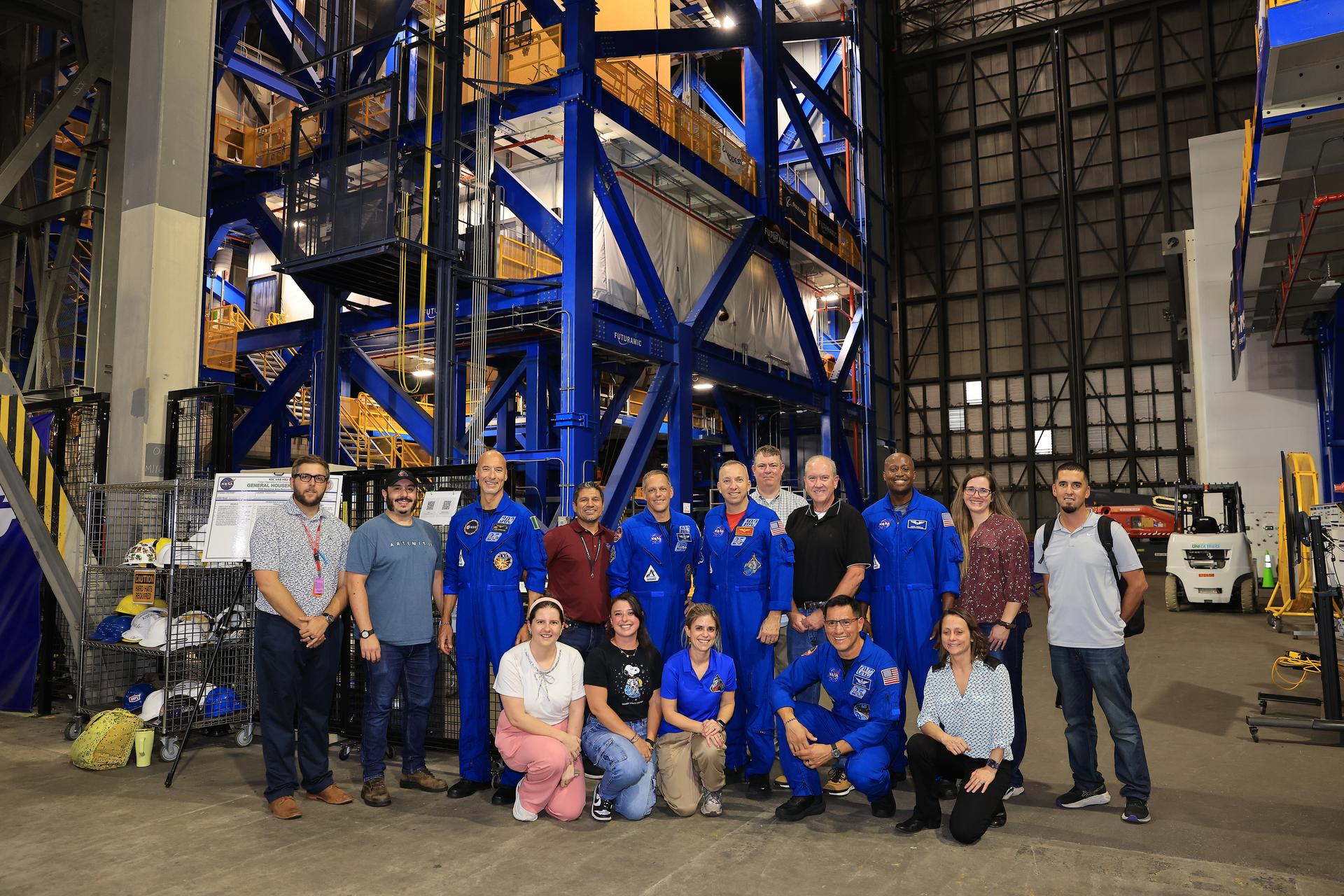
The Artemis III primary and back-up crew members pose for a photo with employees from NASA’s Exploration Ground Systems Program on Wednesday, Sept. 2, 2026, inside the Vehicle Assembly Building at NASA's Kennedy Space Center in Florida. Dressed in blue flight suits, from left, ESA (European Space Agency) astronaut Luca Parmitano, and NASA astronauts Bob Hines, Randy Bresnik, Frank Rubio, and Andre Douglas viewed the work progress on the Artemis III SLS (Space Launch System) rocket core stage inside High Bay 2, visible in the background. This marked the first visit to Kennedy by the entire crew and backup crew members. Artemis III will launch four crew members aboard the Orion spacecraft to carry out a series of objectives in low Earth orbit designed to demonstrate critical systems needed for future lunar landings, beginning with Artemis IV.
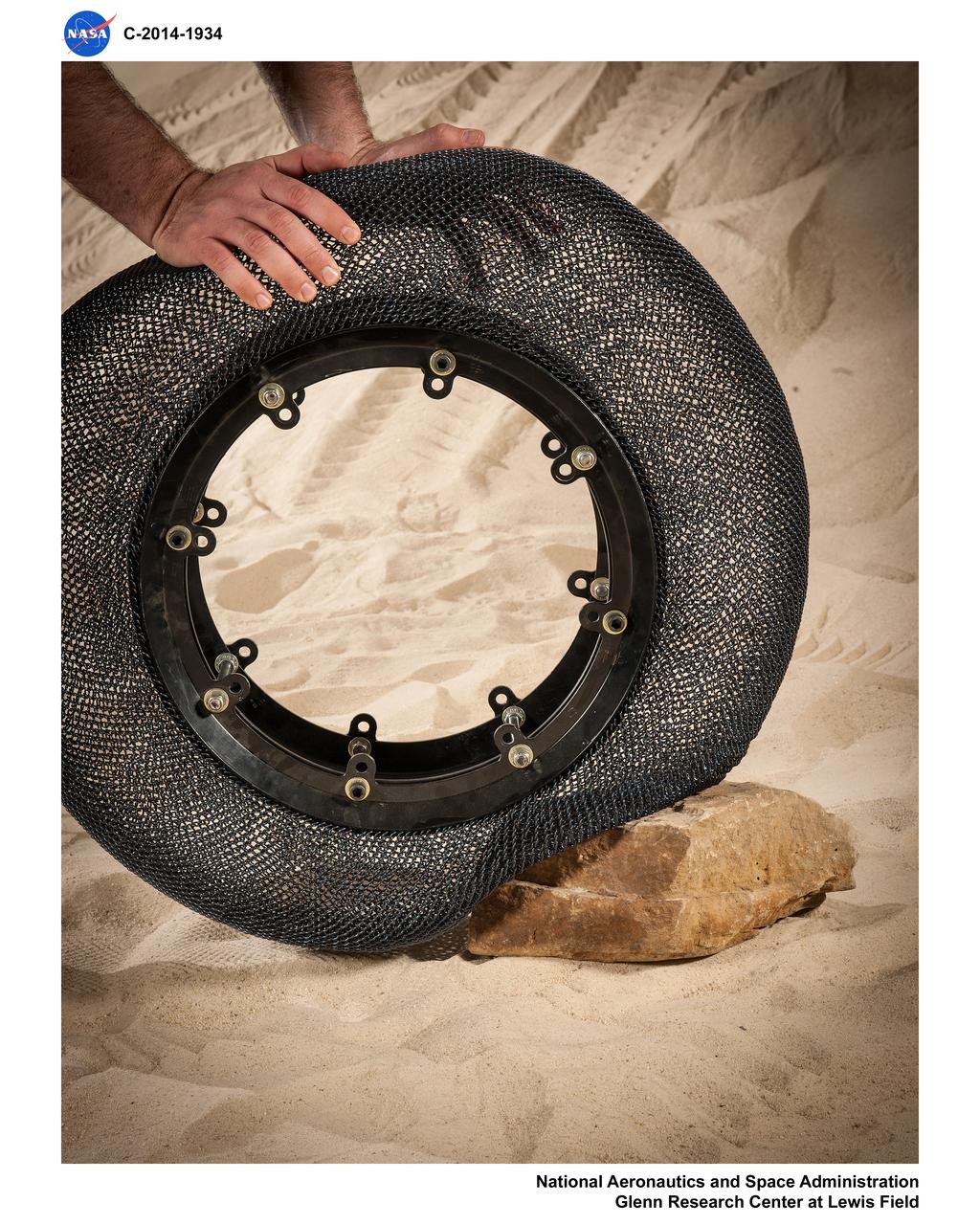
Airless Spring Wheel Prototype in the Simulated Lunar Operations Laboratory, SLOPE Lab
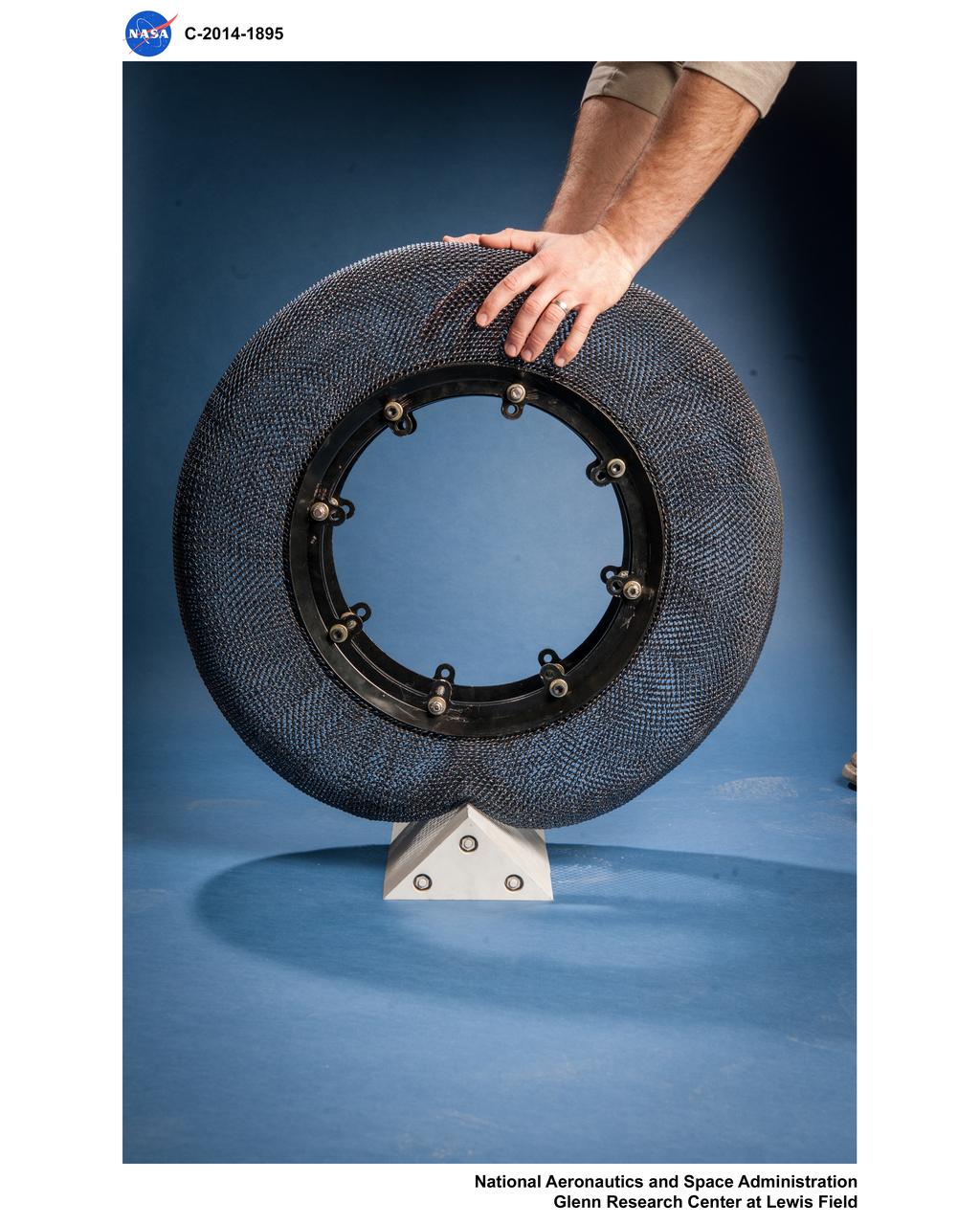
Airless Spring Wheel Prototype in the Simulated Lunar Operations Laboratory, SLOPE Lab
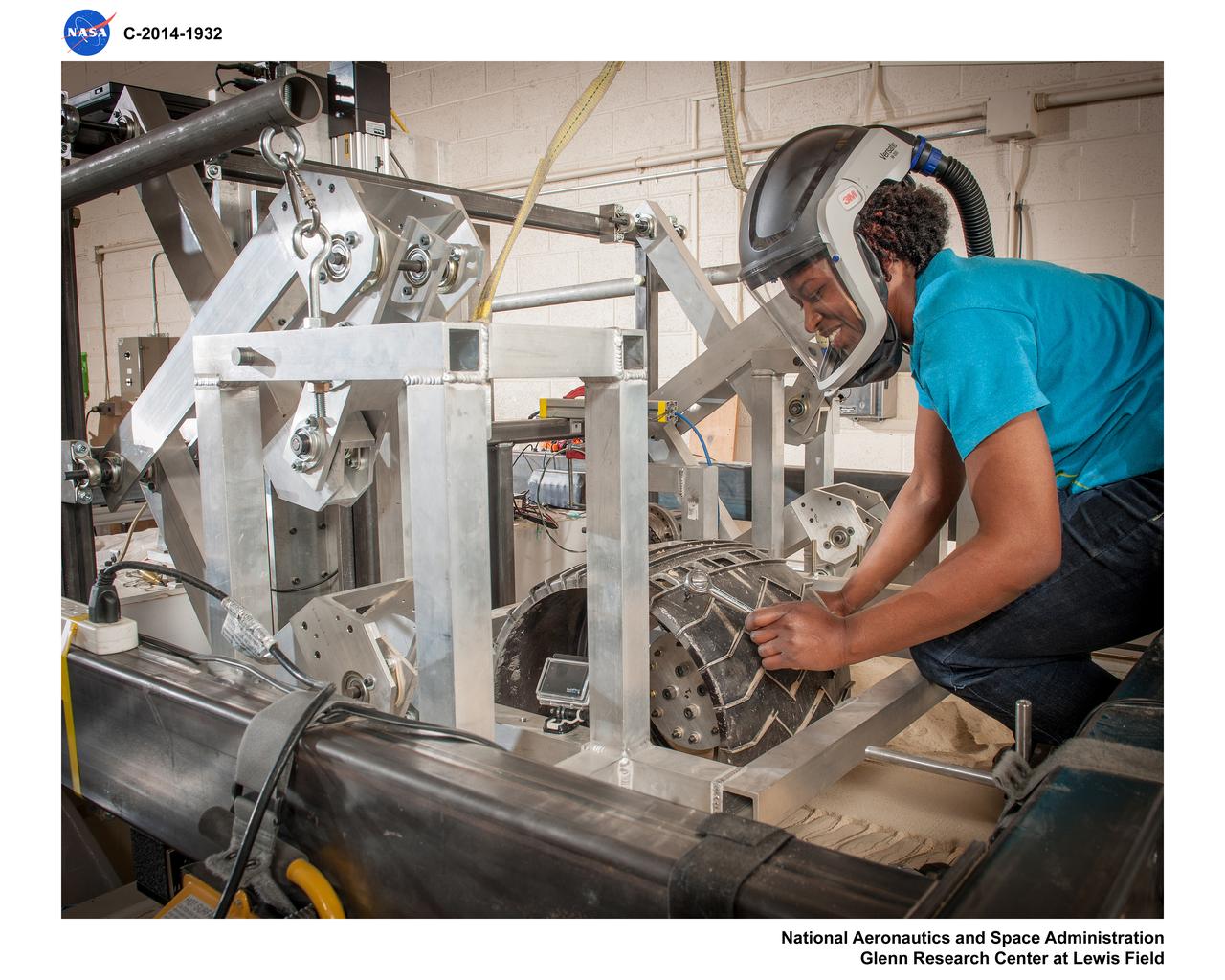
Airless Spring Wheel Prototype in the Simulated Lunar Operations Laboratory, SLOPE Lab
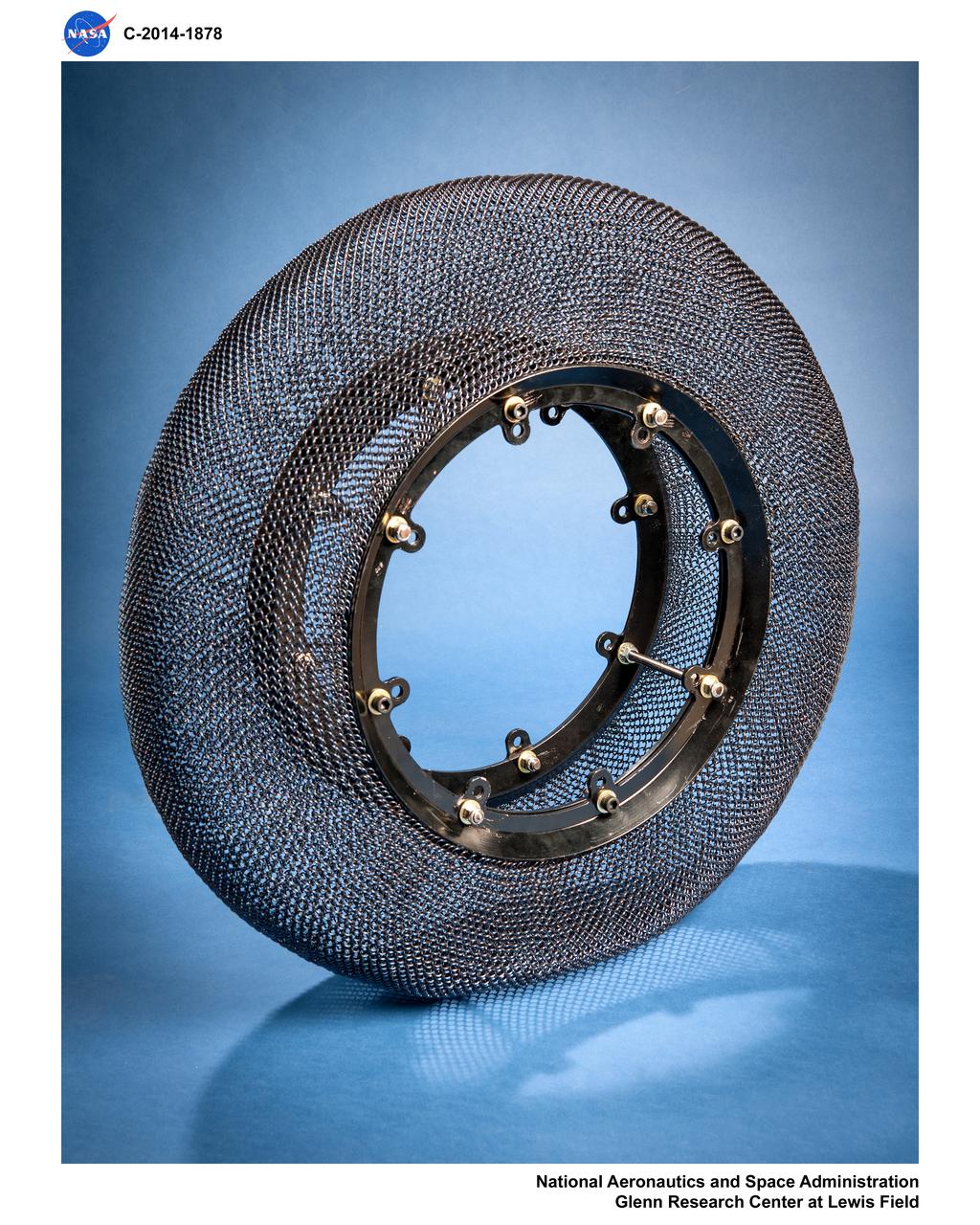
Airless Spring Wheel Prototype in the Simulated Lunar Operations Laboratory, SLOPE Lab
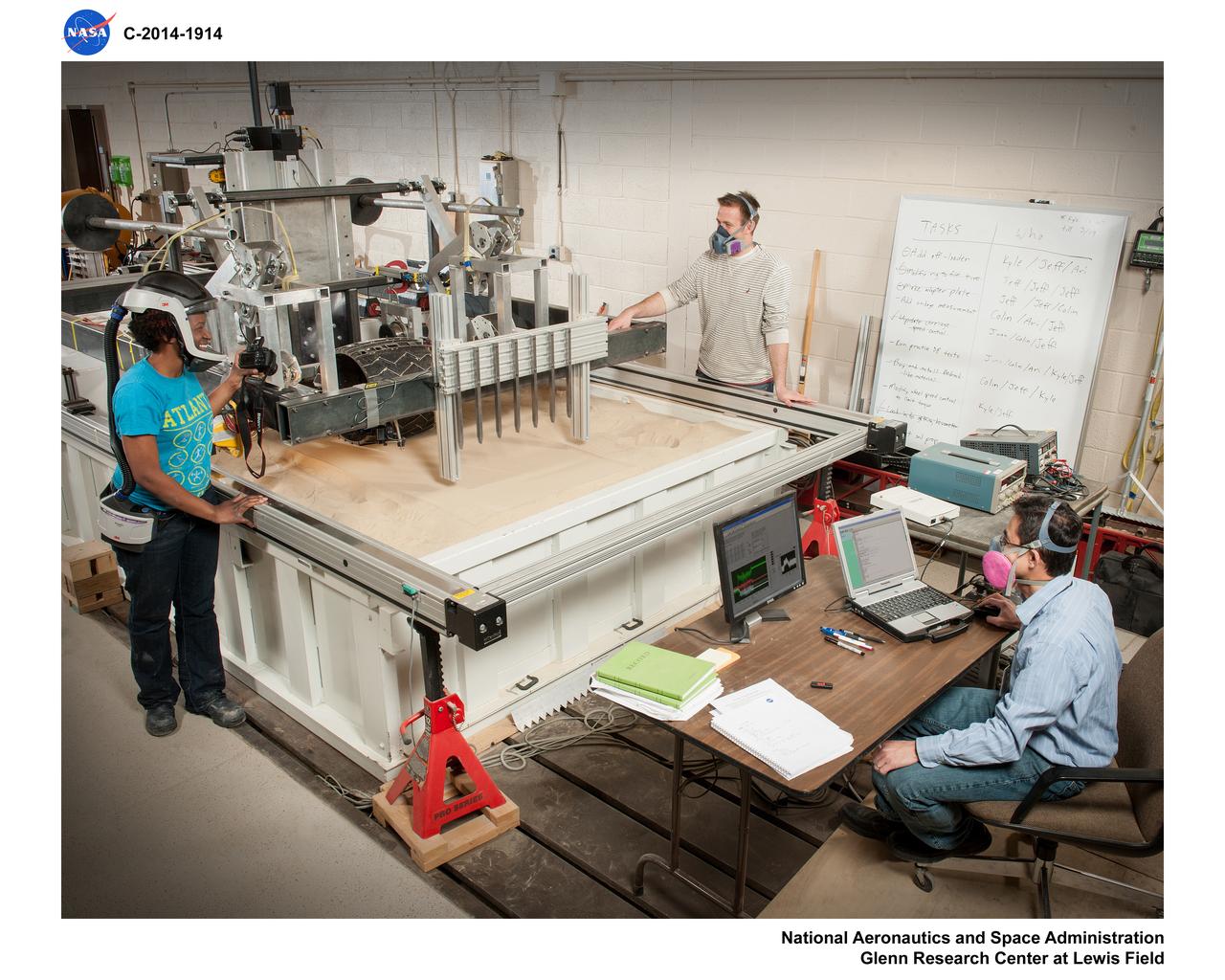
Airless Spring Wheel Prototype in the Simulated Lunar Operations Laboratory, SLOPE Lab
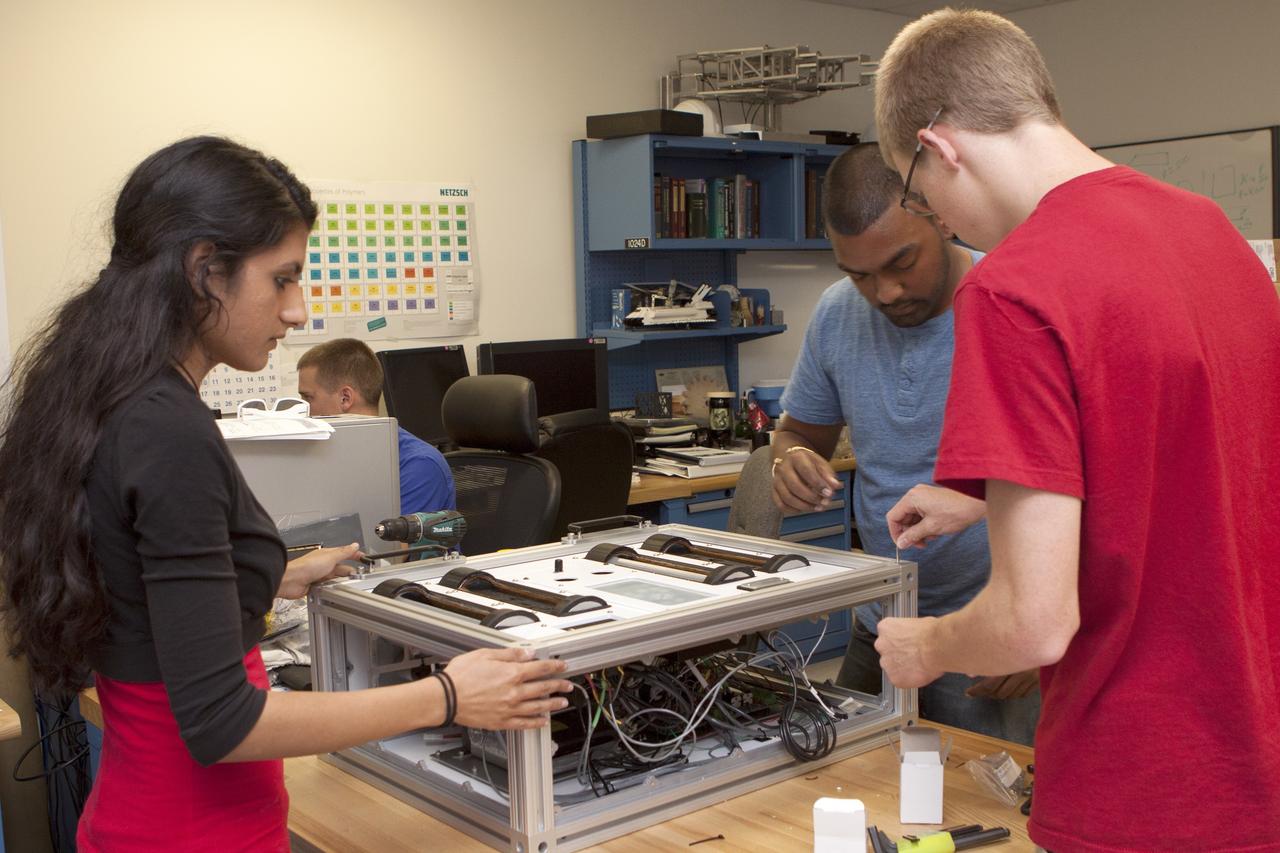
CAPE CANAVERAL, Fla. – Inside the Prototype Laboratory at NASA's Kennedy Space Center in Florida, Prital Thakrar, left, design lead and student engineer trainee from the University of Florida in Gainesville, Anthony Bharrat, NASA avionics lead, and Evan Williams, an Education intern from the University of Central Florida, prepare the experiment container for NASA's Exposing Microorganisms in the Stratosphere, or E-MIST, experiment. The container was designed and built at Kennedy. The 80-pound structure features four doors that rotate to expose up to 10 microbial samples each for a predetermined period of time in the Earth's stratosphere. The E-MIST experiment will launch on the exterior of a giant scientific balloon gondola at about 8 a.m. MST on Aug. 24 from Ft. Sumner, New Mexico. It will soar 125,000 feet above the Earth during a 5-hour journey over the desert to understand how spore-forming bacteria, commonly found in spacecraft assembly facilities can survive. Photo credit: NASA/Kim Shiflett
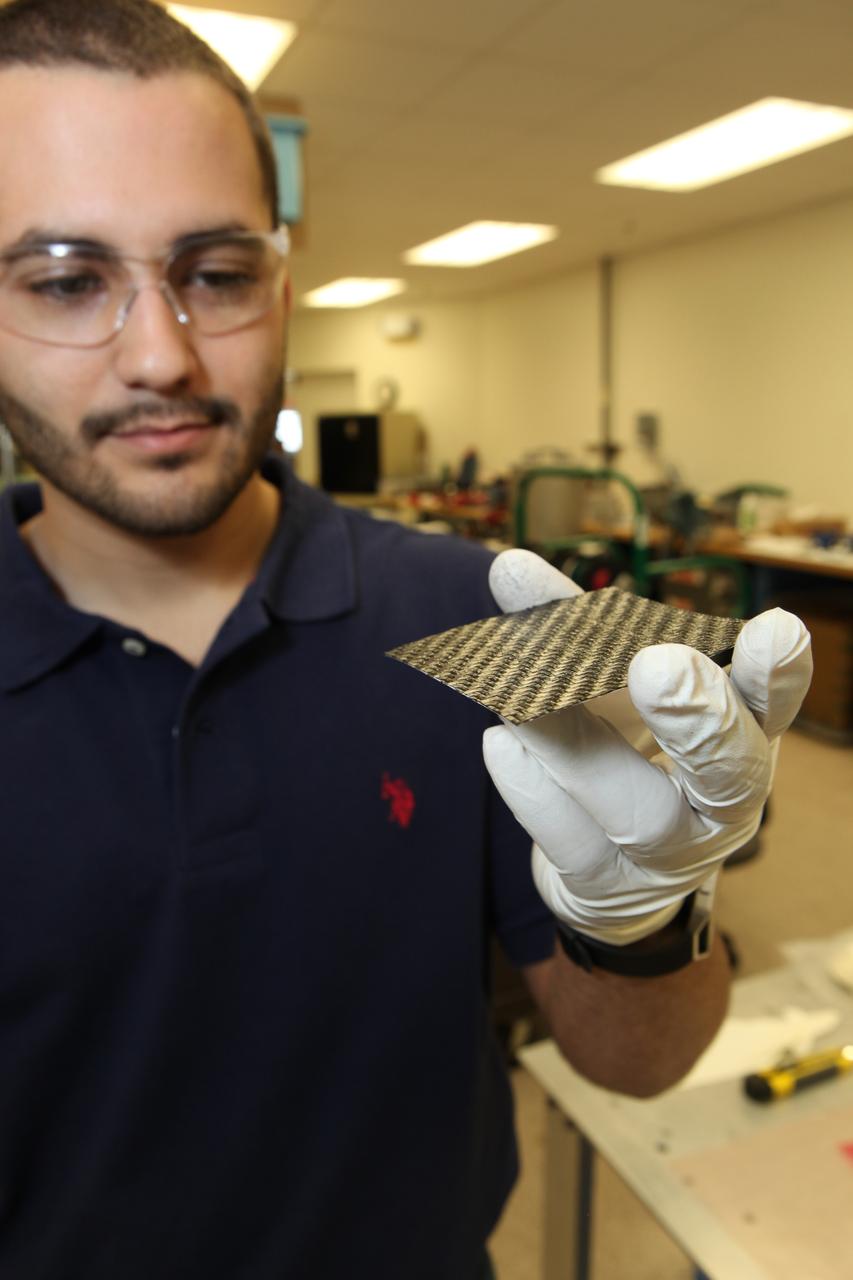
Daniel Perez, Ph.D., a graduate student from the University of Miami, displays a piece of the prototype structure for a new solid-state battery in the Prototype Laboratory at NASA's Kennedy Space Center in Florida. The size of the battery is so small that it could be a prime candidate for use in microsatellites, including CubeSats. Researchers at Kennedy are collaborating with experts at the University of Miami. The university partnership is funded through the Small Spacecraft Technology Program, in NASA's Space Technology Mission Directorate.
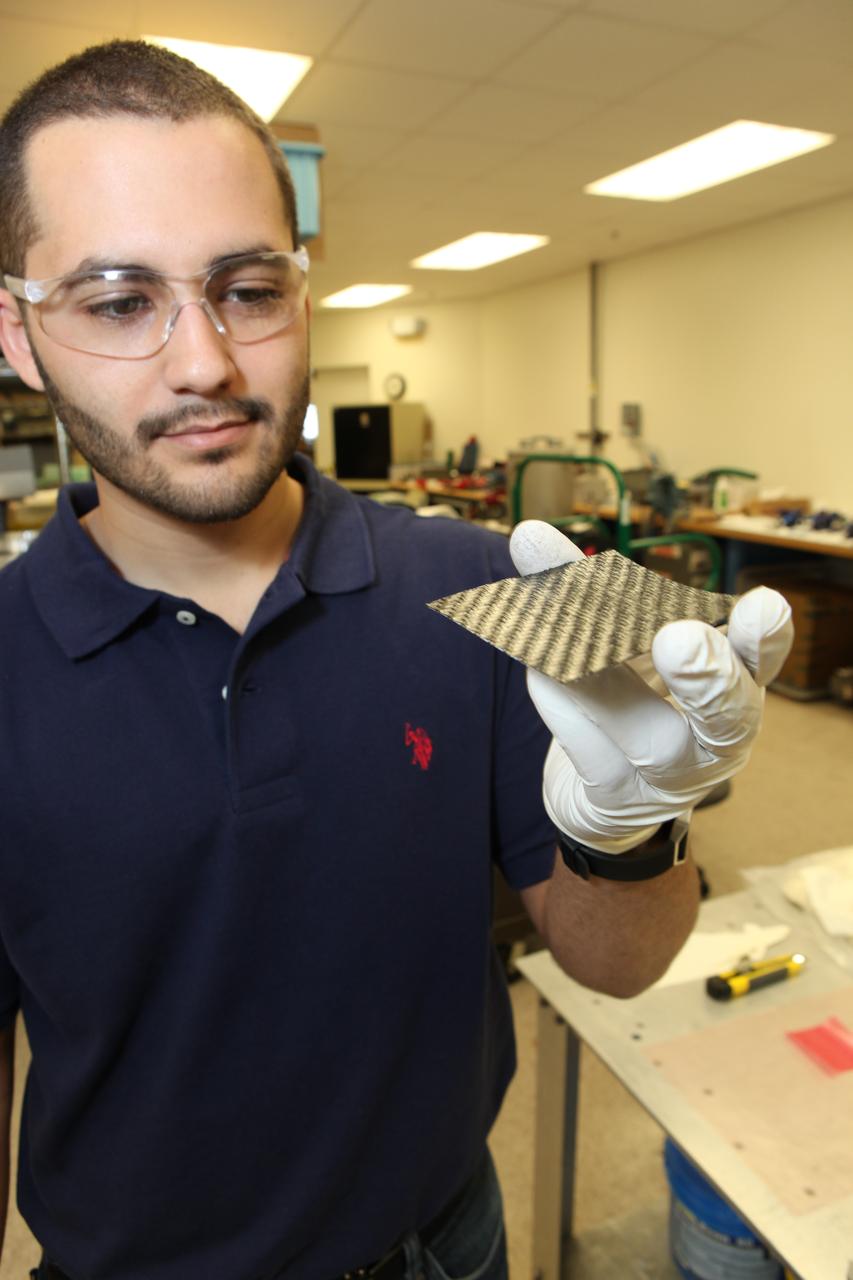
Daniel Perez, Ph.D., a graduate student from the University of Miami, displays a piece of the prototype structure for a new solid-state battery in the Prototype Laboratory at NASA's Kennedy Space Center in Florida. The size of the battery is so small that it could be a prime candidate for use in microsatellites, including CubeSats. Researchers at Kennedy are collaborating with experts at the University of Miami. The university partnership is funded through the Small Spacecraft Technology Program, in NASA's Space Technology Mission Directorate.
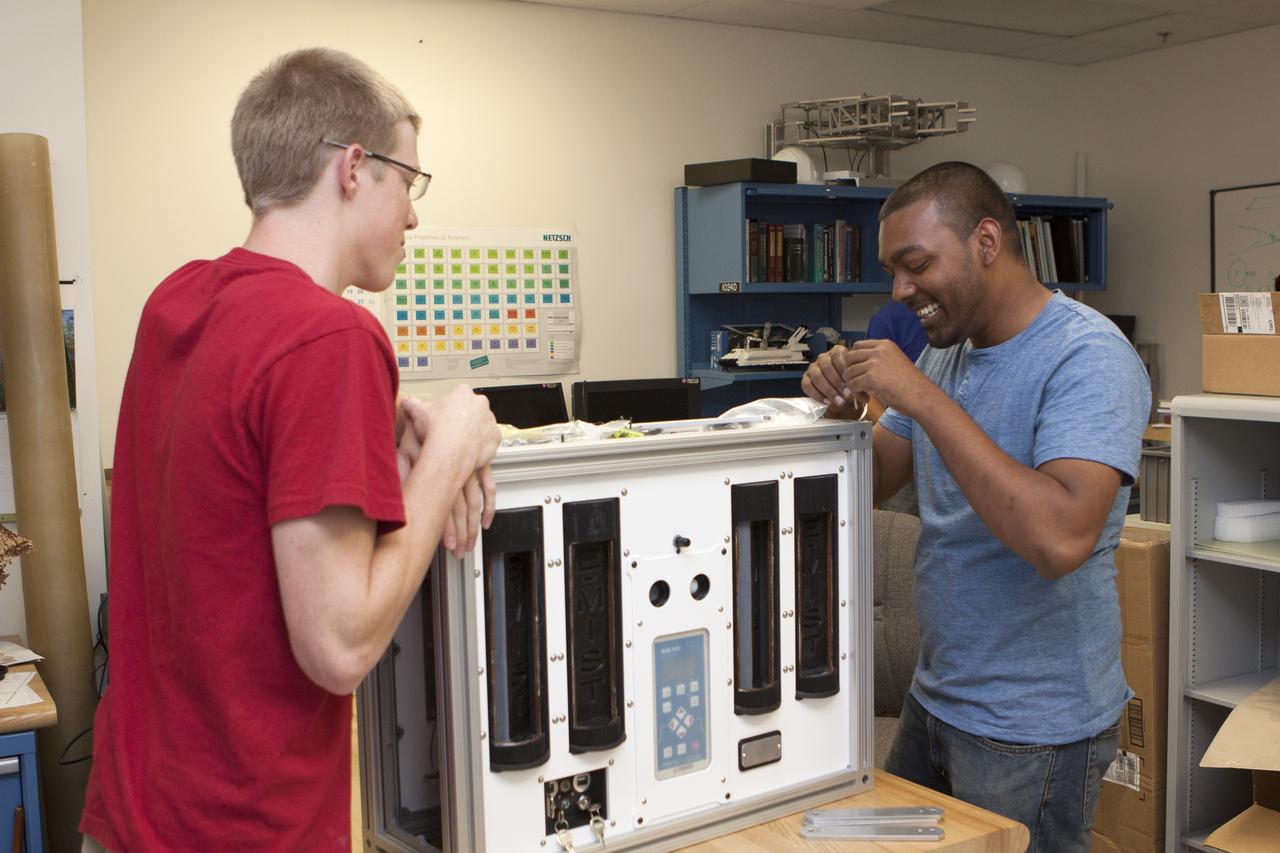
CAPE CANAVERAL, Fla. – Inside the Prototype Laboratory at NASA's Kennedy Space Center in Florida, Evan Williams, left, an Education intern from the University of Central Florida, and Anthony Bharrat, NASA avionics lead, prepare the experiment container for NASA's Exposing Microorganisms in the Stratosphere, or E-MIST, experiment. The container was designed and built at Kennedy. The 80-pound structure features four doors that rotate to expose up to 10 microbial samples each for a predetermined period of time in the Earth's stratosphere. The E-MIST experiment will launch on the exterior of a giant scientific balloon gondola at about 8 a.m. MST on Aug. 24 from Ft. Sumner, New Mexico. It will soar 125,000 feet above the Earth during a 5-hour journey over the desert to understand how spore-forming bacteria, commonly found in spacecraft assembly facilities can survive. Photo credit: NASA/Kim Shiflett
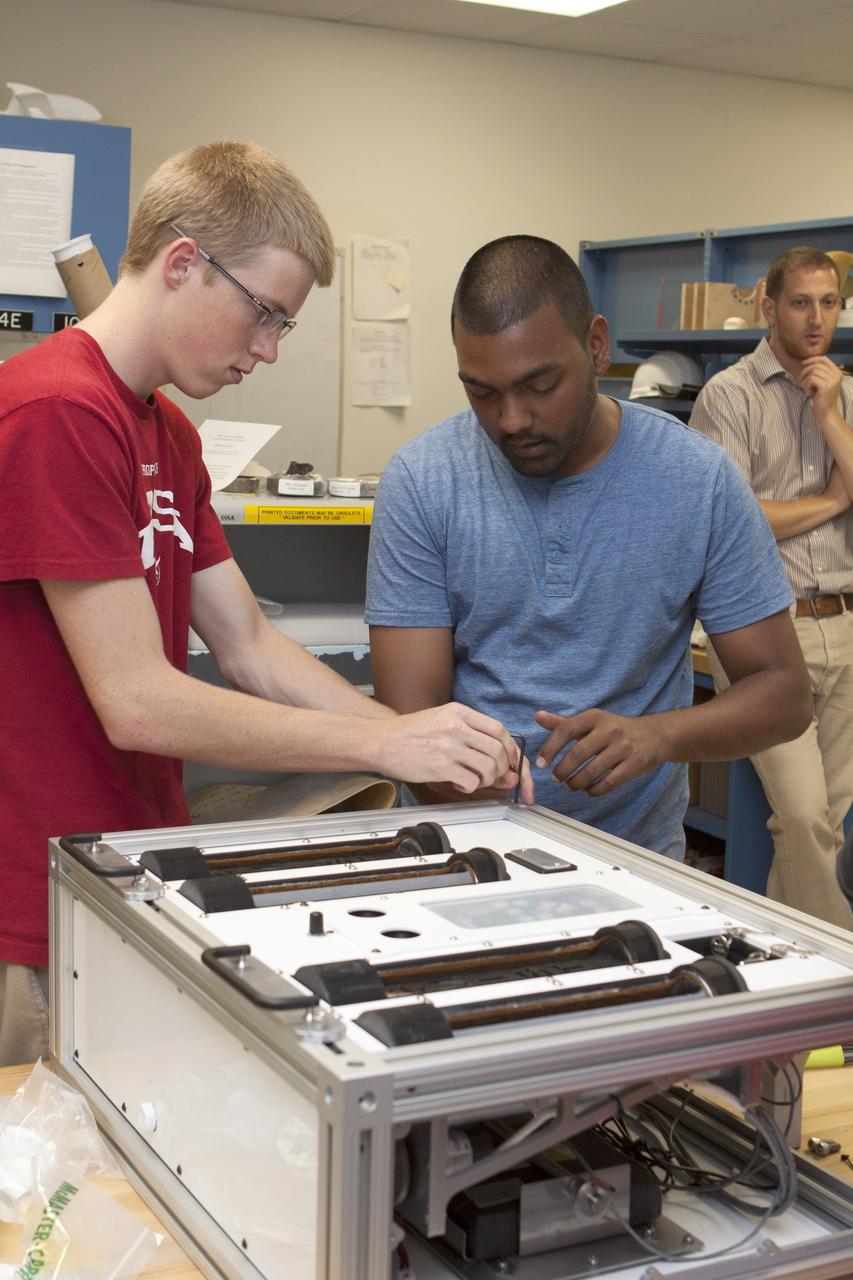
CAPE CANAVERAL, Fla. – Inside the Prototype Laboratory at NASA's Kennedy Space Center in Florida, Evan Williams, left, an Education intern from the University of Central Florida, and Anthony Bharrat, NASA avionics lead, prepare the experiment container for NASA's Exposing Microorganisms in the Stratosphere, or E-MIST, experiment. In the background is David J. Smith, Ph.D., NASA E-MIST principal investigator. The container was designed and built at Kennedy. The 80-pound structure features four doors that rotate to expose up to 10 microbial samples each for a predetermined period of time in the Earth's stratosphere. The E-MIST experiment will launch on the exterior of a giant scientific balloon gondola at about 8 a.m. MST on Aug. 24 from Ft. Sumner, New Mexico. It will soar 125,000 feet above the Earth during a 5-hour journey over the desert to understand how spore-forming bacteria, commonly found in spacecraft assembly facilities can survive. Photo credit: NASA/Kim Shiflett
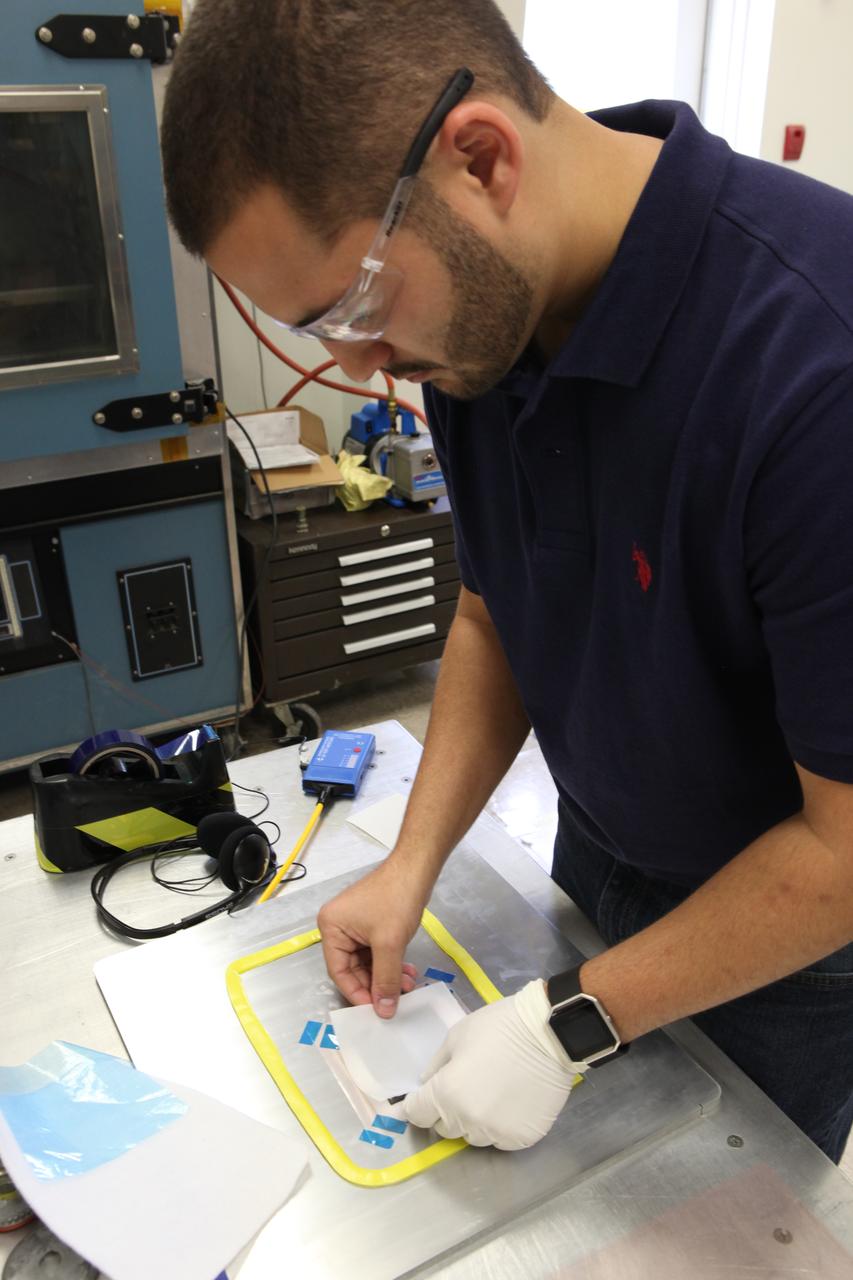
Daniel Perez, Ph.D., a graduate student from the University of Miami, prepares layers of the prototype structure for a new solid-state battery in the Prototype Laboratory at NASA's Kennedy Space Center in Florida. The size of the battery is so small that it could be a prime candidate for use in microsatellites, including CubeSats. Researchers at Kennedy are collaborating with experts at the University of Miami. The university partnership is funded through the Small Spacecraft Technology Program, in NASA's Space Technology Mission Directorate.
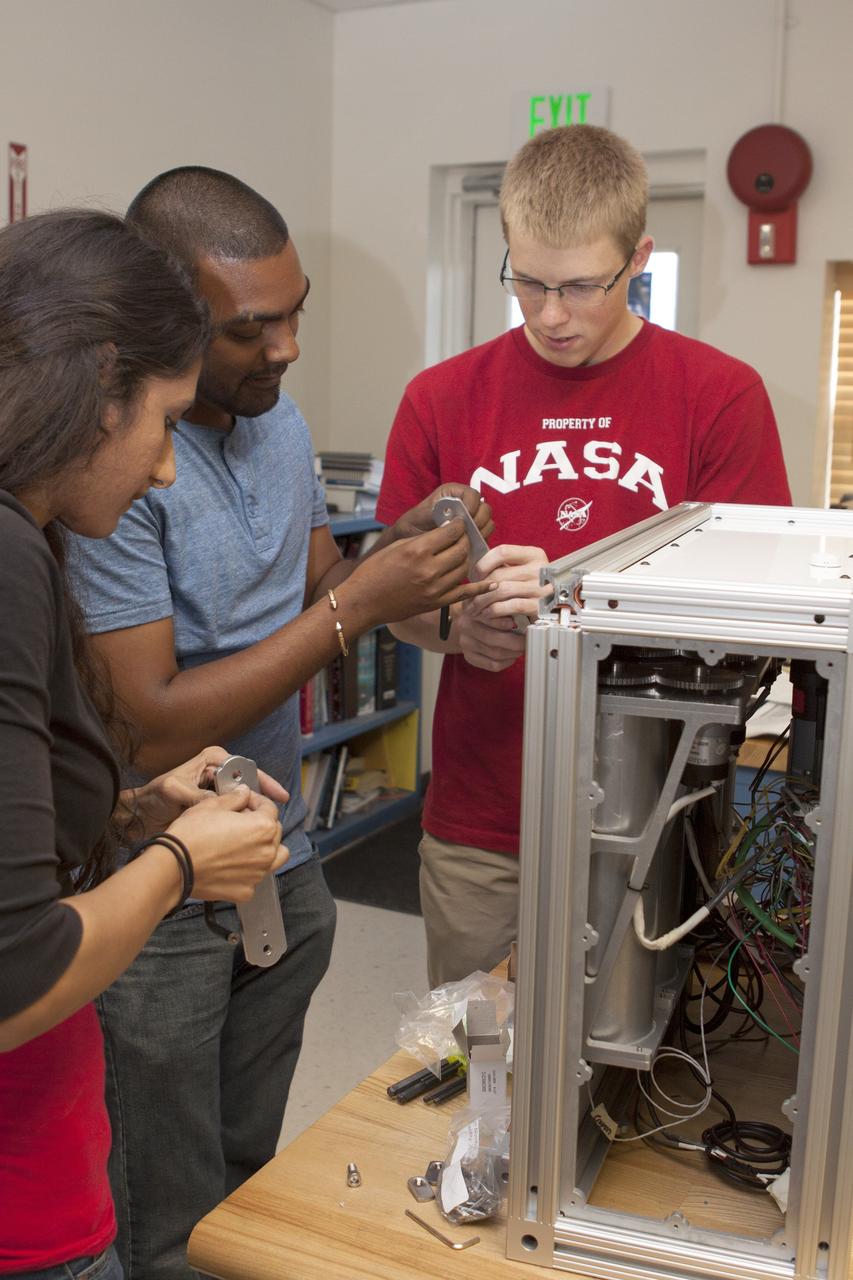
CAPE CANAVERAL, Fla. – Inside the Prototype Laboratory at NASA's Kennedy Space Center in Florida, Prital Thakrar, left, design lead and student engineer trainee from the University of Florida in Gainesville, Anthony Bharrat, NASA avionics lead, and Evan Williams, an Education intern from the University of Central Florida, prepare the experiment container for NASA's Exposing Microorganisms in the Stratosphere, or E-MIST, experiment. The container was designed and built at Kennedy. The 80-pound structure features four doors that rotate to expose up to 10 microbial samples each for a predetermined period of time in the Earth's stratosphere. The E-MIST experiment will launch on the exterior of a giant scientific balloon gondola at about 8 a.m. MST on Aug. 24 from Ft. Sumner, New Mexico. It will soar 125,000 feet above the Earth during a 5-hour journey over the desert to understand how spore-forming bacteria, commonly found in spacecraft assembly facilities can survive. Photo credit: NASA/Kim Shiflett
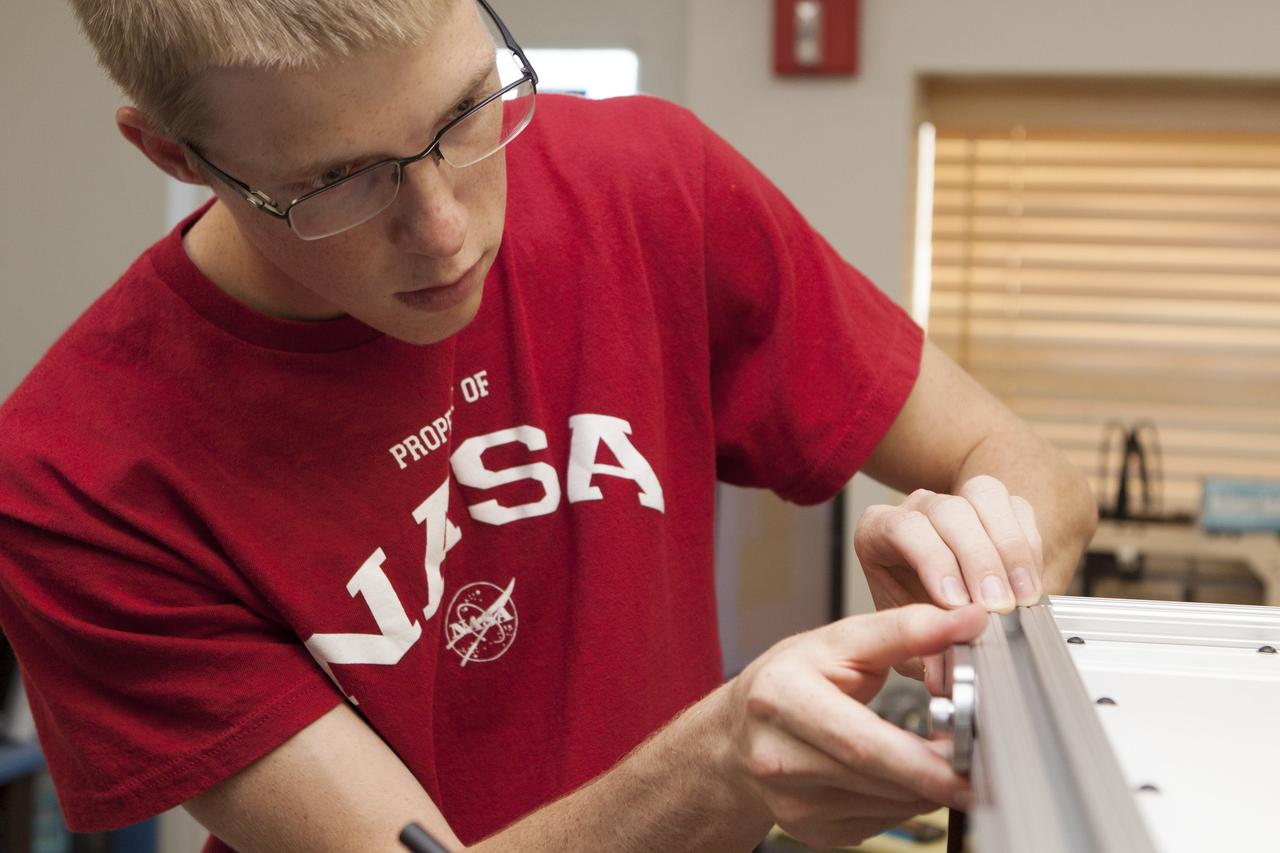
CAPE CANAVERAL, Fla. – Inside the Prototype Laboratory at NASA's Kennedy Space Center in Florida, Evan Williams, an Education intern from the University of Central Florida, prepares the experiment container for NASA's Exposing Microorganisms in the Stratosphere, or E-MIST, experiment. The container was designed and built at Kennedy. The 80-pound structure features four doors that rotate to expose up to 10 microbial samples each for a predetermined period of time in the Earth's stratosphere. The E-MIST experiment will launch on the exterior of a giant scientific balloon gondola at about 8 a.m. MST on Aug. 24 from Ft. Sumner, New Mexico. It will soar 125,000 feet above the Earth during a 5-hour journey over the desert to understand how spore-forming bacteria, commonly found in spacecraft assembly facilities can survive. Photo credit: NASA/Kim Shiflett
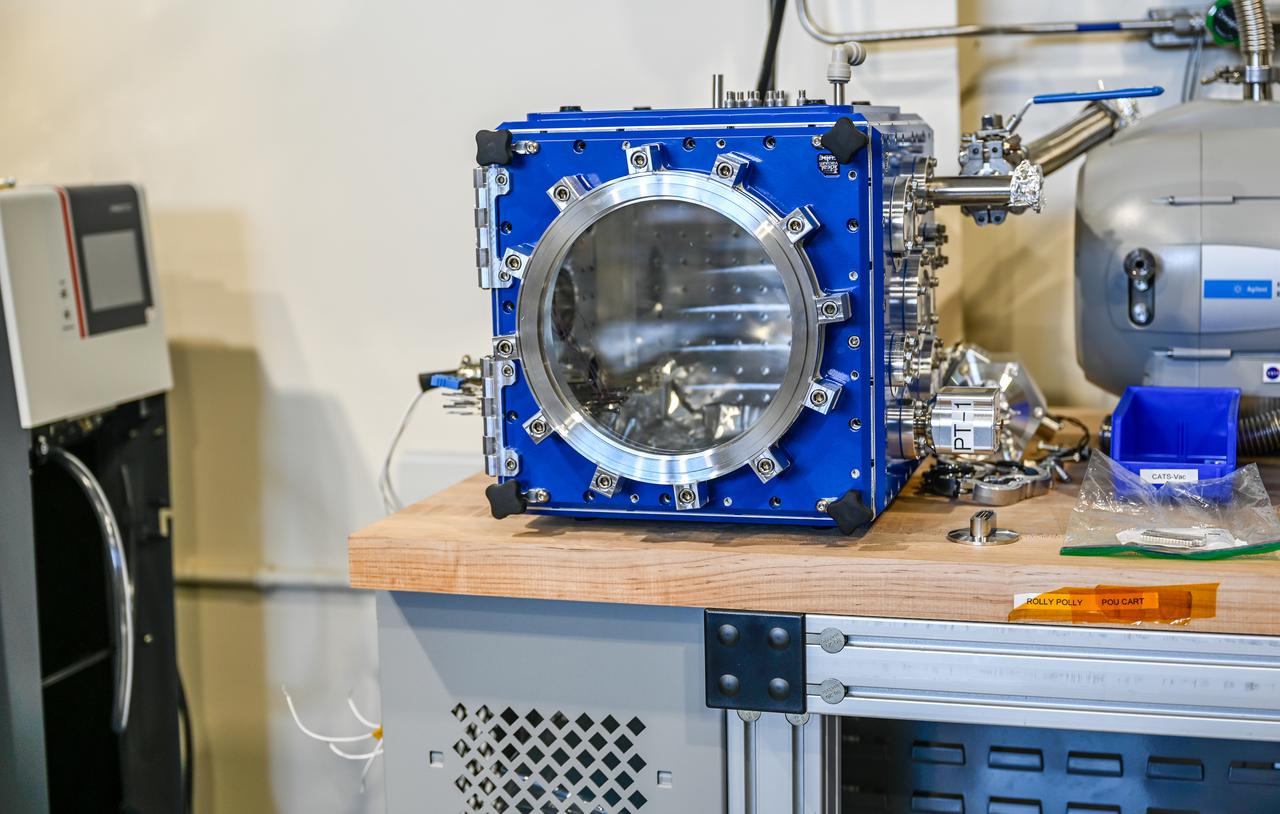
These photos, taken in fall 2024, show how NASA engineers use the Hub for Innovative Thermal Technology Maturation and Prototyping (Hi-TTeMP) laboratory at NASA’s Marshall Space Flight Center in Huntsville, Alabama. NASA engineers working in the HI-TTeMP lab not only design, set up, and run tests, they also provide insight and expertise in thermal engineering to assist NASA’s industry partners, such as SpaceX and other organizations, in validating concepts and models, or suggesting changes to designs. The lab is able to rapidly test and evaluate design updates or iterations. Engineering teams inside the lab are currently testing how well prototype insulation for SpaceX’s Starship HLS (Human Landing System) will insulate interior environments, including propellant storage tanks and the crew cabin. Starship HLS will land astronauts on the lunar surface during Artemis III and Artemis IV.
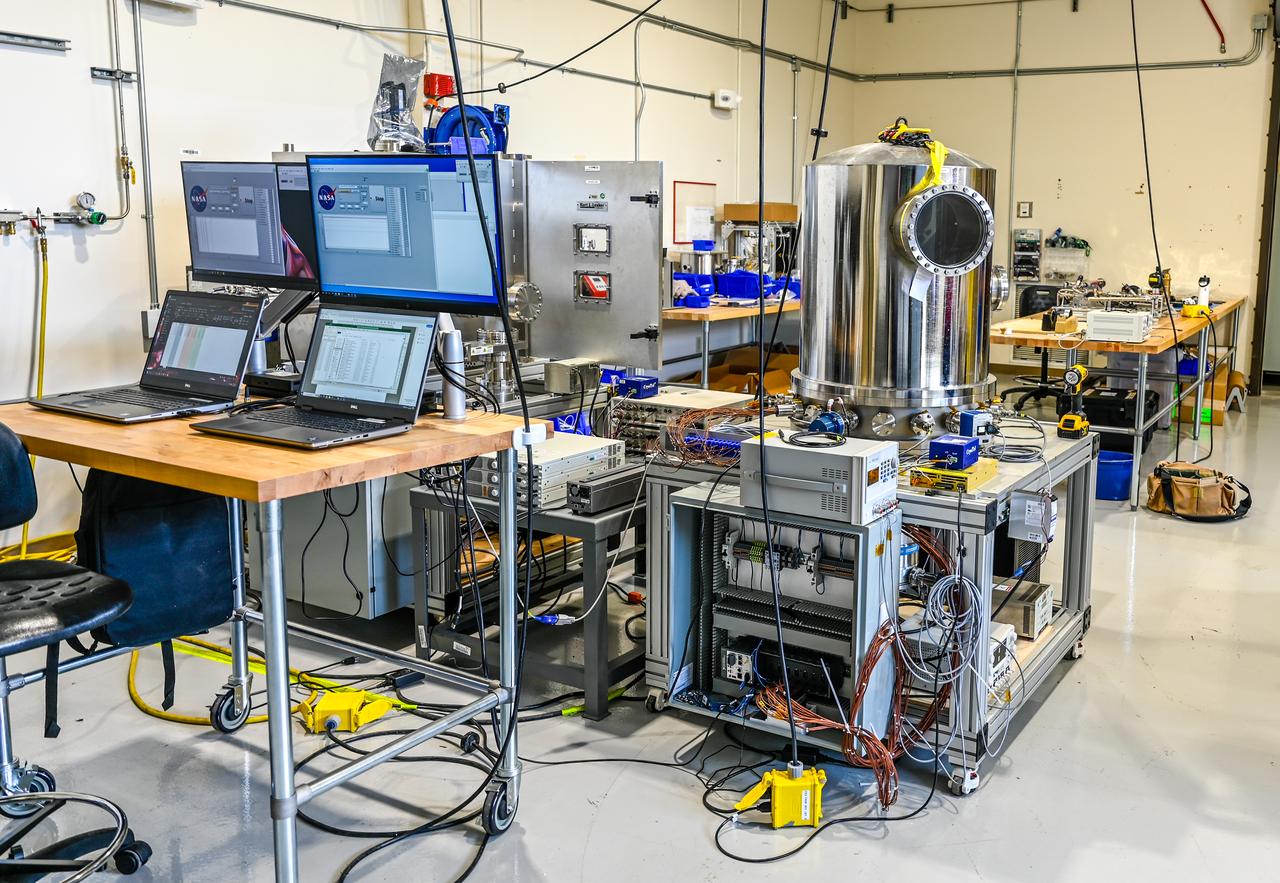
These photos, taken in fall 2024, show how NASA engineers use the Hub for Innovative Thermal Technology Maturation and Prototyping (Hi-TTeMP) laboratory at NASA’s Marshall Space Flight Center in Huntsville, Alabama. NASA engineers working in the HI-TTeMP lab not only design, set up, and run tests, they also provide insight and expertise in thermal engineering to assist NASA’s industry partners, such as SpaceX and other organizations, in validating concepts and models, or suggesting changes to designs. The lab is able to rapidly test and evaluate design updates or iterations. Engineering teams inside the lab are currently testing how well prototype insulation for SpaceX’s Starship HLS (Human Landing System) will insulate interior environments, including propellant storage tanks and the crew cabin. Starship HLS will land astronauts on the lunar surface during Artemis III and Artemis IV.
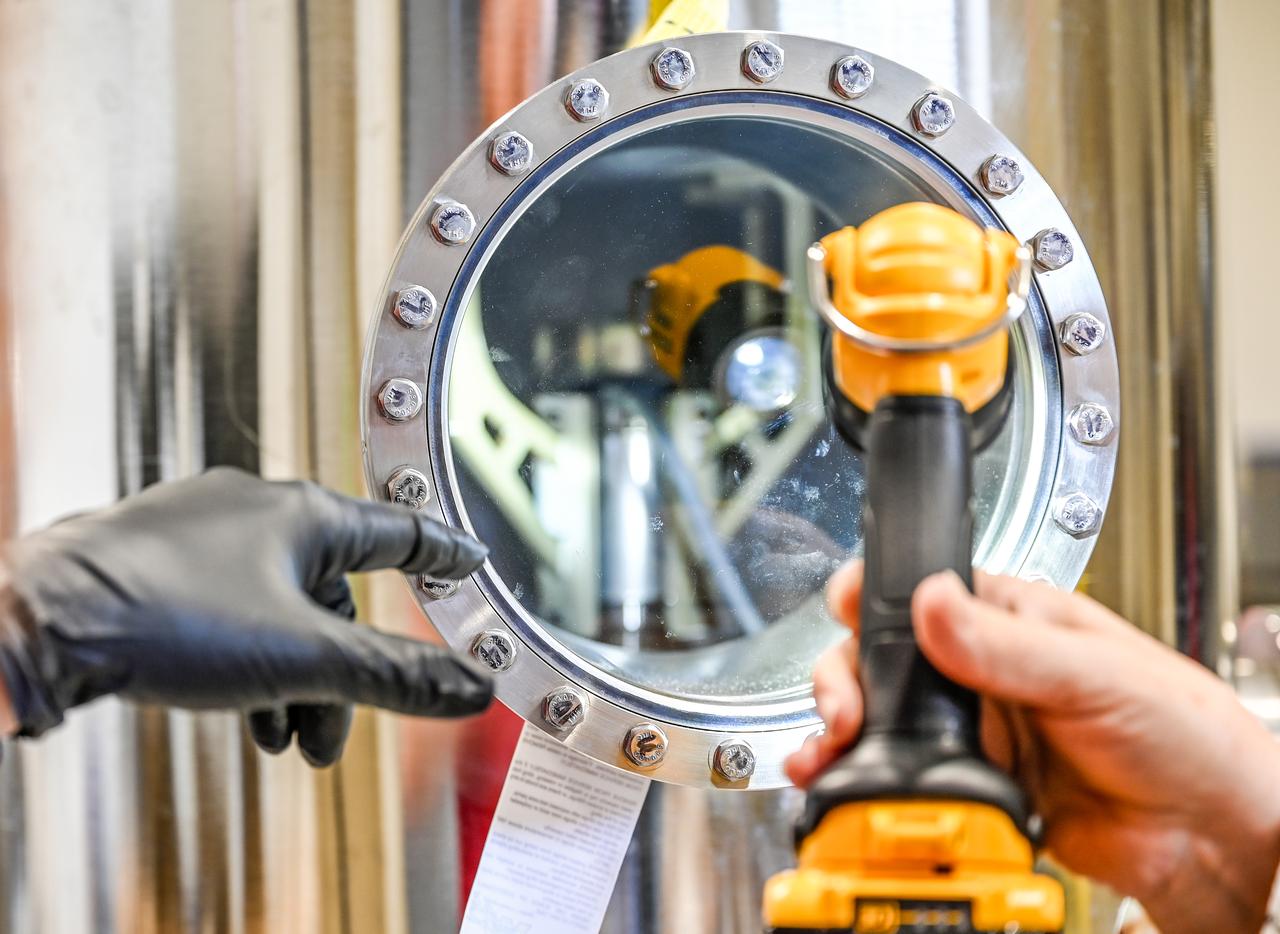
These photos, taken in fall 2024, show how NASA engineers use the Hub for Innovative Thermal Technology Maturation and Prototyping (Hi-TTeMP) laboratory at NASA’s Marshall Space Flight Center in Huntsville, Alabama. NASA engineers working in the HI-TTeMP lab not only design, set up, and run tests, they also provide insight and expertise in thermal engineering to assist NASA’s industry partners, such as SpaceX and other organizations, in validating concepts and models, or suggesting changes to designs. The lab is able to rapidly test and evaluate design updates or iterations. Engineering teams inside the lab are currently testing how well prototype insulation for SpaceX’s Starship HLS (Human Landing System) will insulate interior environments, including propellant storage tanks and the crew cabin. Starship HLS will land astronauts on the lunar surface during Artemis III and Artemis IV.
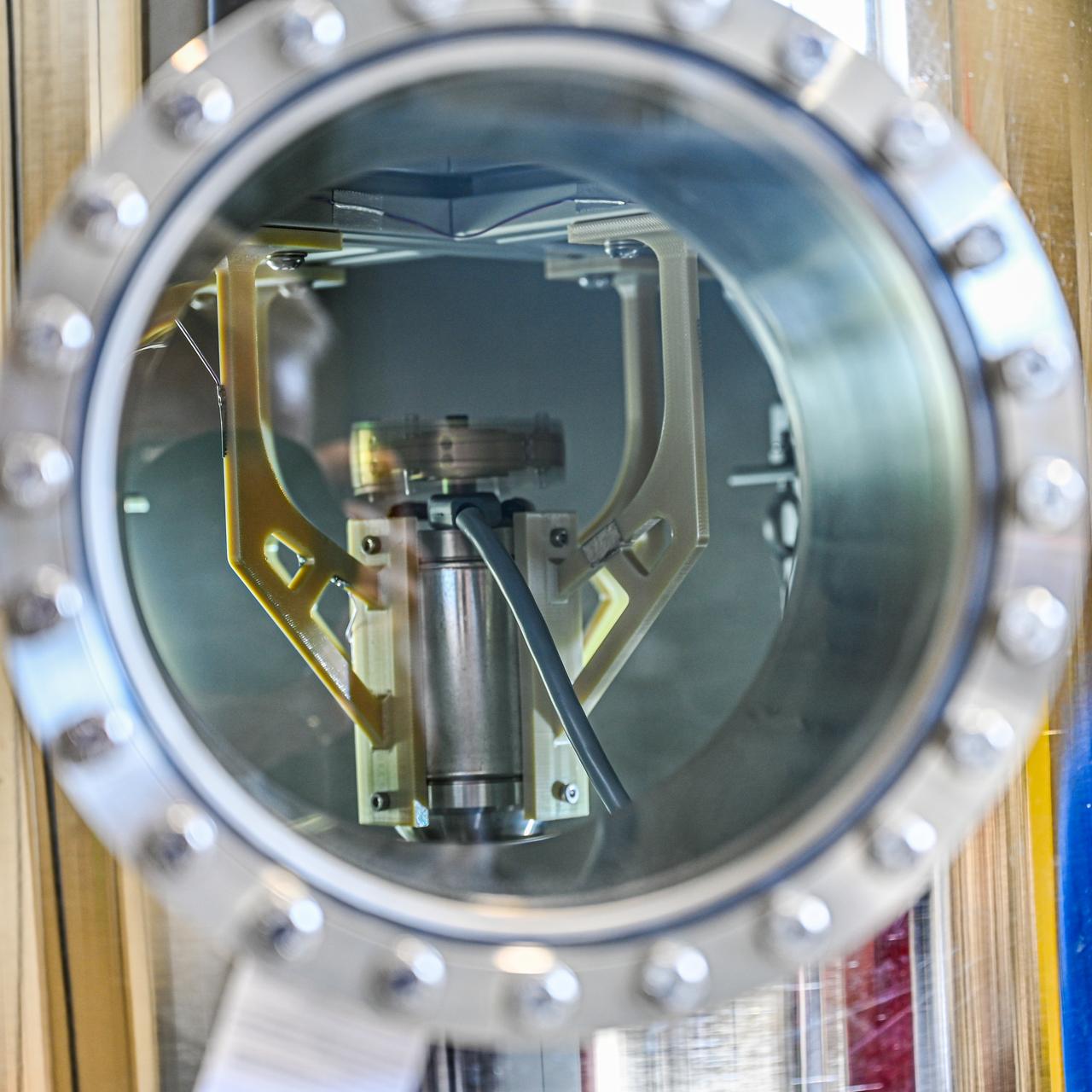
These photos, taken in fall 2024, show how NASA engineers use the Hub for Innovative Thermal Technology Maturation and Prototyping (Hi-TTeMP) laboratory at NASA’s Marshall Space Flight Center in Huntsville, Alabama. NASA engineers working in the HI-TTeMP lab not only design, set up, and run tests, they also provide insight and expertise in thermal engineering to assist NASA’s industry partners, such as SpaceX and other organizations, in validating concepts and models, or suggesting changes to designs. The lab is able to rapidly test and evaluate design updates or iterations. Engineering teams inside the lab are currently testing how well prototype insulation for SpaceX’s Starship HLS (Human Landing System) will insulate interior environments, including propellant storage tanks and the crew cabin. Starship HLS will land astronauts on the lunar surface during Artemis III and Artemis IV.
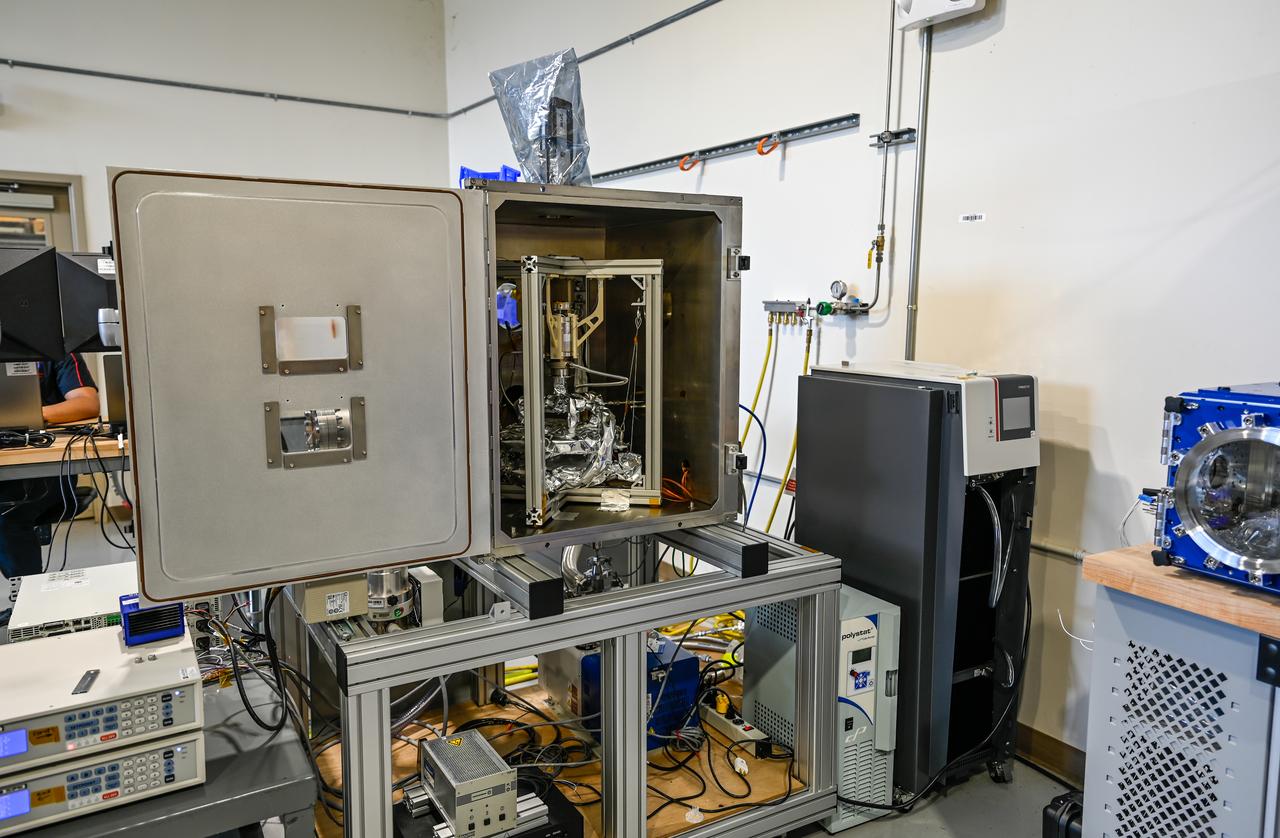
These photos, taken in fall 2024, show how NASA engineers use the Hub for Innovative Thermal Technology Maturation and Prototyping (Hi-TTeMP) laboratory at NASA’s Marshall Space Flight Center in Huntsville, Alabama. NASA engineers working in the HI-TTeMP lab not only design, set up, and run tests, they also provide insight and expertise in thermal engineering to assist NASA’s industry partners, such as SpaceX and other organizations, in validating concepts and models, or suggesting changes to designs. The lab is able to rapidly test and evaluate design updates or iterations. Engineering teams inside the lab are currently testing how well prototype insulation for SpaceX’s Starship HLS (Human Landing System) will insulate interior environments, including propellant storage tanks and the crew cabin. Starship HLS will land astronauts on the lunar surface during Artemis III and Artemis IV.
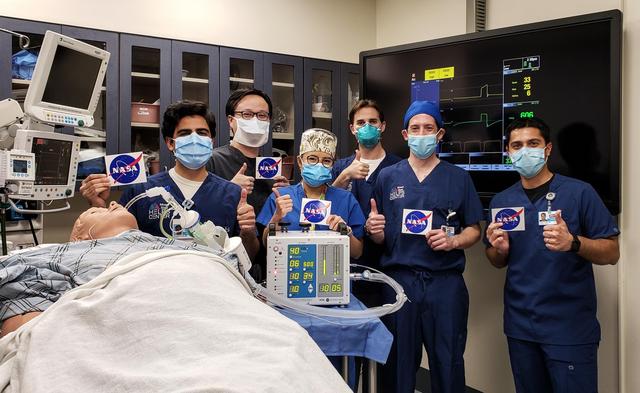
After testing a ventilator prototype developed by NASA's Jet Propulsion Laboratory, doctors in the Department of Anesthesiology and the Human Simulation Lab at the Icahn School of Medicine at Mount Sinai in New York City give a thumbs up. Developed in response to the coronavirus outbreak, the device, called VITAL (Ventilator Intervention Technology Accessible Locally), requires far fewer parts than traditional ventilators, making it cheaper to build and ideal for rapid manufacture. Lying on the bed is a human patient simulator used to test the device. https://photojournal.jpl.nasa.gov/catalog/PIA23772
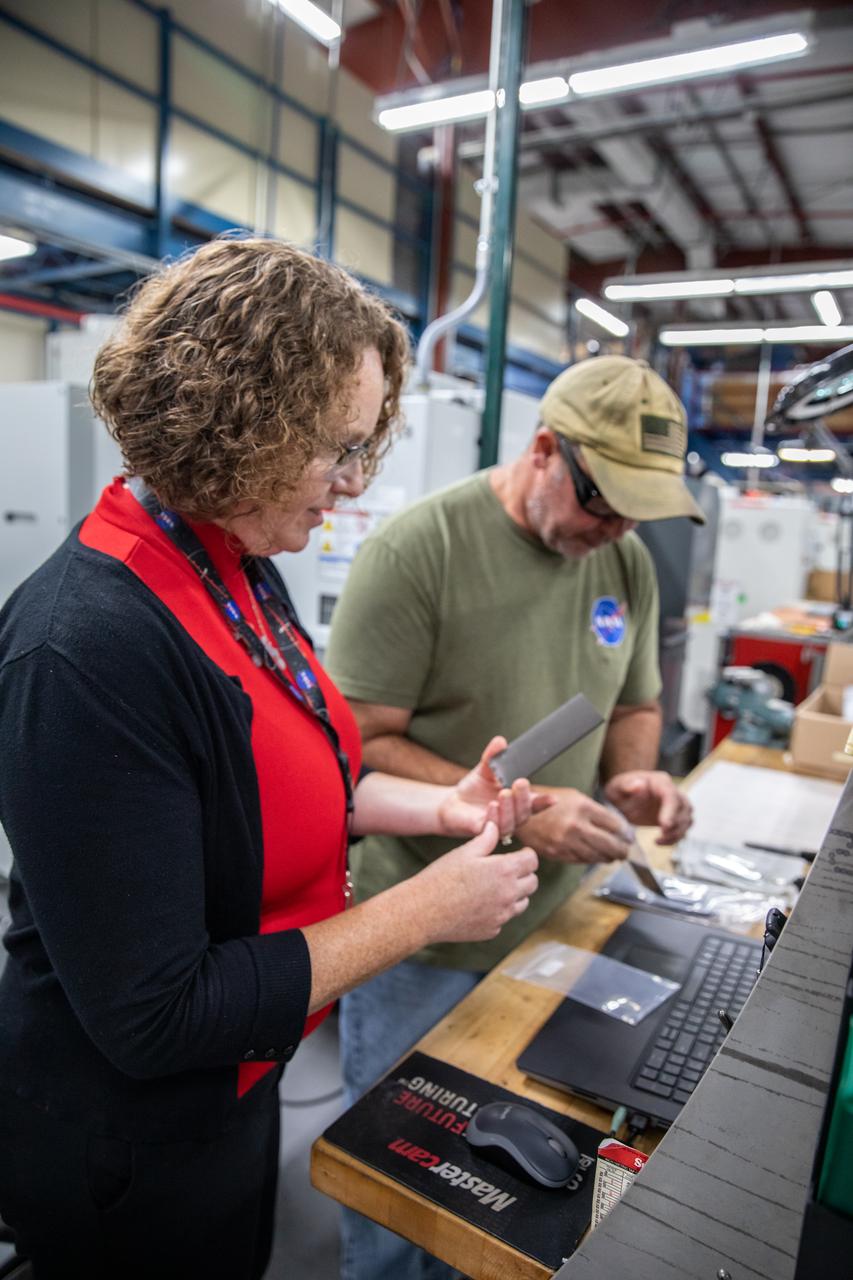
From left, Dr. Jennifer Williams, a NASA research chemical engineer, and Gerard Moscoso, a mechanical engineer technician, inspect specimens prepared forthe Plasma Rapid Oxidation Technique for Extending Component Tenability (PROTECT) experiment inside the Prototype Development Laboratory at NASA’s Kennedy Space Center in Florida on Nov. 2, 2022. Plasma electrolytic oxidation is a surface coating technology that produces oxide layers on the surface of light metals and their alloys to improve their performance characteristics. These coatings are tailored to provide a combination of characteristics such as corrosion protection, wear resistance, thermal management, extreme hardness, and fatigue performance. PROTECT is expected to demonstrate a 10 percent improved fatigue performance and a 70 percent improvement in corrosion characteristics on the interior of treated 3-D printed metallic parts when compared to non-treated parts. PROTECT could be applied used on spacecraft and launch vehicles.
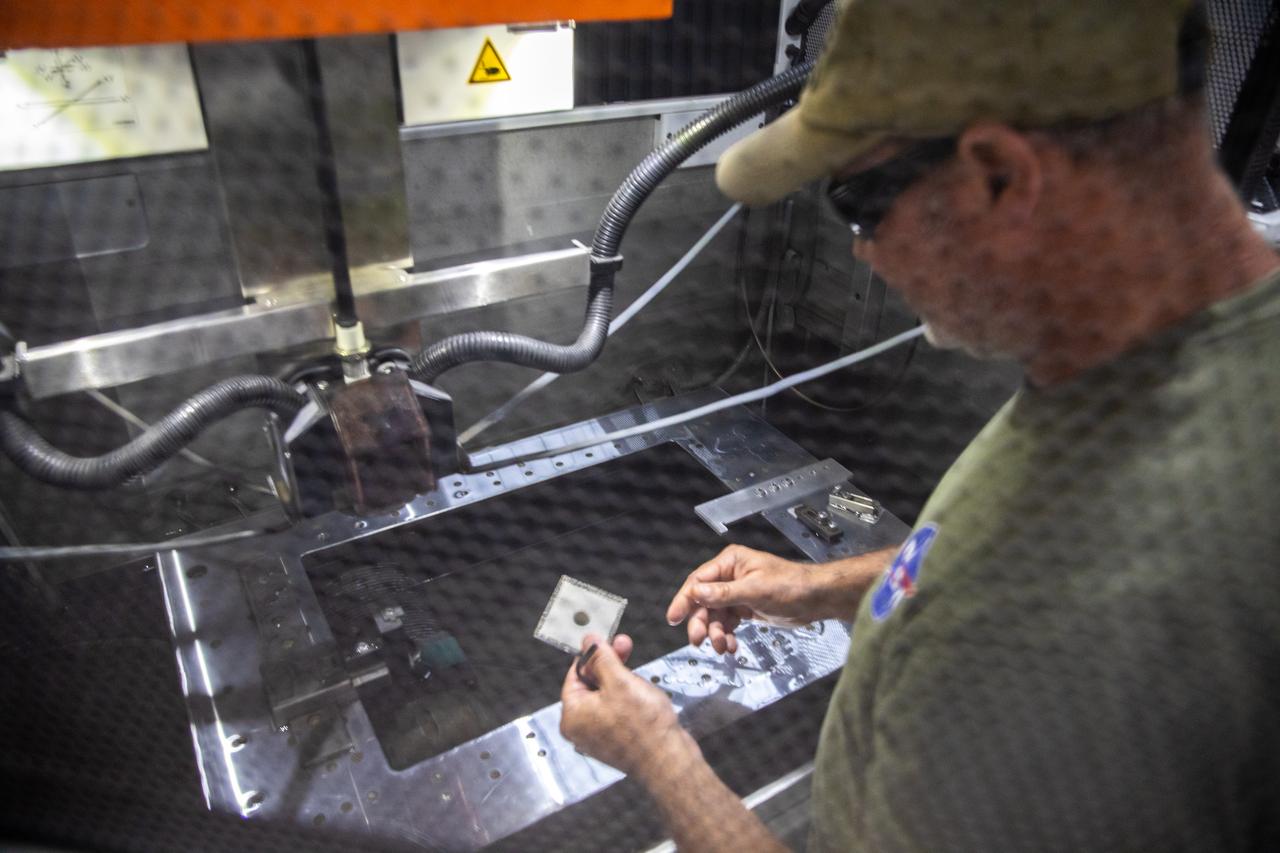
Gerard Moscoso, a mechanical engineer technician with NASA, prepares a sample for testing for the Plasma Rapid Oxidation Technique for Extending Component Tenability (PROTECT) project inside the Prototype Development Laboratory at NASA’s Kennedy Space Center in Florida on Nov. 2, 2022. Plasma electrolytic oxidation is a surface coating technology that produces oxide layers on the surface of light metals and their alloys to improve their performance characteristics. These coatings are tailored to provide a combination of characteristics such as corrosion protection, wear resistance, thermal management, extreme hardness, and fatigue performance. PROTECT is expected to demonstrate a 10 percent improved fatigue performance and a 70 percent improvement in corrosion characteristics on the interior of treated 3-D printed metallic parts when compared to non-treated parts. PROTECT could be applied on spacecraft and launch vehicles.
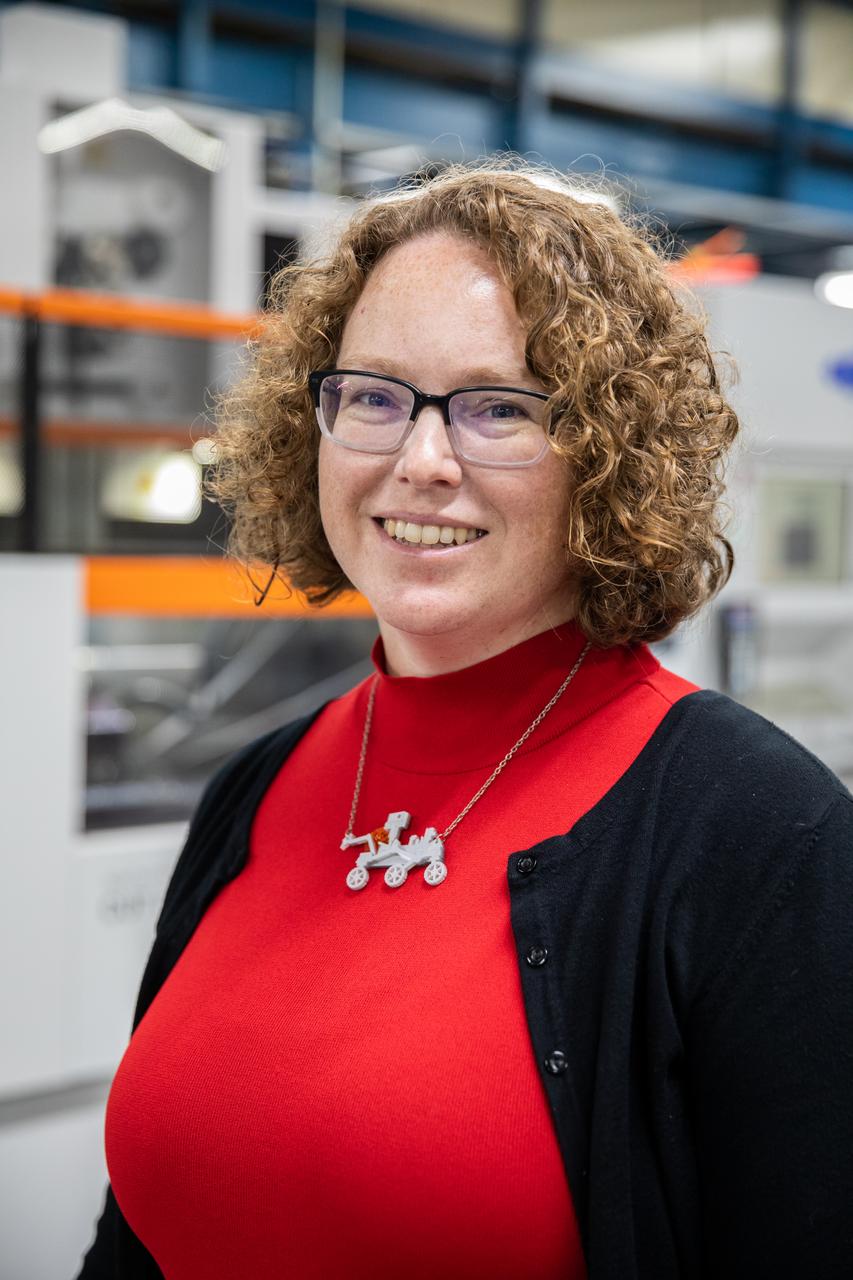
Dr. Jennifer Williams, a NASA research chemical engineer, is inside the Prototype Development Laboratory at NASA’s Kennedy Space Center in Florida to begin testing on the Plasma Rapid Oxidation Technique for Extending Component Tenability (PROTECT) project on Nov. 2, 2022. Plasma electrolytic oxidation is a surface coating technology that produces oxide layers on the surface of light metals and their alloys to improve their performance characteristics. These coatings are tailored to provide a combination of characteristics such as corrosion protection, wear resistance, thermal management, extreme hardness, and fatigue performance. PROTECT is expected to demonstrate a 10 percent improved fatigue performance and a 70 percent improvement in corrosion characteristics on the interior of treated 3-D printed metallic parts when compared to non-treated parts. PROTECT could be applied to spacecraft and launch vehicles.
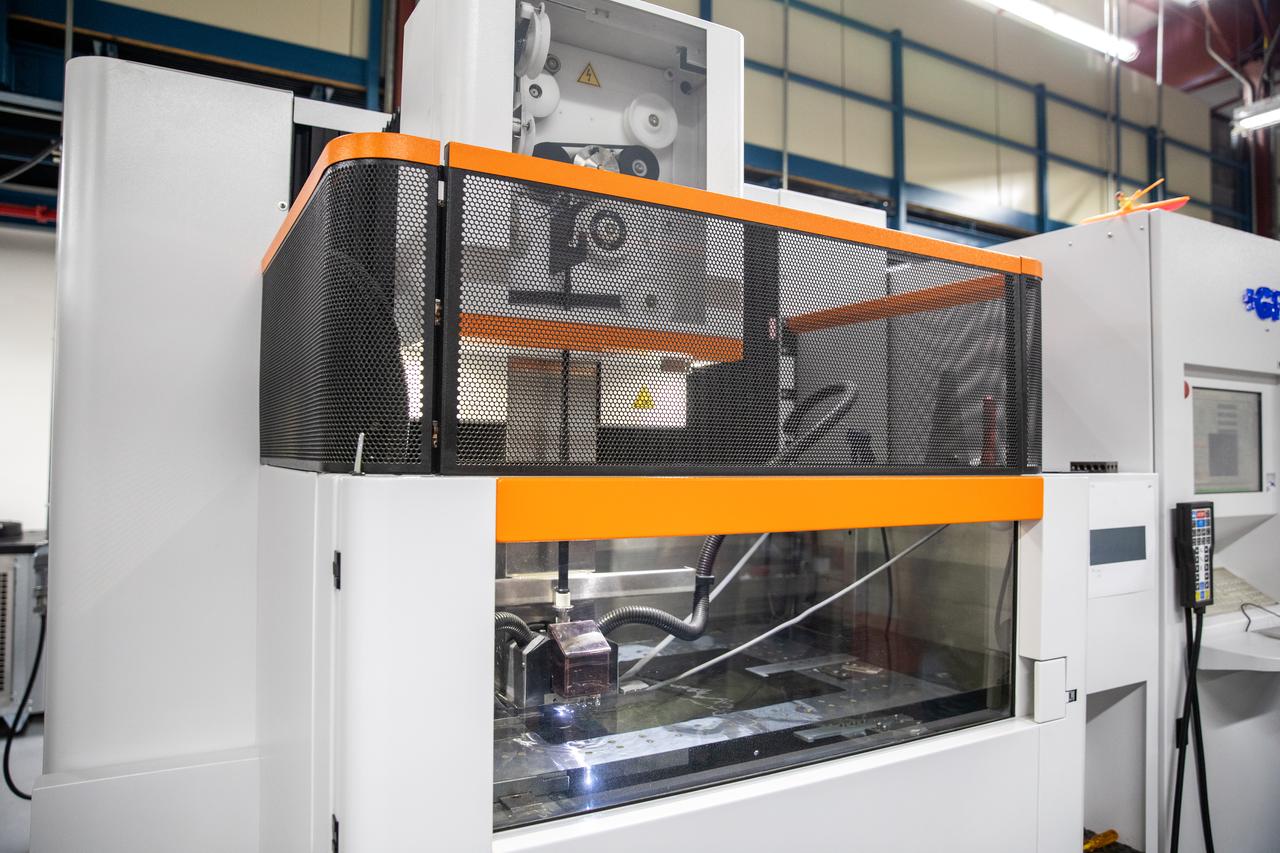
Testing of the Plasma Rapid Oxidation Technique for Extending Component Tenability (PROTECT) experiment is underway inside the Prototype Development Laboratory at NASA’s Kennedy Space Center in Florida on Nov. 2, 2022. Plasma electrolytic oxidation is a surface coating technology that produces oxide layers on the surface of light metals and their alloys to improve their performance characteristics. These coatings are tailored to provide a combination of characteristics such as corrosion protection, wear resistance, thermal management, extreme hardness, and fatigue performance. PROTECT is expected to demonstrate a ten percent improved fatigue performance and a 70 percent improvement in corrosion characteristics on the interior of treated 3-D printed metallic parts when compared to non-treated parts. PROTECT could be applied on spacecraft and launch vehicles.
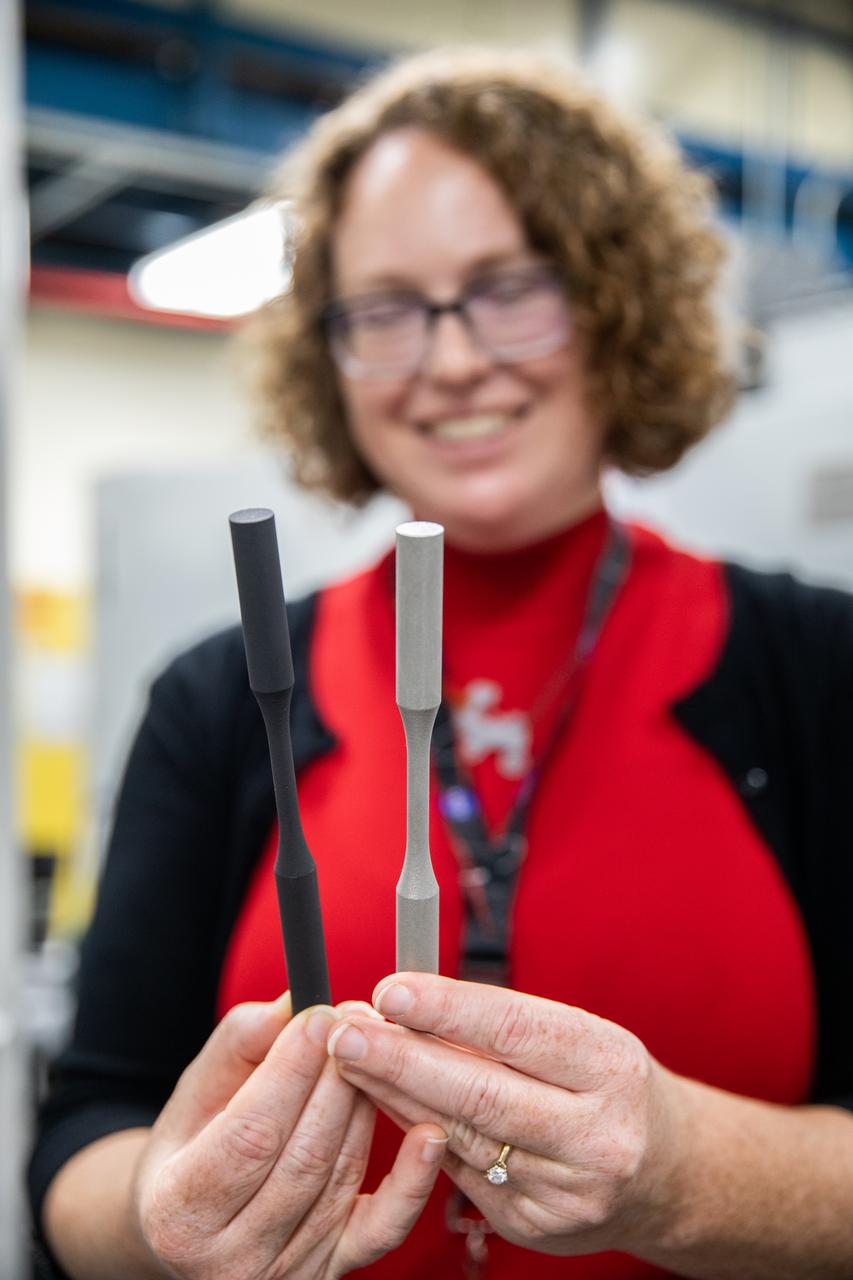
Dr. Jennifer Williams, a NASA research chemical engineer, displays two fatigue samples that will be tested in the Plasma Rapid Oxidation Technique for Extending Component Tenability (PROTECT) experiments inside the Prototype Laboratory at NASA’s Kennedy Space Center in Florida on Nov. 2, 2022. Plasma electrolytic oxidation is a surface coating technology that produces oxide layers on the surface of light metals and their alloys to improve their performance characteristics. These coatings are tailored to provide a combination of characteristics such as corrosion protection, wear resistance, thermal management, extreme hardness, and fatigue performance. PROTECT is expected to demonstrate a 10 percent improved fatigue performance and a 70 percent improvement in corrosion characteristics on the interior of treated 3-D printed metallic parts when compared to non-treated parts. PROTECT could be applied to spacecraft and launch vehicles.
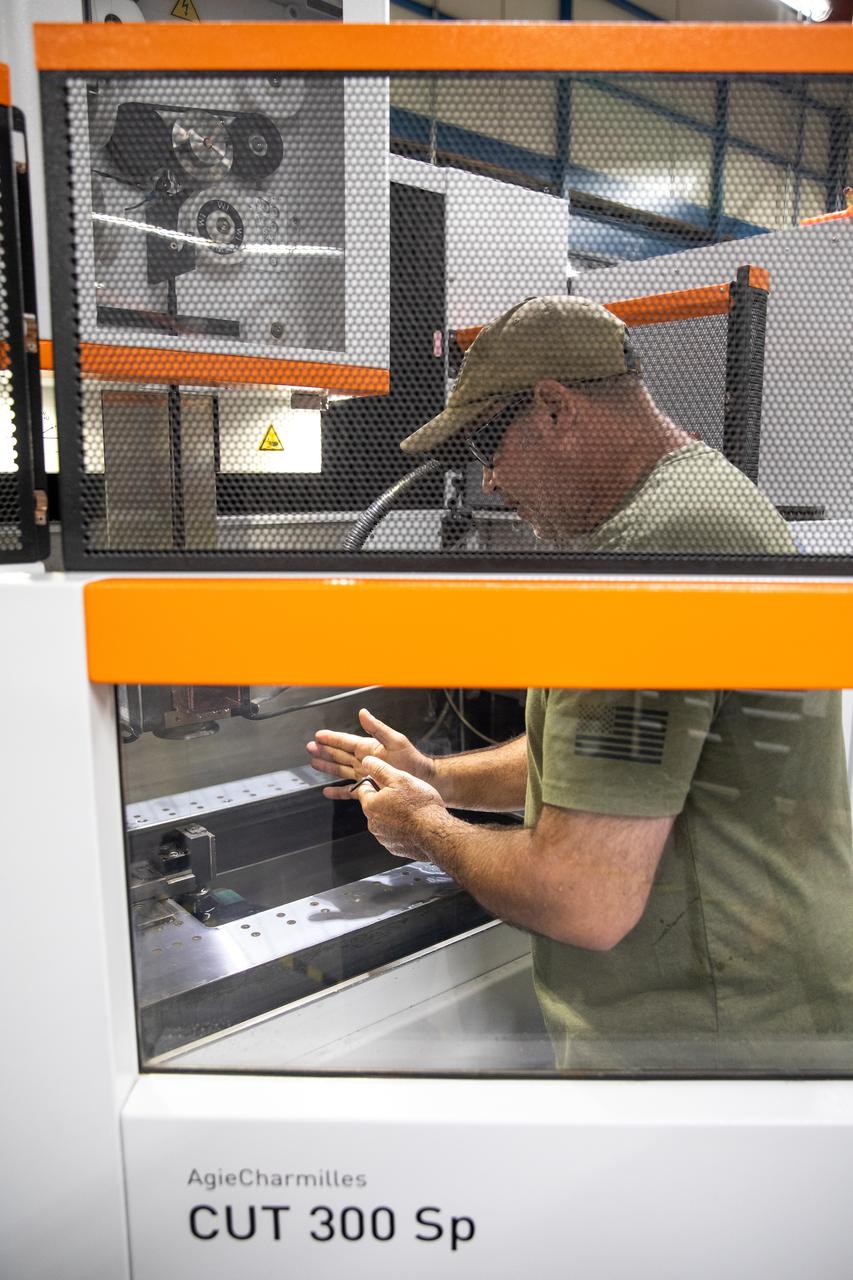
Gerard Moscoso, a mechanical engineer technician with NASA, handles a sample that is being prepared for fatigue and corrosion testing for the Plasma Rapid Oxidation Technique for Extending Component Tenability (PROTECT) project inside the Prototype Development Laboratory at NASA’s Kennedy Space Center in Florida on Nov. 2, 2022. Plasma electrolytic oxidation is a surface coating technology that produces oxide layers on the surface of light metals and their alloys to improve their performance characteristics. These coatings are tailored to provide a combination of characteristics such as corrosion protection, wear resistance, thermal management, extreme hardness, and fatigue performance. PROTECT is expected to demonstrate a ten percent improved fatigue performance and a 70 percent improvement in corrosion characteristics on the interior of treated 3-D printed metallic parts when compared to non-treated parts. PROTECT could be applied on spacecraft and launch vehicles.
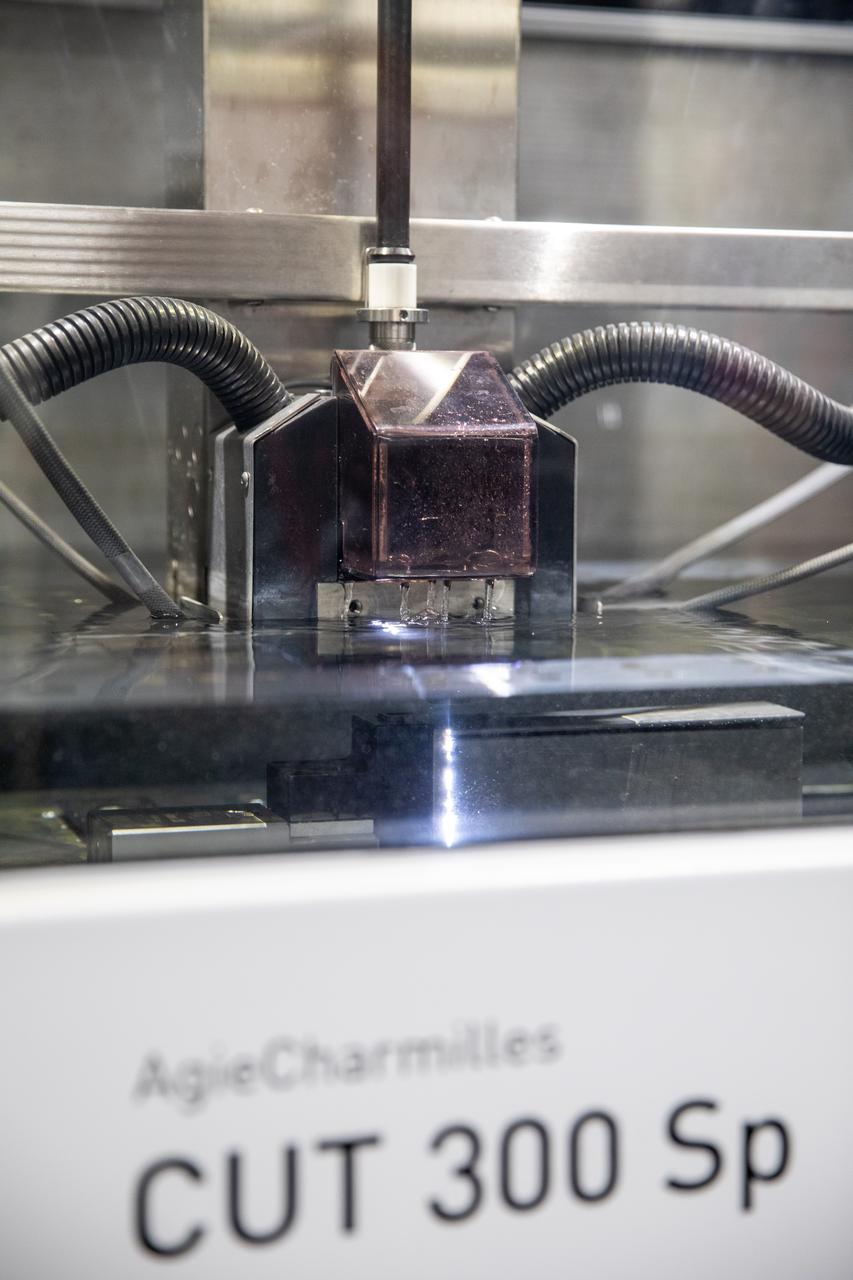
Testing of the Plasma Rapid Oxidation Technique for Extending Component Tenability (PROTECT) experiment is underway inside the Prototype Development Laboratory at NASA’s Kennedy Space Center in Florida on Nov. 2, 2022. Plasma electrolytic oxidation is a surface coating technology that produces oxide layers on the surface of light metals and their alloys to improve their performance characteristics. These coatings are tailored to provide a combination of characteristics such as corrosion protection, wear resistance, thermal management, extreme hardness, and fatigue performance. PROTECT is expected to demonstrate a 10 percent improved fatigue performance and a 70 percent improvement in corrosion characteristics on the interior of treated 3-D printed metallic parts when compared to non-treated parts. PROTECT could be applied on spacecraft and launch vehicles.
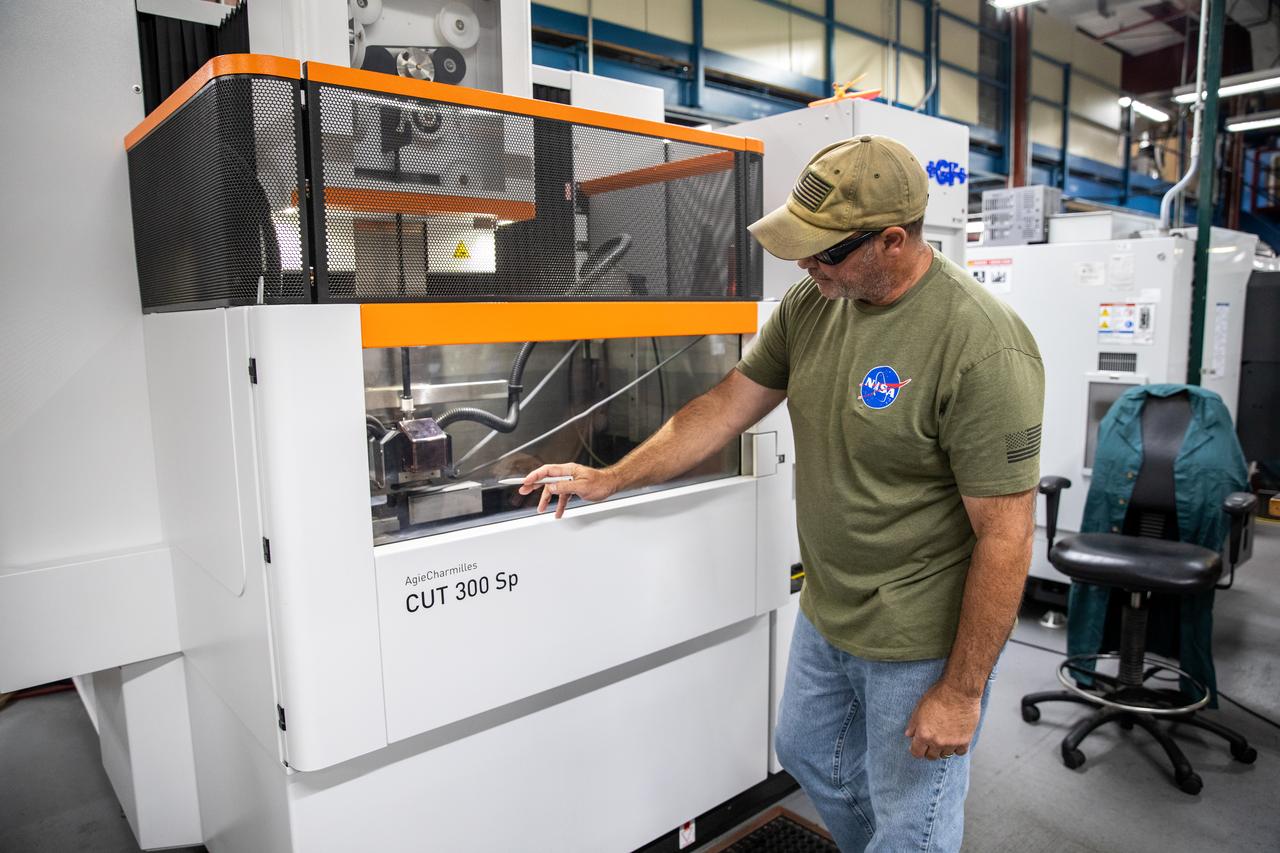
Gerard Moscoso, a mechanical engineer technician with NASA, prepares the Plasma Rapid Oxidation Technique for Extending Component Tenability (PROTECT) specimens for testing inside the Prototype Development Laboratory at NASA’s Kennedy Space Center in Florida on Nov. 2, 2022. Plasma electrolytic oxidation is a surface coating technology that produces oxide layers on the surface of light metals and their alloys to improve their performance characteristics. These coatings are tailored to provide a combination of characteristics such as corrosion protection, wear resistance, thermal management, extreme hardness, and fatigue performance. PROTECT is expected to demonstrate a 10 percent improved fatigue performance and a 70 percent improvement in corrosion characteristics on the interior of treated 3-D printed metallic parts when compared to non-treated parts. PROTECT could be applied on spacecraft and launch vehicles.
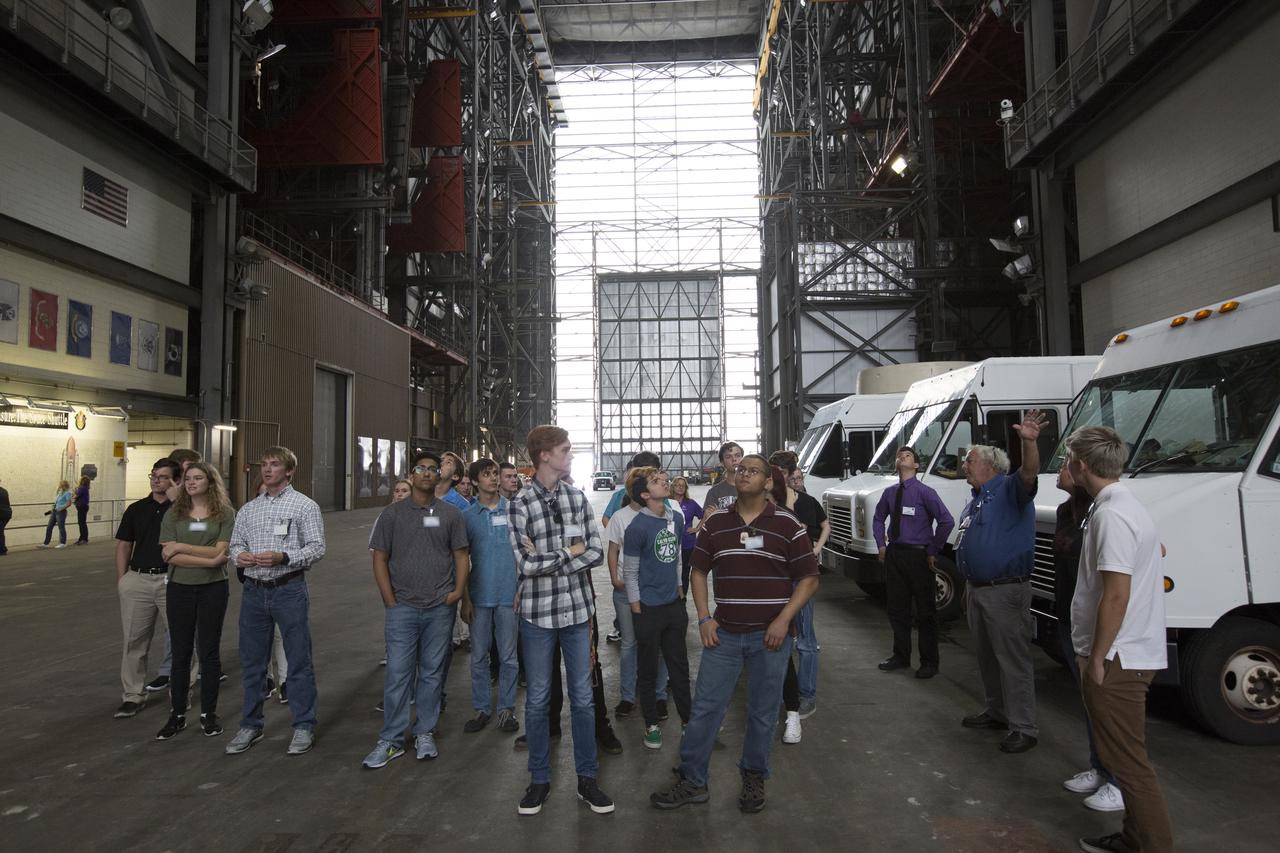
About 40 Brevard County high school seniors take in the enormity of the Vehicle Assembly Building during Brevard Top Scholars Day on May 5. Kennedy's Office of Education coordinated the event that featured a special behind-the-scenes tour of Kennedy, including prototype shops, cryogenic labs and the Launch Control Center firing rooms.
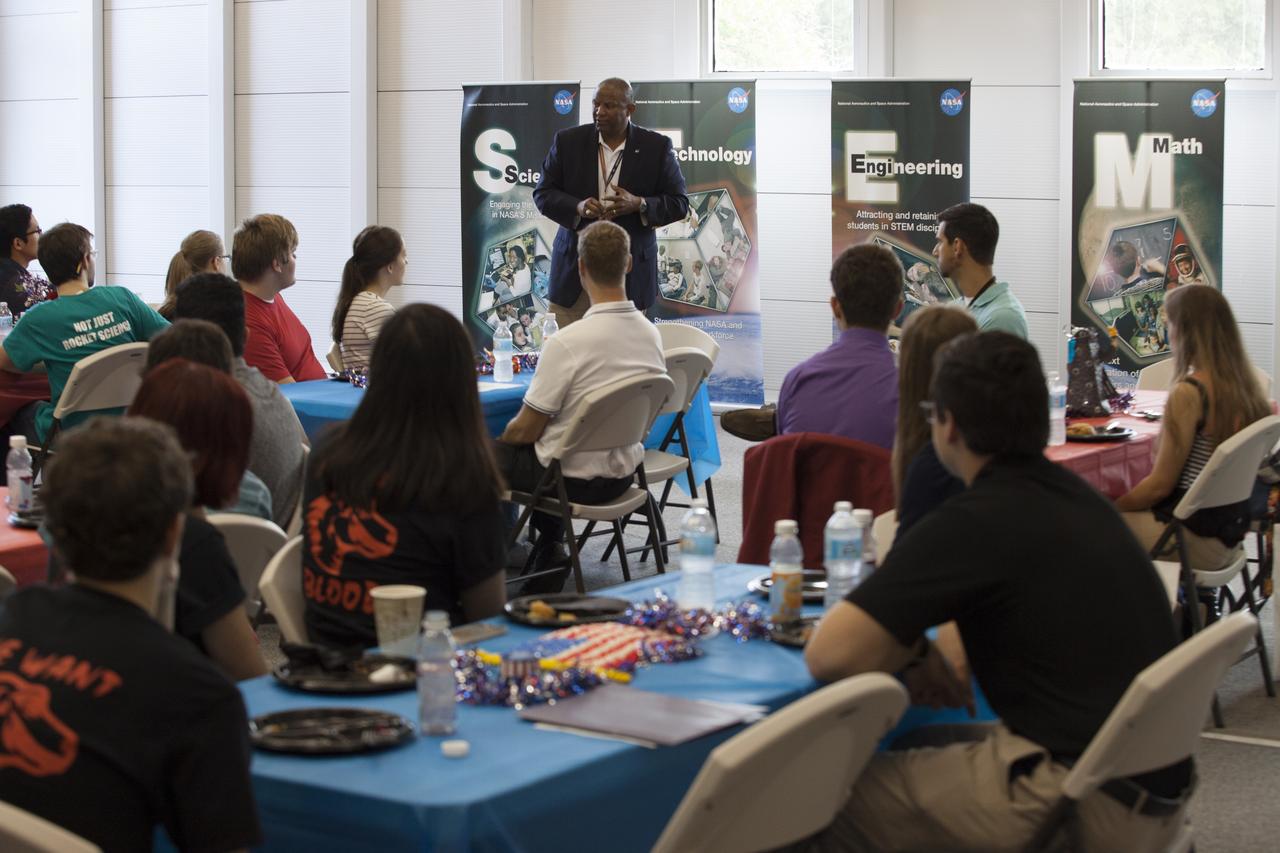
Kennedy Space Center Associate Director Kelvin Manning addresses about 40 Brevard County high school seniors regarding NASA's and Kennedy’s roles and missions during Brevard Top Scholars Day at Kennedy Space Center on May 5. Kennedy's Office of Education coordinated the event that featured a special behind-the-scenes tour of Kennedy, including prototype shops, cryogenic labs and facilities such as the Vehicle Assembly Building and the Launch Control Center firing rooms.
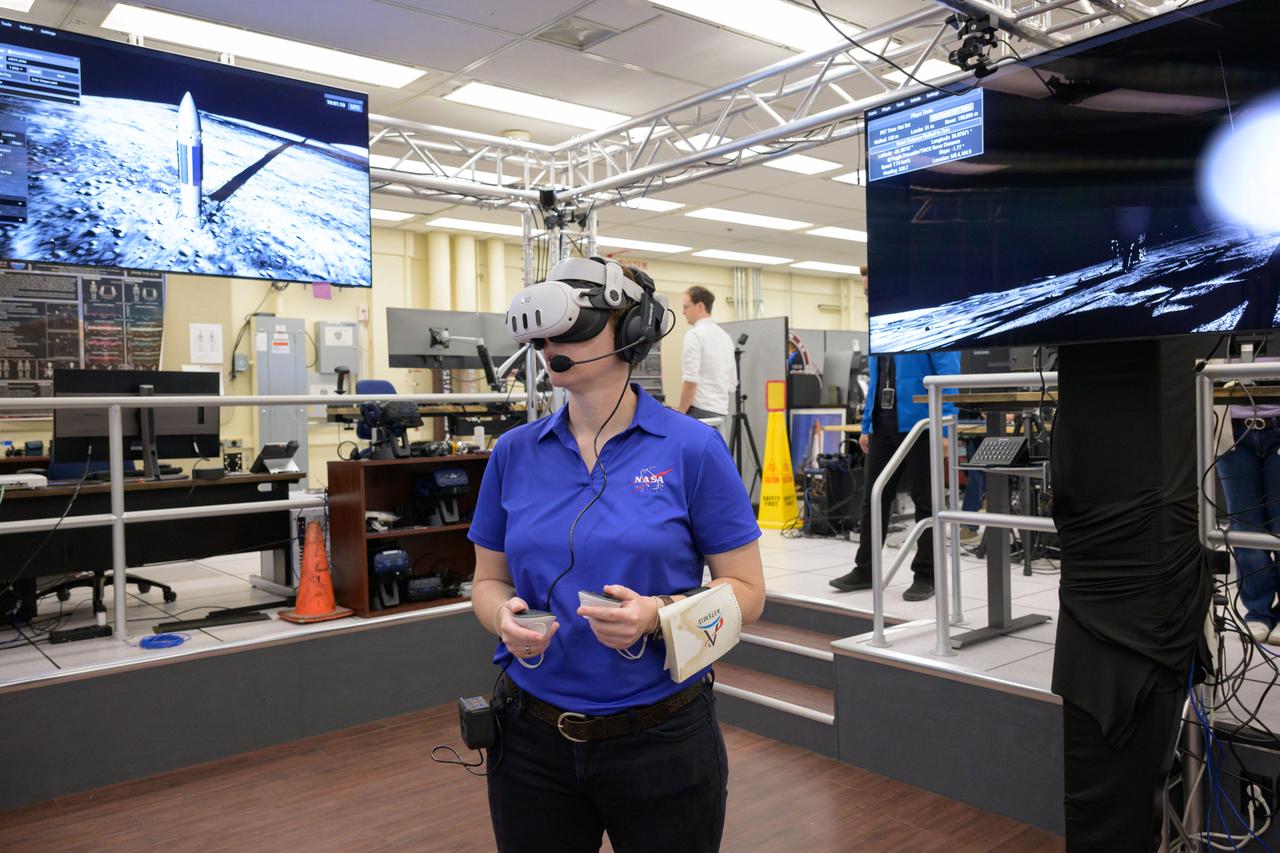
jsc2024e076628 – Tess Caswell, a crew stand-in for the Artemis III Virtual Reality Mini-Simulation, executes a moonwalk in the Prototype Immersive Technology (PIT) lab at NASA’s Johnson Space Center in Houston. The simulation was a test of using VR as a training method for flight controllers and science teams’ collaboration on science-focused traverses on the lunar surface. Credit: NASA/Robert Markowitz
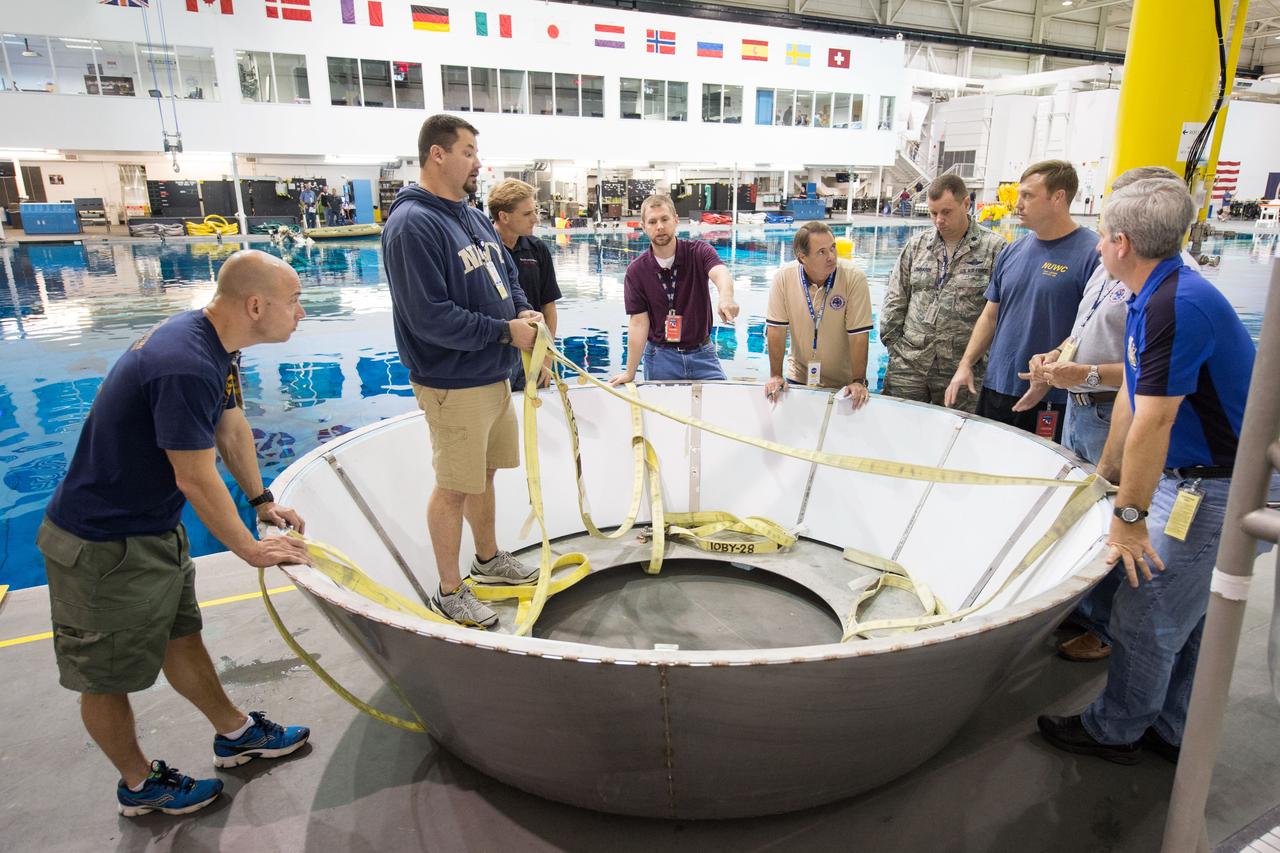
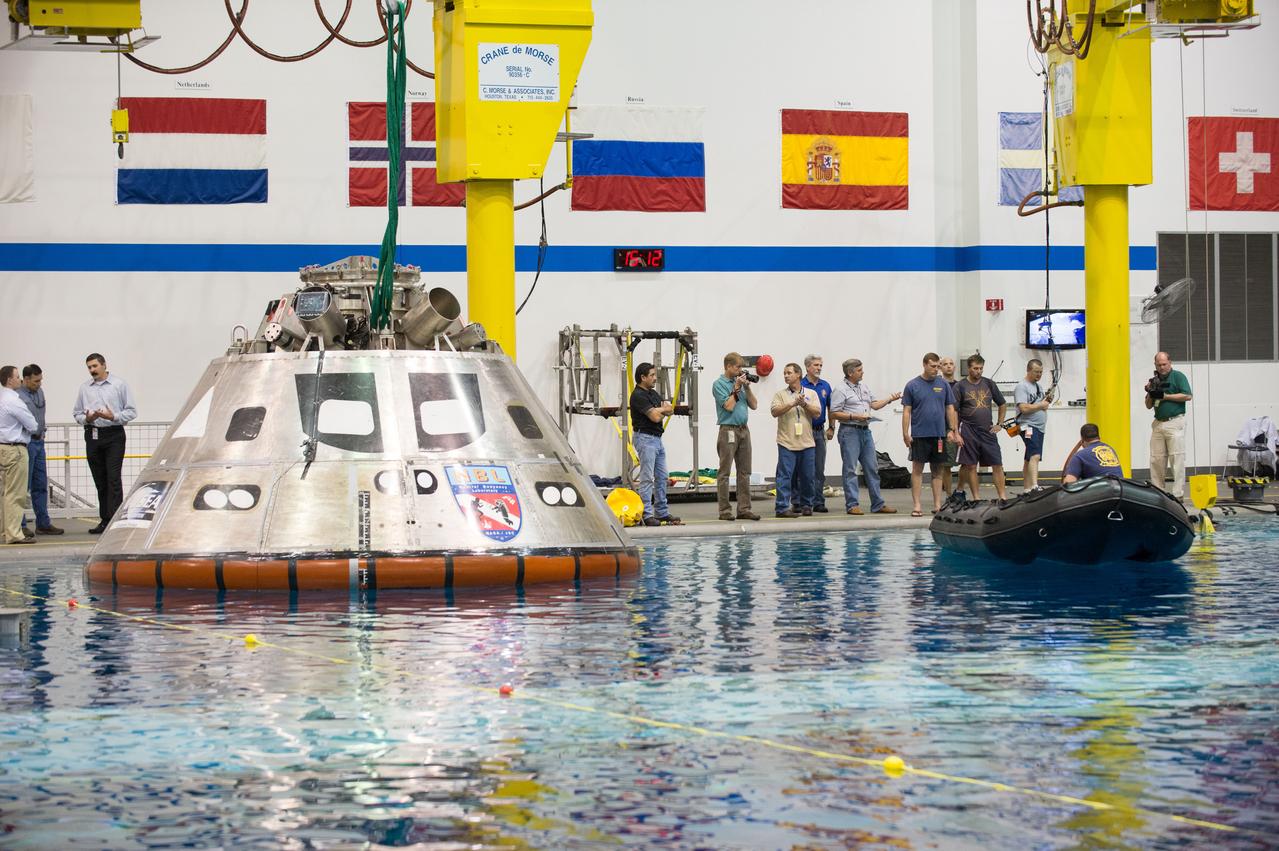
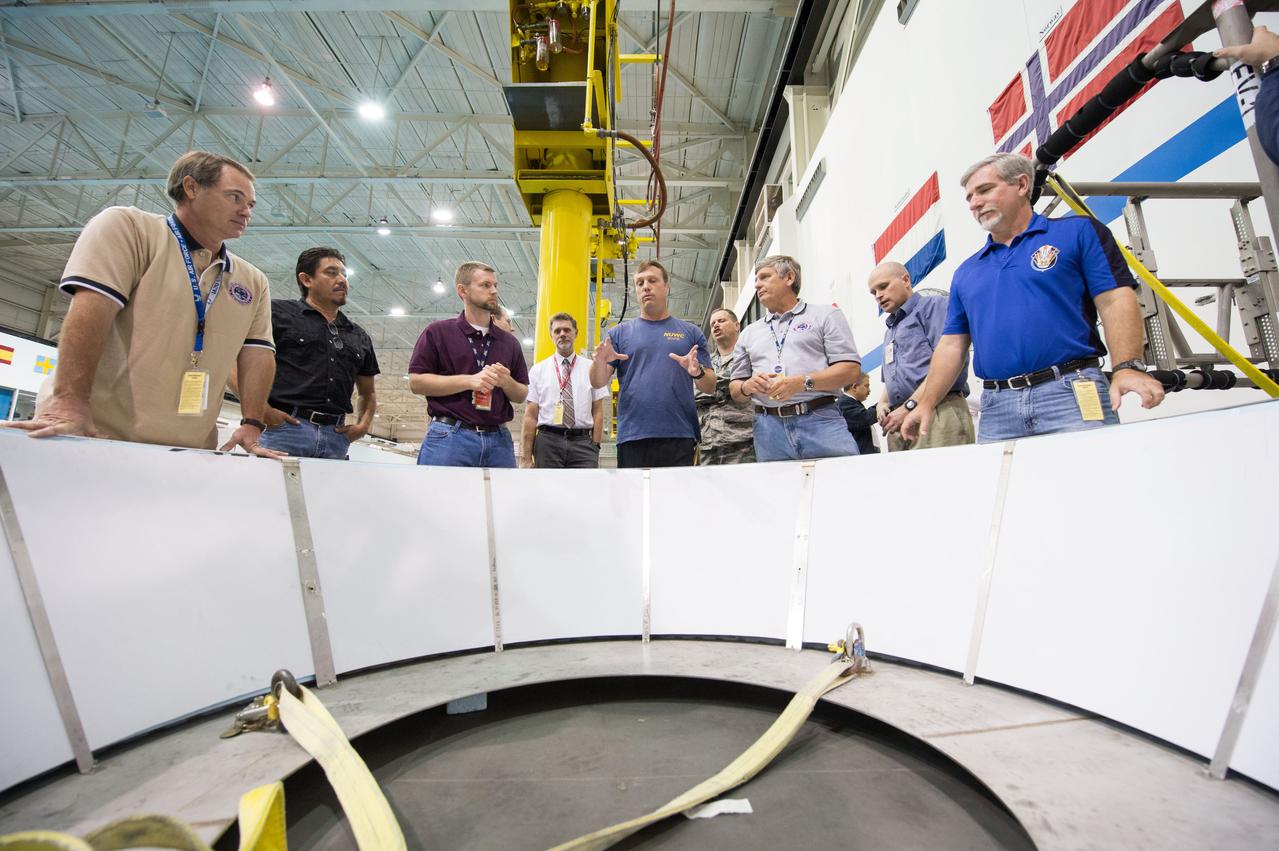
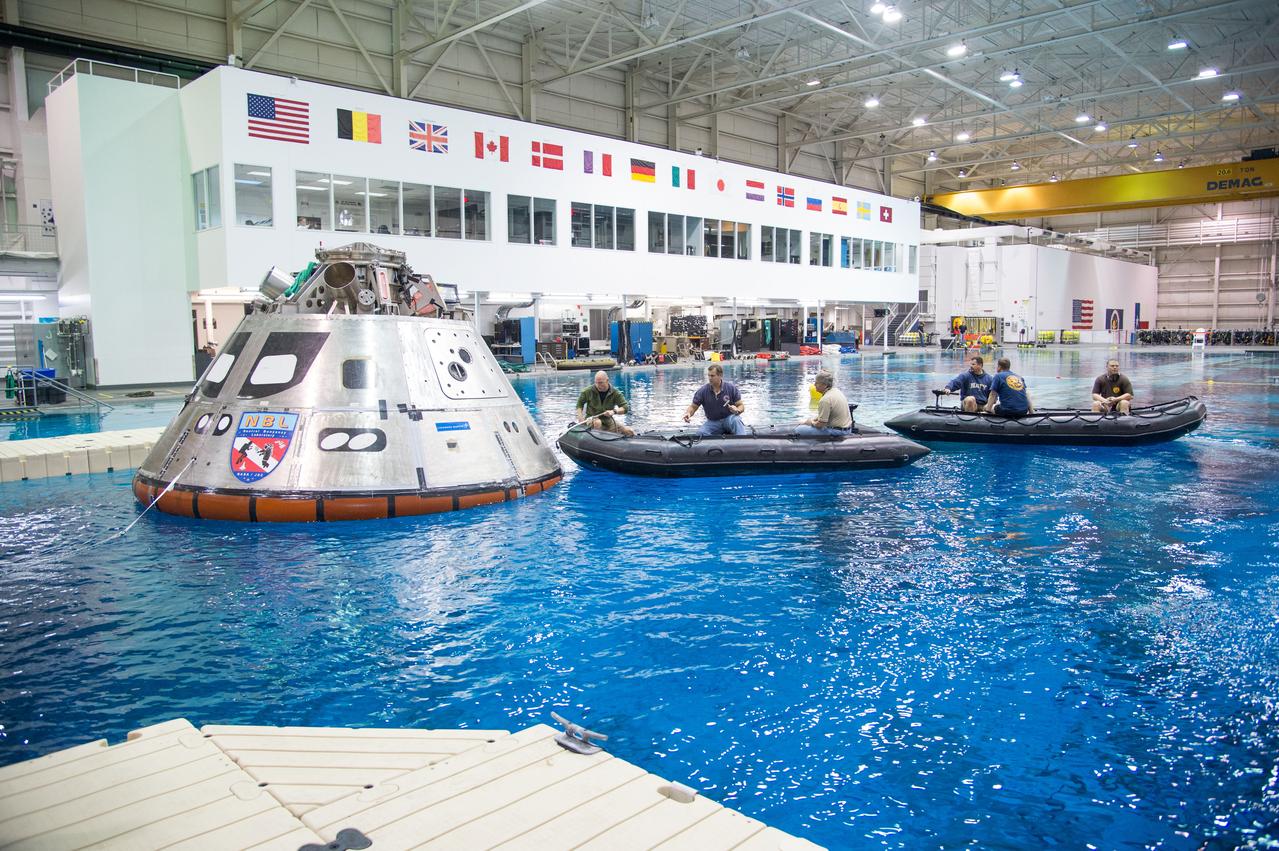
NASA, Department of Defense personnel from Detachment 3 out of Patrick Air Force Base, and the Mobile Diving Salvage Unit based in San Diego conduct a testing session at the Neutral Buoyancy Lab in Houston on Dec. 5, 2012 to evaluate procedures, mockups, and prototype hardware used to train personnel in recovery of the Orion crew module and the forward bay cover for Exploration Flight Test-1 (EFT-1). Part of Batch image transfer from Flickr.
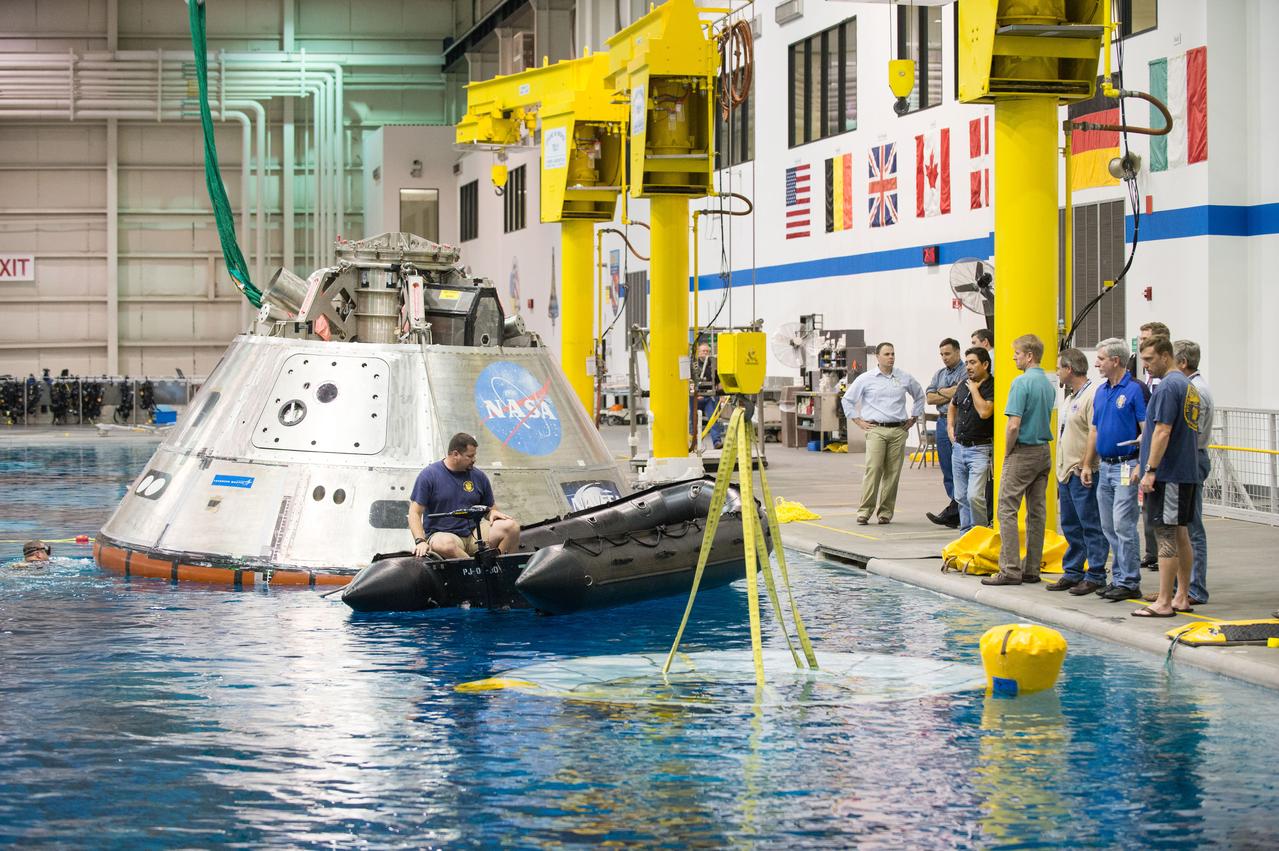
NASA, Department of Defense personnel from Detachment 3 out of Patrick Air Force Base, and the Mobile Diving Salvage Unit based in San Diego conduct a testing session at the Neutral Buoyancy Lab in Houston on Dec. 5, 2012 to evaluate procedures, mockups, and prototype hardware used to train personnel in recovery of the Orion crew module and the forward bay cover for Exploration Flight Test-1 (EFT-1). Part of Batch image transfer from Flickr.
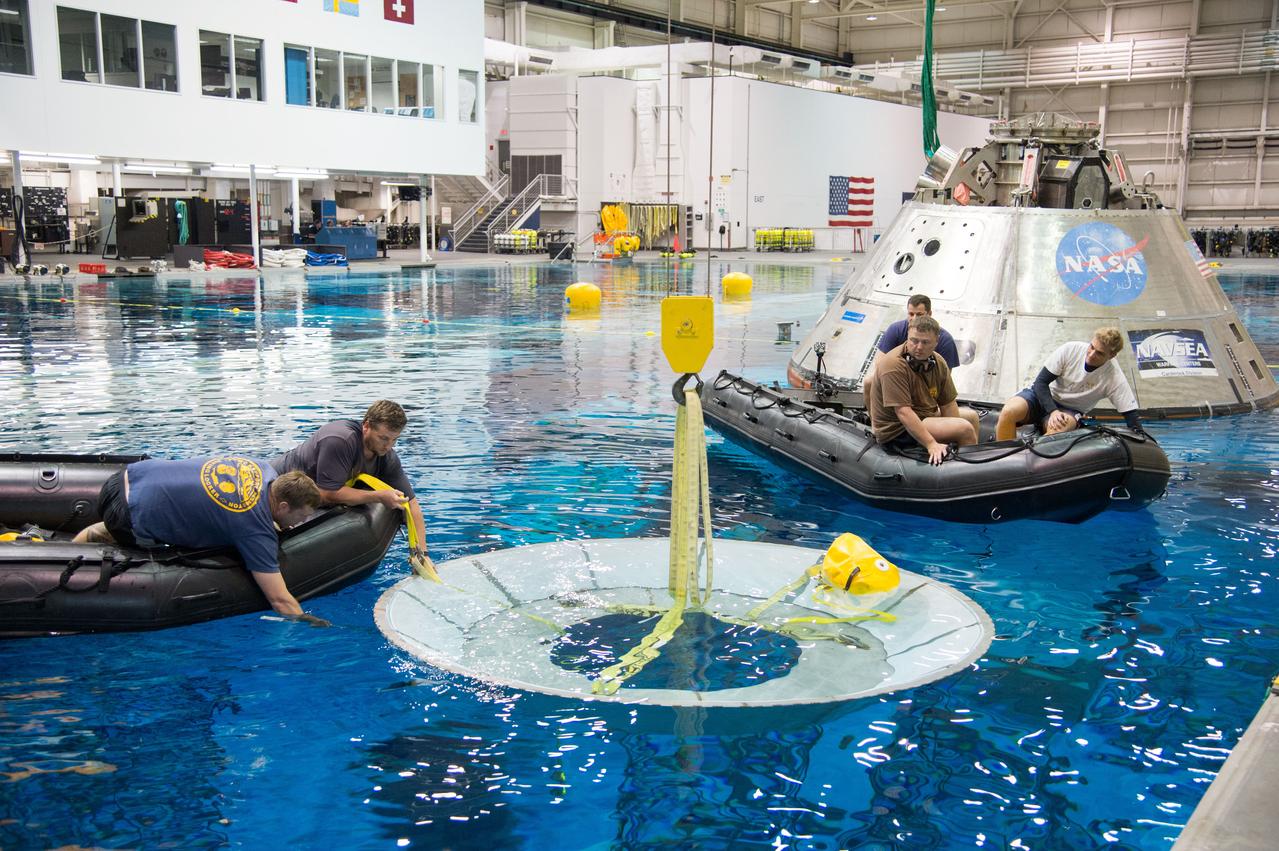
NASA, Department of Defense personnel from Detachment 3 out of Patrick Air Force Base, and the Mobile Diving Salvage Unit based in San Diego conduct a testing session at the Neutral Buoyancy Lab in Houston on Dec. 5, 2012 to evaluate procedures, mockups, and prototype hardware used to train personnel in recovery of the Orion crew module and the forward bay cover for Exploration Flight Test-1 (EFT-1). Part of Batch image transfer from Flickr.
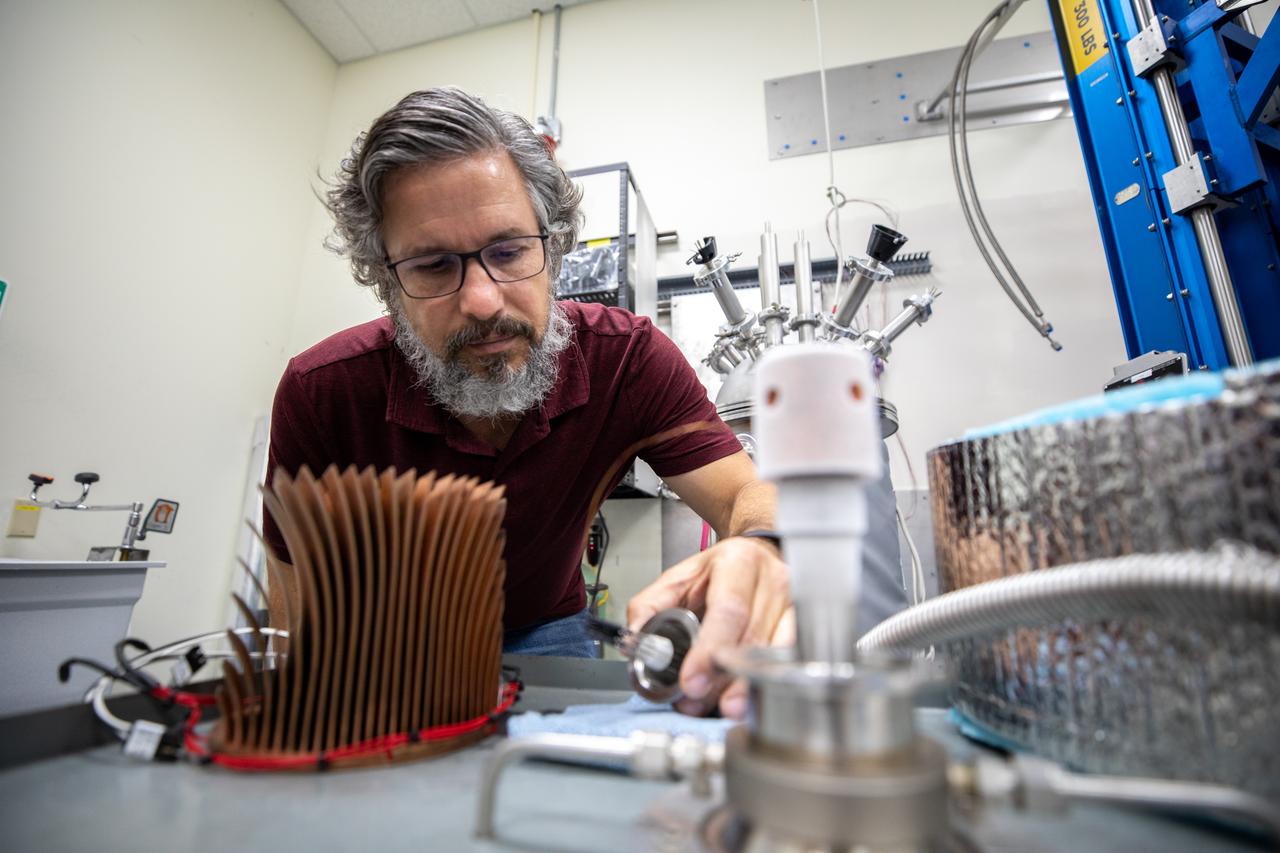
Jared Sass, NASA engineer, monitors a test inside the Cryogenics Test Laboratory at NASA’s Kennedy Space Center in Florida on Oct. 21, 2020. Established in 2000, the Cryogenics Test Laboratory provides a one-of-a kind capability for research, development and application of cross-cutting technologies to meet the needs of industry and government. The test lab provides cryogenic expertise, experimental testing, technical standards development, prototype construction and practical problem-solving for technology development with research institutions and commercial partners.
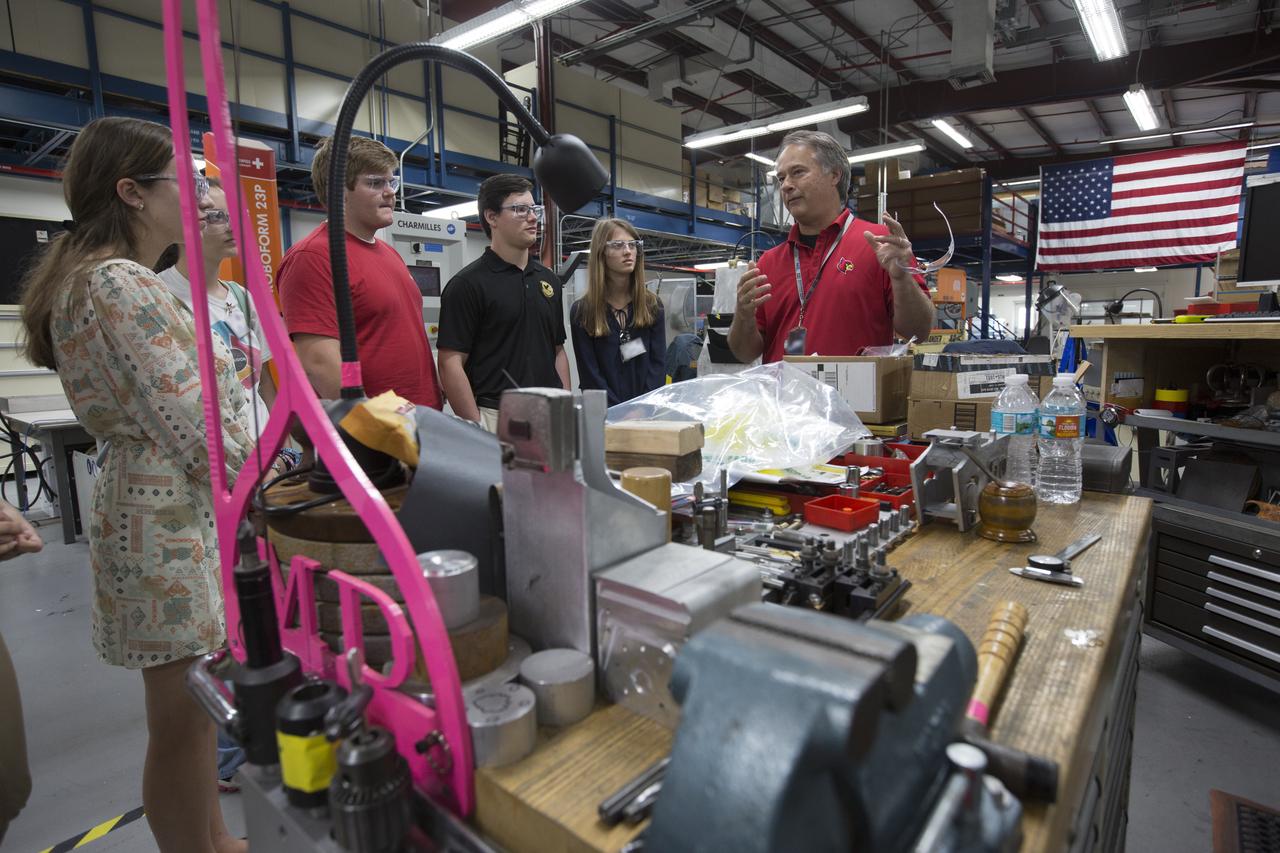
About 40 Brevard County high school seniors attended Brevard Top Scholars Day at Kennedy Space Center on May 5. Kennedy's Office of Education coordinated the event that featured a special behind-the-scenes tour of Kennedy, including prototype shops, cryogenic labs and facilities such as the Vehicle Assembly Building and the Launch Control Center firing rooms.
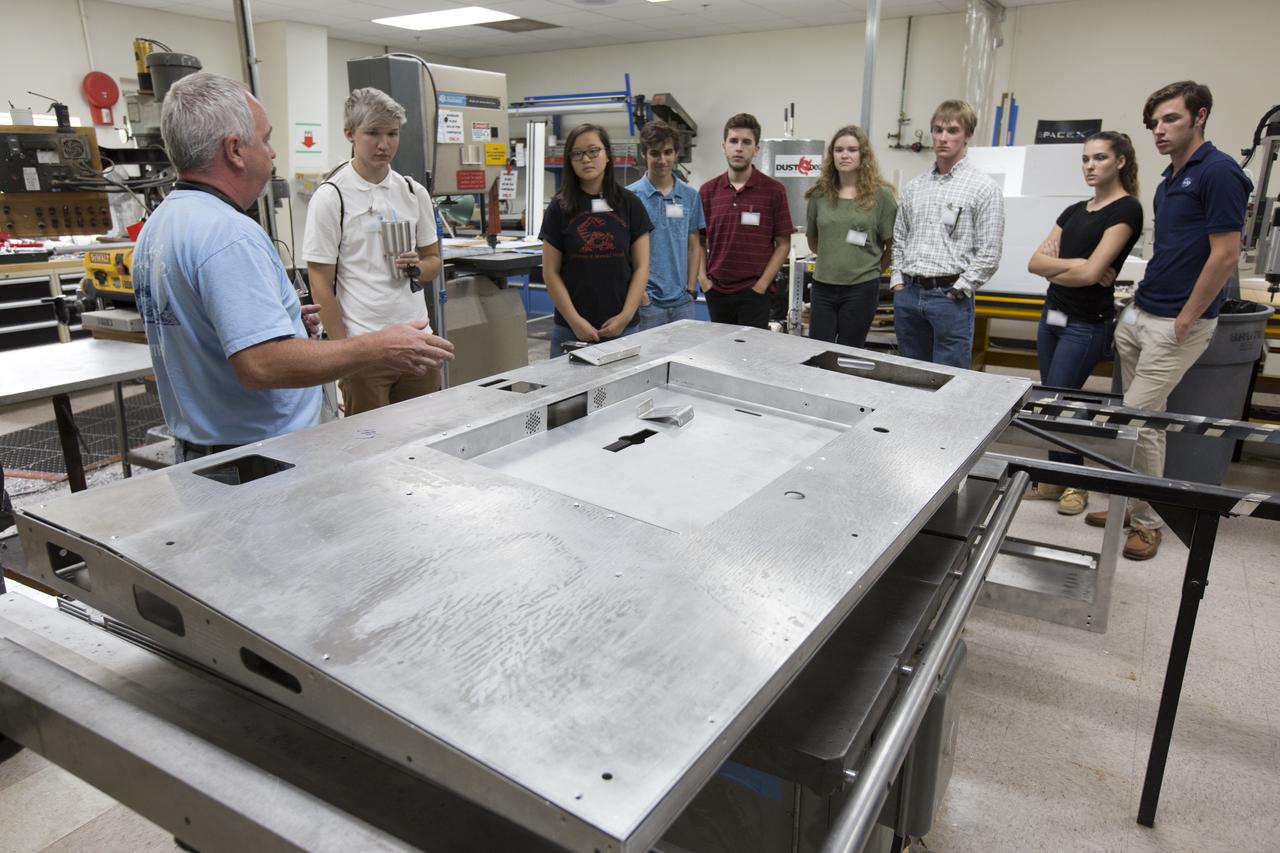
About 40 Brevard County high school seniors attended Brevard Top Scholars Day at Kennedy Space Center on May 5. Kennedy's Office of Education coordinated the event that featured a special behind-the-scenes tour of Kennedy, including prototype shops, cryogenic labs and facilities such as the Vehicle Assembly Building and the Launch Control Center firing rooms.
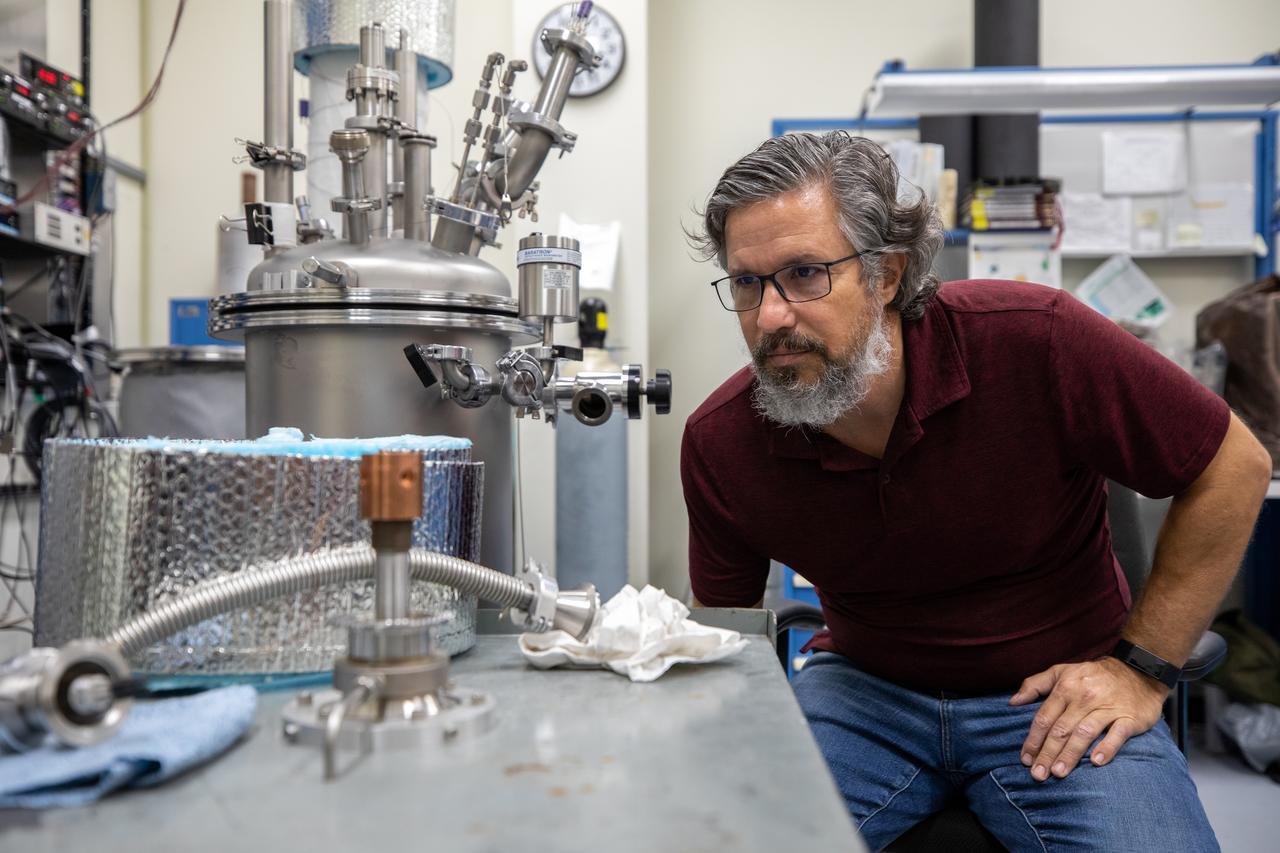
Jared Sass, NASA engineer, monitors a test inside the Cryogenics Test Laboratory at NASA’s Kennedy Space Center in Florida on Oct. 21, 2020. Established in 2000, the Cryogenics Test Laboratory provides a one-of-a kind capability for research, development and application of cross-cutting technologies to meet the needs of industry and government. The test lab provides cryogenic expertise, experimental testing, technical standards development, prototype construction and practical problem-solving for technology development with research institutions and commercial partners.
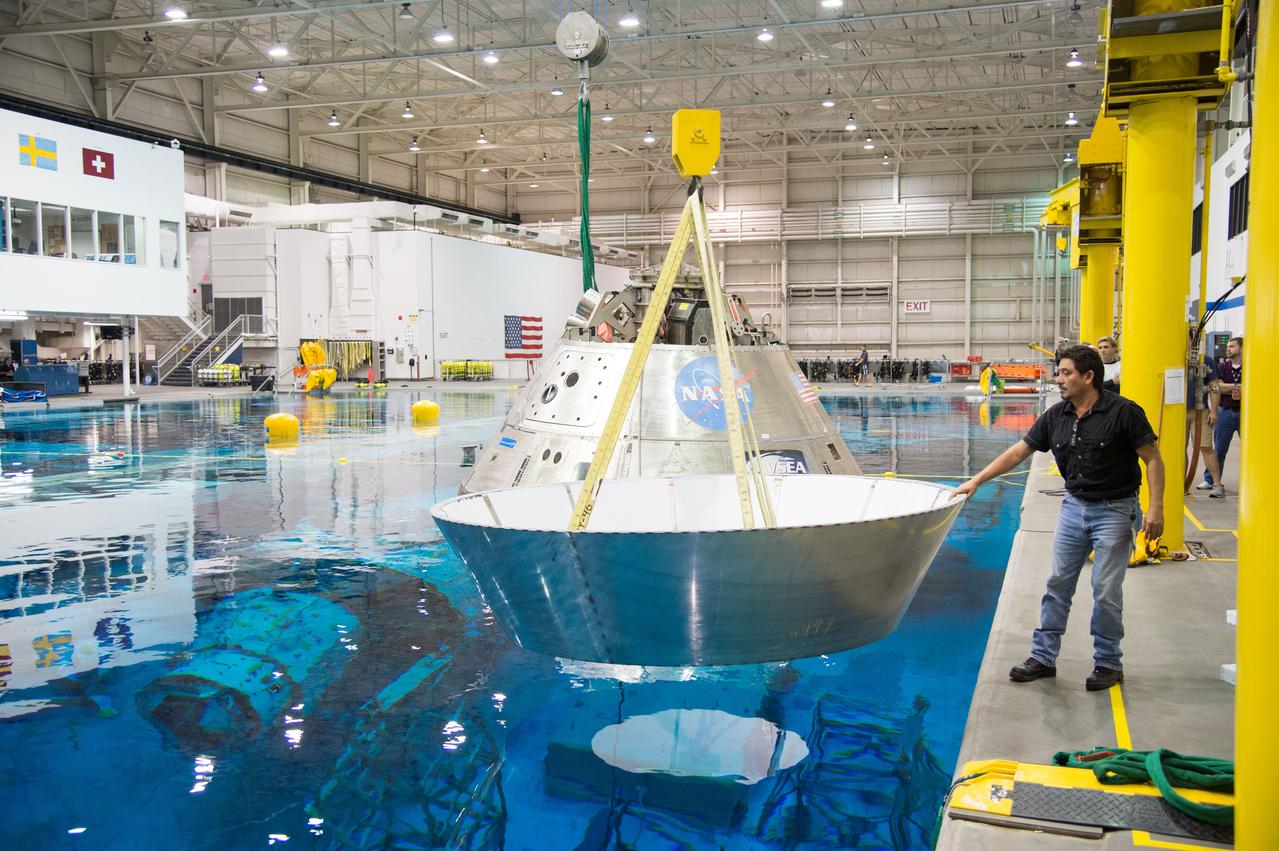
NASA, Department of Defense personnel from Detachment 3 out of Patrick Air Force Base, and the Mobile Diving Salvage Unit based in San Diego conduct a testing session at the Neutral Buoyancy Lab in Houston on Dec. 5, 2012 to evaluate procedures, mockups, and prototype hardware used to train personnel in recovery of the Orion crew module and the forward bay cover for Exploration Flight Test-1 (EFT-1). Part of Batch image transfer from Flickr.
NASA, Department of Defense personnel from Detachment 3 out of Patrick Air Force Base, and the Mobile Diving Salvage Unit based in San Diego conduct a testing session at the Neutral Buoyancy Lab in Houston on Dec. 5, 2012 to evaluate procedures, mockups, and prototype hardware used to train personnel in recovery of the Orion crew module and the forward bay cover for Exploration Flight Test-1 (EFT-1). Part of Batch image transfer from Flickr.
NASA, Department of Defense personnel from Detachment 3 out of Patrick Air Force Base, and the Mobile Diving Salvage Unit based in San Diego conduct a testing session at the Neutral Buoyancy Lab in Houston on Dec. 5, 2012 to evaluate procedures, mockups, and prototype hardware used to train personnel in recovery of the Orion crew module and the forward bay cover for Exploration Flight Test-1 (EFT-1). Part of Batch image transfer from Flickr.
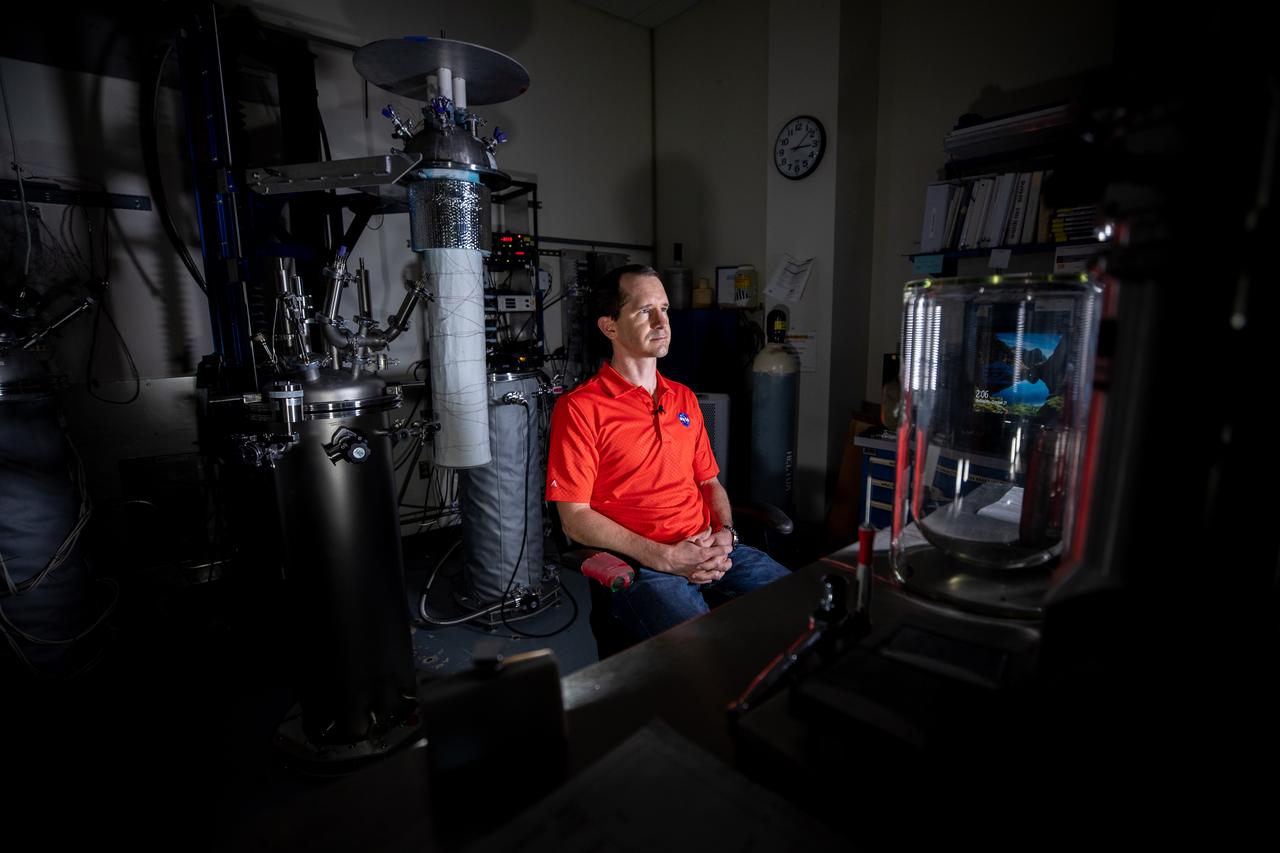
Adam Swanger, NASA engineer, is inside the Cryogenics Test Laboratory at NASA’s Kennedy Space Center in Florida on Oct. 21, 2020. Established in 2000, the Cryogenics Test Laboratory provides a one-of-a kind capability for research, development and application of cross-cutting technologies to meet the needs of industry and government. The test lab provides cryogenic expertise, experimental testing, technical standards development, prototype construction and practical problem-solving for technology development with research institutions and commercial partners.
NASA, Department of Defense personnel from Detachment 3 out of Patrick Air Force Base, and the Mobile Diving Salvage Unit based in San Diego conduct a testing session at the Neutral Buoyancy Lab in Houston on Dec. 5, 2012 to evaluate procedures, mockups, and prototype hardware used to train personnel in recovery of the Orion crew module and the forward bay cover for Exploration Flight Test-1 (EFT-1). Part of Batch image transfer from Flickr.
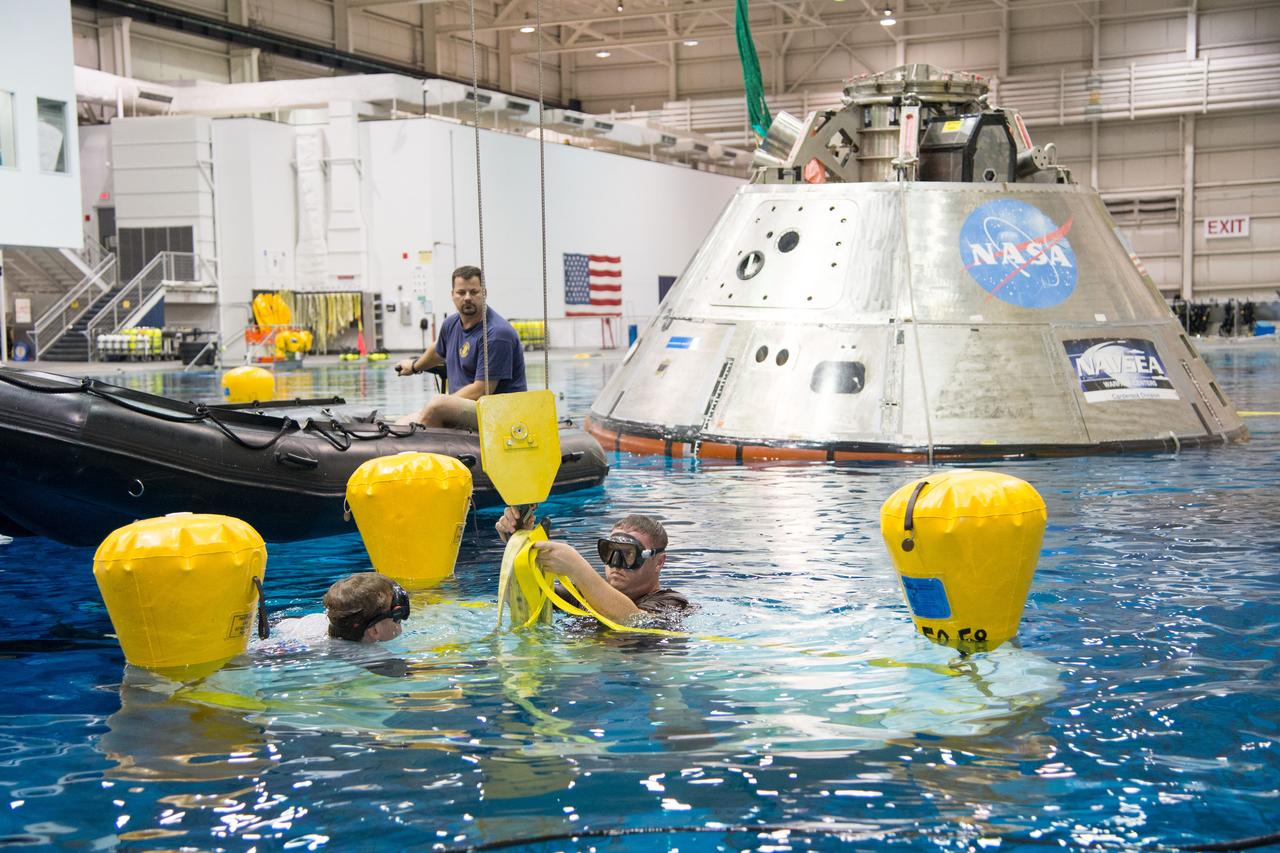
NASA, Department of Defense personnel from Detachment 3 out of Patrick Air Force Base, and the Mobile Diving Salvage Unit based in San Diego conduct a testing session at the Neutral Buoyancy Lab in Houston on Dec. 5, 2012 to evaluate procedures, mockups, and prototype hardware used to train personnel in recovery of the Orion crew module and the forward bay cover for Exploration Flight Test-1 (EFT-1). Part of Batch image transfer from Flickr.
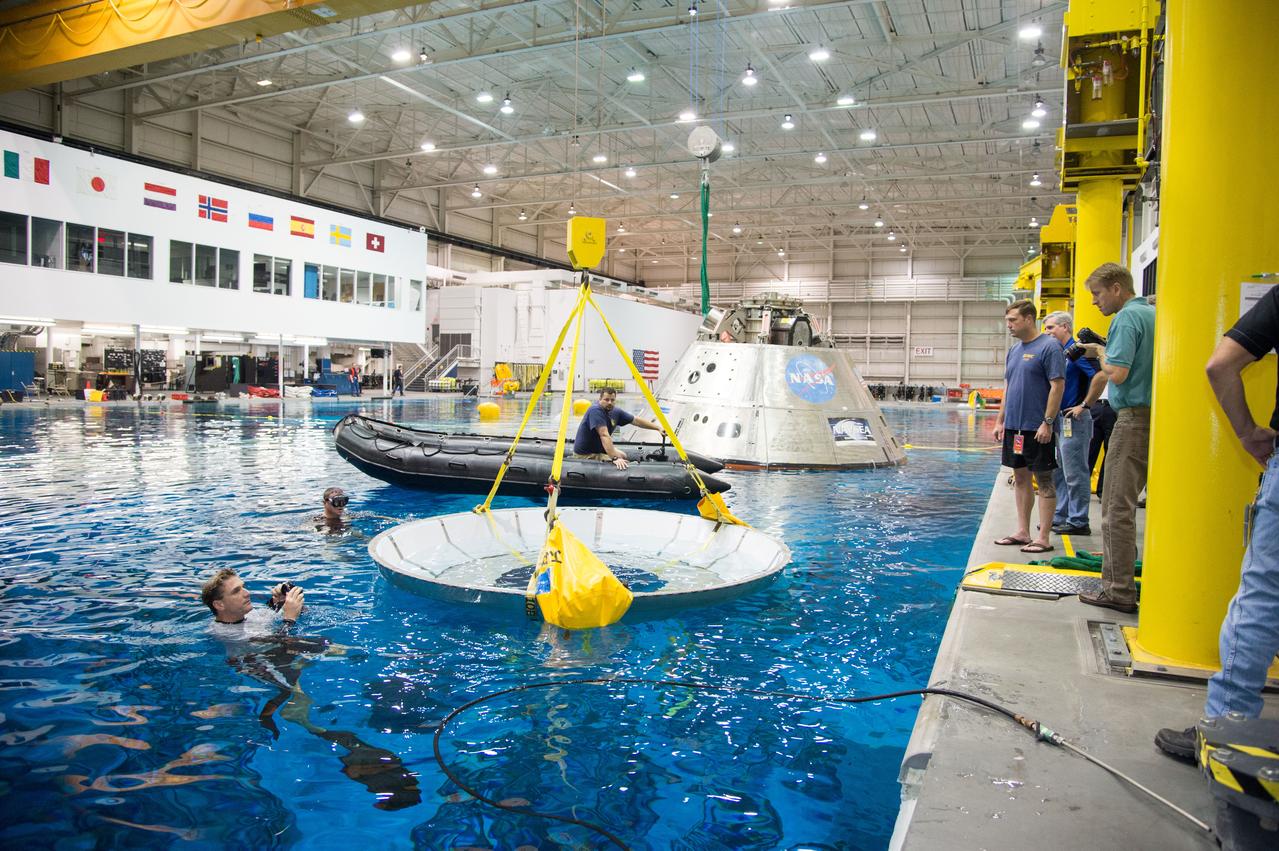
NASA, Department of Defense personnel from Detachment 3 out of Patrick Air Force Base, and the Mobile Diving Salvage Unit based in San Diego conduct a testing session at the Neutral Buoyancy Lab in Houston on Dec. 5, 2012 to evaluate procedures, mockups, and prototype hardware used to train personnel in recovery of the Orion crew module and the forward bay cover for Exploration Flight Test-1 (EFT-1). Part of Batch image transfer from Flickr.
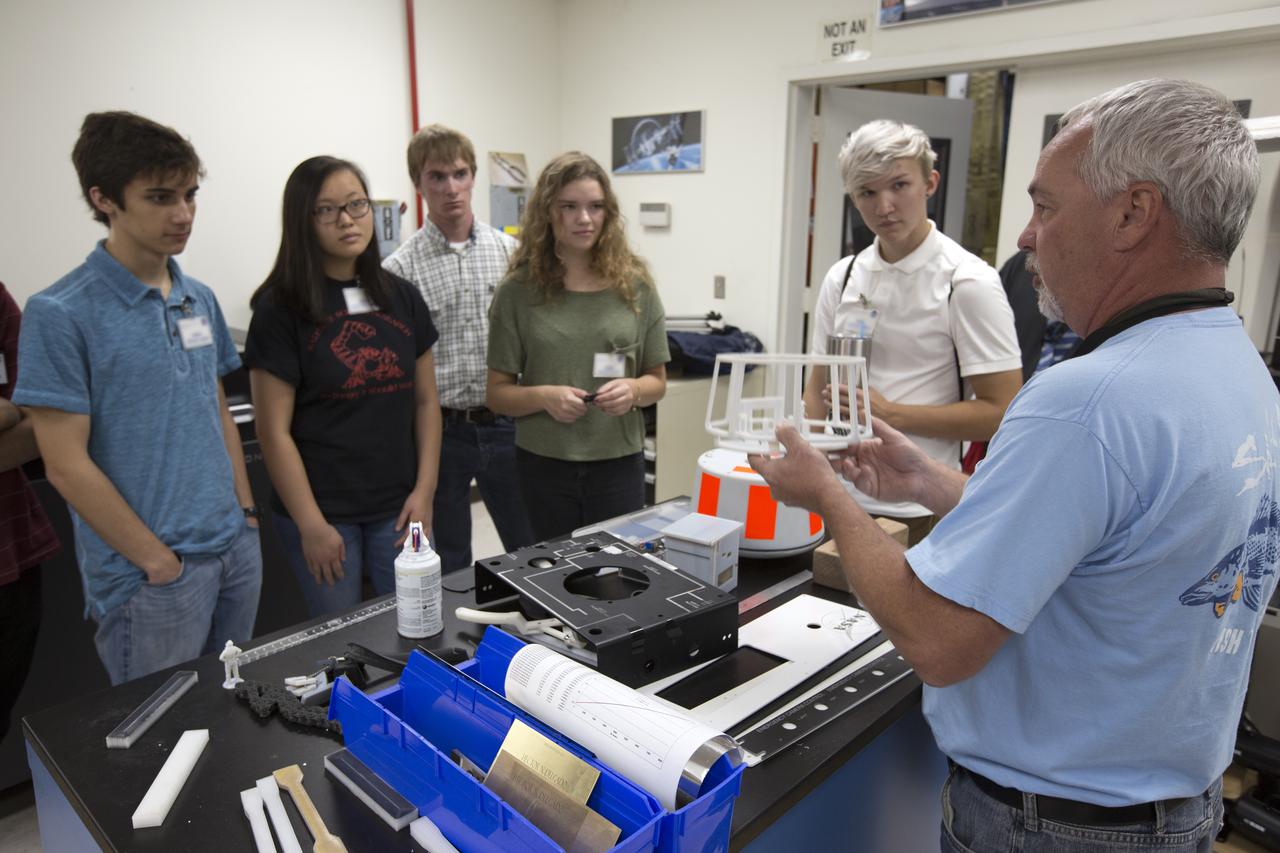
About 40 Brevard County high school seniors attended Brevard Top Scholars Day at Kennedy Space Center on May 5. Kennedy's Office of Education coordinated the event that featured a special behind-the-scenes tour of Kennedy, including prototype shops, cryogenic labs and facilities such as the Vehicle Assembly Building and the Launch Control Center firing rooms.
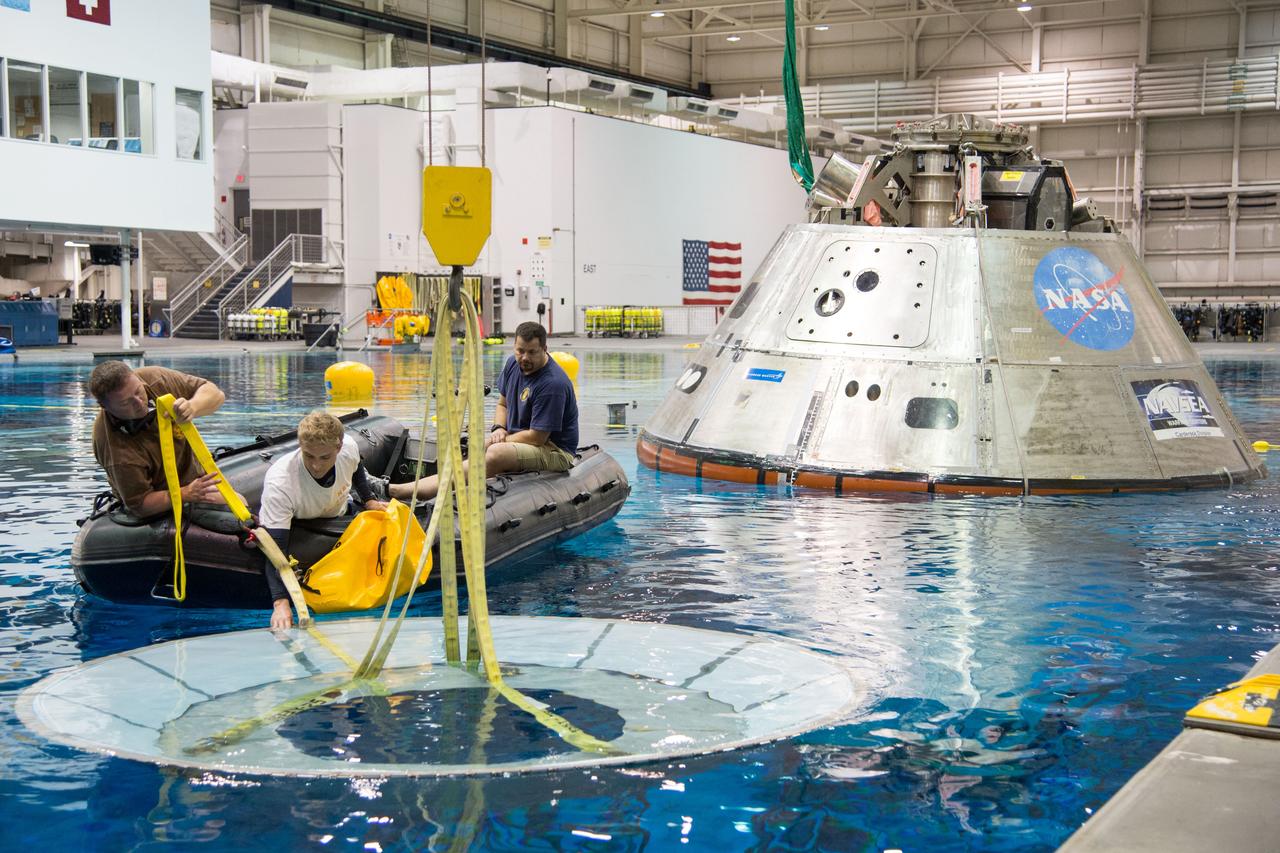
NASA, Department of Defense personnel from Detachment 3 out of Patrick Air Force Base, and the Mobile Diving Salvage Unit based in San Diego conduct a testing session at the Neutral Buoyancy Lab in Houston on Dec. 5, 2012 to evaluate procedures, mockups, and prototype hardware used to train personnel in recovery of the Orion crew module and the forward bay cover for Exploration Flight Test-1 (EFT-1). Part of Batch image transfer from Flickr.
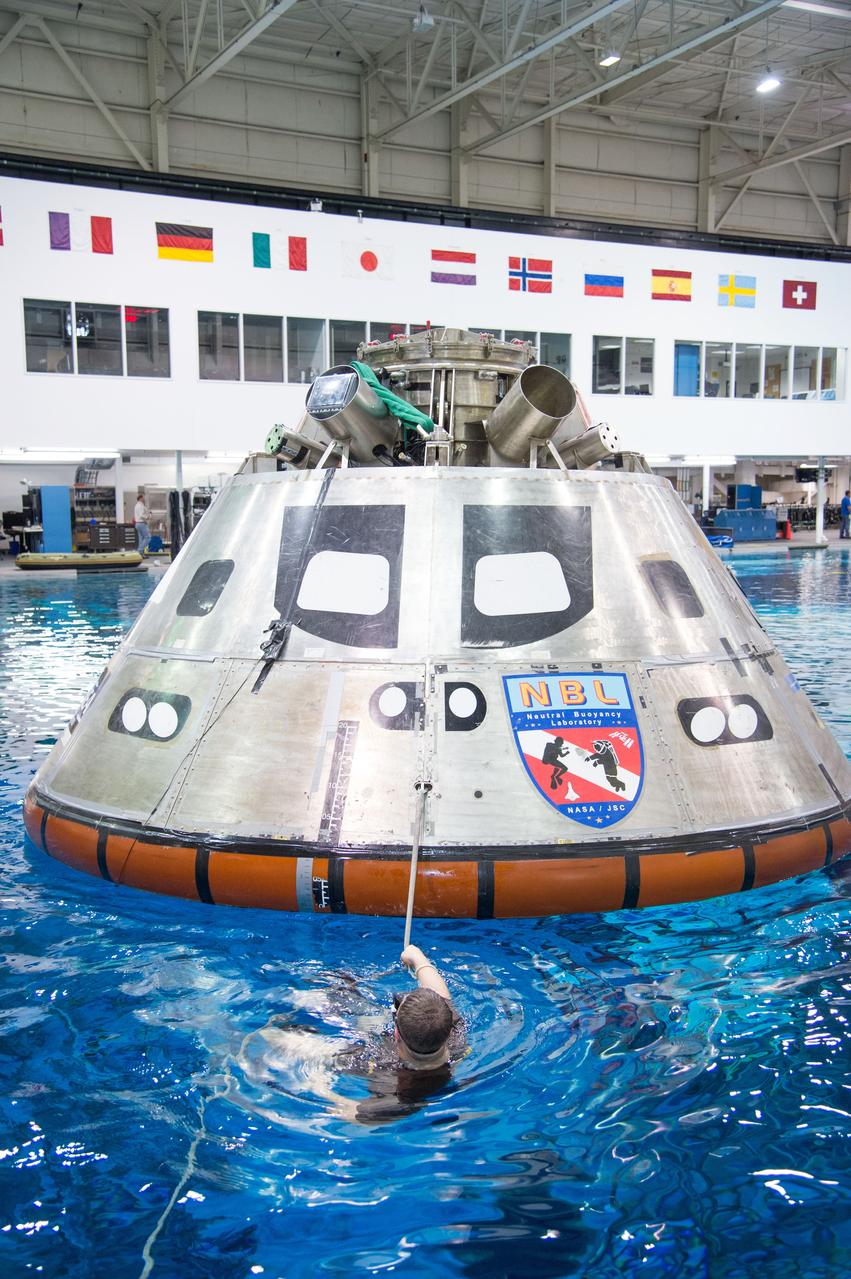
NASA, Department of Defense personnel from Detachment 3 out of Patrick Air Force Base, and the Mobile Diving Salvage Unit based in San Diego conduct a testing session at the Neutral Buoyancy Lab in Houston on Dec. 5, 2012 to evaluate procedures, mockups, and prototype hardware used to train personnel in recovery of the Orion crew module and the forward bay cover for Exploration Flight Test-1 (EFT-1). Part of Batch image transfer from Flickr.
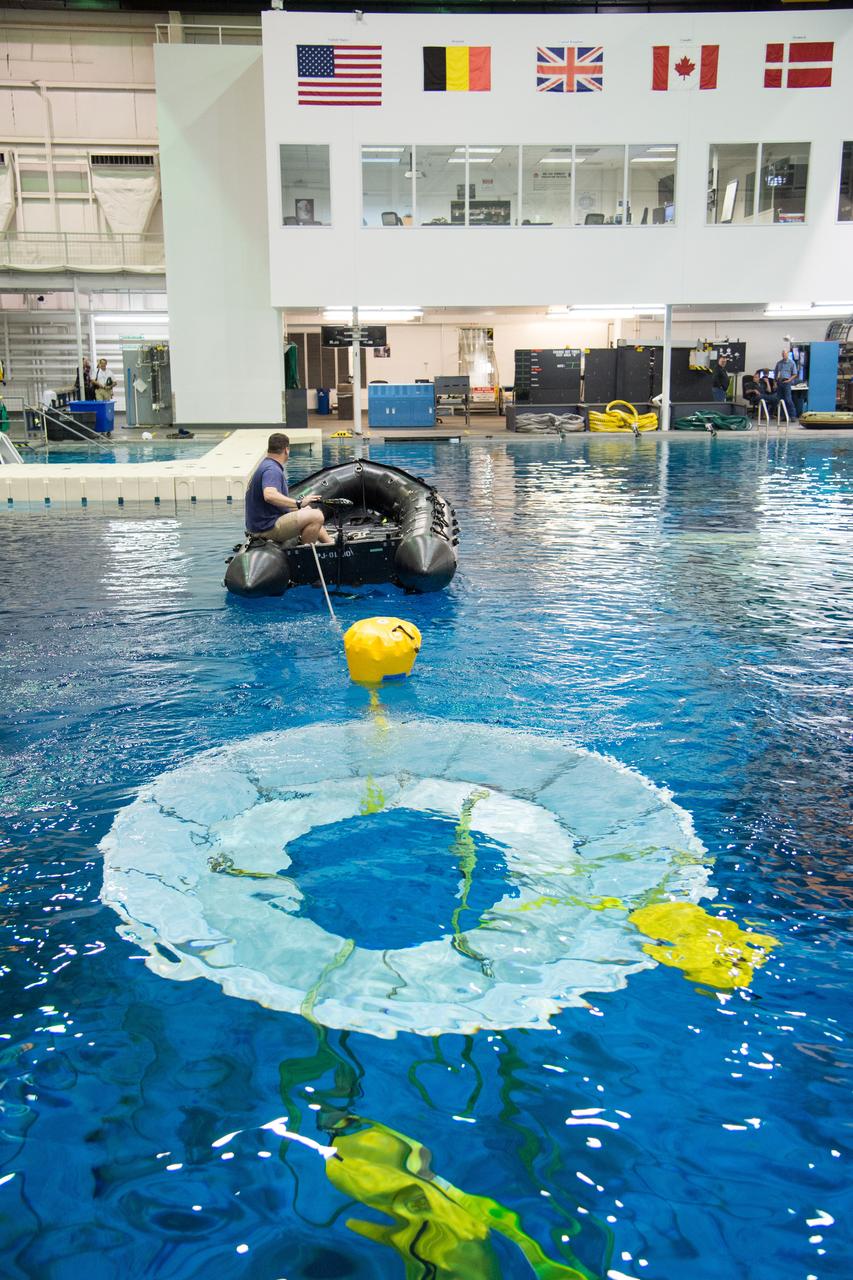
NASA, Department of Defense personnel from Detachment 3 out of Patrick Air Force Base, and the Mobile Diving Salvage Unit based in San Diego conduct a testing session at the Neutral Buoyancy Lab in Houston on Dec. 5, 2012 to evaluate procedures, mockups, and prototype hardware used to train personnel in recovery of the Orion crew module and the forward bay cover for Exploration Flight Test-1 (EFT-1). Part of Batch image transfer from Flickr.
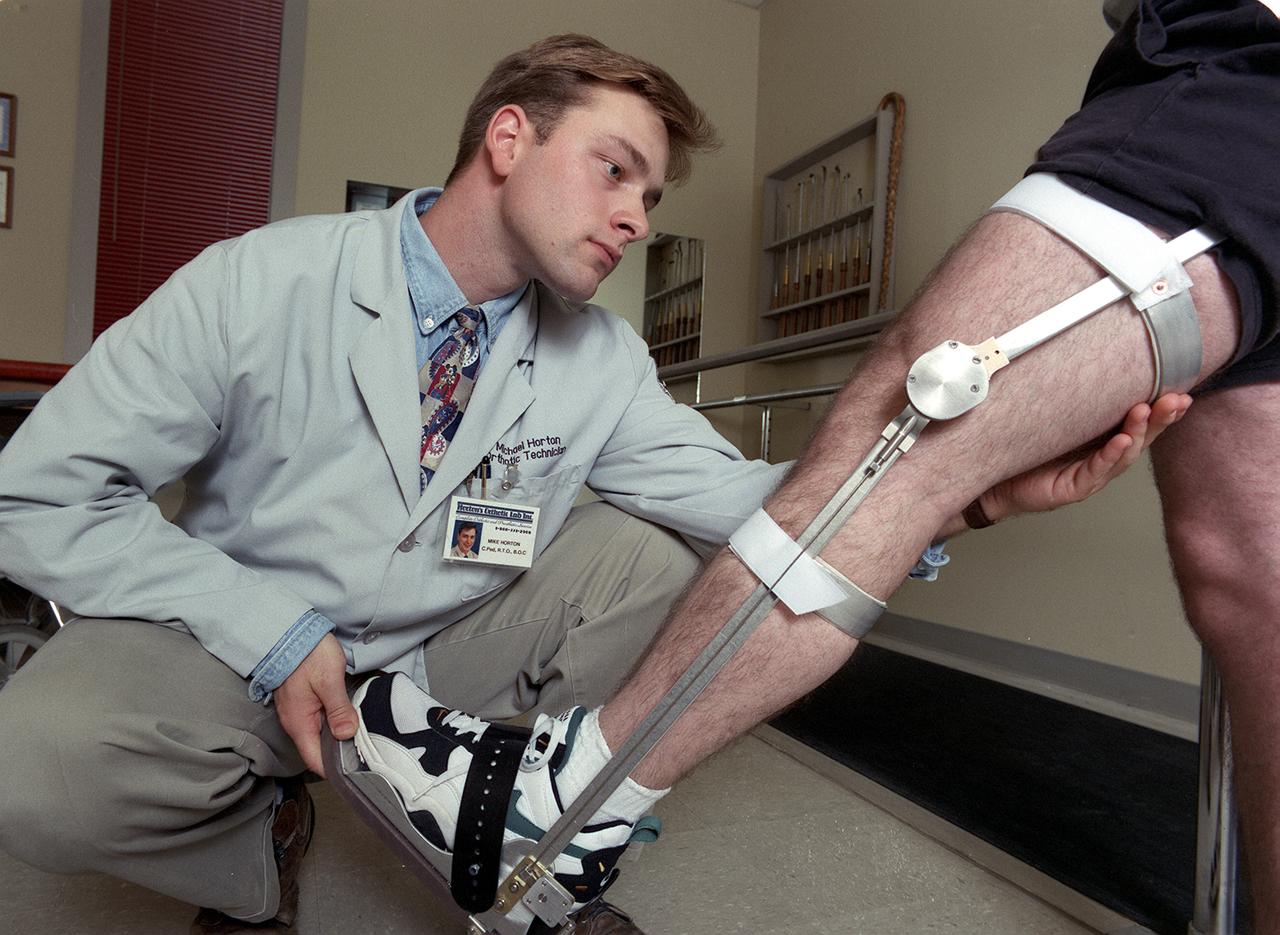
A knee brace that uses Space Shuttle propulsion technology has moved a step closer to being available to help knee injury and stroke patients and may possibly benefit patients with birth defects, spinal cord injuries, and post-polio conditions. After years of hard work, inventors at NASA's Marshall Space Flight Center (MSFC) in Huntsville, Alabama, have turned over the final design and prototype to industry partners at Horton's Orthotic Lab in Little Rock, Arkansas for further clinical testing. The device, called the Selectively Lockable Knee Brace, may mean faster, less painful rehabilitation for patients by allowing the knee to move when weight is not on the heel. Devices currently on the market lock the knee in a rigid, straight-leg position, or allow continuous free motion. Pictured here is a knee brace prototype being tested and fitted at Horton's Orthotic Lab. The knee brace is just one example of how space technology is being used to improve the lives of people on Earth. NASA's MSFC inventors Michael Shadoan and Neill Myers are space propulsion engineers who use the same mechanisms and materials to build systems for rockets that they used to design and develop the knee brace.
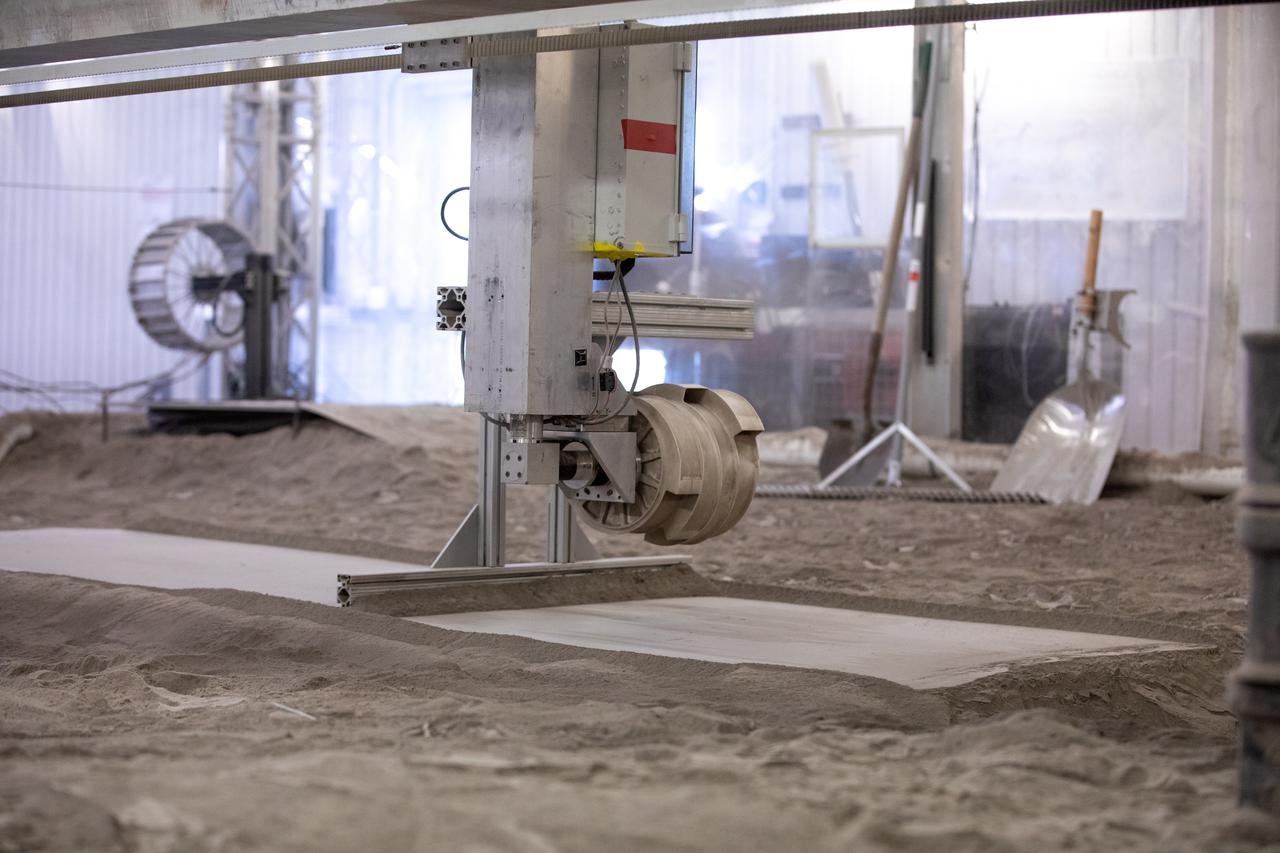
A team at NASA’s Kennedy Space Center in Florida tests small- and medium-sized bucket drums July 16, 2021, in the Granular Mechanics and Regolith Operations Lab’s “big bin” during prototype development for the pilot excavator, a robotic mission designed for lunar operations. The bucket drum excavated lunar regolith simulant. The Swamp Works team leveled and compacted the simulant before excavation as well as measured penetration during the excavator testing. Robotics engineers Jason Schuler and Austin Langton worked inside the bin, teaming up with software engineer Kurt Leucht, who worked just outside of it.
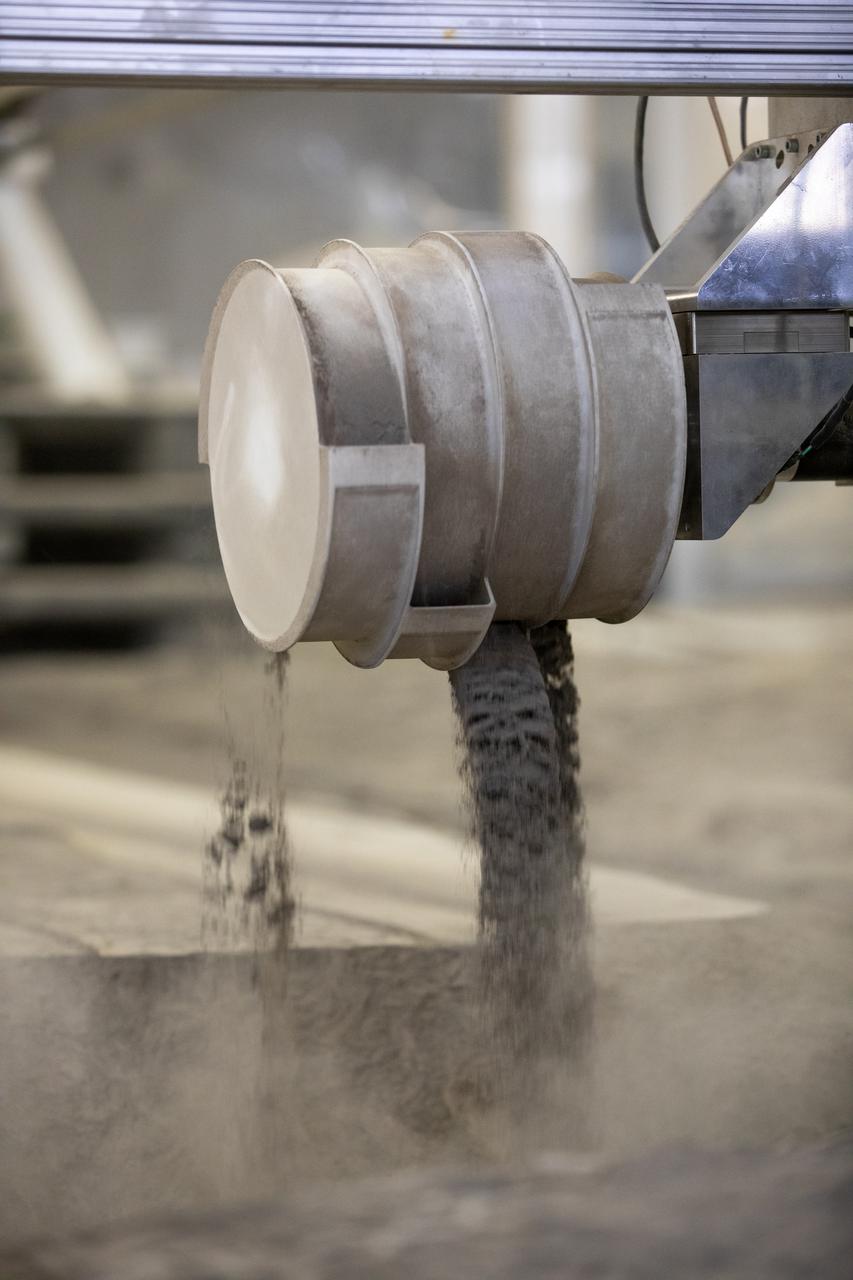
A team at NASA’s Kennedy Space Center in Florida tests small- and medium-sized bucket drums July 16, 2021, in the Granular Mechanics and Regolith Operations Lab’s “big bin” during prototype development for the pilot excavator, a robotic mission designed for lunar operations. The bucket drum excavated lunar regolith simulant. The Swamp Works team leveled and compacted the simulant before excavation as well as measured penetration during the excavator testing. Robotics engineers Jason Schuler and Austin Langton worked inside the bin, teaming up with software engineer Kurt Leucht, who worked just outside of it.
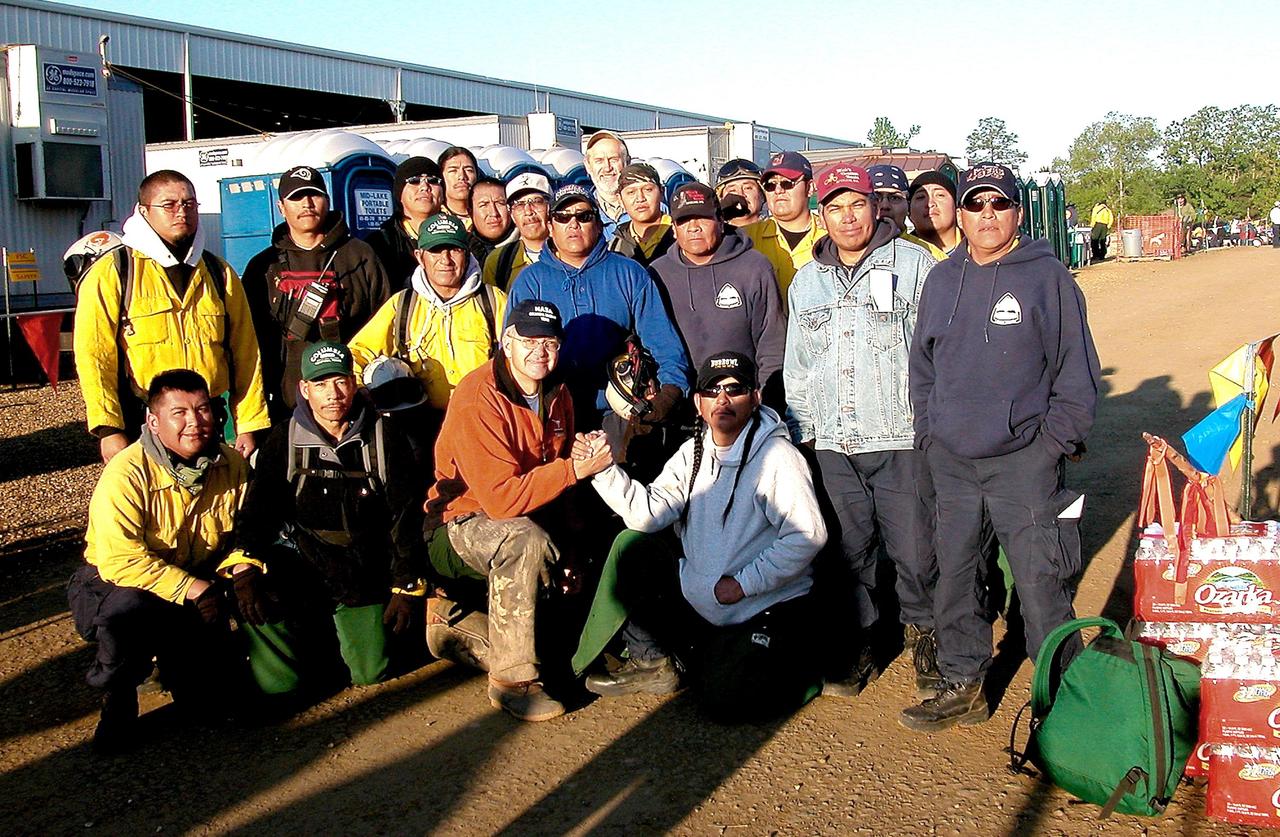
KENNEDY SPACE CENTER, FLA. -- David Mclaughlin, Prototype Lab technician at Kennedy Space Center, (center) poses with his Native American search team, the Laguna Firefighters from New Mexico, at the Hemphill site. Kennedy Space Center workers are participating in the Columbia Recovery efforts at the Lufkin (Texas) Command Center, four field sites in East Texas, and the Barksdale, La., hangar site. KSC is working with representatives from other NASA Centers and with those from a number of federal, state and local agencies in the recovery effort. KSC provides vehicle technical expertise in the field to identify, collect and return Shuttle hardware to KSC.
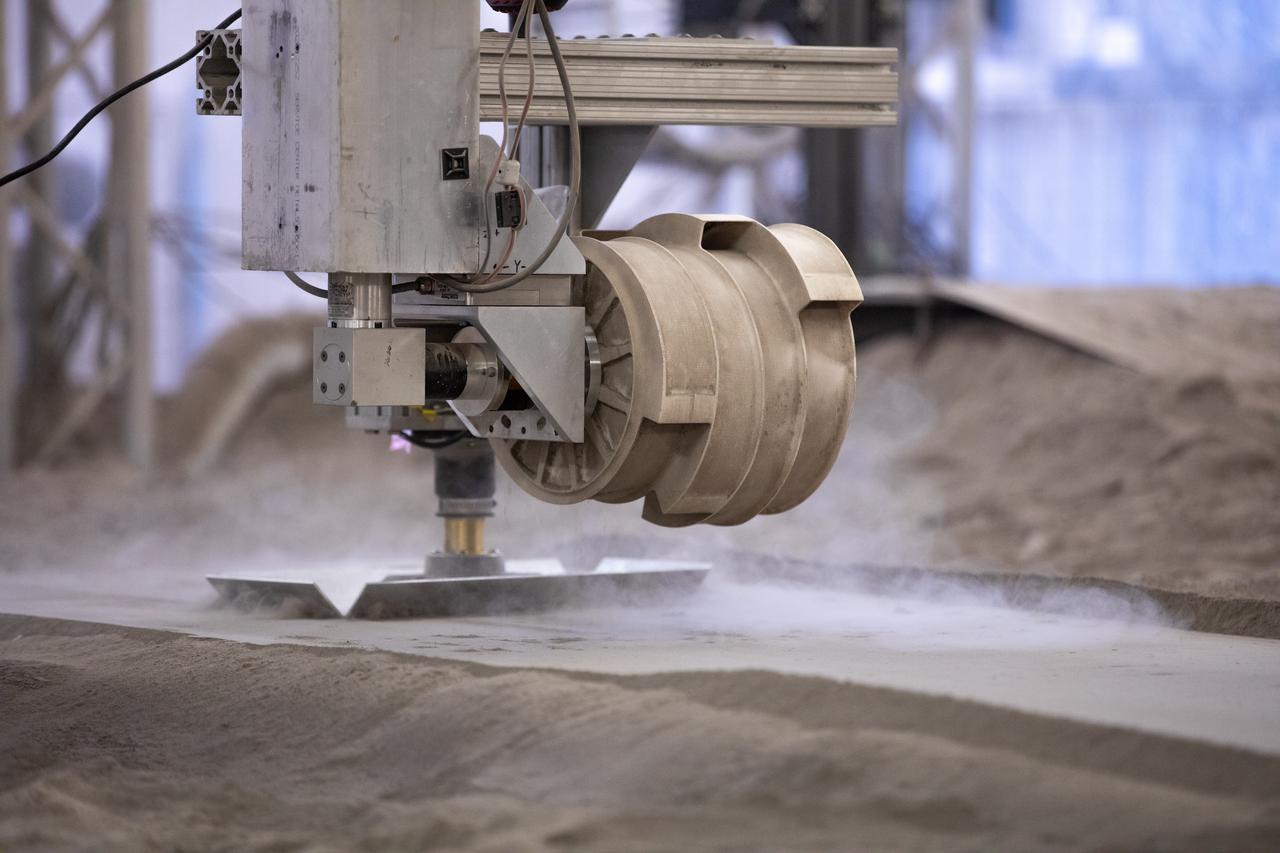
A team at NASA’s Kennedy Space Center in Florida tests small- and medium-sized bucket drums July 16, 2021, in the Granular Mechanics and Regolith Operations Lab’s “big bin” during prototype development for the pilot excavator, a robotic mission designed for lunar operations. The bucket drum excavated lunar regolith simulant. The Swamp Works team leveled and compacted the simulant before excavation as well as measured penetration during the excavator testing. Robotics engineers Jason Schuler and Austin Langton worked inside the bin, teaming up with software engineer Kurt Leucht, who worked just outside of it.
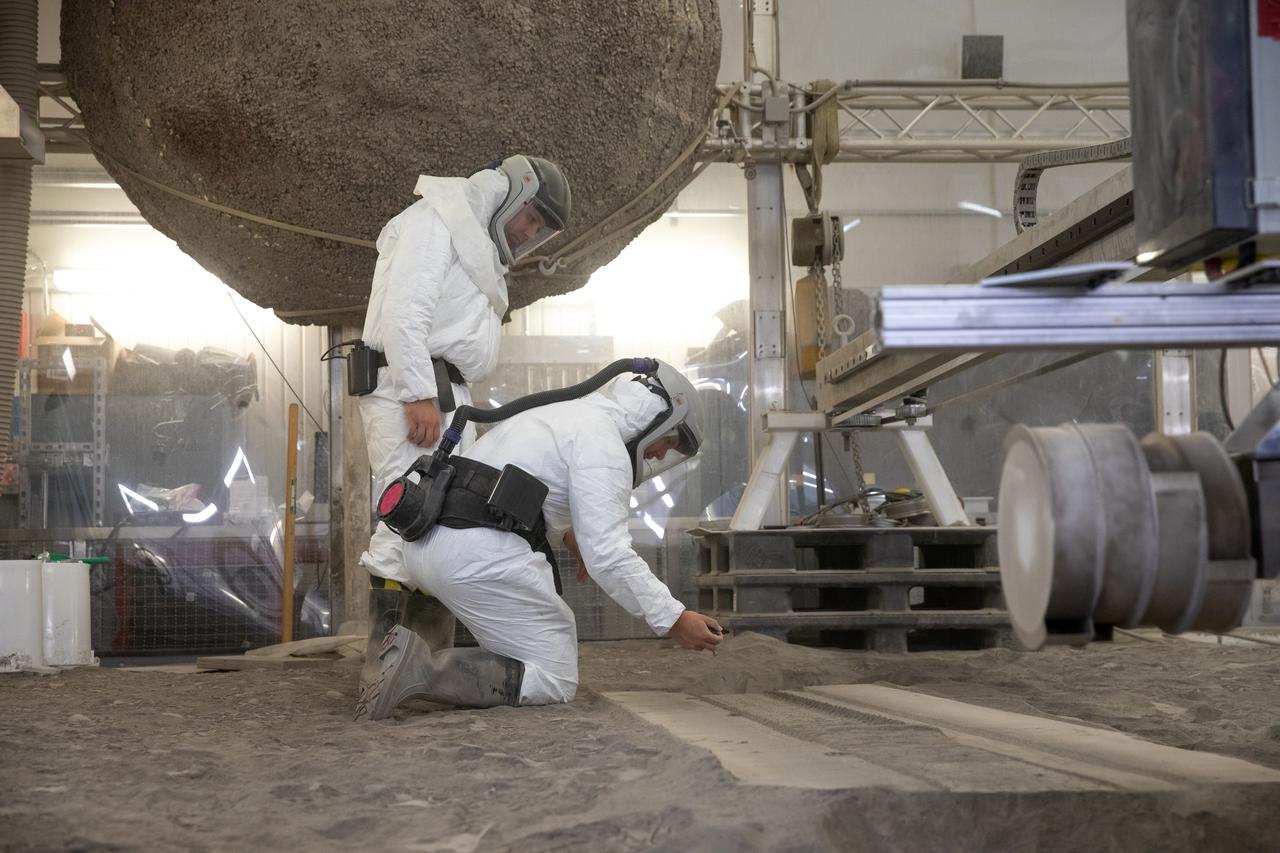
A team at NASA’s Kennedy Space Center in Florida tests small- and medium-sized bucket drums July 16, 2021, in the Granular Mechanics and Regolith Operations Lab’s “big bin” during prototype development for the pilot excavator, a robotic mission designed for lunar operations. The bucket drum excavated lunar regolith simulant. The Swamp Works team leveled and compacted the simulant before excavation as well as measured penetration during the excavator testing. Robotics engineers Jason Schuler and Austin Langton worked inside the bin, teaming up with software engineer Kurt Leucht, who worked just outside of it.
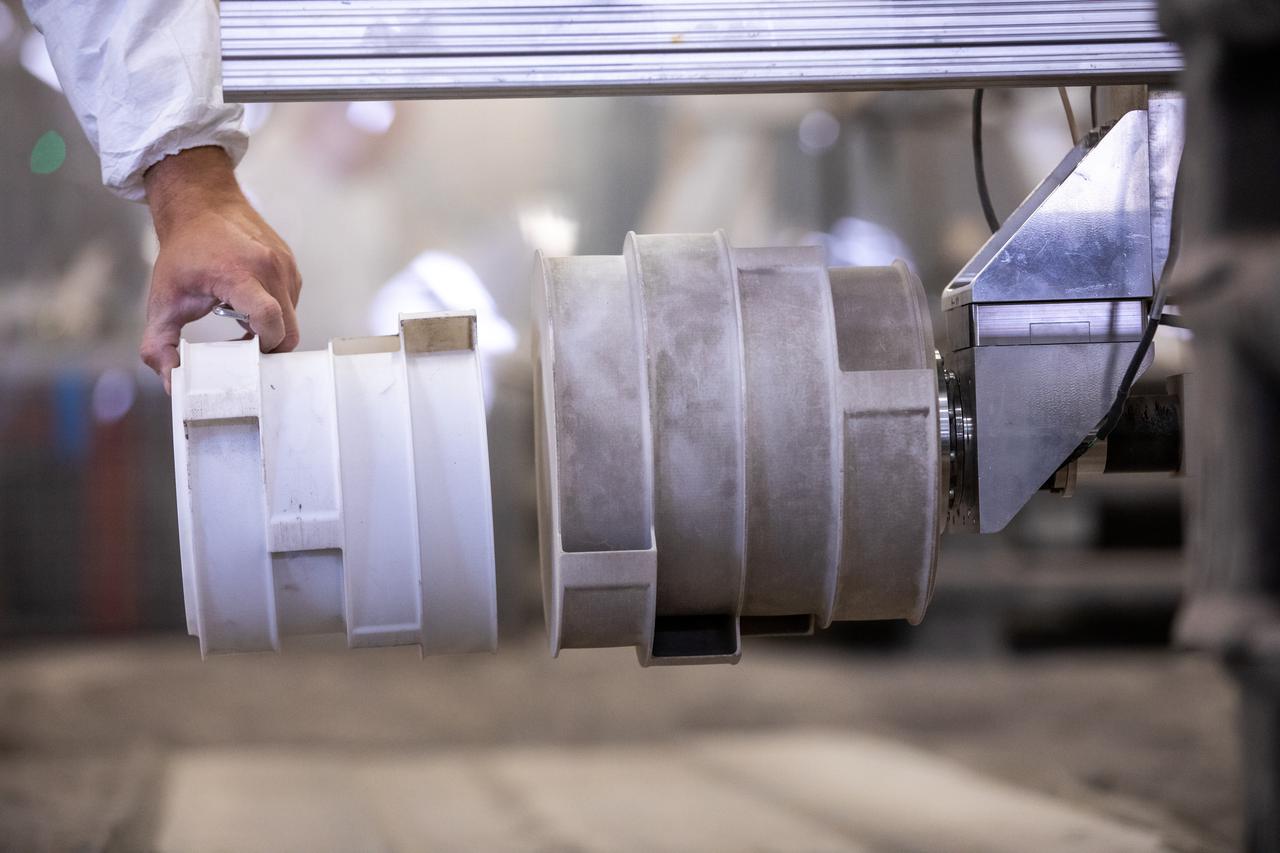
A team at NASA’s Kennedy Space Center in Florida tests small- and medium-sized bucket drums July 16, 2021, in the Granular Mechanics and Regolith Operations Lab’s “big bin” during prototype development for the pilot excavator, a robotic mission designed for lunar operations. The bucket drum excavated lunar regolith simulant. The Swamp Works team leveled and compacted the simulant before excavation as well as measured penetration during the excavator testing. Robotics engineers Jason Schuler and Austin Langton worked inside the bin, teaming up with software engineer Kurt Leucht, who worked just outside of it.
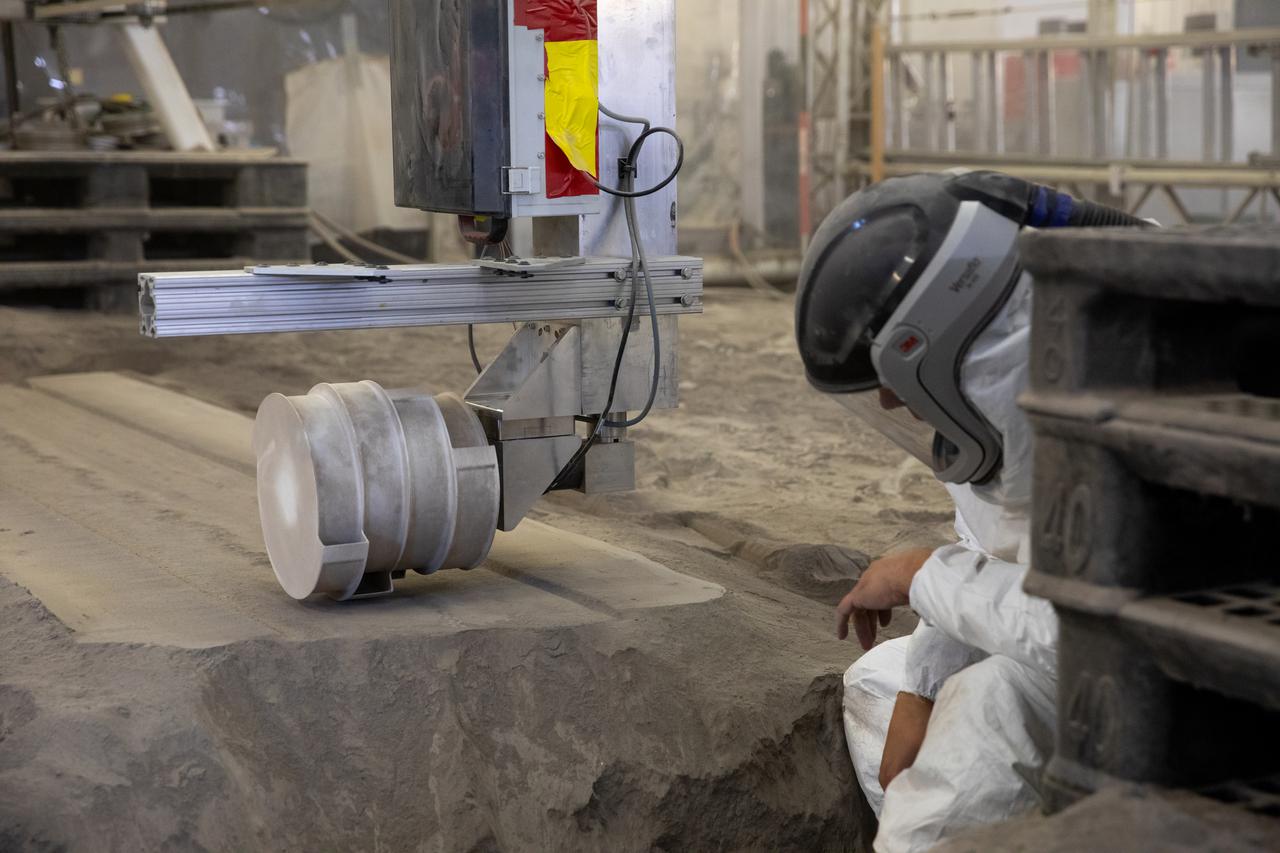
A team at NASA’s Kennedy Space Center in Florida tests small- and medium-sized bucket drums July 16, 2021, in the Granular Mechanics and Regolith Operations Lab’s “big bin” during prototype development for the pilot excavator, a robotic mission designed for lunar operations. The bucket drum excavated lunar regolith simulant. The Swamp Works team leveled and compacted the simulant before excavation as well as measured penetration during the excavator testing. Robotics engineers Jason Schuler and Austin Langton worked inside the bin, teaming up with software engineer Kurt Leucht, who worked just outside of it.
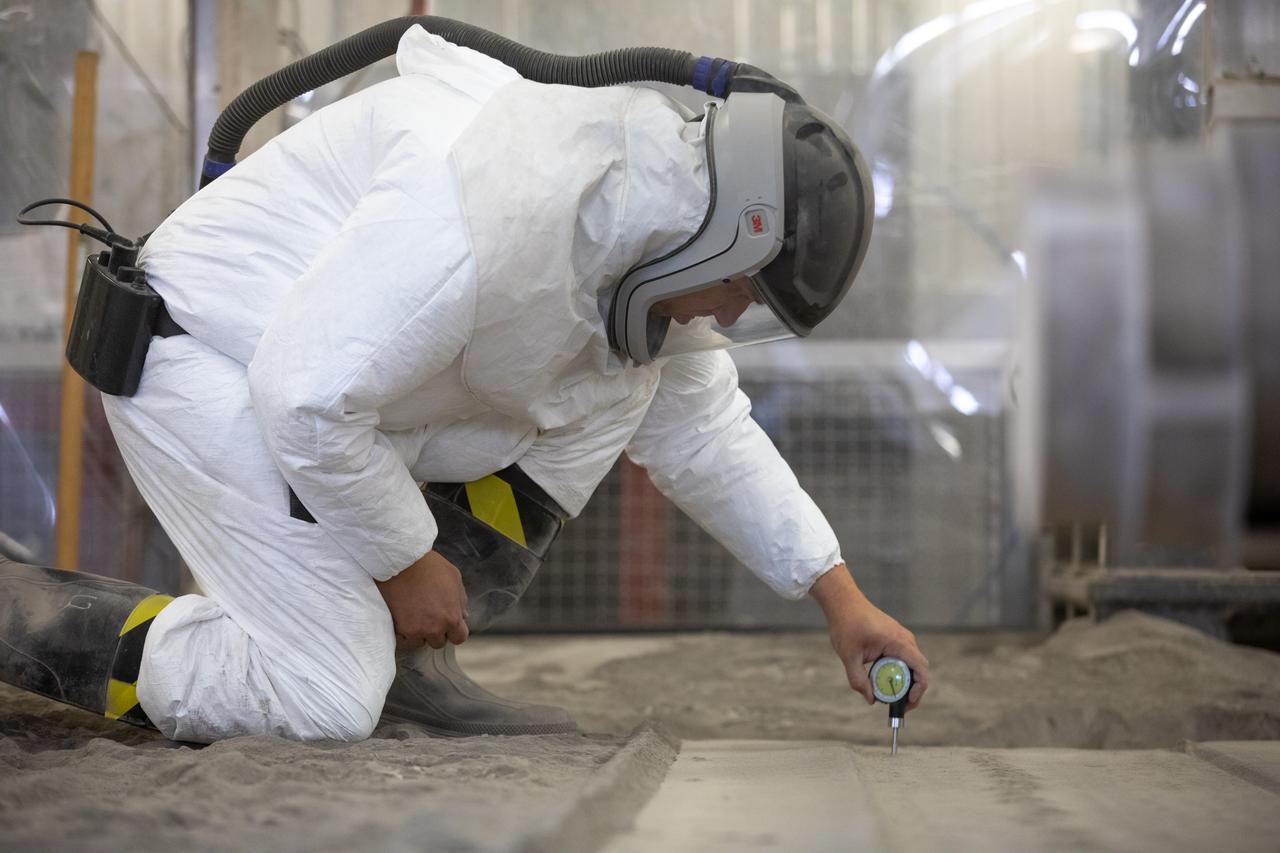
A team at NASA’s Kennedy Space Center in Florida tests small- and medium-sized bucket drums July 16, 2021, in the Granular Mechanics and Regolith Operations Lab’s “big bin” during prototype development for the pilot excavator, a robotic mission designed for lunar operations. The bucket drum excavated lunar regolith simulant. The Swamp Works team leveled and compacted the simulant before excavation as well as measured penetration during the excavator testing. Robotics engineers Jason Schuler and Austin Langton worked inside the bin, teaming up with software engineer Kurt Leucht, who worked just outside of it.
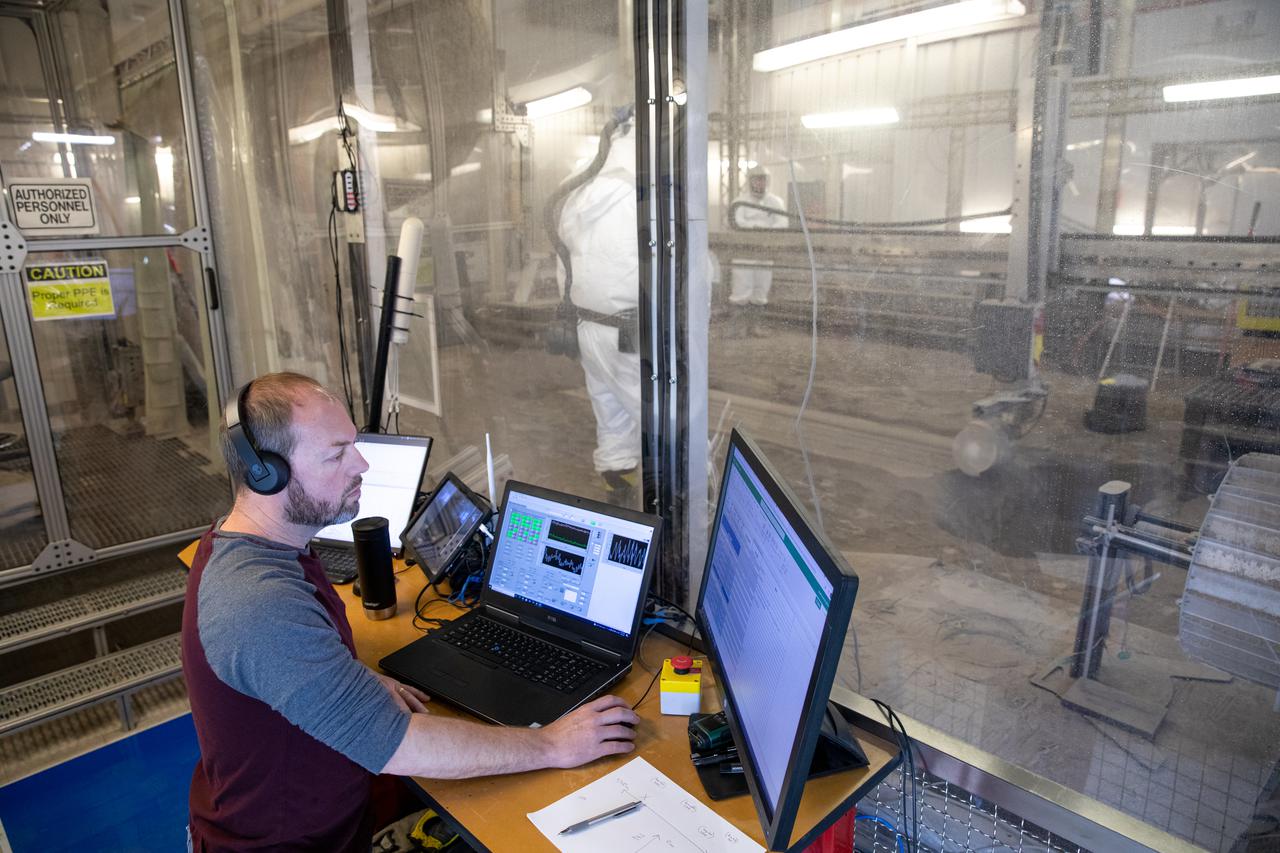
A team at NASA’s Kennedy Space Center in Florida tests small- and medium-sized bucket drums July 16, 2021, in the Granular Mechanics and Regolith Operations Lab’s “big bin” during prototype development for the pilot excavator, a robotic mission designed for lunar operations. The bucket drum excavated lunar regolith simulant. The Swamp Works team leveled and compacted the simulant before excavation as well as measured penetration during the excavator testing. Robotics engineers Jason Schuler and Austin Langton worked inside the bin, teaming up with software engineer Kurt Leucht, who worked just outside of it.