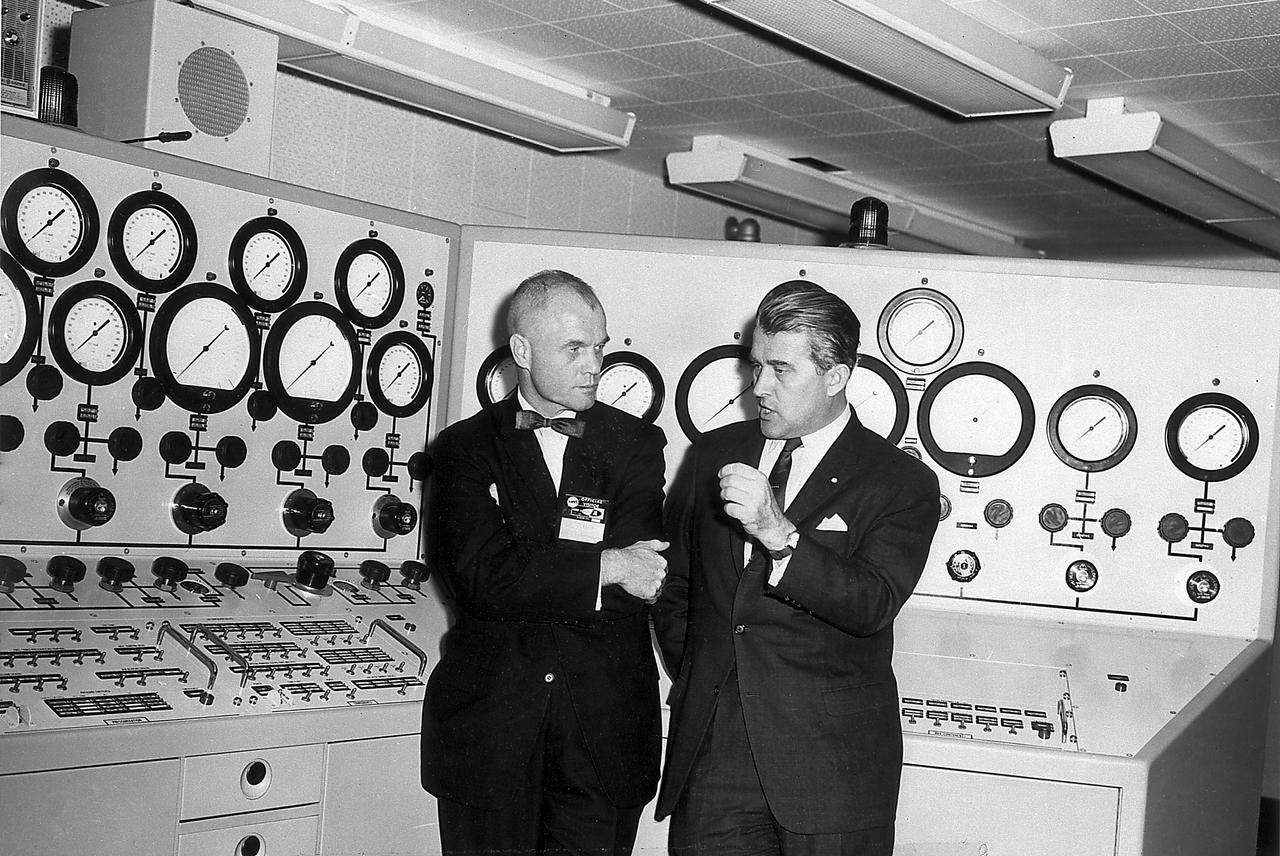
Dr. von Braun briefs Astronaut John Glenn in the control room of the Vehicle Test Section, Quality Assurance Division, Marshall Space Flight Center (MSFC), November 28, 1962.

From left, NASA avionics technician Jesse Orellana; quality assurance employee Jose Prieto; mechanic Francisco Rodriguez; and mechanic Vincent Moreno work on an ER-2 aircraft Monday, Jan. 26, 2026, at NASA’s Armstrong Flight Research Center in Edwards, California.
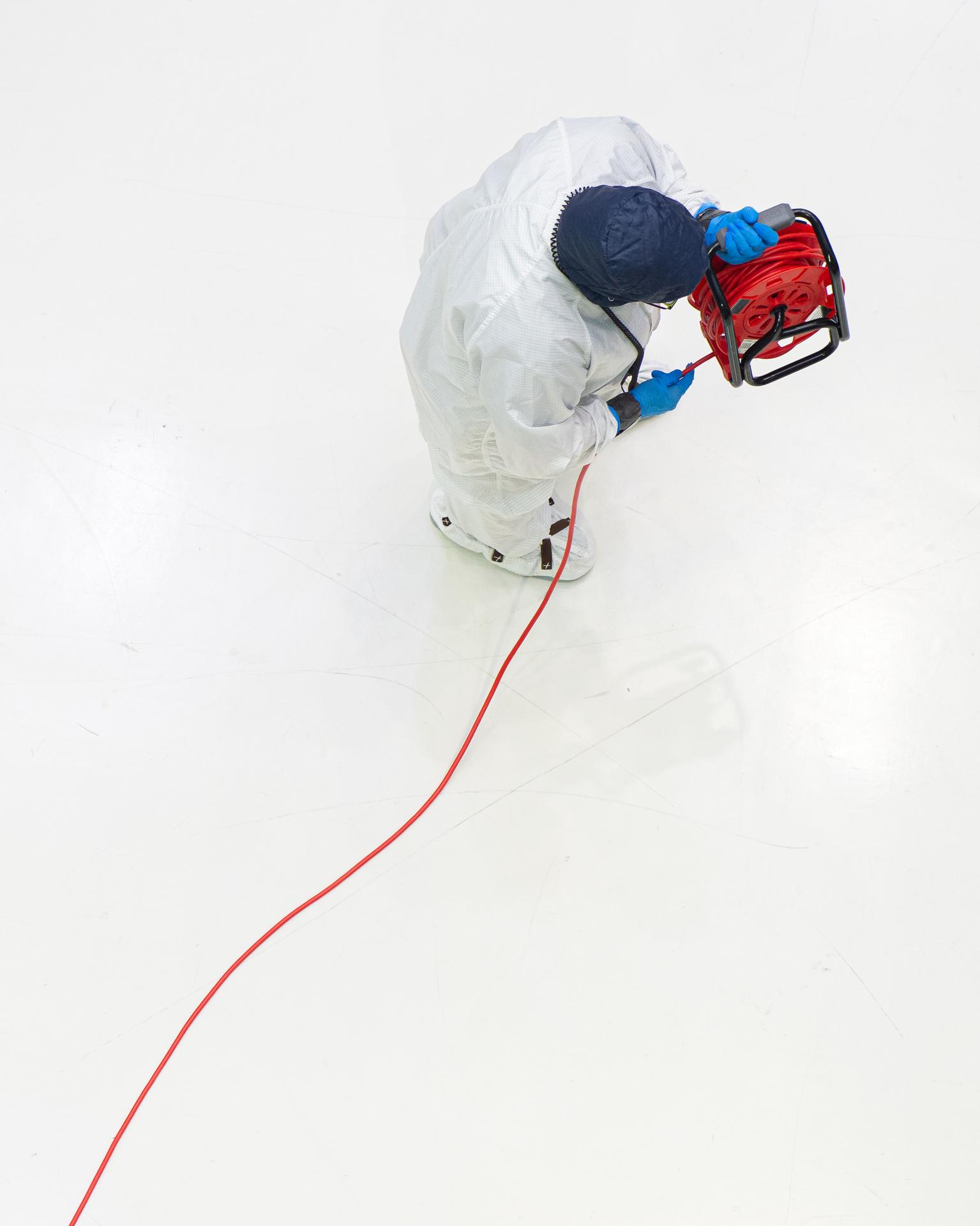
Quality Assurance engineer Lucinda Taylor unreels a power cord across the cleanroom floor at Goddard Space Flight Center, Greenbelt Md., April 21, 2025. This photo has been reviewed by export control and is approved for public release. NASA/Mike Guinto
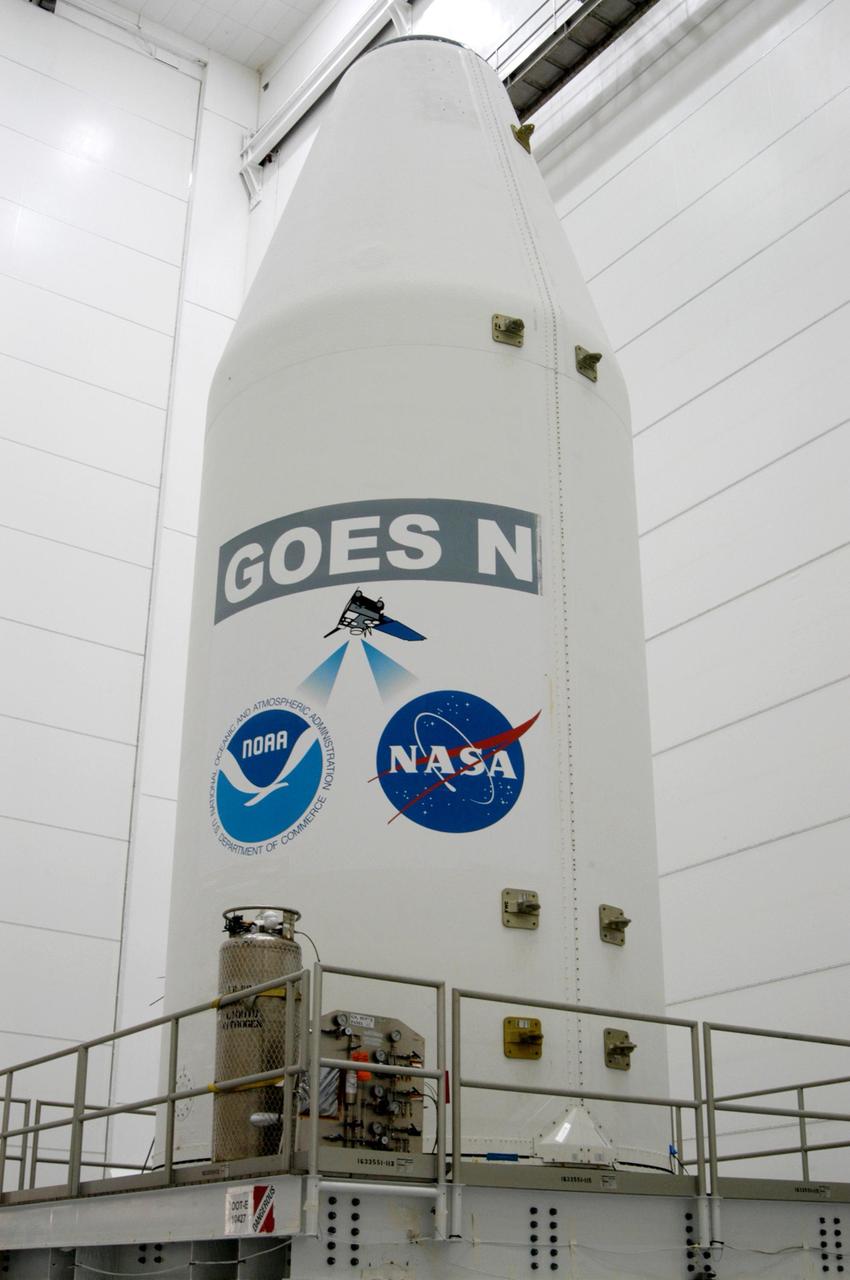
KENNEDY SPACE CENTER, FLA. - At the Astrotech Space Operations payload processing facility in Titusville, Fla., the GOES-N satellite, secured inside a payload fairing, waits inside the clean room high bay for transfer to another room and waiting work stands. Due to the extended length of time the spacecraft had been atop its Boeing Delta IV rocket without launching, the weather satellite has been returned to Astrotech for some precautionary retesting and state of health checks. Liftoff of the satellite from Launch Complex 37 at Cape Canaveral Air Force Station in Florida was scrubbed in August 2005 due to technical issues and postponed to a later date. GOES-N is the latest in a series of Geostationary Operational Environmental Satellites for NOAA and NASA providing continuous monitoring necessary for intensive data analysis. Photo credit: NASA/George Shelton
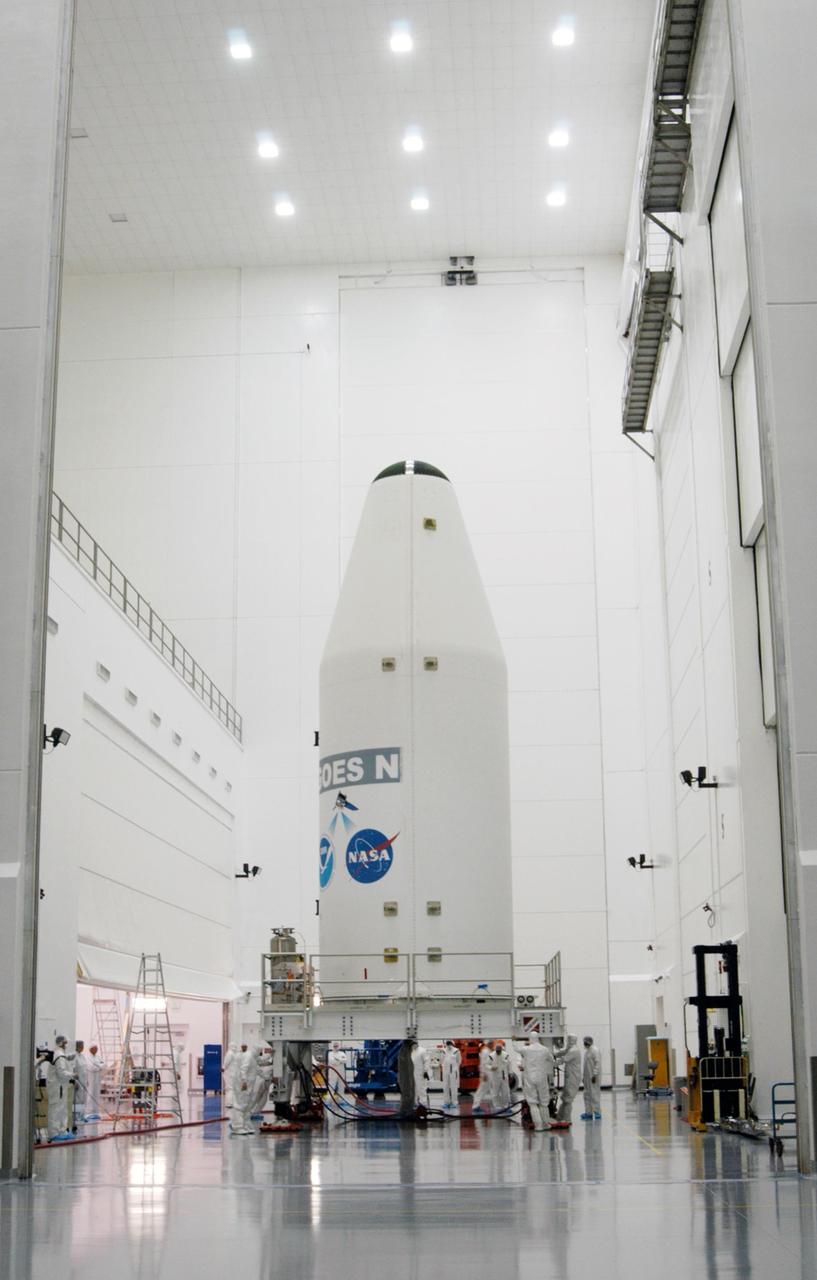
KENNEDY SPACE CENTER, FLA. - At the Astrotech Space Operations payload processing facility in Titusville, Fla., the GOES-N satellite, secured inside a payload fairing, is moved to another high bay area and waiting work stands. Due to the extended length of time the spacecraft had been atop its Boeing Delta IV rocket without launching, the weather satellite has been returned to Astrotech for some precautionary retesting and state of health checks. Liftoff of the satellite from Launch Complex 37 at Cape Canaveral Air Force Station in Florida was scrubbed in August 2005 due to technical issues and postponed to a later date. GOES-N is the latest in a series of Geostationary Operational Environmental Satellites for NOAA and NASA providing continuous monitoring necessary for intensive data analysis. Photo credit: NASA/George Shelton
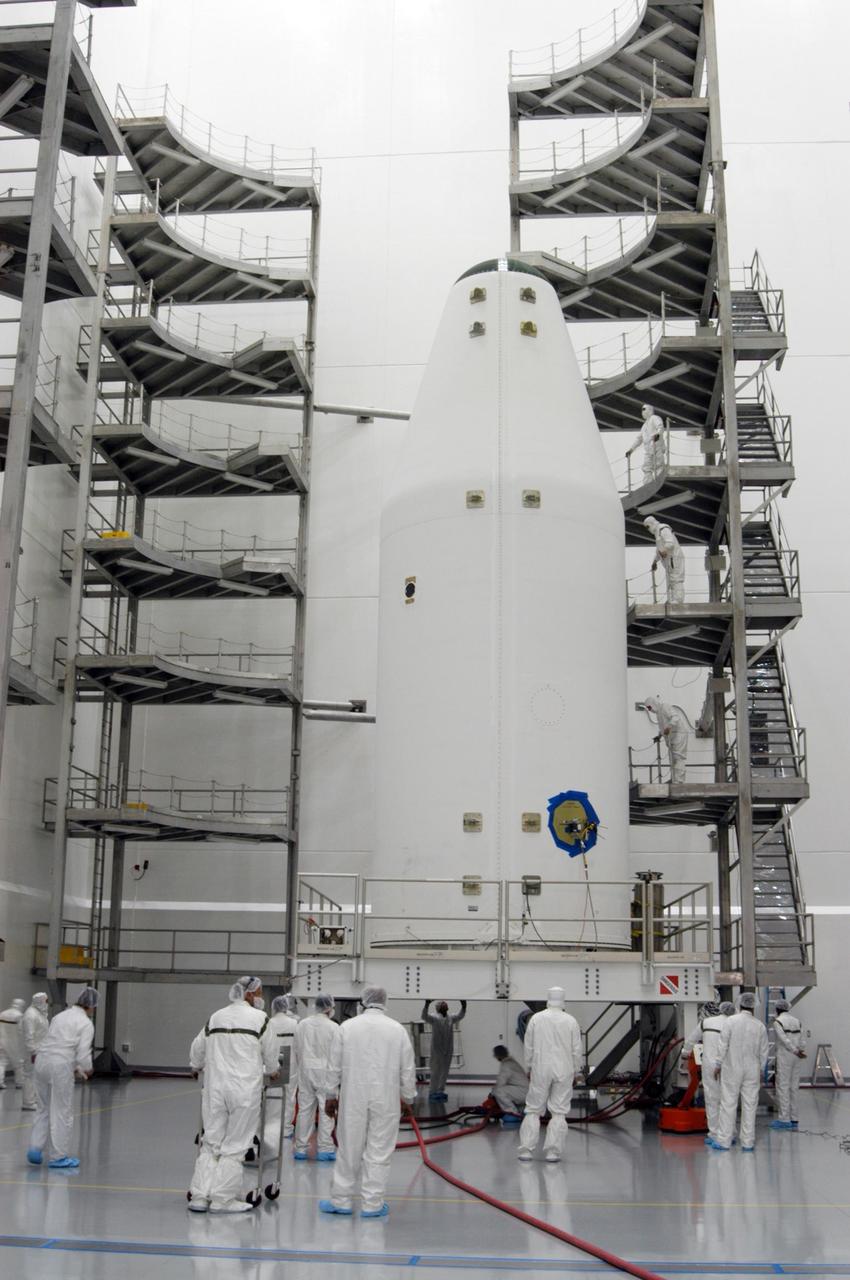
KENNEDY SPACE CENTER, FLA. - At the Astrotech Space Operations payload processing facility in Titusville, Fla., workers monitor the GOES-N satellite, secured inside a payload fairing, as it moves close to the work stands in a clean-room high bay area. Due to the extended length of time the spacecraft had been atop its Boeing Delta IV rocket without launching, the weather satellite has been returned to Astrotech for some precautionary retesting and state of health checks. Liftoff of the satellite from Launch Complex 37 at Cape Canaveral Air Force Station in Florida was scrubbed in August 2005 due to technical issues and postponed to a later date. GOES-N is the latest in a series of Geostationary Operational Environmental Satellites for NOAA and NASA providing continuous monitoring necessary for intensive data analysis. Photo credit: NASA/George Shelton
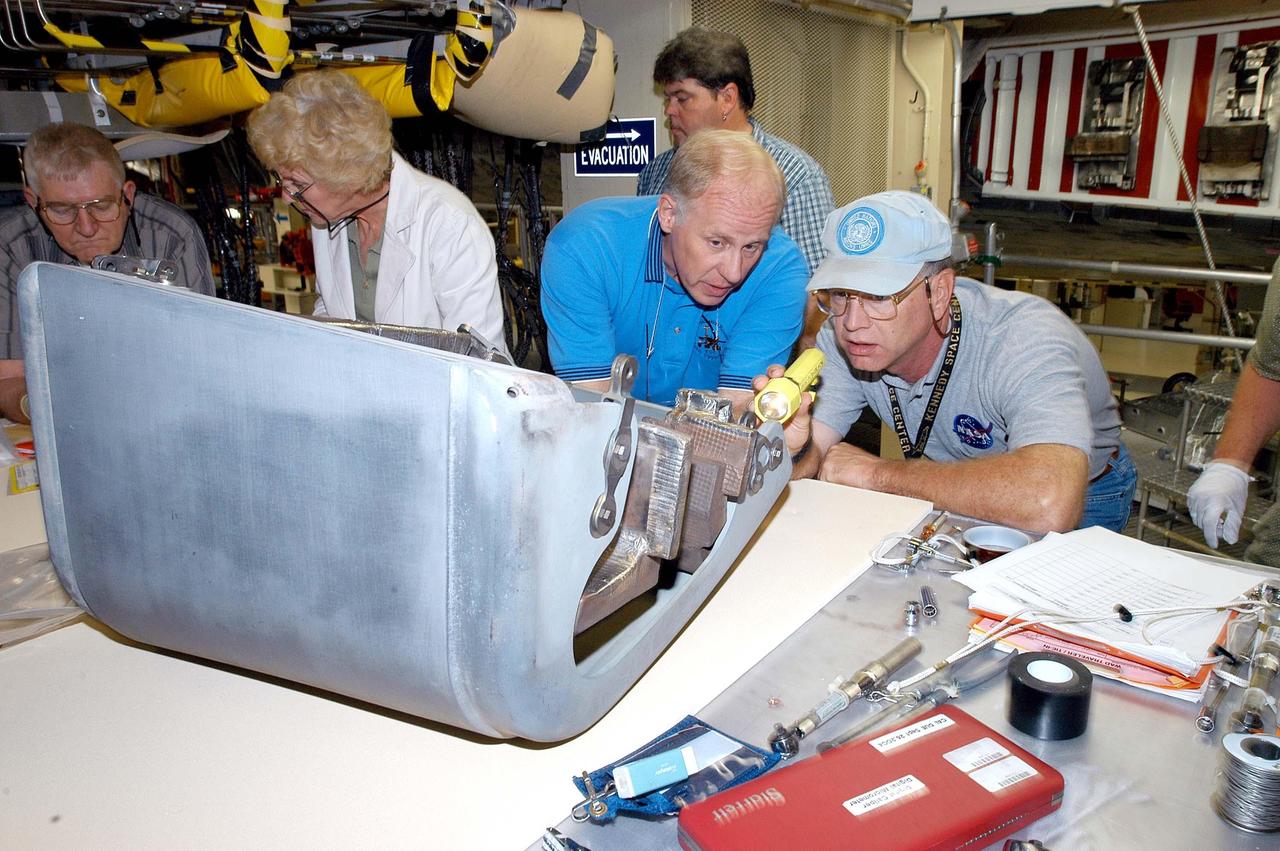
KENNEDY SPACE CENTER, FLA. - In the Orbiter Processing Facility, Danny Wyatt, NASA Quality Assurance specialist, and John Legere (right), NASA Quality Assurance specialist, examine the first Reinforced Carbon-Carbon panel to be installed on the left wing leading edge on Discovery. The RCC panels are mechanically attached to the wing with spars, a series of floating joints to reduce loading on the panels caused by wing deflections. Discovery has been named as the orbiter to fly on the first Return to Flight mission, STS-114.
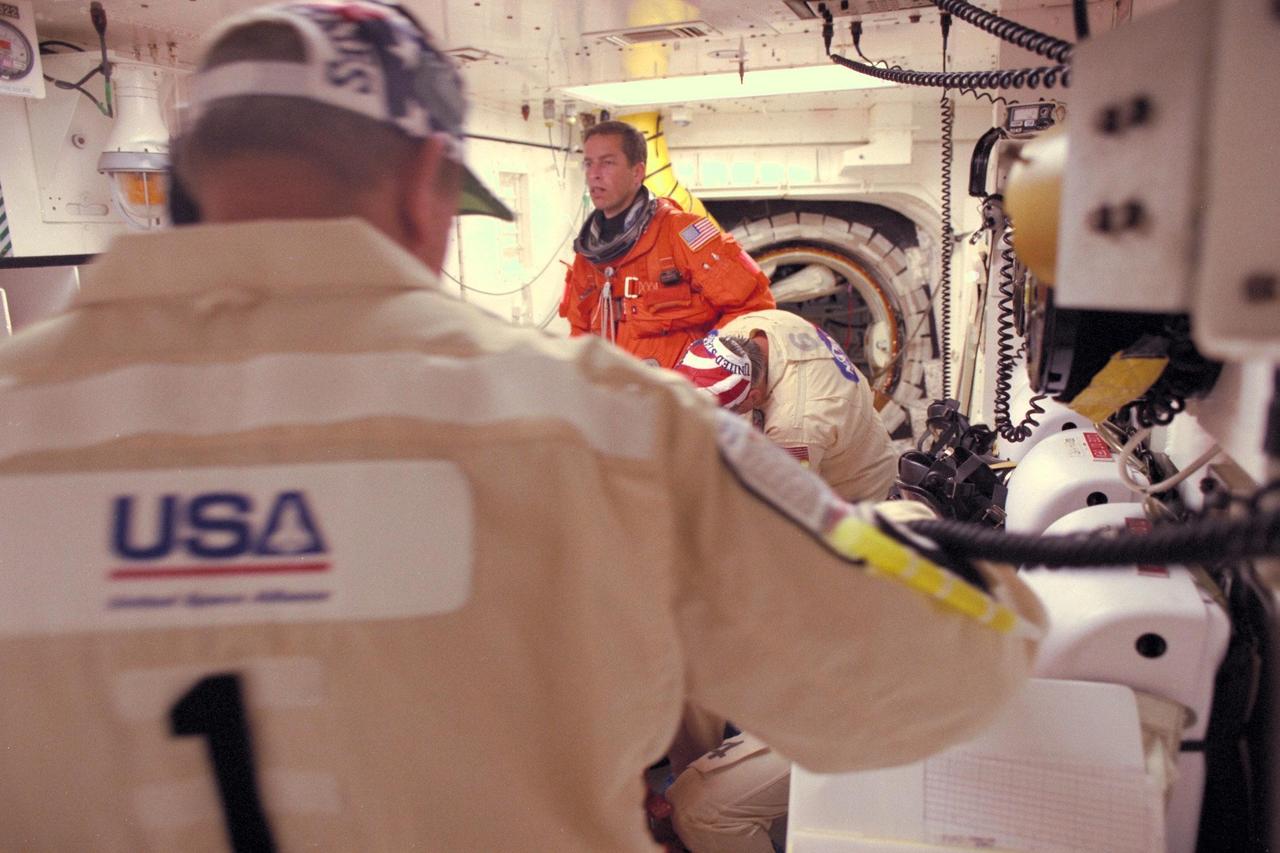
STS-86 Commander James D. Wetherbee prepares to enter the Space Shuttle Atlantis at Launch Pad 39A, with the assistance of white room closeout crew member Jim Davis, a NASA quality assurance specialist. Rick Welty, United Space Alliance orbiter vehicle closeout chief, is in foreground with back to camera
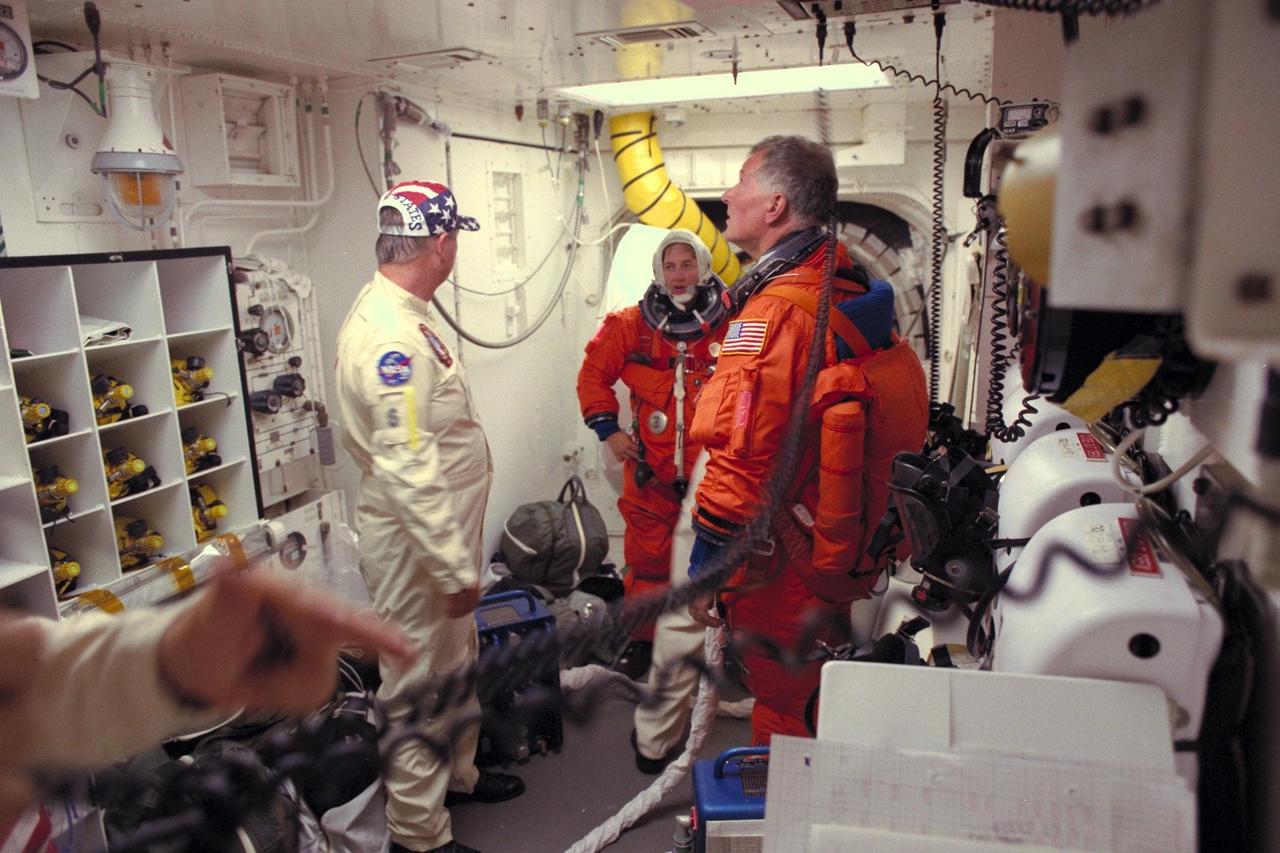
STS-86 Mission Specialists Wendy B. Lawrence, at center facing camera, and Jean-Loup J.M. Chretien of the French Space Agency, CNES, prepare to enter the Space Shuttle Atlantis at Launch Pad 39A, with the assistance of white room closeout crew member Jim Davis, a NASA quality assurance specialist
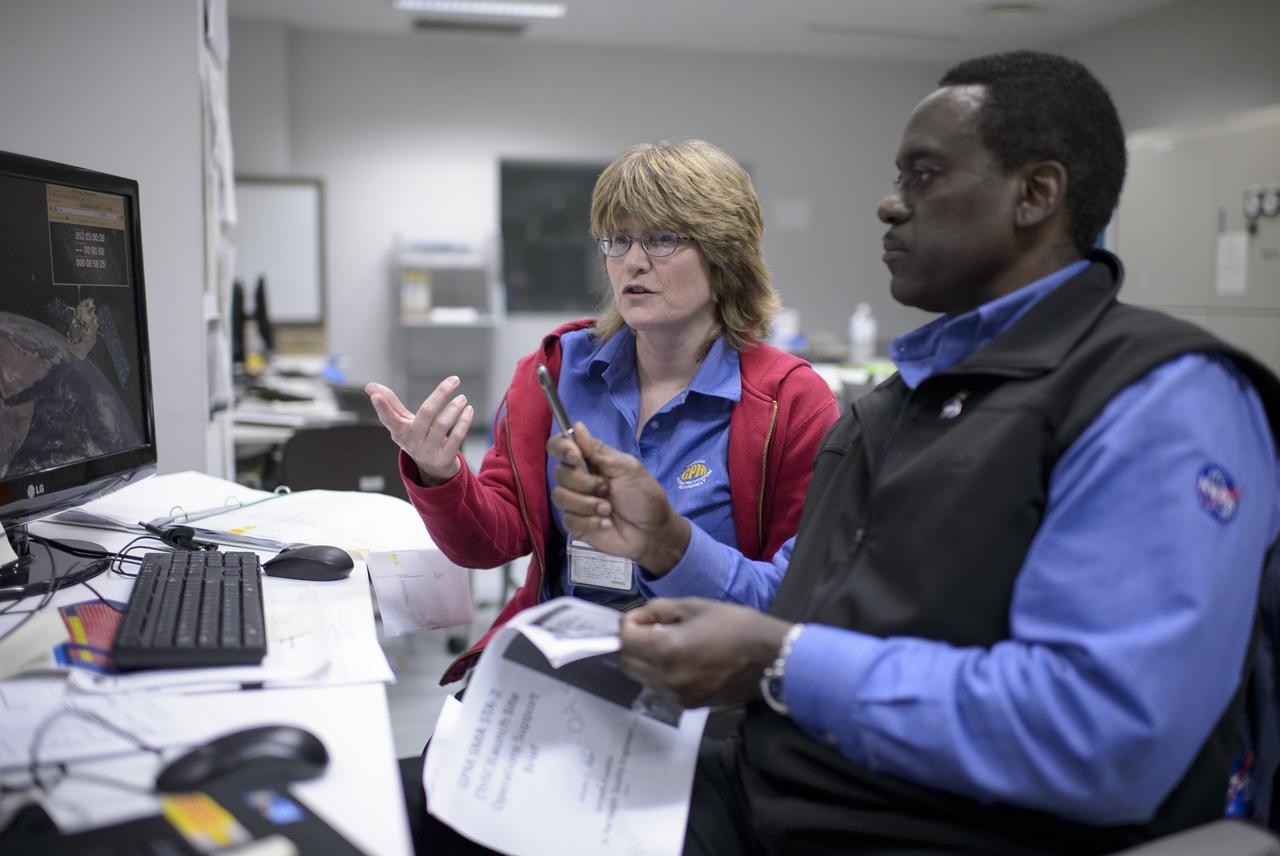
NASA GPM Safety Quality and Assurance, Shirley Dion, and, NASA GPM Quality and Assurance, Larry Morgan, monitor the all-day launch simulation for the Global Precipitation Measurement (GPM) Core Observatory at the Spacecraft Test and Assembly Building 2 (STA2), Saturday, Feb. 22, 2014, Tanegashima Space Center (TNSC), Tanegashima Island, Japan. Japan Aerospace Exploration Agency (JAXA) plans to launch an H-IIA rocket carrying the GPM Core Observatory on Feb. 28, 2014. The NASA-JAXA GPM spacecraft will collect information that unifies data from an international network of existing and future satellites to map global rainfall and snowfall every three hours. Photo Credit: (NASA/Bill Ingalls)
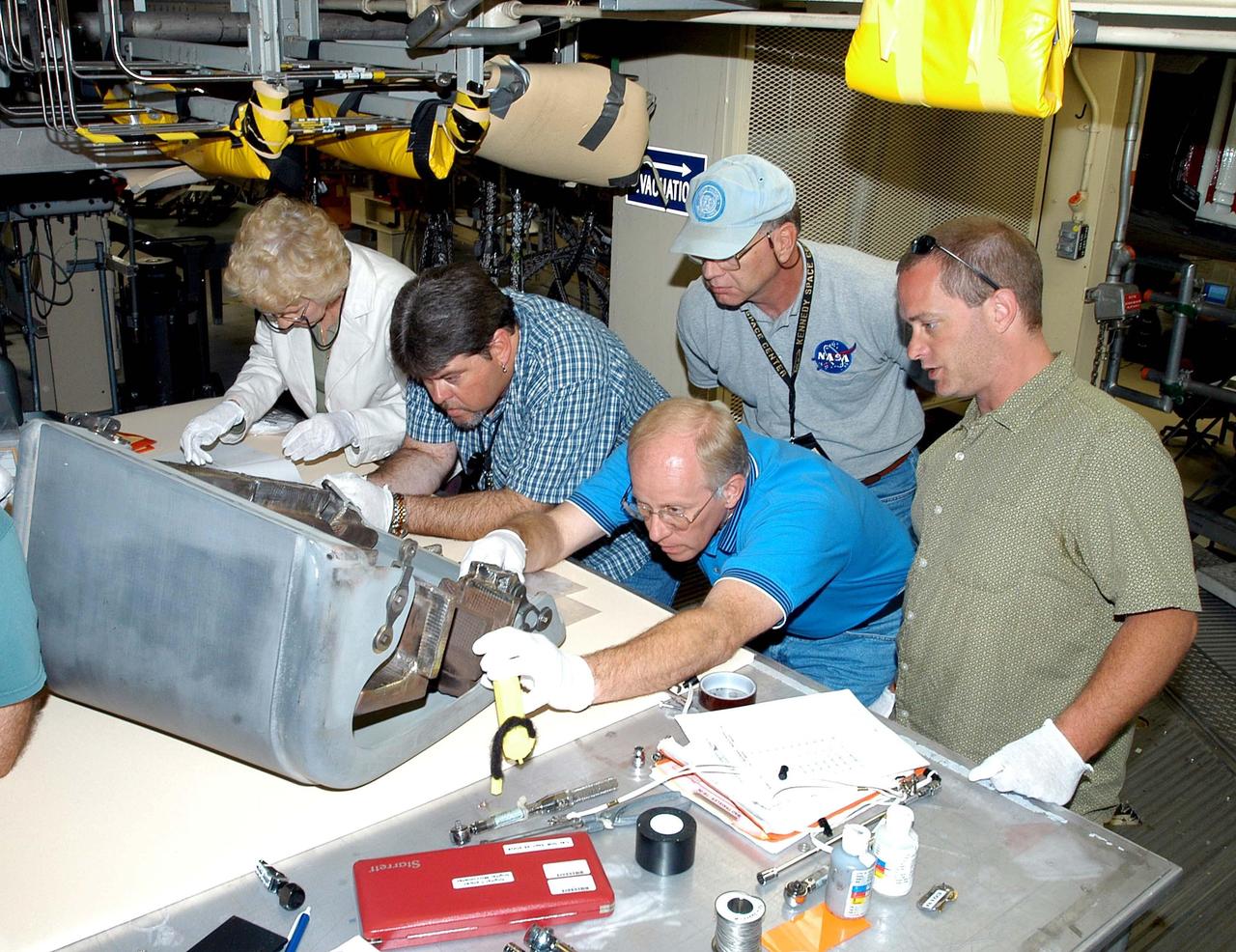
KENNEDY SPACE CENTER, FLA. - In the Orbiter Processing Facility, several workers check out the first Reinforced Carbon-Carbon panel to be installed on the left wing leading edge on Discovery. Second from right is Danny Wyatt, NASA Quality Assurance specialist; on the left is Dave Fuller, technician; behind Wyatt is John Legere, NASA Quality Assurance specialist. The RCC panels are mechanically attached to the wing with spars, a series of floating joints to reduce loading on the panels caused by wing deflections. The T-seals between each wing leading edge panel allow for lateral motion and thermal expansion differences between the RCC and the orbiter wing. Discovery has been named as the orbiter to fly on the first Return to Flight mission, STS-114.
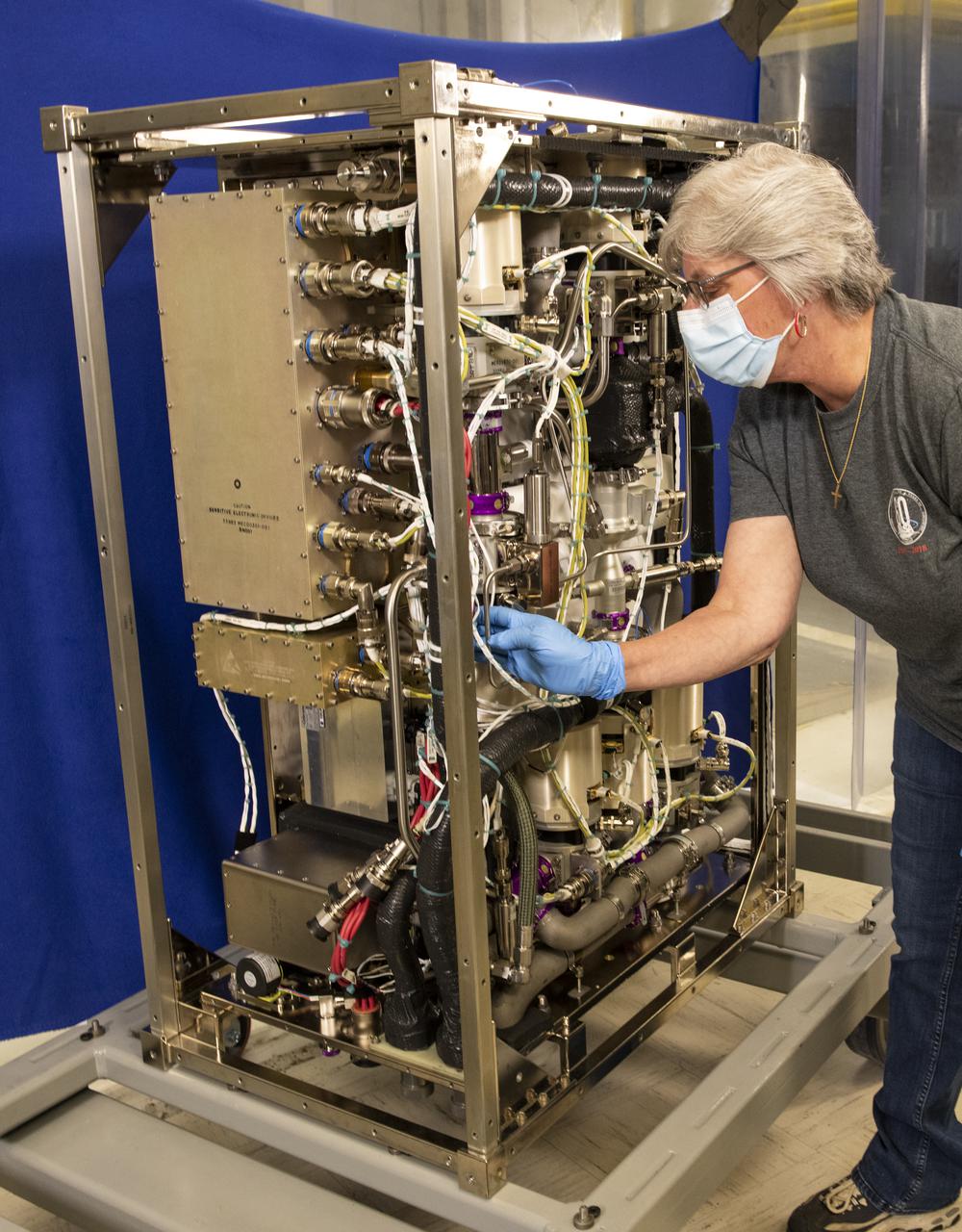
The flight demonstration unit of the next-generation 4-bed CO2 Scrubber (4BCO2) is targeted for launch aboard NG16 NET August 1, 2021. Once aboard the space station, this u nit will be mounted in a basic express rack. This four-bed technology is a mainstay for metabolic CO2 removal and crew life support. The new 4-Bed Carbon Dioxide Scrubber, developed, built, and tested at NASA’s Marshall Space Flight Center in Huntsville, Alabama, is checked out by Kathi Lange, a Bastion Technologies contractor supporting the quality assurance group in Marshall’s Safety and Mission Assurance Directorate, prior to its shipment to NASA’s Wallops Flight Facility in Wallops Island, Virginia.
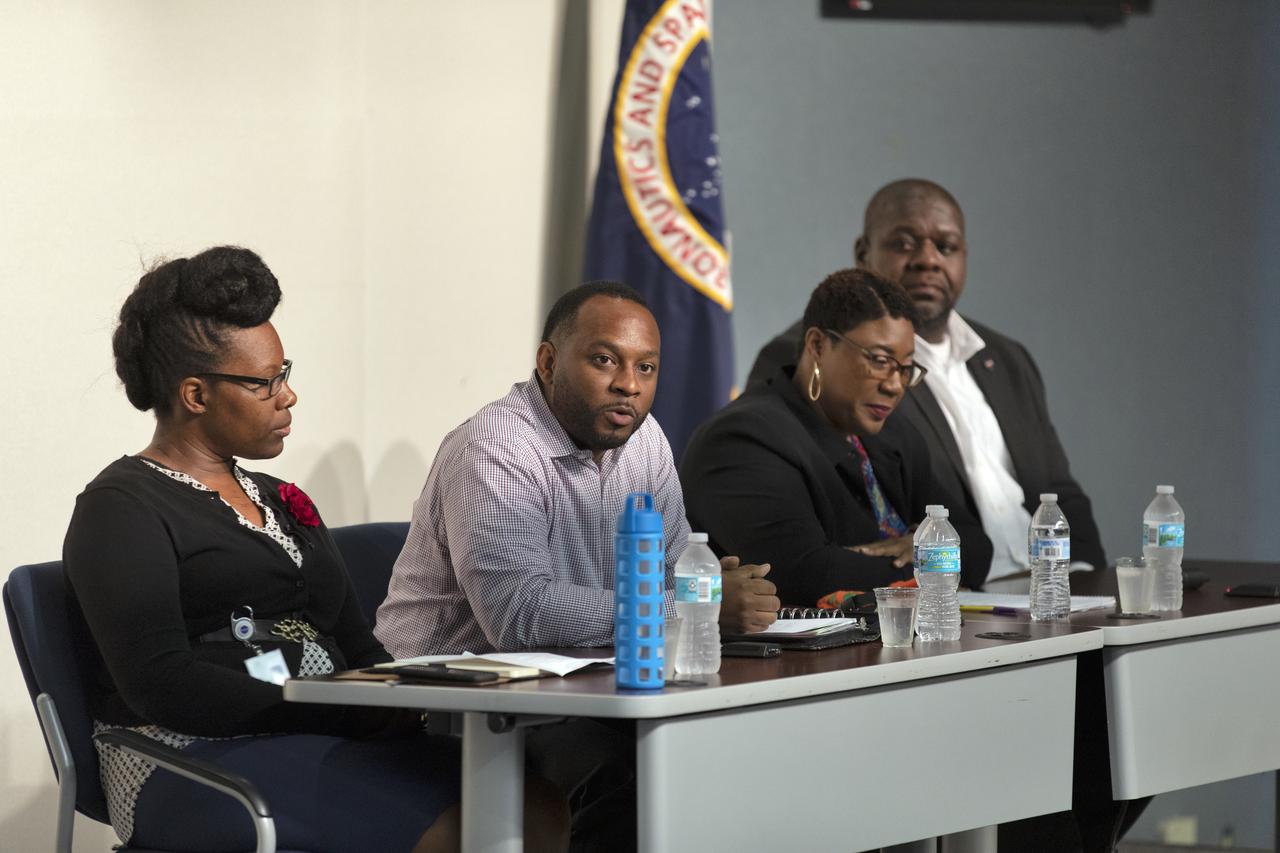
In recognition of Black History Month, the Black Employee Strategy Team hosted a panel discussion featuring some of the future leaders of NASA’s Kennedy Space Center on Feb. 13, 2019. Participants from left, are Tamiko Fletcher, Kennedy’s chief security information officer in IT Security; Anthony Harris, chief, Facility Systems Branch in Safety and Mission Assurance; Charmel Anderson-Jones, senior cross program quality engineer in the Safety and Mission Assurance Directorate, Exploration Ground Systems Division; and Malcolm Boston, contracting officer representative in the Launch Services Program. They shared personal testimony about their journey toward NASA employment, leadership styles and keys to their success.
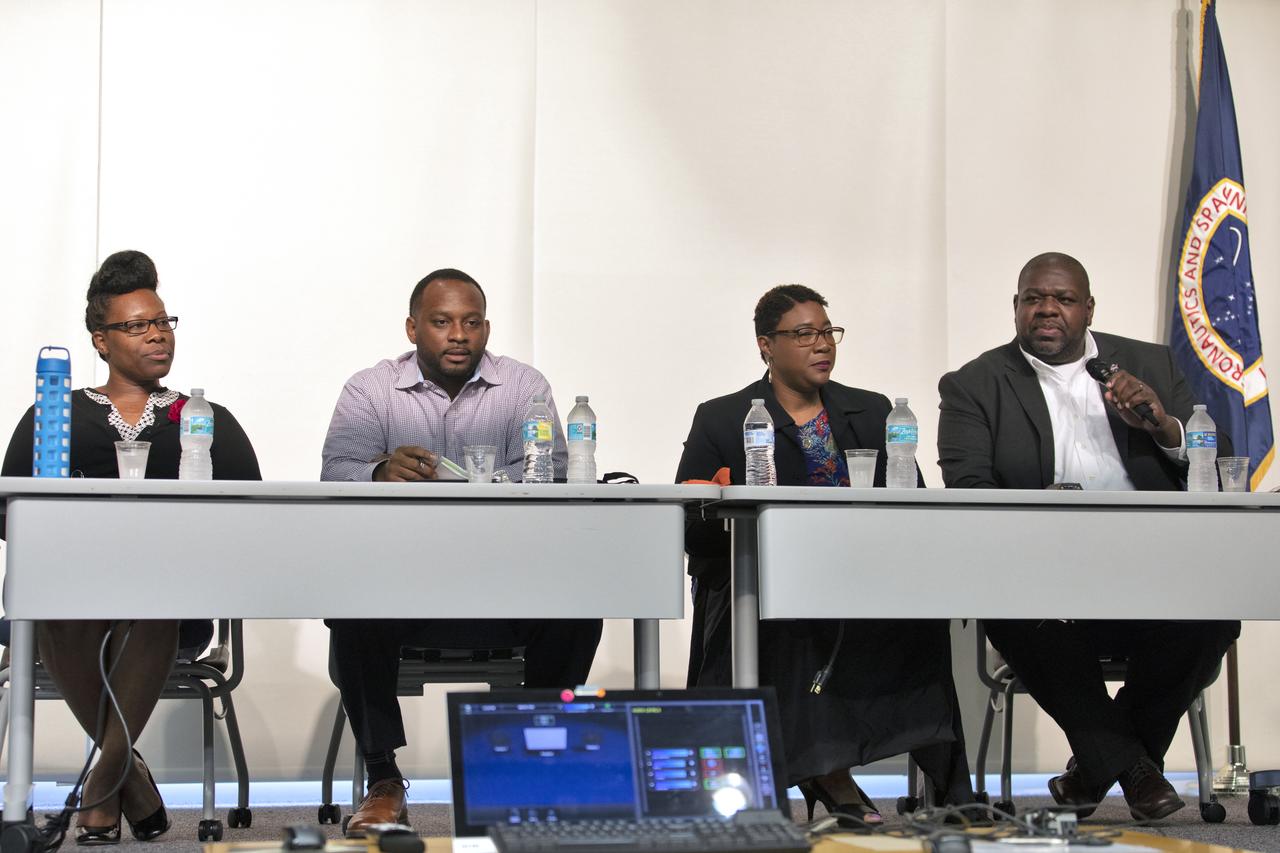
In recognition of Black History Month, the Black Employee Strategy Team hosted a panel discussion featuring some of the future leaders of NASA’s Kennedy Space Center on Feb. 13, 2019. Participants from left, are Tamiko Fletcher, Kennedy’s chief security information officer in IT Security; Anthony Harris, chief, Facility Systems Branch in Safety and Mission Assurance; Charmel Anderson-Jones, senior cross program quality engineer in the Safety and Mission Assurance Directorate, Exploration Ground Systems Division; and Malcolm Boston, contracting officer representative in the Launch Services Program. They shared personal testimony about their journey toward NASA employment, leadership styles and keys to their success.
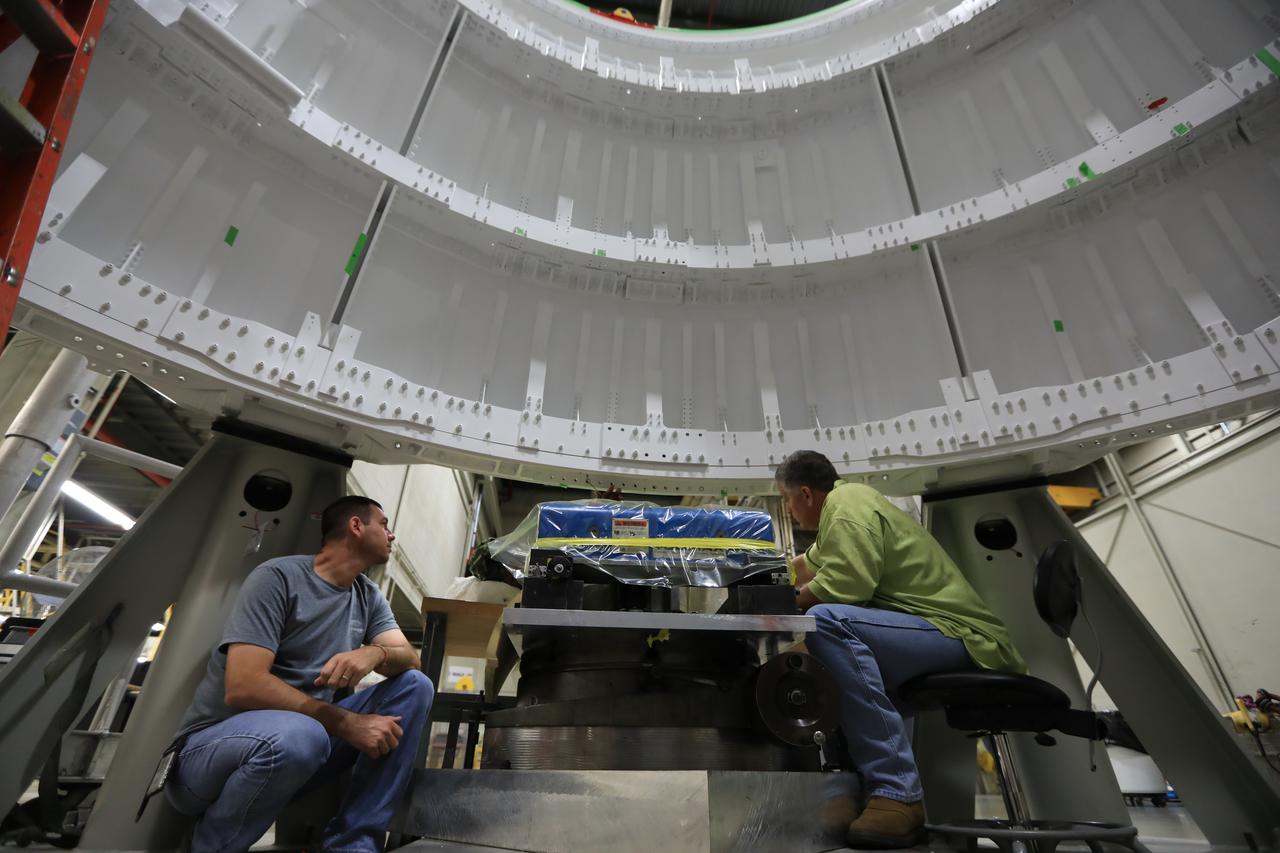
Inside the Booster Fabrication Facility at NASA's Kennedy Space Center in Florida, the left hand aft skirt for the agency's Space Launch System (SLS) rocket is ready for the assembly process. From left, are Chad Goetz, quality technician with Orbital ATK, and Robbie Blaue, quality assurance specialist with the Defense Contract Management Agency. The aft skirt was refurbished and painted in support facilities at the Hangar AF facility at Cape Canaveral Air Force Station in Florida. The space shuttle-era aft skirt will be used on the left hand booster of the SLS for Exploration Mission 1 (EM-1). NASA is preparing for EM-1, deep space missions, and the Journey to Mars.

STS-87 Mission Specialist Kalpana Chawla, Ph.D., is assisted with her ascent and re-entry flight suit in the white room at Launch Pad 39B by Danny Wyatt, NASA quality assurance specialist. Kneeing before Dr. Chawla to assist her is George Schram, USA mechanical technician, as Dr. Chawla prepares to enter the Space Shuttle orbiter Columbia on launch day. STS-87 is the fourth flight of the United States Microgravity Payload and Spartan-201
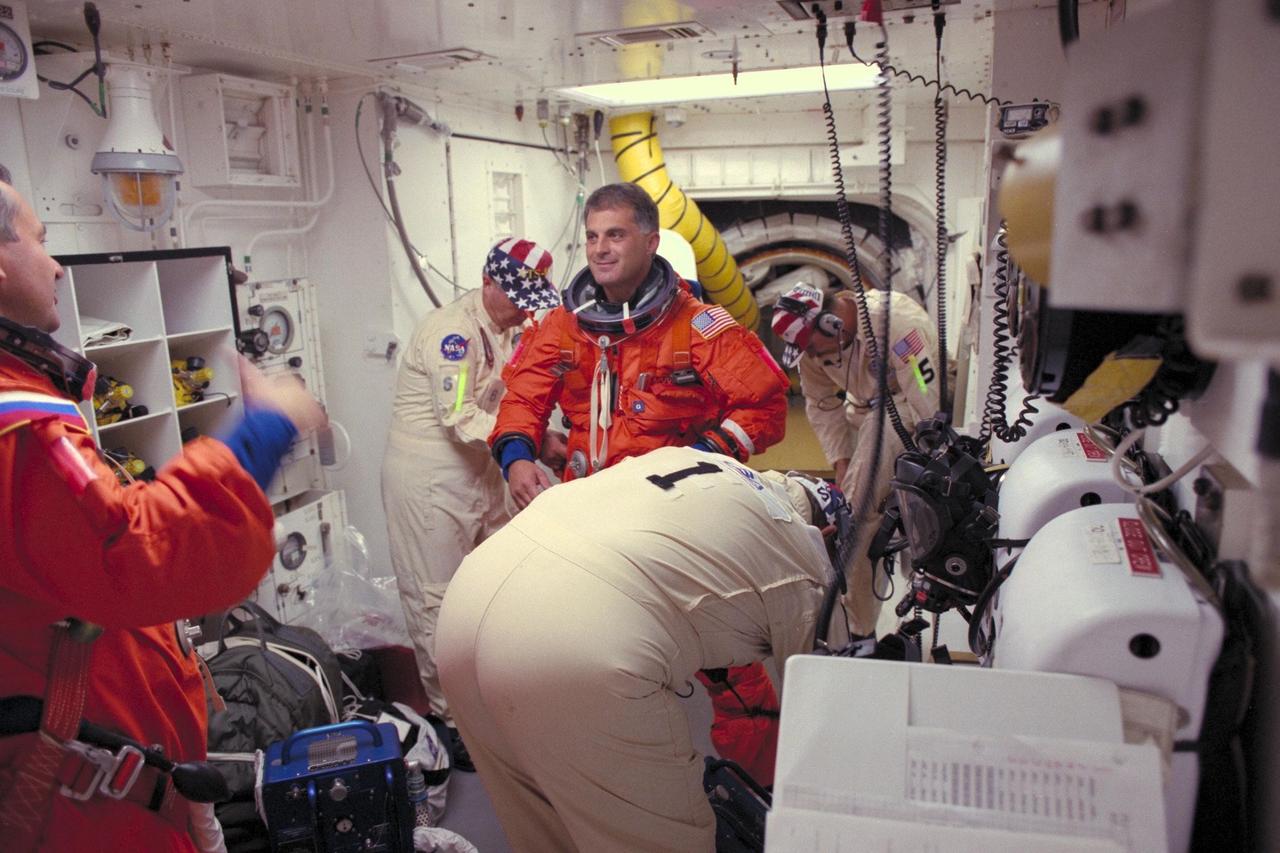
STS-86 Mission Specialist David A. Wolf, at center facing camera, prepares to enter the Space Shuttle Atlantis at Launch Pad 39A, with the assistance of Rick Welty, in foreground at center, United Space Alliance (USA) orbiter vehicle closeout chief; and closeout team members, in background from left, Jim Davis, NASA quality assurance specialist; and George Schramm, USA mechanical technician. STS-86 Mission Specialist Vladimir Georgievich Titov, in foreground at far left, is awaiting his turn

STS-87 Mission Specialist Winston Scott is assisted with his ascent and re-entry flight suit in the white room at Launch Pad 39B by Danny Wyatt, NASA quality assurance specialist. STS-87 is the fourth flight of the United States Microgravity Payload and Spartan-201. Scott is scheduled to perform an extravehicular activity spacewalk with Mission Specialist Takao Doi, Ph.D., of the National Space Development Agency of Japan, during STS-87. Scott also performed a spacewalk on the STS-72 mission
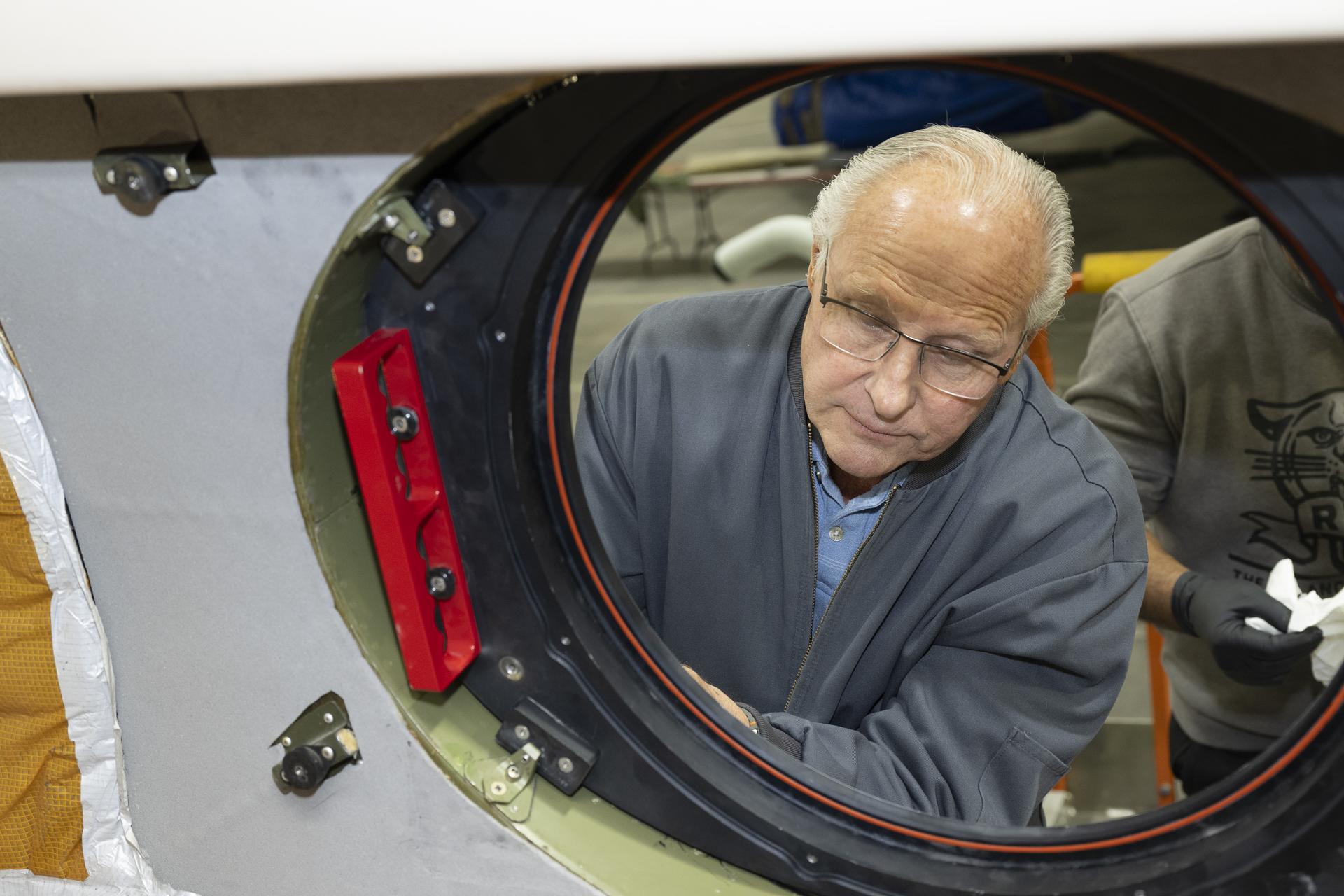
Scott Erickson, a quality assurance inspector, reviews installation of a temporary aircraft window on a NASA Gulfstream G-III aircraft on Wednesday, Jan. 7, 2026, at NASA’s Armstrong Flight Research Center in Edwards, California. The modifications prepare the aircraft to join three others flying at different altitudes to capture a complete view of the Orion spacecraft’s heat shield during Artemis II reentry. This effort is part of NASA’s Scientifically Calibrated In-Flight Imagery project.
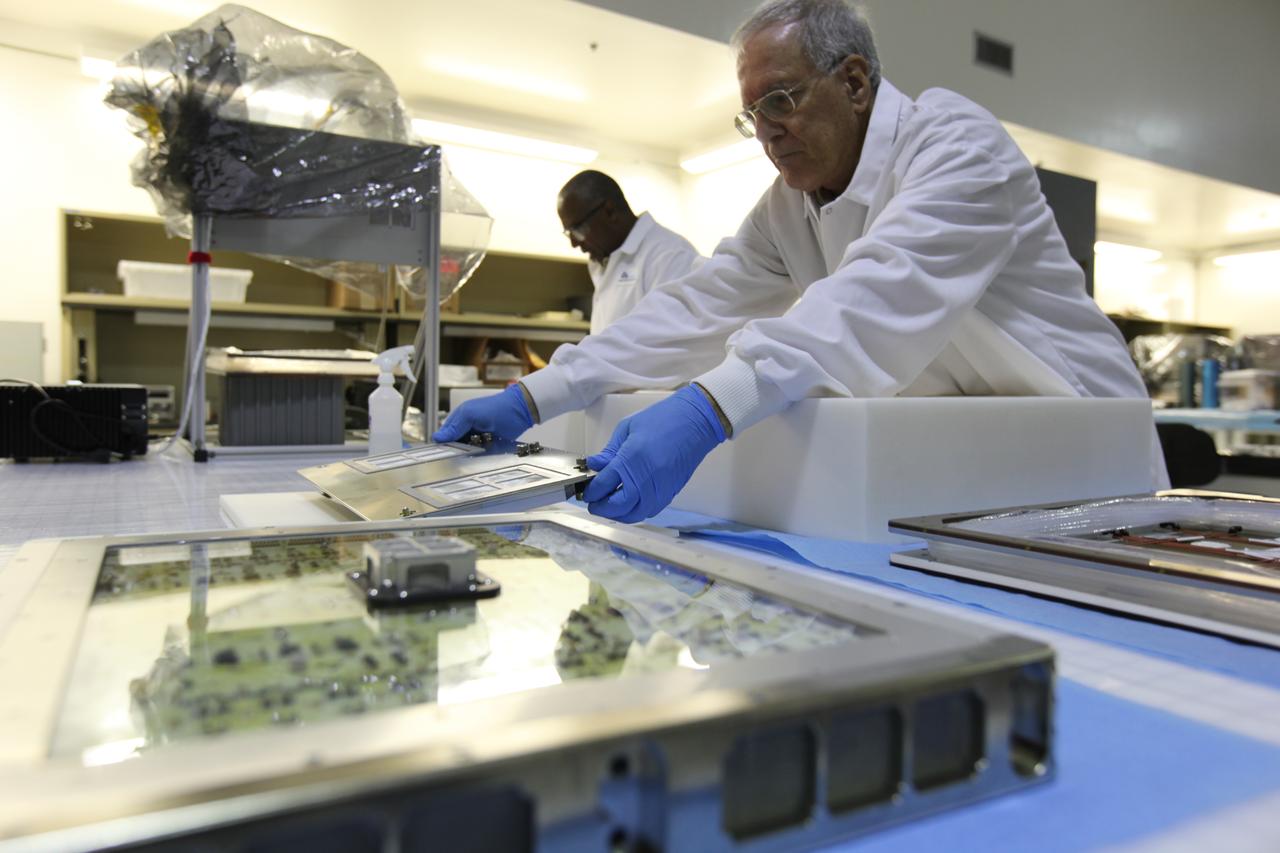
Charles Spern, at right, project manager on the Engineering Services Contract (ESC), and Glenn Washington, ESC quality assurance specialist, perform final inspections of the Veggie Series 1 plant experiment inside a laboratory in the Space Station Processing Facility at NASA's Kennedy Space Center in Florida. The Series 1 experiment is being readied for flight aboard Orbital ATK's Cygnus module on its seventh (OA-7) Commercial Resupply Services mission to the International Space Station. The Veggie system is on the space station.
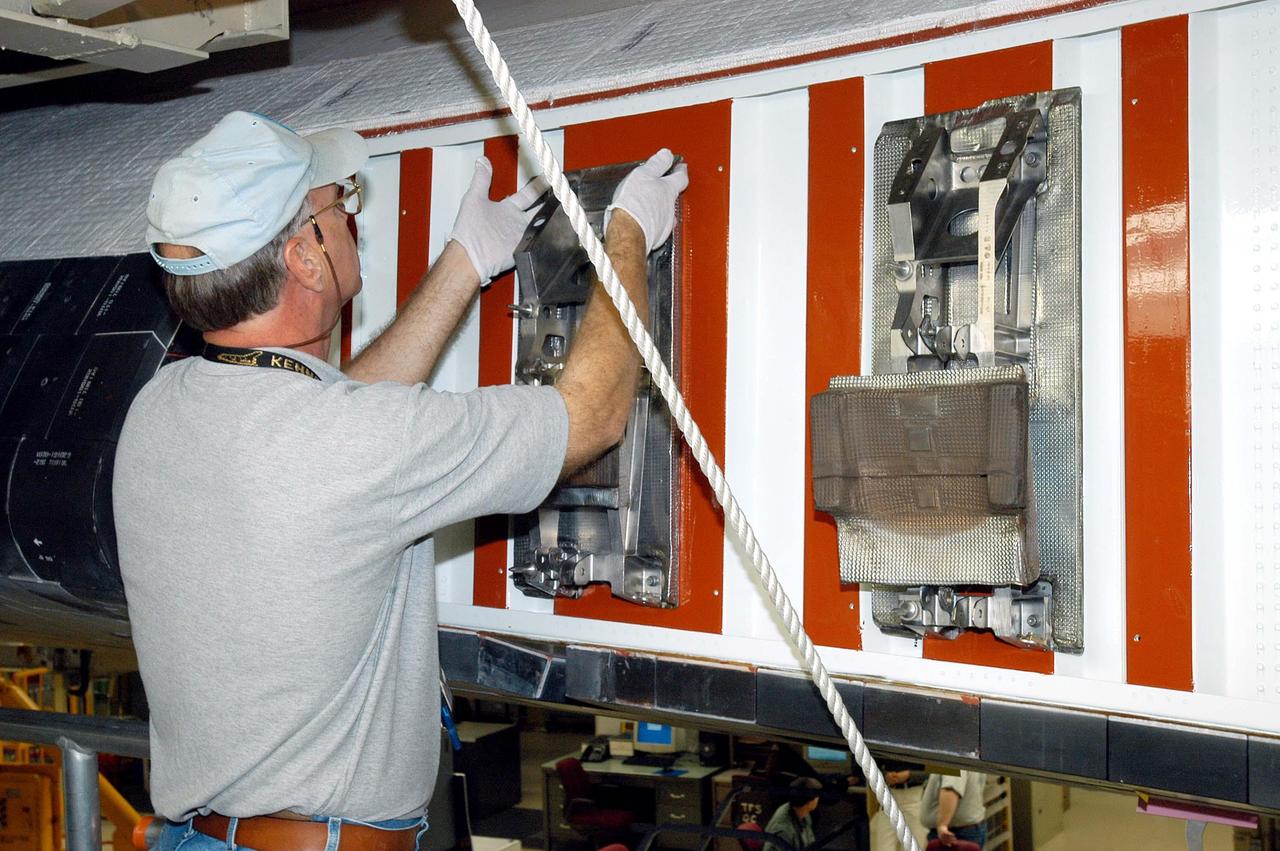
KENNEDY SPACE CENTER, FLA. - In the Orbiter Processing Facility, John Legere, NASA Quality Assurance specialist, examines the attachment point for the first Reinforced Carbon-Carbon panel to be installed on the left wing leading edge of Discovery. The RCC panels are mechanically attached to the wing with spars, a series of floating joints to reduce loading on the panels caused by wing deflections. Discovery has been named as the orbiter to fly on the first Return to Flight mission, STS-114.
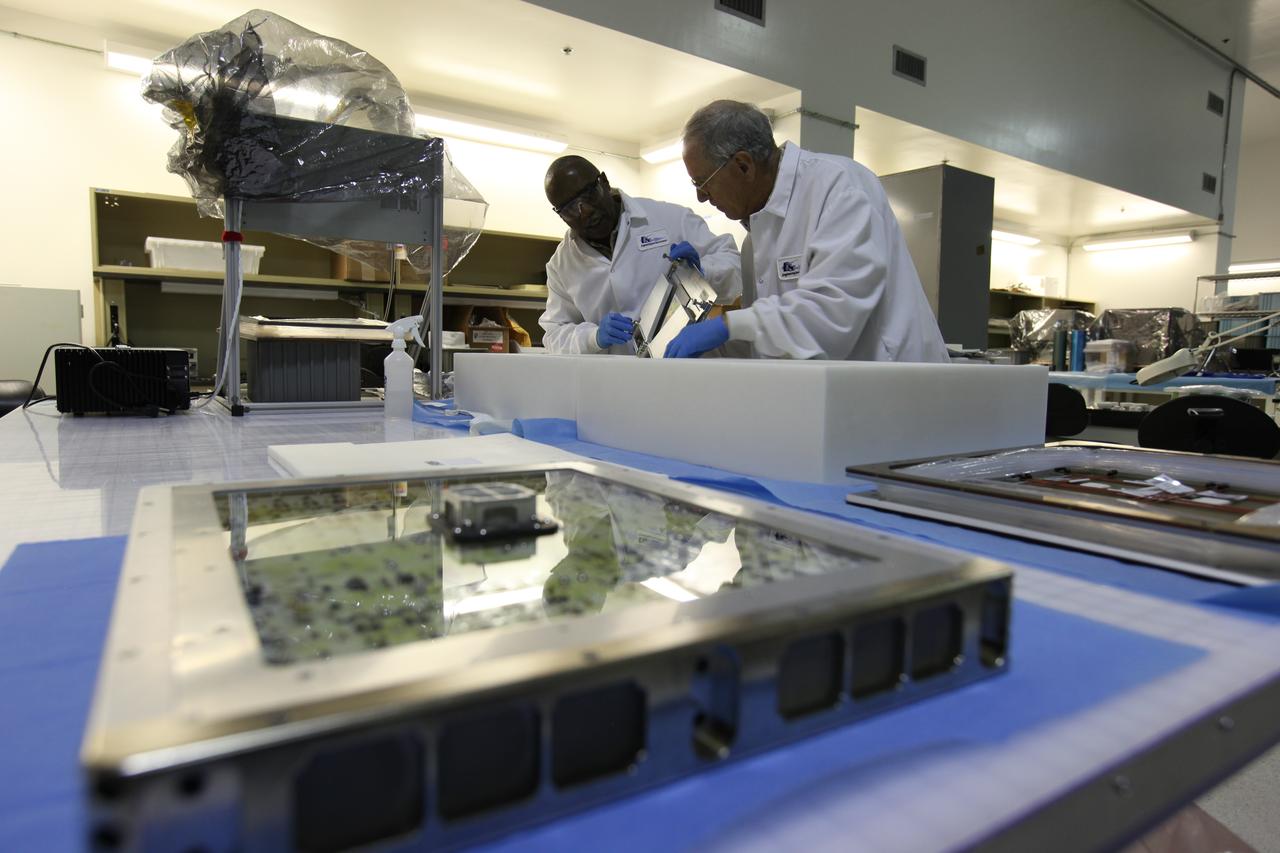
Charles Spern, at right, project manager on the Engineering Services Contract (ESC), and Glenn Washington, ESC quality assurance specialist, perform final inspections of the Veggie Series 1 plant experiment inside a laboratory in the Space Station Processing Facility at NASA's Kennedy Space Center in Florida. The Series 1 experiment is being readied for flight aboard Orbital ATK's Cygnus module on its seventh (OA-7) Commercial Resupply Services mission to the International Space Station. The Veggie system is on the space station.
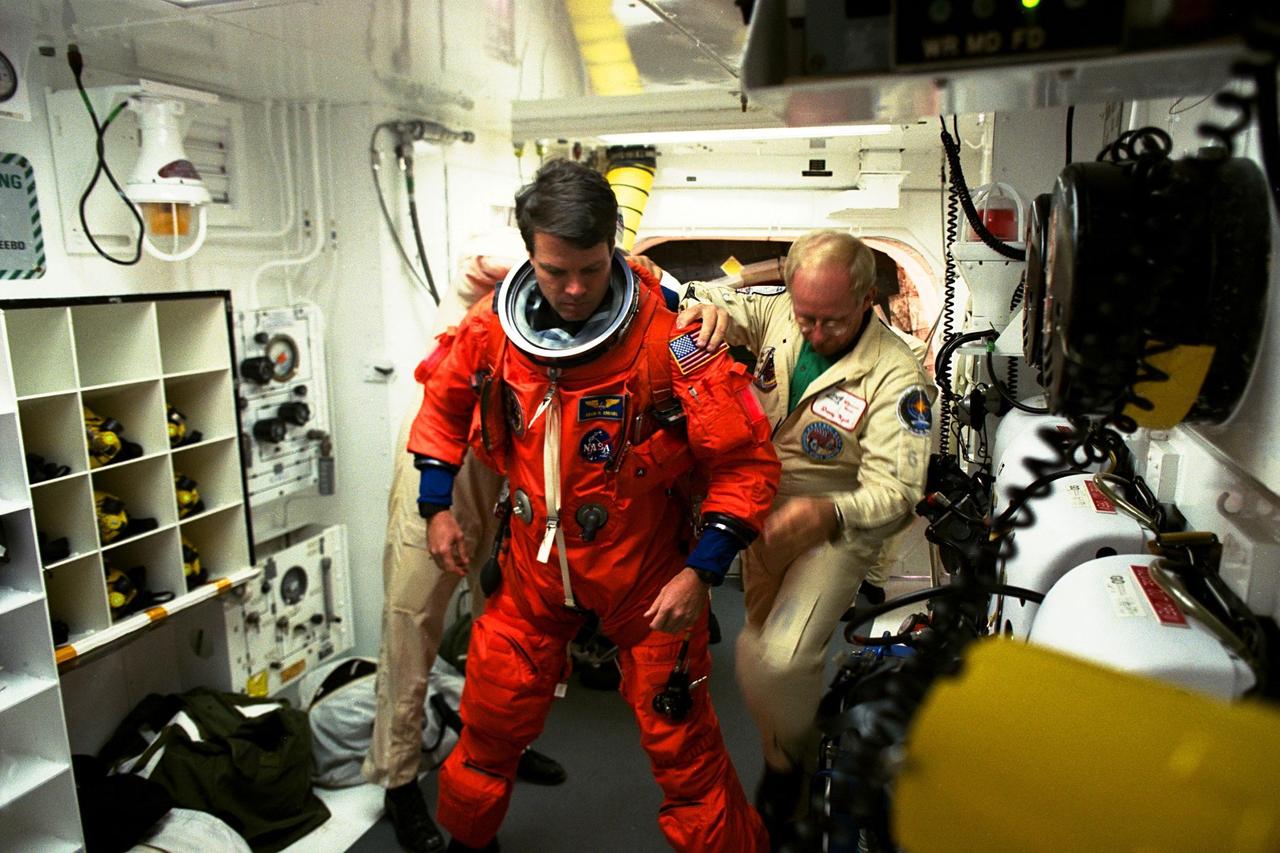
STS-87 Commander Kevin Kregel is assisted with his ascent and re-entry flight suit in the white room at Launch Pad 39B by Danny Wyatt, NASA quality assurance specialist. STS-87 is the fourth flight of the United States Microgravity Payload and Spartan-201. A veteran of two space flights (STS-70 and -78), Kregel has logged more than 618 hours in space
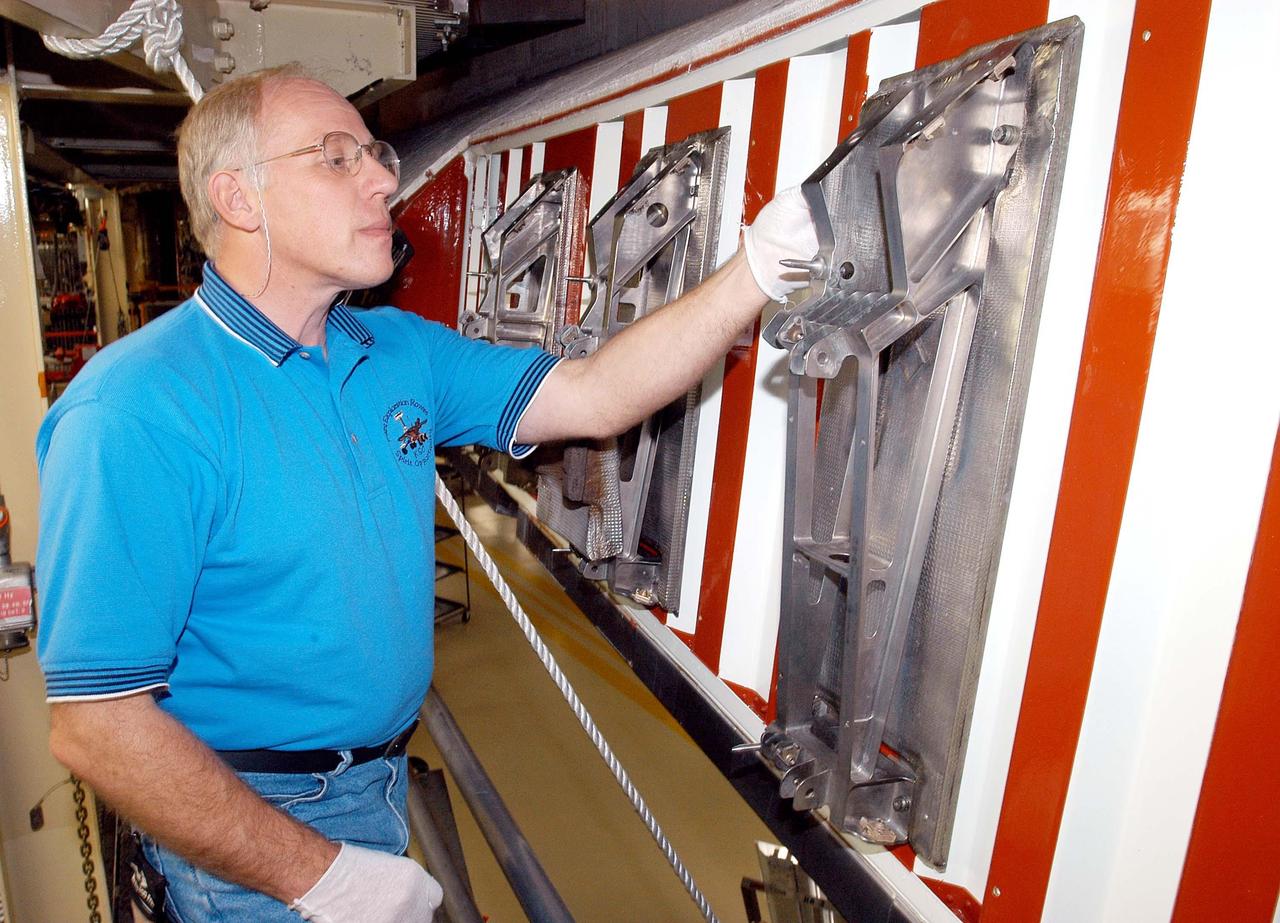
KENNEDY SPACE CENTER, FLA. - In the Orbiter Processing Facility, Danny Wyatt, NASA Quality Assurance specialist, examines the attachment point for the first Reinforced Carbon-Carbon panel to be installed on the left wing leading edge of Discovery. The RCC panels are mechanically attached to the wing with spars, a series of floating joints to reduce loading on the panels caused by wing deflections. Discovery has been named as the orbiter to fly on the first Return to Flight mission, STS-114.
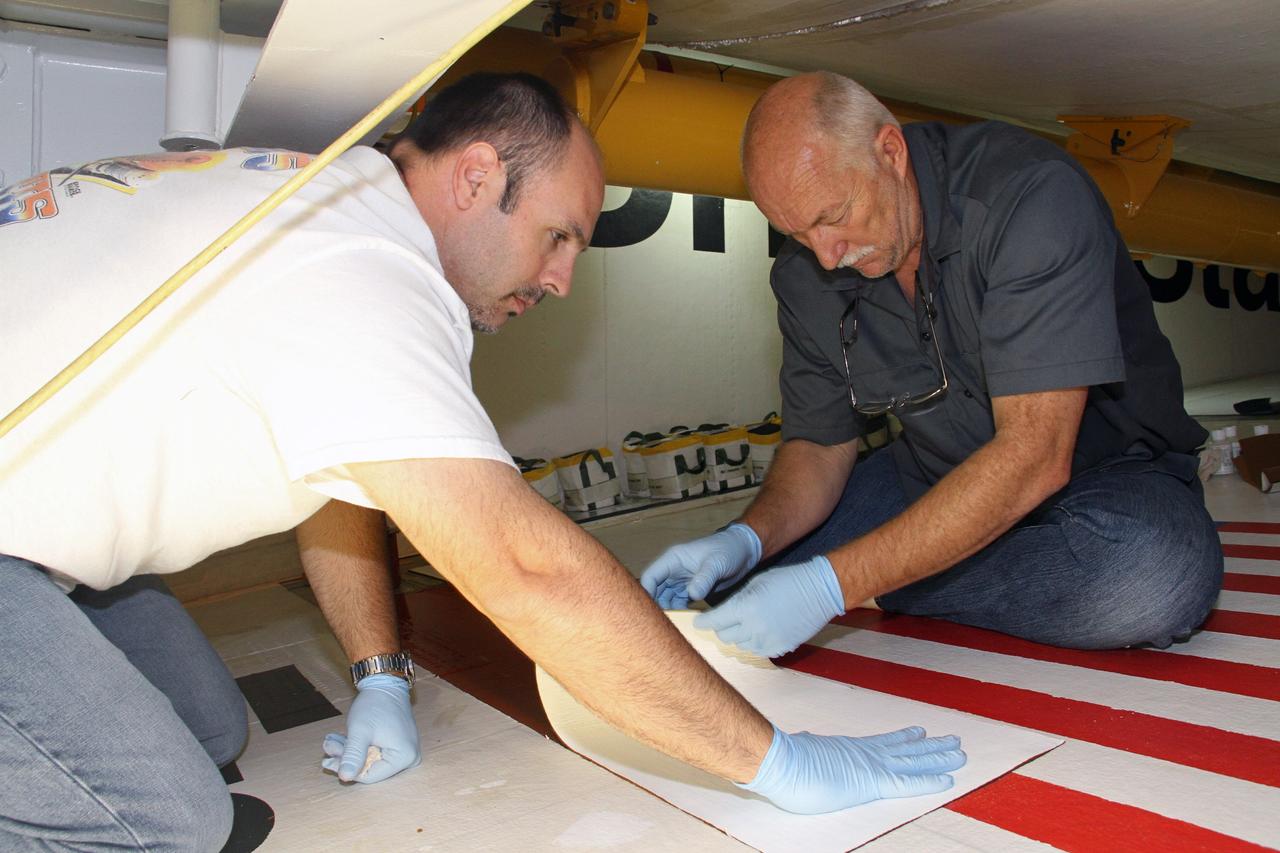
CAPE CANAVERAL, Fla. – Jeremy Schwarz, left, quality assurance technician, and Mike Williams, right, a thermal protection system technician, both with United Space Alliance, affix a section of tile to the right wing of space shuttle Endeavour at NASA's Kennedy Space Center in Florida. Ongoing transition and retirement activities are preparing the spacecraft for public display at the California Science Center in Los Angeles. Endeavour flew 25 missions during its 19-year career. Photo credit: NASA/Cory Huston
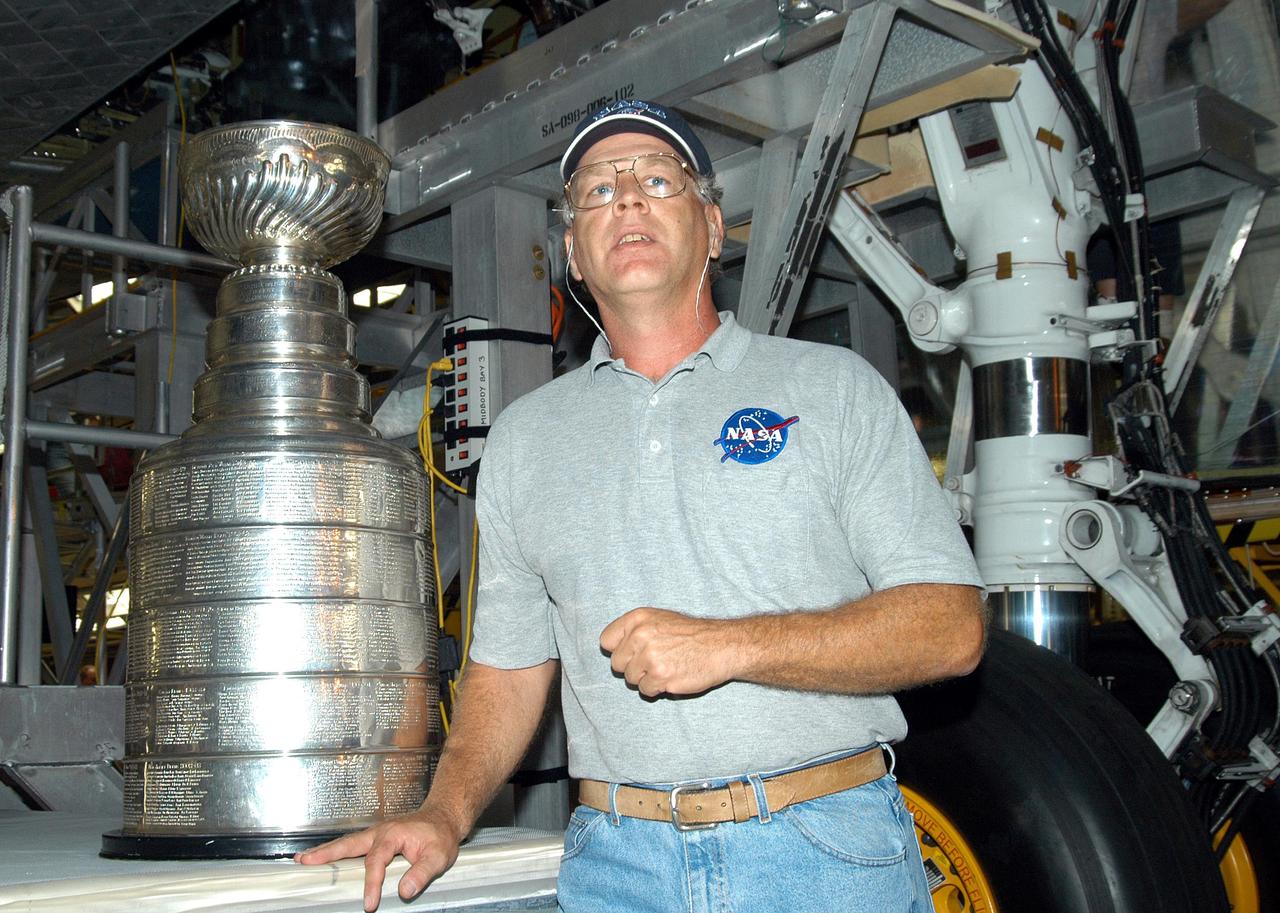
KENNEDY SPACE CENTER, FLA. - Jack Legere, NASA Quality Assurance specialist for the Shuttle Program, displays the Stanley Cup to employees in the Orbiter Processing Facility. Behind him is Discovery. Jay Feaster, general manager of the National Hockey League 2004 Champions Tampa Bay Lightning, brought the cup to KSC while on a tour. The cup was also briefly available for viewing by employees in the KSC Training Auditorium. The Stanley Cup weighs 35 pounds and is more than 100 years old. The Lightning will be added to the cup in September.
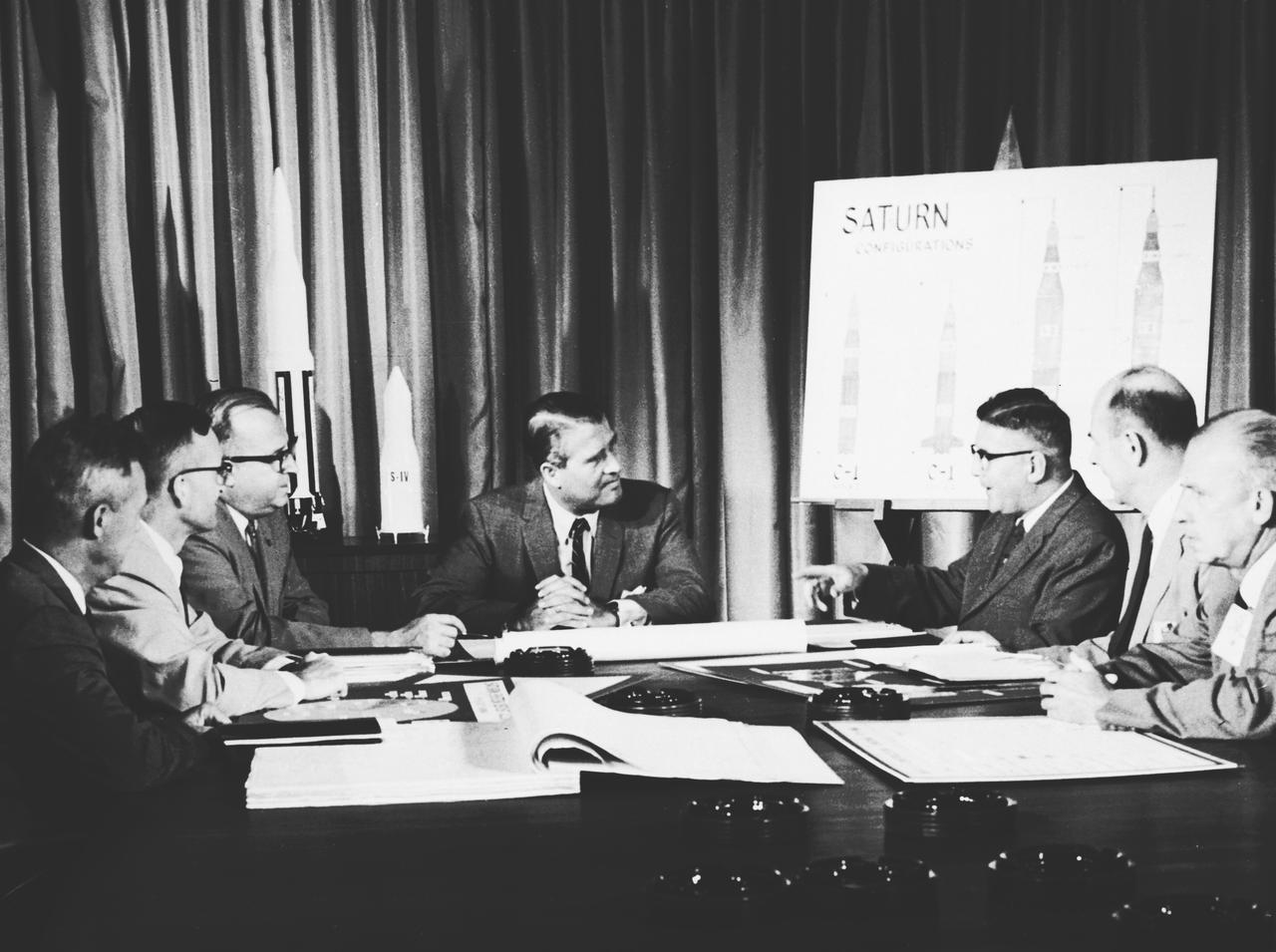
Dr. von Braun is shown in this photograph, which was probably taken in the early 1960s, with members of his management team. Pictured from left to right are, Werner Kuers, Director of the Manufacturing Engineering Division; Dr. Walter Haeussermarn, Director of the Astrionics Division; Dr. William Mrazek, Propulsion and Vehicle Engineering Division; Dr. von Braun; Dieter Grau, Director of the Quality Assurance Division; Dr. Oswald Lange, Director of the Saturn Systems Office; and Erich Neubert , Associate Deputy Director for Research and Development.
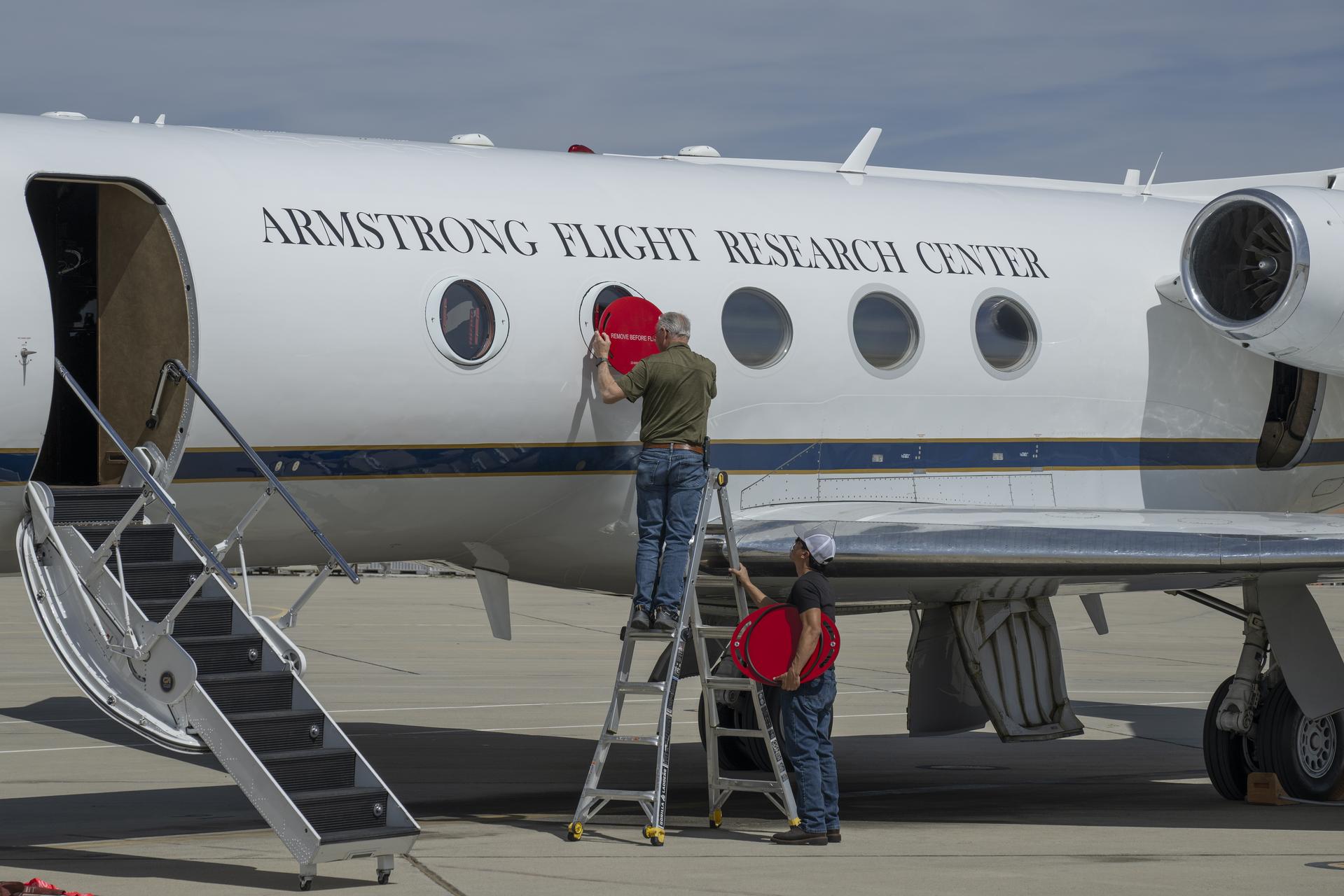
Scott Erickson, left, a quality assurance inspector, and Manny Rodriguez, Gulfstream G-III aircraft crew chief, remove window coverings from the aircraft on Friday, March 27, 2026, at NASA’s Armstrong Flight Research Center in Edwards, California. The G-III will join other NASA aircraft to capture imagery of the Orion spacecraft’s heat shield during Artemis II reentry. The mission is part of NASA’s Scientifically Calibrated In-Flight Imagery (SCIFLI) project, based at NASA’s Langley Research Center in Hampton, Virginia.
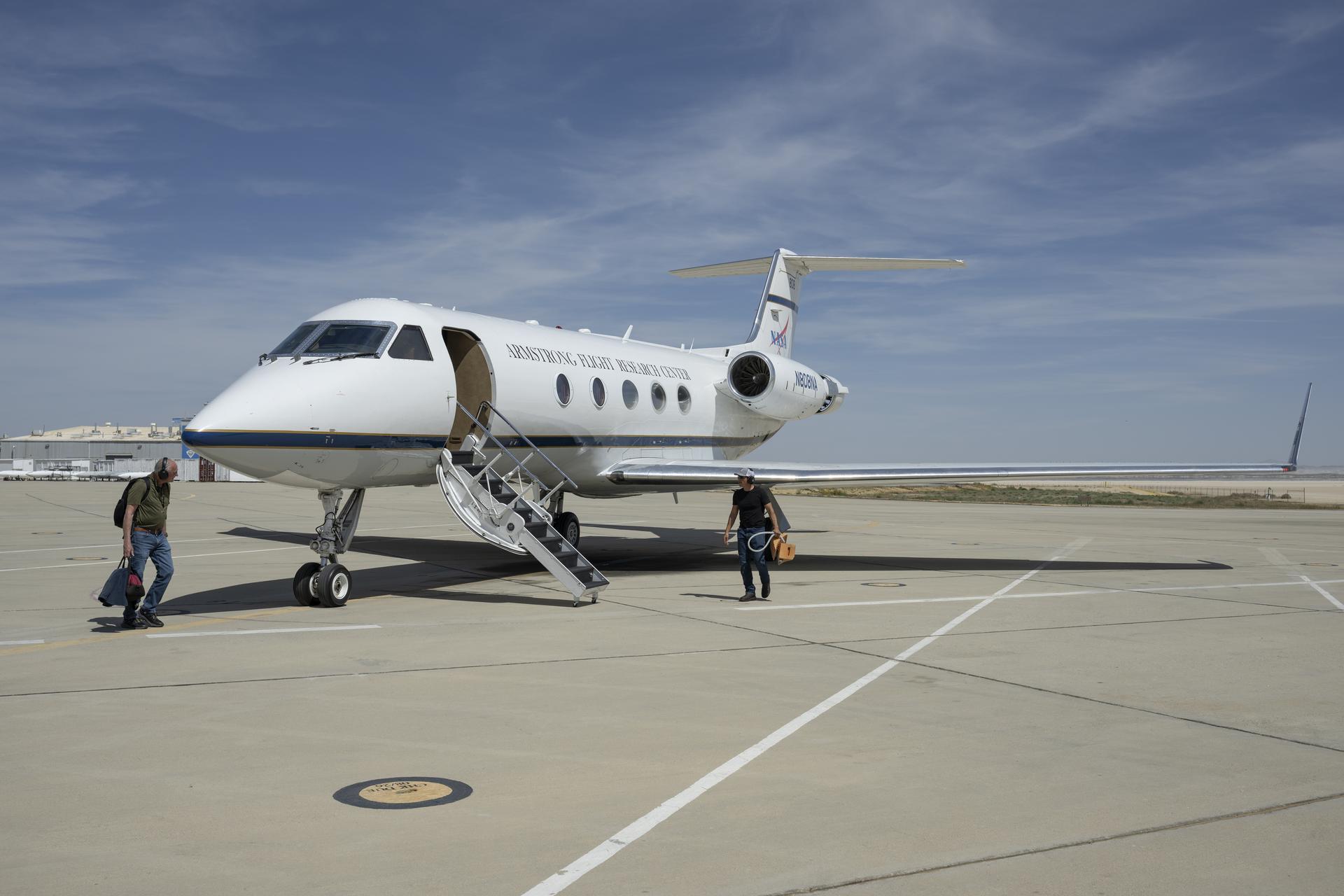
Scott Erickson, left, a quality assurance inspector, and Manny Rodriguez, Gulfstream G-III crew chief, prepare the aircraft for flight on Friday, March 27, 2026, at NASA’s Armstrong Flight Research Center in Edwards, California. The G-III will join other NASA aircraft to capture imagery of the Orion spacecraft’s heat shield during Artemis II reentry. The mission is part of NASA’s Scientifically Calibrated In-Flight Imagery (SCIFLI) project, based at NASA’s Langley Research Center in Hampton, Virginia.

Alvin Mitchell, a NASA C-20A aircraft quality assurance inspector, completes preflight checks at NASA’s Armstrong Flight Research Center in Edwards, California, on Wednesday, April 29, 2026. The aircraft conducted science flights over Central California carrying NASA’s UAVSAR (Uninhabited Aerial Vehicle Synthetic Aperture Radar), which collects detailed ground‑movement data to improve earthquake‑hazard models and support a new Earth‑observing satellite.
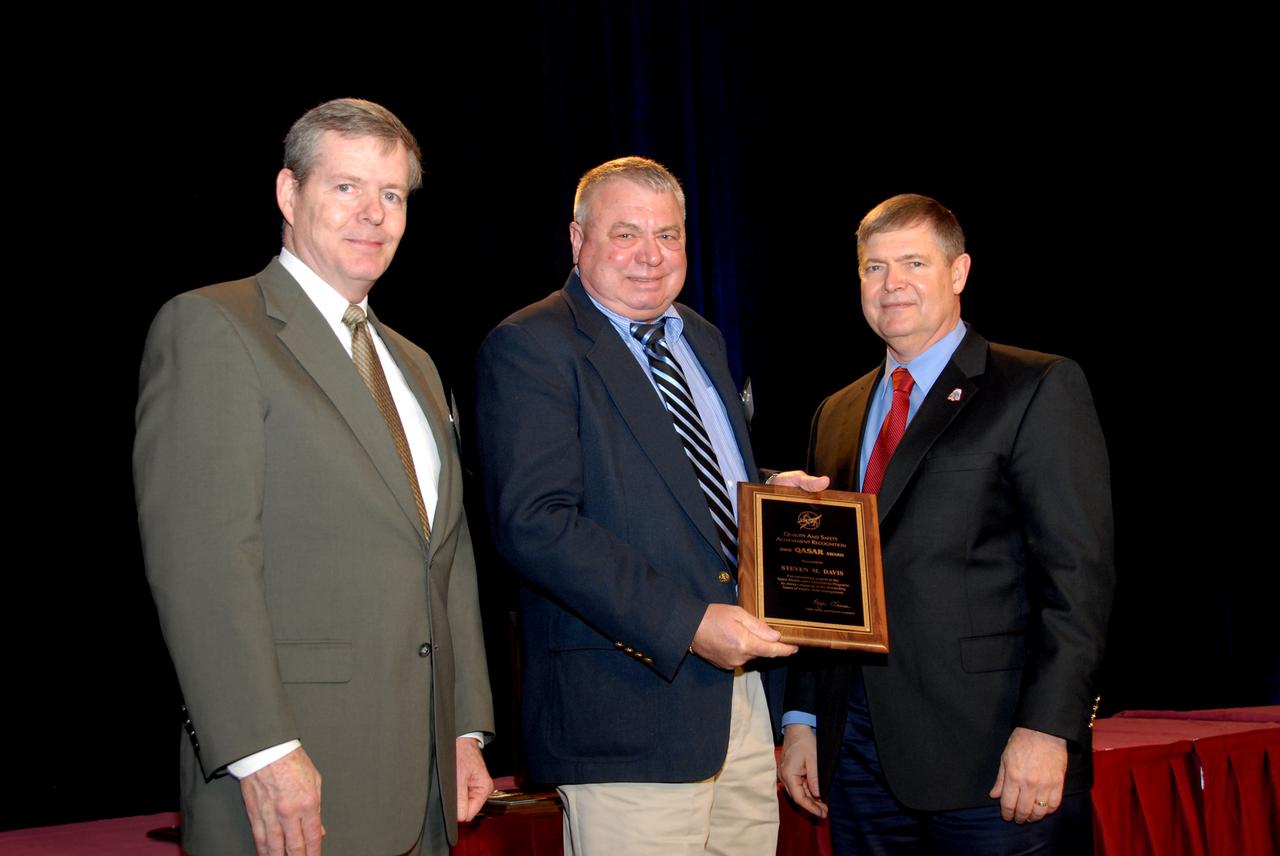
CAPE CANAVERAL, Fla. – NASA's Chief Safety and Mission Assurance Officer, Bryan D. O'Connor (left), presents a Quality and Safety Achievement Recognition, or QASAR, award for 2008 to Steven M. Davis (center). Davis, an employee of the Defense Contract Management Agency at NASA's Kennedy Space Center, received the award for his attention to detail in an incident involving a space shuttle solid rocket booster. At right is Dr. Michael Ryschkewitsch, NASA's chief engineer. Davis received the award at NASA's sixth annual Project Management Challenge in Daytona Beach, Fla. The QASAR award recognizes individual government and contractor employees who have demonstrated exemplary performance in contributing to the quality and/or safety of products, services, processes or management programs and activities. Photo credit: NASA/Ben Smegelsky
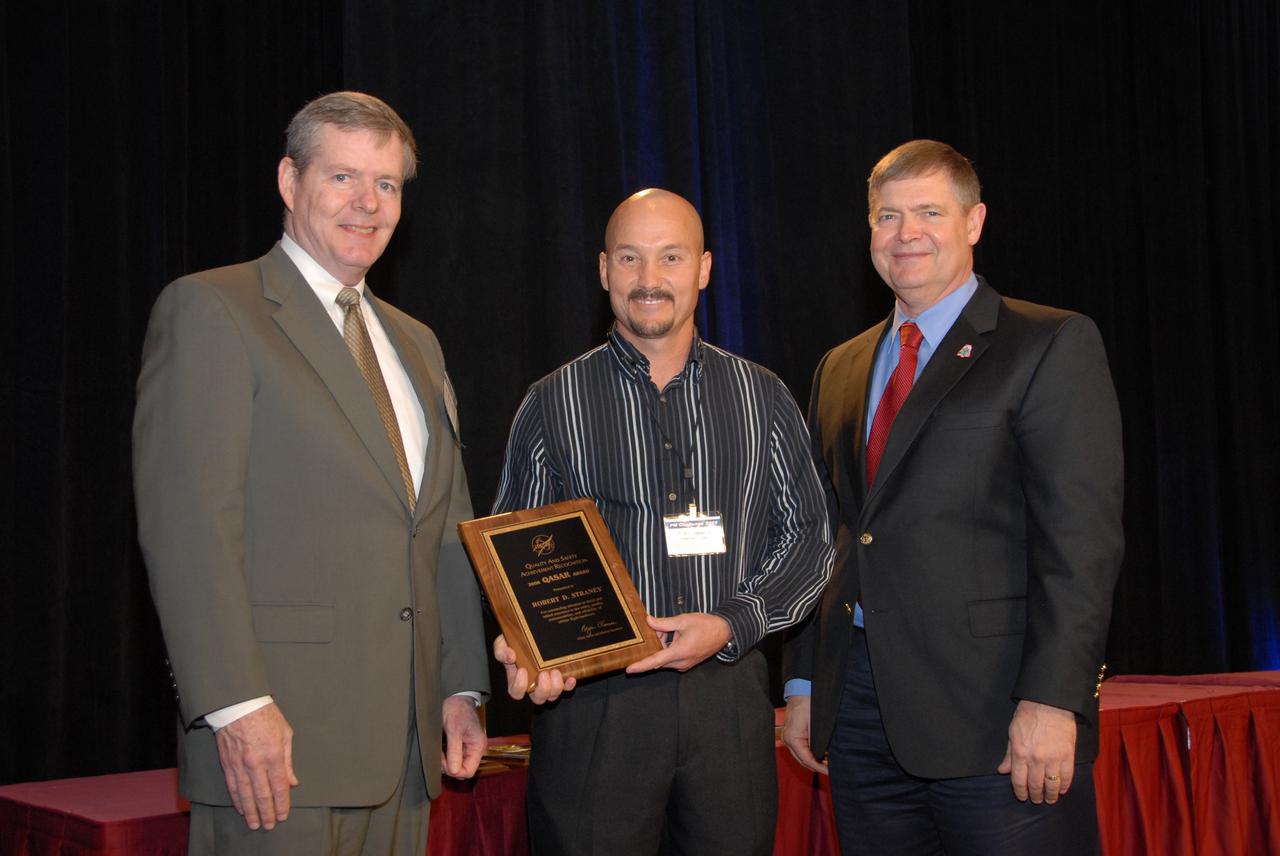
CAPE CANAVERAL, Fla. – NASA's Chief Safety and Mission Assurance Officer, Bryan D. O'Connor (left), presents a Quality and Safety Achievement Recognition, or QASAR, award for 2008 to Robert D. Straney (center). Straney, an employee of United Space Alliance at NASA's Kennedy Space Center in Florida, received the award for his attention to detail in an inspection of the space shuttle Discovery. At right is Dr. Michael Ryschkewitsch, NASA's chief engineer. Straney received the award at NASA's sixth annual Project Management Challenge in Daytona Beach, Fla. The QASAR award recognizes individual government and contractor employees who have demonstrated exemplary performance in contributing to the quality and/or safety of products, services, processes or management programs and activities. Photo credit: NASA/Ben Smegelsky
KENNEDY SPACE CENTER, FLA. -- In the Vehicle Assembly Building, the repair work of hail damage on Atlantis' external tank is inspected. At left is Brian Miller, with NASA Quality Assurance; at right is Mike Ravenscroft, with United Space Alliance. In the front is Sabrena Yedo, with NASA Safety. In late February, Atlantis' external tank received hail damage during a severe thunderstorm that passed through the Kennedy Space Center Launch Complex 39 area. The hail caused visible divots in the giant tank's foam insulation as well as minor surface damage to about 26 heat shield tiles on the shuttle's left wing. The launch now is targeted for June 8. Photo credit: NASA/George Shelton
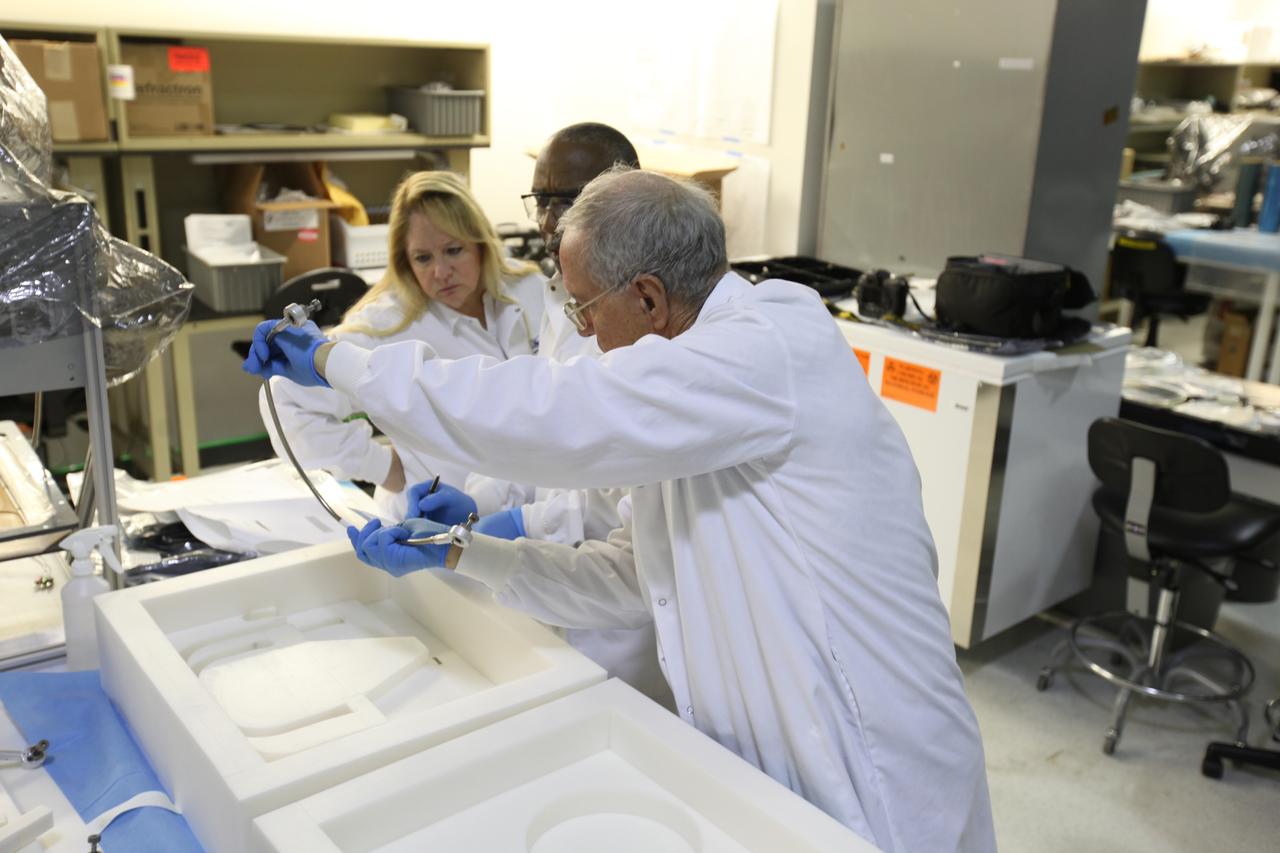
Charles Spern, at right, project manager on the Engineering Services Contract (ESC), and Glenn Washington, ESC quality assurance specialist, perform final inspections of the Veggie Series 1 plant experiment inside a laboratory in the Space Station Processing Facility at NASA's Kennedy Space Center in Florida. At far left is Dena Richmond, ESC configuration management. The Series 1 experiment is being readied for flight aboard Orbital ATK's Cygnus module on its seventh (OA-7) Commercial Resupply Services mission to the International Space Station. The Veggie system is on the space station.
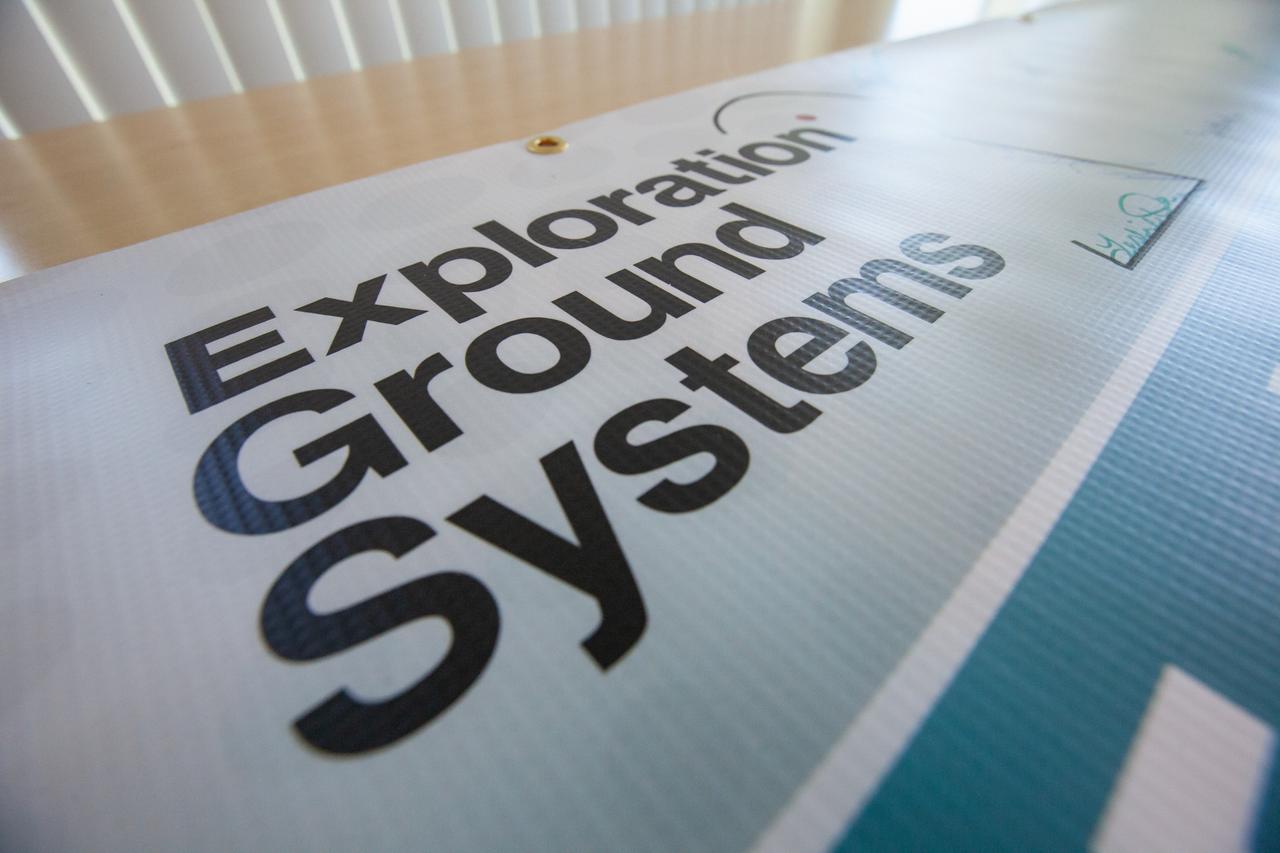
A banner signing event was held April 22, 2019, at NASA’s Kennedy Space Center in Florida, to mark the accomplishments of the Kennedy engineering team that supported the Ground Support Equipment (GSE) Subsystem Software development. This team includes the software leads, local developers, remote developers, modelers, project engineers, software quality assurance, build team members, integrators, system engineers, a chief engineer and some software managers. There are 60 unique instances of GSE Subsystem Software code. As of today, 58 of those 60 instances have completed software Level 5 Verification (L5V) and are in the process of completing Subsystem Verification & Validation.
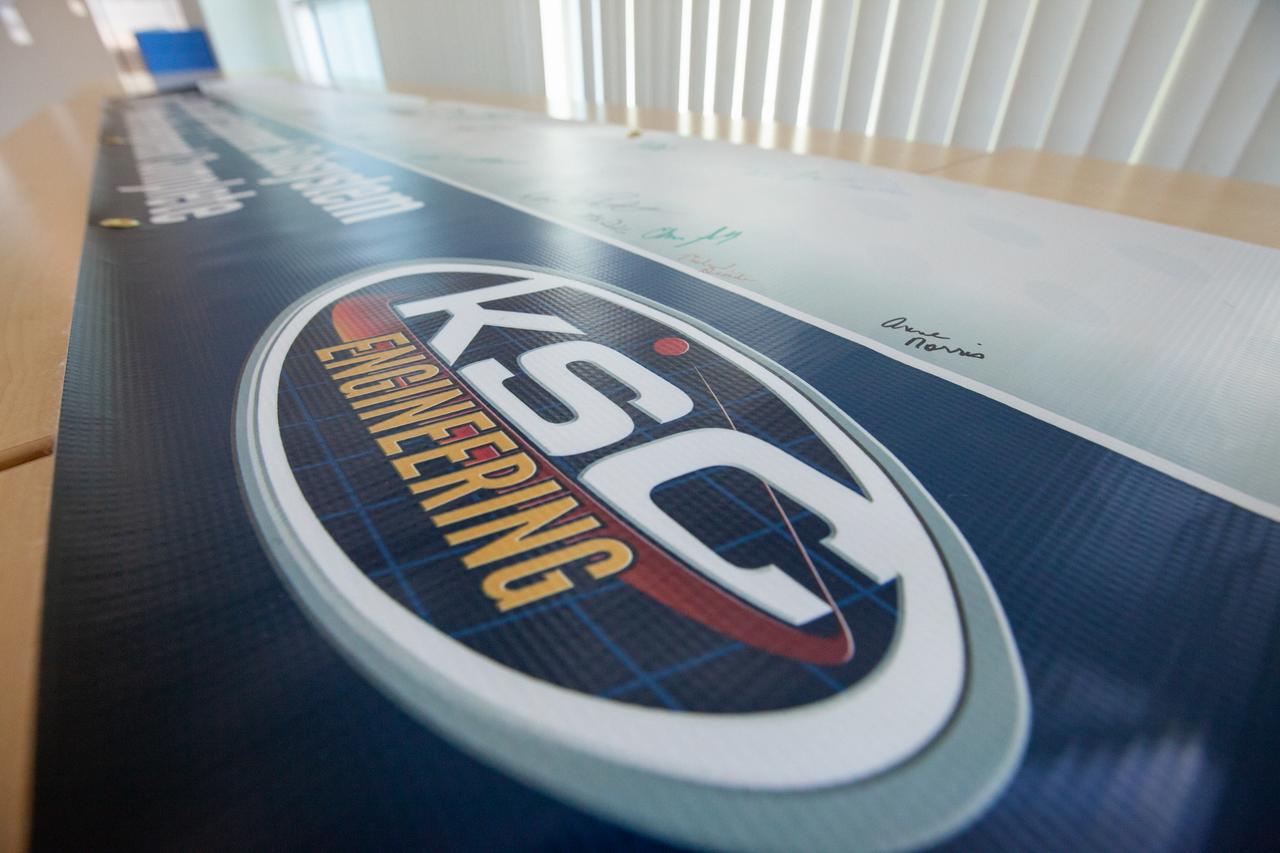
A banner signing event was held April 22, 2019, at NASA’s Kennedy Space Center in Florida, to mark the accomplishments of the Kennedy engineering team that supported the Ground Support Equipment (GSE) Subsystem Software development. This team includes the software leads, local developers, remote developers, modelers, project engineers, software quality assurance, build team members, integrators, system engineers, a chief engineer and some software managers. There are 60 unique instances of GSE Subsystem Software code. As of today, 58 of those 60 instances have completed software Level 5 Verification (L5V) and are in the process of completing Subsystem Verification & Validation.
A banner signing event was held April 22, 2019, at NASA’s Kennedy Space Center in Florida, to mark the accomplishments of the Kennedy engineering team that supported the Ground Support Equipment (GSE) Subsystem Software development. This team includes the software leads, local developers, remote developers, modelers, project engineers, software quality assurance, build team members, integrators, system engineers, a chief engineer and some software managers. There are 60 unique instances of GSE Subsystem Software code. As of today, 58 of those 60 instances have completed software Level 5 Verification (L5V) and are in the process of completing Subsystem Verification & Validation.

NASA’s B200 King Air team includes, from left, principal engineer Cory Hill, operations engineer KC Sujan, pilot Tracy Phelps, crew chief Mario Soto, aircraft technician Ruben Saiza, quality assurance technician Scott Silver, and senior engineer Alexander Soibel. The compact Fire Infrared Radiance Spectral Tracker (c-FIRST) instrument was tested on the B200 aircraft – based at NASA’s Armstrong Flight Research Center in Edwards, California – over the wildfires in the Pacific Palisades and Altadena, California, on November 21, 2024.
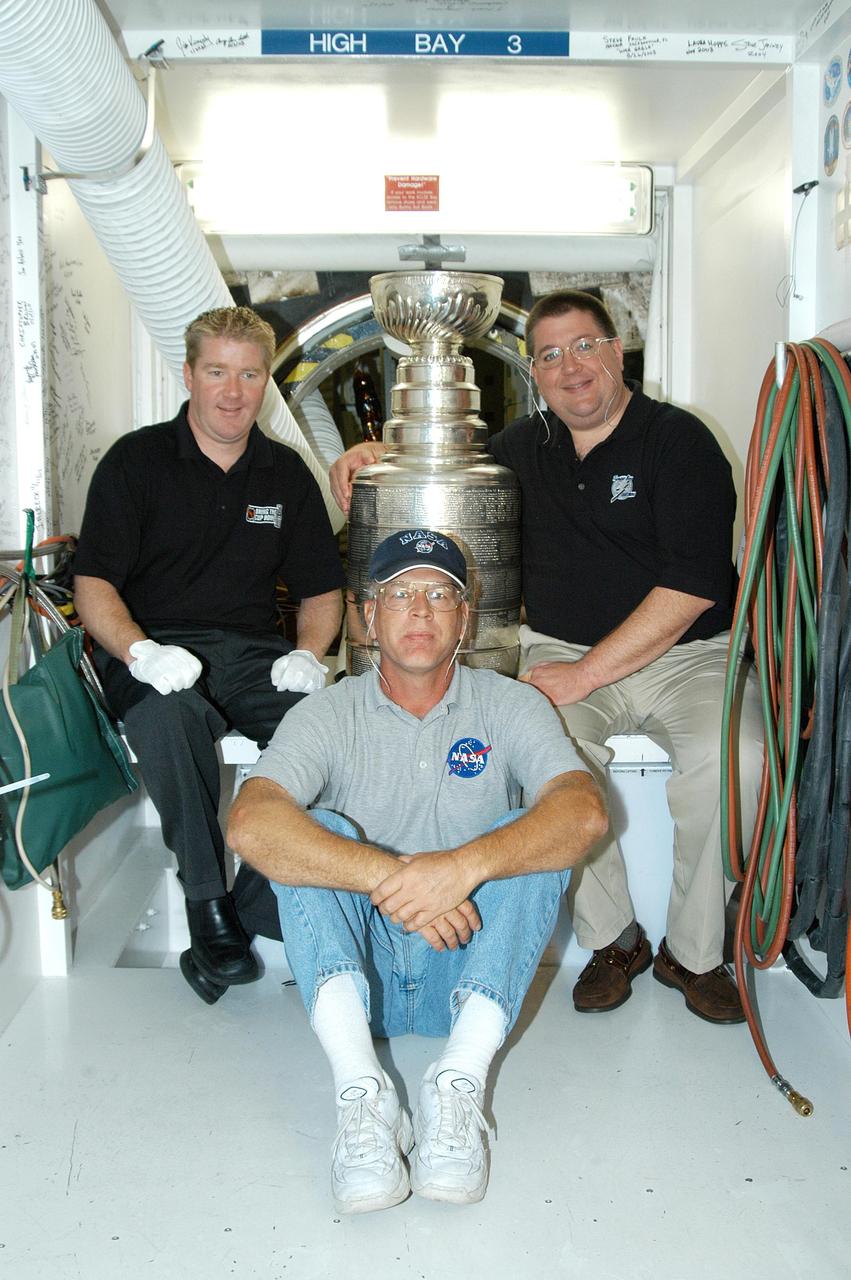
KENNEDY SPACE CENTER, FLA. - Sitting in front of the open hatch into Discovery, which is in the Orbiter Processing Facility, Mike Bolt (left), NASA’s Jack Legere (center front) and Jay Feaster (right) display the Stanley Cup. Feaster is general manager of the Tampa Bay Lightning, who won the cup in 2004, and Bolt is keeper of the cup. Legere is NASA Quality Assurance specialist for the Shuttle Program. The cup was also briefly available for viewing by employees in the KSC Training Auditorium. Feaster brought the cup to KSC while on a tour. The Stanley Cup weighs 35 pounds and is more than 100 years old. The Lightning will be added to the cup in September.
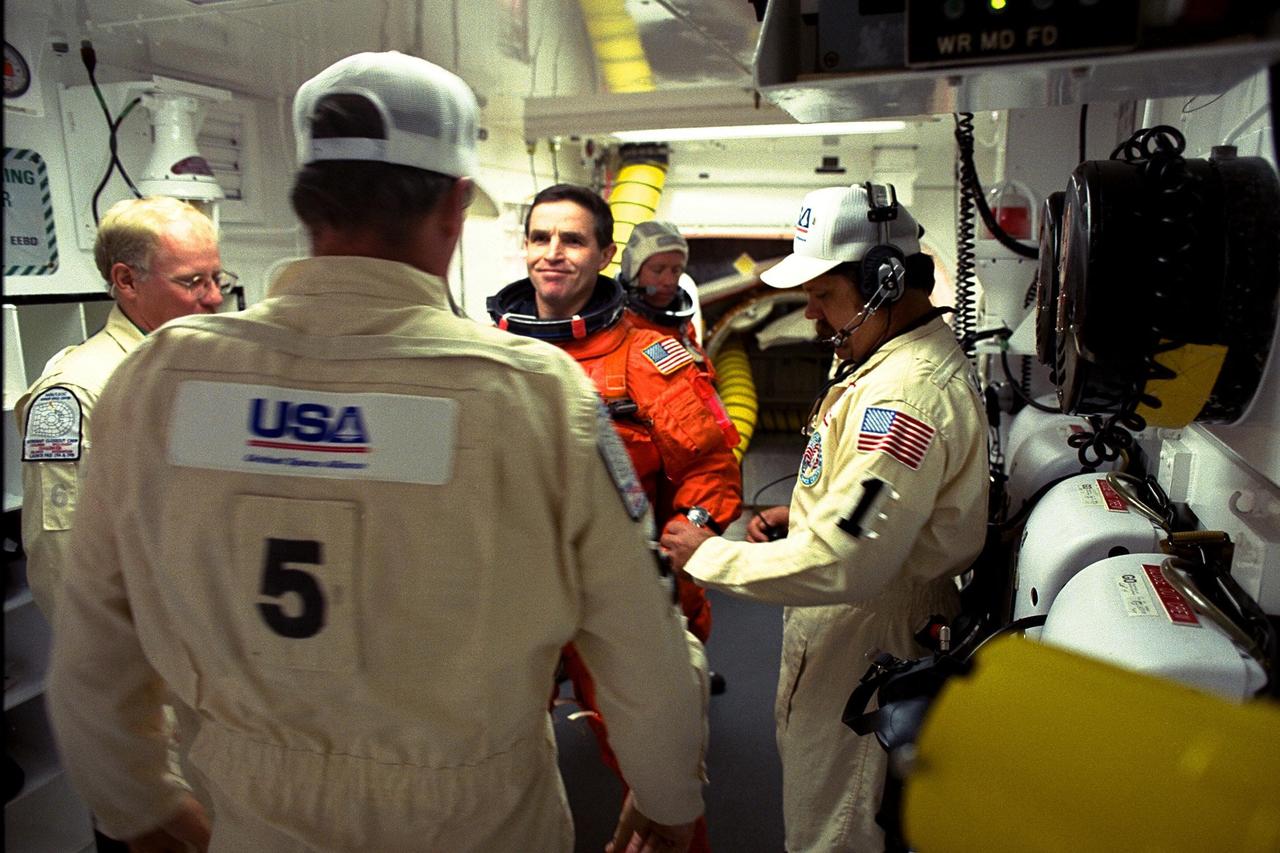
STS-87 Payload Specialist Leonid Kadenyuk of the National Space Agency of Ukraine is assisted with final preparations before launch in the white room at Launch Pad 39B by Danny Wyatt, NASA quality assurance specialist, at left; George Schram, USA mechanical technician, facing Kadenyuk; and Travis Thompson, USA orbiter vehicle closeout chief, at right. STS-87 is the fourth flight of the United States Microgravity Payload and Spartan-201. The 16-day mission will include the Collaborative Ukrainian Experiment (CUE), a collection of 10 plant space biology experiments that will fly in Columbia’s middeck and will feature an educational component that involves evaluating the effects of microgravity on Brassica rapa seedlings
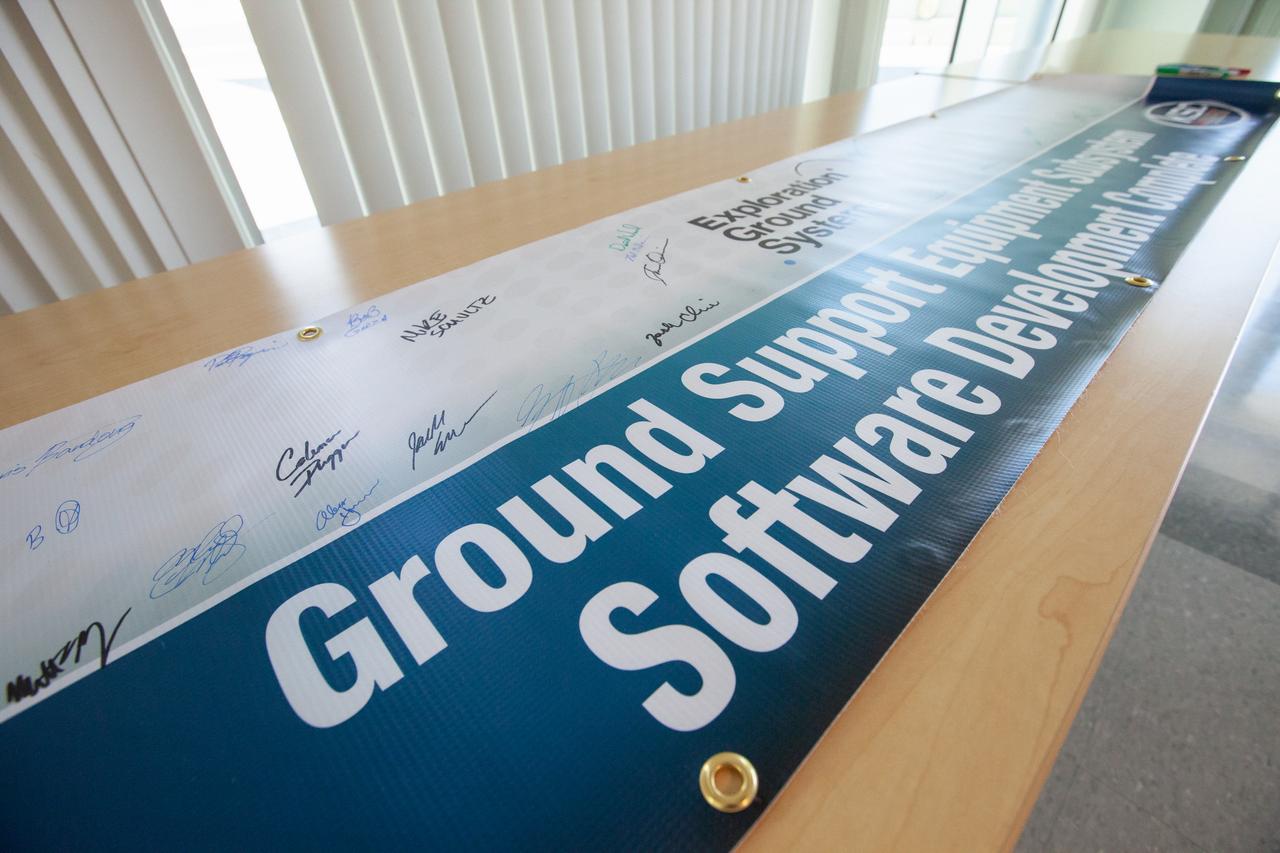
A banner signing event was held April 22, 2019, at NASA’s Kennedy Space Center in Florida, to mark the accomplishments of the Kennedy engineering team that supported the Ground Support Equipment (GSE) Subsystem Software development. This team includes the software leads, local developers, remote developers, modelers, project engineers, software quality assurance, build team members, integrators, system engineers, a chief engineer and some software managers. There are 60 unique instances of GSE Subsystem Software code. As of today, 58 of those 60 instances have completed software Level 5 Verification (L5V) and are in the process of completing Subsystem Verification & Validation.
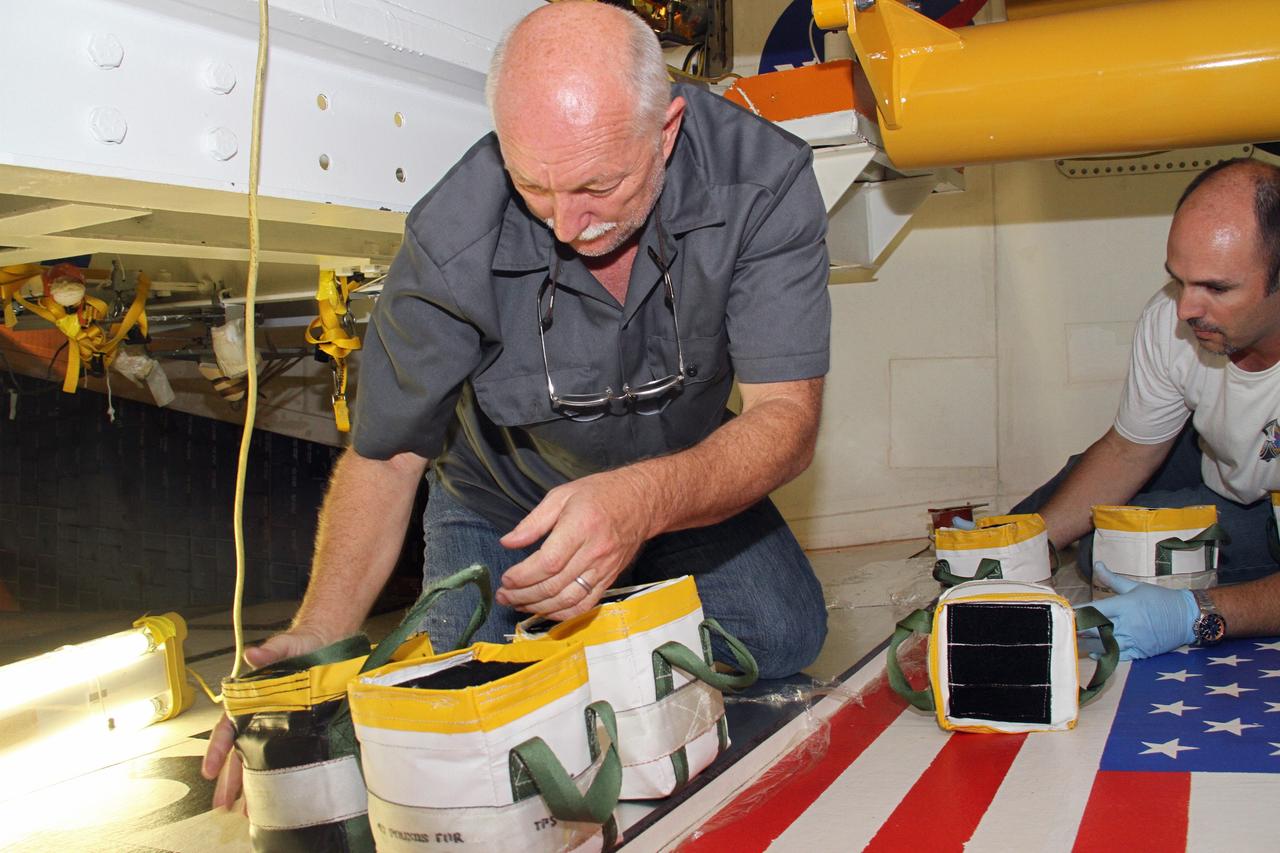
CAPE CANAVERAL, Fla. – Mike Williams, left, a thermal protection system technician, and Jeremy Schwarz, right, quality assurance technician, both with United Space Alliance, set weights atop a newly installed section of tile on the right wing of space shuttle Endeavour at NASA's Kennedy Space Center in Florida. The weights will hold the section in place while the adhesive hardens beneath. Ongoing transition and retirement activities are preparing the spacecraft for public display at the California Science Center in Los Angeles. Endeavour flew 25 missions during its 19-year career. Photo credit: NASA/Cory Huston

A banner signing event was held April 22, 2019, at NASA’s Kennedy Space Center in Florida, to mark the accomplishments of the Kennedy engineering team that supported the Ground Support Equipment (GSE) Subsystem Software development. This team includes the software leads, local developers, remote developers, modelers, project engineers, software quality assurance, build team members, integrators, system engineers, a chief engineer and some software managers. There are 60 unique instances of GSE Subsystem Software code. As of today, 58 of those 60 instances have completed software Level 5 Verification (L5V) and are in the process of completing Subsystem Verification & Validation.

STS-92 Mission Specialist Koichi Wakata of Japan (center) gets help from United Space Alliance Mechanical Technician Vinny Difranzo (left) and NASA Quality Assurance Specialist Danny Wyatt (right) in suiting up in the White Room. Wakata and other crew members are taking part in a simulated countdown KSC for Terminal Countdown Demonstration Test (TCDT) activities. STS-92 is scheduled to launch Oct. 5 at 9:38 p.m. EDT on the fifth flight to the International Space Station. It will carry two elements of the Space Station, the Integrated Truss Structure Z1 and the third Pressurized Mating Adapter. The mission is also the 100th flight in the Shuttle program
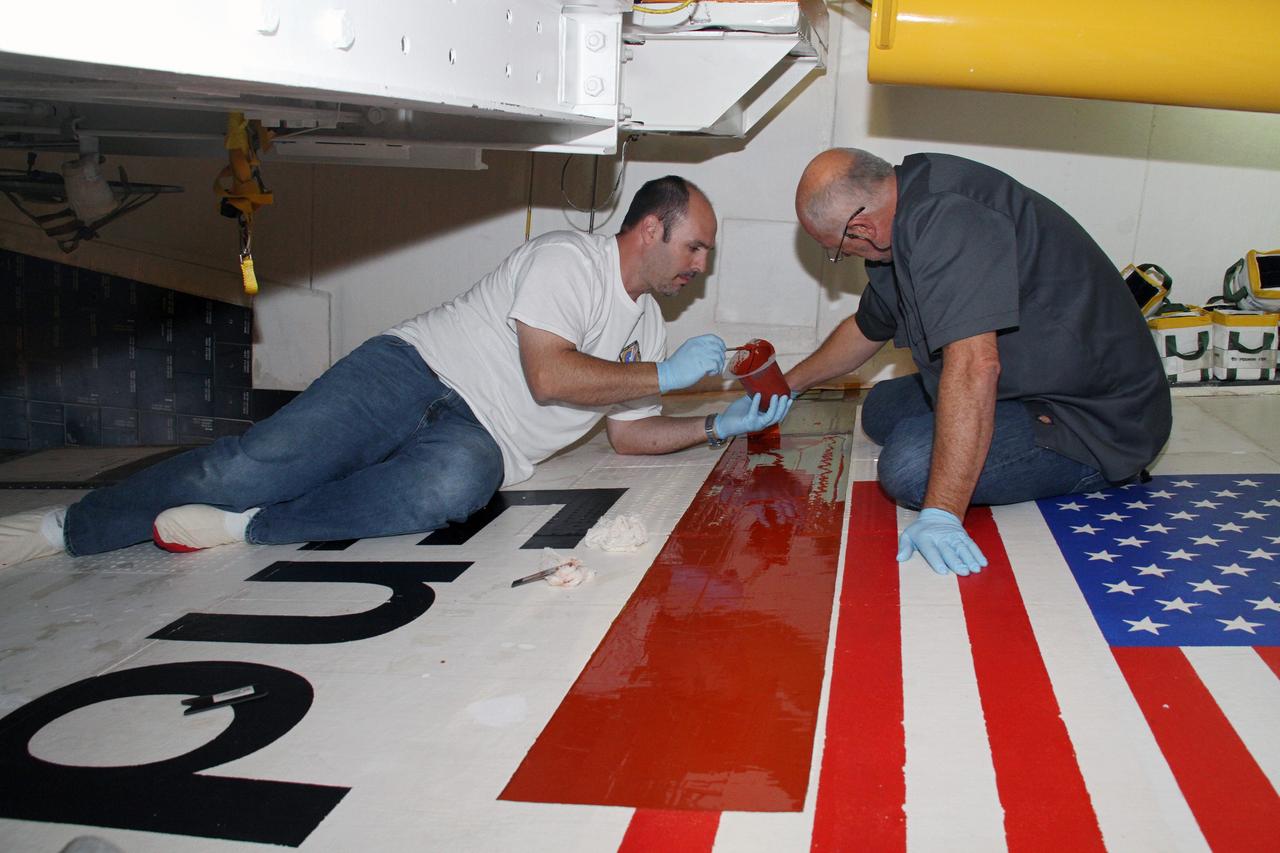
CAPE CANAVERAL, Fla. – Jeremy Schwarz, left, quality assurance technician, and Mike Williams, right, a thermal protection system technician, both with United Space Alliance, apply adhesive to space shuttle Endeavour's right wing. The work is being done in preparation for tile bonding. Endeavour is inside Orbiter Processing Facility-2 at NASA's Kennedy Space Center in Florida. Ongoing transition and retirement activities are preparing the spacecraft for public display at the California Science Center in Los Angeles. Endeavour flew 25 missions during its 19-year career. Photo credit: NASA/Cory Huston
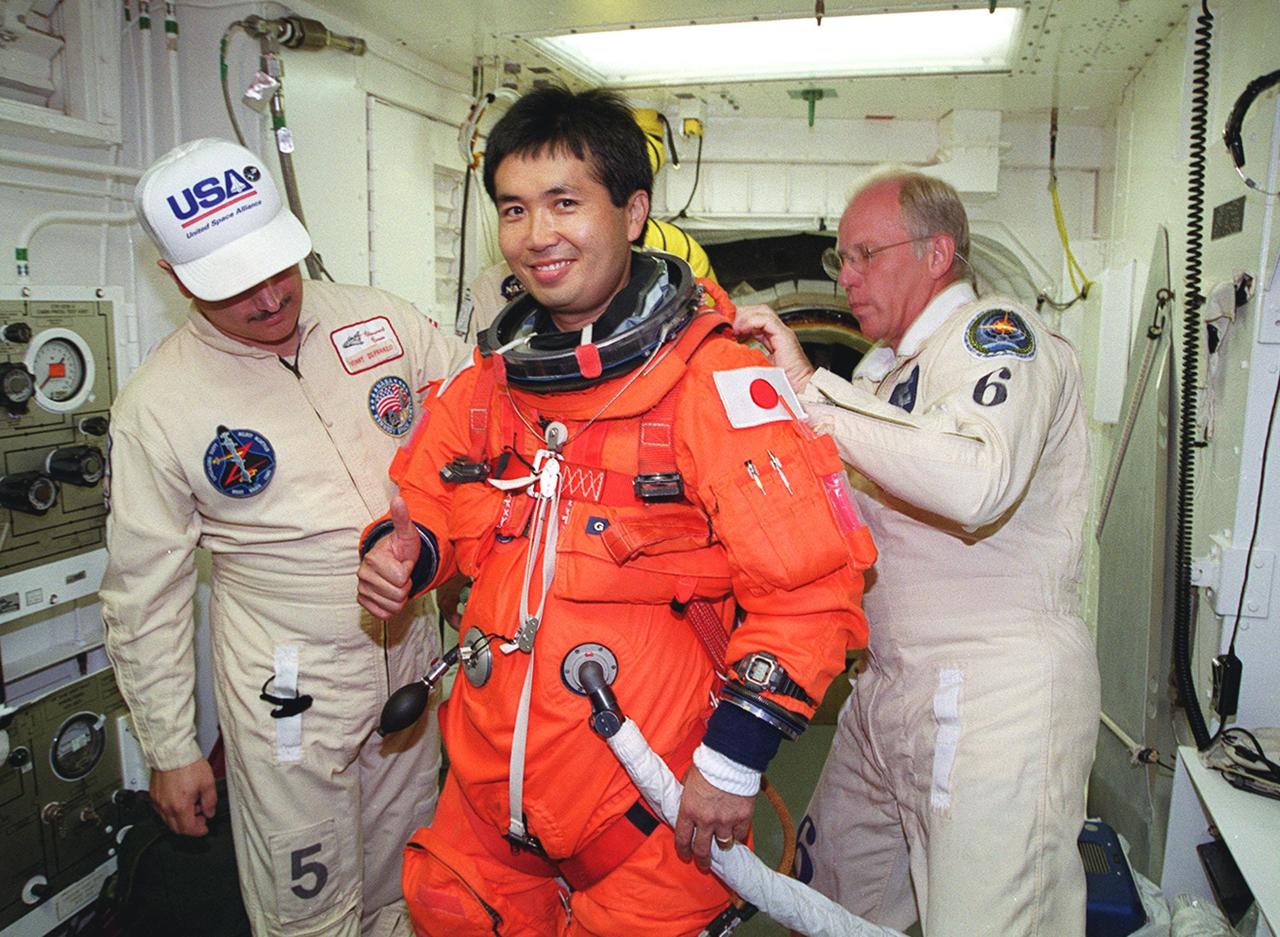
STS-92 Mission Specialist Koichi Wakata of Japan (center) gets help from United Space Alliance Mechanical Technician Vinny Difranzo (left) and NASA Quality Assurance Specialist Danny Wyatt (right) in suiting up in the White Room. Wakata and other crew members are taking part in a simulated countdown KSC for Terminal Countdown Demonstration Test (TCDT) activities. STS-92 is scheduled to launch Oct. 5 at 9:38 p.m. EDT on the fifth flight to the International Space Station. It will carry two elements of the Space Station, the Integrated Truss Structure Z1 and the third Pressurized Mating Adapter. The mission is also the 100th flight in the Shuttle program
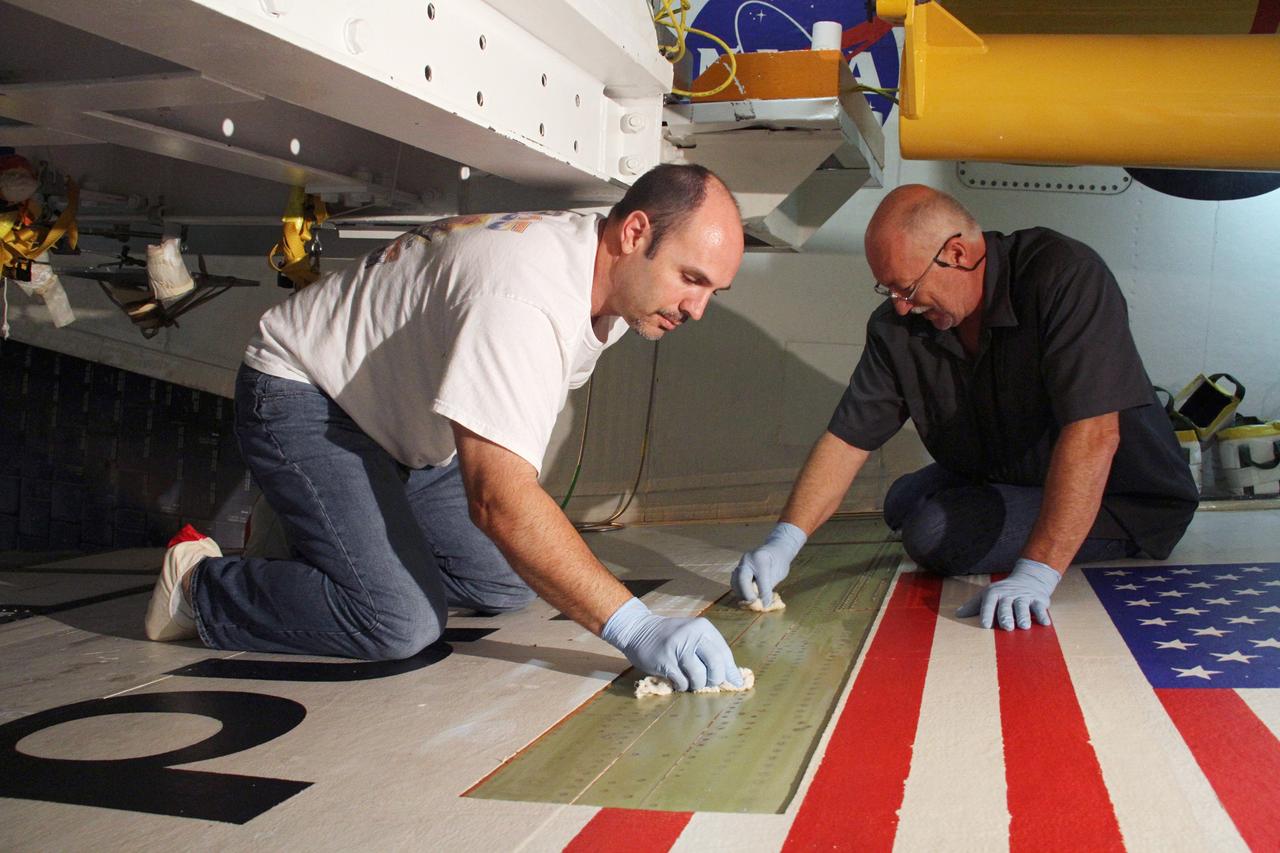
CAPE CANAVERAL, Fla. – Jeremy Schwarz, left, quality assurance technician, and Mike Williams, right, a thermal protection system technician, both with United Space Alliance, prepare the right wing of space shuttle Endeavour for tile bonding. Endeavour is inside Orbiter Processing Facility-2 at NASA's Kennedy Space Center in Florida. Ongoing transition and retirement activities are preparing the spacecraft for public display at the California Science Center in Los Angeles. Endeavour flew 25 missions during its 19-year career. Photo credit: NASA/Cory Huston

Dr. Oscar Monje, a research scientist, packs a growing substrate called arcillite in the science carrier, or base, of the Advanced Plant Habitat (APH) inside a laboratory at the Space Station Processing Facility at NASA's Kennedy Space Center in Florida. Seated at right is Susan Manning-Roach, a quality assurance specialist on the Engineering Services Contract. Developed by NASA and ORBITEC of Madison, Wisconsin, the APH is the largest plant chamber built for the agency. It is a fully automated plant growth facility that will be used to conduct bioscience research on the International Space Station. The APH will be delivered to the space station aboard future Commercial Resupply Services missions.
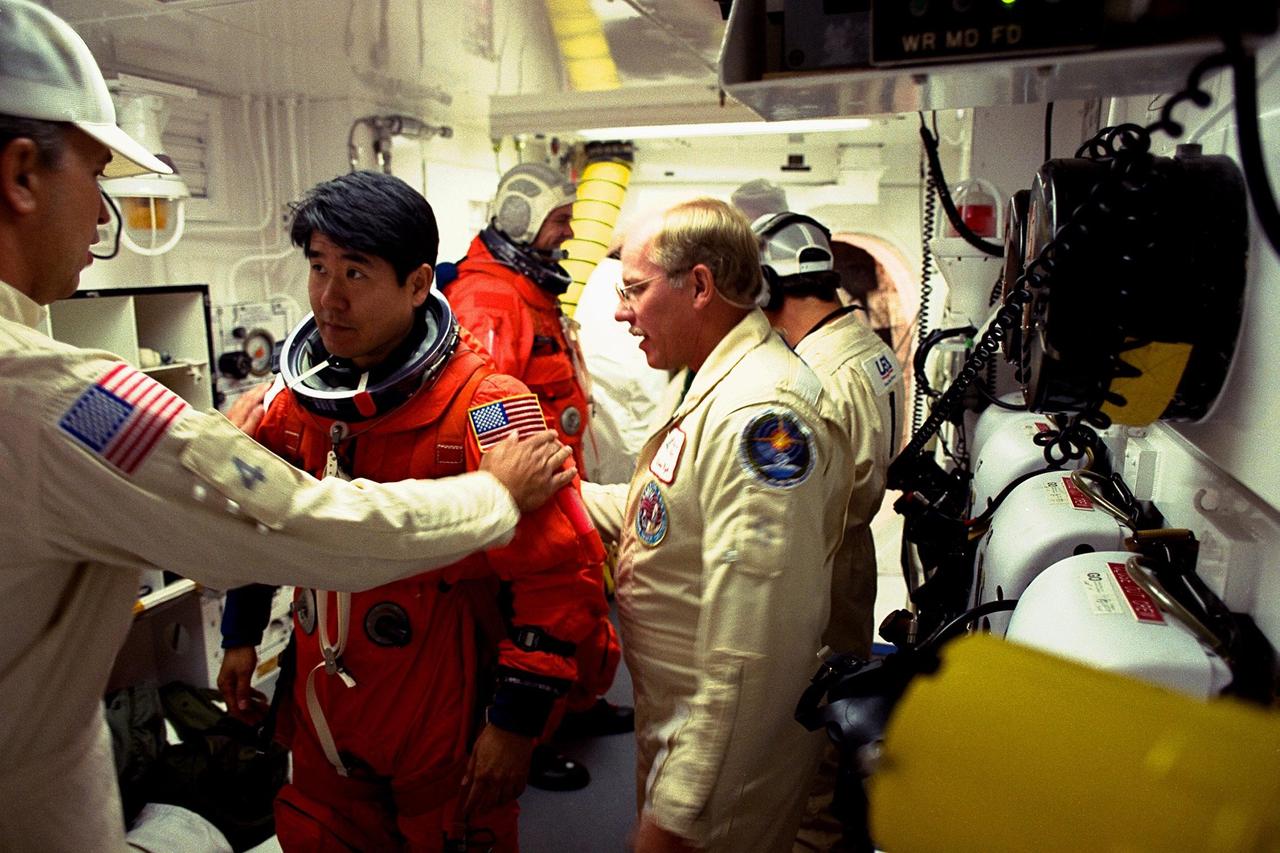
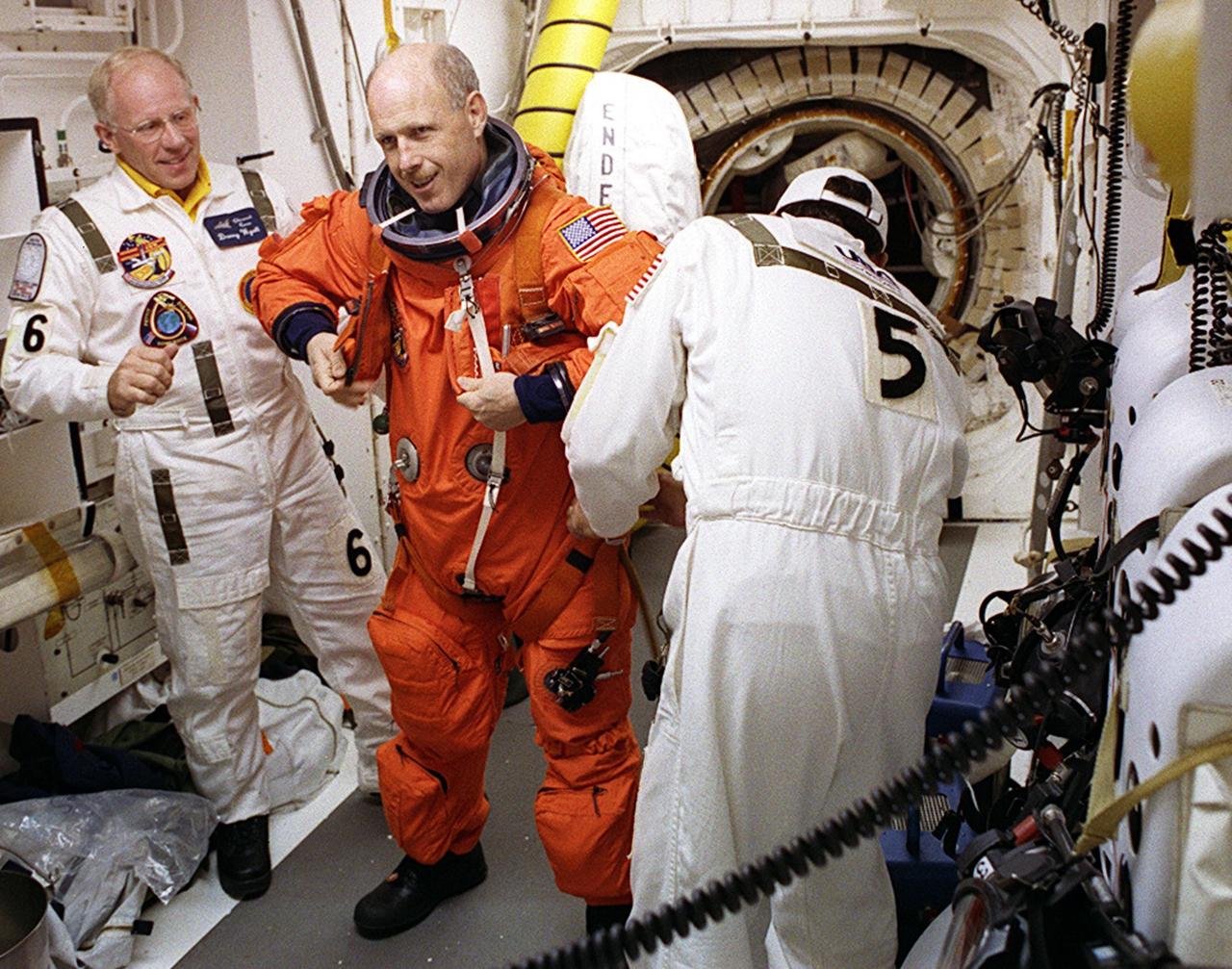
STS-87 Mission Specialist Takao Doi, Ph.D., of the National Space Development Agency of Japan, is assisted with his ascent and re-entry flight suit by Dave Law, USA mechanical technician, in the white room at Launch Pad 39B as Dr. Doi prepares to enter the Space Shuttle orbiter Columbia on launch day. At right wearing glasses is Danny Wyatt, NASA quality assurance specialist. STS-87 is the fourth flight of the United States Microgravity Payload and Spartan-201. The 16-day mission will include a spacewalk by Dr. Doi and Mission Specialist Winston Scott
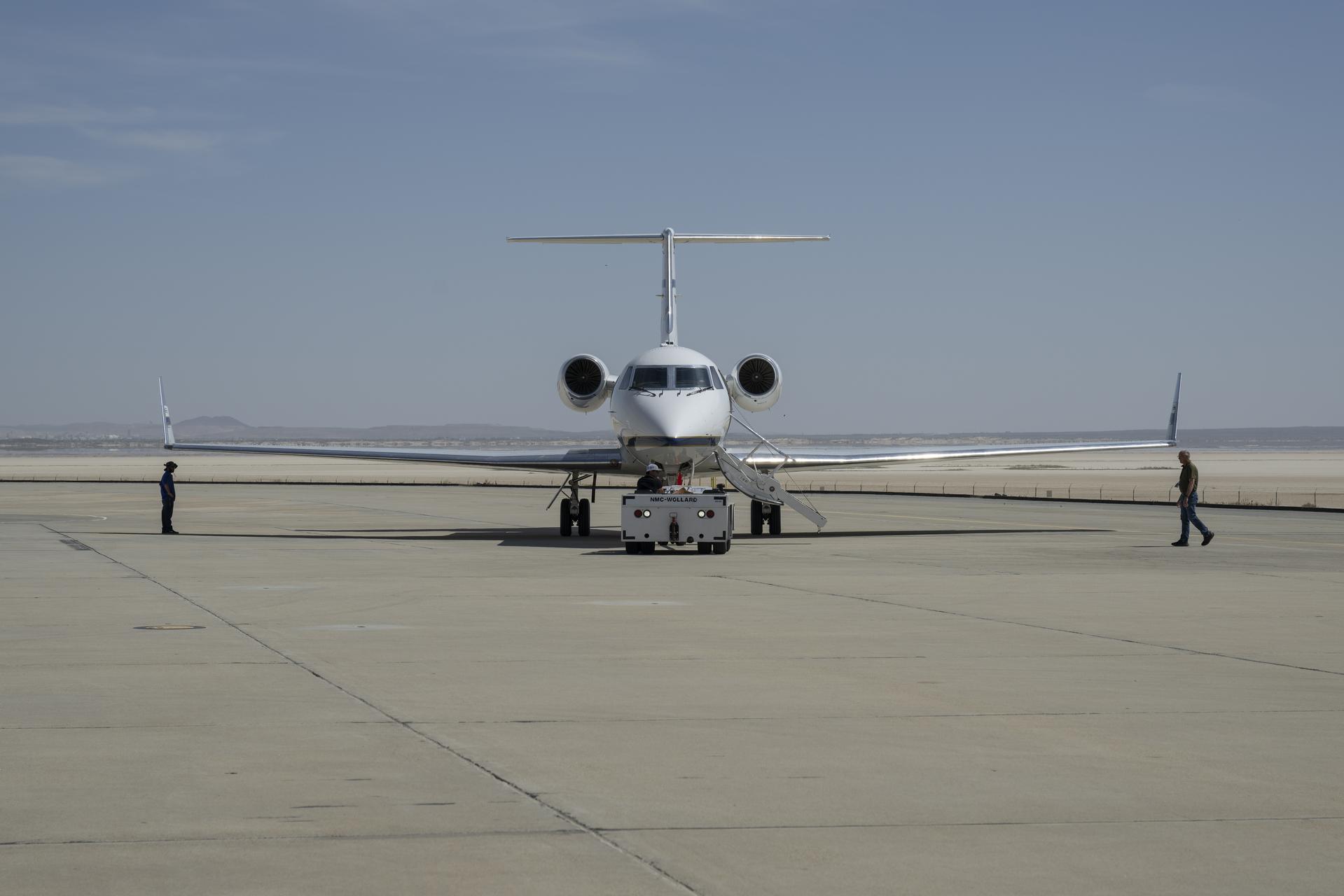
Manny Rodriguez, center, Gulfstream G-III aircraft crew chief, drives a tug while mechanic Marlon Espinoza, left, and Scott Erickson, a quality assurance inspector, prepare the aircraft for takeoff on Friday, March 27, 2026, at NASA’s Armstrong Flight Research Center in Edwards, California. The G-III will join other NASA aircraft to capture imagery of the Orion spacecraft’s heat shield during Artemis II reentry. The mission is part of NASA’s Scientifically Calibrated In-Flight Imagery (SCIFLI) project, based at NASA’s Langley Research Center in Hampton, Virginia.
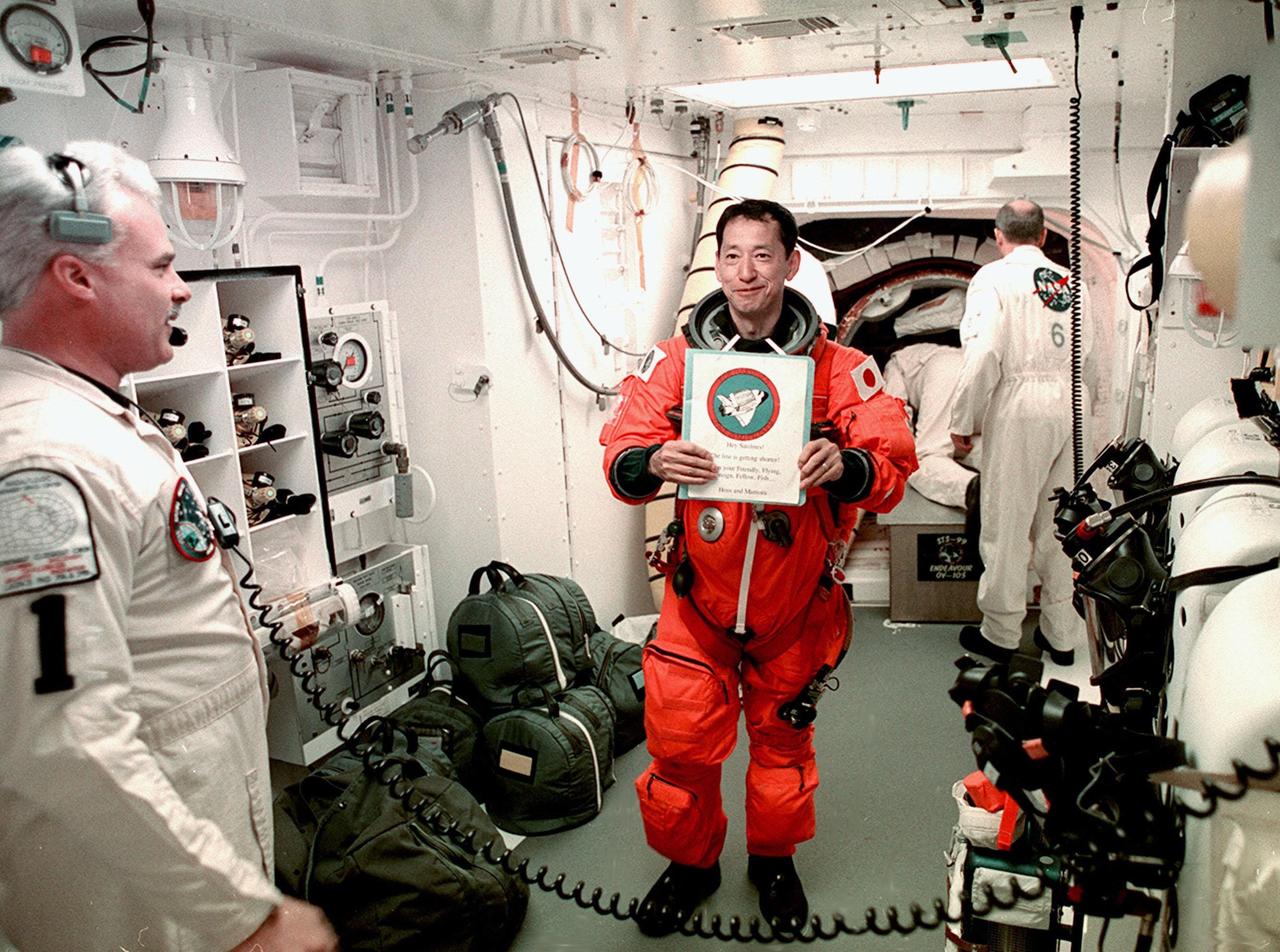
STS-99 Mission Specialist Mamoru Mohri of Japan holds a memento from friends before entering orbiter Endeavour. With him are members of the White Room closeout crew, Chris Meinert (left), closeout chief, and Jack Burritt (background), Quality Assurance specialist. The White Room is an environmental chamber at the end of the orbiter access arm, on the fixed service structure, that provides entry to the orbiter crew compartment. STS-99, known as the Shuttle Radar Topography Mission (SRTM), will chart a new course to produce unrivaled 3-D images of the Earth's surface. The result of the Shuttle Radar Topography Mission could be close to 1 trillion measurements of the Earth's topography. Scheduled for liftoff at 12:30 p.m. EST, the mission is expected to last 11days, with Endeavour landing at KSC Tuesday, Feb. 22, at 4:36 p.m. EST. This is the 97th Shuttle flight and 14th for Shuttle Endeavour
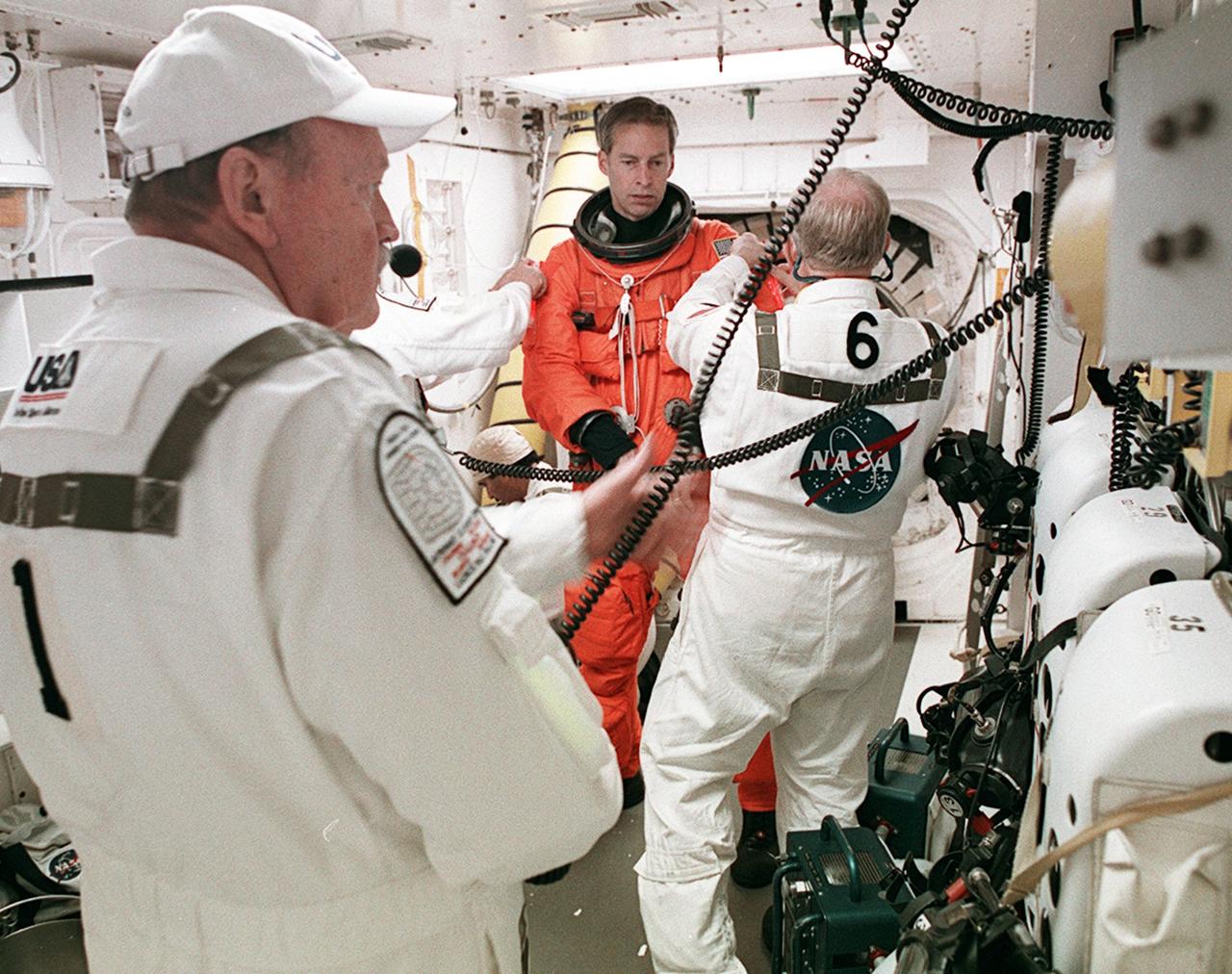
KENNEDY SPACE CENTER, FLA. - In the White Room on Launch Pad 39A, STS-113 Commander Jim Wetherbee is helped with his launch and entry suit before entering Space Shuttle Endeavour. Closeout Crew members helping are (left) Rick Welty, United Space Alliance Vehicle Closeout chief, and (right) Danny Wyatt, NASA Quality Assurance specialist. The launch will carry the Expedition 6 crew to the Station and return the Expedition 5 crew to Earth. The major objective of the mission is delivery of the Port 1 (P1) Integrated Truss Assembly, which will be attached to the port side of the S0 truss. Three spacewalks are planned to install and activate the truss and its associated equipment. Launch of Space Shuttle Endeavour on mission STS-113 is scheduled for Nov. 23 at 7:50 p.m. EST.

KENNEDY SPACE CENTER, FLA. - Technician Grace Miller-Swales (left) does touch-up work on the Swift spacecraft in Hangar AE at Cape Canaveral Air Force Station. John Batilito, with Quality Assurance Services, is at right. Swift is wrapped with blankets to provide thermal stability during the mission. Swift is a first-of-its-kind multi-wavelength observatory dedicated to the study of gamma-ray burst (GRB) science. Its three instruments will work together to observe GRBs and afterglows in the gamma-ray, X-ray, ultraviolet and optical wavebands. The most comprehensive study of GRB afterglows to date, Swift is expected to observe more than 200 gamma-ray bursts during its 2-year mission.
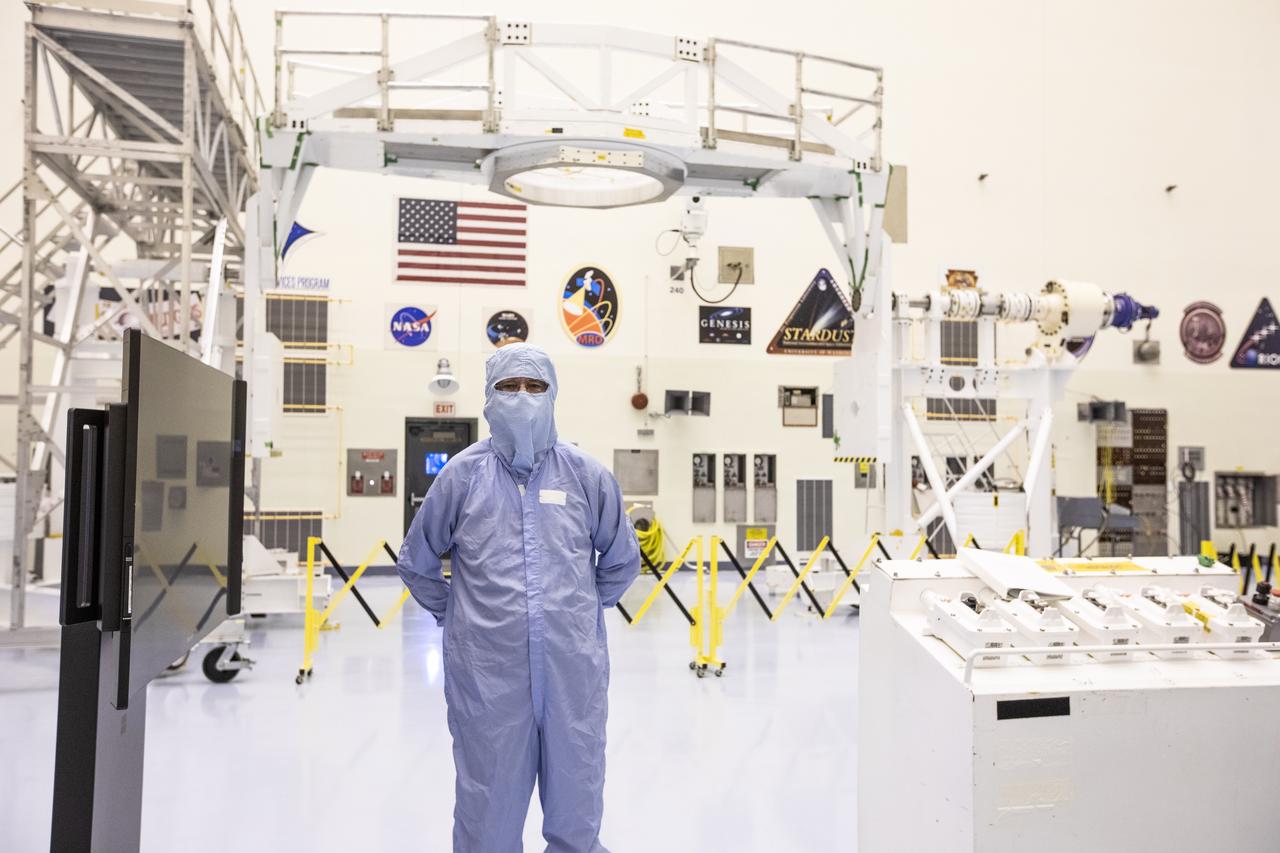
Buck Crenshaw, a quality assurance subject matter expert with NASA’s Jet Propulsion Laboratory (JPL), is photographed in front of the Spacecraft Assembly and Rotation Fixture (SCARF) that will be used to process the agency’s Mars 2020 rover inside the Kennedy Space Center’s Payload Hazardous Servicing Facility on Nov. 22, 2019. Attached to the SCARF is an access stand that will allow personnel to reach the spacecraft when it’s held above ground level. The Mars 2020 rover is being manufactured at JPL in California and, once complete, will be sent to the Florida spaceport for assembly, prelaunch processing and checkouts. The rover is scheduled to launch from Cape Canaveral Air Force Station in summer 2020 aboard a United Launch Alliance Atlas V rocket procured from NASA’s Launch Services Program. The mission will help the agency better understand the geology of Mars, test new robotic technology and assist in determining if any form of life ever was supported on the Red Planet.
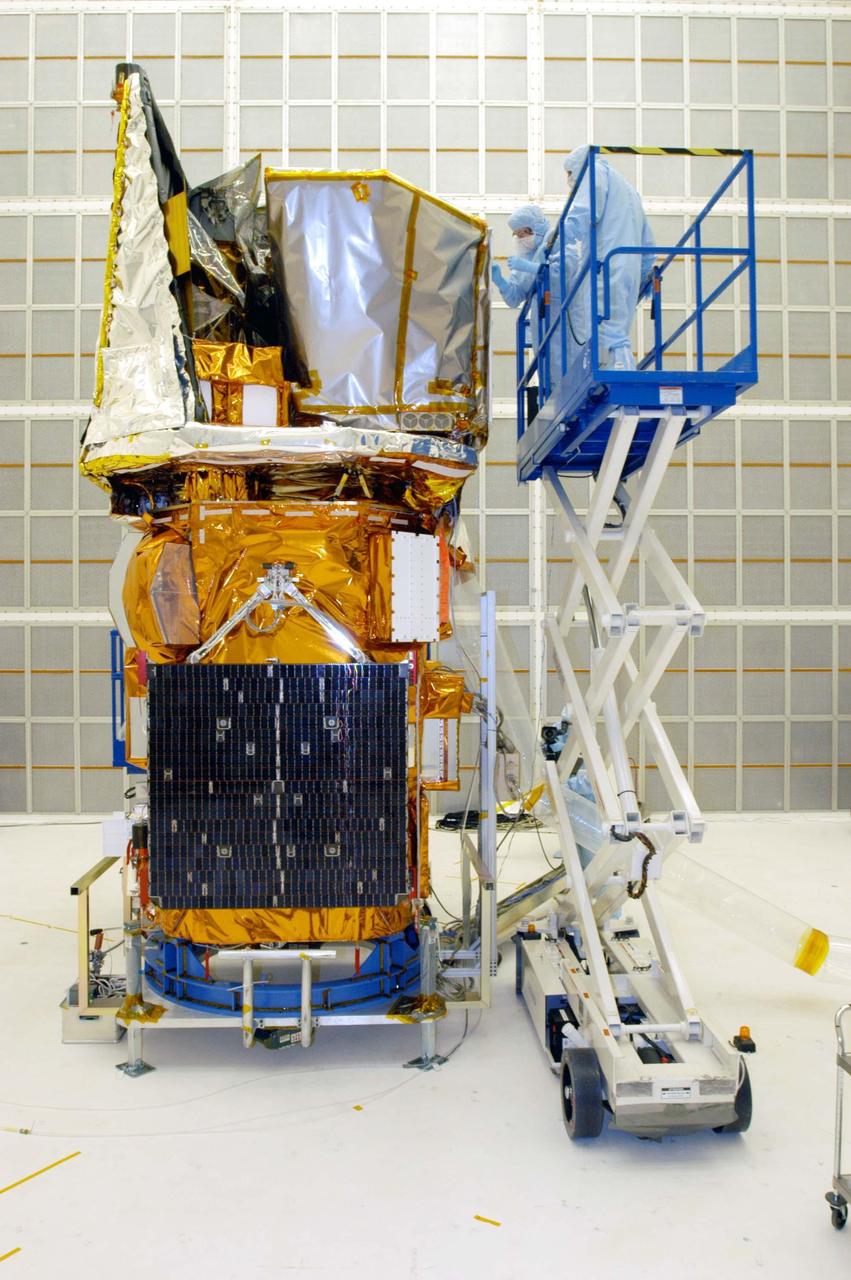
KENNEDY SPACE CENTER, FLA. - Technician Grace Miller-Swales (left) does touch-up work on the Swift spacecraft in Hangar AE at Cape Canaveral Air Force Station. John DiBatilito, with Quality Assurance Services, is at right. Swift is wrapped with blankets to provide thermal stability during the mission. Swift is a first-of-its-kind multi-wavelength observatory dedicated to the study of gamma-ray burst (GRB) science. Its three instruments will work together to observe GRBs and afterglows in the gamma-ray, X-ray, ultraviolet and optical wavebands. The most comprehensive study of GRB afterglows to date, Swift is expected to observe more than 200 gamma-ray bursts during its 2-year mission.
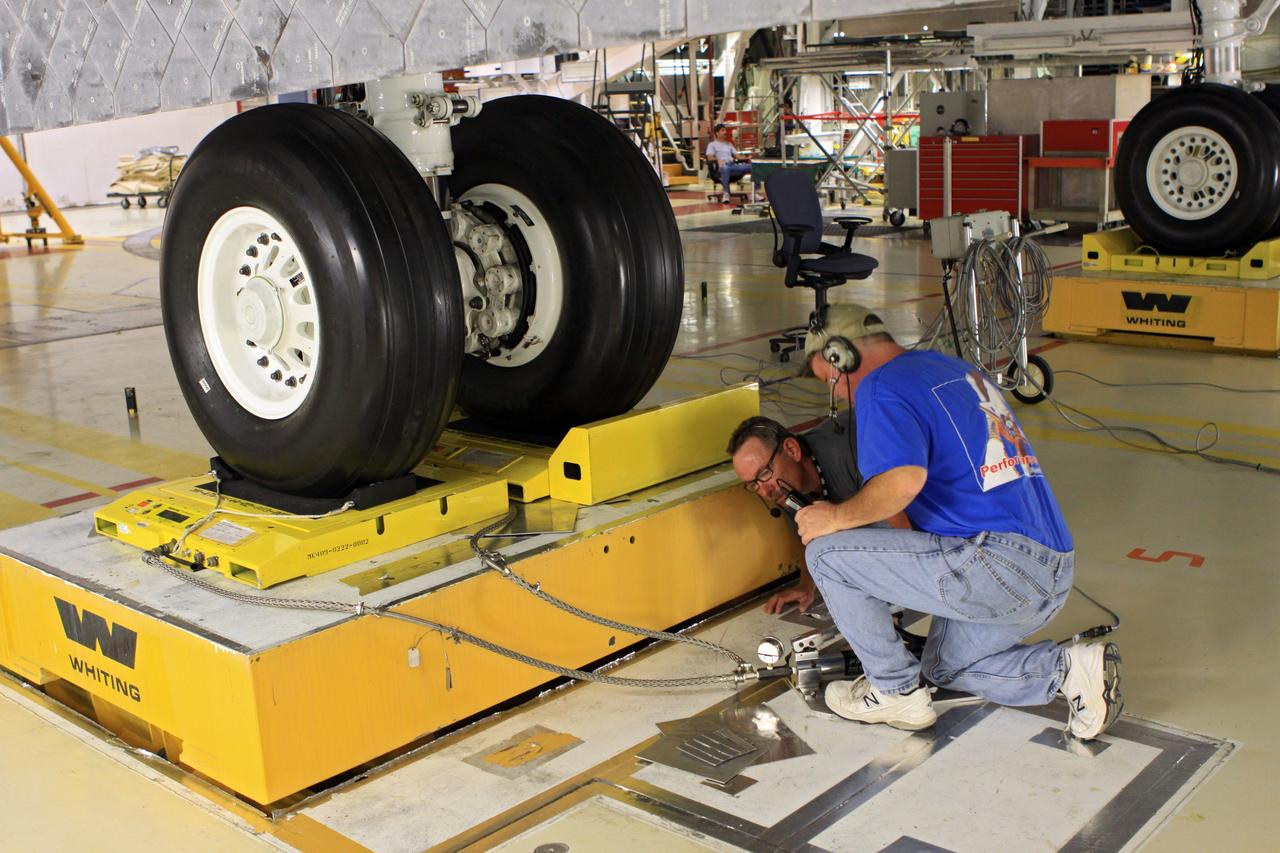
CAPE CANAVERAL, Fla. – In Orbiter Processing Facility Bay 2 at NASA’s Kennedy Space Center in Florida, United Space Alliance aerospace Quality Assurance inspector Dave Bliss, left, and Spherion aerospace technician Scott Palmer complete weight and center of gravity checks on the space shuttle Endeavour. The work is part of Transition and Retirement of the remaining space shuttles, Endeavour and Atlantis. Endeavour is being prepared for public display at the California Science Center in Los Angeles. Its ferry flight to California is targeted for mid-September. Endeavour was the last space shuttle added to NASA’s orbiter fleet. Over the course of its 19-year career, Endeavour spent 299 days in space during 25 missions. For more information, visit http://www.nasa.gov/transition Photo credit: NASA/ Jim Grossmann

Dr. Oscar Monje, (far right) a research scientist, packs a growing substrate called arcillite in the science carrier, or base, of the Advanced Plant Habitat (APH) inside a laboratory at the Space Station Processing Facility at NASA's Kennedy Space Center in Florida. Assisting him is Jeffrey Richards, project science coordinator with SGT on the Engineering Services Contract (ESC). Seated in the foreground is Susan Manning-Roach, a quality assurance specialist, also with ESC. Developed by NASA and ORBITEC of Madison, Wisconsin, the APH is the largest plant chamber built for the agency. It is a fully automated plant growth facility that will be used to conduct bioscience research on the International Space Station. The APH will be delivered to the space station aboard future Commercial Resupply Services missions.

KENNEDY SPACE CENTER, FLA. -- In the White Room on Launch Pad 39A, Expedition 6 flight engineer Nikolai Budarin is helped with his launch and entry suit before entering Space Shuttle Endeavour. Closeout Crew members helping are (left) Rene Arriens, United Space Alliance mechanical technician, (right) Danny Wyatt, NASA Quality Assurance specialist, and (background) Rick Welty, United Space Alliance Vehicle Closeout chief. The launch will carry the Expedition 6 crew to the Station and return the Expedition 5 crew to Earth. The major objective of the mission is delivery of the Port 1 (P1) Integrated Truss Assembly, which will be attached to the port side of the S0 truss. Three spacewalks are planned to install and activate the truss and its associated equipment. Launch of Space Shuttle Endeavour on mission STS-113 is scheduled for Nov. 23 at 7:50 p.m. EST.

Jet Propulsion Laboratory (JPL) worker Mary Reaves mates connectors on a radioisotope thermoelectric generator (RTG) to power up the Cassini spacecraft, while quality assurance engineer Peter Sorci looks on. The three RTGs which will be used on Cassini are undergoing mechanical and electrical verification testing in the Payload Hazardous Servicing Facility. The RTGs will provide electrical power to Cassini on its 6.7-year trip to the Saturnian system and during its four-year mission at Saturn. RTGs use heat from the natural decay of plutonium to generate electric power. The generators enable spacecraft to operate at great distances from the Sun where solar power systems are not feasible. The Cassini mission is targeted for an Oct. 6 launch aboard a Titan IVB/Centaur expendable launch vehicle. Cassini is built and managed by JPL
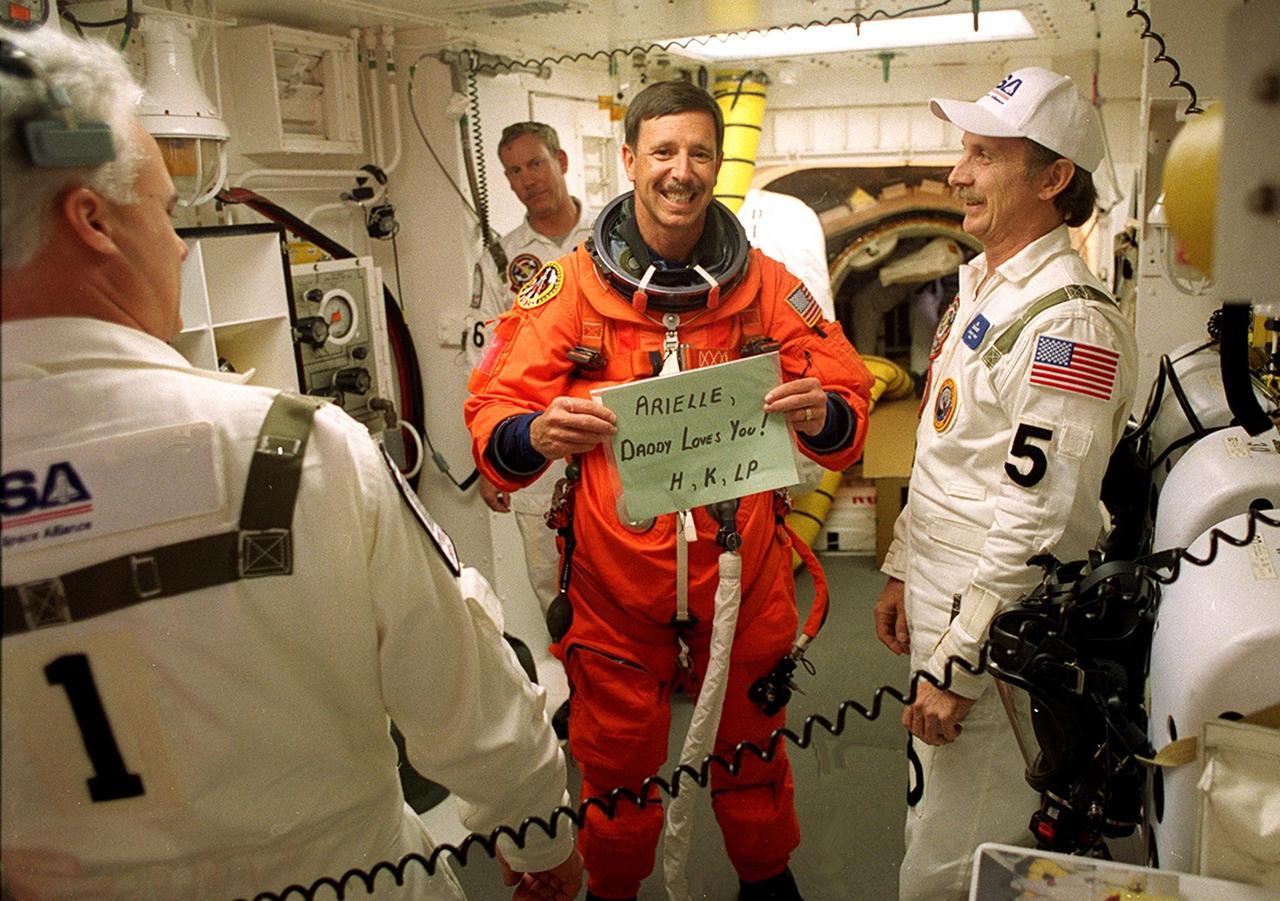
KENNEDY SPACE CENTER, Fla. - STS-105 Commander Scott Horowitz sends a message home while preparing to enter Space Shuttle Discovery for launch. Assisting with flight equipment are (left) Orbiter Vehicle Closeout Chief Chris Meinert, (right) USA Mechanical Technician Al Schmidt and (behind) NASA Quality Assurance Specialist Ken Strite. The payload on the STS-105 mission to the International Space Station includes the third flight of the Italian-built Multi-Purpose Logistics Module Leonardo, delivering additional scientific racks, equipment and supplies for the Space Station, and the Early Ammonia Servicer (EAS) tank. The EAS, which will be attached to the Station during two spacewalks, contains spare ammonia for the Station’s cooling system. Also, the Expedition Three crew is aboard to replace the Expedition Two crew on the International Space Station, who will be returning to Earth aboard Discovery after a five-month stay on the Station
KENNEDY SPACE CENTER, FLA. - In the White Room on Launch Pad 39A, Expedition 6 Commander Ken Bowersox is helped ) with his launch and entry suit before entering Space Shuttle Endeavour. Members of the Closeout Crew helping are (left) Danny Wyatt, NASA Quality Assurance specialist, and (right) Bobby Wright, United Space Alliance mechanical technician. The launch will carry the Expedition 6 crew to the Station and return the Expedition 5 crew to Earth. The major objective of the mission is delivery of the Port 1 (P1) Integrated Truss Assembly, which will be attached to the port side of the S0 truss. Three spacewalks are planned to install and activate the truss and its associated equipment. Launch of Space Shuttle Endeavour on mission STS-113 is scheduled for Nov. 23 at 7:50 p.m. EST.
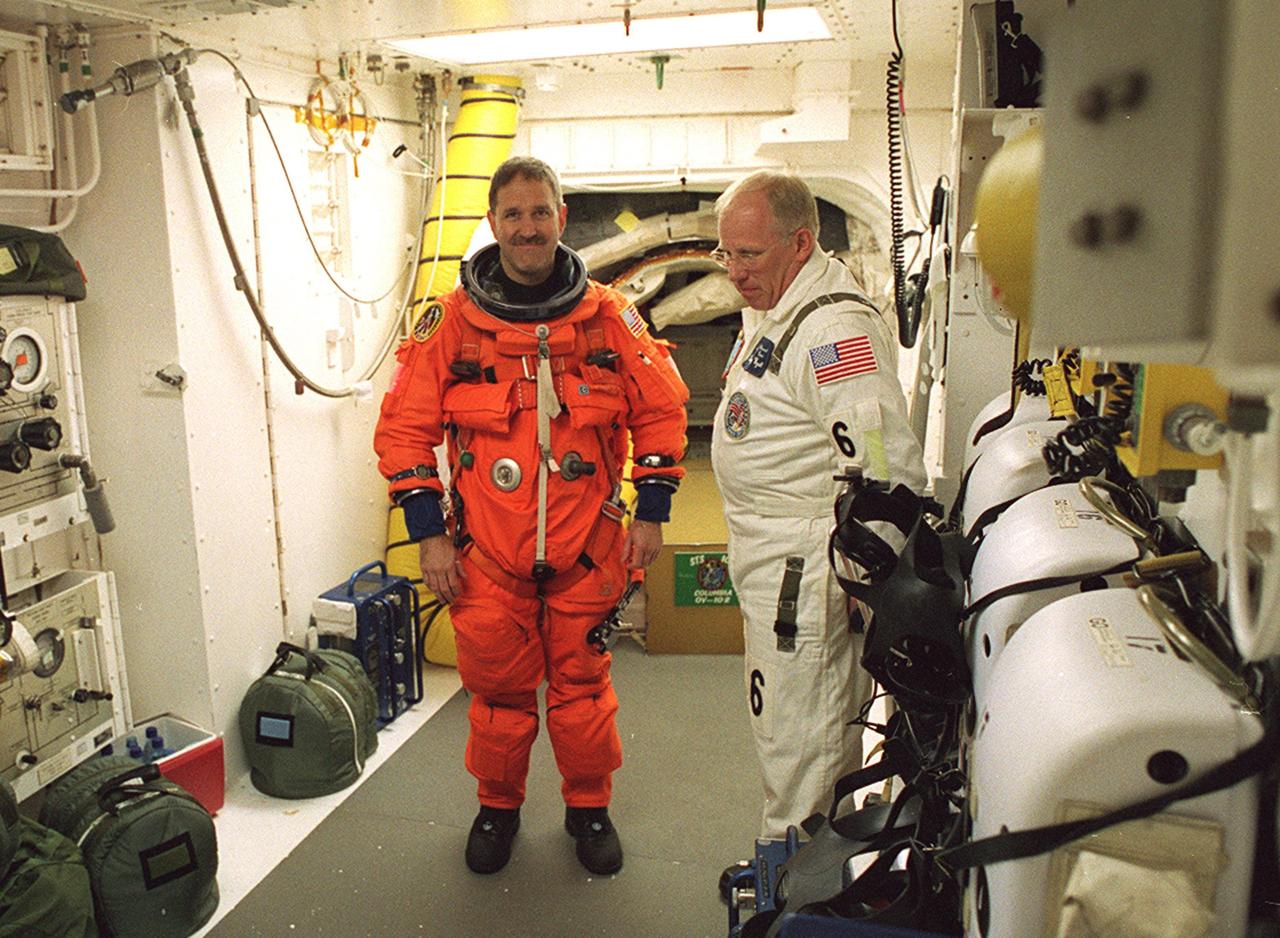
KENNEDY SPACE CENTER, FLA. - In the White Room, STS-109 Payload Commander John M. Grunsfeld pauses during checkout of his launch and entry suit. At right is Danny Wyatt, NASA quality assurance specialist, part of the closeout crew. Behind Grunsfeld is the opened hatch of Space Shuttle Columbia. On the mission, Columbia will rendezvous with the Hubble Space Telescope for the crew to replace and upgrade key telescope systems through five challenging spacewalks. After an extensive 2-1/2 year modification period during which many systems were replaced and enhanced, Columbia is making its 27th flight in the Shuttle program. After the 11-day mission, Columbia is expected to land at Kennedy Space Center March 12
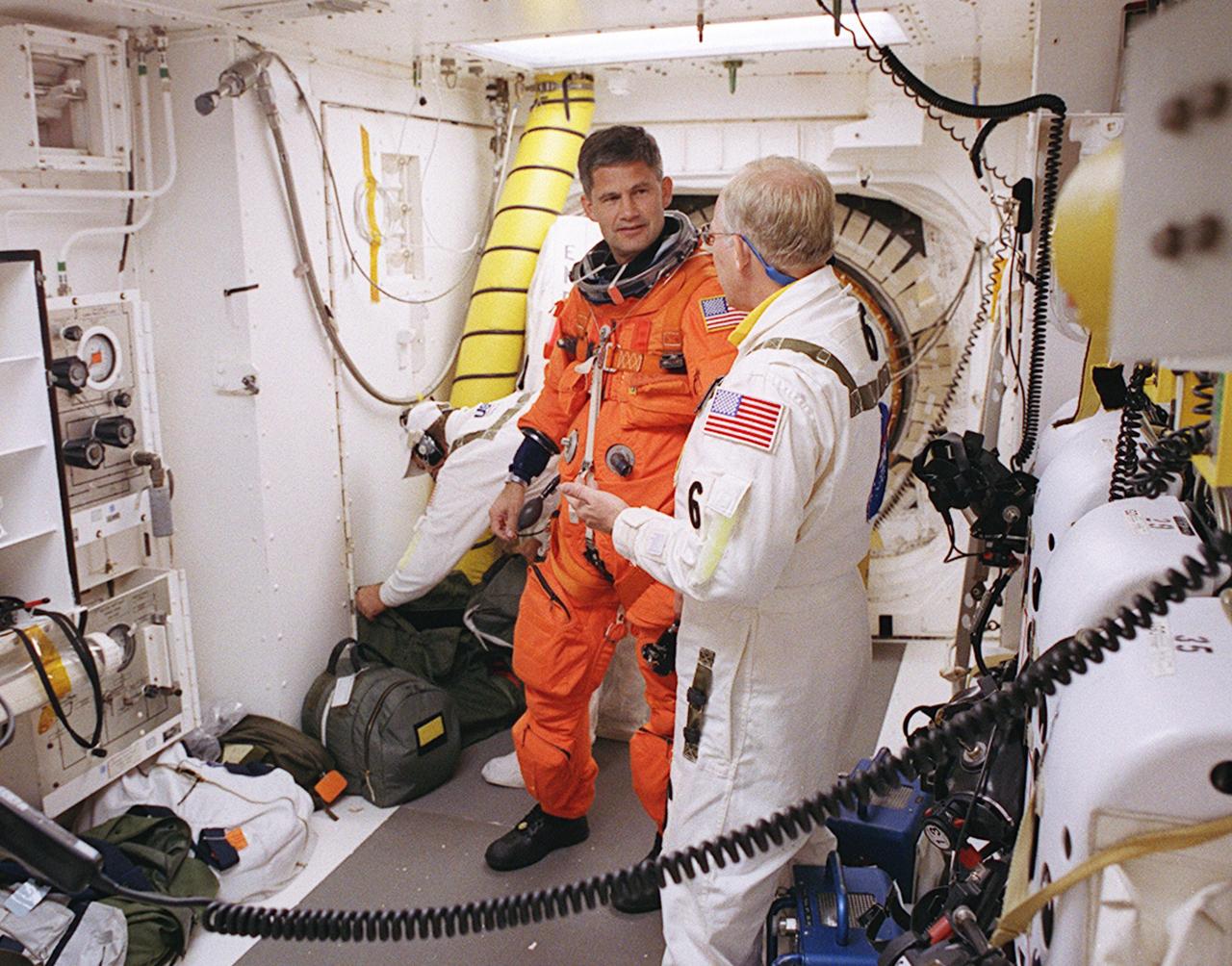
KENNEDY SPACE CENTER, FLA. -- In the White Room on Launch Pad 39A, STS-113 Pilot Paul Lockhart is helped by Danny Wyatt (foreground) with his launch and entry suit before entering Space Shuttle Endeavour. Wyatt is the NASA Quality Assurance specialist with the Closeout Crew. The launch will carry the Expedition 6 crew to the Station and return the Expedition 5 crew to Earth. The major objective of the mission is delivery of the Port 1 (P1) Integrated Truss Assembly, which will be attached to the port side of the S0 truss. Three spacewalks are planned to install and activate the truss and its associated equipment. Launch of Space Shuttle Endeavour on mission STS-113 is scheduled for Nov. 23 at 7:50 p.m. EST.
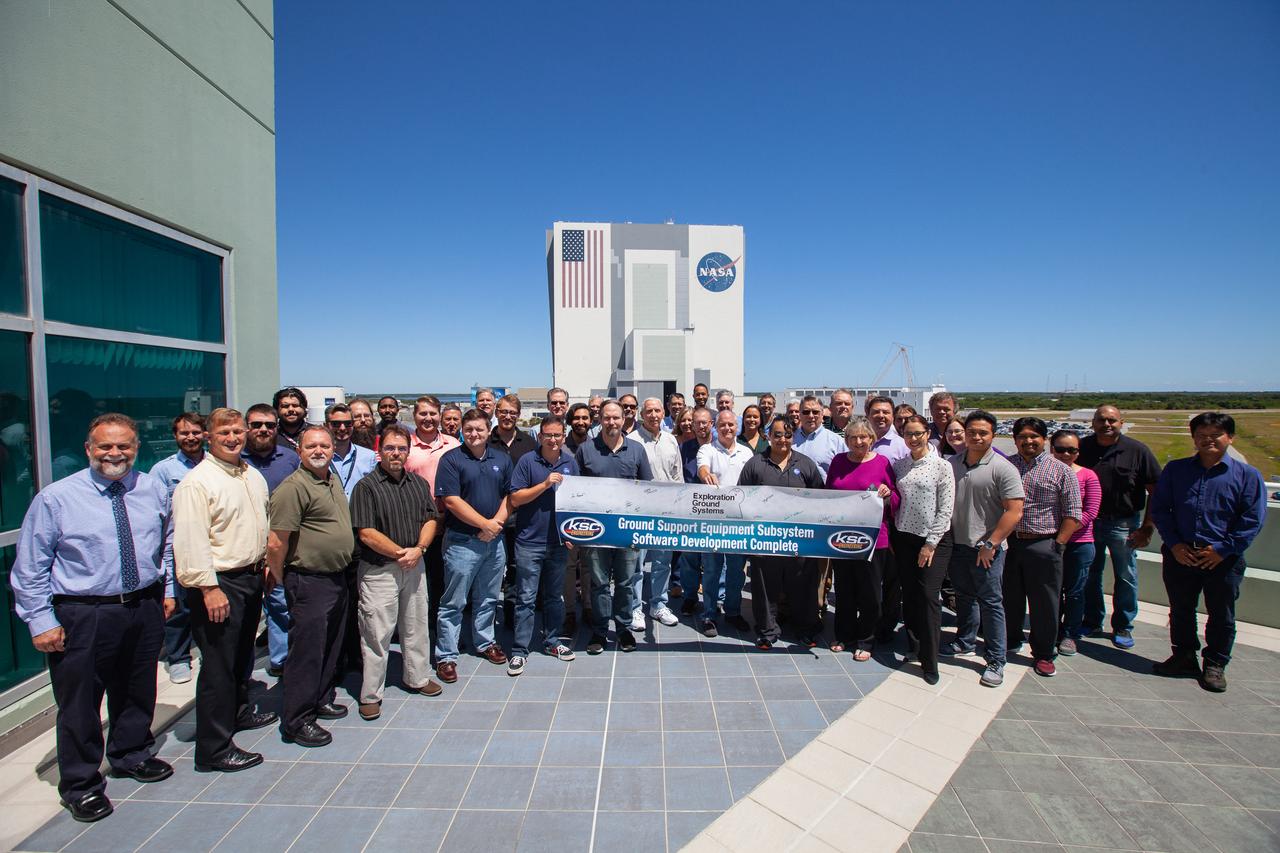
A banner signing event was held April 22, 2019, at NASA’s Kennedy Space Center in Florida, to mark the accomplishments of the Kennedy engineering team that supported the Ground Support Equipment (GSE) Subsystem Software development. The team gathered in the observation area of the Operations Support Building II with a view of the Vehicle Assembly Building behind them. This team includes the software leads, local developers, remote developers, modelers, project engineers, software quality assurance, build team members, integrators, system engineers, a chief engineer and some software managers. There are 60 unique instances of GSE Subsystem Software code. As of today, 58 of those 60 instances have completed software Level 5 Verification (L5V) and are in the process of completing Subsystem Verification & Validation.

KENNEDY SPACE CENTER, FLA. - In the White Room, STS-109 Mission Specialist Michael J. Massimino (center) waves in excitement over his first Shuttle launch. Helping him with his launch and entry suit are Tim Seymour (left), United Space Alliance mechanical technician, and Danny Wyatt (right), NASA quality assurance specialist. On the mission, Space Shuttle Columbia will rendezvous with the Hubble Space Telescope for the crew to replace and upgrade key telescope systems through five challenging spacewalks. After an extensive 2-1/2 year modification period during which many systems were replaced and enhanced, Columbia is making its 27th flight in the Shuttle program. After the 11-day mission, Columbia is expected to land at Kennedy Space Center March 12

KENNEDY SPACE CENTER, FLA. -- In the White Room, STS-109 Commander Scott D. Altman (center) is helped by the Closeout Crew for launch. At left is Danny Wyatt, NASA quality assurance specialist; at right is Tim Seymour, United Space Alliance mechanical technician. On the mission, Space Shuttle Columbia will rendezvous with the Hubble Space Telescope for the crew to replace and upgrade key telescope systems through five challenging spacewalks. After an extensive 2-1/2 year modification period during which many systems were replaced and enhanced, Columbia is making its 27th flight in the Shuttle program. After the 11-day mission, Columbia is expected to land at Kennedy Space Center March 12

KENNEDY SPACE CENTER, FLA. -- STS-103 Mission Specialist John M. Grunsfeld (Ph.D.), in his orange launch and entry suit, is assisted by closeout crew members in the White Room before entering the orbiter. At left is United Space Alliance Mechanical Technician Vinny Defranzo and at right is NASA Quality Assurance Specialist Danny Wyatt. The White Room is an environmental chamber at the end of the orbiter access arm on the fixed service structure. It provides entry to the orbiter crew compartment. The mission, to service the Hubble Space Telescope, is scheduled to lift off at 7:50 p.m. EST Dec. 19 on mission STS-103, servicing the Hubble Space Telescope. Objectives for the nearly eight-day mission include replacing gyroscopes and an old computer, installing another solid state recorder, and replacing damaged insulation in the telescope. Discovery is expected to land at KSC Monday, Dec. 27, at about 5:24 p.m. EST
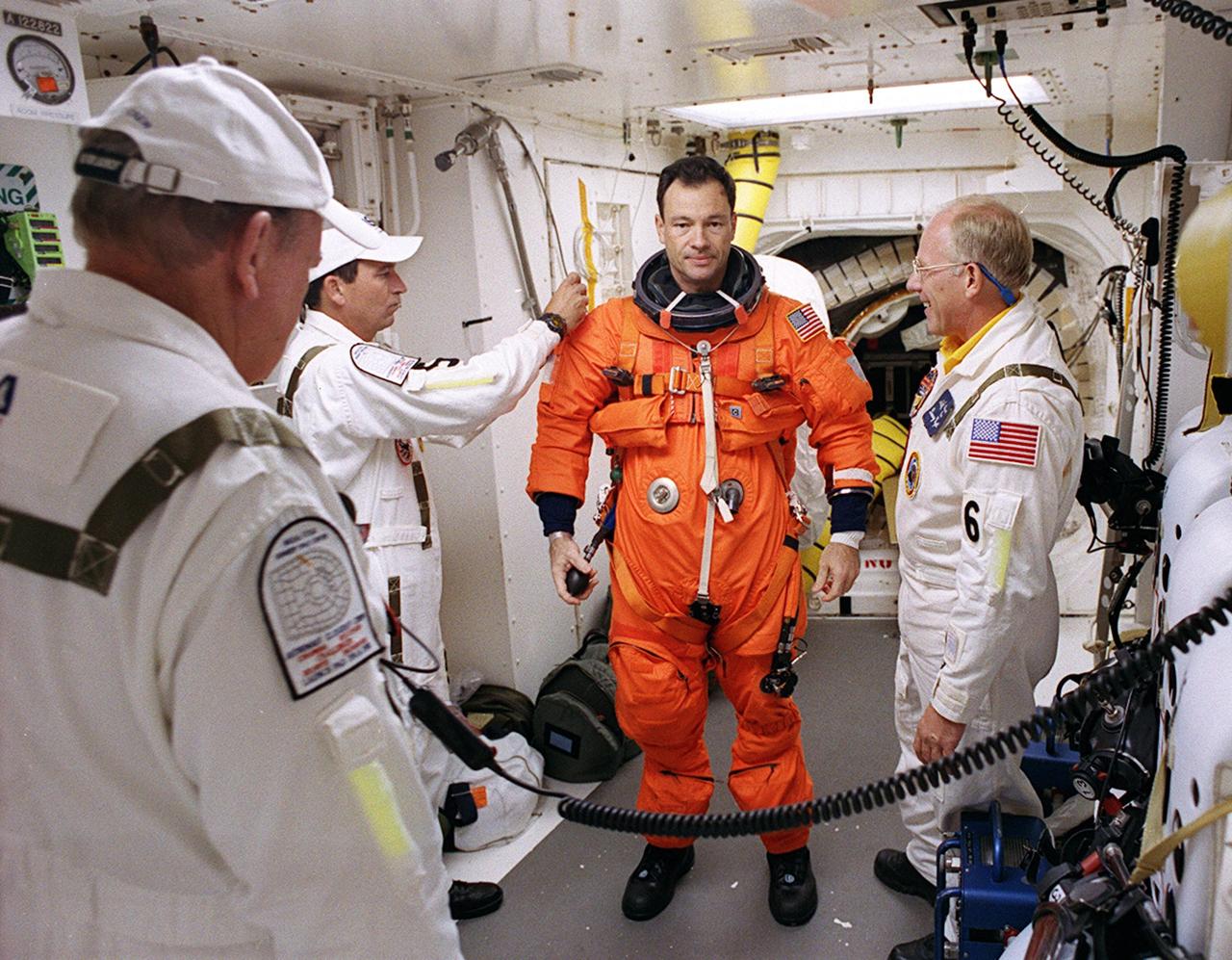
KENNEDY SPACE CENTER, FLA. -- In the White Room on Launch Pad 39A, STS-113 Mission Specialist Michael Lopez-Alegria is helped with his launch and entry suit before entering Space Shuttle Endeavour. Closeout Crew members helping are (from left) Rick Welty, United Space Alliance Vehicle Closeout chief, Bobby Wright, USA mechanical technician, and Danny Wyatt, NASA Quality Assurance specialist. The launch will carry the Expedition 6 crew to the Station and return the Expedition 5 crew to Earth. The major objective of the mission is delivery of the Port 1 (P1) Integrated Truss Assembly, which will be attached to the port side of the S0 truss. Three spacewalks are planned to install and activate the truss and its associated equipment. Launch of Space Shuttle Endeavour on mission STS-113 is scheduled for Nov. 23 at 7:50 p.m. EST.

The closeout crew in the White Room pose with two of the STS-98 crew. Kneeling in front is United Space Alliance Mechanical Technician George Schramm. Standing, left to right, are USA Mechanical Technician Vinny Difranzo, Mission Specialist Robert Curbeam, NASA Quality Assurance Specialist Ken Strite, Mission Specialist Marsha Ivins, and USA Orbiter Vehicle Closeout Chief Travis Thompson. The White Room is an environmental chamber at the end of the orbiter access arm that mates with the orbiter to allow personnel to enter the orbiter’s crew compartment. The STS-98 crew is getting ready to enter Atlantis for a simulated launch countdown, part of Terminal Countdown Demonstration Test activities. STS-98 is the seventh construction flight to the International Space Station, carrying as payload the U.S. Lab Destiny, a key element in the construction of the ISS. Launch of STS-98 is scheduled for Jan. 19 at 2:11 a.m. EST
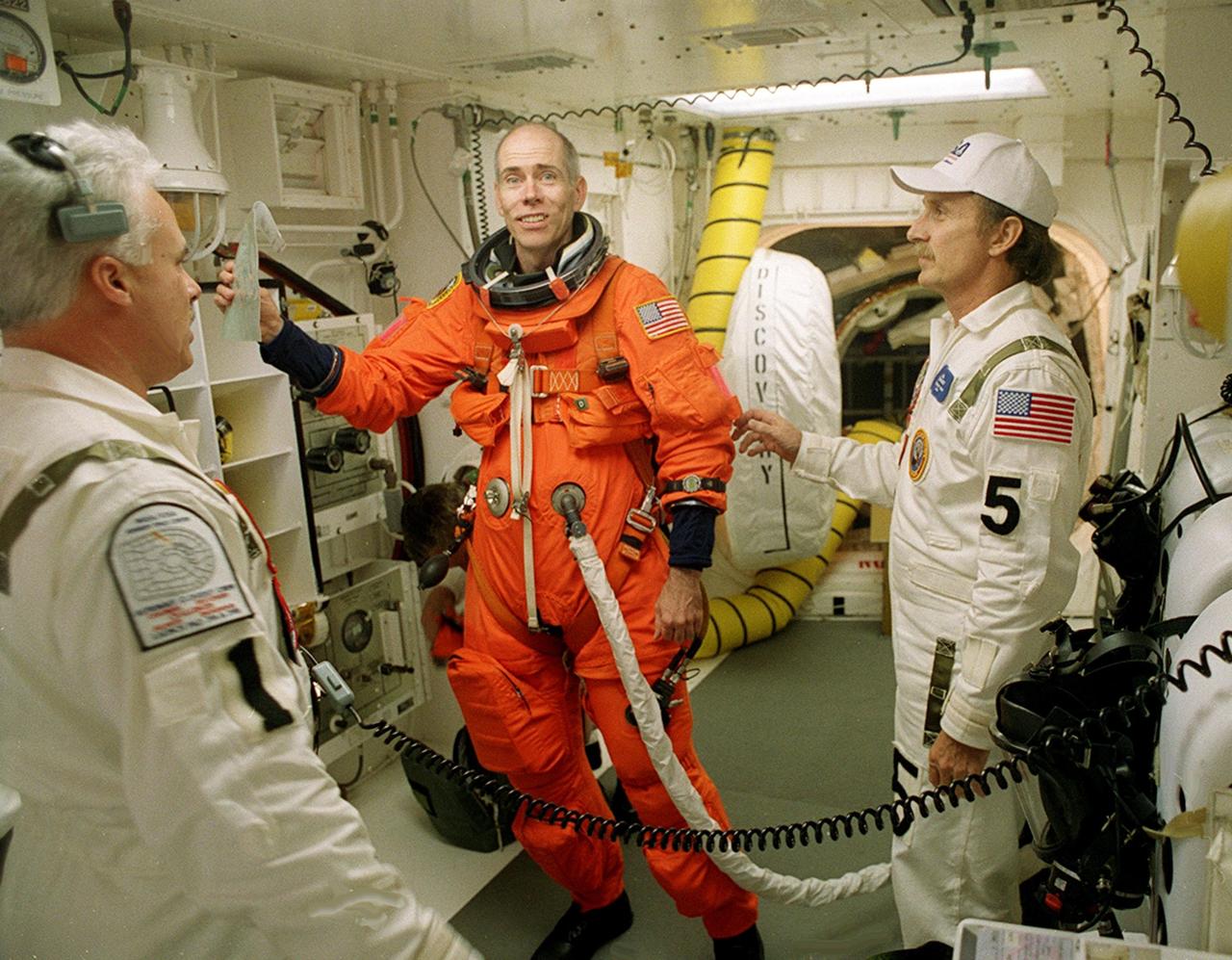
KENNEDY SPACE CENTER, Fla. -- STS-105 Commander Scott Horowitz sends a message home while preparing to enter Space Shuttle Discovery for launch. Assisting with flight equipment are (left) Orbiter Vehicle Closeout Chief Chris Meinert, (right) USA Mechanical Technician Al Schmidt and (behind) NASA Quality Assurance Specialist Ken Strite. The payload on the STS-105 mission to the International Space Station includes the third flight of the Italian-built Multi-Purpose Logistics Module Leonardo, delivering additional scientific racks, equipment and supplies for the Space Station, and the Early Ammonia Servicer (EAS) tank. The EAS, which will be attached to the Station during two spacewalks, contains spare ammonia for the Station's cooling system. Also, the Expedition Three crew is aboard to replace the Expedition Two crew on the Space Station, who will be returning to Earth aboard Discovery after a five-month stay on the Station
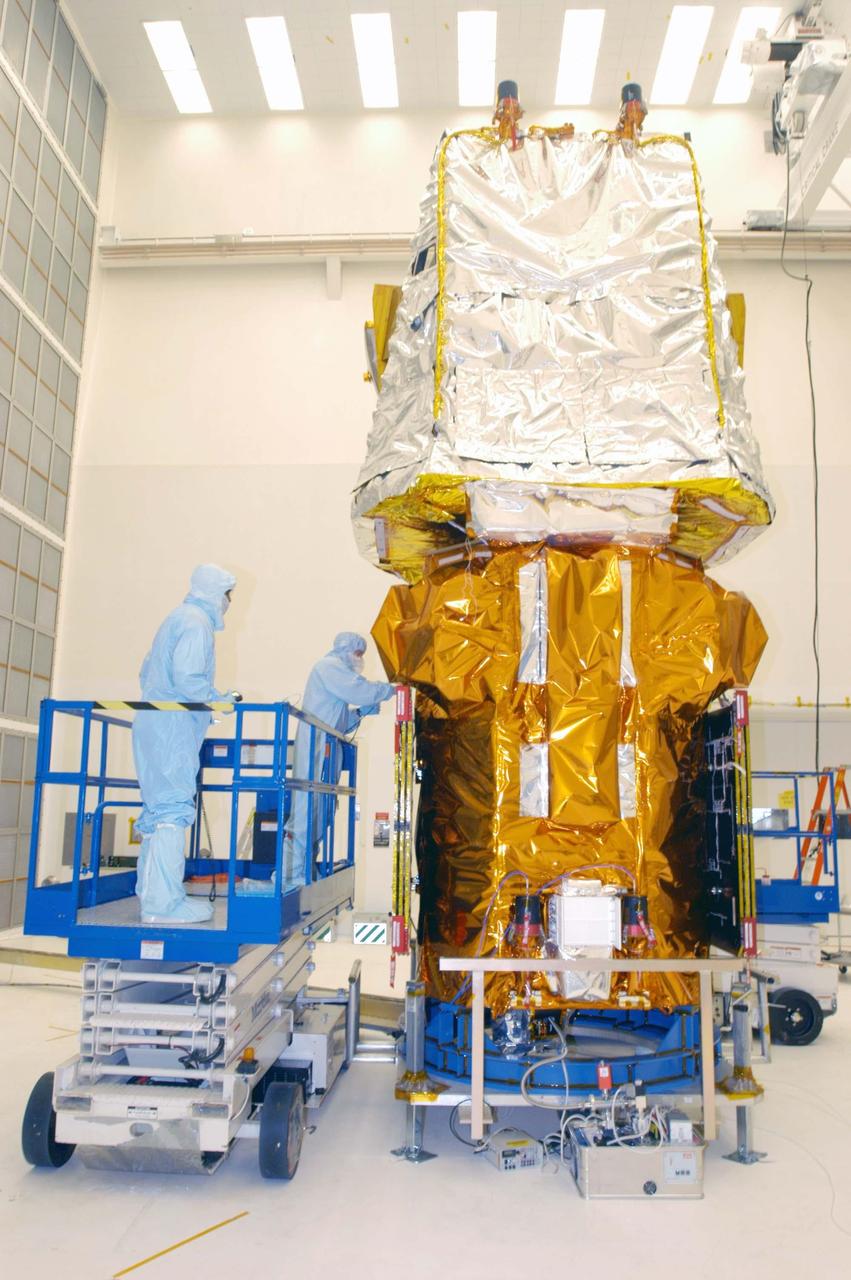
KENNEDY SPACE CENTER, FLA. - Quality Assurance Services technicians Willy Jones and Brian Kittle do some touch-up work on the Swift spacecraft in Hangar AE at Cape Canaveral Air Force Station. Swift has been wrapped with blankets to provide thermal stability during the mission. Swift is a first-of-its-kind multi-wavelength observatory dedicated to the study of gamma-ray burst (GRB) science. Its three instruments will work together to observe GRBs and afterglows in the gamma-ray, X-ray, ultraviolet and optical wavebands. The most comprehensive study of GRB afterglows to date, Swift is expected to observe more than 200 gamma-ray bursts during its 2-year mission.
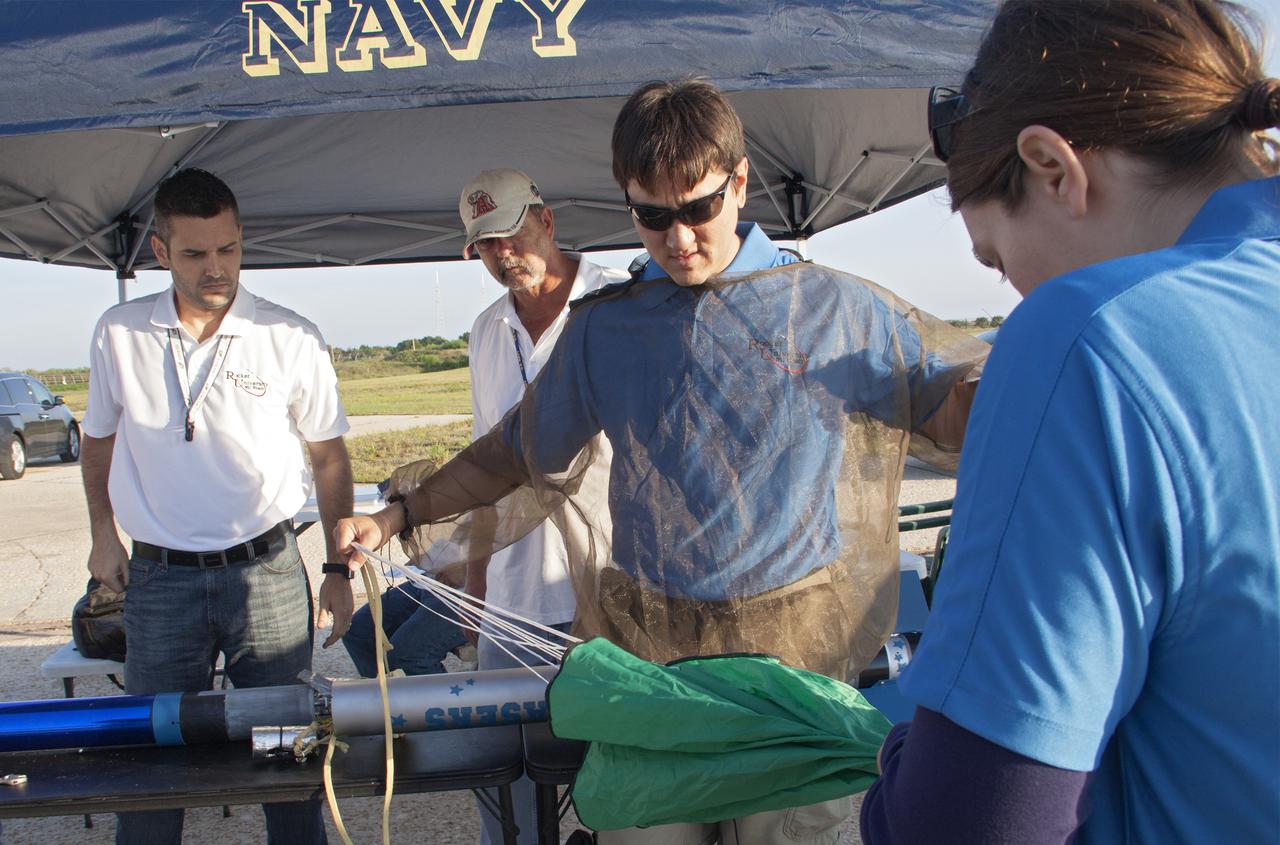
CAPE CANAVERAL, Fla. -- At NASA's Kennedy Space Center in Florida, from the left, Leandro James of Systems Hardware Engineering, George Mizell of Quality Assurance, Morgan Simpson of Flight Hardware Processing and Kim Simpson of Fluids, Mechanical and Structural Systems prepare a parachute for a small rocket prior to launch as part of Rocket University. The goal was to test its systems and to verify that it performed as designed. As part of Rocket University, the engineers are given an opportunity to work a fast-track project to develop skills in developing spacecraft systems of the future. As NASA plans for future spaceflight programs to low-Earth orbit and beyond, teams of engineers at Kennedy are gaining experience in designing and flying launch vehicle systems on a small scale. Four teams of five to eight members from Kennedy are designing rockets complete with avionics and recovery systems. Launch operations require coordination with federal agencies, just as they would with rockets launched in support of a NASA mission. Photo credit: NASA_Jim Grossmann

KENNEDY SPACE CENTER, Fla. - Expedition Three Commander Frank Culbertson sends a greeting home while having his flight equipment checked before he enters Space Shuttle Discovery for launch. Helping him are (front) USA Mechanical Technician Al Schmidt and (back) NASA Quality Assurance Specialist Ken Strite. The payload on the STS-105 mission to the International Space Station includes the third flight of the Italian-built Multi-Purpose Logistics Module Leonardo, delivering additional scientific racks, equipment and supplies for the Space Station, and the Early Ammonia Servicer (EAS) tank. The EAS, which will be attached to the Station during two spacewalks, contains spare ammonia for the Station’s cooling system. Also, the Expedition Three crew is aboard to replace the Expedition Two crew on the International Space Station, who will be returning to Earth aboard Discovery after a five-month stay on the Station
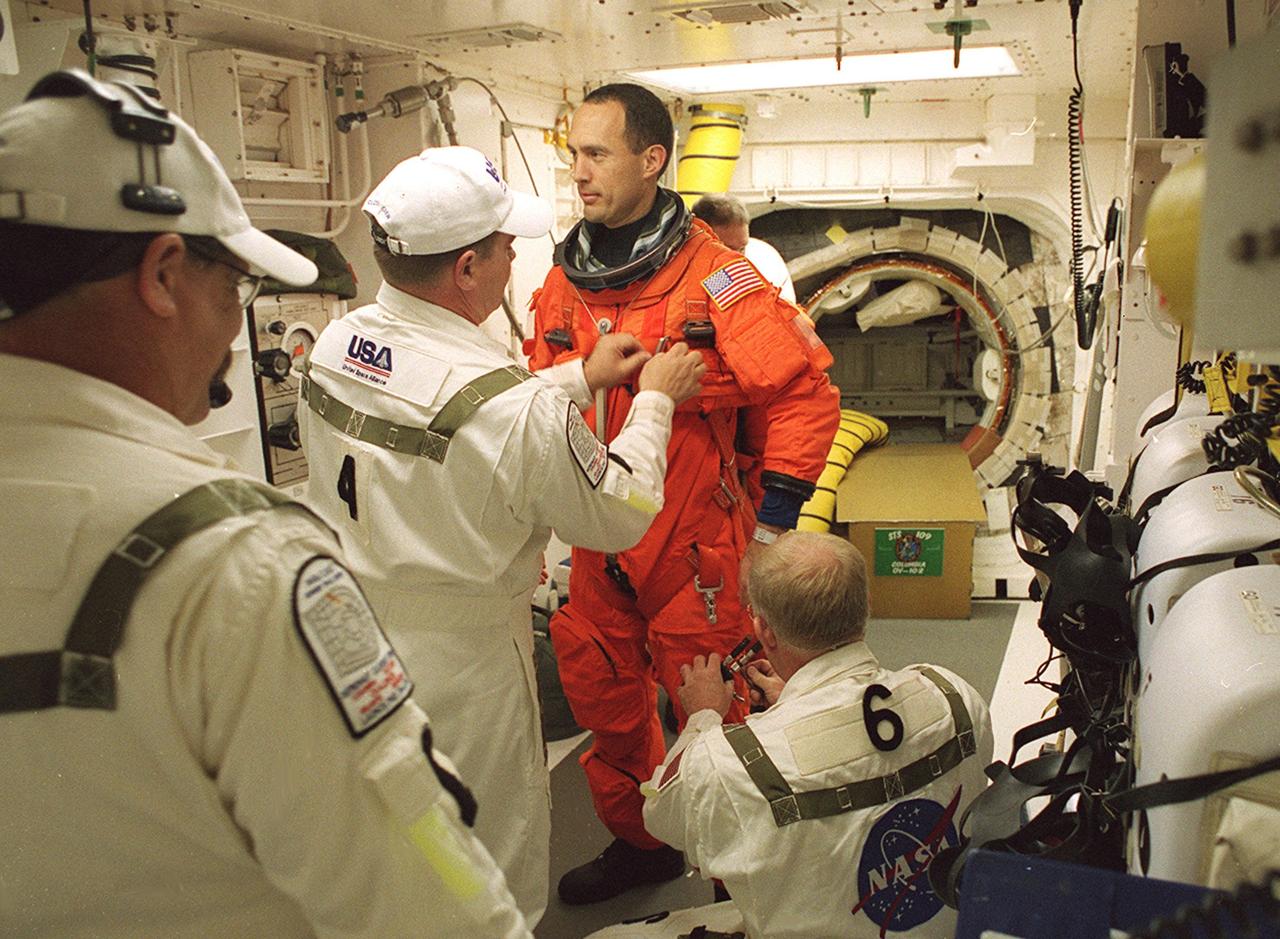
KENNEDY SPACE CENTER, FLA. - In the White Room, STS-109 Mission Specialist James H. Newman is helped with his launch and entry suit by Rene Arriens (left), USA mechanical technician, and Danny Wyatt, NASA quality assurance specialist (right, kneeling). Behind Newman is the opened hatch of Space Shuttle Columbia. On the mission, Columbia will rendezvous with the Hubble Space Telescope for the crew to replace and upgrade key telescope systems through five challenging spacewalks. After an extensive 2-1/2 year modification period during which many systems were replaced and enhanced, Columbia is making its 27th flight in the Shuttle program. After the 11-day mission, Columbia is expected to land at Kennedy Space Center March 12
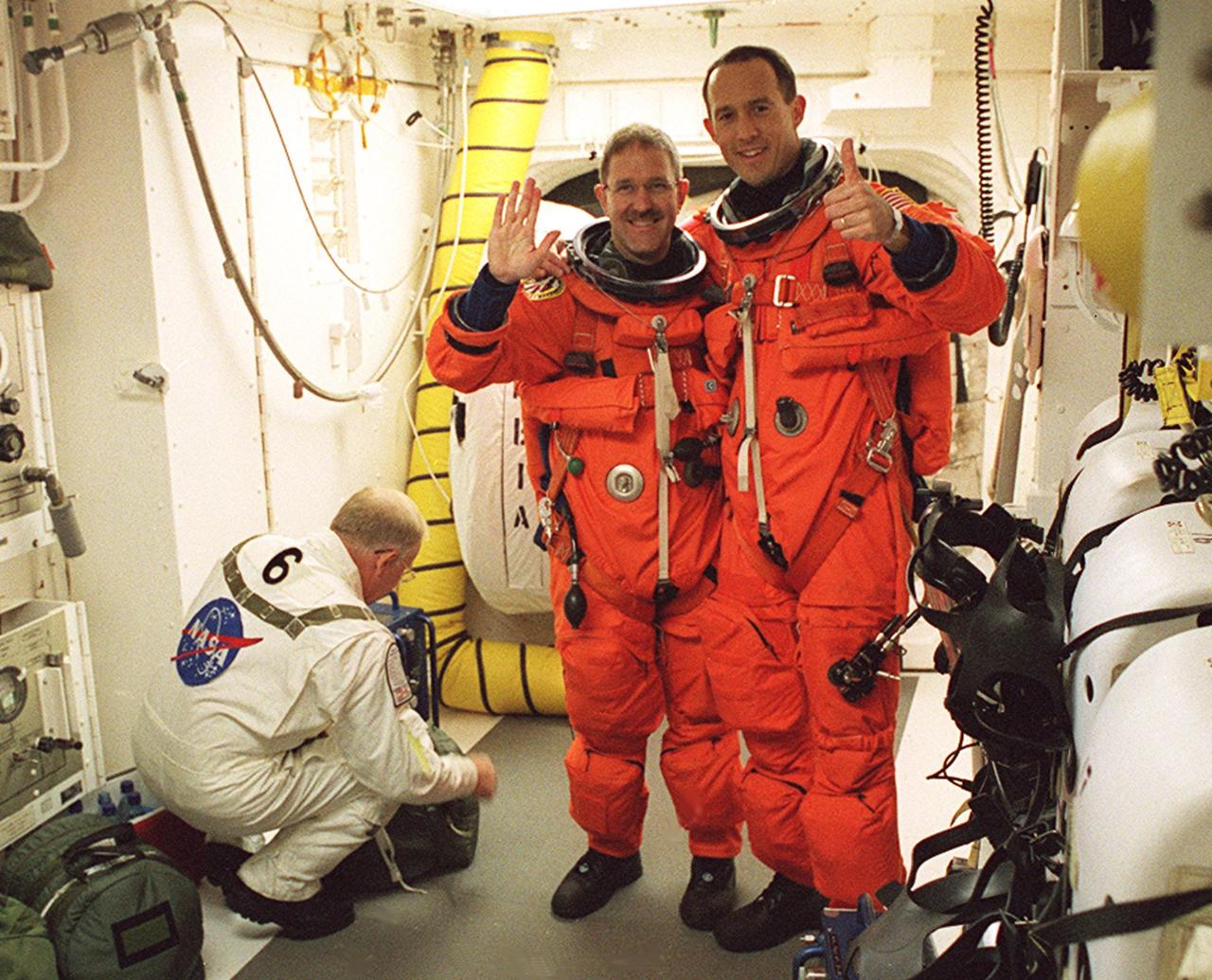
KENNEDY SPACE CENTER, FLA. -- - In the White Room, STS-109 Mission Specialists John M. Grunsfeld (left) and James H. Newman (right) signal their confidence and readiness for launch. At left, kneeling, is closeout crew member Danny Wyatt, NASA quality assurance specialist. Grunsfeld is Payload Commander on the mission, on which Columbia will rendezvous with the Hubble Space Telescope for the crew to replace and upgrade key telescope systems through five challenging spacewalks. After an extensive 2-1/2 year modification period during which many systems were replaced and enhanced, Columbia is making its 27th flight in the Shuttle program. After the 11-day mission, Columbia is expected to land at Kennedy Space Center March 12.
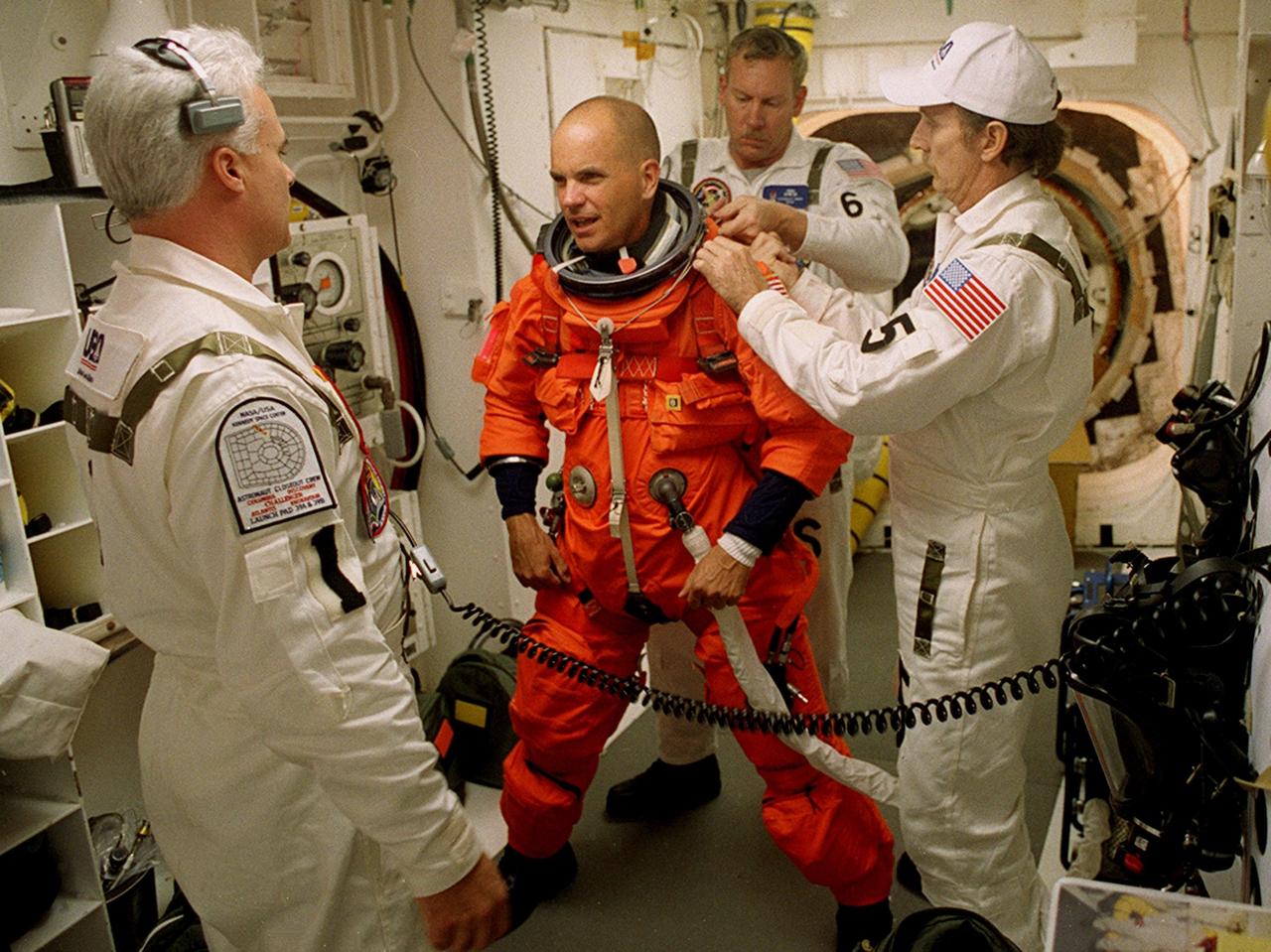
KENNEDY SPACE CENTER, Fla. - STS-105 Pilot Rick Sturckow is assisted with his launch and entry suit before he enters Space Shuttle Discovery for launch. Helping him are (left) Orbiter Vehicle Closeout Chief Chris Meinert, USA Mechanical Technician Al Schmidt (right) and (back) NASA Quality Assurance Specialist Ken Strite. The payload on the STS-105 mission to the International Space Station includes the third flight of the Italian-built Multi-Purpose Logistics Module Leonardo, delivering additional scientific racks, equipment and supplies for the Space Station, and the Early Ammonia Servicer (EAS) tank. The EAS, which will be attached to the Station during two spacewalks, contains spare ammonia for the Station’s cooling system. Also, the Expedition Three crew is aboard to replace the Expedition Two crew on the International Space Station, who will be returning to Earth aboard Discovery after a five-month stay on the Station
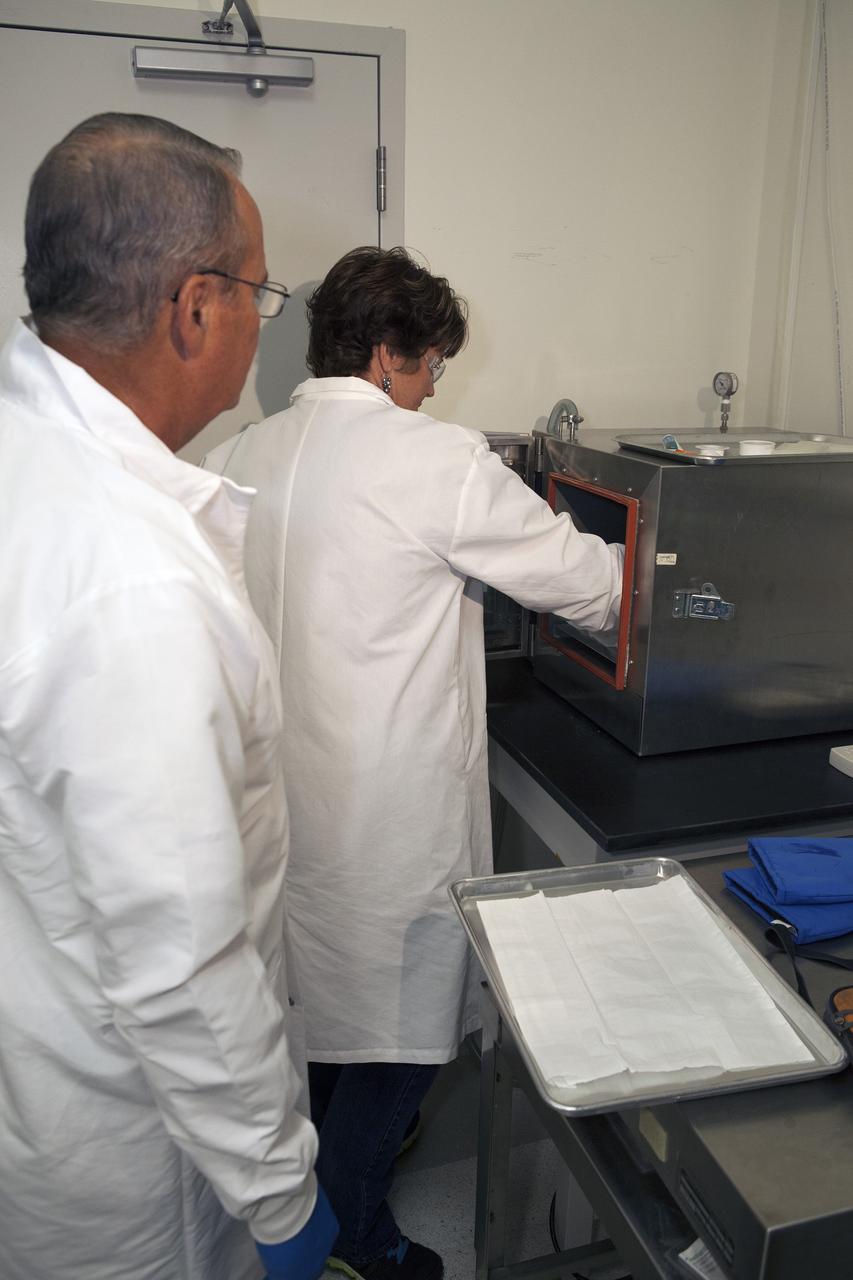
CAPE CANAVERAL, Fla. – Inside a laboratory in the Space Station Processing Facility at NASA's Kennedy Space Center in Florida, April Spinale, a payload integration specialist with Bionetics, and Ray Polniak, a quality assurance specialist with Dynamac, place a set of vials for the Protein Crystal Growth 2 experiment into a vacuum chamber for an acceptance leak test. The vials have been filled with clear water. The test will verify that the hardware is providing adequate containment for the liquids. Both are consultants for the Center for Advancement of Science in Space, or CASIS. The experiment is one of many that will be delivered to the International Space Station on the SpaceX-4 commercial cargo resupply mission. Kennedy's ISS Ground Processing and Research Project Office is providing the necessary laboratories, equipment, supplies and consumables for 61 principal investigators, including 17 from other countries, as they prepare their science experiments for flight. The SpaceX-4 flight is targeted to launch in September 2014. Photo credit: NASA/Dimitri Gerondidakis
CAPE CANAVERAL, Fla. – In Orbiter Processing Facility Bay 2 at NASA’s Kennedy Space Center in Florida, United Space Alliance USA aerospace technician Jim Reed and USA aerospace quality assurance inspector Rob Lewis complete weight and center of gravity checks on the space shuttle Endeavour. The work is part of Transition and Retirement of the remaining space shuttles, Endeavour and Atlantis. Endeavour is being prepared for public display at the California Science Center in Los Angeles. Its ferry flight to California is targeted for mid-September. Endeavour was the last space shuttle added to NASA’s orbiter fleet. Over the course of its 19-year career, Endeavour spent 299 days in space during 25 missions. For more information, visit http://www.nasa.gov/transition Photo credit: NASA/ Jim Grossmann
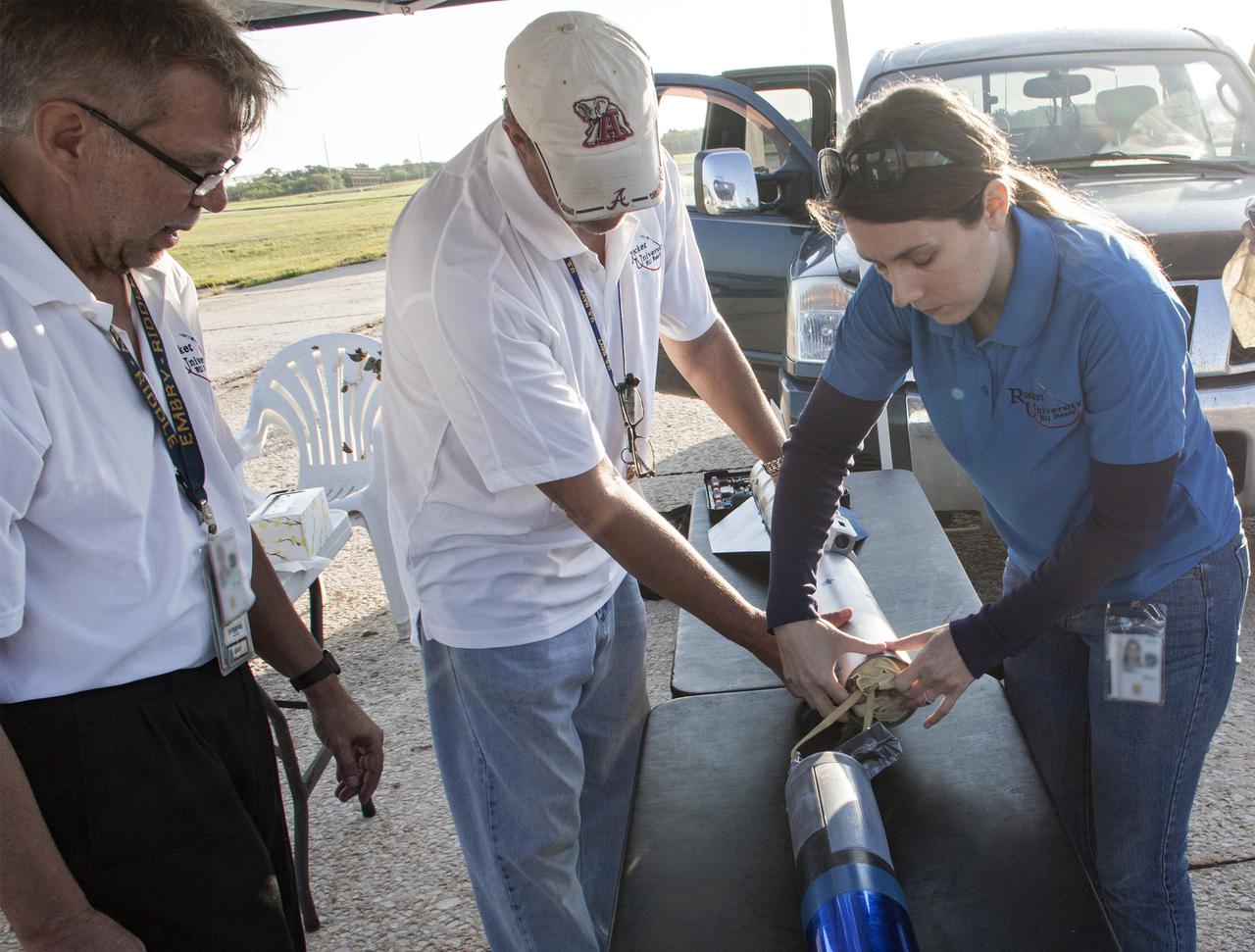
CAPE CANAVERAL, Fla. -- At NASA's Kennedy Space Center in Florida, from the left, Gary Dahlke of Engineering and Technology, George Mizell of Quality Assurance and Kim Simpson of Fluids, Mechanical and Structural Systems make final adjustments to a small rocket prior to launch as part of Rocket University. The goal was to test its systems and to verify that it performed as designed. As part of Rocket University, the engineers are given an opportunity to work a fast-track project to develop skills in developing spacecraft systems of the future. As NASA plans for future spaceflight programs to low-Earth orbit and beyond, teams of engineers at Kennedy are gaining experience in designing and flying launch vehicle systems on a small scale. Four teams of five to eight members from Kennedy are designing rockets complete with avionics and recovery systems. Launch operations require coordination with federal agencies, just as they would with rockets launched in support of a NASA mission. Photo credit: NASA_Jim Grossmann
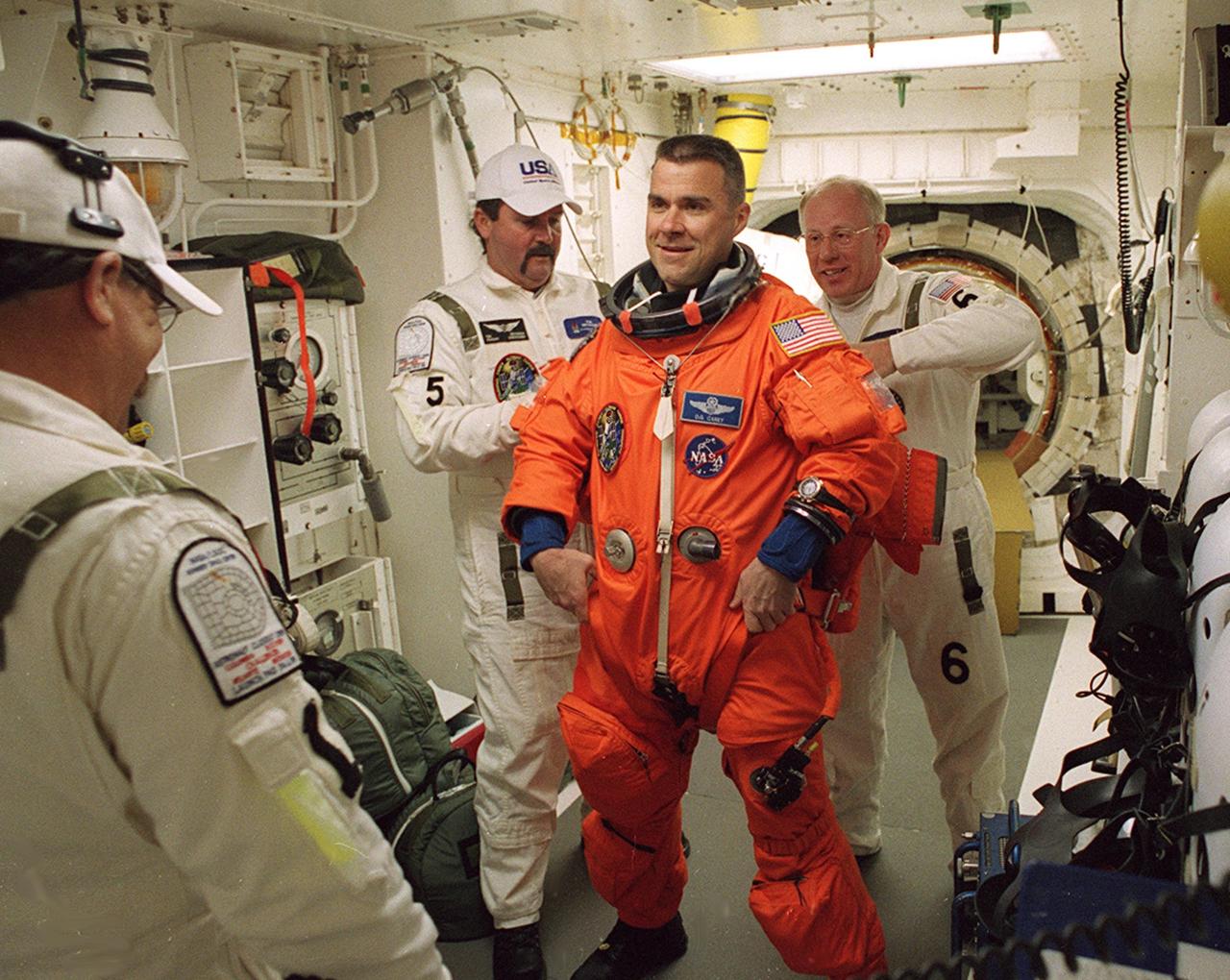
KENNEDY SPACE CENTER, FLA. - In the White Room, STS-109 Pilot Duane G. Carey (center) is helped with his launch and entry suit by Tim Seymour (left), United Space Alliance mechanical technician, and Danny Wyatt (right), NASA quality assurance specialist. On the mission, Space Shuttle Columbia will rendezvous with the Hubble Space Telescope for the crew to replace and upgrade key telescope systems through five challenging spacewalks. After an extensive 2-1/2 year modification period during which many systems were replaced and enhanced, Columbia is making its 27th flight in the Shuttle program. After the 11-day mission, Columbia is expected to land at Kennedy Space Center March 12
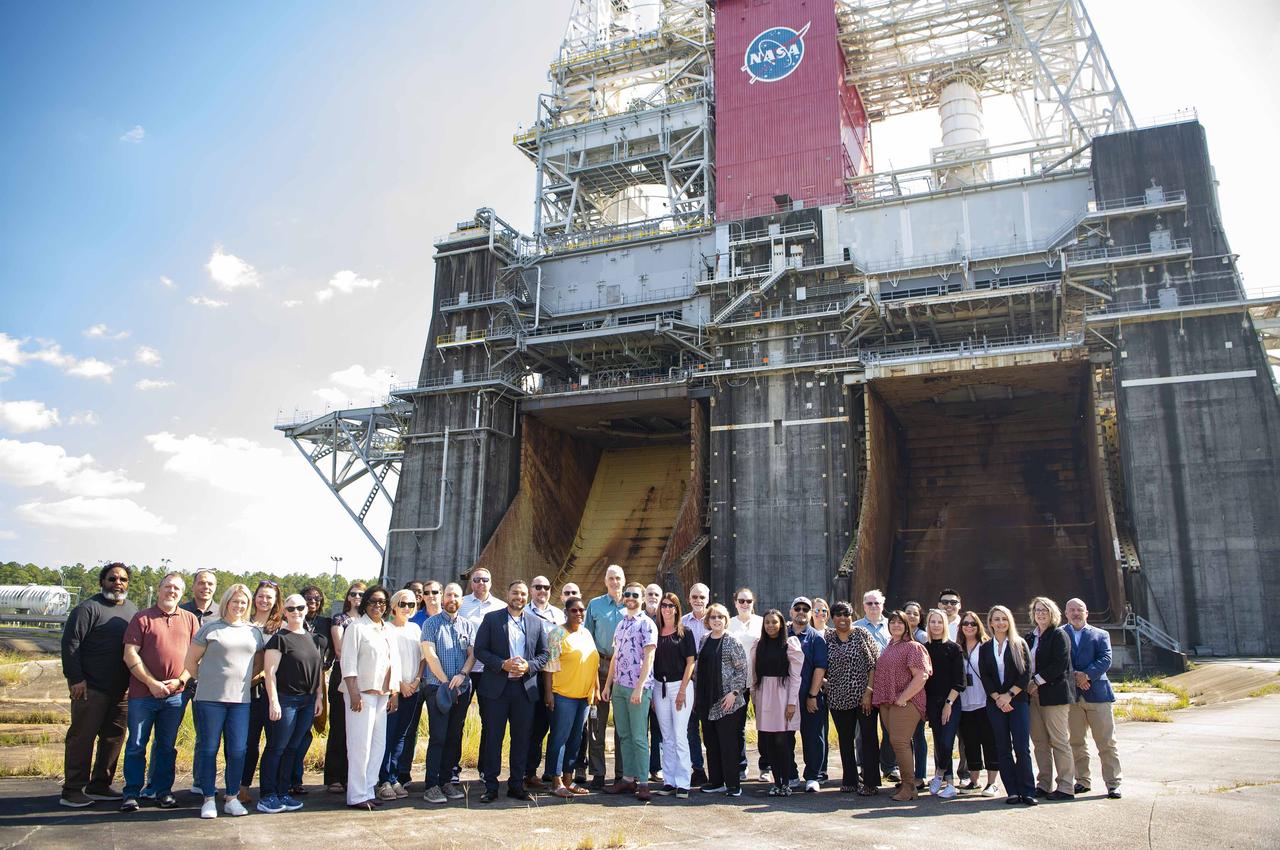
The NASA Office of the Chief Information Officer Integrated Design and Assurance Systems team are shown at the Thad Cochran Test Stand (B-1/B-2) during a tour of NASA Stennis on Oct. 9. To accomplish NASA’s vision, the agency depends heavily on many things and information technology is key among them. Information technology capabilities enable NASA’s discoveries, allow sharing of mission data, improve workforce productivity, and increase mission quality, resilience, and cost-effectiveness. To enable success for NASA’s mission portfolio, the Office of the Chief Information Officer goals are to deliver great customer experiences; achieve consistent operational excellence; transform NASA through information and technology; and ensure proactive, resilient cybersecurity – all delivered by an exceptional team.
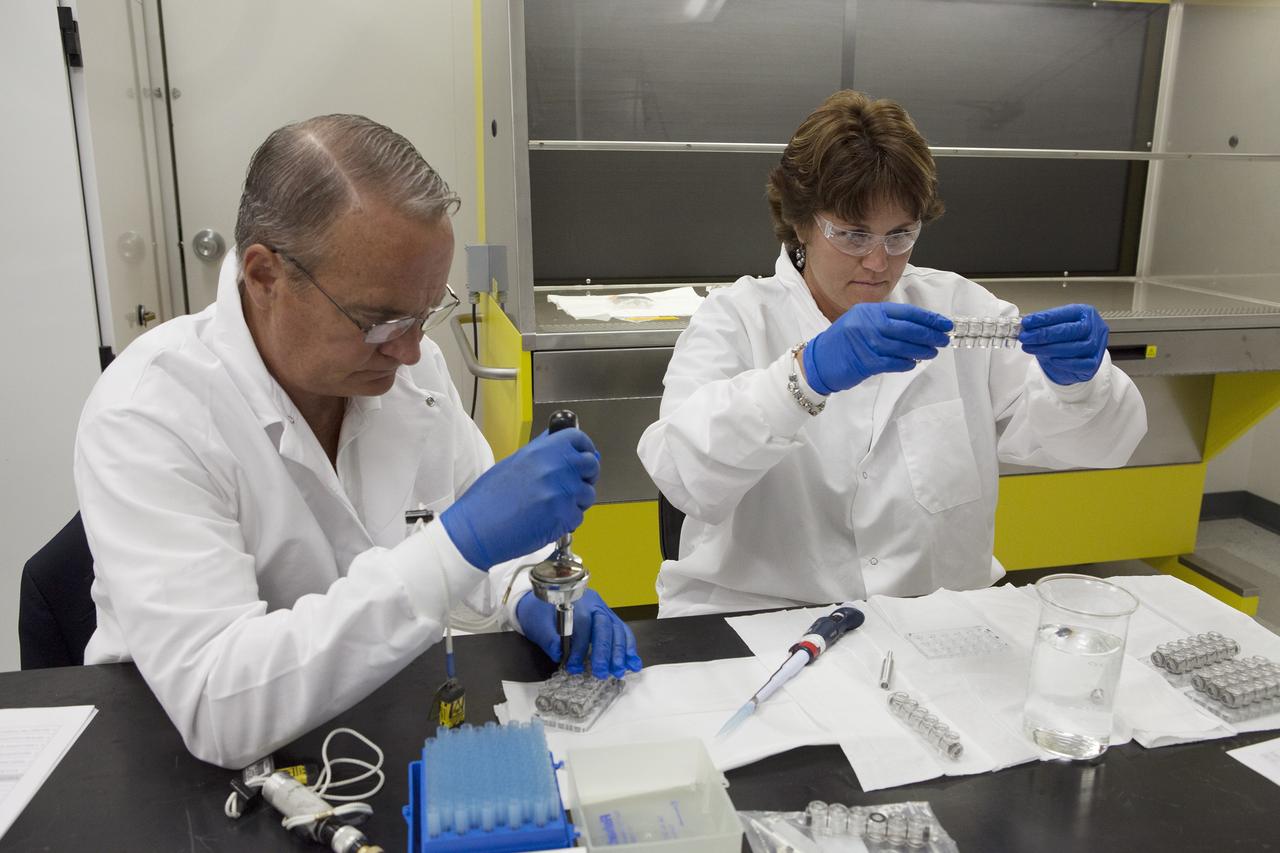
CAPE CANAVERAL, Fla. – Inside a laboratory in the Space Station Processing Facility at NASA's Kennedy Space Center in Florida, April Spinale, a payload integration specialist with Bionetics, and Ray Polniak, a quality assurance specialist with Dynamac, fill vials with clear water during an acceptance leak test on the hardware for the Protein Crystal Growth 2 experiment. They are both consultants for the Center for Advancement of Science in Space, or CASIS. The experiment is one of many that will be delivered to the International Space Station on the SpaceX-4 commercial cargo resupply mission. Kennedy's ISS Ground Processing and Research Project Office is providing the necessary laboratories, equipment, supplies and consumables for 61 principal investigators, including 17 from other countries, as they prepare their science experiments for flight. The SpaceX-4 flight is targeted to launch in September 2014. Photo credit: NASA/Dimitri Gerondidakis
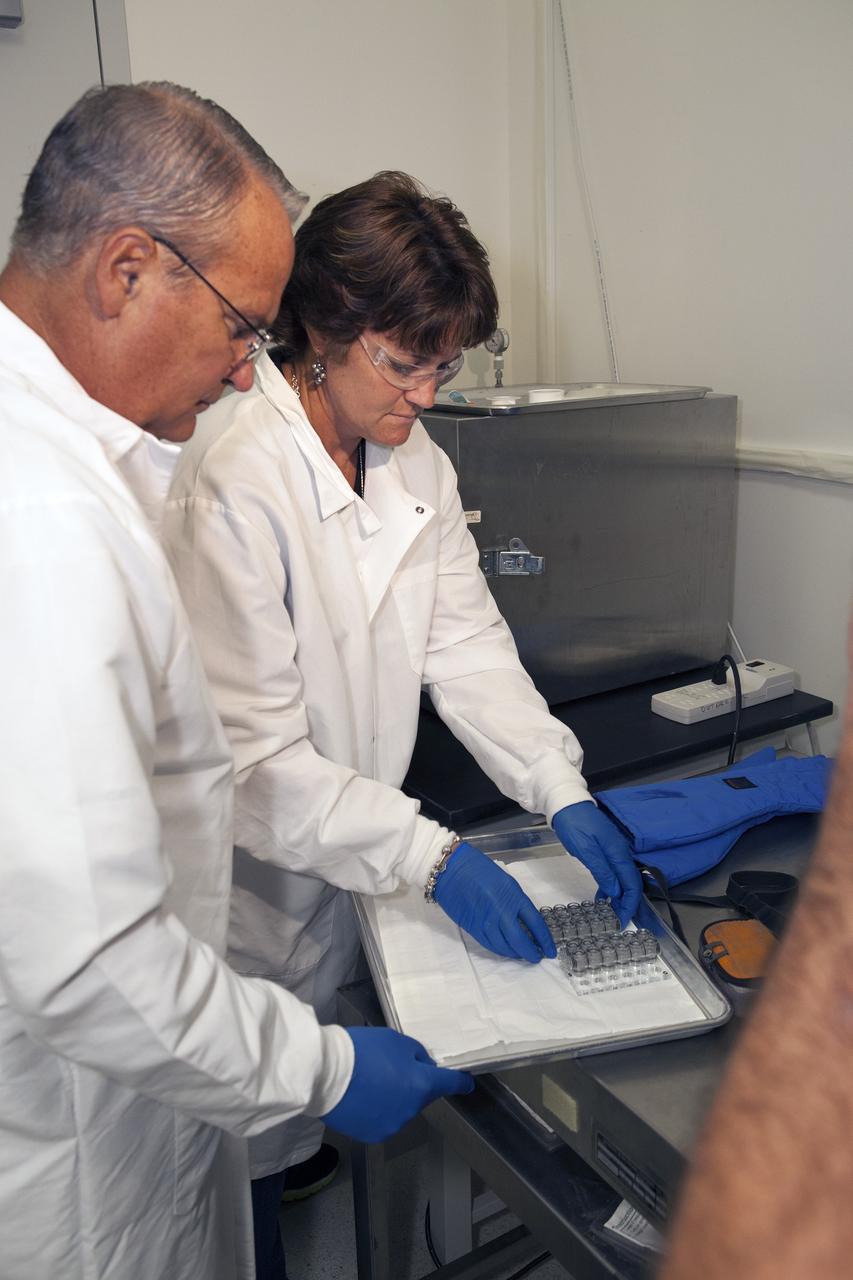
CAPE CANAVERAL, Fla. – Inside a laboratory in the Space Station Processing Facility at NASA's Kennedy Space Center in Florida, April Spinale, a payload integration specialist with Bionetics, and Ray Polniak, a quality assurance specialist with Dynamac, prepare vials for the Protein Crystal Growth 2 experiment for an acceptance leak test. The vials have been filled with clear water and will be put into a vacuum chamber to verify that the hardware is providing adequate containment for the liquids. Both are consultants for the Center for Advancement of Science in Space, or CASIS. The experiment is one of many that will be delivered to the International Space Station on the SpaceX-4 commercial cargo resupply mission. Kennedy's ISS Ground Processing and Research Project Office is providing the necessary laboratories, equipment, supplies and consumables for 61 principal investigators, including 17 from other countries, as they prepare their science experiments for flight. The SpaceX-4 flight is targeted to launch in September 2014. Photo credit: NASA/Dimitri Gerondidakis
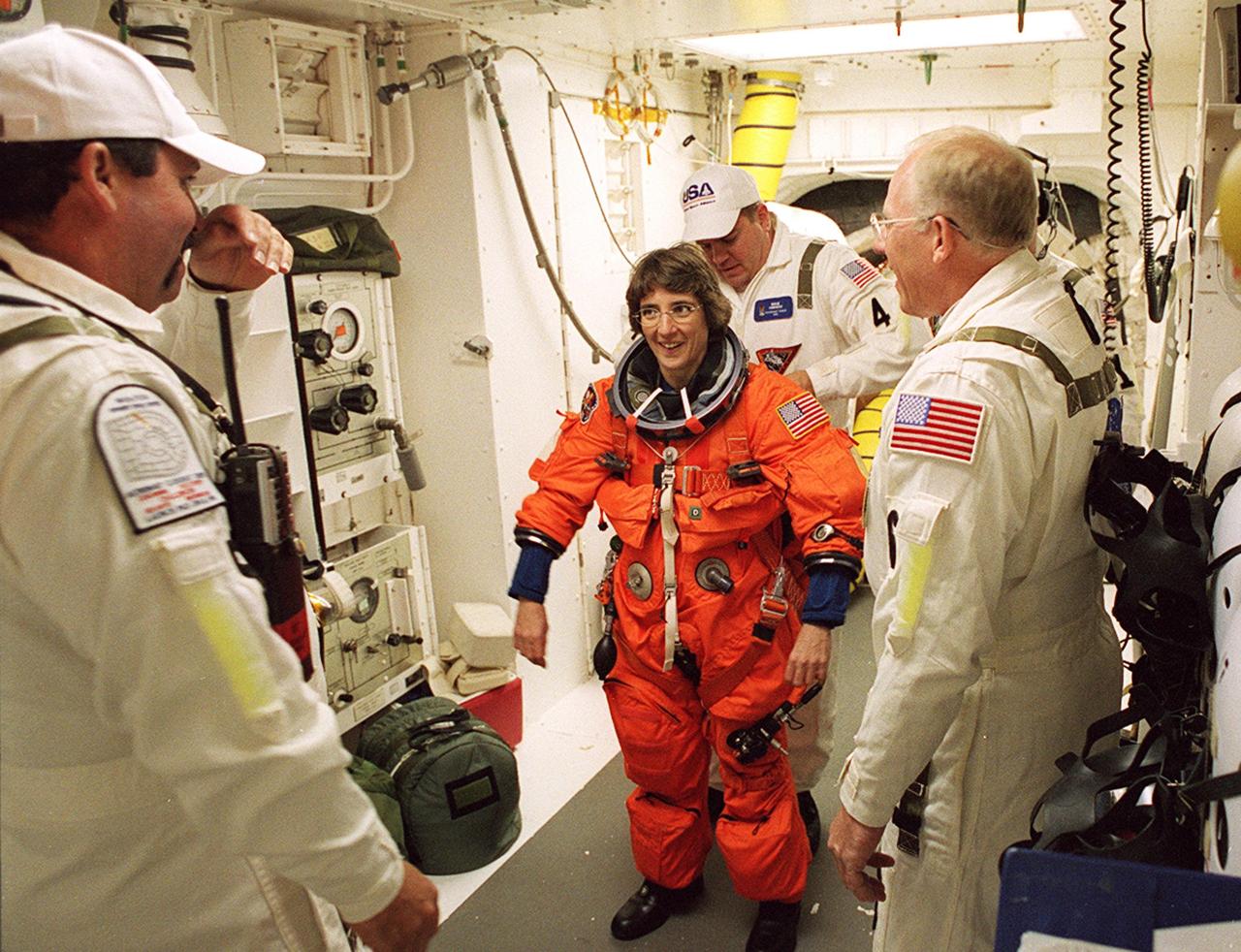
KENNEDY SPACE CENTER, FLA. -- In the White Room, STS-109 Mission Specialist Nancy Jane Currie is helped with her launch and entry suit by closeout crew member Rene Arriens (behind her), USA mechanical technician. At right is Danny Wyatt, NASA quality assurance specialist; in the foreground left is Tim Seymour, USA mechanical technician. On the mission, Columbia will rendezvous with the Hubble Space Telescope for the crew to replace and upgrade key telescope systems through five challenging spacewalks. After an extensive 2-1/2 year modification period during which many systems were replaced and enhanced, Columbia is making its 27th flight in the Shuttle program. After the 11-day mission, Columbia is expected to land at Kennedy Space Center March 12.
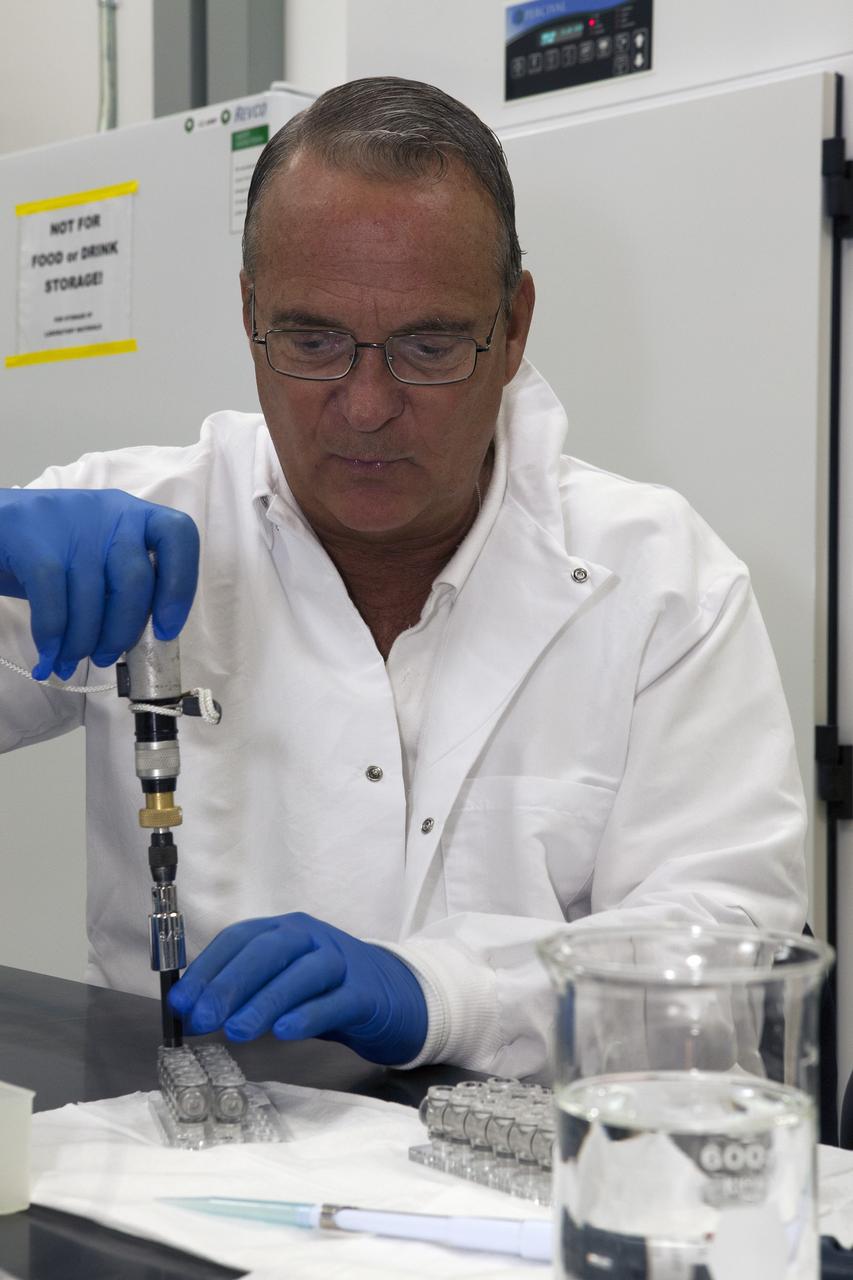
CAPE CANAVERAL, Fla. – Inside a laboratory in the Space Station Processing Facility at NASA's Kennedy Space Center in Florida, Ray Polniak, a quality assurance specialist with Dynamac, prepares vials for the Crystal Protein Growth 2 experiment for an acceptance leak test. Polniak is a consultant for the Center for Advancement of Science is Space, or CASIS. The experiment is one of many that will be delivered to the International Space Station on the SpaceX-4 commercial cargo resupply mission. Kennedy's ISS Ground Processing and Research Project Office is providing the necessary laboratories, equipment, supplies and consumables for 61 principal investigators, including 17 from other countries, as they prepare their science experiments for flight. The SpaceX-4 flight is targeted to launch in September 2014. Photo credit: NASA/Dimitri Gerondidakis
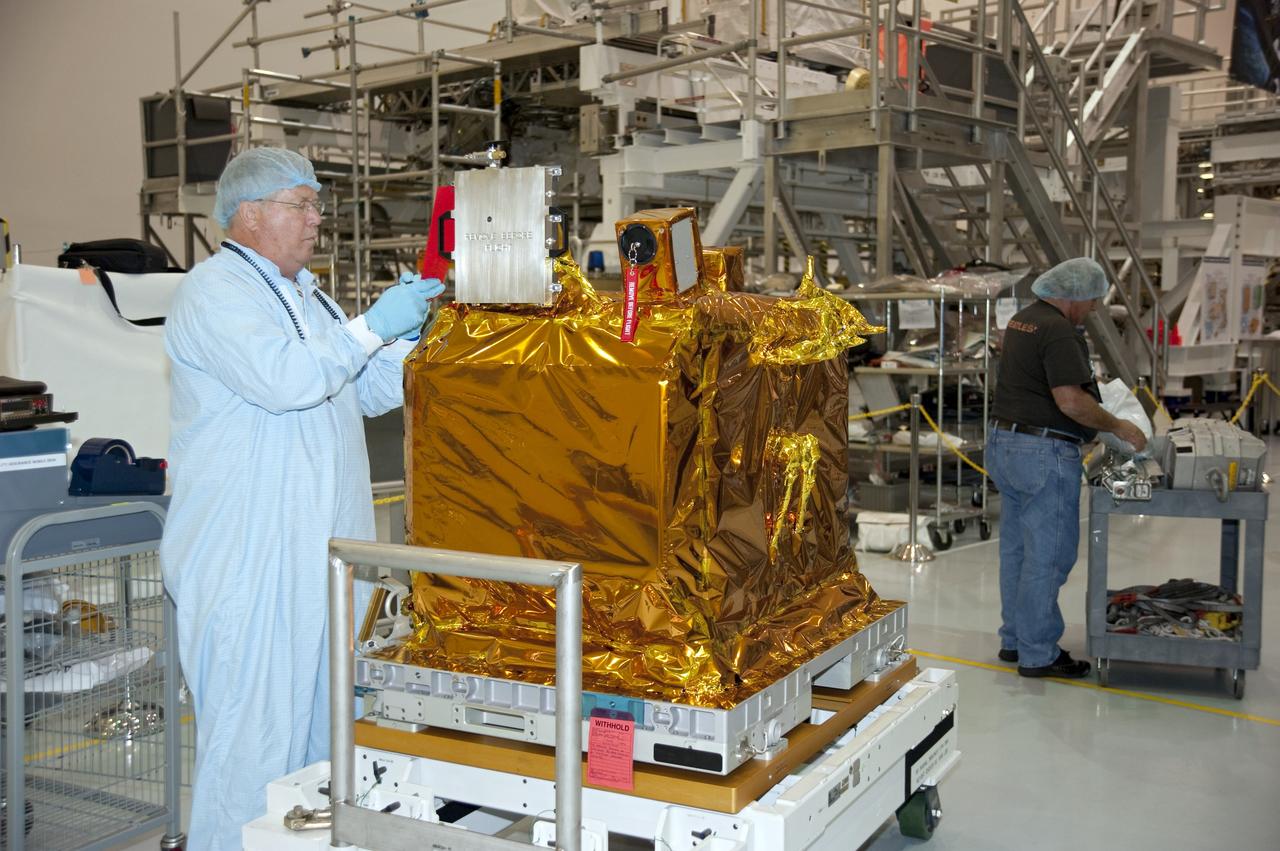
CAPE CANAVERAL, Fla. -- In the Space Station Processing Facility at NASA Kennedy Space Center in Florida, a technician finalizes quality assurance paperwork before the Space Test Program-Houston-3, or STP-H3, payload is installed onto the Express Logistics Carrier-3, or ELC-3. STP-H3 is a compliment of four individual Department of Defense experiments that will test concepts in low earth orbit for long duration flights. As the final planned mission of the Space Shuttle Program, shuttle Endeavour and its STS-134 crew will deliver the Alpha Magnetic Spectrometer, the ELC-3 as well as critical spare components to the International Space Station. Endeavour is targeted for launch Feb. 26, 2011. For more information visit, http://www.nasa.gov/mission_pages/shuttle/shuttlemissions/sts134/index.html. Photo credit: NASA/Kim Shiflett
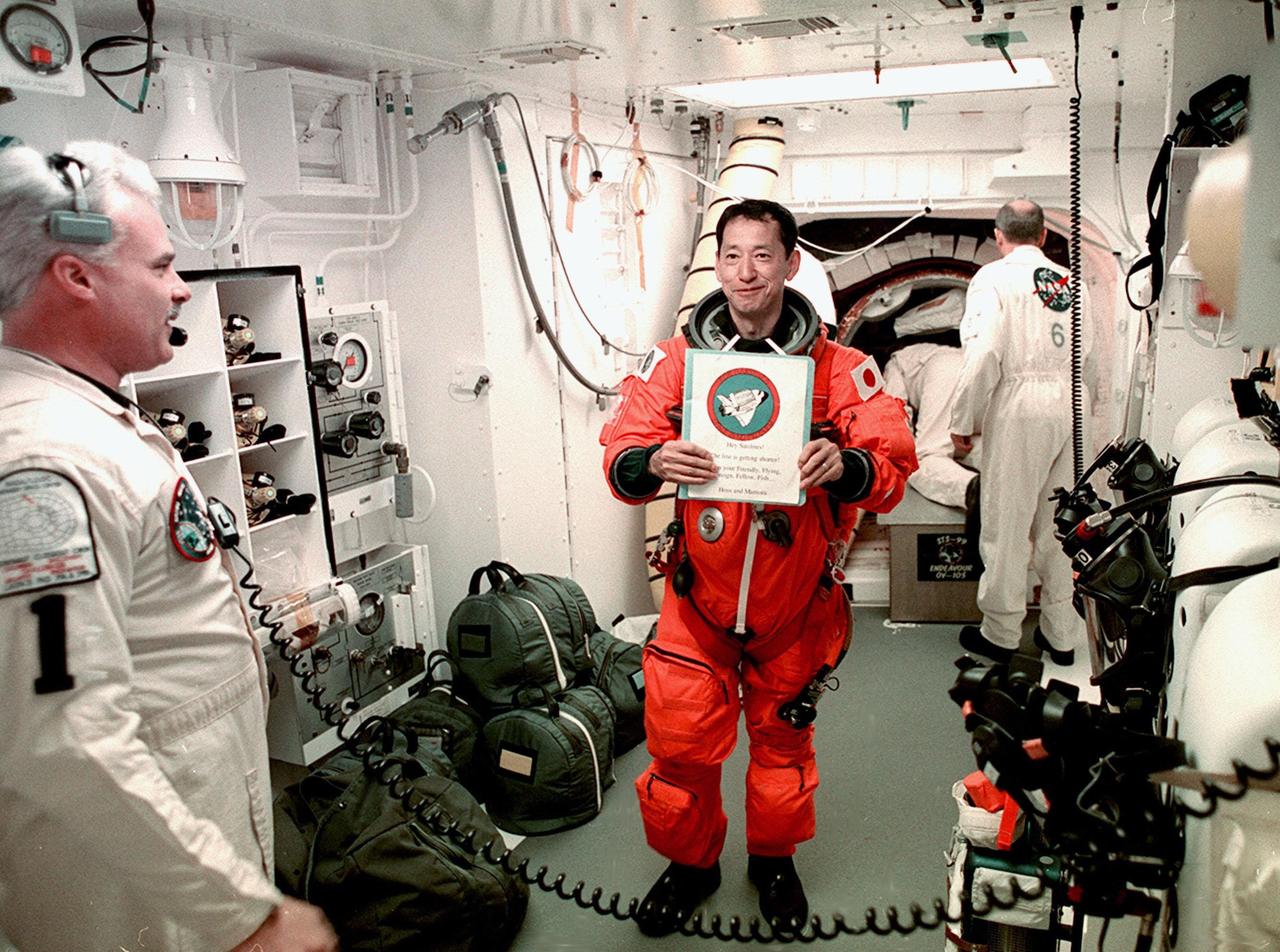
STS-99 Mission Specialist Mamoru Mohri of Japan holds a memento from friends before entering orbiter Endeavour. With him are members of the White Room closeout crew, Chris Meinert (left), closeout chief, and Jack Burritt (background), Quality Assurance specialist. The White Room is an environmental chamber at the end of the orbiter access arm, on the fixed service structure, that provides entry to the orbiter crew compartment. STS-99, known as the Shuttle Radar Topography Mission (SRTM), will chart a new course to produce unrivaled 3-D images of the Earth's surface. The result of the Shuttle Radar Topography Mission could be close to 1 trillion measurements of the Earth's topography. Scheduled for liftoff at 12:30 p.m. EST, the mission is expected to last 11days, with Endeavour landing at KSC Tuesday, Feb. 22, at 4:36 p.m. EST. This is the 97th Shuttle flight and 14th for Shuttle Endeavour
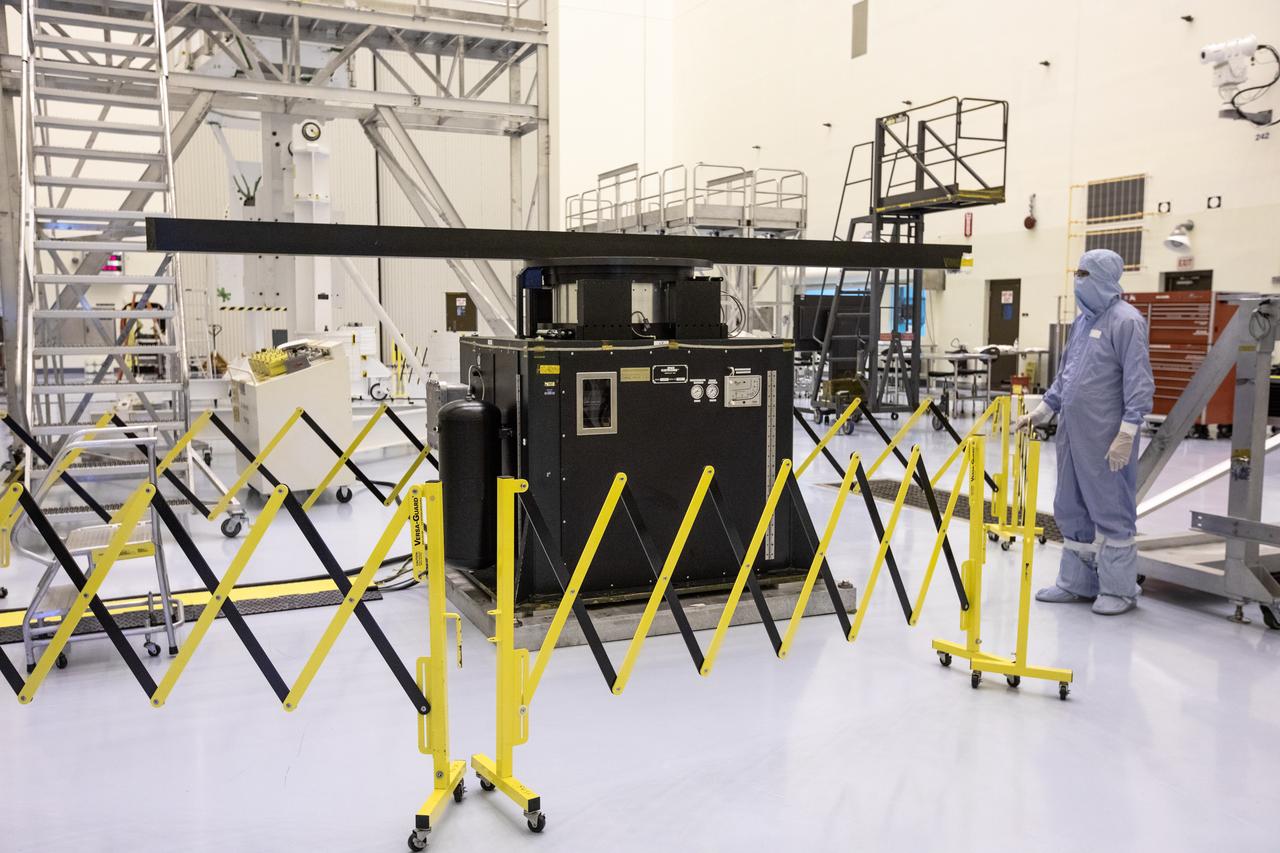
Buck Crenshaw, a quality assurance subject matter expert with NASA’s Jet Propulsion Laboratory (JPL), is photographed next to critical ground support equipment that will be utilized to process the agency’s Mars 2020 rover inside Kennedy Space Center’s Payload Hazardous Servicing Facility on Nov. 22, 2019. The Mars 2020 rover is being manufactured at JPL in California and, once complete, will be sent to the Florida spaceport for assembly, prelaunch processing and checkouts. The rover is scheduled to launch from Cape Canaveral Air Force Station in summer 2020 aboard a United Launch Alliance Atlas V rocket procured from NASA’s Launch Services Program. The mission will help the agency better understand the geology of Mars, test new robotic technology and assist in determining if any form of life ever was supported on the Red Planet.

CAPE CANAVERAL, Fla. – Inside a laboratory in the Space Station Processing Facility at NASA's Kennedy Space Center in Florida, April Spinale, a payload integration specialist with Bionetics, fills vials with clear water during an acceptance leak test on the hardware for the Protein Crystal Growth 2 experiment. To her left is Ray Polniak, a quality assurance specialist with Dynamac. They are both consultants for the Center for Advancement of Science in Space, or CASIS. The experiment is one of many that will be delivered to the International Space Station on the SpaceX-4 commercial cargo resupply mission. Kennedy's ISS Ground Processing and Research Project Office is providing the necessary laboratories, equipment, supplies and consumables for 61 principal investigators, including 17 from other countries, as they prepare their science experiments for flight. The SpaceX-4 flight is targeted to launch in September 2014. Photo credit: NASA/Dimitri Gerondidakis
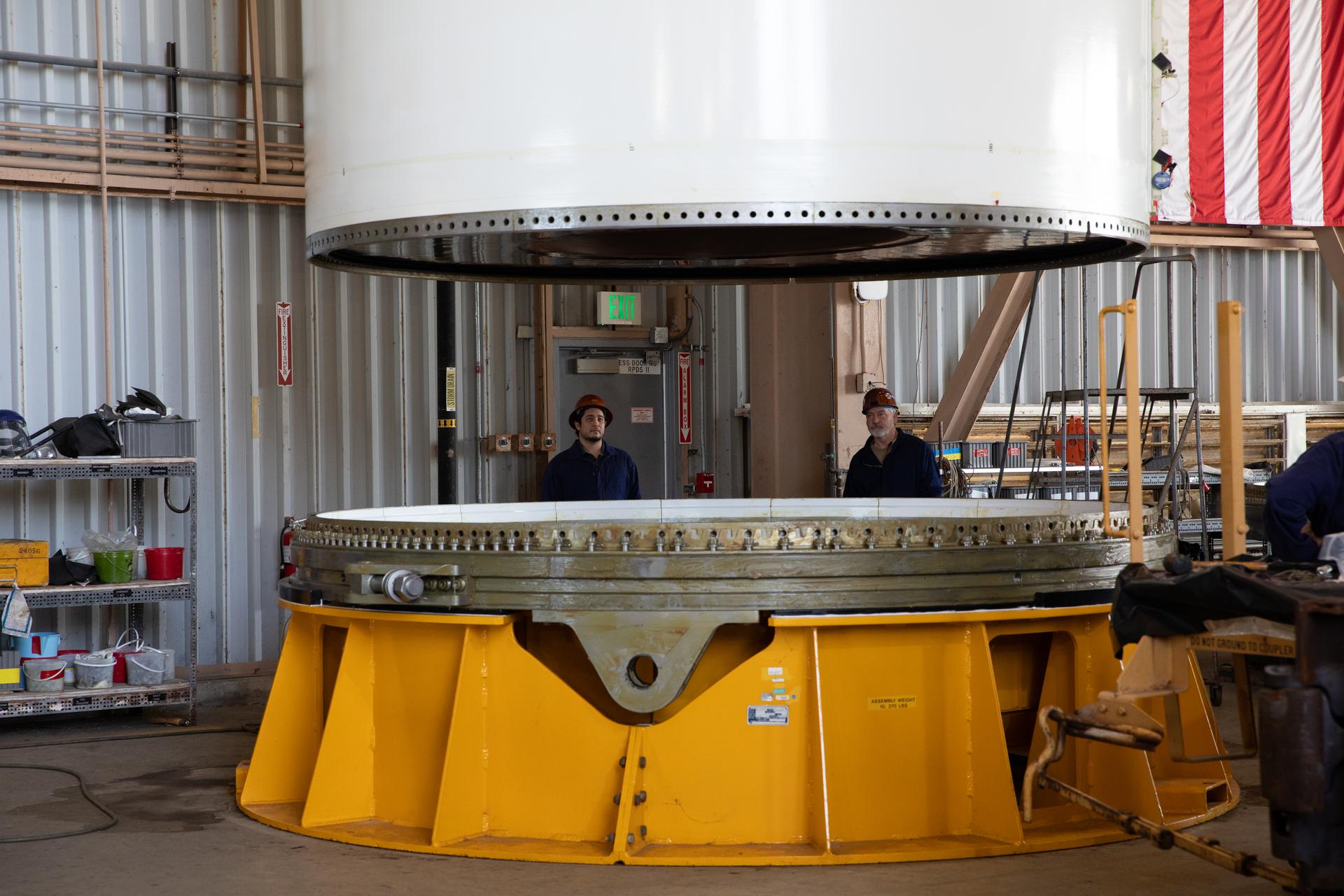
From left, COMET (Consolidated Operations, Management, Engineering, and Test) employees Corbin Nappi, quality assurance inspector, and Terry Williams, engineering technician, monitor the right-hand forward center assembly solid rocket booster segment for the Artemis III SLS (Space Launch System) rocket as it is lowered onto a work stand inside the Rotation, Processing, and Surge Facility at NASA’s Kennedy Space Center in Florida on Tuesday, July 14, 2026. The twin boosters, manufactured by Northrop Grumman in Utah, will provide more than 75 percent of the SLS rocket’s total thrust at launch. The Artemis III mission will launch astronauts in the Orion spacecraft on top of the SLS rocket to test rendezvous and docking capabilities between Orion and commercial spacecraft needed to land astronauts on the Moon.
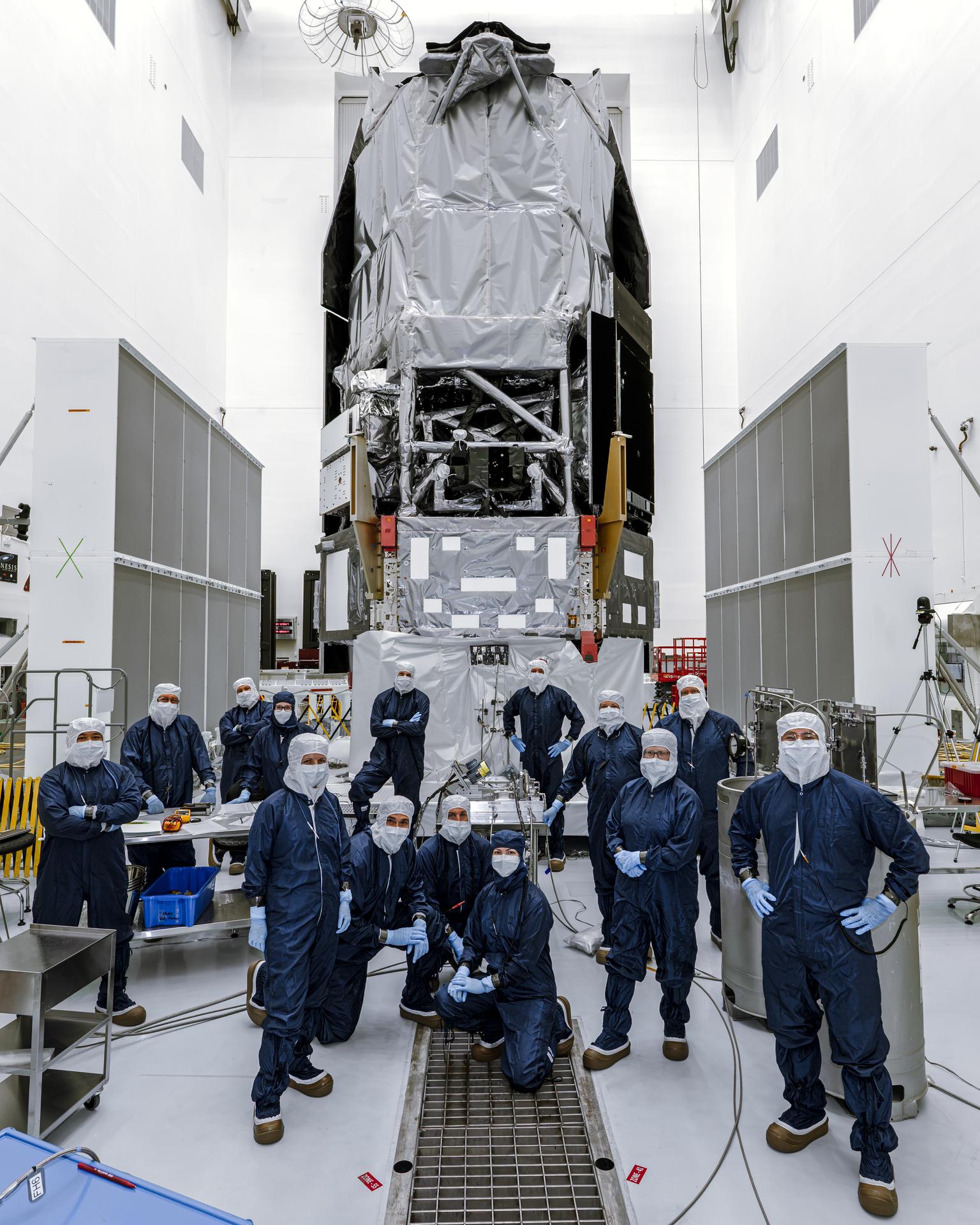
Members of NASA's Nancy Grace Roman Space Telescope propellant, safety, and quality assurance team pose for a photo on Monday July 20, 2026, inside the Payload Hazardous Servicing Facility at NASA’s Kennedy Space Center in Florida, prior to technicians loading propellant into the observatory. With fuel tanks capable of carrying about 290 gallons (roughly 1,100 liters) of hydrazine – a monopropellant not requiring a second chemical to combust – Roman’s primary mission is to settle essential questions about dark energy, exoplanets, and infrared astrophysics by conducting wide-field surveys that explore the universe’s structure, evolution, and composition. Liftoff atop a SpaceX Falcon Heavy rocket from NASA Kennedy’s Launch Complex 39A is targeted no earlier than Sunday, Aug. 30, 2026.
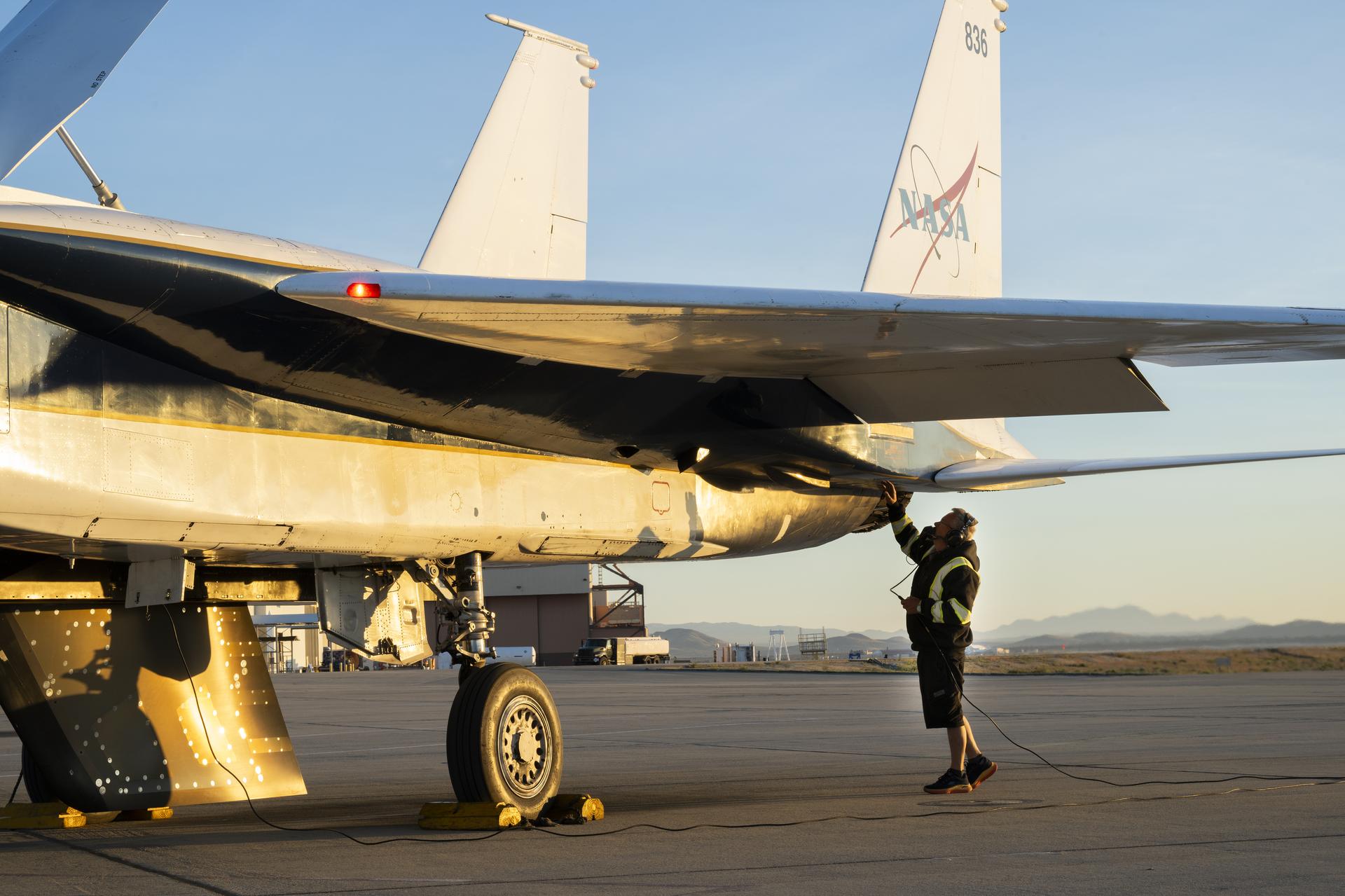
NASA crew chief Walt Kondracki checks an F-15 aircraft Tuesday, March 17, 2026, at NASA’s Armstrong Flight Research Center in Edwards, California. Ground crews, made of various roles, maintain the aircraft to be ready for each mission.
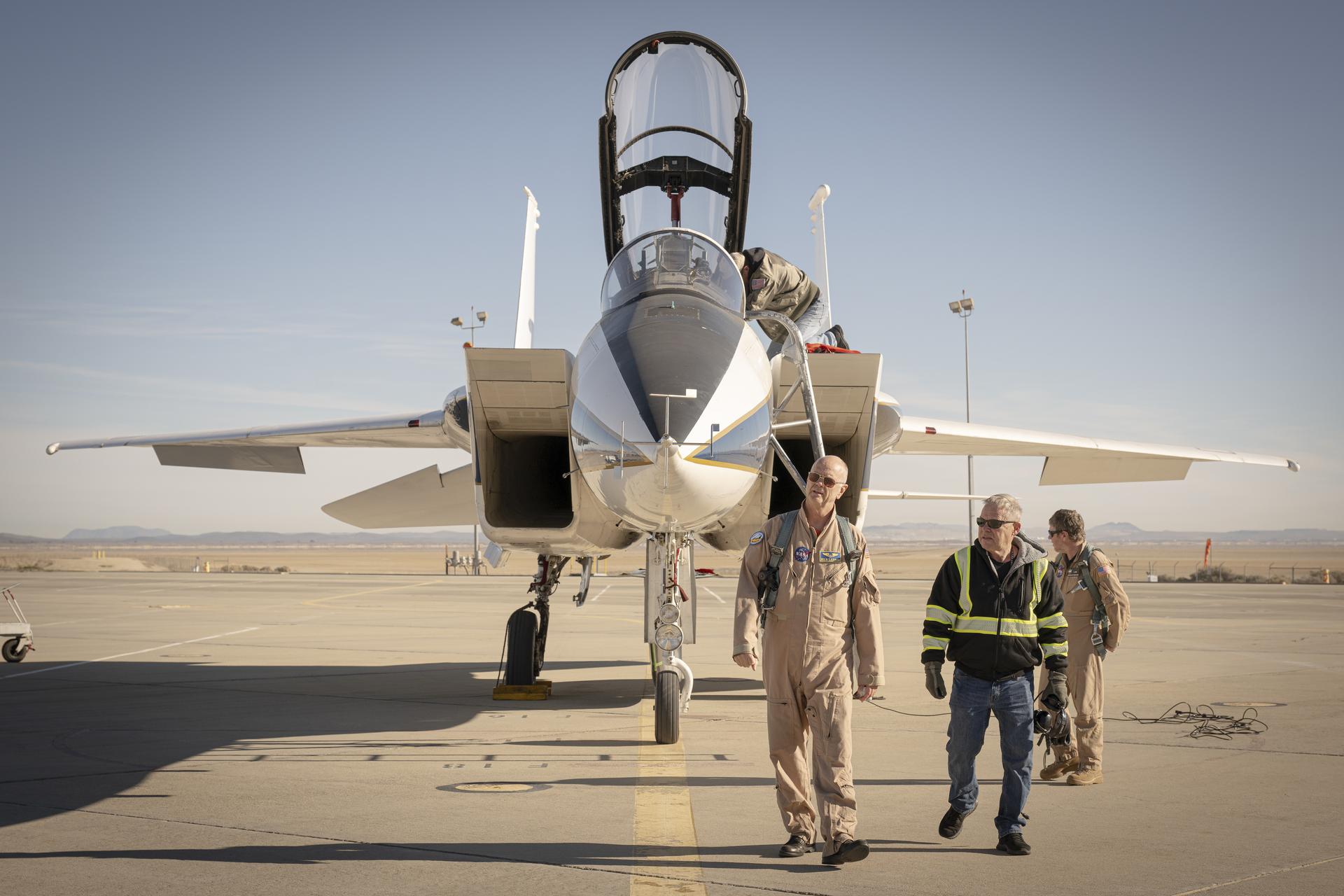
NASA pilot Nils Larson, left, walks next to crew chief Walt Kondracki, right, by an F-15 aircraft Tuesday, Jan. 13, 2026, at NASA’s Armstrong Flight Research Center in Edwards, California. In the background, NASA mechanic Tim Logan secures the cockpit inside of the F-15, and flight test engineer A.J. Jaffe stands to the right.
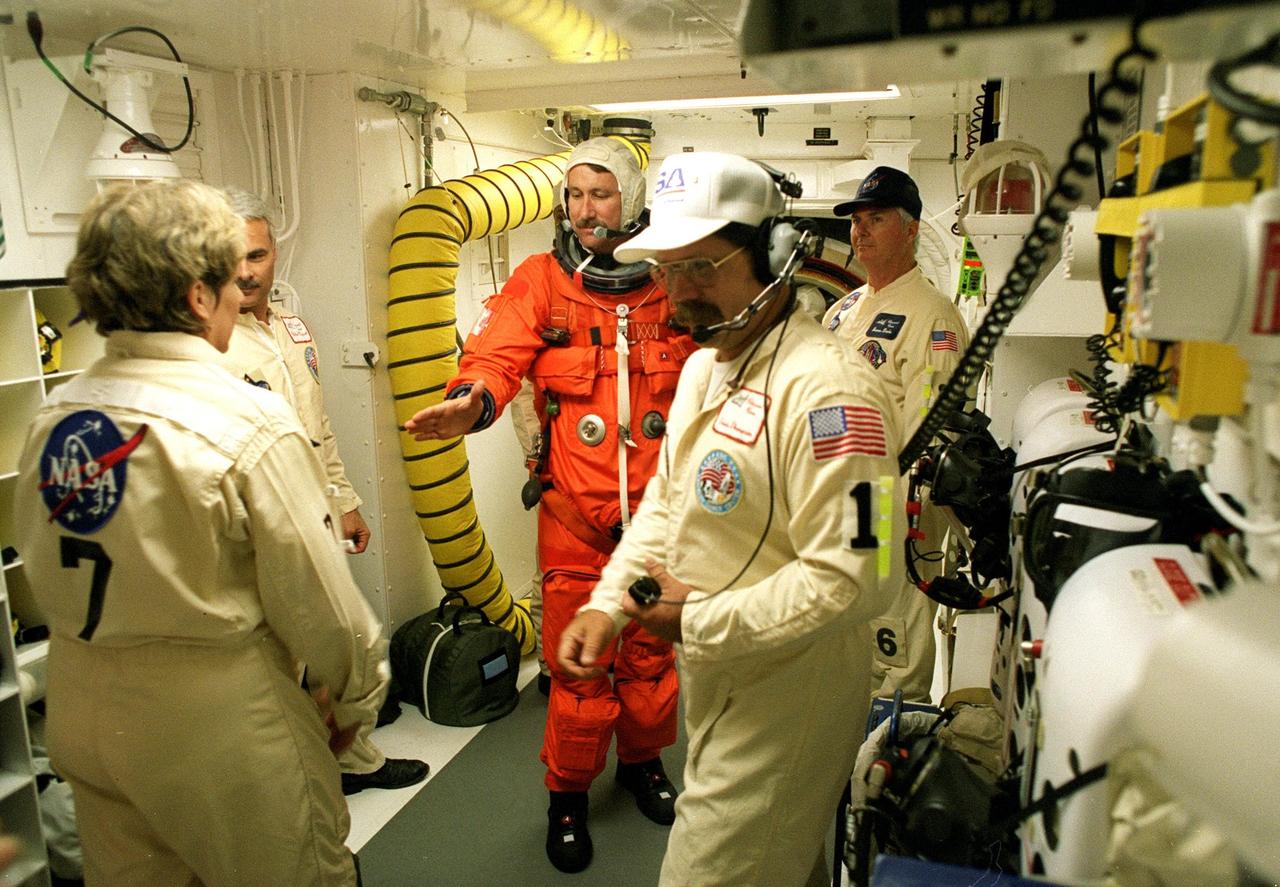
In the white room prior to launch, STS-96 Commander Kent V. Rominger reaches to shake hands with Suit Technician Jean Alexander. The white room is an environmental chamber at the end of the orbiter access arm that provides entry to the orbiter crew compartment. At right are closeout crew members Chief Travis Thompson and Quality Assurance Specialist James Davis; at left is Mechanical Technician Chris Meinert. STS-96 is a 10-day logistics and resupply mission for the International Space Station, carrying about 4,000 pounds of supplies, to be stored aboard the station for use by future crews, including laptop computers, cameras, tools, spare parts, and clothing. The mission also includes such payloads as a Russian crane, the Strela; a U.S.-built crane; the Spacehab Oceaneering Space System Box (SHOSS), a logistics items carrier; and STARSHINE, a student-involved experiment. It will include a space walk to attach the cranes to the outside of the ISS for use in future construction. Space Shuttle Discovery is due to launch today at 6:49 a.m. EDT. Landing is expected at the SLF on June 6 about 1:58 a.m. EDT
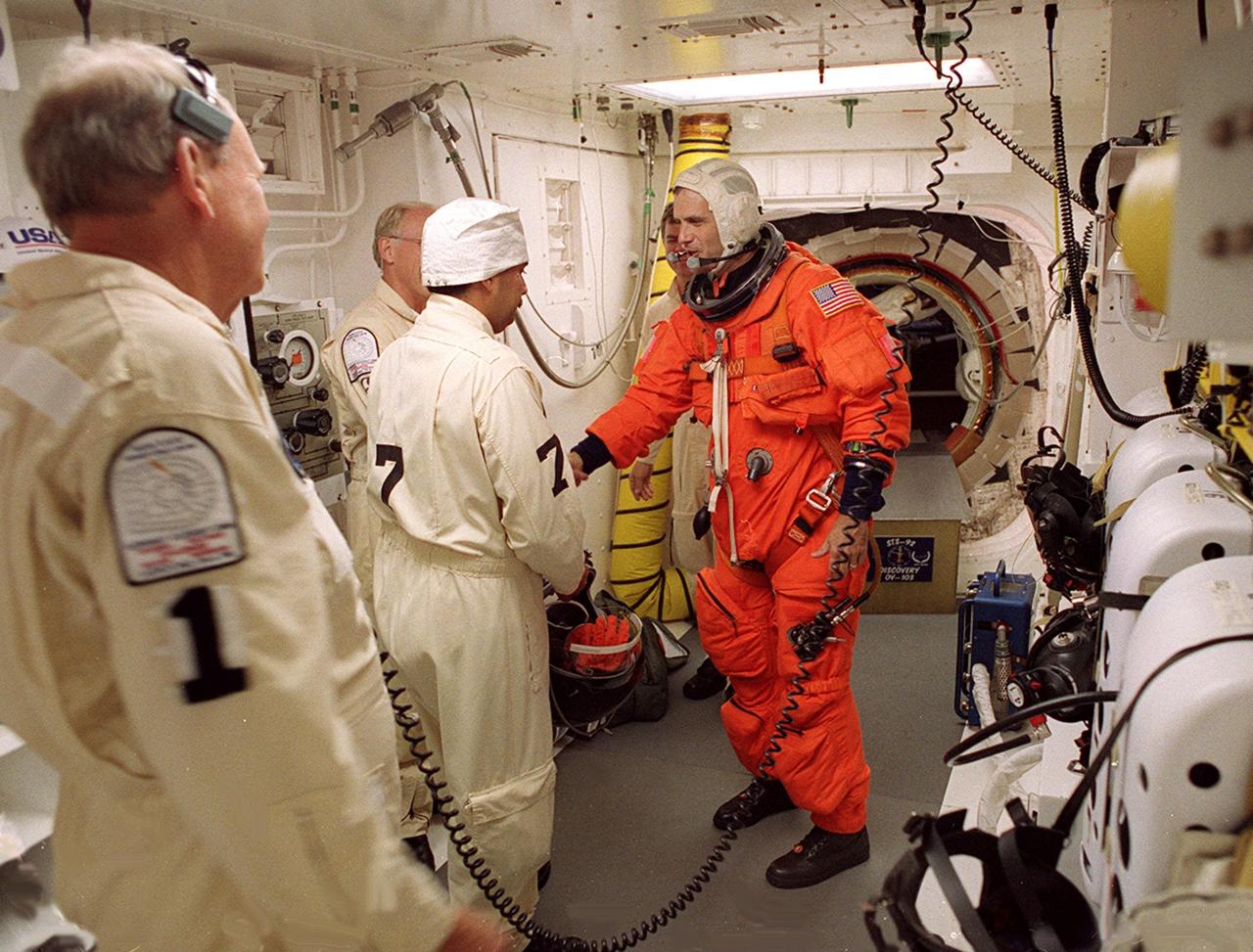
STS-92 Mission Specialist Peter J.K. “Jeff” Wisoff reaches out to shake the hand of Danny Wyatt, KSC NASA Quality Assurance specialist, after completing final check of his launch and entry suit in the White Room before entering Discovery. The White Room is an environmentally controlled area at the end of the Orbiter Access Arm that provides entry to the orbiter as well as emergency egress if needed. The arm remains in the extended position until 7 minutes 24 seconds before launch. Wisoff and the rest of the crew are undertaking the fifth flight to the International Space Station for construction. Discovery carries a payload that includes the Integrated Truss Structure Z-1, first of 10 trusses that will form the backbone of the Space Station, and the third Pressurized Mating Adapter that will provide a Shuttle docking port for solar array installation on the sixth Station flight and Lab installation on the seventh Station flight. The mission includes four spacewalks for the construction activities. Discovery’s landing is expected Oct. 22 at 2:10 p.m. EDT
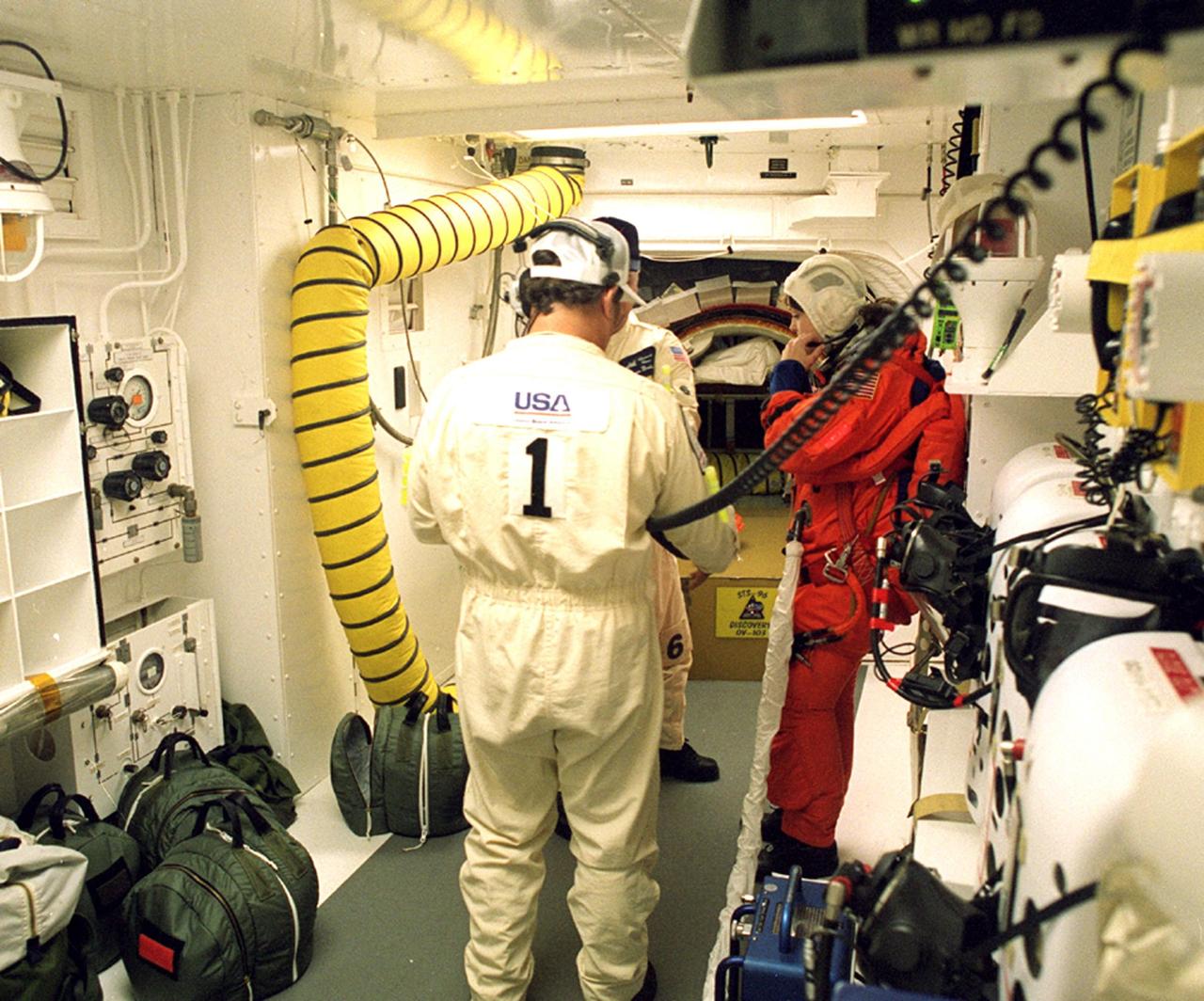
Before entering the orbiter Discovery, STS-96 Mission Specialist Tamara E. Jernigan is checked out in the white room by Closeout Crew Chief Travis Thompson (back to camera) and Quality Assurance Specialist James Davis. The white room is an environmental chamber at the end of the orbiter access arm that provides entry to the orbiter crew compartment. STS-96 is a 10-day logistics and resupply mission for the International Space Station, carrying about 4,000 pounds of supplies, to be stored aboard the station for use by future crews, including laptop computers, cameras, tools, spare parts, and clothing. The mission also includes such payloads as a Russian crane, the Strela; a U.S.-built crane; the Spacehab Oceaneering Space System Box (SHOSS), a logistics items carrier; and STARSHINE, a student-involved experiment. It will include a space walk to attach the cranes to the outside of the ISS for use in future construction. Space Shuttle Discovery is due to launch today at 6:49 a.m. EDT. Landing is expected at the SLF on June 6 about 1:58 a.m. EDT
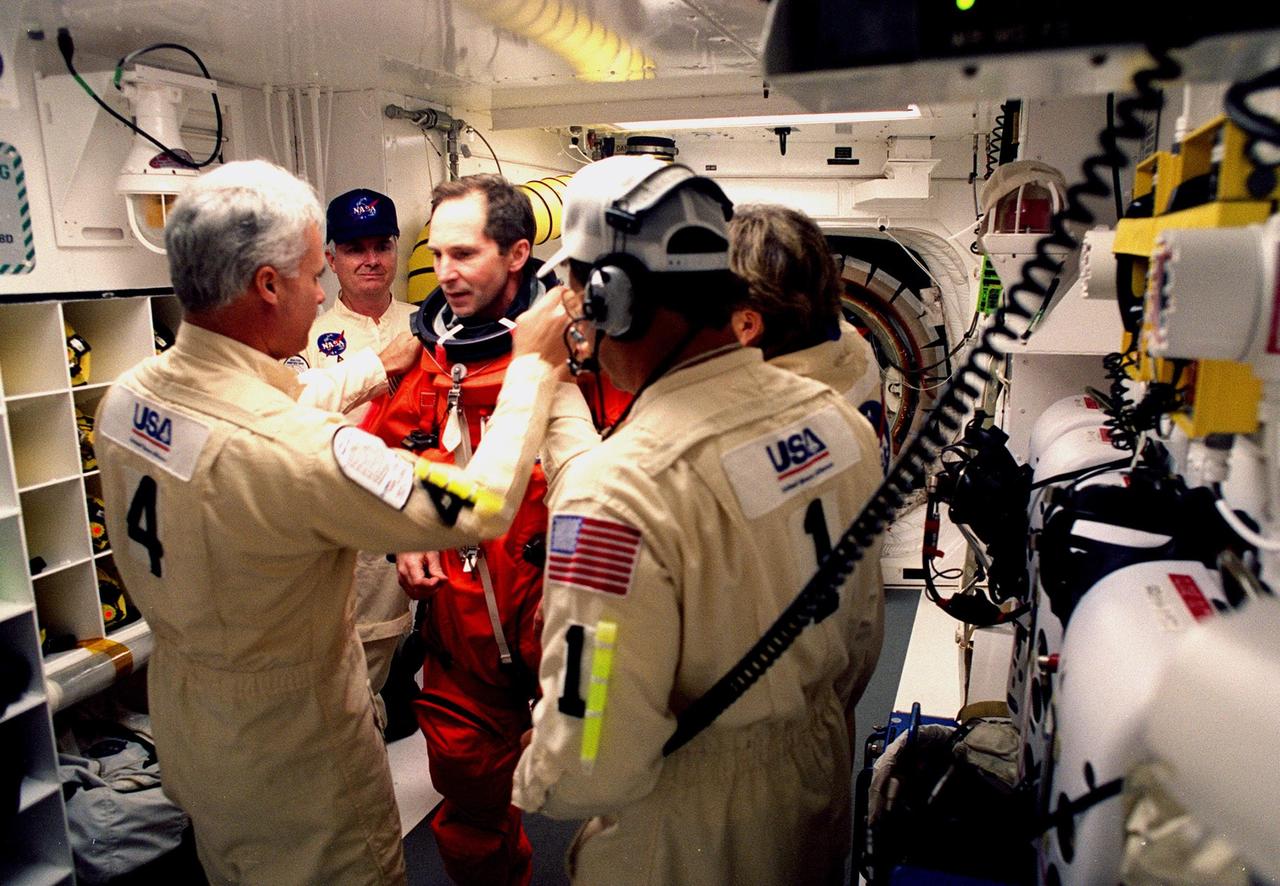
Before entering the orbiter Discovery, STS-96 Mission Specialist Valery Ivanovich Tokarev (center) is checked out by white room closeout crew members Mechanical Technician Chris Meinert and Quality Assurance Specialist Jim Davis on the left, and Closeout Chief Travis Thompson and Suit Technician Jean Alexander on the right. The white room is an environmental chamber at the end of the orbiter access arm that provides entry to the orbiter crew compartment. STS-96 is a 10-day logistics and resupply mission for the International Space Station, carrying about 4,000 pounds of supplies, to be stored aboard the station for use by future crews, including laptop computers, cameras, tools, spare parts, and clothing. The mission also includes such payloads as a Russian crane, the Strela; a U.S.-built crane; the Spacehab Oceaneering Space System Box (SHOSS), a logistics items carrier; and STARSHINE, a student-involved experiment. It will include a space walk to attach the cranes to the outside of the ISS for use in future construction. Space Shuttle Discovery is due to launch today at 6:49 a.m. EDT. Landing is expected at the SLF on June 6 about 1:58 a.m. EDT

STS-96 Pilot Rick D. Husband is checked out by white room closeout crew members before entering the orbiter Discovery. At left is Closeout Chief Travis Thompson; at right is Quality Assurance Specialist James Davis. The white room is an environmental chamber at the end of the orbiter access arm that provides entry to the orbiter crew compartment. STS-96 is a 10-day logistics and resupply mission for the International Space Station, carrying about 4,000 pounds of supplies, to be stored aboard the station for use by future crews, including laptop computers, cameras, tools, spare parts, and clothing. The mission also includes such payloads as a Russian crane, the Strela; a U.S.-built crane; the Spacehab Oceaneering Space System Box (SHOSS), a logistics items carrier; and STARSHINE, a student-involved experiment. It will include a space walk to attach the cranes to the outside of the ISS for use in future construction. Space Shuttle Discovery is due to launch today at 6:49 a.m. EDT. Landing is expected at the SLF on June 6 about 1:58 a.m. EDT

KENNEDY SPACE CENTER, FLA. -- STS-103 Mission Specialist Steven L. Smith, in his orange launch and entry suit, waits for assistance from closeout crew members in the White Room before entering the orbiter. From left, they are NASA Quality Assurance Specialist Danny Wyatt, United Space Alliance (USA) Mechanical Technician Vinny Defranzo and USA Orbiter Vehicle Closeout Chief Travis Thompson. The White Room is an environmental chamber at the end of the orbiter access arm on the fixed service structure. It provides entry to the orbiter crew compartment. The mission, to service the Hubble Space Telescope, is scheduled to lift off at 7:50 p.m. EST Dec. 19 on mission STS-103, servicing the Hubble Space Telescope. Objectives for the nearly eight-day mission include replacing gyroscopes and an old computer, installing another solid state recorder, and replacing damaged insulation in the telescope. Discovery is expected to land at KSC Monday, Dec. 27, at about 5:24 p.m. EST

KENNEDY SPACE CENTER, FLA. -- STS-103 Mission Specialist Claude Nicollier, in his orange launch and entry suit, shakes hands with NASA Quality Assurance Specialist Danny Wyatt in the White Room before entering the orbiter. Other closeout crew members are United Space Alliance (USA) Suit Technician Ray Cuevas (left) and USA Orbiter Vehicle Closeout Chief Travis Thompson. The White Room is an environmental chamber at the end of the orbiter access arm on the fixed service structure. It provides entry to the orbiter crew compartment. The mission, to service the Hubble Space Telescope, is scheduled to lift off at 7:50 p.m. EST Dec. 19 on mission STS-103, servicing the Hubble Space Telescope. Objectives for the nearly eight-day mission include replacing gyroscopes and an old computer, installing another solid state recorder, and replacing damaged insulation in the telescope. Discovery is expected to land at KSC Monday, Dec. 27, at about 5:24 p.m. EST