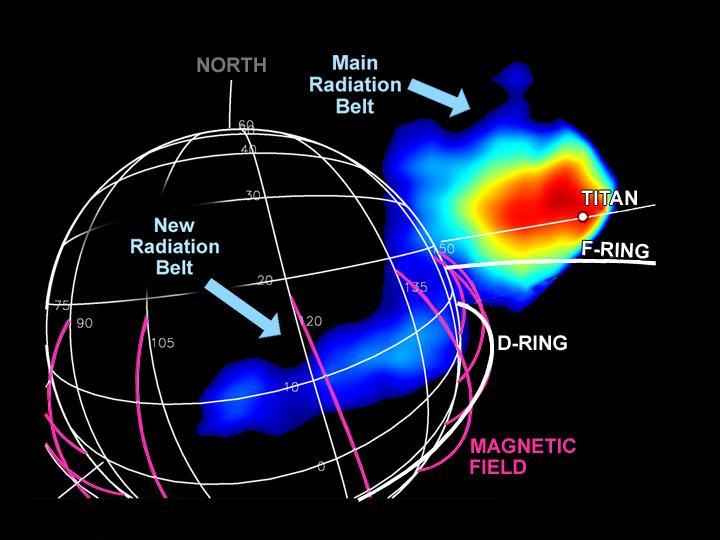
New Radiation Belt
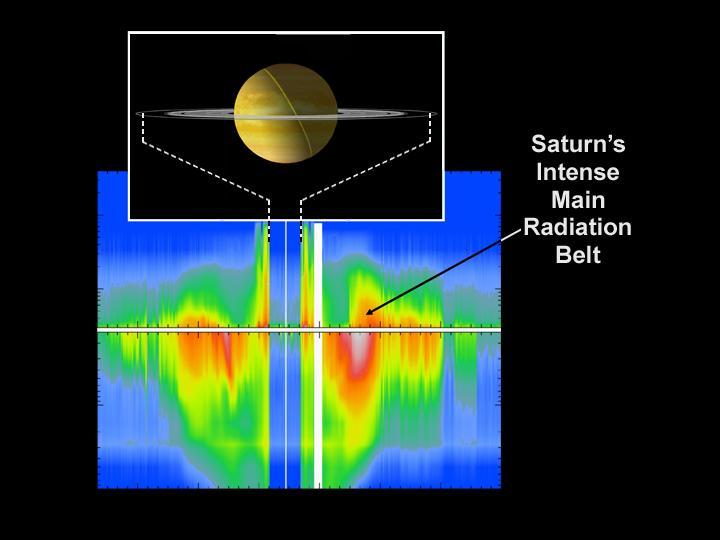
Saturn Main Radiation Belt

Inner Radiation Belts of Jupiter
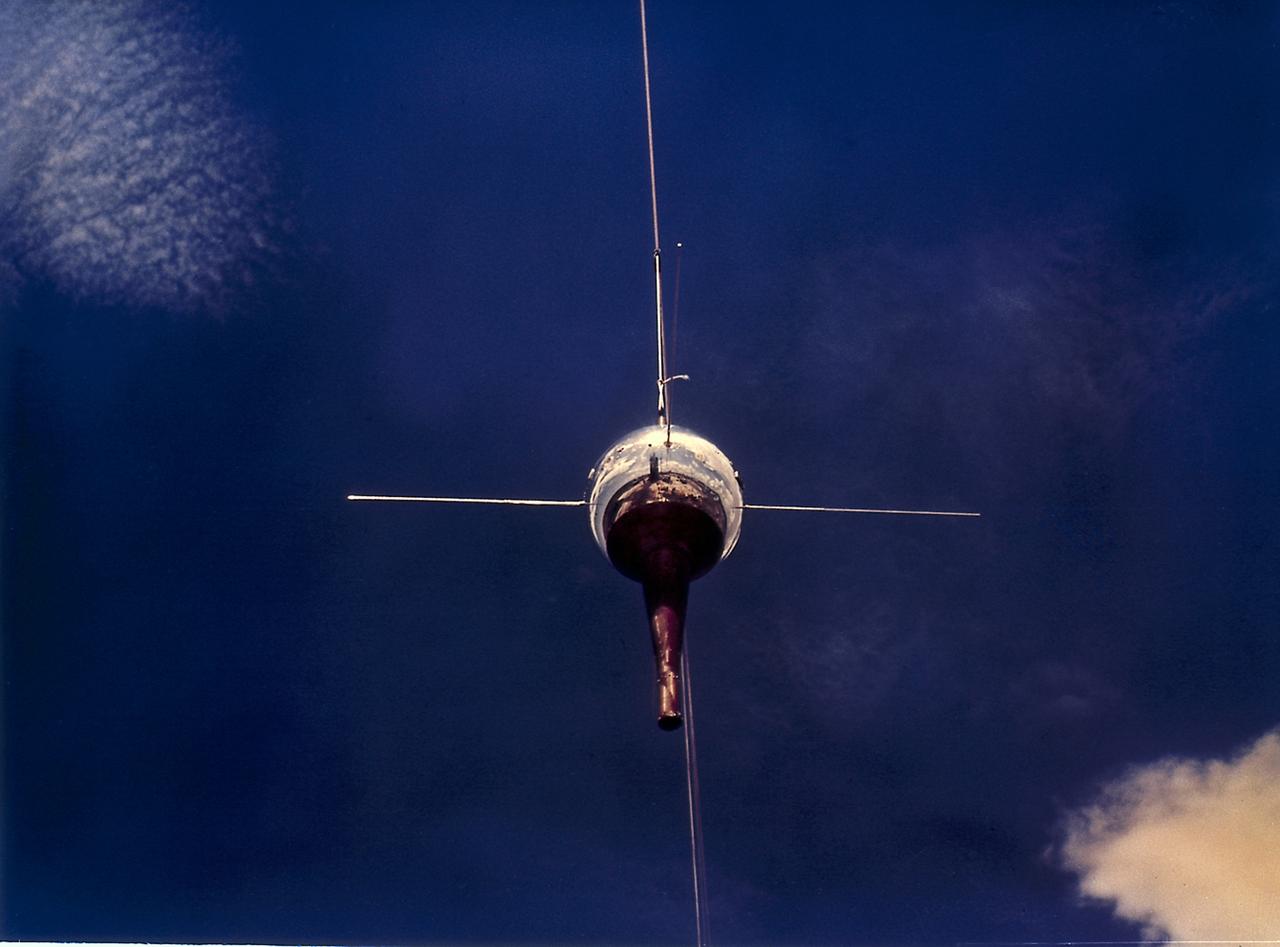
The Vangard III satellite to study the magnetic field and radiation belt in orbit. NASA successfully launched Vanguard III (SLV-7) from Cape Canaveral, Florida on September 18, 1959.
CAPE CANAVERAL, Fla. – Workers help guide the United Launch Alliance Atlas V rocket with the Radiation Belt Storm Probes, or RBSP, spacecraft aboard as it moves to the launch pad at Space Launch Complex 41 at Cape Canaveral Air Force Station. NASA’s RBSP mission will help researchers understand the sun’s influence on Earth and near-Earth space by studying the Earth’s radiation belts on various scales of space and time. RBSP will begin its mission of exploration of Earth’s Van Allen radiation belts and the extremes of space weather after its launch aboard an Atlas V rocket. Launch is targeted for Aug. 24. Photo credit: NASA/Kim Shiflett
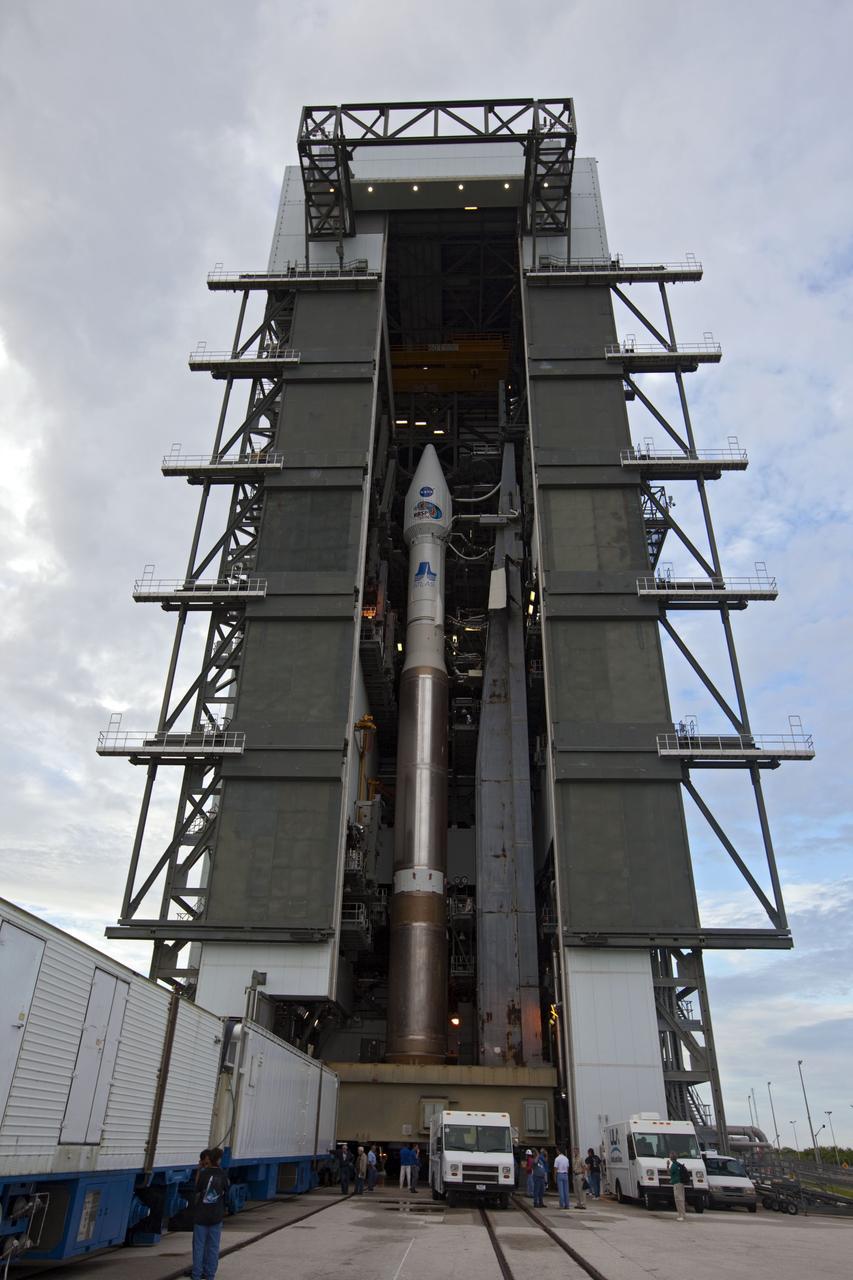
CAPE CANAVERAL, Fla. – The United Launch Alliance Atlas V rocket with the Radiation Belt Storm Probes, or RBSP, spacecraft aboard is readied for rollout to the launch pad at Space Launch Complex 41 at Cape Canaveral Air Force Station. NASA’s RBSP mission will help researchers understand the sun’s influence on Earth and near-Earth space by studying the Earth’s radiation belts on various scales of space and time. RBSP will begin its mission of exploration of Earth’s Van Allen radiation belts and the extremes of space weather after its launch aboard an Atlas V rocket. Launch is targeted for Aug. 24. Photo credit: NASA/Kim Shiflett
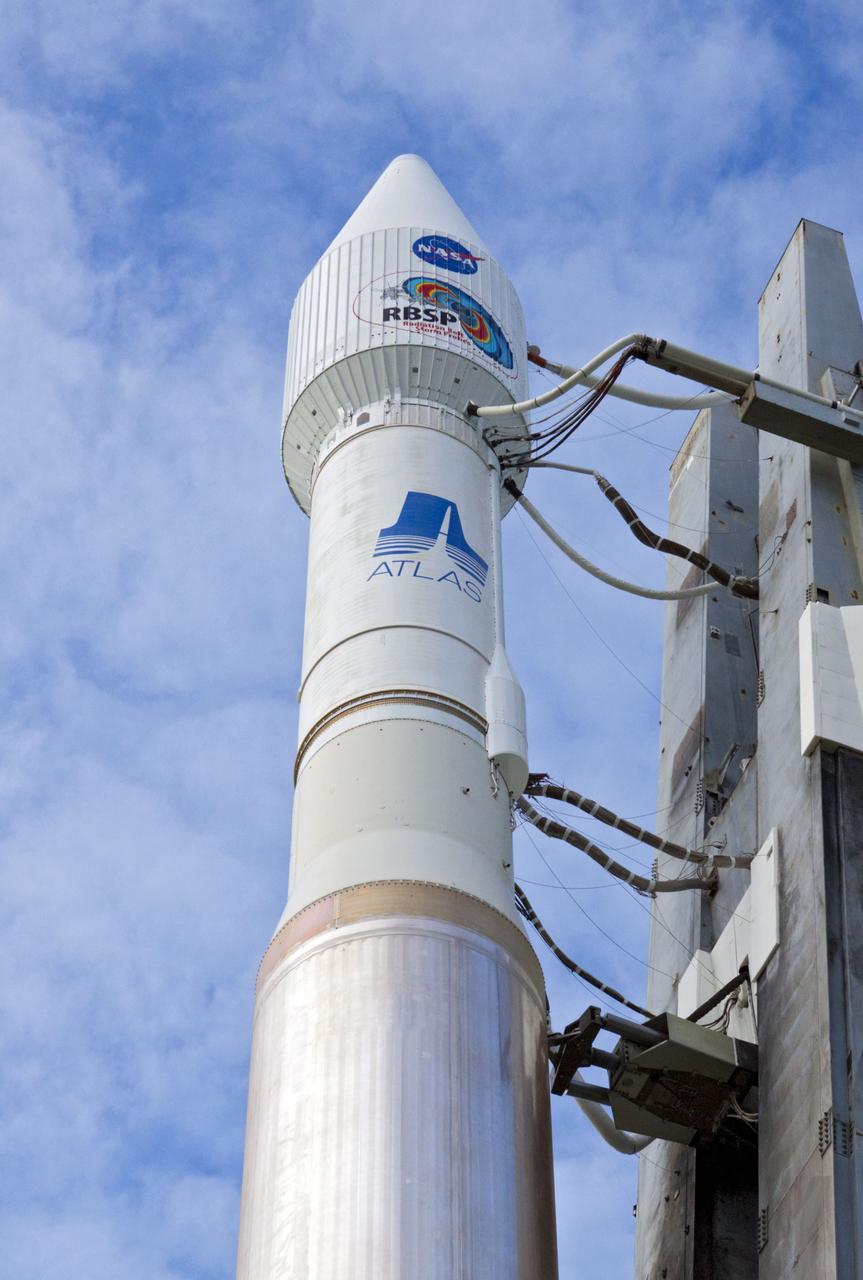
CAPE CANAVERAL, Fla. – The United Launch Alliance Atlas V rocket with the Radiation Belt Storm Probes, or RBSP, spacecraft aboard stands at the launch pad at Space Launch Complex 41 at Cape Canaveral Air Force Station. NASA’s RBSP mission will help researchers understand the sun’s influence on Earth and near-Earth space by studying the Earth’s radiation belts on various scales of space and time. RBSP will begin its mission of exploration of Earth’s Van Allen radiation belts and the extremes of space weather after its launch aboard an Atlas V rocket. Launch is targeted for Aug. 24. Photo credit: NASA/Kim Shiflett
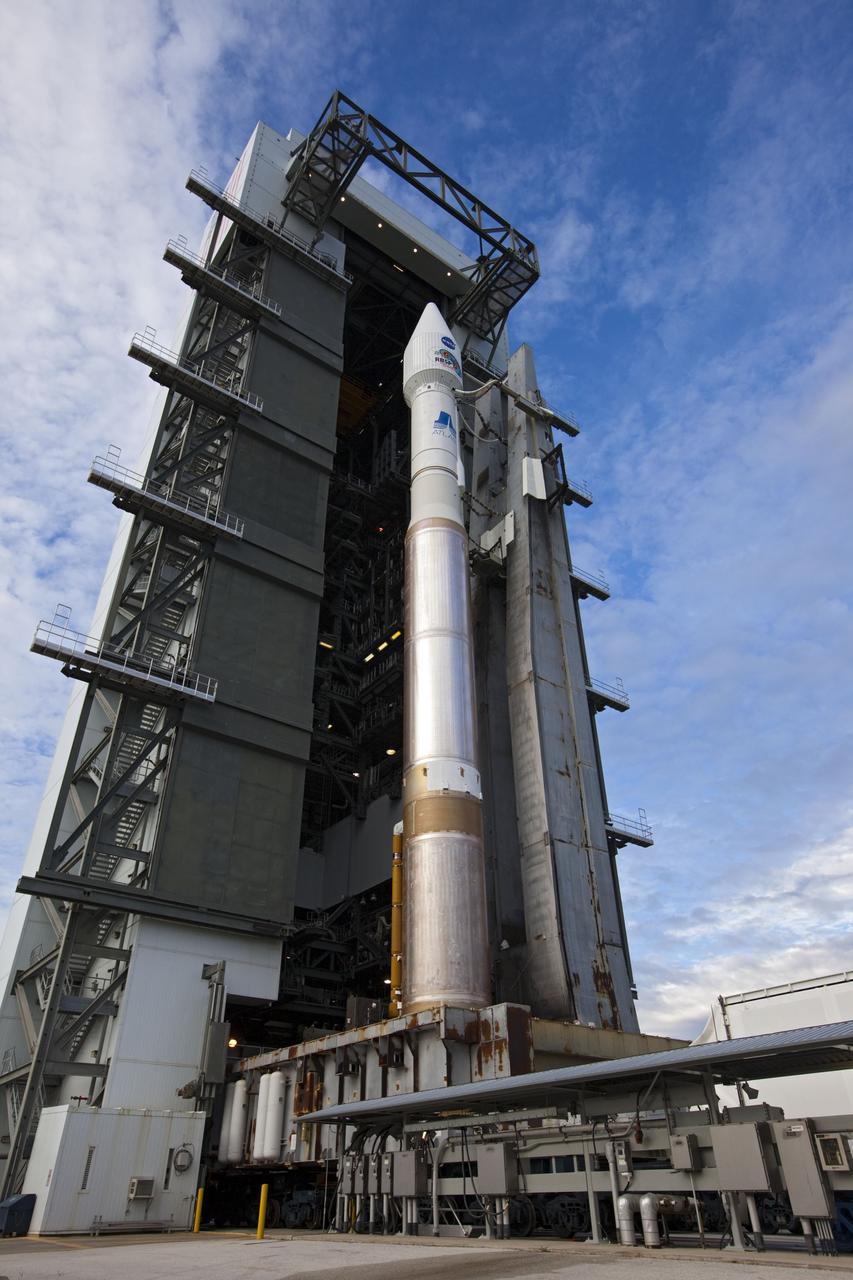
CAPE CANAVERAL, Fla. – The United Launch Alliance Atlas V rocket with the Radiation Belt Storm Probes, or RBSP, spacecraft aboard is readied for rollout to the launch pad at Space Launch Complex 41 at Cape Canaveral Air Force Station. NASA’s RBSP mission will help researchers understand the sun’s influence on Earth and near-Earth space by studying the Earth’s radiation belts on various scales of space and time. RBSP will begin its mission of exploration of Earth’s Van Allen radiation belts and the extremes of space weather after its launch aboard an Atlas V rocket. Launch is targeted for Aug. 24. Photo credit: NASA/Kim Shiflett
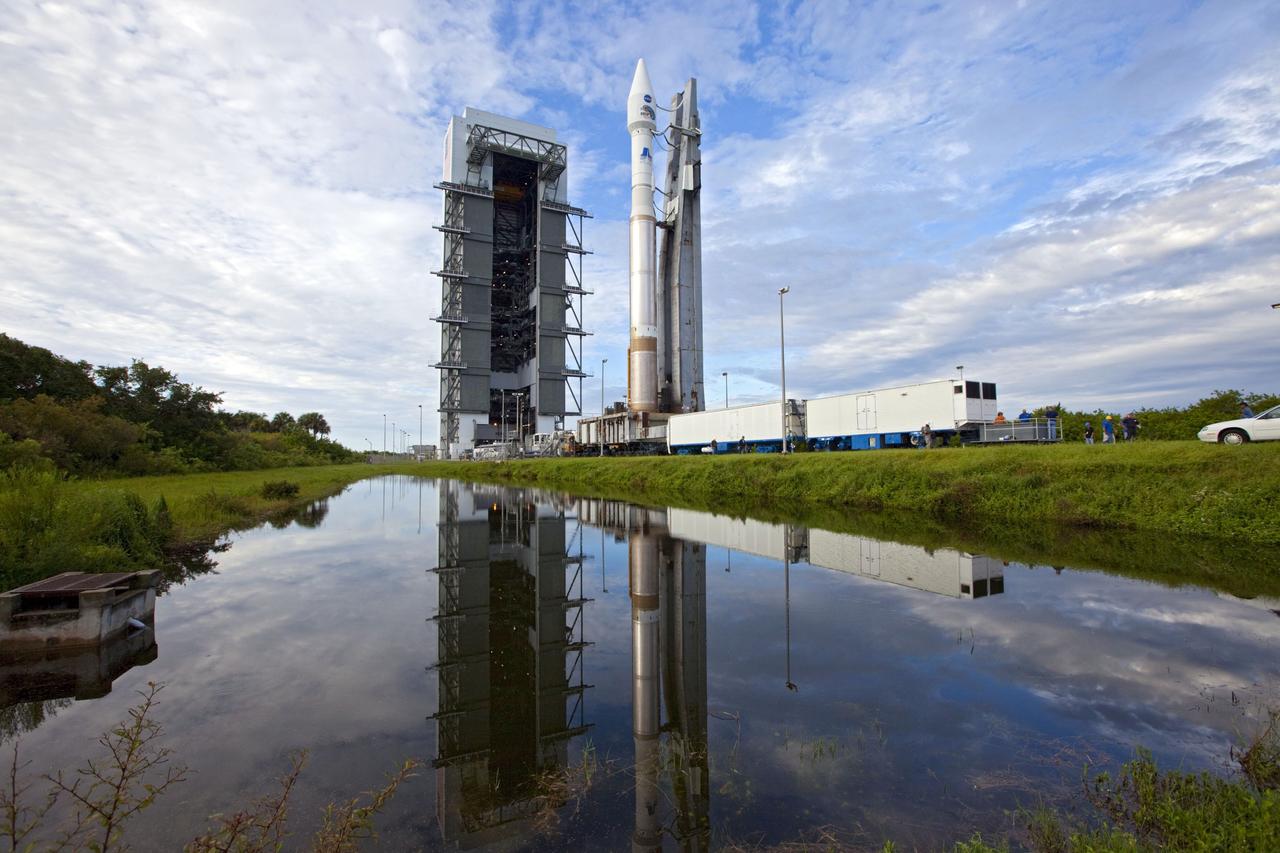
CAPE CANAVERAL, Fla. – The United Launch Alliance Atlas V rocket with the Radiation Belt Storm Probes, or RBSP, spacecraft aboard rolls to the launch pad at Space Launch Complex 41 at Cape Canaveral Air Force Station. NASA’s RBSP mission will help researchers understand the sun’s influence on Earth and near-Earth space by studying the Earth’s radiation belts on various scales of space and time. RBSP will begin its mission of exploration of Earth’s Van Allen radiation belts and the extremes of space weather after its launch aboard an Atlas V rocket. Launch is targeted for Aug. 24. Photo credit: NASA/Kim Shiflett
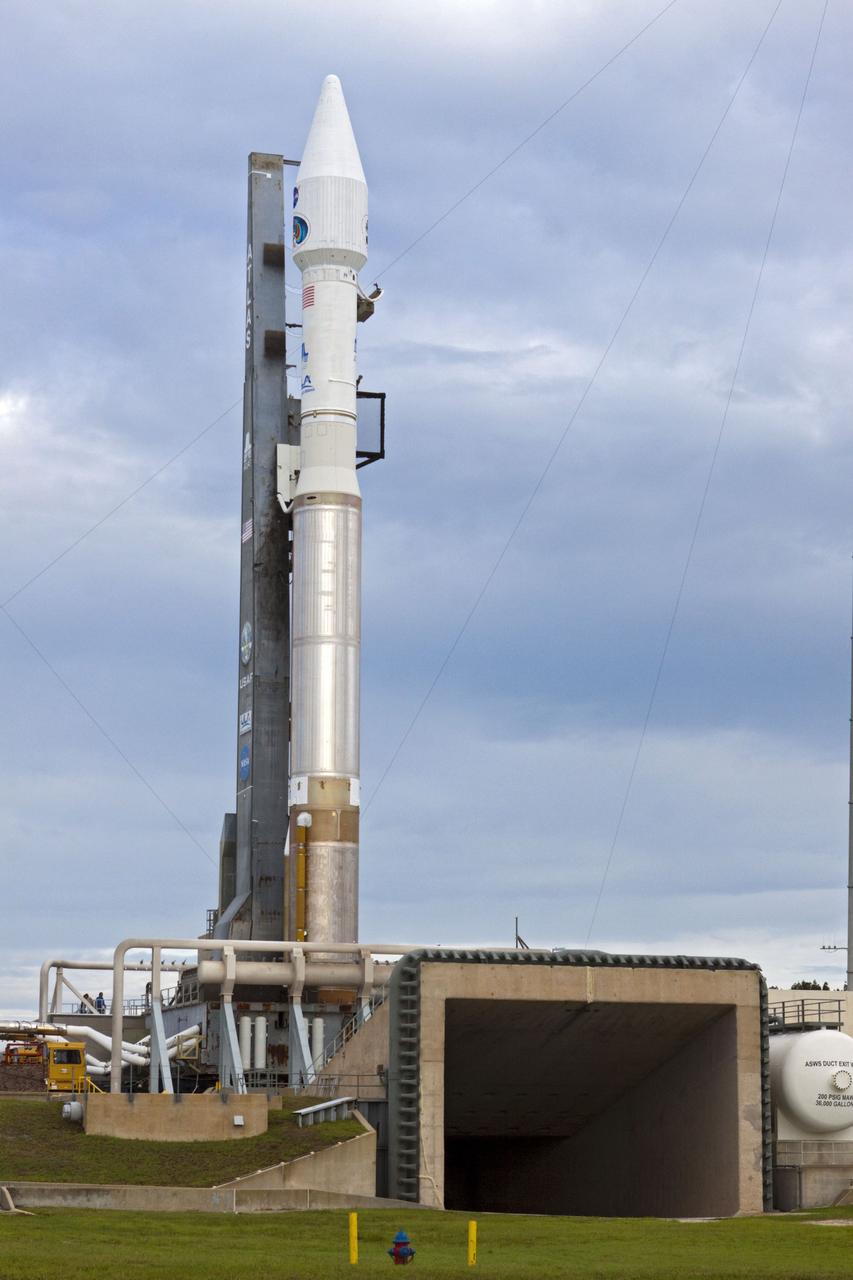
CAPE CANAVERAL, Fla. – The United Launch Alliance Atlas V rocket with the Radiation Belt Storm Probes, or RBSP, spacecraft aboard stands at the launch pad at Space Launch Complex 41 at Cape Canaveral Air Force Station. NASA’s RBSP mission will help researchers understand the sun’s influence on Earth and near-Earth space by studying the Earth’s radiation belts on various scales of space and time. RBSP will begin its mission of exploration of Earth’s Van Allen radiation belts and the extremes of space weather after its launch aboard an Atlas V rocket. Launch is targeted for Aug. 24. Photo credit: NASA/Kim Shiflett
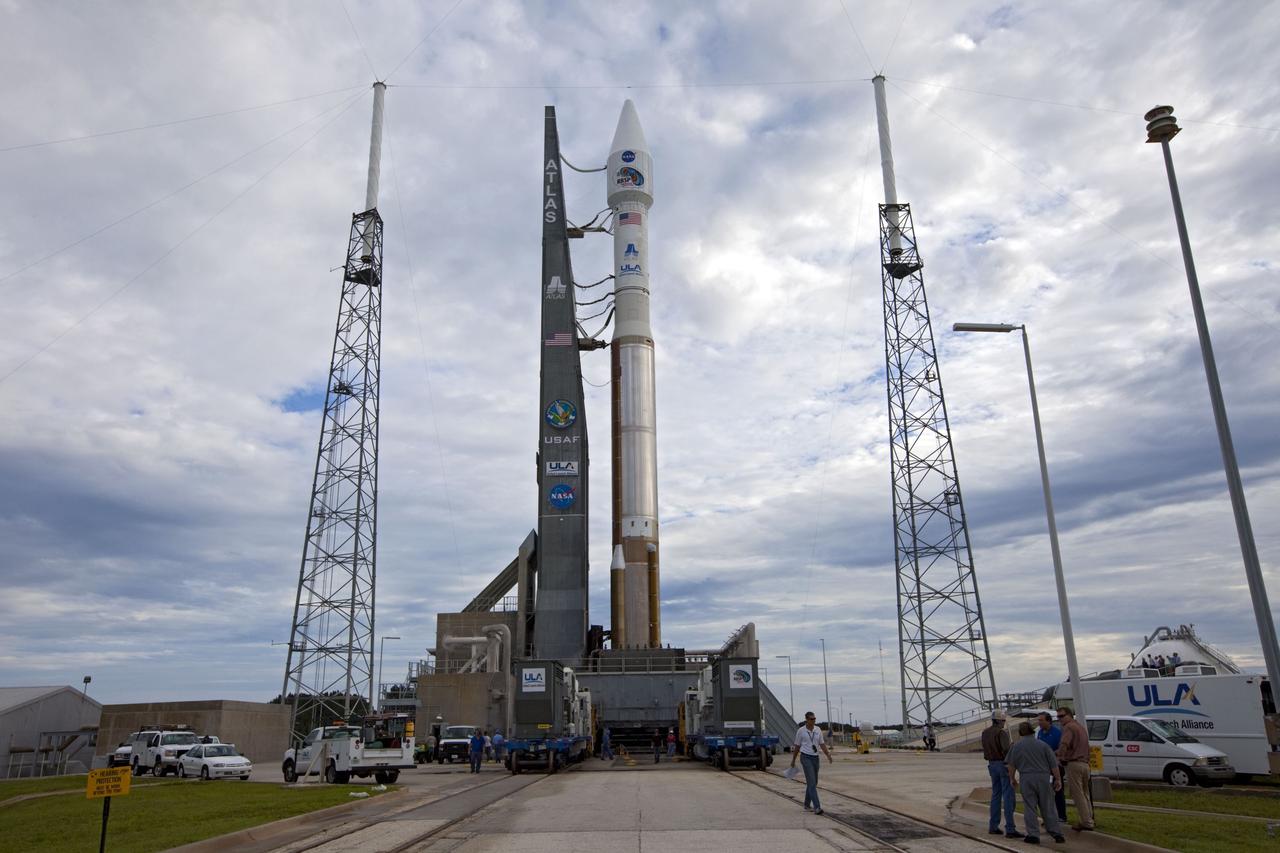
CAPE CANAVERAL, Fla. – The United Launch Alliance Atlas V rocket with the Radiation Belt Storm Probes, or RBSP, spacecraft aboard stands at the launch pad at Space Launch Complex 41 at Cape Canaveral Air Force Station. NASA’s RBSP mission will help researchers understand the sun’s influence on Earth and near-Earth space by studying the Earth’s radiation belts on various scales of space and time. RBSP will begin its mission of exploration of Earth’s Van Allen radiation belts and the extremes of space weather after its launch aboard an Atlas V rocket. Launch is targeted for Aug. 24. Photo credit: NASA/Kim Shiflett
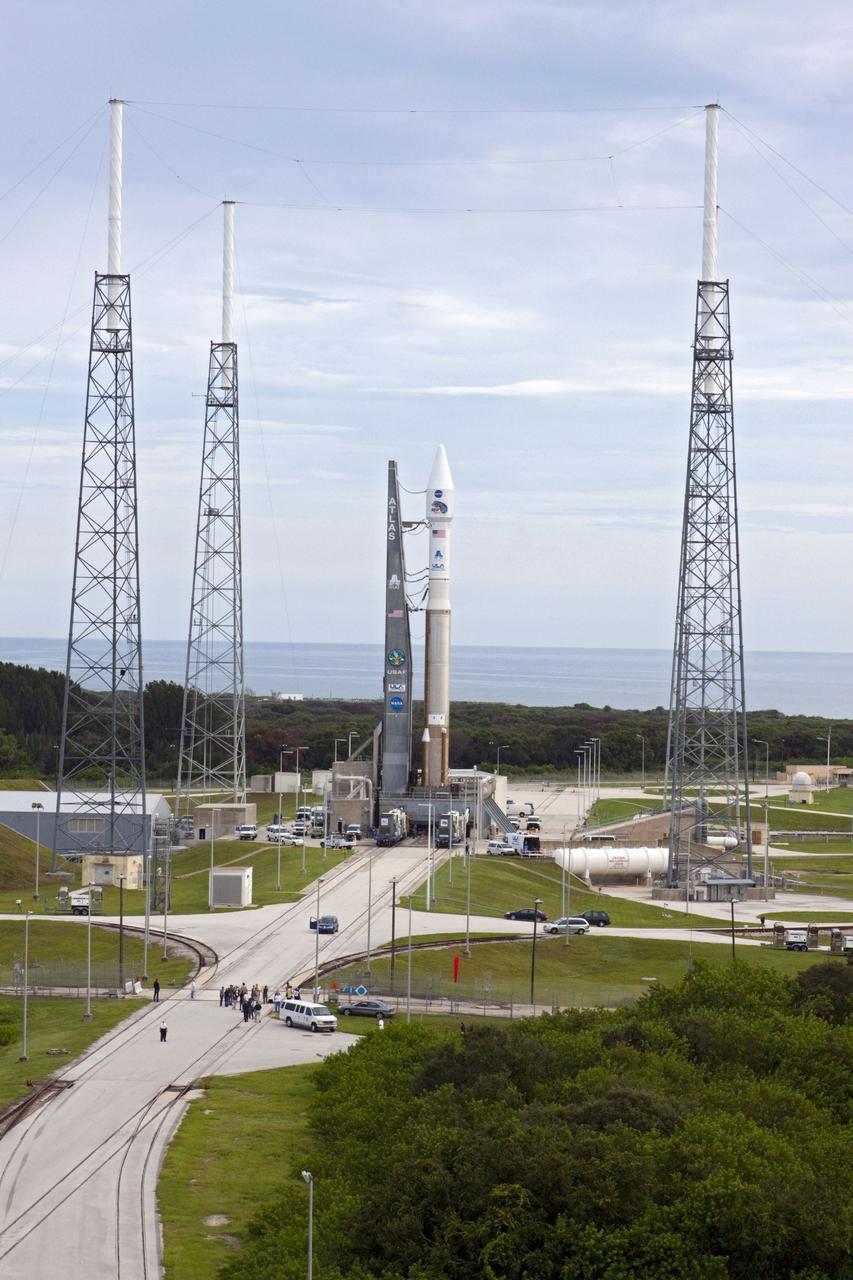
CAPE CANAVERAL, Fla. – The United Launch Alliance Atlas V rocket with the Radiation Belt Storm Probes, or RBSP, spacecraft aboard stands at the launch pad at Space Launch Complex 41 at Cape Canaveral Air Force Station. NASA’s RBSP mission will help researchers understand the sun’s influence on Earth and near-Earth space by studying the Earth’s radiation belts on various scales of space and time. RBSP will begin its mission of exploration of Earth’s Van Allen radiation belts and the extremes of space weather after its launch aboard an Atlas V rocket. Launch is targeted for Aug. 24. Photo credit: NASA/Kim Shiflett
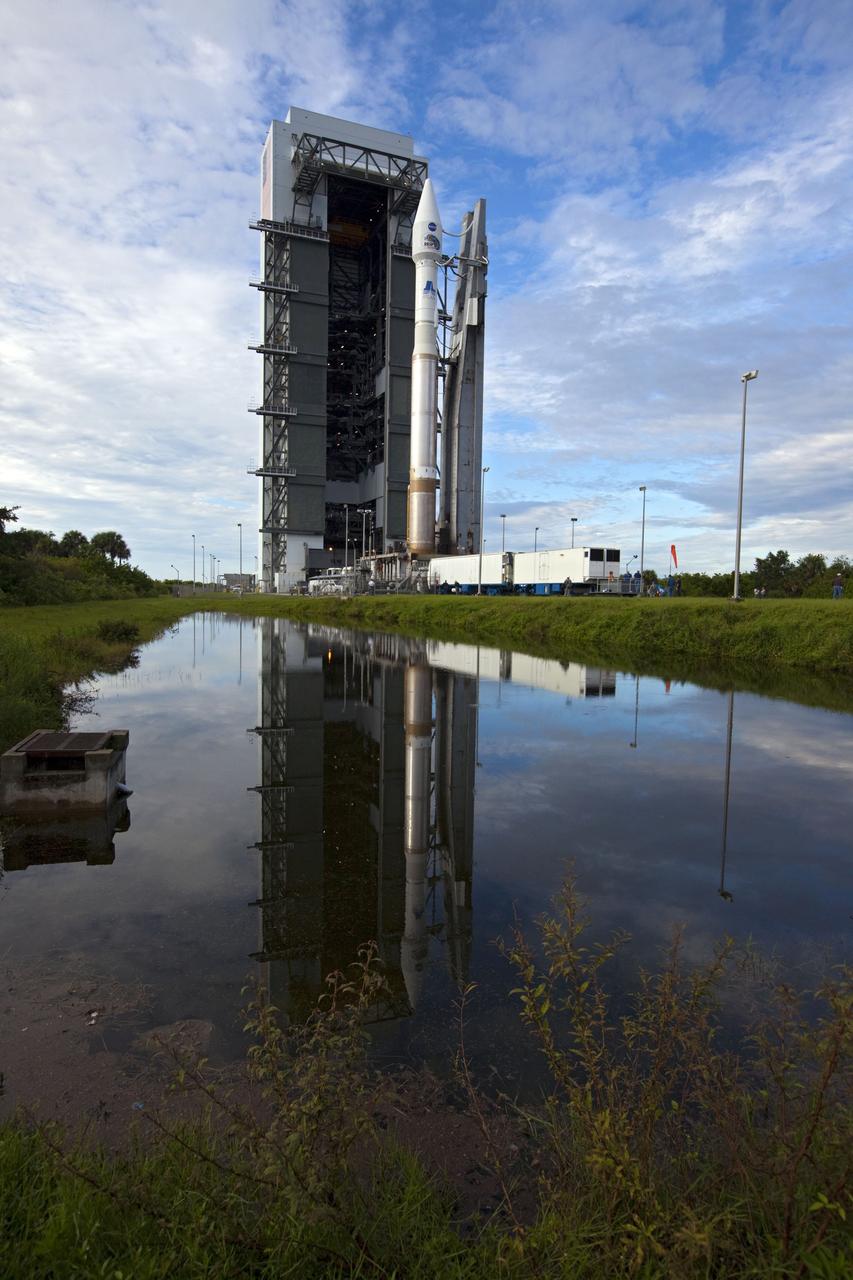
CAPE CANAVERAL, Fla. – The United Launch Alliance Atlas V rocket with the Radiation Belt Storm Probes, or RBSP, spacecraft aboard rolls to the launch pad at Space Launch Complex 41 at Cape Canaveral Air Force Station. NASA’s RBSP mission will help researchers understand the sun’s influence on Earth and near-Earth space by studying the Earth’s radiation belts on various scales of space and time. RBSP will begin its mission of exploration of Earth’s Van Allen radiation belts and the extremes of space weather after its launch aboard an Atlas V rocket. Launch is targeted for Aug. 24. Photo credit: NASA/Kim Shiflett
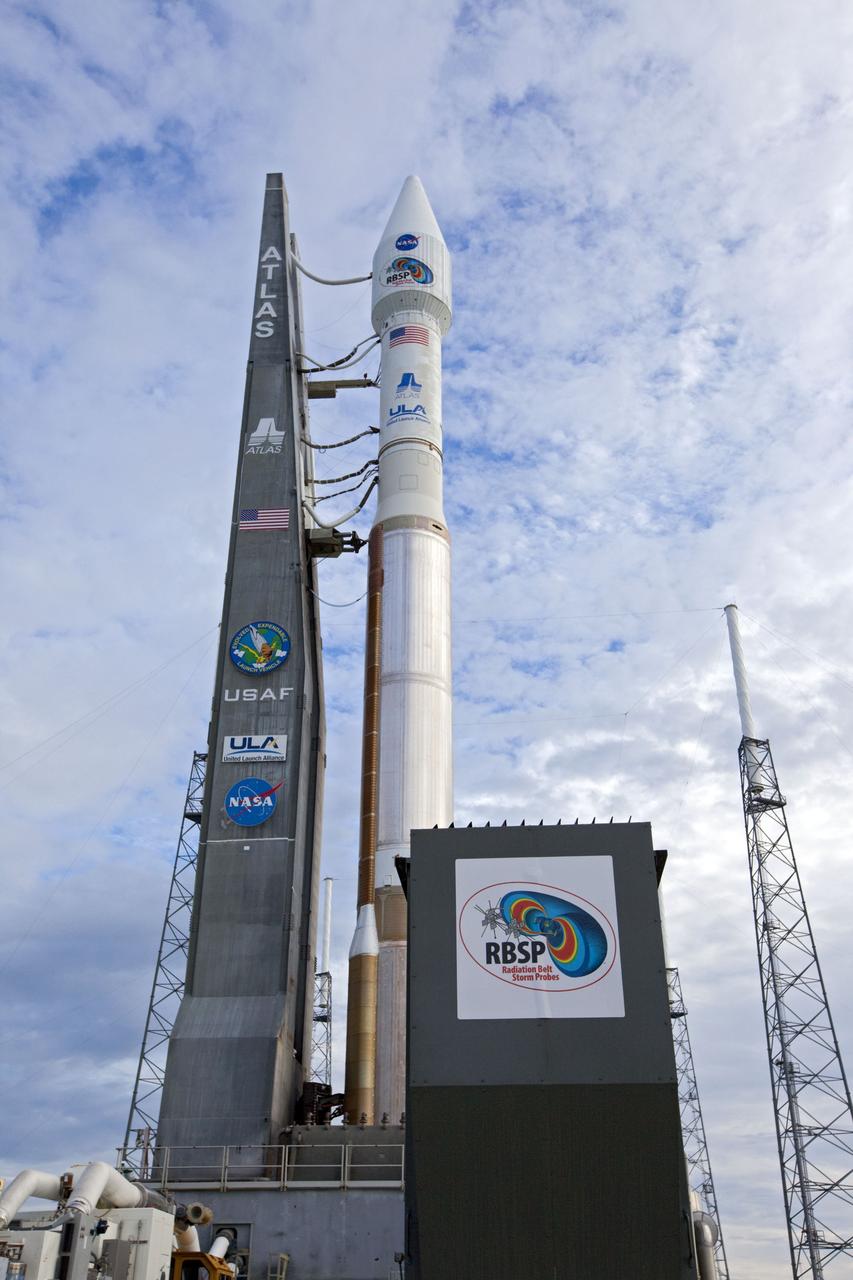
CAPE CANAVERAL, Fla. – The United Launch Alliance Atlas V rocket with the Radiation Belt Storm Probes, or RBSP, spacecraft aboard rolls to the launch pad at Space Launch Complex 41 at Cape Canaveral Air Force Station. NASA’s RBSP mission will help researchers understand the sun’s influence on Earth and near-Earth space by studying the Earth’s radiation belts on various scales of space and time. RBSP will begin its mission of exploration of Earth’s Van Allen radiation belts and the extremes of space weather after its launch aboard an Atlas V rocket. Launch is targeted for Aug. 24. Photo credit: NASA/Kim Shiflett
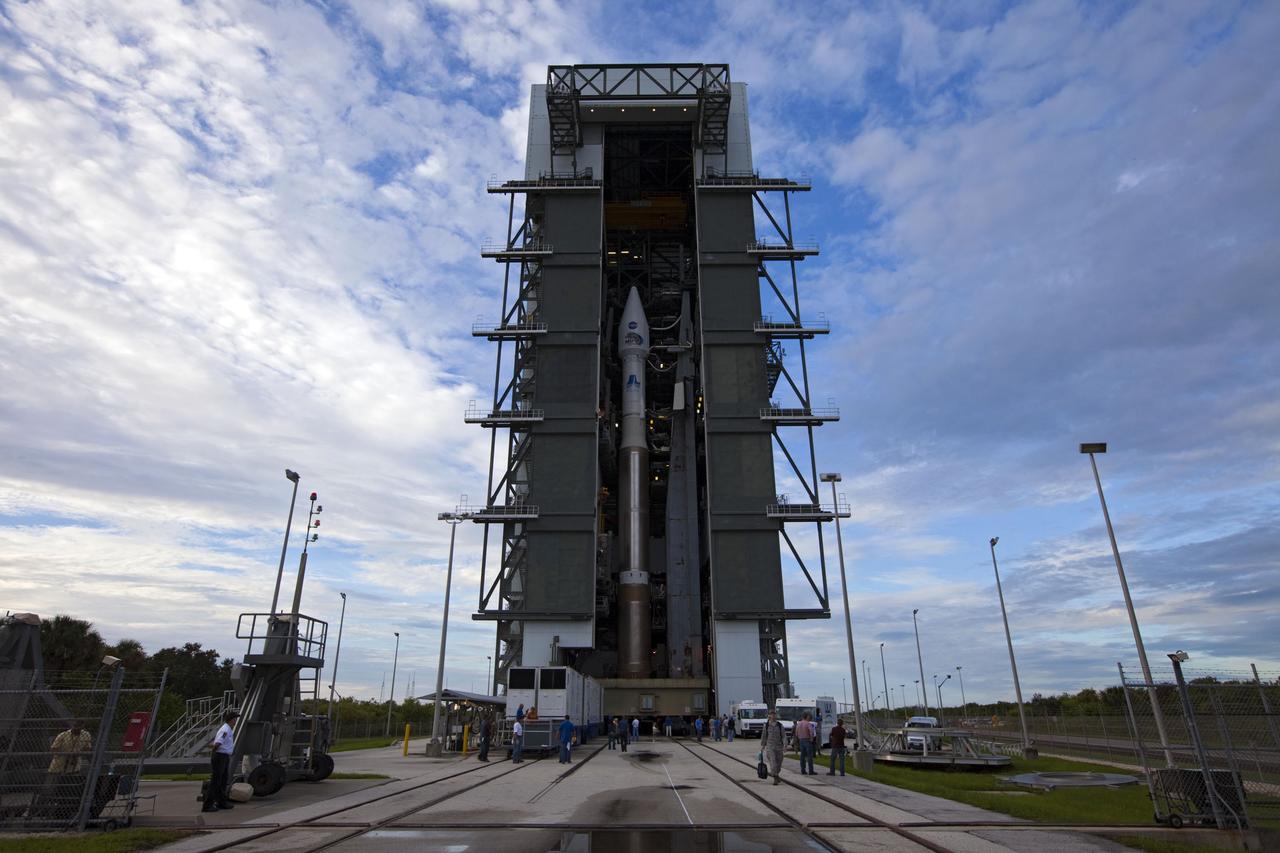
CAPE CANAVERAL, Fla. – The United Launch Alliance Atlas V rocket with the Radiation Belt Storm Probes, or RBSP, spacecraft aboard is readied for rollout to the launch pad at Space Launch Complex 41 at Cape Canaveral Air Force Station. NASA’s RBSP mission will help researchers understand the sun’s influence on Earth and near-Earth space by studying the Earth’s radiation belts on various scales of space and time. RBSP will begin its mission of exploration of Earth’s Van Allen radiation belts and the extremes of space weather after its launch aboard an Atlas V rocket. Launch is targeted for Aug. 24. Photo credit: NASA/Kim Shiflett
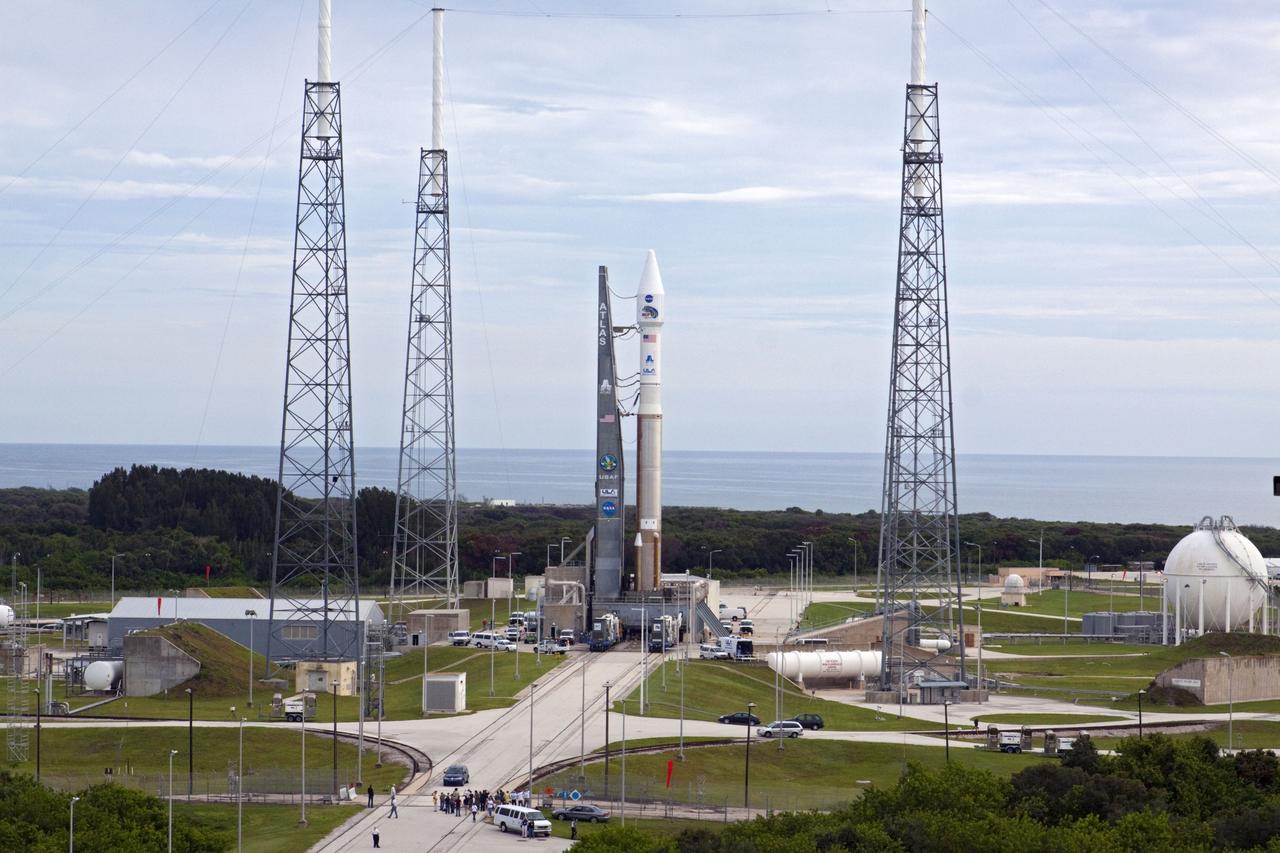
CAPE CANAVERAL, Fla. – The United Launch Alliance Atlas V rocket with the Radiation Belt Storm Probes, or RBSP, spacecraft aboard stands at the launch pad at Space Launch Complex 41 at Cape Canaveral Air Force Station. NASA’s RBSP mission will help researchers understand the sun’s influence on Earth and near-Earth space by studying the Earth’s radiation belts on various scales of space and time. RBSP will begin its mission of exploration of Earth’s Van Allen radiation belts and the extremes of space weather after its launch aboard an Atlas V rocket. Launch is targeted for Aug. 24. Photo credit: NASA/Kim Shiflett

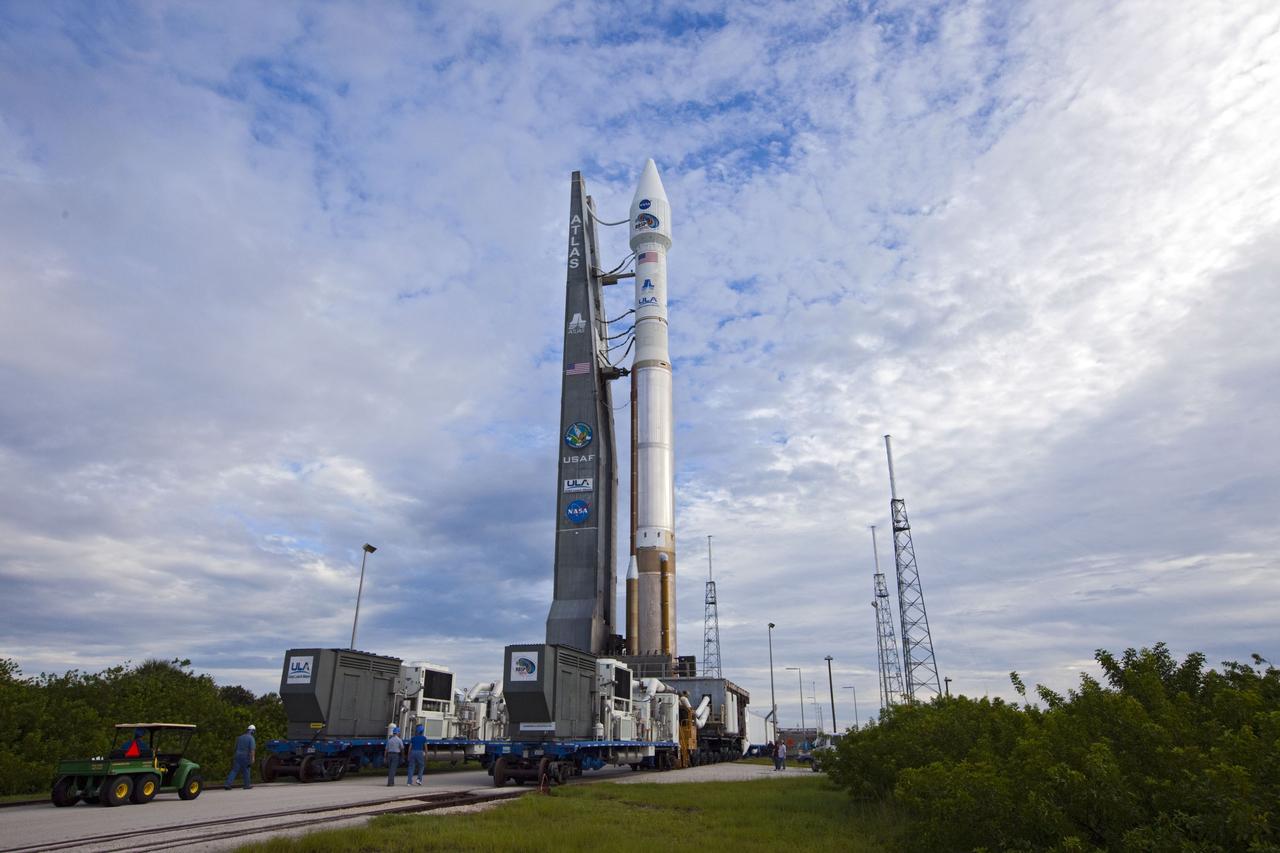
CAPE CANAVERAL, Fla. – Workers help guide the United Launch Alliance Atlas V rocket with the Radiation Belt Storm Probes, or RBSP, spacecraft aboard as it moves to the launch pad at Space Launch Complex 41 at Cape Canaveral Air Force Station. NASA’s RBSP mission will help researchers understand the sun’s influence on Earth and near-Earth space by studying the Earth’s radiation belts on various scales of space and time. RBSP will begin its mission of exploration of Earth’s Van Allen radiation belts and the extremes of space weather after its launch aboard an Atlas V rocket. Launch is targeted for Aug. 24. Photo credit: NASA/Kim Shiflett
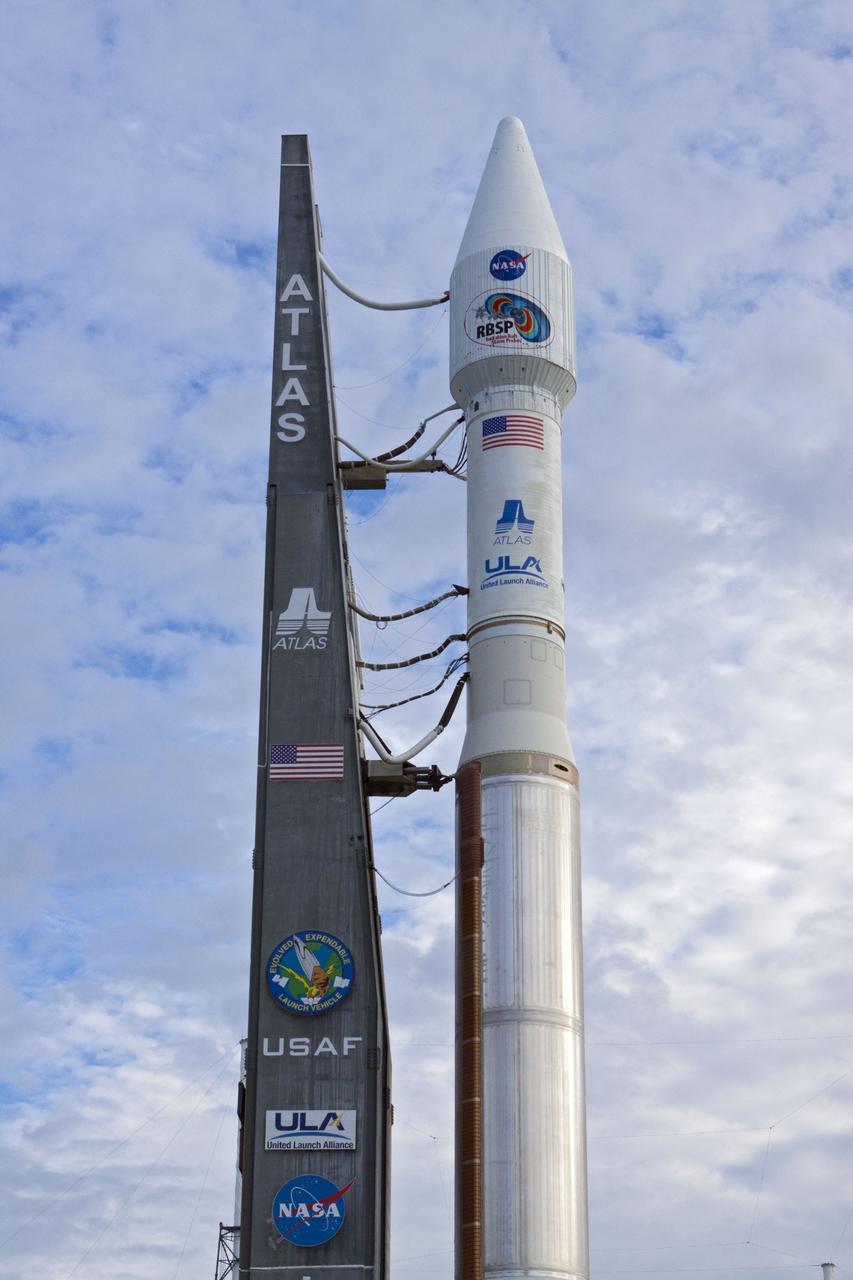
CAPE CANAVERAL, Fla. – The United Launch Alliance Atlas V rocket with the Radiation Belt Storm Probes, or RBSP, spacecraft aboard stands at the launch pad at Space Launch Complex 41 at Cape Canaveral Air Force Station. NASA’s RBSP mission will help researchers understand the sun’s influence on Earth and near-Earth space by studying the Earth’s radiation belts on various scales of space and time. RBSP will begin its mission of exploration of Earth’s Van Allen radiation belts and the extremes of space weather after its launch aboard an Atlas V rocket. Launch is targeted for Aug. 24. Photo credit: NASA/Kim Shiflett
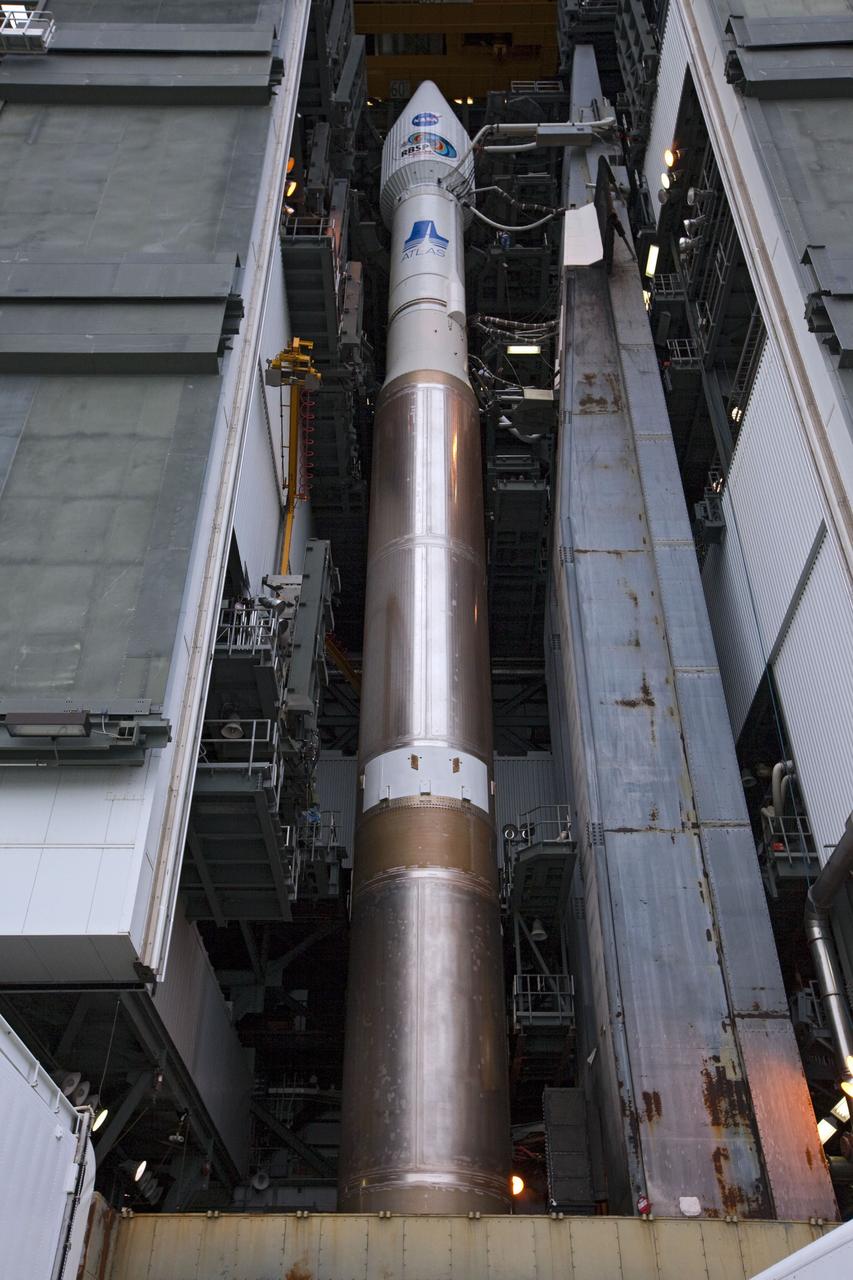
CAPE CANAVERAL, Fla. – The United Launch Alliance Atlas V rocket with the Radiation Belt Storm Probes, or RBSP, spacecraft aboard is readied for rollout to the launch pad at Space Launch Complex 41 at Cape Canaveral Air Force Station. NASA’s RBSP mission will help researchers understand the sun’s influence on Earth and near-Earth space by studying the Earth’s radiation belts on various scales of space and time. RBSP will begin its mission of exploration of Earth’s Van Allen radiation belts and the extremes of space weather after its launch aboard an Atlas V rocket. Launch is targeted for Aug. 24. Photo credit: NASA/Kim Shiflett
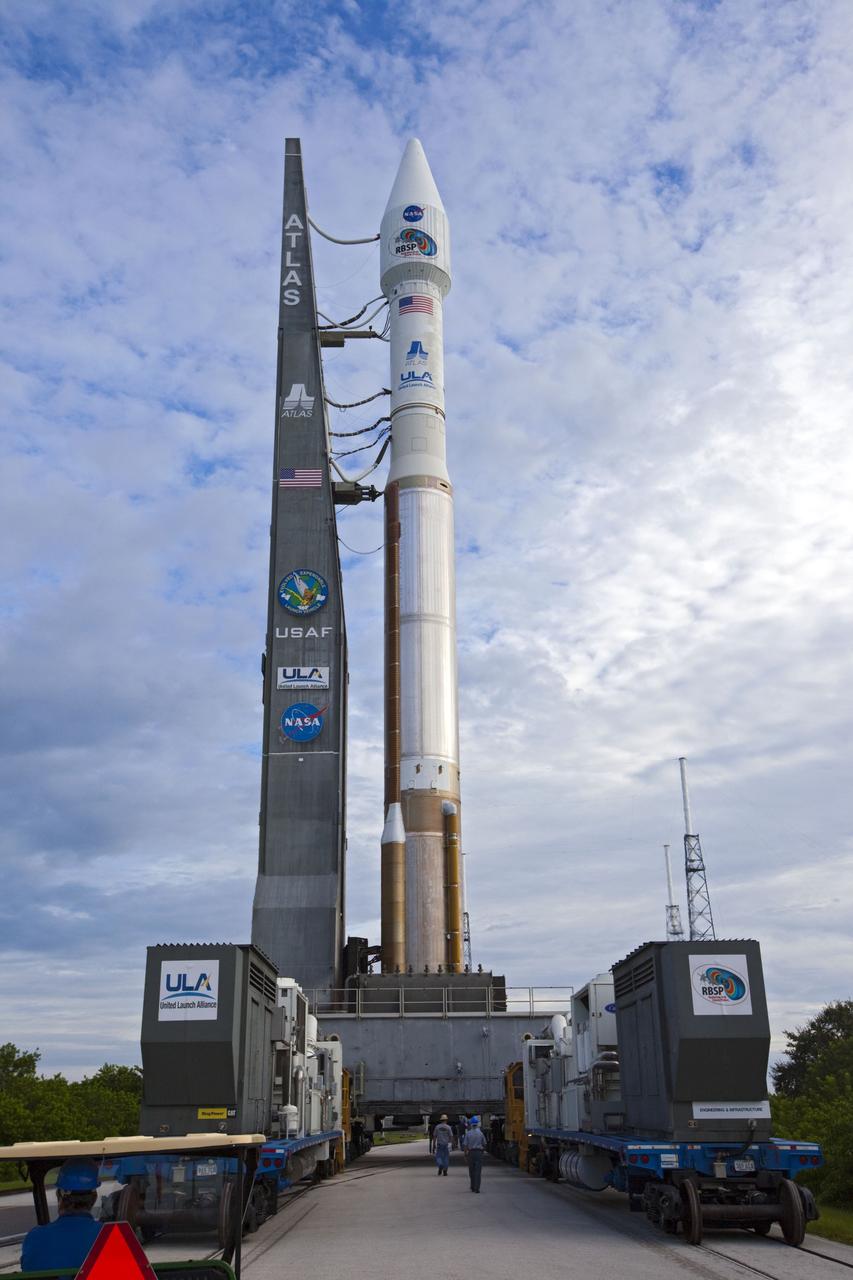
CAPE CANAVERAL, Fla. – Workers help guide the United Launch Alliance Atlas V rocket with the Radiation Belt Storm Probes, or RBSP, spacecraft aboard as it moves to the launch pad at Space Launch Complex 41 at Cape Canaveral Air Force Station. NASA’s RBSP mission will help researchers understand the sun’s influence on Earth and near-Earth space by studying the Earth’s radiation belts on various scales of space and time. RBSP will begin its mission of exploration of Earth’s Van Allen radiation belts and the extremes of space weather after its launch aboard an Atlas V rocket. Launch is targeted for Aug. 24. Photo credit: NASA/Kim Shiflett
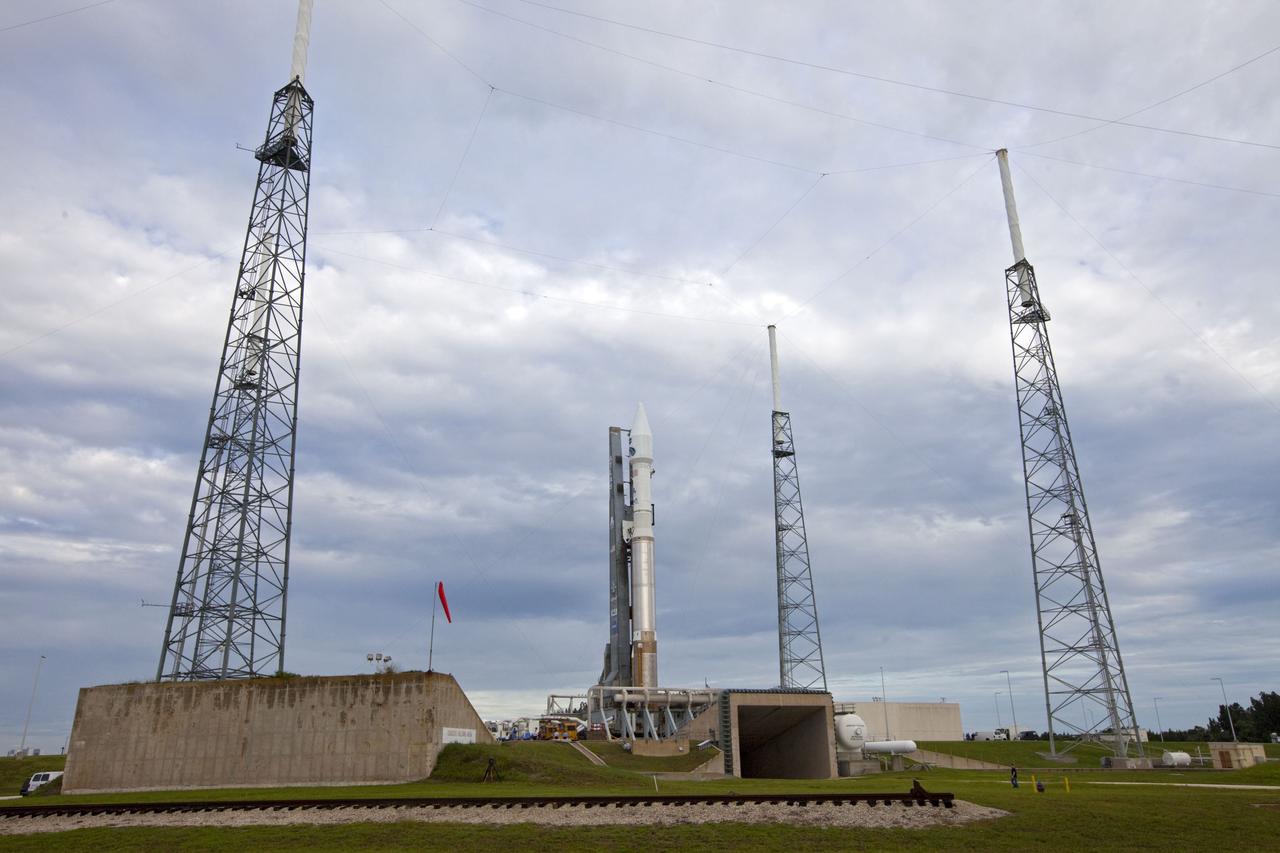
CAPE CANAVERAL, Fla. – The United Launch Alliance Atlas V rocket with the Radiation Belt Storm Probes, or RBSP, spacecraft aboard stands at the launch pad at Space Launch Complex 41 at Cape Canaveral Air Force Station. NASA’s RBSP mission will help researchers understand the sun’s influence on Earth and near-Earth space by studying the Earth’s radiation belts on various scales of space and time. RBSP will begin its mission of exploration of Earth’s Van Allen radiation belts and the extremes of space weather after its launch aboard an Atlas V rocket. Launch is targeted for Aug. 24. Photo credit: NASA/Kim Shiflett
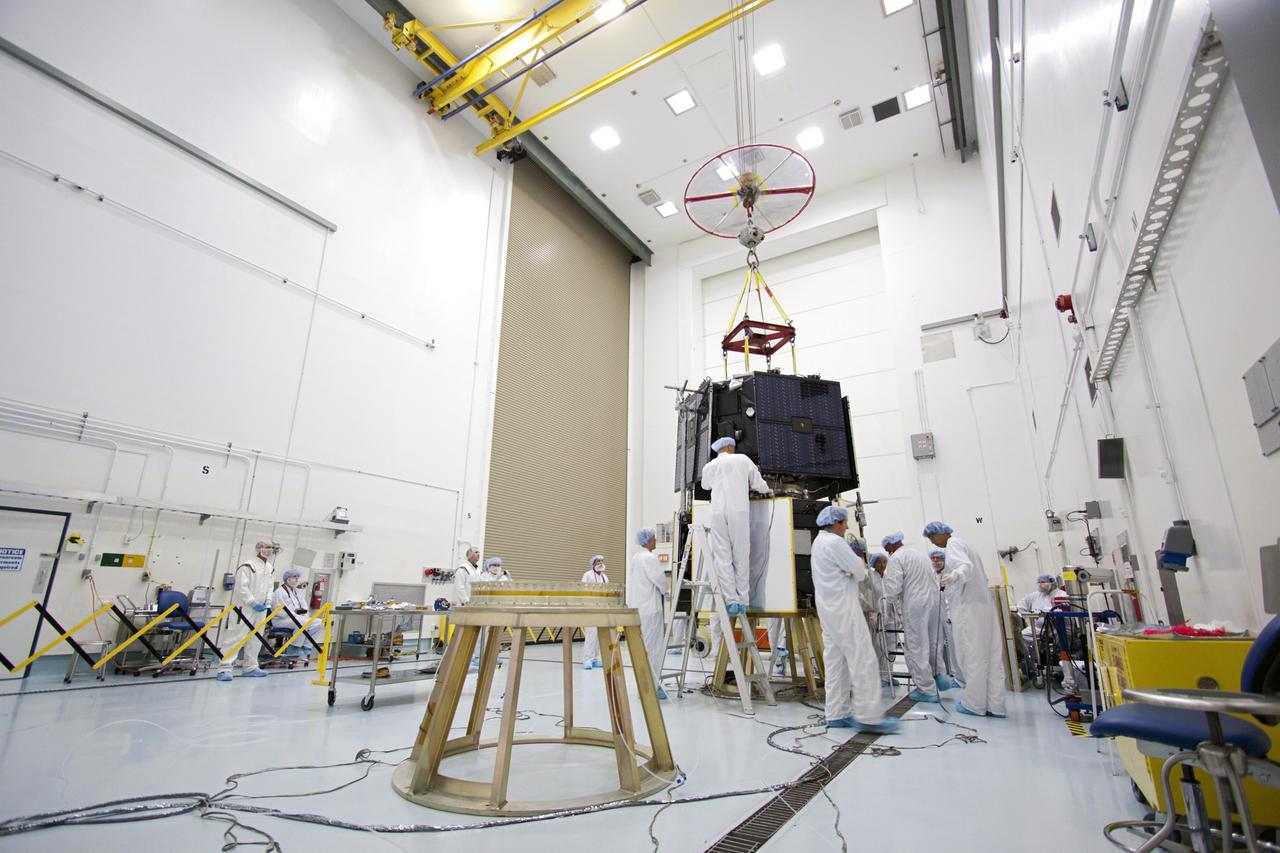
TITUSVILLE, Fla. - Inside the Astrotech payload processing facility in Titusville, Fla. near NASA’s Kennedy Space Center, technicians use a crane to position the Radiation Belt Storm Probes, or RBSP, spacecraft A atop RBSP B. NASA’s RBSP mission will help us understand the sun’s influence on Earth and near-Earth space by studying the Earth’s radiation belts on various scales of space and time. RBSP will begin its mission of exploration of Earth’s Van Allen radiation belts and the extremes of space weather after its liftoff aboard a United Launch Alliance Atlas V from Space Launch Complex 41 at Cape Canaveral Air Force Station, Fla. Liftoff is targeted for Aug. 23, 2012. For more information, visit http://www.nasa.gov/rbsp. Photo credit: NASA/Jim Grossmann
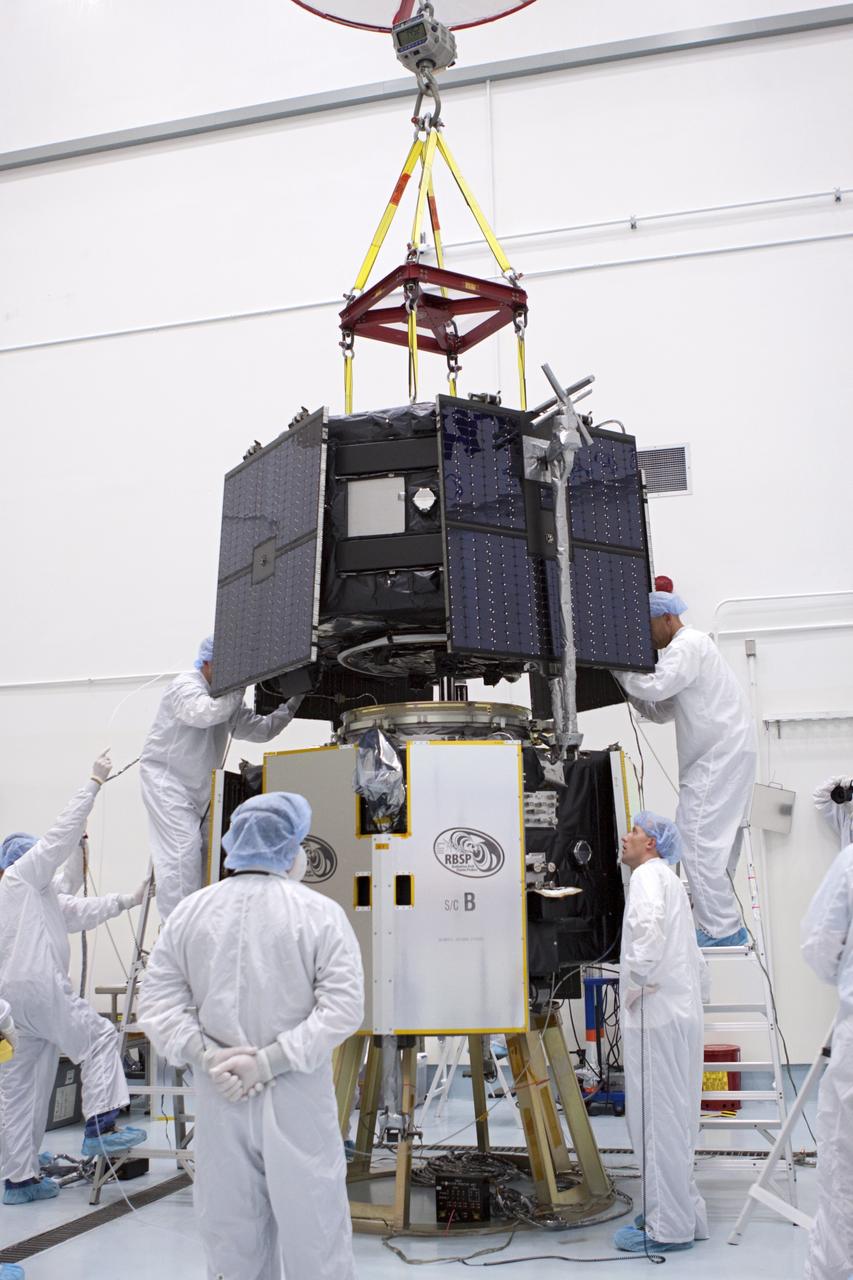
TITUSVILLE, Fla. - Inside the Astrotech payload processing facility in Titusville, Fla. near NASA’s Kennedy Space Center, technicians use a crane to position the Radiation Belt Storm Probes, or RBSP, spacecraft A atop RBSP B. NASA’s RBSP mission will help us understand the sun’s influence on Earth and near-Earth space by studying the Earth’s radiation belts on various scales of space and time. RBSP will begin its mission of exploration of Earth’s Van Allen radiation belts and the extremes of space weather after its liftoff aboard a United Launch Alliance Atlas V from Space Launch Complex 41 at Cape Canaveral Air Force Station, Fla. Liftoff is targeted for Aug. 23, 2012. For more information, visit http://www.nasa.gov/rbsp. Photo credit: NASA/Jim Grossmann
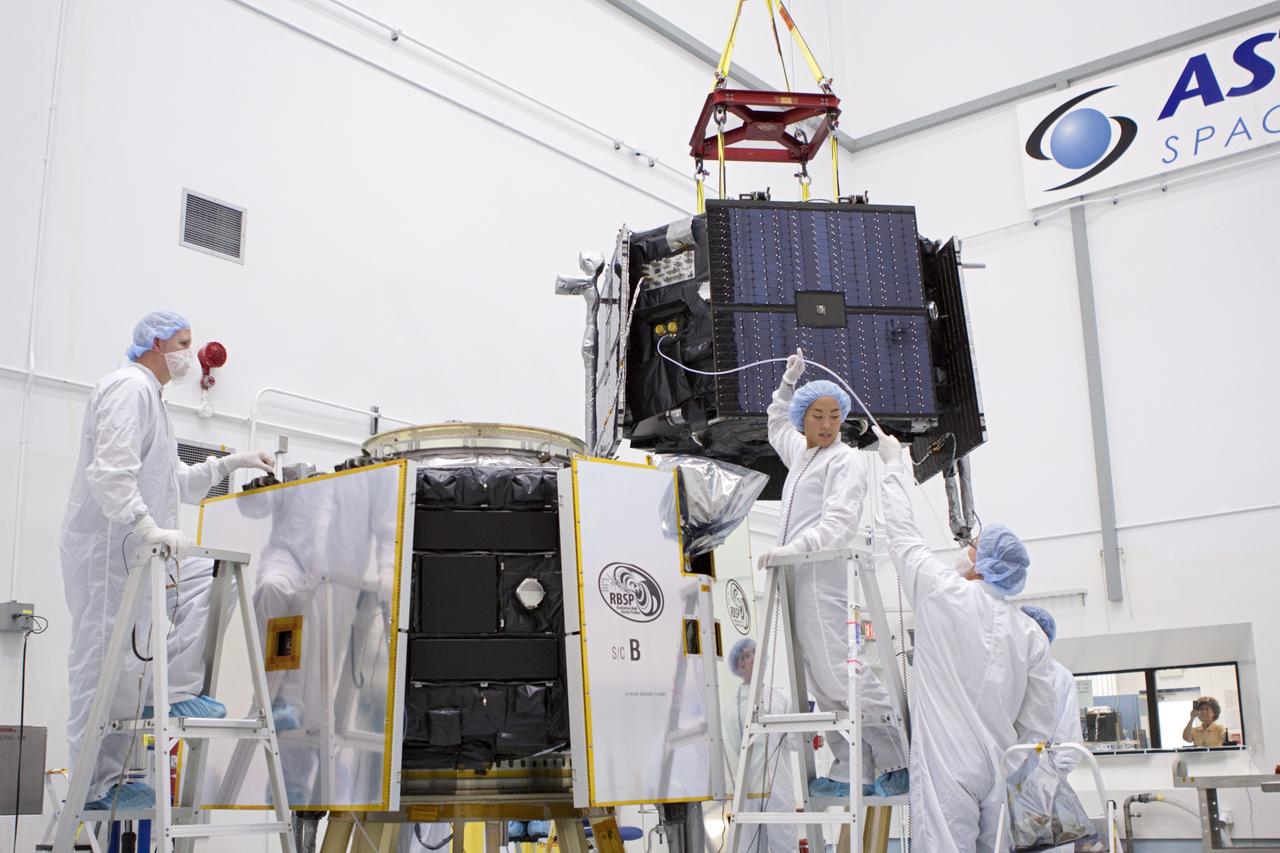
TITUSVILLE, Fla. - Inside the Astrotech payload processing facility in Titusville, Fla. near NASA’s Kennedy Space Center, technicians use a crane to move the Radiation Belt Storm Probes, or RBSP, spacecraft A into position for stacking atop RBSP B. NASA’s RBSP mission will help us understand the sun’s influence on Earth and near-Earth space by studying the Earth’s radiation belts on various scales of space and time. RBSP will begin its mission of exploration of Earth’s Van Allen radiation belts and the extremes of space weather after its liftoff aboard a United Launch Alliance Atlas V from Space Launch Complex 41 at Cape Canaveral Air Force Station, Fla. Liftoff is targeted for Aug. 23, 2012. For more information, visit http://www.nasa.gov/rbsp. Photo credit: NASA/Jim Grossmann
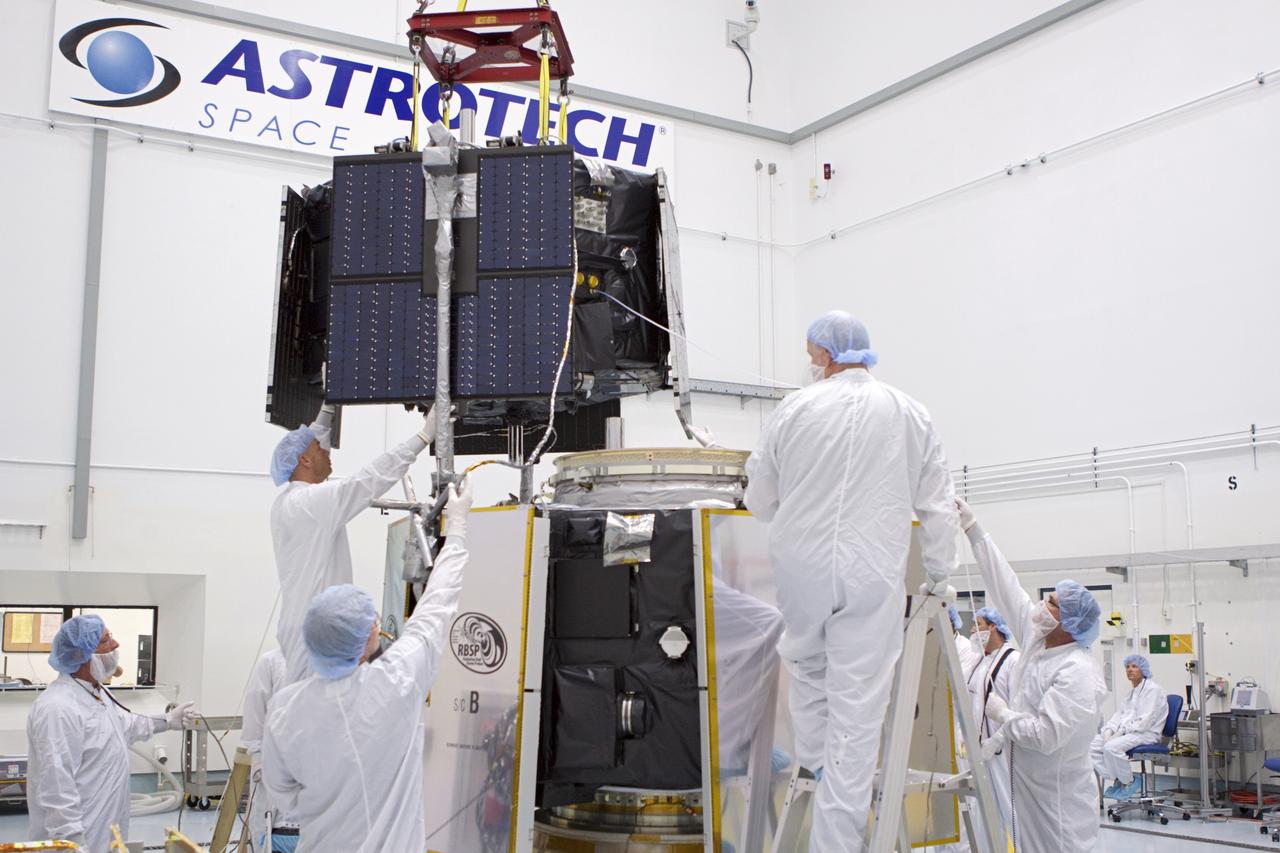
TITUSVILLE, Fla. - Inside the Astrotech payload processing facility in Titusville, Fla. near NASA’s Kennedy Space Center, technicians use a crane to move the Radiation Belt Storm Probes, or RBSP, spacecraft A into position for stacking atop RBSP B. NASA’s RBSP mission will help us understand the sun’s influence on Earth and near-Earth space by studying the Earth’s radiation belts on various scales of space and time. RBSP will begin its mission of exploration of Earth’s Van Allen radiation belts and the extremes of space weather after its liftoff aboard a United Launch Alliance Atlas V from Space Launch Complex 41 at Cape Canaveral Air Force Station, Fla. Liftoff is targeted for Aug. 23, 2012. For more information, visit http://www.nasa.gov/rbsp. Photo credit: NASA/Jim Grossmann
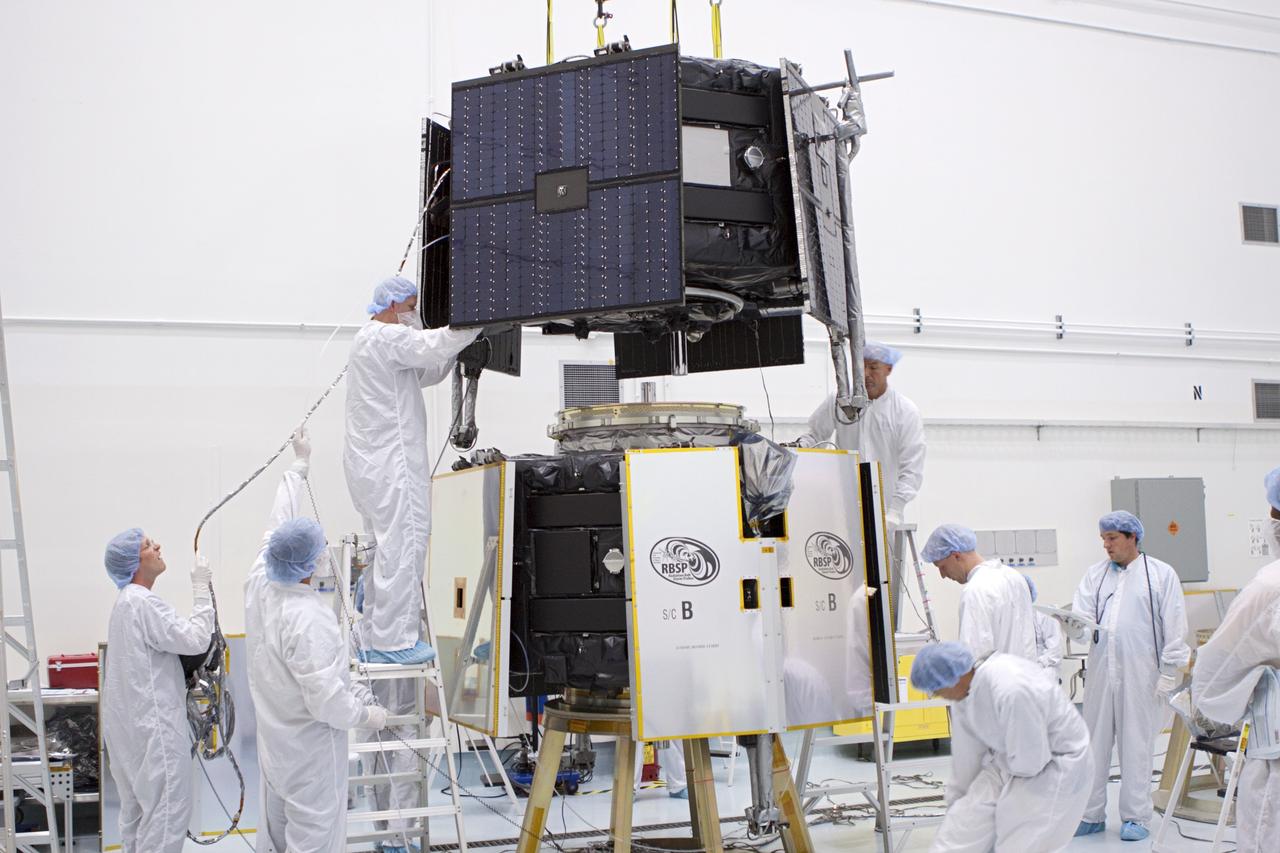
TITUSVILLE, Fla. - Inside the Astrotech payload processing facility in Titusville, Fla. near NASA’s Kennedy Space Center, technicians use a crane to position the Radiation Belt Storm Probes, or RBSP, spacecraft A for stacking atop RBSP B. NASA’s RBSP mission will help us understand the sun’s influence on Earth and near-Earth space by studying the Earth’s radiation belts on various scales of space and time. RBSP will begin its mission of exploration of Earth’s Van Allen radiation belts and the extremes of space weather after its liftoff aboard a United Launch Alliance Atlas V from Space Launch Complex 41 at Cape Canaveral Air Force Station, Fla. Liftoff is targeted for Aug. 23, 2012. For more information, visit http://www.nasa.gov/rbsp. Photo credit: NASA/Jim Grossmann
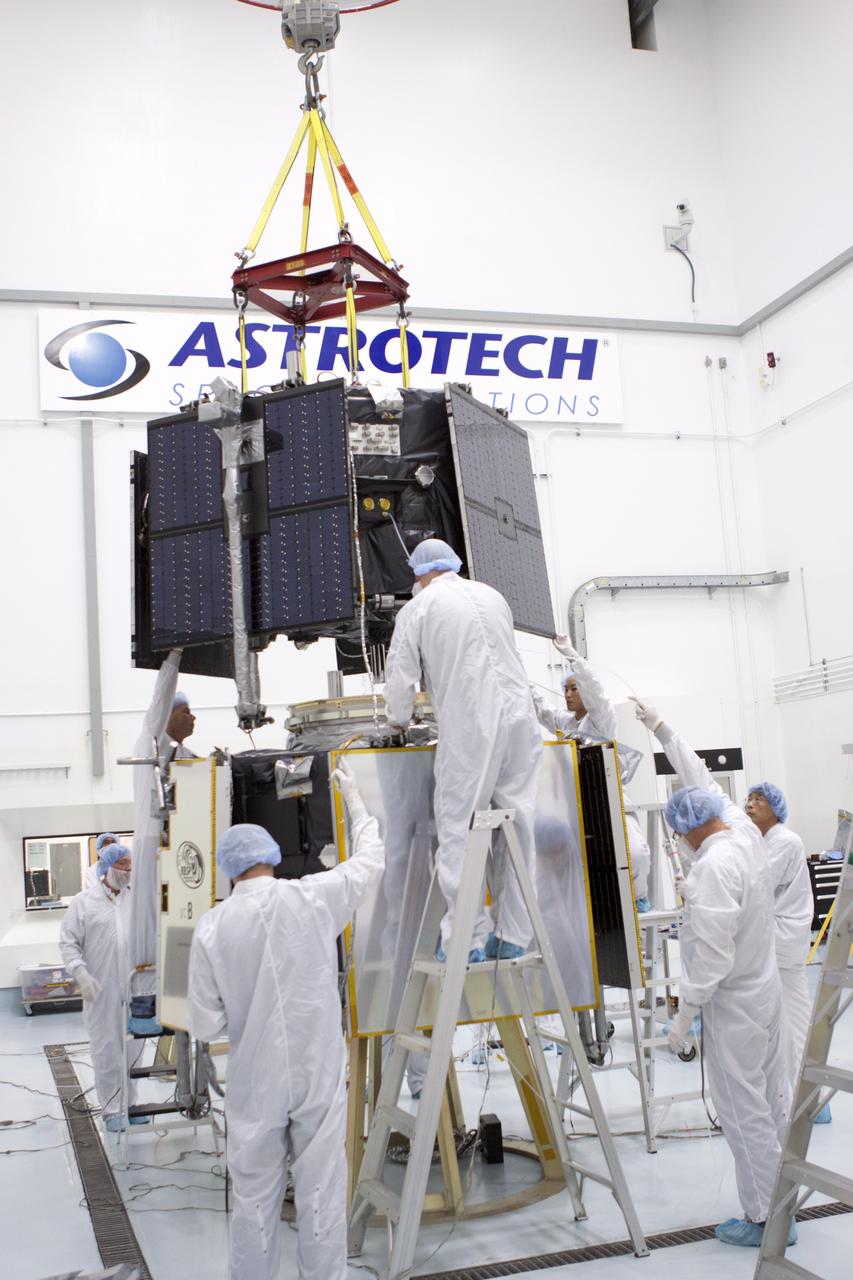
TITUSVILLE, Fla. - Inside the Astrotech payload processing facility in Titusville, Fla. near NASA’s Kennedy Space Center, technicians use a crane to move the Radiation Belt Storm Probes, or RBSP, spacecraft A into position for stacking atop RBSP B. NASA’s RBSP mission will help us understand the sun’s influence on Earth and near-Earth space by studying the Earth’s radiation belts on various scales of space and time. RBSP will begin its mission of exploration of Earth’s Van Allen radiation belts and the extremes of space weather after its liftoff aboard a United Launch Alliance Atlas V from Space Launch Complex 41 at Cape Canaveral Air Force Station, Fla. Liftoff is targeted for Aug. 23, 2012. For more information, visit http://www.nasa.gov/rbsp. Photo credit: NASA/Jim Grossmann
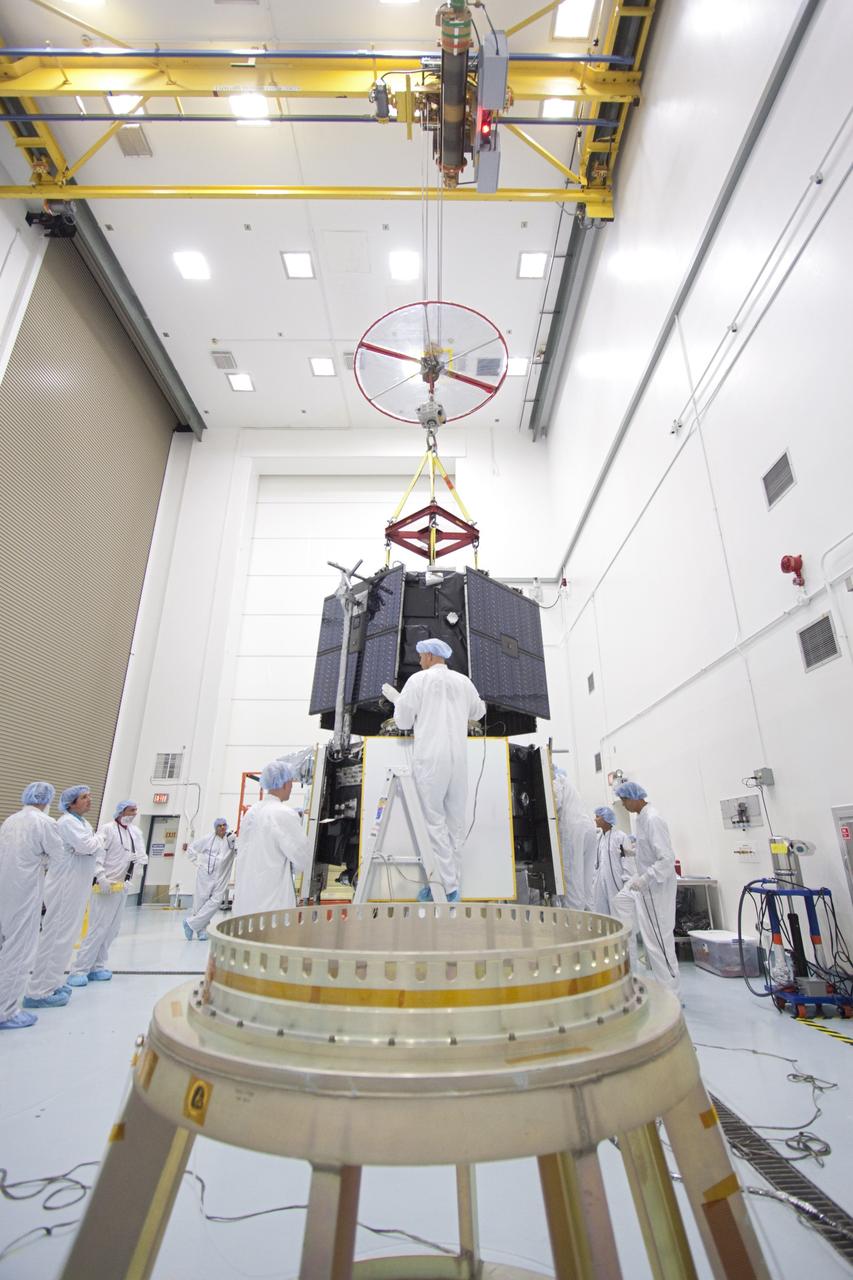
TITUSVILLE, Fla. - Inside the Astrotech payload processing facility in Titusville, Fla. near NASA’s Kennedy Space Center, technicians use a crane to position the Radiation Belt Storm Probes, or RBSP, spacecraft A atop RBSP B. NASA’s RBSP mission will help us understand the sun’s influence on Earth and near-Earth space by studying the Earth’s radiation belts on various scales of space and time. RBSP will begin its mission of exploration of Earth’s Van Allen radiation belts and the extremes of space weather after its liftoff aboard a United Launch Alliance Atlas V from Space Launch Complex 41 at Cape Canaveral Air Force Station, Fla. Liftoff is targeted for Aug. 23, 2012. For more information, visit http://www.nasa.gov/rbsp. Photo credit: NASA/Jim Grossmann
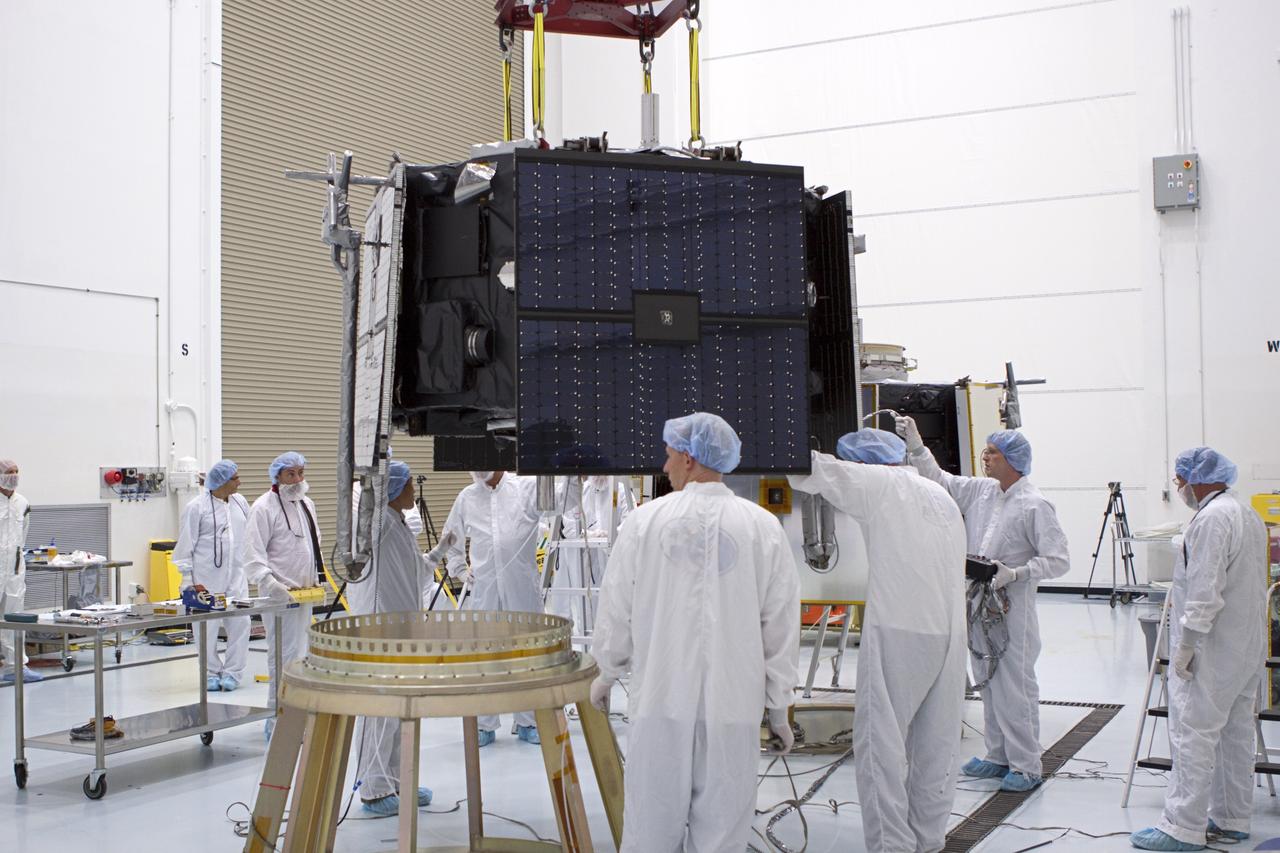
TITUSVILLE, Fla. - Inside the Astrotech payload processing facility in Titusville, Fla. near NASA’s Kennedy Space Center, technicians use a crane to lift the Radiation Belt Storm Probes, or RBSP, spacecraft A for stacking atop RBSP B. NASA’s RBSP mission will help us understand the sun’s influence on Earth and near-Earth space by studying the Earth’s radiation belts on various scales of space and time. RBSP will begin its mission of exploration of Earth’s Van Allen radiation belts and the extremes of space weather after its liftoff aboard a United Launch Alliance Atlas V from Space Launch Complex 41 at Cape Canaveral Air Force Station, Fla. Liftoff is targeted for Aug. 23, 2012. For more information, visit http://www.nasa.gov/rbsp. Photo credit: NASA/Jim Grossmann
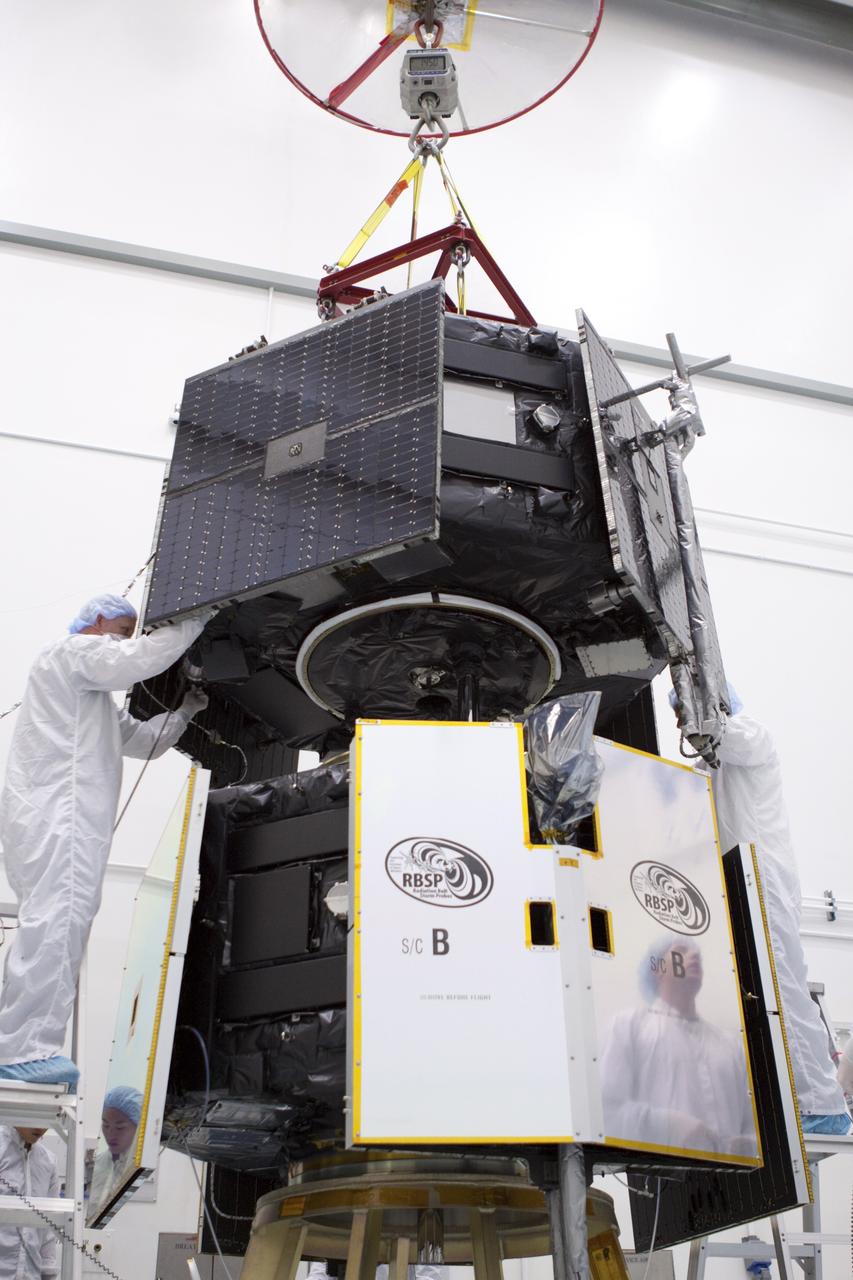
TITUSVILLE, Fla. - Inside the Astrotech payload processing facility in Titusville, Fla. near NASA’s Kennedy Space Center, technicians use a crane to position the Radiation Belt Storm Probes, or RBSP, spacecraft A for stacking atop RBSP B. NASA’s RBSP mission will help us understand the sun’s influence on Earth and near-Earth space by studying the Earth’s radiation belts on various scales of space and time. RBSP will begin its mission of exploration of Earth’s Van Allen radiation belts and the extremes of space weather after its liftoff aboard a United Launch Alliance Atlas V from Space Launch Complex 41 at Cape Canaveral Air Force Station, Fla. Liftoff is targeted for Aug. 23, 2012. For more information, visit http://www.nasa.gov/rbsp. Photo credit: NASA/Jim Grossmann
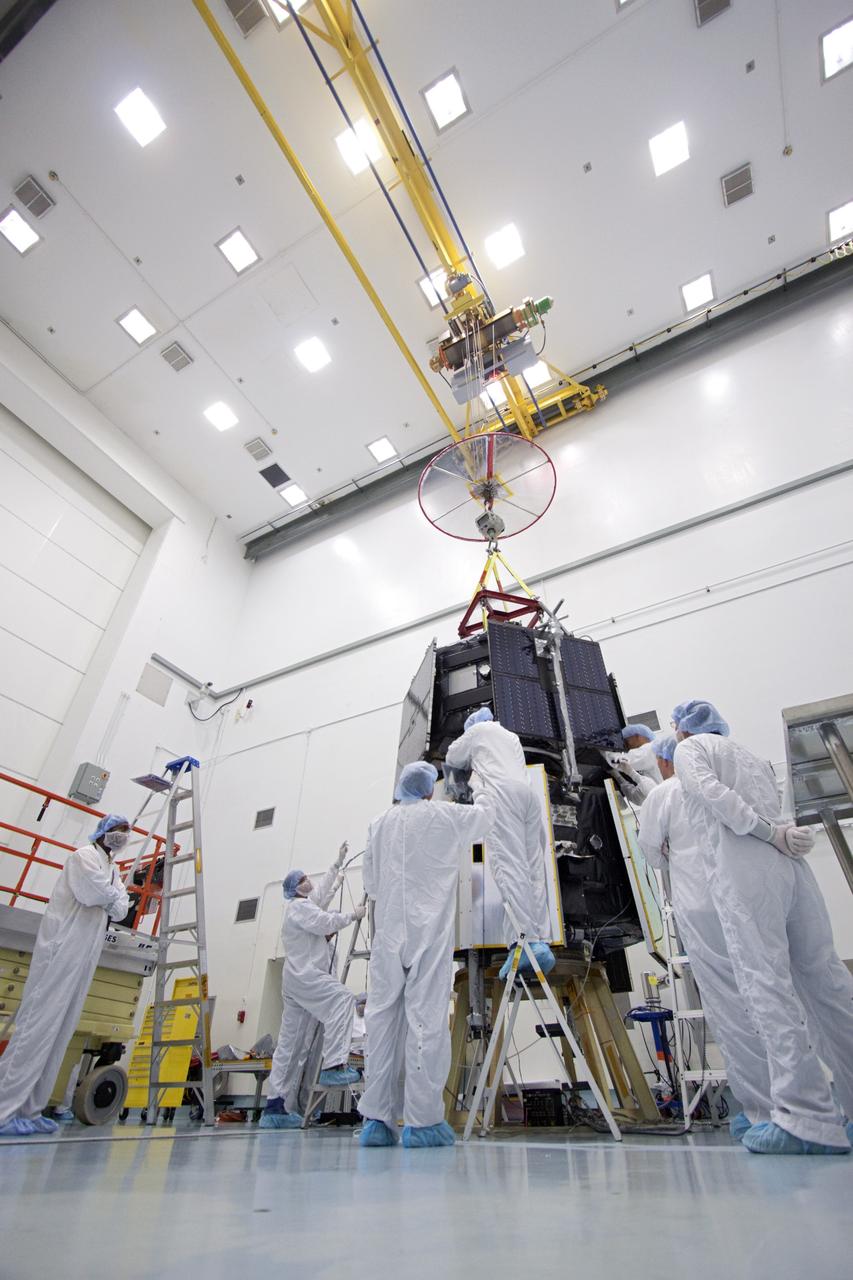
TITUSVILLE, Fla. - Inside the Astrotech payload processing facility in Titusville, Fla. near NASA’s Kennedy Space Center, technicians use a crane to position the Radiation Belt Storm Probes, or RBSP, spacecraft A atop RBSP B. NASA’s RBSP mission will help us understand the sun’s influence on Earth and near-Earth space by studying the Earth’s radiation belts on various scales of space and time. RBSP will begin its mission of exploration of Earth’s Van Allen radiation belts and the extremes of space weather after its liftoff aboard a United Launch Alliance Atlas V from Space Launch Complex 41 at Cape Canaveral Air Force Station, Fla. Liftoff is targeted for Aug. 23, 2012. For more information, visit http://www.nasa.gov/rbsp. Photo credit: NASA/Jim Grossmann
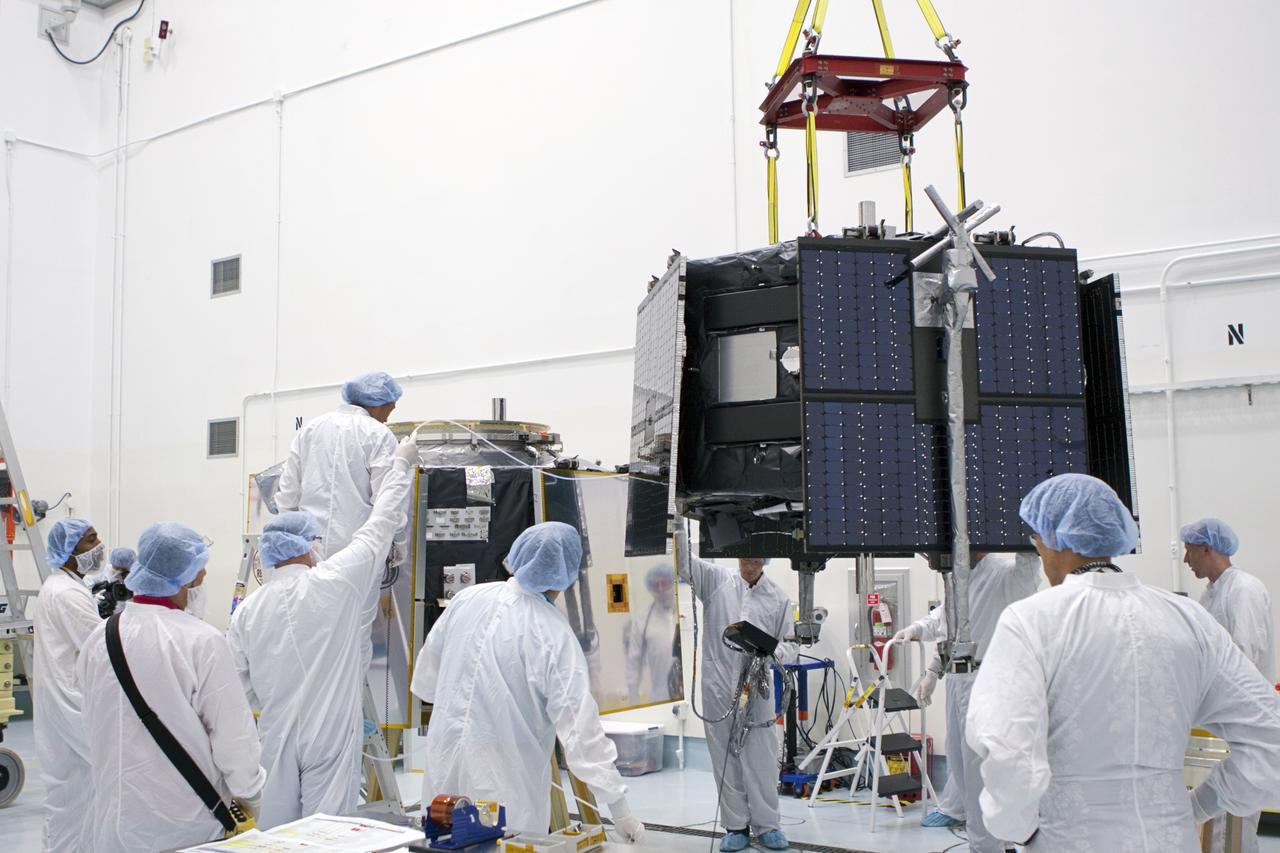
TITUSVILLE, Fla. - Inside the Astrotech payload processing facility in Titusville, Fla. near NASA’s Kennedy Space Center, technicians use a crane to move the Radiation Belt Storm Probes, or RBSP, spacecraft A into position for stacking atop RBSP B. NASA’s RBSP mission will help us understand the sun’s influence on Earth and near-Earth space by studying the Earth’s radiation belts on various scales of space and time. RBSP will begin its mission of exploration of Earth’s Van Allen radiation belts and the extremes of space weather after its liftoff aboard a United Launch Alliance Atlas V from Space Launch Complex 41 at Cape Canaveral Air Force Station, Fla. Liftoff is targeted for Aug. 23, 2012. For more information, visit http://www.nasa.gov/rbsp. Photo credit: NASA/Jim Grossmann
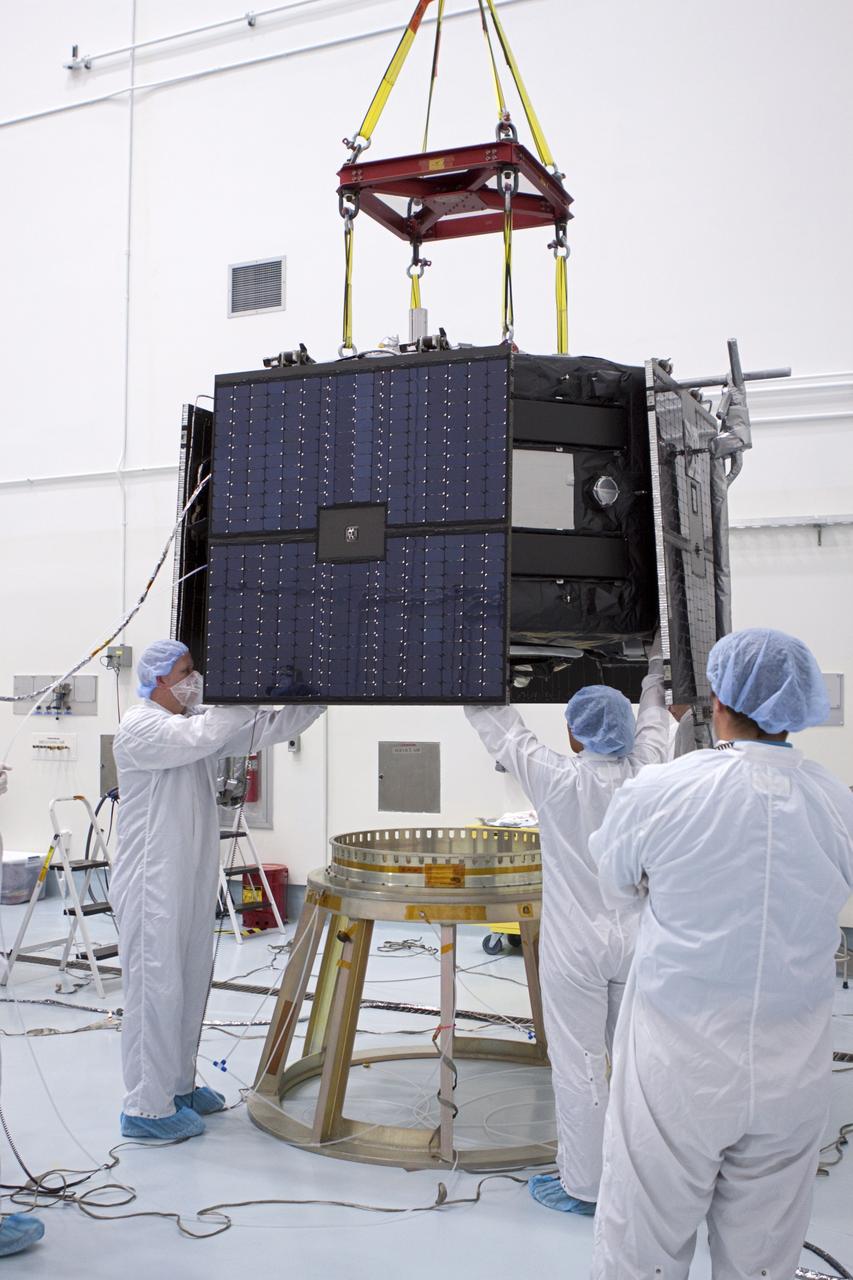
TITUSVILLE, Fla. - Inside the Astrotech payload processing facility in Titusville, Fla. near NASA’s Kennedy Space Center, technicians use a crane to lift the Radiation Belt Storm Probes, or RBSP, spacecraft A for stacking atop RBSP B. NASA’s RBSP mission will help us understand the sun’s influence on Earth and near-Earth space by studying the Earth’s radiation belts on various scales of space and time. RBSP will begin its mission of exploration of Earth’s Van Allen radiation belts and the extremes of space weather after its liftoff aboard a United Launch Alliance Atlas V from Space Launch Complex 41 at Cape Canaveral Air Force Station, Fla. Liftoff is targeted for Aug. 23, 2012. For more information, visit http://www.nasa.gov/rbsp. Photo credit: NASA/Jim Grossmann
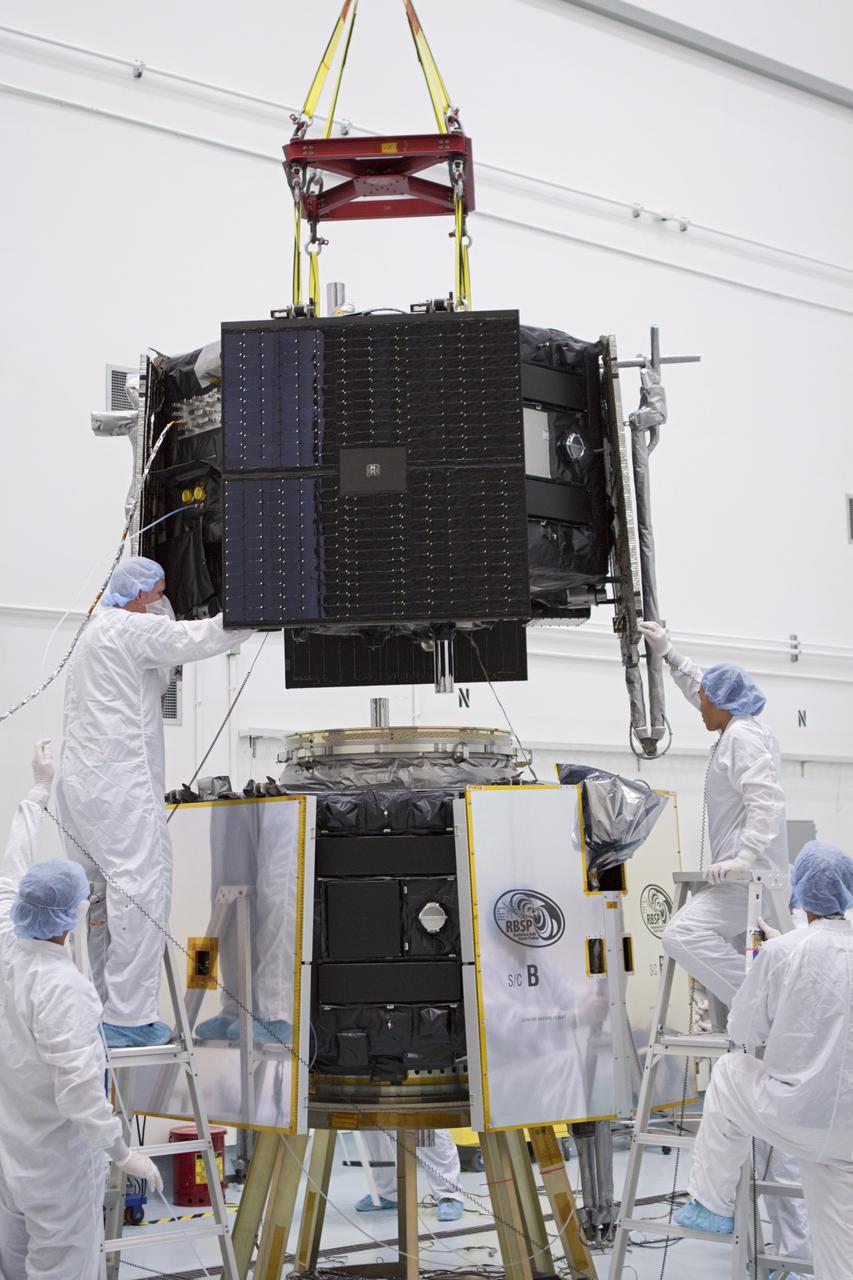
TITUSVILLE, Fla. - Inside the Astrotech payload processing facility in Titusville, Fla. near NASA’s Kennedy Space Center, technicians use a crane to position the Radiation Belt Storm Probes, or RBSP, spacecraft A for stacking atop RBSP B. NASA’s RBSP mission will help us understand the sun’s influence on Earth and near-Earth space by studying the Earth’s radiation belts on various scales of space and time. RBSP will begin its mission of exploration of Earth’s Van Allen radiation belts and the extremes of space weather after its liftoff aboard a United Launch Alliance Atlas V from Space Launch Complex 41 at Cape Canaveral Air Force Station, Fla. Liftoff is targeted for Aug. 23, 2012. For more information, visit http://www.nasa.gov/rbsp. Photo credit: NASA/Jim Grossmann
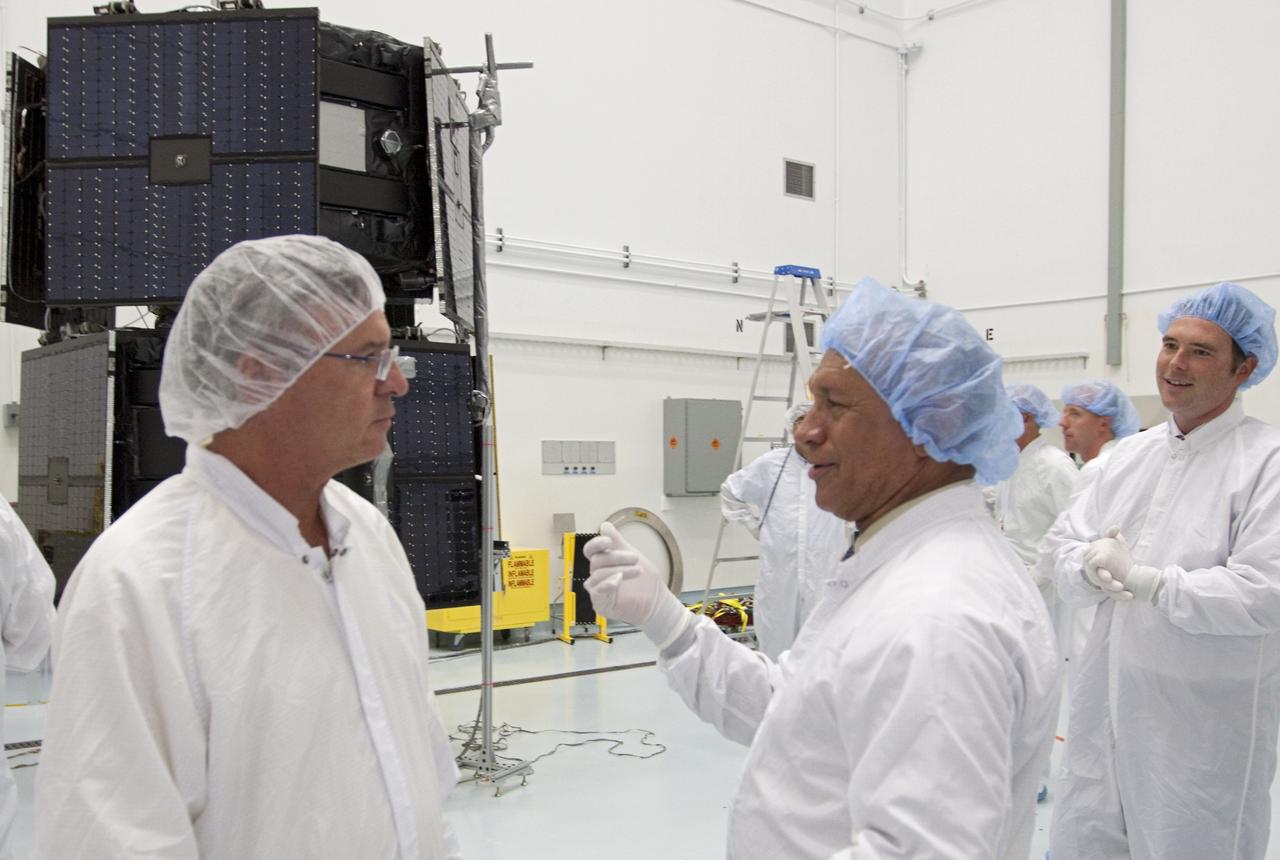
CAPE CANAVERAL, Fla. - Inside the Astrotech payload processing facility near NASA’s Kennedy Space Center in Florida, NASA Administrator Charlie Bolden, center, talks to technicians about the Radiation Belt Storm Probes, or RBSP, spacecraft. NASA’s RBSP mission will help us understand the sun’s influence on Earth and near-Earth space by studying the Earth’s radiation belts on various scales of space and time. As the spacecraft orbits Earth, the four solar panels will continuously face the sun to provide constant power to its instruments. The boom will provide data of the electric fields that energize radiation particles and modify the structure of the inner magnetosphere. RBSP will begin its mission of exploration of Earth’s Van Allen radiation belts and the extremes of space weather after its launch aboard a United Launch Alliance Atlas V rocket. Launch is targeted for Aug. 23. For more information, visit http://www.nasa.gov/rbsp. Photo credit: NASA/Kim Shiflett
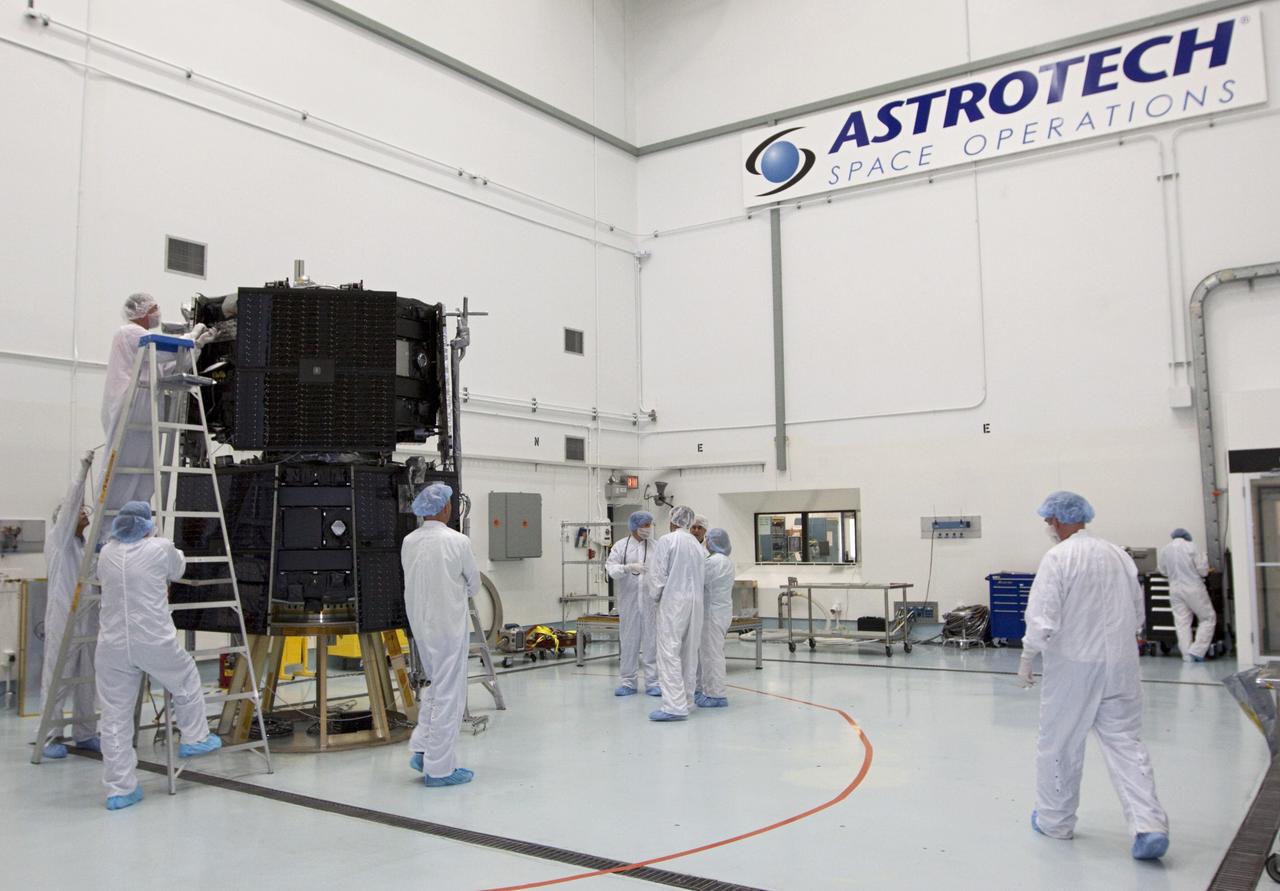
CAPE CANAVERAL, Fla. - Inside the Astrotech payload processing facility near NASA’s Kennedy Space Center in Florida, technicians work on the Radiation Belt Storm Probes, or RBSP, spacecraft. NASA’s RBSP mission will help us understand the sun’s influence on Earth and near-Earth space by studying the Earth’s radiation belts on various scales of space and time. As the spacecraft orbits Earth, the four solar panels will continuously face the sun to provide constant power to its instruments. The boom will provide data of the electric fields that energize radiation particles and modify the structure of the inner magnetosphere. RBSP will begin its mission of exploration of Earth’s Van Allen radiation belts and the extremes of space weather after its launch aboard a United Launch Alliance Atlas V rocket. Launch is targeted for Aug. 23. For more information, visit http://www.nasa.gov/rbsp. Photo credit: NASA/Kim Shiflett
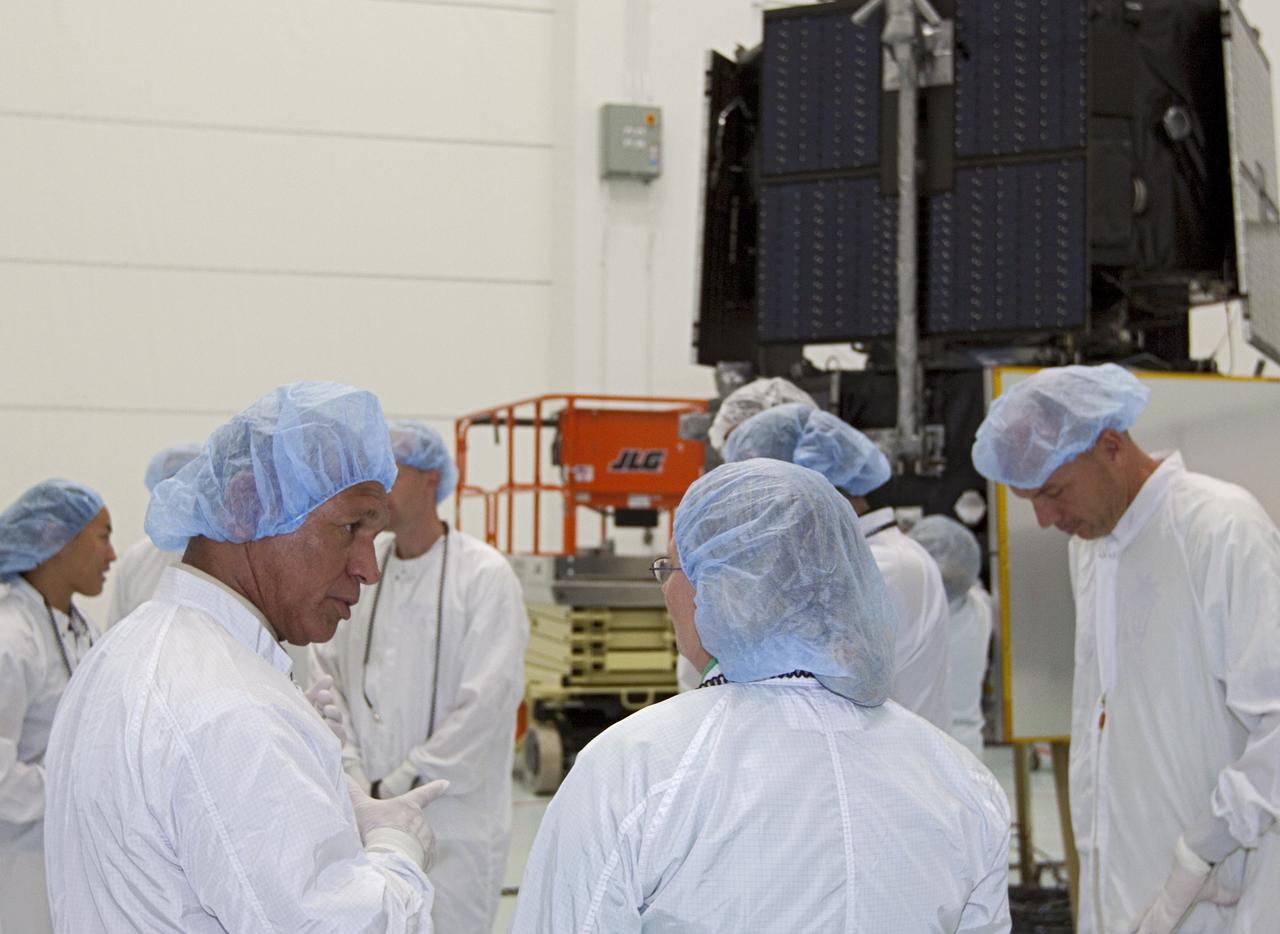
CAPE CANAVERAL, Fla. - Inside the Astrotech payload processing facility near NASA’s Kennedy Space Center in Florida, NASA Administrator Charlie Bolden, at left, talks to technicians about the Radiation Belt Storm Probes, or RBSP, spacecraft. NASA’s RBSP mission will help us understand the sun’s influence on Earth and near-Earth space by studying the Earth’s radiation belts on various scales of space and time. As the spacecraft orbits Earth, the four solar panels will continuously face the sun to provide constant power to its instruments. The boom will provide data of the electric fields that energize radiation particles and modify the structure of the inner magnetosphere. RBSP will begin its mission of exploration of Earth’s Van Allen radiation belts and the extremes of space weather after its launch aboard a United Launch Alliance Atlas V rocket. Launch is targeted for Aug. 23. For more information, visit http://www.nasa.gov/rbsp. Photo credit: NASA/Kim Shiflett
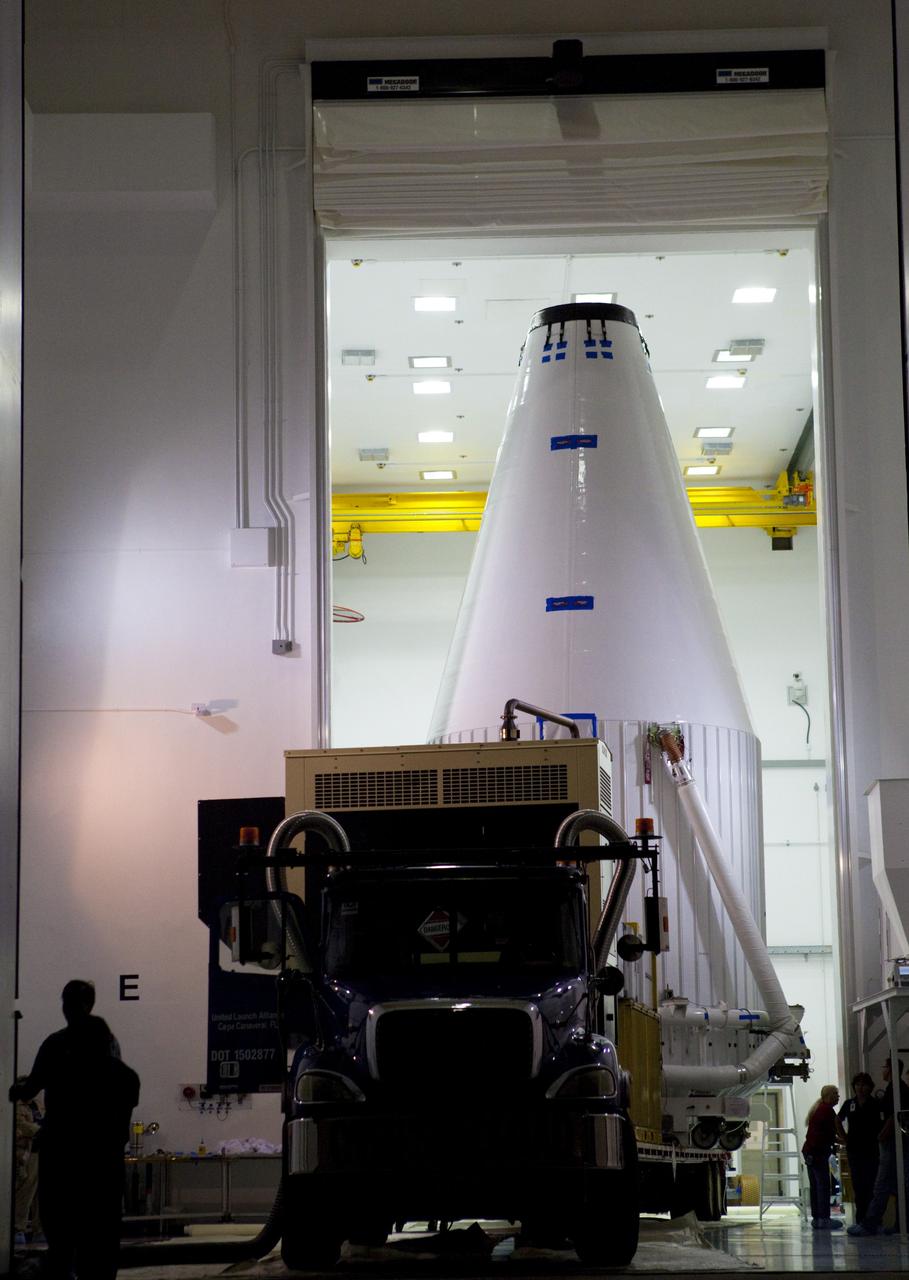
CAPE CANAVERAL, Fla. – The Radiation Belt Storm Probes, or RBSP, spacecraft are moved inside their payload fairing on the payload transporter from the Astrotech payload processing facility in Titusville, Fla. to Space Launch Complex-41 at Cape Canaveral Air Force Station. The fairing, which holds the twin RBSP spacecraft, will be lifted to the top of a United Launch Alliance Atlas V rocket for launch later in August. The two spacecraft are designed to study the Van Allen radiation belts in unprecedented detail. Photo credit: NASA/Dmitri Gerondidakis
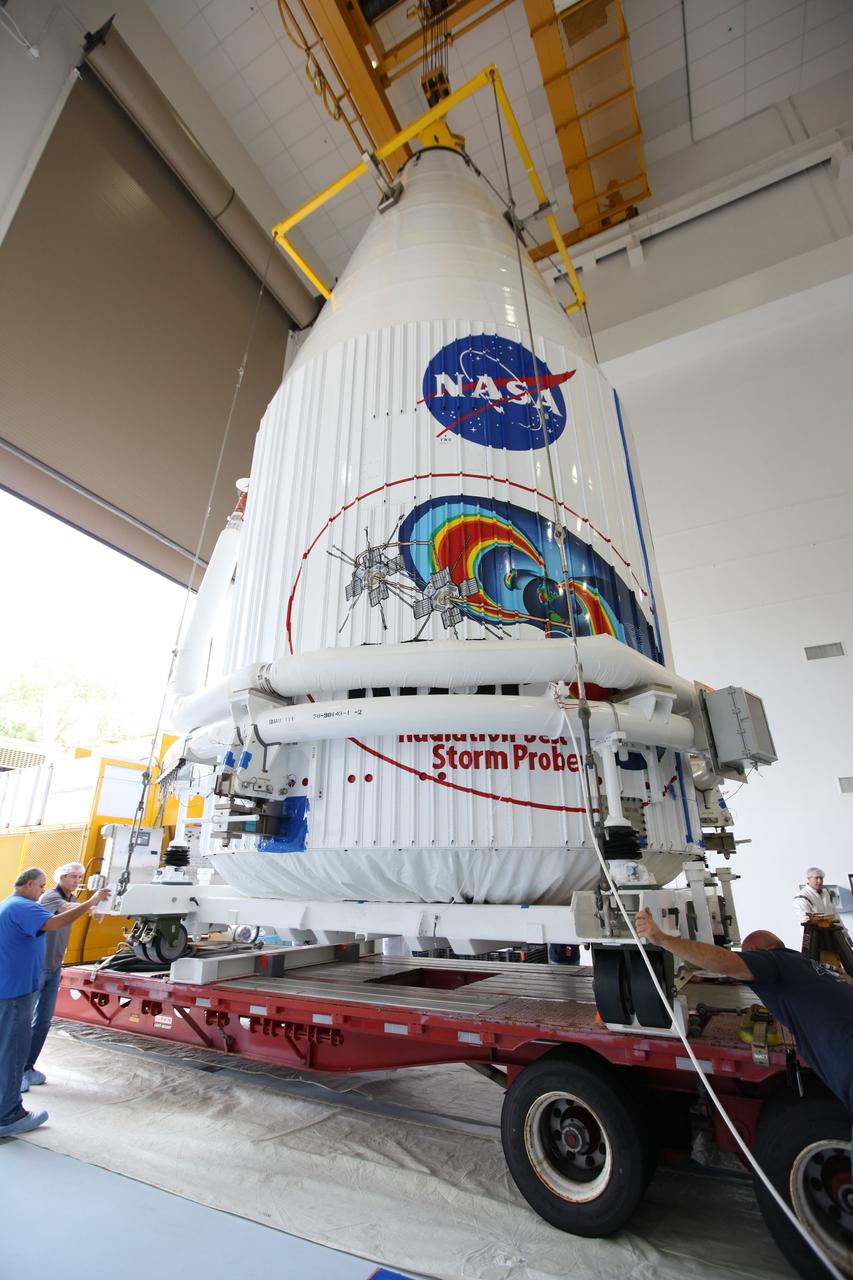
TITUSVILLE, Fla. - Inside the Astrotech payload processing facility in Titusville, Fla. near NASA’s Kennedy Space Center, technicians use a crane to lower the payload faring containing the two Radiation Belt Storm Probes, or RBSP, spacecraft on to a transporter to be moved to the launch complex. NASA’s RBSP mission will help us understand the sun’s influence on Earth and near-Earth space by studying the Earth’s radiation belts on various scales of space and time. RBSP will begin its mission of exploration of Earth’s Van Allen radiation belts and the extremes of space weather after its liftoff aboard a United Launch Alliance Atlas V rocket from Space Launch Complex 41 at Cape Canaveral Air Force Station, Fla. Liftoff is targeted for Aug. 23, 2012. For more information, visit http://www.nasa.gov/rbsp Photo credit: NASA/ Kim Shiflett
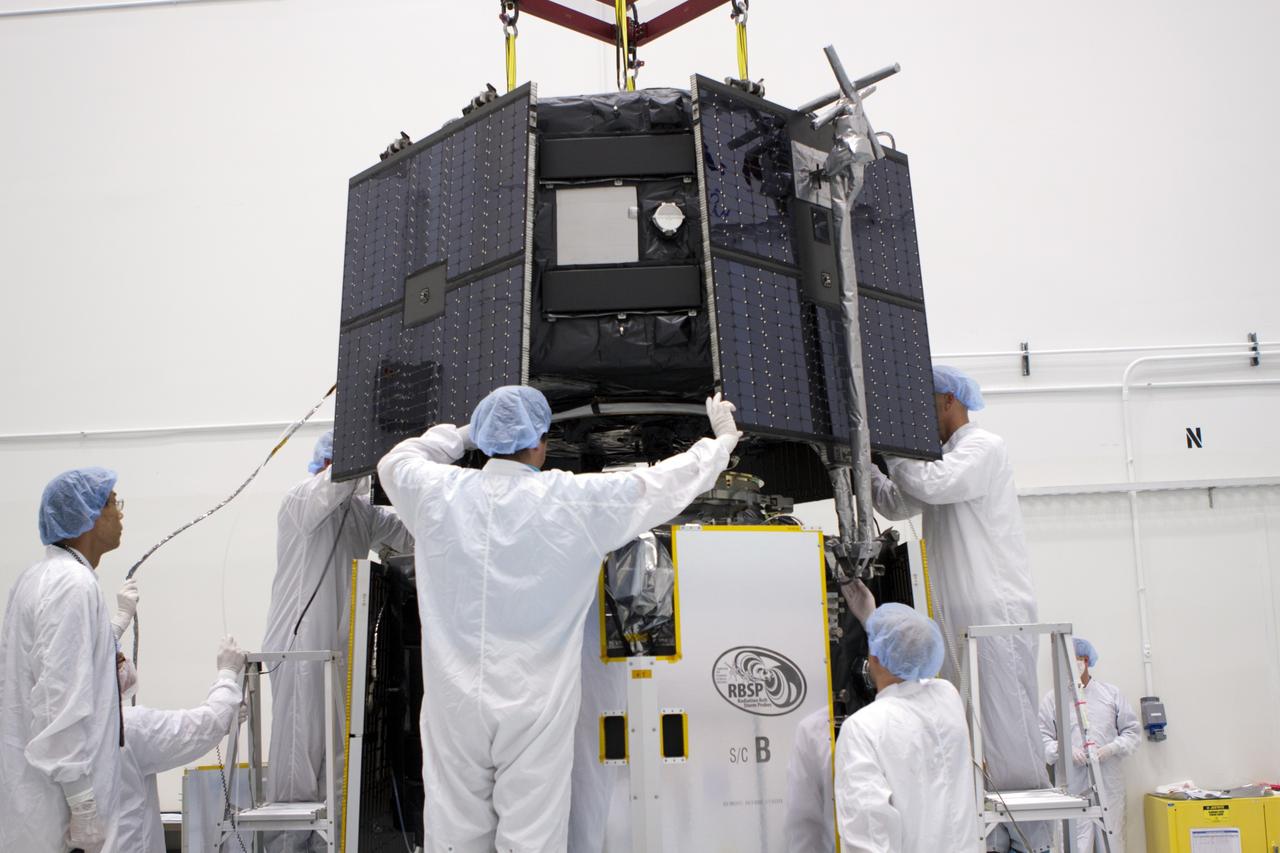
TITUSVILLE, Fla. - Inside the Astrotech payload processing facility in Titusville, Fla. near NASA’s Kennedy Space Center, technicians carefully check the Radiation Belt Storm Probes, or RBSP, spacecraft A as it is being placed atop RBSP B. NASA’s RBSP mission will help us understand the sun’s influence on Earth and near-Earth space by studying the Earth’s radiation belts on various scales of space and time. RBSP will begin its mission of exploration of Earth’s Van Allen radiation belts and the extremes of space weather after its liftoff aboard a United Launch Alliance Atlas V from Space Launch Complex 41 at Cape Canaveral Air Force Station, Fla. Liftoff is targeted for Aug. 23, 2012. For more information, visit http://www.nasa.gov/rbsp. Photo credit: NASA/Jim Grossmann
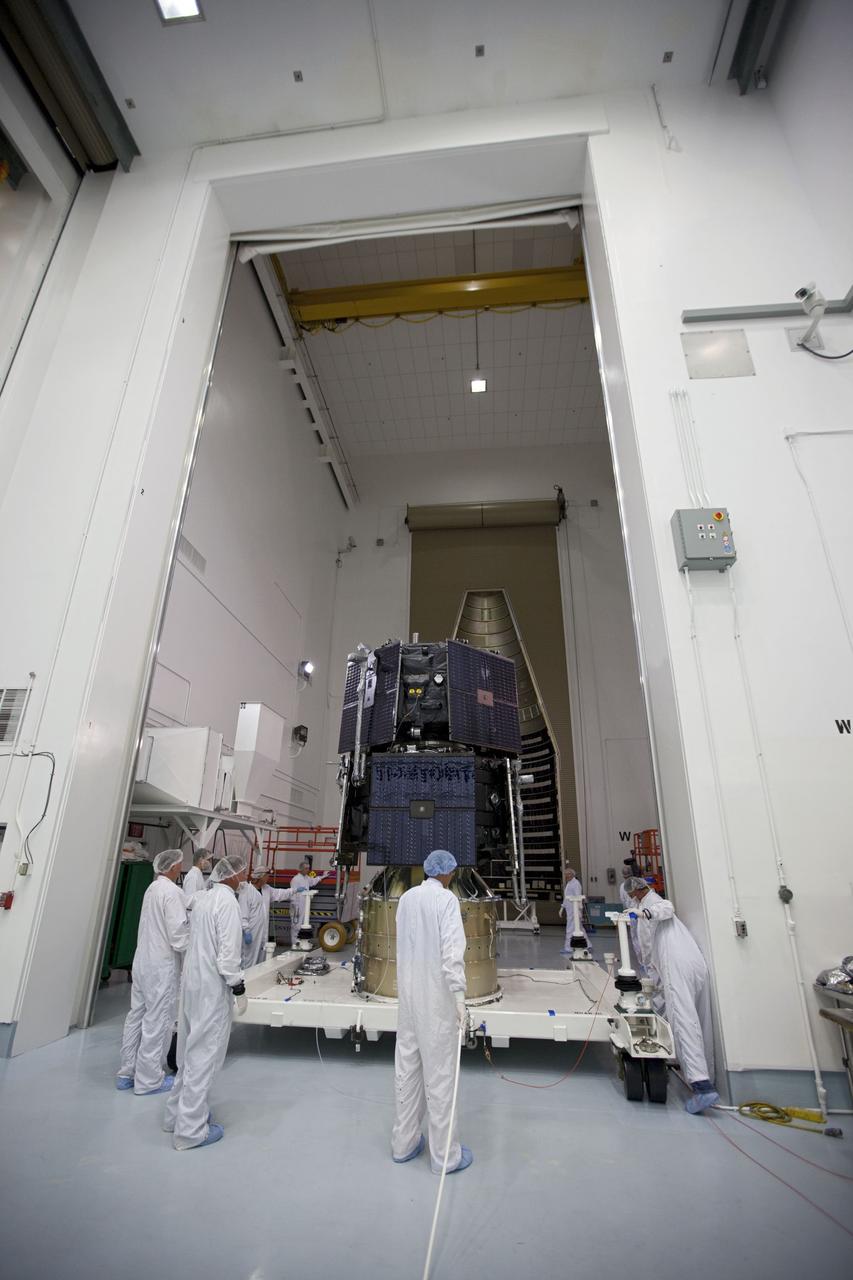
TITUSVILLE, Fla. - Inside the Astrotech payload processing facility in Titusville, Fla. near NASA’s Kennedy Space Center, technicians move the two Radiation Belt Storm Probes, or RBSP, spacecraft into position for encapsulation in the payload faring. The fairing will house and protect the RBSP during liftoff and flight through the atmosphere aboard an Atlas V rocket. NASA’s RBSP mission will help us understand the sun’s influence on Earth and near-Earth space by studying the Earth’s radiation belts on various scales of space and time. RBSP will begin its mission of exploration of Earth’s Van Allen radiation belts and the extremes of space weather after its liftoff aboard a United Launch Alliance Atlas V from Space Launch Complex 41 at Cape Canaveral Air Force Station, Fla. Liftoff is targeted for Aug. 23, 2012. For more information, visit http://www.nasa.gov/rbsp. Photo credit: NASA/ Kim Shiflett
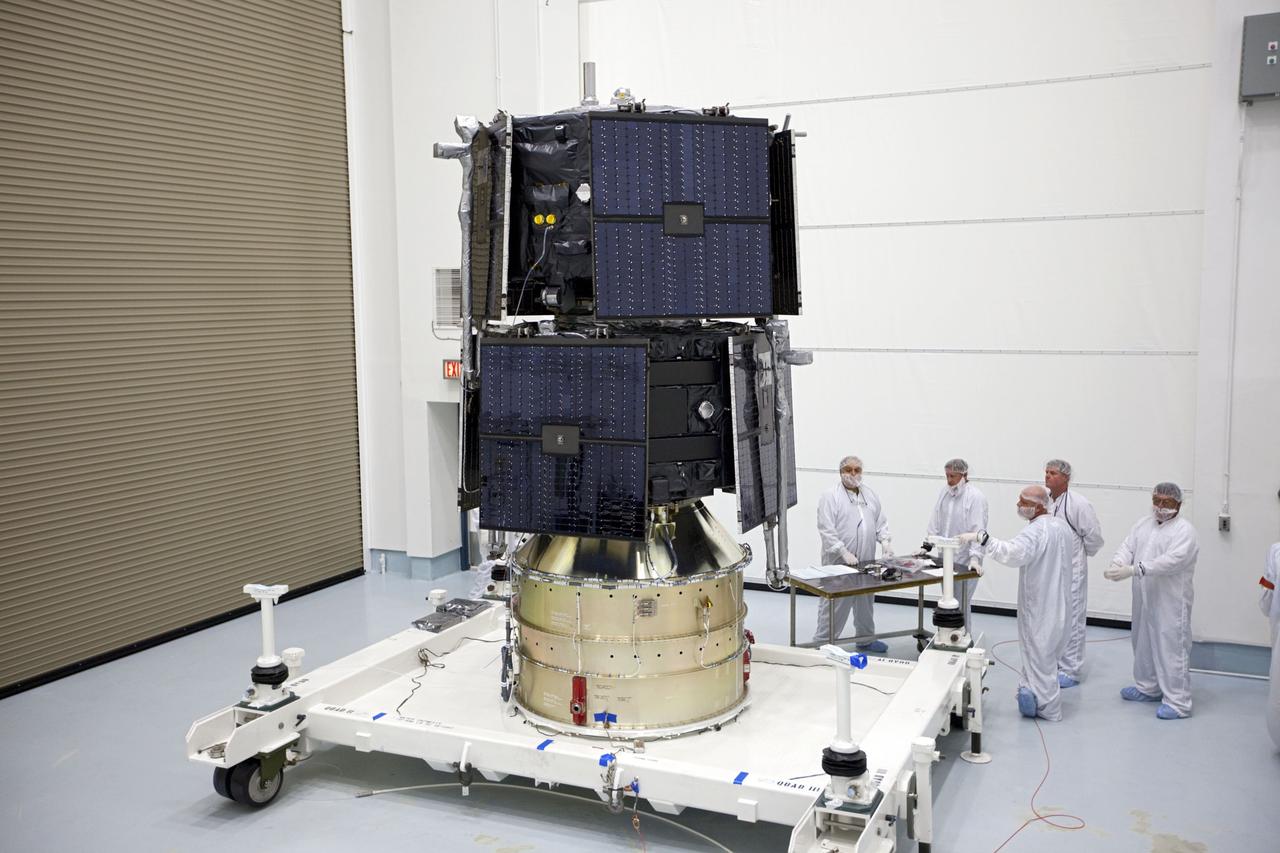
TITUSVILLE, Fla. - Inside the Astrotech payload processing facility in Titusville, Fla. near NASA’s Kennedy Space Center, technicians checkout the two Radiation Belt Storm Probes, or RBSP, spacecraft prior to vertical encapsulation in the payload faring. The fairing will house and protect the RBSP during liftoff and flight through the atmosphere aboard an Atlas V rocket. NASA’s RBSP mission will help us understand the sun’s influence on Earth and near-Earth space by studying the Earth’s radiation belts on various scales of space and time. RBSP will begin its mission of exploration of Earth’s Van Allen radiation belts and the extremes of space weather after its liftoff aboard a United Launch Alliance Atlas V from Space Launch Complex 41 at Cape Canaveral Air Force Station, Fla. Liftoff is targeted for Aug. 23, 2012. For more information, visit http://www.nasa.gov/rbsp. Photo credit: NASA/ Kim Shiflett
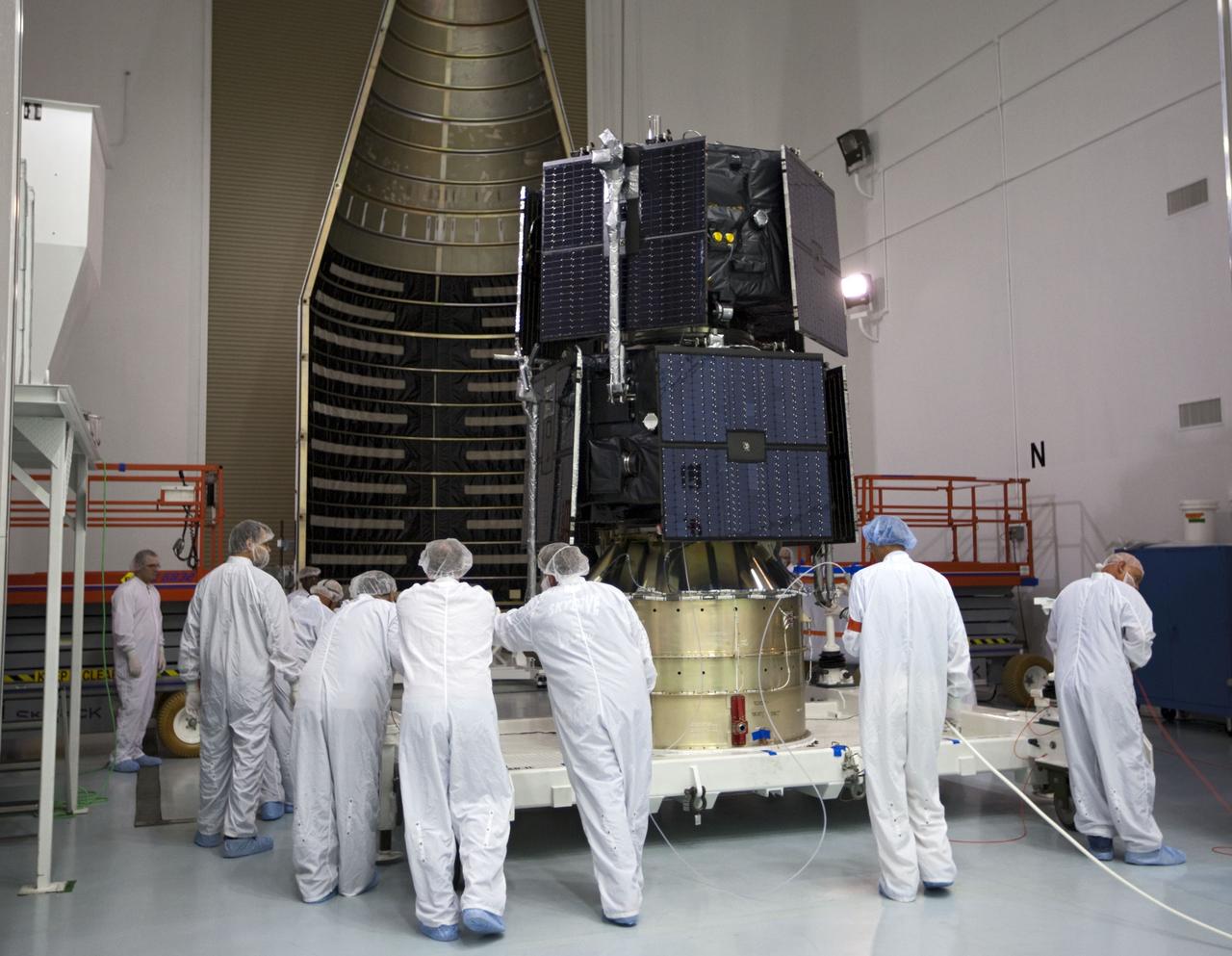
TITUSVILLE, Fla. - Inside the Astrotech payload processing facility in Titusville, Fla. near NASA’s Kennedy Space Center, technicians move the two Radiation Belt Storm Probes, or RBSP, spacecraft into position for encapsulation in the payload faring. The fairing will house and protect the RBSP during liftoff and flight through the atmosphere aboard an Atlas V rocket. NASA’s RBSP mission will help us understand the sun’s influence on Earth and near-Earth space by studying the Earth’s radiation belts on various scales of space and time. RBSP will begin its mission of exploration of Earth’s Van Allen radiation belts and the extremes of space weather after its liftoff aboard a United Launch Alliance Atlas V from Space Launch Complex 41 at Cape Canaveral Air Force Station, Fla. Liftoff is targeted for Aug. 23, 2012. For more information, visit http://www.nasa.gov/rbsp. Photo credit: NASA/ Kim Shiflett
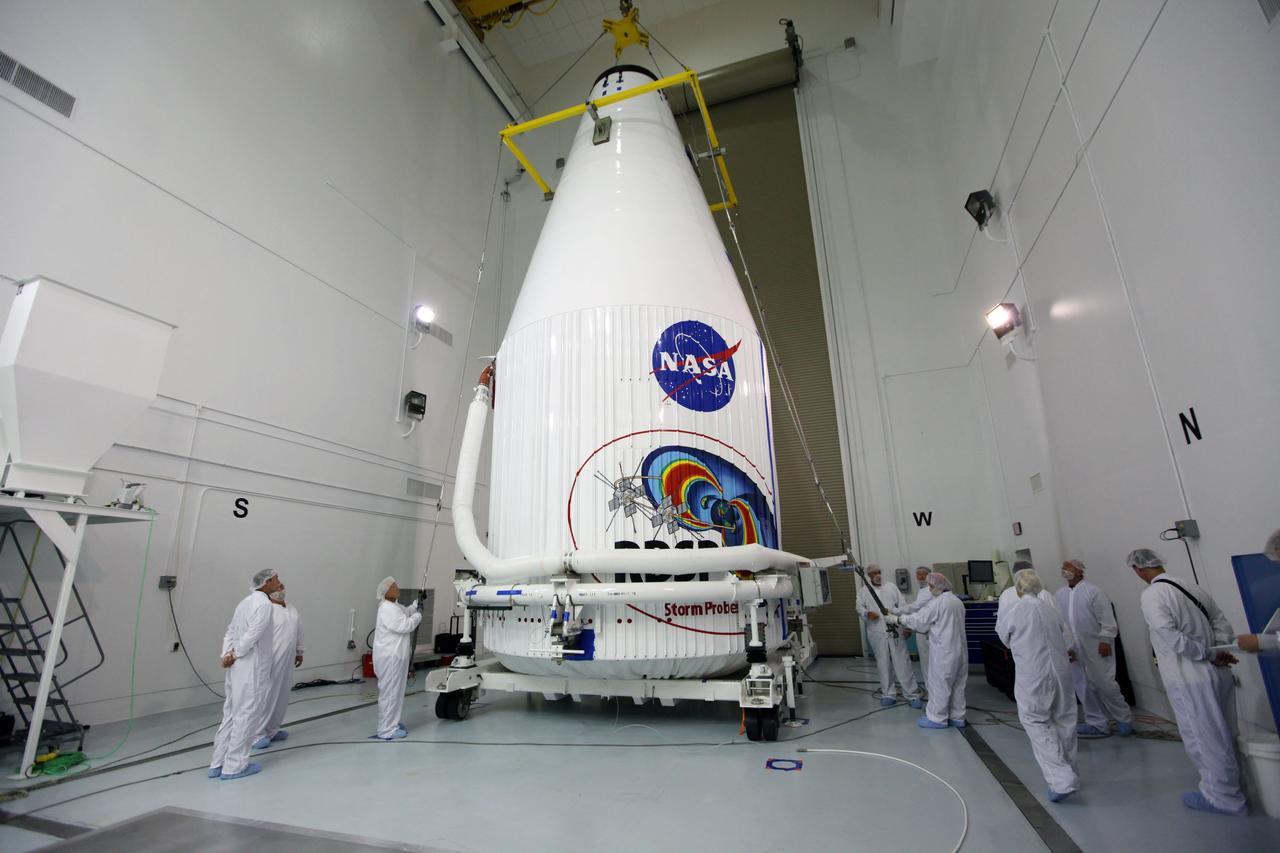
TITUSVILLE, Fla. - Inside the Astrotech payload processing facility in Titusville, Fla. near NASA’s Kennedy Space Center, technicians attach a crane to lift the payload faring containing the two Radiation Belt Storm Probes, or RBSP, spacecraft on to a transporter to be moved to the launch complex. NASA’s RBSP mission will help us understand the sun’s influence on Earth and near-Earth space by studying the Earth’s radiation belts on various scales of space and time. RBSP will begin its mission of exploration of Earth’s Van Allen radiation belts and the extremes of space weather after its liftoff aboard a United Launch Alliance Atlas V rocket from Space Launch Complex 41 at Cape Canaveral Air Force Station, Fla. Liftoff is targeted for Aug. 23, 2012. For more information, visit http://www.nasa.gov/rbsp Photo credit: NASA/ Kim Shiflett

TITUSVILLE, Fla. - Inside the Astrotech payload processing facility in Titusville, Fla. near NASA’s Kennedy Space Center, technicians prepare the two Radiation Belt Storm Probes, or RBSP, spacecraft for encapsulation in the payload faring. The fairing will house and protect the RBSP during liftoff and flight through the atmosphere aboard an Atlas V rocket. NASA’s RBSP mission will help us understand the sun’s influence on Earth and near-Earth space by studying the Earth’s radiation belts on various scales of space and time. RBSP will begin its mission of exploration of Earth’s Van Allen radiation belts and the extremes of space weather after its liftoff aboard a United Launch Alliance Atlas V from Space Launch Complex 41 at Cape Canaveral Air Force Station, Fla. Liftoff is targeted for Aug. 23, 2012. For more information, visit http://www.nasa.gov/rbsp. Photo credit: NASA/ Kim Shiflett
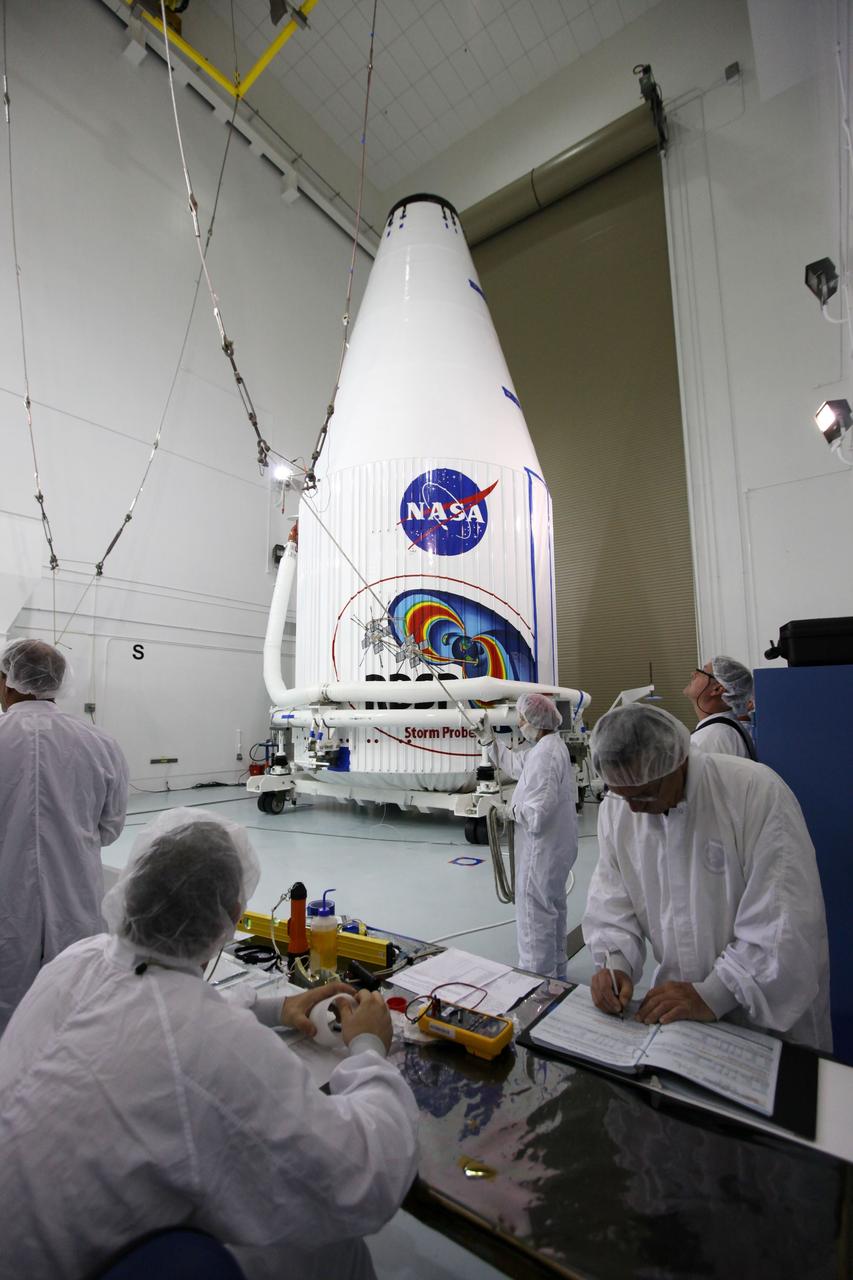
TITUSVILLE, Fla. - Inside the Astrotech payload processing facility in Titusville, Fla. near NASA’s Kennedy Space Center, technicians make final checks prior to lifting the payload faring containing the two Radiation Belt Storm Probes, or RBSP, spacecraft on to a transporter to be moved to the launch complex. NASA’s RBSP mission will help us understand the sun’s influence on Earth and near-Earth space by studying the Earth’s radiation belts on various scales of space and time. RBSP will begin its mission of exploration of Earth’s Van Allen radiation belts and the extremes of space weather after its liftoff aboard a United Launch Alliance Atlas V rocket from Space Launch Complex 41 at Cape Canaveral Air Force Station, Fla. Liftoff is targeted for Aug. 23, 2012. For more information, visit http://www.nasa.gov/rbsp Photo credit: NASA/ Kim Shiflett
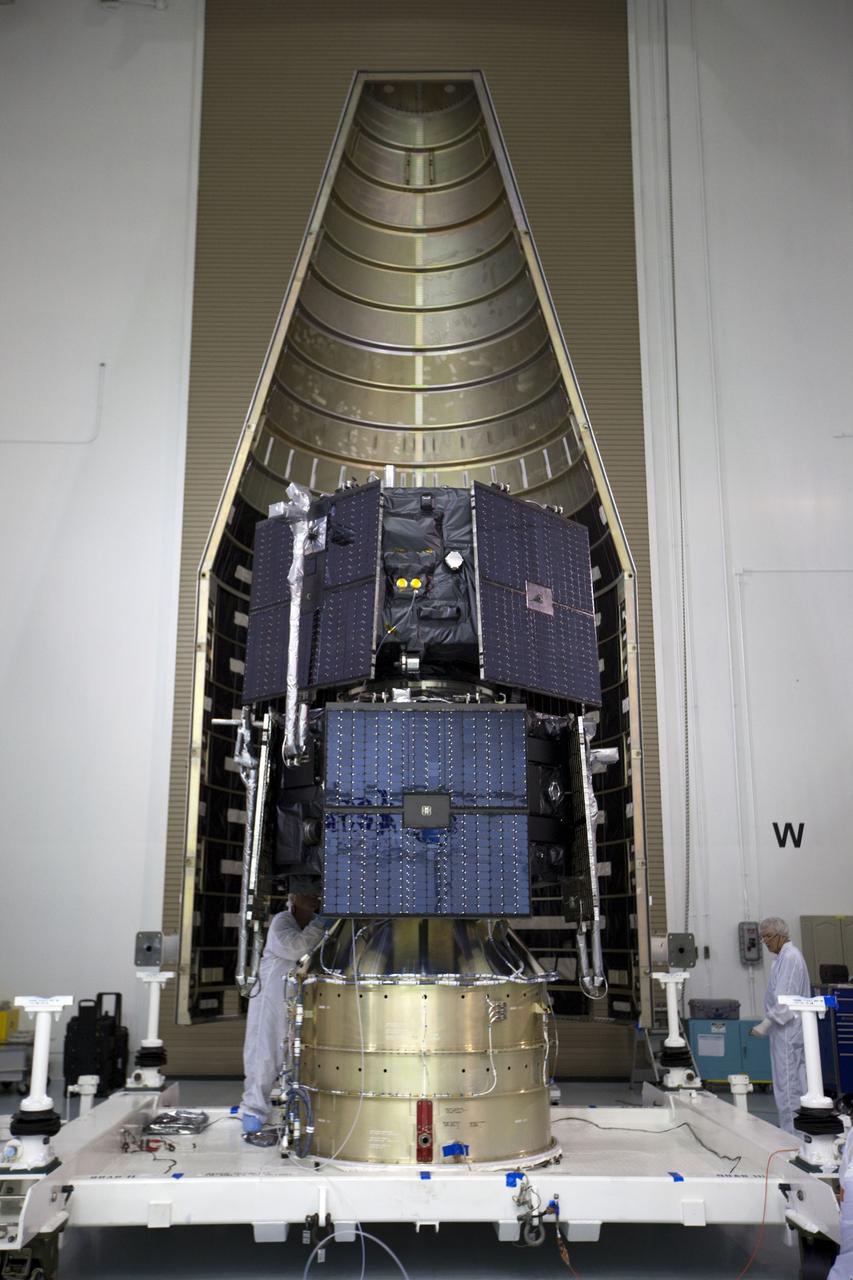
TITUSVILLE, Fla. - Inside the Astrotech payload processing facility in Titusville, Fla. near NASA’s Kennedy Space Center, a technician checks out the two Radiation Belt Storm Probes, or RBSP, spacecraft as they are being encapsulated in the payload faring. The fairing will house and protect the RBSP during liftoff and flight through the atmosphere aboard an Atlas V rocket. NASA’s RBSP mission will help us understand the sun’s influence on Earth and near-Earth space by studying the Earth’s radiation belts on various scales of space and time. RBSP will begin its mission of exploration of Earth’s Van Allen radiation belts and the extremes of space weather after its liftoff aboard a United Launch Alliance Atlas V from Space Launch Complex 41 at Cape Canaveral Air Force Station, Fla. Liftoff is targeted for Aug. 23, 2012. For more information, visit http://www.nasa.gov/rbsp. Photo credit: NASA/ Kim Shiflett
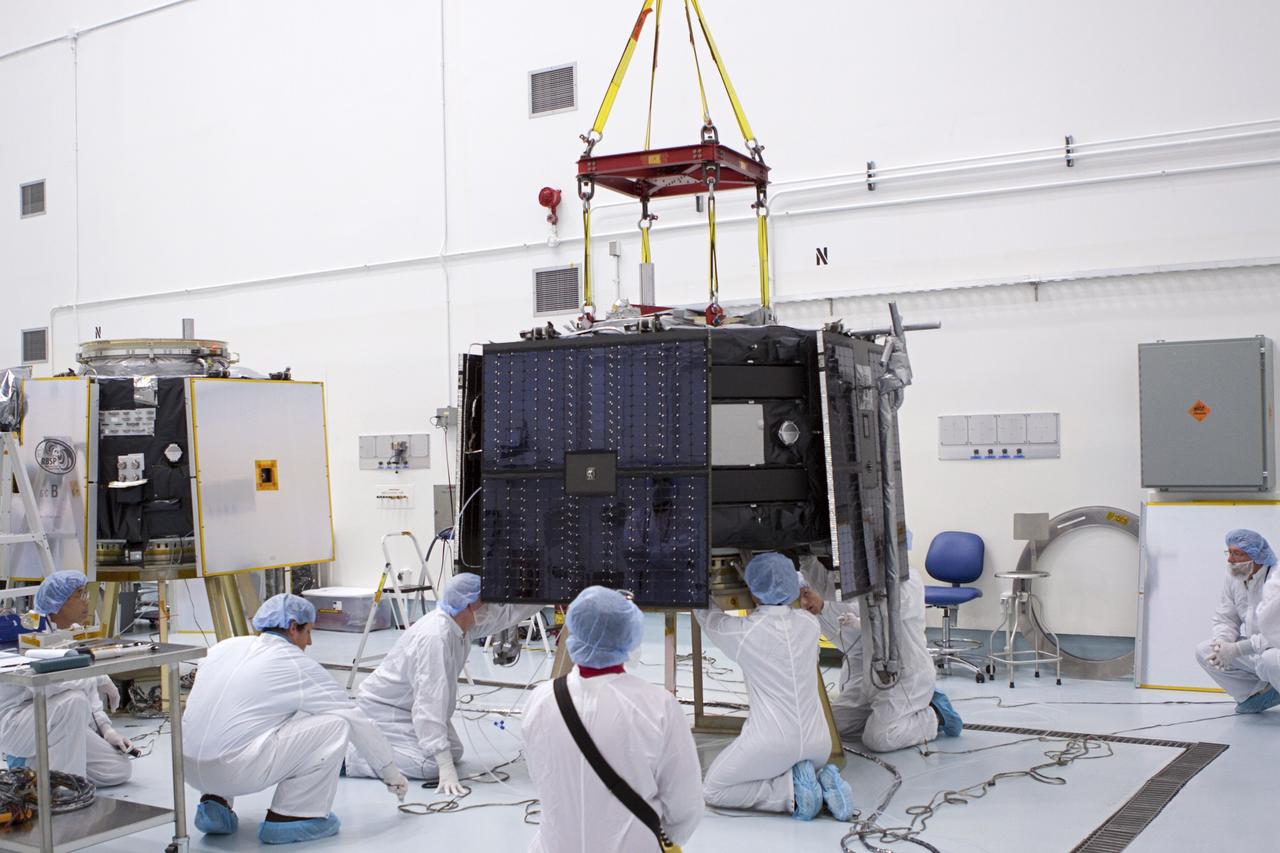
TITUSVILLE, Fla. - Inside the Astrotech payload processing facility in Titusville, Fla. near NASA’s Kennedy Space Center, technicians prepare the Radiation Belt Storm Probes, or RBSP, spacecraft A prior to vertical stacking atop RBSP B. NASA’s RBSP mission will help us understand the sun’s influence on Earth and near-Earth space by studying the Earth’s radiation belts on various scales of space and time. RBSP will begin its mission of exploration of Earth’s Van Allen radiation belts and the extremes of space weather after its liftoff aboard a United Launch Alliance Atlas V from Space Launch Complex 41 at Cape Canaveral Air Force Station, Fla. Liftoff is targeted for Aug. 23, 2012. For more information, visit http://www.nasa.gov/rbsp. Photo credit: NASA/Jim Grossmann
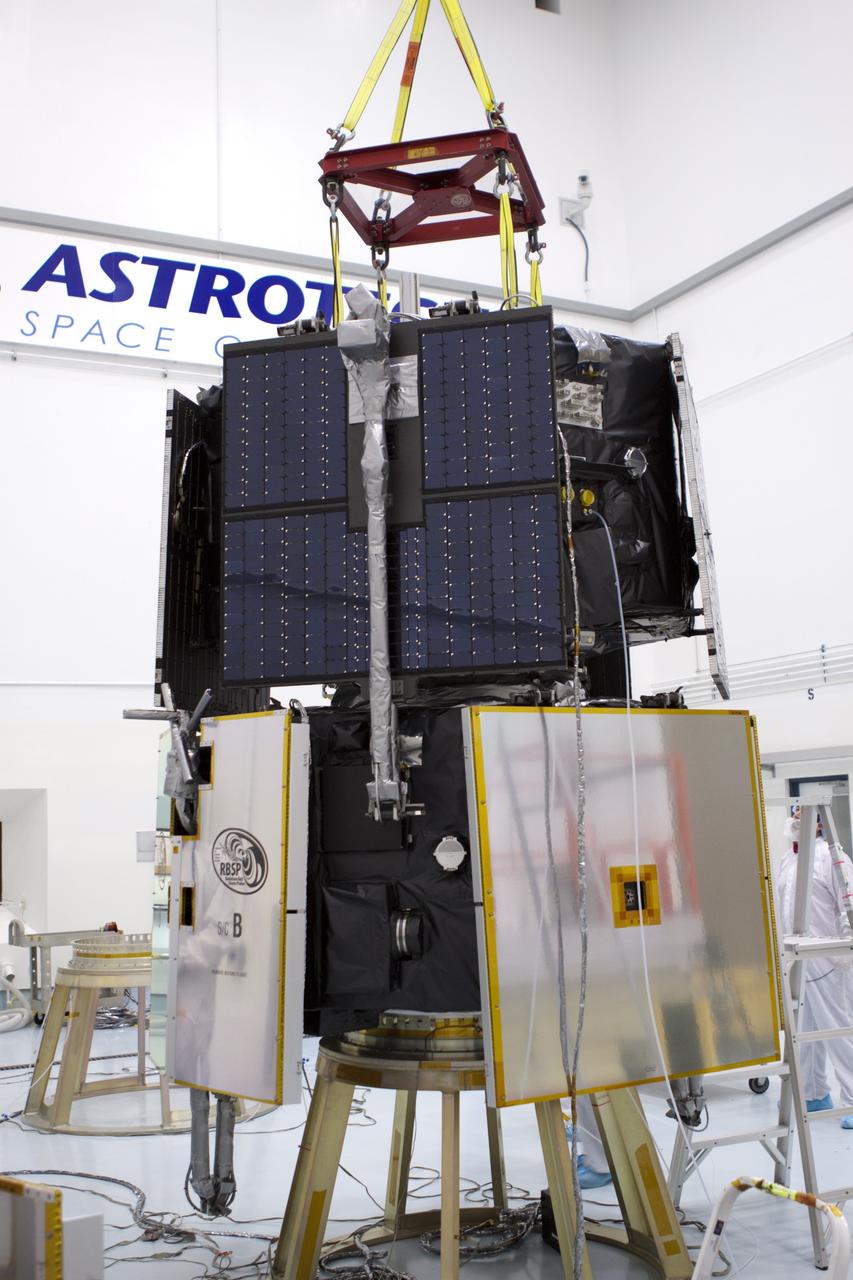
TITUSVILLE, Fla. - Inside the Astrotech payload processing facility in Titusville, Fla. near NASA’s Kennedy Space Center, the Radiation Belt Storm Probes, or RBSP, spacecraft A has been placed atop RBSP B. NASA’s RBSP mission will help us understand the sun’s influence on Earth and near-Earth space by studying the Earth’s radiation belts on various scales of space and time. RBSP will begin its mission of exploration of Earth’s Van Allen radiation belts and the extremes of space weather after its liftoff aboard a United Launch Alliance Atlas V from Space Launch Complex 41 at Cape Canaveral Air Force Station, Fla. Liftoff is targeted for Aug. 23, 2012. For more information, visit http://www.nasa.gov/rbsp. Photo credit: NASA/Jim Grossmann
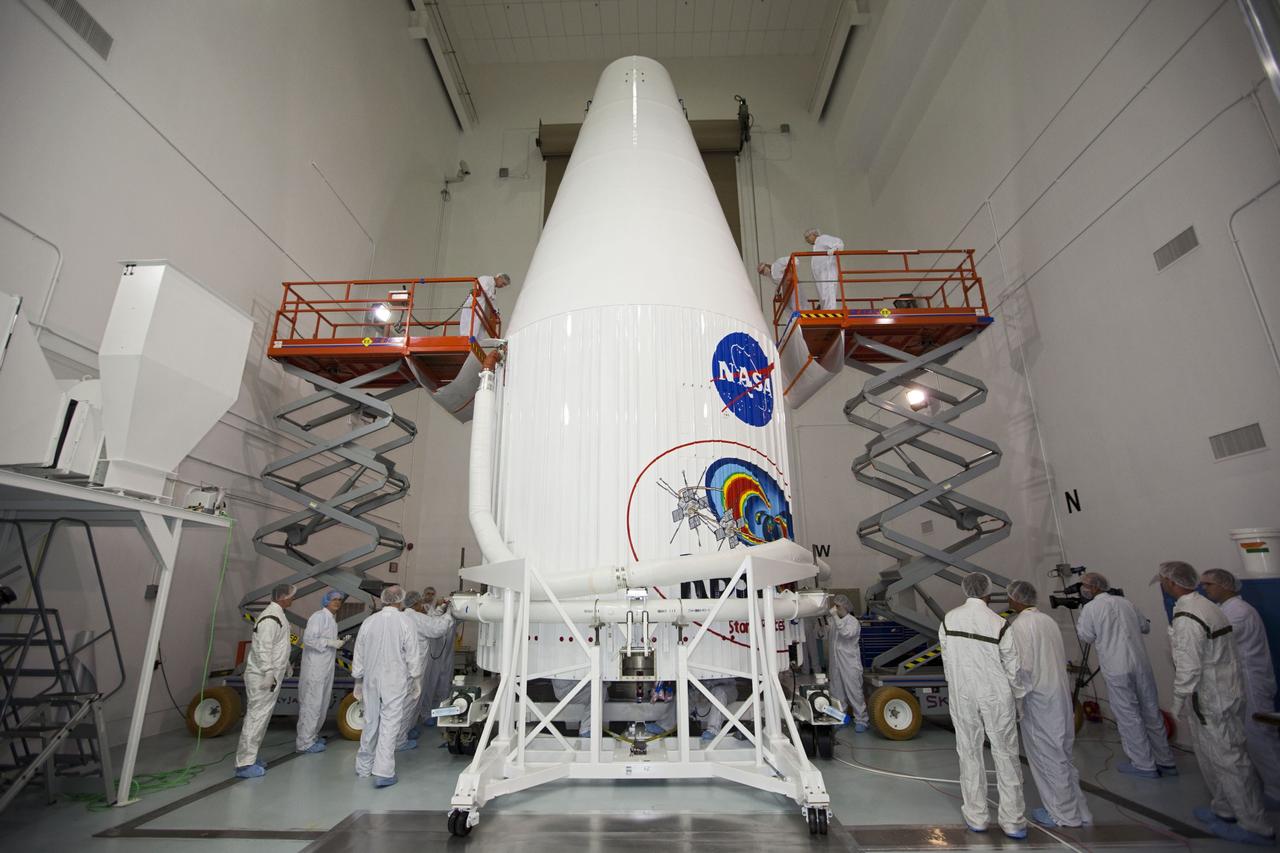
TITUSVILLE, Fla. - Inside the Astrotech payload processing facility in Titusville, Fla. near NASA’s Kennedy Space Center, technicians complete checkouts following encapsulation of the two Radiation Belt Storm Probes, or RBSP, spacecraft with its payload faring. The fairing will house and protect the RBSP during liftoff and flight through the atmosphere aboard an Atlas V rocket. NASA’s RBSP mission will help us understand the sun’s influence on Earth and near-Earth space by studying the Earth’s radiation belts on various scales of space and time. RBSP will begin its mission of exploration of Earth’s Van Allen radiation belts and the extremes of space weather after its liftoff aboard a United Launch Alliance Atlas V from Space Launch Complex 41 at Cape Canaveral Air Force Station, Fla. Liftoff is targeted for Aug. 23, 2012. For more information, visit http://www.nasa.gov/rbsp. Photo credit: NASA/ Kim Shiflett
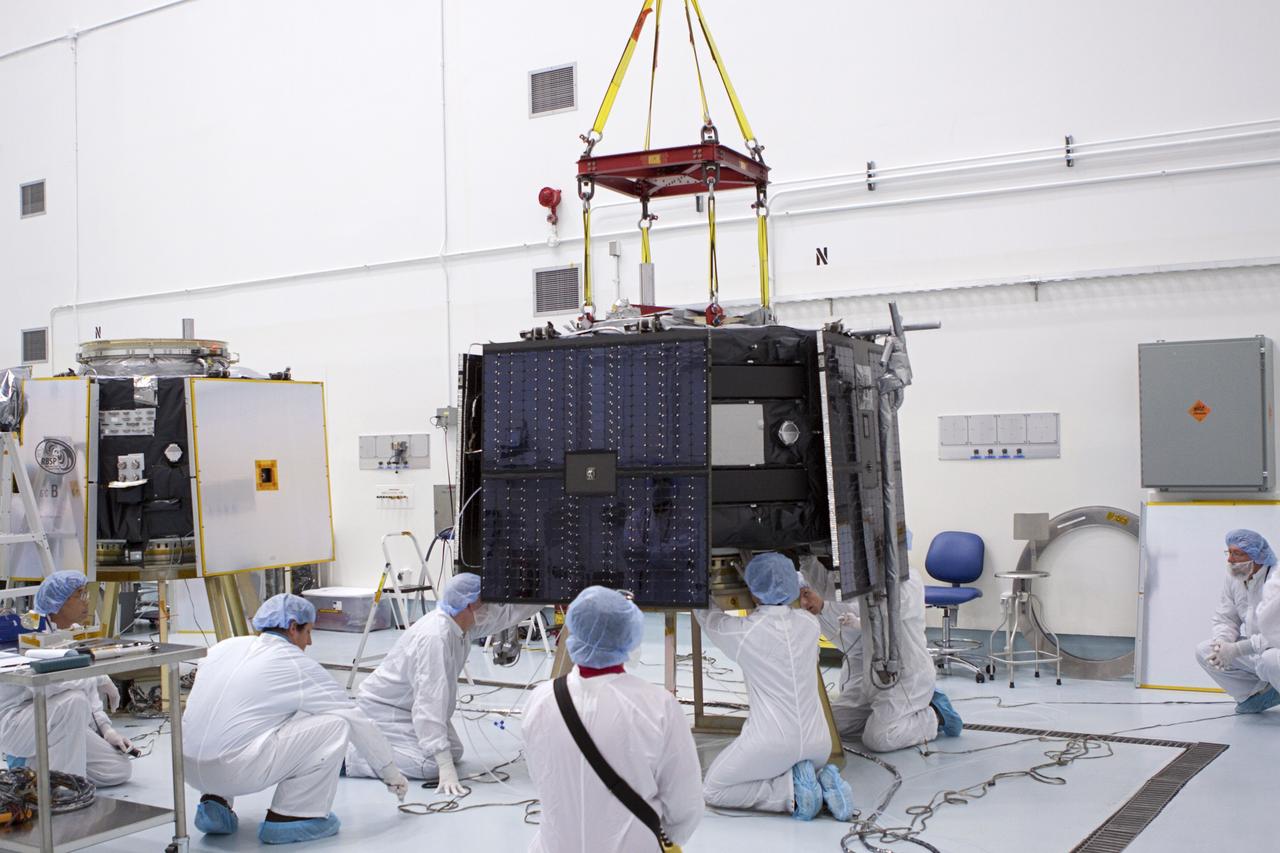
TITUSVILLE, Fla. - Inside the Astrotech payload processing facility in Titusville, Fla. near NASA’s Kennedy Space Center, technicians prepare the Radiation Belt Storm Probes, or RBSP, spacecraft A prior to vertical stacking atop RBSP B. NASA’s RBSP mission will help us understand the sun’s influence on Earth and near-Earth space by studying the Earth’s radiation belts on various scales of space and time. RBSP will begin its mission of exploration of Earth’s Van Allen radiation belts and the extremes of space weather after its liftoff aboard a United Launch Alliance Atlas V from Space Launch Complex 41 at Cape Canaveral Air Force Station, Fla. Liftoff is targeted for Aug. 23, 2012. For more information, visit http://www.nasa.gov/rbsp. Photo credit: NASA/Jim Grossmann
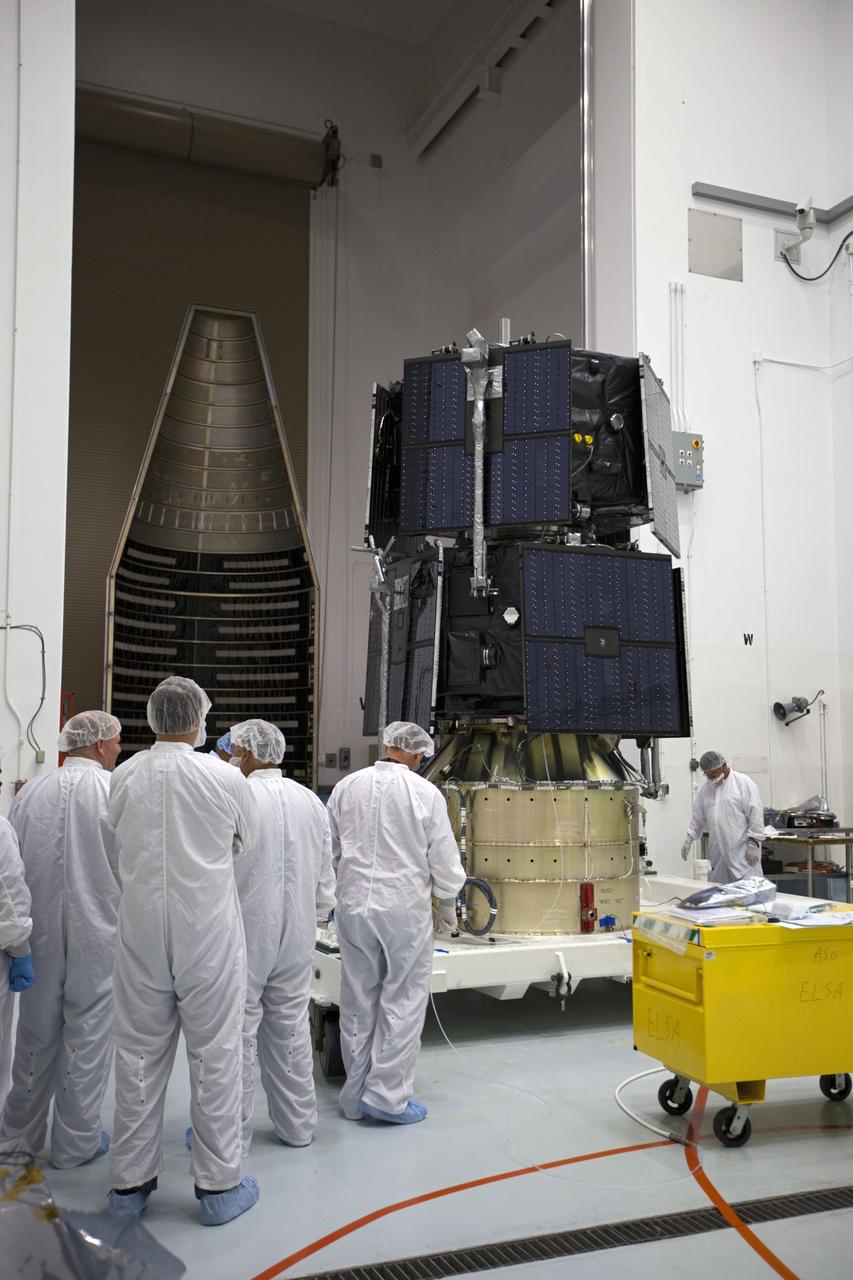
TITUSVILLE, Fla. - Inside the Astrotech payload processing facility in Titusville, Fla. near NASA’s Kennedy Space Center, technicians prepare the two Radiation Belt Storm Probes, or RBSP, spacecraft prior for encapsulation in the payload faring. The fairing will house and protect the RBSP during liftoff and flight through the atmosphere aboard an Atlas V rocket. NASA’s RBSP mission will help us understand the sun’s influence on Earth and near-Earth space by studying the Earth’s radiation belts on various scales of space and time. RBSP will begin its mission of exploration of Earth’s Van Allen radiation belts and the extremes of space weather after its liftoff aboard a United Launch Alliance Atlas V from Space Launch Complex 41 at Cape Canaveral Air Force Station, Fla. Liftoff is targeted for Aug. 23, 2012. For more information, visit http://www.nasa.gov/rbsp. Photo credit: NASA/ Kim Shiflett
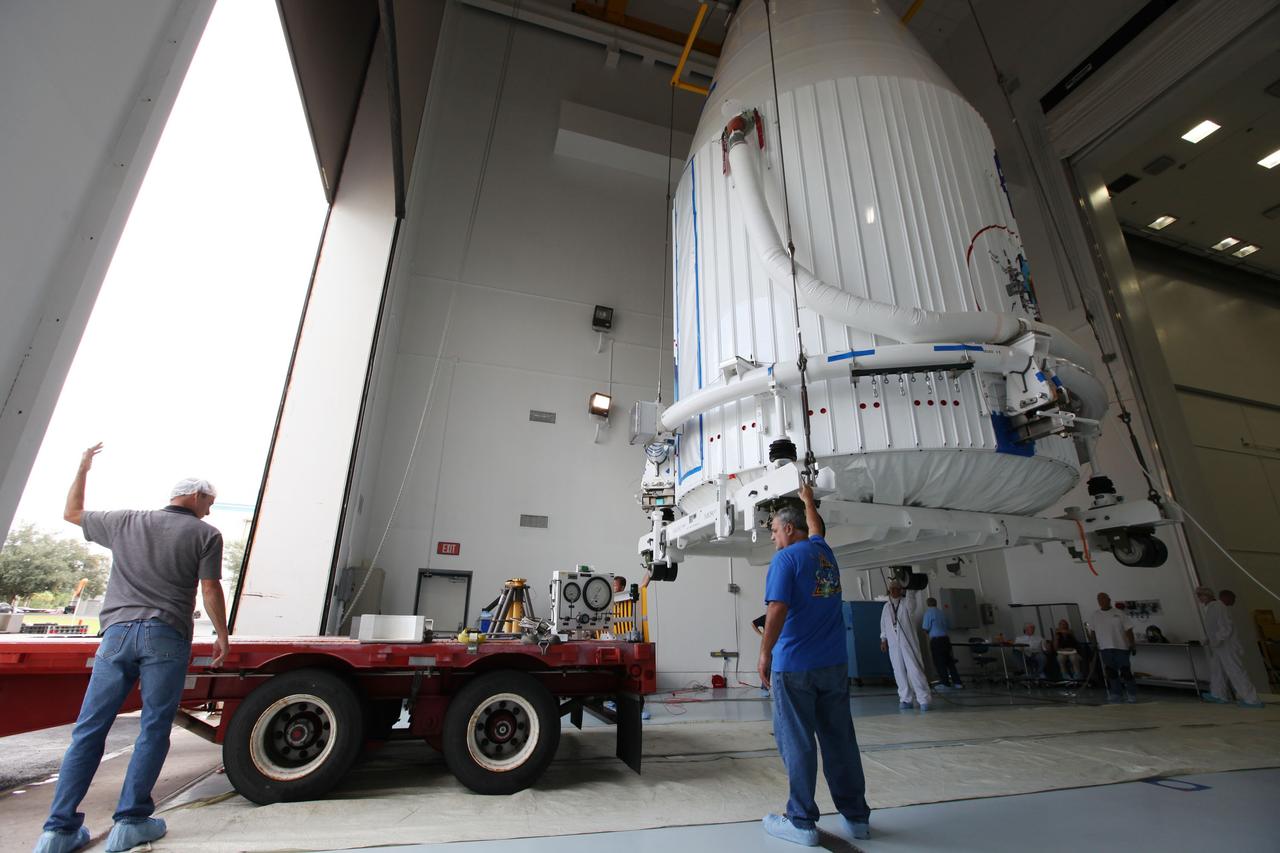
TITUSVILLE, Fla. - Inside the Astrotech payload processing facility in Titusville, Fla. near NASA’s Kennedy Space Center, technicians use a crane to lift the payload faring containing the two Radiation Belt Storm Probes, or RBSP, spacecraft as a transporter moves into position. NASA’s RBSP mission will help us understand the sun’s influence on Earth and near-Earth space by studying the Earth’s radiation belts on various scales of space and time. RBSP will begin its mission of exploration of Earth’s Van Allen radiation belts and the extremes of space weather after its liftoff aboard a United Launch Alliance Atlas V rocket from Space Launch Complex 41 at Cape Canaveral Air Force Station, Fla. Liftoff is targeted for Aug. 23, 2012. For more information, visit http://www.nasa.gov/rbsp Photo credit: NASA/ Kim Shiflett
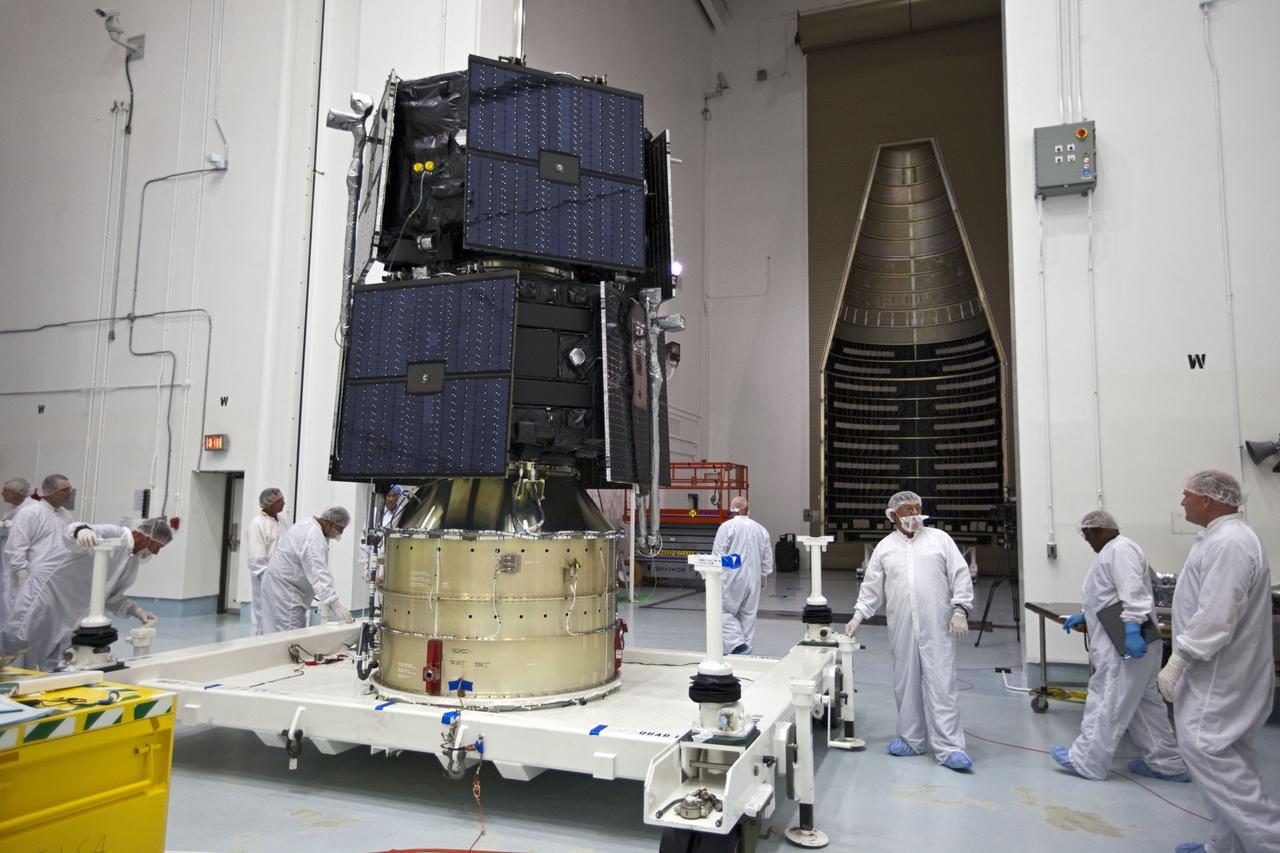
TITUSVILLE, Fla. - Inside the Astrotech payload processing facility in Titusville, Fla. near NASA’s Kennedy Space Center, technicians prepare the two Radiation Belt Storm Probes, or RBSP, spacecraft prior for encapsulation in payload faring. The fairing will house and protect the RBSP during liftoff and flight through the atmosphere aboard an Atlas V rocket. NASA’s RBSP mission will help us understand the sun’s influence on Earth and near-Earth space by studying the Earth’s radiation belts on various scales of space and time. RBSP will begin its mission of exploration of Earth’s Van Allen radiation belts and the extremes of space weather after its liftoff aboard a United Launch Alliance Atlas V from Space Launch Complex 41 at Cape Canaveral Air Force Station, Fla. Liftoff is targeted for Aug. 23, 2012. For more information, visit http://www.nasa.gov/rbsp. Photo credit: NASA/ Kim Shiflett
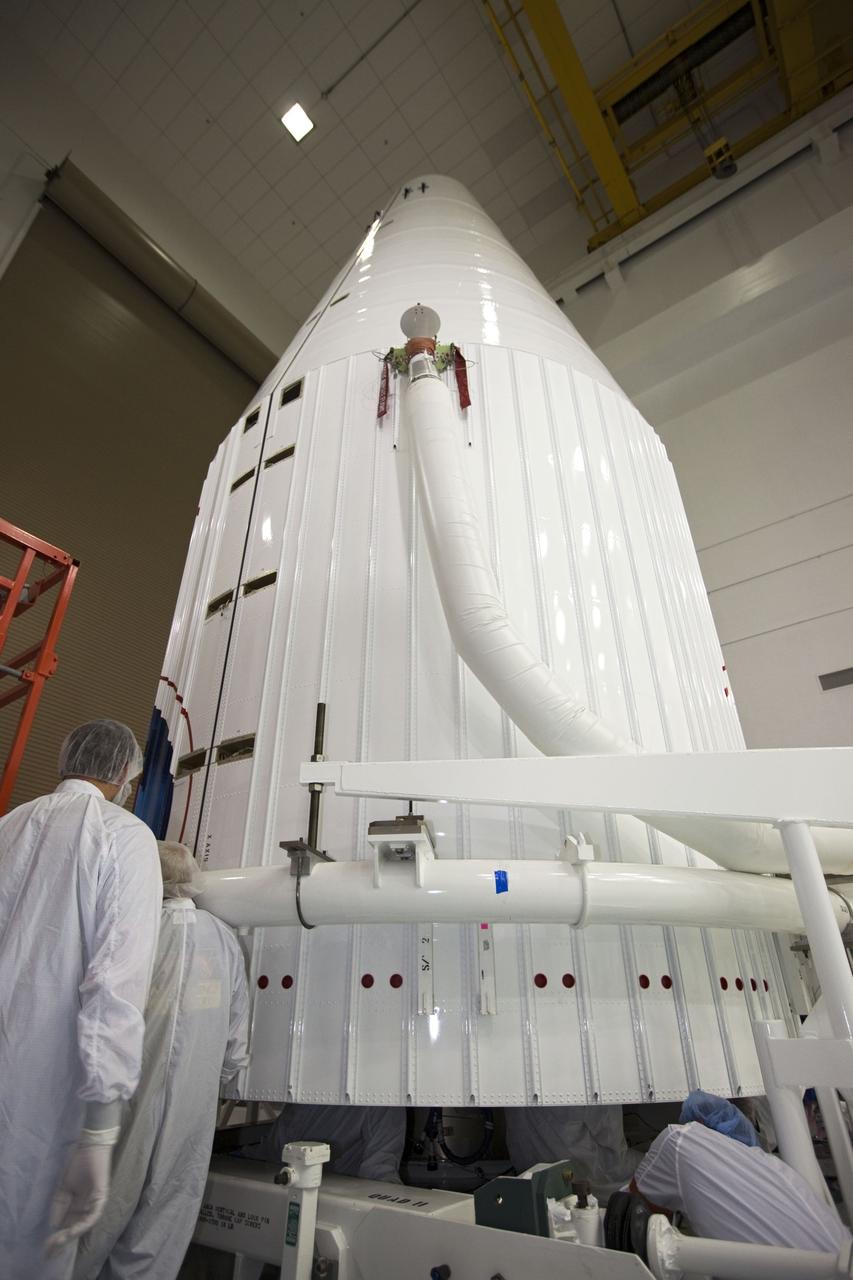
TITUSVILLE, Fla. - Inside the Astrotech payload processing facility in Titusville, Fla. near NASA’s Kennedy Space Center, technicians complete checkouts following encapsulation of the two Radiation Belt Storm Probes, or RBSP, spacecraft with its payload faring. The fairing will house and protect the RBSP during liftoff and flight through the atmosphere aboard an Atlas V rocket. NASA’s RBSP mission will help us understand the sun’s influence on Earth and near-Earth space by studying the Earth’s radiation belts on various scales of space and time. RBSP will begin its mission of exploration of Earth’s Van Allen radiation belts and the extremes of space weather after its liftoff aboard a United Launch Alliance Atlas V from Space Launch Complex 41 at Cape Canaveral Air Force Station, Fla. Liftoff is targeted for Aug. 23, 2012. For more information, visit http://www.nasa.gov/rbsp. Photo credit: NASA/ Kim Shiflett
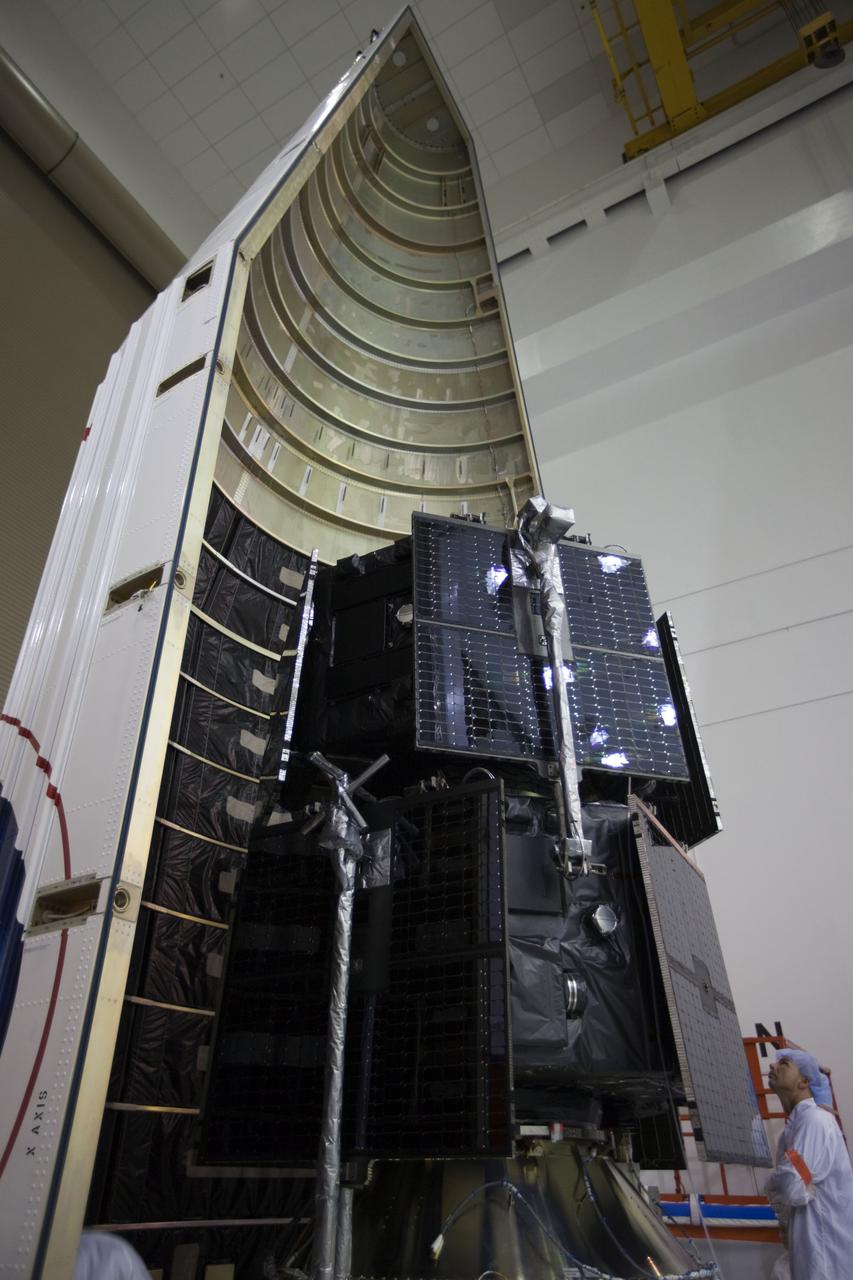
TITUSVILLE, Fla. - Inside the Astrotech payload processing facility in Titusville, Fla. near NASA’s Kennedy Space Center, a technician checks out the two Radiation Belt Storm Probes, or RBSP, spacecraft as they are being encapsulated in the payload faring. The fairing will house and protect the RBSP during liftoff and flight through the atmosphere aboard an Atlas V rocket. NASA’s RBSP mission will help us understand the sun’s influence on Earth and near-Earth space by studying the Earth’s radiation belts on various scales of space and time. RBSP will begin its mission of exploration of Earth’s Van Allen radiation belts and the extremes of space weather after its liftoff aboard a United Launch Alliance Atlas V from Space Launch Complex 41 at Cape Canaveral Air Force Station, Fla. Liftoff is targeted for Aug. 23, 2012. For more information, visit http://www.nasa.gov/rbsp. Photo credit: NASA/ Kim Shiflett
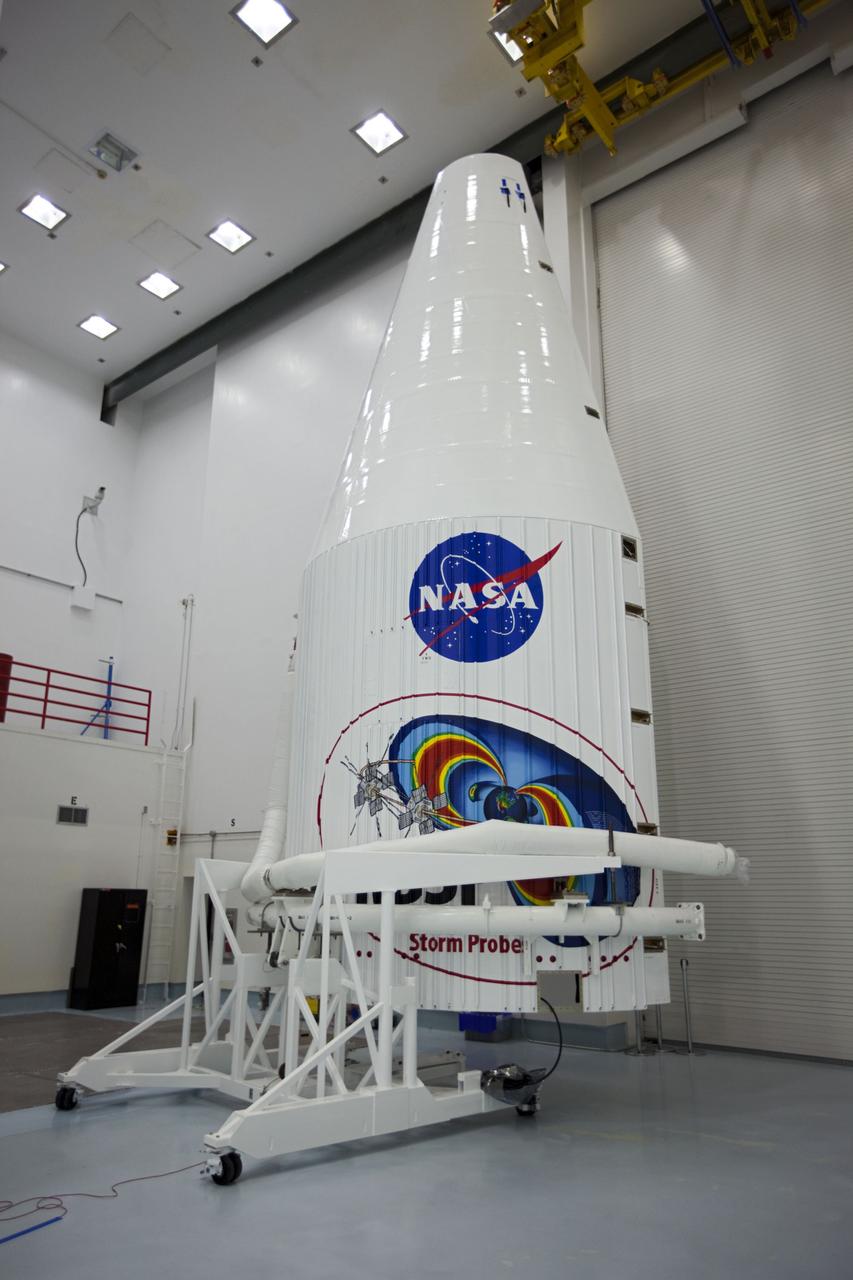
TITUSVILLE, Fla. - Inside the Astrotech payload processing facility near NASA’s Kennedy Space Center in Florida, the nose faring is being prepared for encapsulation with the Radiation Belt Storm Probes, or RBSP, spacecraft. The payload faring. The fairing will house and protect the RBSP during liftoff and flight through the atmosphere aboard an Atlas V rocket. NASA’s RBSP mission will help us understand the sun’s influence on Earth and near-Earth space by studying the Earth’s radiation belts on various scales of space and time. RBSP will begin its mission of exploration of Earth’s Van Allen radiation belts and the extremes of space weather after its liftoff aboard a United Launch Alliance Atlas V from Space Launch Complex 41 at Cape Canaveral Air Force Station, Fla. Liftoff is targeted for Aug. 23, 2012. For more information, visit http://www.nasa.gov/rbsp. Photo credit: NASA/ Kim Shiflett

TITUSVILLE, Fla. - Inside the Astrotech payload processing facility in Titusville, Fla. near NASA’s Kennedy Space Center, technicians complete encapsulation of the two Radiation Belt Storm Probes, or RBSP, spacecraft with its payload faring. The fairing will house and protect the RBSP during liftoff and flight through the atmosphere aboard an Atlas V rocket. NASA’s RBSP mission will help us understand the sun’s influence on Earth and near-Earth space by studying the Earth’s radiation belts on various scales of space and time. RBSP will begin its mission of exploration of Earth’s Van Allen radiation belts and the extremes of space weather after its liftoff aboard a United Launch Alliance Atlas V from Space Launch Complex 41 at Cape Canaveral Air Force Station, Fla. Liftoff is targeted for Aug. 23, 2012. For more information, visit http://www.nasa.gov/rbsp. Photo credit: NASA/ Kim Shiflett
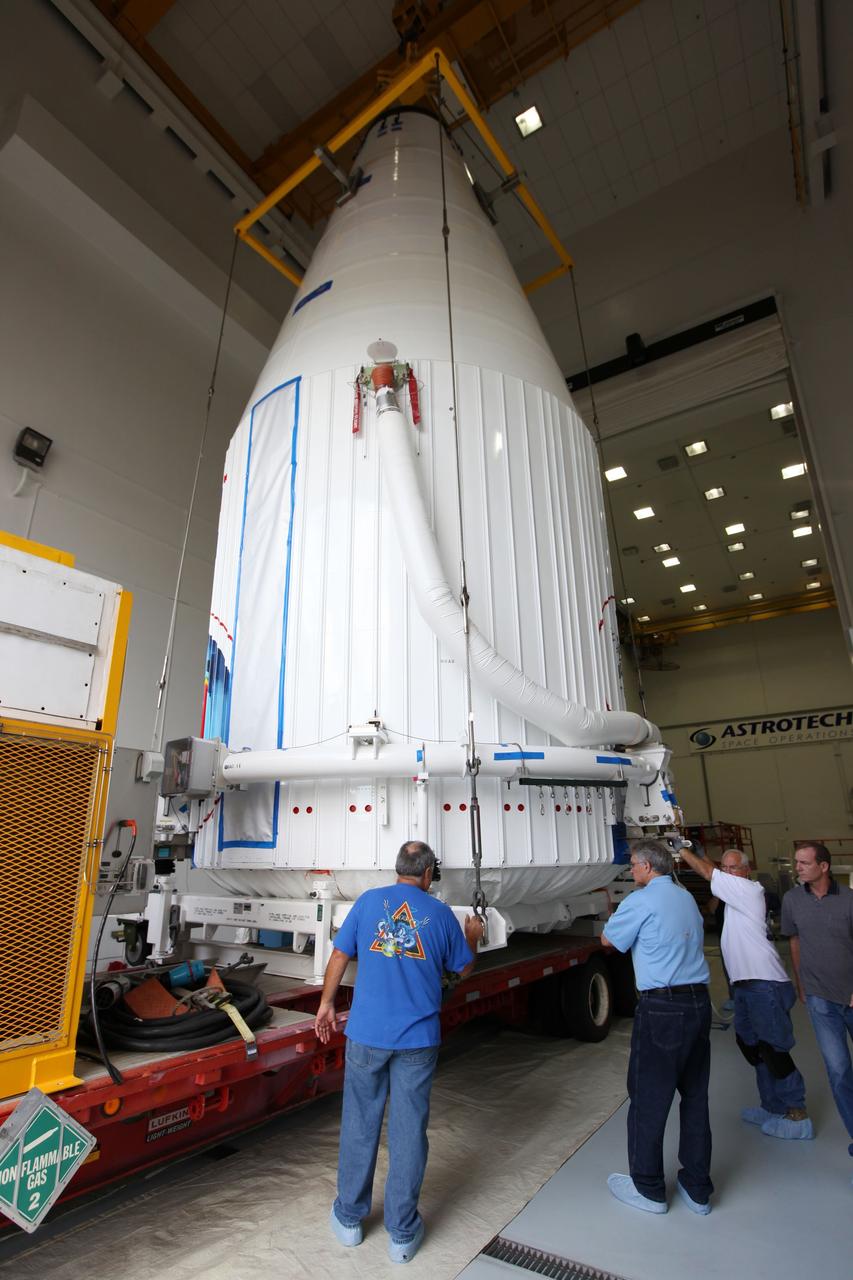
TITUSVILLE, Fla. - Inside the Astrotech payload processing facility in Titusville, Fla. near NASA’s Kennedy Space Center, technicians secure the payload faring containing the two Radiation Belt Storm Probes, or RBSP, spacecraft on to a transporter for the move to the launch complex. NASA’s RBSP mission will help us understand the sun’s influence on Earth and near-Earth space by studying the Earth’s radiation belts on various scales of space and time. RBSP will begin its mission of exploration of Earth’s Van Allen radiation belts and the extremes of space weather after its liftoff aboard a United Launch Alliance Atlas V rocket from Space Launch Complex 41 at Cape Canaveral Air Force Station, Fla. Liftoff is targeted for Aug. 23, 2012. For more information, visit http://www.nasa.gov/rbsp Photo credit: NASA/ Kim Shiflett
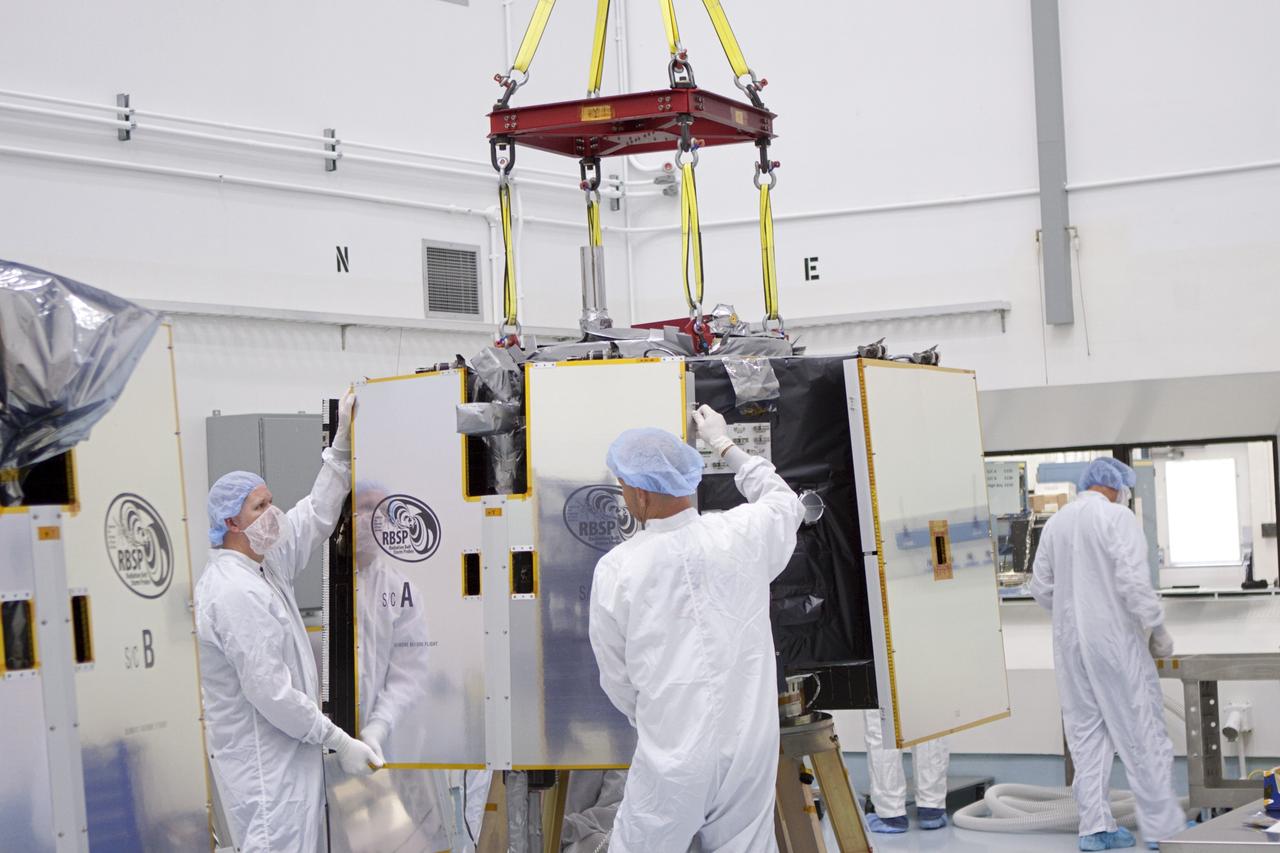
TITUSVILLE, Fla. - Inside the Astrotech payload processing facility in Titusville, Fla. near NASA’s Kennedy Space Center, technicians remove covers after a crane was attached to the Radiation Belt Storm Probes, or RBSP, spacecraft A prior to vertical stacking atop RBSP B. NASA’s RBSP mission will help us understand the sun’s influence on Earth and near-Earth space by studying the Earth’s radiation belts on various scales of space and time. RBSP will begin its mission of exploration of Earth’s Van Allen radiation belts and the extremes of space weather after its liftoff aboard a United Launch Alliance Atlas V from Space Launch Complex 41 at Cape Canaveral Air Force Station, Fla. Liftoff is targeted for Aug. 23, 2012. For more information, visit http://www.nasa.gov/rbsp. Photo credit: NASA/Jim Grossmann
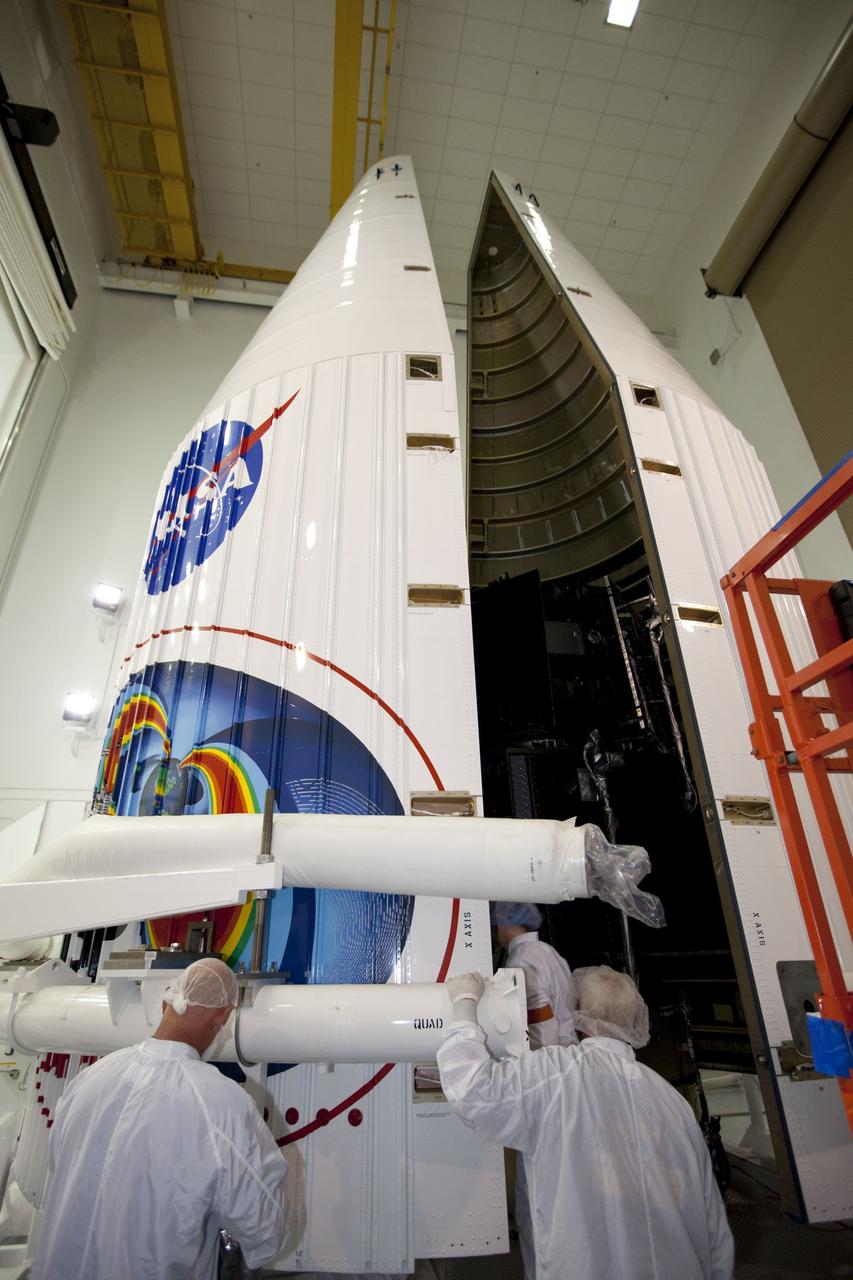
TITUSVILLE, Fla. - Inside the Astrotech payload processing facility in Titusville, Fla. near NASA’s Kennedy Space Center, technicians move the payload faring into position for encapsulation with the two Radiation Belt Storm Probes, or RBSP, spacecraft. The fairing will house and protect the RBSP during liftoff and flight through the atmosphere aboard an Atlas V rocket. NASA’s RBSP mission will help us understand the sun’s influence on Earth and near-Earth space by studying the Earth’s radiation belts on various scales of space and time. RBSP will begin its mission of exploration of Earth’s Van Allen radiation belts and the extremes of space weather after its liftoff aboard a United Launch Alliance Atlas V from Space Launch Complex 41 at Cape Canaveral Air Force Station, Fla. Liftoff is targeted for Aug. 23, 2012. For more information, visit http://www.nasa.gov/rbsp. Photo credit: NASA/ Kim Shiflett
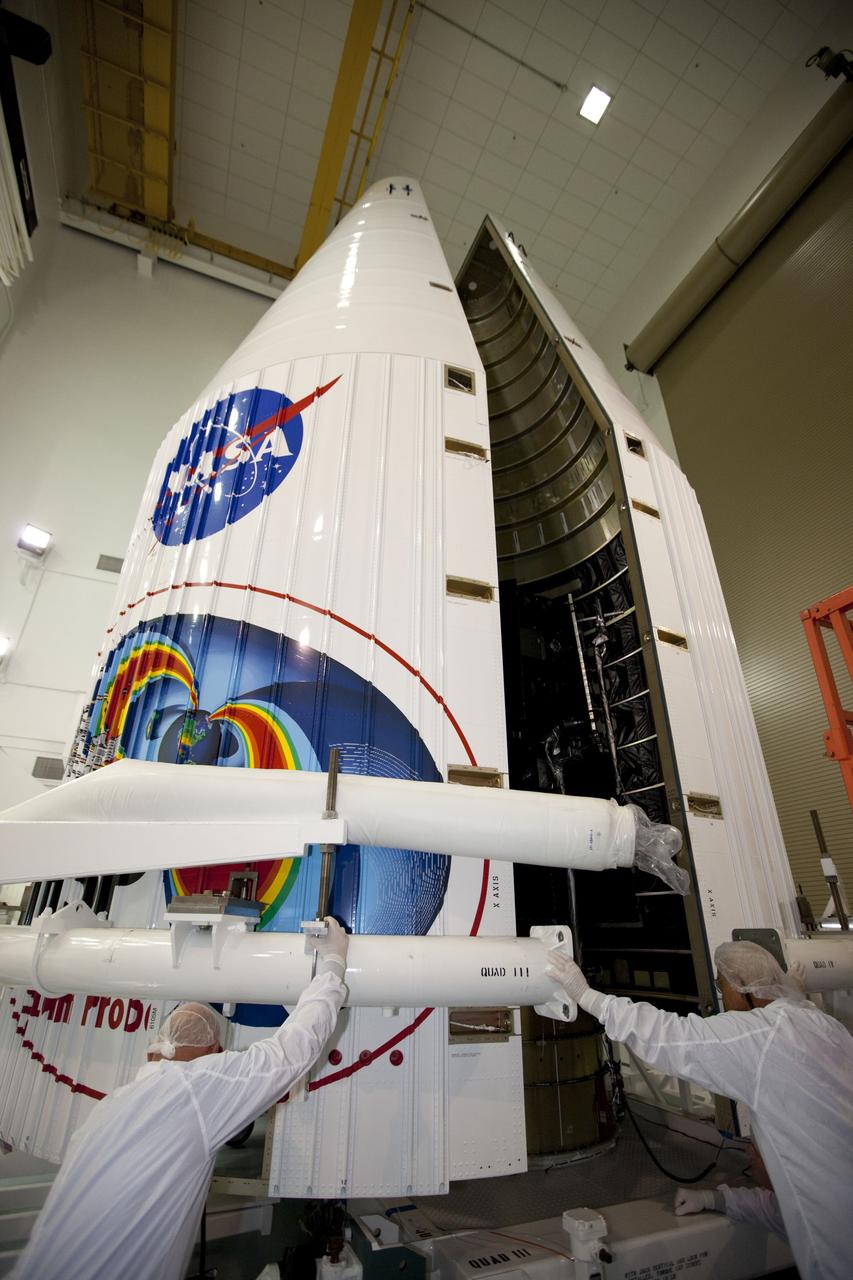
TITUSVILLE, Fla. - Inside the Astrotech payload processing facility in Titusville, Fla. near NASA’s Kennedy Space Center, technicians move the payload faring into position for encapsulation with the two Radiation Belt Storm Probes, or RBSP, spacecraft. The fairing will house and protect the RBSP during liftoff and flight through the atmosphere aboard an Atlas V rocket. NASA’s RBSP mission will help us understand the sun’s influence on Earth and near-Earth space by studying the Earth’s radiation belts on various scales of space and time. RBSP will begin its mission of exploration of Earth’s Van Allen radiation belts and the extremes of space weather after its liftoff aboard a United Launch Alliance Atlas V from Space Launch Complex 41 at Cape Canaveral Air Force Station, Fla. Liftoff is targeted for Aug. 23, 2012. For more information, visit http://www.nasa.gov/rbsp. Photo credit: NASA/ Kim Shiflett
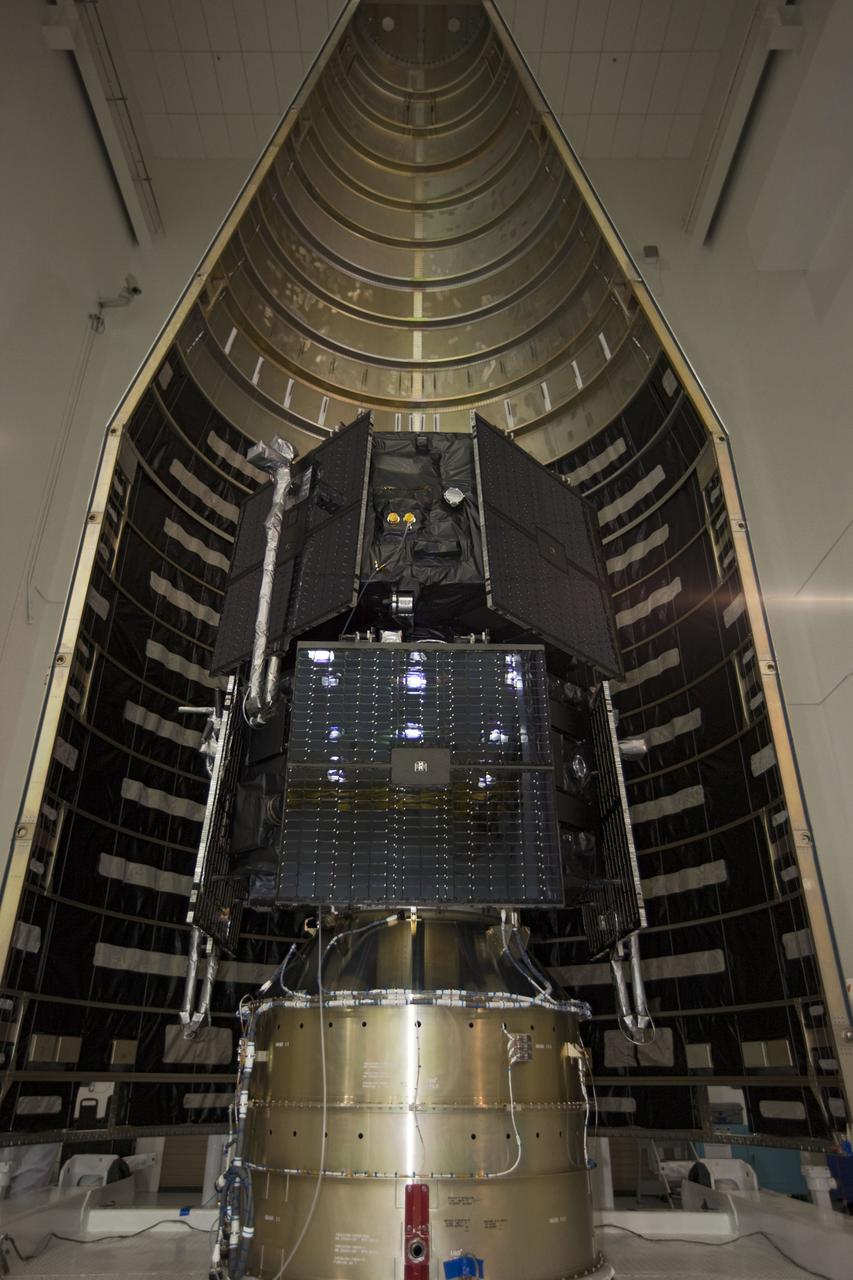
TITUSVILLE, Fla. - Inside the Astrotech payload processing facility in Titusville, Fla. near NASA’s Kennedy Space Center, the two Radiation Belt Storm Probes, or RBSP, spacecraft are being encapsulated in the payload faring. The fairing will house and protect the RBSP during liftoff and flight through the atmosphere aboard an Atlas V rocket. NASA’s RBSP mission will help us understand the sun’s influence on Earth and near-Earth space by studying the Earth’s radiation belts on various scales of space and time. RBSP will begin its mission of exploration of Earth’s Van Allen radiation belts and the extremes of space weather after its liftoff aboard a United Launch Alliance Atlas V from Space Launch Complex 41 at Cape Canaveral Air Force Station, Fla. Liftoff is targeted for Aug. 23, 2012. For more information, visit http://www.nasa.gov/rbsp. Photo credit: NASA/ Kim Shiflett
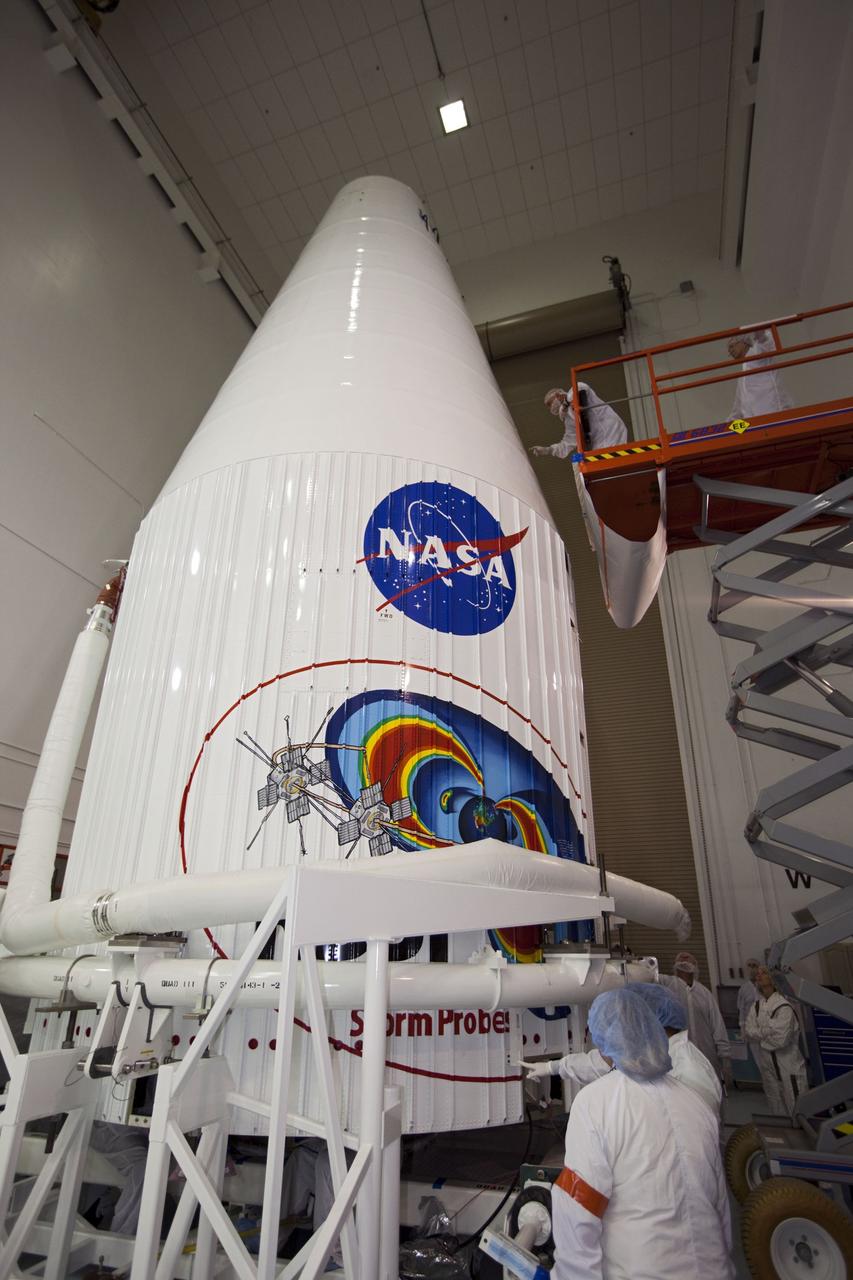
TITUSVILLE, Fla. - Inside the Astrotech payload processing facility in Titusville, Fla. near NASA’s Kennedy Space Center, technicians complete checkouts following encapsulation of the two Radiation Belt Storm Probes, or RBSP, spacecraft with its payload faring. The fairing will house and protect the RBSP during liftoff and flight through the atmosphere aboard an Atlas V rocket. NASA’s RBSP mission will help us understand the sun’s influence on Earth and near-Earth space by studying the Earth’s radiation belts on various scales of space and time. RBSP will begin its mission of exploration of Earth’s Van Allen radiation belts and the extremes of space weather after its liftoff aboard a United Launch Alliance Atlas V from Space Launch Complex 41 at Cape Canaveral Air Force Station, Fla. Liftoff is targeted for Aug. 23, 2012. For more information, visit http://www.nasa.gov/rbsp. Photo credit: NASA/ Kim Shiflett
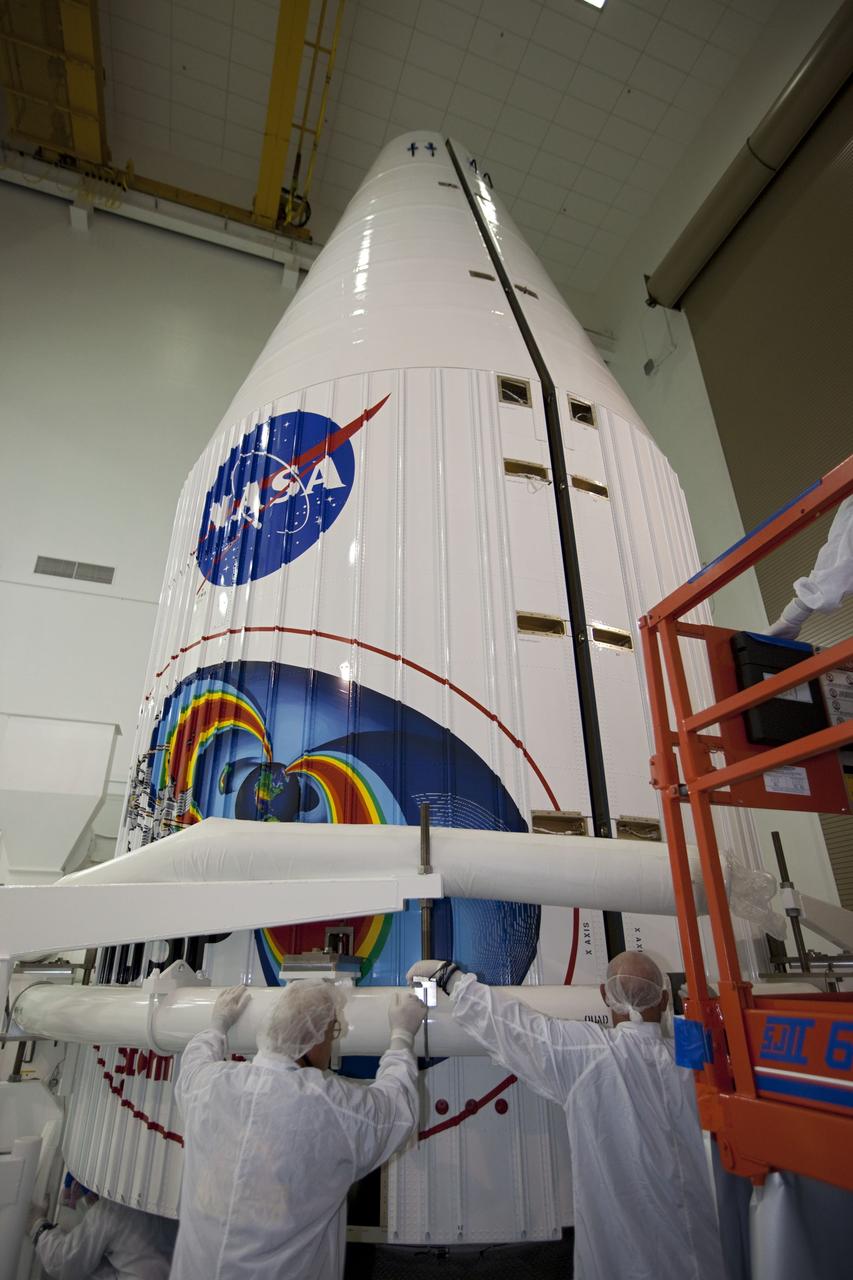
TITUSVILLE, Fla. - Inside the Astrotech payload processing facility in Titusville, Fla. near NASA’s Kennedy Space Center, technicians move the two halves if the payload faring into position for encapsulation with the two Radiation Belt Storm Probes, or RBSP, spacecraft. The fairing will house and protect the RBSP during liftoff and flight through the atmosphere aboard an Atlas V rocket. NASA’s RBSP mission will help us understand the sun’s influence on Earth and near-Earth space by studying the Earth’s radiation belts on various scales of space and time. RBSP will begin its mission of exploration of Earth’s Van Allen radiation belts and the extremes of space weather after its liftoff aboard a United Launch Alliance Atlas V from Space Launch Complex 41 at Cape Canaveral Air Force Station, Fla. Liftoff is targeted for Aug. 23, 2012. For more information, visit http://www.nasa.gov/rbsp. Photo credit: NASA/ Kim Shiflett
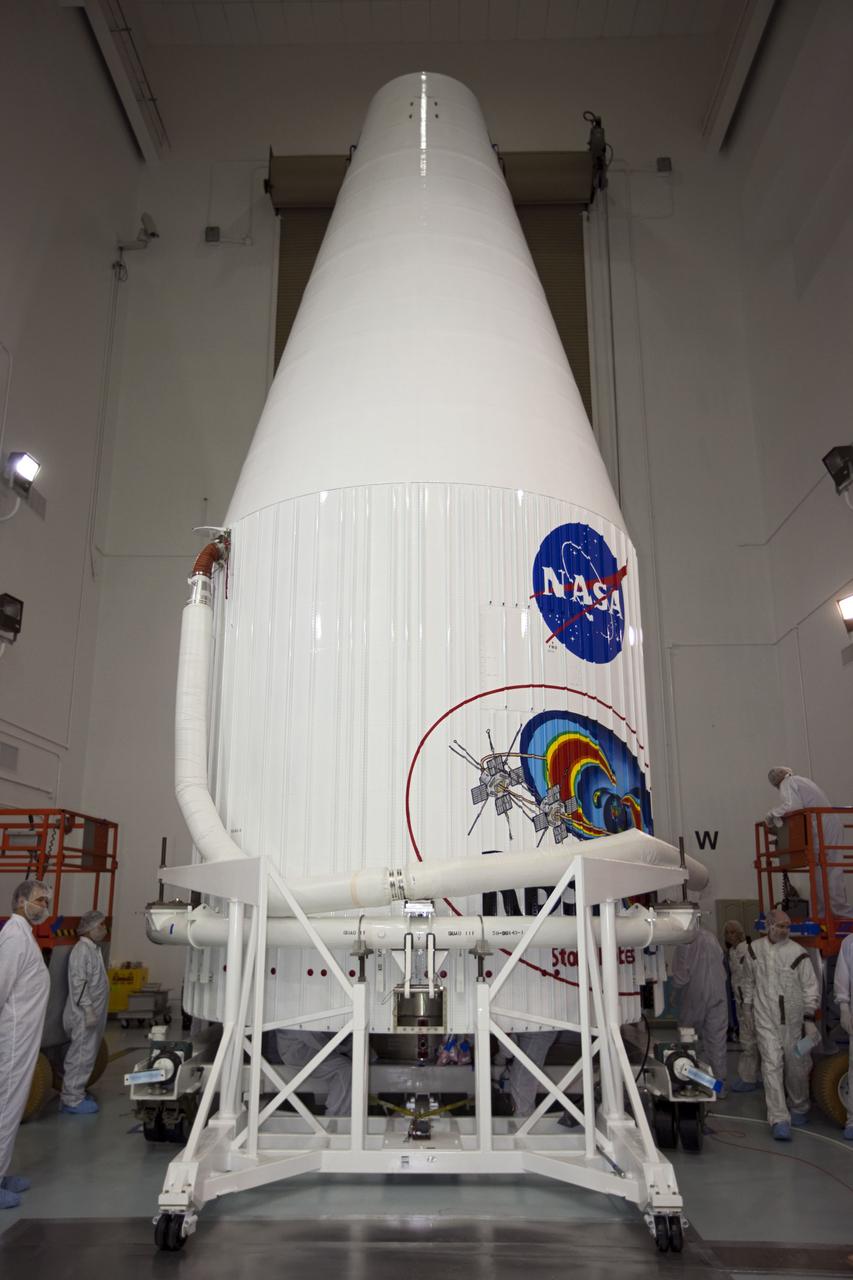
TITUSVILLE, Fla. - Inside the Astrotech payload processing facility in Titusville, Fla. near NASA’s Kennedy Space Center, technicians complete encapsulation of the two Radiation Belt Storm Probes, or RBSP, spacecraft with its payload faring. The fairing will house and protect the RBSP during liftoff and flight through the atmosphere aboard an Atlas V rocket. NASA’s RBSP mission will help us understand the sun’s influence on Earth and near-Earth space by studying the Earth’s radiation belts on various scales of space and time. RBSP will begin its mission of exploration of Earth’s Van Allen radiation belts and the extremes of space weather after its liftoff aboard a United Launch Alliance Atlas V from Space Launch Complex 41 at Cape Canaveral Air Force Station, Fla. Liftoff is targeted for Aug. 23, 2012. For more information, visit http://www.nasa.gov/rbsp. Photo credit: NASA/ Kim Shiflett
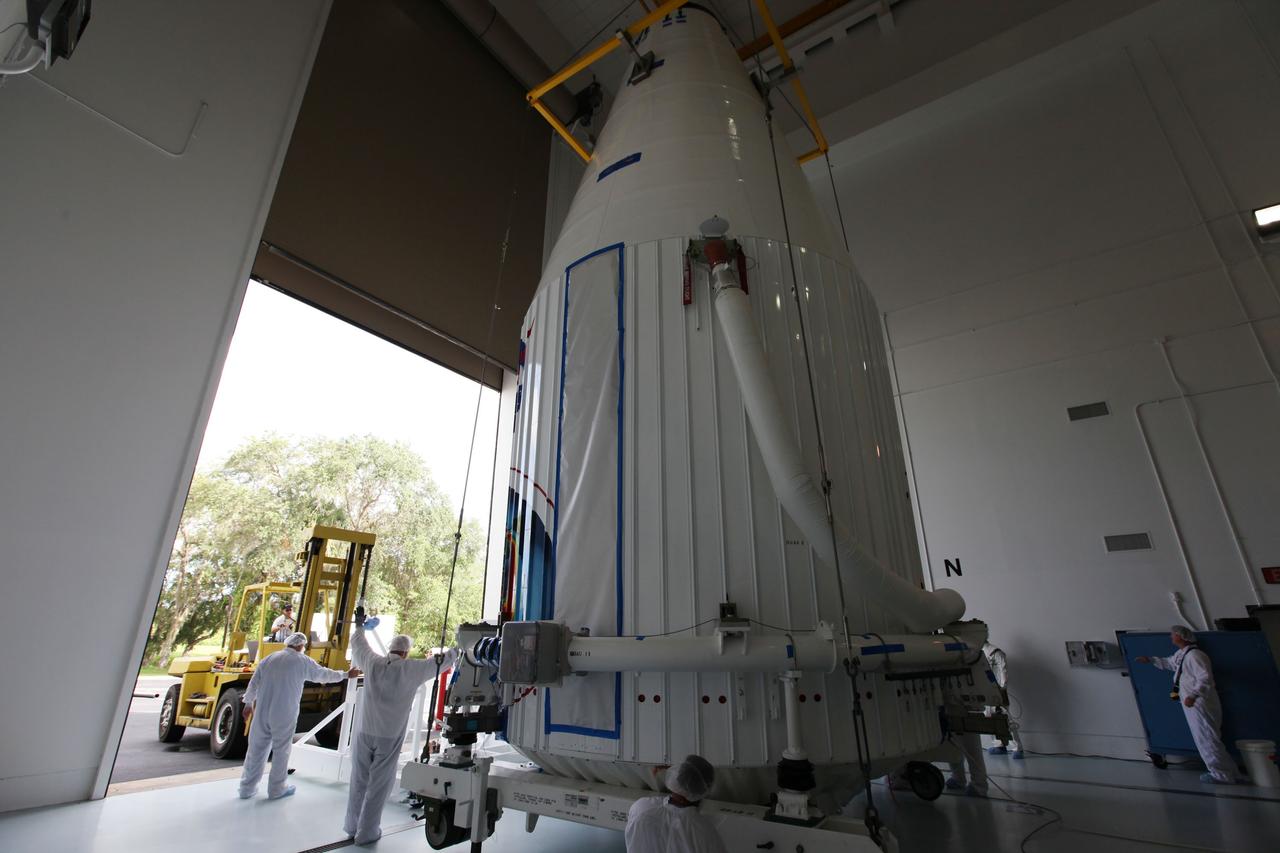
TITUSVILLE, Fla. - Inside the Astrotech payload processing facility in Titusville, Fla. near NASA’s Kennedy Space Center, technicians move the payload faring containing the two Radiation Belt Storm Probes, or RBSP, spacecraft into position for lifting on to a transporter to be moved to the launch complex. NASA’s RBSP mission will help us understand the sun’s influence on Earth and near-Earth space by studying the Earth’s radiation belts on various scales of space and time. RBSP will begin its mission of exploration of Earth’s Van Allen radiation belts and the extremes of space weather after its liftoff aboard a United Launch Alliance Atlas V rocket from Space Launch Complex 41 at Cape Canaveral Air Force Station, Fla. Liftoff is targeted for Aug. 23, 2012. For more information, visit http://www.nasa.gov/rbsp Photo credit: NASA/ Kim Shiflett
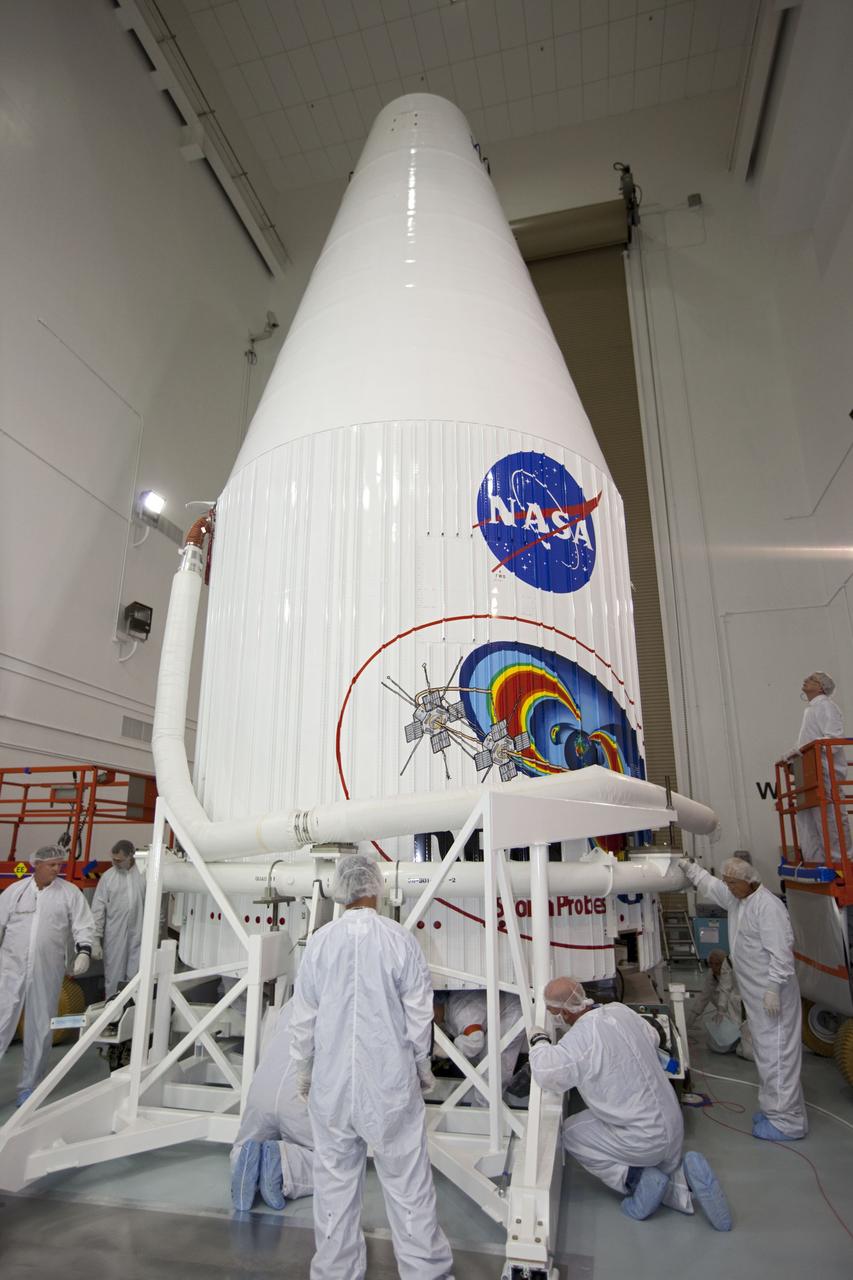
TITUSVILLE, Fla. - Inside the Astrotech payload processing facility in Titusville, Fla. near NASA’s Kennedy Space Center, technicians complete encapsulation of the two Radiation Belt Storm Probes, or RBSP, spacecraft with its payload faring. The fairing will house and protect the RBSP during liftoff and flight through the atmosphere aboard an Atlas V rocket. NASA’s RBSP mission will help us understand the sun’s influence on Earth and near-Earth space by studying the Earth’s radiation belts on various scales of space and time. RBSP will begin its mission of exploration of Earth’s Van Allen radiation belts and the extremes of space weather after its liftoff aboard a United Launch Alliance Atlas V from Space Launch Complex 41 at Cape Canaveral Air Force Station, Fla. Liftoff is targeted for Aug. 23, 2012. For more information, visit http://www.nasa.gov/rbsp. Photo credit: NASA/ Kim Shiflett
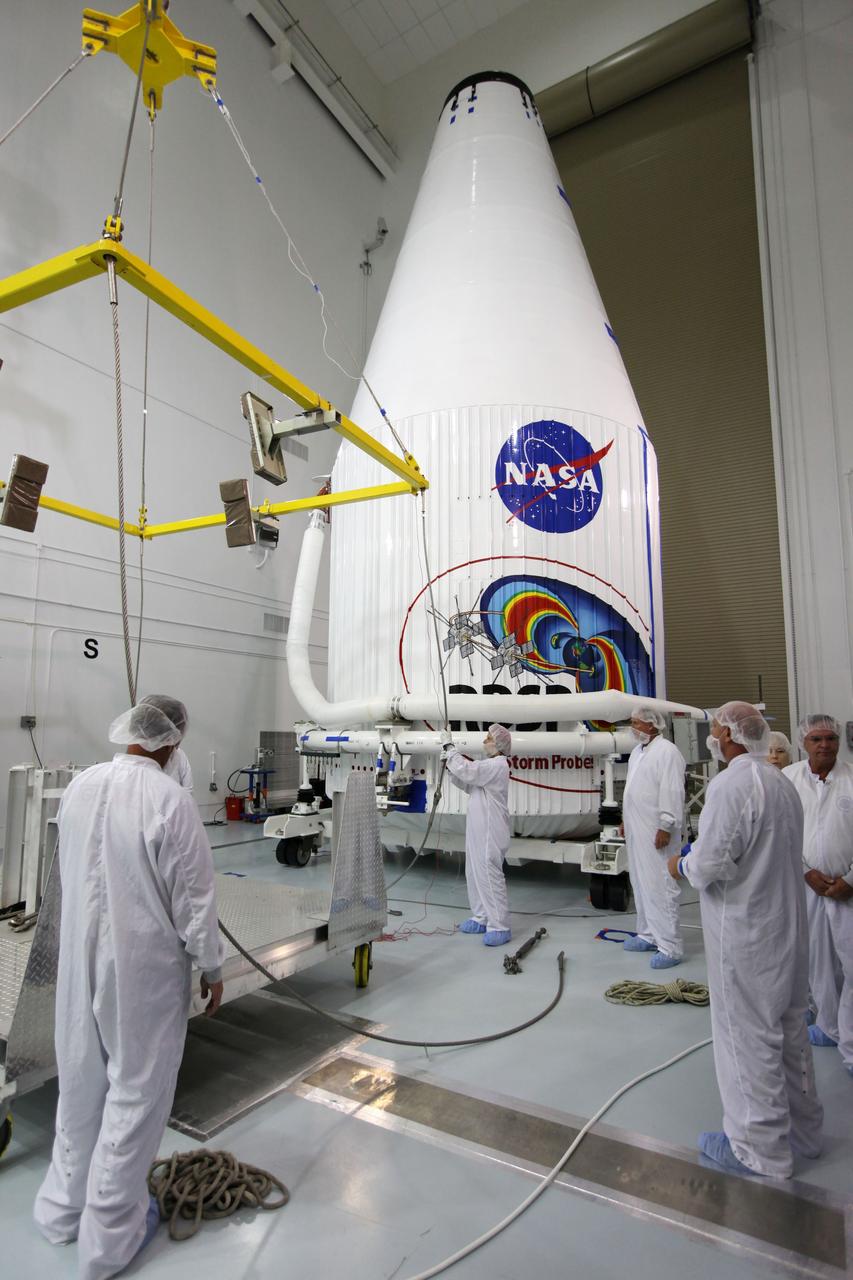
TITUSVILLE, Fla. - Inside the Astrotech payload processing facility in Titusville, Fla. near NASA’s Kennedy Space Center, technicians prepare the payload faring containing the two Radiation Belt Storm Probes, or RBSP, spacecraft for lifting on to a transporter to be moved to the launch complex. NASA’s RBSP mission will help us understand the sun’s influence on Earth and near-Earth space by studying the Earth’s radiation belts on various scales of space and time. RBSP will begin its mission of exploration of Earth’s Van Allen radiation belts and the extremes of space weather after its liftoff aboard a United Launch Alliance Atlas V rocket from Space Launch Complex 41 at Cape Canaveral Air Force Station, Fla. Liftoff is targeted for Aug. 23, 2012. For more information, visit http://www.nasa.gov/rbsp Photo credit: NASA/ Kim Shiflett

TITUSVILLE, Fla. - Inside the Astrotech payload processing facility in Titusville, Fla. near NASA’s Kennedy Space Center, technicians attach a crane to lift the payload faring containing the two Radiation Belt Storm Probes, or RBSP, spacecraft on to a transporter to be moved to the launch complex. NASA’s RBSP mission will help us understand the sun’s influence on Earth and near-Earth space by studying the Earth’s radiation belts on various scales of space and time. RBSP will begin its mission of exploration of Earth’s Van Allen radiation belts and the extremes of space weather after its liftoff aboard a United Launch Alliance Atlas V rocket from Space Launch Complex 41 at Cape Canaveral Air Force Station, Fla. Liftoff is targeted for Aug. 23, 2012. For more information, visit http://www.nasa.gov/rbsp Photo credit: NASA/ Kim Shiflett
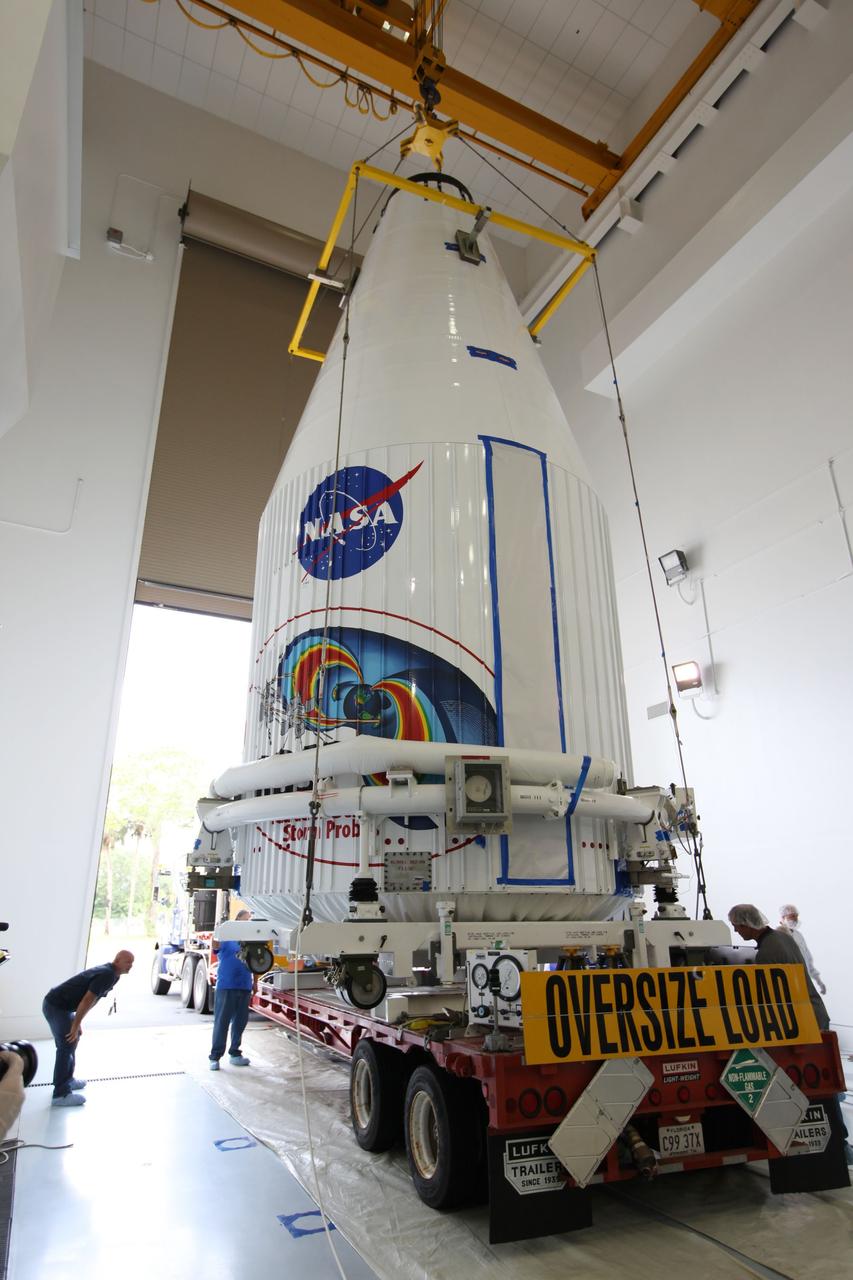
TITUSVILLE, Fla. - Inside the Astrotech payload processing facility in Titusville, Fla. near NASA’s Kennedy Space Center, technicians use a crane to lower the payload faring containing the two Radiation Belt Storm Probes, or RBSP, spacecraft on to a transporter to be moved to the launch complex. NASA’s RBSP mission will help us understand the sun’s influence on Earth and near-Earth space by studying the Earth’s radiation belts on various scales of space and time. RBSP will begin its mission of exploration of Earth’s Van Allen radiation belts and the extremes of space weather after its liftoff aboard a United Launch Alliance Atlas V rocket from Space Launch Complex 41 at Cape Canaveral Air Force Station, Fla. Liftoff is targeted for Aug. 23, 2012. For more information, visit http://www.nasa.gov/rbsp Photo credit: NASA/ Kim Shiflett
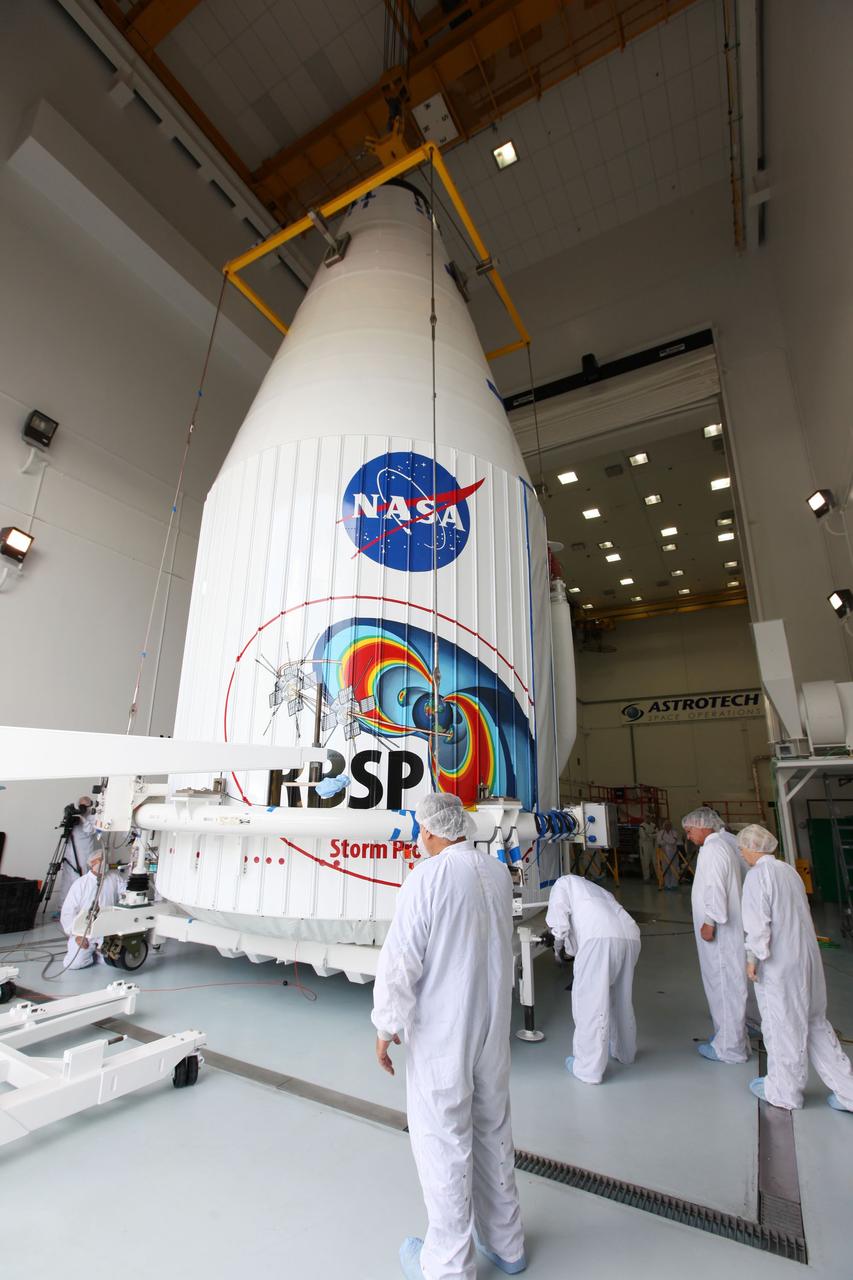
TITUSVILLE, Fla. - Inside the Astrotech payload processing facility in Titusville, Fla. near NASA’s Kennedy Space Center, technicians attach a crane to lift the payload faring containing the two Radiation Belt Storm Probes, or RBSP, spacecraft on to a transporter to be moved to the launch complex. NASA’s RBSP mission will help us understand the sun’s influence on Earth and near-Earth space by studying the Earth’s radiation belts on various scales of space and time. RBSP will begin its mission of exploration of Earth’s Van Allen radiation belts and the extremes of space weather after its liftoff aboard a United Launch Alliance Atlas V rocket from Space Launch Complex 41 at Cape Canaveral Air Force Station, Fla. Liftoff is targeted for Aug. 23, 2012. For more information, visit http://www.nasa.gov/rbsp Photo credit: NASA/ Kim Shiflett
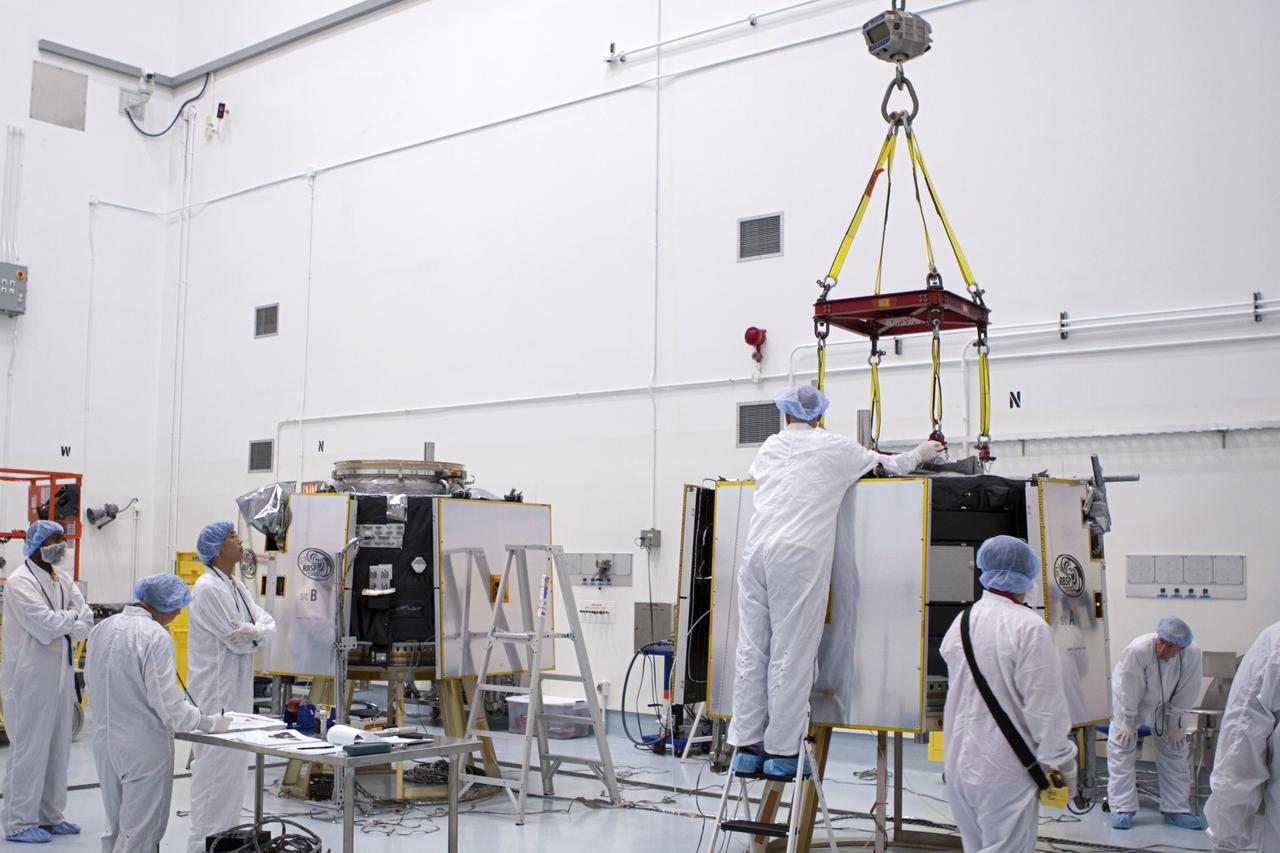
TITUSVILLE, Fla. - Inside the Astrotech payload processing facility in Titusville, Fla. near NASA’s Kennedy Space Center, technicians attach a crane to the Radiation Belt Storm Probes, or RBSP, spacecraft A prior to vertical stacking atop RBSP B. NASA’s RBSP mission will help us understand the sun’s influence on Earth and near-Earth space by studying the Earth’s radiation belts on various scales of space and time. RBSP will begin its mission of exploration of Earth’s Van Allen radiation belts and the extremes of space weather after its liftoff aboard a United Launch Alliance Atlas V from Space Launch Complex 41 at Cape Canaveral Air Force Station, Fla. Liftoff is targeted for Aug. 23, 2012. For more information, visit http://www.nasa.gov/rbsp. Photo credit: NASA/Jim Grossmann
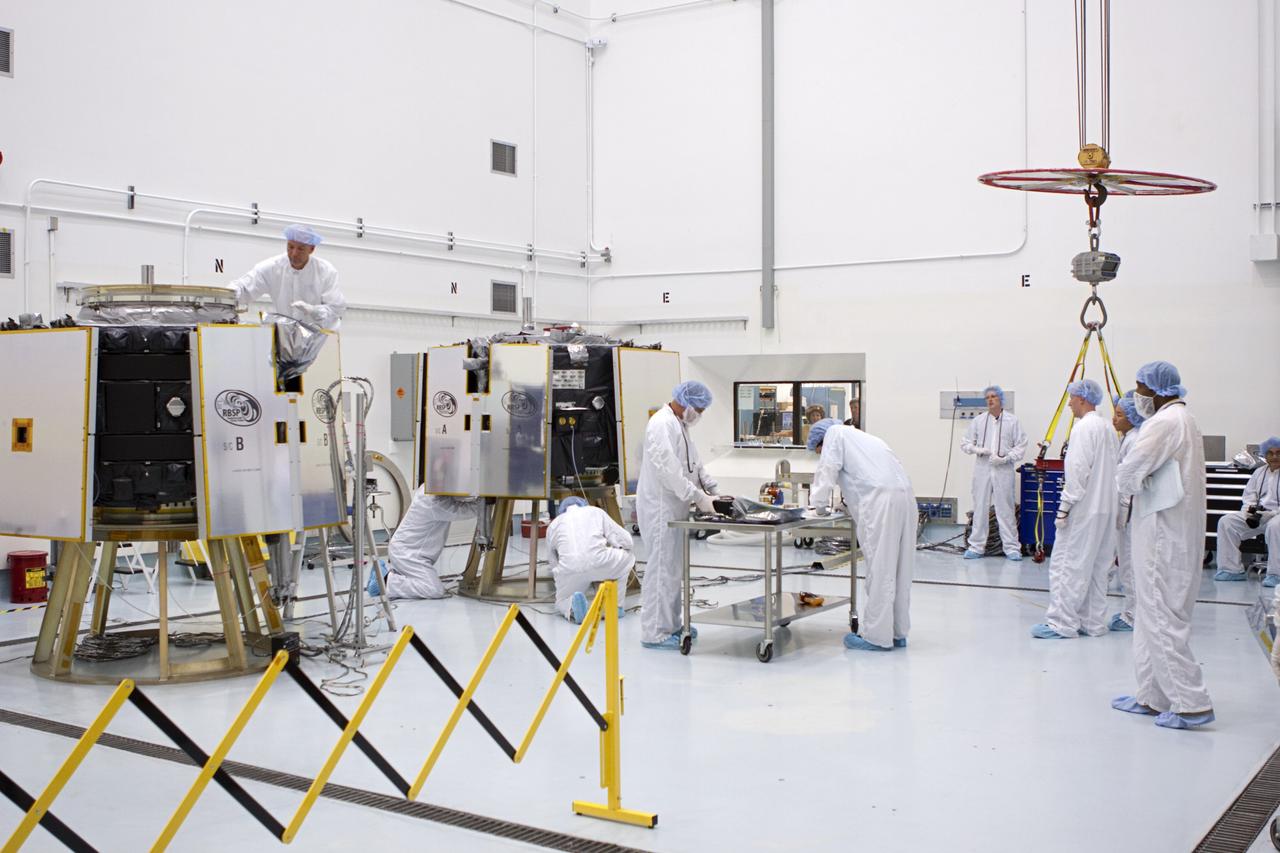
TITUSVILLE, Fla. - Inside the Astrotech payload processing facility in Titusville, Fla. near NASA’s Kennedy Space Center, technicians checkout the two Radiation Belt Storm Probes, or RBSP, spacecraft prior to vertical stacking. NASA’s RBSP mission will help us understand the sun’s influence on Earth and near-Earth space by studying the Earth’s radiation belts on various scales of space and time. RBSP will begin its mission of exploration of Earth’s Van Allen radiation belts and the extremes of space weather after its liftoff aboard a United Launch Alliance Atlas V from Space Launch Complex 41 at Cape Canaveral Air Force Station, Fla. Liftoff is targeted for Aug. 23, 2012. For more information, visit http://www.nasa.gov/rbsp. Photo credit: NASA/Jim Grossmann
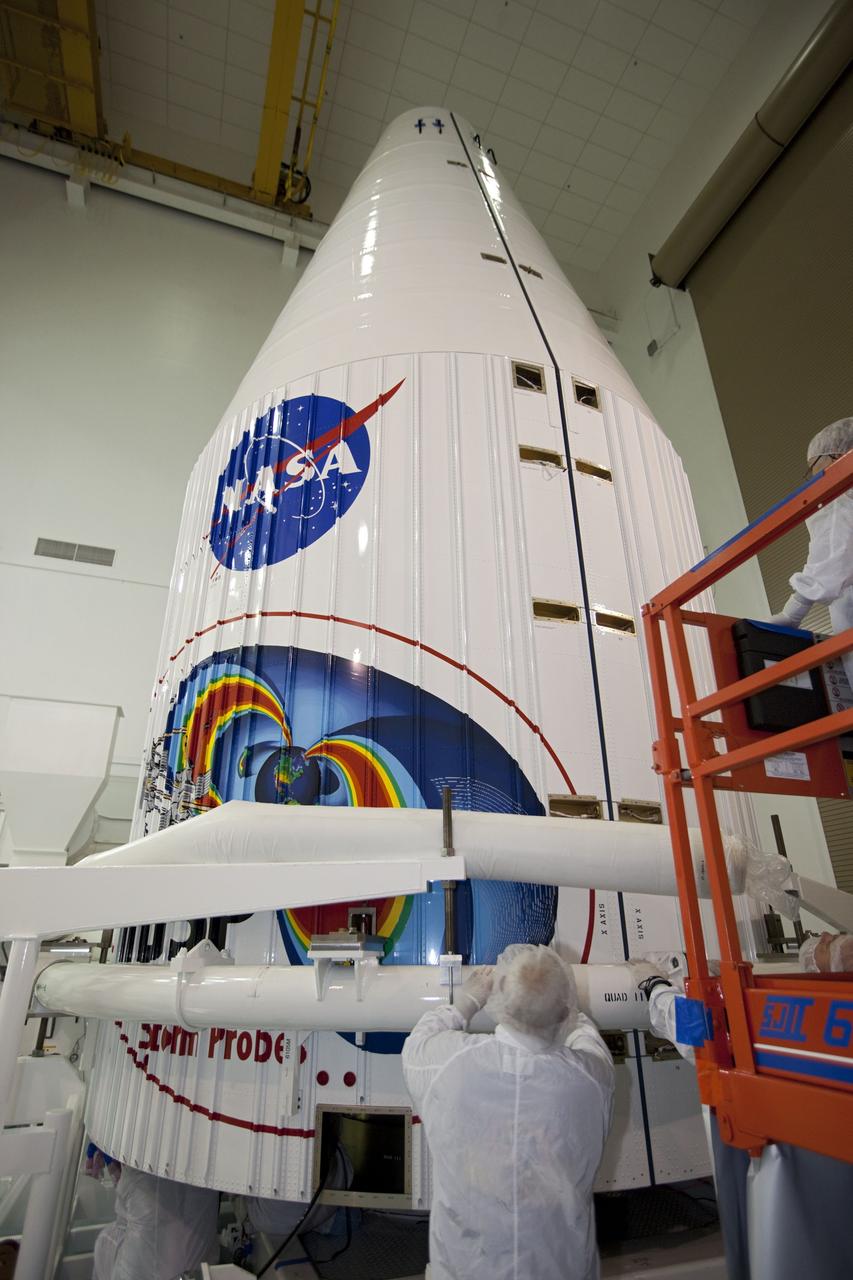
TITUSVILLE, Fla. - Inside the Astrotech payload processing facility in Titusville, Fla. near NASA’s Kennedy Space Center, technicians move the two halves if the payload faring into position for encapsulation with the two Radiation Belt Storm Probes, or RBSP, spacecraft. The fairing will house and protect the RBSP during liftoff and flight through the atmosphere aboard an Atlas V rocket. NASA’s RBSP mission will help us understand the sun’s influence on Earth and near-Earth space by studying the Earth’s radiation belts on various scales of space and time. RBSP will begin its mission of exploration of Earth’s Van Allen radiation belts and the extremes of space weather after its liftoff aboard a United Launch Alliance Atlas V from Space Launch Complex 41 at Cape Canaveral Air Force Station, Fla. Liftoff is targeted for Aug. 23, 2012. For more information, visit http://www.nasa.gov/rbsp. Photo credit: NASA/ Kim Shiflett
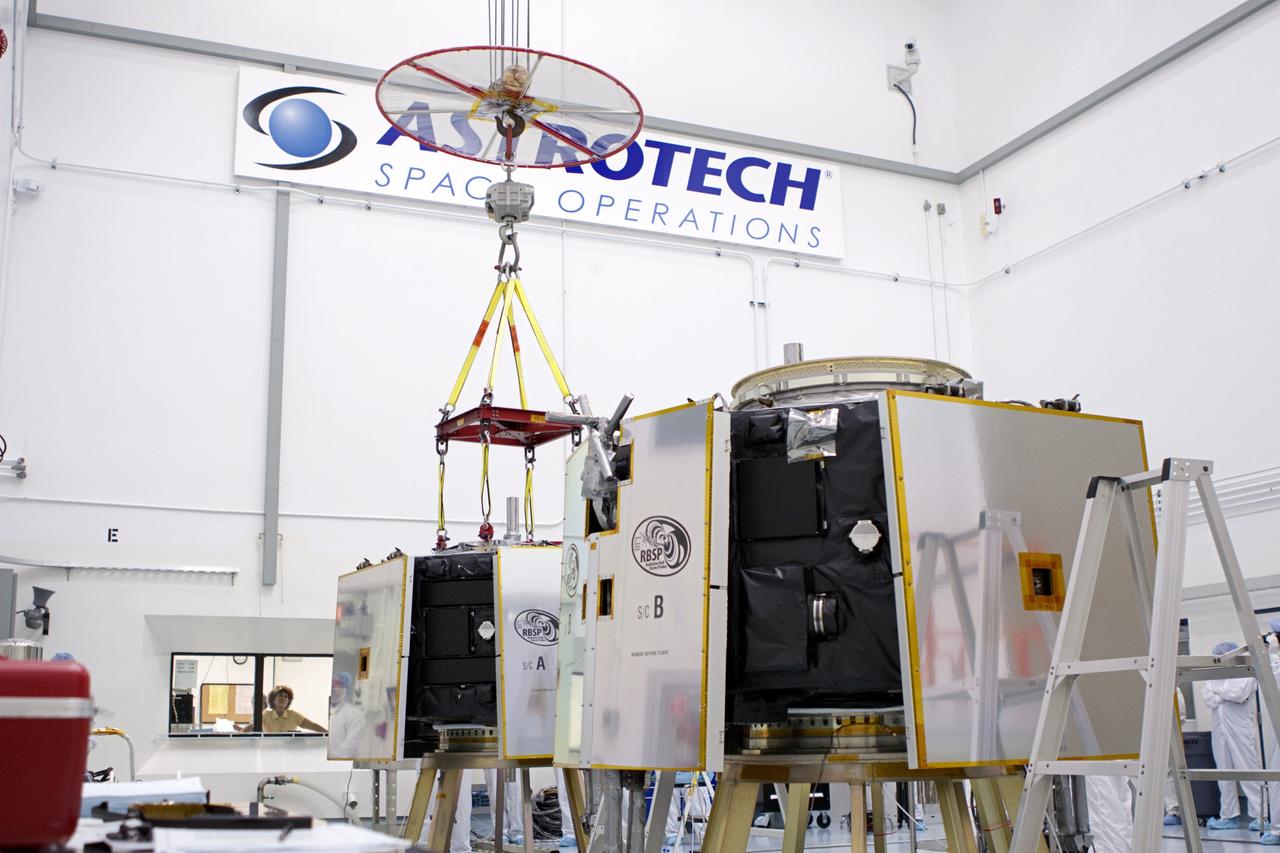
TITUSVILLE, Fla. - Inside the Astrotech payload processing facility in Titusville, Fla. near NASA’s Kennedy Space Center, a crane has been attached to the Radiation Belt Storm Probes, or RBSP, spacecraft A prior to vertical stacking atop RBSP B. NASA’s RBSP mission will help us understand the sun’s influence on Earth and near-Earth space by studying the Earth’s radiation belts on various scales of space and time. RBSP will begin its mission of exploration of Earth’s Van Allen radiation belts and the extremes of space weather after its liftoff aboard a United Launch Alliance Atlas V from Space Launch Complex 41 at Cape Canaveral Air Force Station, Fla. Liftoff is targeted for Aug. 23, 2012. For more information, visit http://www.nasa.gov/rbsp. Photo credit: NASA/Jim Grossmann
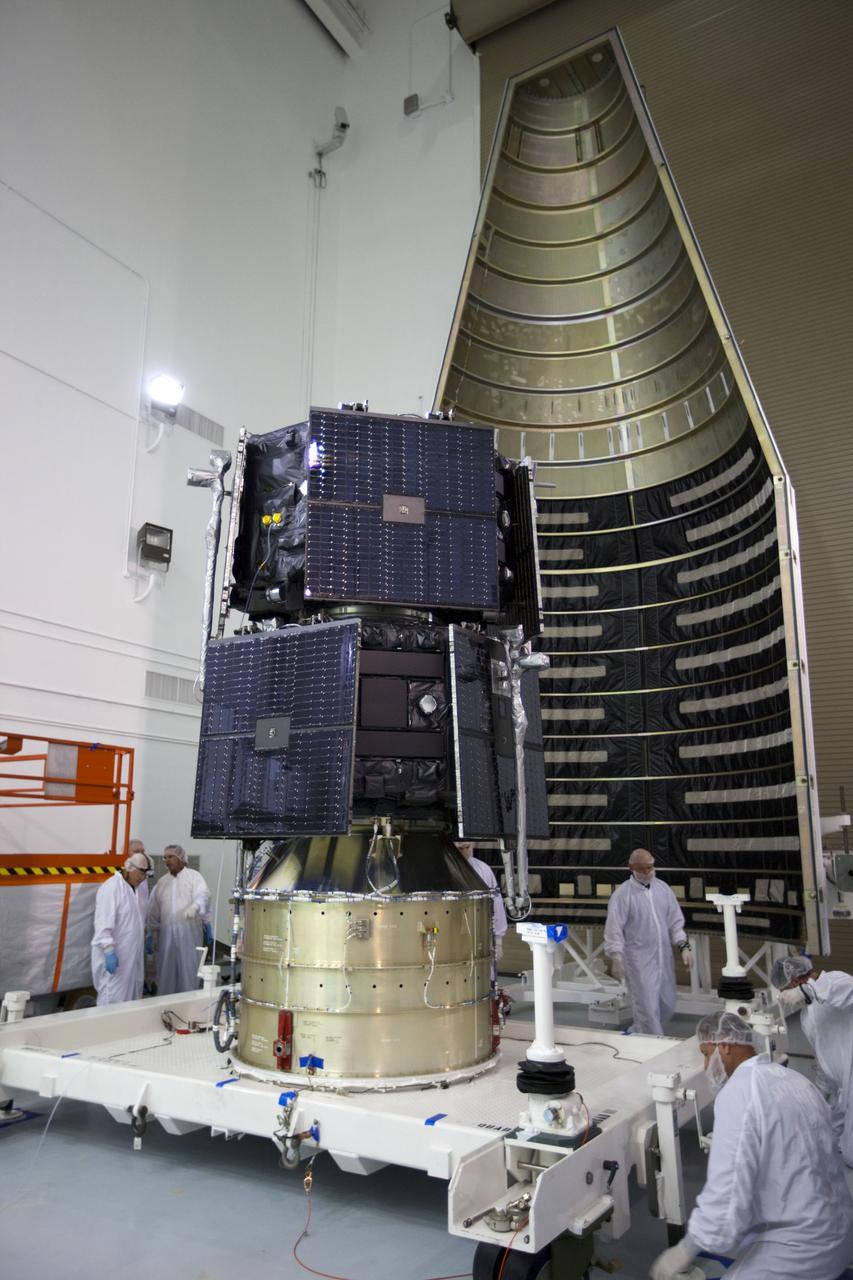
TITUSVILLE, Fla. - Inside the Astrotech payload processing facility in Titusville, Fla. near NASA’s Kennedy Space Center, technicians move the two Radiation Belt Storm Probes, or RBSP, spacecraft into position for encapsulation in the payload faring. The fairing will house and protect the RBSP during liftoff and flight through the atmosphere aboard an Atlas V rocket. NASA’s RBSP mission will help us understand the sun’s influence on Earth and near-Earth space by studying the Earth’s radiation belts on various scales of space and time. RBSP will begin its mission of exploration of Earth’s Van Allen radiation belts and the extremes of space weather after its liftoff aboard a United Launch Alliance Atlas V from Space Launch Complex 41 at Cape Canaveral Air Force Station, Fla. Liftoff is targeted for Aug. 23, 2012. For more information, visit http://www.nasa.gov/rbsp. Photo credit: NASA/ Kim Shiflett
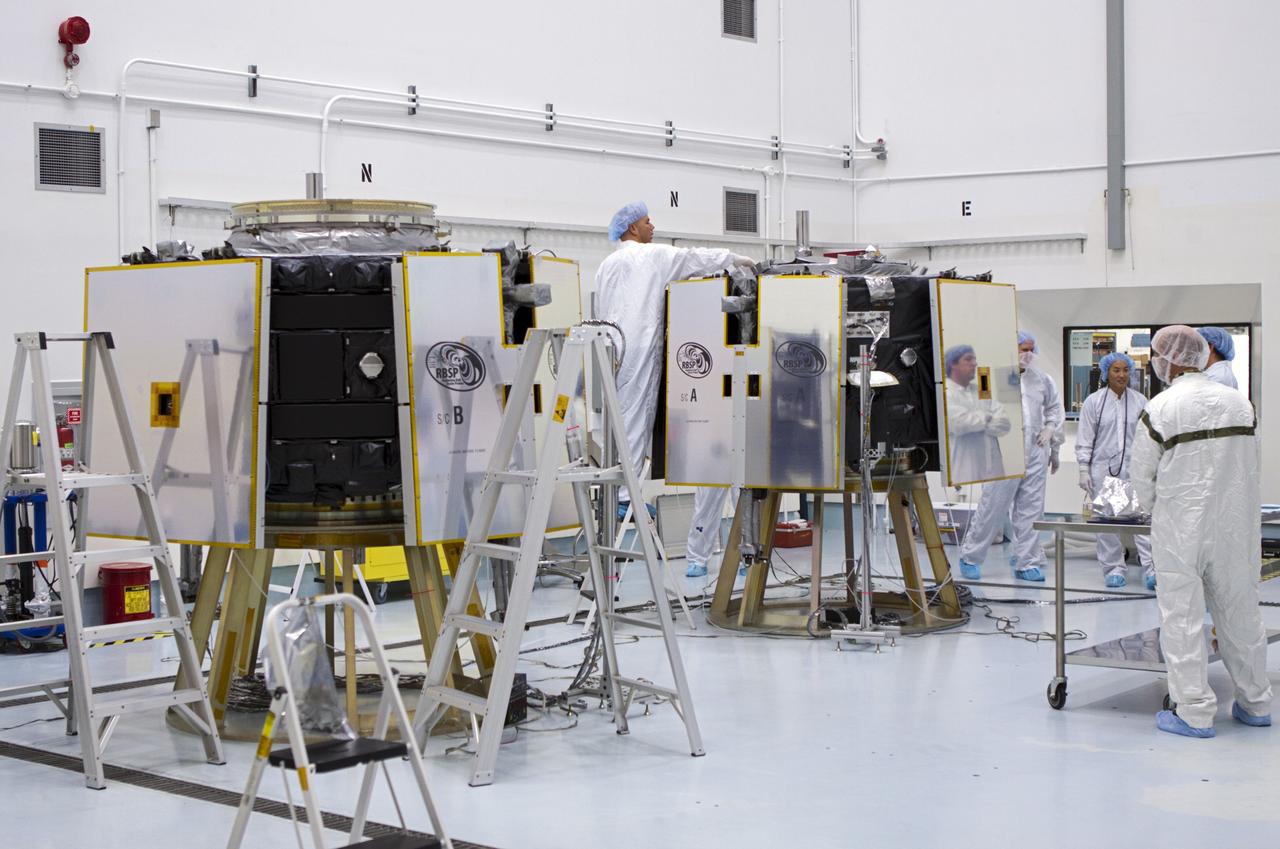
TITUSVILLE, Fla. - Inside the Astrotech payload processing facility in Titusville, Fla. near NASA’s Kennedy Space Center, technicians checkout the two Radiation Belt Storm Probes, or RBSP, spacecraft prior to vertical stacking. NASA’s RBSP mission will help us understand the sun’s influence on Earth and near-Earth space by studying the Earth’s radiation belts on various scales of space and time. RBSP will begin its mission of exploration of Earth’s Van Allen radiation belts and the extremes of space weather after its liftoff aboard a United Launch Alliance Atlas V from Space Launch Complex 41 at Cape Canaveral Air Force Station, Fla. Liftoff is targeted for Aug. 23, 2012. For more information, visit http://www.nasa.gov/rbsp. Photo credit: NASA/Jim Grossmann
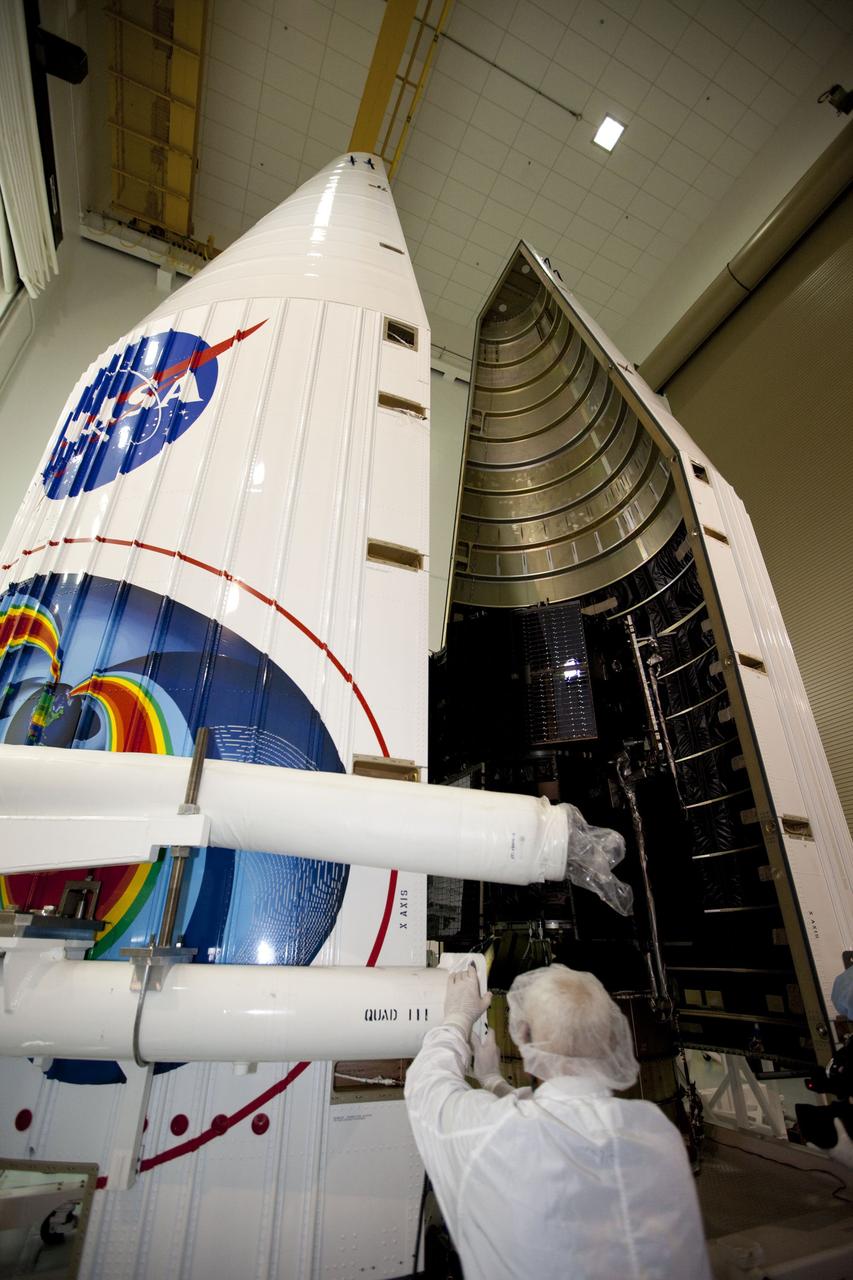
TITUSVILLE, Fla. - Inside the Astrotech payload processing facility in Titusville, Fla. near NASA’s Kennedy Space Center, technicians move the payload faring into position for encapsulation with the two Radiation Belt Storm Probes, or RBSP, spacecraft. The fairing will house and protect the RBSP during liftoff and flight through the atmosphere aboard an Atlas V rocket. NASA’s RBSP mission will help us understand the sun’s influence on Earth and near-Earth space by studying the Earth’s radiation belts on various scales of space and time. RBSP will begin its mission of exploration of Earth’s Van Allen radiation belts and the extremes of space weather after its liftoff aboard a United Launch Alliance Atlas V from Space Launch Complex 41 at Cape Canaveral Air Force Station, Fla. Liftoff is targeted for Aug. 23, 2012. For more information, visit http://www.nasa.gov/rbsp. Photo credit: NASA/ Kim Shiflett
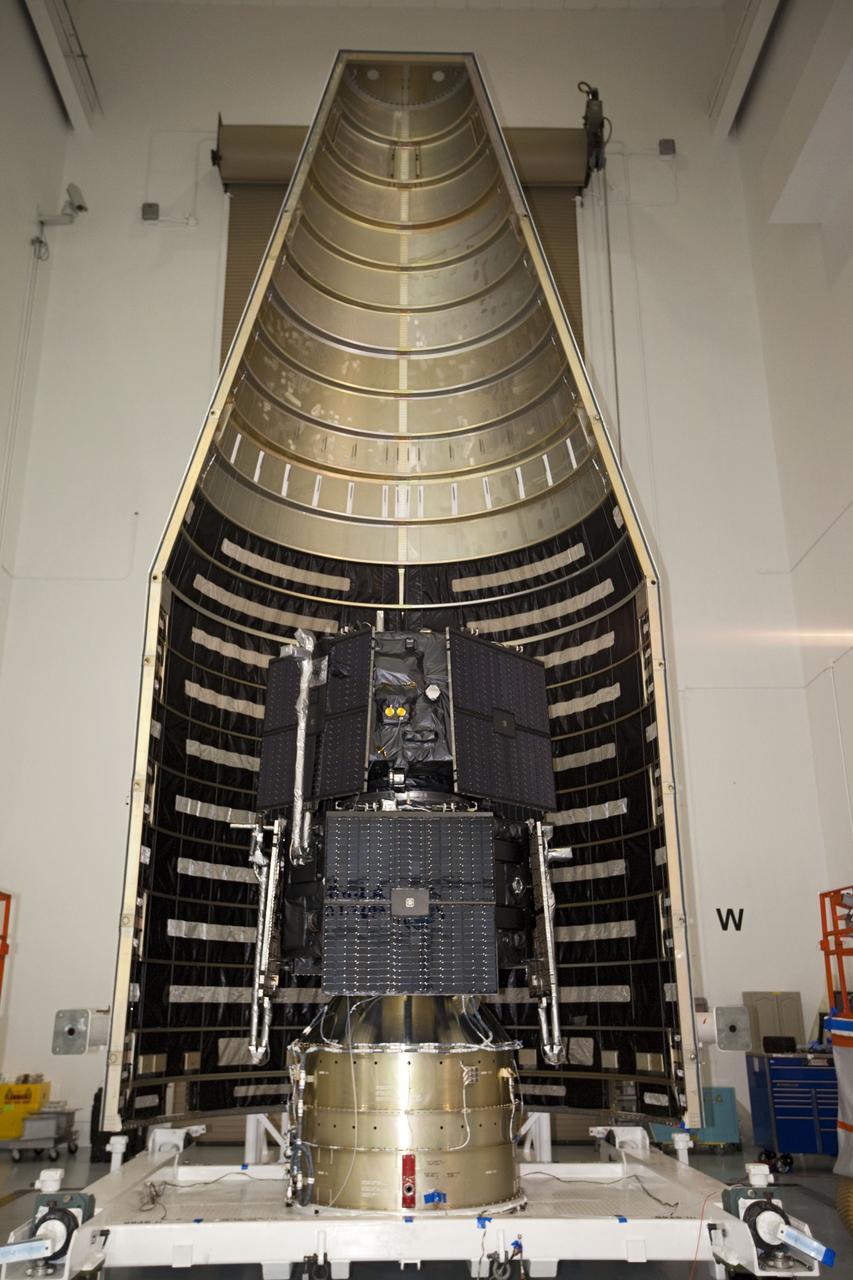
TITUSVILLE, Fla. - Inside the Astrotech payload processing facility in Titusville, Fla. near NASA’s Kennedy Space Center, the two Radiation Belt Storm Probes, or RBSP, spacecraft are being encapsulated in the payload faring. The fairing will house and protect the RBSP during liftoff and flight through the atmosphere aboard an Atlas V rocket. NASA’s RBSP mission will help us understand the sun’s influence on Earth and near-Earth space by studying the Earth’s radiation belts on various scales of space and time. RBSP will begin its mission of exploration of Earth’s Van Allen radiation belts and the extremes of space weather after its liftoff aboard a United Launch Alliance Atlas V from Space Launch Complex 41 at Cape Canaveral Air Force Station, Fla. Liftoff is targeted for Aug. 23, 2012. For more information, visit http://www.nasa.gov/rbsp. Photo credit: NASA/ Kim Shiflett
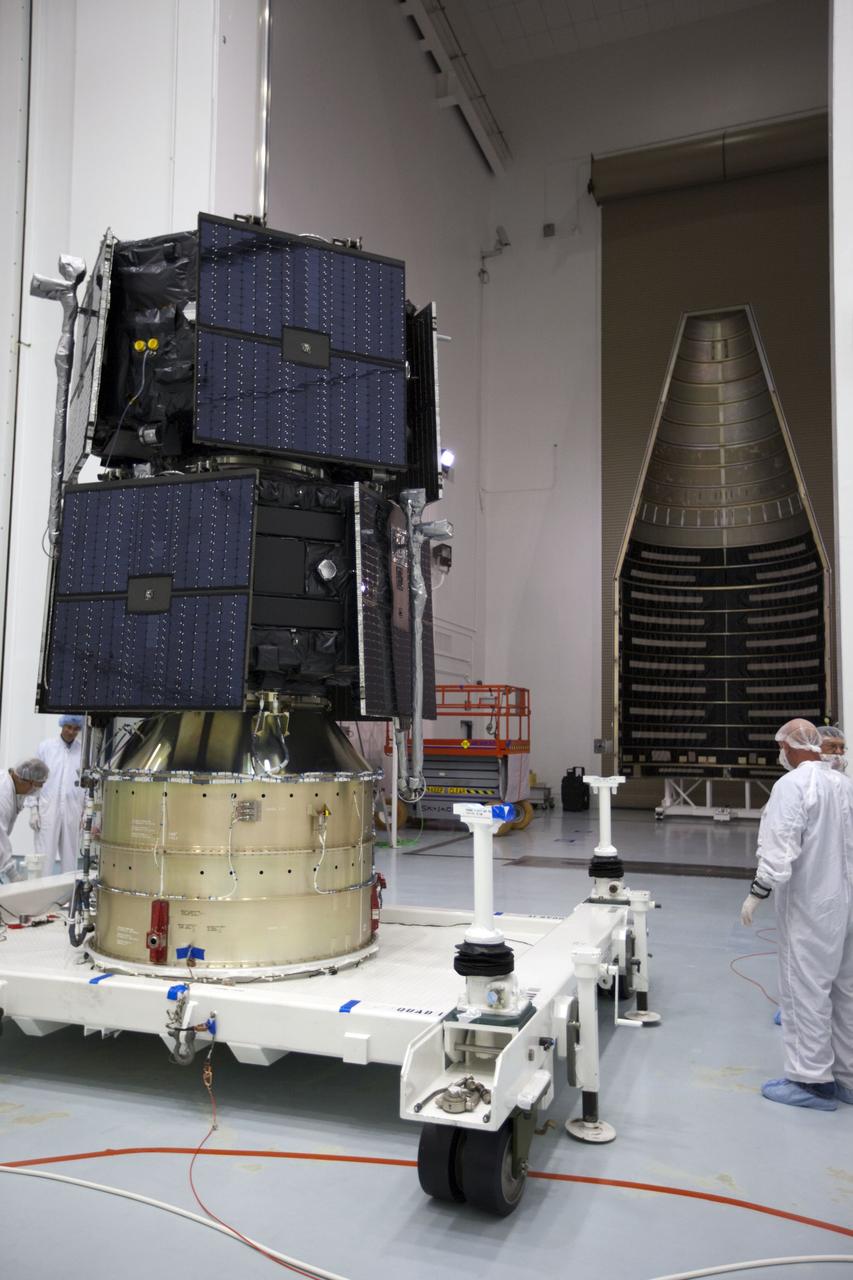
TITUSVILLE, Fla. - Inside the Astrotech payload processing facility in Titusville, Fla. near NASA’s Kennedy Space Center, technicians prepare the two Radiation Belt Storm Probes, or RBSP, spacecraft prior for encapsulation in the payload faring. The fairing will house and protect the RBSP during liftoff and flight through the atmosphere aboard an Atlas V rocket. NASA’s RBSP mission will help us understand the sun’s influence on Earth and near-Earth space by studying the Earth’s radiation belts on various scales of space and time. RBSP will begin its mission of exploration of Earth’s Van Allen radiation belts and the extremes of space weather after its liftoff aboard a United Launch Alliance Atlas V from Space Launch Complex 41 at Cape Canaveral Air Force Station, Fla. Liftoff is targeted for Aug. 23, 2012. For more information, visit http://www.nasa.gov/rbsp. Photo credit: NASA/ Kim Shiflett
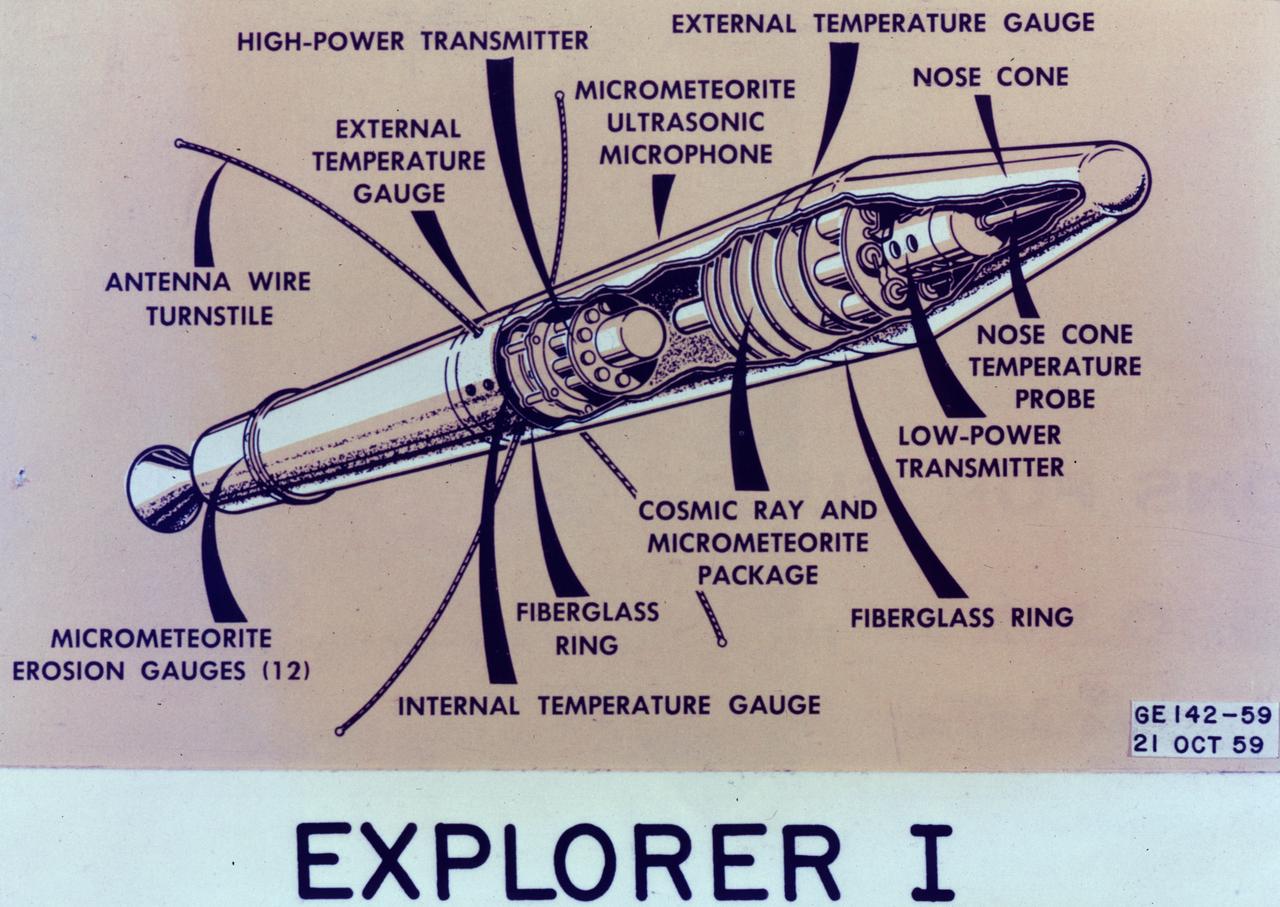
This image is a cutaway illustration of the Explorer I satellite with callouts. The Explorer I satellite was America's first scientific satellite launched aboard the Jupiter C launch vehicle on January 31, 1958. The Explorer I carried the radiation detection experiment designed by Dr. James Van Allen and discovered the Van Allen Radiation Belt.
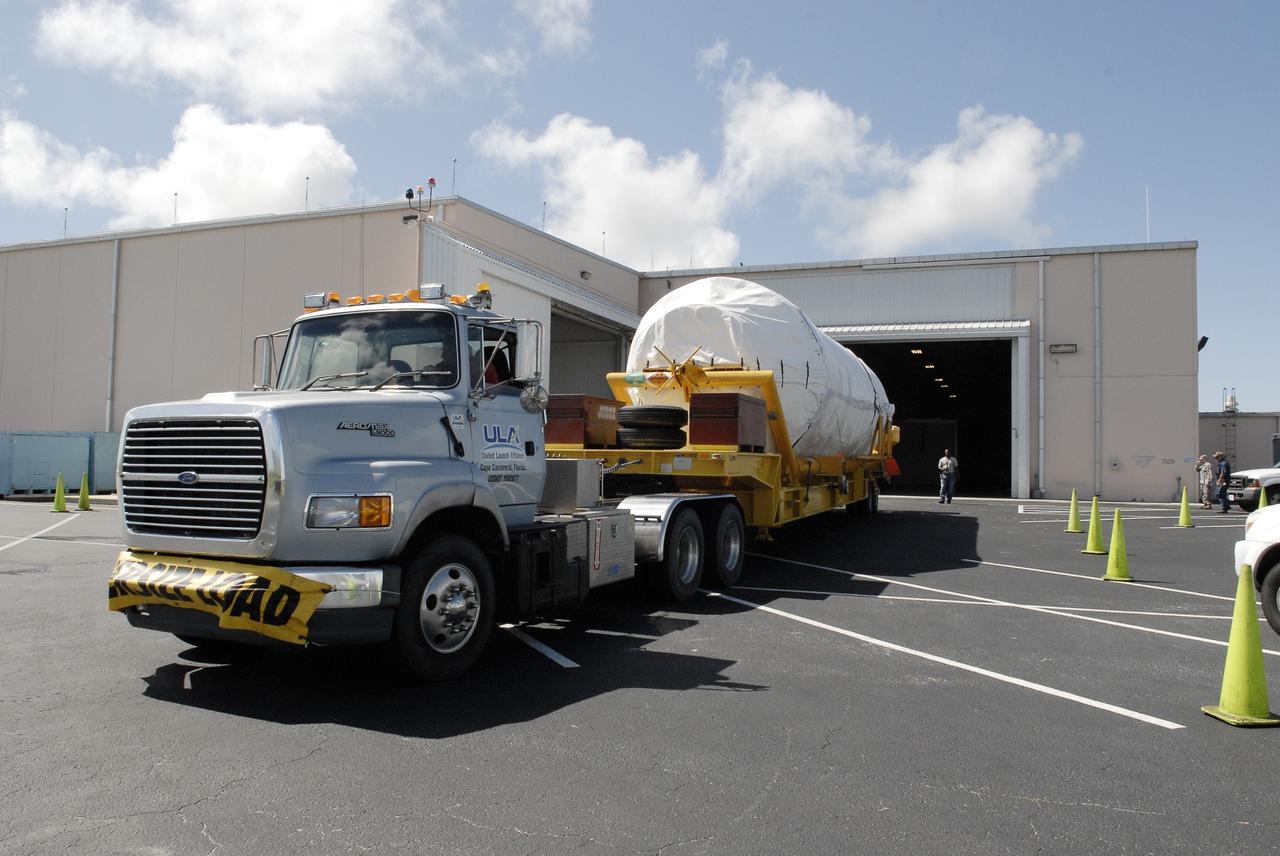
CAPE CANAVERAL, Fla. – The Centaur upper stage is moved into the Atlas Spaceflight Operations Center, or ASOC, to begin checkout for the launch of the Radiation Belt Storm Probes, or RBSP, mission. Photo credit: NASA/Charisse Nahser
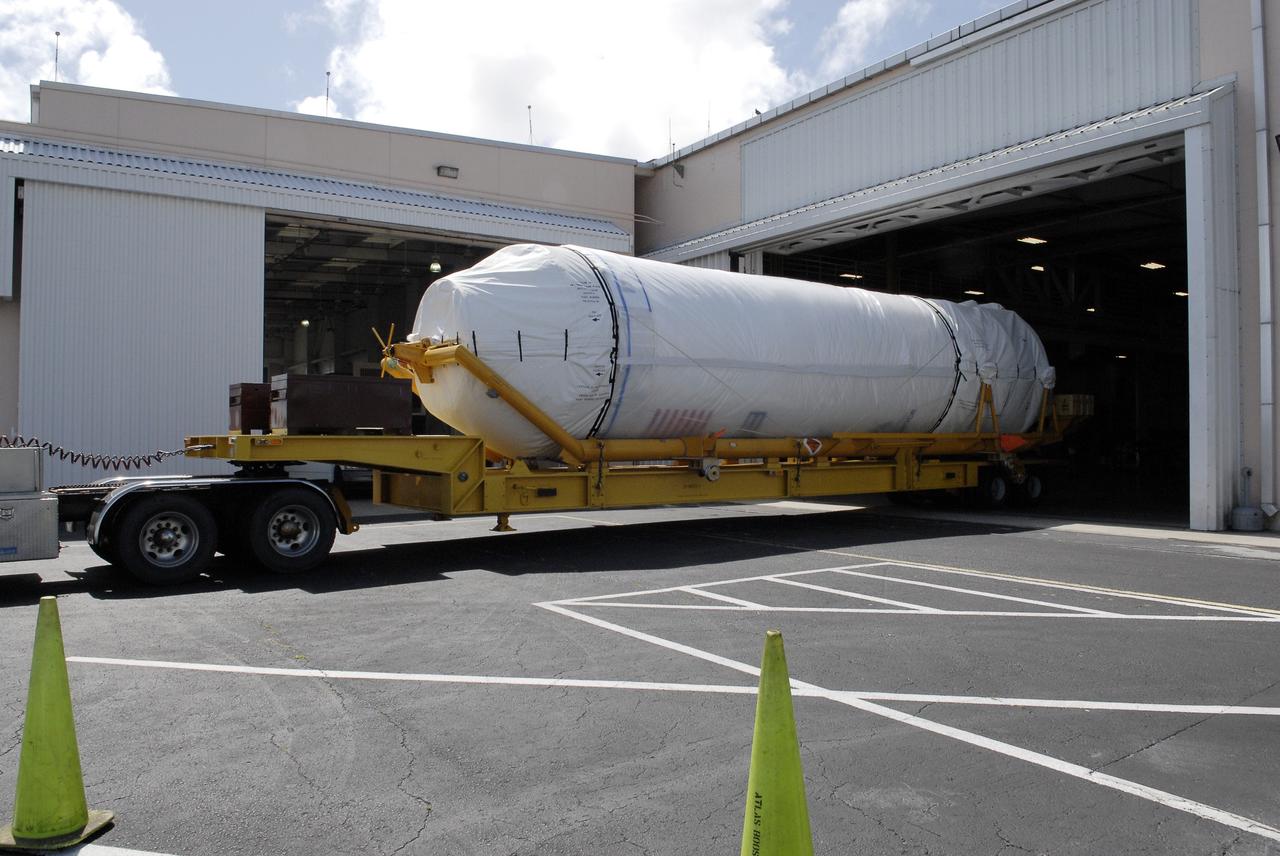
CAPE CANAVERAL, Fla. – The Centaur upper stage is moved into the Atlas Spaceflight Operations Center, or ASOC, to begin checkout for the launch of the Radiation Belt Storm Probes, or RBSP, mission. Photo credit: NASA/Charisse Nahser
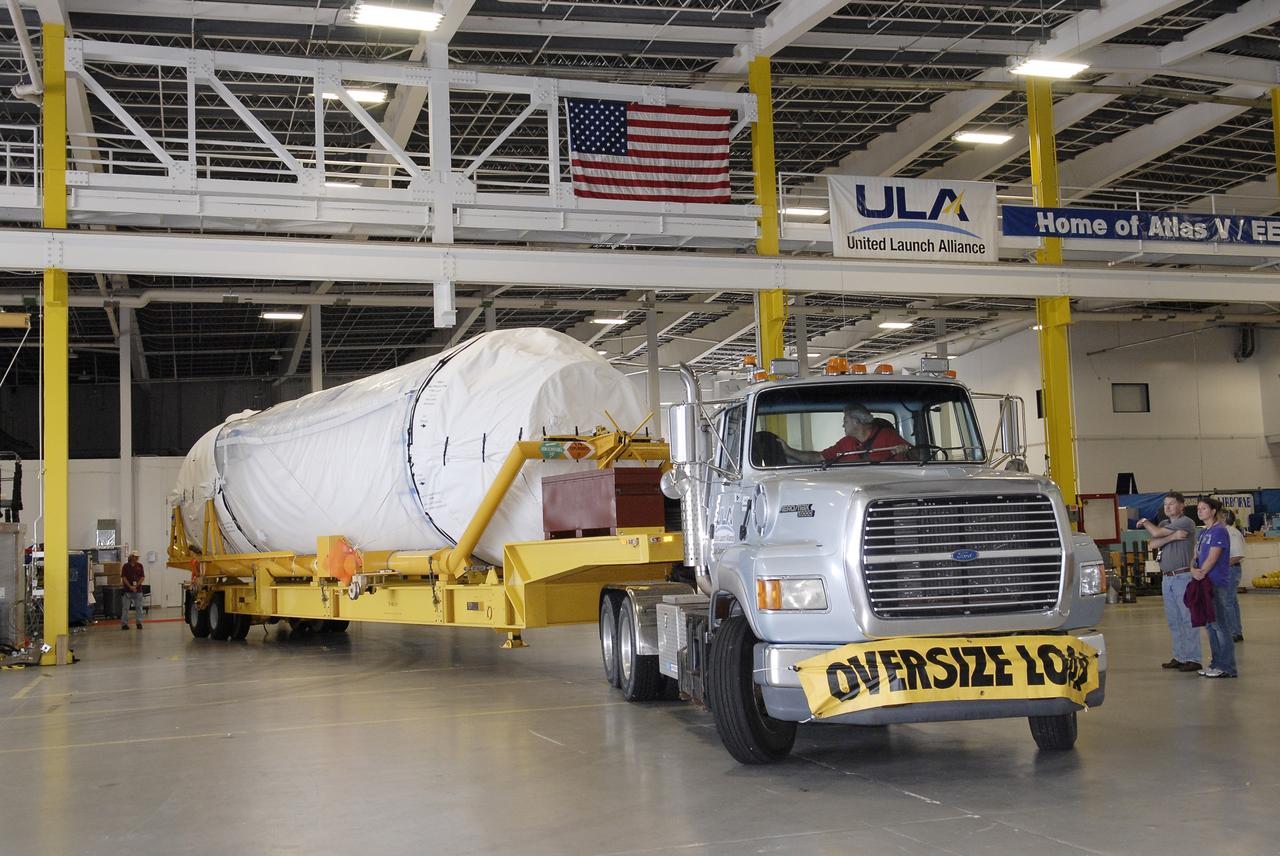
CAPE CANAVERAL, Fla. – The Centaur upper stage is moved into the Atlas Spaceflight Operations Center, or ASOC, to begin checkout for the launch of the Radiation Belt Storm Probes, or RBSP, mission. Photo credit: NASA/Charisse Nahser

CAPE CANAVERAL, Fla. - Inside the Astrotech payload processing facility near NASA’s Kennedy Space Center in Florida, from left, a technician talks to Kennedy Space Center Director Bob Cabana and NASA Administrator Charlie Bolden about the Radiation Belt Storm Probes, or RBSP, spacecraft. NASA’s RBSP mission will help us understand the sun’s influence on Earth and near-Earth space by studying the Earth’s radiation belts on various scales of space and time. As the spacecraft orbits Earth, the four solar panels will continuously face the sun to provide constant power to its instruments. The boom will provide data of the electric fields that energize radiation particles and modify the structure of the inner magnetosphere. RBSP will begin its mission of exploration of Earth’s Van Allen radiation belts and the extremes of space weather after its launch aboard a United Launch Alliance Atlas V rocket. Launch is targeted for Aug. 23. For more information, visit http://www.nasa.gov/rbsp. Photo credit: NASA/Kim Shiflett
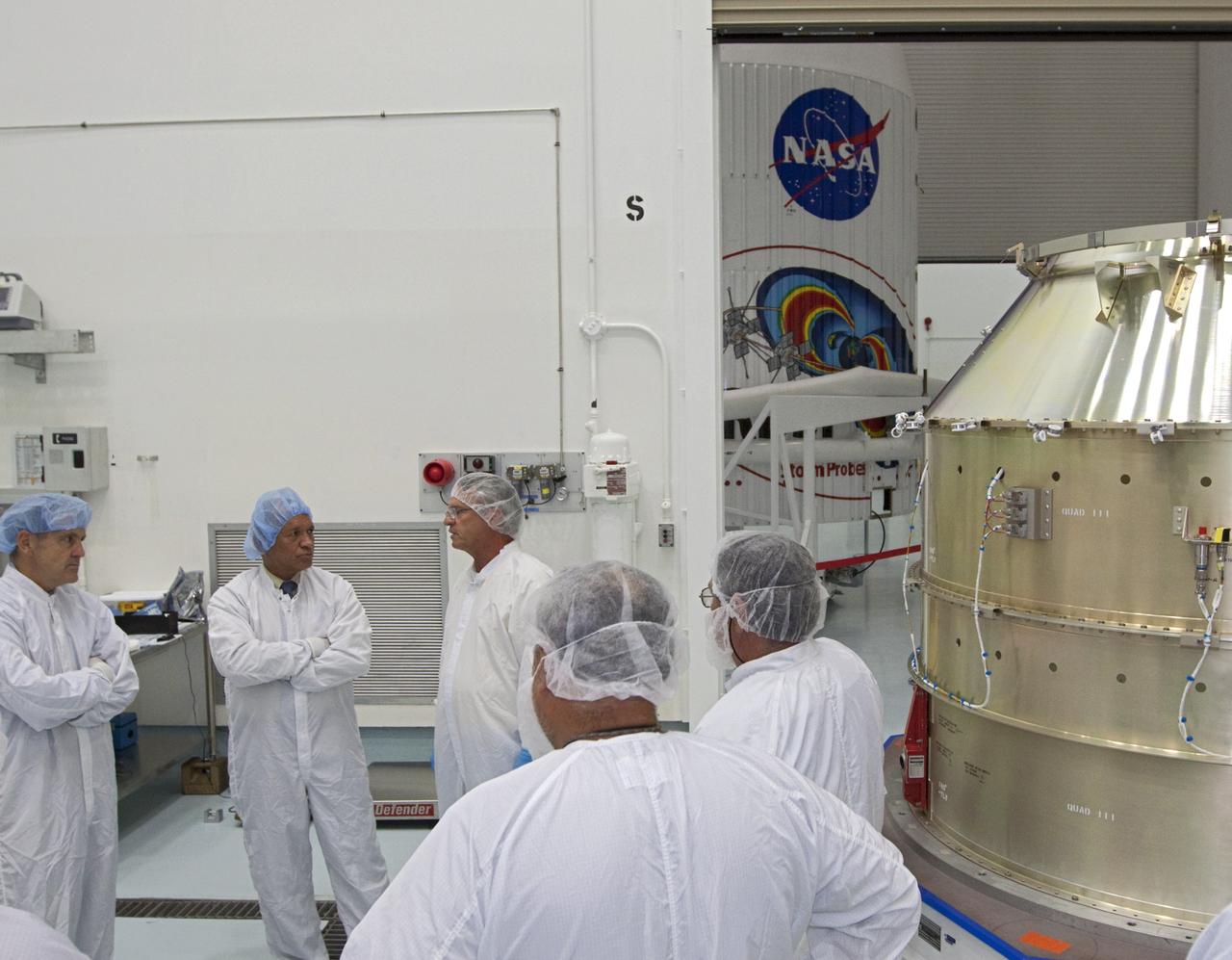
CAPE CANAVERAL, Fla. - Inside the Astrotech payload processing facility near NASA’s Kennedy Space Center in Florida, Kennedy Space Center Director Bob Cabana, left, and NASA Administrator Charlie Bolden talk to technicians about the Radiation Belt Storm Probes, or RBSP, spacecraft. NASA’s RBSP mission will help us understand the sun’s influence on Earth and near-Earth space by studying the Earth’s radiation belts on various scales of space and time. As the spacecraft orbits Earth, the four solar panels will continuously face the sun to provide constant power to its instruments. The boom will provide data of the electric fields that energize radiation particles and modify the structure of the inner magnetosphere. RBSP will begin its mission of exploration of Earth’s Van Allen radiation belts and the extremes of space weather after its launch aboard a United Launch Alliance Atlas V rocket. Launch is targeted for Aug. 23. For more information, visit http://www.nasa.gov/rbsp. Photo credit: NASA/Kim Shiflett
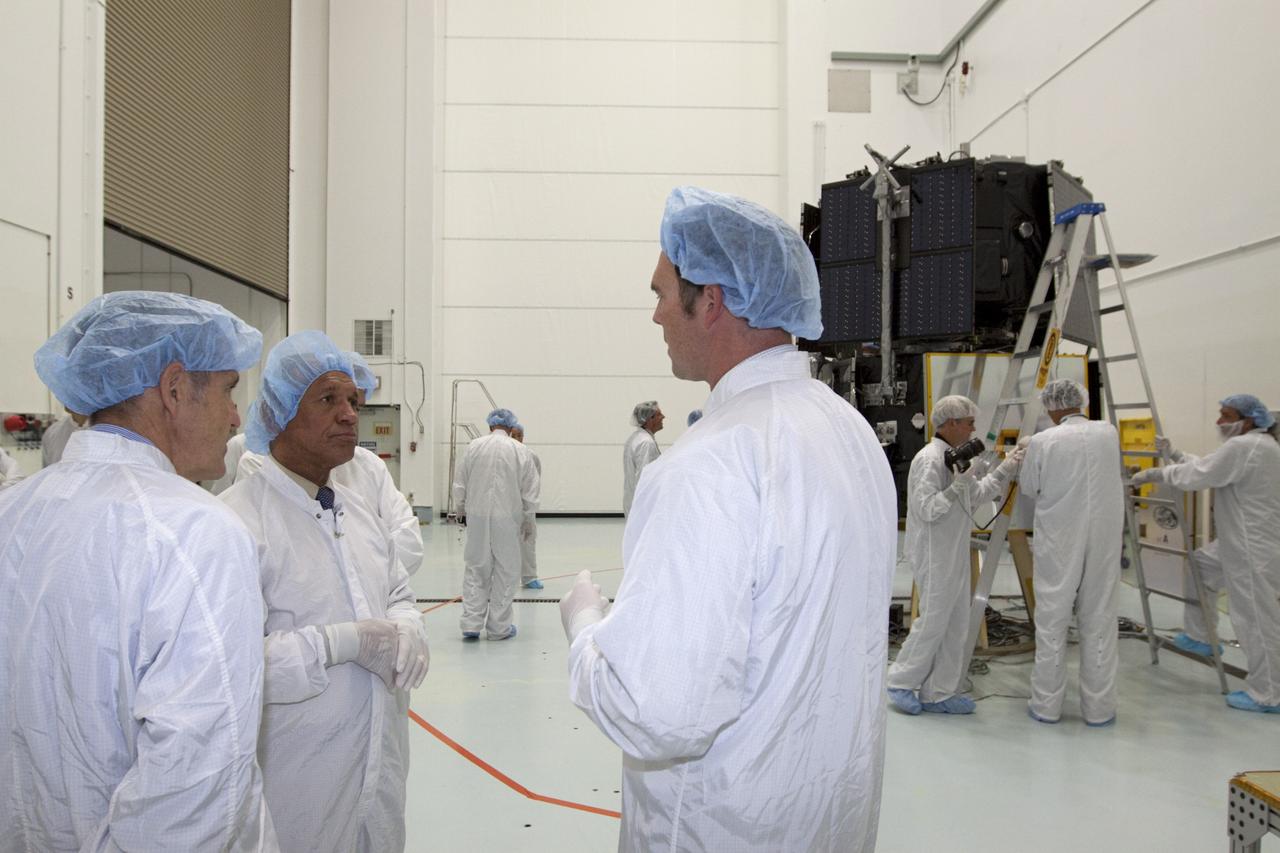
CAPE CANAVERAL, Fla. - Inside the Astrotech payload processing facility near NASA’s Kennedy Space Center in Florida, from left, Kennedy Space Center Director Bob Cabana and NASA Administrator Charlie Bolden listen as a technician talks about the Radiation Belt Storm Probes, or RBSP, spacecraft. NASA’s RBSP mission will help us understand the sun’s influence on Earth and near-Earth space by studying the Earth’s radiation belts on various scales of space and time. As the spacecraft orbits Earth, the four solar panels will continuously face the sun to provide constant power to its instruments. The boom will provide data of the electric fields that energize radiation particles and modify the structure of the inner magnetosphere. RBSP will begin its mission of exploration of Earth’s Van Allen radiation belts and the extremes of space weather after its launch aboard a United Launch Alliance Atlas V rocket. Launch is targeted for Aug. 23. For more information, visit http://www.nasa.gov/rbsp. Photo credit: NASA/Kim Shiflett

CAPE CANAVERAL, Fla. - Inside the Astrotech payload processing facility near NASA’s Kennedy Space Center in Florida, NASA Administrator Charlie Bolden, third from left, and Kennedy Space Center Director Bob Cabana, behind Bolden, tour the facility and view the Radiation Belt Storm Probes, or RBSP, spacecraft. NASA’s RBSP mission will help us understand the sun’s influence on Earth and near-Earth space by studying the Earth’s radiation belts on various scales of space and time. As the spacecraft orbits Earth, the four solar panels will continuously face the sun to provide constant power to its instruments. The boom will provide data of the electric fields that energize radiation particles and modify the structure of the inner magnetosphere. RBSP will begin its mission of exploration of Earth’s Van Allen radiation belts and the extremes of space weather after its launch aboard a United Launch Alliance Atlas V rocket. Launch is targeted for Aug. 23. For more information, visit http://www.nasa.gov/rbsp. Photo credit: NASA/Kim Shiflett
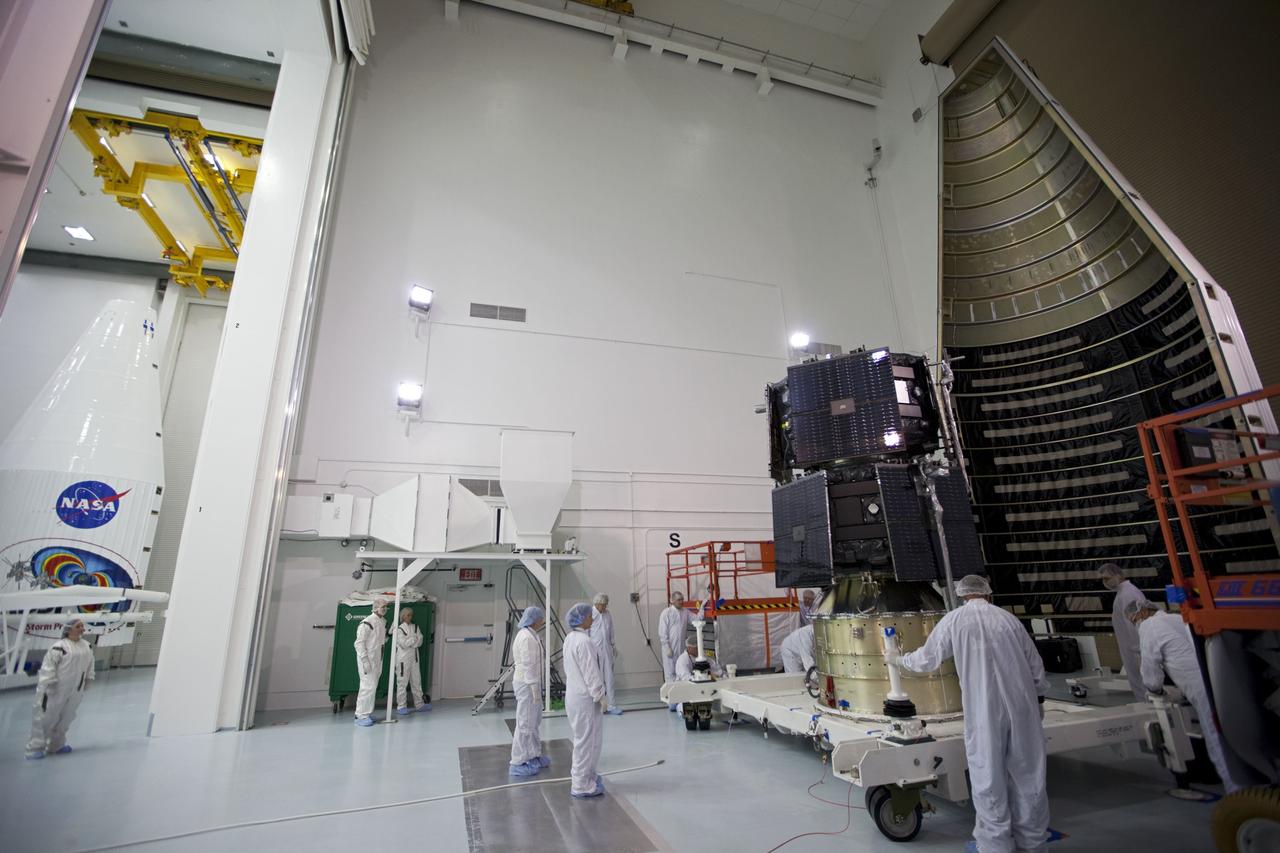
TITUSVILLE, Fla. - Inside the Astrotech payload processing facility in Titusville, Fla. near NASA’s Kennedy Space Center, technicians move the two Radiation Belt Storm Probes, or RBSP, spacecraft into position for encapsulation with one half of the payload faring. The other half is seen in the left background. The fairing will house and protect the RBSP during liftoff and flight through the atmosphere aboard an Atlas V rocket. NASA’s RBSP mission will help us understand the sun’s influence on Earth and near-Earth space by studying the Earth’s radiation belts on various scales of space and time. RBSP will begin its mission of exploration of Earth’s Van Allen radiation belts and the extremes of space weather after its liftoff aboard a United Launch Alliance Atlas V from Space Launch Complex 41 at Cape Canaveral Air Force Station, Fla. Liftoff is targeted for Aug. 23, 2012. For more information, visit http://www.nasa.gov/rbsp. Photo credit: NASA/ Kim Shiflett
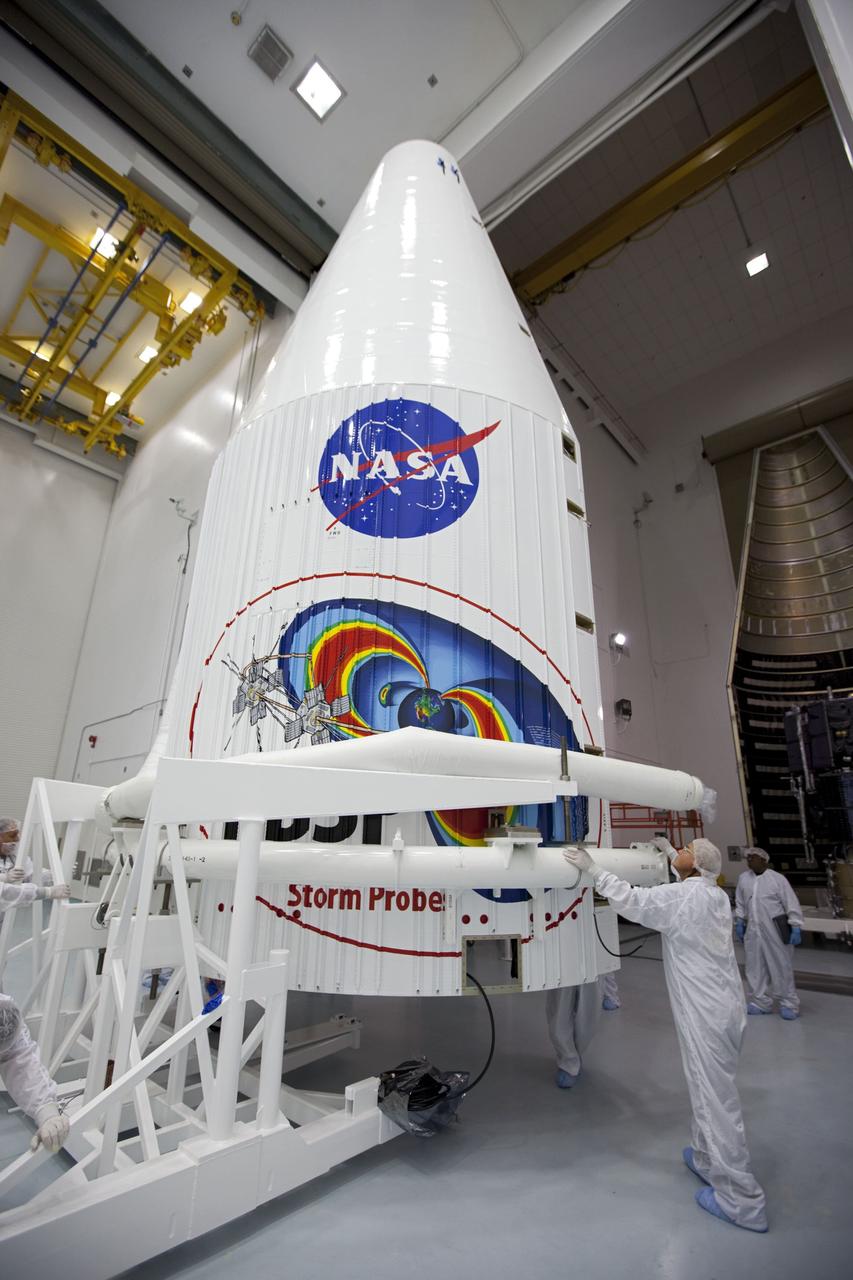
TITUSVILLE, Fla. - Inside the Astrotech payload processing facility in Titusville, Fla. near NASA’s Kennedy Space Center, technicians move one half of the payload faring into position for encapsulation with the two Radiation Belt Storm Probes, or RBSP, spacecraft. The other half, with the RSBP in position, is seen in the background to the right. The fairing will house and protect the RBSP during liftoff and flight through the atmosphere aboard an Atlas V rocket. NASA’s RBSP mission will help us understand the sun’s influence on Earth and near-Earth space by studying the Earth’s radiation belts on various scales of space and time. RBSP will begin its mission of exploration of Earth’s Van Allen radiation belts and the extremes of space weather after its liftoff aboard a United Launch Alliance Atlas V from Space Launch Complex 41 at Cape Canaveral Air Force Station, Fla. Liftoff is targeted for Aug. 23, 2012. For more information, visit http://www.nasa.gov/rbsp. Photo credit: NASA/ Kim Shiflett
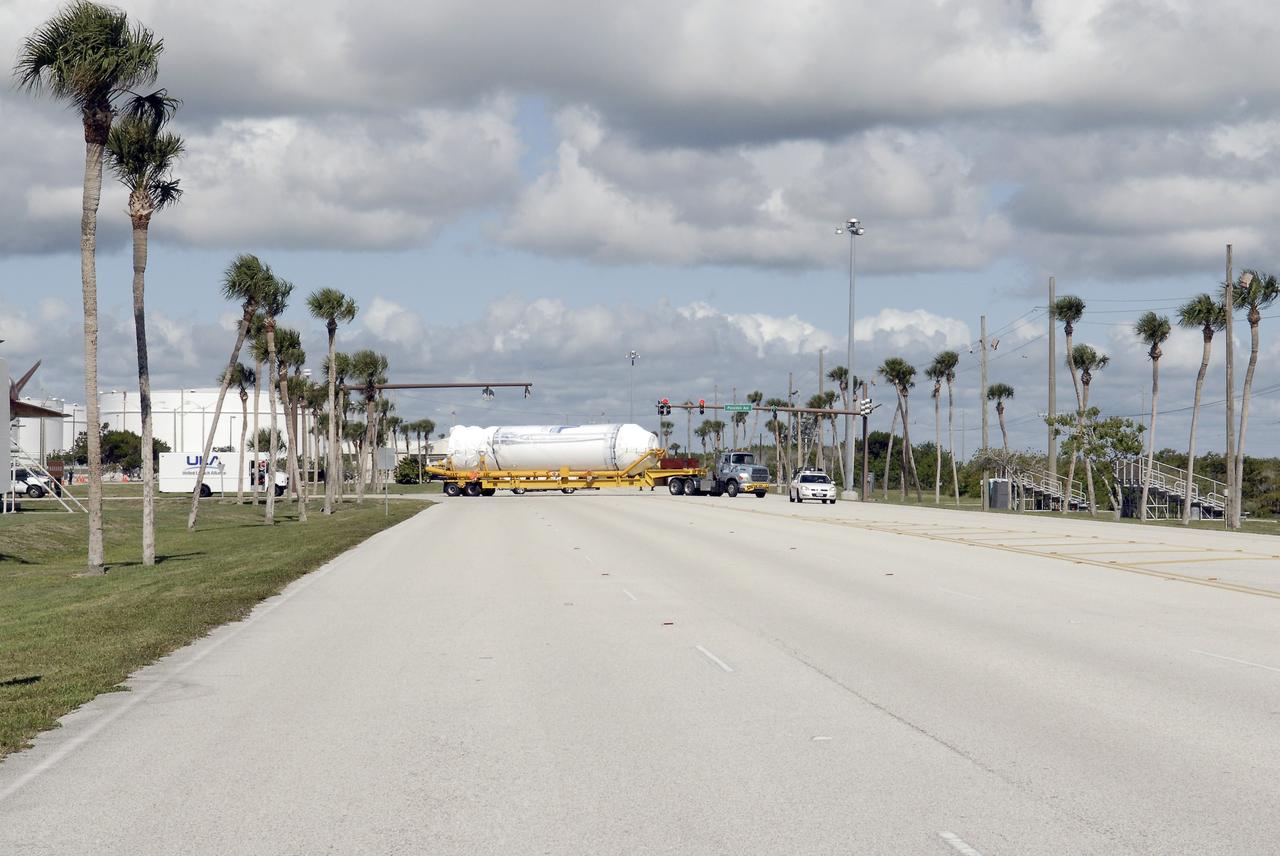
CAPE CANAVERAL, Fla. – The Centaur upper stage is taken from Port Canaveral to the Atlas Spaceflight Operations Center, or ASOC, to begin checkout for the launch of the Radiation Belt Storm Probes, or RBSP, mission. Photo credit: NASA/Charisse Nahser
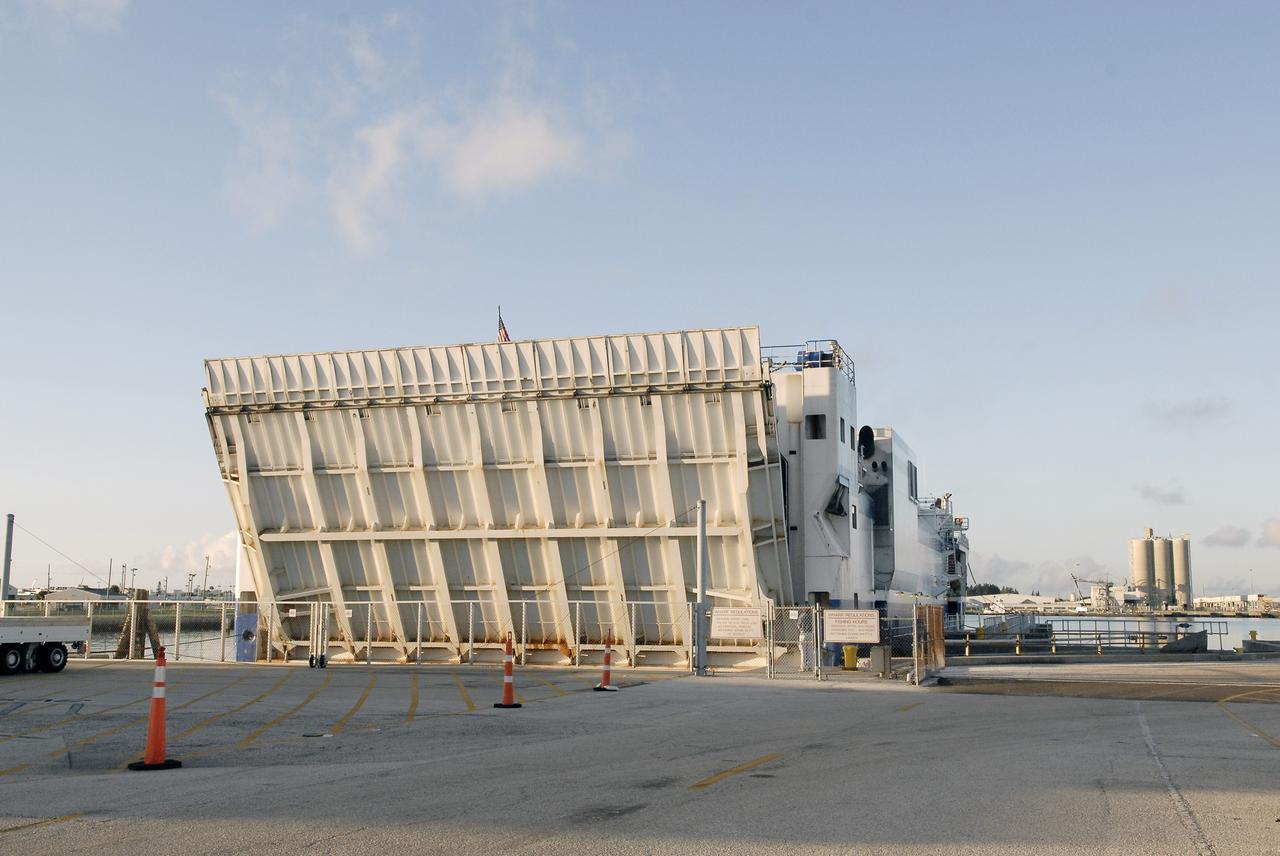
CAPE CANAVERAL, Fla. – The Delta Mariner arrives at Port Canaveral carrying the Centaur upper stage destined to help launch the Radiation Belt Storm Probes, or RBSP, mission. The upper stage was removed from the ship and taken to the Atlas Spaceflight Operations Center, or ASOC, to begin checkout for the launch. Photo credit: NASA/Charisse Nahser
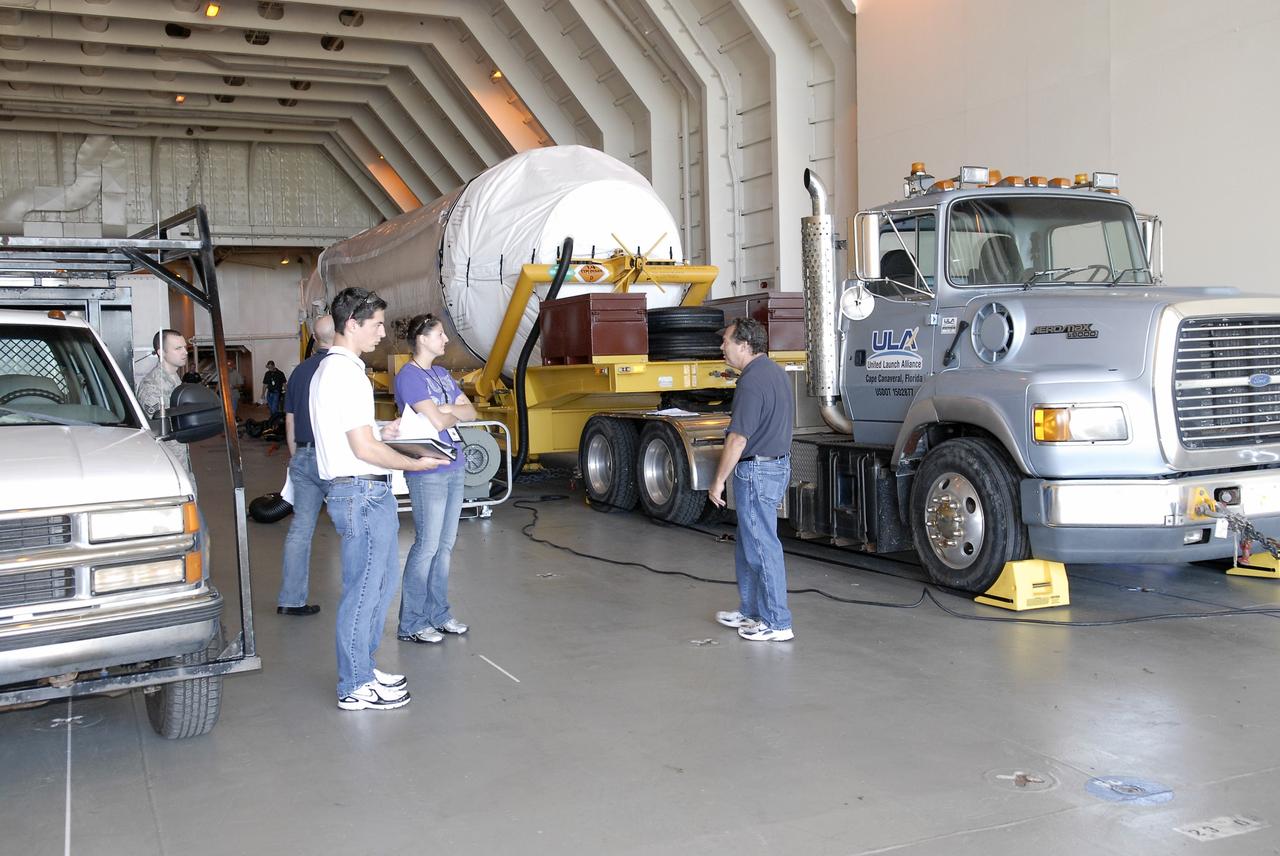
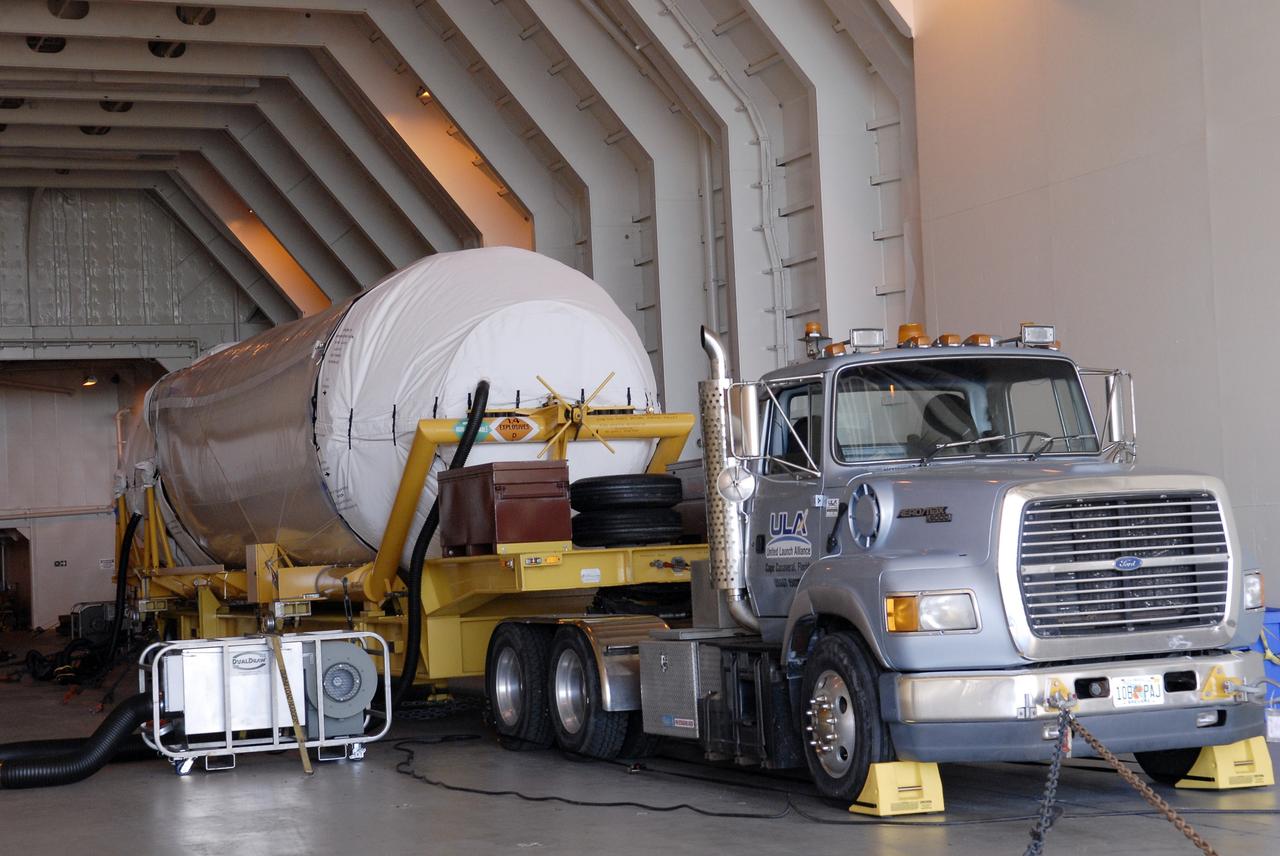
CAPE CANAVERAL, Fla. – The Centaur upper stage sits on its transport trailer inside the Delta Mariner at Port Canaveral as crews prepare to move it from the ship to the Atlas Spaceflight Operations Center, or ASOC, to begin checkout for the launch of the Radiation Belt Storm Probes, or RBSP, mission. Photo credit: NASA/Charisse Nahser
The Delta Mariner arrives at Port Canaveral carrying the Centaur upper stage destined to help launch the Radiation Belt Storm Probes, or RBSP, mission. The upper stage was removed from the ship and taken to the Atlas Spaceflight Operations Center, or ASOC, to begin checkout for the launch. Photo credit: NASA/Charisse Nahser
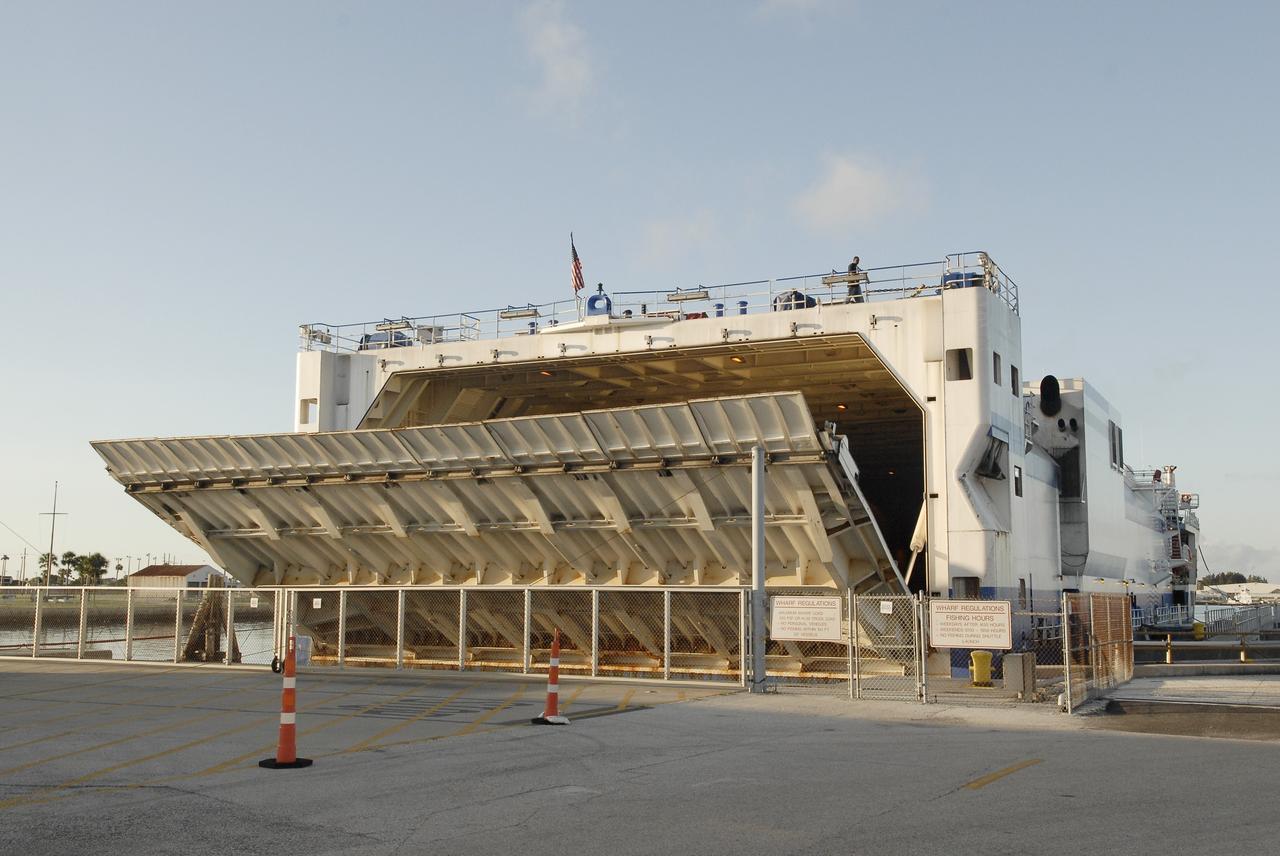
The Delta Mariner arrives at Port Canaveral carrying the Centaur upper stage destined to help launch the Radiation Belt Storm Probes, or RBSP, mission. The upper stage was removed from the ship and taken to the Atlas Spaceflight Operations Center, or ASOC, to begin checkout for the launch. Photo credit: NASA/Charisse Nahser
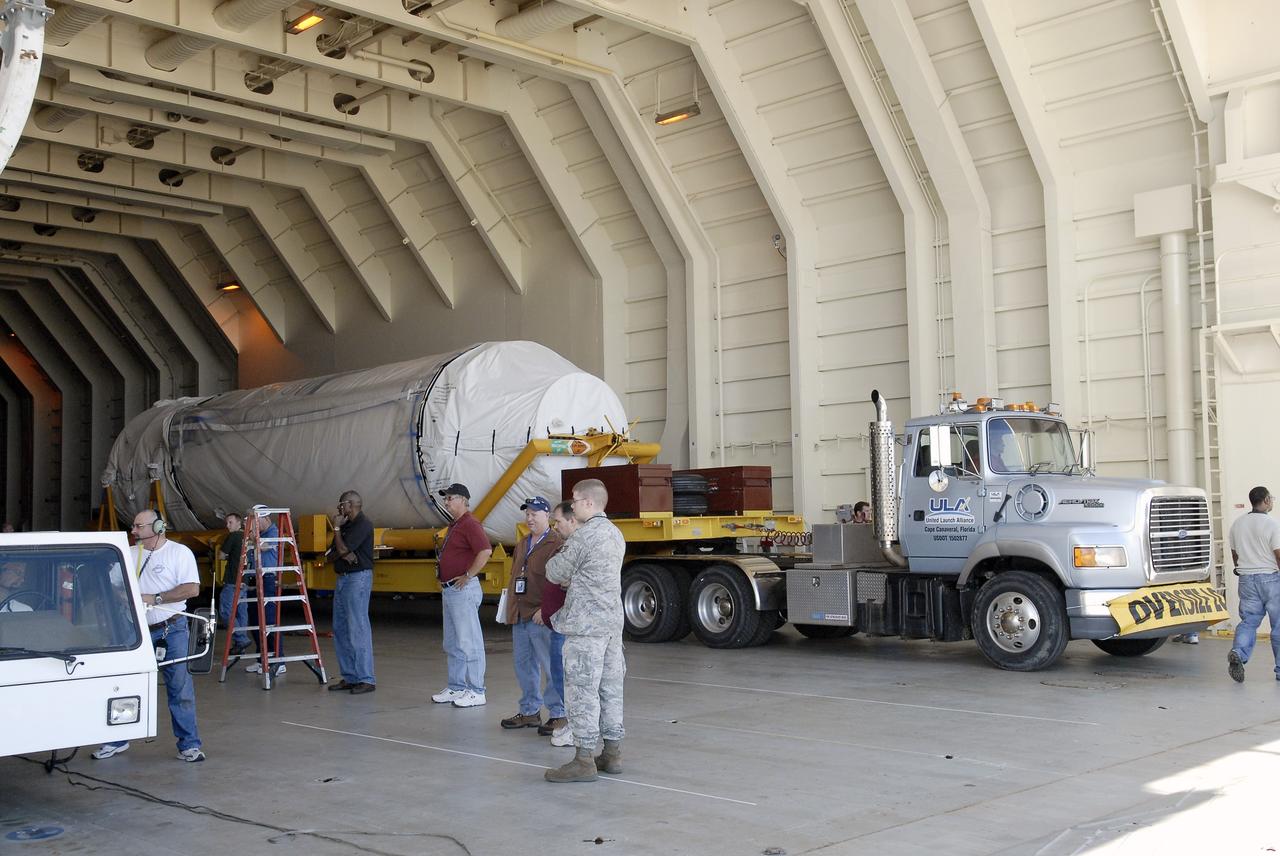
CAPE CANAVERAL, Fla. – The Centaur upper stage sits on its transport trailer inside the Delta Mariner at Port Canaveral as crews prepare to move it from the ship to the Atlas Spaceflight Operations Center, or ASOC, to begin checkout for the launch of the Radiation Belt Storm Probes, or RBSP, mission. Photo credit: NASA/Charisse Nahser
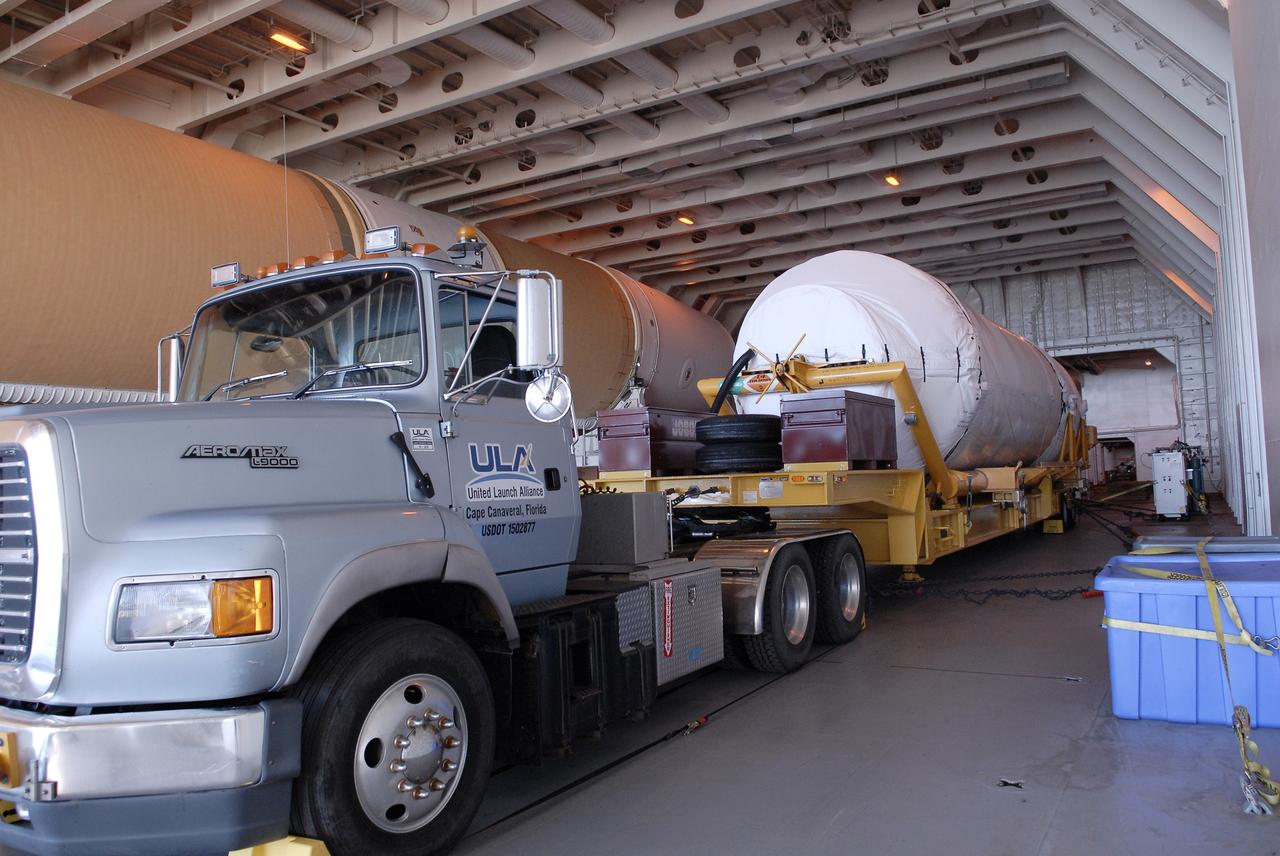
CAPE CANAVERAL, Fla. – The Centaur upper stage sits on its transport trailer inside the Delta Mariner at Port Canaveral. The upper stage is destined to help launch the Radiation Belt Storm Probes, or RBSP, mission. It was removed from the ship and taken to the Atlas Spaceflight Operations Center, or ASOC, to begin checkout for the launch. Photo credit: NASA/Charisse Nahser
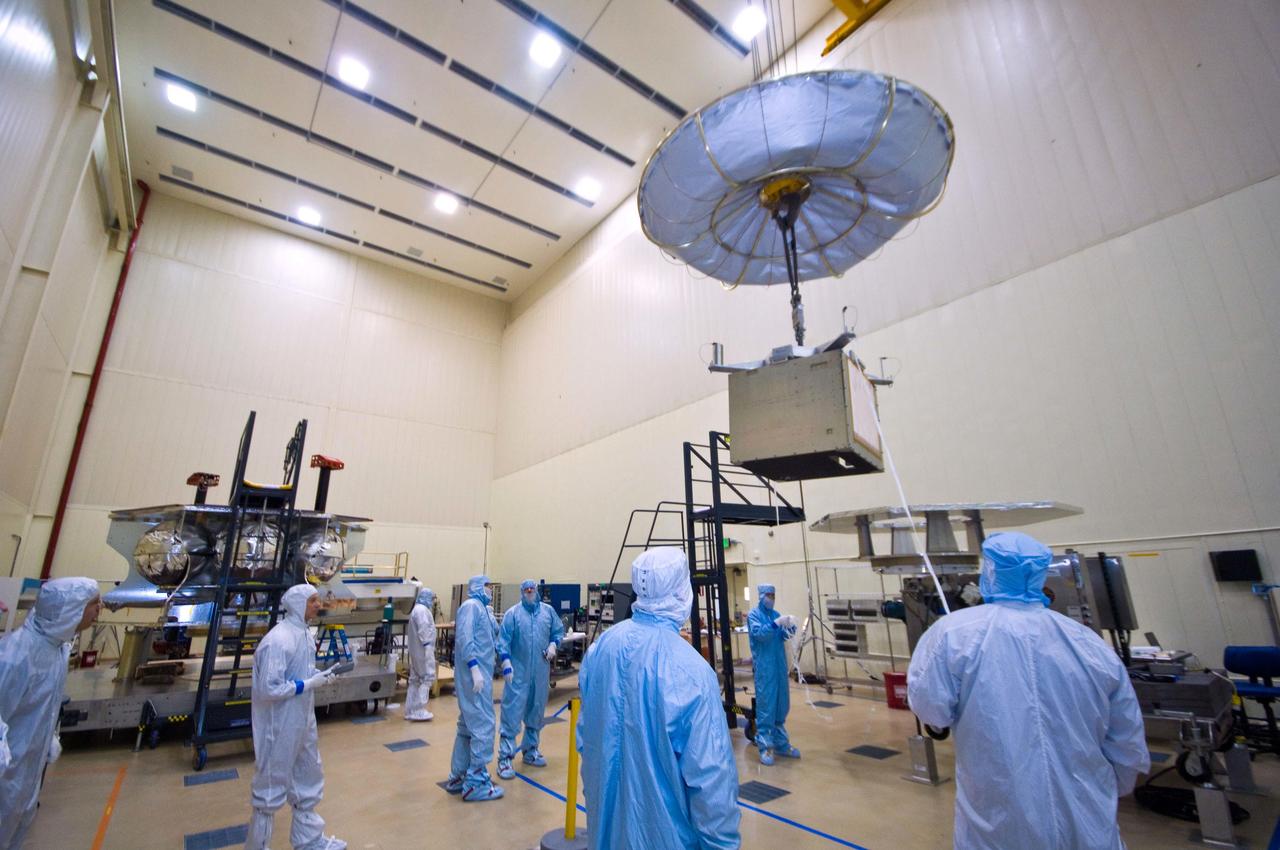
Assembly began April 1, 2010, for NASA Juno spacecraft. Workers at Lockheed Martin Space Systems in Denver, Colorado are moving into place the vault that will protect the spacecraft sensitive electronics from Jupiter intense radiation belts.
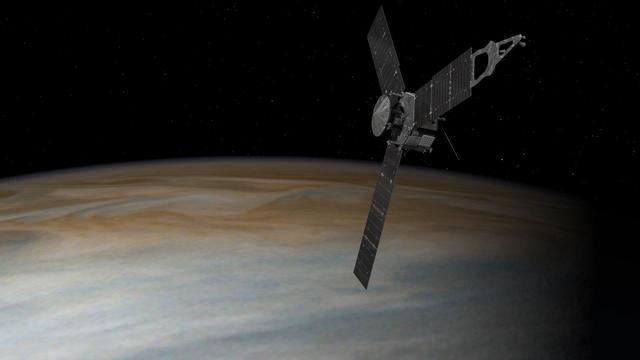
This illustration depicts NASA's Juno spacecraft in orbit above Jupiter. From its unique polar orbit, Juno will repeatedly dive between the planet and its intense belts of charged particle radiation. http://photojournal.jpl.nasa.gov/catalog/PIA20704