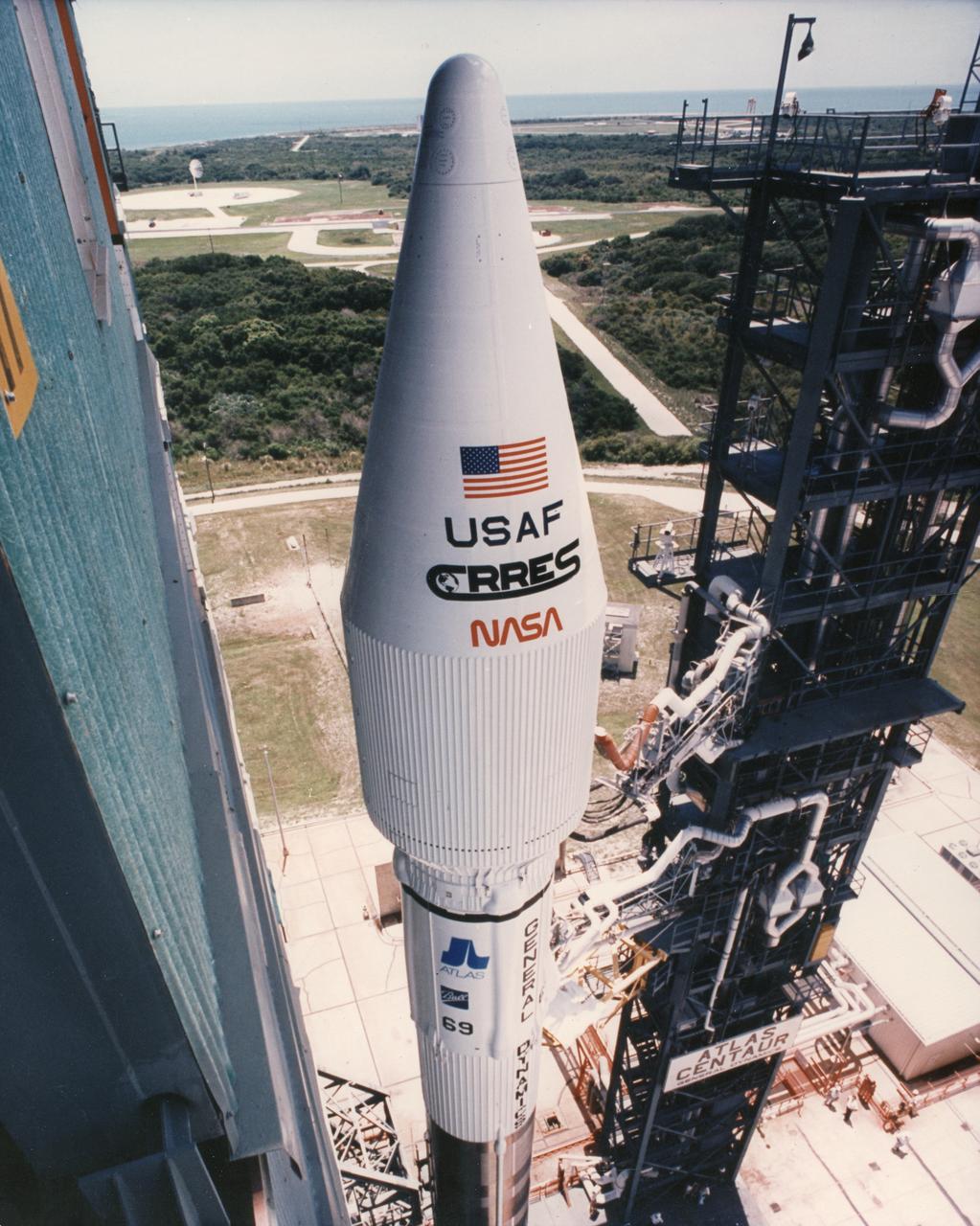
In July 1990, the Marshall Space Flight Center, in a joint project with the Department of Defense/Air Force Space Test Program, launched the Combined Release and Radiation Effects Satellite (CRRES) using an Atlas I launch vehicle. The mission was designed to study the effects of artificial ion clouds produced by chemical releases on the Earth's ionosphere and magnetosphere, and to monitor the effects of space radiation environment on sophisticated electronics.
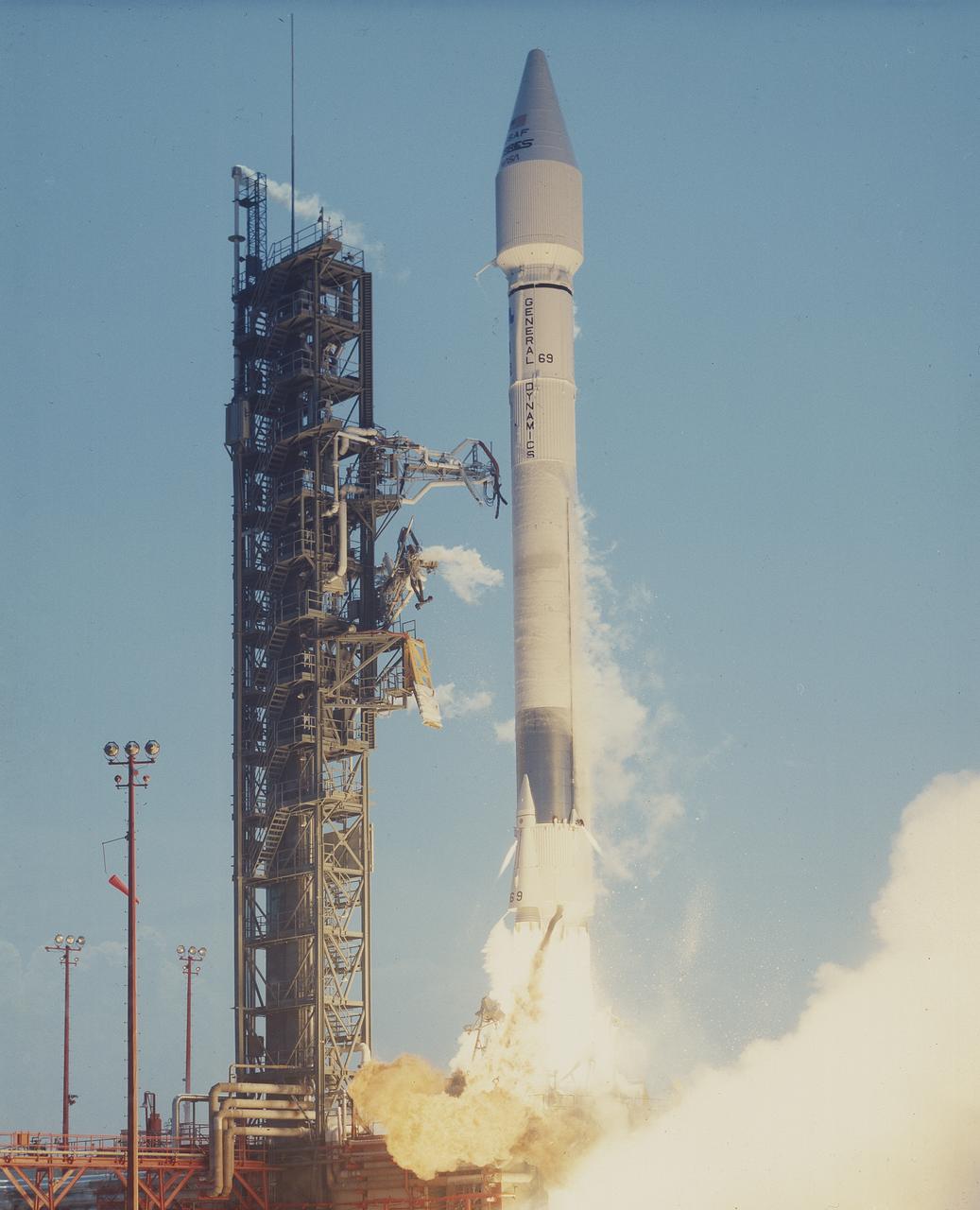
An Atlas Centaur rocket (AC-S9) was launched from Cape Canaveral Air Force Station complex 36B carrying into orbit the Combined Release and Radiation Effects Satellite (CRRES) spacecraft. CRRES was a joint NASA/Air Force mission to study the effects of chemical release on the Earth’s atmosphere and magnetosphere.
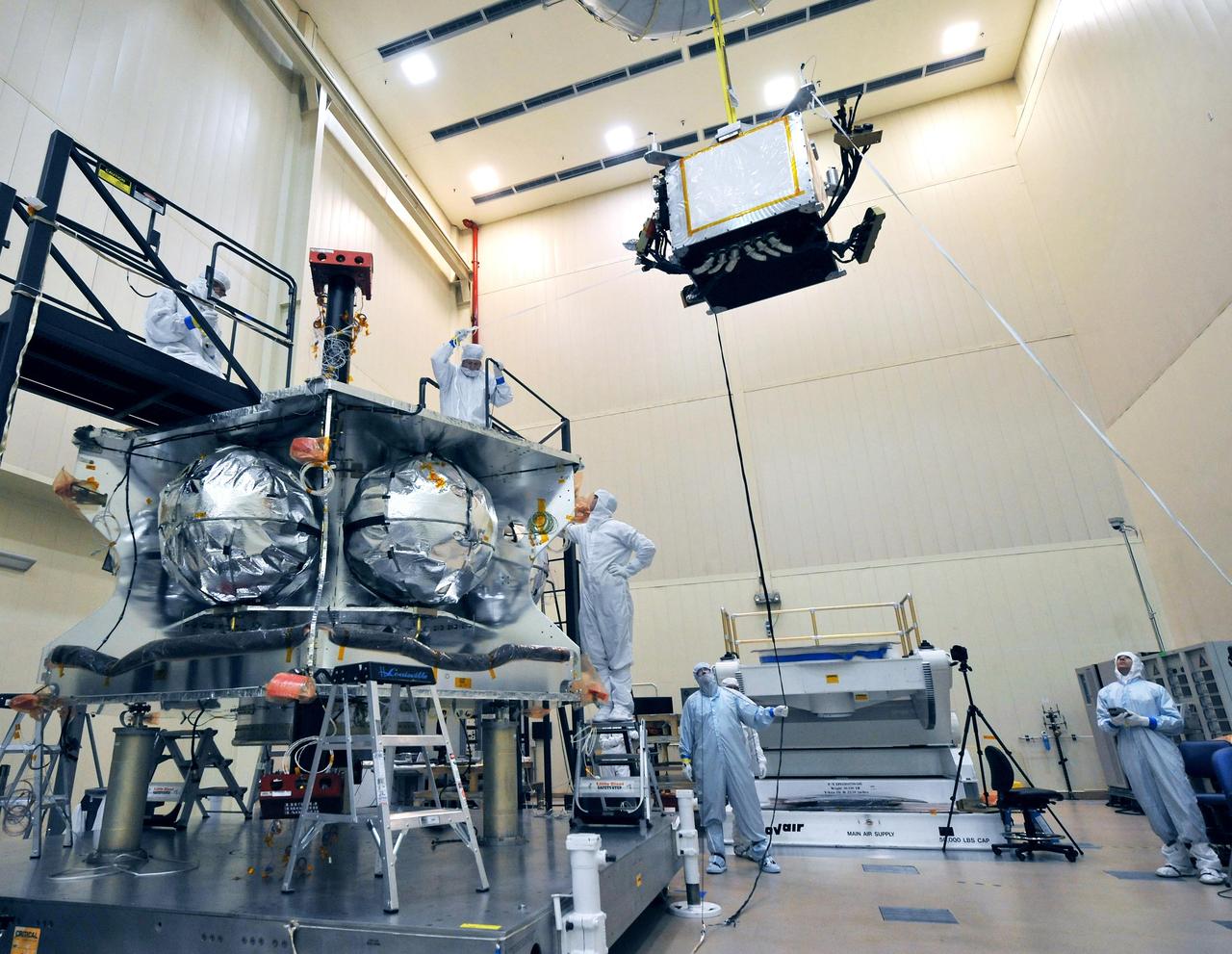
Technicians lowered a special radiation vault onto the propulsion module of NASA Juno spacecraft. The vault will dramatically slow the aging effect radiation has on the electronics for the duration of the mission.
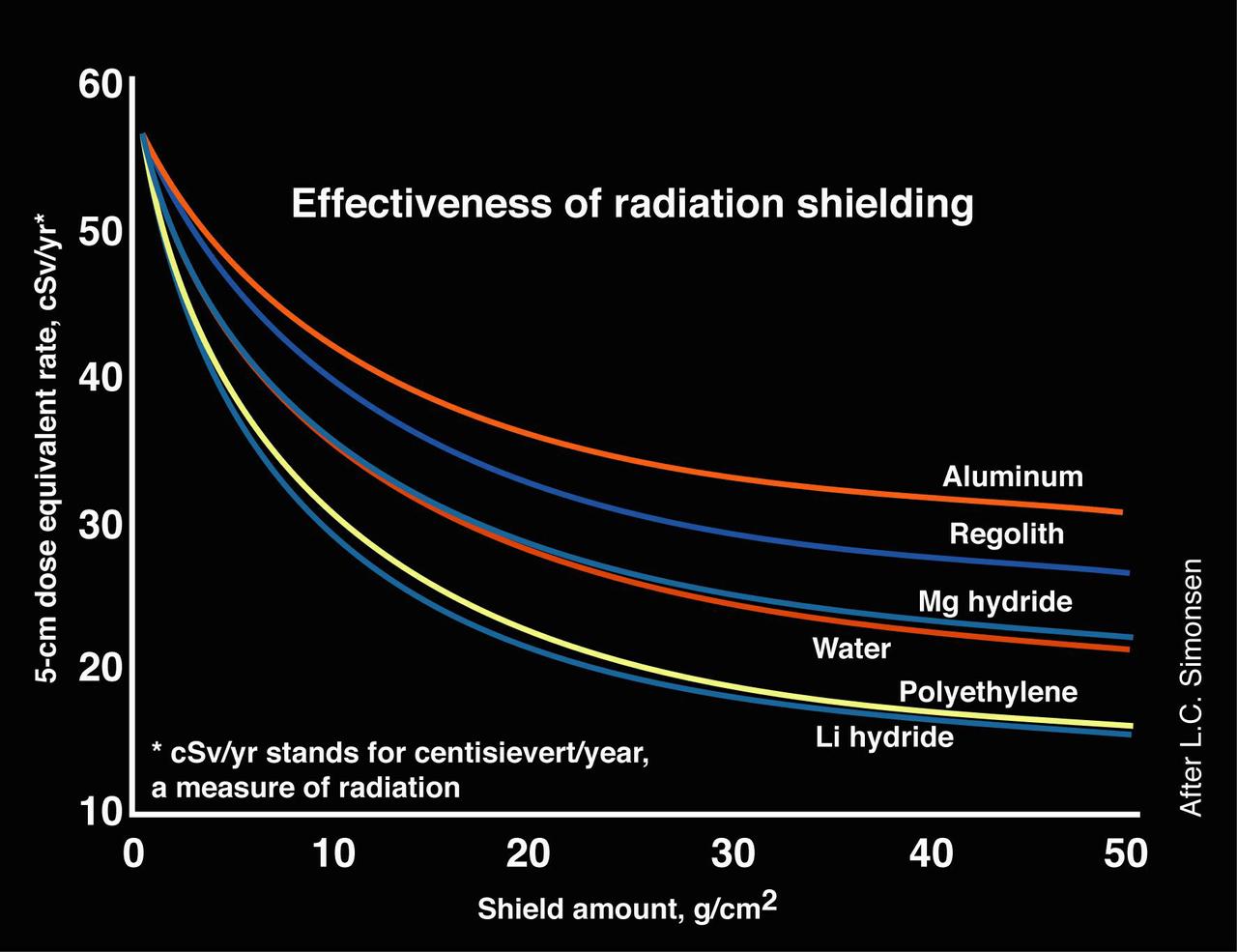
Materials with a smaller mean atomic mass, such as lithium (Li) hydride and polyethylene, make the best radiation shields for astronauts. The materials have a higher density of nuclei and are better able to block incoming radiation. Also, they tend to produce fewer and less dangerous secondary particles after impact with incoming radiation.
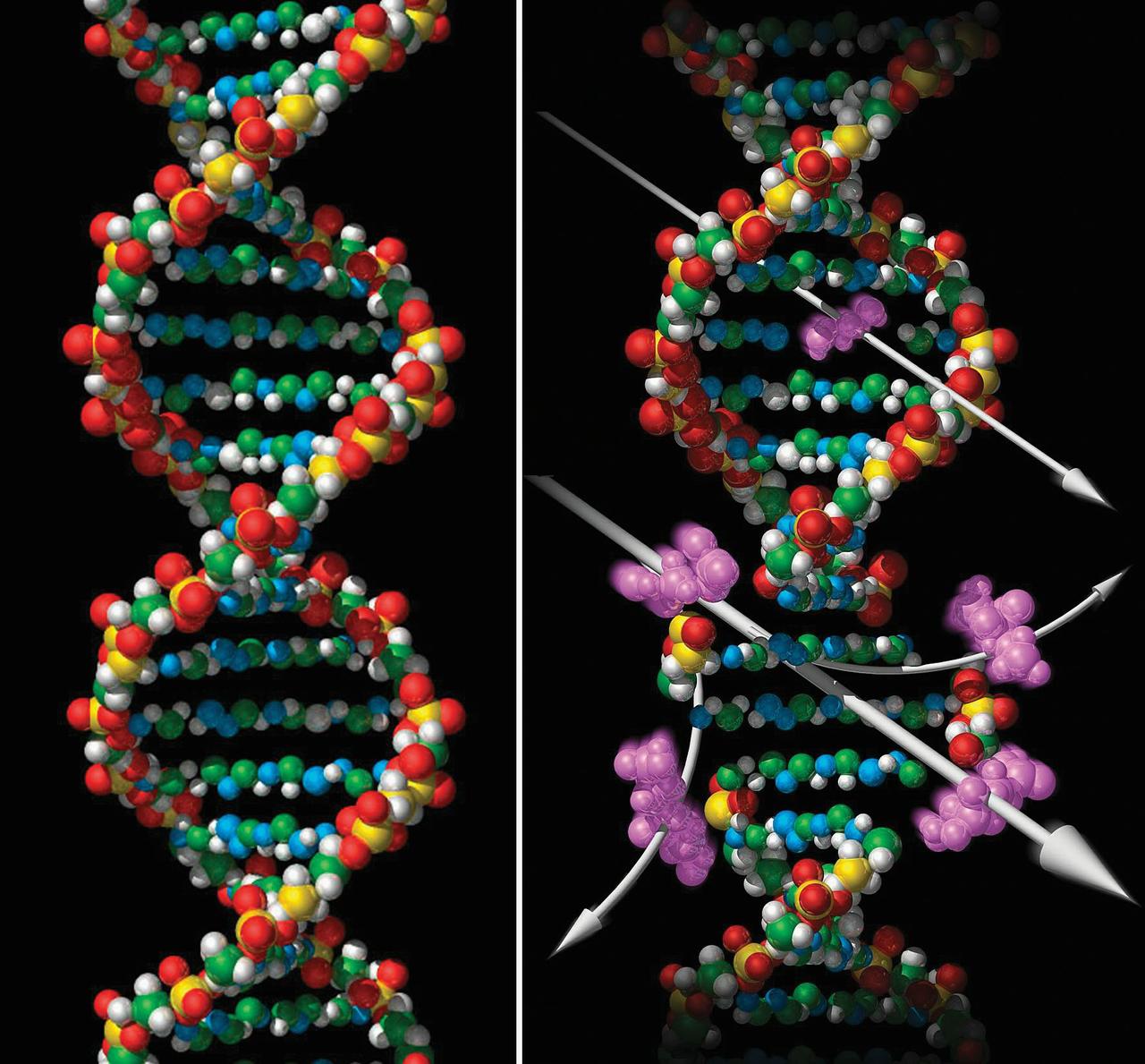
The blueprint of life, DNA's double helix is found in the cells of everything from bacteria to astronauts. Exposure to radiation(depicted at right) such as X-rays (upper) or heavy ion particles (lower), can damage DNA and cause dire consequences both to the organism itself and to future generations. One of NASA's main goals is to develop better radiation shielding materials to protect astronauts from destructive radiation in space. This is particularly important for long space missions. NASA has selected researchers to study materials that provide better shielding. This research is managed by NASA's Office of Biological and Physical Research and is supported by the Microgravity Science and Applications Department at NASA's Marshall Center. During International Space Station Expedition Six, the Extravehicular Activity Radiation Monitoring (EVARM) will continue to measure radiation dosage encountered by the eyes, internal organs and skin during specific spacewalks, and relate it to the type of activity, location and other factors. An analysis of this information may be useful in mitigating potential exposure to space walkers in the future. (Illustration by Dr. Frank Cucinotta, NASA/Johnson Space Center, and Prem Saganti, Lockheed Martin)
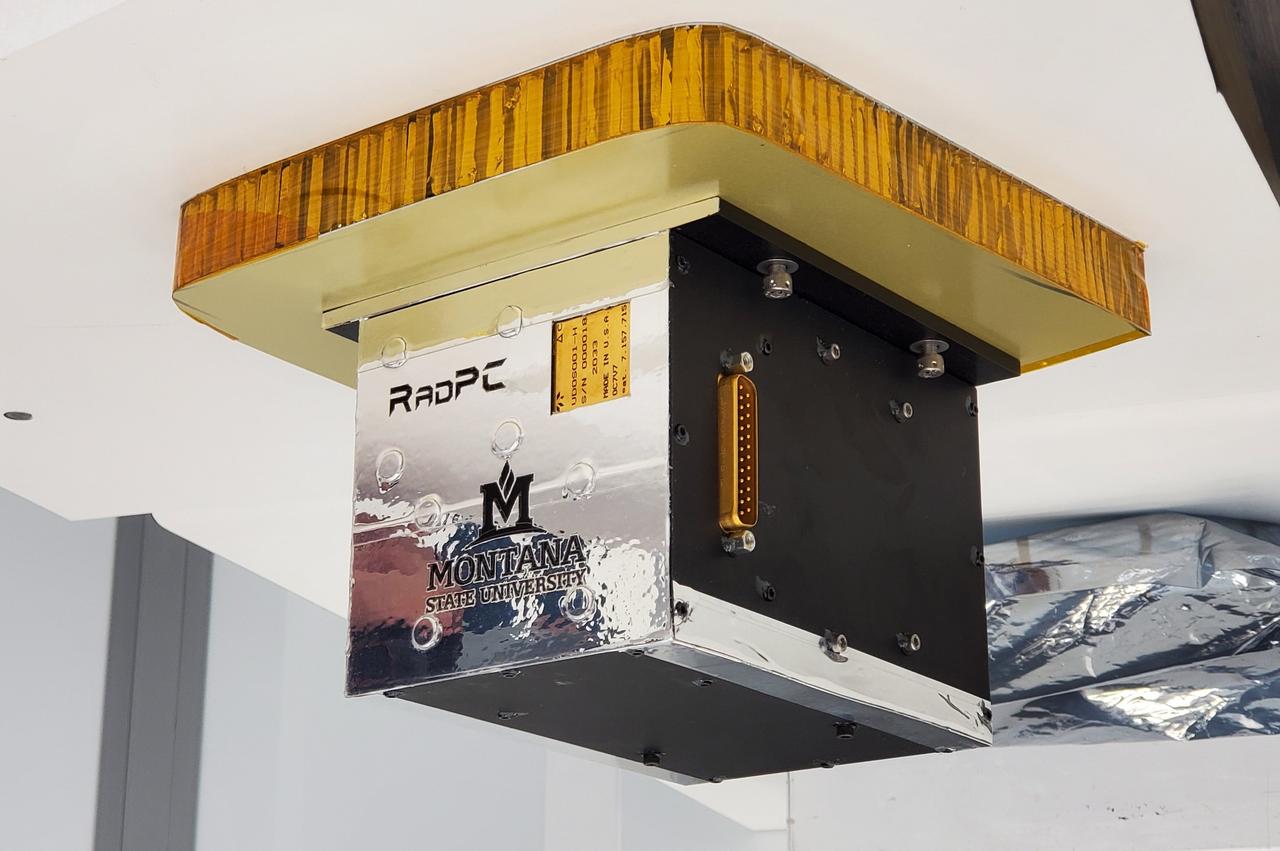
A technology demonstration flying aboard the next delivery for NASA’s CLPS (Commercial Lunar Payload Services) initiative could help mitigate radiation effects on computers in space. Radiation Tolerant Computer, or RadPC, is one of 10 payloads set to be carried to the Moon by the Blue Ghost 1 lunar lander in 2025. Developed by Montana State University in Bozeman, RadPC is designed designed to demonstrate computer recovery from faults caused by single-event effects of ionizing radiation. Investigations and demonstrations, such as RadPC, launched on CLPS flights will help NASA study Earth’s nearest neighbor under Artemis and pave the way for future crewed missions on the Moon. NASA’s Marshall Space Flight Center in Huntsville, Alabama, manages the development for seven of the 10 CLPS payloads that will be carried on Firefly’s Blue Ghost lunar lander.
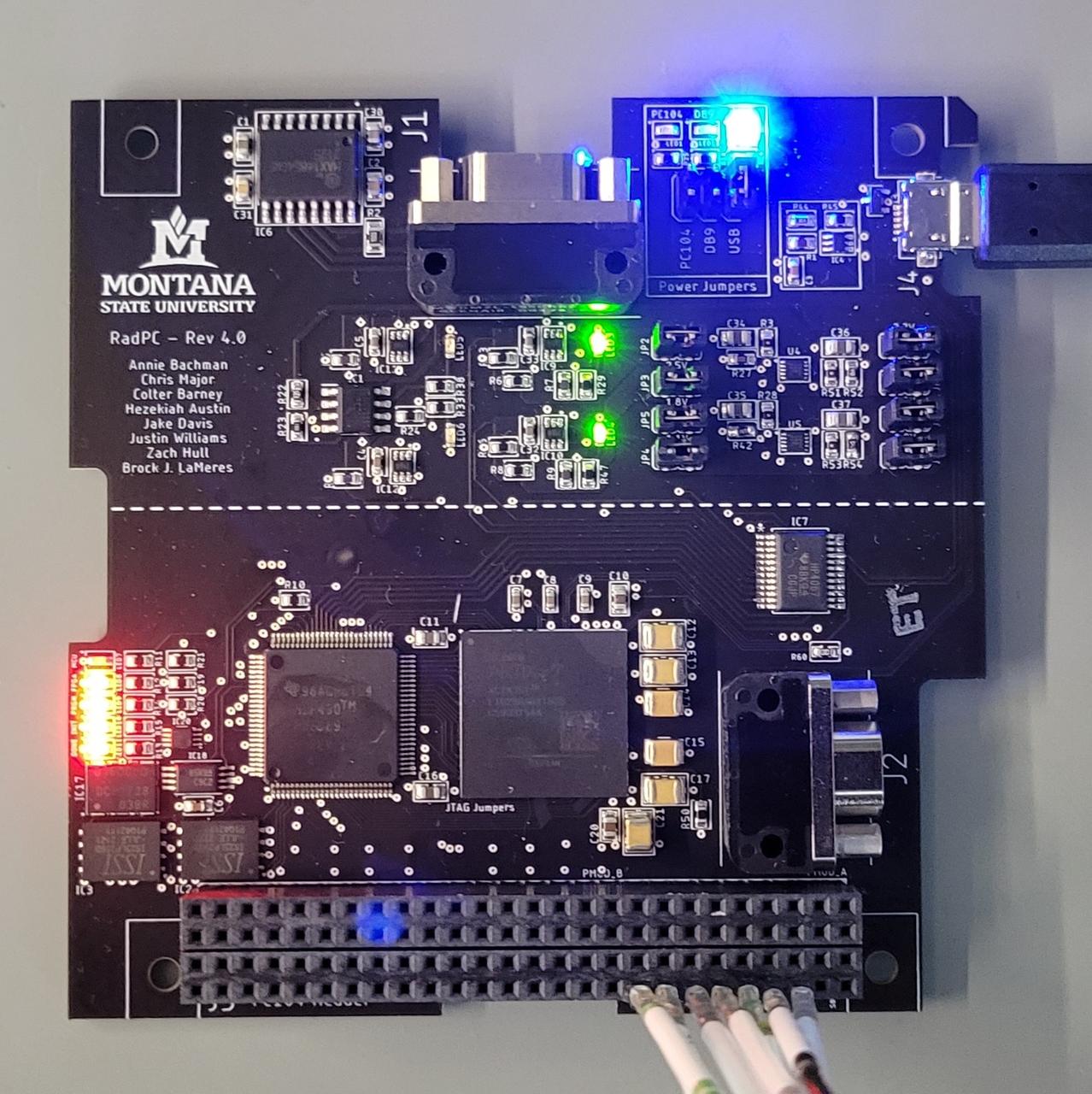
A technology demonstration flying aboard the next delivery for NASA’s CLPS (Commercial Lunar Payload Services) initiative could help mitigate radiation effects on computers in space. Radiation Tolerant Computer, or RadPC, is one of 10 payloads set to be carried to the Moon by the Blue Ghost 1 lunar lander in 2025. Developed by Montana State University in Bozeman, RadPC is designed designed to demonstrate computer recovery from faults caused by single-event effects of ionizing radiation. Investigations and demonstrations, such as RadPC, launched on CLPS flights will help NASA study Earth’s nearest neighbor under Artemis and pave the way for future crewed missions on the Moon. NASA’s Marshall Space Flight Center in Huntsville, Alabama, manages the development for seven of the 10 CLPS payloads that will be carried on Firefly’s Blue Ghost lunar lander.
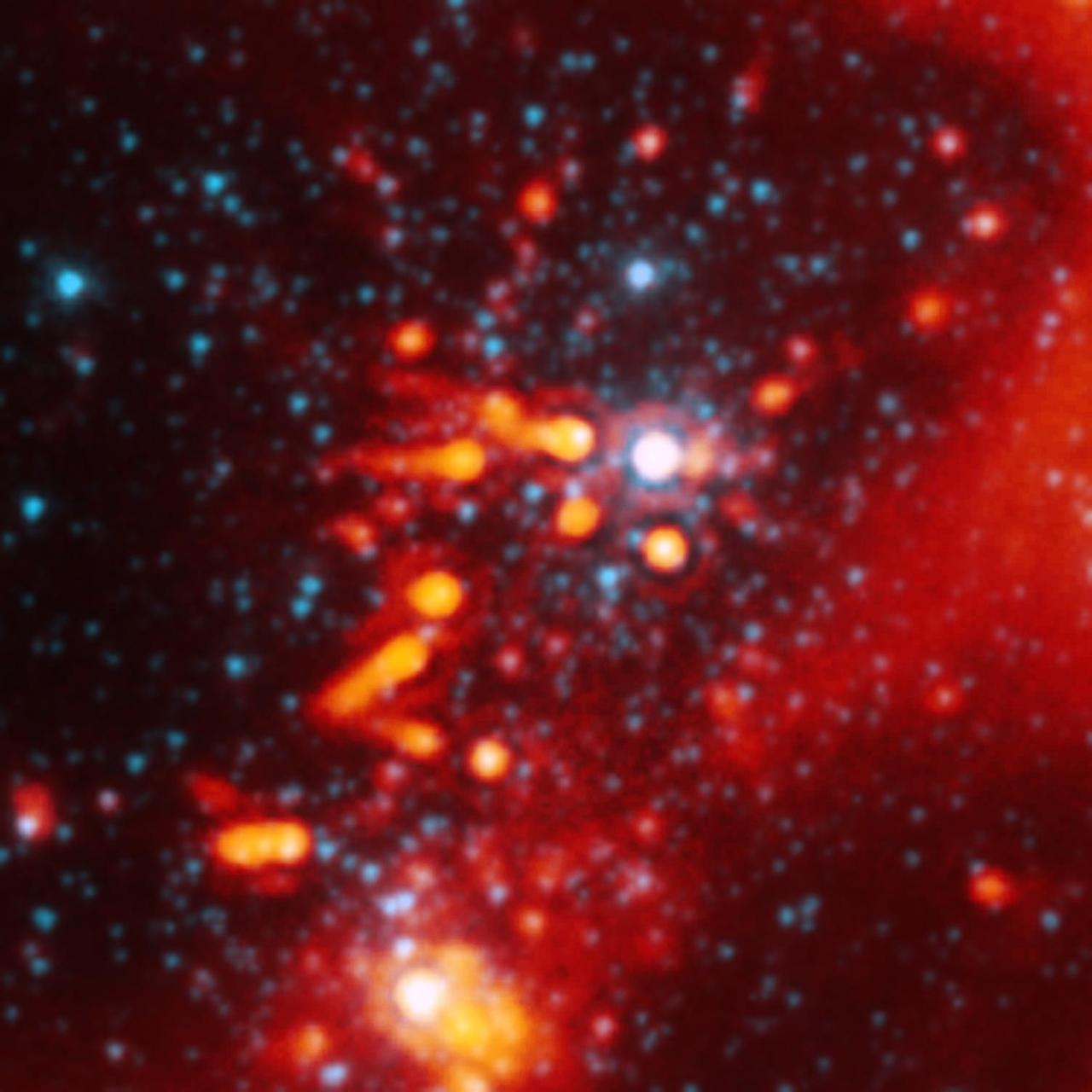
This image from NASA Spitzer Space Telescope shows the nasty effects of living near a group of massive stars: radiation and winds from the massive stars white spot in center are blasting planet-making material away from stars like our sun.
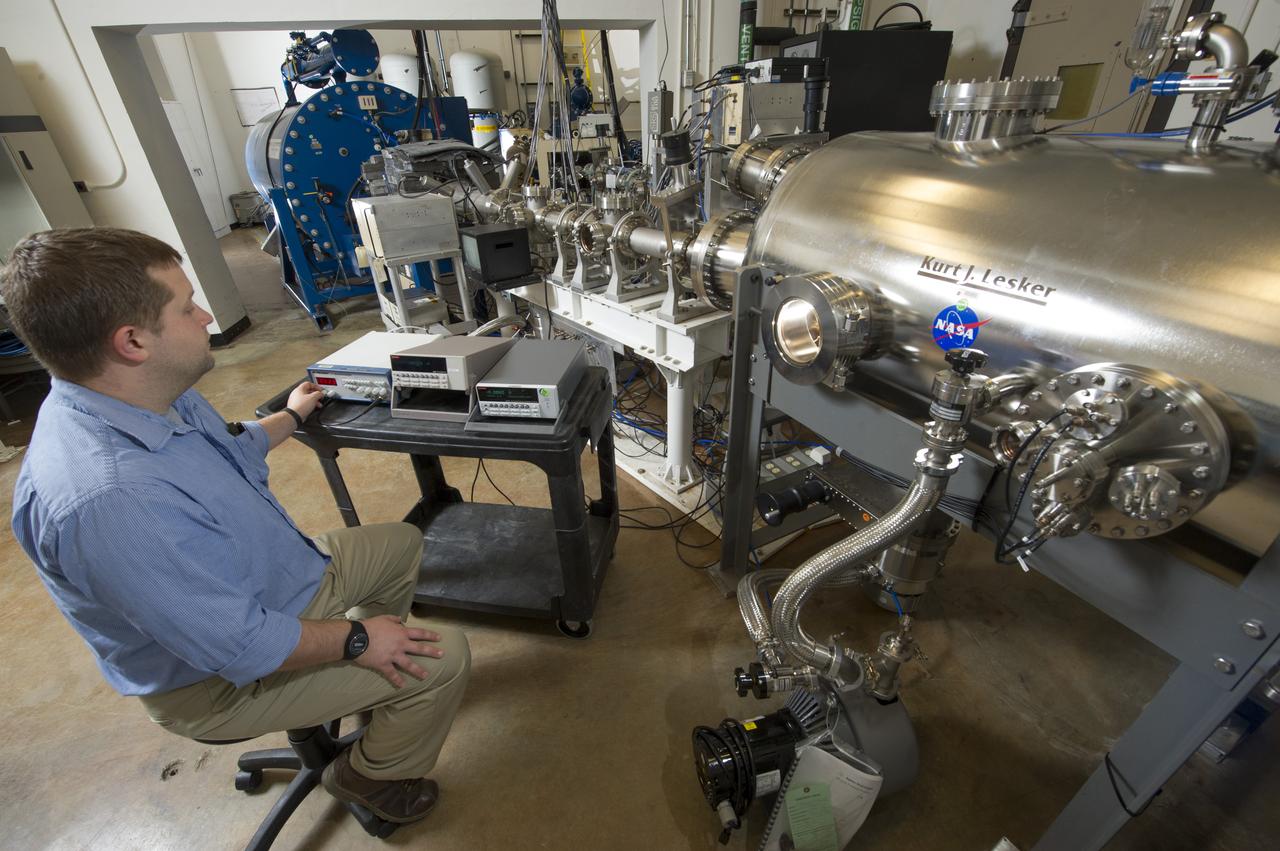
COMBINED ENVIRONMENTAL EFFECTS FACILITY (PELLETRON PARTICLE ACCELERATOR FOR RADIATION EXPOSURES) BRANDON PHILLIPS
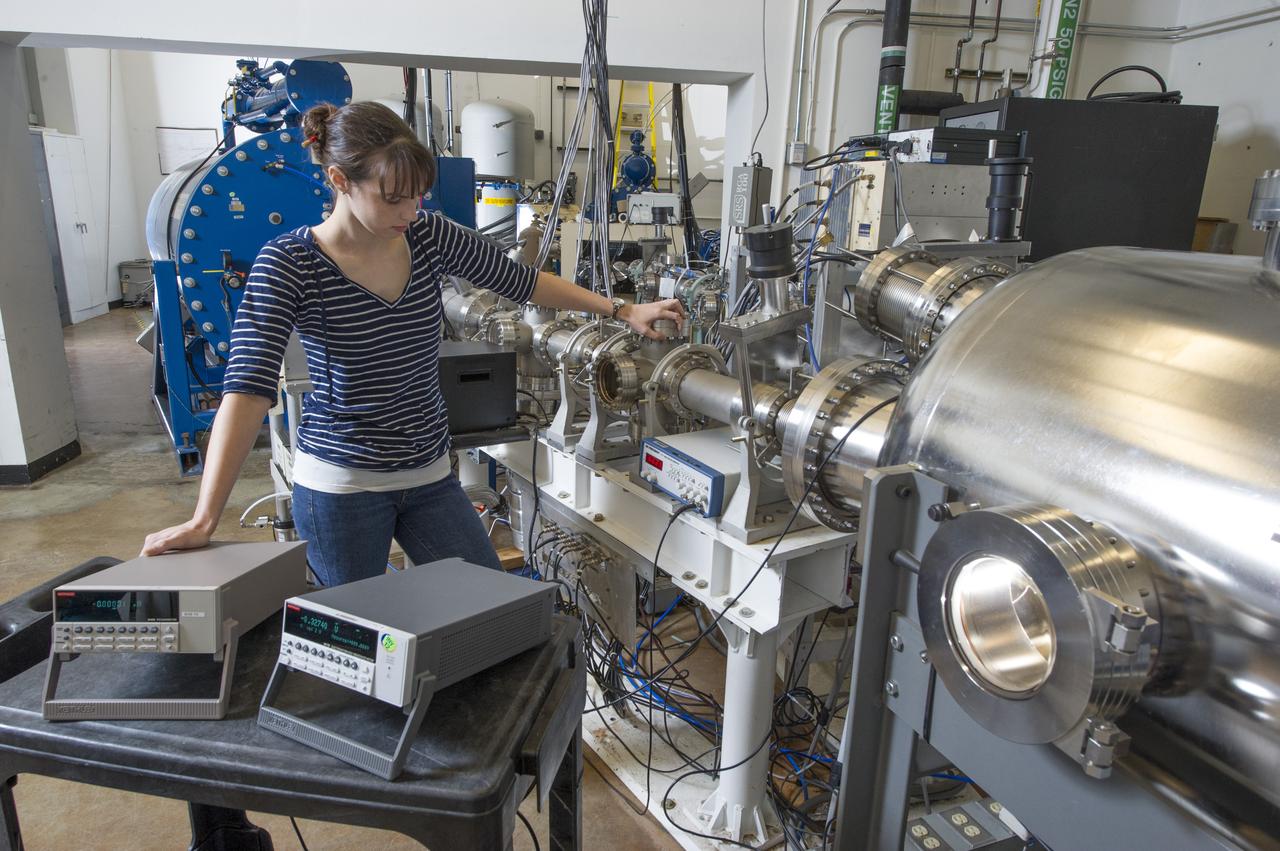
COMBINED ENVIRONMENTAL EFFECTS FACILITY (PELLETRON PARTICLE ACCELERATOR FOR RADIATION EXPOSURES) PHYLLIS WHITTLESEY
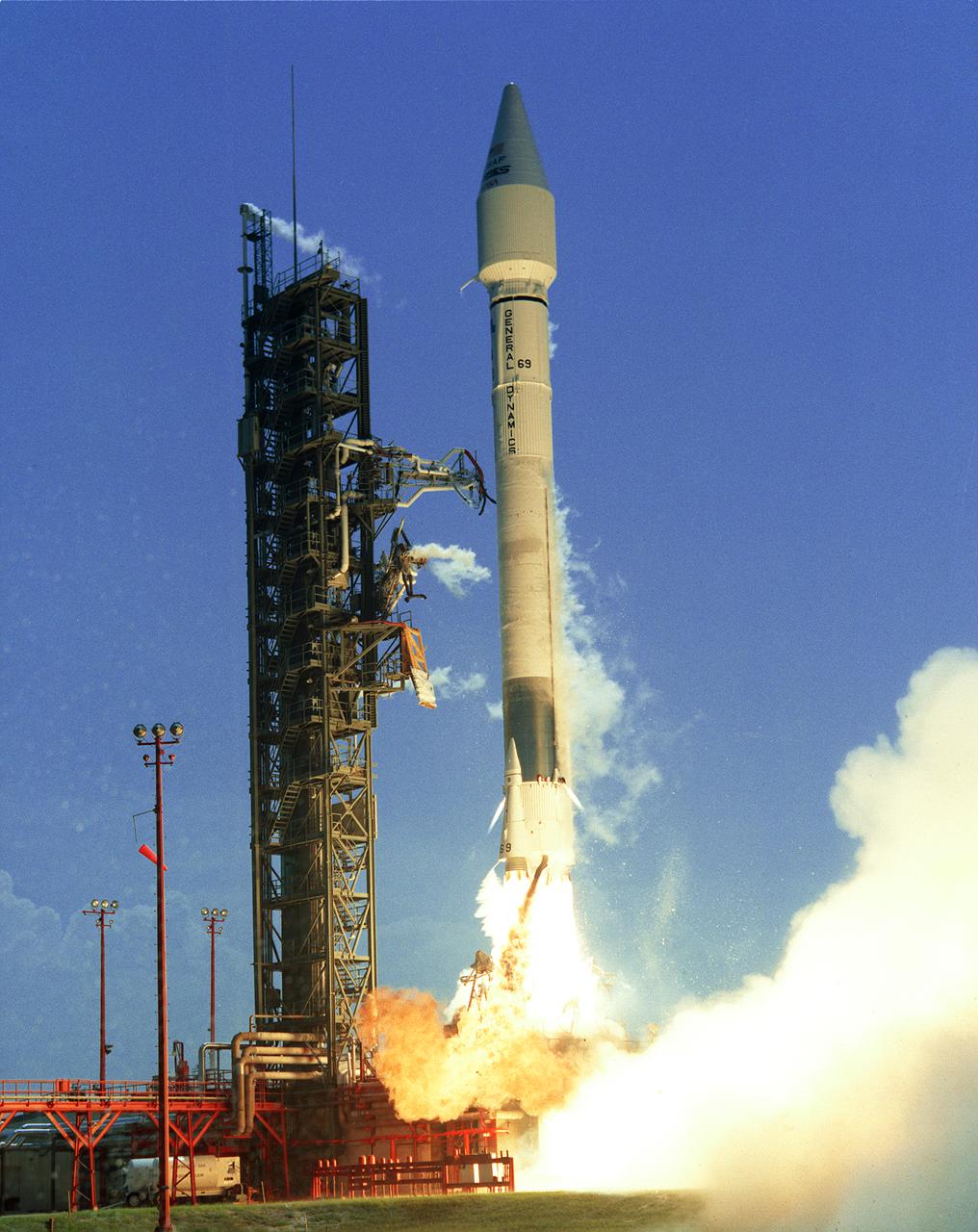
The Atlas-Centaur, AC-69, launched the Combined Release and Radiation Effects Satellite (CRRES) in orbit on July 25, 1990.

COMBINED ENVIRONMENTAL EFFECTS FACILITY (PELLETRON PARTICLE ACCELERATOR FOR RADIATION EXPOSURES) PHYLLIS WHITTLESEY
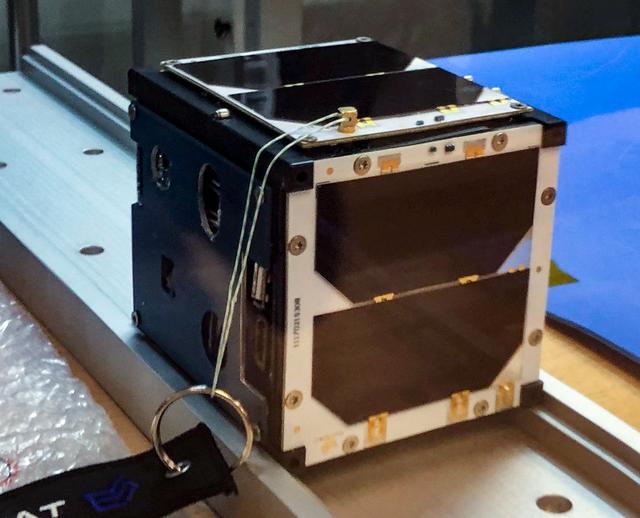
jsc2019e056550 (9/27/2019) --- Preflight view of Argus-02 awaiting integration at the NanoRacks facility. Argus-02 has two objectives: to examine the effect of space radiation on electronics and to test machine-learning algorithms that identify natural events. Memory cards loaded with known images are exposed to space radiation to further study radiation-induced effects. Simultaneously, the CubeSat images the Earth limb and uses algorithms to identify events such as lightning strikes and auroras; false-positive identification of events leads to modification of algorithms. Argus-02 results may help improve electronics and software for future space travel. Image courtesy of: Saint Louis University
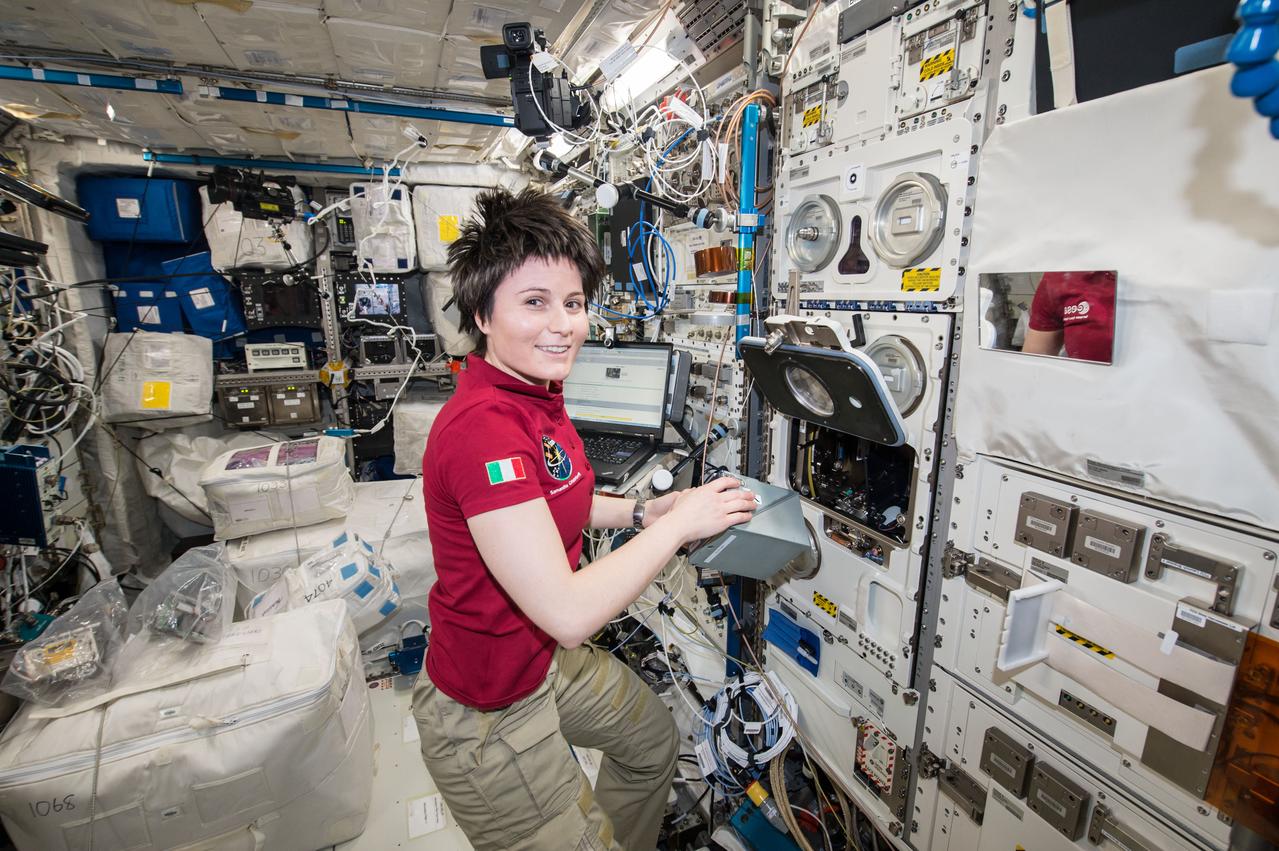
iss043e181042 (May 8, 2015) --- European Space Agency (ESA) astronaut Samantha Christoforetti prepares the TripleLux-A experiment for return on SpaceX's Dragon cargo craft. The TripleLux-A experiment studies the effects of the spaceflight conditions on immune suppresion in mice, which will help scientists understand the effects of radiation and microgravity on the human immune system in space.
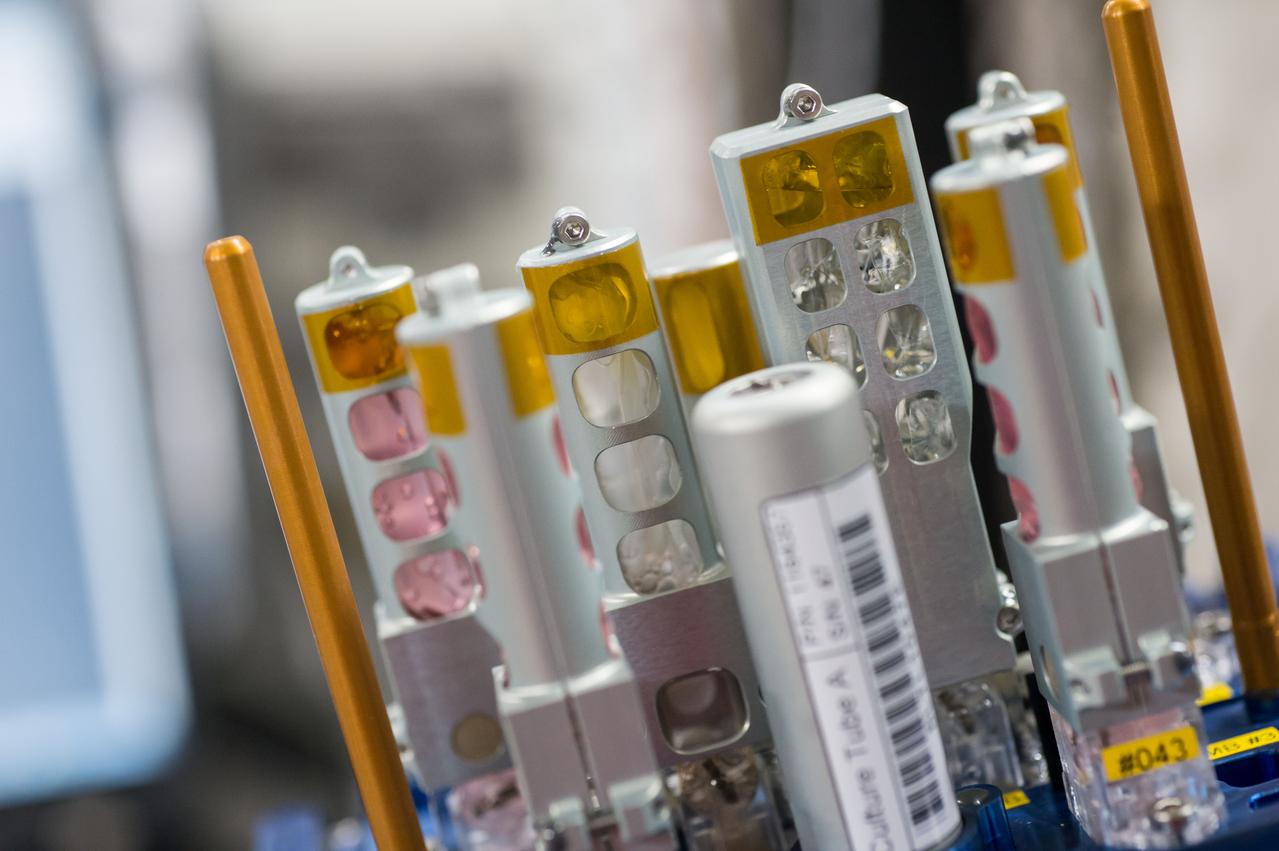
iss043e181153 (May 8, 2015) --- Experiment Container (EC) for the TripleLux-A experiment during removal from Incubator. The TripleLux-A experiment studies the effects of the spaceflight conditions on immune suppression in mice, which will help scientists understand the effects of radiation and microgravity on the human immune system in space.

iss043e167919 (May 2, 2015) --- Experiment Container (EC) for the TripleLux-A experiment during removal from Incubator. The TripleLux-A experiment studies the effects of the spaceflight conditions on immune suppression in mice, which will help scientists understand the effects of radiation and microgravity on the human immune system in space.
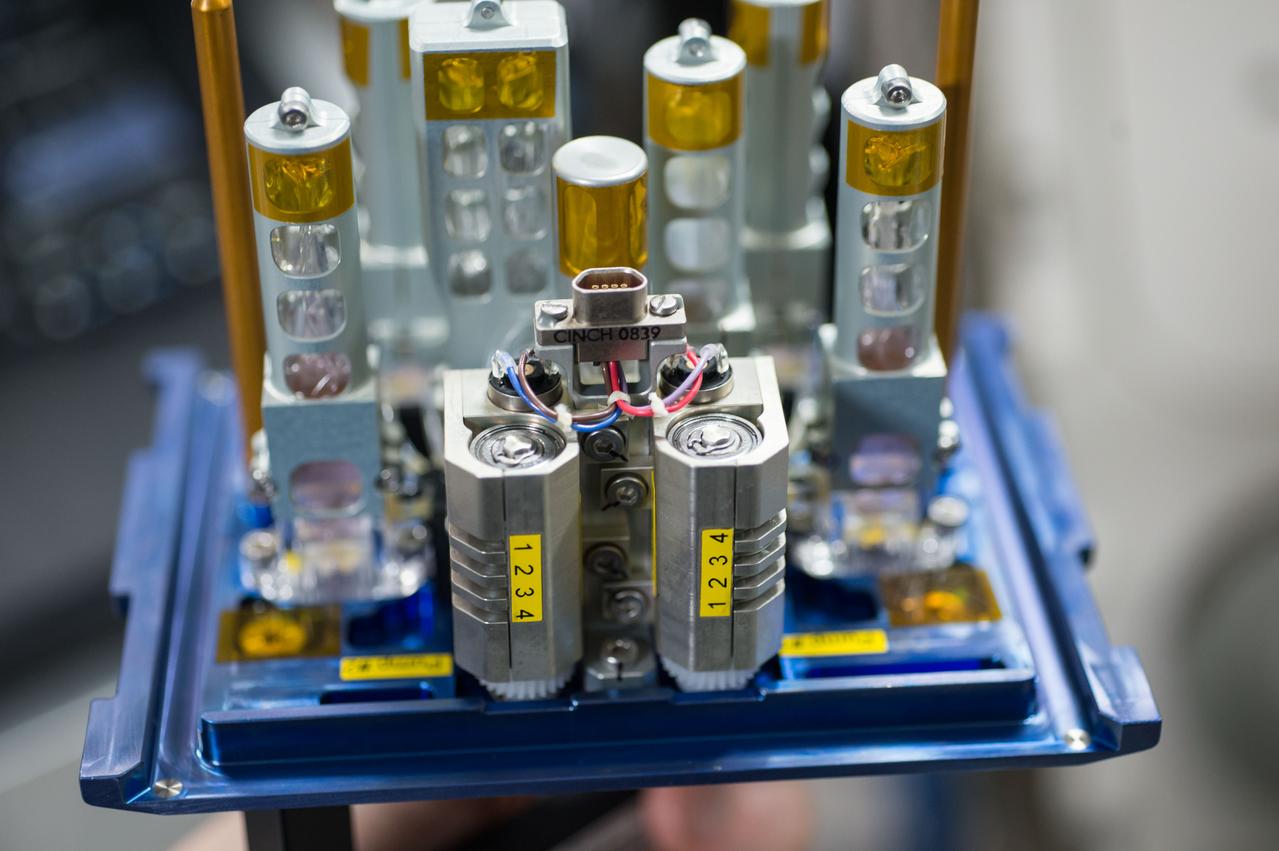
iss043e152043 (April 29, 2015) --- Experiment Container (EC) for the TripleLux-A experiment during removal from Incubator. The TripleLux-A experiment studies the effects of the spaceflight conditions on immune suppression in mice, which will help scientists understand the effects of radiation and microgravity on the human immune system in space.
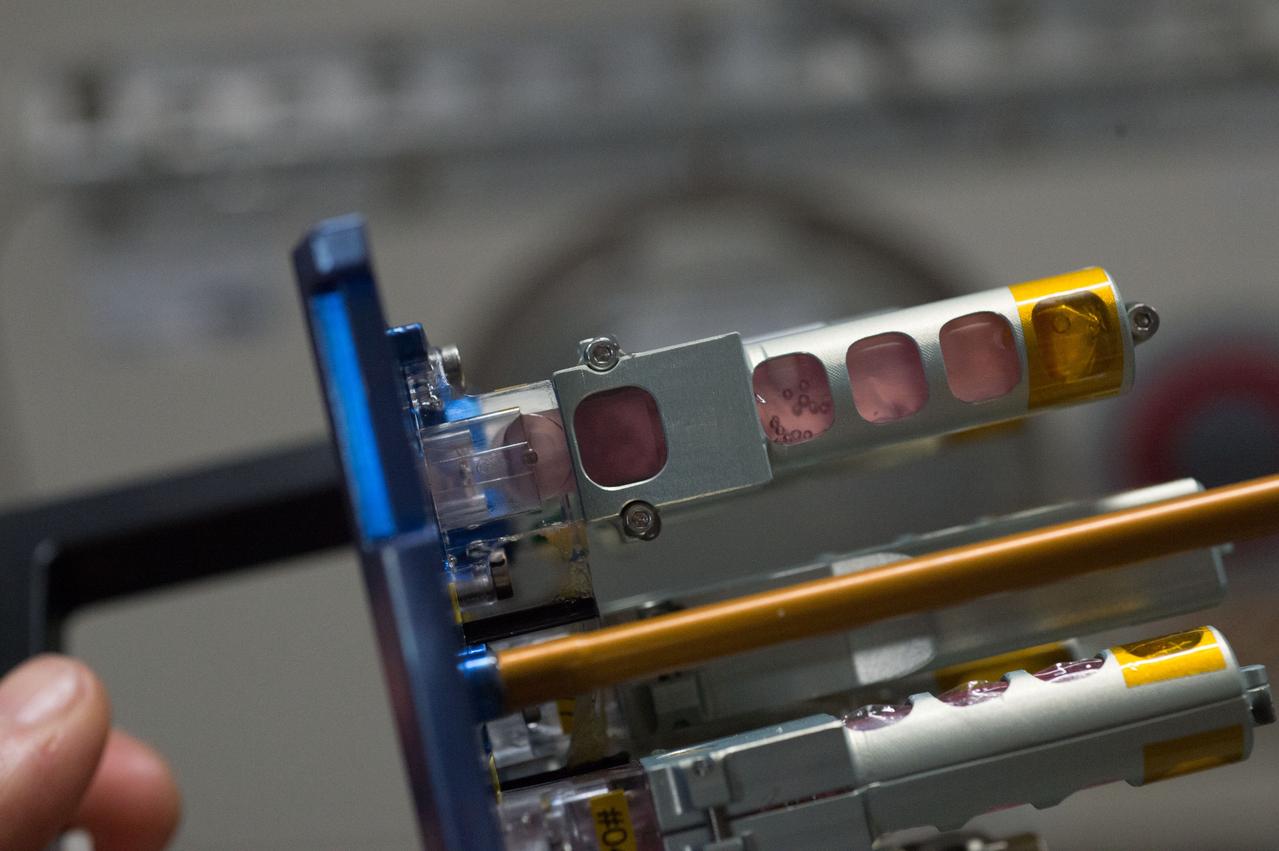
iss043e167915 (May 2, 2015) --- Experiment Container (EC) for the TripleLux-A experiment during remobal from Incubator. The TripleLux-A experiment studies the effects of the spaceflight conditions on immune suppresion in mice, which will help scientists understand the effects of radiation and microgravity on the human immune system in space.
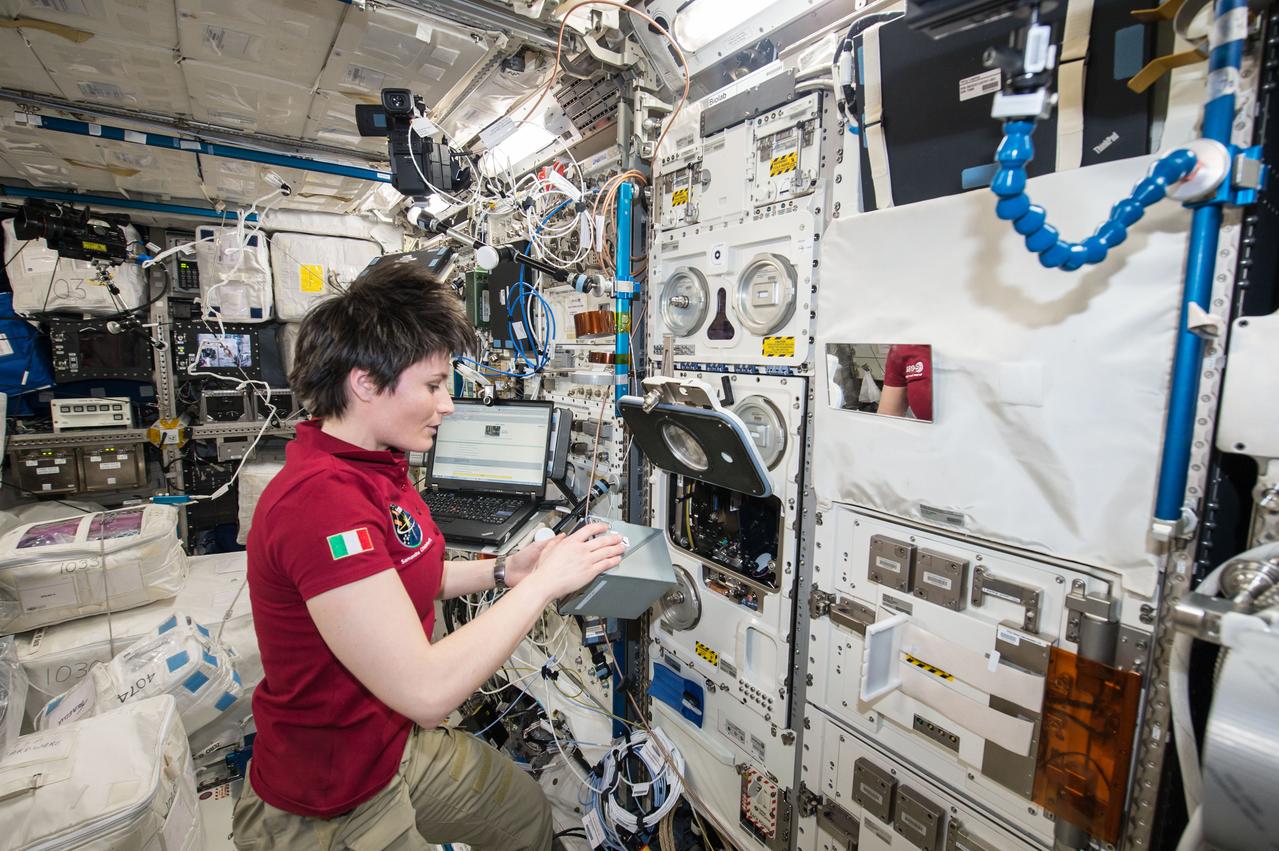
iss043e181041 (May 8, 2015) --- European Space Agency (ESA) astronaut Samantha Christoforetti prepares the TripleLux-A experiment for return on SpaceX's Dragon cargo craft. The TripleLux-A experiment studies the effects of the spaceflight conditions on immune suppresion in mice, which will help scientists understand the effects of radiation and microgravity on the human immune system in space.
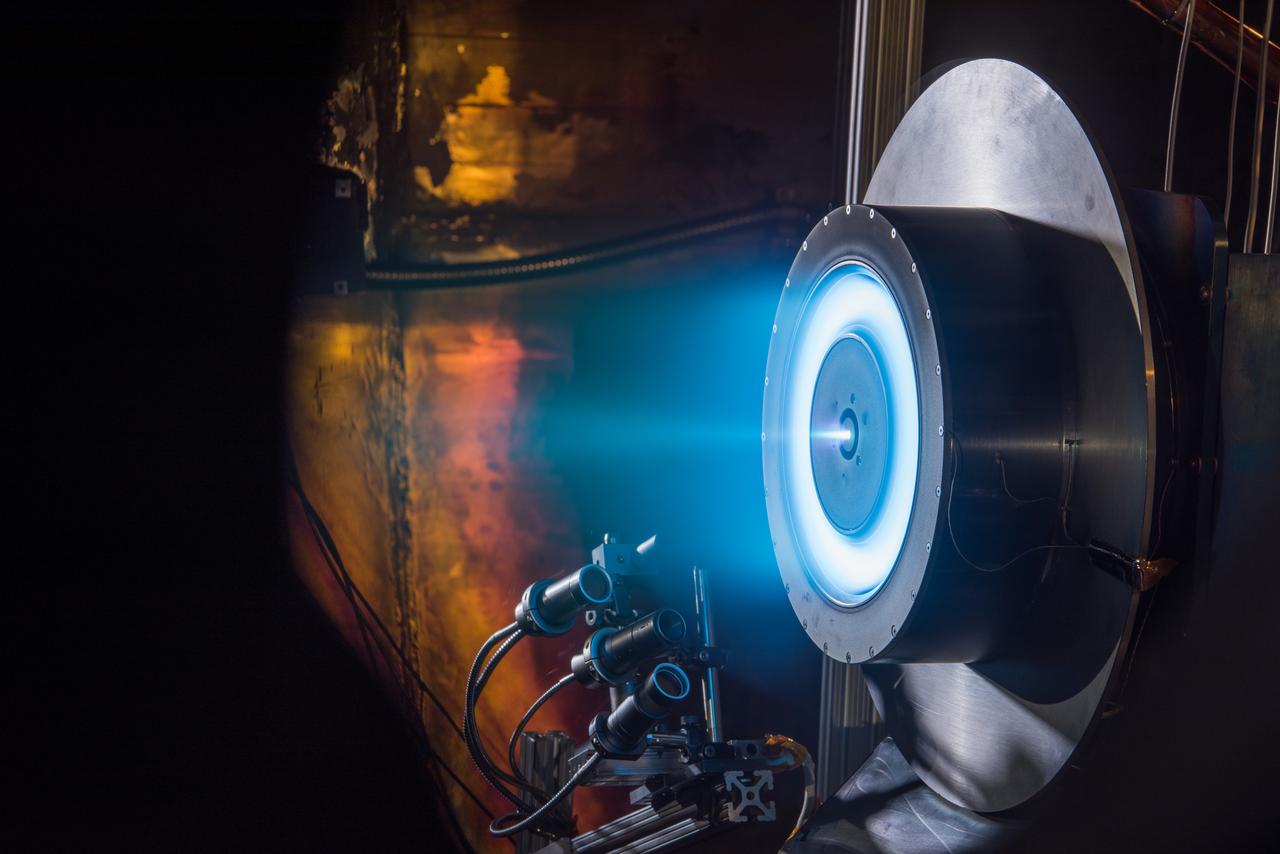
Hall Effect Rocket with Magnetic Shielding Technology Development Unit 1 with Large Radiator working in conjunction with High Power 300 volt Silicon Carbide Power Processing Unit
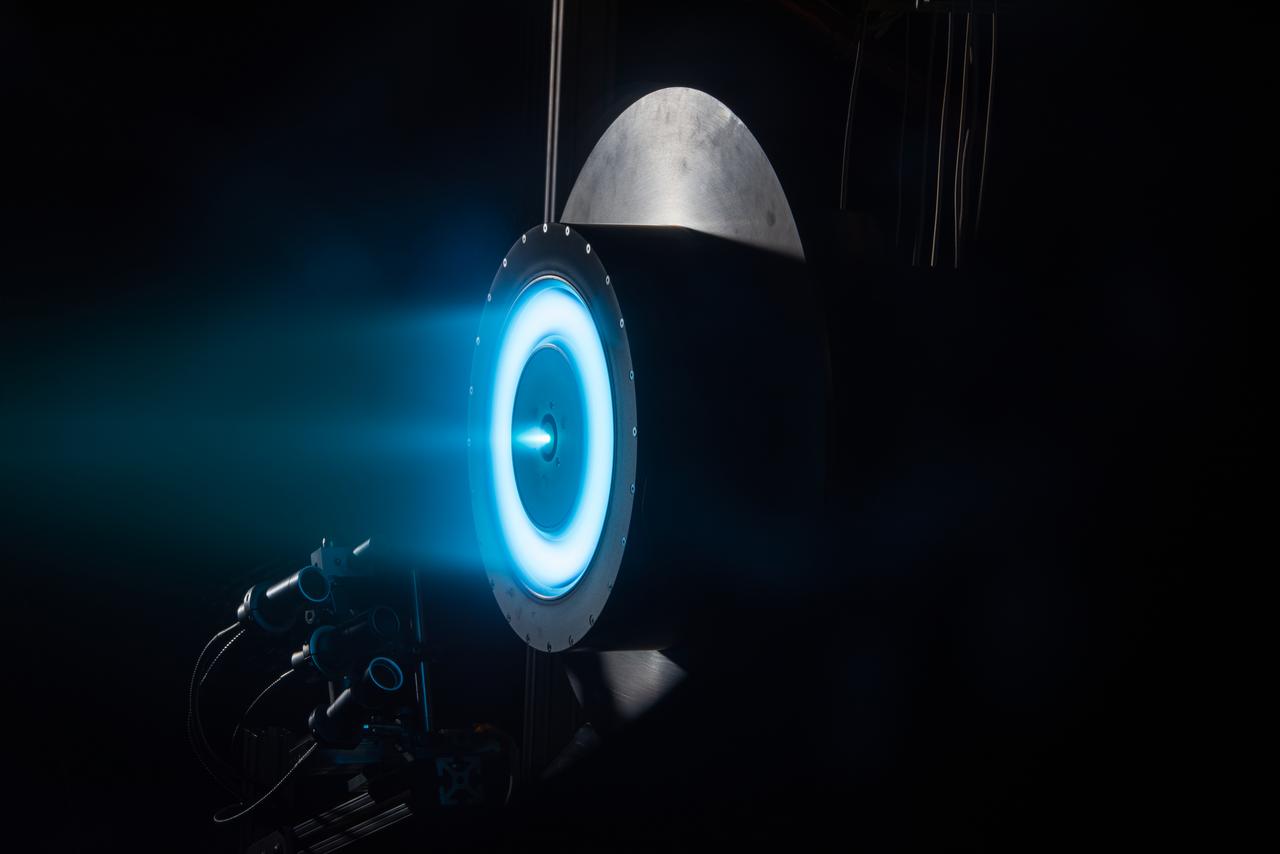
Hall Effect Rocket with Magnetic Shielding Technology Development Unit 1 with Large Radiator working in conjunction with High Power 300 Volt Silicon Carbide Power Processing Unit
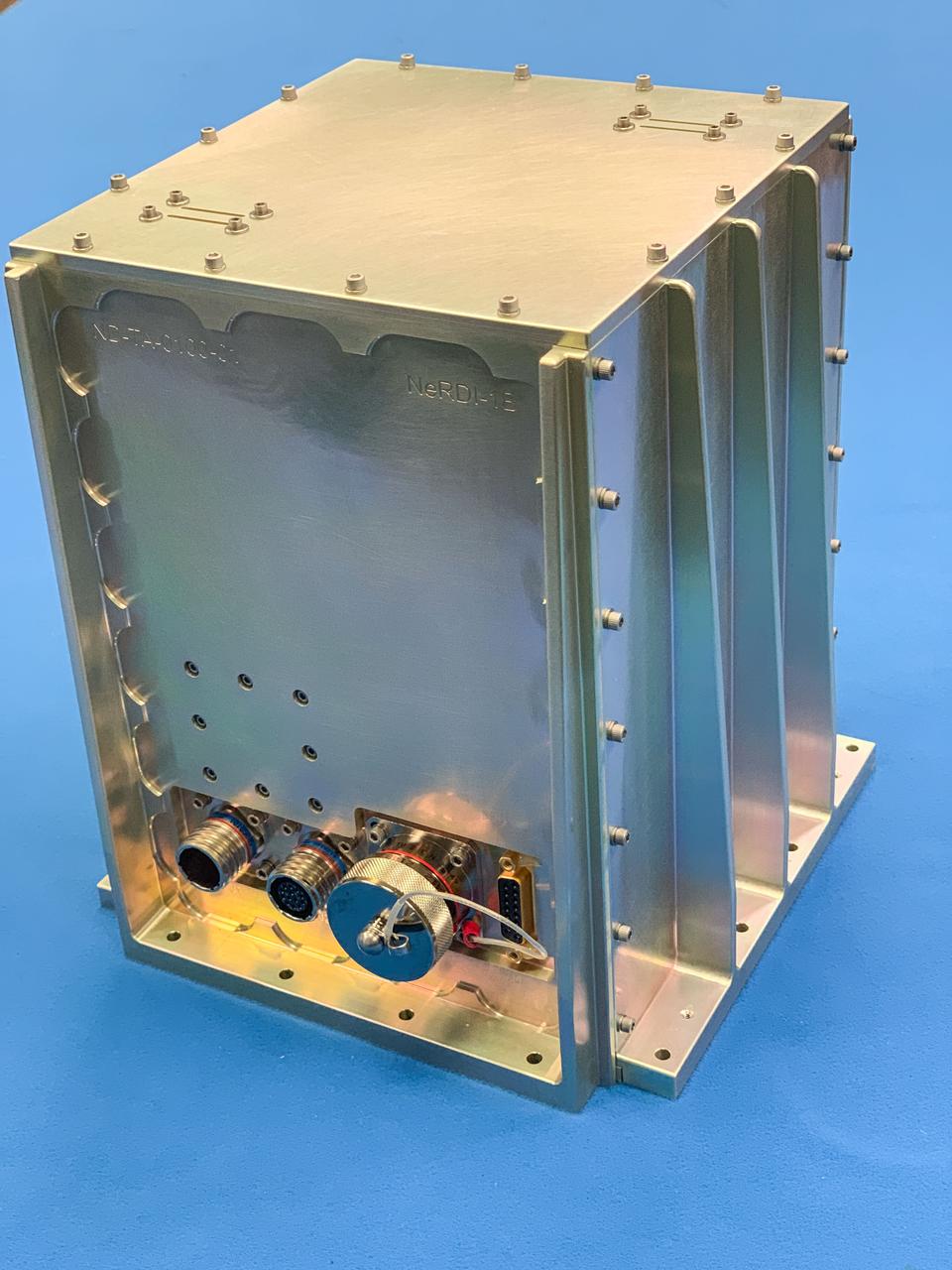
jsc2025e044728 (5/12/2025) --- NERDI-1B prior to integration onto STP-H10. The primary objective of the Space Test Program – Houston 10 – Neutron Radiation Detection Instrument (STP-H10-NeRDI) is to characterize the effects of the space radiation environment on the performance of these neutron-sensitive radiation detectors over time. Image courtesy of Naval Research Academy.
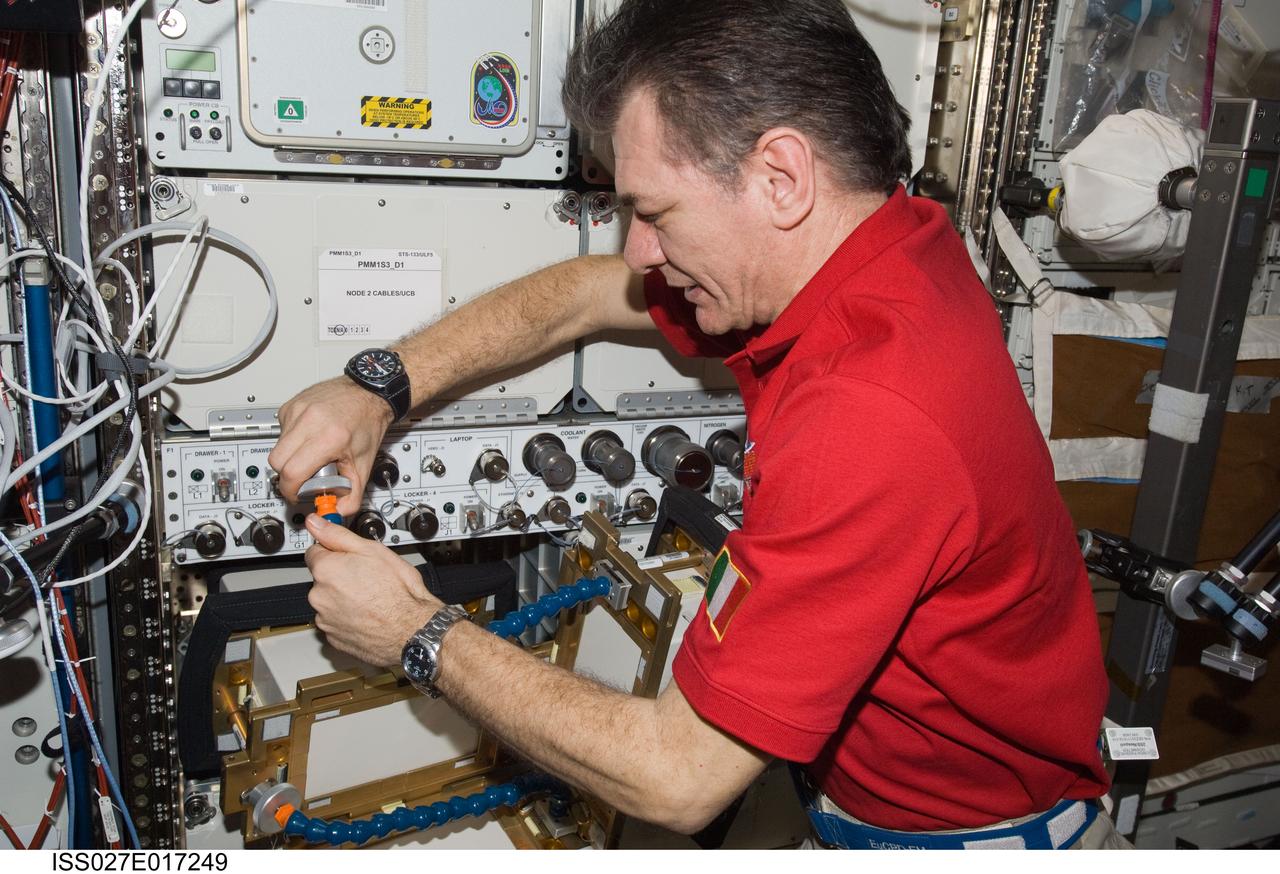
ISS027-E-017249 (23 April 2011) --- European Space Agency astronaut Paolo Nespoli, Expedition 27 flight engineer, works with Anomalous Long Term Effects on Astronauts (ALTEA) Shield isotropic equipment in the Destiny laboratory of the International Space Station. ALTEA-Shield isotropic dosimetry uses existing ALTEA hardware to survey the radiation environment in the Destiny laboratory in 3D. It also measures the effectiveness and shielding properties of several materials with respect to the perception of anomalous light flashes.
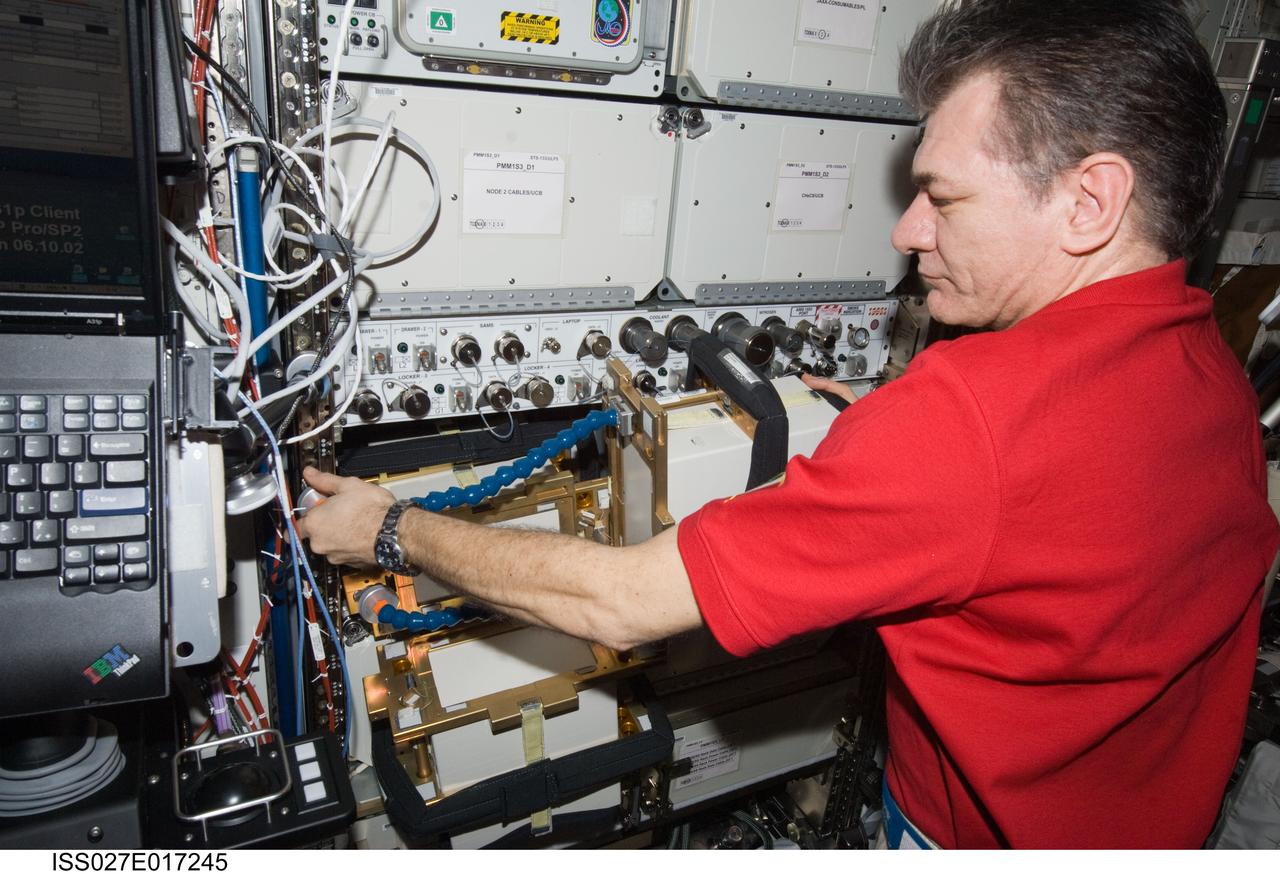
ISS027-E-017245 (23 April 2011) --- European Space Agency astronaut Paolo Nespoli, Expedition 27 flight engineer, works with Anomalous Long Term Effects on Astronauts (ALTEA) Shield isotropic equipment in the Destiny laboratory of the International Space Station. ALTEA-Shield isotropic dosimetry uses existing ALTEA hardware to survey the radiation environment in the Destiny laboratory in 3D. It also measures the effectiveness and shielding properties of several materials with respect to the perception of anomalous light flashes.
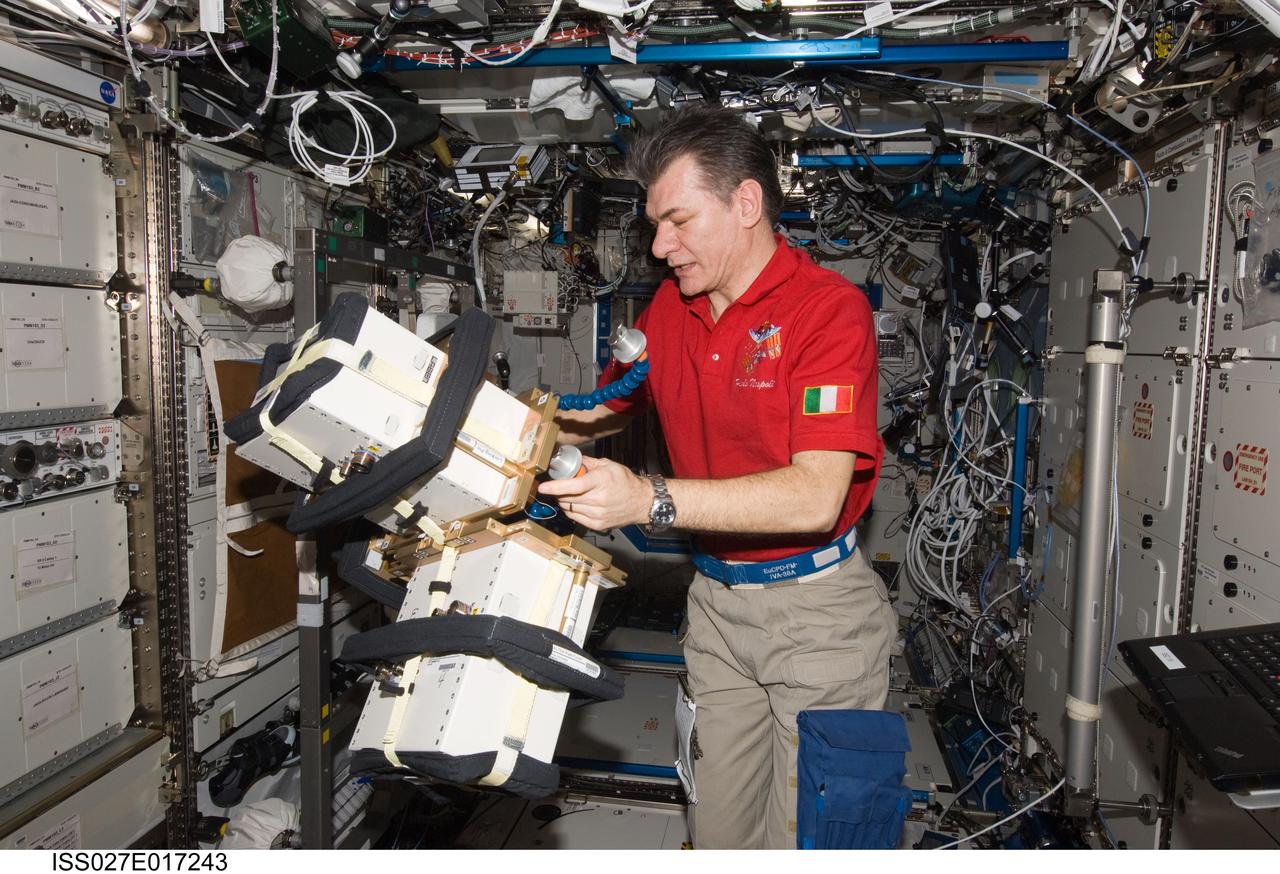
ISS027-E-017243 (23 April 2011) --- European Space Agency astronaut Paolo Nespoli, Expedition 27 flight engineer, works with Anomalous Long Term Effects on Astronauts (ALTEA) Shield isotropic equipment in the Destiny laboratory of the International Space Station. ALTEA-Shield isotropic dosimetry uses existing ALTEA hardware to survey the radiation environment in the Destiny laboratory in 3D. It also measures the effectiveness and shielding properties of several materials with respect to the perception of anomalous light flashes.
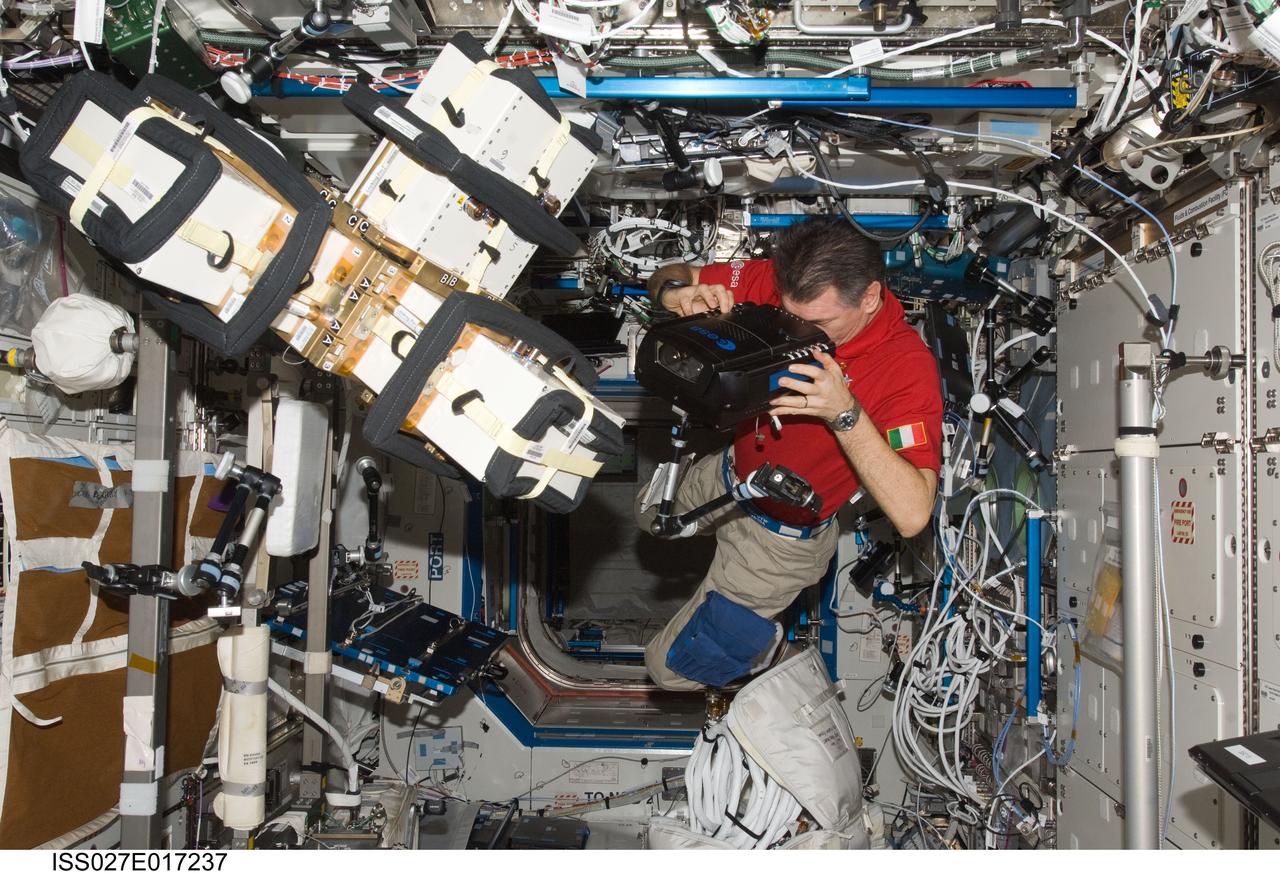
ISS027-E-017237 (23 April 2011) --- European Space Agency astronaut Paolo Nespoli, Expedition 27 flight engineer, works with Anomalous Long Term Effects on Astronauts (ALTEA) Shield isotropic equipment in the Destiny laboratory of the International Space Station. ALTEA-Shield isotropic dosimetry uses existing ALTEA hardware to survey the radiation environment in the Destiny laboratory in 3D. It also measures the effectiveness and shielding properties of several materials with respect to the perception of anomalous light flashes.
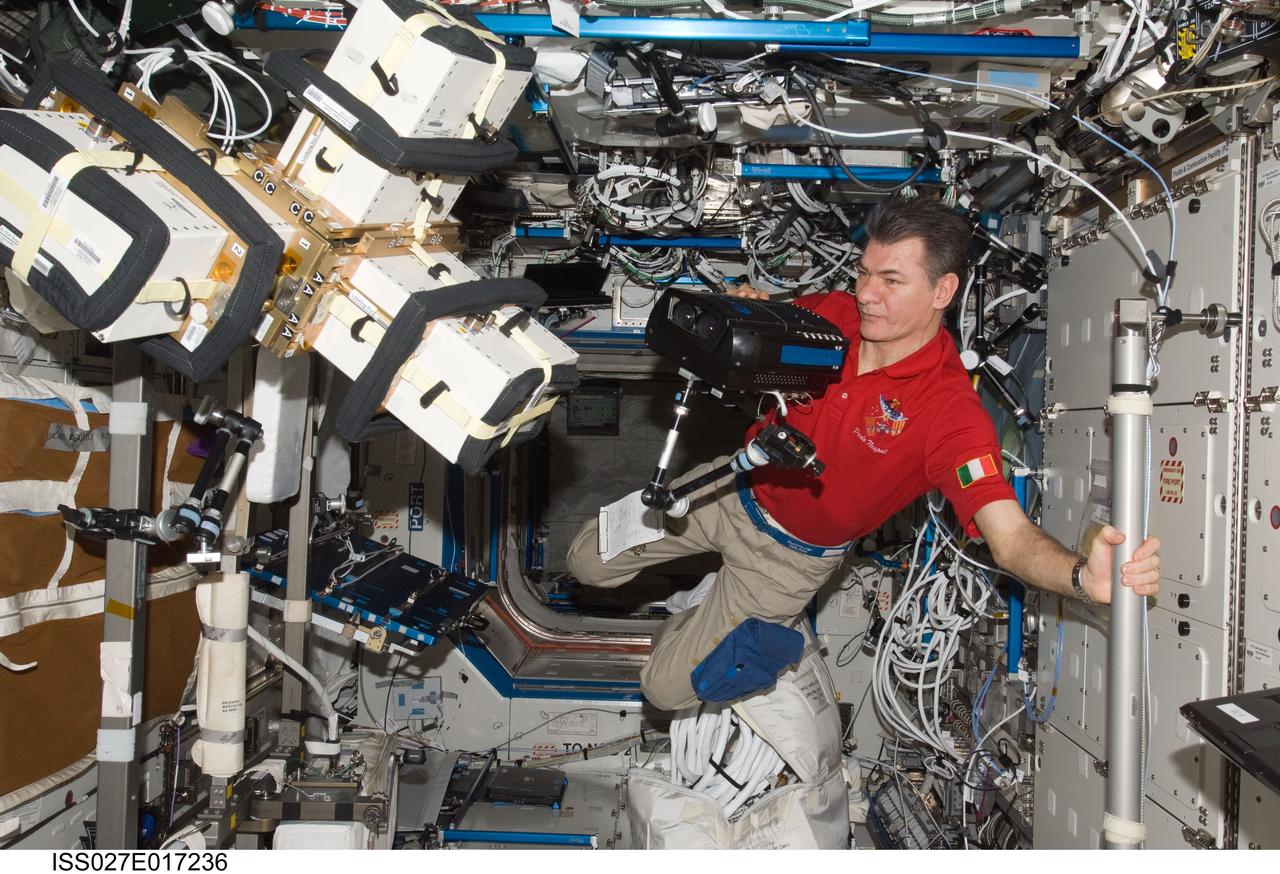
ISS027-E-017236 (23 April 2011) --- European Space Agency astronaut Paolo Nespoli, Expedition 27 flight engineer, works with Anomalous Long Term Effects on Astronauts (ALTEA) Shield isotropic equipment in the Destiny laboratory of the International Space Station. ALTEA-Shield isotropic dosimetry uses existing ALTEA hardware to survey the radiation environment in the Destiny laboratory in 3D. It also measures the effectiveness and shielding properties of several materials with respect to the perception of anomalous light flashes.

iss071e040346 (4/23/2024) ---A view aboard the International Space Station (ISS) of the Higher Orbits Multi Experiment Module #5 (HIOR_EDU05) continues a series of student-led experiments aboard the International Space Station. This module includes three experiments: Radiation and Fungus, which tests fungal growth in space; Project Bones, which compares iron levels in fruit flies fed different diets; and Cells in Space, which examines the effect of radiation on cellular respiration in yeast.
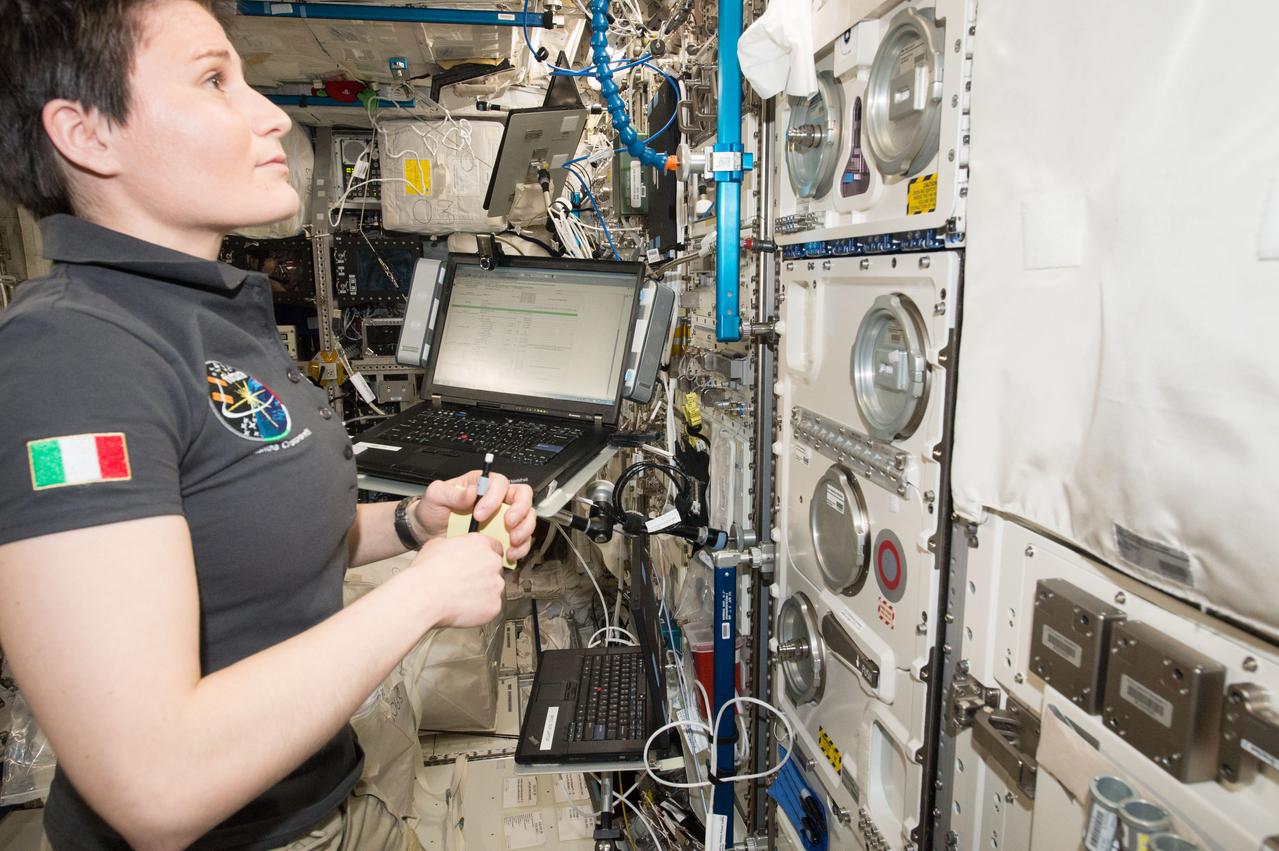
ISS043E070945 (03/31/2015) --- ESA (European Space Agency) astronaut Samantha Cristoforetti, Expedition 43 flight engineer aboard the International Space Station, is seen working on a science experiment that includes photographic documentation of Cellular Responses to Single and Combined Space Flight Conditions. Some effects of the space environment level appear to act at the cellular level and it is important to understand the underlying mechanisms of these effects. This science project uses invertebrate hemocytes to focus on two aspects of cellular function which may have medical importance. The synergy between the effects of the space radiation environment and microgravity on cellular function is the goal of this experiment along with studying the impairment of immune functions under spaceflight conditions.
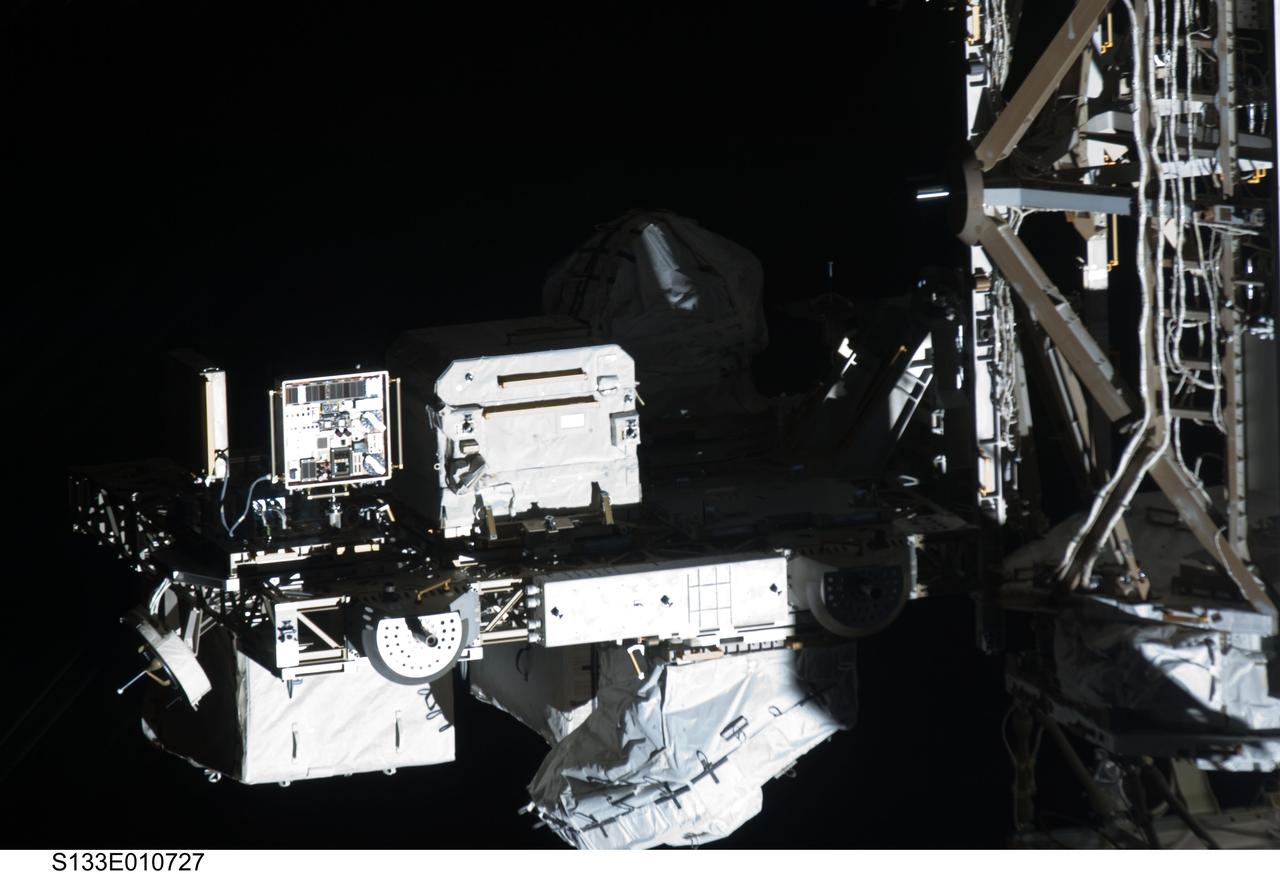
s133e010727 (3/7/2011) --- The Materials International Space Station Experiment-7 (MISSE-7) is a test bed for materials and coatings attached to the outside of the International Space Station being evaluated for the effects of atomic oxygen, ultraviolet, direct sunlight, radiation and extremes of heat and cold.
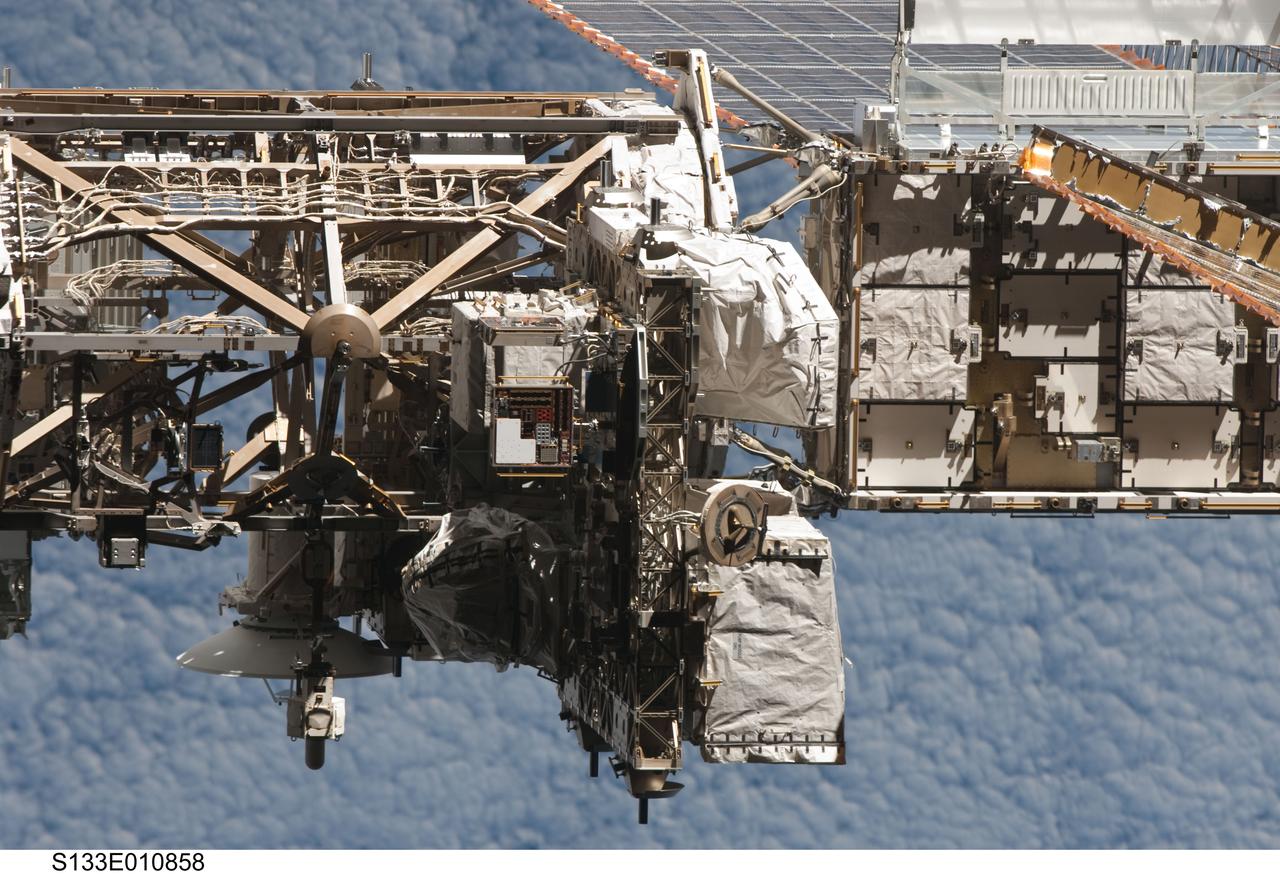
s133e010858 (3/7/2011) --- The Materials International Space Station Experiment-7 (MISSE-7) is a test bed for materials and coatings attached to the outside of the International Space Station being evaluated for the effects of atomic oxygen, ultraviolet, direct sunlight, radiation and extremes of heat and cold.
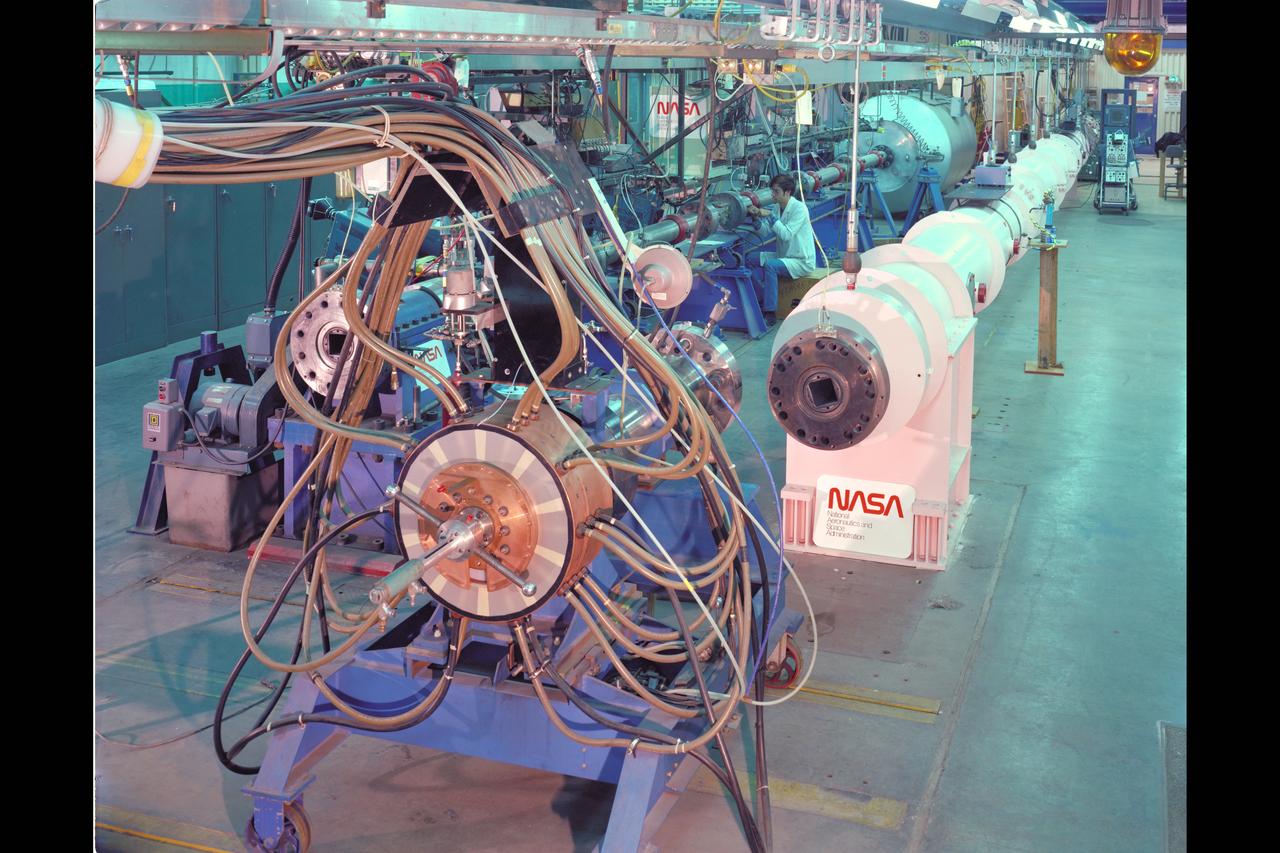
4' and 24' Shock Tubes - Electric Arc Shock Tube Facililty N-229 (East) The facility is used to investigate the effects of radiation and ionization during outer planetary entries as well as for air-blast simualtion which requires the strongest possible shock generation in air at loadings of 1 atm or greater.
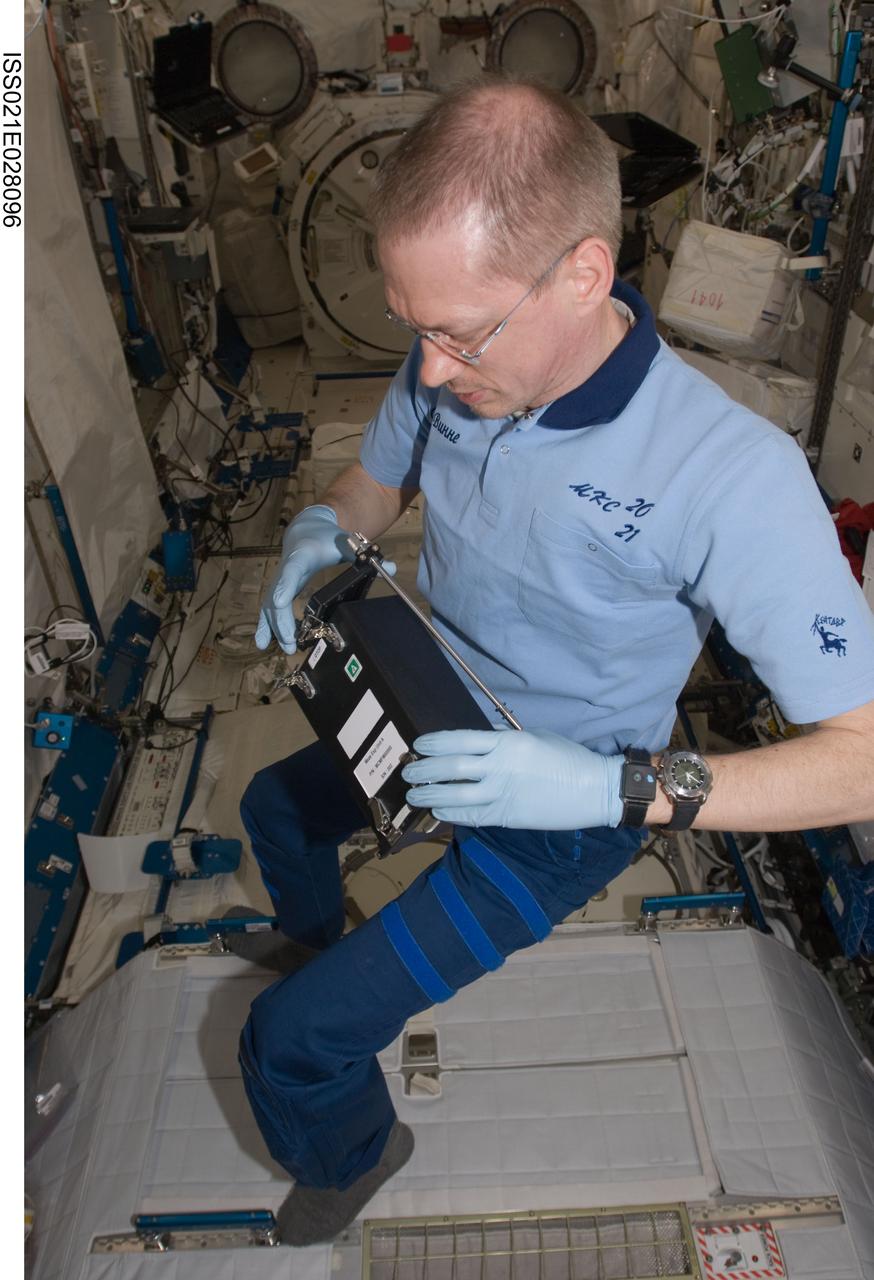
ISS021-E-028096 (17 Nov. 2009) --- European Space Agency astronaut Frank De Winne, Expedition 21 commander, works with the RadSilk experiment in the Kibo laboratory of the International Space Station. RadSilk examines the effects of radiation exposure in microgravity on silkworms.
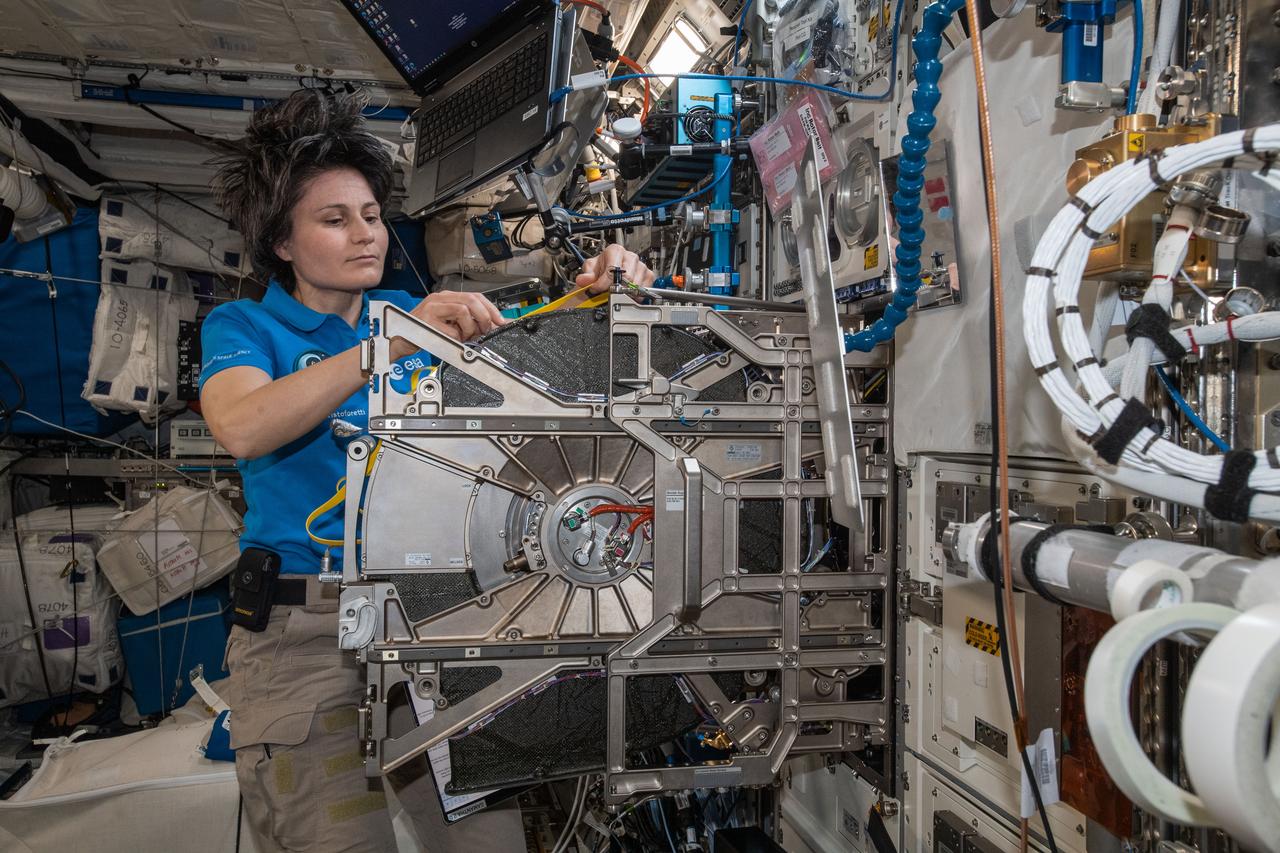
iss067e148954 (June 23, 2022) --- ESA (European Space Agency) astronaut and Expedition 67 Flight Engineer Samantha Cristoforetti replaces centrifuge components inside the Columbus laboratory module's BioLab, a research facility that studies the effects of space and radiation on single celled and multi-cellular organisms
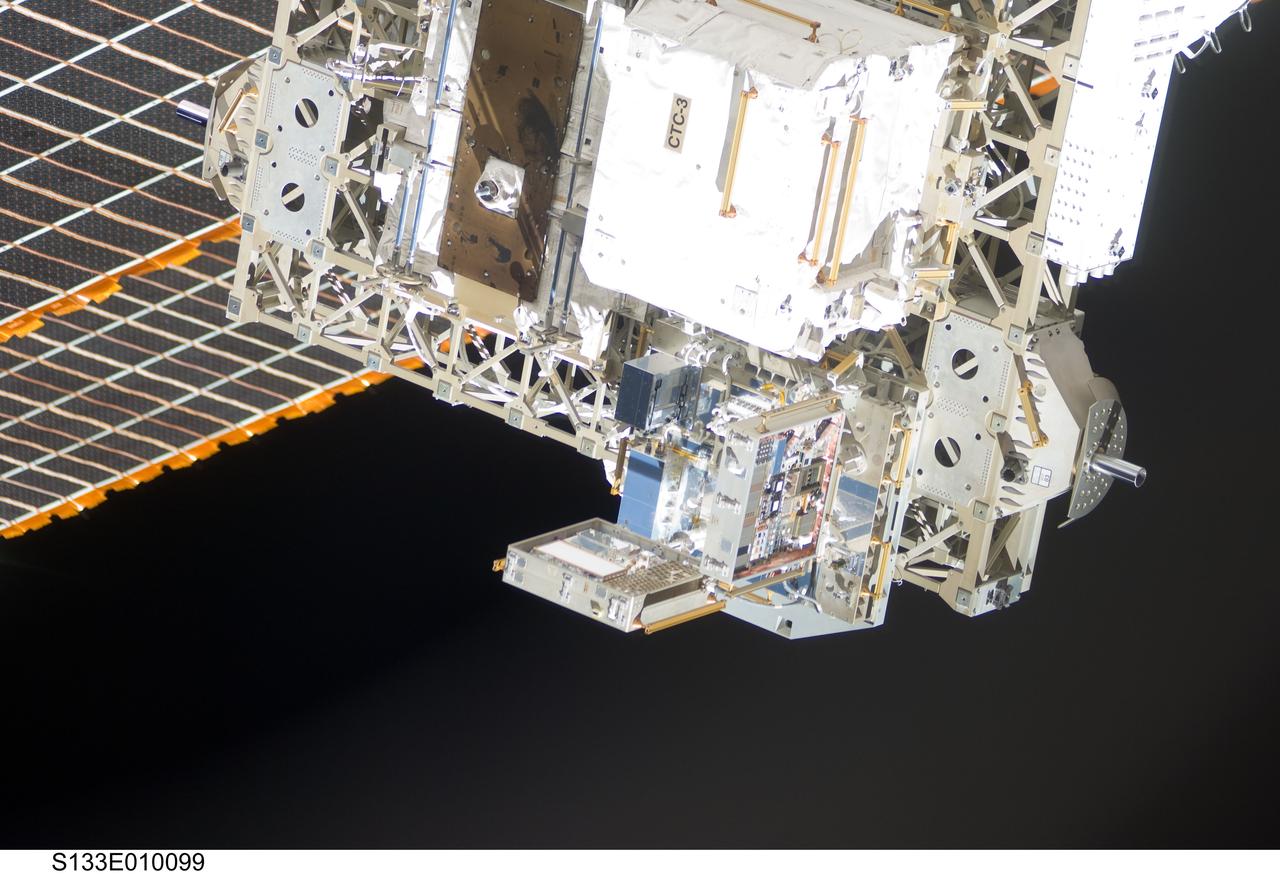
s133e010099 (3/7/2011) --- The Materials International Space Station Experiment-7 (MISSE-7) is a test bed for materials and coatings attached to the outside of the International Space Station being evaluated for the effects of atomic oxygen, ultraviolet, direct sunlight, radiation and extremes of heat and cold.
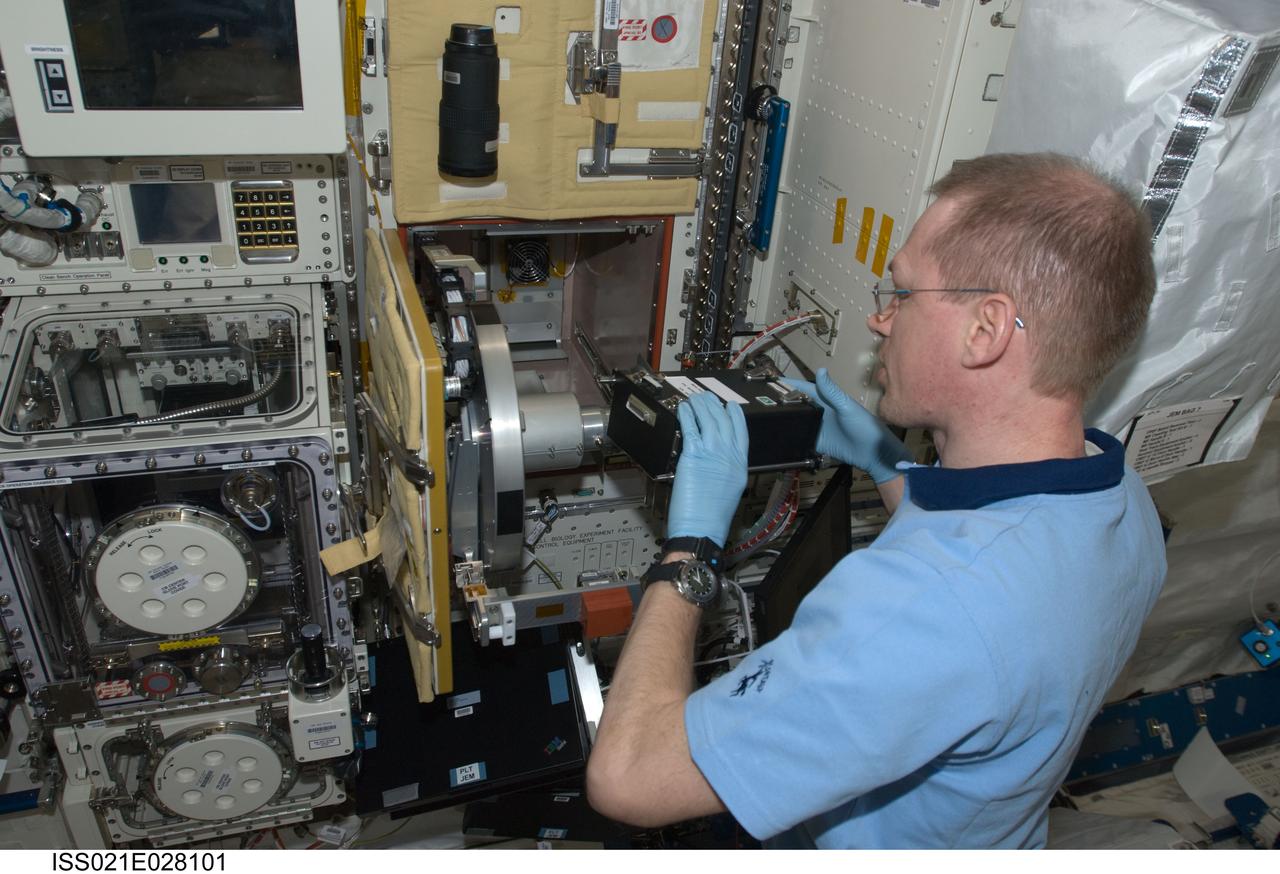
ISS021-E-028101 (17 Nov. 2009) --- European Space Agency astronaut Frank De Winne, Expedition 21 commander, works with the RadSilk experiment in the Kibo laboratory of the International Space Station. RadSilk examines the effects of radiation exposure in microgravity on silkworms.
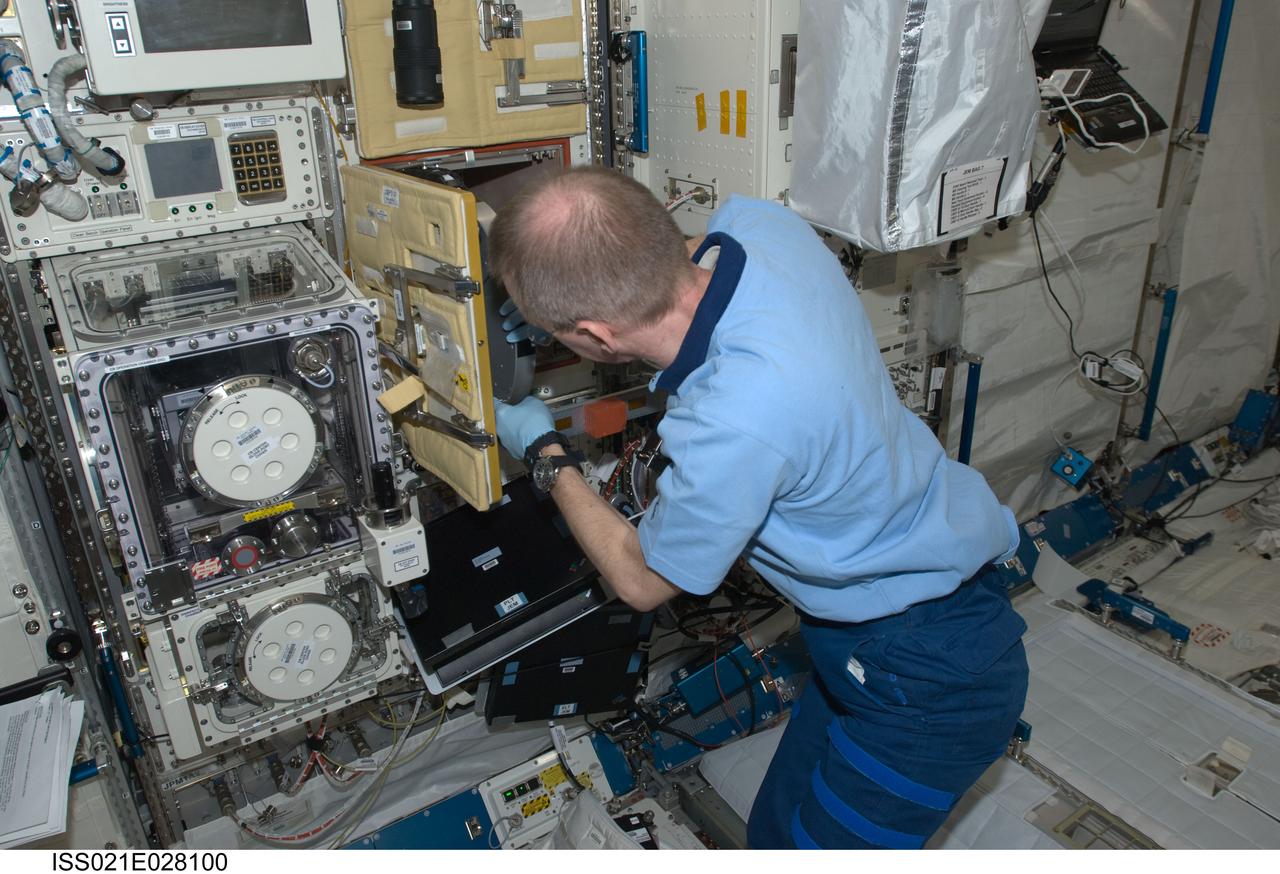
ISS021-E-028100 (17 Nov. 2009) --- European Space Agency astronaut Frank De Winne, Expedition 21 commander, works with the RadSilk experiment in the Kibo laboratory of the International Space Station. RadSilk examines the effects of radiation exposure in microgravity on silkworms.
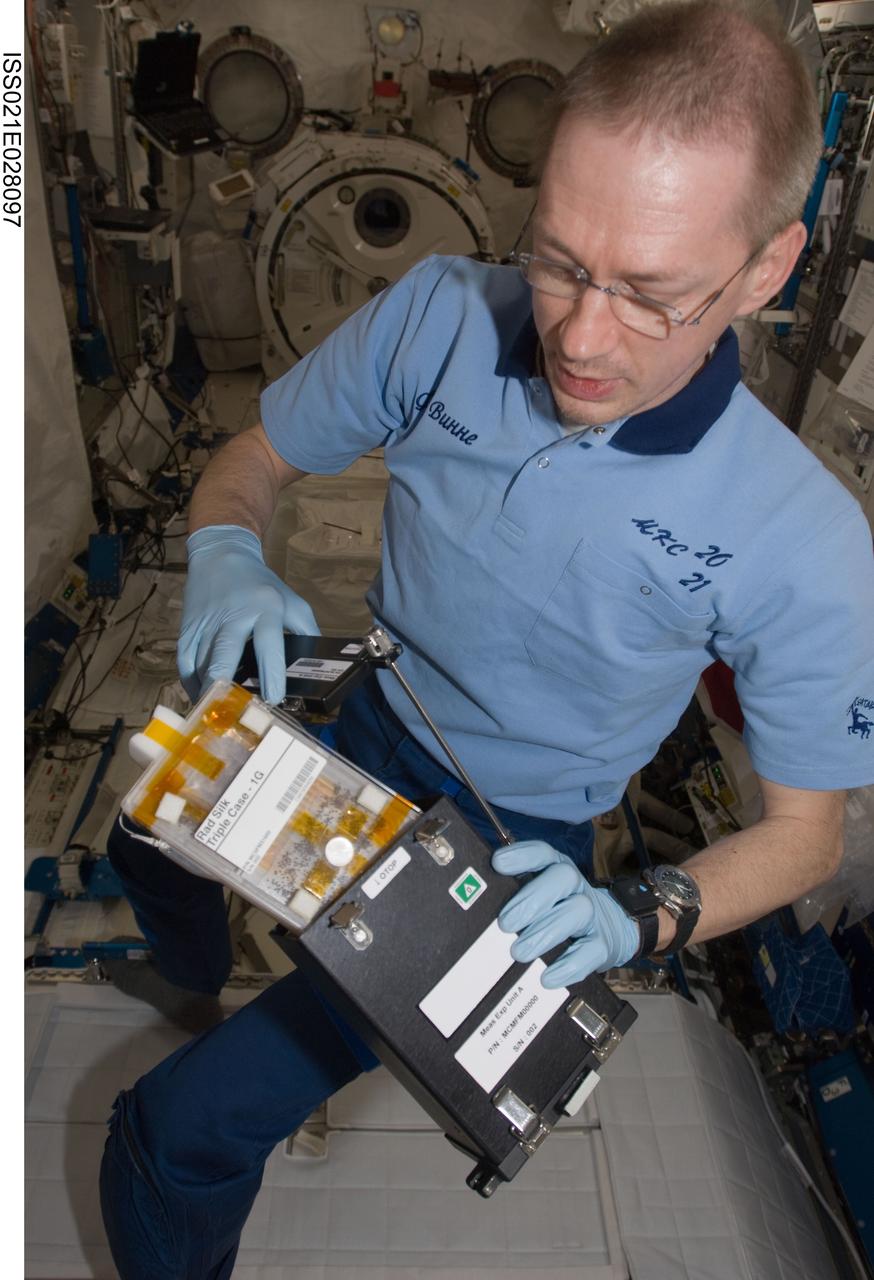
ISS021-E-028097 (17 Nov. 2009) --- European Space Agency astronaut Frank De Winne, Expedition 21 commander, works with the RadSilk experiment in the Kibo laboratory of the International Space Station. RadSilk examines the effects of radiation exposure in microgravity on silkworms.
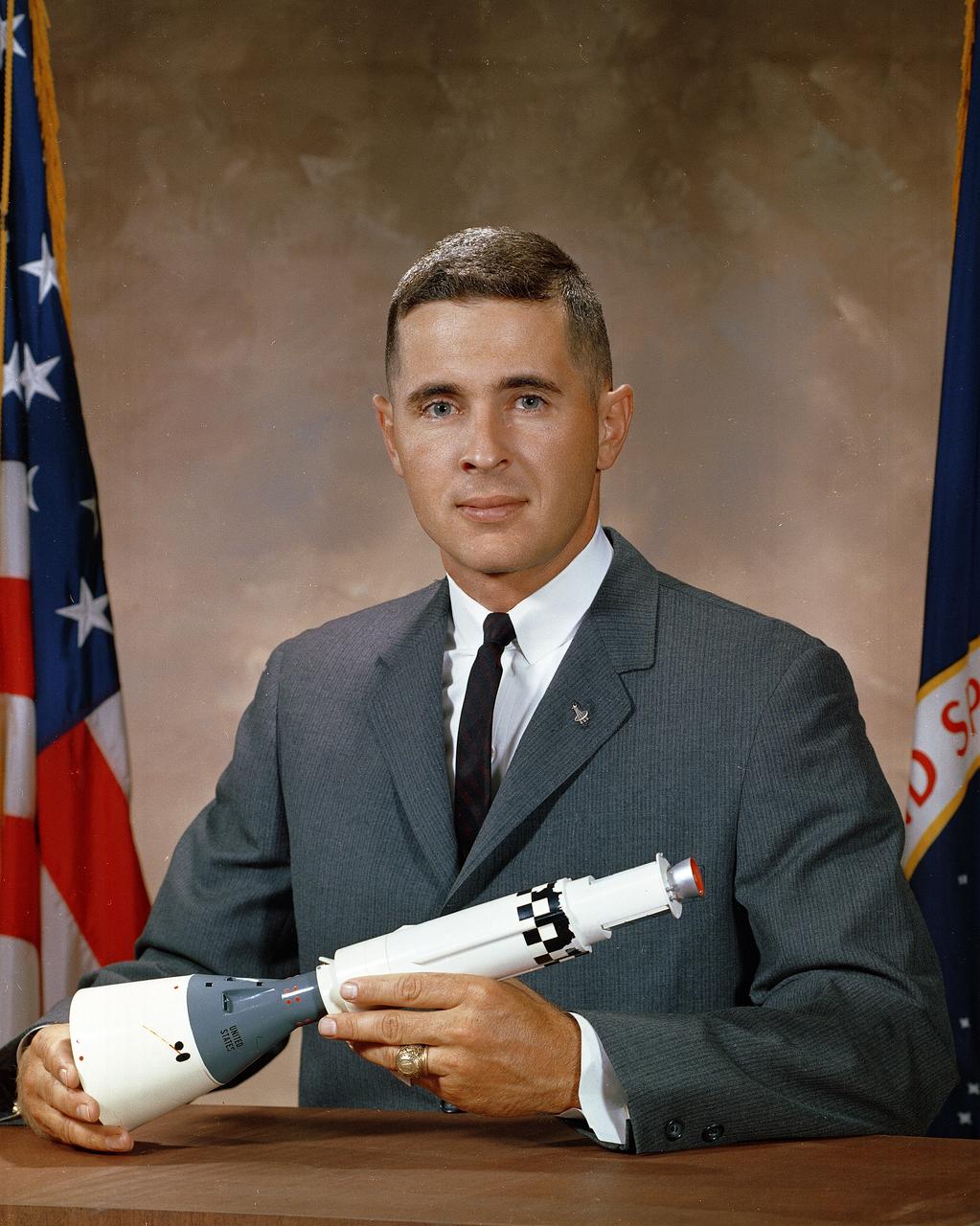
This is the official NASA portrait of astronaut William Anders. Anders was commissioned in the air Force after graduation from the Naval Academy and served as a fighter pilot in all-weather interception squadrons of the Air Defense Command. Later he was responsible for technical management of nuclear power reactor shielding and radiation effects programs while at the Air Force Weapons Laboratory in New Mexico. In 1964, Anders was selected by the National Aeronautics and Space Administration (NASA) as an astronaut with responsibilities for dosimetry, radiation effects and environmental controls. He was backup pilot for the Gemini XI, Apollo 11 flights, and served as lunar module (LM) pilot for Apollo 8, the first lunar orbit mission in December 1968. He has logged more than 6,000 hours flying time.
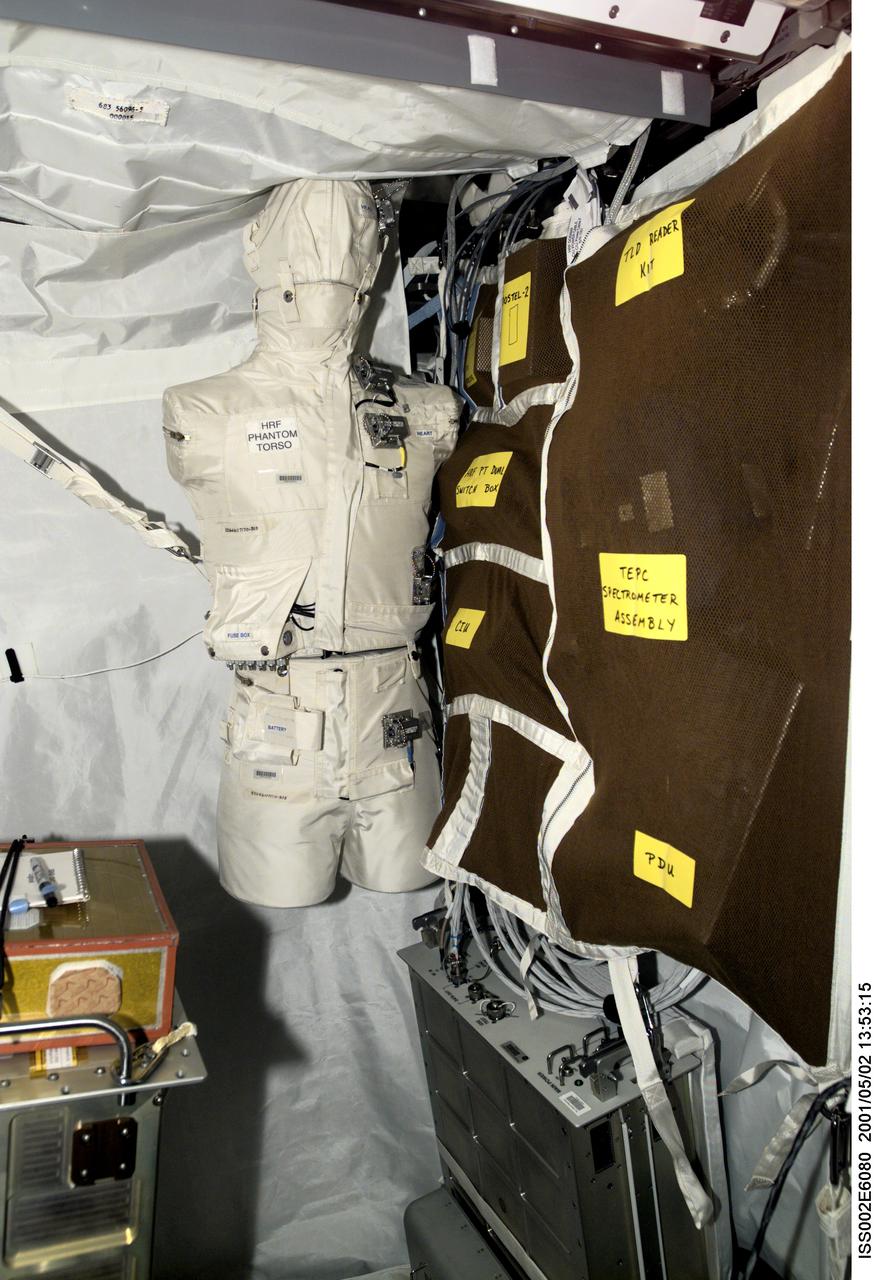
ISS002-E-6080 (2 May 2001) --- The Phantom Torso, seen here in the Human Research Facility (HRF) section of the Destiny/U.S. laboratory on the International Space Station (ISS), is designed to measure the effects of radiation on organs inside the body by using a torso that is similar to those used to train radiologists on Earth. The torso is equivalent in height and weight to an average adult male. It contains radiation detectors that will measure, in real-time, how much radiation the brain, thyroid, stomach, colon, and heart and lung area receive on a daily basis. The data will be used to determine how the body reacts to and shields its internal organs from radiation, which will be important for longer duration space flights. The experiment was delivered to the orbiting outpost during by the STS-100/6A crew in April 2001. Dr. Gautam Badhwar, NASA JSC, Houston, TX, is the principal investigator for this experiment. A digital still camera was used to record this image.

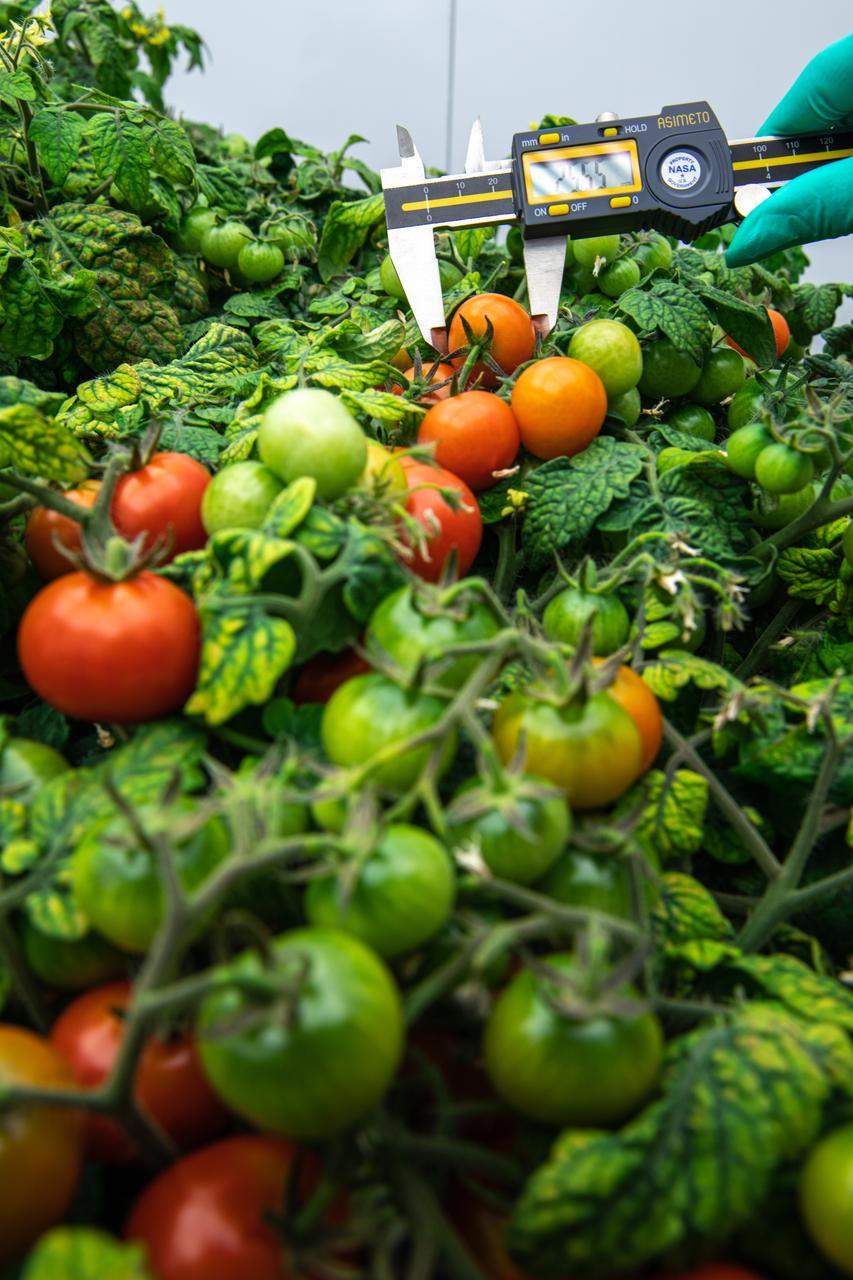
These ‘Red Robin’ dwarf tomato plants, photographed Jan. 10, 2020, inside a laboratory in the Space Station Processing Facility at NASA Kennedy Space Center in Florida, are growing from seeds that have been exposed to simulated solar particle radiation. The plants’ edible mass and nutrients will be measured and compared to those of a control crop, grown from non-irradiated seeds. The project was designed to confirm that nutritious, high-quality produce can be reliably grown in deep space, or to provide a baseline to guide development of countermeasures to protect future crop foods from radiation during missions beyond low-Earth orbit. The investigation on space radiation impact on seeds and crop production also will be carried on the Materials International Space Station Experiment (MISSE) platform outside the station, supported NASA’s Space Technology Mission Directorate and the Space Biology Program, and potentially on future beyond-low-Earth platforms.
Lashelle Spencer, plant scientist with the Laboratory Support Services and Operations (LASSO) contract at NASA’s Kennedy Space Center in Florida, takes measurements on ‘Red Robin’ dwarf tomato plants, Jan. 10, 2020, inside a laboratory in the spaceport’s Space Station Processing Facility. The tomatoes are growing from seeds that have been exposed to simulated solar particle radiation. The plants’ edible mass and nutrients will be measured and compared to those of a control crop, grown from non-irradiated seeds. The project was designed to confirm that nutritious, high-quality produce can be reliably grown in deep space, or to provide a baseline to guide development of countermeasures to protect future crop foods from radiation during missions beyond low-Earth orbit. The investigation on space radiation impact on seeds and crop production also will be carried on the Materials International Space Station Experiment (MISSE) platform outside the station, supported NASA’s Space Technology Mission Directorate and the Space Biology Program, and potentially on future beyond-low-Earth platforms.

Lashelle Spencer, plant scientist with the Laboratory Support Services and Operations (LASSO) contract at NASA’s Kennedy Space Center in Florida, takes measurements on ‘Red Robin’ dwarf tomato plants, Jan. 10, 2020, inside a laboratory in the spaceport’s Space Station Processing Facility. The tomatoes are growing from seeds that have been exposed to simulated solar particle radiation. The plants’ edible mass and nutrients will be measured and compared to those of a control crop, grown from non-irradiated seeds. The project was designed to confirm that nutritious, high-quality produce can be reliably grown in deep space, or to provide a baseline to guide development of countermeasures to protect future crop foods from radiation during missions beyond low-Earth orbit. The investigation on space radiation impact on seeds and crop production also will be carried on the Materials International Space Station Experiment (MISSE) platform outside the station, supported NASA’s Space Technology Mission Directorate and the Space Biology Program, and potentially on future beyond-low-Earth platforms.
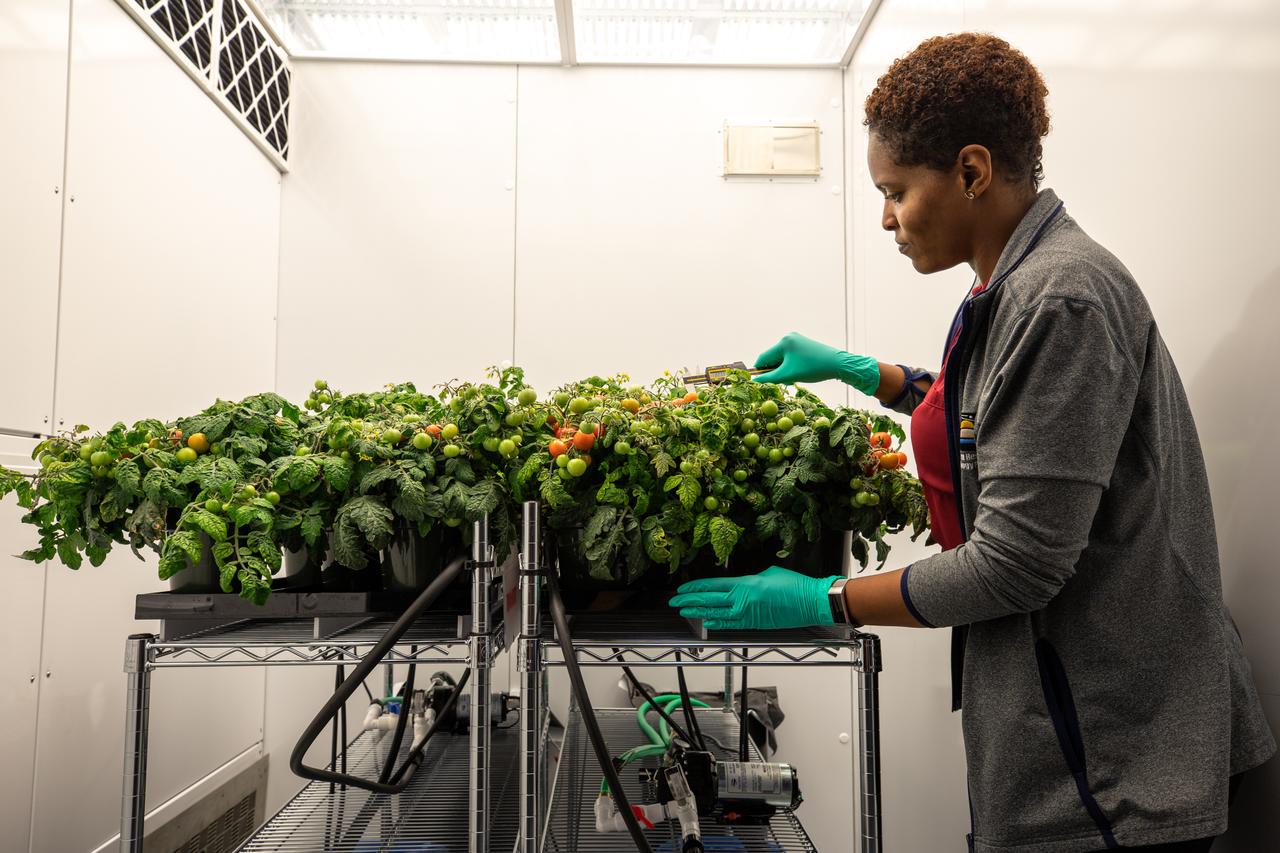
Lashelle Spencer, plant scientist with the Laboratory Support Services and Operations (LASSO) contract at NASA’s Kennedy Space Center in Florida, takes measurements on ‘Red Robin’ dwarf tomato plants, Jan. 10, 2020, inside a laboratory in the spaceport’s Space Station Processing Facility. The tomatoes are growing from seeds that have been exposed to simulated solar particle radiation. The plants’ edible mass and nutrients will be measured and compared to those of a control crop, grown from non-irradiated seeds. The project was designed to confirm that nutritious, high-quality produce can be reliably grown in deep space, or to provide a baseline to guide development of countermeasures to protect future crop foods from radiation during missions beyond low-Earth orbit. The investigation on space radiation impact on seeds and crop production also will be carried on the Materials International Space Station Experiment (MISSE) platform outside the station, supported NASA’s Space Technology Mission Directorate and the Space Biology Program, and potentially on future beyond-low-Earth platforms.

These ‘Red Robin’ dwarf tomato plants, photographed Jan. 10, 2020, inside a laboratory in the Space Station Processing Facility at NASA Kennedy Space Center in Florida, are growing from seeds that have been exposed to simulated solar particle radiation. The plants’ edible mass and nutrients will be measured and compared to those of a control crop, grown from non-irradiated seeds. The project was designed to confirm that nutritious, high-quality produce can be reliably grown in deep space, or to provide a baseline to guide development of countermeasures to protect future crop foods from radiation during missions beyond low-Earth orbit. The investigation on space radiation impact on seeds and crop production also will be carried on the Materials International Space Station Experiment (MISSE) platform outside the station, supported NASA’s Space Technology Mission Directorate and the Space Biology Program, and potentially on future beyond-low-Earth platforms.

These ‘Red Robin’ dwarf tomato plants, photographed Jan. 10, 2020, inside a laboratory in the Space Station Processing Facility at NASA Kennedy Space Center in Florida, are growing from seeds that have been exposed to simulated solar particle radiation. The plants’ edible mass and nutrients will be measured and compared to those of a control crop, grown from non-irradiated seeds. The project was designed to confirm that nutritious, high-quality produce can be reliably grown in deep space, or to provide a baseline to guide development of countermeasures to protect future crop foods from radiation during missions beyond low-Earth orbit. The investigation on space radiation impact on seeds and crop production also will be carried on the Materials International Space Station Experiment (MISSE) platform outside the station, supported NASA’s Space Technology Mission Directorate and the Space Biology Program, and potentially on future beyond-low-Earth platforms.
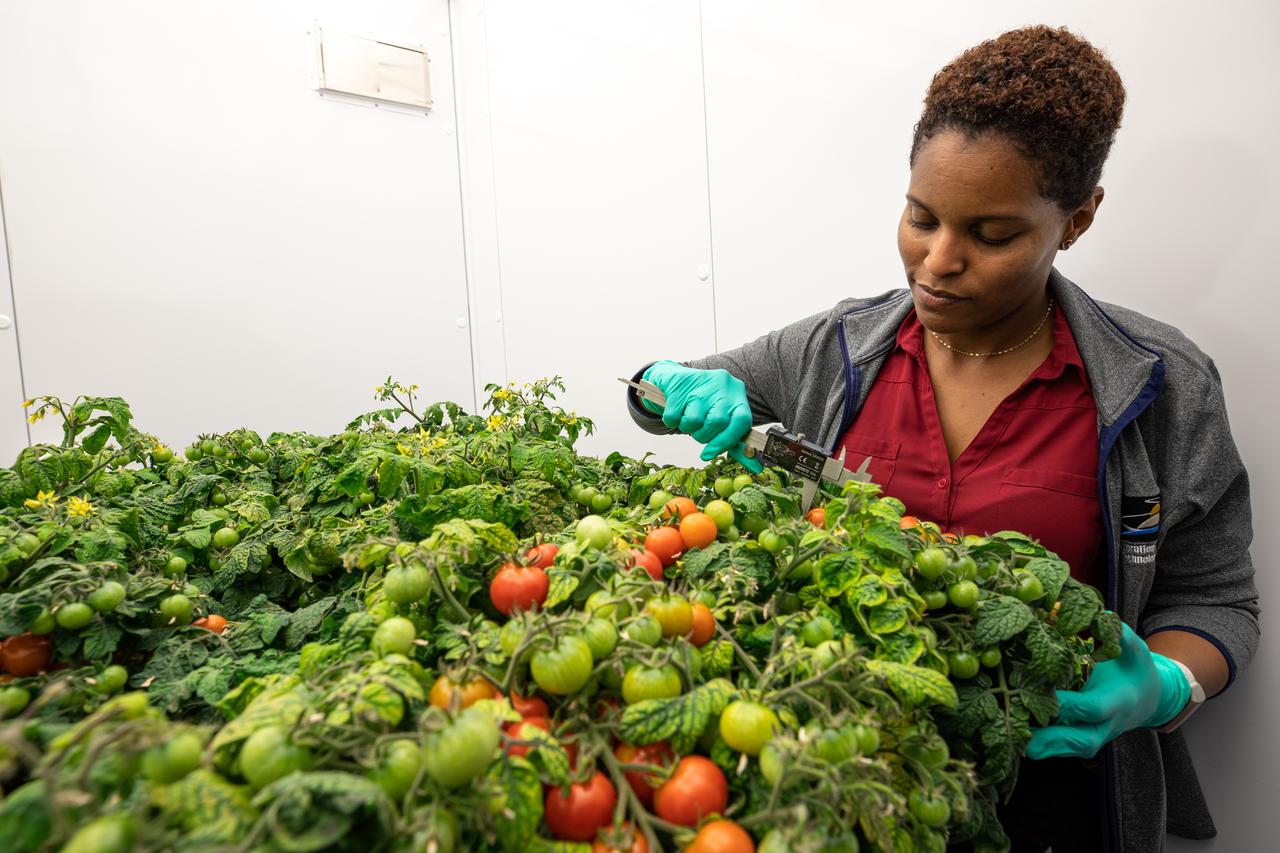
Lashelle Spencer, plant scientist with the Laboratory Support Services and Operations (LASSO) contract at NASA’s Kennedy Space Center in Florida, takes measurements on ‘Red Robin’ dwarf tomato plants, Jan. 10, 2020, inside a laboratory in the spaceport’s Space Station Processing Facility. The tomatoes are growing from seeds that have been exposed to simulated solar particle radiation. The plants’ edible mass and nutrients will be measured and compared to those of a control crop, grown from non-irradiated seeds. The project was designed to confirm that nutritious, high-quality produce can be reliably grown in deep space, or to provide a baseline to guide development of countermeasures to protect future crop foods from radiation during missions beyond low-Earth orbit. The investigation on space radiation impact on seeds and crop production also will be carried on the Materials International Space Station Experiment (MISSE) platform outside the station, supported NASA’s Space Technology Mission Directorate and the Space Biology Program, and potentially on future beyond-low-Earth platforms.
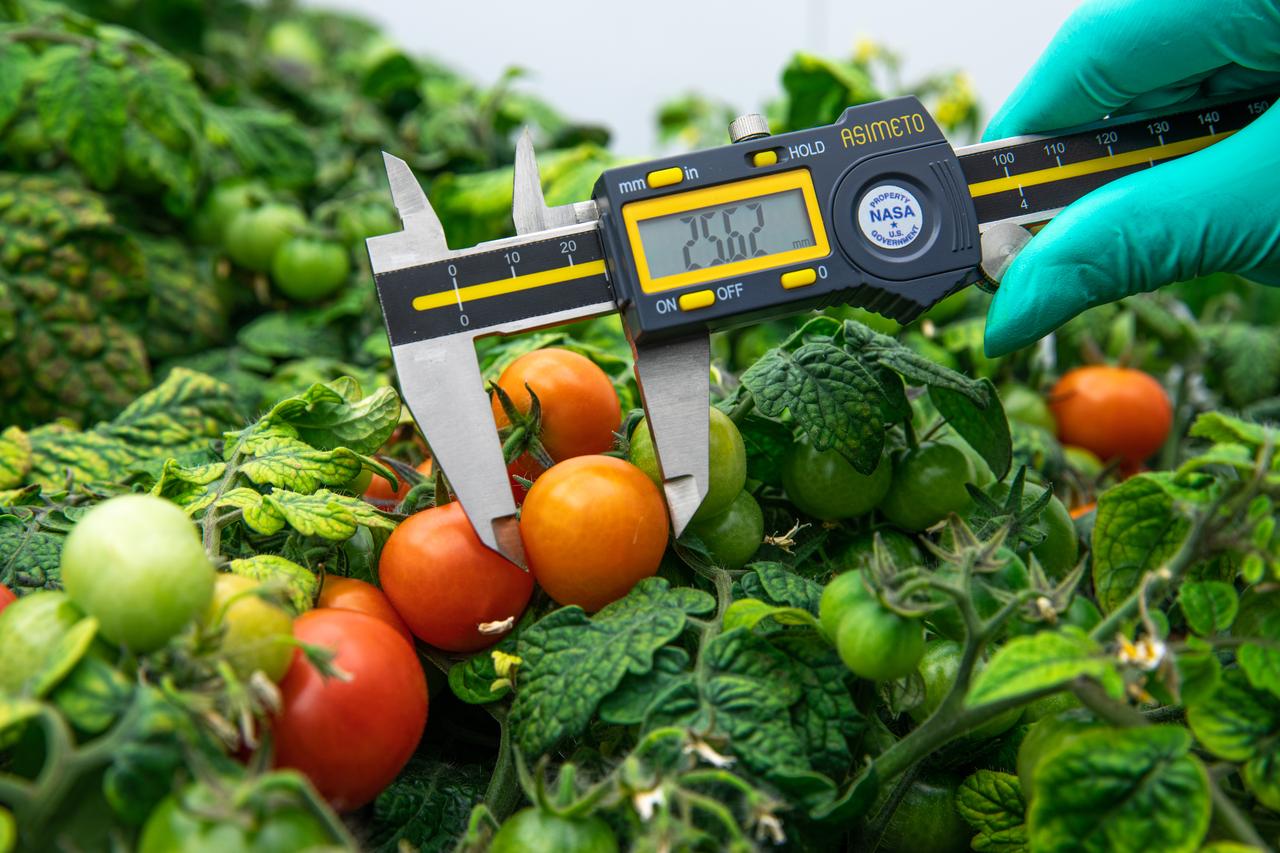
Lashelle Spencer, plant scientist with the Laboratory Support Services and Operations (LASSO) contract at NASA’s Kennedy Space Center in Florida, takes measurements on ‘Red Robin’ dwarf tomato plants, Jan. 10, 2020, inside a laboratory in the spaceport’s Space Station Processing Facility. The tomatoes are growing from seeds that have been exposed to simulated solar particle radiation. The plants’ edible mass and nutrients will be measured and compared to those of a control crop, grown from non-irradiated seeds. The project was designed to confirm that nutritious, high-quality produce can be reliably grown in deep space, or to provide a baseline to guide development of countermeasures to protect future crop foods from radiation during missions beyond low-Earth orbit. The investigation on space radiation impact on seeds and crop production also will be carried on the Materials International Space Station Experiment (MISSE) platform outside the station, supported NASA’s Space Technology Mission Directorate and the Space Biology Program, and potentially on future beyond-low-Earth platforms.
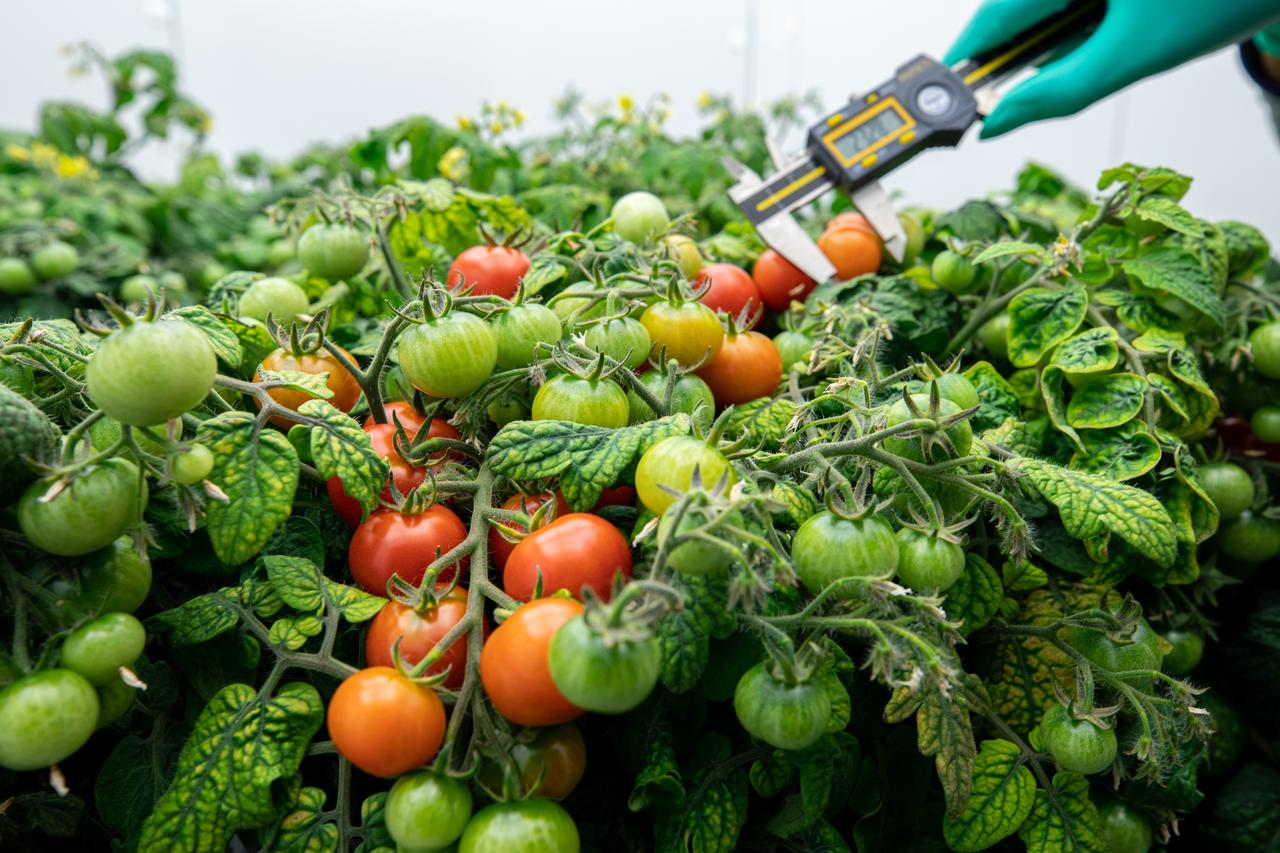
Lashelle Spencer, plant scientist with the Laboratory Support Services and Operations (LASSO) contract at NASA’s Kennedy Space Center in Florida, takes measurements on ‘Red Robin’ dwarf tomato plants, Jan. 10, 2020, inside a laboratory in the spaceport’s Space Station Processing Facility. The tomatoes are growing from seeds that have been exposed to simulated solar particle radiation. The plants’ edible mass and nutrients will be measured and compared to those of a control crop, grown from non-irradiated seeds. The project was designed to confirm that nutritious, high-quality produce can be reliably grown in deep space, or to provide a baseline to guide development of countermeasures to protect future crop foods from radiation during missions beyond low-Earth orbit. The investigation on space radiation impact on seeds and crop production also will be carried on the Materials International Space Station Experiment (MISSE) platform outside the station, supported NASA’s Space Technology Mission Directorate and the Space Biology Program, and potentially on future beyond-low-Earth platforms.
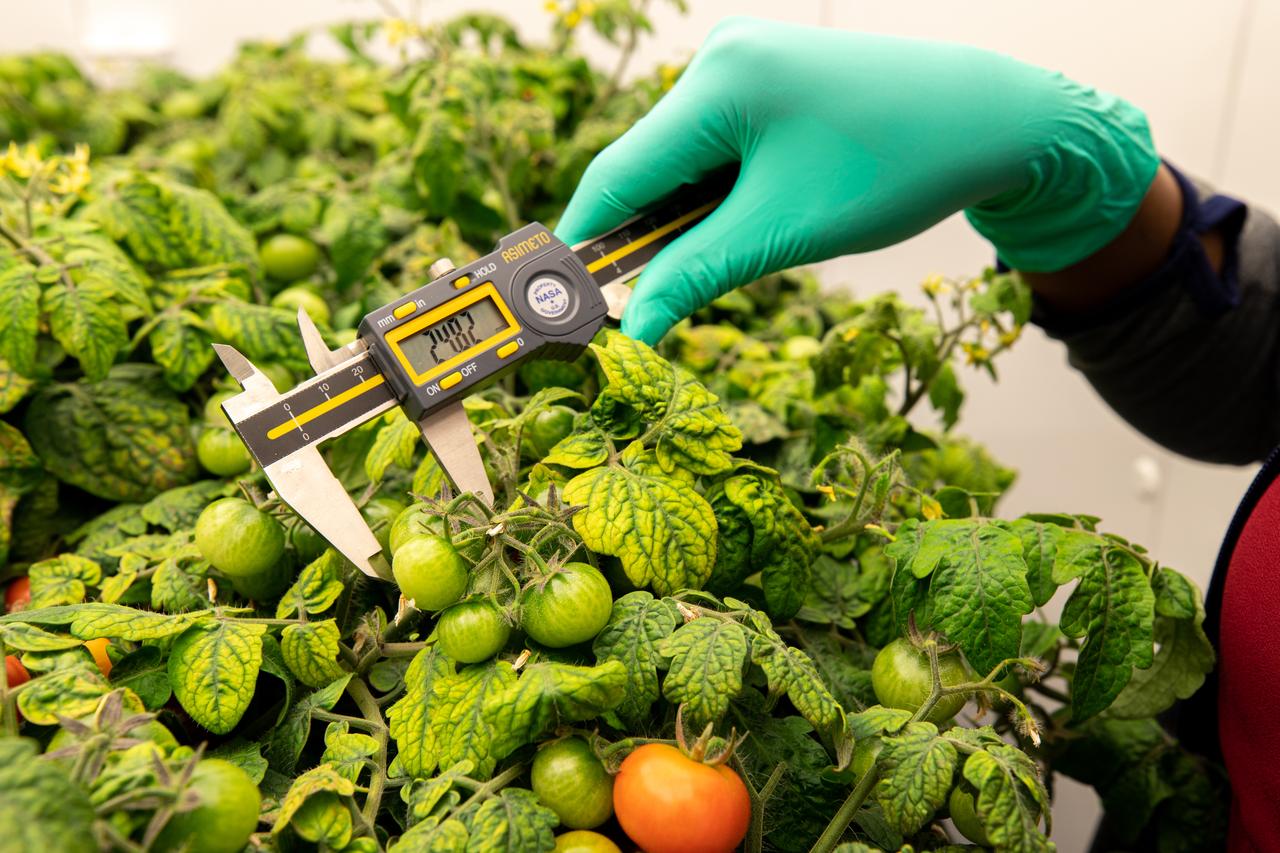
Lashelle Spencer, plant scientist with the Laboratory Support Services and Operations (LASSO) contract at NASA’s Kennedy Space Center in Florida, takes measurements on ‘Red Robin’ dwarf tomato plants, Jan. 10, 2020, inside a laboratory in the spaceport’s Space Station Processing Facility. The tomatoes are growing from seeds that have been exposed to simulated solar particle radiation. The plants’ edible mass and nutrients will be measured and compared to those of a control crop, grown from non-irradiated seeds. The project was designed to confirm that nutritious, high-quality produce can be reliably grown in deep space, or to provide a baseline to guide development of countermeasures to protect future crop foods from radiation during missions beyond low-Earth orbit. The investigation on space radiation impact on seeds and crop production also will be carried on the Materials International Space Station Experiment (MISSE) platform outside the station, supported NASA’s Space Technology Mission Directorate and the Space Biology Program, and potentially on future beyond-low-Earth platforms.

Lashelle Spencer, plant scientist with the Laboratory Support Services and Operations (LASSO) contract at NASA’s Kennedy Space Center in Florida, takes measurements on ‘Red Robin’ dwarf tomato plants, Jan. 10, 2020, inside a laboratory in the spaceport’s Space Station Processing Facility. The tomatoes are growing from seeds that have been exposed to simulated solar particle radiation. The plants’ edible mass and nutrients will be measured and compared to those of a control crop, grown from non-irradiated seeds. The project was designed to confirm that nutritious, high-quality produce can be reliably grown in deep space, or to provide a baseline to guide development of countermeasures to protect future crop foods from radiation during missions beyond low-Earth orbit. The investigation on space radiation impact on seeds and crop production also will be carried on the Materials International Space Station Experiment (MISSE) platform outside the station, supported NASA’s Space Technology Mission Directorate and the Space Biology Program, and potentially on future beyond-low-Earth platforms.
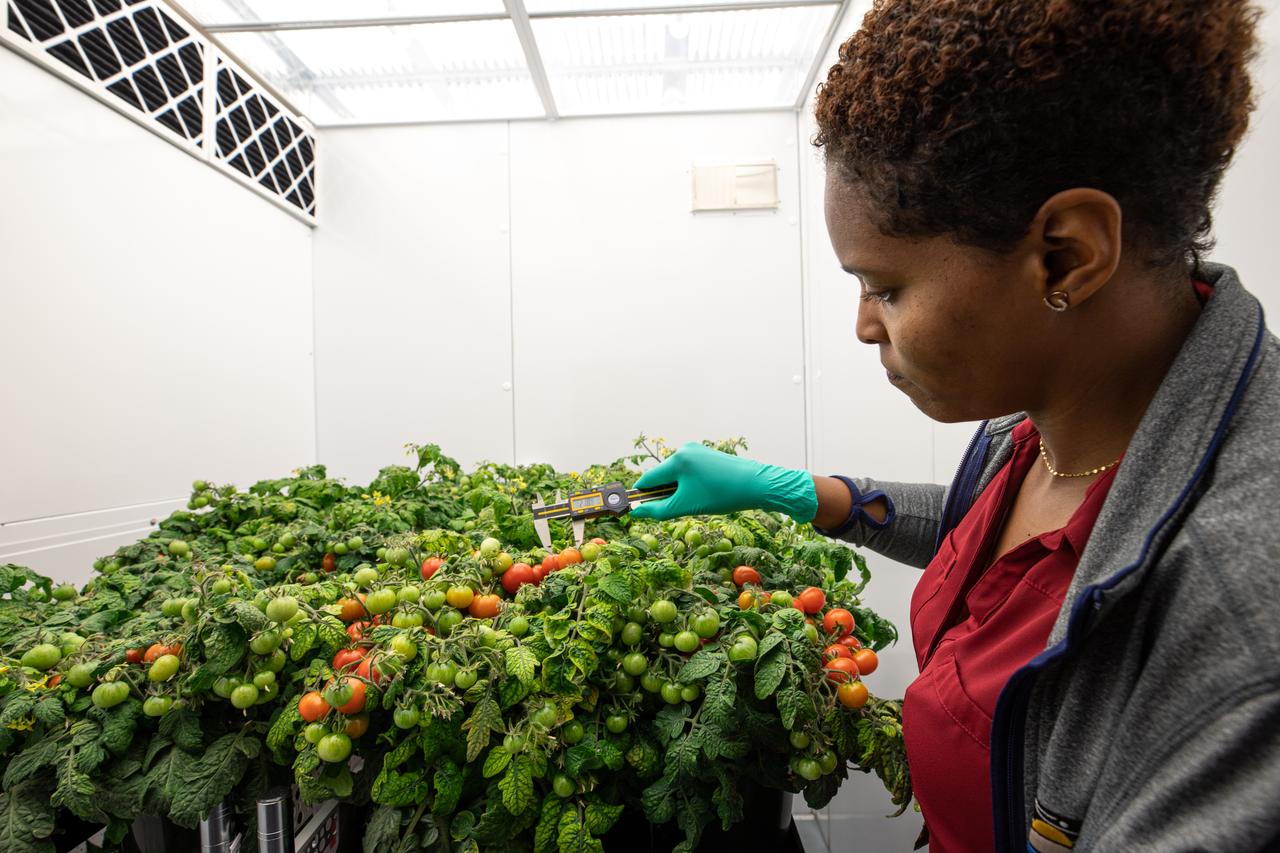
Lashelle Spencer, plant scientist with the Laboratory Support Services and Operations (LASSO) contract at NASA’s Kennedy Space Center in Florida, takes measurements on ‘Red Robin’ dwarf tomato plants, Jan. 10, 2020, inside a laboratory in the spaceport’s Space Station Processing Facility. The tomatoes are growing from seeds that have been exposed to simulated solar particle radiation. The plants’ edible mass and nutrients will be measured and compared to those of a control crop, grown from non-irradiated seeds. The project was designed to confirm that nutritious, high-quality produce can be reliably grown in deep space, or to provide a baseline to guide development of countermeasures to protect future crop foods from radiation during missions beyond low-Earth orbit. The investigation on space radiation impact on seeds and crop production also will be carried on the Materials International Space Station Experiment (MISSE) platform outside the station, supported NASA’s Space Technology Mission Directorate and the Space Biology Program, and potentially on future beyond-low-Earth platforms.

NASA's Europa Clipper is tasked with up-close study of Jupiter's enigmatic moon Europa, which orbits the gas giant within a band of powerful radiation generated by the planet's strong magnetic field. The relative intensity of Jupiter's radiation bands is illustrated in this diagram, along with the orbits of Jupiter's three other largest moons: Io, Ganymede, and Callisto. To limit the damaging effects of radiation on the spacecraft, Europa Clipper will orbit Jupiter elliptically, dipping in for dozens of close flybys of Europa. Between each pass, the spacecraft will retreat to a safer distance from which it can safely transmit the science data it collects back to Earth. Europa Clipper's three main science objectives are to determine the thickness of the moon's icy shell and its interactions with the ocean below, to investigate its composition, and to characterize its geology. The mission's detailed exploration of Europa will help scientists better understand the astrobiological potential for habitable worlds beyond our planet. https://photojournal.jpl.nasa.gov/catalog/PIA26436
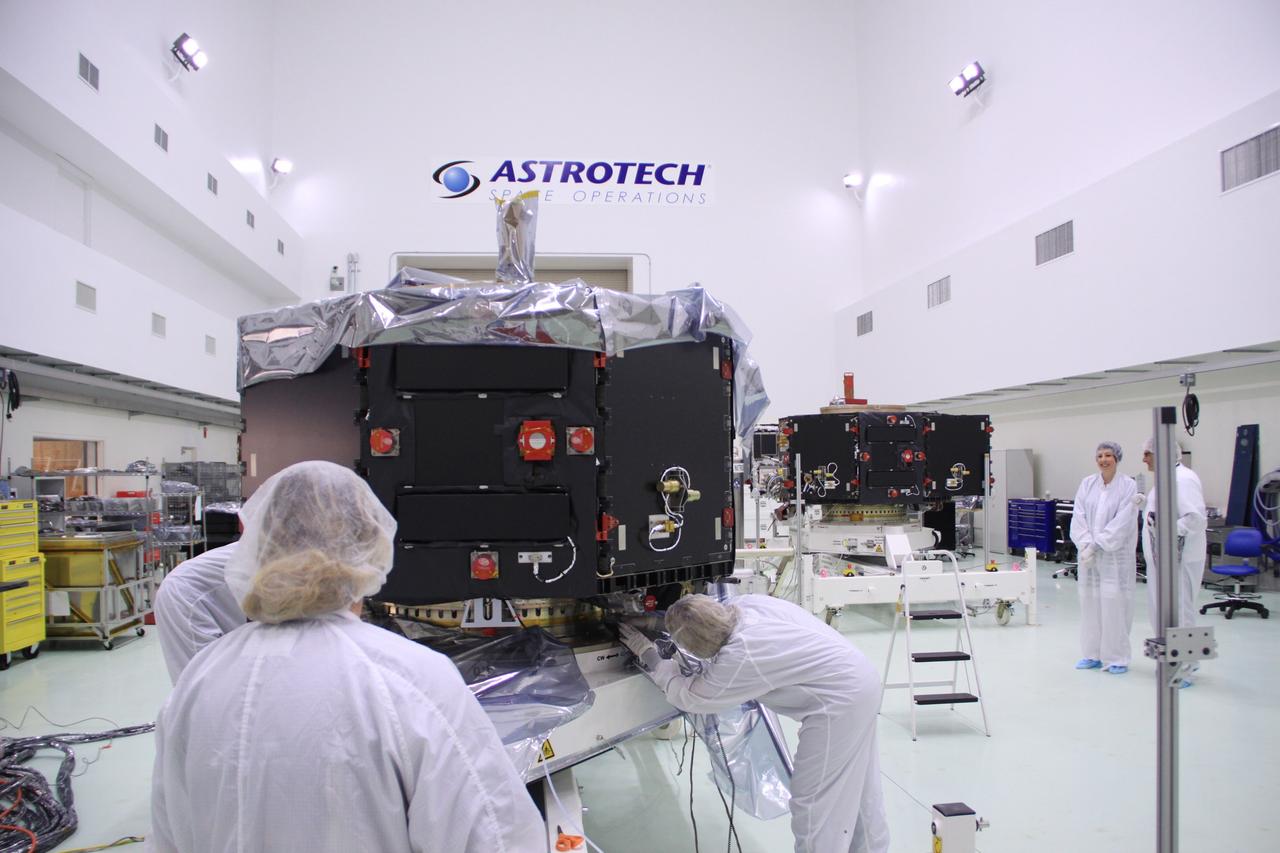
CAPE CANAVERAL, Fla. – In the clean room high bay at the Astrotech payload processing facility near NASA’s Kennedy Space Center in Florida, Applied Physics Laboratory technicians remove the protective shroud from around NASA's Radiation Belt Storm Probe B. Its twin, Radiation Belt Storm Probe A, in the background, has already been uncovered. The Radiation Belt Storm Probes, or RBSP, mission will help us understand the sun’s influence on Earth and near-Earth space by studying the Earth’s radiation belts on various scales of space and time. RBSP instruments will provide the measurements needed to characterize and quantify the plasma processes that produce very energetic ions and relativistic electrons. The mission is part of NASA’s broader Living With a Star Program that was conceived to explore fundamental processes that operate throughout the solar system, particularly those that generate hazardous space weather effects in the vicinity of Earth and phenomena that could impact solar system exploration. RBSP will begin its mission of exploration of Earth's Van Allen radiation belts and the extremes of space weather after launch. Launch aboard a United Launch Alliance Atlas V rocket is scheduled for August 23. For more information, visit http://www.nasa.gov/rbsp. Photo credit: NASA/Jim Grossmann
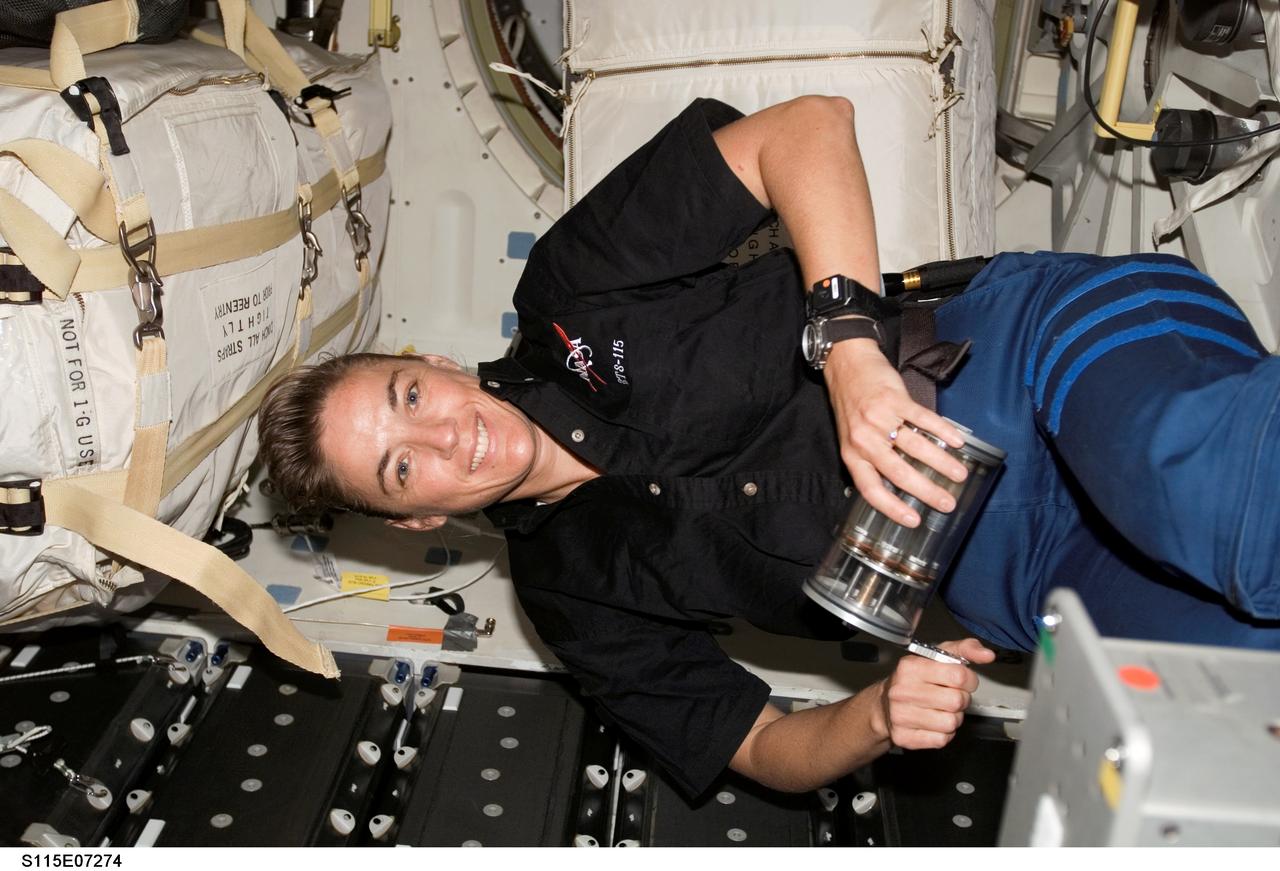
S115-E-07274 (9-21 Sept. 2006) --- Astronaut Heidemarie M. Stefanyshyn-Piper, STS-115 mission specialist, works with the Yeast-Group Activation Packs (Yeast-GAP) on the middeck of Space Shuttle Atlantis. Yeast-GAP experiment studies the effects of genetic changes of yeast cells exposed to the space environment. The results will help scientists to understand how cells respond to radiation and microgravity.
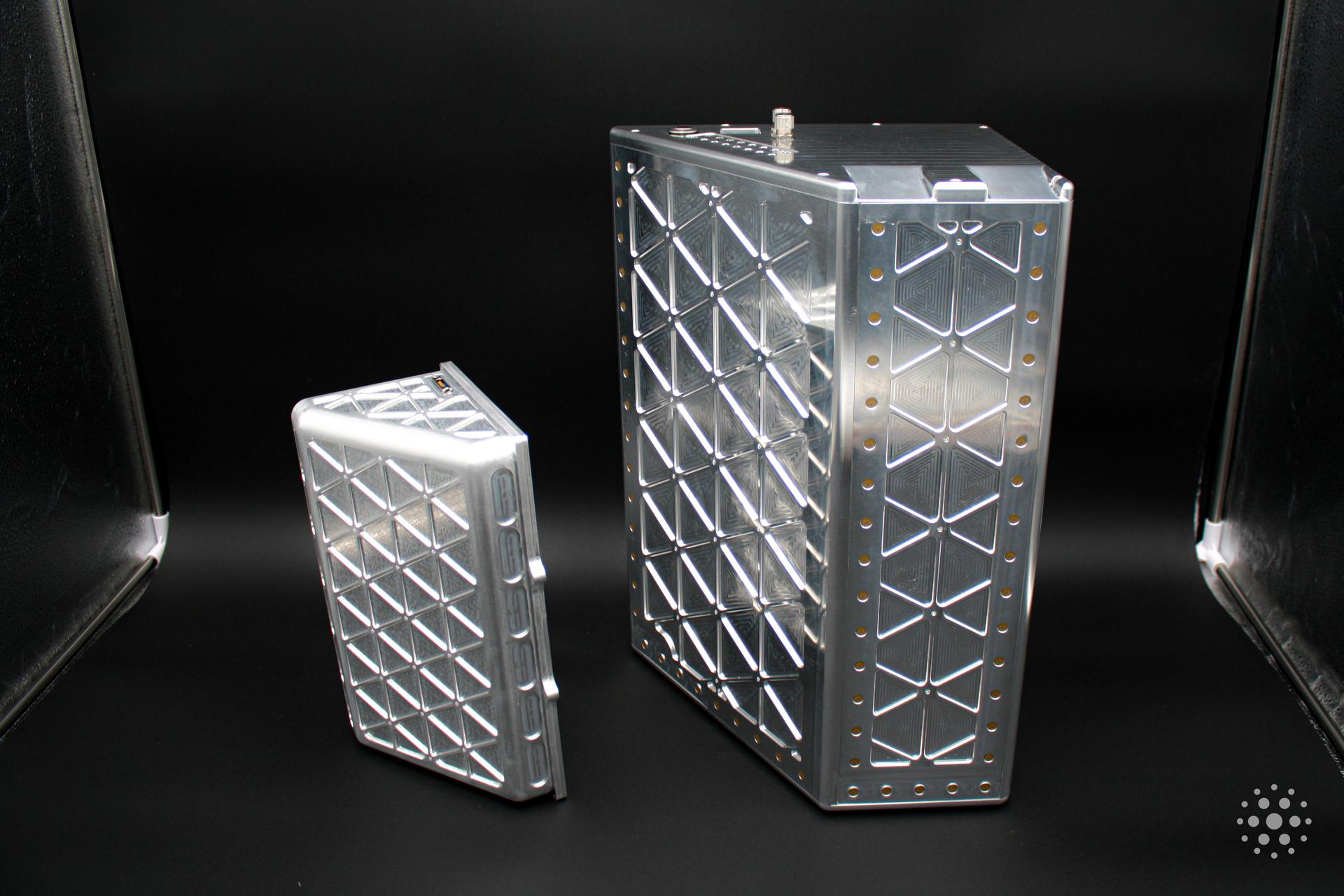
This is the hardware that will contain the AVATAR chips during the Artemis II flight. The AVATAR (A Virtual Astronaut Tissue Analog Response) investigation will use organ-on-a-chip devices, or organ chips, to study a effects of increased radiation and microgravity on human health. Artemis II AVATAR is a small experiment flying aboard Artemis II that could lead to big impacts in healthcare, both for astronauts in space and citizens on Earth. For more information on AVATAR: go.nasa.gov/4m5dGH9
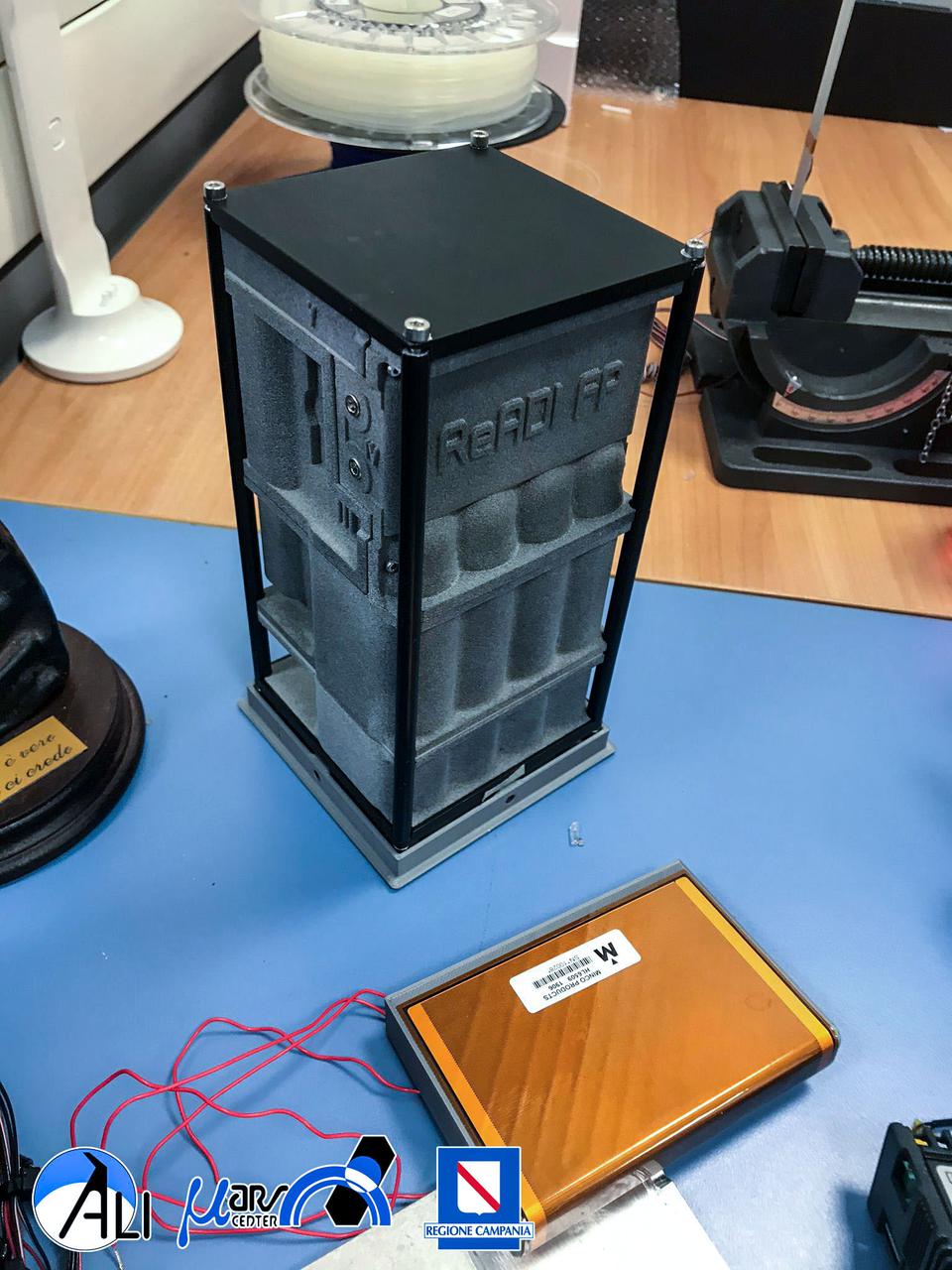
jsc2021e036648 (8/4/2021) --- A preflight image of the READI FP shell assembled before the immersion test. REducing Arthritis Dependent Inflammation First Phase (READI FP) evaluates how microgravity and space radiation affect the generation of bone tissue. It also examines the potential protective effects of bio-collagen and bioactive metabolites such as antioxidants during spaceflight. The source of these metabolites are vegetal extracts produced as waste products in wine production.
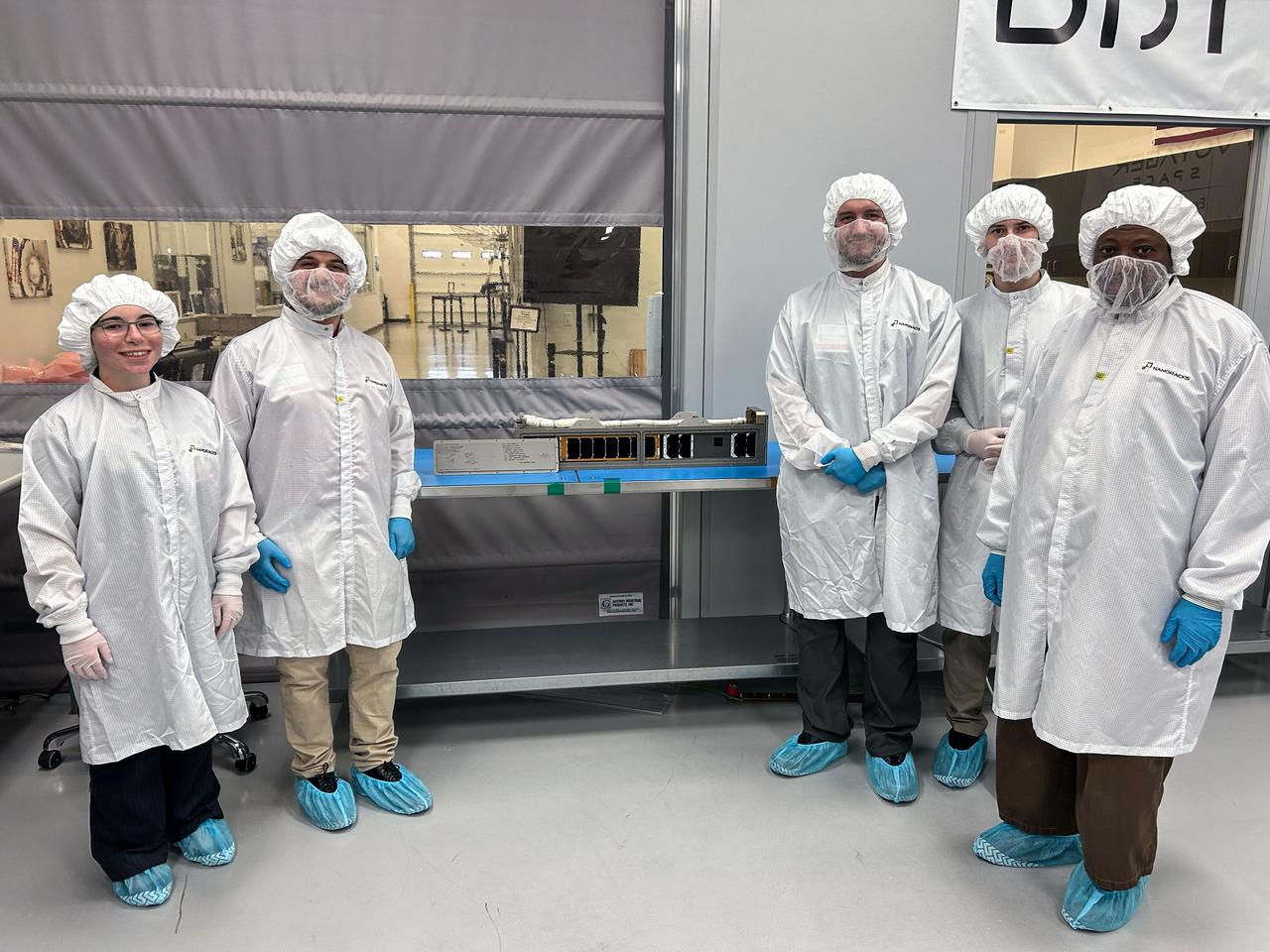
jsc2025e039328 (3/17/2025) --- The EagleSat integration team poses for one last photo with EagleSat-2. Memory Degradation Experiment (NanoRacks-EagleSat-2) documents the effects of solar radiation on five types of commercially available computer memory devices. Results from this investigation could help the space community better prepare for, remediate, and even avoid data memory loss from satellites in orbit. Imagery courtesy of EagleSat-2 Team.
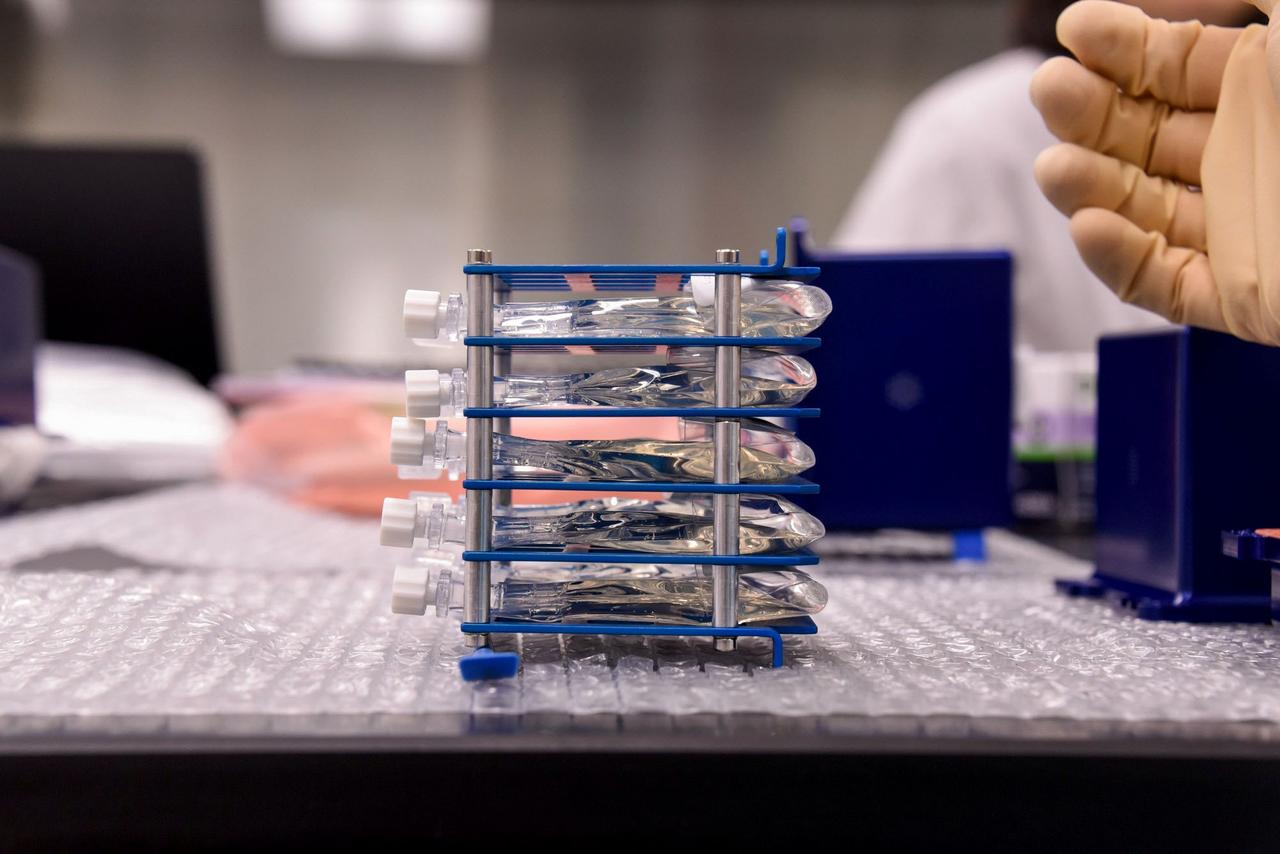
jsc2024e050833 (12/2/2019) --- Preflight image of the Rotifer-B2 experiment container. The Rotifer-B2 investigation aims to explore the effects that spaceflight has on deoxyribonucleic acid (DNA) repair mechanisms of the bdelloid rotifer Adineta vaga. This is achieved by pre-exposing rotifers to high levels of radiation on Earth and then culturing them in Kubik, an on-orbit incubator facility. After exposing rotifers to space conditions inside the International Space Station, the samples are frozen and returned to Earth for postflight analyses. Image courtesy of the University of Namur.
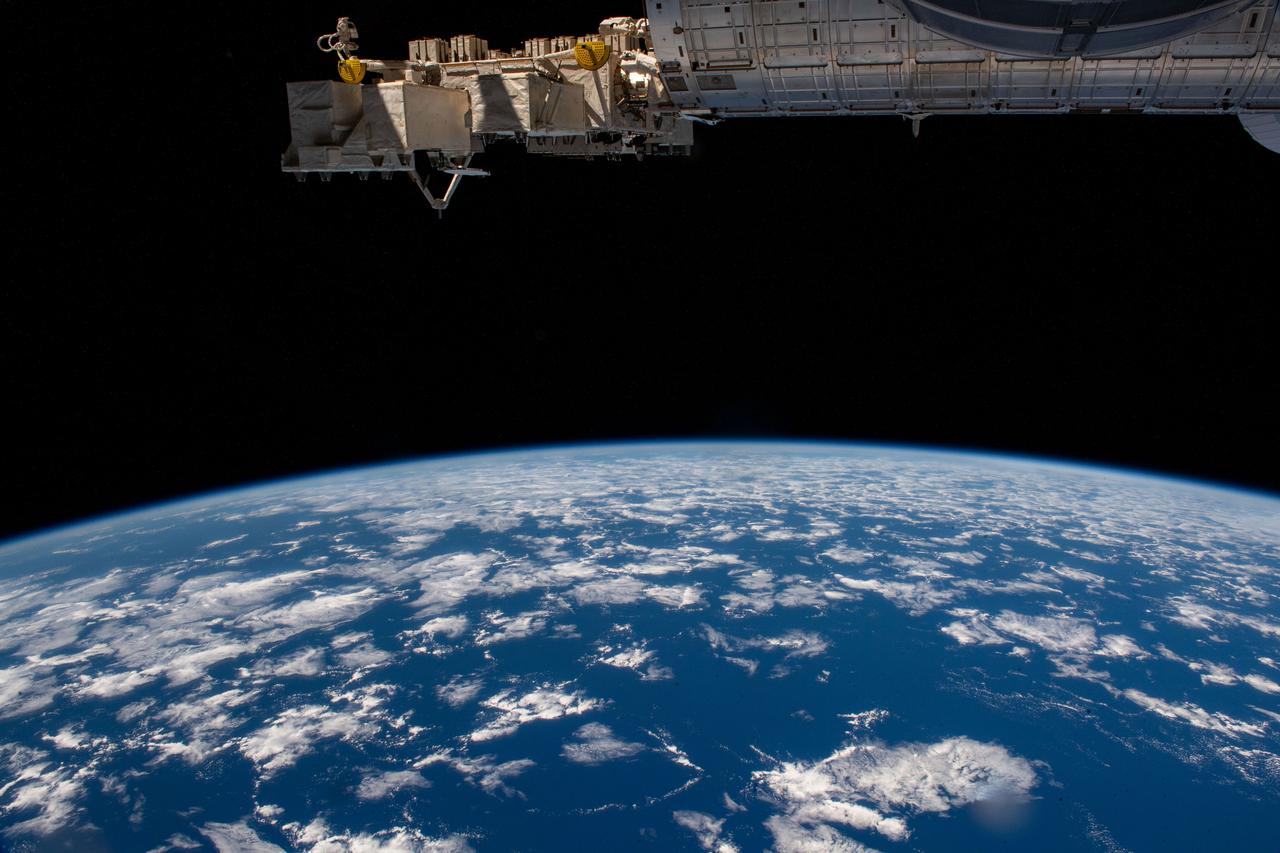
iss064e006316 (Nov. 21, 2020) --- Earth's limb, or horizon, is pictured from the International Space Station as it orbited above the Pacific Ocean off the coast of Chile. Framing the top of the photograph, is a portion of Japan's Kibo laboratory module with its Exposed Facility that houses external experiments to understand the effects of space radiation and extreme temperatures on a variety of materials.
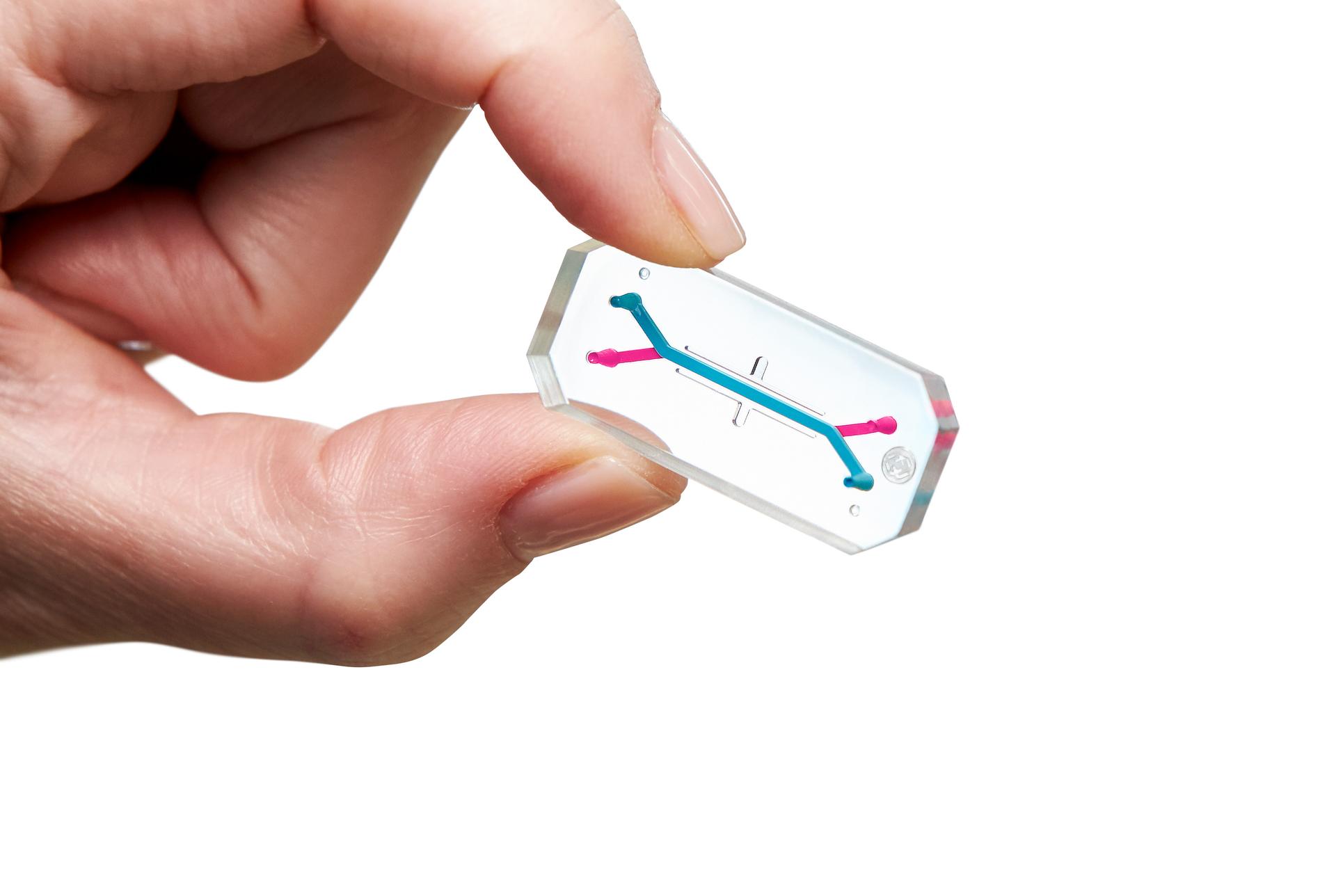
The AVATAR (A Virtual Astronaut Tissue Analog Response) investigation will use organ-on-a-chip devices, or organ chips, to study a effects of increased radiation and microgravity on human health. Artemis II AVATAR is a small experiment flying aboard Artemis II that could lead to big impacts in healthcare, both for astronauts in space and citizens on Earth. For more information on AVATAR: go.nasa.gov/4m5dGH9

art002e027803 (April 8, 2026) – NASA astronaut Christina Koch smiles at the camera as she holds a pipette and saliva booklet for the Artemis II Immune Biomarkers study. Samples will be analyzed for proteins, enzymes, and other biomarkers that monitor immunity, inflammation, nutritional status, bone health, and radiation effects, to determine how crewmembers adapted to deep spaceflight conditions. Credit: NASA
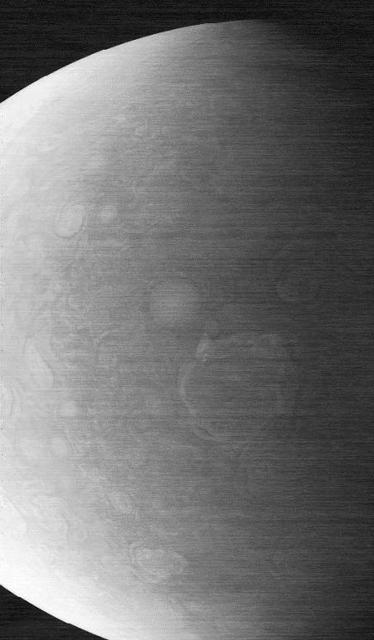
This image capturing one of the circumpolar cyclones on Jupiter's north pole was taken Nov. 22, 2023, by the JunoCam imager aboard NASA's Juno as the spacecraft flew past at an altitude of about 10,880 miles (17,500 kilometers). The horizontal lines and overall graininess of the image show the effects of radiation damage on the camera. The Juno team has been experimenting with a technique called annealing to address the damage and restore the quality of JunoCam images. https://photojournal.jpl.nasa.gov/catalog/PIA26642
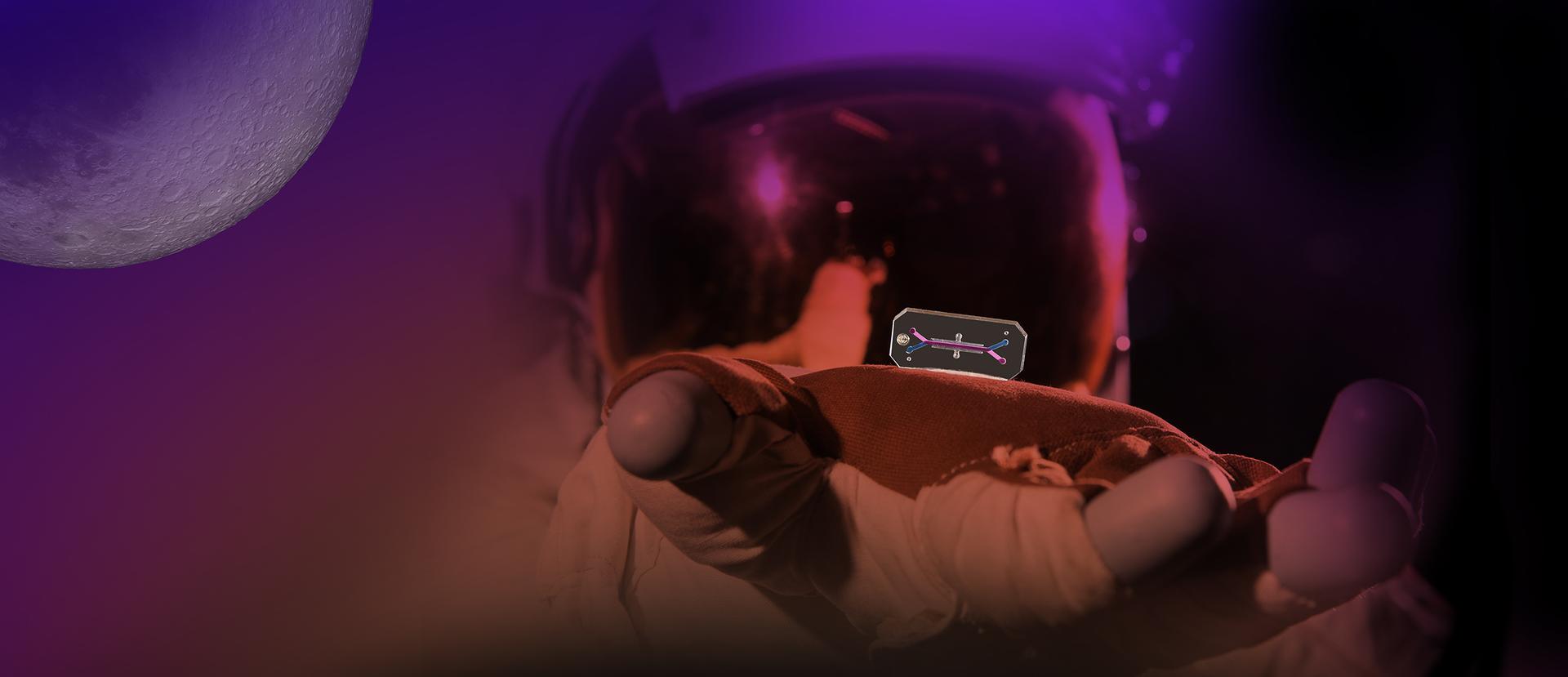
The AVATAR (A Virtual Astronaut Tissue Analog Response) investigation will use organ-on-a-chip devices, or organ chips, to study a effects of increased radiation and microgravity on human health. Artemis II AVATAR is a small experiment flying aboard Artemis II that could lead to big impacts in healthcare, both for astronauts in space and citizens on Earth. For more information on AVATAR: go.nasa.gov/4m5dGH9
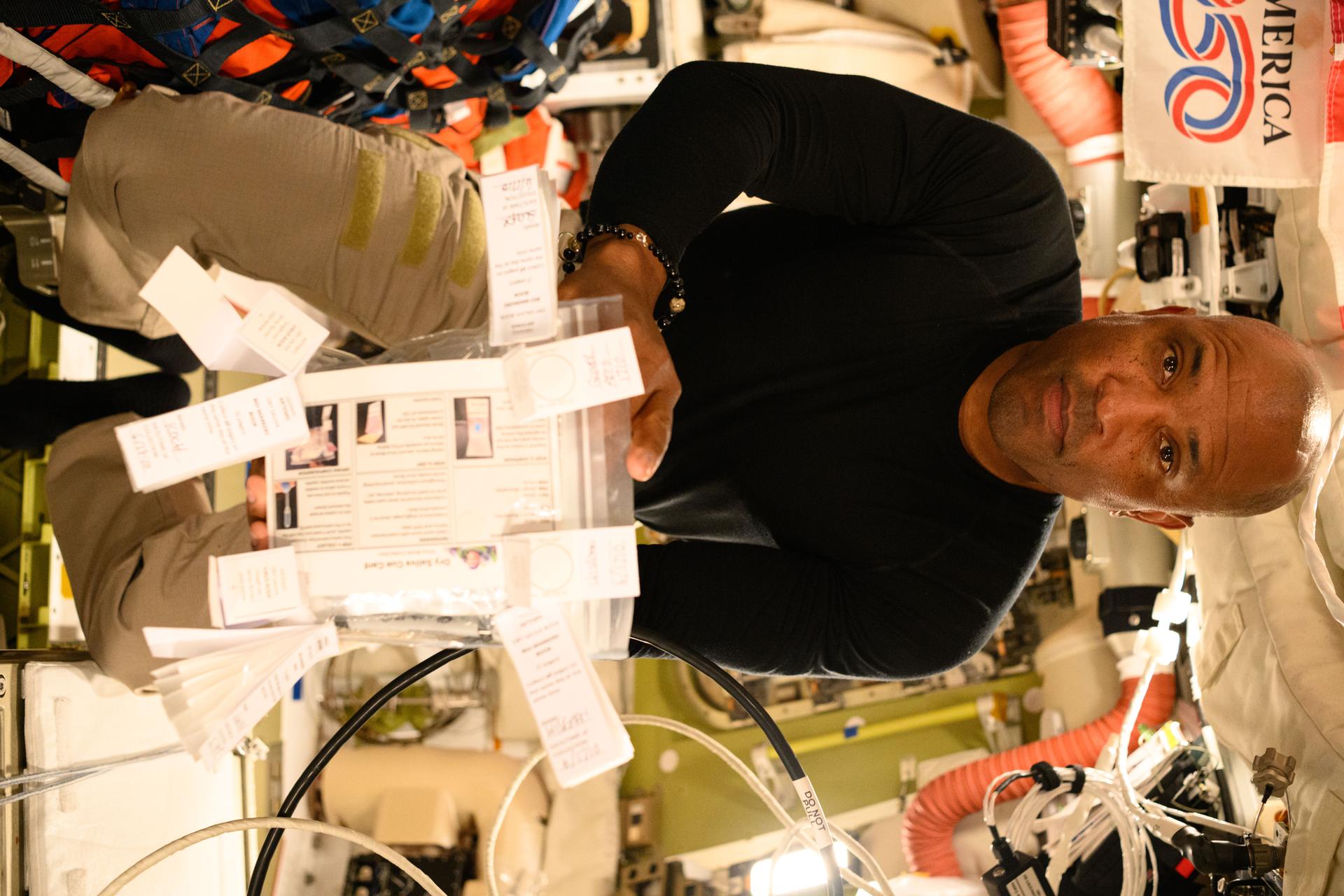
art002e027801 (April 8, 2026) – NASA astronaut Victor Glover shows off the sample bag for the Immune Biomarkers study aboard the Orion spacecraft. During the Artemis II mission, the crew collected saliva samples for this study. Samples will be analyzed for proteins, enzymes, and other biomarkers that monitor immunity, inflammation, nutritional status, bone health, and radiation effects, to determine how crewmembers adapted to deep spaceflight conditions. Credit: NASA

art002e027806 (April 8, 2026) – NASA astronaut Christina Koch smiles at the camera as she holds a pipette and saliva booklet for the Artemis II Immune Biomarkers study. Samples will be analyzed for proteins, enzymes, and other biomarkers that monitor immunity, inflammation, nutritional status, bone health, and radiation effects, to determine how crewmembers adapted to deep spaceflight conditions. Credit: NASA
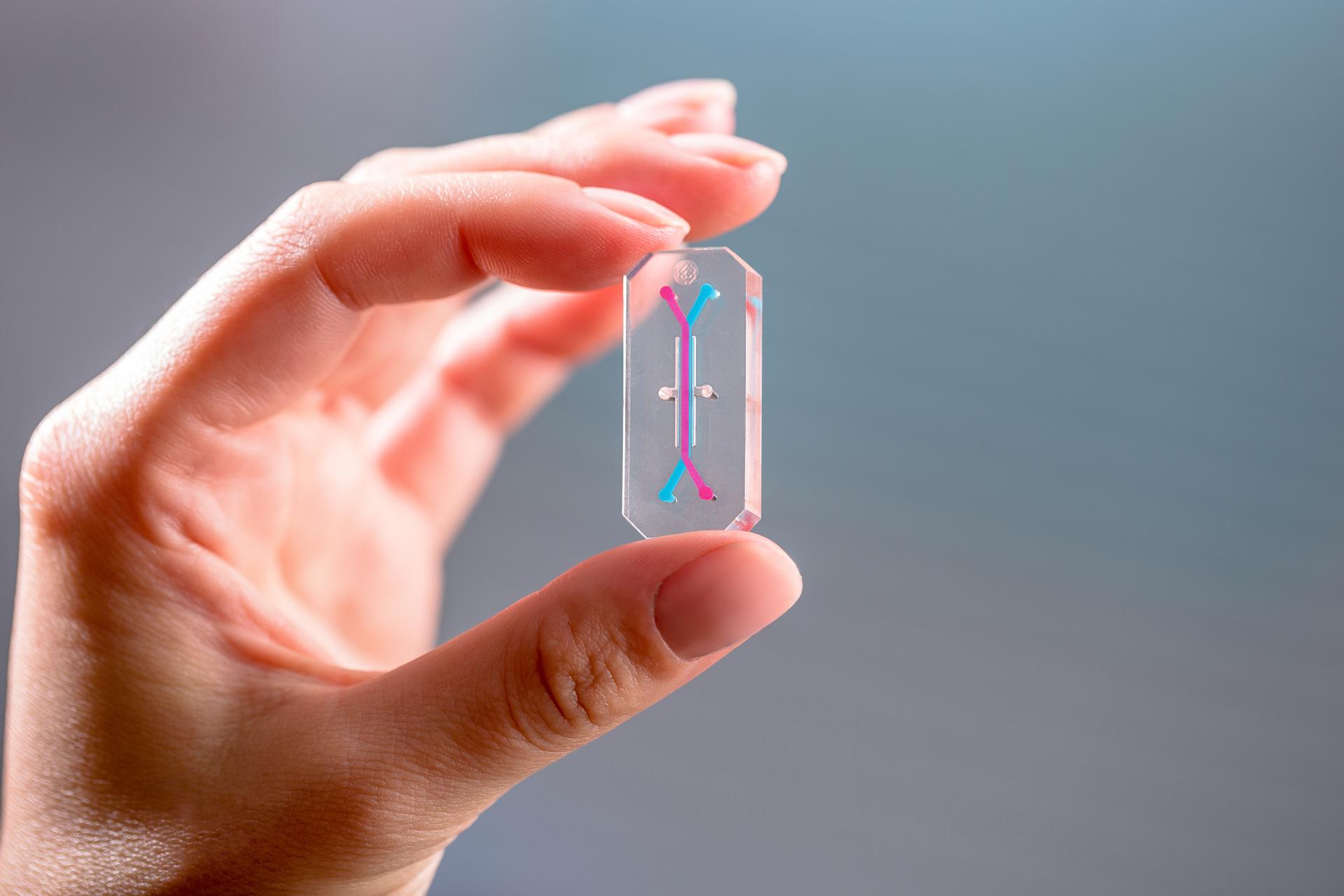
The AVATAR (A Virtual Astronaut Tissue Analog Response) investigation will use organ-on-a-chip devices, or organ chips, to study a effects of increased radiation and microgravity on human health. Artemis II AVATAR is a small experiment flying aboard Artemis II that could lead to big impacts in healthcare, both for astronauts in space and citizens on Earth. For more information on AVATAR: go.nasa.gov/4m5dGH9

art002e027808 (April 8, 2026) – NASA astronaut Christina Koch smiles at the camera as she holds a pipette and saliva booklet for the Artemis II Immune Biomarkers study. Samples will be analyzed for proteins, enzymes, and other biomarkers that monitor immunity, inflammation, nutritional status, bone health, and radiation effects, to determine how crewmembers adapted to deep spaceflight conditions. Credit: NASA

The Rotifer-B2 investigation aims to explore the effects that spaceflight has on deoxyribonucleic acid (DNA) repair mechanisms of the bdelloid rotifer Adineta vaga. This is achieved by pre-exposing rotifers to high levels of radiation on Earth and then culturing them in Kubik, an on-orbit incubator facility. After exposing rotifers to space conditions inside the International Space Station, the samples are frozen and returned to Earth for postflight analyses. Image courtesy of the University of Namur.
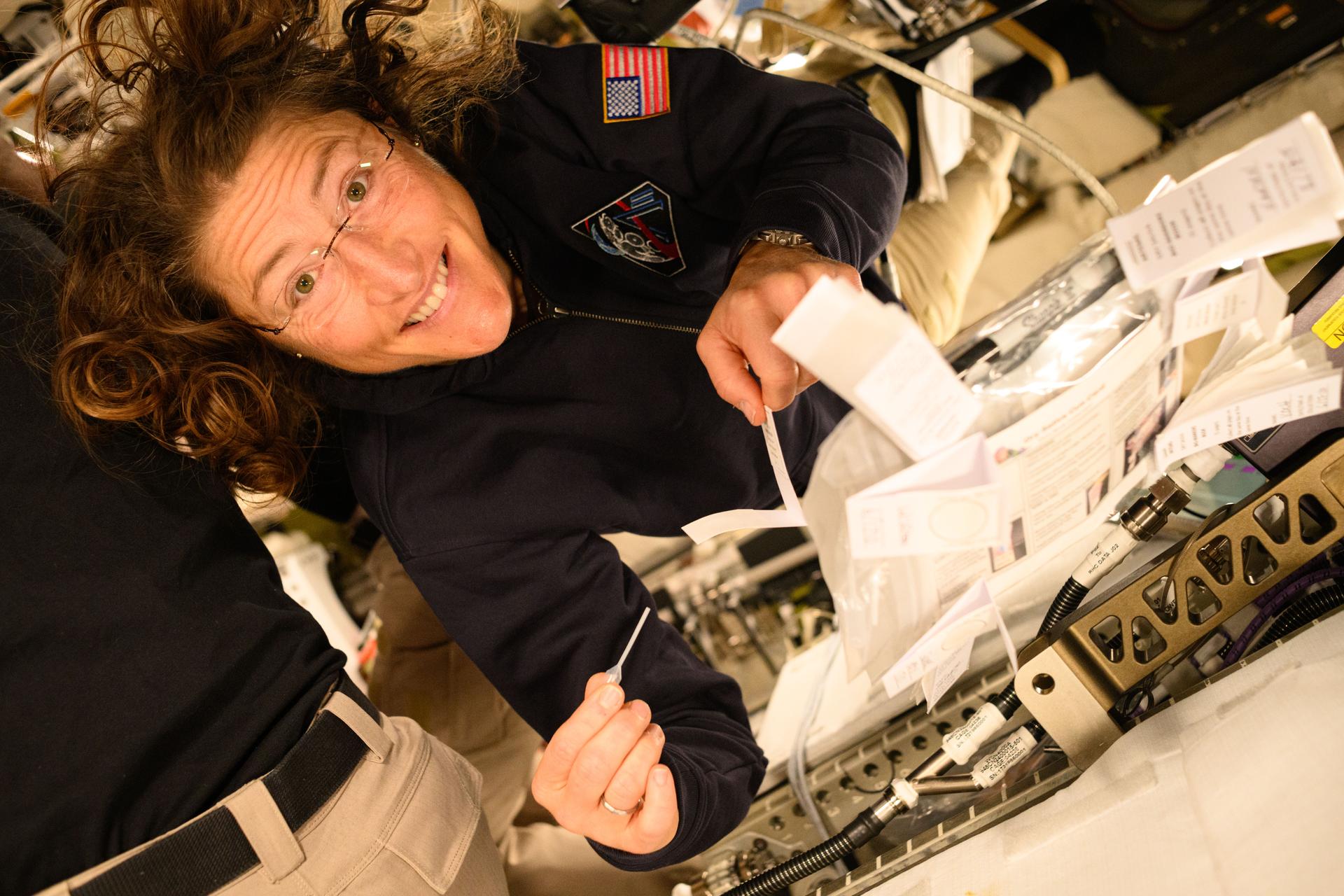
art002e027807 (April 8, 2026) – NASA astronaut Christina Koch smiles at the camera as she holds a pipette and saliva booklet for the Artemis II Immune Biomarkers study. Samples will be analyzed for proteins, enzymes, and other biomarkers that monitor immunity, inflammation, nutritional status, bone health, and radiation effects, to determine how crewmembers adapted to deep spaceflight conditions. Credit: NASA
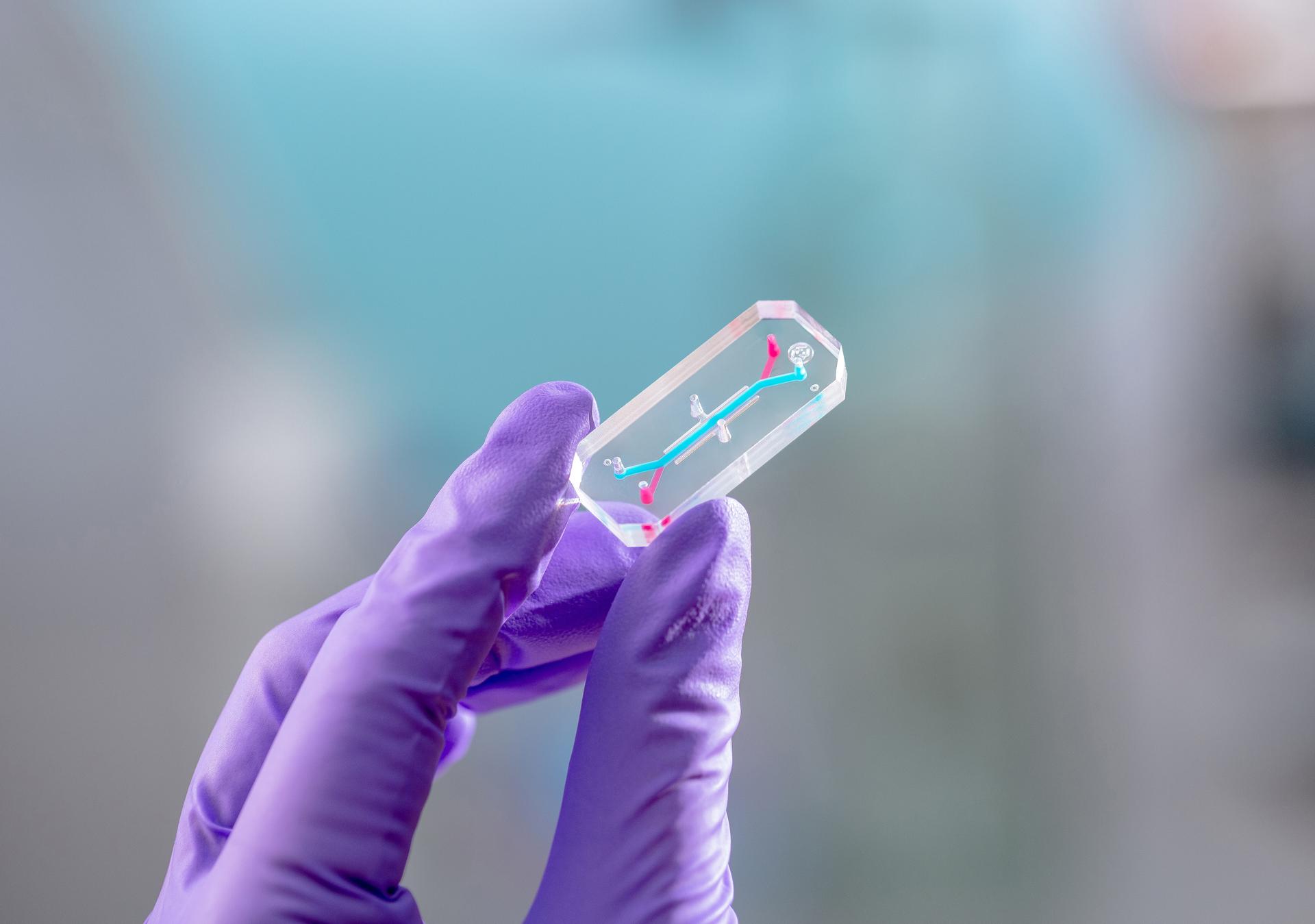
The AVATAR (A Virtual Astronaut Tissue Analog Response) investigation will use organ-on-a-chip devices, or organ chips, to study a effects of increased radiation and microgravity on human health. Artemis II AVATAR is a small experiment flying aboard Artemis II that could lead to big impacts in healthcare, both for astronauts in space and citizens on Earth. For more information on AVATAR: go.nasa.gov/4m5dGH9

jsc2021e036651 (8/4/2021) --- READI FP. Engineer Sara Merola, Test Engineer of ALI Team. REducing Arthritis Dependent Inflammation First Phase (READI FP) evaluates how microgravity and space radiation affect the generation of bone tissue. It also examines the potential protective effects of bio-collagen and bioactive metabolites such as antioxidants during spaceflight. The source of these metabolites are vegetal extracts produced as waste products in wine production.
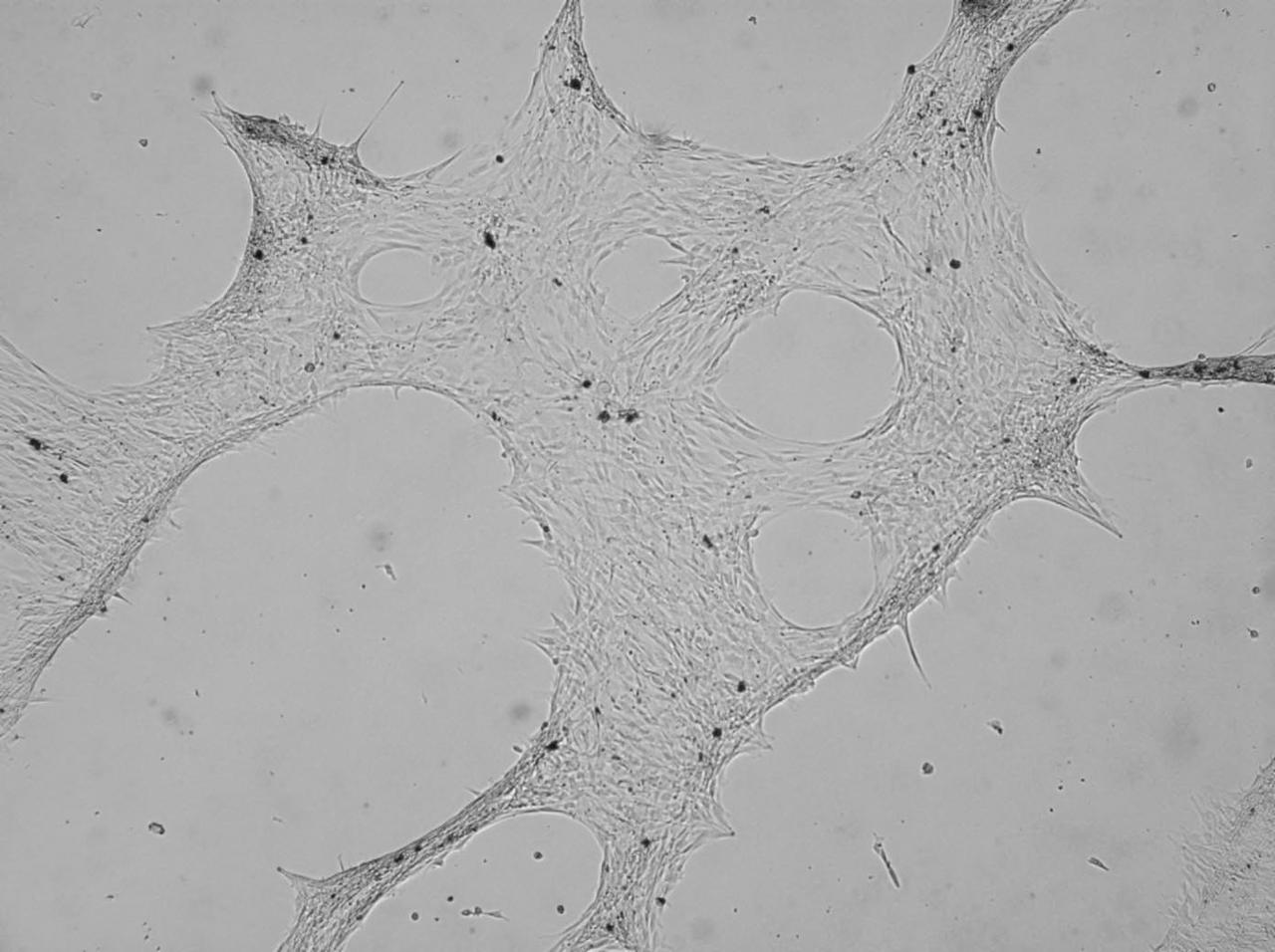
jsc2021e036650 (8/11/2021) --- A view of Osteogenesis-induced differentiation of human mesenchymal stem cells. REducing Arthritis Dependent Inflammation First Phase (READI FP) evaluates how microgravity and space radiation affect the generation of bone tissue. It also examines the potential protective effects of bio-collagen and bioactive metabolites such as antioxidants during spaceflight. The source of these metabolites are vegetal extracts produced as waste products in wine production.
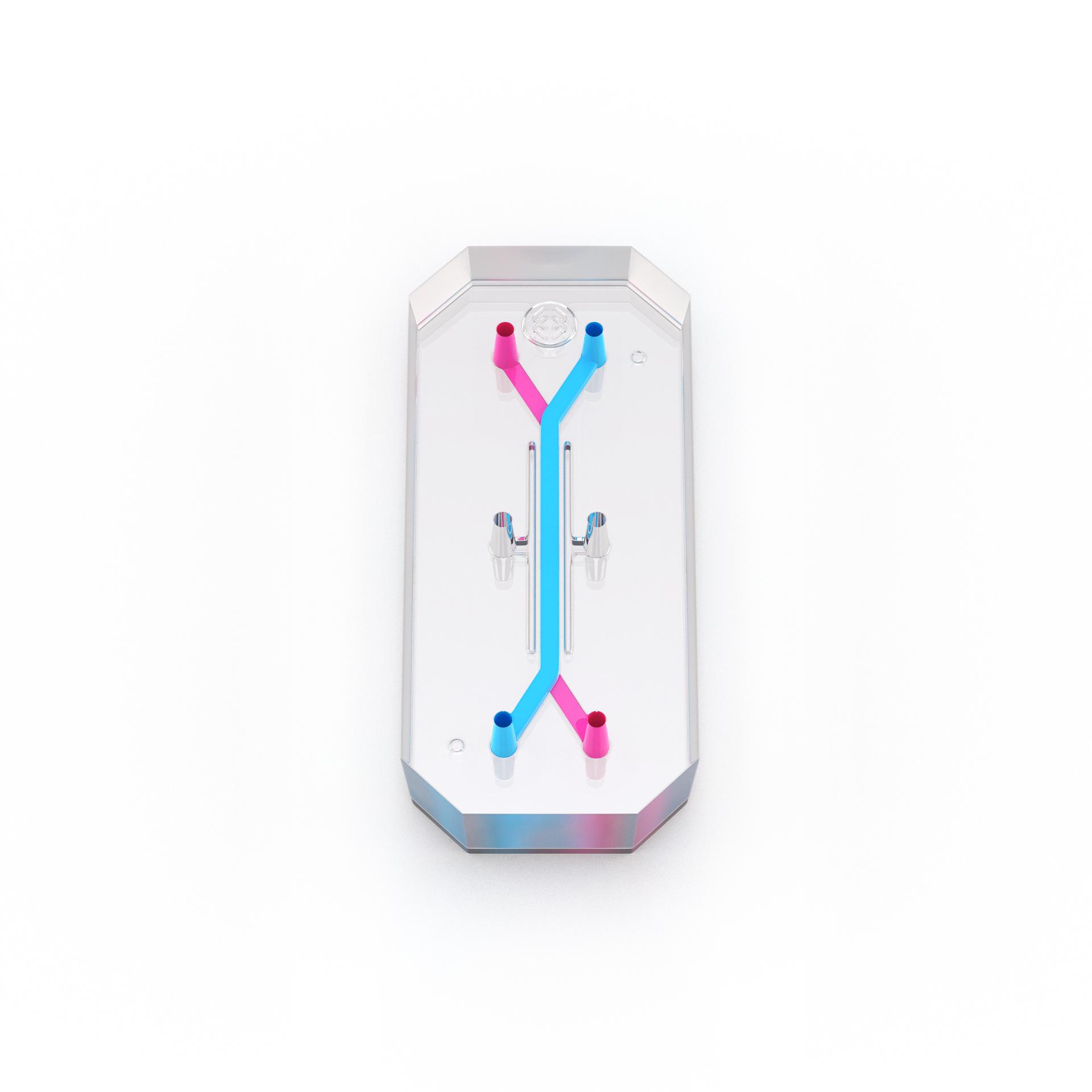
The AVATAR (A Virtual Astronaut Tissue Analog Response) investigation will use organ-on-a-chip devices, or organ chips, to study a effects of increased radiation and microgravity on human health. Artemis II AVATAR is a small experiment flying aboard Artemis II that could lead to big impacts in healthcare, both for astronauts in space and citizens on Earth. For more information on AVATAR: go.nasa.gov/4m5dGH9

art002e027802 (April 8, 2026) – NASA astronaut Victor Glover shows off the sample bag for the Immune Biomarkers study aboard the Orion spacecraft. During the Artemis II mission, the crew collected saliva samples for this study. Samples will be analyzed for proteins, enzymes, and other biomarkers that monitor immunity, inflammation, nutritional status, bone health, and radiation effects, to determine how crewmembers adapted to deep spaceflight conditions. Credit: NASA
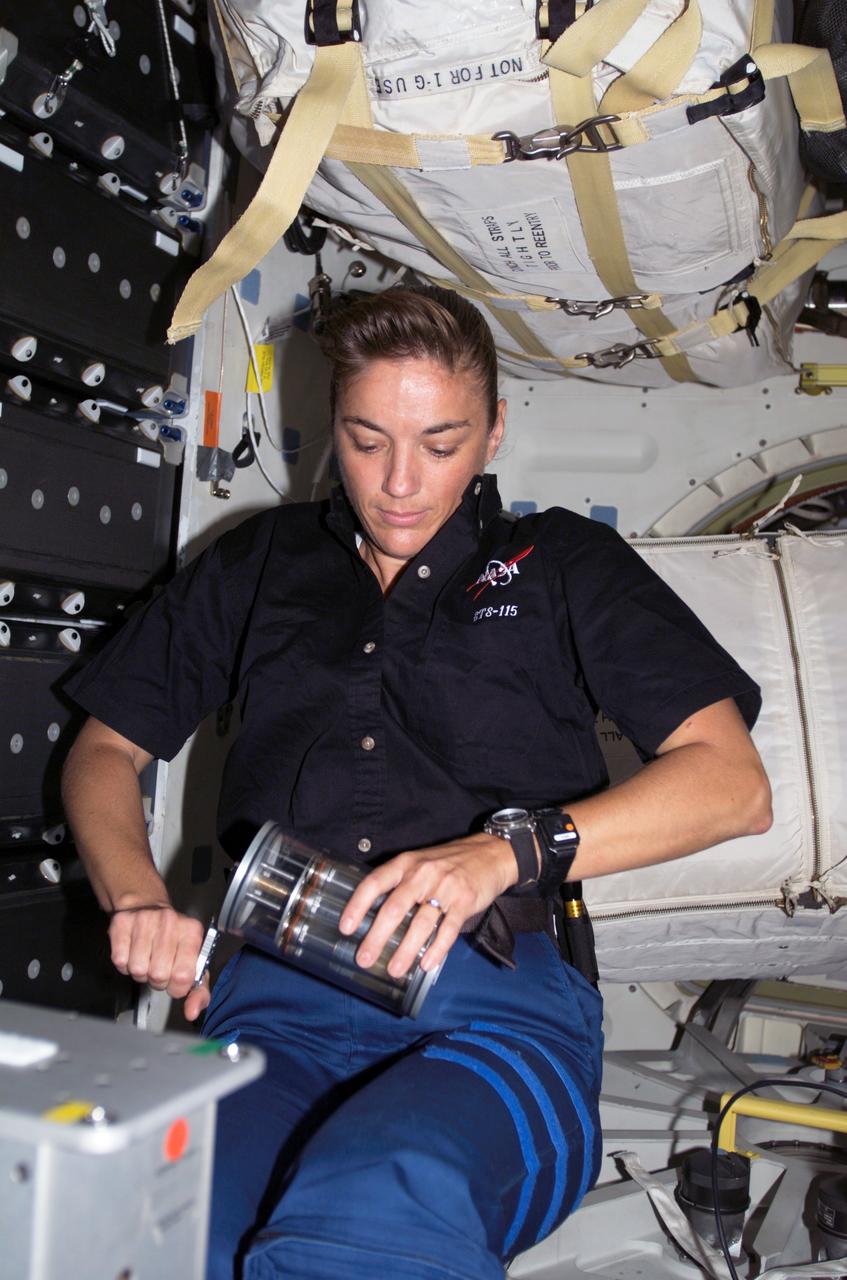
S115-E-07273 (9-21 Sept. 2006) --- Astronaut Heidemarie M. Stefanyshyn-Piper, STS-115 mission specialist, works with the Yeast-Group Activation Packs (Yeast-GAP) on the middeck of Space Shuttle Atlantis. Yeast-GAP experiment studies the effects of genetic changes of yeast cells exposed to the space environment. The results will help scientists to understand how cells respond to radiation and microgravity.
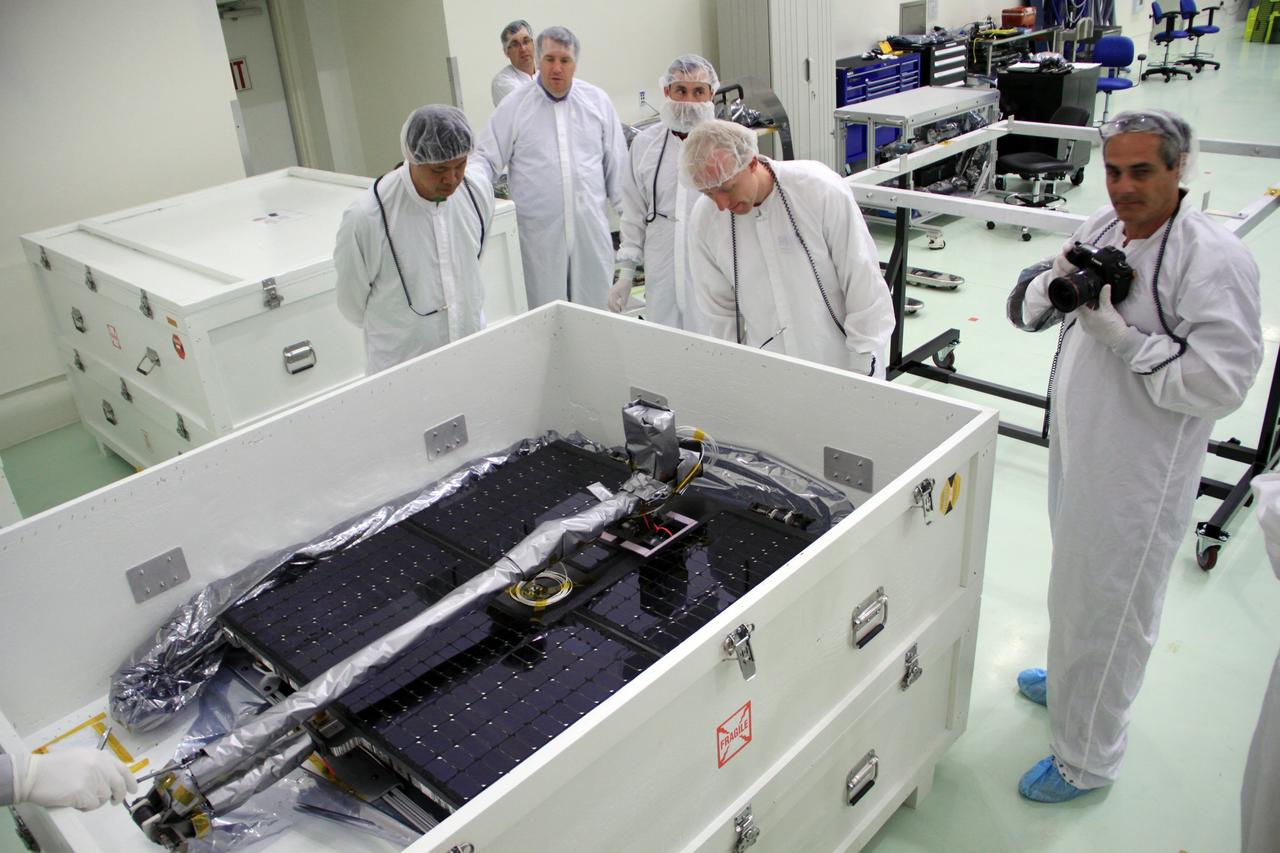
CAPE CANAVERAL, Fla. – In the clean room high bay at the Astrotech payload processing facility near NASA’s Kennedy Space Center in Florida, Applied Physics Laboratory technicians prepare to place one of the solar arrays for NASA's Radiation Belt Storm Probe A into a holding fixture. The Radiation Belt Storm Probes, or RBSP, mission will help us understand the sun’s influence on Earth and near-Earth space by studying the Earth’s radiation belts on various scales of space and time. RBSP instruments will provide the measurements needed to characterize and quantify the plasma processes that produce very energetic ions and relativistic electrons. The mission is part of NASA’s broader Living With a Star Program that was conceived to explore fundamental processes that operate throughout the solar system, particularly those that generate hazardous space weather effects in the vicinity of Earth and phenomena that could impact solar system exploration. RBSP will begin its mission of exploration of Earth's Van Allen radiation belts and the extremes of space weather after launch. Launch aboard a United Launch Alliance Atlas V rocket is scheduled for August 23. For more information, visit http://www.nasa.gov/rbsp. Photo credit: NASA/Jim Grossmann
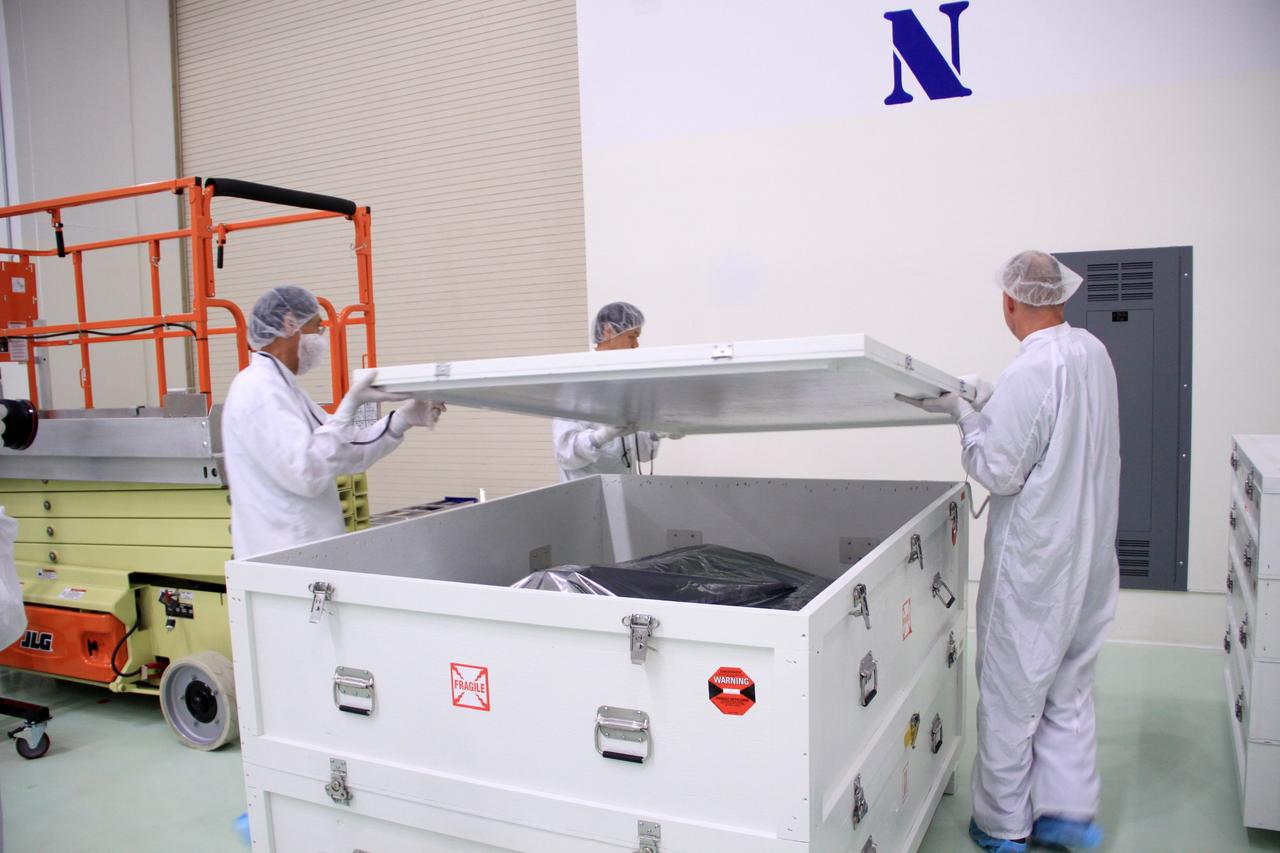
CAPE CANAVERAL, Fla. – In the clean room high bay at the Astrotech payload processing facility near NASA’s Kennedy Space Center in Florida, Applied Physics Laboratory technicians unpack the solar arrays for NASA's Radiation Belt Storm Probe A. The Radiation Belt Storm Probes, or RBSP, mission will help us understand the sun’s influence on Earth and near-Earth space by studying the Earth’s radiation belts on various scales of space and time. RBSP instruments will provide the measurements needed to characterize and quantify the plasma processes that produce very energetic ions and relativistic electrons. The mission is part of NASA’s broader Living With a Star Program that was conceived to explore fundamental processes that operate throughout the solar system, particularly those that generate hazardous space weather effects in the vicinity of Earth and phenomena that could impact solar system exploration. RBSP will begin its mission of exploration of Earth's Van Allen radiation belts and the extremes of space weather after launch. Launch aboard a United Launch Alliance Atlas V rocket is scheduled for August 23. For more information, visit http://www.nasa.gov/rbsp. Photo credit: NASA/Jim Grossmann
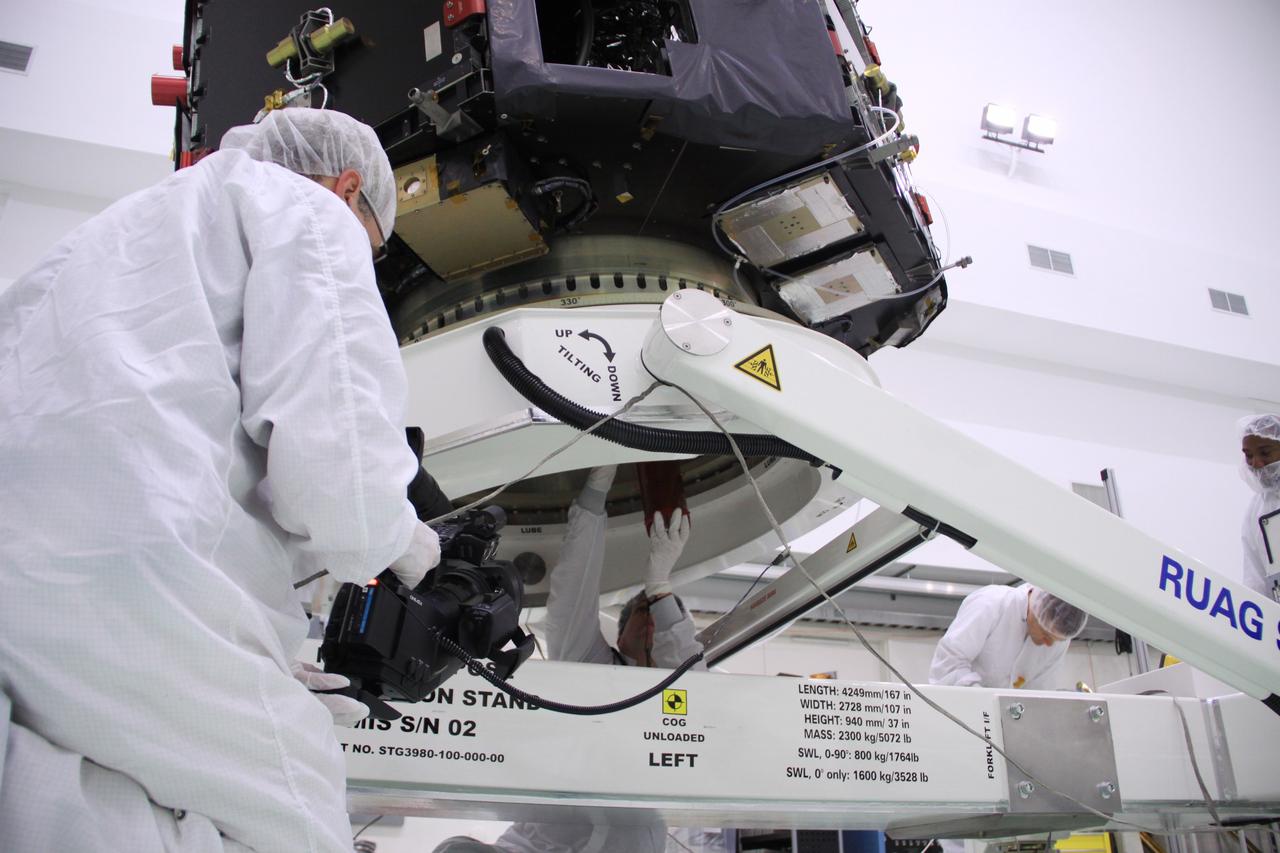
CAPE CANAVERAL, Fla. – In the clean room high bay at the Astrotech payload processing facility near NASA’s Kennedy Space Center in Florida, an Applied Physics Laboratory technician secures NASA's Radiation Belt Storm Probe B to a test stand from beneath the spacecraft. The Radiation Belt Storm Probes, or RBSP, mission will help us understand the sun’s influence on Earth and near-Earth space by studying the Earth’s radiation belts on various scales of space and time. RBSP instruments will provide the measurements needed to characterize and quantify the plasma processes that produce very energetic ions and relativistic electrons. The mission is part of NASA’s broader Living With a Star Program that was conceived to explore fundamental processes that operate throughout the solar system, particularly those that generate hazardous space weather effects in the vicinity of Earth and phenomena that could impact solar system exploration. RBSP will begin its mission of exploration of Earth's Van Allen radiation belts and the extremes of space weather after launch. Launch aboard a United Launch Alliance Atlas V rocket is scheduled for August 23. For more information, visit http://www.nasa.gov/rbsp. Photo credit: NASA/Jim Grossmann
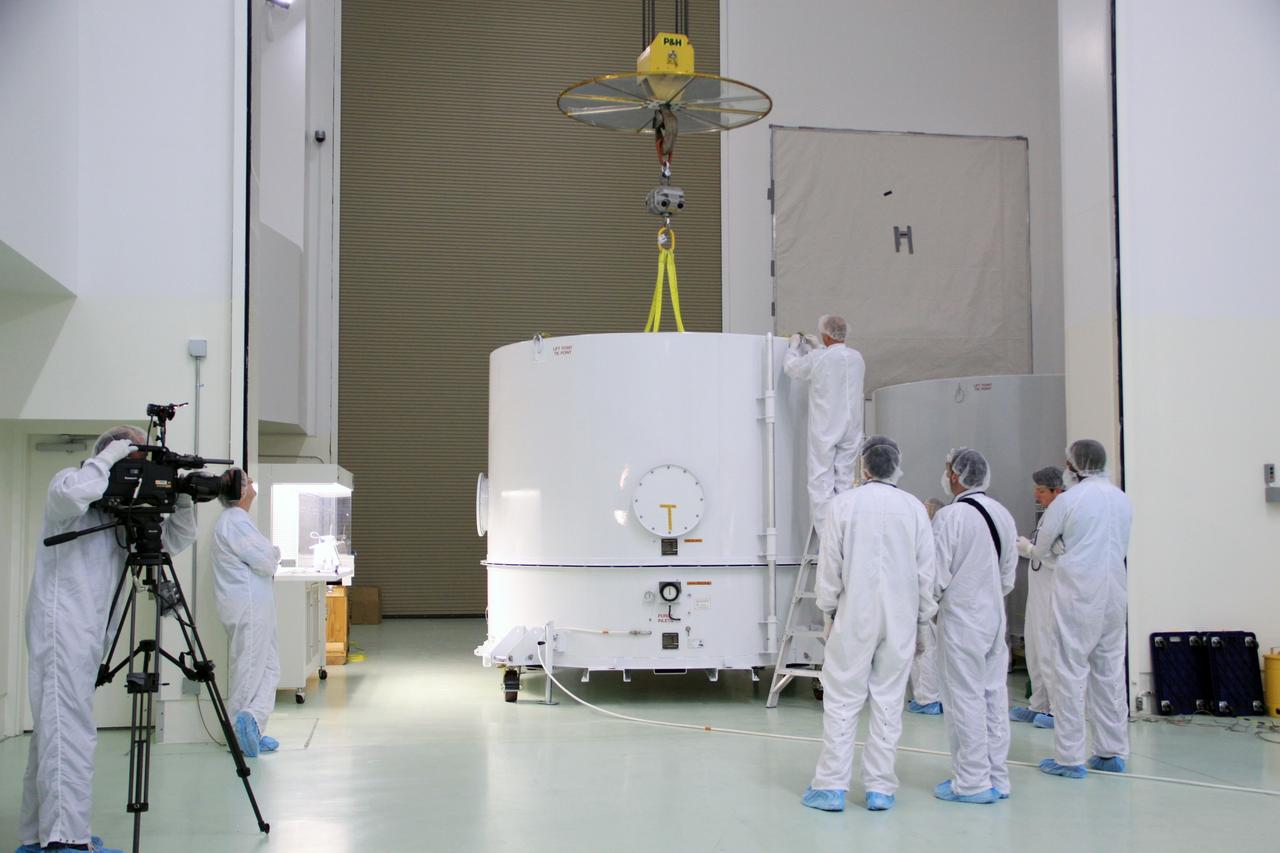
CAPE CANAVERAL, Fla. – In the clean room high bay at the Astrotech payload processing facility near NASA’s Kennedy Space Center in Florida, Applied Physics Laboratory technicians prepare to remove the shipping container from around NASA's Radiation Belt Storm Probe A. Prelaunch preparations and spacecraft testing will follow. The Radiation Belt Storm Probes, or RBSP, mission will help us understand the sun’s influence on Earth and near-Earth space by studying the Earth’s radiation belts on various scales of space and time. RBSP instruments will provide the measurements needed to characterize and quantify the plasma processes that produce very energetic ions and relativistic electrons. The mission is part of NASA’s broader Living With a Star Program that was conceived to explore fundamental processes that operate throughout the solar system, particularly those that generate hazardous space weather effects in the vicinity of Earth and phenomena that could impact solar system exploration. RBSP will begin its mission of exploration of Earth's Van Allen radiation belts and the extremes of space weather after launch. Launch aboard a United Launch Alliance Atlas V rocket is scheduled for August 23. For more information, visit http://www.nasa.gov/rbsp. Photo credit: NASA/Jim Grossmann
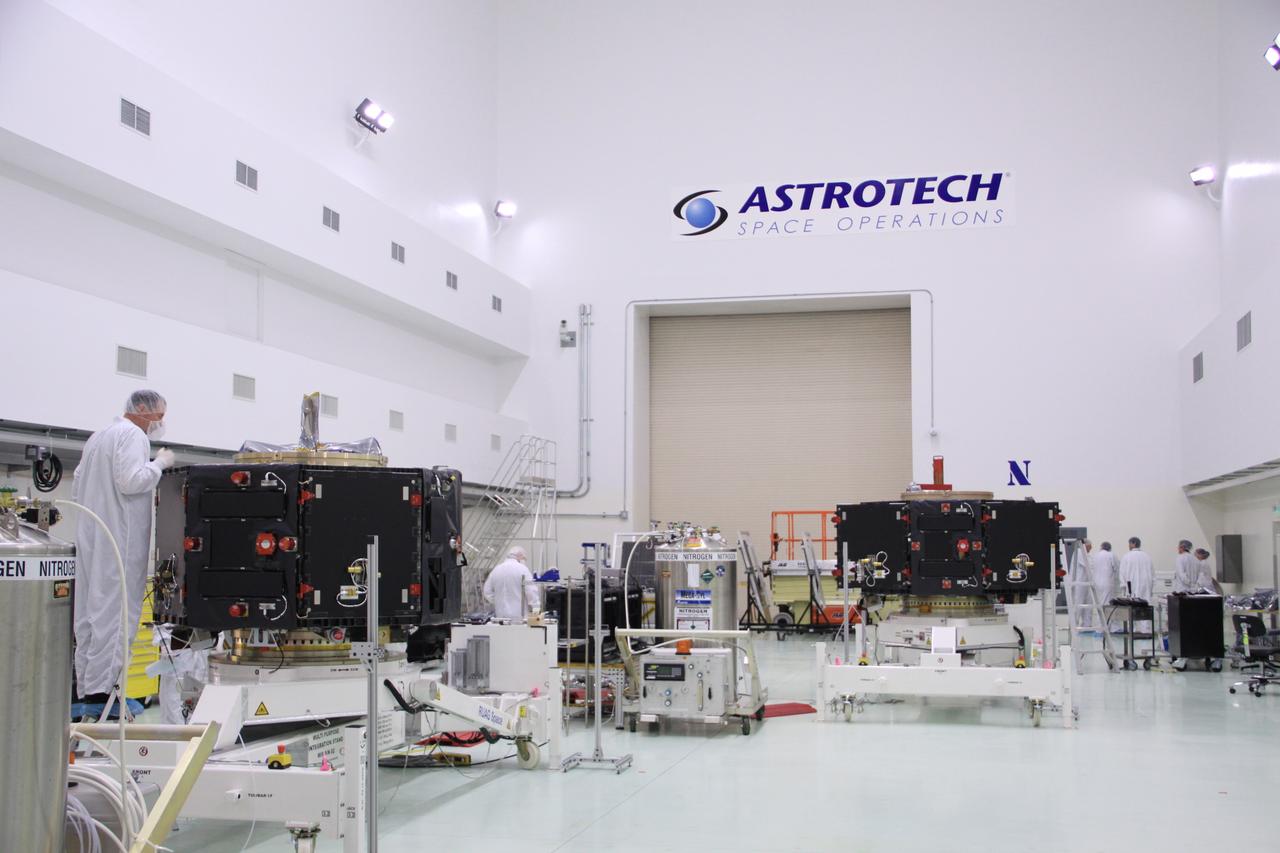
CAPE CANAVERAL, Fla. – In the clean room high bay at the Astrotech payload processing facility near NASA’s Kennedy Space Center in Florida, NASA's Radiation Belt Storm Probes A and B are secured on test stands and ready for prelaunch preparations and spacecraft testing to begin. The Radiation Belt Storm Probes, or RBSP, mission will help us understand the sun’s influence on Earth and near-Earth space by studying the Earth’s radiation belts on various scales of space and time. RBSP instruments will provide the measurements needed to characterize and quantify the plasma processes that produce very energetic ions and relativistic electrons. The mission is part of NASA’s broader Living With a Star Program that was conceived to explore fundamental processes that operate throughout the solar system, particularly those that generate hazardous space weather effects in the vicinity of Earth and phenomena that could impact solar system exploration. RBSP will begin its mission of exploration of Earth's Van Allen radiation belts and the extremes of space weather after launch. Launch aboard a United Launch Alliance Atlas V rocket is scheduled for August 23. For more information, visit http://www.nasa.gov/rbsp. Photo credit: NASA/Jim Grossmann
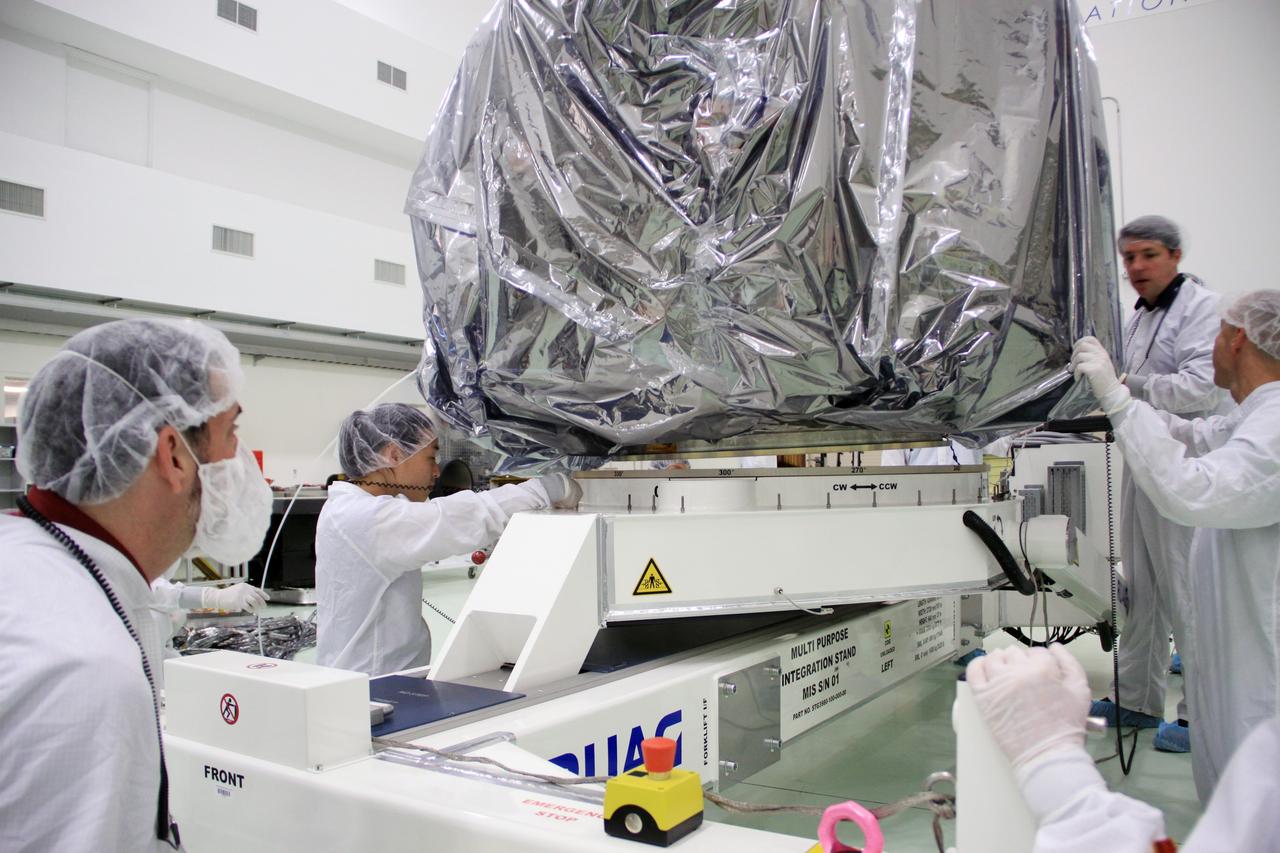
CAPE CANAVERAL, Fla. – In the clean room high bay at the Astrotech payload processing facility near NASA’s Kennedy Space Center in Florida, Applied Physics Laboratory technicians secure NASA's Radiation Belt Storm Probe A, wrapped in a protective shroud, on a test stand. Prelaunch preparations and spacecraft testing will follow. The Radiation Belt Storm Probes, or RBSP, mission will help us understand the sun’s influence on Earth and near-Earth space by studying the Earth’s radiation belts on various scales of space and time. RBSP instruments will provide the measurements needed to characterize and quantify the plasma processes that produce very energetic ions and relativistic electrons. The mission is part of NASA’s broader Living With a Star Program that was conceived to explore fundamental processes that operate throughout the solar system, particularly those that generate hazardous space weather effects in the vicinity of Earth and phenomena that could impact solar system exploration. RBSP will begin its mission of exploration of Earth's Van Allen radiation belts and the extremes of space weather after launch. Launch aboard a United Launch Alliance Atlas V rocket is scheduled for August 23. For more information, visit http://www.nasa.gov/rbsp. Photo credit: NASA/Jim Grossmann
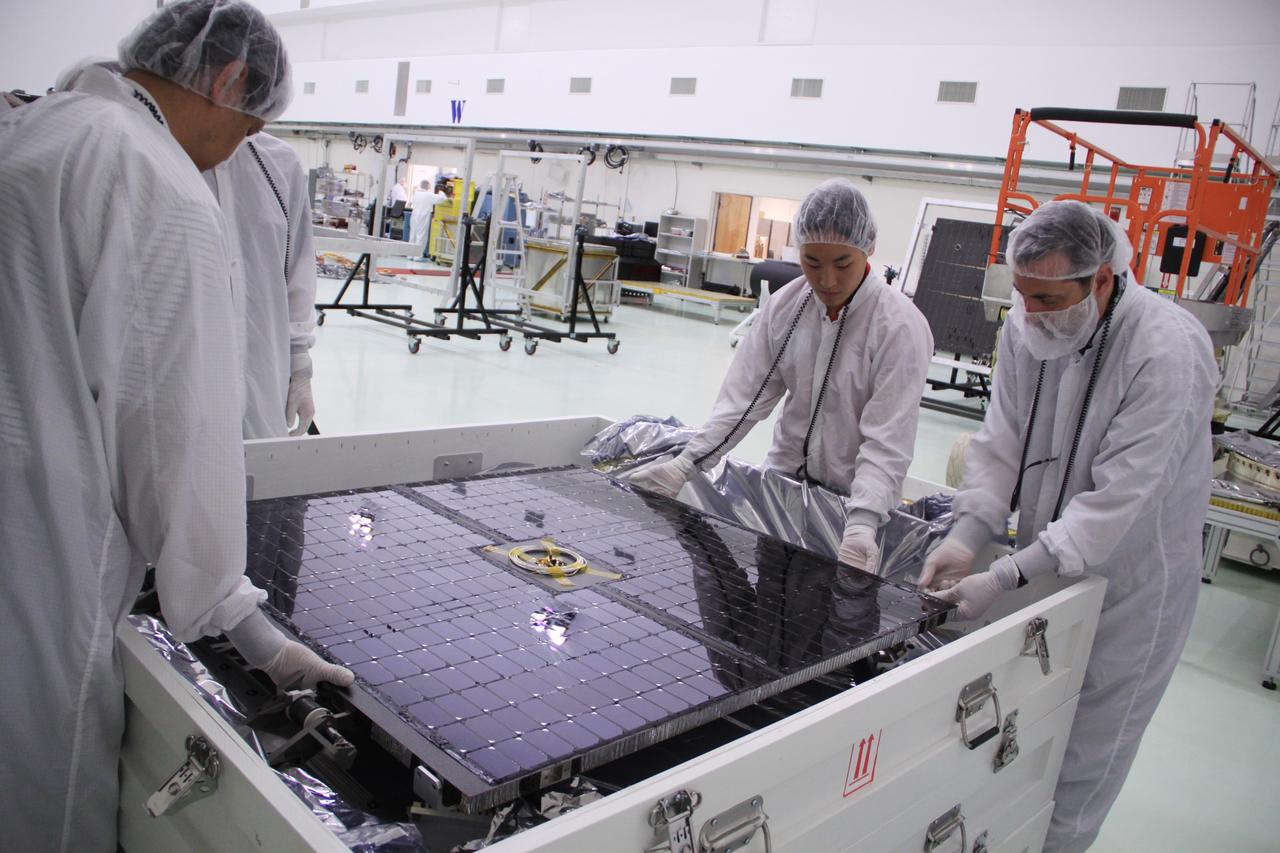
CAPE CANAVERAL, Fla. – In the clean room high bay at the Astrotech payload processing facility near NASA’s Kennedy Space Center in Florida, Applied Physics Laboratory technicians lift one of the solar arrays for NASA's Radiation Belt Storm Probe B from its shipping container. The Radiation Belt Storm Probes, or RBSP, mission will help us understand the sun’s influence on Earth and near-Earth space by studying the Earth’s radiation belts on various scales of space and time. RBSP instruments will provide the measurements needed to characterize and quantify the plasma processes that produce very energetic ions and relativistic electrons. The mission is part of NASA’s broader Living With a Star Program that was conceived to explore fundamental processes that operate throughout the solar system, particularly those that generate hazardous space weather effects in the vicinity of Earth and phenomena that could impact solar system exploration. RBSP will begin its mission of exploration of Earth's Van Allen radiation belts and the extremes of space weather after launch. Launch aboard a United Launch Alliance Atlas V rocket is scheduled for August 23. For more information, visit http://www.nasa.gov/rbsp. Photo credit: NASA/Jim Grossmann
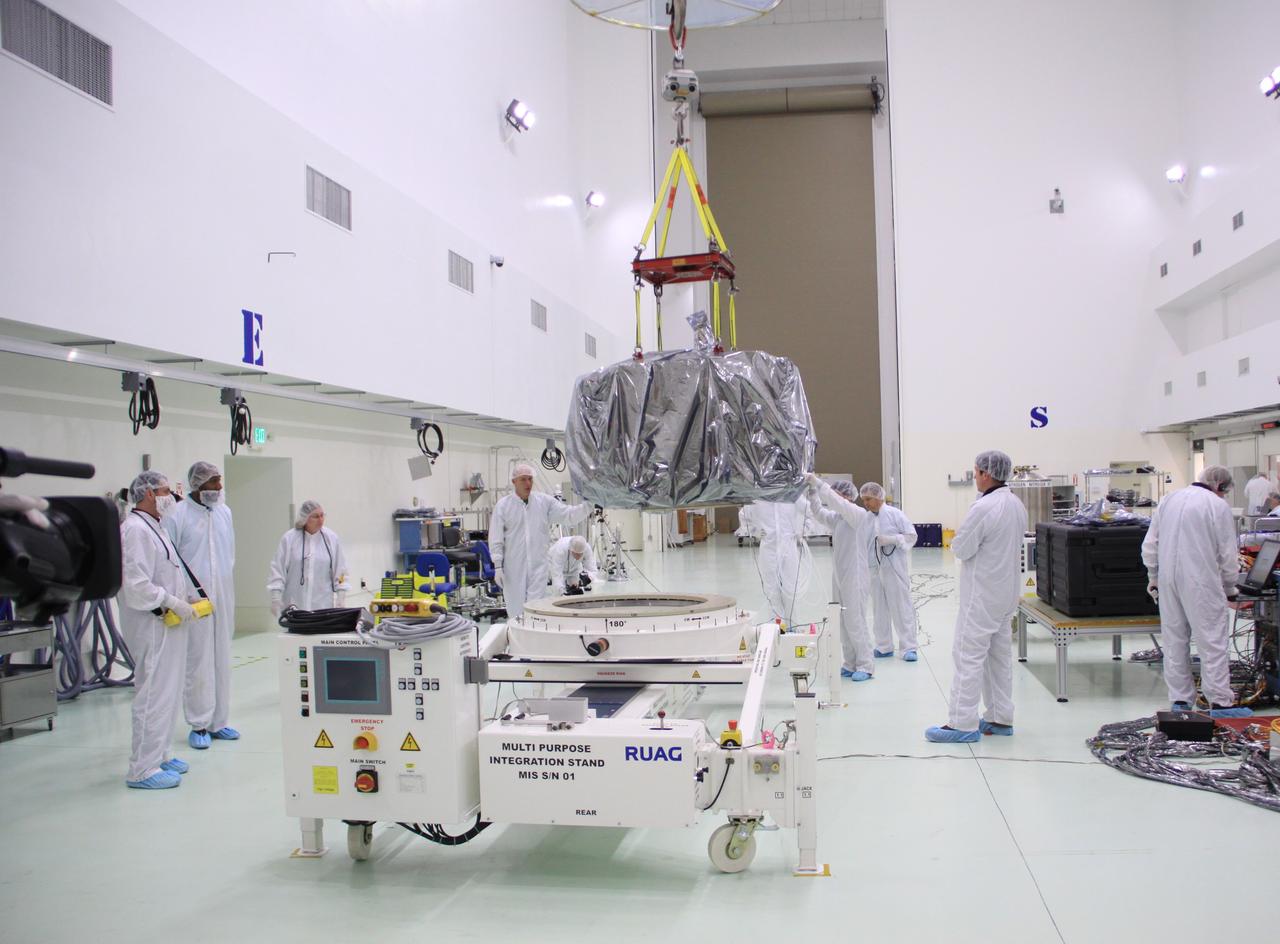
CAPE CANAVERAL, Fla. – In the clean room high bay at the Astrotech payload processing facility near NASA’s Kennedy Space Center in Florida, Applied Physics Laboratory technicians lift NASA's Radiation Belt Storm Probe A, wrapped in a protective shroud, onto a test stand. Prelaunch preparations and spacecraft testing will follow. The Radiation Belt Storm Probes, or RBSP, mission will help us understand the sun’s influence on Earth and near-Earth space by studying the Earth’s radiation belts on various scales of space and time. RBSP instruments will provide the measurements needed to characterize and quantify the plasma processes that produce very energetic ions and relativistic electrons. The mission is part of NASA’s broader Living With a Star Program that was conceived to explore fundamental processes that operate throughout the solar system, particularly those that generate hazardous space weather effects in the vicinity of Earth and phenomena that could impact solar system exploration. RBSP will begin its mission of exploration of Earth's Van Allen radiation belts and the extremes of space weather after launch. Launch aboard a United Launch Alliance Atlas V rocket is scheduled for August 23. For more information, visit http://www.nasa.gov/rbsp. Photo credit: NASA/Jim Grossmann
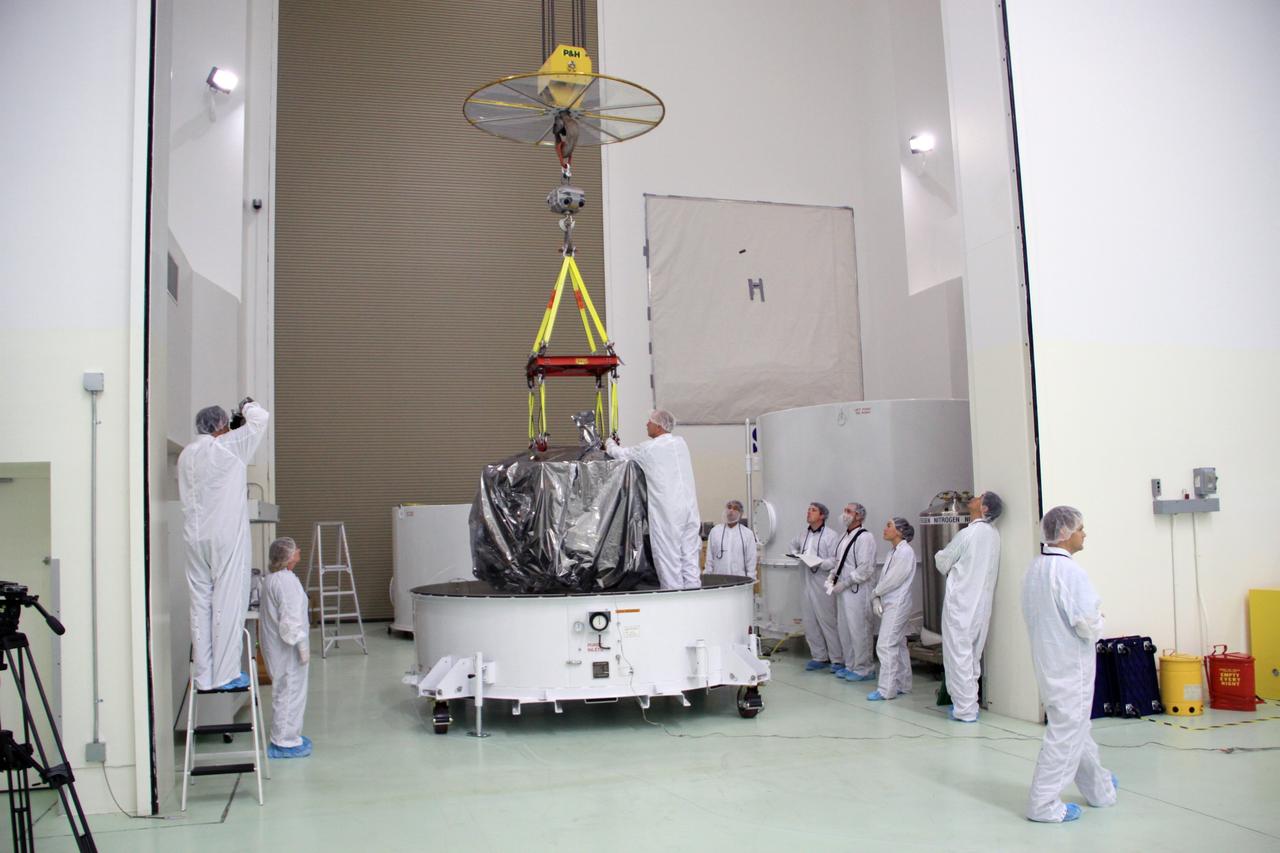
CAPE CANAVERAL, Fla. – In the clean room high bay at the Astrotech payload processing facility near NASA’s Kennedy Space Center in Florida, Applied Physics Laboratory technicians prepare to lift NASA's Radiation Belt Storm Probe A, wrapped in a protective shroud, from the bottom of its shipping container. Prelaunch preparations and spacecraft testing will follow. The Radiation Belt Storm Probes, or RBSP, mission will help us understand the sun’s influence on Earth and near-Earth space by studying the Earth’s radiation belts on various scales of space and time. RBSP instruments will provide the measurements needed to characterize and quantify the plasma processes that produce very energetic ions and relativistic electrons. The mission is part of NASA’s broader Living With a Star Program that was conceived to explore fundamental processes that operate throughout the solar system, particularly those that generate hazardous space weather effects in the vicinity of Earth and phenomena that could impact solar system exploration. RBSP will begin its mission of exploration of Earth's Van Allen radiation belts and the extremes of space weather after launch. Launch aboard a United Launch Alliance Atlas V rocket is scheduled for August 23. For more information, visit http://www.nasa.gov/rbsp. Photo credit: NASA/Jim Grossmann
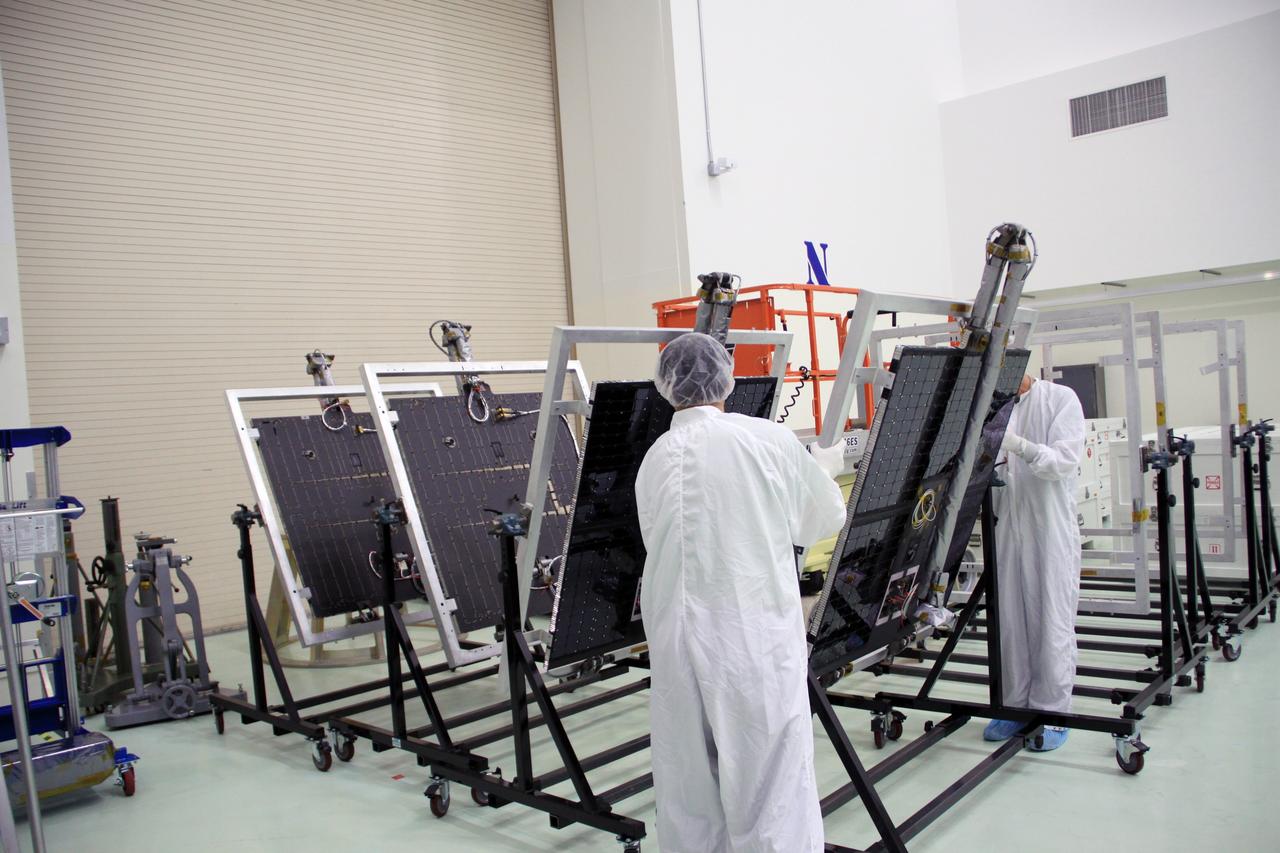
CAPE CANAVERAL, Fla. – In the clean room high bay at the Astrotech payload processing facility near NASA’s Kennedy Space Center in Florida, Applied Physics Laboratory technicians line up the holding fixtures containing the solar arrays for NASA's Radiation Belt Storm Probe A. The Radiation Belt Storm Probes, or RBSP, mission will help us understand the sun’s influence on Earth and near-Earth space by studying the Earth’s radiation belts on various scales of space and time. RBSP instruments will provide the measurements needed to characterize and quantify the plasma processes that produce very energetic ions and relativistic electrons. The mission is part of NASA’s broader Living With a Star Program that was conceived to explore fundamental processes that operate throughout the solar system, particularly those that generate hazardous space weather effects in the vicinity of Earth and phenomena that could impact solar system exploration. RBSP will begin its mission of exploration of Earth's Van Allen radiation belts and the extremes of space weather after launch. Launch aboard a United Launch Alliance Atlas V rocket is scheduled for August 23. For more information, visit http://www.nasa.gov/rbsp. Photo credit: NASA/Jim Grossmann
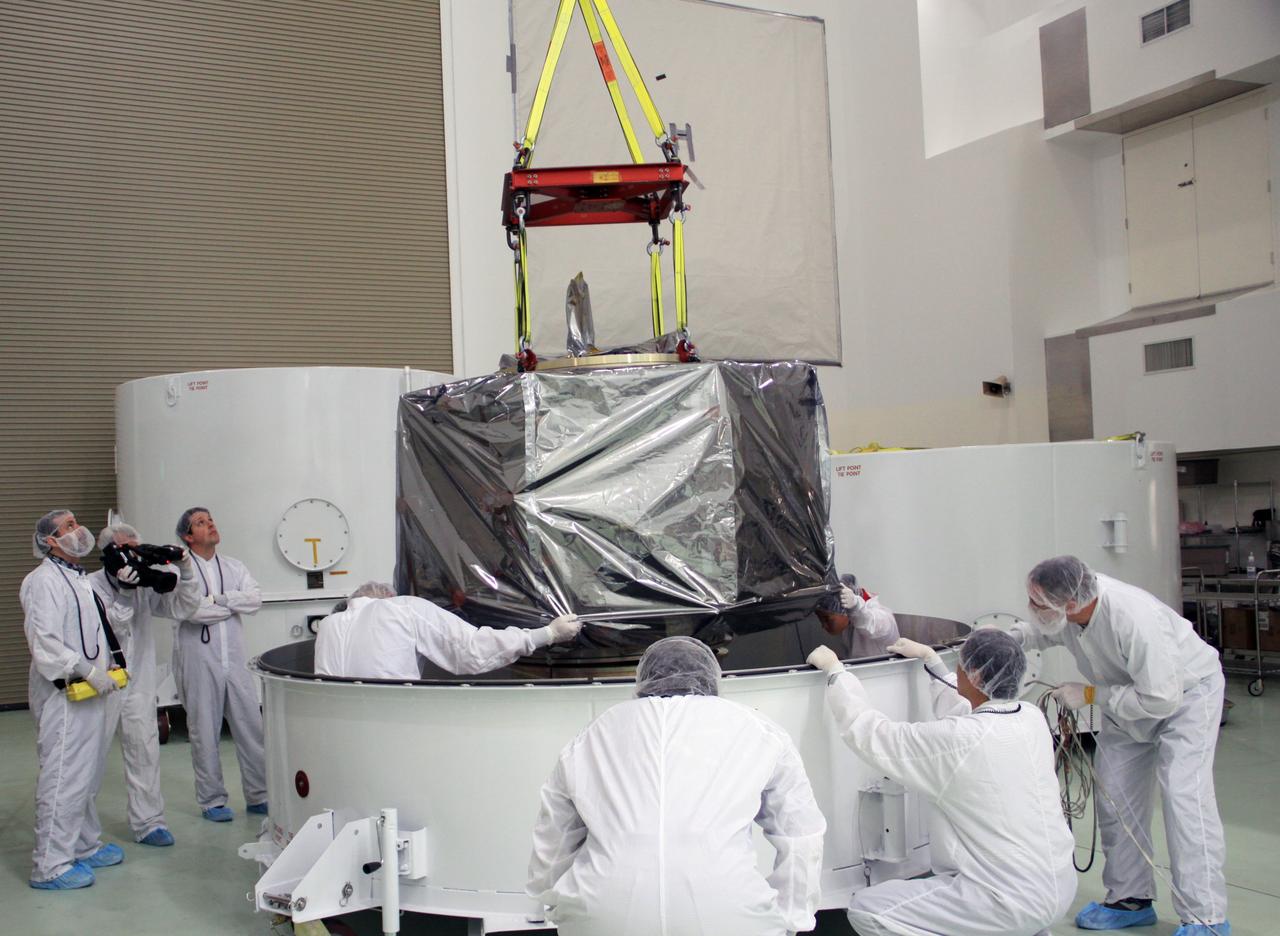
CAPE CANAVERAL, Fla. – In the clean room high bay at the Astrotech payload processing facility near NASA’s Kennedy Space Center in Florida, Applied Physics Laboratory technicians lift NASA's Radiation Belt Storm Probe B, wrapped in a protective shroud, from the bottom of its shipping container. Prelaunch preparations and spacecraft testing will follow. The Radiation Belt Storm Probes, or RBSP, mission will help us understand the sun’s influence on Earth and near-Earth space by studying the Earth’s radiation belts on various scales of space and time. RBSP instruments will provide the measurements needed to characterize and quantify the plasma processes that produce very energetic ions and relativistic electrons. The mission is part of NASA’s broader Living With a Star Program that was conceived to explore fundamental processes that operate throughout the solar system, particularly those that generate hazardous space weather effects in the vicinity of Earth and phenomena that could impact solar system exploration. RBSP will begin its mission of exploration of Earth's Van Allen radiation belts and the extremes of space weather after launch. Launch aboard a United Launch Alliance Atlas V rocket is scheduled for August 23. For more information, visit http://www.nasa.gov/rbsp. Photo credit: NASA/Jim Grossmann
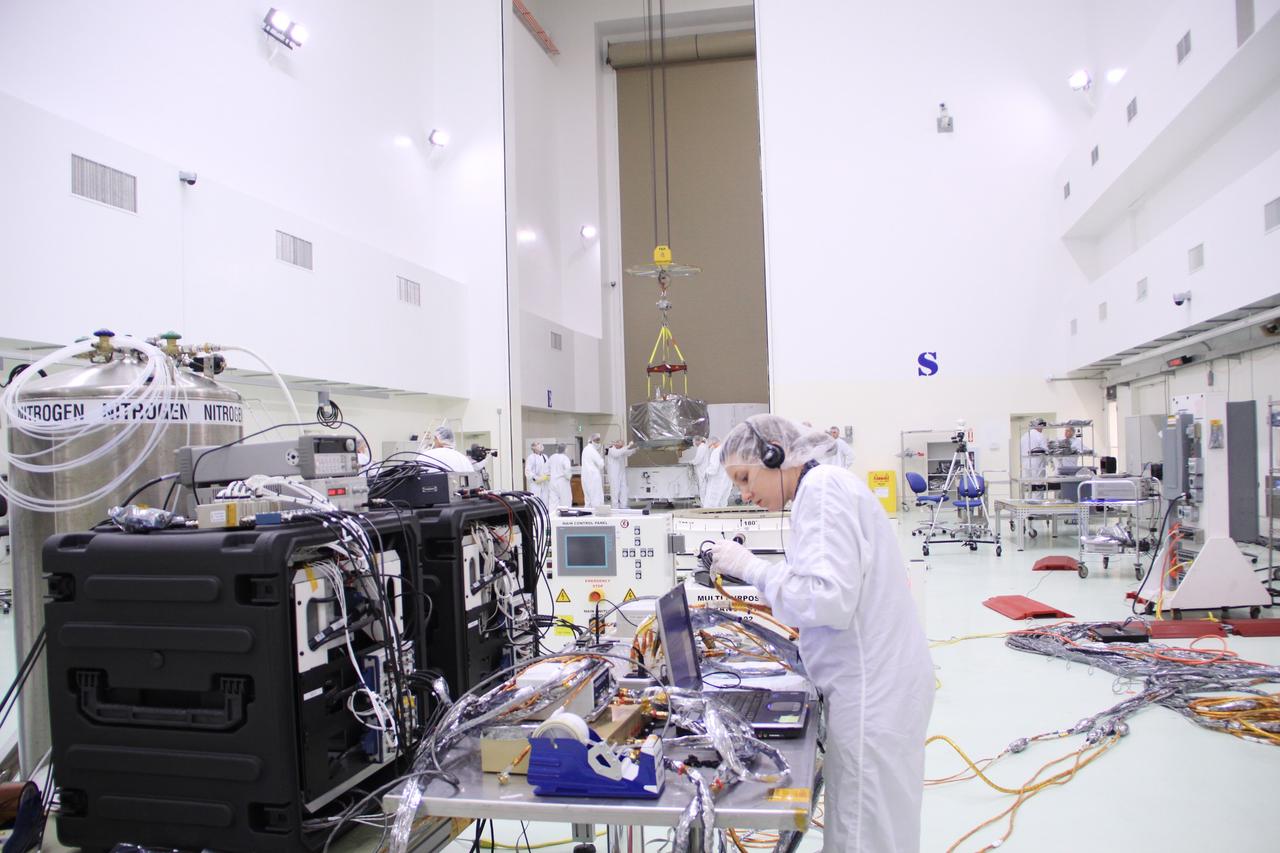
CAPE CANAVERAL, Fla. – In the clean room high bay at the Astrotech payload processing facility near NASA’s Kennedy Space Center in Florida, an Applied Physics Laboratory technician prepares the instruments and equipment that will be used to test and monitor NASA's Radiation Belt Storm Probes. The Radiation Belt Storm Probes, or RBSP, mission will help us understand the sun’s influence on Earth and near-Earth space by studying the Earth’s radiation belts on various scales of space and time. RBSP instruments will provide the measurements needed to characterize and quantify the plasma processes that produce very energetic ions and relativistic electrons. The mission is part of NASA’s broader Living With a Star Program that was conceived to explore fundamental processes that operate throughout the solar system, particularly those that generate hazardous space weather effects in the vicinity of Earth and phenomena that could impact solar system exploration. RBSP will begin its mission of exploration of Earth's Van Allen radiation belts and the extremes of space weather after launch. Launch aboard a United Launch Alliance Atlas V rocket is scheduled for August 23. For more information, visit http://www.nasa.gov/rbsp. Photo credit: NASA/Jim Grossmann
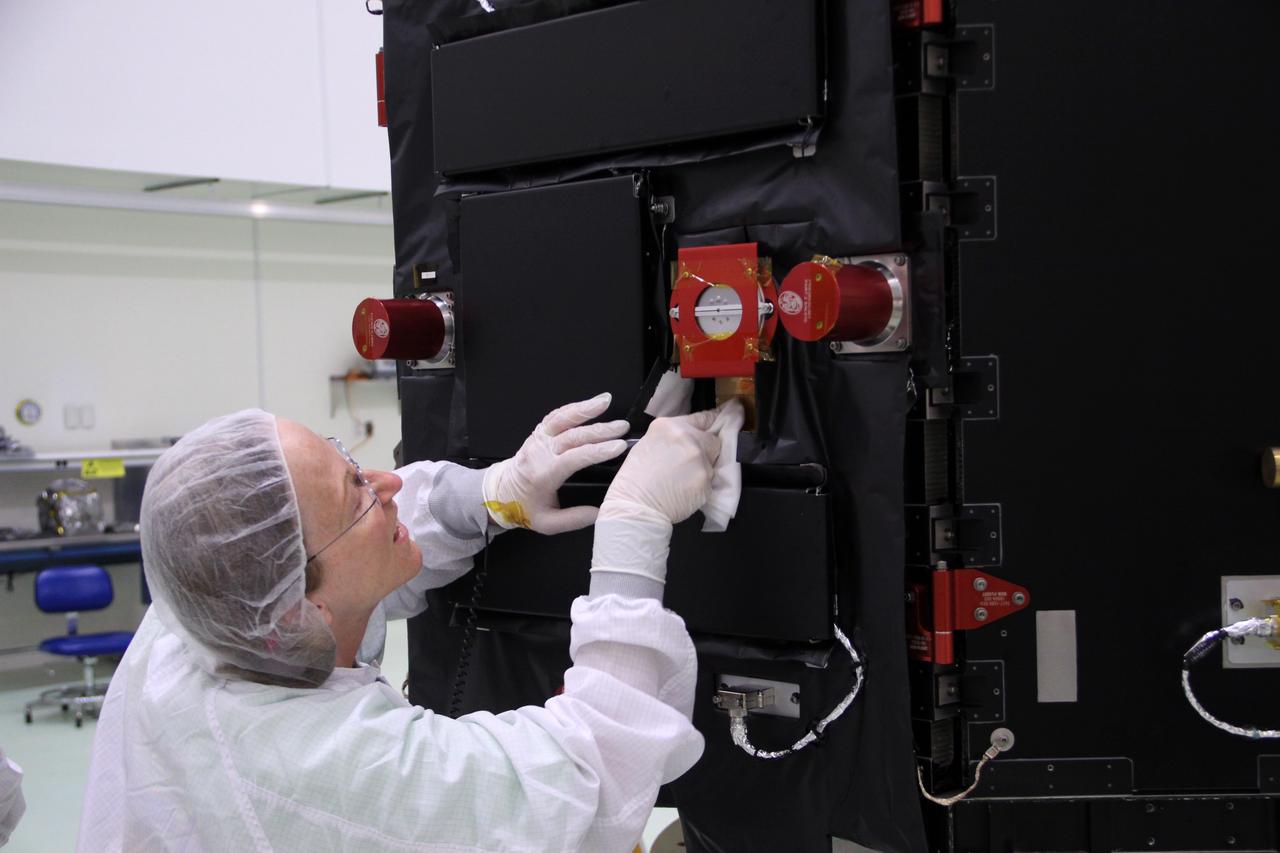
CAPE CANAVERAL, Fla. – In the clean room high bay at the Astrotech payload processing facility near NASA’s Kennedy Space Center in Florida, an Applied Physics Laboratory technician cleans NASA's Radiation Belt Storm Probe B. Prelaunch preparations and spacecraft testing will follow. The Radiation Belt Storm Probes, or RBSP, mission will help us understand the sun’s influence on Earth and near-Earth space by studying the Earth’s radiation belts on various scales of space and time. RBSP instruments will provide the measurements needed to characterize and quantify the plasma processes that produce very energetic ions and relativistic electrons. The mission is part of NASA’s broader Living With a Star Program that was conceived to explore fundamental processes that operate throughout the solar system, particularly those that generate hazardous space weather effects in the vicinity of Earth and phenomena that could impact solar system exploration. RBSP will begin its mission of exploration of Earth's Van Allen radiation belts and the extremes of space weather after launch. Launch aboard a United Launch Alliance Atlas V rocket is scheduled for August 23. For more information, visit http://www.nasa.gov/rbsp. Photo credit: NASA/Jim Grossmann
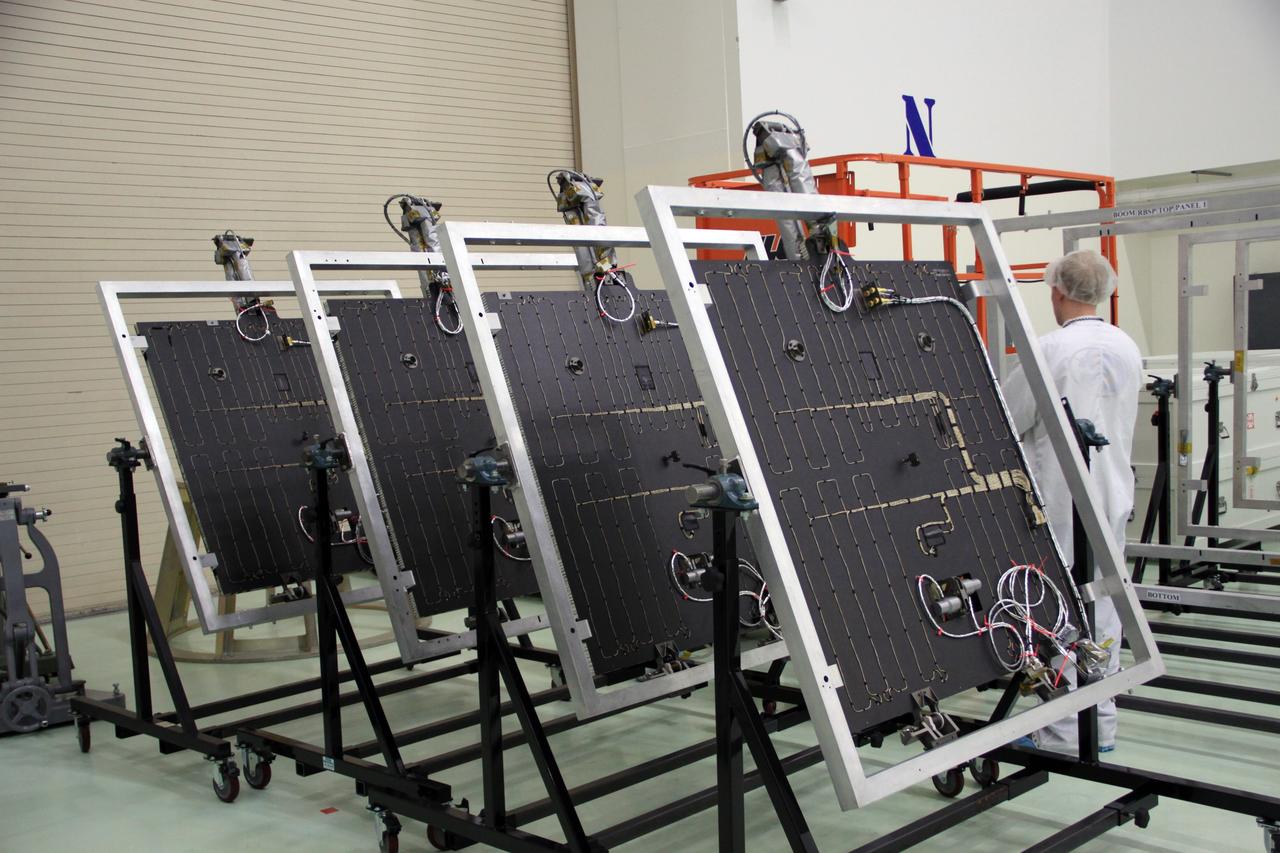
CAPE CANAVERAL, Fla. – Holding fixtures containing the solar arrays for NASA's Radiation Belt Storm Probe A line the floor of the clean room high bay at the Astrotech payload processing facility near NASA’s Kennedy Space Center in Florida. The Radiation Belt Storm Probes, or RBSP, mission will help us understand the sun’s influence on Earth and near-Earth space by studying the Earth’s radiation belts on various scales of space and time. RBSP instruments will provide the measurements needed to characterize and quantify the plasma processes that produce very energetic ions and relativistic electrons. The mission is part of NASA’s broader Living With a Star Program that was conceived to explore fundamental processes that operate throughout the solar system, particularly those that generate hazardous space weather effects in the vicinity of Earth and phenomena that could impact solar system exploration. RBSP will begin its mission of exploration of Earth's Van Allen radiation belts and the extremes of space weather after launch. Launch aboard a United Launch Alliance Atlas V rocket is scheduled for August 23. For more information, visit http://www.nasa.gov/rbsp. Photo credit: NASA/Jim Grossmann
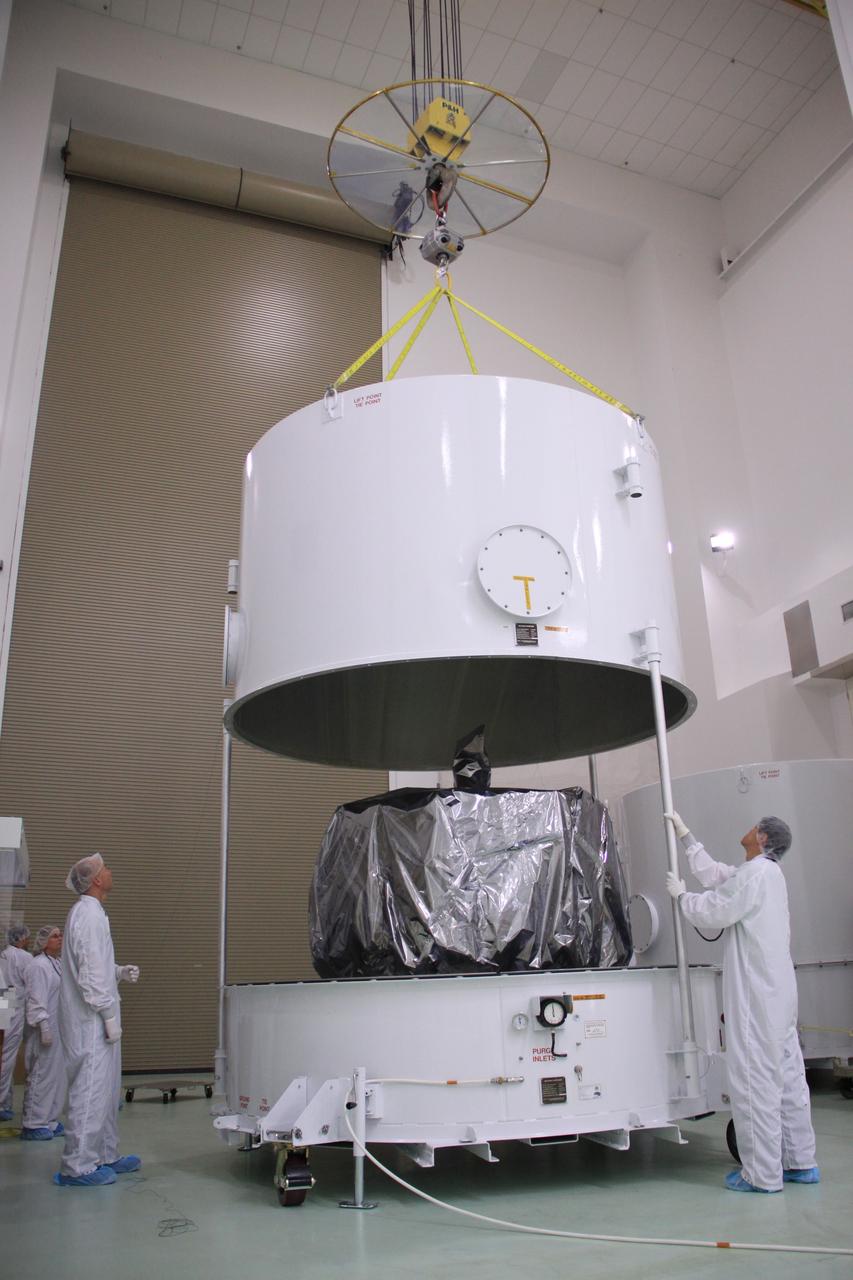
CAPE CANAVERAL, Fla. – In the clean room high bay at the Astrotech payload processing facility near NASA’s Kennedy Space Center in Florida, Applied Physics Laboratory technicians lift the shipping container from around NASA's Radiation Belt Storm Probe A, wrapped in a protective shroud. Prelaunch preparations and spacecraft testing will follow. The Radiation Belt Storm Probes, or RBSP, mission will help us understand the sun’s influence on Earth and near-Earth space by studying the Earth’s radiation belts on various scales of space and time. RBSP instruments will provide the measurements needed to characterize and quantify the plasma processes that produce very energetic ions and relativistic electrons. The mission is part of NASA’s broader Living With a Star Program that was conceived to explore fundamental processes that operate throughout the solar system, particularly those that generate hazardous space weather effects in the vicinity of Earth and phenomena that could impact solar system exploration. RBSP will begin its mission of exploration of Earth's Van Allen radiation belts and the extremes of space weather after launch. Launch aboard a United Launch Alliance Atlas V rocket is scheduled for August 23. For more information, visit http://www.nasa.gov/rbsp. Photo credit: NASA/Jim Grossmann
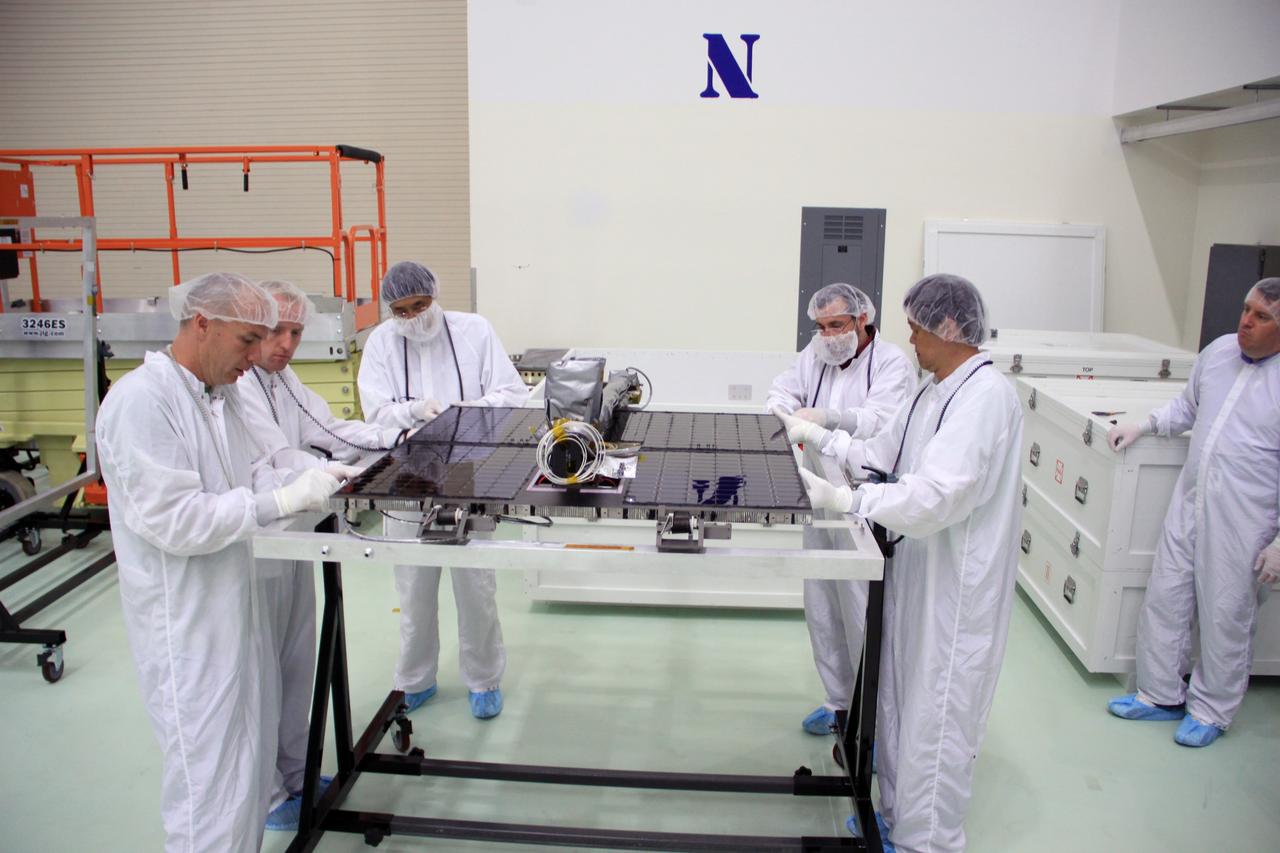
CAPE CANAVERAL, Fla. – In the clean room high bay at the Astrotech payload processing facility near NASA’s Kennedy Space Center in Florida, Applied Physics Laboratory technicians place the one of the solar arrays for NASA's Radiation Belt Storm Probe A into a holding fixture. The Radiation Belt Storm Probes, or RBSP, mission will help us understand the sun’s influence on Earth and near-Earth space by studying the Earth’s radiation belts on various scales of space and time. RBSP instruments will provide the measurements needed to characterize and quantify the plasma processes that produce very energetic ions and relativistic electrons. The mission is part of NASA’s broader Living With a Star Program that was conceived to explore fundamental processes that operate throughout the solar system, particularly those that generate hazardous space weather effects in the vicinity of Earth and phenomena that could impact solar system exploration. RBSP will begin its mission of exploration of Earth's Van Allen radiation belts and the extremes of space weather after launch. Launch aboard a United Launch Alliance Atlas V rocket is scheduled for August 23. For more information, visit http://www.nasa.gov/rbsp. Photo credit: NASA/Jim Grossmann
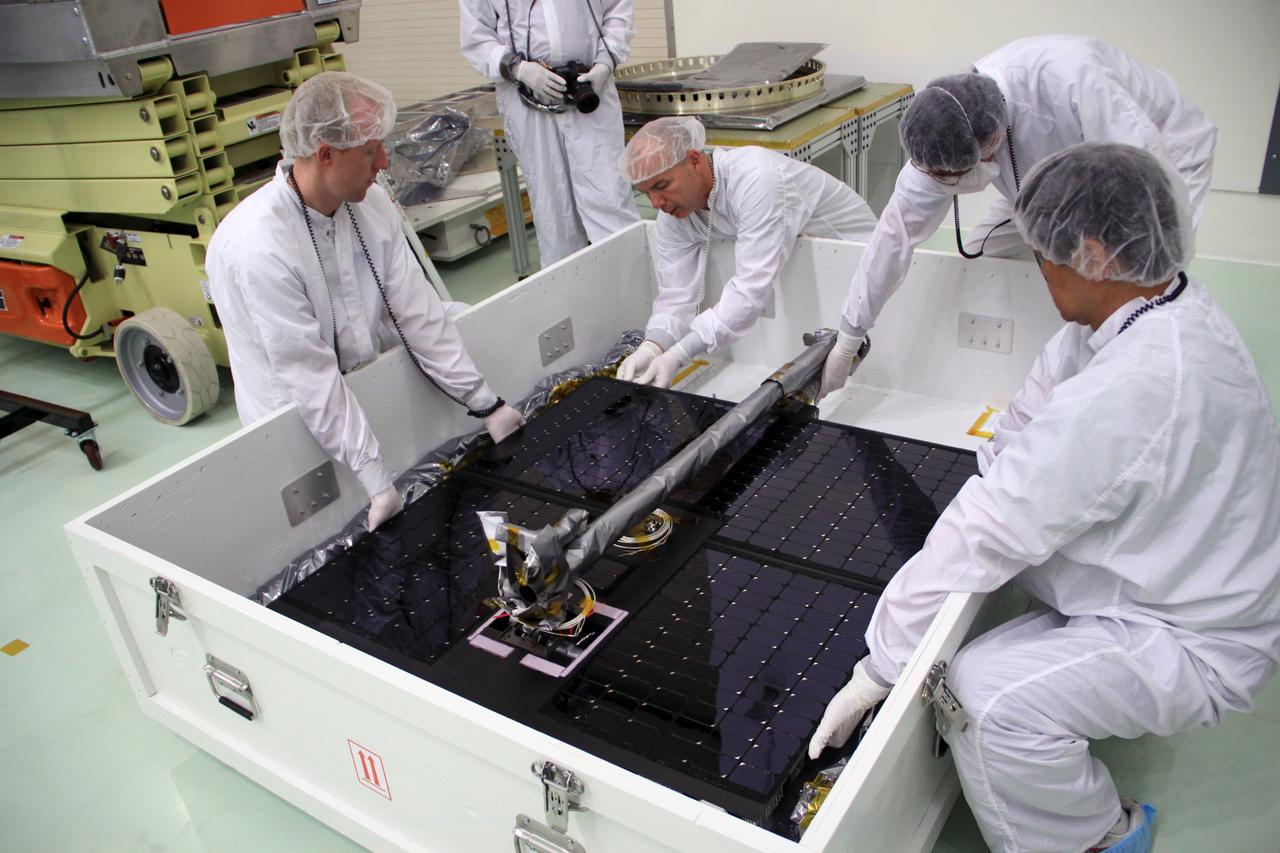
CAPE CANAVERAL, Fla. – In the clean room high bay at the Astrotech payload processing facility near NASA’s Kennedy Space Center in Florida, a team approach is used by Applied Physics Laboratory technicians to lift one of the solar arrays for NASA's Radiation Belt Storm Probe A from its shipping container. The Radiation Belt Storm Probes, or RBSP, mission will help us understand the sun’s influence on Earth and near-Earth space by studying the Earth’s radiation belts on various scales of space and time. RBSP instruments will provide the measurements needed to characterize and quantify the plasma processes that produce very energetic ions and relativistic electrons. The mission is part of NASA’s broader Living With a Star Program that was conceived to explore fundamental processes that operate throughout the solar system, particularly those that generate hazardous space weather effects in the vicinity of Earth and phenomena that could impact solar system exploration. RBSP will begin its mission of exploration of Earth's Van Allen radiation belts and the extremes of space weather after launch. Launch aboard a United Launch Alliance Atlas V rocket is scheduled for August 23. For more information, visit http://www.nasa.gov/rbsp. Photo credit: NASA/Jim Grossmann
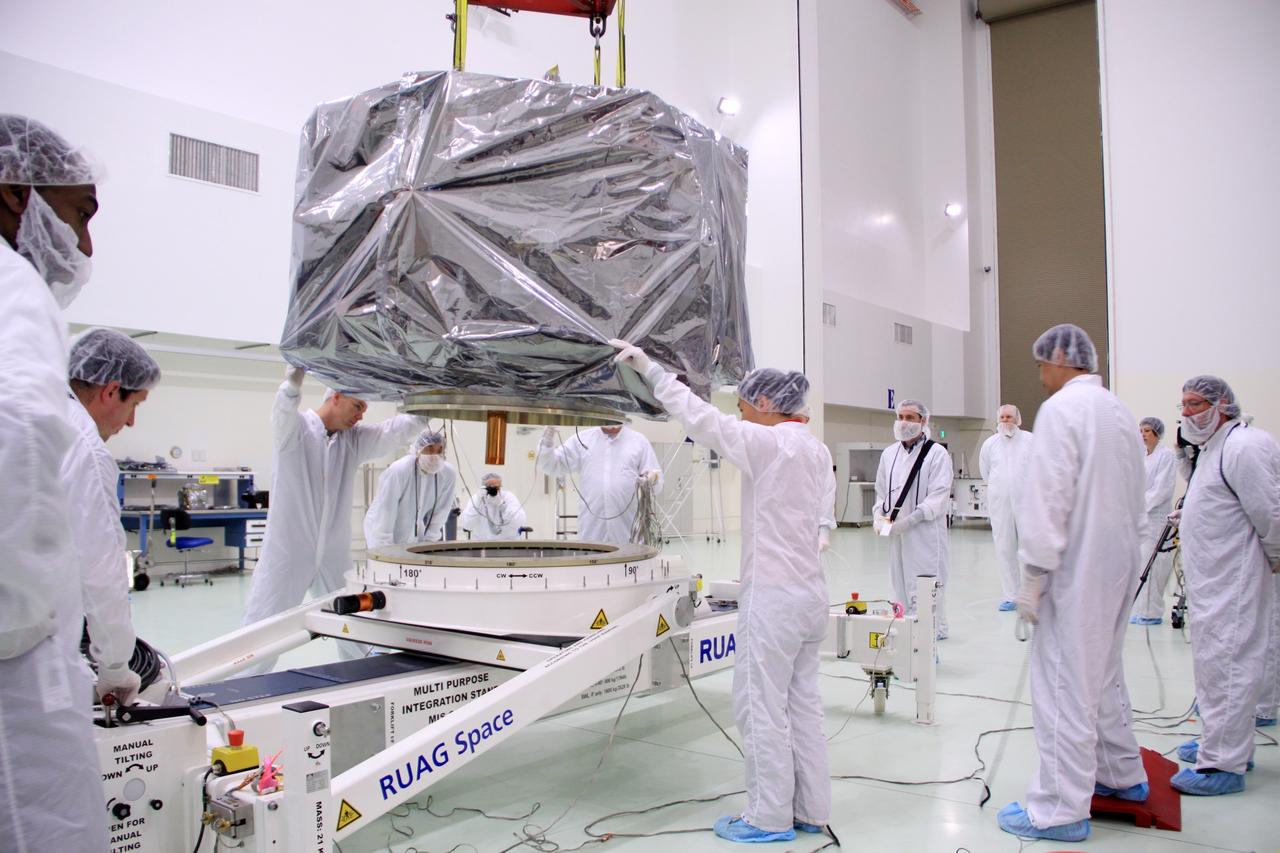
CAPE CANAVERAL, Fla. – In the clean room high bay at the Astrotech payload processing facility near NASA’s Kennedy Space Center in Florida, Applied Physics Laboratory technicians lower NASA's Radiation Belt Storm Probe B, wrapped in a protective shroud, onto a test stand. Prelaunch preparations and spacecraft testing will follow. The Radiation Belt Storm Probes, or RBSP, mission will help us understand the sun’s influence on Earth and near-Earth space by studying the Earth’s radiation belts on various scales of space and time. RBSP instruments will provide the measurements needed to characterize and quantify the plasma processes that produce very energetic ions and relativistic electrons. The mission is part of NASA’s broader Living With a Star Program that was conceived to explore fundamental processes that operate throughout the solar system, particularly those that generate hazardous space weather effects in the vicinity of Earth and phenomena that could impact solar system exploration. RBSP will begin its mission of exploration of Earth's Van Allen radiation belts and the extremes of space weather after launch. Launch aboard a United Launch Alliance Atlas V rocket is scheduled for August 23. For more information, visit http://www.nasa.gov/rbsp. Photo credit: NASA/Jim Grossmann
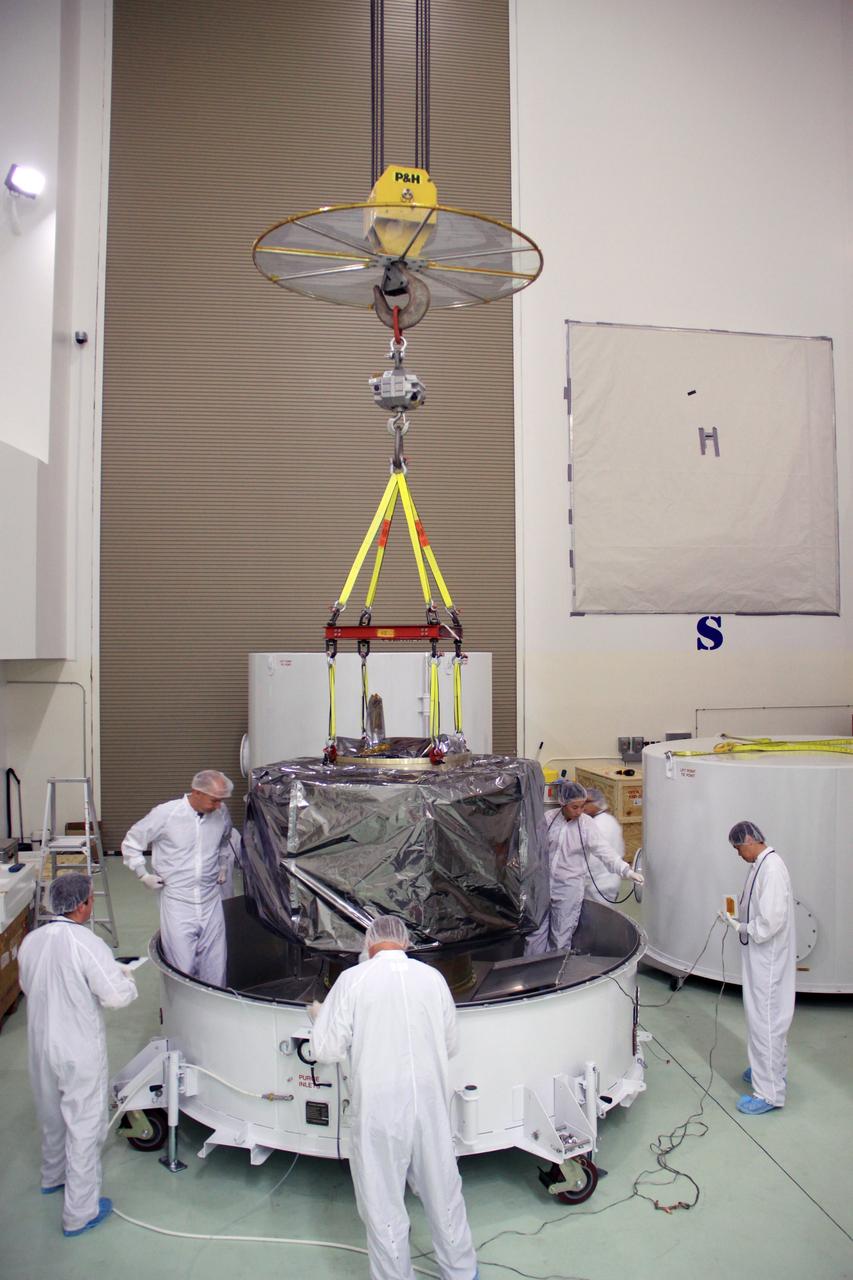
CAPE CANAVERAL, Fla. – In the clean room high bay at the Astrotech payload processing facility near NASA’s Kennedy Space Center in Florida, Applied Physics Laboratory technicians prepare to lift NASA's Radiation Belt Storm Probe B, wrapped in a protective shroud, from the bottom of its shipping container. Prelaunch preparations and spacecraft testing will follow. The Radiation Belt Storm Probes, or RBSP, mission will help us understand the sun’s influence on Earth and near-Earth space by studying the Earth’s radiation belts on various scales of space and time. RBSP instruments will provide the measurements needed to characterize and quantify the plasma processes that produce very energetic ions and relativistic electrons. The mission is part of NASA’s broader Living With a Star Program that was conceived to explore fundamental processes that operate throughout the solar system, particularly those that generate hazardous space weather effects in the vicinity of Earth and phenomena that could impact solar system exploration. RBSP will begin its mission of exploration of Earth's Van Allen radiation belts and the extremes of space weather after launch. Launch aboard a United Launch Alliance Atlas V rocket is scheduled for August 23. For more information, visit http://www.nasa.gov/rbsp. Photo credit: NASA/Jim Grossmann
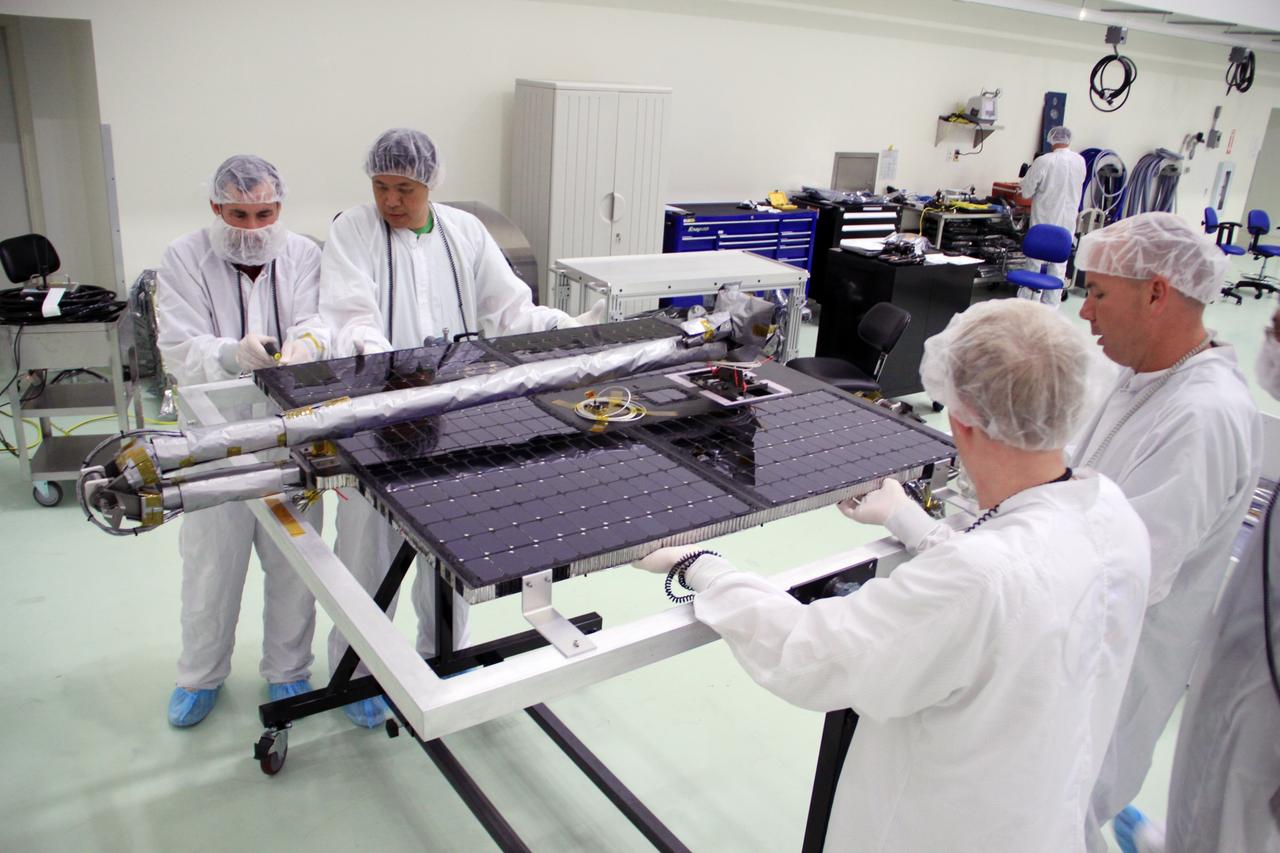
CAPE CANAVERAL, Fla. – In the clean room high bay at the Astrotech payload processing facility near NASA’s Kennedy Space Center in Florida, Applied Physics Laboratory technicians secure one of the solar arrays for NASA's Radiation Belt Storm Probe A into a holding fixture. The Radiation Belt Storm Probes, or RBSP, mission will help us understand the sun’s influence on Earth and near-Earth space by studying the Earth’s radiation belts on various scales of space and time. RBSP instruments will provide the measurements needed to characterize and quantify the plasma processes that produce very energetic ions and relativistic electrons. The mission is part of NASA’s broader Living With a Star Program that was conceived to explore fundamental processes that operate throughout the solar system, particularly those that generate hazardous space weather effects in the vicinity of Earth and phenomena that could impact solar system exploration. RBSP will begin its mission of exploration of Earth's Van Allen radiation belts and the extremes of space weather after launch. Launch aboard a United Launch Alliance Atlas V rocket is scheduled for August 23. For more information, visit http://www.nasa.gov/rbsp. Photo credit: NASA/Jim Grossmann
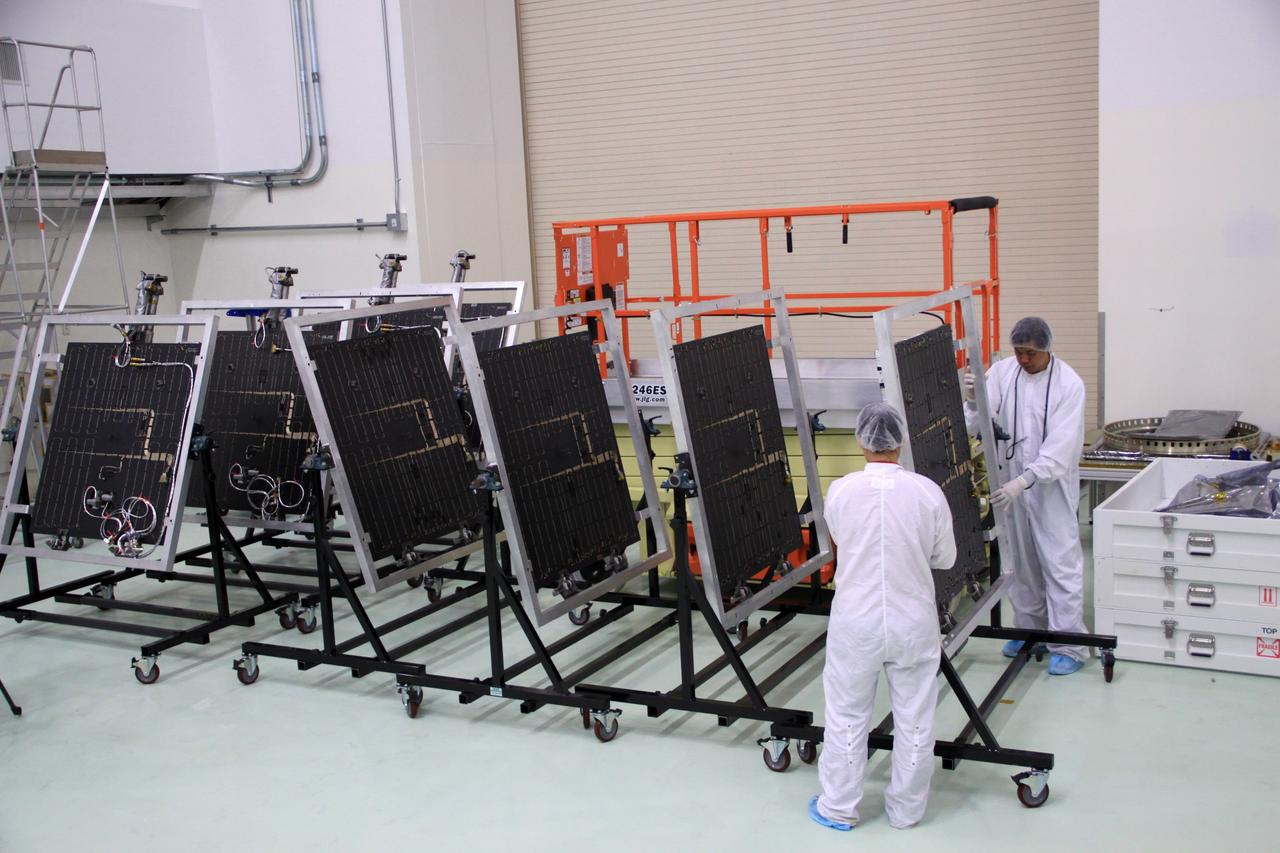
CAPE CANAVERAL, Fla. – In the clean room high bay at the Astrotech payload processing facility near NASA’s Kennedy Space Center in Florida, Applied Physics Laboratory technicians line up the holding fixtures containing the solar arrays for NASA's Radiation Belt Storm Probes A and B. The Radiation Belt Storm Probes, or RBSP, mission will help us understand the sun’s influence on Earth and near-Earth space by studying the Earth’s radiation belts on various scales of space and time. RBSP instruments will provide the measurements needed to characterize and quantify the plasma processes that produce very energetic ions and relativistic electrons. The mission is part of NASA’s broader Living With a Star Program that was conceived to explore fundamental processes that operate throughout the solar system, particularly those that generate hazardous space weather effects in the vicinity of Earth and phenomena that could impact solar system exploration. RBSP will begin its mission of exploration of Earth's Van Allen radiation belts and the extremes of space weather after launch. Launch aboard a United Launch Alliance Atlas V rocket is scheduled for August 23. For more information, visit http://www.nasa.gov/rbsp. Photo credit: NASA/Jim Grossmann
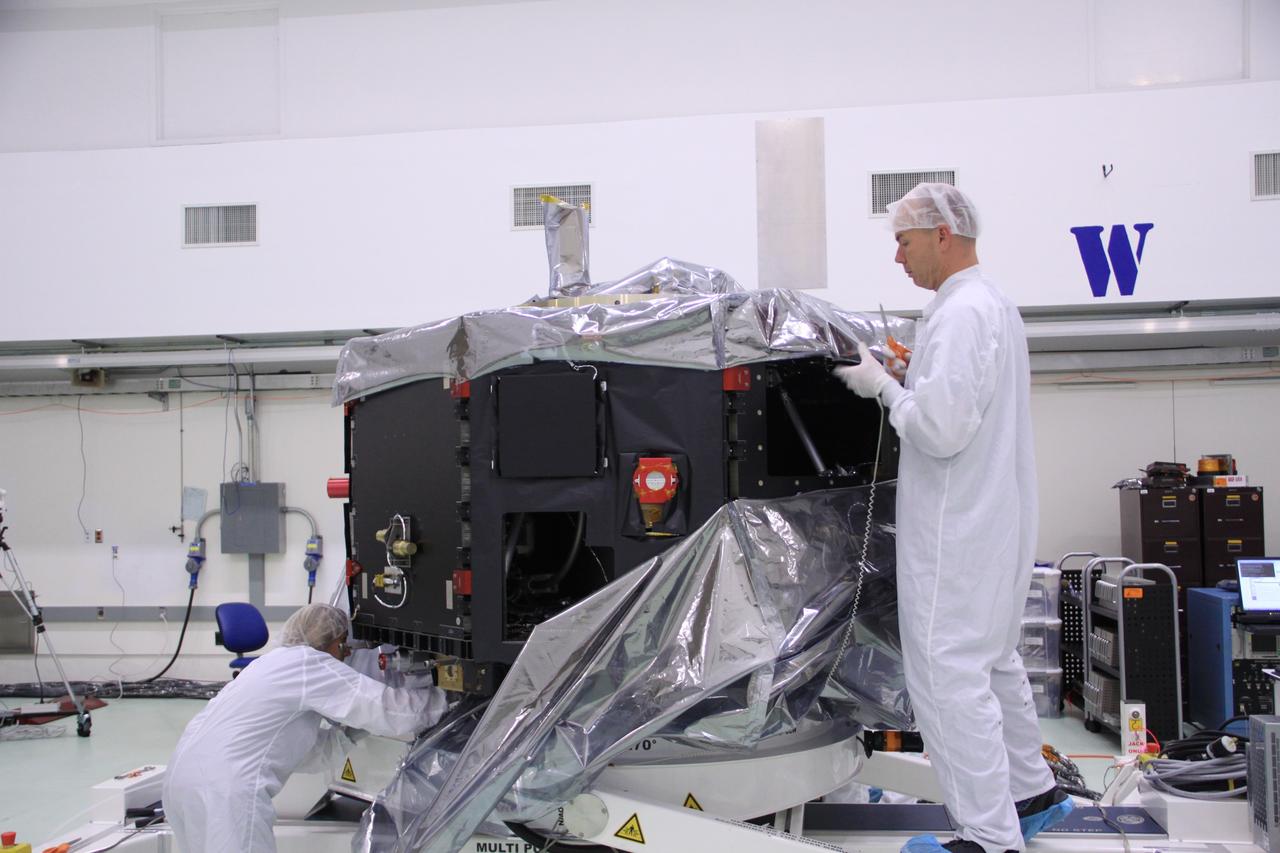
CAPE CANAVERAL, Fla. – In the clean room high bay at the Astrotech payload processing facility near NASA’s Kennedy Space Center in Florida, Applied Physics Laboratory technicians remove the protective shroud from around NASA's Radiation Belt Storm Probe B. Prelaunch preparations and spacecraft testing will follow. The Radiation Belt Storm Probes, or RBSP, mission will help us understand the sun’s influence on Earth and near-Earth space by studying the Earth’s radiation belts on various scales of space and time. RBSP instruments will provide the measurements needed to characterize and quantify the plasma processes that produce very energetic ions and relativistic electrons. The mission is part of NASA’s broader Living With a Star Program that was conceived to explore fundamental processes that operate throughout the solar system, particularly those that generate hazardous space weather effects in the vicinity of Earth and phenomena that could impact solar system exploration. RBSP will begin its mission of exploration of Earth's Van Allen radiation belts and the extremes of space weather after launch. Launch aboard a United Launch Alliance Atlas V rocket is scheduled for August 23. For more information, visit http://www.nasa.gov/rbsp. Photo credit: NASA/Jim Grossmann
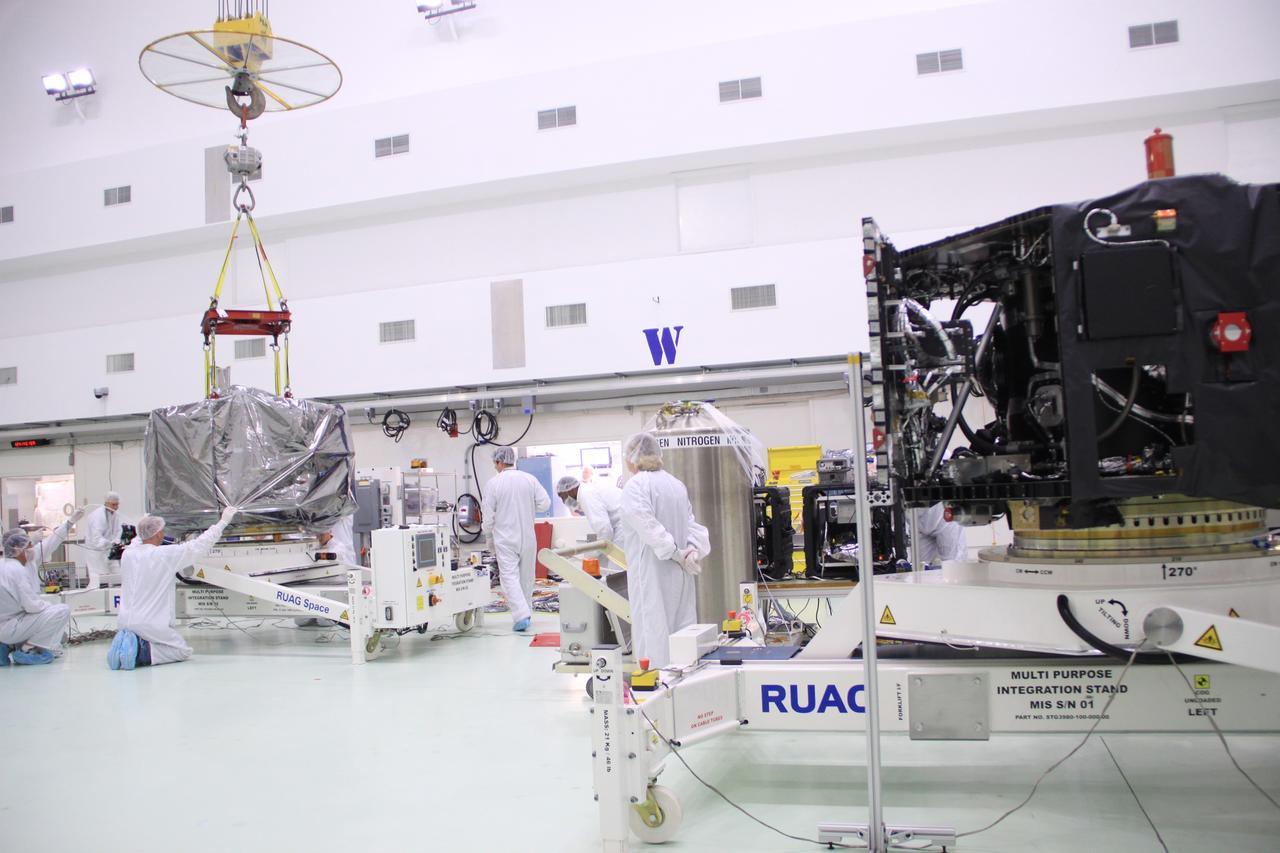
CAPE CANAVERAL, Fla. – In the clean room high bay at the Astrotech payload processing facility near NASA’s Kennedy Space Center in Florida, Applied Physics Laboratory technicians position NASA's Radiation Belt Storm Probe B, wrapped in a protective shroud, on a test stand. Prelaunch preparations and spacecraft testing will follow. The Radiation Belt Storm Probes, or RBSP, mission will help us understand the sun’s influence on Earth and near-Earth space by studying the Earth’s radiation belts on various scales of space and time. RBSP instruments will provide the measurements needed to characterize and quantify the plasma processes that produce very energetic ions and relativistic electrons. The mission is part of NASA’s broader Living With a Star Program that was conceived to explore fundamental processes that operate throughout the solar system, particularly those that generate hazardous space weather effects in the vicinity of Earth and phenomena that could impact solar system exploration. RBSP will begin its mission of exploration of Earth's Van Allen radiation belts and the extremes of space weather after launch. Launch aboard a United Launch Alliance Atlas V rocket is scheduled for August 23. For more information, visit http://www.nasa.gov/rbsp. Photo credit: NASA/Jim Grossmann
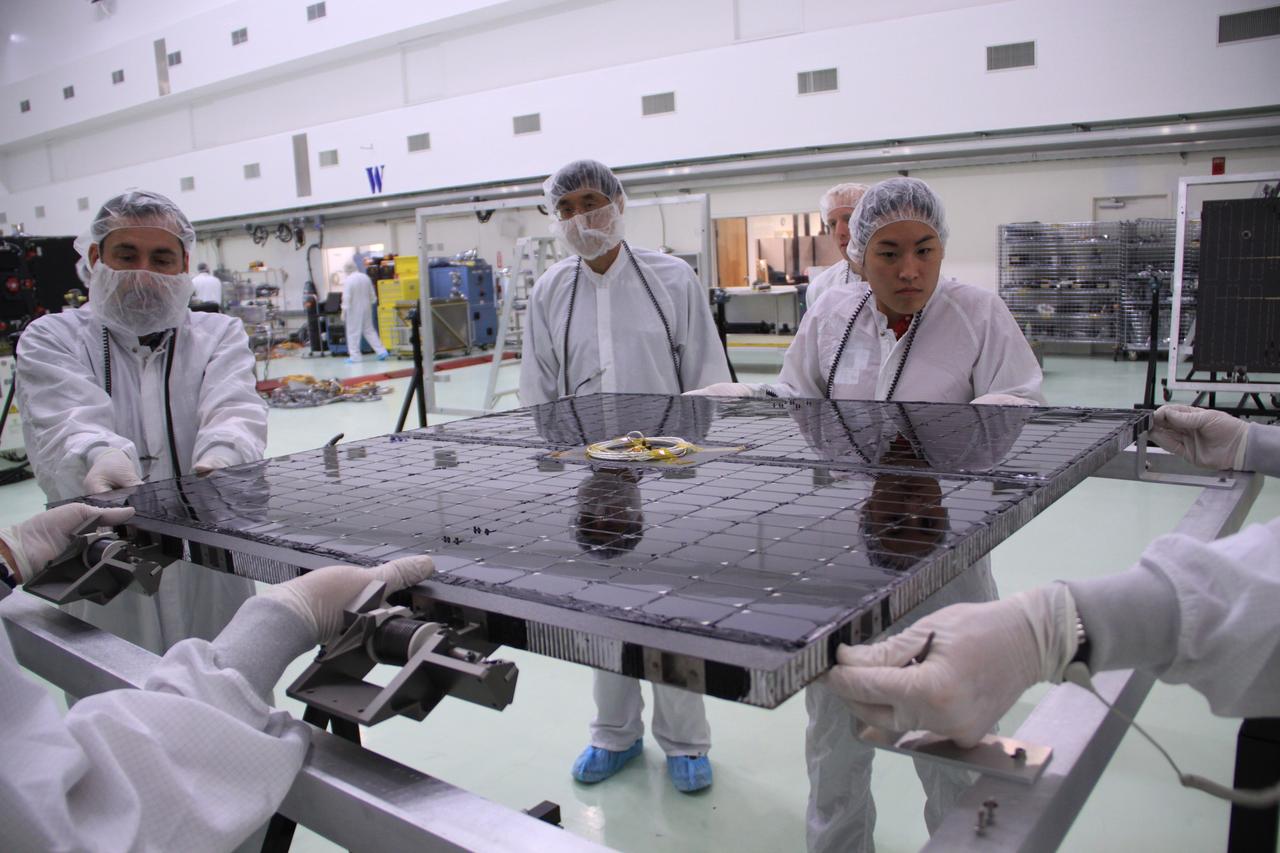
CAPE CANAVERAL, Fla. – In the clean room high bay at the Astrotech payload processing facility near NASA’s Kennedy Space Center in Florida, a team approach is used by Applied Physics Laboratory technicians to secure one of the solar arrays for NASA's Radiation Belt Storm Probe B to a holding fixture. The Radiation Belt Storm Probes, or RBSP, mission will help us understand the sun’s influence on Earth and near-Earth space by studying the Earth’s radiation belts on various scales of space and time. RBSP instruments will provide the measurements needed to characterize and quantify the plasma processes that produce very energetic ions and relativistic electrons. The mission is part of NASA’s broader Living With a Star Program that was conceived to explore fundamental processes that operate throughout the solar system, particularly those that generate hazardous space weather effects in the vicinity of Earth and phenomena that could impact solar system exploration. RBSP will begin its mission of exploration of Earth's Van Allen radiation belts and the extremes of space weather after launch. Launch aboard a United Launch Alliance Atlas V rocket is scheduled for August 23. For more information, visit http://www.nasa.gov/rbsp. Photo credit: NASA/Jim Grossmann