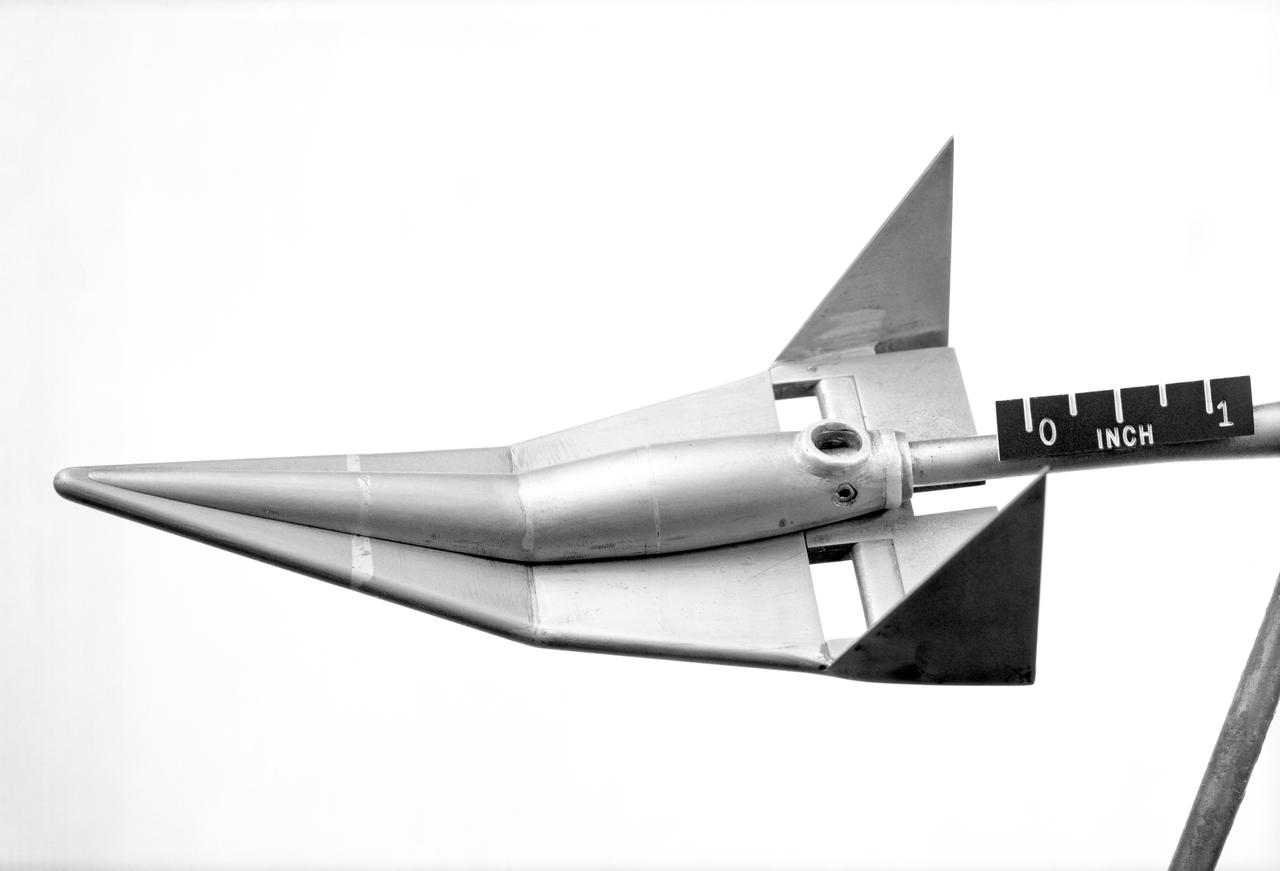
Lifting Type Re-Entry Vehicle
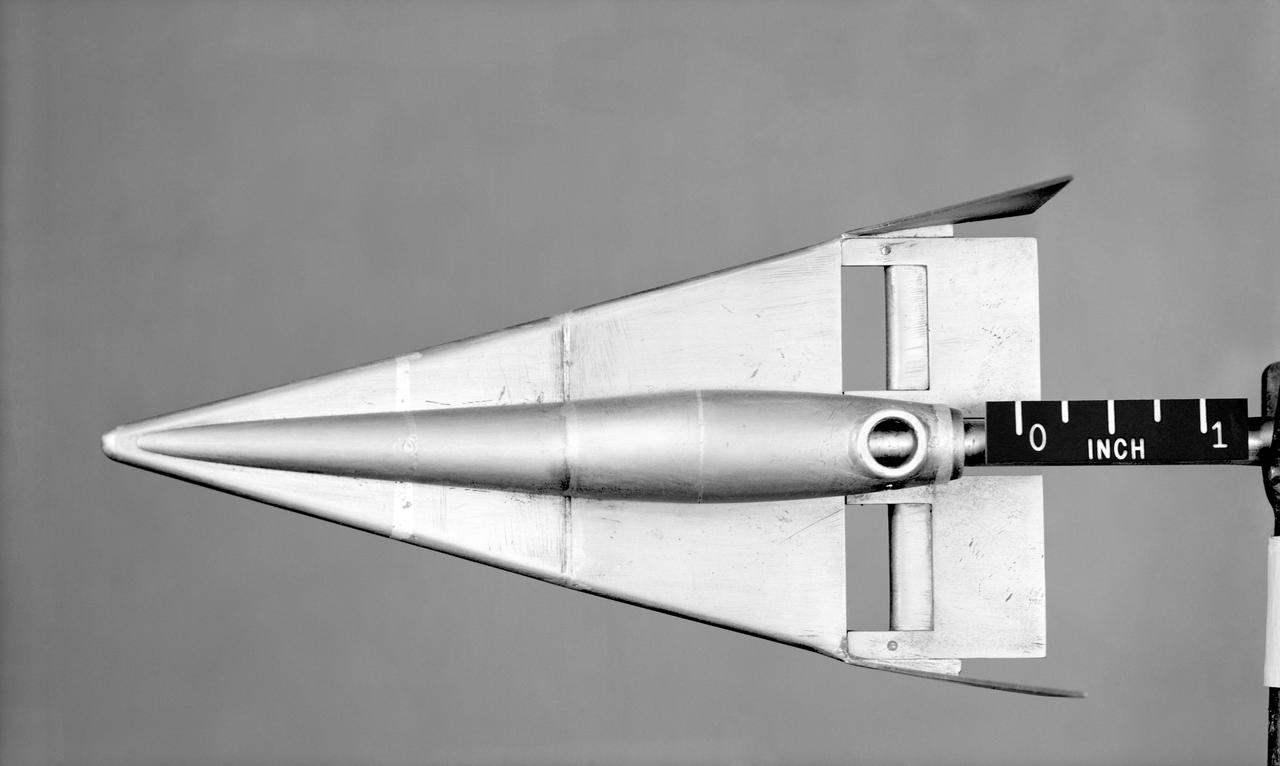
Lifting Type Re-Entry Vehicle
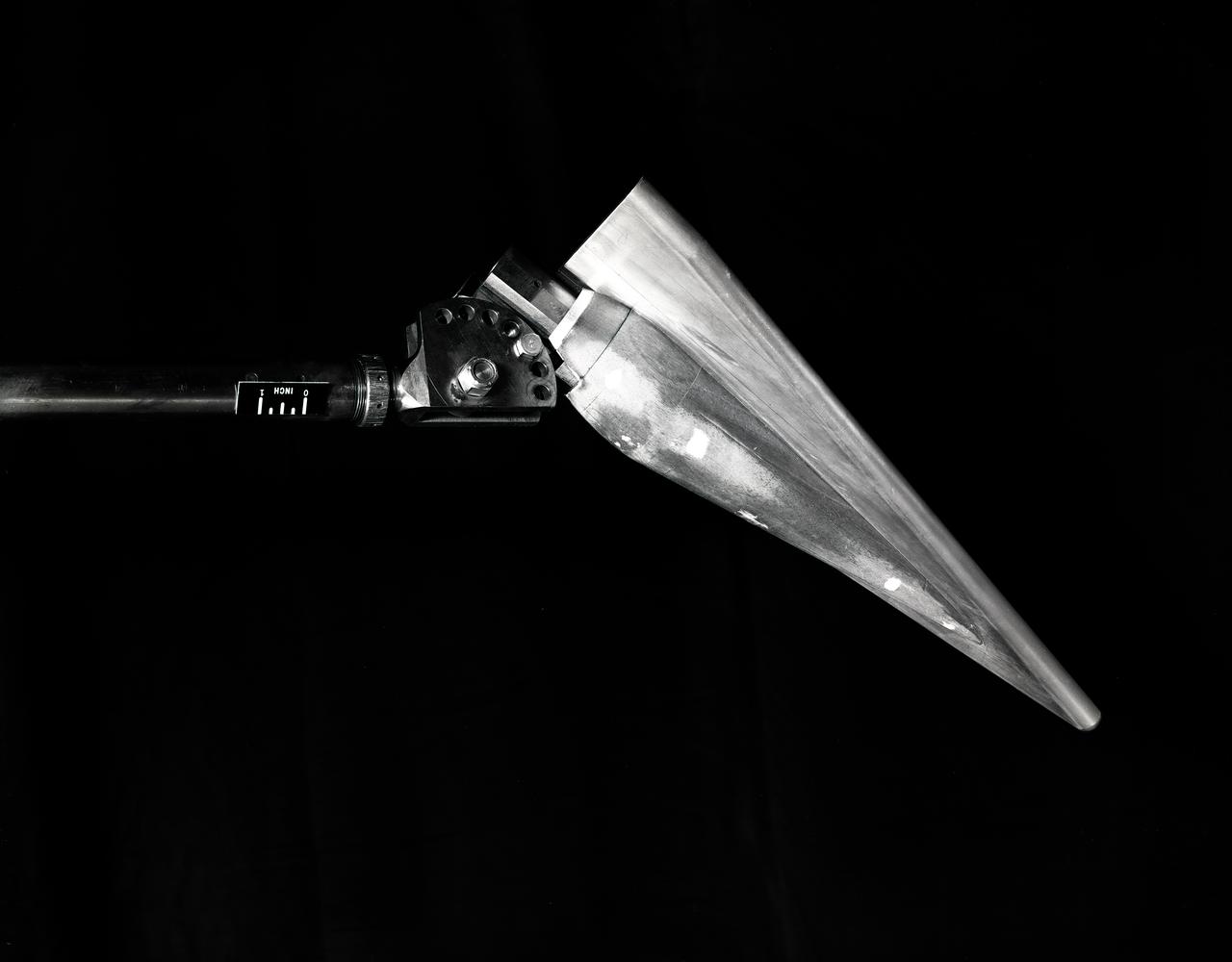
Re-Entry Model
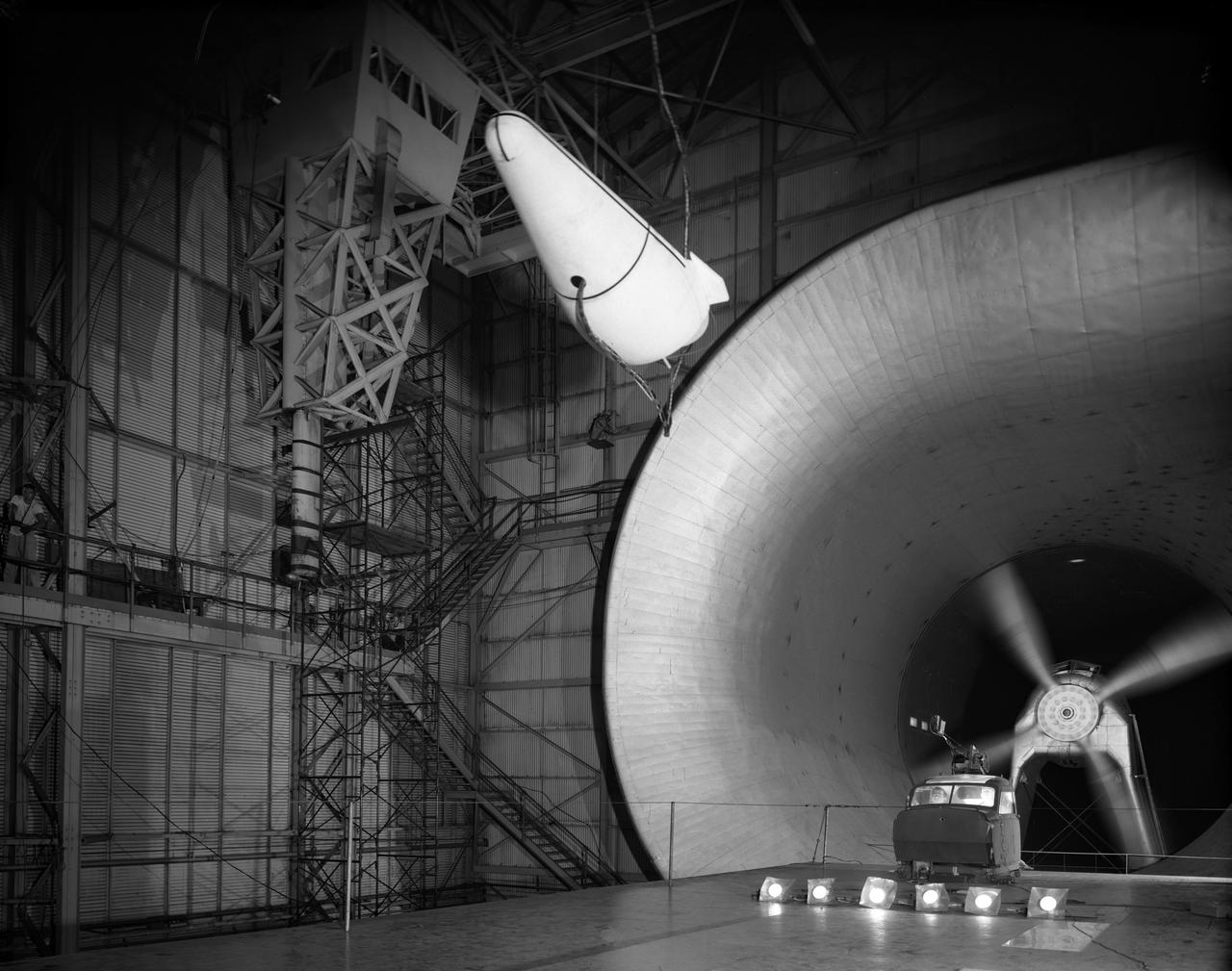
Re-entry vehicle on Full Scale Tunnel (FST)
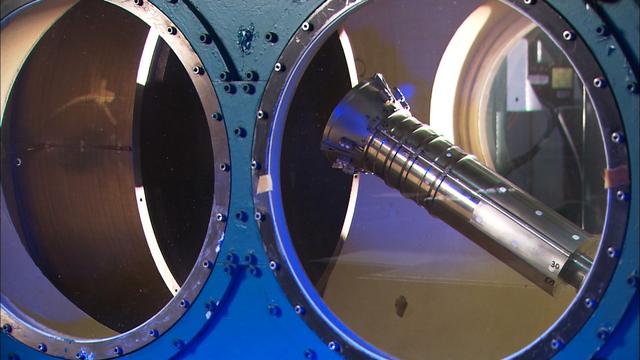
THIS IS A MODEL TEST OF THE 1ST STAGE RE-ENTRY. HEAT TESTING OF A 3% MODEL TO SUPPORT THE ARES/CLV FIRST STAGE RE-ENTRY. THIS OCCURRED AT ARNOLD AIR FORCE BASE, TENNESSEE IN SUPPORT OF THE CONSTELLATION/ARES PROJECT. THIS IMAGE IS EXTRACTED FROM A HIGH DEFINITION VIDEO FILE AND IS THE HIGHEST RESOLUTION AVAILABLE.
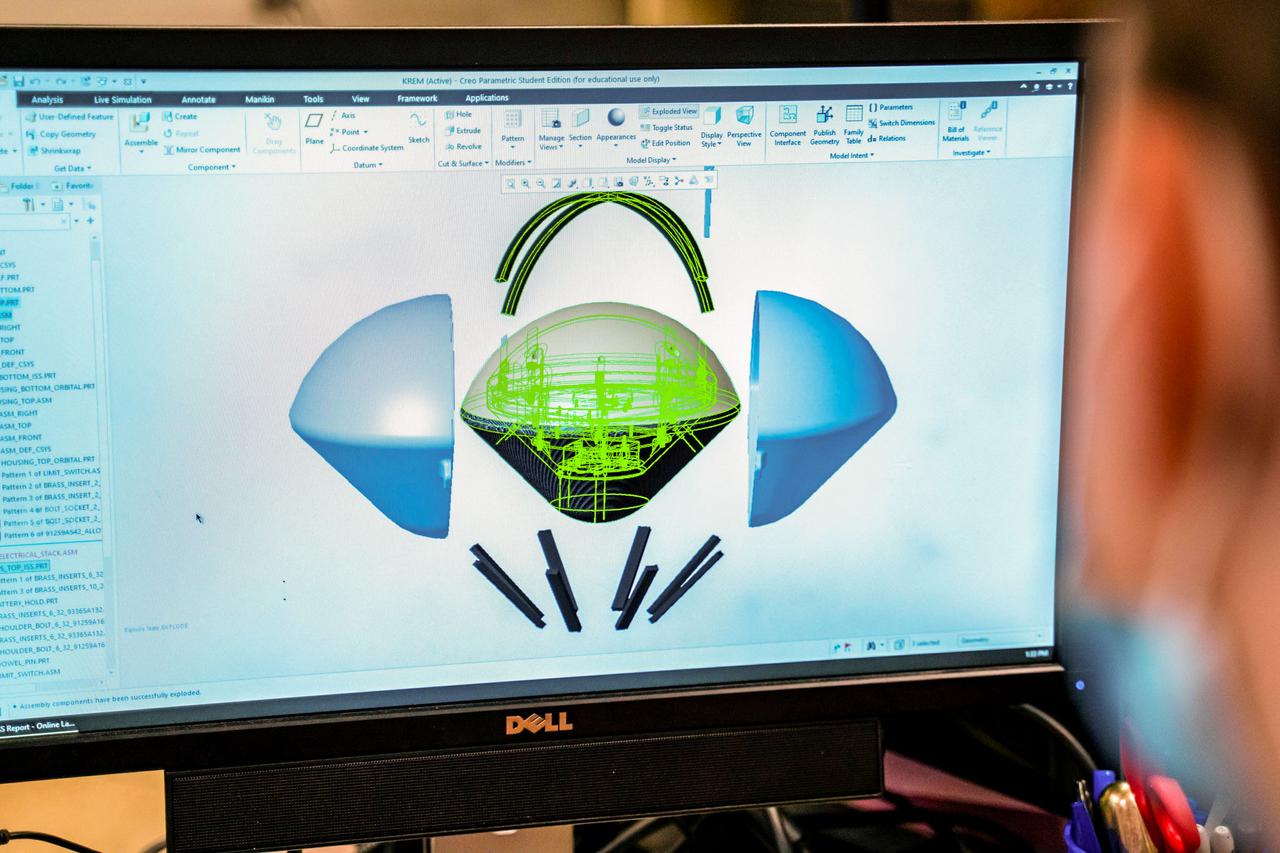
jsc2021e031157 (7/22/2021) --- A view of the KREP Ecapsule model. The Kentucky Re-Entry Probe Experiment (KREPE) demonstrates an affordable technology for re-entry experiments and provides flight data on Thermal Protection Systems (TPS) to help validate computational models. Photo courtesy of the University of Kentucky.
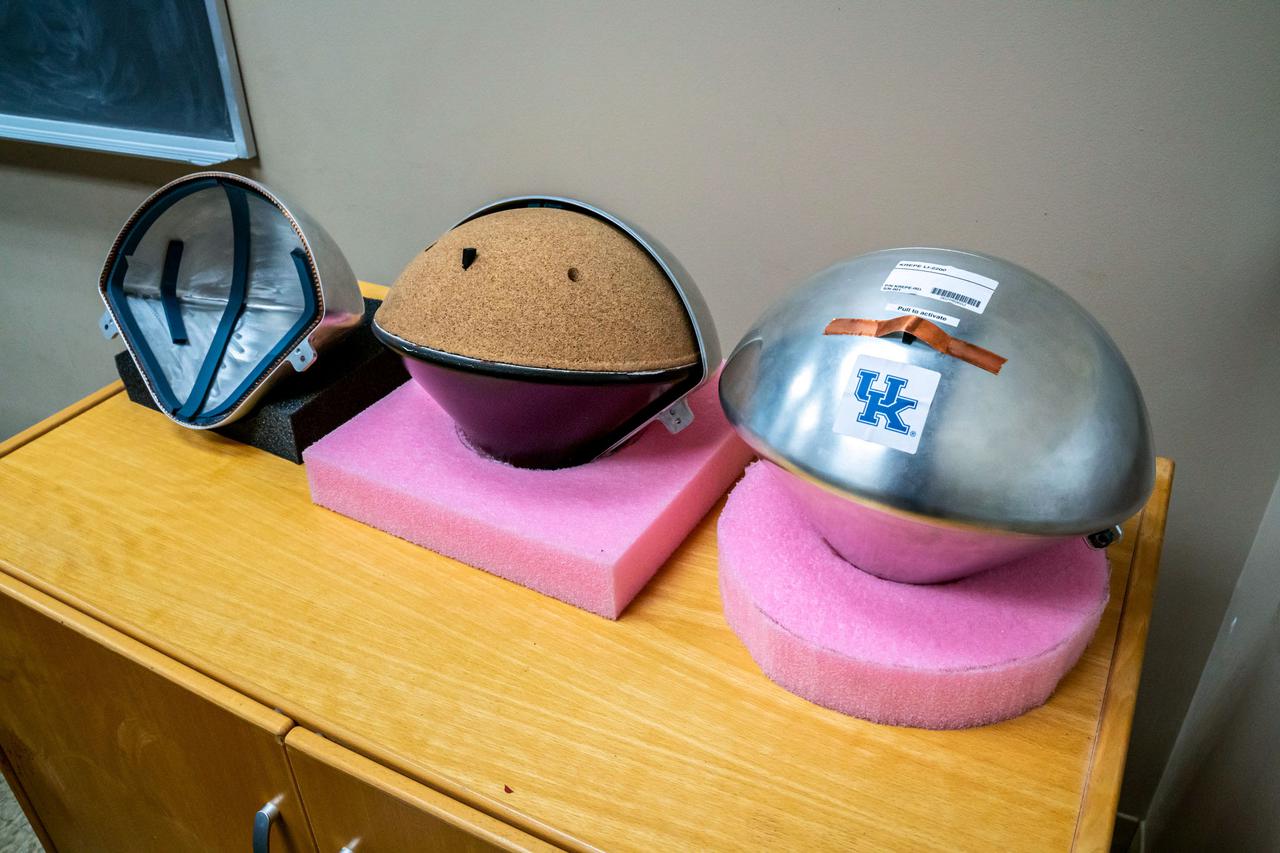
jsc2021e031158 (7/22/2021) --- A preflight view of the heat-shield on the KREPE Capsule. The Kentucky Re-Entry Probe Experiment (KREPE) demonstrates an affordable technology for re-entry experiments and provides flight data on Thermal Protection Systems (TPS) to help validate computational models. Photo courtesy of the University of Kentucky.
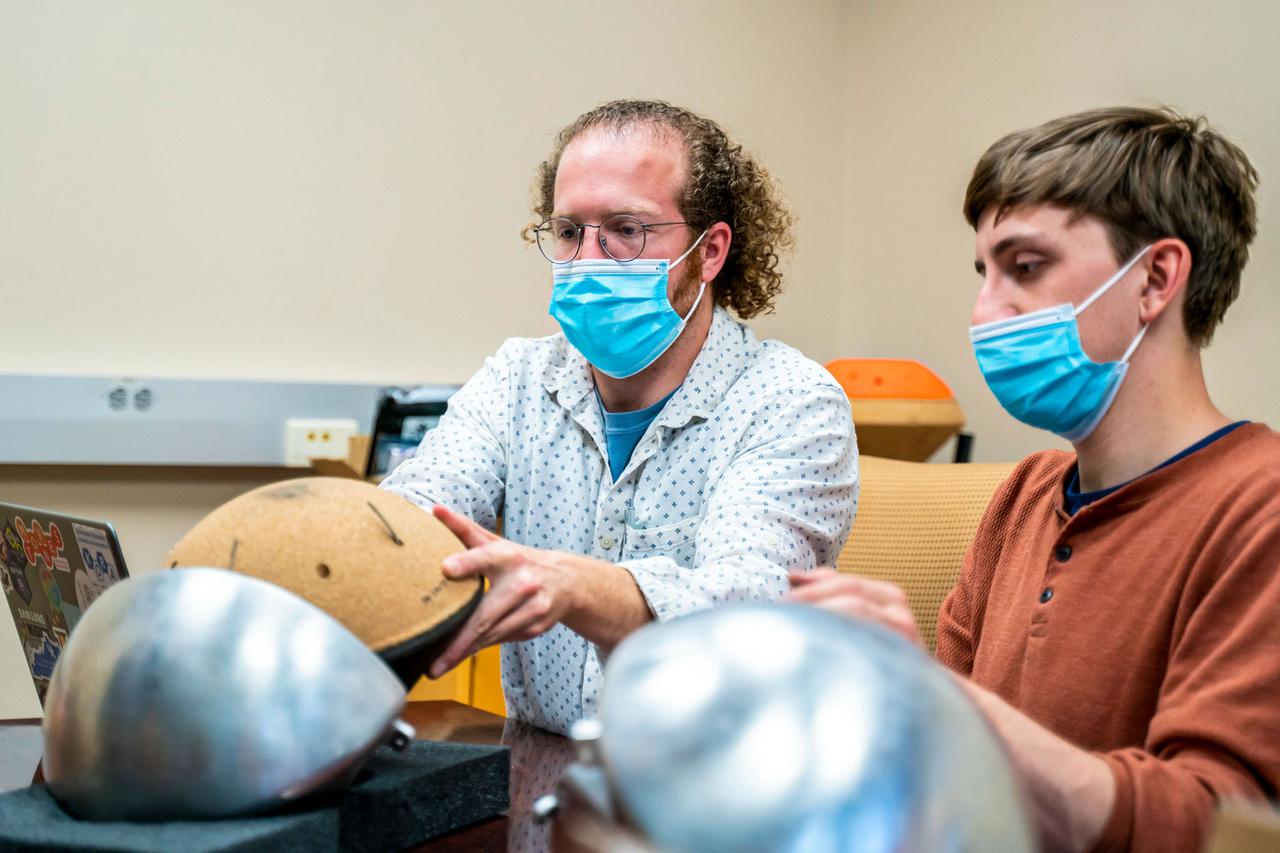
jsc2021e031159 (7/22/2021) --- John Schmidt, graduate student and mechanical engineering lead and Matthew Ruffner, graduate student and electrical engineering lead of KREPE. The Kentucky Re-Entry Probe Experiment (KREPE) demonstrates an affordable technology for re-entry experiments and provides flight data on Thermal Protection Systems (TPS) to help validate computational models. Photo courtesy of the University of Kentucky.
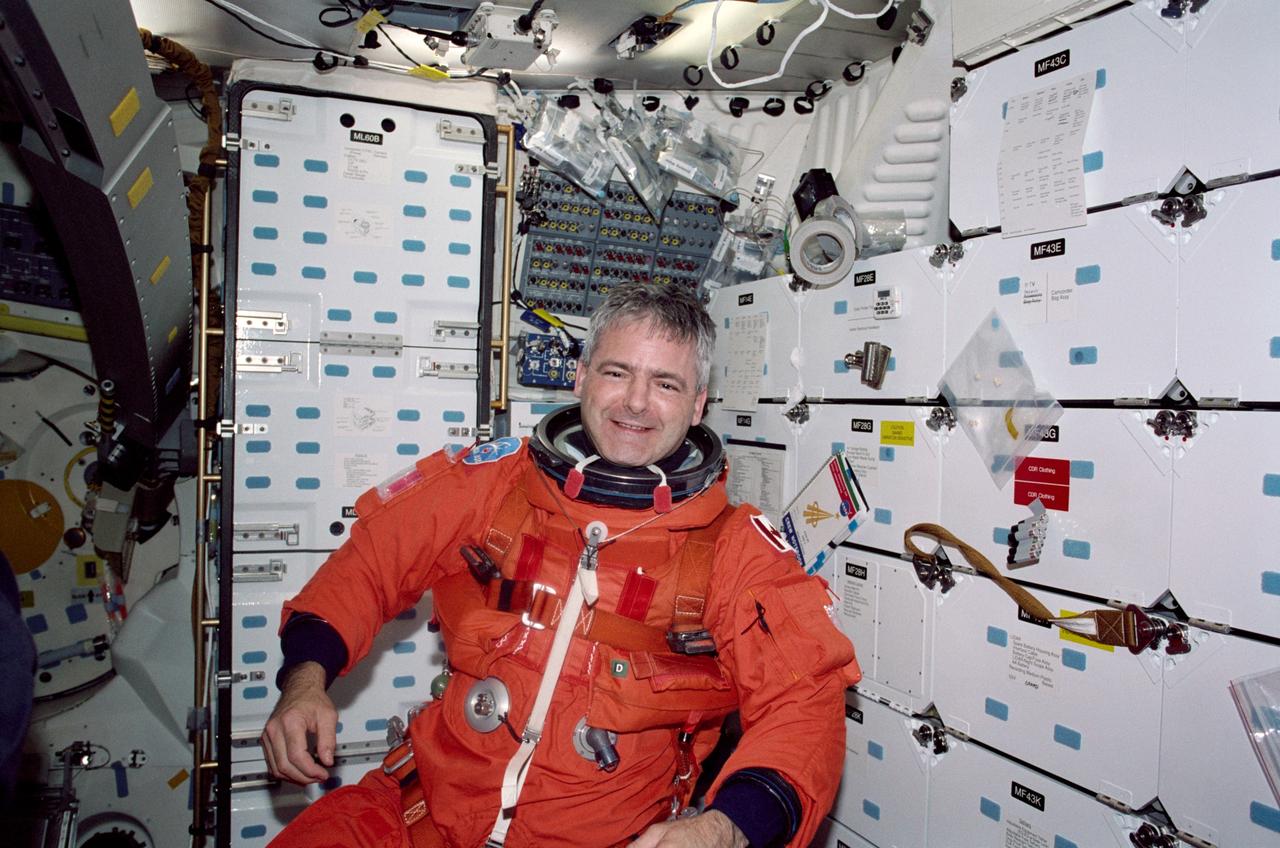
STS097-310-026 (11 December 2000) --- Astronaut Marc Garneau, mission specialist representing the Canadian Space Agency (CSA), is photographed in the launch and entry suit on the middeck of the Earth-orbiting Space Shuttle Endeavour prior to re-entry.
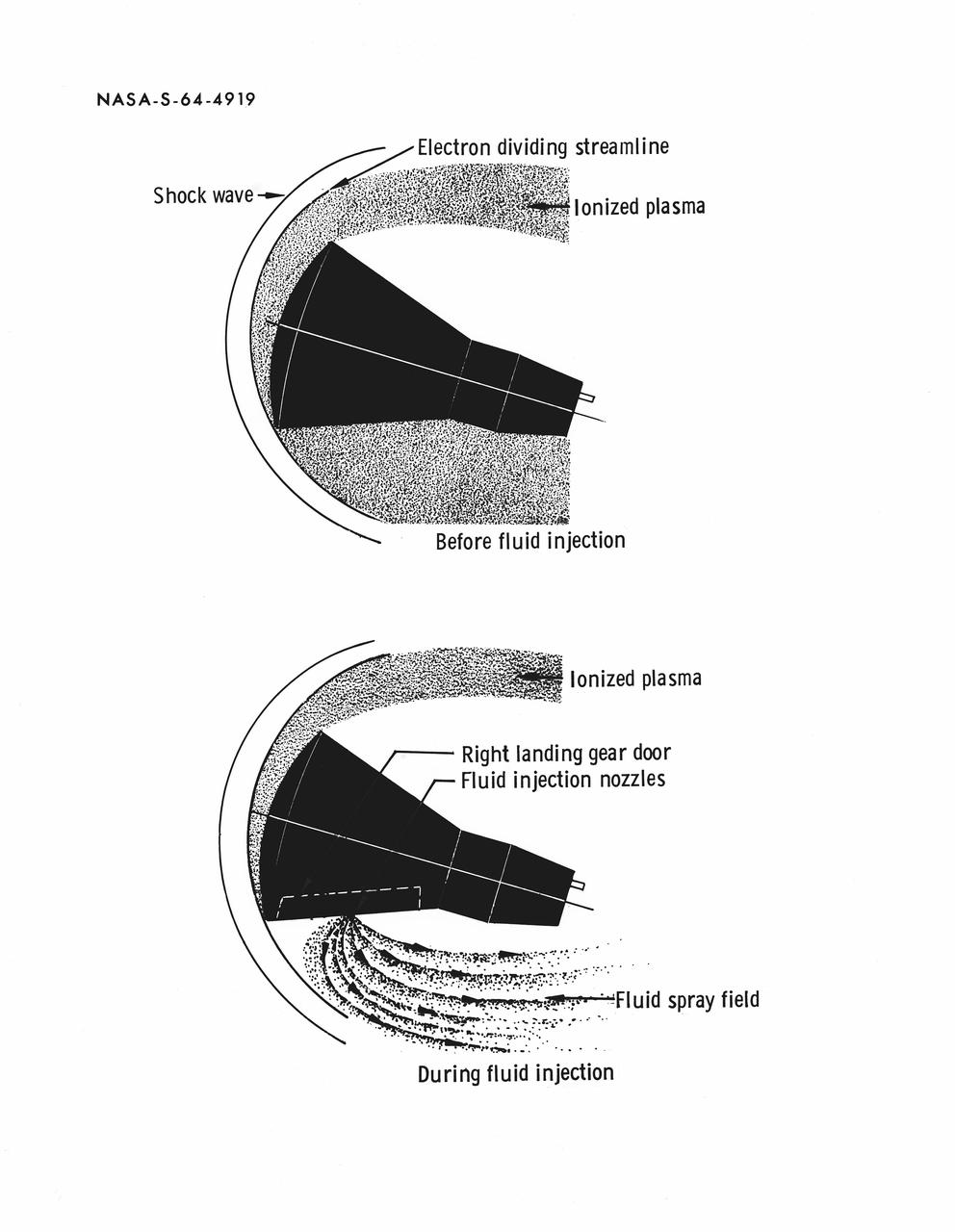
S64-04919 (September 1964) --- Diagram of reduction of the re-entry ionized plasma about a Gemini spacecraft by fluid injection, an experiment planned for the Gemini-Titan 3 orbital flight.
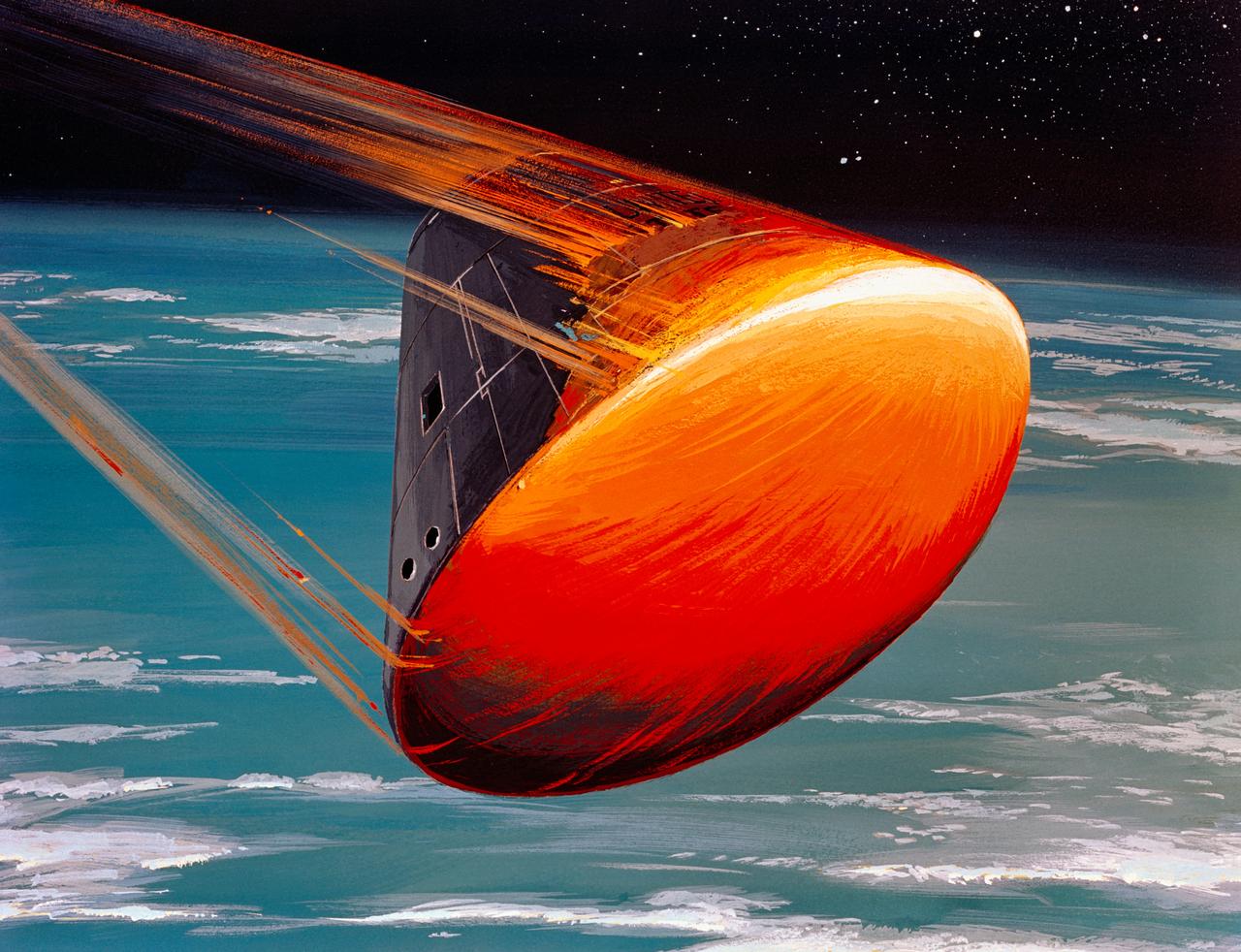
S68-55292 (August 1968) --- A North American Rockwell Corporation artist's concept depicting the Apollo Command Module (CM), oriented in a blunt-end-forward attitude, re-entering Earth's atmosphere after returning from a lunar landing mission. Note the change in color caused by the extremely high temperatures encountered upon re-entry.
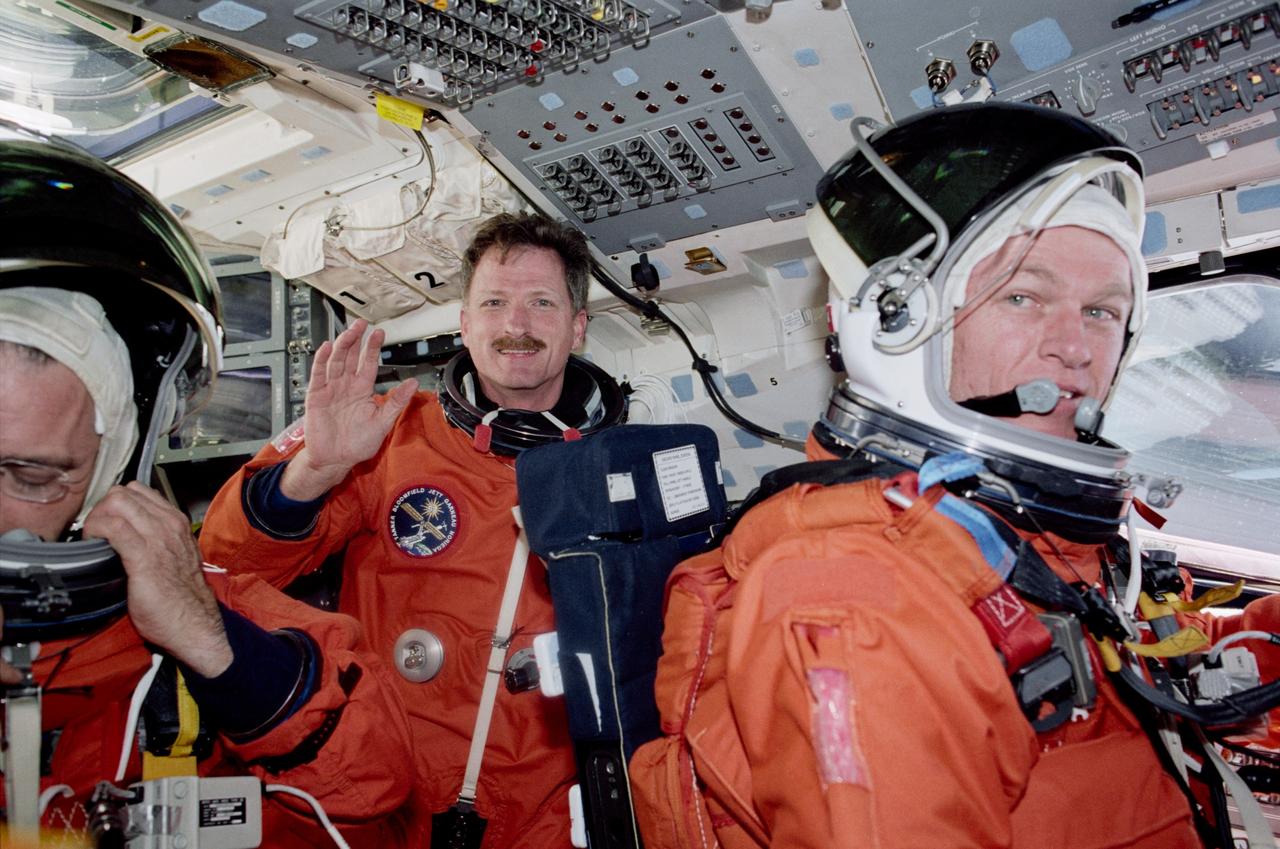
STS097-310-032 (11 December 2000) --- Astronauts (left to right) Marc Garneau, Joseph R. Tanner, both mission specialists, and Brent W. Jett, mission commander, are photographed on the flight deck of the Space Shuttle Endeavour as they prepare for re-entry. Garneau represents the Canadian Space Agency (CSA).
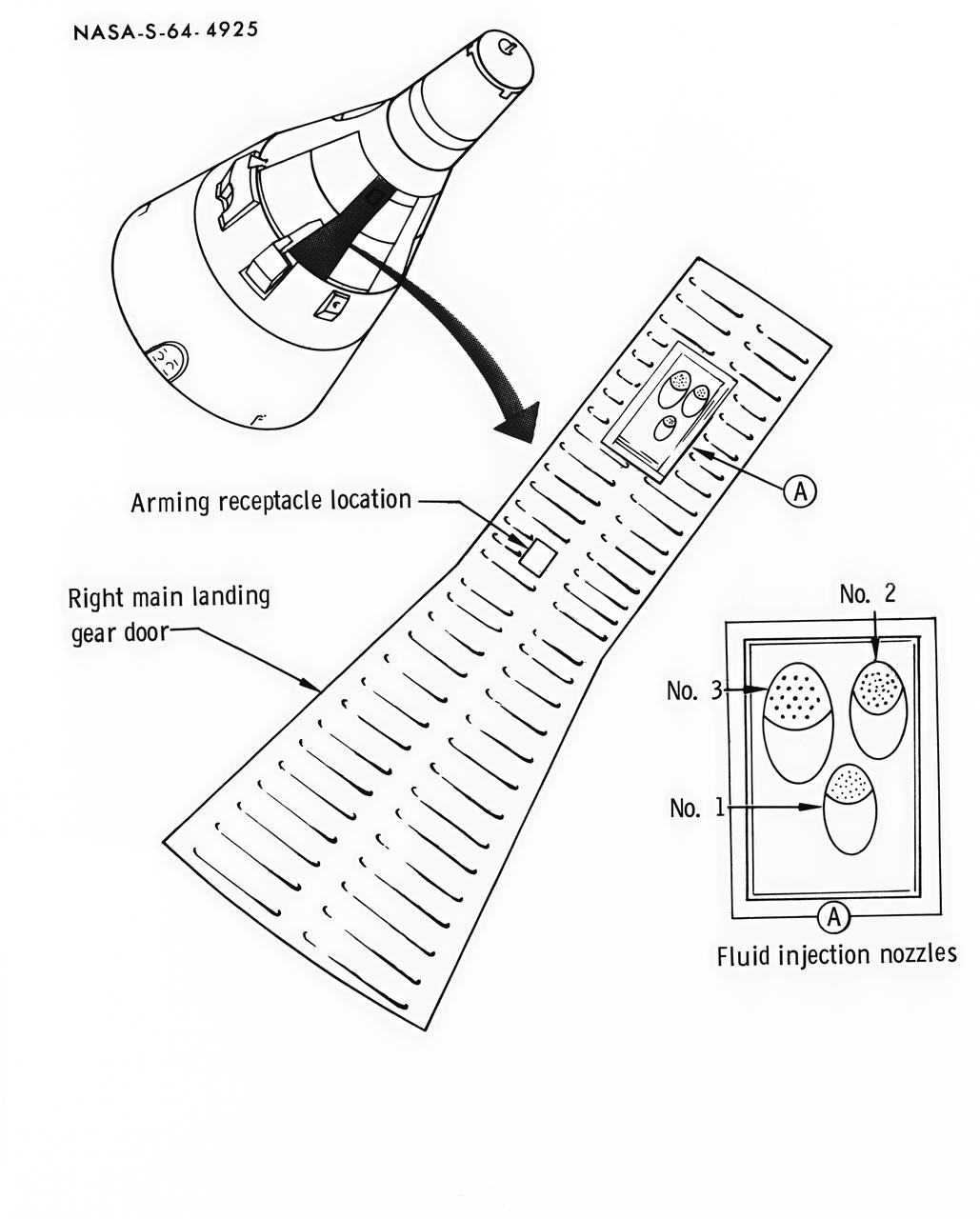
S64-04925 (September 1964) --- Diagram of Gemini spacecraft location of re-entry communications experiment planned for the Gemini-Titan 3 orbital flight.
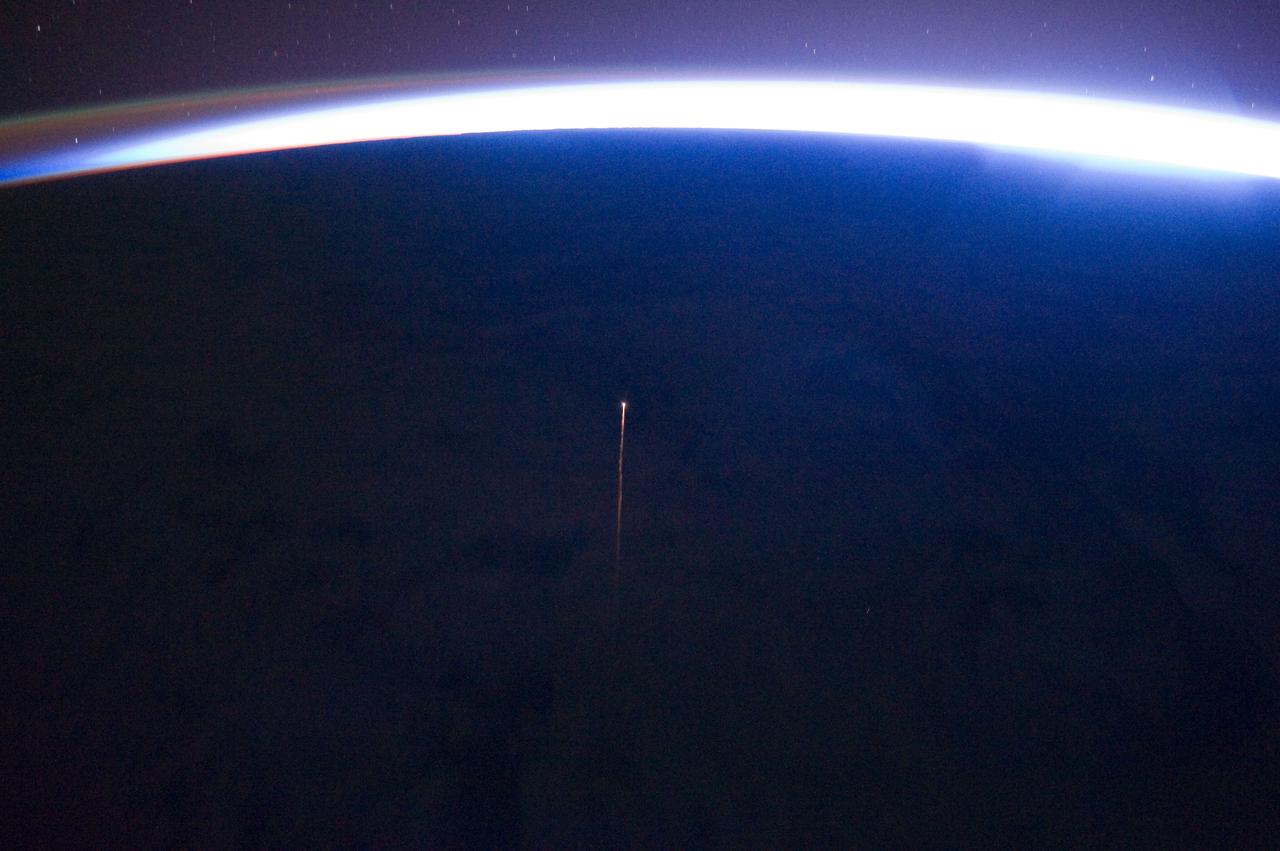
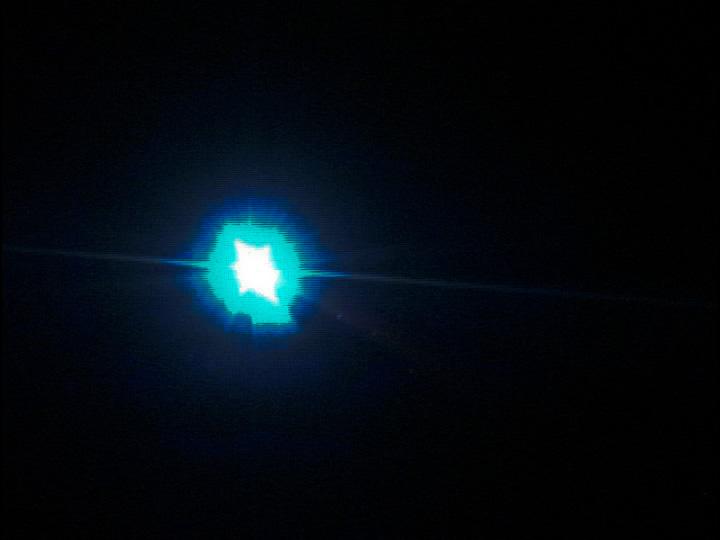
ISS029-E-034092 (29 Oct. 2011) --- This unusual photograph, captured by one of the Expedition 29 crew members aboard the International Space Station, highlights the reentry plasma trail (center) of Progress 42P (M-10M) supply vehicle. Progress 42P docked at the space station on April 29, 2011, and was undocked and de-orbited approximately 183 days later on Oct. 29, 2011. The ISS was located over the southern Pacific Ocean when this image was taken. Light from the rising sun illuminates the curvature of the Earth limb (horizon line) at top, but does not completely overwhelm the airglow visible at image top left. Airglow is caused by light emitted at specific wavelengths by atoms and molecules excited by ultraviolet radiation in the upper atmosphere.
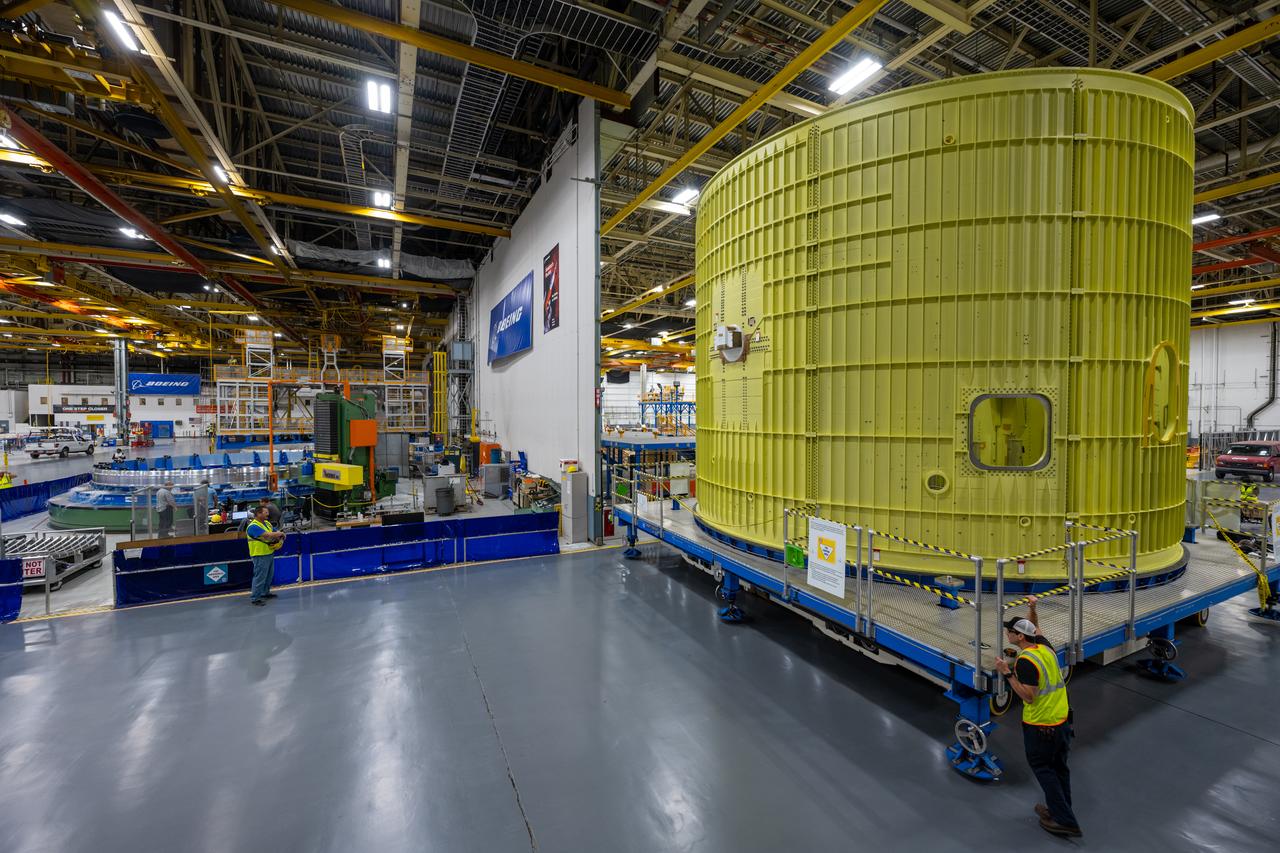
Technicians at NASA’s Michoud Assembly Facility move the intertank of NASA’s Space Launch System rocket for Artemis III to Cell G to await application of the thermal protection system. Thermal protection systems protect space vehicles from aerodynamic heating during entry to planet atmosphere and re-entry to earth atmosphere.
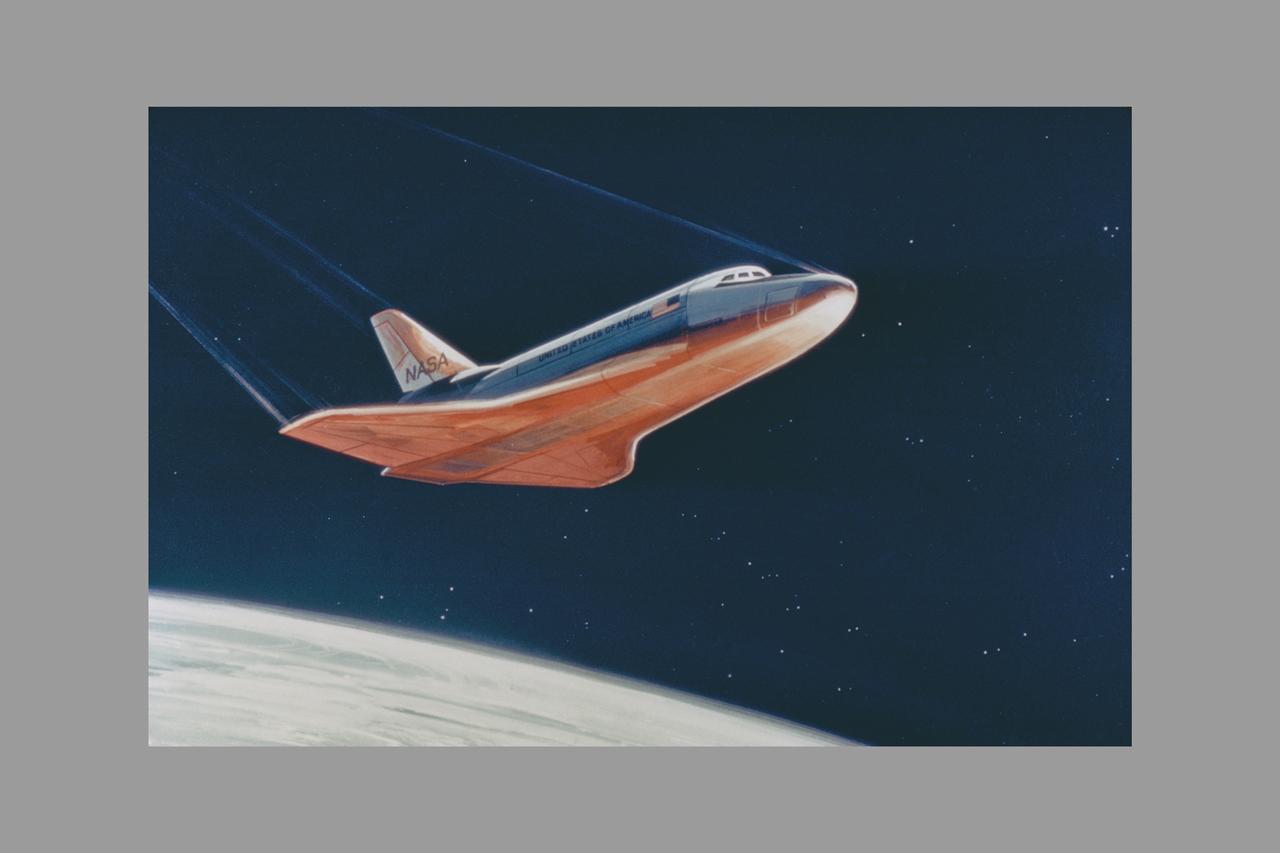
Space Shuttle re-entry art
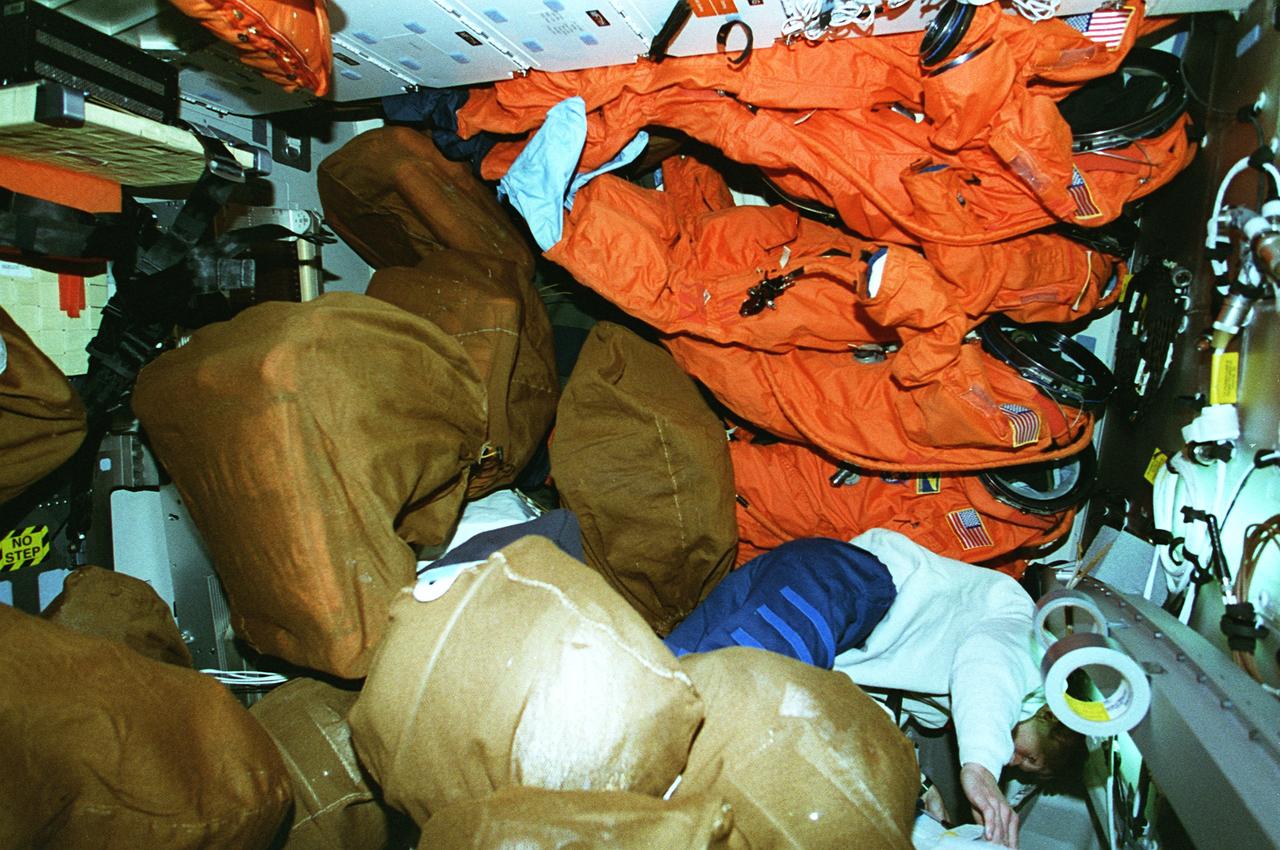
STS081-308-032 (12-22 Jan. 1997) --- Astronaut Marsha S. Ivins appears almost lost among the bags of material to be brought back to Earth at the impending conclusion of the Space Shuttle Atlantis and Russia's Mir Space Station docking mission. Several partial pressure garments which were used for launch and will soon be donned for the entry phase are in upper left.
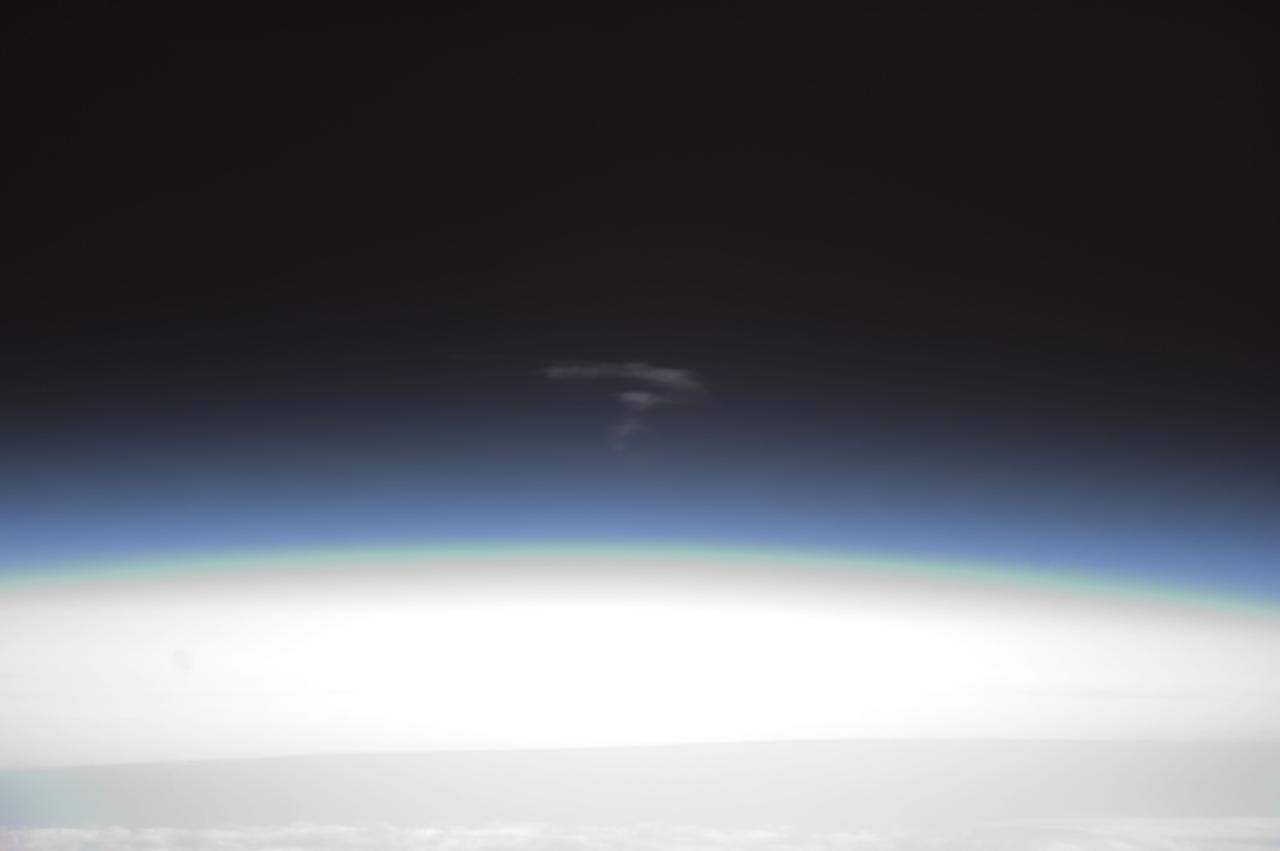
ISS033-E-009232 (3 Oct. 2012) --- This still photo taken by the Expedition 33 crew members aboard the International Space Station shows evidence of the fiery plunge through Earth?s atmosphere and the destructive re-entry of the European Automated Transfer Vehicle-3 (ATV-3) spacecraft, also known as ?Edoardo Amaldi.? The end of the ATV took place over a remote swath of the Pacific Ocean where any surviving debris safely splashed down a short time later, at around 1:30 a.m. (GMT) on Oct. 3, thus concluding the highly successful ATV-3 mission. Aboard the craft during re-entry was the Re Entry Breakup Recorder (REBR), a spacecraft ?black box? designed to gather data on vehicle disintegration during re-entry in order to improve future spacecraft re-entry models.
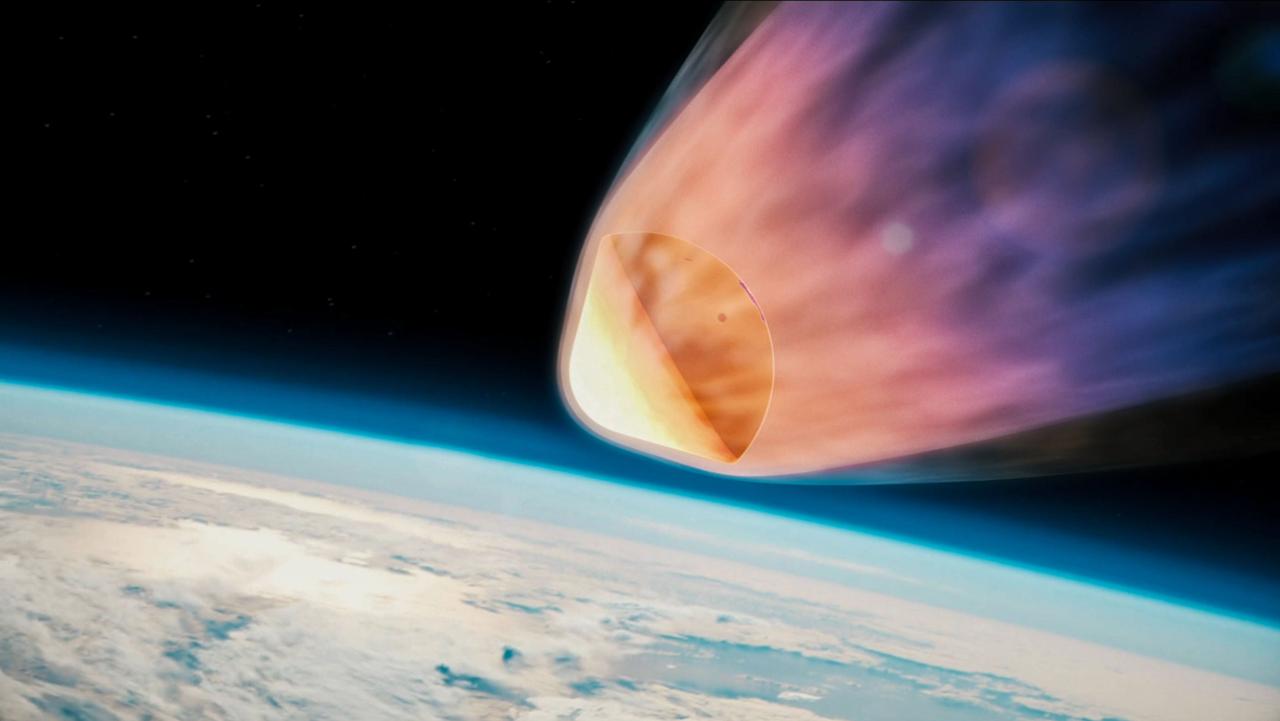
jsc2024e005969 (1/18/2024) --- Artist rendering of the Kentucky Re-Entry Universal Payload System (KRUPS) capsule during re-entry. KREPE-2 expands on prior research that aims to protect experiments and other cargo returning to Earth. Image courtesy of the University of Kentucky.
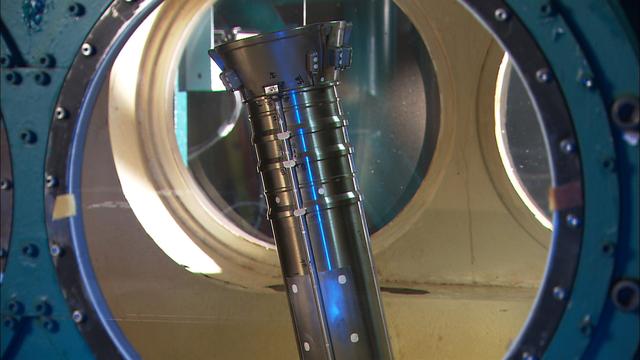
THIS IS A TEST OF THE 1ST STAGE RE-ENTRY VEHICLE. HEAT TESTING OF A 3% MODEL TO SUPPORT THE ARES/ CLV FIRST STAGE RE-ENTRY. THIS TEST OCCURRED AT ARNOLD AIR FORCE BASE, TENNESSEE. THIS TESTING SUPPORTS THE DEVELOPMENT OF THE CONSTELLATION/ARES PROJECT. THIS IMAGE IS EXTRACTED FROM A HIGH DEFINITION VIDEO FILE AND IS THE HIGHEST RESOLUTION AVAILABLE.
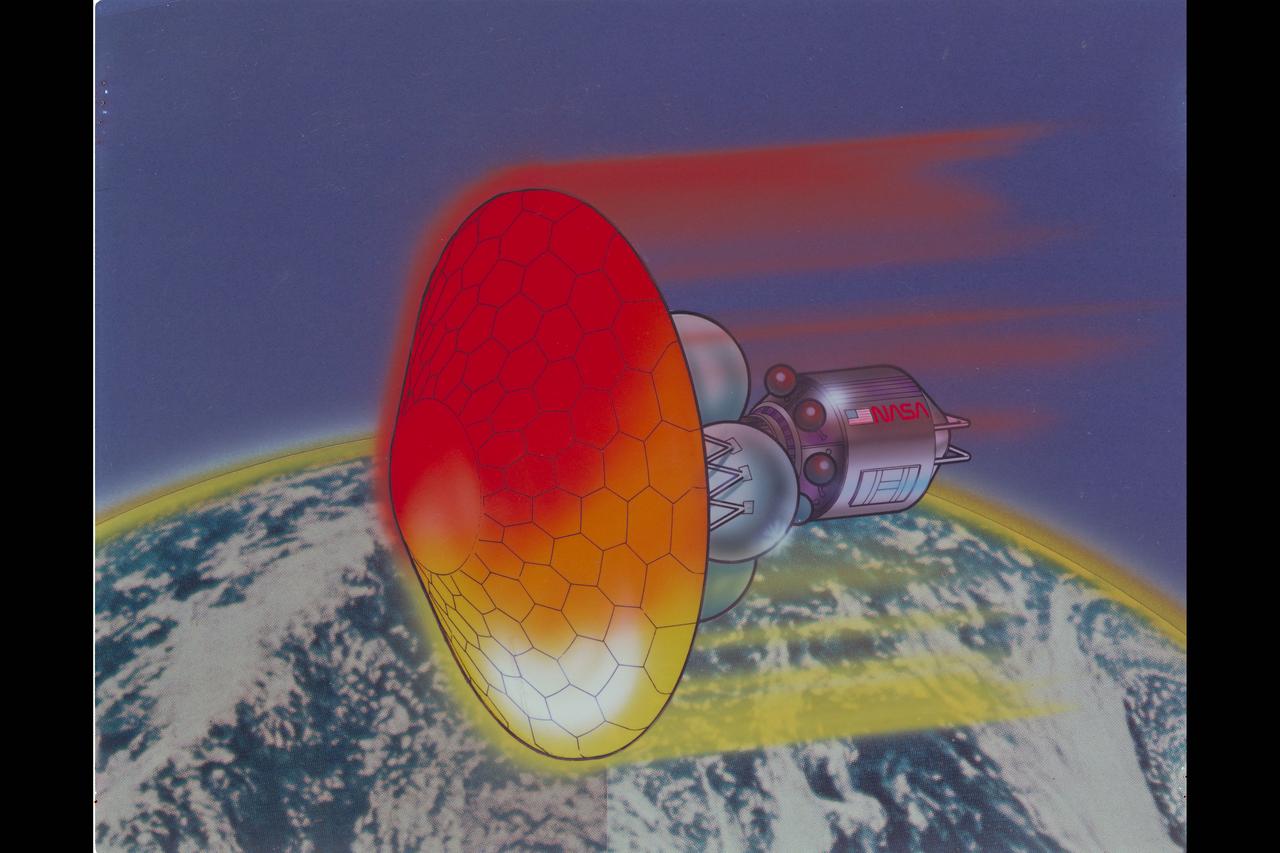
Artwork AOTV Aeroassisted orbital transfer vehicle re-entry
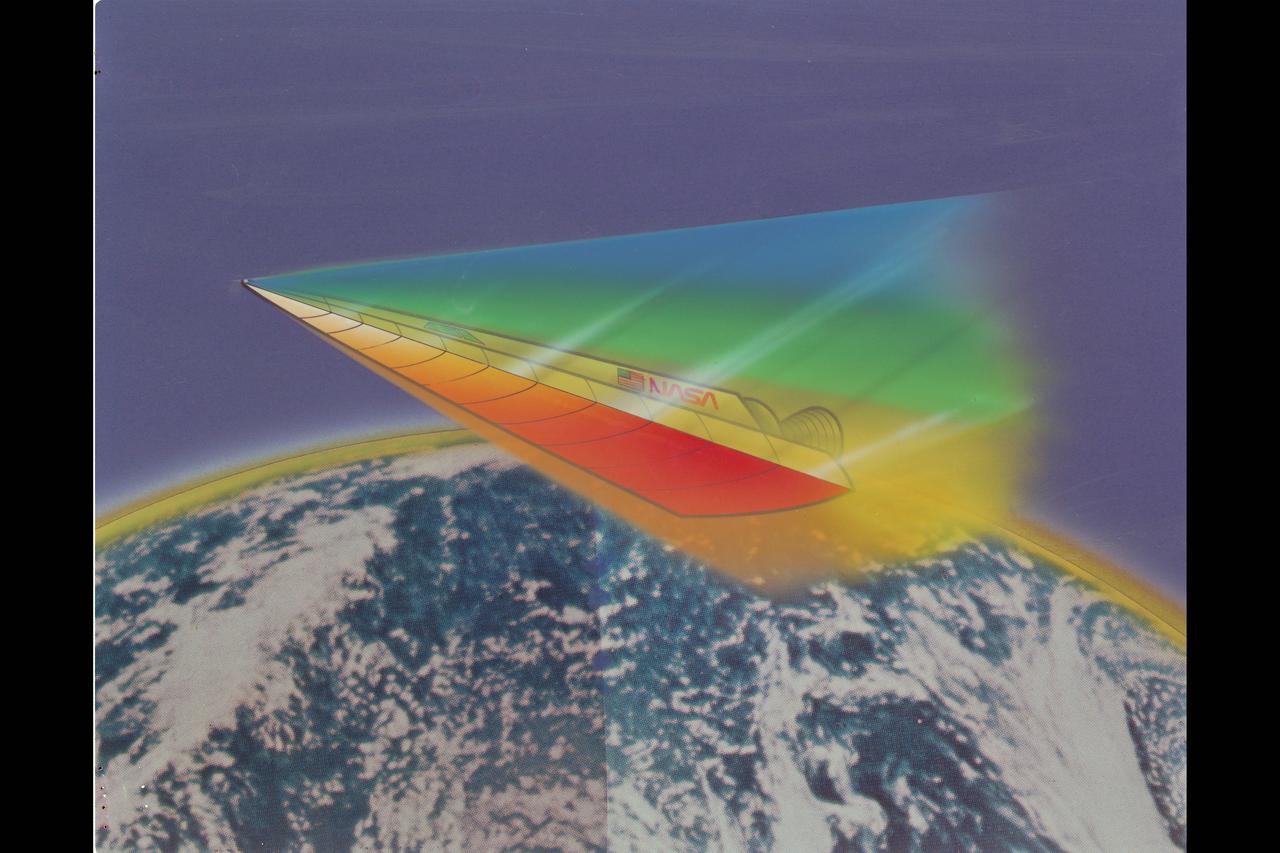
Artwork Artist conception of a hypersonic futuristic space vehicle re-entry
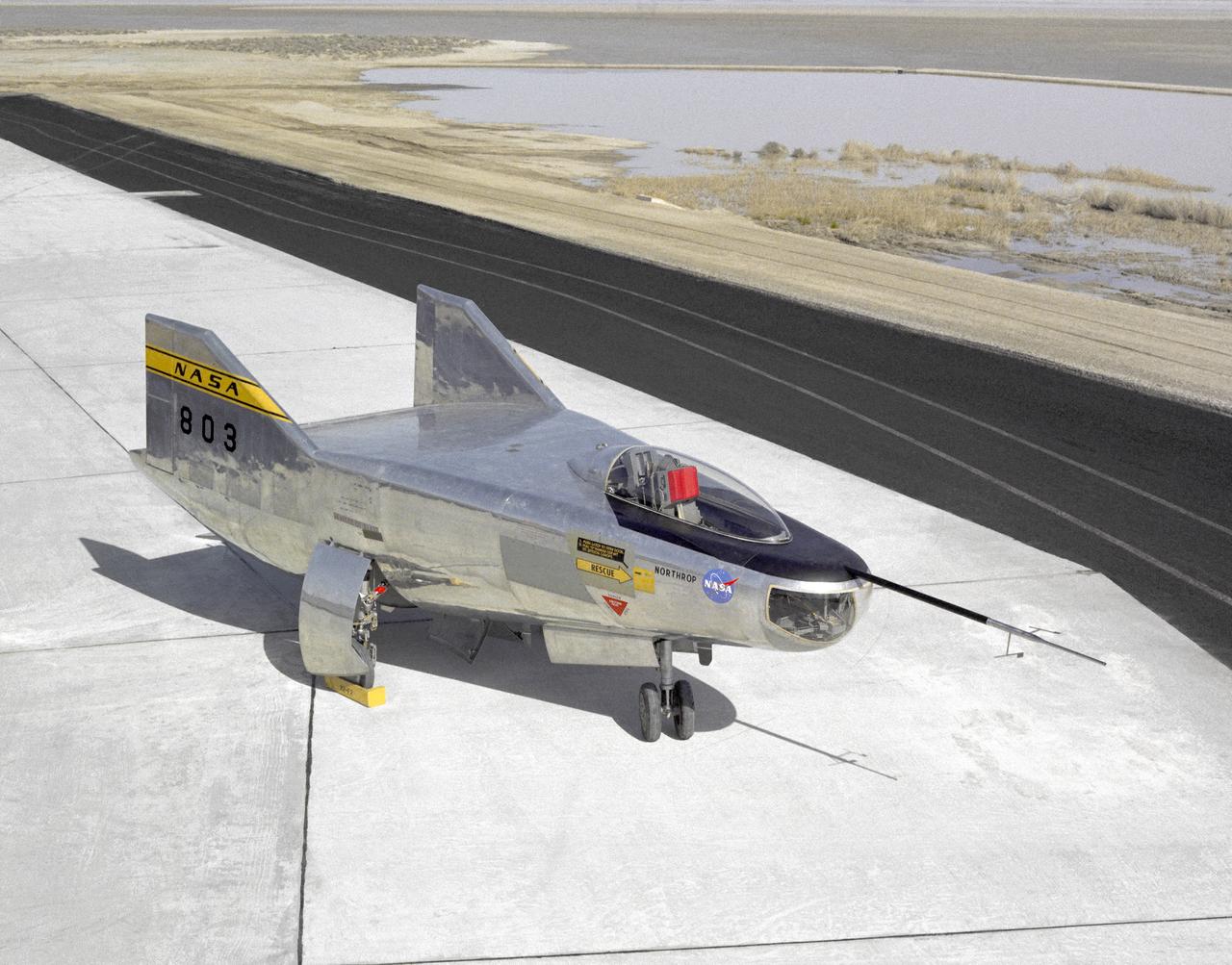
The M2-F2 Lifting Body is seen here on the ramp at the NASA Dryden Flight Research Center. The success of Dryden's M2-F1 program led to NASA's development and construction of two heavyweight lifting bodies based on studies at NASA's Ames and Langley research centers -- the M2-F2 and the HL-10, both built by the Northrop Corporation. The "M" refers to "manned" and "F" refers to "flight" version. "HL" comes from "horizontal landing" and 10 is for the tenth lifting body model to be investigated by Langley. The first flight of the M2-F2 -- which looked much like the "F1" -- was on July 12, 1966. Milt Thompson was the pilot. By then, the same B-52 used to air launch the famed X-15 rocket research aircraft was modified to also carry the lifting bodies. Thompson was dropped from the B-52's wing pylon mount at an altitude of 45,000 feet on that maiden glide flight. The M2-F2 weighed 4,620 pounds, was 22 feet long, and had a width of about 10 feet. On May 10, 1967, during the sixteenth glide flight leading up to powered flight, a landing accident severely damaged the vehicle and seriously injured the NASA pilot, Bruce Peterson. NASA pilots and researchers realized the M2-F2 had lateral control problems, even though it had a stability augmentation control system. When the M2-F2 was rebuilt at Dryden and redesignated the M2-F3, it was modified with an additional third vertical fin -- centered between the tip fins -- to improve control characteristics. The M2-F2/F3 was the first of the heavy-weight, entry-configuration lifting bodies. Its successful development as a research test vehicle answered many of the generic questions about these vehicles. NASA donated the M2-F3 vehicle to the Smithsonian Institute in December 1973. It is currently hanging in the Air and Space Museum along with the X-15 aircraft number 1, which was its hangar partner at Dryden from 1965 to 1969.
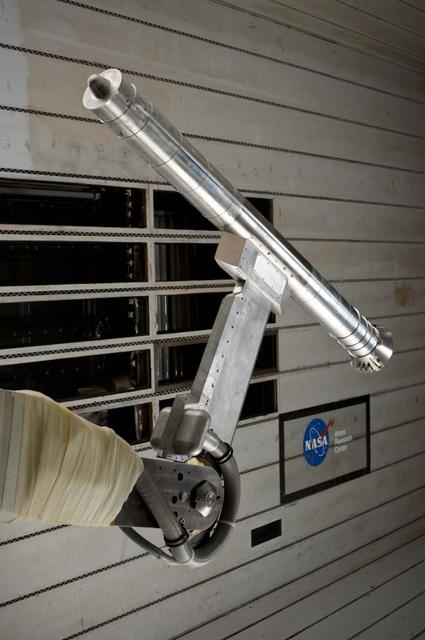
2.8% Scale Ares I acoustic model re-entry model in Ames 11ft. Supersonic Wind Tunnel test-11-0192
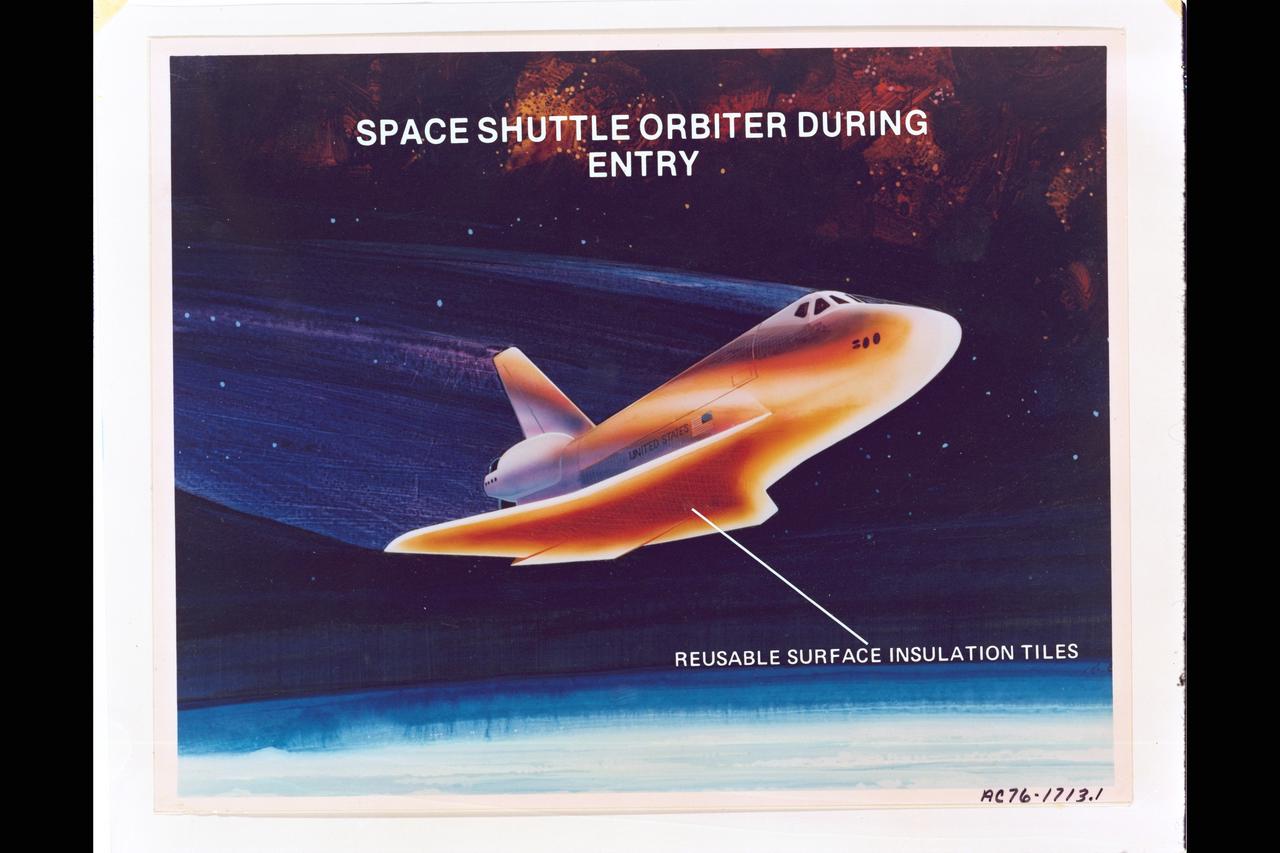
Artist: Rick Guidice NASA artwork of Space Shuttle Orbiter during re-entry showing Reusable Surface Insulation Tiles. (Text overlay)
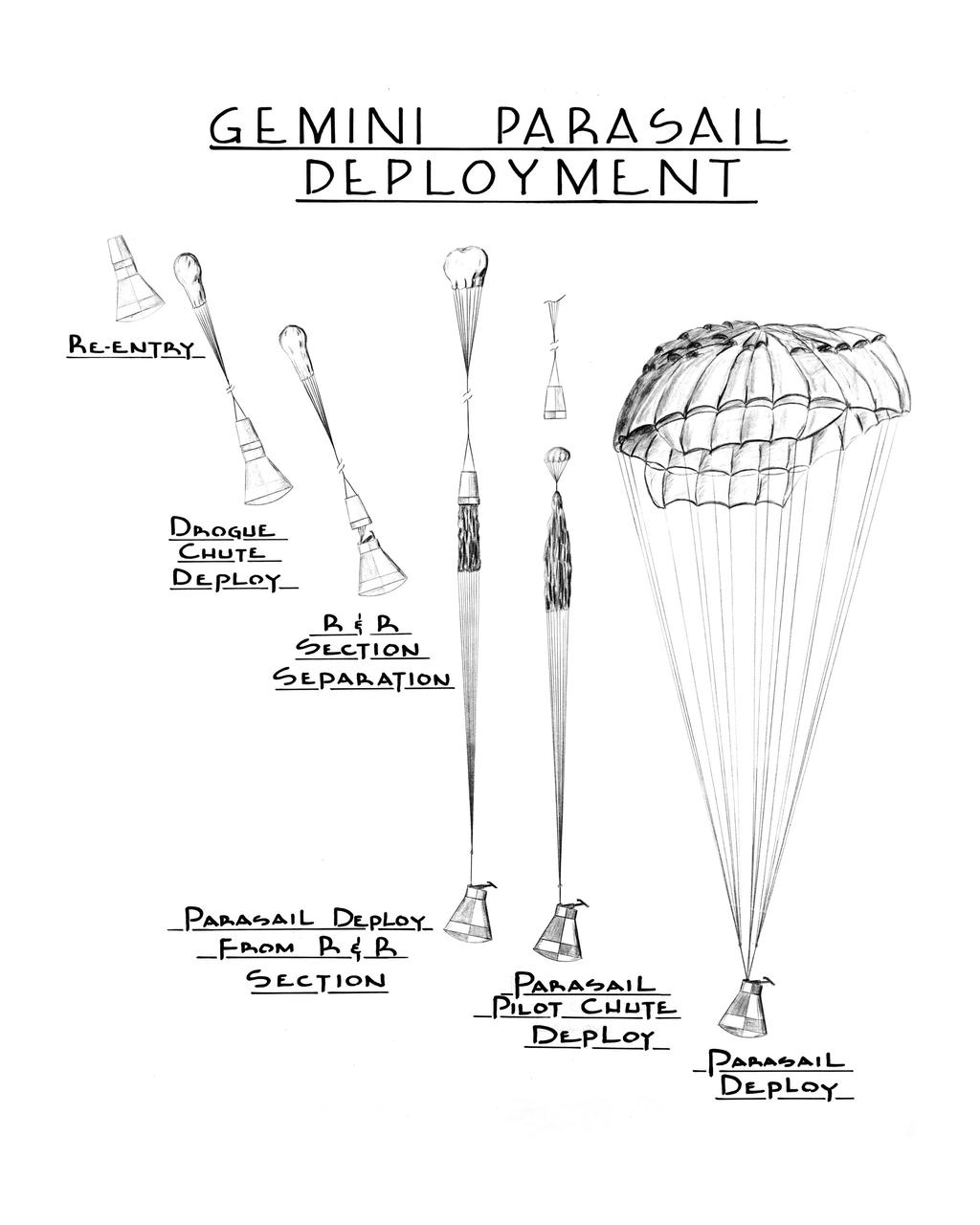
S63-12019 (1963) --- Artist concept for Gemini parasail deployment showing re-entry, drogue chute deployment, and stages of parasail deployment.
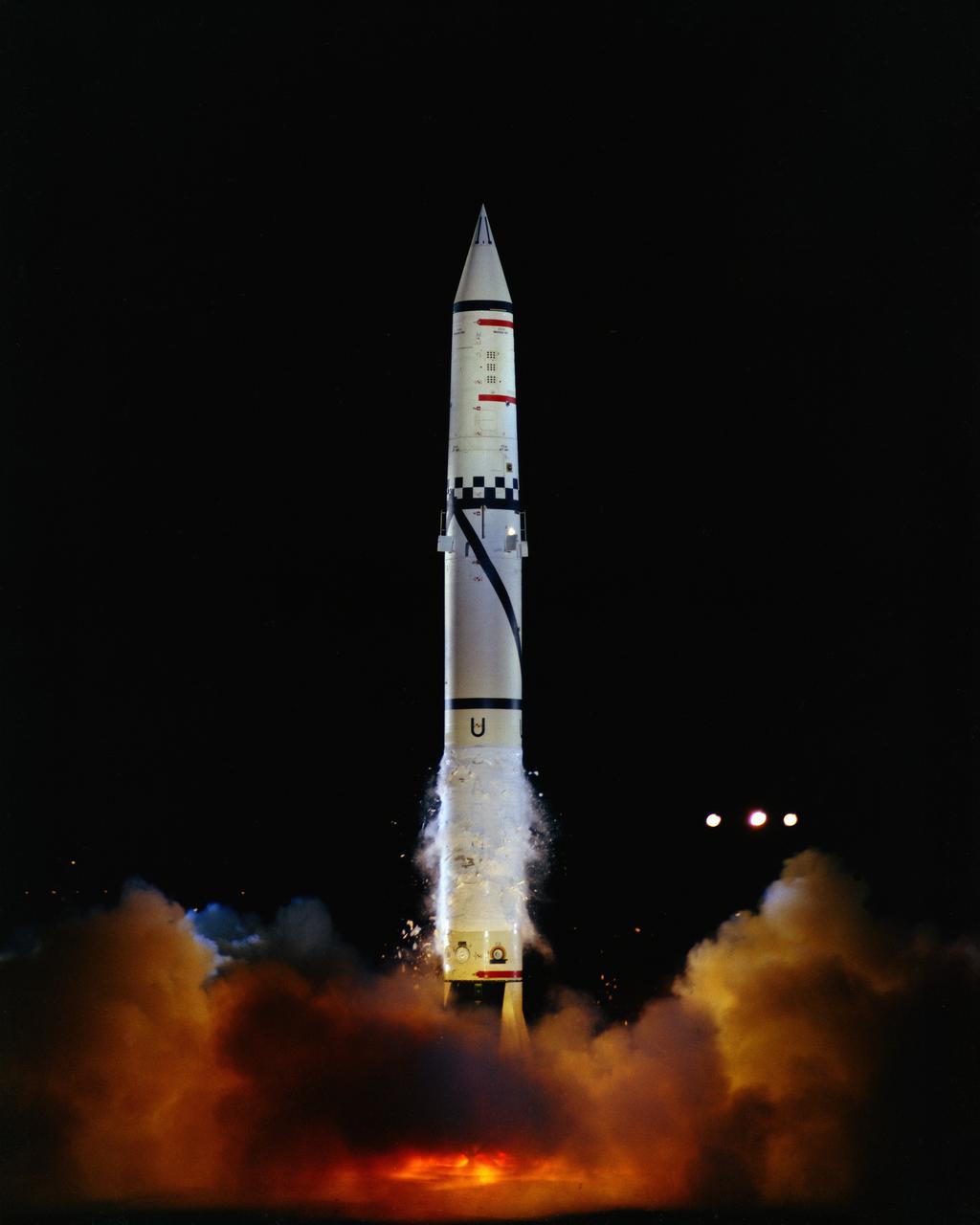
Pad 6. Launch of US Army Redstone (2040) for accuracy and vehicle re-entry observation, at 9: 30 P.M. EST. (Lift-off) Photo by: Bundy.
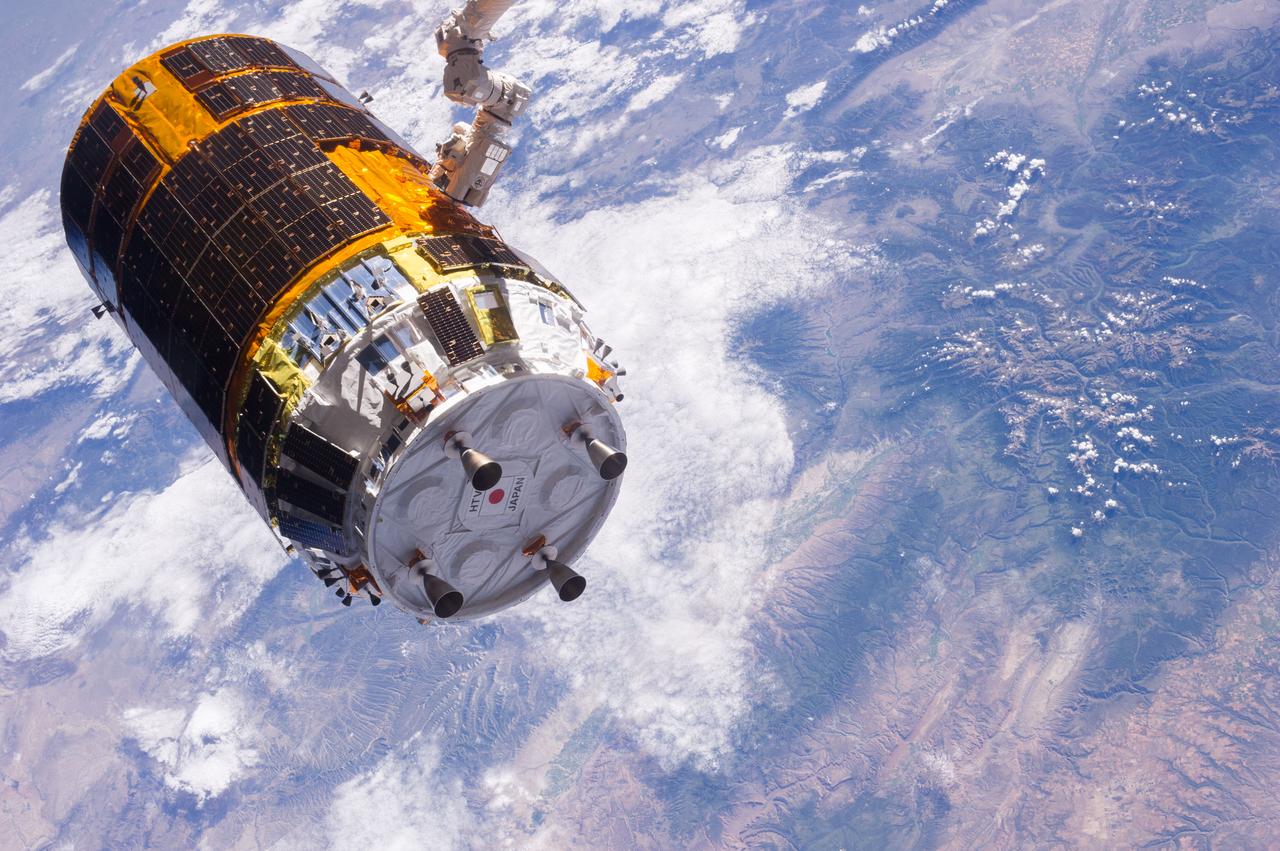
One of the Expedition 36 crew members aboard the International Space Station took this picture of the Japanese HTV-4 unmanned cargo spacecraft,backdropped against a land mass on Earth,following its unberthing but just prior to its release from the orbital outpost's Canadarm2. HTV-4,after backing away from the flying complex,headed for re-entry into Earth's atmosphere,burning upon re-entry. Per Twitter message: Flying over southwestern US, not long before release of #HTV4 by #Canadarm2.

Columbia, which opened the era of the Space Transportation System with four orbital flight tests, is featured in re-entry in the emblem designed by the STS-61C crew representing the seven team members who manned the vehicle for its seventh STS mission. Gold lettering against black background honors the astronaut crewmembers on the delta pattern surrounding colorful re-entry shock waves, and the payload specialists are honored similarly below the sphere
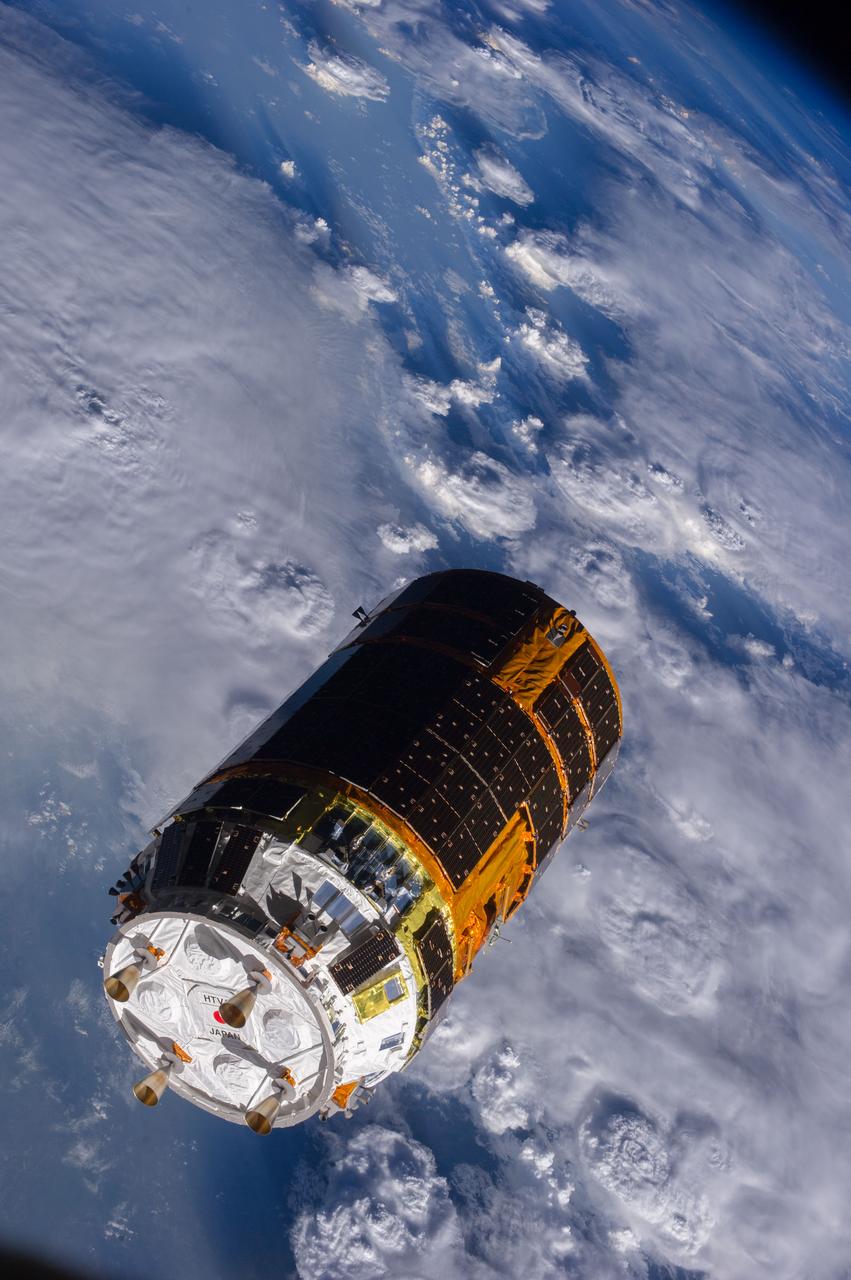
One of the Expedition 36 crew members aboard the International Space Station took this picture of the Japanese HTV-4 unmanned cargo spacecraft,backdropped against the Earth,following its unberthing and release from the orbital outpost. HTV-4,after backing away from the flying complex,headed for re-entry into Earth's atmosphere,burning upon re-entry. Per Twitter message: And, shortly after release of #HTV4, flying over Africa (The storm clouds were amazing).
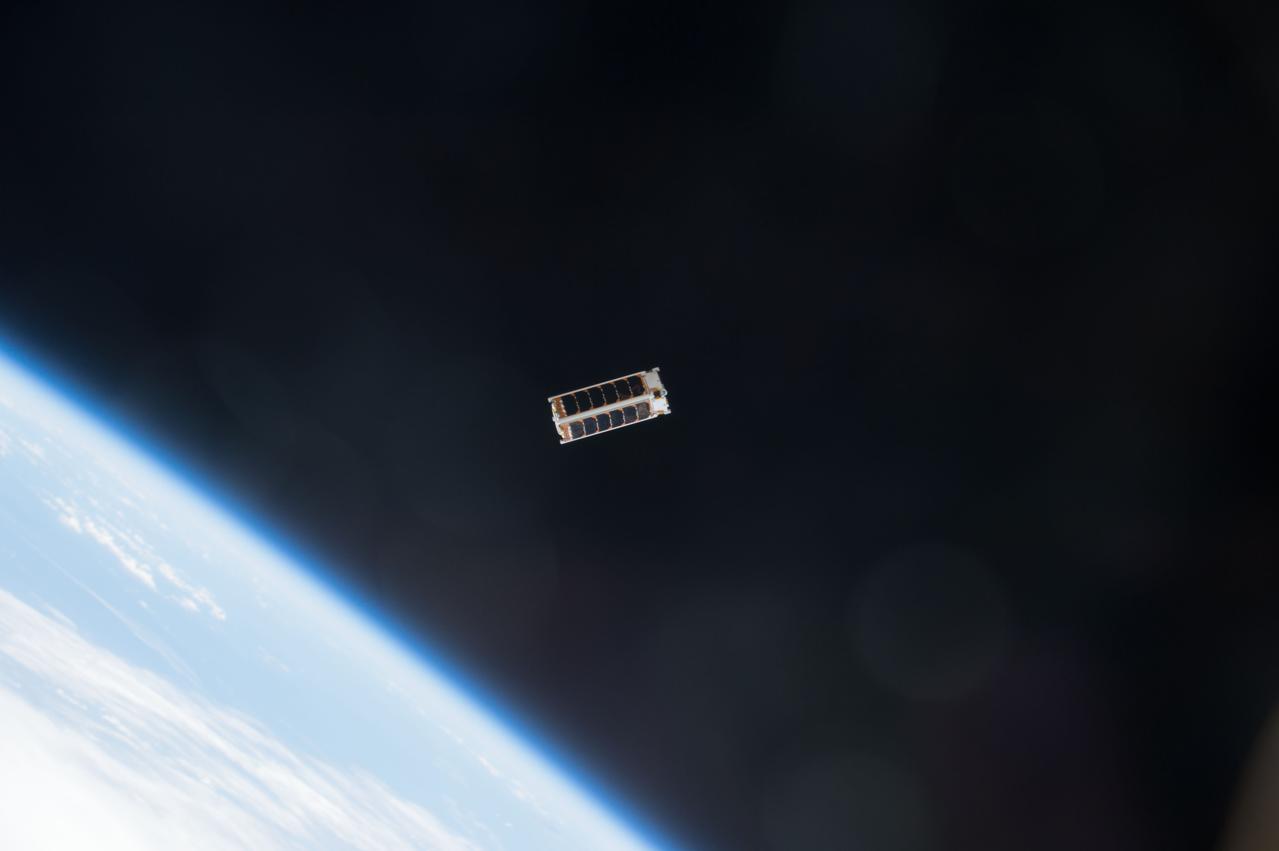
iss050e031340 (1/16/2017) --- Photo documentation of the Japanese-Small Satellite Orbital Deployer-6 (J-SSOD-6) deployment of the ECG Cubesat. The EGG Satellite (re-Entry satellite with Gossamer aeroshell and GPS/Iridium) developed at the University of Tokyo, demonstrates a deployable aeroshell to first act as a drag device and then protect the satellite during the initial stages of re-entry.
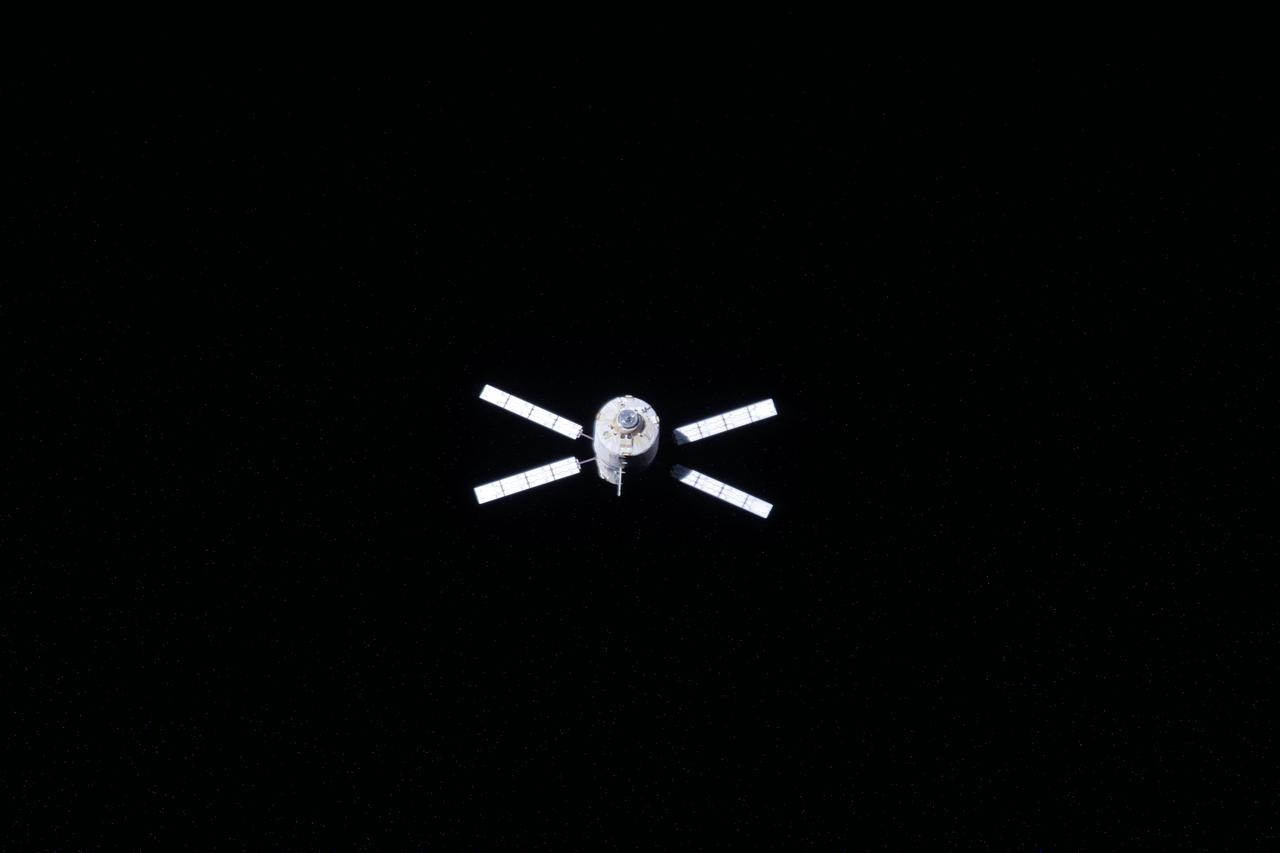
ISS033-E-008016 (28 Sept. 2012) --- European Space Agency's "Edoardo Amaldi" Automated Transfer Vehicle-3 (ATV-3) begins its relative separation from the International Space Station during the Expedition 33 mission. The ATV-3 undocked from the aft port of the Zvezda Service Module at 5:44 p.m. (EDT) on Sept. 28, 2012. The ATV-3 is scheduled to deorbit on Oct. 2 for a fiery re-entry over the Pacific Ocean that will destroy the trash-filled spacecraft. Inside the ATV-3 is the Re-Entry Breakup Recorder that will record various data such as temperature, pressure and speed as the resupply craft burns up during its return to Earth. Experts will use that data to design safer and more predictable destructive re-entry techniques.
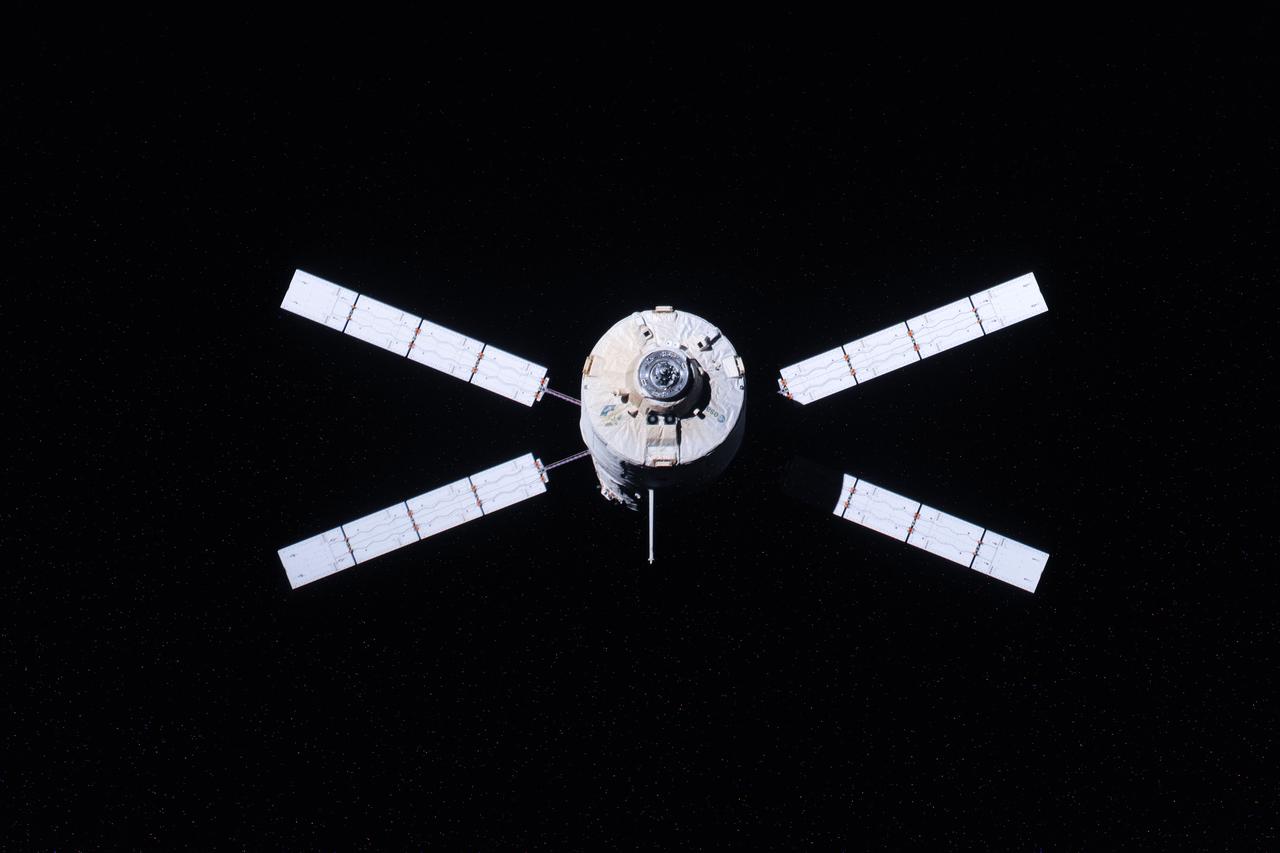
ISS033-E-007940 (28 Sept. 2012) --- European Space Agency's "Edoardo Amaldi" Automated Transfer Vehicle-3 (ATV-3) begins its relative separation from the International Space Station during the Expedition 33 mission. The ATV-3 undocked from the aft port of the Zvezda Service Module at 5:44 p.m. (EDT) on Sept. 28, 2012. The ATV-3 is scheduled to deorbit on Oct. 2 for a fiery re-entry over the Pacific Ocean that will destroy the trash-filled spacecraft. Inside the ATV-3 is the Re-Entry Breakup Recorder that will record various data such as temperature, pressure and speed as the resupply craft burns up during its return to Earth. Experts will use that data to design safer and more predictable destructive re-entry techniques.
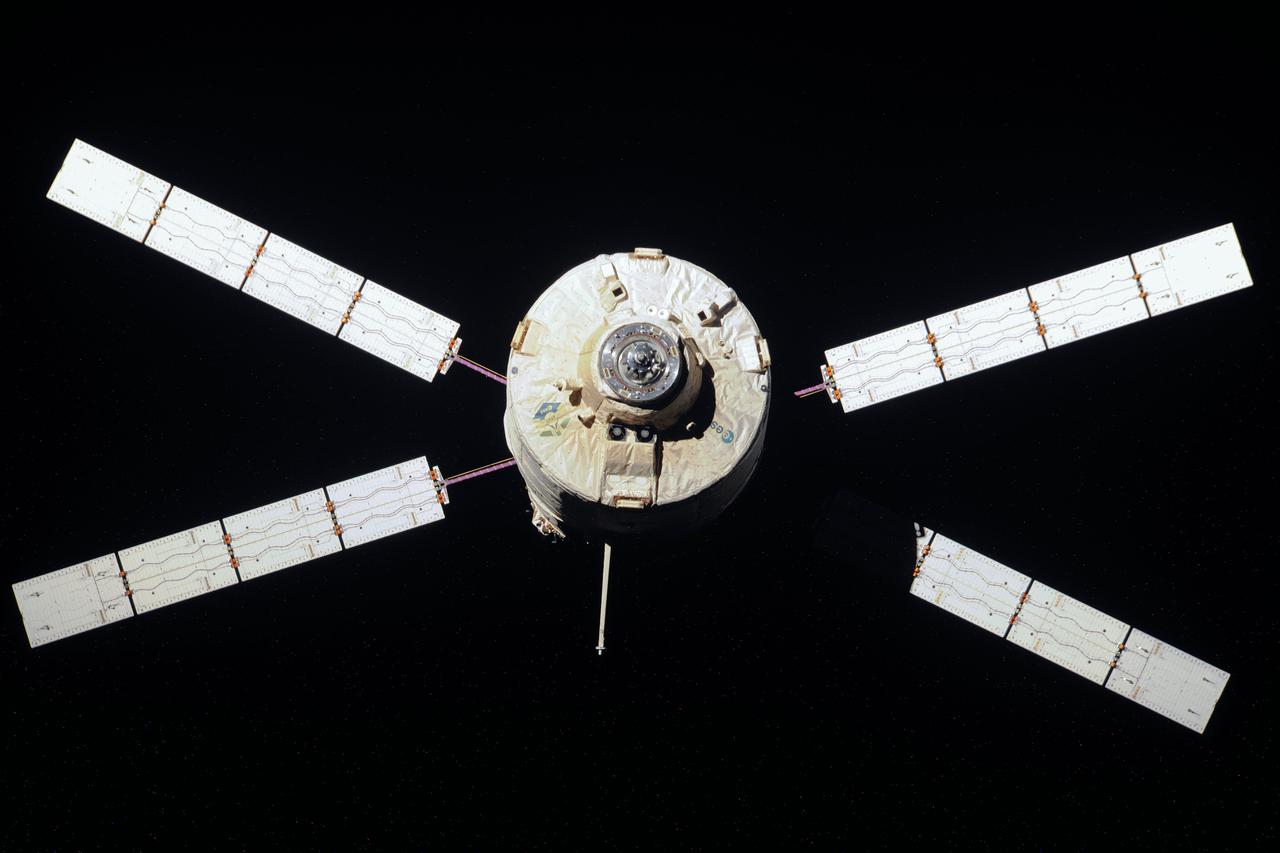
ISS033-E-007915 (28 Sept. 2012) --- European Space Agency's "Edoardo Amaldi" Automated Transfer Vehicle-3 (ATV-3) begins its relative separation from the International Space Station during the Expedition 33 mission. The ATV-3 undocked from the aft port of the Zvezda Service Module at 5:44 p.m. (EDT) on Sept. 28, 2012. The ATV-3 is scheduled to deorbit on Oct. 2 for a fiery re-entry over the Pacific Ocean that will destroy the trash-filled spacecraft. Inside the ATV-3 is the Re-Entry Breakup Recorder that will record various data such as temperature, pressure and speed as the resupply craft burns up during its return to Earth. Experts will use that data to design safer and more predictable destructive re-entry techniques.
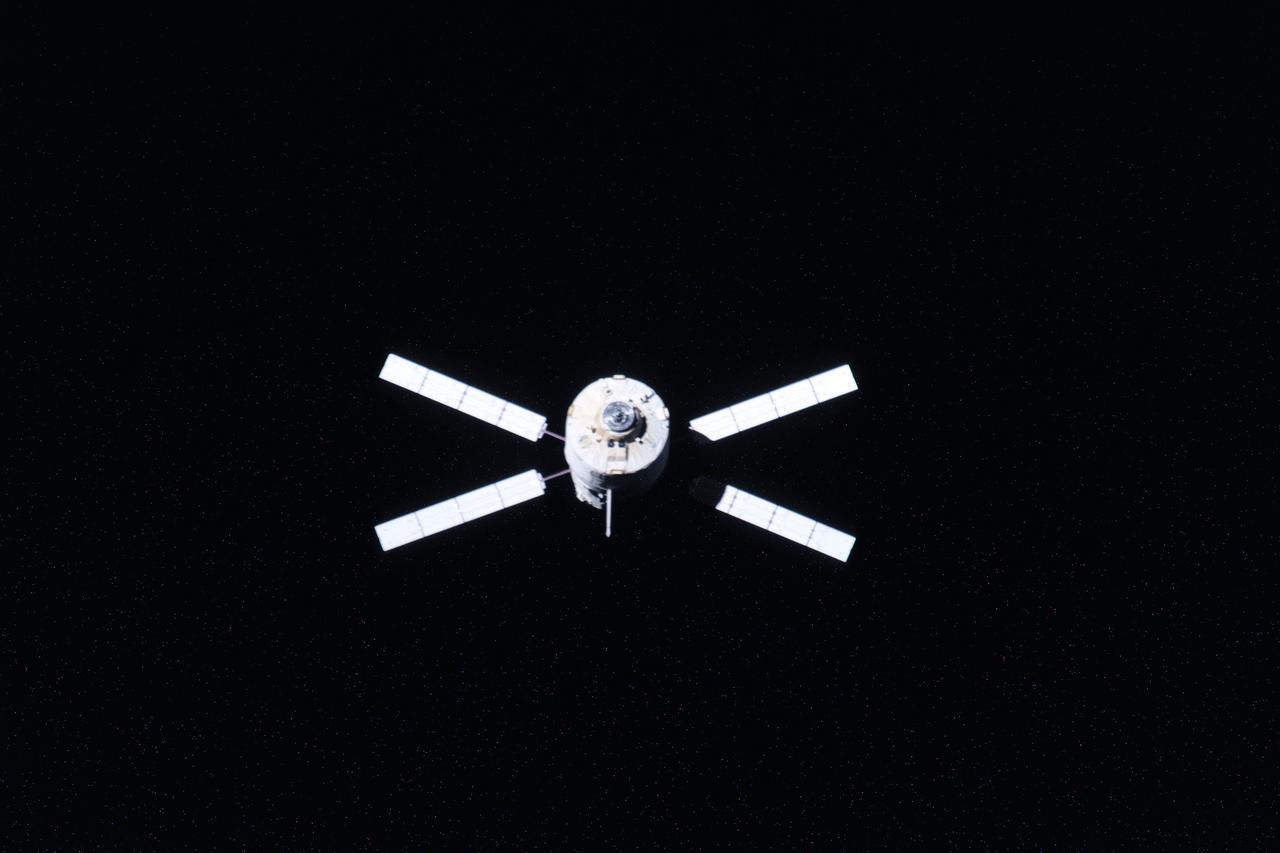
ISS033-E-007980 (28 Sept. 2012) --- European Space Agency's "Edoardo Amaldi" Automated Transfer Vehicle-3 (ATV-3) begins its relative separation from the International Space Station during the Expedition 33 mission. The ATV-3 undocked from the aft port of the Zvezda Service Module at 5:44 p.m. (EDT) on Sept. 28, 2012. The ATV-3 is scheduled to deorbit on Oct. 2 for a fiery re-entry over the Pacific Ocean that will destroy the trash-filled spacecraft. Inside the ATV-3 is the Re-Entry Breakup Recorder that will record various data such as temperature, pressure and speed as the resupply craft burns up during its return to Earth. Experts will use that data to design safer and more predictable destructive re-entry techniques.
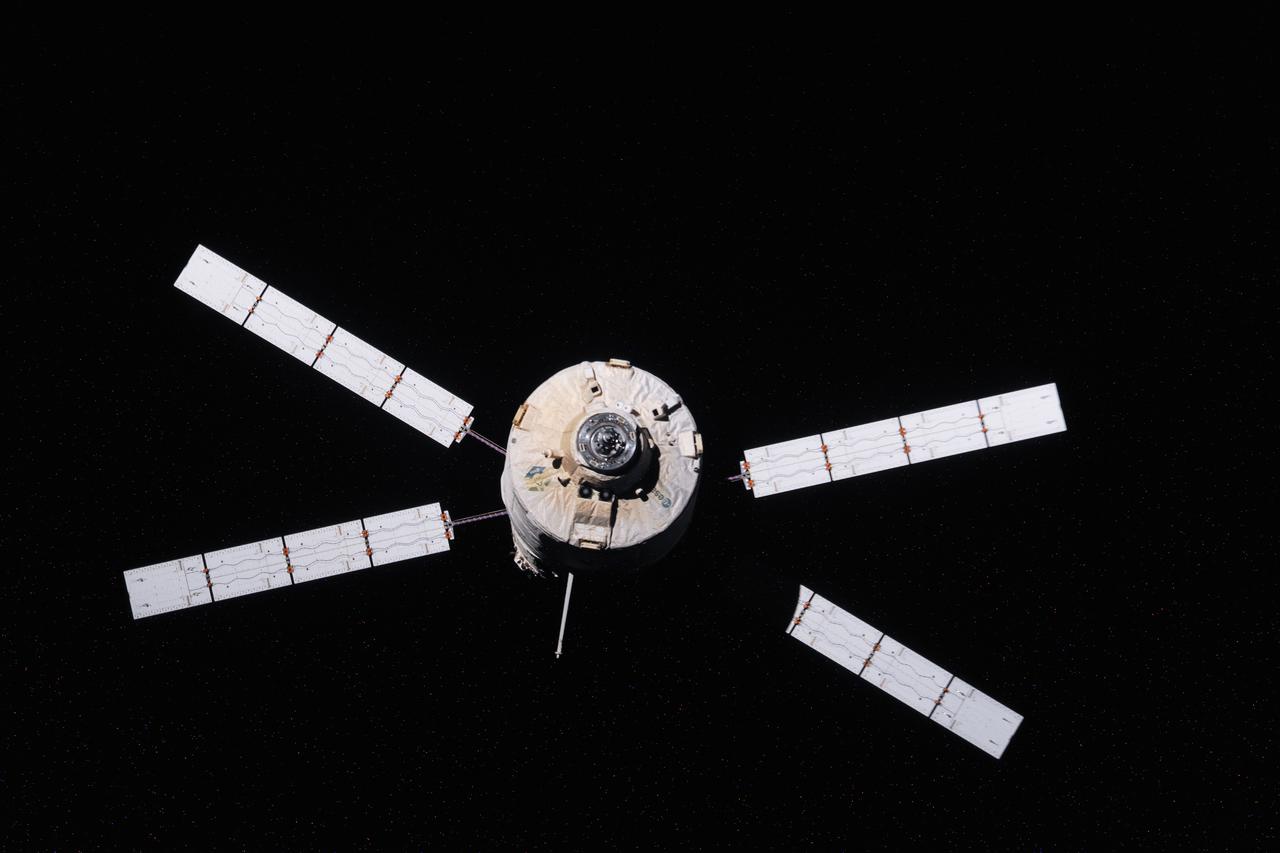
ISS033-E-007920 (28 Sept. 2012) --- European Space Agency's "Edoardo Amaldi" Automated Transfer Vehicle-3 (ATV-3) begins its relative separation from the International Space Station during the Expedition 33 mission. The ATV-3 undocked from the aft port of the Zvezda Service Module at 5:44 p.m. (EDT) on Sept. 28, 2012. The ATV-3 is scheduled to deorbit on Oct. 2 for a fiery re-entry over the Pacific Ocean that will destroy the trash-filled spacecraft. Inside the ATV-3 is the Re-Entry Breakup Recorder that will record various data such as temperature, pressure and speed as the resupply craft burns up during its return to Earth. Experts will use that data to design safer and more predictable destructive re-entry techniques.
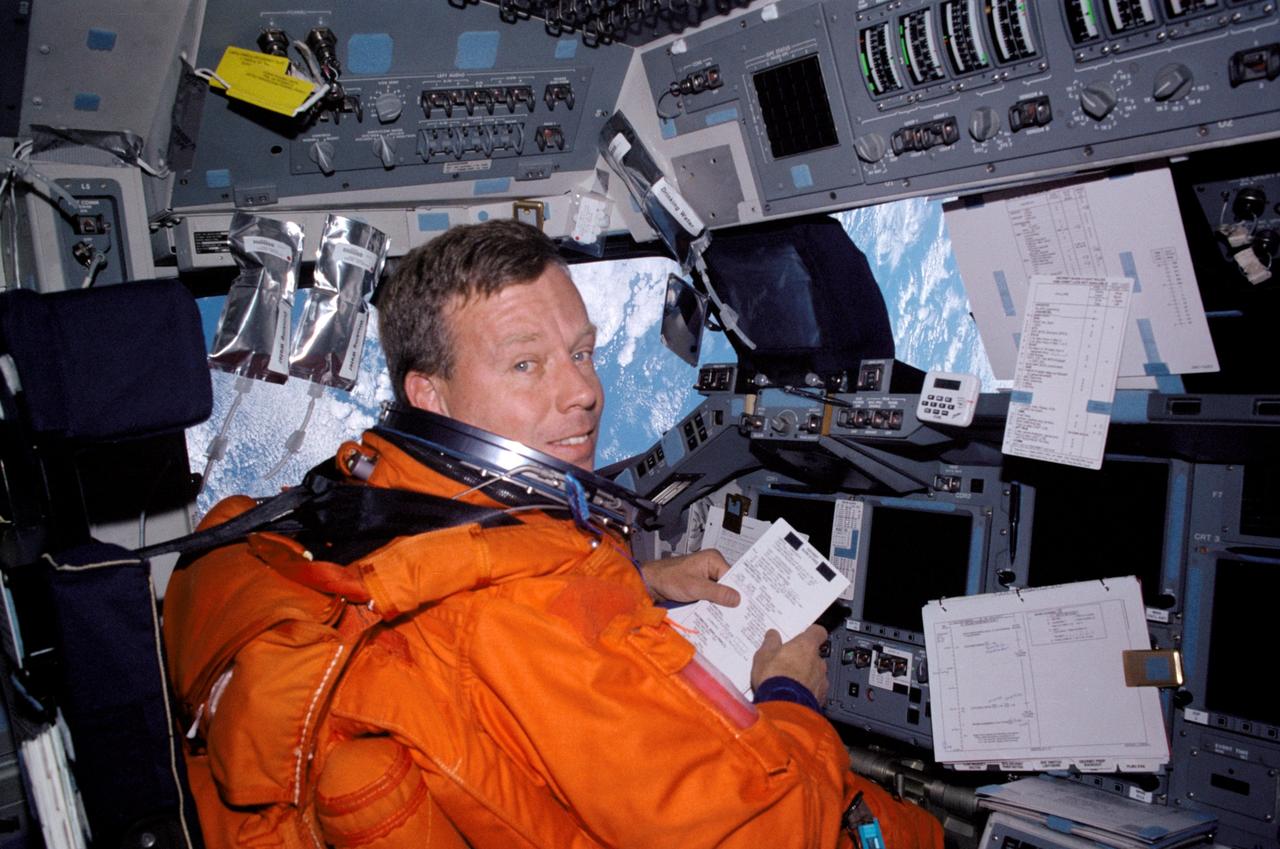
STS104-345-021 (25 July 2001) --- Attired in his shuttle launch and entry suit, astronaut Steven W. Lindsey, STS-104 commander, looks over a procedures checklist at the commander’s station on the forward flight deck of the space shuttle Atlantis.
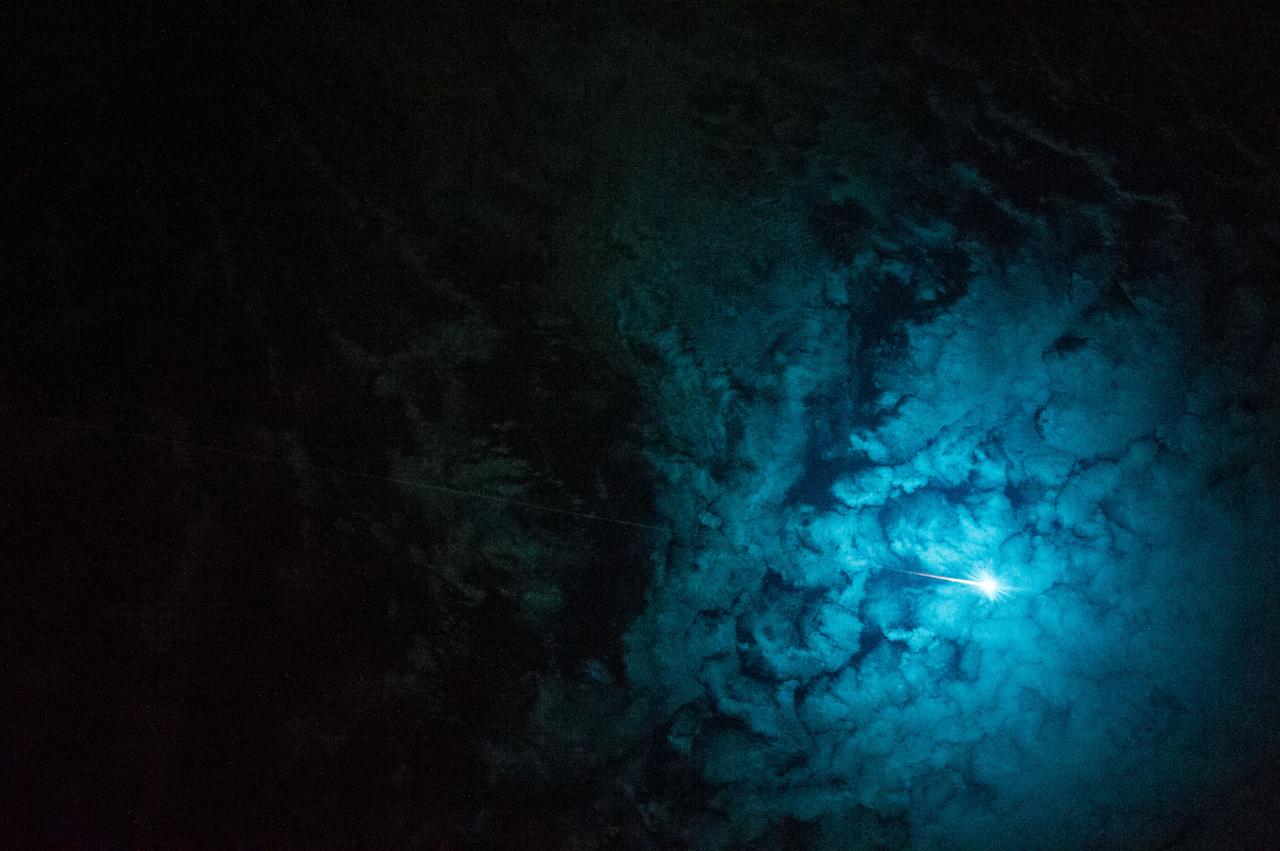
ISS036-E-041384 (7 Sept. 2013) --- A stationary camera onboard the International Space Station took this picture of the Japanese HTV-4 cargo spacecraft as it entered Earth’s atmosphere on Sept. 7, subsequently burning up. HTV-4 was launched by Japan's Aerospace Exploration Agency (JAXA) on Aug. 4 of this year in order to bring up supplies for the astronauts and cosmonauts onboard the station, and after spending a month docked to the orbital outpost, it was released on Sept. 4.
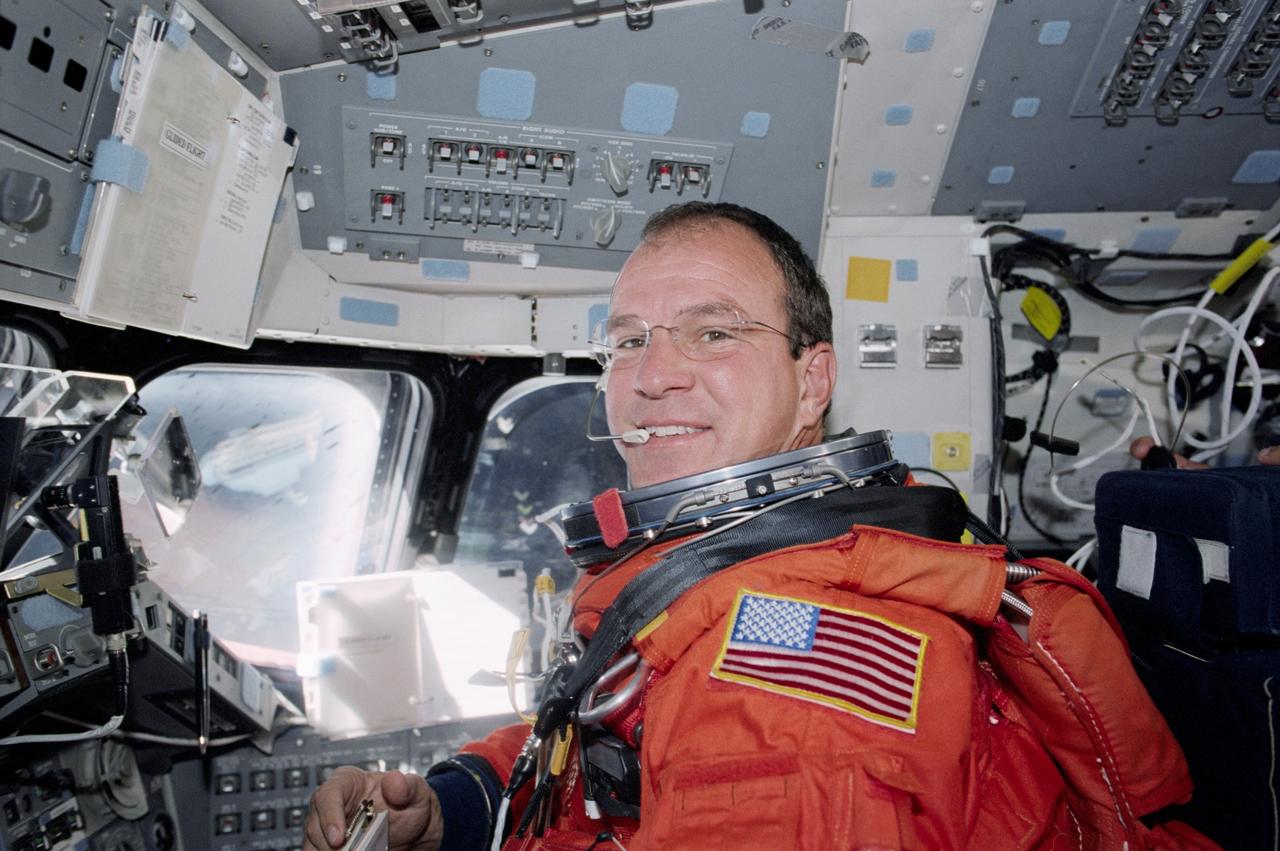
STS097-310-034 (11 December 2000) --- Suited in the launch and entry suit (LES), astronaut Michael J. Bloomfield, STS-97 pilot, looks over a procedures checklist on the Space Shuttle Endeavour’s forward flight deck as he and his crew mates wrap up their stay in space and prepare to come home.
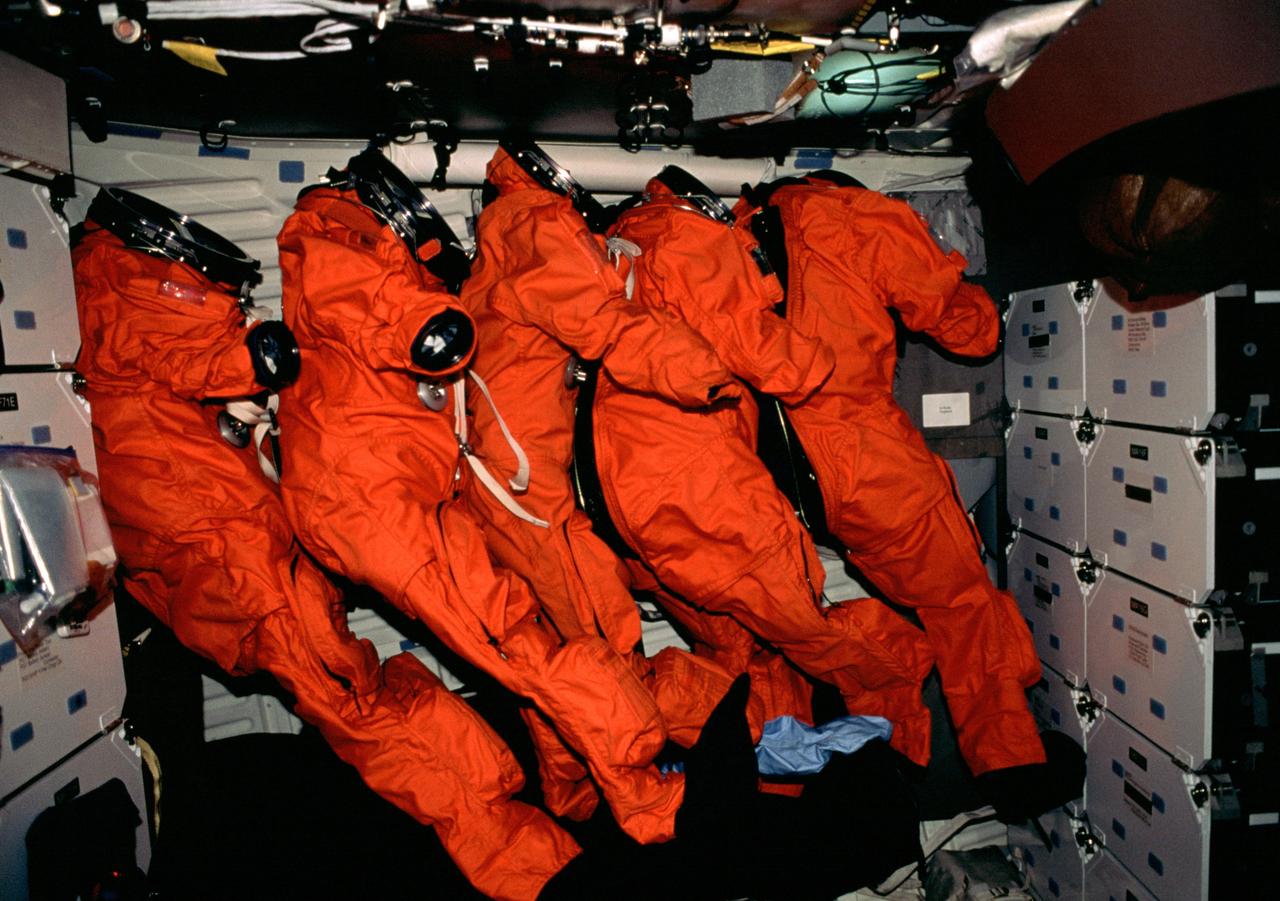
STS098-306-034 (7-20 February 2001) --- The STS-98 crew members’ full-pressure ascent and entry escape suits are lined up on the mid deck of the Earth-orbiting Space Shuttle Atlantis.
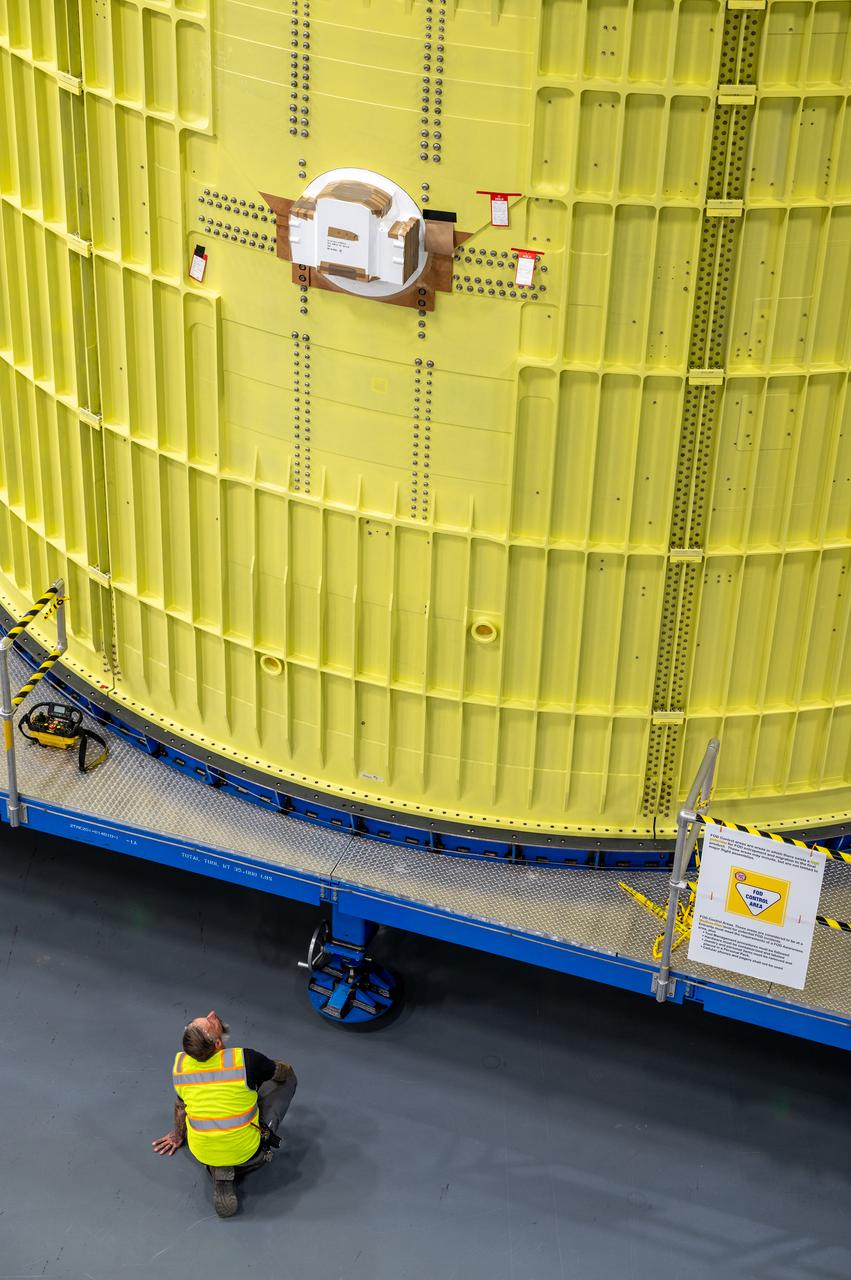
Technicians at NASA’s Michoud Assembly Facility move the intertank of NASA’s Space Launch System rocket for Artemis III to Cell G to await application of the thermal protection system. Thermal protection systems protect space vehicles from aerodynamic heating during entry to planet atmosphere and re-entry to earth atmosphere. The intertank lays between the liquid hydrogen tank and liquid oxygen tank. Together with the engine section and the forward skirt, they comprise the SLS core stage. The liquid hydrogen tank and liquid oxygen tank hold 733,000 gallons of propellant to power the stage’s four RS-25 engines needed for liftoff and Artemis missions to the Moon and future missions to Mars.
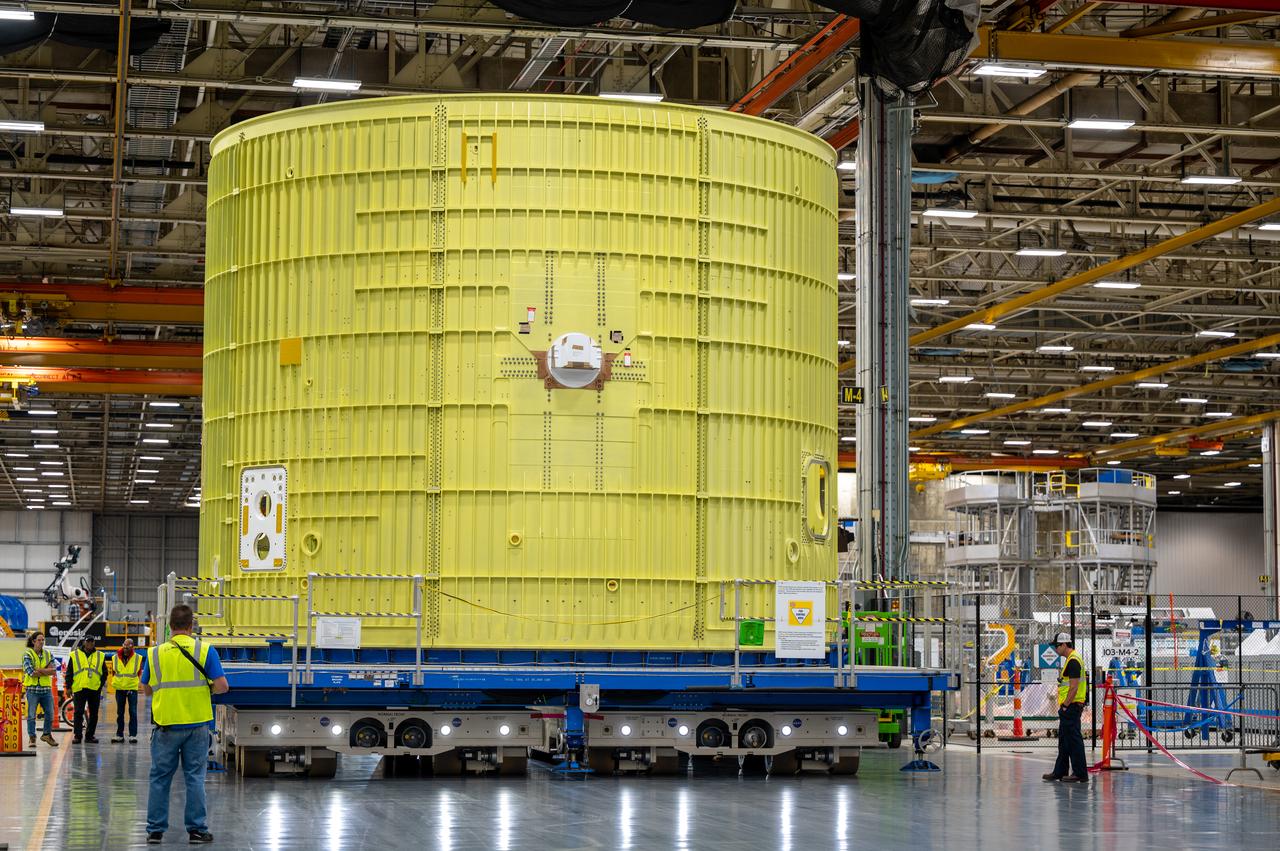
Technicians at NASA’s Michoud Assembly Facility move the intertank of NASA’s Space Launch System rocket for Artemis III to Cell G to await application of the thermal protection system. Thermal protection systems protect space vehicles from aerodynamic heating during entry to planet atmosphere and re-entry to earth atmosphere. The intertank lays between the liquid hydrogen tank and liquid oxygen tank. Together with the engine section and the forward skirt, they comprise the SLS core stage. The liquid hydrogen tank and liquid oxygen tank hold 733,000 gallons of propellant to power the stage’s four RS-25 engines needed for liftoff and Artemis missions to the Moon and future missions to Mars.
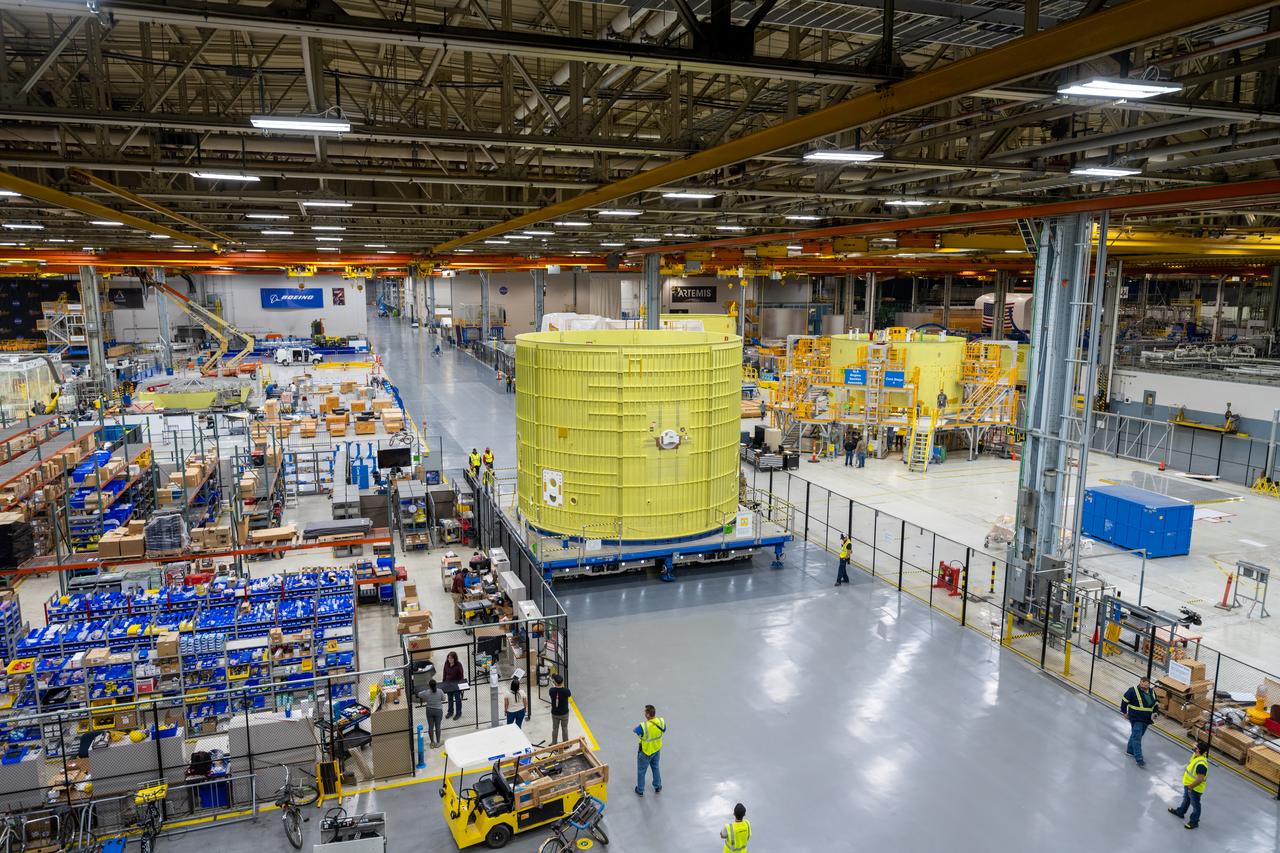
Technicians at NASA’s Michoud Assembly Facility move the intertank of NASA’s Space Launch System rocket for Artemis III to Cell G to await application of the thermal protection system. Thermal protection systems protect space vehicles from aerodynamic heating during entry to planet atmosphere and re-entry to earth atmosphere. The intertank lays between the liquid hydrogen tank and liquid oxygen tank. Together with the engine section and the forward skirt, they comprise the SLS core stage. The liquid hydrogen tank and liquid oxygen tank hold 733,000 gallons of propellant to power the stage’s four RS-25 engines needed for liftoff and Artemis missions to the Moon and future missions to Mars.
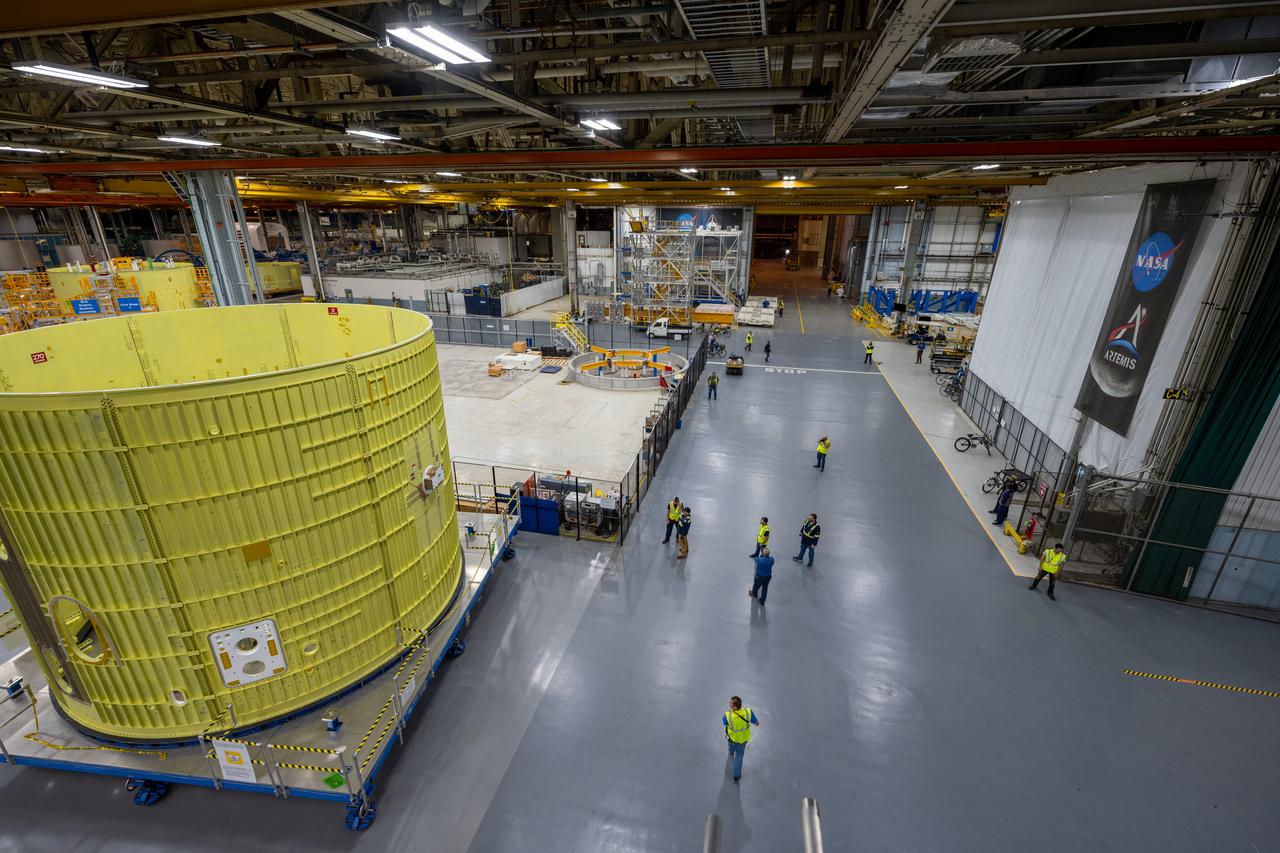
Technicians at NASA’s Michoud Assembly Facility move the intertank of NASA’s Space Launch System rocket for Artemis III to Cell G to await application of the thermal protection system. Thermal protection systems protect space vehicles from aerodynamic heating during entry to planet atmosphere and re-entry to earth atmosphere. The intertank lays between the liquid hydrogen tank and liquid oxygen tank. Together with the engine section and the forward skirt, they comprise the SLS core stage. The liquid hydrogen tank and liquid oxygen tank hold 733,000 gallons of propellant to power the stage’s four RS-25 engines needed for liftoff and Artemis missions to the Moon and future missions to Mars.
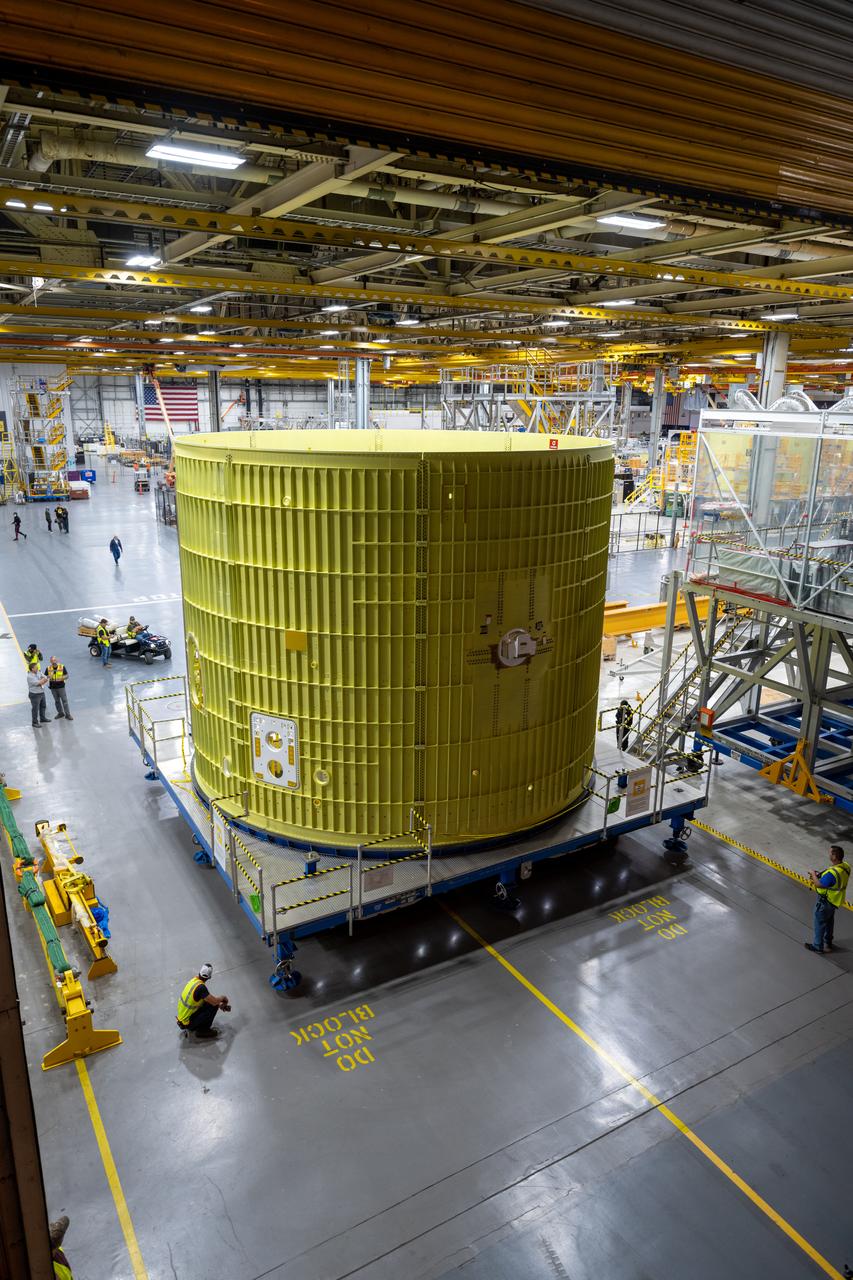
Technicians at NASA’s Michoud Assembly Facility move the intertank of NASA’s Space Launch System rocket for Artemis III to Cell G to await application of the thermal protection system. Thermal protection systems protect space vehicles from aerodynamic heating during entry to planet atmosphere and re-entry to earth atmosphere. The intertank lays between the liquid hydrogen tank and liquid oxygen tank. Together with the engine section and the forward skirt, they comprise the SLS core stage. The liquid hydrogen tank and liquid oxygen tank hold 733,000 gallons of propellant to power the stage’s four RS-25 engines needed for liftoff and Artemis missions to the Moon and future missions to Mars.
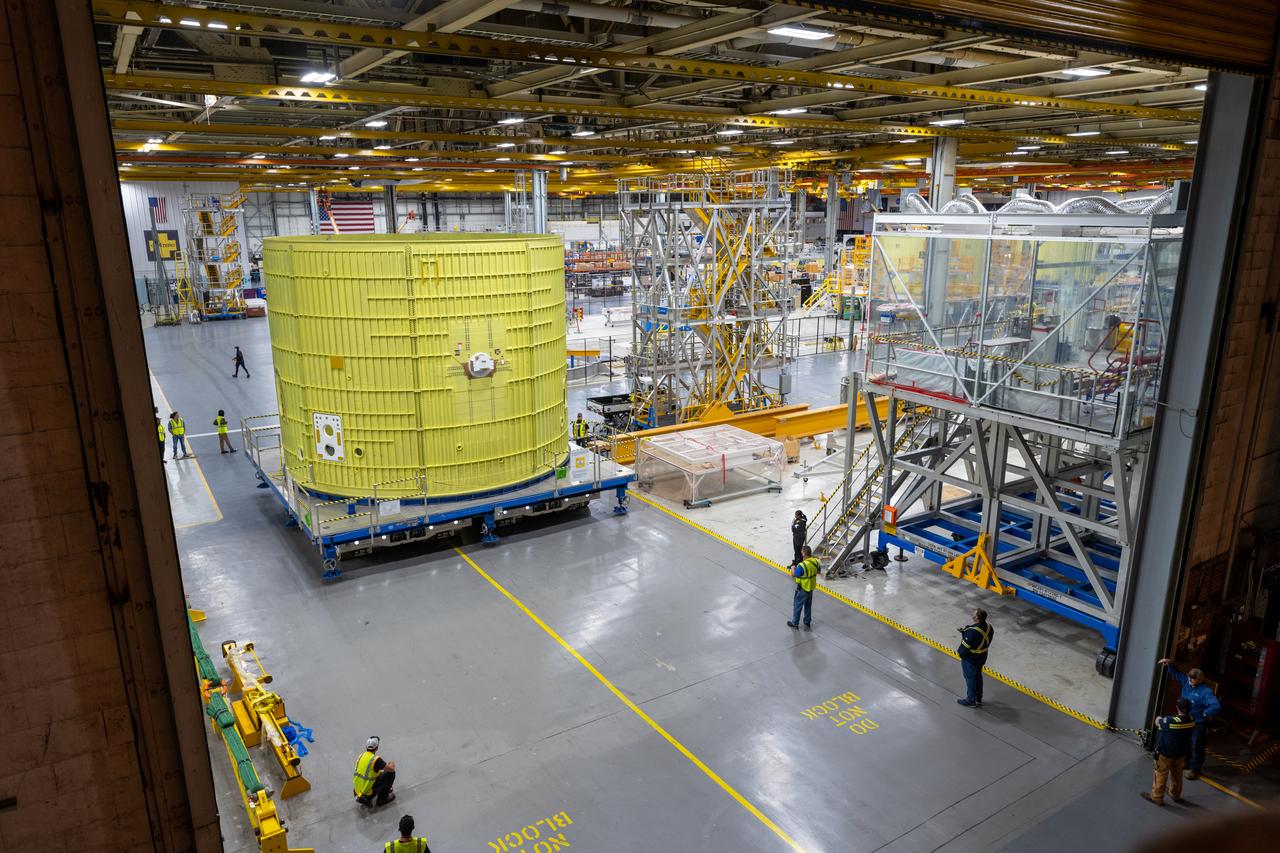
Technicians at NASA’s Michoud Assembly Facility move the intertank of NASA’s Space Launch System rocket for Artemis III to Cell G to await application of the thermal protection system. Thermal protection systems protect space vehicles from aerodynamic heating during entry to planet atmosphere and re-entry to earth atmosphere. The intertank lays between the liquid hydrogen tank and liquid oxygen tank. Together with the engine section and the forward skirt, they comprise the SLS core stage. The liquid hydrogen tank and liquid oxygen tank hold 733,000 gallons of propellant to power the stage’s four RS-25 engines needed for liftoff and Artemis missions to the Moon and future missions to Mars.
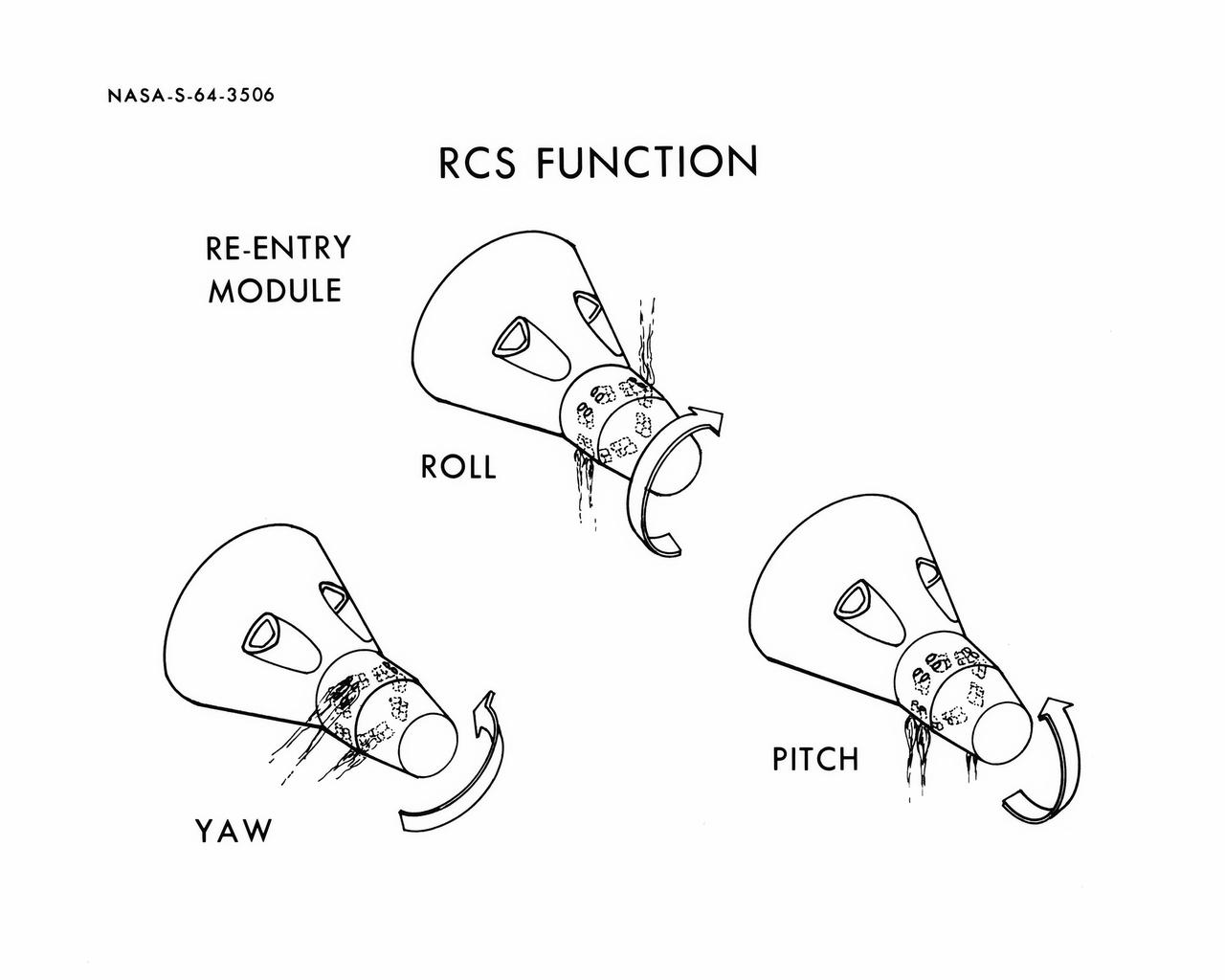
S64-03506 (1964) --- Diagrams shows Gemini spacecraft functions of the thrusters in the Gemini spacecraft's re-entry control system. Thrusters may be fired in various combinations to cause yaw, roll and pitch.
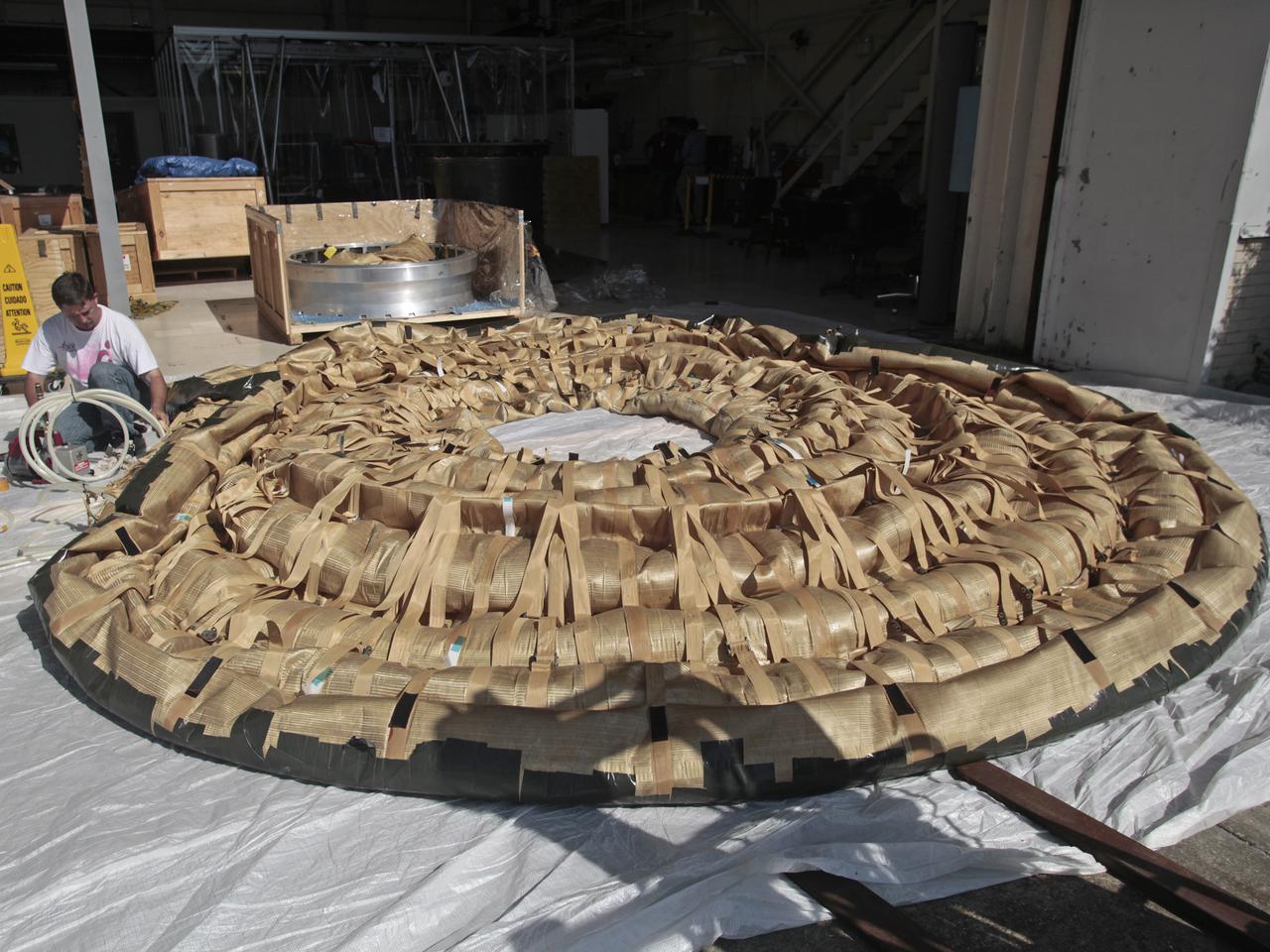
The HIAD stands for Hypersonic Inflatable Aerodynamic Decelerator, an inflatable spacecraft technology that allows payloads to survive the harsh conditions of atmospheric re-entry. This photo was taken at NASA Langley in Building 1250 when sensors were being applied.
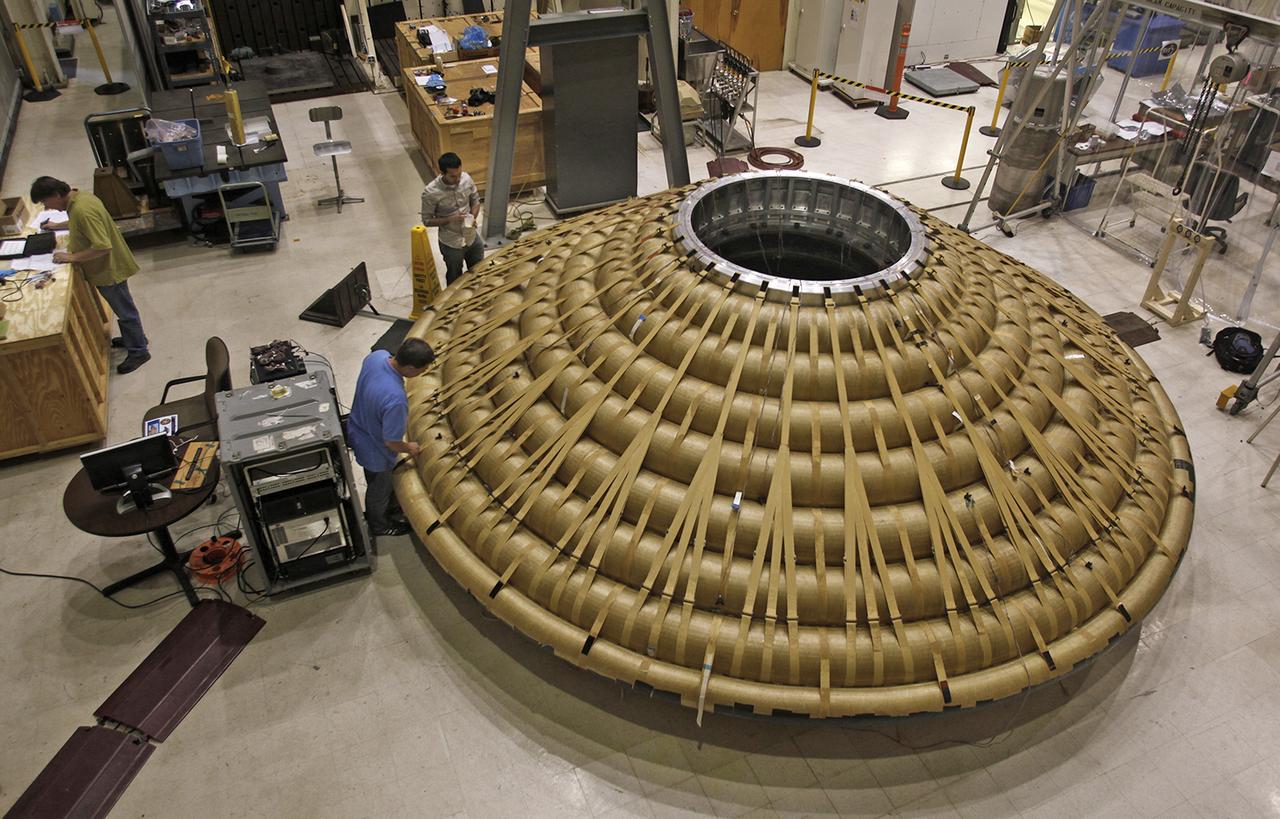
The HIAD stands for Hypersonic Inflatable Aerodynamic Decelerator, an inflatable spacecraft technology that allows payloads to survive the harsh conditions of atmospheric re-entry. This photo was taken at NASA Langley in Building 1250 when sensors were being applied.
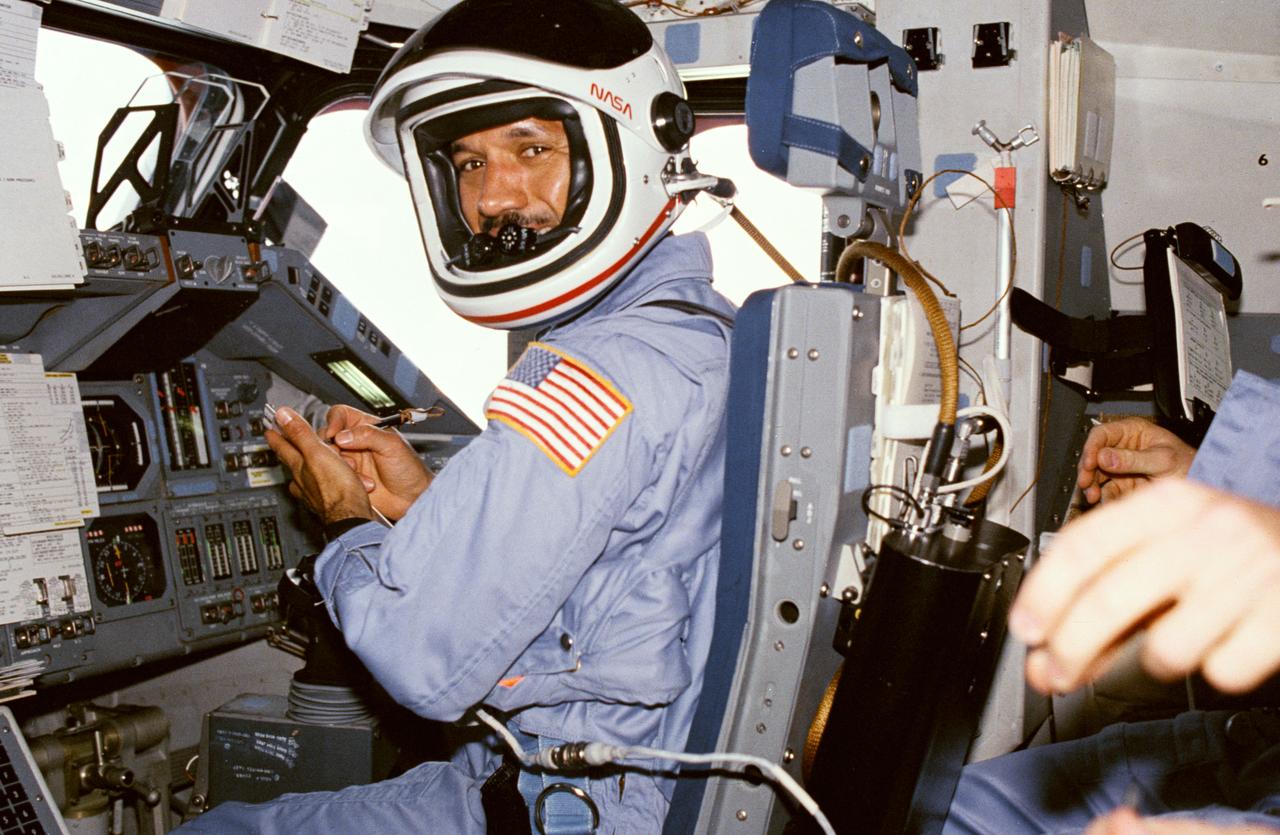
61C-01-007 (12-17 Jan 1986)--- Astronaut Charles F. Bolden STS 61-C pilot, mans the pilot's station on Columbia's flight deck prior to re-entry.
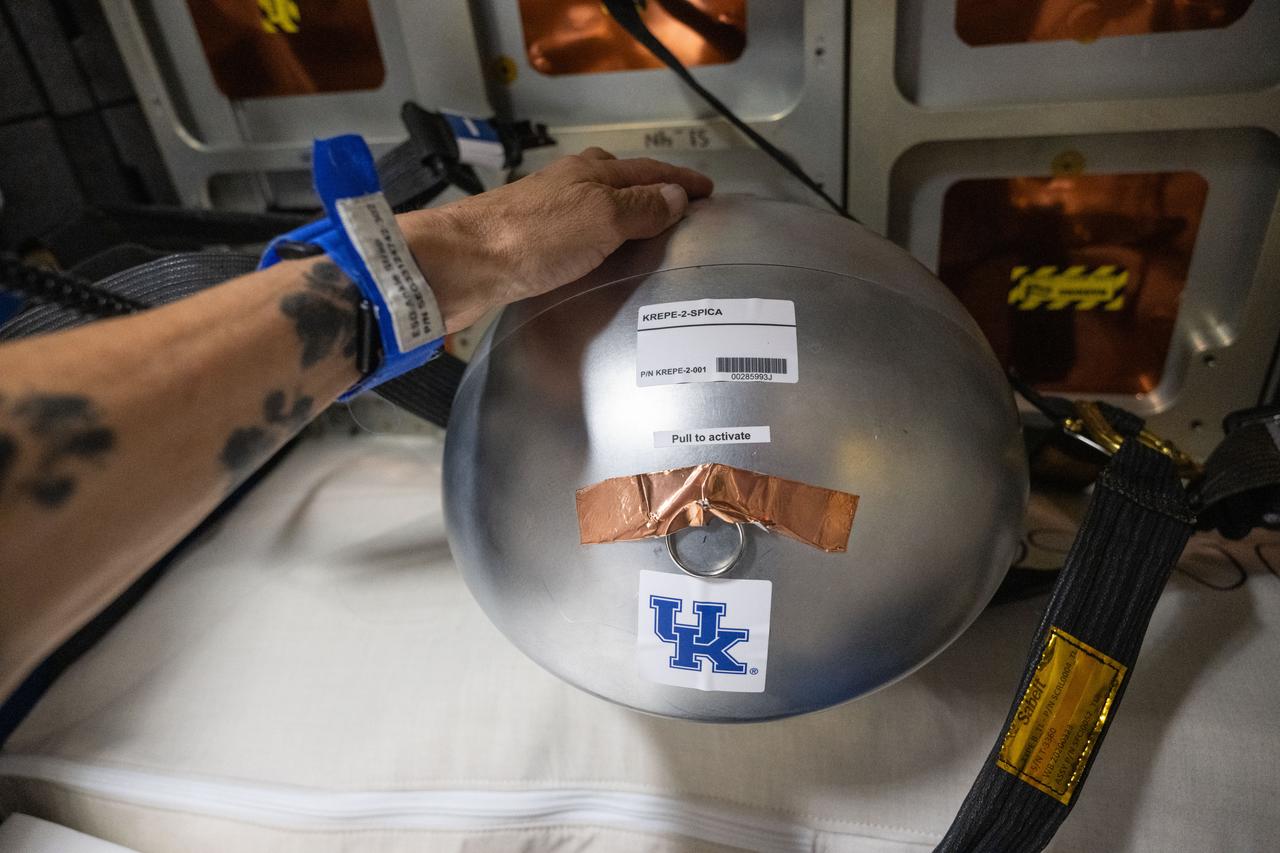
iss071e297164 (7/9/2024) --- One of the five Kentucky Re-Entry Universal Payload System (KRUPS) capsules of the Kentucky Re-entry Probe Experiment-2 (KREPE-2) mission aboard the International Space Station, encapsulated in the ISS-KREM shell. Thermal Protection Systems (TPS) technology uses three capsules outfitted with different heat shield materials and a variety of sensors to obtain data on actual reentry conditions. KREPE-2 tests new heat shields from NASA as well as a heat shield manufactured entirely at the University of Kentucky.
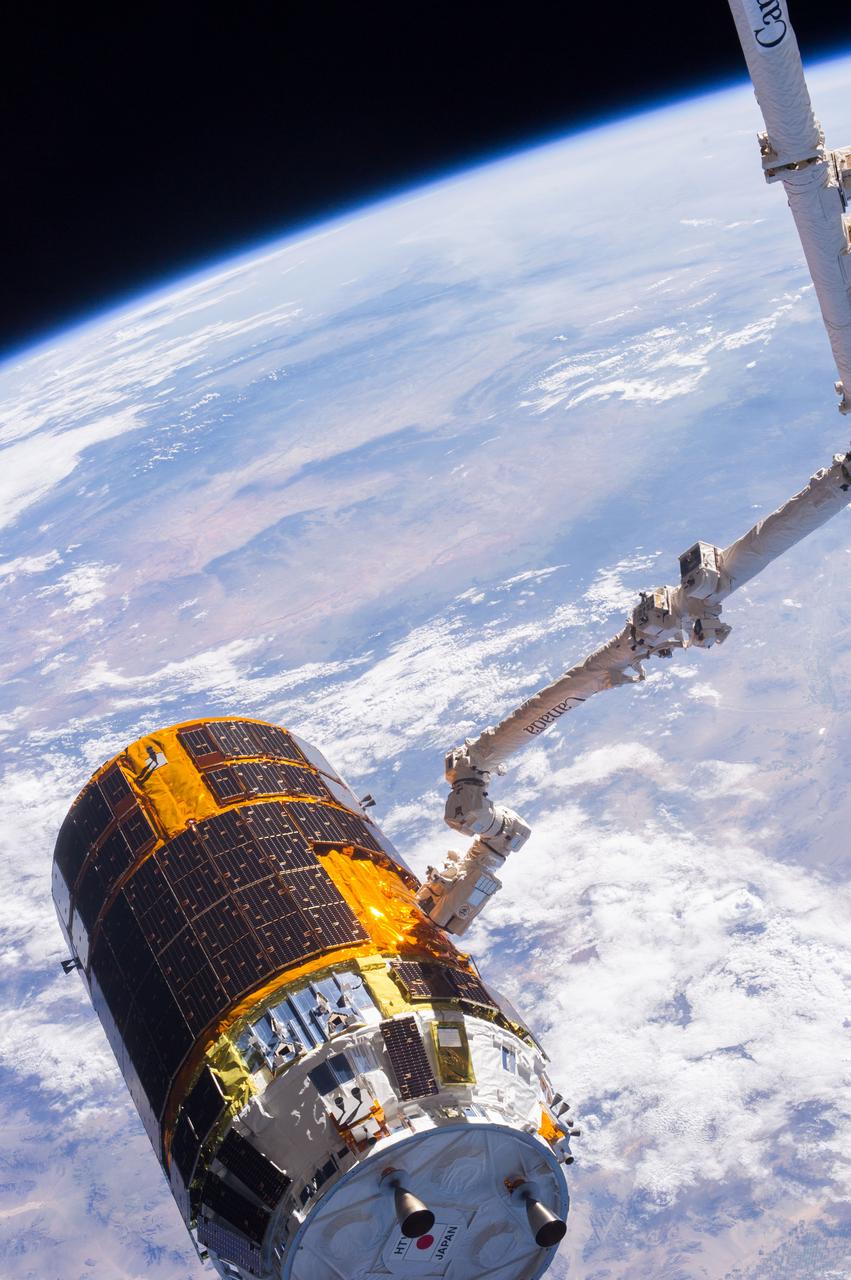
ISS036-E-039501 (04 Sept. 2013) --- One of the Expedition 36 crew members aboard the International Space Station took this picture of the Japanese HTV-4 unmanned cargo spacecraft, backdropped against a land mass on Earth, following its unberthing but just prior to its release from the orbital outpost's Canadarm2. HTV-4, after backing away from the flying complex, headed for re-entry into Earth's atmosphere, burning upon re-entry. HTV-4 was launched by Japan?s Aerospace Exploration Agency (JAXA) on Aug. 4 of this year in order to bring up supplies for the astronauts and cosmonauts onboard the station.
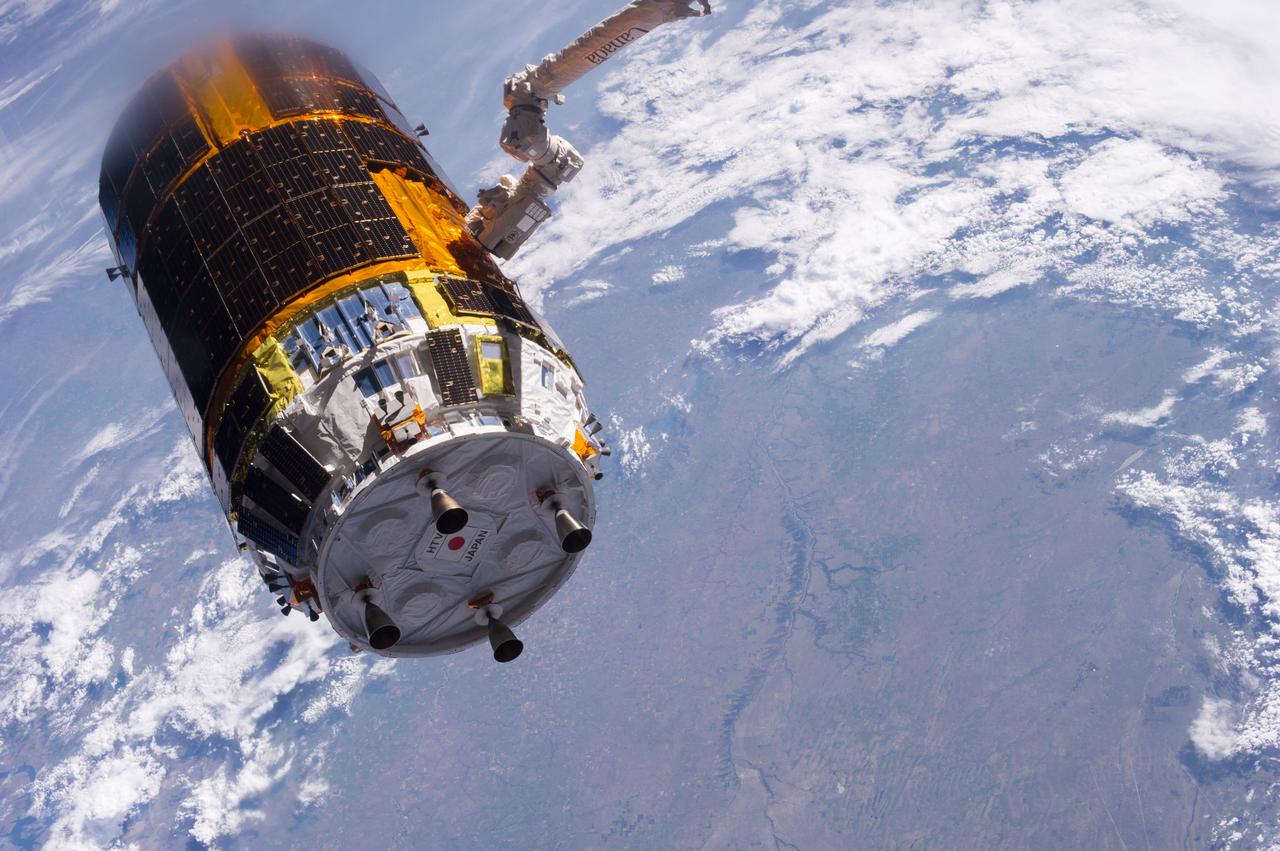
ISS036-E-039523 (04 Sept. 2013) --- One of the Expedition 36 crew members aboard the International Space Station took this picture of the Japanese HTV-4 unmanned cargo spacecraft, backdropped against a land mass on Earth, following its unberthing but just prior to its release from the orbital outpost. HTV-4, after backing away from the flying complex, headed for re-entry into Earth's atmosphere, burning upon re-entry. HTV-4 was launched by Japan?s Aerospace Exploration Agency (JAXA) on Aug. 4 of this year in order to bring up supplies for the astronauts and cosmonauts onboard the station.
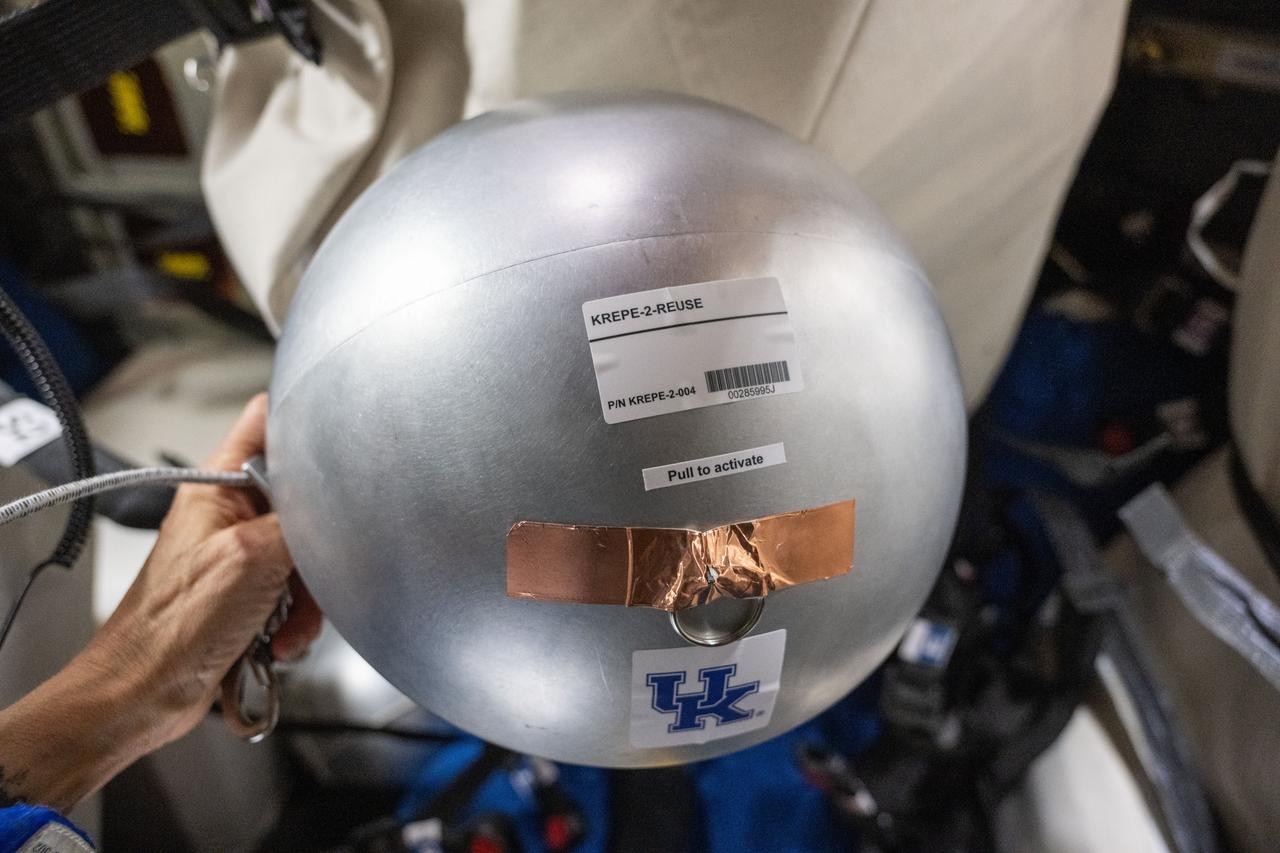
iss071e297186 (7/9/2024) --- One of the five Kentucky Re-Entry Universal Payload System (KRUPS) capsules of the Kentucky Re-entry Probe Experiment-2 (KREPE-2) mission aboard the International Space Station, encapsulated in the ISS-KREM shell. Thermal Protection Systems (TPS) technology uses three capsules outfitted with different heat shield materials and a variety of sensors to obtain data on actual reentry conditions. KREPE-2 tests new heat shields from NASA as well as a heat shield manufactured entirely at the University of Kentucky.
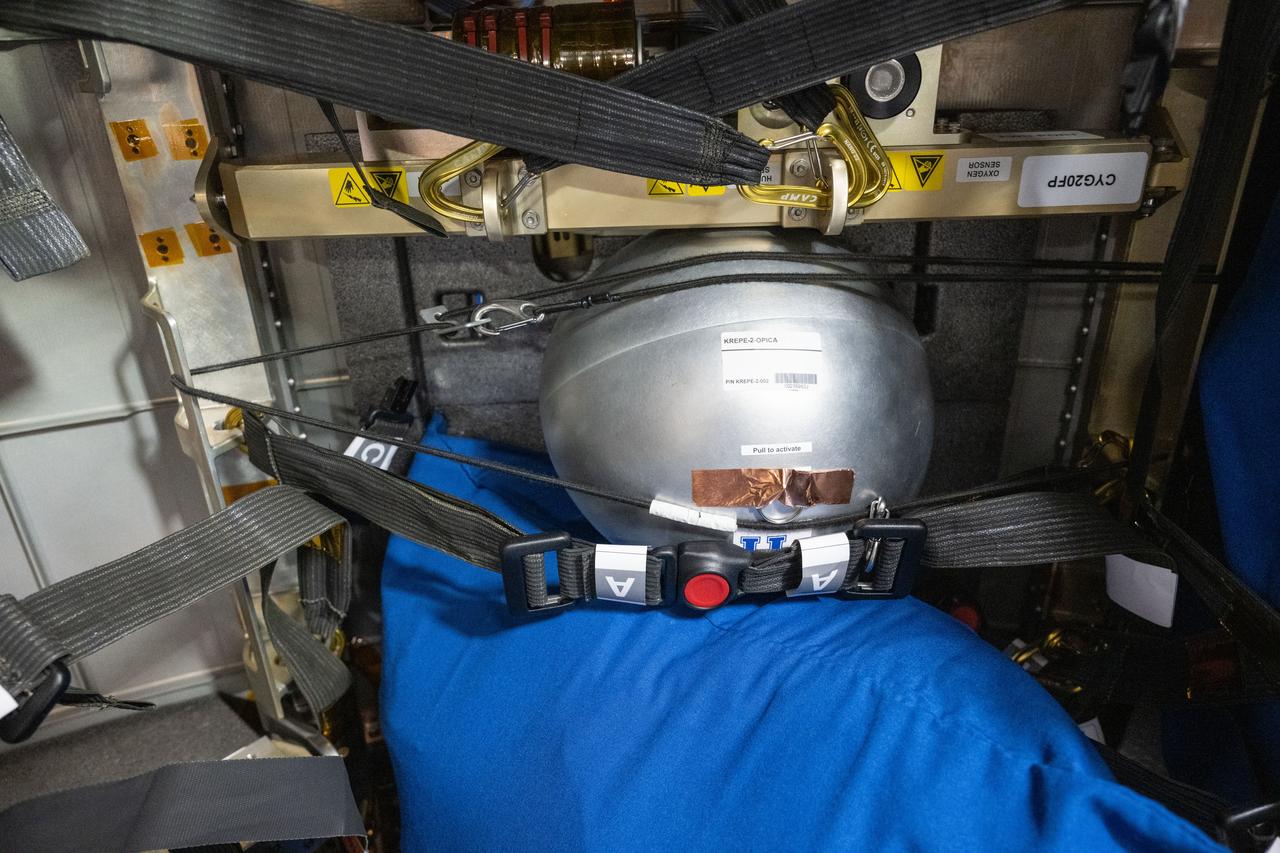
iss071e297176 (7/9/2024) --- One of the five Kentucky Re-Entry Universal Payload System (KRUPS) capsules of the Kentucky Re-entry Probe Experiment-2 (KREPE-2) mission aboard the International Space Station, encapsulated in the ISS-KREM shell. Thermal Protection Systems (TPS) technology uses three capsules outfitted with different heat shield materials and a variety of sensors to obtain data on actual reentry conditions. KREPE-2 tests new heat shields from NASA as well as a heat shield manufactured entirely at the University of Kentucky.
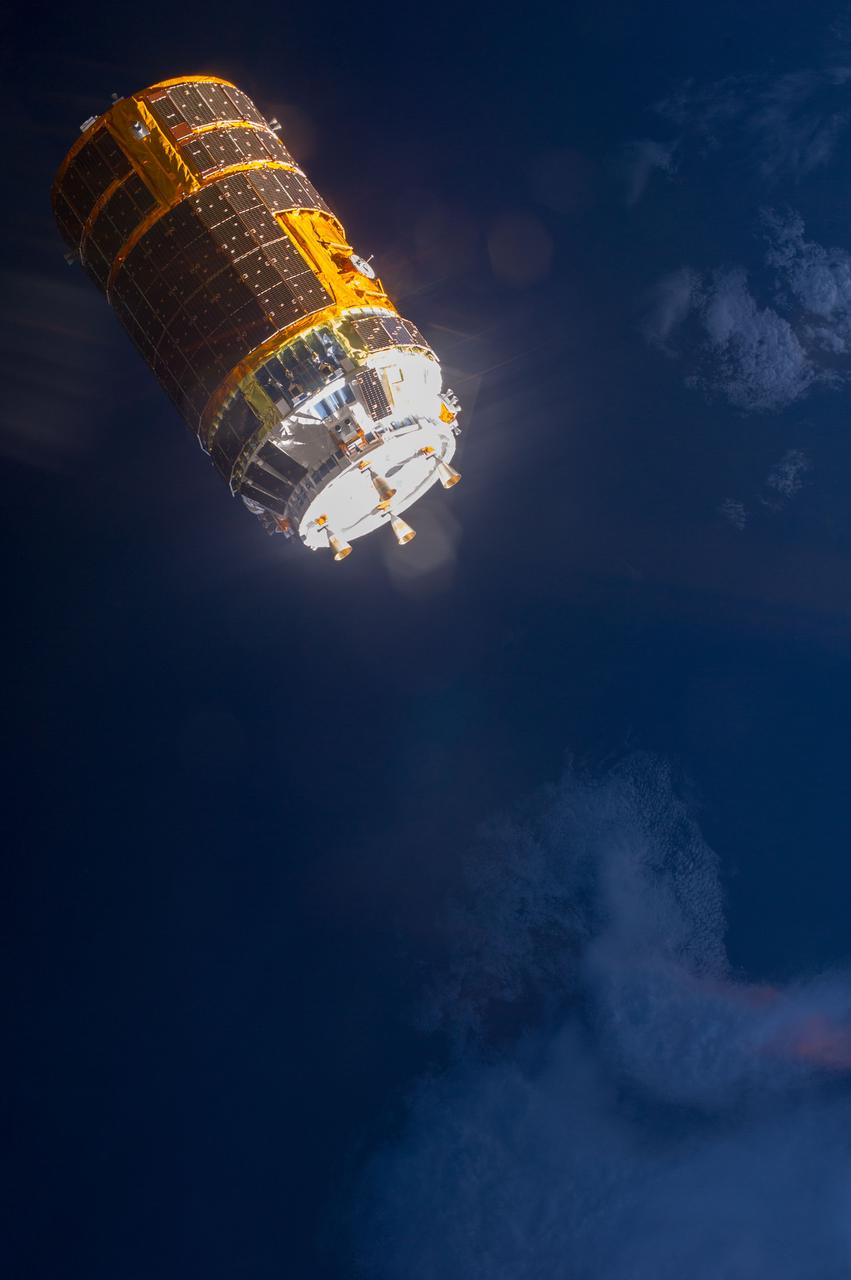
ISS036-E-039553 (04 Sept. 2013) --- One of the Expedition 36 crew members aboard the International Space Station took this picture of the Japanese HTV-4 unmanned cargo spacecraft, backdropped against clouds, following its unberthing and release from the orbital outpost. HTV-4, after backing away from the flying complex, headed for re-entry into Earth's atmosphere, burning upon re-entry. HTV-4 was launched by Japan?s Aerospace Exploration Agency (JAXA) on Aug. 4 of this year in order to bring up supplies for the astronauts and cosmonauts onboard the station.
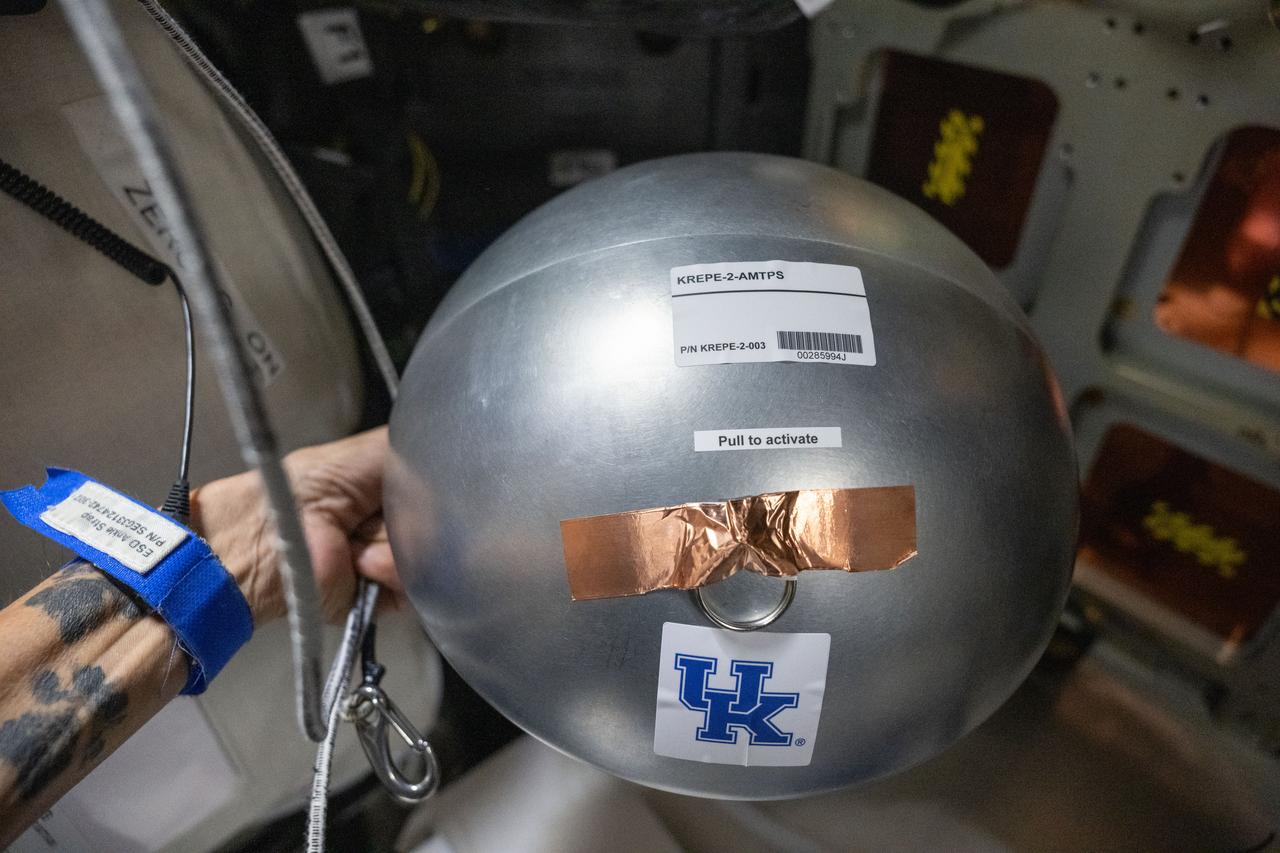
iss071e297177 (7/9/2024) --- One of the five Kentucky Re-Entry Universal Payload System (KRUPS) capsules of the Kentucky Re-entry Probe Experiment-2 (KREPE-2) mission aboard the International Space Station, encapsulated in the ISS-KREM shell. Thermal Protection Systems (TPS) technology uses three capsules outfitted with different heat shield materials and a variety of sensors to obtain data on actual reentry conditions. KREPE-2 tests new heat shields from NASA as well as a heat shield manufactured entirely at the University of Kentucky.
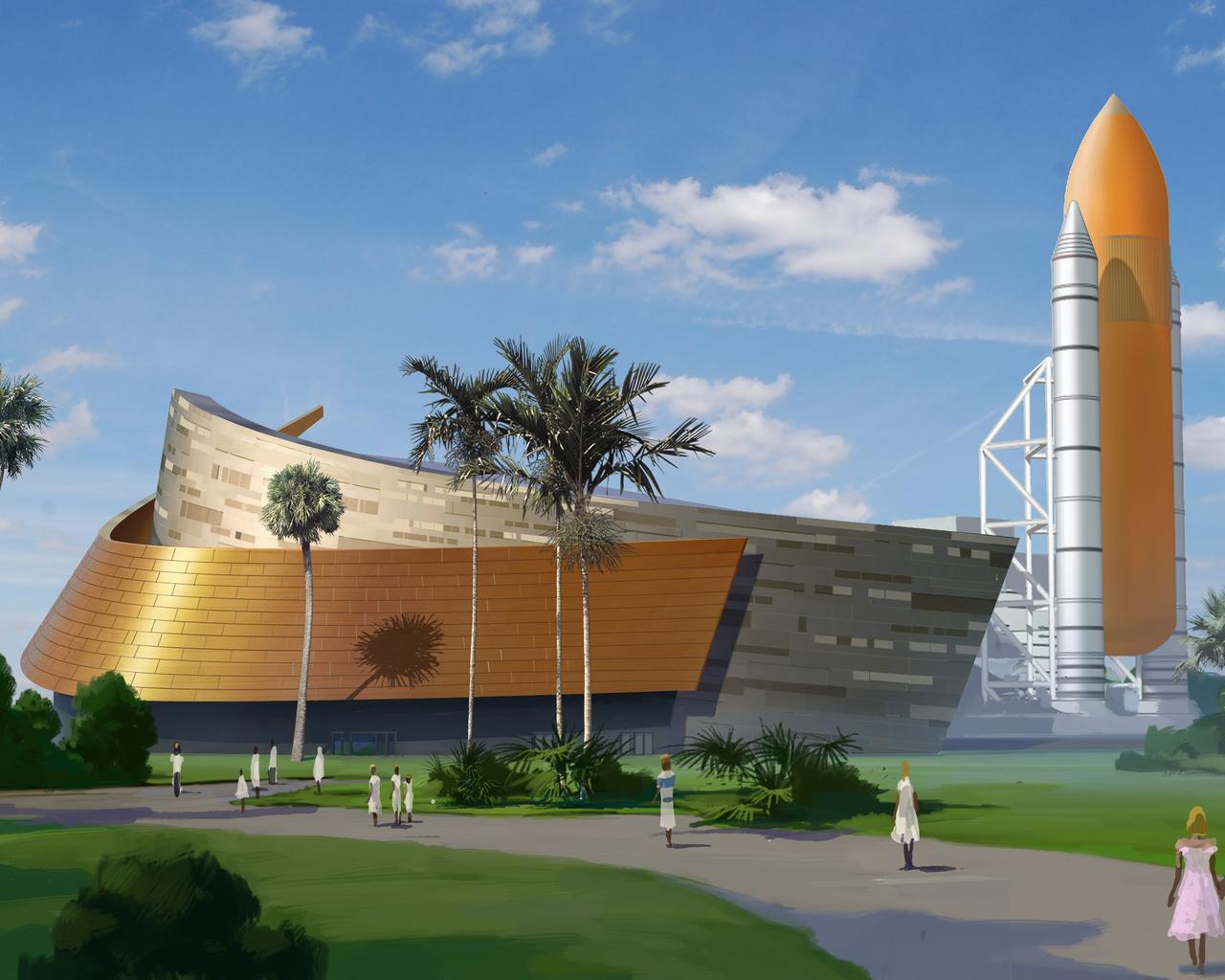
CAPE CANAVERAL, Fla. -- The stylized shape of the new home for Atlantis at the Kennedy Space Center Visitor Complex incorporates hues of orange and gold to represent both the heat and the bright colors of re-entry. Special gray-colored tiling has been incorporated into the building's design to represent the space shuttle tiles that protected the orbiter from the heat of re-entry. A groundbreaking ceremony for the future home of Atlantis was held Jan. 18. For more information on this and other exhibits at the visitor complex, go to http://www.kennedyspacecenter.com. Artist rendering courtesy of PGAV Destinations for Delaware North Parks & Resorts
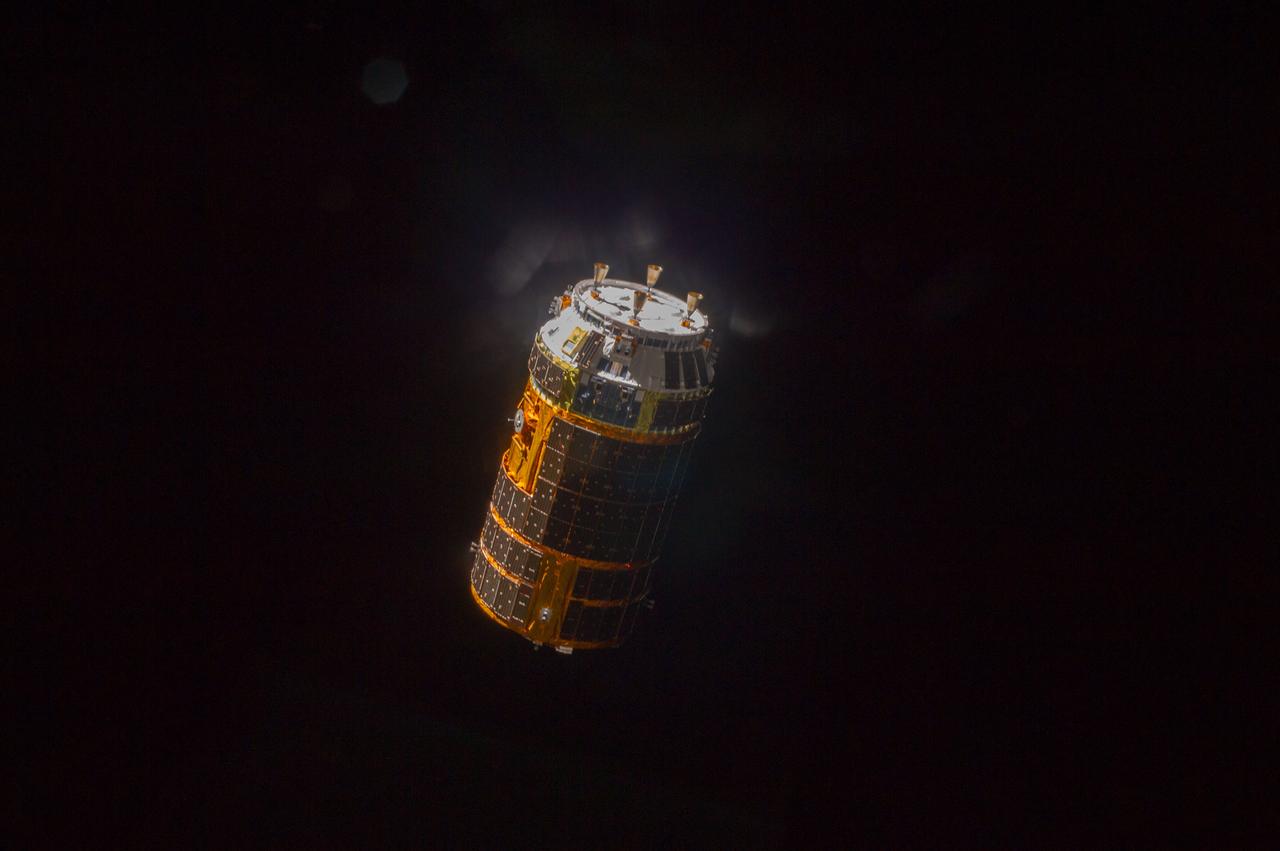
ISS036-E-039563 (04 Sept. 2013) --- One of the Expedition 36 crew members aboard the International Space Station took this picture of the Japanese HTV-4 unmanned cargo spacecraft, surrounded by the darkness of space, following its unberthing and release from the orbital outpost. HTV-4, after backing away from the flying complex, headed for re-entry into Earth's atmosphere, burning upon re-entry. HTV-4 was launched by Japan?s Aerospace Exploration Agency (JAXA) on Aug. 4 of this year in order to bring up supplies for the astronauts and cosmonauts onboard the station.
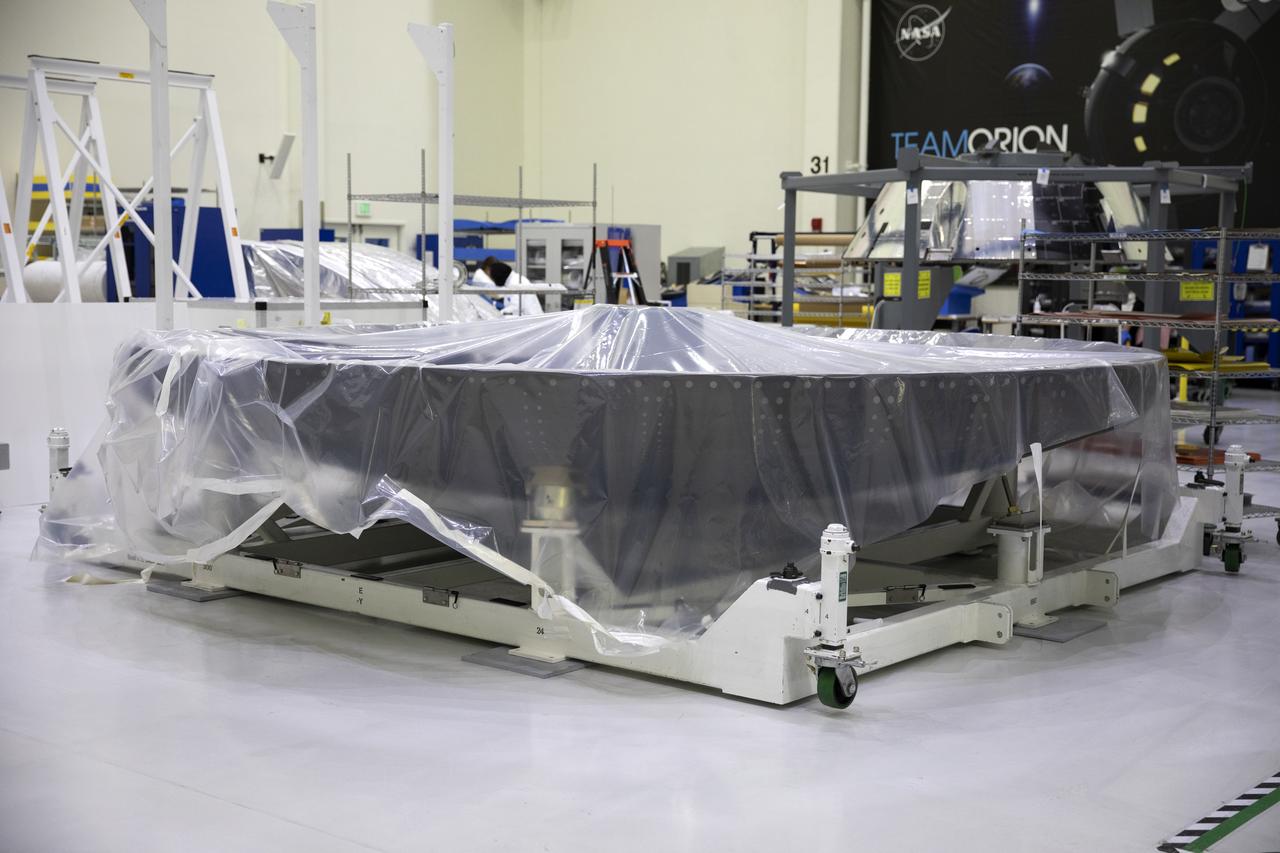
The heat shield for Orion’s Artemis ll, NASA’s first crewed mission, is inside the Neil Armstrong Operations and Checkout Building high bay at the agency’s Kennedy Space Center in Florida on Sept. 17, 2019. The heat shield, measuring roughly 16 feet in diameter, will protect astronauts upon re-entry. The heat shield is a base titanium truss structure. Technicians will apply Avcoat, an ablative material that will provide the thermal protection needed to withstand the harsh environment of space and during re-entry. Artemis ll will confirm all of the spacecraft’s systems operate as designed in the actual environment of deep space with astronauts aboard.
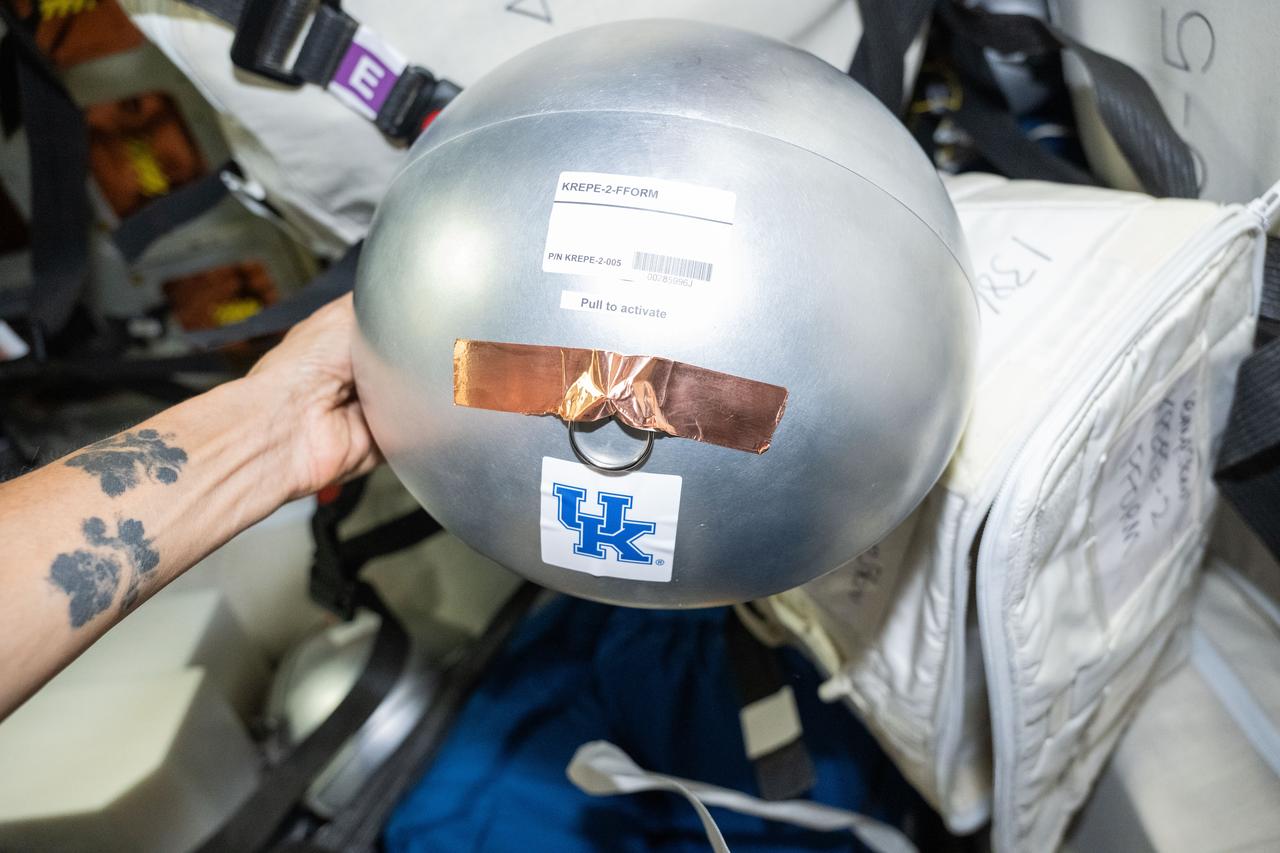
iss071e312452 (7/9/2024) --- One of the five Kentucky Re-Entry Universal Payload System (KRUPS) capsules of the Kentucky Re-entry Probe Experiment-2 (KREPE-2) mission aboard the International Space Station, encapsulated in the ISS-KREM shell. Thermal Protection Systems (TPS) technology uses three capsules outfitted with different heat shield materials and a variety of sensors to obtain data on actual reentry conditions. KREPE-2 tests new heat shields from NASA as well as a heat shield manufactured entirely at the University of Kentucky.
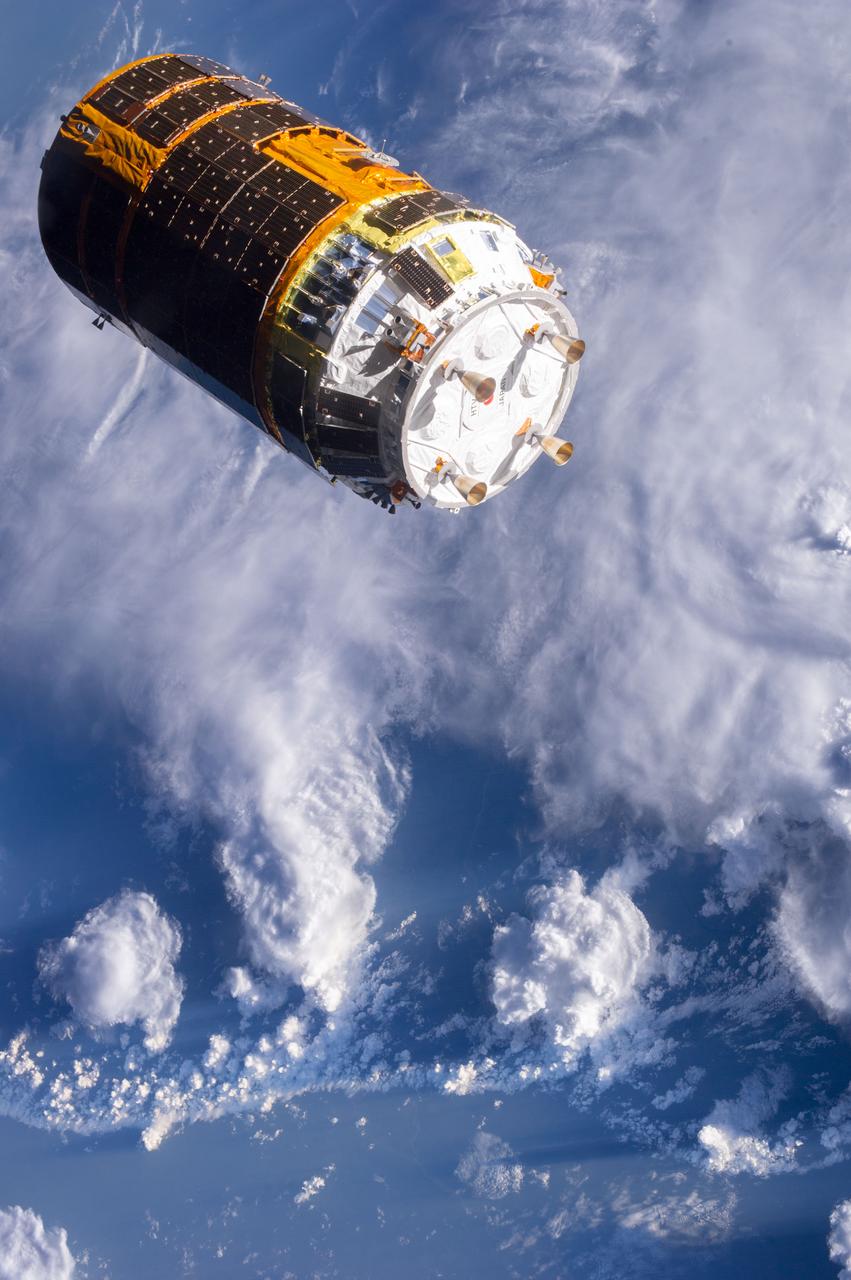
ISS036-E-039541 (04 Sept. 2013) --- One of the Expedition 36 crew members aboard the International Space Station took this picture of the Japanese HTV-4 unmanned cargo spacecraft, backdropped against clouds, following its unberthing and release from the orbital outpost. HTV-4, after backing away from the flying complex, headed for re-entry into Earth's atmosphere, burning upon re-entry. HTV-4 was launched by Japan?s Aerospace Exploration Agency (JAXA) on Aug. 4 of this year in order to bring up supplies for the astronauts and cosmonauts onboard the station.
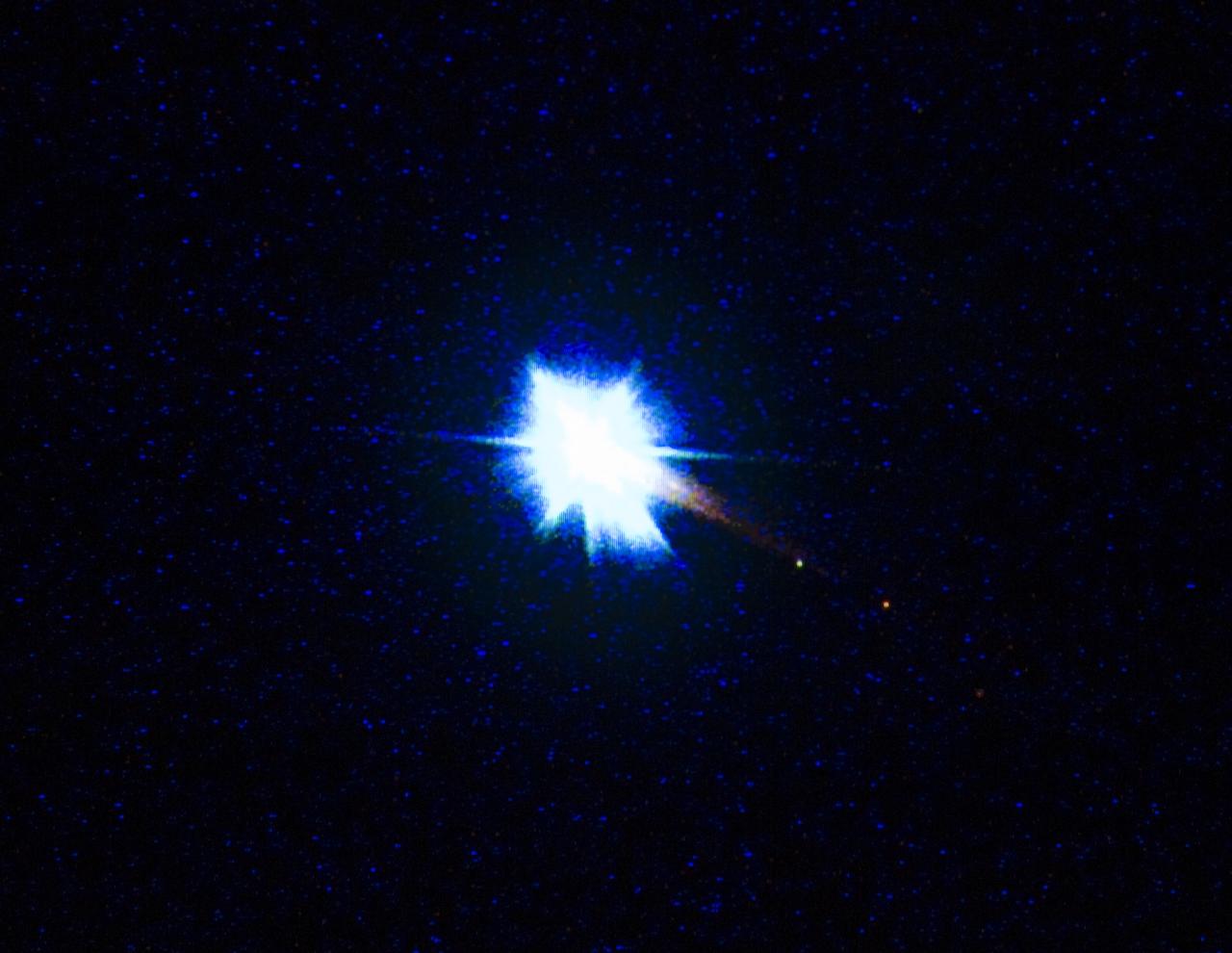
European Space Agency's 'Jules Verne' Automated Transfer Vehicle ATV-1 re-entry in Earth's atmosphere over Pacific Ocean. The breakup ad fragmentation of the ESA's ATV-1 was captured in dramatic fashion by scientists aboard NASA's DC-8 airborne laboratory and a Gulfstream V aircraft as it re-entered the atmosphere early Monday morning over the South Pacific. Photo Credit: NASA Ames Research Center/ESA/Jesse Carpenter/Bill Moede
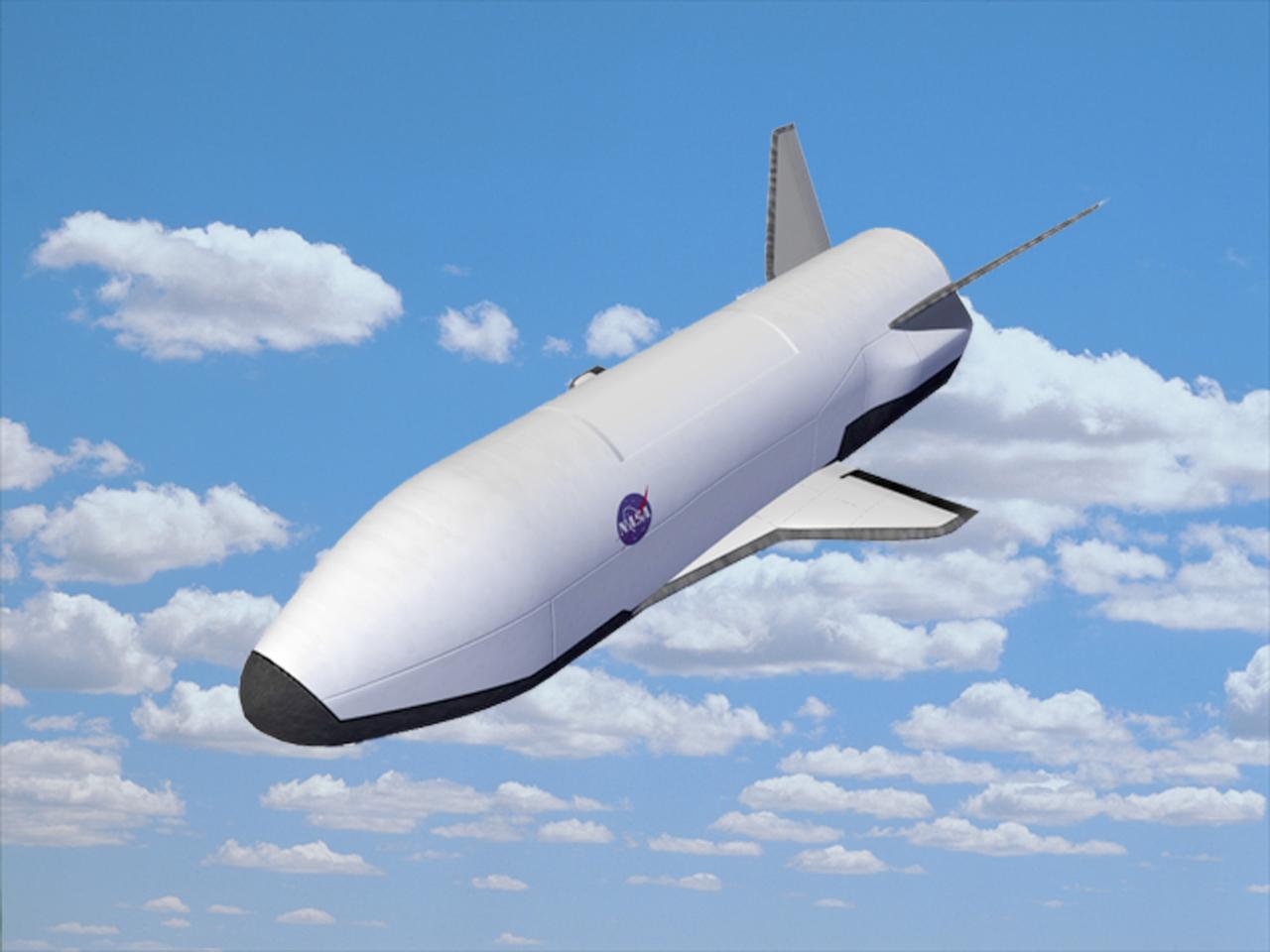
Pictured is an artist's concept of the X-37 Demonstrator re-entry. After being launched from the cargo bay of a Shuttle as a secondary payload, the X-37 remains on-orbit up to 21 days performing a variety of experiments before re-entering the Earth's atmosphere and landing. These vehicles supported the Agency's goal of dramatically reducing the cost of access to space in attempt to define the future of space transportation. The X-37 program was discontinued in 2003.
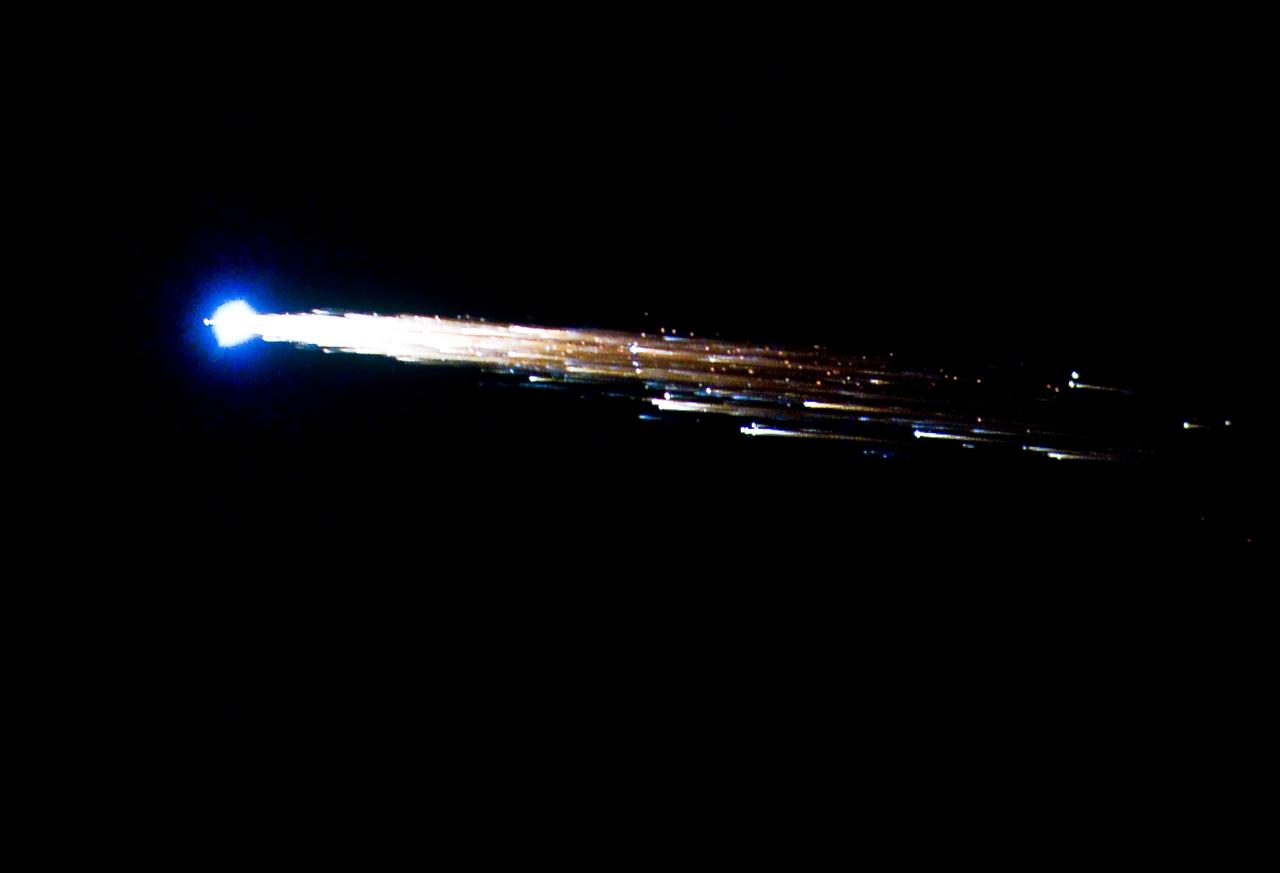
European Space Agency's 'Jules Verne' Automated Transfer Vehicle ATV-1 re-entry in Earth's atmosphere over Pacific Ocean. The breakup ad fragmentation of the ESA's ATV-1 was captured in dramatic fashion by scientists aboard NASA's DC-8 airborne laboratory and a Gulfstream V aircraft as it re-entered the atmosphere early Monday morning over the South Pacific. Photo Credit: NASA Ames Research Center/ESA/Jesse Carpenter/Bill Moede
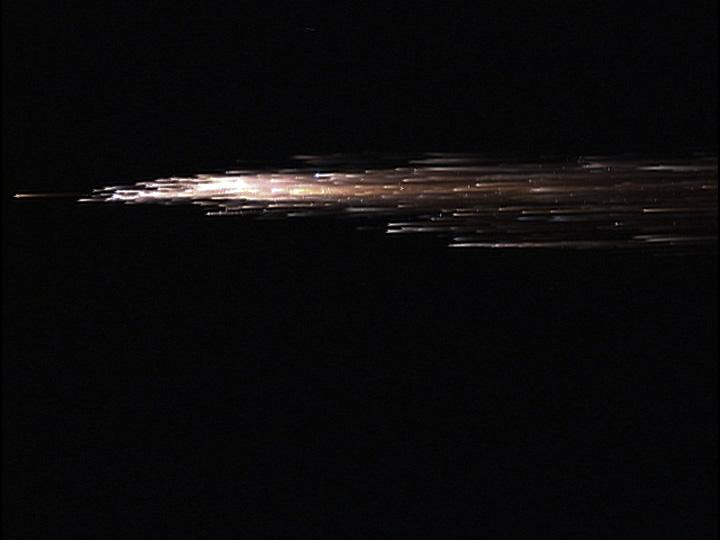
European Space Agency's 'Jules Verne' Automated Transfer Vehicle ATV-1 re-entry in Earth's atmosphere over Pacific Ocean. The breakup ad fragmentation of the ESA's ATV-1 was captured in dramatic fashion by scientists aboard NASA's DC-8 airborne laboratory and a Gulfstream V aircraft as it re-entered the atmosphere early Monday morning over the South Pacific. Photo Credit: NASA Ames Research Center/ESA/Jesse Carpenter/Bill Moede
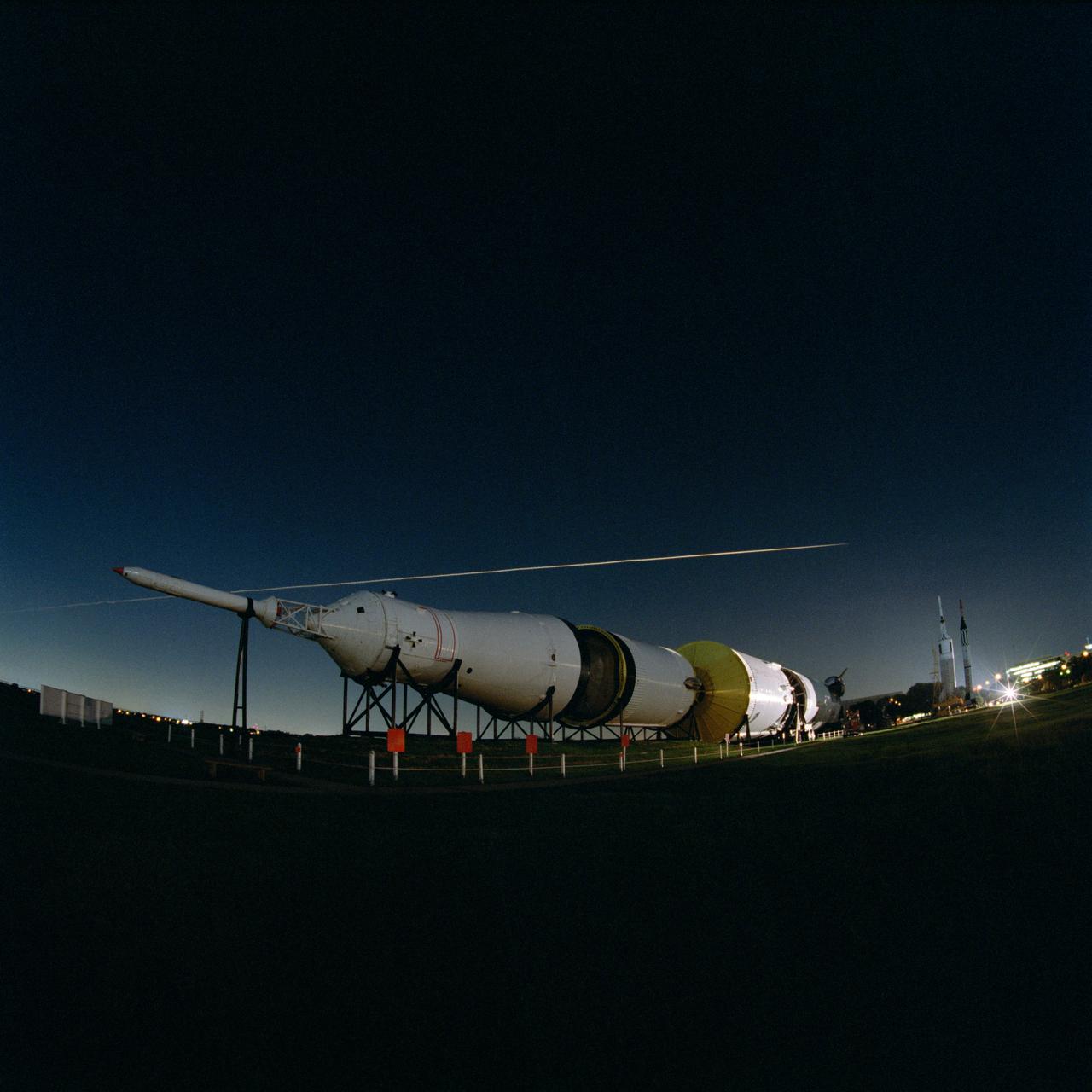
S99-08357 (27 July 1999) --- The fly-over of Space Shuttle Columbia's STS-93 re-entry is seen above the Johnson Space Center's Rocket Park. The Saturn V is below the streak that was left by Columbia re-entering the atmosphere. The image was captured with a Hasselblad 503cx medium format camera with a 30mm Hasselblad lens using an 8-second exposure and an aperture setting of f/8. The film was Kodak PMZ 1000 color negative film. The photographer was Mark Sowa of the NASA Johnson Space Center's photography group.
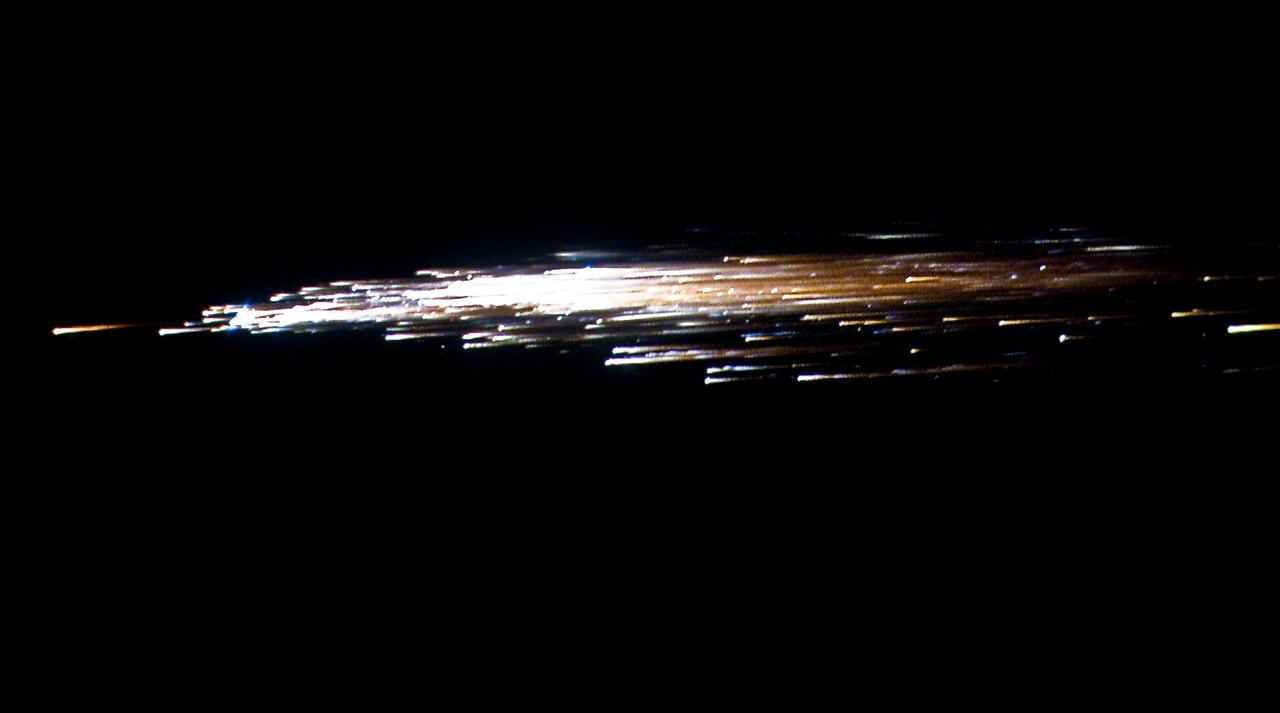
European Space Agency's 'Jules Verne' Automated Transfer Vehicle ATV-1 re-entry in Earth's atmosphere over Pacific Ocean. The breakup ad fragmentation of the ESA's ATV-1 was captured in dramatic fashion by scientists aboard NASA's DC-8 airborne laboratory and a Gulfstream V aircraft as it re-entered the atmosphere early Monday morning over the South Pacific. Photo Credit: NASA Ames Research Center/ESA/Jesse Carpenter/Bill Moede
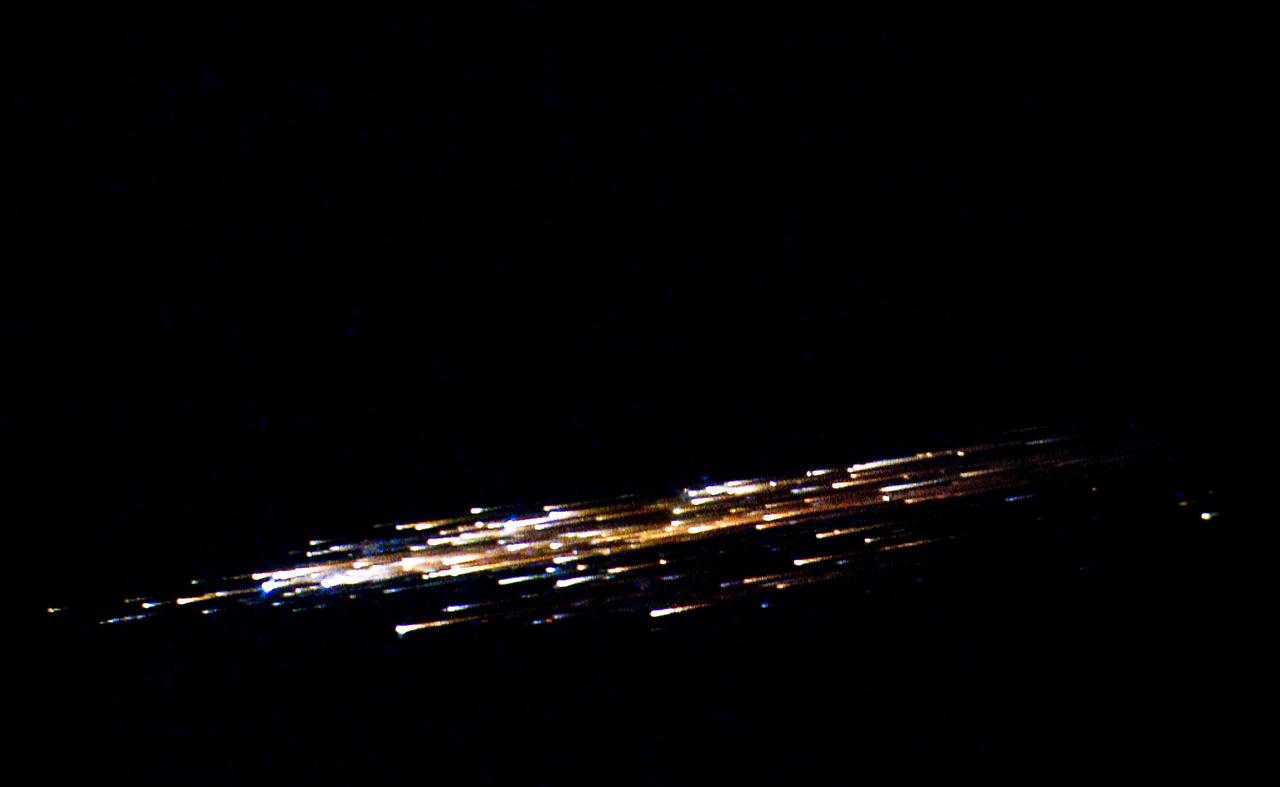
European Space Agency's 'Jules Verne' Automated Transfer Vehicle ATV-1 re-entry in Earth's atmosphere over Pacific Ocean. The breakup ad fragmentation of the ESA's ATV-1 was captured in dramatic fashion by scientists aboard NASA's DC-8 airborne laboratory and a Gulfstream V aircraft as it re-entered the atmosphere early Monday morning over the South Pacific. Photo Credit: NASA Ames Research Center/ESA/Jesse Carpenter/Bill Moede
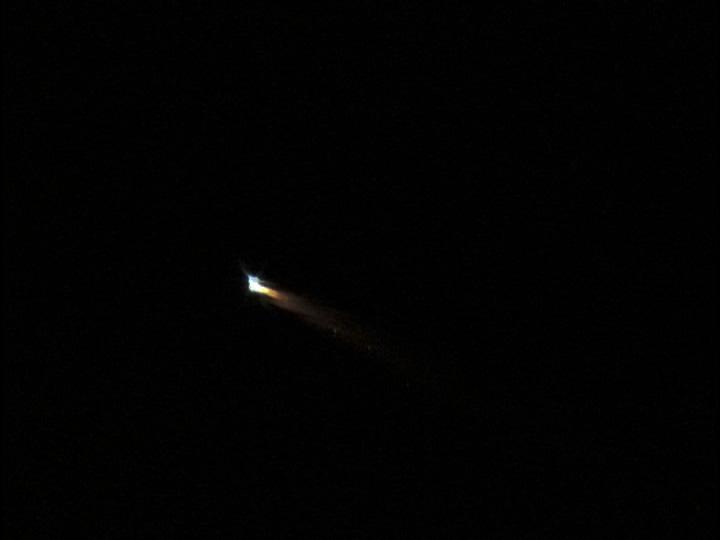
European Space Agency's 'Jules Verne' Automated Transfer Vehicle ATV-1 re-entry in Earth's atmosphere over Pacific Ocean. The breakup ad fragmentation of the ESA's ATV-1 was captured in dramatic fashion by scientists aboard NASA's DC-8 airborne laboratory and a Gulfstream V aircraft as it re-entered the atmosphere early Monday morning over the South Pacific. Photo Credit: NASA Ames Research Center/ESA/Jesse Carpenter/Bill Moede

European Space Agency's 'Jules Verne' Automated Transfer Vehicle ATV-1 re-entry in Earth's atmosphere over Pacific Ocean. The breakup ad fragmentation of the ESA's ATV-1 was captured in dramatic fashion by scientists aboard NASA's DC-8 airborne laboratory and a Gulfstream V aircraft as it re-entered the atmosphere early Monday morning over the South Pacific. Photo Credit: NASA Ames Research Center/ESA/Jesse Carpenter/Bill Moede
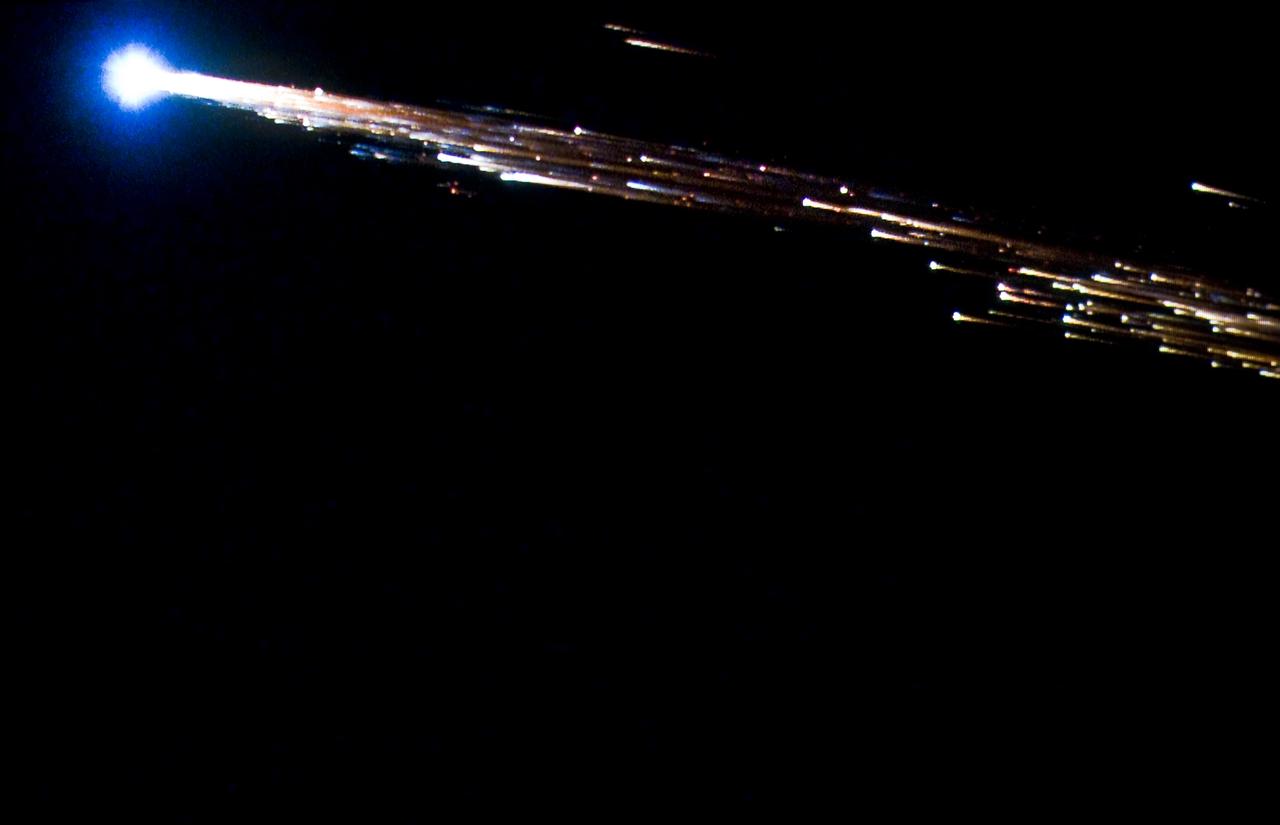
European Space Agency's 'Jules Verne' Automated Transfer Vehicle ATV-1 re-entry in Earth's atmosphere over Pacific Ocean. The breakup ad fragmentation of the ESA's ATV-1 was captured in dramatic fashion by scientists aboard NASA's DC-8 airborne laboratory and a Gulfstream V aircraft as it re-entered the atmosphere early Monday morning over the South Pacific. Photo Credit: NASA Ames Research Center/ESA/Jesse Carpenter/Bill Moede
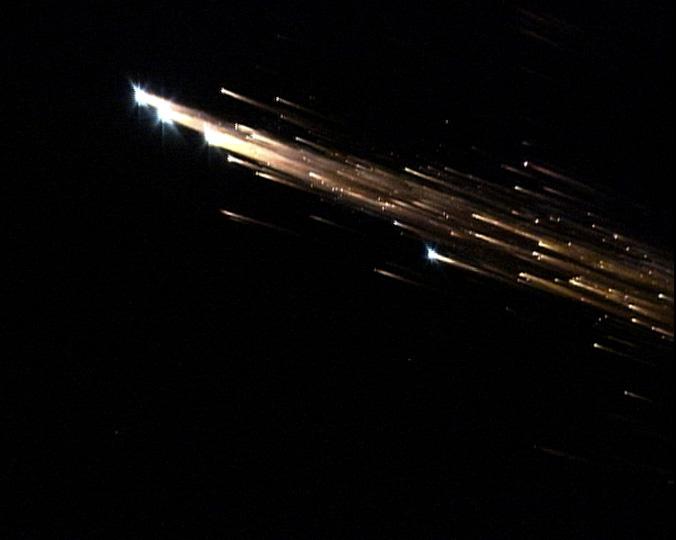
European Space Agency's 'Jules Verne' Automated Transfer Vehicle ATV-1 re-entry in Earth's atmosphere over Pacific Ocean. The breakup ad fragmentation of the ESA's ATV-1 was captured in dramatic fashion by scientists aboard NASA's DC-8 airborne laboratory and a Gulfstream V aircraft as it re-entered the atmosphere early Monday morning over the South Pacific. Photo Credit: NASA Ames Research Center/ESA/Jesse Carpenter/Bill Moede
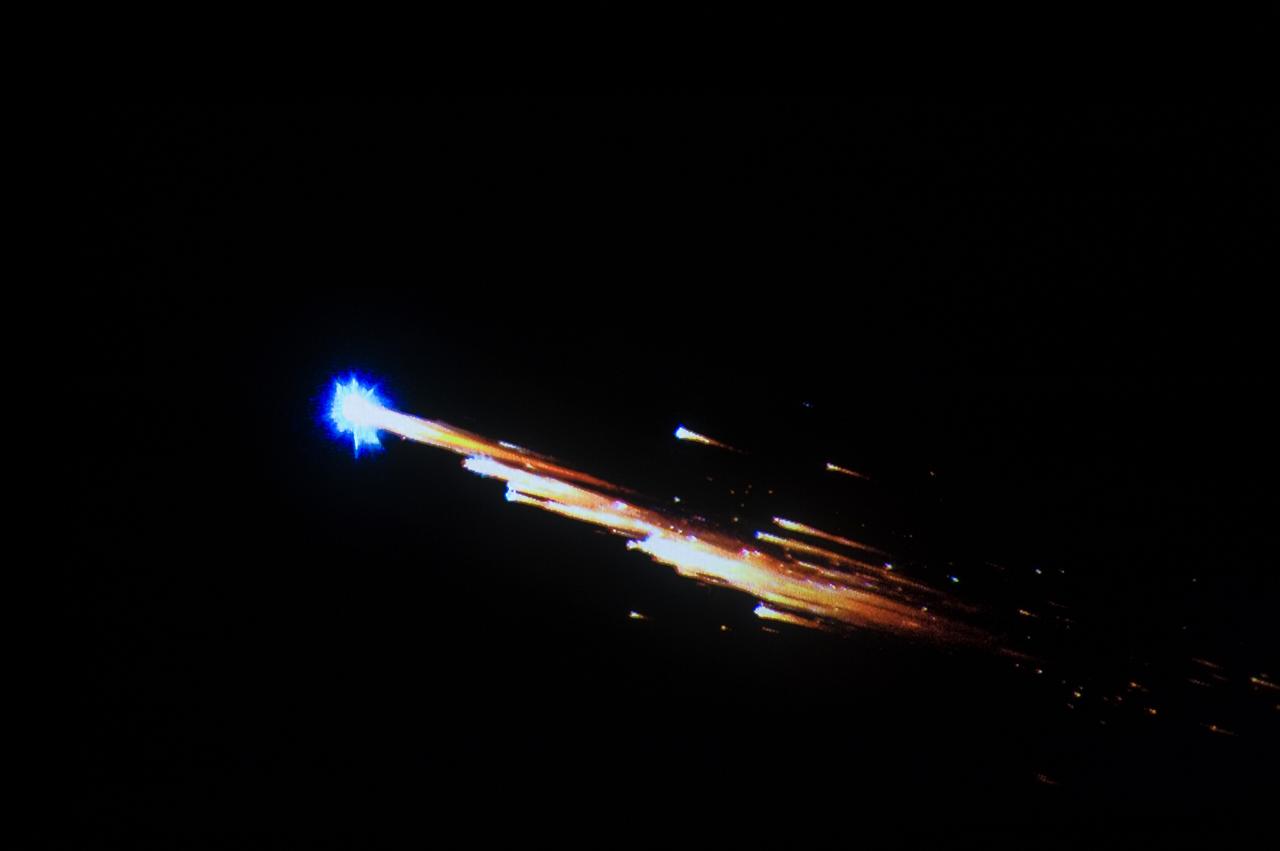
European Space Agency's 'Jules Verne' Automated Transfer Vehicle ATV-1 re-entry in Earth's atmosphere over Pacific Ocean. The breakup ad fragmentation of the ESA's ATV-1 was captured in dramatic fashion by scientists aboard NASA's DC-8 airborne laboratory and a Gulfstream V aircraft as it re-entered the atmosphere early Monday morning over the South Pacific. Photo Credit: NASA Ames Research Center/ESA/Jesse Carpenter/Bill Moede
European Space Agency's 'Jules Verne' Automated Transfer Vehicle ATV-1 re-entry in Earth's atmosphere over Pacific Ocean. The breakup ad fragmentation of the ESA's ATV-1 was captured in dramatic fashion by scientists aboard NASA's DC-8 airborne laboratory and a Gulfstream V aircraft as it re-entered the atmosphere early Monday morning over the South Pacific. Photo Credit: NASA Ames Research Center/ESA/Jesse Carpenter/Bill Moede
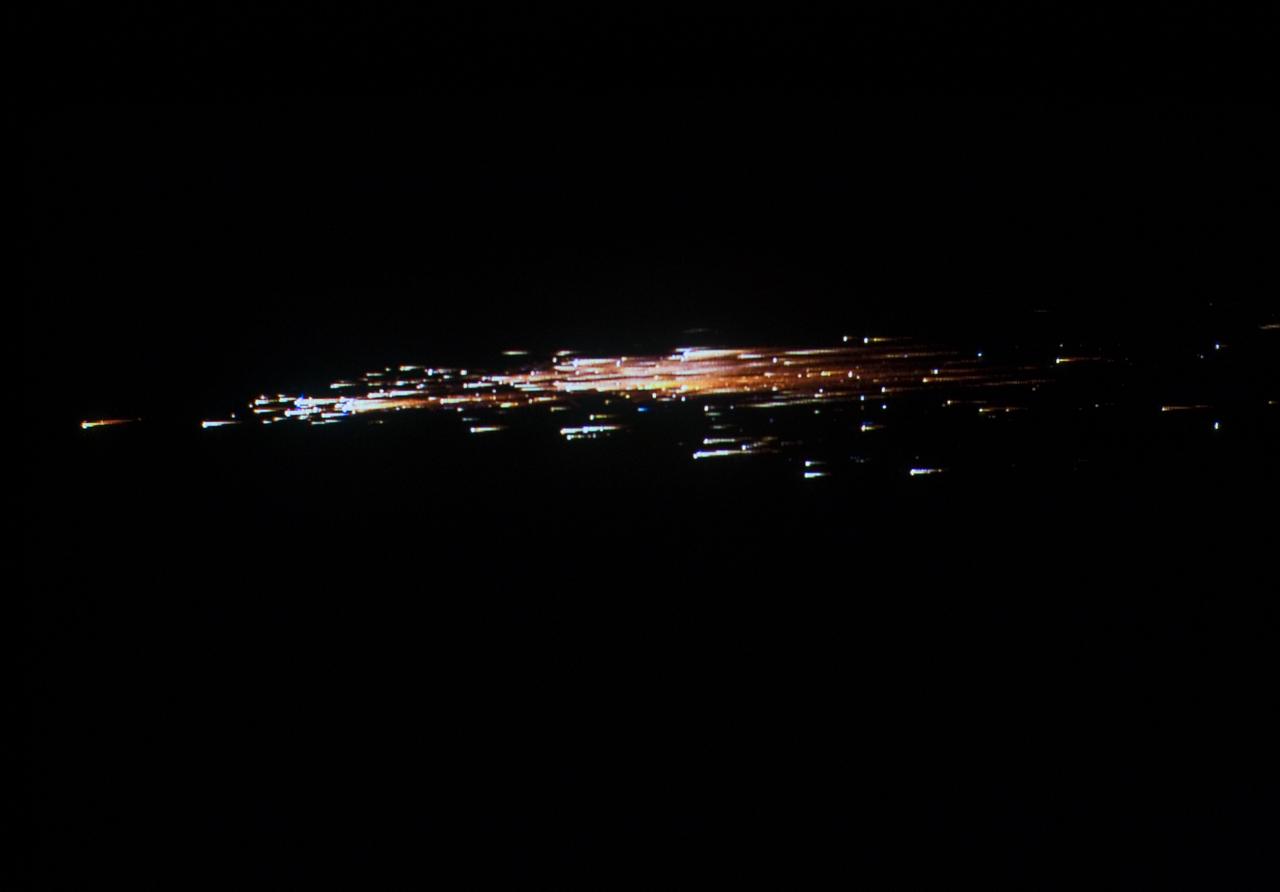
European Space Agency's 'Jules Verne' Automated Transfer Vehicle ATV-1 re-entry in Earth's atmosphere over Pacific Ocean. The breakup ad fragmentation of the ESA's ATV-1 was captured in dramatic fashion by scientists aboard NASA's DC-8 airborne laboratory and a Gulfstream V aircraft as it re-entered the atmosphere early Monday morning over the South Pacific. Photo Credit: NASA Ames Research Center/ESA/Jesse Carpenter/Bill Moede
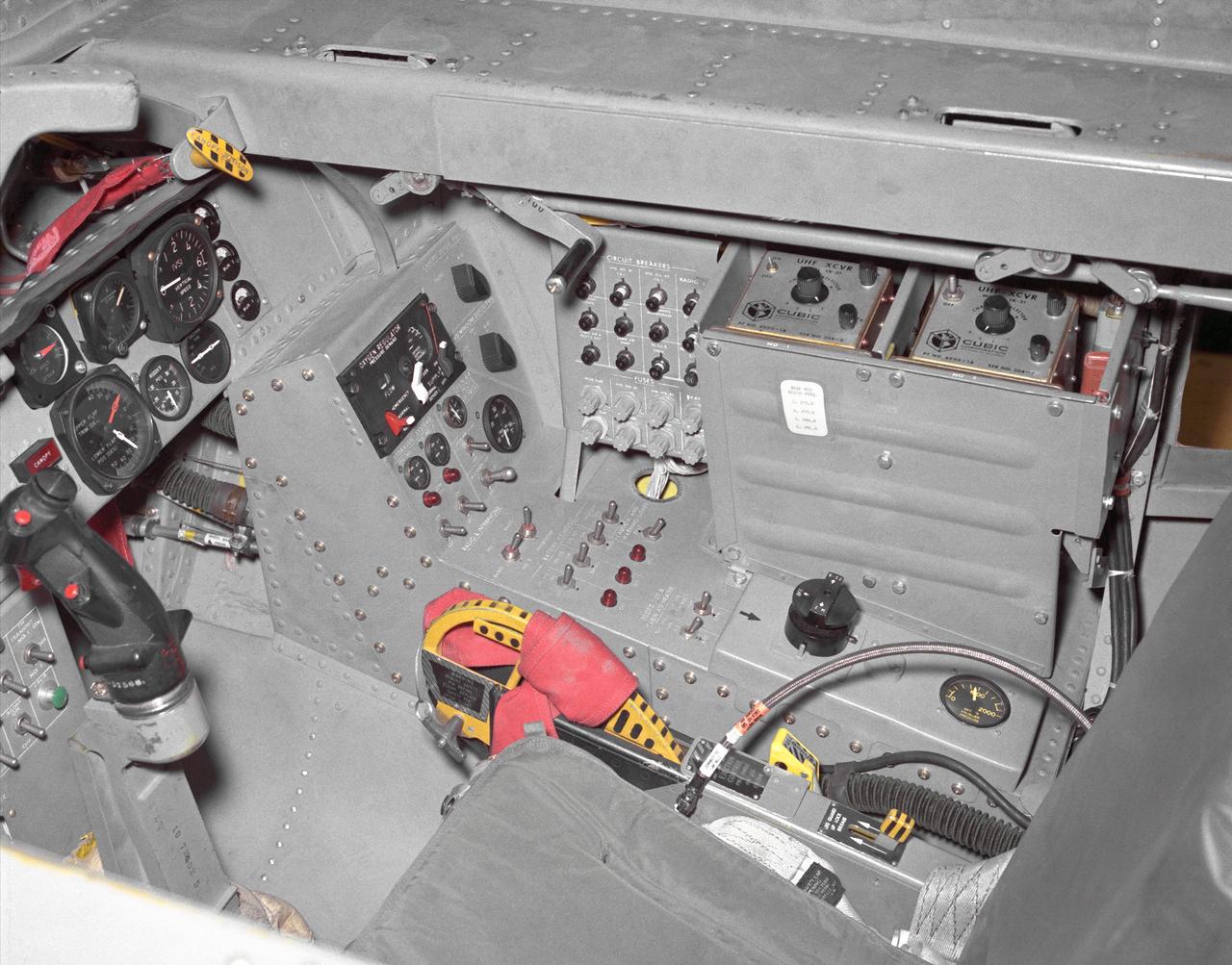
This photo shows the right side cockpit instrumentation panel of the M2-F2 Lifting Body. The success of Dryden's M2-F1 program led to NASA's development and construction of two heavyweight lifting bodies based on studies at NASA's Ames and Langley research centers -- the M2-F2 and the HL-10, both built by the Northrop Corporation. The "M" refers to "manned" and "F" refers to "flight" version. "HL" comes from "horizontal landing" and 10 is for the tenth lifting body model to be investigated by Langley. The first flight of the M2-F2 -- which looked much like the "F1" -- was on July 12, 1966. Milt Thompson was the pilot. By then, the same B-52 used to air launch the famed X-15 rocket research aircraft was modified to also carry the lifting bodies. Thompson was dropped from the B-52's wing pylon mount at an altitude of 45,000 feet on that maiden glide flight. The M2-F2 weighed 4,620 pounds, was 22 feet long, and had a width of about 10 feet. On May 10, 1967, during the sixteenth glide flight leading up to powered flight, a landing accident severely damaged the vehicle and seriously injured the NASA pilot, Bruce Peterson. NASA pilots and researchers realized the M2-F2 had lateral control problems, even though it had a stability augmentation control system. When the M2-F2 was rebuilt at Dryden and redesignated the M2-F3, it was modified with an additional third vertical fin -- centered between the tip fins -- to improve control characteristics. The M2-F2/F3 was the first of the heavy-weight, entry-configuration lifting bodies. Its successful development as a research test vehicle answered many of the generic questions about these vehicles. NASA donated the M2-F3 vehicle to the Smithsonian Institute in December 1973. It is currently hanging in the Air and Space Museum along with the X-15 aircraft number 1, which was its hangar partner at Dryden from 1965 to 1969.
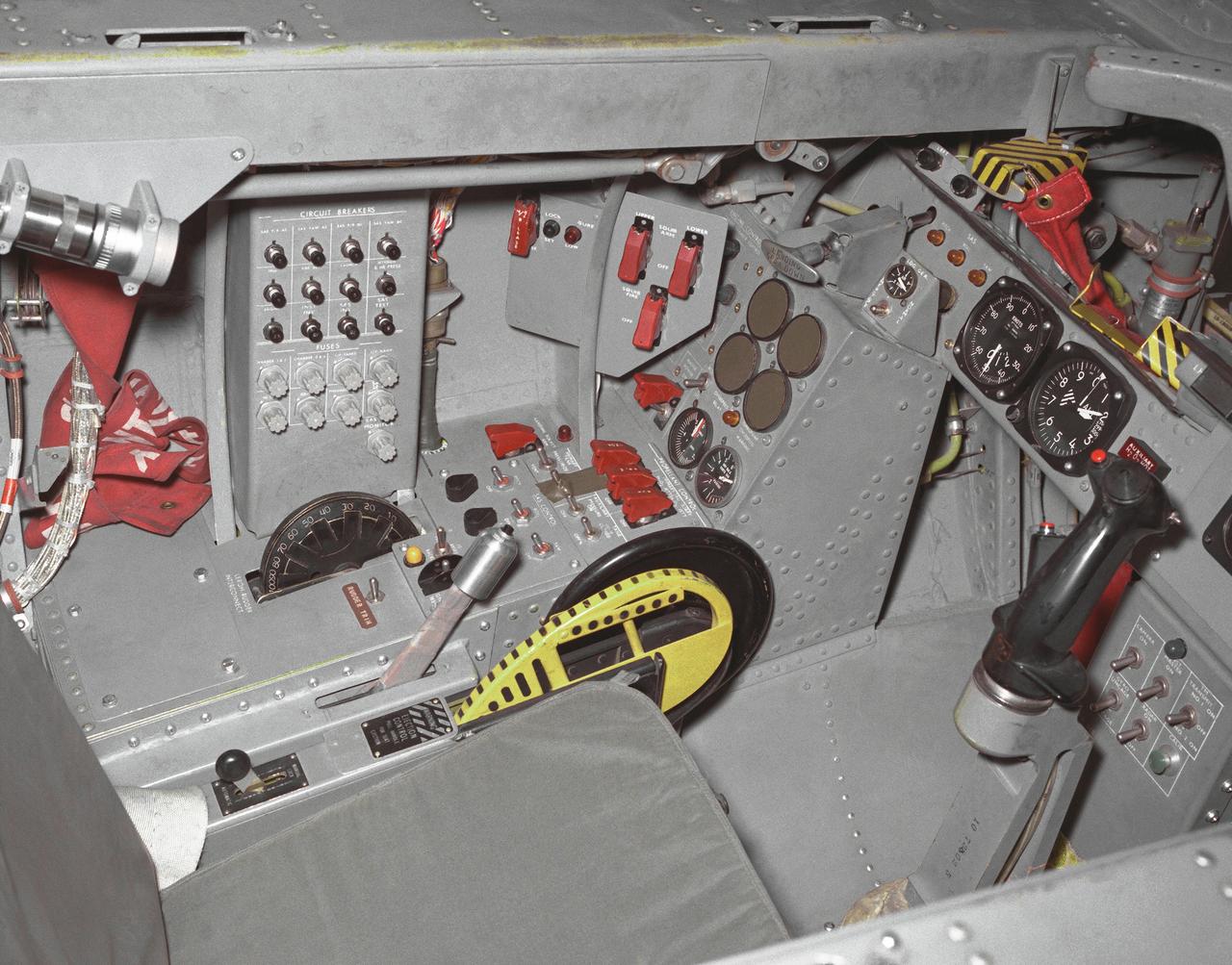
This photo shows the left side cockpit instrumentation panel of the M2-F2 Lifting Body. The success of Dryden's M2-F1 program led to NASA's development and construction of two heavyweight lifting bodies based on studies at NASA's Ames and Langley research centers -- the M2-F2 and the HL-10, both built by the Northrop Corporation. The "M" refers to "manned" and "F" refers to "flight" version. "HL" comes from "horizontal landing" and 10 is for the tenth lifting body model to be investigated by Langley. The first flight of the M2-F2 -- which looked much like the "F1" -- was on July 12, 1966. Milt Thompson was the pilot. By then, the same B-52 used to air launch the famed X-15 rocket research aircraft was modified to also carry the lifting bodies. Thompson was dropped from the B-52's wing pylon mount at an altitude of 45,000 feet on that maiden glide flight. The M2-F2 weighed 4,620 pounds, was 22 feet long, and had a width of about 10 feet. On May 10, 1967, during the sixteenth glide flight leading up to powered flight, a landing accident severely damaged the vehicle and seriously injured the NASA pilot, Bruce Peterson. NASA pilots and researchers realized the M2-F2 had lateral control problems, even though it had a stability augmentation control system. When the M2-F2 was rebuilt at Dryden and redesignated the M2-F3, it was modified with an additional third vertical fin -- centered between the tip fins -- to improve control characteristics. The M2-F2/F3 was the first of the heavy-weight, entry-configuration lifting bodies. Its successful development as a research test vehicle answered many of the generic questions about these vehicles. NASA donated the M2-F3 vehicle to the Smithsonian Institute in December 1973. It is currently hanging in the Air and Space Museum along with the X-15 aircraft number 1, which was its hangar partner at Dryden from 1965 to 1969.
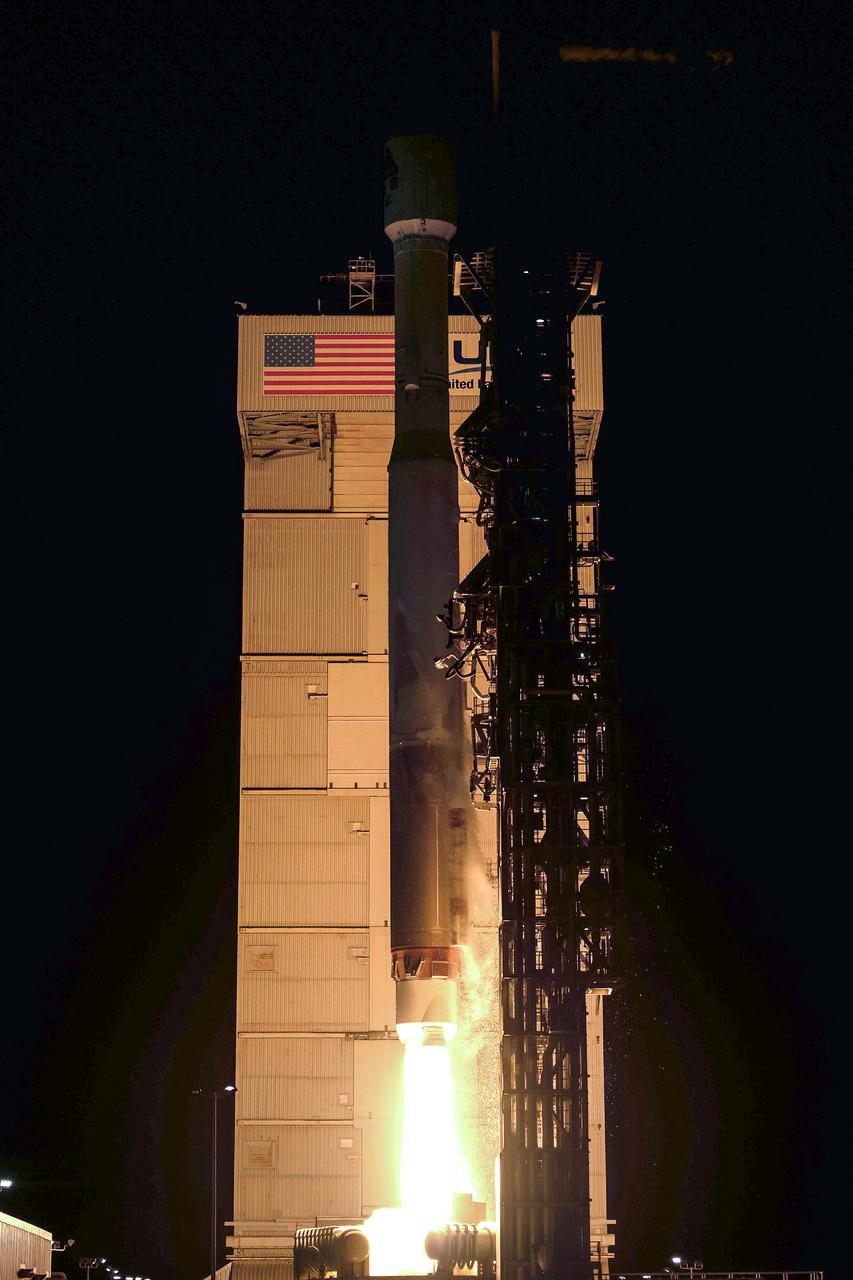
A United Launch Alliance Atlas V 401 rocket lifts off from Space Launch Complex 3 at Vandenberg Space Force Base in California on Nov. 10 carrying the National Oceanic and Atmospheric Administration’s (NOAA) Joint Polar Satellite System-2 (JPSS-2) and NASA’s Low-Earth Orbit Flight Test of an Inflatable Decelerator (LOFTID) technology demonstration. Liftoff was at 2:25 a.m. PDT. JPSS-2 is the third satellite in the polar satellite series and is expected to capture data to improve weather forecasts, helping scientists predict and prepare for extreme weather events and climate change. After JPSS-2 safely reaches orbit, LOFTID will follow a re-entry trajectory from low-Earth orbit to demonstrate the inflatable heat shield’s ability to slow down and survive re-entry. LOFTID is a partnership with ULA and is dedicated to the memory of Bernard Kutter, one of the company’s engineers who played a key role in developing the technology. LOFTID will demonstrate how the inflatable aeroshell, or heat shield, can slow down and survive re-entry in conditions relevant to many potential applications, whether landing humans on Mars, new missions to Venus and Titan, or returning heavier payloads and samples from low-Earth orbit.
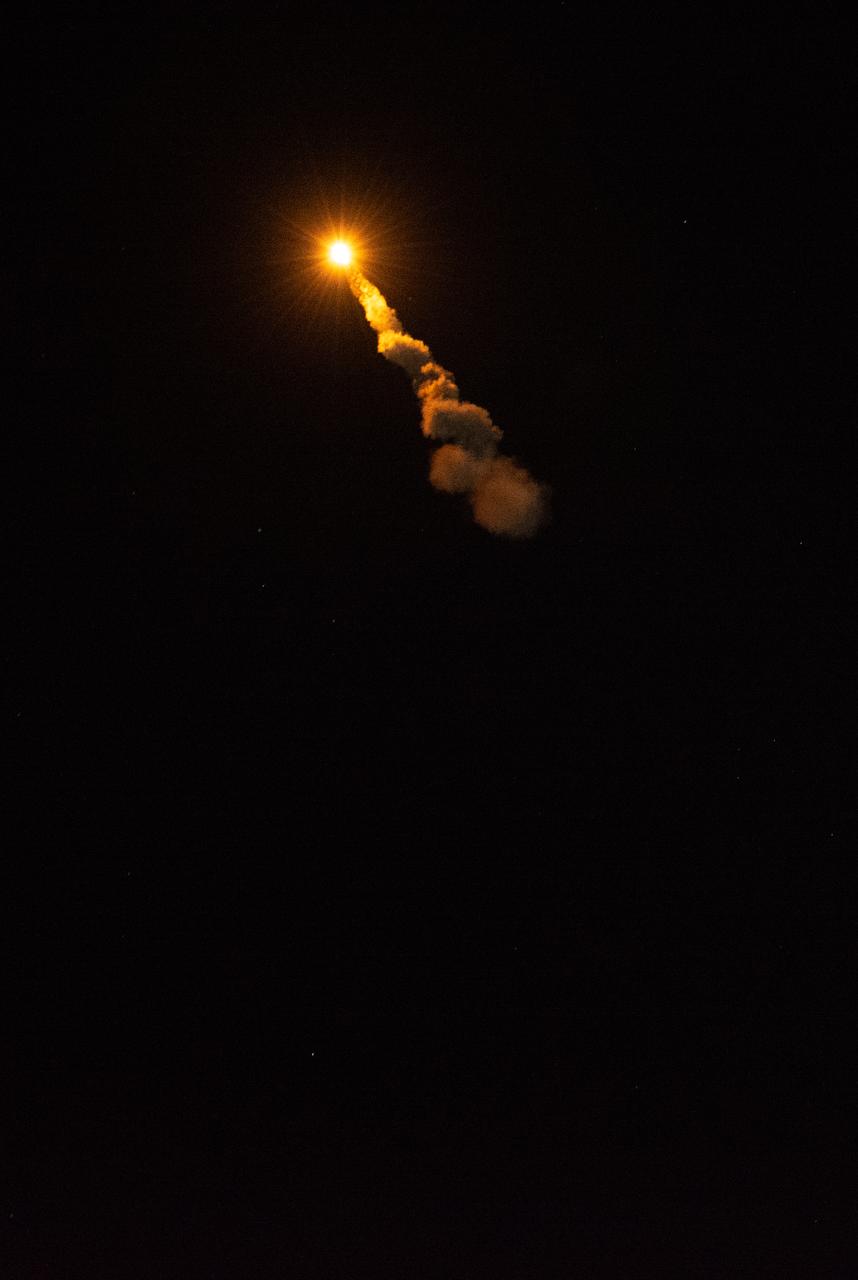
A United launch Alliance Atlas V 401 rocket soars upward after liftoff from Space Launch Complex 3 at Vandenberg Space Force Base in California on Nov. 10, carrying the National Oceanic and Atmospheric Administration’s (NOAA) Joint Polar Satellite System-2 (JPSS-2) and NASA’s Low-Earth Orbit Flight Test of an Inflatable Decelerator (LOFTID) technology demonstration. Launch was at 1:49 a.m. PST. JPSS-2 is the third satellite in the polar satellite series and is expected to capture data to improve weather forecasts, helping scientists predict and prepare for extreme weather events and climate change. After JPSS-2 safely reaches orbit, LOFTID will follow a re-entry trajectory from low-Earth orbit to demonstrate the inflatable heat shield’s ability to slow down and survive re-entry. LOFTID is a partnership with ULA and is dedicated to the memory of Bernard Kutter, one of the company’s engineers who played a key role in developing the technology. LOFTID will demonstrate how the inflatable aeroshell, or heat shield, can slow down and survive re-entry in conditions relevant to many potential applications, whether landing humans on Mars, new missions to Venus and Titan, or returning heavier payloads and samples from low-Earth orbit.
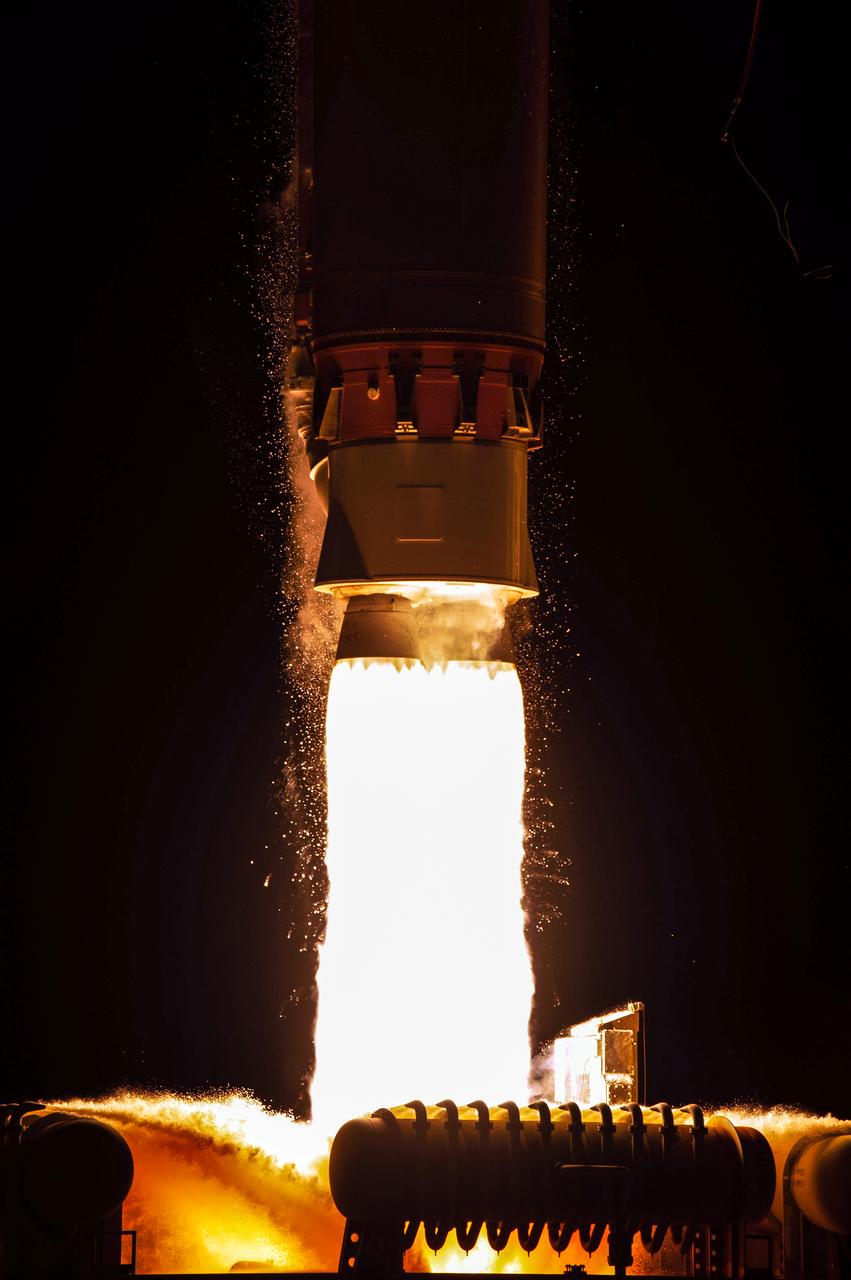
A United Launch Alliance Atlas V 401 rocket lifts off from Space Launch Complex 3 at Vandenberg Space Force Base in California on Nov. 10 carrying the National Oceanic and Atmospheric Administration’s (NOAA) Joint Polar Satellite System-2 (JPSS-2) and NASA’s Low-Earth Orbit Flight Test of an Inflatable Decelerator (LOFTID) technology demonstration. Liftoff was at 2:25 a.m. PDT. JPSS-2 is the third satellite in the polar satellite series and is expected to capture data to improve weather forecasts, helping scientists predict and prepare for extreme weather events and climate change. After JPSS-2 safely reaches orbit, LOFTID will follow a re-entry trajectory from low-Earth orbit to demonstrate the inflatable heat shield’s ability to slow down and survive re-entry. LOFTID is a partnership with ULA and is dedicated to the memory of Bernard Kutter, one of the company’s engineers who played a key role in developing the technology. LOFTID will demonstrate how the inflatable aeroshell, or heat shield, can slow down and survive re-entry in conditions relevant to many potential applications, whether landing humans on Mars, new missions to Venus and Titan, or returning heavier payloads and samples from low-Earth orbit.
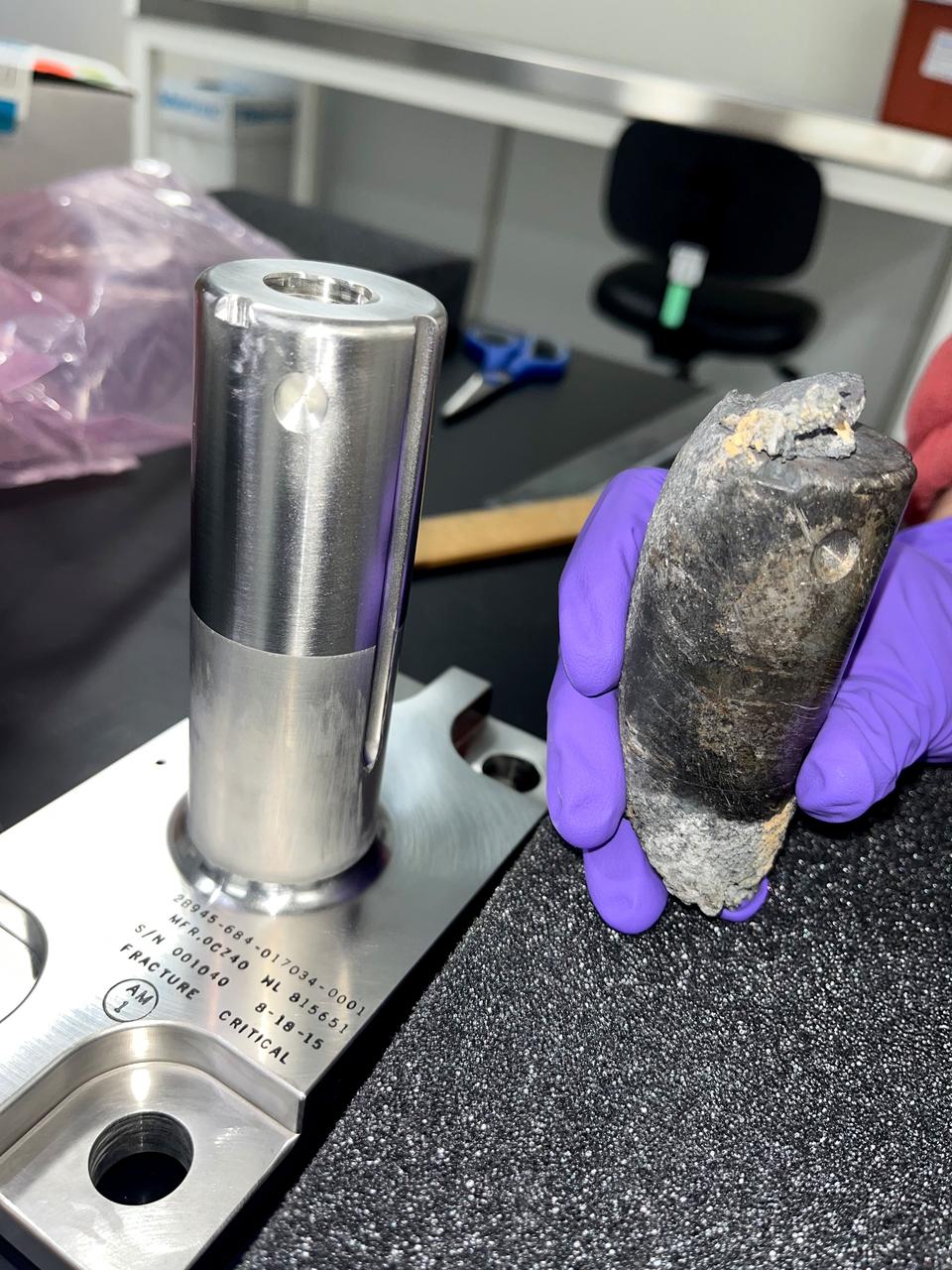
jsc2024e025649 (March 29, 2024) --- Recovered stanchion from the NASA flight support equipment used to mount International Space Station batteries on a cargo pallet. The stanchion survived re-entry through Earth’s atmosphere on March 8, 2024, and impacted a home in Naples, Florida.
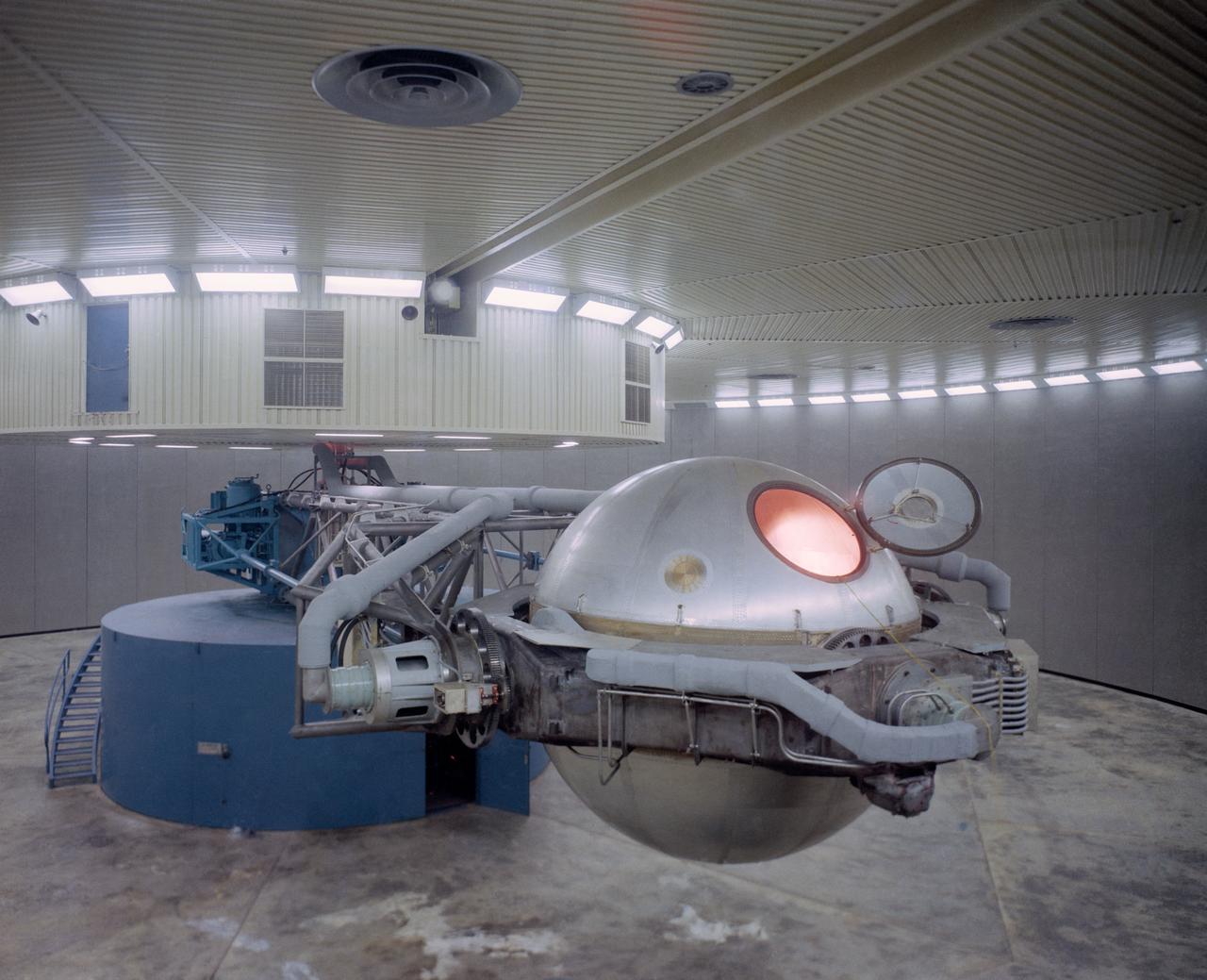
The new centrifuge at MSC, located in the Flight Acceleration Facility (FAF), Bldg. 29. The 50-ft. arm can swing the 3-man gondola to create G-Forces Astronauts will experience during liftoffs and re-entry conditions. MSC, HOUSTON, TX CN
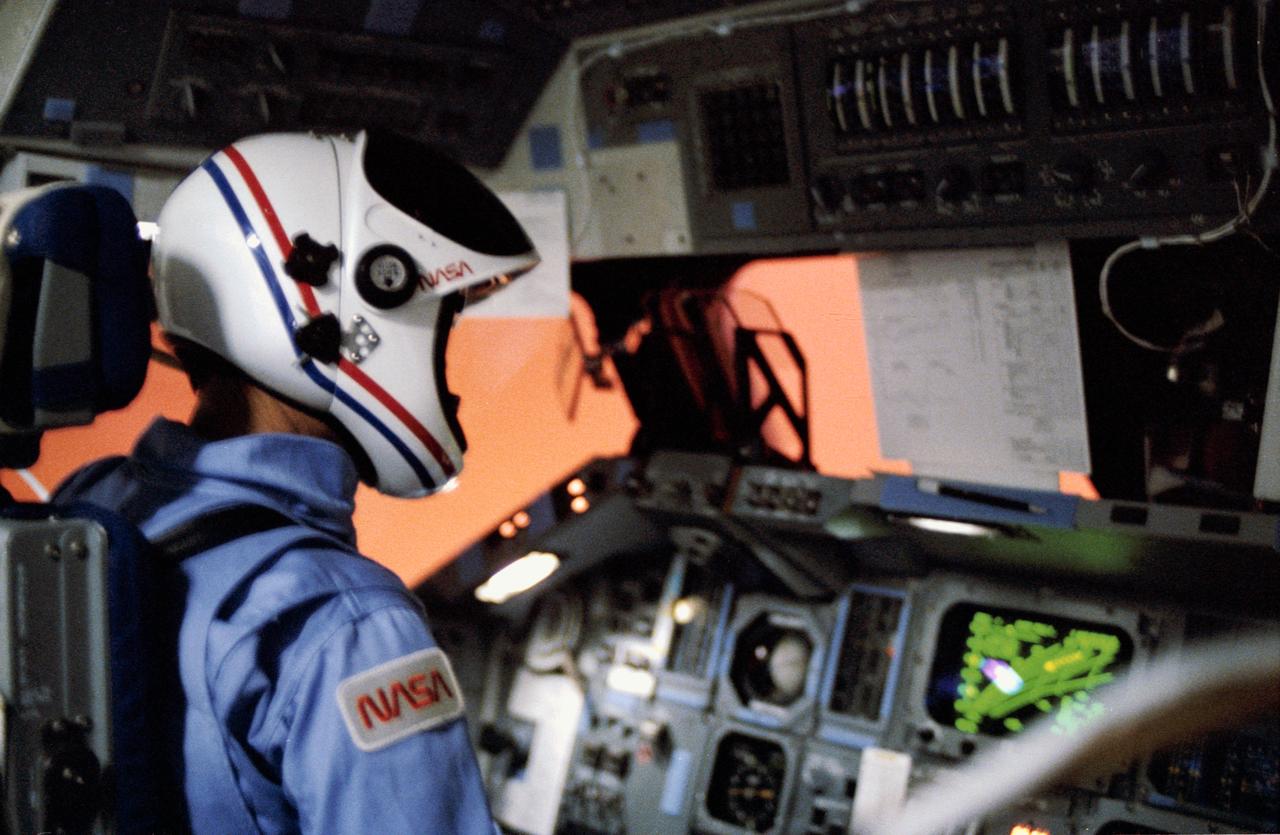
STS007-31-1614 & S83-35775 (24 June 1983) --- Astronaut Robert L. Crippen is seen at the commander’s station of the Space Shuttle Challenger as it passes through the Earth’s atmosphere on re-entry. The friction results in a pinkish glow visible through the forward windows on the flight deck. The scene was exposed with a 35mm camera.
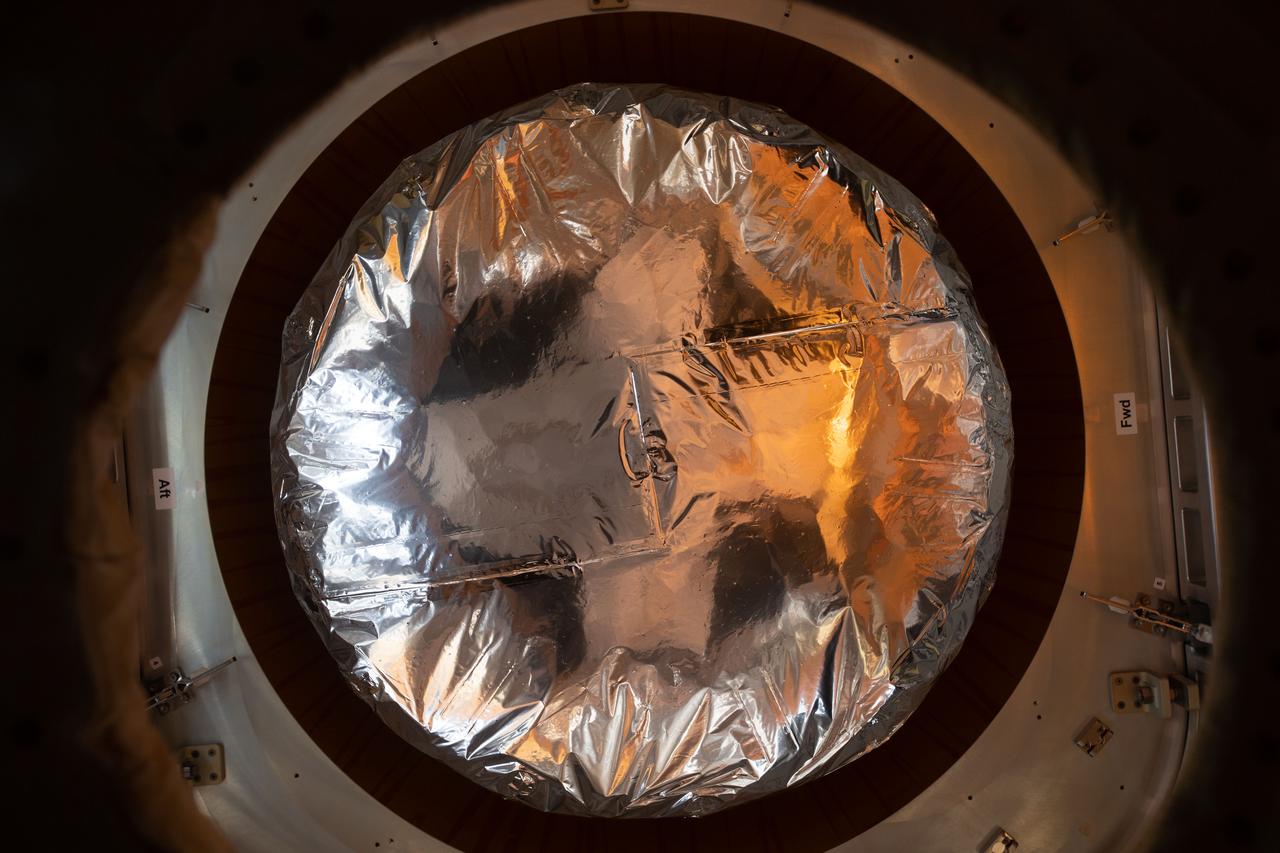
iss057e059221 (11/7/2018) --- A view taken through the Harmony Node 2 nadir hatch window of the Kounotori H-II Transfer Vehicle 7 (HTV-7), with the HTV Small Re-entry Capsule (HSRC) in view, during unberthing and backing away from the International Space Station (ISS).
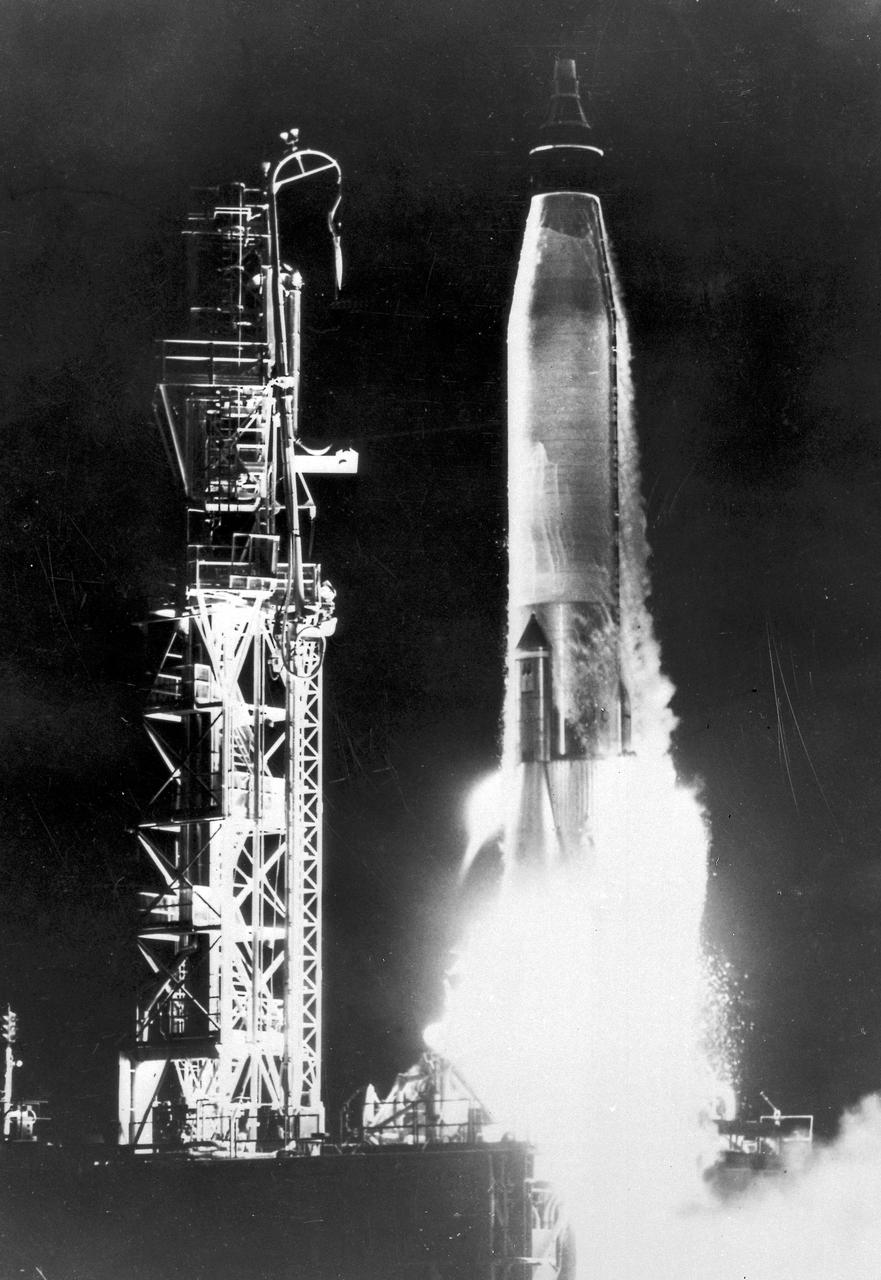
An Atlas launch vehicle carrying the Big Joe capsule leaves its launching pad on a 2,000-mile ballistic flight to the altitude of 100 miles. The Big Joe capsule is a boilerplate model of the marned orbital capsule under NASA's Project Mercury. The capsule was recovered and studied for the effect of re-entry heat and other flight stresses.
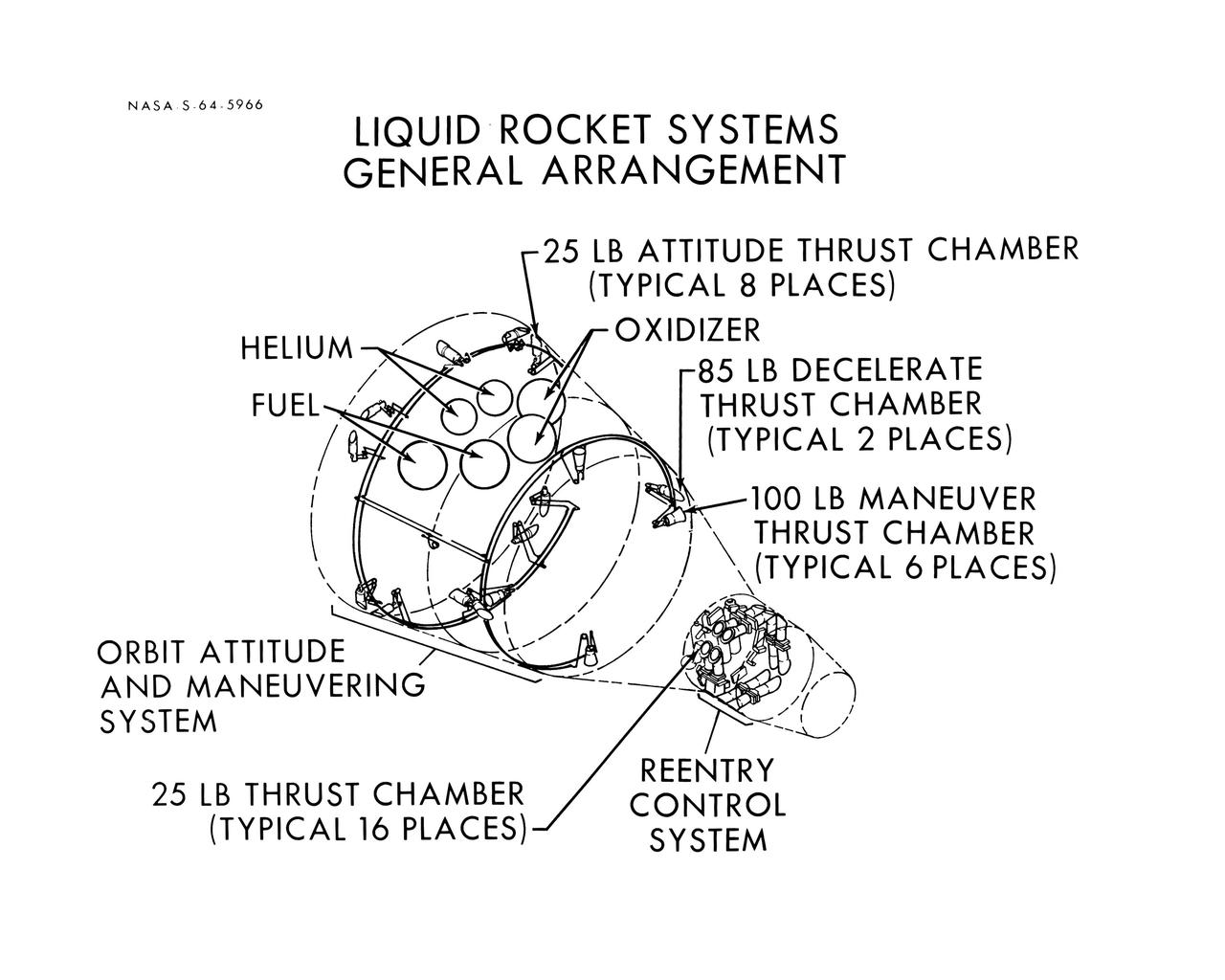
S64-05966 (1964) --- Diagram shows the general arrangement of the liquid rocket systems on the Gemini spacecraft are shown. The locations of the 25-pound, 85-pound and 100-pound thrusters of the orbital attitude and maneuver system and the 25-pound thrusters of the re-entry control system are shown.
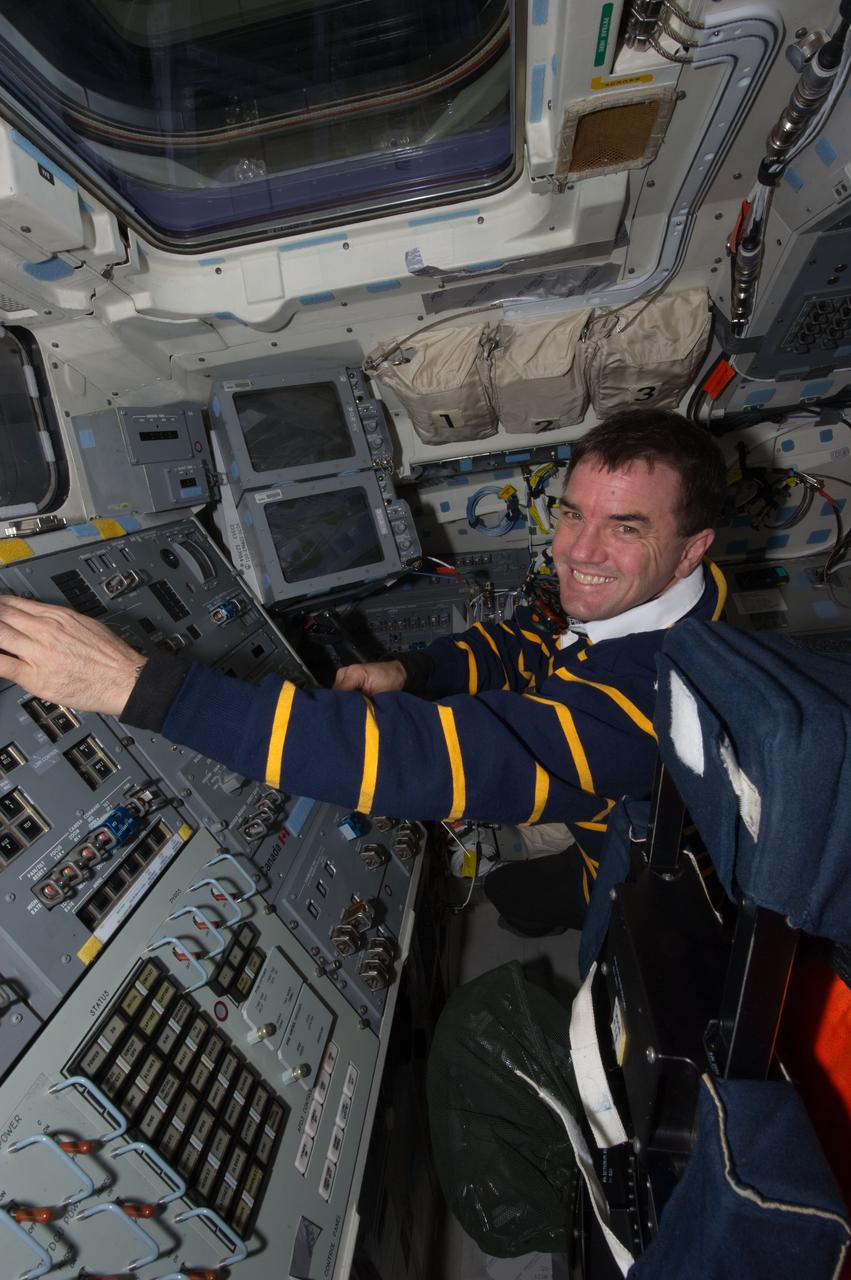
S135-E-012383 (21 July 2011) --- Astronaut Rex Walheim, STS-135 mission specialist, makes preparations on space shuttle Atlantis' aft flight deck for the mission's re-entry phase and the final landing of a NASA space shuttle. Photo credit: NASA
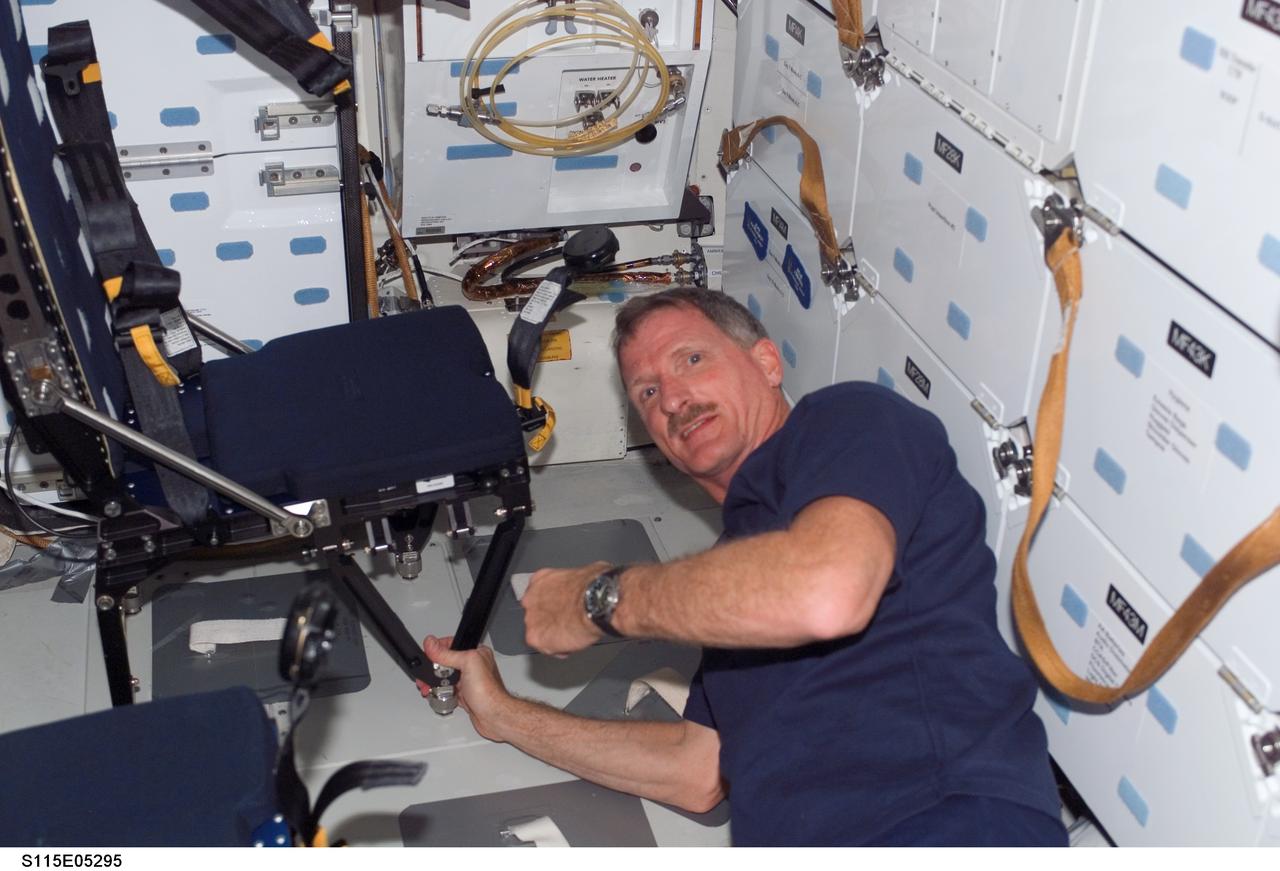
S115-E-05295 (9 Sept. 2006) --- Astronaut Joseph R. Tanner, STS-115 mission specialist, prepares to remove one of the launch and entry seats on mid deck of Atlantis soon after the crew reached Earth orbit. Atlantis and its crew will see a busy number of days before the mid deck seats get re-deployed for entry and landing.
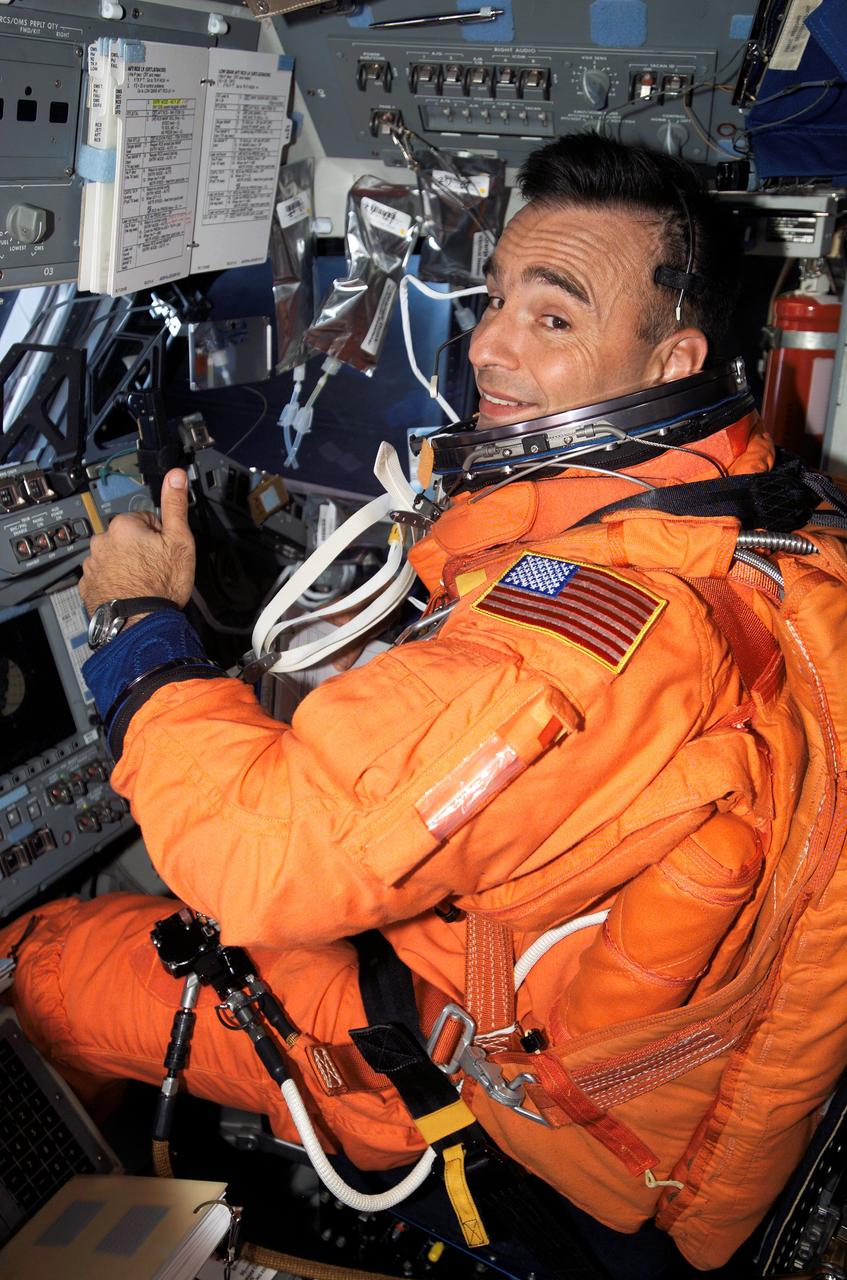
S117-E-09438 (21 June 2007) --- Attired in his launch and entry garment, astronaut Lee Archambault, STS-117 pilot, appears all ready for re-entry and landing of the Space Shuttle Atlantis, as he signals thumbs-up from the pilot's station on the starboard side of the shuttle's flight deck. Unfortunately, the weather in Florida was not ready, and the crew had to wait until the following day to land. They ultimately landed in California.
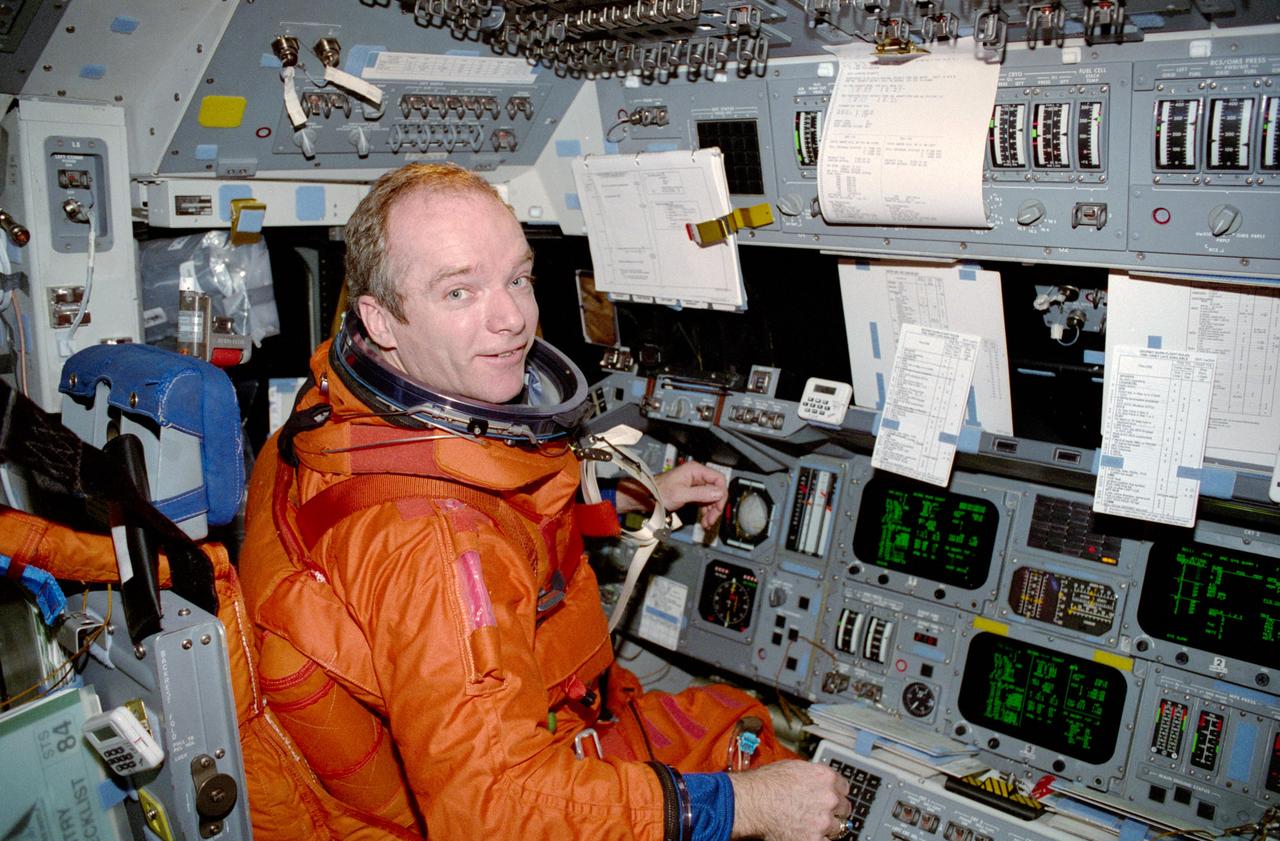
STS084-318-035 (15-24 May 1997) --- Attired in the partial pressure launch and entry garment, astronaut Charles J. Precourt, commander, performs final checkout procedures prior to the re-entry phase of the STS-84 mission. The photo was taken with a 35mm camera by one of the Space Shuttle Atlantis' rear station-seated crewmembers.
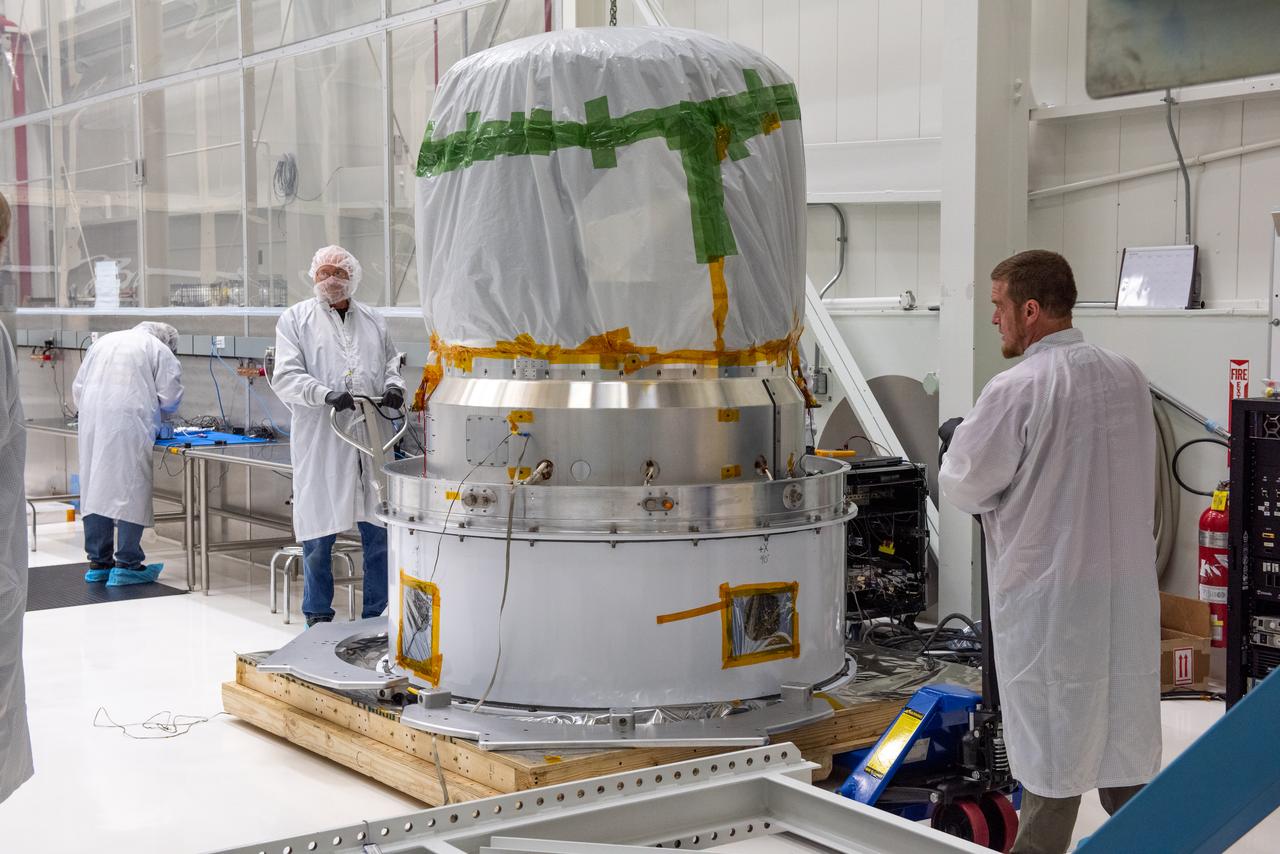
Technicians prepare to move NASA’s Low-Earth Orbit Flight Test of an Inflatable Decelerator (LOFTID) re-entry vehicle onto a turnover fixture for prelaunch processing inside Building 836 at Vandenberg Space Force Base in California on Aug. 19, 2022. Dedicated to the memory of Bernard Kutter, LOFTID is a technology demonstration mission aimed at validating inflatable heat shield technology for atmospheric re-entry. This technology could enable missions to other planetary bodies, as well as allow NASA to return heavier payloads from low-Earth orbit. LOFTID is a rideshare launching with the National Oceanic and Atmospheric Administration’s (NOAA) Joint Polar Satellite System-2 (JPSS-2) satellite. NASA and NOAA are targeting Nov. 1, 2022, for the launch of JPSS-2 on a United Launch Alliance Atlas V rocket from Space Launch Complex-3 at Vandenberg.
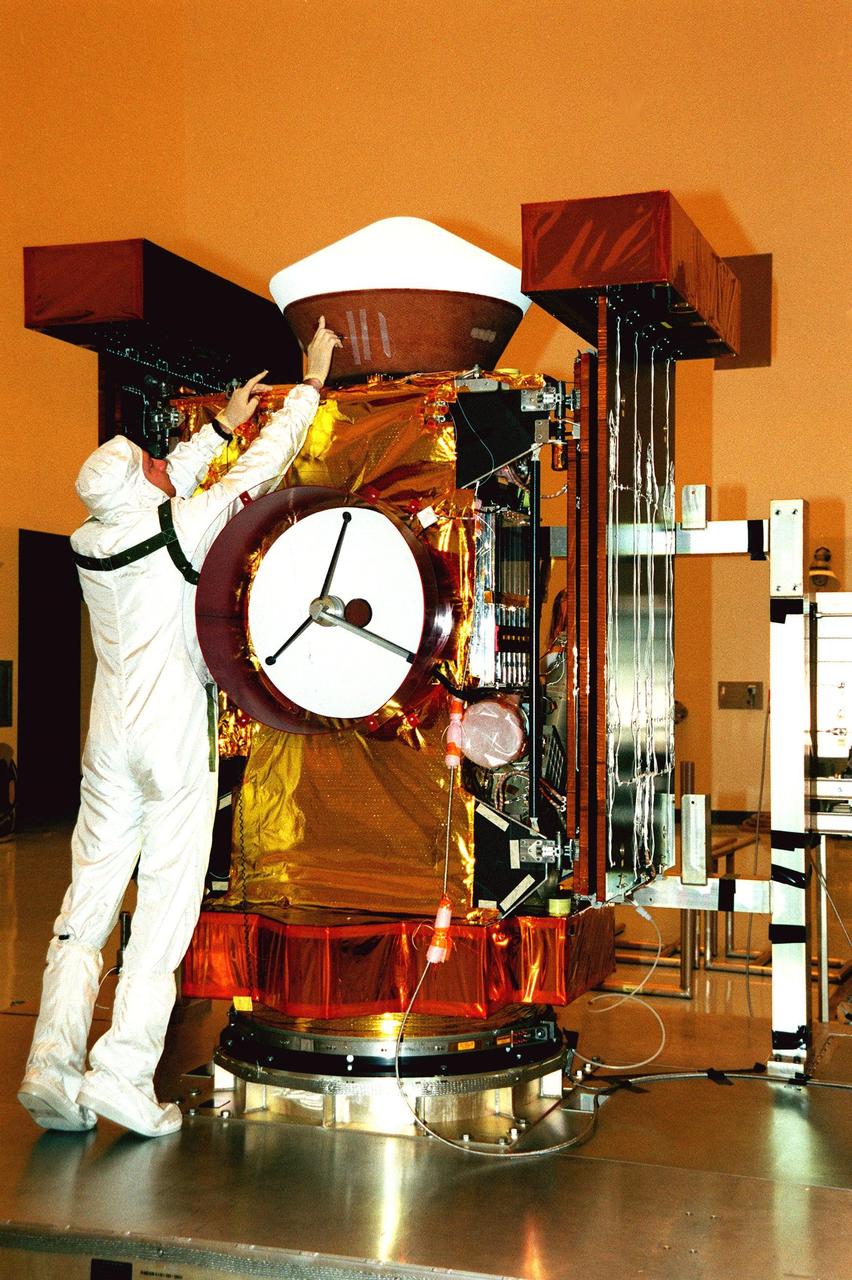
In the Payload Hazardous Service Facility, a worker looks over the re-entry capsule on top of the Stardust spacecraft. The spacecraft will undergo installation and testing of the solar arrays, plus final installation and testing of spacecraft instruments followed by an overall spacecraft functional test. Built by Lockheed Martin Astronautics near Denver, Colo., for the Jet Propulsion Laboratory (JPL) and NASA, the spacecraft Stardust will use a unique medium called aerogel to capture comet particles flying off the nucleus of comet Wild 2 in January 2004, plus collect interstellar dust for later analysis. Stardust will be launched aboard a Boeing Delta 7426 rocket from Complex 17, Cape Canaveral Air Station, targeted for Feb. 6, 1999. The collected samples will return to Earth in the re-entry capsule to be jettisoned from Stardust as it swings by Earth in January 2006
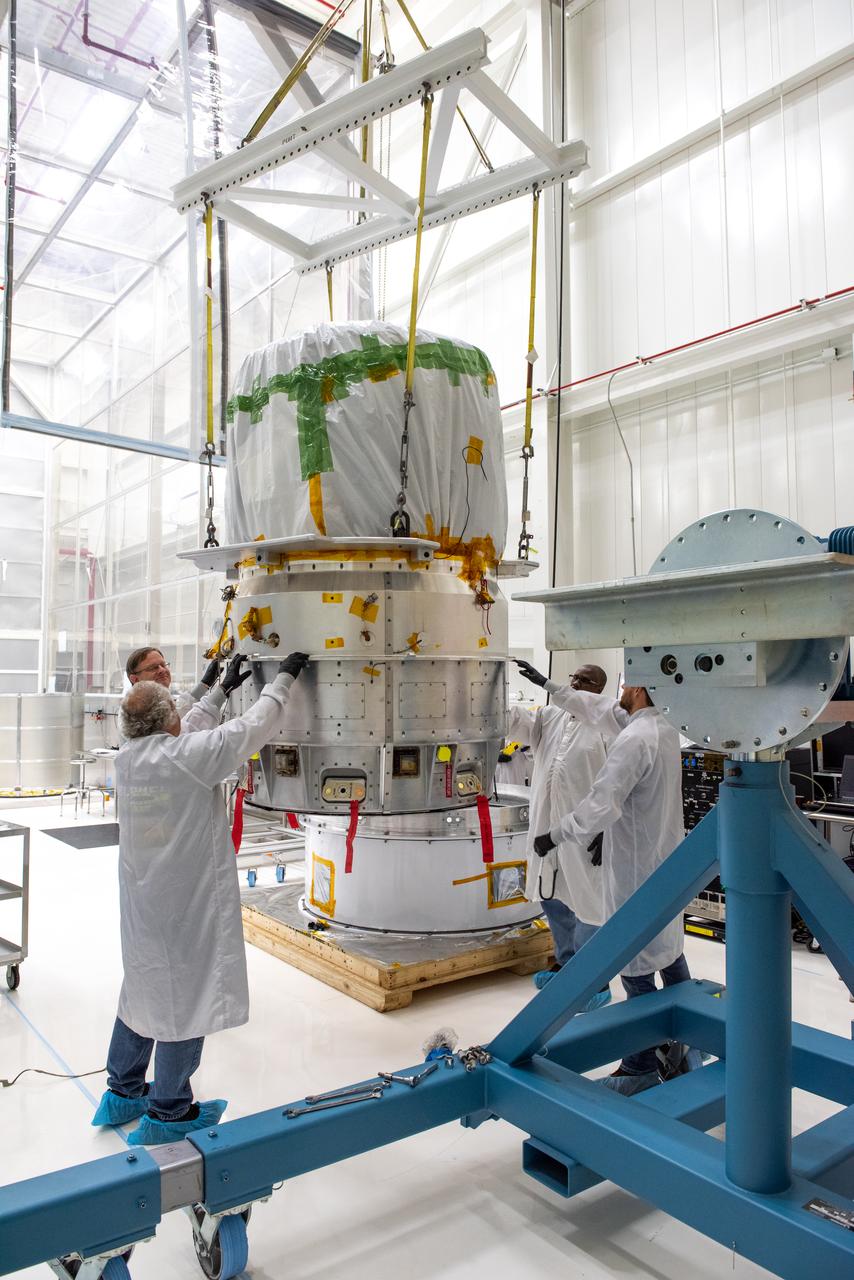
Technicians move NASA’s Low-Earth Orbit Flight Test of an Inflatable Decelerator (LOFTID) re-entry vehicle over to a turnover fixture for prelaunch processing inside Building 836 at Vandenberg Space Force Base in California on Aug. 19, 2022. Dedicated to the memory of Bernard Kutter, LOFTID is a technology demonstration mission aimed at validating inflatable heat shield technology for atmospheric re-entry. This technology could enable missions to other planetary bodies, as well as allow NASA to return heavier payloads from low-Earth orbit. LOFTID is a rideshare launching with the National Oceanic and Atmospheric Administration’s (NOAA) Joint Polar Satellite System-2 (JPSS-2) satellite. NASA and NOAA are targeting Nov. 1, 2022, for the launch of JPSS-2 on a United Launch Alliance Atlas V rocket from Space Launch Complex-3 at Vandenberg.
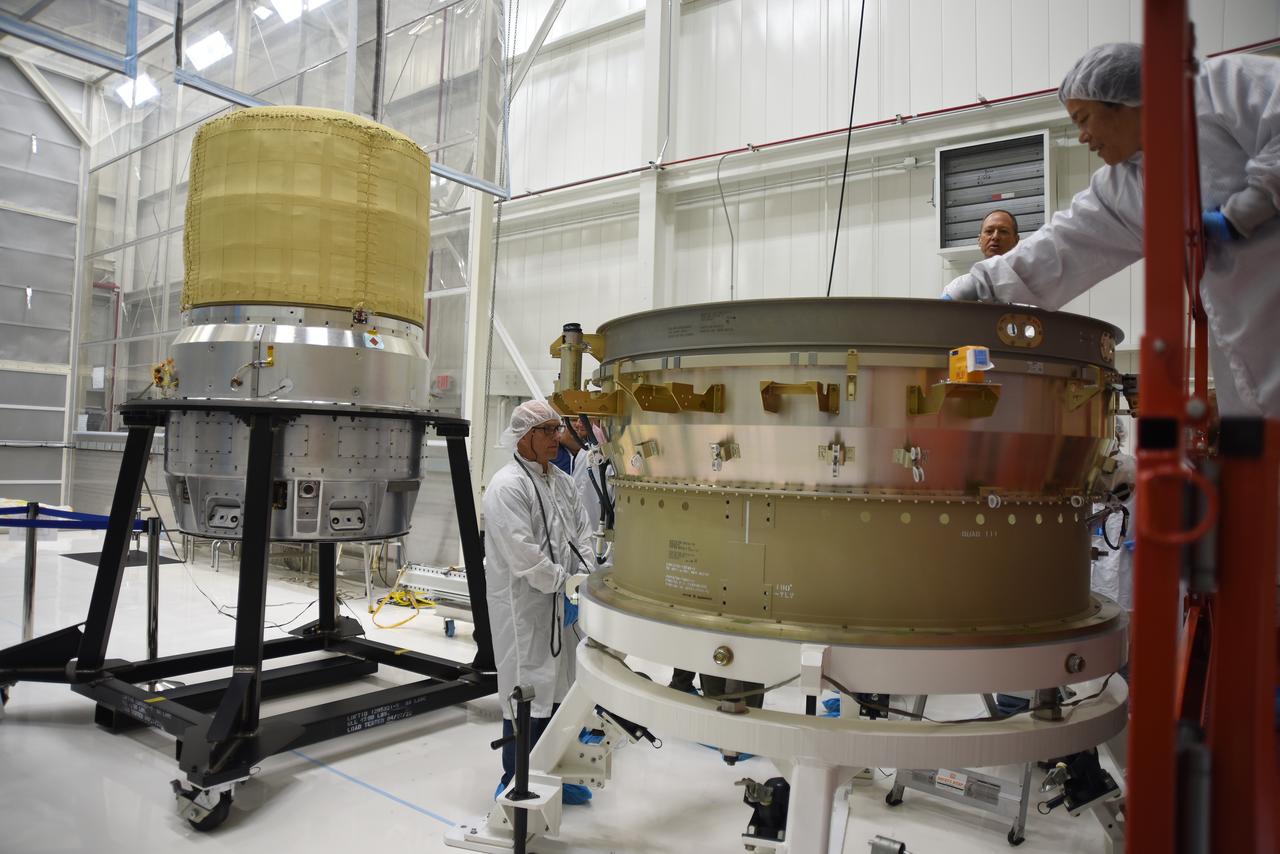
Technicians prepare the Low-Earth Orbit Flight Test of an Inflatable Decelerator (LOFTID) re-entry payload adapter interface ring for mating to the re-entry vehicle as part of launch preparations occurring inside Building 836 at Vandenberg Space Force Base (VSFB) in California on Sept. 7, 2022. LOFTID is the secondary payload on NASA and the National Oceanic and Atmospheric Administration’s (NOAA) Joint Polar Satellite System-2 (JPSS-2) satellite mission. JPSS-2 is the third satellite in the Joint Polar Satellite System series. It is scheduled to lift off from VSFB on Nov. 1 from Space Launch Complex-3. JPSS-2, which will be renamed NOAA-21 after reaching orbit, will join a constellation of JPSS satellites that orbit from the North to the South pole, circling Earth 14 times a day and providing a full view of the entire globe twice daily.
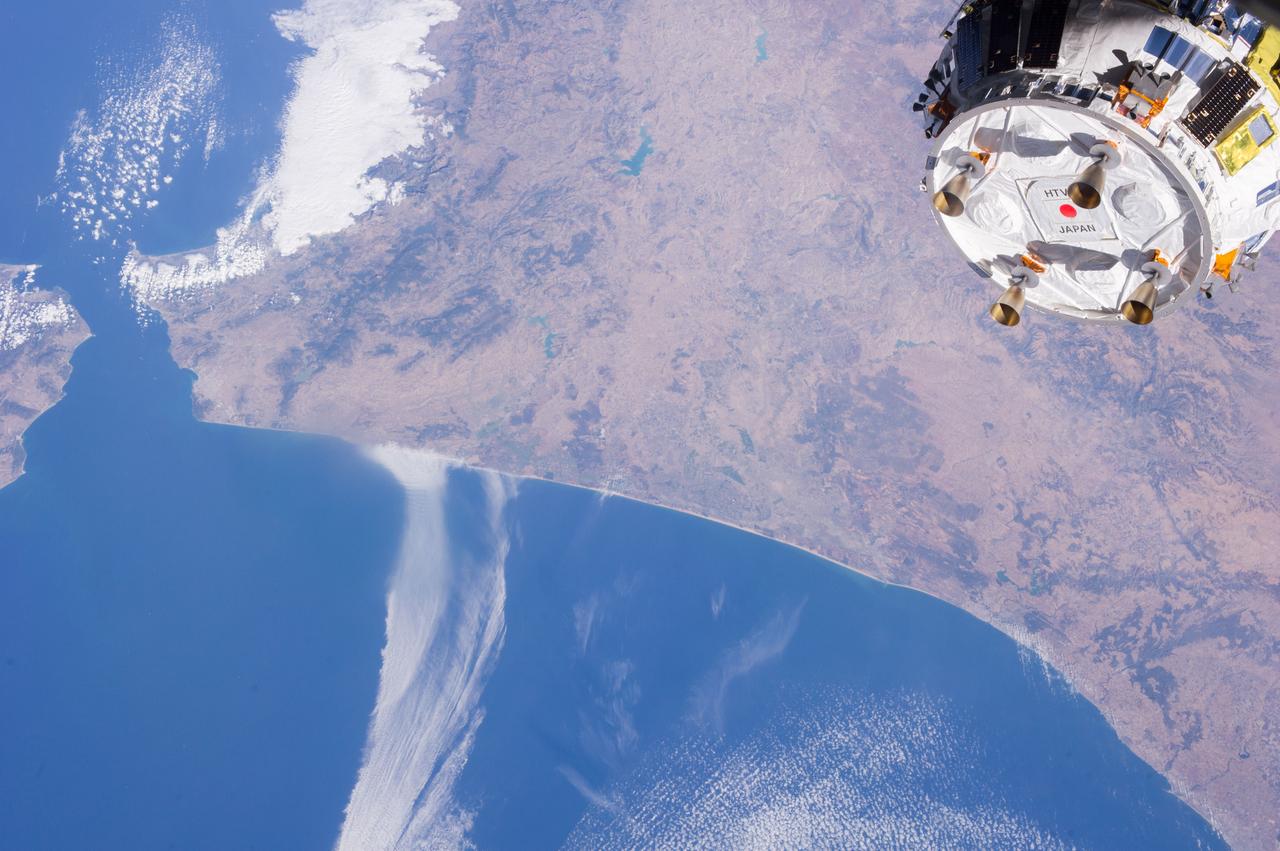
ISS036-E-039525 (04 Sept. 2013) --- One of the Expedition 36 crew members aboard the International Space Station took this picture showing part of the Japanese HTV-4 unmanned cargo spacecraft, backdropped against countries in northern Africa, following its unberthing from the orbital outpost. HTV-4, after backing away from the flying complex, headed for re-entry into Earth's atmosphere, burning upon re-entry. The Strait of Gibraltar, where the Atlantic Ocean and the Mediterranean Sea meet, is in the upper left quadrant of the photo. HTV-4 was launched by Japan?s Aerospace Exploration Agency (JAXA) on Aug. 4 of this year in order to bring up supplies for the astronauts and cosmonauts onboard the station.

The Stardust spacecraft sits in the Payload Hazardous Service Facility waiting to undergo installation and testing of the solar arrays, plus final installation and testing of spacecraft instruments followed by an overall spacecraft functional test. At the top is the re-entry capsule. Built by Lockheed Martin Astronautics near Denver, Colo., for the Jet Propulsion Laboratory (JPL) and NASA, the spacecraft Stardust will use a unique medium called aerogel to capture comet particles flying off the nucleus of comet Wild 2 in January 2004, plus collect interstellar dust for later analysis. Stardust will be launched aboard a Boeing Delta 7426 rocket from Complex 17, Cape Canaveral Air Station, targeted for Feb. 6, 1999. The collected samples will return to Earth in the re-entry capsule to be jettisoned from Stardust as it swings by Earth in January 2006
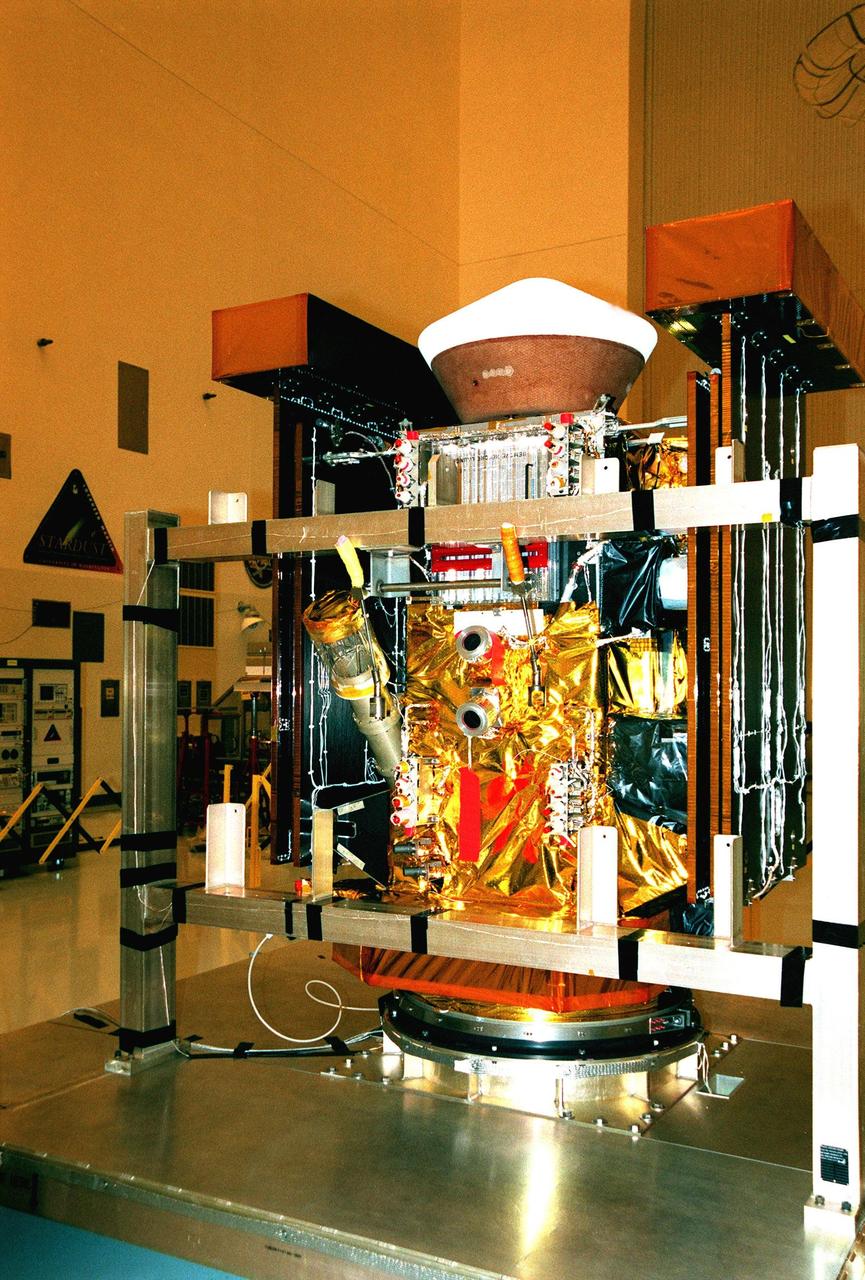
The Stardust spacecraft sits in the Payload Hazardous Service Facility waiting to undergo installation and testing of the solar arrays, plus final installation and testing of spacecraft instruments followed by an overall spacecraft functional test. At the top is the re-entry capsule. Built by Lockheed Martin Astronautics near Denver, Colo., for the Jet Propulsion Laboratory (JPL) and NASA, the spacecraft Stardust will use a unique medium called aerogel to capture comet particles flying off the nucleus of comet Wild 2 in January 2004, plus collect interstellar dust for later analysis. Stardust will be launched aboard a Boeing Delta 7426 rocket from Complex 17, Cape Canaveral Air Station, targeted for Feb. 6, 1999. The collected samples will return to Earth in the re-entry capsule to be jettisoned from Stardust as it swings by Earth in January 2006

Technicians move NASA’s Low-Earth Orbit Flight Test of an Inflatable Decelerator (LOFTID) re-entry vehicle onto a turnover fixture for prelaunch processing inside Building 836 at Vandenberg Space Force Base in California on Aug. 19, 2022. Dedicated to the memory of Bernard Kutter, LOFTID is a technology demonstration mission aimed at validating inflatable heat shield technology for atmospheric re-entry. This technology could enable missions to other planetary bodies, as well as allow NASA to return heavier payloads from low-Earth orbit. LOFTID is a rideshare launching with the National Oceanic and Atmospheric Administration’s (NOAA) Joint Polar Satellite System-2 (JPSS-2) satellite. NASA and NOAA are targeting Nov. 1, 2022, for the launch of JPSS-2 on a United Launch Alliance Atlas V rocket from Space Launch Complex-3 at Vandenberg.
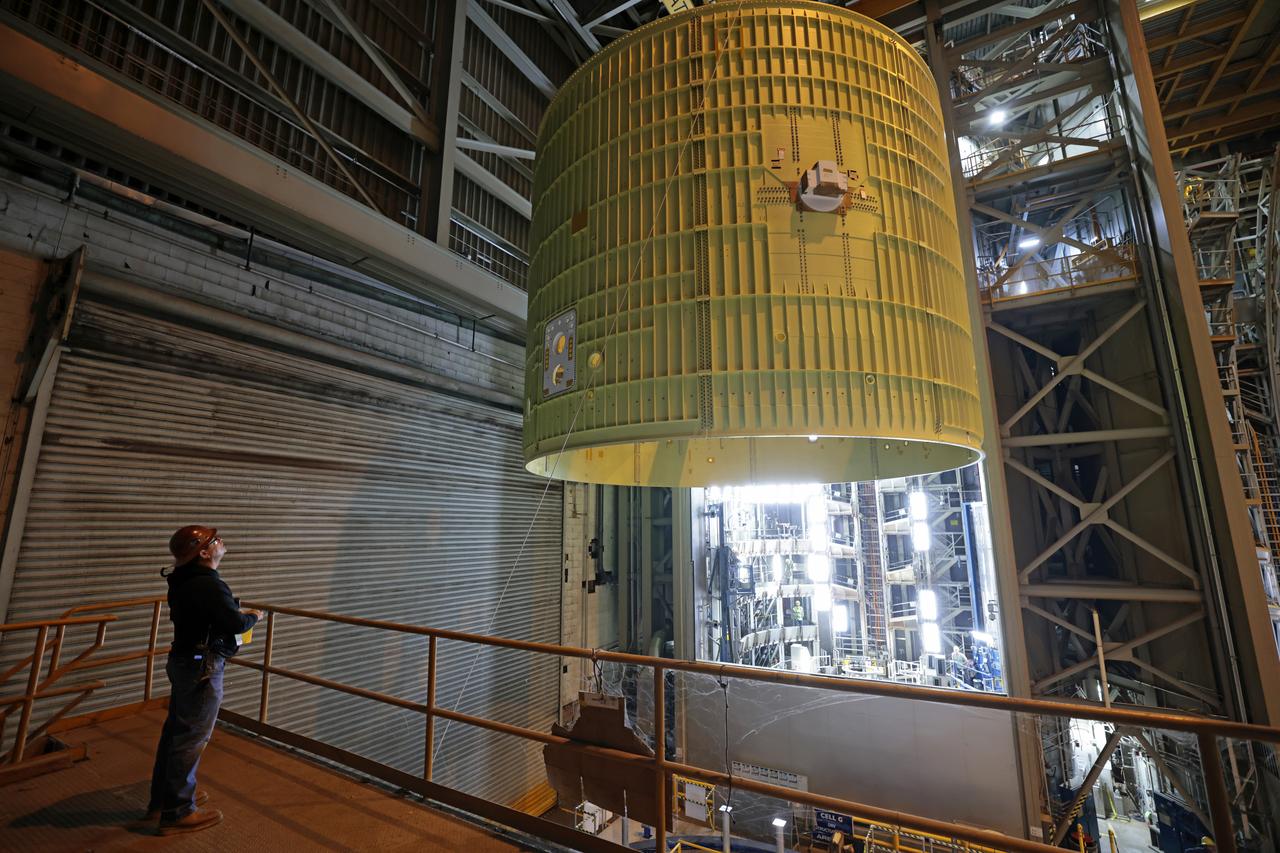
Technicians at NASA’s Michoud Assembly Facility move the intertank of NASA’s Space Launch System rocket for Artemis III to Cell G on October 26, 2022 to await application of the thermal protection system. Thermal protection systems protect space vehicles from aerodynamic heating during entry to planet atmosphere and re-entry to earth atmosphere. The intertank lays between the liquid hydrogen tank and liquid oxygen tank. Together with the engine section and the forward skirt, they comprise the SLS core stage. The liquid hydrogen tank and liquid oxygen tank hold 733,000 gallons of propellant to power the stage’s four RS-25 engines needed for liftoff and Artemis missions to the Moon and future missions to Mars. Image credit: NASA/Michael DeMocker