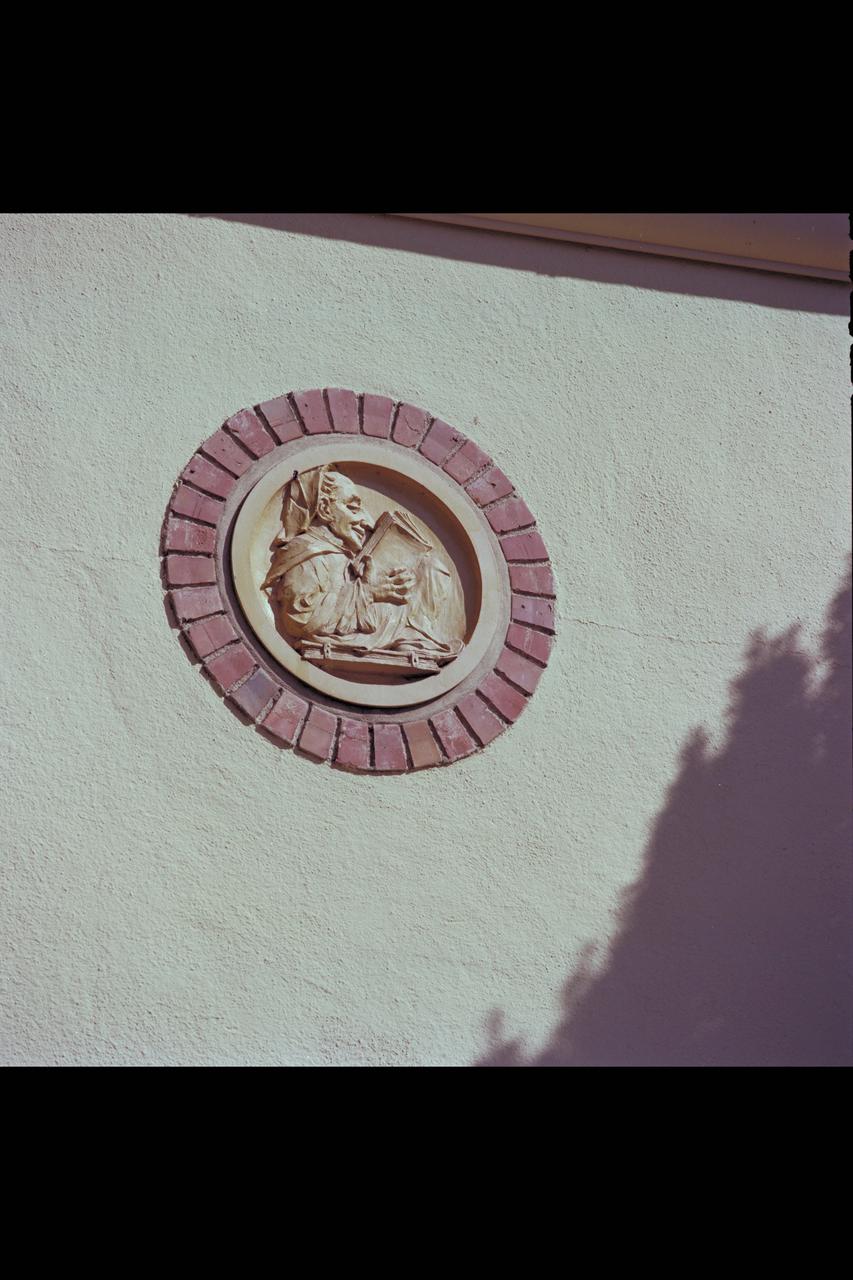
Recruiting Brochure:
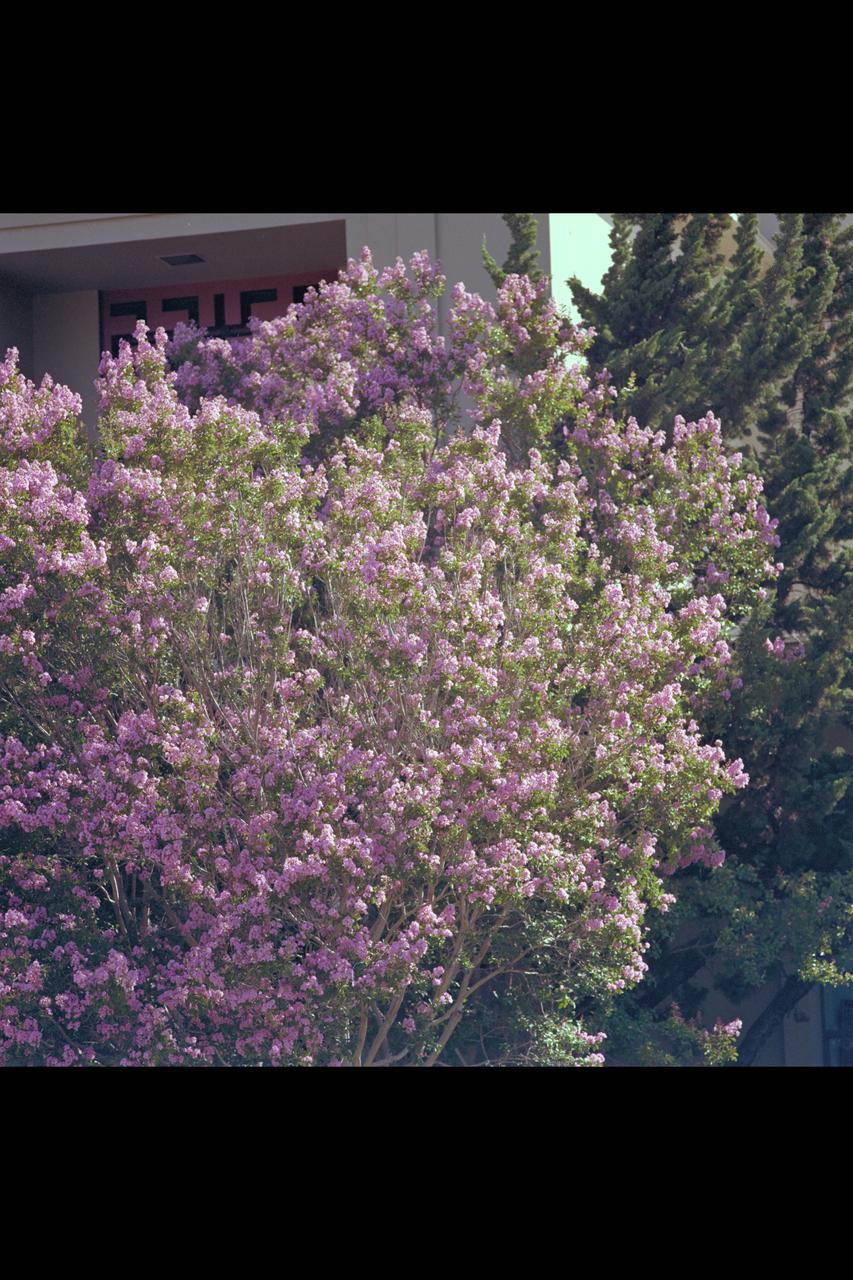
Recruiting Brochure: Flower

Recruiting Brochure: Flower

Recruiting Brochure: Flower

Recruiting Brochure: Flower
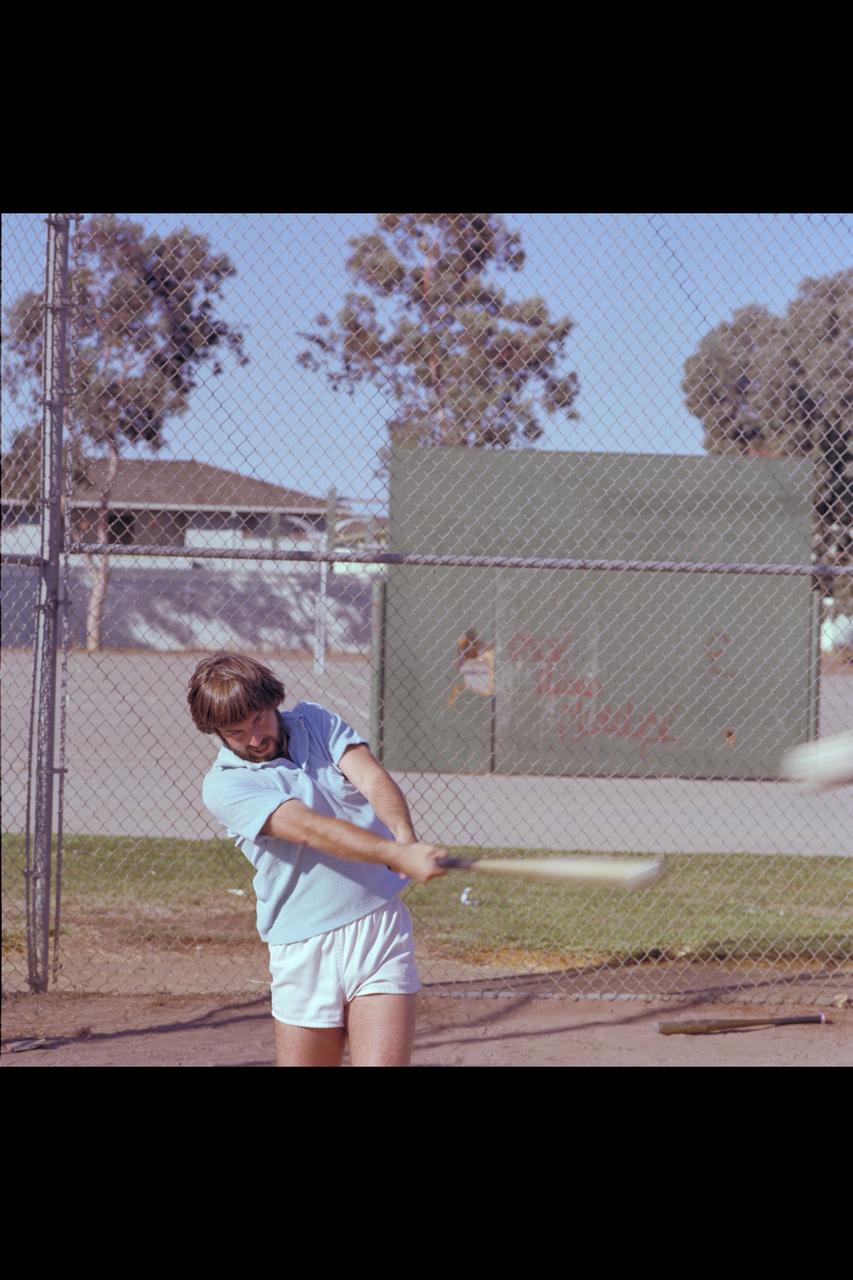
Recruiting Brochure: Ames baseball league
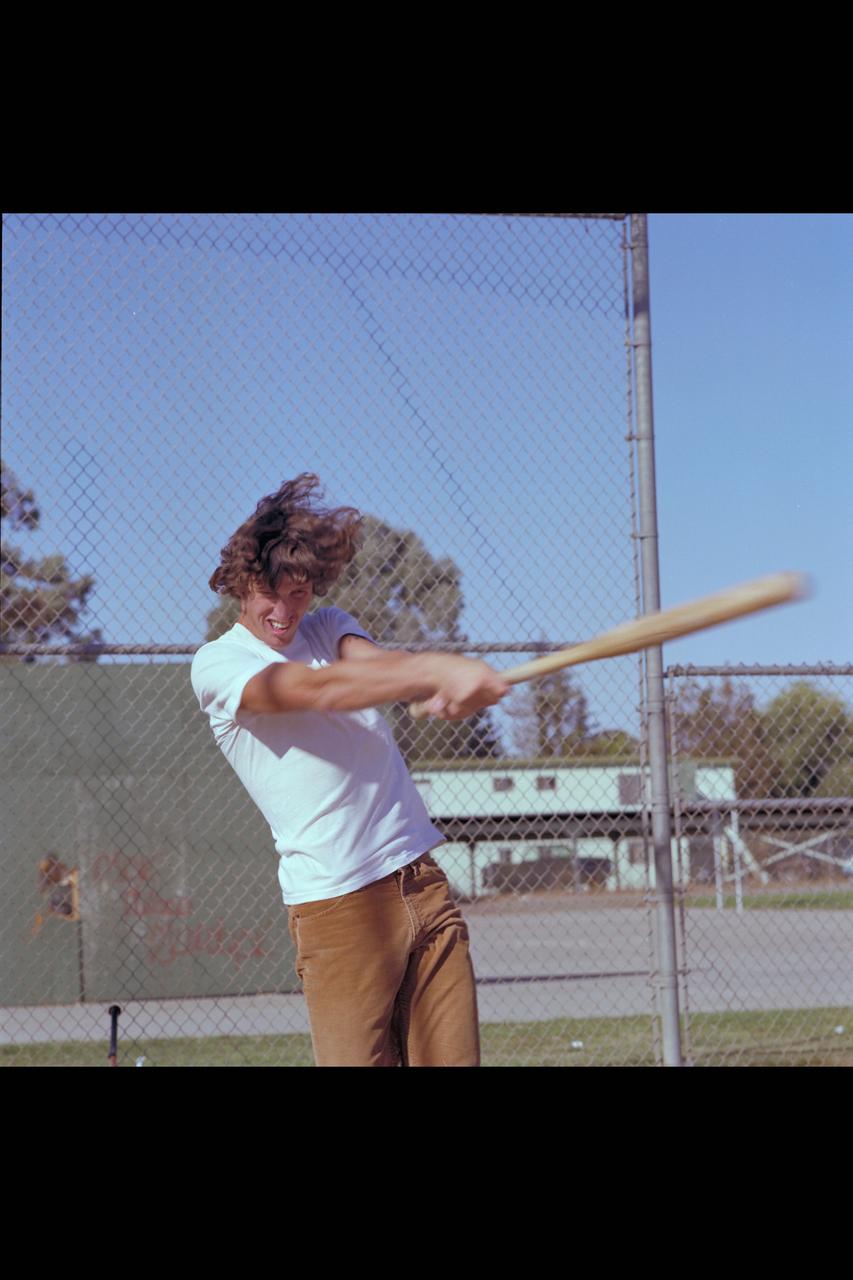
Recruiting Brochure: Ames baseball league
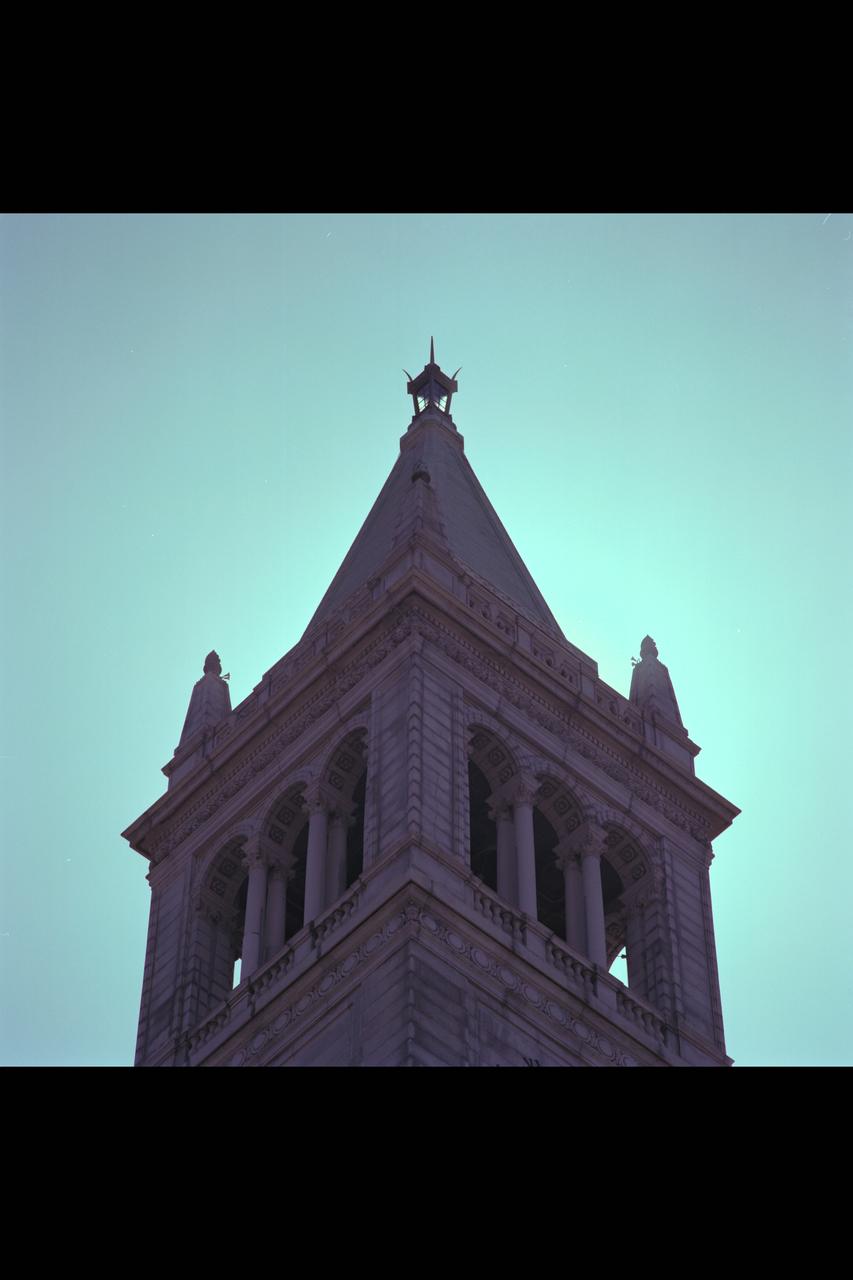
Recruiting Brochure: A San Jose Church tower
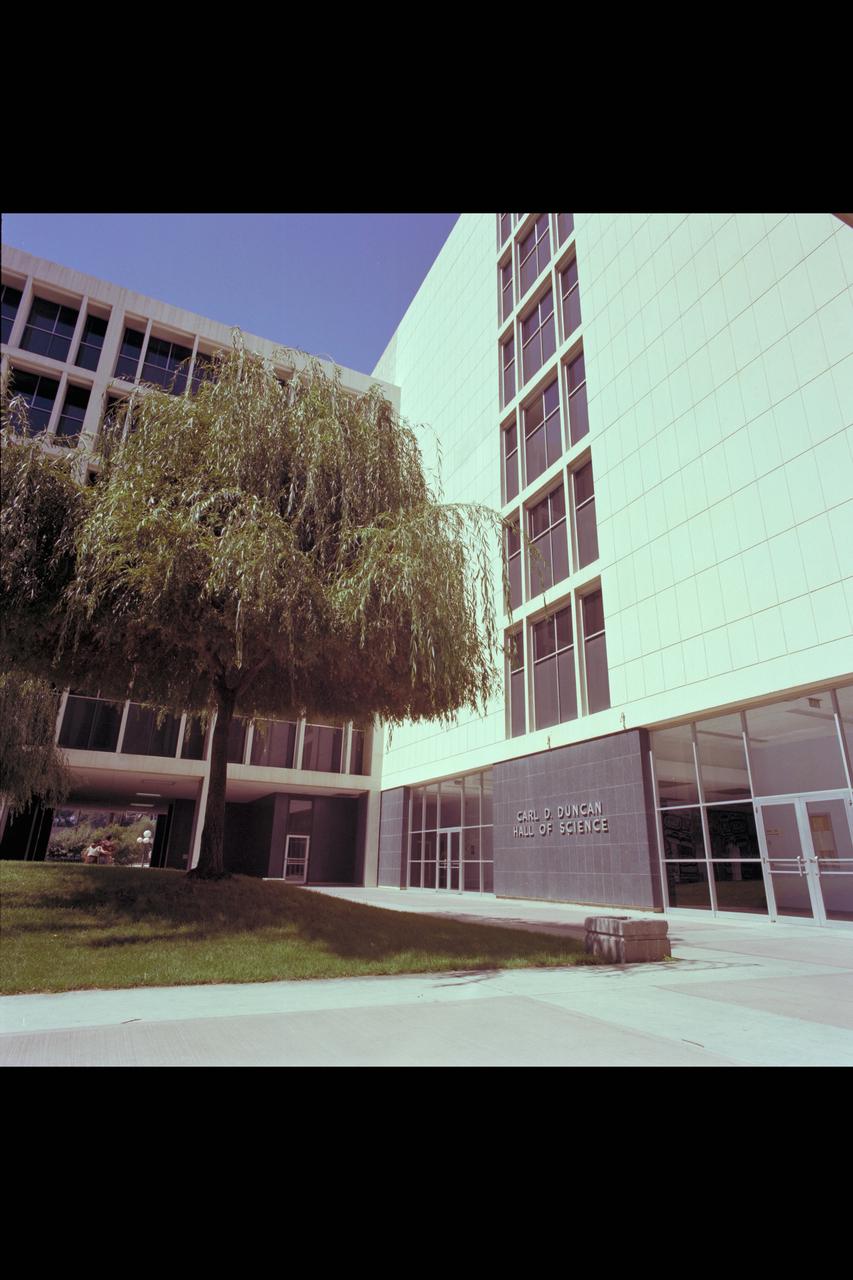
Recruiting Brochure: Carl D. Duncan (Hall of Science)
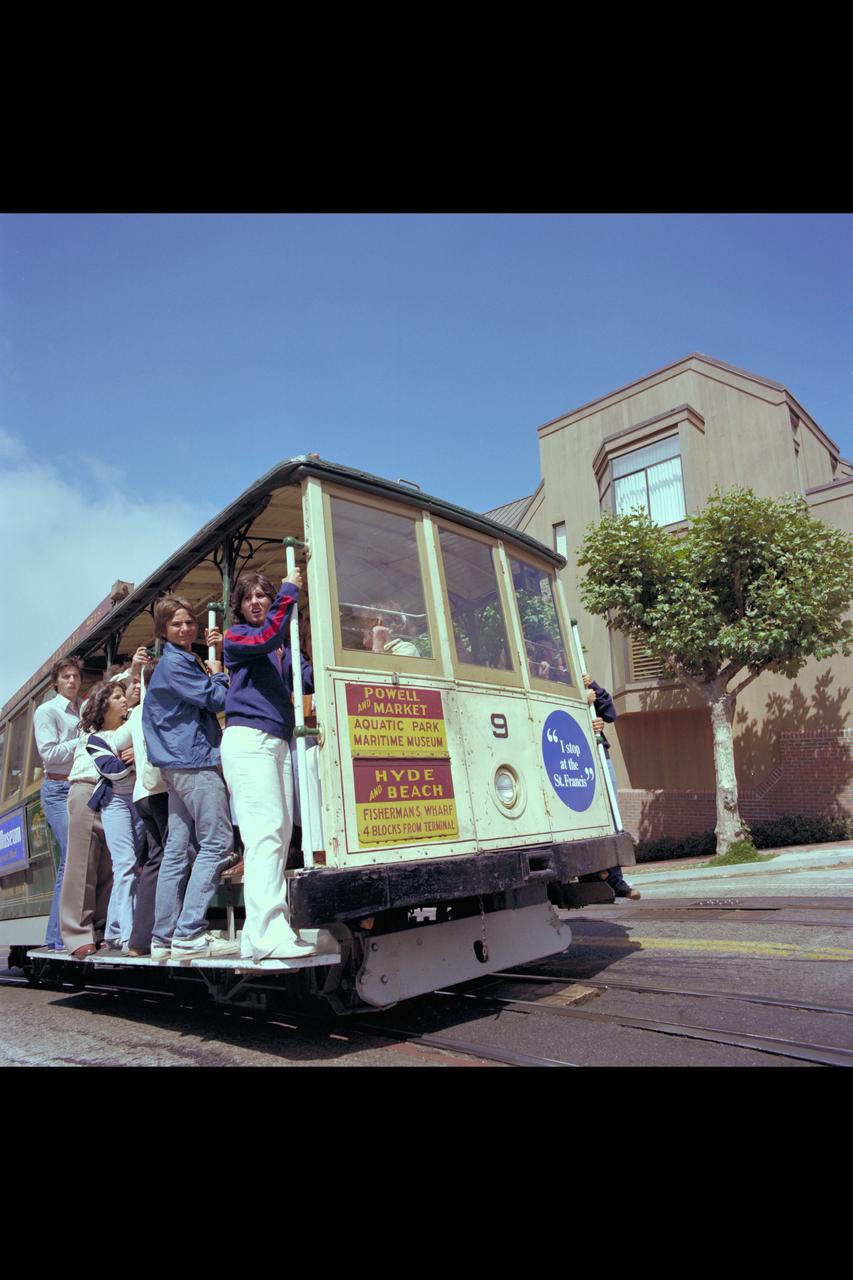
Recruiting Brochure: The San Francisco's Cable Car
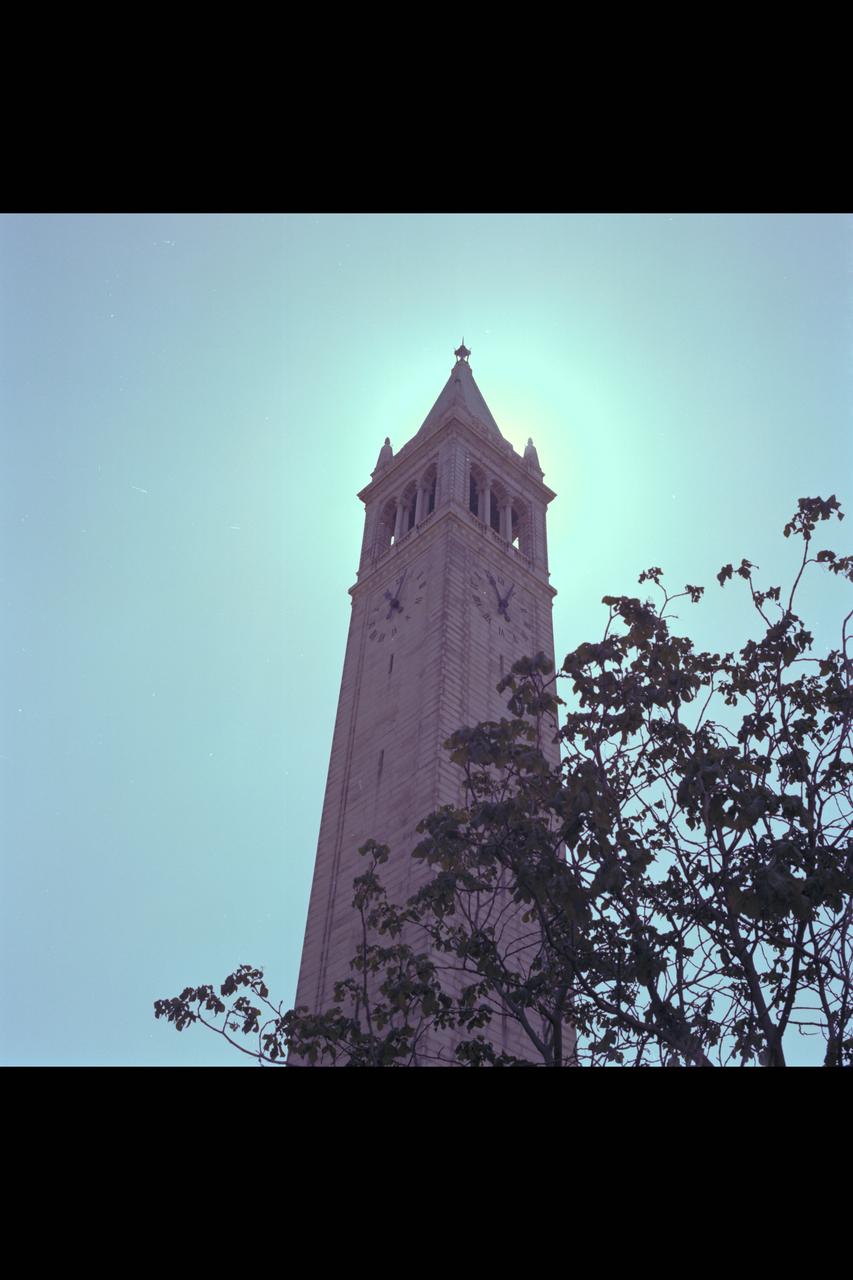
Recruiting Brochure: A San Jose Church tower
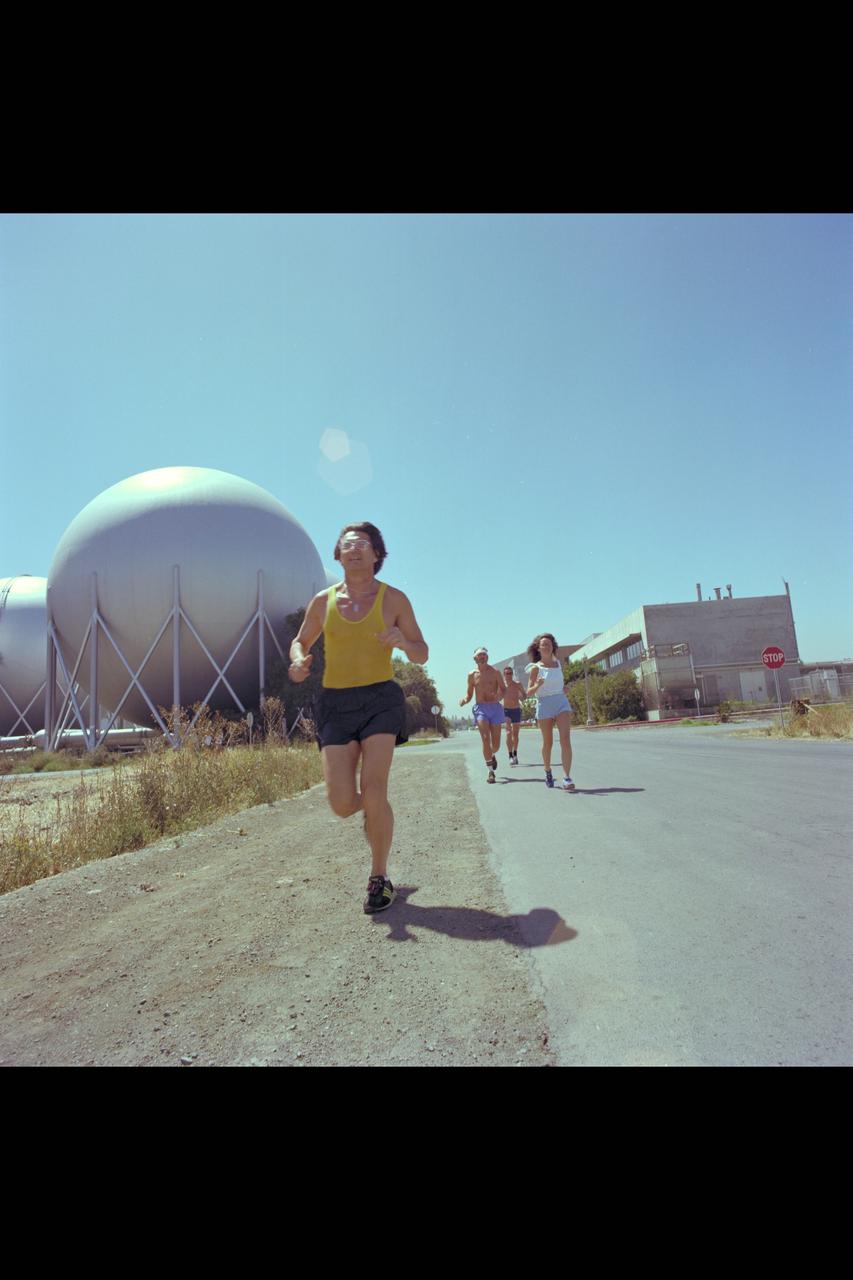
Recruiting Brochure: Ames Personnel Jogging around the center.
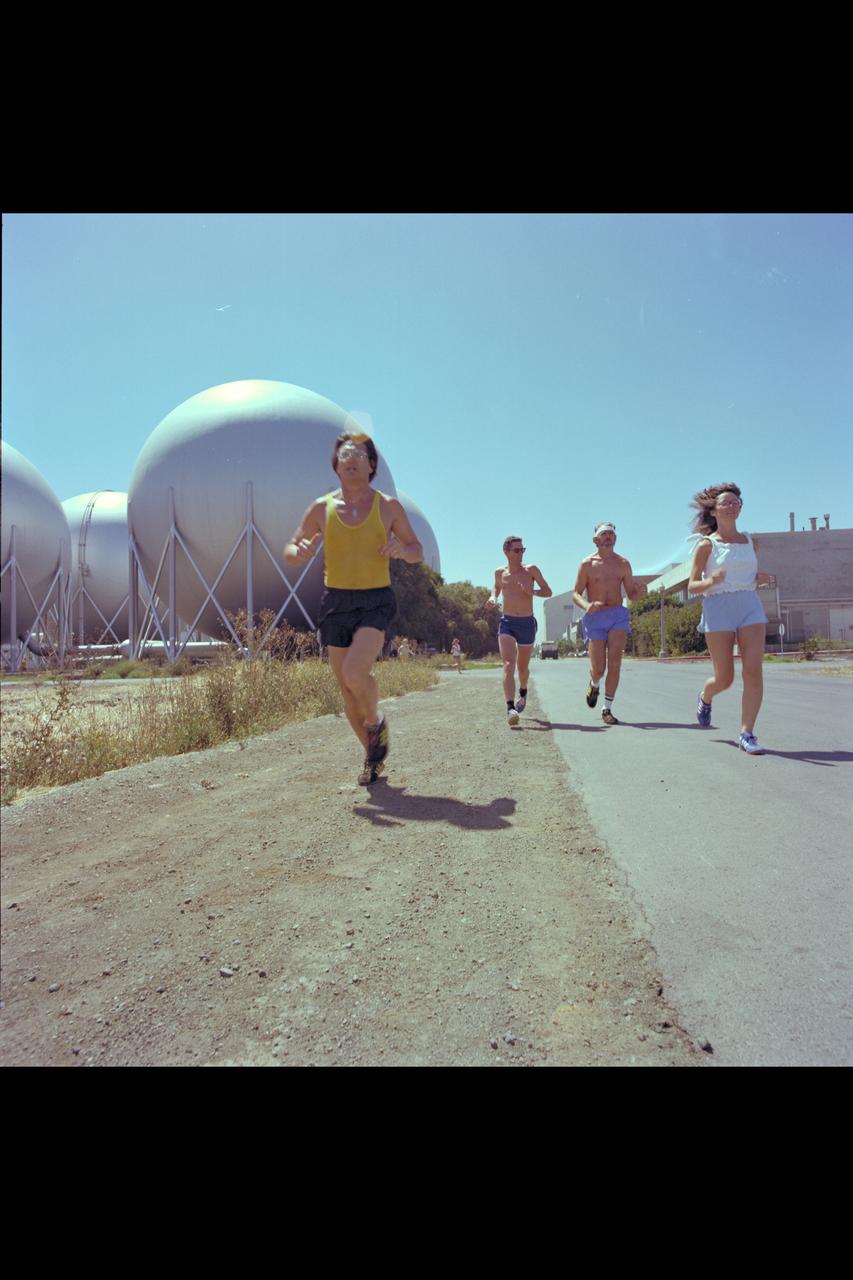
Recruiting Brochure: Ames Personnel Jogging around the center.
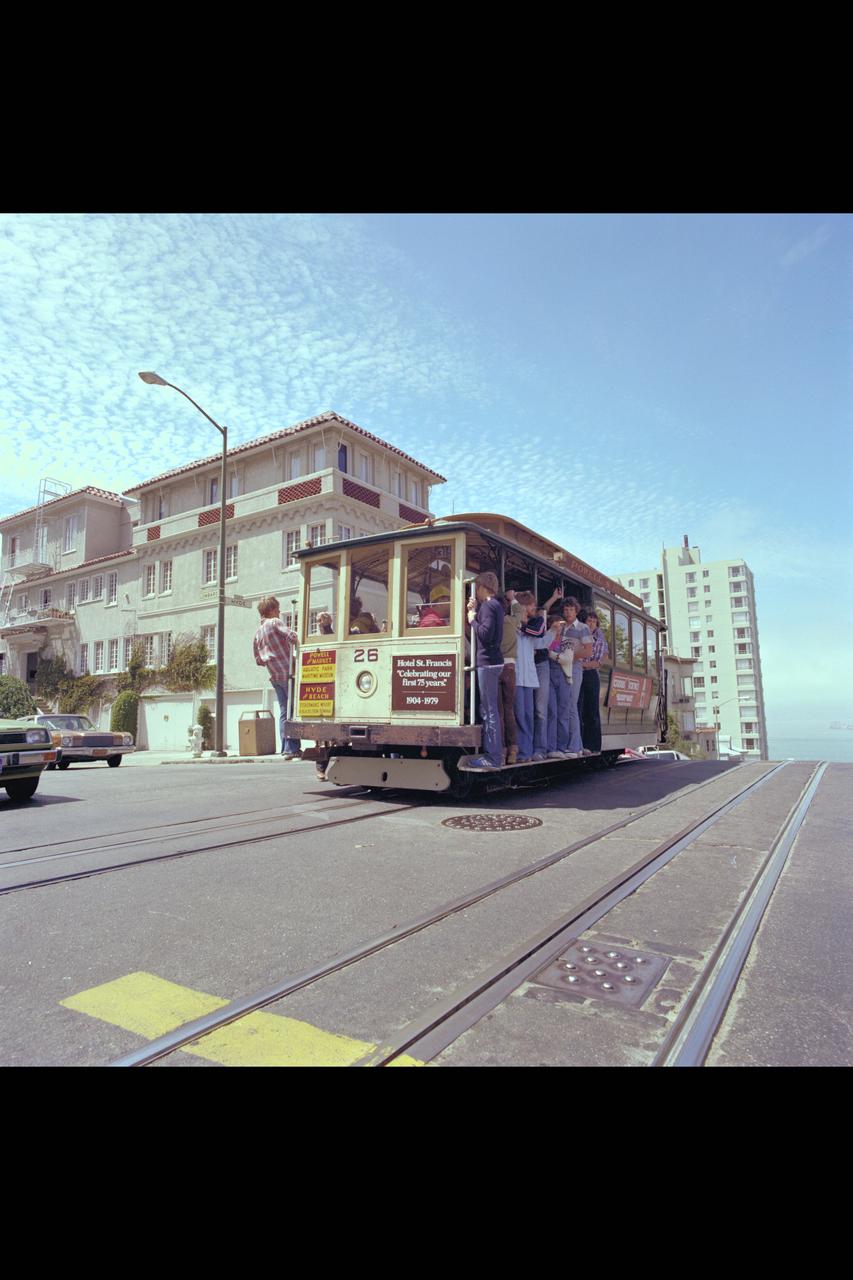
Recruiting Brochure: The San Francisco's Cable Car
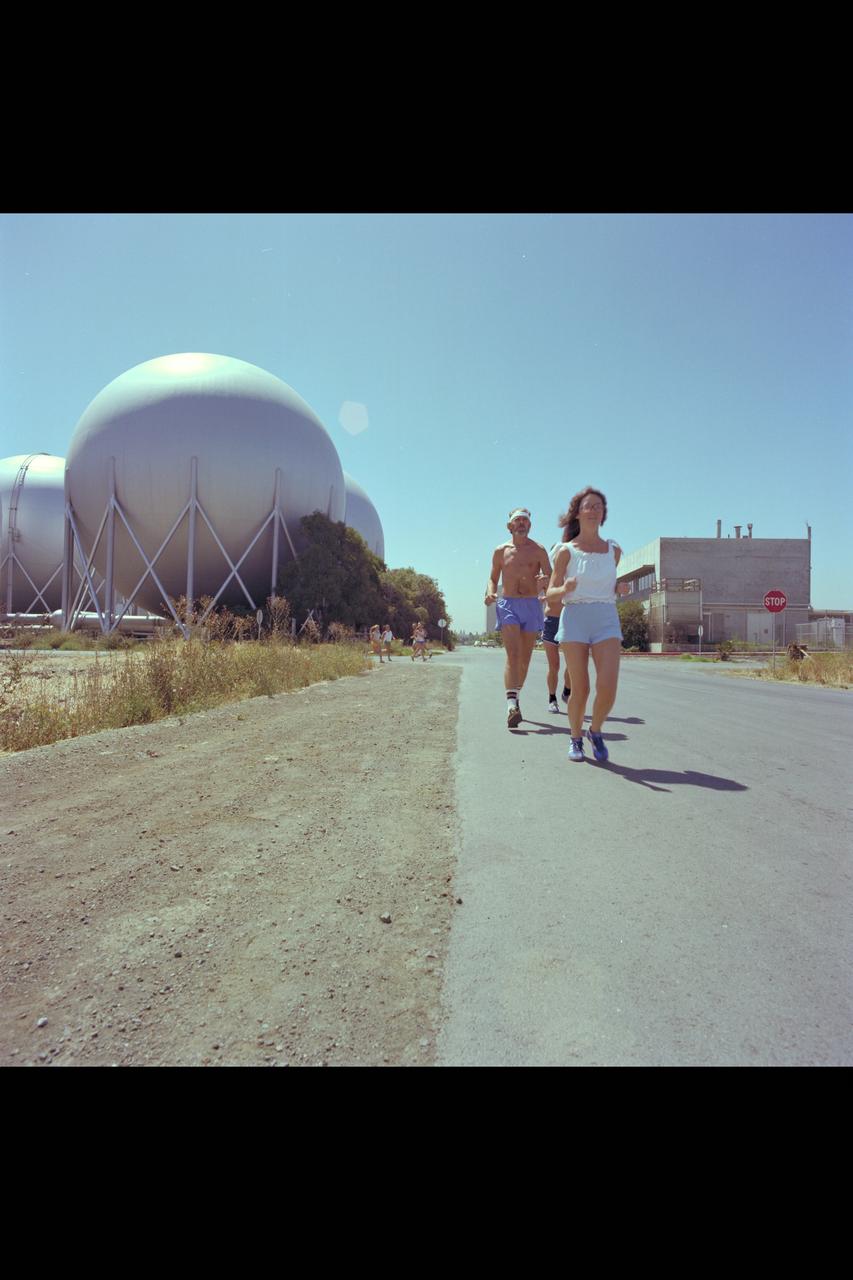
Recruiting Brochure: Ames Personnel Jogging around the center.

Recruiting Brochure: The San Francisco's Cable Car
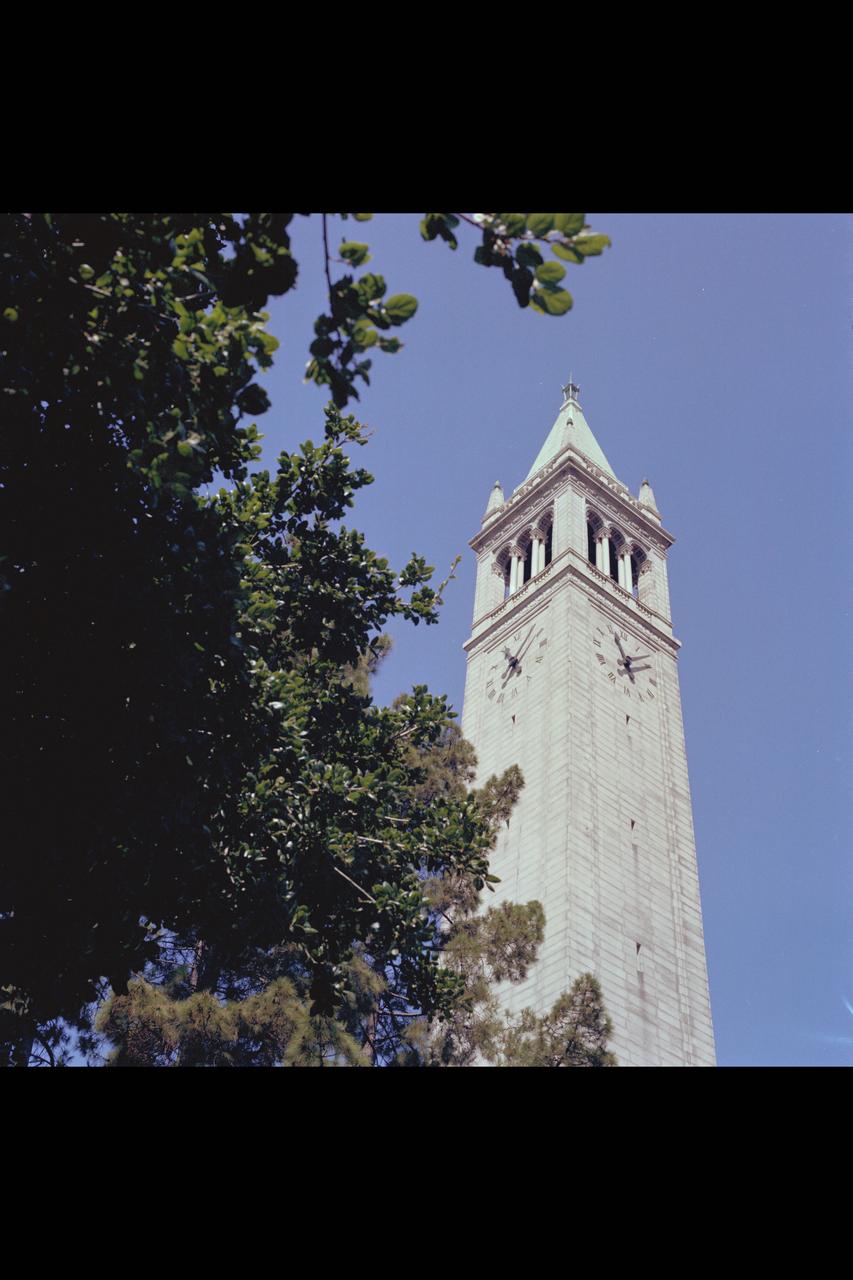
Recruiting Brochure: A San Jose downtown church tower
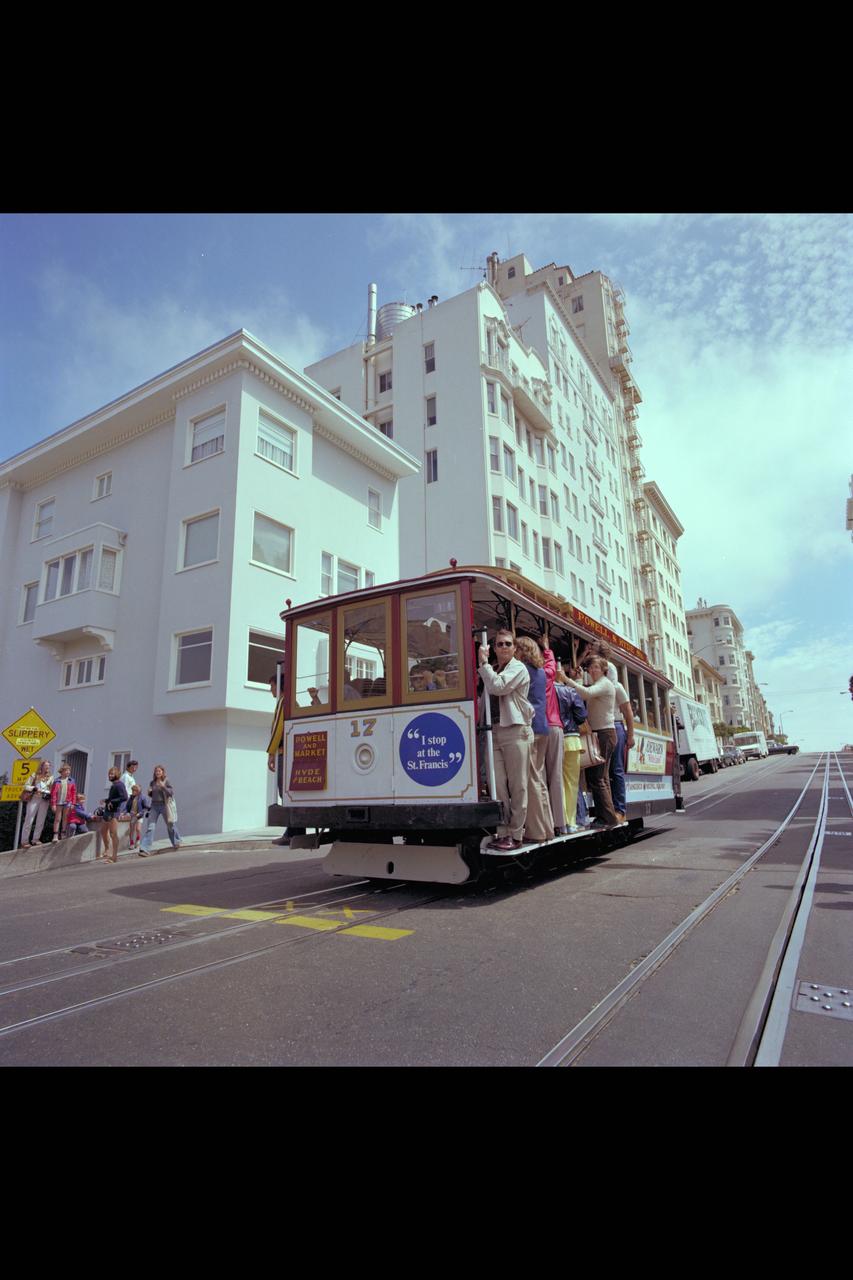
Recruiting Brochure: The San Francisco's Cable Car
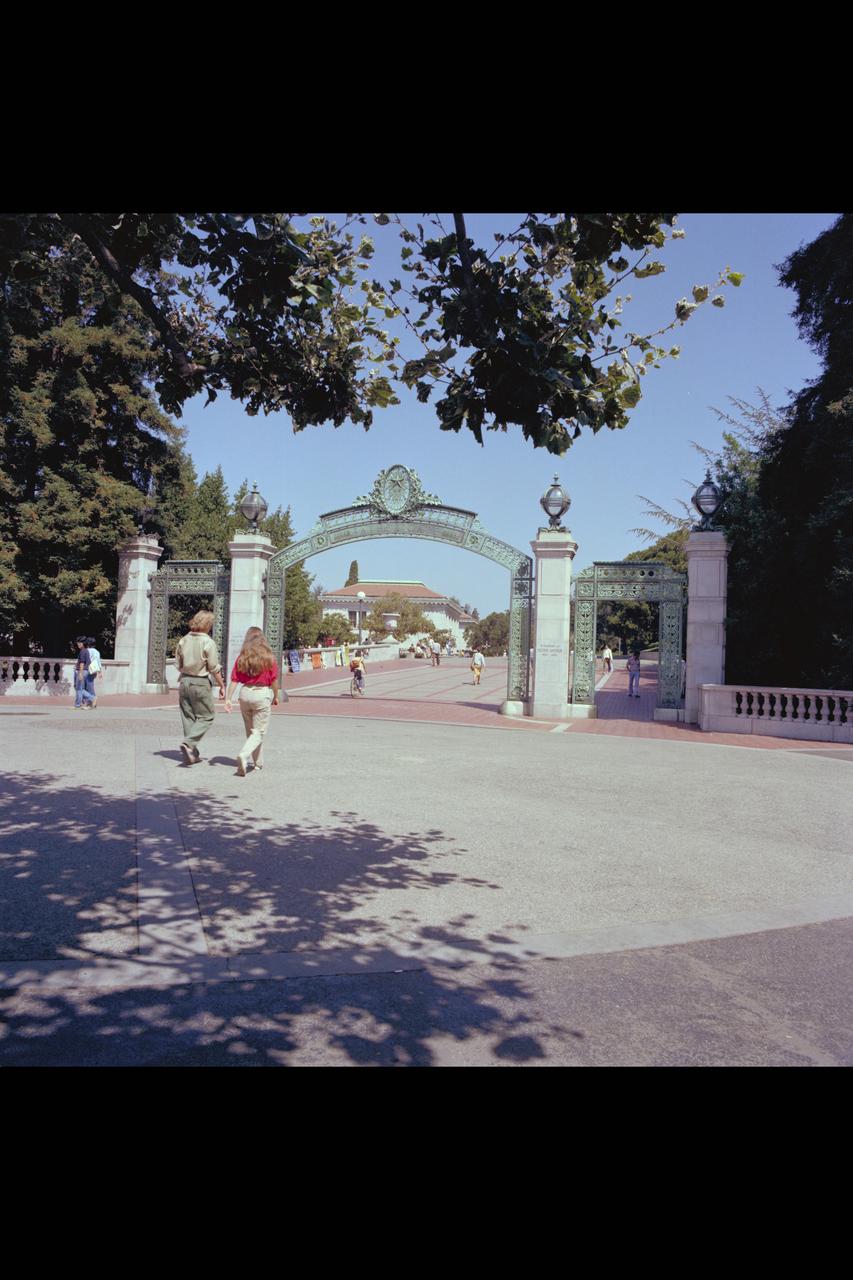
Recruiting Brochure: University of California Berkeley (UCB)
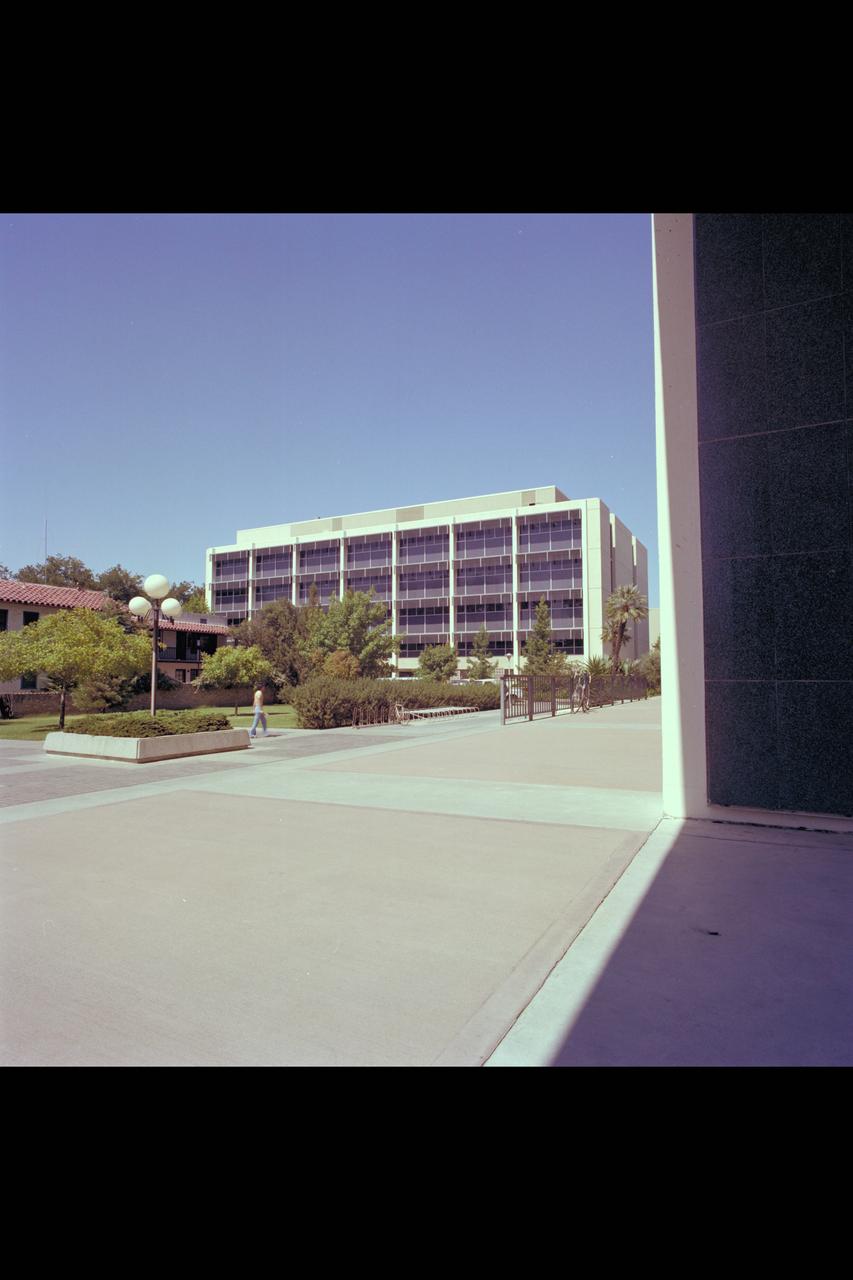
Recruiting Brochure: Carl D. Duncan (Hall of Science)
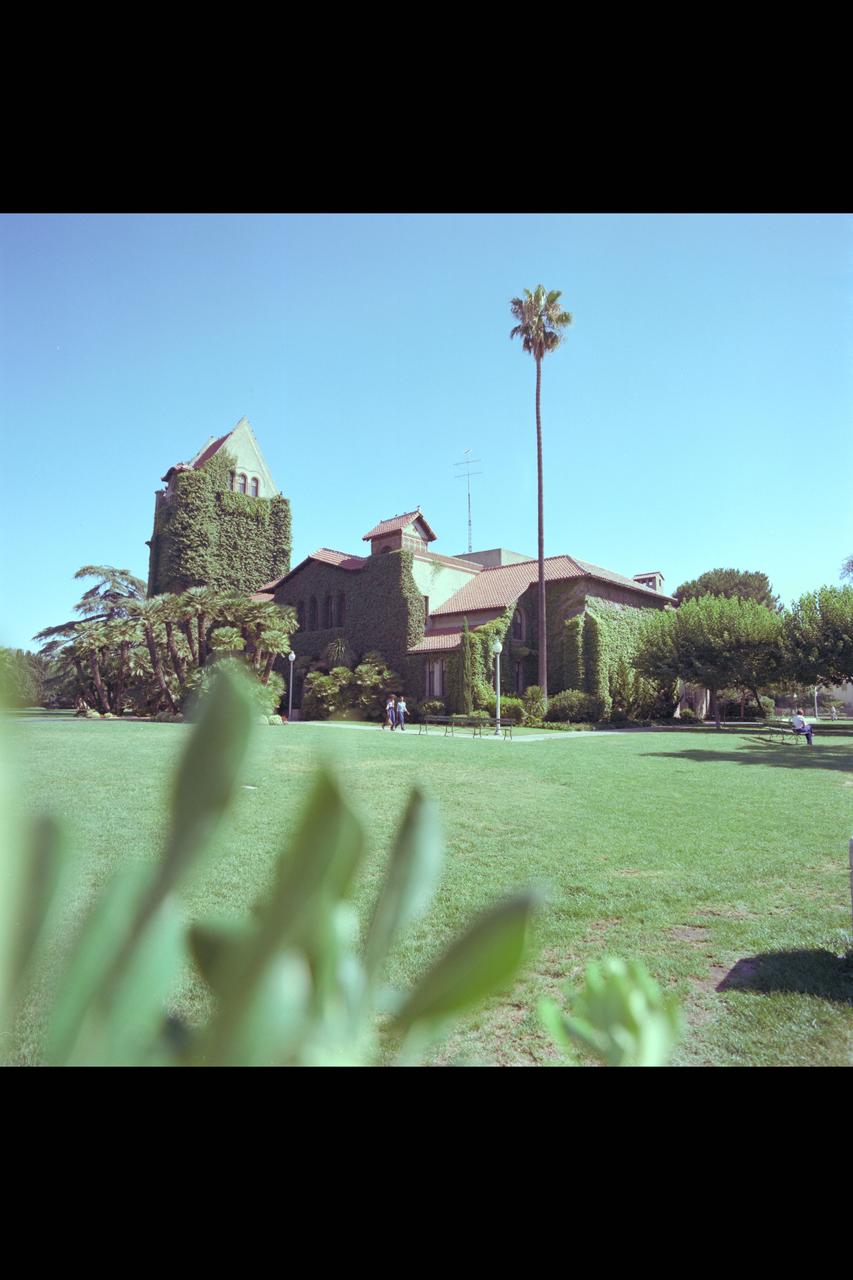
Recruiting Brochure: San Jose State University
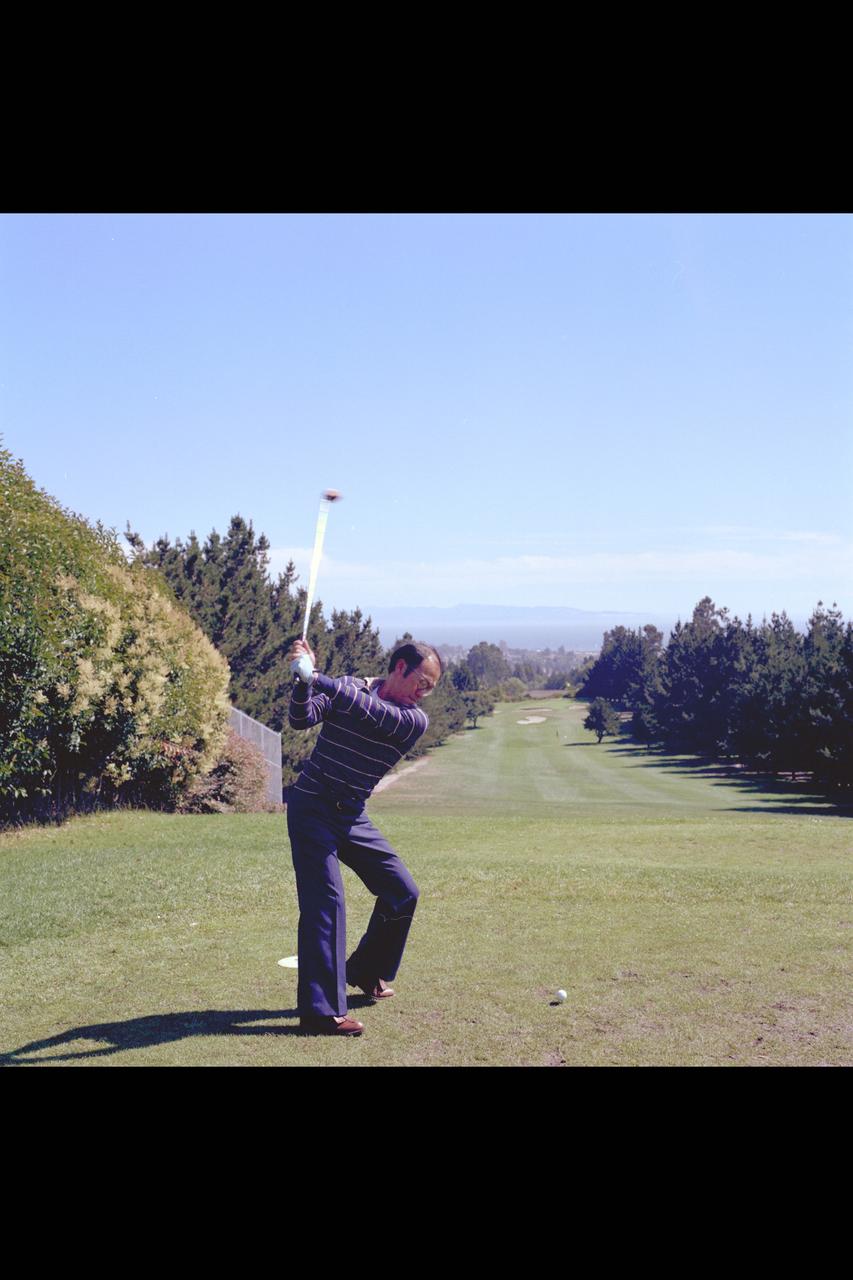
Shot of Bay Area Sports Activities for Ames Recruiting brochures 1979-1995

Recruiting Brochure: The Palace of Fine Arts, The Exploratorium in San Francisco
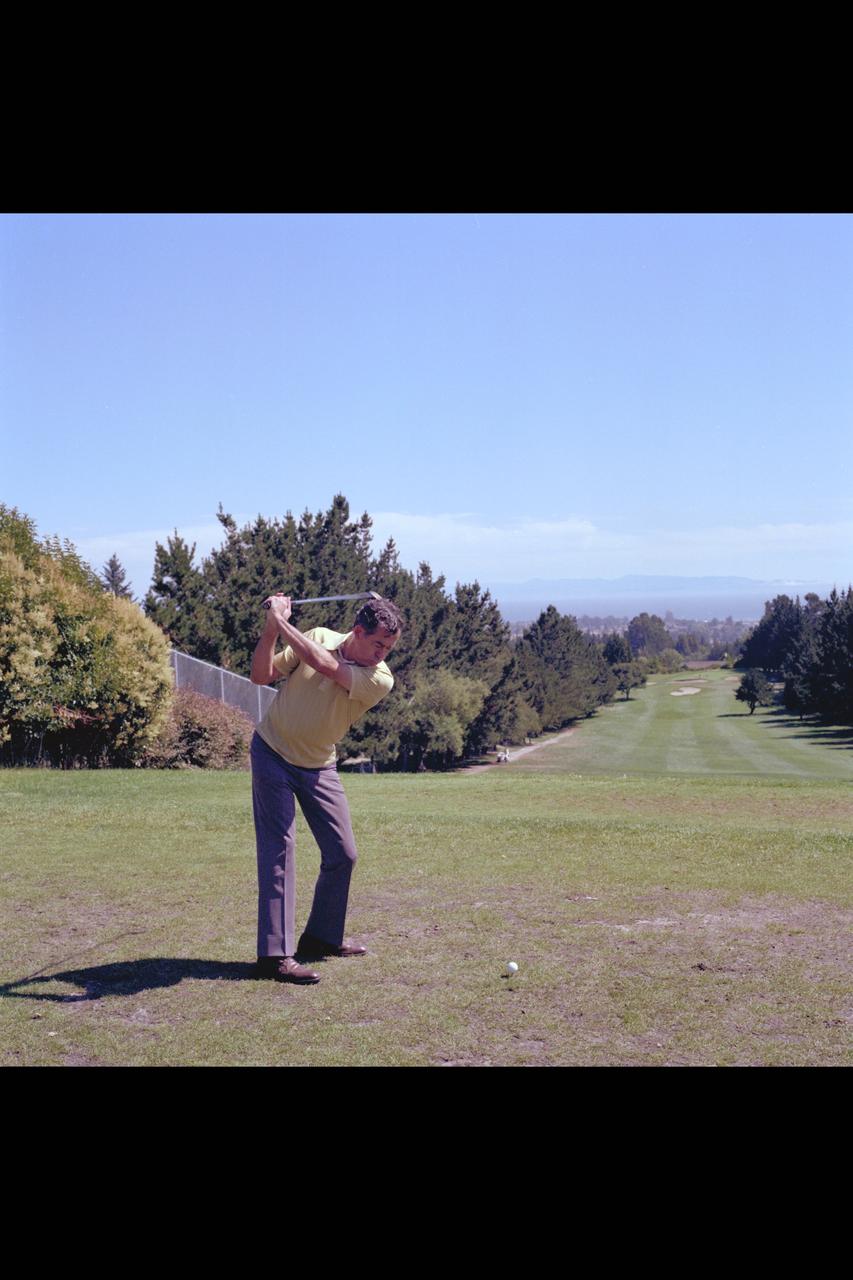
Recruiting Brochure: Shot of Bay Area Sports Activities 1979-1995
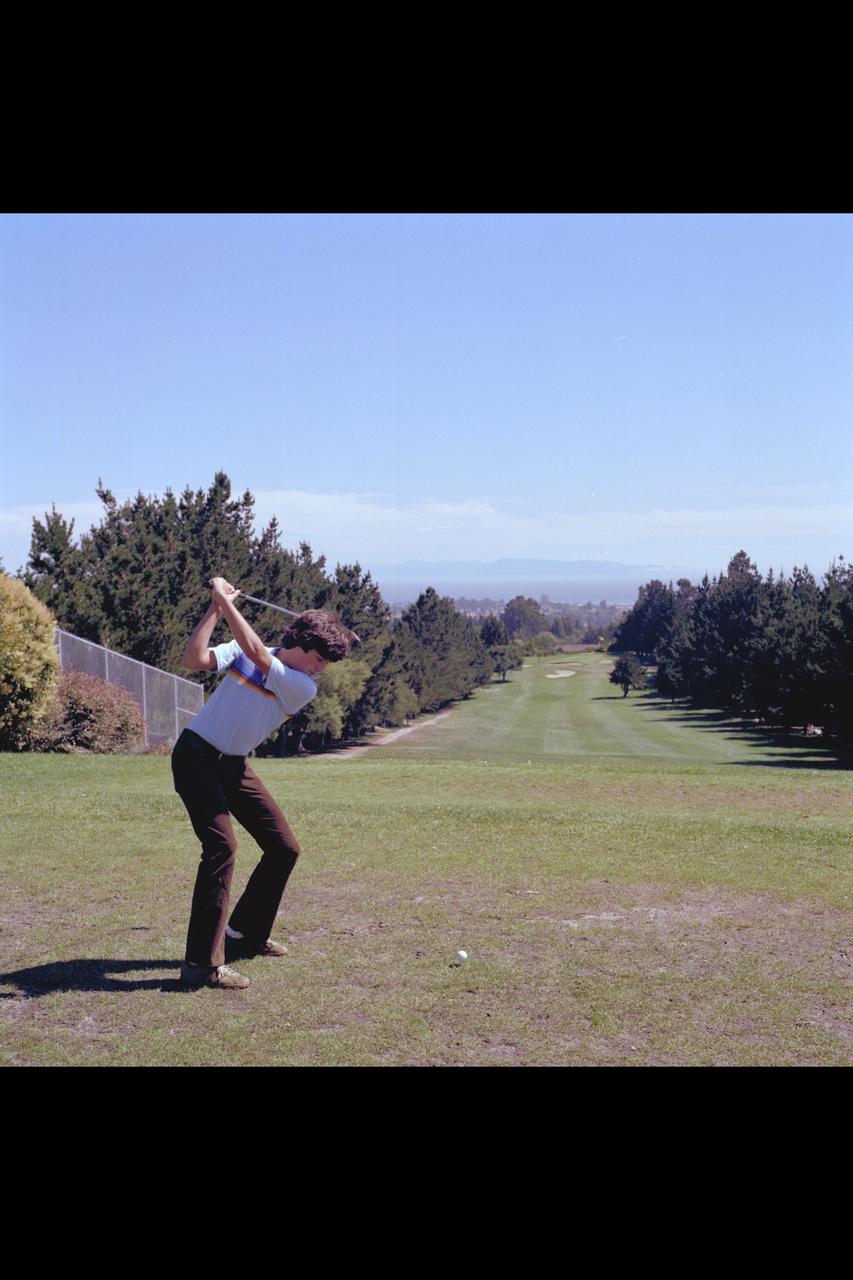
Recruiting Brochure: Shot of Bay Area Sports Activities 1979-1995

Recruiting Brochure: The Palace of Fine Arts, The Exploratorium in San Francisco
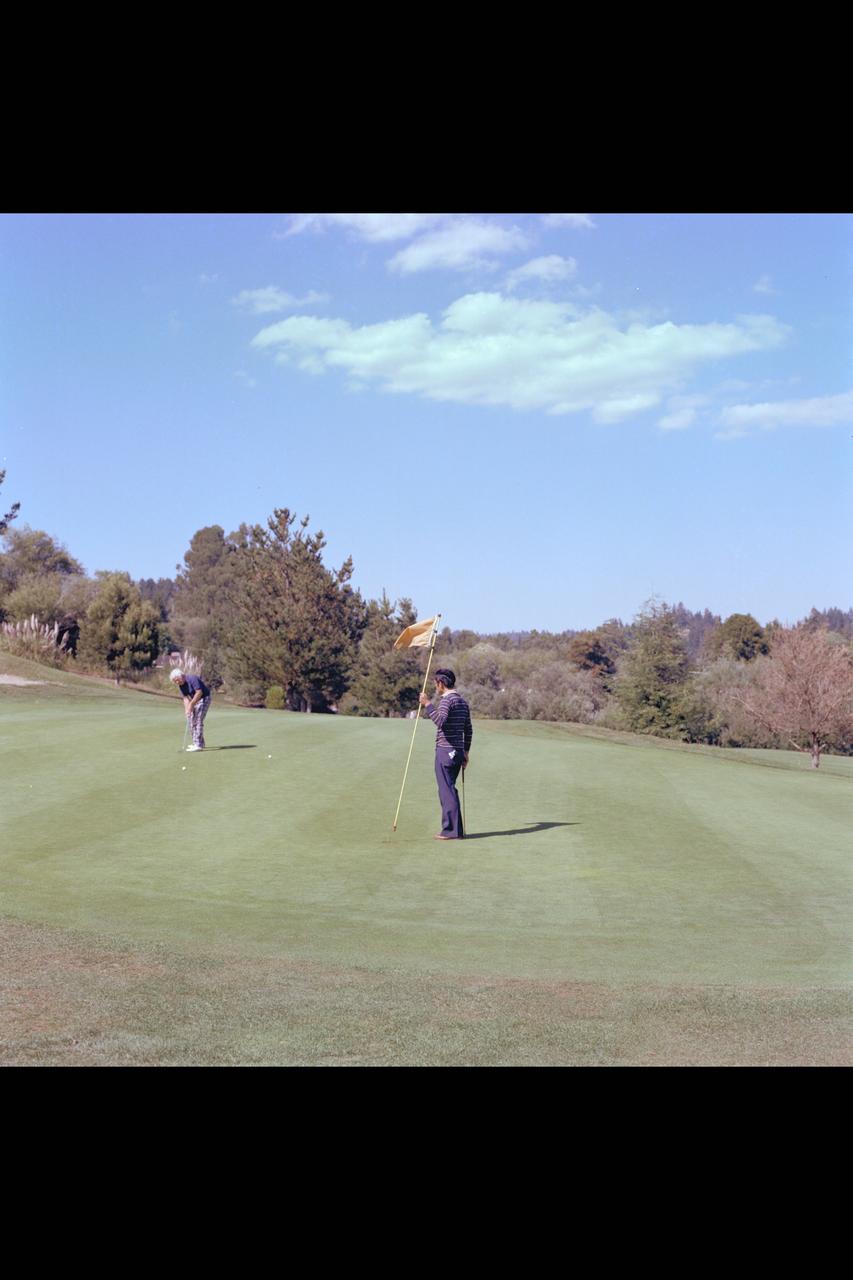
Shot of Bay Area Sports Activities for Ames Recruiting brochures 1979-1995
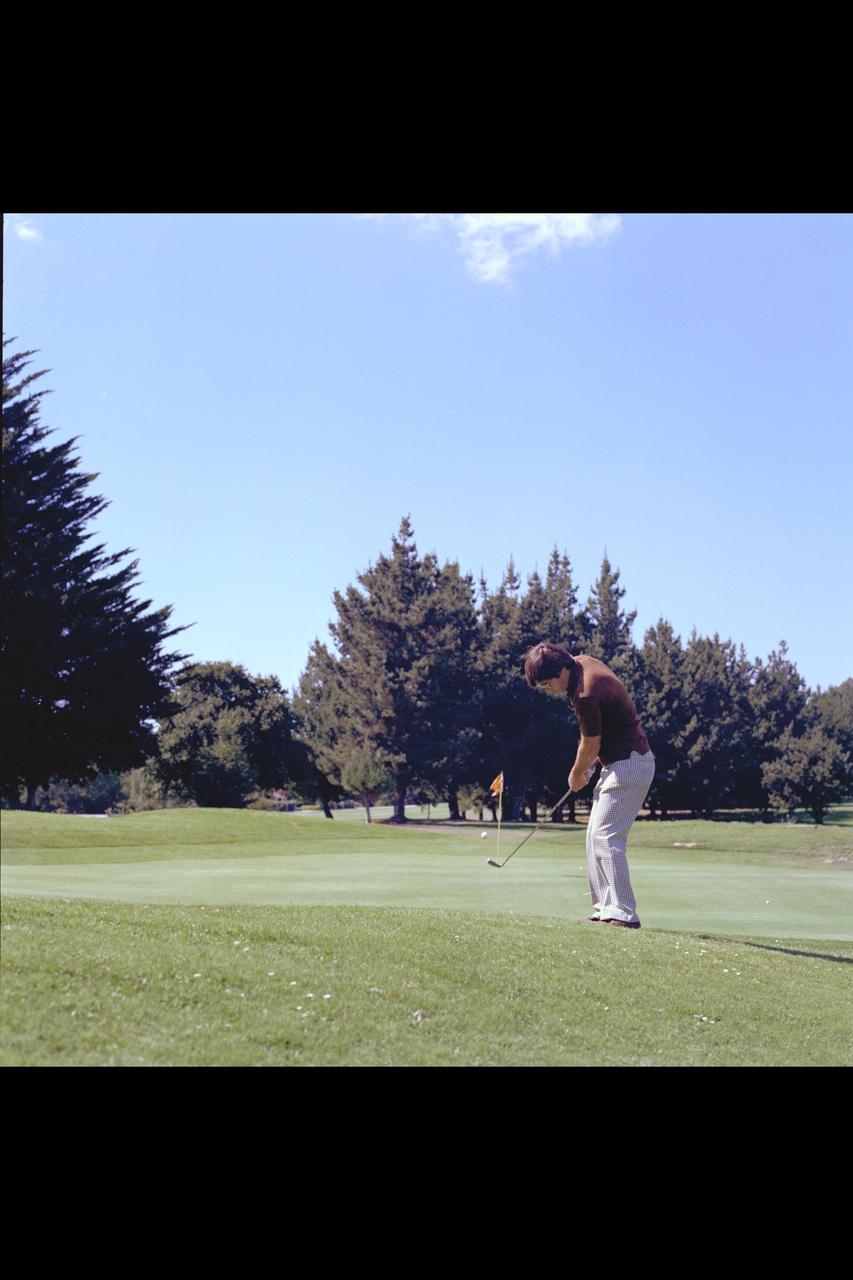
Recruiting Brochure: Shot of Bay Area Sports Activities 1979-1995
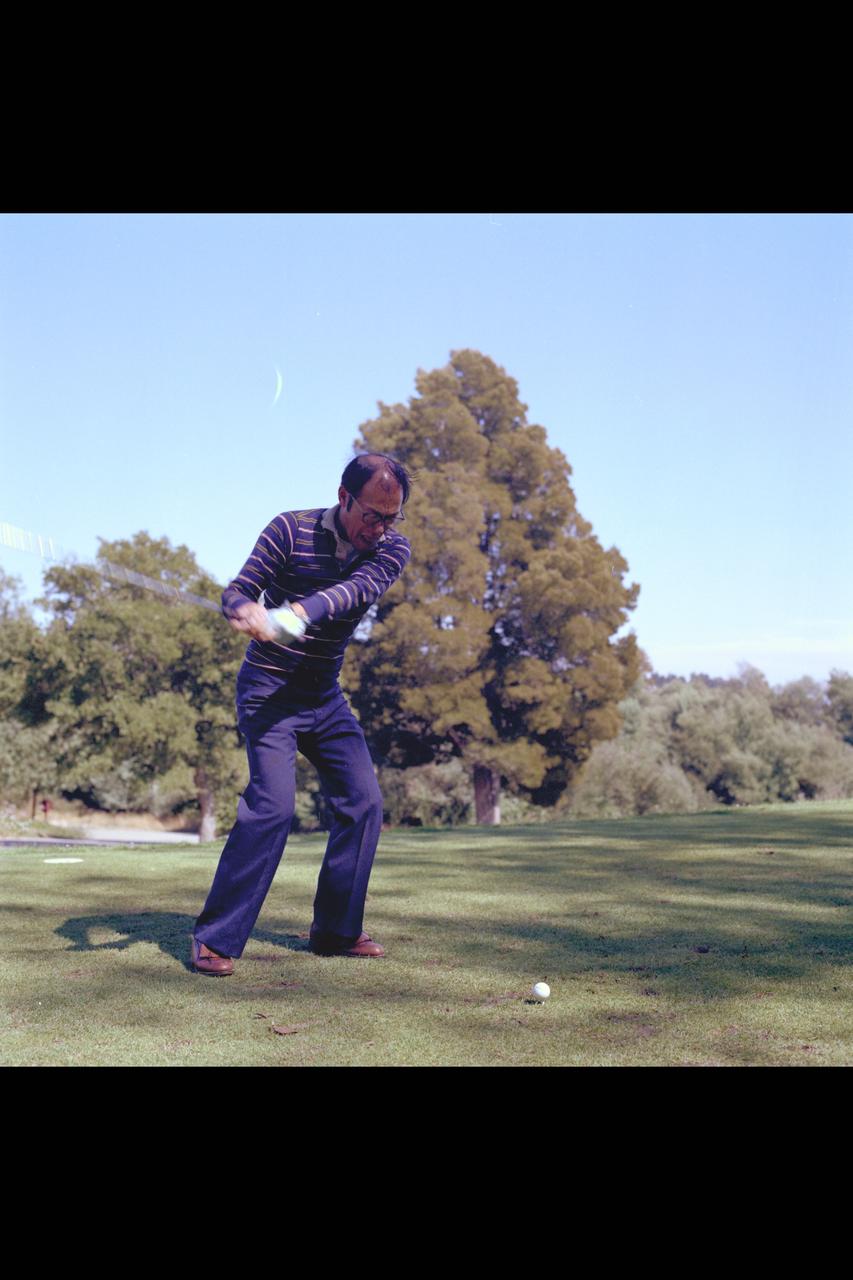
Recruiting Brochure: Shot of Bay Area Sports Activities 1979-1995
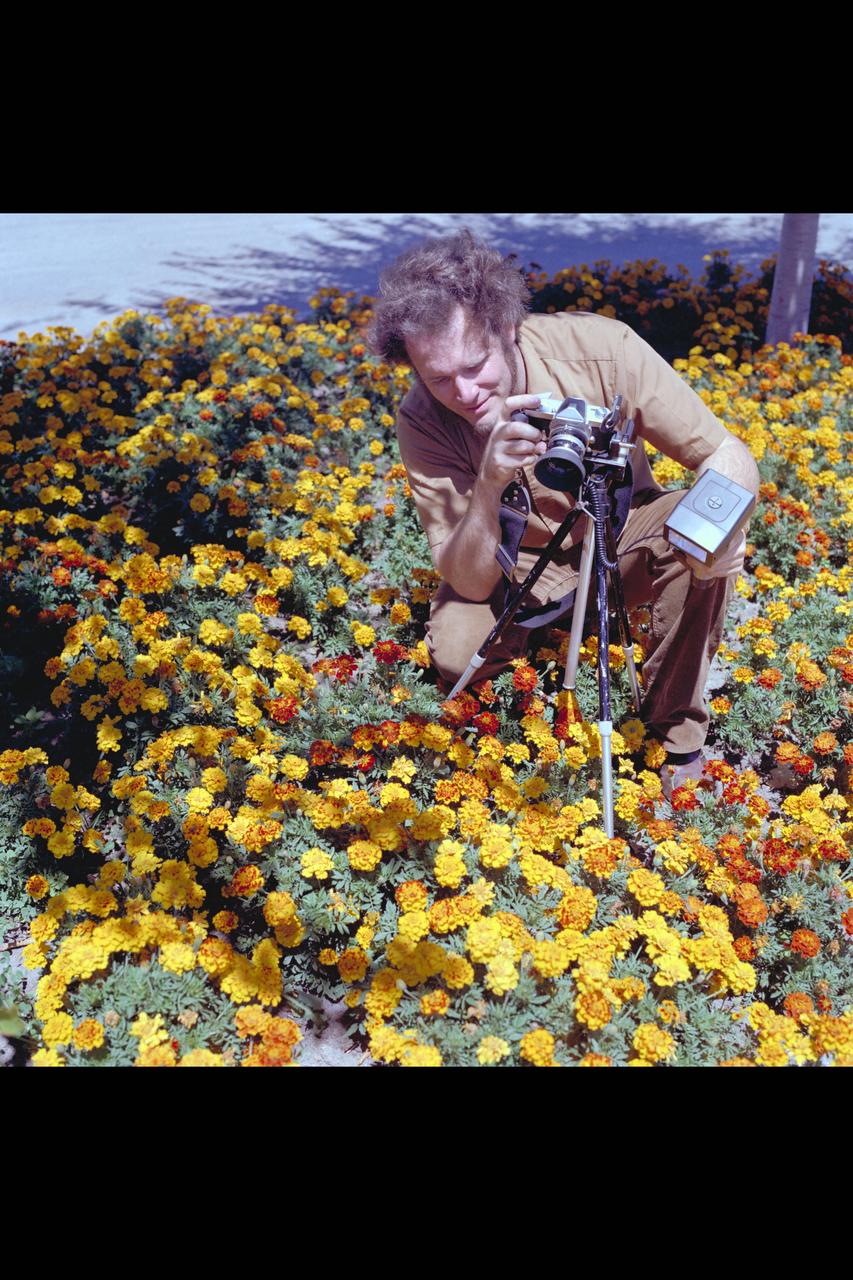
Recruiting Brochure: Ames employee and amateur photographer John Wallace uses base flower gardens as subject of his interest.
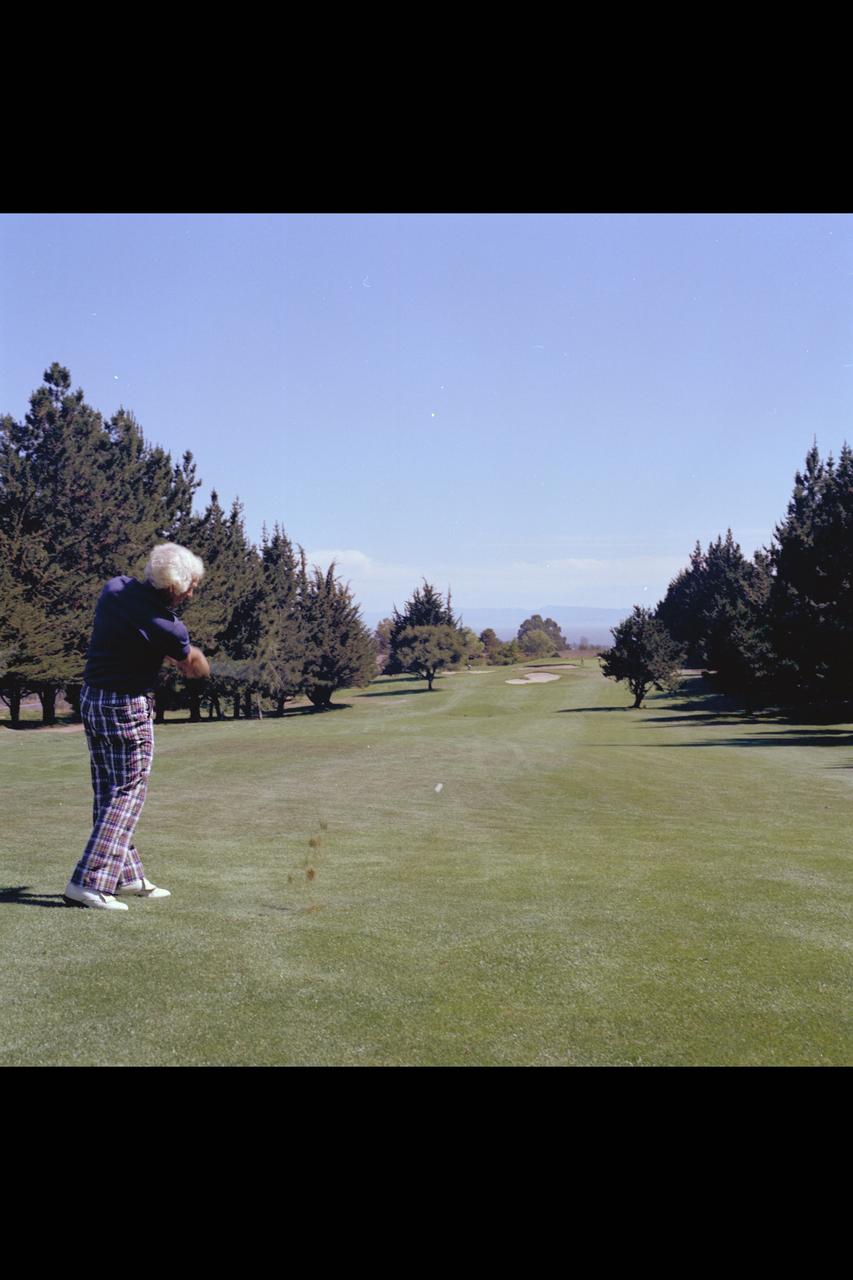
Recruiting Brochure: Shot of Bay Area Sports Activities 1979-1995 (Joe March at Moffett Golf Course)
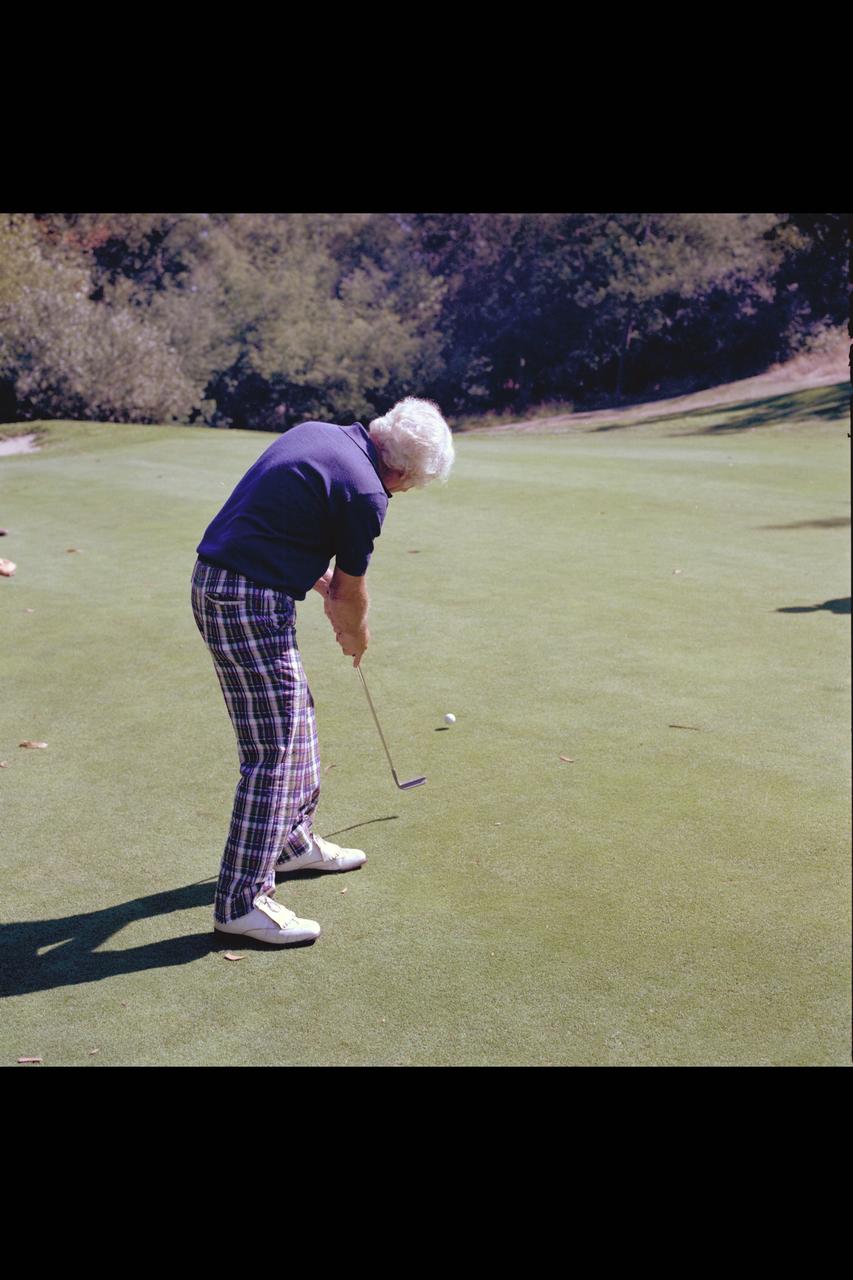
Recruiting Brochure: Shot of Bay Area Sports Activities 1979-1995 (Joe March)
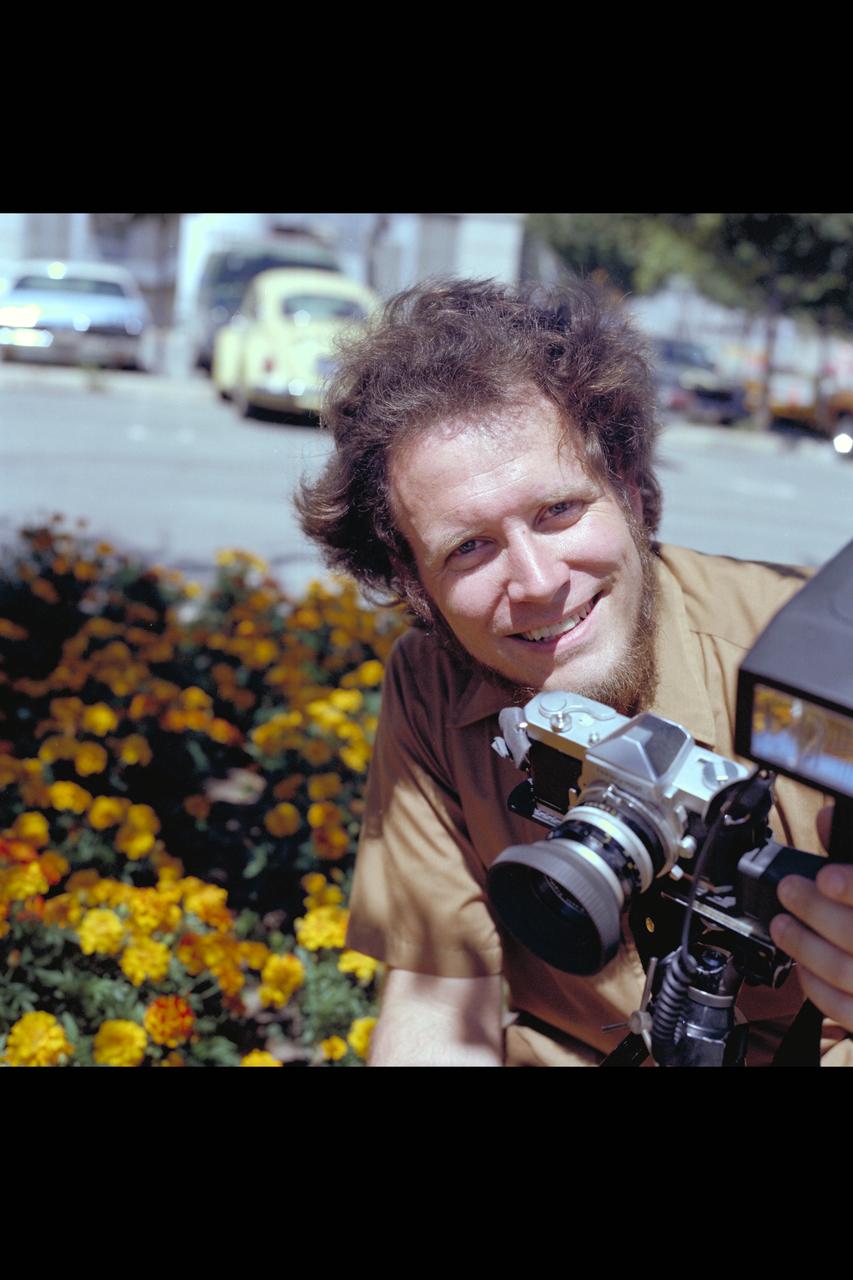
Recruiting Brochure: Ames employee and amateur photographer John Wallace uses base flower gardens as subject of his interest.
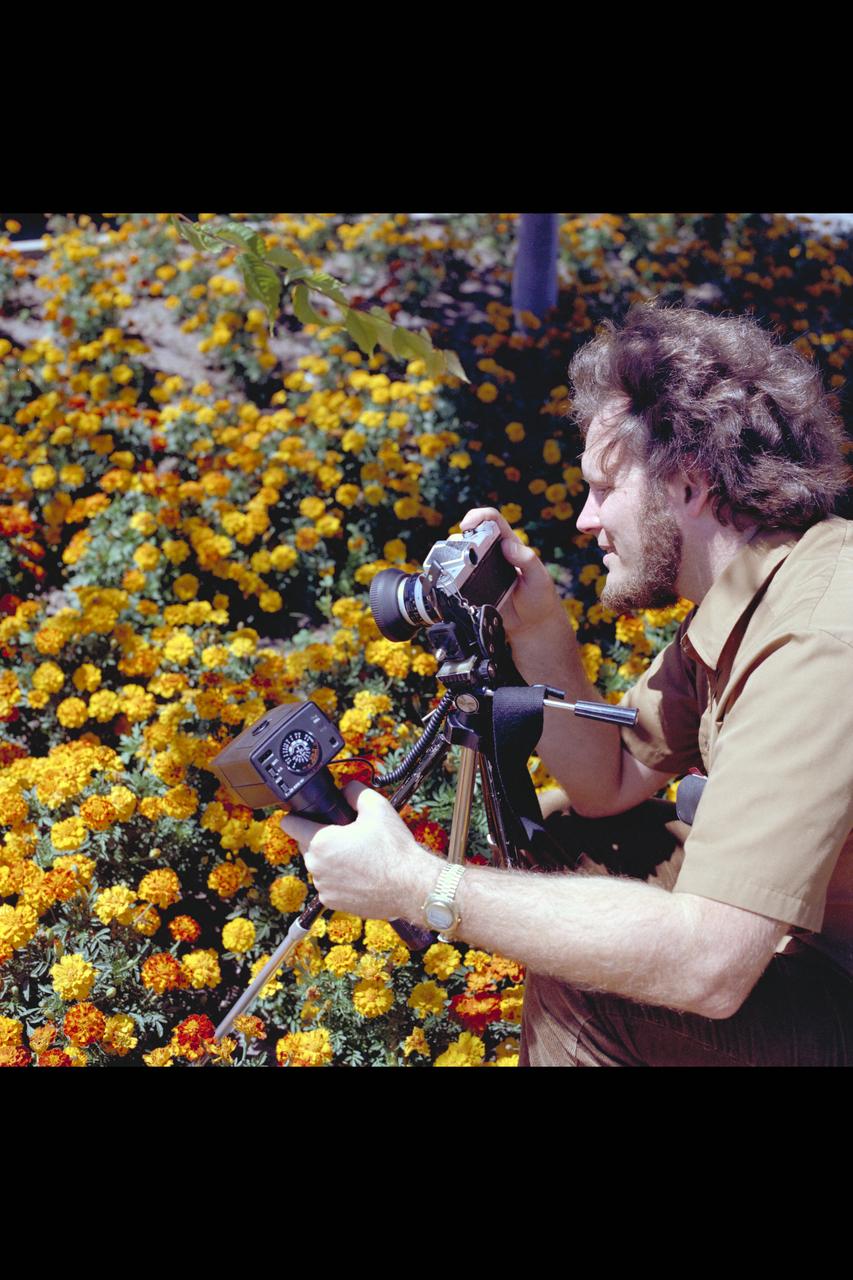
Recruiting Brochure: Ames employee and amateur photographer John Wallace uses base flower gardens as subject of his interest.
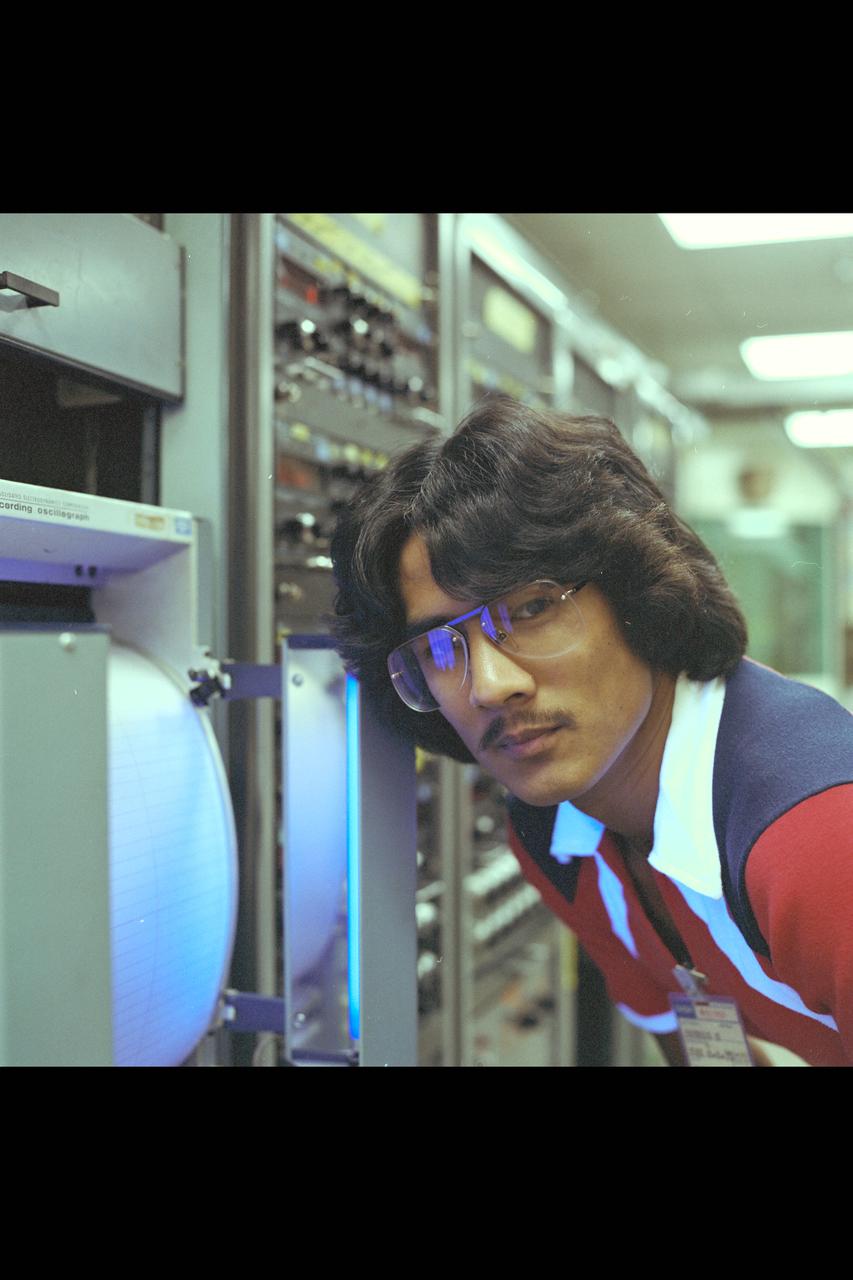
Recruiting Brochure: technician in 40x80ft w.t. control room
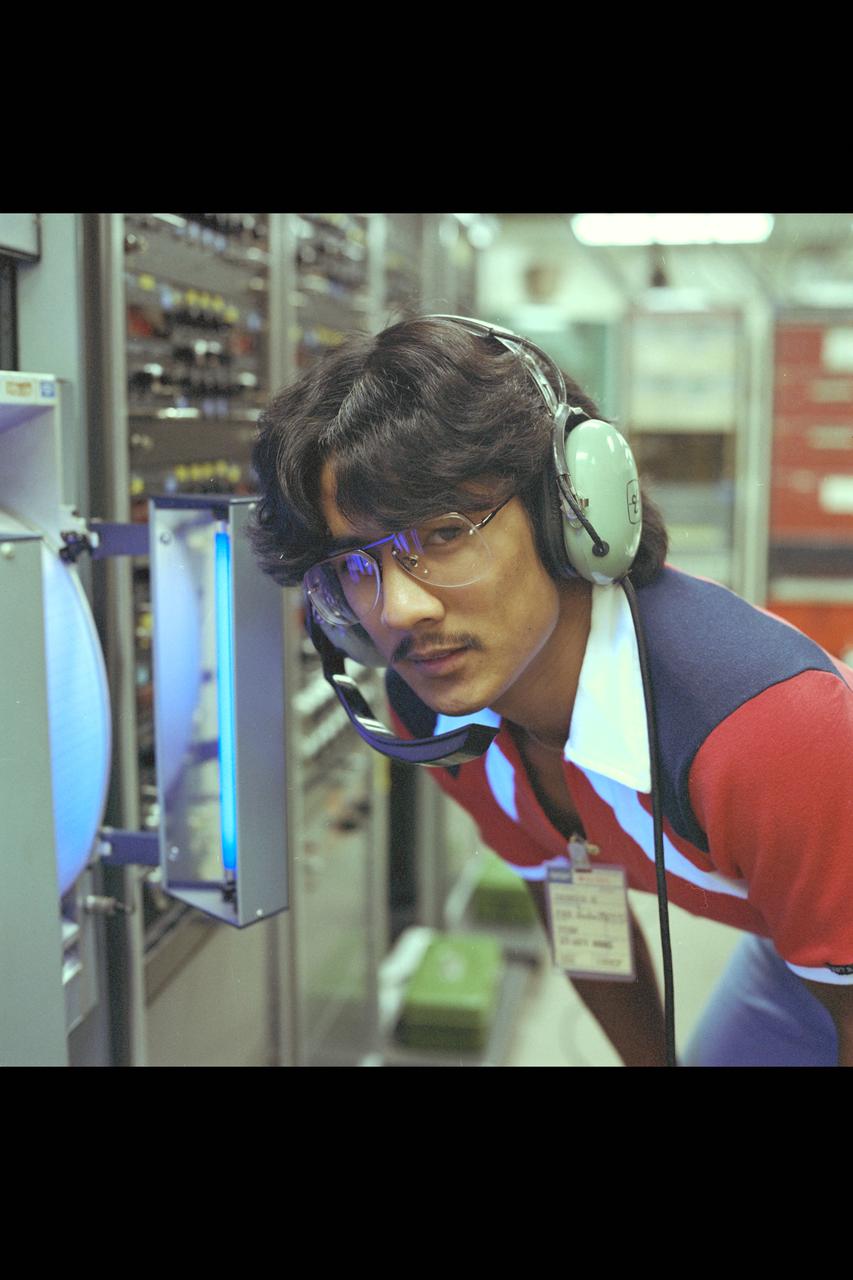
Recruiting Brochure: technician in 40x80ft w.t. control room
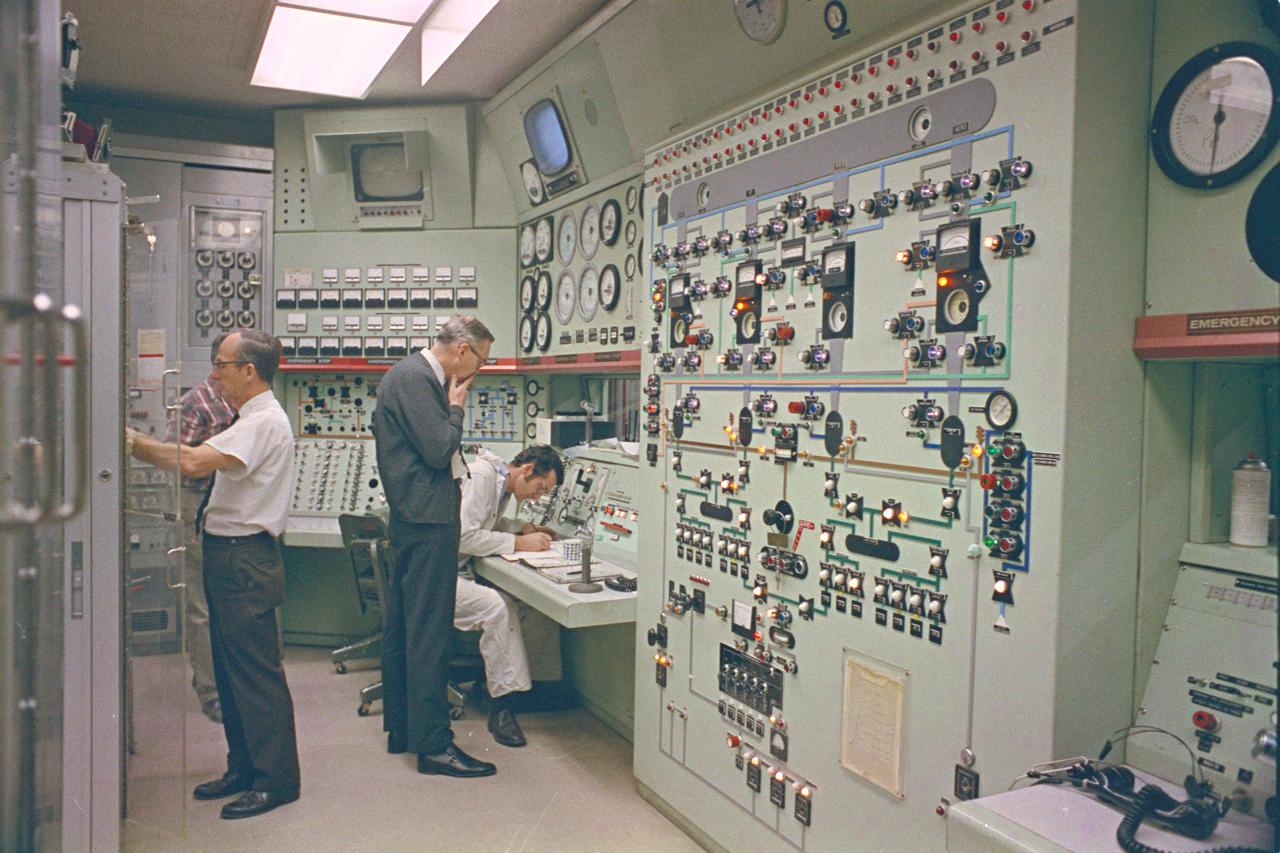
N-221 40x80ft wind tunnel control room Note: used for recruiting brochure
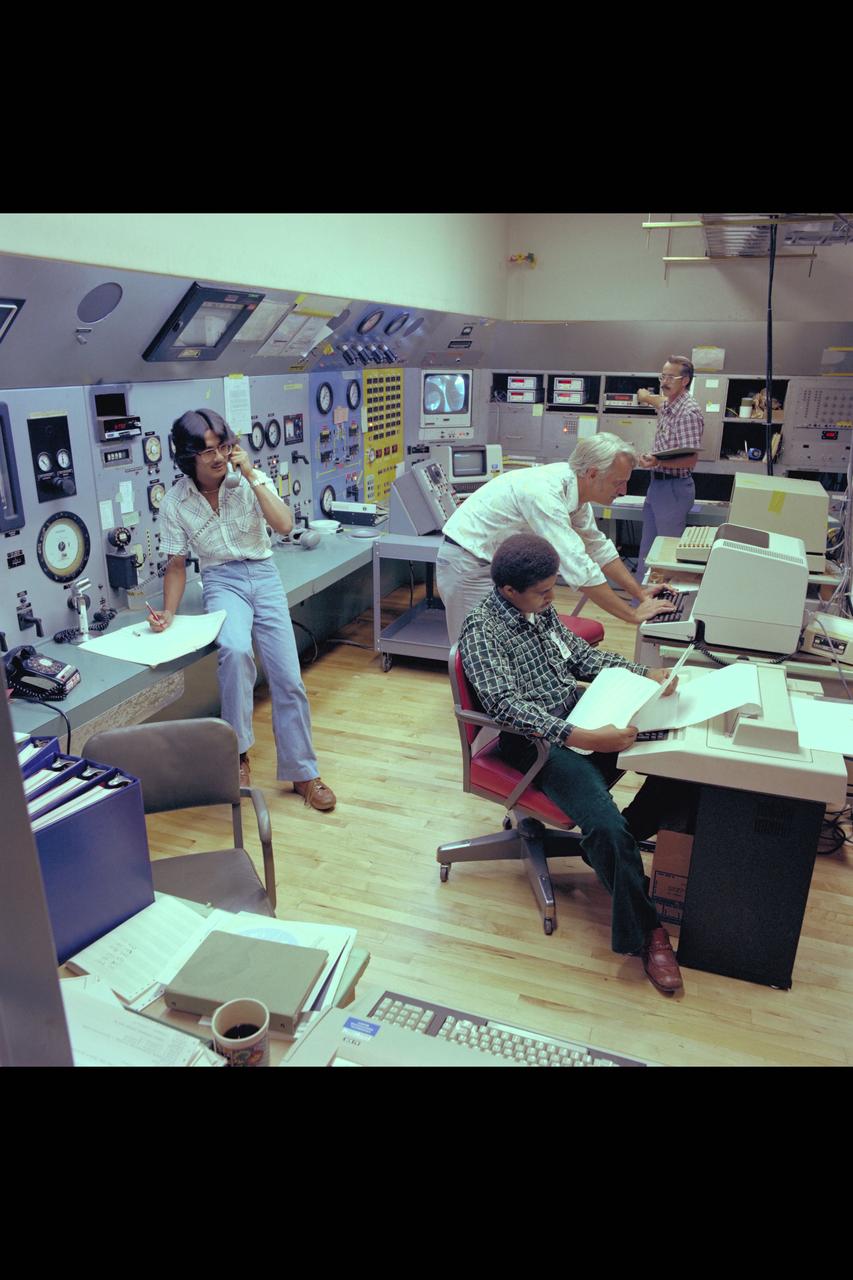
40x80ft Wind Tunnel control room with technicians and engineers used in Ames Recruiting brochures 1979-1995
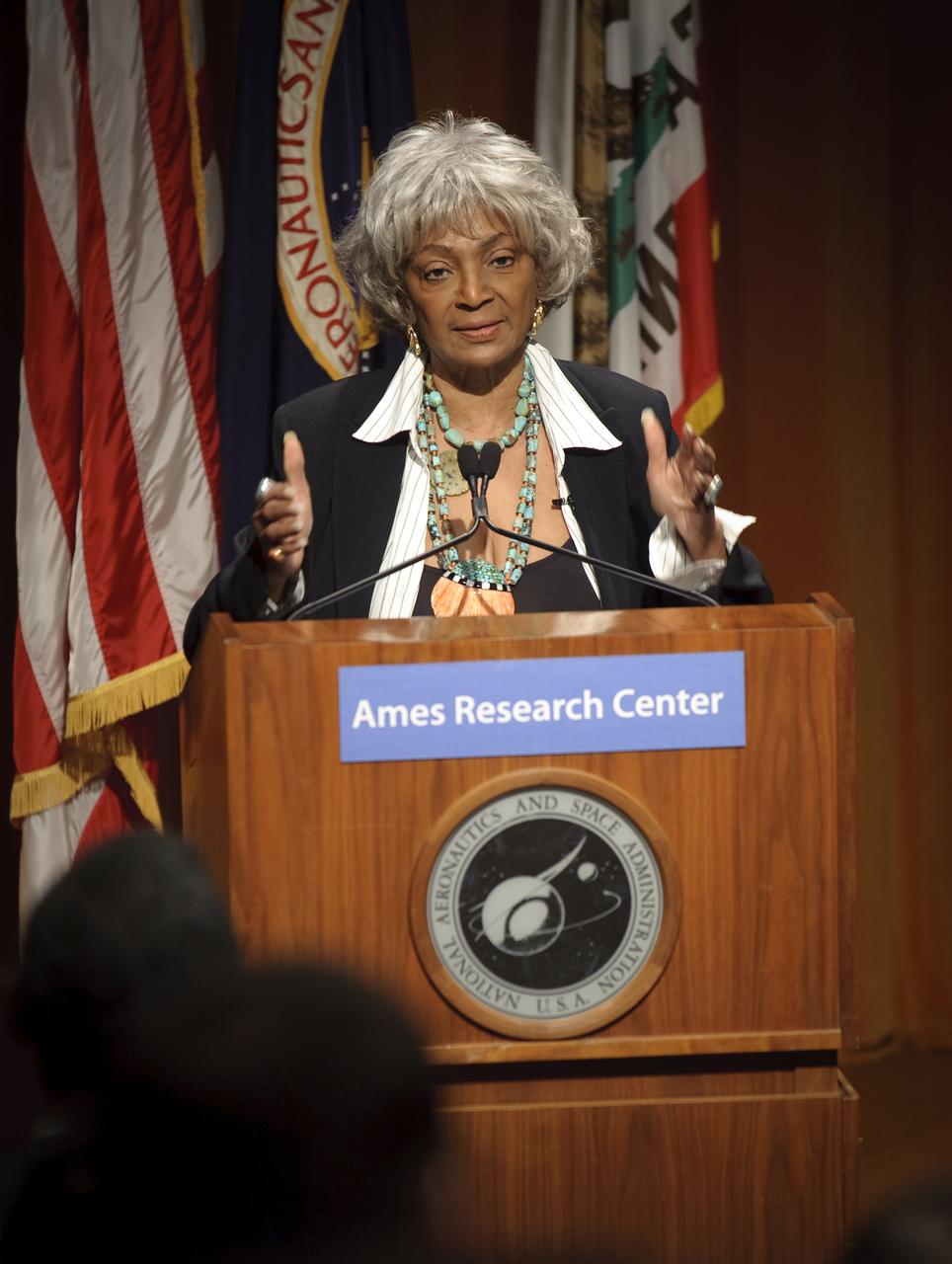
Directors Colloquium, Nichelle Nichols (aka Lt Uhura of Star Trek) presents 'NASA - What's in it for me'. Nichols discusses how she successfully helped NASA recruit the first women and minority astronauts for the Space Shuttle Program.

Caption: Off the pad abort shot at Wallops using Langley PARD designed full scale capsule with Recruit rocket and extended skirt main parachute. Shows sequential images of launch and capsule splashdown.
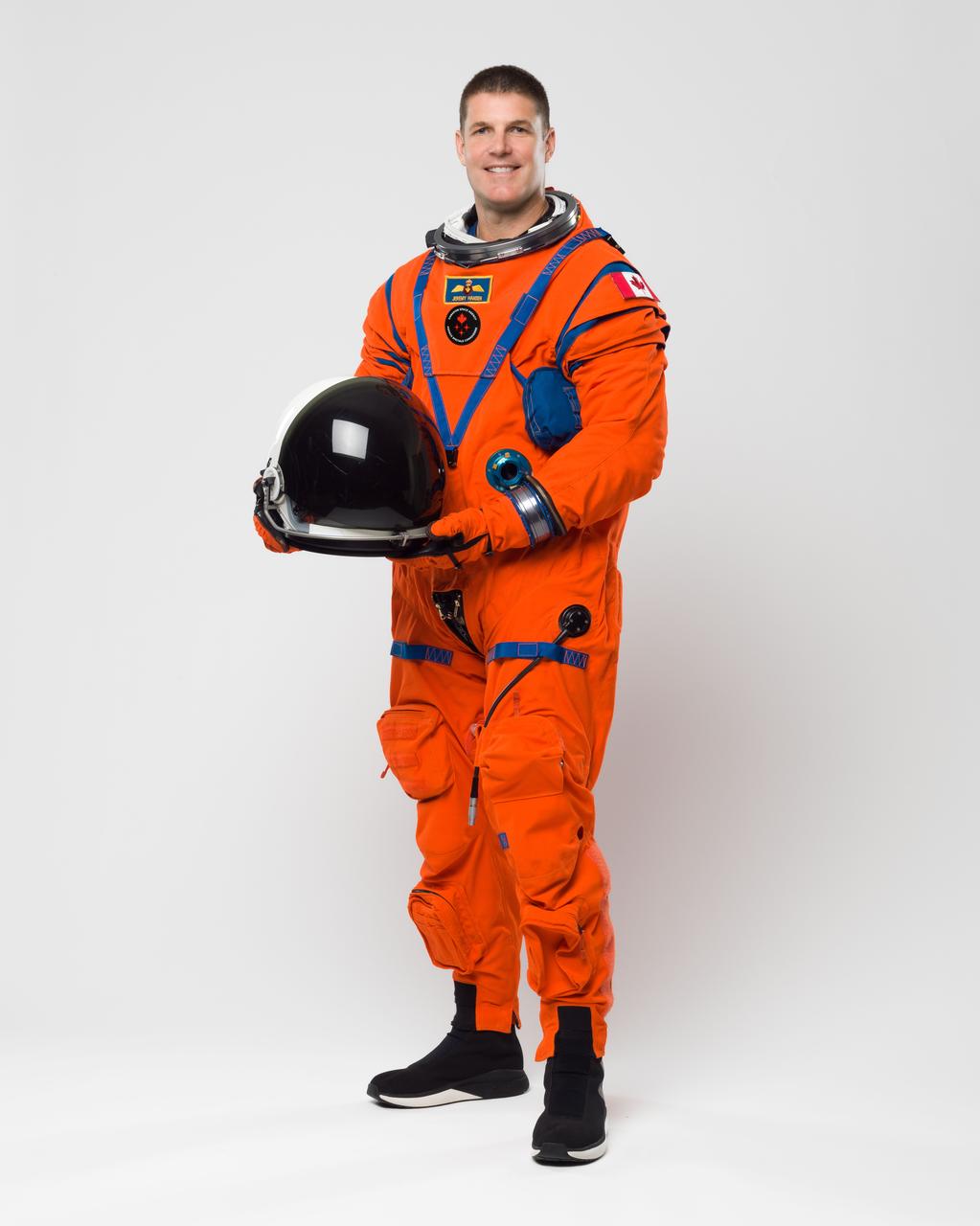
Canadian Space Agency Astronaut Jeremy Hansen is making his first flight to space as a mission specialist on the Artemis II mission. He was one of two recruits selected by CSA in May 2009 through the third Canadian Astronaut Recruitment Campaign and has served in many roles supporting human spaceflight. Hansen has served as Capcom in NASA's Mission Control Center at the Johnson Space Center and in 2017, became the first Canadian to be entrusted with leading a NASA astronaut class, leading the training of astronaut candidates from the United States and Canada. This image was modified to include CSA’s insignia on the center front of Hansen’s spacesuit. The insignia was not available at the time of the photo. It will be on Hansen’s suit for Artemis II.
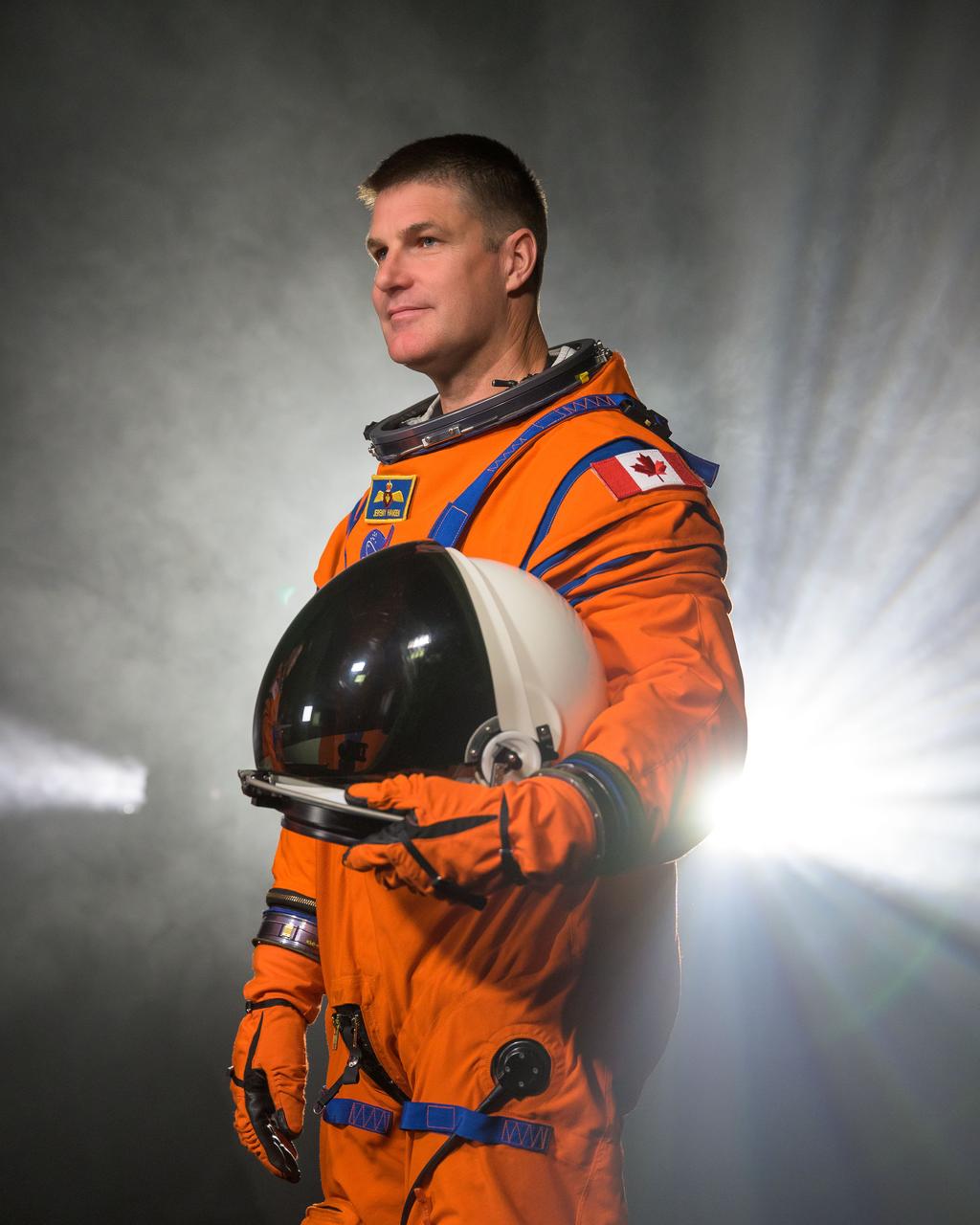
Canadian Space Agency Astronaut Jeremy Hansen is making his first flight to space as a mission specialist on the Artemis II mission. He was one of two recruits selected by CSA in May 2009 through the third Canadian Astronaut Recruitment Campaign and has served in many roles supporting human spaceflight. Hansen has served as Capcom in NASA's Mission Control Center at the Johnson Space Center and in 2017, became the first Canadian to be entrusted with leading a NASA astronaut class, leading the training of astronaut candidates from the United States and Canada. Photographer: Riley McClenaghan
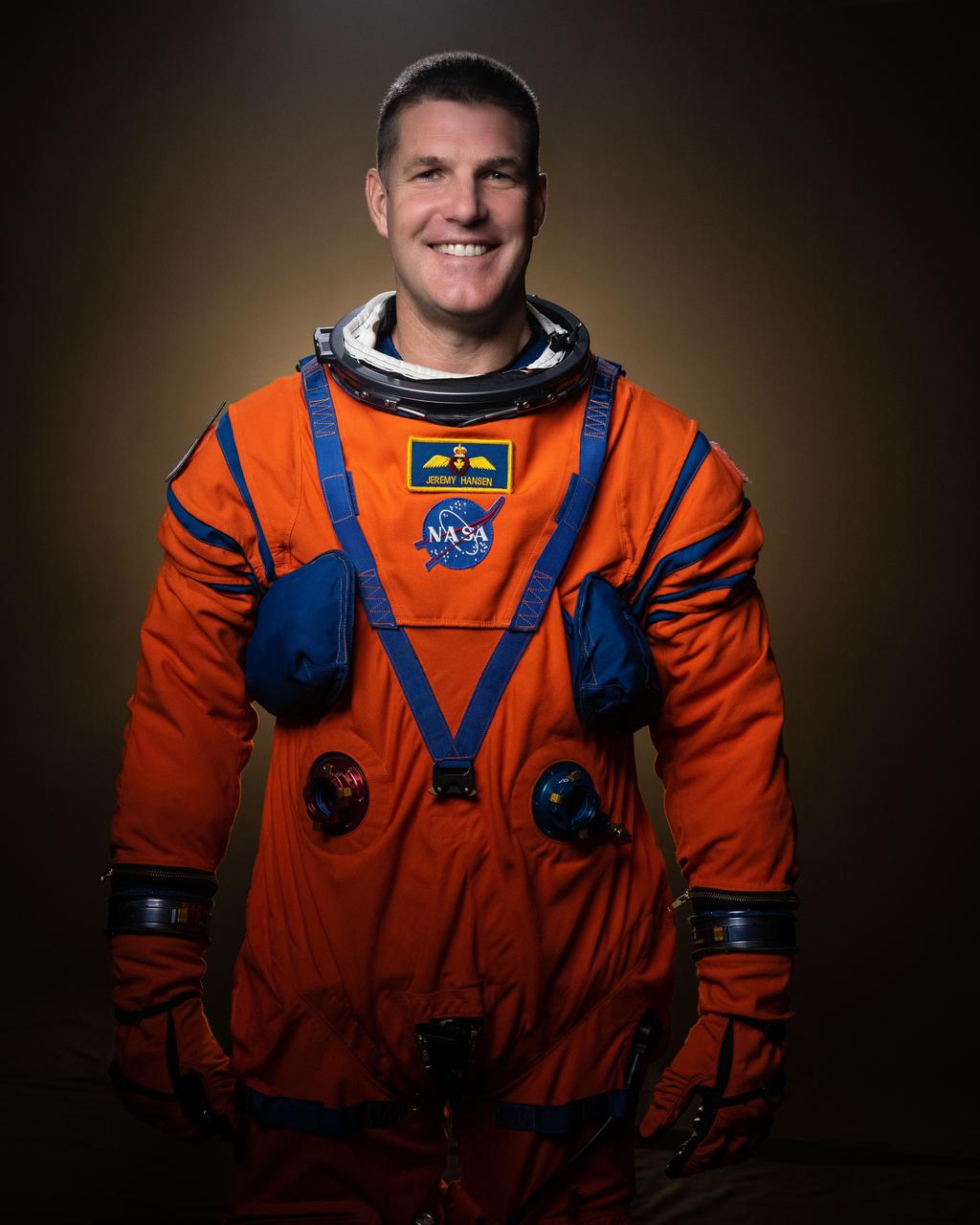
Canadian Space Agency Astronaut Jeremy Hansen is making his first flight to space as a mission specialist on the Artemis II mission. He was one of two recruits selected by CSA in May 2009 through the third Canadian Astronaut Recruitment Campaign and has served in many roles supporting human spaceflight. Hansen has served as Capcom in NASA's Mission Control Center at the Johnson Space Center and in 2017, became the first Canadian to be entrusted with leading a NASA astronaut class, leading the training of astronaut candidates from the United States and Canada. Photographer: Robert Markowitz

Canadian Space Agency Astronaut Jeremy Hansen is making his first flight to space as a mission specialist on the Artemis II mission. He was one of two recruits selected by CSA in May 2009 through the third Canadian Astronaut Recruitment Campaign and has served in many roles supporting human spaceflight. Hansen has served as Capcom in NASA's Mission Control Center at the Johnson Space Center and in 2017, became the first Canadian to be entrusted with leading a NASA astronaut class, leading the training of astronaut candidates from the United States and Canada. This image was modified to include CSA’s insignia on the center front of Hansen’s spacesuit. The insignia was not available at the time of the photo. It will be on Hansen’s suit for Artemis II.
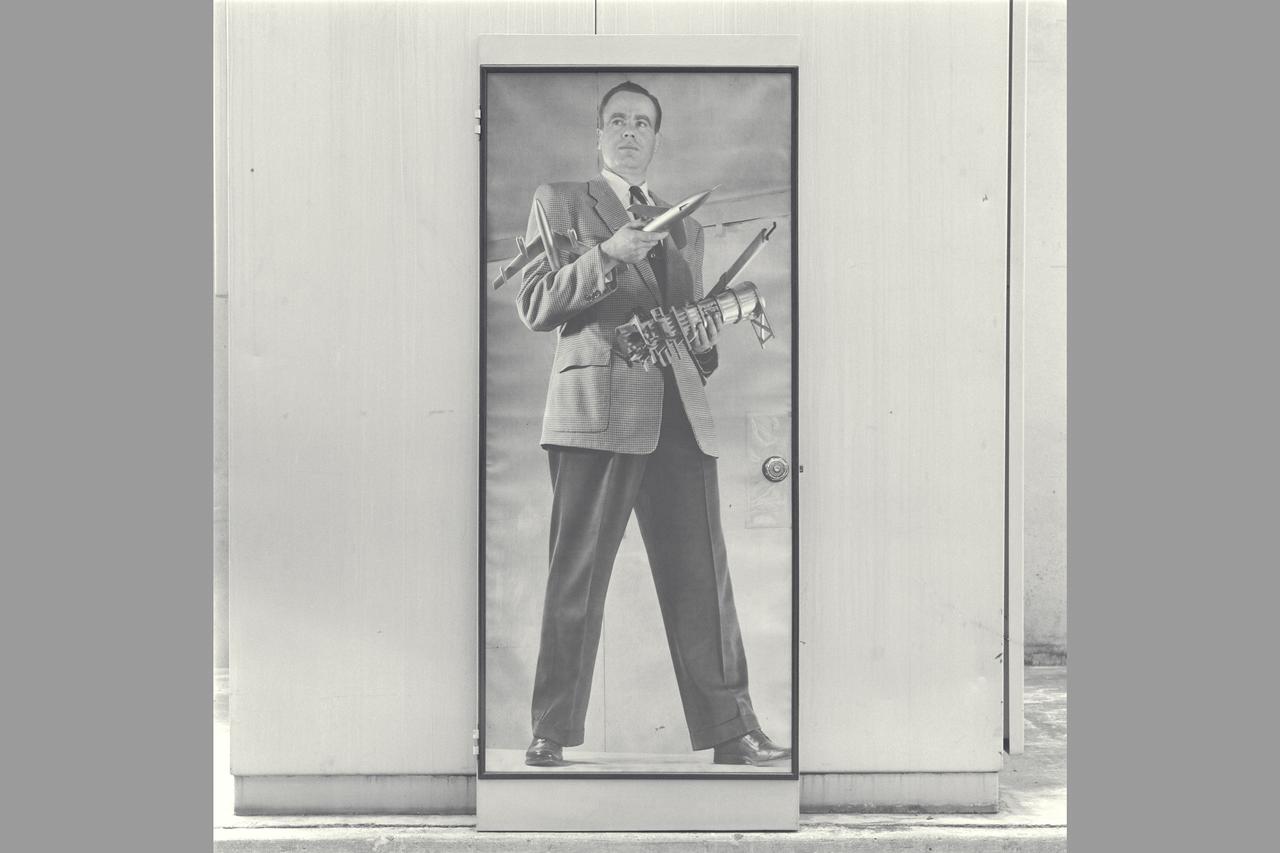
Historical Recruiting poster of Cleve E Voss holding model of B-47, Douglas D-558-2, 6x6ft w.t. & slide rule (on Display at Macy's San Francisco 1947 - 1950 ish) NOTE: Poster recovered from Voss's wife and copied from the (bedroom) door to which it had been adhered.
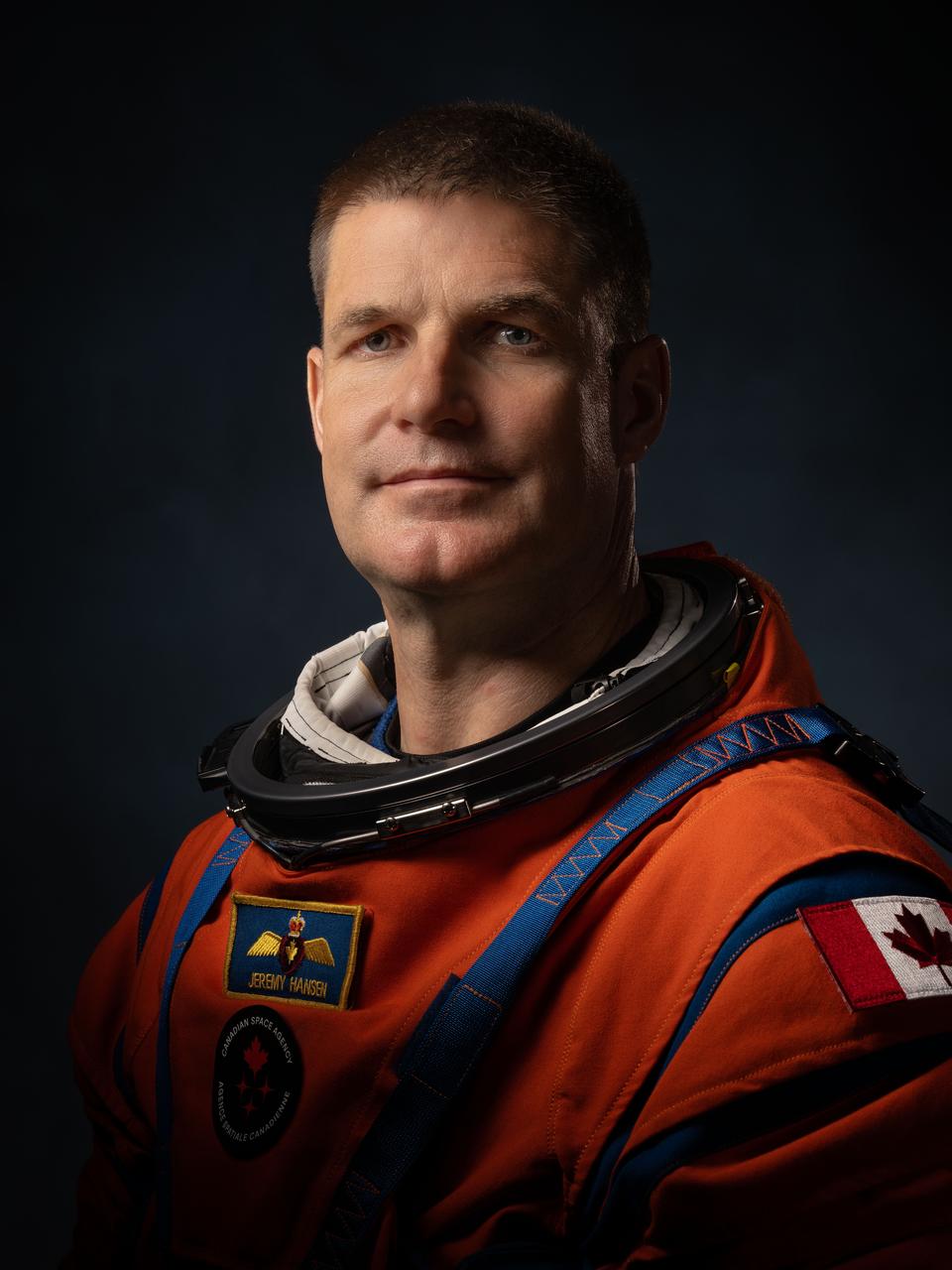
Canadian Space Agency Astronaut Jeremy Hansen is making his first flight to space as a mission specialist on the Artemis II mission. He was one of two recruits selected by CSA in May 2009 through the third Canadian Astronaut Recruitment Campaign and has served in many roles supporting human spaceflight. Hansen has served as Capcom in NASA's Mission Control Center at the Johnson Space Center and in 2017, became the first Canadian to be entrusted with leading a NASA astronaut class, leading the training of astronaut candidates from the United States and Canada. PHOTOGRAPHER: Josh Valcarcel This image was modified to include CSA’s insignia on the center front of Hansen’s spacesuit. The insignia was not available at the time of the photo. It will be on Hansen’s suit for Artemis II.
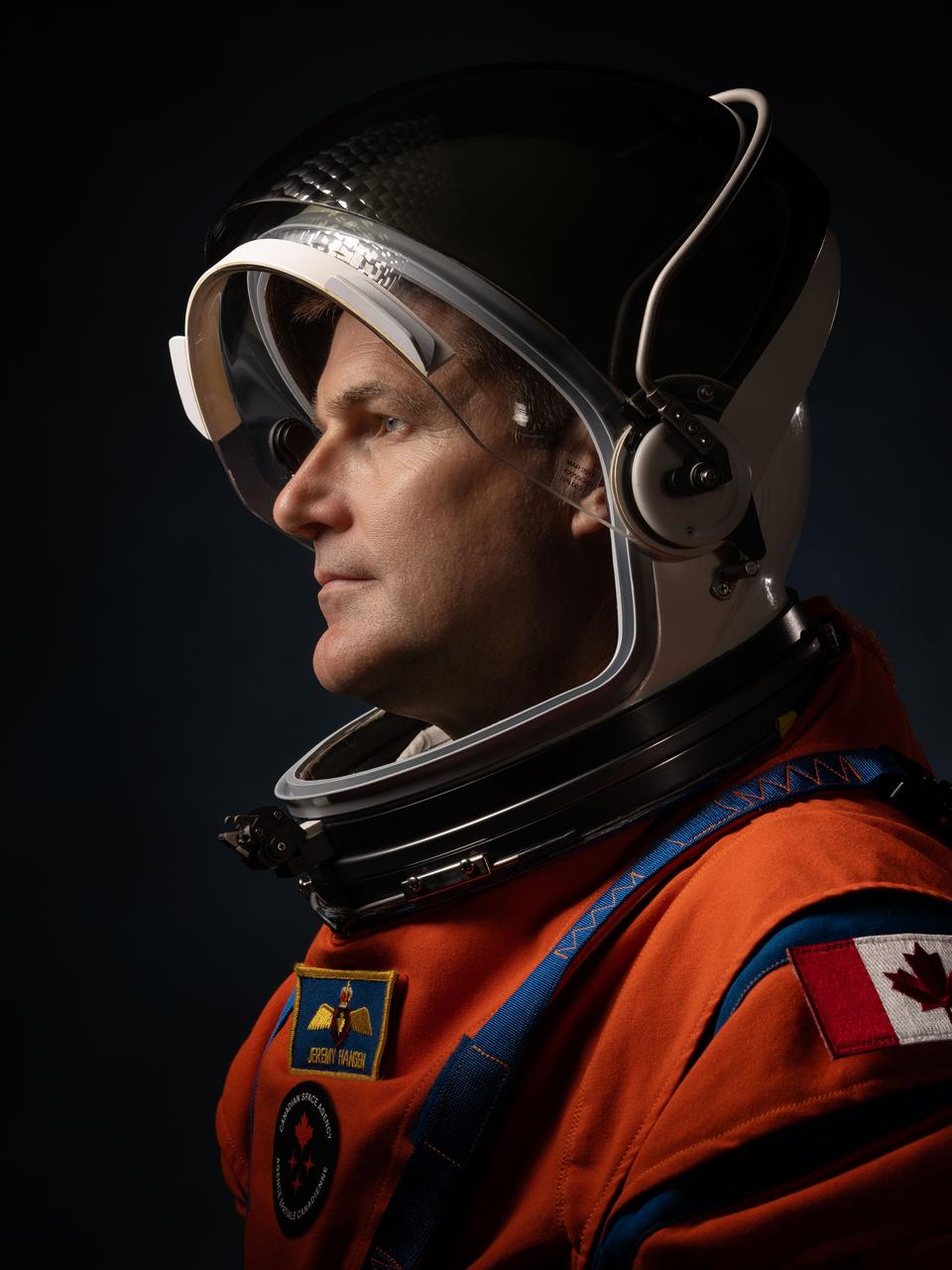
Canadian Space Agency Astronaut Jeremy Hansen is making his first flight to space as a mission specialist on the Artemis II mission. He was one of two recruits selected by CSA in May 2009 through the third Canadian Astronaut Recruitment Campaign and has served in many roles supporting human spaceflight. Hansen has served as Capcom in NASA's Mission Control Center at the Johnson Space Center and in 2017, became the first Canadian to be entrusted with leading a NASA astronaut class, leading the training of astronaut candidates from the United States and Canada. PHOTOGRAPHER: Josh Valcarcel This image was modified to include CSA’s insignia on the center front of Hansen’s spacesuit. The insignia was not available at the time of the photo. It will be on Hansen’s suit for Artemis II.

NASA Kennedy Space Center workers enjoy Hispanic food at KARS Park II during an event to celebrate Hispanic Heritage Month on Oct. 17, 2019. The event was hosted by the center’s Hispanic Outreach and Leadership Alliance (HOLA) employee resource group for Hispanic Heritage Month. This year’s theme is “Hispanic Americans: A History of Serving our Nation.” HOLA’s initiatives include education and recruitment, professional networking and development, and community outreach and media support.
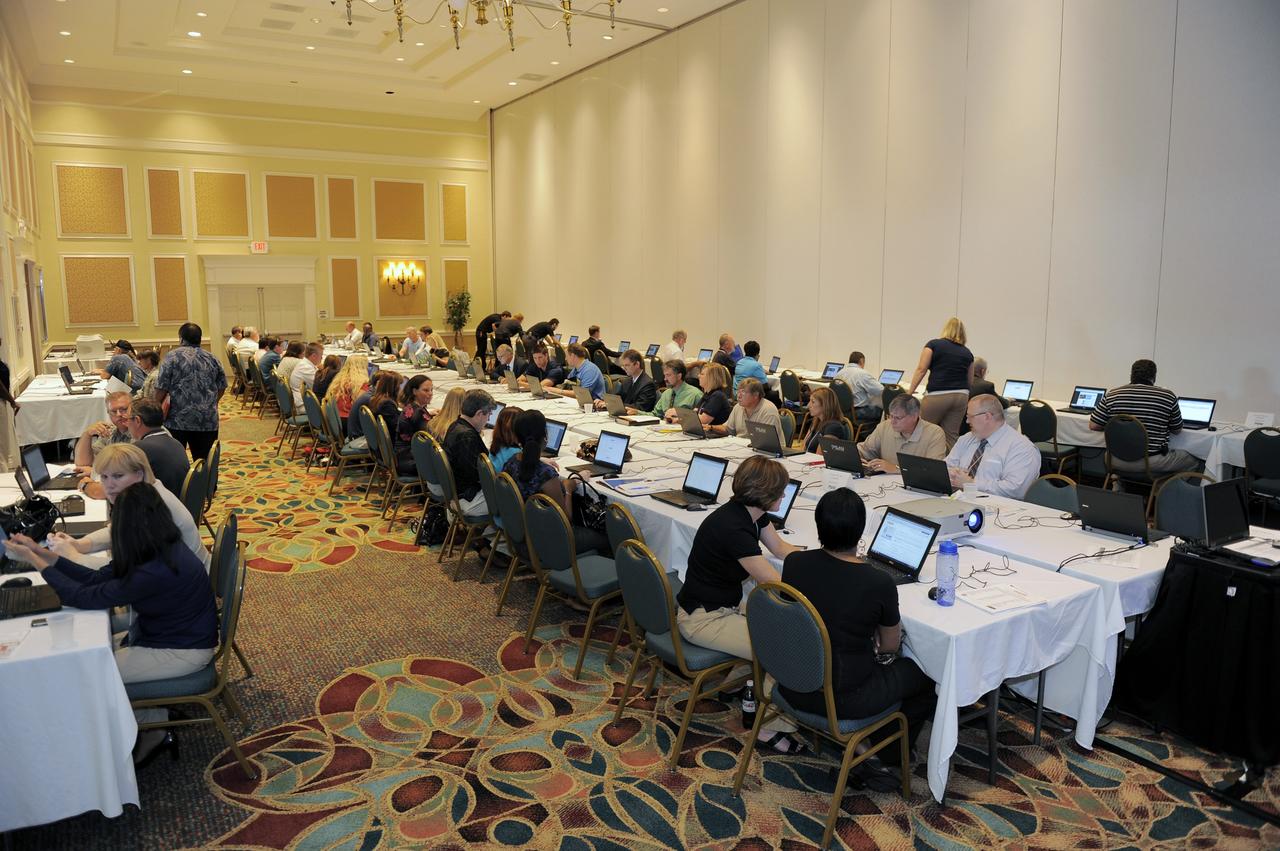
CAPE CANAVERAL, Fla. -- The Office of Personnel Management (OPM), NASA and Brevard Workforce host a job fair for former and current Kennedy Space Center aerospace workers at the Radisson Resort at the Port in Cape Canaveral, Fla. More than 60 private industry employers and federal agencies are recruiting for local and worldwide positions, and more than 1,000 job seekers attended. For more information, visit http://spacecoastjobfair.eventbrite.com. Photo credit: NASA/Kim Shiflett
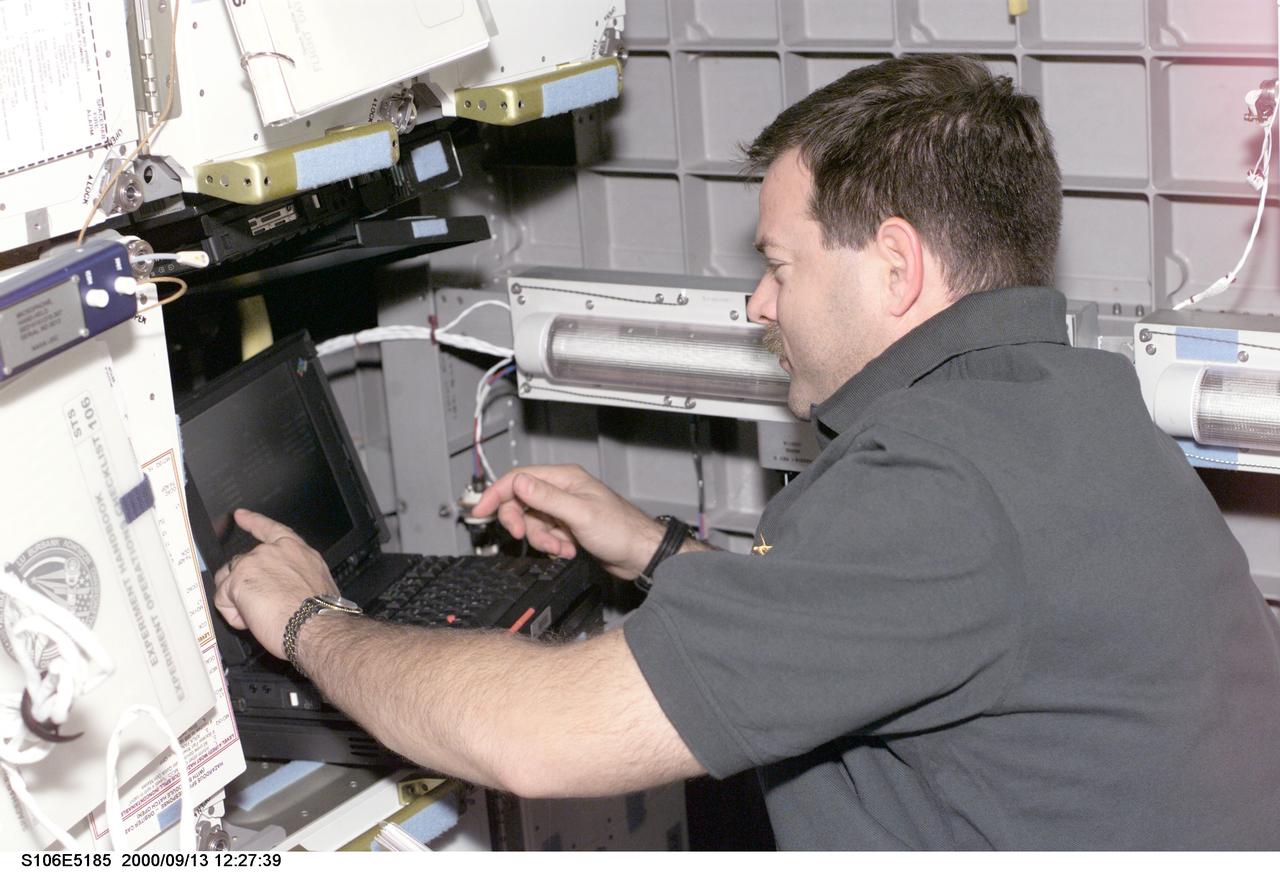
S106-E-5185 (13 September 2000) --- Astronaut Scott D. Altman, pilot, recruits the aid of a laptop computer for the supply-movement operation going on aboard the Space Shuttle Atlantis. While crewmates were doing electrical work on the International Space Station (ISS), a couple of the astronauts worked in Spacehab and elsewhere to participate in the effort to move supplies to the ISS.
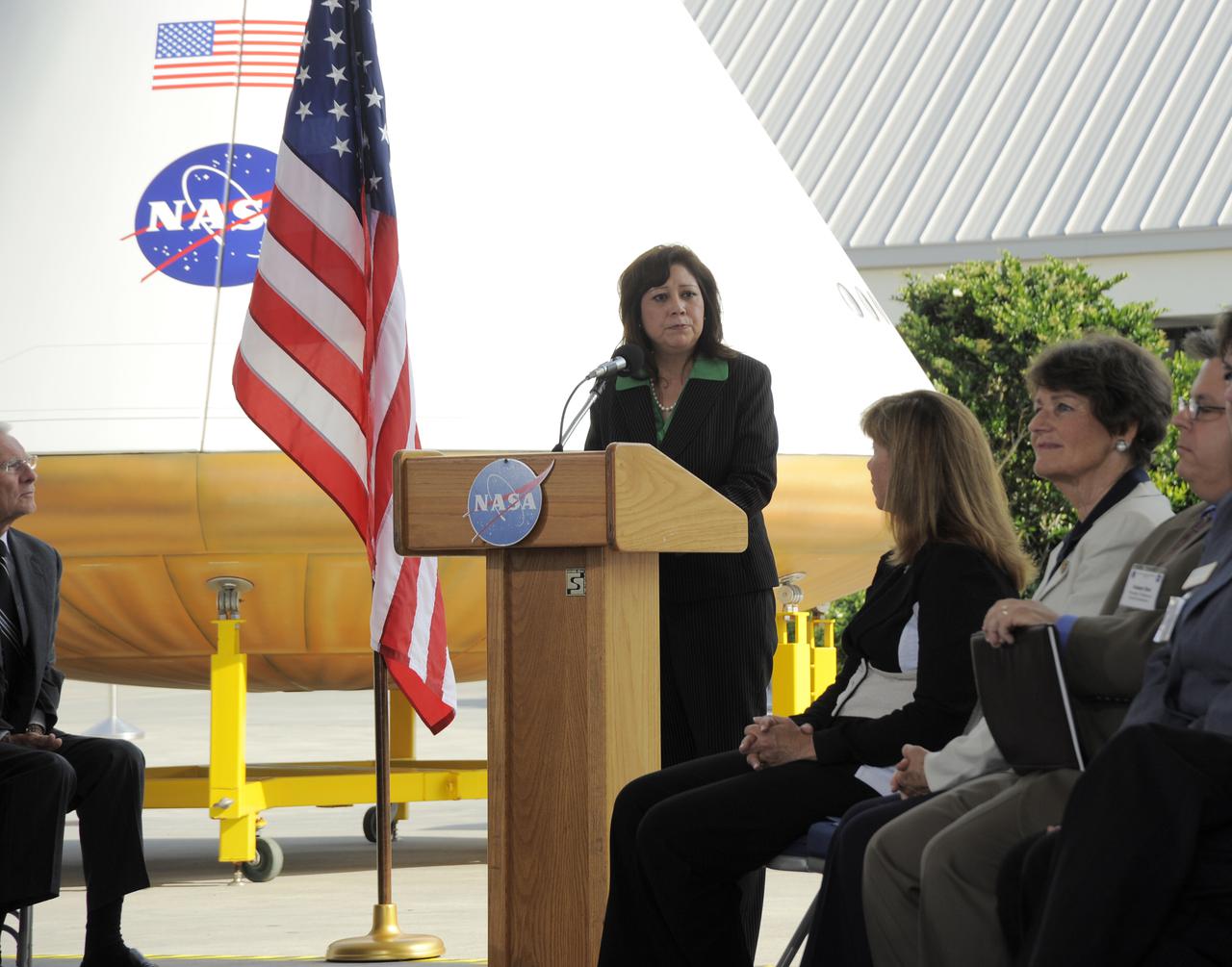
CAPE CANAVERAL, Fla. – At NASA's Kennedy Space Center Visitor Complex, Secretary of Labor Hilda Solis talks to the media and community leaders about the $15 million Florida will receive from the Labor Department’s National Emergency Grant Program to assist workers after the retirement of NASA's Space Shuttle Program. The grant money, which was awarded to the Brevard Workforce Development Board, will be used for job recruiting, screening, education and training, as well as incentives for new growth in science, technology and research. Photo credit: NASA_Kim Shiflett
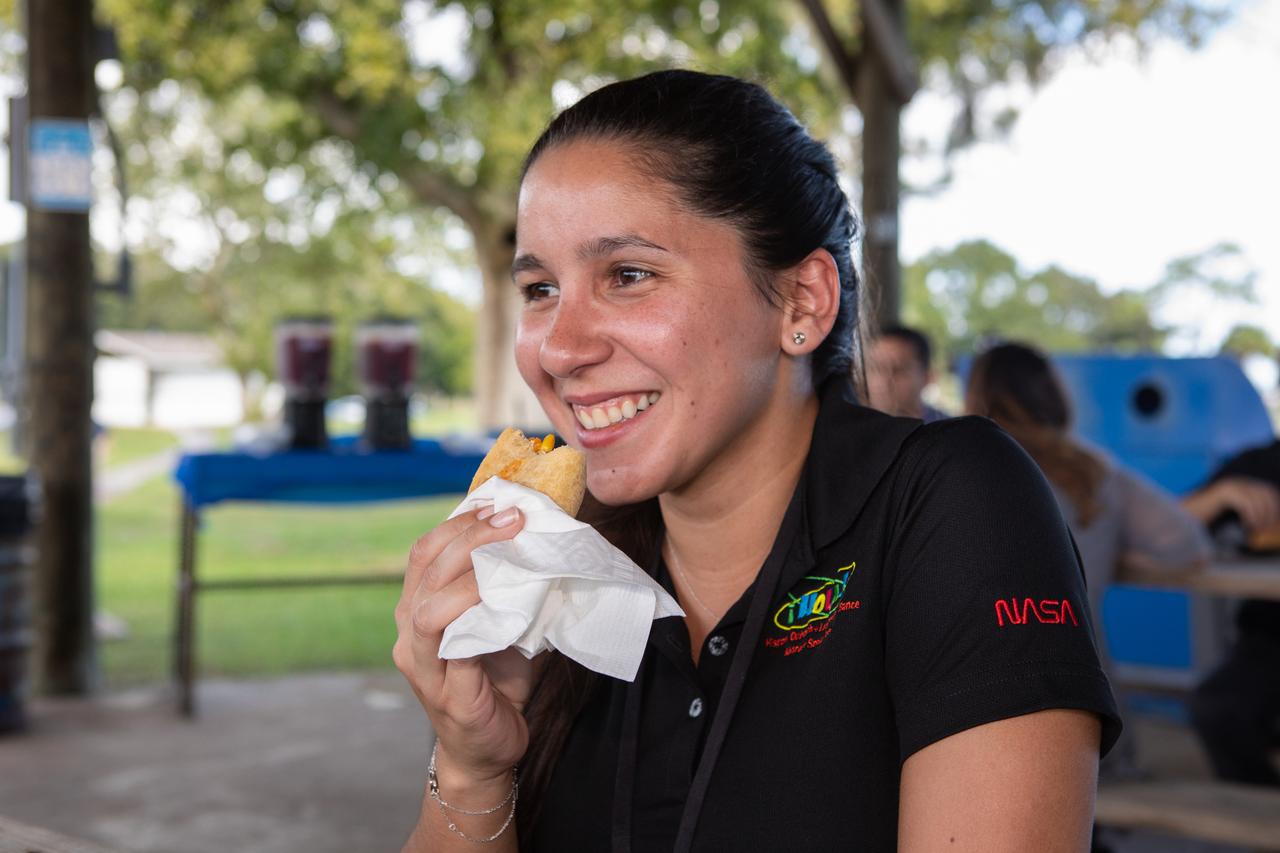
A NASA Kennedy Space Center workers enjoys a treat during a gathering at KARS Park II to celebrate Hispanic Heritage Month on Oct. 17, 2019. The event was hosted by the center’s Hispanic Outreach and Leadership Alliance (HOLA) employee resource group for Hispanic Heritage Month. This year’s theme is “Hispanic Americans: A History of Serving our Nation.” HOLA’s initiatives include education and recruitment, professional networking and development, and community outreach and media support.
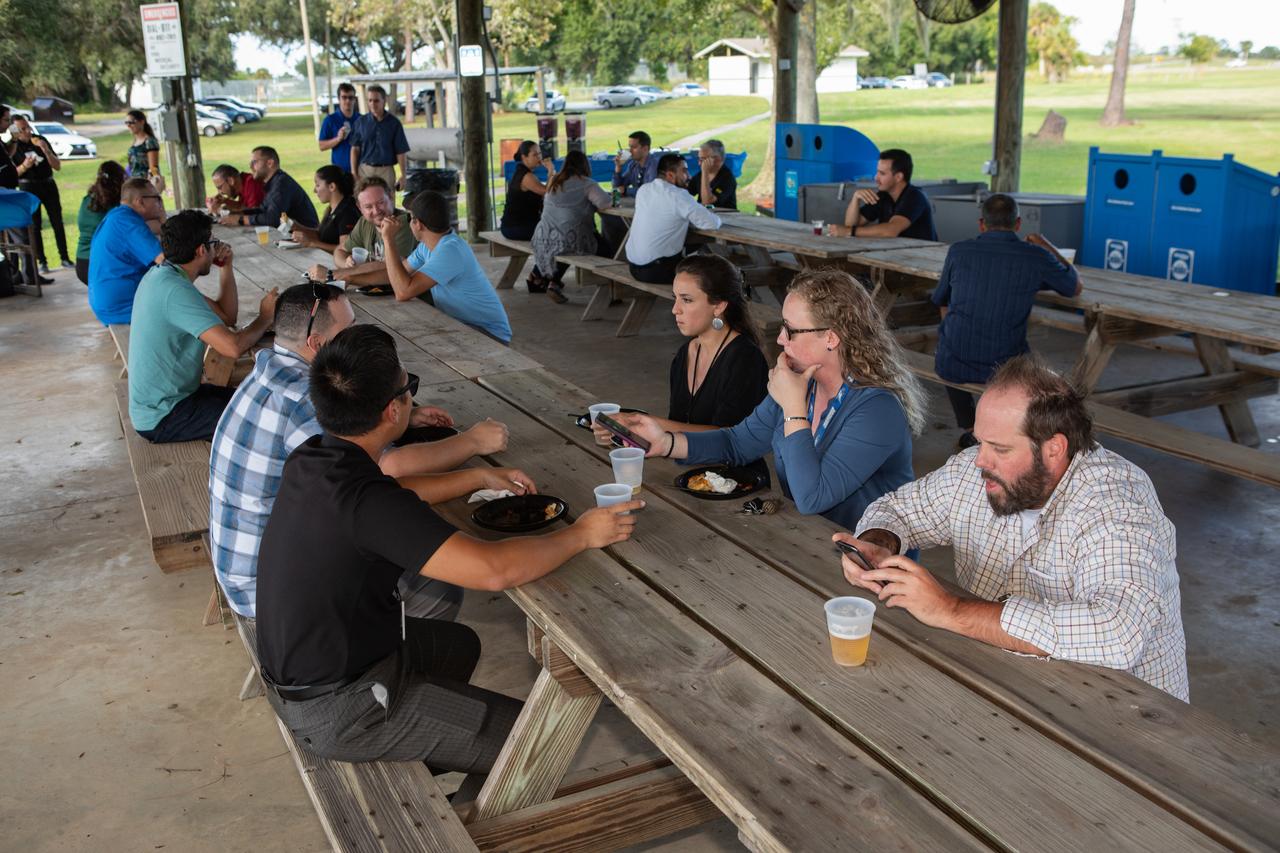
NASA Kennedy Space Center workers gather at KARS Park II to celebrate Hispanic Heritage Month on Oct. 17, 2019. The event was hosted by the center’s Hispanic Outreach and Leadership Alliance (HOLA) employee resource group for Hispanic Heritage Month. This year’s theme is “Hispanic Americans: A History of Serving our Nation.” HOLA’s initiatives include education and recruitment, professional networking and development, and community outreach and media support.
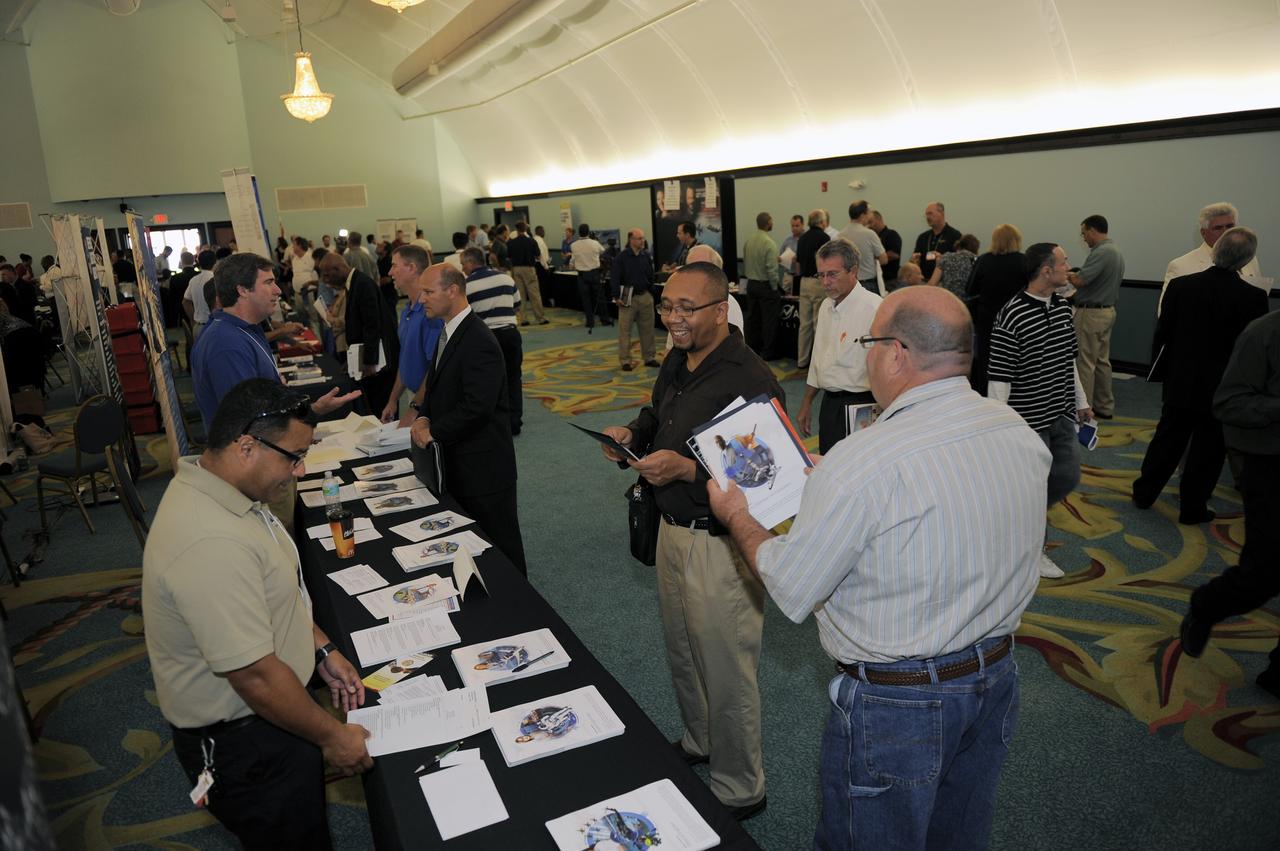
CAPE CANAVERAL, Fla. -- The Office of Personnel Management (OPM), NASA and Brevard Workforce host a job fair for former and current Kennedy Space Center aerospace workers at the Radisson Resort at the Port in Cape Canaveral, Fla. More than 60 private industry employers and federal agencies are recruiting for local and worldwide positions, and more than 1,000 job seekers attended. For more information, visit http://spacecoastjobfair.eventbrite.com. Photo credit: NASA/Kim Shiflett
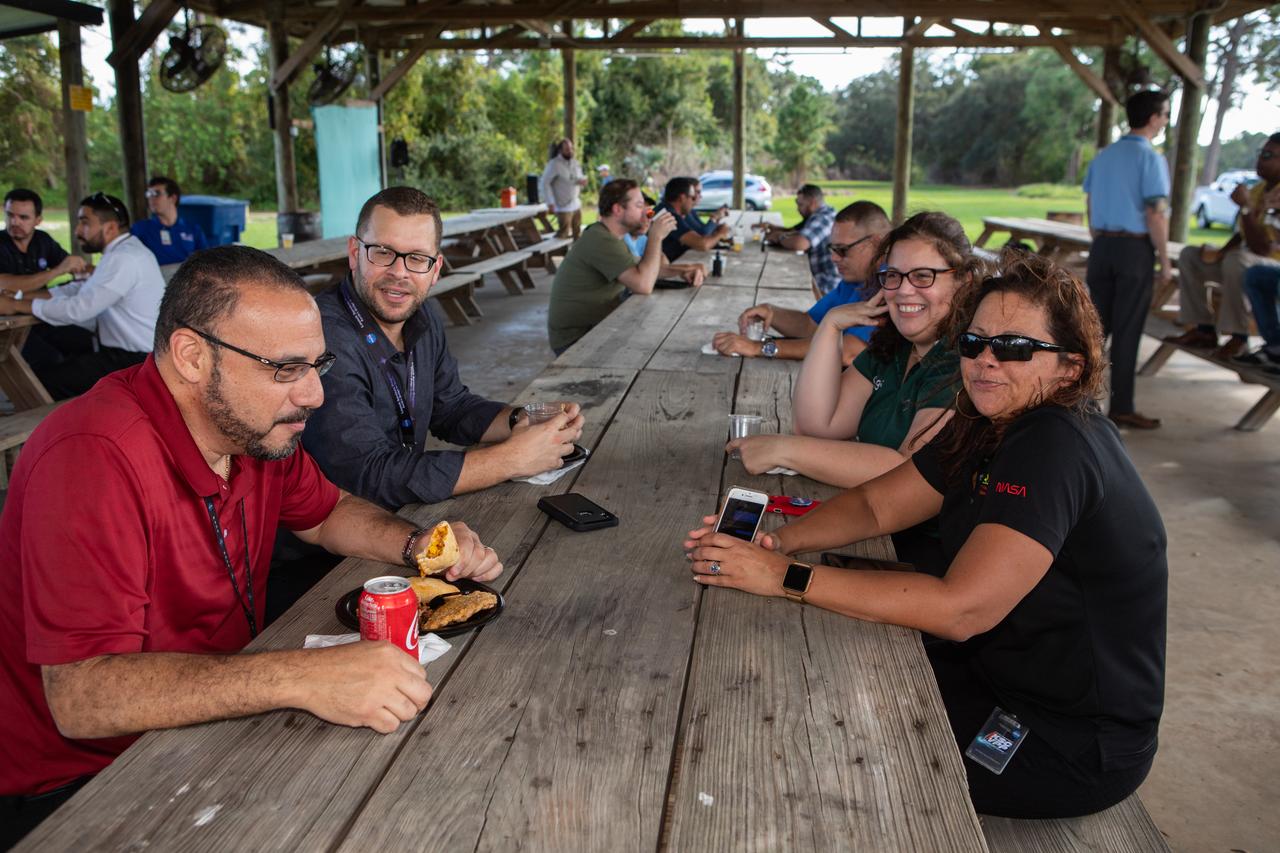
NASA Kennedy Space Center workers gather at KARS Park II to celebrate Hispanic Heritage Month on Oct. 17, 2019. The event was hosted by the center’s Hispanic Outreach and Leadership Alliance (HOLA) employee resource group for Hispanic Heritage Month. This year’s theme is “Hispanic Americans: A History of Serving our Nation.” HOLA’s initiatives include education and recruitment, professional networking and development, and community outreach and media support.

Yanidsi Velez-Bonet, senior director of Florida Programs and Policy for the Hispanic Federation, speaks to workers at NASA’s Kennedy Space Center in Florida on Oct. 10, 2019. The event was hosted by the center’s Hispanic Heritage Outreach and Leadership Alliance (HOLA) employee resource group for Hispanic Heritage Month. This year’s theme is “Hispanic Americans: A History of Serving our Nation.” HOLA’s initiatives include education and recruitment, professional networking and development, and community outreach and media support.
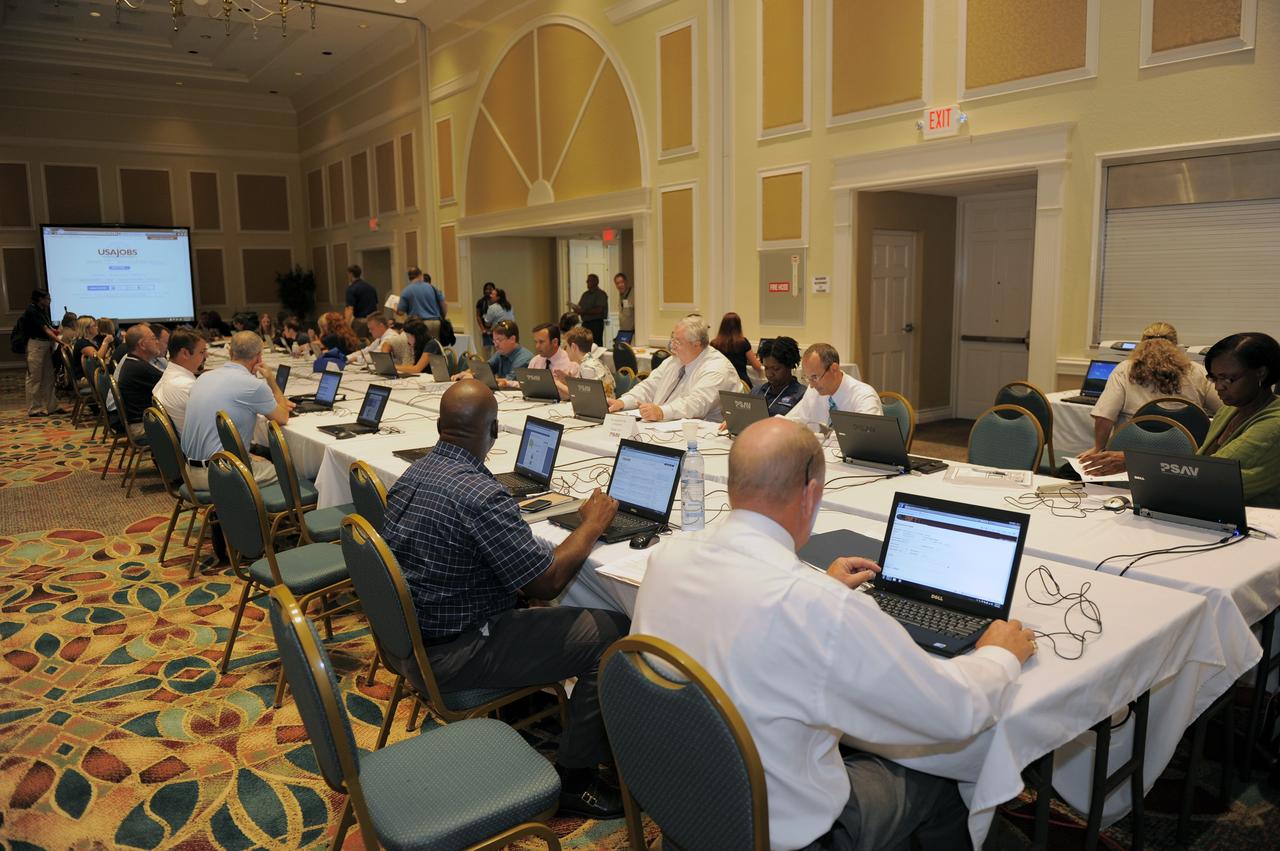
CAPE CANAVERAL, Fla. -- The Office of Personnel Management (OPM), NASA and Brevard Workforce host a job fair for former and current Kennedy Space Center aerospace workers at the Radisson Resort at the Port in Cape Canaveral, Fla. More than 60 private industry employers and federal agencies are recruiting for local and worldwide positions, and more than 1,000 job seekers attended. For more information, visit http://spacecoastjobfair.eventbrite.com. Photo credit: NASA/Kim Shiflett

Yanidsi Velez-Bonet, senior director of Florida Programs and Policy for the Hispanic Federation, speaks to workers at NASA’s Kennedy Space Center in Florida on Oct. 10, 2019. The event was hosted by the center’s Hispanic Heritage Outreach and Leadership Alliance (HOLA) employee resource group for Hispanic Heritage Month. This year’s theme is “Hispanic Americans: A History of Serving our Nation.” HOLA’s initiatives include education and recruitment, professional networking and development, and community outreach and media support.

NASA Kennedy Space Center workers enjoy Hispanic food at KARS Park II during an event to celebrate Hispanic Heritage Month on Oct. 17, 2019. The event was hosted by the center’s Hispanic Outreach and Leadership Alliance (HOLA) employee resource group for Hispanic Heritage Month. This year’s theme is “Hispanic Americans: A History of Serving our Nation.” HOLA’s initiatives include education and recruitment, professional networking and development, and community outreach and media support.
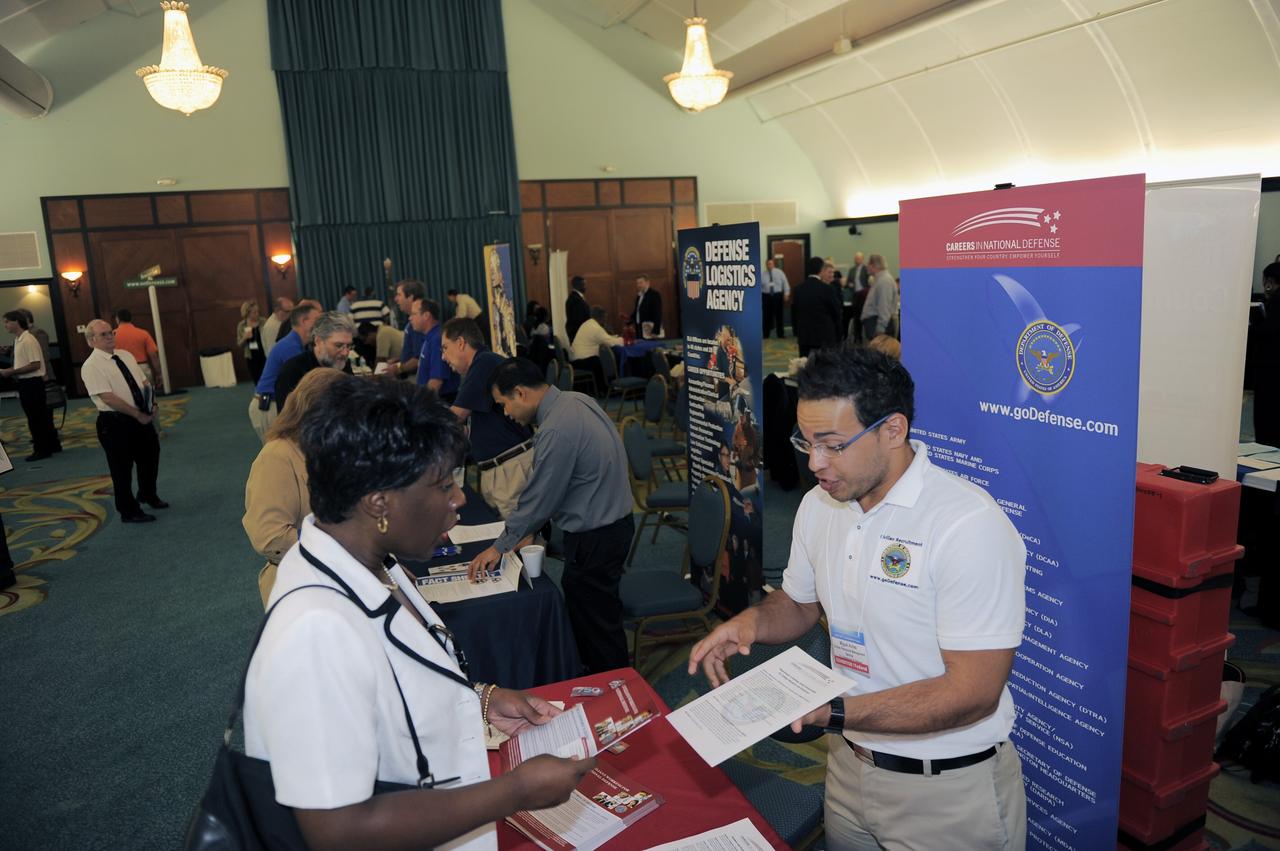
CAPE CANAVERAL, Fla. -- The Office of Personnel Management (OPM), NASA and Brevard Workforce host a job fair for former and current Kennedy Space Center aerospace workers at the Radisson Resort at the Port in Cape Canaveral, Fla. More than 60 private industry employers and federal agencies are recruiting for local and worldwide positions, and more than 1,000 job seekers attended. For more information, visit http://spacecoastjobfair.eventbrite.com. Photo credit: NASA/Kim Shiflett

Yanidsi Velez-Bonet, senior director of Florida Programs and Policy for the Hispanic Federation, speaks to workers at NASA’s Kennedy Space Center in Florida on Oct. 10, 2019. The event was hosted by the center’s Hispanic Heritage Outreach and Leadership Alliance (HOLA) employee resource group for Hispanic Heritage Month. This year’s theme is “Hispanic Americans: A History of Serving our Nation.” HOLA’s initiatives include education and recruitment, professional networking and development, and community outreach and media support.

Yanidsi Velez-Bonet, senior director of Florida Programs and Policy for the Hispanic Federation, speaks to workers at NASA’s Kennedy Space Center in Florida on Oct. 10, 2019 and takes questions from workers after her presentation. The event was hosted by the center’s Hispanic Heritage Outreach and Leadership Alliance (HOLA) employee resource group for Hispanic Heritage Month. This year’s theme is “Hispanic Americans: A History of Serving our Nation.” HOLA’s initiatives include education and recruitment, professional networking and development, and community outreach and media support.
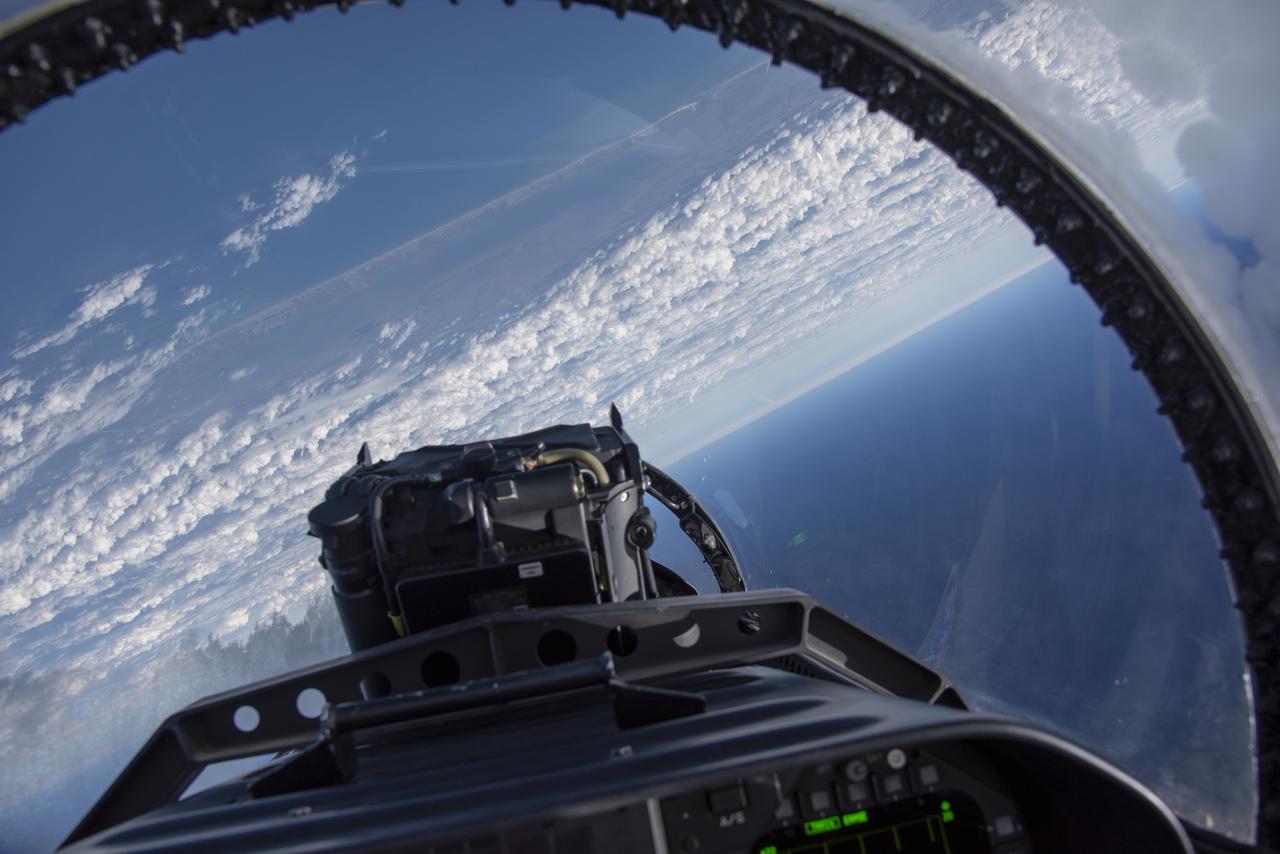
NASA test pilots perform the quiet supersonic dive maneuver off the coast of Galveston, Texas to create a quieter version of the sonic boom, in order to obtain recruited community survey feedback data. The test pilot climbs to around 50,000 feet, followed by a supersonic, inverted dive. This creates sonic boom shockwaves in a way that they are quieter in a specific area. Meanwhile, NASA researchers match community feedback to the sound levels of the flights, using an electronic survey and microphone monitor stations on the ground. This is preparing NASA for community response models for the future X-59 QueSST.
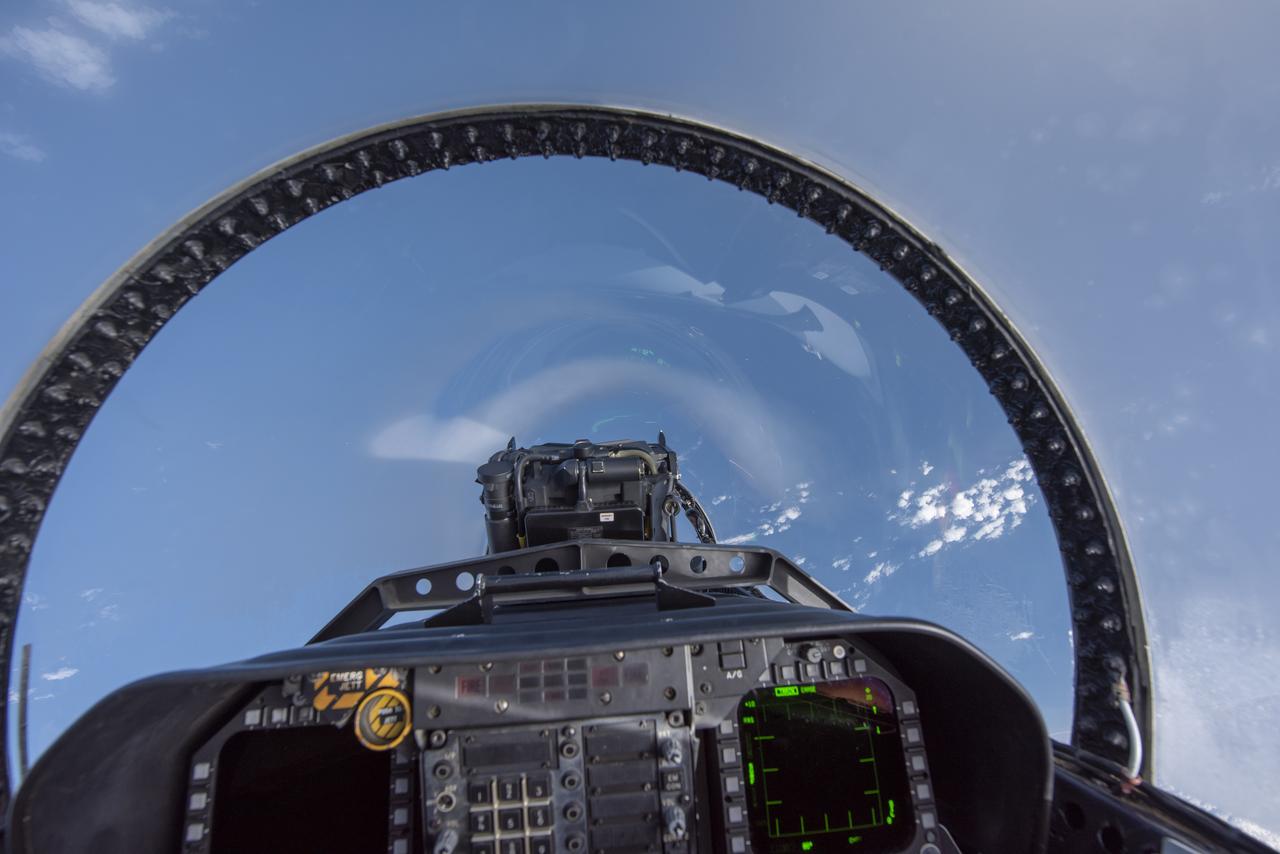
NASA test pilots perform the quiet supersonic dive maneuver off the coast of Galveston, Texas to create a quieter version of the sonic boom, in order to obtain recruited community survey feedback data. The test pilot climbs to around 50,000 feet, followed by a supersonic, inverted dive. This creates sonic boom shockwaves in a way that they are quieter in a specific area. Meanwhile, NASA researchers match community feedback to the sound levels of the flights, using an electronic survey and microphone monitor stations on the ground. This is preparing NASA for community response models for the future X-59 QueSST.
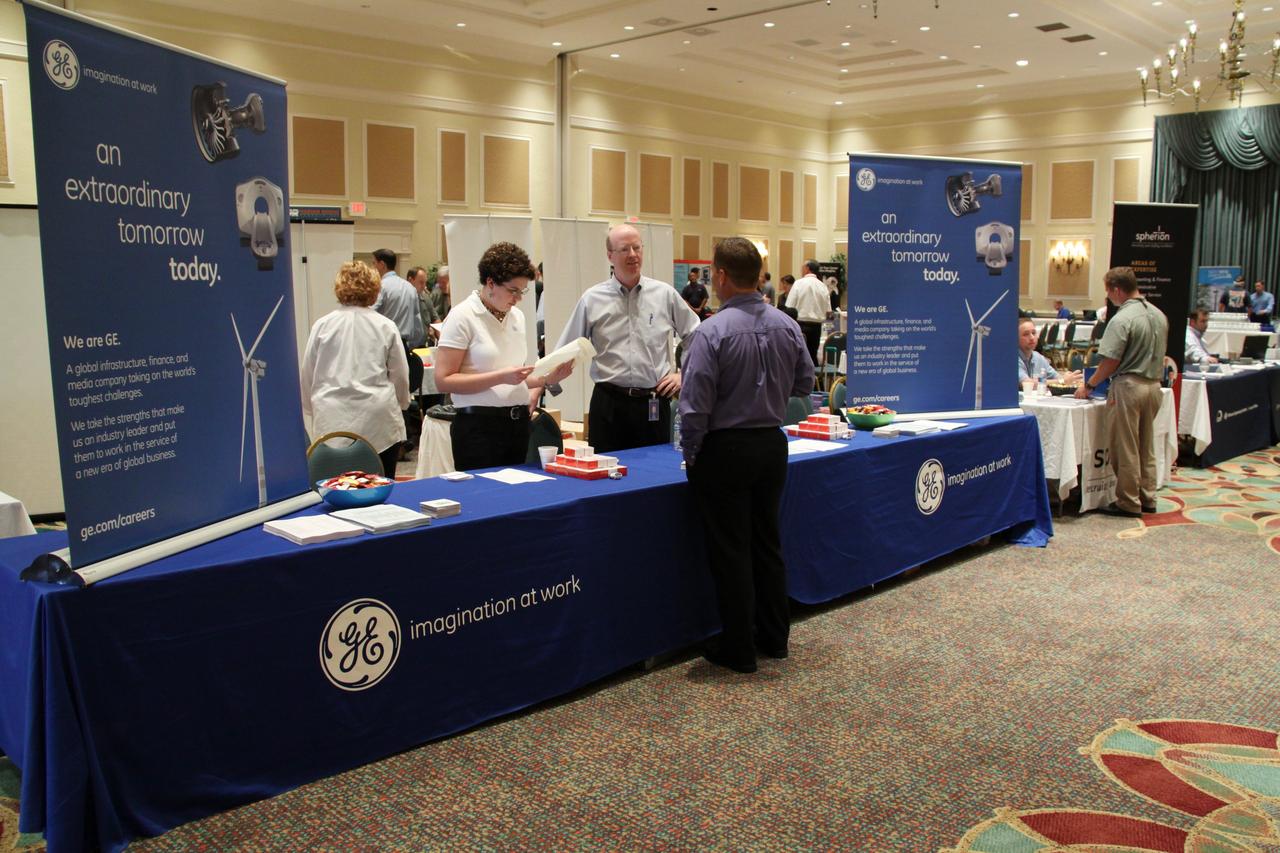
CAPE CANAVERAL, Fla. -- NASA's Kennedy Space Center and Brevard Workforce host a job fair at a hotel in Cape Canaveral, Fla., to help center employees with future planning and placement as the Space Shuttle Program comes to an end. Recruiters included federal, state and local government agencies and organizations, as well as private companies from across the country. The first part of the job fair took place Sept. 15 in Kennedy's Operations Support Building II and Space Station Processing Facility. Kennedy's Human Resources Office also has hosted workshops, seminars and other events to prepare employees as much as possible for future opportunities. Photo credit: NASA/Jack Pfaller
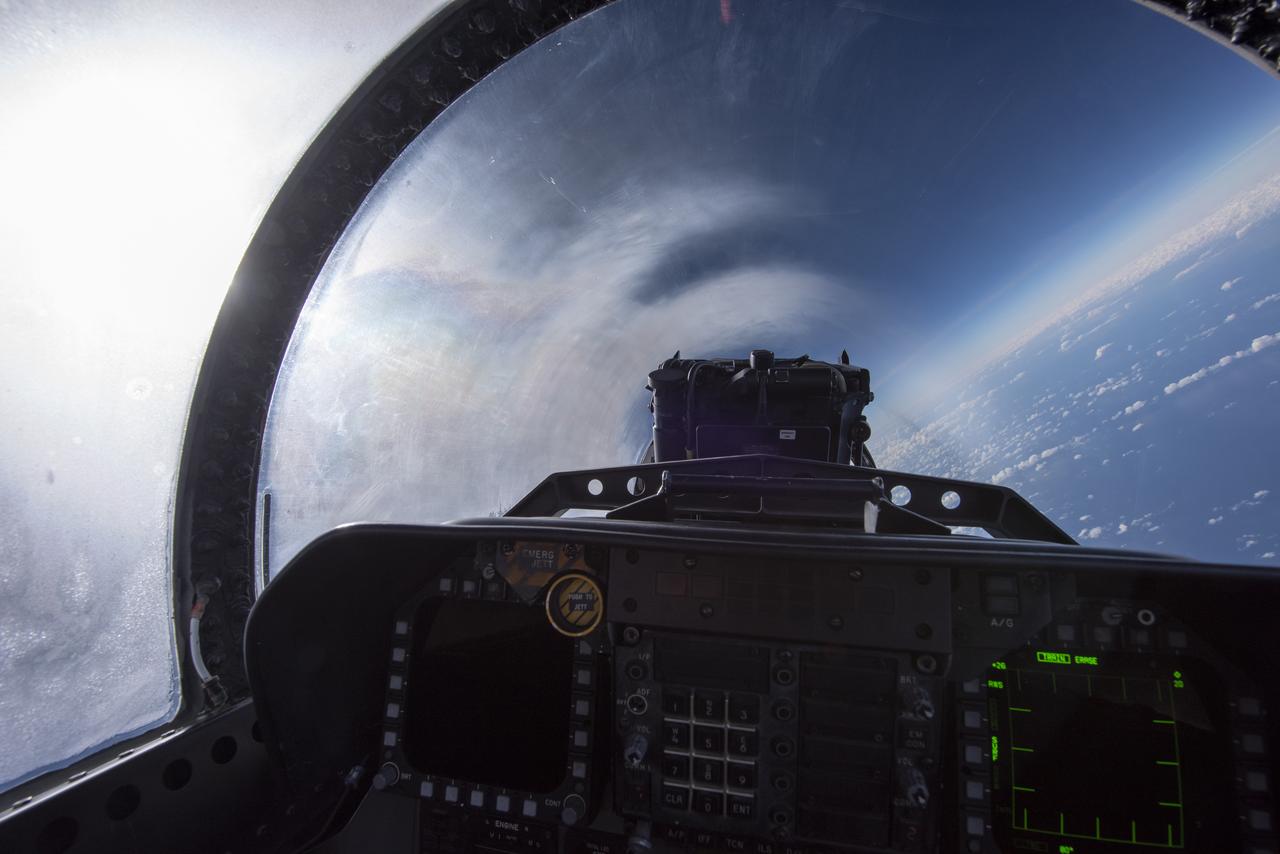
NASA test pilots perform the quiet supersonic dive maneuver off the coast of Galveston, Texas to create a quieter version of the sonic boom, in order to obtain recruited community survey feedback data. The test pilot climbs to around 50,000 feet, followed by a supersonic, inverted dive. This creates sonic boom shockwaves in a way that they are quieter in a specific area. Meanwhile, NASA researchers match community feedback to the sound levels of the flights, using an electronic survey and microphone monitor stations on the ground. This is preparing NASA for community response models for the future X-59 QueSST.
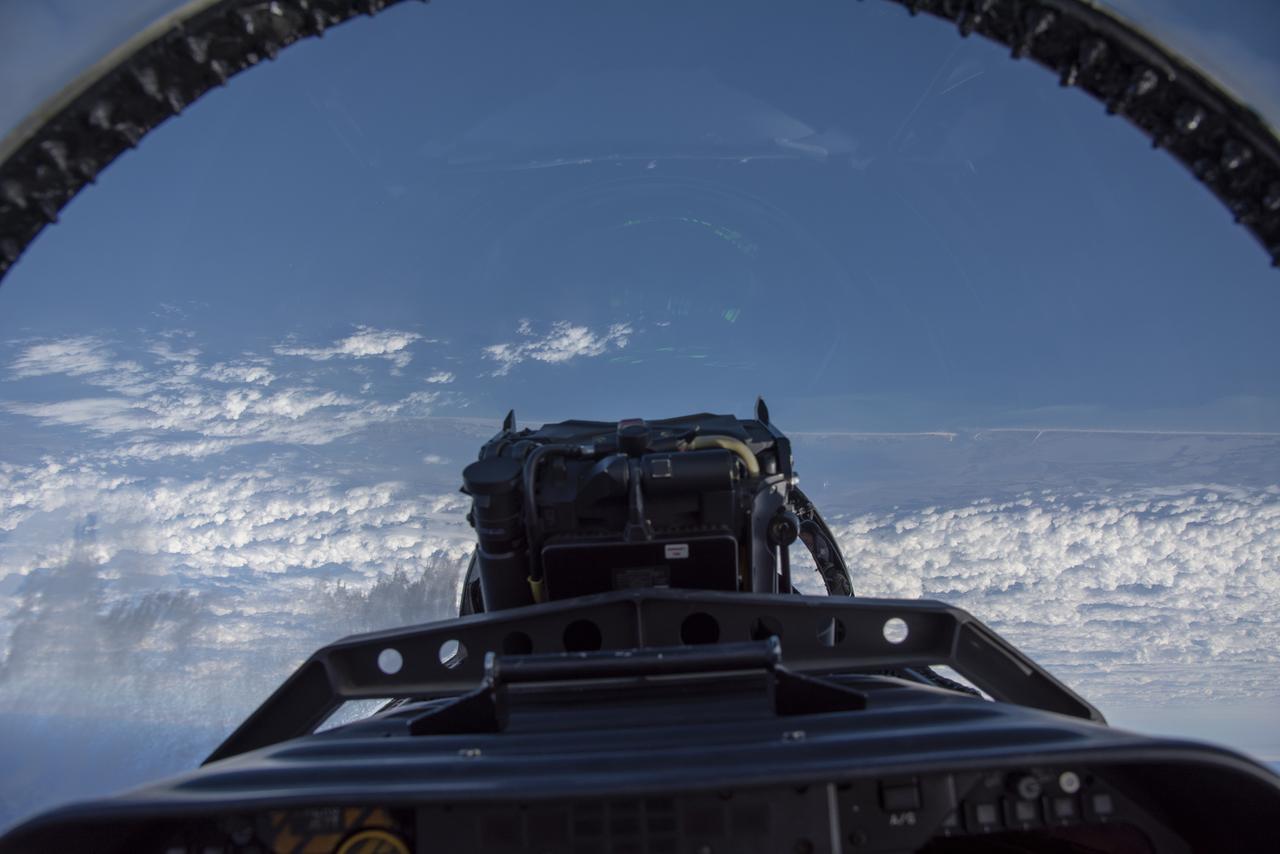
NASA test pilots perform the quiet supersonic dive maneuver off the coast of Galveston, Texas to create a quieter version of the sonic boom, in order to obtain recruited community survey feedback data. The test pilot climbs to around 50,000 feet, followed by a supersonic, inverted dive. This creates sonic boom shockwaves in a way that they are quieter in a specific area. Meanwhile, NASA researchers match community feedback to the sound levels of the flights, using an electronic survey and microphone monitor stations on the ground. This is preparing NASA for community response models for the future X-59 QueSST.

NASA test pilots perform the quiet supersonic dive maneuver off the coast of Galveston, Texas to create a quieter version of the sonic boom, in order to obtain recruited community survey feedback data. The test pilot climbs to around 50,000 feet, followed by a supersonic, inverted dive. This creates sonic boom shockwaves in a way that they are quieter in a specific area. Meanwhile, NASA researchers match community feedback to the sound levels of the flights, using an electronic survey and microphone monitor stations on the ground. This is preparing NASA for community response models for the future X-59 QueSST.
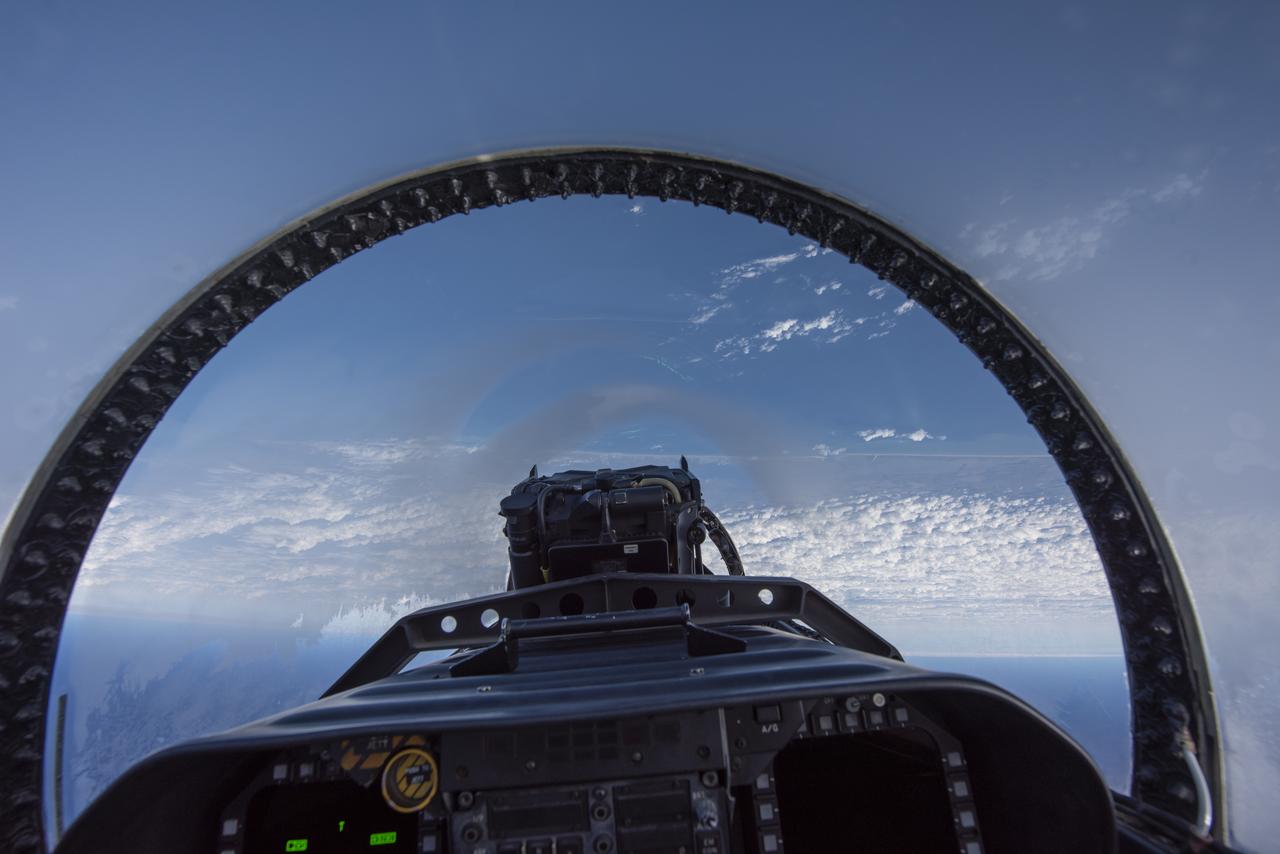
NASA test pilots perform the quiet supersonic dive maneuver off the coast of Galveston, Texas to create a quieter version of the sonic boom, in order to obtain recruited community survey feedback data. The test pilot climbs to around 50,000 feet, followed by a supersonic, inverted dive. This creates sonic boom shockwaves in a way that they are quieter in a specific area. Meanwhile, NASA researchers match community feedback to the sound levels of the flights, using an electronic survey and microphone monitor stations on the ground. This is preparing NASA for community response models for the future X-59 QueSST.
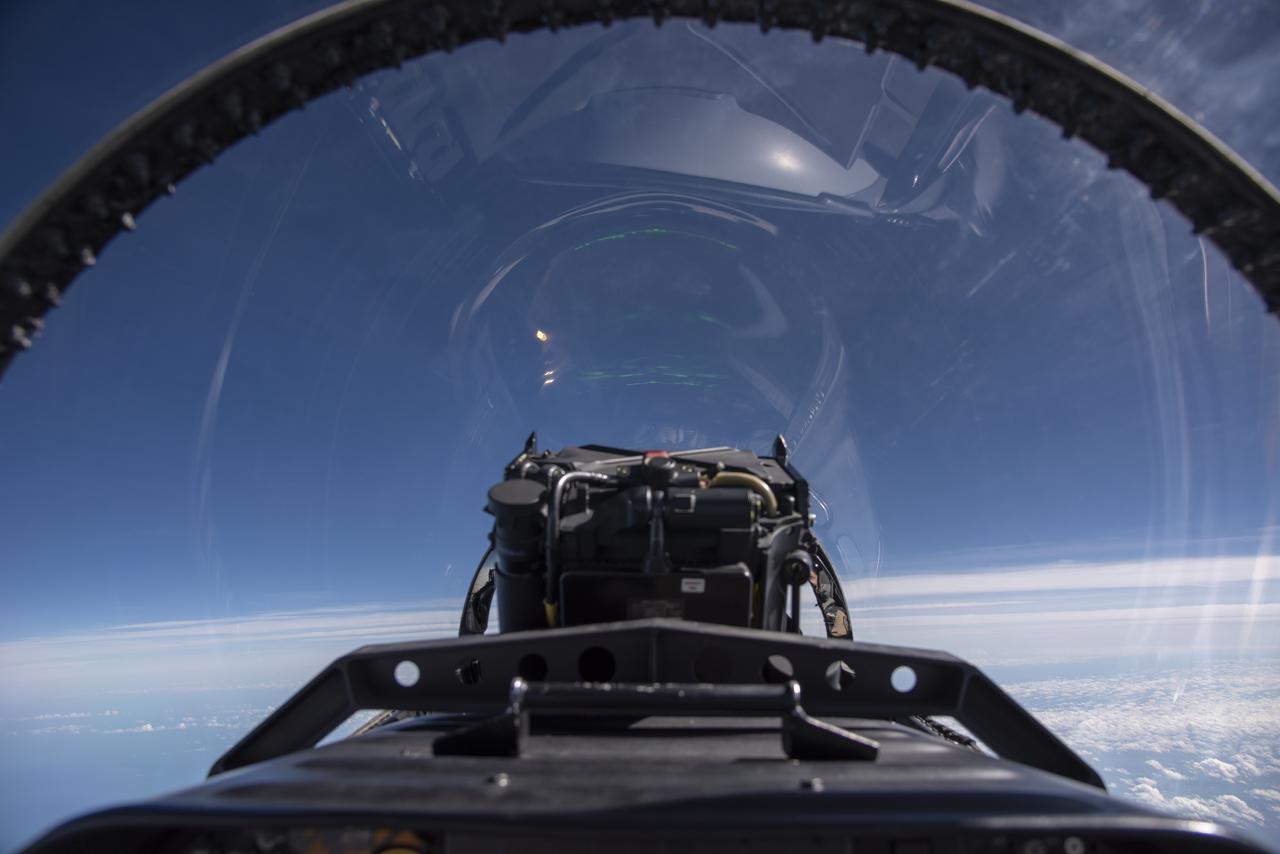
NASA test pilots perform the quiet supersonic dive maneuver off the coast of Galveston, Texas to create a quieter version of the sonic boom, in order to obtain recruited community survey feedback data. The test pilot climbs to around 50,000 feet, followed by a supersonic, inverted dive. This creates sonic boom shockwaves in a way that they are quieter in a specific area. Meanwhile, NASA researchers match community feedback to the sound levels of the flights, using an electronic survey and microphone monitor stations on the ground. This is preparing NASA for community response models for the future X-59 QueSST.
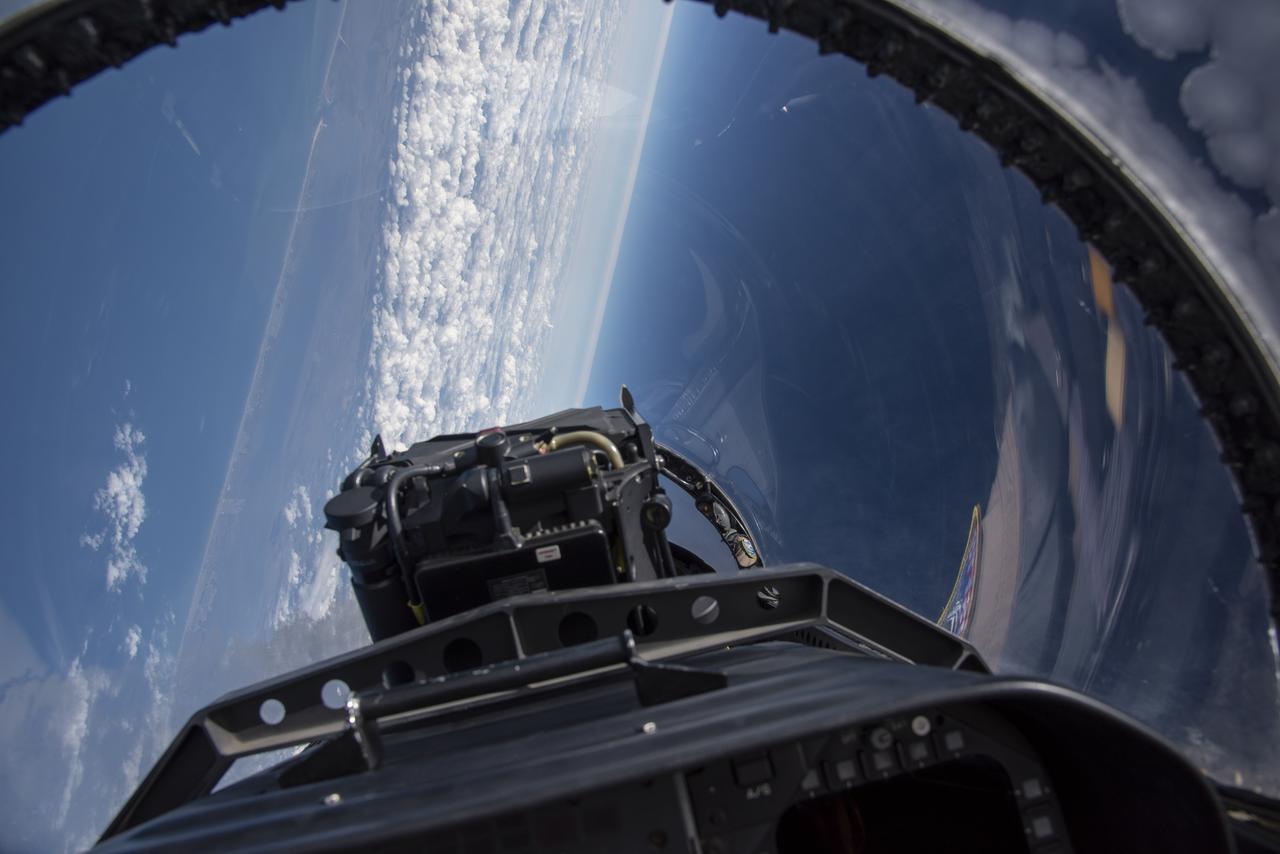
NASA test pilots perform the quiet supersonic dive maneuver off the coast of Galveston, Texas to create a quieter version of the sonic boom, in order to obtain recruited community survey feedback data. The test pilot climbs to around 50,000 feet, followed by a supersonic, inverted dive. This creates sonic boom shockwaves in a way that they are quieter in a specific area. Meanwhile, NASA researchers match community feedback to the sound levels of the flights, using an electronic survey and microphone monitor stations on the ground. This is preparing NASA for community response models for the future X-59 QueSST.
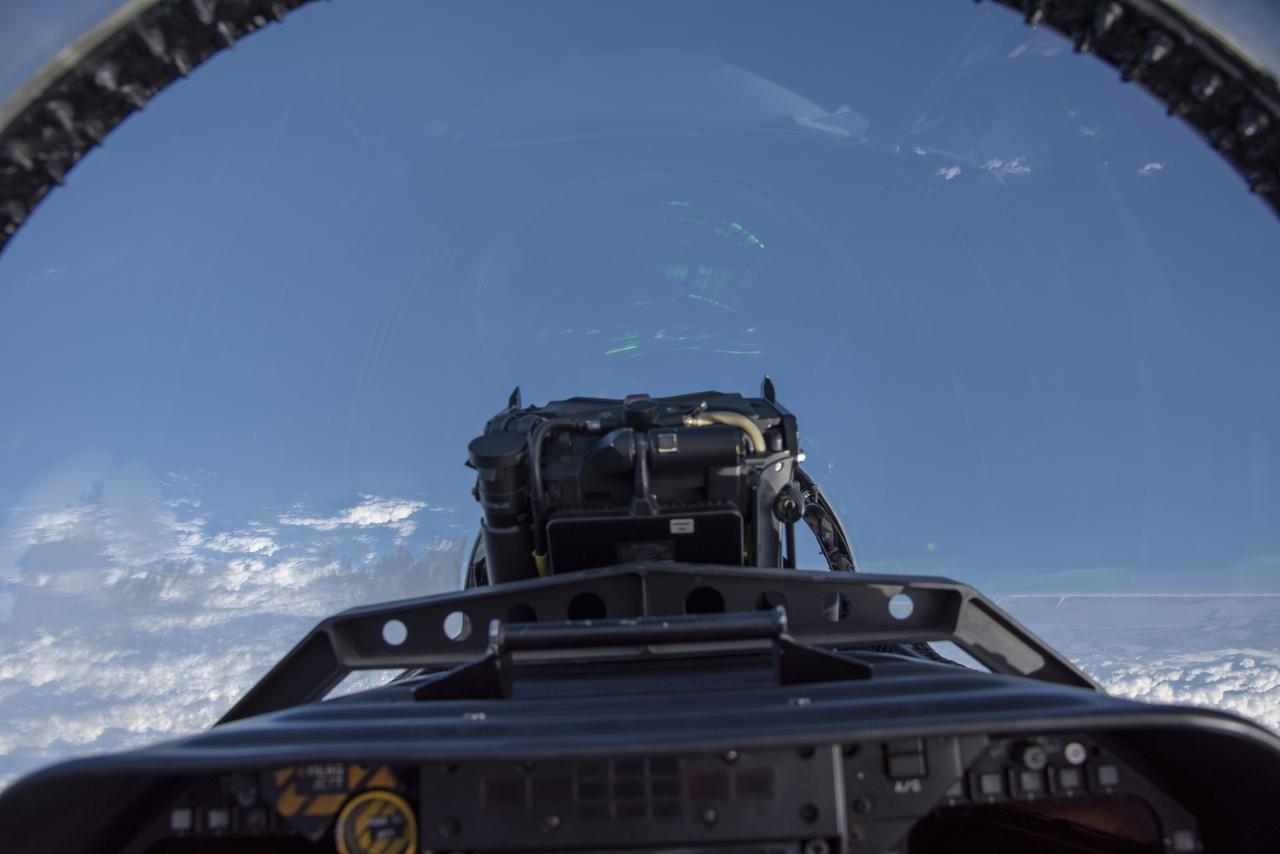
NASA test pilots perform the quiet supersonic dive maneuver off the coast of Galveston, Texas to create a quieter version of the sonic boom, in order to obtain recruited community survey feedback data. The test pilot climbs to around 50,000 feet, followed by a supersonic, inverted dive. This creates sonic boom shockwaves in a way that they are quieter in a specific area. Meanwhile, NASA researchers match community feedback to the sound levels of the flights, using an electronic survey and microphone monitor stations on the ground. This is preparing NASA for community response models for the future X-59 QueSST.

Kennedy Space Center workers mingle before a Hispanic Heritage Month presentation in the Neil Armstrong Operations and Checkout Building Mission Briefing Room on Oct. 10, 2019. Yanidsi Velez-Bonet, senior director of Florida Programs and Policy for the Hispanic Federation was this year’s guest speaker. The event was hosted by the center’s Hispanic Heritage Outreach and Leadership Alliance (HOLA) employee resource group. This year’s theme is “Hispanic Americans: A History of Serving our Nation.” HOLA’s initiatives include education and recruitment, professional networking and development, and community outreach and media support.
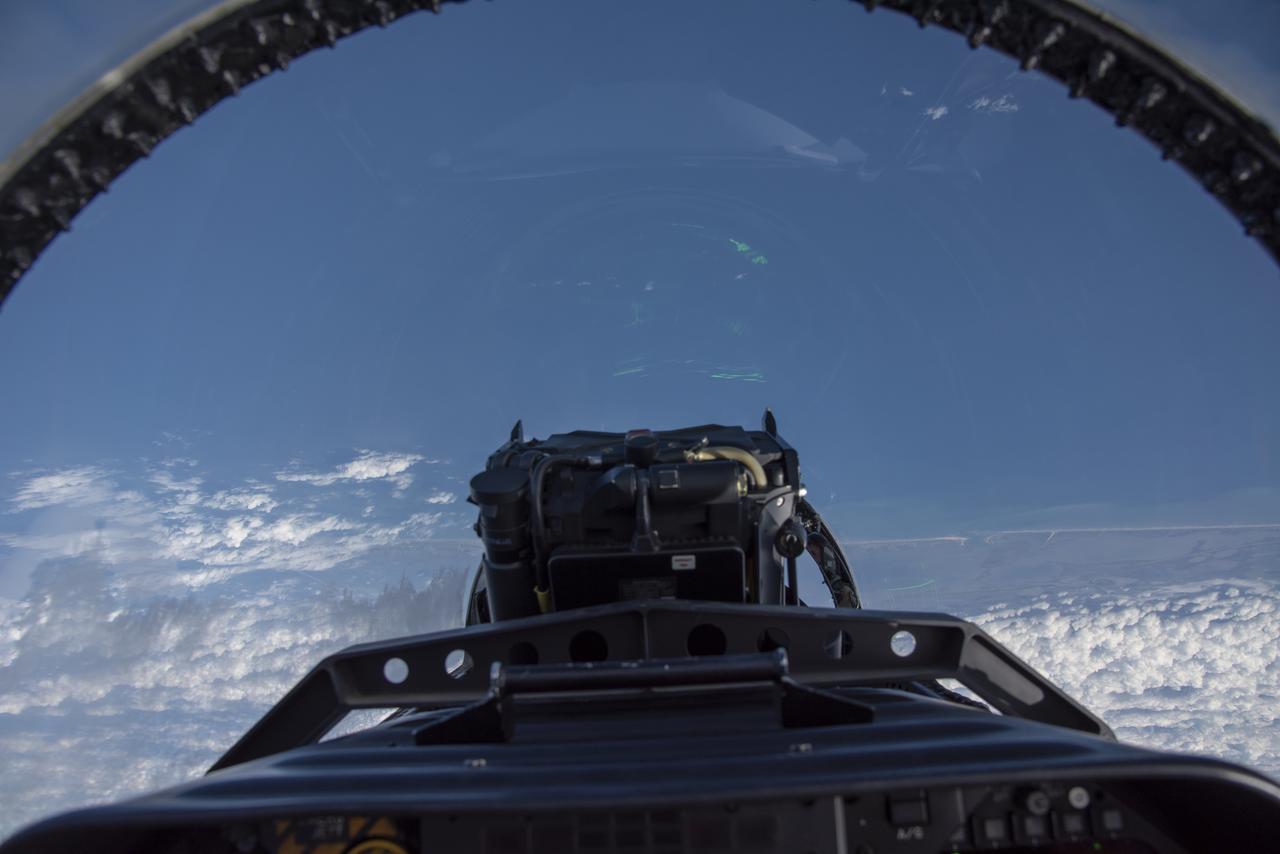
NASA test pilots perform the quiet supersonic dive maneuver off the coast of Galveston, Texas to create a quieter version of the sonic boom, in order to obtain recruited community survey feedback data. The test pilot climbs to around 50,000 feet, followed by a supersonic, inverted dive. This creates sonic boom shockwaves in a way that they are quieter in a specific area. Meanwhile, NASA researchers match community feedback to the sound levels of the flights, using an electronic survey and microphone monitor stations on the ground. This is preparing NASA for community response models for the future X-59 QueSST.

NASA Engineer Edsel Sanchez welcomes Kennedy Space Center workers to a Hispanic Heritage Month presentation in the Neil Armstrong Operations and Checkout Building Mission Briefing Room on Oct. 10, 2019. Yanidsi Velez-Bonet, senior director of Florida Programs and Policy for the Hispanic Federation was this year’s guest speaker. The event was hosted by the center’s Hispanic Heritage Outreach and Leadership Alliance (HOLA) employee resource group. This year’s theme is “Hispanic Americans: A History of Serving our Nation.” HOLA’s initiatives include education and recruitment, professional networking and development, and community outreach and media support.
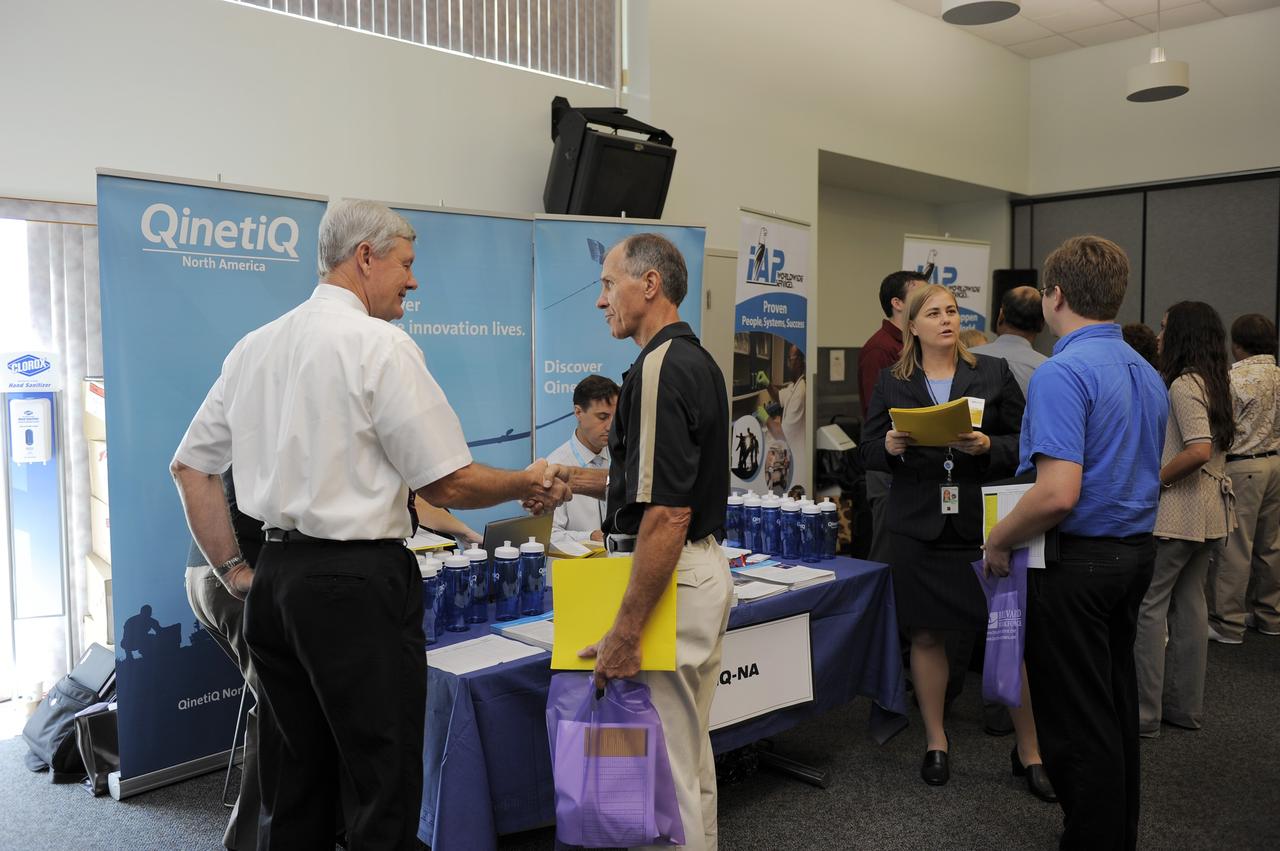
CAPE CANAVERAL, Fla. -- NASA's Kennedy Space Center and Brevard Workforce host a job fair in Kennedy's Operations Support Building II and Space Station Processing Facility to help center employees with future planning and placement as the Space Shuttle Program comes to an end. Recruiters included federal, state and local government agencies and organizations, as well as private companies from across the country. The second part of the job fair is scheduled for Sept. 16 at a hotel in Cape Canaveral, Fla. Kennedy's Human Resources Office also has hosted workshops, seminars and other events to prepare employees as much as possible for future opportunities. Photo credit: NASA/Kim Shiflett
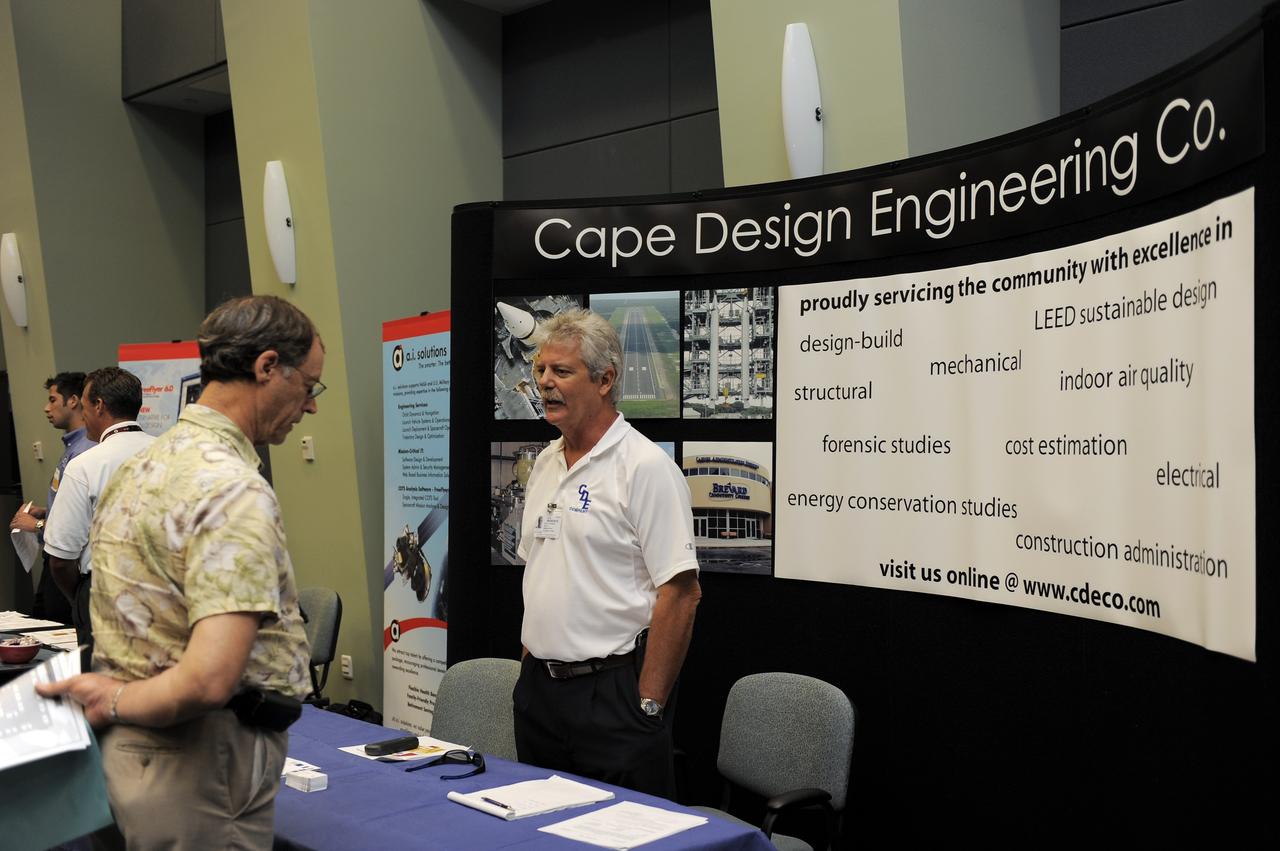
CAPE CANAVERAL, Fla. -- NASA's Kennedy Space Center and Brevard Workforce host a job fair in Kennedy's Operations Support Building II and Space Station Processing Facility to help center employees with future planning and placement as the Space Shuttle Program comes to an end. Recruiters included federal, state and local government agencies and organizations, as well as private companies from across the country. The second part of the job fair is scheduled for Sept. 16 at a hotel in Cape Canaveral, Fla. Kennedy's Human Resources Office also has hosted workshops, seminars and other events to prepare employees as much as possible for future opportunities. Photo credit: NASA/Kim Shiflett
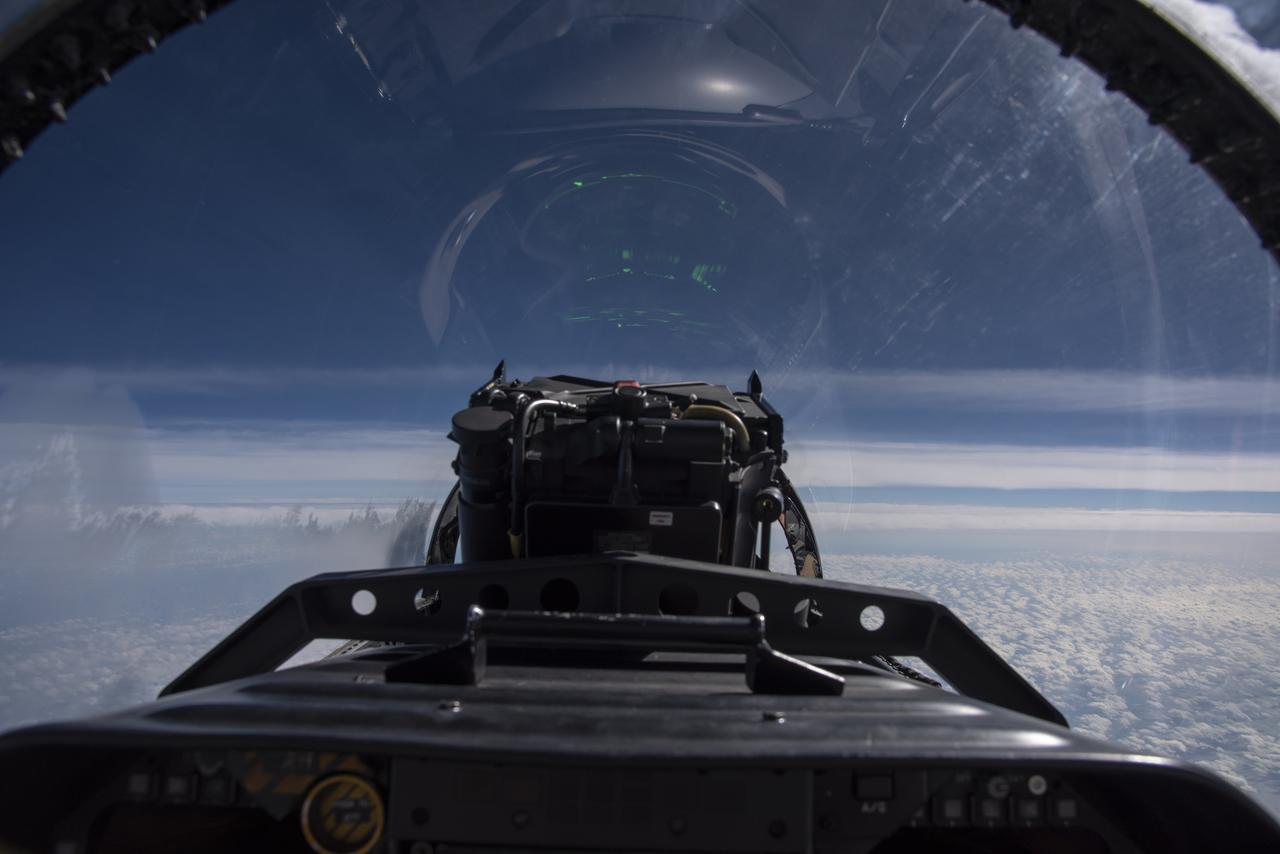
NASA test pilots perform the quiet supersonic dive maneuver off the coast of Galveston, Texas to create a quieter version of the sonic boom, in order to obtain recruited community survey feedback data. The test pilot climbs to around 50,000 feet, followed by a supersonic, inverted dive. This creates sonic boom shockwaves in a way that they are quieter in a specific area. Meanwhile, NASA researchers match community feedback to the sound levels of the flights, using an electronic survey and microphone monitor stations on the ground. This is preparing NASA for community response models for the future X-59 QueSST.

Information from the Hispanic Federation is on display in the Neil Armstrong Operations and Checkout Building Mission Briefing Room at NASA’s Kennedy Space Center in Florida, during a Hispanic Heritage Month presentation on Oct. 10, 2019. Yanidsi Velez-Bonet, senior director of Florida Programs and Policy for the Hispanic Federation is this year’s guest speaker. The event, hosted by the center’s Hispanic Heritage Outreach and Leadership Alliance (HOLA) employee resource group, focused on the theme “Hispanic Americans: A History of Serving our Nation.” HOLA’s initiatives include education and recruitment, professional networking and development, and community outreach and media support.
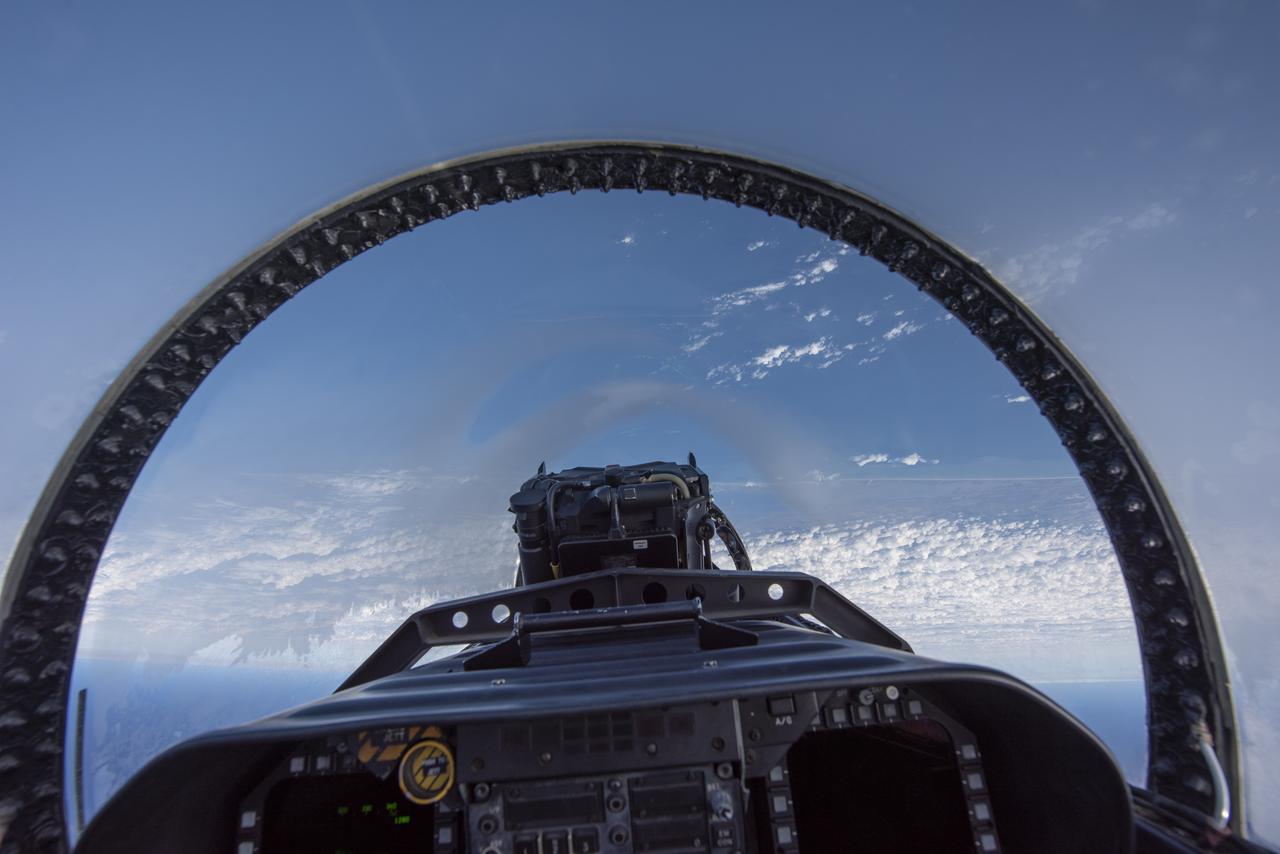
NASA test pilots perform the quiet supersonic dive maneuver off the coast of Galveston, Texas to create a quieter version of the sonic boom, in order to obtain recruited community survey feedback data. The test pilot climbs to around 50,000 feet, followed by a supersonic, inverted dive. This creates sonic boom shockwaves in a way that they are quieter in a specific area. Meanwhile, NASA researchers match community feedback to the sound levels of the flights, using an electronic survey and microphone monitor stations on the ground. This is preparing NASA for community response models for the future X-59 QueSST.
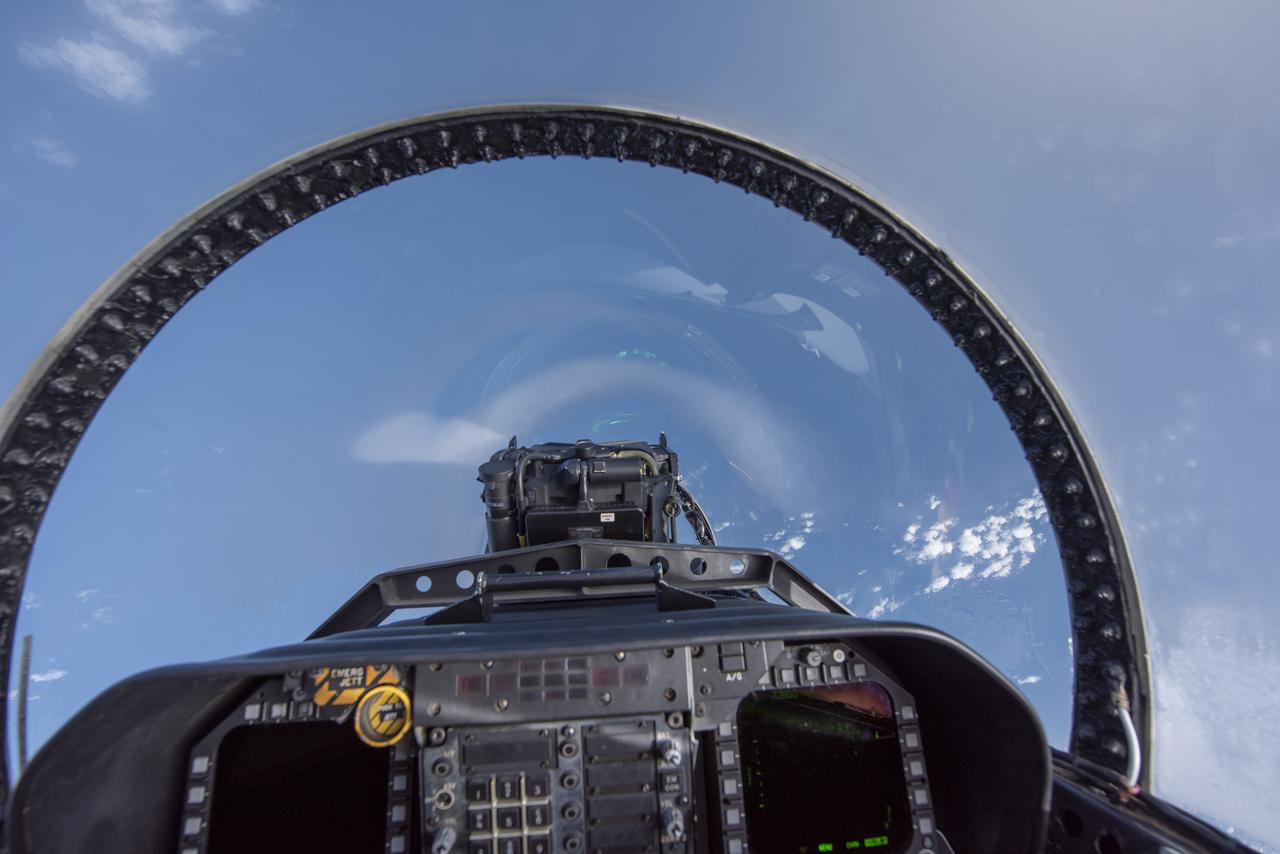
NASA test pilots perform the quiet supersonic dive maneuver off the coast of Galveston, Texas to create a quieter version of the sonic boom, in order to obtain recruited community survey feedback data. The test pilot climbs to around 50,000 feet, followed by a supersonic, inverted dive. This creates sonic boom shockwaves in a way that they are quieter in a specific area. Meanwhile, NASA researchers match community feedback to the sound levels of the flights, using an electronic survey and microphone monitor stations on the ground. This is preparing NASA for community response models for the future X-59 QueSST.
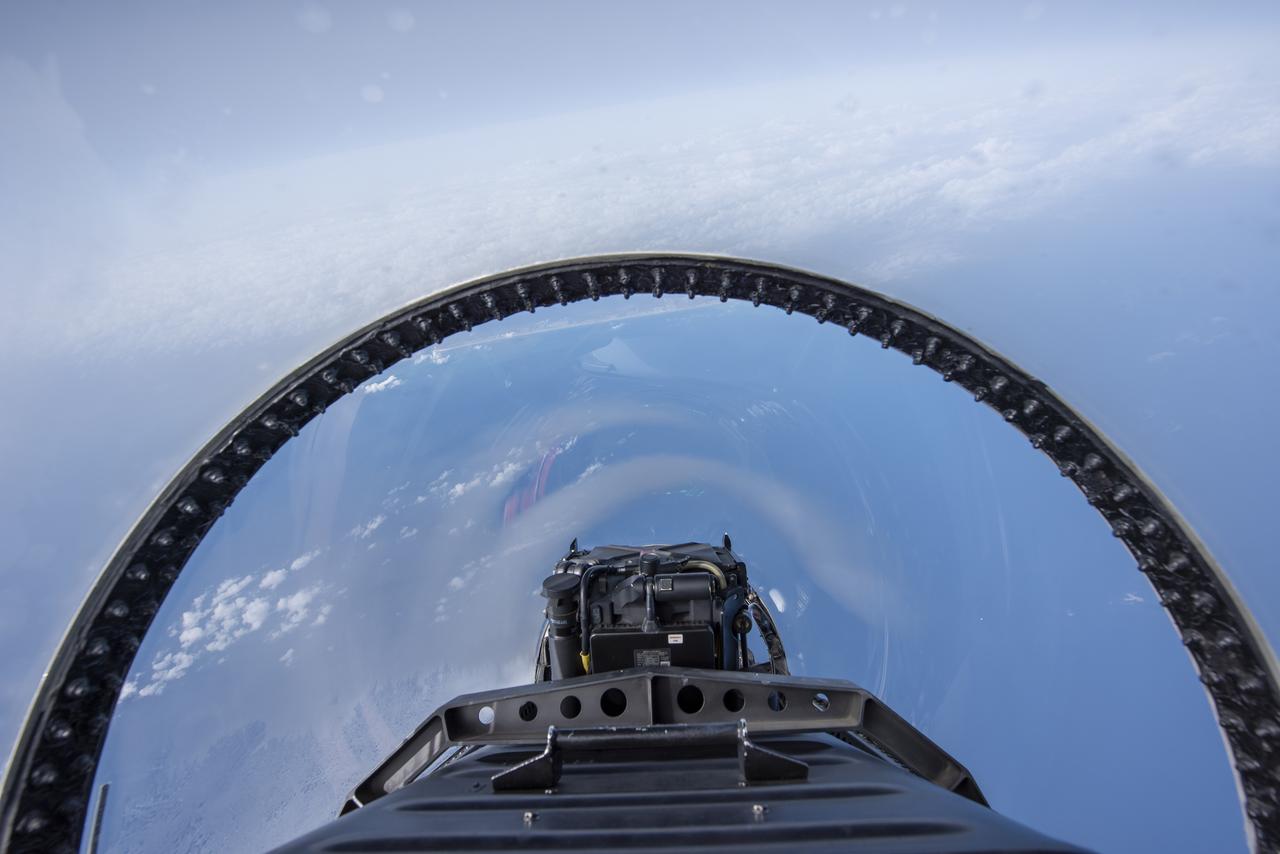
NASA test pilots perform the quiet supersonic dive maneuver off the coast of Galveston, Texas to create a quieter version of the sonic boom, in order to obtain recruited community survey feedback data. The test pilot climbs to around 50,000 feet, followed by a supersonic, inverted dive. This creates sonic boom shockwaves in a way that they are quieter in a specific area. Meanwhile, NASA researchers match community feedback to the sound levels of the flights, using an electronic survey and microphone monitor stations on the ground. This is preparing NASA for community response models for the future X-59 QueSST.
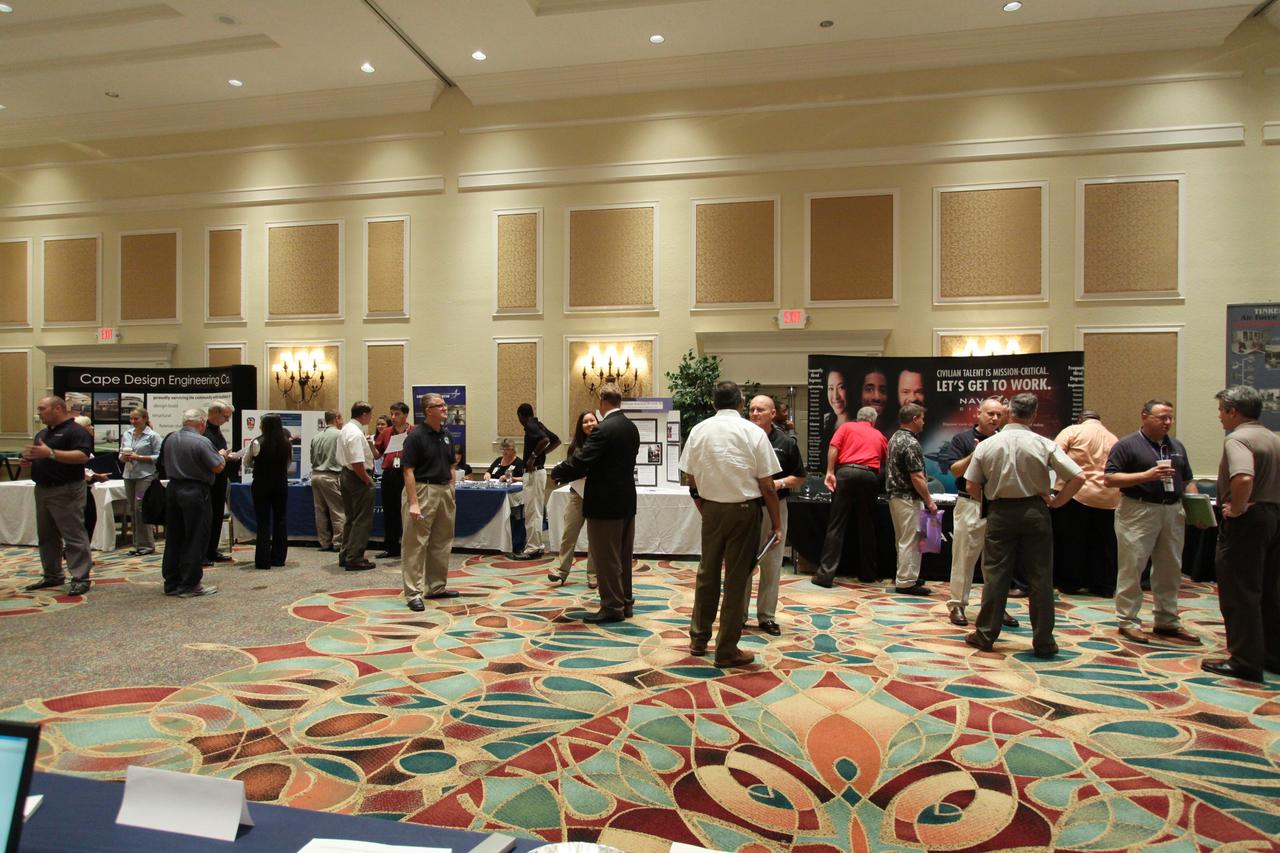
CAPE CANAVERAL, Fla. -- NASA's Kennedy Space Center and Brevard Workforce host a job fair at a hotel in Cape Canaveral, Fla., to help center employees with future planning and placement as the Space Shuttle Program comes to an end. Recruiters included federal, state and local government agencies and organizations, as well as private companies from across the country. The first part of the job fair took place Sept. 15 in Kennedy's Operations Support Building II and Space Station Processing Facility. Kennedy's Human Resources Office also has hosted workshops, seminars and other events to prepare employees as much as possible for future opportunities. Photo credit: NASA/Jack Pfaller
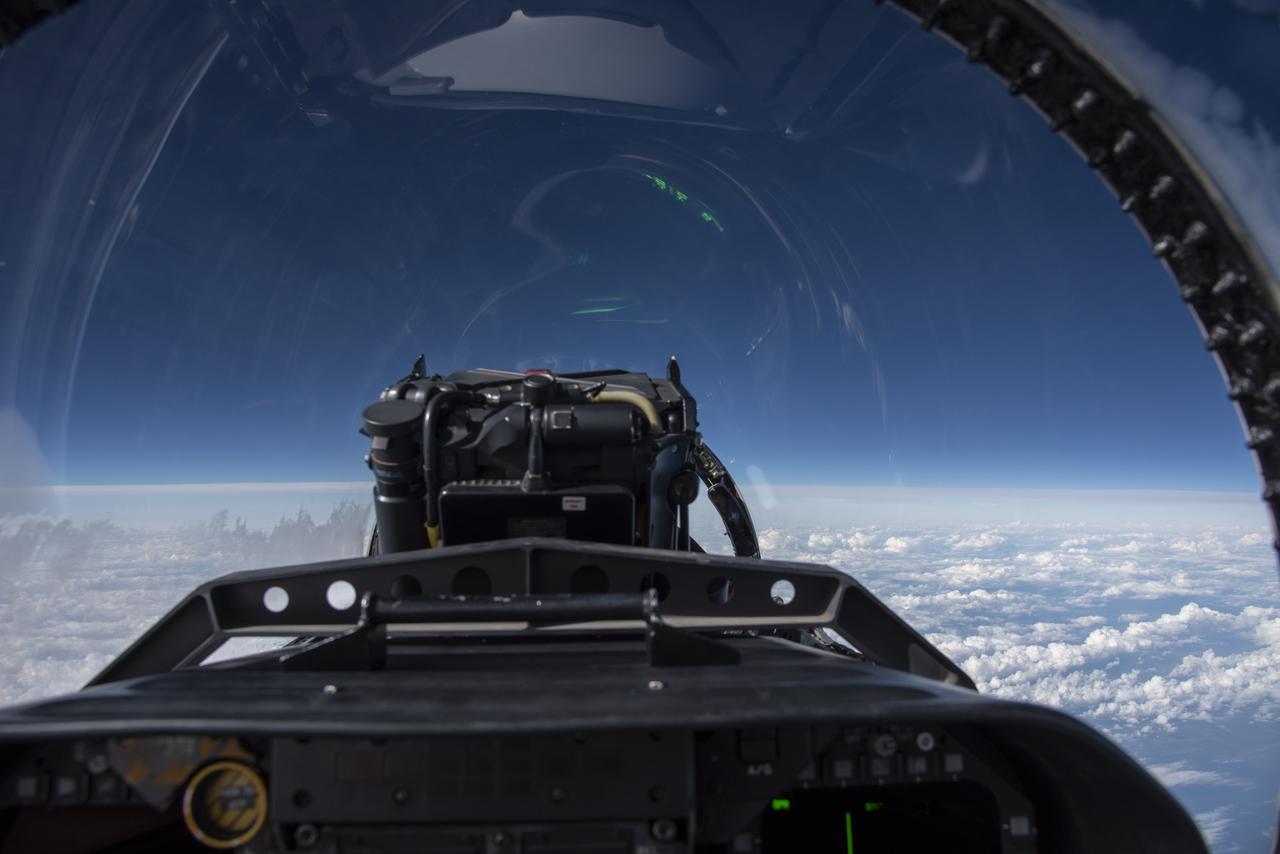
NASA test pilots perform the quiet supersonic dive maneuver off the coast of Galveston, Texas to create a quieter version of the sonic boom, in order to obtain recruited community survey feedback data. The test pilot climbs to around 50,000 feet, followed by a supersonic, inverted dive. This creates sonic boom shockwaves in a way that they are quieter in a specific area. Meanwhile, NASA researchers match community feedback to the sound levels of the flights, using an electronic survey and microphone monitor stations on the ground. This is preparing NASA for community response models for the future X-59 QueSST.
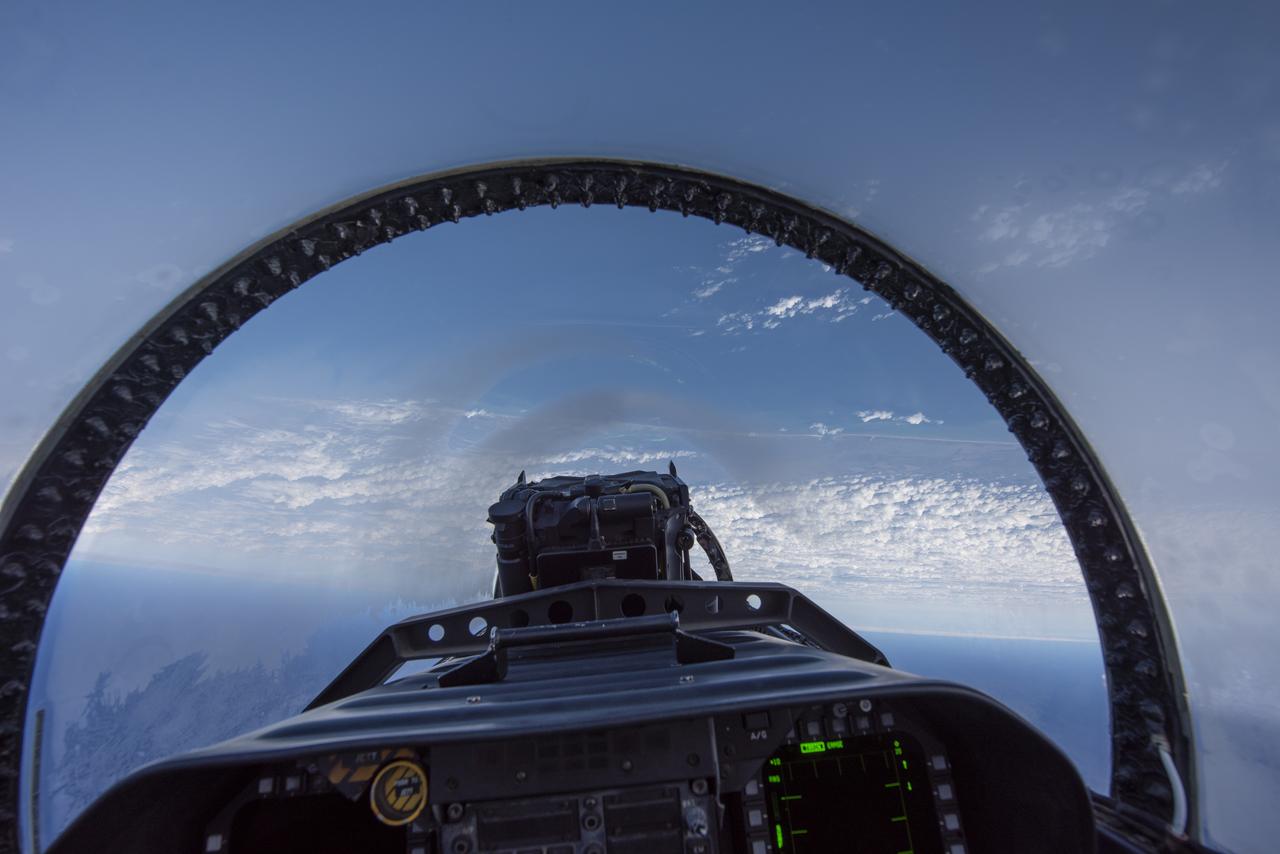
NASA test pilots perform the quiet supersonic dive maneuver off the coast of Galveston, Texas to create a quieter version of the sonic boom, in order to obtain recruited community survey feedback data. The test pilot climbs to around 50,000 feet, followed by a supersonic, inverted dive. This creates sonic boom shockwaves in a way that they are quieter in a specific area. Meanwhile, NASA researchers match community feedback to the sound levels of the flights, using an electronic survey and microphone monitor stations on the ground. This is preparing NASA for community response models for the future X-59 QueSST.

NASA test pilots perform the quiet supersonic dive maneuver off the coast of Galveston, Texas to create a quieter version of the sonic boom, in order to obtain recruited community survey feedback data. The test pilot climbs to around 50,000 feet, followed by a supersonic, inverted dive. This creates sonic boom shockwaves in a way that they are quieter in a specific area. Meanwhile, NASA researchers match community feedback to the sound levels of the flights, using an electronic survey and microphone monitor stations on the ground. This is preparing NASA for community response models for the future X-59 QueSST.
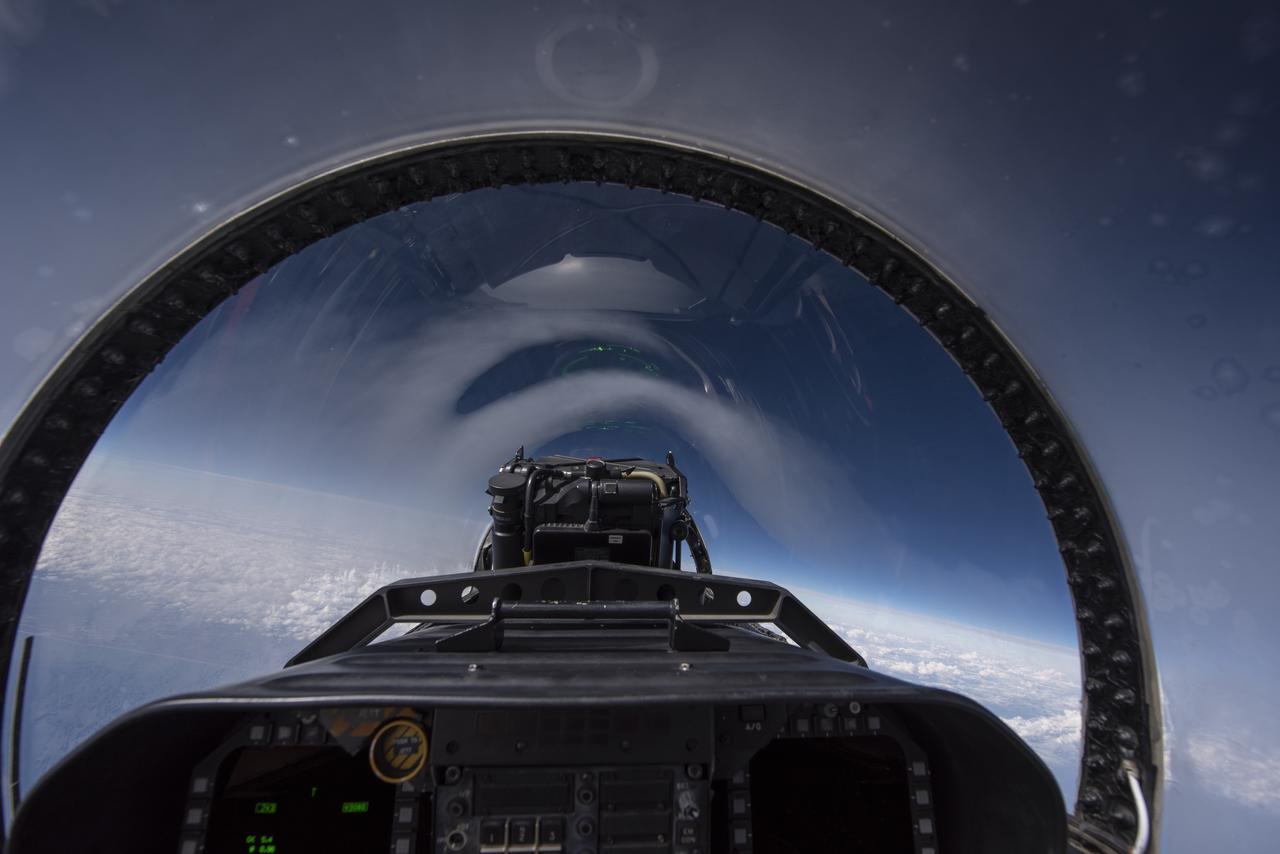
NASA test pilots perform the quiet supersonic dive maneuver off the coast of Galveston, Texas to create a quieter version of the sonic boom, in order to obtain recruited community survey feedback data. The test pilot climbs to around 50,000 feet, followed by a supersonic, inverted dive. This creates sonic boom shockwaves in a way that they are quieter in a specific area. Meanwhile, NASA researchers match community feedback to the sound levels of the flights, using an electronic survey and microphone monitor stations on the ground. This is preparing NASA for community response models for the future X-59 QueSST.
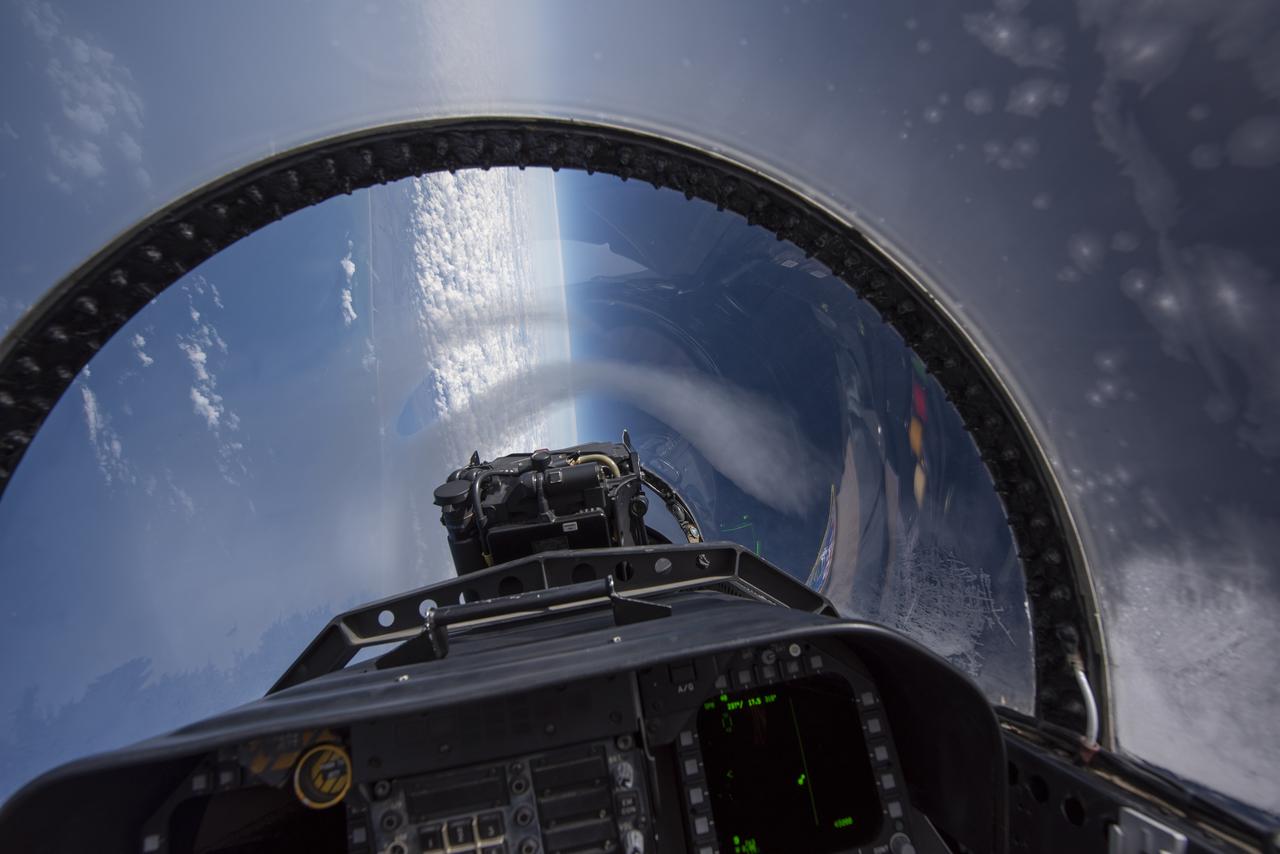
NASA test pilots perform the quiet supersonic dive maneuver off the coast of Galveston, Texas to create a quieter version of the sonic boom, in order to obtain recruited community survey feedback data. The test pilot climbs to around 50,000 feet, followed by a supersonic, inverted dive. This creates sonic boom shockwaves in a way that they are quieter in a specific area. Meanwhile, NASA researchers match community feedback to the sound levels of the flights, using an electronic survey and microphone monitor stations on the ground. This is preparing NASA for community response models for the future X-59 QueSST.
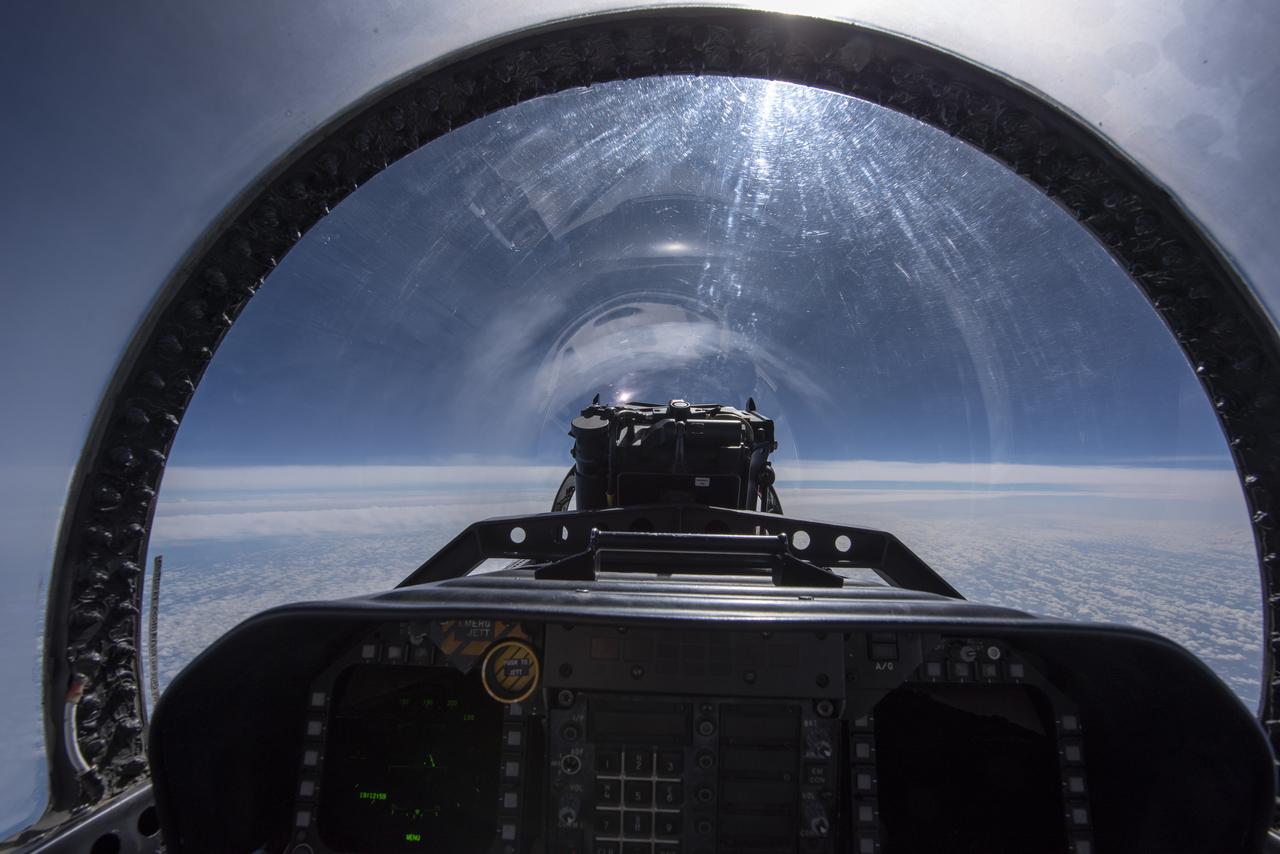
NASA test pilots perform the quiet supersonic dive maneuver off the coast of Galveston, Texas to create a quieter version of the sonic boom, in order to obtain recruited community survey feedback data. The test pilot climbs to around 50,000 feet, followed by a supersonic, inverted dive. This creates sonic boom shockwaves in a way that they are quieter in a specific area. Meanwhile, NASA researchers match community feedback to the sound levels of the flights, using an electronic survey and microphone monitor stations on the ground. This is preparing NASA for community response models for the future X-59 QueSST.
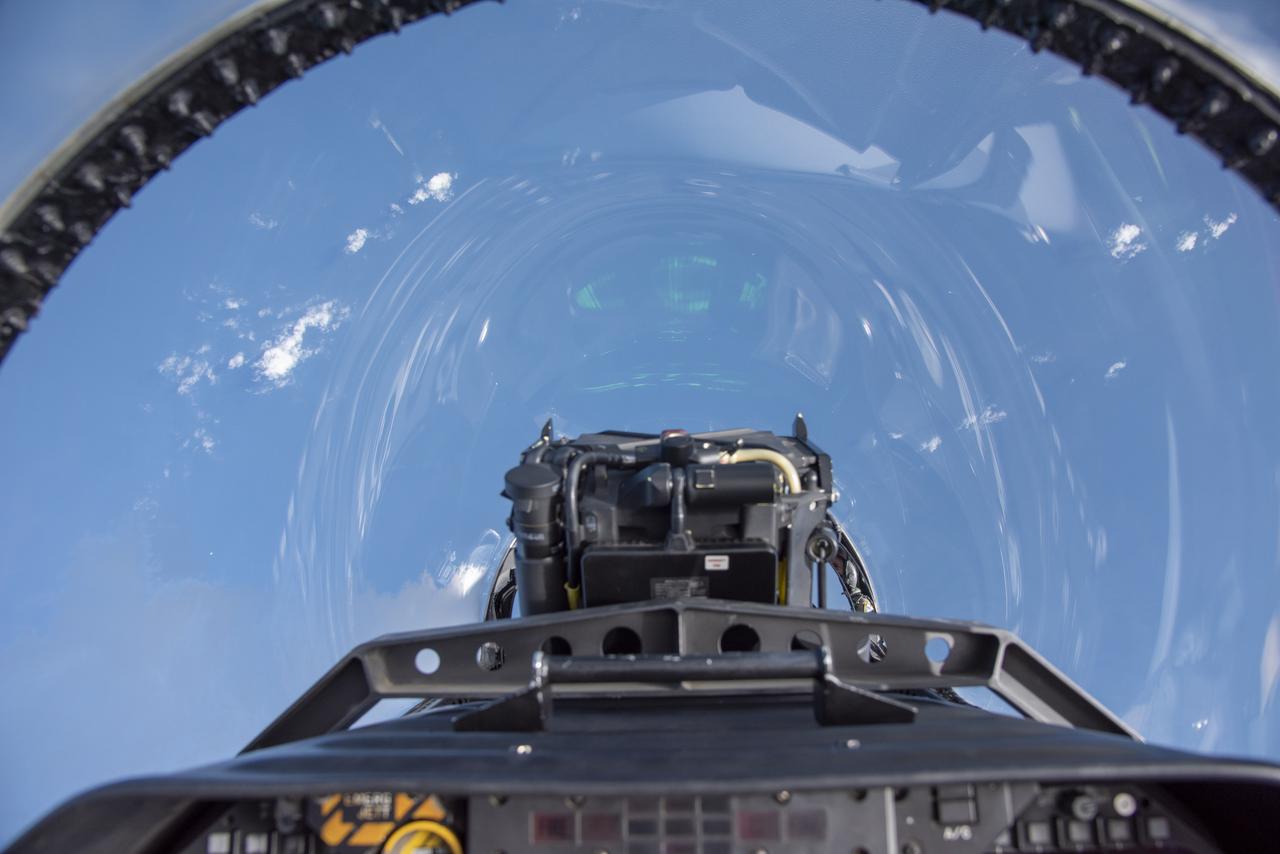
NASA test pilots perform the quiet supersonic dive maneuver off the coast of Galveston, Texas to create a quieter version of the sonic boom, in order to obtain recruited community survey feedback data. The test pilot climbs to around 50,000 feet, followed by a supersonic, inverted dive. This creates sonic boom shockwaves in a way that they are quieter in a specific area. Meanwhile, NASA researchers match community feedback to the sound levels of the flights, using an electronic survey and microphone monitor stations on the ground. This is preparing NASA for community response models for the future X-59 QueSST.
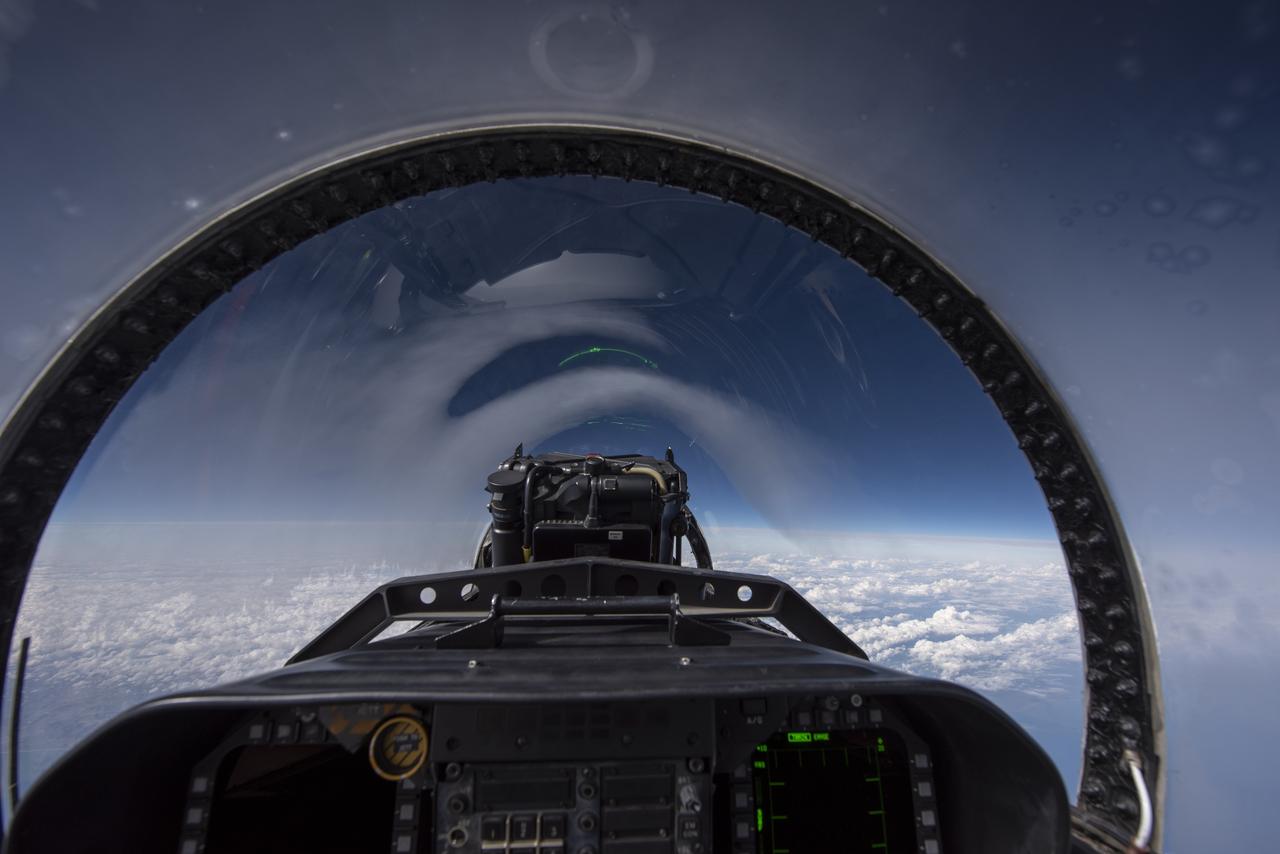
NASA test pilots perform the quiet supersonic dive maneuver off the coast of Galveston, Texas to create a quieter version of the sonic boom, in order to obtain recruited community survey feedback data. The test pilot climbs to around 50,000 feet, followed by a supersonic, inverted dive. This creates sonic boom shockwaves in a way that they are quieter in a specific area. Meanwhile, NASA researchers match community feedback to the sound levels of the flights, using an electronic survey and microphone monitor stations on the ground. This is preparing NASA for community response models for the future X-59 QueSST.
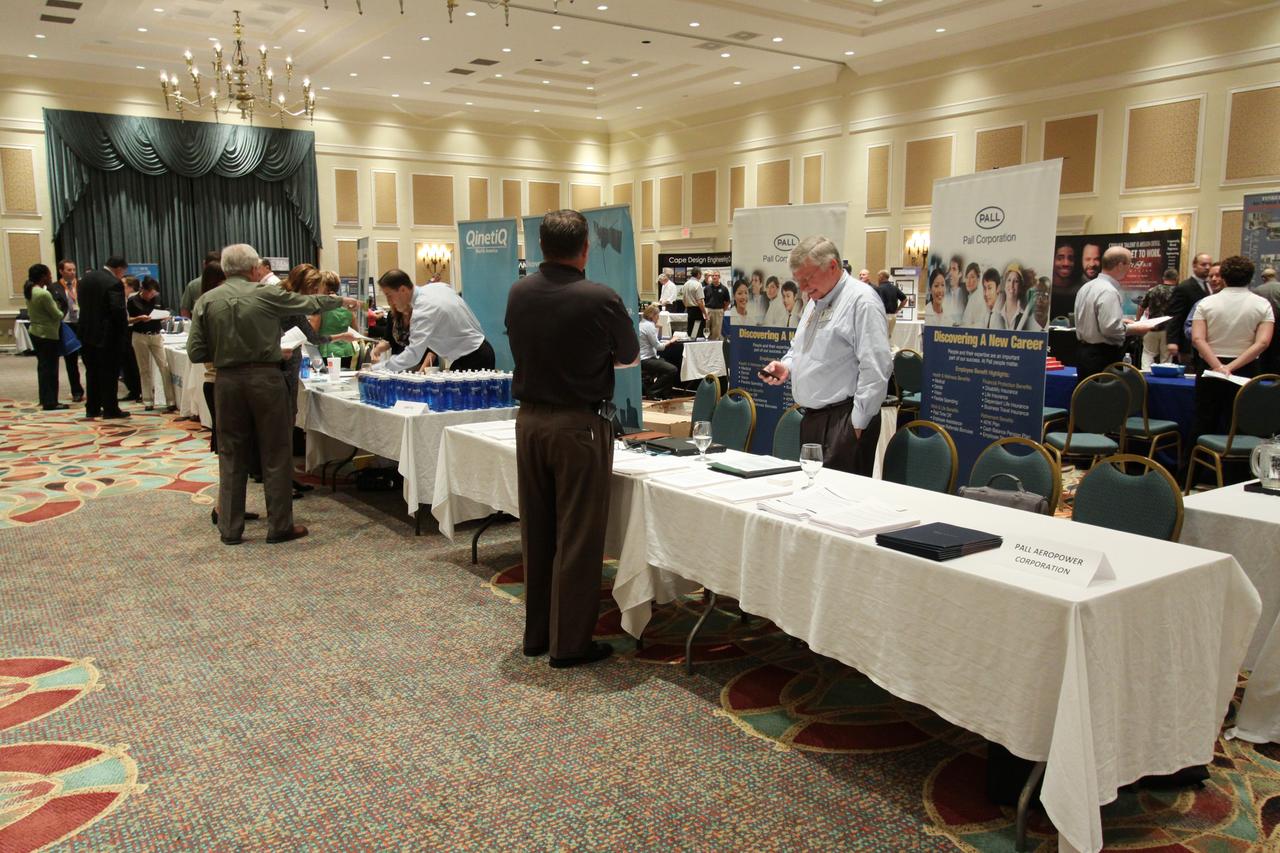
CAPE CANAVERAL, Fla. -- NASA's Kennedy Space Center and Brevard Workforce host a job fair at a hotel in Cape Canaveral, Fla., to help center employees with future planning and placement as the Space Shuttle Program comes to an end. Recruiters included federal, state and local government agencies and organizations, as well as private companies from across the country. The first part of the job fair took place Sept. 15 in Kennedy's Operations Support Building II and Space Station Processing Facility. Kennedy's Human Resources Office also has hosted workshops, seminars and other events to prepare employees as much as possible for future opportunities. Photo credit: NASA/Jack Pfaller
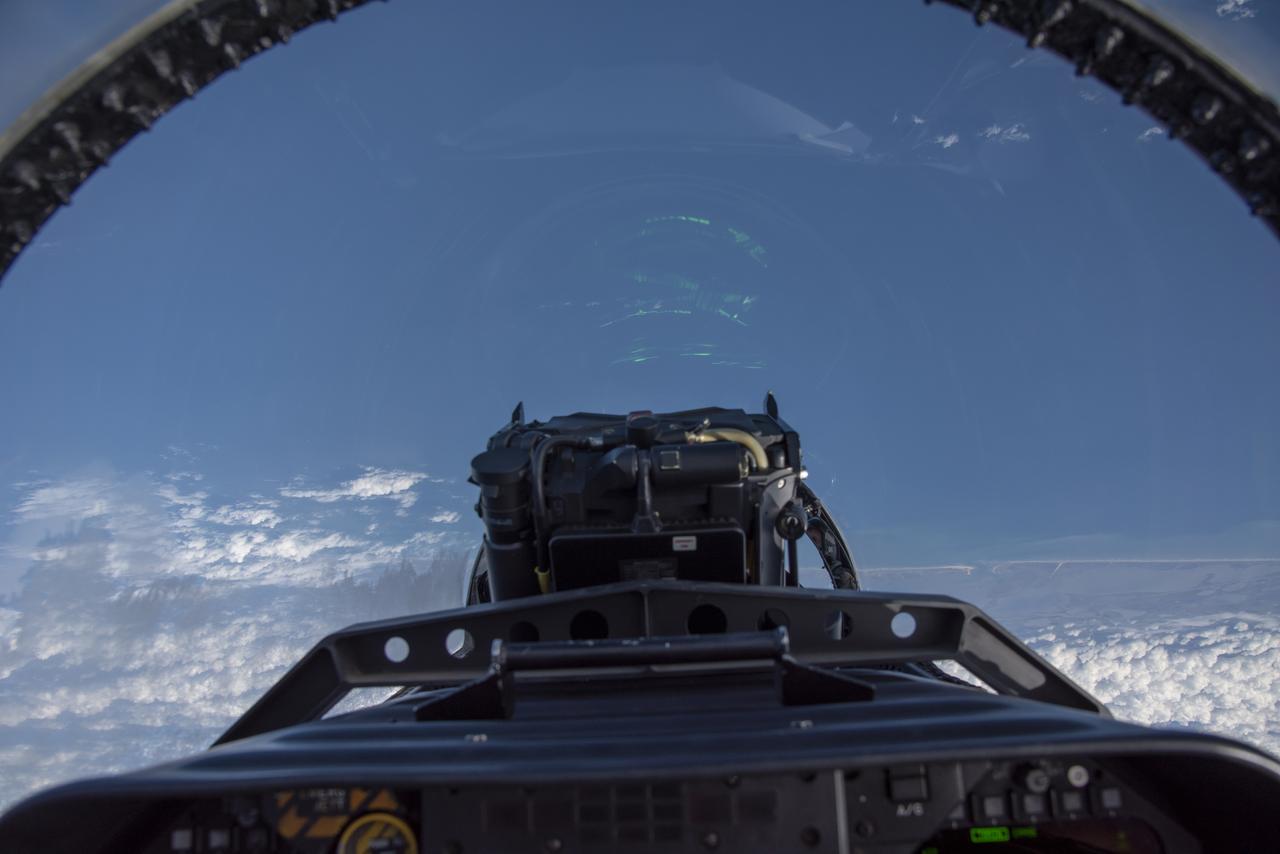
NASA test pilots perform the quiet supersonic dive maneuver off the coast of Galveston, Texas to create a quieter version of the sonic boom, in order to obtain recruited community survey feedback data. The test pilot climbs to around 50,000 feet, followed by a supersonic, inverted dive. This creates sonic boom shockwaves in a way that they are quieter in a specific area. Meanwhile, NASA researchers match community feedback to the sound levels of the flights, using an electronic survey and microphone monitor stations on the ground. This is preparing NASA for community response models for the future X-59 QueSST.
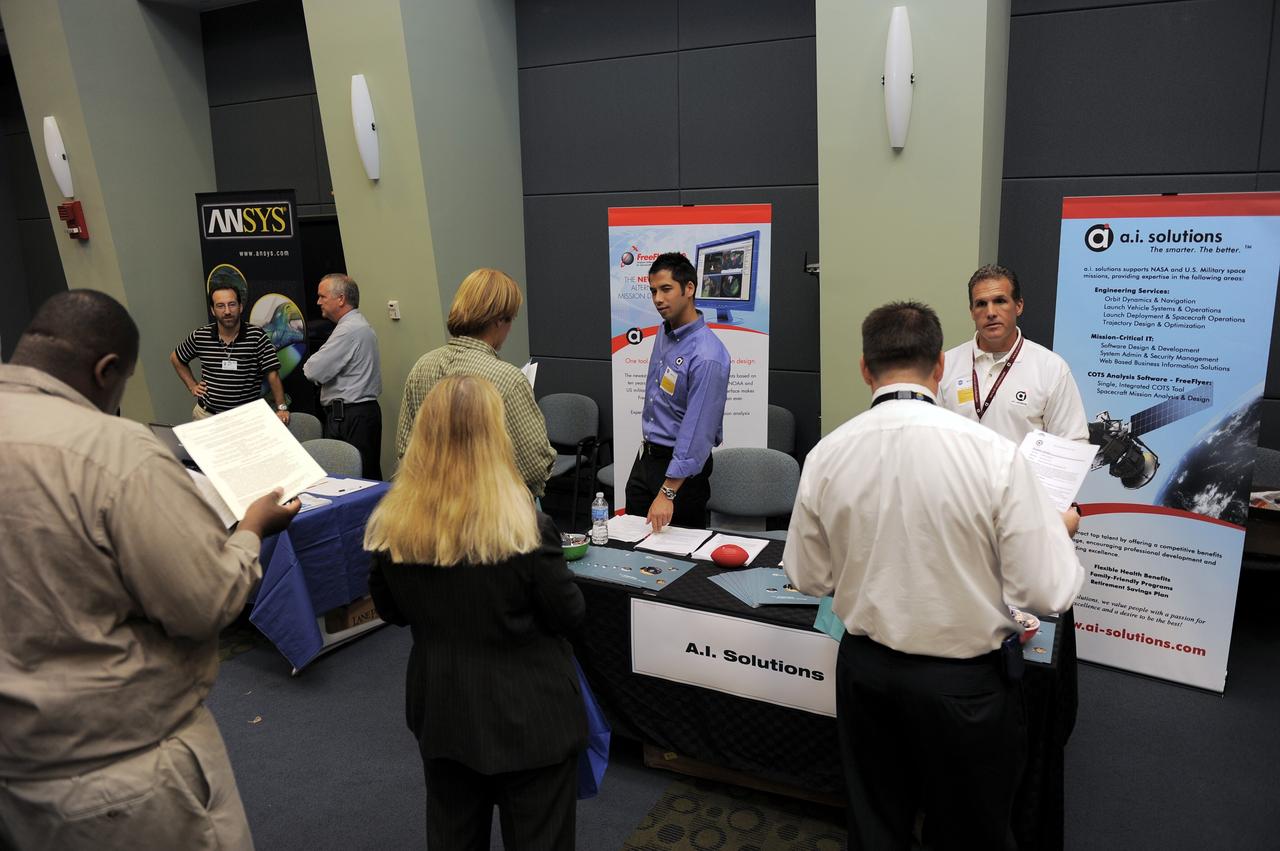
CAPE CANAVERAL, Fla. -- NASA's Kennedy Space Center and Brevard Workforce host a job fair in Kennedy's Operations Support Building II and Space Station Processing Facility to help center employees with future planning and placement as the Space Shuttle Program comes to an end. Recruiters included federal, state and local government agencies and organizations, as well as private companies from across the country. The second part of the job fair is scheduled for Sept. 16 at a hotel in Cape Canaveral, Fla. Kennedy's Human Resources Office also has hosted workshops, seminars and other events to prepare employees as much as possible for future opportunities. Photo credit: NASA/Kim Shiflett
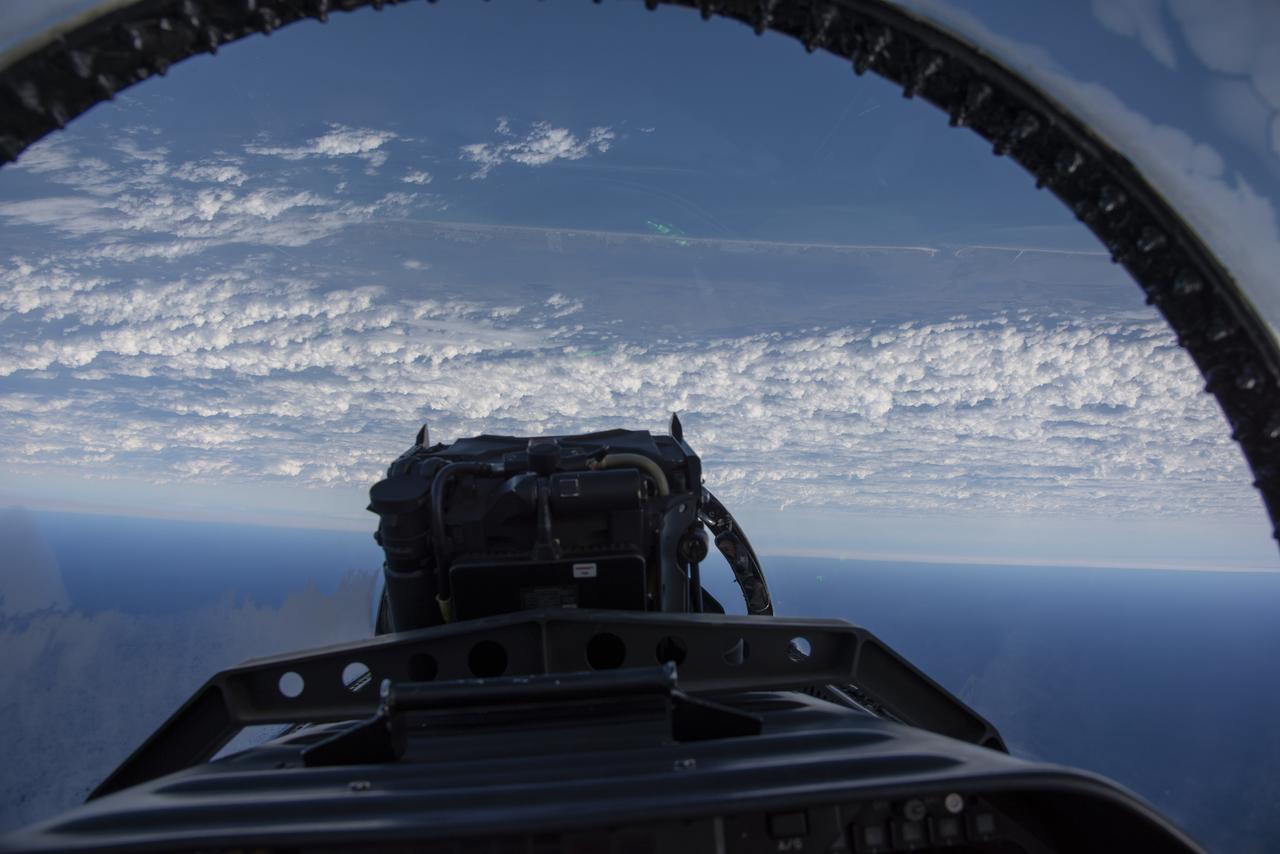
NASA test pilots perform the quiet supersonic dive maneuver off the coast of Galveston, Texas to create a quieter version of the sonic boom, in order to obtain recruited community survey feedback data. The test pilot climbs to around 50,000 feet, followed by a supersonic, inverted dive. This creates sonic boom shockwaves in a way that they are quieter in a specific area. Meanwhile, NASA researchers match community feedback to the sound levels of the flights, using an electronic survey and microphone monitor stations on the ground. This is preparing NASA for community response models for the future X-59 QueSST.
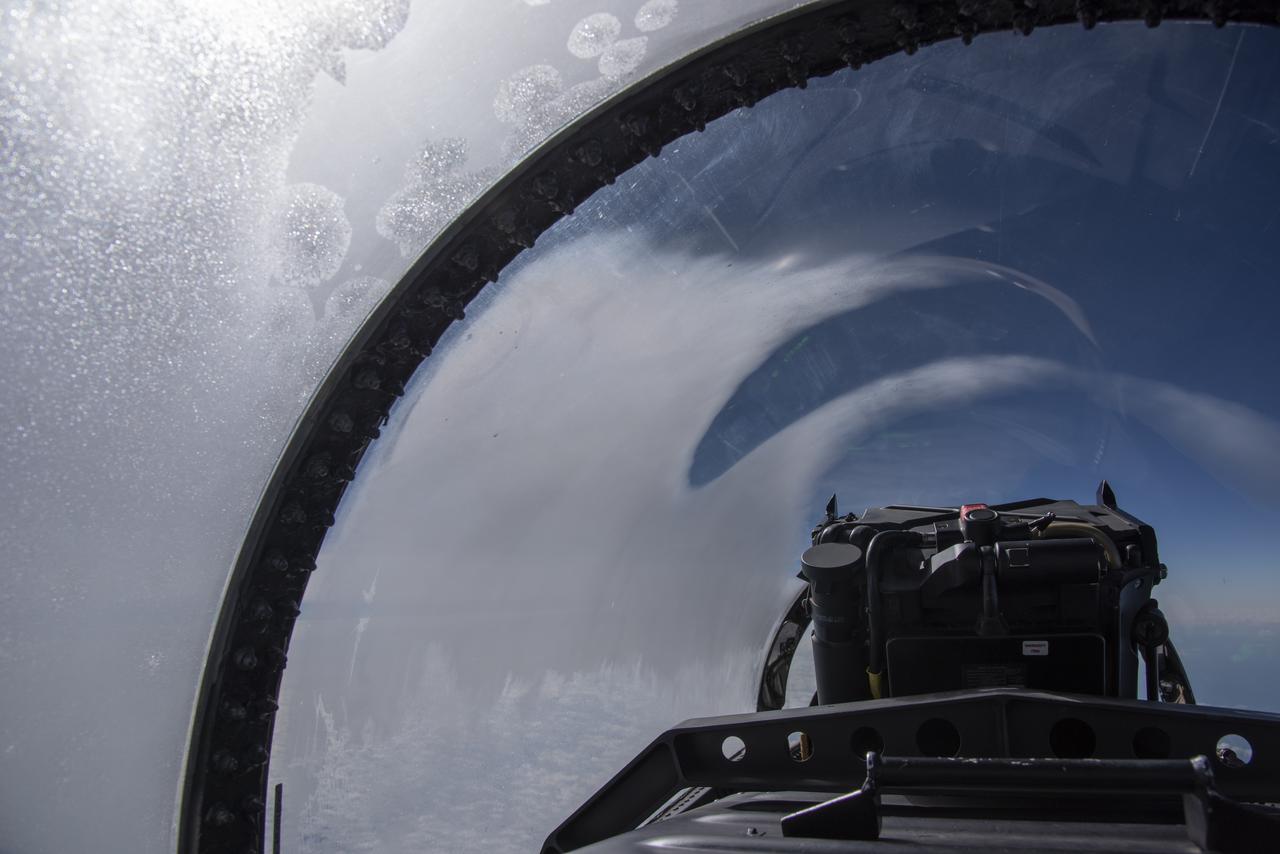
NASA test pilots perform the quiet supersonic dive maneuver off the coast of Galveston, Texas to create a quieter version of the sonic boom, in order to obtain recruited community survey feedback data. The test pilot climbs to around 50,000 feet, followed by a supersonic, inverted dive. This creates sonic boom shockwaves in a way that they are quieter in a specific area. Meanwhile, NASA researchers match community feedback to the sound levels of the flights, using an electronic survey and microphone monitor stations on the ground. This is preparing NASA for community response models for the future X-59 QueSST.

Information from the Hispanic Federation is on display in the Neil Armstrong Operations and Checkout Building Mission Briefing Room at NASA’s Kennedy Space Center in Florida, during a Hispanic Heritage Month presentation on Oct. 10, 2019. Yanidsi Velez-Bonet, senior director of Florida Programs and Policy for the Hispanic Federation is this year’s guest speaker. The event was hosted by the center’s Hispanic Heritage Outreach and Leadership Alliance (HOLA) employee resource group. This year’s theme is “Hispanic Americans: A History of Serving our Nation.” HOLA’s initiatives include education and recruitment, professional networking and development, and community outreach and media support.
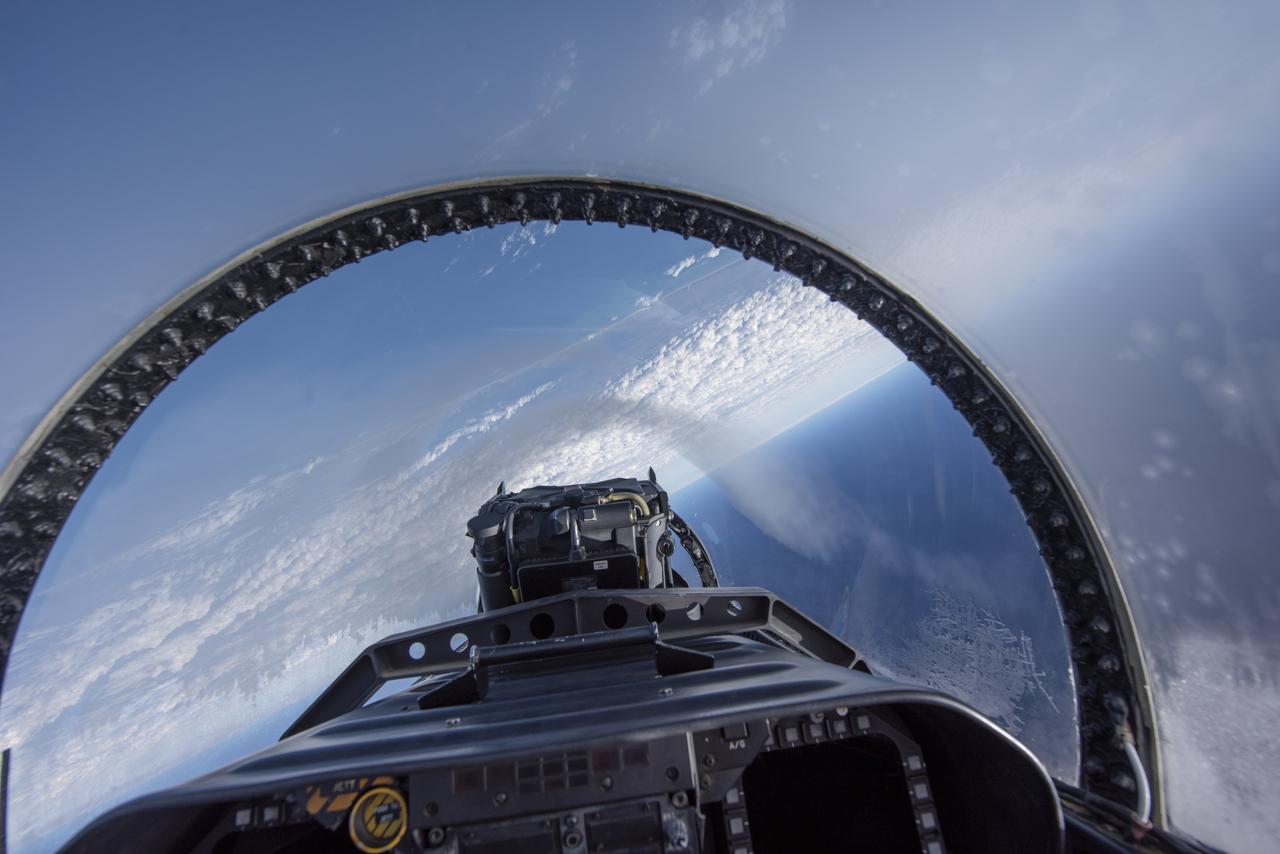
NASA test pilots perform the quiet supersonic dive maneuver off the coast of Galveston, Texas to create a quieter version of the sonic boom, in order to obtain recruited community survey feedback data. The test pilot climbs to around 50,000 feet, followed by a supersonic, inverted dive. This creates sonic boom shockwaves in a way that they are quieter in a specific area. Meanwhile, NASA researchers match community feedback to the sound levels of the flights, using an electronic survey and microphone monitor stations on the ground. This is preparing NASA for community response models for the future X-59 QueSST.
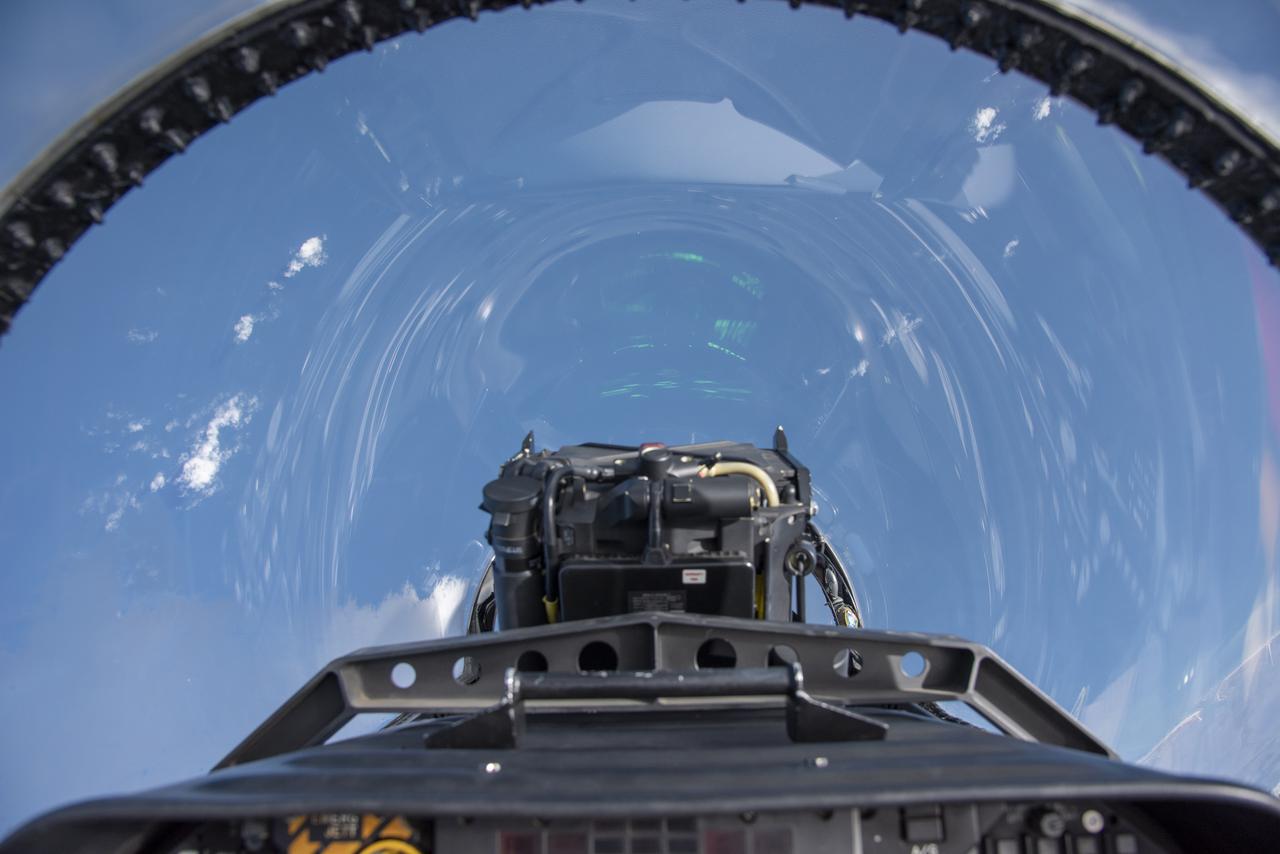
NASA test pilots perform the quiet supersonic dive maneuver off the coast of Galveston, Texas to create a quieter version of the sonic boom, in order to obtain recruited community survey feedback data. The test pilot climbs to around 50,000 feet, followed by a supersonic, inverted dive. This creates sonic boom shockwaves in a way that they are quieter in a specific area. Meanwhile, NASA researchers match community feedback to the sound levels of the flights, using an electronic survey and microphone monitor stations on the ground. This is preparing NASA for community response models for the future X-59 QueSST.
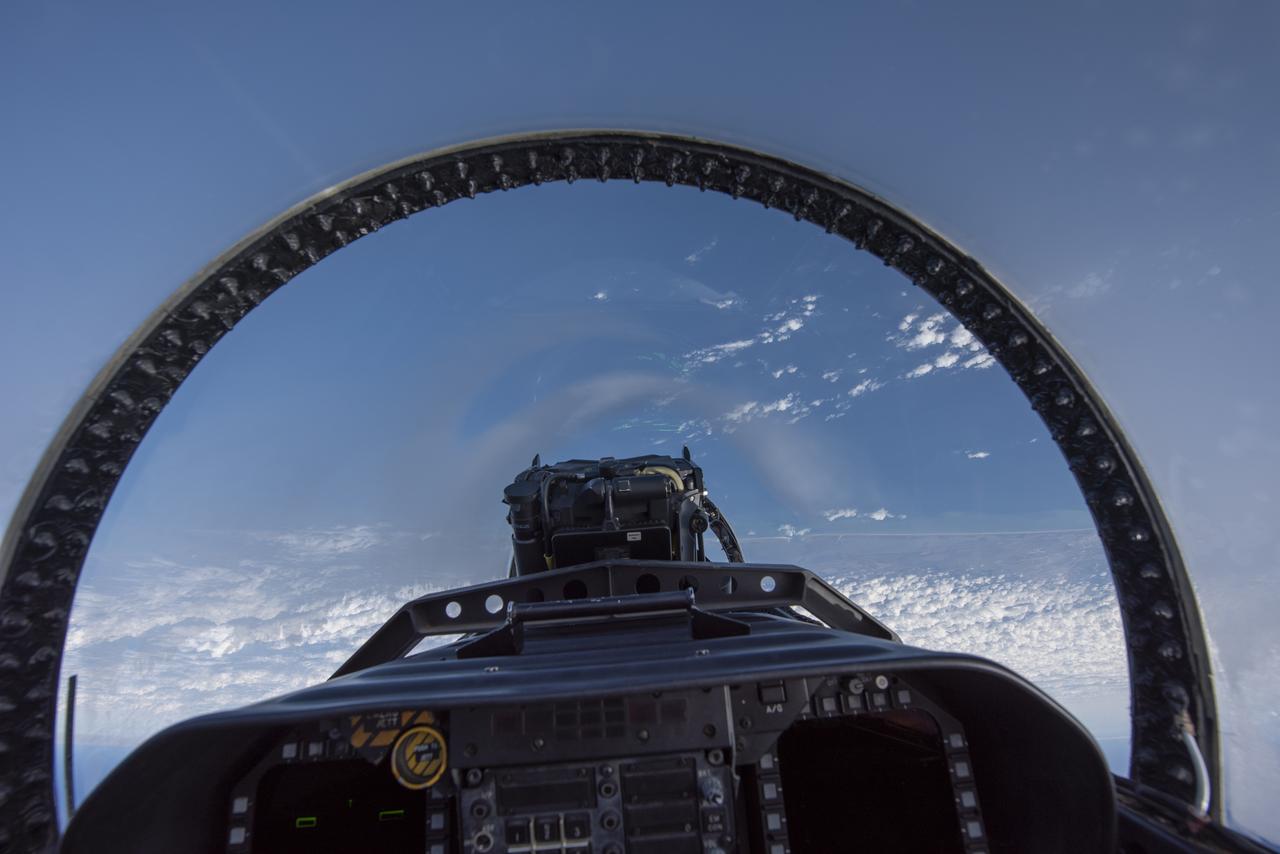
NASA test pilots perform the quiet supersonic dive maneuver off the coast of Galveston, Texas to create a quieter version of the sonic boom, in order to obtain recruited community survey feedback data. The test pilot climbs to around 50,000 feet, followed by a supersonic, inverted dive. This creates sonic boom shockwaves in a way that they are quieter in a specific area. Meanwhile, NASA researchers match community feedback to the sound levels of the flights, using an electronic survey and microphone monitor stations on the ground. This is preparing NASA for community response models for the future X-59 QueSST.