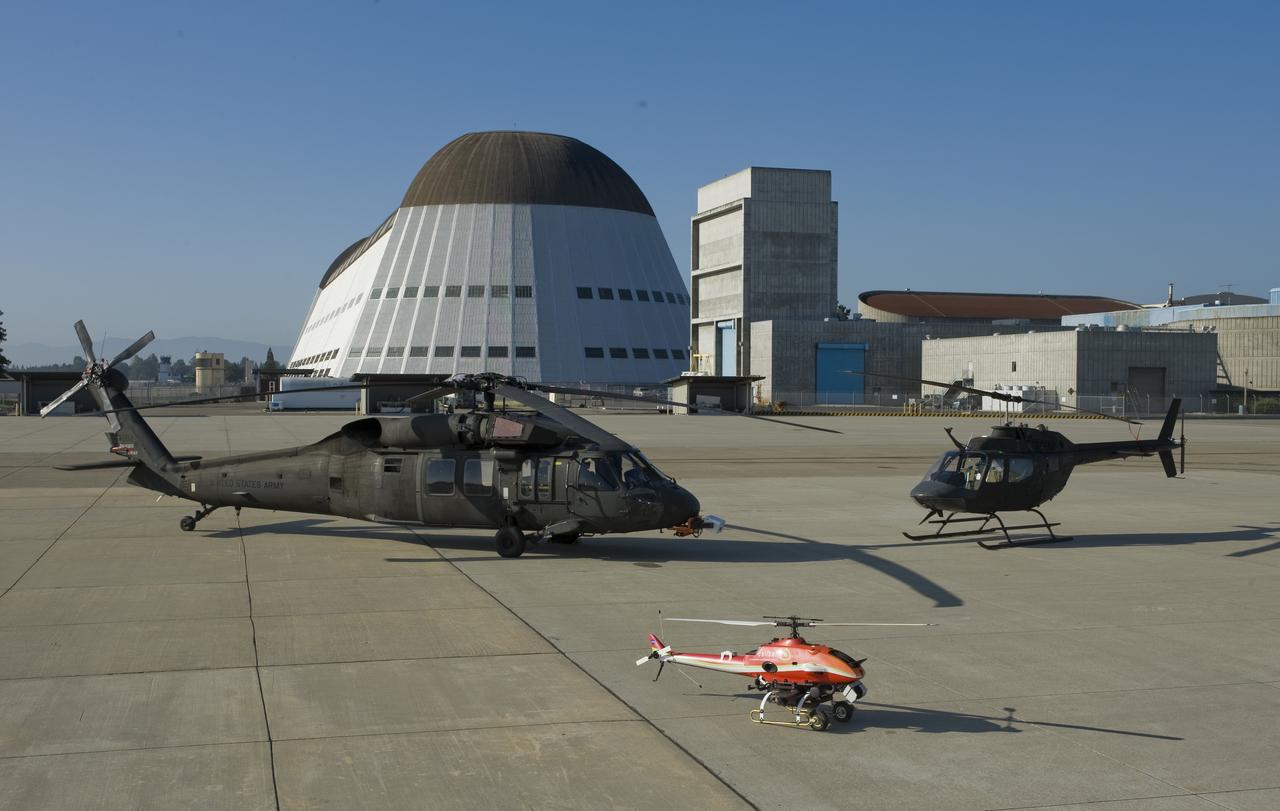
Helicopters on Ames Flgihtline: JUH-60M Rascal, OH-58 and RMAX (Remote Piloted Helicopter)
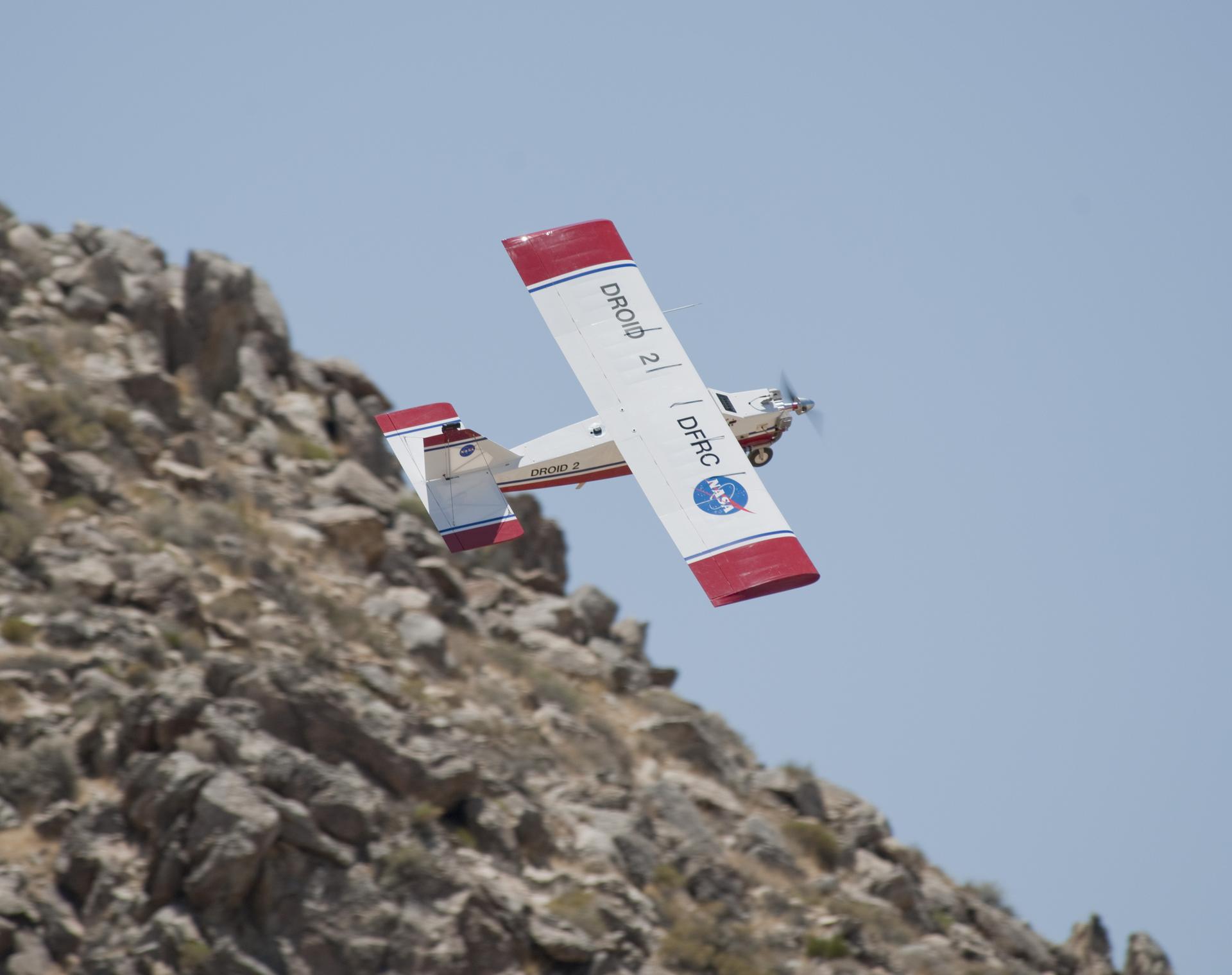
NASA’s Dryden Remotely Operated Integrated Drone (DROID), a small, remotely piloted research aircraft with a 10‑foot wingspan, makes a hard climbing right turn to avoid a steep rocky slope near NASA’s Armstrong Flight Research Center in Edwards, California, on Thursday, May 31, 2012. The flight tests demonstrated that a remotely piloted aircraft, equipped with a smartphone running collision-avoidance software connected to the aircraft’s autopilot, could automatically avoid terrain below.
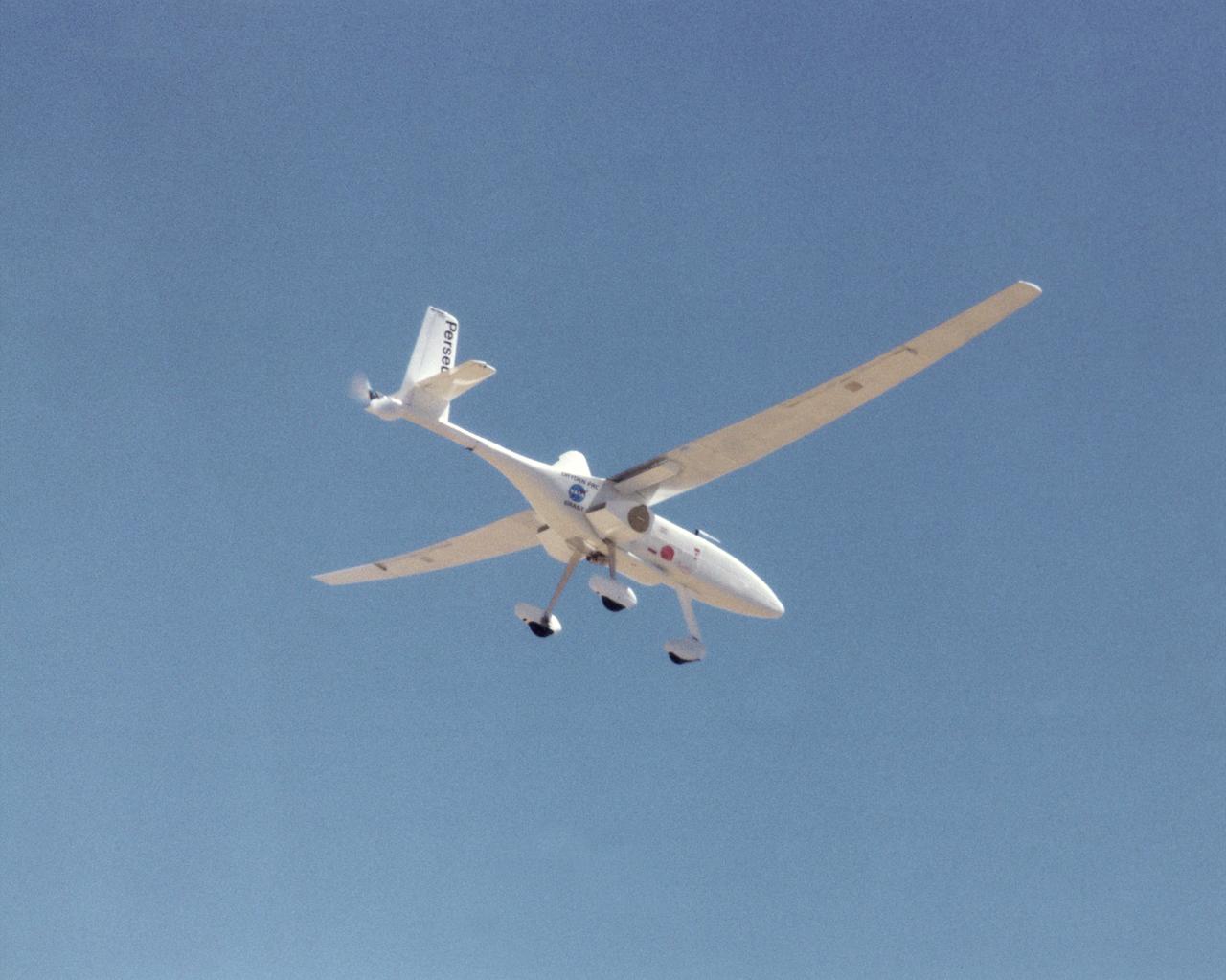
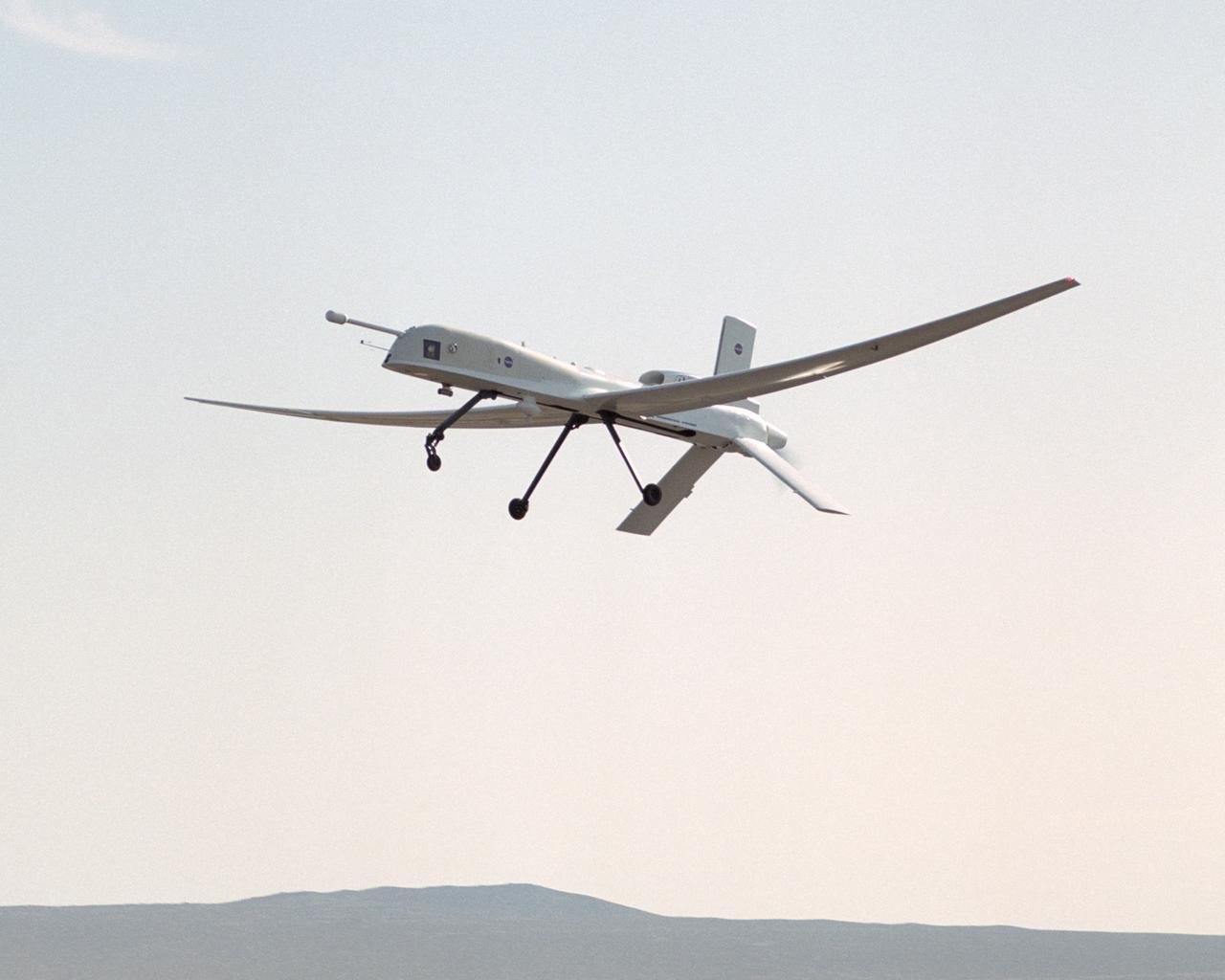
A long, slender wing and a pusher propeller at the rear characterize the Perseus B remotely piloted research aircraft, seen here during a test flight in June 1998.
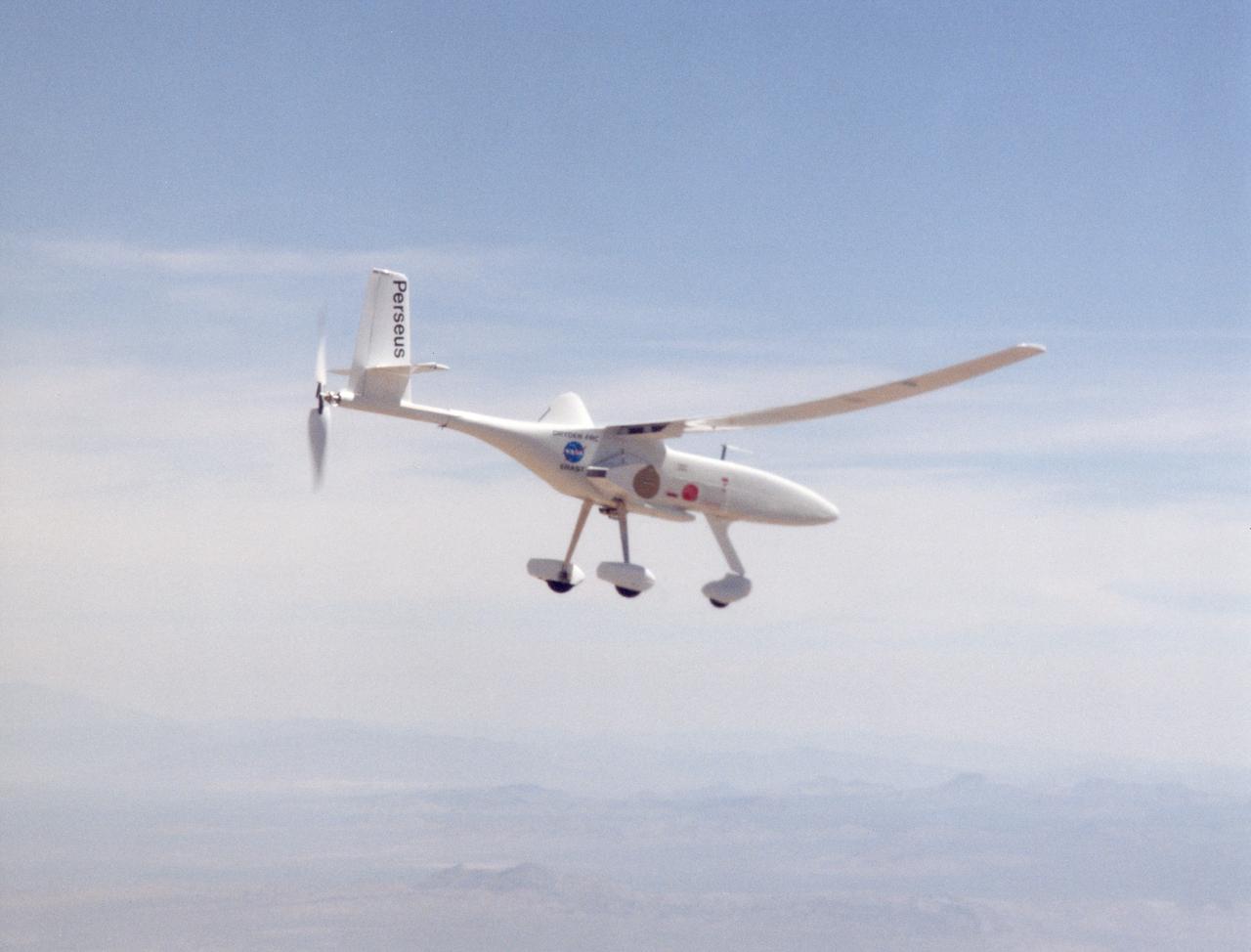
A long, slender wing and a pusher propeller at the rear characterize the Perseus B remotely piloted research aircraft, seen here during a test flight in June 1998.
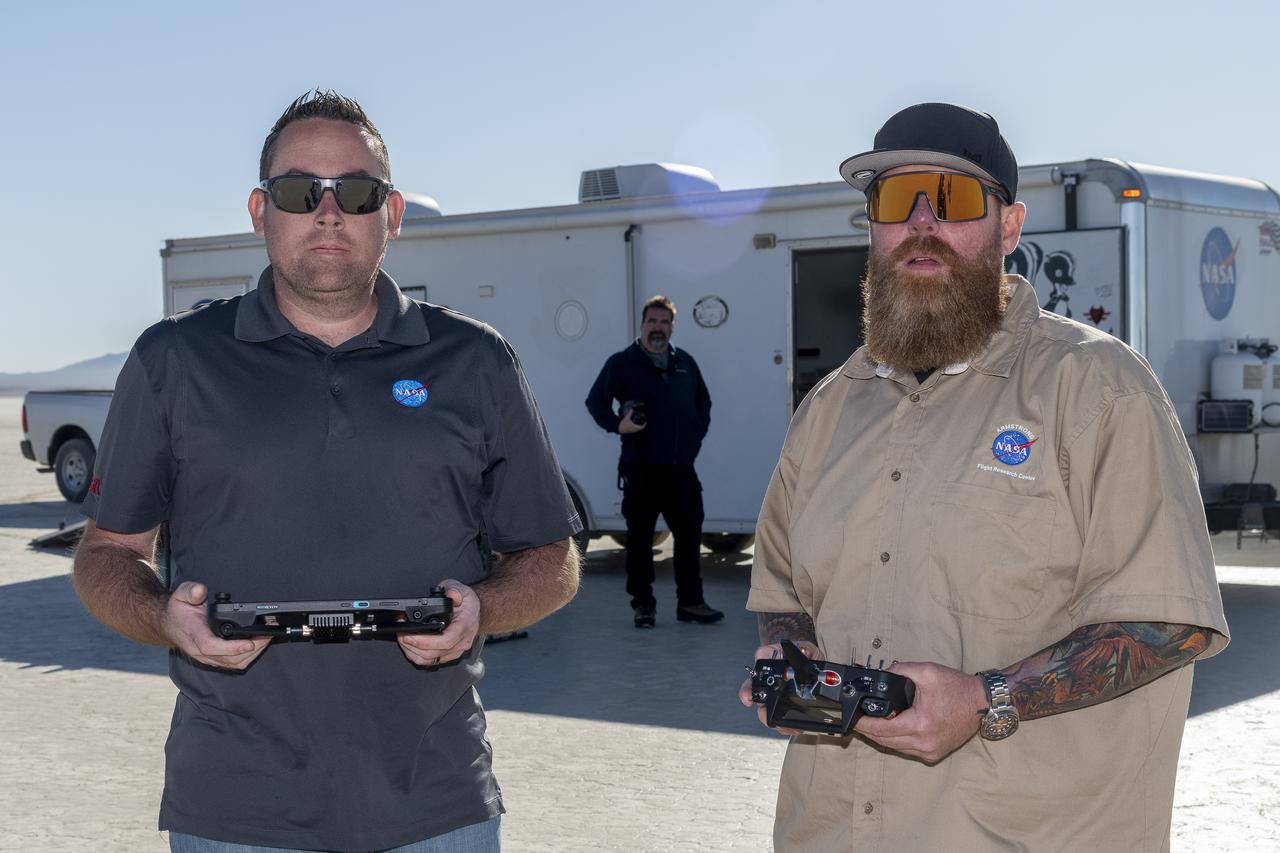
Justin Link, left, unmanned aircraft systems pilot, and Justin Hall, chief pilot for small unmanned aircraft systems, prepare to fly a quad rotor remotely piloted aircraft and an atmospheric probe model on Oct. 22, 2024. John Bodylski, probe principal investigator, watches the preparation for flight. The quad rotor aircraft released the probe above Rogers Dry Lake, a flight area adjacent NASA’s Armstrong Flight Research Center in Edwards, California. The probe was designed and built at the center.
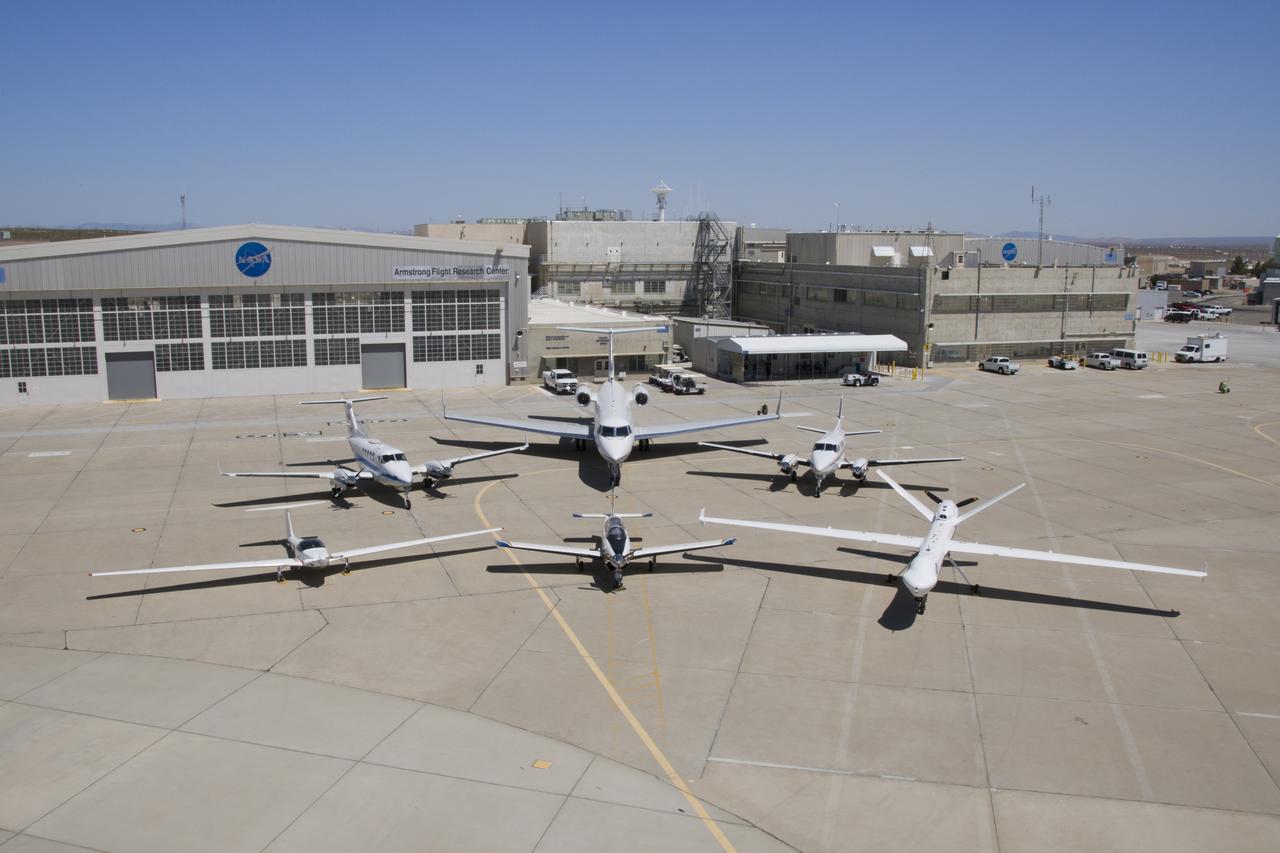
NASA’s Ikhana remotely piloted aircraft (front-right) is situated near NASA Armstrong Flight Research Center’s Hangar 4802 after an Unmanned Aircraft Systems Integration into the National Airspace System Flight Test Series 4 flight, along with five flight “intruders.” These intruders, which include NASA’s TG-14 (front-left), T-34C (front-center), B-200 King Air (back-left), Gulfstream-III (back-center) and a Honeywell C-90 King Air (back-right), fly within a pre-determined distance to Ikhana to test Detect-and-Avoid technology during research flights.
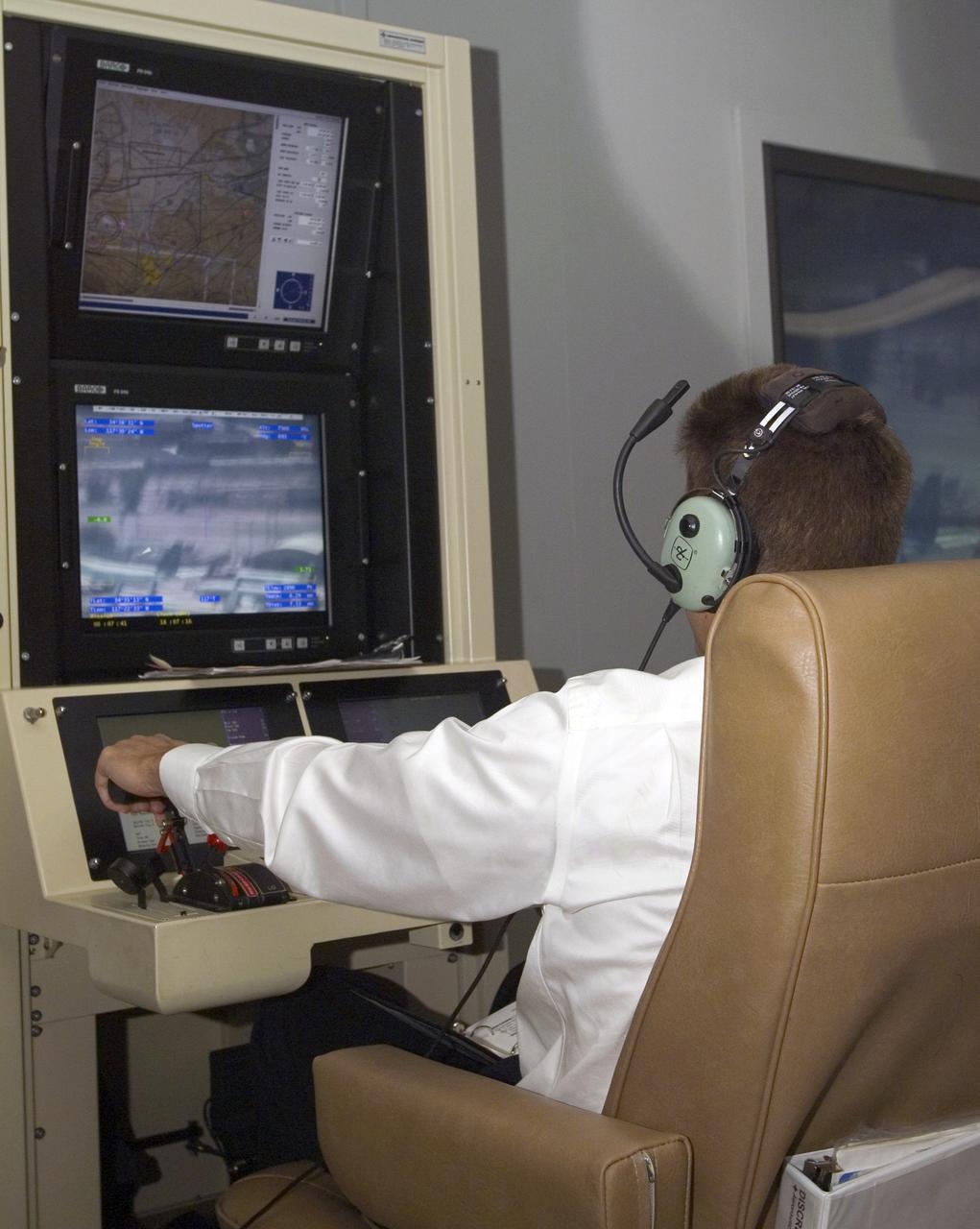
A pilot for General Atomics guides the Altair remotely operated aircraft from a ground control station using both visual and telemetered data.
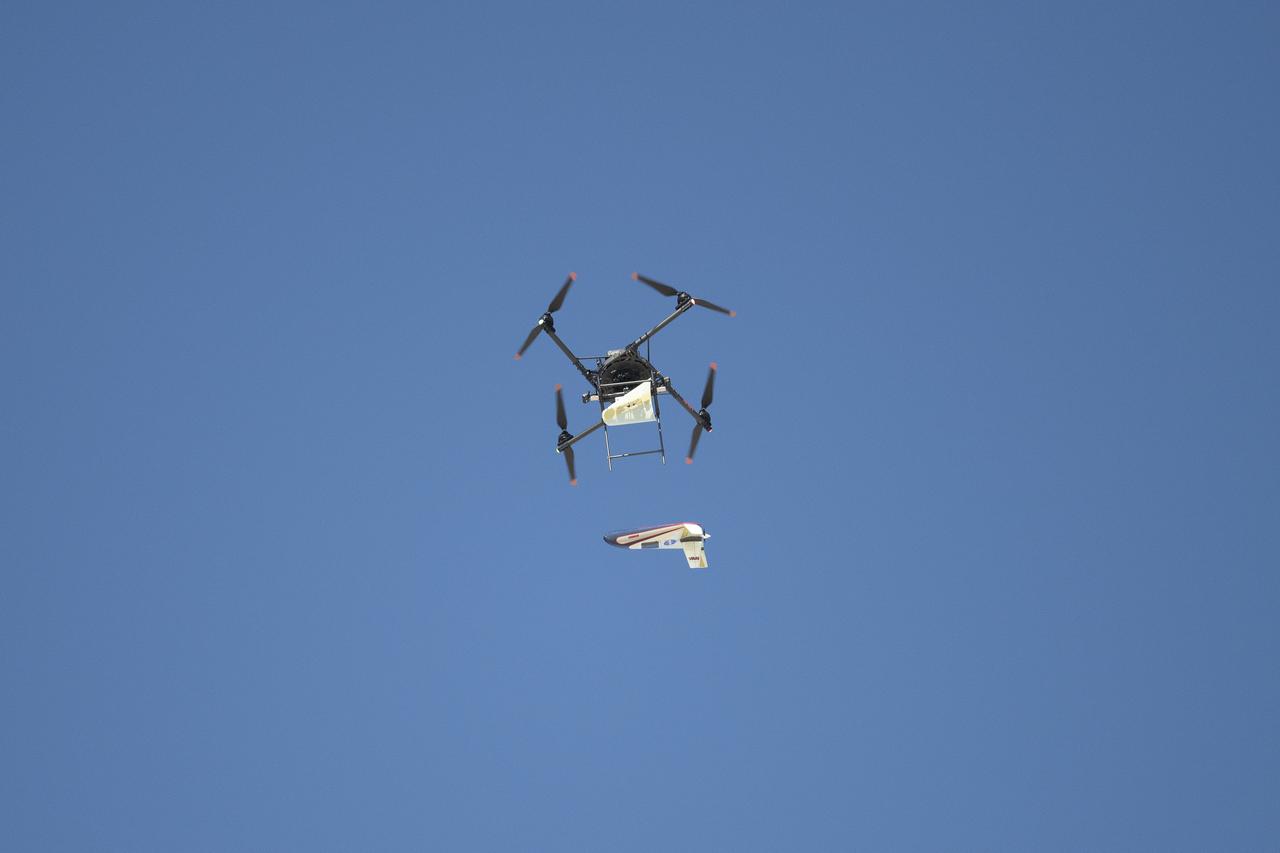
A quad rotor remotely piloted aircraft releases the atmospheric probe model above Rogers Dry Lake, a flight area adjacent NASA’s Armstrong Flight Research Center in Edwards, California, on Oct. 22, 2024. The probe was designed and built at the center.
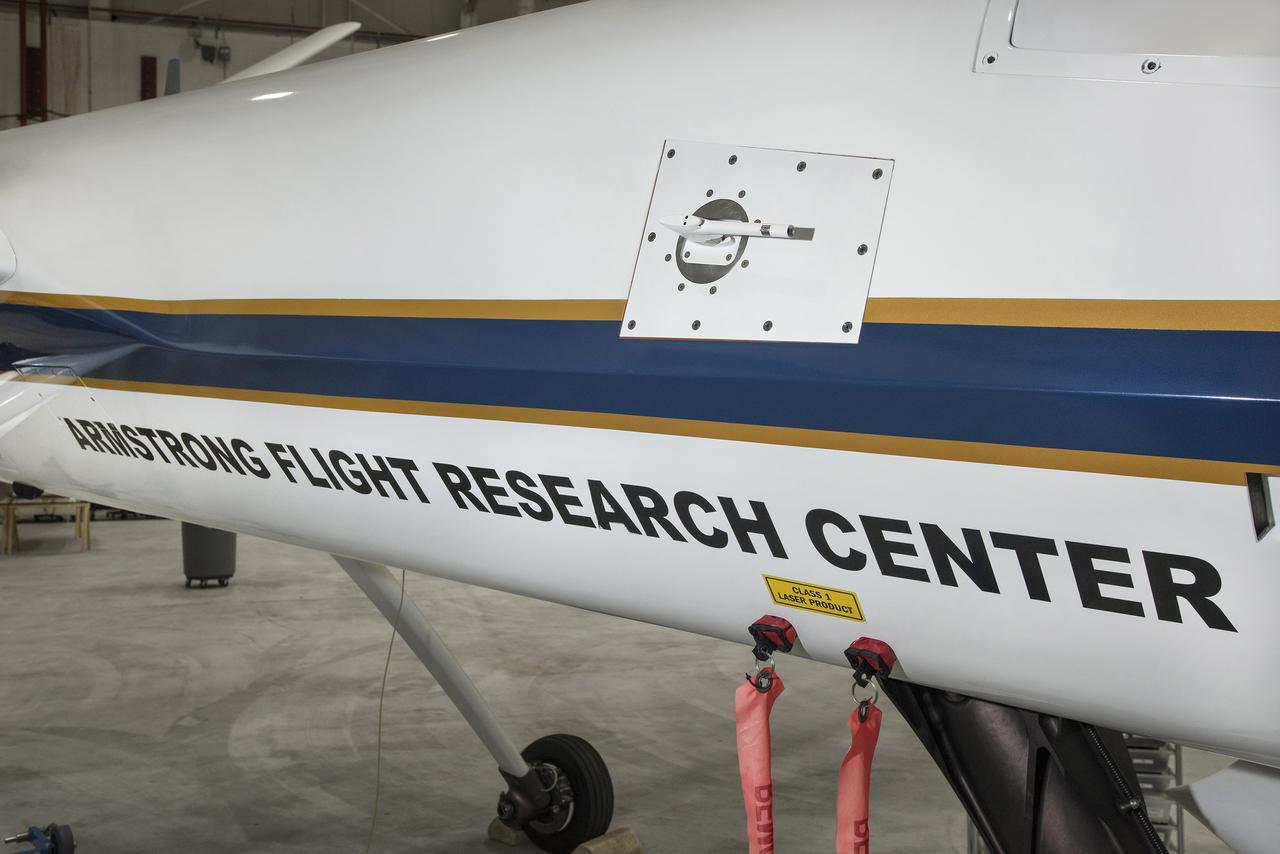
The TAMDAR Edge probe seen in the middle of the NASA Armstrong Ikhana is flying on a large remotely piloted aircraft for the first time.
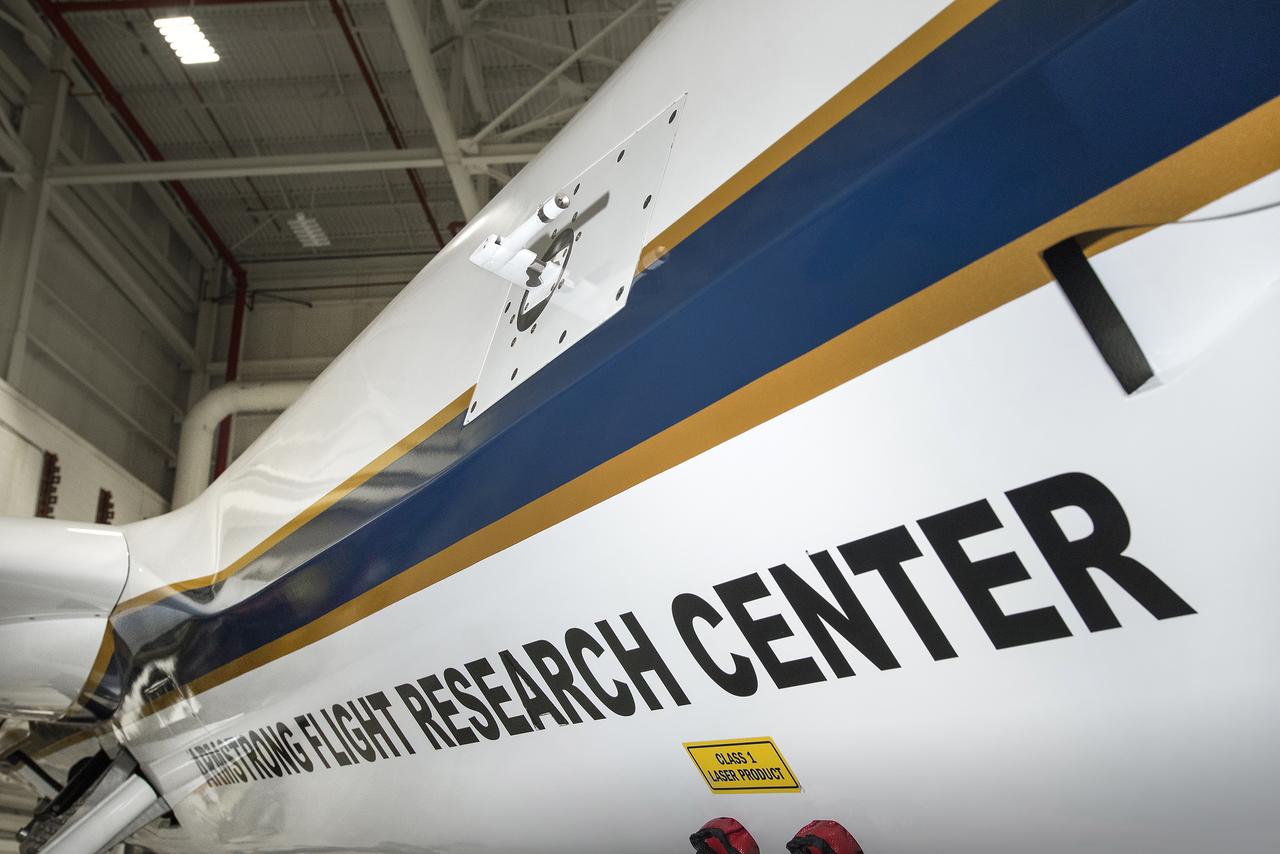
The TAMDAR Edge probe seen in the middle of the NASA Armstrong Ikhana is flying on a large remotely piloted aircraft for the first time.
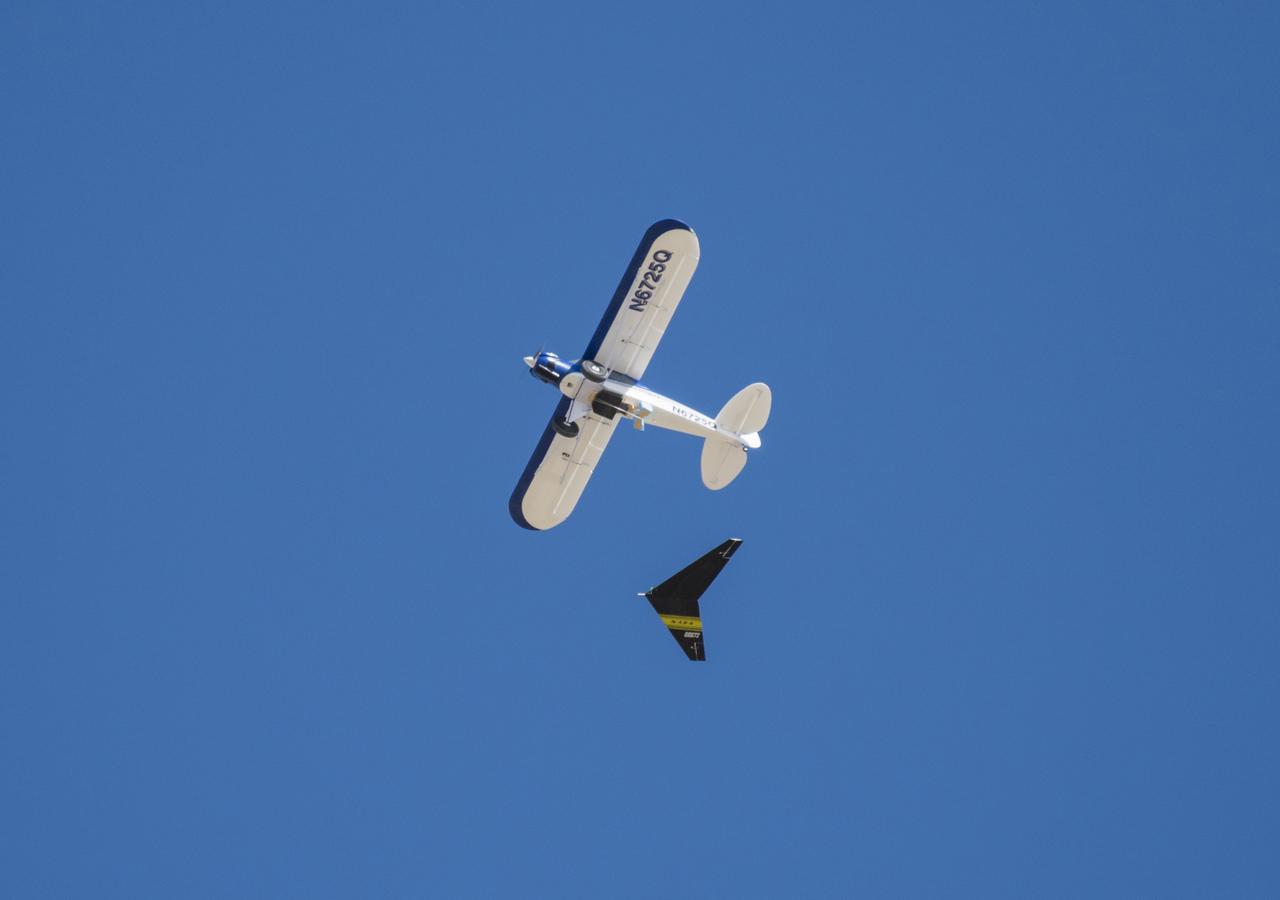
A Prandtl-M aerodynamic model flies following an air launch from a remotely piloted Carbon Cub.
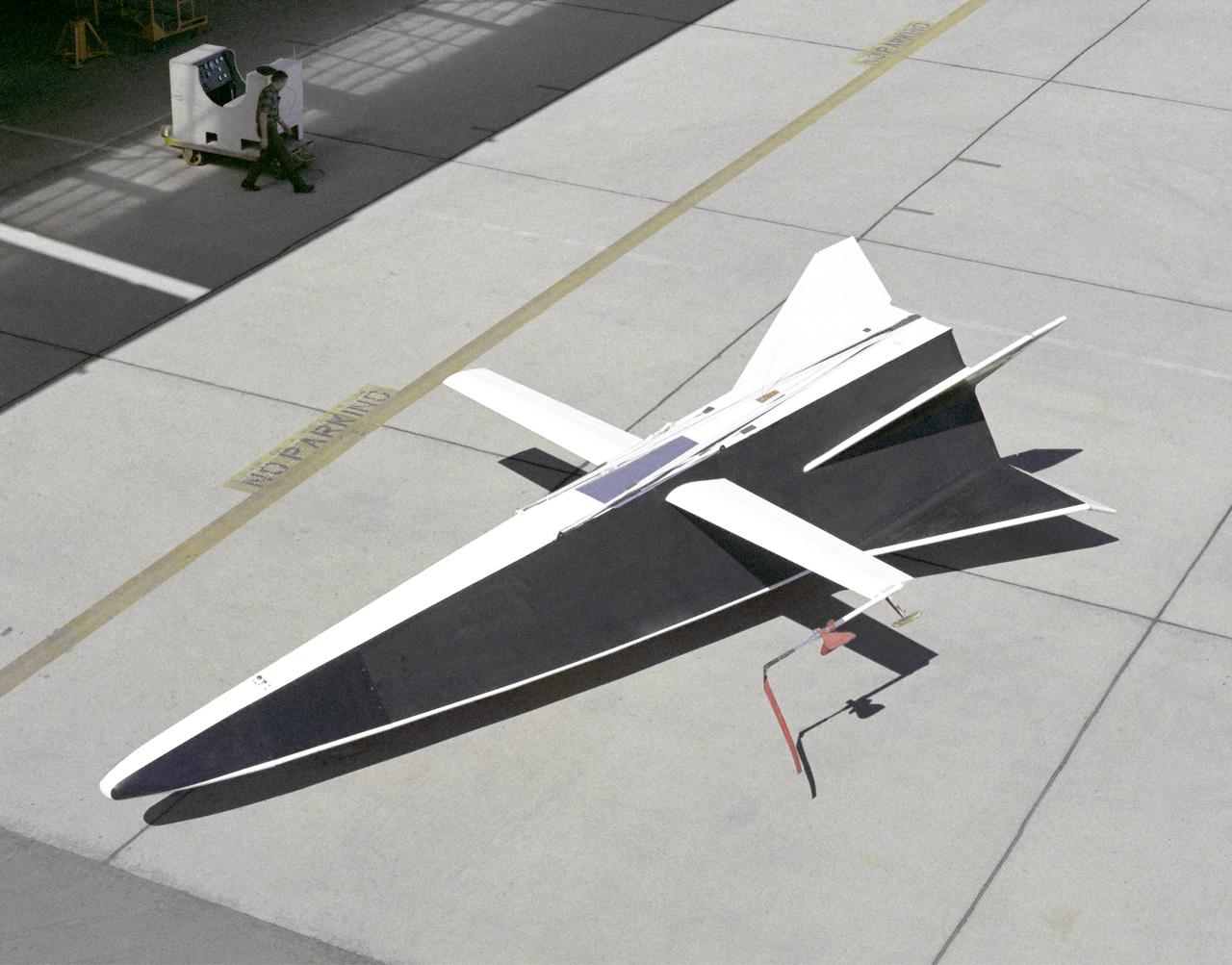
The Hyper III was a full-scale lifting-body remotely piloted research vehicle (RPRV) built at what was then the NASA Flight Research Center located at Edwards Air Force Base in Southern California.
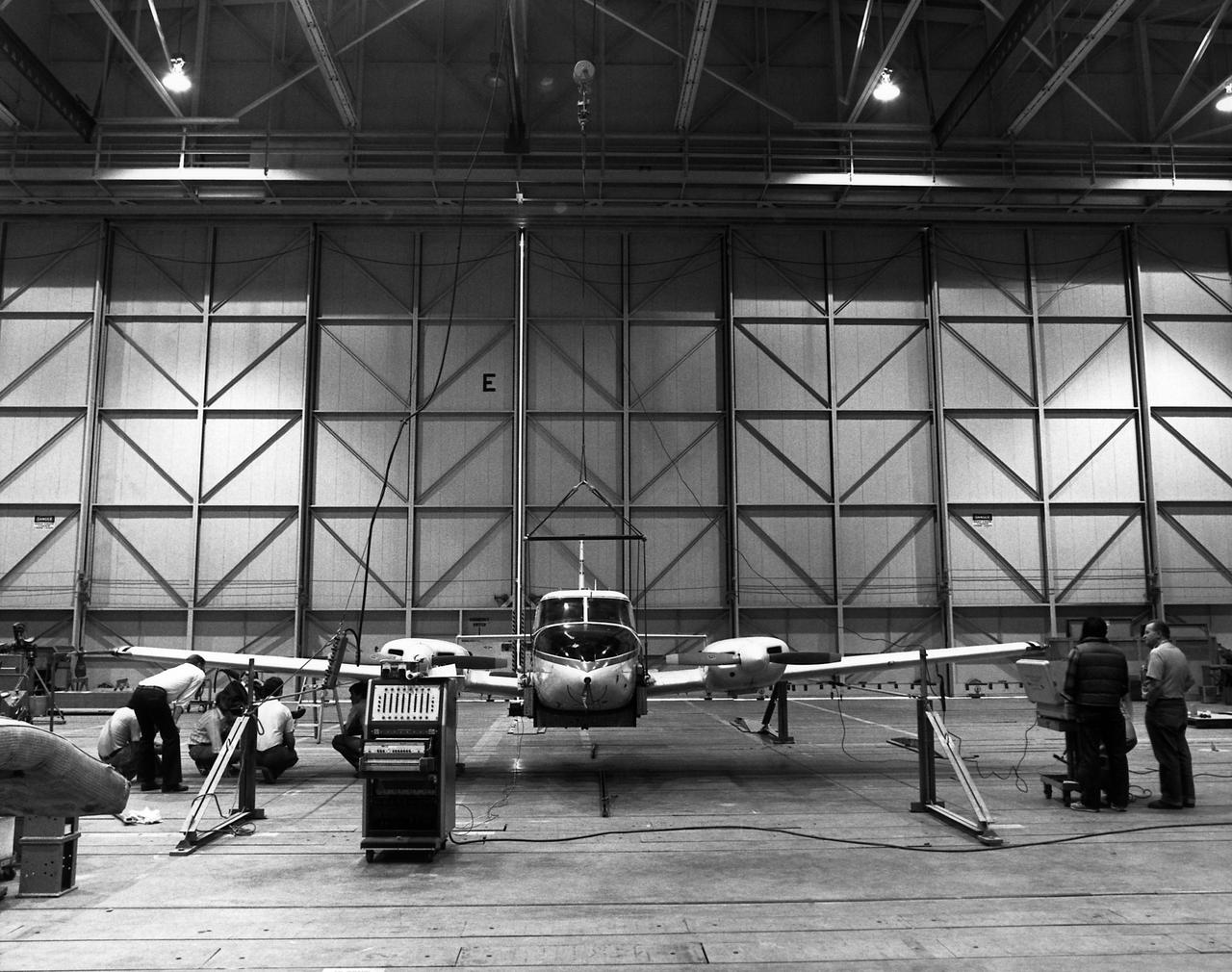
Technicians check instrumentation and systems on NASA 808, a PA-30 aircraft, prior to a research flight. The aircraft was used as the testbed in development of control systems for remotely piloted vehicles that were "flown" from the ground. The concept led to highly successful programs such as the HiMAT and the subscale F-15 remotely piloted vehicles. Over the years, NASA 808 has also been used for spin and stall research related to general aviation aircraft and also research to alleviate wake vortices behind large jetliners. This 1980 photograph taken inside a hangar shows technicians measuring moment of inertia.
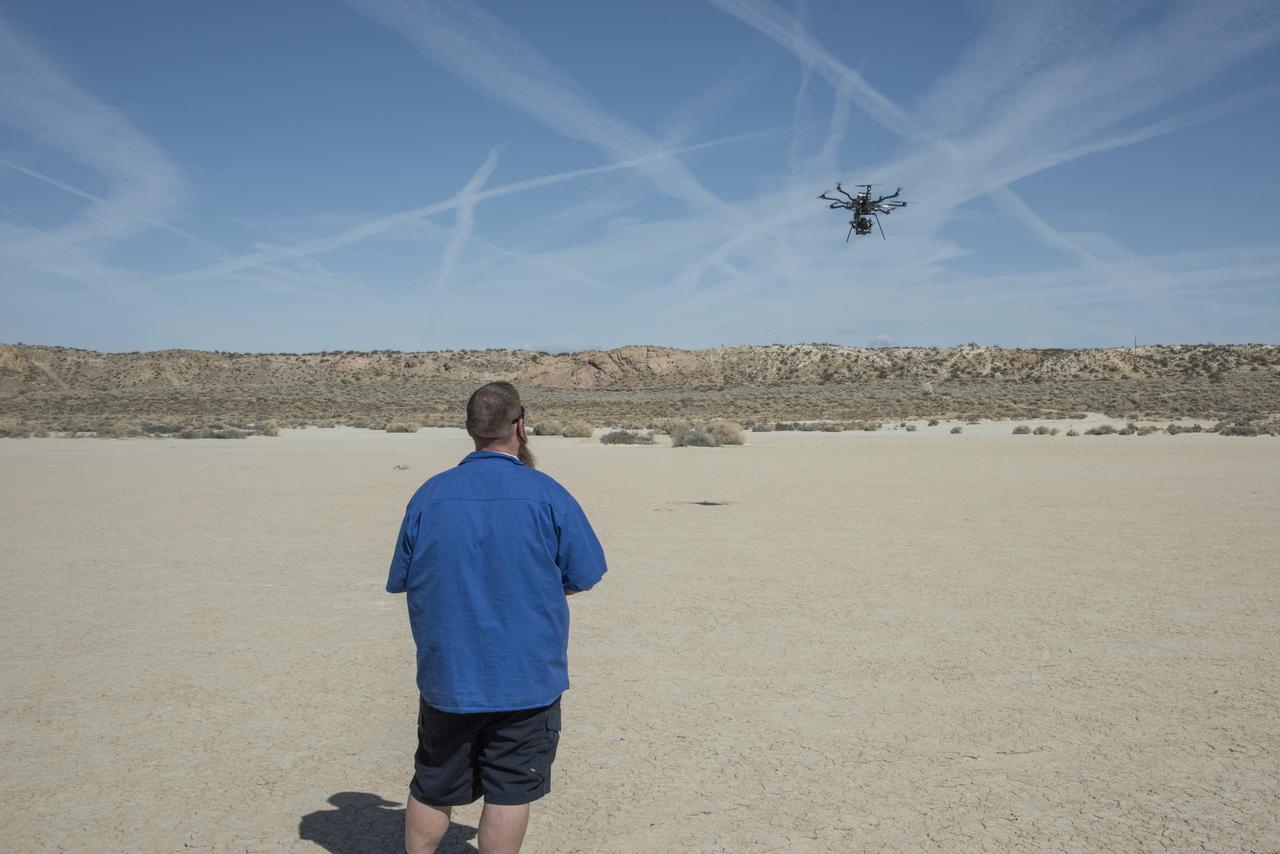
Justin Hall flies the Alta 8 remotely piloted aircraft in March 2021 at Rosamond North Lakebed at NASA’s Armstrong Flight Research Center in Edwards, California. The Resilient Autonomy project used these flights to collect data with the Nav Module hardware and software developed by NASA’s Jet Propulsion Laboratory in Pasadena, California.
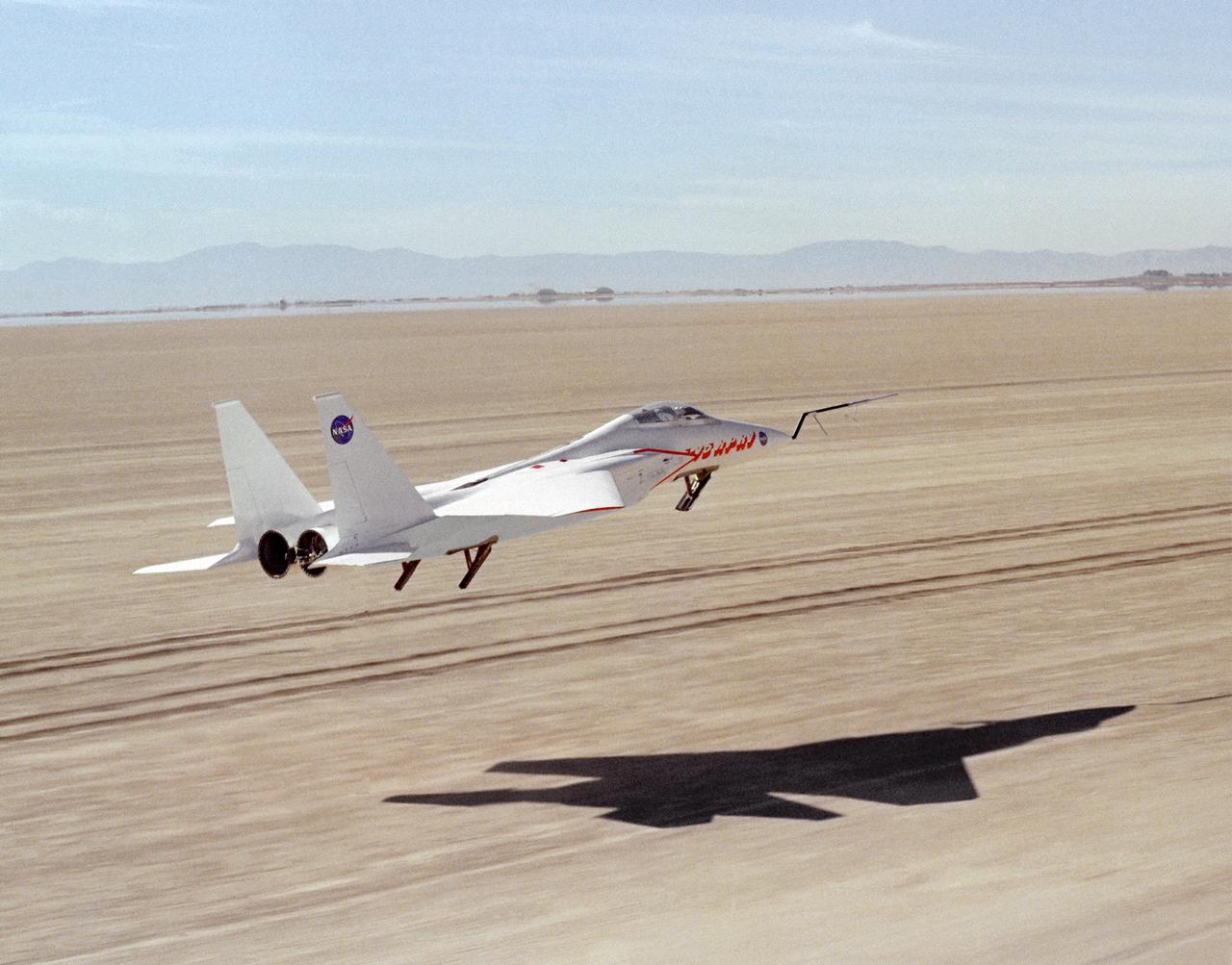
This photograph shows NASA's 3/8th-scale remotely piloted research vehicle landing on Rogers Dry Lakebed at Edwards Air Force Base, California, in 1975.
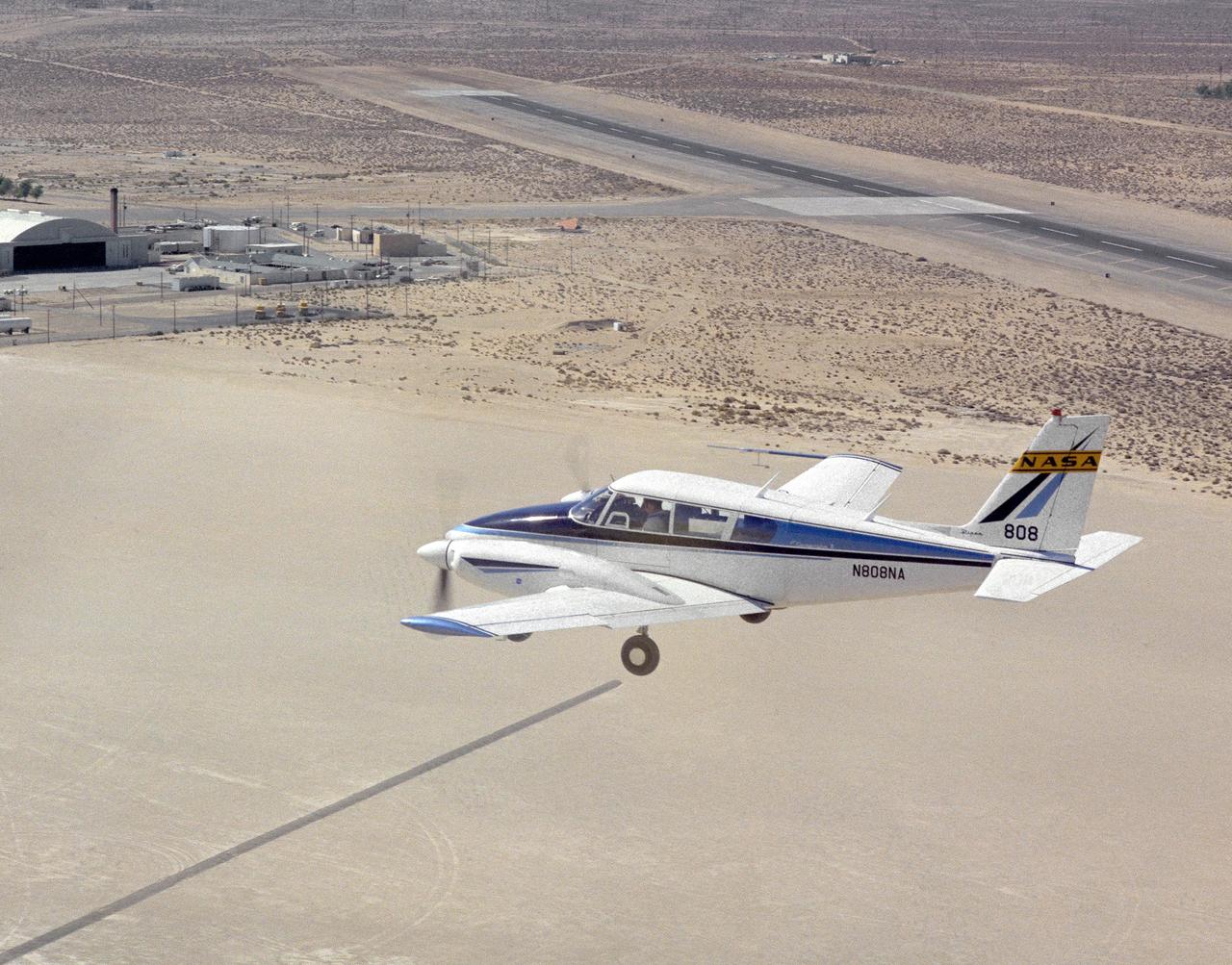
Dryden Flight Research Center's Piper PA-30 Twin Commanche, which helped validate the RPRV concept, descends to a remotely controlled landing on Rogers Dry Lake, unassisted by the onboard pilot. A Piper PA-30 Twin Commanche, known as NASA 808, was used at the NASA Dryden Flight Research Center as a rugged workhorse in a variety of research projects associated with both general aviation and military projects. In the early 1970s, the PA-30, serial number 301498, was used to test a flight technique used to fly Remotely Piloted Research Vehicles (RPRV's). The technique was first tested with the cockpit windows of the light aircraft blacked out while the pilot flew the aircraft utilizing a television monitor which gave him a "pilot's eye" view ahead of the aircraft. Later pilots flew the aircraft from a ground cockpit, a procedure used with all RPRV's. TV and two-way telemetry allow the pilot to be in constant control of the aircraft. The apparatus mounted over the cockpit is a special fish eye lens camera, used to obtain images that are transmitted to the ground based cockpit. This project paved the way for sophisticated, highly successful research programs involving high risk spin, stall, and flight control conditions, such as the HiMAT and the subscale F-15 remotely piloted vehicles. Over the years, NASA 808 has also been used for spin and stall research related to general aviation aircraft and also research to alleviate wake vortices behind large jetliners.
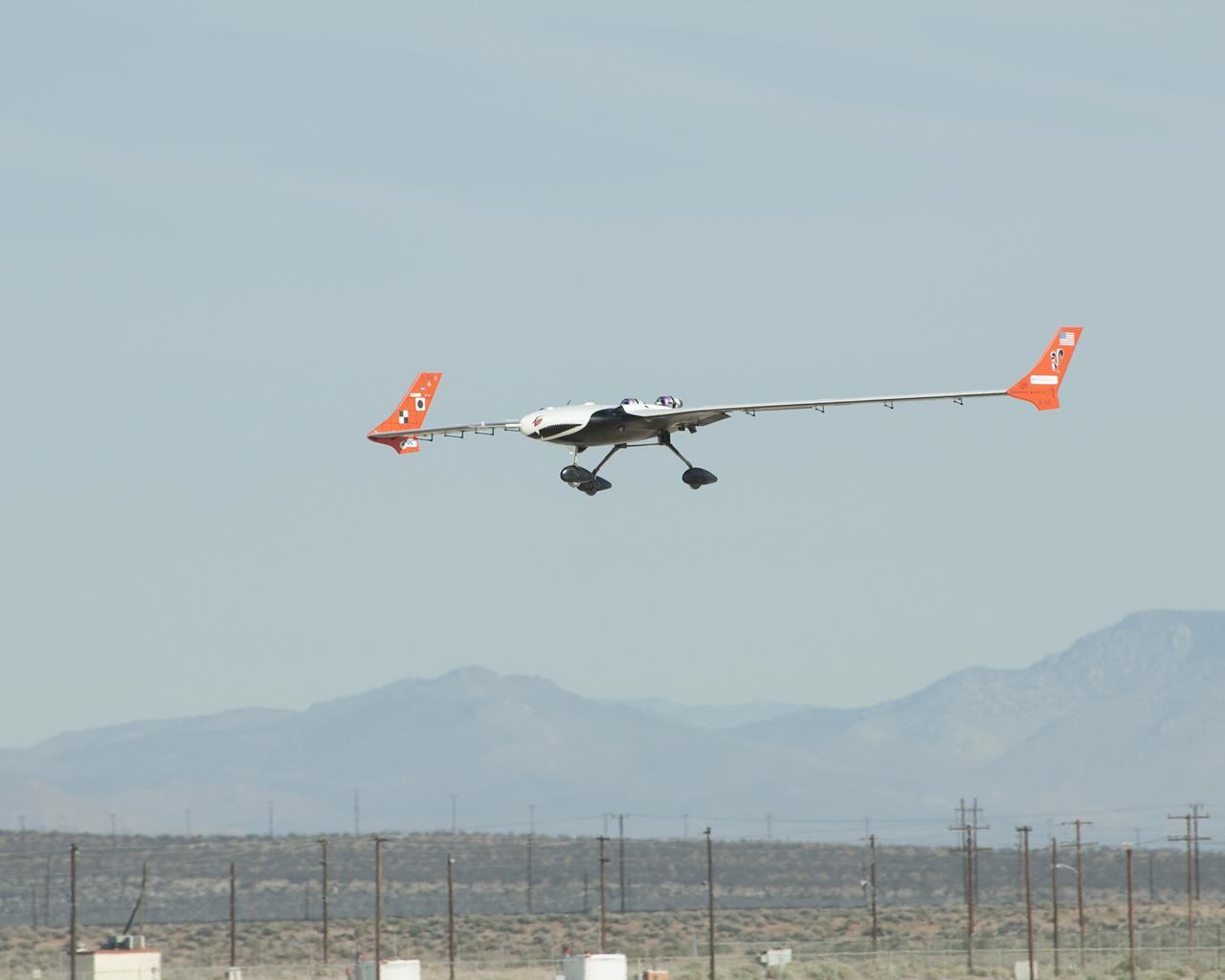
NASA researchers are using the X-56A, a low-cost, modular, remotely piloted aerial vehicle, to explore the behavior of lightweight, flexible aircraft structures.
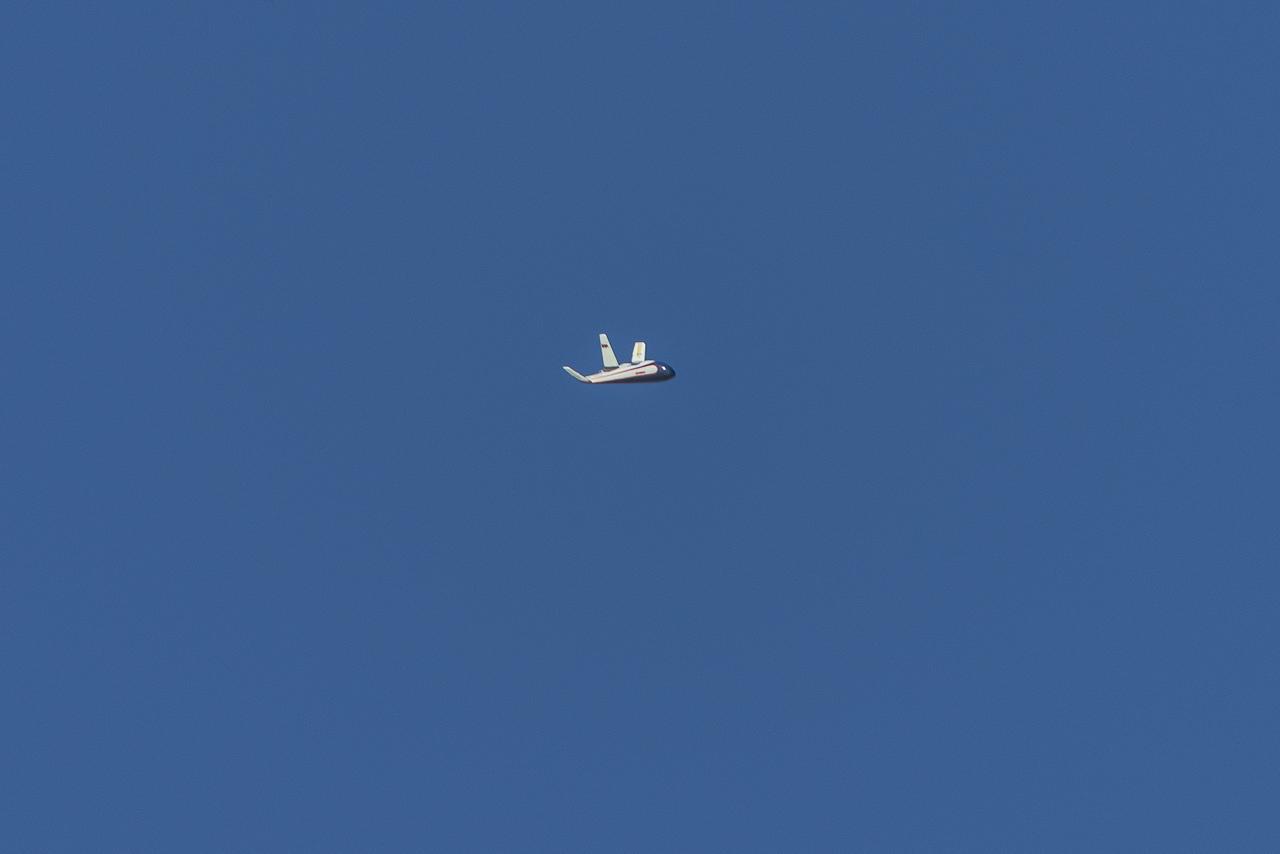
The atmospheric probe model flies free after release from a quad rotor remotely piloted aircraft above Rogers Dry Lake, a flight area adjacent NASA’s Armstrong Flight Research Center in Edwards, California, on Oct. 22, 2024. The probe was designed and built at the center.
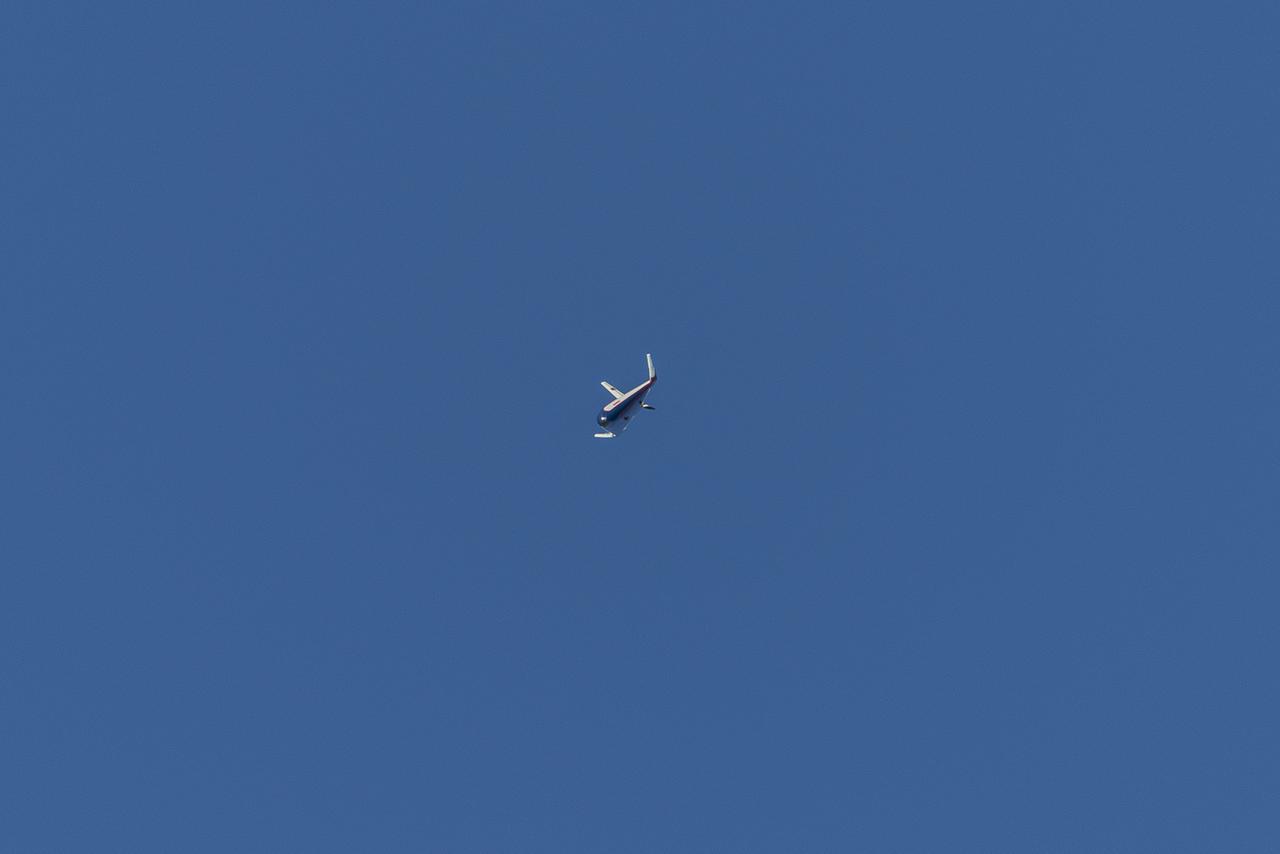
The atmospheric probe model flies free after release from a quad rotor remotely piloted aircraft above Rogers Dry Lake, a flight area adjacent NASA’s Armstrong Flight Research Center in Edwards, California, on Oct. 22, 2024. The probe was designed and built at the center.
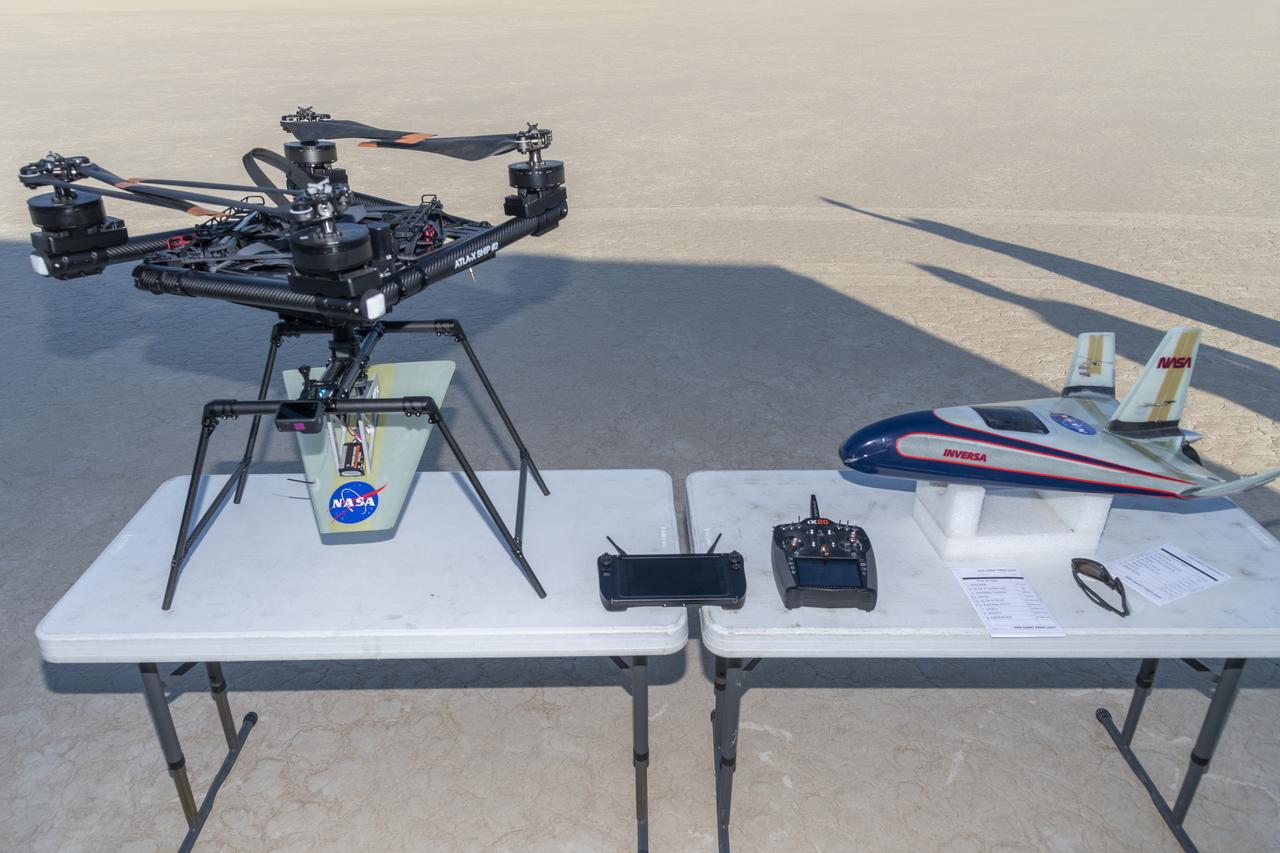
The atmospheric probe, right, flew after release from a quad rotor remotely piloted aircraft, left, on Oct. 22, 2024, above Rogers Dry Lake, a flight area adjacent to NASA’s Armstrong Flight Research Center in Edwards, California. The probe was designed and built at the center.
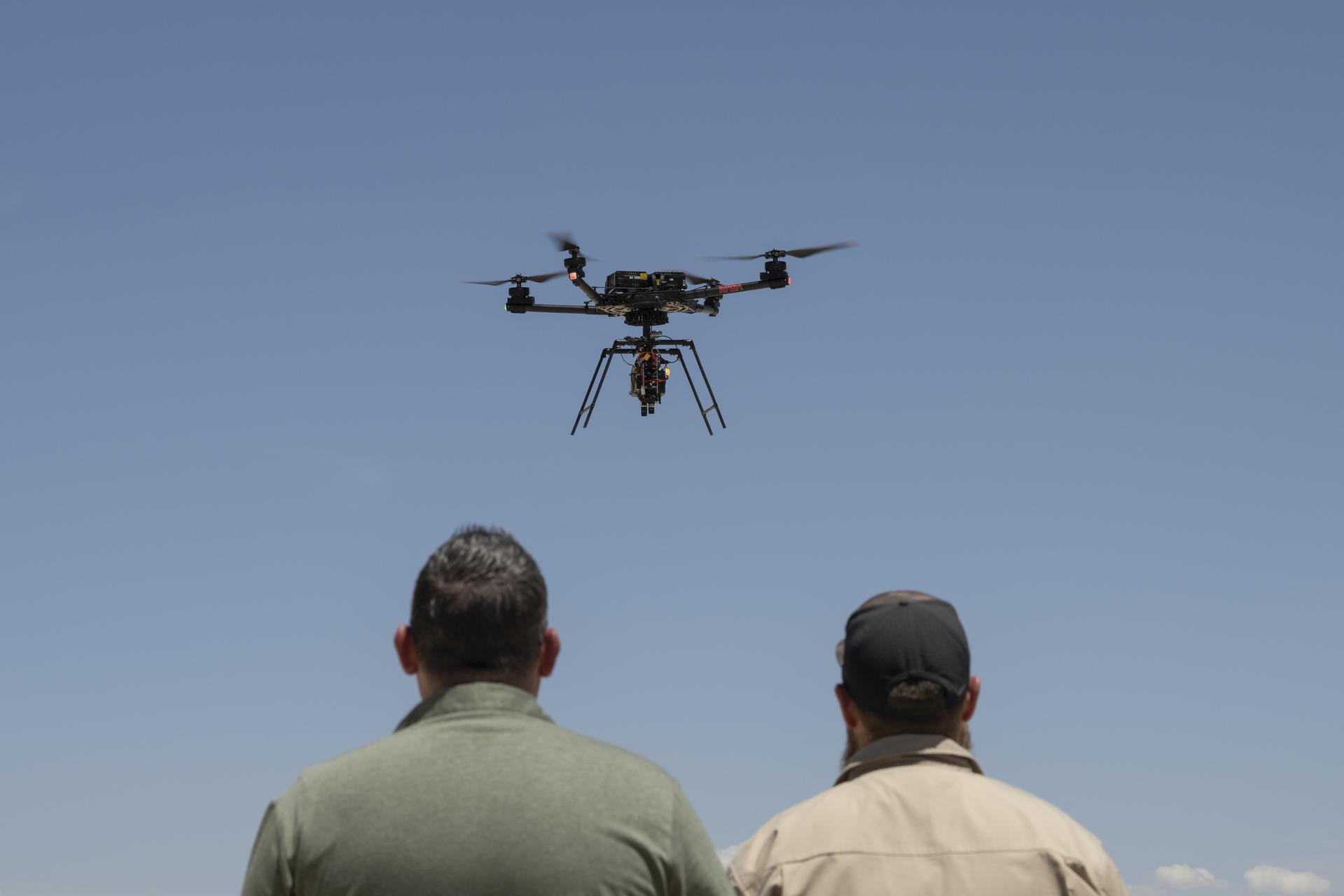
Justin Link, a small uncrewed aircraft pilot, left, and Justin Hall, chief pilot, fly a NASA Alta-X drone carrying an advanced guidance and navigation system known as the Safe and Precise Landing – Integrated Capabilities Evolution (SPLICE) experiment near NASA’s Armstrong Flight Research Center in Edwards, California, on Wednesday, July 15, 2026. Researchers at NASA’s Johnson Space Center in Houston developed SPLICE, which successfully communicated with the remotely piloted aircraft during hover maneuvers in flight. SPLICE will help spacecraft land precisely and detect and avoid potential hazards, which is critical for NASA missions to the Moon and to Mars.
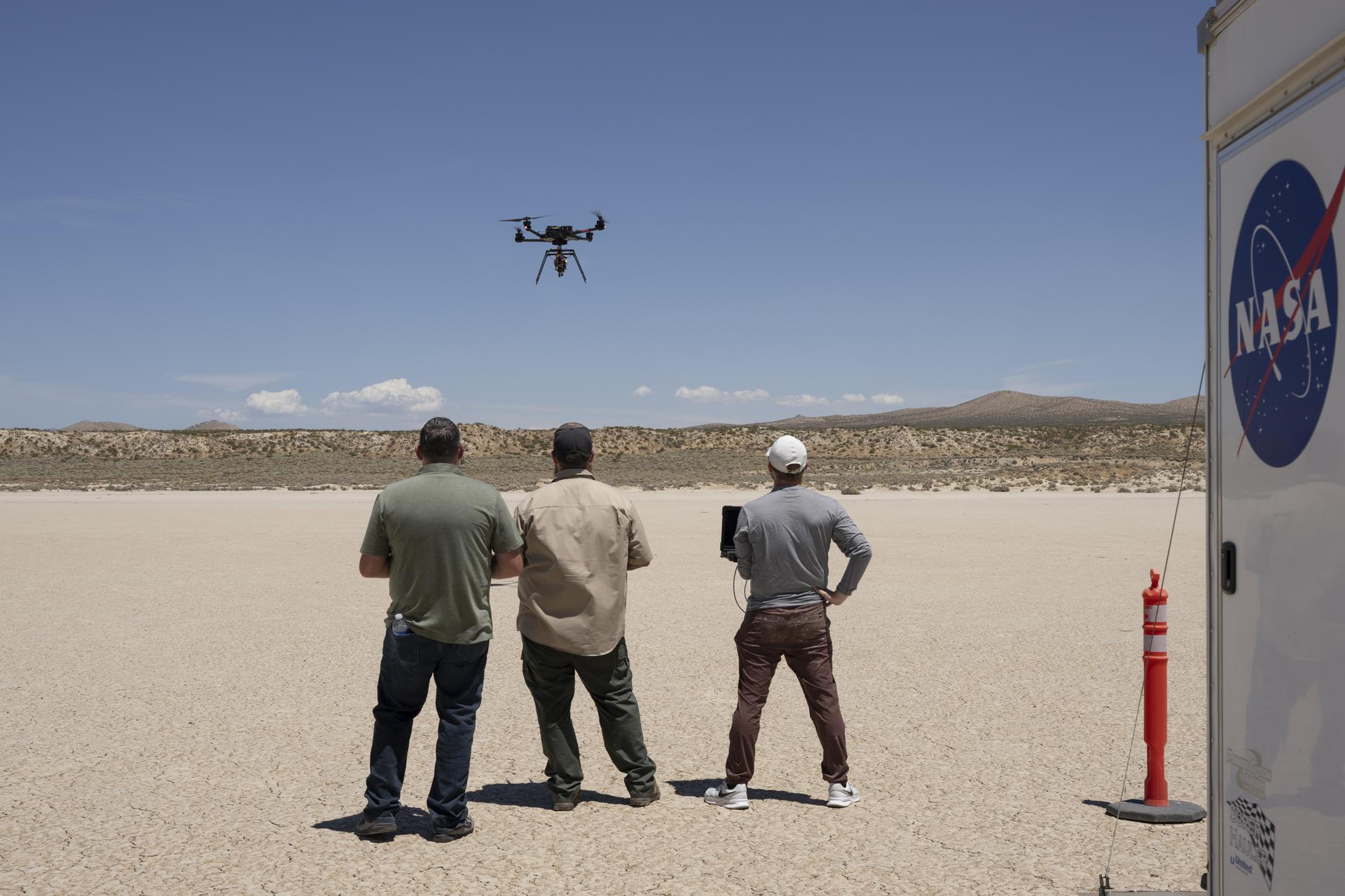
Justin Link, a small uncrewed aircraft pilot, left, Justin Hall, chief pilot, and Davis Adams, project manager, test an advanced guidance and navigation system known as the Safe and Precise Landing – Integrated Capabilities Evolution (SPLICE) experiment on an Alta-X drone near NASA’s Armstrong Flight Research Center in Edwards, California, on Wednesday, July 15, 2026. Researchers at NASA’s Johnson Space Center in Houston developed SPLICE, which successfully communicated with the remotely piloted aircraft during hover maneuvers in flight. SPLICE will help spacecraft land precisely and detect and avoid potential hazards, which is critical for NASA missions to the Moon and to Mars.
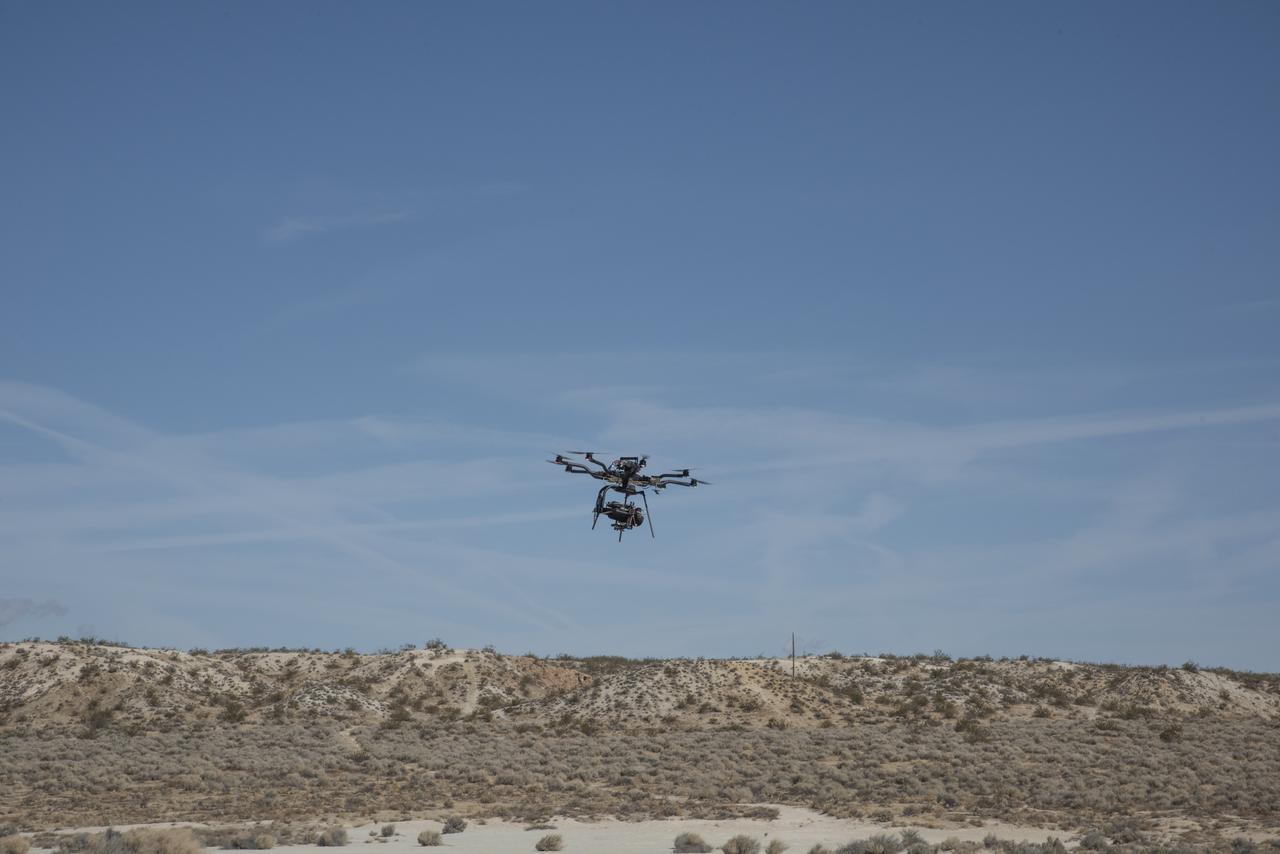
The Alta 8 remotely piloted aircraft flies above Rosamond North Lakebed at NASA's Armstrong Flight Research Center in Edwards, California. The Resilient Autonomy project used these flights to collect data with the Nav Module hardware and software developed by NASA's Jet Propulsion Laboratory in Pasadena, California.
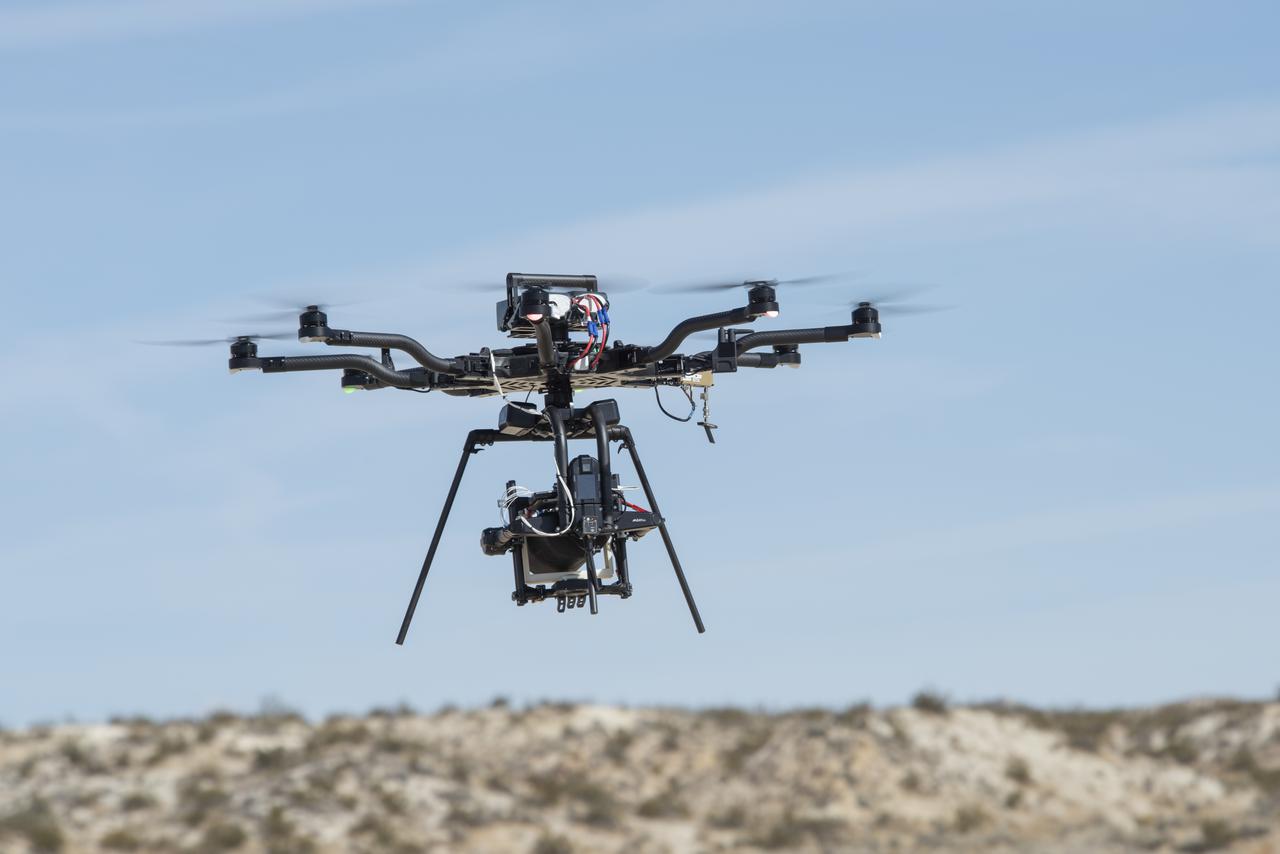
The Alta 8 remotely piloted aircraft hovers above Rosamond North Lakebed in March 2021 at NASA's Armstrong Flight Research Center in Edwards, California. The Resilient Autonomy project used these flights to collect data with the Nav Module hardware and software developed by NASA's Jet Propulsion Laboratory in Pasadena, California.
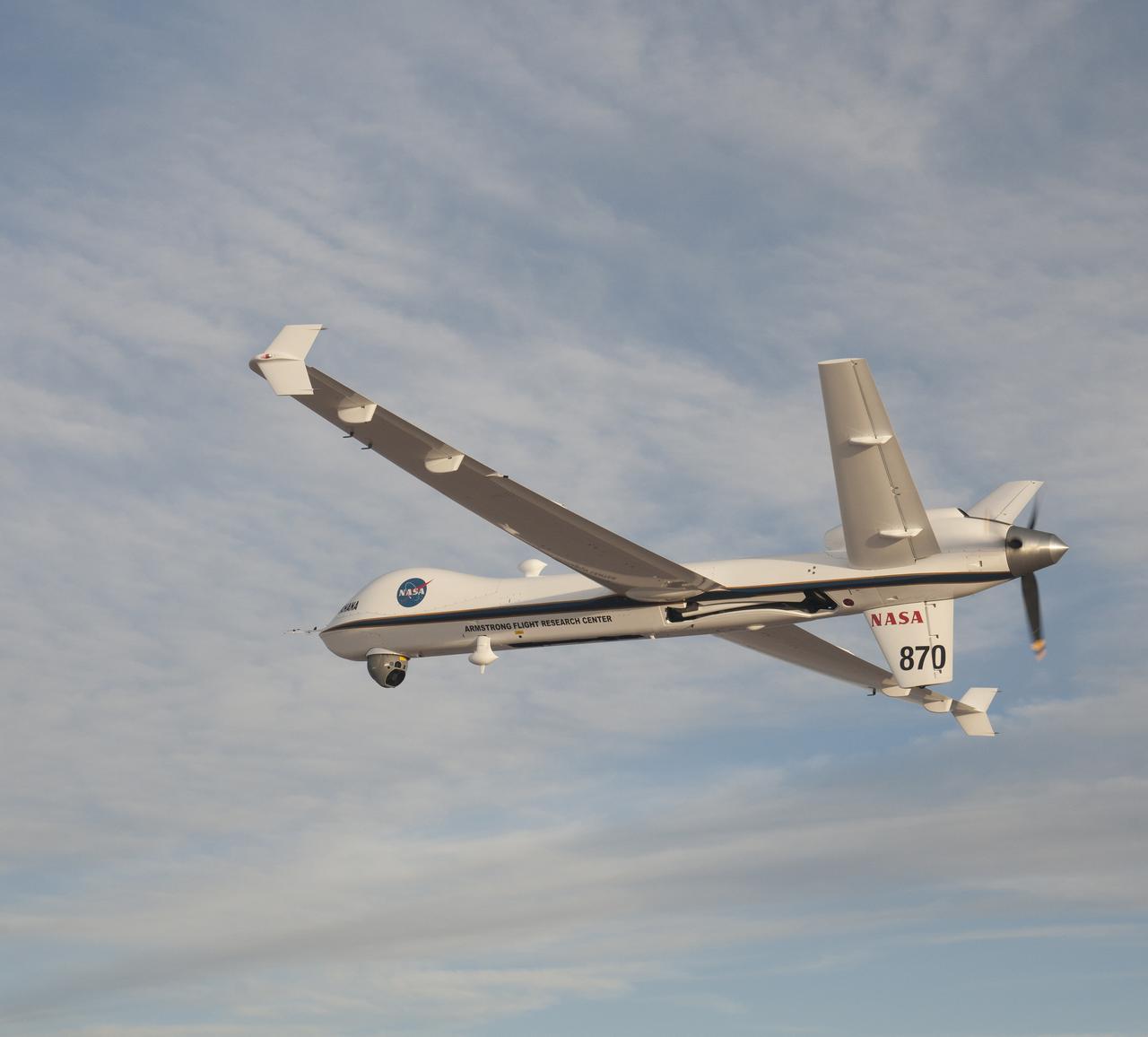
The Ikhana remotely piloted aircraft captured real-time video when the Orion Exploration Flight Test-1 mission concluded on Dec. 5, 2014. It is planned for the Ikhana to capture video again for the Orion and Space Launch System Exploration Mission-1 (EM-1) certification flight.
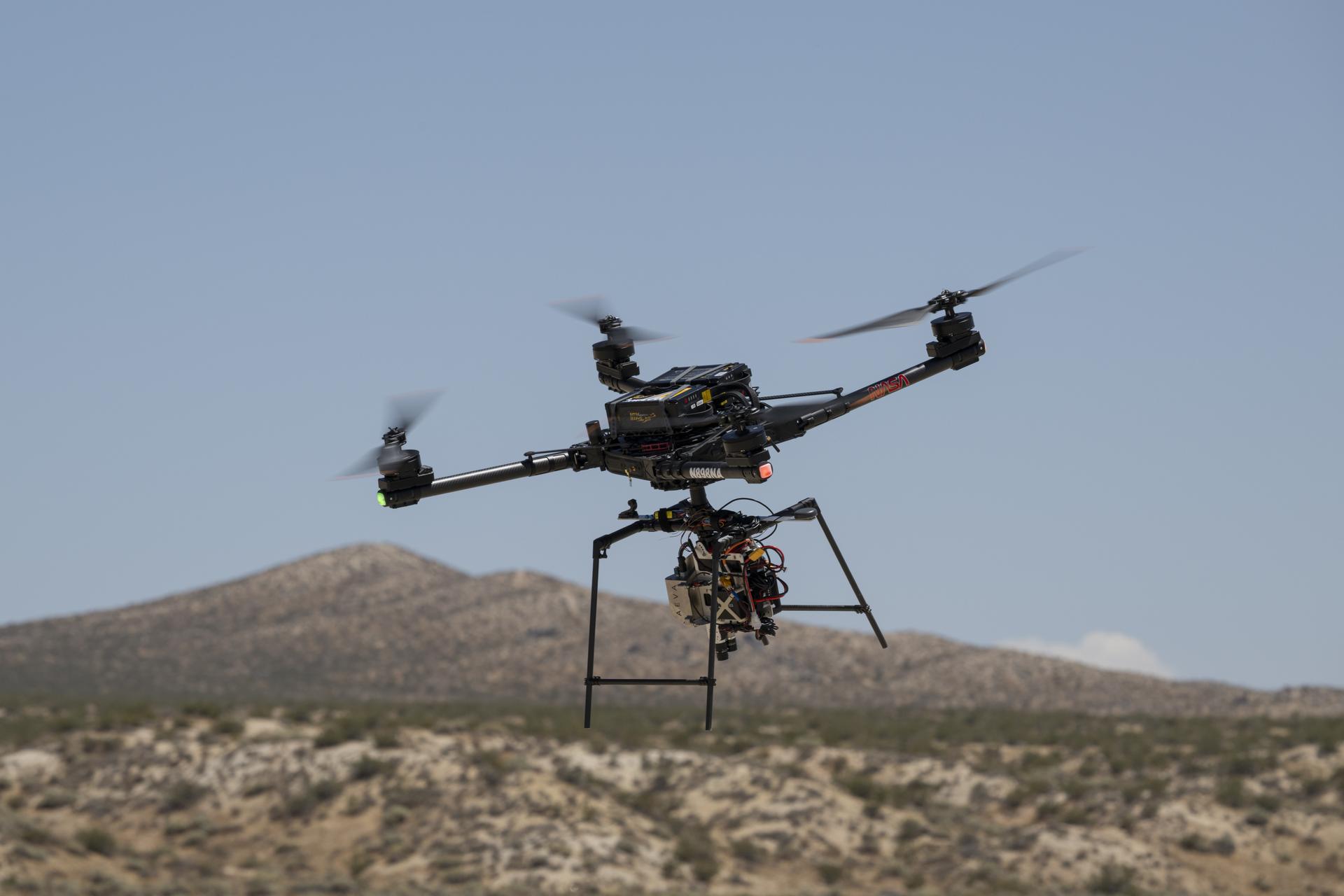
An Alta-X drone flies an advanced guidance and navigation system known as the Safe and Precise Landing – Integrated Capabilities Evolution (SPLICE) experiment near NASA’s Armstrong Flight Research Center in Edwards, California, on Wednesday, July 15, 2026. Researchers at NASA’s Johnson Space Center in Houston developed SPLICE, which successfully communicated with the remotely piloted aircraft during hover maneuvers in flight. SPLICE will help spacecraft land precisely and detect and avoid potential hazards, which is critical for NASA missions to the Moon and to Mars.
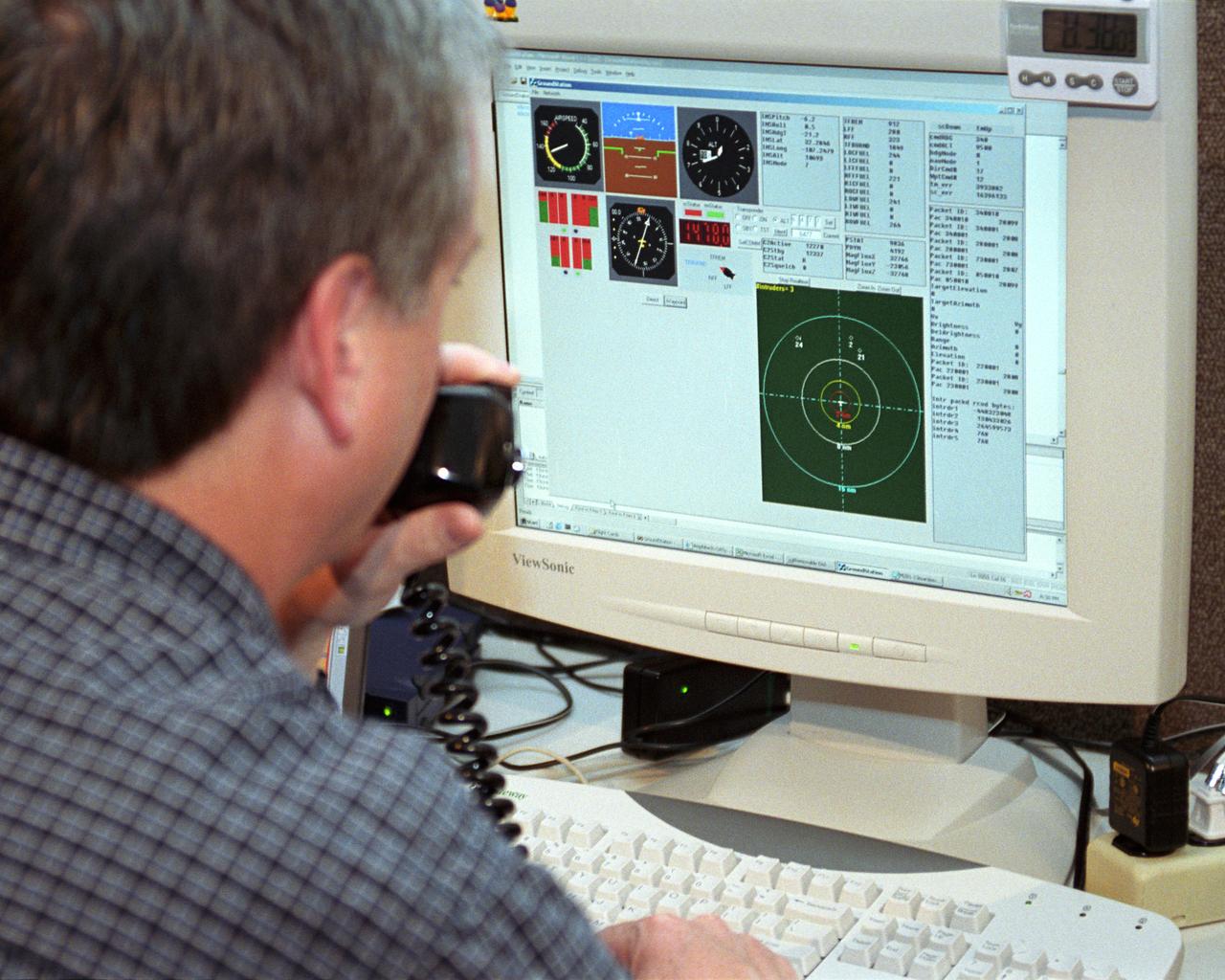
Scaled Composites' Doug Shane examines the screen of his ground control station during tests in New Mexico. Shane used this configuration as the ground control station to remotely pilot the Proteus aircraft during a NASA sponsored series of tests.
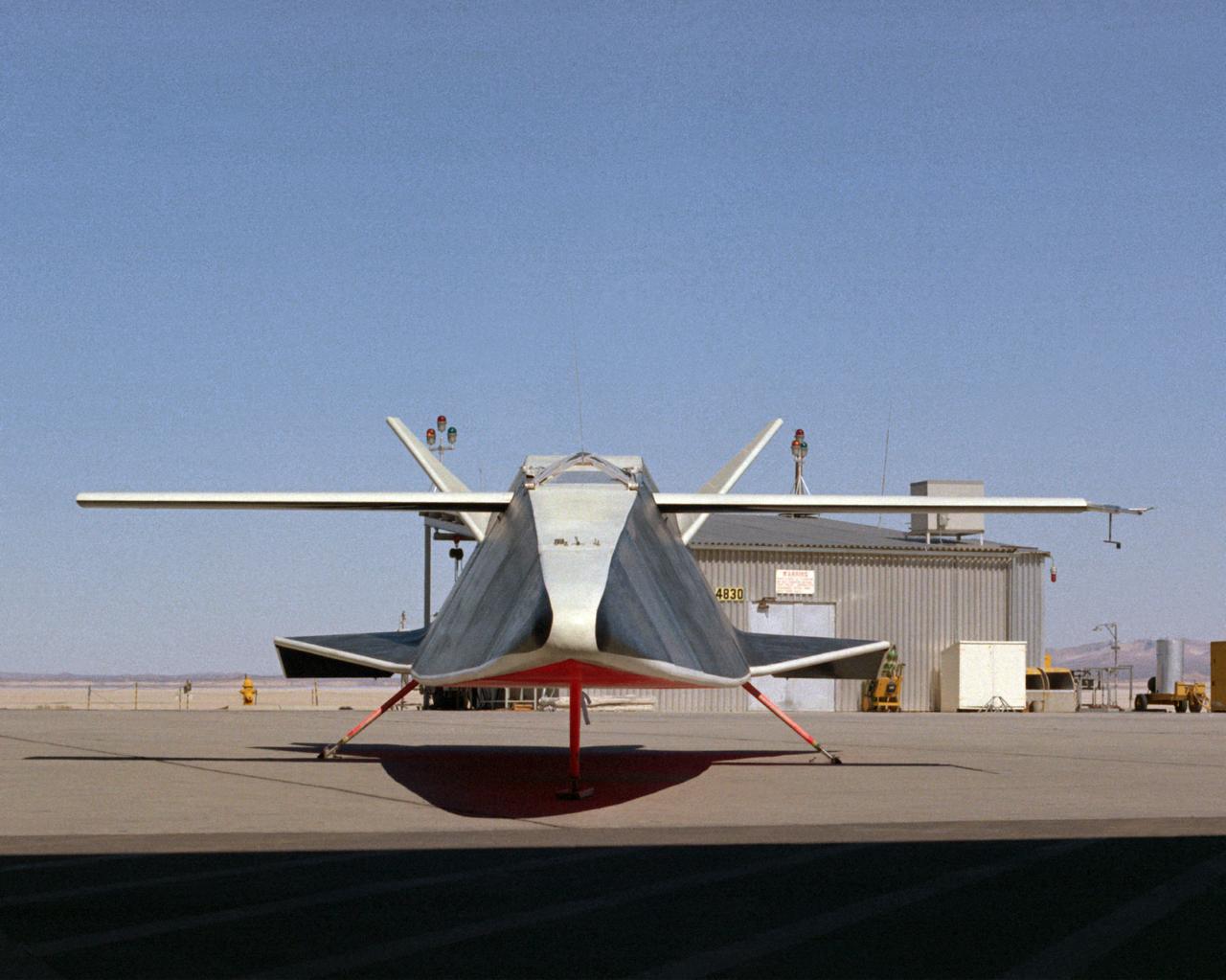
The Hyper III was a low-cost test vehicle for an advanced lifting-body shape. Like the earlier M2-F1, it was a "homebuilt" research aircraft, i.e., built at the Flight Research Center (FRC), later redesignated the Dryden Flight Research Center. It had a steel-tube frame covered with Dacron, a fiberglass nose, sheet aluminum fins, and a wing from an HP-11 sailplane. Construction was by volunteers at the FRC. Although the Hyper III was to be flown remotely in its initial tests, it was fitted with a cockpit for a pilot. On the Hyper III's only flight, it was towed aloft attached to a Navy SH-3 helicopter by a 400-foot cable. NASA research pilot Bruce Peterson flew the SH-3. After he released the Hyper III from the cable, NASA research pilot Milt Thompson flew the vehicle by radio control until the final approach when Dick Fischer took over control using a model-airplane radio-control box. The Hyper III flared, then landed and slid to a stop on Rogers Dry Lakebed.
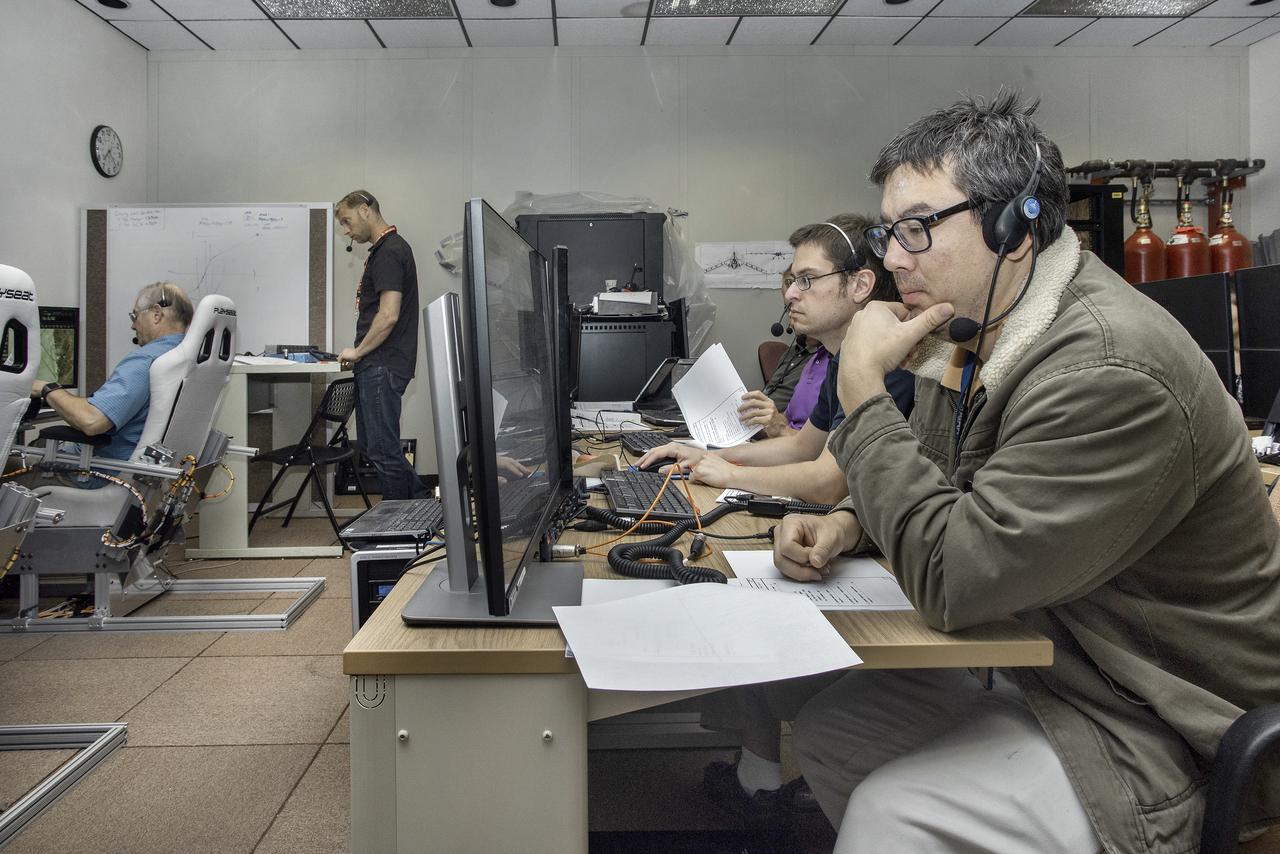
Peter Suh and Jeff Ouellette complete preflight checks of the remotely piloted X-56A.

Mai Franz, Samson Truong and Alex Chin continue preparations for flight of the remotely piloted X-56A.
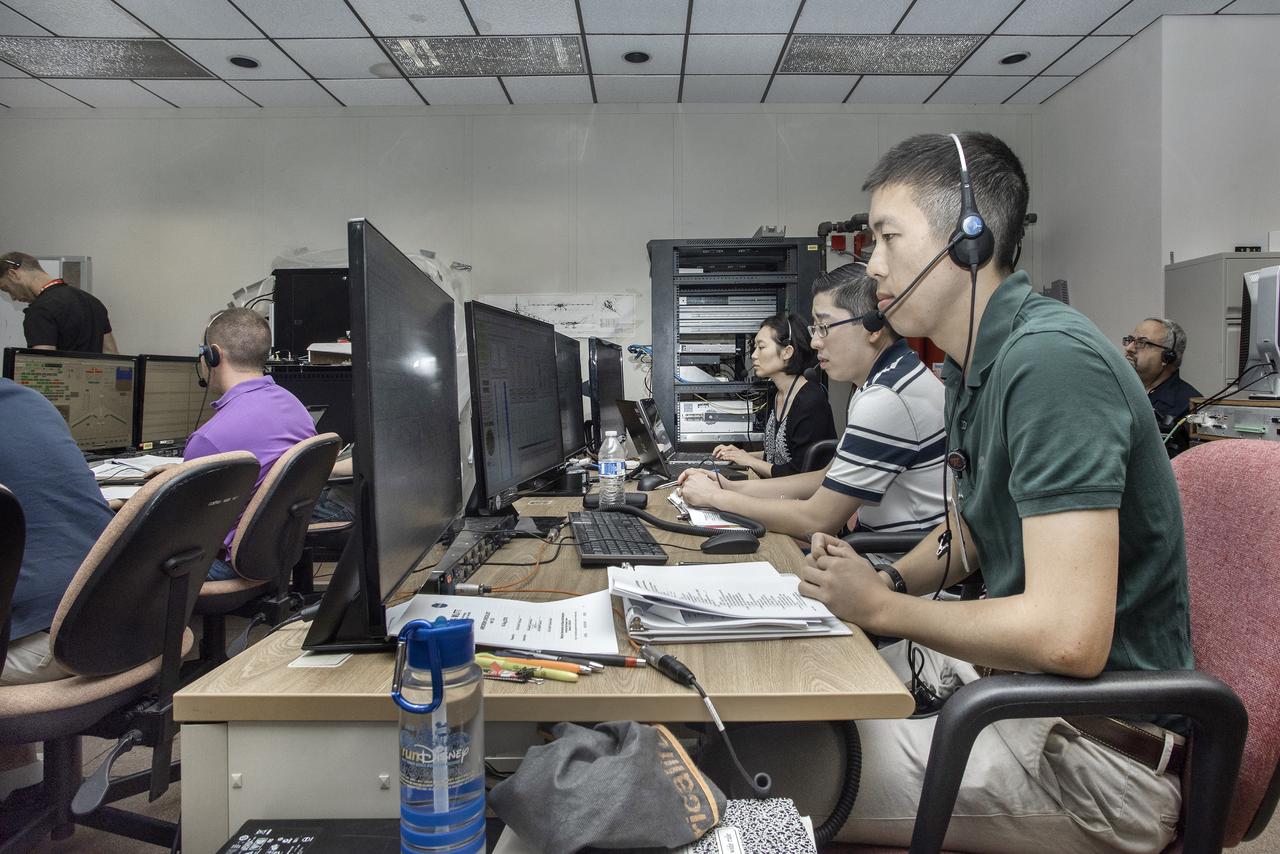
Alex Chin, Samson Truong and Mei Franz prepare for a flight of the remotely piloted X-56A
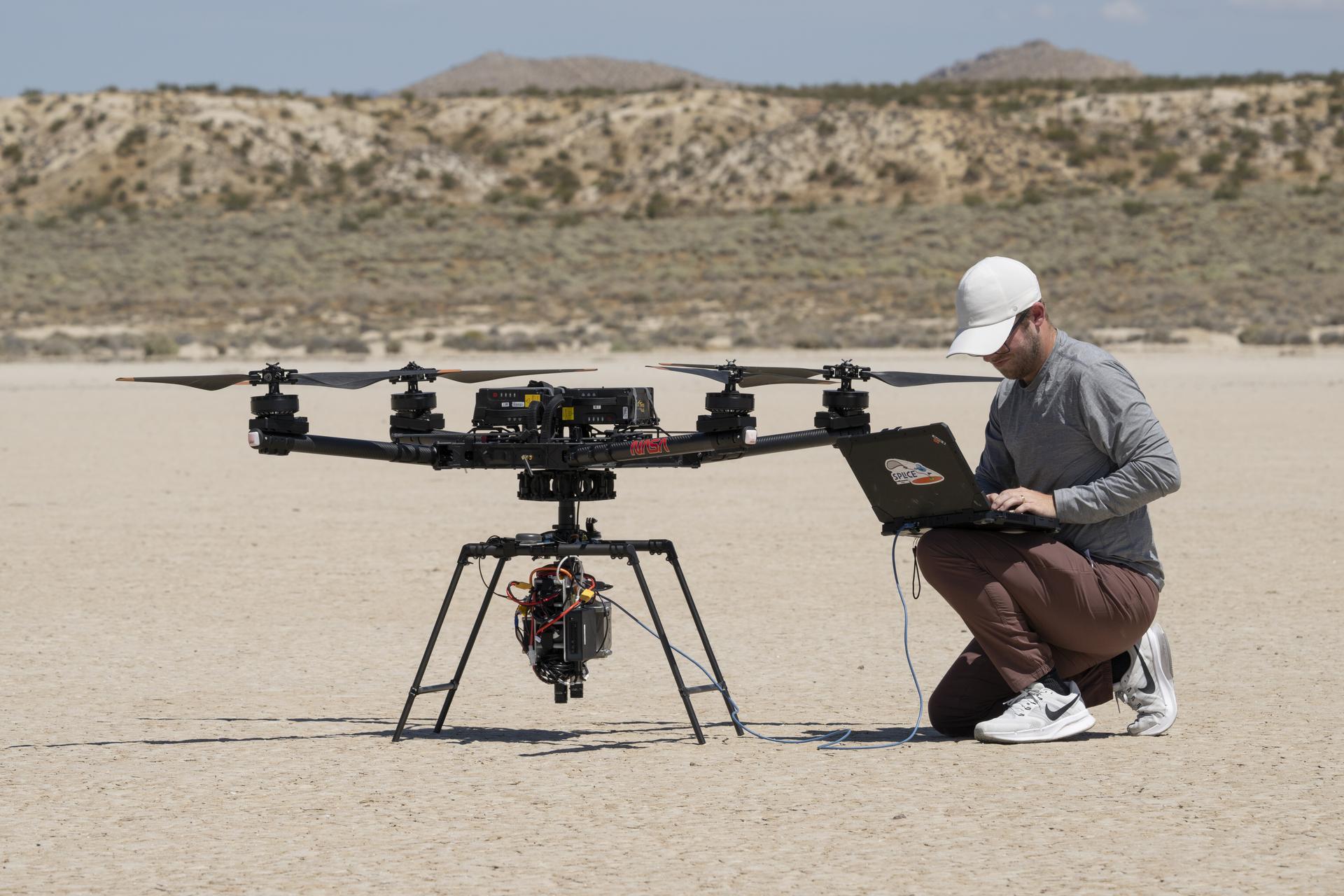
Davis Adams, project manager, confirms that an advanced guidance and navigation system known as the Safe and Precise Landing – Integrated Capabilities Evolution (SPLICE) experiment is communicating with an Alta-X drone near NASA’s Armstrong Flight Research Center in Edwards, California, on Wednesday, July 15, 2026. Researchers at NASA’s Johnson Space Center in Houston developed SPLICE, which successfully communicated with the remotely piloted aircraft during hover maneuvers in flight. SPLICE will help spacecraft land precisely and detect and avoid potential hazards, which is critical for NASA missions to the Moon and to Mars.
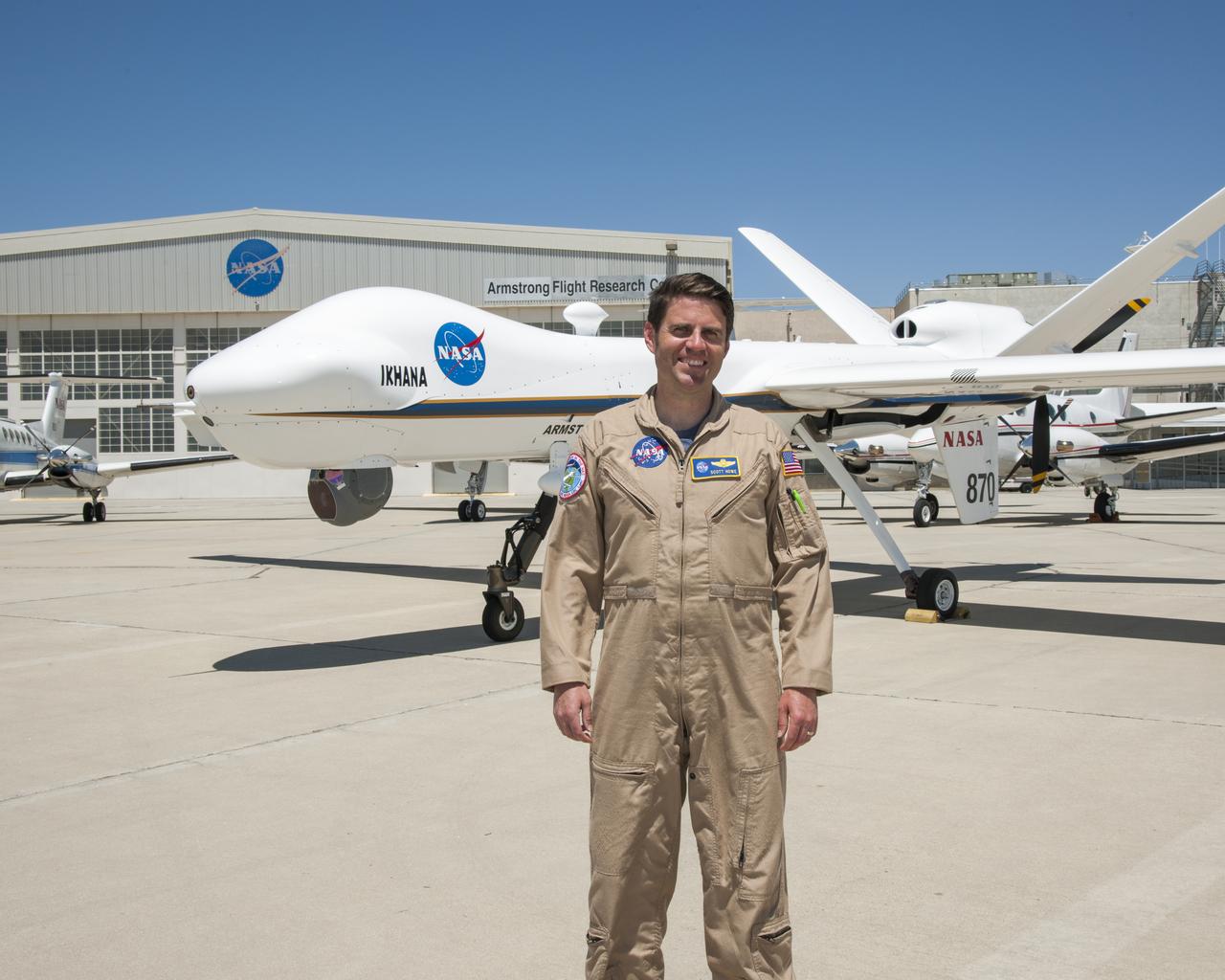
Scott Howe, a pilot at NASA's Armstrong Flight Research Center in California, assisted with monitoring California's wildfires by operating a MQ-9 remotely piloted aircraft during launches and recoveries for the California Air National Guard. The MQ-9 closely resembles the Ikhana aircraft, which Howe had piloted at Armstrong.
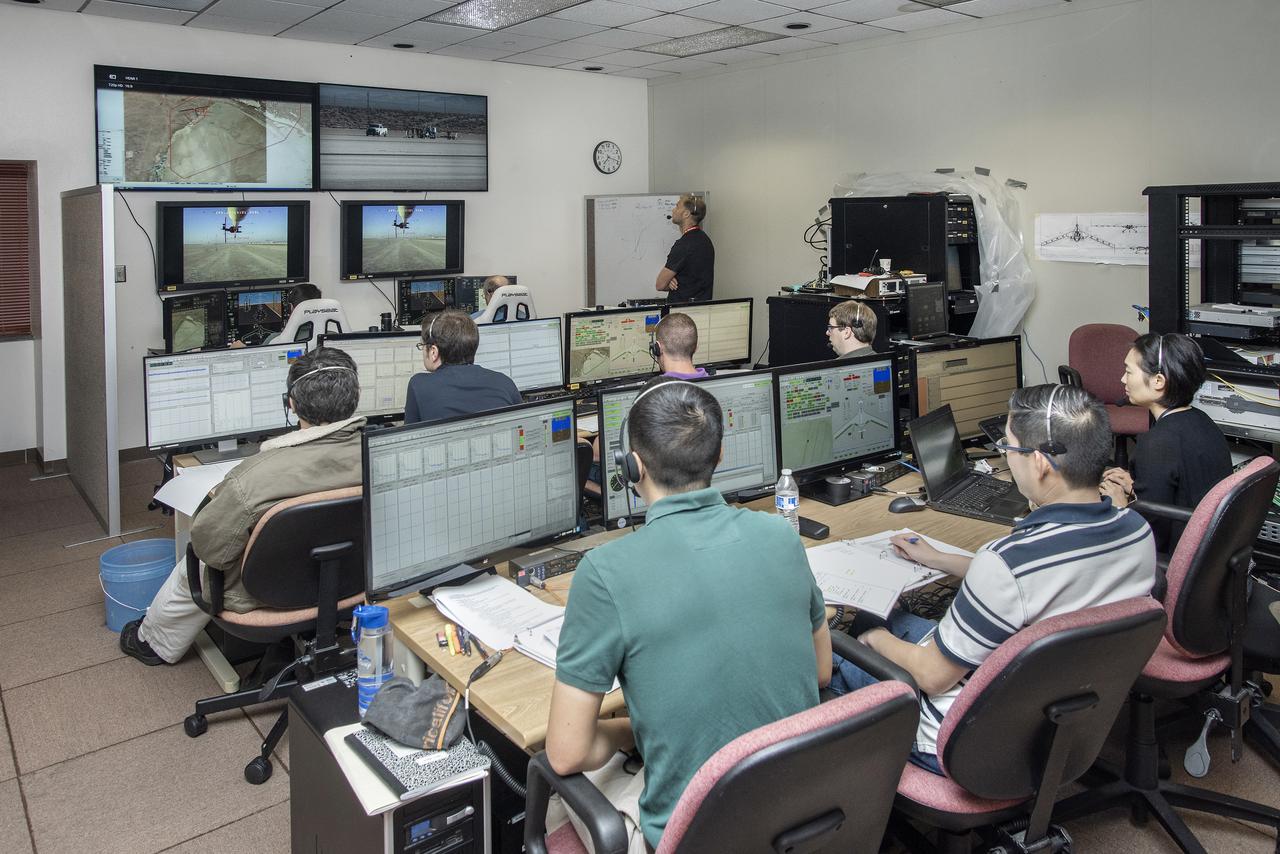
The control room for the remotely piloted X-56A has a feature that most do not – the pilot and co-pilot are in the front of the room, seen at left. The X-56A team has successfully suppressed flutter, which is a potentially destructive oscillation, with a classical and a modern controller. The controllers are essentially mathematical ways of directing the aircraft.
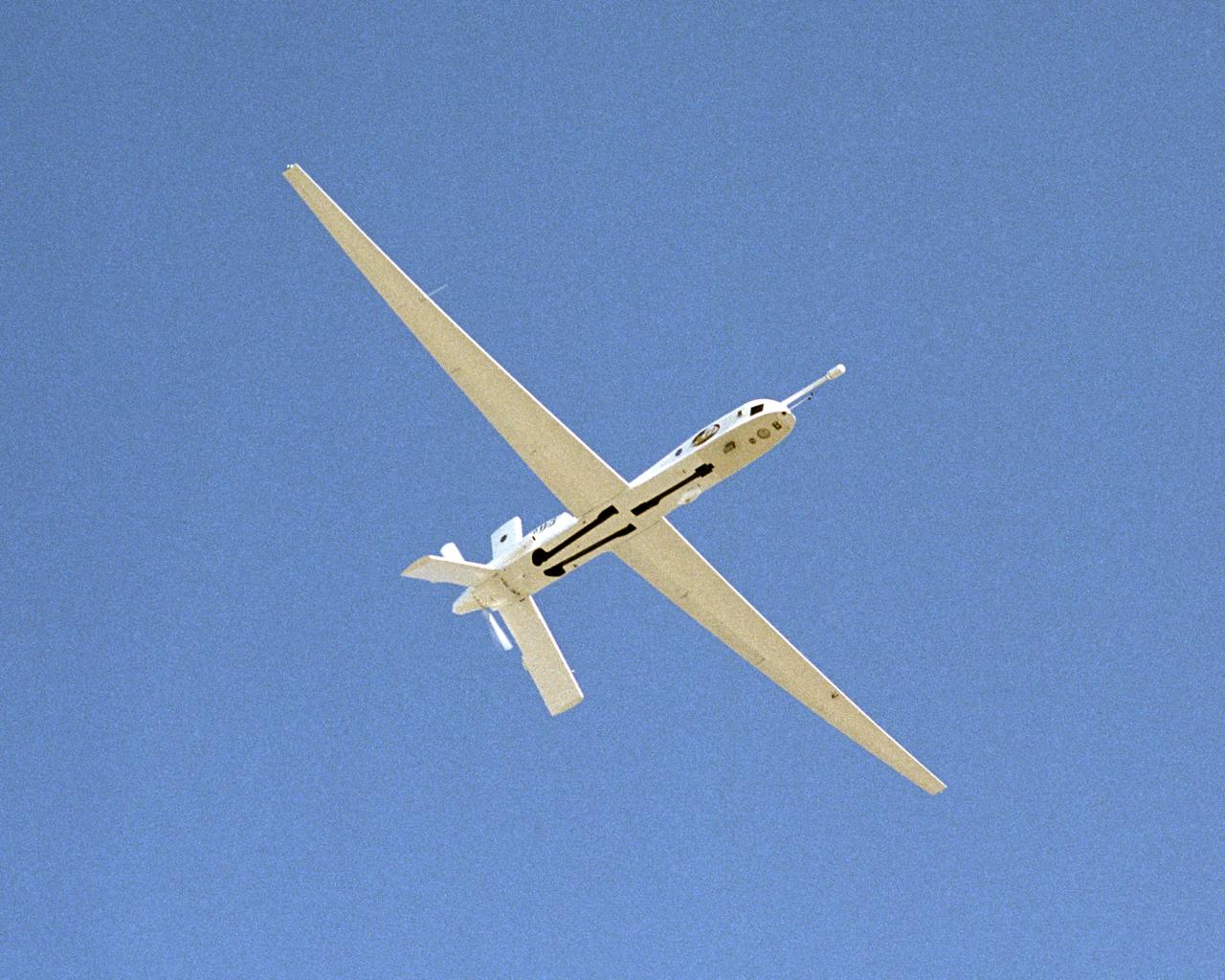
The Altus II remotely piloted aircraft carried a variety of specialized instruments and cameras during a lightning study over Florida during the summer of 2002.
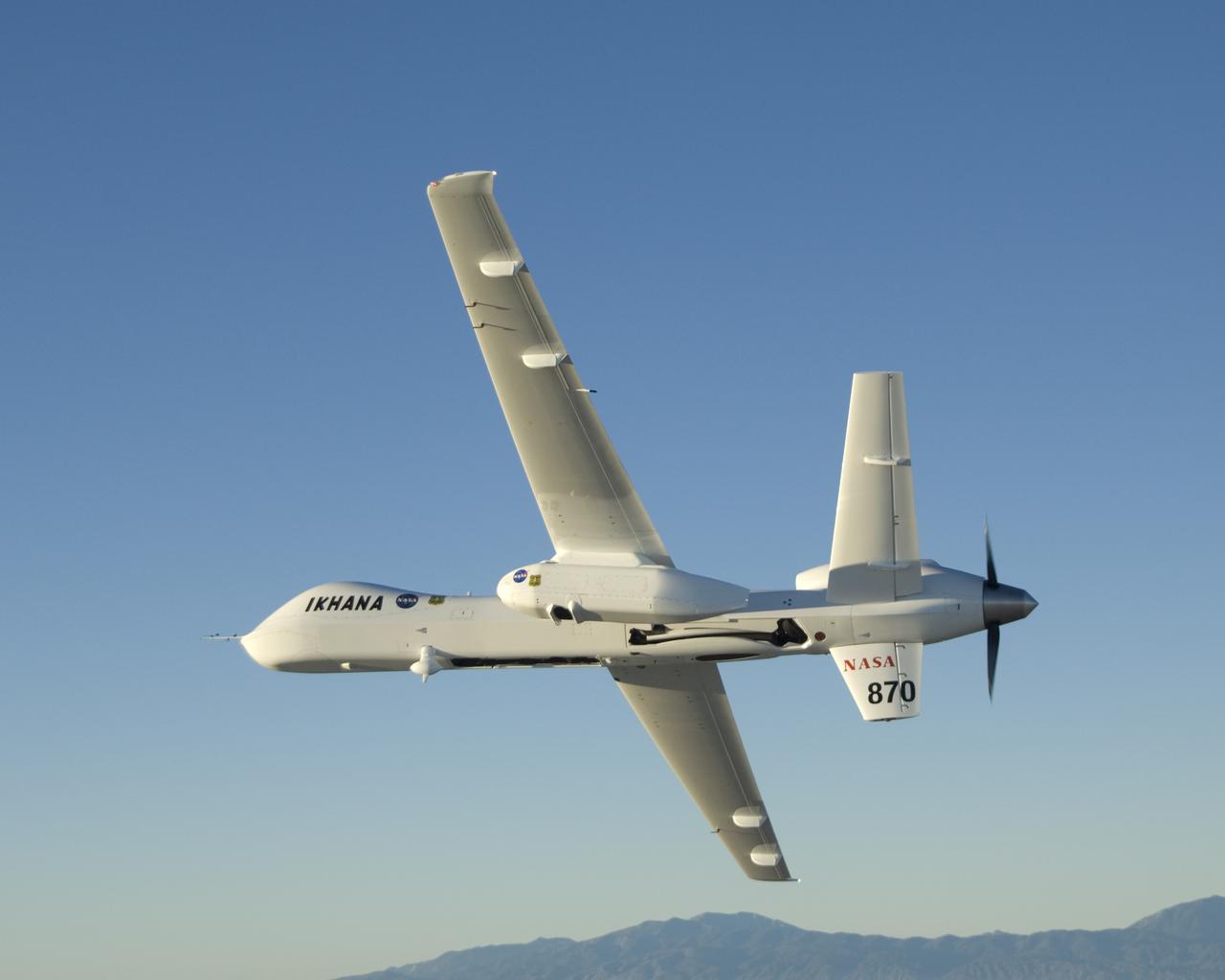
Carrying its sensor pod, NASA's remotely piloted Ikhana unmanned aircraft banks away during a checkout flight in the Western States Fire Mission.
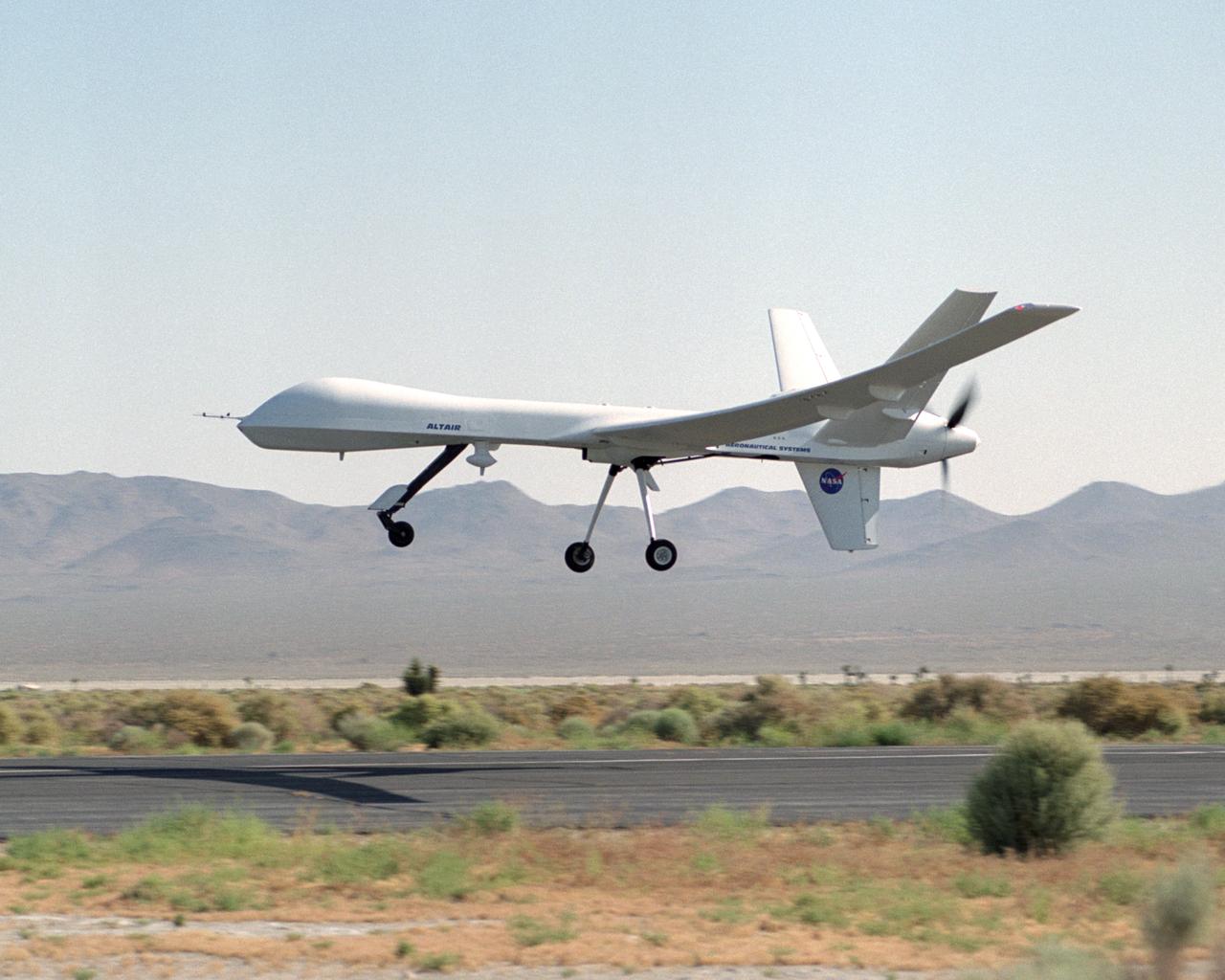
The remotely-piloted Altair unmanned aerial vehicle (UAV) took to the air on its first checkout flight on June 9, 2003 at El Mirage, California.
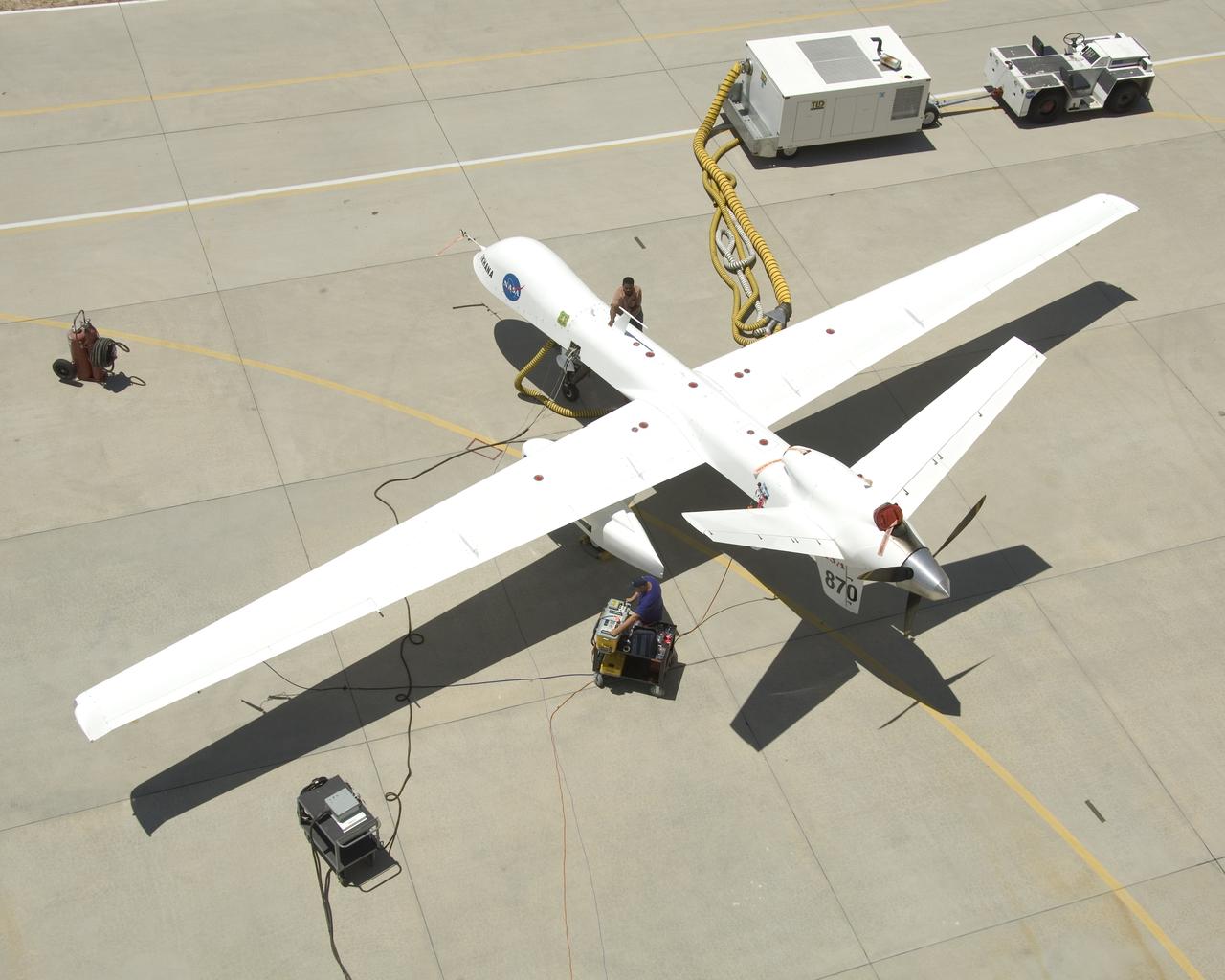
Ground crewmen prepare NASA's Ikhana remotely piloted research aircraft for another flight. Ikhana's infrared imaging sensor pod is visible under the left wing.
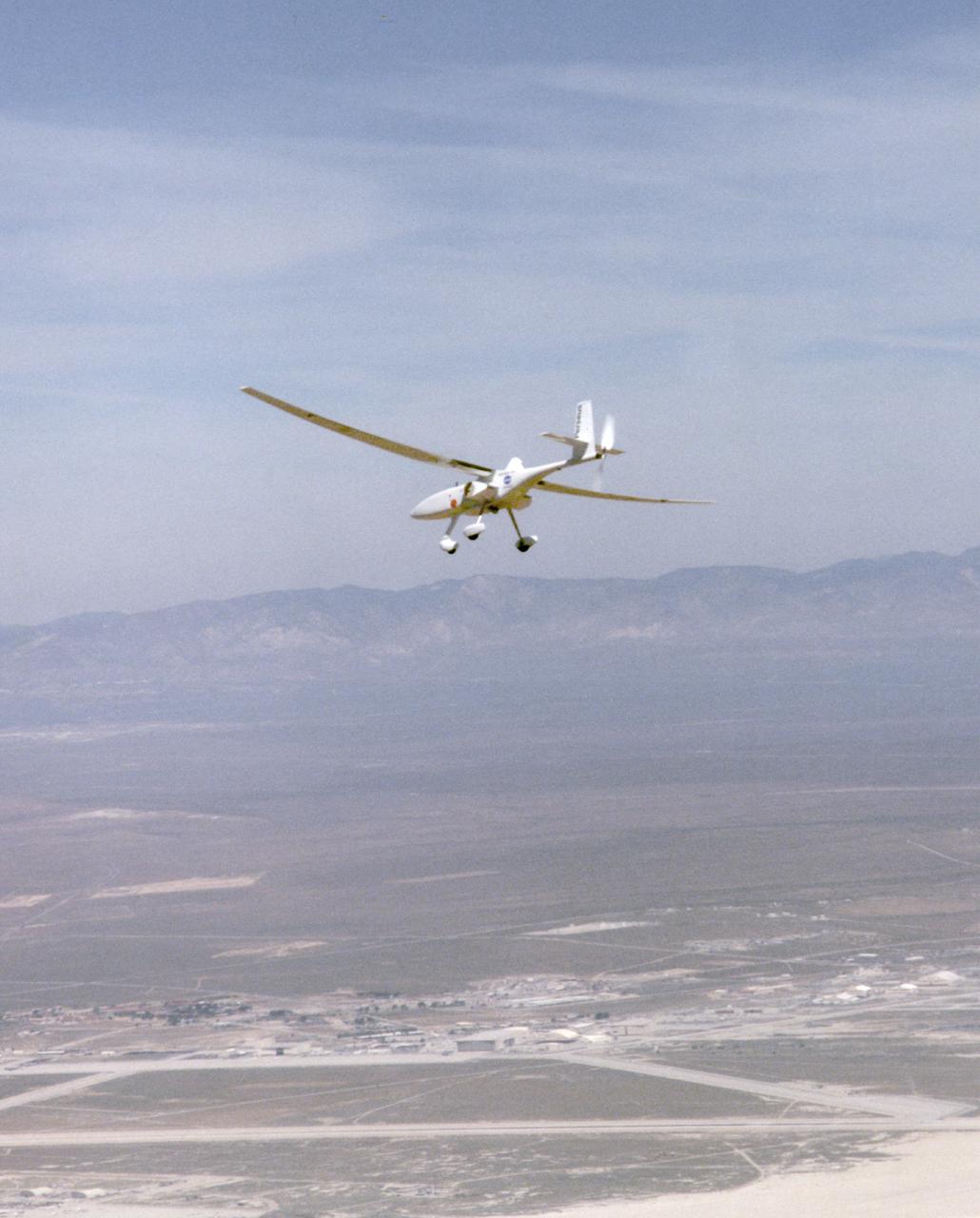
A long, slender wing and a pusher propeller at the rear characterize the Perseus B remotely-piloted research aircraft, seen here during a test flight in April1998.
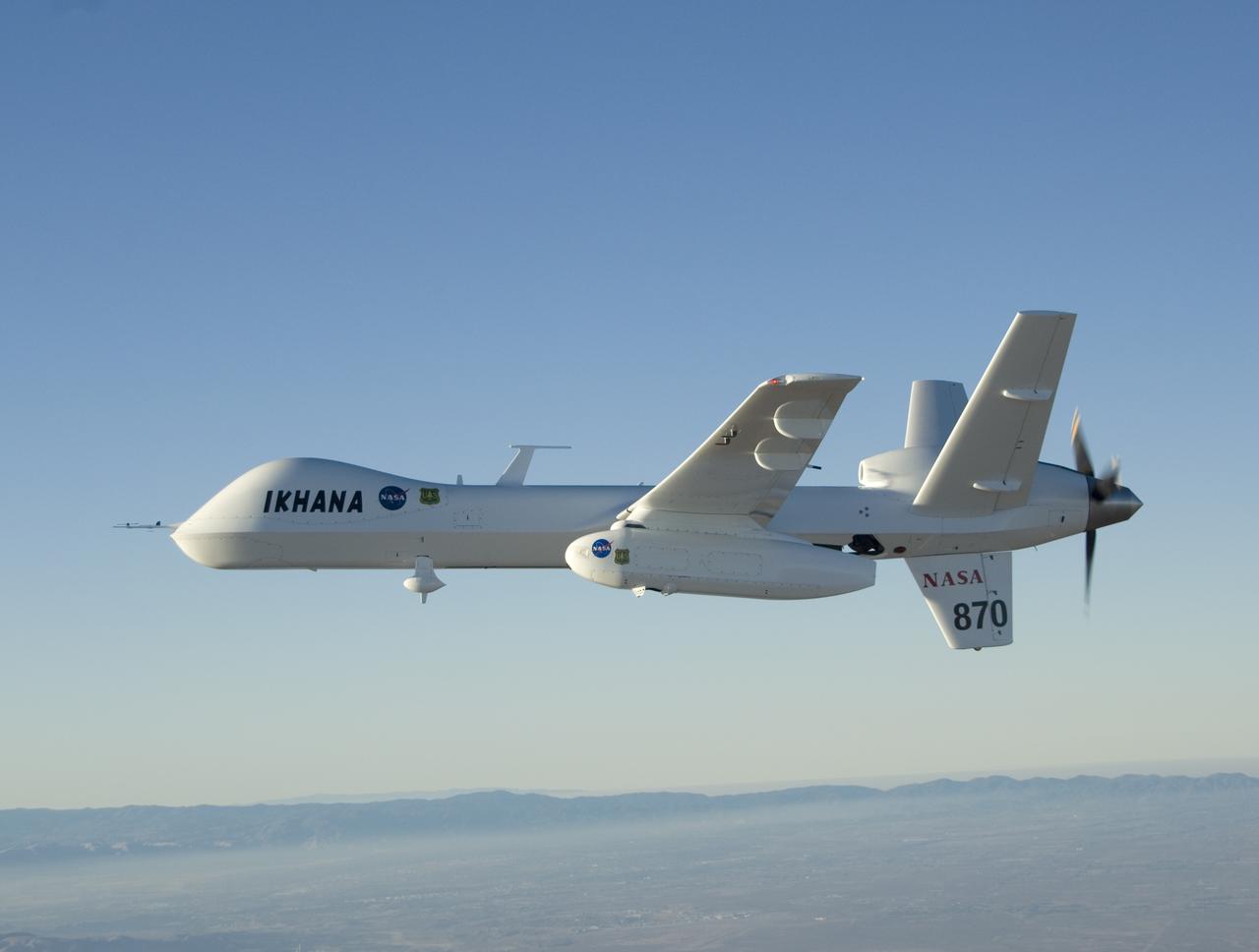
NASA's Ikhana remotely piloted aircraft soars over smoky terrain during a wildfire imaging demonstration mission in the late summer of 2007.
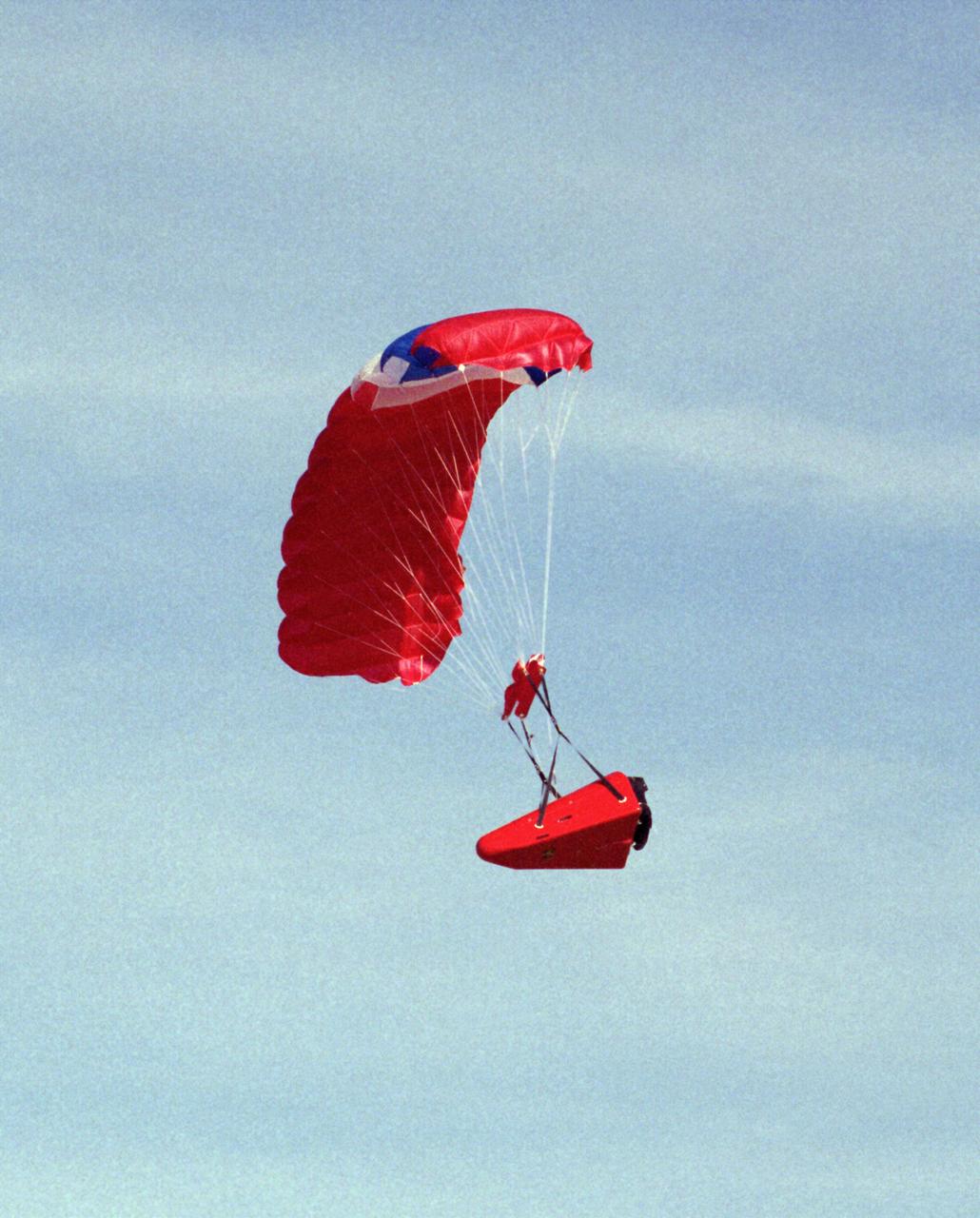
One of the Spacewedge remotely-piloted research vehicles in flight under a steerable parafoil during 1995 research flights conducted by NASA’s Dryden Flight Research Center.

On June 12, 2018, NASA’s remotely-piloted Ikhana aircraft, lifted off from Edwards Air Force Base for its first mission in the National Airspace System without a safety chase aircraft. The June 12 flight successfully demonstrated the first remotely-piloted aircraft to use airborne detect and avoid technology to meet the intent of the FAA’s “see and avoid” rules.

On June 12, 2018, NASA’s remotely-piloted Ikhana aircraft, based at the agency’s Armstrong Flight Research Center in Edwards, California, lifted off for its first mission in the National Airspace System without a safety chase aircraft. The June 12 flight successfully demonstrated the first remotely-piloted aircraft to use airborne detect and avoid technology to meet the intent of the FAA’s “see and avoid” rules.
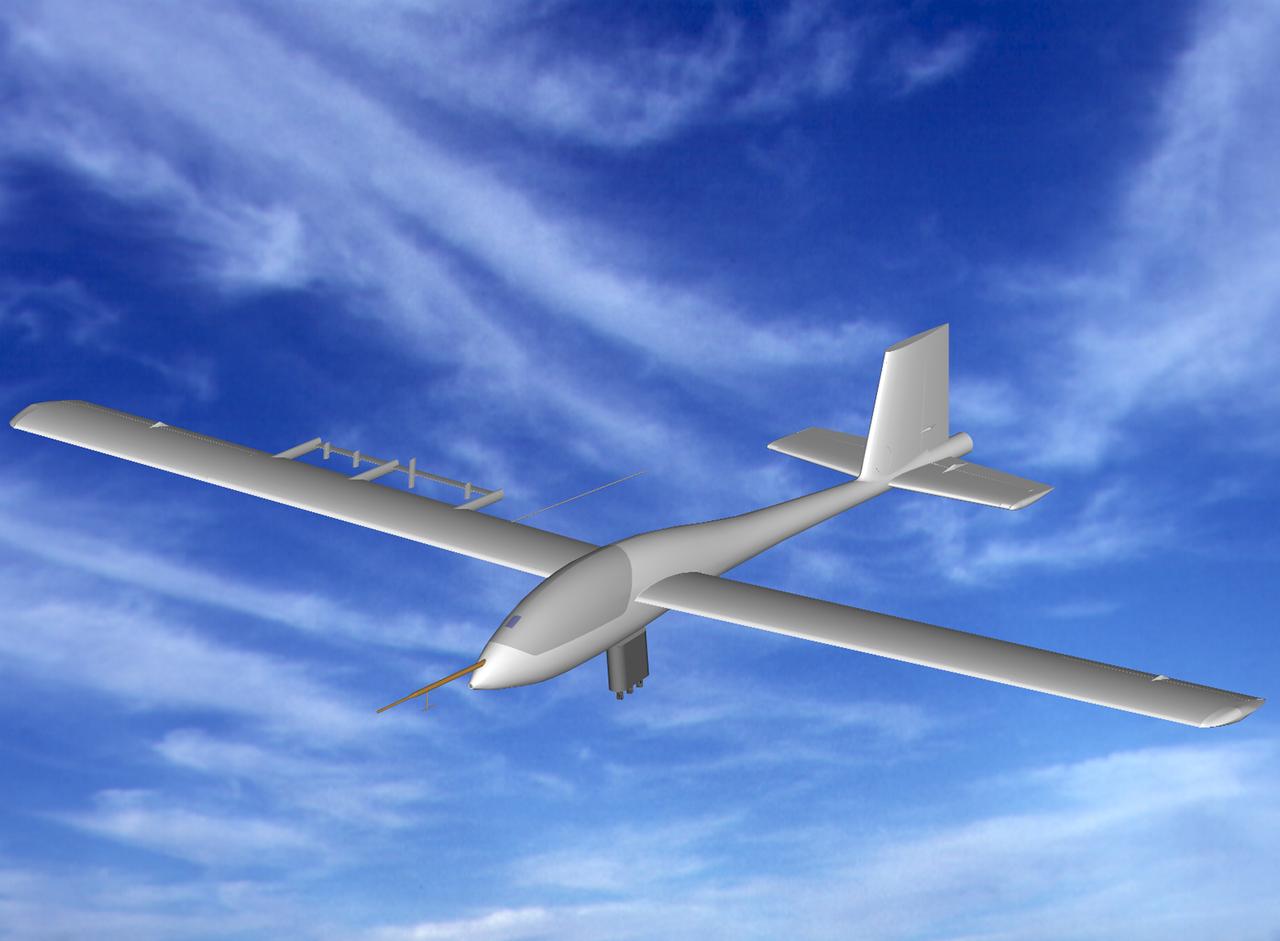
Computer generated image of Apex high-altitude research sailplane in flight
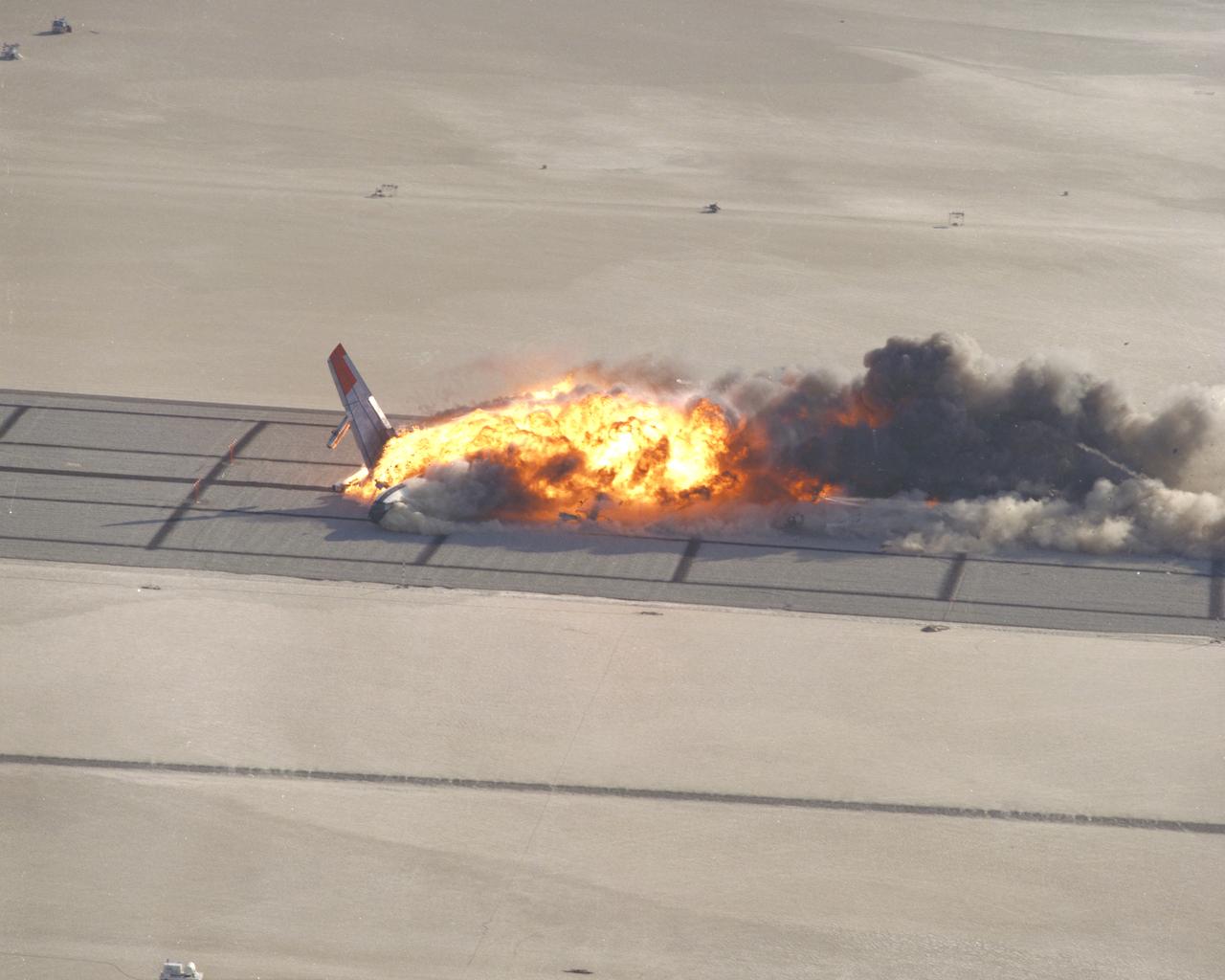
CID (Controlled Imact Demonstrator) Aircraft fireball after wing cutter impact.
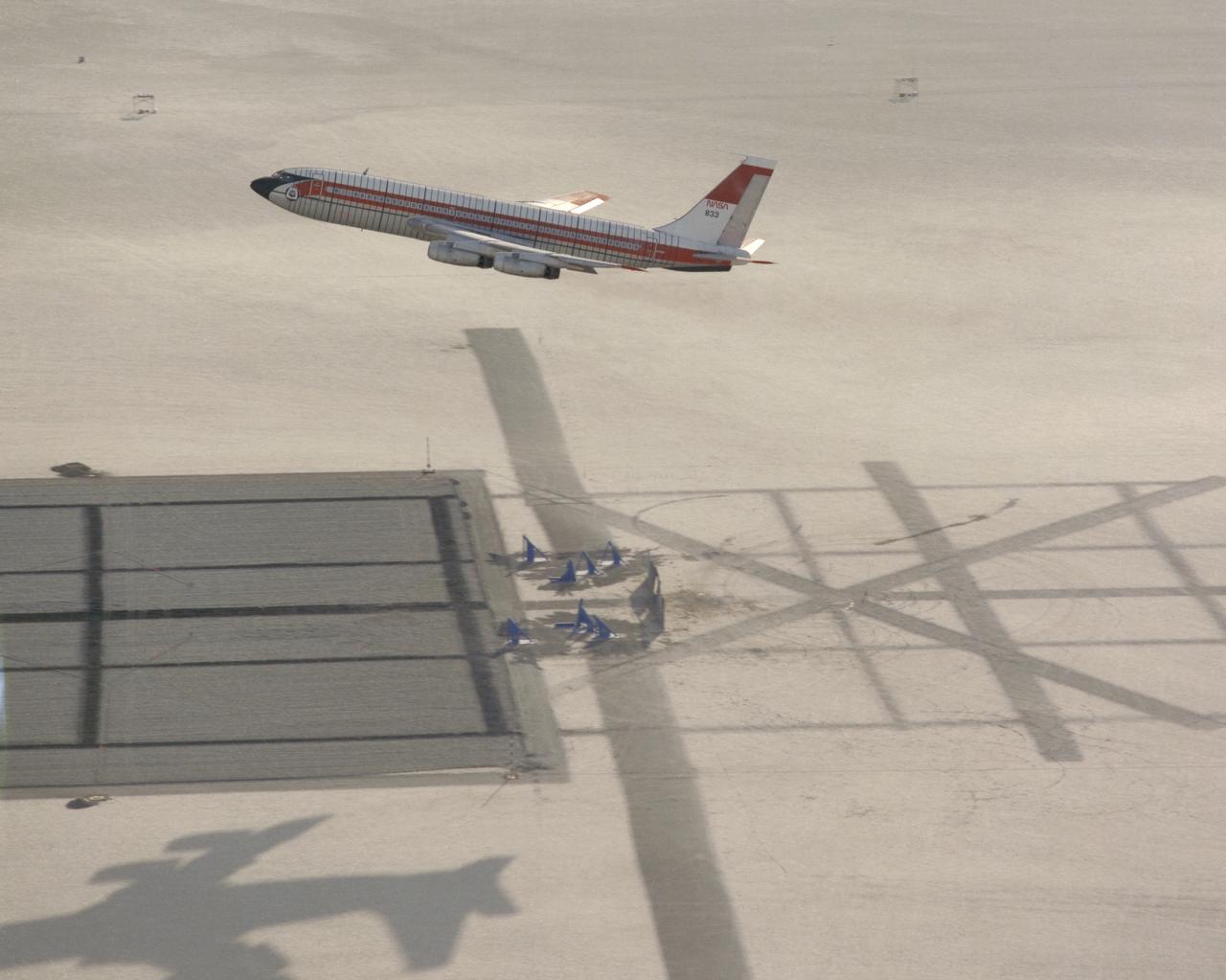
CID (Controlled Imact Demonstrator) Aircraft in practice flight above target impact site with wing cutters.
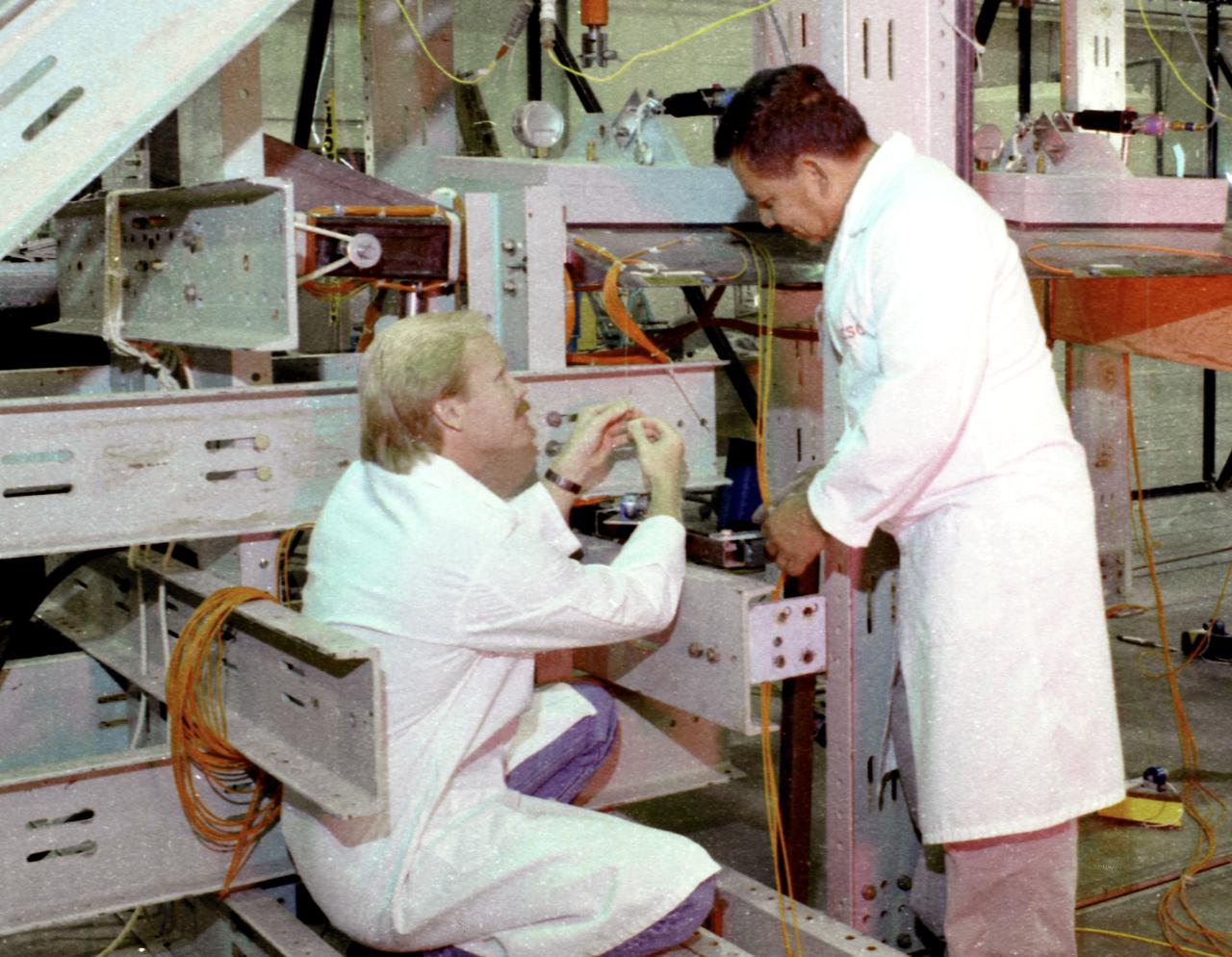
Apex wing section undergoing loading test preparation by Mark Nunnelee and Eliseo Sanchez
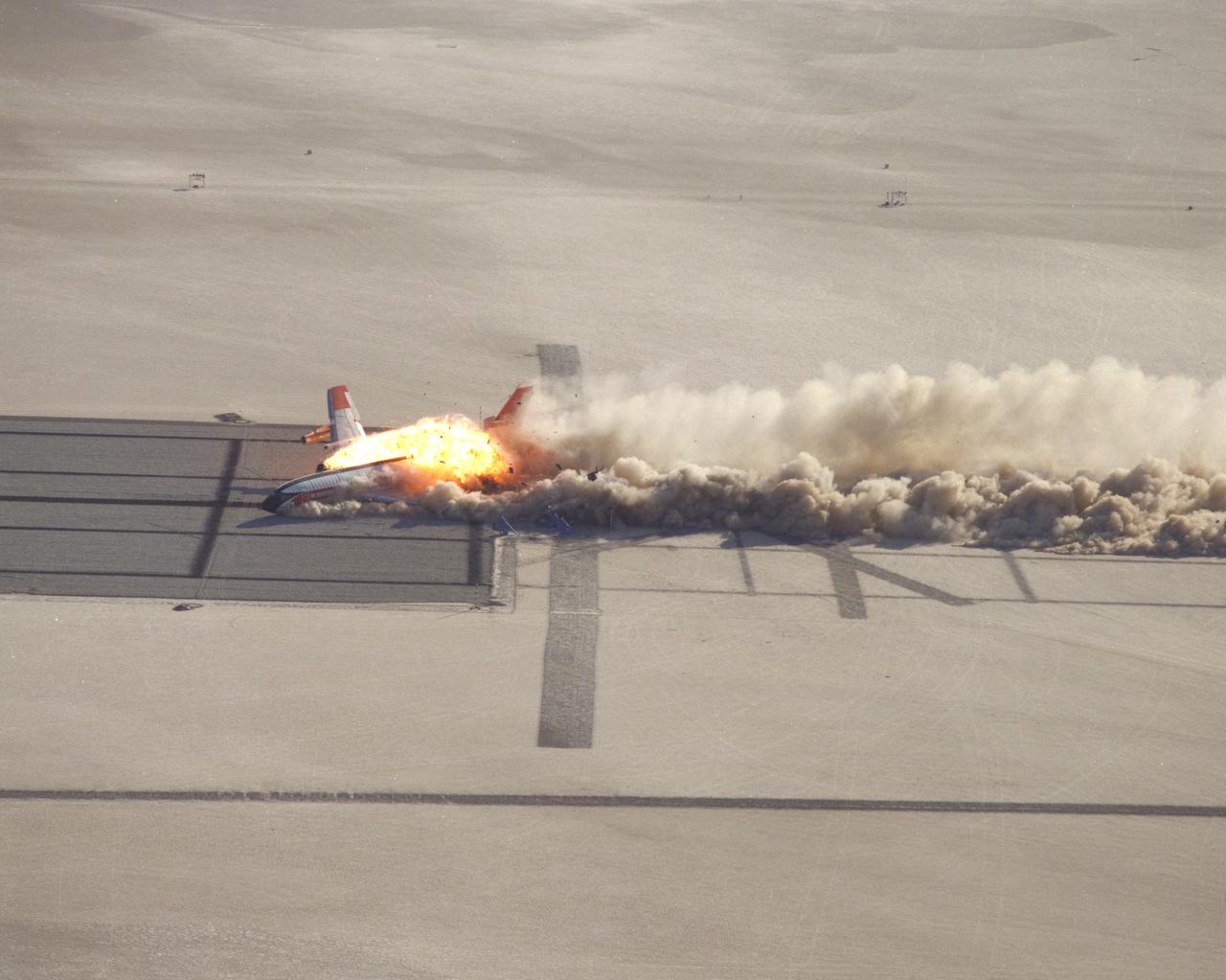
CID (Controlled Imact Demonstrator) Aircraft skid after wing cutter impact.
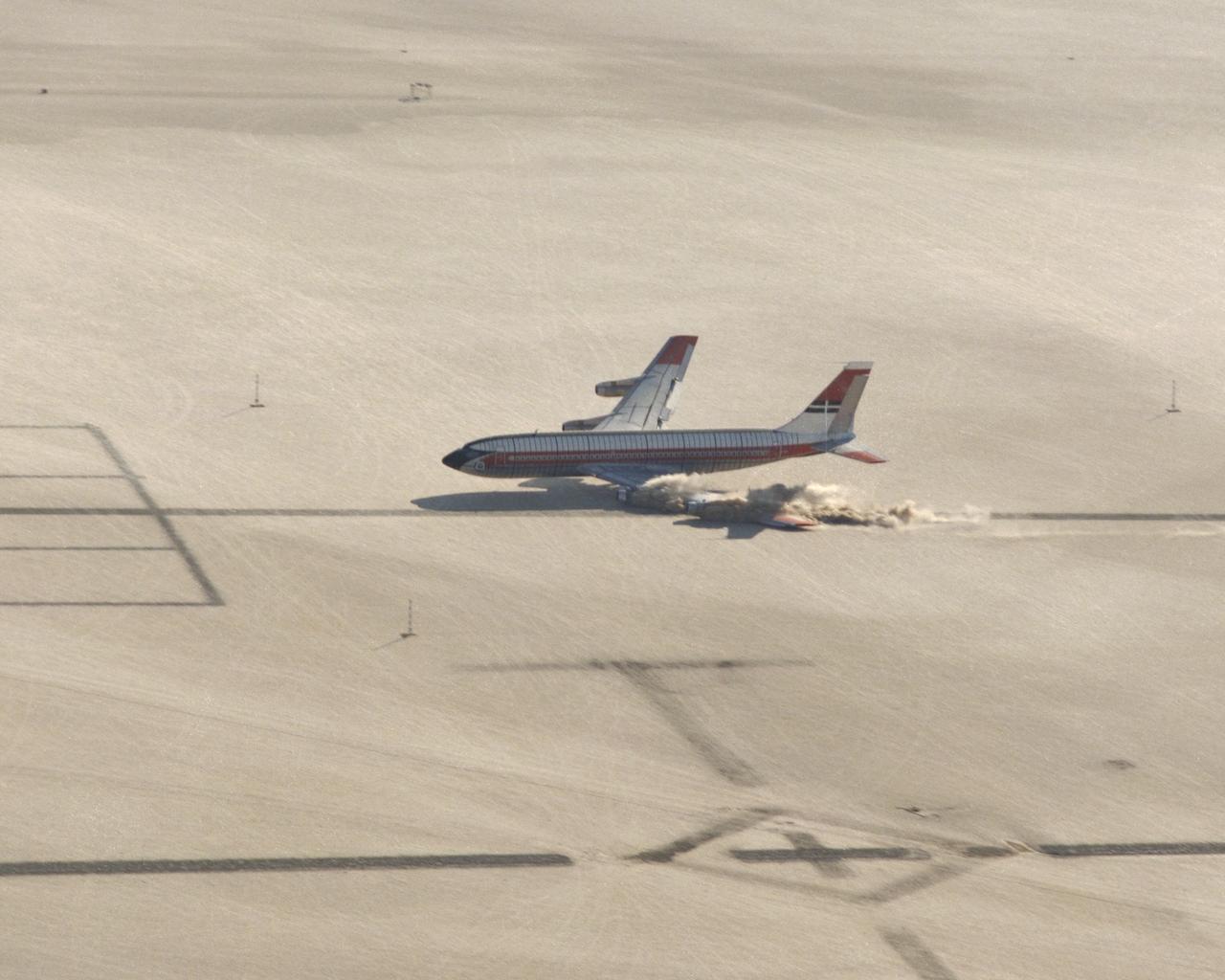
CID (Controlled Imact Demonstrator) Aircraft lakebed skid.
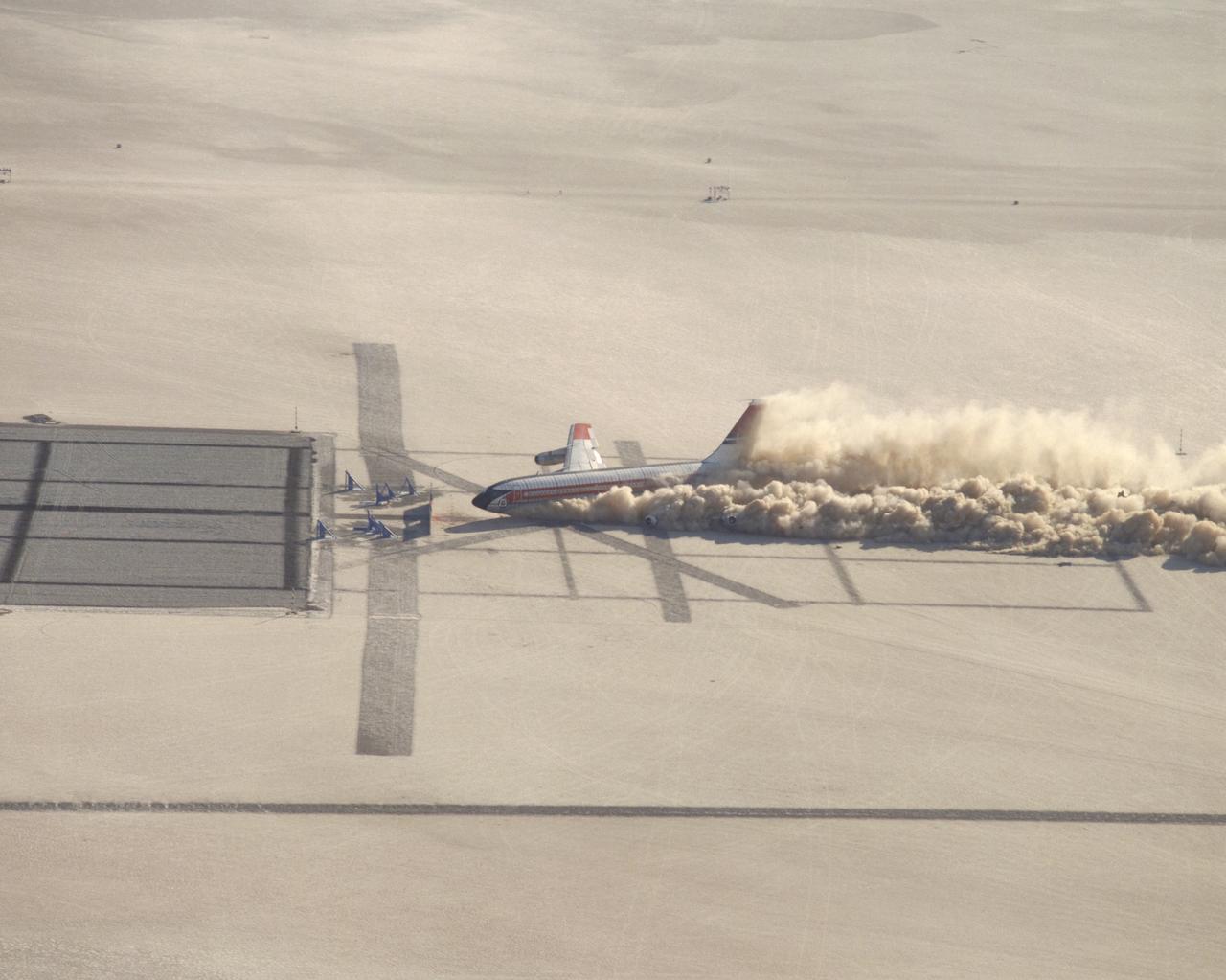
CID (Controlled Imact Demonstrator) Aircraft prior to wing cutter impact during lakebed skid.
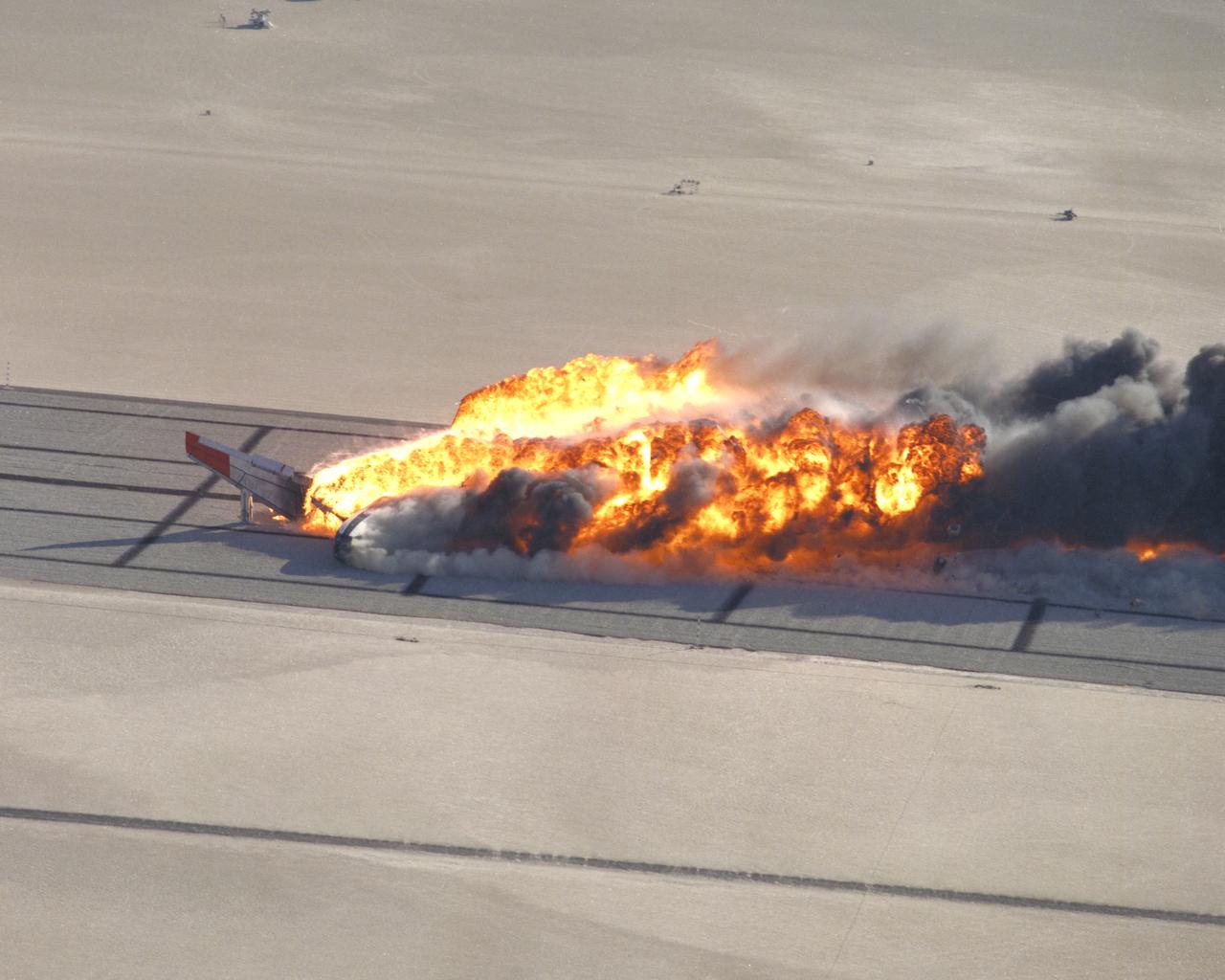
CID (Controlled Imact Demonstrator) Aircraft fireball after wing cutter impact.
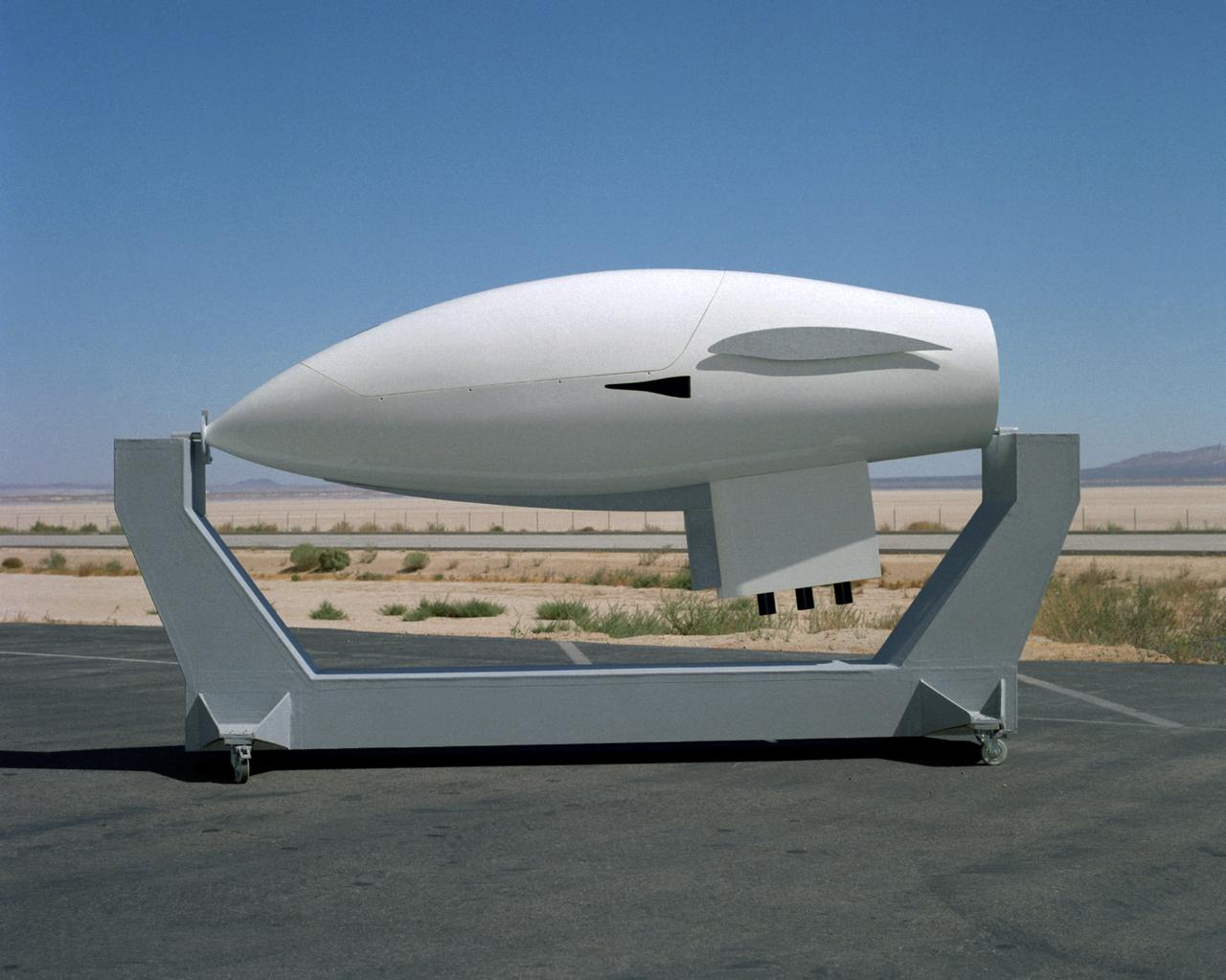
Apex high-altitude research sailplane mock-up
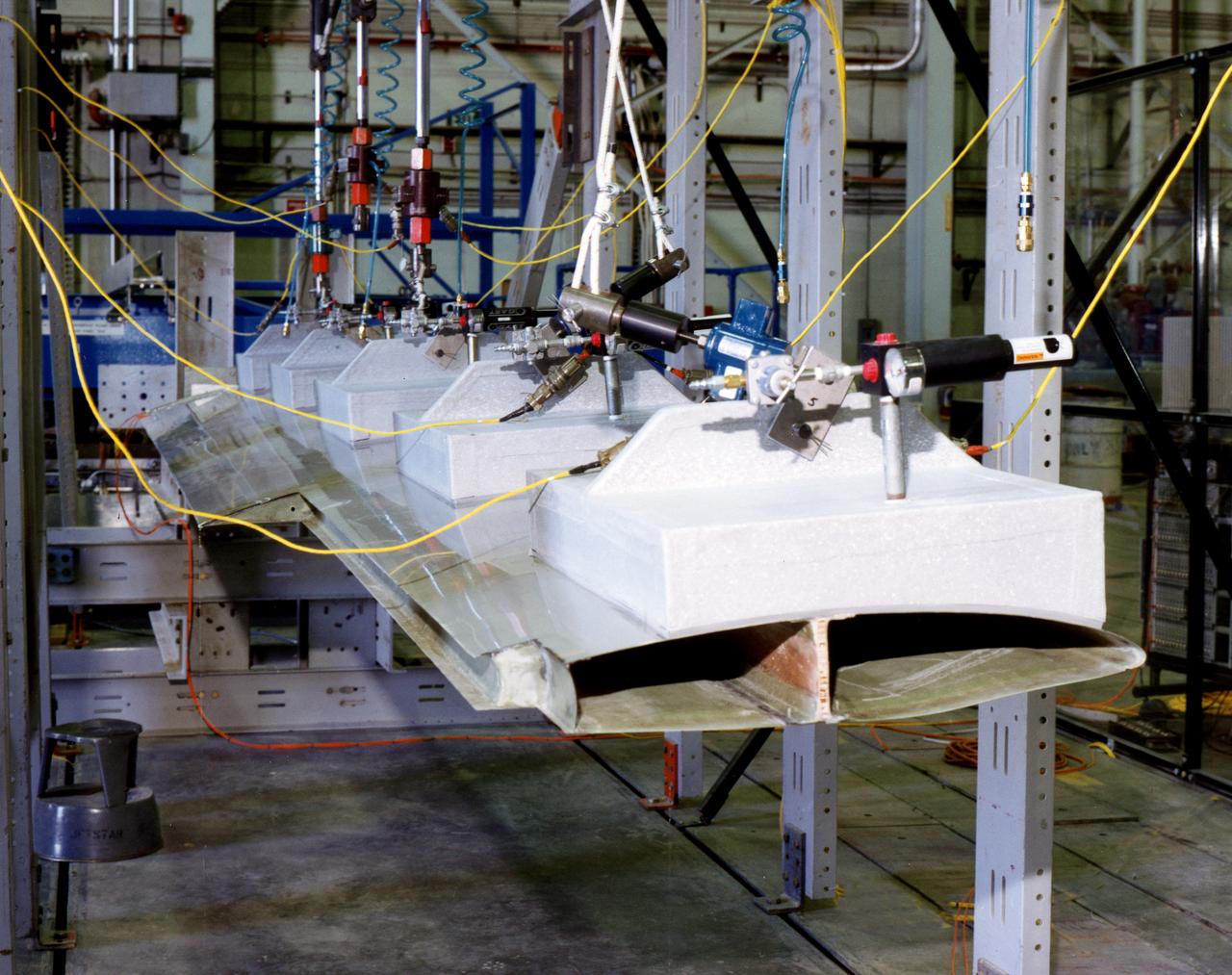
Apex wing section undergoing loading test.
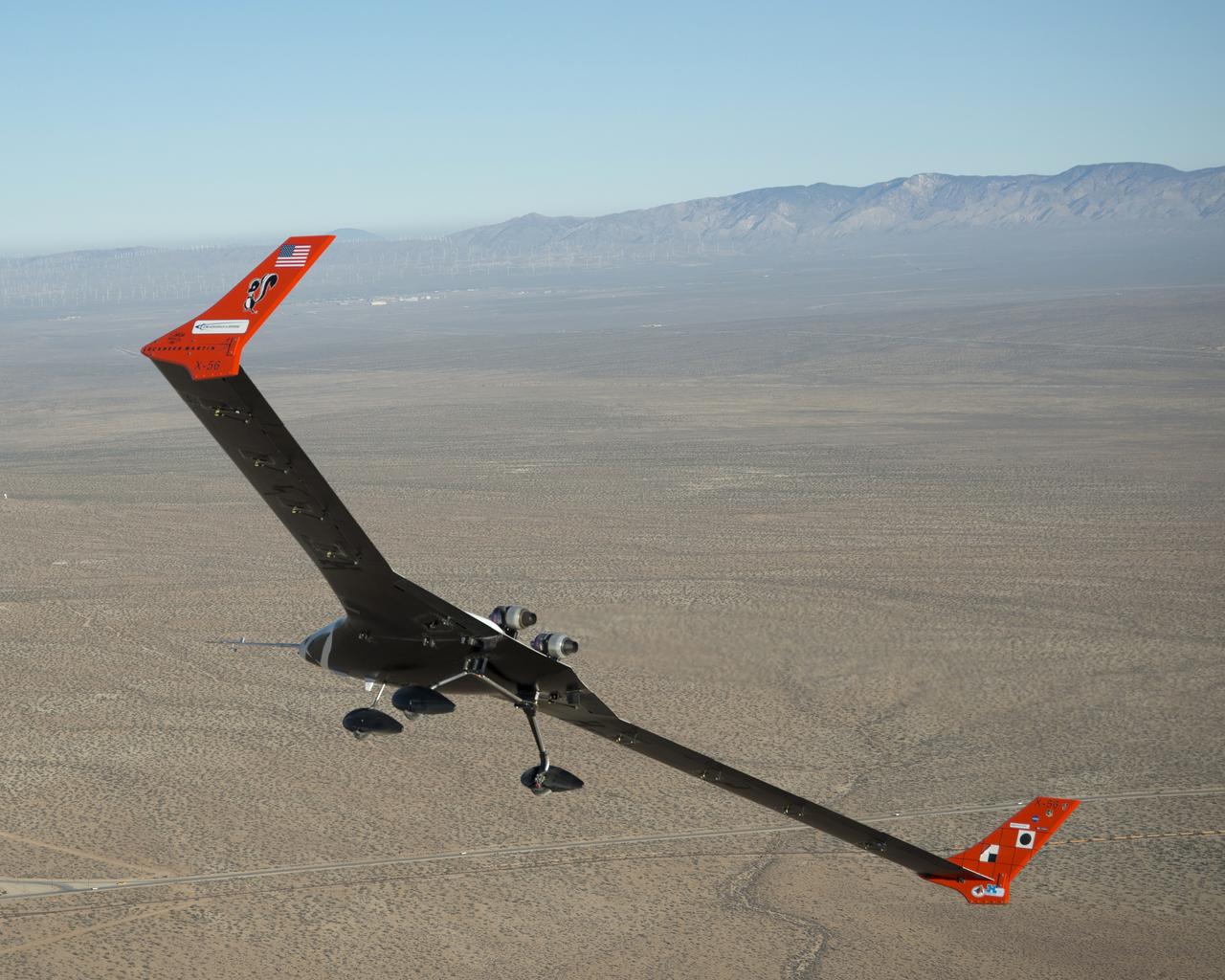
The X-56A flies over the desert near NASA Armstrong Flight Research Center, Edwards, California. NASA researchers are using the remotely piloted X-56A to explore the behavior of lightweight, flexible aircraft structures.
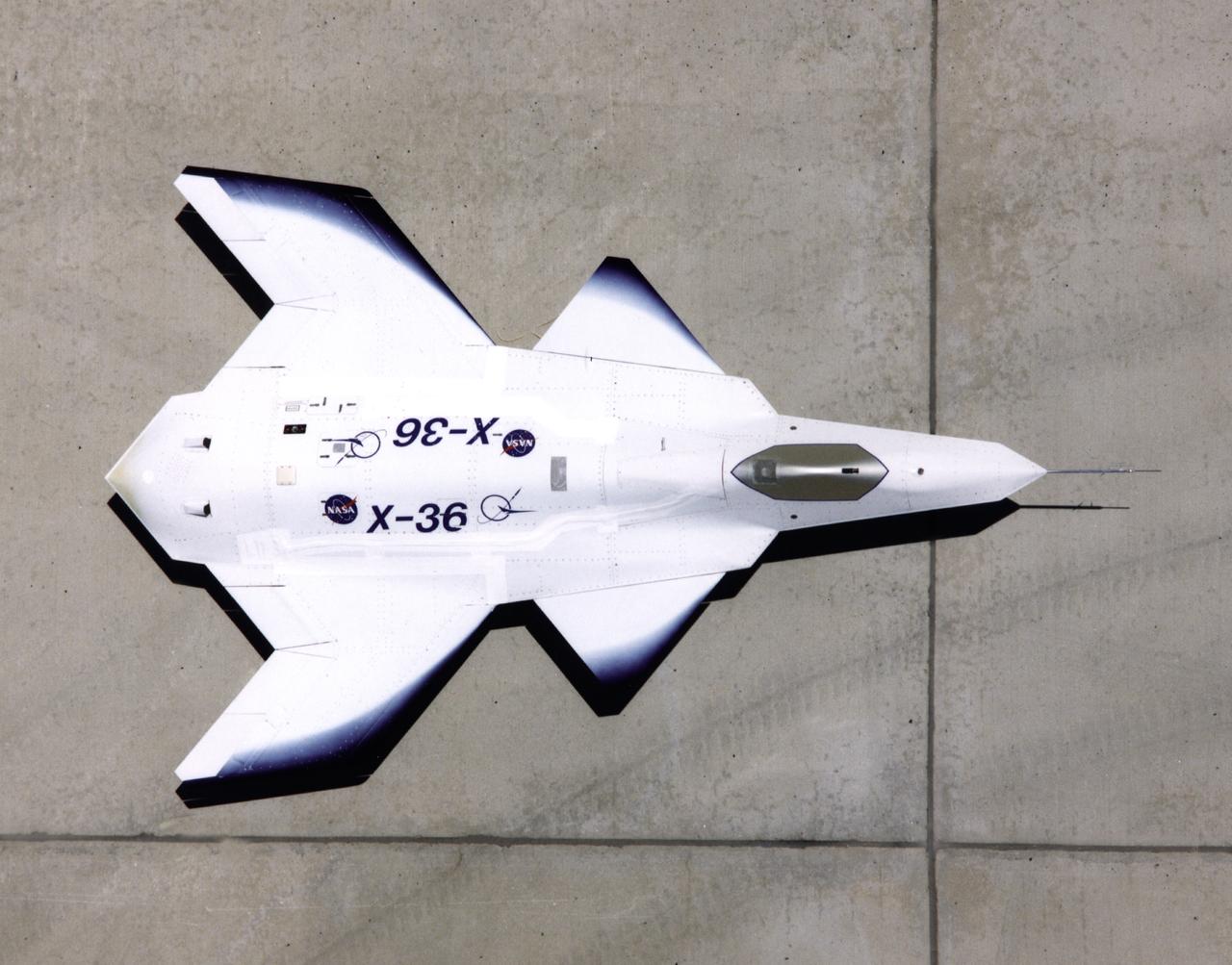
This look-down view of the X-36 Tailless Fighter Agility Research Aircraft on the ramp at NASA’s Dryden Flight Research Center, Edwards, California, clearly shows the unusual wing and canard design of the remotely-piloted aircraft.
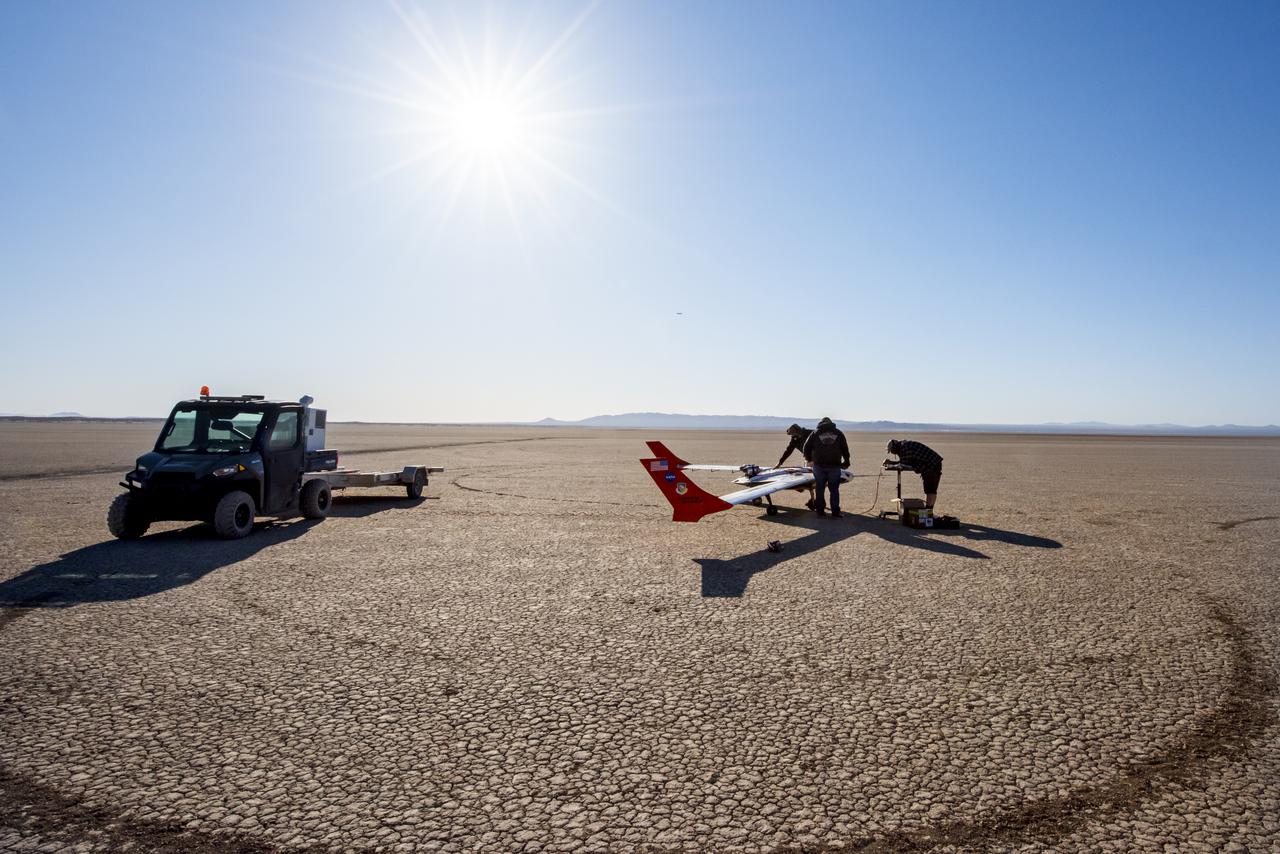
The X-56B remotely piloted aircraft ground crew prepares the aircraft to begin a new flight series. The flight was April 19 at NASA's Armstrong Flight Research Center in Edwards, California, with partner Northrop Grumman.
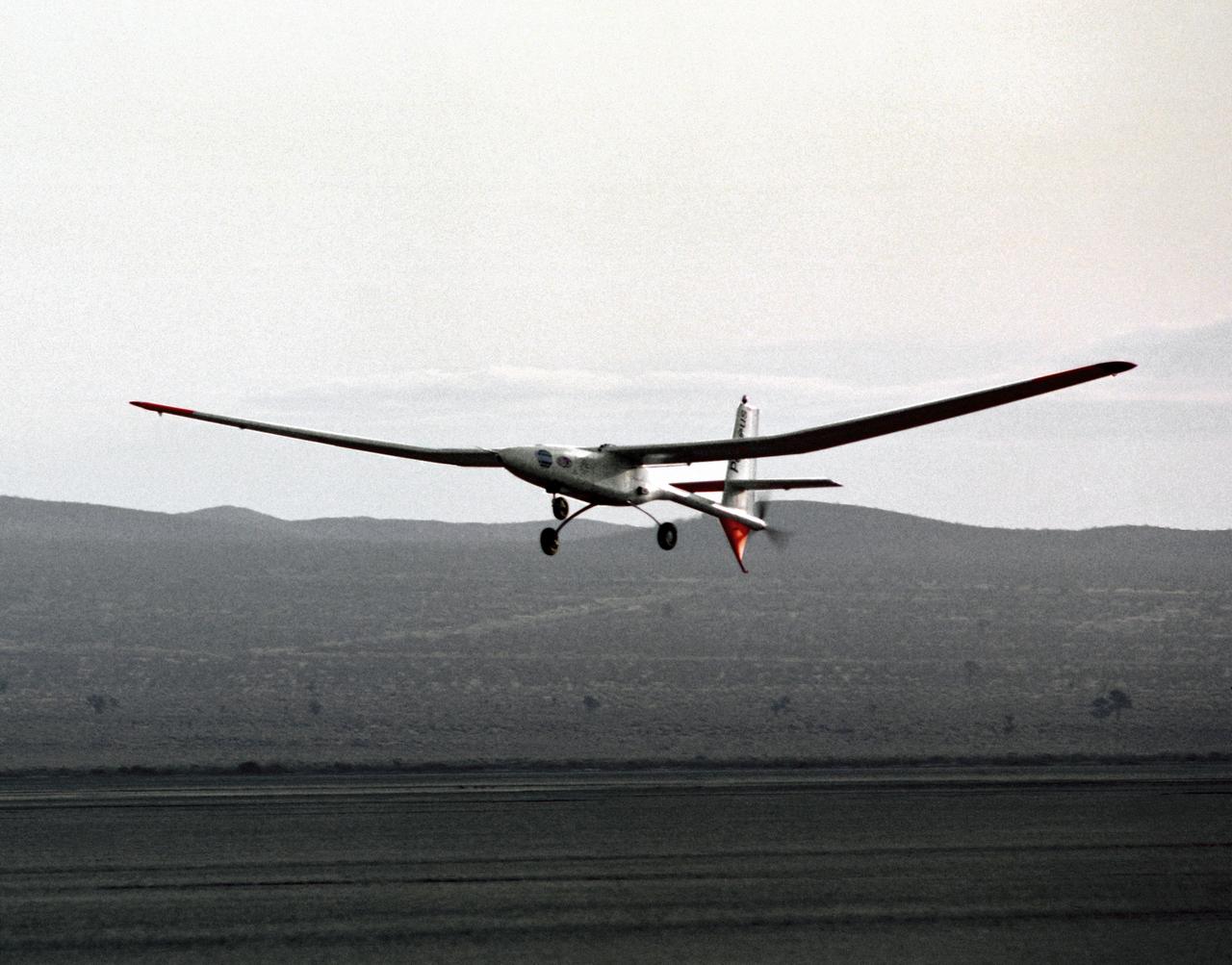
The Perseus proof-of-concept vehicle flies over Rogers Dry Lake at the Dryden Flight Research Center, Edwards, California, to test basic design concepts for the remotely-piloted, high-altitude vehicle.
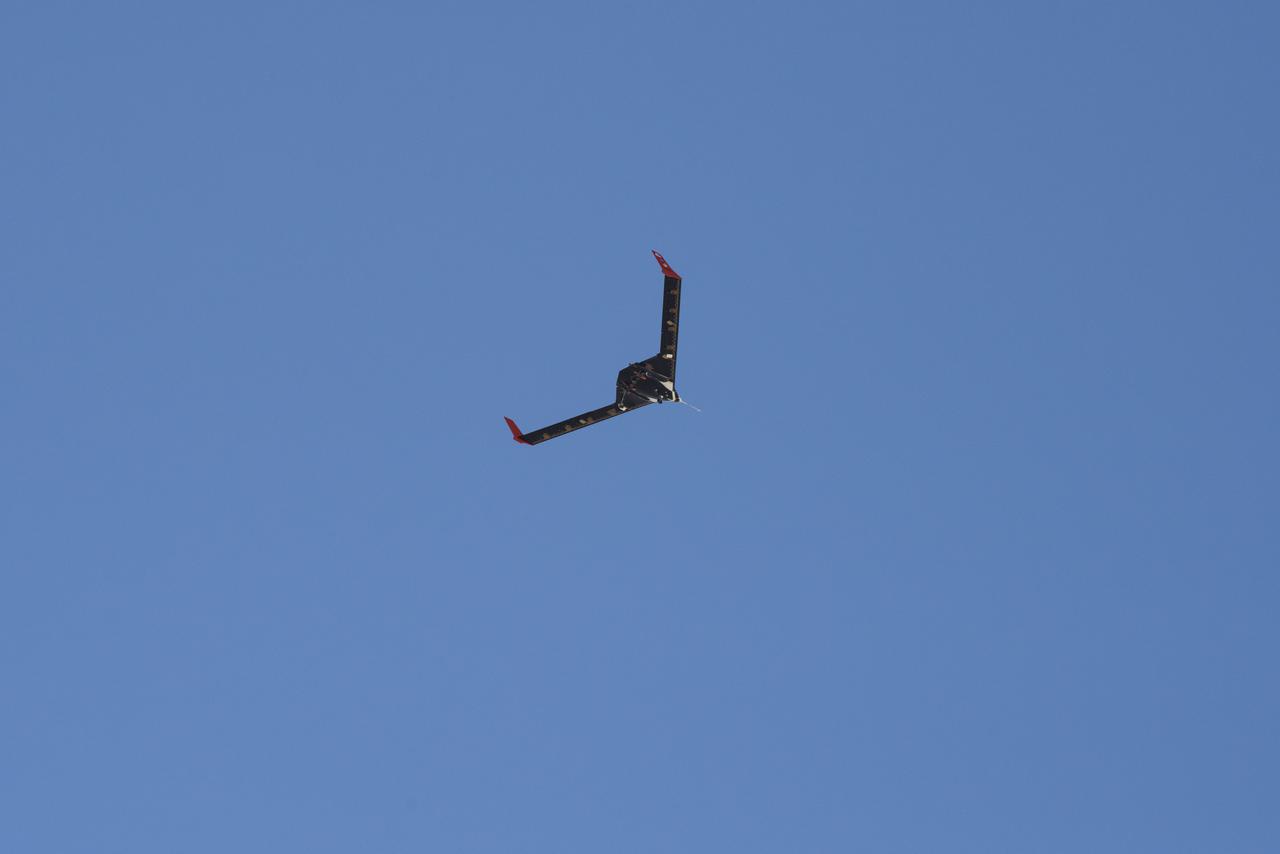
The X-56B remotely piloted aircraft began a new flight series April 19 at NASA's Armstrong Flight Research Center in Edwards, California, with partner Northrop Grumman.
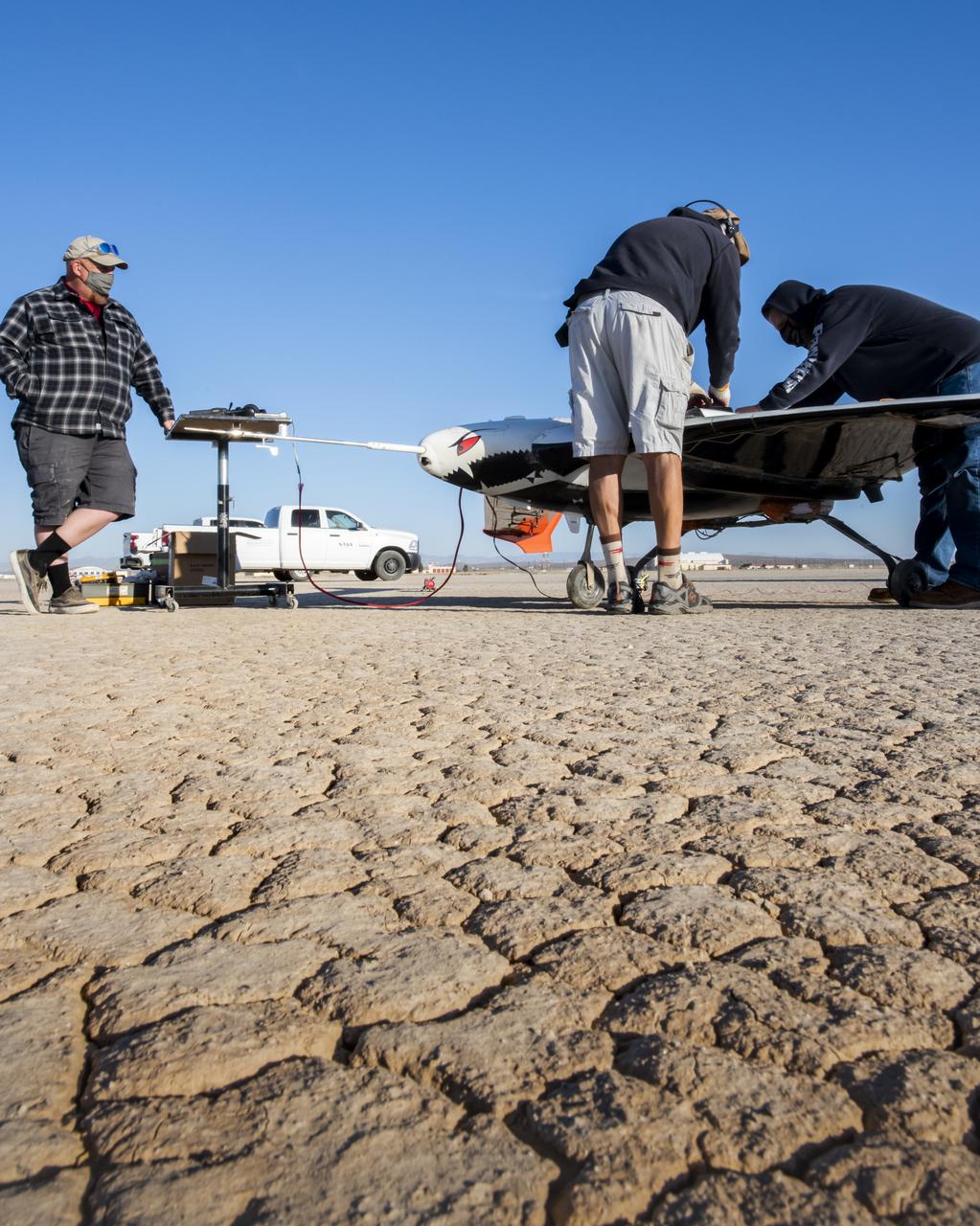
The X-56B remotely piloted aircraft ground crew prepares the aircraft to begin a new flight series. The flight was April 19 at NASA's Armstrong Flight Research Center in Edwards, California, with partner Northrop Grumman.
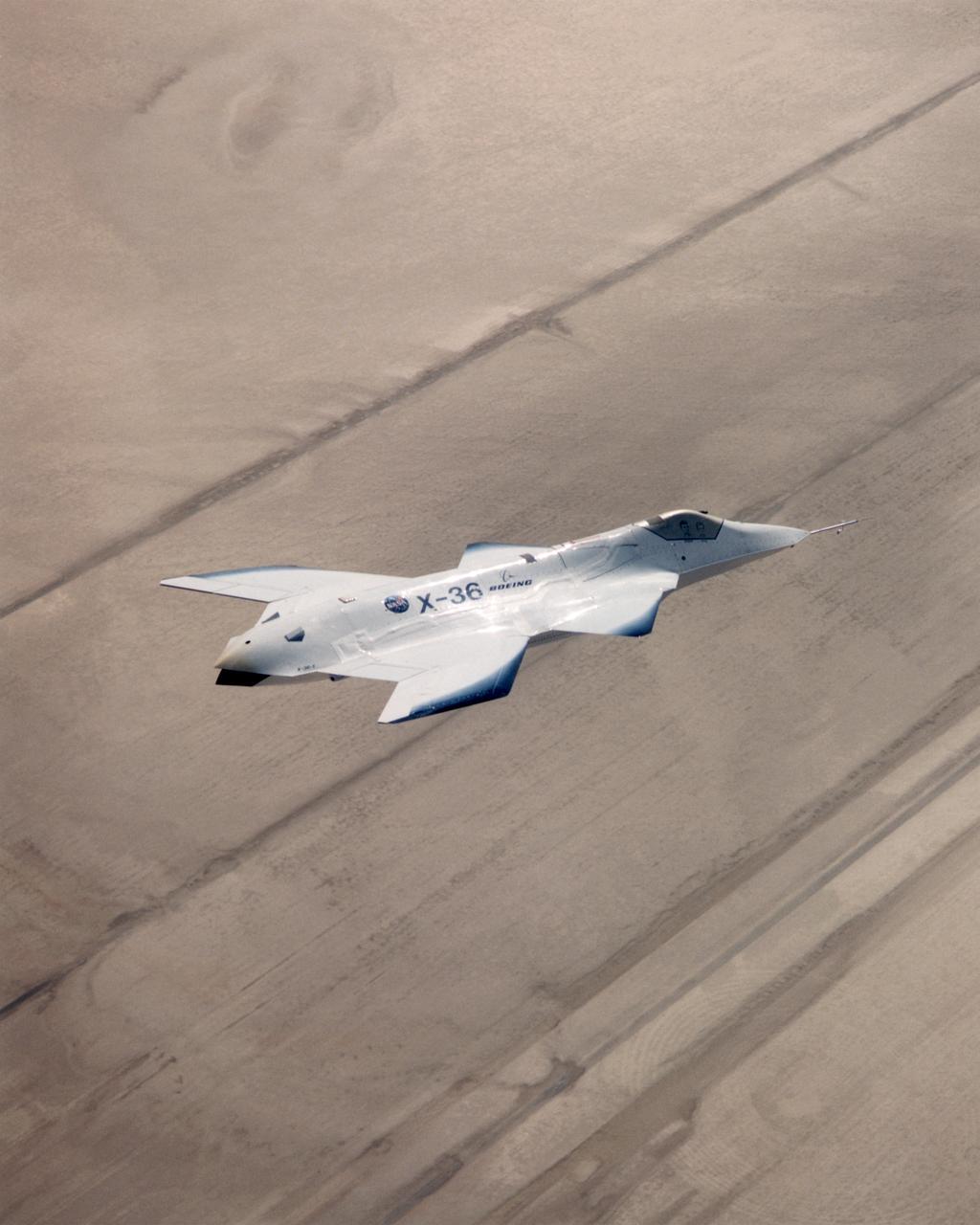
The X-36 technology demonstrator shows off its distinctive shape as the remotely piloted aircraft flies a research mission over the Southern California desert on October 30, 1997.
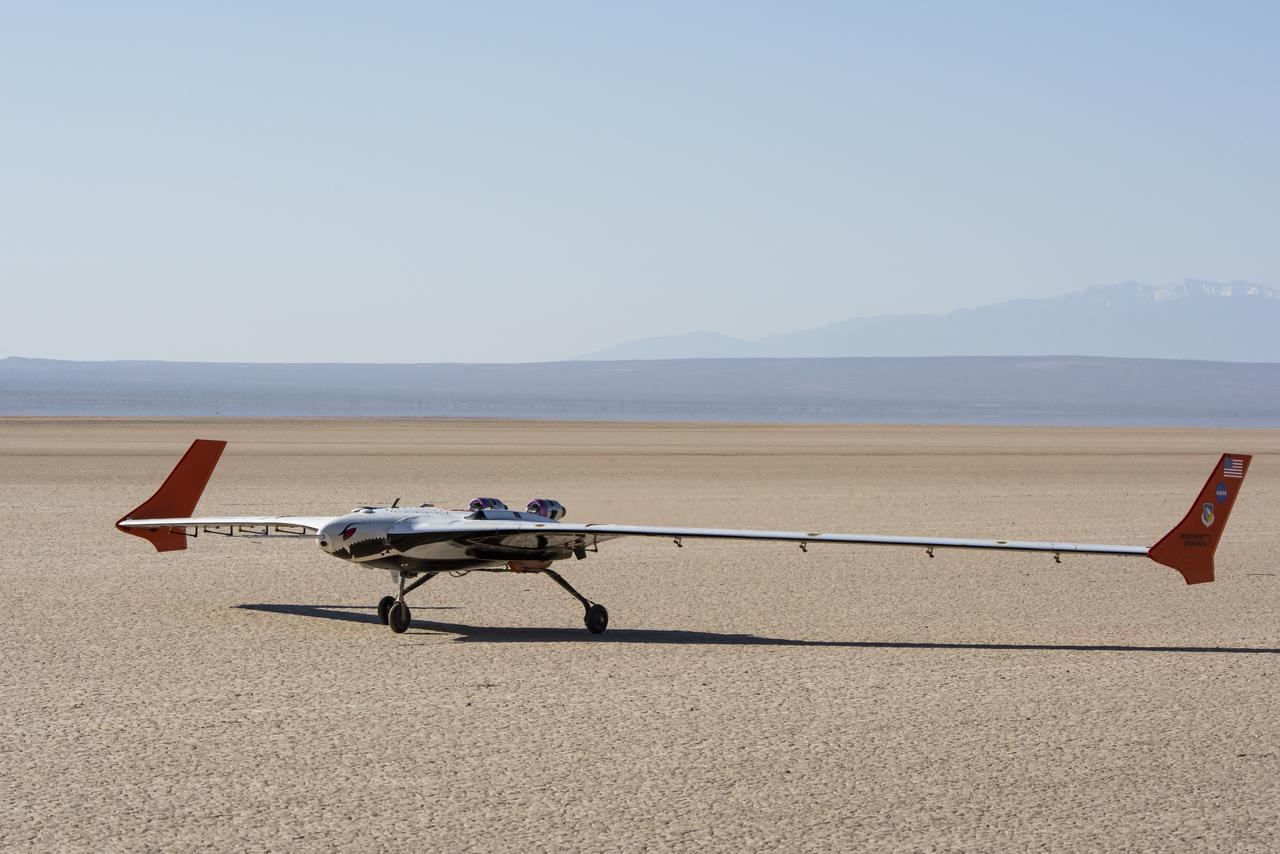
The X-56B remotely piloted aircraft lands following the first of a new flight series. The flight was April 19 at NASA's Armstrong Flight Research Center in Edwards, California, with partner Northrop Grumman.
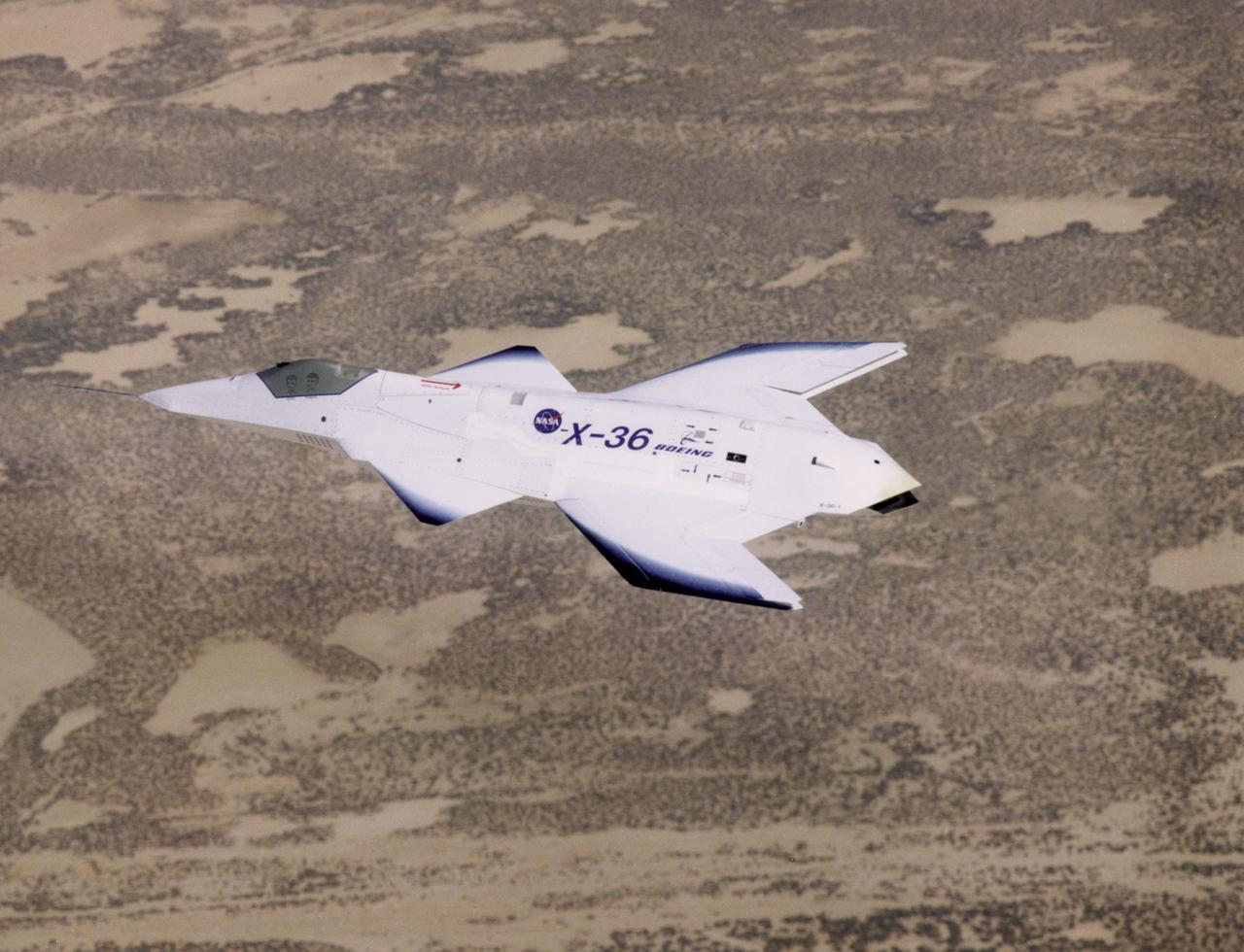
The unusual lines of the X-36 technology demonstrator contrast sharply with the desert floor as the remotely piloted aircraft scoots across the California desert at low altitude during a research flight on October 30, 1997.
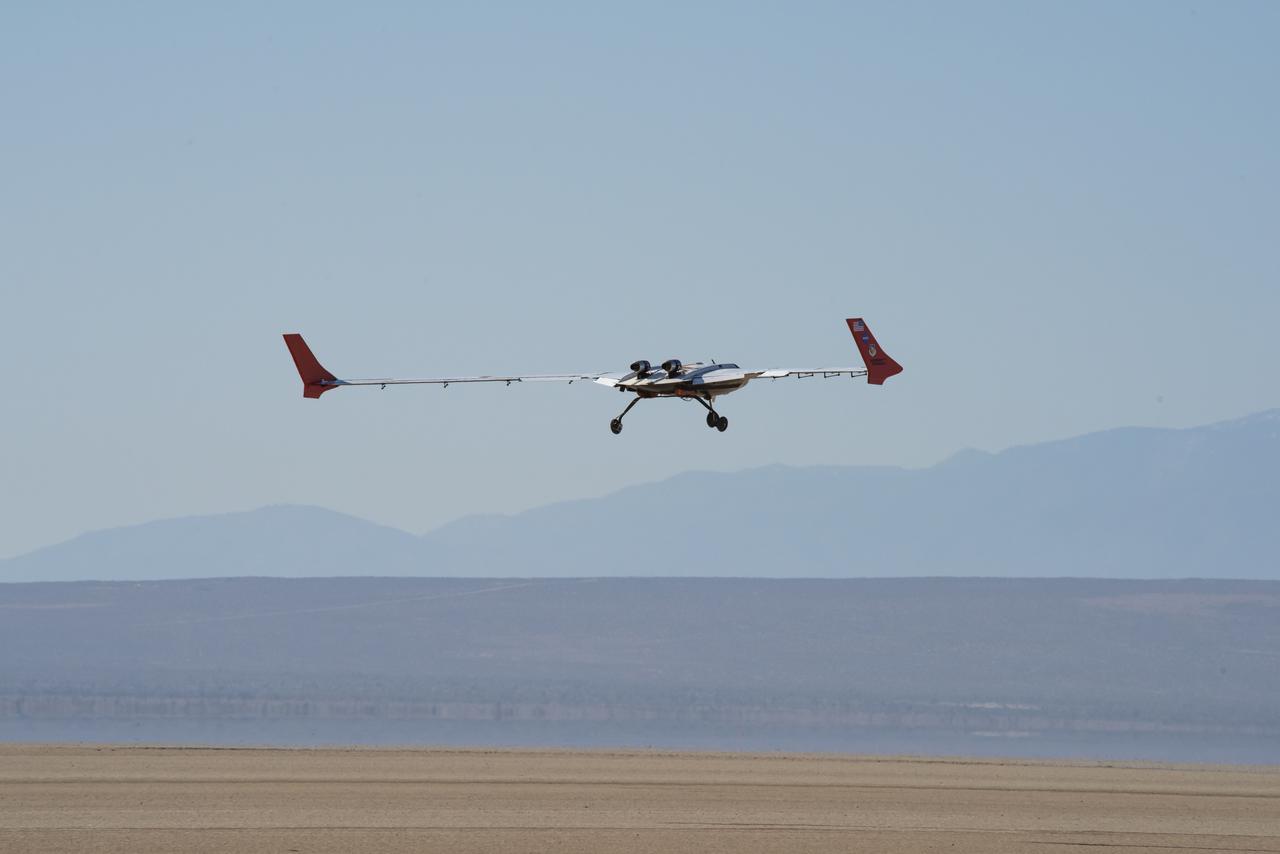
The X-56B remotely piloted aircraft prepares for a landing following the first of a new flight series. The flight was April 19 at NASA’s Armstrong Flight Research Center in Edwards, California, with partner Northrop Grumman.
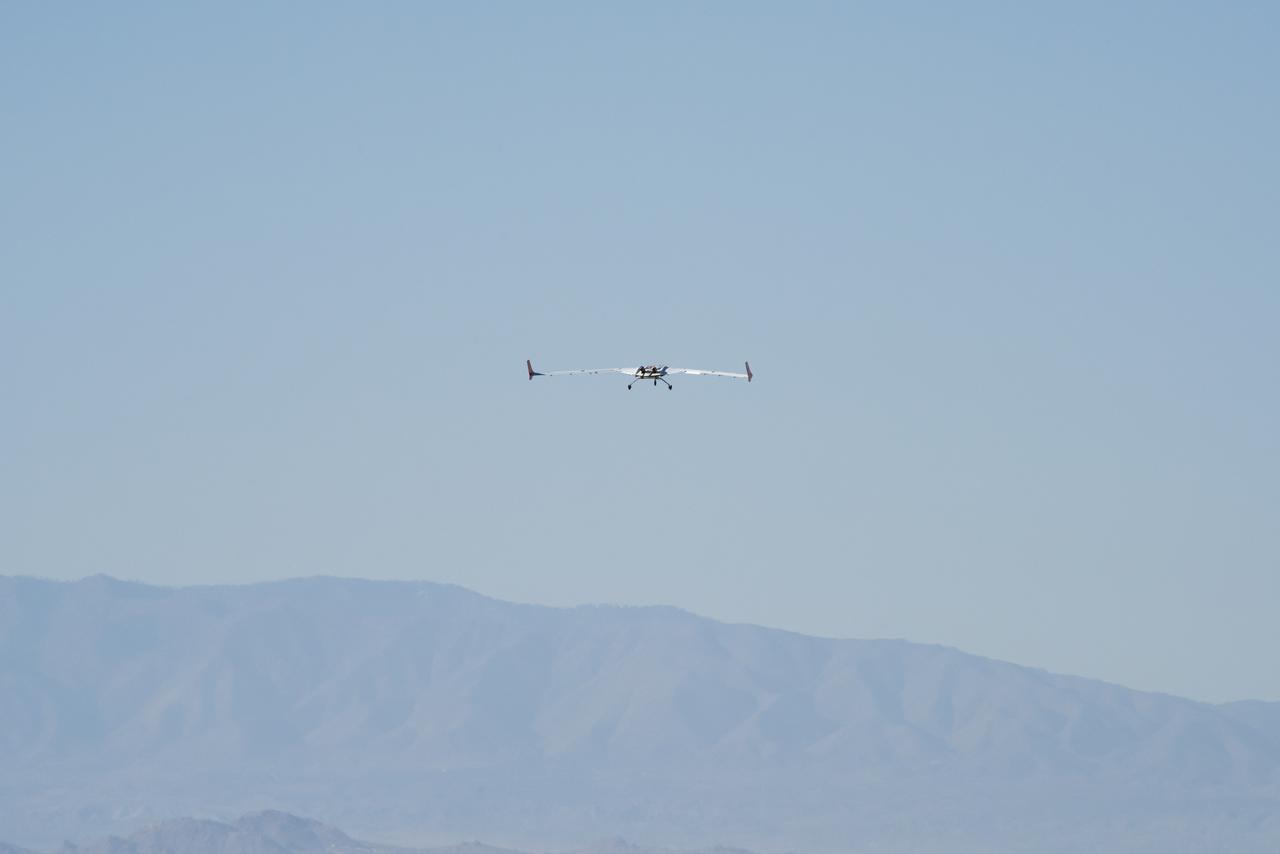
The X-56B remotely piloted aircraft takeoff marks the start of a new flight series. The flight was April 19 at NASA's Armstrong Flight Research Center in Edwards, California, with partner Northrop Grumman.
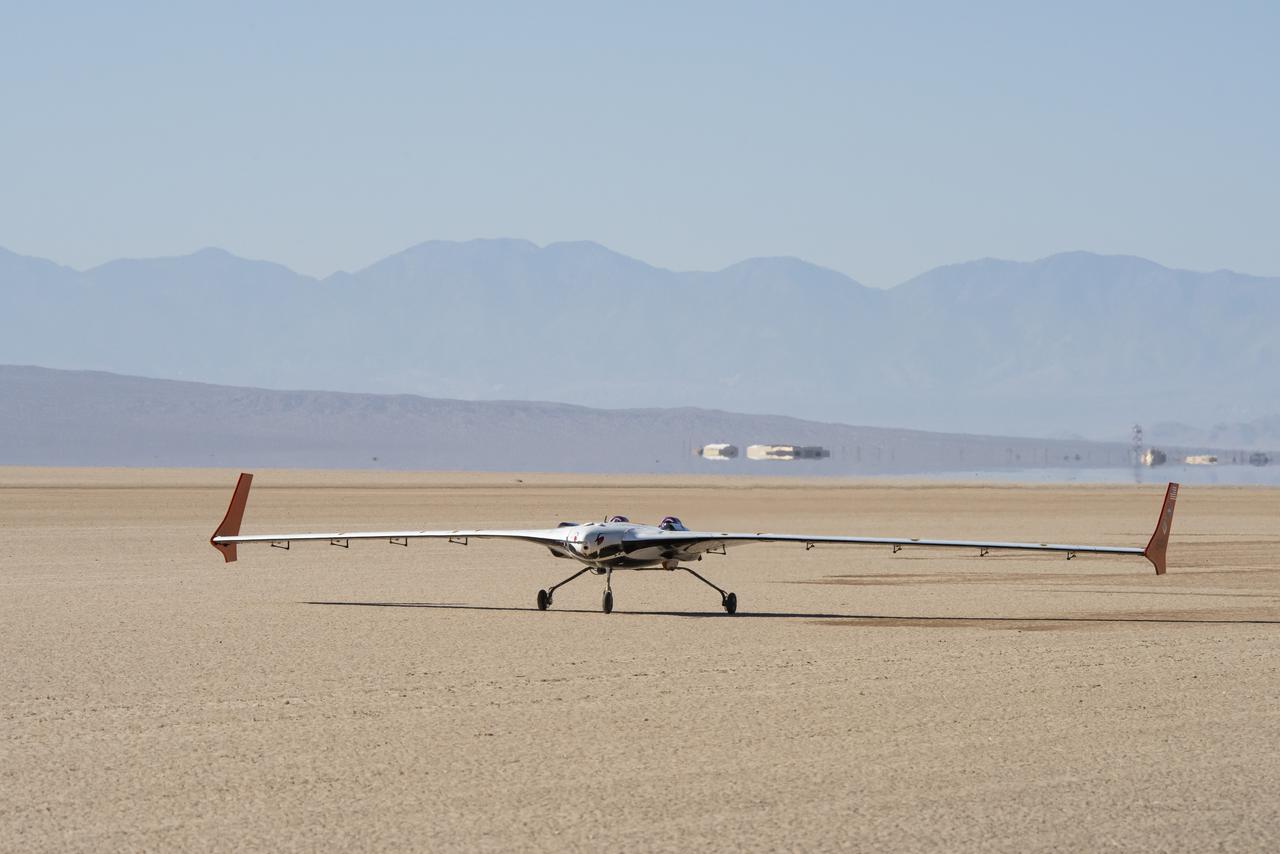
The X-56B remotely piloted aircraft lands following the first of a new flight series. The flight was April 19 at NASA's Armstrong Flight Research Center in Edwards, California, with partner Northrop Grumman.
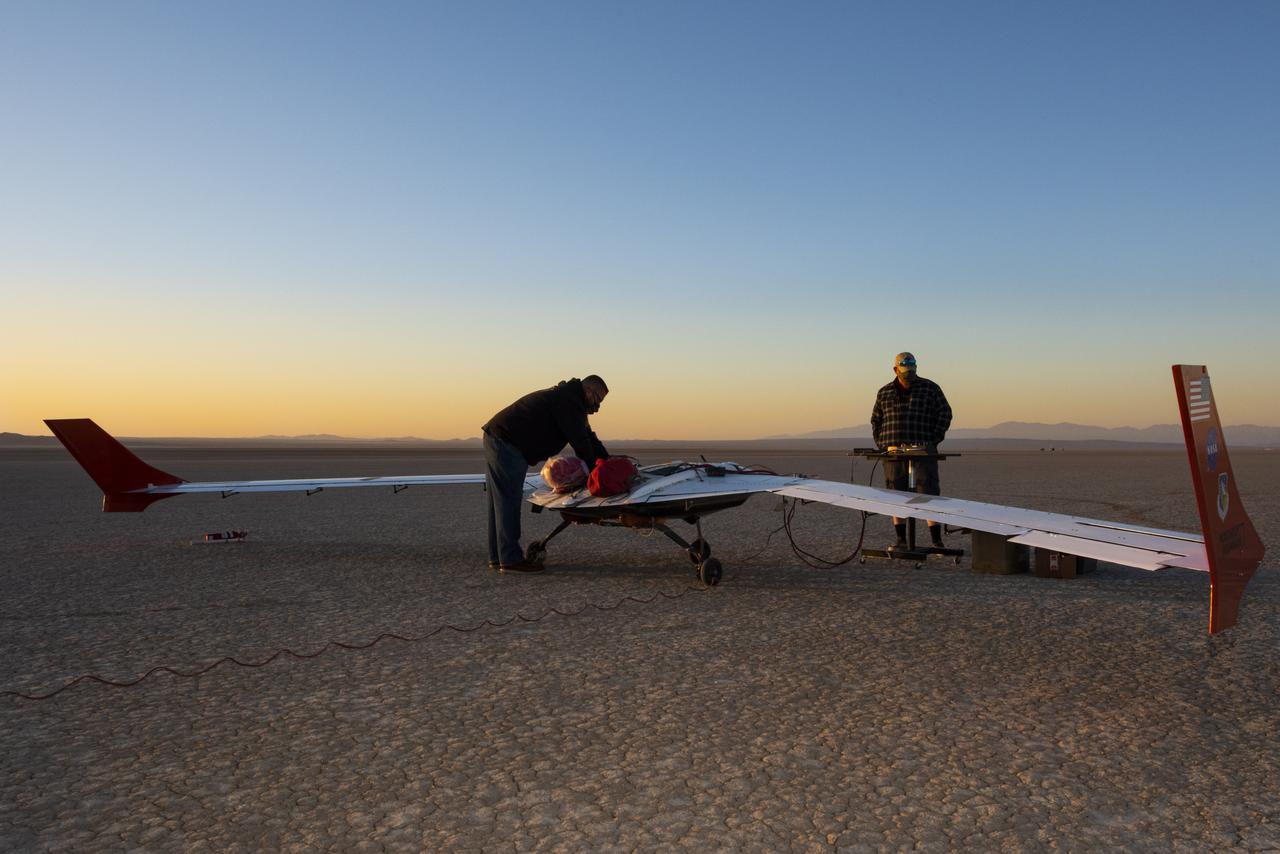
The X-56B remotely piloted aircraft ground crew prepares the aircraft to begin a new flight series. The flight was April 19 at NASA's Armstrong Flight Research Center in Edwards, California, with partner Northrop Grumman.

NASA’s Ikhana aircraft, based at the agency’s Armstrong Flight Research Center in Edwards, California, takes off for the agency’s first large-scale, remotely-piloted aircraft flight in the national airspace without a safety chase aircraft.
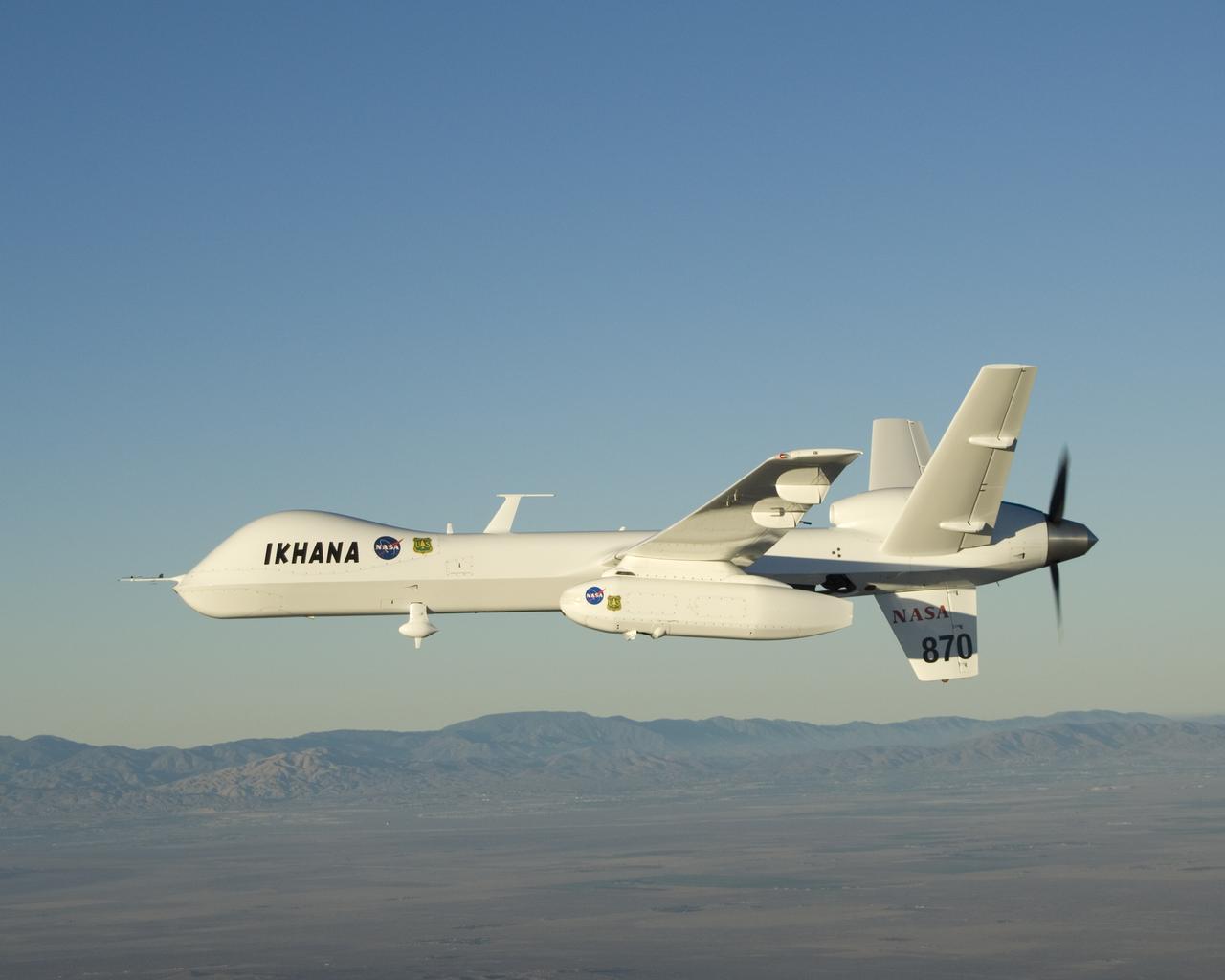
With its sensor pod under its left wing, NASA's remotely piloted Ikhana unmanned aircraft cruises over California during the Western States Fire Mission.
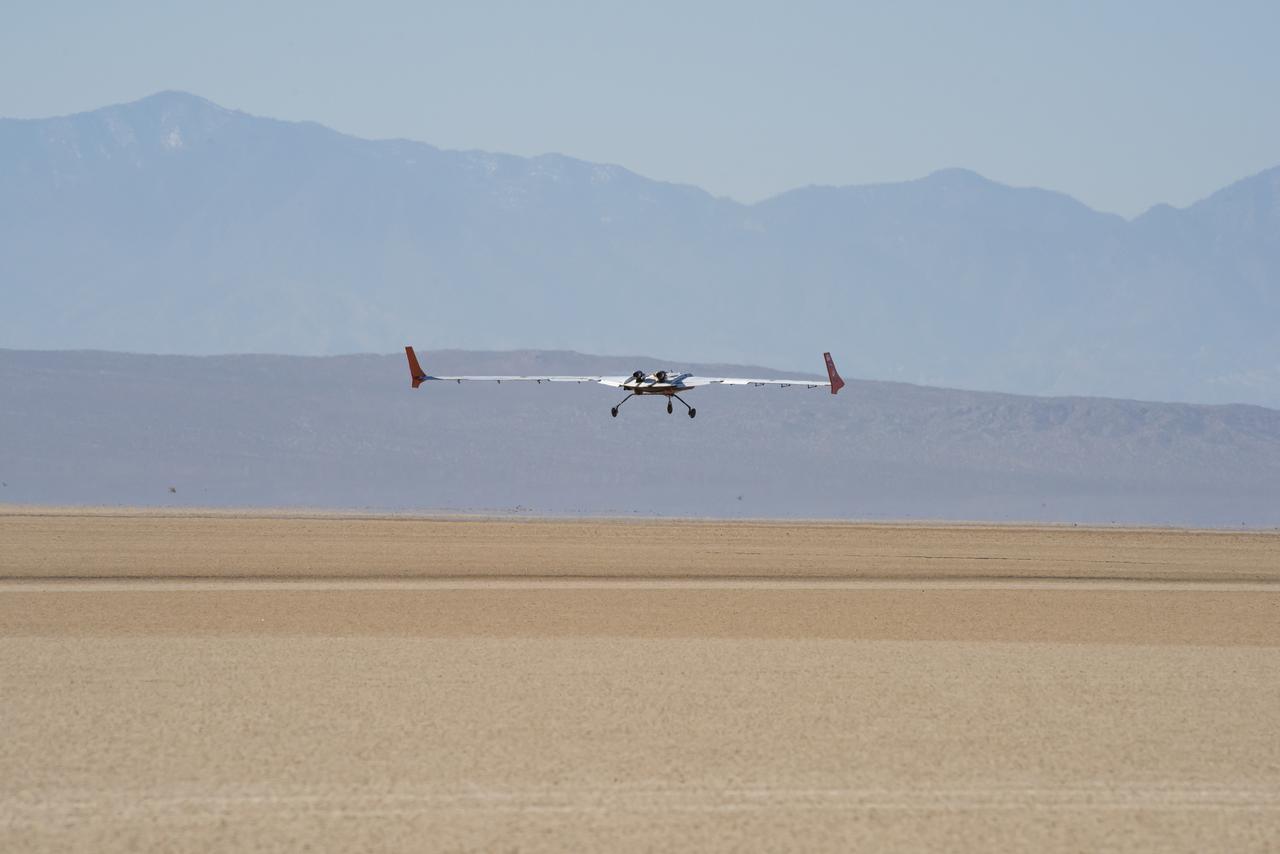
The X-56B remotely piloted aircraft prepares for a landing following the first of a new flight series. The flight was April 19 at NASA's Armstrong Flight Research Center in Edwards, California, with partner Northrop Grumman.
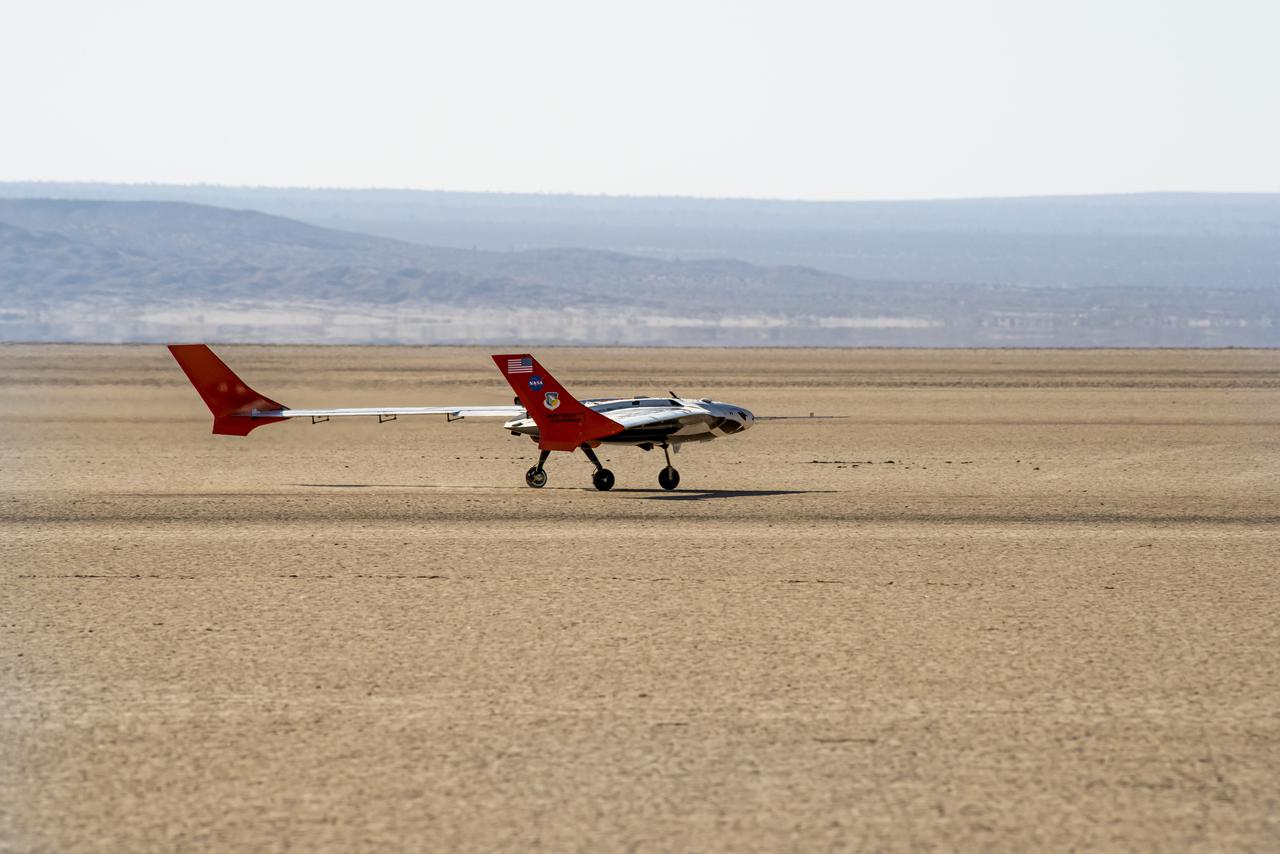
The X-56B remotely piloted aircraft prepares to takeoff to begin a new flight series. The flight was April 19 at NASA's Armstrong Flight Research Center in Edwards, California, with partner Northrop Grumman.
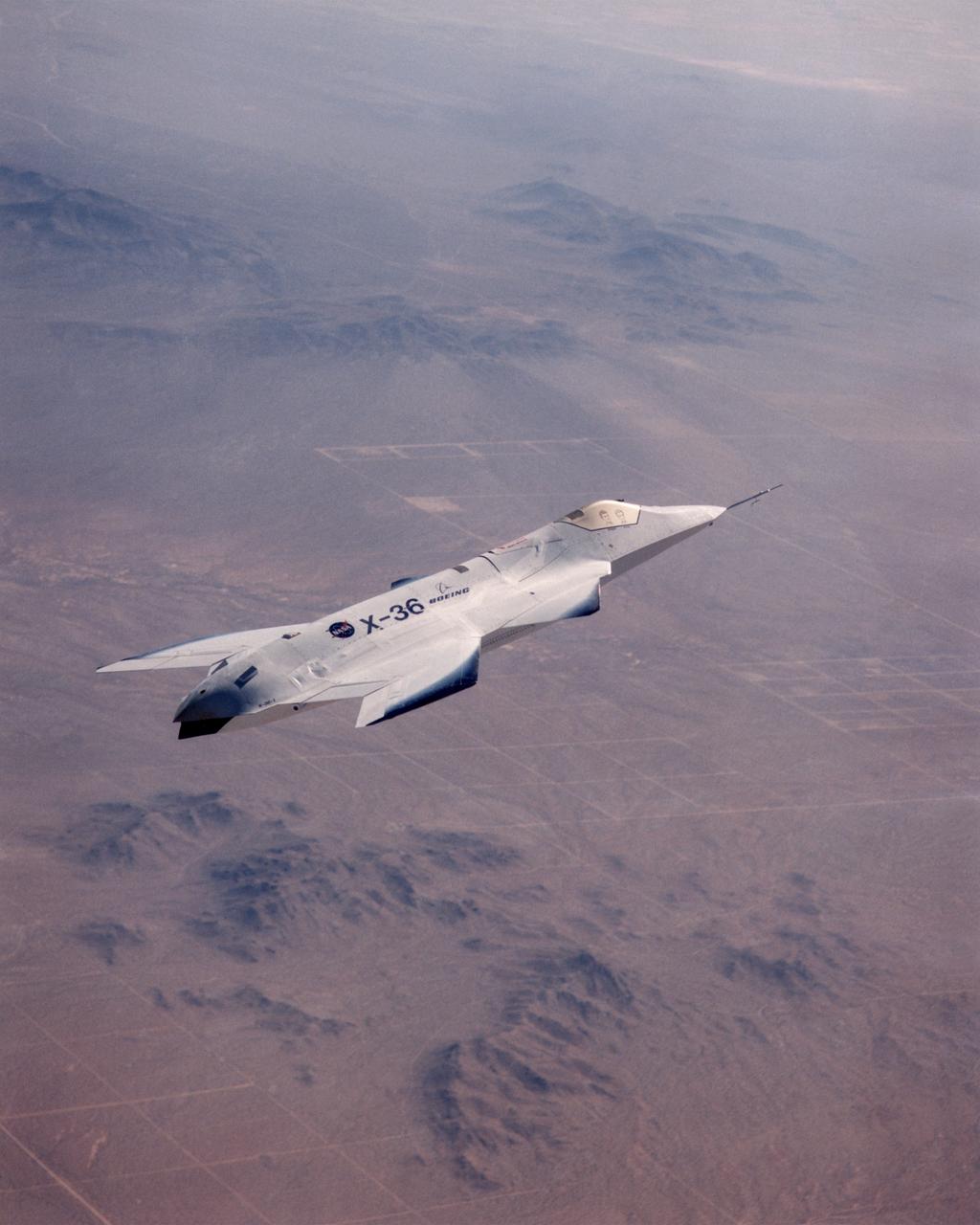
The X-36 technology demonstrator shows off its distinctive shape as the remotely piloted aircraft flies a research mission over the Southern California desert on October 30, 1997.
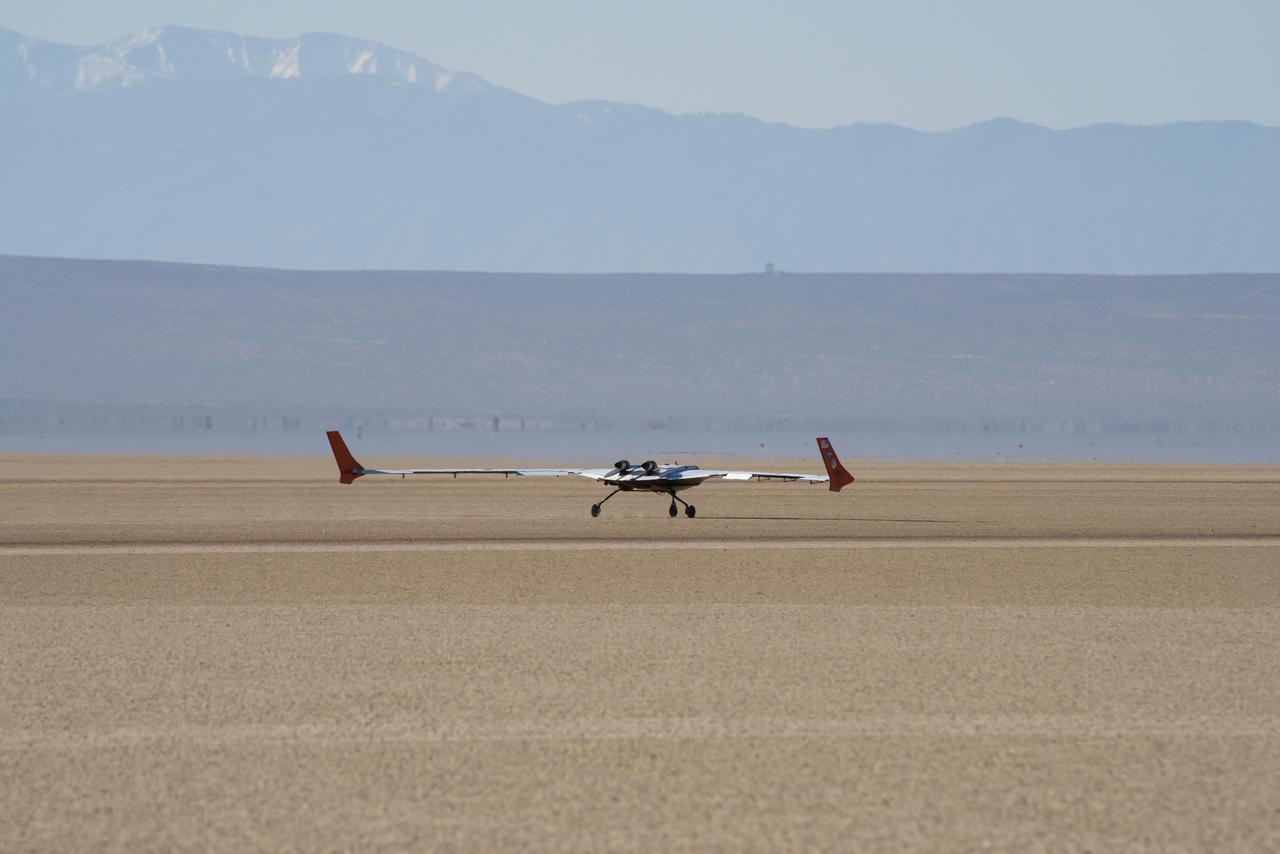
The X-56B remotely piloted aircraft prepares to takeoff to begin a new flight series. The flight was April 19 at NASA's Armstrong Flight Research Center in Edwards, California, with partner Northrop Grumman.
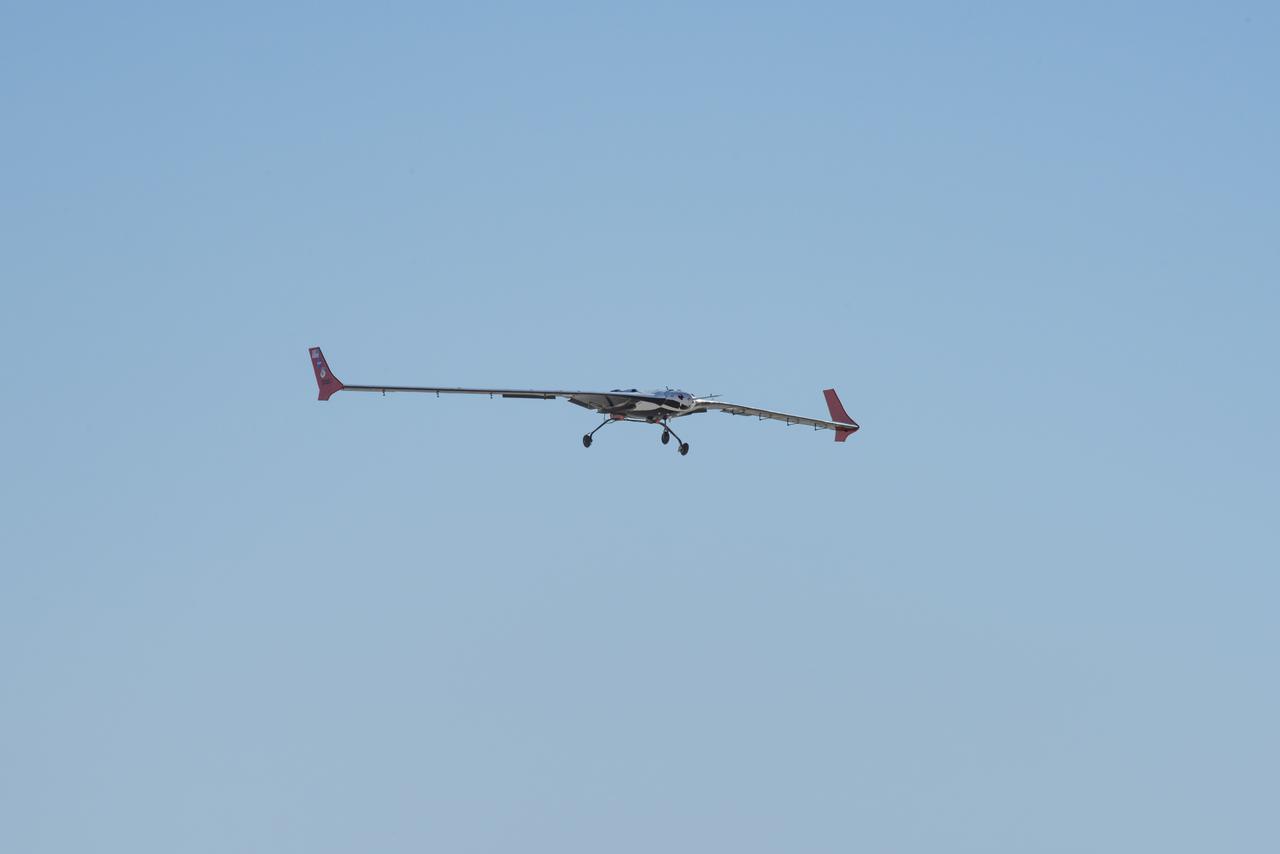
The X-56B remotely piloted aircraft flies the first of a new flight series. The flight was April 19 at NASA's Armstrong Flight Research Center in Edwards, California, with partner Northrop Grumman.
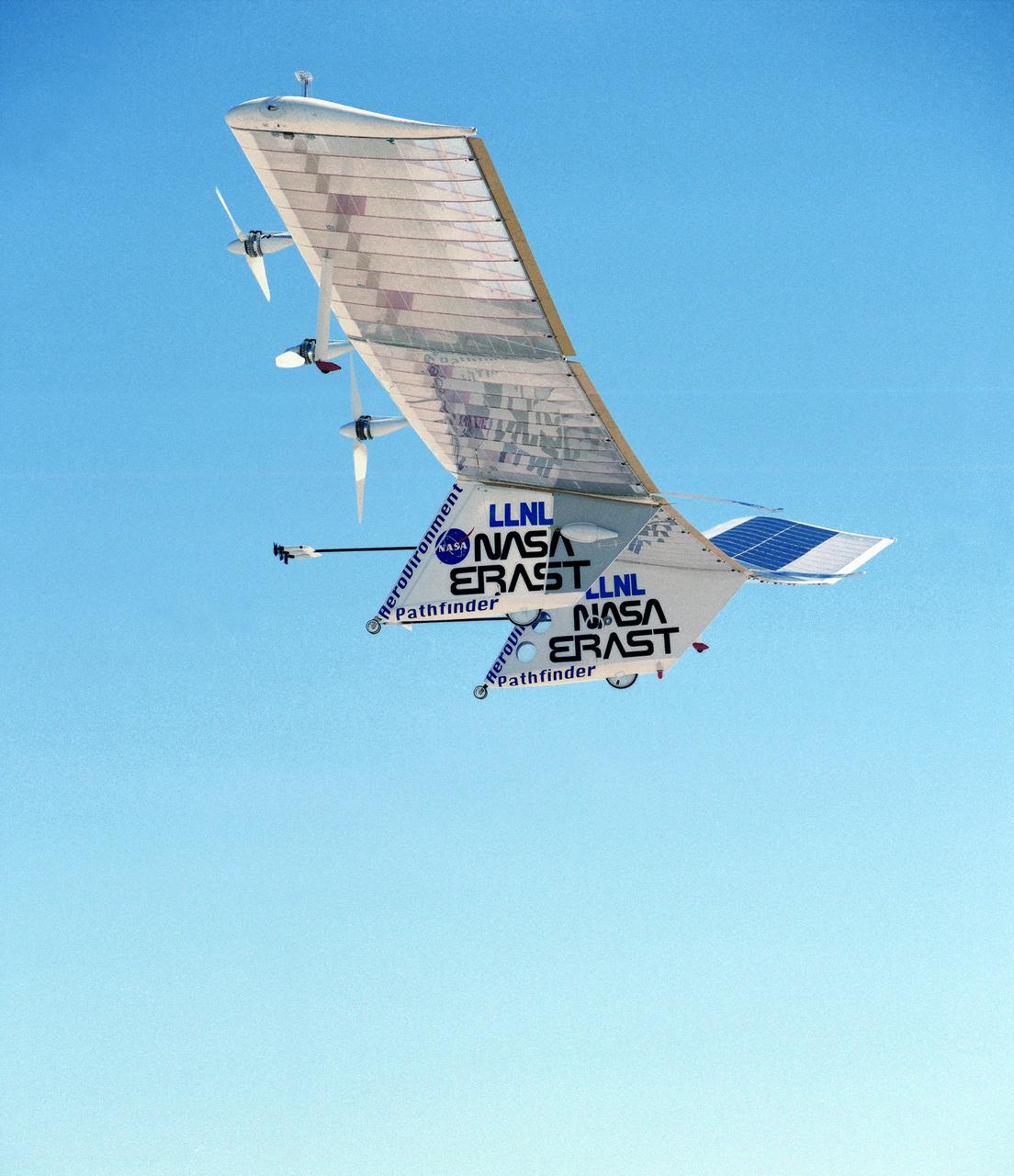
The Pathfinder solar-powered remotely piloted aircraft climbs to a record-setting altitude of 50,567 feet during a flight Sept. 11, 1995, at NASA's Dryden Flight Research Center, Edwards, California.
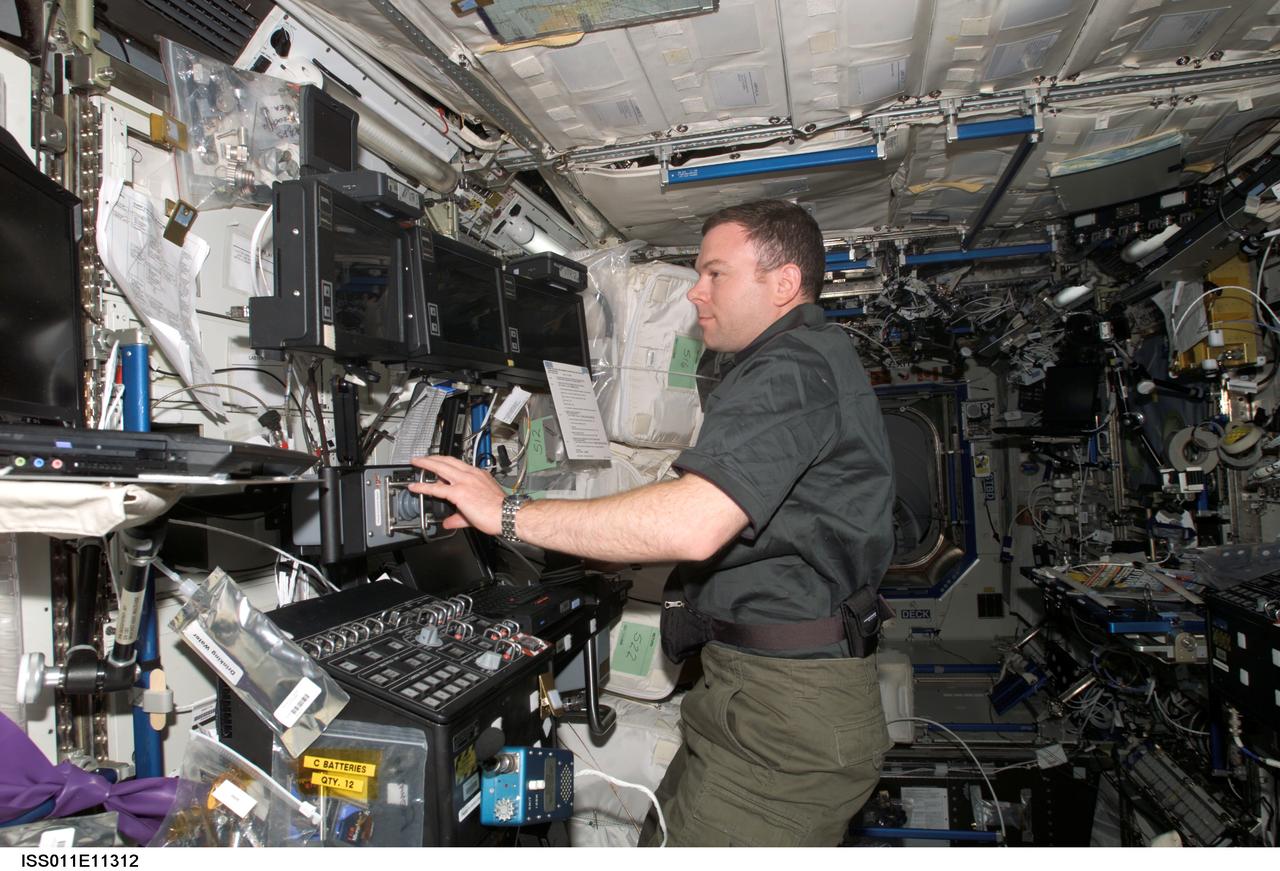
ISS011-E-11312 (29 July 2005) --- Astronaut James M. Kelly, STS-114 pilot, controls the Space Station Remote Manipulator System (Canadarm2) from the U.S. Lab, Destiny, on the International Space Station.
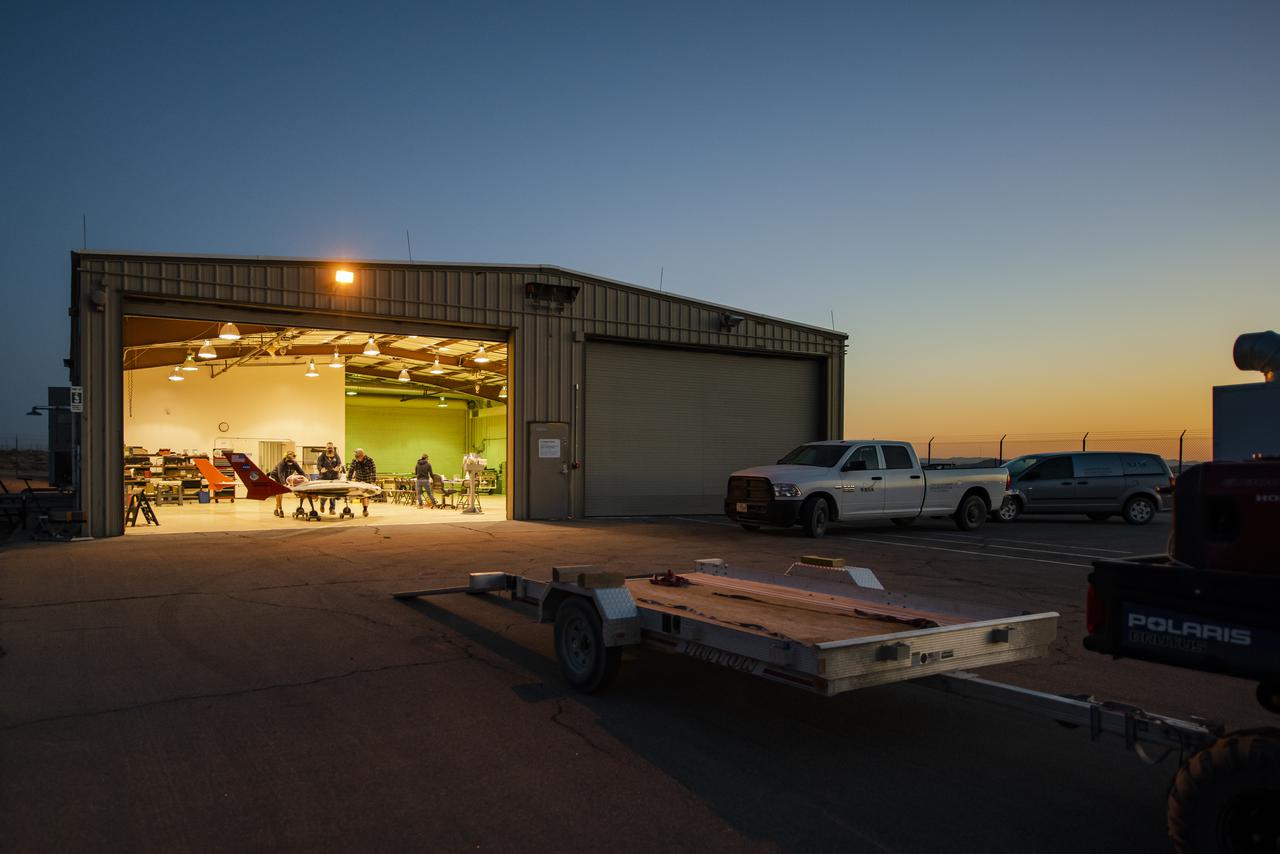
Preparations begin before dawn for the X-56B remotely piloted aircraft for a new flight series. The flight was April 19 at NASA's Armstrong Flight Research Center in Edwards, California, with partner Northrop Grumman.
The remotely piloted Altus II aircraft probed lightning development with a variety of specialized instruments and cameras during a month-long study over Florida during the summer of 2002.
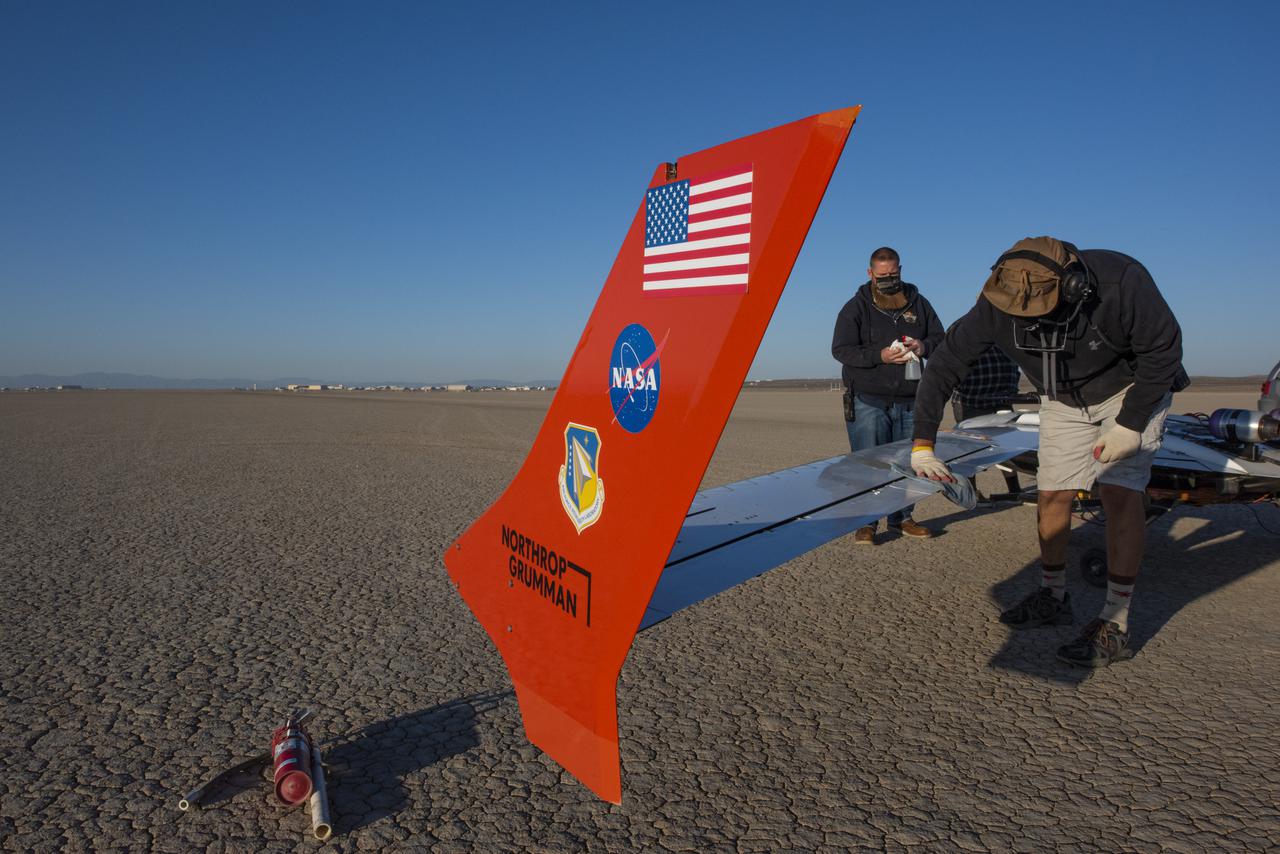
The X-56B remotely piloted aircraft ground crew prepares the aircraft to begin a new flight series. The flight was April 19 at NASA's Armstrong Flight Research Center in Edwards, California, with partner Northrop Grumman.
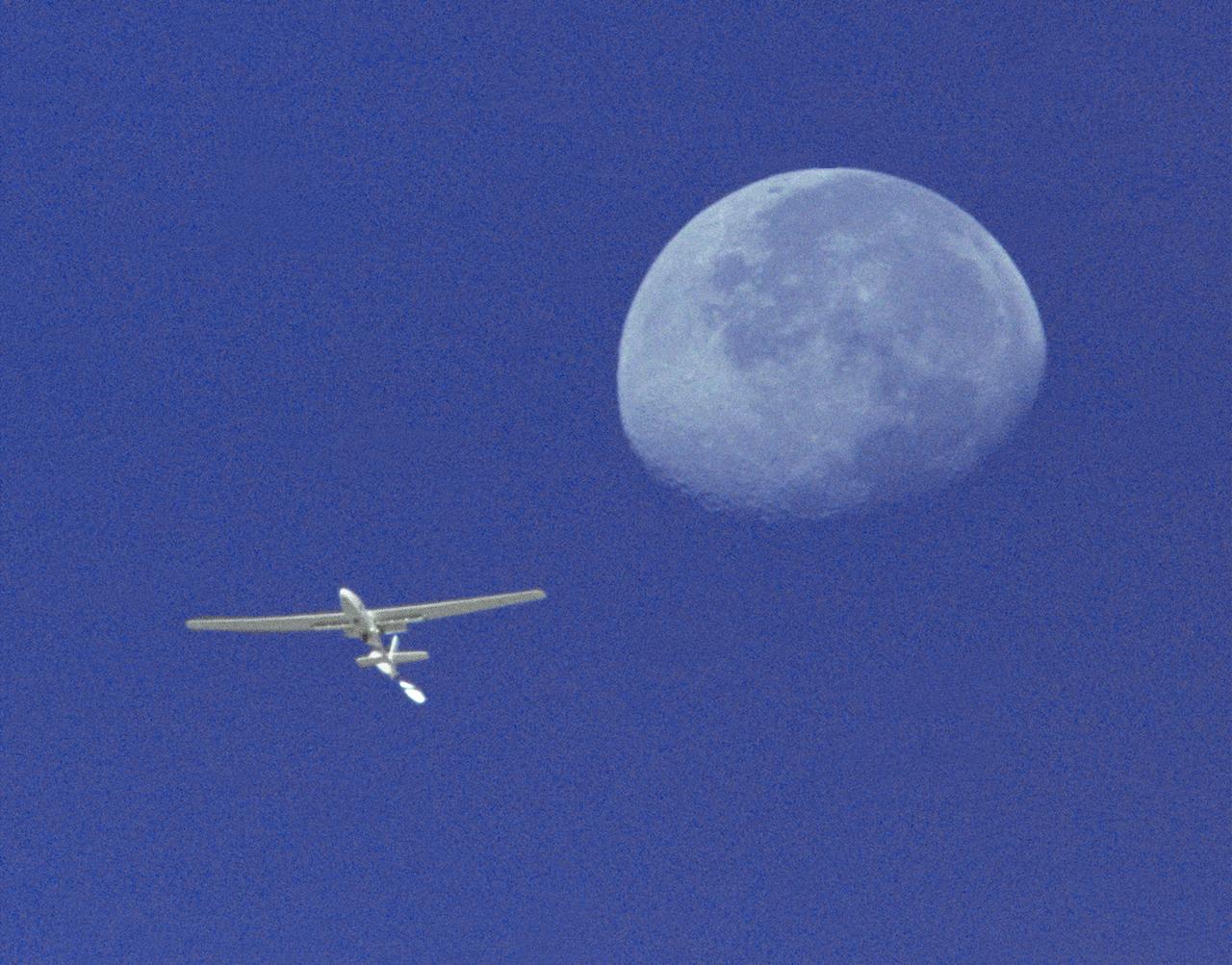
The Perseus A, a remotely-piloted, high-altitude research aircraft, is seen here framed against the moon and sky during a research mission at the Dryden Flight Research Center, Edwards, California in August 1994.
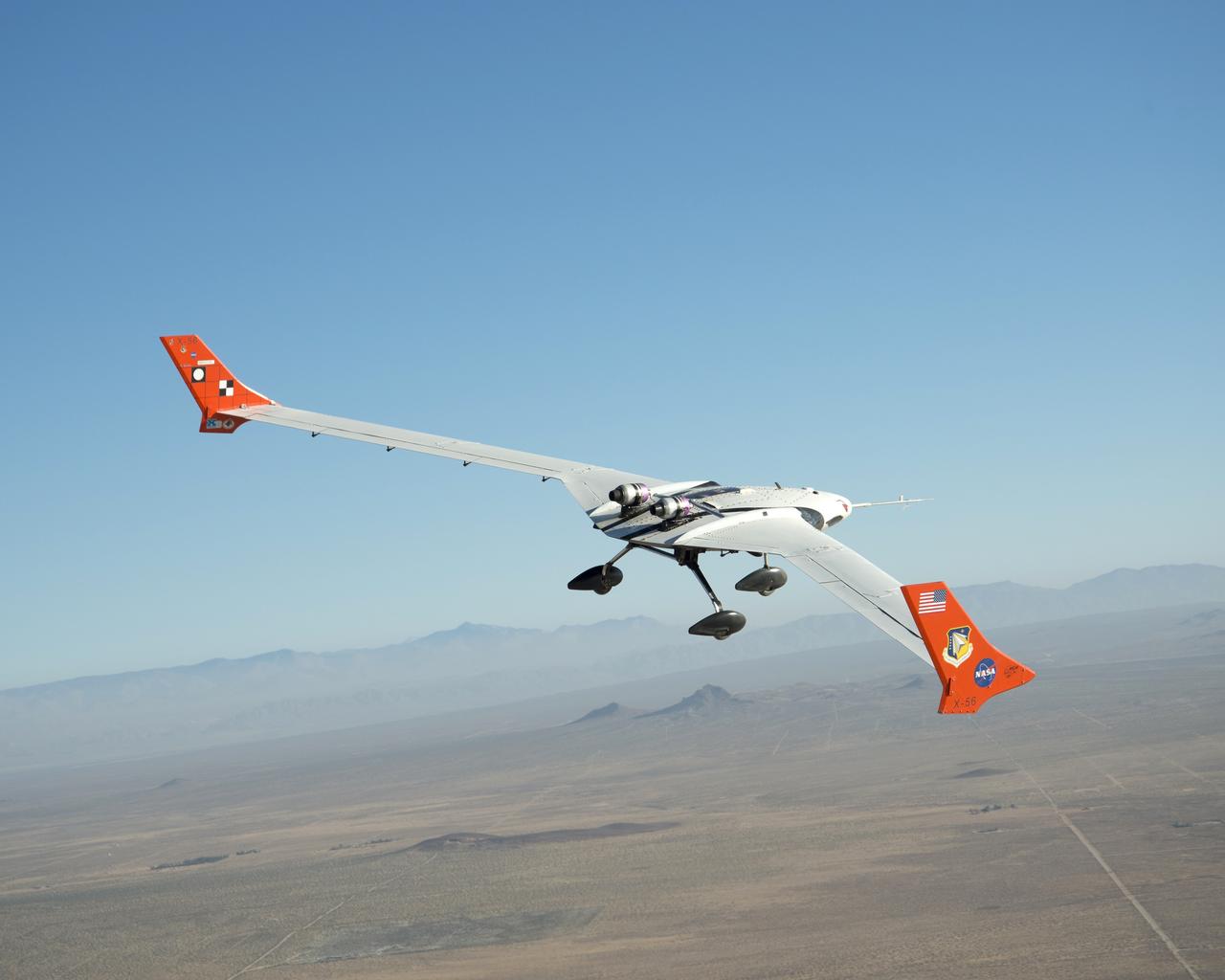
The X-56A flies over the desert near NASA Armstrong Flight Research Center, Edwards, California. NASA researchers are using the remotely piloted X-56A to explore the behavior of lightweight, flexible aircraft structures.
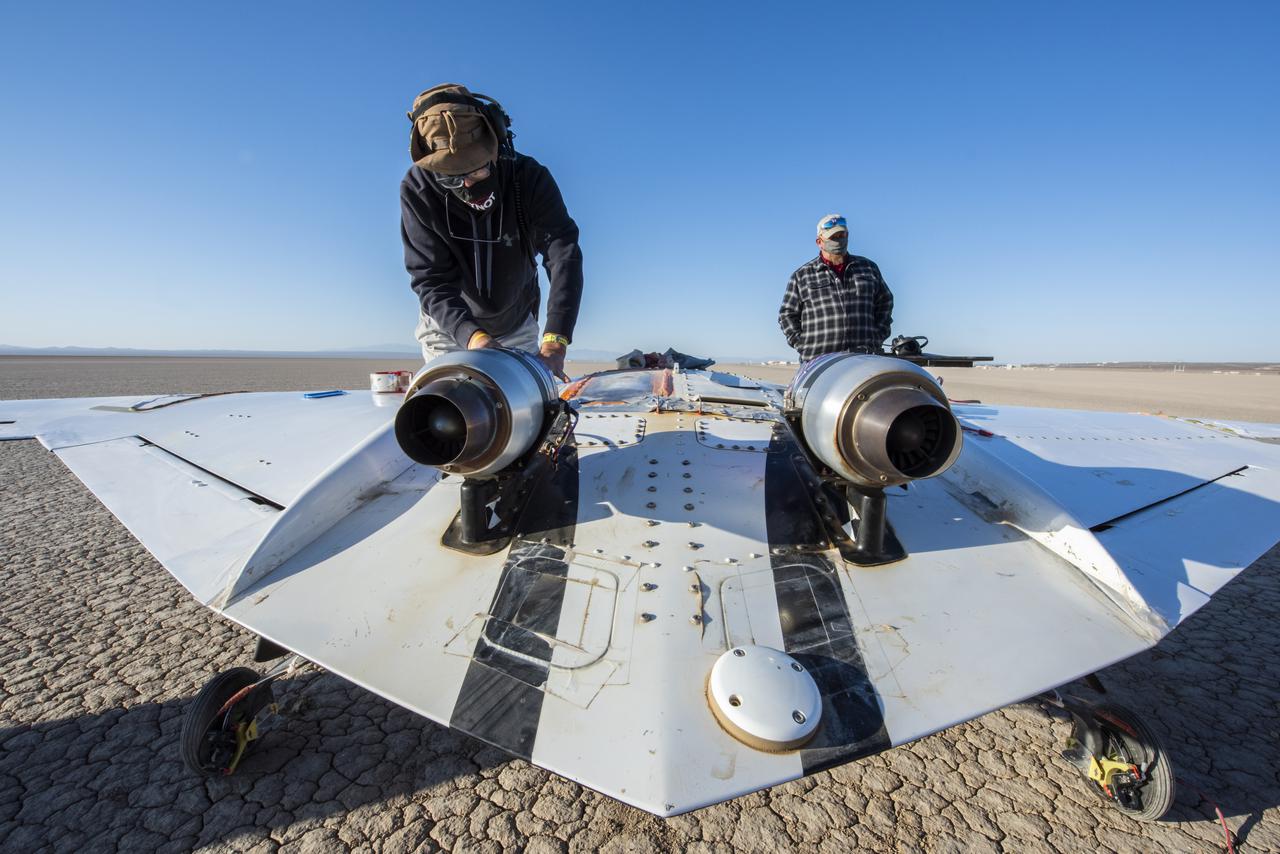
The X-56B remotely piloted aircraft ground crew prepares the aircraft to begin a new flight series. The flight was April 19 at NASA's Armstrong Flight Research Center in Edwards, California, with partner Northrop Grumman.
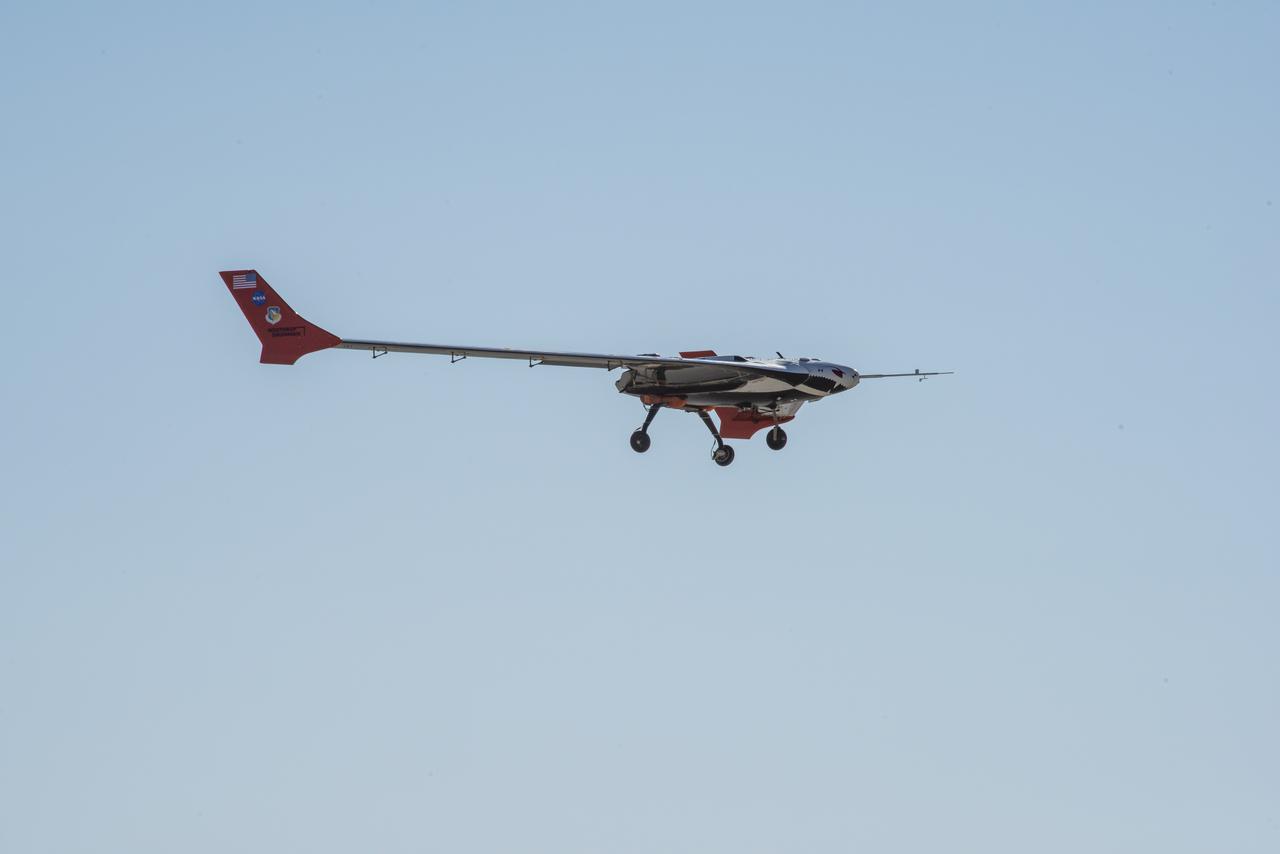
The X-56B remotely piloted aircraft flies the first of a new flight series. The flight was April 19 at NASA's Armstrong Flight Research Center in Edwards, California, with partner Northrop Grumman.

NASA’s remotely-piloted Ikhana aircraft, based at the agency’s Armstrong Flight Research Center in Edwards, California, is flown in preparation for its first mission in the National Airspace System without a safety chase aircraft.
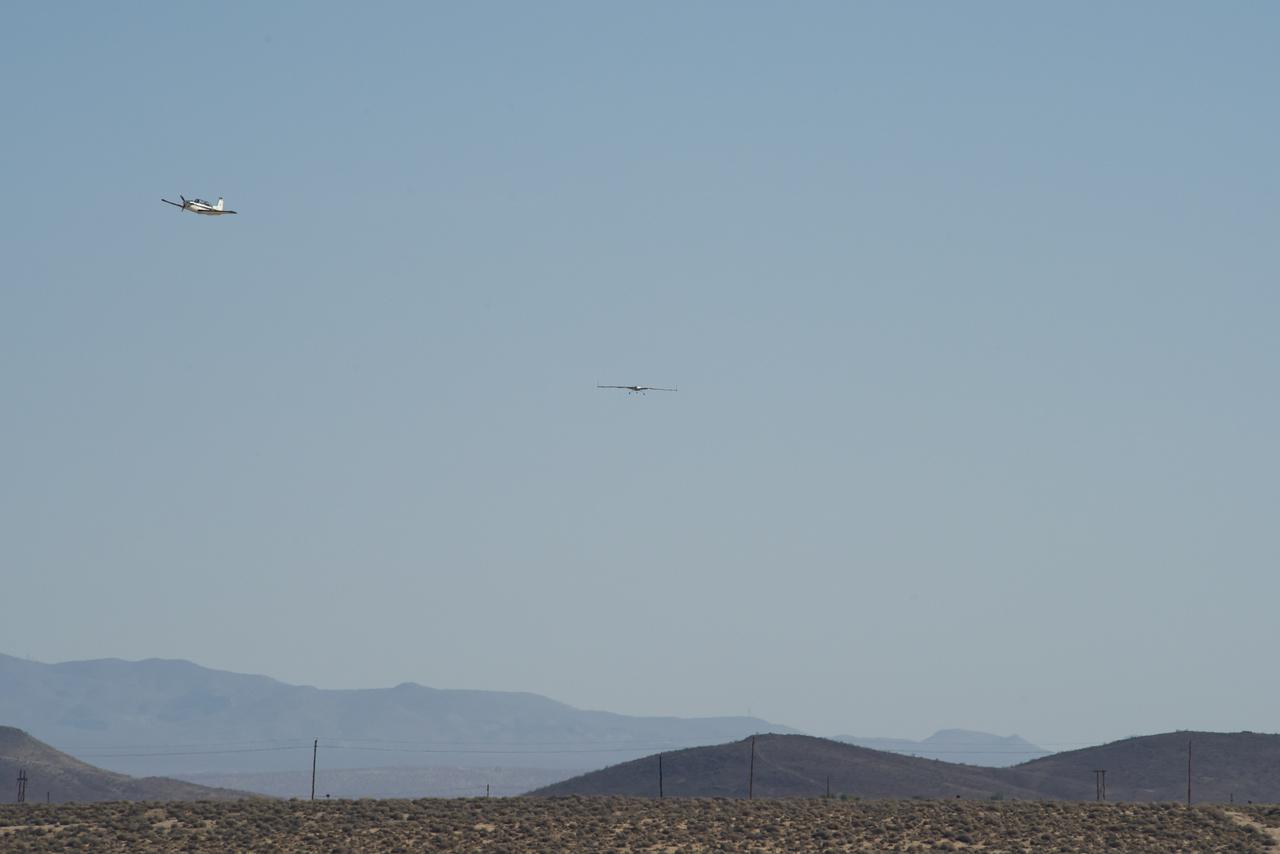
The X-56B remotely piloted aircraft flies the first of a new flight series, as a T-34 observes. The flight was April 19 at NASA's Armstrong Flight Research Center in Edwards, California, with partner Northrop Grumman.
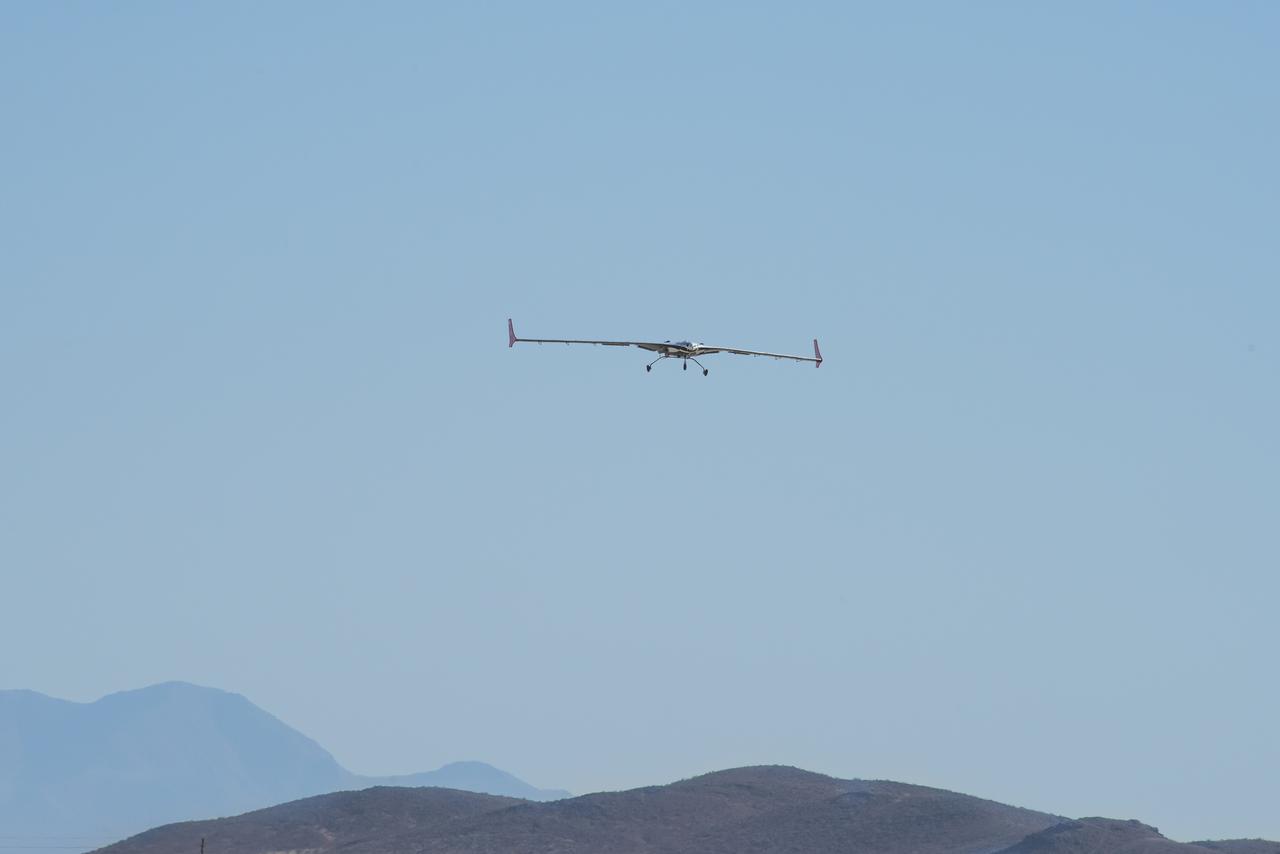
The X-56B remotely piloted aircraft began a new flight series April 19 at NASA's Armstrong Flight Research Center in Edwards, California, with partner Northrop Grumman.
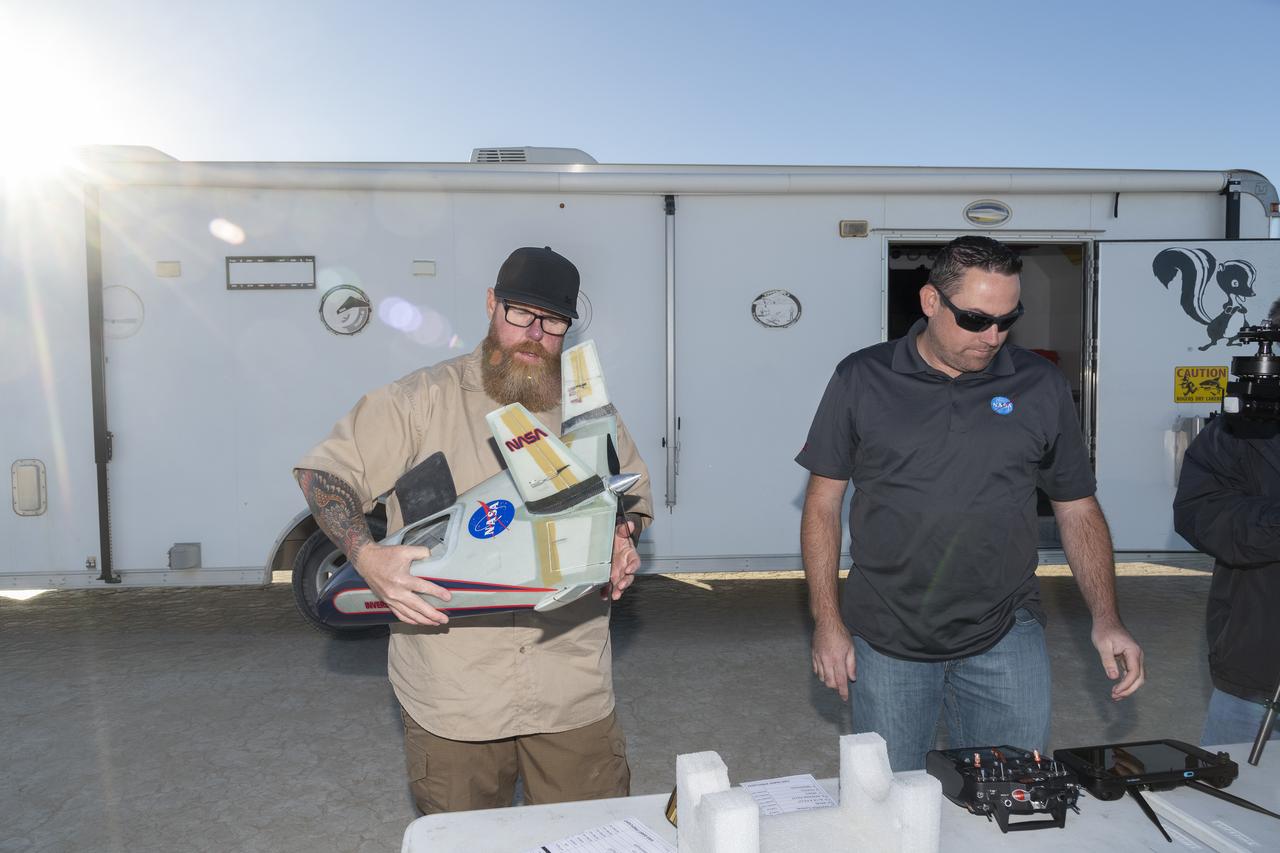
Justin Hall, left, chief pilot of small unmanned aircraft systems, carries the atmospheric probe at NASA’s Armstrong Flight Research Center in Edwards, California. The probe, which was designed and built at the center, flew after release from a quad rotor remotely piloted aircraft on Oct. 22, 2024, above Rogers Dry Lake, a flight area adjacent to the NASA center. At right, Justin Link, unmanned aircraft systems pilot, checks out the controllers for the two aircraft.
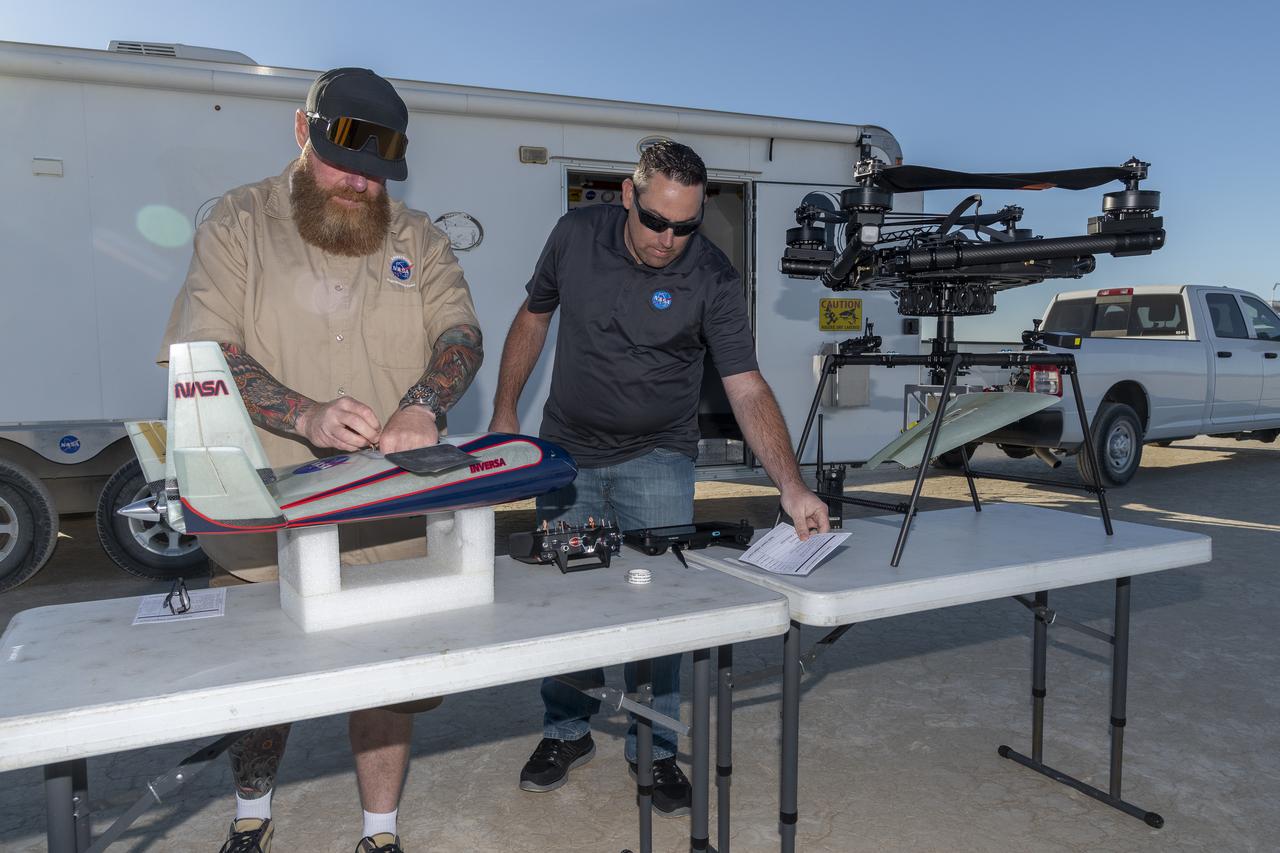
Justin Hall, chief pilot of small unmanned aircraft systems, prepares the atmospheric probe for flight above Rogers Dry Lake, a flight area adjacent NASA’s Armstrong Flight Research Center in Edwards, California. At right, Justin Link, small unmanned aircraft systems pilot, assists. The probe, designed and built at the center, flew after release from a quad rotor remotely piloted aircraft on Oct. 22, 2024.
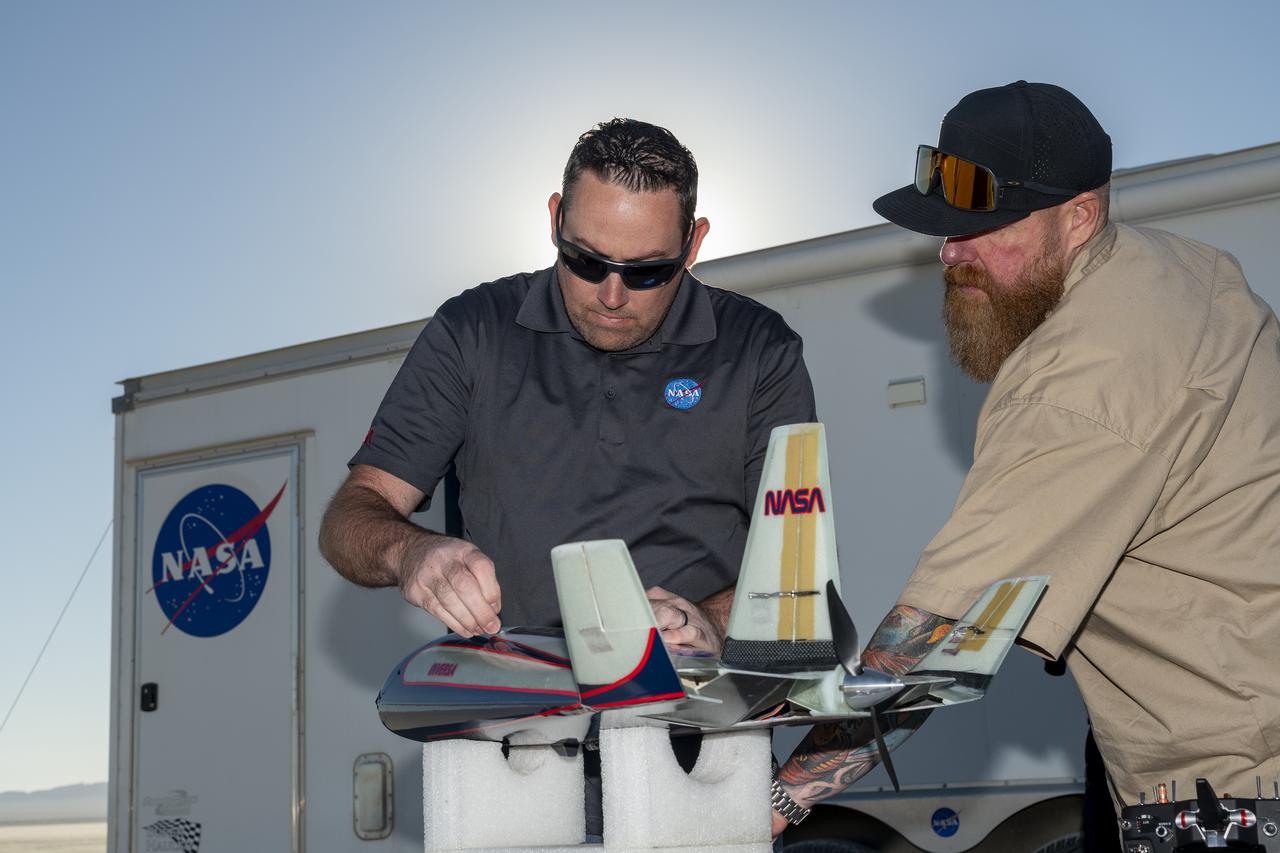
Justin Link, left, small unmanned aircraft systems pilot, and Justin Hall, chief pilot of small unmanned aircraft systems, prepare an atmospheric probe model for flight on Oct. 22, 2024. A quad rotor remotely piloted aircraft released the probe above Rogers Dry Lake, a flight area adjacent NASA’s Armstrong Flight Research Center in Edwards, California. The probe was designed and built at the center.
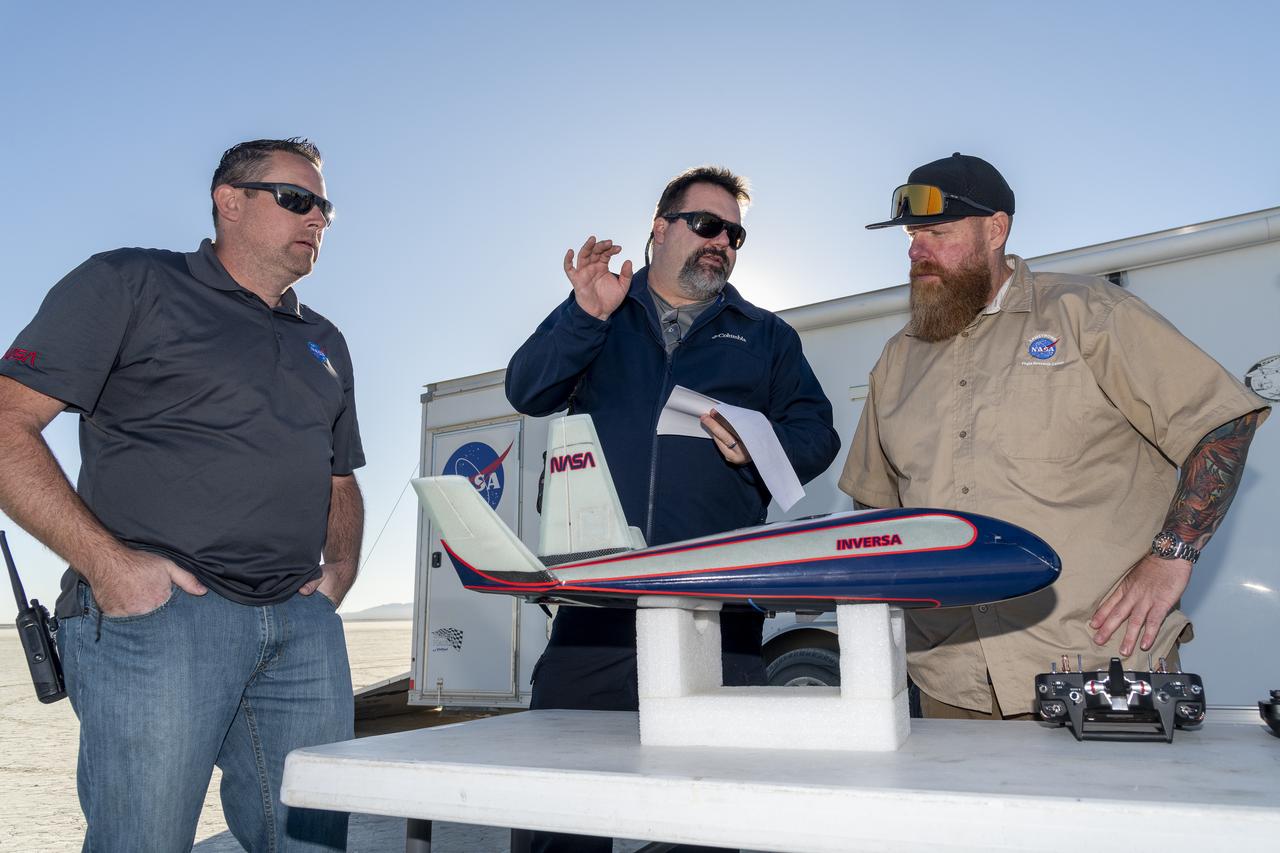
Justin Link, left, small unmanned aircraft systems pilot; John Bodylski, atmospheric probe principal investigator; and Justin Hall, chief pilot of small unmanned aircraft systems, discuss details of the atmospheric probe flight plan on Oct. 22, 2024. A quad rotor remotely piloted aircraft released the probe above Rogers Dry Lake, a flight area adjacent NASA’s Armstrong Flight Research Center in Edwards, California. The probe was designed and built at the center.
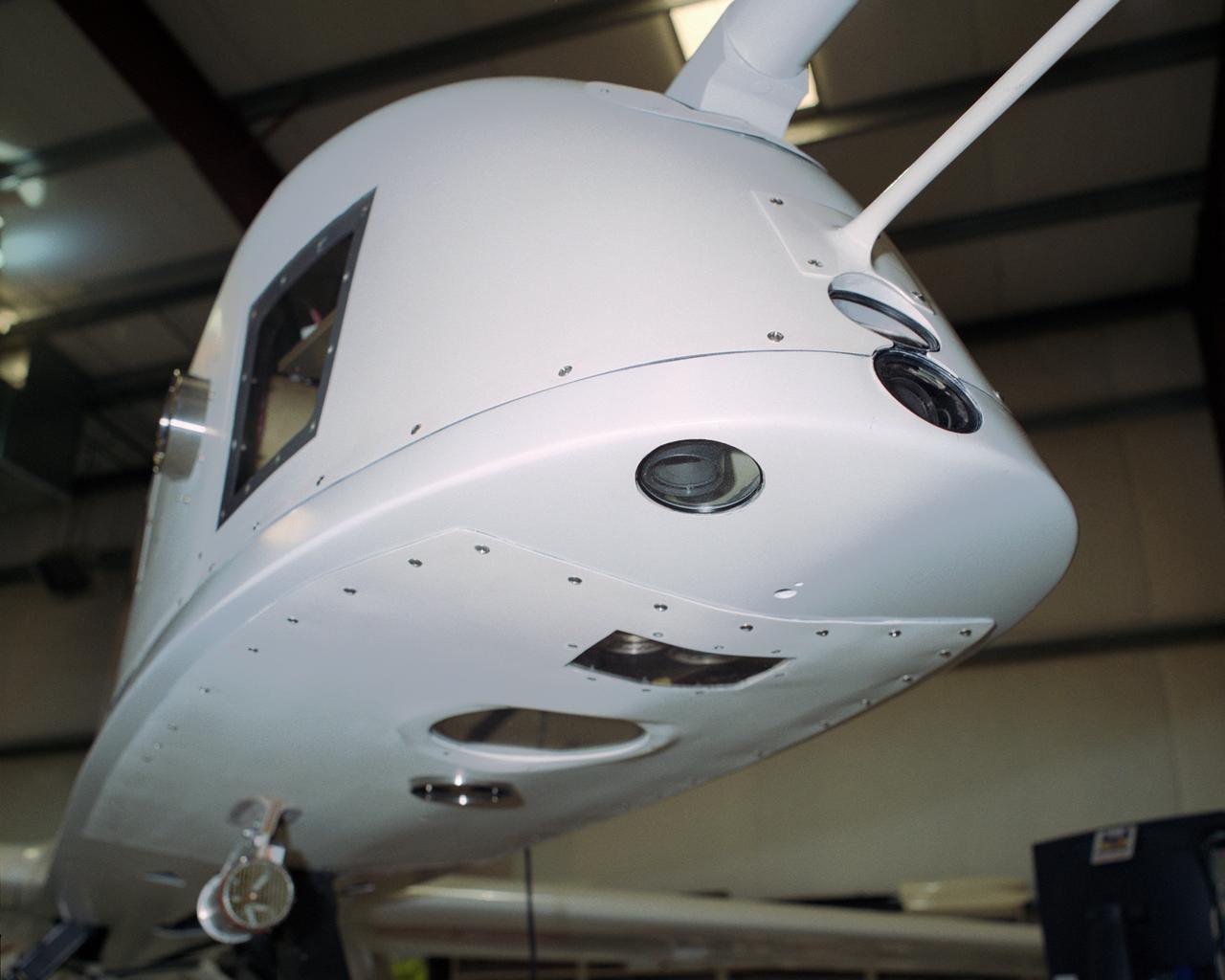
Looking ever so much like an alien spacecraft, the Altus II remotely piloted aircraft shows off some of the instruments and camera lenses mounted in its nose for a lightning study over Florida flown during the summer of 2002.
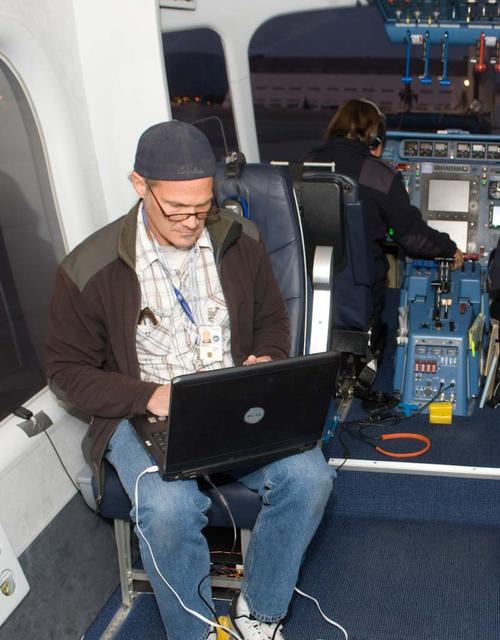
NASA Conducts Airborne Science Aboard Zeppelin Airship: equipped with two imaging instruments enabling remote sensing and atmospheric science measurements not previously practical. Shown here is Steve Dunagan, NASA Ames scientist. Cabin viewof instrument operaor Steve Dunagan, Pilot Katharing 'Kate' Board.
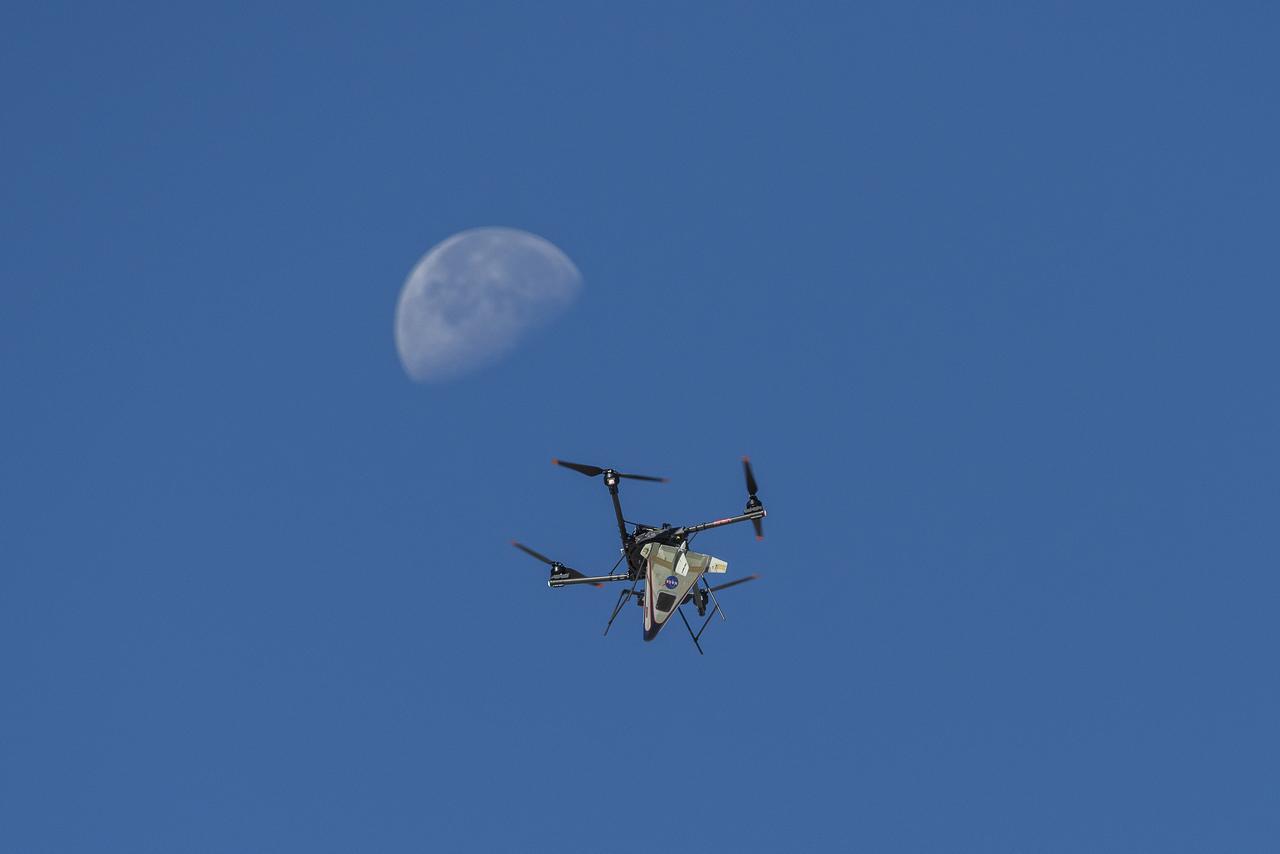
An atmospheric probe model attached upside down to a quad rotor remotely piloted aircraft ascends with the Moon visible on Oct. 22, 2024. The quad rotor aircraft released the probe above Rogers Dry Lake, a flight area adjacent NASA’s Armstrong Flight Research Center in Edwards, California. The probe was designed and built at the center.
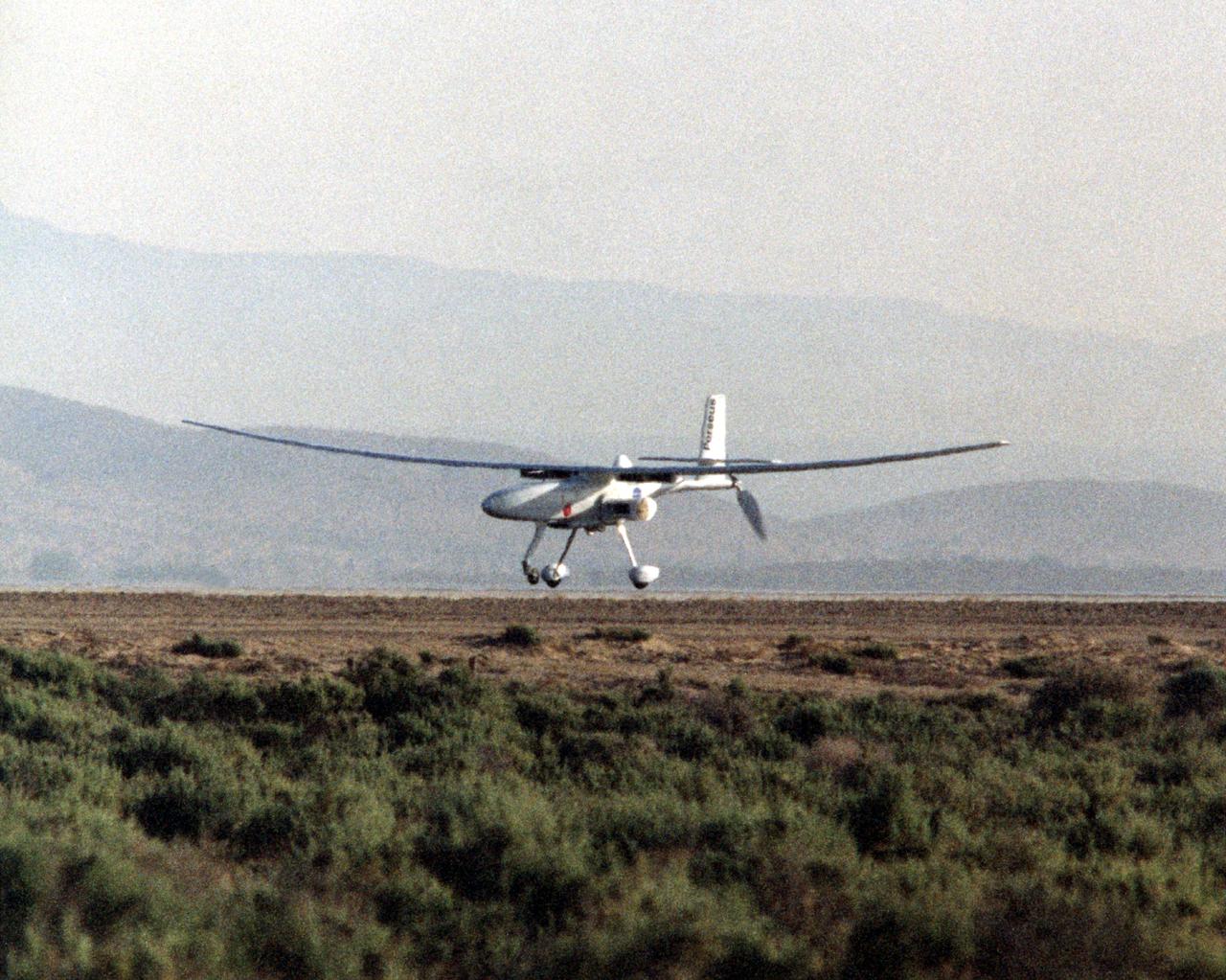
The Perseus B remotely piloted aircraft nears touchdown at Edwards Air Force Base, Calif. at the conclusion of a development flight at NASA's Dryden Flight Research Center. The Perseus B is the latest of three versions of the Perseus design developed by Aurora Flight Sciences under NASA's Environmental Research Aircraft and Sensor Technology (ERAST) program.
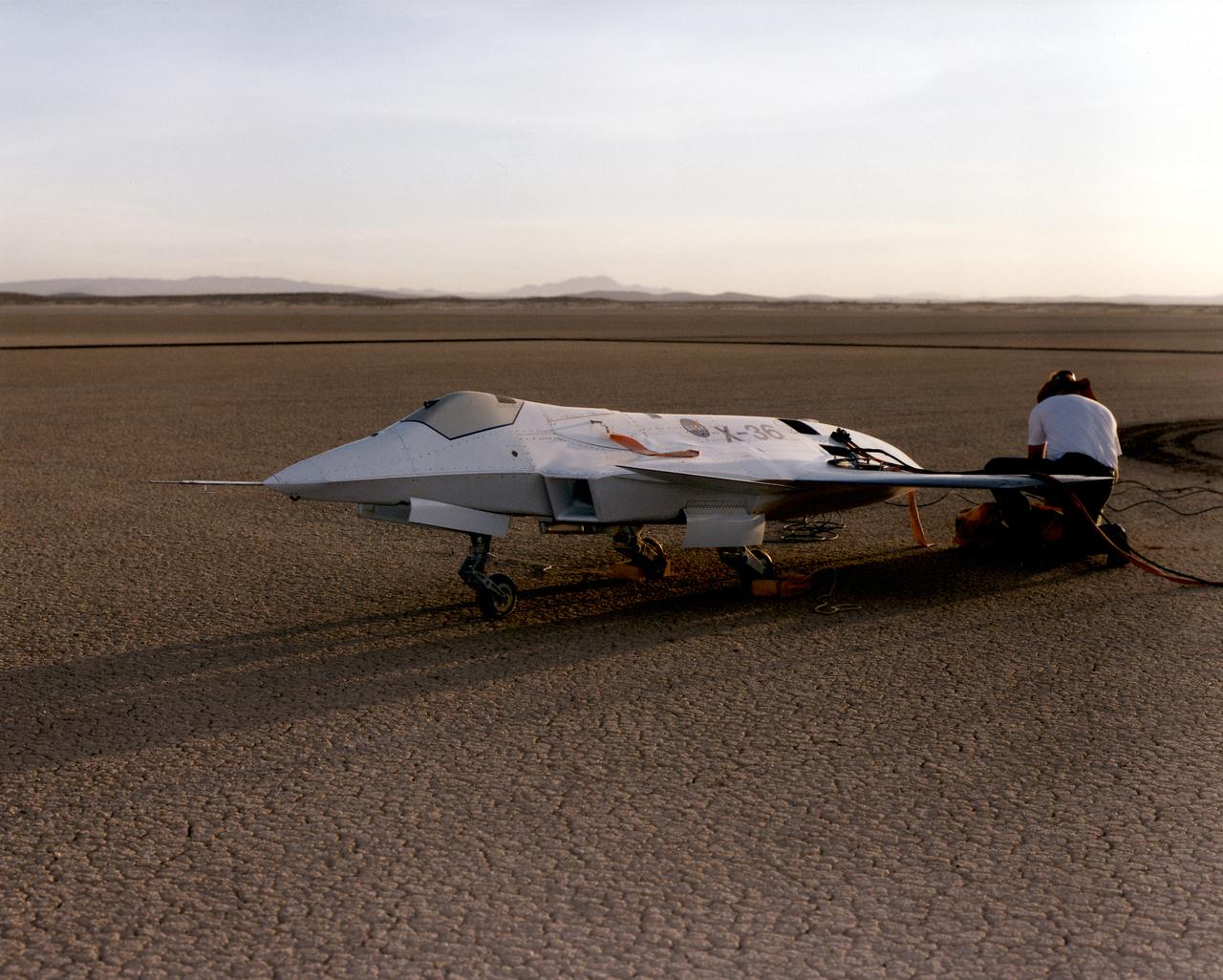
Lit by the rays of the morning sunrise on Rogers Dry Lake, adjacent to NASA's Dryden Flight Research Center, Edwards, California, technicians prepare the remotely-piloted X-36 Tailless Fighter Agility Research Aircraft for its first flight in May 1997.
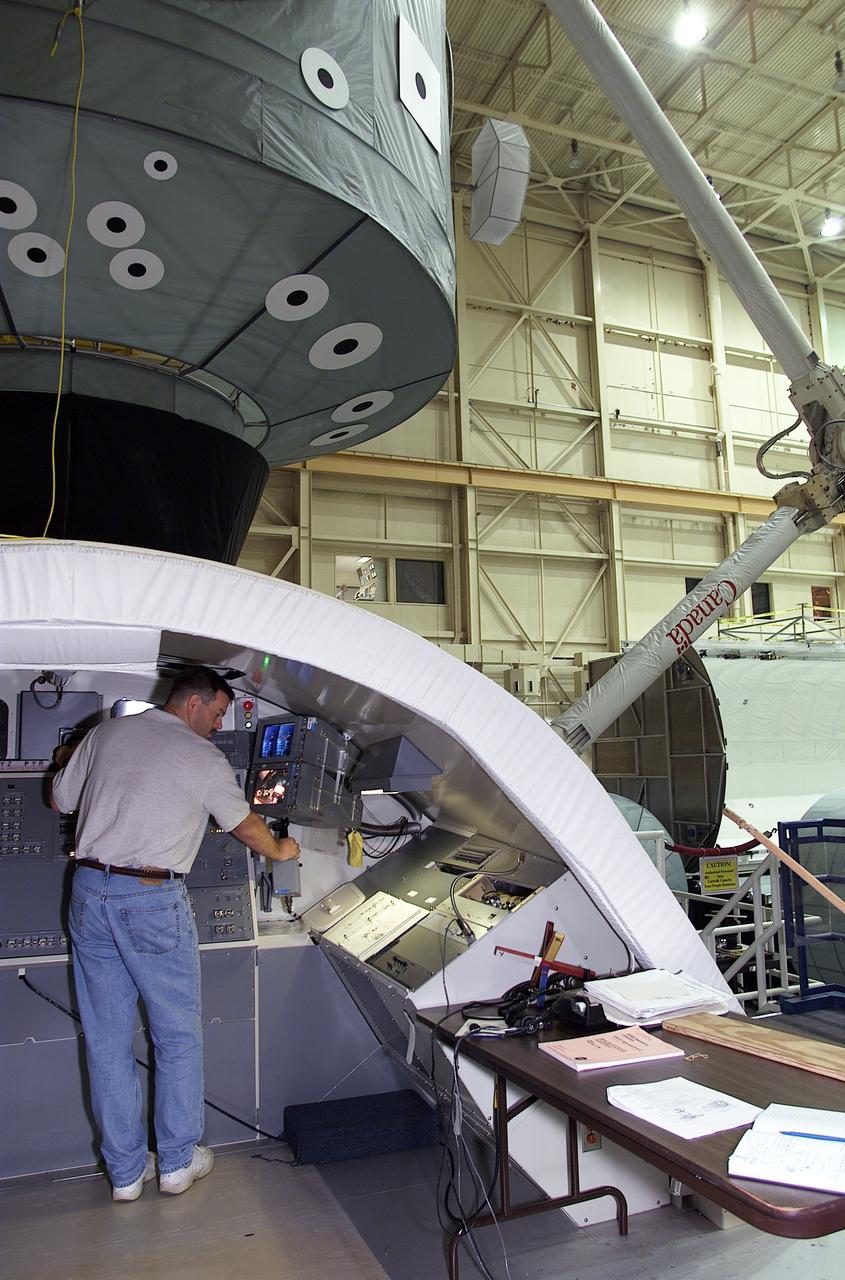
JSC2000-E-16591 (15 June 2000) --- Astronaut Scott D. Altman, STS-106 pilot, simulates control of the remote manipulator system (RMS) for the Space Shuttle Discovery during a training session in the Johnson Space Center's Systems Integration Facility. In this scenario, the shuttle is docked to the International Space Station.
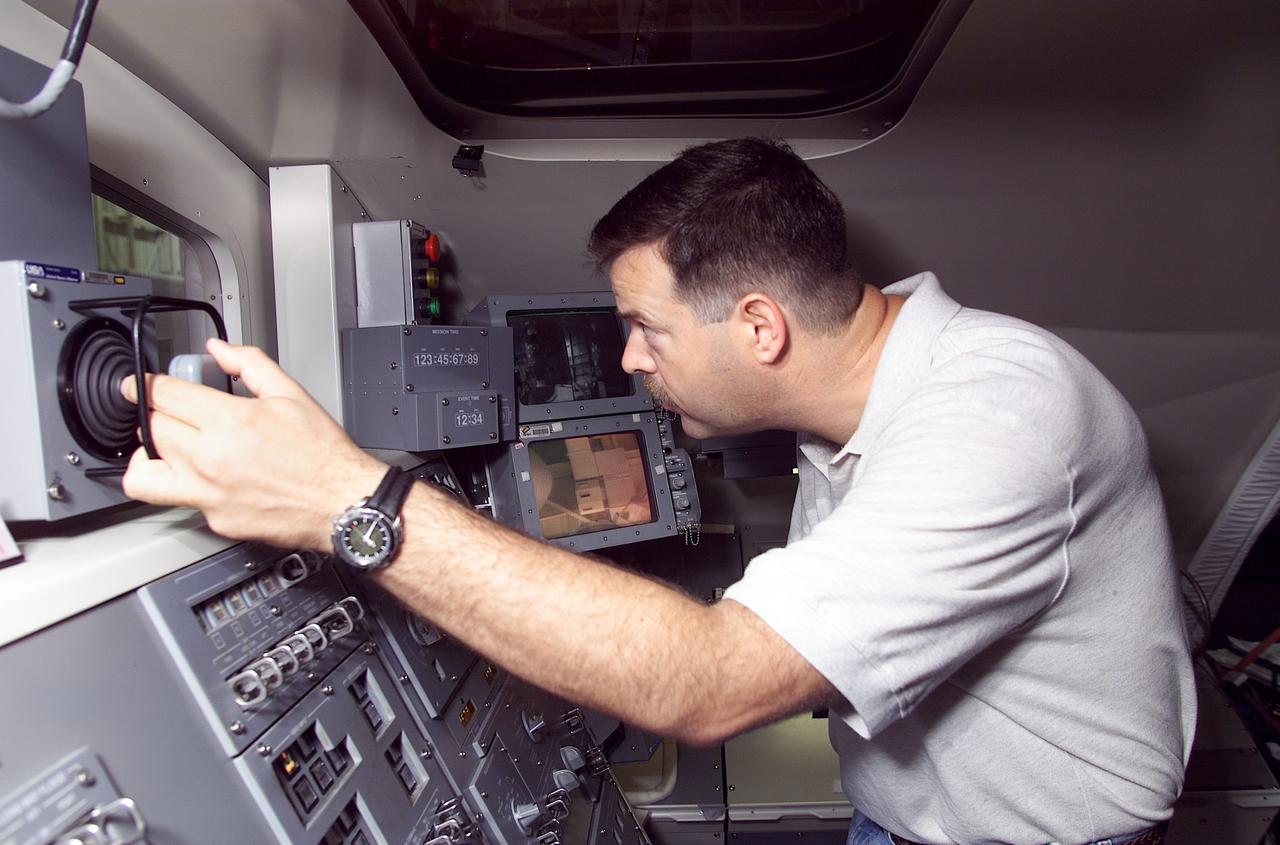
JSC2000-E-16589 (15 June 2000) --- Astronaut Scott D. Altman, STS-106 pilot, simulates control of the remote manipulator system (RMS) for the Space Shuttle Atlantis during a training session in the Johnson Space Center's Systems Integration Facility.
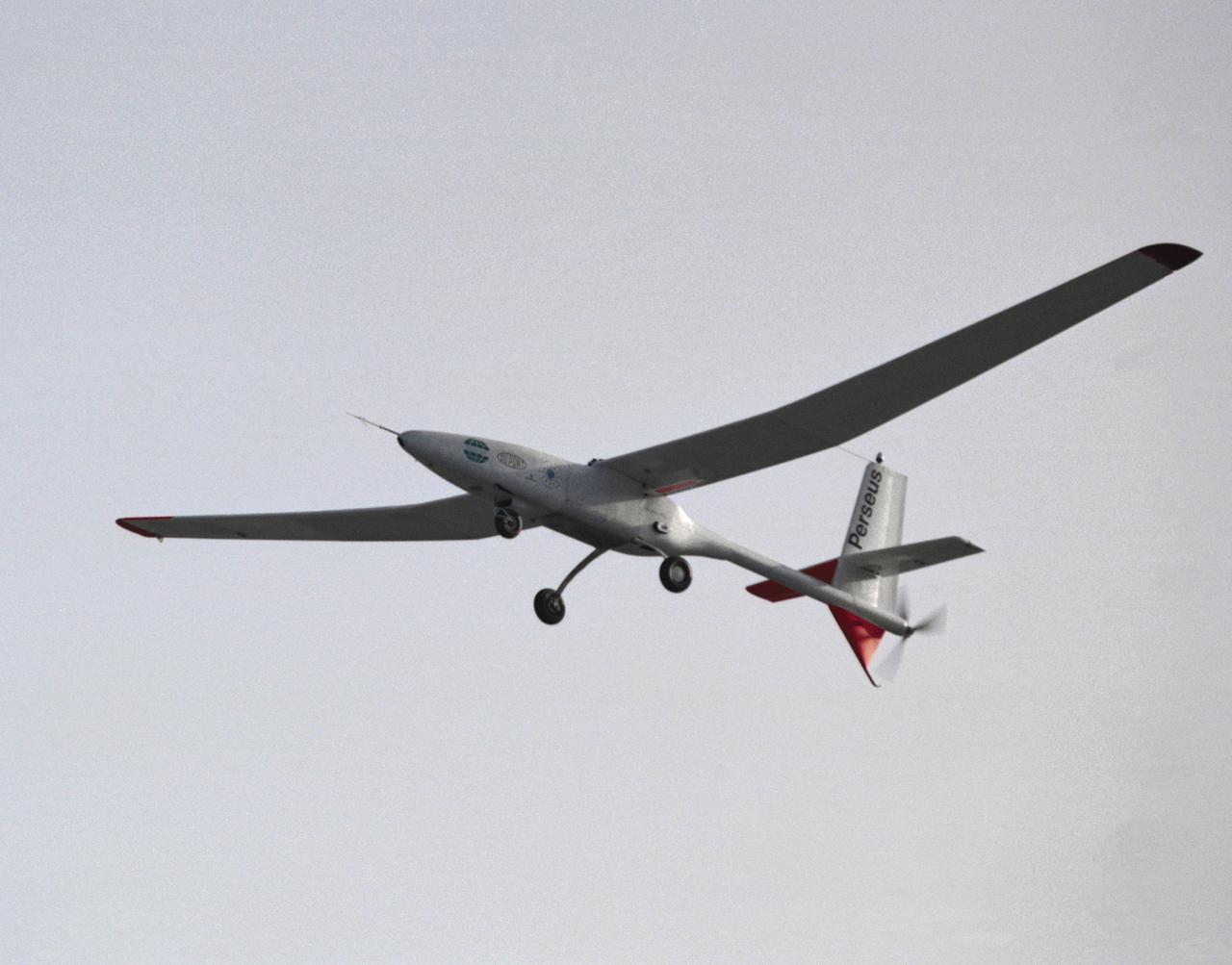
The Perseus proof-of-concept vehicle in flight at the Dryden Flight Research Center, Edwards, California in 1991. Perseus is one of several remotely-piloted aircraft designed for high-altitude, long-endurance scientific sampling missions being evaluated under the ERAST program.
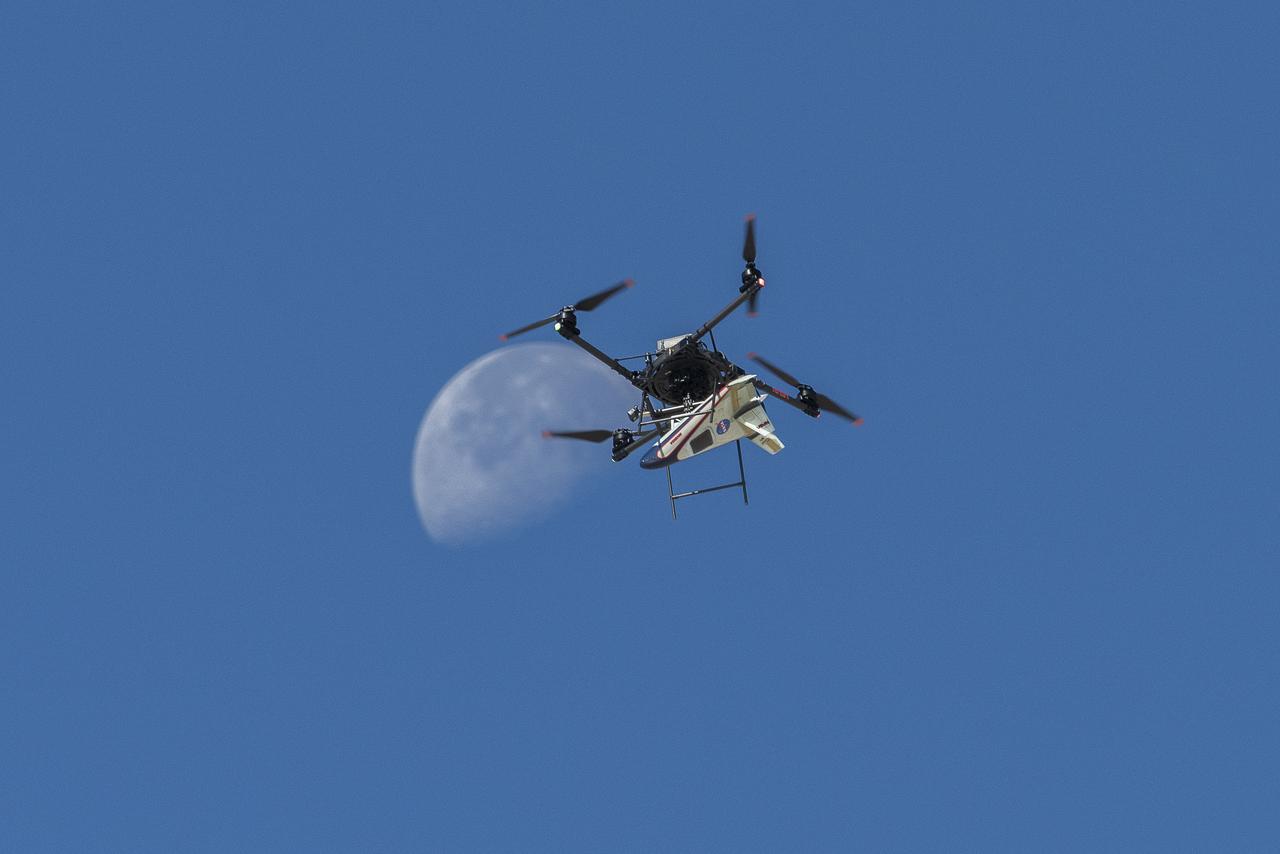
An atmospheric probe model attached upside down to a quad rotor remotely piloted aircraft ascends with the Moon visible on Oct. 22, 2024. The quad rotor aircraft released the probe above Rogers Dry Lake, a flight area adjacent NASA’s Armstrong Flight Research Center in Edwards, California. The probe was designed and built at the center.
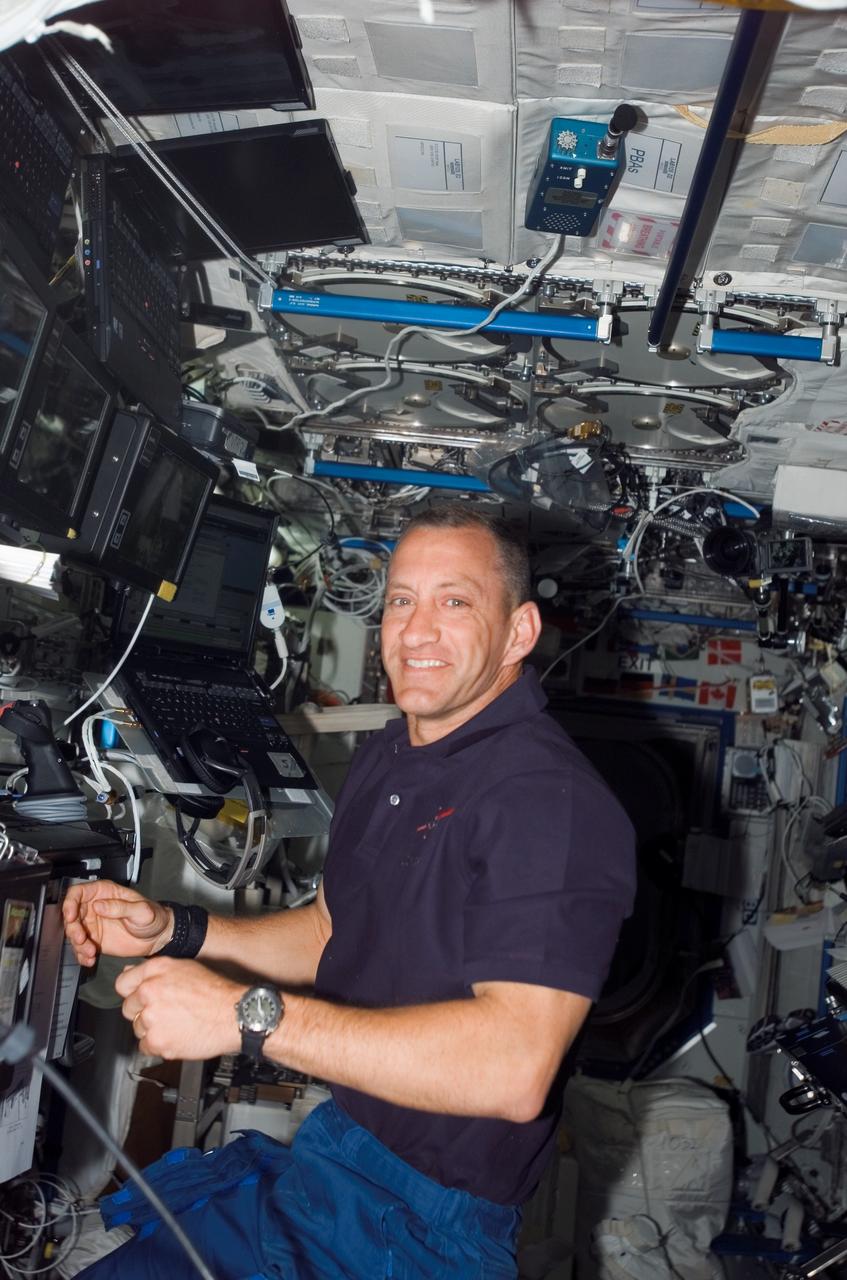
S118-E-06877 (12 Aug. 2007) --- Astronaut Charlie Hobaugh, STS-118 pilot, pauses for a photo while working the controls of the Space Station Remote Manipulator System (SSRMS) or Canadarm2 in the Destiny laboratory of the International Space Station while Space Shuttle Endeavour remains docked with the station.
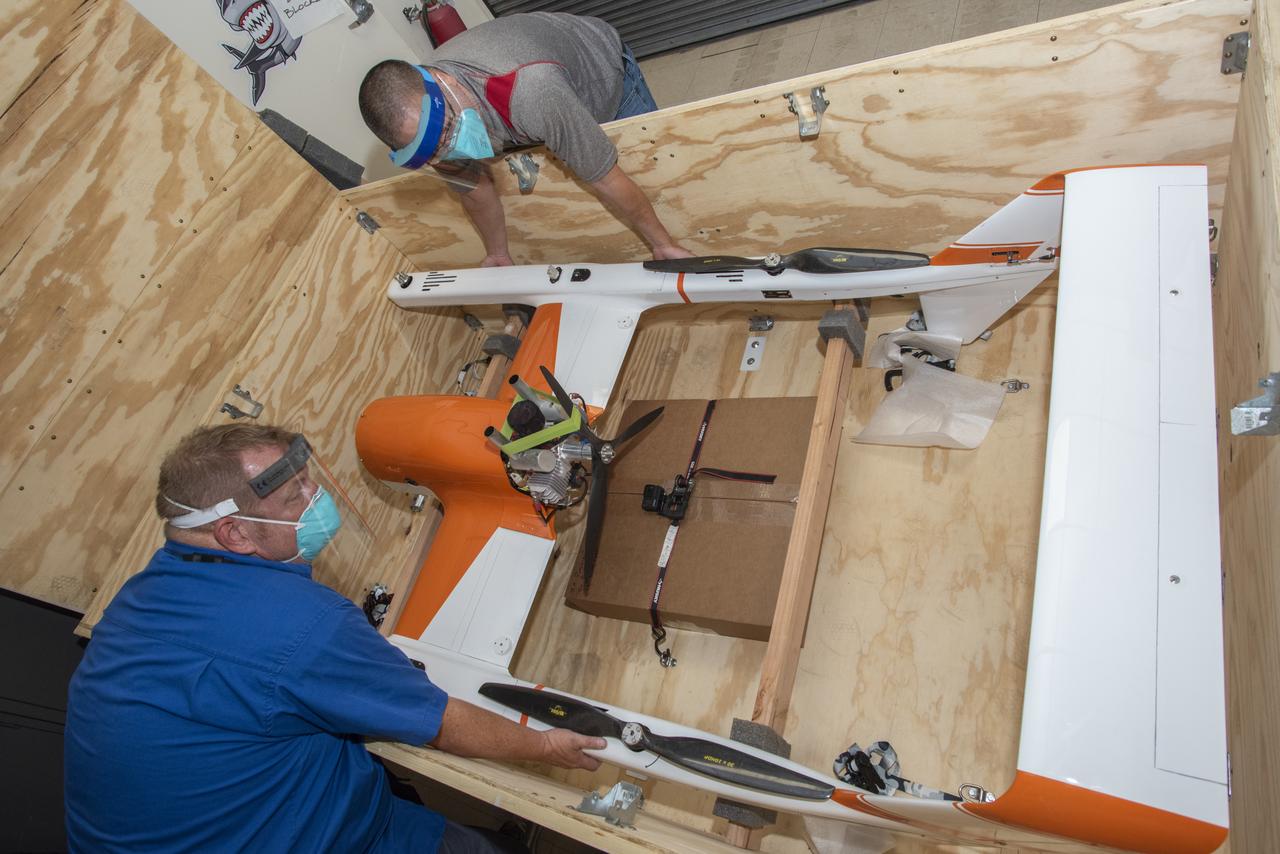
Derek Abramson and Robert Jensen unload the Hybrid Quadrotor 90C (HQ-90) at NASA Armstrong Flight Research Center’s Dale Reed Subscale Flight Research Lab in California on Oct. 1, 2020. The Resilient Autonomy project will use the vertical lift and transition remotely piloted aircraft for software testing at NASA Armstrong.