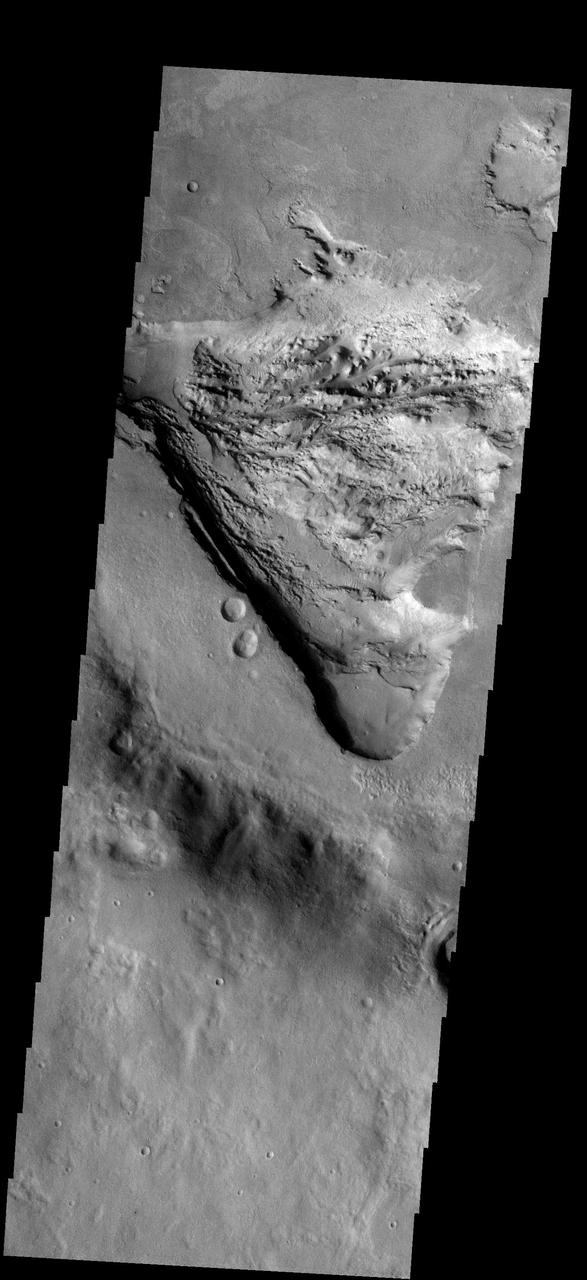
Fill/Remove
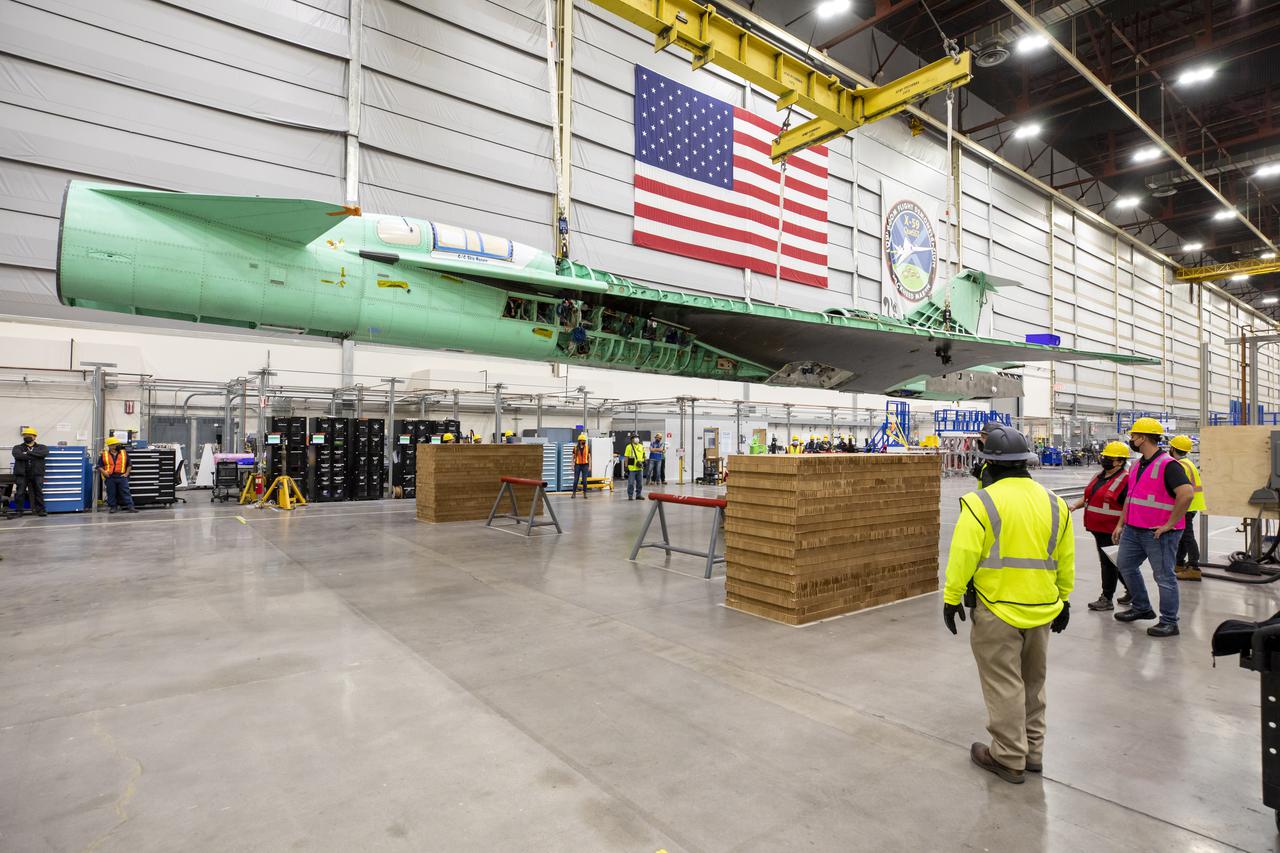
The X-59 is free from its structural support jig for the first time. In this image, cranes are holding up the aircraft prior to placement on the floor jacks. Notice that the nose has been removed temporarily — it will be reinstalled again before the upcoming structural testing. Lockheed Martin Photography By Garry Tice 1011 Lockheed Way, Palmdale, Ca. 93599 Event: Removal From Tooling Jig Date: 10/27/2021 Additional Info:
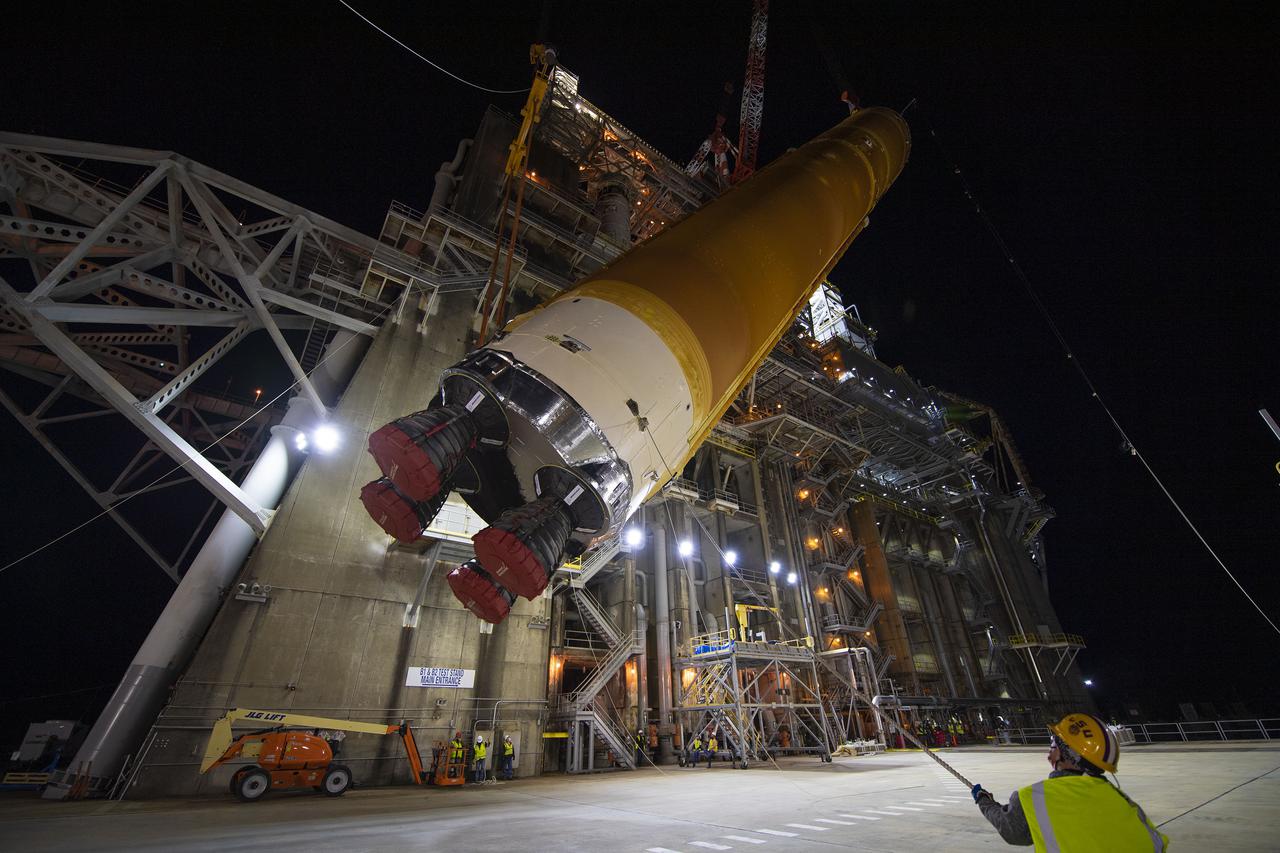
Following a successful Green Run hot fire at NASA’s Stennis Space Center near Bay St. Louis, Mississippi, on March 18, members of a blended team work April 19-20 to remove the first core stage of the agency’s Space Launch System (SLS) rocket from the B-2 Test Stand. The work required crews to lift the core stage from its vertical placement in the stand and lower it to a horizontal position on the B-2 Test Stand tarmac. The stage now will be loaded on NASA’s Pegasus barge for transport to Kennedy, where it will be prepared for launch of the Artemis I mission. Removal of the largest rocket stage ever built by NASA followed completion of a series of eight Green Run tests over the past year. During the Green Run series, teams performed a comprehensive test of the stand’s sophisticated and integrated systems. Photo Credit: NASA
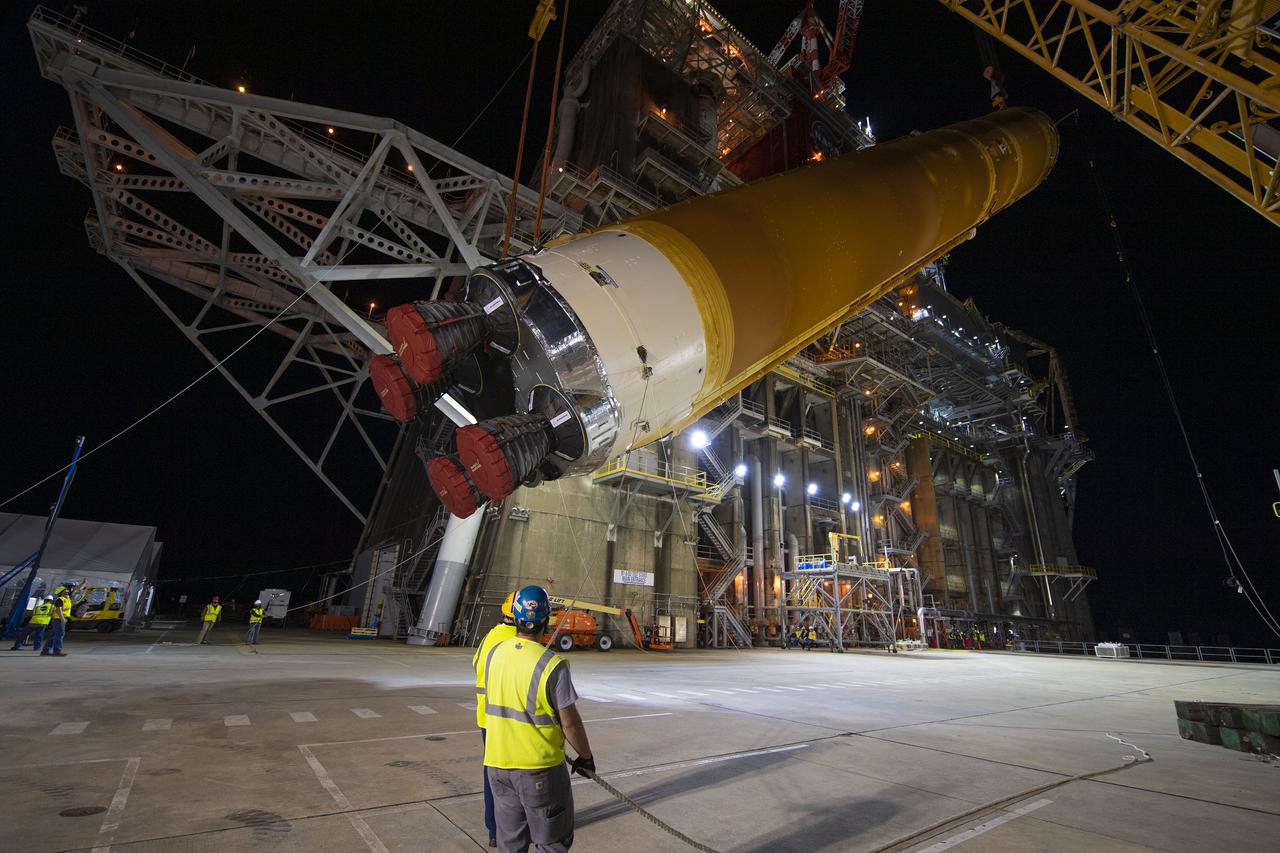
Following a successful Green Run hot fire at NASA’s Stennis Space Center near Bay St. Louis, Mississippi, on March 18, members of a blended team work April 19-20 to remove the first core stage of the agency’s Space Launch System (SLS) rocket from the B-2 Test Stand. The work required crews to lift the core stage from its vertical placement in the stand and lower it to a horizontal position on the B-2 Test Stand tarmac. The stage now will be loaded on NASA’s Pegasus barge for transport to Kennedy, where it will be prepared for launch of the Artemis I mission. Removal of the largest rocket stage ever built by NASA followed completion of a series of eight Green Run tests over the past year. During the Green Run series, teams performed a comprehensive test of the stand’s sophisticated and integrated systems. Photo Credit: NASA
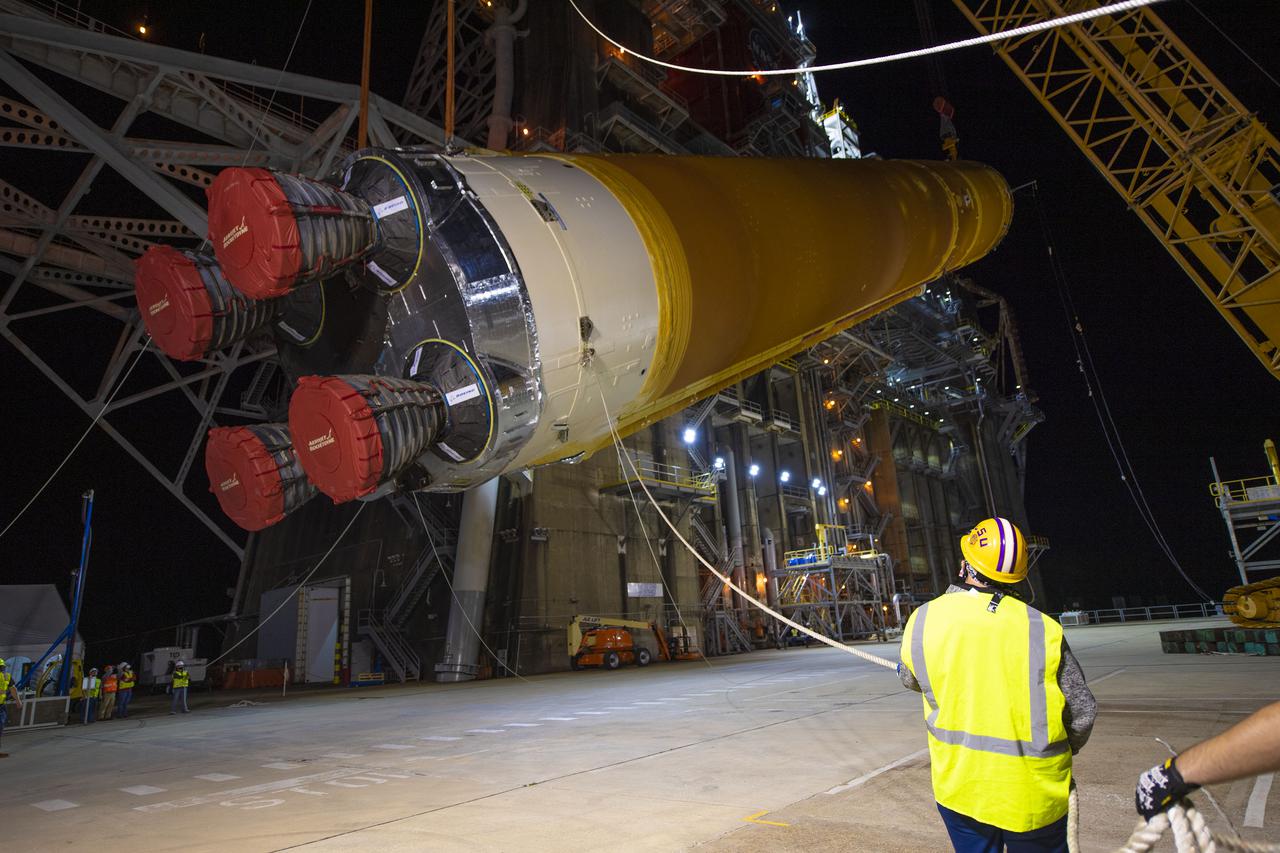
Following a successful Green Run hot fire at NASA’s Stennis Space Center near Bay St. Louis, Mississippi, on March 18, members of a blended team work April 19-20 to remove the first core stage of the agency’s Space Launch System (SLS) rocket from the B-2 Test Stand. The work required crews to lift the core stage from its vertical placement in the stand and lower it to a horizontal position on the B-2 Test Stand tarmac. The stage now will be loaded on NASA’s Pegasus barge for transport to Kennedy, where it will be prepared for launch of the Artemis I mission. Removal of the largest rocket stage ever built by NASA followed completion of a series of eight Green Run tests over the past year. During the Green Run series, teams performed a comprehensive test of the stand’s sophisticated and integrated systems. Photo Credit: NASA
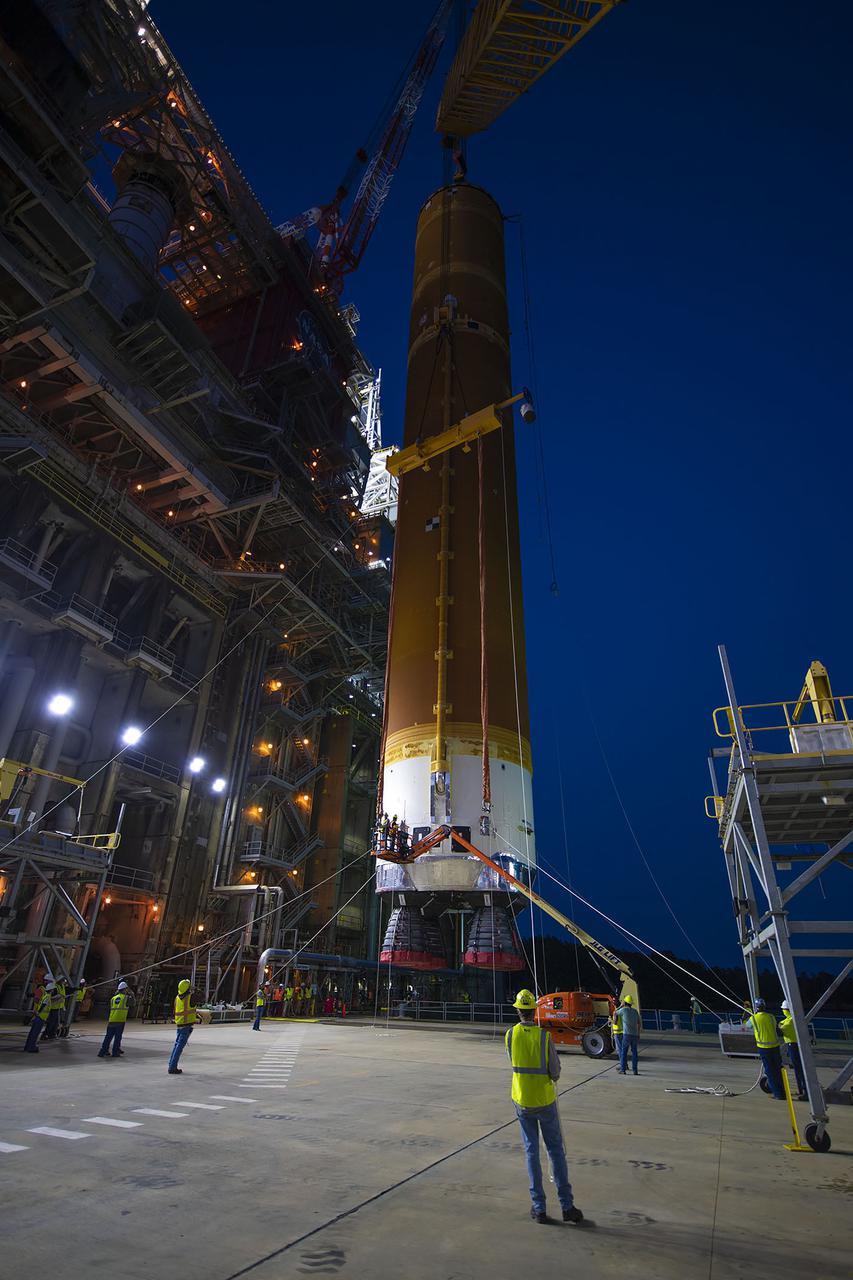
Following a successful Green Run hot fire at NASA’s Stennis Space Center near Bay St. Louis, Mississippi, on March 18, members of a blended team work April 19-20 to remove the first core stage of the agency’s Space Launch System (SLS) rocket from the B-2 Test Stand. The work required crews to lift the core stage from its vertical placement in the stand and lower it to a horizontal position on the B-2 Test Stand tarmac. The stage now will be loaded on NASA’s Pegasus barge for transport to Kennedy, where it will be prepared for launch of the Artemis I mission. Removal of the largest rocket stage ever built by NASA followed completion of a series of eight Green Run tests over the past year. During the Green Run series, teams performed a comprehensive test of the stand’s sophisticated and integrated systems. Photo Credit: NASA
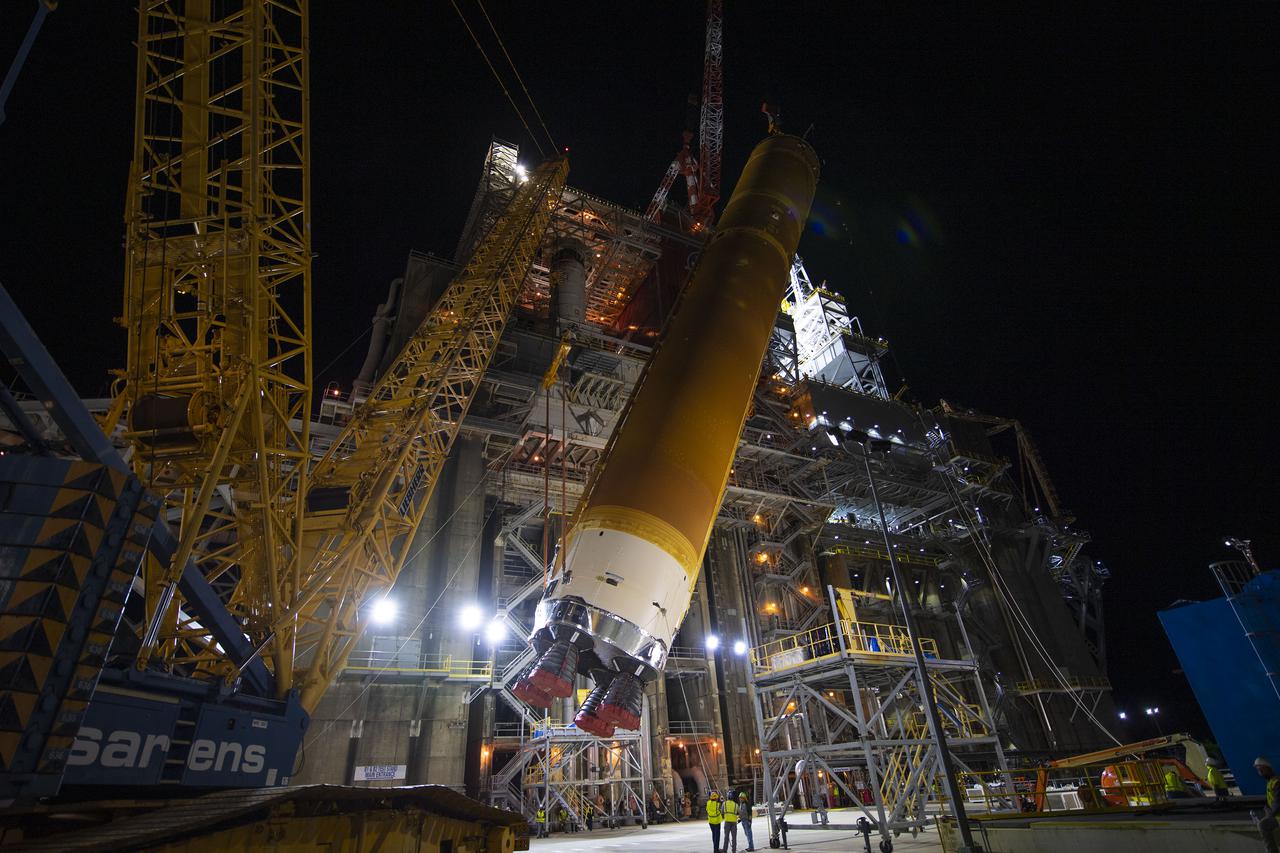
Following a successful Green Run hot fire at NASA’s Stennis Space Center near Bay St. Louis, Mississippi, on March 18, members of a blended team work April 19-20 to remove the first core stage of the agency’s Space Launch System (SLS) rocket from the B-2 Test Stand. The work required crews to lift the core stage from its vertical placement in the stand and lower it to a horizontal position on the B-2 Test Stand tarmac. The stage now will be loaded on NASA’s Pegasus barge for transport to Kennedy, where it will be prepared for launch of the Artemis I mission. Removal of the largest rocket stage ever built by NASA followed completion of a series of eight Green Run tests over the past year. During the Green Run series, teams performed a comprehensive test of the stand’s sophisticated and integrated systems. Photo Credit: NASA
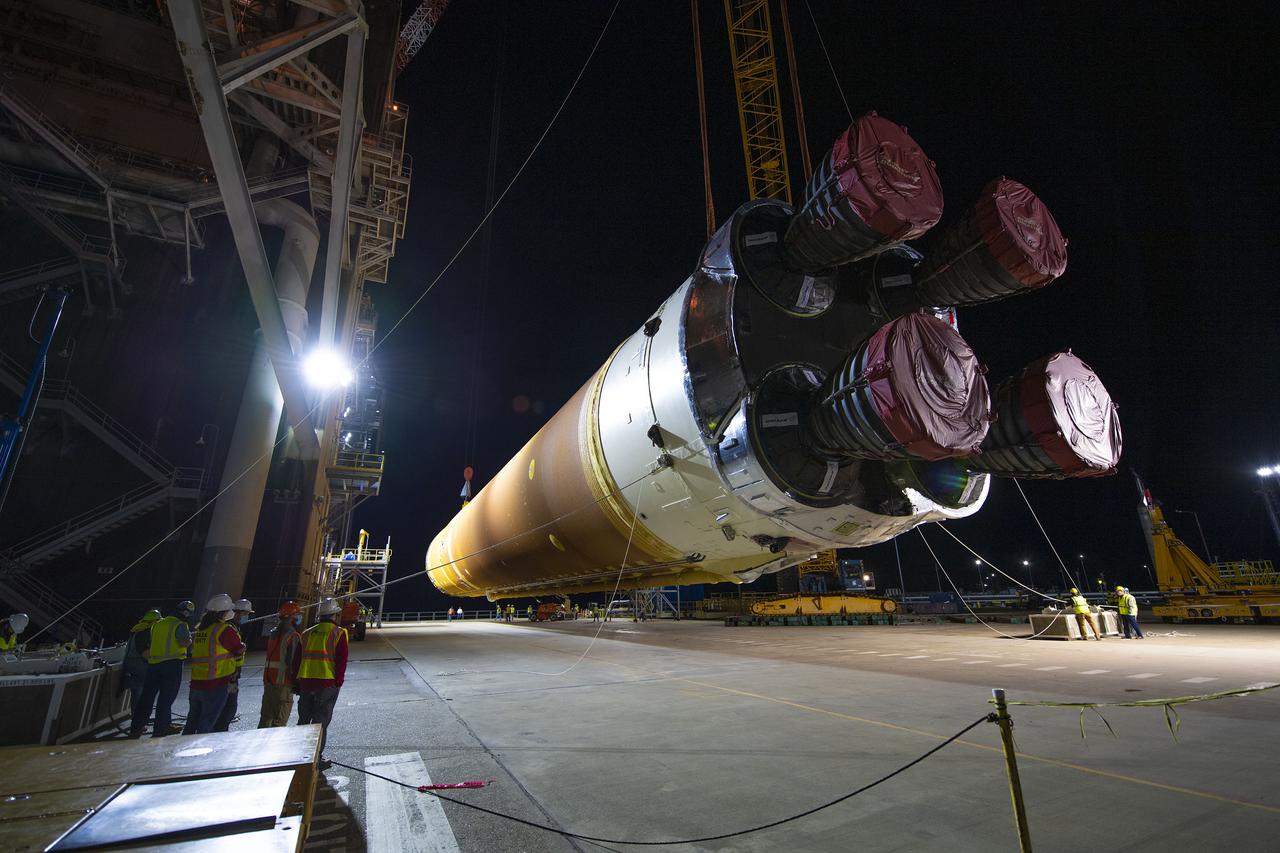
Following a successful Green Run hot fire at NASA’s Stennis Space Center near Bay St. Louis, Mississippi, on March 18, members of a blended team work April 19-20 to remove the first core stage of the agency’s Space Launch System (SLS) rocket from the B-2 Test Stand. The work required crews to lift the core stage from its vertical placement in the stand and lower it to a horizontal position on the B-2 Test Stand tarmac. The stage now will be loaded on NASA’s Pegasus barge for transport to Kennedy, where it will be prepared for launch of the Artemis I mission. Removal of the largest rocket stage ever built by NASA followed completion of a series of eight Green Run tests over the past year. During the Green Run series, teams performed a comprehensive test of the stand’s sophisticated and integrated systems. Photo Credit: NASA

Following a successful Green Run hot fire at NASA’s Stennis Space Center near Bay St. Louis, Mississippi, on March 18, members of a blended team work April 19-20 to remove the first core stage of the agency’s Space Launch System (SLS) rocket from the B-2 Test Stand. The work required crews to lift the core stage from its vertical placement in the stand and lower it to a horizontal position on the B-2 Test Stand tarmac. The stage now will be loaded on NASA’s Pegasus barge for transport to Kennedy, where it will be prepared for launch of the Artemis I mission. Removal of the largest rocket stage ever built by NASA followed completion of a series of eight Green Run tests over the past year. During the Green Run series, teams performed a comprehensive test of the stand’s sophisticated and integrated systems. Photo Credit: NASA
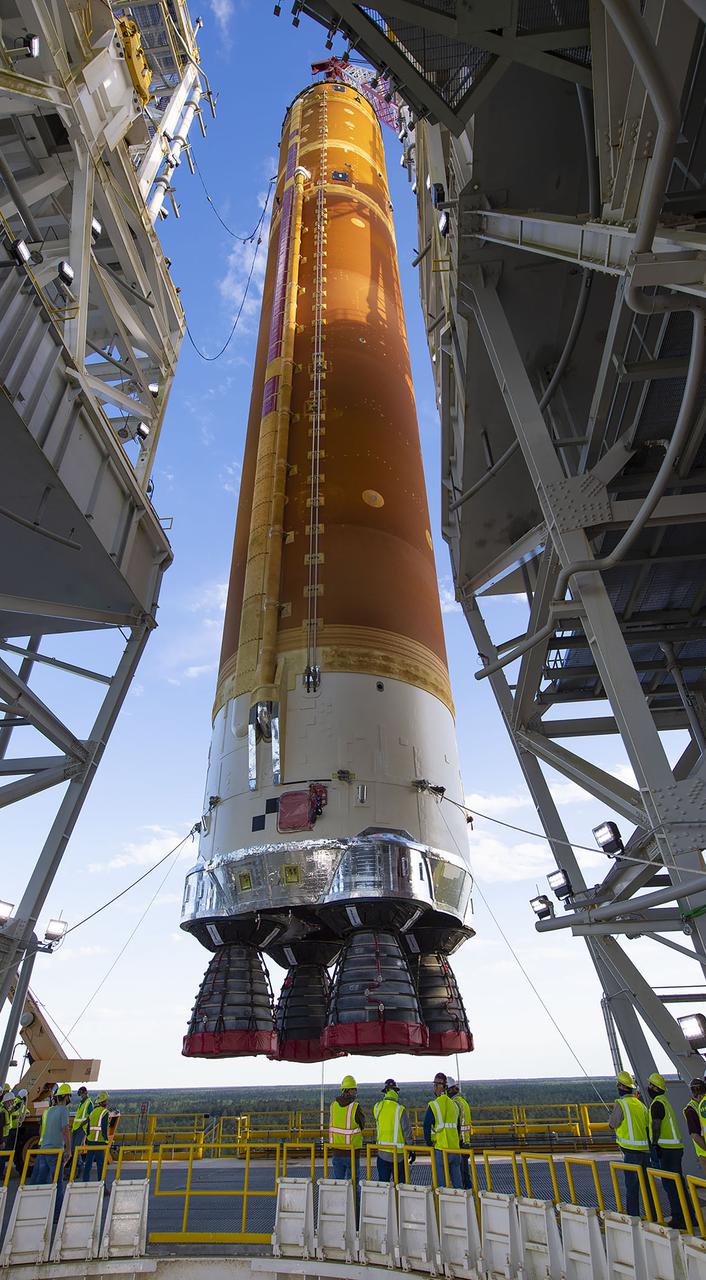
Following a successful Green Run hot fire at NASA’s Stennis Space Center near Bay St. Louis, Mississippi, on March 18, members of a blended team work April 19-20 to remove the first core stage of the agency’s Space Launch System (SLS) rocket from the B-2 Test Stand. The work required crews to lift the core stage from its vertical placement in the stand and lower it to a horizontal position on the B-2 Test Stand tarmac. The stage now will be loaded on NASA’s Pegasus barge for transport to Kennedy, where it will be prepared for launch of the Artemis I mission. Removal of the largest rocket stage ever built by NASA followed completion of a series of eight Green Run tests over the past year. During the Green Run series, teams performed a comprehensive test of the stand’s sophisticated and integrated systems. Photo Credit: NASA
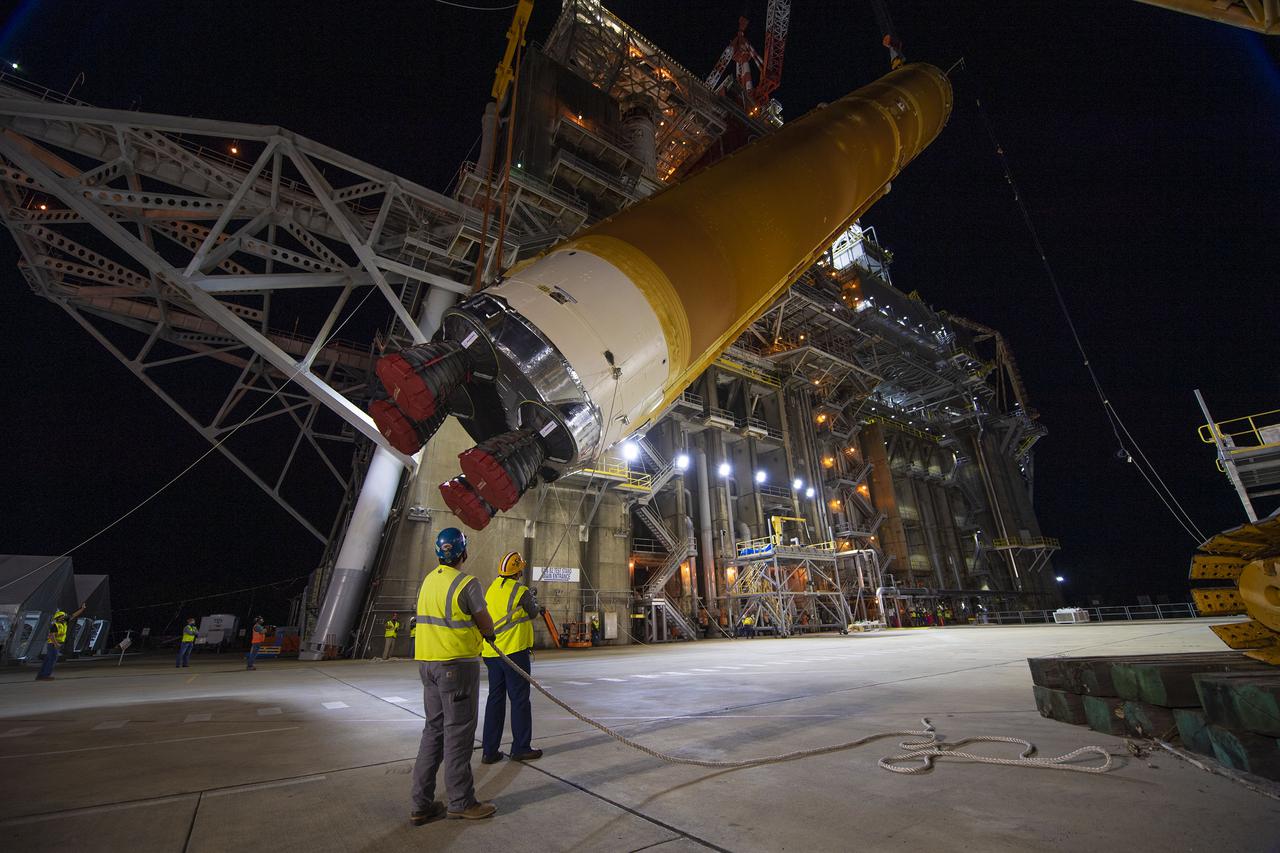
Following a successful Green Run hot fire at NASA’s Stennis Space Center near Bay St. Louis, Mississippi, on March 18, members of a blended team work April 19-20 to remove the first core stage of the agency’s Space Launch System (SLS) rocket from the B-2 Test Stand. The work required crews to lift the core stage from its vertical placement in the stand and lower it to a horizontal position on the B-2 Test Stand tarmac. The stage now will be loaded on NASA’s Pegasus barge for transport to Kennedy, where it will be prepared for launch of the Artemis I mission. Removal of the largest rocket stage ever built by NASA followed completion of a series of eight Green Run tests over the past year. During the Green Run series, teams performed a comprehensive test of the stand’s sophisticated and integrated systems. Photo Credit: NASA
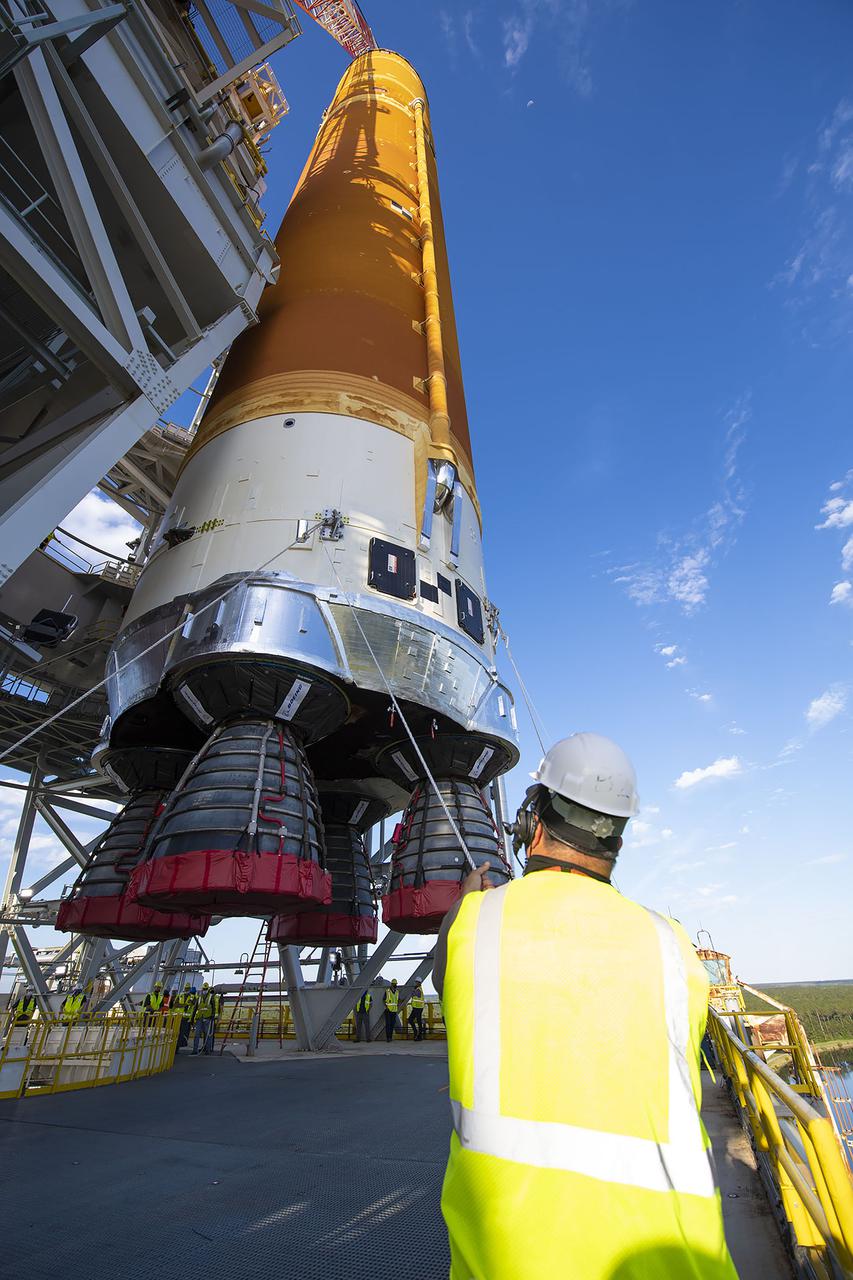
Following a successful Green Run hot fire at NASA’s Stennis Space Center near Bay St. Louis, Mississippi, on March 18, members of a blended team work April 19-20 to remove the first core stage of the agency’s Space Launch System (SLS) rocket from the B-2 Test Stand. The work required crews to lift the core stage from its vertical placement in the stand and lower it to a horizontal position on the B-2 Test Stand tarmac. The stage now will be loaded on NASA’s Pegasus barge for transport to Kennedy, where it will be prepared for launch of the Artemis I mission. Removal of the largest rocket stage ever built by NASA followed completion of a series of eight Green Run tests over the past year. During the Green Run series, teams performed a comprehensive test of the stand’s sophisticated and integrated systems. Photo Credit: NASA
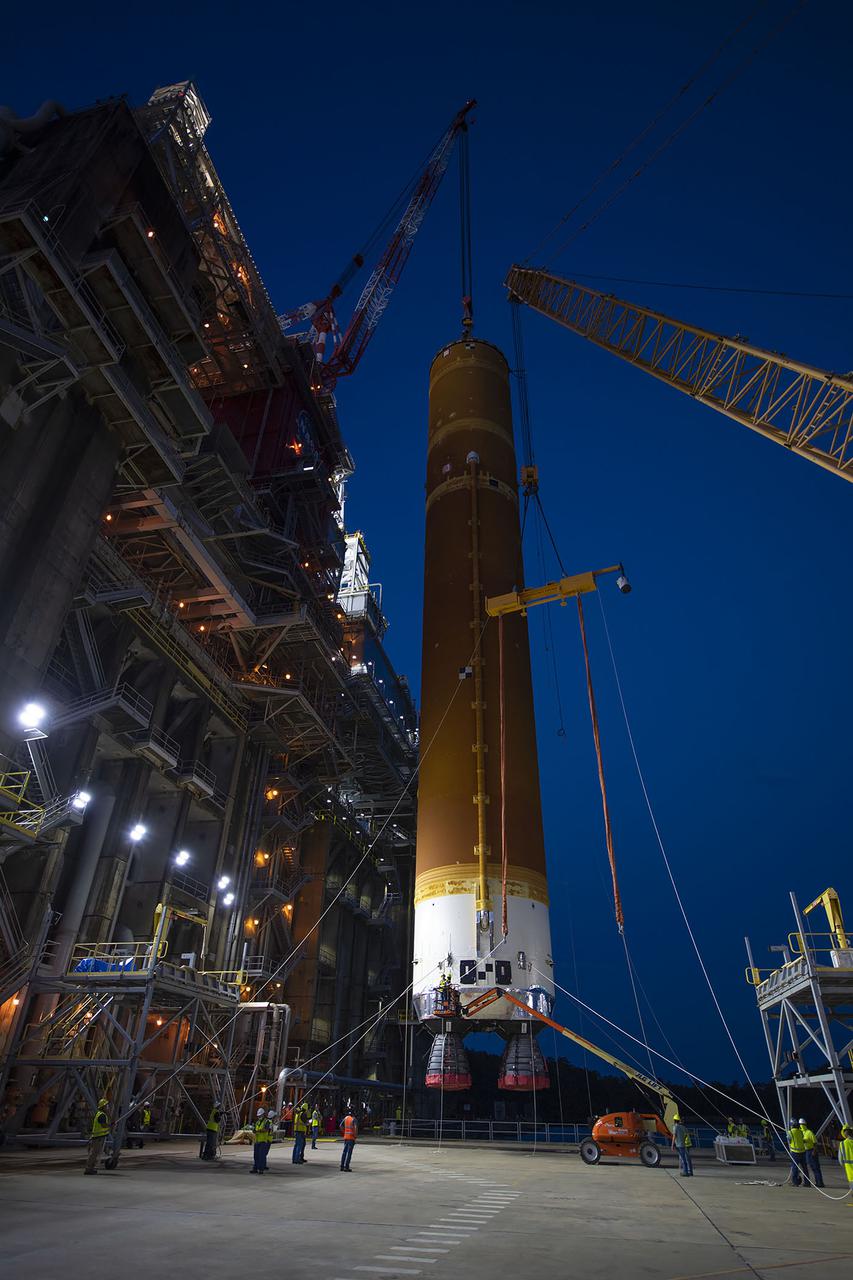
Following a successful Green Run hot fire at NASA’s Stennis Space Center near Bay St. Louis, Mississippi, on March 18, members of a blended team work April 19-20 to remove the first core stage of the agency’s Space Launch System (SLS) rocket from the B-2 Test Stand. The work required crews to lift the core stage from its vertical placement in the stand and lower it to a horizontal position on the B-2 Test Stand tarmac. The stage now will be loaded on NASA’s Pegasus barge for transport to Kennedy, where it will be prepared for launch of the Artemis I mission. Removal of the largest rocket stage ever built by NASA followed completion of a series of eight Green Run tests over the past year. During the Green Run series, teams performed a comprehensive test of the stand’s sophisticated and integrated systems. Photo Credit: NASA
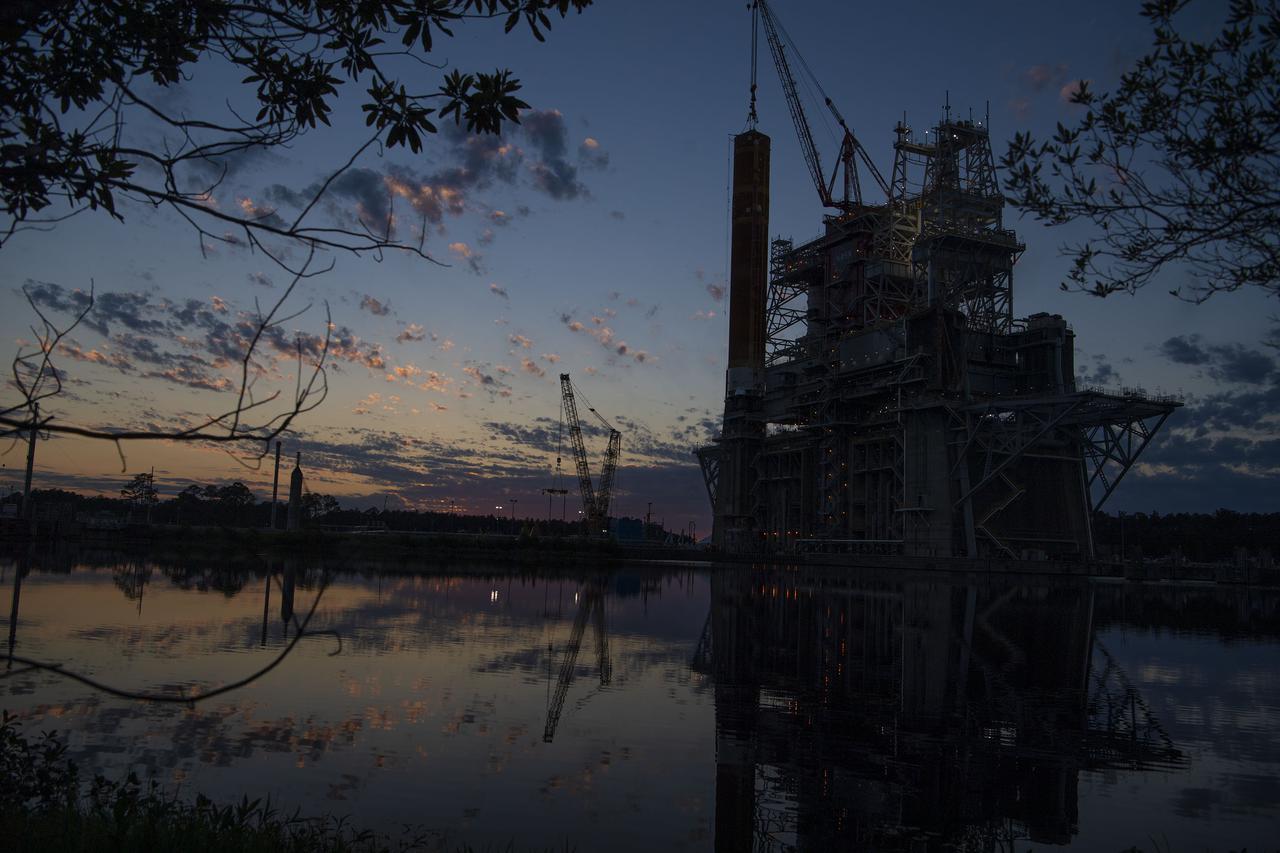
Following a successful Green Run hot fire at NASA’s Stennis Space Center near Bay St. Louis, Mississippi, on March 18, members of a blended team work April 19-20 to remove the first core stage of the agency’s Space Launch System (SLS) rocket from the B-2 Test Stand. The work required crews to lift the core stage from its vertical placement in the stand and lower it to a horizontal position on the B-2 Test Stand tarmac. The stage now will be loaded on NASA’s Pegasus barge for transport to Kennedy, where it will be prepared for launch of the Artemis I mission. Removal of the largest rocket stage ever built by NASA followed completion of a series of eight Green Run tests over the past year. During the Green Run series, teams performed a comprehensive test of the stand’s sophisticated and integrated systems. Photo Credit: NASA

Following a successful Green Run hot fire at NASA’s Stennis Space Center near Bay St. Louis, Mississippi, on March 18, members of a blended team work April 19-20 to remove the first core stage of the agency’s Space Launch System (SLS) rocket from the B-2 Test Stand. The work required crews to lift the core stage from its vertical placement in the stand and lower it to a horizontal position on the B-2 Test Stand tarmac. The stage now will be loaded on NASA’s Pegasus barge for transport to Kennedy, where it will be prepared for launch of the Artemis I mission. Removal of the largest rocket stage ever built by NASA followed completion of a series of eight Green Run tests over the past year. During the Green Run series, teams performed a comprehensive test of the stand’s sophisticated and integrated systems. Photo Credit: NASA
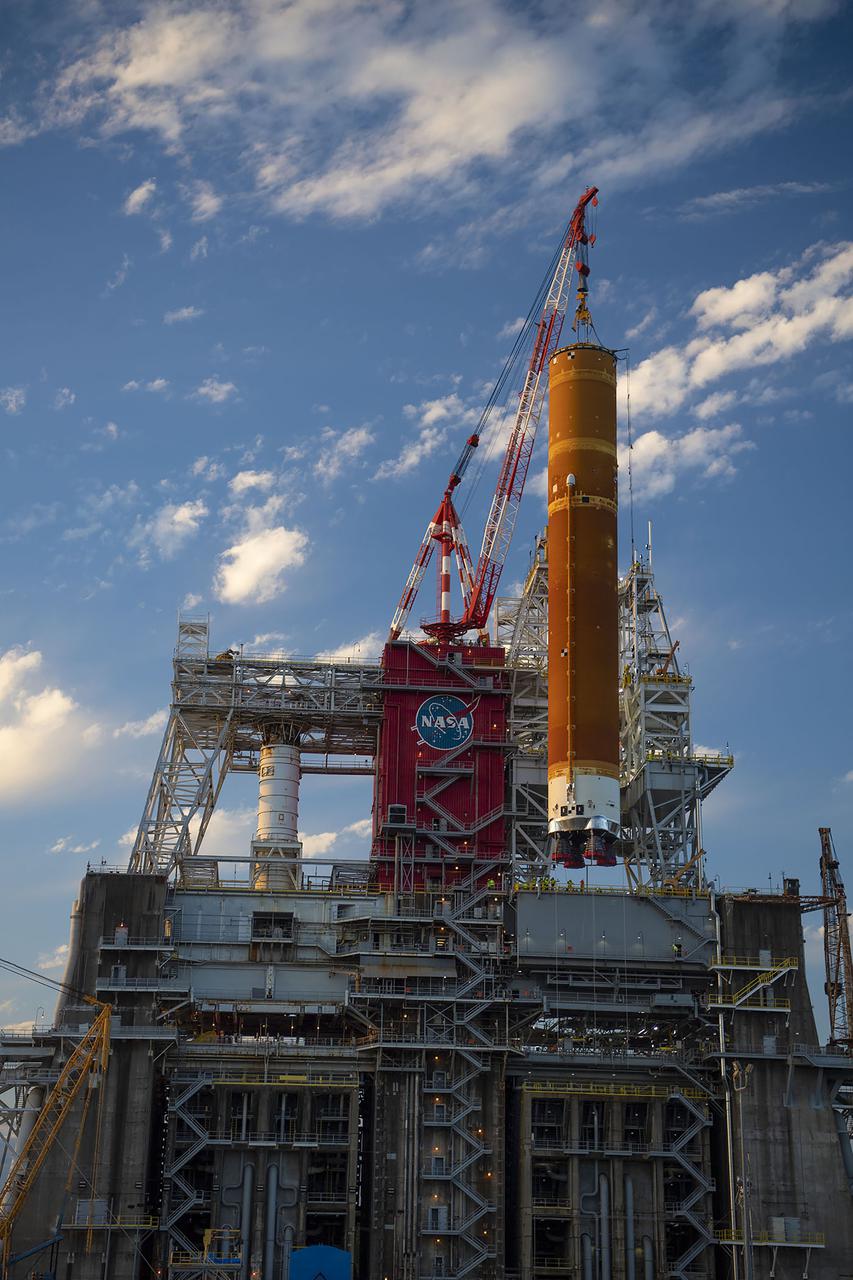
Following a successful Green Run hot fire at NASA’s Stennis Space Center near Bay St. Louis, Mississippi, on March 18, members of a blended team work April 19-20 to remove the first core stage of the agency’s Space Launch System (SLS) rocket from the B-2 Test Stand. The work required crews to lift the core stage from its vertical placement in the stand and lower it to a horizontal position on the B-2 Test Stand tarmac. The stage now will be loaded on NASA’s Pegasus barge for transport to Kennedy, where it will be prepared for launch of the Artemis I mission. Removal of the largest rocket stage ever built by NASA followed completion of a series of eight Green Run tests over the past year. During the Green Run series, teams performed a comprehensive test of the stand’s sophisticated and integrated systems. Photo Credit: NASA
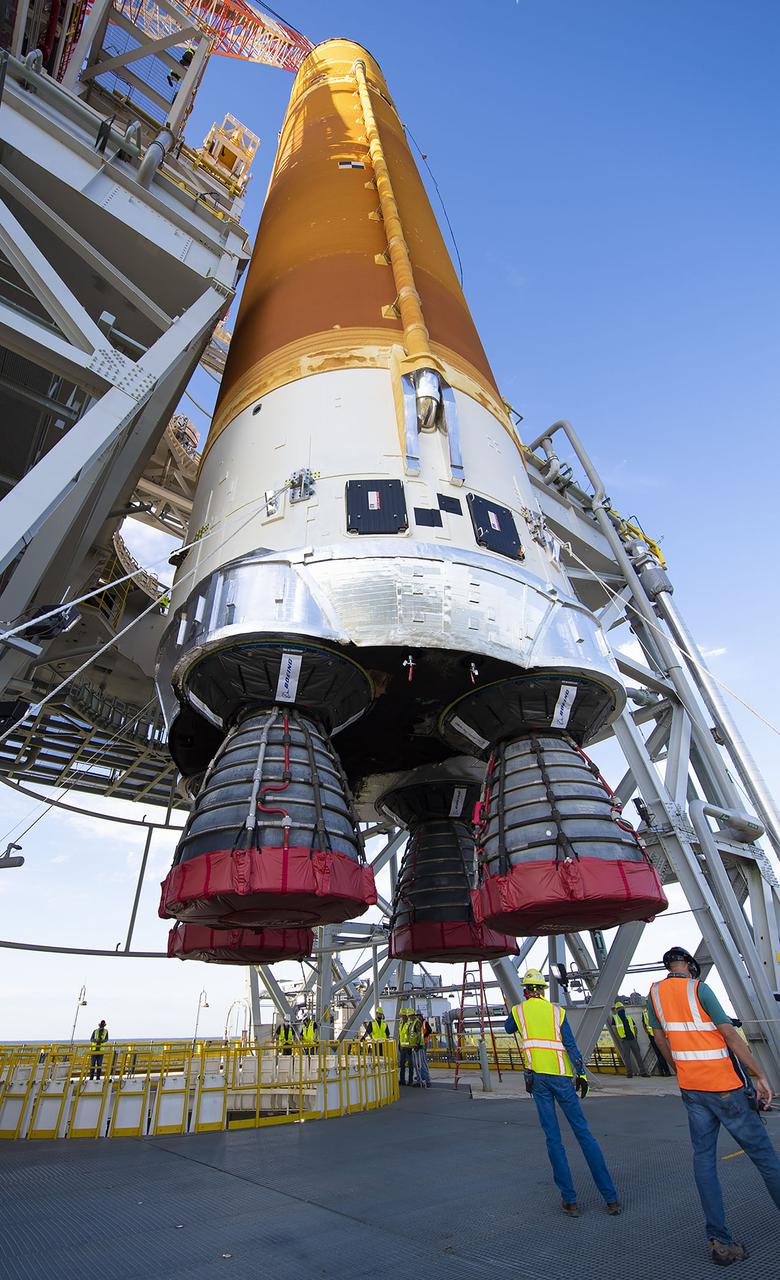
Following a successful Green Run hot fire at NASA’s Stennis Space Center near Bay St. Louis, Mississippi, on March 18, members of a blended team work April 19-20 to remove the first core stage of the agency’s Space Launch System (SLS) rocket from the B-2 Test Stand. The work required crews to lift the core stage from its vertical placement in the stand and lower it to a horizontal position on the B-2 Test Stand tarmac. The stage now will be loaded on NASA’s Pegasus barge for transport to Kennedy, where it will be prepared for launch of the Artemis I mission. Removal of the largest rocket stage ever built by NASA followed completion of a series of eight Green Run tests over the past year. During the Green Run series, teams performed a comprehensive test of the stand’s sophisticated and integrated systems. Photo Credit: NASA
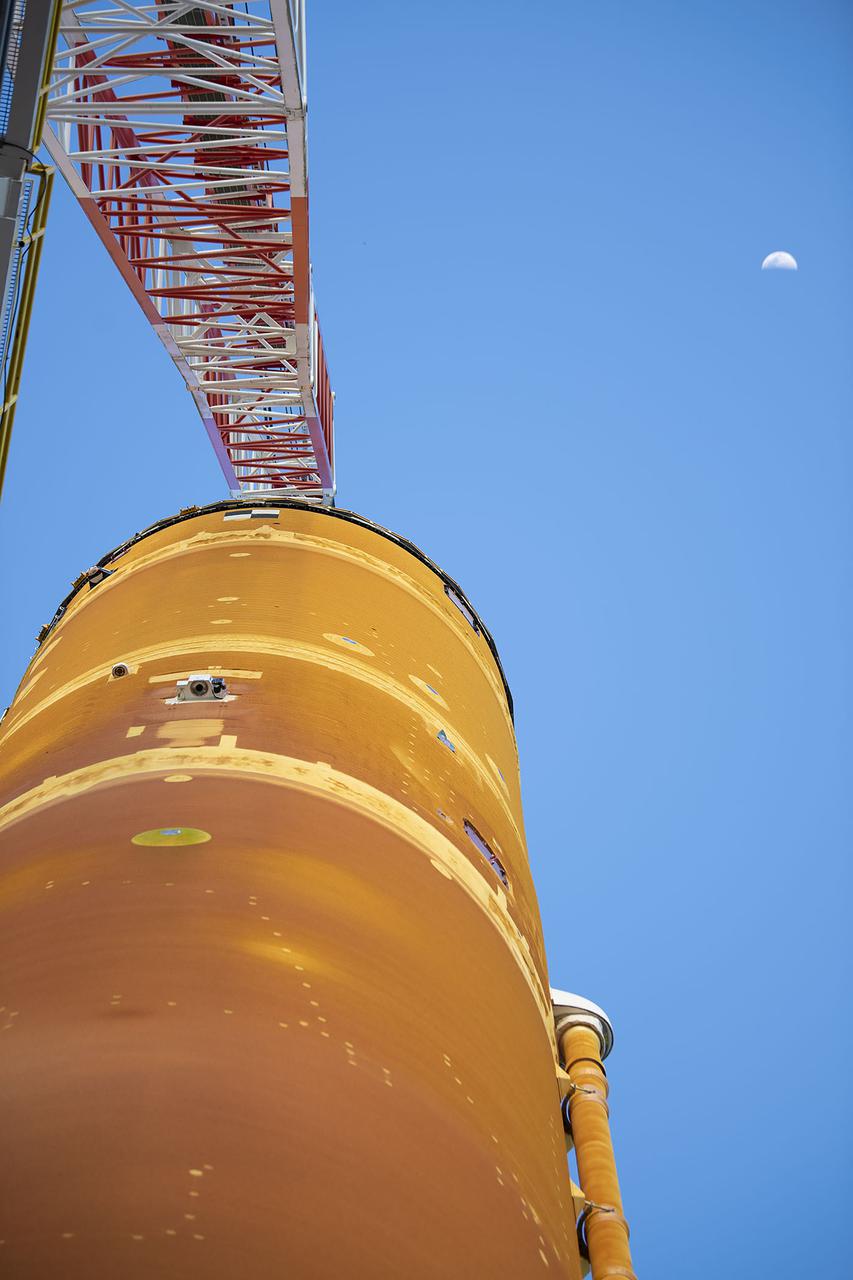
Following a successful Green Run hot fire at NASA’s Stennis Space Center near Bay St. Louis, Mississippi, on March 18, members of a blended team work April 19-20 to remove the first core stage of the agency’s Space Launch System (SLS) rocket from the B-2 Test Stand. The work required crews to lift the core stage from its vertical placement in the stand and lower it to a horizontal position on the B-2 Test Stand tarmac. The stage now will be loaded on NASA’s Pegasus barge for transport to Kennedy, where it will be prepared for launch of the Artemis I mission. Removal of the largest rocket stage ever built by NASA followed completion of a series of eight Green Run tests over the past year. During the Green Run series, teams performed a comprehensive test of the stand’s sophisticated and integrated systems. Photo Credit: NASA
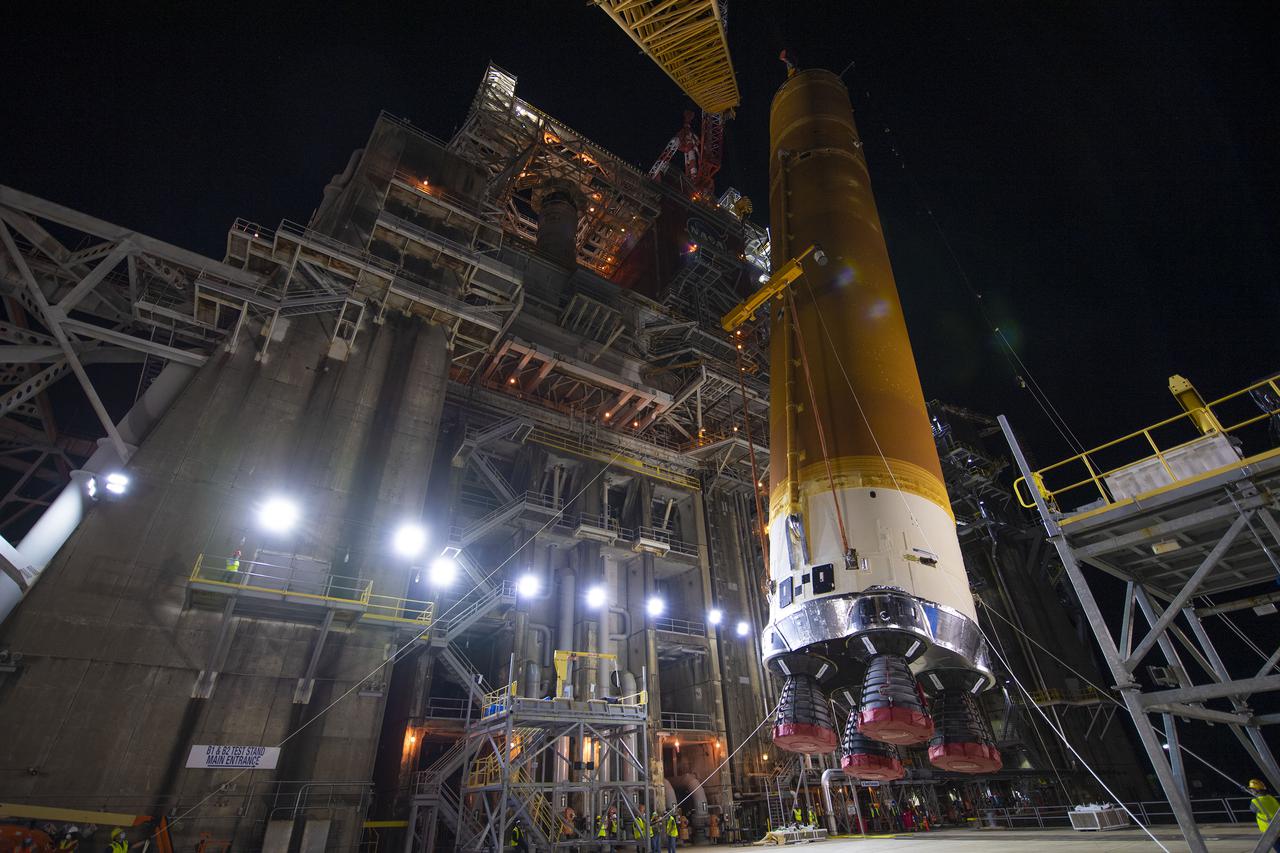
Following a successful Green Run hot fire at NASA’s Stennis Space Center near Bay St. Louis, Mississippi, on March 18, members of a blended team work April 19-20 to remove the first core stage of the agency’s Space Launch System (SLS) rocket from the B-2 Test Stand. The work required crews to lift the core stage from its vertical placement in the stand and lower it to a horizontal position on the B-2 Test Stand tarmac. The stage now will be loaded on NASA’s Pegasus barge for transport to Kennedy, where it will be prepared for launch of the Artemis I mission. Removal of the largest rocket stage ever built by NASA followed completion of a series of eight Green Run tests over the past year. During the Green Run series, teams performed a comprehensive test of the stand’s sophisticated and integrated systems. Photo Credit: NASA
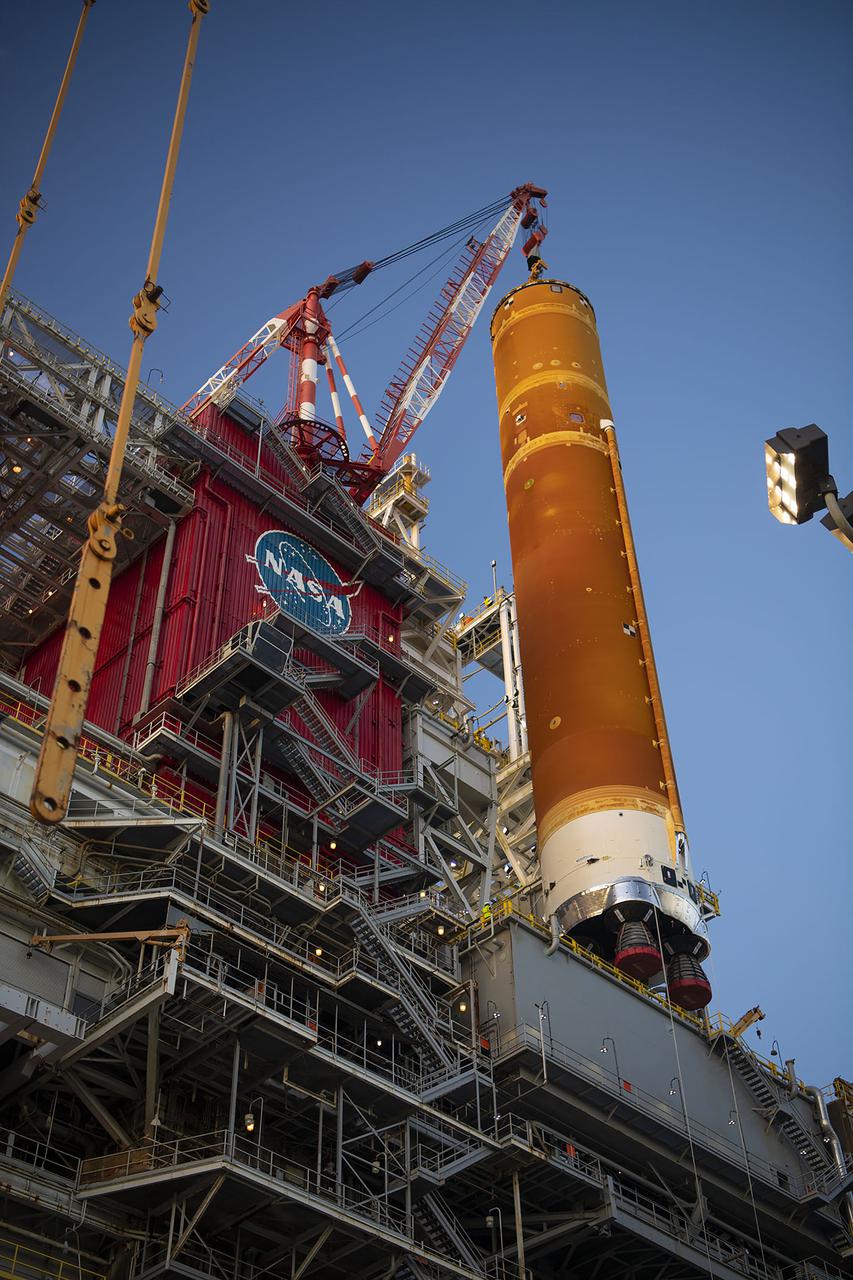
Following a successful Green Run hot fire at NASA’s Stennis Space Center near Bay St. Louis, Mississippi, on March 18, members of a blended team work April 19-20 to remove the first core stage of the agency’s Space Launch System (SLS) rocket from the B-2 Test Stand. The work required crews to lift the core stage from its vertical placement in the stand and lower it to a horizontal position on the B-2 Test Stand tarmac. The stage now will be loaded on NASA’s Pegasus barge for transport to Kennedy, where it will be prepared for launch of the Artemis I mission. Removal of the largest rocket stage ever built by NASA followed completion of a series of eight Green Run tests over the past year. During the Green Run series, teams performed a comprehensive test of the stand’s sophisticated and integrated systems. Photo Credit: NASA
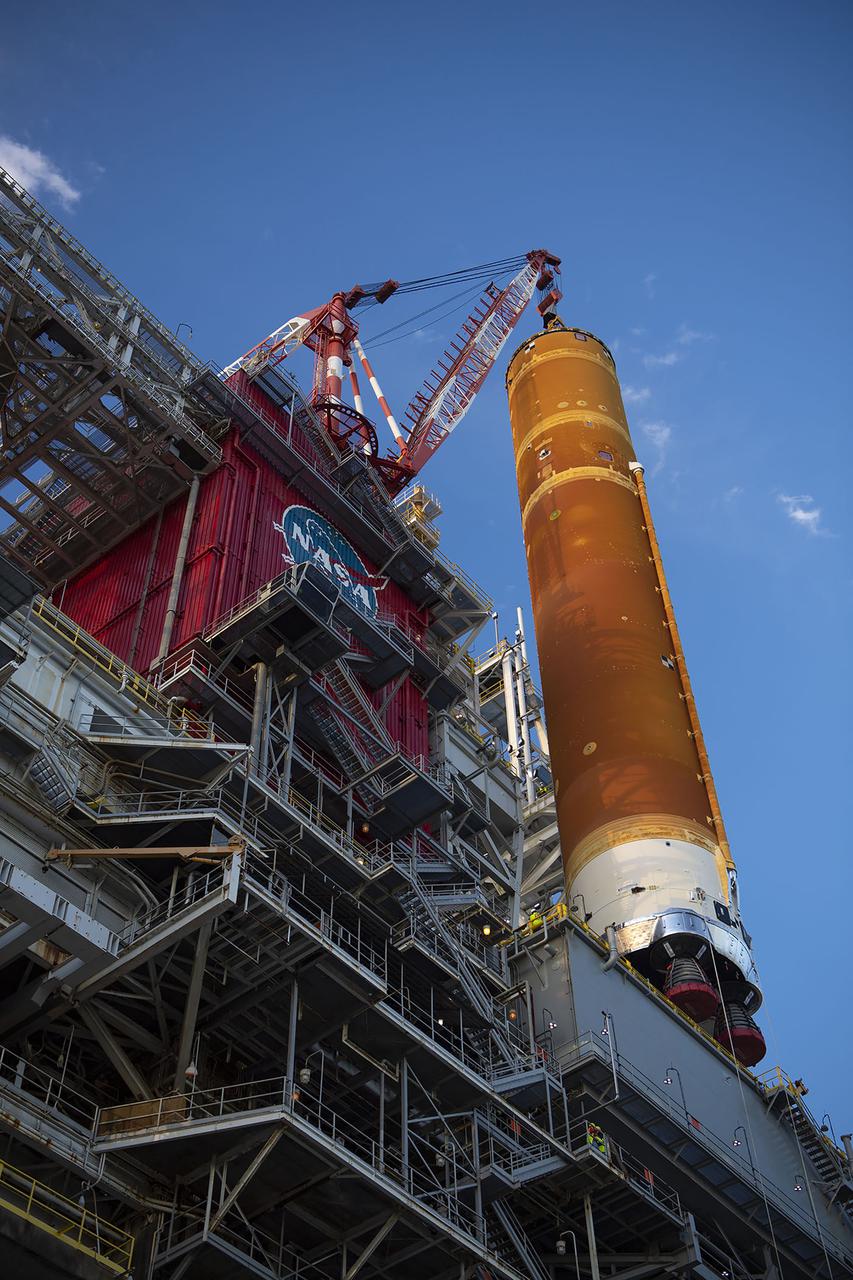
Following a successful Green Run hot fire at NASA’s Stennis Space Center near Bay St. Louis, Mississippi, on March 18, members of a blended team work April 19-20 to remove the first core stage of the agency’s Space Launch System (SLS) rocket from the B-2 Test Stand. The work required crews to lift the core stage from its vertical placement in the stand and lower it to a horizontal position on the B-2 Test Stand tarmac. The stage now will be loaded on NASA’s Pegasus barge for transport to Kennedy, where it will be prepared for launch of the Artemis I mission. Removal of the largest rocket stage ever built by NASA followed completion of a series of eight Green Run tests over the past year. During the Green Run series, teams performed a comprehensive test of the stand’s sophisticated and integrated systems. Photo Credit: NASA
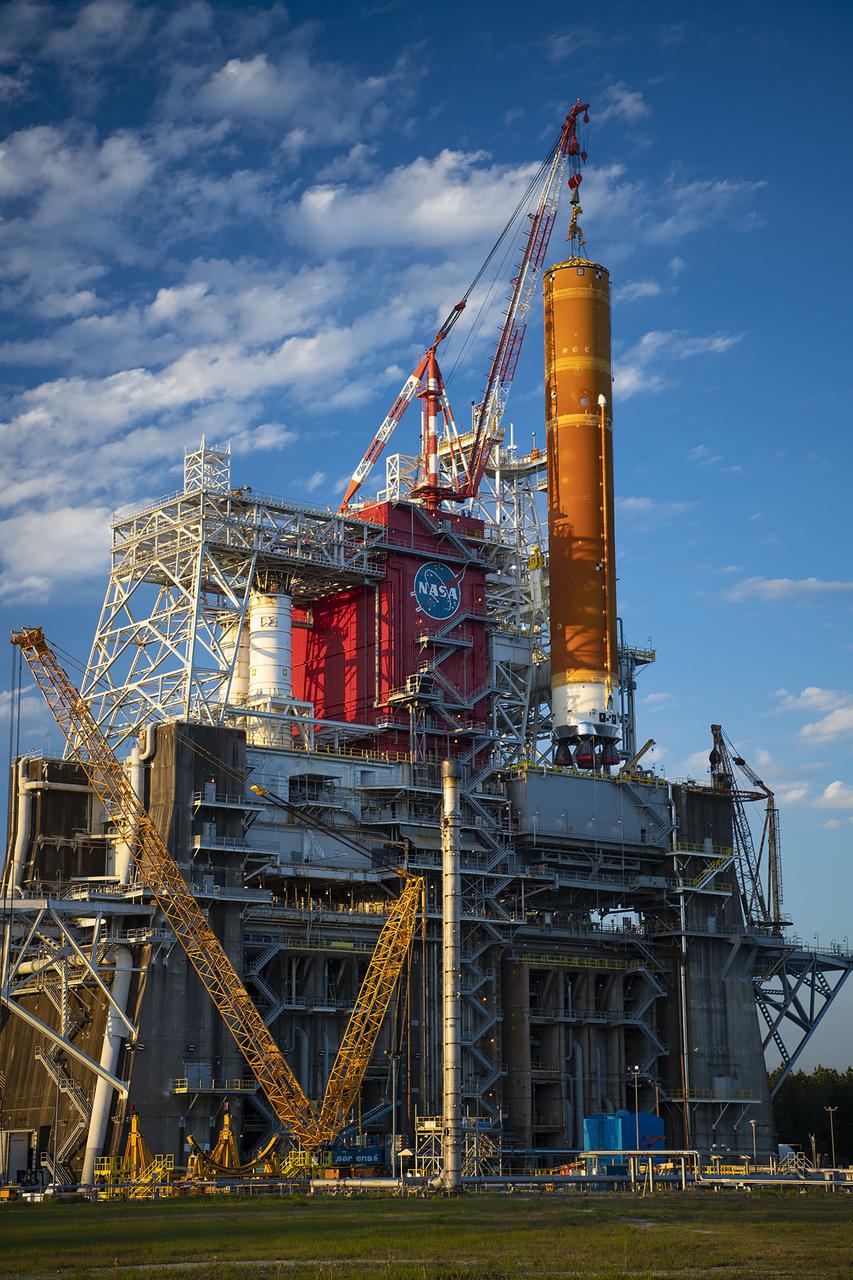
Following a successful Green Run hot fire at NASA’s Stennis Space Center near Bay St. Louis, Mississippi, on March 18, members of a blended team work April 19-20 to remove the first core stage of the agency’s Space Launch System (SLS) rocket from the B-2 Test Stand. The work required crews to lift the core stage from its vertical placement in the stand and lower it to a horizontal position on the B-2 Test Stand tarmac. The stage now will be loaded on NASA’s Pegasus barge for transport to Kennedy, where it will be prepared for launch of the Artemis I mission. Removal of the largest rocket stage ever built by NASA followed completion of a series of eight Green Run tests over the past year. During the Green Run series, teams performed a comprehensive test of the stand’s sophisticated and integrated systems. Photo Credit: NASA
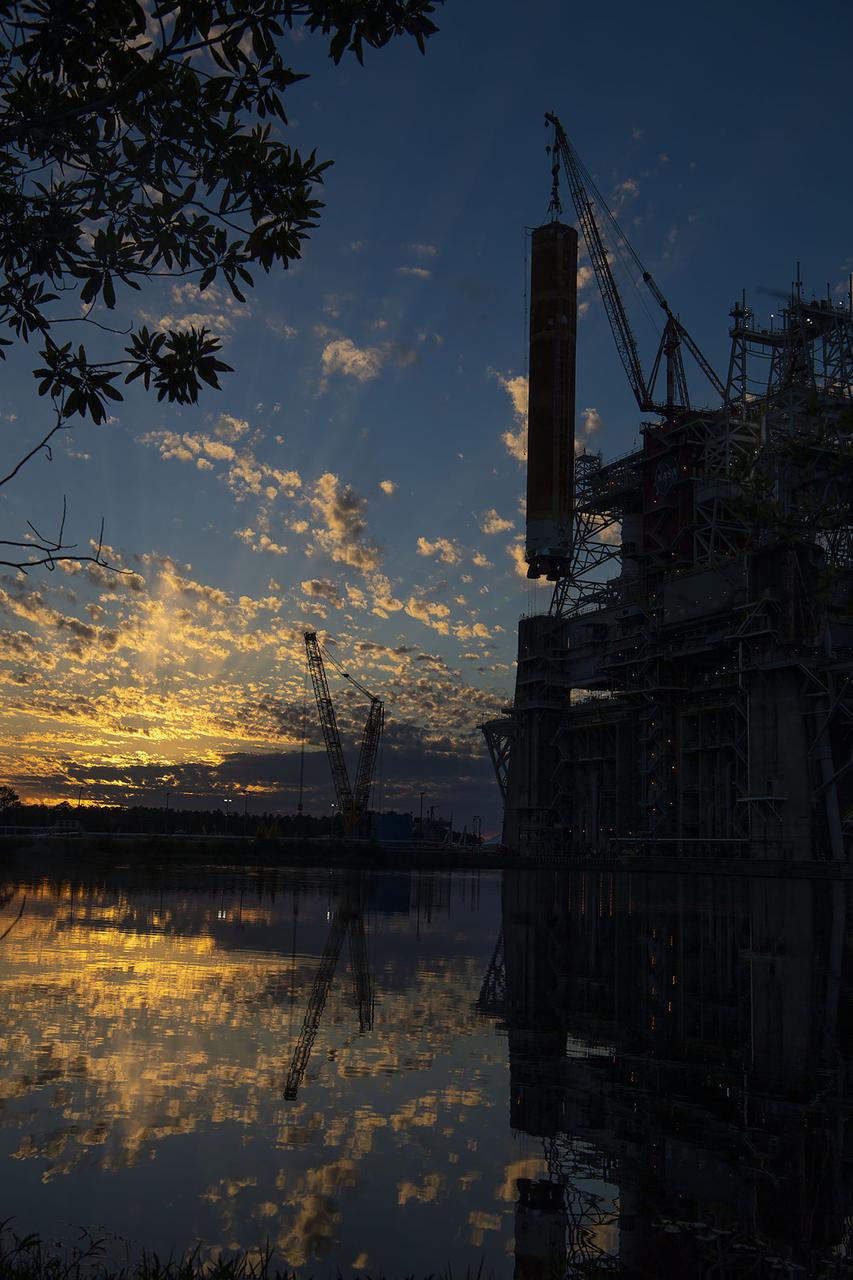
Following a successful Green Run hot fire at NASA’s Stennis Space Center near Bay St. Louis, Mississippi, on March 18, members of a blended team work April 19-20 to remove the first core stage of the agency’s Space Launch System (SLS) rocket from the B-2 Test Stand. The work required crews to lift the core stage from its vertical placement in the stand and lower it to a horizontal position on the B-2 Test Stand tarmac. The stage now will be loaded on NASA’s Pegasus barge for transport to Kennedy, where it will be prepared for launch of the Artemis I mission. Removal of the largest rocket stage ever built by NASA followed completion of a series of eight Green Run tests over the past year. During the Green Run series, teams performed a comprehensive test of the stand’s sophisticated and integrated systems. Photo Credit: NASA
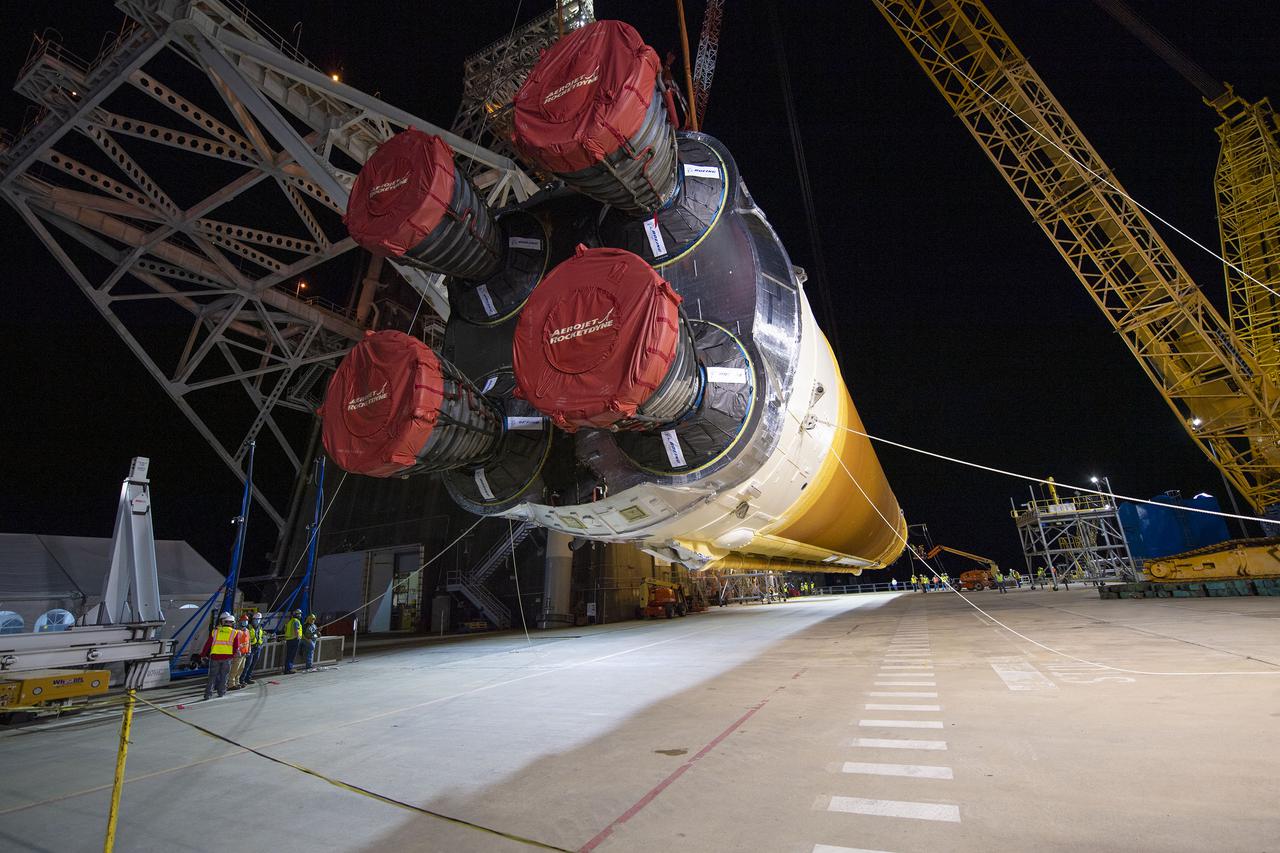
Following a successful Green Run hot fire at NASA’s Stennis Space Center near Bay St. Louis, Mississippi, on March 18, members of a blended team work April 19-20 to remove the first core stage of the agency’s Space Launch System (SLS) rocket from the B-2 Test Stand. The work required crews to lift the core stage from its vertical placement in the stand and lower it to a horizontal position on the B-2 Test Stand tarmac. The stage now will be loaded on NASA’s Pegasus barge for transport to Kennedy, where it will be prepared for launch of the Artemis I mission. Removal of the largest rocket stage ever built by NASA followed completion of a series of eight Green Run tests over the past year. During the Green Run series, teams performed a comprehensive test of the stand’s sophisticated and integrated systems. Photo Credit: NASA
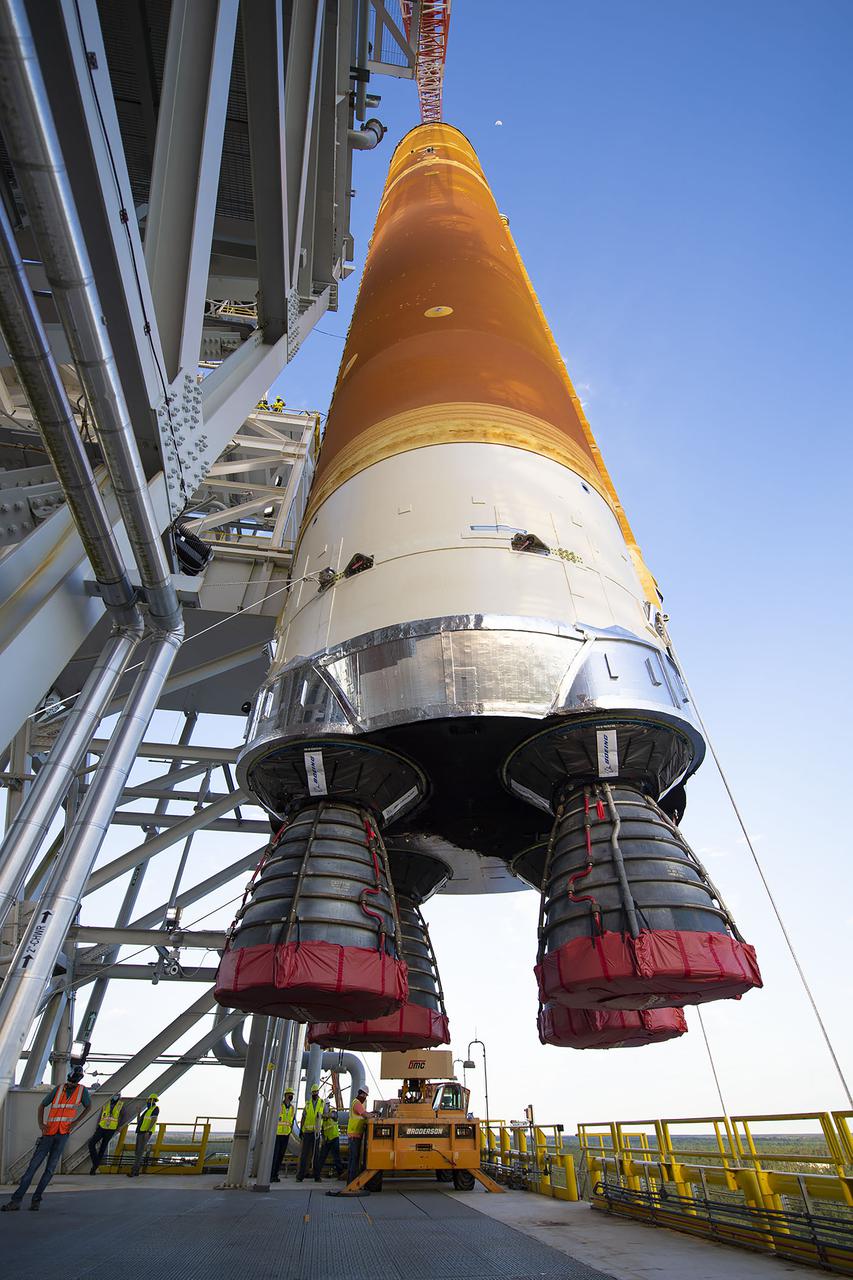
Following a successful Green Run hot fire at NASA’s Stennis Space Center near Bay St. Louis, Mississippi, on March 18, members of a blended team work April 19-20 to remove the first core stage of the agency’s Space Launch System (SLS) rocket from the B-2 Test Stand. The work required crews to lift the core stage from its vertical placement in the stand and lower it to a horizontal position on the B-2 Test Stand tarmac. The stage now will be loaded on NASA’s Pegasus barge for transport to Kennedy, where it will be prepared for launch of the Artemis I mission. Removal of the largest rocket stage ever built by NASA followed completion of a series of eight Green Run tests over the past year. During the Green Run series, teams performed a comprehensive test of the stand’s sophisticated and integrated systems. Photo Credit: NASA

Following a successful Green Run hot fire at NASA’s Stennis Space Center near Bay St. Louis, Mississippi, on March 18, members of a blended team work April 19-20 to remove the first core stage of the agency’s Space Launch System (SLS) rocket from the B-2 Test Stand. The work required crews to lift the core stage from its vertical placement in the stand and lower it to a horizontal position on the B-2 Test Stand tarmac. The stage now will be loaded on NASA’s Pegasus barge for transport to Kennedy, where it will be prepared for launch of the Artemis I mission. Removal of the largest rocket stage ever built by NASA followed completion of a series of eight Green Run tests over the past year. During the Green Run series, teams performed a comprehensive test of the stand’s sophisticated and integrated systems. Photo Credit: NASA
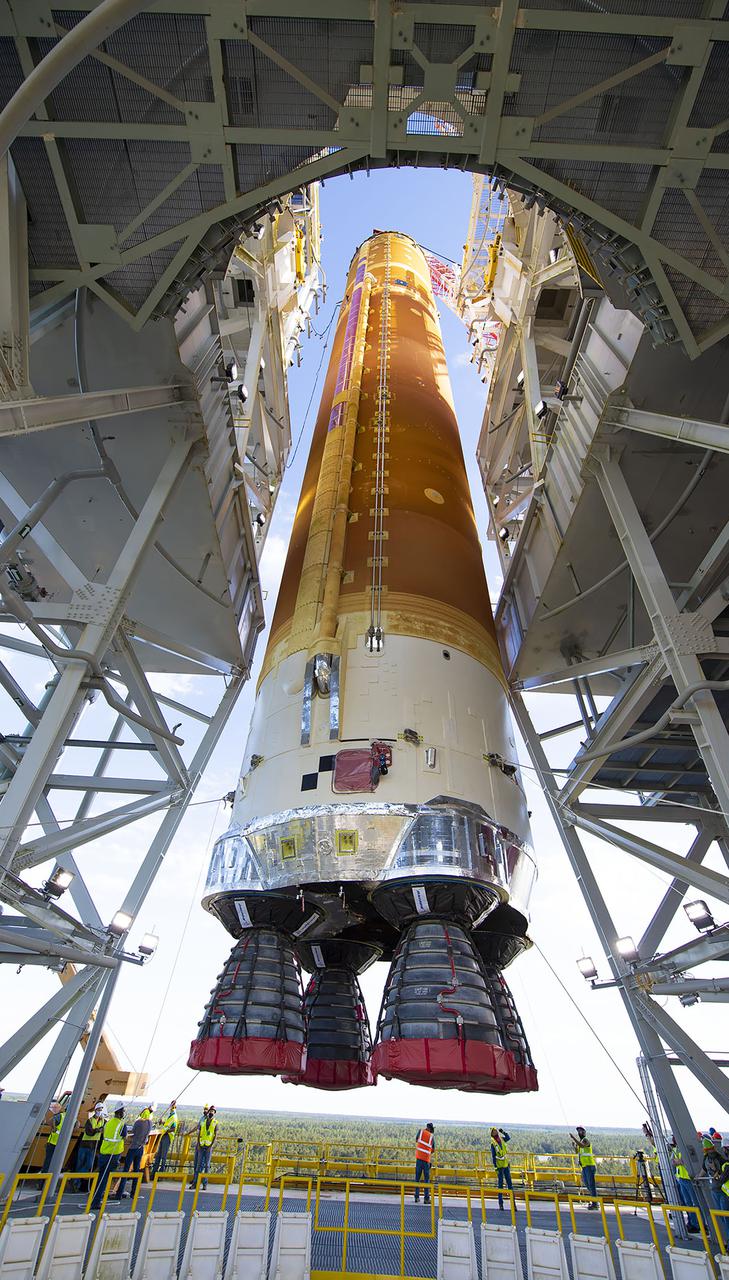
Following a successful Green Run hot fire at NASA’s Stennis Space Center near Bay St. Louis, Mississippi, on March 18, members of a blended team work April 19-20 to remove the first core stage of the agency’s Space Launch System (SLS) rocket from the B-2 Test Stand. The work required crews to lift the core stage from its vertical placement in the stand and lower it to a horizontal position on the B-2 Test Stand tarmac. The stage now will be loaded on NASA’s Pegasus barge for transport to Kennedy, where it will be prepared for launch of the Artemis I mission. Removal of the largest rocket stage ever built by NASA followed completion of a series of eight Green Run tests over the past year. During the Green Run series, teams performed a comprehensive test of the stand’s sophisticated and integrated systems. Photo Credit: NASA
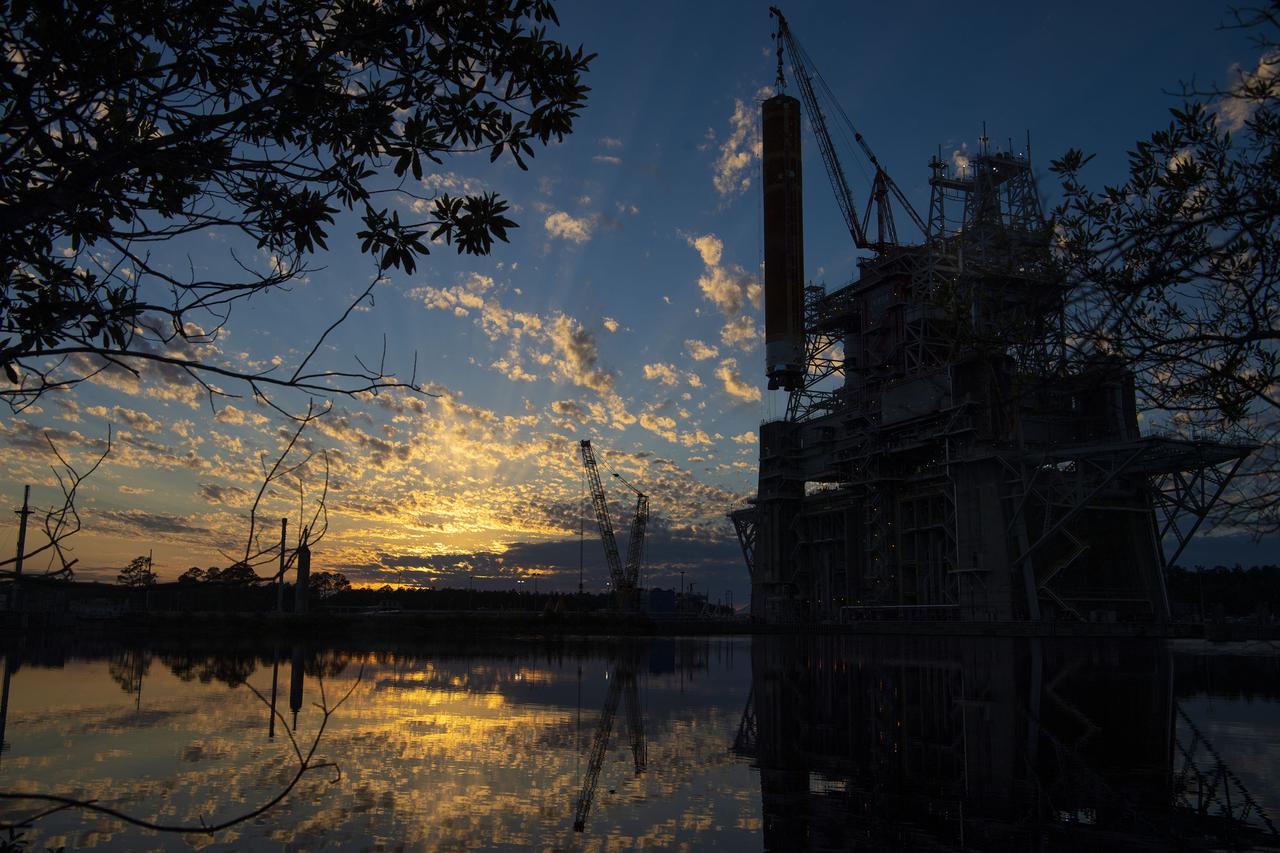
Following a successful Green Run hot fire at NASA’s Stennis Space Center near Bay St. Louis, Mississippi, on March 18, members of a blended team work April 19-20 to remove the first core stage of the agency’s Space Launch System (SLS) rocket from the B-2 Test Stand. The work required crews to lift the core stage from its vertical placement in the stand and lower it to a horizontal position on the B-2 Test Stand tarmac. The stage now will be loaded on NASA’s Pegasus barge for transport to Kennedy, where it will be prepared for launch of the Artemis I mission. Removal of the largest rocket stage ever built by NASA followed completion of a series of eight Green Run tests over the past year. During the Green Run series, teams performed a comprehensive test of the stand’s sophisticated and integrated systems. Photo Credit: NASA
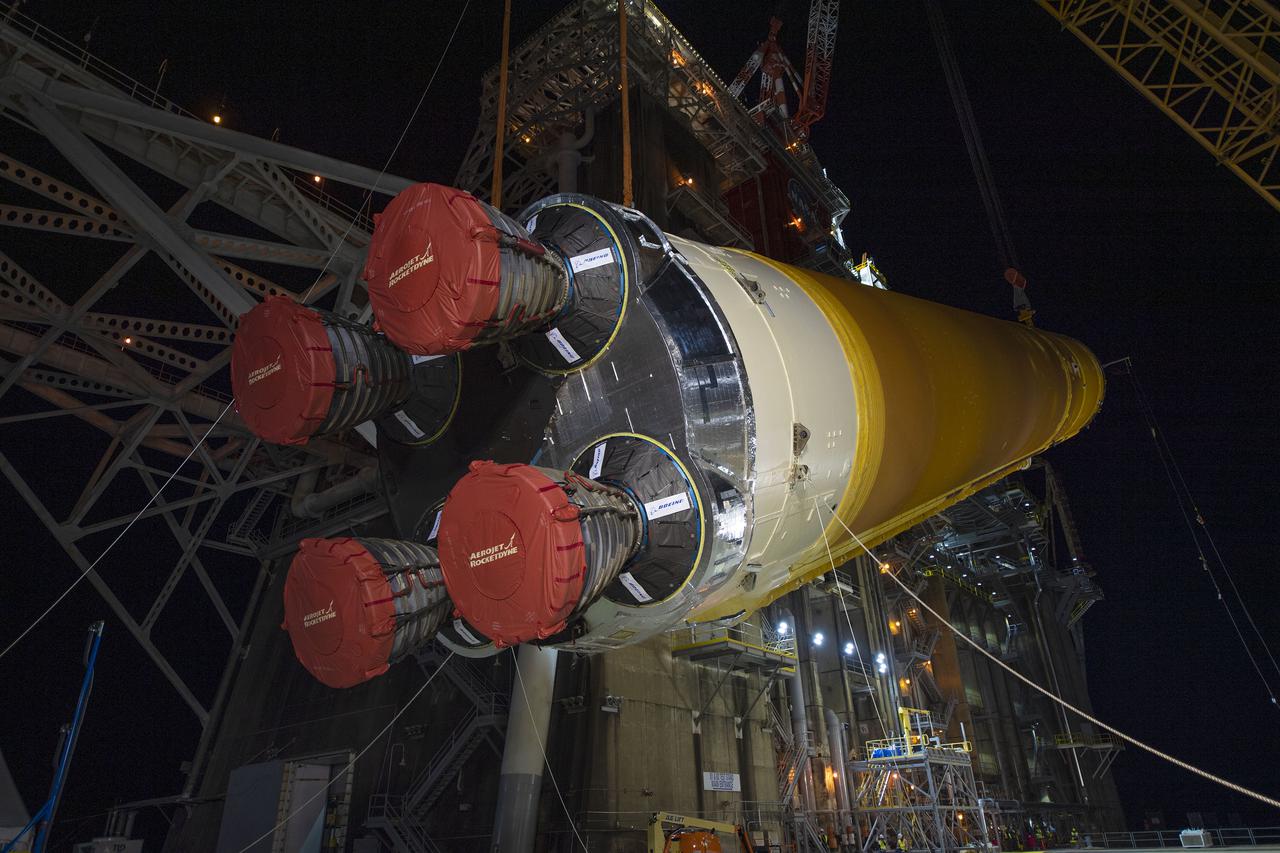
Following a successful Green Run hot fire at NASA’s Stennis Space Center near Bay St. Louis, Mississippi, on March 18, members of a blended team work April 19-20 to remove the first core stage of the agency’s Space Launch System (SLS) rocket from the B-2 Test Stand. The work required crews to lift the core stage from its vertical placement in the stand and lower it to a horizontal position on the B-2 Test Stand tarmac. The stage now will be loaded on NASA’s Pegasus barge for transport to Kennedy, where it will be prepared for launch of the Artemis I mission. Removal of the largest rocket stage ever built by NASA followed completion of a series of eight Green Run tests over the past year. During the Green Run series, teams performed a comprehensive test of the stand’s sophisticated and integrated systems. Photo Credit: NASA
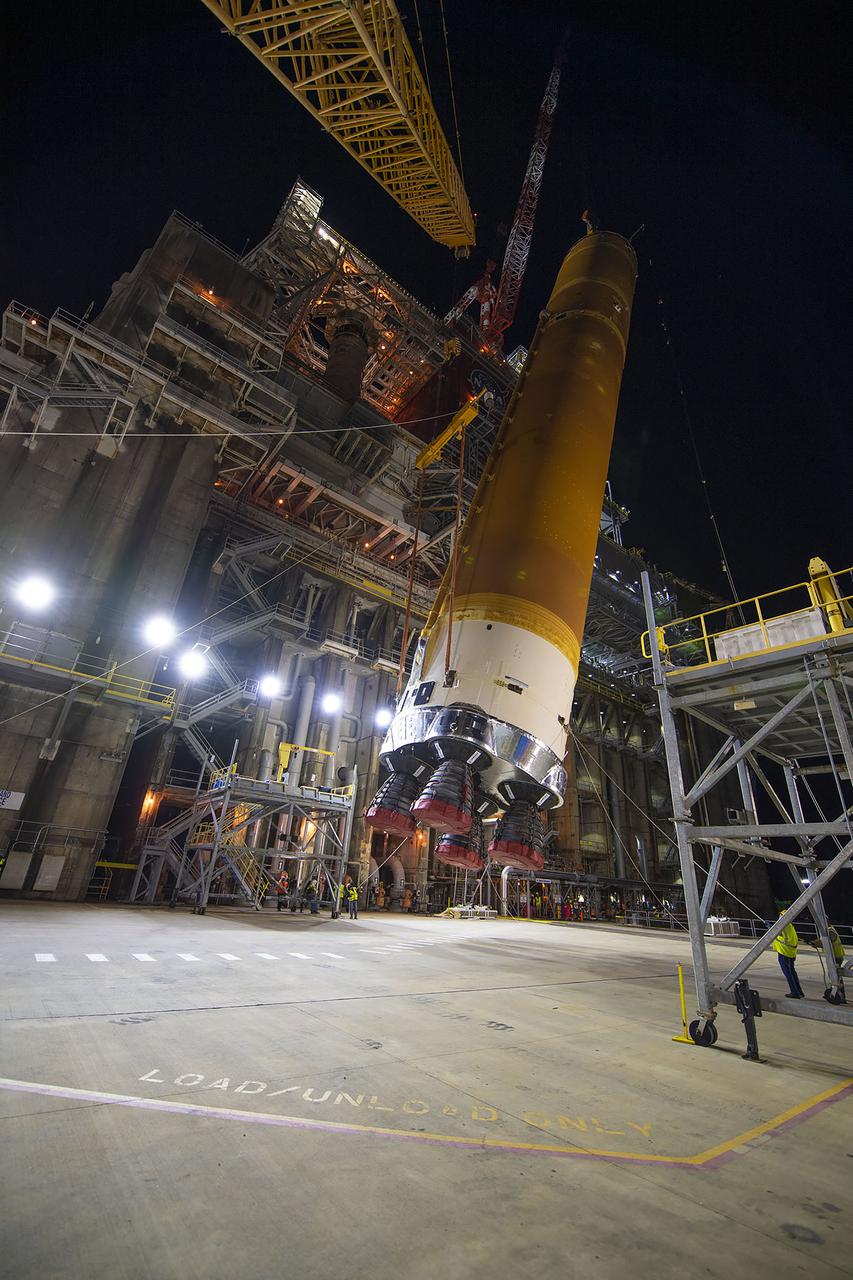
Following a successful Green Run hot fire at NASA’s Stennis Space Center near Bay St. Louis, Mississippi, on March 18, members of a blended team work April 19-20 to remove the first core stage of the agency’s Space Launch System (SLS) rocket from the B-2 Test Stand. The work required crews to lift the core stage from its vertical placement in the stand and lower it to a horizontal position on the B-2 Test Stand tarmac. The stage now will be loaded on NASA’s Pegasus barge for transport to Kennedy, where it will be prepared for launch of the Artemis I mission. Removal of the largest rocket stage ever built by NASA followed completion of a series of eight Green Run tests over the past year. During the Green Run series, teams performed a comprehensive test of the stand’s sophisticated and integrated systems. Photo Credit: NASA
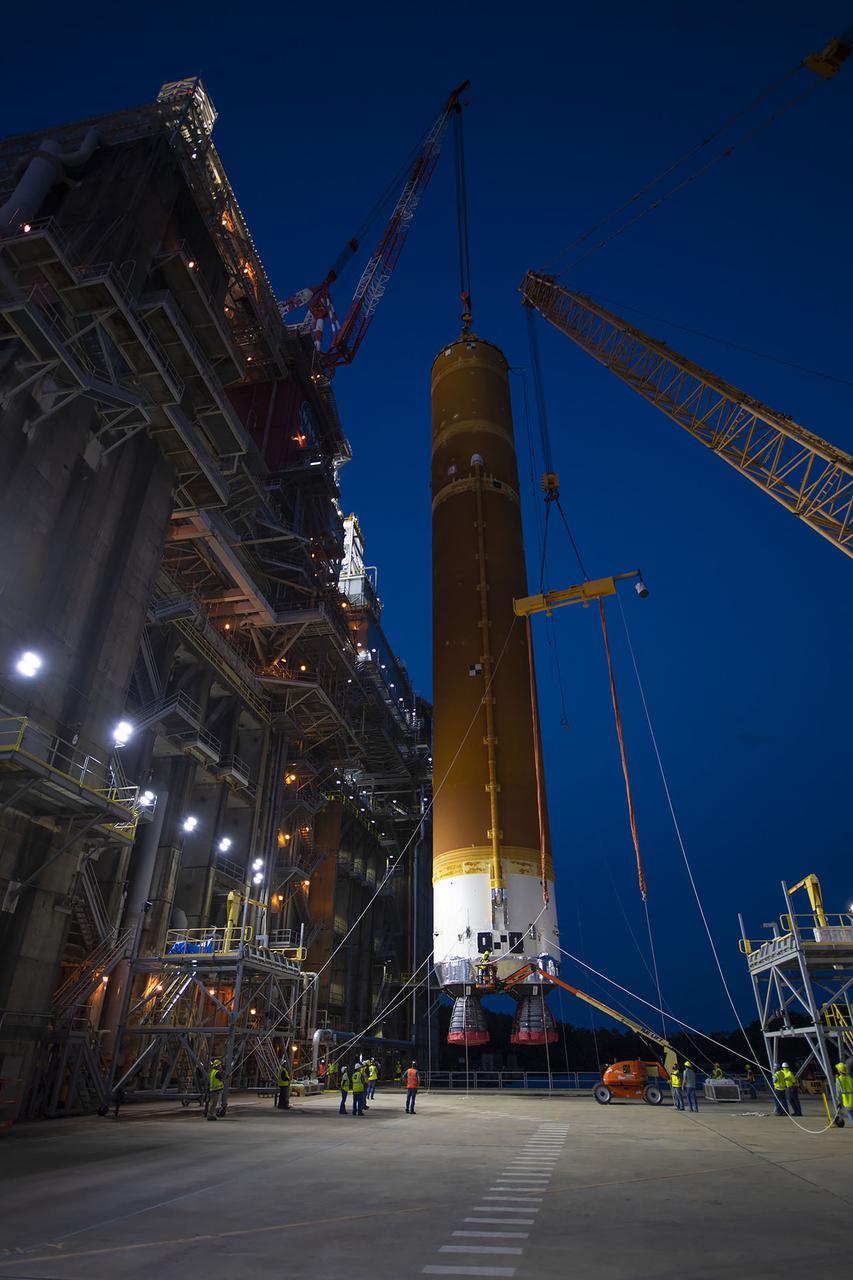
Following a successful Green Run hot fire at NASA’s Stennis Space Center near Bay St. Louis, Mississippi, on March 18, members of a blended team work April 19-20 to remove the first core stage of the agency’s Space Launch System (SLS) rocket from the B-2 Test Stand. The work required crews to lift the core stage from its vertical placement in the stand and lower it to a horizontal position on the B-2 Test Stand tarmac. The stage now will be loaded on NASA’s Pegasus barge for transport to Kennedy, where it will be prepared for launch of the Artemis I mission. Removal of the largest rocket stage ever built by NASA followed completion of a series of eight Green Run tests over the past year. During the Green Run series, teams performed a comprehensive test of the stand’s sophisticated and integrated systems. Photo Credit: NASA
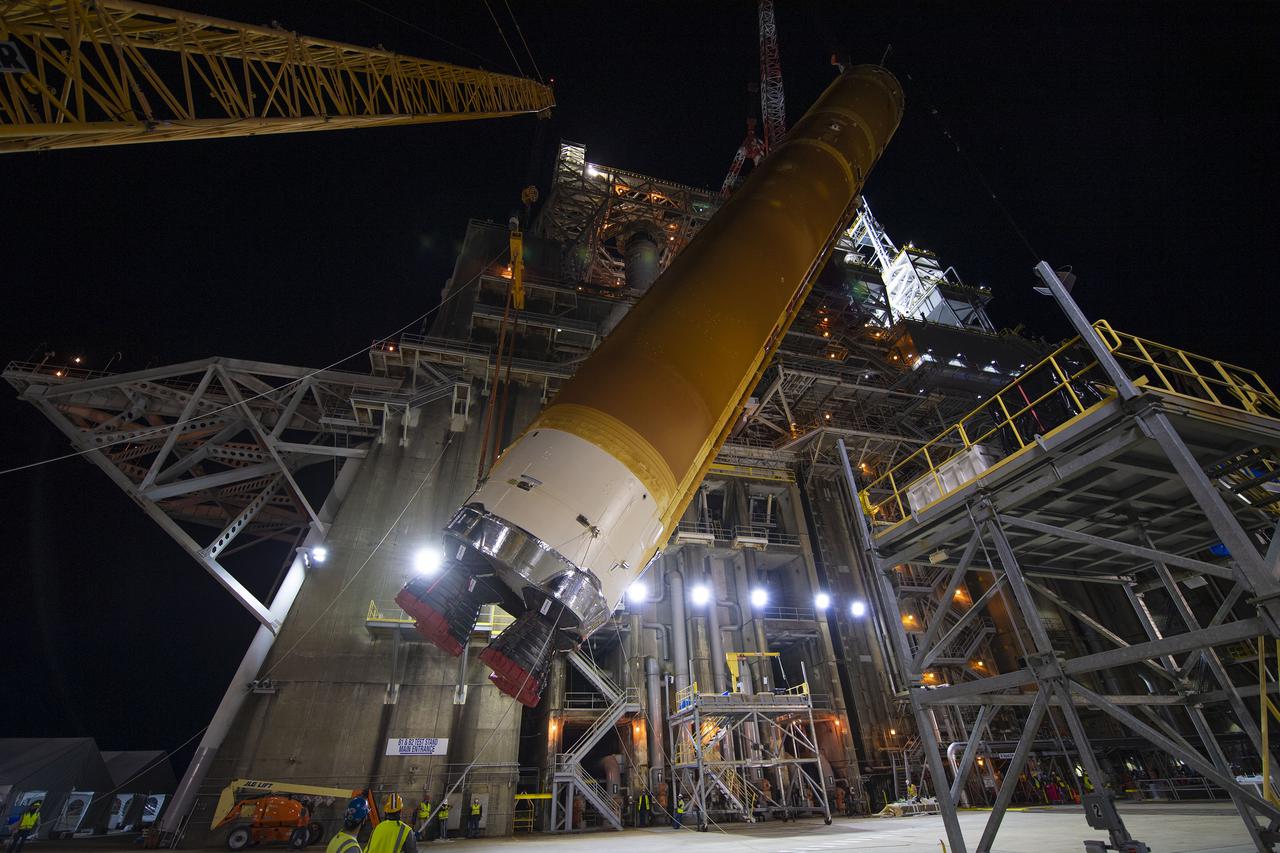
Following a successful Green Run hot fire at NASA’s Stennis Space Center near Bay St. Louis, Mississippi, on March 18, members of a blended team work April 19-20 to remove the first core stage of the agency’s Space Launch System (SLS) rocket from the B-2 Test Stand. The work required crews to lift the core stage from its vertical placement in the stand and lower it to a horizontal position on the B-2 Test Stand tarmac. The stage now will be loaded on NASA’s Pegasus barge for transport to Kennedy, where it will be prepared for launch of the Artemis I mission. Removal of the largest rocket stage ever built by NASA followed completion of a series of eight Green Run tests over the past year. During the Green Run series, teams performed a comprehensive test of the stand’s sophisticated and integrated systems. Photo Credit: NASA
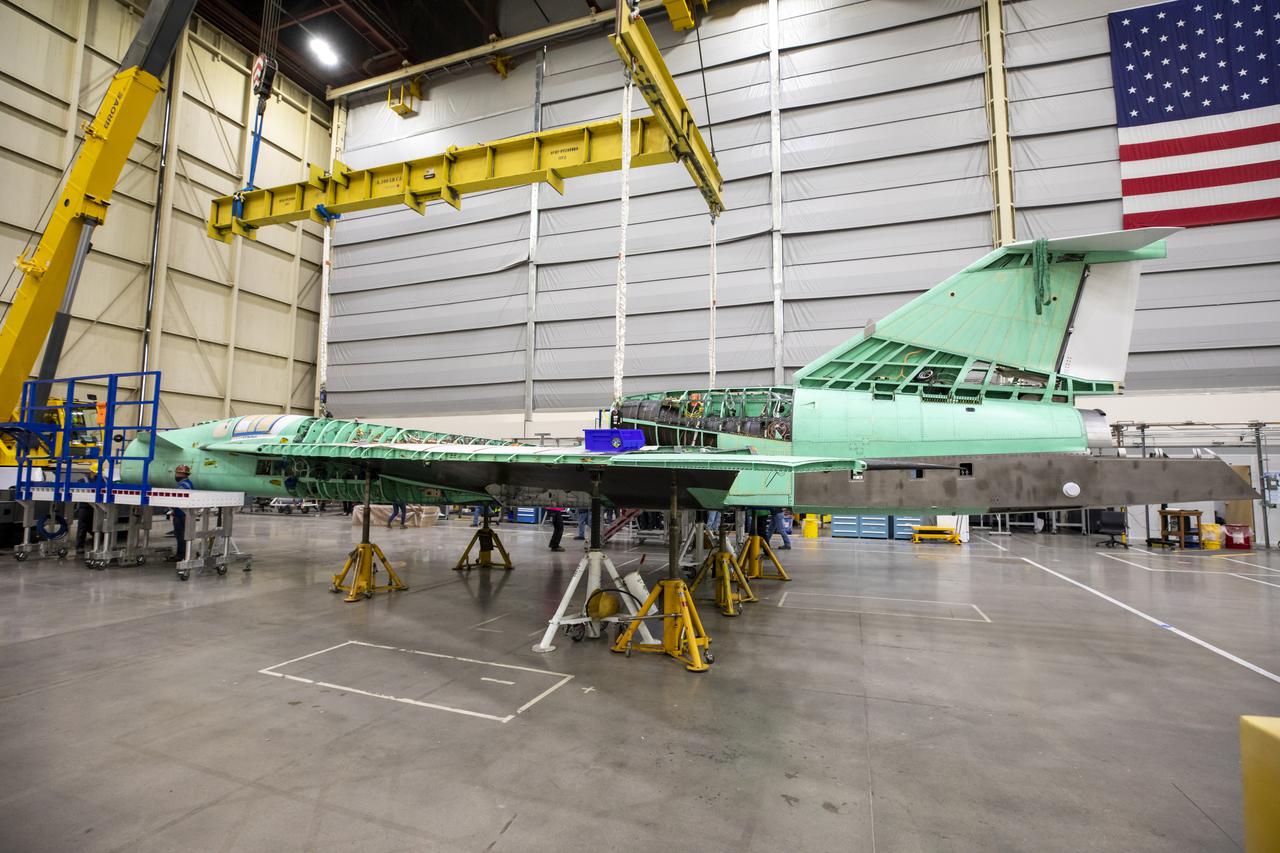
A view of the X-59 being supported by ground supports in preparation for installation of the landing gear and other hardware required for structural testing. Lockheed Martin Photography By Garry Tice 1011 Lockheed Way, Palmdale, Ca. 93599 Event: Removal From Tooling Jig Date: 10/27/2021 Additional Info:
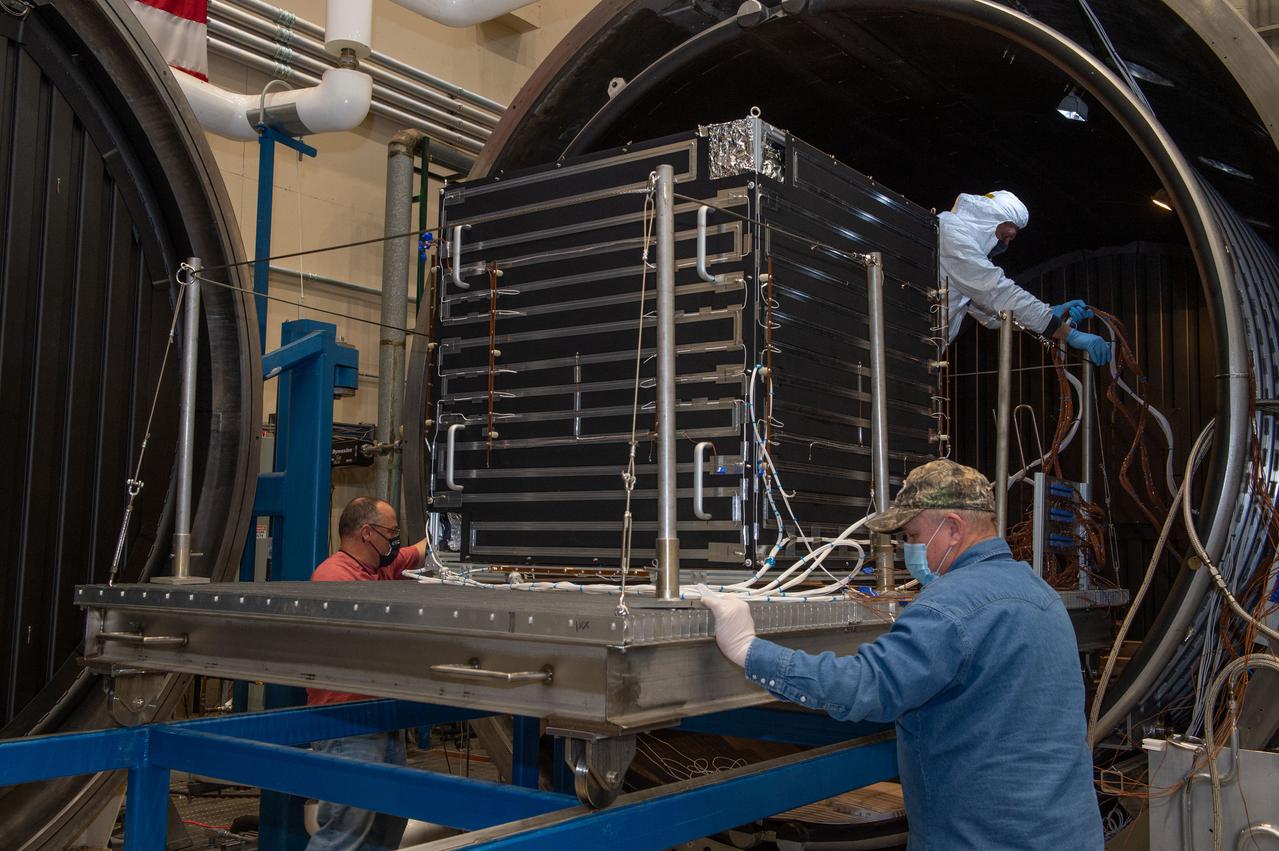
Removal of hot box containing NEA Scout spacecraft from Thermal Vacuum Chamber V15 1 of 2
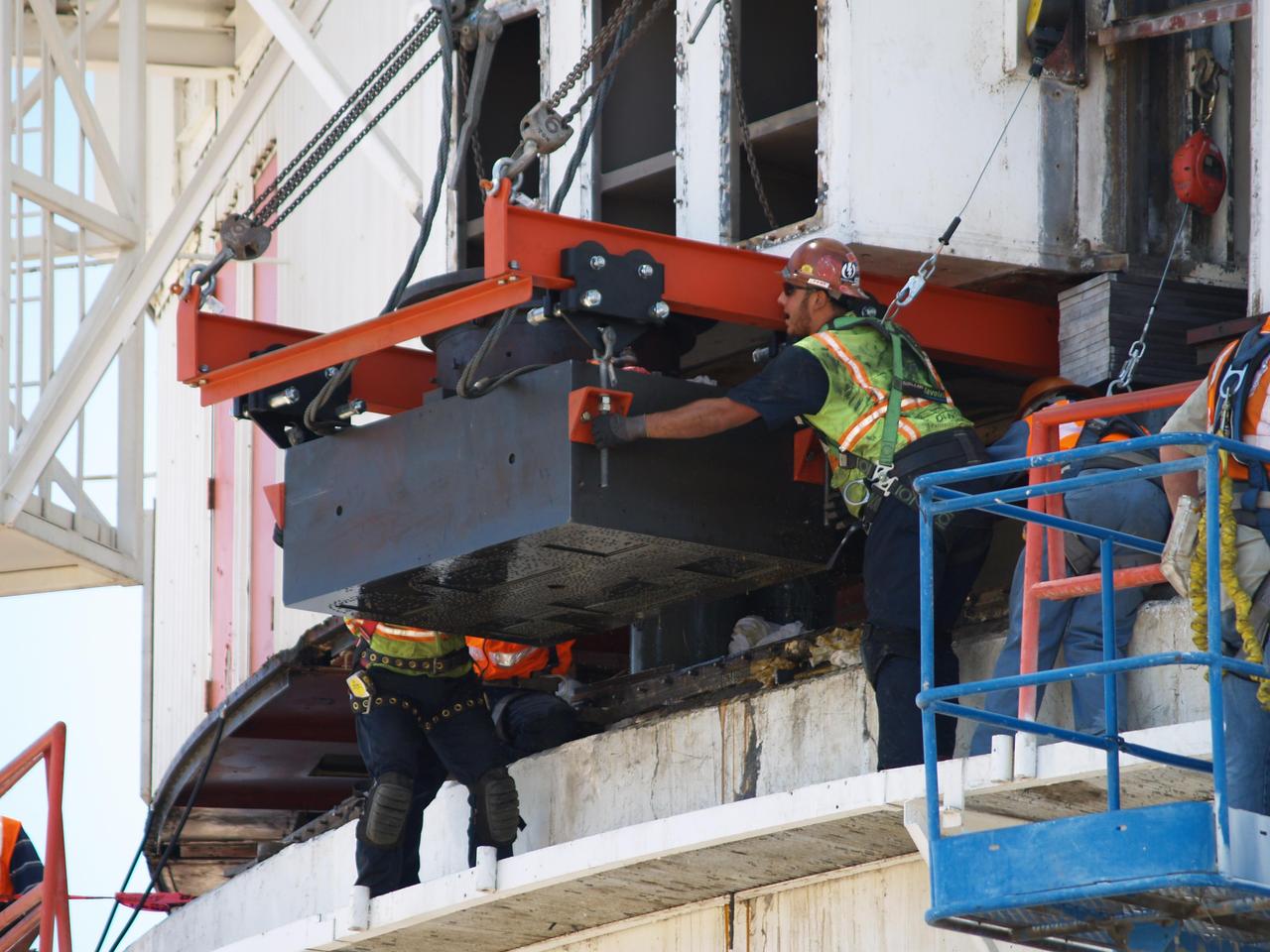
On May 3, 2010, workers at NASA Deep Space Network Goldstone Deep Space Communications Complex removed one of the large steel pads that help the giant Mars antenna rotate sideways.
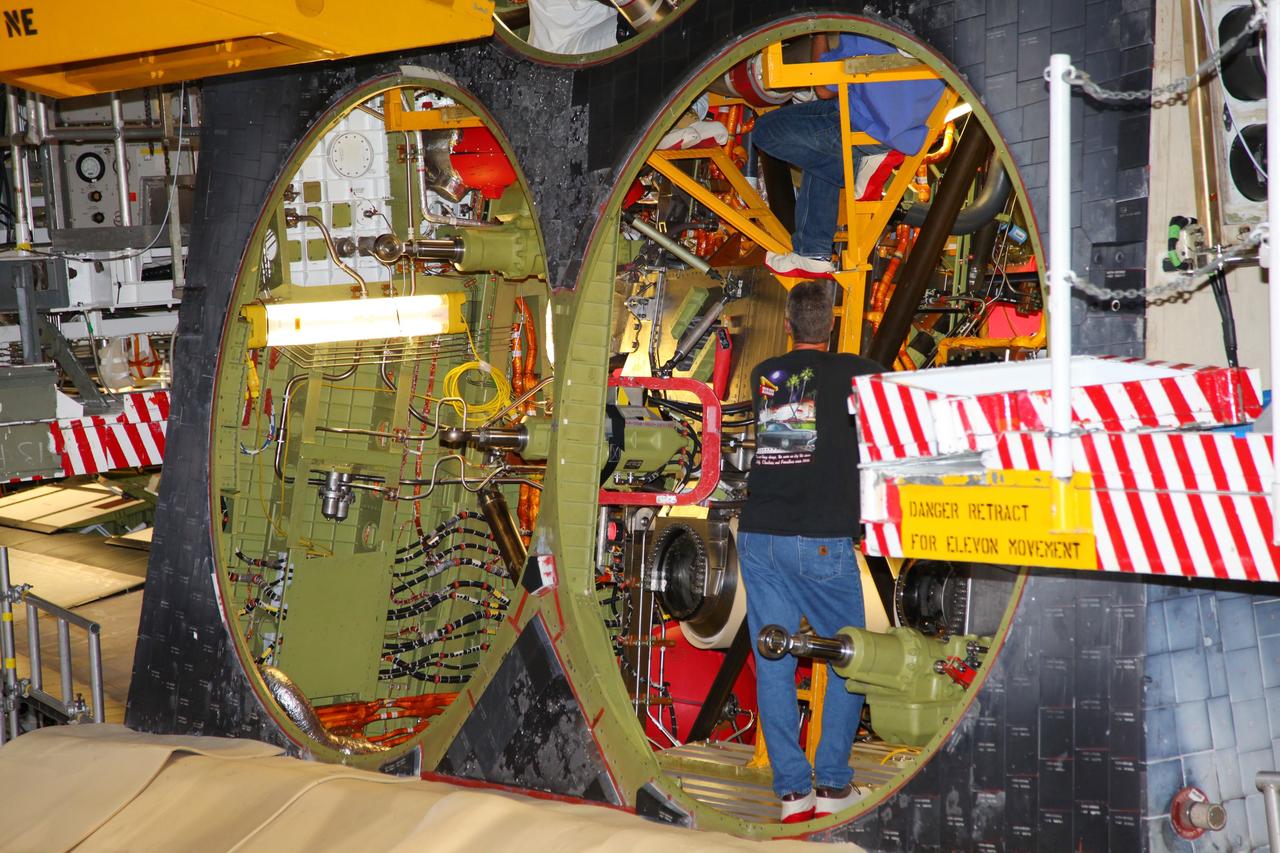
CAPE CANAVERAL, Fla. -- In Orbiter Processing Facility-2 at NASA’s Kennedy Space Center in Florida, technicians inside the aft area monitor the progress as a Hyster forklift is used to remove Engine #1, the final engine to be removed from space shuttle Atlantis. The forklift will be used to remove the engine and transport it to the Engine Shop for possible future use. Each of the three space shuttle main engines is 14 feet long and weighs 7,800 pounds. Removal of the space shuttle main engines is part of the Transition and Retirement work that is being performed in order to prepare Atlantis for eventual display at the Kennedy Space Center Visitor Complex in Florida. Photo credit: Frankie Martin
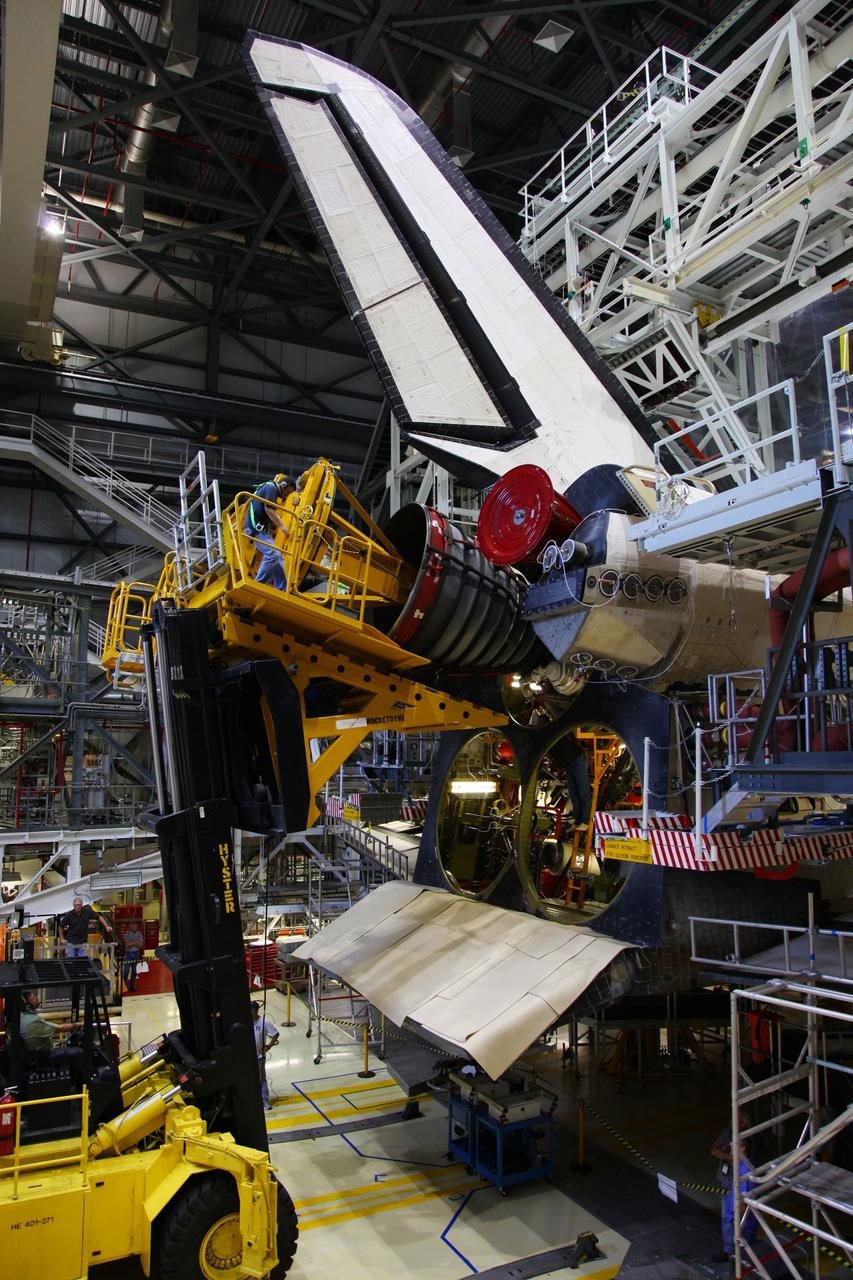
CAPE CANAVERAL, Fla. -- In Orbiter Processing Facility-2 at NASA’s Kennedy Space Center in Florida, a technician sitting on the Hyster forklift monitors the progress as the engine removal device moves toward Engine #1, the final engine to be removed from space shuttle Atlantis. The forklift will be used to remove the engine and transport it to the Engine Shop for possible future use. Each of the three space shuttle main engines is 14 feet long and weighs 7,800 pounds. Removal of the space shuttle main engines is part of the Transition and Retirement work that is being performed in order to prepare Atlantis for eventual display at the Kennedy Space Center Visitor Complex in Florida. Photo credit: Frankie Martin
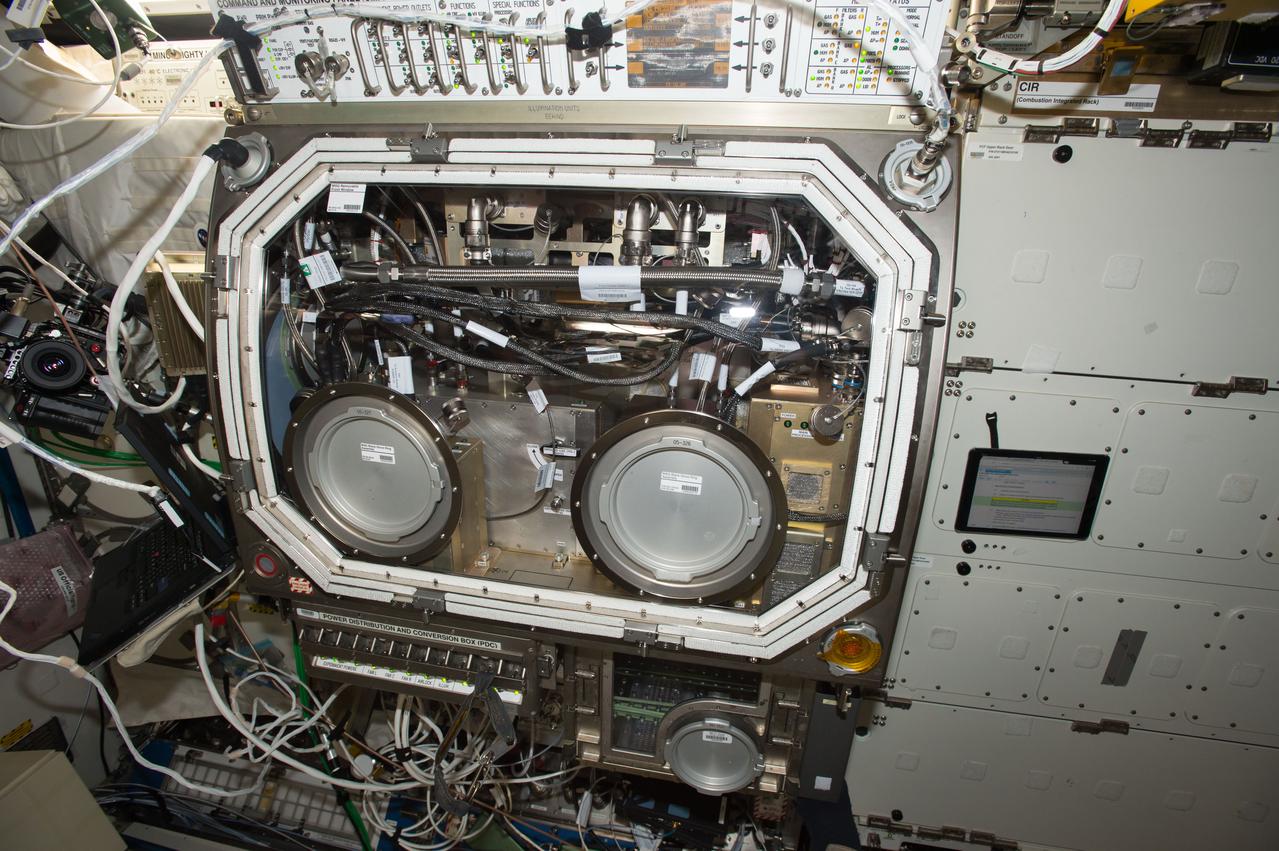
iss050e040296 (2/10/2017) --- View during the Packed Bed Reactor Experiment (PBRE) removal from the Microgravity Science Glovebox (MSG), in the U.S. Laboratory. Photo was taken during Expedition 50.
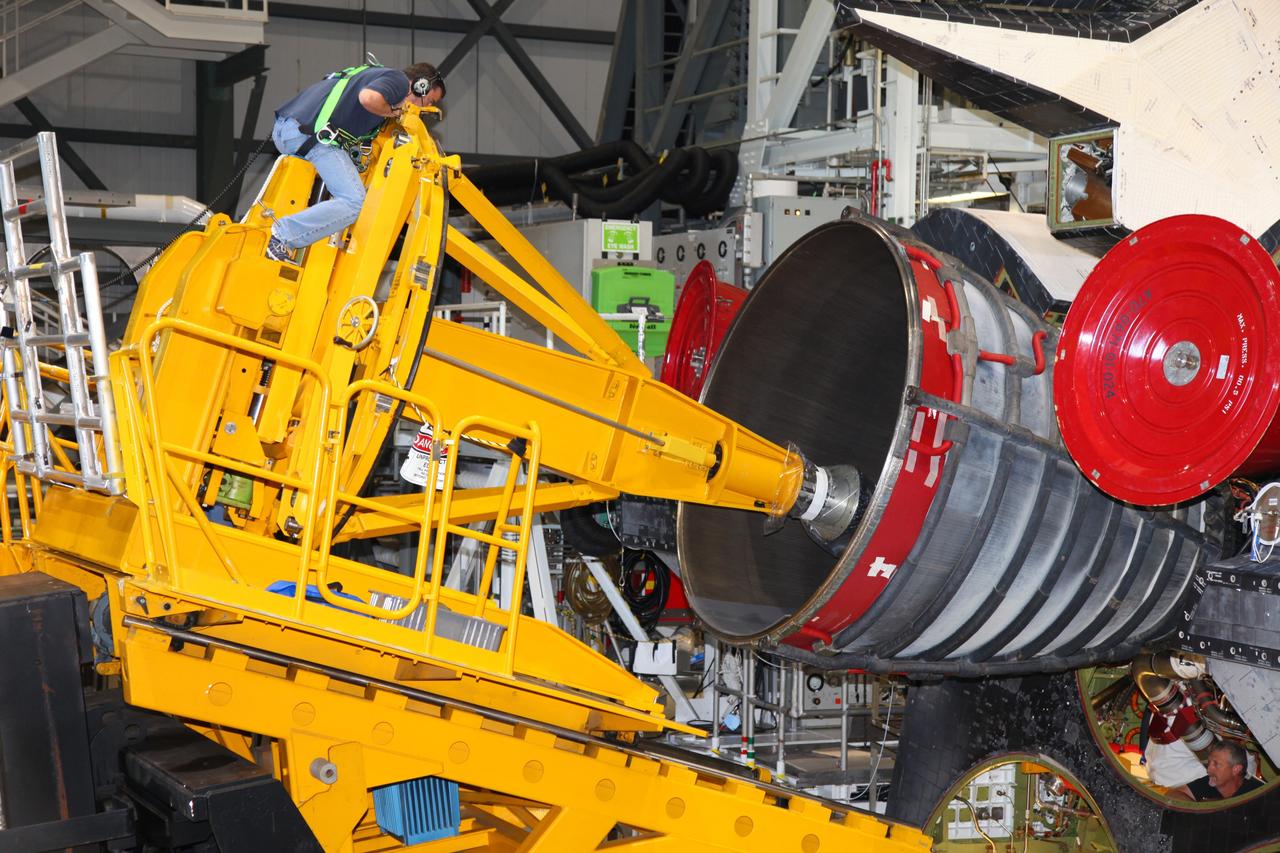
CAPE CANAVERAL, Fla. -- In Orbiter Processing Facility-2 at NASA’s Kennedy Space Center in Florida, a technician sits on top of the Hyster forklift to help guide the engine removal device toward Engine #1, the final engine to be removed from space shuttle Atlantis. Another technician monitors the progress from inside the aft section of Atlantis. The forklift will be used to remove the engine and transport it to the Engine Shop for possible future use. Each of the three space shuttle main engines is 14 feet long and weighs 7,800 pounds. Removal of the space shuttle main engines is part of the Transition and Retirement work that is being performed in order to prepare Atlantis for eventual display at the Kennedy Space Center Visitor Complex in Florida. Photo credit: Frankie Martin
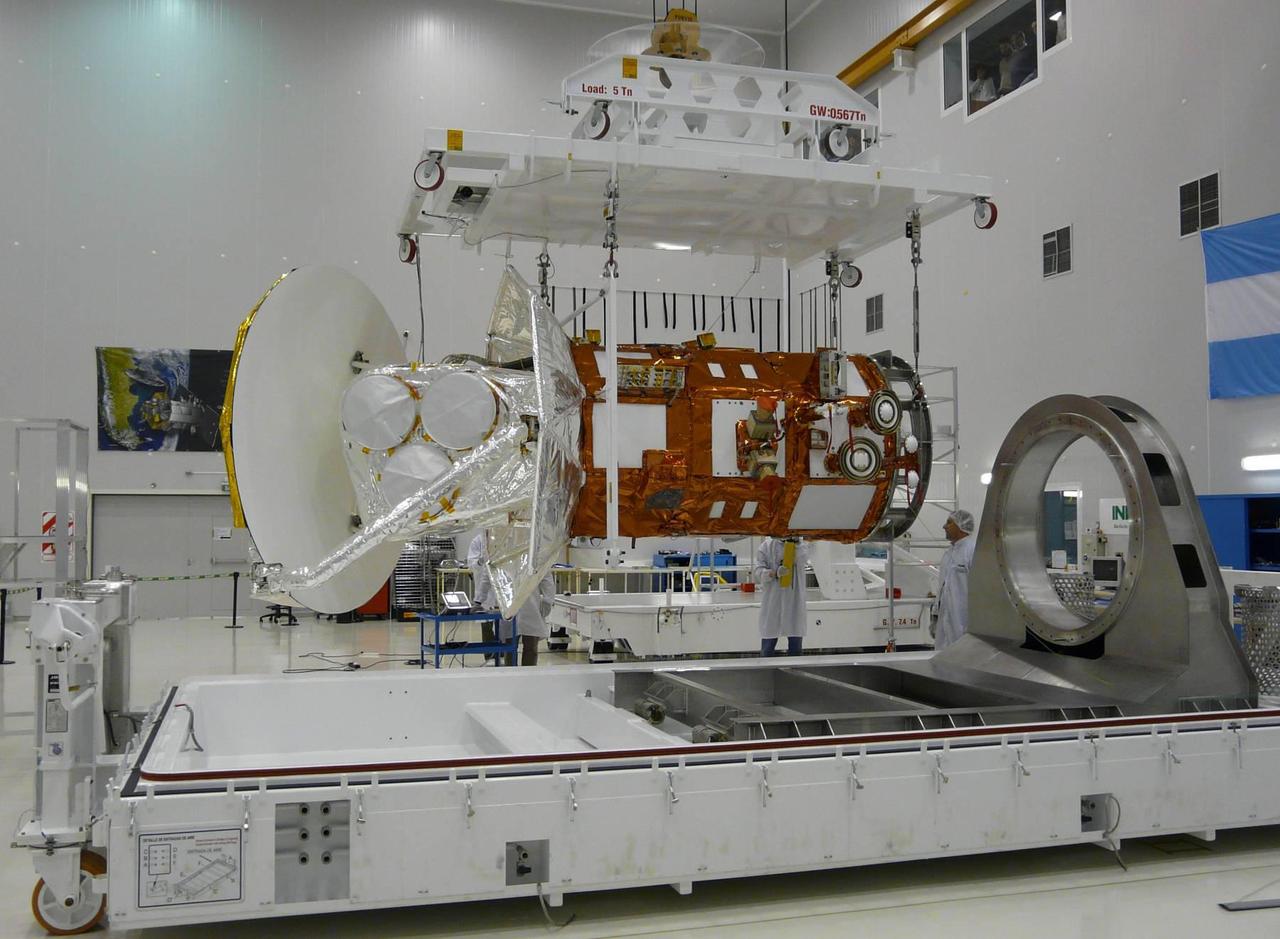
After months of integration and testing at the INVAP facility Bariloche, Argentina, NASA Aquarius/SAC-D is removed from the service platform in preparation for shipping to Brazil.
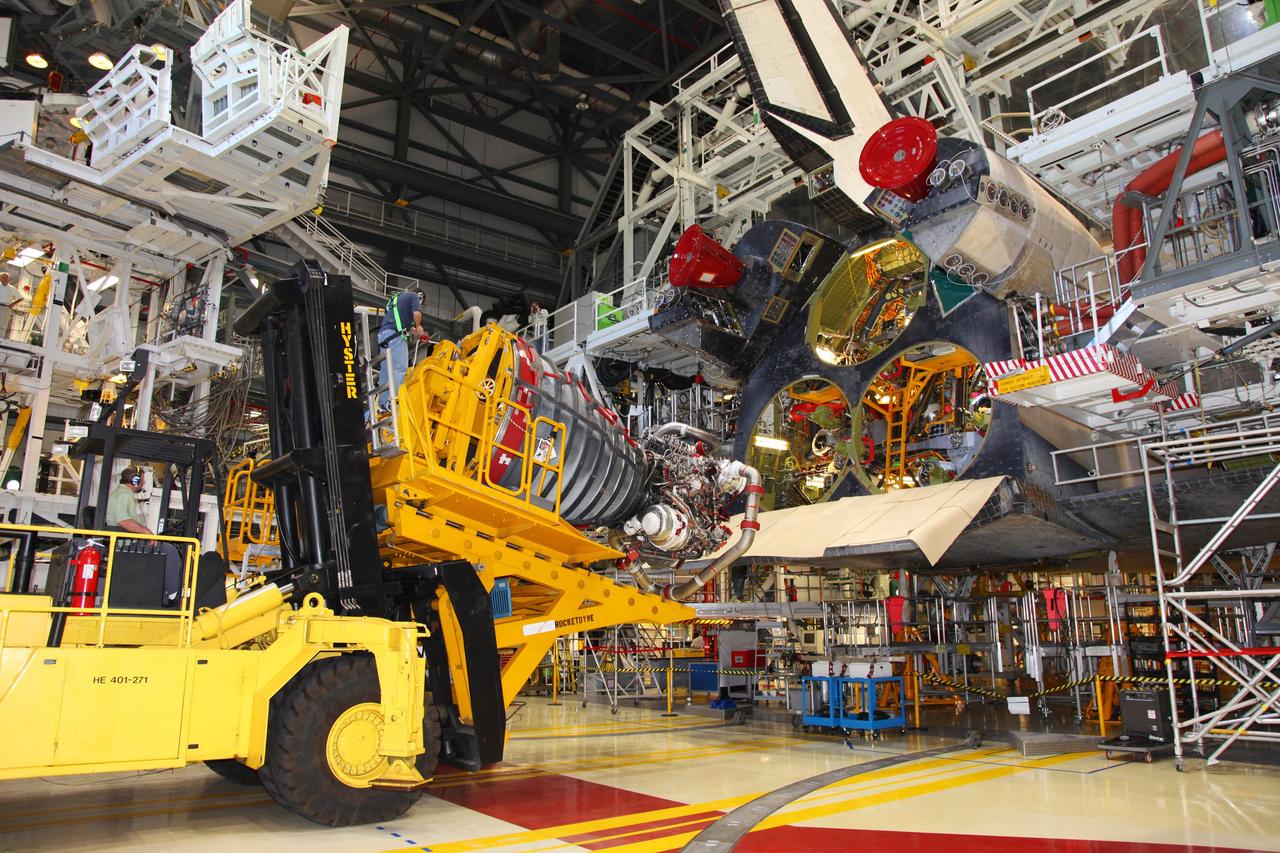
CAPE CANAVERAL, Fla. -- In Orbiter Processing Facility-2 at NASA’s Kennedy Space Center in Florida, technicians used a Hyster forklift to remove Engine #1, the final engine to be removed from space shuttle Atlantis. The forklift will be used to transport the engine to the Engine Shop for possible future use. Each of the three space shuttle main engines is 14 feet long and weighs 7,800 pounds. Removal of the space shuttle main engines is part of the Transition and Retirement work that is being performed in order to prepare Atlantis for eventual display at the Kennedy Space Center Visitor Complex in Florida. Photo credit: Frankie Martin
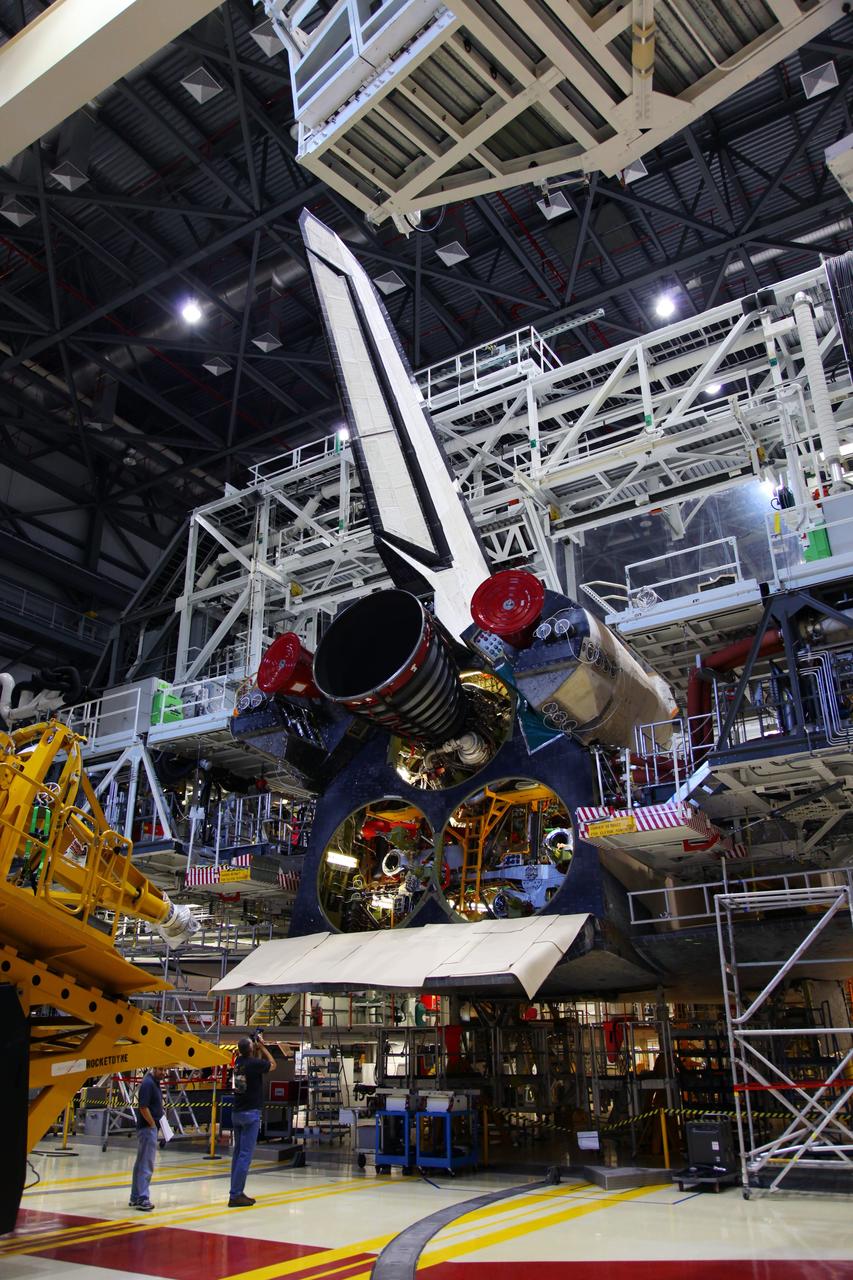
CAPE CANAVERAL, Fla. -- In Orbiter Processing Facility-2 at NASA’s Kennedy Space Center in Florida, technicians move a Hyster forklift toward Engine #1, the final engine to be removed from space shuttle Atlantis. The forklift will be used to remove the engine and transport it to the Engine Shop for possible future use. Each of the three space shuttle main engines is 14 feet long and weighs 7,800 pounds. Removal of the space shuttle main engines is part of the Transition and Retirement work that is being performed in order to prepare Atlantis for eventual display at the Kennedy Space Center Visitor Complex in Florida. Photo credit: Frankie Martin
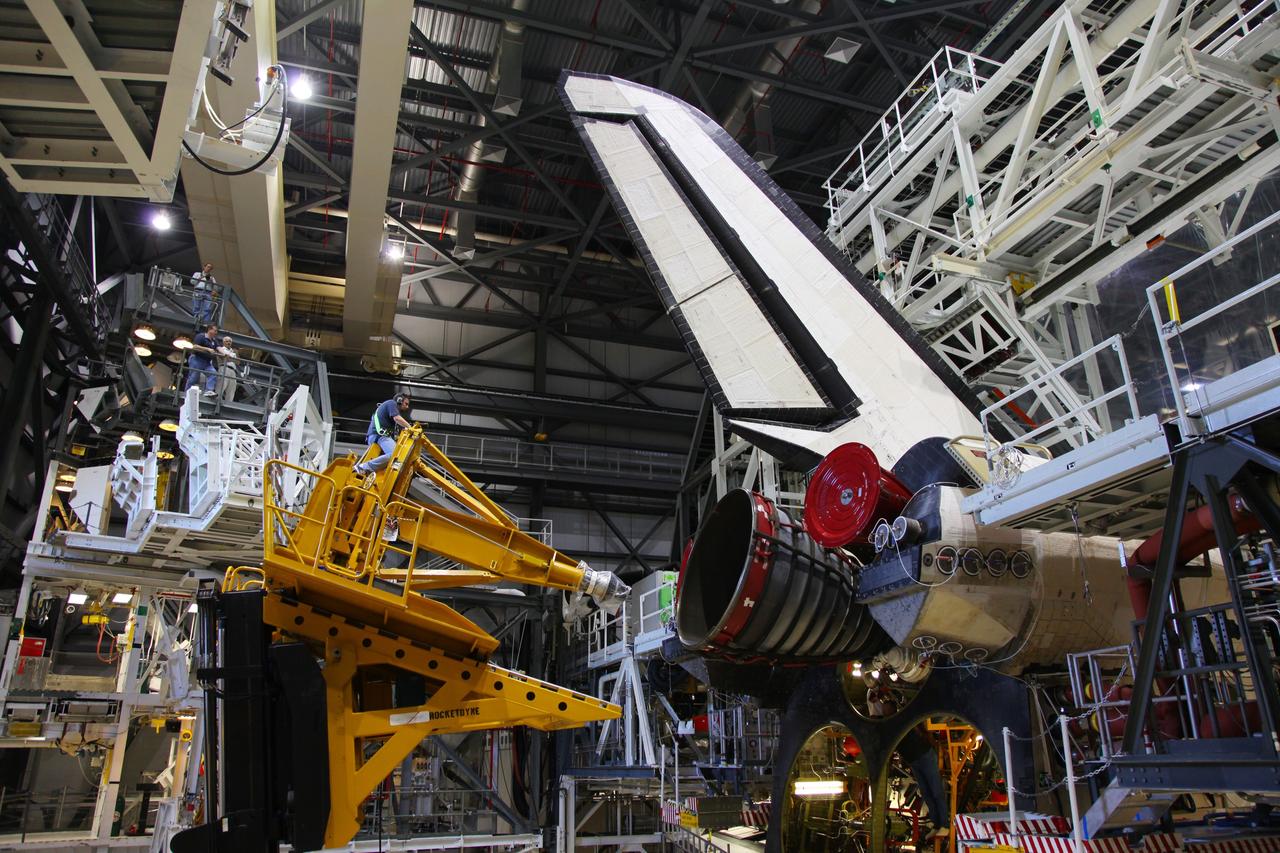
CAPE CANAVERAL, Fla. -- In Orbiter Processing Facility-2 at NASA’s Kennedy Space Center in Florida, technicians move a Hyster forklift closer to Engine #1, the final engine to be removed from space shuttle Atlantis. The forklift will be used to remove the engine and transport it to the Engine Shop for possible future use. Each of the three space shuttle main engines is 14 feet long and weighs 7,800 pounds. Removal of the space shuttle main engines is part of the Transition and Retirement work that is being performed in order to prepare Atlantis for eventual display at the Kennedy Space Center Visitor Complex in Florida. Photo credit: Frankie Martin
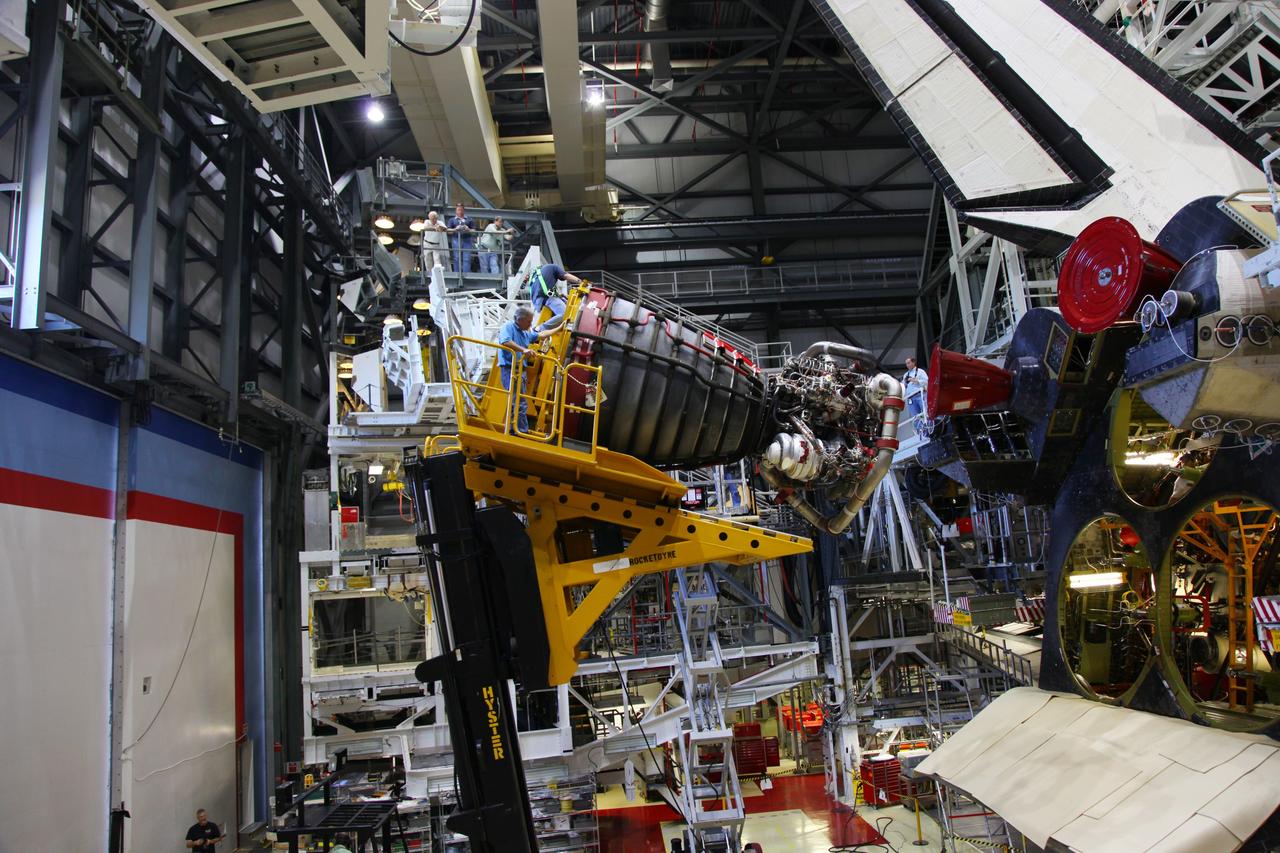
CAPE CANAVERAL, Fla. -- In Orbiter Processing Facility-2 at NASA’s Kennedy Space Center in Florida, technicians use a Hyster forklift to remove Engine #1, the final engine to be removed from space shuttle Atlantis. The forklift will be used to transport the engine to the Engine Shop for possible future use. Each of the three space shuttle main engines is 14 feet long and weighs 7,800 pounds. Removal of the space shuttle main engines is part of the Transition and Retirement work that is being performed in order to prepare Atlantis for eventual display at the Kennedy Space Center Visitor Complex in Florida. Photo credit: Frankie Martin
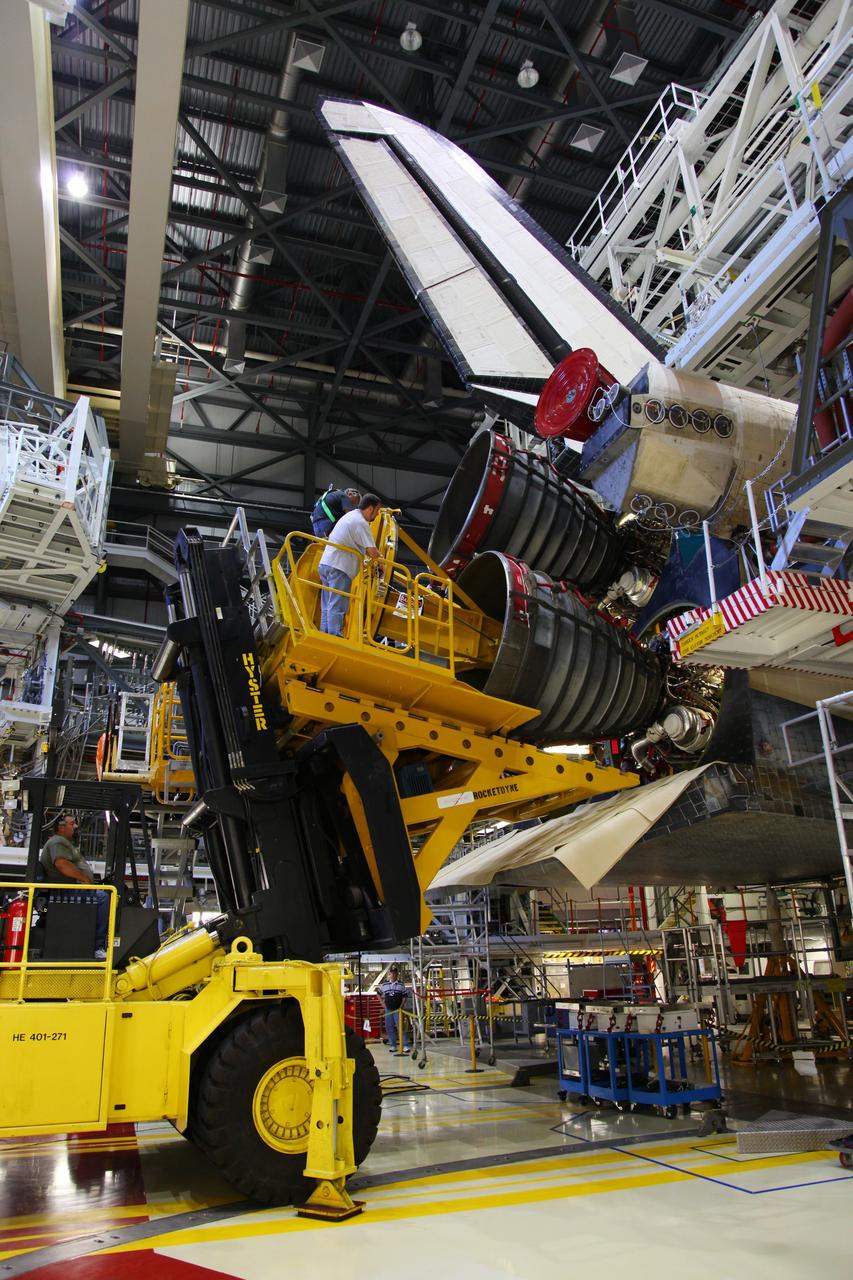
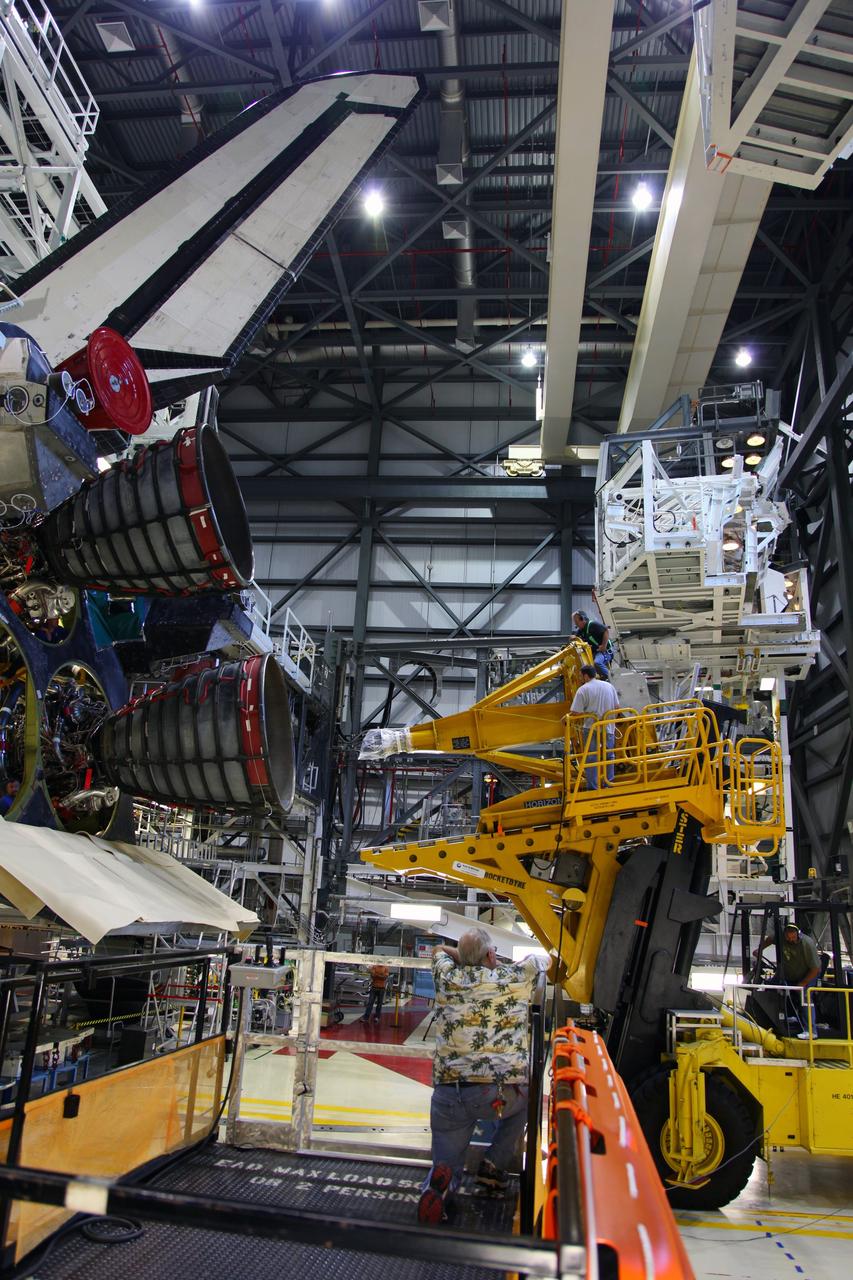
CAPE CANAVERAL, Fla. -- In Orbiter Processing Facility-2 at NASA’s Kennedy Space Center in Florida, technicians use a Hyster forklift to position an engine removal device on Engine #3 on space shuttle Atlantis. The forklift will be used to remove the engine and transport it to the Engine Shop for possible future use. Each of the three space shuttle main engines is 14 feet long and weighs 7,800 pounds. Removal of the space shuttle main engines is part of the Transition and Retirement work that is being performed in order to prepare Atlantis for eventual display at the Kennedy Space Center Visitor Complex in Florida. Photo credit: Frankie Martin
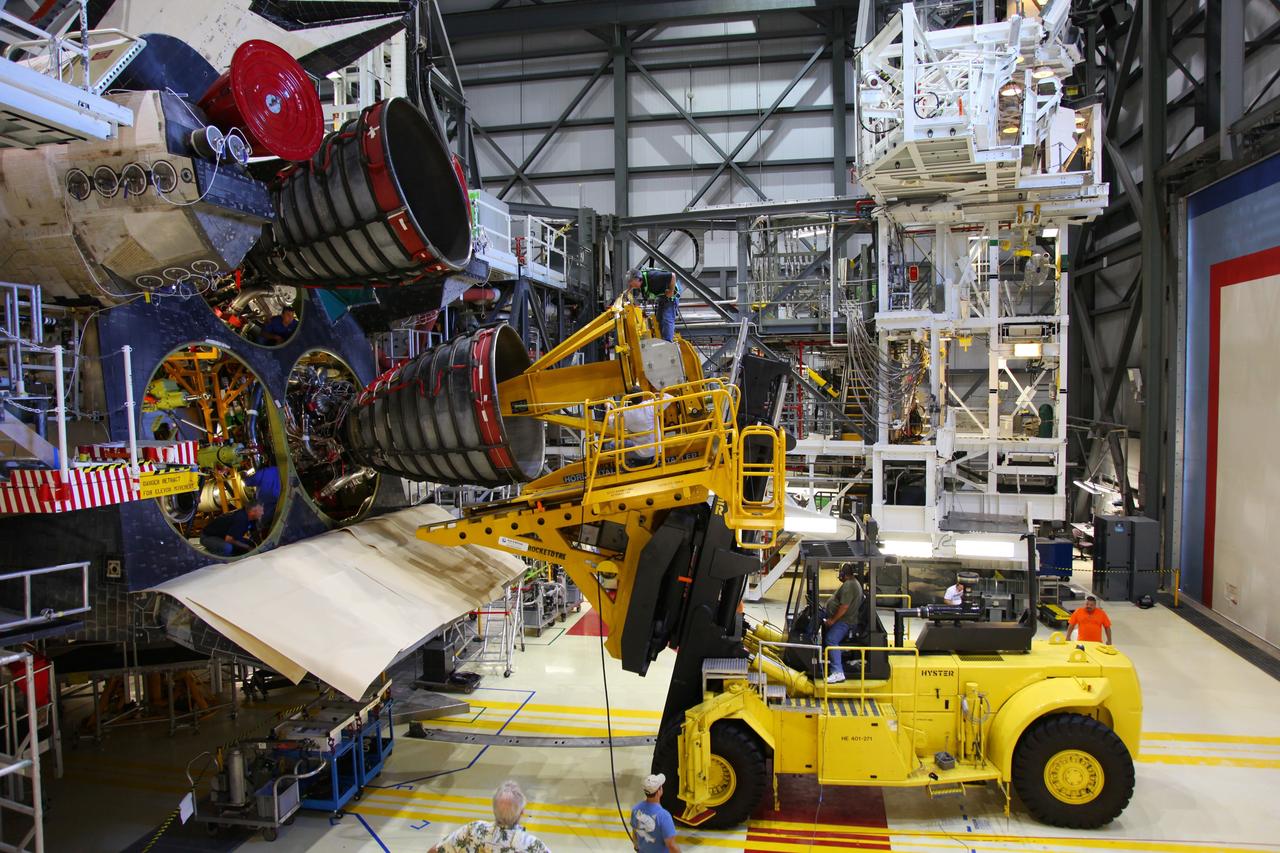
CAPE CANAVERAL, Fla. -- In Orbiter Processing Facility-2 at NASA’s Kennedy Space Center in Florida, technicians use a Hyster forklift to position an engine removal device on Engine #3 on space shuttle Atlantis. The forklift will be used to remove the engine and transport it to the Engine Shop for possible future use. Each of the three space shuttle main engines is 14 feet long and weighs 7,800 pounds. Removal of the space shuttle main engines is part of the Transition and Retirement work that is being performed in order to prepare Atlantis for eventual display at the Kennedy Space Center Visitor Complex in Florida. Photo credit: Frankie Martin
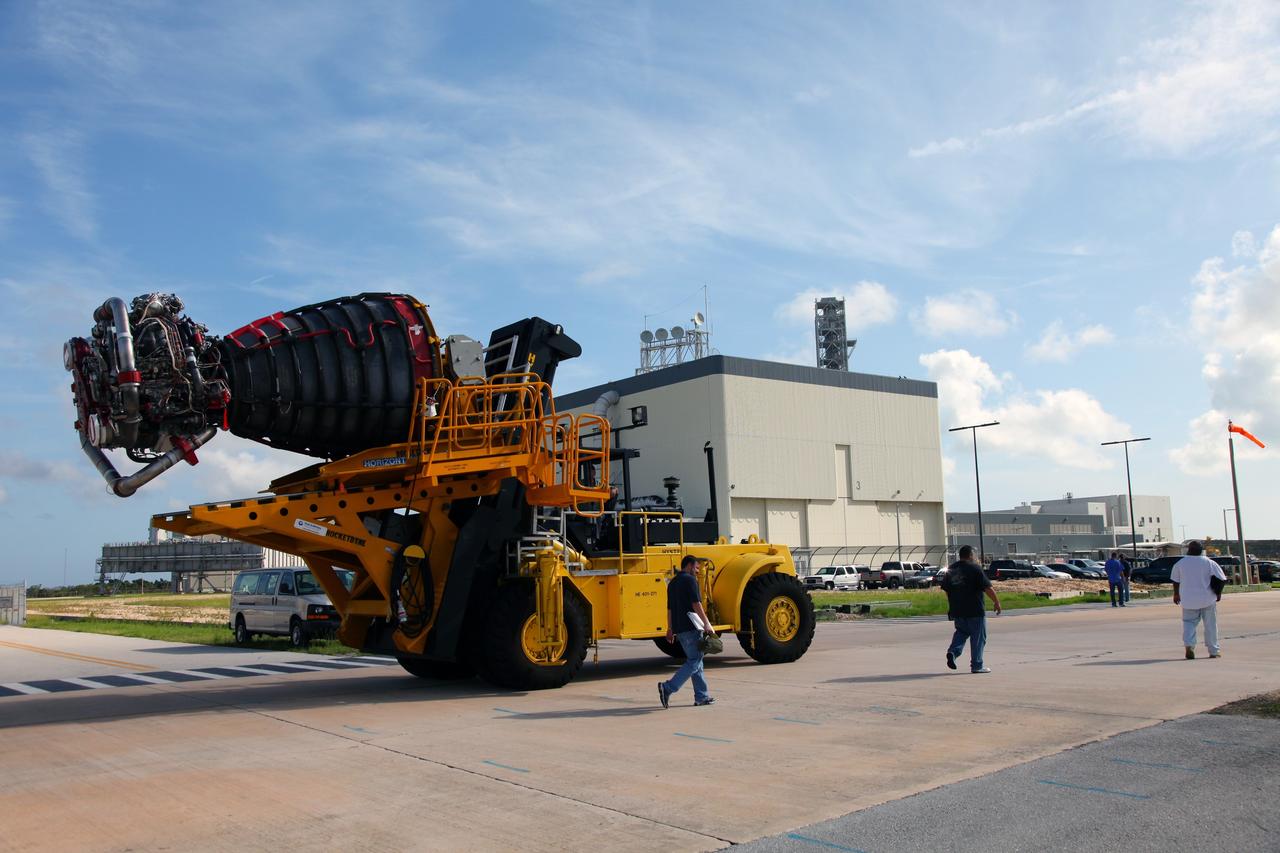
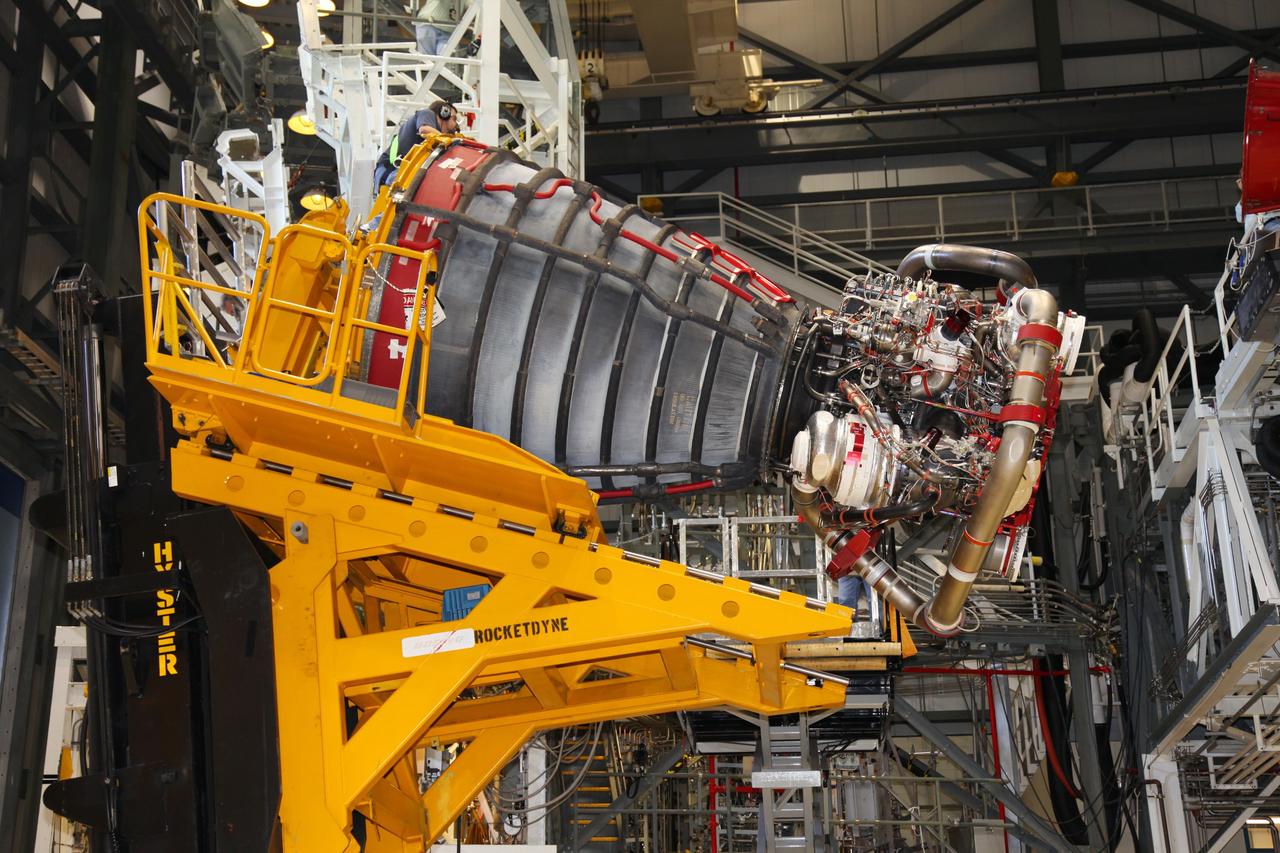
CAPE CANAVERAL, Fla. -- Technicians use a Hyster forklift to transport Engine #1, the final engine removed from space shuttle Atlantis, to the Engine Shop for possible future use. The engine was removed from Atlantis in Orbiter Processing Facility-2 at NASA’s Kennedy Space Center in Florida. Each of the three space shuttle main engines is 14 feet long and weighs 7,800 pounds. Removal of the space shuttle main engines is part of the Transition and Retirement work that is being performed in order to prepare Atlantis for eventual display at the Kennedy Space Center Visitor Complex in Florida. Photo credit: Frankie Martin
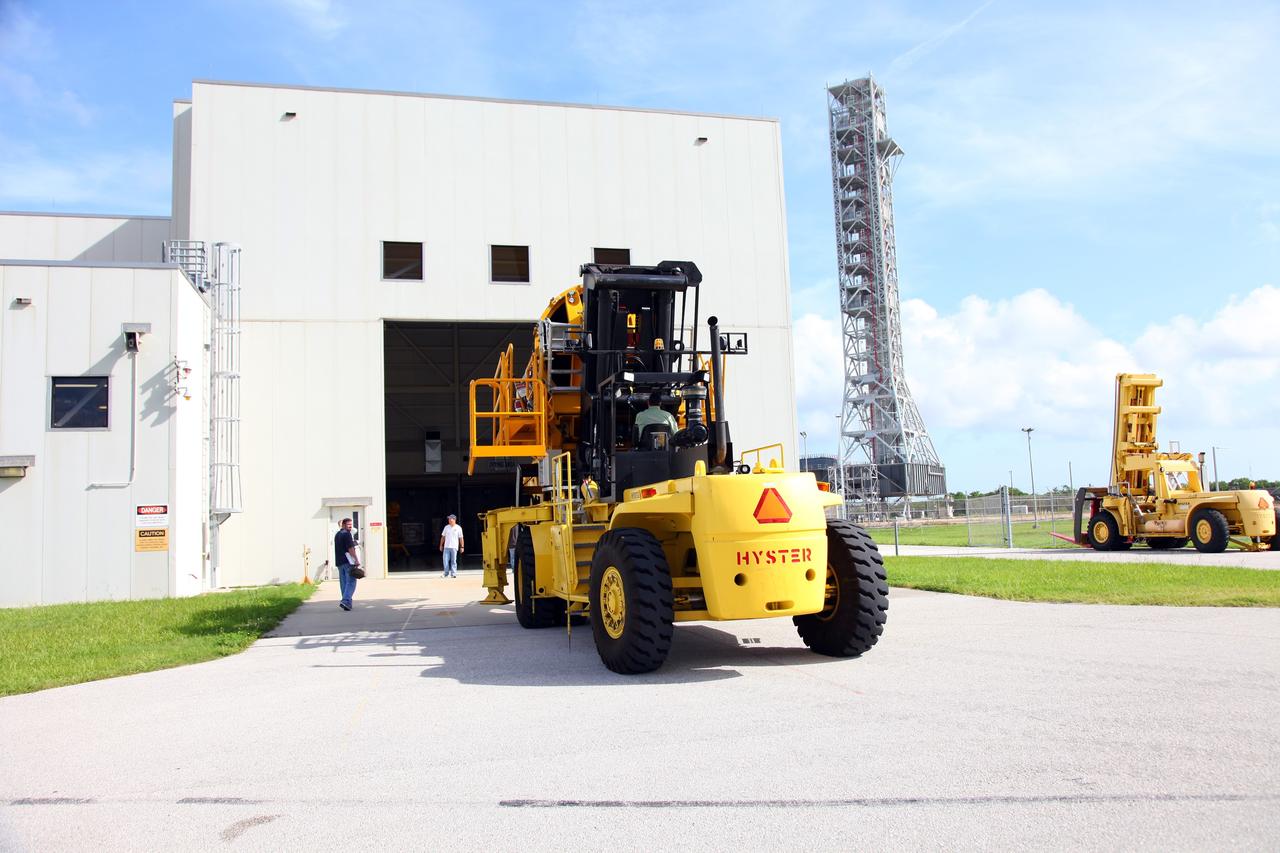
CAPE CANAVERAL, Fla. -- Technicians use a Hyster forklift to transport Engine #1, the final engine removed from space shuttle Atlantis, to the Engine Shop for possible future use. The engine was removed from Atlantis in Orbiter Processing Facility-2 at NASA’s Kennedy Space Center in Florida. Each of the three space shuttle main engines is 14 feet long and weighs 7,800 pounds. Removal of the space shuttle main engines is part of the Transition and Retirement work that is being performed in order to prepare Atlantis for eventual display at the Kennedy Space Center Visitor Complex in Florida. Photo credit: Frankie Martin
CAPE CANAVERAL, Fla. -- In Orbiter Processing Facility-2 at NASA’s Kennedy Space Center in Florida, technicians use a Hyster forklift to remove Engine #1, the final engine to be removed from space shuttle Atlantis. The forklift will be used to transport the engine to the Engine Shop for possible future use. Each of the three space shuttle main engines is 14 feet long and weighs 7,800 pounds. Removal of the space shuttle main engines is part of the Transition and Retirement work that is being performed in order to prepare Atlantis for eventual display at the Kennedy Space Center Visitor Complex in Florida. Photo credit: Frankie Martin
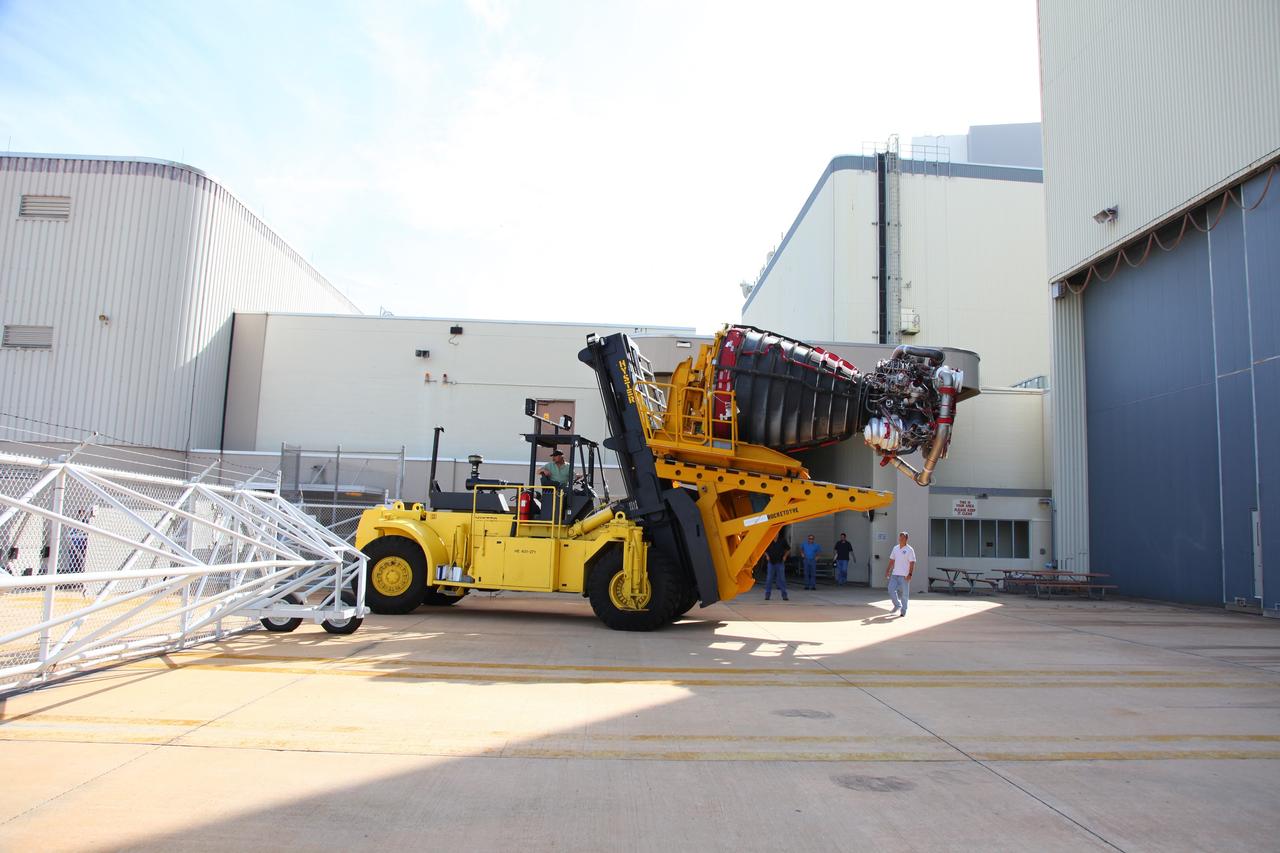
CAPE CANAVERAL, Fla. -- Technicians use a Hyster forklift to transport Engine #1, the final engine removed from space shuttle Atlantis, to the Engine Shop for possible future use. The engine was removed from Atlantis in Orbiter Processing Facility-2 at NASA’s Kennedy Space Center in Florida. Each of the three space shuttle main engines is 14 feet long and weighs 7,800 pounds. Removal of the space shuttle main engines is part of the Transition and Retirement work that is being performed in order to prepare Atlantis for eventual display at the Kennedy Space Center Visitor Complex in Florida. Photo credit: Frankie Martin
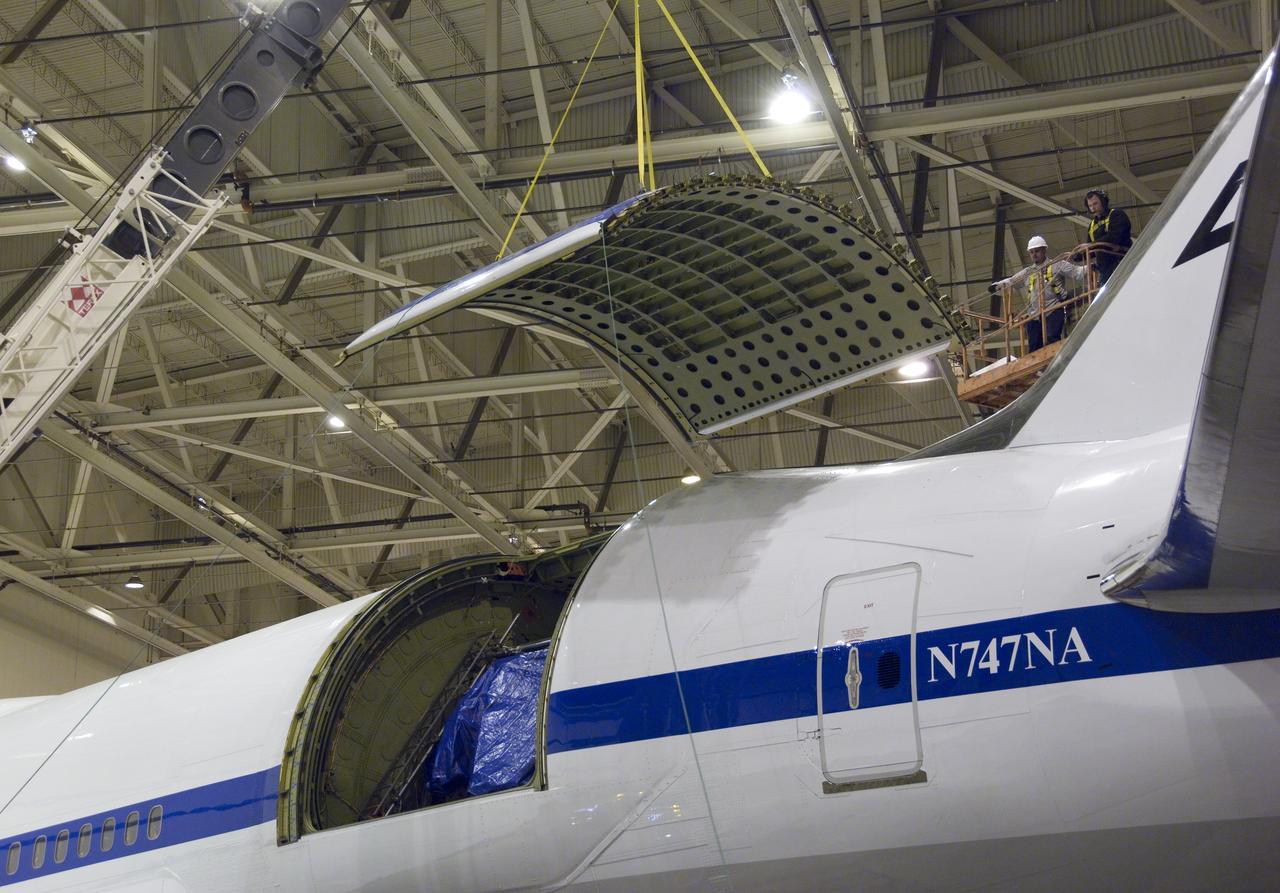
Technicians guide removal of the upper rigid door assembly that covers the telescope cavity on NASA's SOFIA 747SP in preparation for primary mirror removal.
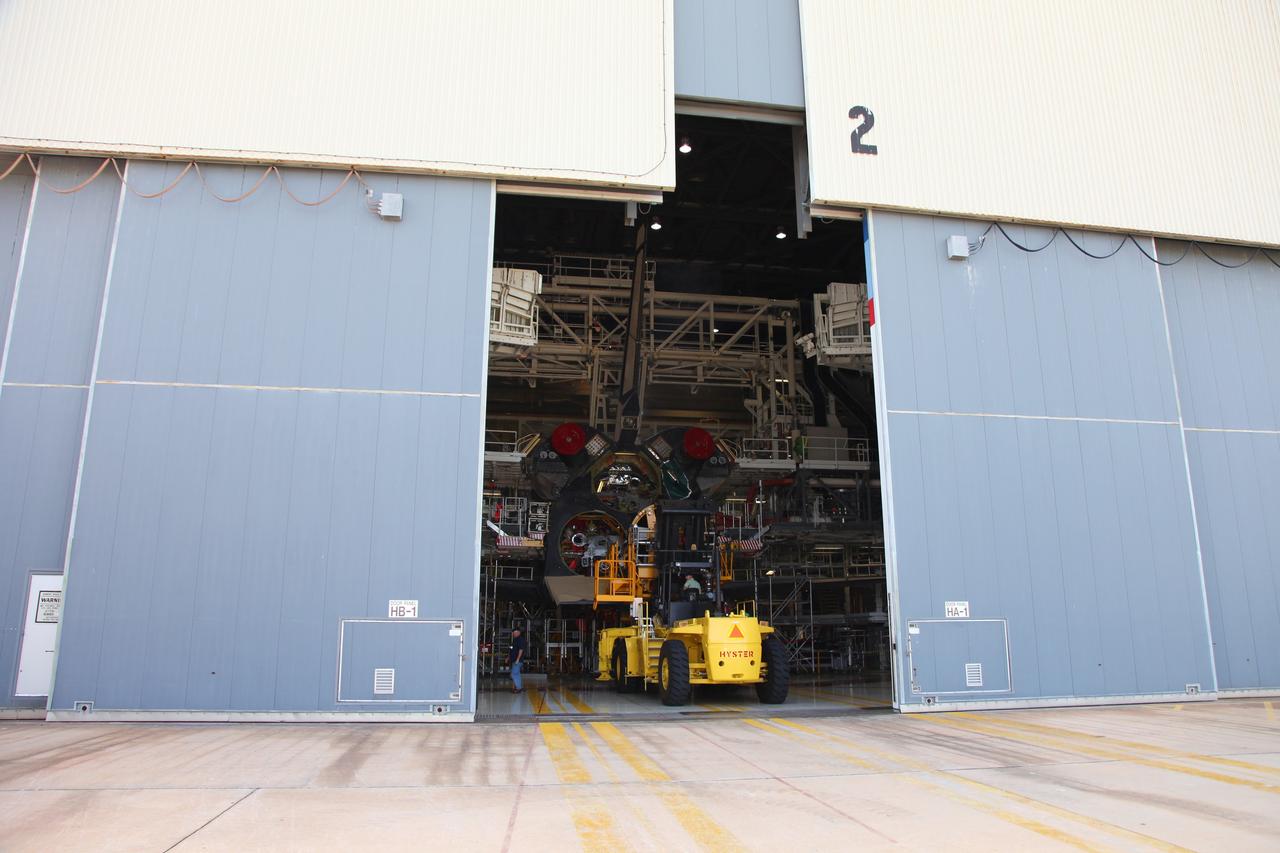
CAPE CANAVERAL, Fla. -- In Orbiter Processing Facility-2 at NASA’s Kennedy Space Center in Florida, technicians, using a Hyster forklift, have removed Engine #1, the final engine to be removed from space shuttle Atlantis. The forklift will be used to transport the engine to the Engine Shop for possible future use. Each of the three space shuttle main engines is 14 feet long and weighs 7,800 pounds.In Orbiter Processing Facility-2 at NASA’s Kennedy Space Center in Florida, technicians used a Hyster forklift to remove Engine #1, the final engine to be removed from space shuttle Atlantis. The forklift will be used to transport the engine to the Engine Shop for possible future use. Each of the three space shuttle main engines is 14 feet long and weighs 7,800 pounds. Removal of the space shuttle main engines is part of the Transition and Retirement work that is being performed in order to prepare Atlantis for eventual display at the Kennedy Space Center Visitor Complex in Florida. Photo credit: Frankie Martin
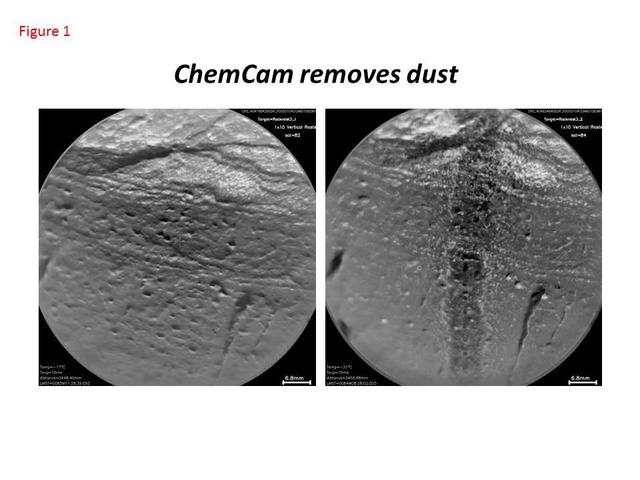
This pair of images taken a few minutes apart show how laser firing by NASA Mars rover Curiosity removes dust from the surface of a rock. The images were taken by the remote micro-imager camera in the laser-firing Chemistry and Camera ChemCam.
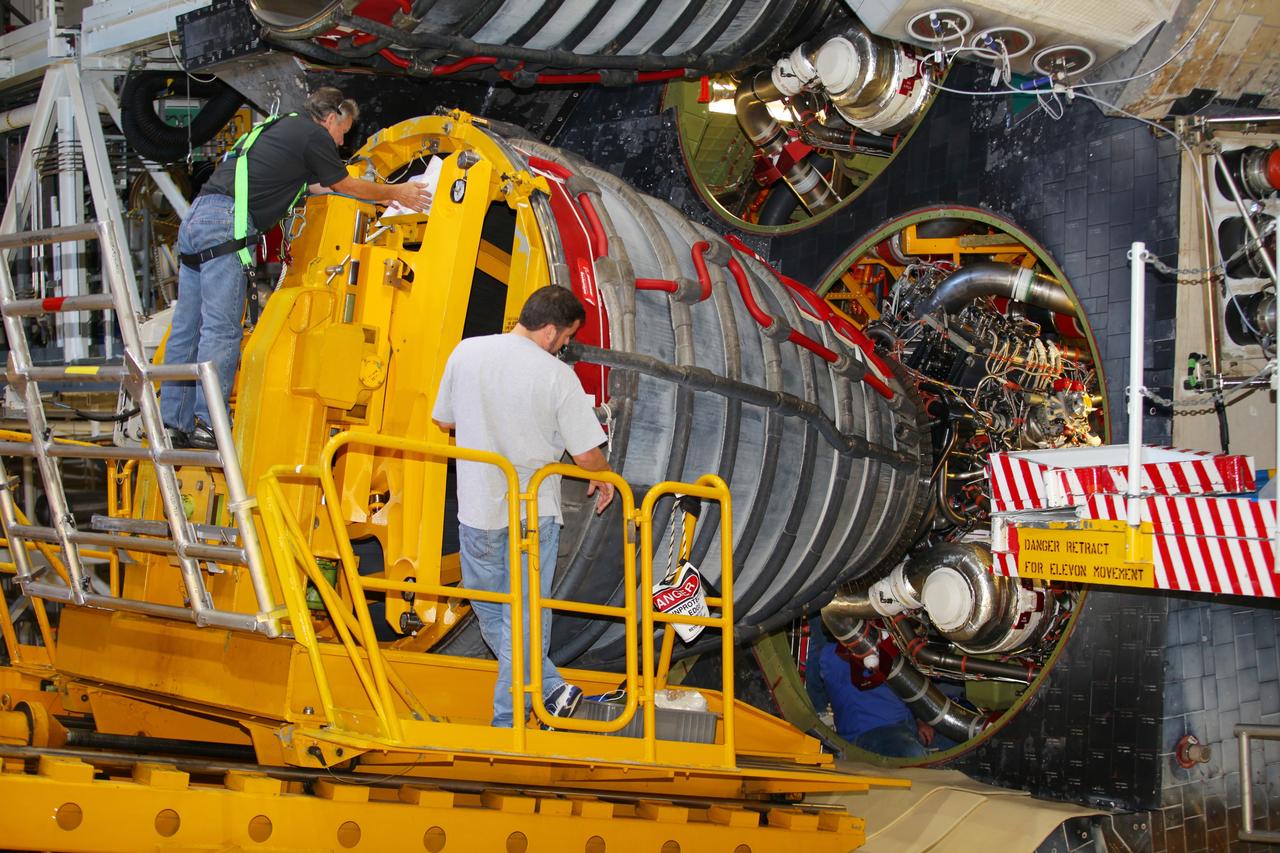
CAPE CANAVERAL, Fla. -- In Orbiter Processing Facility-2 at NASA’s Kennedy Space Center in Florida, technicians monitor the progress as they use a Hyster forklift to position an engine removal device on Engine #3 on space shuttle Atlantis. Inside the aft section, a technician disconnects hydraulic, fluid and electrical lines. The forklift will be used to remove the engine and transport it to the Engine Shop for possible future use. Each of the three space shuttle main engines is 14 feet long and weighs 7,800 pounds. Removal of the space shuttle main engines is part of the Transition and Retirement work that is being performed in order to prepare Atlantis for eventual display at the Kennedy Space Center Visitor Complex in Florida. Photo credit: Frankie Martin
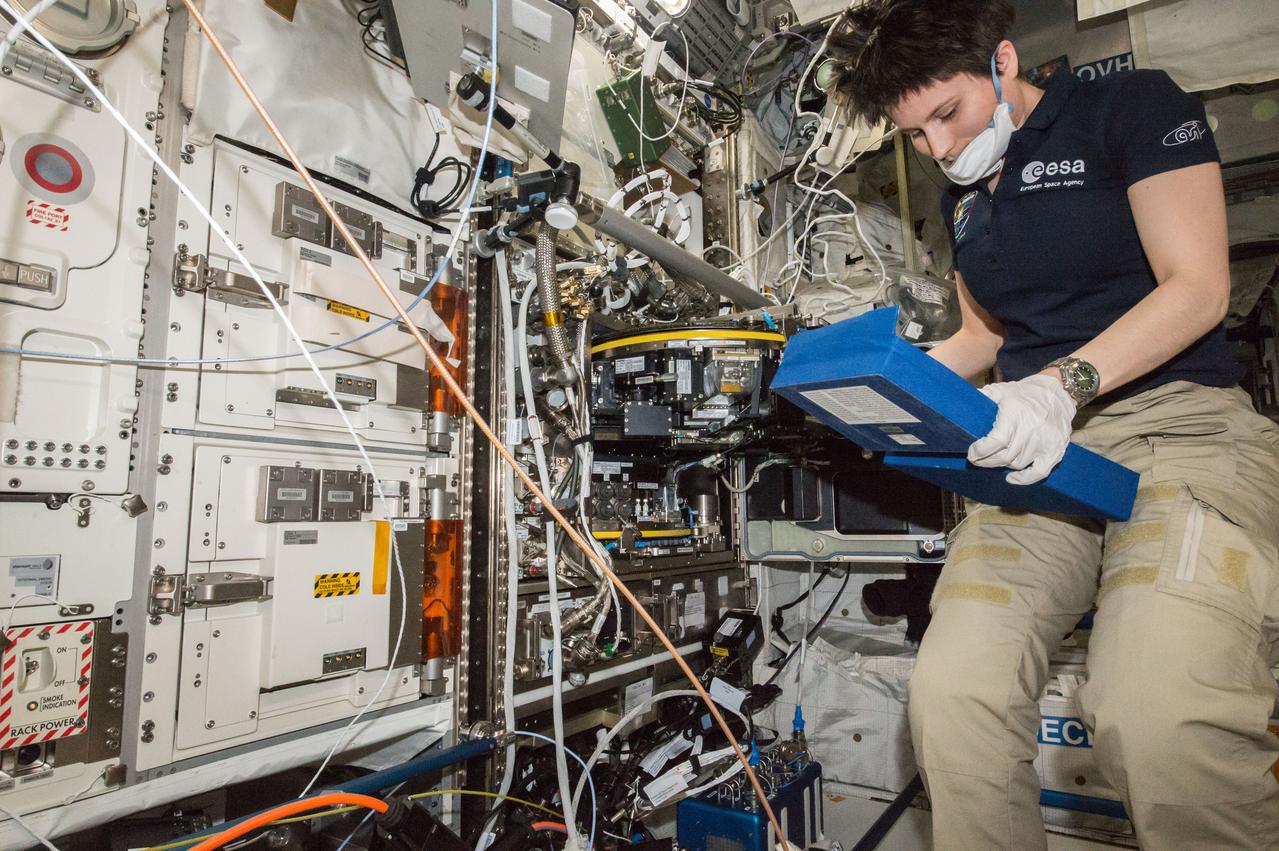
ISS043E127770 (04/14/2015) --- ESA (European Space Agency) astronaut Samantha Cristoforetti of Expedition 43 on the International Space Station works to remove a water removal reservoir on Apr.14, 2015. She and her crewmates also were removing all four European Modular Cultivation System rotor based life support systems to pack for their return to Earth on the upcoming SpaceX-6 spacecraft.
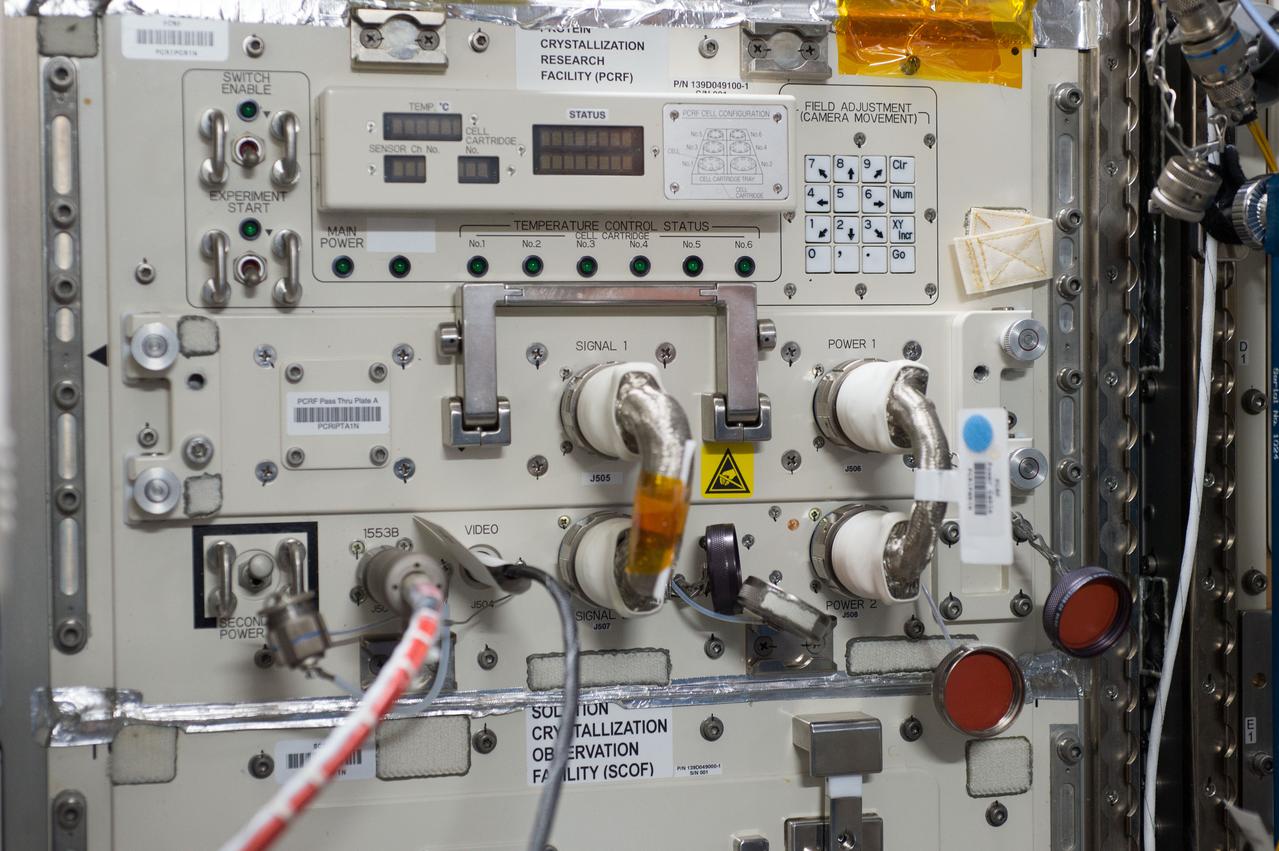
iss047e105727 (5/10/2016) --- Photographic documentation of the Japan Aerospace Exploration Agency (JAXA) High Quality Protein Crystal Growth (PCG) Removal. The PCG-Canister Bags were removed from the Cell Biology Experiment Facility (CBEF) and the Protein Crystallization Research Facility (PCRF) before being stowed for return on SpX-8. The JAXA PCG-Demo investigation crystallizes proteins using the counter-diffusion technique and permeation method that minimizes impurities, forming high-quality crystals for use in medical studies and ecological applications.
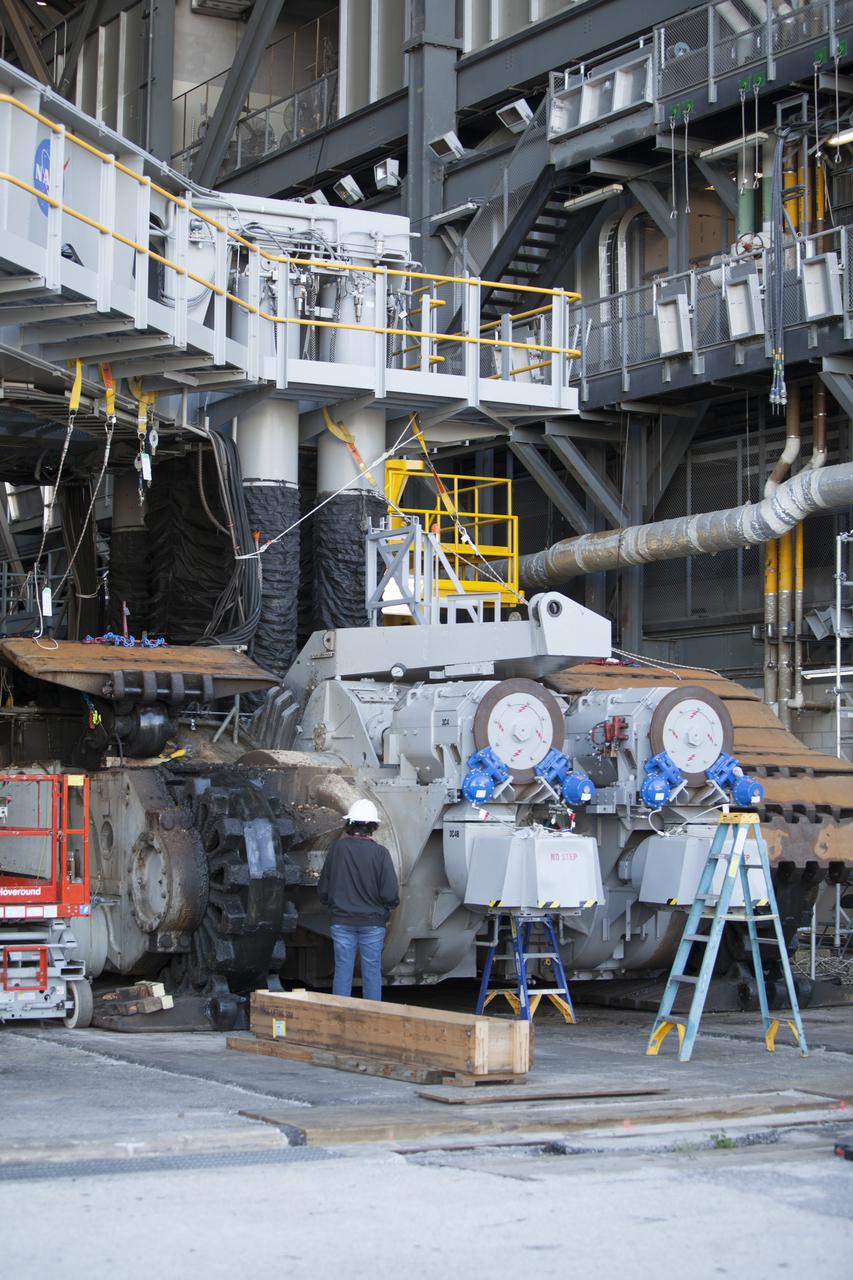
CAPE CANAVERAL, Fla. – Inside the Vehicle Assembly Building at NASA’s Kennedy Space Center in Florida, a portion of the treads on the C truck of crawler-transporter 2, or CT-2, have been removed from the vehicle. The treads are being removed in order to gain access to remove the gear boxes. Work continues in high bay 2 to upgrade CT-2. The modifications are designed to ensure CT-2’s ability to transport launch vehicles currently in development, such as the agency’s Space Launch System, to the launch pad. The Ground Systems Development and Operations Program office at Kennedy is overseeing the upgrades. For more than 45 years the crawler-transporters were used to transport the mobile launcher platform and the Apollo-Saturn V rockets and, later, space shuttles to Launch Pads 39A and B. For more information, visit: http://www.nasa.gov/exploration/systems/ground/crawler-transporter. Photo credit: NASA/Dimitri Gerondidakis
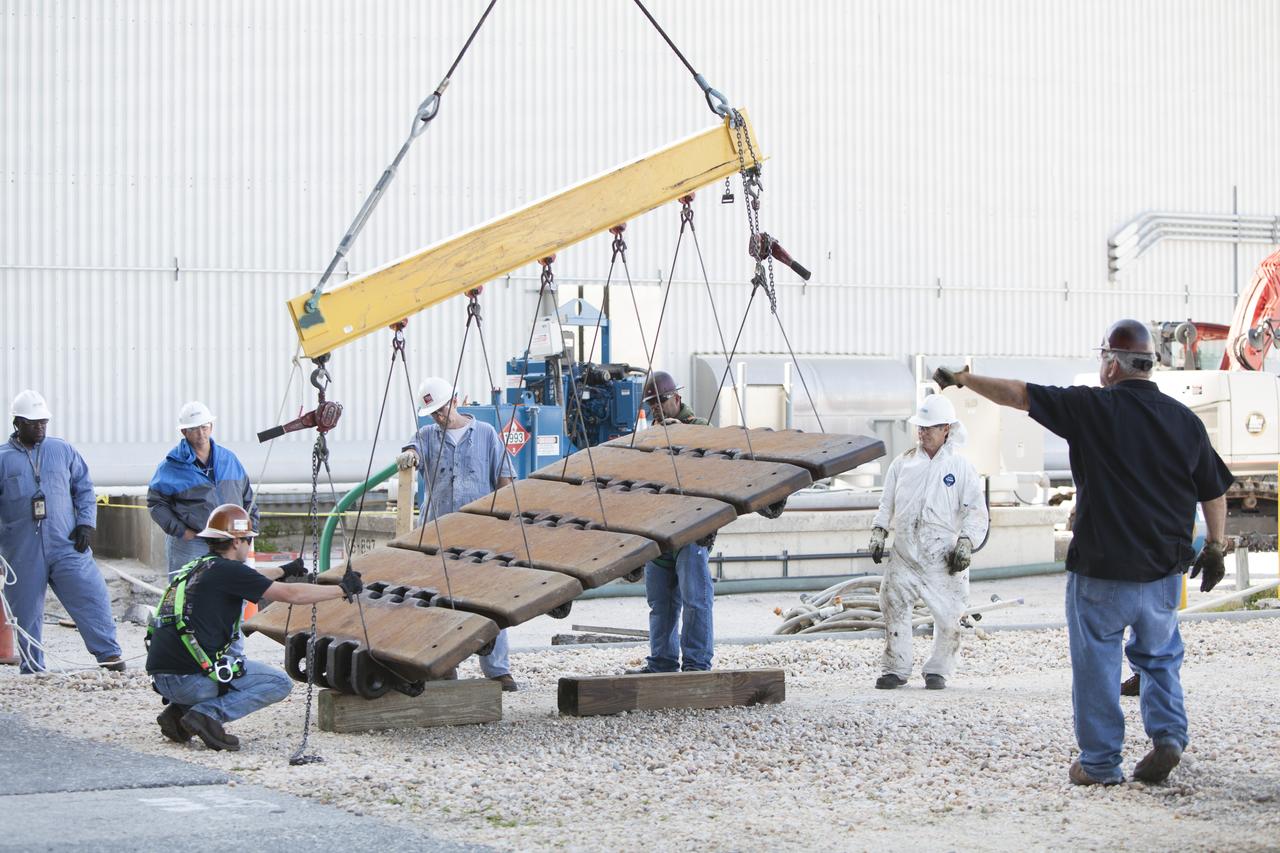
CAPE CANAVERAL, Fla. – A section of the treads on the C truck of crawler-transporter 2, or CT-2, have been removed and are being stored near the Vehicle Assembly Building at NASA’s Kennedy Space Center in Florida. The treads are being removed from the crawler in order to gain access to remove the gear boxes. Work continues in high bay 2 to upgrade CT-2. The modifications are designed to ensure CT-2’s ability to transport launch vehicles currently in development, such as the agency’s Space Launch System, to the launch pad. The Ground Systems Development and Operations Program office at Kennedy is overseeing the upgrades. For more than 45 years the crawler-transporters were used to transport the mobile launcher platform and the Apollo-Saturn V rockets and, later, space shuttles to Launch Pads 39A and B. For more information, visit: http://www.nasa.gov/exploration/systems/ground/crawler-transporter. Photo credit: NASA/Dimitri Gerondidakis
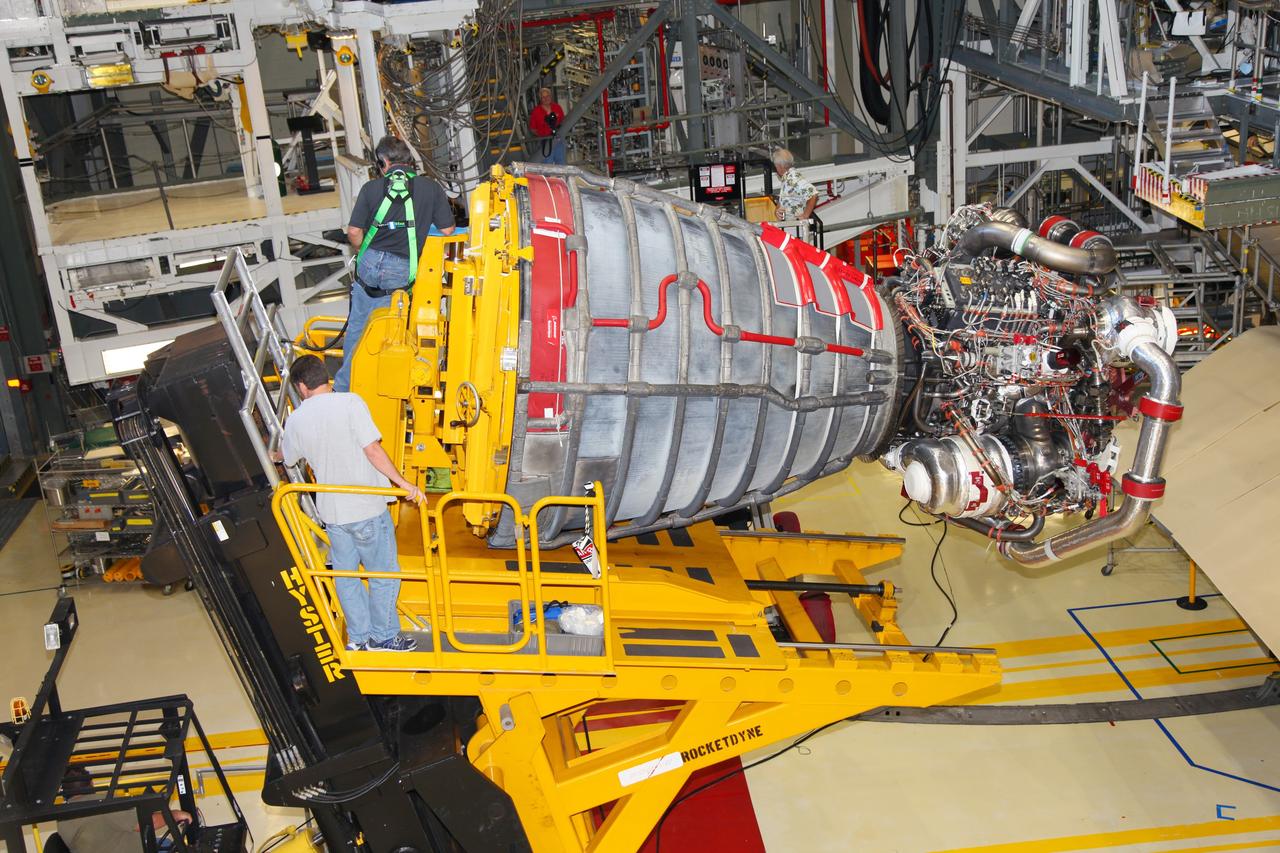
CAPE CANAVERAL, Fla. -- In Orbiter Processing Facility-2 at NASA’s Kennedy Space Center in Florida, technicians used a Hyster forklift to remove Engine #3 from space shuttle Atlantis. The engine will be transported to the Engine Shop for possible future use. Each of the three space shuttle main engines is 14 feet long and weighs 7,800 pounds. Removal of the space shuttle main engines is part of the Transition and Retirement work that is being performed in order to prepare Atlantis for eventual display at the Kennedy Space Center Visitor Complex in Florida. Photo credit: Frankie Martin
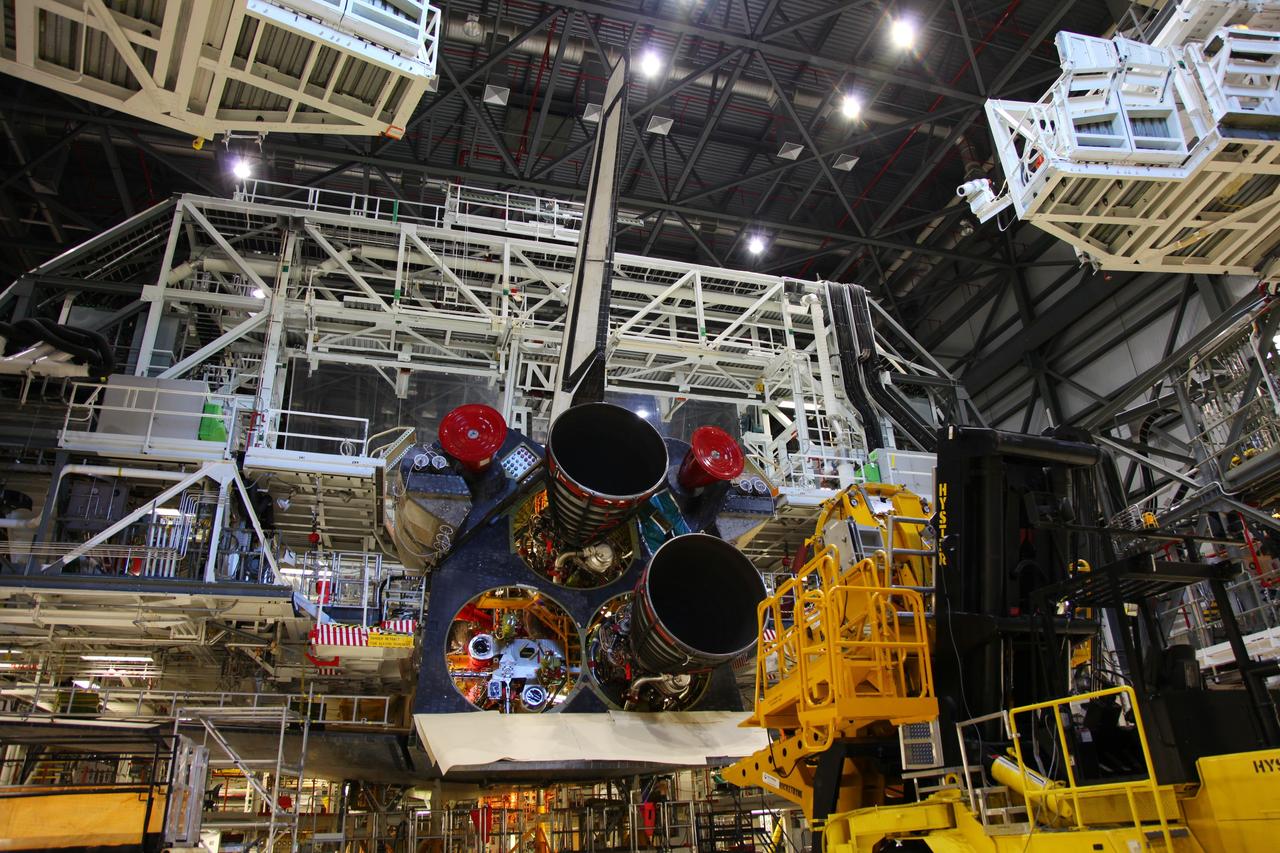
CAPE CANAVERAL, Fla. -- In Orbiter Processing Facility-2 at NASA’s Kennedy Space Center in Florida, a technician moves a Hyster forklift toward Engine #3 on space shuttle Atlantis. The forklift will be used to remove the engine and transport it to the Engine Shop for possible future use. Each of the three space shuttle main engines is 14 feet long and weighs 7,800 pounds. Removal of the space shuttle main engines is part of the Transition and Retirement work that is being performed in order to prepare Atlantis for eventual display at the Kennedy Space Center Visitor Complex in Florida. Photo credit: Frankie Martin
CAPE CANAVERAL, Fla. -- In Orbiter Processing Facility-2 at NASA’s Kennedy Space Center in Florida, a technician moves a Hyster forklift toward Engine #3 on space shuttle Atlantis. The forklift will be used to remove the engine and transport it to the Engine Shop for possible future use. Each of the three space shuttle main engines is 14 feet long and weighs 7,800 pounds. Removal of the space shuttle main engines is part of the Transition and Retirement work that is being performed in order to prepare Atlantis for eventual display at the Kennedy Space Center Visitor Complex in Florida. Photo credit: Frankie Martin
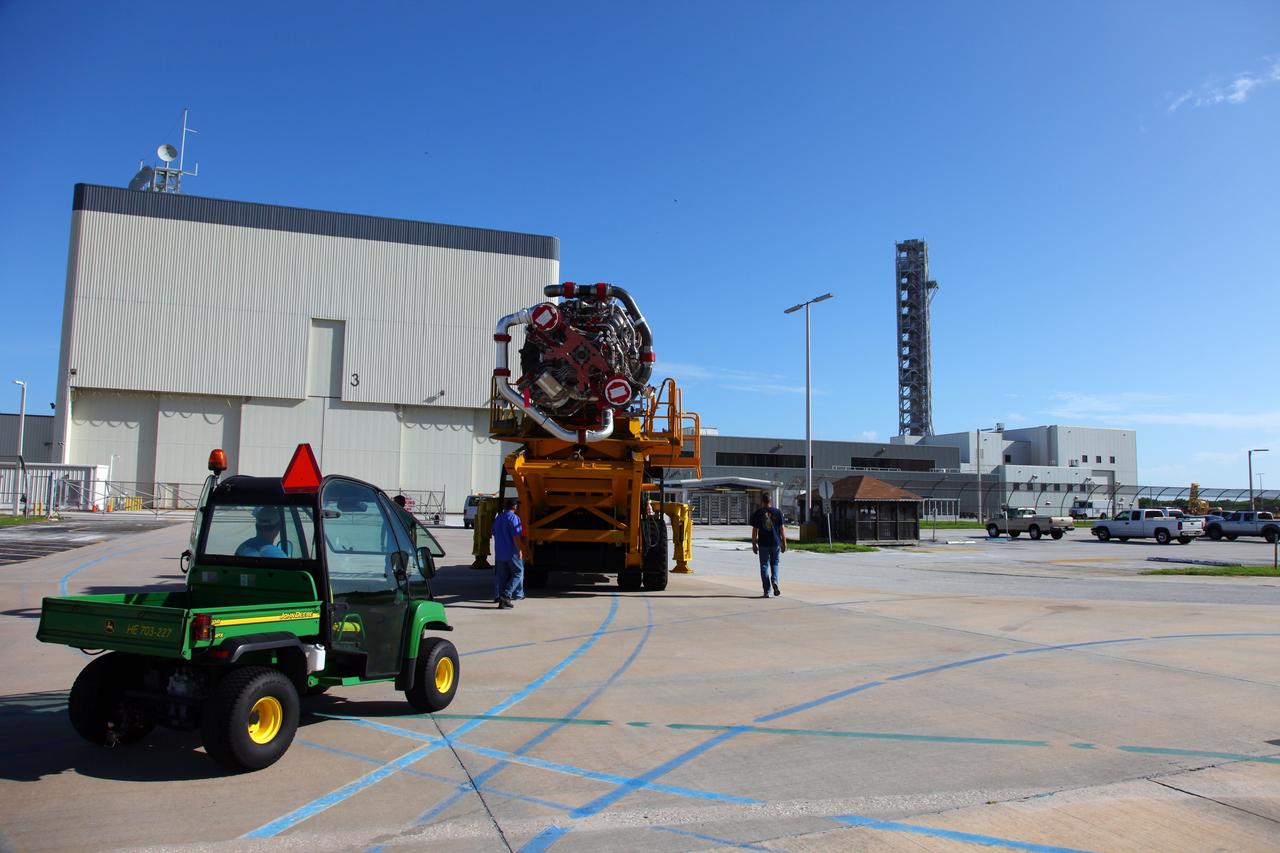
CAPE CANAVERAL, Fla. -- Technicians use a Hyster forklift to transport Engine #3 to the Engine Shop for possible future use after it was removed from space shuttle Atlantis in Orbiter Processing Facility-2 at NASA’s Kennedy Space Center in Florida. Each of the three space shuttle main engines is 14 feet long and weighs 7,800 pounds. Removal of the space shuttle main engines is part of the Transition and Retirement work that is being performed in order to prepare Atlantis for eventual display at the Kennedy Space Center Visitor Complex in Florida. Photo credit: Frankie Martin
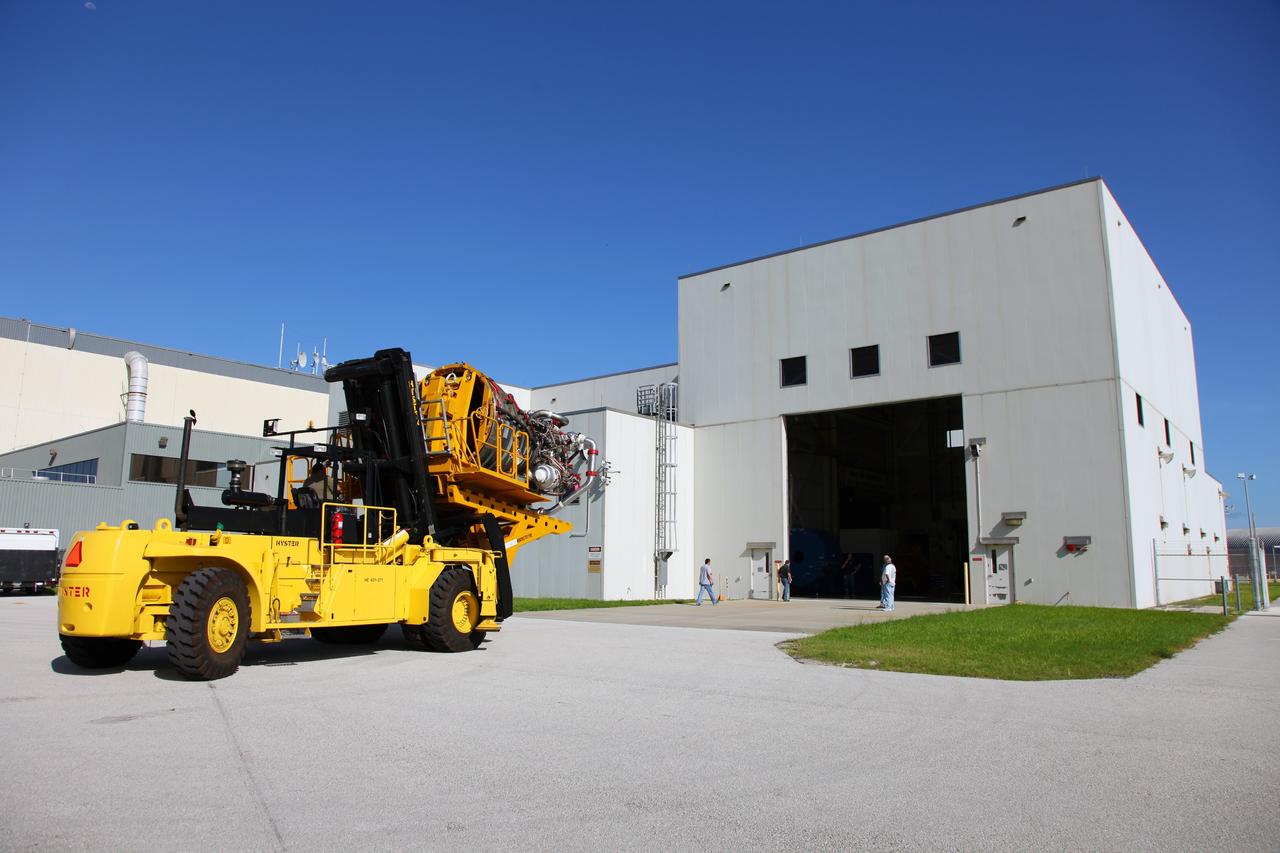
CAPE CANAVERAL, Fla. -- Technicians use a Hyster forklift to transport Engine #3 to the Engine Shop for possible future use after it was removed from space shuttle Atlantis in Orbiter Processing Facility-2 at NASA’s Kennedy Space Center in Florida. Each of the three space shuttle main engines is 14 feet long and weighs 7,800 pounds. Removal of the space shuttle main engines is part of the Transition and Retirement work that is being performed in order to prepare Atlantis for eventual display at the Kennedy Space Center Visitor Complex in Florida. Photo credit: Frankie Martin
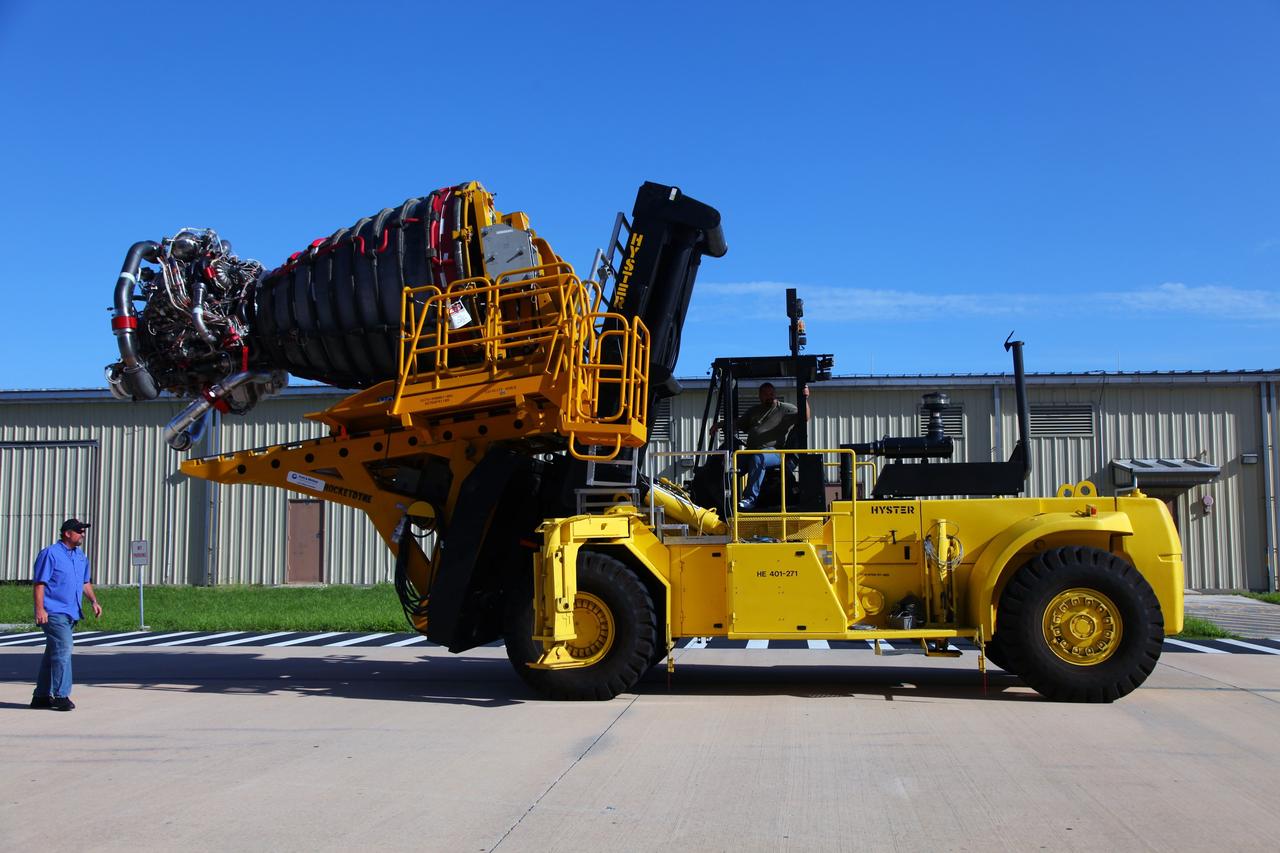
CAPE CANAVERAL, Fla. -- Technicians use a Hyster forklift to transport Engine #3 to the Engine Shop for possible future use after it was removed from space shuttle Atlantis in Orbiter Processing Facility-2 at NASA’s Kennedy Space Center in Florida. Each of the three space shuttle main engines is 14 feet long and weighs 7,800 pounds. Removal of the space shuttle main engines is part of the Transition and Retirement work that is being performed in order to prepare Atlantis for eventual display at the Kennedy Space Center Visitor Complex in Florida. Photo credit: Frankie Martin
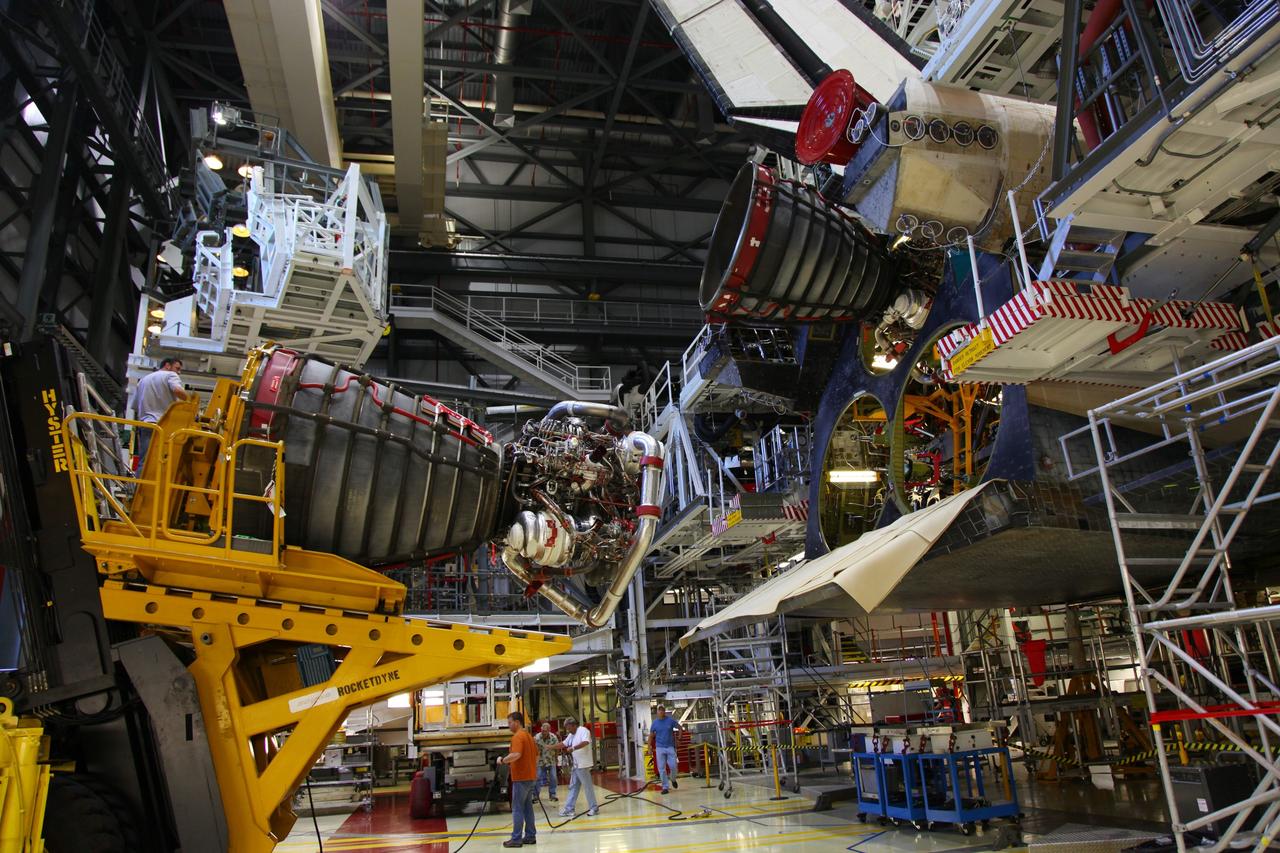
CAPE CANAVERAL, Fla. -- In Orbiter Processing Facility-2 at NASA’s Kennedy Space Center in Florida, technicians, using a Hyster forklift, have removed Engine #3 from space shuttle Atlantis. The engine will be transported to the Engine Shop for possible future use. Each of the three space shuttle main engines is 14 feet long and weighs 7,800 pounds. Removal of the space shuttle main engines is part of the Transition and Retirement work that is being performed in order to prepare Atlantis for eventual display at the Kennedy Space Center Visitor Complex in Florida. Photo credit: Frankie Martin
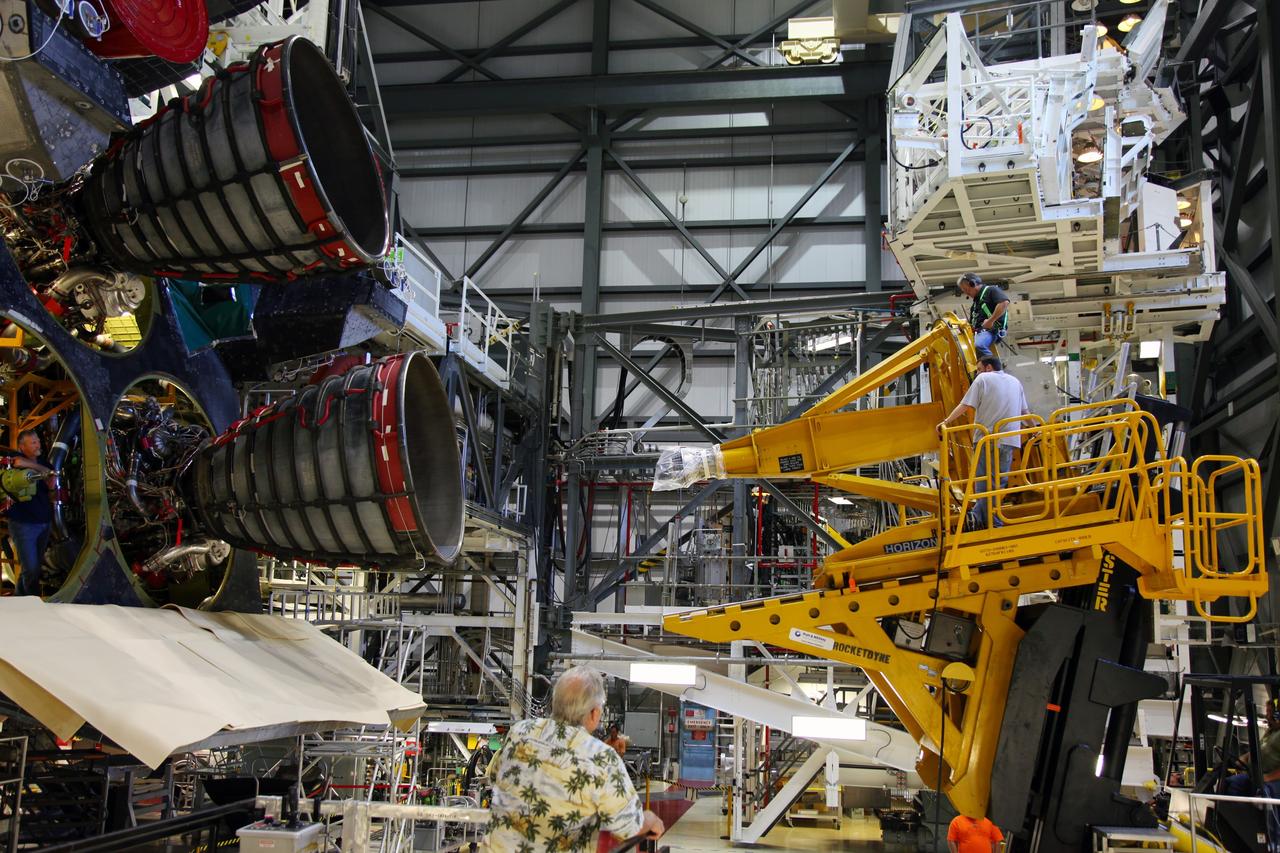
CAPE CANAVERAL, Fla. -- In Orbiter Processing Facility-2 at NASA’s Kennedy Space Center in Florida, a technician moves a Hyster forklift toward Engine #3 on space shuttle Atlantis. The forklift will be used to remove the engine and transport it to the Engine Shop for possible future use. Each of the three space shuttle main engines is 14 feet long and weighs 7,800 pounds. Removal of the space shuttle main engines is part of the Transition and Retirement work that is being performed in order to prepare Atlantis for eventual display at the Kennedy Space Center Visitor Complex in Florida. Photo credit: Frankie Martin
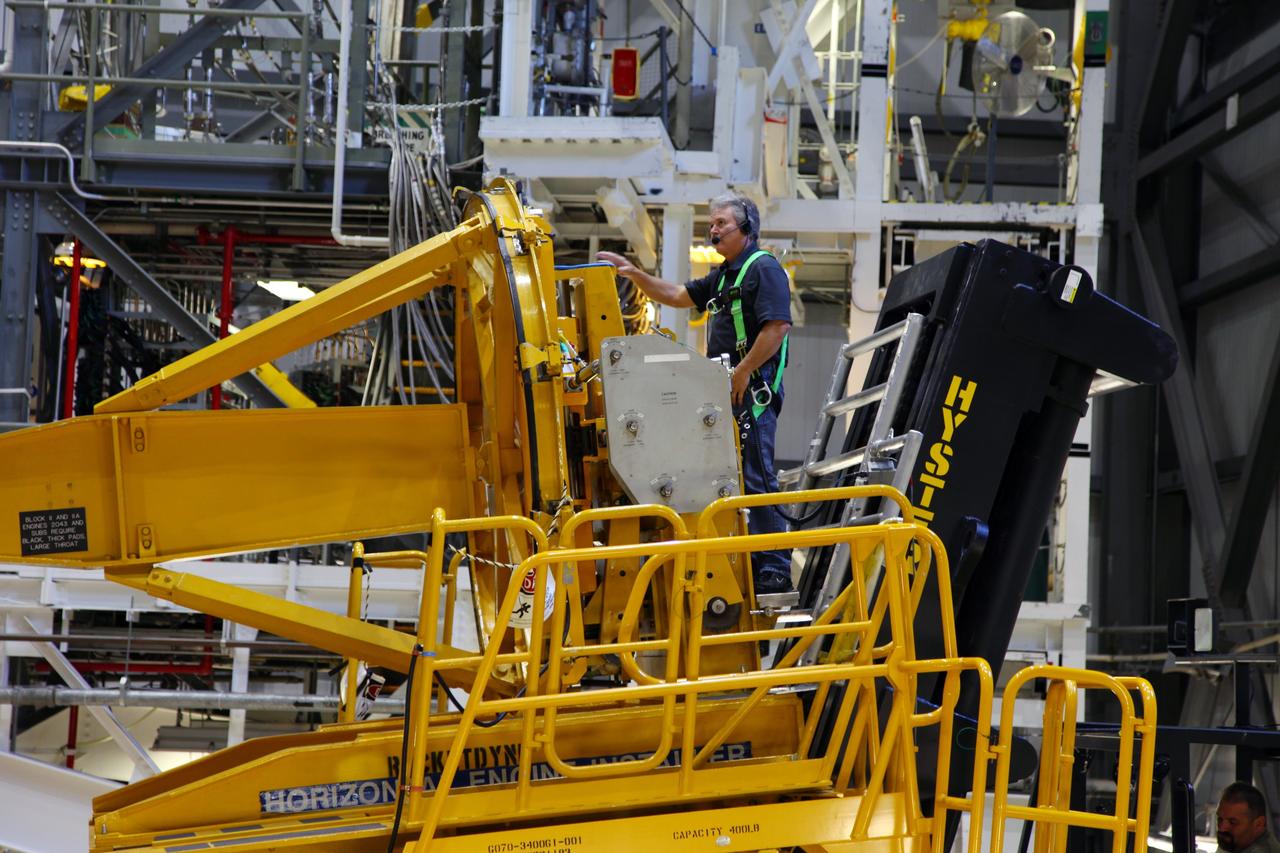
CAPE CANAVERAL, Fla. -- In Orbiter Processing Facility-2 at NASA’s Kennedy Space Center in Florida, a technician moves a Hyster forklift toward Engine #3 on space shuttle Atlantis. The forklift will be used to remove the engine and transport it to the Engine Shop for possible future use. Each of the three space shuttle main engines is 14 feet long and weighs 7,800 pounds. Removal of the space shuttle main engines is part of the Transition and Retirement work that is being performed in order to prepare Atlantis for eventual display at the Kennedy Space Center Visitor Complex in Florida. Photo credit: Frankie Martin
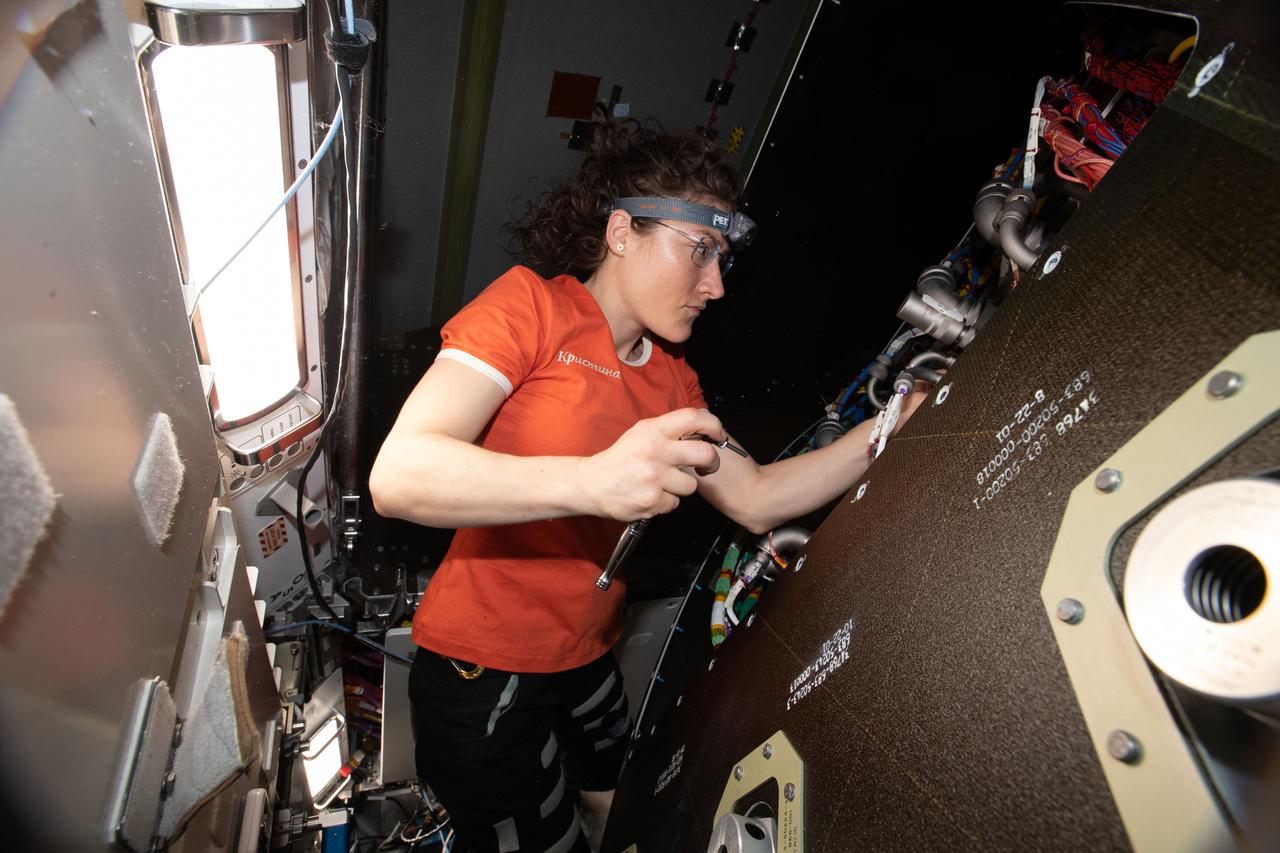
iss059e009964 (April 4, 2018) --- NASA astronaut and Expedition 59 Flight Engineer Christina Koch removes audio hardware from an avionics rack inside the Tranquility module.
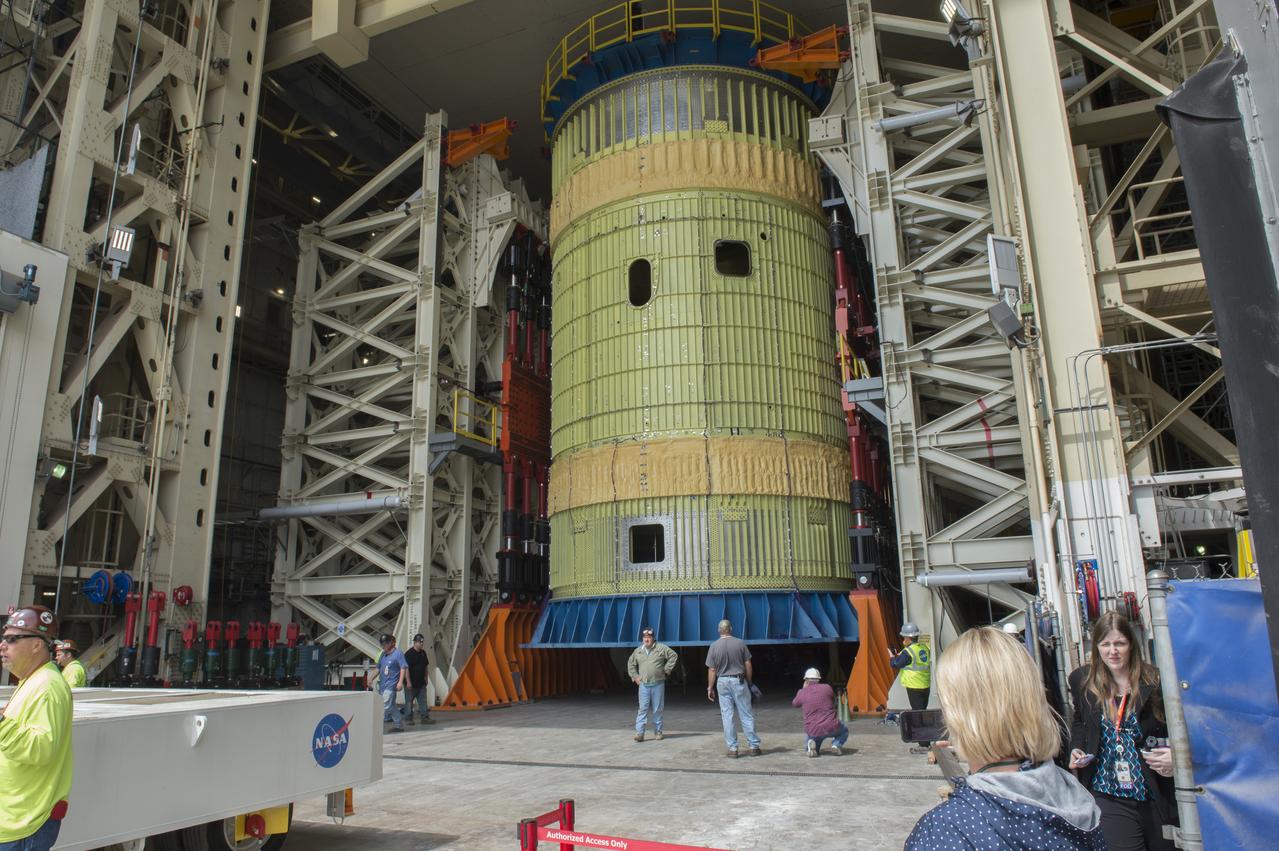
SLS Intertank Test Article, ITA, is attached to crosshead of load test Annex, Bldg. 4619, and removed from bed of KMAG transporter. ITA is slowly raised from bed of KMAG transporter and KMAG is removed.
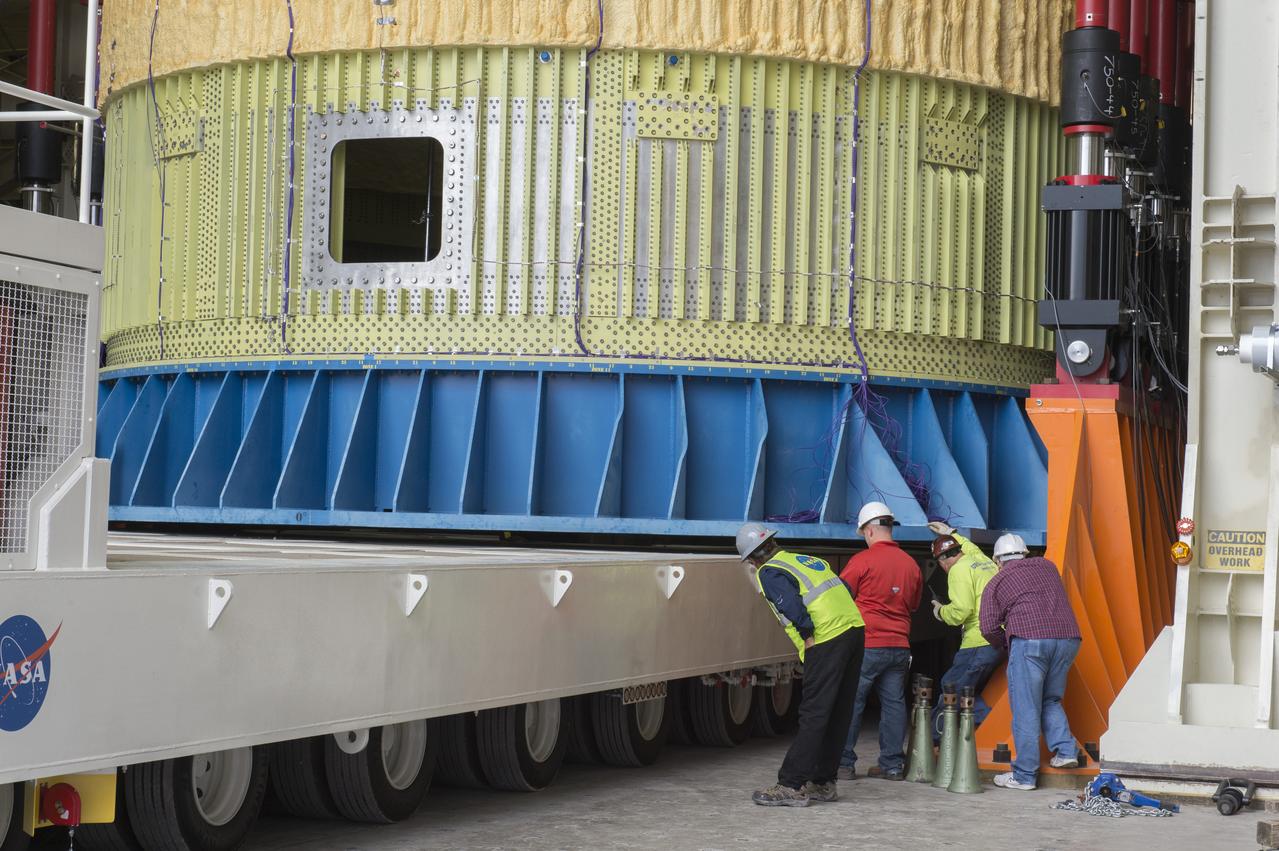
SLS Intertank Test Article, ITA, is attached to crosshead of load test Annex, Bldg. 4619, and removed from bed of KMAG transporter. ITA is slowly raised from bed of KMAG transporter and KMAG is removed.
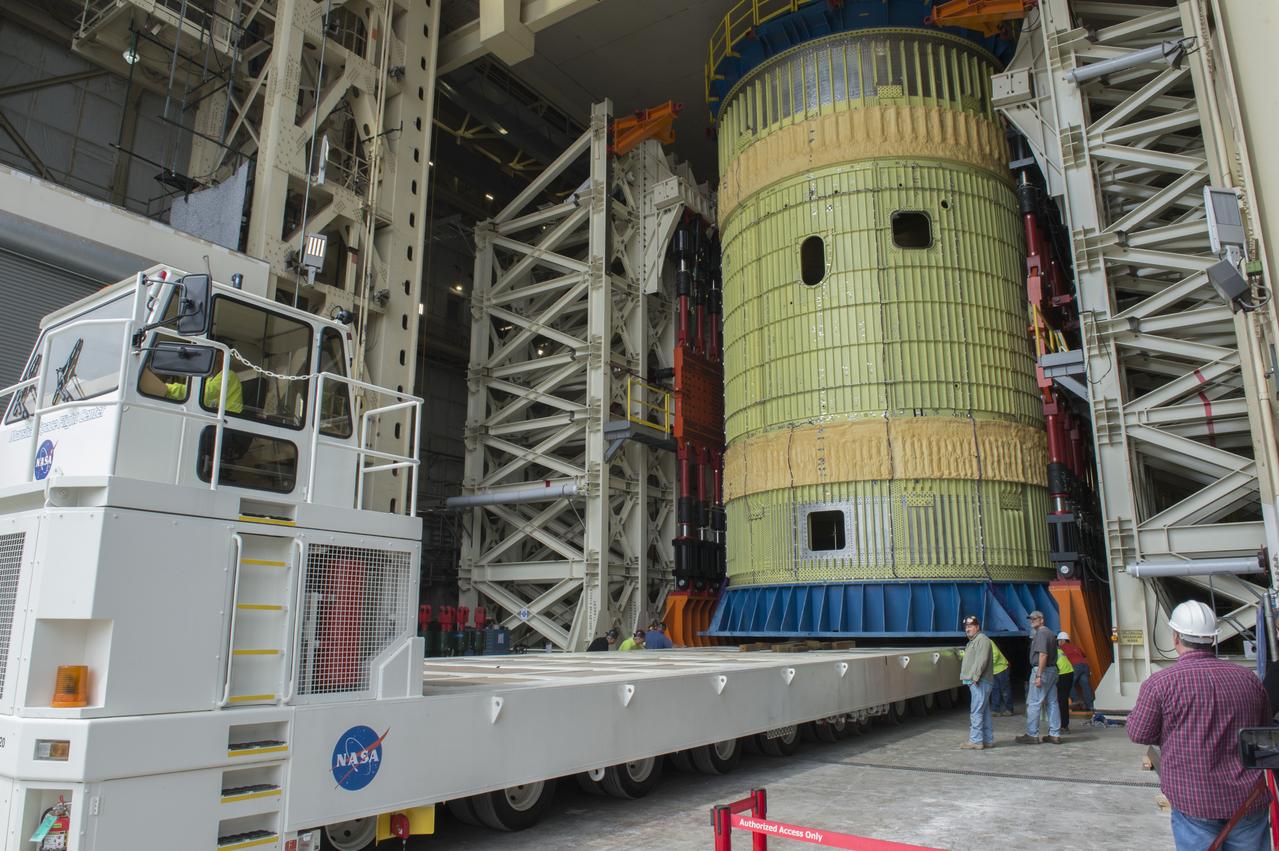
SLS Intertank Test Article, ITA, is attached to crosshead of load test Annex, Bldg. 4619, and removed from bed of KMAG transporter. ITA is slowly raised from bed of KMAG transporter and KMAG is removed.
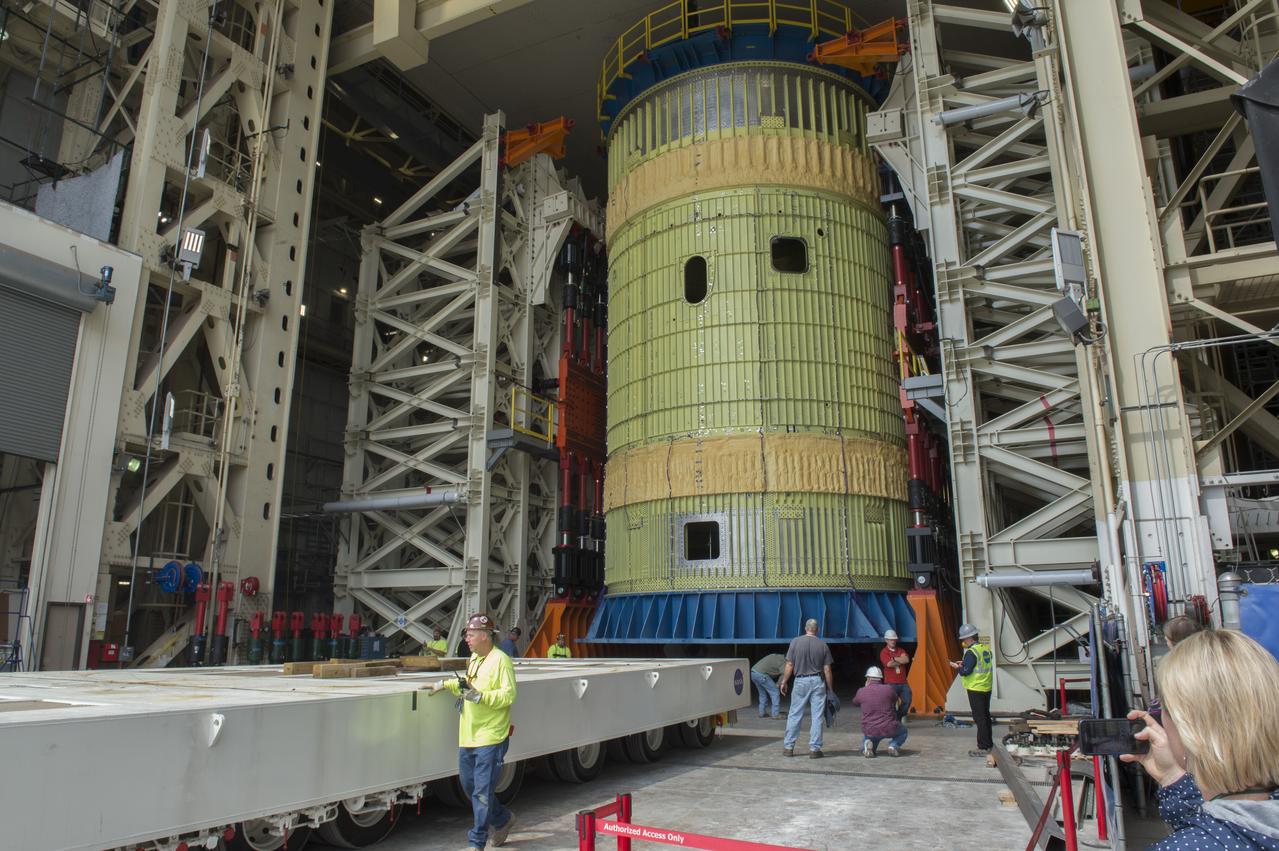
SLS Intertank Test Article, ITA, is attached to crosshead of load test Annex, Bldg. 4619, and removed from bed of KMAG transporter. ITA is slowly raised from bed of KMAG transporter and KMAG is removed.
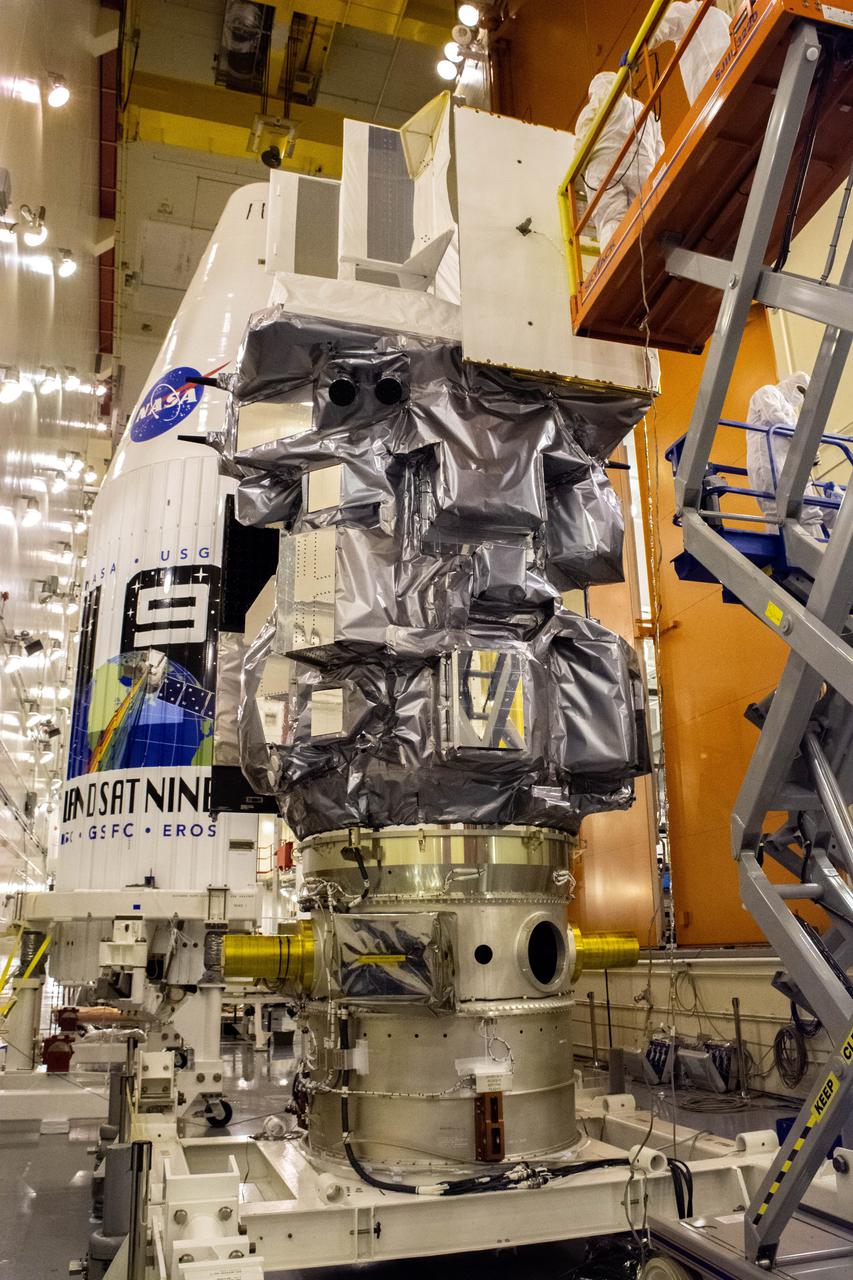
The Landsat 9 instrument cover is removed from the spacecraft inside the Integrated Processing Facility (IPF) at Vandenberg Space Force Base in California.

The Landsat 9 instrument cover is removed from the spacecraft inside the Integrated Processing Facility (IPF) at Vandenberg Space Force Base in California.

The Landsat 9 instrument cover is removed from the spacecraft inside the Integrated Processing Facility (IPF) at Vandenberg Space Force Base in California.
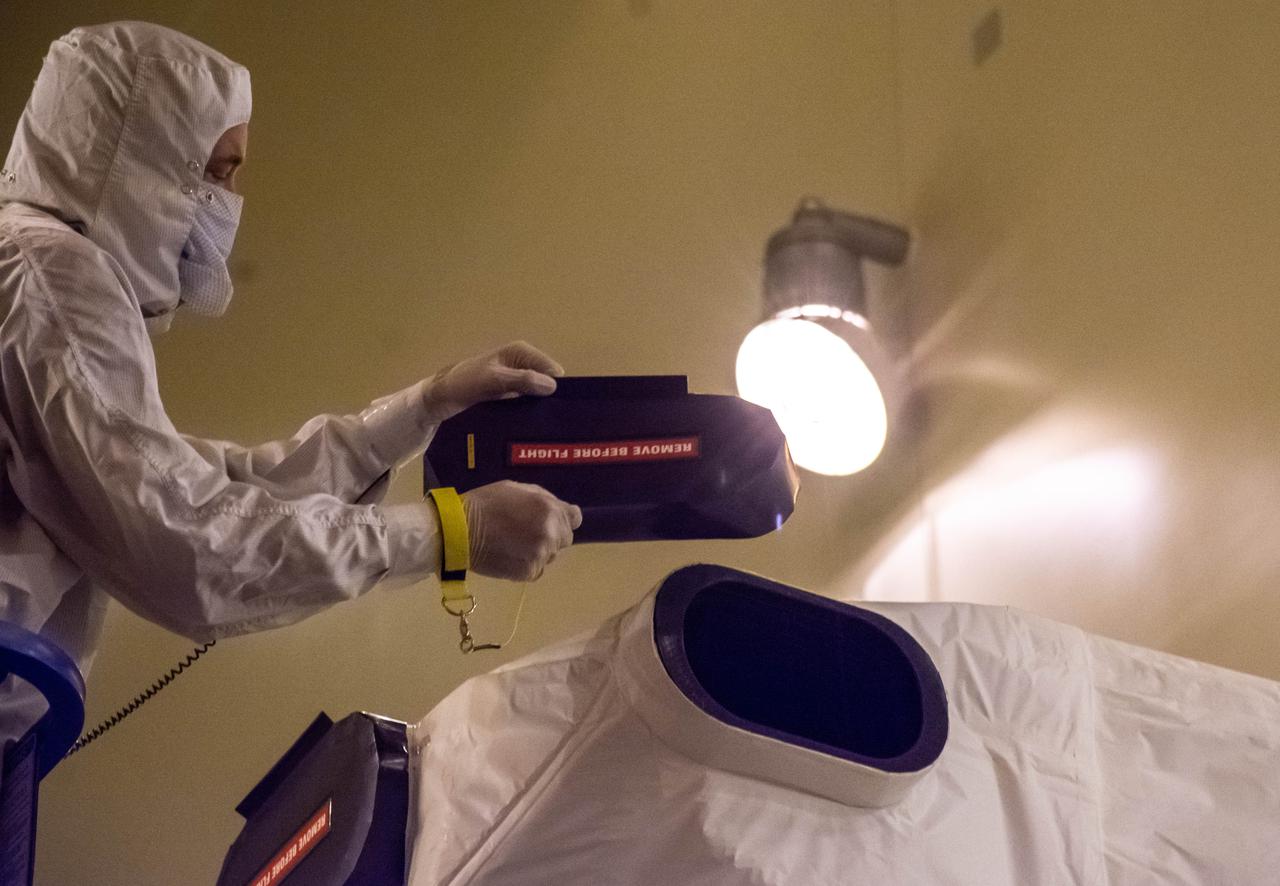
The Landsat 9 instrument cover is removed from the spacecraft inside the Integrated Processing Facility (IPF) at Vandenberg Space Force Base in California.
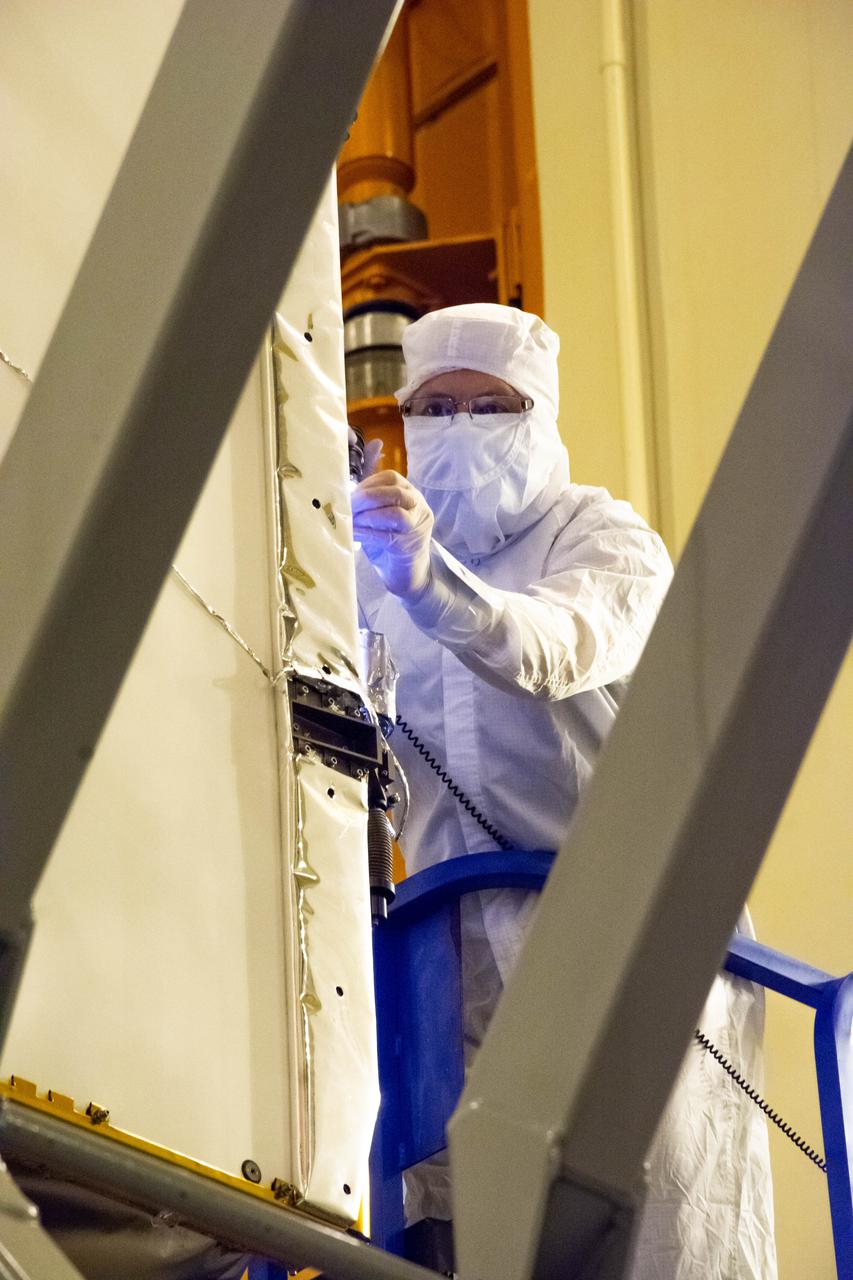
The Landsat 9 instrument cover is removed from the spacecraft inside the Integrated Processing Facility (IPF) at Vandenberg Space Force Base in California.
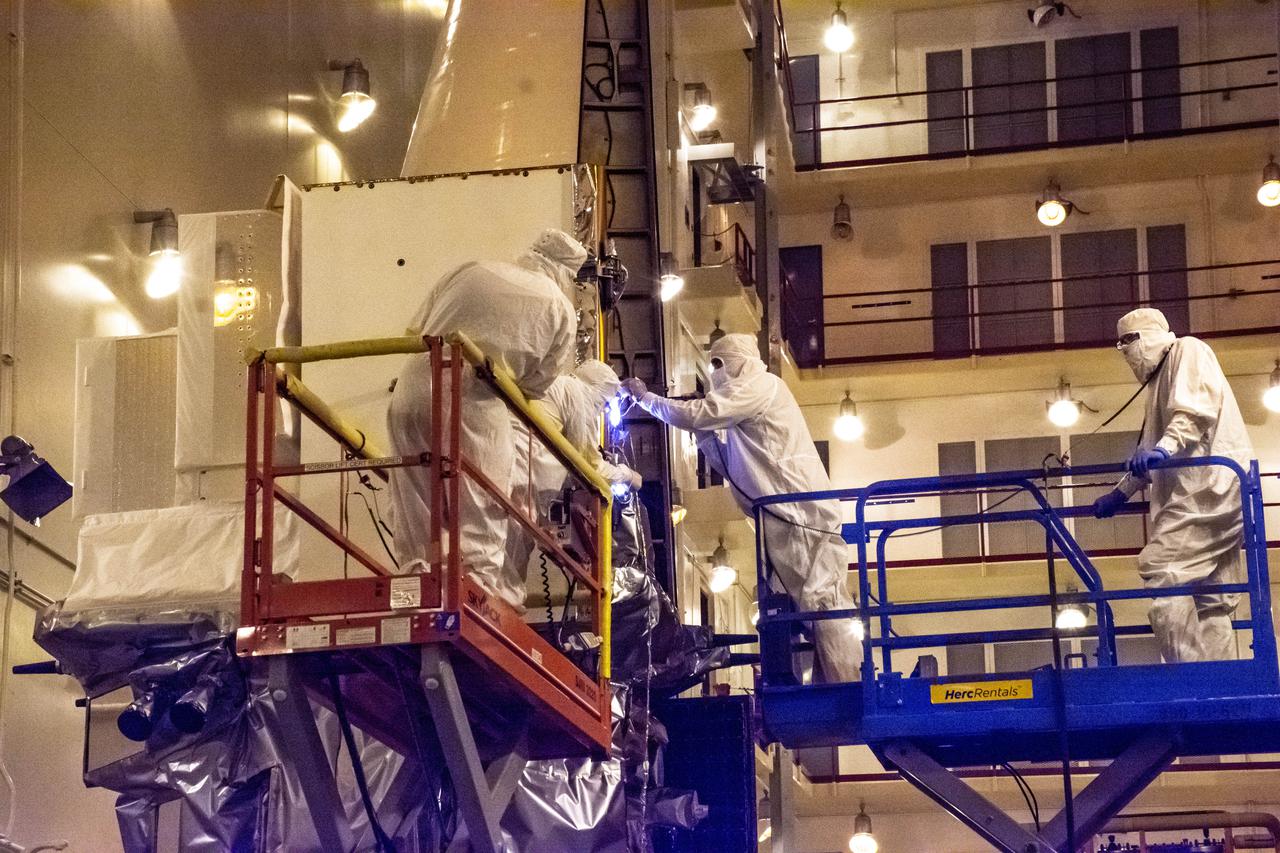
The Landsat 9 instrument cover is removed from the spacecraft inside the Integrated Processing Facility (IPF) at Vandenberg Space Force Base in California.
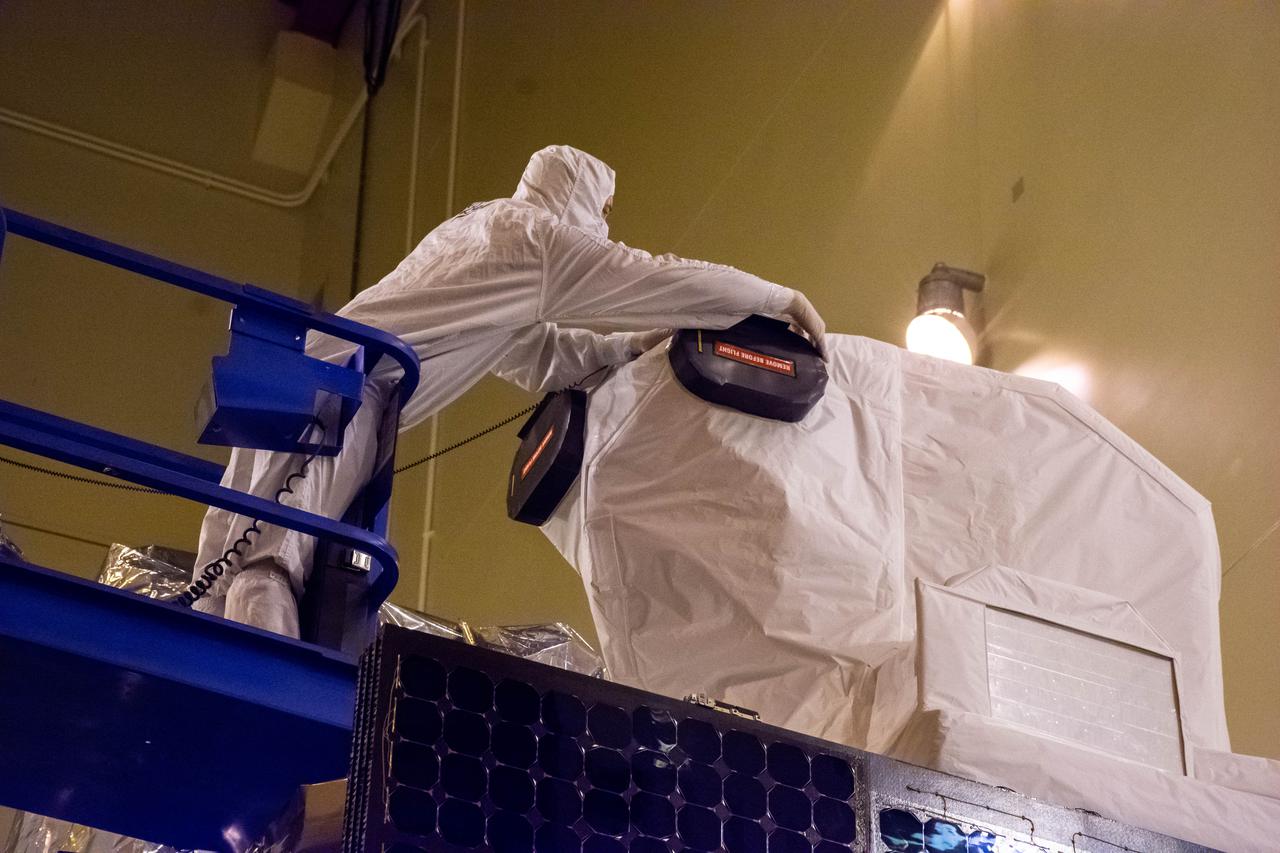
The Landsat 9 instrument cover is removed from the spacecraft inside the Integrated Processing Facility (IPF) at Vandenberg Space Force Base in California.
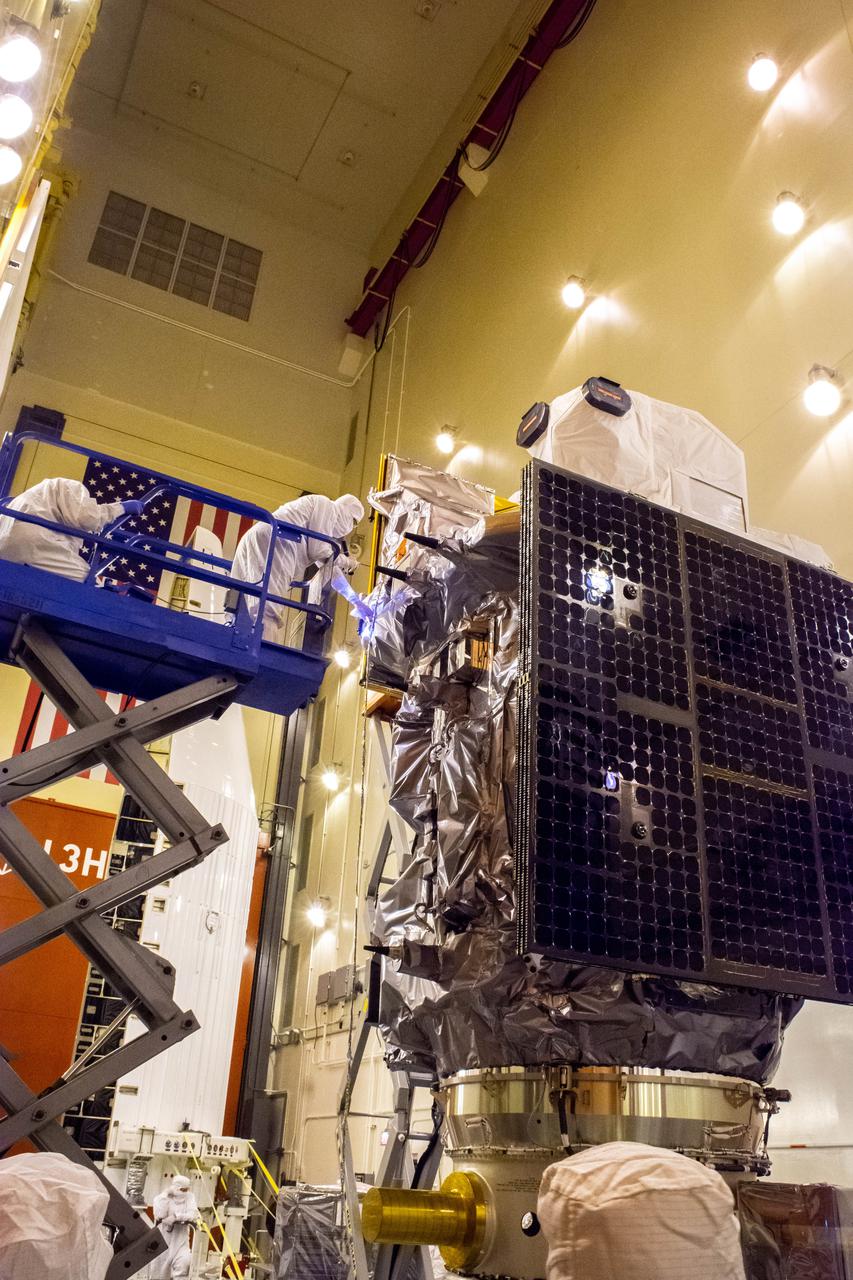
The Landsat 9 instrument cover is removed from the spacecraft inside the Integrated Processing Facility (IPF) at Vandenberg Space Force Base in California.
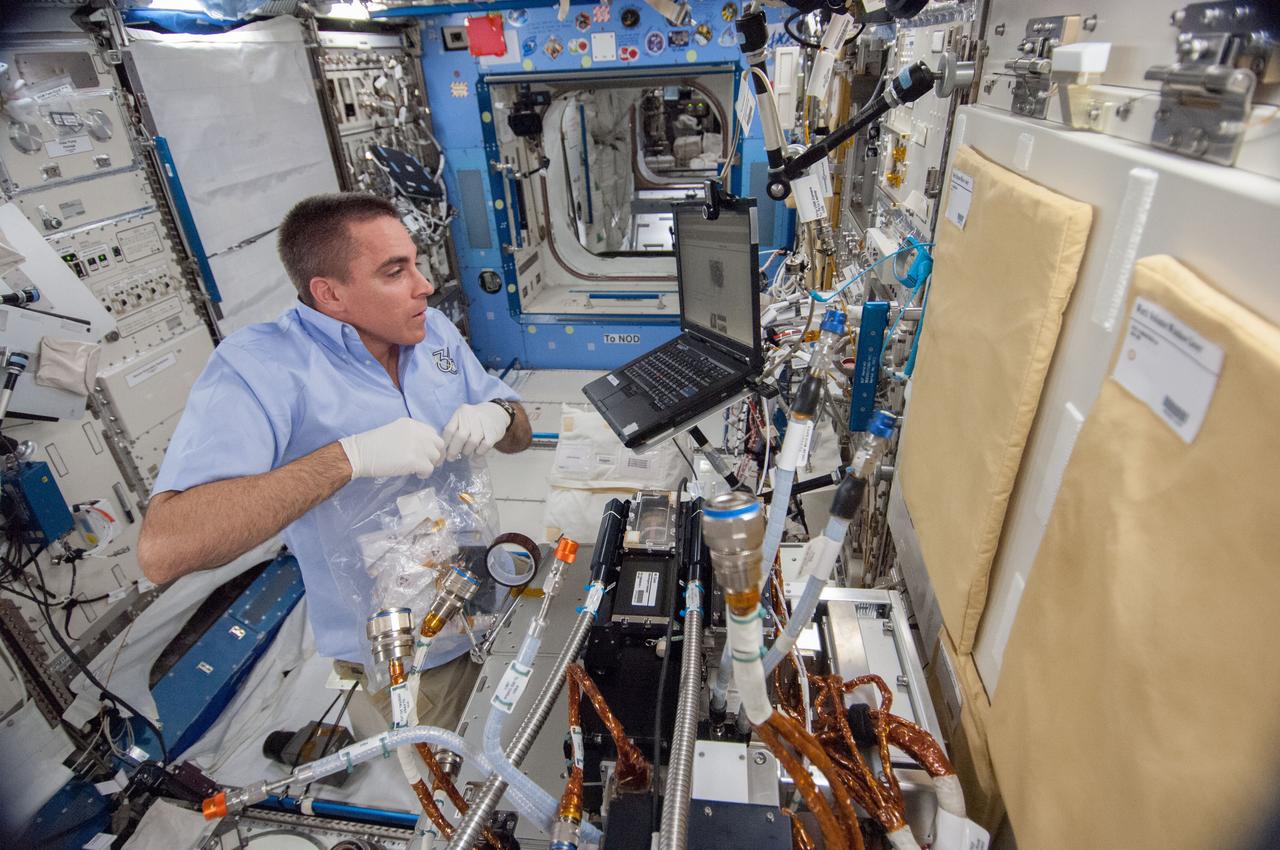
ISS036-E-023061 (23 July 2013) --- NASA astronaut Chris Cassidy, Expedition 36 flight engineer, works to remove the Marangoni Inside (MI) from the Fluid Physics Experiment Facility (FPEF) in the Kibo laboratory of the International Space Station.
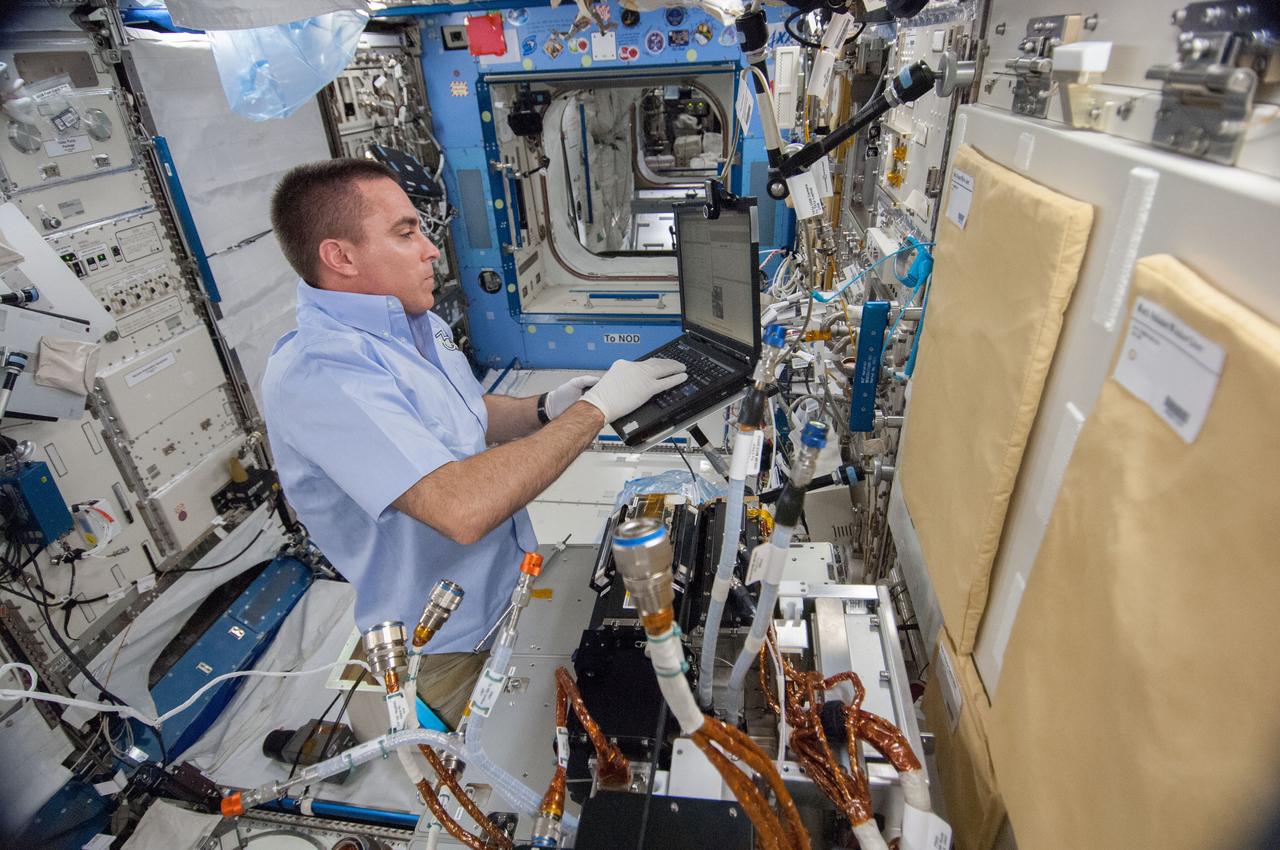
ISS036-E-023083 (23 July 2013) --- NASA astronaut Chris Cassidy, Expedition 36 flight engineer, works to remove the Marangoni Inside (MI) from the Fluid Physics Experiment Facility (FPEF) in the Kibo laboratory of the International Space Station.
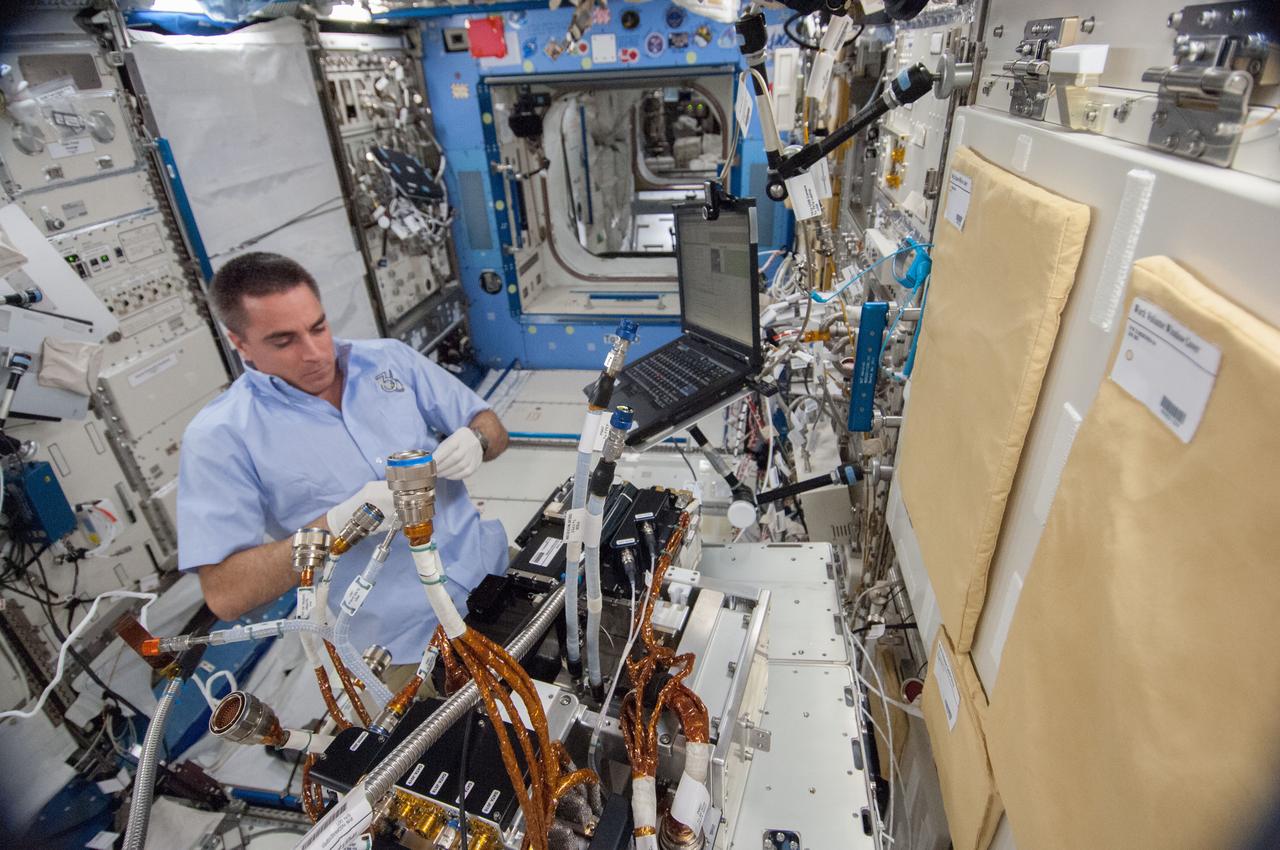
ISS036-E-023070 (23 July 2013) --- NASA astronaut Chris Cassidy, Expedition 36 flight engineer, works to remove the Marangoni Inside (MI) from the Fluid Physics Experiment Facility (FPEF) in the Kibo laboratory of the International Space Station.
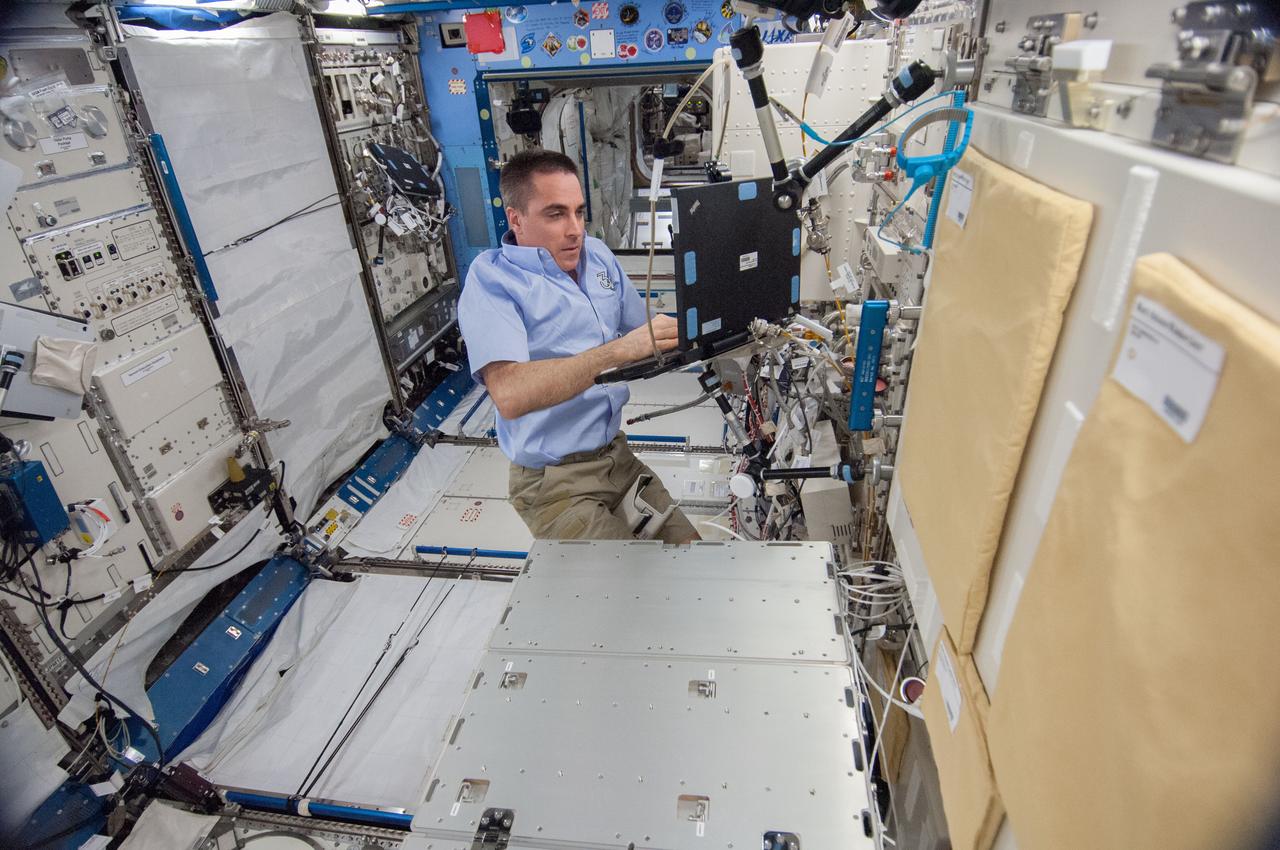
ISS036-E-023006 (23 July 2013) --- NASA astronaut Chris Cassidy, Expedition 36 flight engineer, uses a computer as he works to remove the Marangoni Inside (MI) from the Fluid Physics Experiment Facility (FPEF) in the Kibo laboratory of the International Space Station.
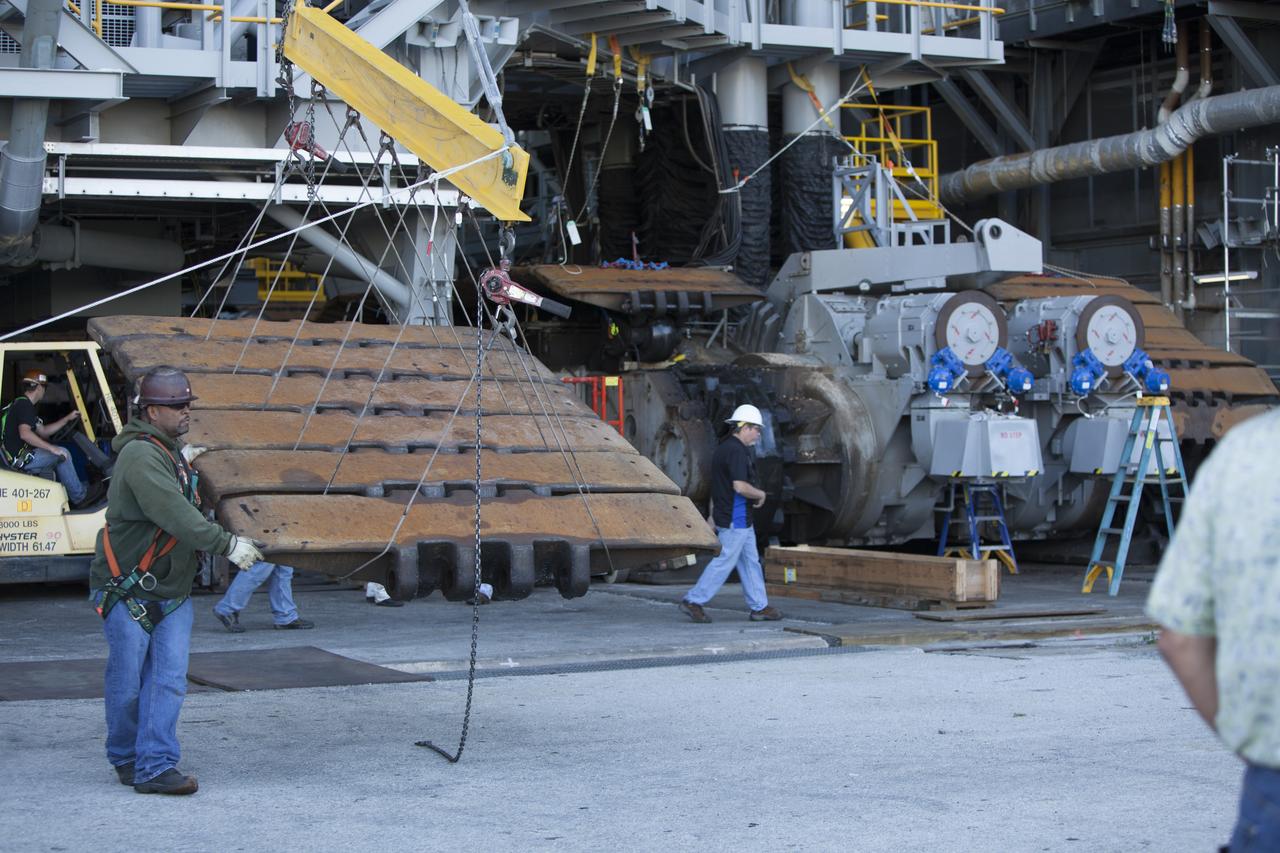
CAPE CANAVERAL, Fla. – Inside the Vehicle Assembly Building at NASA’s Kennedy Space Center in Florida, ground support technicians assist as a crane lifts a portion of the treads on the C truck of crawler-transporter 2, or CT-2, away from the vehicle. The treads are being removed in order to gain access to remove the gear boxes. Work continues in high bay 2 to upgrade CT-2. The modifications are designed to ensure CT-2’s ability to transport launch vehicles currently in development, such as the agency’s Space Launch System, to the launch pad. The Ground Systems Development and Operations Program office at Kennedy is overseeing the upgrades. For more than 45 years the crawler-transporters were used to transport the mobile launcher platform and the Apollo-Saturn V rockets and, later, space shuttles to Launch Pads 39A and B. For more information, visit: http://www.nasa.gov/exploration/systems/ground/crawler-transporter. Photo credit: NASA/Dimitri Gerondidakis
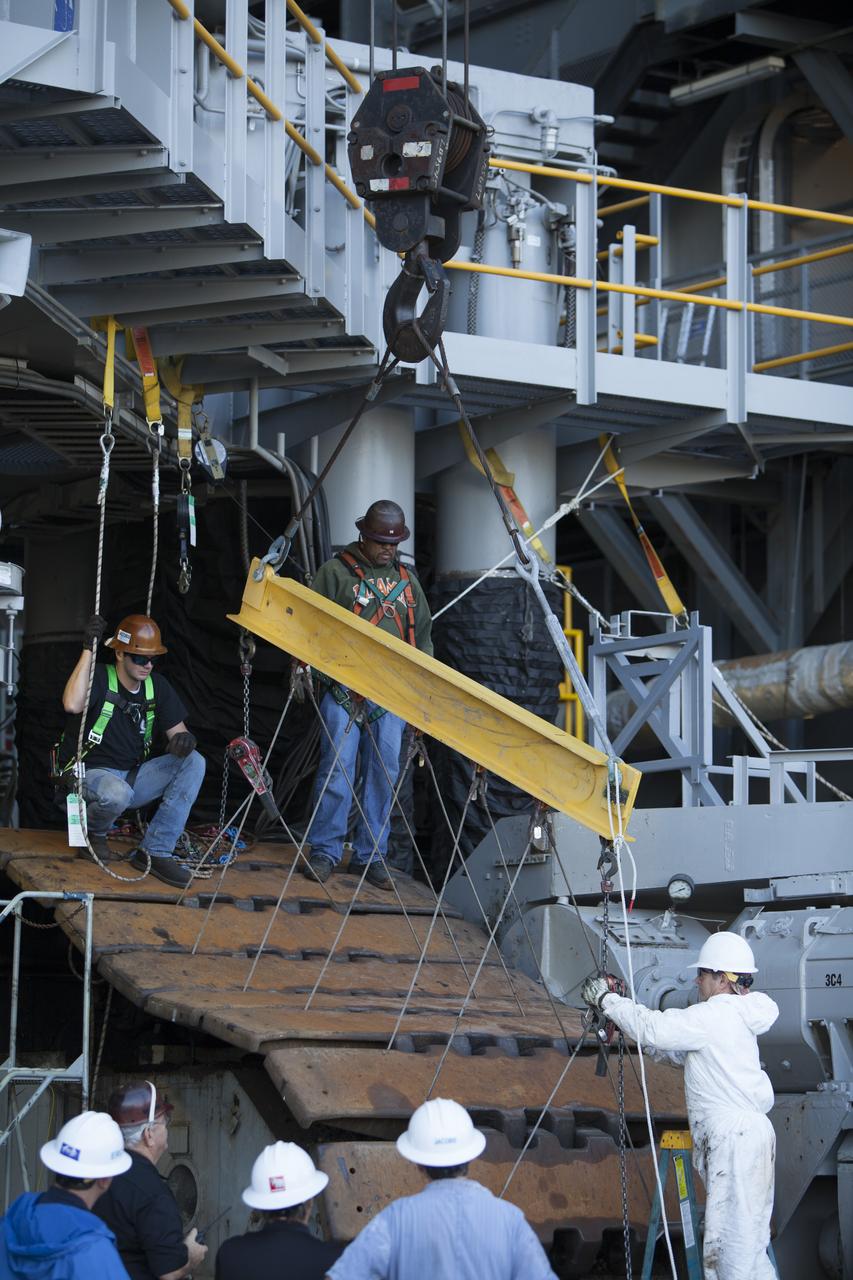
CAPE CANAVERAL, Fla. – Inside the Vehicle Assembly Building at NASA’s Kennedy Space Center in Florida, ground support technicians attach crane lines to the treads on the C truck of crawler-transporter 2, or CT-2, so they can be lifted up and away. The treads are being removed in order to gain access to remove the gear boxes. Work continues in high bay 2 to upgrade CT-2. The modifications are designed to ensure CT-2’s ability to transport launch vehicles currently in development, such as the agency’s Space Launch System, to the launch pad. The Ground Systems Development and Operations Program office at Kennedy is overseeing the upgrades. For more than 45 years the crawler-transporters were used to transport the mobile launcher platform and the Apollo-Saturn V rockets and, later, space shuttles to Launch Pads 39A and B. For more information, visit: http://www.nasa.gov/exploration/systems/ground/crawler-transporter. Photo credit: NASA/Dimitri Gerondidakis
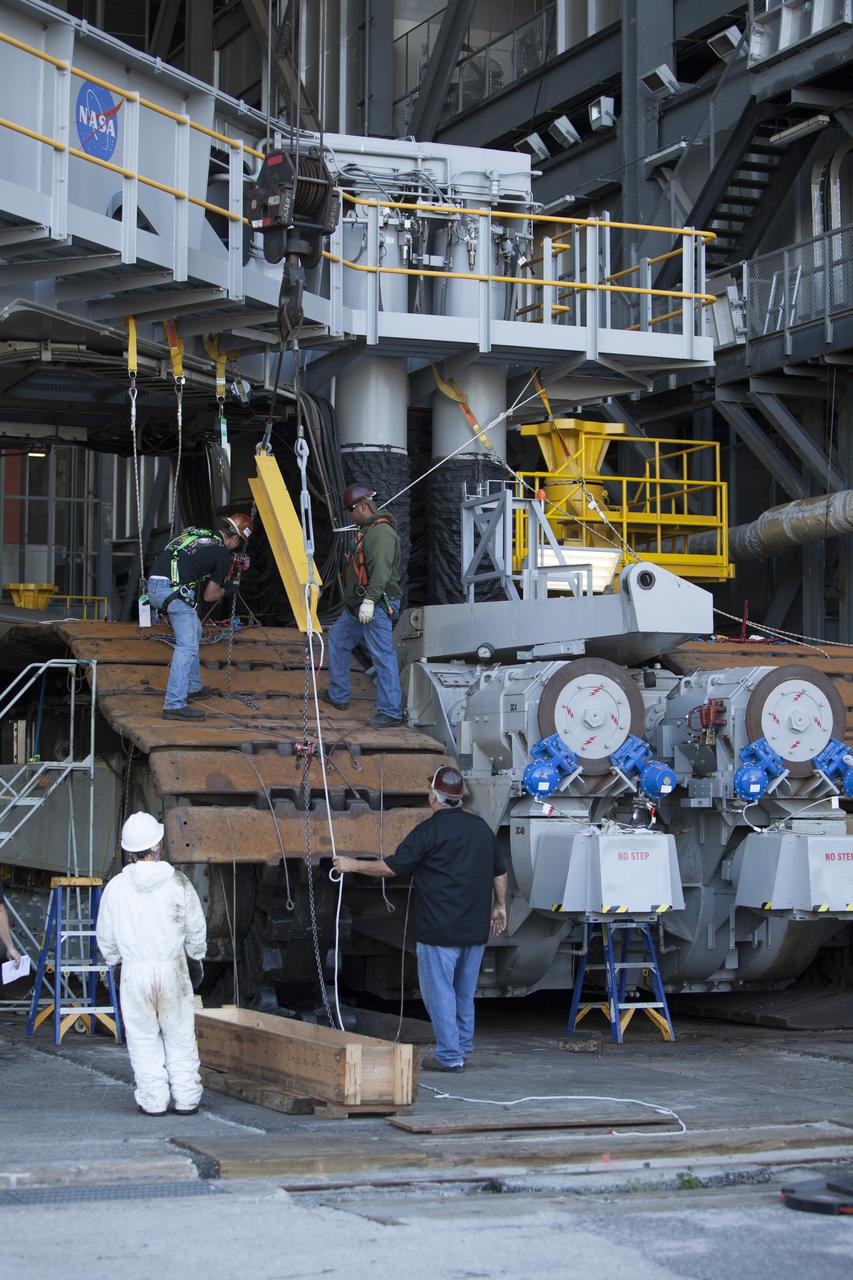
CAPE CANAVERAL, Fla. – Inside the Vehicle Assembly Building at NASA’s Kennedy Space Center in Florida, ground support technicians attach crane lines to the treads on the C truck of crawler-transporter 2, or CT-2, so they can be lifted up and away. The treads are being removed in order to gain access to remove the gear boxes. Work continues in high bay 2 to upgrade CT-2. The modifications are designed to ensure CT-2’s ability to transport launch vehicles currently in development, such as the agency’s Space Launch System, to the launch pad. The Ground Systems Development and Operations Program office at Kennedy is overseeing the upgrades. For more than 45 years the crawler-transporters were used to transport the mobile launcher platform and the Apollo-Saturn V rockets and, later, space shuttles to Launch Pads 39A and B. For more information, visit: http://www.nasa.gov/exploration/systems/ground/crawler-transporter. Photo credit: NASA/Dimitri Gerondidakis
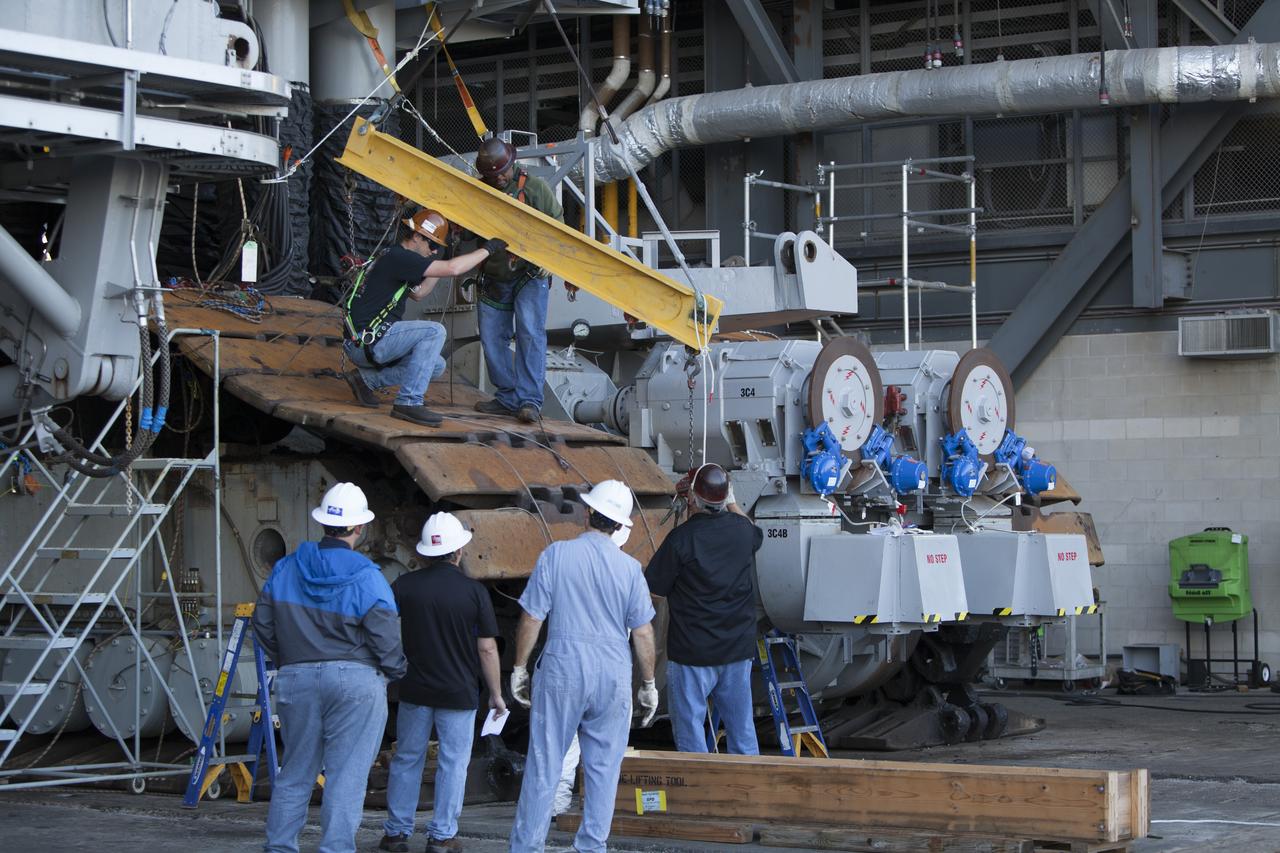
CAPE CANAVERAL, Fla. – Inside the Vehicle Assembly Building at NASA’s Kennedy Space Center in Florida, ground support technicians attach crane lines to the treads on the C truck of crawler-transporter 2, or CT-2, so they can be lifted up and away. The treads are being removed in order to gain access to remove the gear boxes. Work continues in high bay 2 to upgrade CT-2. The modifications are designed to ensure CT-2’s ability to transport launch vehicles currently in development, such as the agency’s Space Launch System, to the launch pad. The Ground Systems Development and Operations Program office at Kennedy is overseeing the upgrades. For more than 45 years the crawler-transporters were used to transport the mobile launcher platform and the Apollo-Saturn V rockets and, later, space shuttles to Launch Pads 39A and B. For more information, visit: http://www.nasa.gov/exploration/systems/ground/crawler-transporter. Photo credit: NASA/Dimitri Gerondidakis
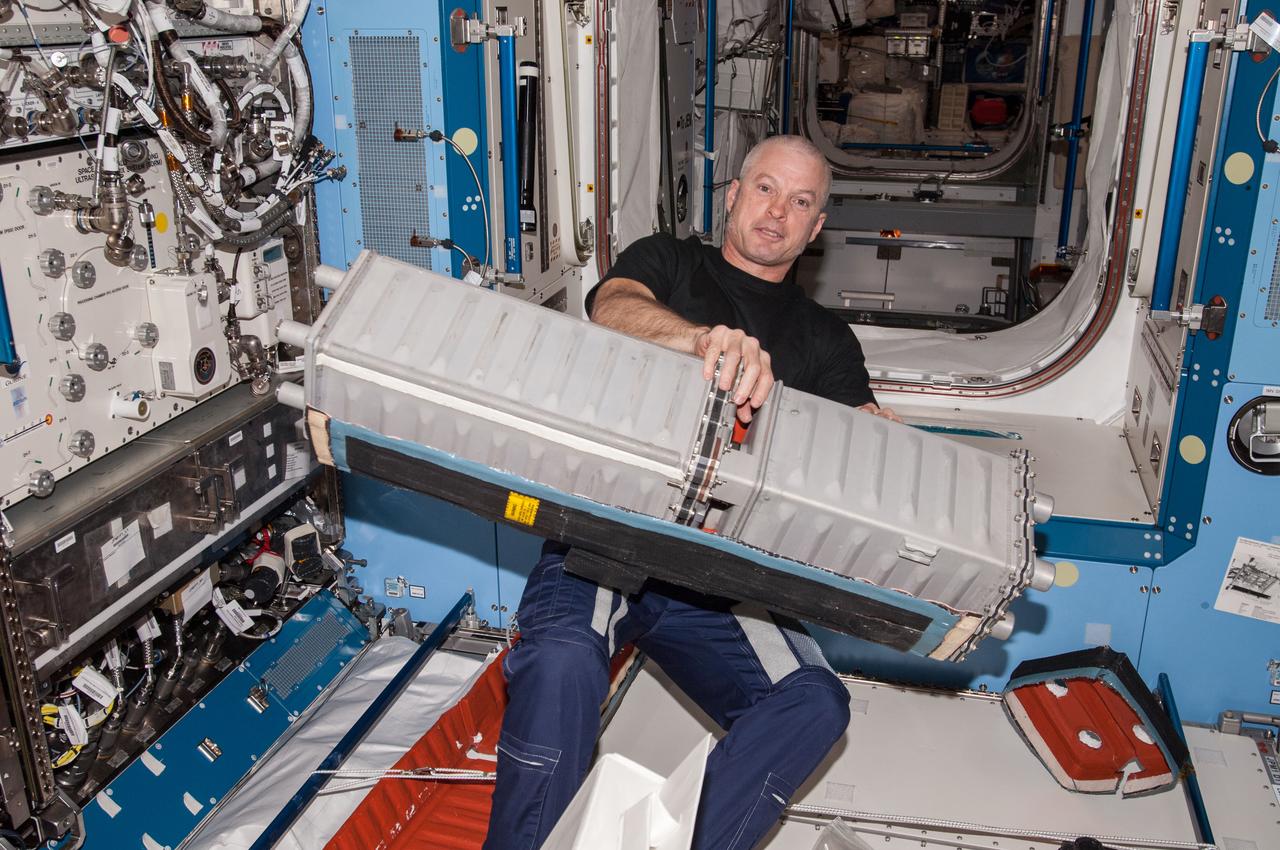
ISS040-E-026221 (30 June 2014) --- NASA astronaut Steve Swanson, Expedition 40 commander, holds the Carbon Dioxide Removal Assembly (CDRA) in the Kibo laboratory of the International Space Station.
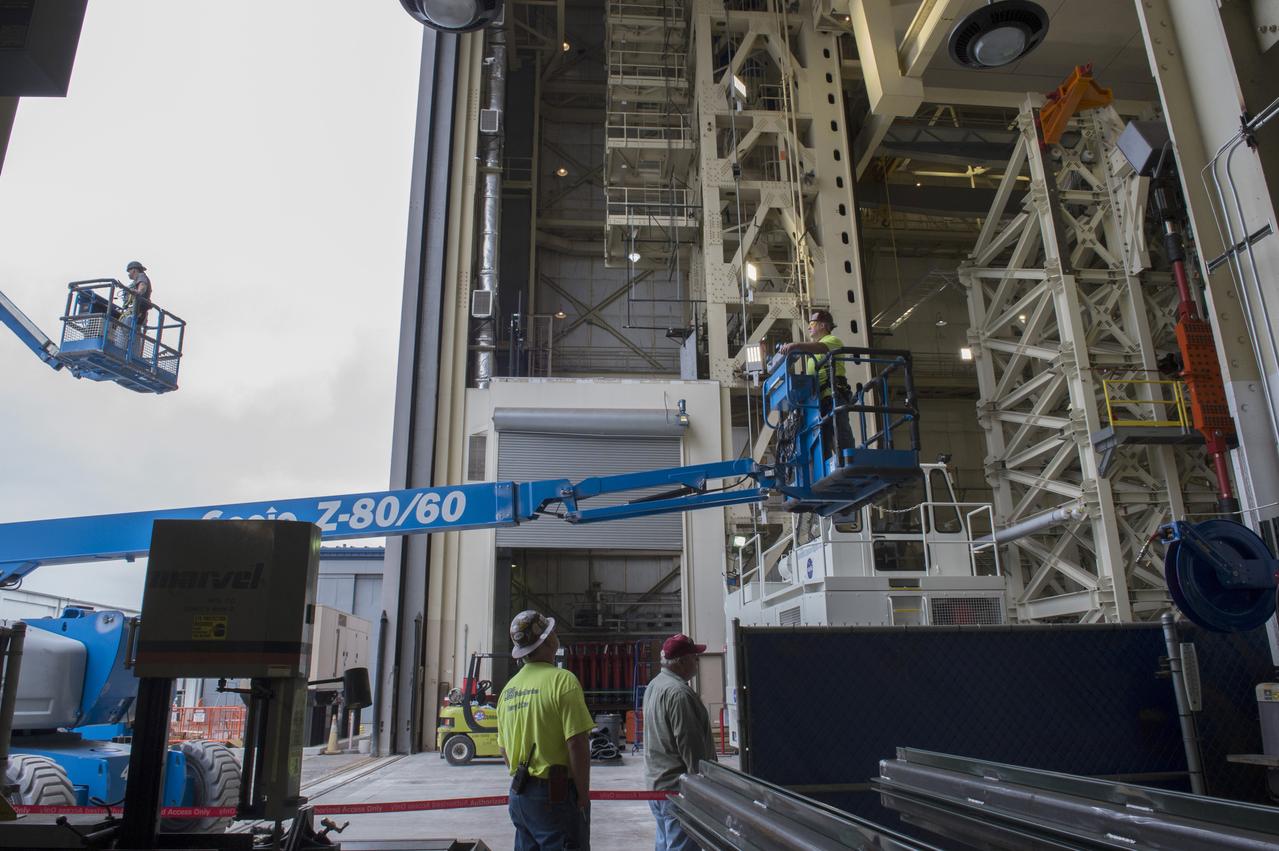
Technicians are removed from SLS Intertank Test Article, ITA, after attaching to crosshead of load test Annex, Bldg. 4619,

"NASA astronaut Karen Nyberg,Expedition 36 flight engineer,works with the Combustion Integrated Rack (CIR) Alignment Guide Removal.
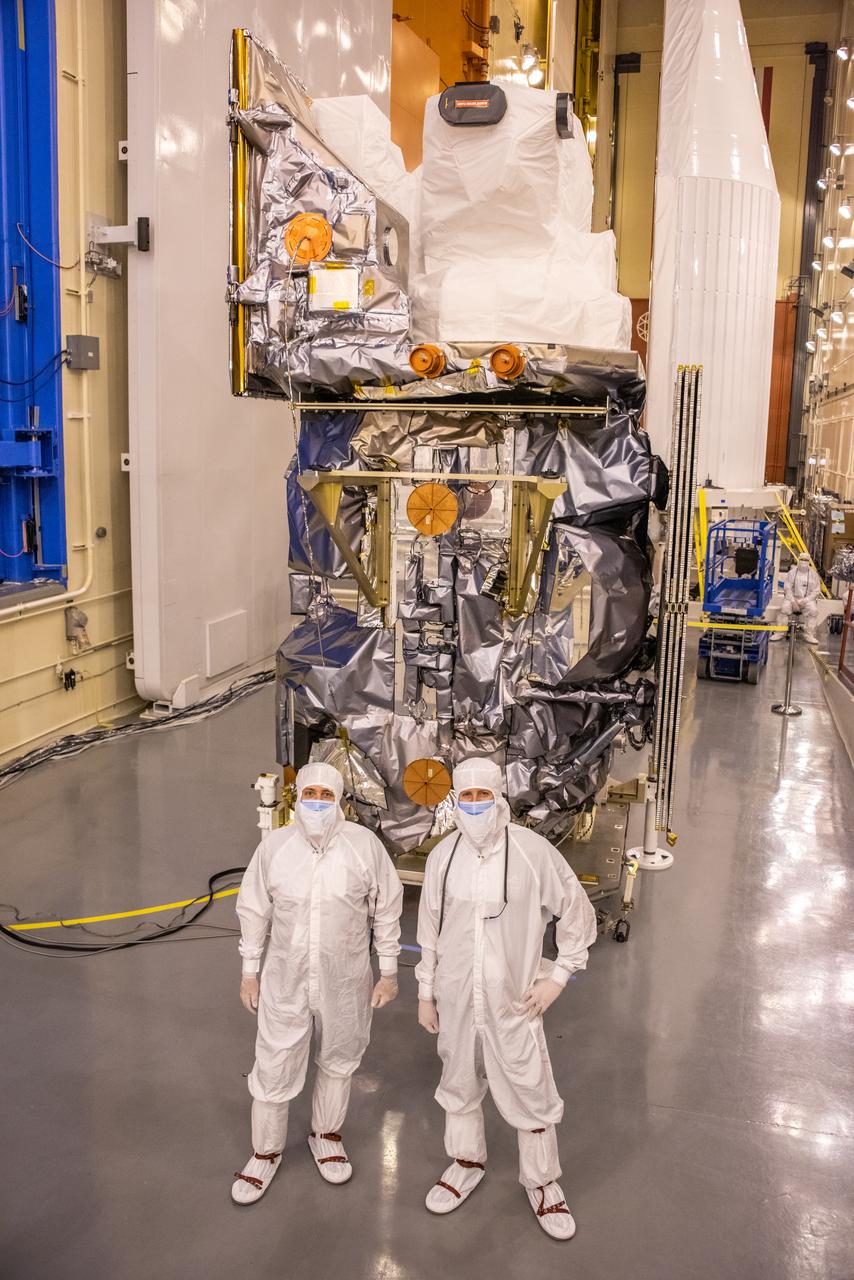
The Landsat 9 spacecraft (observatory) cover is removed inside the Integrated Processing Facility at Vandenberg Space Force Base in California.
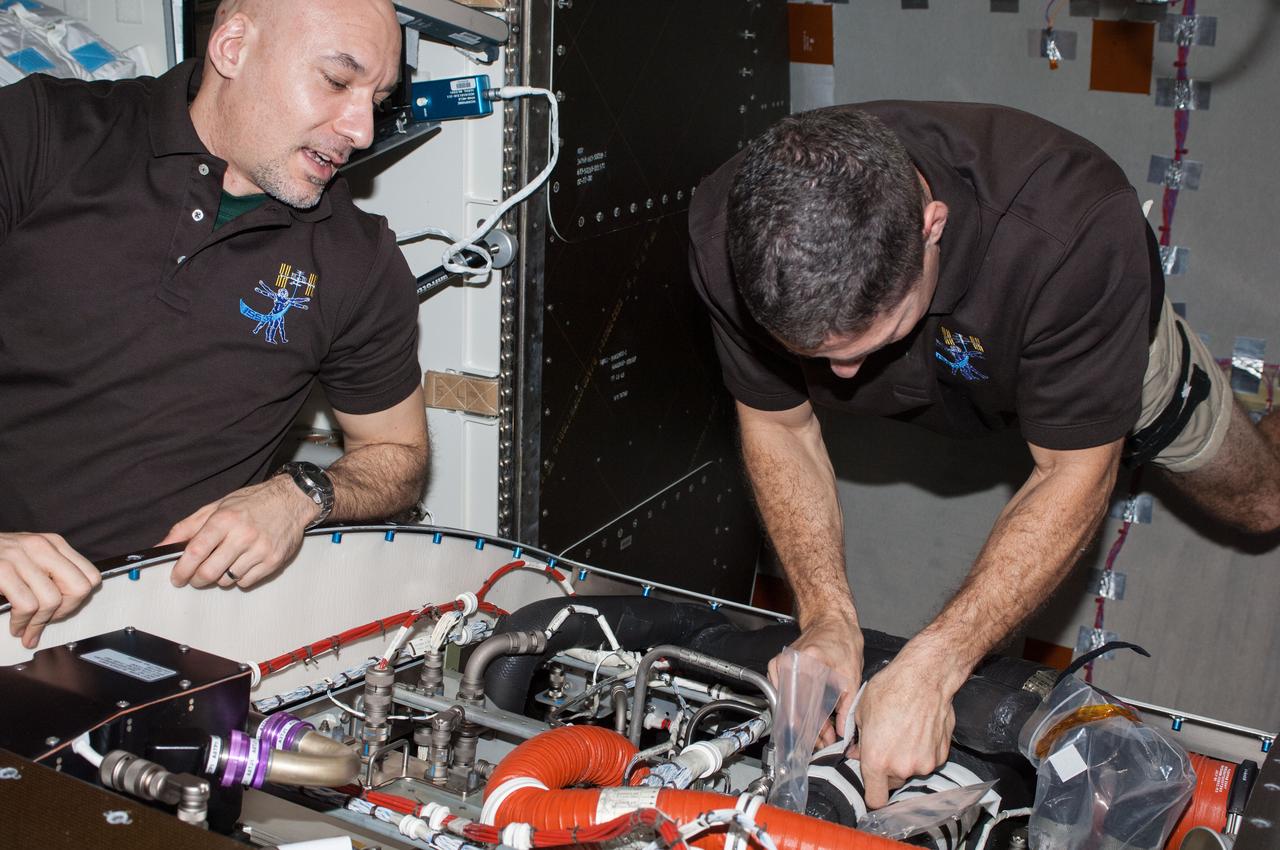
ISS037-E-021985 (28 Oct. 2013) --- In the International Space Station?s Tranquility node, NASA astronaut Michael Hopkins (right) and European Space Agency astronaut Luca Parmitano, both Expedition 37 flight engineers, perform routine in-flight maintenance within the Carbon Dioxide Removal Assembly. This device removes carbon dioxide from the station?s atmosphere and is part of the station?s Environmental Control and Life Support System that provides clean water and air to the crew.
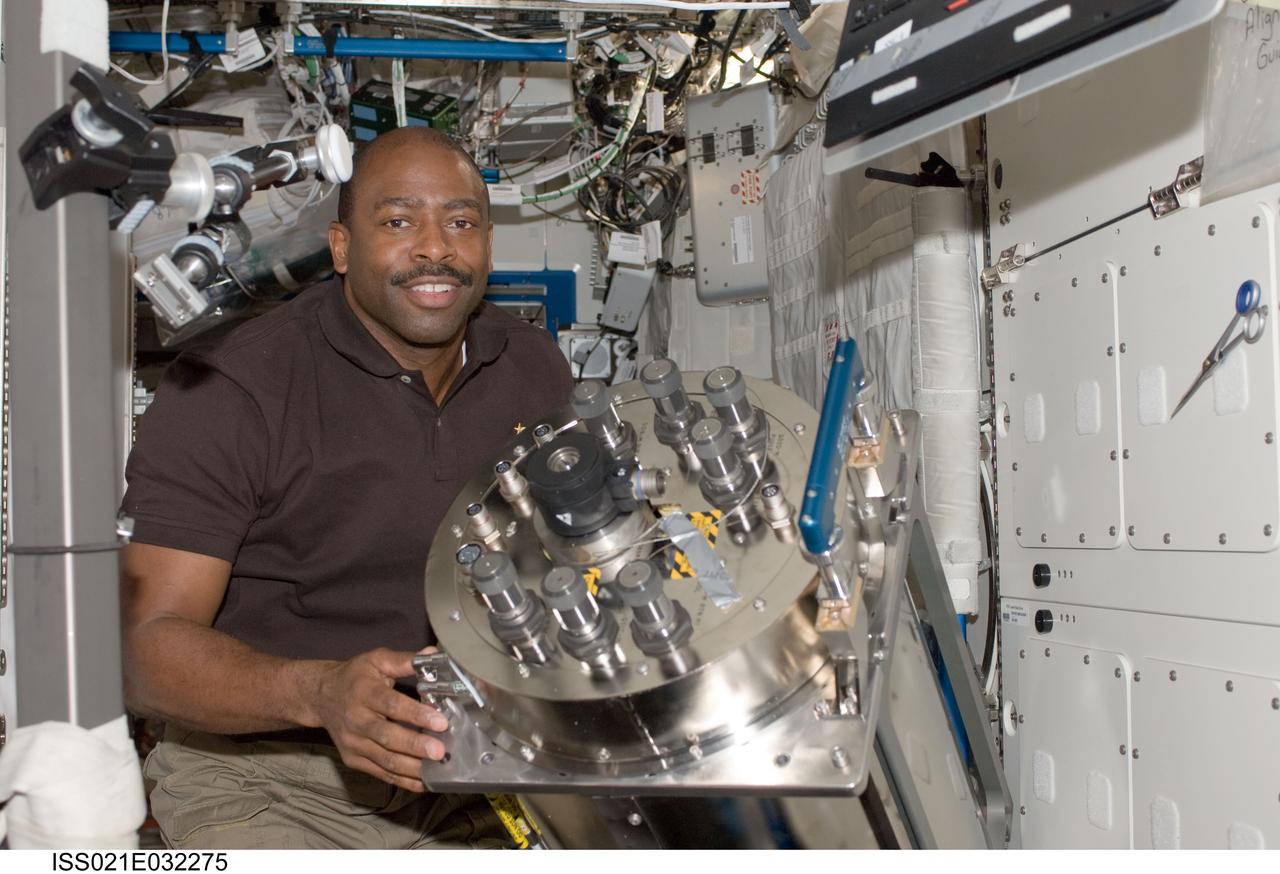
ISS021-E-032275 (23 Nov. 2009) --- NASA astronaut Leland Melvin, STS-129 mission specialist, holds the failed Urine Processor Assembly / Distillation Assembly (UPA DA) in the Destiny laboratory of the International Space Station while space shuttle Atlantis remains docked with the station. Melvin and European Space Agency astronaut Frank De Winne (out of frame), Expedition 21 commander, removed and packed the UPA DA, then transferred it from the Water Recovery System 2 (WRS-2) rack to Atlantis for stowage on the middeck.
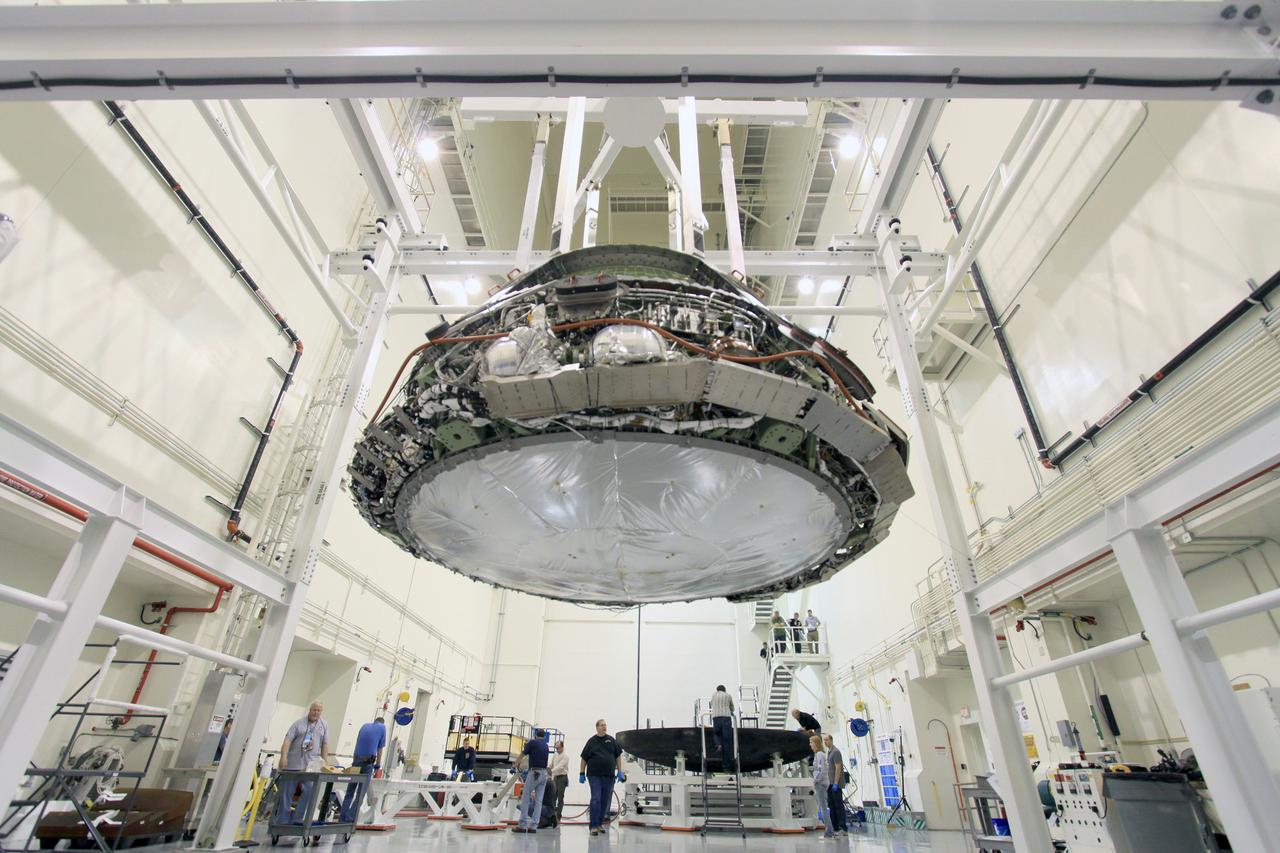
On Feb. 13, 2015, Lockheed Martin engineers remove the heat shield from the Orion vehicle that flew on Exploration Flight Test-1 (EFT-1) in December 2014 in Operations and Checkout Building (O&C) at Kennedy Space Center. The heat shield will be transported to the Marshall Space Flight Center for testing. Part of Batch image transfer from Flickr.
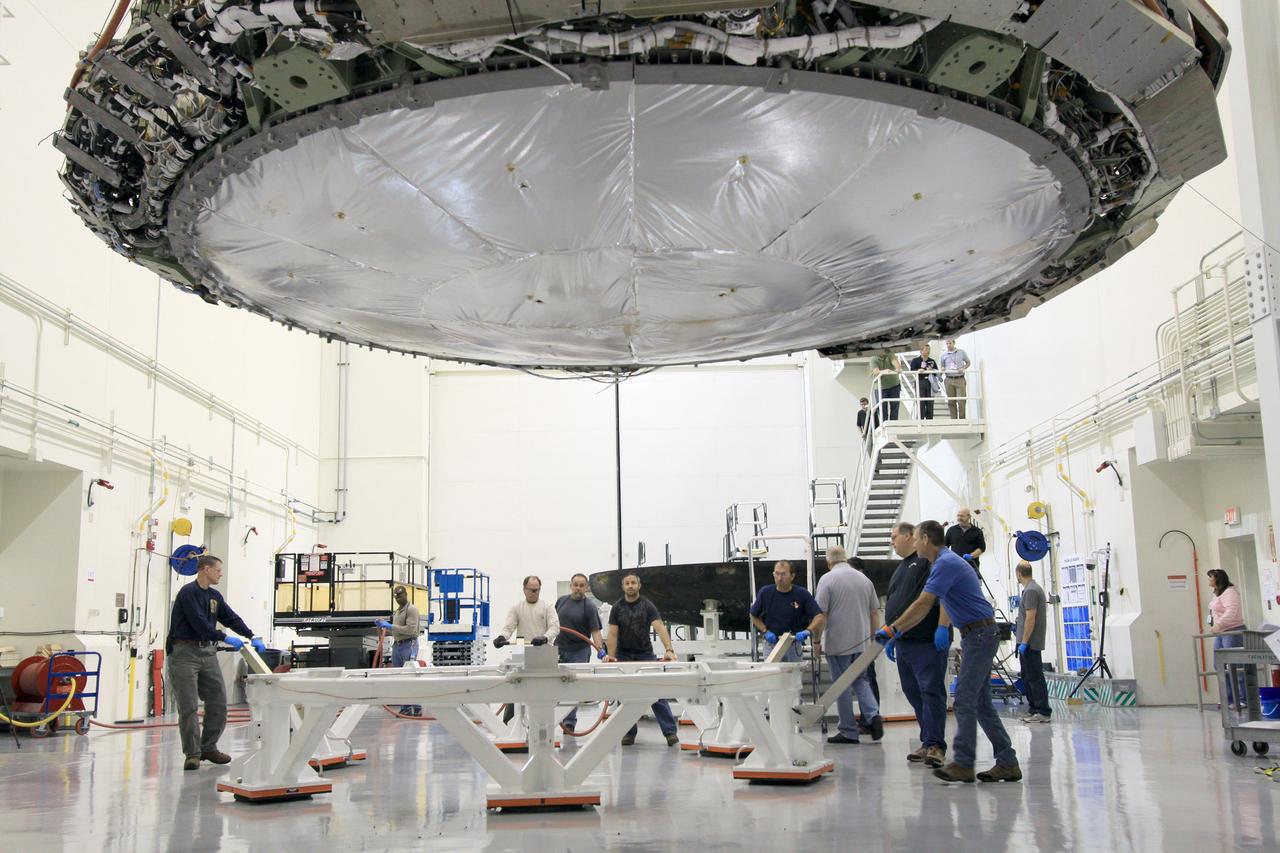
On Feb. 13, 2015, Lockheed Martin engineers remove the heat shield from the Orion vehicle that flew on Exploration Flight Test-1 (EFT-1) in December 2014 in Operations and Checkout Building (O&C) at Kennedy Space Center. The heat shield will be transported to the Marshall Space Flight Center for testing. Part of Batch image transfer from Flickr.
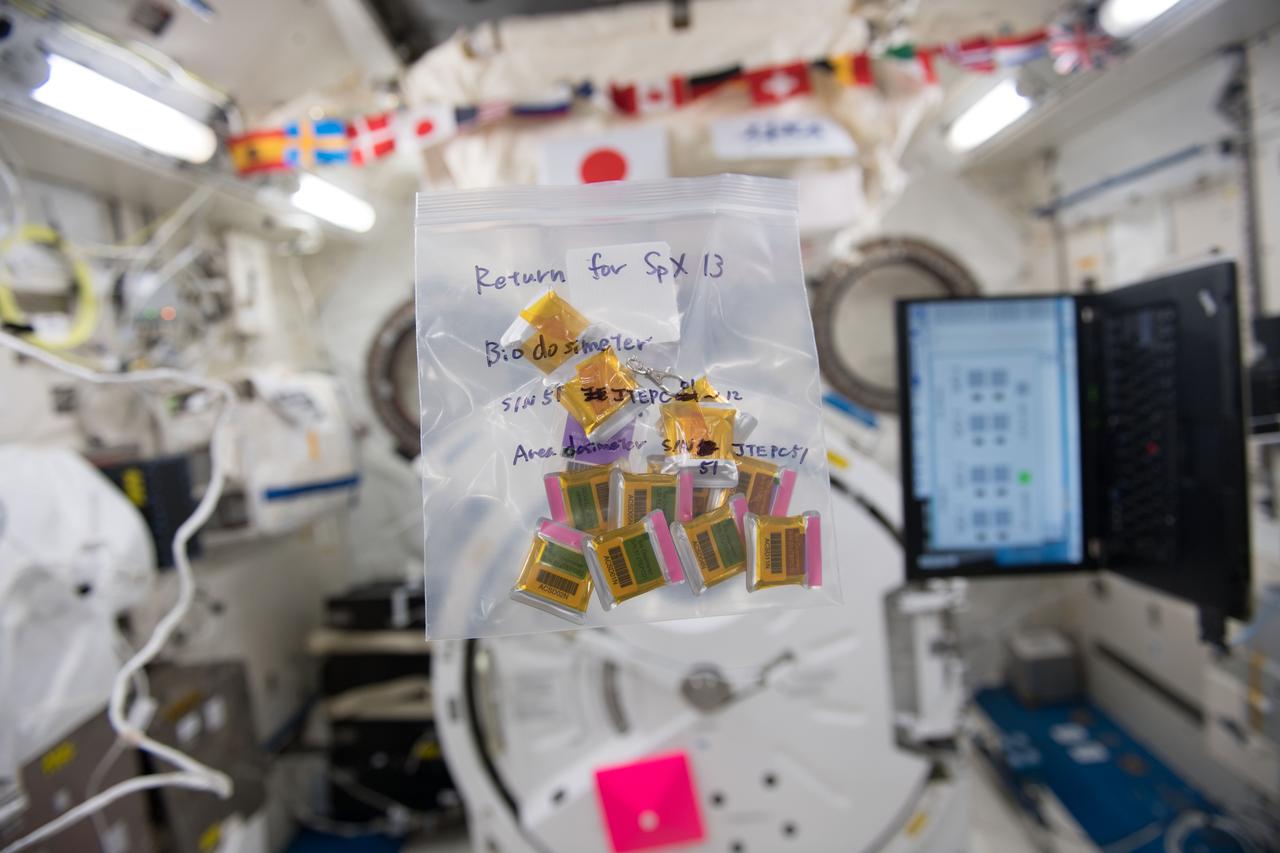
iss054e019981 (1/9/2018) --- Photo documentation of Bio Dosimeters removed form the Japanese Experiment Module (JEM) Tissue Equivalent Proportional Counters (J-TEPC) packed in a ziplock bag for return to Earth. Photo was taken in the Kibo Japanese Experiment Pressurized Module (JPM) aboard the International Space Station (ISS) during Position Sensitive Tissue Equivalent Proportional Chamber (PS-TEPC) experiment operations (OPS).
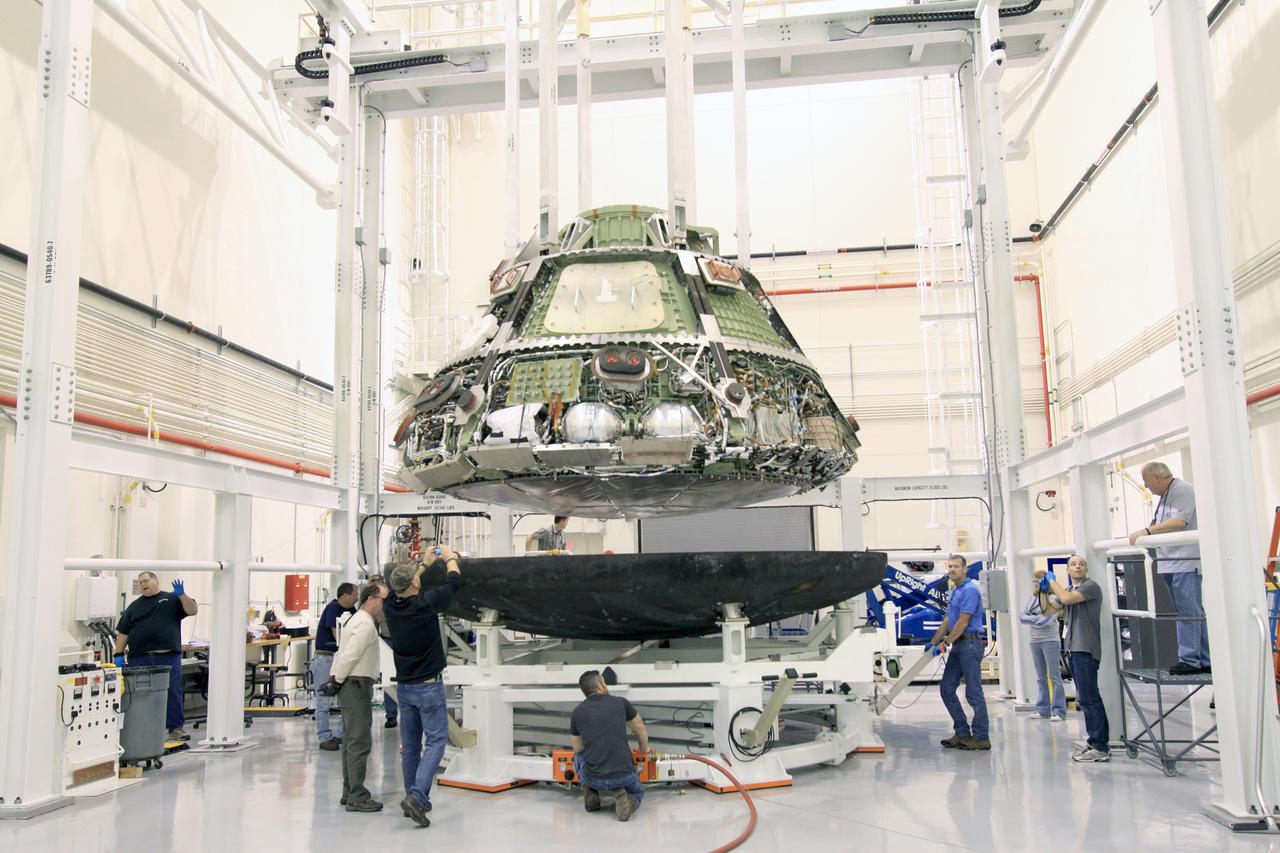
On Feb. 13, 2015, Lockheed Martin engineers remove the heat shield from the Orion vehicle that flew on Exploration Flight Test-1 (EFT-1) in December 2014 in Operations and Checkout Building (O&C) at Kennedy Space Center. The heat shield will be transported to the Marshall Space Flight Center for testing. Part of Batch image transfer from Flickr.

On Feb. 13, 2015, Lockheed Martin engineers remove the heat shield from the Orion vehicle that flew on Exploration Flight Test-1 (EFT-1) in December 2014 in Operations and Checkout Building (O&C) at Kennedy Space Center. The heat shield will be transported to the Marshall Space Flight Center for testing. Part of Batch image transfer from Flickr.
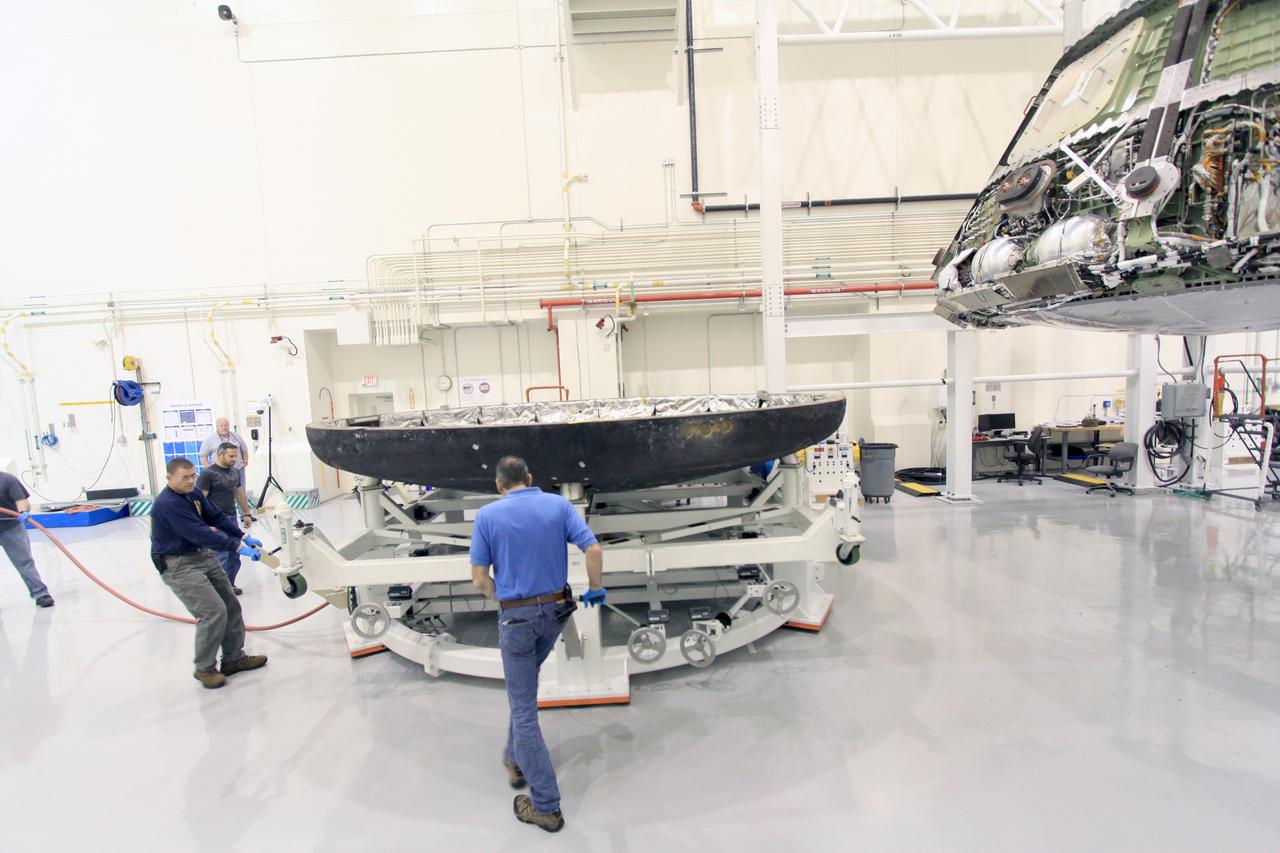
On Feb. 13, 2015, Lockheed Martin engineers remove the heat shield from the Orion vehicle that flew on Exploration Flight Test-1 (EFT-1) in December 2014 in Operations and Checkout Building (O&C) at Kennedy Space Center. The heat shield will be transported to the Marshall Space Flight Center for testing. Part of Batch image transfer from Flickr.