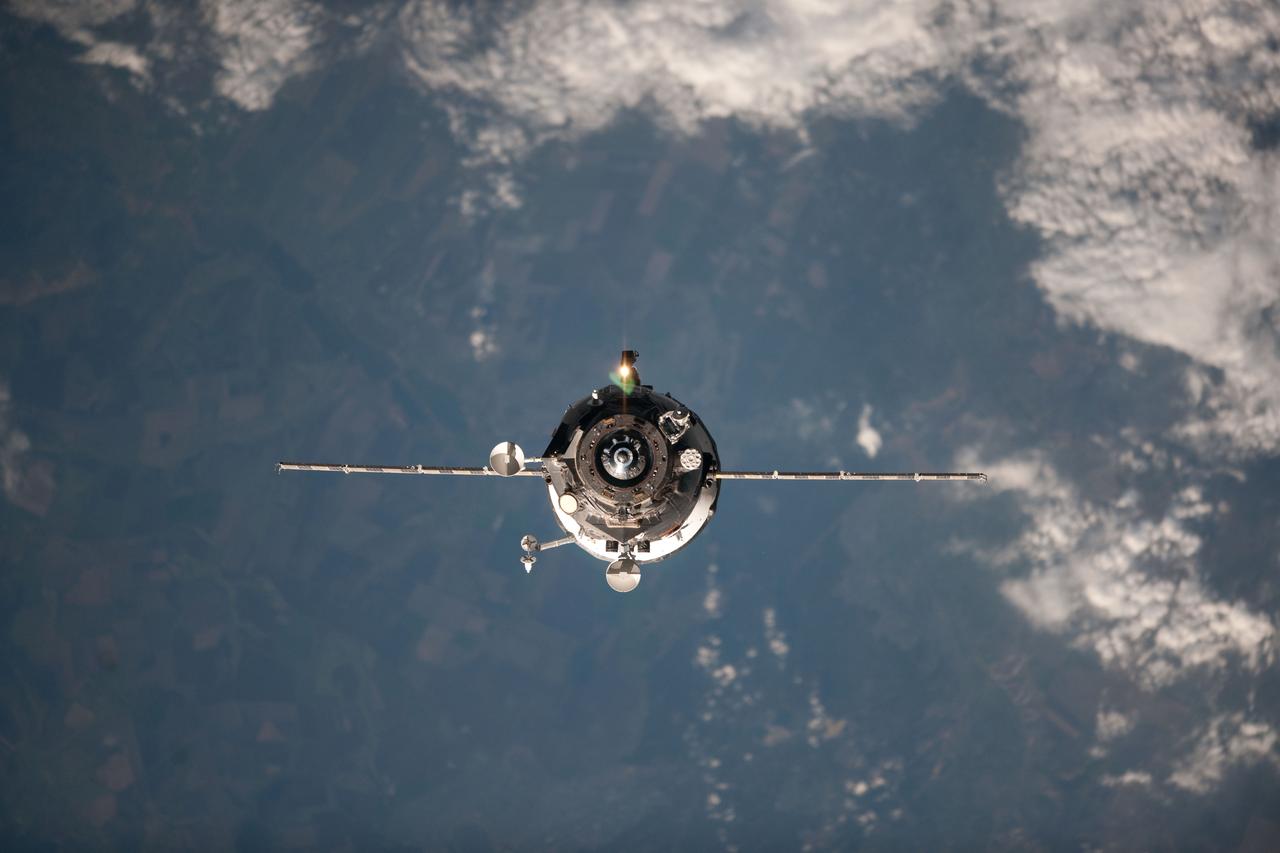
ISS030-E-254071 (22 April 2012) --- An unpiloted ISS Progress resupply vehicle approaches the International Space Station, carrying 2.8 tons of food, fuel and supplies. The cargo delivery includes 1,988 pounds of propellant, 110 pounds of oxygen and air, 926 pounds of water and 2,703 pounds of spare parts, resupply items and experiment hardware for the residents of the space station. Progress 47 docked to the station’s Pirs Docking Compartment at 10:39 a.m. (EDT) on April 22, 2012.
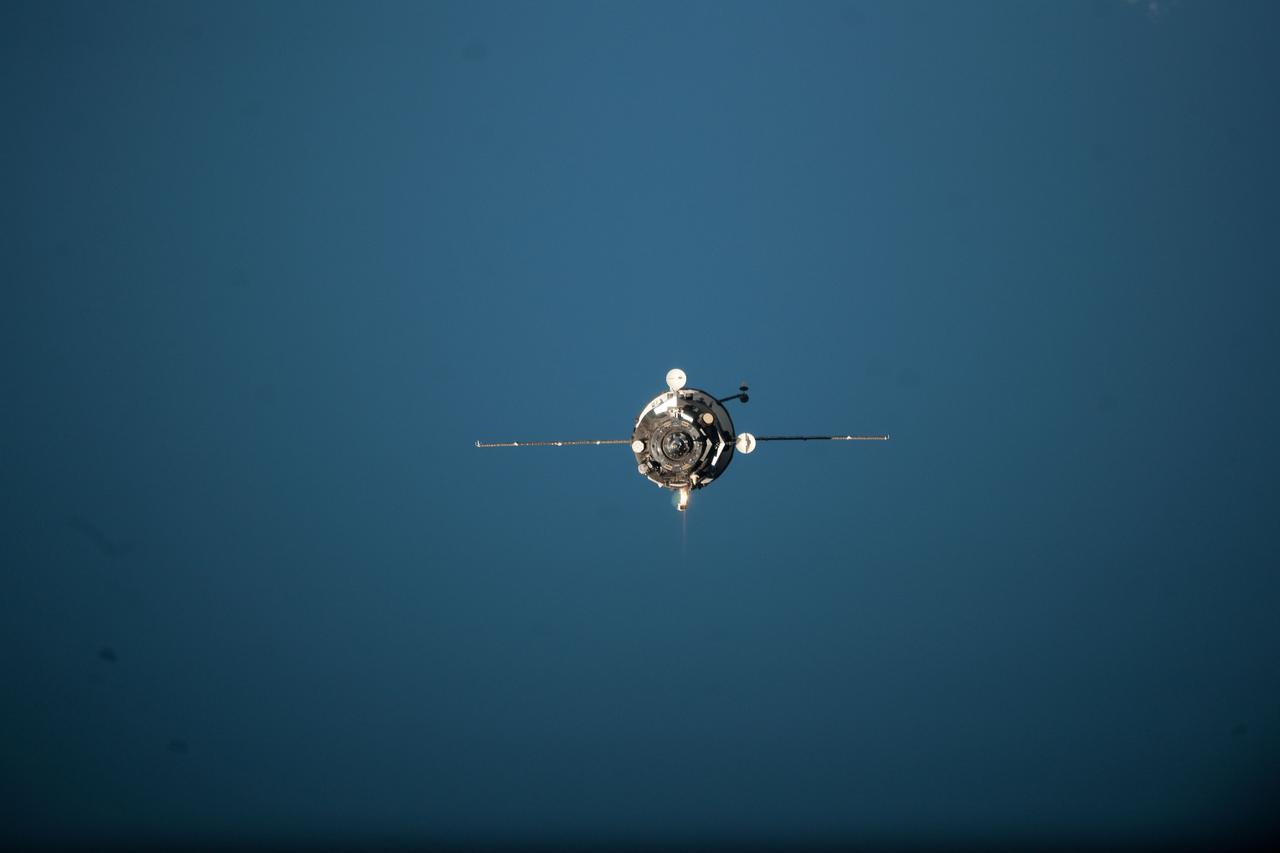
ISS030-E-254049 (22 April 2012) --- An unpiloted ISS Progress resupply vehicle approaches the International Space Station, carrying 2.8 tons of food, fuel and supplies. The cargo delivery includes 1,988 pounds of propellant, 110 pounds of oxygen and air, 926 pounds of water and 2,703 pounds of spare parts, resupply items and experiment hardware for the residents of the space station. Progress 47 docked to the station’s Pirs Docking Compartment at 10:39 a.m. (EDT) on April 22, 2012.
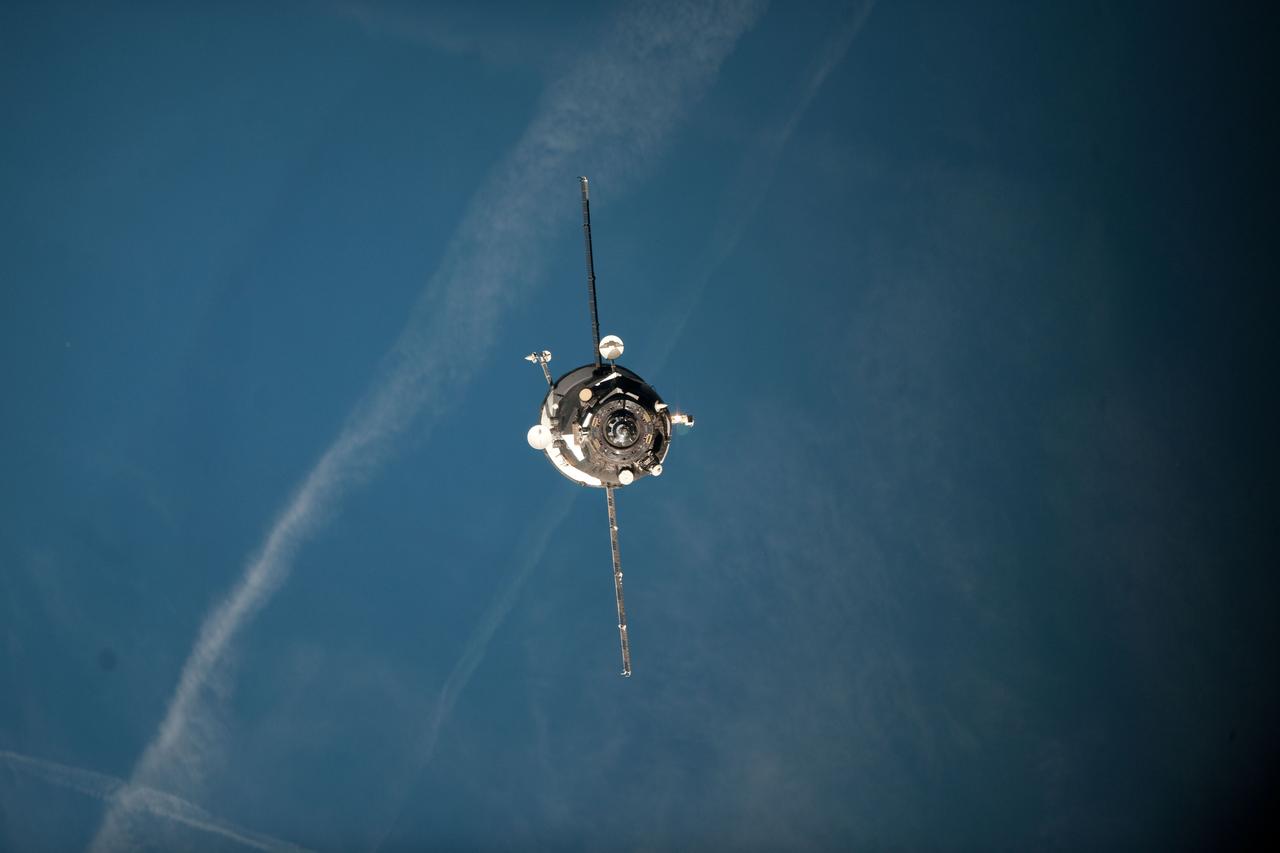
ISS030-E-254051 (22 April 2012) --- An unpiloted ISS Progress resupply vehicle approaches the International Space Station, carrying 2.8 tons of food, fuel and supplies. The cargo delivery includes 1,988 pounds of propellant, 110 pounds of oxygen and air, 926 pounds of water and 2,703 pounds of spare parts, resupply items and experiment hardware for the residents of the space station. Progress 47 docked to the station’s Pirs Docking Compartment at 10:39 a.m. (EDT) on April 22, 2012.
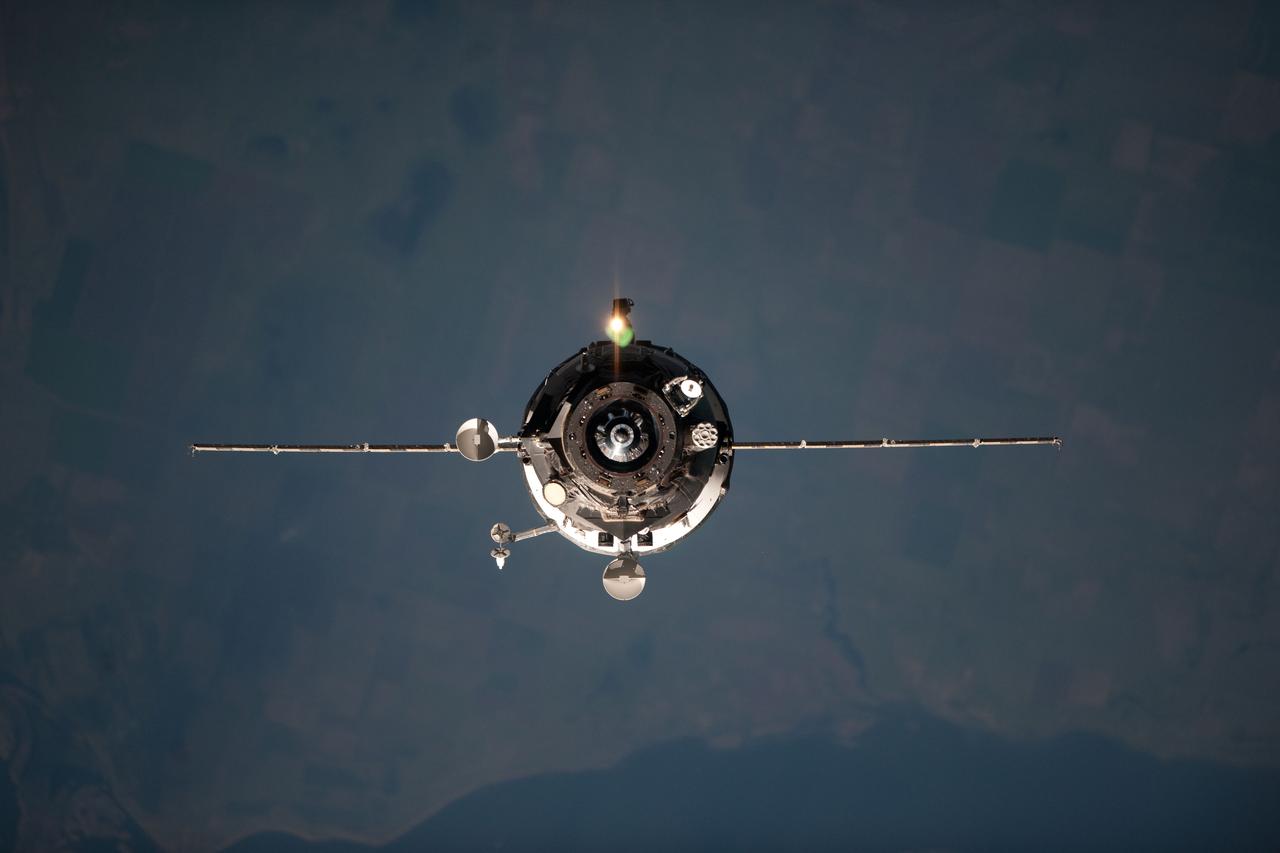
ISS030-E-254076 (22 April 2012) --- An unpiloted ISS Progress resupply vehicle approaches the International Space Station, carrying 2.8 tons of food, fuel and supplies. The cargo delivery includes 1,988 pounds of propellant, 110 pounds of oxygen and air, 926 pounds of water and 2,703 pounds of spare parts, resupply items and experiment hardware for the residents of the space station. Progress 47 docked to the station’s Pirs Docking Compartment at 10:39 a.m. (EDT) on April 22, 2012.
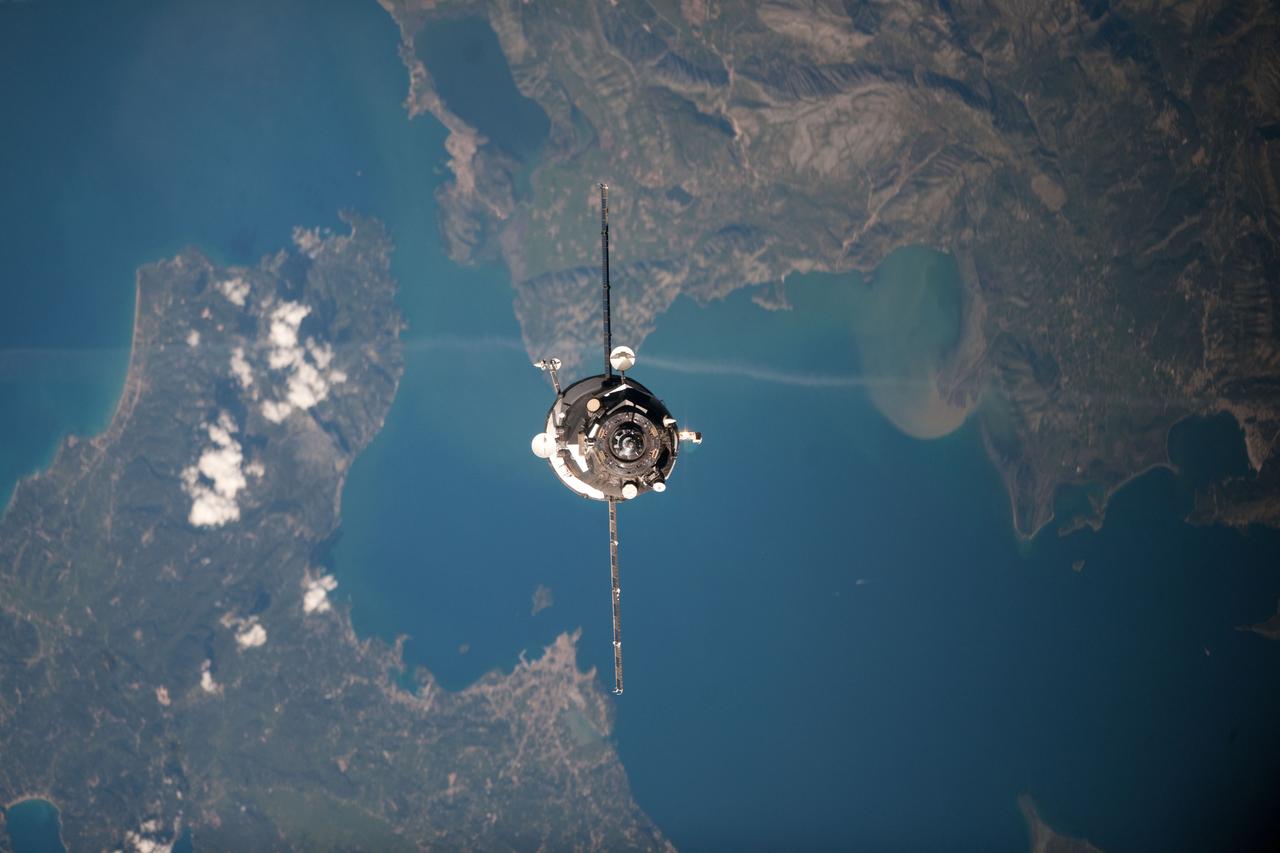
ISS030-E-254054 (22 April 2012) --- An unpiloted Progress resupply vehicle approaches the International Space Station, carrying 2.8 tons of food, fuel and supplies. The cargo delivery includes 1,988 pounds of propellant, 110 pounds of oxygen and air, 926 pounds of water and 2,703 pounds of spare parts, resupply items and experiment hardware for the residents of the space station. Progress 47 docked to the station's Pirs Docking Compartment at 10:39 a.m. (EDT) on April 22, 2012. The points on Earth below are centered at approximately 36.6 degrees north latitude and 19.9 degrees east longitude. Recognizable are most of the Greek Island of Corfu (upper left through lower right); the Ionian Sea (lower left); the strait of Corfu (center); and the Greek-Albanian mainland (top). The city of Kerkyra (Corfu) is on the island, partly obscured.
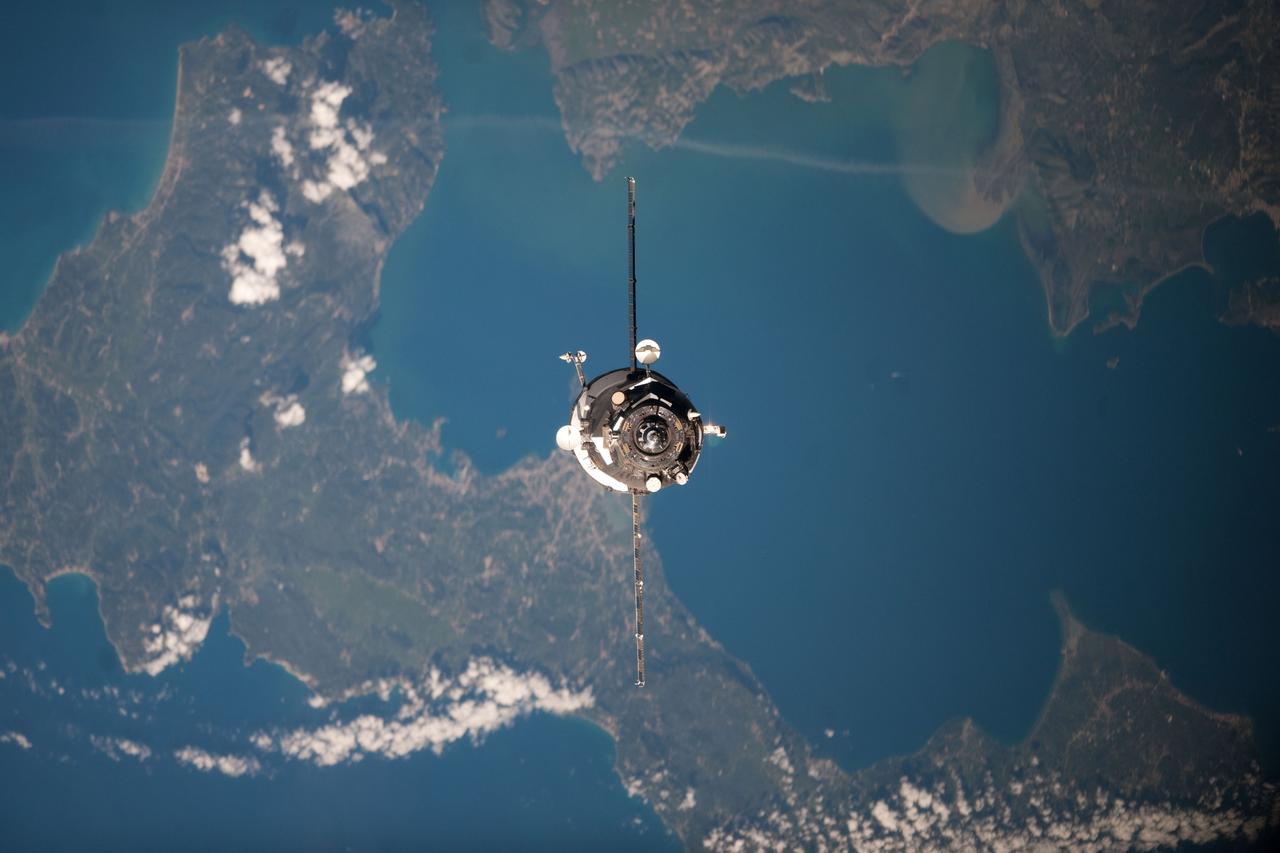
ISS030-E-254053 (22 April 2012) --- An unpiloted Progress resupply vehicle approaches the International Space Station, carrying 2.8 tons of food, fuel and supplies. The cargo delivery includes 1,988 pounds of propellant, 110 pounds of oxygen and air, 926 pounds of water and 2,703 pounds of spare parts, resupply items and experiment hardware for the residents of the space station. Progress 47 docked to the station's Pirs Docking Compartment at 10:39 a.m. (EDT) on April 22, 2012. The points below are centered at approximately 36.6 degrees north latitude and 20.0 degrees east longitude. Recognizable are the northeast part of the Greek Island of Corfu; the strait of Corfu (center); and the Greek-Albanian mainland (top-top right). The city of Kerkyra (Corfu) is on seen the island at bottom-center.
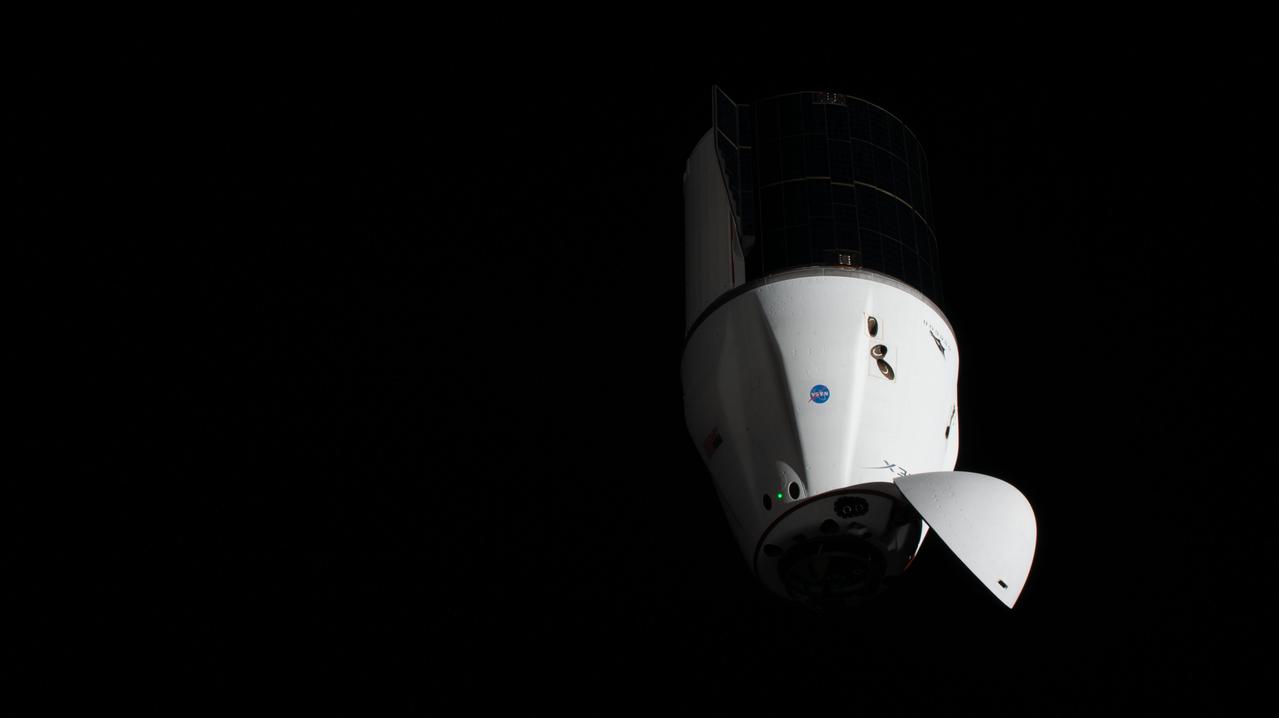
iss065e086706 (June 5, 2021) --- The SpaceX Cargo Dragon resupply ship approaches the International Space Station carrying over 7,300 pounds of new science, supplies and solar arrays to replenish the Expedition 65 crew.
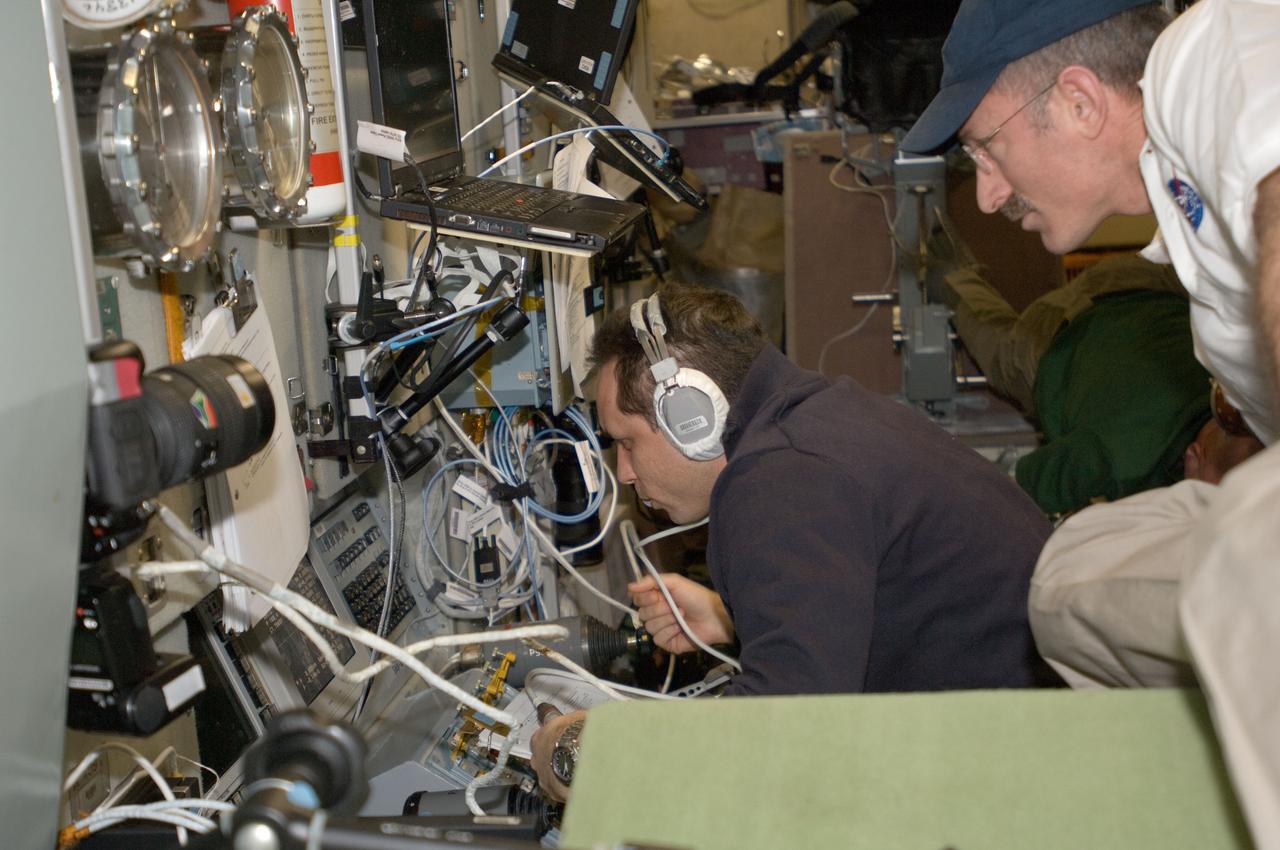
ISS030-E-050932 (27 Jan. 2012) --- Russian cosmonaut Anton Shkaplerov (left), Expedition 30 flight engineer, monitors data at the manual TORU docking system controls in the Zvezda Service Module of the International Space Station during approach and docking operations of the unpiloted ISS Progress 46 resupply vehicle. Progress 46 docked automatically to the Pirs Docking Compartment via the Kurs automated rendezvous system at 7:00 p.m. (EST) on Jan. 27, 2012. NASA astronaut Dan Burbank, commander, looks on.

ISS030-E-050883 (27 Jan. 2012) --- Russian cosmonaut Anton Shkaplerov (bottom), Expedition 30 flight engineer, monitors data at the manual TORU docking system controls in the Zvezda Service Module of the International Space Station during approach and docking operations of the unpiloted ISS Progress 46 resupply vehicle. Progress 46 docked automatically to the Pirs Docking Compartment via the Kurs automated rendezvous system at 7:00 p.m. (EST) on Jan. 27, 2012. NASA astronaut Dan Burbank, commander, looks on. Russian cosmonaut Anatoly Ivanishin (bottom background), flight engineer, photographs the approach of the Progress from a Zvezda window.
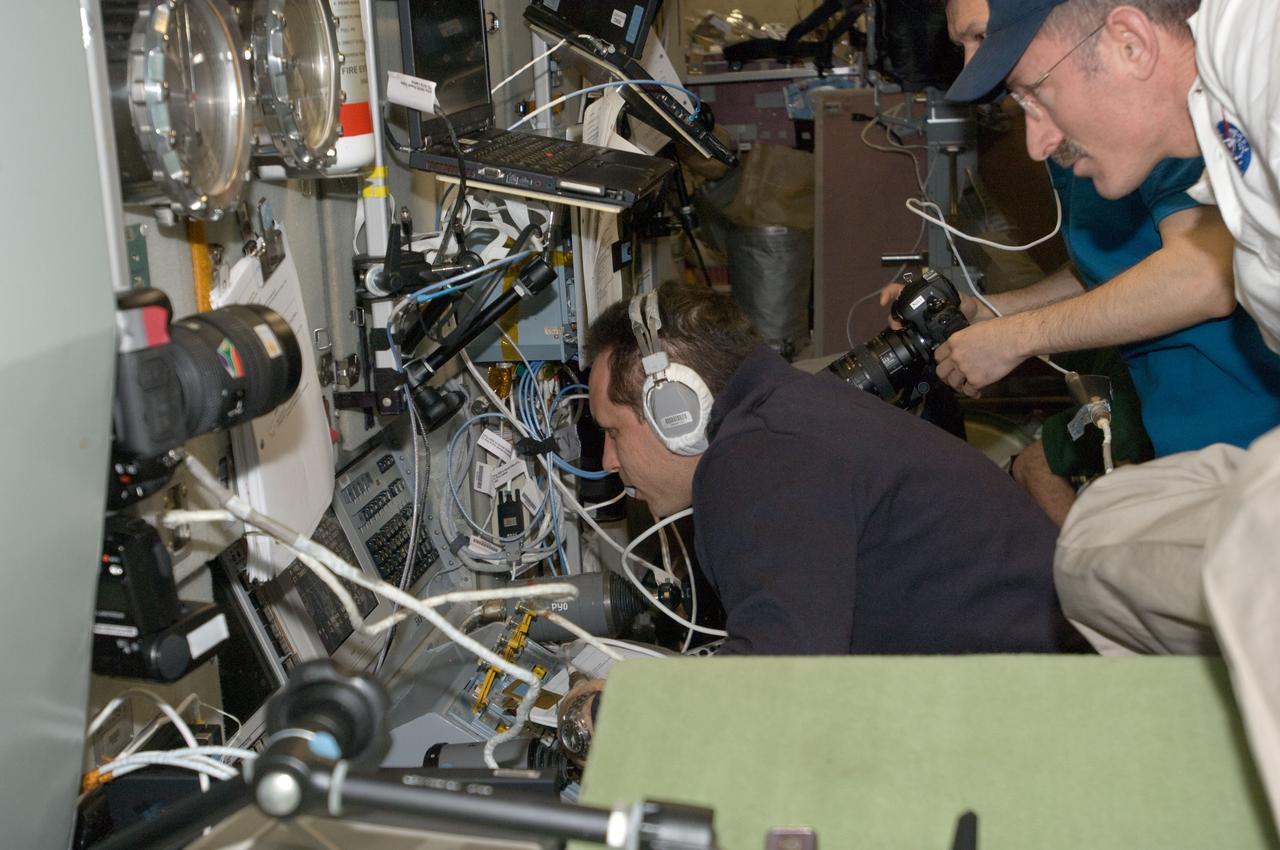
ISS030-E-050933 (27 Jan. 2012) --- Russian cosmonauts Anton Shkaplerov (left) and Oleg Kononenko (partially obscured), both Expedition 30 flight engineers, monitor data at the manual TORU docking system controls in the Zvezda Service Module of the International Space Station during approach and docking operations of the unpiloted ISS Progress 46 resupply vehicle. Progress 46 docked automatically to the Pirs Docking Compartment via the Kurs automated rendezvous system at 7:00 p.m. (EST) on Jan. 27, 2012. NASA astronaut Dan Burbank (partially out of frame at right), commander, looks on.
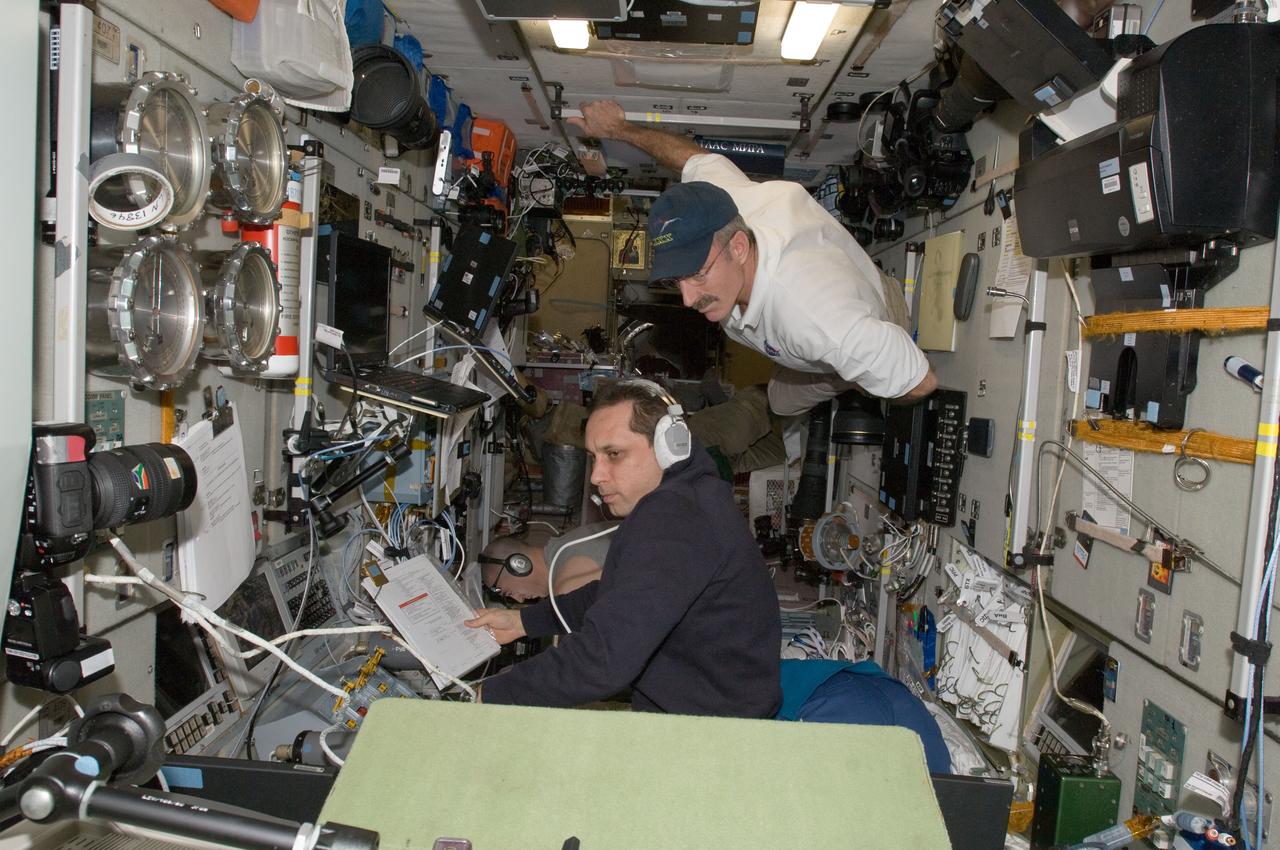
ISS030-E-050884 (27 Jan. 2012) --- Russian cosmonaut Anton Shkaplerov (bottom), Expedition 30 flight engineer, monitors data at the manual TORU docking system controls in the Zvezda Service Module of the International Space Station during approach and docking operations of the unpiloted ISS Progress 46 resupply vehicle. Progress 46 docked automatically to the Pirs Docking Compartment via the Kurs automated rendezvous system at 7:00 p.m. (EST) on Jan. 27, 2012. NASA astronaut Dan Burbank, commander, looks on. Russian cosmonaut Anatoly Ivanishin (bottom background), flight engineer, photographs the approach of the Progress from a Zvezda window.
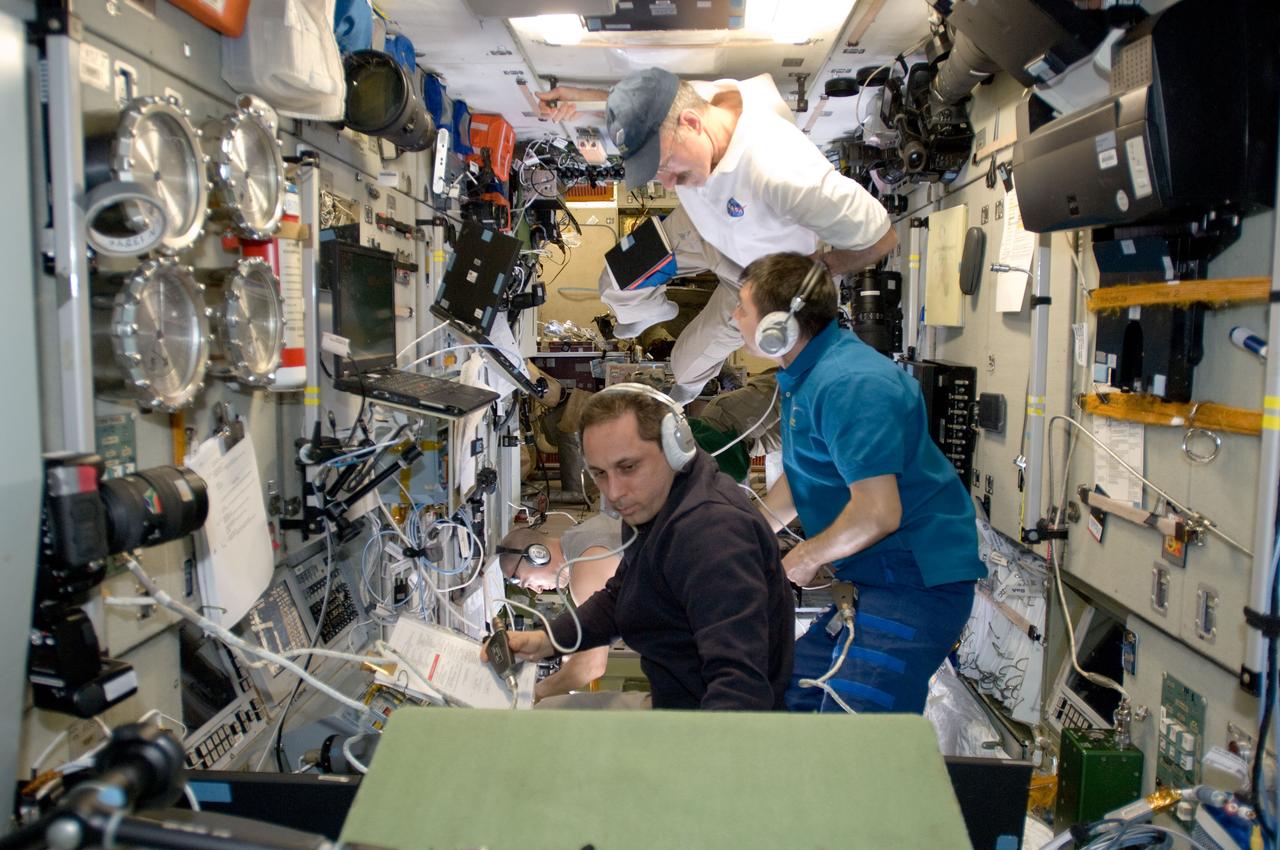
ISS030-E-050885 (27 Jan. 2012) --- Russian cosmonauts Anton Shkaplerov (bottom) and Oleg Kononenko (center), both Expedition 30 flight engineers, monitor data at the manual TORU docking system controls in the Zvezda Service Module of the International Space Station during approach and docking operations of the unpiloted ISS Progress 46 resupply vehicle. Progress 46 docked automatically to the Pirs Docking Compartment via the Kurs automated rendezvous system at 7:00 p.m. (EST) on Jan. 27, 2012. NASA astronaut Dan Burbank, commander, looks on. Russian cosmonaut Anatoly Ivanishin (bottom background), flight engineer, photographs the approach of the Progress from a Zvezda window.
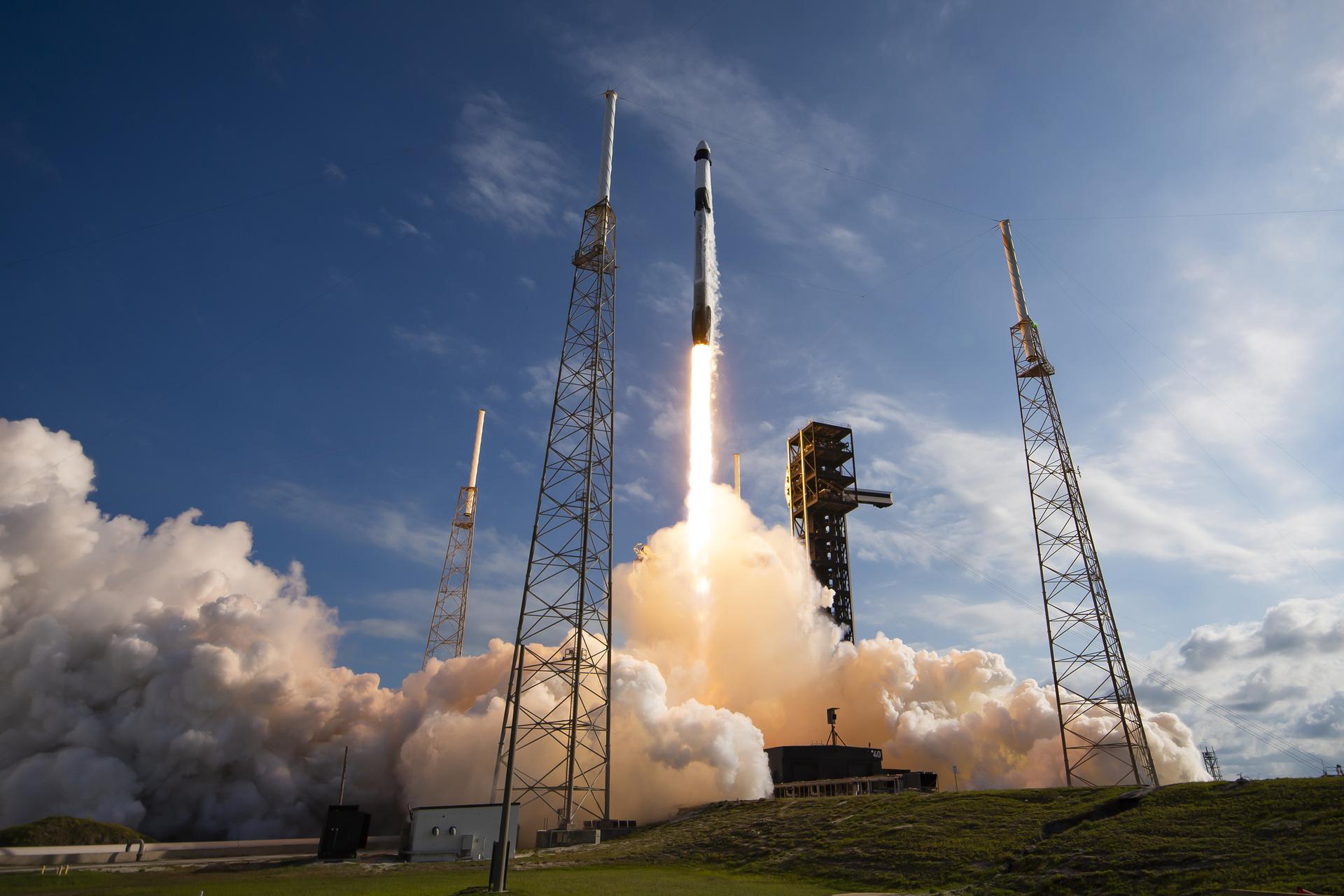
A SpaceX Falcon 9 rocket, with the company’s Dragon spacecraft atop, launched on Friday, May 15, 2026, from Space Launch Complex 40 at Cape Canaveral Space Force Station in Florida as part of the company’s 34th commercial resupply services mission to the International Space Station for NASA. Dragon delivered about 6,500 pounds of science investigations, supplies, and equipment to the International Space Station.
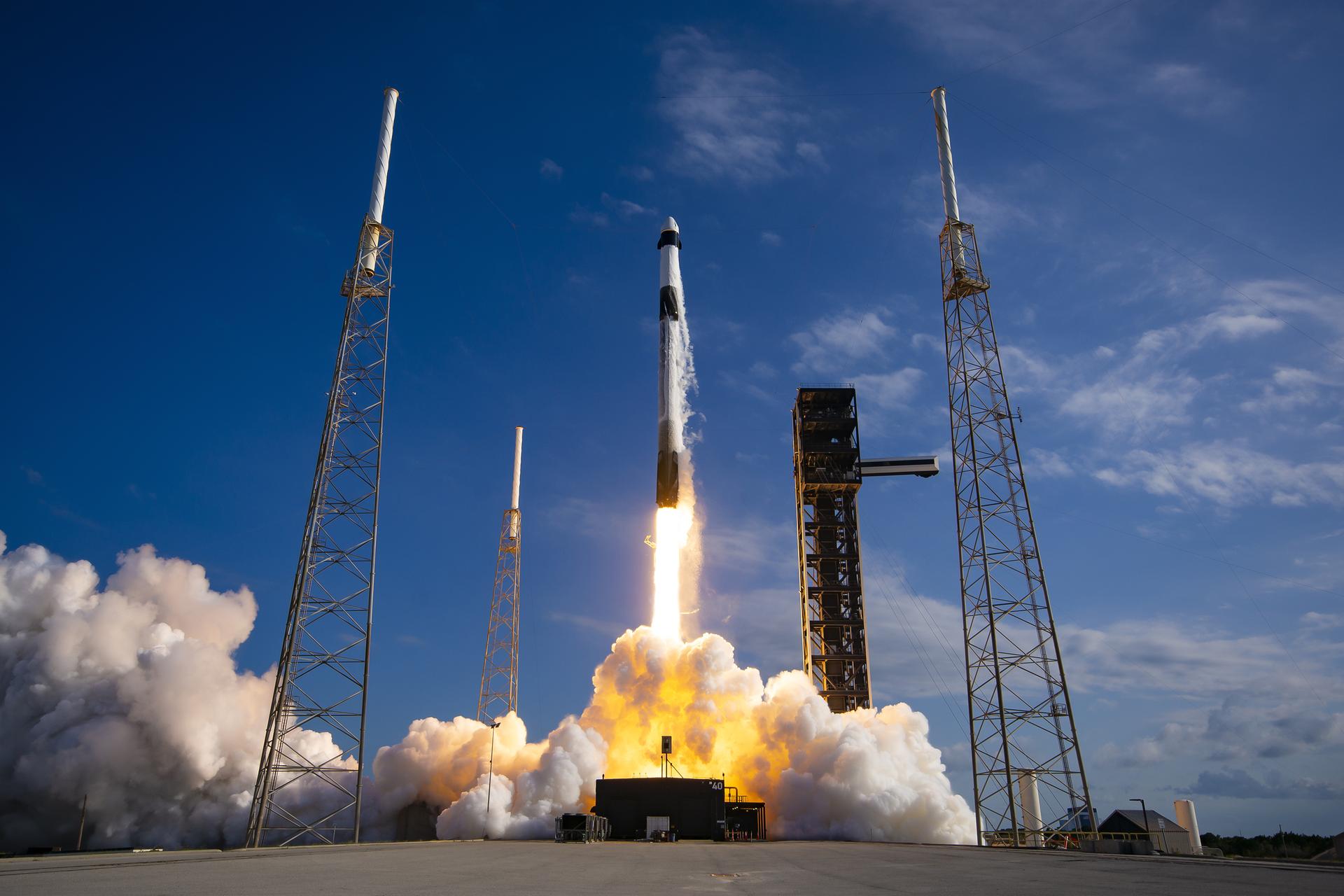
A SpaceX Falcon 9 rocket, with the company’s Dragon spacecraft atop, launched on Friday, May 15, 2026, from Space Launch Complex 40 at Cape Canaveral Space Force Station in Florida as part of the company’s 34th commercial resupply services mission to the International Space Station for NASA. Dragon delivered about 6,500 pounds of science investigations, supplies, and equipment to the International Space Station.
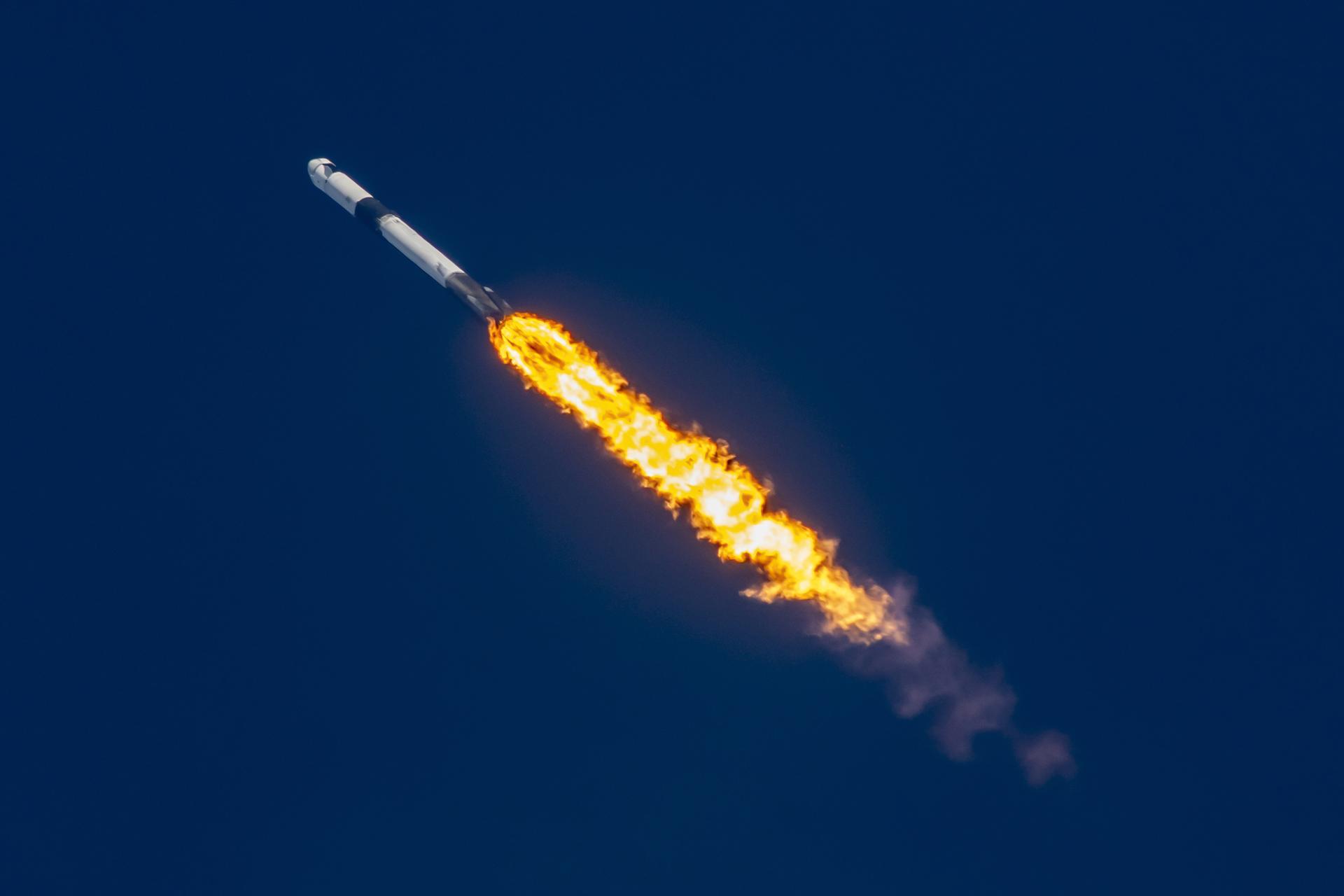
A SpaceX Falcon 9 rocket, with the company’s Dragon spacecraft atop, launched on Friday, May 15, 2026, from Space Launch Complex 40 at Cape Canaveral Space Force Station in Florida as part of the company’s 34th commercial resupply services mission to the International Space Station for NASA. Dragon delivered about 6,500 pounds of science investigations, supplies, and equipment to the International Space Station.
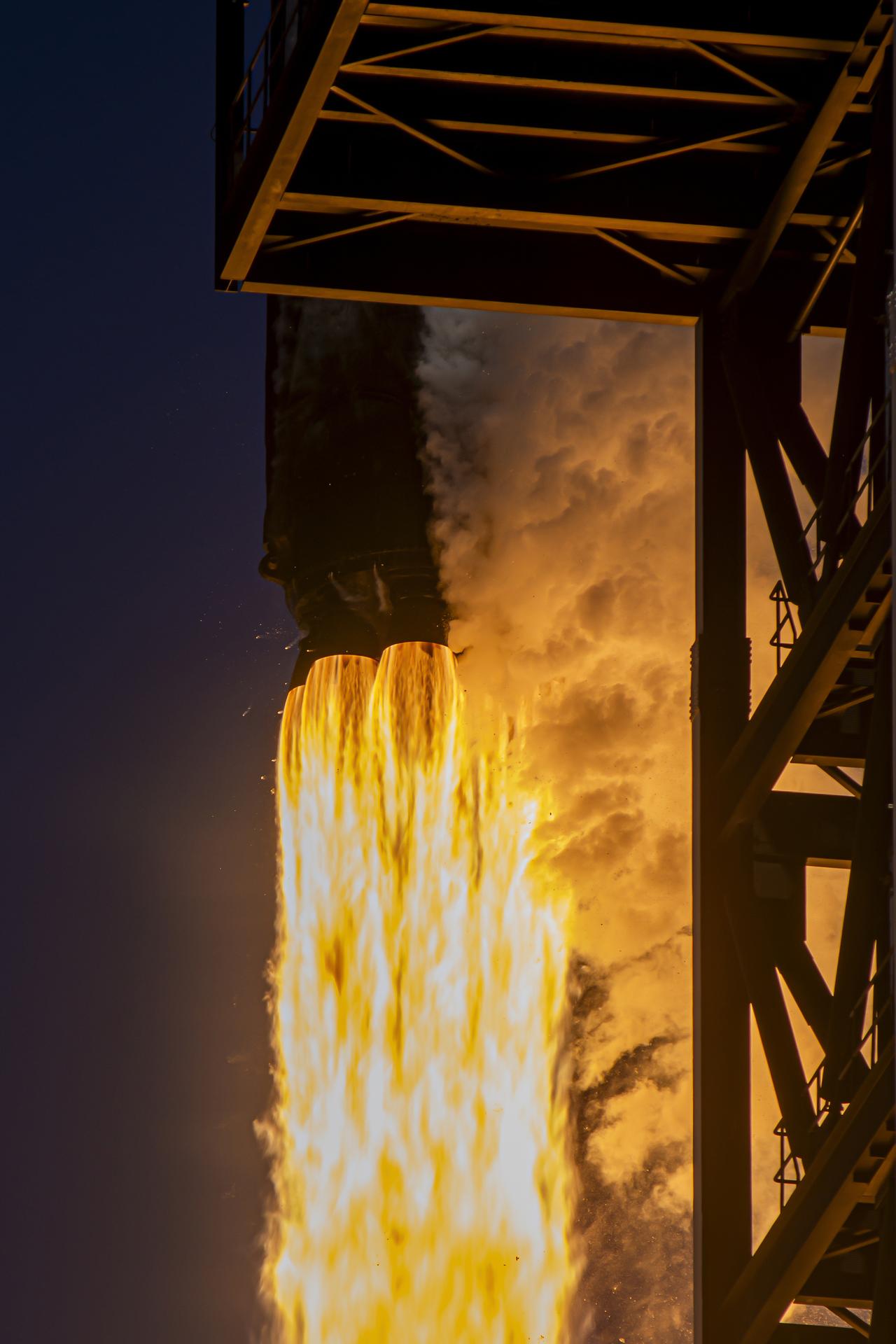
A SpaceX Falcon 9 rocket, with the company’s Dragon spacecraft atop, launched on Friday, May 15, 2026, from Space Launch Complex 40 at Cape Canaveral Space Force Station in Florida as part of the company’s 34th commercial resupply services mission to the International Space Station for NASA. Dragon delivered about 6,500 pounds of science investigations, supplies, and equipment to the International Space Station.
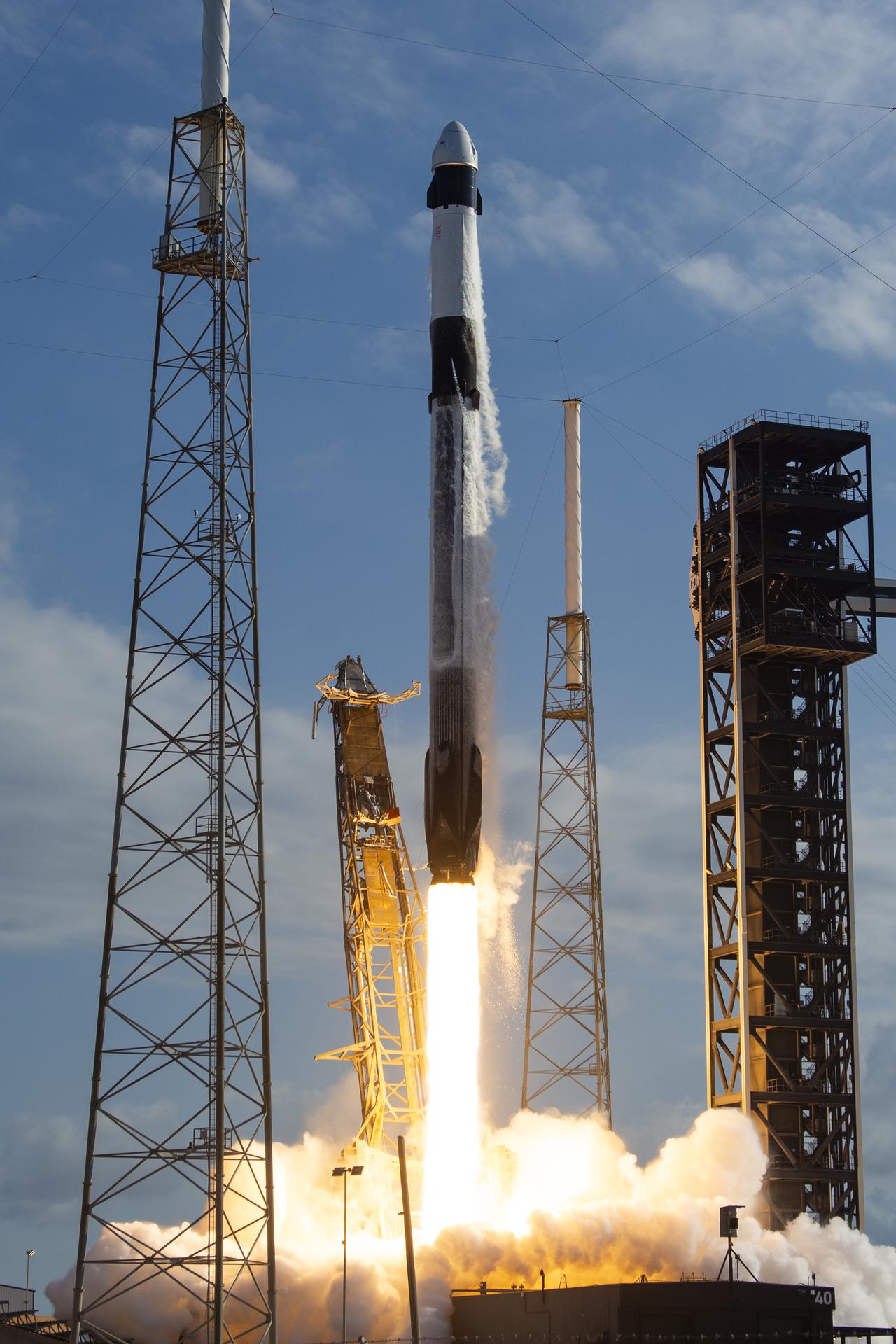
A SpaceX Falcon 9 rocket, with the company’s Dragon spacecraft atop, launched on Friday, May 15, 2026, from Space Launch Complex 40 at Cape Canaveral Space Force Station in Florida as part of the company’s 34th commercial resupply services mission to the International Space Station for NASA. Dragon delivered about 6,500 pounds of science investigations, supplies, and equipment to the International Space Station.
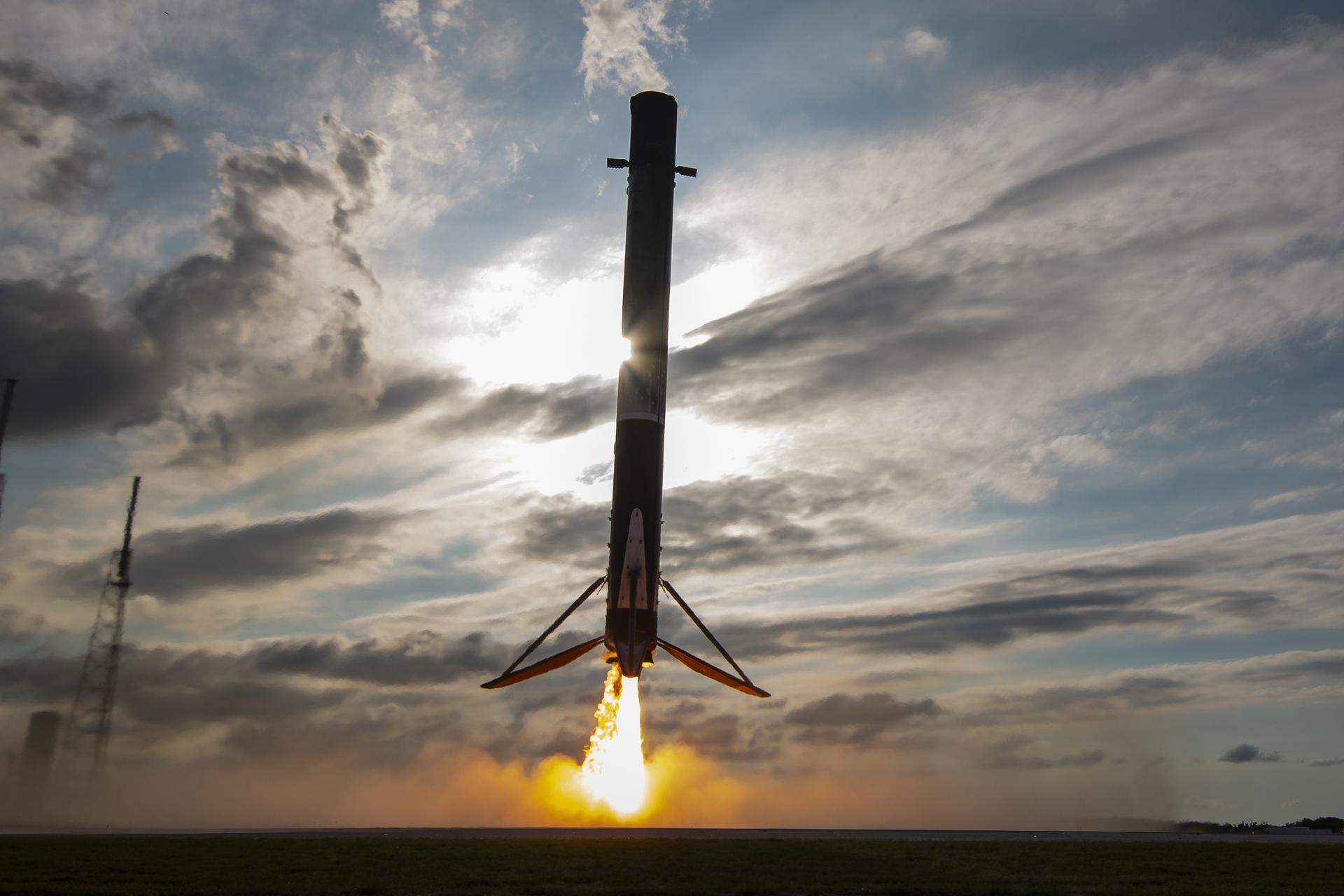
The first stage of a SpaceX Falcon 9 rocket returned and landed inside the Space Launch Complex 40 perimeter at Cape Canaveral Space Force Station in Florida on Friday, May 15, 2026, as part of the company’s 34th commercial resupply services mission to the International Space Station for NASA. Dragon delivered about 6,500 pounds of science investigations, supplies, and equipment to the International Space Station.
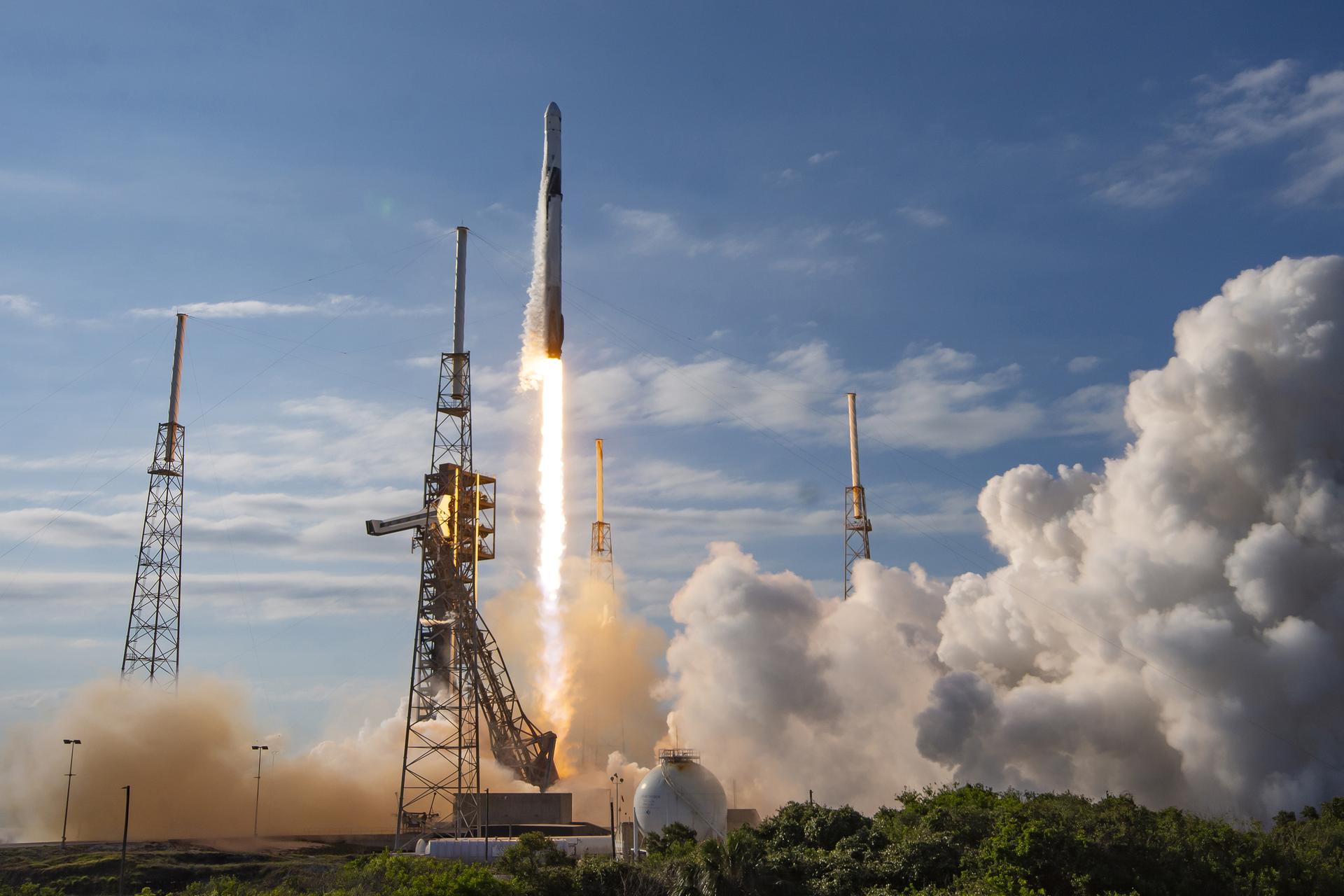
A SpaceX Falcon 9 rocket, with the company’s Dragon spacecraft atop, launched on Friday, May 15, 2026, from Space Launch Complex 40 at Cape Canaveral Space Force Station in Florida as part of the company’s 34th commercial resupply services mission to the International Space Station for NASA. Dragon delivered about 6,500 pounds of science investigations, supplies, and equipment to the International Space Station.
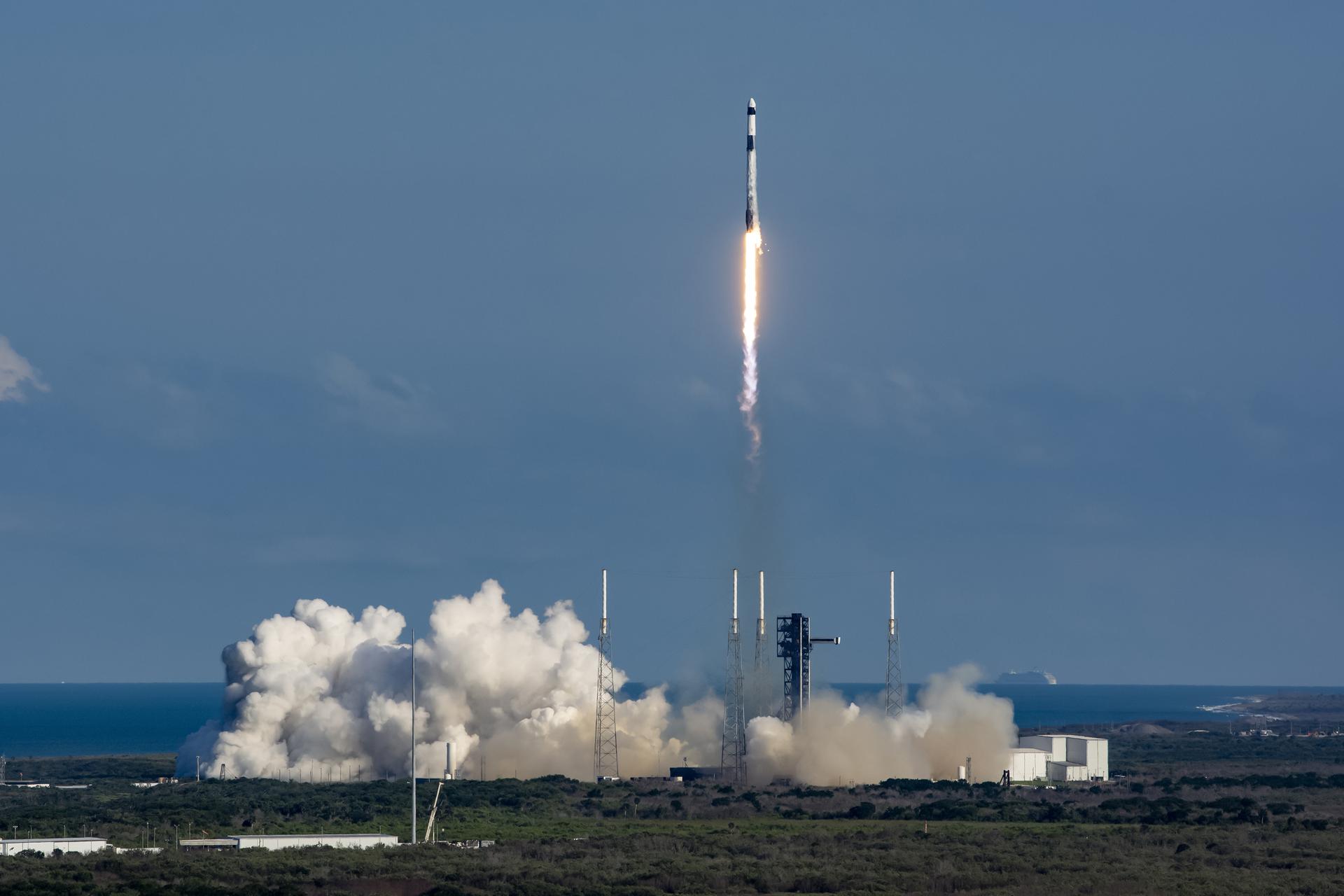
A SpaceX Falcon 9 rocket, with the company’s Dragon spacecraft atop, launched on Friday, May 15, 2026, from Space Launch Complex 40 at Cape Canaveral Space Force Station in Florida as part of the company’s 34th commercial resupply services mission to the International Space Station for NASA. Dragon delivered about 6,500 pounds of science investigations, supplies, and equipment to the International Space Station.
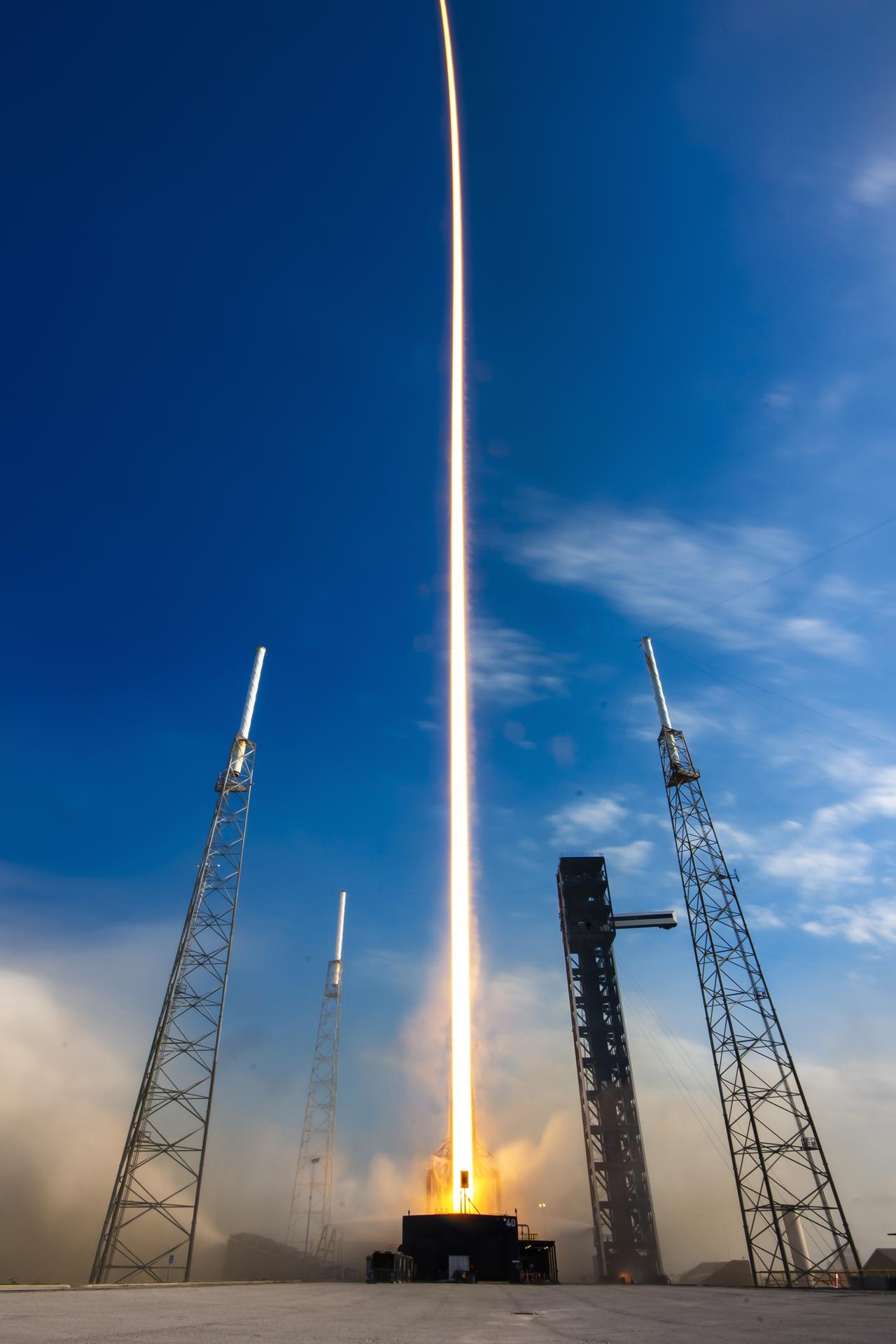
A SpaceX Falcon 9 rocket, with the company’s Dragon spacecraft atop, launched on Friday, May 15, 2026, from Space Launch Complex 40 at Cape Canaveral Space Force Station in Florida as part of the company’s 34th commercial resupply services mission to the International Space Station for NASA. Dragon delivered about 6,500 pounds of science investigations, supplies, and equipment to the International Space Station.
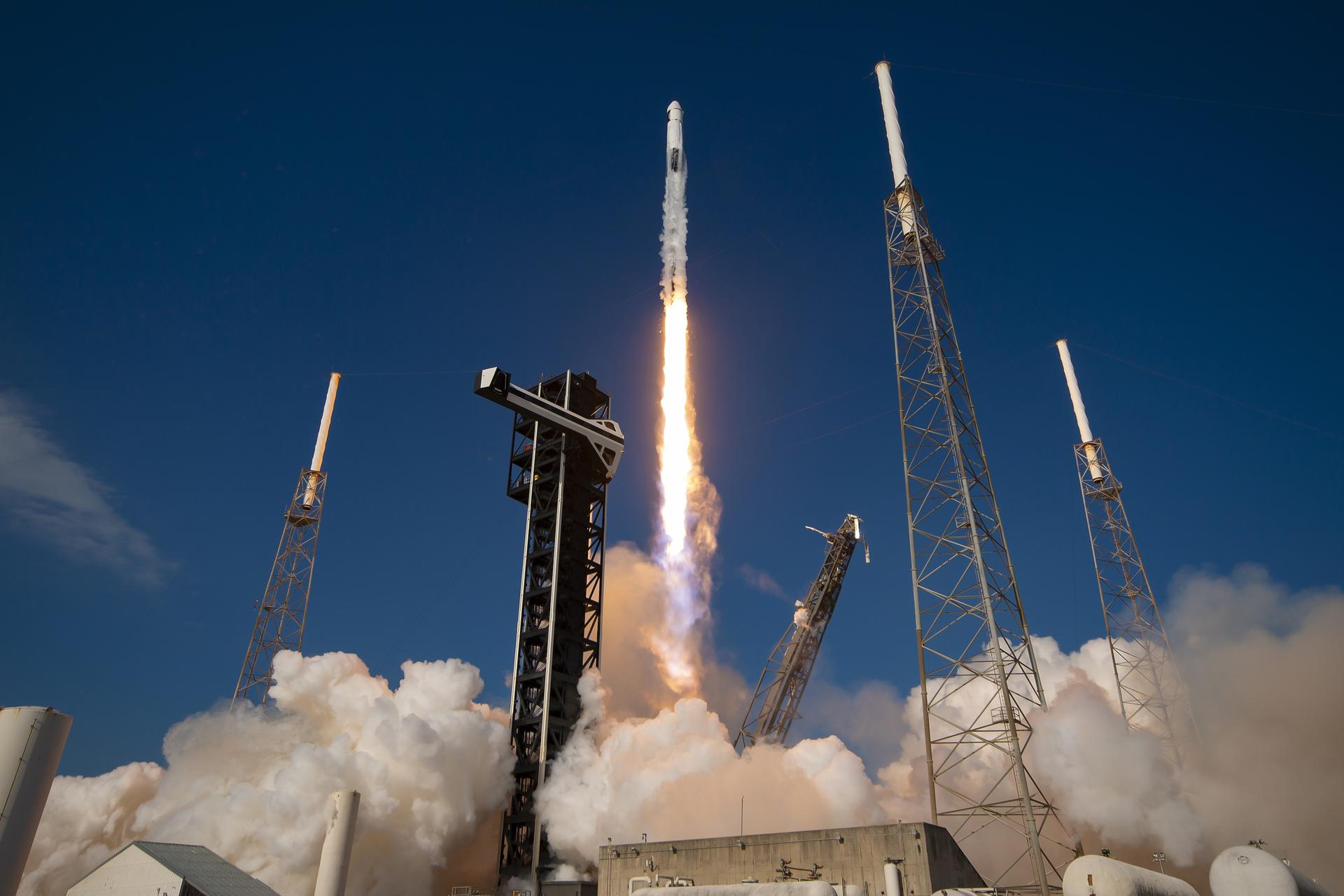
A SpaceX Falcon 9 rocket, with the company’s Dragon spacecraft atop, launched on Friday, May 15, 2026, from Space Launch Complex 40 at Cape Canaveral Space Force Station in Florida as part of the company’s 34th commercial resupply services mission to the International Space Station for NASA. Dragon delivered about 6,500 pounds of science investigations, supplies, and equipment to the International Space Station.
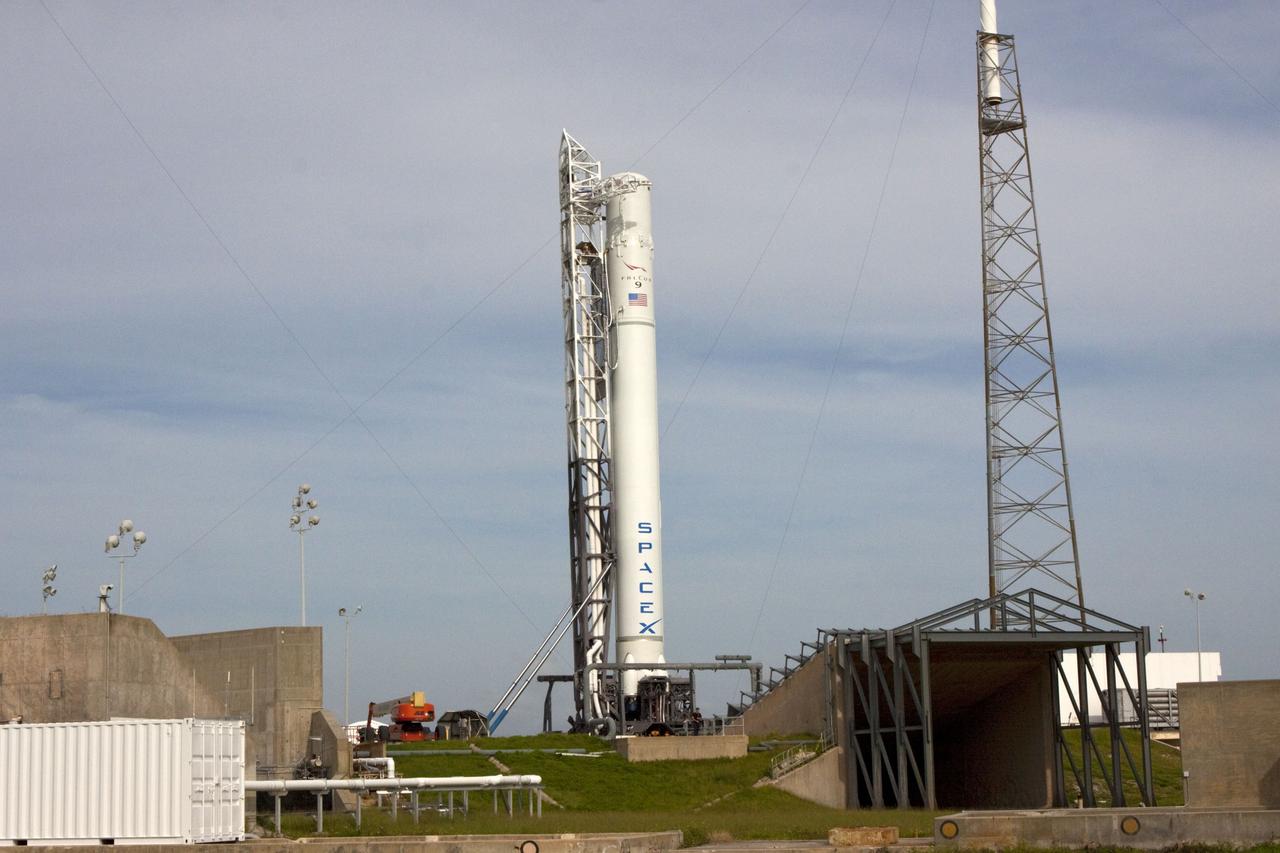
CAPE CANAVERAL, Fla. -- The Space Exploration Technologies, or SpaceX, Falcon 9 rocket is in position for a wet dress rehearsal at Space Launch Complex 40 at Cape Canaveral Air Force Station in Florida. During the rehearsal, the rocket will be fully fueled and launch controllers will perform a countdown demonstration. The rehearsal is in preparation for the company's first Commercial Resupply Services, or CRS, mission to the International Space Station aboard the Dragon capsule. The SpaceX CRS contract with NASA provides for 12 cargo resupply missions to the station through 2015, the first of which is targeted to launch in October 2012.SpaceX became the first private company to berth a spacecraft with the space station in 2012 during its final demonstration flight under the Commercial Orbital Transportation Services, or COTS, program managed by NASA's Johnson Space Center in Houston. Photo credit: NASA/Jim Grossmann
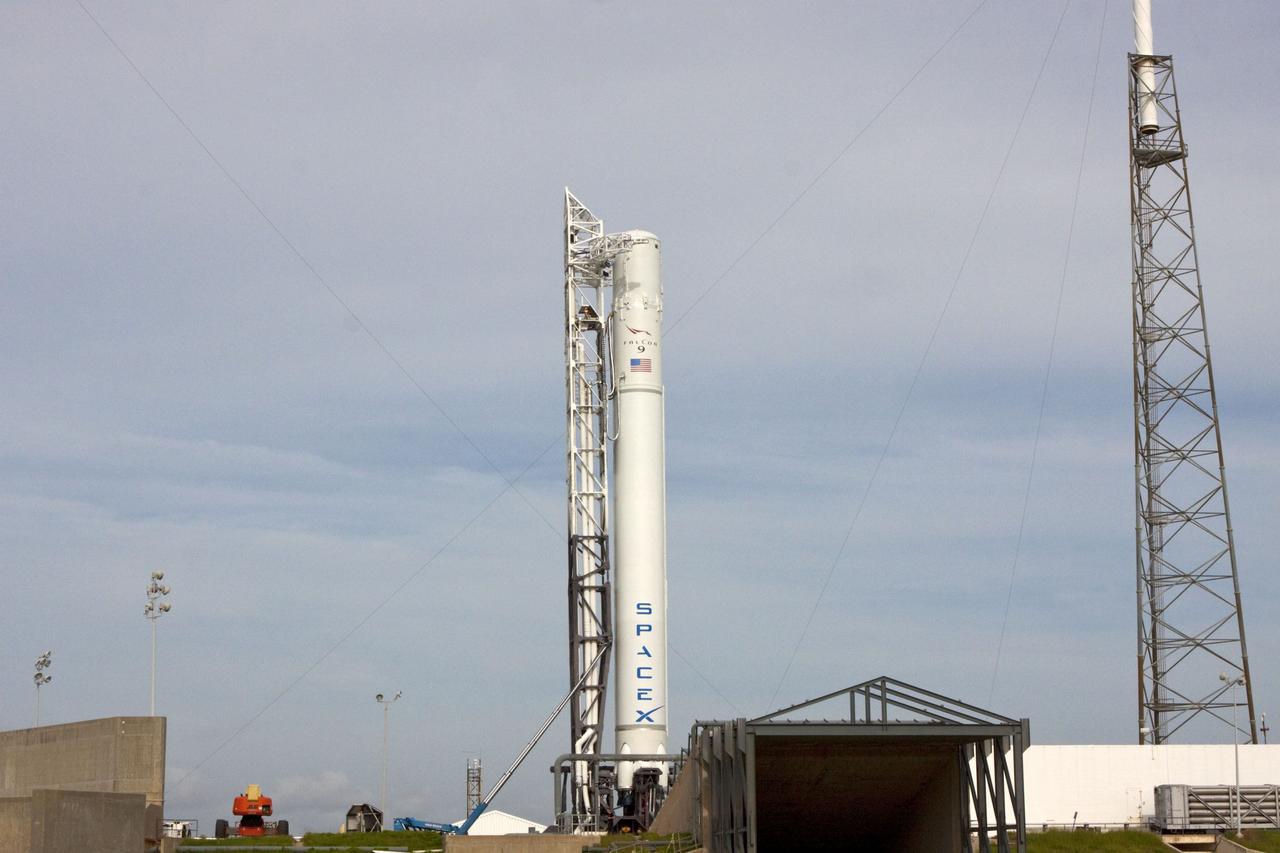
CAPE CANAVERAL, Fla. -- The Space Exploration Technologies, or SpaceX, Falcon 9 rocket is in position for a wet dress rehearsal at Space Launch Complex 40 at Cape Canaveral Air Force Station in Florida. During the rehearsal, the rocket will be fully fueled and launch controllers will perform a countdown demonstration. The rehearsal is in preparation for the company's first Commercial Resupply Services, or CRS, mission to the International Space Station aboard the Dragon capsule. The SpaceX CRS contract with NASA provides for 12 cargo resupply missions to the station through 2015, the first of which is targeted to launch in October 2012.SpaceX became the first private company to berth a spacecraft with the space station in 2012 during its final demonstration flight under the Commercial Orbital Transportation Services, or COTS, program managed by NASA's Johnson Space Center in Houston. Photo credit: NASA/Jim Grossmann
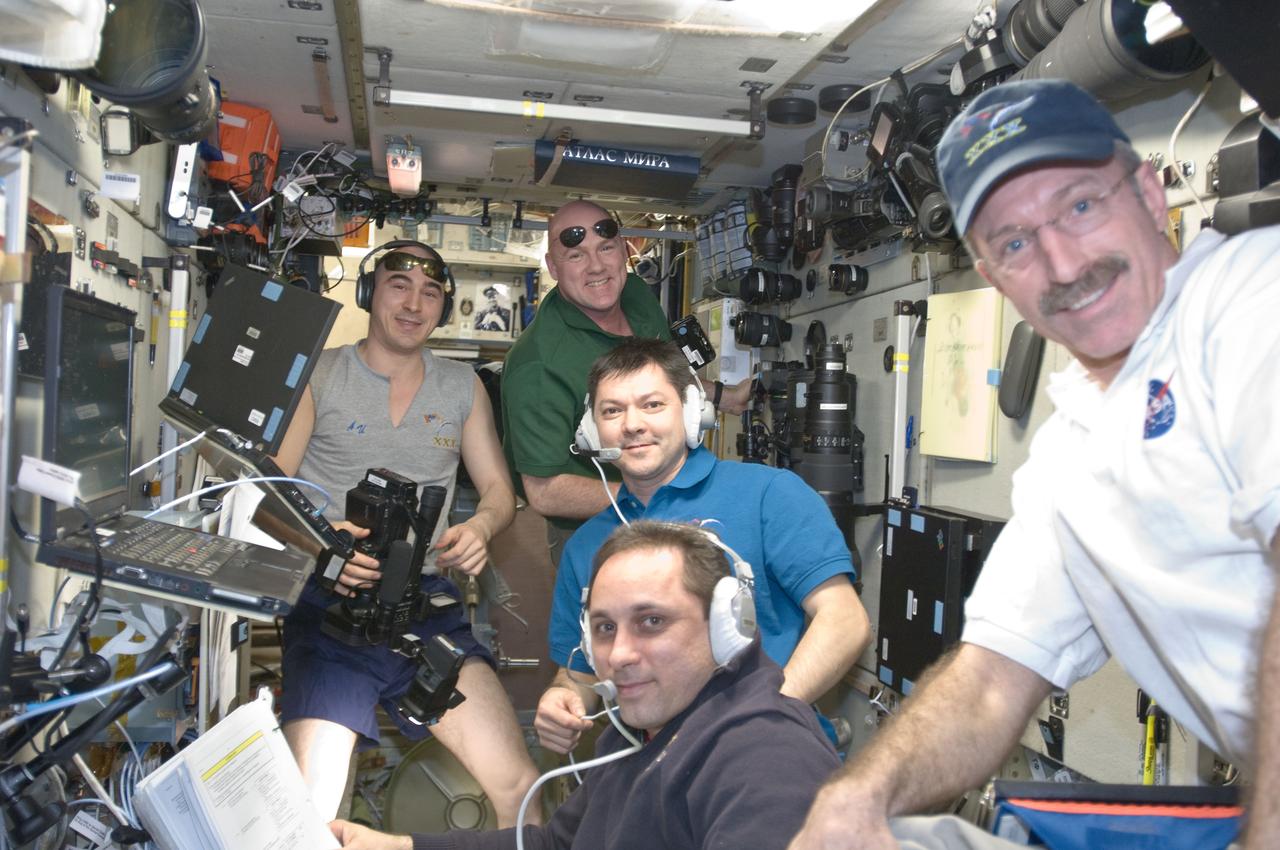
ISS030-E-050949 (27 Jan. 2012) --- NASA astronaut Dan Burbank (right), Expedition 30 commander; Russian cosmonauts Anton Shkaplerov (bottom), Oleg Kononenko (center) and Anatoly Ivanishin (left background); and European Space Agency astronaut Andre Kuipers, all flight engineers, take a moment for a photo in the Zvezda Service Module of the International Space Station following the successful docking of the unpiloted ISS Progress 46 resupply vehicle. Progress 46 docked automatically to the Pirs Docking Compartment via the Kurs automated rendezvous system at 7:00 p.m. (EST) on Jan. 27, 2012.
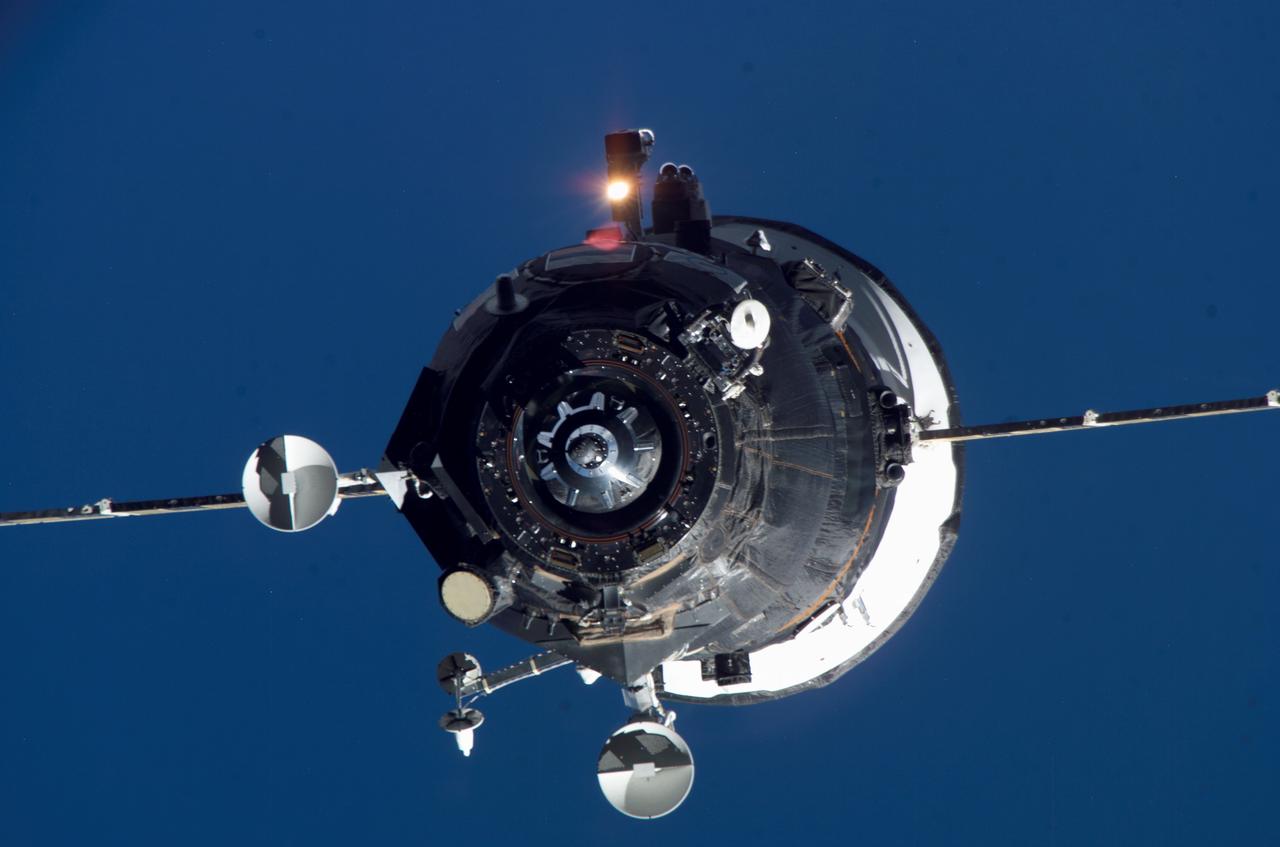
ISS014-E-12364 (19 Jan. 2007) --- Backdropped by a blue Earth, an unpiloted Progress supply vehicle approaches the International Space Station. The Progress 24 resupply craft launched at 8:12 p.m. (CST) on Jan. 17, 2007 from the Baikonur Cosmodrome in Kazakhstan to deliver 2.5 tons of food, fuel, oxygen and other supplies to the Expedition 14 crewmembers onboard the station. Progress automatically docked to the Pirs Docking Compartment at 8:59 p.m. (CST) on Jan. 19 as the spacecraft and the station flew approximately 220 miles above a point near the South Atlantic off the southeast coast of Uruguay.
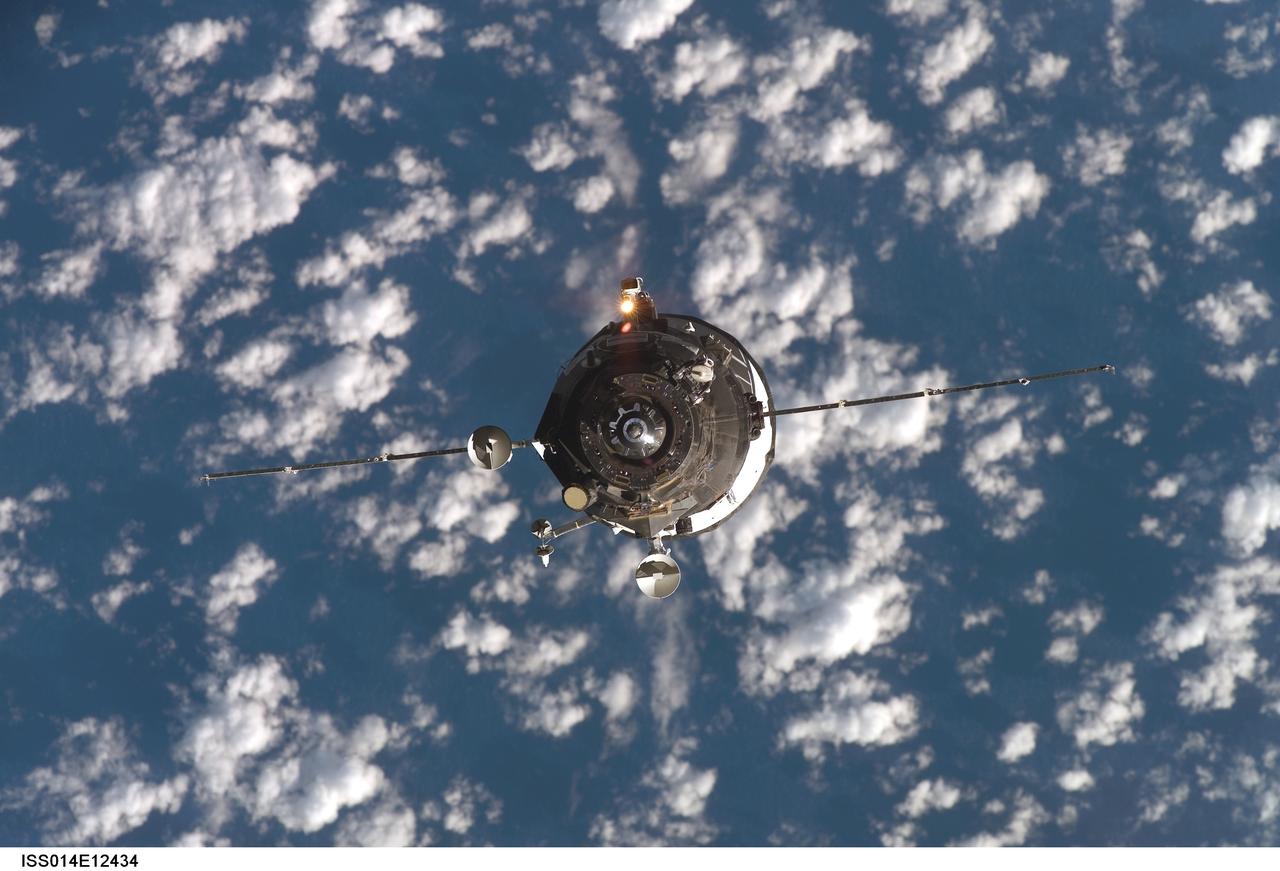
ISS014-E-12434 (19 Jan. 2007) --- Backdropped by a blue and white Earth, an unpiloted Progress supply vehicle approaches the International Space Station. The Progress 24 resupply craft launched at 8:12 p.m. (CST) on Jan. 17, 2007 from the Baikonur Cosmodrome in Kazakhstan to deliver 2.5 tons of food, fuel, oxygen and other supplies to the Expedition 14 crewmembers onboard the station. Progress automatically docked to the Pirs Docking Compartment at 8:59 p.m. (CST) on Jan. 19 as the spacecraft and the station flew approximately 220 miles above a point near the South Atlantic off the southeast coast of Uruguay.
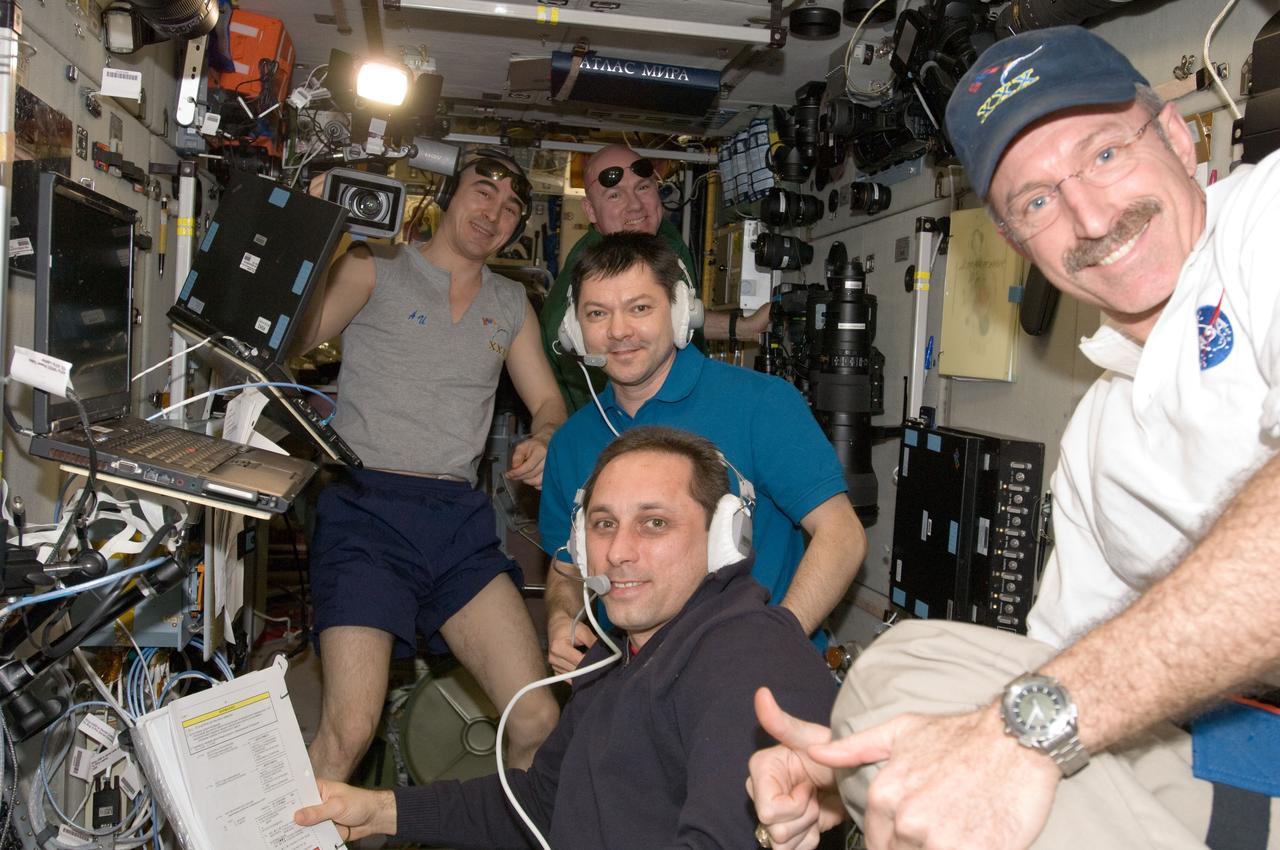
ISS030-E-050946 (27 Jan. 2012) --- NASA astronaut Dan Burbank (right), Expedition 30 commander; Russian cosmonauts Anton Shkaplerov (bottom), Oleg Kononenko (center) and Anatoly Ivanishin (left background); and European Space Agency astronaut Andre Kuipers, all flight engineers, take a moment for a photo in the Zvezda Service Module of the International Space Station following the successful docking of the unpiloted ISS Progress 46 resupply vehicle. Progress 46 docked automatically to the Pirs Docking Compartment via the Kurs automated rendezvous system at 7:00 p.m. (EST) on Jan. 27, 2012.
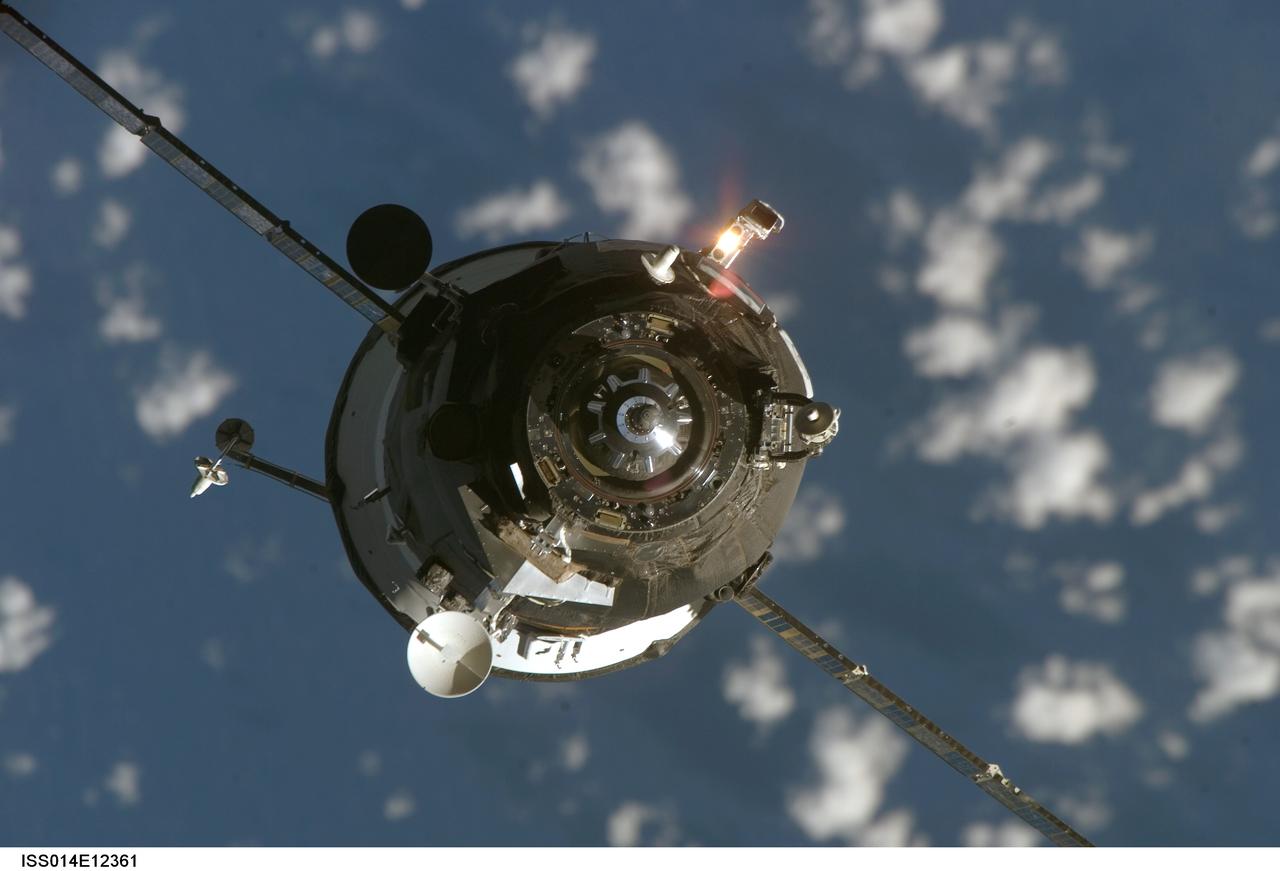
ISS014-E-12361 (19 Jan. 2007) --- Backdropped by a sprinkling of small clouds over a blue Earth, an unpiloted Progress supply vehicle approaches the International Space Station. The Progress 24 resupply craft launched at 8:12 p.m. (CST) on Jan. 17, 2007 from the Baikonur Cosmodrome in Kazakhstan to deliver 2.5 tons of food, fuel, oxygen and other supplies to the Expedition 14 crewmembers onboard the station. Progress automatically docked to the Pirs Docking Compartment at 8:59 p.m. (CST) on Jan. 19 as the spacecraft and the station flew approximately 220 miles above a point near the South Atlantic off the southeast coast of Uruguay.
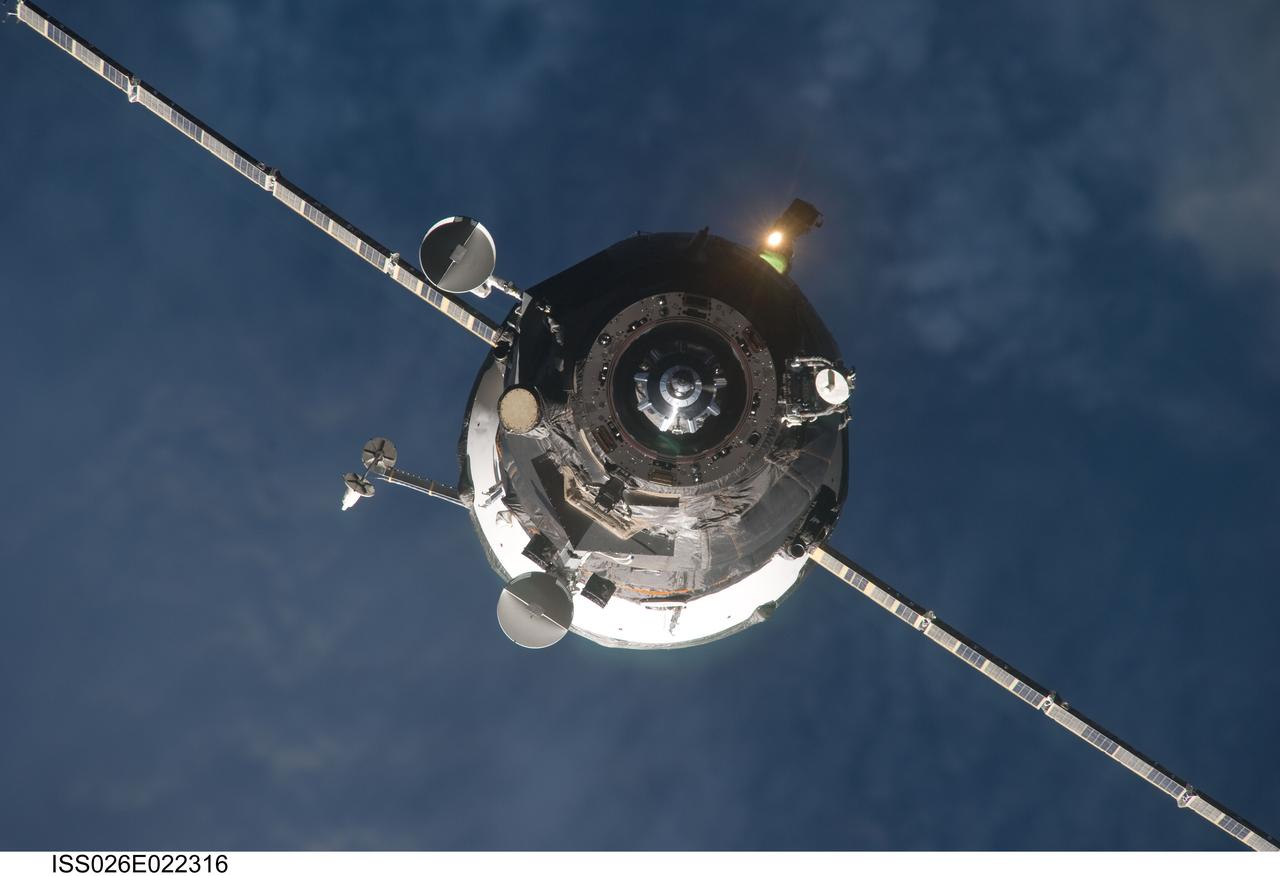
ISS026-E-022316 (29 Jan. 2011) --- An unpiloted ISS Progress resupply vehicle approaches the International Space Station, bringing 1,918 pounds of propellant, 110 pounds of oxygen, 926 pounds of water and 3,080 pounds of spare parts and supplies for the Expedition 26 crew members. Progress 41 docked to the station’s Pirs Docking Compartment at 9:39 p.m. (EST) on Jan. 29, 2011.
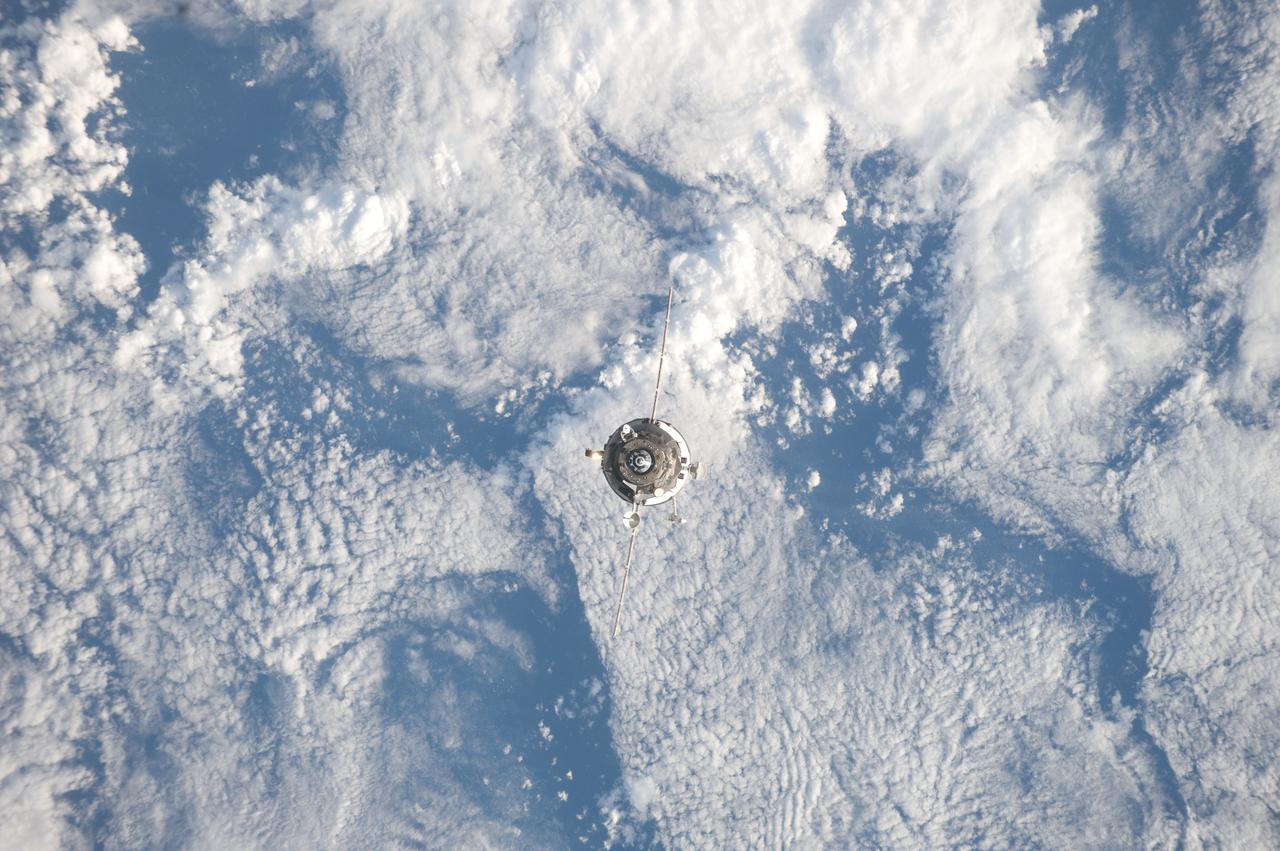
ISS030-E-060460 (27 Jan. 2012) --- An unpiloted ISS Progress resupply vehicle approaches the International Space Station, carrying 2,050 pounds of propellant, 110 pounds oxygen and air, 926 pounds of water and 2,778 pounds of spare parts and experiment hardware for a total of 2.9 tons of food, fuel and equipment for the residents of the space station. Progress 46 docked to the station?s Pirs Docking Compartment at 7:09 p.m. (EST) on Jan. 27, 2012.
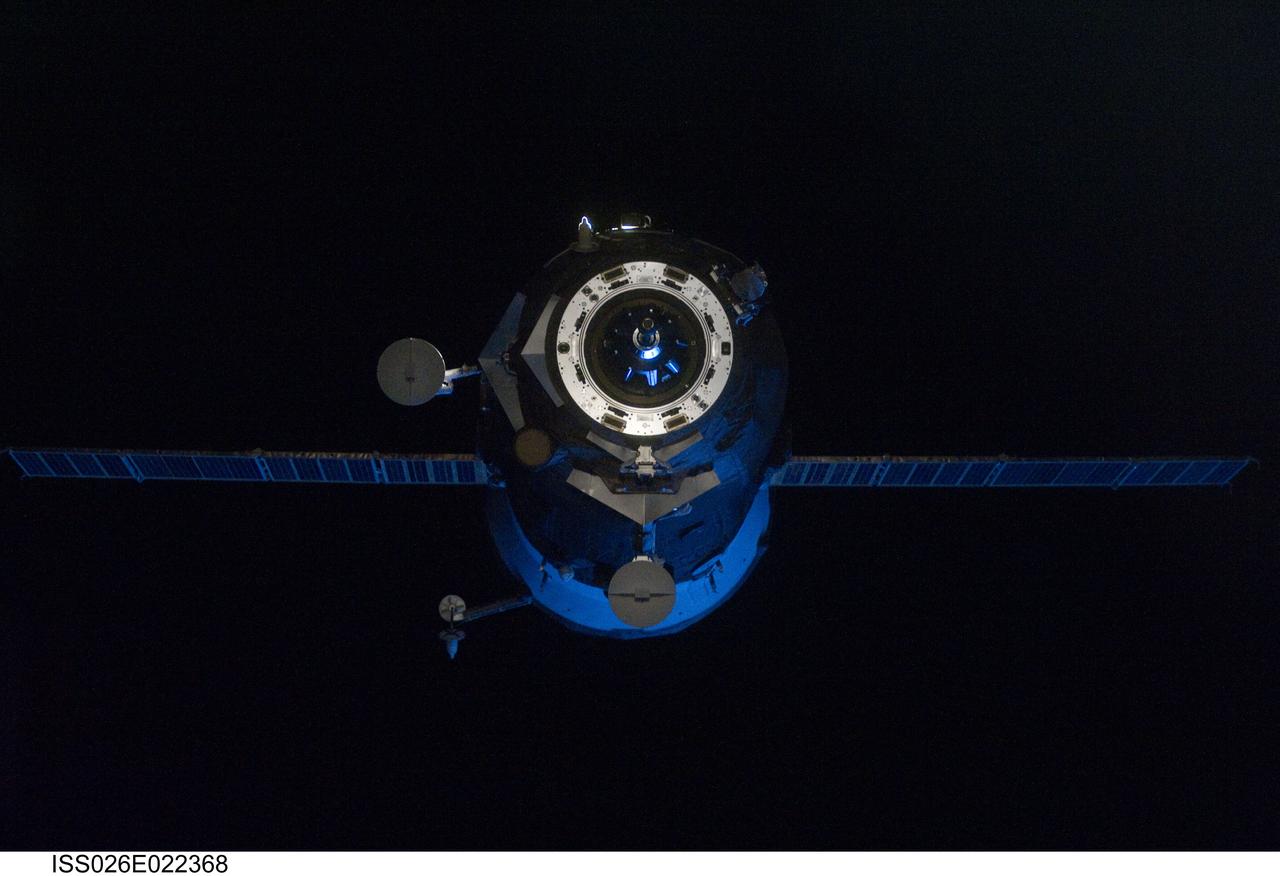
ISS026-E-022368 (29 Jan. 2011) --- An unpiloted ISS Progress resupply vehicle approaches the International Space Station, bringing 1,918 pounds of propellant, 110 pounds of oxygen, 926 pounds of water and 3,080 pounds of spare parts and supplies for the Expedition 26 crew members. Progress 41 docked to the station’s Pirs Docking Compartment at 9:39 p.m. (EST) on Jan. 29, 2011.
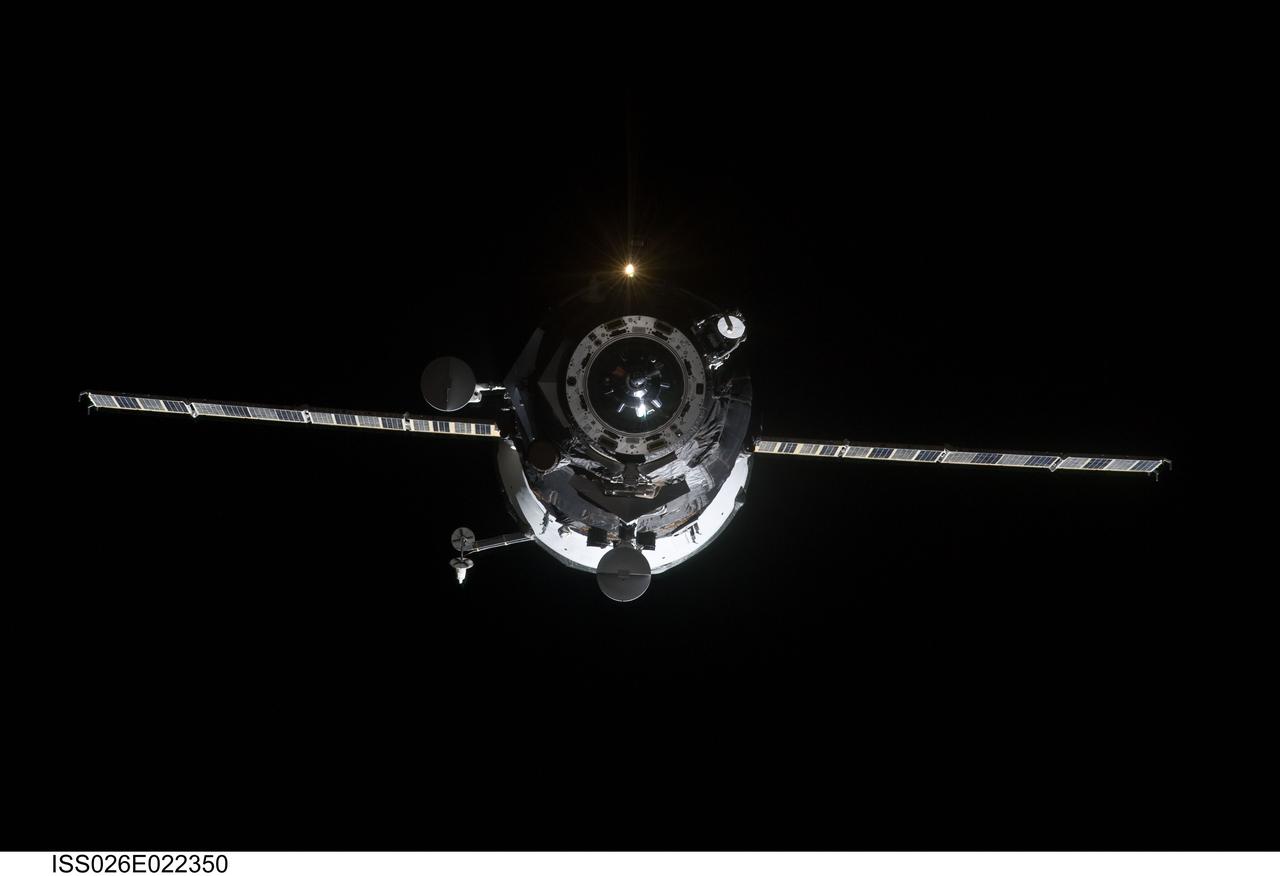
ISS026-E-022350 (29 Jan. 2011) --- An unpiloted ISS Progress resupply vehicle approaches the International Space Station, bringing 1,918 pounds of propellant, 110 pounds of oxygen, 926 pounds of water and 3,080 pounds of spare parts and supplies for the Expedition 26 crew members. Progress 41 docked to the station’s Pirs Docking Compartment at 9:39 p.m. (EST) on Jan. 29, 2011.
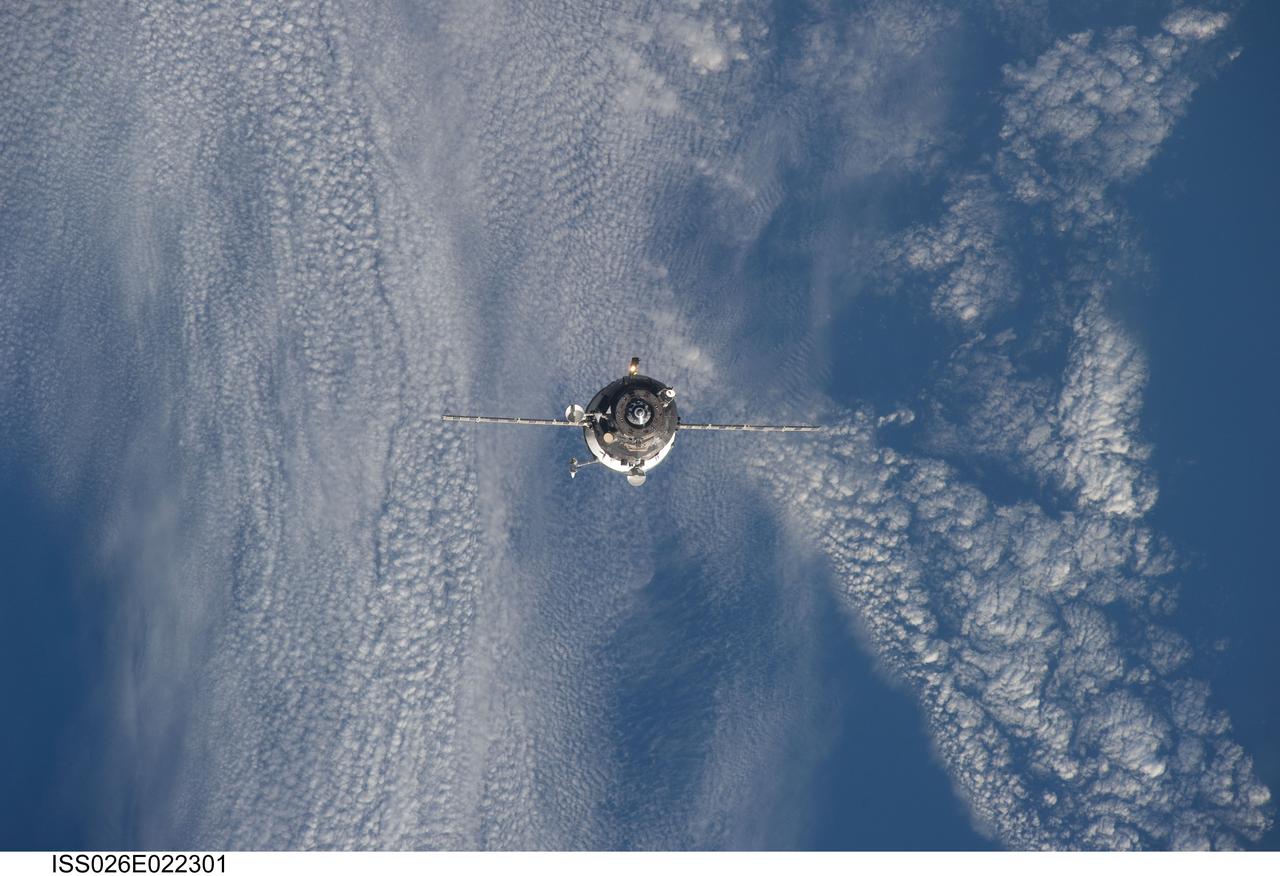
ISS026-E-022301 (29 Jan. 2011) --- An unpiloted ISS Progress resupply vehicle approaches the International Space Station, bringing 1,918 pounds of propellant, 110 pounds of oxygen, 926 pounds of water and 3,080 pounds of spare parts and supplies for the Expedition 26 crew members. Progress 41 docked to the station’s Pirs Docking Compartment at 9:39 p.m. (EST) on Jan. 29, 2011.
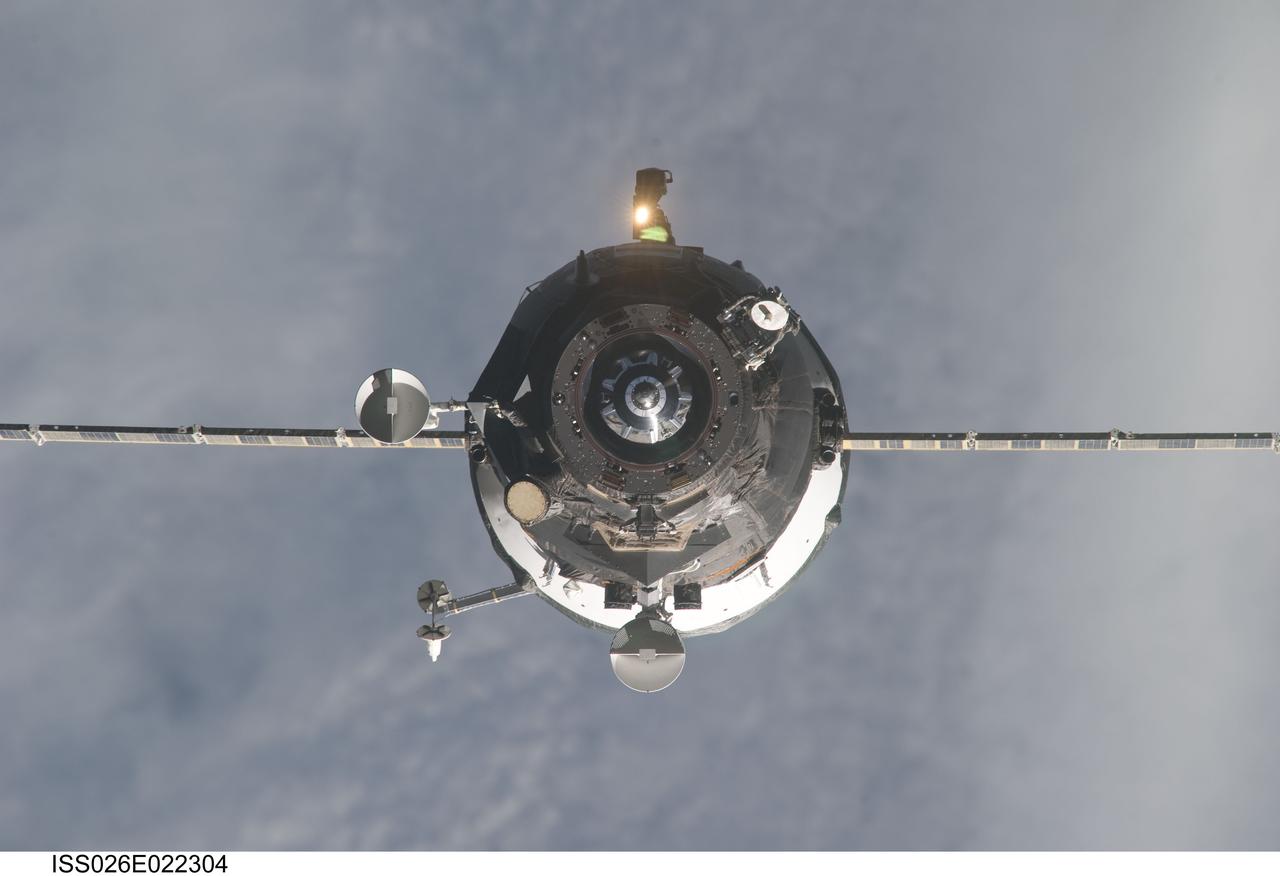
ISS026-E-022304 (29 Jan. 2011) --- An unpiloted ISS Progress resupply vehicle approaches the International Space Station, bringing 1,918 pounds of propellant, 110 pounds of oxygen, 926 pounds of water and 3,080 pounds of spare parts and supplies for the Expedition 26 crew members. Progress 41 docked to the station’s Pirs Docking Compartment at 9:39 p.m. (EST) on Jan. 29, 2011.
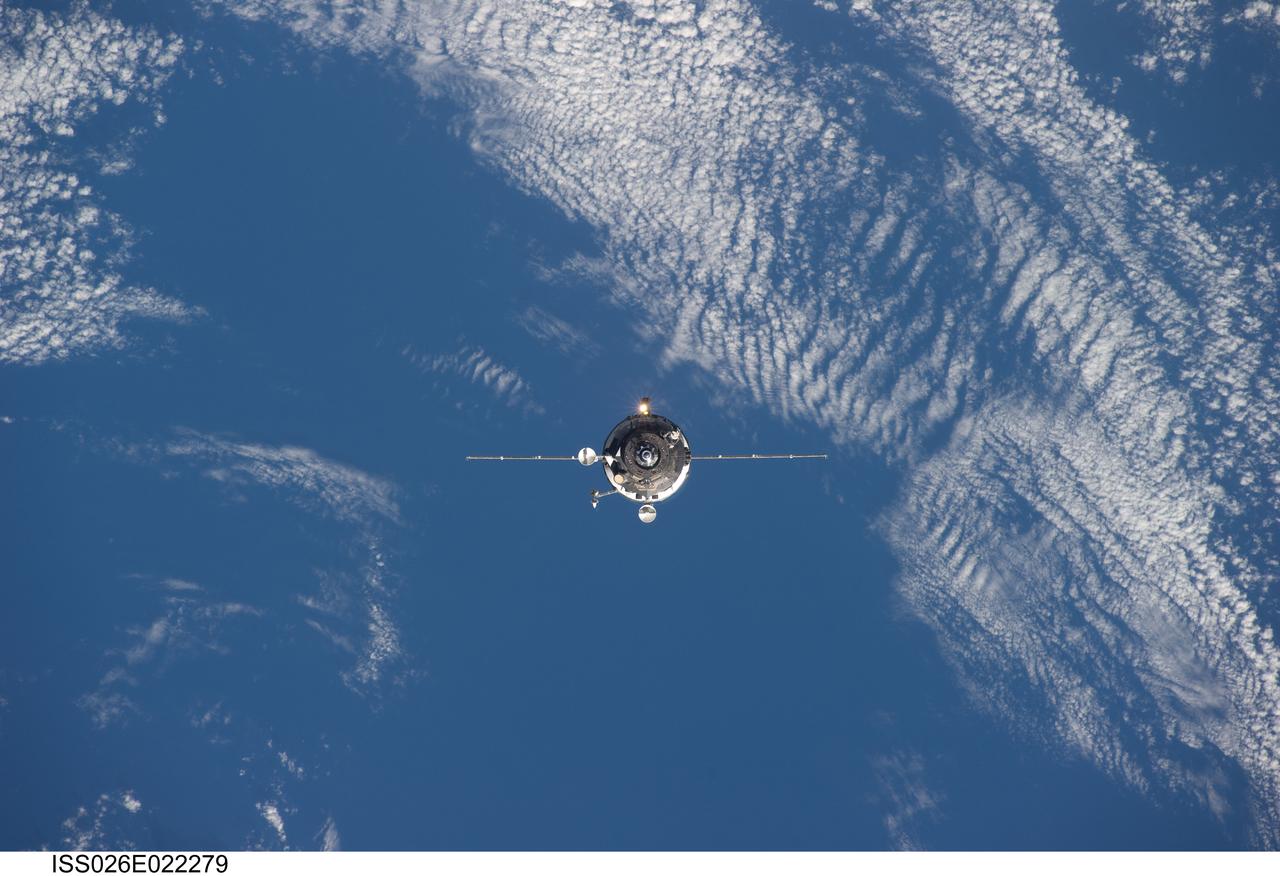
ISS026-E-022279 (29 Jan. 2011) --- An unpiloted ISS Progress resupply vehicle approaches the International Space Station, bringing 1,918 pounds of propellant, 110 pounds of oxygen, 926 pounds of water and 3,080 pounds of spare parts and supplies for the Expedition 26 crew members. Progress 41 docked to the station’s Pirs Docking Compartment at 9:39 p.m. (EST) on Jan. 29, 2011.
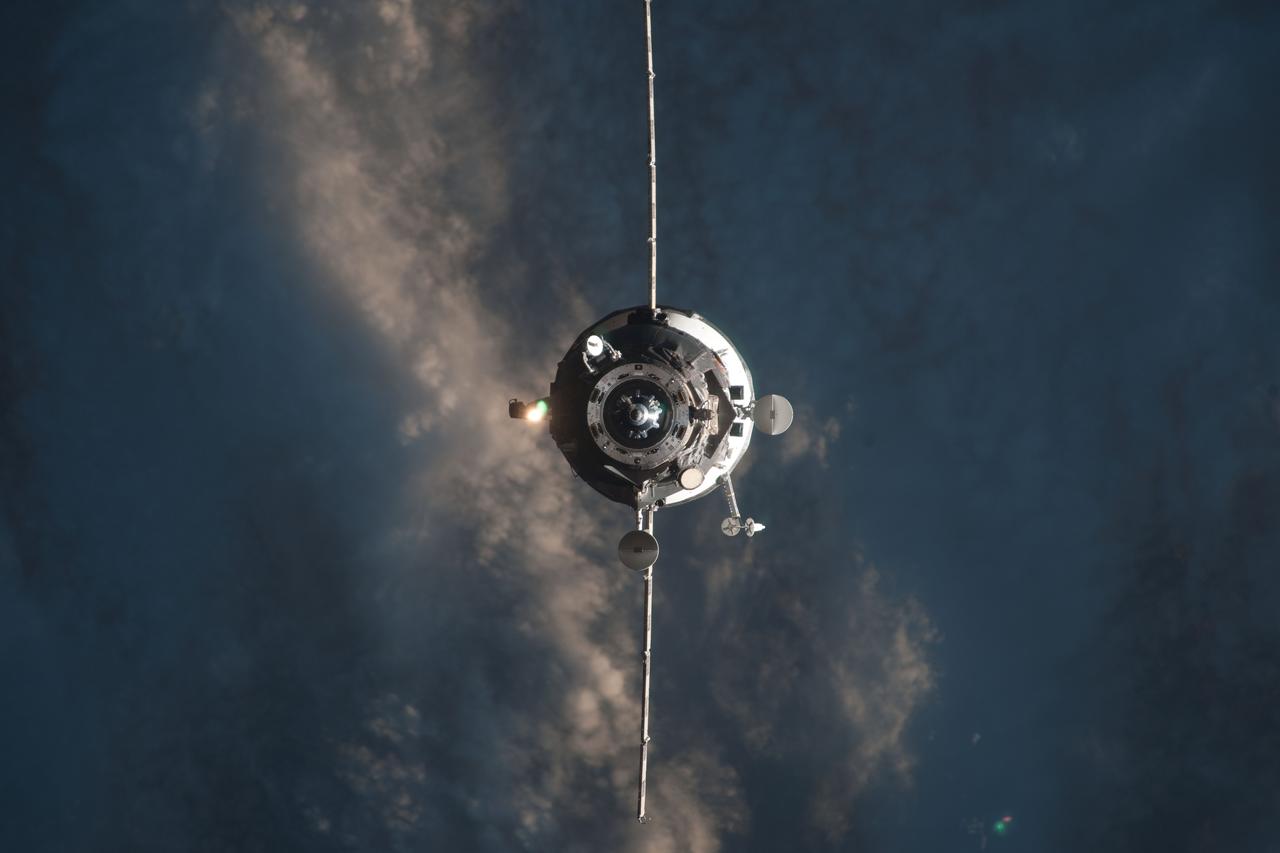
ISS030-E-060459 (27 Jan. 2012) --- An unpiloted ISS Progress resupply vehicle approaches the International Space Station, carrying 2,050 pounds of propellant, 110 pounds oxygen and air, 926 pounds of water and 2,778 pounds of spare parts and experiment hardware for a total of 2.9 tons of food, fuel and equipment for the residents of the space station. Progress 46 docked to the station?s Pirs Docking Compartment at 7:09 p.m. (EST) on Jan. 27, 2012.

The upgraded version of SpaceX’s Cargo Dragon spacecraft, Dragon 2, is seen atop a Falcon 9 rocket on Dec. 2, 2020, as they prepare to be rolled out to Launch Complex 39A at NASA’s Kennedy Space Center in Florida for the company’s 21st Commercial Resupply Services (CRS-21) launch. The first launch for SpaceX under NASA’s second Commercial Resupply Services contract, CRS-21 will deliver critical supplies, equipment, and material to support a variety of science and research investigations that will take place aboard the International Space Station. Liftoff is scheduled for 11:39 a.m. EST on Saturday, Dec. 5.

A SpaceX Falcon 9 rocket, topped with the upgraded version of the Cargo Dragon spacecraft, is seen inside the company’s hangar at NASA’s Kennedy Space Center in Florida on Dec. 2, 2020, prior to being rolled out to the launch pad in preparation for the 21st Commercial Resupply Services (CRS-21) launch. The first launch for SpaceX under NASA’s second Commercial Resupply Services contract, CRS-21 will deliver critical supplies, equipment, and material to support a variety of science and research investigations that will take place aboard the International Space Station. Liftoff is scheduled for 11:39 a.m. EST on Saturday, Dec. 5, from Kennedy’s Launch Complex 39A.

A SpaceX Falcon 9 rocket, topped with the upgraded version of the Cargo Dragon spacecraft, is seen inside the company’s hangar at NASA’s Kennedy Space Center in Florida on Dec. 2, 2020, prior to being rolled out to the launch pad in preparation for the 21st Commercial Resupply Services (CRS-21) launch. The first launch for SpaceX under NASA’s second Commercial Resupply Services contract, CRS-21 will deliver critical supplies, equipment, and material to support a variety of science and research investigations that will take place aboard the International Space Station. Liftoff is scheduled for 11:39 a.m. EST on Saturday, Dec. 5, from Kennedy’s Launch Complex 39A.
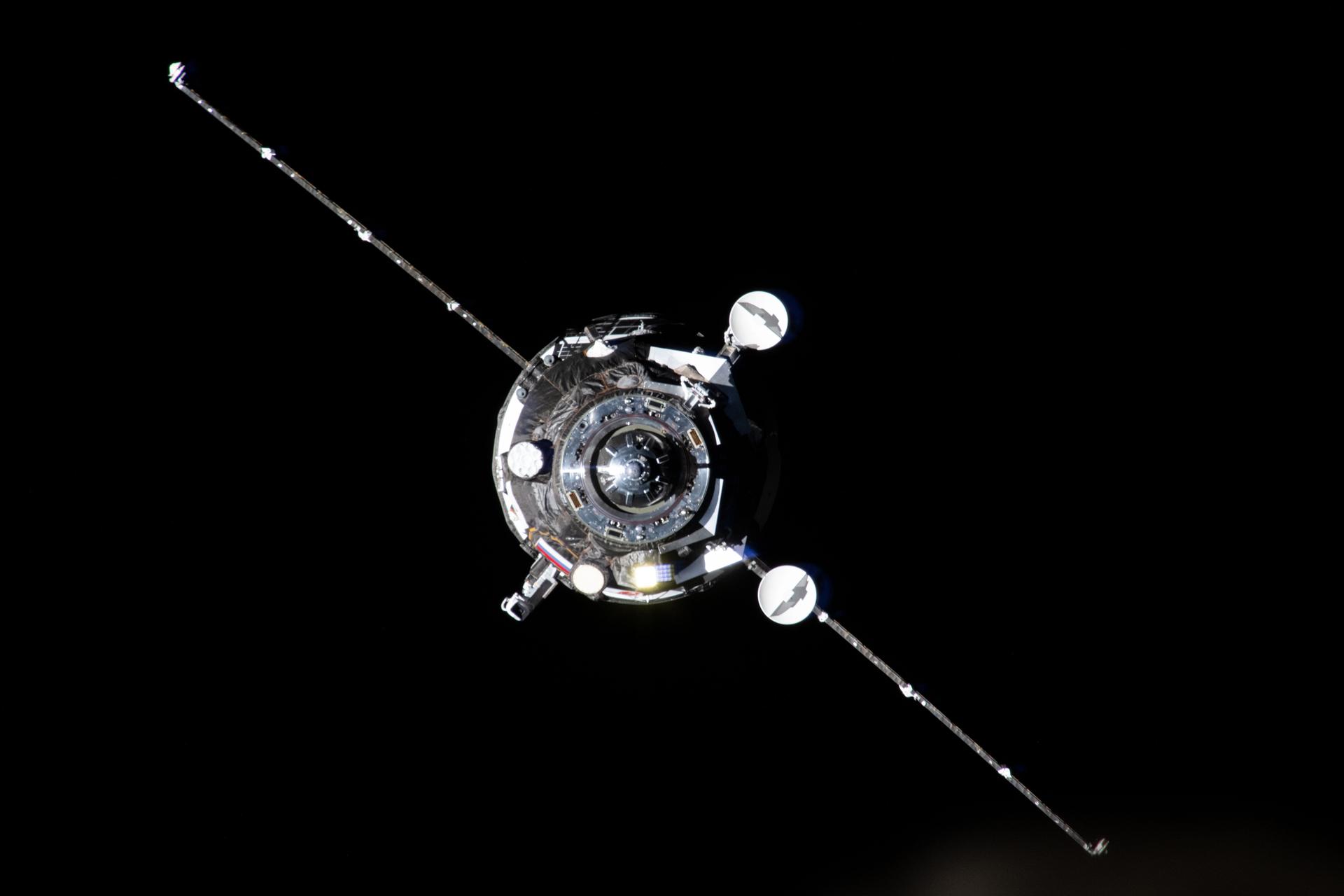
iss073e0698630 (Sept. 13, 2025) --- The Progress 93 resupply ship from Roscosmos, carrying about three tons of food, fuel, and supplies for the Expedition 73 crew, is pictured automatically approaching the International Space Station before docking to the Zvezda service module's rear port for six months of cargo activities.

A SpaceX Falcon 9 rocket lifts off from Space Launch Complex 40 at Cape Canaveral Air Force Station in Florida at 4:30 p.m. EDT, carrying the SpaceX Dragon resupply spacecraft. On its 14th commercial resupply services mission for NASA, Dragon will deliver supplies, equipment and new science experiments for technology research to the space station.
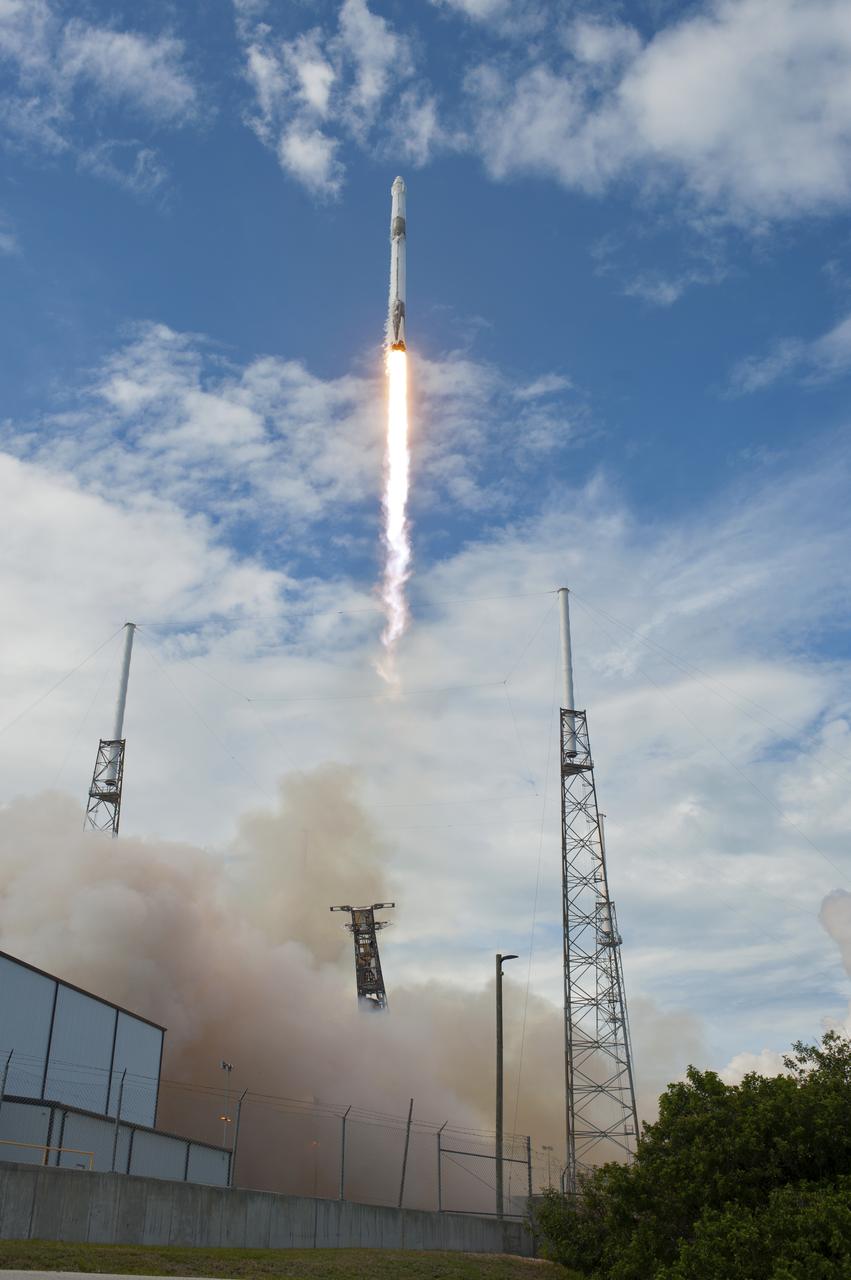
A SpaceX Falcon 9 rocket soars upward after lifting off from Space Launch Complex 40 at Cape Canaveral Air Force Station in Florida at 4:30 p.m. EDT, carrying the SpaceX Dragon resupply spacecraft. On its 14th commercial resupply services mission for NASA, Dragon will deliver supplies, equipment and new science experiments for technology research to the space station.
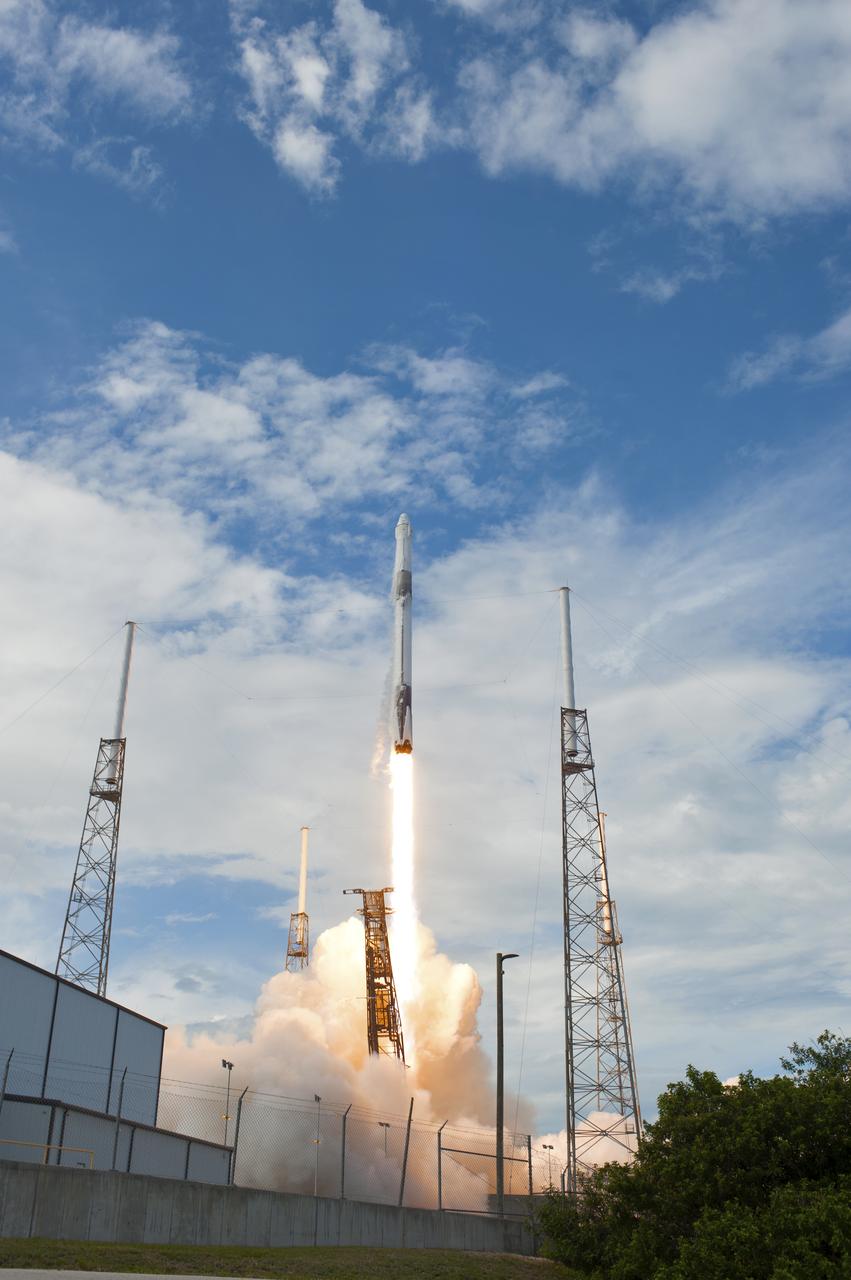
A SpaceX Falcon 9 rocket lifts off from Space Launch Complex 40 at Cape Canaveral Air Force Station in Florida at 4:30 p.m. EDT, carrying the SpaceX Dragon resupply spacecraft. On its 14th commercial resupply services mission for NASA, Dragon will deliver supplies, equipment and new science experiments for technology research to the space station.
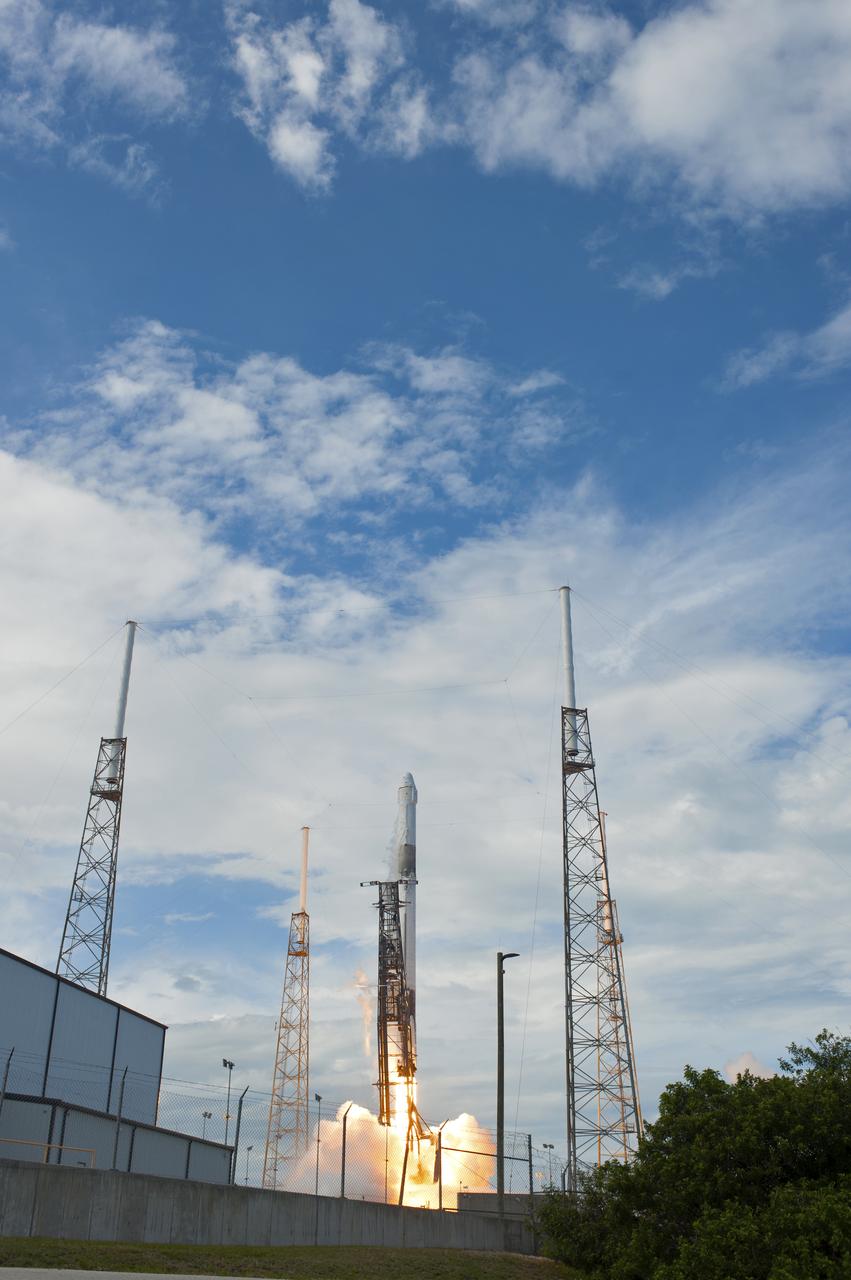
A SpaceX Falcon 9 rocket lifts off from Space Launch Complex 40 at Cape Canaveral Air Force Station in Florida at 4:30 p.m. EDT, carrying the SpaceX Dragon resupply spacecraft. On its 14th commercial resupply services mission for NASA, Dragon will deliver supplies, equipment and new science experiments for technology research to the space station.
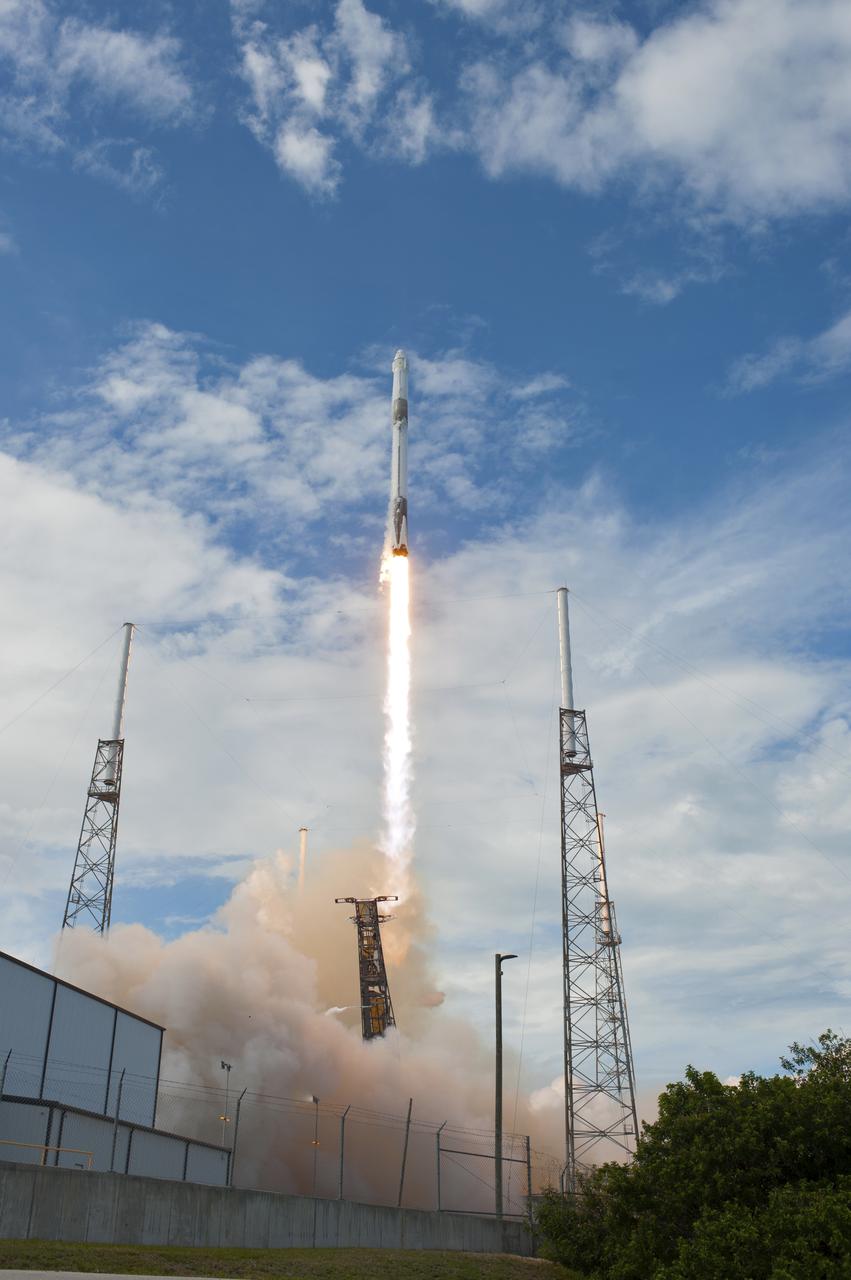
A SpaceX Falcon 9 rocket soars upward after lifting off from Space Launch Complex 40 at Cape Canaveral Air Force Station in Florida at 4:30 p.m. EDT, carrying the SpaceX Dragon resupply spacecraft. On its 14th commercial resupply services mission for NASA, Dragon will deliver supplies, equipment and new science experiments for technology research to the space station.
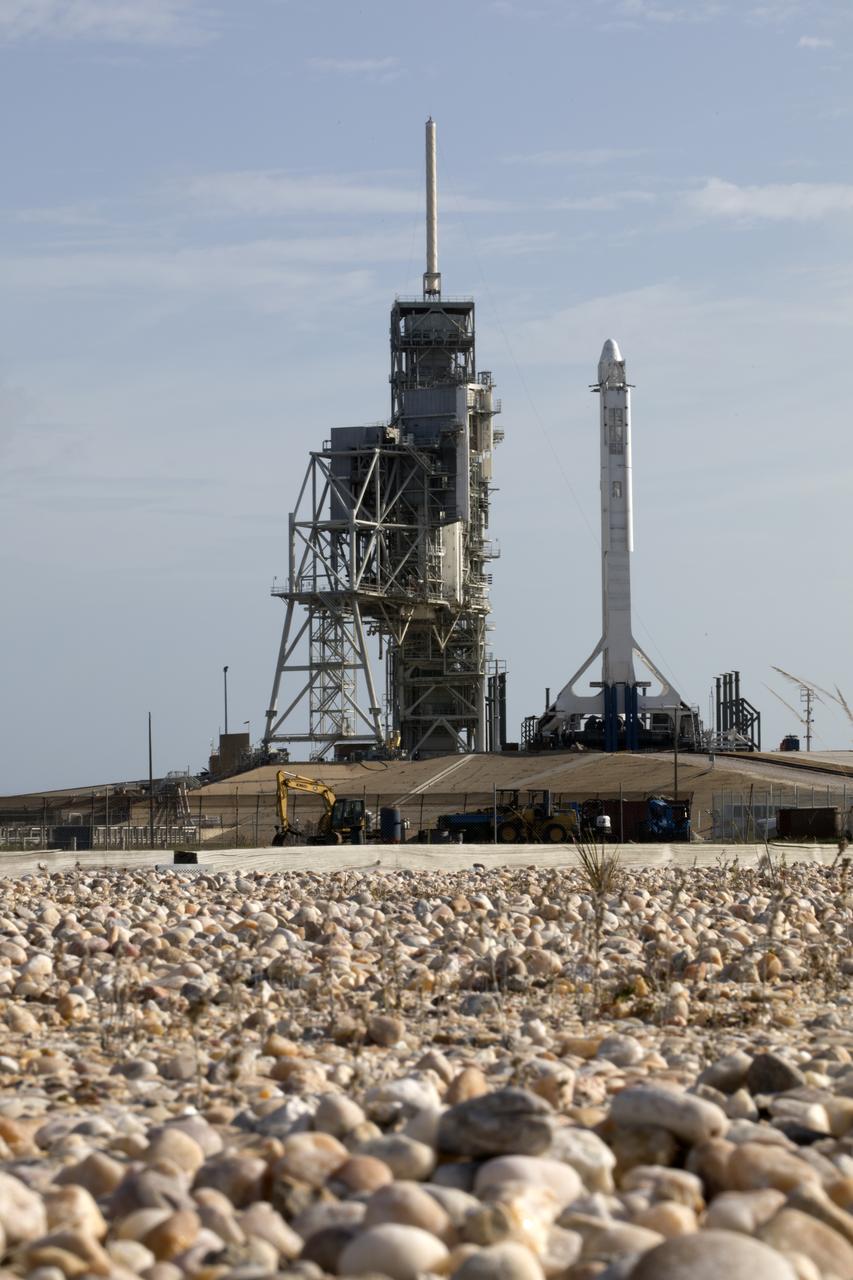
As a Falcon 9 rocket stands ready for liftoff at the Kennedy Space Center's Launch Complex 39A. The rocket will boost a Dragon resupply spacecraft to the International Space Station. Liftoff is scheduled for 5:55 p.m. EDT. On its 11th commercial resupply services mission to the space station, Dragon will bring up 6,000 pounds of supplies, such as the Neutron star Interior Composition Explorer, or NICER, instrument to study the extraordinary physics of neutron stars.
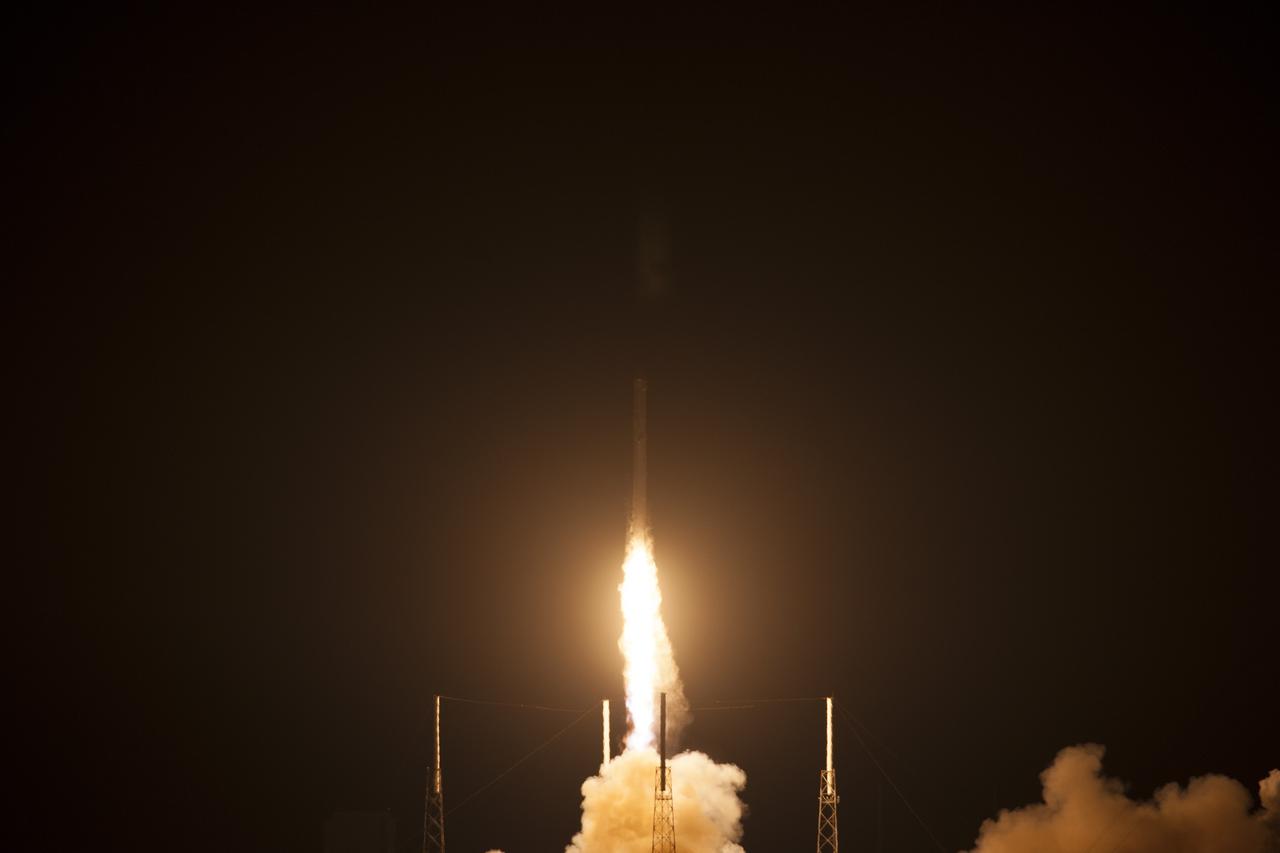
CAPE CANAVERAL, Fla. – SpaceX rocket lifts off from Space Launch Complex 40 at Cape Canaveral Air Force Station carrying the Dragon resupply spacecraft to the International Space Station. Liftoff was at 4:47 a.m. EST. The commercial resupply mission will deliver 3,700 pounds of scientific experiments, technology demonstrations and supplies, including critical materials to support 256 science and research investigations that will take place on the space station. Photo credit: NASA/Tony Gray
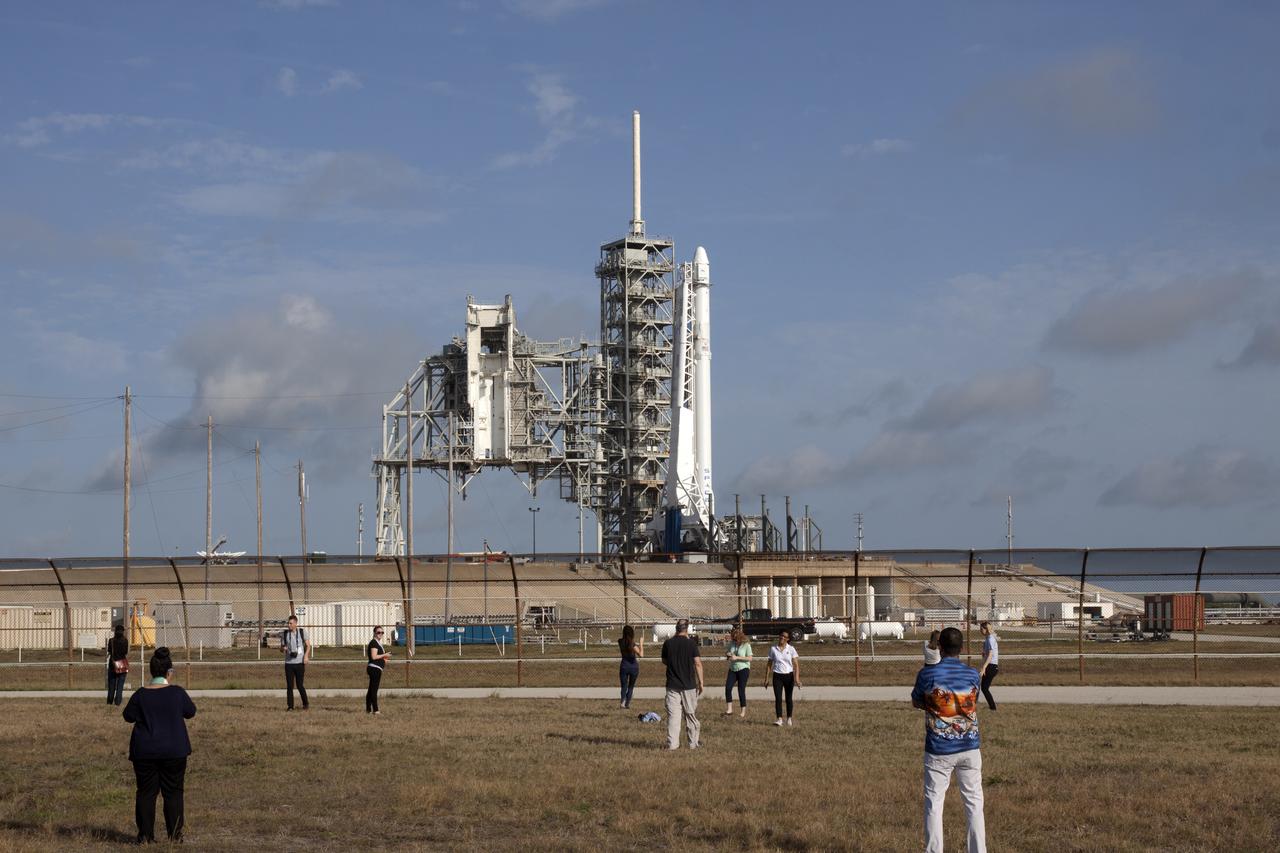
As a Falcon 9 rocket stands ready for liftoff at the Kennedy Space Center's Launch Complex 39A. The rocket will boost a Dragon resupply spacecraft to the International Space Station. Liftoff is scheduled for 5:55 p.m. EDT. On its 11th commercial resupply services mission to the space station, Dragon will bring up 6,000 pounds of supplies, such as the Neutron star Interior Composition Explorer, or NICER, instrument to study the extraordinary physics of neutron stars.
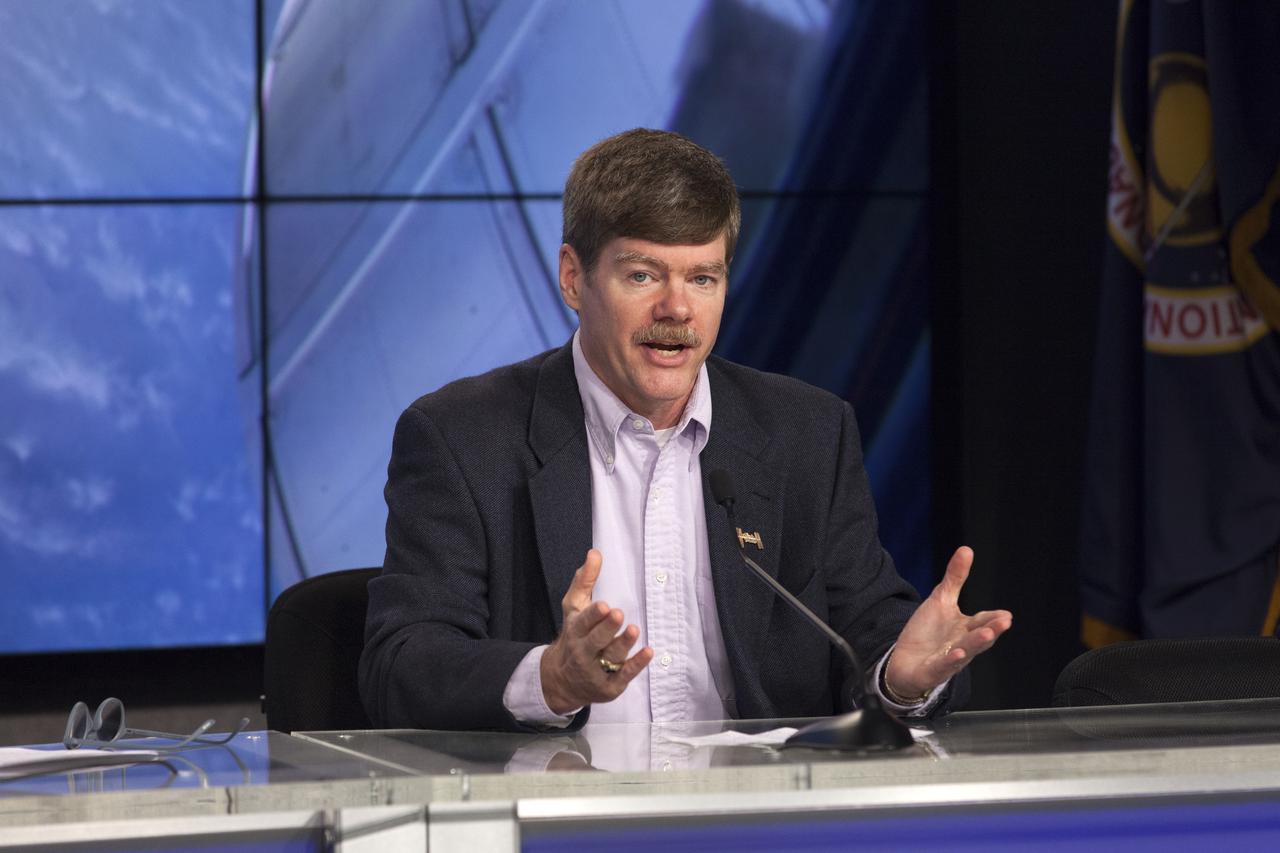
In the Kennedy Space Center’s Press Site auditorium, Pete Hasbrook, associate program scientist for the International Space Station Program, speaks to members of the media during a prelaunch news conference for the SpaceX CRS-12 commercial resupply services mission to the International Space Station. A Dragon spacecraft is scheduled to be launched from Kennedy’s Launch Complex 39A on Aug. 14 atop a SpaceX Falcon 9 rocket on the company's 12th Commercial Resupply Services mission to the space station.

In the Kennedy Space Center’s Press Site auditorium, members of the media participate with NASA and industry leaders in a prelaunch news conference for the SpaceX CRS-13 commercial resupply services mission to the International Space Station. A Dragon spacecraft is scheduled to be launched from Space Launch Complex 40 at Cape Canaveral Air Force Station at 11:46 a.m. EST, on Dec. 12, 2017. The SpaceX Falcon 9 rocket will lift off on the company's 13th Commercial Resupply Services mission to the space station.
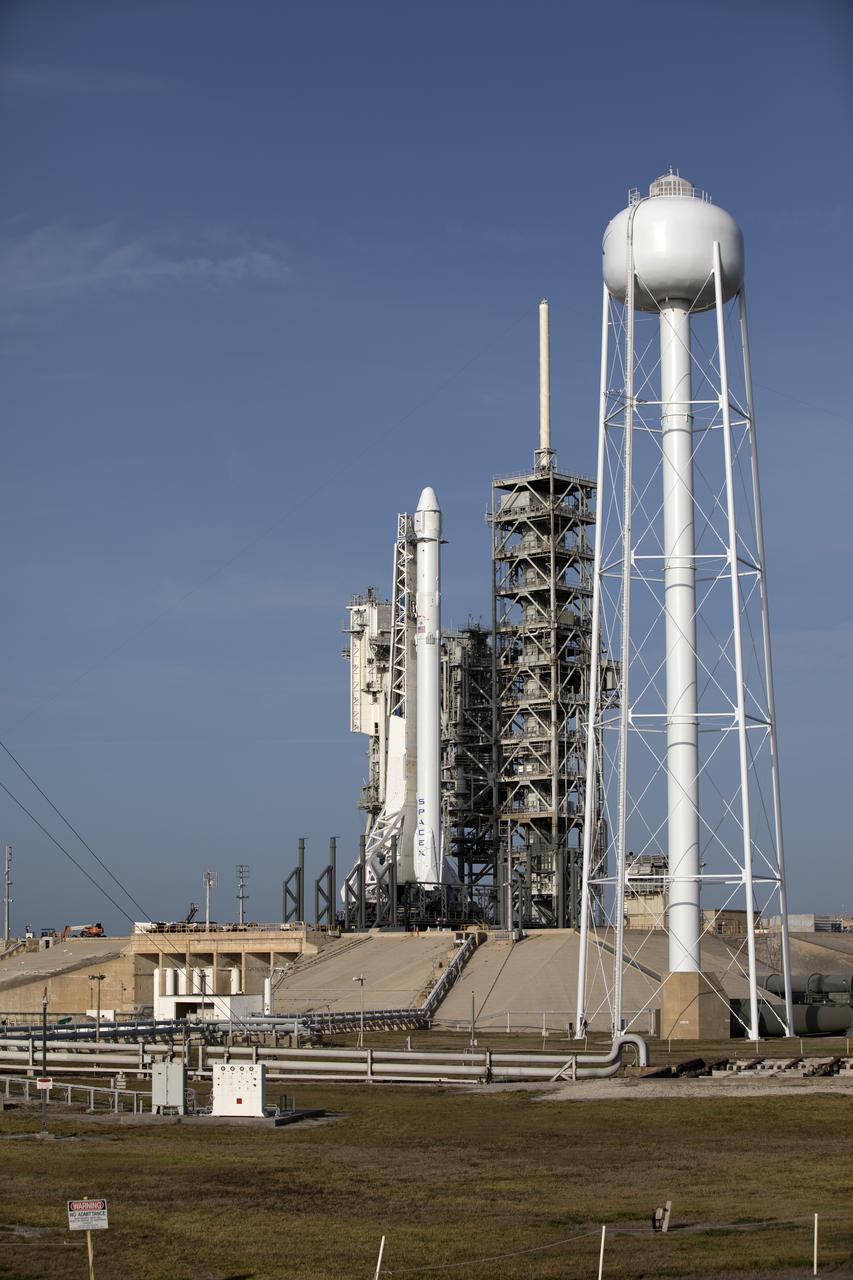
As a Falcon 9 rocket stands ready for liftoff at the Kennedy Space Center's Launch Complex 39A. The rocket will boost a Dragon resupply spacecraft to the International Space Station. Liftoff is scheduled for 5:55 p.m. EDT. On its 11th commercial resupply services mission to the space station, Dragon will bring up 6,000 pounds of supplies, such as the Neutron star Interior Composition Explorer, or NICER, instrument to study the extraordinary physics of neutron stars.
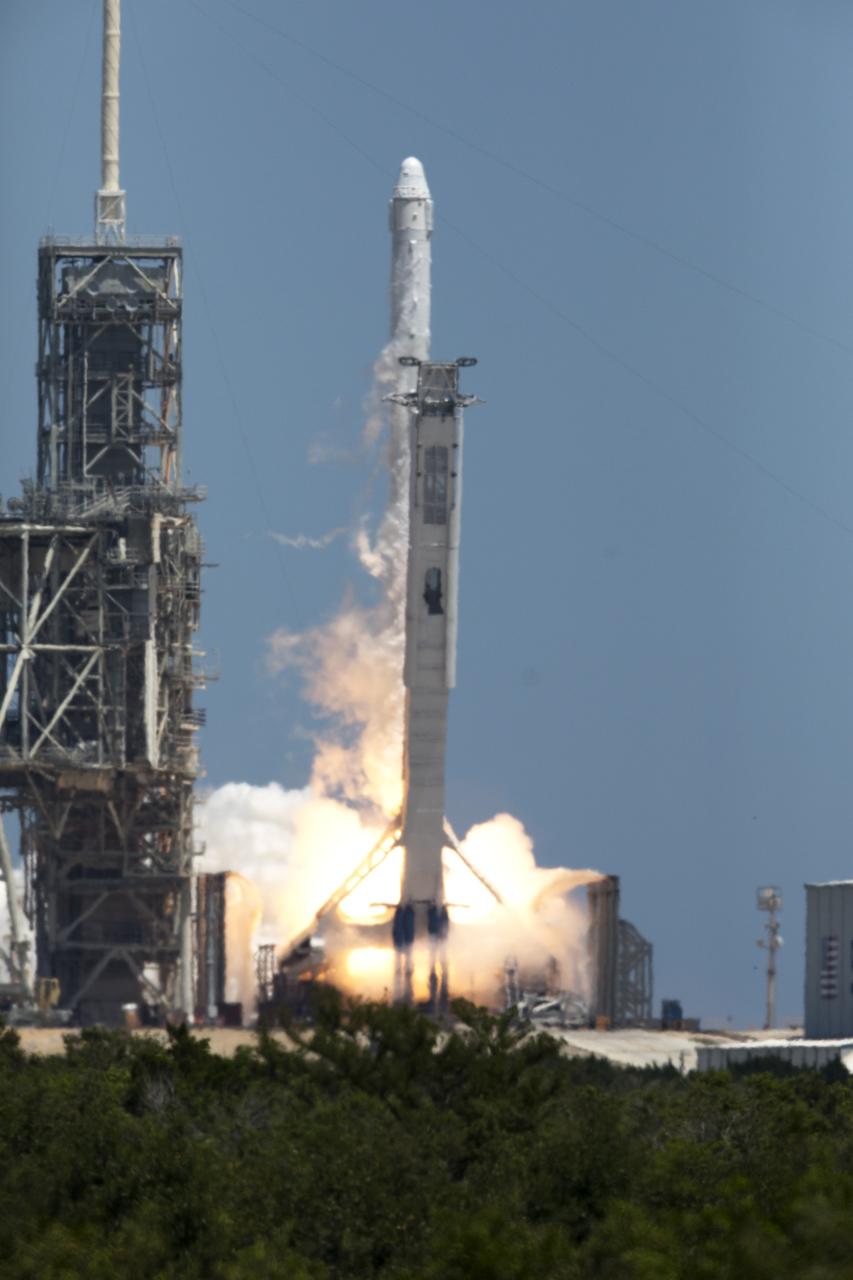
The two-stage Falcon 9 launch vehicle lifts off Launch Complex 39A at NASA's Kenney Space Center carrying the Dragon resupply spacecraft to the International Space Station. Liftoff was at 12:31 p.m. EDT. On its 12th commercial resupply services mission to the International Space Station, Dragon will bring up more than 6,400 pounds of supplies and new science experiments and equipment for technology research.

In the Kennedy Space Center’s Press Site auditorium, Jessica Jensen, director of Dragon Mission Management for SpaceX, speaks to members of the media during a prelaunch news conference for the SpaceX CRS-15 Commercial Resupply Services mission to the International Space Station. A SpaceX Dragon spacecraft is scheduled to be launched from Space Launch Complex 40 at Cape Canaveral Air Force Station. The SpaceX Falcon 9 rocket will lift off on the company's 15th Commercial Resupply Services mission to the space station.
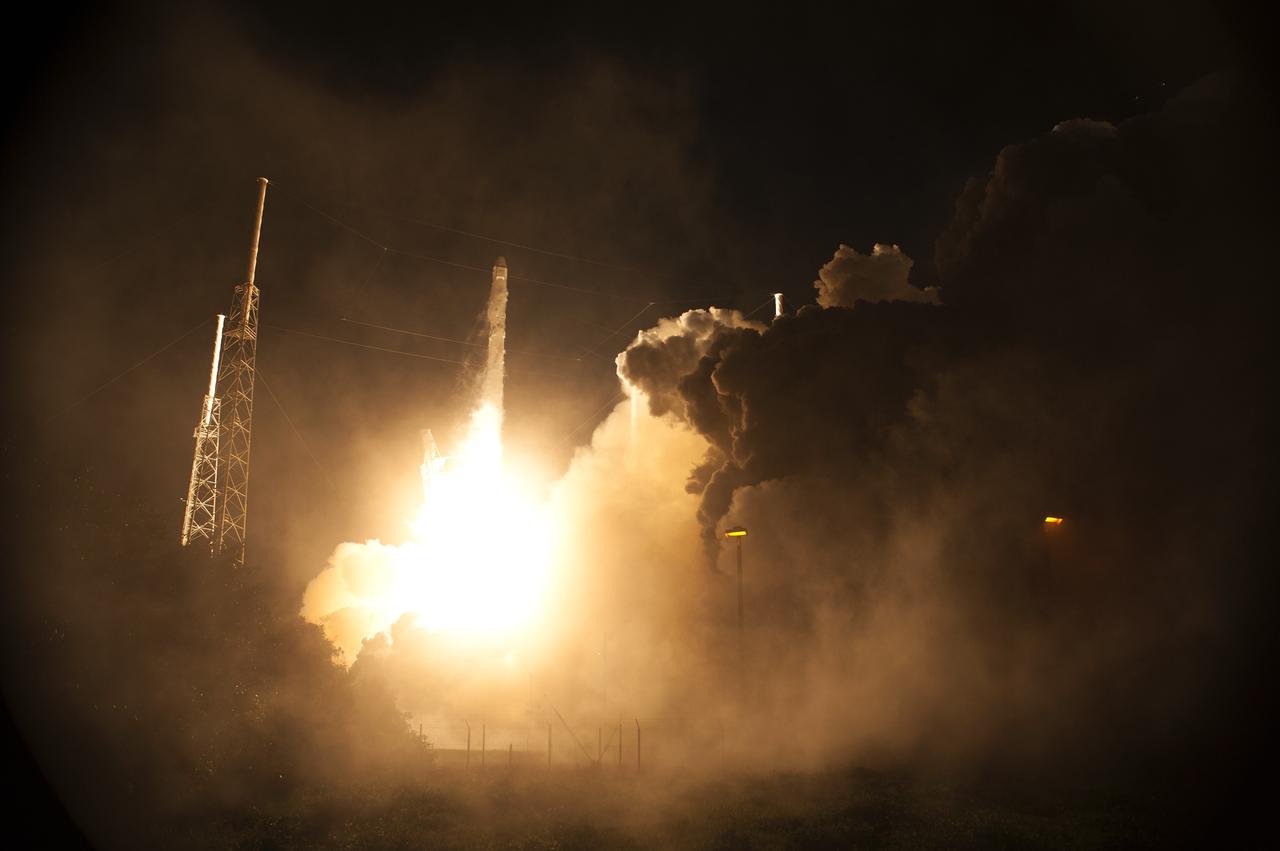
CAPE CANAVERAL, Fla. – SpaceX rocket lifts off from Space Launch Complex 40 at Cape Canaveral Air Force Station carrying the Dragon resupply spacecraft to the International Space Station. Liftoff was at 4:47 a.m. EST. The commercial resupply mission will deliver 3,700 pounds of scientific experiments, technology demonstrations and supplies, including critical materials to support 256 science and research investigations that will take place on the space station. Photo credit: NASA/Tony Gray & Kevin O'Connel
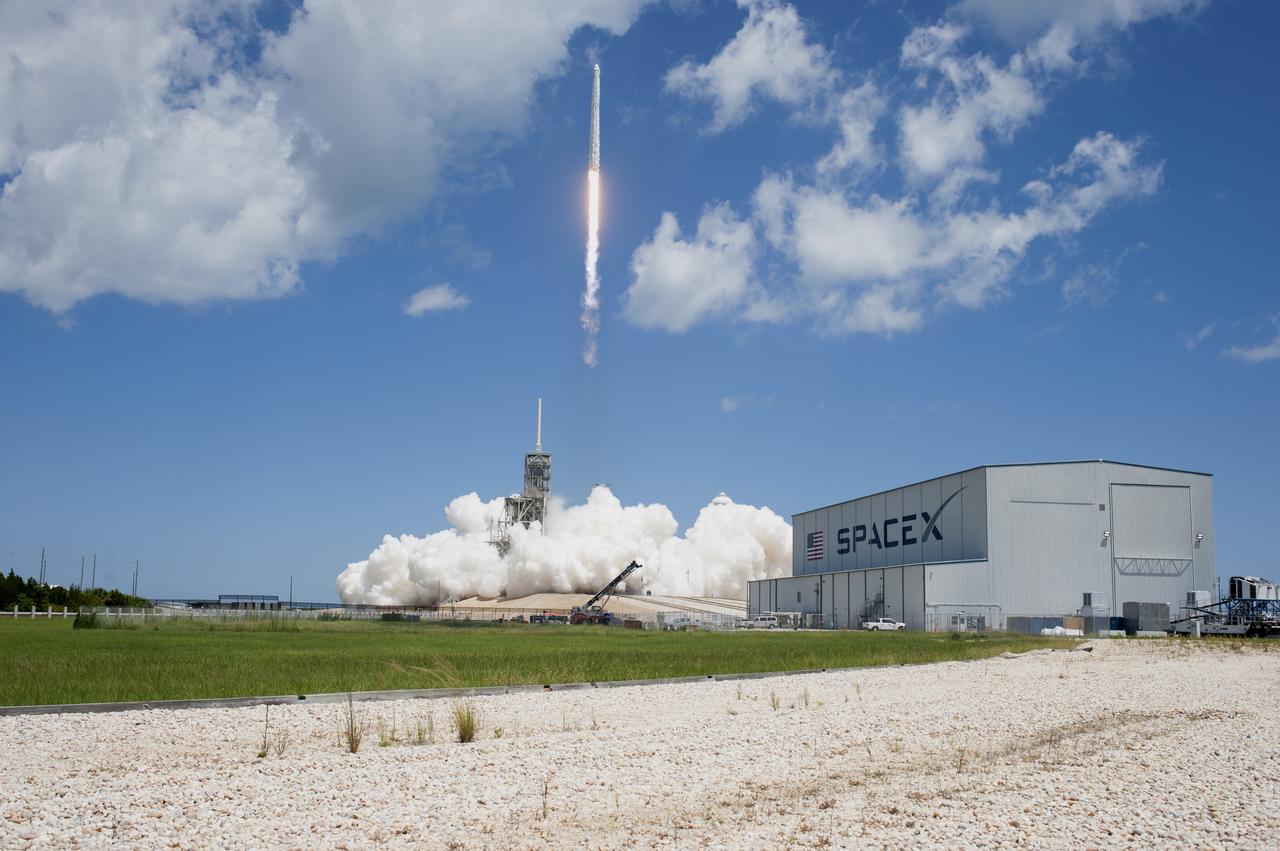
The two-stage Falcon 9 launch vehicle lifts off Launch Complex 39A at NASA's Kennedy Space Center carrying the Dragon resupply spacecraft to the International Space Station. Liftoff was at 12:31 p.m. EDT. On its 12th commercial resupply services mission to the International Space Station, Dragon will bring up more than 6,400 pounds of supplies and new science experiments and equipment for technology research.
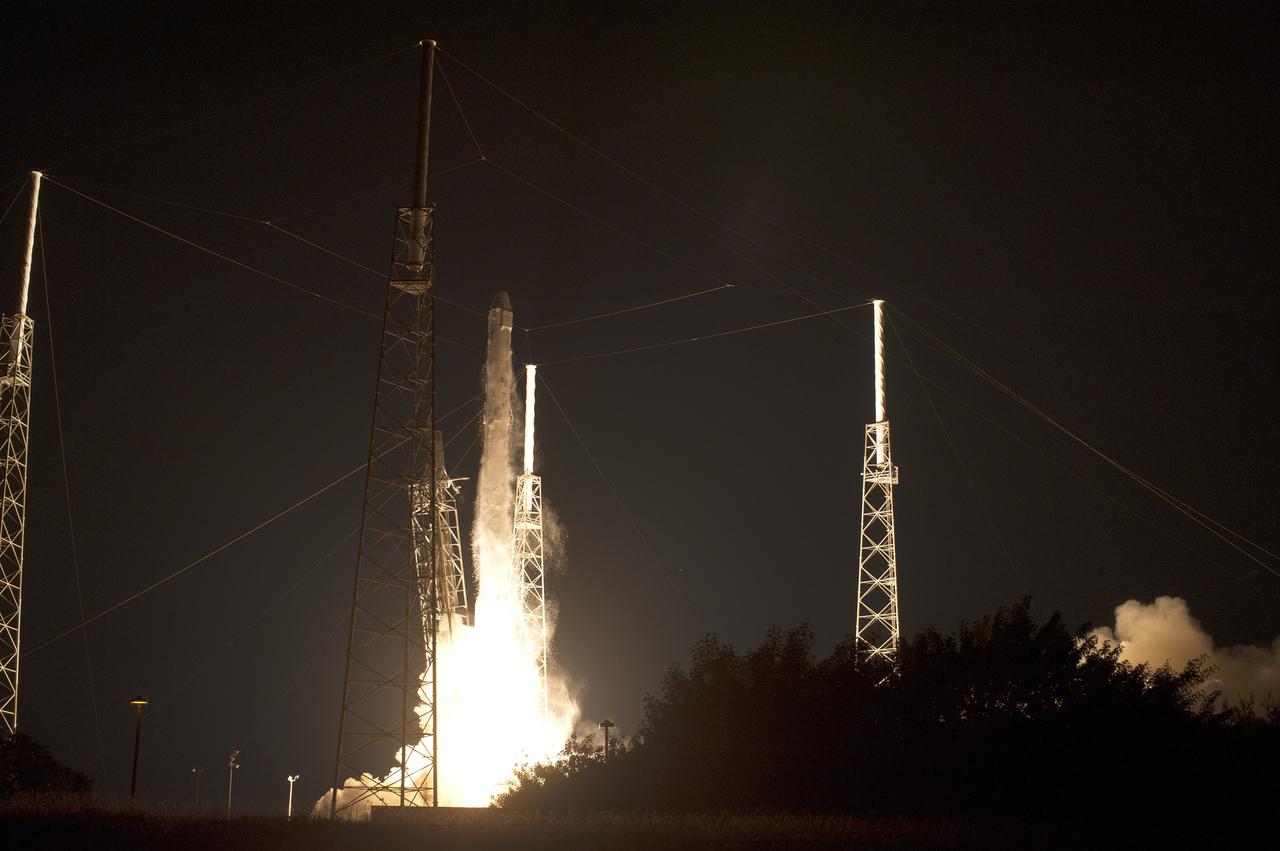
CAPE CANAVERAL, Fla. – SpaceX rocket lifts off from Space Launch Complex 40 at Cape Canaveral Air Force Station carrying the Dragon resupply spacecraft to the International Space Station. Liftoff was at 4:47 a.m. EST. The commercial resupply mission will deliver 3,700 pounds of scientific experiments, technology demonstrations and supplies, including critical materials to support 256 science and research investigations that will take place on the space station. Photo credit: NASA/Kevin O'Connel & Tony Gray
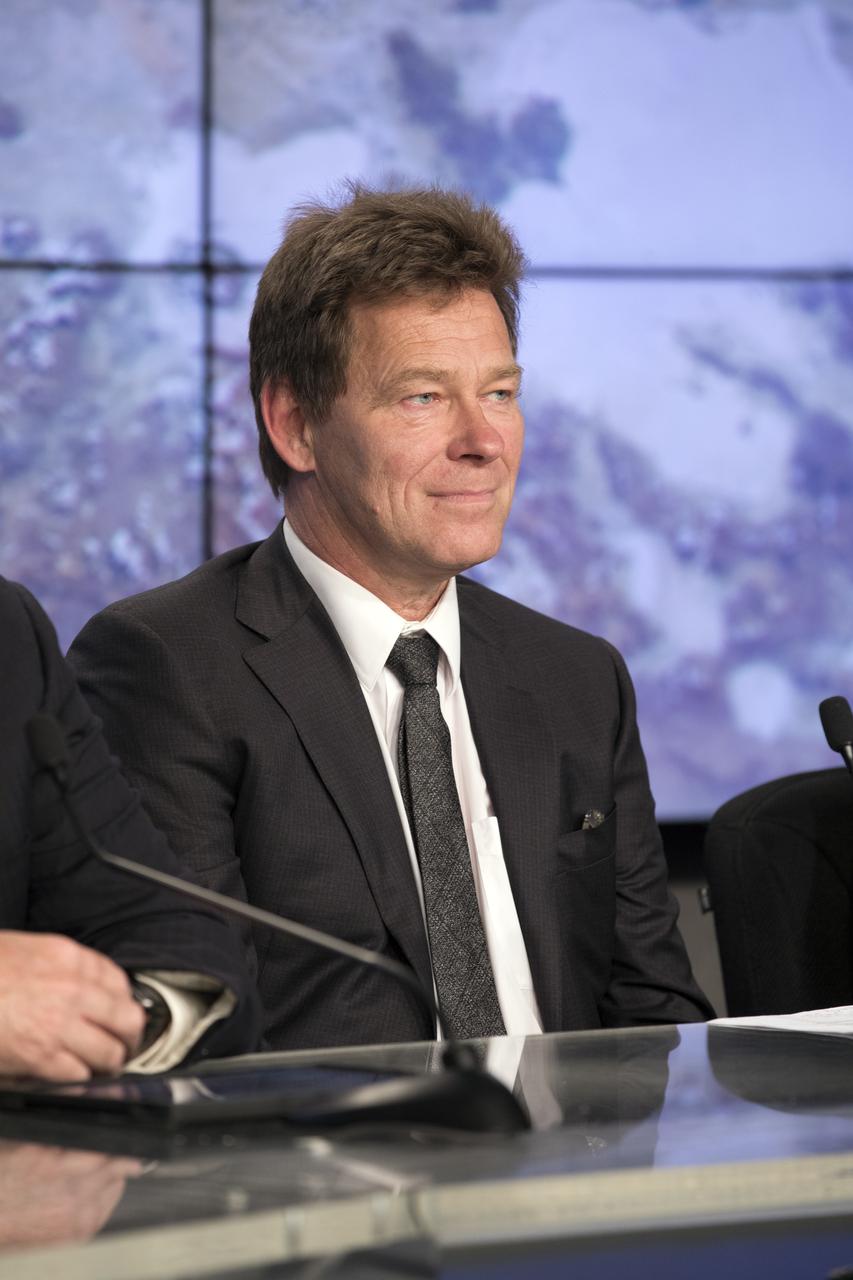
In the Kennedy Space Center’s Press Site auditorium, Hans Koenigsmann, vice president of Flight Reliability for SpaceX, speaks to members of the media during a prelaunch news conference for the SpaceX CRS-11 commercial resupply services mission to the International Space Station. A Dragon spacecraft is scheduled to be launched from Kennedy’s Launch Complex 39A on June 1 atop a SpaceX Falcon 9 rocket on the company's 11th Commercial Resupply Services mission to the space station.
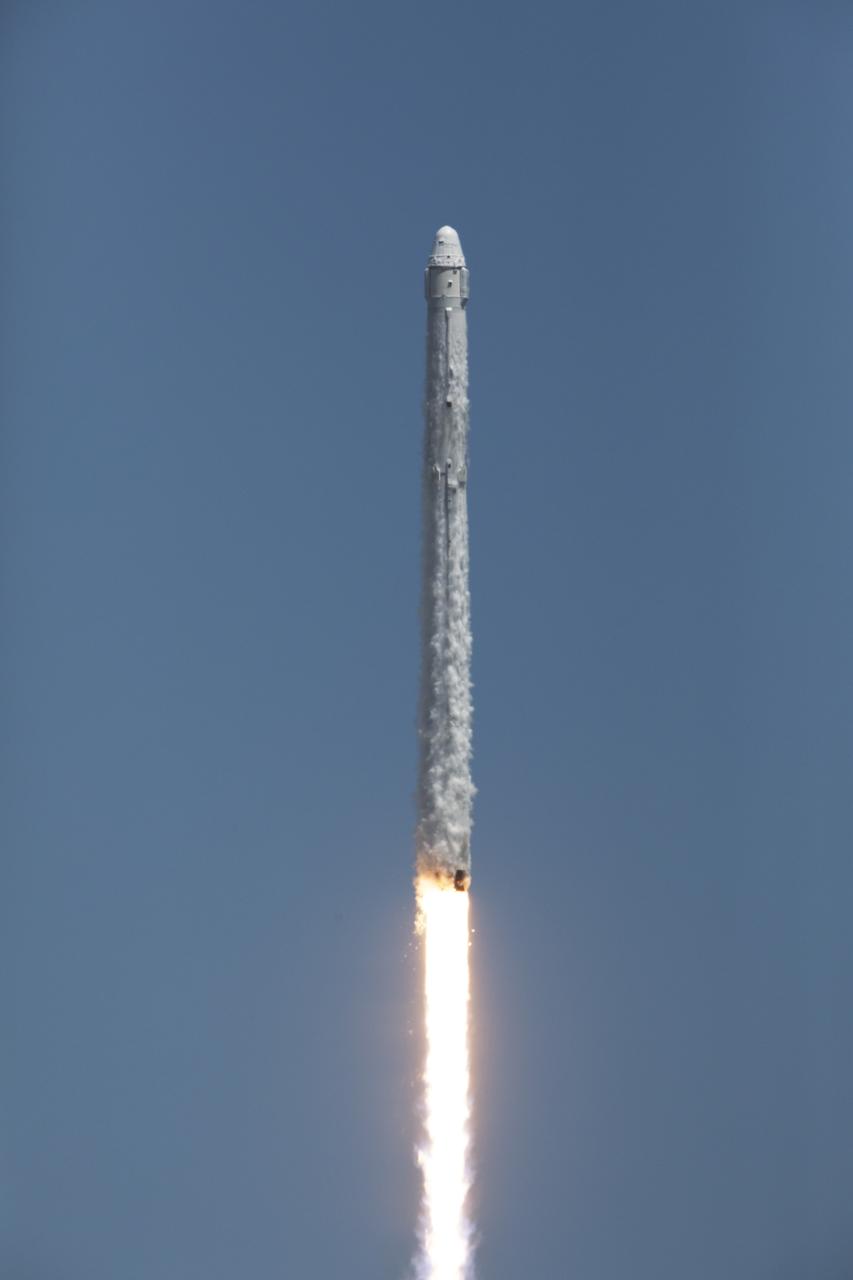
The two-stage Falcon 9 launch vehicle lifts off Launch Complex 39A at NASA's Kenney Space Center carrying the Dragon resupply spacecraft to the International Space Station. Liftoff was at 12:31 p.m. EDT. On its 12th commercial resupply services mission to the International Space Station, Dragon will bring up more than 6,400 pounds of supplies and new science experiments and equipment for technology research.
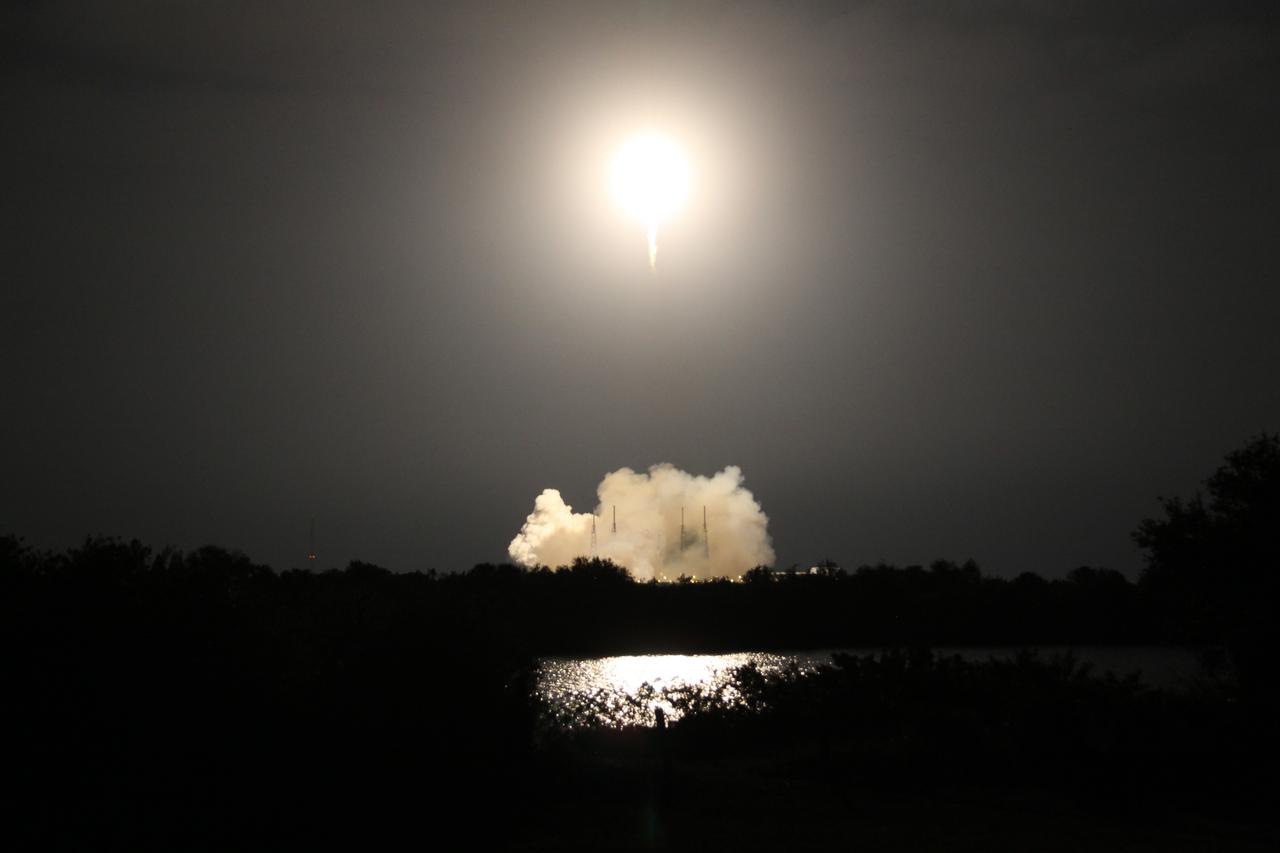
CAPE CANAVERAL, Fla. – SpaceX rocket lifts off from Space Launch Complex 40 at Cape Canaveral Air Force Station carrying the Dragon resupply spacecraft to the International Space Station. Liftoff was at 4:47 a.m. EST. The commercial resupply mission will deliver 3,700 pounds of scientific experiments, technology demonstrations and supplies, including critical materials to support 256 science and research investigations that will take place on the space station. Photo credit: NASA/Jim Grossman
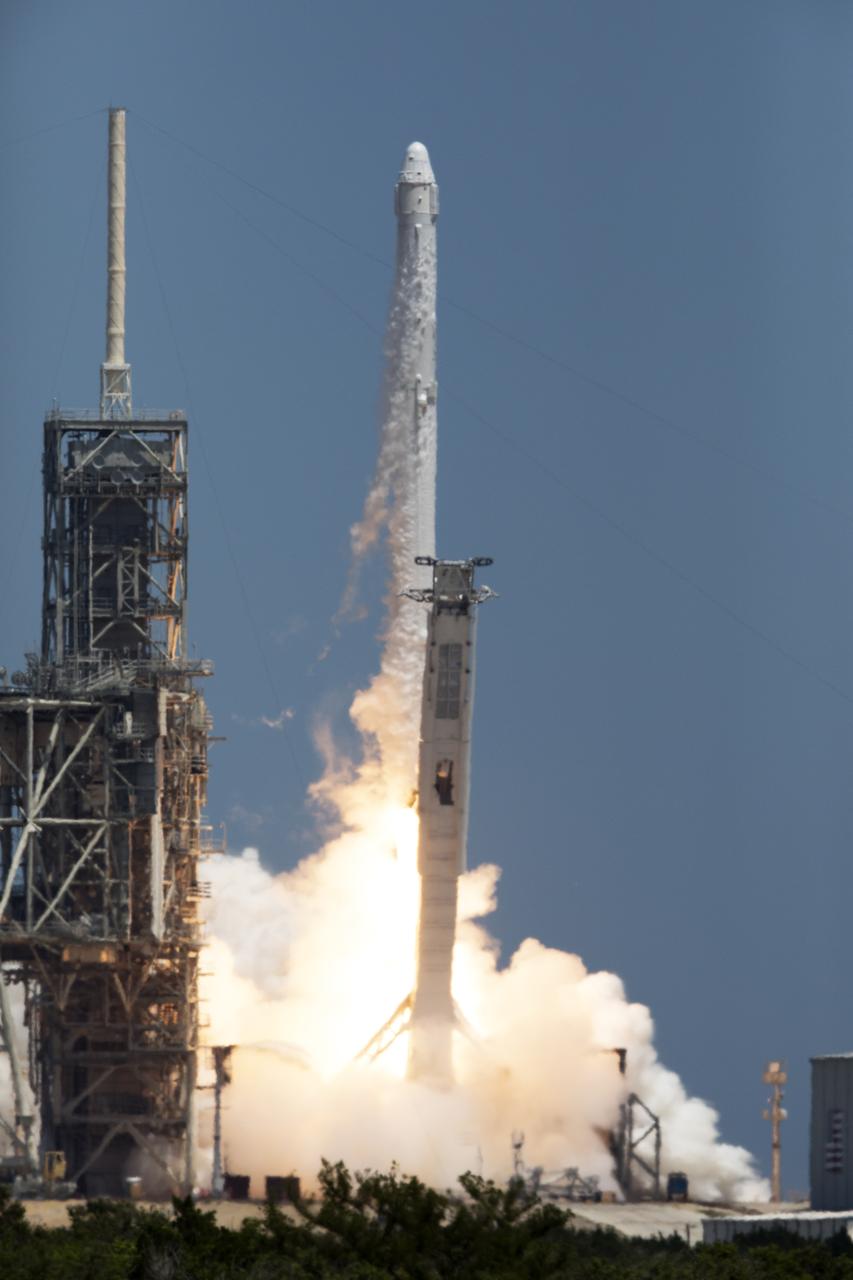
The two-stage Falcon 9 launch vehicle lifts off Launch Complex 39A at NASA's Kenney Space Center carrying the Dragon resupply spacecraft to the International Space Station. Liftoff was at 12:31 p.m. EDT. On its 12th commercial resupply services mission to the International Space Station, Dragon will bring up more than 6,400 pounds of supplies and new science experiments and equipment for technology research.
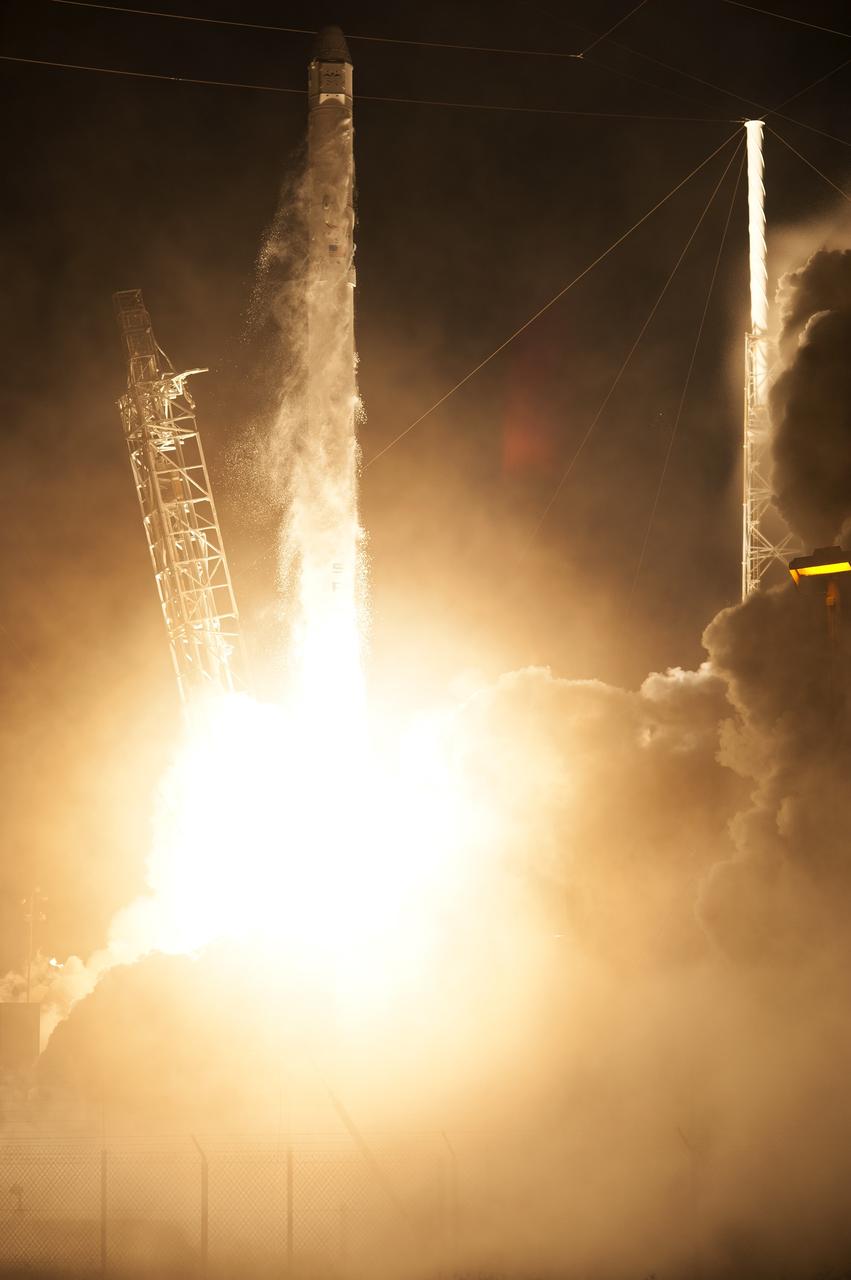
CAPE CANAVERAL, Fla. – SpaceX rocket lifts off from Space Launch Complex 40 at Cape Canaveral Air Force Station carrying the Dragon resupply spacecraft to the International Space Station. Liftoff was at 4:47 a.m. EST. The commercial resupply mission will deliver 3,700 pounds of scientific experiments, technology demonstrations and supplies, including critical materials to support 256 science and research investigations that will take place on the space station. Photo credit: NASA/Kevin O'Connel & Tony Gray
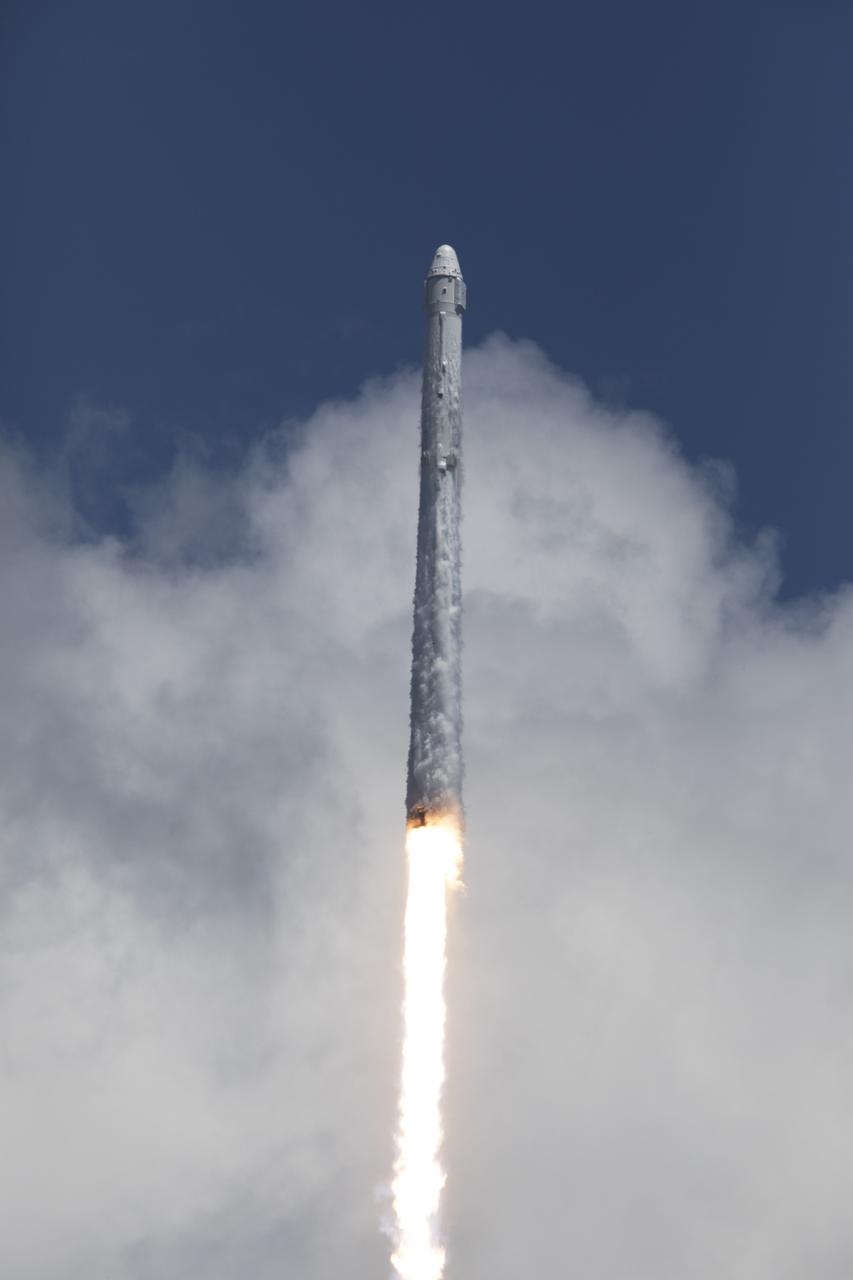
The two-stage Falcon 9 launch vehicle lifts off Launch Complex 39A at NASA's Kenney Space Center carrying the Dragon resupply spacecraft to the International Space Station. Liftoff was at 12:31 p.m. EDT. On its 12th commercial resupply services mission to the International Space Station, Dragon will bring up more than 6,400 pounds of supplies and new science experiments and equipment for technology research.
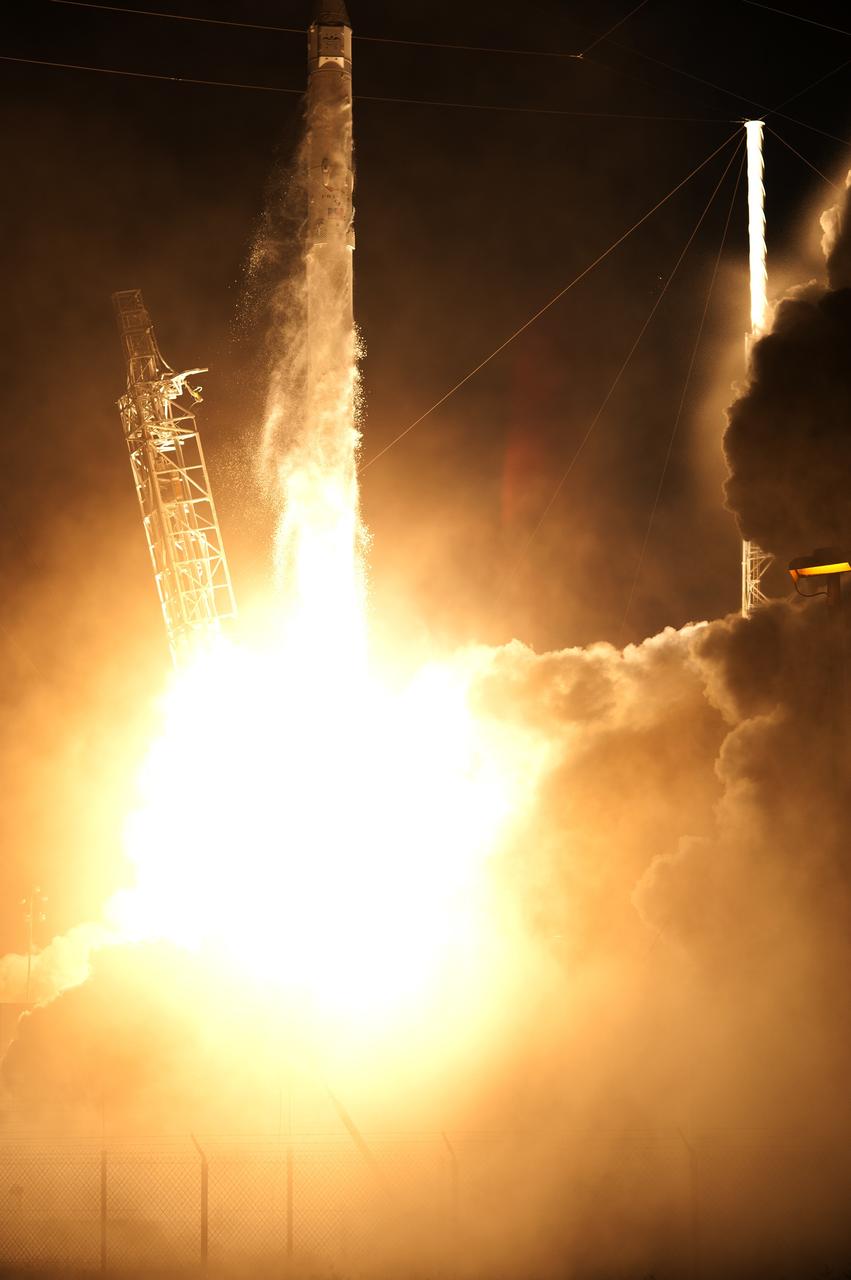
CAPE CANAVERAL, Fla. – SpaceX rocket lifts off from Space Launch Complex 40 at Cape Canaveral Air Force Station carrying the Dragon resupply spacecraft to the International Space Station. Liftoff was at 4:47 a.m. EST. The commercial resupply mission will deliver 3,700 pounds of scientific experiments, technology demonstrations and supplies, including critical materials to support 256 science and research investigations that will take place on the space station. Photo credit: NASA/Kevin O'Connel & Tony Gray
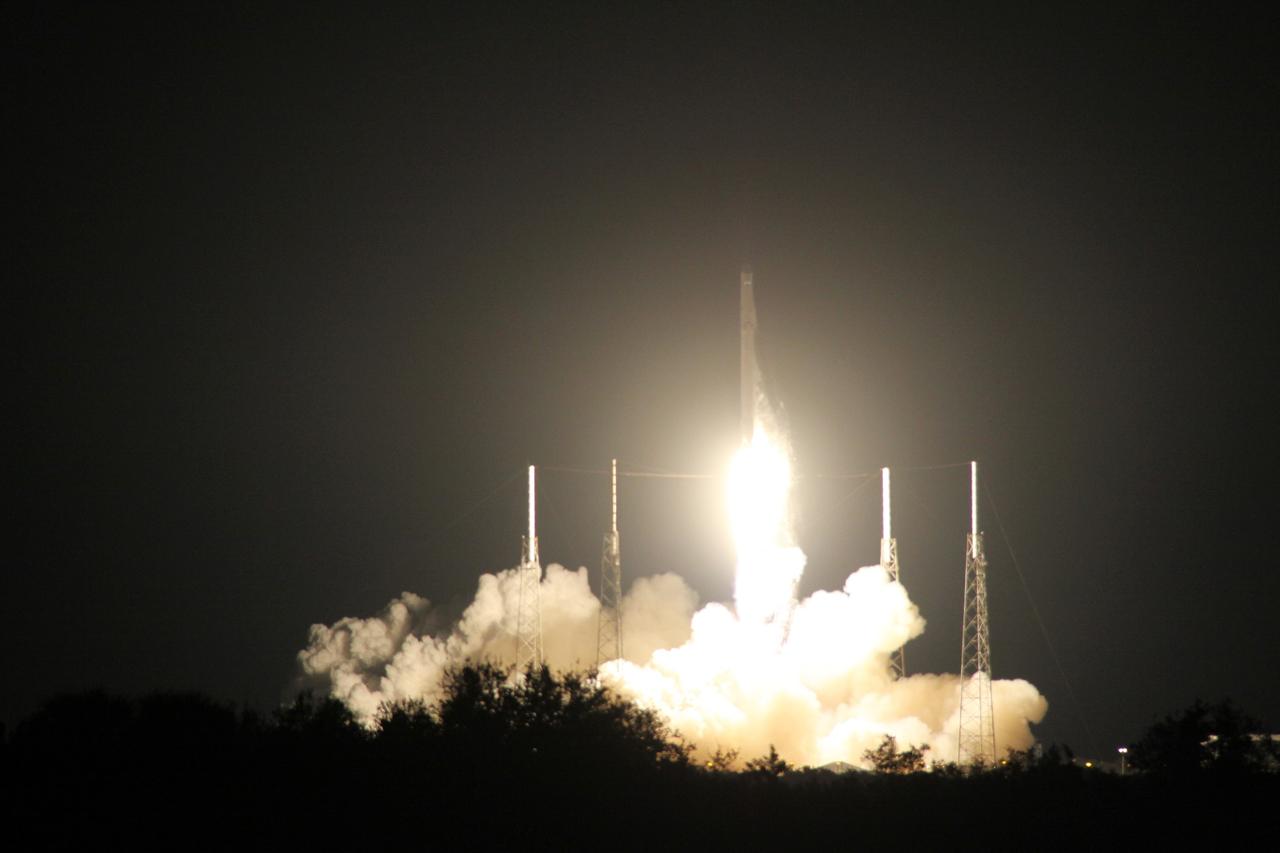
CAPE CANAVERAL, Fla. – SpaceX rocket lifts off from Space Launch Complex 40 at Cape Canaveral Air Force Station carrying the Dragon resupply spacecraft to the International Space Station. Liftoff was at 4:47 a.m. EST. The commercial resupply mission will deliver 3,700 pounds of scientific experiments, technology demonstrations and supplies, including critical materials to support 256 science and research investigations that will take place on the space station. Photo credit: NASA/Jim Grossman
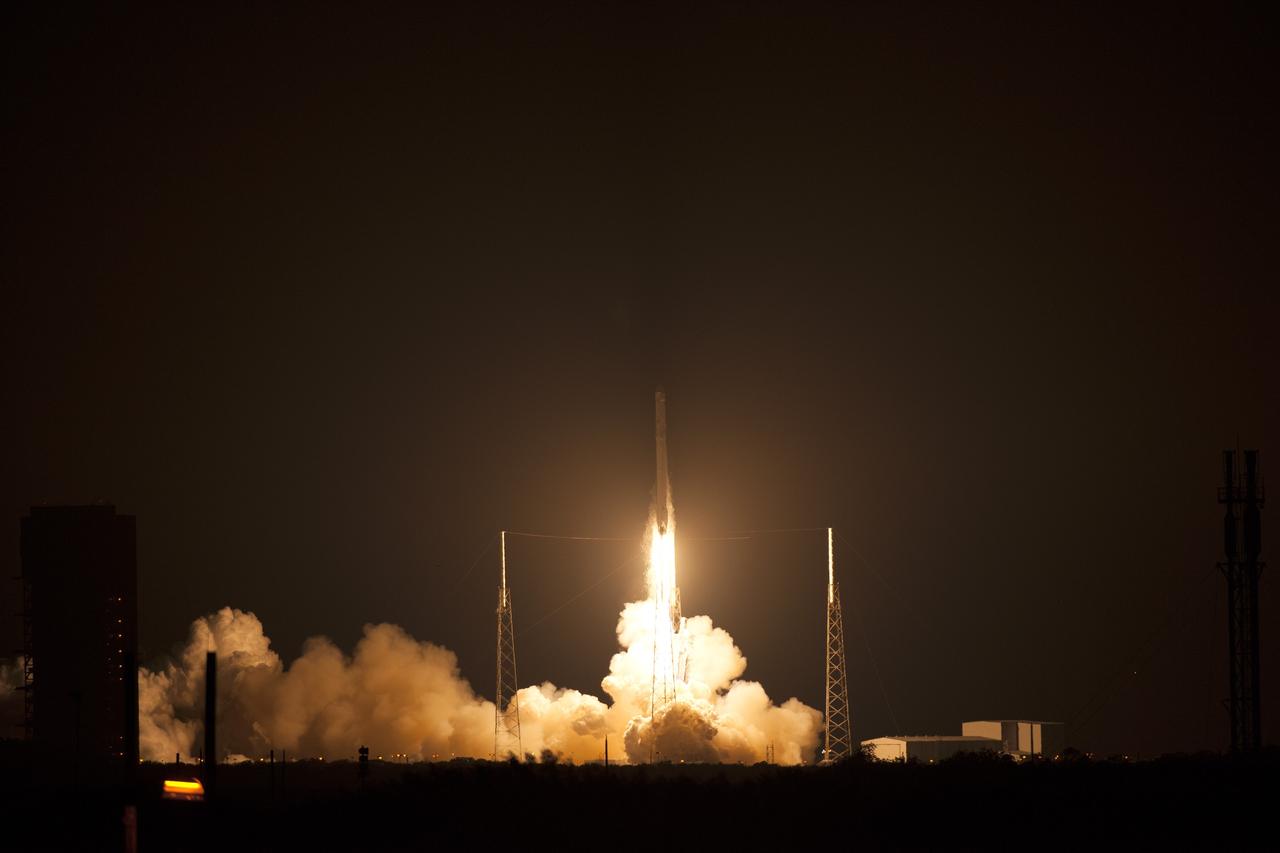
CAPE CANAVERAL, Fla. – SpaceX rocket lifts off from Space Launch Complex 40 at Cape Canaveral Air Force Station carrying the Dragon resupply spacecraft to the International Space Station. Liftoff was at 4:47 a.m. EST. The commercial resupply mission will deliver 3,700 pounds of scientific experiments, technology demonstrations and supplies, including critical materials to support 256 science and research investigations that will take place on the space station. Photo credit: NASA/George Roberts
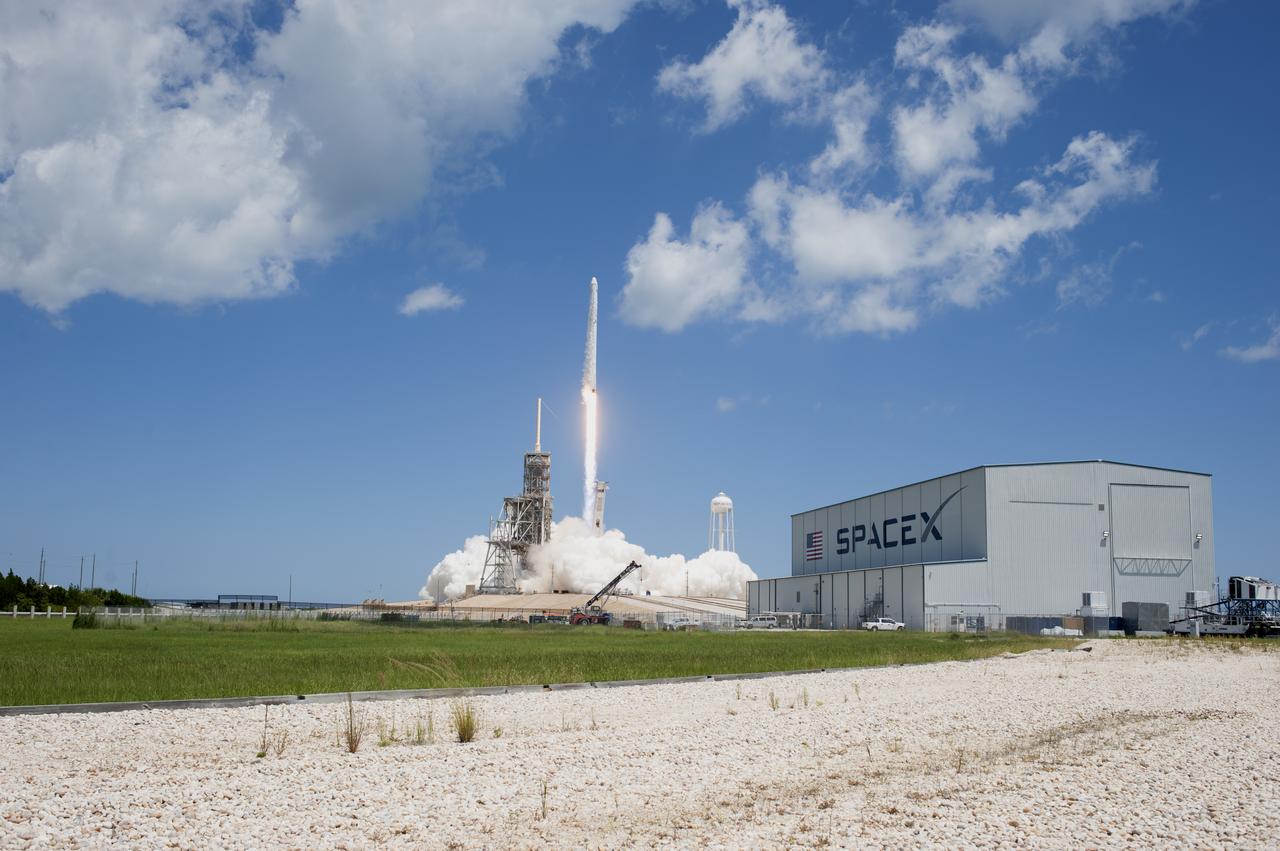
The two-stage Falcon 9 launch vehicle lifts off Launch Complex 39A at NASA's Kennedy Space Center carrying the Dragon resupply spacecraft to the International Space Station. Liftoff was at 12:31 p.m. EDT. On its 12th commercial resupply services mission to the International Space Station, Dragon will bring up more than 6,400 pounds of supplies and new science experiments and equipment for technology research.
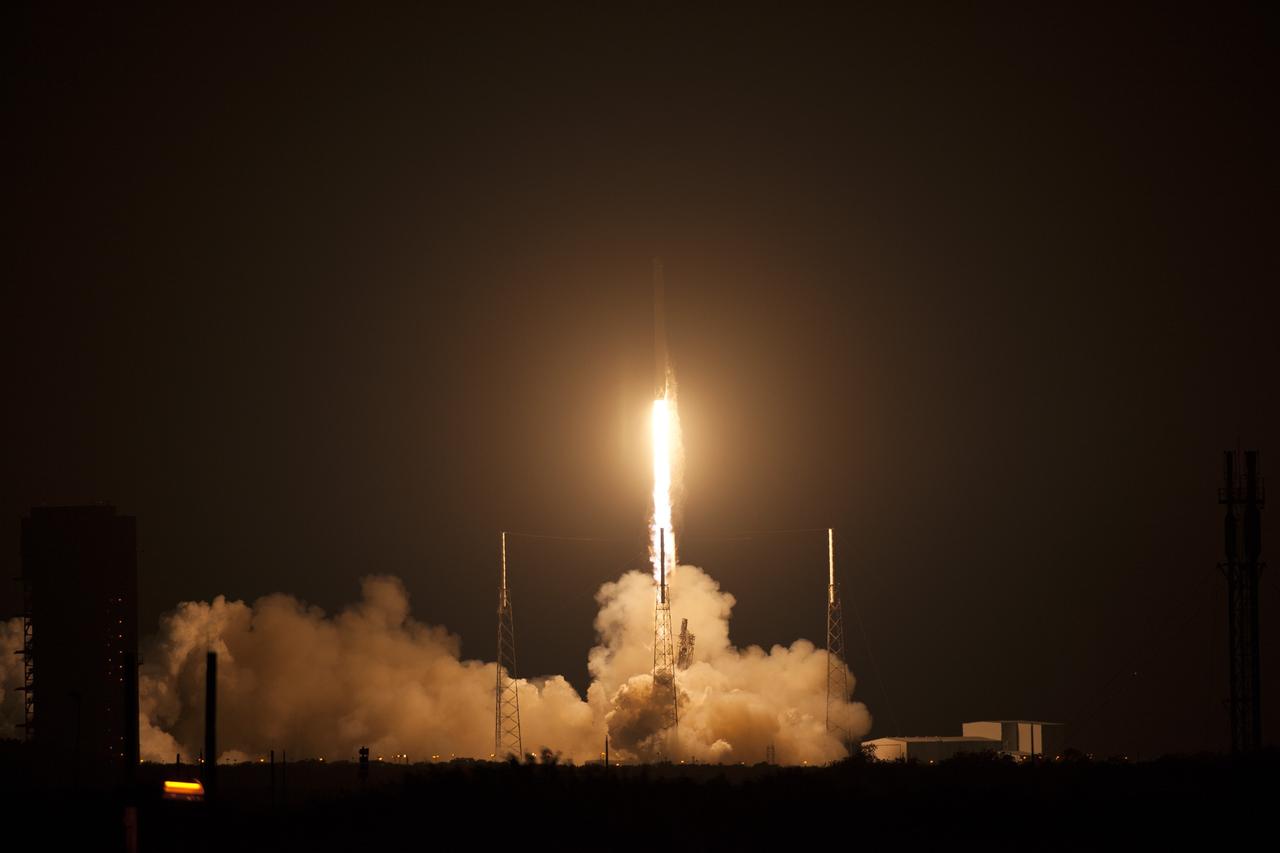
CAPE CANAVERAL, Fla. – SpaceX rocket lifts off from Space Launch Complex 40 at Cape Canaveral Air Force Station carrying the Dragon resupply spacecraft to the International Space Station. Liftoff was at 4:47 a.m. EST. The commercial resupply mission will deliver 3,700 pounds of scientific experiments, technology demonstrations and supplies, including critical materials to support 256 science and research investigations that will take place on the space station. Photo credit: NASA/George Roberts
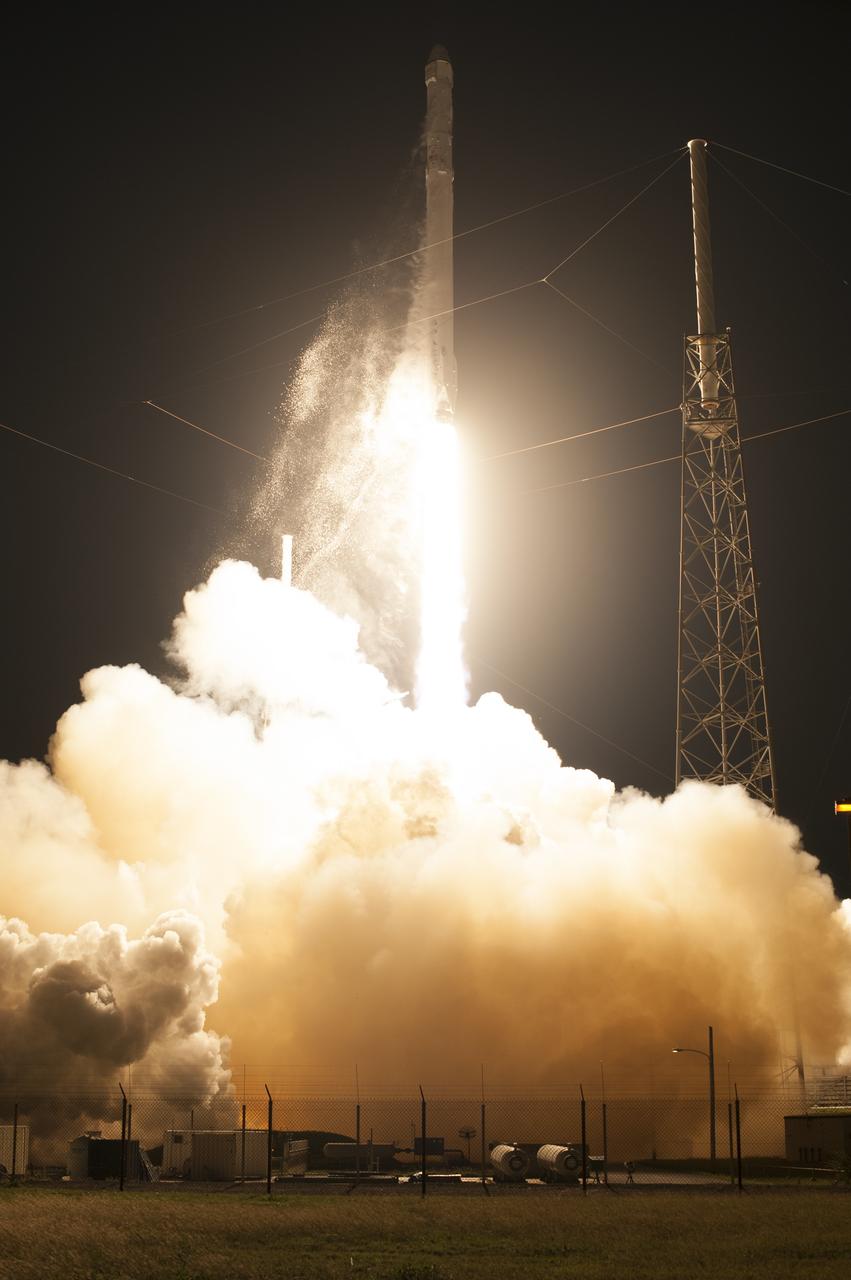
CAPE CANAVERAL, Fla. – SpaceX rocket lifts off from Space Launch Complex 40 at Cape Canaveral Air Force Station carrying the Dragon resupply spacecraft to the International Space Station. Liftoff was at 4:47 a.m. EST. The commercial resupply mission will deliver 3,700 pounds of scientific experiments, technology demonstrations and supplies, including critical materials to support 256 science and research investigations that will take place on the space station. Photo credit: NASA/Tony Gray and Kevin O’Connell
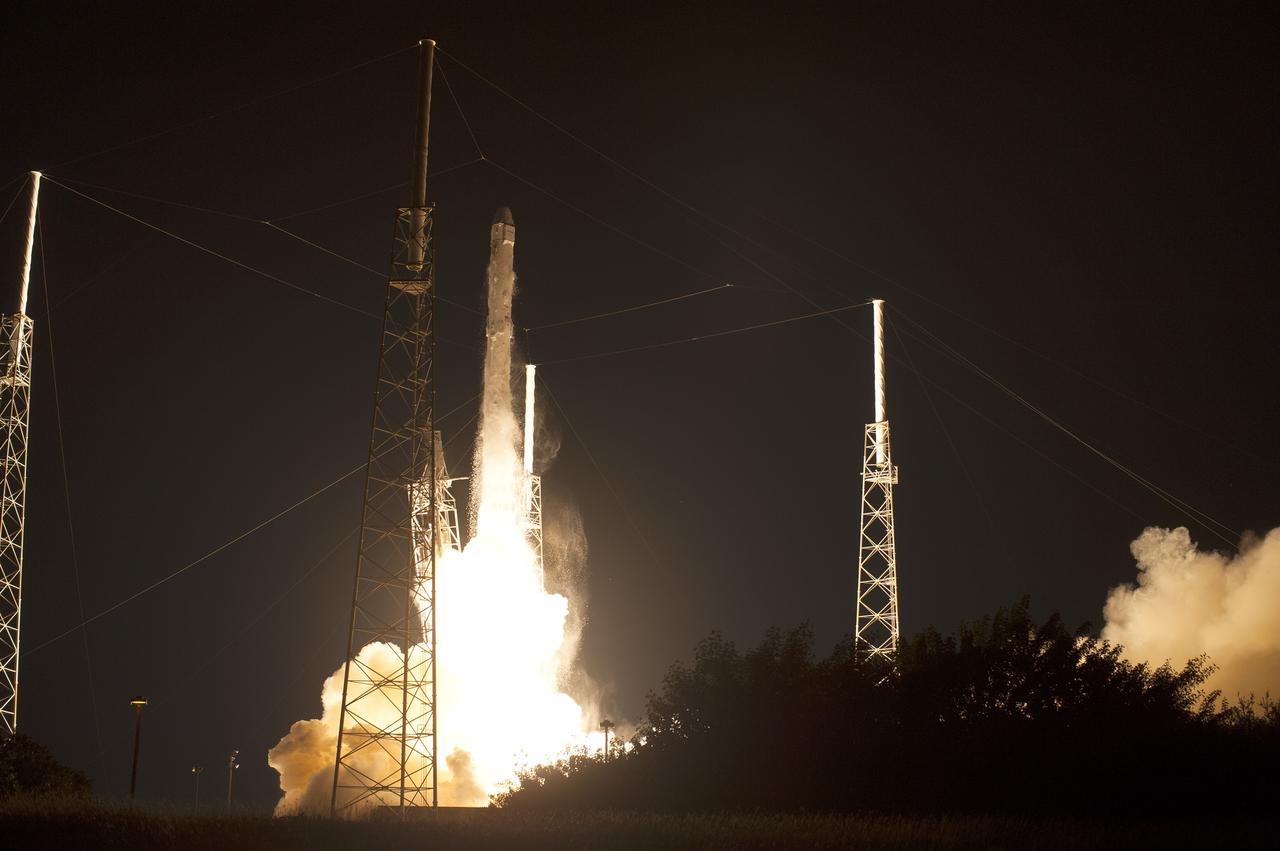
CAPE CANAVERAL, Fla. – SpaceX rocket lifts off from Space Launch Complex 40 at Cape Canaveral Air Force Station carrying the Dragon resupply spacecraft to the International Space Station. Liftoff was at 4:47 a.m. EST. The commercial resupply mission will deliver 3,700 pounds of scientific experiments, technology demonstrations and supplies, including critical materials to support 256 science and research investigations that will take place on the space station. Photo credit: NASA/Kevin O'Connel & Tony Gray

In the Kennedy Space Center’s Press Site auditorium, Mike McAleenan, launch weather officer for the U.S. Air Force 45th Weather Squadron, speaks to members of the media during a prelaunch news conference for the SpaceX CRS-11 commercial resupply services mission to the International Space Station. A Dragon spacecraft is scheduled to be launched from Kennedy’s Launch Complex 39A on June 1 atop a SpaceX Falcon 9 rocket on the company's 11th Commercial Resupply Services mission to the space station.

In the Kennedy Space Center’s Press Site auditorium, Dan Hartman, NASA deputy manager of the International Space Station Program, speaks to members of the media during a prelaunch news conference for the SpaceX CRS-12 commercial resupply services mission to the International Space Station. A Dragon spacecraft is scheduled to be launched from Kennedy’s Launch Complex 39A on Aug. 14 atop a SpaceX Falcon 9 rocket on the company's 12th Commercial Resupply Services mission to the space station.
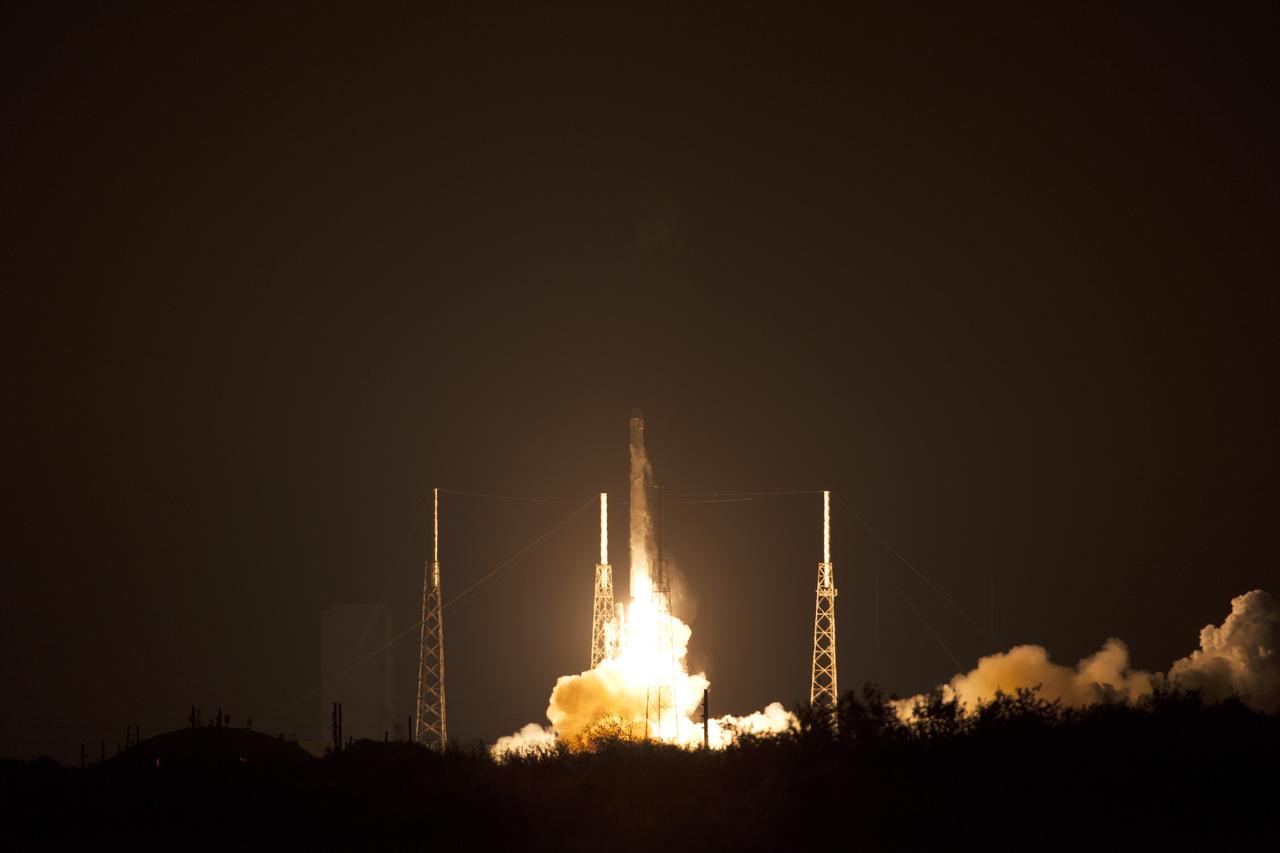
CAPE CANAVERAL, Fla. – SpaceX rocket lifts off from Space Launch Complex 40 at Cape Canaveral Air Force Station carrying the Dragon resupply spacecraft to the International Space Station. Liftoff was at 4:47 a.m. EST. The commercial resupply mission will deliver 3,700 pounds of scientific experiments, technology demonstrations and supplies, including critical materials to support 256 science and research investigations that will take place on the space station. Photo credit: NASA/Tony Gray
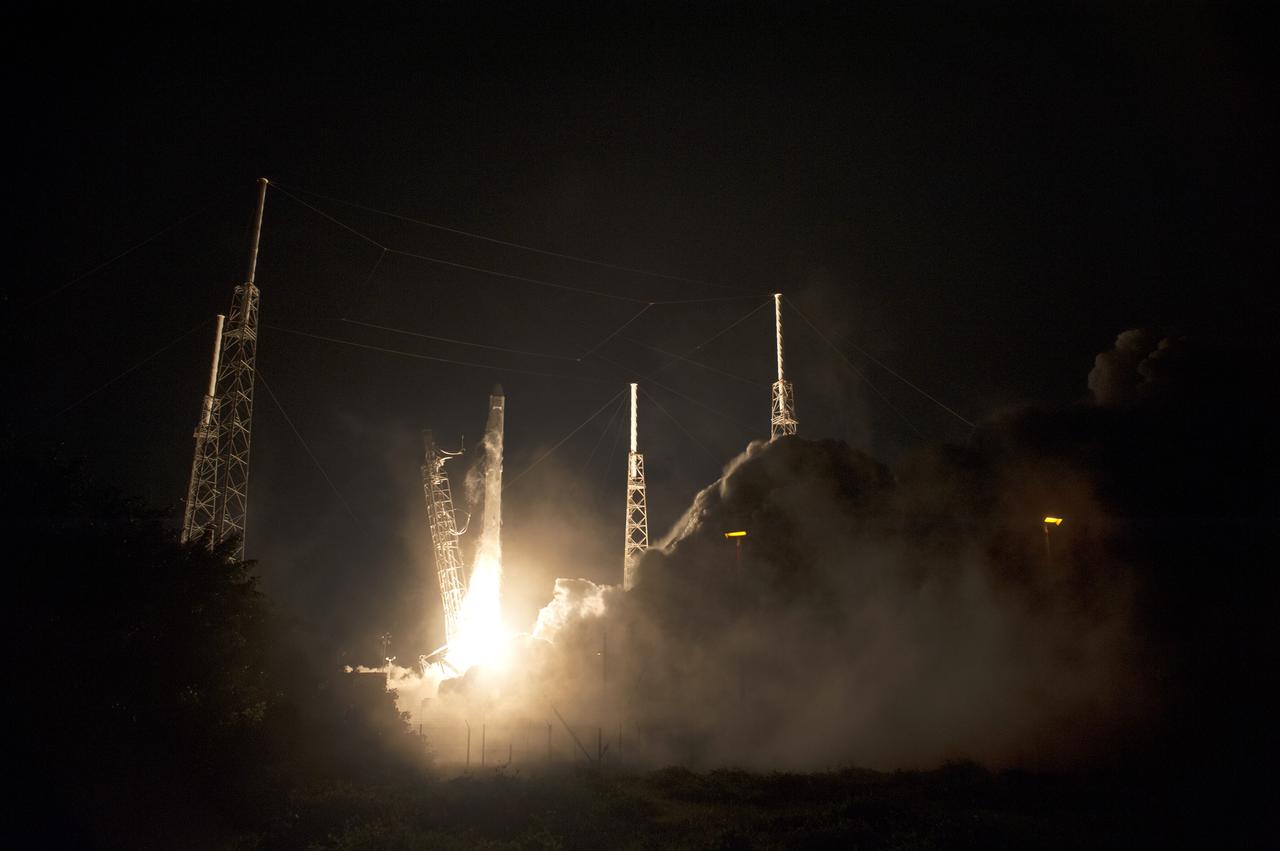
CAPE CANAVERAL, Fla. – SpaceX rocket lifts off from Space Launch Complex 40 at Cape Canaveral Air Force Station carrying the Dragon resupply spacecraft to the International Space Station. Liftoff was at 4:47 a.m. EST. The commercial resupply mission will deliver 3,700 pounds of scientific experiments, technology demonstrations and supplies, including critical materials to support 256 science and research investigations that will take place on the space station. Photo credit: NASA/Tony Gray & Kevin O'Connel
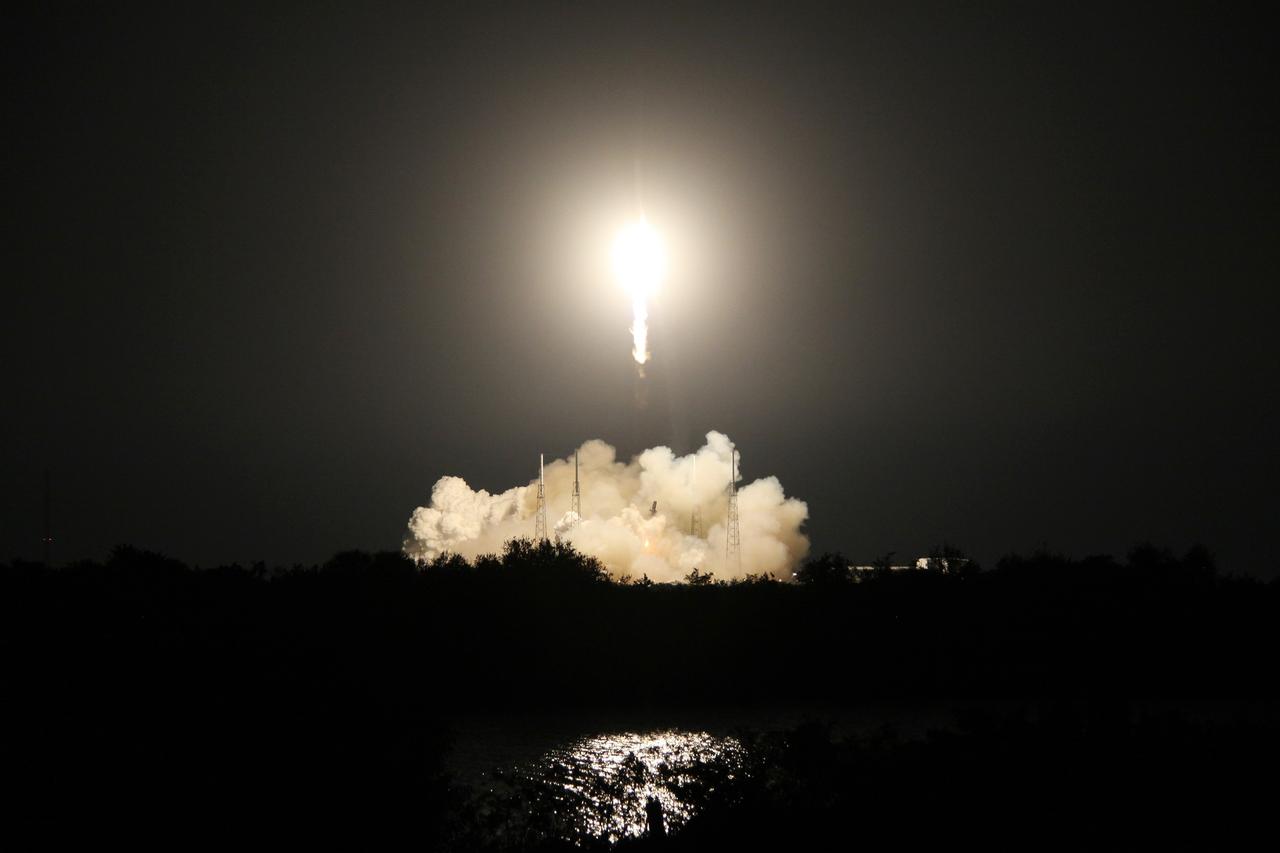
CAPE CANAVERAL, Fla. – SpaceX rocket lifts off from Space Launch Complex 40 at Cape Canaveral Air Force Station carrying the Dragon resupply spacecraft to the International Space Station. Liftoff was at 4:47 a.m. EST. The commercial resupply mission will deliver 3,700 pounds of scientific experiments, technology demonstrations and supplies, including critical materials to support 256 science and research investigations that will take place on the space station. Photo credit: NASA/Jim Grossman
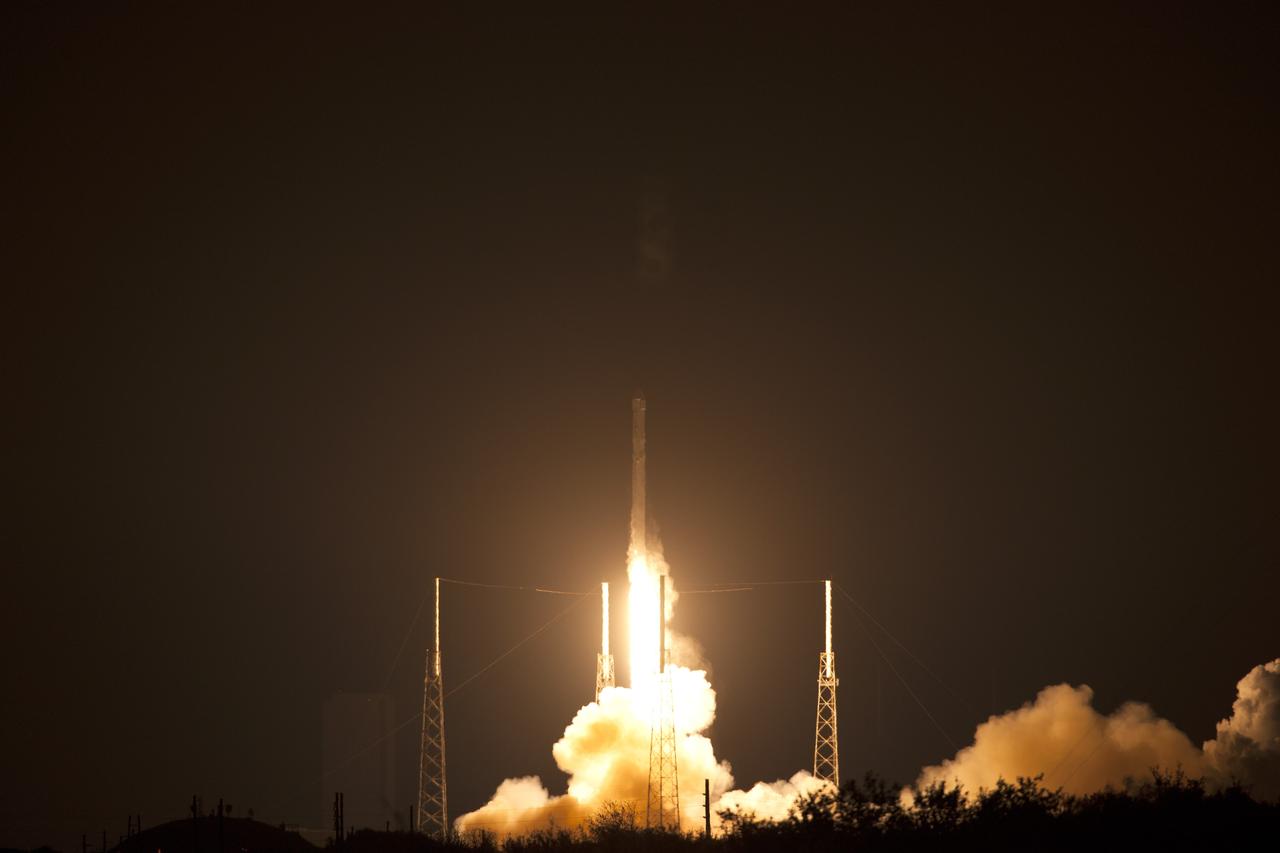
CAPE CANAVERAL, Fla. – SpaceX rocket lifts off from Space Launch Complex 40 at Cape Canaveral Air Force Station carrying the Dragon resupply spacecraft to the International Space Station. Liftoff was at 4:47 a.m. EST. The commercial resupply mission will deliver 3,700 pounds of scientific experiments, technology demonstrations and supplies, including critical materials to support 256 science and research investigations that will take place on the space station. Photo credit: NASA/Tony Gray
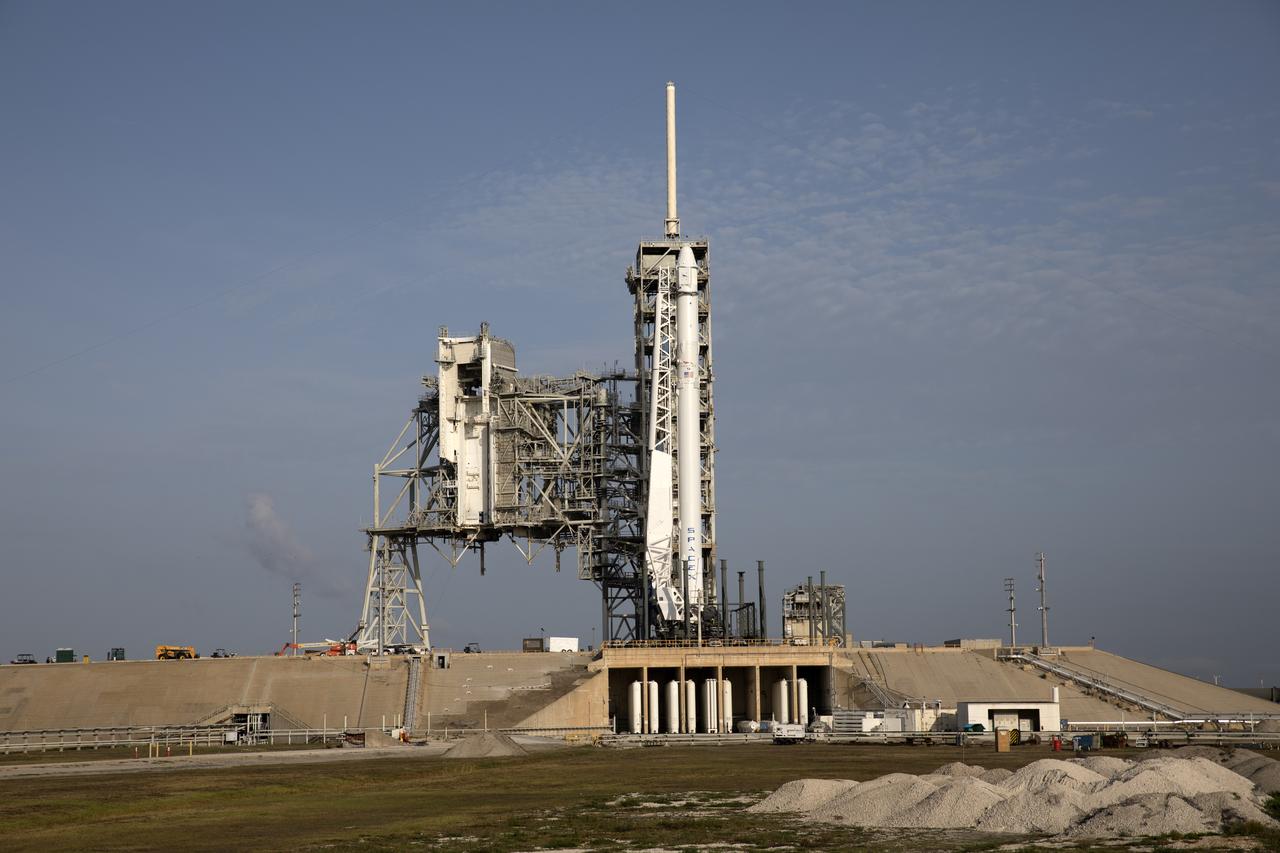
As a Falcon 9 rocket stands ready for liftoff at the Kennedy Space Center's Launch Complex 39A. The rocket will boost a Dragon resupply spacecraft to the International Space Station. Liftoff is scheduled for 5:55 p.m. EDT. On its 11th commercial resupply services mission to the space station, Dragon will bring up 6,000 pounds of supplies, such as the Neutron star Interior Composition Explorer, or NICER, instrument to study the extraordinary physics of neutron stars.
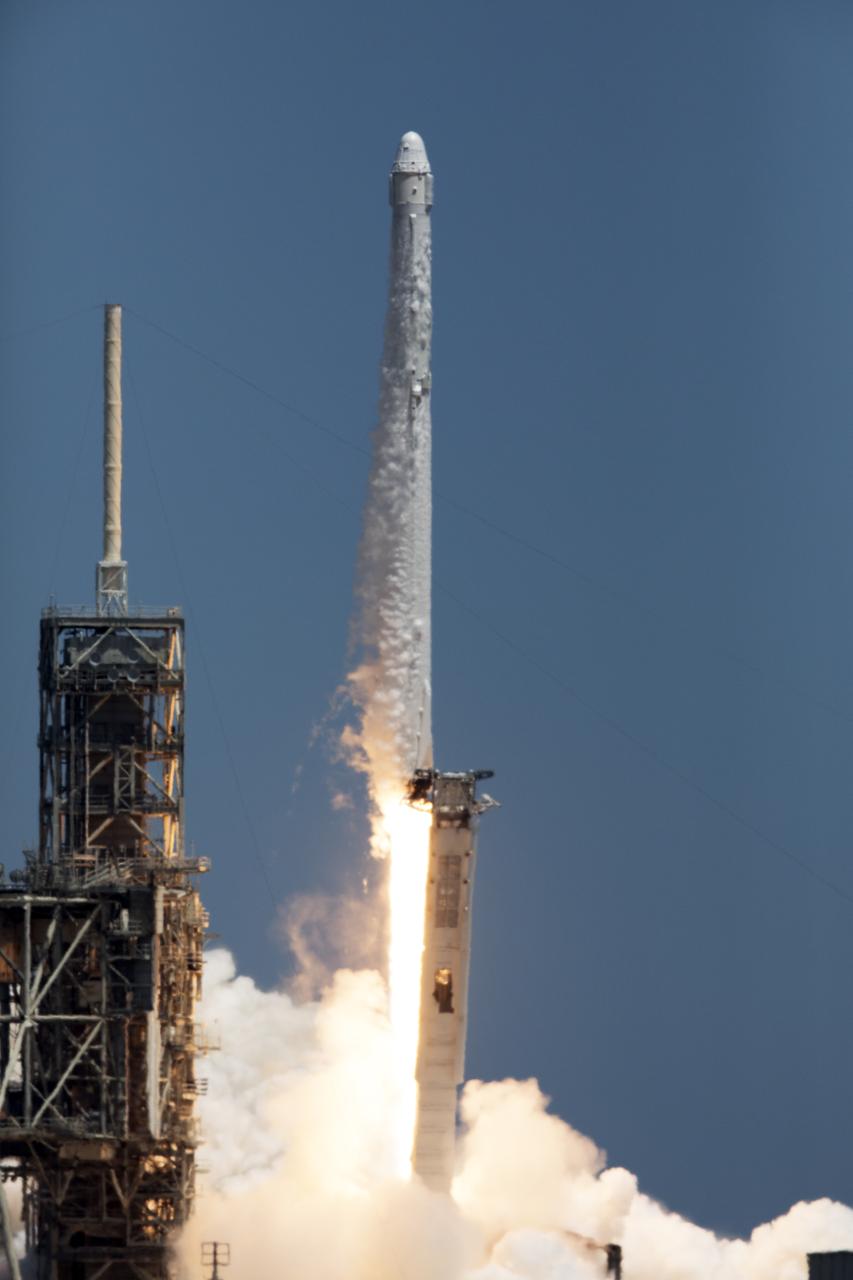
The two-stage Falcon 9 launch vehicle lifts off Launch Complex 39A at NASA's Kenney Space Center carrying the Dragon resupply spacecraft to the International Space Station. Liftoff was at 12:31 p.m. EDT. On its 12th commercial resupply services mission to the International Space Station, Dragon will bring up more than 6,400 pounds of supplies and new science experiments and equipment for technology research.
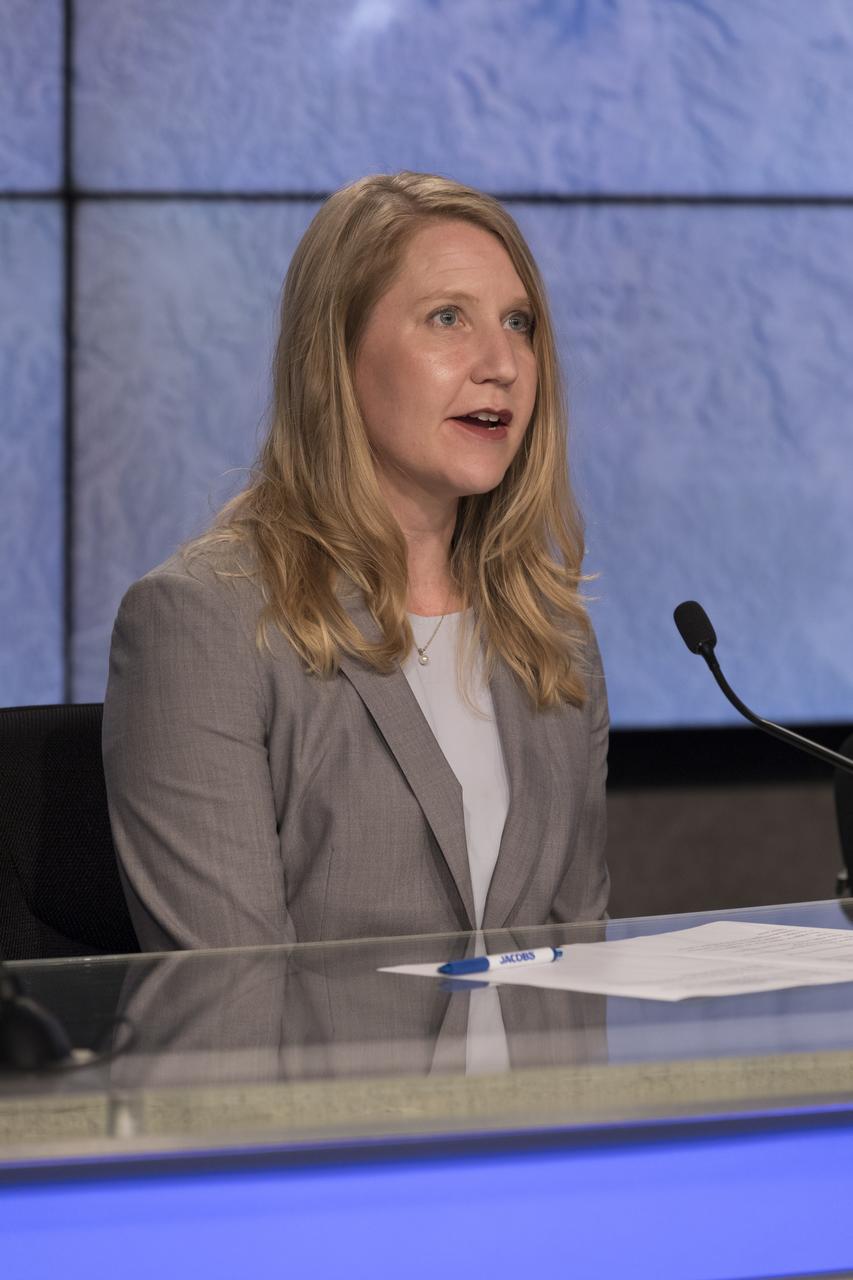
In the Kennedy Space Center’s Press Site auditorium, Stephanie Schierholz of NASA Communications, speaks to members of the media during a prelaunch news conference for the SpaceX CRS-15 Commercial Resupply Services mission to the International Space Station. A SpaceX Dragon spacecraft is scheduled to be launched from Space Launch Complex 40 at Cape Canaveral Air Force Station. The SpaceX Falcon 9 rocket will lift off on the company's 15th Commercial Resupply Services mission to the space station.
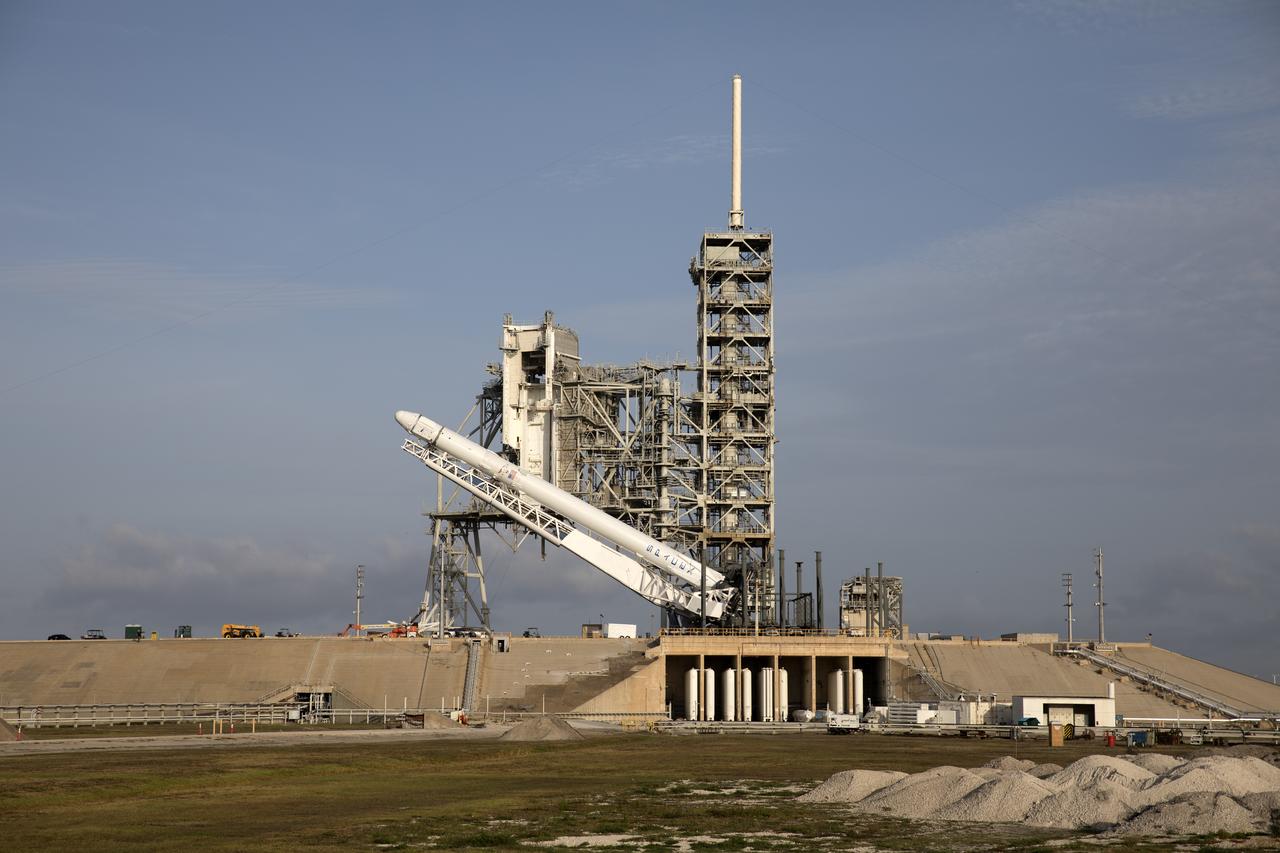
As a Falcon 9 rocket is raised into positon for liftoff at the Kennedy Space Center's Launch Complex 39A. The rocket will boost a Dragon resupply spacecraft to the International Space Station. Liftoff is scheduled for 5:55 p.m. EDT. On its 11th commercial resupply services mission to the space station, Dragon will bring up 6,000 pounds of supplies, such as the Neutron star Interior Composition Explorer, or NICER, instrument to study the extraordinary physics of neutron stars.
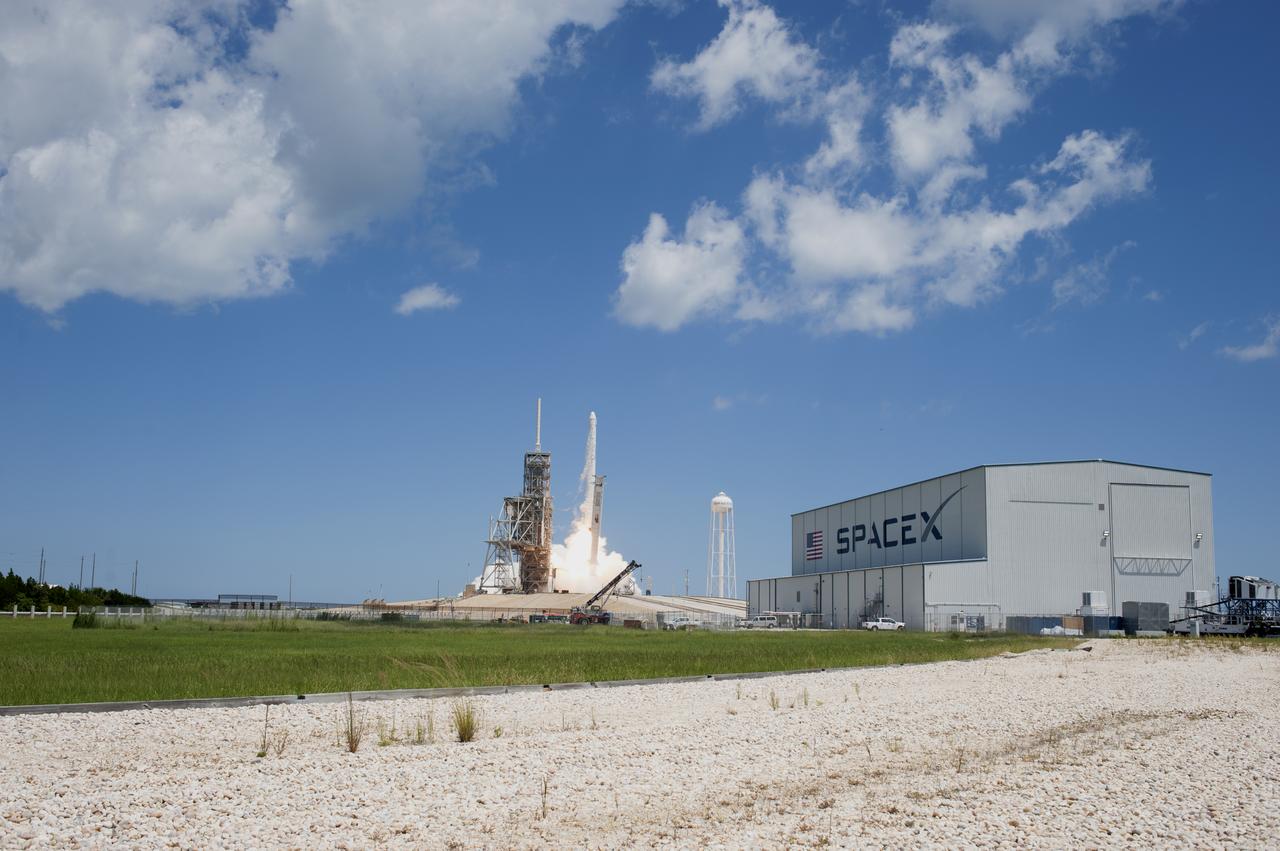
The two-stage Falcon 9 launch vehicle lifts off Launch Complex 39A at NASA's Kennedy Space Center carrying the Dragon resupply spacecraft to the International Space Station. Liftoff was at 12:31 p.m. EDT. On its 12th commercial resupply services mission to the International Space Station, Dragon will bring up more than 6,400 pounds of supplies and new science experiments and equipment for technology research.
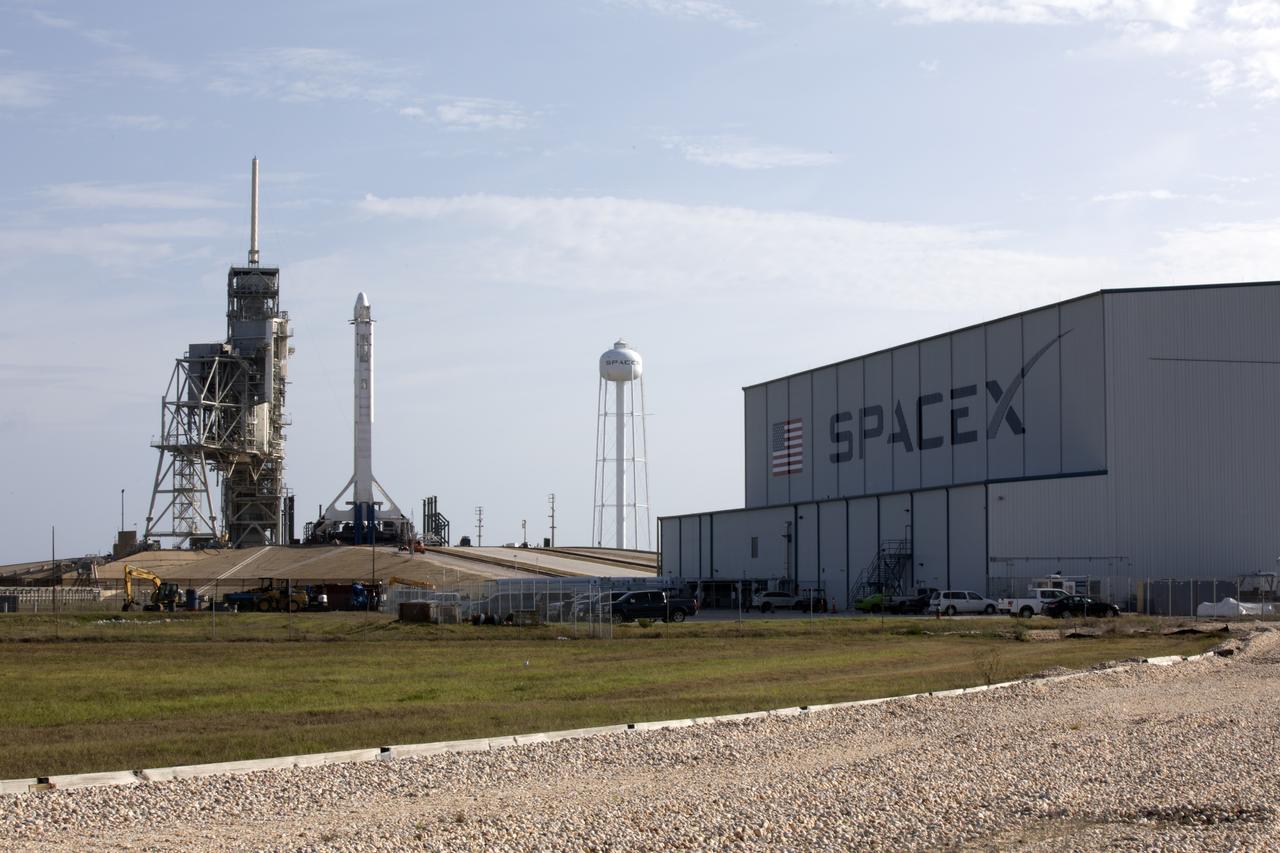
As a Falcon 9 rocket stands ready for liftoff at the Kennedy Space Center's Launch Complex 39A. The rocket will boost a Dragon resupply spacecraft to the International Space Station. Liftoff is scheduled for 5:55 p.m. EDT. On its 11th commercial resupply services mission to the space station, Dragon will bring up 6,000 pounds of supplies, such as the Neutron star Interior Composition Explorer, or NICER, instrument to study the extraordinary physics of neutron stars.
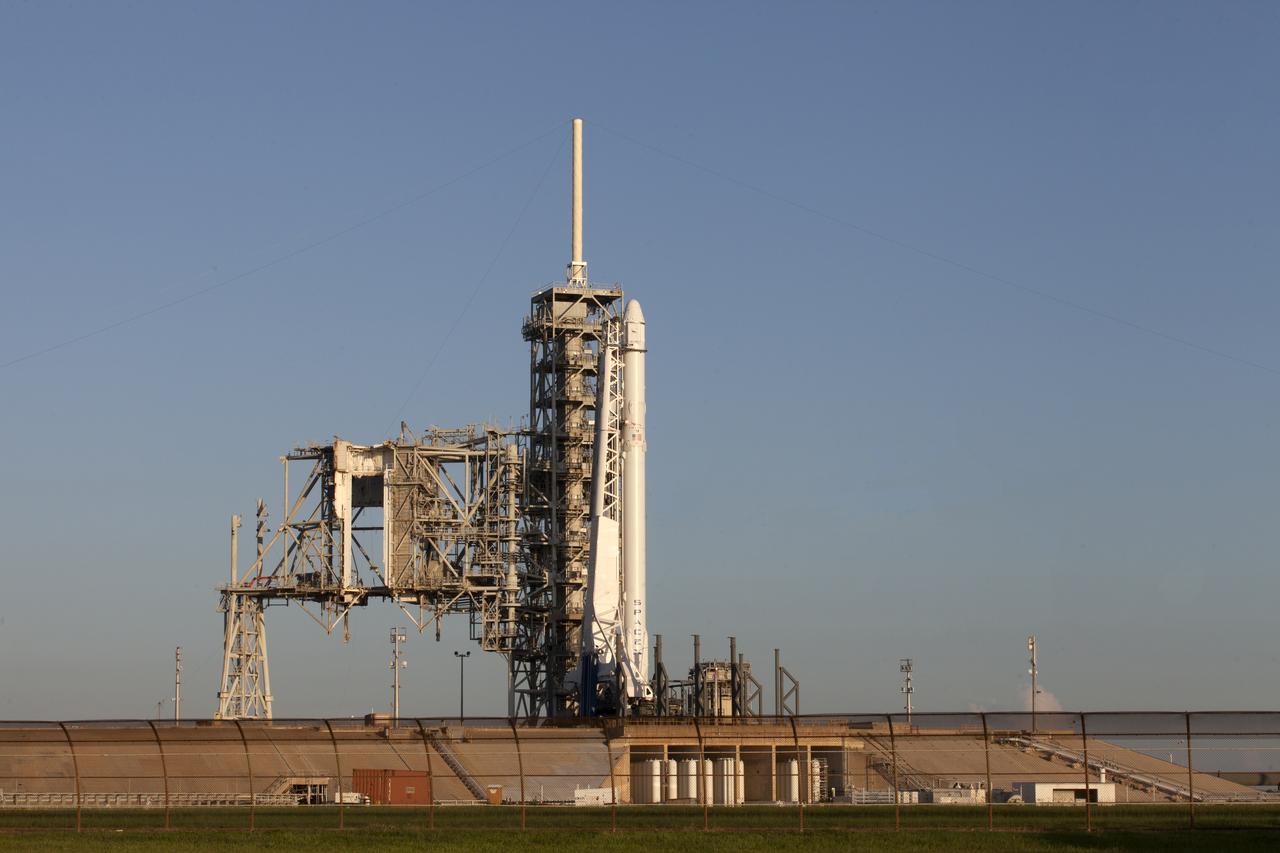
As a Falcon 9 rocket stands ready for liftoff at the Kennedy Space Center's Launch Complex 39A. The rocket will boost a Dragon resupply spacecraft to the International Space Station. Liftoff is scheduled for 12:31 p.m. EDT. On its 12th commercial resupply services mission to the space station, Dragon will bring up more than 6,400 pounds of supplies. The historic launch site now is operated by SpaceX under a property agreement signed with NASA.
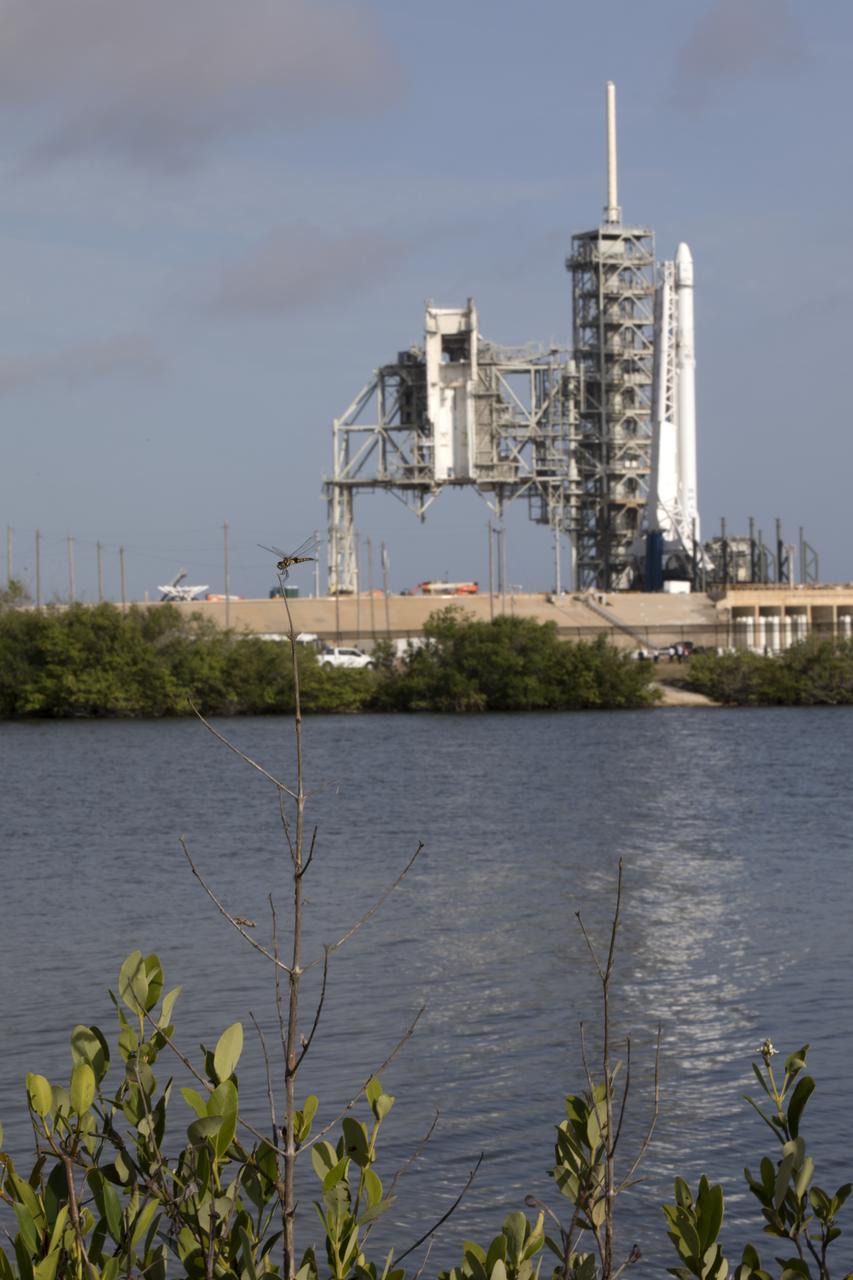
As a Falcon 9 rocket stands ready for liftoff at the Kennedy Space Center's Launch Complex 39A. The rocket will boost a Dragon resupply spacecraft to the International Space Station. Liftoff is scheduled for 5:55 p.m. EDT. On its 11th commercial resupply services mission to the space station, Dragon will bring up 6,000 pounds of supplies, such as the Neutron star Interior Composition Explorer, or NICER, instrument to study the extraordinary physics of neutron stars.
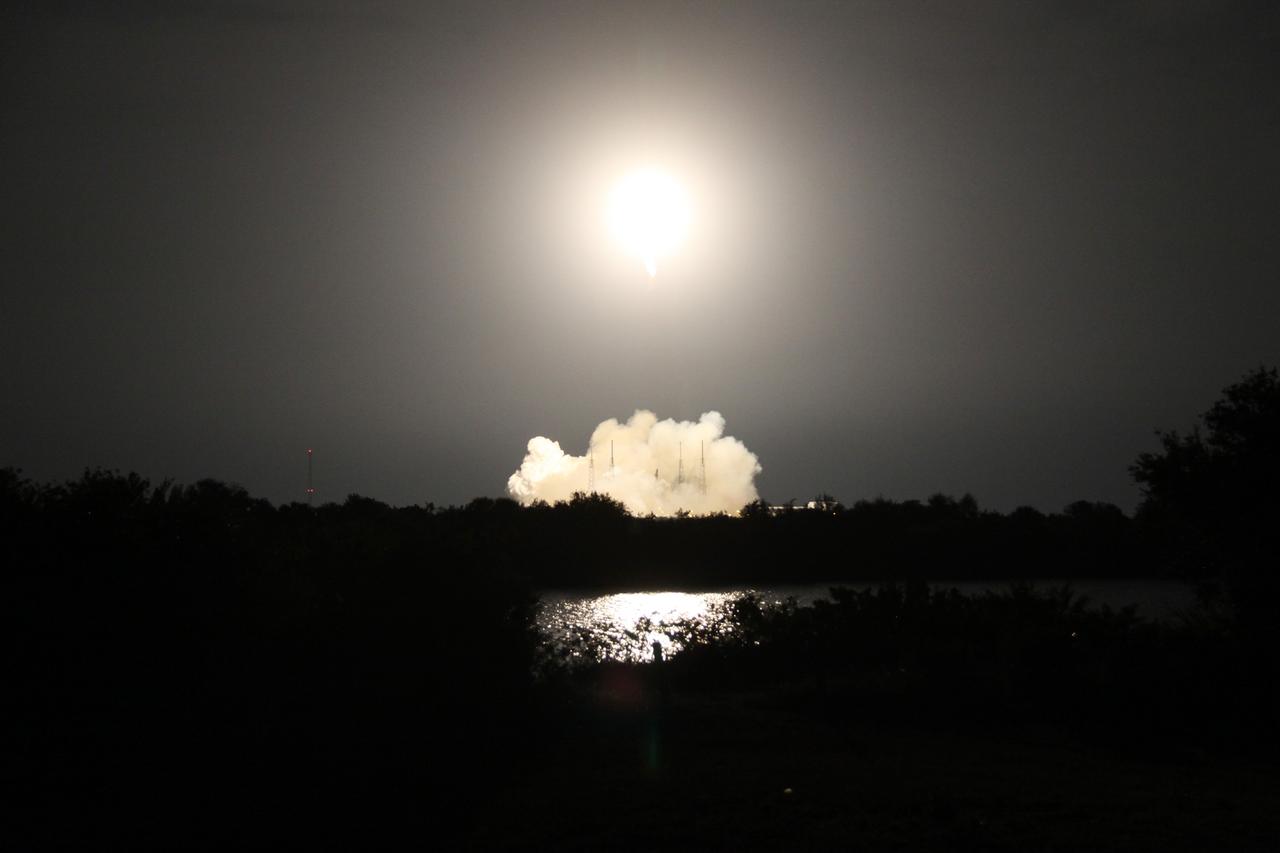
CAPE CANAVERAL, Fla. – SpaceX rocket lifts off from Space Launch Complex 40 at Cape Canaveral Air Force Station carrying the Dragon resupply spacecraft to the International Space Station. Liftoff was at 4:47 a.m. EST. The commercial resupply mission will deliver 3,700 pounds of scientific experiments, technology demonstrations and supplies, including critical materials to support 256 science and research investigations that will take place on the space station. Photo credit: NASA/Jim Grossman
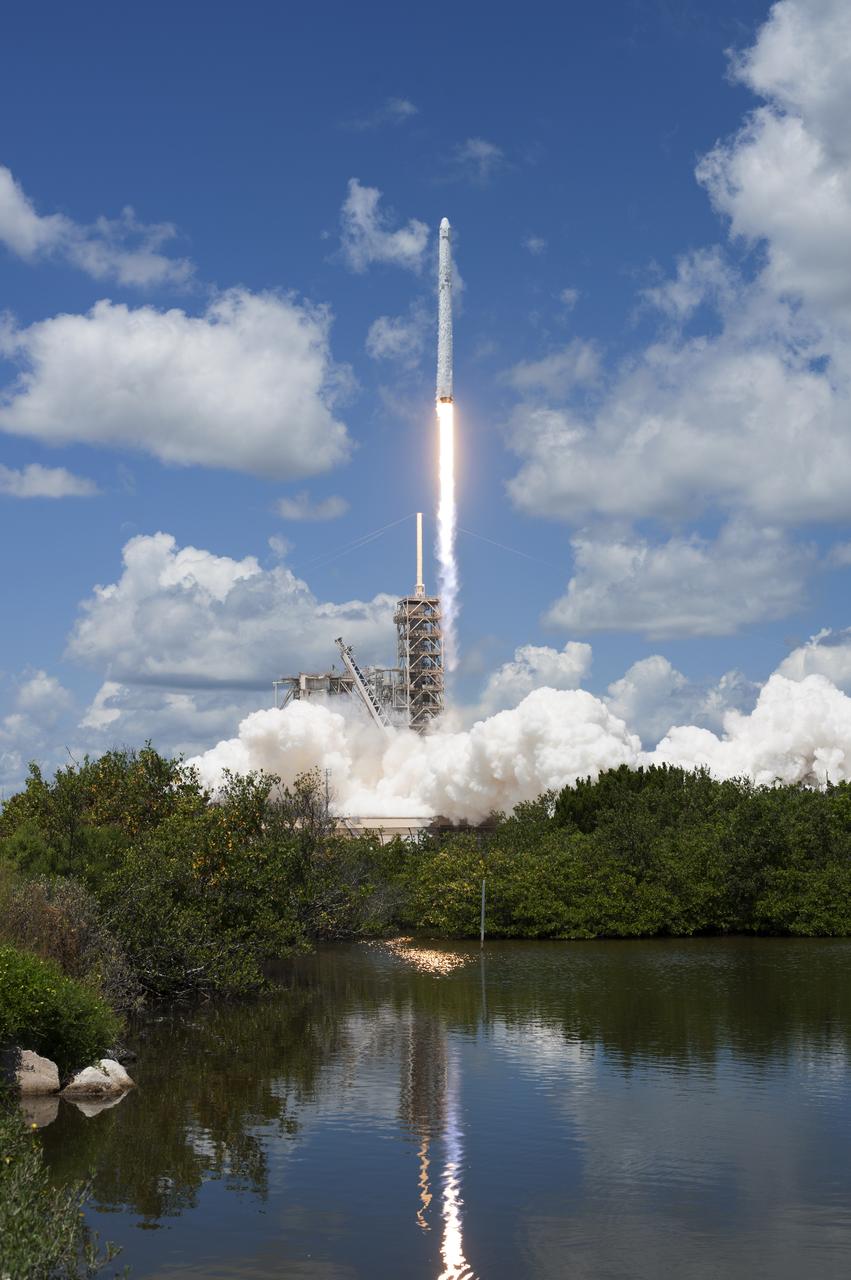
The two-stage Falcon 9 launch vehicle lifts off Launch Complex 39A at NASA's Kennedy Space Center carrying the Dragon resupply spacecraft to the International Space Station. Liftoff was at 12:31 p.m. EDT. On its 12th commercial resupply services mission to the International Space Station, Dragon will bring up more than 6,400 pounds of supplies and new science experiments and equipment for technology research.
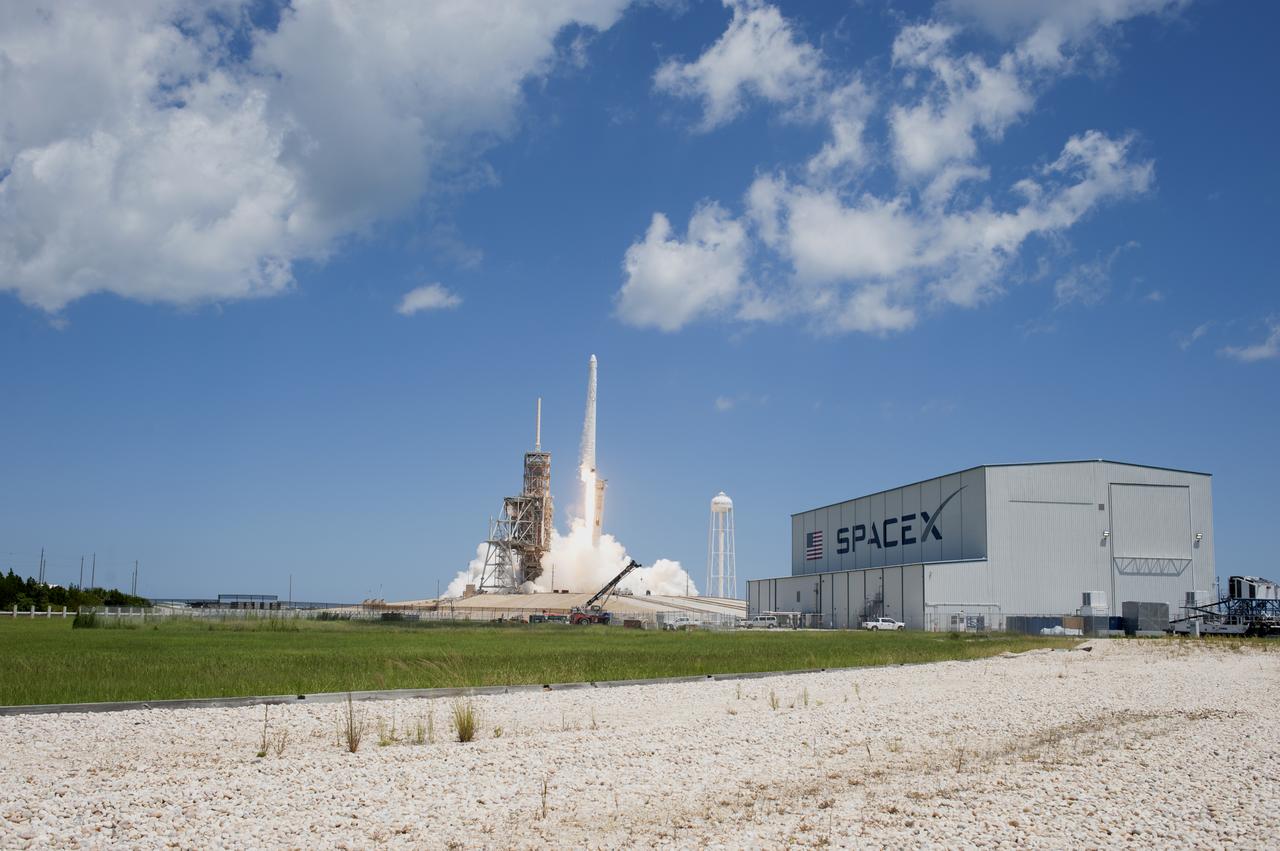
The two-stage Falcon 9 launch vehicle lifts off Launch Complex 39A at NASA's Kennedy Space Center carrying the Dragon resupply spacecraft to the International Space Station. Liftoff was at 12:31 p.m. EDT. On its 12th commercial resupply services mission to the International Space Station, Dragon will bring up more than 6,400 pounds of supplies and new science experiments and equipment for technology research.
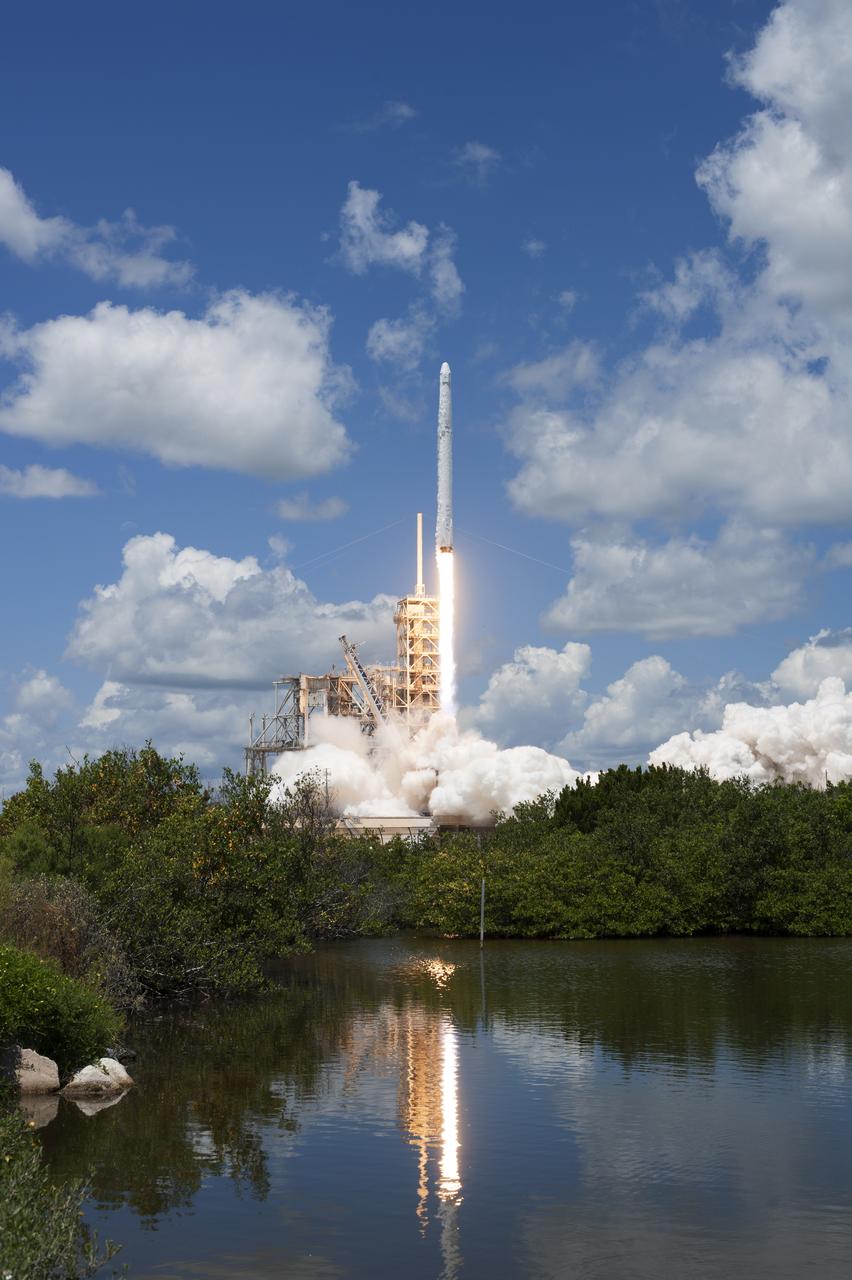
The two-stage Falcon 9 launch vehicle lifts off Launch Complex 39A at NASA's Kennedy Space Center carrying the Dragon resupply spacecraft to the International Space Station. Liftoff was at 12:31 p.m. EDT. On its 12th commercial resupply services mission to the International Space Station, Dragon will bring up more than 6,400 pounds of supplies and new science experiments and equipment for technology research.
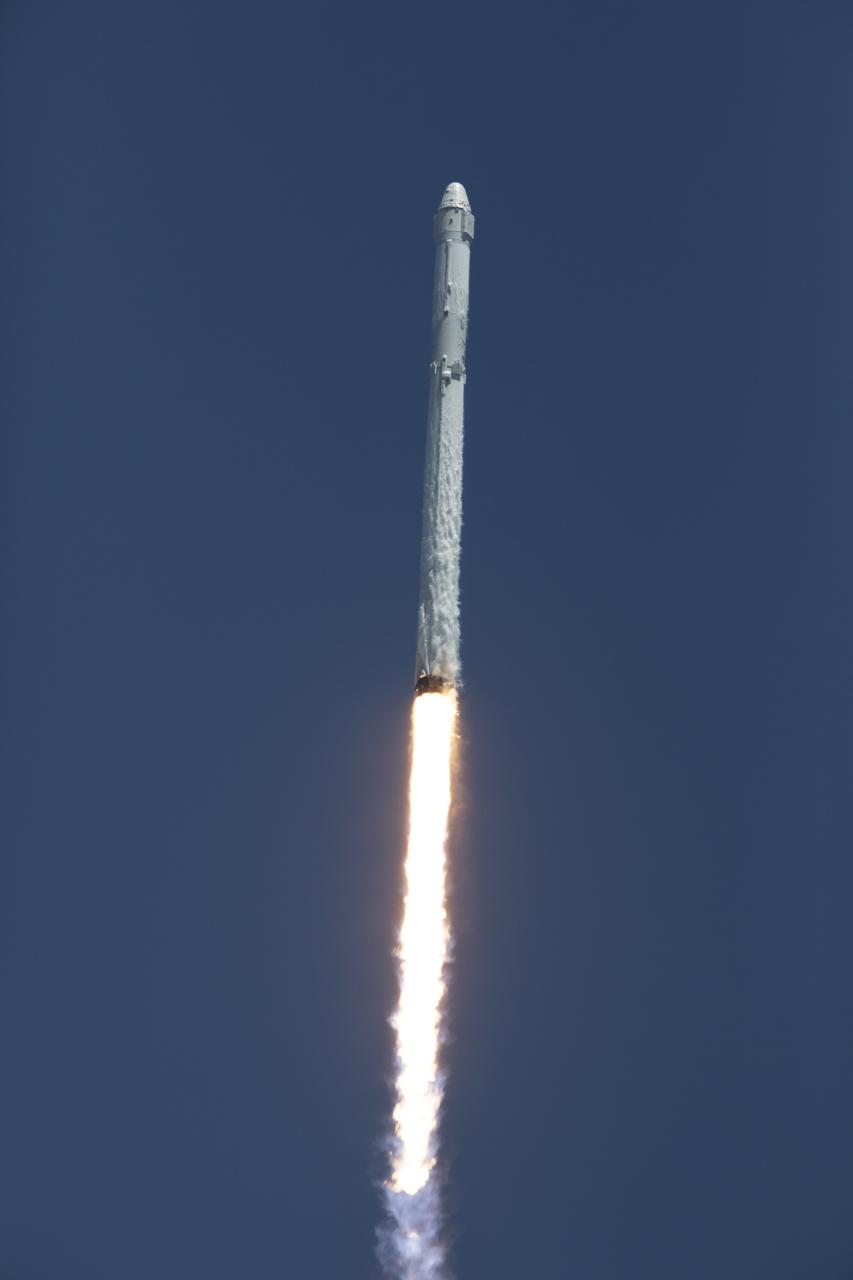
The two-stage Falcon 9 launch vehicle lifts off Launch Complex 39A at NASA's Kenney Space Center carrying the Dragon resupply spacecraft to the International Space Station. Liftoff was at 12:31 p.m. EDT. On its 12th commercial resupply services mission to the International Space Station, Dragon will bring up more than 6,400 pounds of supplies and new science experiments and equipment for technology research.
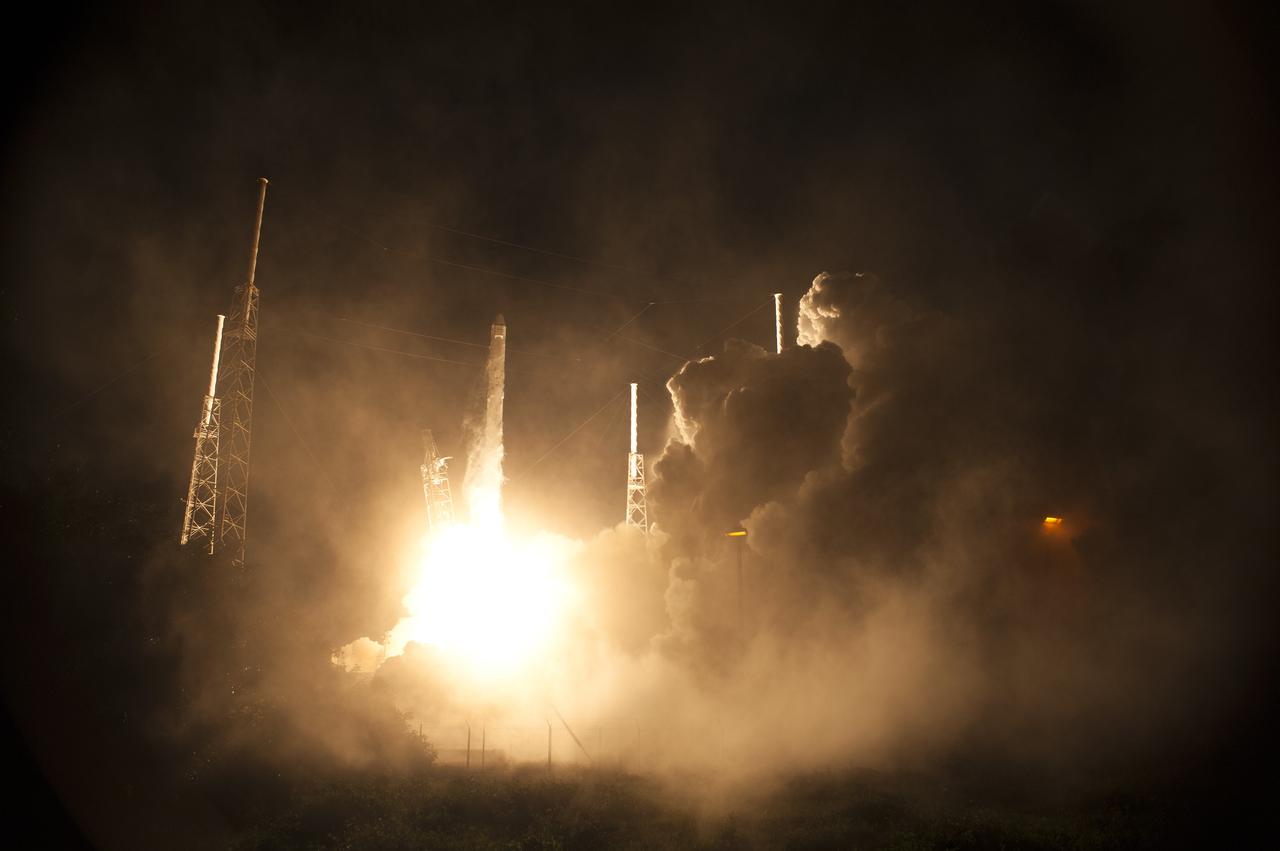
CAPE CANAVERAL, Fla. – SpaceX rocket lifts off from Space Launch Complex 40 at Cape Canaveral Air Force Station carrying the Dragon resupply spacecraft to the International Space Station. Liftoff was at 4:47 a.m. EST. The commercial resupply mission will deliver 3,700 pounds of scientific experiments, technology demonstrations and supplies, including critical materials to support 256 science and research investigations that will take place on the space station. Photo credit: NASA/Tony Gray & Kevin O'Connel
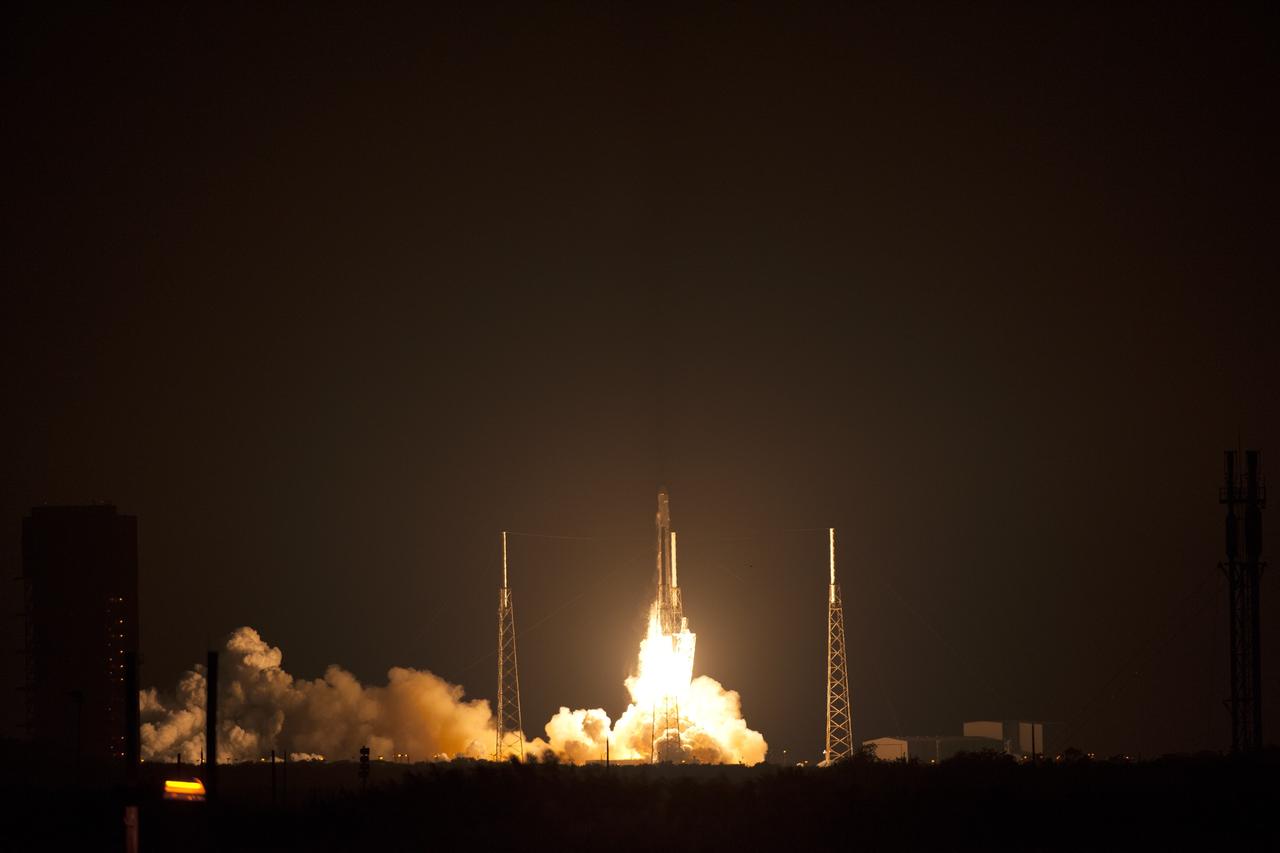
CAPE CANAVERAL, Fla. – SpaceX rocket lifts off from Space Launch Complex 40 at Cape Canaveral Air Force Station carrying the Dragon resupply spacecraft to the International Space Station. Liftoff was at 4:47 a.m. EST. The commercial resupply mission will deliver 3,700 pounds of scientific experiments, technology demonstrations and supplies, including critical materials to support 256 science and research investigations that will take place on the space station. Photo credit: NASA/George Roberts

In the Kennedy Space Center’s Press Site auditorium, David Brady, assistant program scientist for the International Space Station Program, speaks to members of the media during a prelaunch news conference for the SpaceX CRS-15 Commercial Resupply Services mission to the International Space Station. A SpaceX Dragon spacecraft is scheduled to be launched from Space Launch Complex 40 at Cape Canaveral Air Force Station. The SpaceX Falcon 9 rocket will lift off on the company's 15th Commercial Resupply Services mission to the space station.
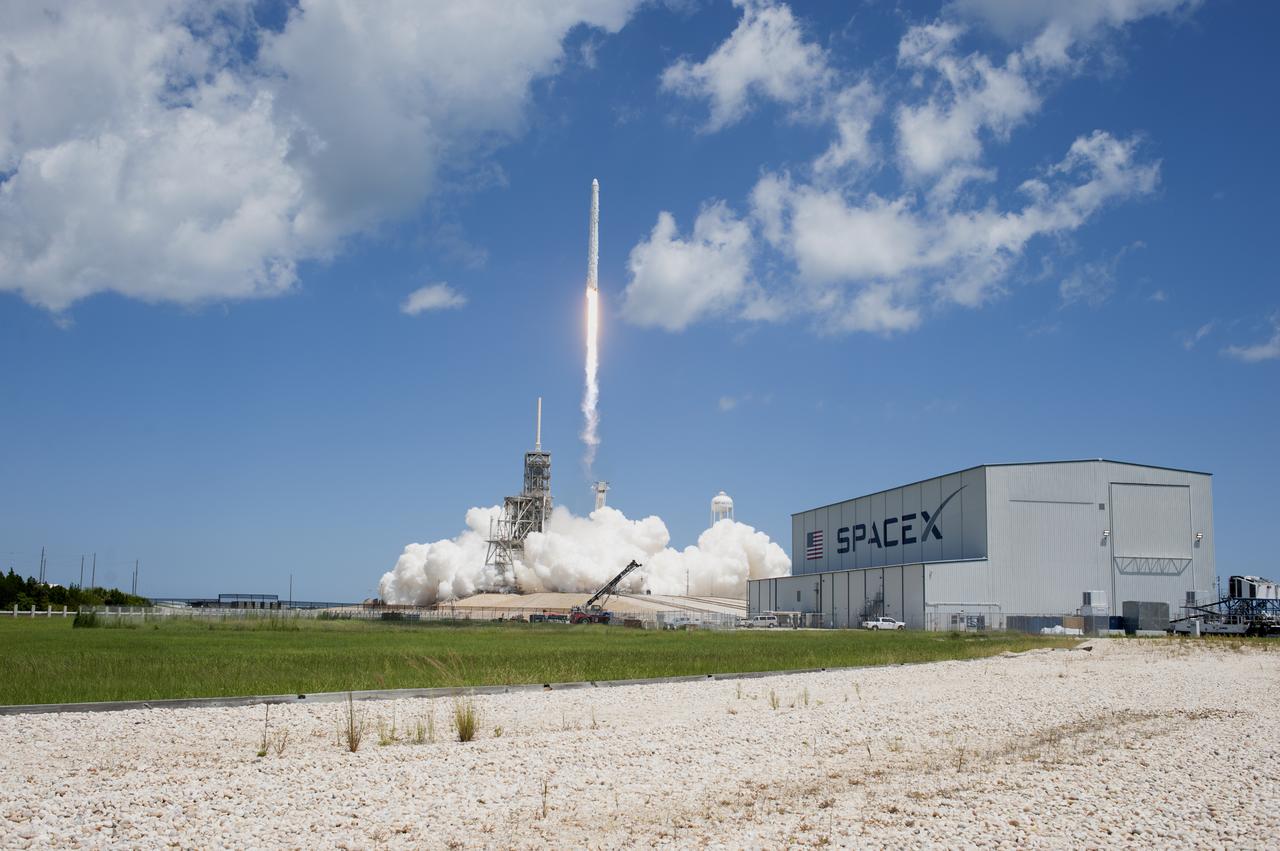
The two-stage Falcon 9 launch vehicle lifts off Launch Complex 39A at NASA's Kennedy Space Center carrying the Dragon resupply spacecraft to the International Space Station. Liftoff was at 12:31 p.m. EDT. On its 12th commercial resupply services mission to the International Space Station, Dragon will bring up more than 6,400 pounds of supplies and new science experiments and equipment for technology research.
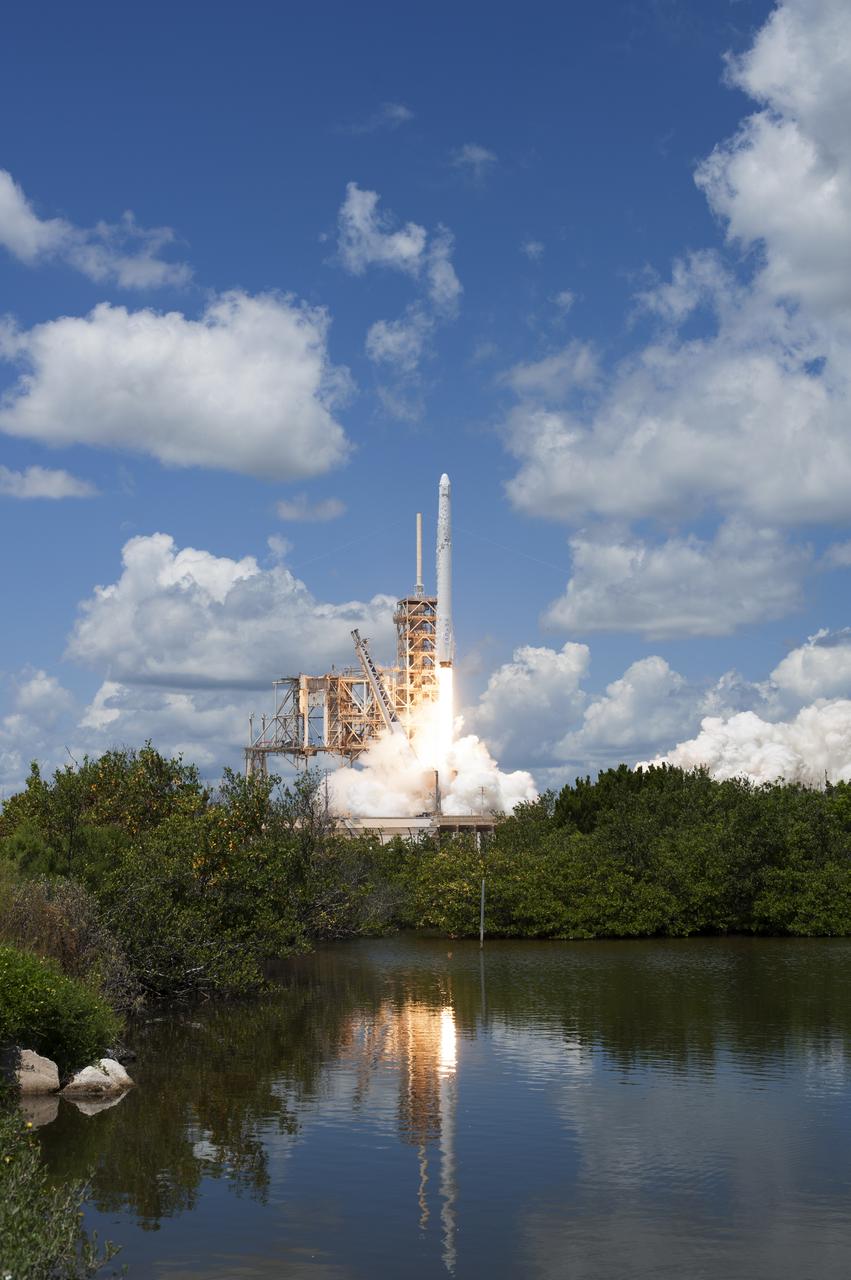
The two-stage Falcon 9 launch vehicle lifts off Launch Complex 39A at NASA's Kennedy Space Center carrying the Dragon resupply spacecraft to the International Space Station. Liftoff was at 12:31 p.m. EDT. On its 12th commercial resupply services mission to the International Space Station, Dragon will bring up more than 6,400 pounds of supplies and new science experiments and equipment for technology research.
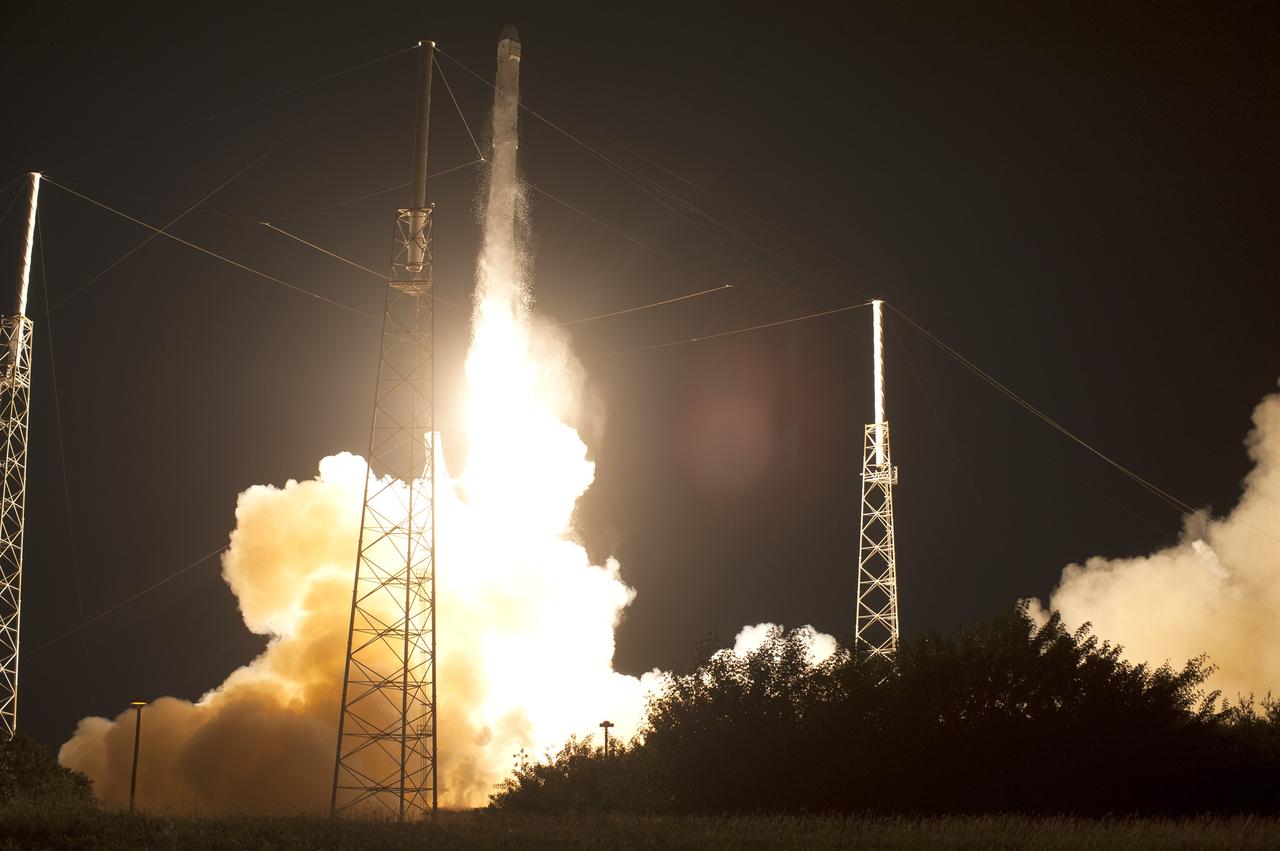
CAPE CANAVERAL, Fla. – SpaceX rocket lifts off from Space Launch Complex 40 at Cape Canaveral Air Force Station carrying the Dragon resupply spacecraft to the International Space Station. Liftoff was at 4:47 a.m. EST. The commercial resupply mission will deliver 3,700 pounds of scientific experiments, technology demonstrations and supplies, including critical materials to support 256 science and research investigations that will take place on the space station. Photo credit: NASA/Kevin O'Connel & Tony Gray
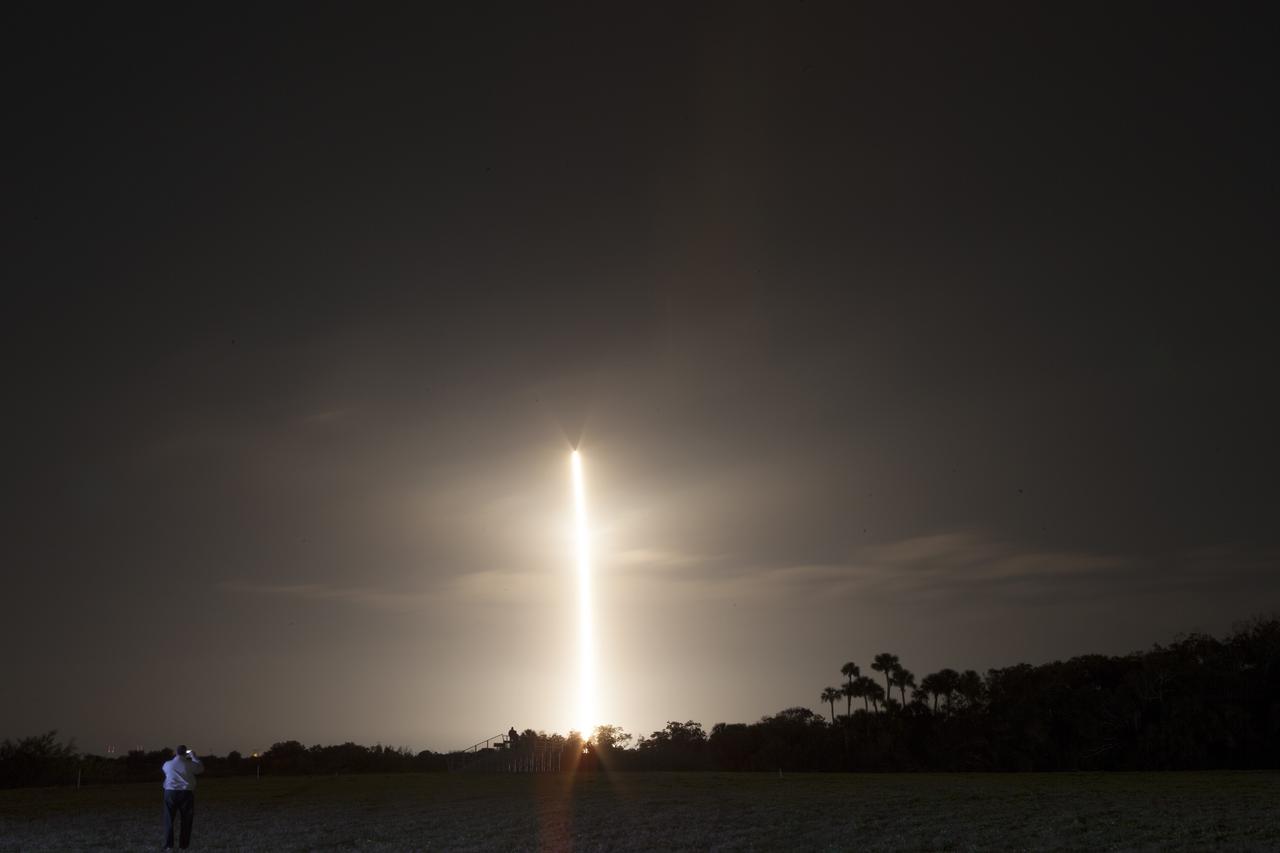
CAPE CANAVERAL, Fla. – SpaceX rocket lifts off from Space Launch Complex 40 at Cape Canaveral Air Force Station carrying the Dragon resupply spacecraft to the International Space Station. Liftoff was at 4:47 a.m. EST. The commercial resupply mission will deliver 3,700 pounds of scientific experiments, technology demonstrations and supplies, including critical materials to support 256 science and research investigations that will take place on the space station. Photo credit: NASA/Frankie Martin
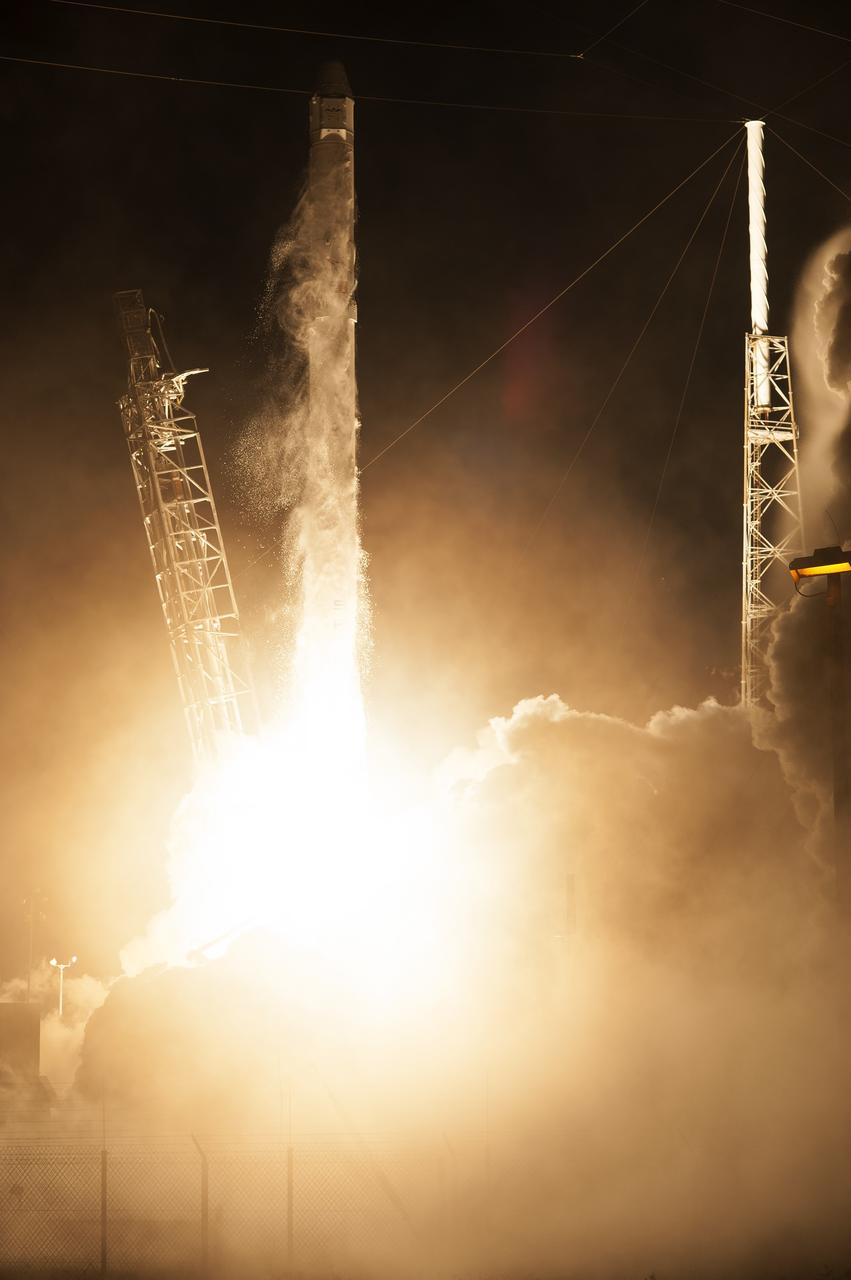
CAPE CANAVERAL, Fla. – SpaceX rocket lifts off from Space Launch Complex 40 at Cape Canaveral Air Force Station carrying the Dragon resupply spacecraft to the International Space Station. Liftoff was at 4:47 a.m. EST. The commercial resupply mission will deliver 3,700 pounds of scientific experiments, technology demonstrations and supplies, including critical materials to support 256 science and research investigations that will take place on the space station. Photo credit: NASA/Kevin O'Connel & Tony Gray
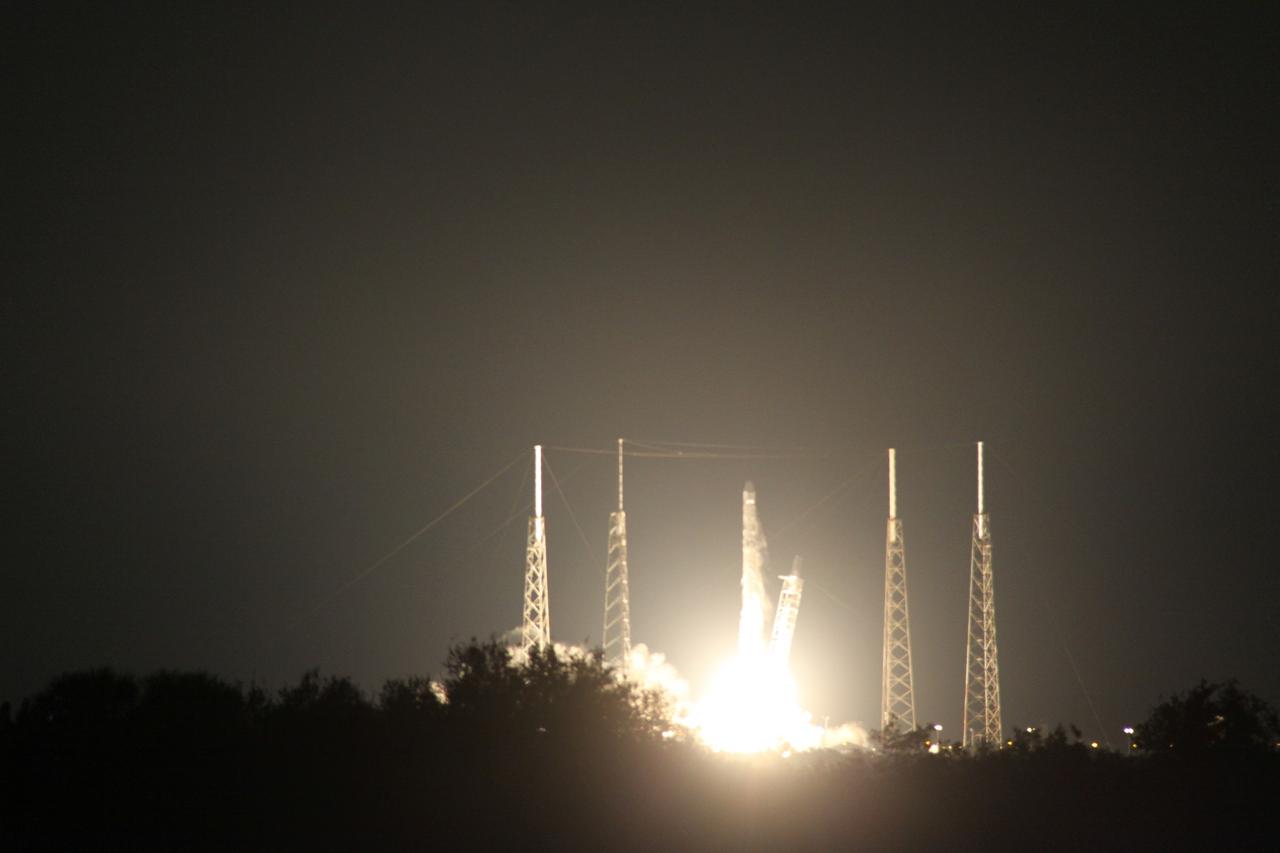
CAPE CANAVERAL, Fla. – SpaceX rocket lifts off from Space Launch Complex 40 at Cape Canaveral Air Force Station carrying the Dragon resupply spacecraft to the International Space Station. Liftoff was at 4:47 a.m. EST. The commercial resupply mission will deliver 3,700 pounds of scientific experiments, technology demonstrations and supplies, including critical materials to support 256 science and research investigations that will take place on the space station. Photo credit: NASA/Jim Grossman

In the Kennedy Space Center’s Press Site auditorium, Cheryl Warner of NASA Communications speaks to members of the media during a prelaunch news conference for the SpaceX CRS-13 commercial resupply services mission to the International Space Station. A Dragon spacecraft is scheduled to be launched from Space Launch Complex 40 at Cape Canaveral Air Force Station at 11:46 a.m. EST, on Dec. 12, 2017. The SpaceX Falcon 9 rocket will lift off on the company's 13th Commercial Resupply Services mission to the space station.

In the Kennedy Space Center’s Press Site auditorium, Hans Koenigsmann, vice president of Build and Flight Reliability for SpaceX, speaks to members of the media during a prelaunch news conference for the SpaceX CRS-12 commercial resupply services mission to the International Space Station. A Dragon spacecraft is scheduled to be launched from Kennedy’s Launch Complex 39A on Aug. 14 atop a SpaceX Falcon 9 rocket on the company's 12th Commercial Resupply Services mission to the space station.