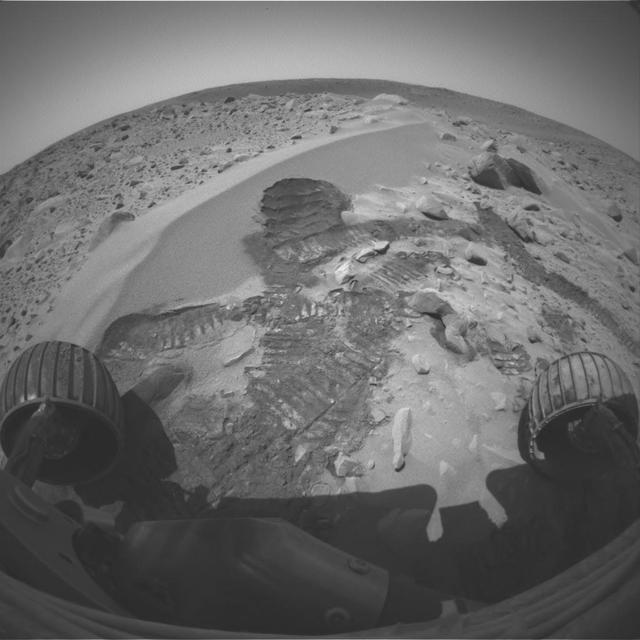
The Right Scuff
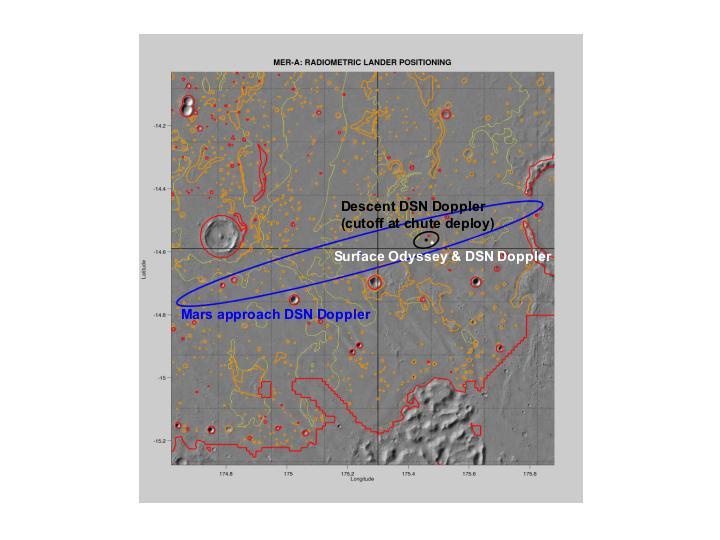
Right on Target

Right Angle
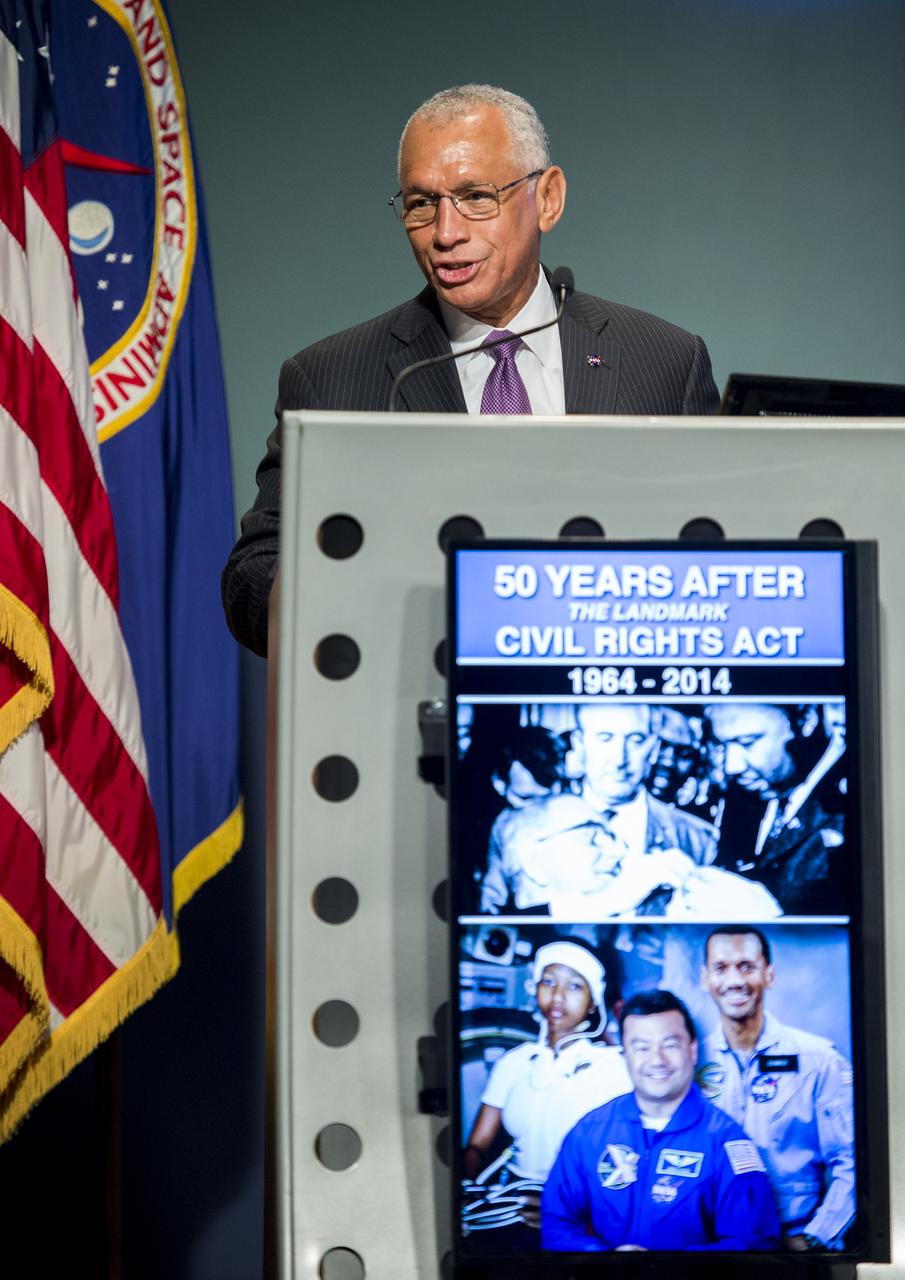
NASA Administrator Charles Bolden speaks at an event celebrating the 50th Anniversary of the Civil Rights Act of 1964 on Monday, June 23, 2014 in the James E. Webb Auditorium at NASA Headquarters in Washington, DC. Administrator Bolden provided the opening remarks at the event and a tribute to the NASA civil rights team as the agency highlights the influence of the Civil Rights Act of 1964. Photo Credit: (NASA/Joel Kowsky)
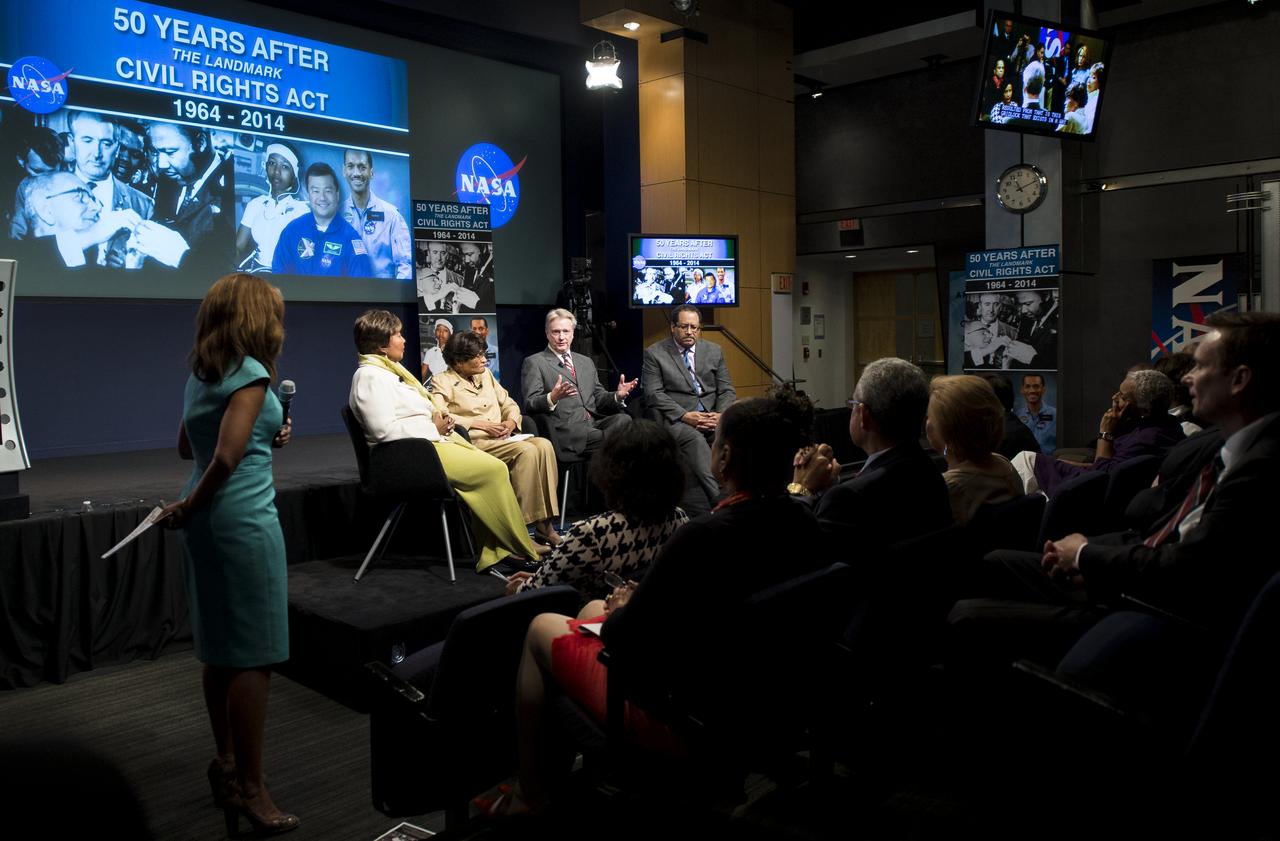
Dr. Roger Launius, Associate Director of Collections and Curatorial Affairs at the Smithsonian National Air and Space Museum, second from right, speaks as part of a panel discussion at an event celebrating the 50th Anniversary of the Civil Rights Act of 1964 on Monday, June 23, 2014 in the James E. Webb Auditorium at NASA Headquarters in Washington, DC. The event highlighted the influence of the Civil Rights Act on NASA. Photo Credit: (NASA/Joel Kowsky)
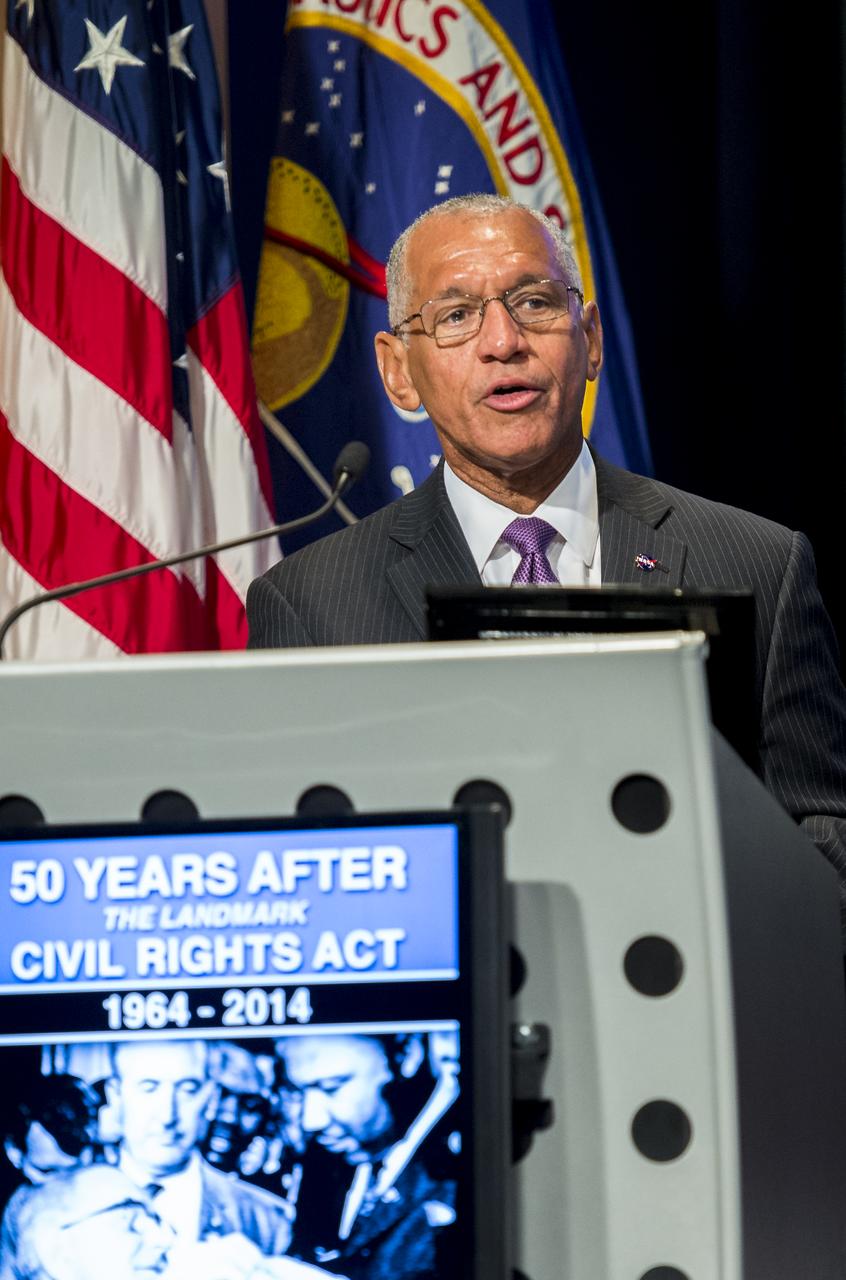
NASA Administrator Charles Bolden speaks at an event celebrating the 50th Anniversary of the Civil Rights Act of 1964 on Monday, June 23, 2014 in the James E. Webb Auditorium at NASA Headquarters in Washington, DC. Administrator Bolden provided the opening remarks at the event and a tribute to the NASA civil rights team as the agency highlights the influence of the Civil Rights Act of 1964. Photo Credit: (NASA/Joel Kowsky)
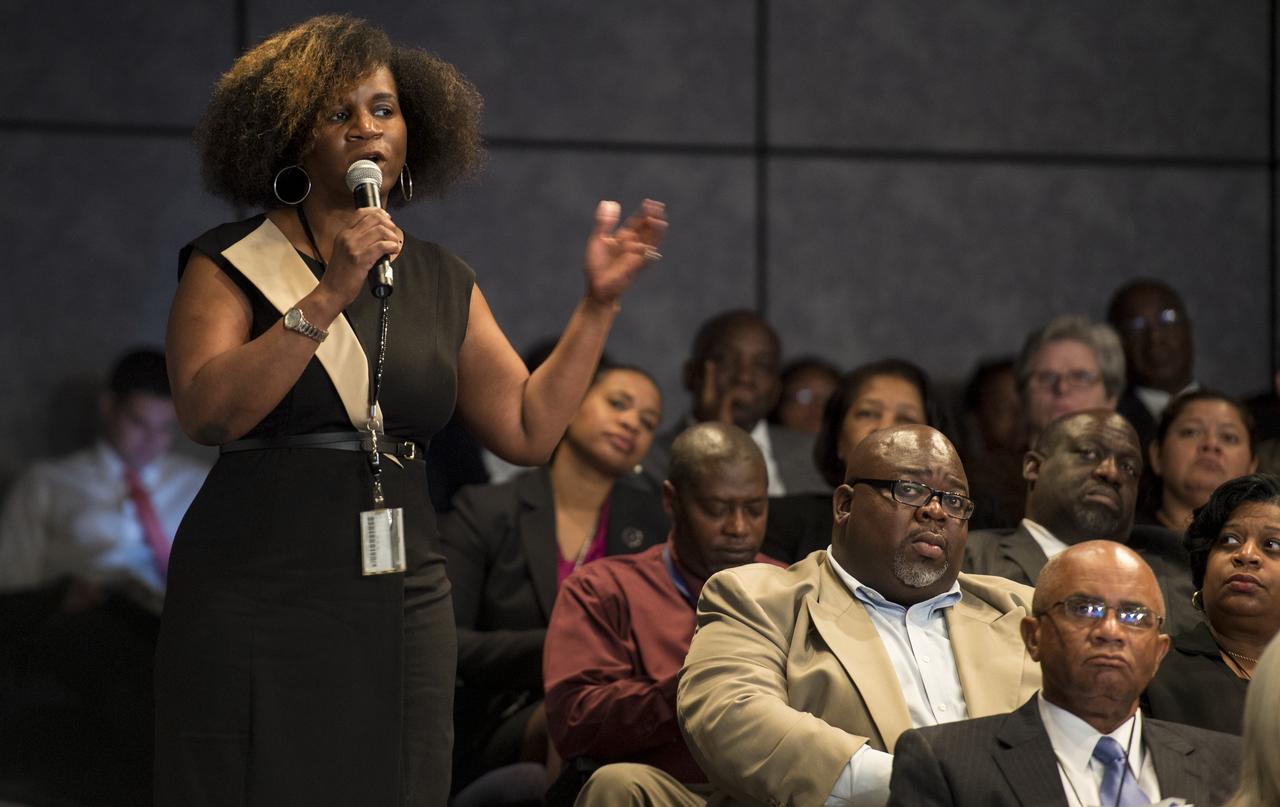
A member of the audience asks a questions during a moderated panel discussion at an event celebrating the 50th Anniversary of the Civil Rights Act of 1964 on Monday, June 23, 2014 in the James E. Webb Auditorium at NASA Headquarters in Washington, DC. The event highlighted the influence of the Civil Rights Act on NASA. Photo Credit: (NASA/Joel Kowsky)
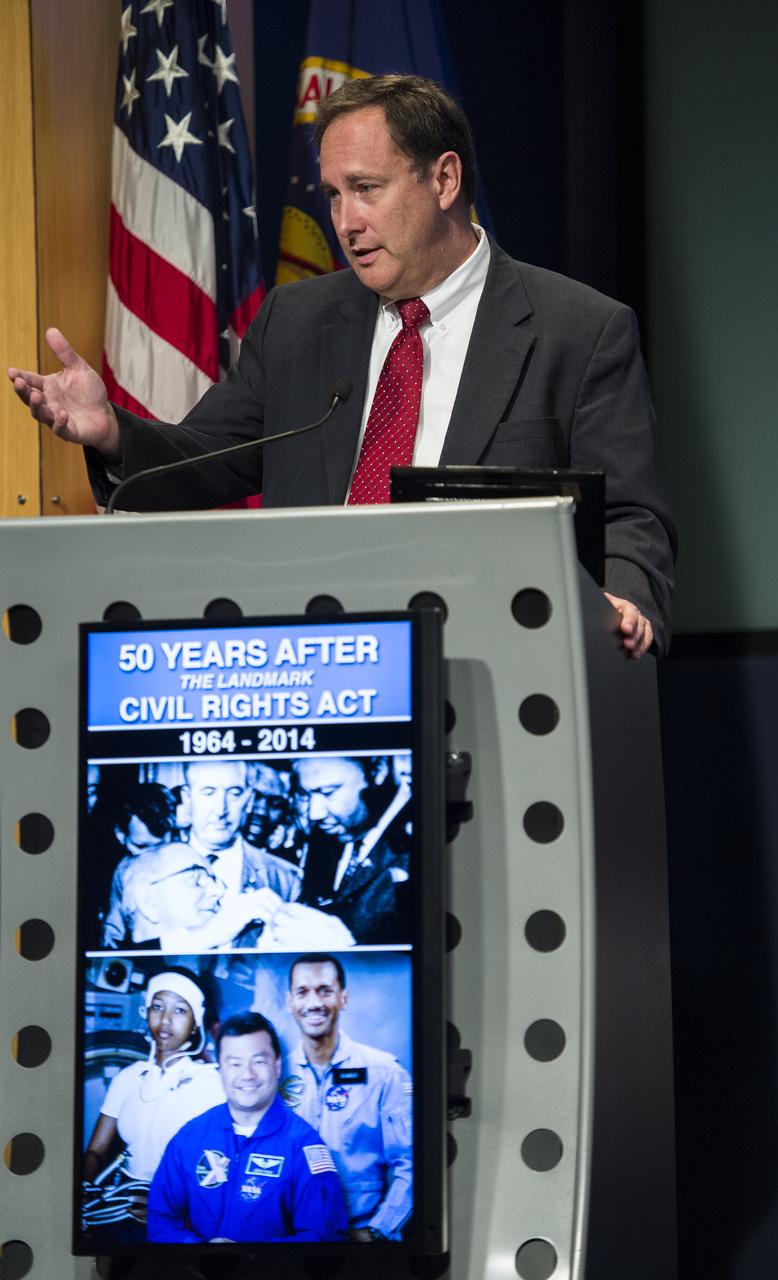
NASA Associate Administrator Robert Lightfoot delivers closing remarks at an event celebrating the 50th Anniversary of the Civil Rights Act of 1964 on Monday, June 23, 2014 in the James E. Webb Auditorium at NASA Headquarters in Washington, DC. The event highlighted the influence of the Civil Rights Act on NASA. Photo Credit: (NASA/Joel Kowsky)

NASA Associate Administrator Robert Lightfoot delivers closing remarks at an event celebrating the 50th Anniversary of the Civil Rights Act of 1964 on Monday, June 23, 2014 in the James E. Webb Auditorium at NASA Headquarters in Washington, DC. The event highlighted the influence of the Civil Rights Act on NASA. Photo Credit: (NASA/Joel Kowsky)
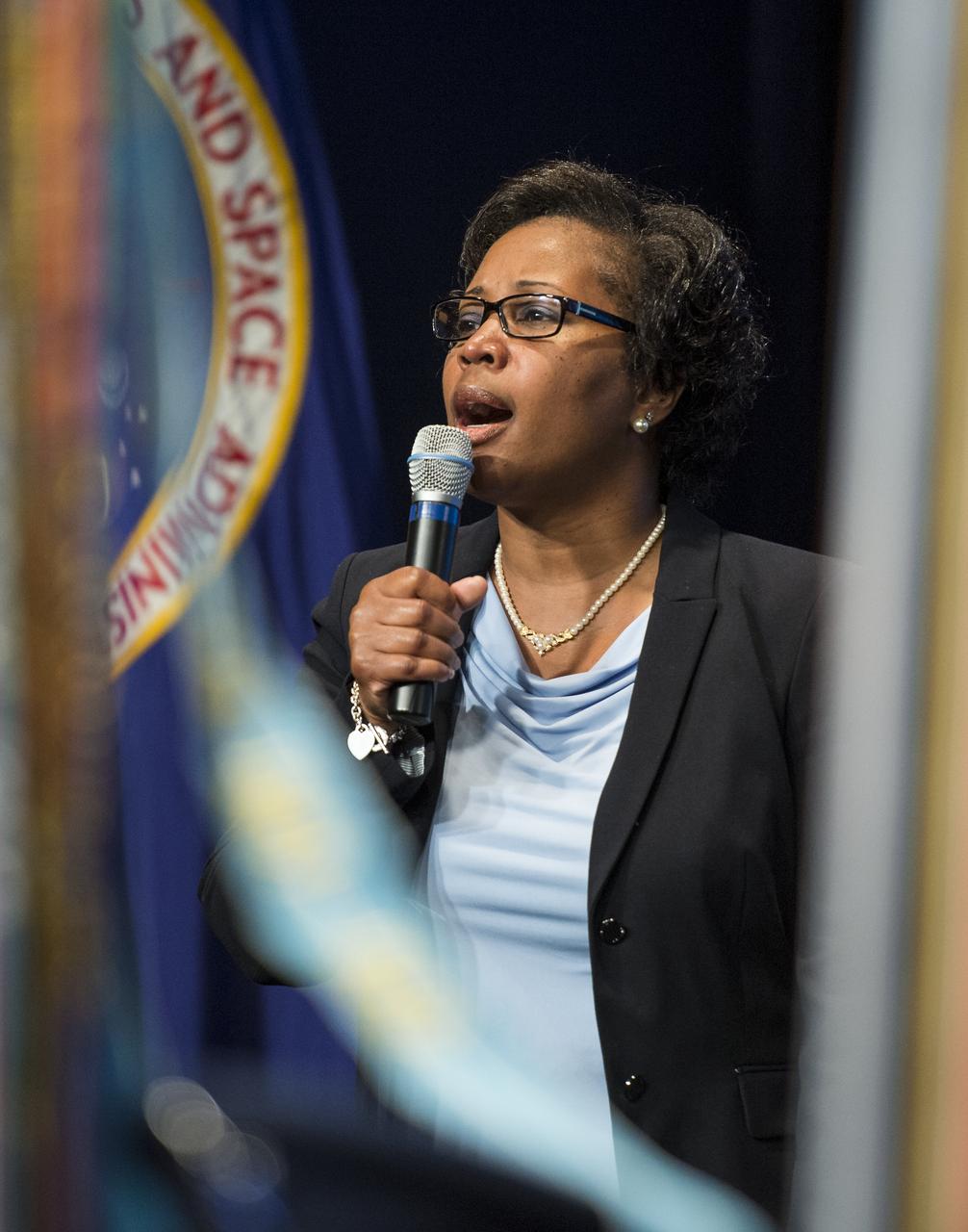
Omega Jones sings the national anthem as a color guard from the at an event celebrating the 50th Anniversary of the Civil Rights Act of 1964 on Monday, June 23, 2014 in the James E. Webb Auditorium at NASA Headquarters in Washington, DC. The event highlighted the influence of the Civil Rights Act on NASA. Photo Credit: (NASA/Joel Kowsky)
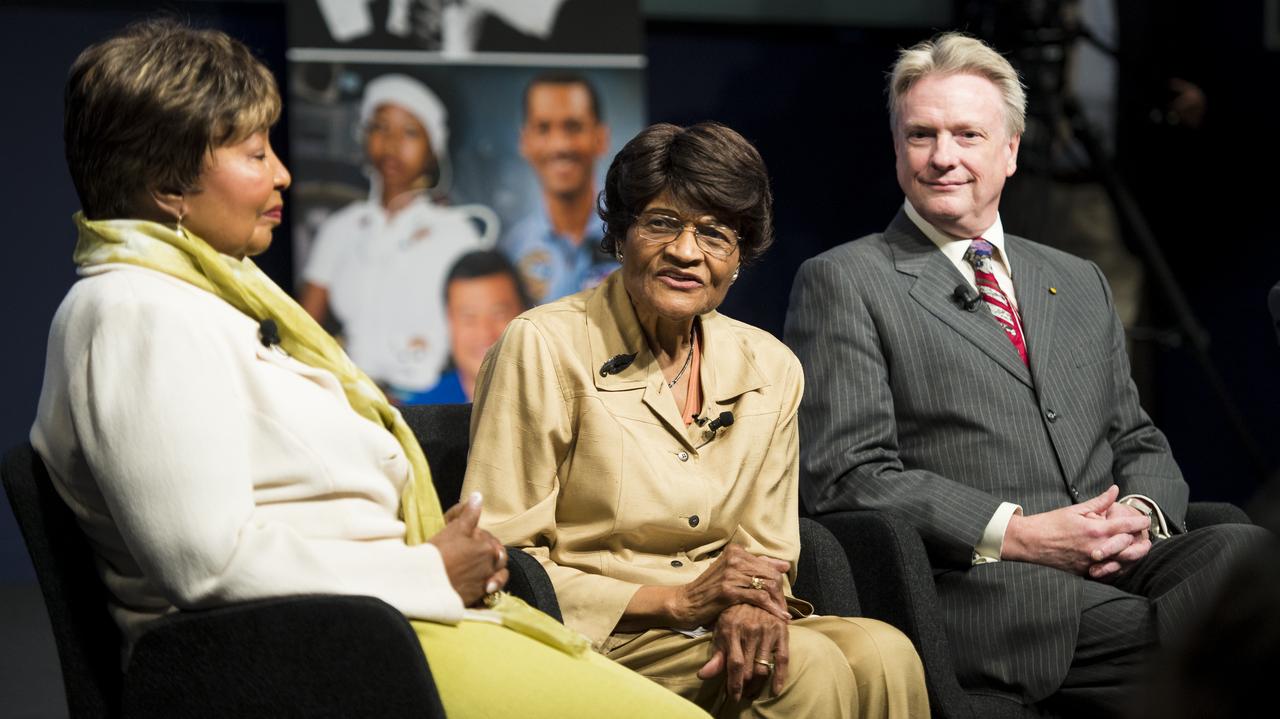
Dr. Harriet Jenkins, Former Assistant Administrator for Equal Opportunity Programs at NASA, center; speaks as part of a panel discussion at an event celebrating the 50th Anniversary of the Civil Rights Act of 1964 on Monday, June 23, 2014 in the James E. Webb Auditorium at NASA Headquarters in Washington, DC. The event highlighted the influence of the Civil Rights Act on NASA. Photo Credit: (NASA/Joel Kowsky)
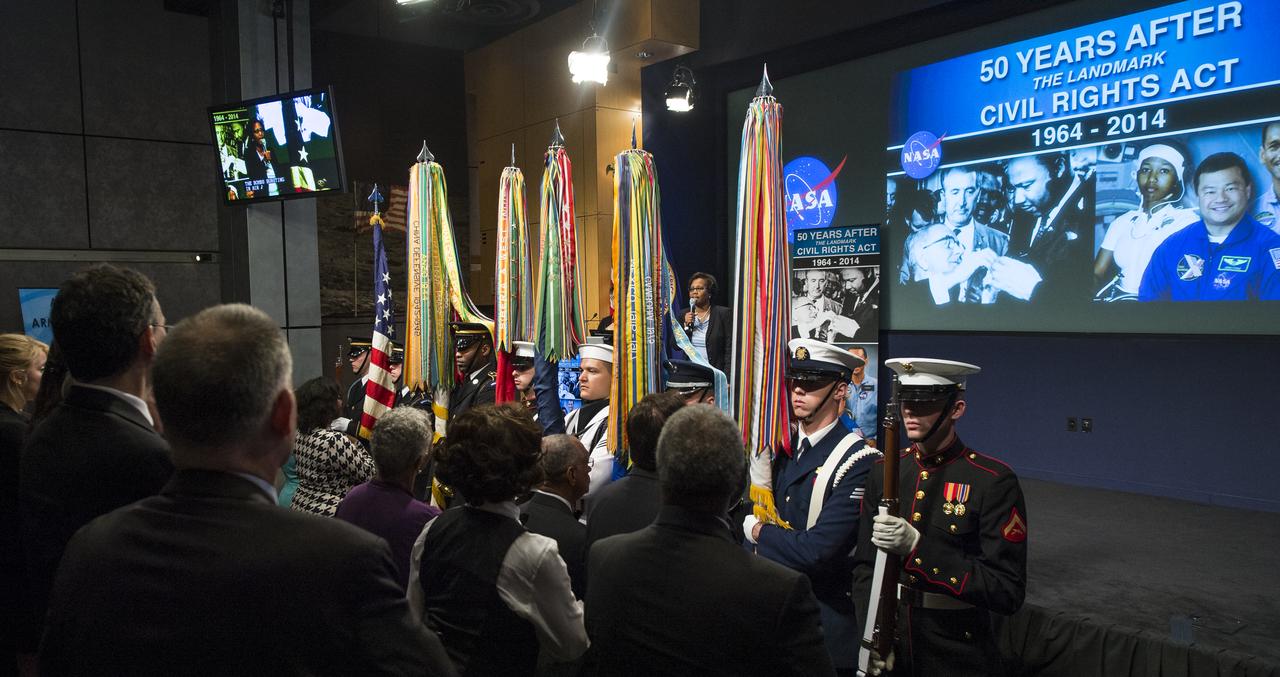
The Military District of Washington Armed Forces Color Guard presents the colors at an event celebrating the 50th Anniversary of the Civil Rights Act of 1964 on Monday, June 23, 2014 in the James E. Webb Auditorium at NASA Headquarters in Washington, DC. The event highlighted the influence of the Civil Rights Act on NASA. Photo Credit: (NASA/Joel Kowsky)
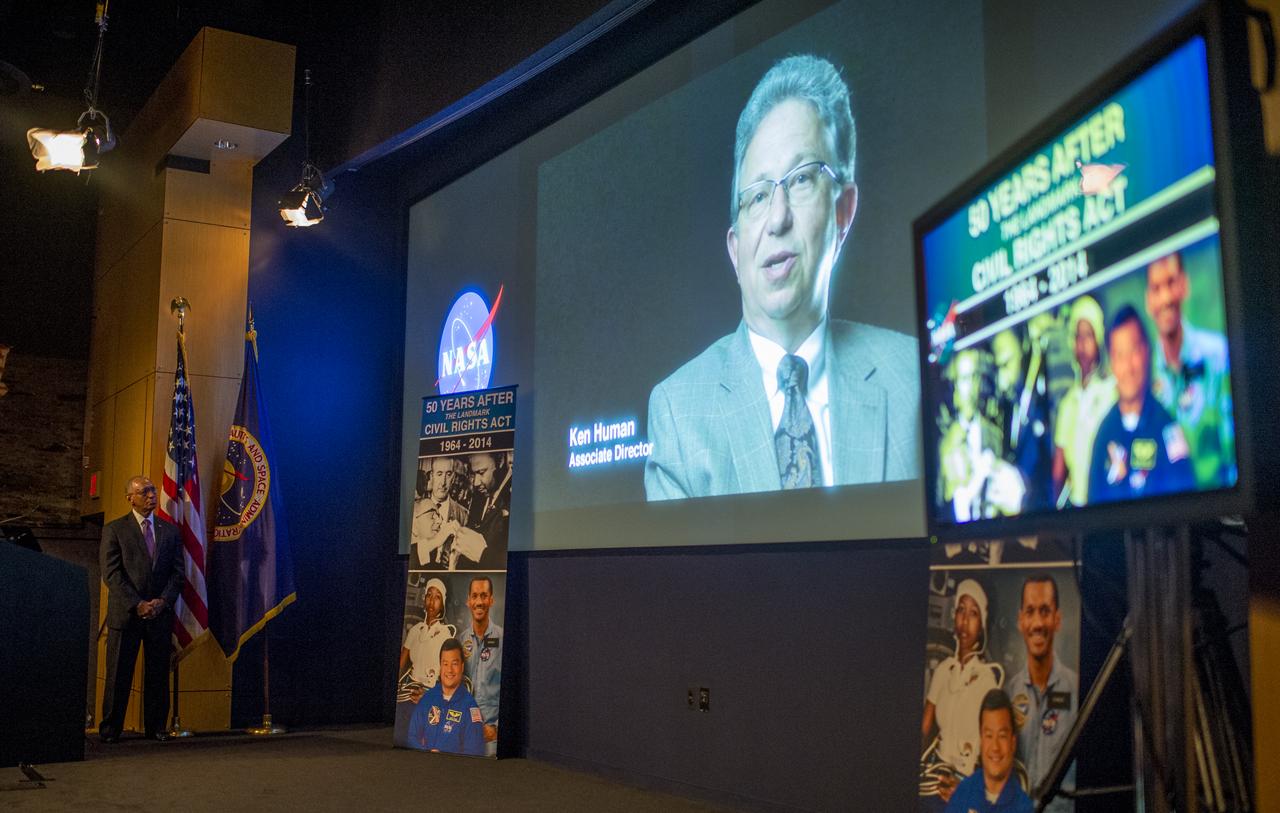
NASA Administrator Charles Bolden watches as a video entitled "50 Years After" plays at an event celebrating the 50th Anniversary of the Civil Rights Act of 1964 on Monday, June 23, 2014 in the James E. Webb Auditorium at NASA Headquarters in Washington, DC. The event highlighted the influence of the Civil Rights Act on NASA. Photo Credit: (NASA/Joel Kowsky)

Brenda Manuel, Associate Administrator for Diversity and Equal Opportunity at NASA gives opening remarks at an event celebrating the 50th Anniversary of the Civil Rights Act of 1964 on Monday, June 23, 2014 in the James E. Webb Auditorium at NASA Headquarters in Washington, DC. the event highlighted the influence of the Civil Rights Act on NASA. Photo Credit: (NASA/Joel Kowsky)

Suzanne Malveaux, a correspondent with CNN, serves as a moderator at a panel discussion as part of an event celebrating the 50th Anniversary of the Civil Rights Act of 1964 on Monday, June 23, 2014 in the James E. Webb Auditorium at NASA Headquarters in Washington, DC. The event highlighted the influence of the Civil Rights Act on NASA. Photo Credit: (NASA/Joel Kowsky)
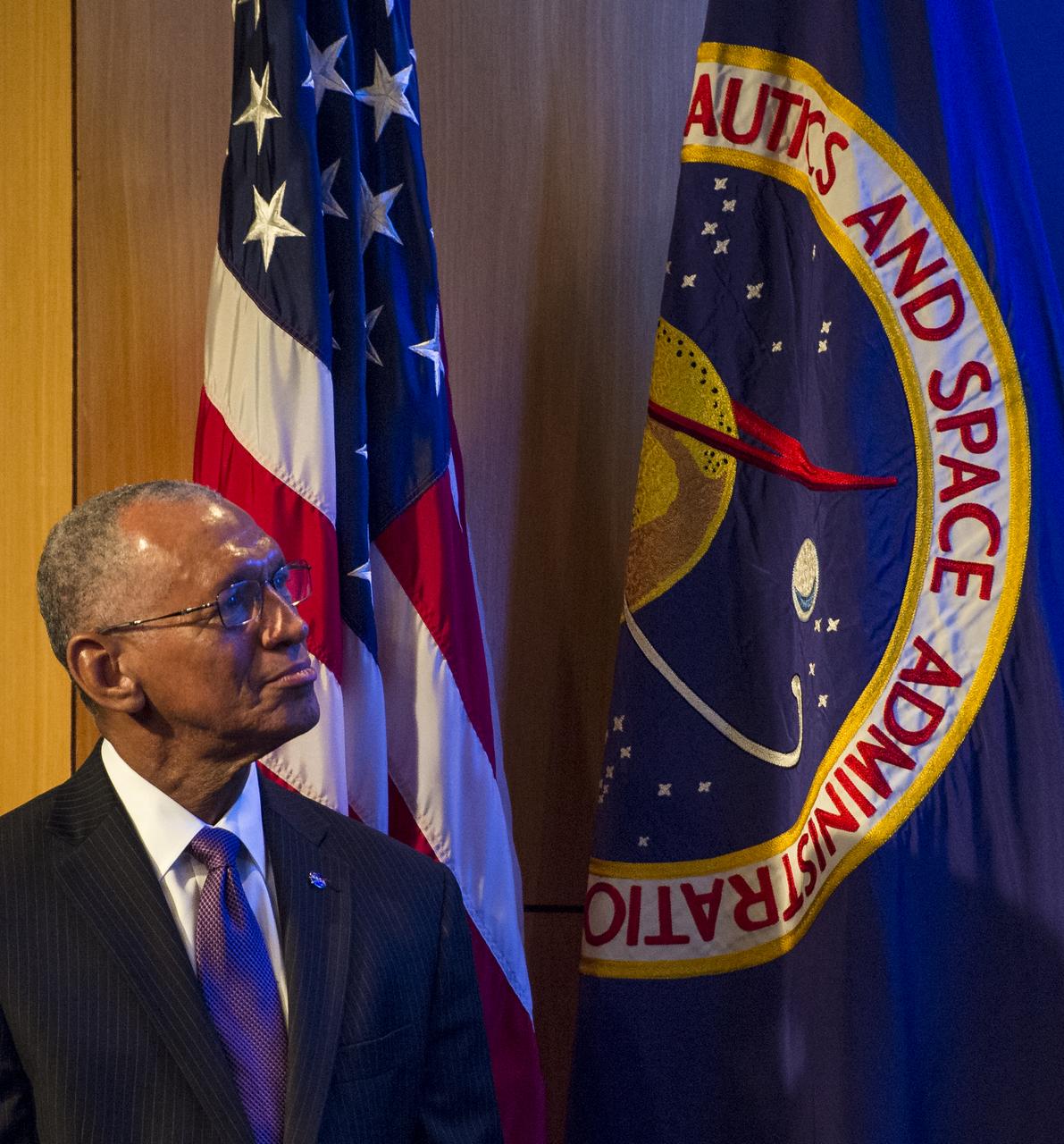
NASA Administrator Charles Bolden watches as a video entitled "50 Years After" plays at an event celebrating the 50th Anniversary of the Civil Rights Act of 1964 on Monday, June 23, 2014 in the James E. Webb Auditorium at NASA Headquarters in Washington, DC. The event highlighted the influence of the Civil Rights Act on NASA. Photo Credit: (NASA/Joel Kowsky)
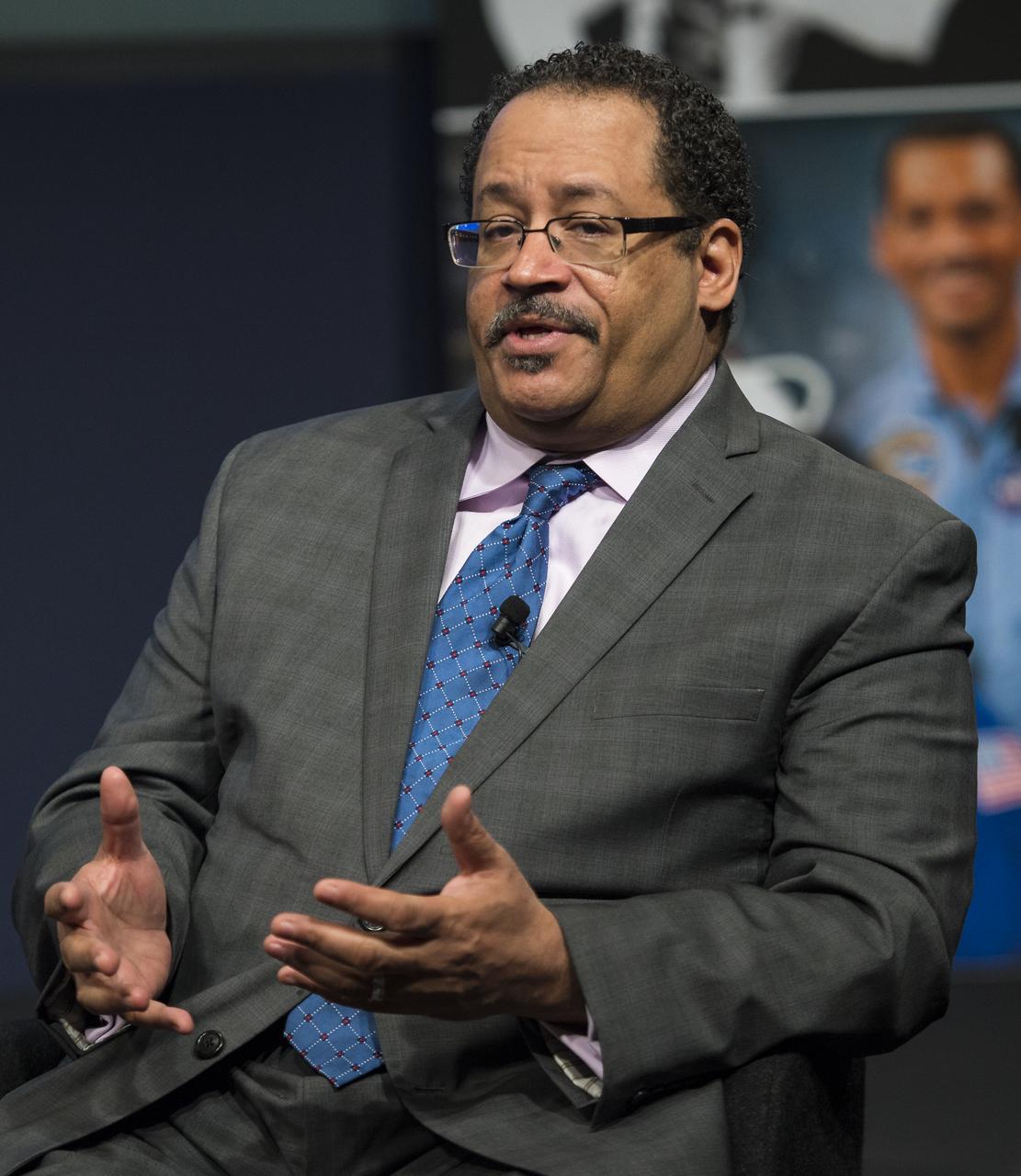
Dr. Michael Eric Dyson, a professor of sociology at Georgetown University, speaks as part of a panel discussion at an event celebrating the 50th Anniversary of the Civil Rights Act of 1964 on Monday, June 23, 2014 in the James E. Webb Auditorium at NASA Headquarters in Washington, DC. The event highlighted the influence of the Civil Rights Act on NASA. Photo Credit: (NASA/Joel Kowsky)

Members of the audience listen as Dr. Michael Eric Dyson, a professor of sociology at Georgetown University, answers a question during a panel discussion at an event celebrating the 50th Anniversary of the Civil Rights Act of 1964 on Monday, June 23, 2014 in the James E. Webb Auditorium at NASA Headquarters in Washington, DC. The event highlighted the influence of the Civil Rights Act on NASA. Photo Credit: (NASA/Joel Kowsky)
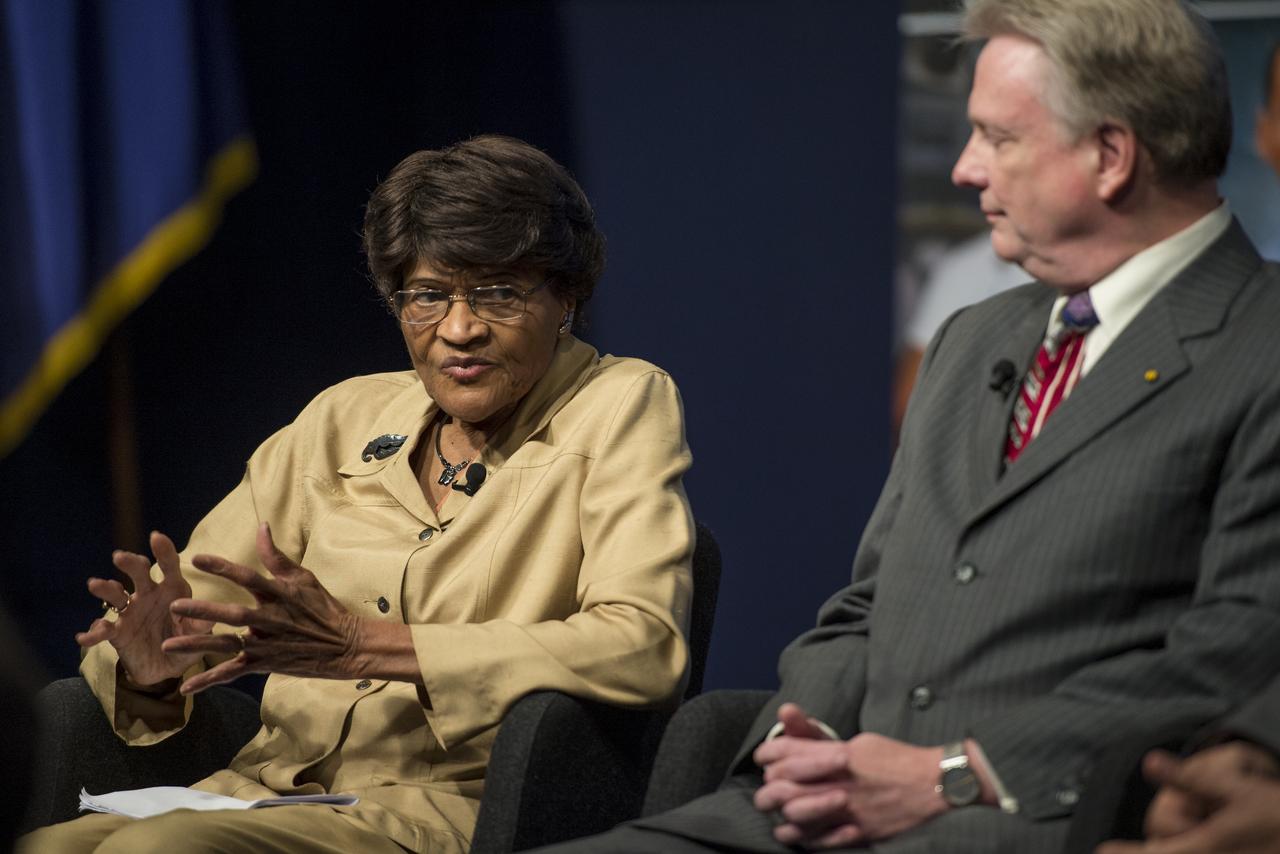
Dr. Harriet Jenkins, Former Assistant Administrator for Equal Opportunity Programs at NASA, speaks as part of a panel discussion at an event celebrating the 50th Anniversary of the Civil Rights Act of 1964 on Monday, June 23, 2014 in the James E. Webb Auditorium at NASA Headquarters in Washington, DC. The event highlighted the influence of the Civil Rights Act on NASA. Photo Credit: (NASA/Joel Kowsky)
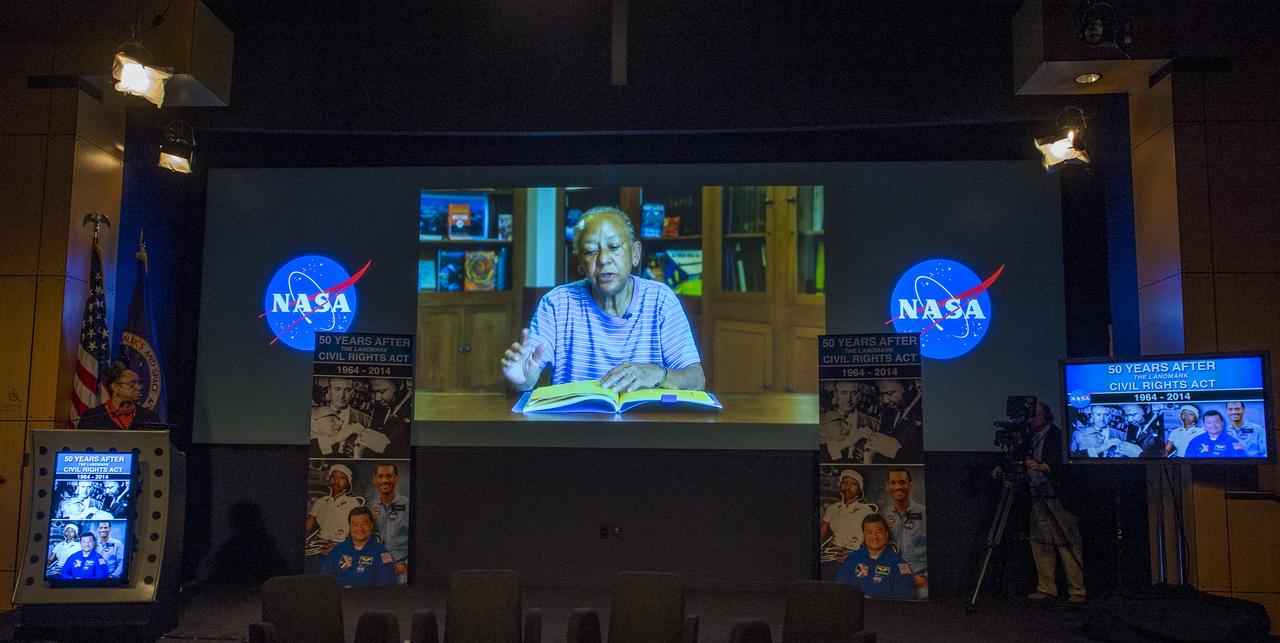
Nikki Giovanni, a poet and professor at Virginia Polytechnic and State University, reads her poem entitled "Quilting the Black-Eyed Pea (We’re Going to Mars)" via a pre-recorded video at an event celebrating the 50th Anniversary of the Civil Rights Act of 1964 on Monday, June 23, 2014 in the James E. Webb Auditorium at NASA Headquarters in Washington, DC. The event highlighted the influence of the Civil Rights Act on NASA. Photo Credit: (NASA/Joel Kowsky)
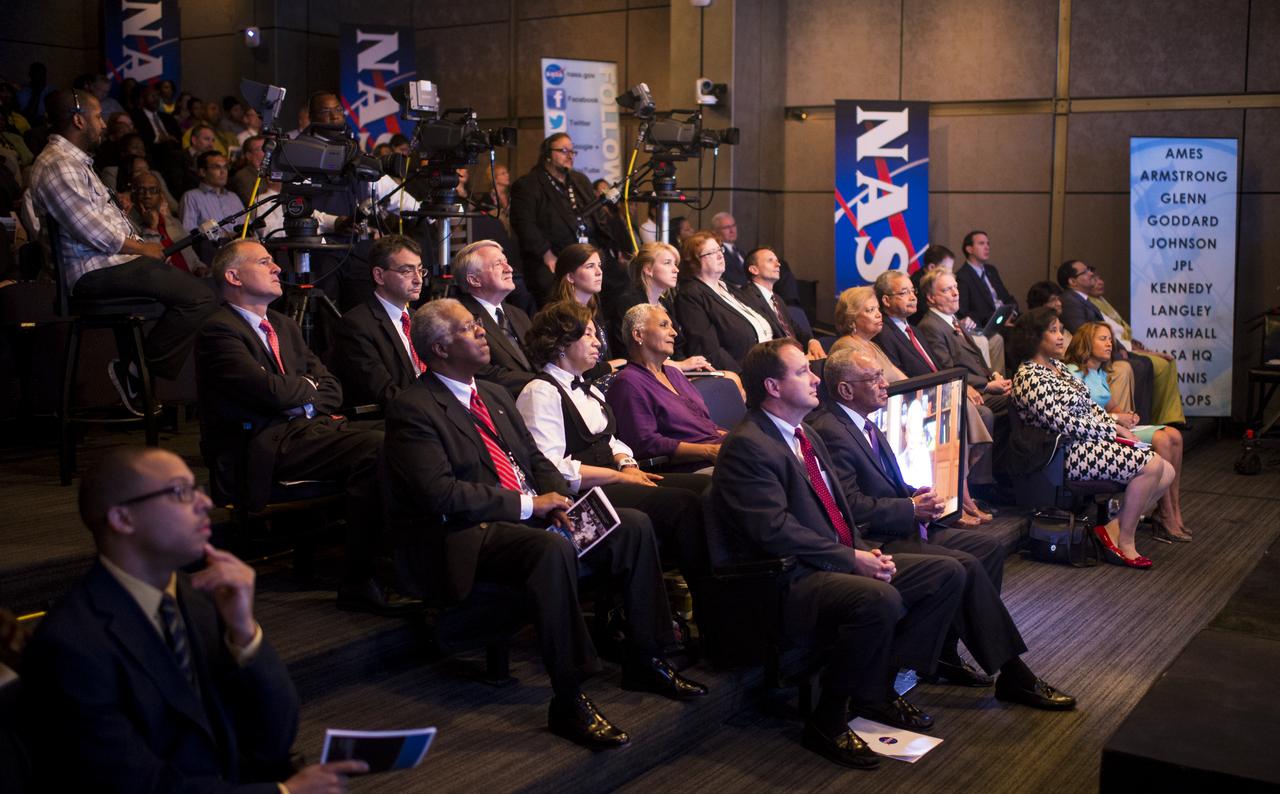
The audience watches as Nikki Giovanni, a poet and professor at Virginia Polytechnic and State University, reads her poem entitled "Quilting the Black-Eyed Pea (We’re Going to Mars)" via a pre-recorded video at at an event celebrating the 50th Anniversary of the Civil Rights Act of 1964 on Monday, June 23, 2014 in the James E. Webb Auditorium at NASA Headquarters in Washington, DC. The event highlighted the influence of the Civil Rights Act on NASA. Photo Credit: (NASA/Joel Kowsky)

U.S. Representative Eddie Bernice Johnson, of Texas, speaks as part of a panel discussion at an event celebrating the 50th Anniversary of the Civil Rights Act of 1964 on Monday, June 23, 2014 in the James E. Webb Auditorium at NASA Headquarters in Washington, DC. The event highlighted the influence of the Civil Rights Act on NASA. Photo Credit: (NASA/Joel Kowsky)

U.S. Representative Eddie Bernice Johnson, of Texas, left; answers a question from the audience during a panel discussion at an event celebrating the 50th Anniversary of the Civil Rights Act of 1964 on Monday, June 23, 2014 in the James E. Webb Auditorium at NASA Headquarters in Washington, DC. The event highlighted the influence of the Civil Rights Act on NASA. Photo Credit: (NASA/Joel Kowsky)
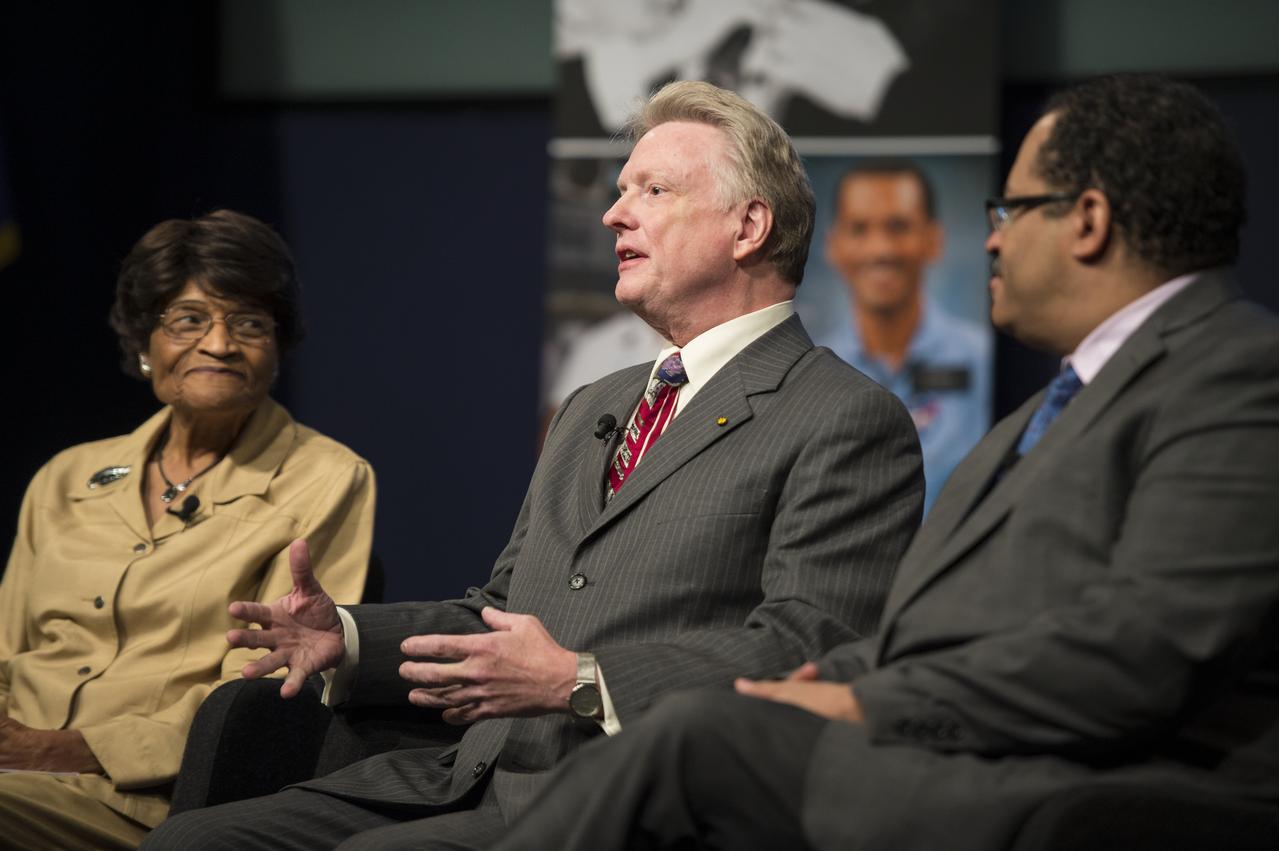
Dr. Roger Launius, Associate Director of Collections and Curatorial Affairs at the Smithsonian National Air and Space Museum, center; speaks as part of a panel discussion at an event celebrating the 50th Anniversary of the Civil Rights Act of 1964 on Monday, June 23, 2014 in the James E. Webb Auditorium at NASA Headquarters in Washington, DC. The event highlighted the influence of the Civil Rights Act on NASA. Photo Credit: (NASA/Joel Kowsky)

U.S. Representative Eddie Bernice Johnson, of Texas, speaks as part of a panel discussion at an event celebrating the 50th Anniversary of the Civil Rights Act of 1964 on Monday, June 23, 2014 in the James E. Webb Auditorium at NASA Headquarters in Washington, DC. The event highlighted the influence of the Civil Rights Act on NASA. Photo Credit: (NASA/Joel Kowsky)
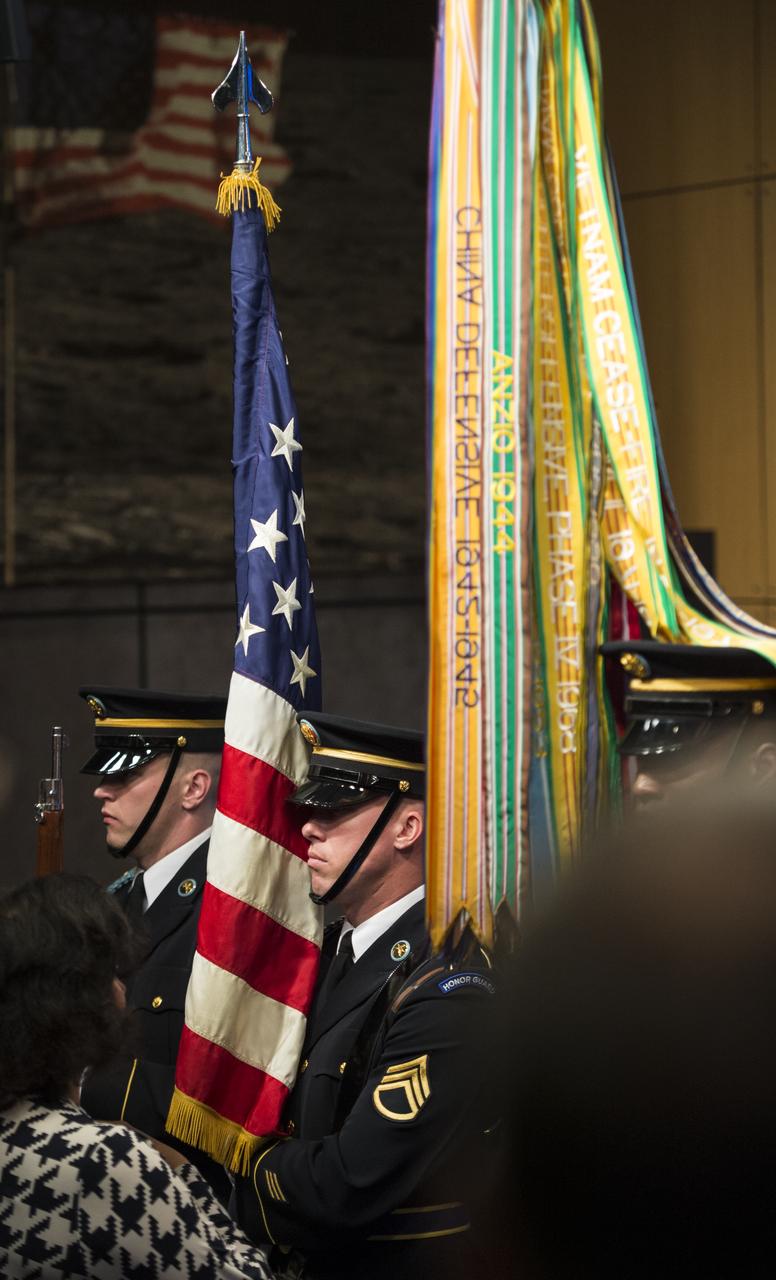
The Military District of Washington Armed Forces Color Guard presents the colors at an event celebrating the 50th Anniversary of the Civil Rights Act of 1964 on Monday, June 23, 2014 in the James E. Webb Auditorium at NASA Headquarters in Washington, DC. The event highlighted the influence of the Civil Rights Act on NASA. Photo Credit: (NASA/Joel Kowsky)
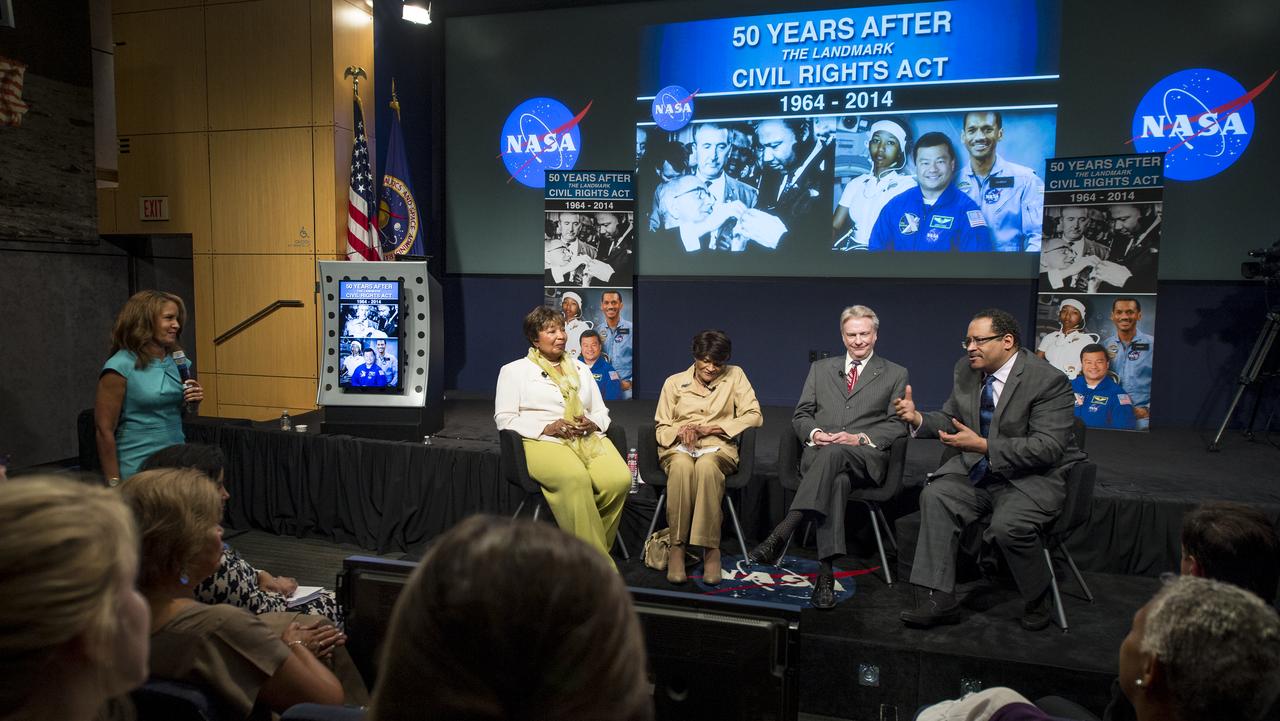
Dr. Michael Eric Dyson, a professor of sociology at Georgetown University, left; speaks as part of a panel discussion at an event celebrating the 50th Anniversary of the Civil Rights Act of 1964 on Monday, June 23, 2014 in the James E. Webb Auditorium at NASA Headquarters in Washington, DC. The panel was moderated by Suzanne Malveaux, a correspondent with CNN, left; and also included U.S. Representative Eddie Bernice Johnson, of Texas, second from left; Dr. Harriet Jenkins, Former Assistant Administrator for Equal Opportunity Programs at NASA, third from left; and Dr. Roger Launius, Associate Director of Collections and Curatorial Affairs at the Smithsonian National Air and Space Museum, second from right. The event highlighted the influence of the Civil Rights Act on NASA. Photo Credit: (NASA/Joel Kowsky)
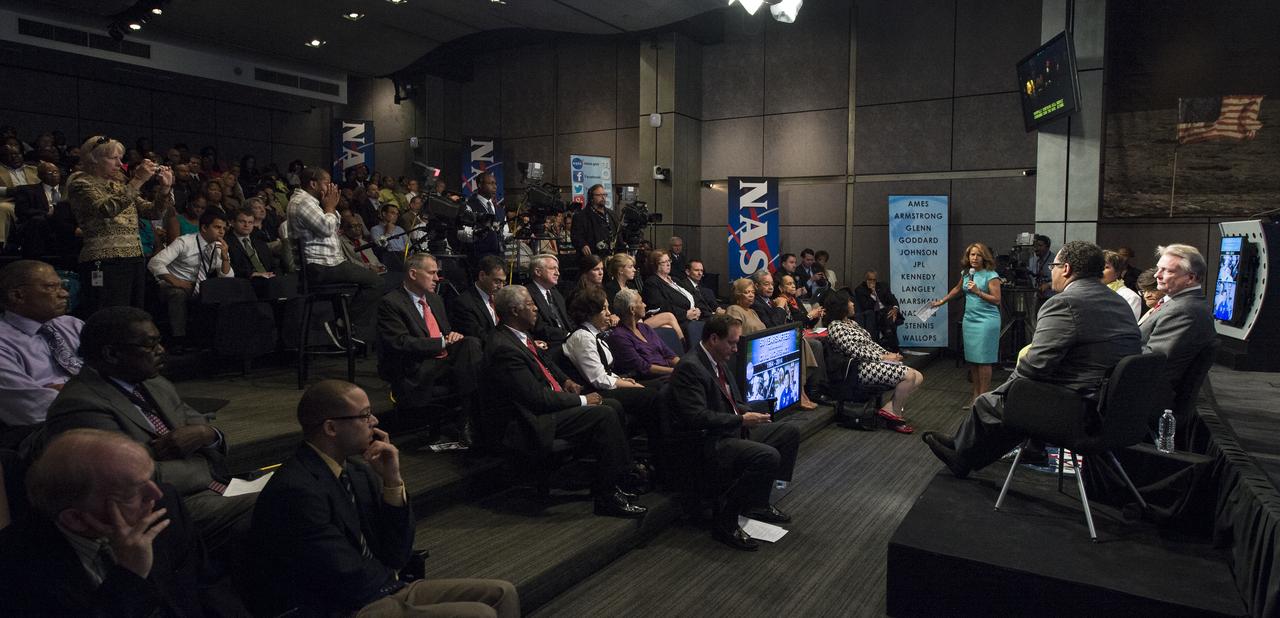
Members of the audience listen as U.S. Representative Eddie Bernice Johnson, of Texas; Dr. Harriet Jenkins, Former Assistant Administrator for Equal Opportunity Programs at NASA; Dr. Roger Launius, Associate Director of Collections and Curatorial Affairs at the Smithsonian National Air and Space Museum; and Dr. Michael Eric Dyson, a professor of sociology at Georgetown University; speak on a panel moderated by Suzanne Malveaux, of CNN, at an event celebrating the 50th Anniversary of the Civil Rights Act of 1964 on Monday, June 23, 2014 in the James E. Webb Auditorium at NASA Headquarters in Washington, DC. The event highlighted the influence of the Civil Rights Act on NASA. Photo Credit: (NASA/Joel Kowsky)
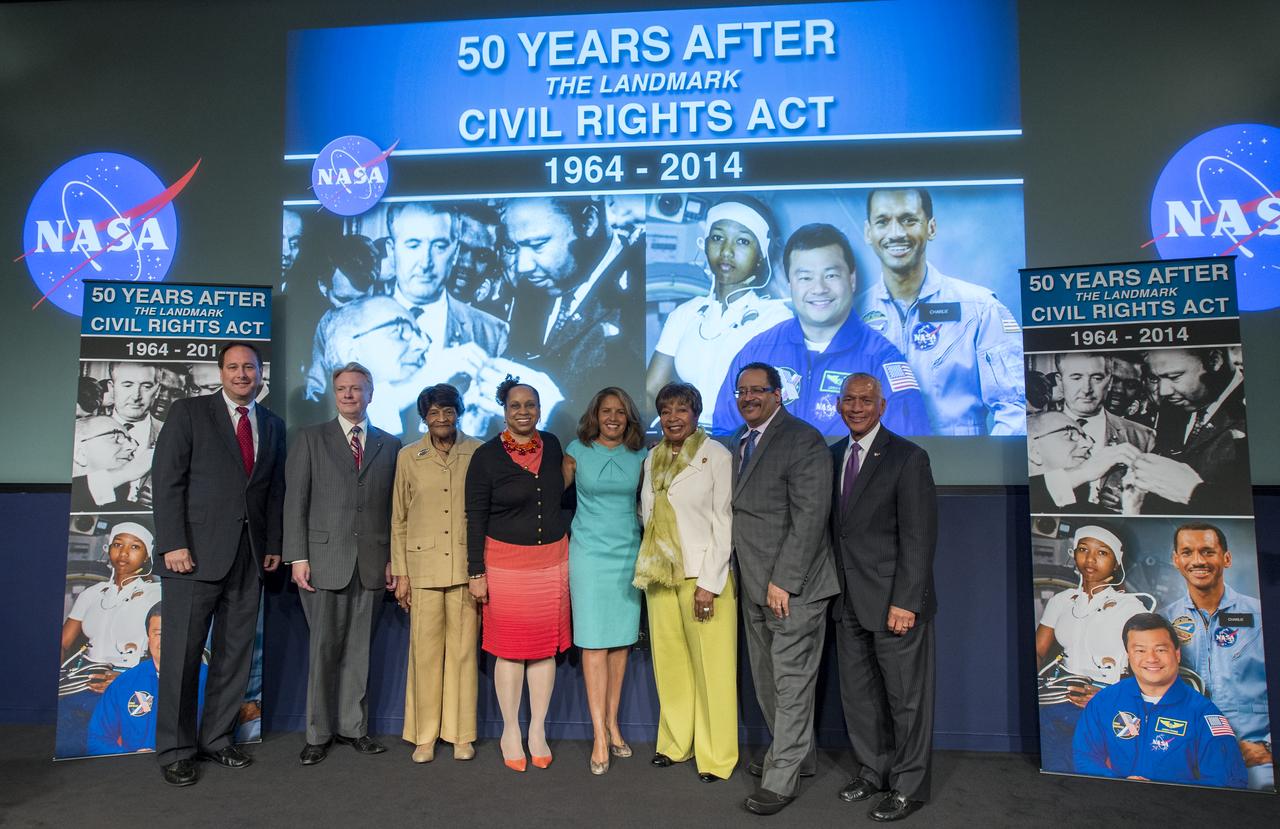
From left: Robert Lightroot. NASA Associate Administrator; Dr. Roger Launius, Associate Director of Collections and Curatorial Affairs at the Smithsonian National Air and Space Museum; Dr. Harriett Jenkins, Former Assistant Administrator for Equal Opportunity Programs at NASA; Brenda Manuel, Associate Administrator for Diversity and Equal Opportunity at NASA; Suzanne Malveaux, CNN Correspondent and panel moderator; U.S. Representative Eddie Bernice Johnson, of Texas; Dr. Michael Eric Dyson, professor of sociology at Georgetown University; and Charles Bolden, NASA Administrator; pose for a picture following an event celebrating the 50th Anniversary of the Civil Rights Act of 1964 on Monday, June 23, 2014 in the James E. Webb Auditorium at NASA Headquarters in Washington, DC. The event highlighted the influence of the Civil Rights Act on NASA. Photo Credit: (NASA/Joel Kowsky)
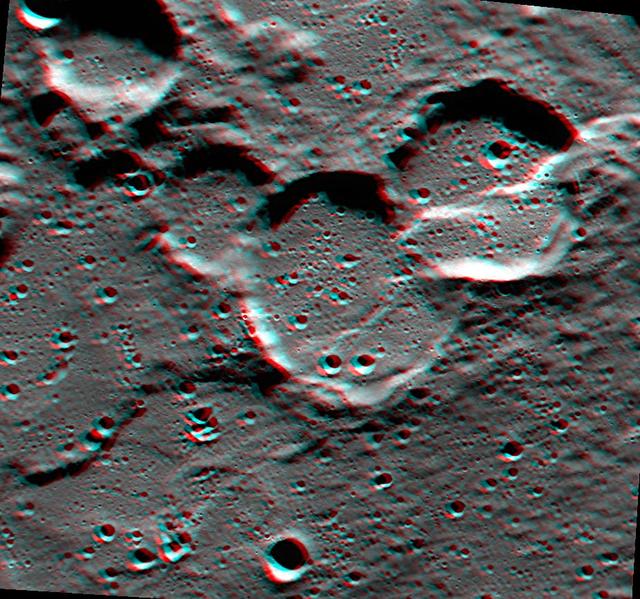
Cuts Right Through
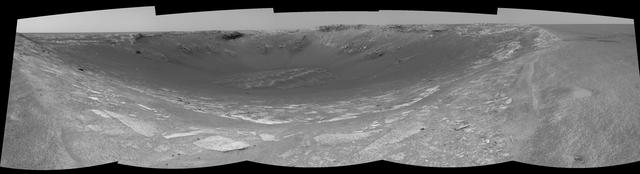
Behold Endurance! right eye

Hilly Surroundings Right Eye
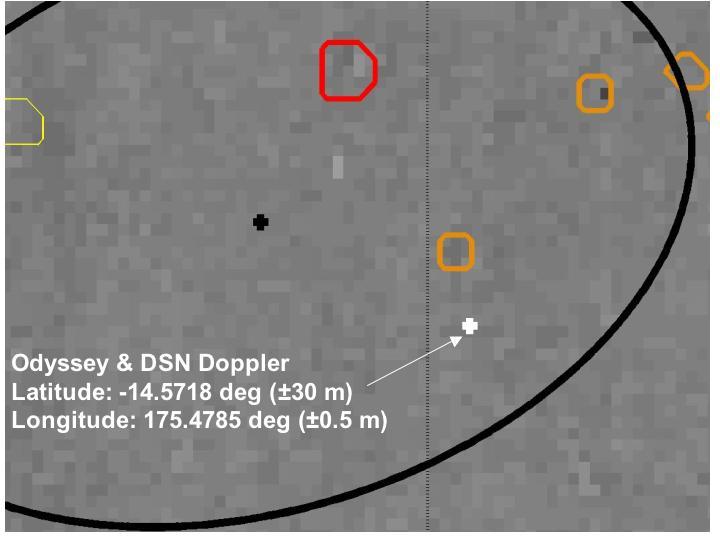
Right on Target-2
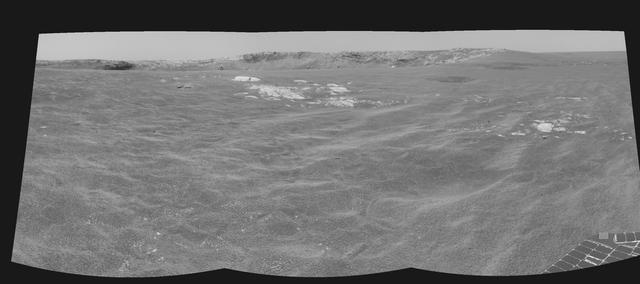
Approaching Endurance right eye

Track of Right-Wheel Drag
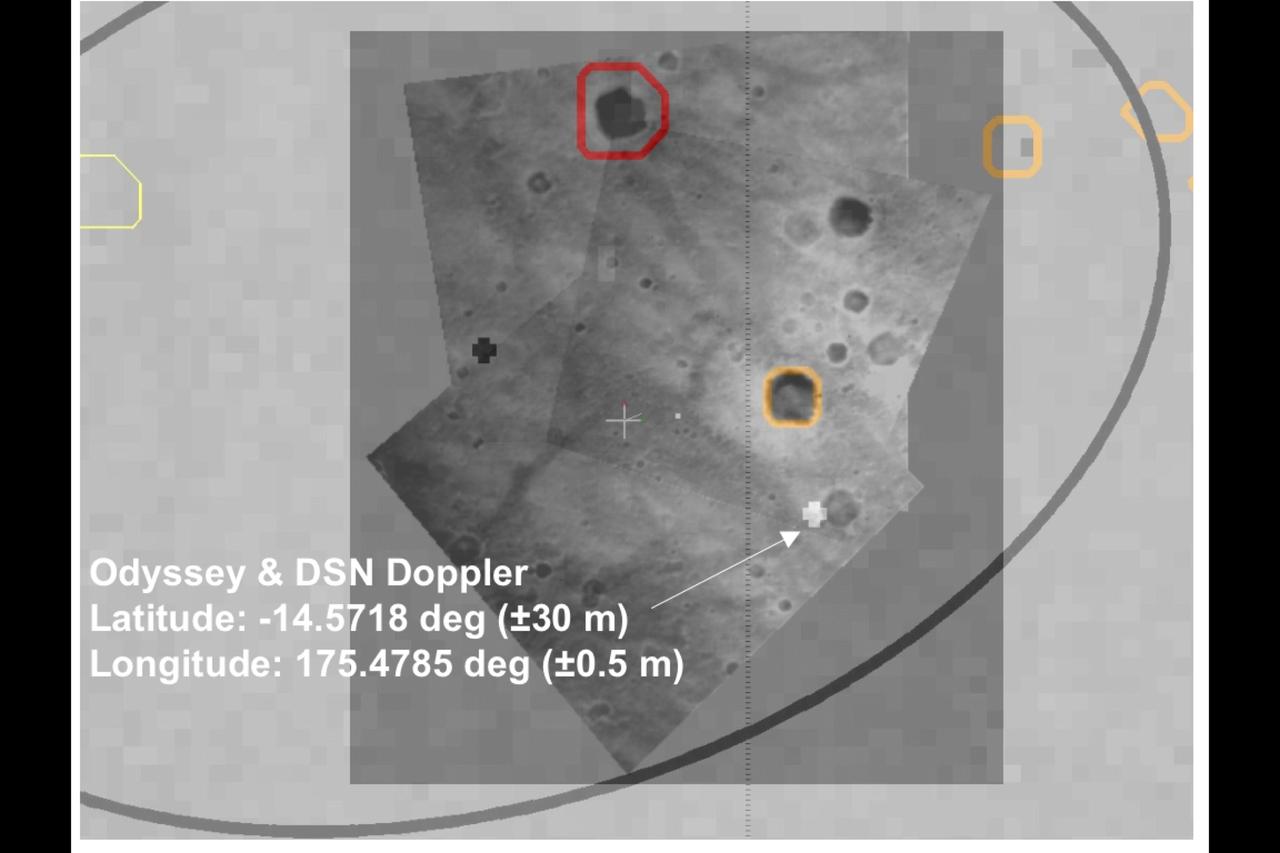
Right on Target-3
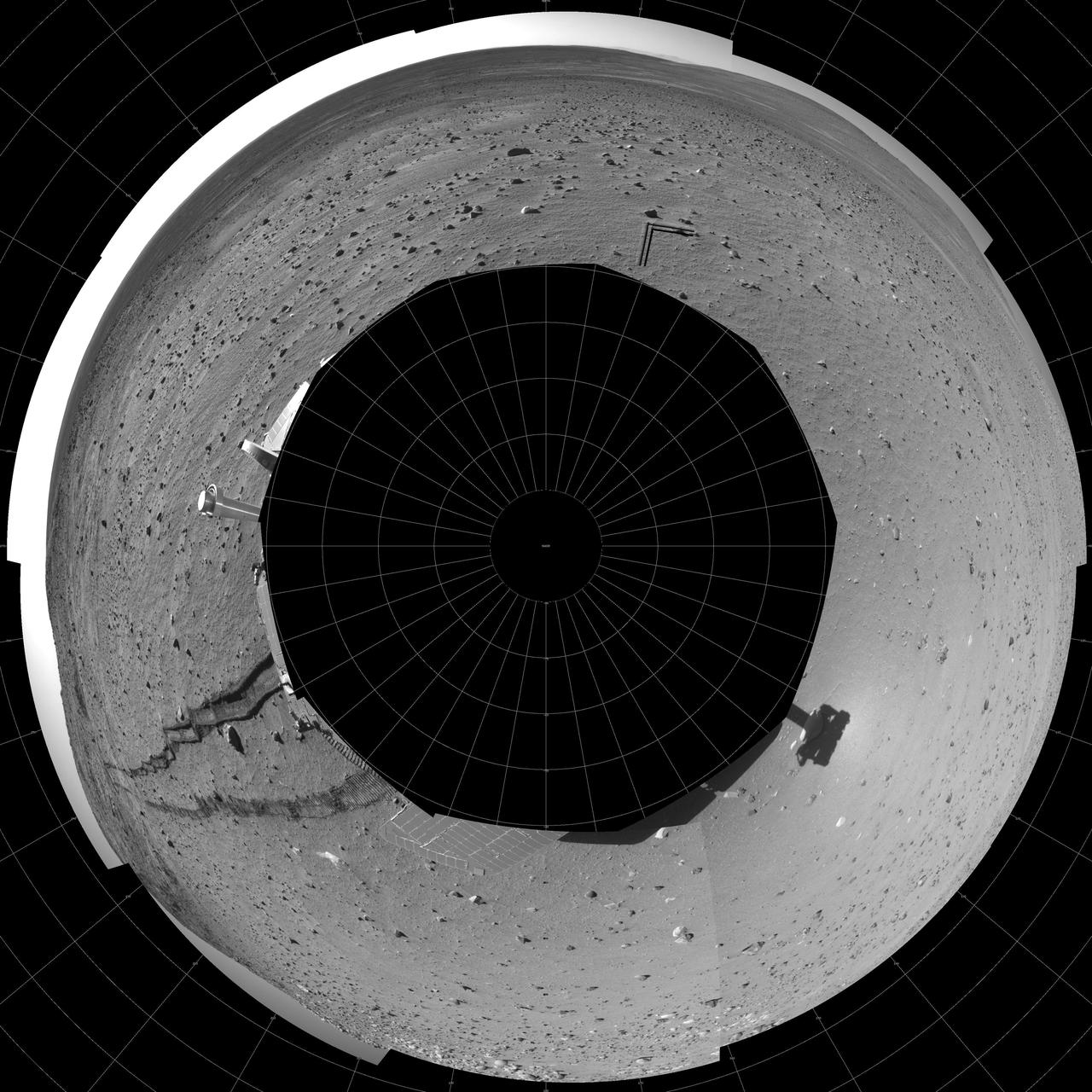
Track of Right-Wheel Drag Polar
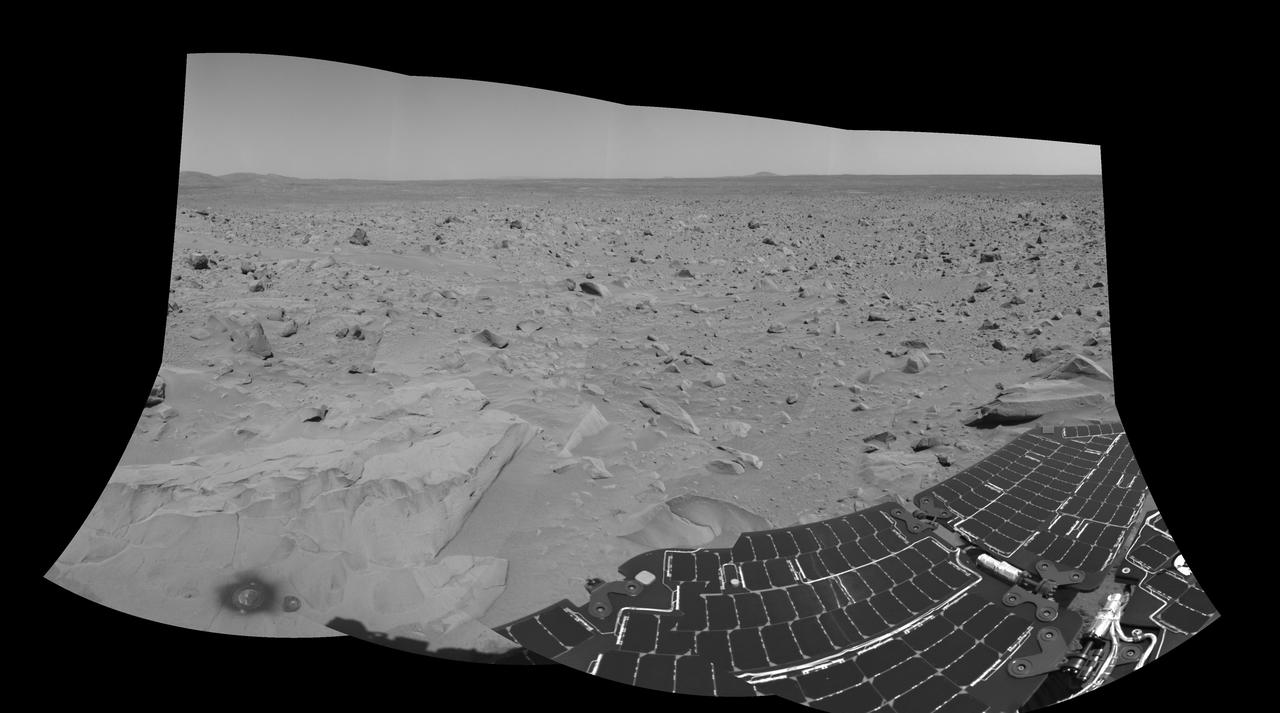
What Lies Ahead right-eye

Riding the Rim of Endurance right eye

Spirit Keeps on Trekking right eye
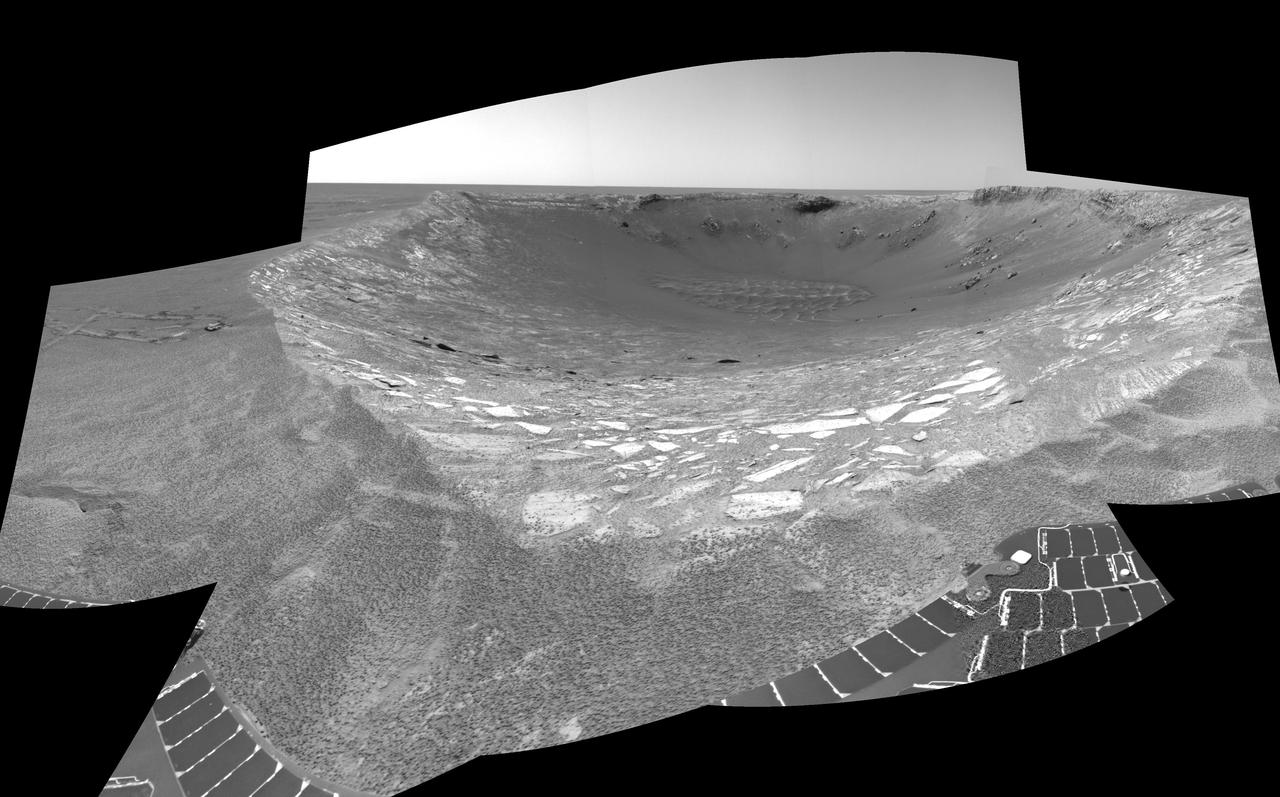
Ready to Enter Endurance Right Eye
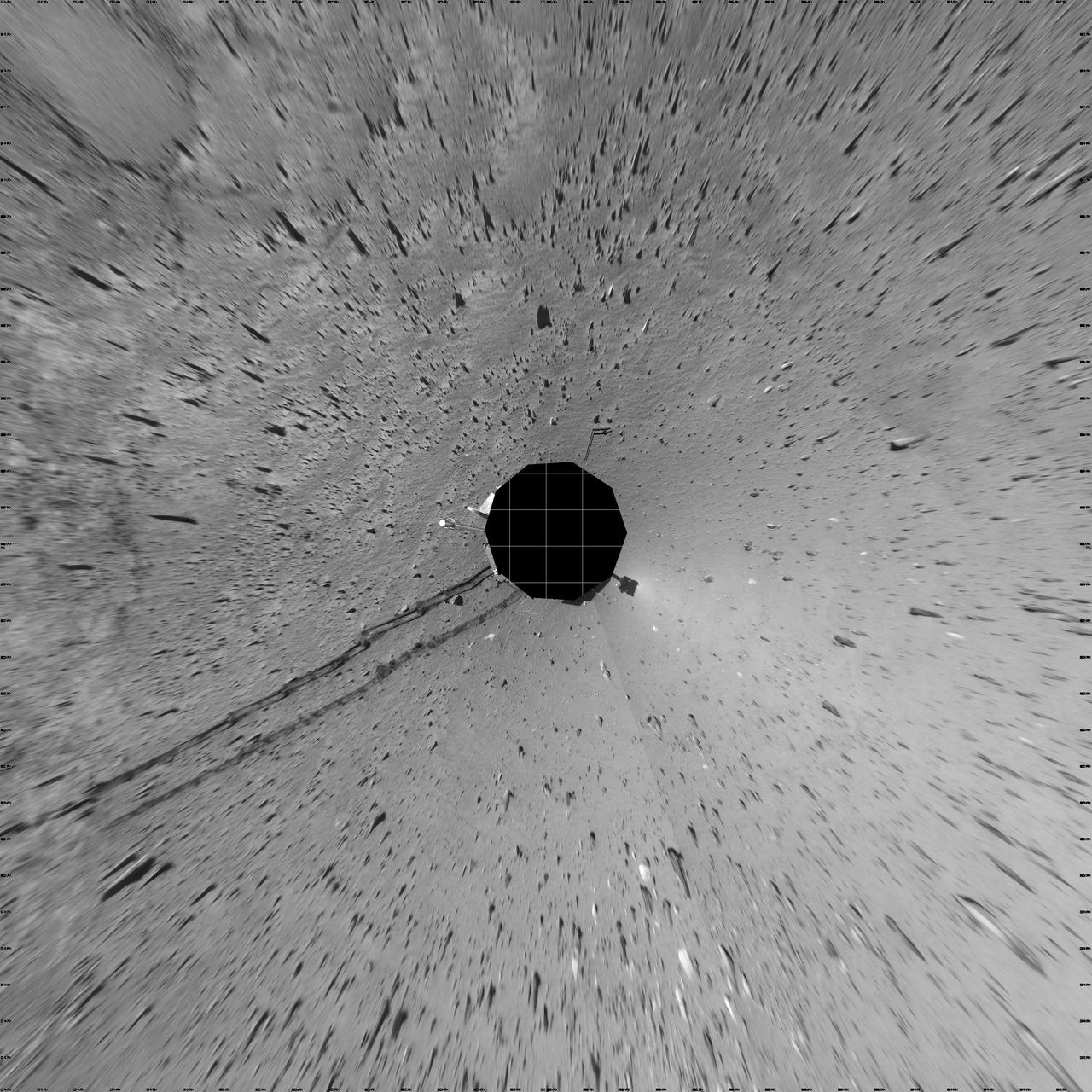
Track of Right-Wheel Drag Vertical
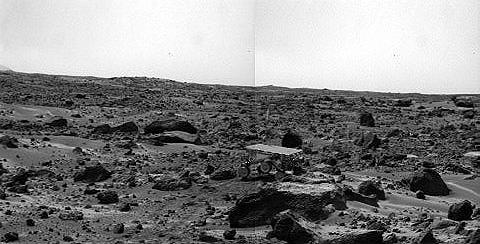
Sojourner Farthest Journey - Right Eye
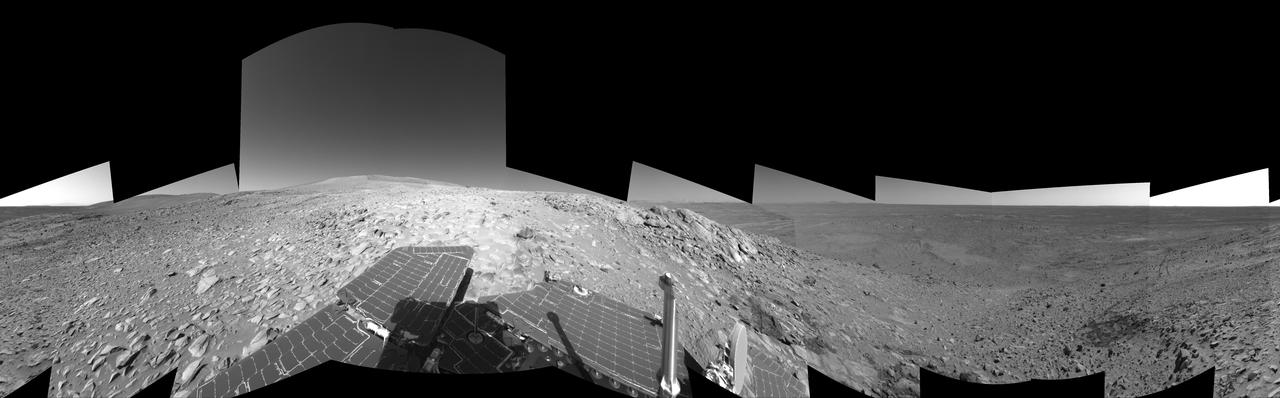
Making Tracks on Mars right-eye

The Road Less Traveled right eye
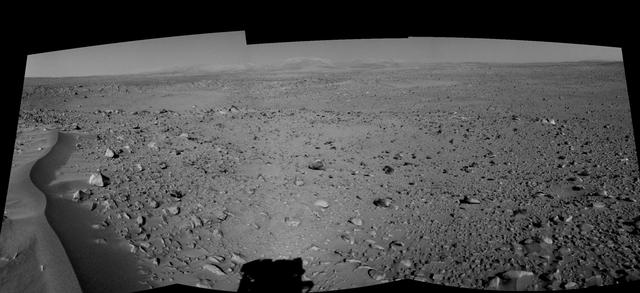
Lahontan Crater Looms right eye
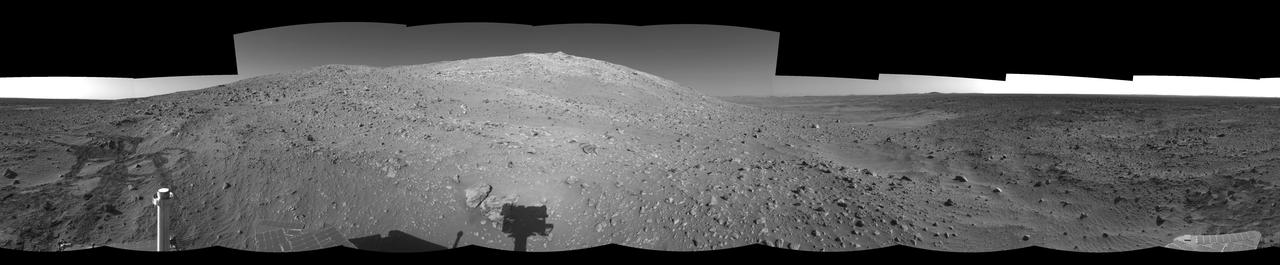
Columbia Hills at Last! Right Eye
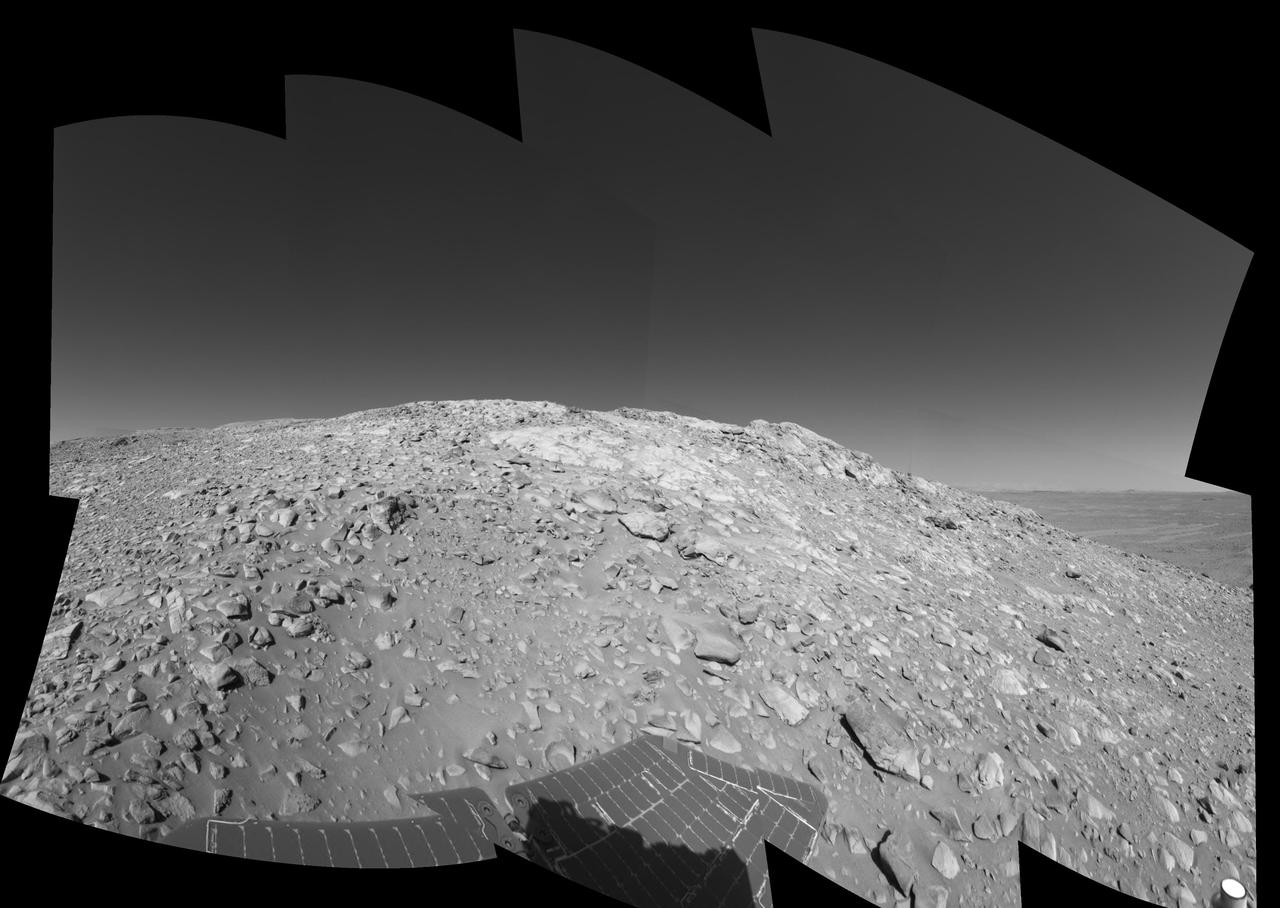
High on West Spur Right Eye
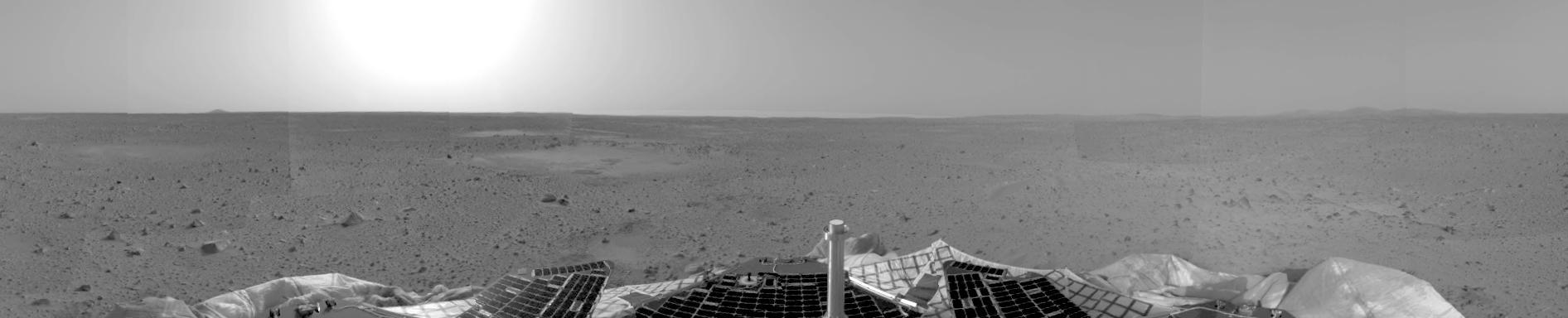
Right Panorama of Spirit Landing Site

A pair of giant filaments on the face of the sun have formed what appears to be an enormous arrow. If straightened out, each filament would be about as long as the sun’s diameter, 1 million miles long. Filaments are cooler clouds of solar material suspended above the sun's surface by powerful magnetic forces. Filaments can float for days without much change, though they can also erupt, releasing solar material in a shower that either rains back down or escapes out into space, becoming a moving cloud known as a coronal mass ejection, or CME. This image was captured on May 28, 2015, in combined wavelengths of extreme ultraviolet light by NASA's Solar Dynamics Observatory, which observes the sun 24 hours a day. Credit: NASA/SDO <b><a href="http://www.nasa.gov/audience/formedia/features/MP_Photo_Guidelines.html" rel="nofollow">NASA image use policy.</a></b> <b><a href="http://www.nasa.gov/centers/goddard/home/index.html" rel="nofollow">NASA Goddard Space Flight Center</a></b> enables NASA’s mission through four scientific endeavors: Earth Science, Heliophysics, Solar System Exploration, and Astrophysics. Goddard plays a leading role in NASA’s accomplishments by contributing compelling scientific knowledge to advance the Agency’s mission. <b>Follow us on <a href="http://twitter.com/NASAGoddardPix" rel="nofollow">Twitter</a></b> <b>Like us on <a href="http://www.facebook.com/pages/Greenbelt-MD/NASA-Goddard/395013845897?ref=tsd" rel="nofollow">Facebook</a></b> <b>Find us on <a href="http://instagrid.me/nasagoddard/?vm=grid" rel="nofollow">Instagram</a></b>
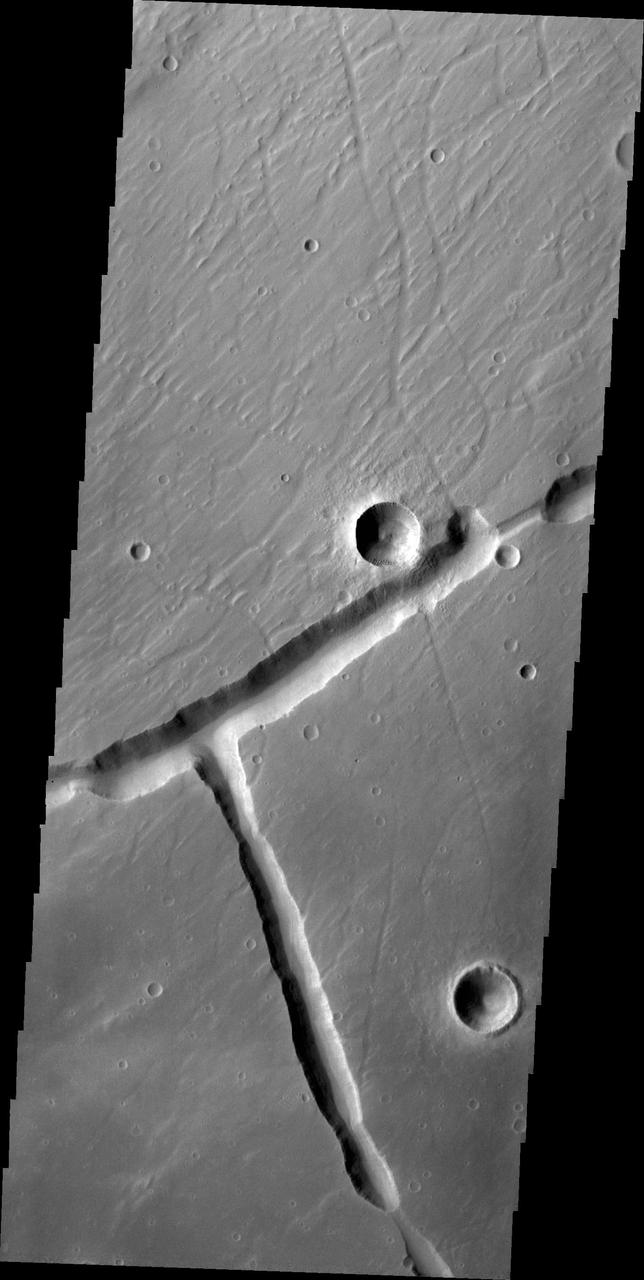
Right angles are not common in nature. They are almost always formed by tectonic forces. This right angle on Mars is part of Sacra Fossae. This image is from NASA 2001 Mars Odyssey spacecraft.
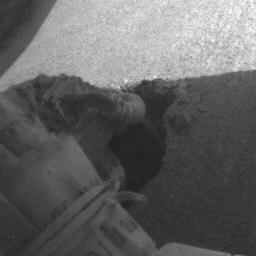
Slow Progress in Dune Right Rear Wheel

Spirit View on Sol 110 right eye

Spirit Tracks on Mars, Sol 151 Right Eye
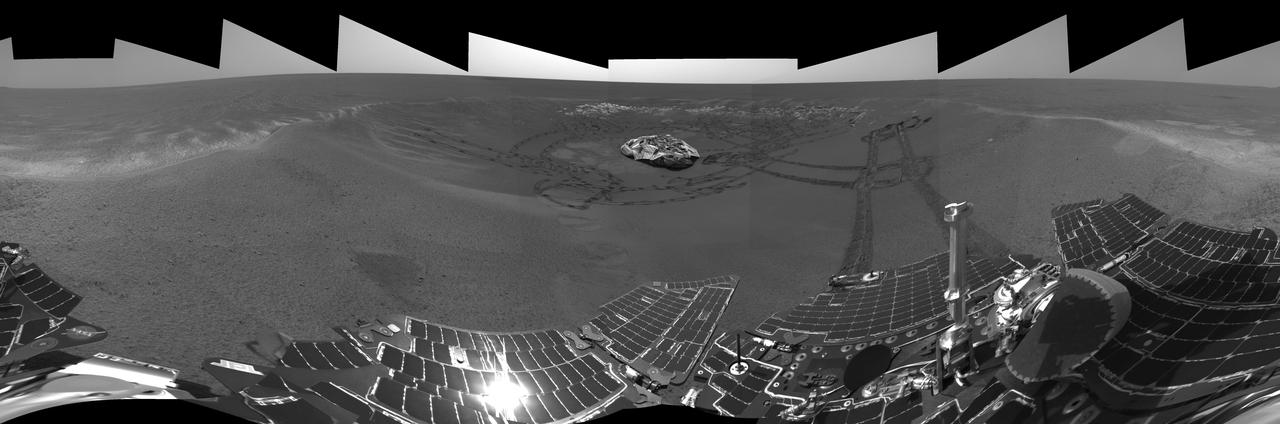
A Well-Traveled Eagle Crater right-eye

Spirit Heads Toward History right eye

Spirit View on Sol 148 Right Eye
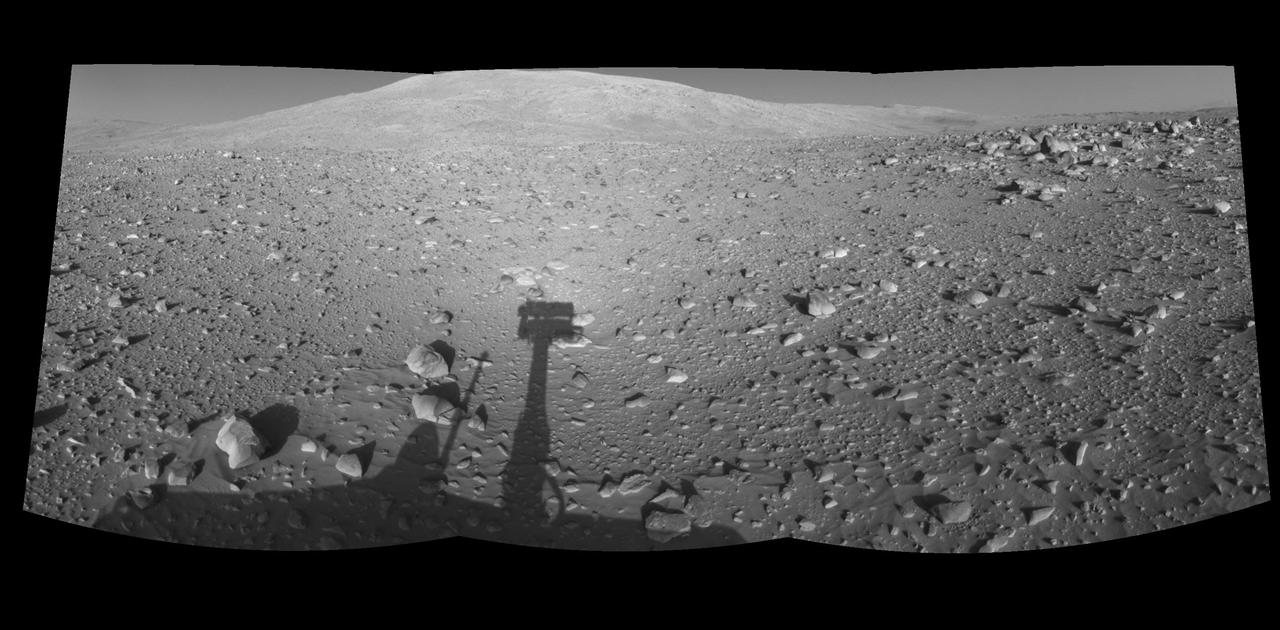
Spirit Shadow, Sol 153 Right Eye
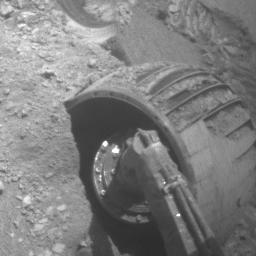
Opportunity Rolls Free Again Right Front Wheel
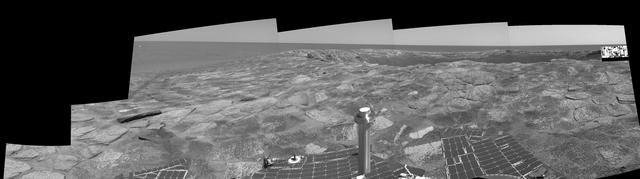
Near Endurance on Sol 115 right eye

Spirit View on Sol 107 right eye

Spirit View on Sol 93 right eye

Spirit View on Sol 101 right eye
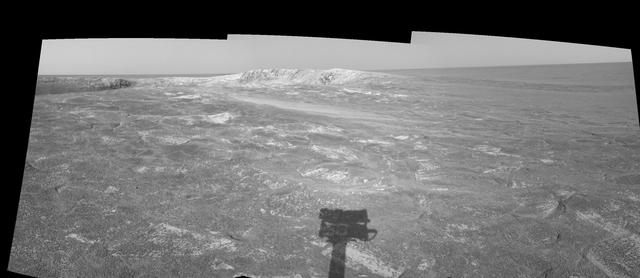
Looking at Endurance on Sol 108 right eye

Spirit View on Sol 124 right eye

Spirit View on Sol 147 Right Eye
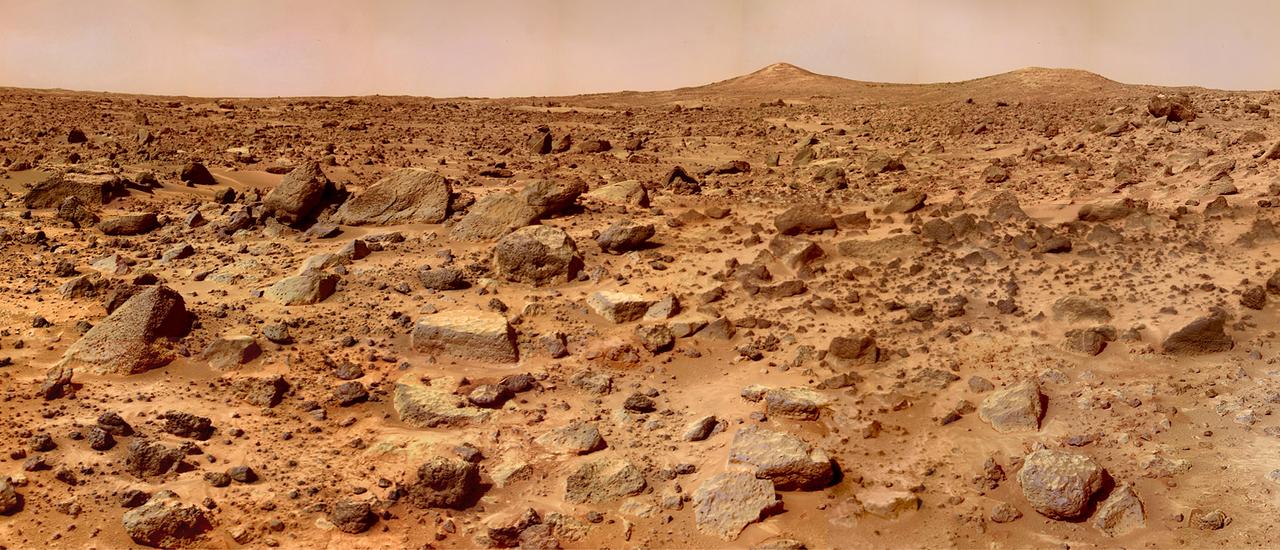
Twin Peaks in Super Resolution - Right Eye
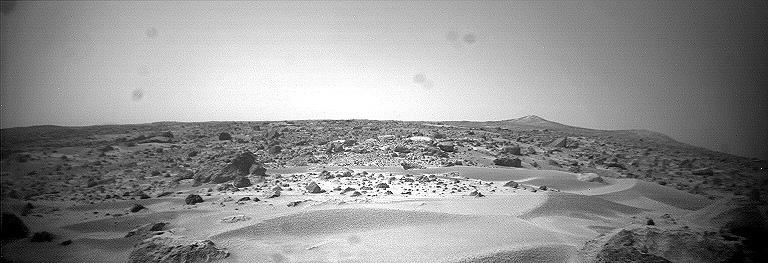
Dunes, Big Crater, & Twin Peaks - Right Eye

Spirit View on Sol 100 right eye
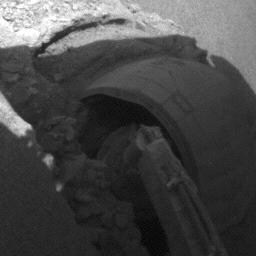
Slow Progress in Dune Right Front Wheel

Spirit View on Sol 142 Right Eye
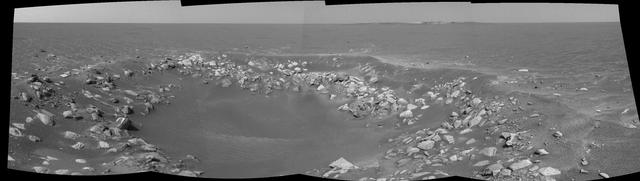
One View, Two Craters right eye

Spirit View on Sol 123 right eye
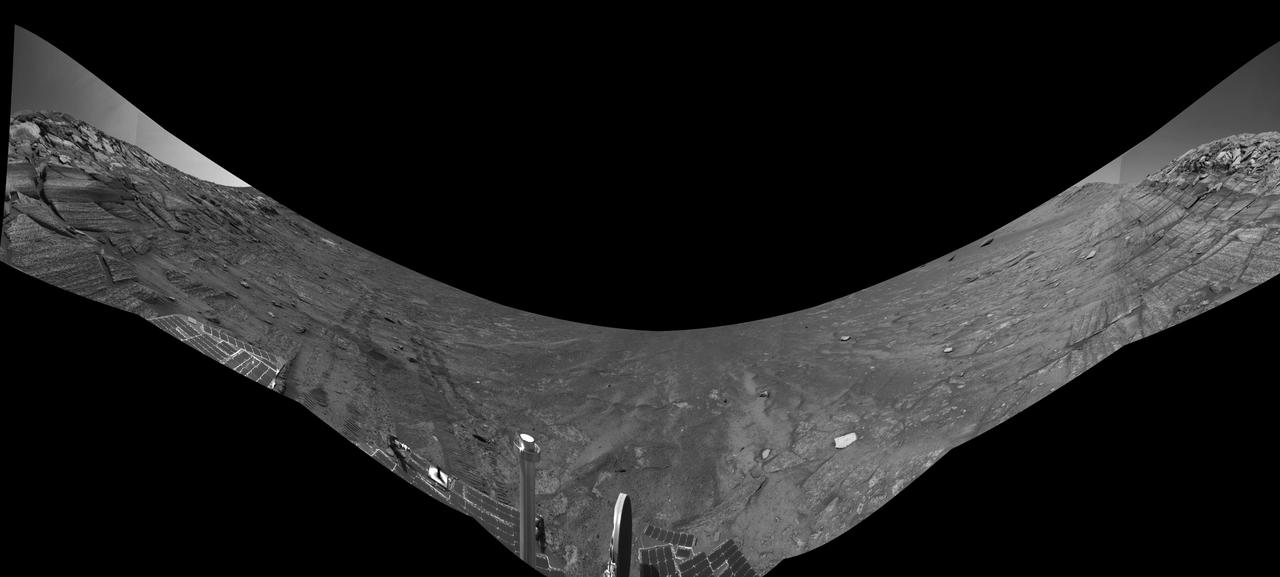
Along Endurance Crater Inner Wall Right Eye
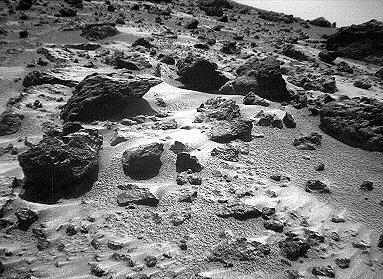
North View from Sojourner - Right Eye
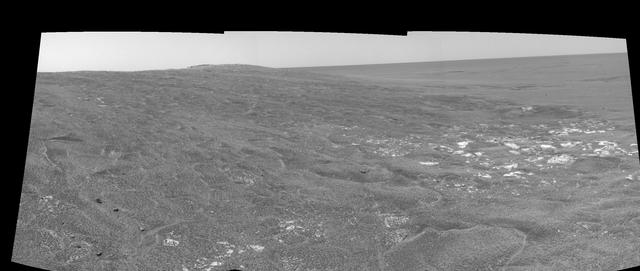
Opportunity View on Sol 109 right eye
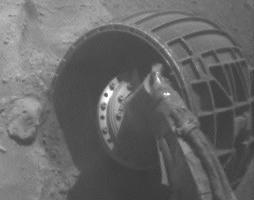
Diagnostic tests were run on the right-rear wheel and right-front wheel on NASA Spirit. The right-rear wheel continued to show no motion in the latest tests and exhibited very high resistance in the motor winding.
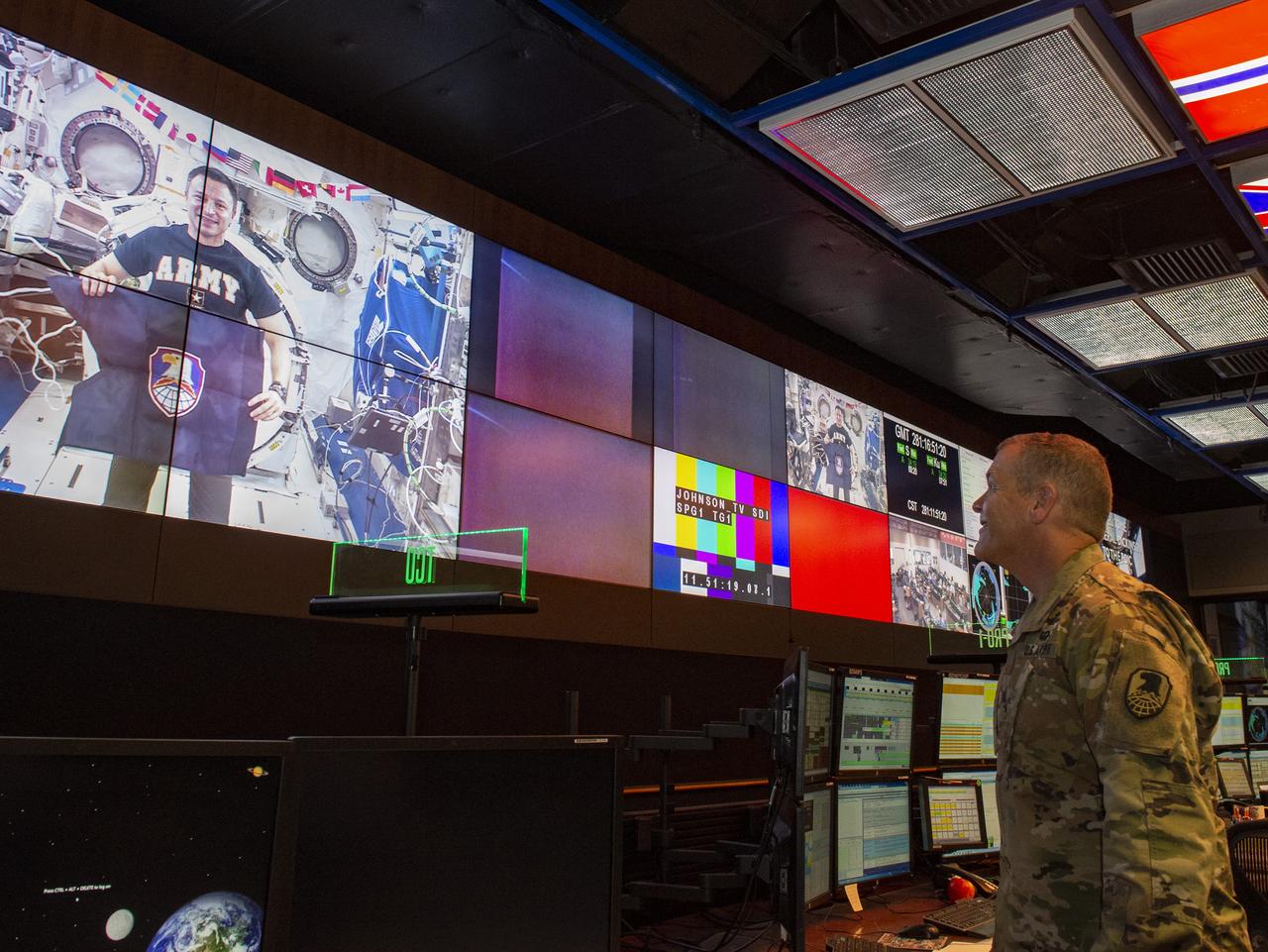
Army Lt. Gen. James Dickinson, right, commanding general of the U.S. Army Space and Missile Defense Command, speaks with NASA astronaut and current International Space Station crew member Andrew Morgan, an Army colonel, during an Oct. 8 downlink to the Payload Operations Integration Center at NASA’s Marshall Space Flight Center.
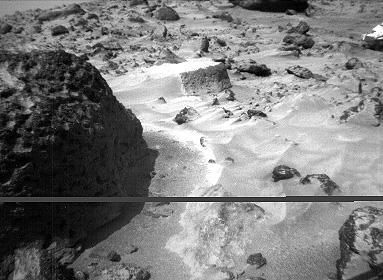
Pits and Flutes on Stimpy - Right Eye
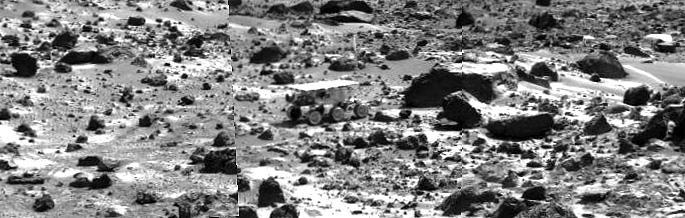
Sojourner near Chimp - Right Eye
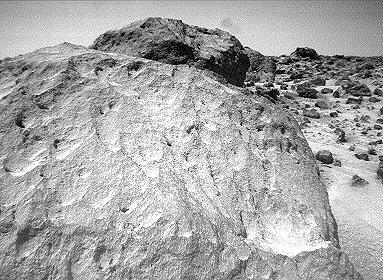
Close-up of Moe - Right Eye
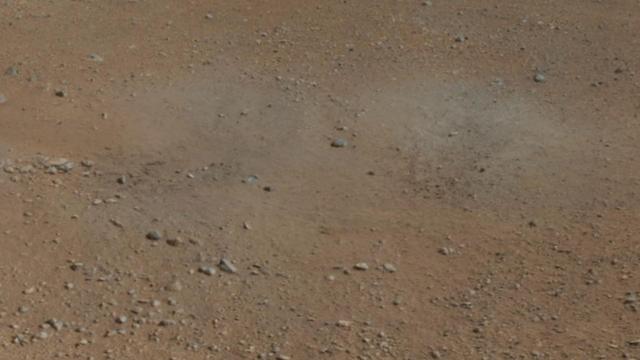
This cut-out from a color panorama image taken by NASA Curiosity rover shows the effects of the descent stage rocket engines blasting the ground. It comes from the right side of the thumbnail panorama obtained the Mast Camera.

This frame taken from a three-frame animation aids evaluation of performance of the right-front wheel on NASA Mars Exploration Rover Spirit during a drive on the rover 2,117th Martian day, or sol Dec. 16, 2009.
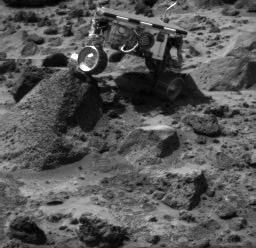
Sojourner Doing a Wheelie on Wedge - Right Eye
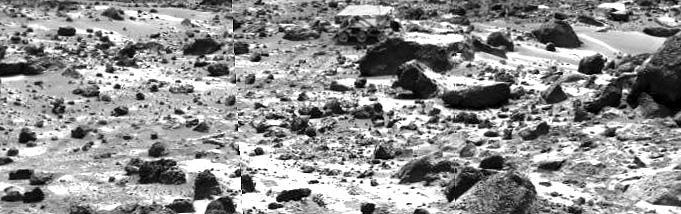
Sojourner Rover Behind Chimp - Right Eye
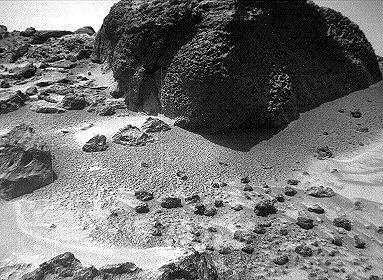
Wind Tails Near Chimp - Right Eye
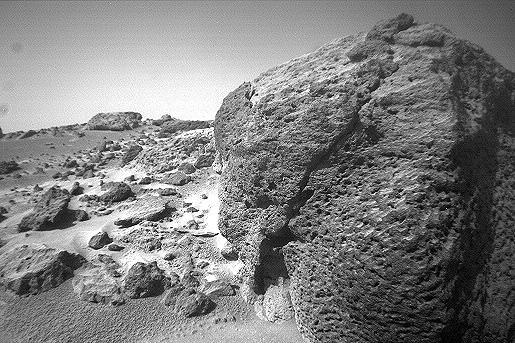
Close-up View of Chimp - Right Eye
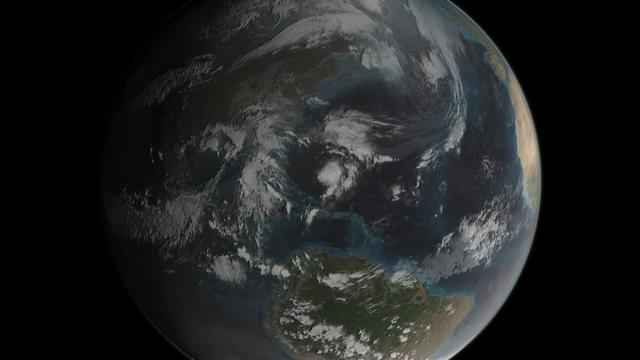
-- Joaquin became a tropical storm Monday evening (EDT) midway between the Bahamas and Bermuda and has now formed into a hurricane, the 3rd of the season--the difference is Joaquin could impact the US East Coast. GPM captured Joaquin Tuesday, September 29th at 21:39 UTC (5:39 pm EDT) as the hurricane moved slowly towards the west-southwest about 400 miles east of the northwestern Bahamas. At the time, Joaquin had been battling northerly wind shear, which was impeding the storm's ability to strengthen. However, compared to earlier in the day, the system was beginning to gain the upper hand as the shear began to relax its grip. At the time of this data visualization, Joaquin's low-level center of circulation was located further within the cloud shield, and the rain area was beginning to wrap farther around the center on the eastern side of the storm while showing signs of increased banding and curvature, a sure sign that Joaquin's circulation was intensifying. GPM shows a large area of very intense rain with rain rates ranging from around 50 to 132 mm/hr (~2 to 5 inches, shown in red and magenta) just to the right of the center. This is a strong indication that large amounts of heat are being released into the storm's center, fueling its circulation and providing the means for its intensification. Associated with the area of intense rain is an area of tall convective towers, known as a convective burst, with tops reaching up to 16.3 km (shown in orange). These towers when located near the storm's core are a strong indication that the storm is poised to strengthen as they too reveal the release of heat into the storm. At the time this data was taken, the National Hurricane Center reported that Joaquin's maximum sustained winds had increased to 65 mph from 40 mph earlier in the day, making Joaquin a strong tropical storm but poised to become a hurricane, which occurred this morning at 8:00 am EDT. With the inhibiting wind shear expected to continue to diminish and the system moving over warm waters, the National Hurricane Center is forecasting Joaquin to intensify further, possibly into a major hurricane within the next few days. Credit: NASA's Scientific Visualization Studio Data provided by the joint NASA/JAXA GPM mission <b><a href="http://www.nasa.gov/audience/formedia/features/MP_Photo_Guidelines.html" rel="nofollow">NASA image use policy.</a></b> <b><a href="http://www.nasa.gov/centers/goddard/home/index.html" rel="nofollow">NASA Goddard Space Flight Center</a></b> enables NASA’s mission through four scientific endeavors: Earth Science, Heliophysics, Solar System Exploration, and Astrophysics. Goddard plays a leading role in NASA’s accomplishments by contributing compelling scientific knowledge to advance the Agency’s mission. <b>Follow us on <a href="http://twitter.com/NASAGoddardPix" rel="nofollow">Twitter</a></b> <b>Like us on <a href="http://www.facebook.com/pages/Greenbelt-MD/NASA-Goddard/395013845897?ref=tsd" rel="nofollow">Facebook</a></b> <b>Find us on <a href="http://instagrid.me/nasagoddard/?vm=grid" rel="nofollow">Instagram</a></b>
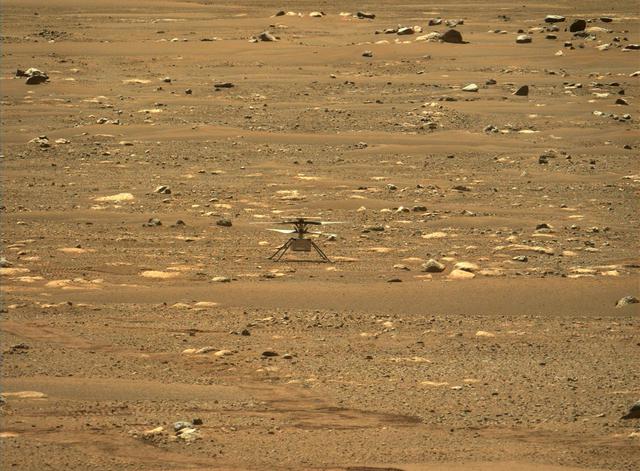
This image from NASA's Perseverance rover shows the agency's Ingenuity Mars Helicopter right after it successfully completed a high-speed spin-up test. It was captured by the Mastcam-Z instrument on Perseverance on April 16, 2021 (the 55th sol, or Martian day, of the rover's mission). The image has been slightly processed (stretched and cropped). The Ingenuity Mars Helicopter was built by JPL, which also manages this technology demonstration project for NASA Headquarters. It is supported by NASA's Science Mission Directorate, Aeronautics Research Mission Directorate, and Space Technology Mission Directorate. NASA's Ames Research Center and Langley Research Center provided significant flight performance analysis and technical assistance during Ingenuity's development. A key objective for Perseverance's mission on Mars is astrobiology, including the search for signs of ancient microbial life. The rover will characterize the planet's geology and past climate, pave the way for human exploration of the Red Planet, and be the first mission to collect and cache Martian rock and regolith (broken rock and dust). Subsequent NASA missions, in cooperation with ESA (European Space Agency), would send spacecraft to Mars to collect these sealed samples from the surface and return them to Earth for in-depth analysis. The Mars 2020 Perseverance mission is part of NASA's Moon to Mars exploration approach, which includes Artemis missions to the Moon that will help prepare for human exploration of the Red Planet. https://photojournal.jpl.nasa.gov/catalog/PIA24498
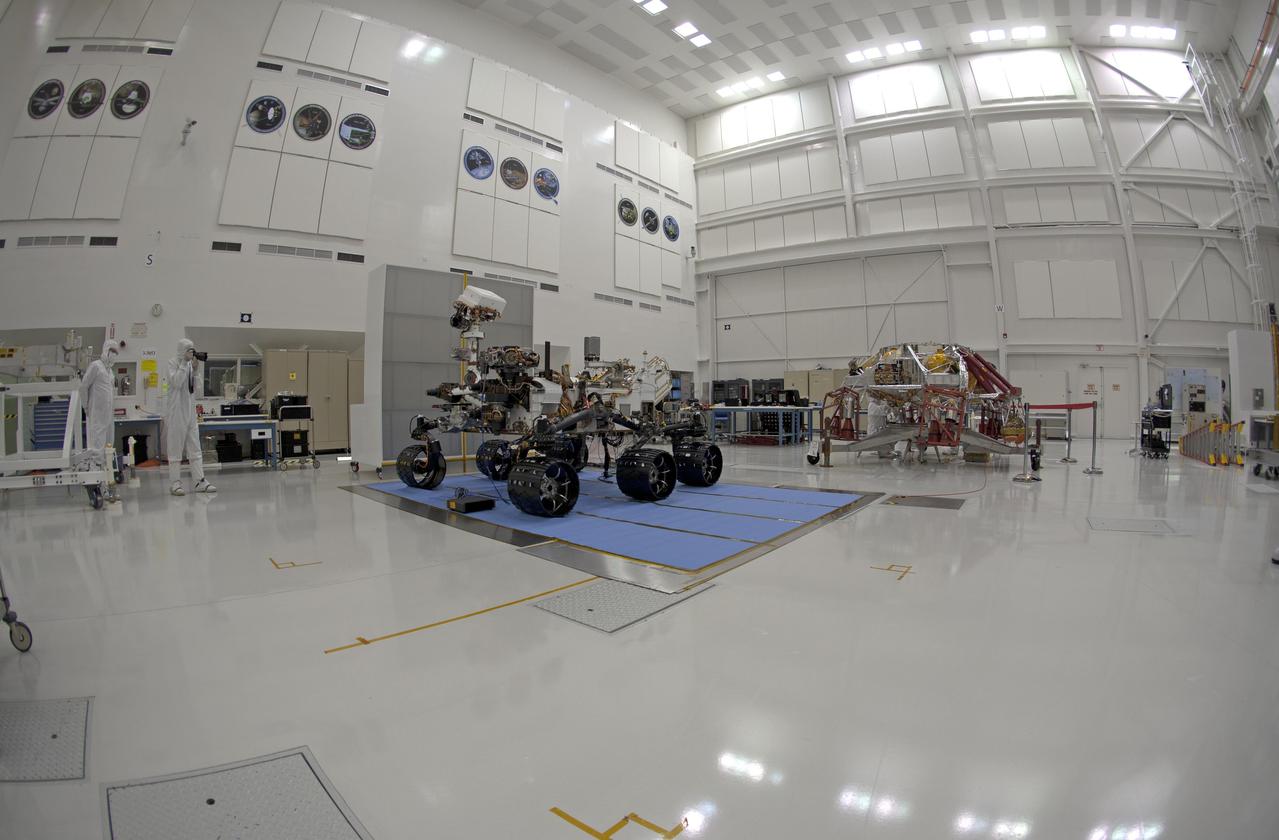
Right-eye view of NASA Curiosity rover and its powered descent vehicle pose for photographs prior to being integrated for launch at JPL Spacecraft Assembly Facility.
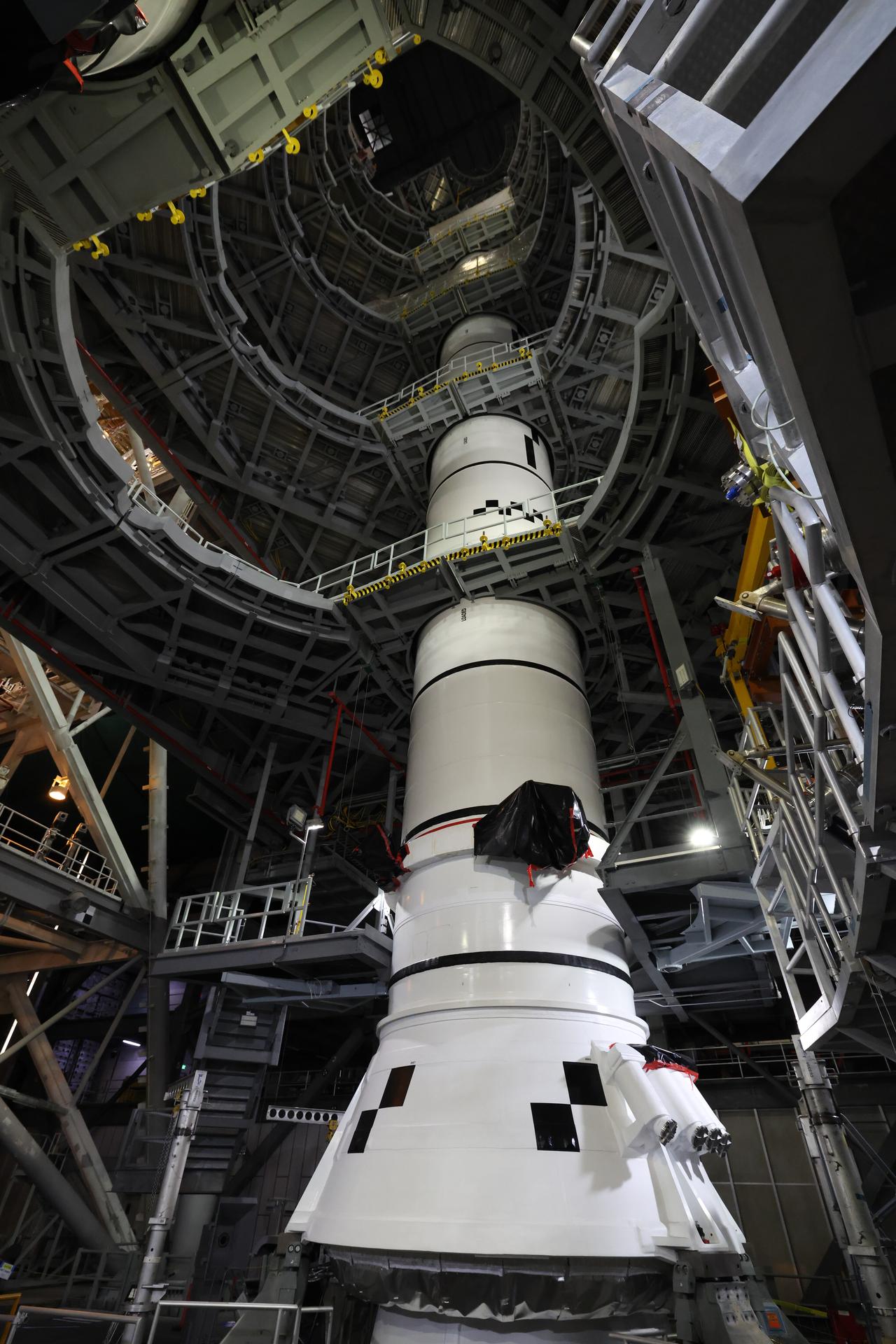
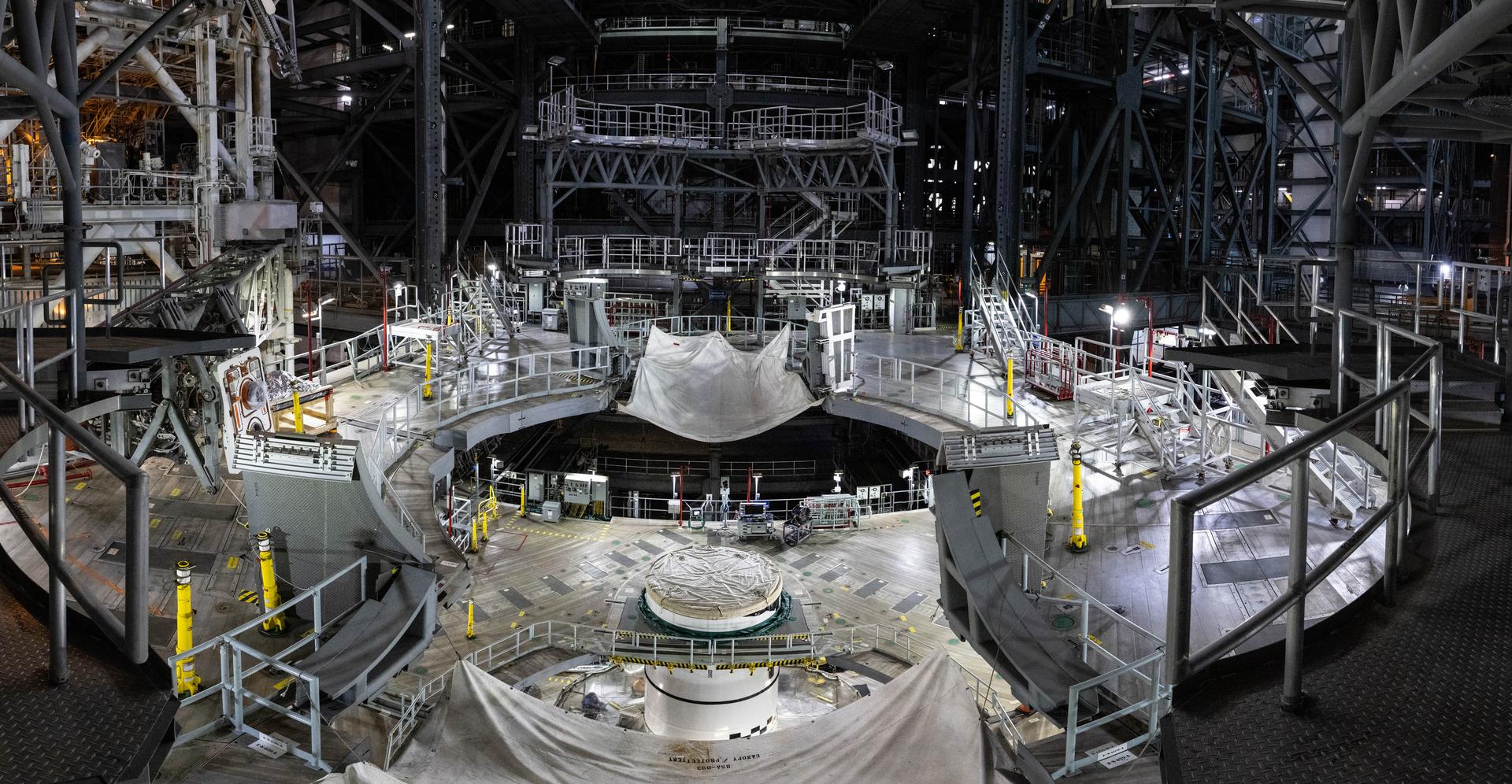
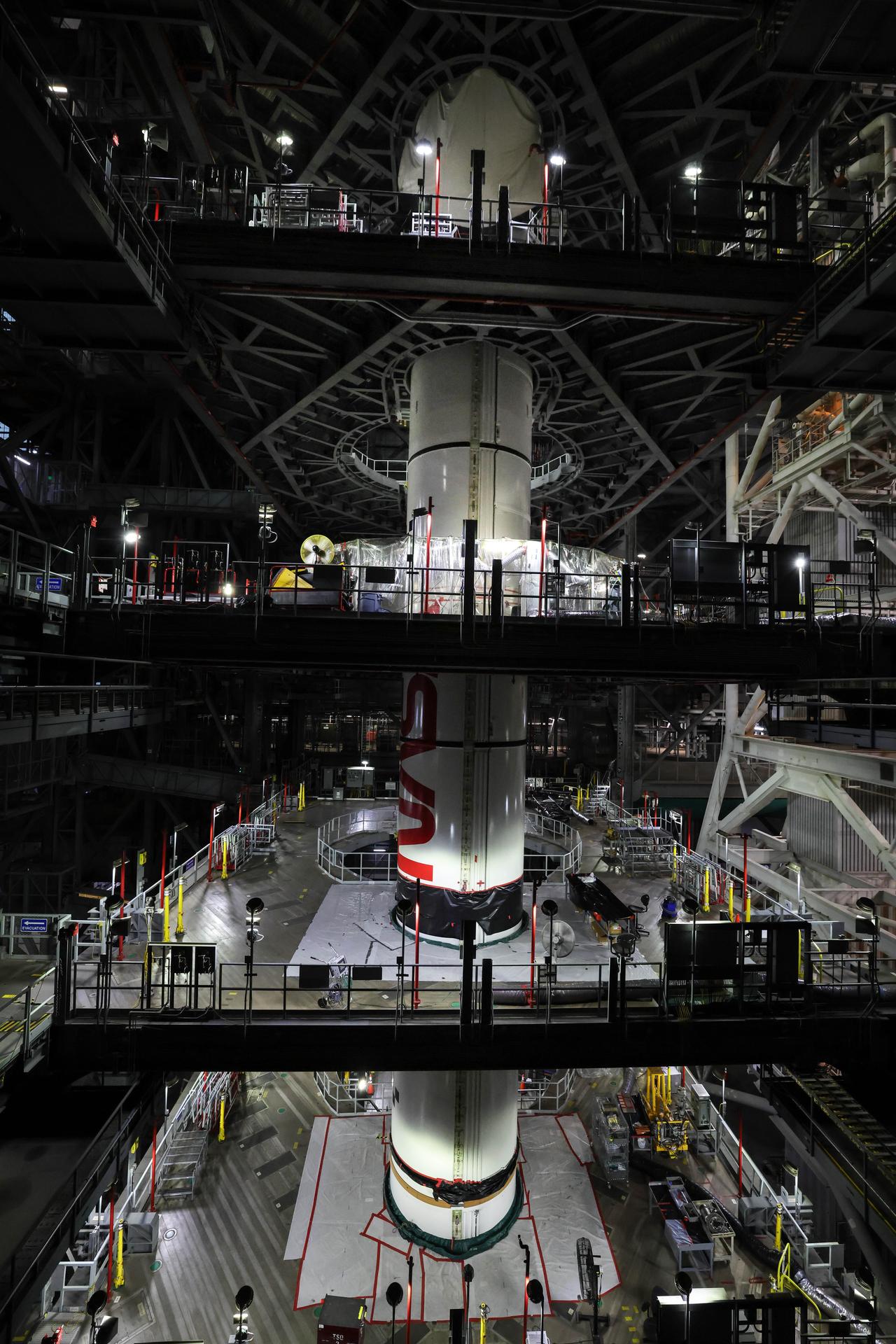
In High Bay 3 of the Vehicle Assembly Building at NASA’s Kennedy Space Center in Florida, the right forward center booster for Artemis III is integrated onto the right booster segments on the mobile launcher for the SLS (Space Launch System) rocket on Friday, Sept. 11, 2026. The twin boosters, comprising of five segments each manufactured by Northrop Grumman in Utah, will provide more than 75 percent of the SLS rocket’s total thrust at launch. The Artemis III mission will launch crew in the Orion spacecraft on top of the SLS rocket to test rendezvous and docking capabilities between Orion and commercial spacecraft needed to land astronauts on the Moon.
In High Bay 3 of the Vehicle Assembly Building at NASA’s Kennedy Space Center in Florida, the right forward center booster for Artemis III is integrated onto the right booster segments on the mobile launcher for the SLS (Space Launch System) rocket on Friday, Sept. 11, 2026. The twin boosters, comprising of five segments each manufactured by Northrop Grumman in Utah, will provide more than 75 percent of the SLS rocket’s total thrust at launch. The Artemis III mission will launch crew in the Orion spacecraft on top of the SLS rocket to test rendezvous and docking capabilities between Orion and commercial spacecraft needed to land astronauts on the Moon.

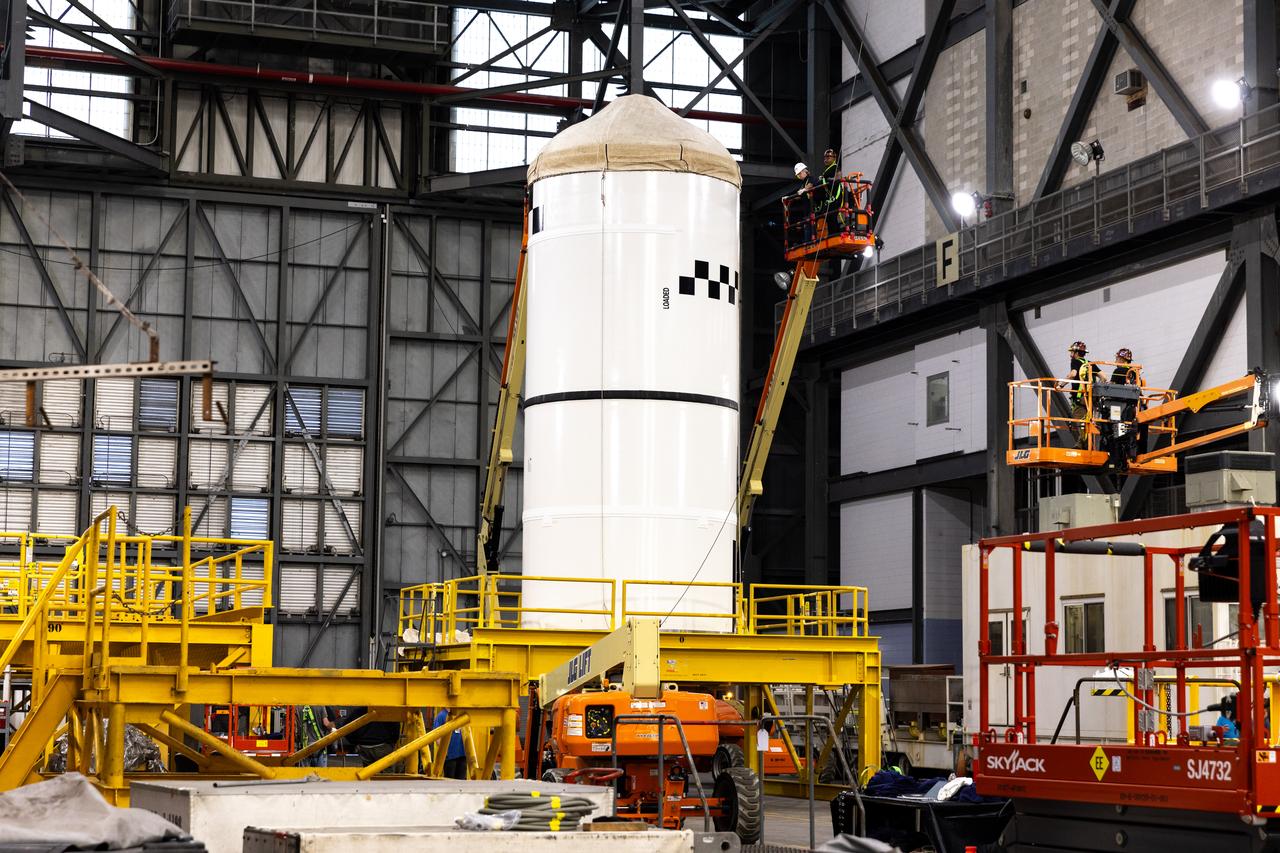
Technicians transport the right forward segment for NASA’s SLS (Space Launch System) Moon rocket boosters from the Rotation Processing and Surge Facility to NASA’s Vehicle Assembly Building in Florida on Monday, Feb. 15, 2025. The right forward segment will be transferred into High Bay 3 where it will be attached to the center forward segment on mobile launcher 1. The twin solid boosters, five segments on each side, will help support the remaining rocket components and the Orion spacecraft during final assembly of the Artemis II Moon rocket and provide more than 75 percent of the total SLS thrust during liftoff from NASA Kennedy’s Launch Pad 39B.
Technicians transport the right forward segment for NASA’s SLS (Space Launch System) Moon rocket boosters from the Rotation Processing and Surge Facility to NASA’s Vehicle Assembly Building in Florida on Monday, Feb. 15, 2025. The right forward segment will be transferred into High Bay 3 where it will be attached to the center forward segment on mobile launcher 1. The twin solid boosters, five segments on each side, will help support the remaining rocket components and the Orion spacecraft during final assembly of the Artemis II Moon rocket and provide more than 75 percent of the total SLS thrust during liftoff from NASA Kennedy’s Launch Pad 39B.
In High Bay 3 of the Vehicle Assembly Building at NASA’s Kennedy Space Center in Florida, the right forward center booster for Artemis III is integrated onto the right booster segments on the mobile launcher for the SLS (Space Launch System) rocket on Friday, Sept. 11, 2026. The twin boosters, comprising of five segments each manufactured by Northrop Grumman in Utah, will provide more than 75 percent of the SLS rocket’s total thrust at launch. The Artemis III mission will launch crew in the Orion spacecraft on top of the SLS rocket to test rendezvous and docking capabilities between Orion and commercial spacecraft needed to land astronauts on the Moon.
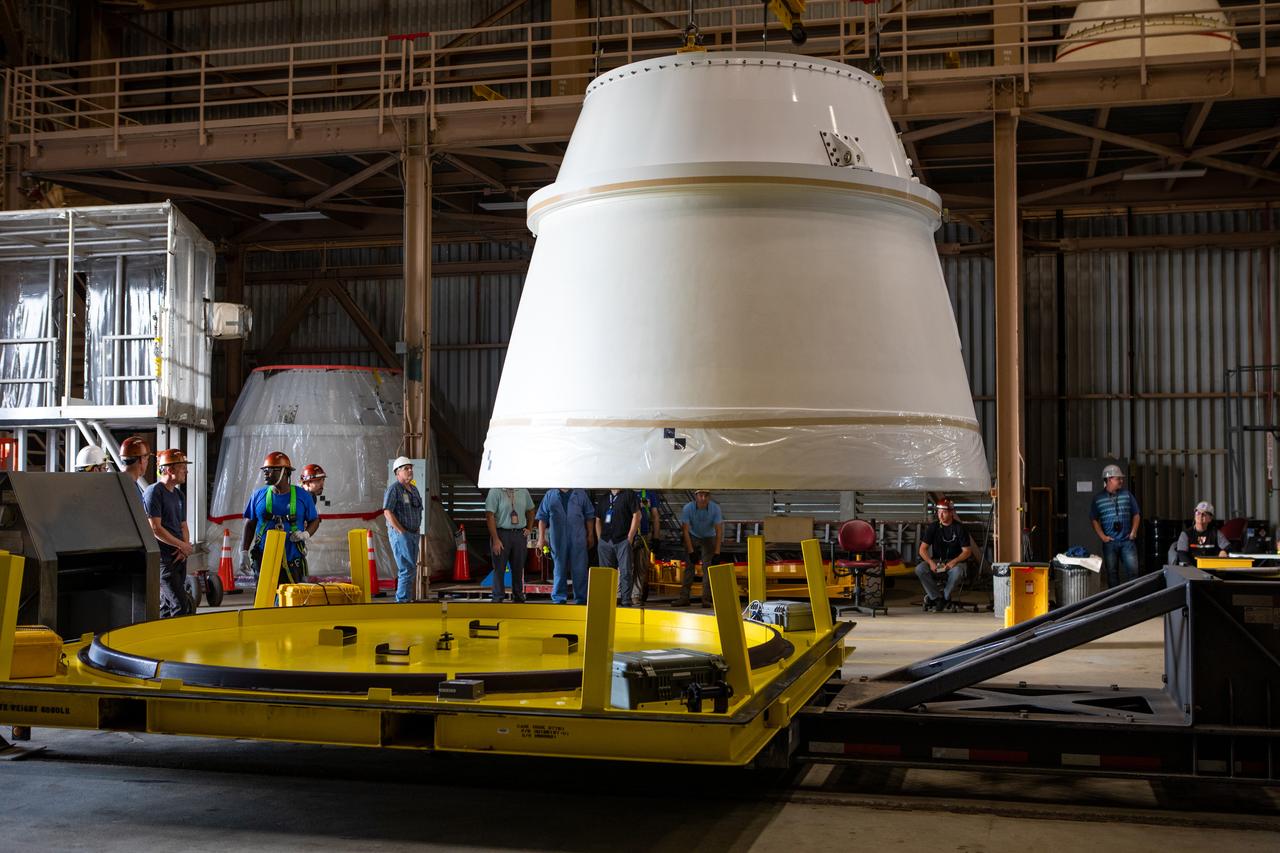
A crane is used to lift the Northrop Grumman right-manufactured aft exit cone for the Space Launch System’s solid rocket boosters away from its shipping base for securing on a processing stand inside the Rotation, Processing and Surge Facility at NASA’s Kennedy Space Center in Florida on Dec. 9, 2019. The right and left aft exit cones were shipped from Promontory, Utah. They will be checked out and prepared for the Artemis I uncrewed test flight. The aft exit cones sit at the bottommost part of the twin boosters. The cones help provide added thrust for the boosters, while protecting the aft skirts from the thermal environment during launch.
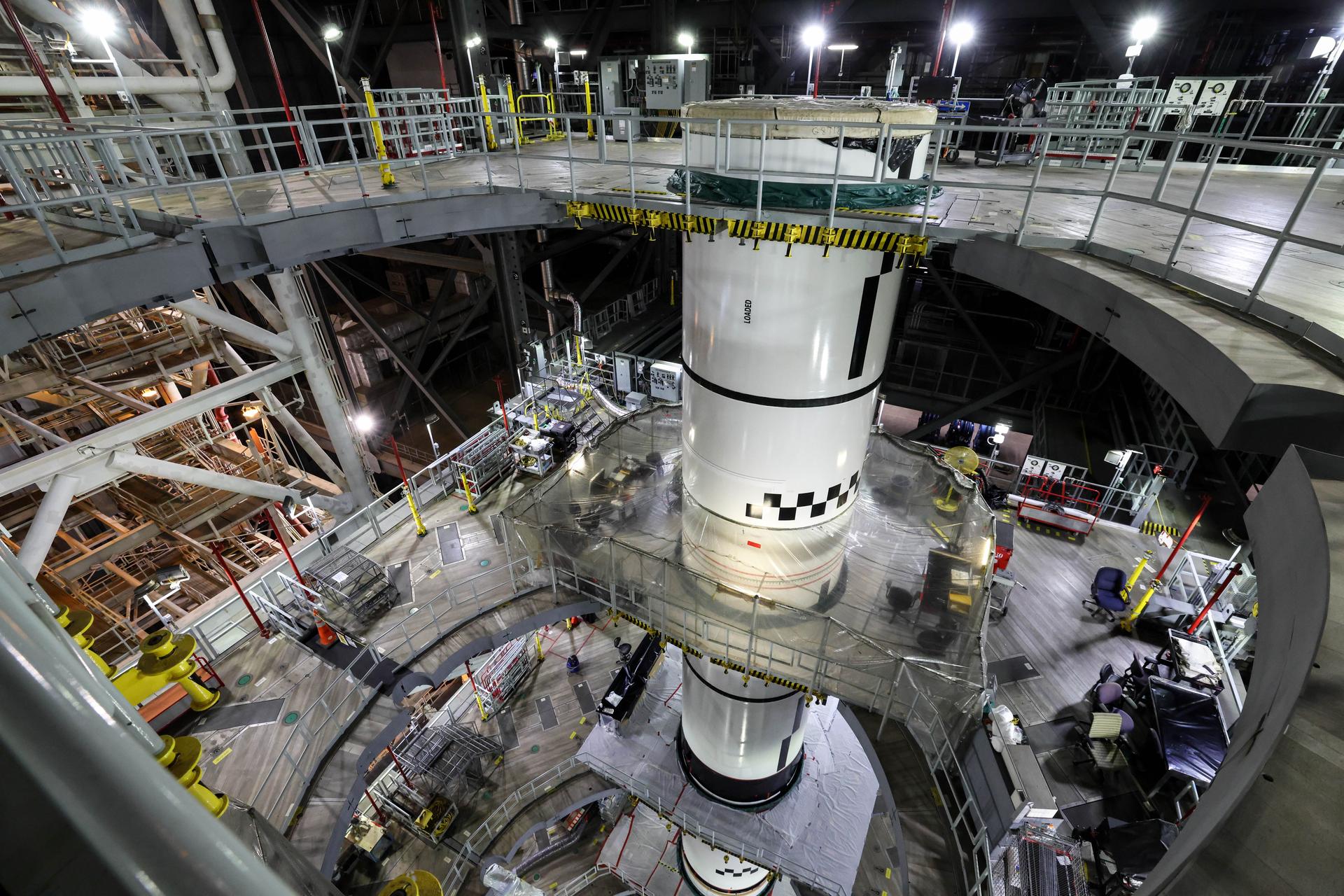
In High Bay 3 of the Vehicle Assembly Building at NASA’s Kennedy Space Center in Florida, the right forward center booster for Artemis III is integrated onto the right booster segments on the mobile launcher for the SLS (Space Launch System) rocket on Friday, Sept. 11, 2026. The twin boosters, comprising of five segments each manufactured by Northrop Grumman in Utah, will provide more than 75 percent of the SLS rocket’s total thrust at launch. The Artemis III mission will launch crew in the Orion spacecraft on top of the SLS rocket to test rendezvous and docking capabilities between Orion and commercial spacecraft needed to land astronauts on the Moon.
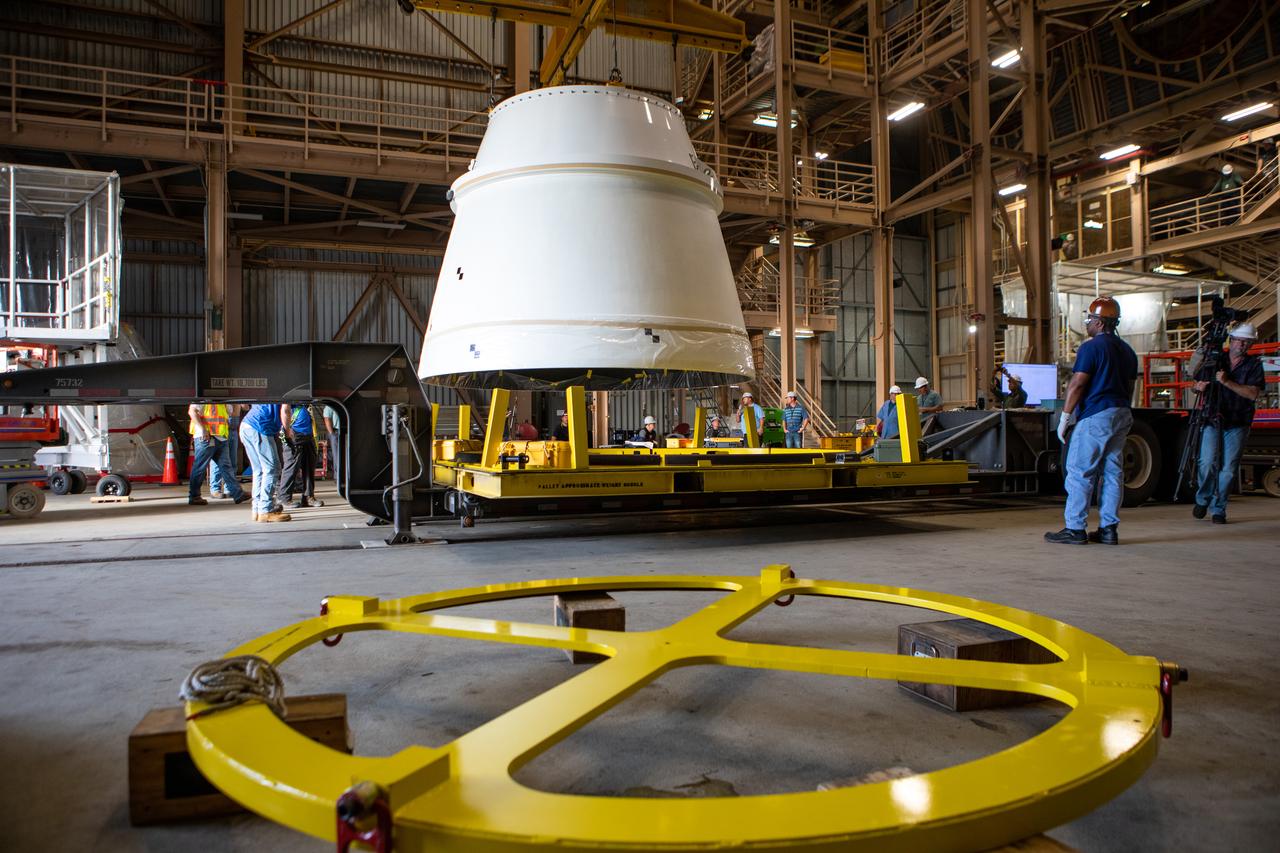
A crane is used to lift the Northrop Grumman-manufactured right aft exit cone for the Space Launch System’s solid rocket boosters away from its shipping base inside the Rotation, Processing and Surge Facility at NASA’s Kennedy Space Center in Florida on Dec. 9, 2019. The right and left aft exit cones were shipped from Promontory, Utah. They will be checked out and prepared for the Artemis I uncrewed test flight. The aft exit cones sit at the bottommost part of the twin boosters. The cones help provide added thrust for the boosters, while protecting the aft skirts from the thermal environment during launch.
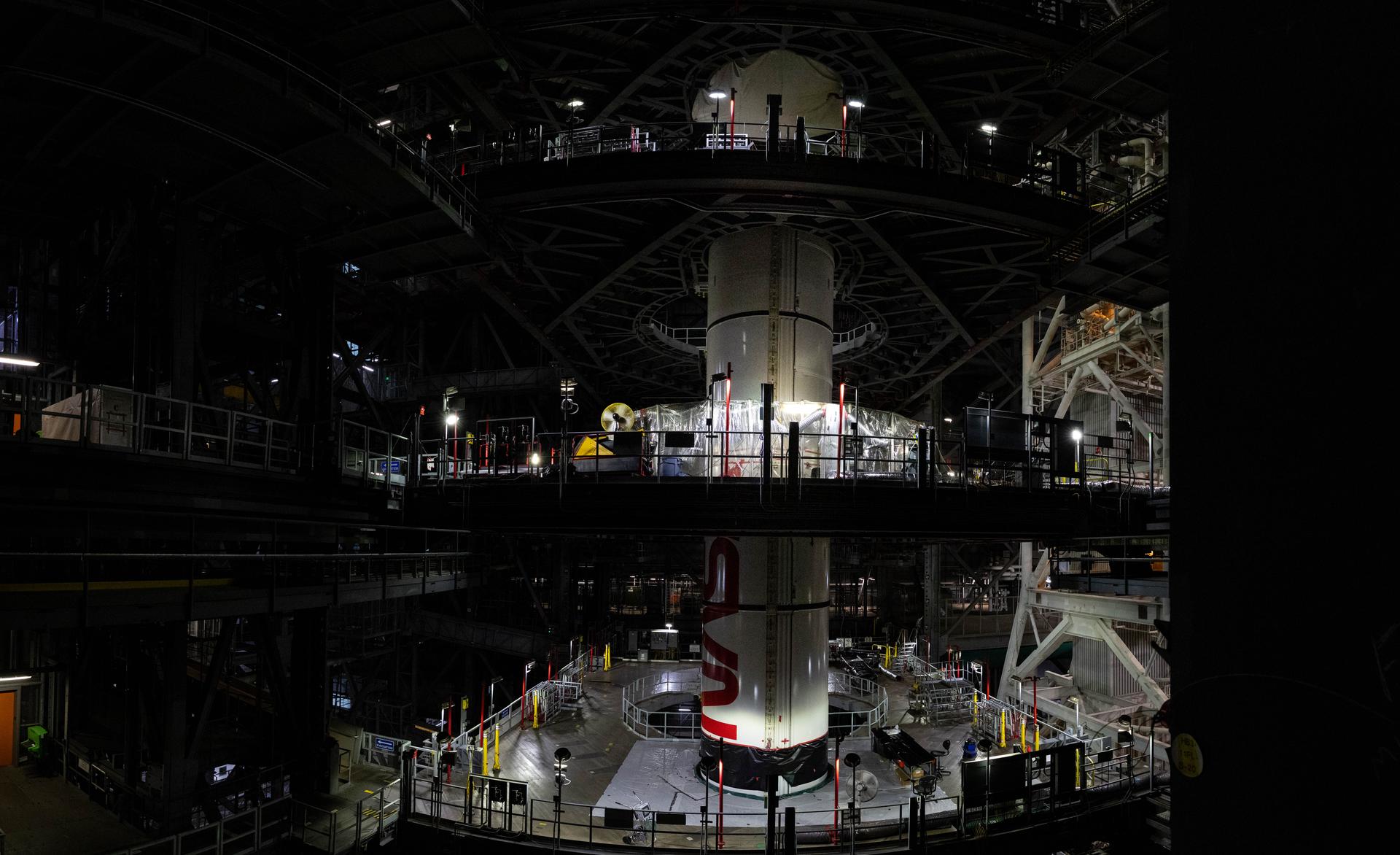
In High Bay 3 of the Vehicle Assembly Building at NASA’s Kennedy Space Center in Florida, the right forward center booster for Artemis III is integrated onto the right booster segments on the mobile launcher for the SLS (Space Launch System) rocket on Friday, Sept. 11, 2026. The twin boosters, comprising of five segments each manufactured by Northrop Grumman in Utah, will provide more than 75 percent of the SLS rocket’s total thrust at launch. The Artemis III mission will launch crew in the Orion spacecraft on top of the SLS rocket to test rendezvous and docking capabilities between Orion and commercial spacecraft needed to land astronauts on the Moon.
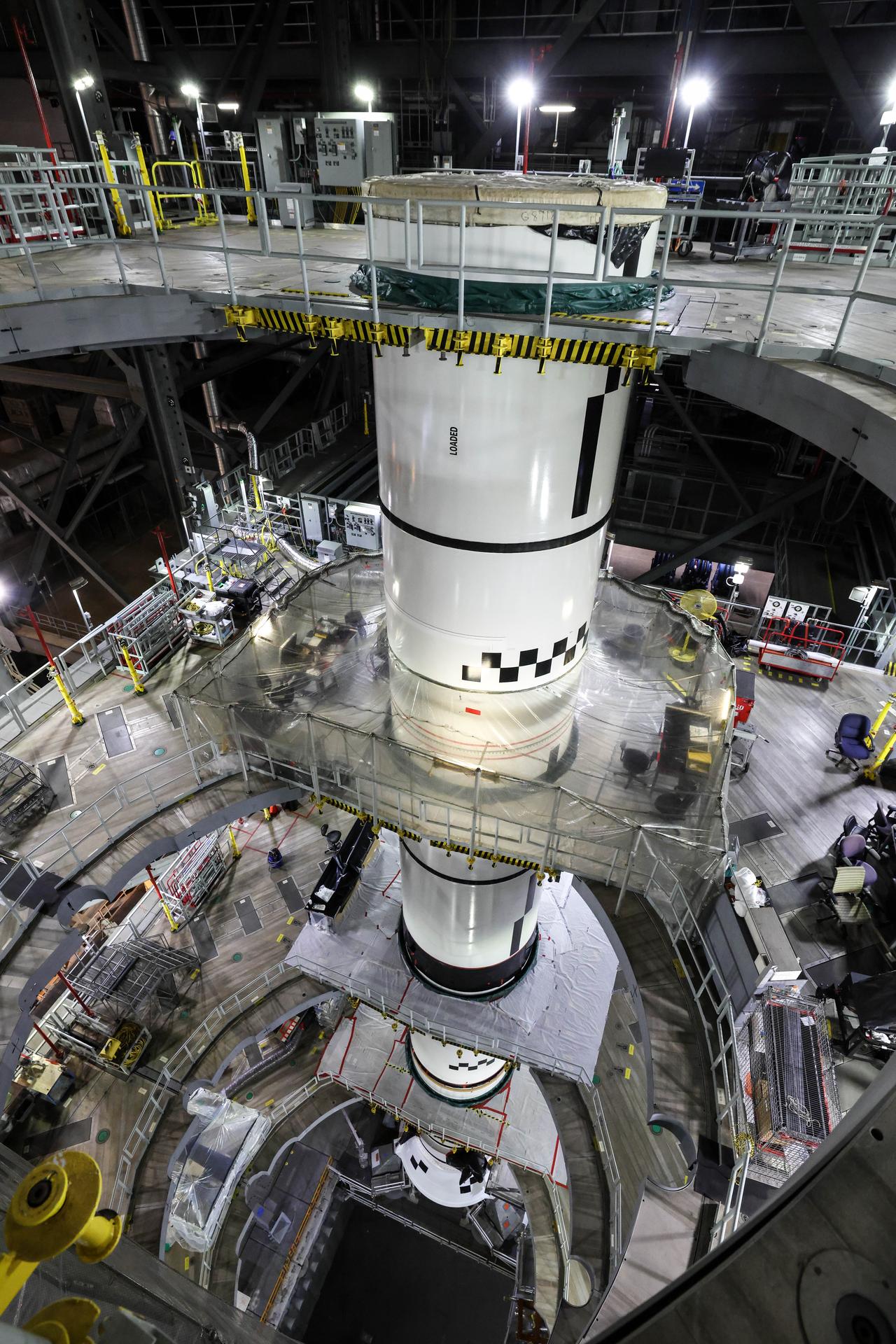
In High Bay 3 of the Vehicle Assembly Building at NASA’s Kennedy Space Center in Florida, the right forward center booster for Artemis III is integrated onto the right booster segments on the mobile launcher for the SLS (Space Launch System) rocket on Friday, Sept. 11, 2026. The twin boosters, comprising of five segments each manufactured by Northrop Grumman in Utah, will provide more than 75 percent of the SLS rocket’s total thrust at launch. The Artemis III mission will launch crew in the Orion spacecraft on top of the SLS rocket to test rendezvous and docking capabilities between Orion and commercial spacecraft needed to land astronauts on the Moon.