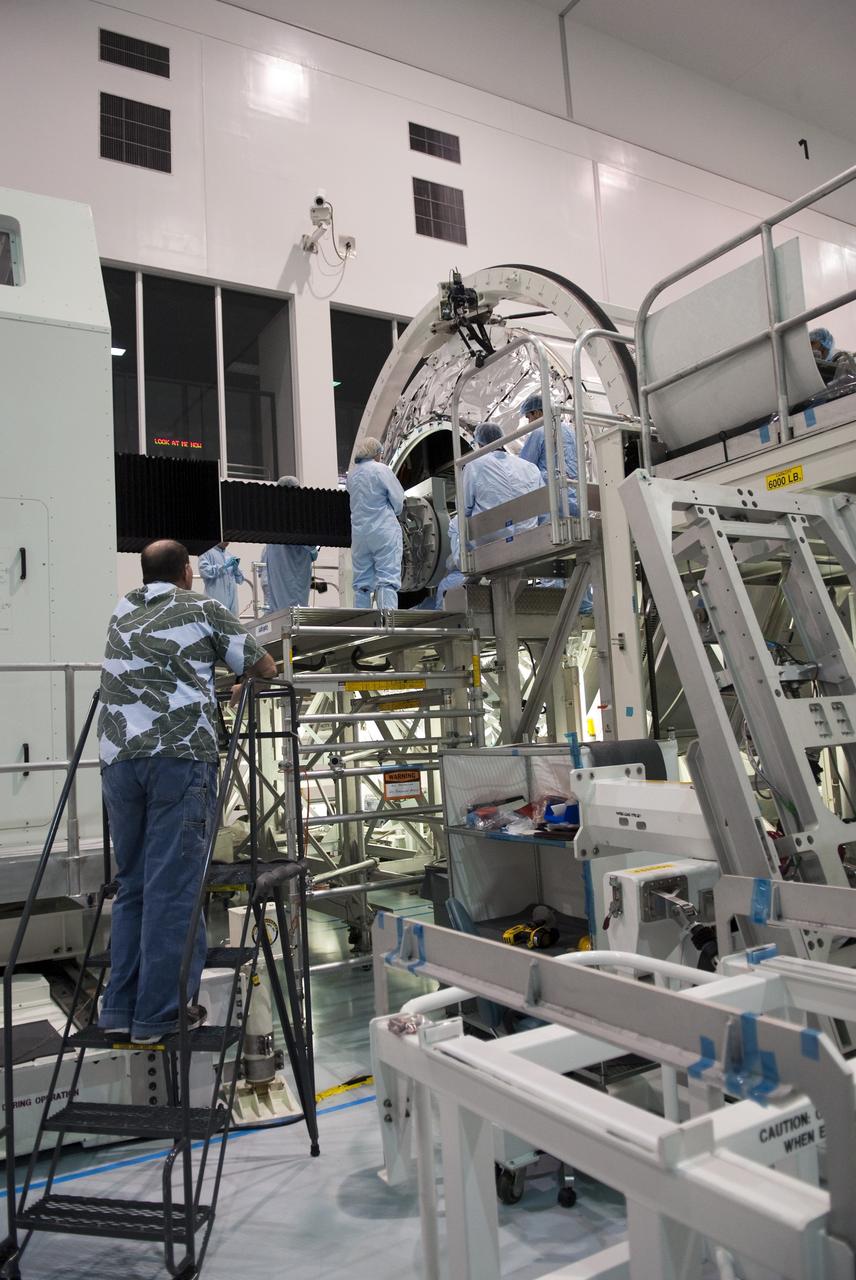
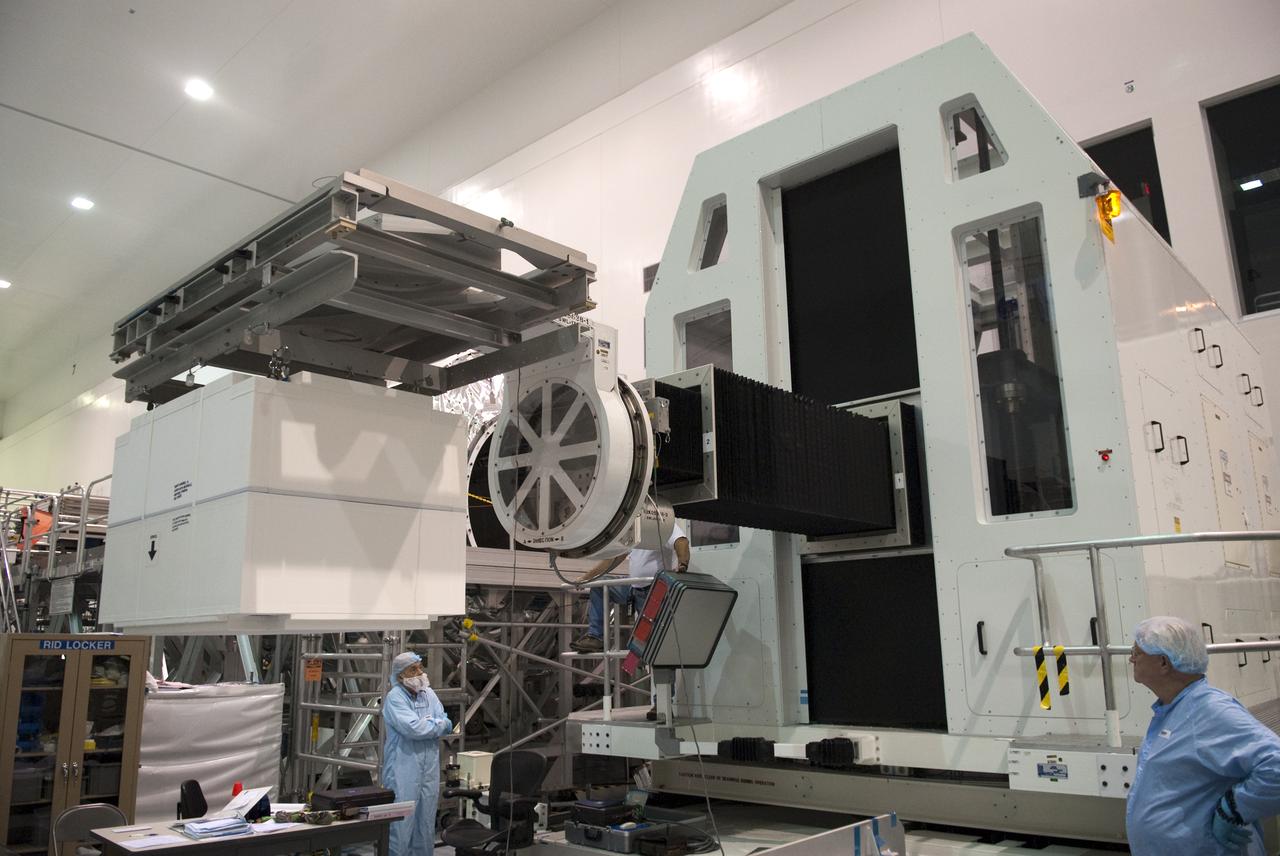
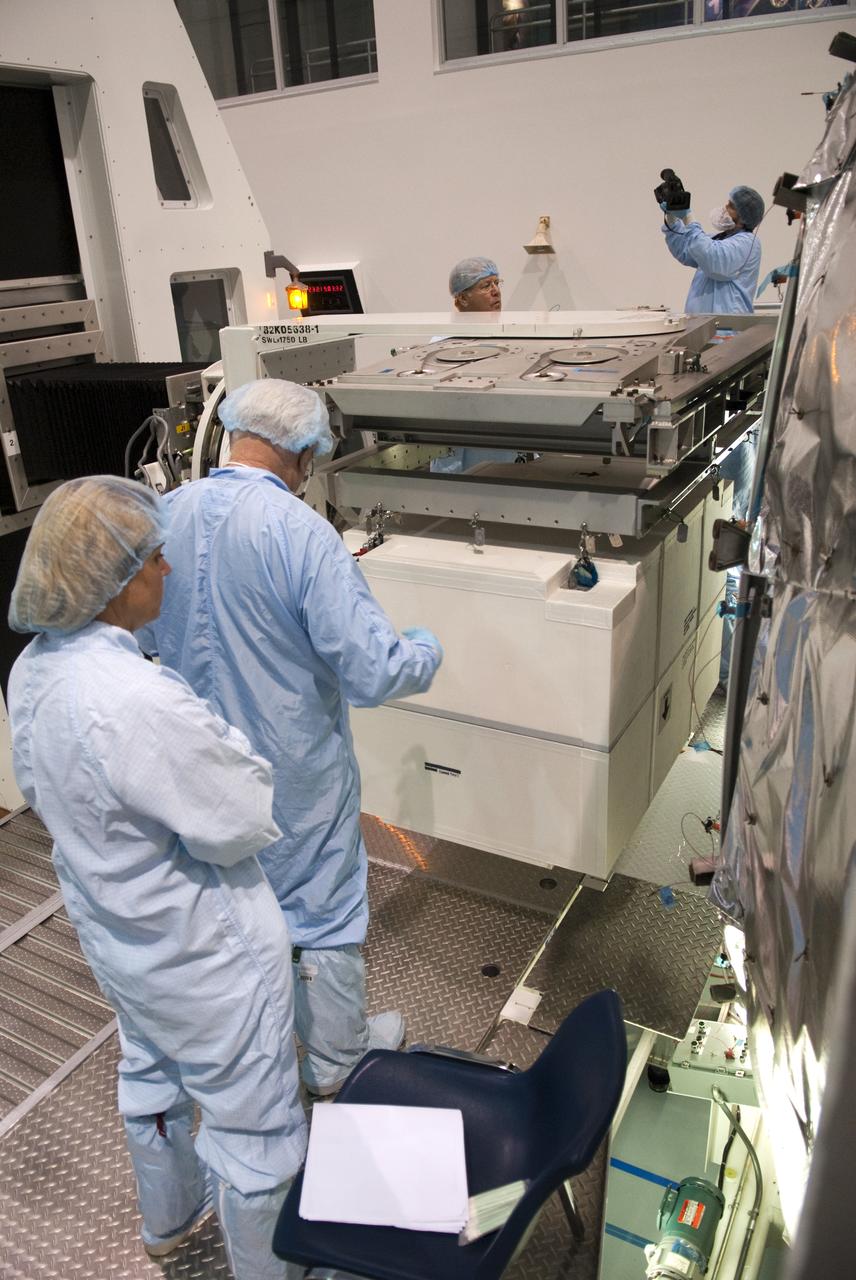
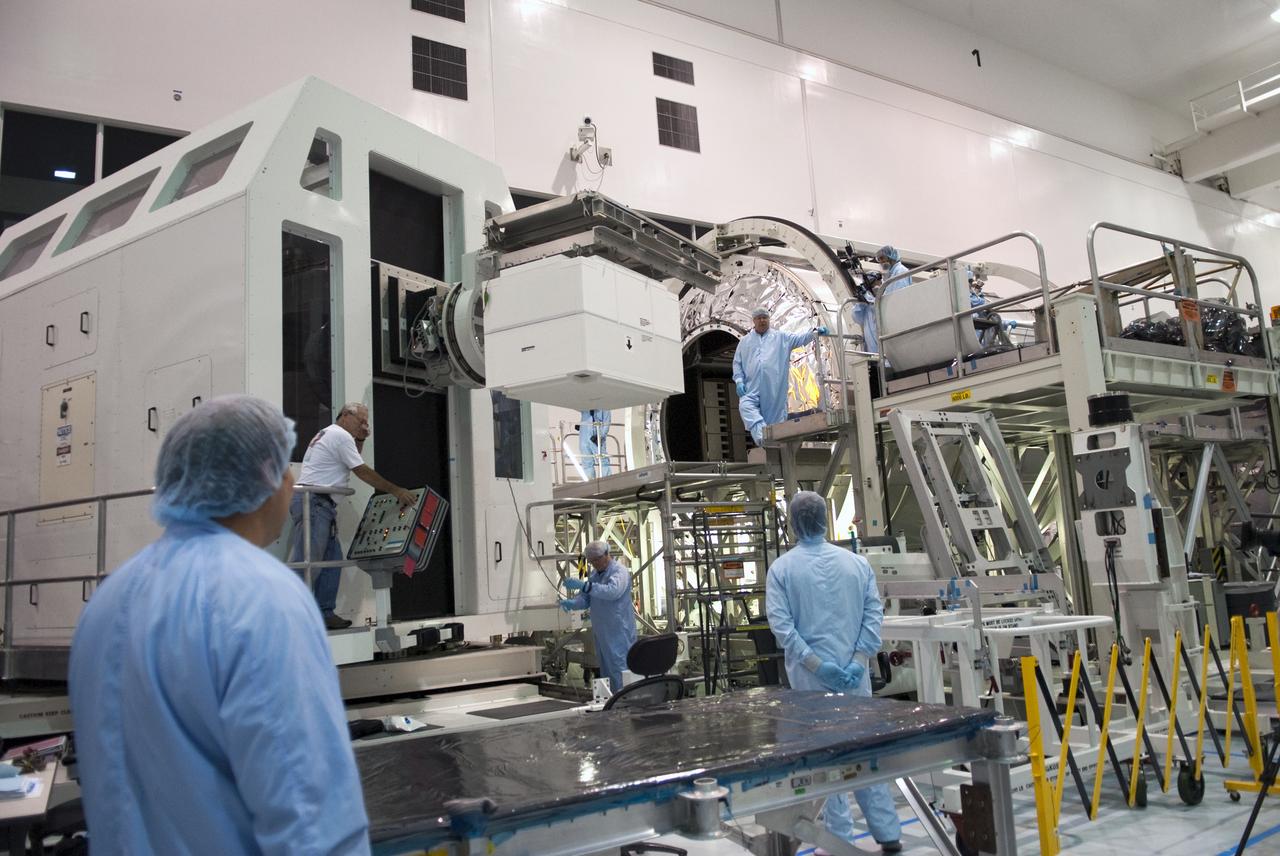
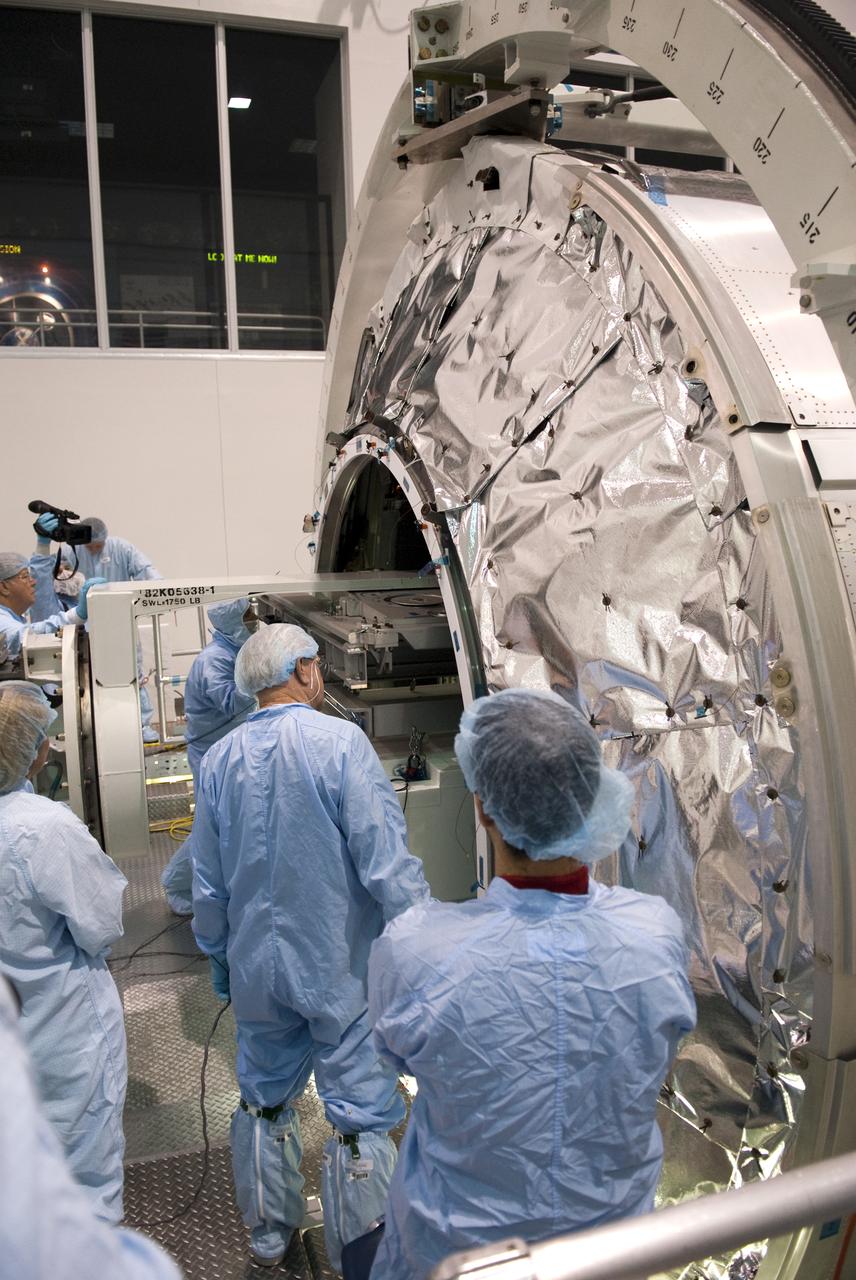
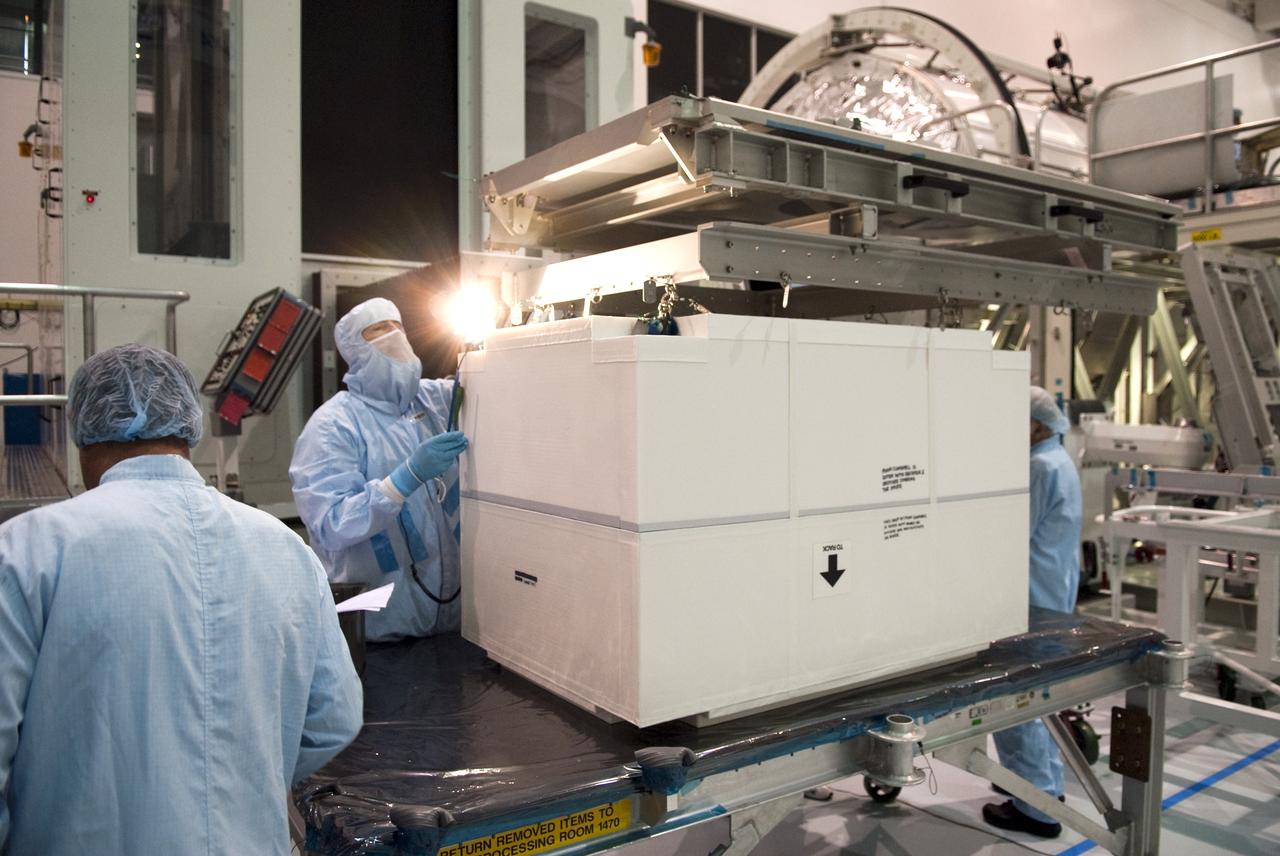
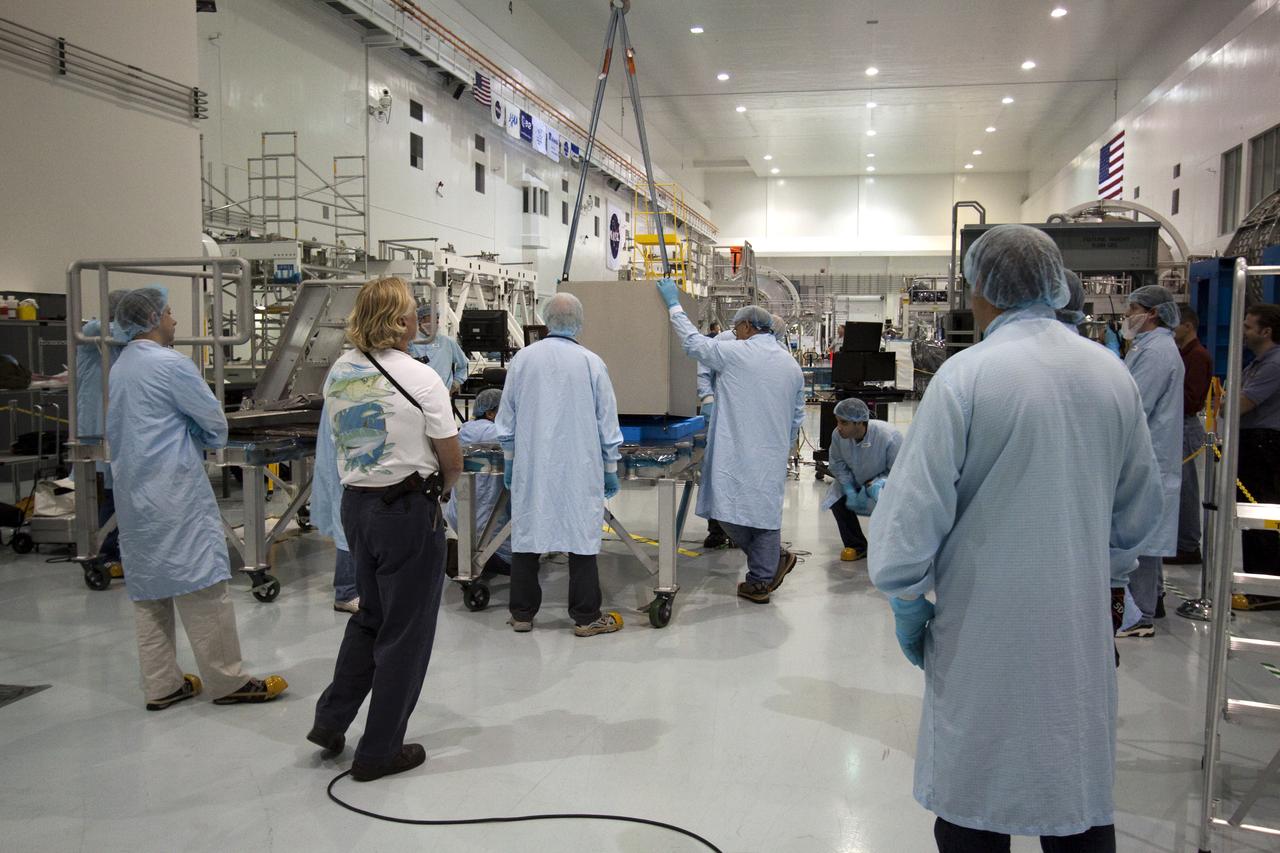
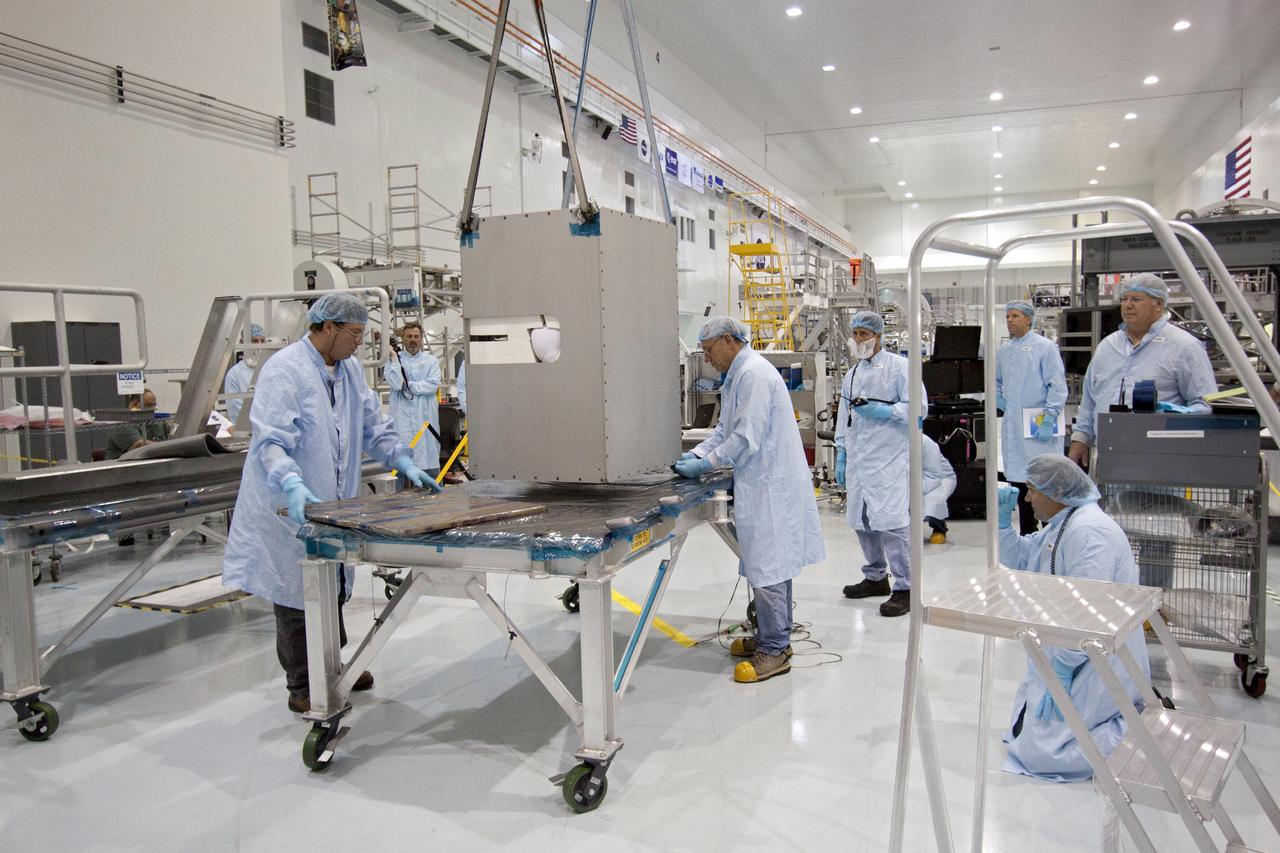
CAPE CANAVERAL, Fla. -- Technicians in the Space Station Processing Facility at NASA's Kennedy Space Center in Florida load the dexterous humanoid astronaut helper, Robonaut 2, or R2, into the Permanent Multipurpose Module, or PMM. Packed inside a launch box called SLEEPR, or Structural Launch Enclosure to Effectively Protect Robonaut, R2 will be placed in the in the same launch orientation as space shuttle Discovery's STS-133 crew members -- facing toward the nose of the shuttle with the back taking all the weight. Although R2 will initially only participate in operational tests, upgrades could eventually allow the robot to realize its true purpose -- helping spacewalking astronauts with tasks outside the International Space Station. STS-133 is targeted to launch Nov. 1. Photo credit: NASA/Frankie Martin
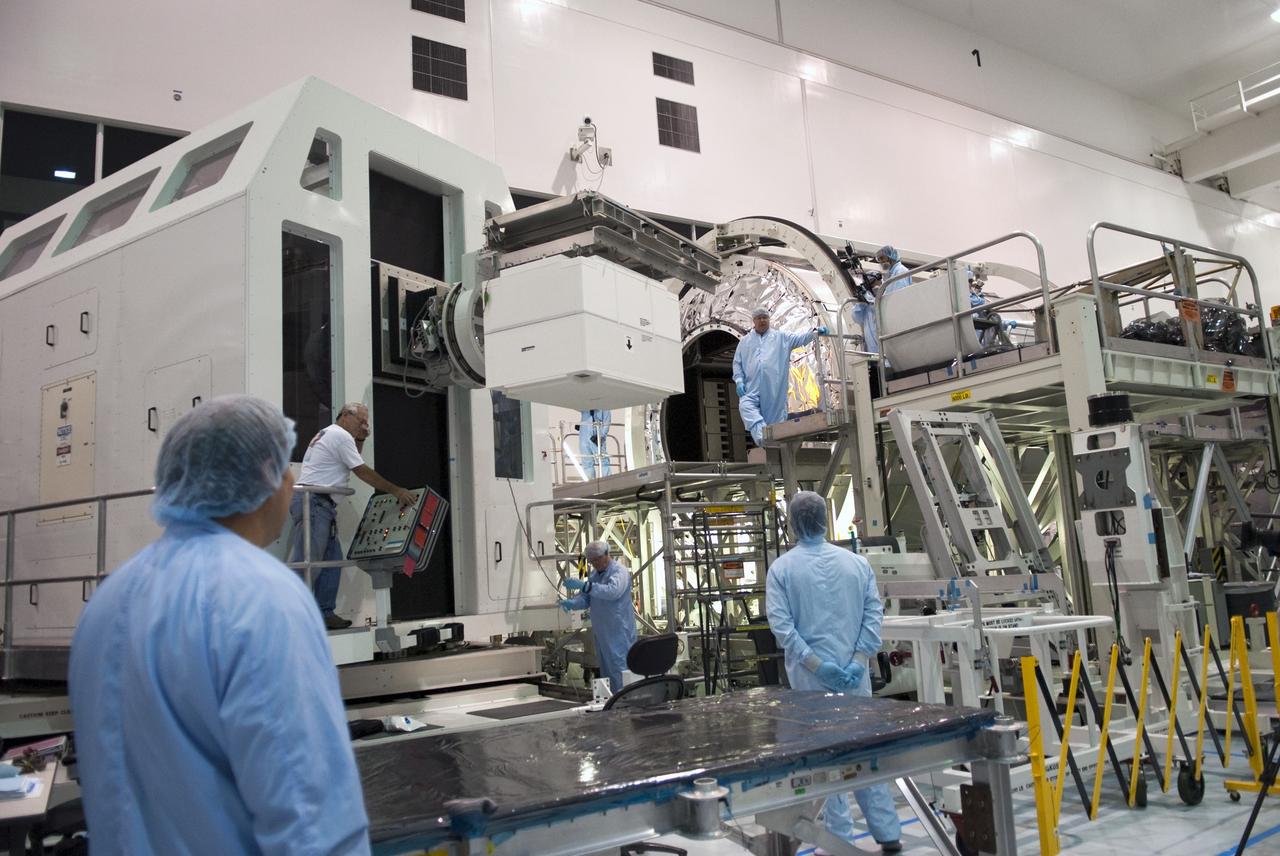
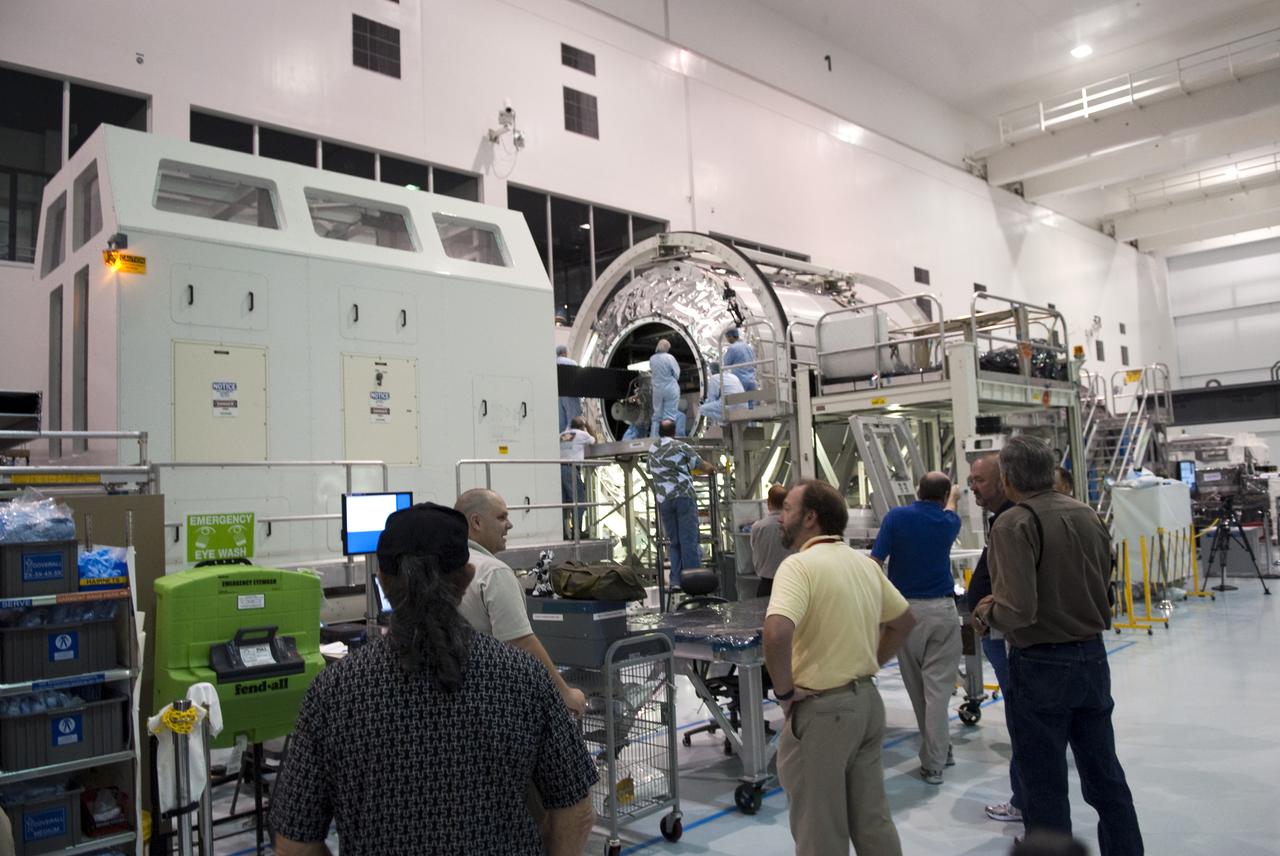
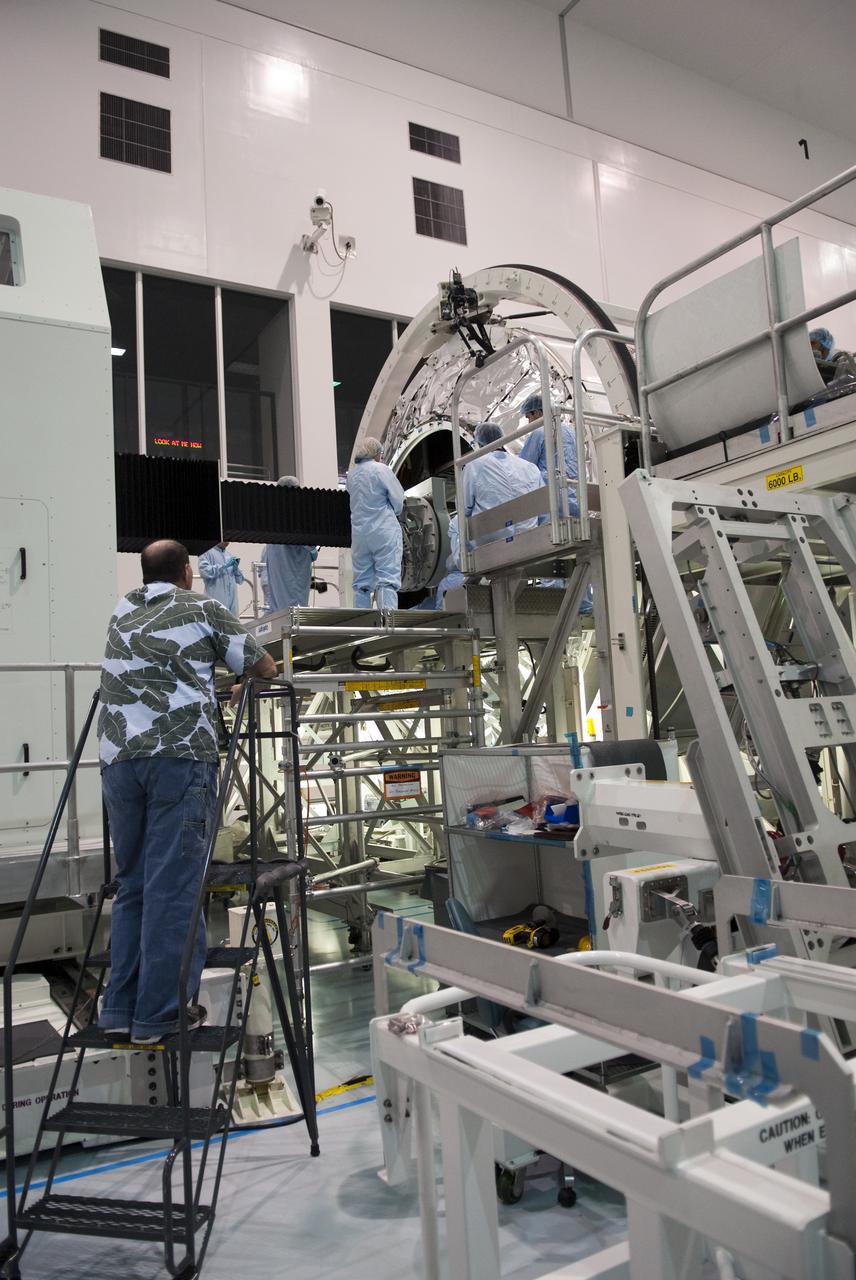
CAPE CANAVERAL, Fla. -- Technicians in the Space Station Processing Facility at NASA's Kennedy Space Center in Florida prepare to load the dexterous humanoid astronaut helper, Robonaut 2, or R2, into the Permanent Multipurpose Module, or PMM. Packed inside a launch box called SLEEPR, or Structural Launch Enclosure to Effectively Protect Robonaut, R2 will be placed in the in the same launch orientation as space shuttle Discovery's STS-133 crew members -- facing toward the nose of the shuttle with the back taking all the weight. Although R2 will initially only participate in operational tests, upgrades could eventually allow the robot to realize its true purpose -- helping spacewalking astronauts with tasks outside the International Space Station. STS-133 is targeted to launch Nov. 1. Photo credit: NASA/Frankie Martin
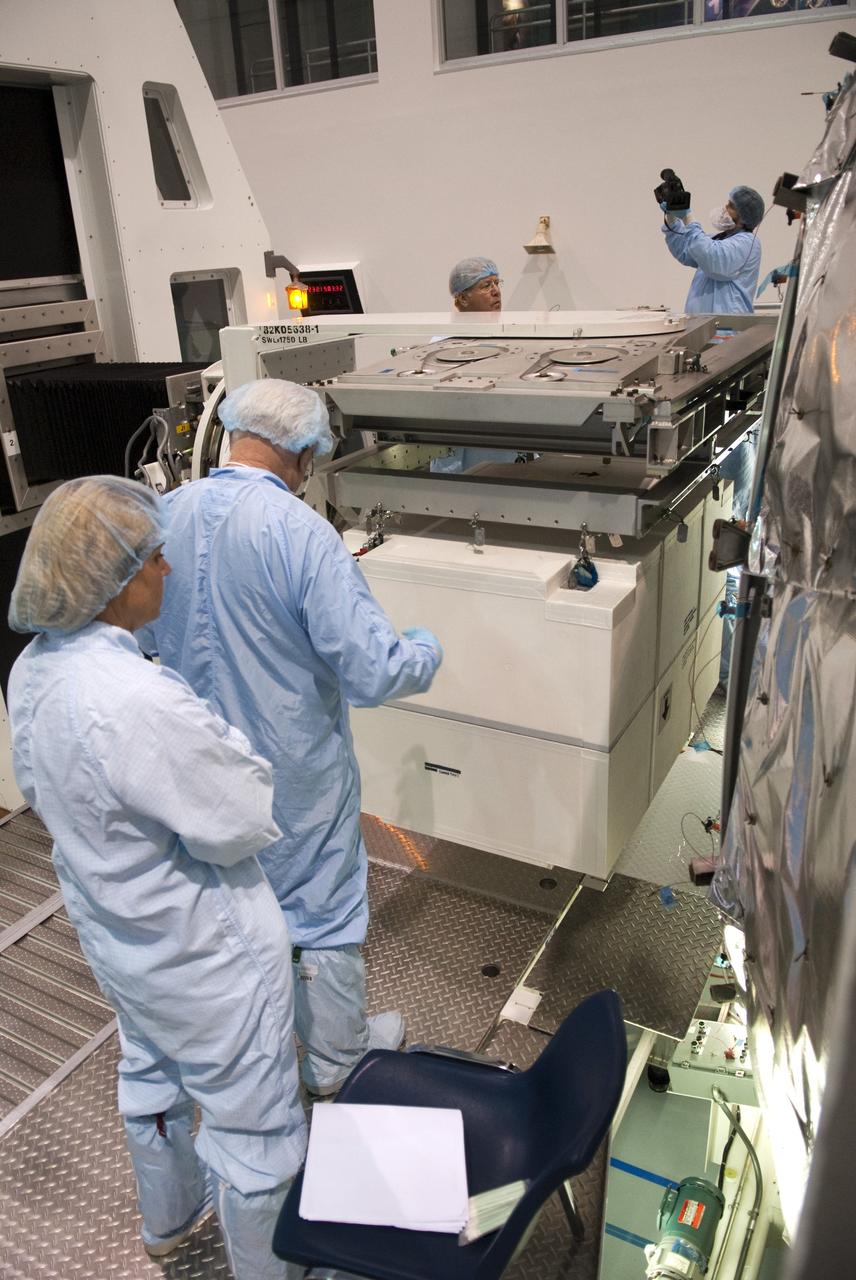
CAPE CANAVERAL, Fla. -- Technicians in the Space Station Processing Facility at NASA's Kennedy Space Center in Florida prepare to load the dexterous humanoid astronaut helper, Robonaut 2, or R2, into the Permanent Multipurpose Module, or PMM. Packed inside a launch box called SLEEPR, or Structural Launch Enclosure to Effectively Protect Robonaut, R2 will be placed in the in the same launch orientation as space shuttle Discovery's STS-133 crew members -- facing toward the nose of the shuttle with the back taking all the weight. Although R2 will initially only participate in operational tests, upgrades could eventually allow the robot to realize its true purpose -- helping spacewalking astronauts with tasks outside the International Space Station. STS-133 is targeted to launch Nov. 1. Photo credit: NASA/Frankie Martin
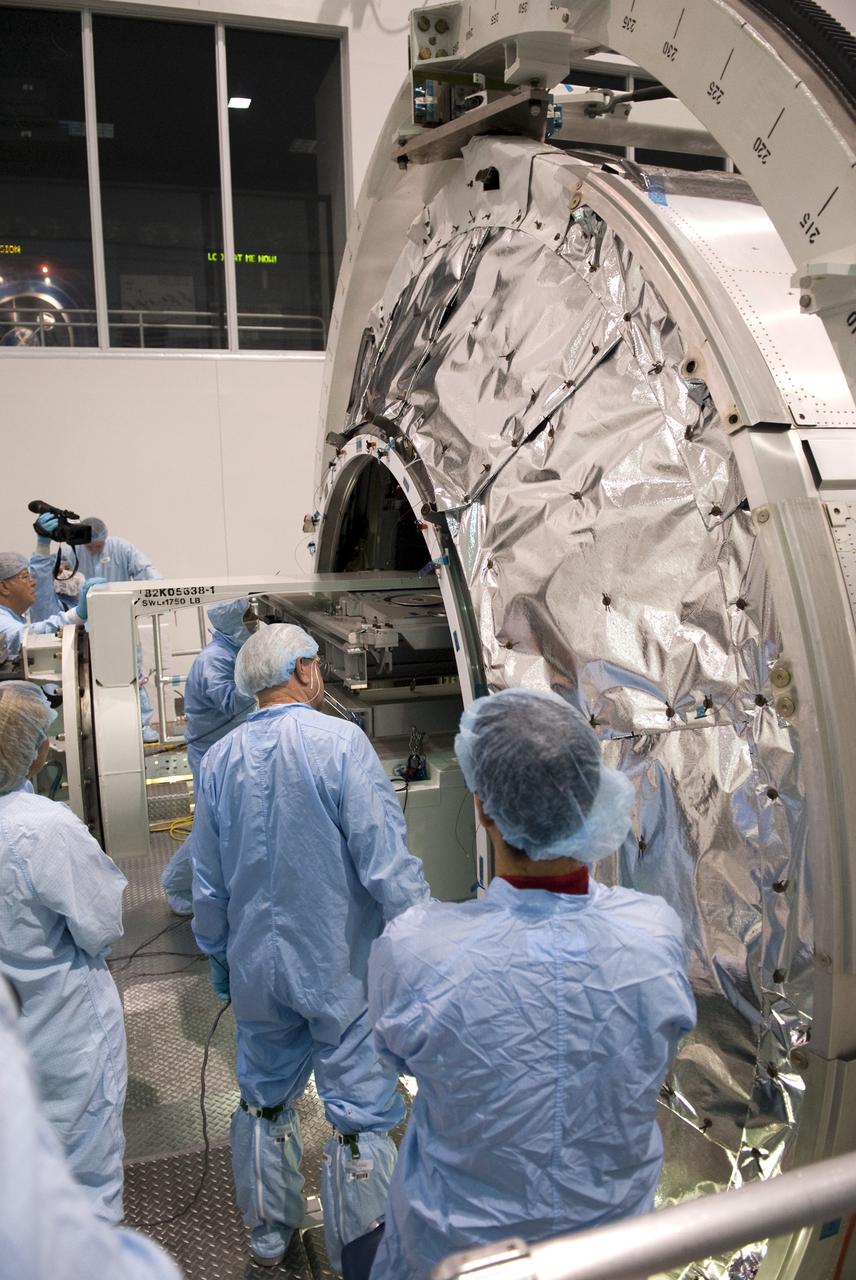
CAPE CANAVERAL, Fla. -- Technicians in the Space Station Processing Facility at NASA's Kennedy Space Center in Florida load the dexterous humanoid astronaut helper, Robonaut 2, or R2, into the Permanent Multipurpose Module, or PMM. Packed inside a launch box called SLEEPR, or Structural Launch Enclosure to Effectively Protect Robonaut, R2 will be placed in the in the same launch orientation as space shuttle Discovery's STS-133 crew members -- facing toward the nose of the shuttle with the back taking all the weight. Although R2 will initially only participate in operational tests, upgrades could eventually allow the robot to realize its true purpose -- helping spacewalking astronauts with tasks outside the International Space Station. STS-133 is targeted to launch Nov. 1. Photo credit: NASA/Frankie Martin

CAPE CANAVERAL, Fla. -- Technicians in the Space Station Processing Facility at NASA's Kennedy Space Center in Florida load the dexterous humanoid astronaut helper, Robonaut 2, or R2, into the Permanent Multipurpose Module, or PMM. Packed inside a launch box called SLEEPR, or Structural Launch Enclosure to Effectively Protect Robonaut, R2 will be placed in the in the same launch orientation as space shuttle Discovery's STS-133 crew members -- facing toward the nose of the shuttle with the back taking all the weight. Although R2 will initially only participate in operational tests, upgrades could eventually allow the robot to realize its true purpose -- helping spacewalking astronauts with tasks outside the International Space Station. STS-133 is targeted to launch Nov. 1. Photo credit: NASA/Frankie Martin
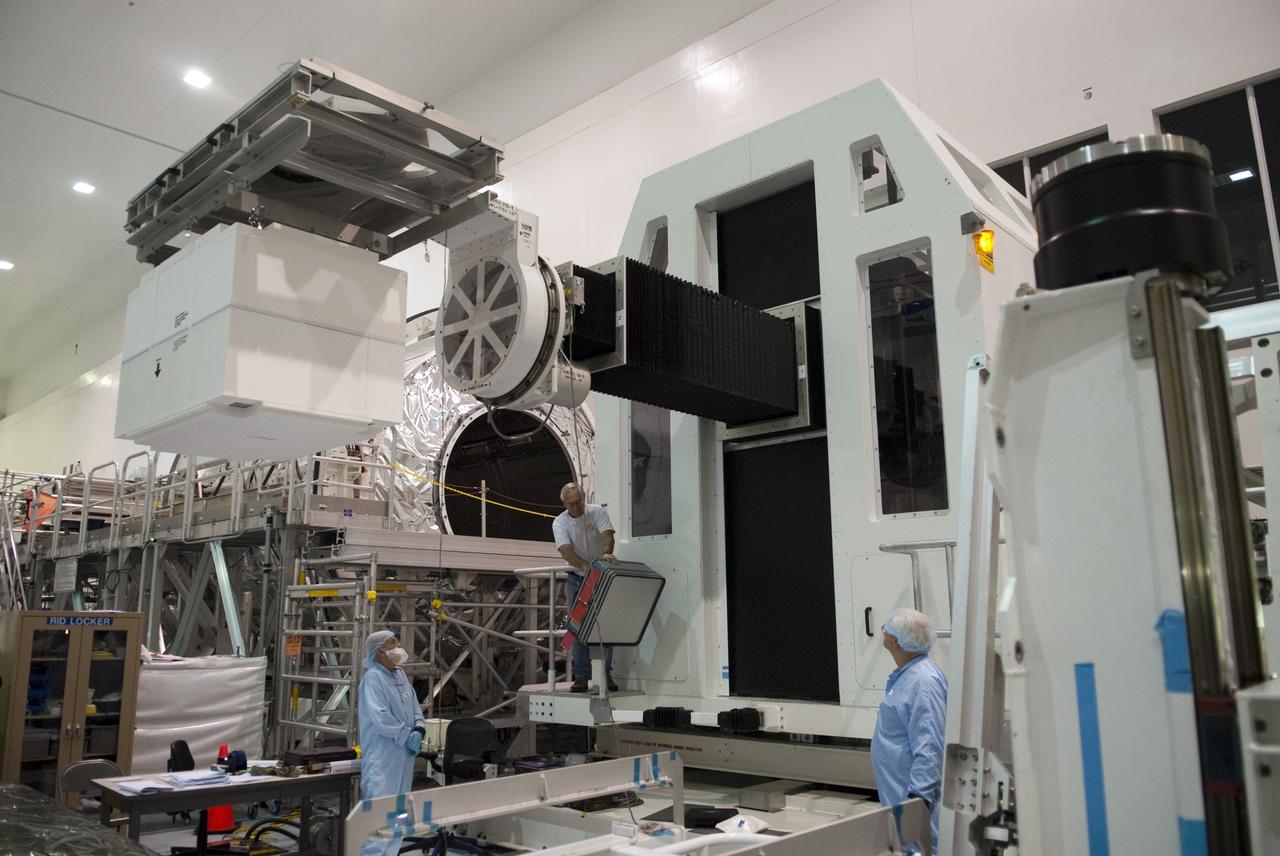
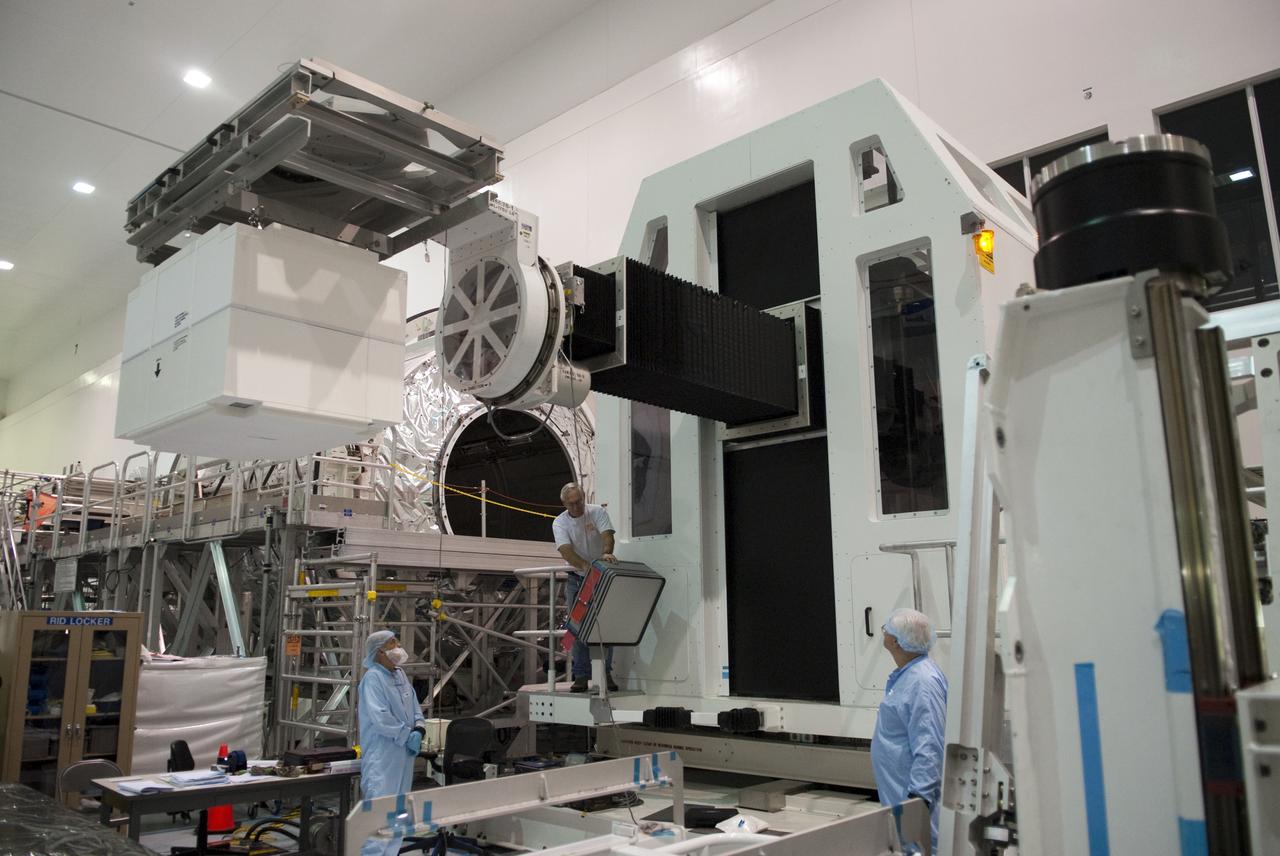
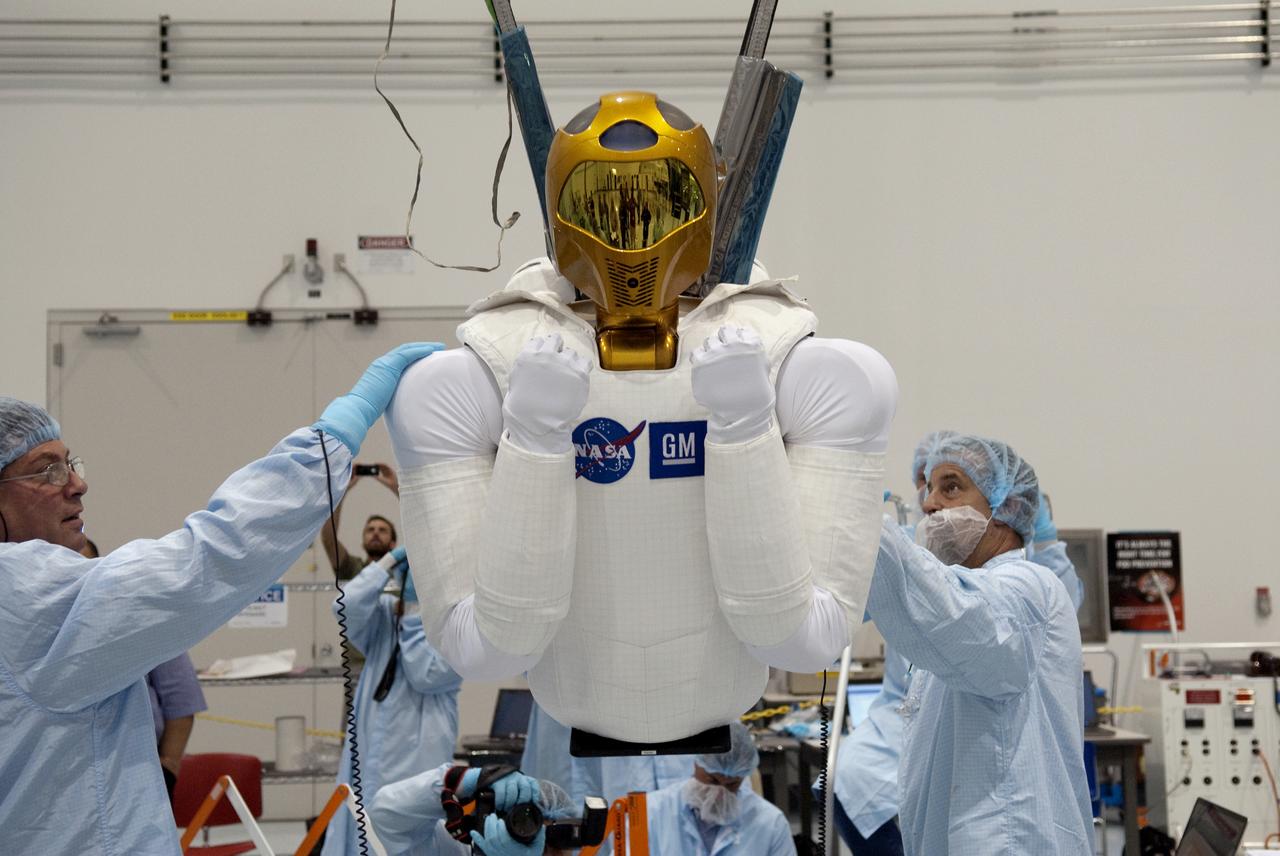
CAPE CANAVERAL, Fla. -- Technicians in the Space Station Processing Facility at NASA's Kennedy Space Center in Florida lift the dexterous humanoid astronaut helper, Robonaut 2, or R2, toward the Permanent Multipurpose Module, or PMM. Packed inside a launch box called SLEEPR, or Structural Launch Enclosure to Effectively Protect Robonaut, R2 will be placed in the in the same launch orientation as space shuttle Discovery's STS-133 crew members -- facing toward the nose of the shuttle with the back taking all the weight. Although R2 will initially only participate in operational tests, upgrades could eventually allow the robot to realize its true purpose -- helping spacewalking astronauts with tasks outside the International Space Station. STS-133 is targeted to launch Nov. 1. Photo credit: NASA/Frankie Martin
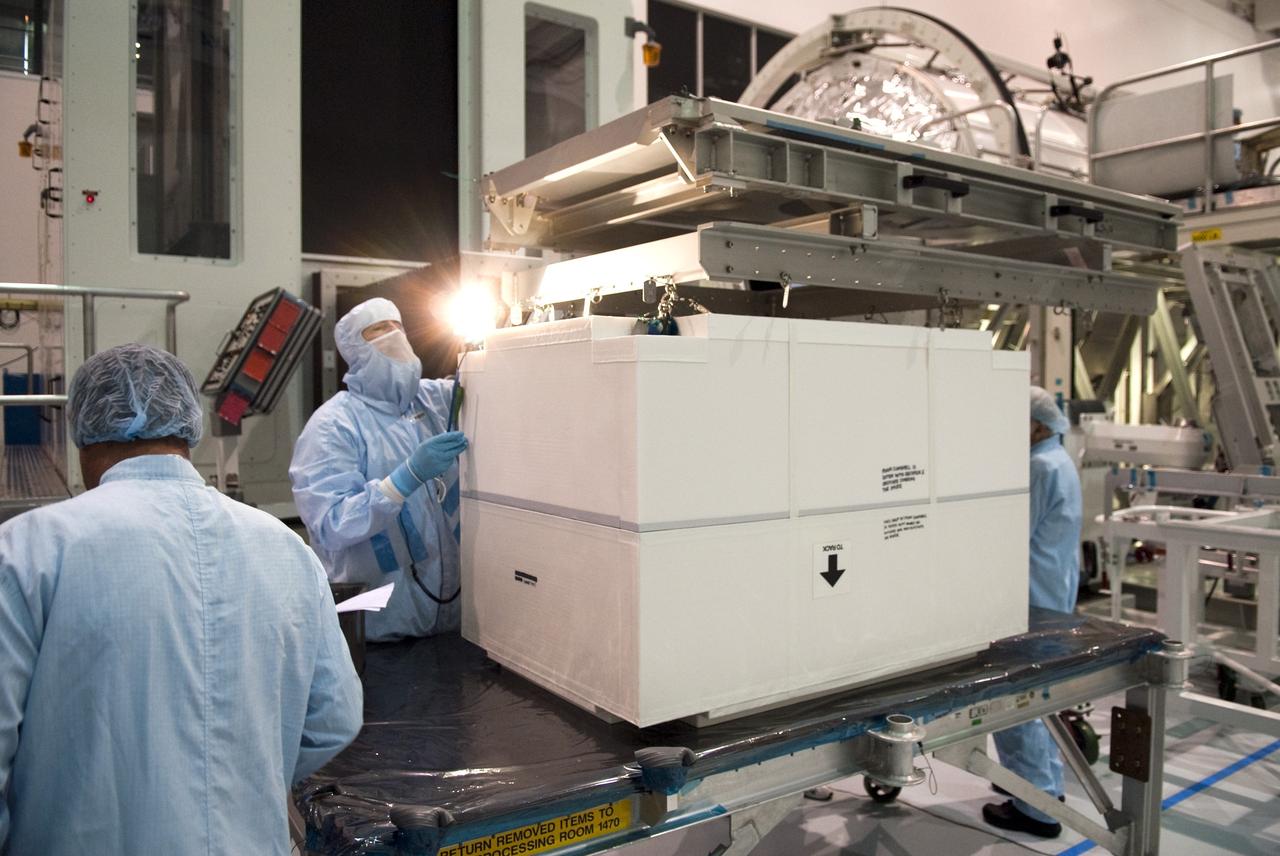
CAPE CANAVERAL, Fla. -- Technicians in the Space Station Processing Facility at NASA's Kennedy Space Center in Florida prepare to lift and load the dexterous humanoid astronaut helper, Robonaut 2, or R2, into the Permanent Multipurpose Module, or PMM. Packed inside a launch box called SLEEPR, or Structural Launch Enclosure to Effectively Protect Robonaut, R2 will be placed in the in the same launch orientation as space shuttle Discovery's STS-133 crew members -- facing toward the nose of the shuttle with the back taking all the weight. Although R2 will initially only participate in operational tests, upgrades could eventually allow the robot to realize its true purpose -- helping spacewalking astronauts with tasks outside the International Space Station. STS-133 is targeted to launch Nov. 1. Photo credit: NASA/Frankie Martin
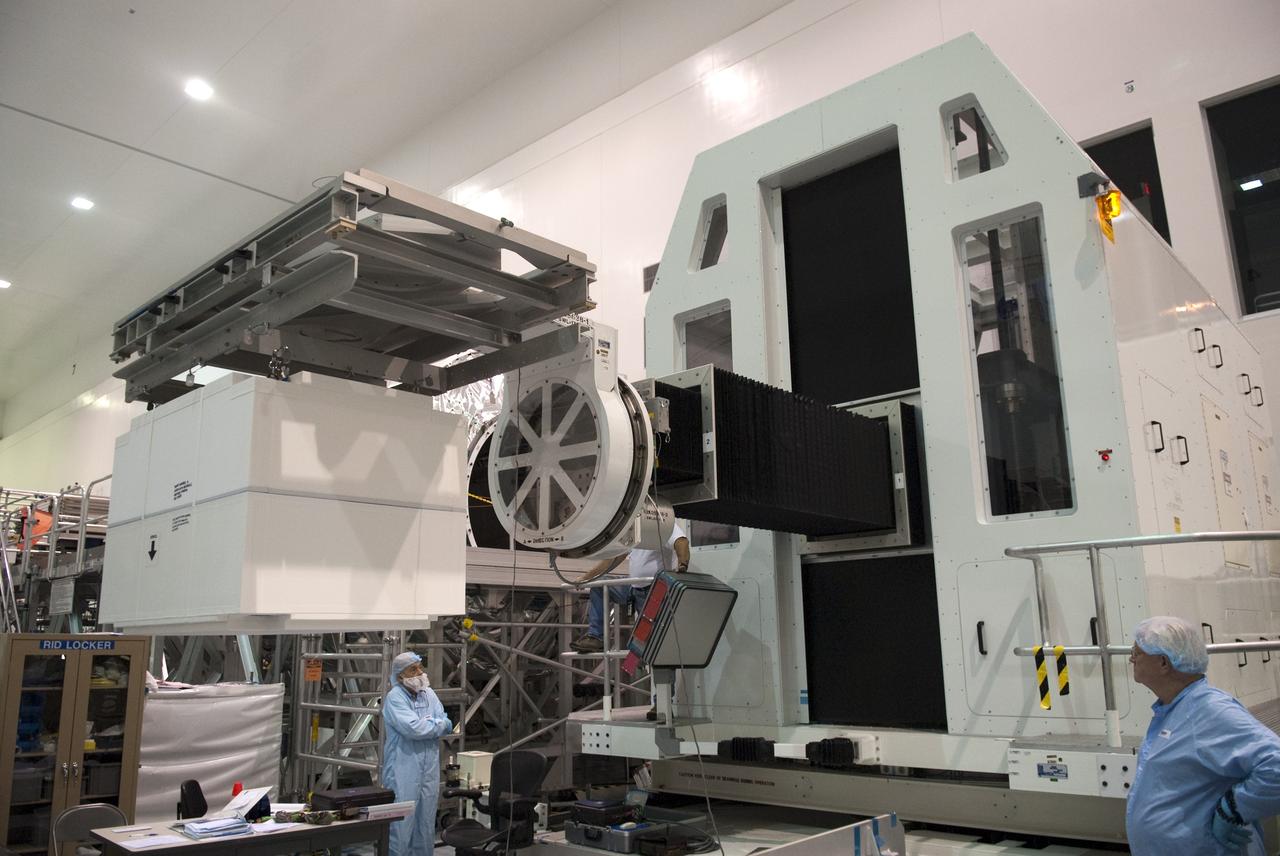
CAPE CANAVERAL, Fla. -- Technicians in the Space Station Processing Facility at NASA's Kennedy Space Center in Florida lift the dexterous humanoid astronaut helper, Robonaut 2, or R2, toward the Permanent Multipurpose Module, or PMM. Packed inside a launch box called SLEEPR, or Structural Launch Enclosure to Effectively Protect Robonaut, R2 will be placed in the in the same launch orientation as space shuttle Discovery's STS-133 crew members -- facing toward the nose of the shuttle with the back taking all the weight. Although R2 will initially only participate in operational tests, upgrades could eventually allow the robot to realize its true purpose -- helping spacewalking astronauts with tasks outside the International Space Station. STS-133 is targeted to launch Nov. 1. Photo credit: NASA/Frankie Martin
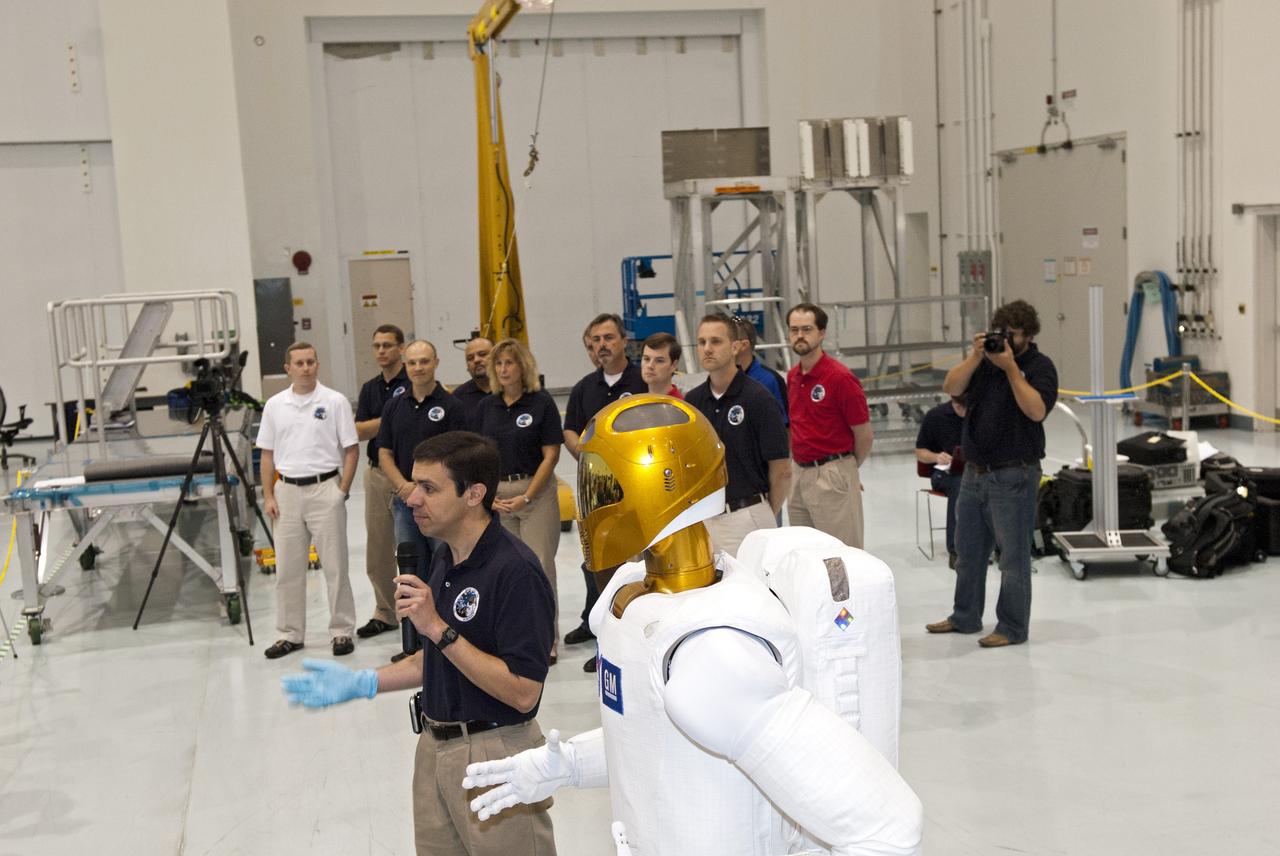
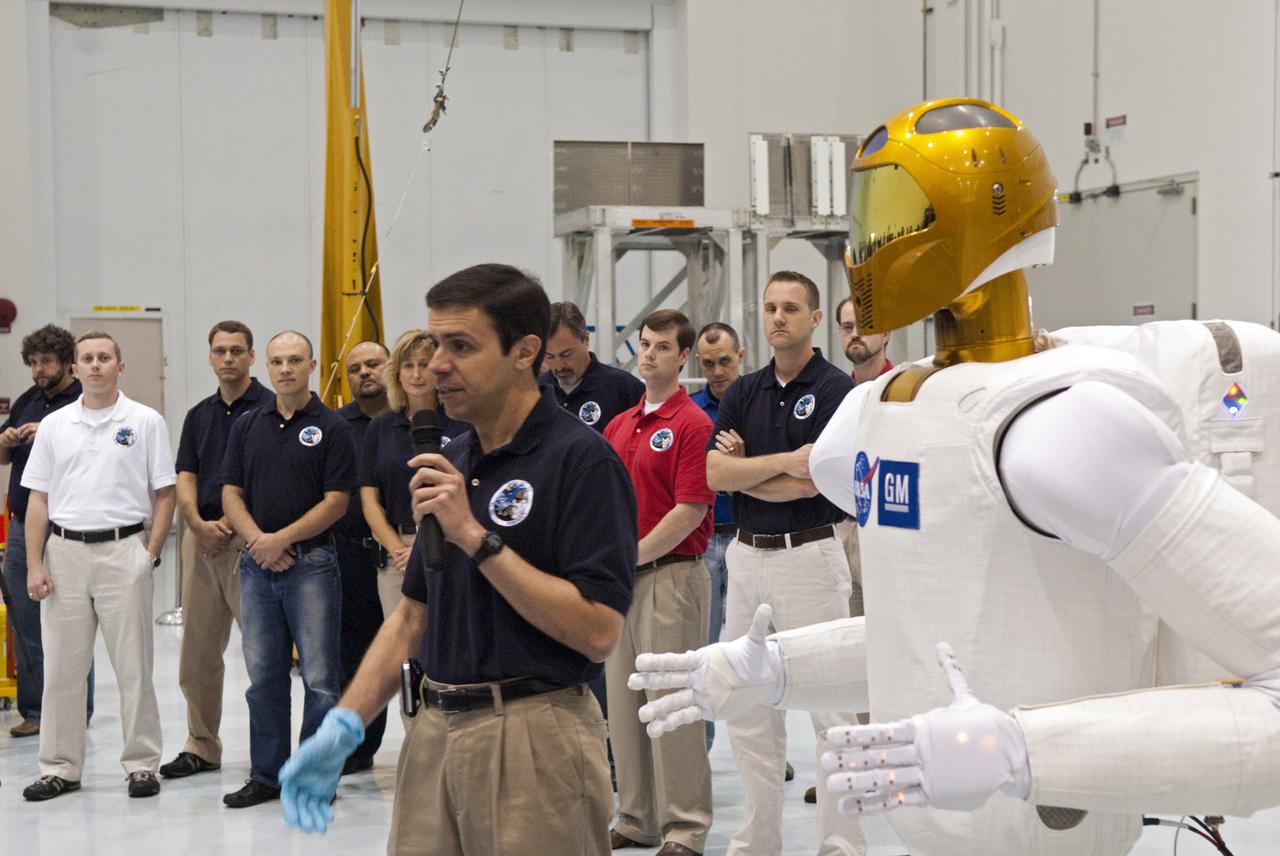
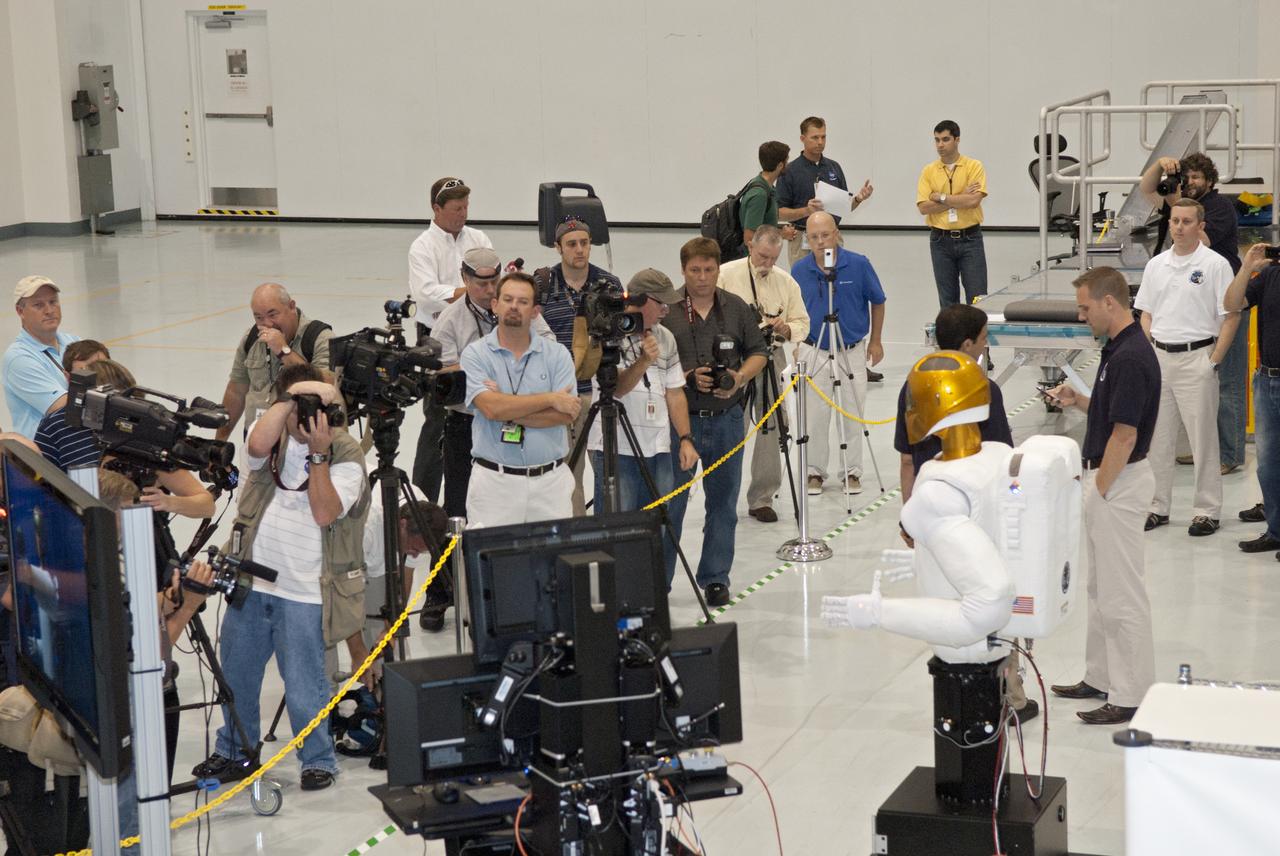
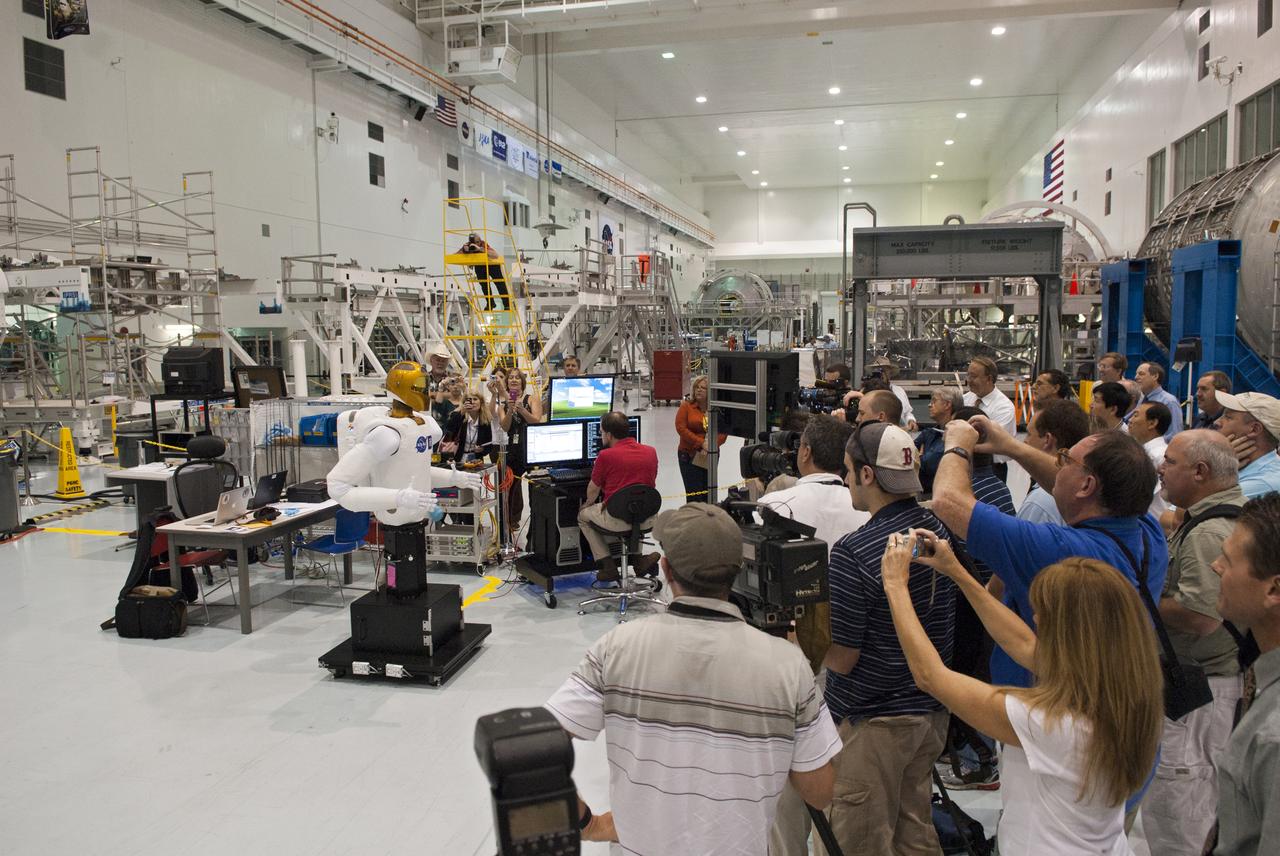
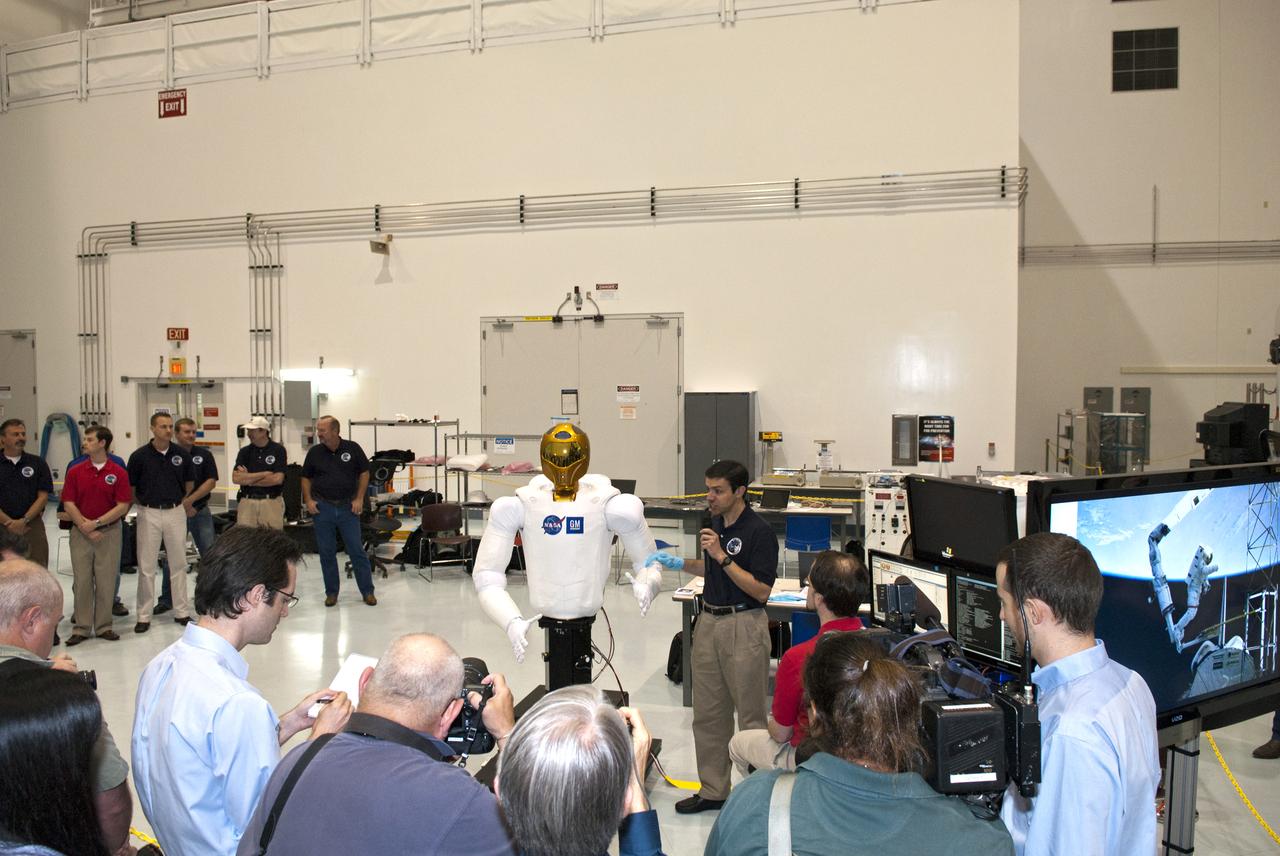
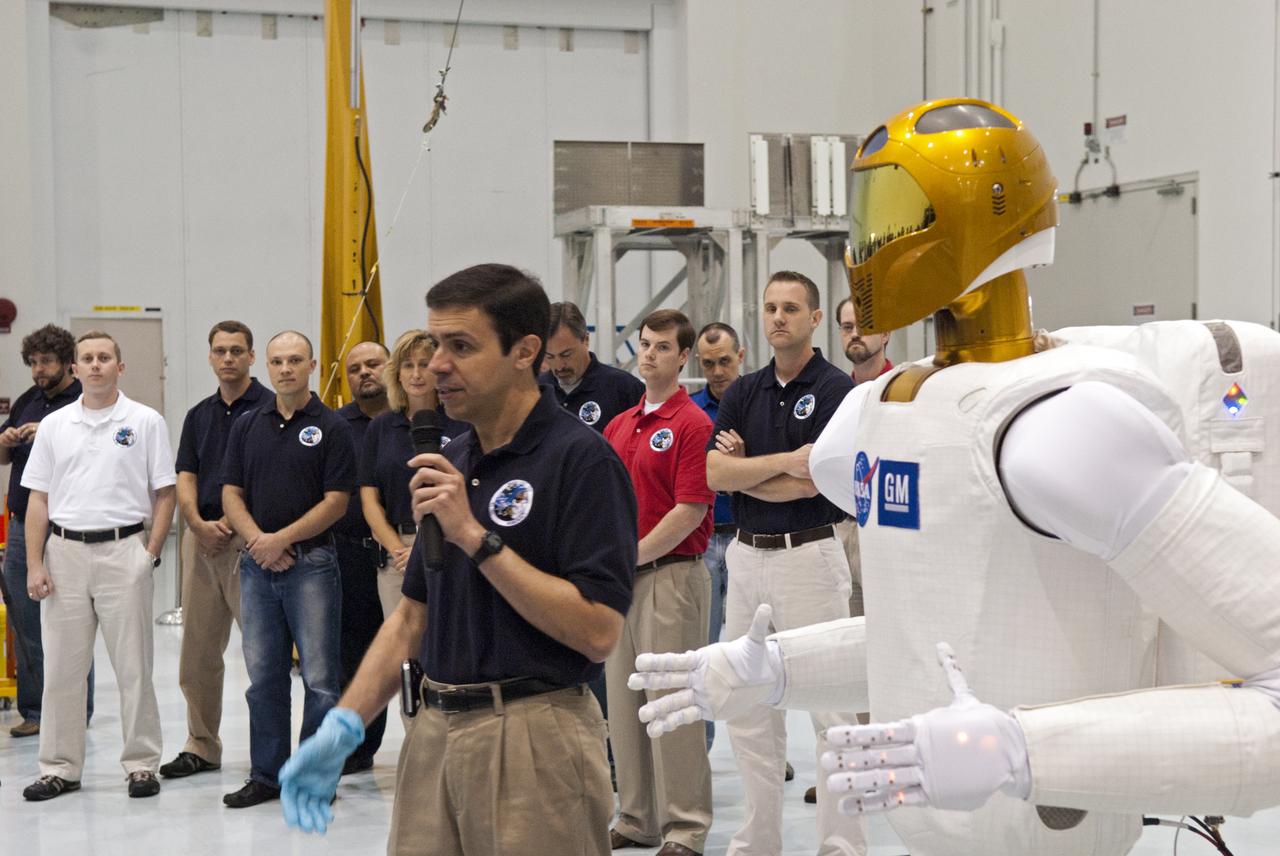
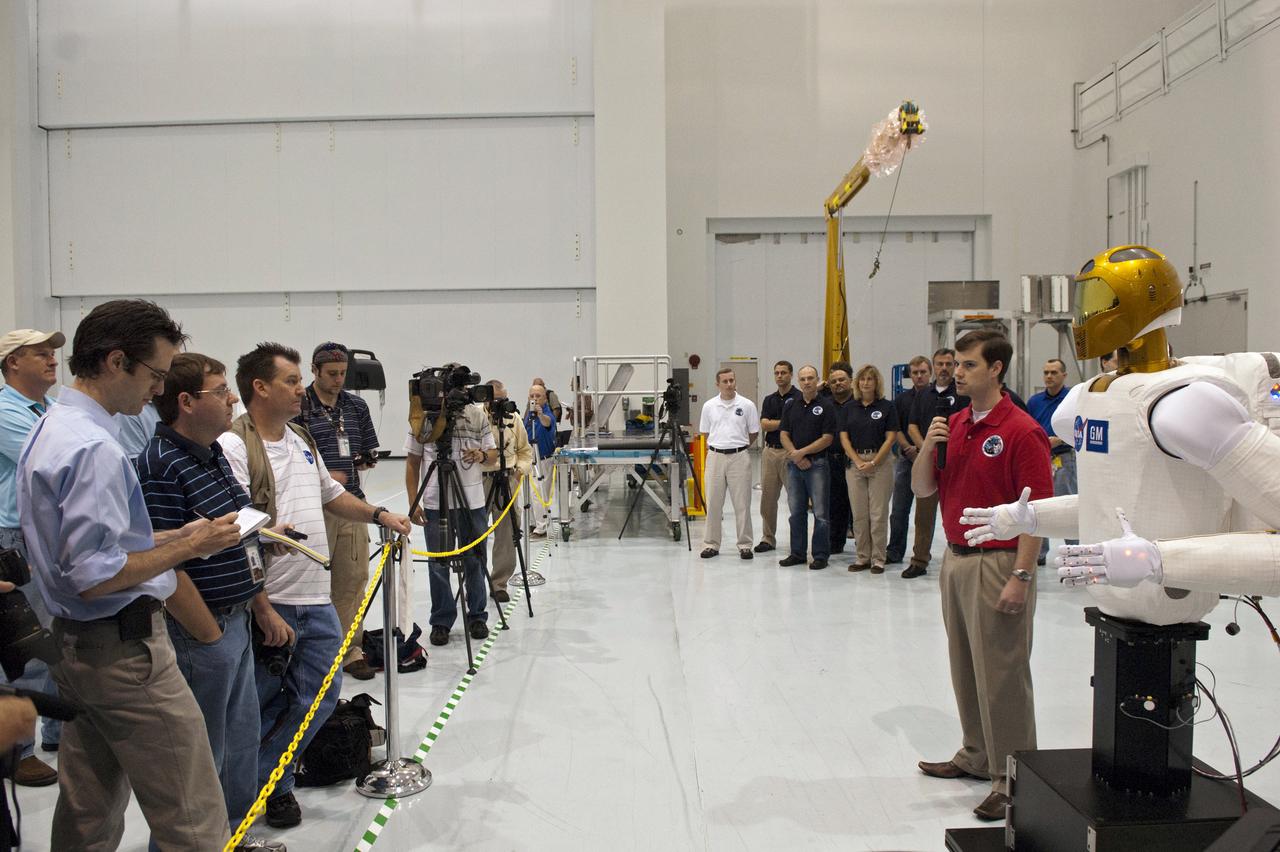
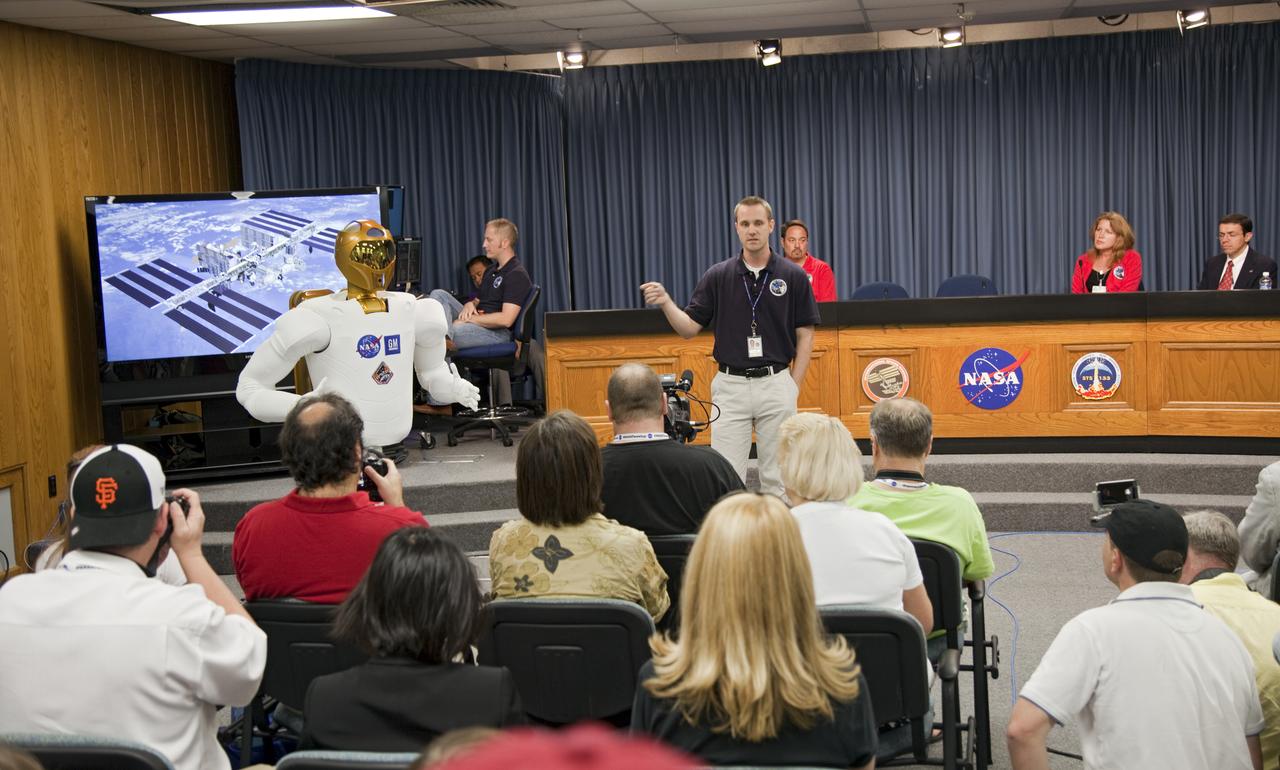
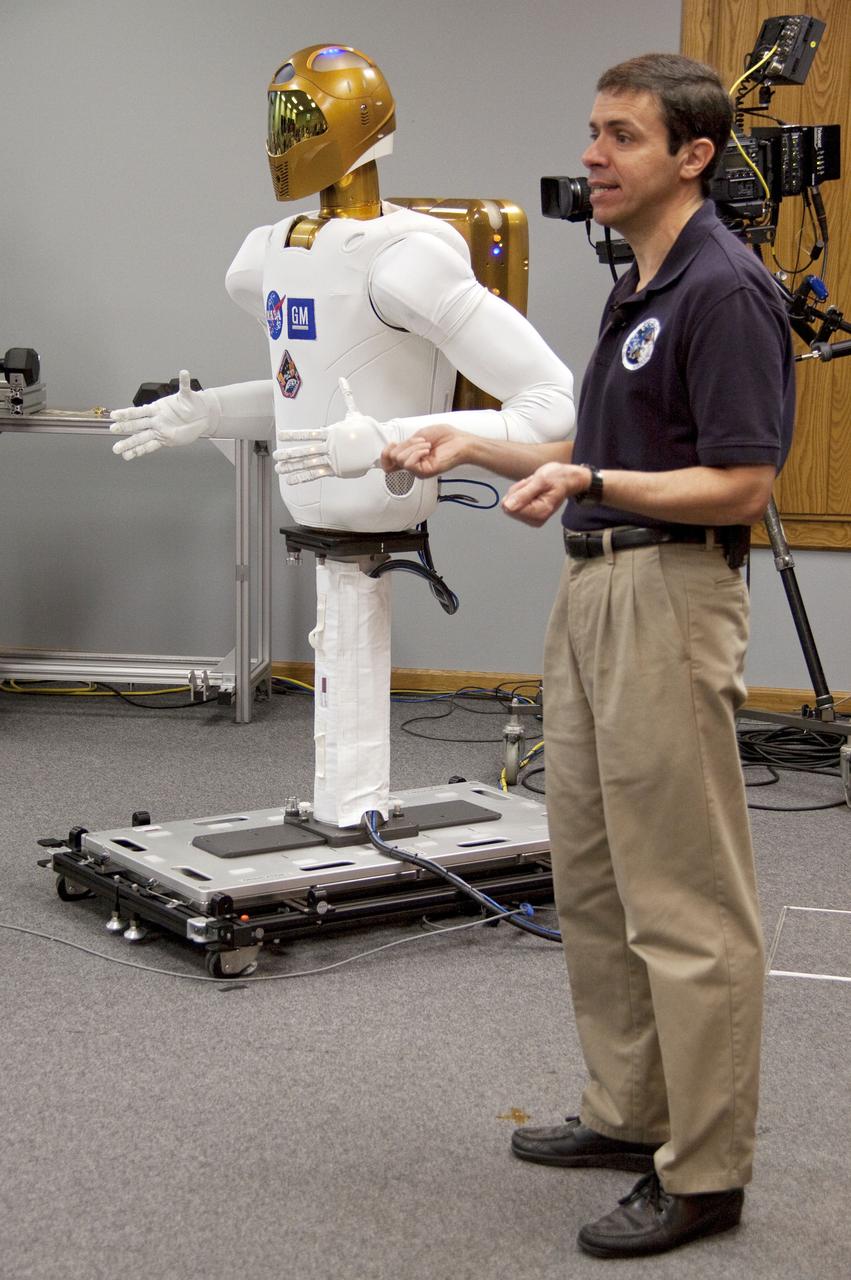
CAPE CANAVERAL, Fla. -- In the Space Station Processing Facility at NASA's Kennedy Space Center in Florida, Ron Diftler, NASA Robonaut project manager, talks to the media about the dexterous humanoid astronaut helper, Robonaut (R2). R2 will fly to the International Space Station aboard space shuttle Discovery on the STS-133 mission. Although it will initially only participate in operational tests, upgrades could eventually allow the robot to realize its true purpose -- helping spacewalking astronauts with tasks outside the space station. Photo credit: NASA/Jim Grossmann
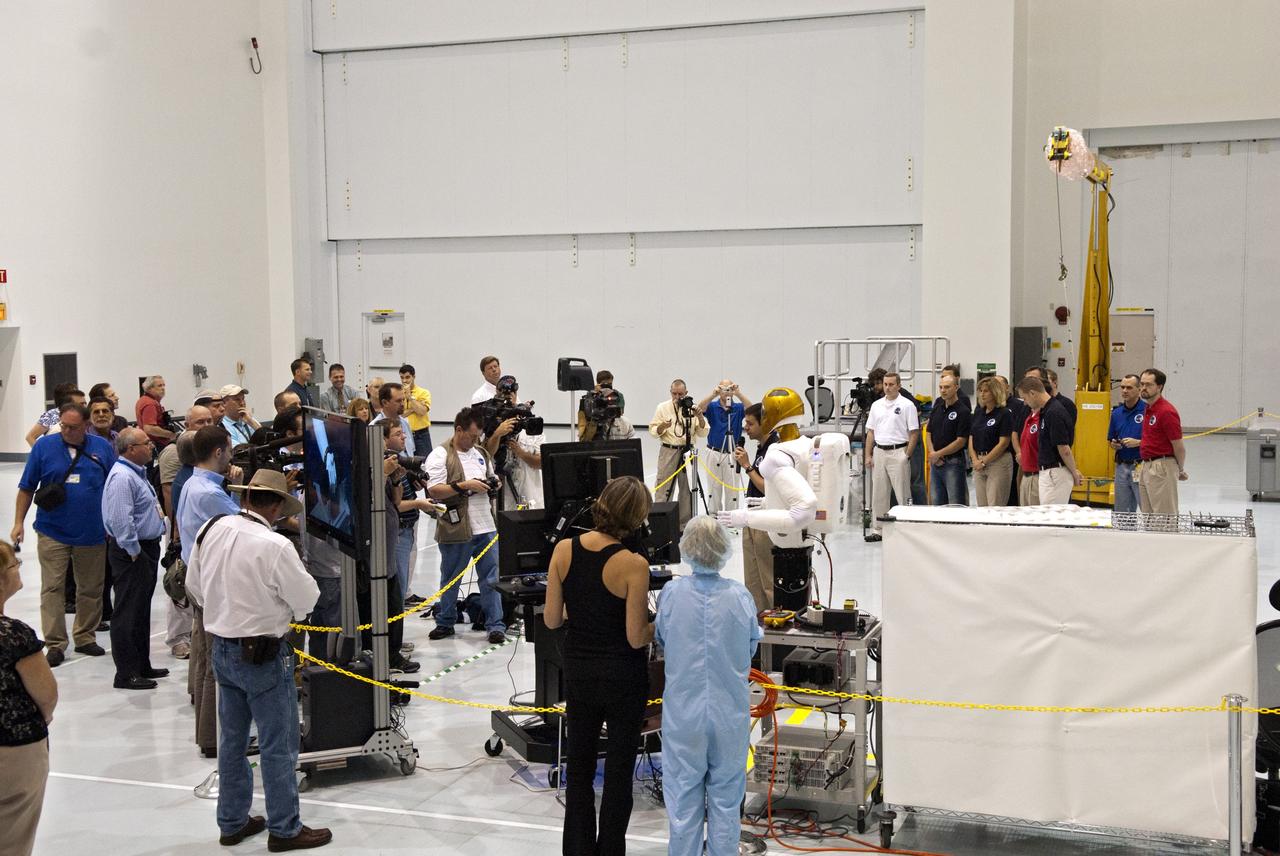
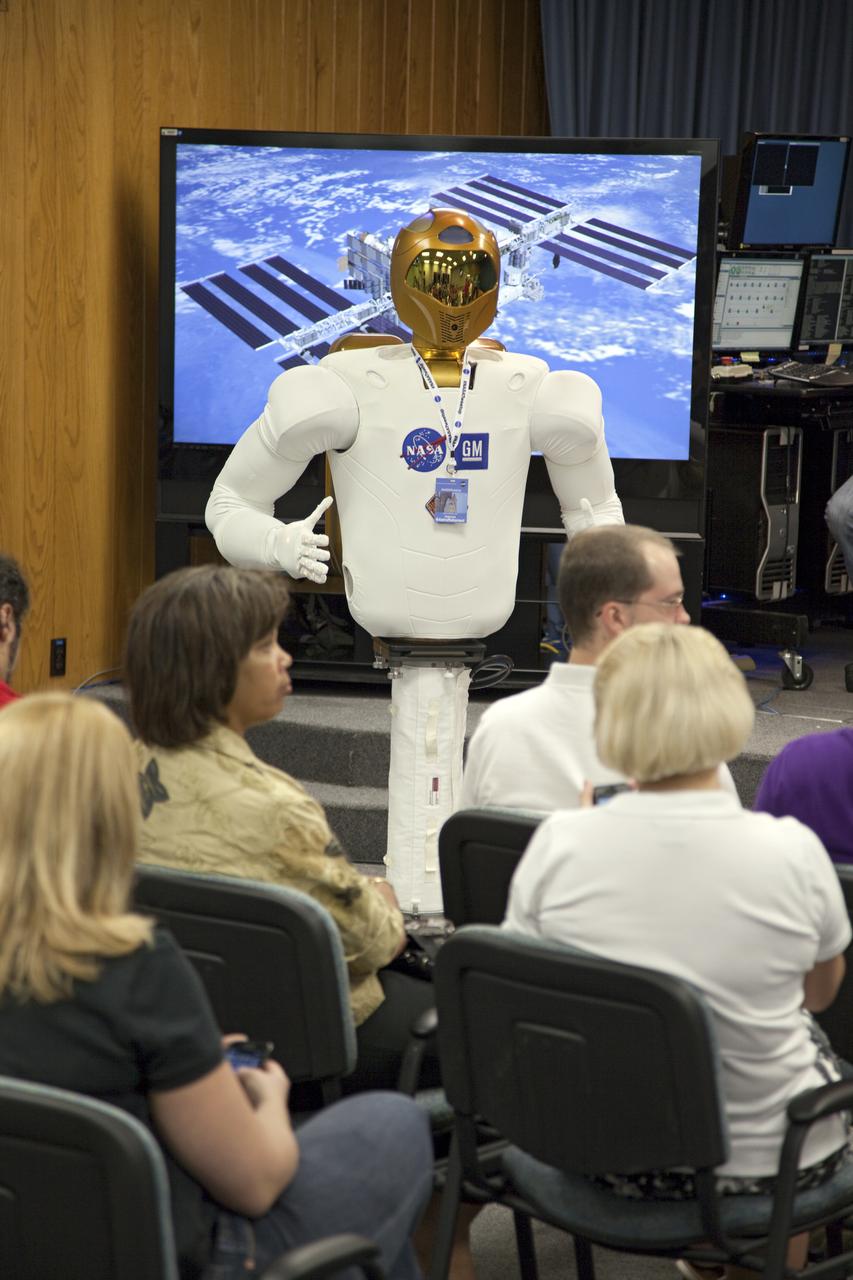
CAPE CANAVERAL, Fla. -- In the Space Station Processing Facility at NASA's Kennedy Space Center in Florida, Ron Diftler, NASA Robonaut project manager, describes the animation of the dexterous humanoid astronaut helper, Robonaut (R2) to the media. R2 will fly to the International Space Station aboard space shuttle Discovery on the STS-133 mission. Although it will initially only participate in operational tests, upgrades could eventually allow the robot to realize its true purpose -- helping spacewalking astronauts with tasks outside the space station. Photo credit: NASA/Jim Grossmann
CAPE CANAVERAL, Fla. -- In the Space Station Processing Facility at NASA's Kennedy Space Center in Florida, Ron Diftler, NASA Robonaut project manager, describes the animation of the dexterous humanoid astronaut helper, Robonaut (R2) to the media. R2 will fly to the International Space Station aboard space shuttle Discovery on the STS-133 mission. Although it will initially only participate in operational tests, upgrades could eventually allow the robot to realize its true purpose -- helping spacewalking astronauts with tasks outside the space station. Photo credit: NASA/Jim Grossmann
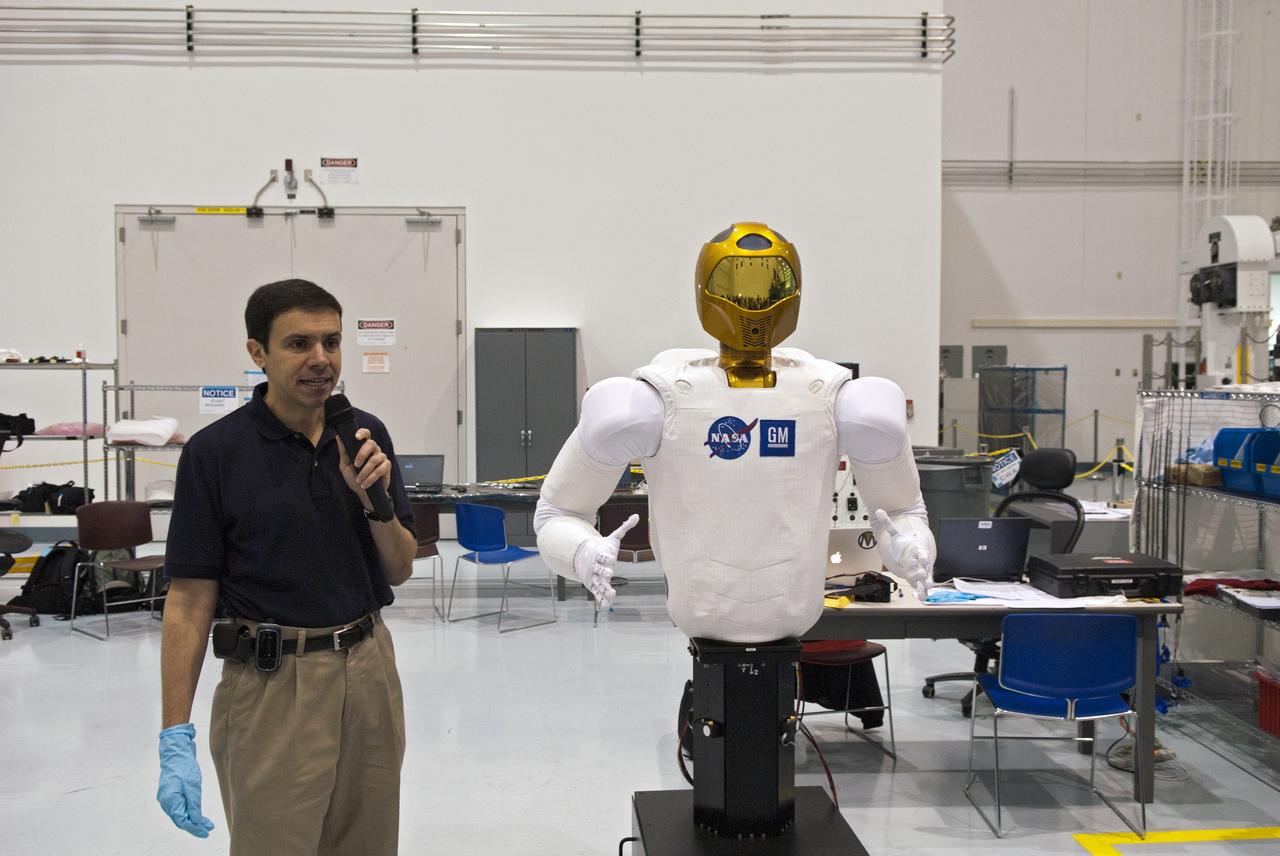
CAPE CANAVERAL, Fla. -- CAPE CANAVERAL, Fla. -- In the Space Station Processing Facility at NASA's Kennedy Space Center in Florida, Ron Diftler, NASA Robonaut project manager, describes the movements of the dexterous humanoid astronaut helper, Robonaut (R2). R2 will fly to the International Space Station aboard space shuttle Discovery on the STS-133 mission. Although it will initially only participate in operational tests, upgrades could eventually allow the robot to realize its true purpose -- helping spacewalking astronauts with tasks outside the space station. Photo credit: NASA/Jim Grossmann
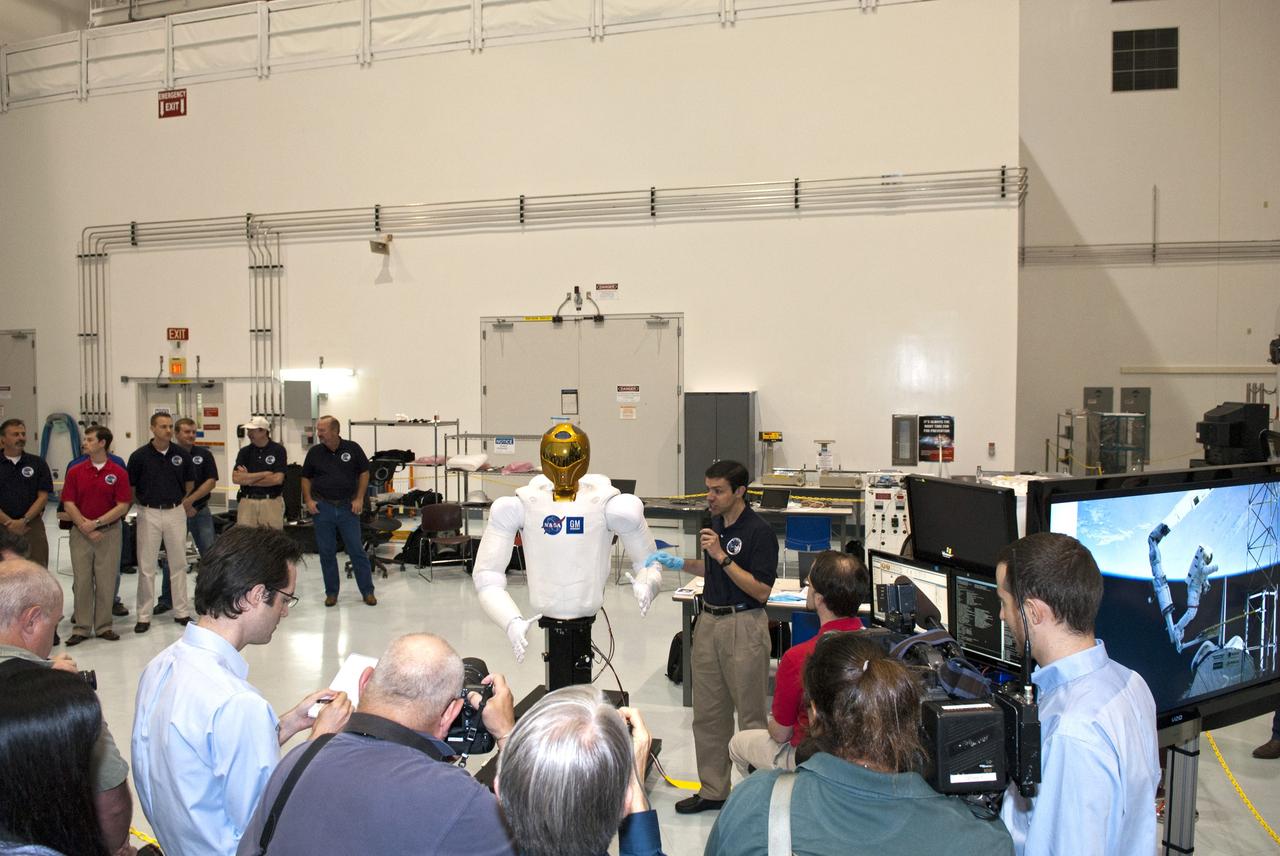
CAPE CANAVERAL, Fla. -- In the Space Station Processing Facility at NASA's Kennedy Space Center in Florida, Ron Diftler, NASA Robonaut project manager explains to the audience how the dexterous humanoid astronaut helper, Robonaut (R2) can be of service while in space. R2 will fly to the International Space Station aboard space shuttle Discovery on the STS-133 mission. Although it will initially only participate in operational tests, upgrades could eventually allow the robot to realize its true purpose -- helping spacewalking astronauts with tasks outside the space station. Photo credit: NASA/Jim Grossmann
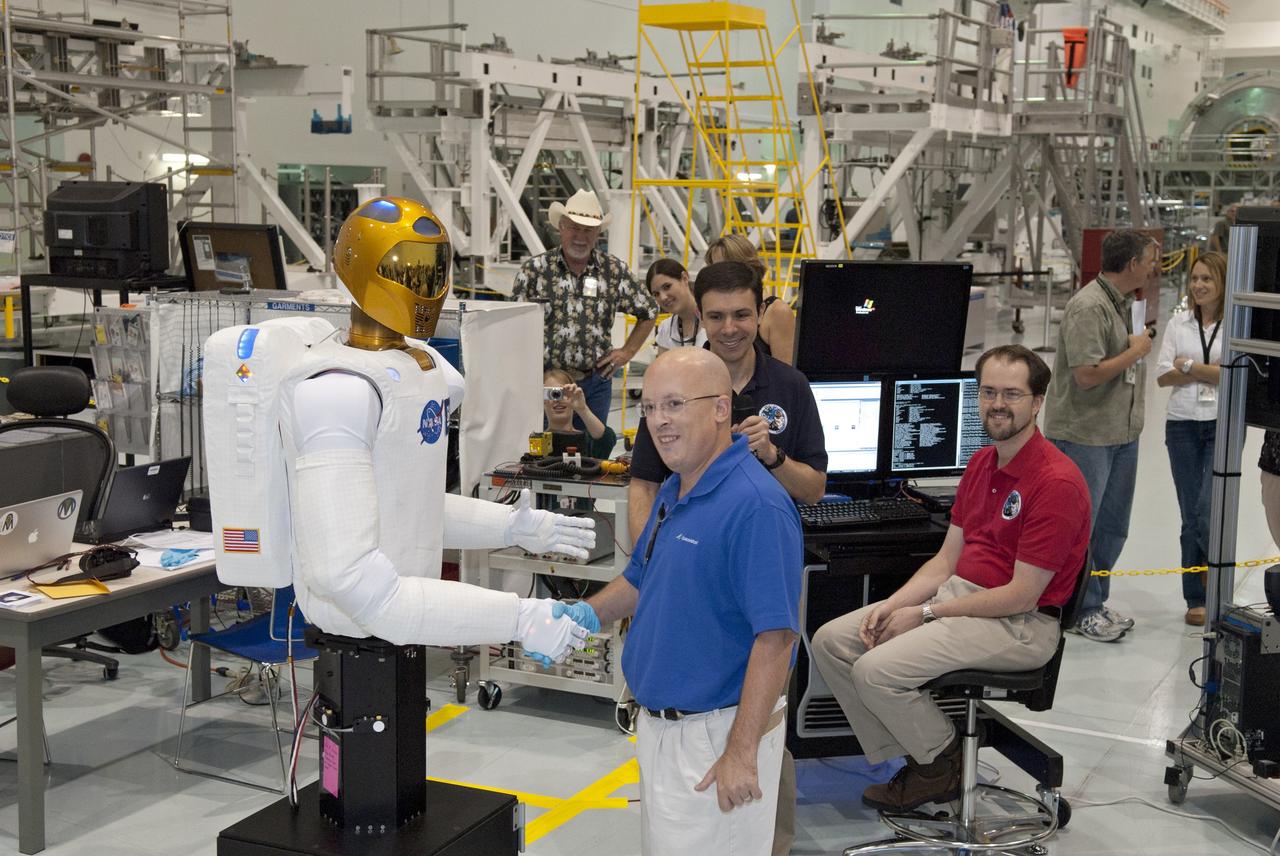
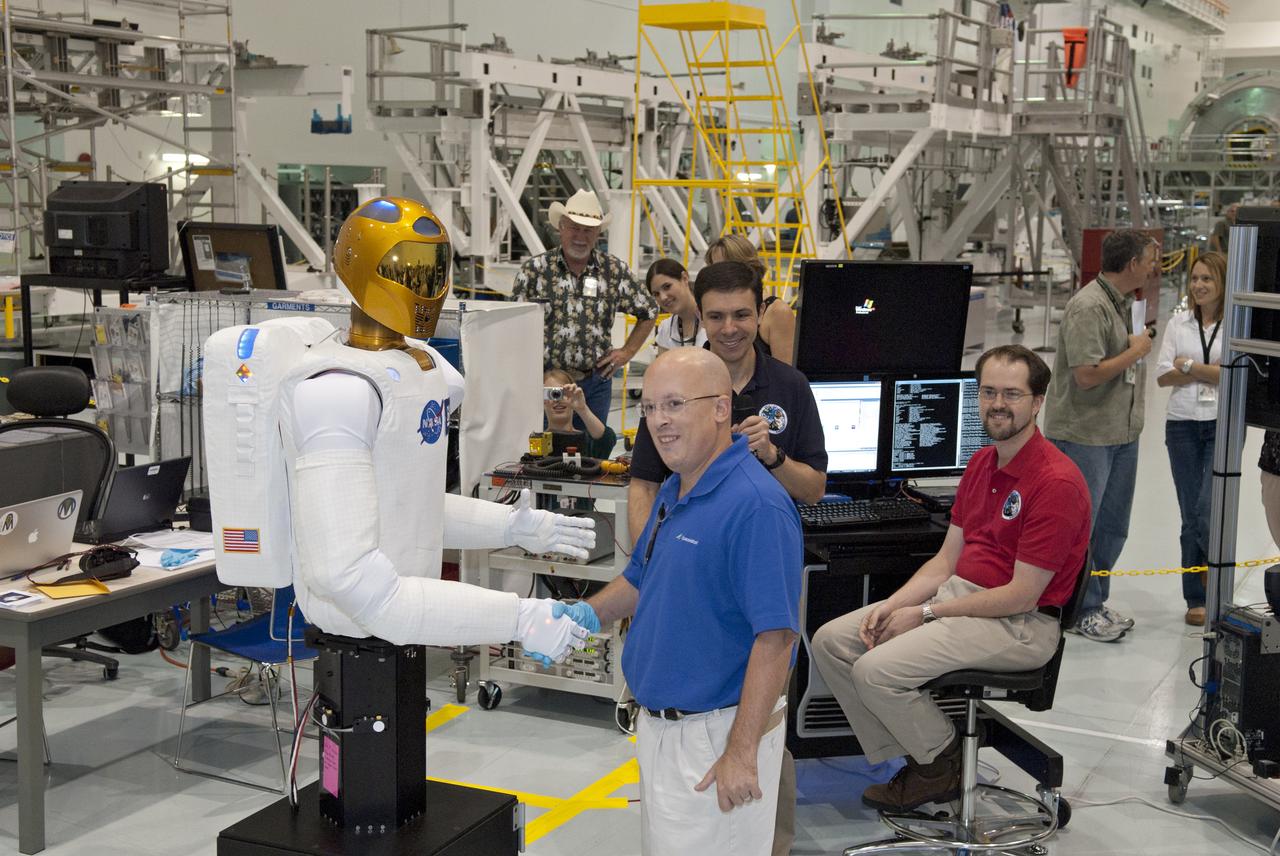
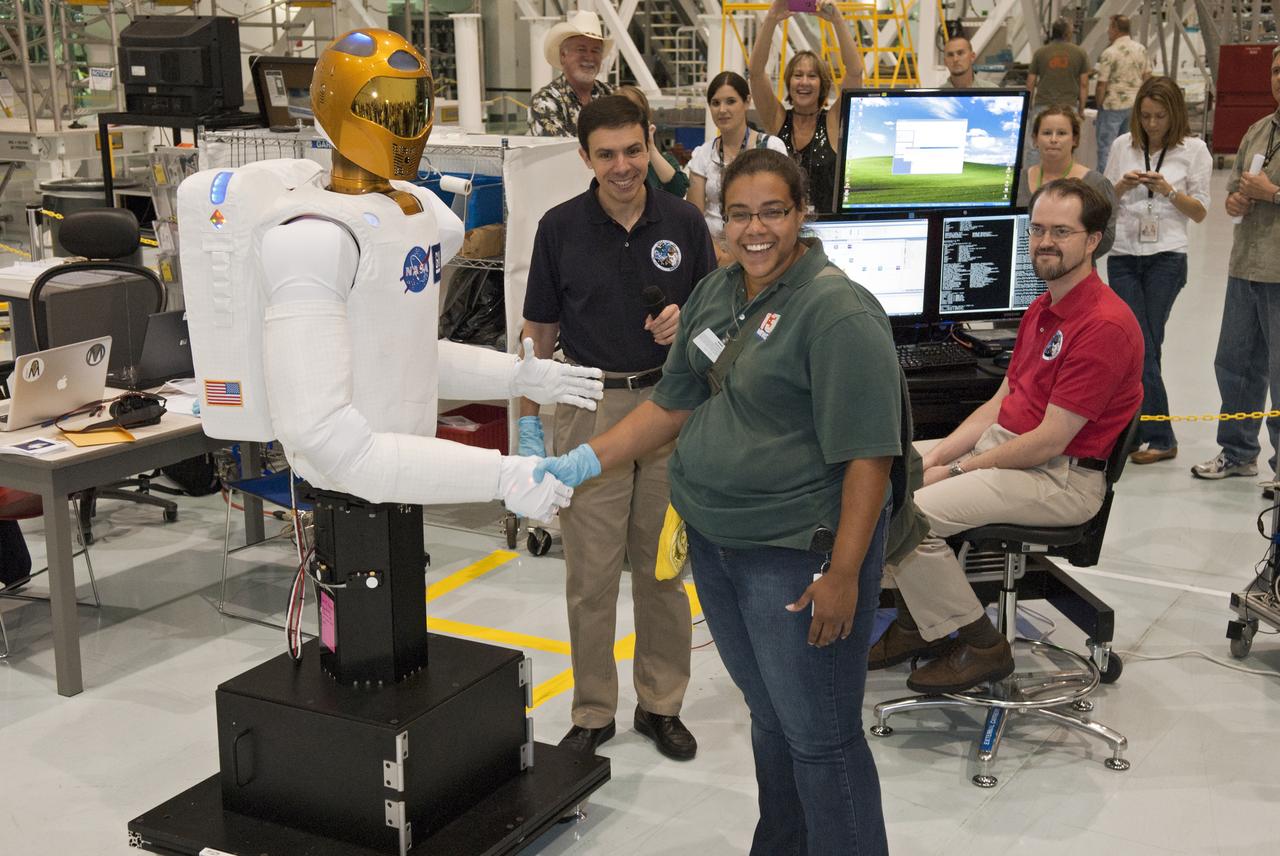
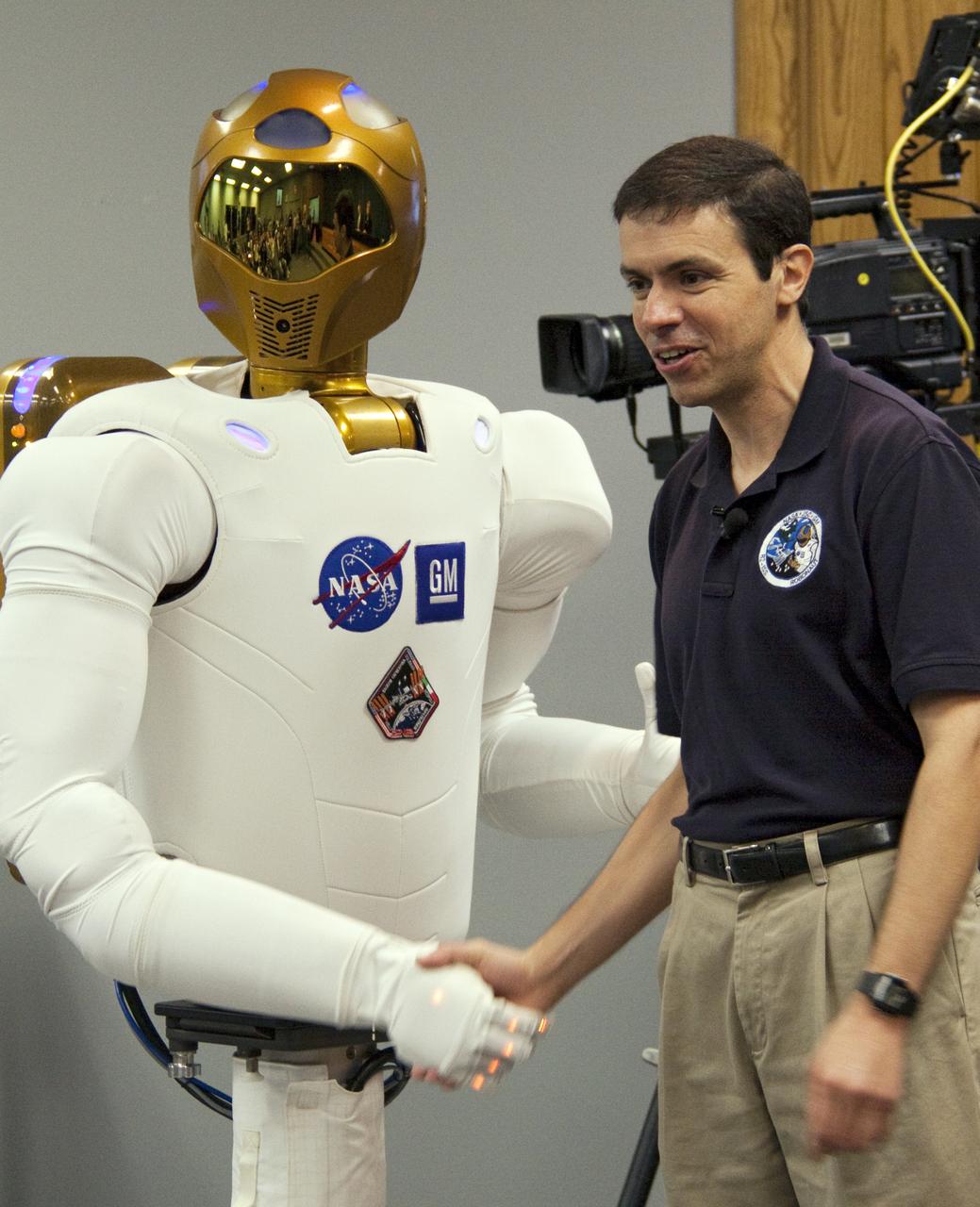
CAPE CANAVERAL, Fla. -- In the Space Station Processing Facility at NASA's Kennedy Space Center in Florida, Jason Rhian with Spacevidcast, enthusiastically shakes the hand of Robonaut (R2) during a media event hosted by NASA. R2 will fly to the International Space Station aboard space shuttle Discovery on the STS-133 mission. Although it will initially only participate in operational tests, upgrades could eventually allow the robot to realize its true purpose -- helping spacewalking astronauts with tasks outside the space station. Photo credit: NASA/Jim Grossmann
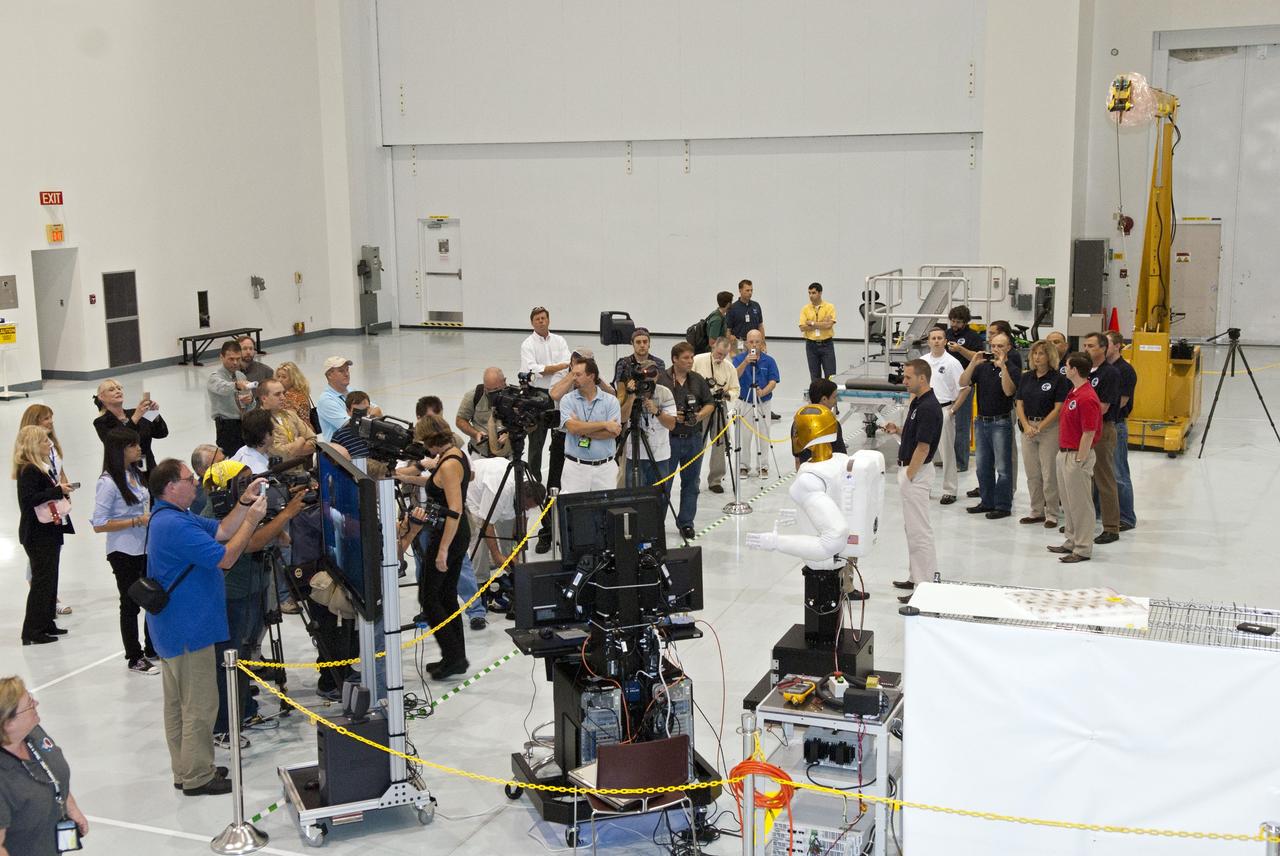
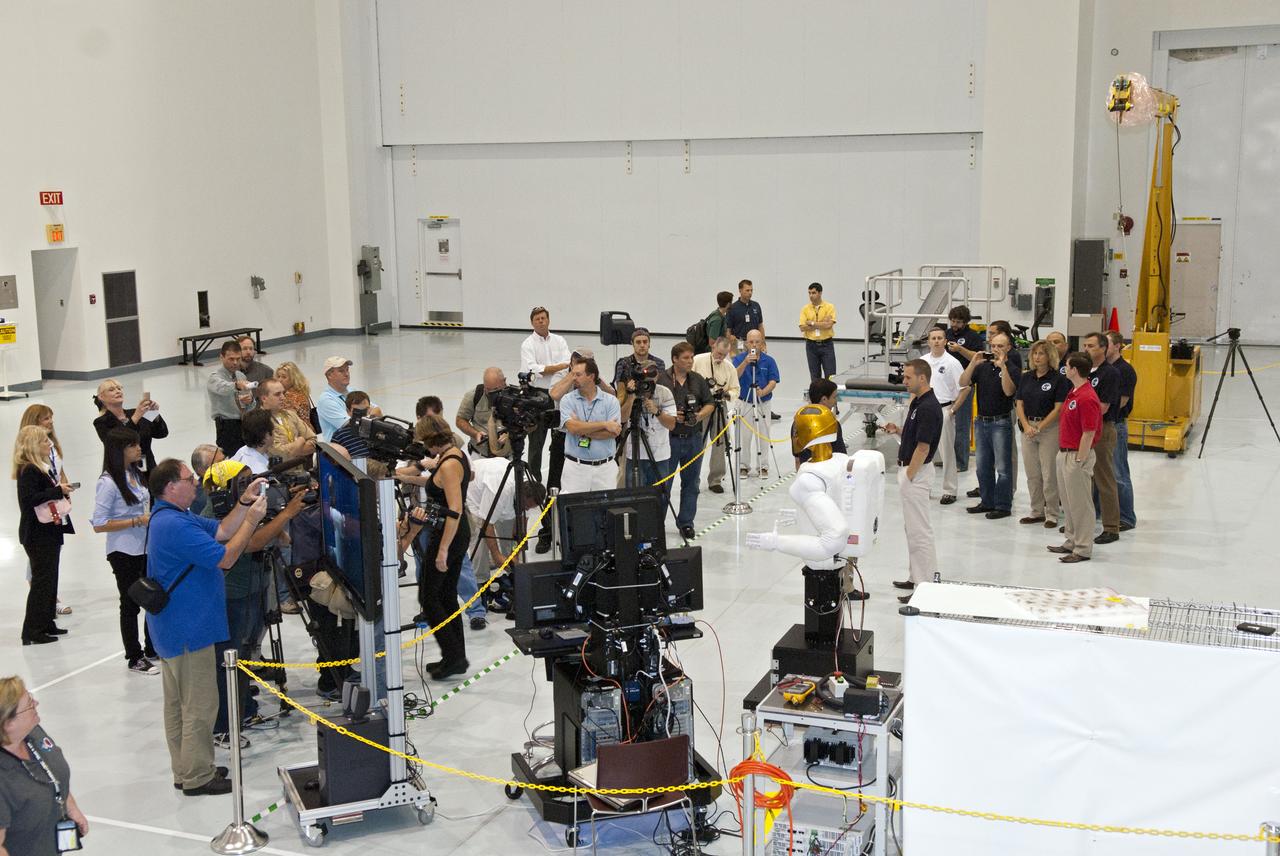
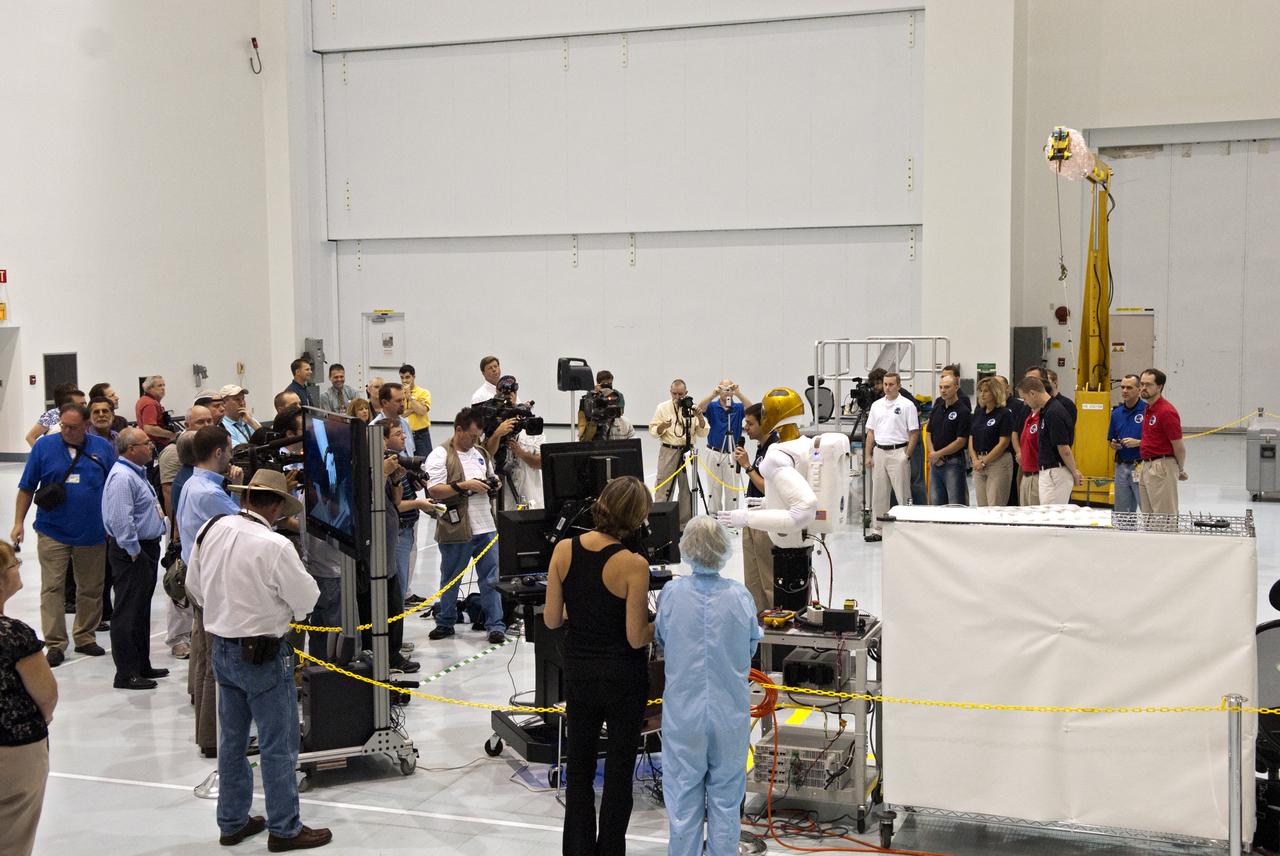
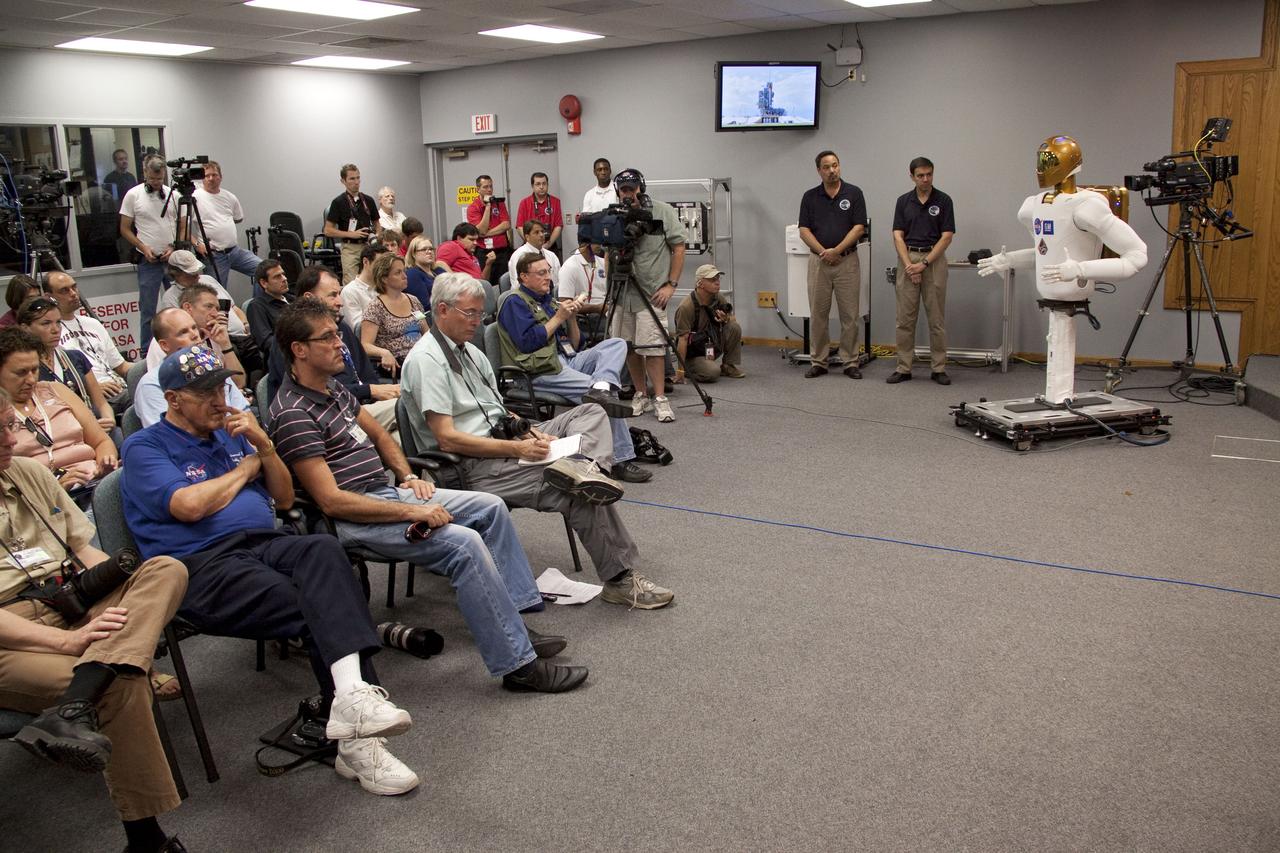
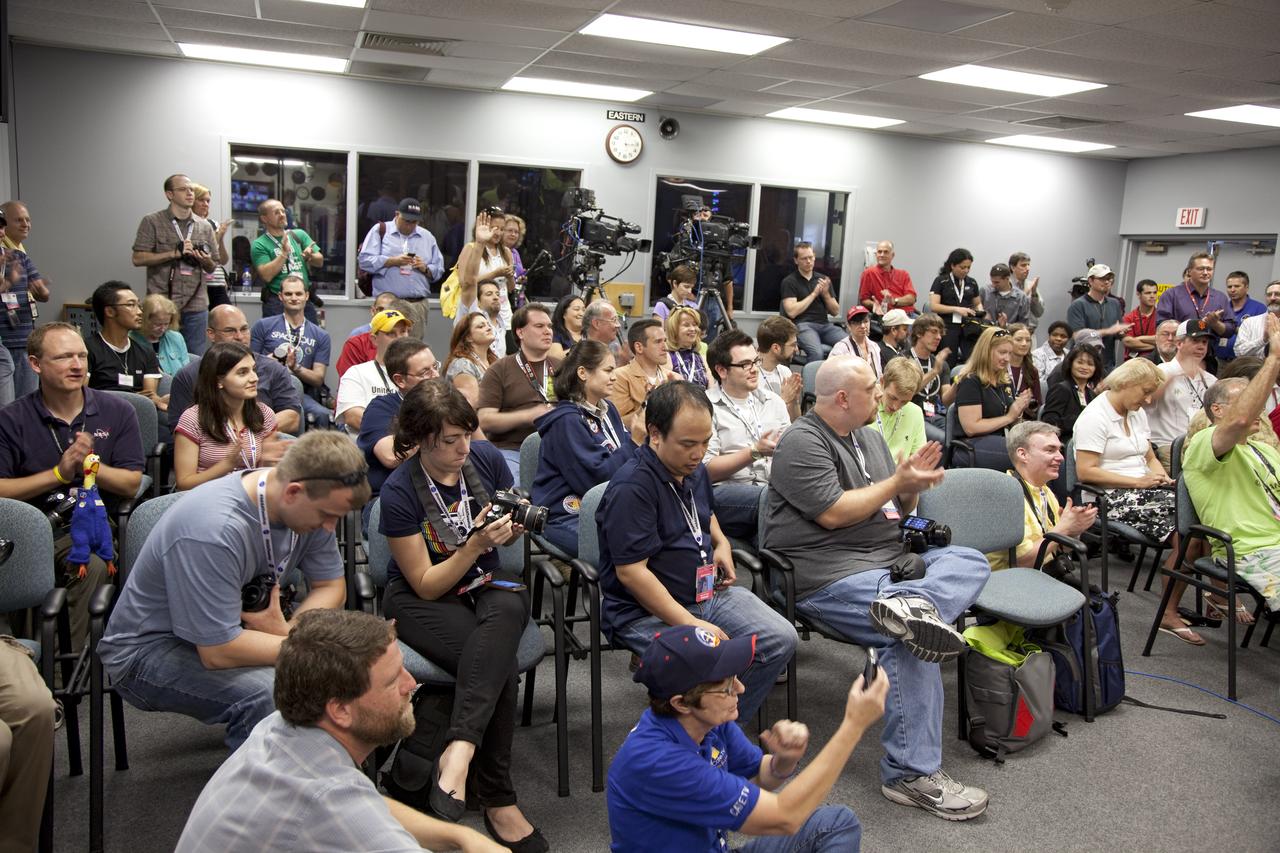
CAPE CANAVERAL, Fla. -- In the Space Station Processing Facility at NASA's Kennedy Space Center in Florida, NASA hosted a media event featuring Robonaut (R2), a dexterous humanoid astronaut helper, to the public. R2 will fly to the International Space Station aboard space shuttle Discovery on the STS-133 mission. Although it will initially only participate in operational tests, upgrades could eventually allow the robot to realize its true purpose -- helping spacewalking astronauts with tasks outside the space station. Photo credit: NASA/Jim Grossmann

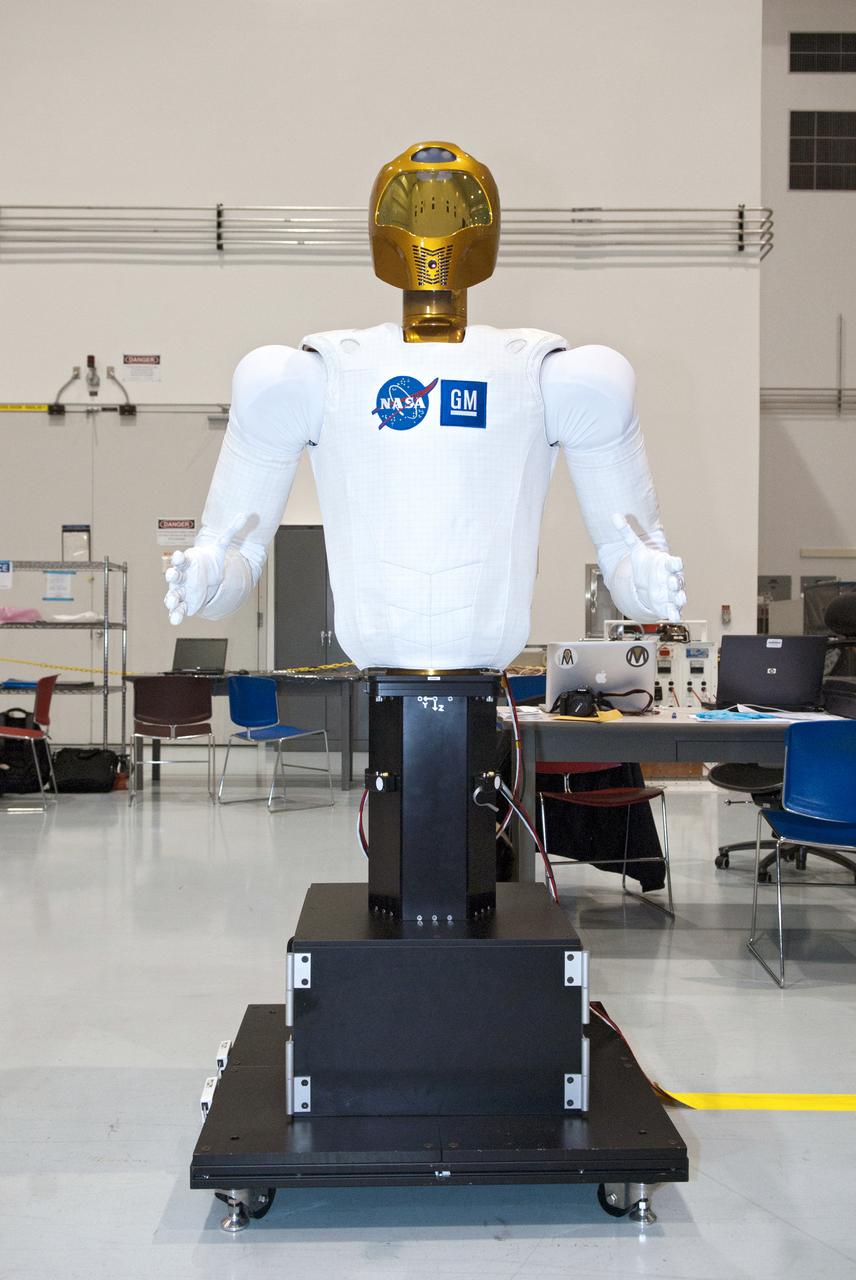
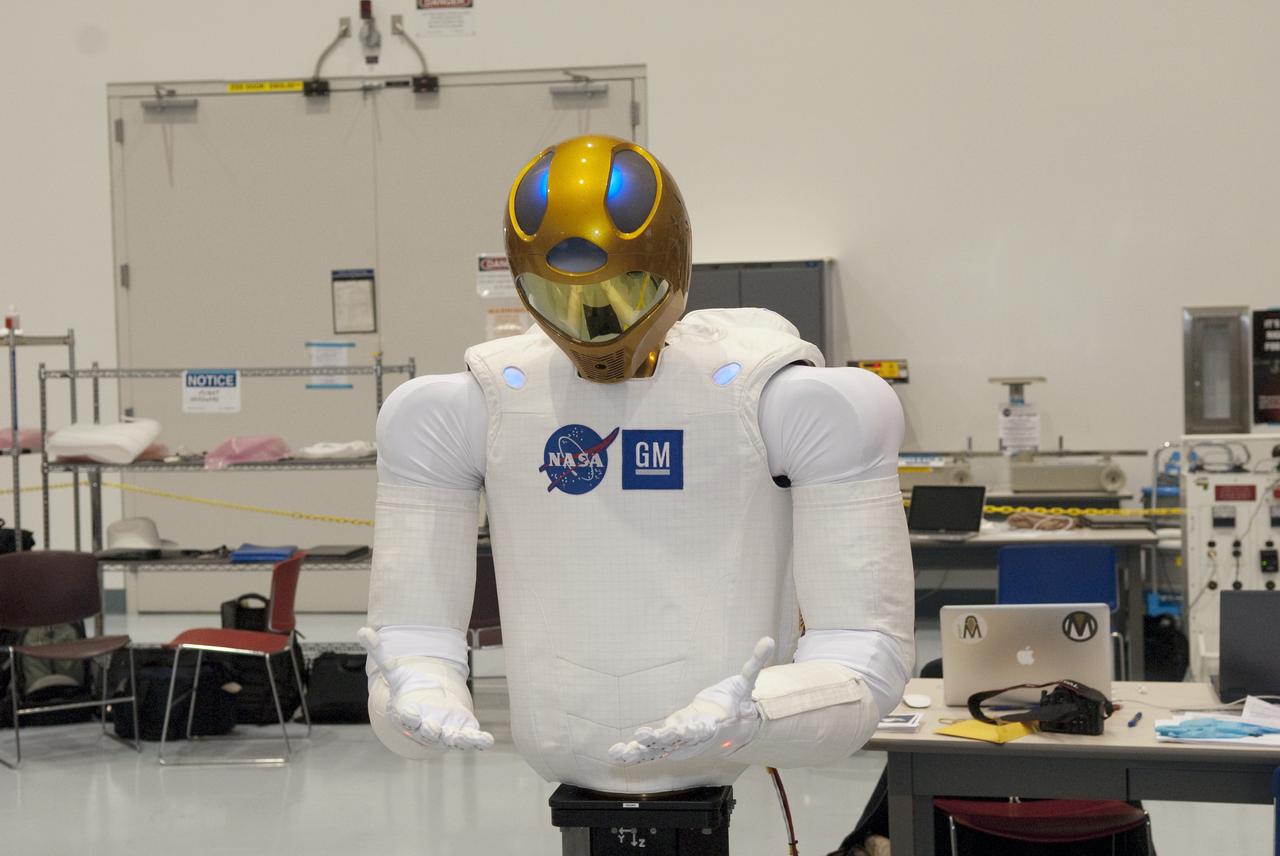
CAPE CANAVERAL, Fla. -- In the Space Station Processing Facility at NASA's Kennedy Space Center in Florida, the dexterous humanoid astronaut helper, Robonaut (R2) is on display during a media event hosted by NASA. R2 will fly to the International Space Station aboard space shuttle Discovery on the STS-133 mission. Although it will initially only participate in operational tests, upgrades could eventually allow the robot to realize its true purpose -- helping spacewalking astronauts with tasks outside the space station. Photo credit: NASA/Jim Grossmann
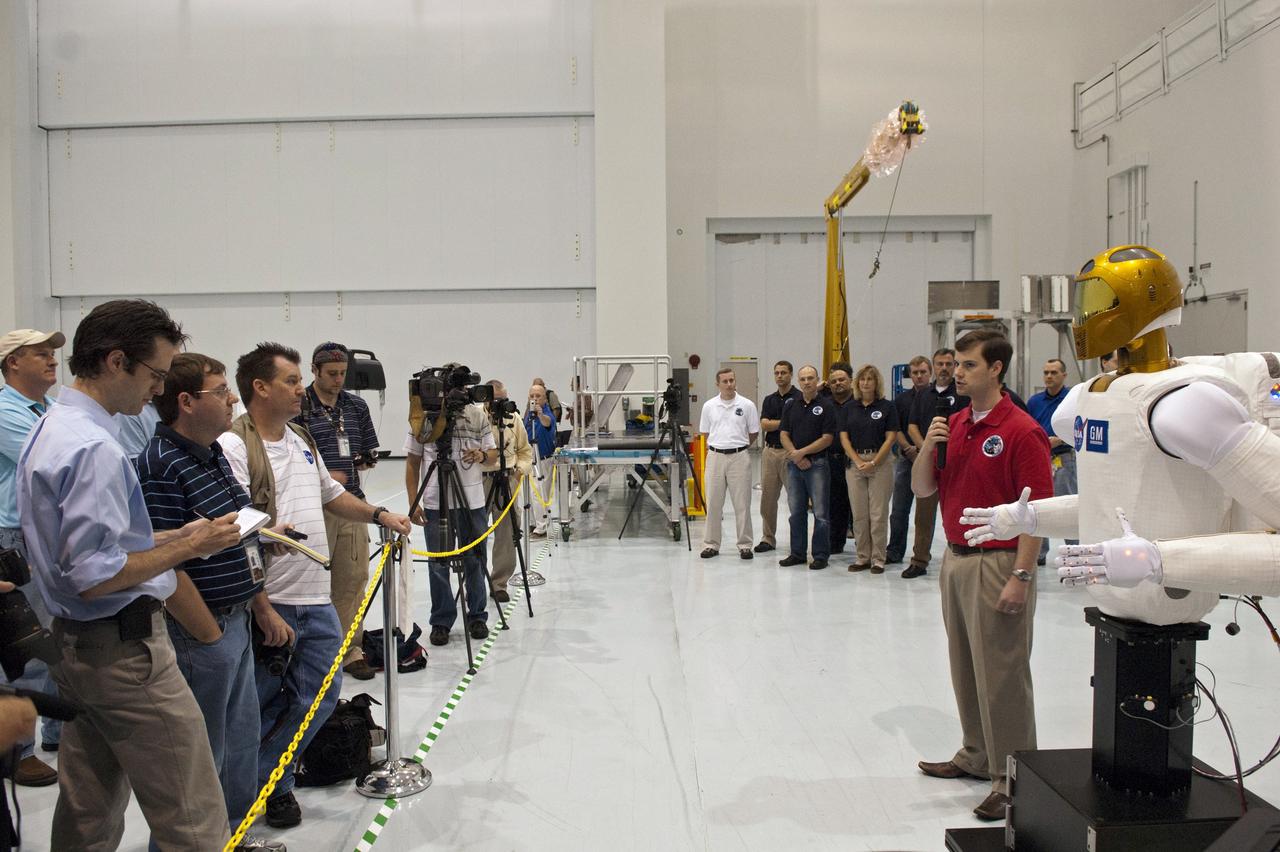
CAPE CANAVERAL, Fla. -- In the Space Station Processing Facility at NASA's Kennedy Space Center in Florida, Adam Sanders, General Motors robotics engineer, addresses the media at an event hosted by NASA to introduce the dexterous humanoid astronaut helper, Robonaut (R2) to the participants. R2 will fly to the International Space Station aboard space shuttle Discovery on the STS-133 mission. Although it will initially only participate in operational tests, upgrades could eventually allow the robot to realize its true purpose -- helping spacewalking astronauts with tasks outside the space station. Photo credit: NASA/Jim Grossmann
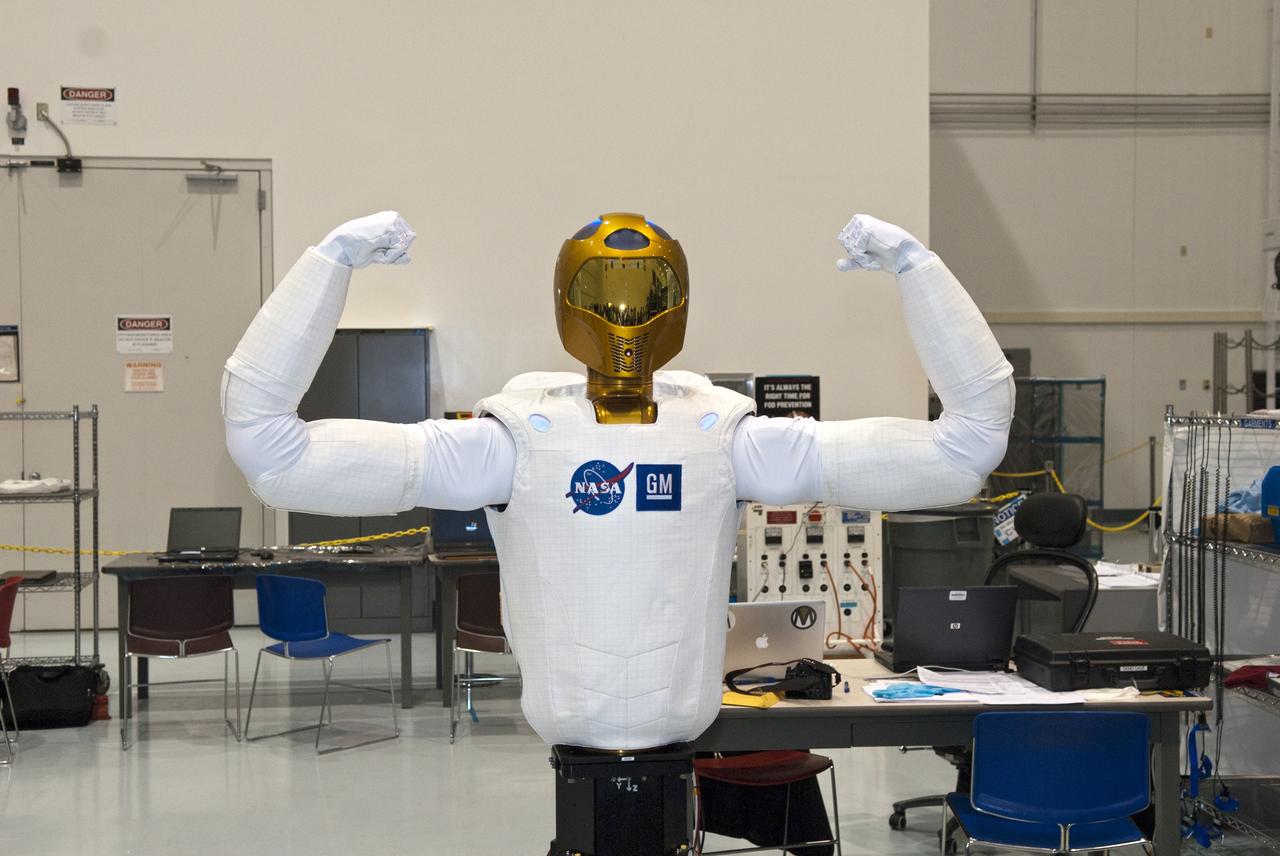
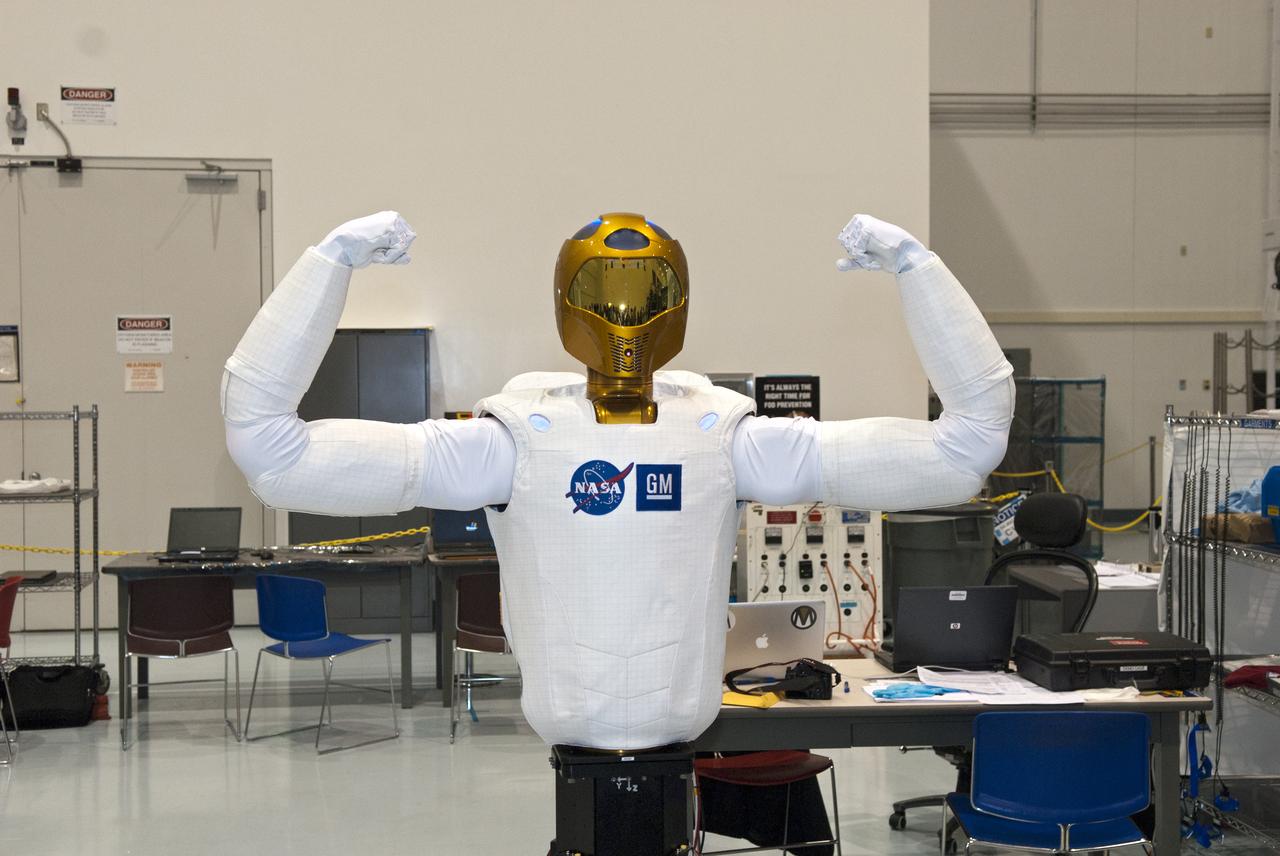
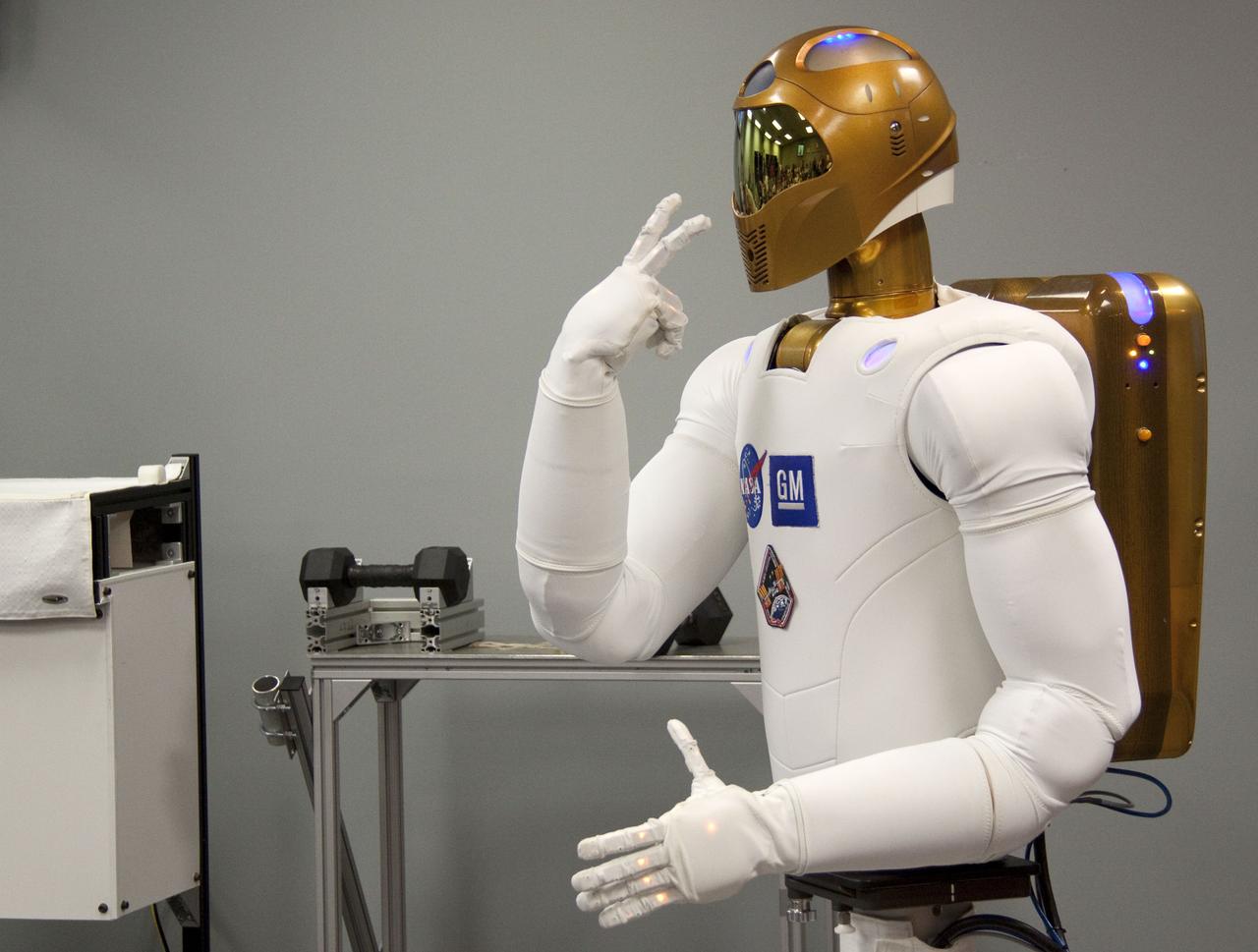
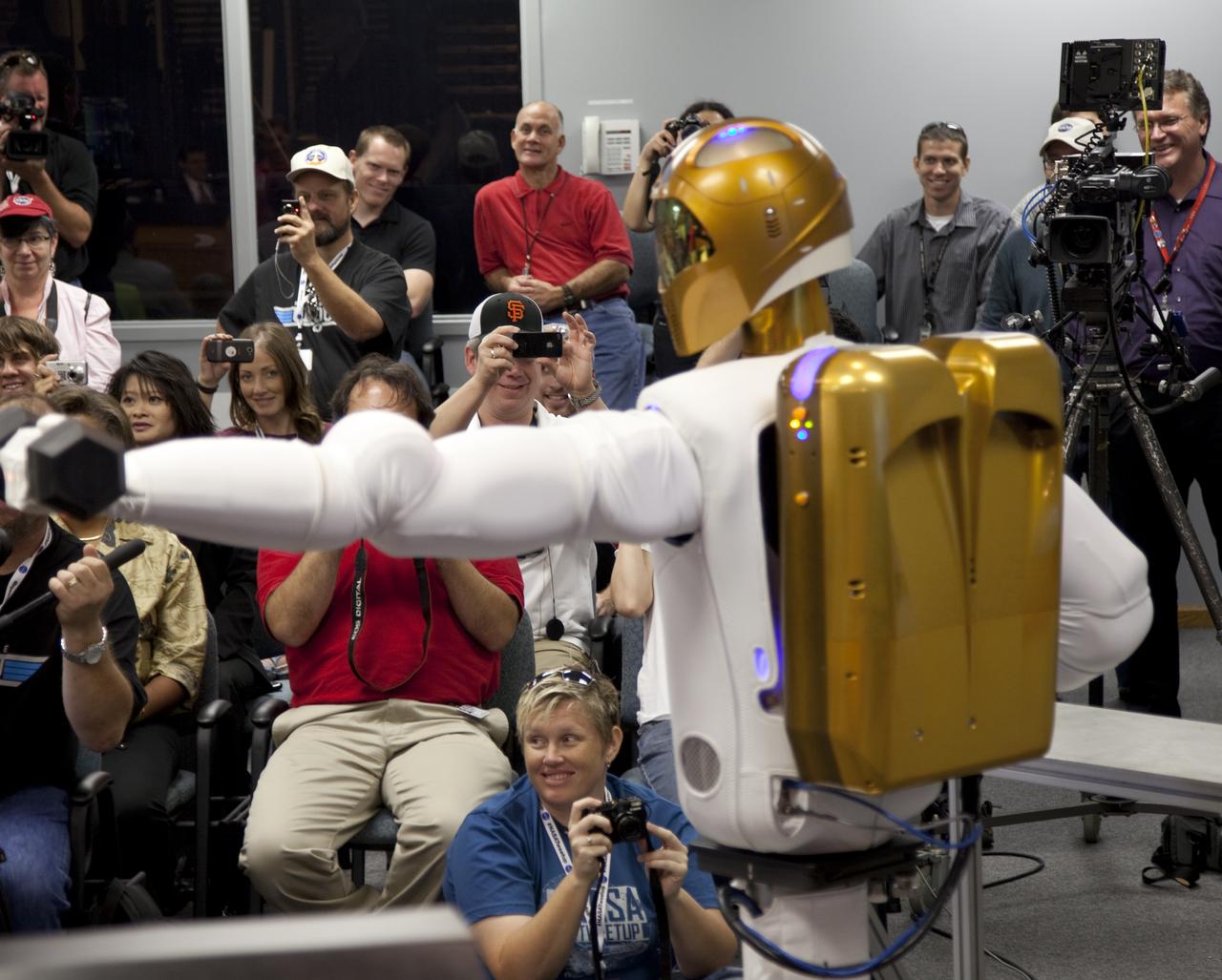
CAPE CANAVERAL, Fla. -- In the Space Station Processing Facility at NASA's Kennedy Space Center in Florida, the dexterous humanoid astronaut helper, Robonaut (R2) flexes its mechanical muscles during a media event hosted by NASA. R2 will fly to the International Space Station aboard space shuttle Discovery on the STS-133 mission. Although it will initially only participate in operational tests, upgrades could eventually allow the robot to realize its true purpose -- helping spacewalking astronauts with tasks outside the space station. Photo credit: NASA/Jim Grossmann
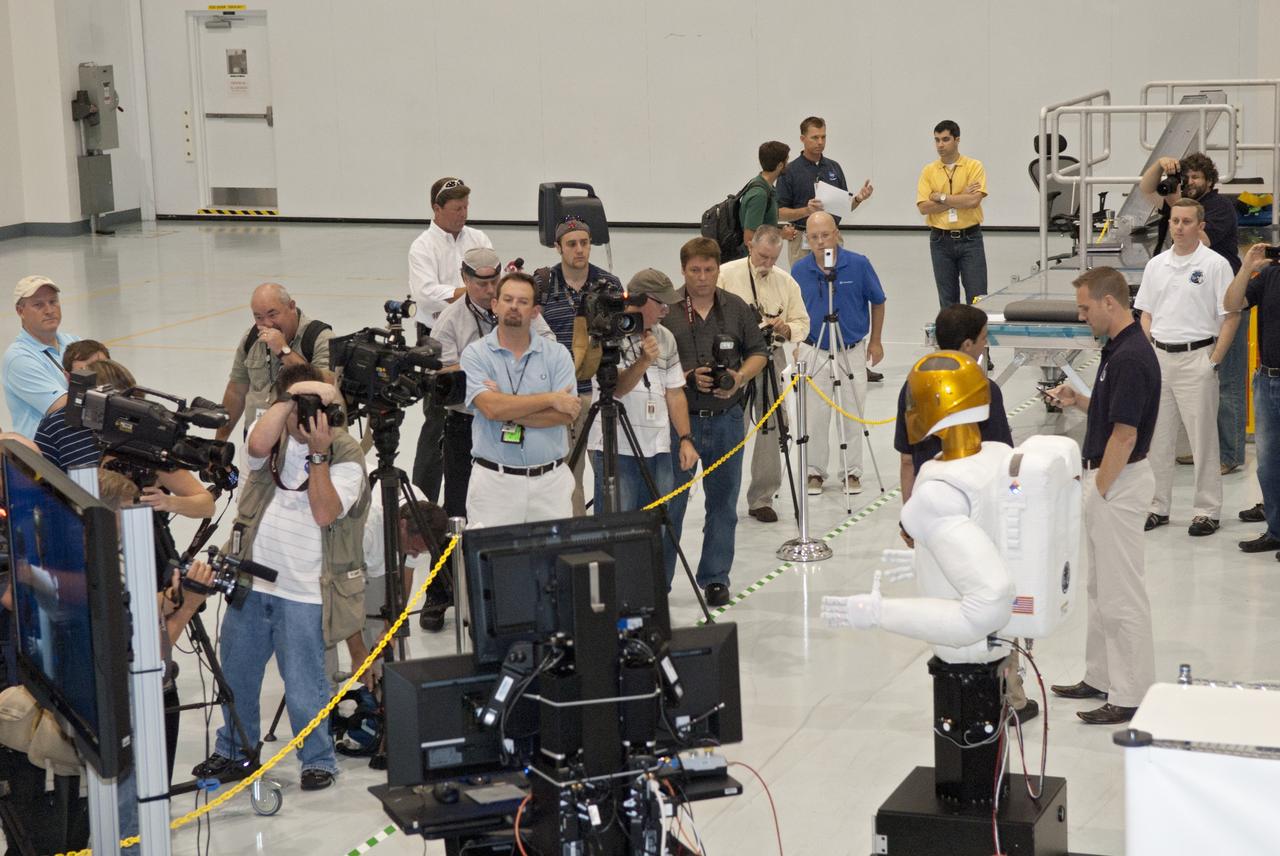
CAPE CANAVERAL, Fla. -- CAPE CANAVERAL, Fla. -- In the Space Station Processing Facility at NASA's Kennedy Space Center in Florida, NASA hosted a media event featuring Robonaut (R2), a dexterous humanoid astronaut helper, to the participants. R2 will fly to the International Space Station aboard space shuttle Discovery on the STS-133 mission. Although it will initially only participate in operational tests, upgrades could eventually allow the robot to realize its true purpose -- helping spacewalking astronauts with tasks outside the space station. Photo credit: NASA/Jim Grossmann
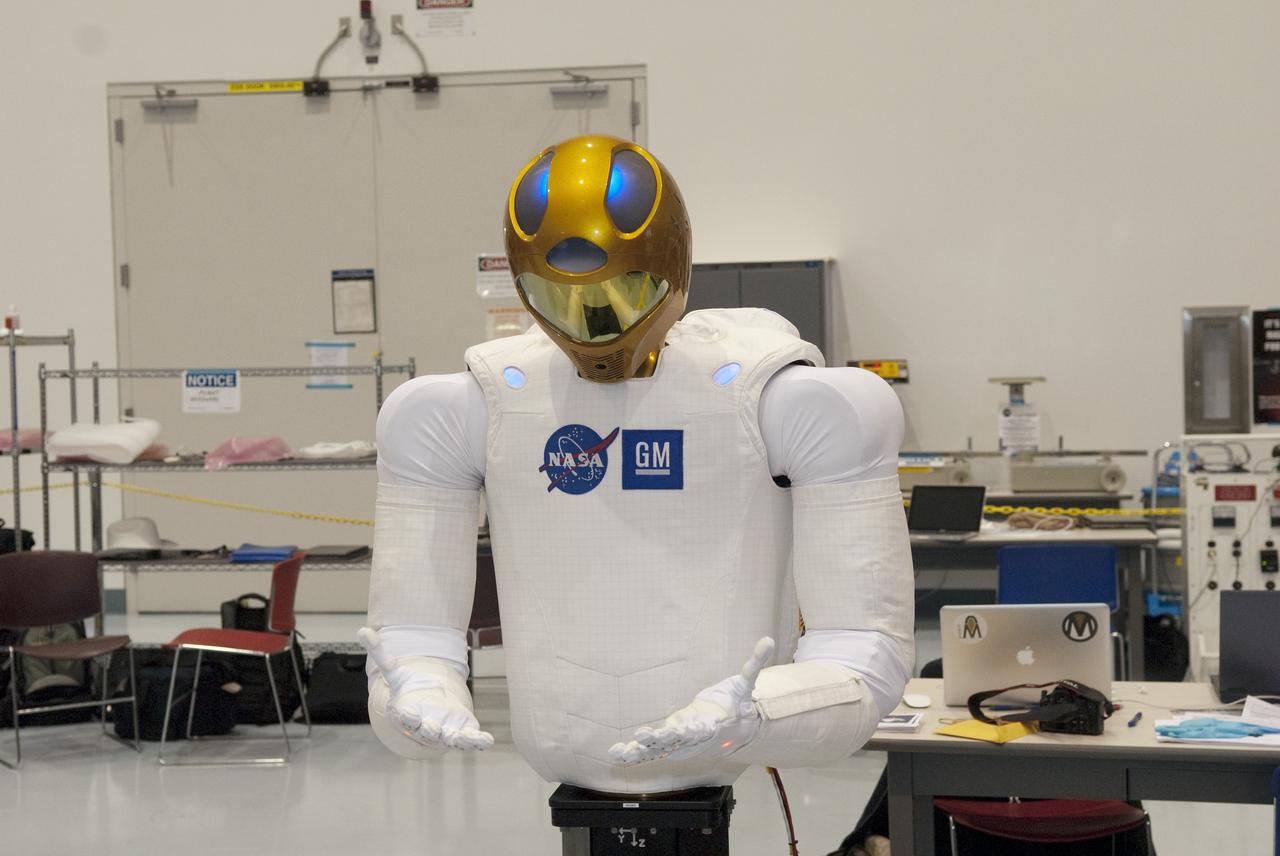
CAPE CANAVERAL, Fla. -- In the Space Station Processing Facility at NASA's Kennedy Space Center in Florida, the dexterous humanoid astronaut helper, Robonaut (R2) is put through its paces during a demonstration at a media event hosted by NASA. R2 will fly to the International Space Station aboard space shuttle Discovery on the STS-133 mission. Although it will initially only participate in operational tests, upgrades could eventually allow the robot to realize its true purpose -- helping spacewalking astronauts with tasks outside the space station. Photo credit: NASA/Jim Grossmann
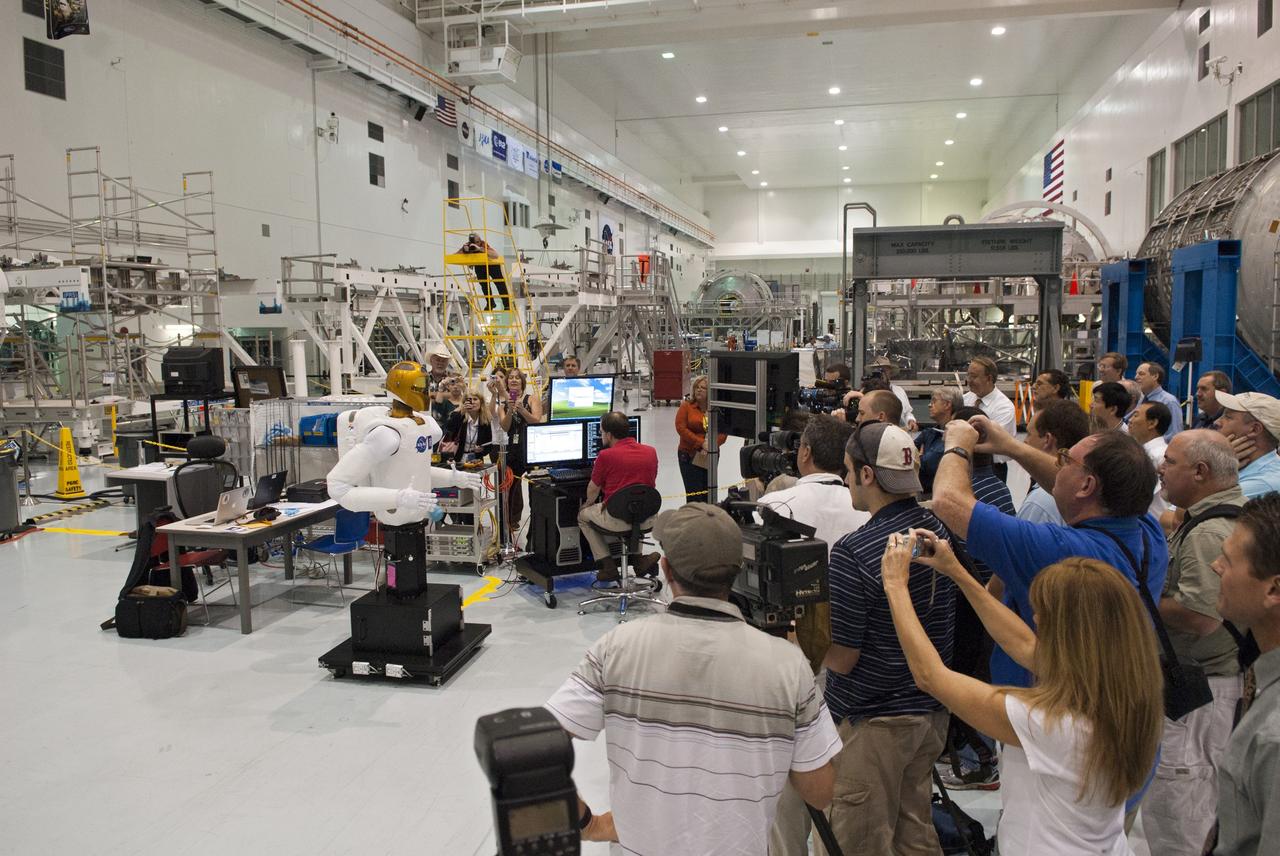
CAPE CANAVERAL, Fla. -- In the Space Station Processing Facility at NASA's Kennedy Space Center in Florida, a robotics engineer animates the dexterous humanoid astronaut helper, Robonaut (R2) for the participants at a media event hosted by NASA. R2 will fly to the International Space Station aboard space shuttle Discovery on the STS-133 mission. Although it will initially only participate in operational tests, upgrades could eventually allow the robot to realize its true purpose -- helping spacewalking astronauts with tasks outside the space station. Photo credit: NASA/Jim Grossmann
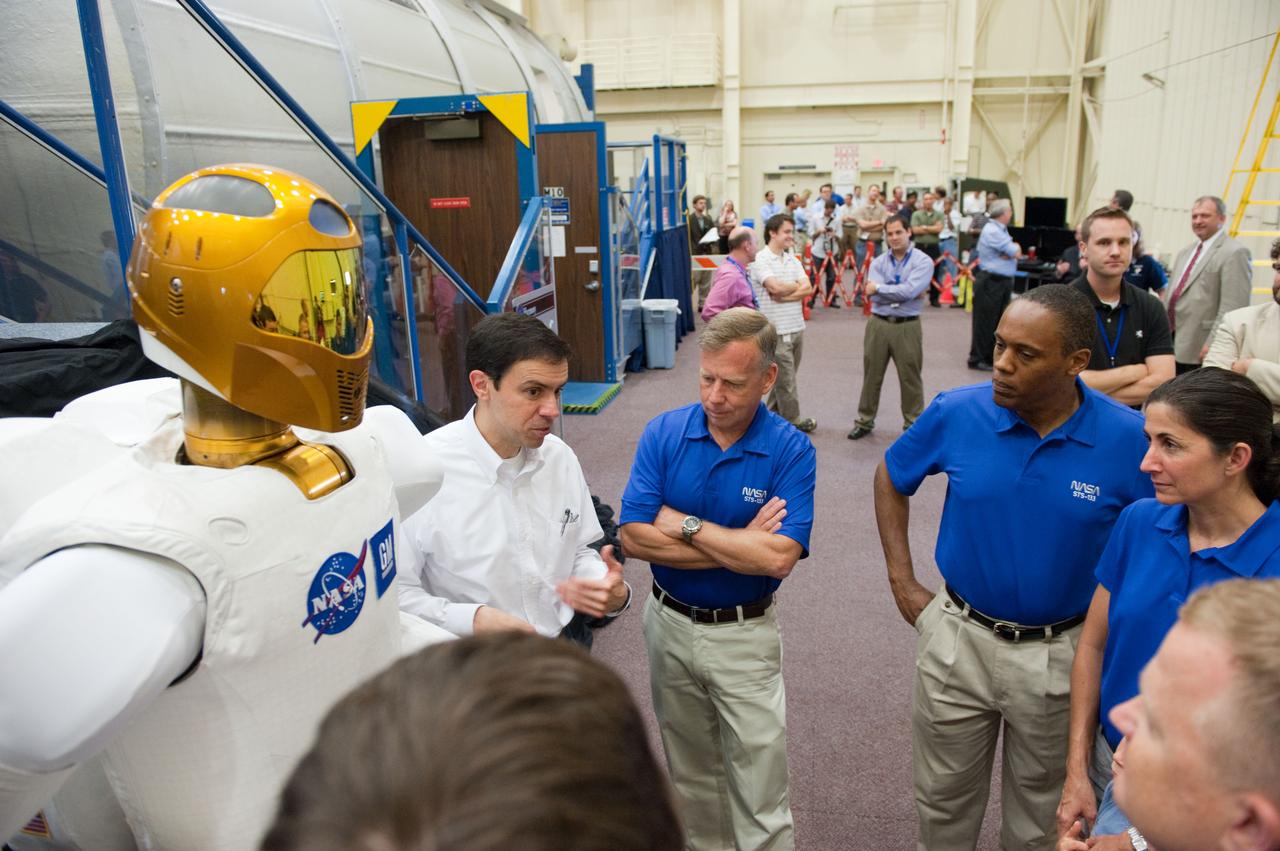
JSC2010-E-106311 (28 June 2010) --- NASA Robonaut Project Manager Ron Diftler (left) explains some of Robonaut 2?s features to members of the STS-133 crew ? continuing left, Steve Lindsey, commander; along with Alvin Drew and Nicole Stott, both mission specialists; and (bottom right corner) Eric Boe, pilot. The STS-133 crew will deliver R2, as the robot is called, to the International Space Station on space shuttle Discovery?s final flight. Photo credit: NASA or National Aeronautics and Space Administration
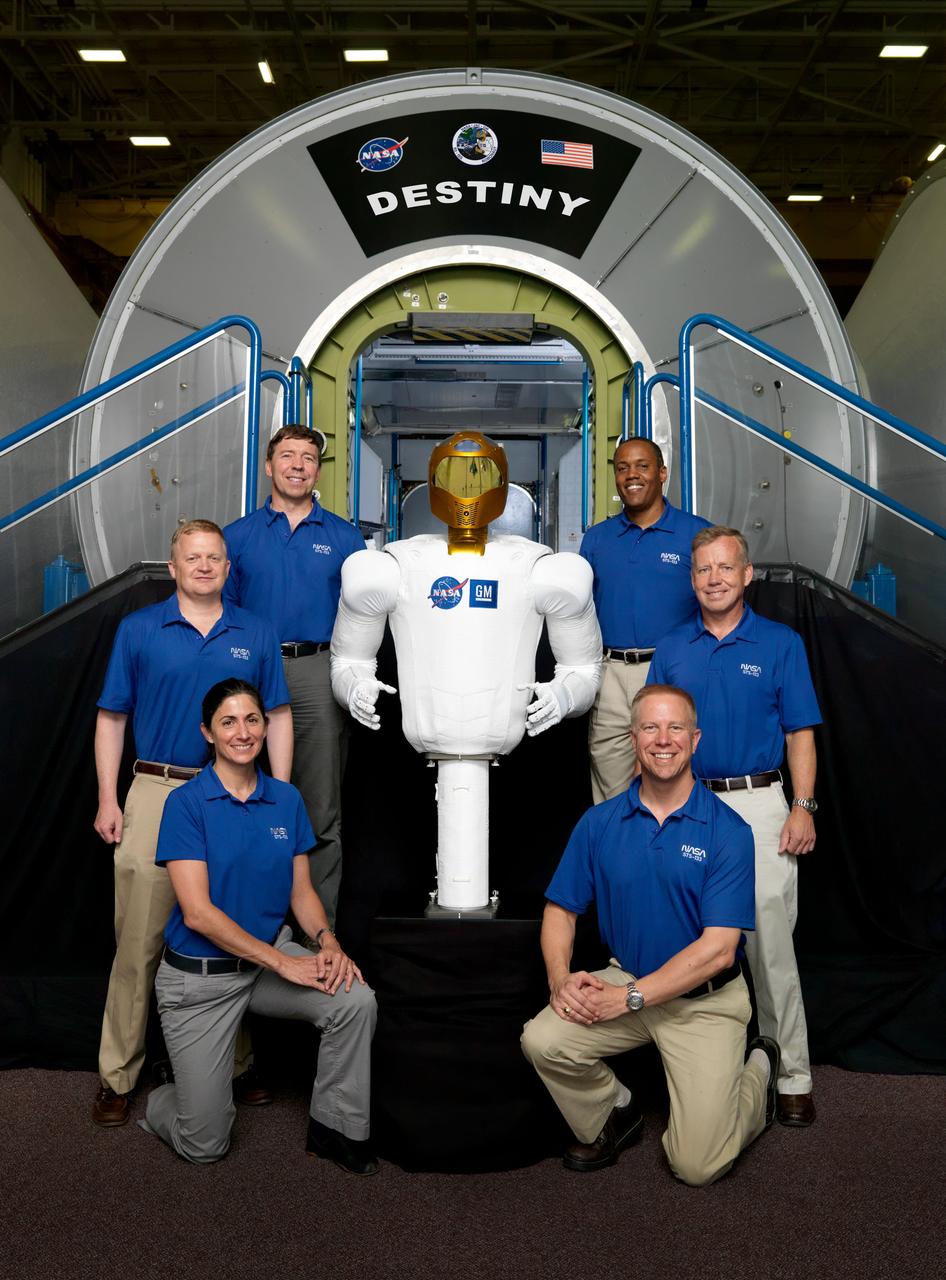
JSC2010-E-106911 (28 June 2010) --- NASA's Robonaut 2, or R2 for short, who will hitch a ride with the STS-133 crew members to travel to the International Space Station for a tour of duty beginning this fall, ?poses? near a Destiny lab trainer with the crew during a break in training. Clockwise from lower right, R2 is flanked by NASA astronauts Tim Kopra and Nicole Stott, both mission specialists; Eric Boe, pilot; Michael Barratt and Alvin Drew, both mission specialists, and Steve Lindsey, commander. Photo credit: NASA or National Aeronautics and Space Administration
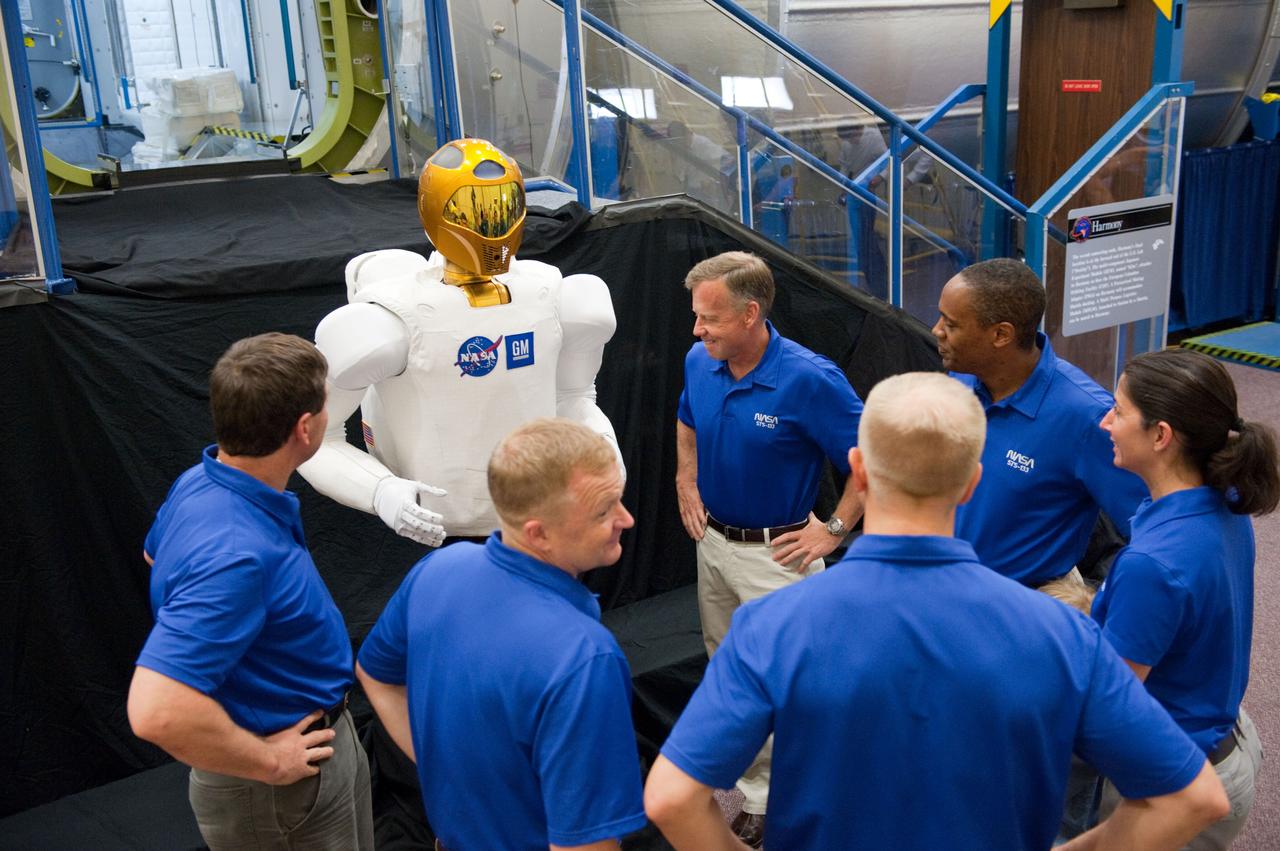
JSC2010-E-106309 (28 June 2010) --- During a training session in the space vehicle mockup facility at the Johnson Space Center, the STS-133 crew is pictured with its seventh crew member ? Robonaut 2, the first humanoid robot to travel to space and the first U.S.-built robot to visit the space station. R2, as the robot is called, will stay on the space station indefinitely to allow engineers on the ground to learn more about how humanoid robots fare in microgravity. The STS-133 crew members are: (clockwise from the top) NASA astronauts Steve Lindsey, commander; Alvin Drew, Nicole Stott and Tim Kopra, all mission specialists, along with Eric Boe, pilot, and Mike Barratt, mission specialist. Photo credit: NASA or National Aeronautics and Space Administration
STS-133 R2 ROBONAUT MEDIA EVENT
STS-133 R2 ROBONAUT MEDIA EVENT
STS-133 R2 ROBONAUT CONTAINER LIFT TO PMM
STS-133 R2 ROBONAUT MEDIA EVENT
STS-133 R2 ROBONAUT LIFT TO STAND
STS-133 R2 ROBONAUT HOIST TO HORIZONTAL
STS-133 R2 ROBONAUT CONTAINER LIFT TO PMM
STS-133 R2 ROBONAUT MEDIA EVENT
STS-133 R2 ROBONAUT CONTAINER LIFT TO PMM
STS-133 R2 ROBONAUT HOIST TO HORIZONTAL
STS-133 R2 ROBONAUT CONTAINER LIFT TO PMM
STS-133 R2 ROBONAUT CONTAINER LIFT TO PMM
STS-133 R2 ROBONAUT LIFT TO STAND
STS-133 R2 ROBONAUT MEDIA EVENT
STS-133 R2 ROBONAUT MEDIA EVENT
STS-133 R2 ROBONAUT MEDIA EVENT
STS-133 R2 ROBONAUT CONTAINER LIFT TO PMM
STS-133 R2 ROBONAUT HOIST TO HORIZONTAL
STS-133 R2 ROBONAUT CONTAINER LIFT TO PMM
STS-133 R2 ROBONAUT HOIST TO HORIZONTAL
STS-133 R2 ROBONAUT CONTAINER LIFT TO PMM
STS-133 R2 ROBONAUT HOIST TO HORIZONTAL
STS-133 R2 ROBONAUT LIFT TO STAND
STS-133 R2 ROBONAUT MEDIA EVENT

STS-133 R2 ROBONAUT MEDIA EVENT
STS-133 R2 ROBONAUT MEDIA EVENT
STS-133 R2 ROBONAUT HOIST TO HORIZONTAL
STS-133 R2 ROBONAUT HOIST TO HORIZONTAL

STS-133 R2 ROBONAUT MEDIA EVENT
STS-133 R2 ROBONAUT MEDIA EVENT
STS-133 R2 ROBONAUT MEDIA EVENT
STS-133 R2 ROBONAUT MEDIA EVENT
STS-133 R2 ROBONAUT LIFT TO STAND
STS-133 R2 ROBONAUT HOIST TO HORIZONTAL
STS-133 LAUNCH L-1 R2 ROBONAUT DEMONSTRATION - NEWS CONFERENCE
STS-133 LAUNCH L-1 R2 ROBONAUT DEMONSTRATION - NEWS CONFERENCE
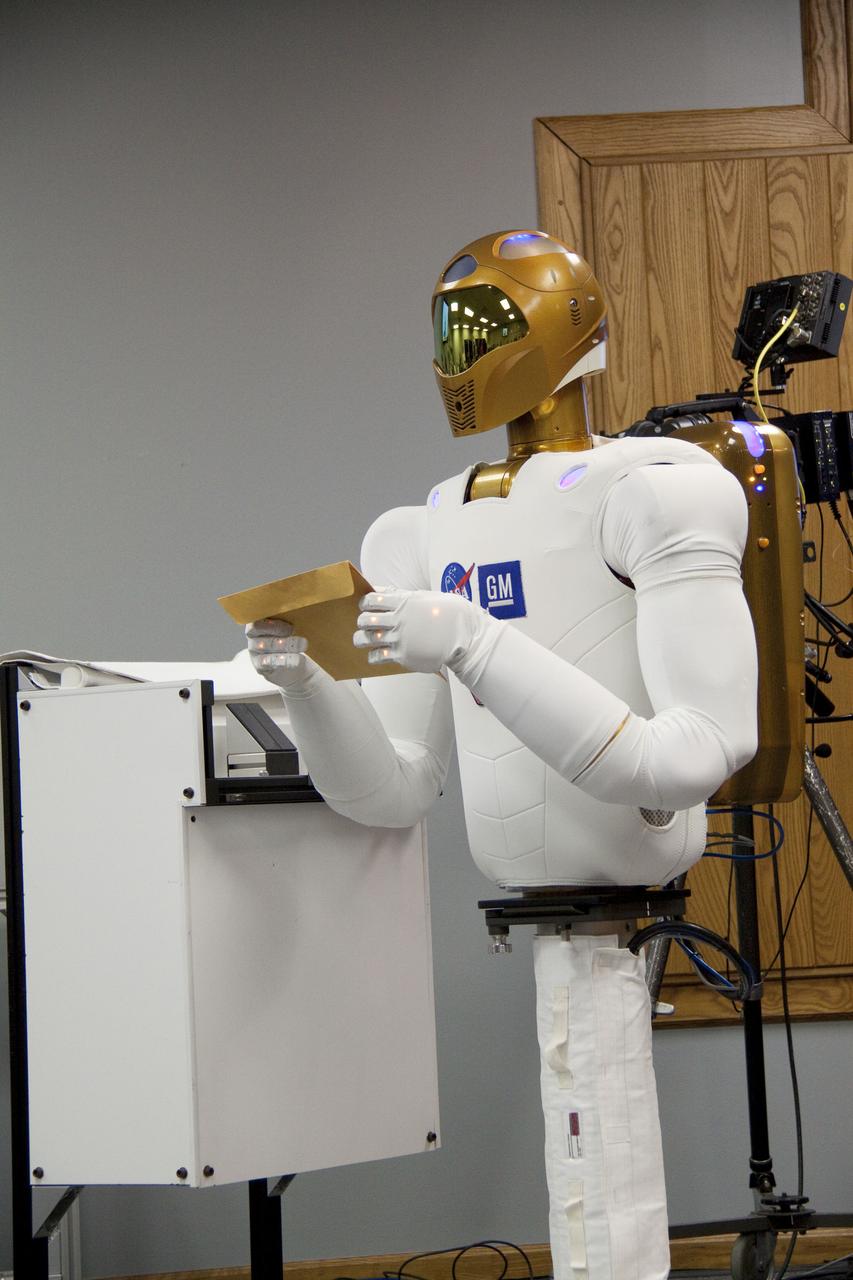
STS-133 LAUNCH L-1 R2 ROBONAUT DEMONSTRATION - NEWS CONFERENCE
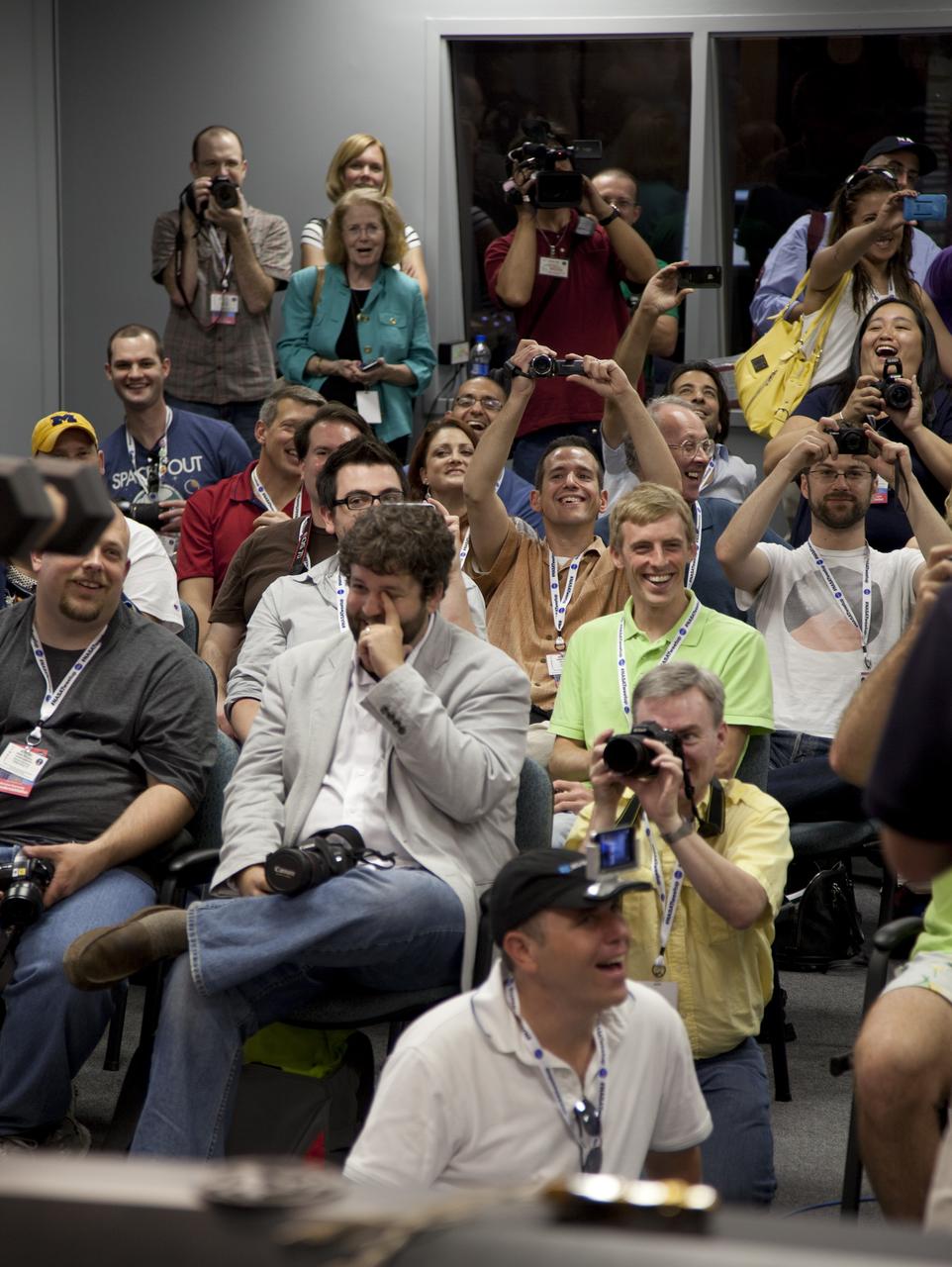
STS-133 LAUNCH L-2 R2 ROBONAUT DEMONSTRATION FOR TWITTERERS
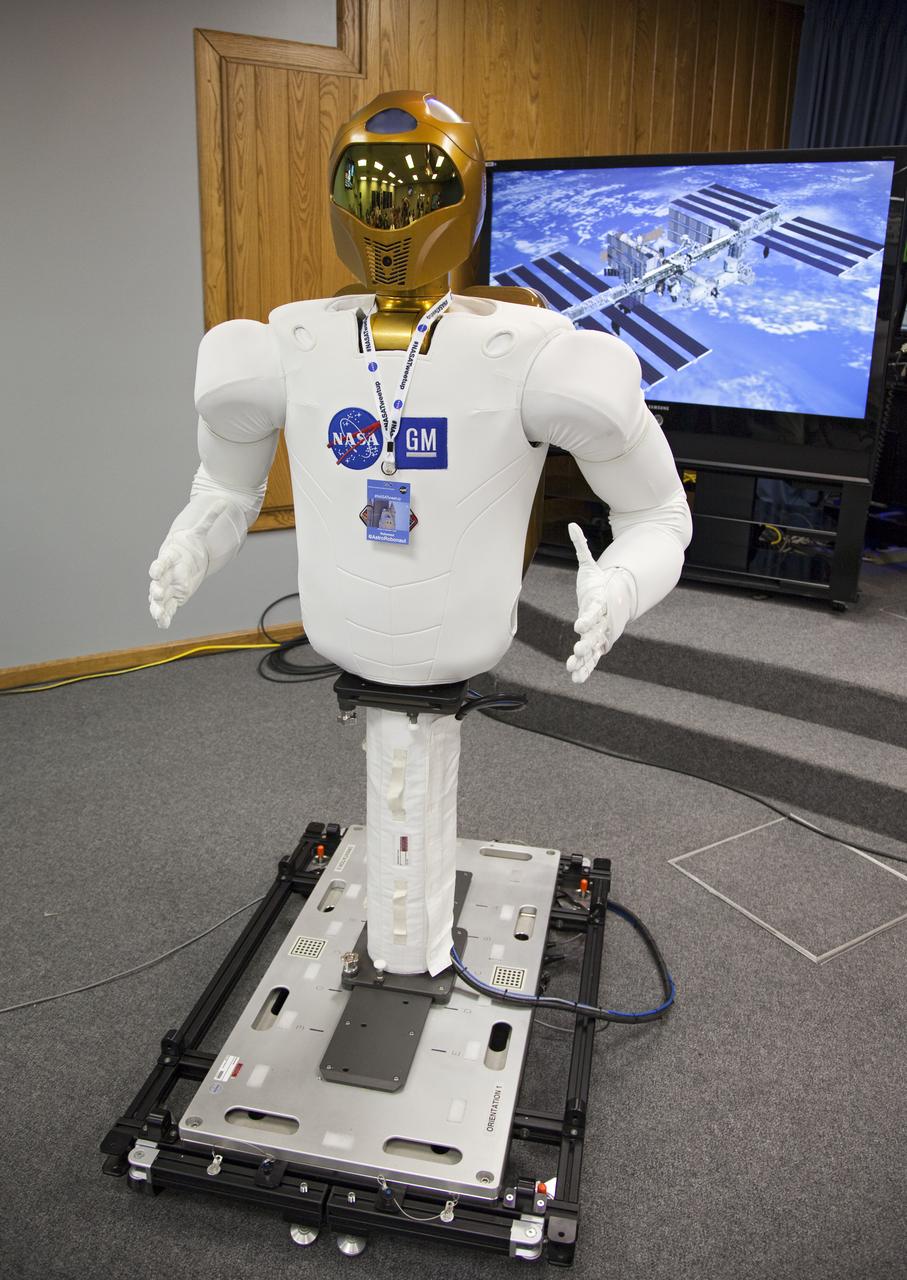
STS-133 LAUNCH L-2 R2 ROBONAUT DEMONSTRATION FOR TWITTERERS
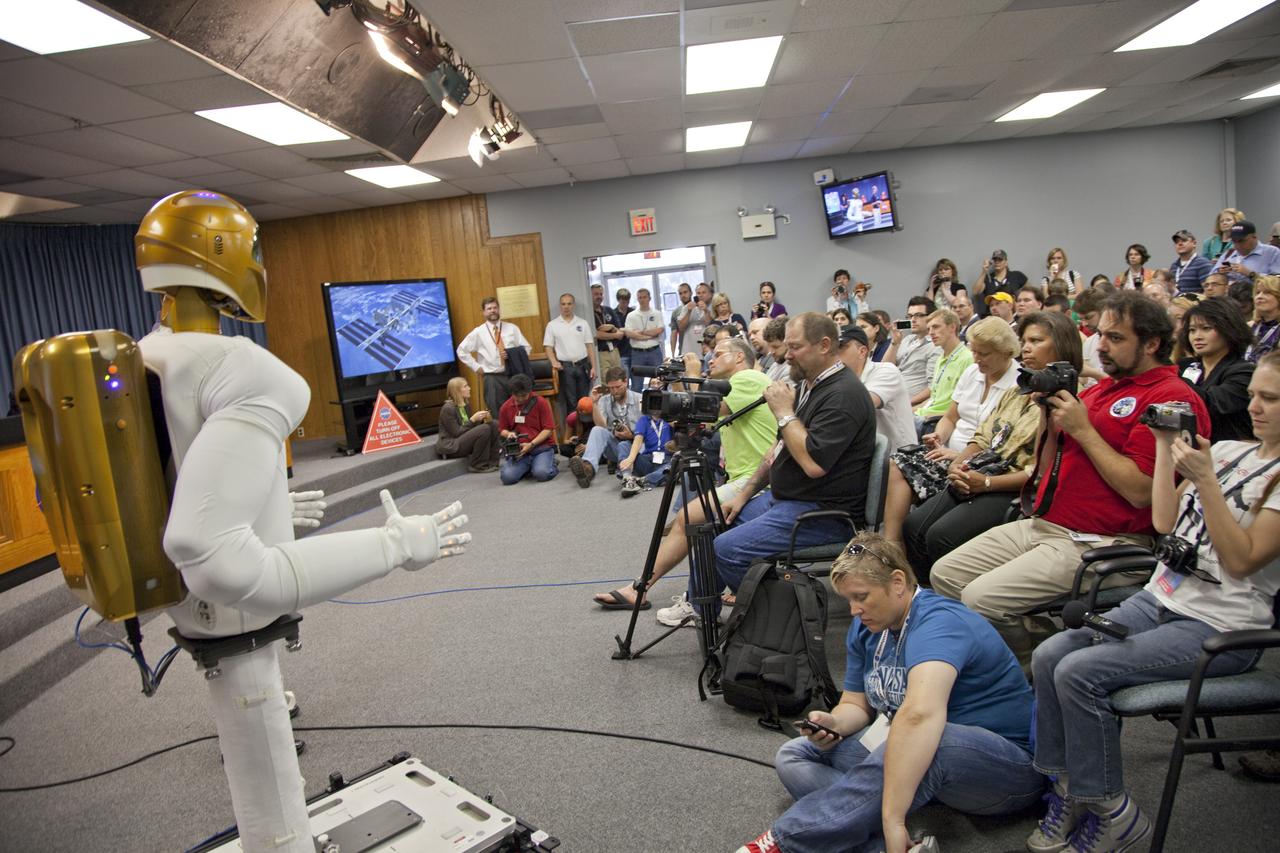
STS-133 LAUNCH L-2 R2 ROBONAUT DEMONSTRATION FOR TWITTERERS
STS-133 LAUNCH L-1 R2 ROBONAUT DEMONSTRATION - NEWS CONFERENCE
STS-133 LAUNCH L-2 R2 ROBONAUT DEMONSTRATION FOR TWITTERERS
STS-133 LAUNCH L-1 R2 ROBONAUT DEMONSTRATION - NEWS CONFERENCE
STS-133 LAUNCH L-2 R2 ROBONAUT DEMONSTRATION FOR TWITTERERS
STS-133 LAUNCH L-2 R2 ROBONAUT DEMONSTRATION FOR TWITTERERS
STS-133 LAUNCH L-1 R2 ROBONAUT DEMONSTRATION - NEWS CONFERENCE
STS-133 LAUNCH L-2 R2 ROBONAUT DEMONSTRATION FOR TWITTERERS

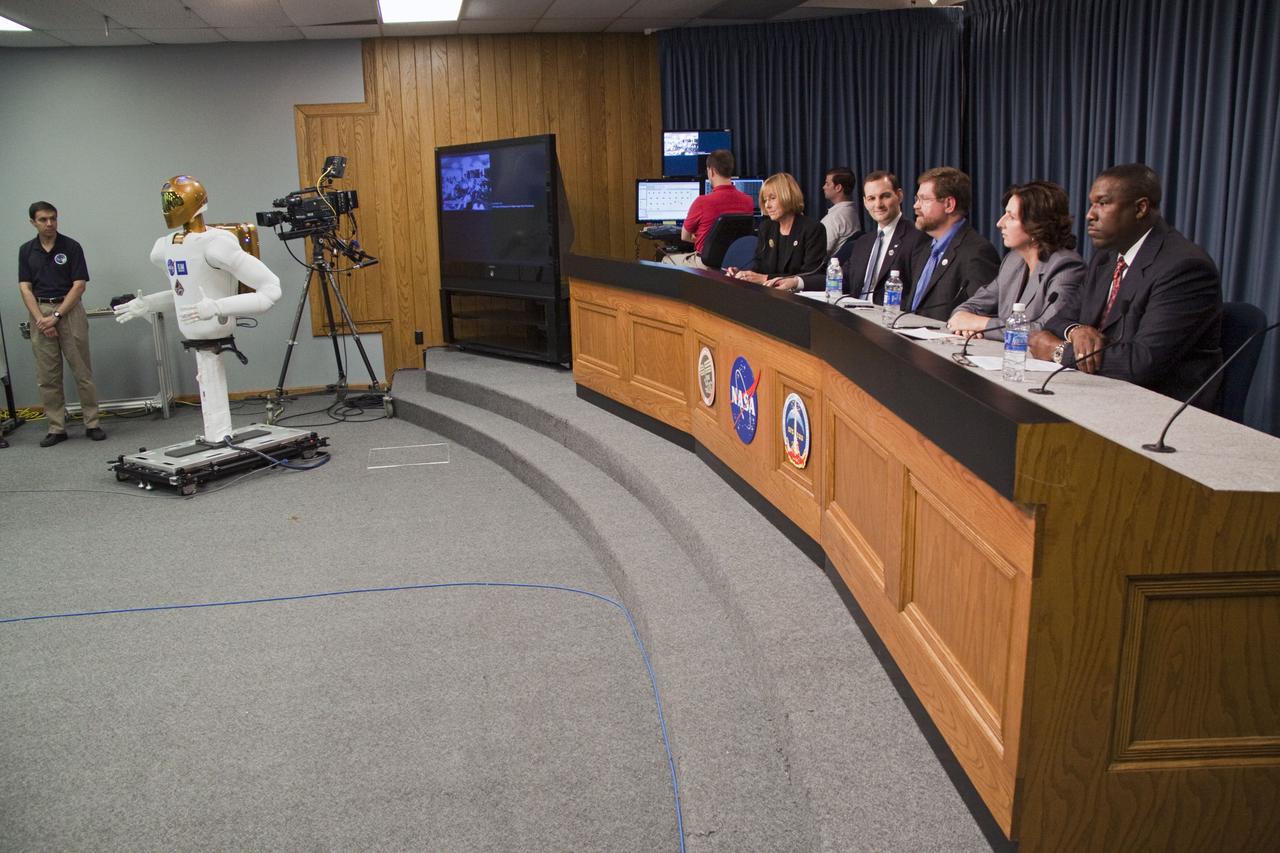
CAPE CANAVERAL, Fla. -- At NASA's Kennedy Space Center in Florida, a dexterous humanoid astronaut helper, known as Robonaut, demonstrates its talents to media with Ron Diftler, NASA's Robonaut 2 (R2) project manager. R2 will be delivered to the International Space Station on space shuttle Discovery's STS-133 mission. Although R2 will initially only participate in operational tests, upgrades could eventually allow the robot to realize its true purpose -- helping spacewalking astronauts with tasks outside the orbiting laboratory. For more information on the upcoming STS-133 mission, visit www.nasa.gov/mission_pages/shuttle/shuttlemissions/sts133/. Photo credit: NASA/Jack Pfaller

CAPE CANAVERAL, Fla. -- At NASA's Kennedy Space Center in Florida, a dexterous humanoid astronaut helper, known as Robonaut, demonstrates its talents to media. Robonaut 2 (R2) will be delivered to the International Space Station on space shuttle Discovery's STS-133 mission. Although R2 will initially only participate in operational tests, upgrades could eventually allow the robot to realize its true purpose -- helping spacewalking astronauts with tasks outside the orbiting laboratory. For more information on the upcoming STS-133 mission, visit www.nasa.gov/mission_pages/shuttle/shuttlemissions/sts133/. Photo credit: NASA/Jack Pfaller
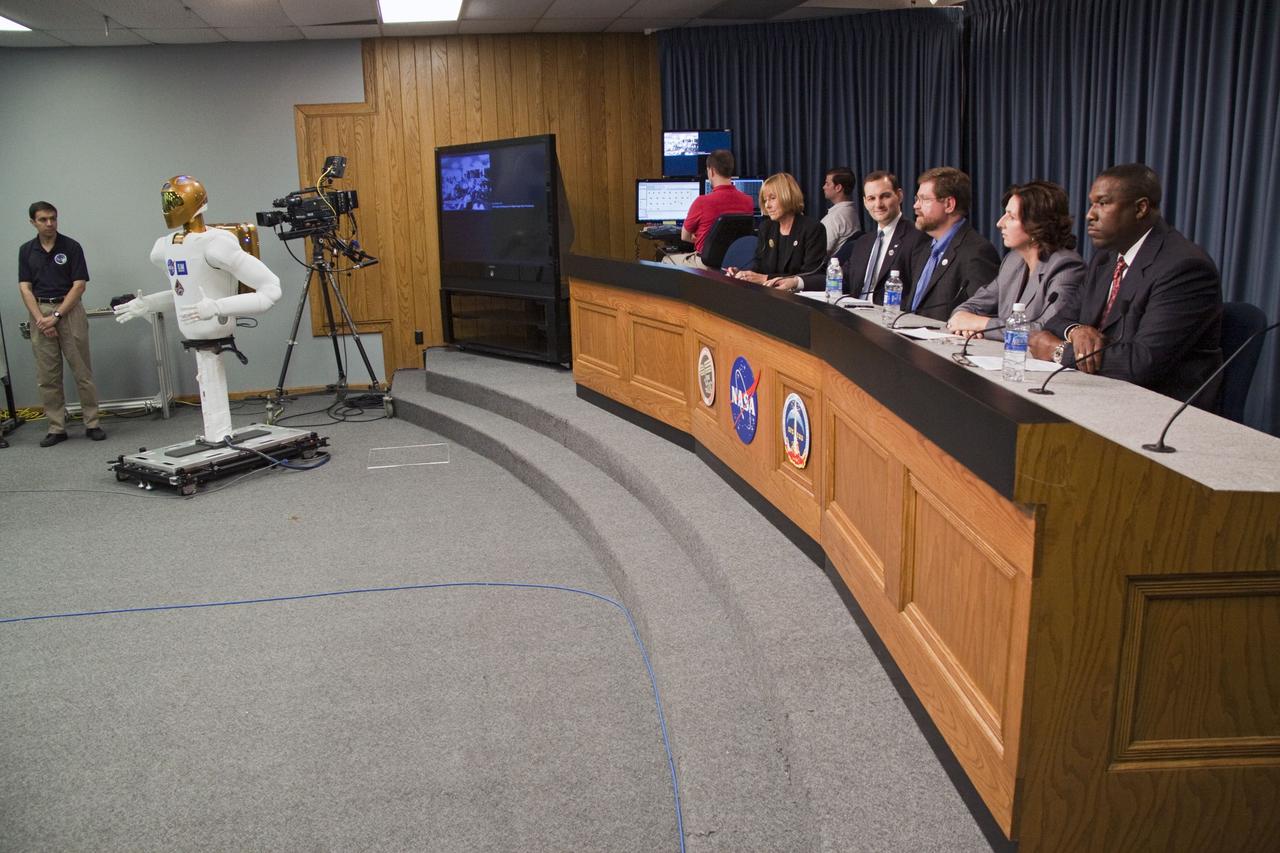
CAPE CANAVERAL, Fla. -- At NASA's Kennedy Space Center in Florida, managers from NASA and General Motors answer media questions on the dexterous humanoid astronaut helper, known as Robonaut. Robonaut 2 (R2) will be delivered to the International Space Station on space shuttle Discovery's STS-133 mission. Although R2 will initially only participate in operational tests, upgrades could eventually allow the robot to realize its true purpose -- helping spacewalking astronauts with tasks outside the orbiting laboratory. For more information on the upcoming STS-133 mission, visit www.nasa.gov/mission_pages/shuttle/shuttlemissions/sts133/. Photo credit: NASA/Jack Pfaller
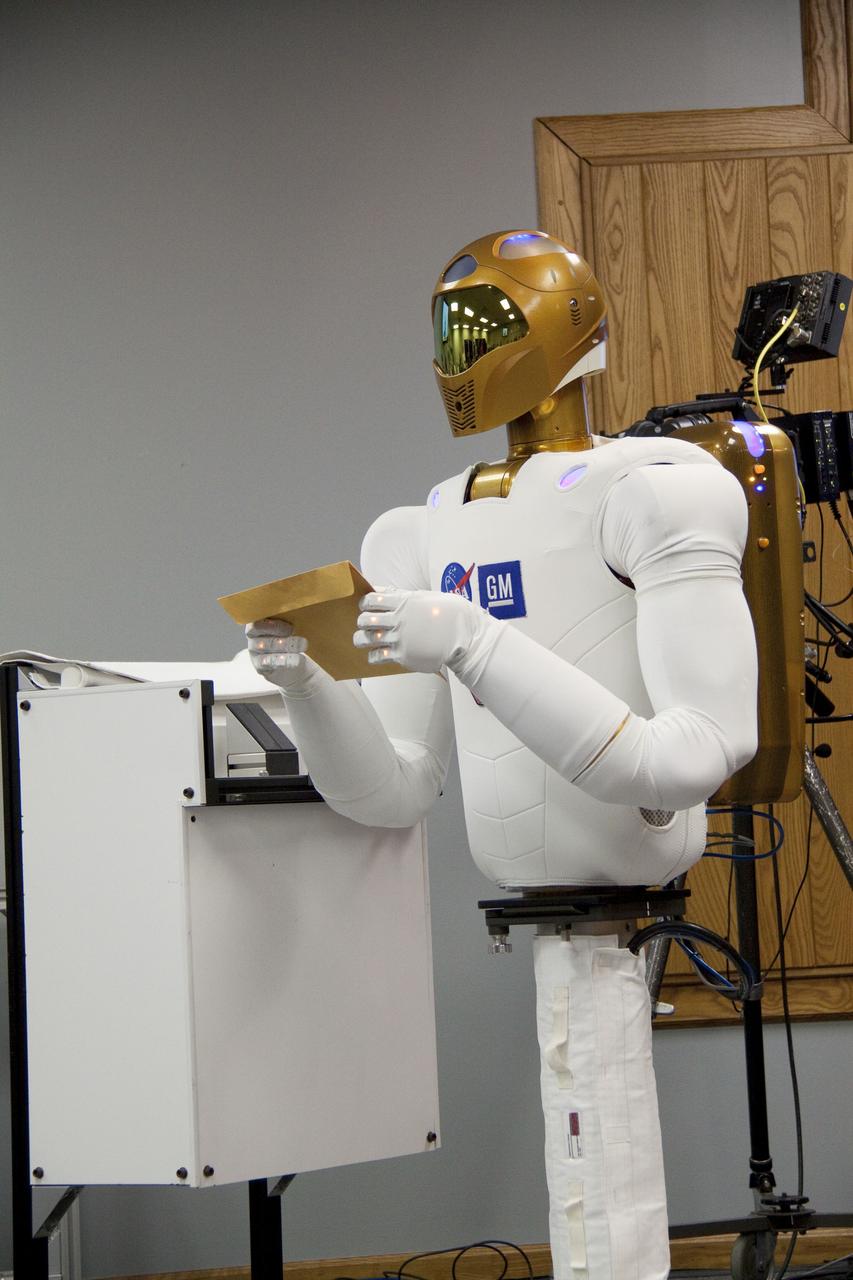
CAPE CANAVERAL, Fla. -- At NASA's Kennedy Space Center in Florida, a dexterous humanoid astronaut helper, known as Robonaut, demonstrates its talents to media. Robonaut 2 (R2) will be delivered to the International Space Station on space shuttle Discovery's STS-133 mission. Although R2 will initially only participate in operational tests, upgrades could eventually allow the robot to realize its true purpose -- helping spacewalking astronauts with tasks outside the orbiting laboratory. For more information on the upcoming STS-133 mission, visit www.nasa.gov/mission_pages/shuttle/shuttlemissions/sts133/. Photo credit: NASA/Jack Pfaller
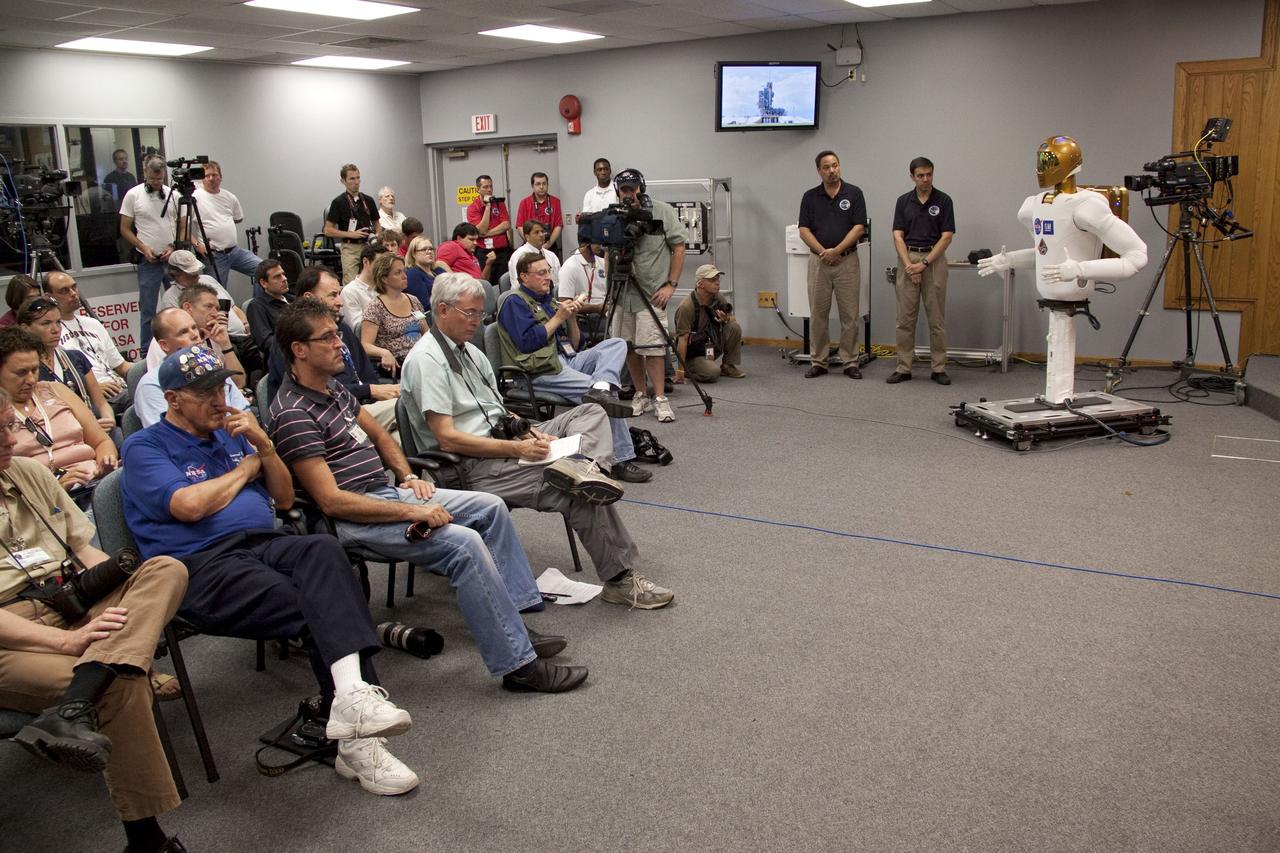
CAPE CANAVERAL, Fla. -- At NASA's Kennedy Space Center in Florida, a dexterous humanoid astronaut helper, known as Robonaut, is on display for media. Robonaut 2 (R2) will be delivered to the International Space Station on space shuttle Discovery's STS-133 mission. Although R2 will initially only participate in operational tests, upgrades could eventually allow the robot to realize its true purpose -- helping spacewalking astronauts with tasks outside the orbiting laboratory. For more information on the upcoming STS-133 mission, visit www.nasa.gov/mission_pages/shuttle/shuttlemissions/sts133/. Photo credit: NASA/Jack Pfaller
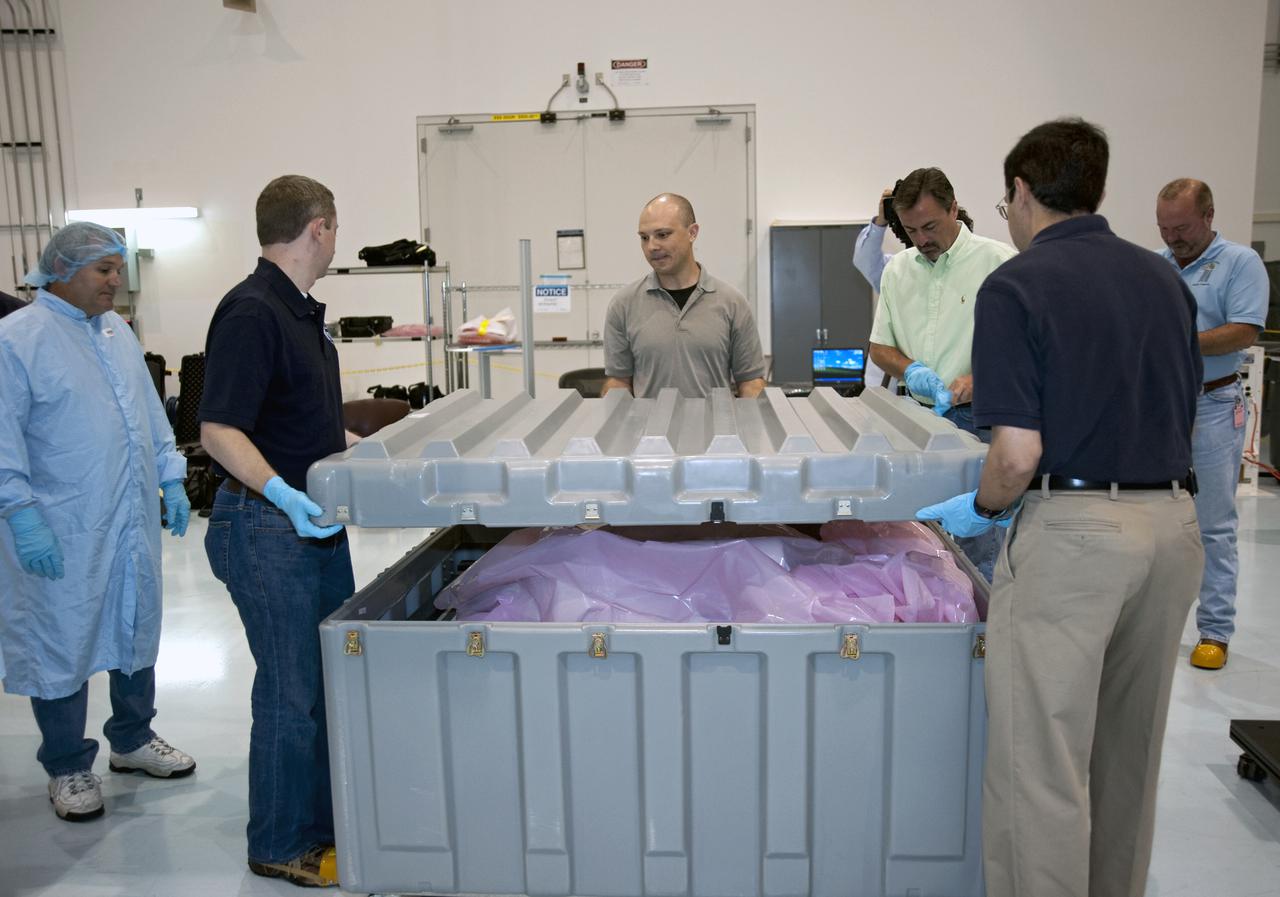
CAPE CANAVERAL, Fla. -- In the Space Station Processing Facility at NASA's Kennedy Space Center in Florida, workers lift the lid off of a crate containing Robonaut R2, a dexterous humanoid astronaut helper. Robonaut R2 will fly to the International Space Station aboard space shuttle Discovery on the STS-133 mission. Although it will initially only participate in operational tests, upgrades could eventually allow the robot to realize its true purpose -- helping spacewalking astronauts with tasks outside the space station. Photo credit: NASA_Kim Shiflett
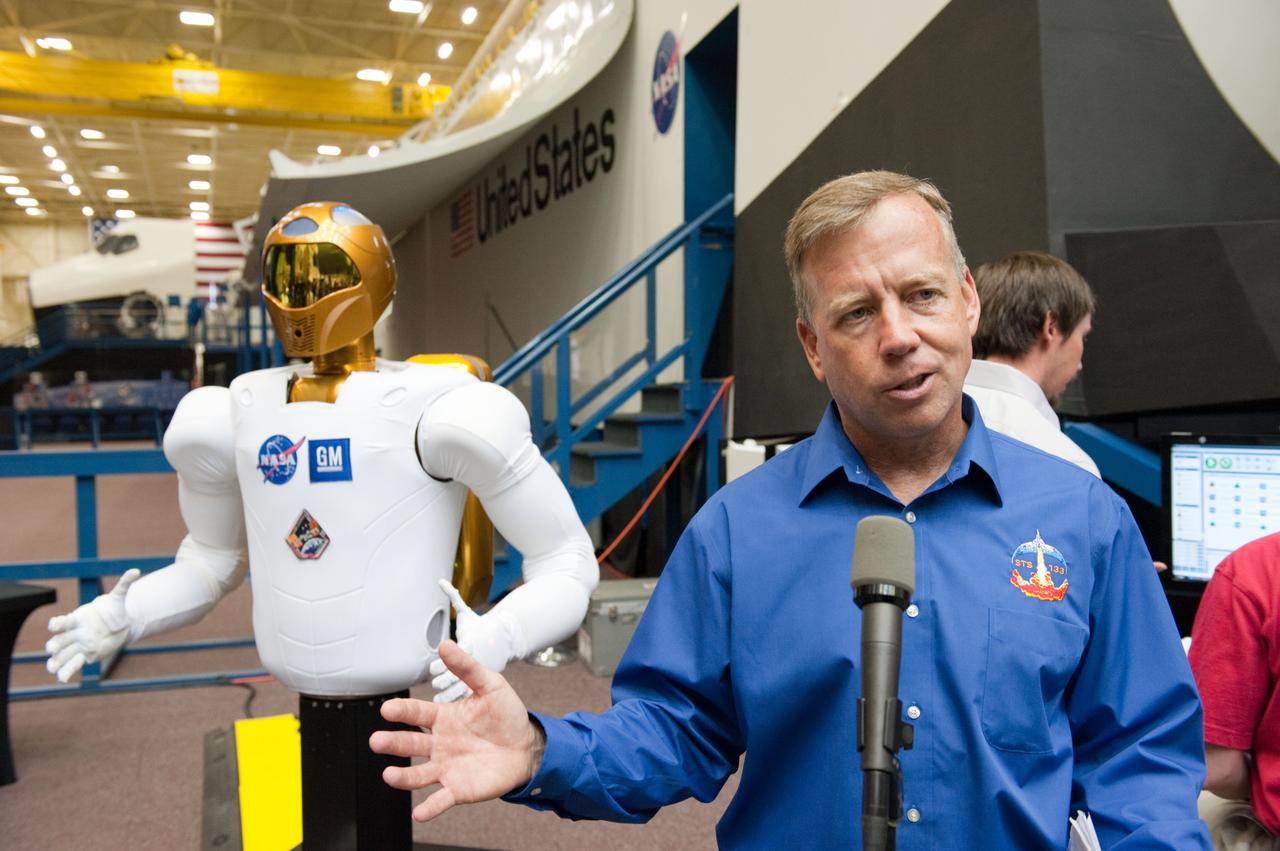
JSC2010-E-112721 (4 Aug. 2010) --- NASA astronaut Steve Lindsey, STS-133 commander, speaks to members of the media and NASA personnel during Robonaut 2 (R2) media day in the Space Vehicle Mock-up Facility at NASA's Johnson Space Center. R2, who will hitch a ride with the STS-133 crew members, is the first humanoid robot to travel to space and the first U.S.-built robot to visit the International Space Station. R2 will stay on the space station indefinitely to allow engineers on the ground to learn more about how humanoid robots fare in microgravity. Photo credit: NASA or National Aeronautics and Space Administration
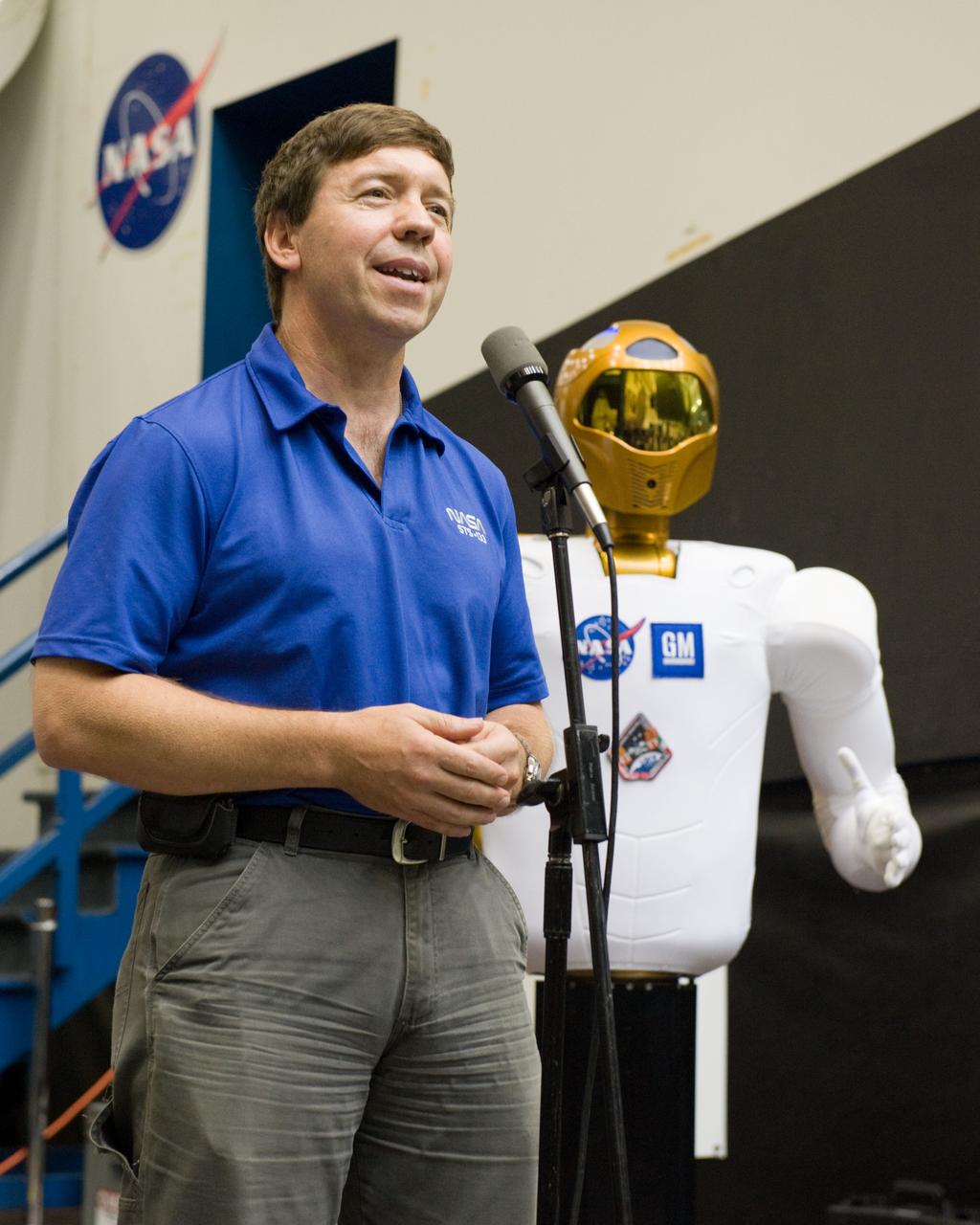
JSC2010-E-112826 (4 Aug. 2010) --- NASA astronaut Michael Barratt, STS-133 mission specialist, speaks to members of the media and NASA personnel during Robonaut 2 (R2) media day in the Space Vehicle Mock-up Facility at NASA's Johnson Space Center. R2, who will hitch a ride with the STS-133 crew members, is the first humanoid robot to travel to space and the first U.S.-built robot to visit the International Space Station. R2 will stay on the space station indefinitely to allow engineers on the ground to learn more about how humanoid robots fare in microgravity. Photo credit: NASA or National Aeronautics and Space Administration
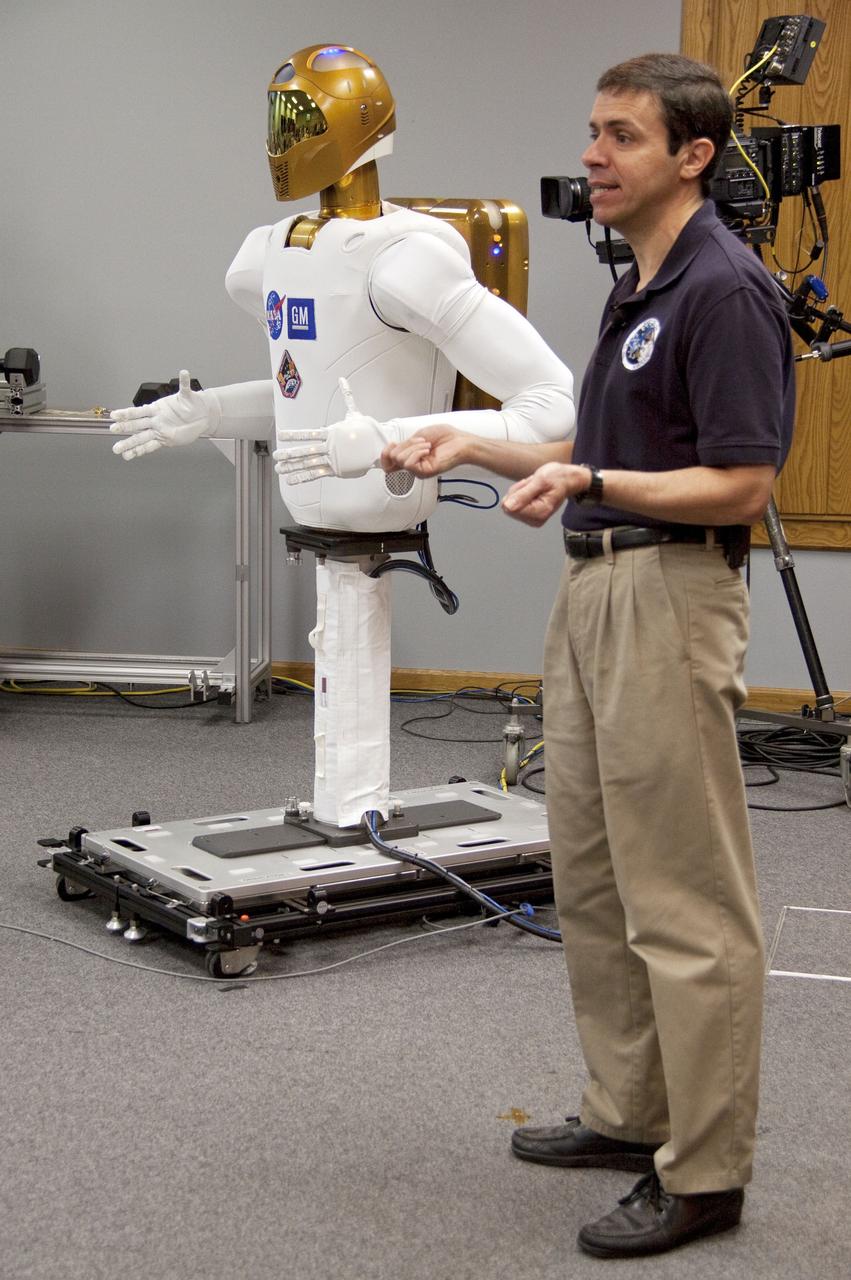
CAPE CANAVERAL, Fla. -- At NASA's Kennedy Space Center in Florida, Ron Diftler, NASA's Robonaut 2 (R2) project manager, shows media the capabilities of a dexterous humanoid astronaut helper. R2 will be delivered to the International Space Station on space shuttle Discovery's STS-133 mission. Although R2 will initially only participate in operational tests, upgrades could eventually allow the robot to realize its true purpose -- helping spacewalking astronauts with tasks outside the orbiting laboratory. For more information on the upcoming STS-133 mission, visit www.nasa.gov/mission_pages/shuttle/shuttlemissions/sts133/. Photo credit: NASA/Jack Pfaller
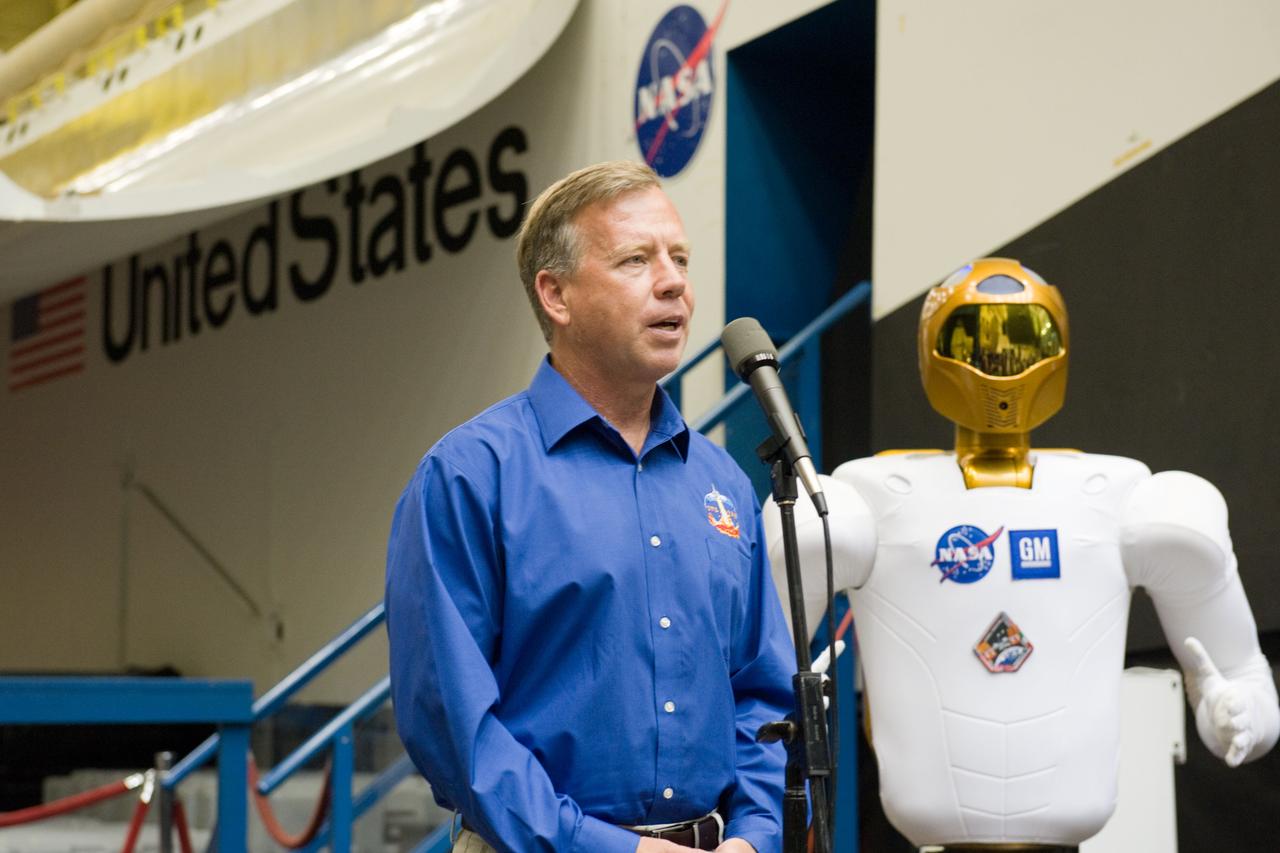
JSC2010-E-112821 (4 Aug. 2010) --- NASA astronaut Steve Lindsey, STS-133 commander, speaks to members of the media and NASA personnel during Robonaut 2 (R2) media day in the Space Vehicle Mock-up Facility at NASA's Johnson Space Center. R2, who will hitch a ride with the STS-133 crew members, is the first humanoid robot to travel to space and the first U.S.-built robot to visit the International Space Station. R2 will stay on the space station indefinitely to allow engineers on the ground to learn more about how humanoid robots fare in microgravity. Photo credit: NASA or National Aeronautics and Space Administration
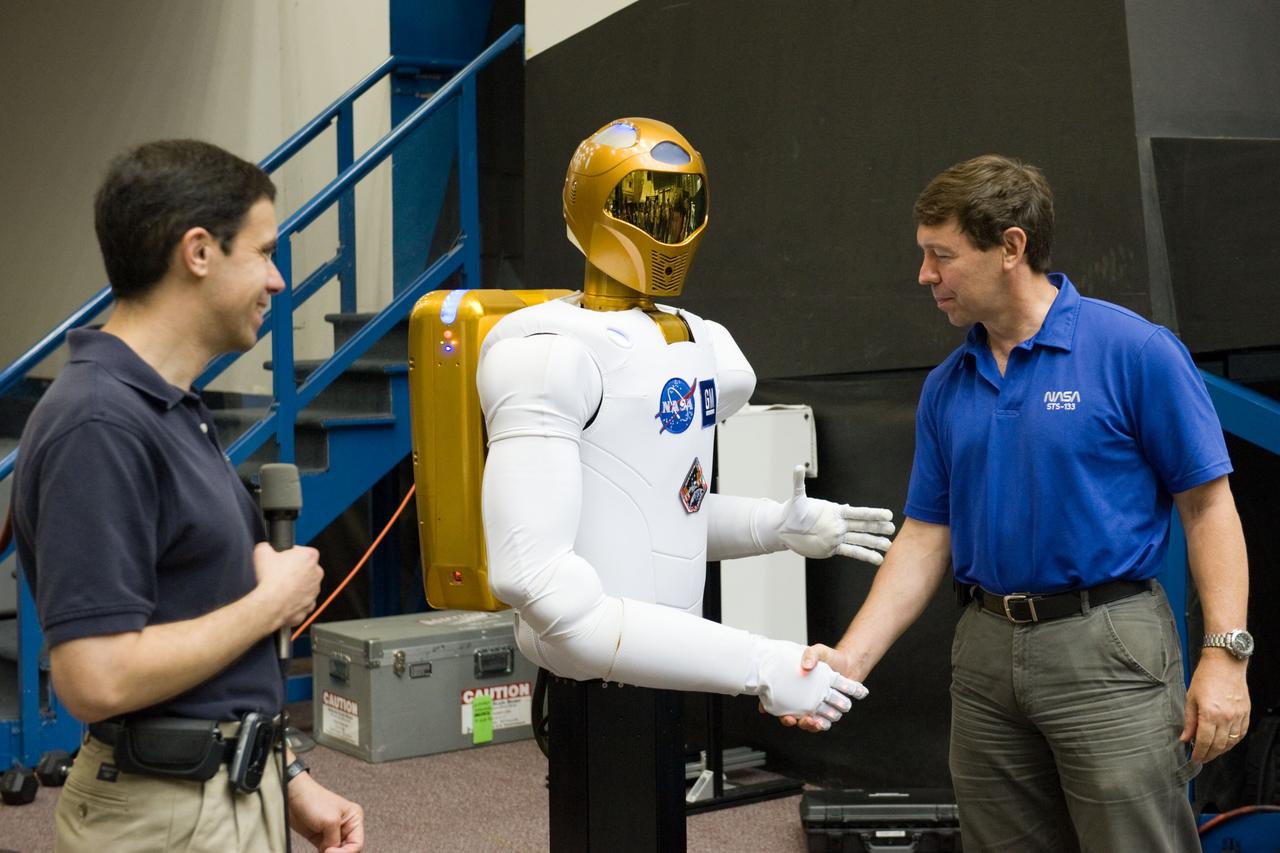
JSC2010-E-112701 (4 Aug. 2010) --- NASA astronaut Michael Barratt, STS-133 mission specialist, shakes hands with Robonaut 2 (R2) during media day in the Space Vehicle Mock-up Facility at NASA's Johnson Space Center. R2 is the first humanoid robot to travel to space and the first U.S.-built robot to visit the International Space Station. R2 will stay on the space station indefinitely to allow engineers on the ground to learn more about how humanoid robots fare in microgravity. Ron Diftler, NASA Robonaut project manager, is at left. Photo credit: NASA or National Aeronautics and Space Administration
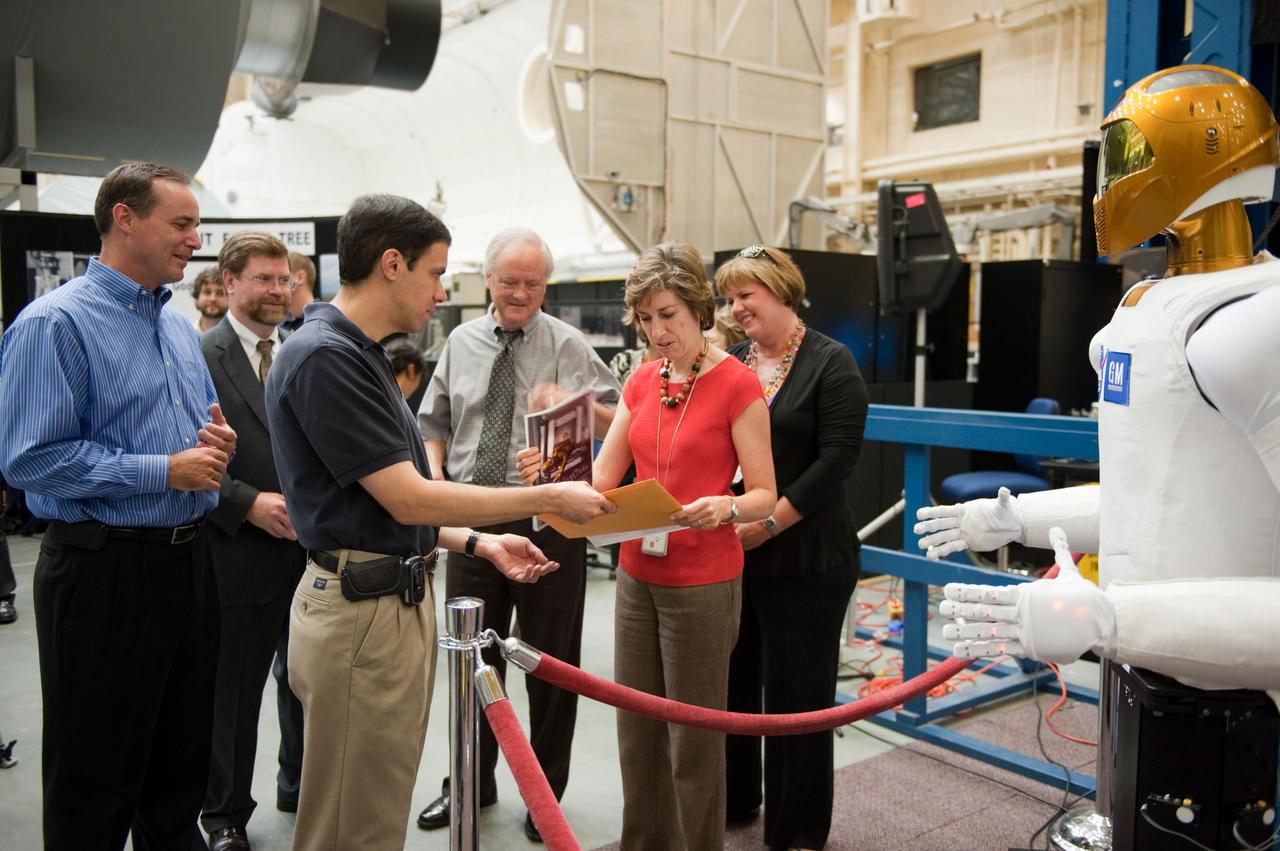
JSC2010-E-113079 (4 Aug. 2010) --- NASA's Johnson Space Center (JSC) deputy director Ellen Ochoa (right foreground), Milt Heflin (center background), associate director; and Ron Diftler, Robonaut project manager, are pictured during Robonaut 2 (R2) media day in the Space Vehicle Mock-up Facility at JSC. R2, who will hitch a ride with the STS-133 crew members, is the first humanoid robot to travel to space and the first U.S.-built robot to visit the International Space Station. R2 will stay on the space station indefinitely to allow engineers on the ground to learn more about how humanoid robots fare in microgravity. Photo credit: NASA
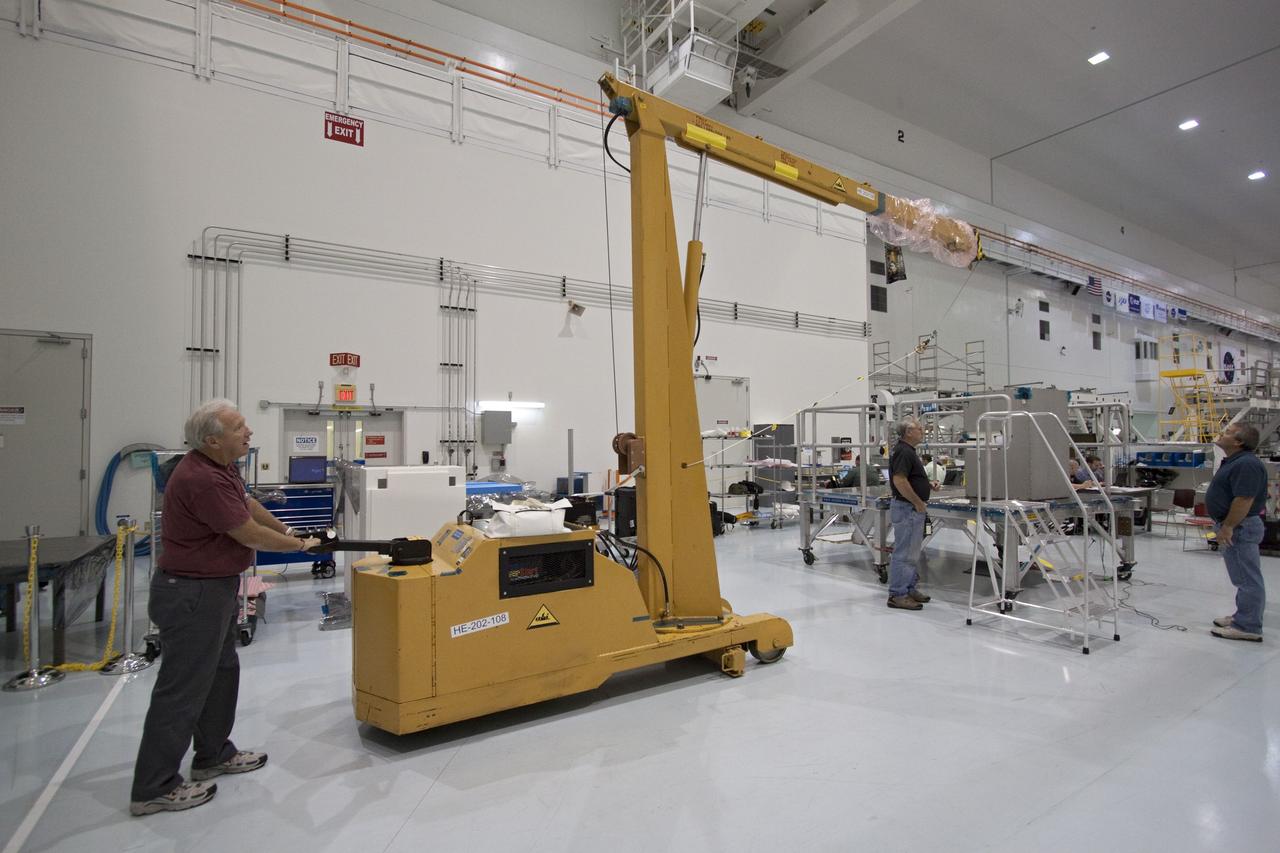
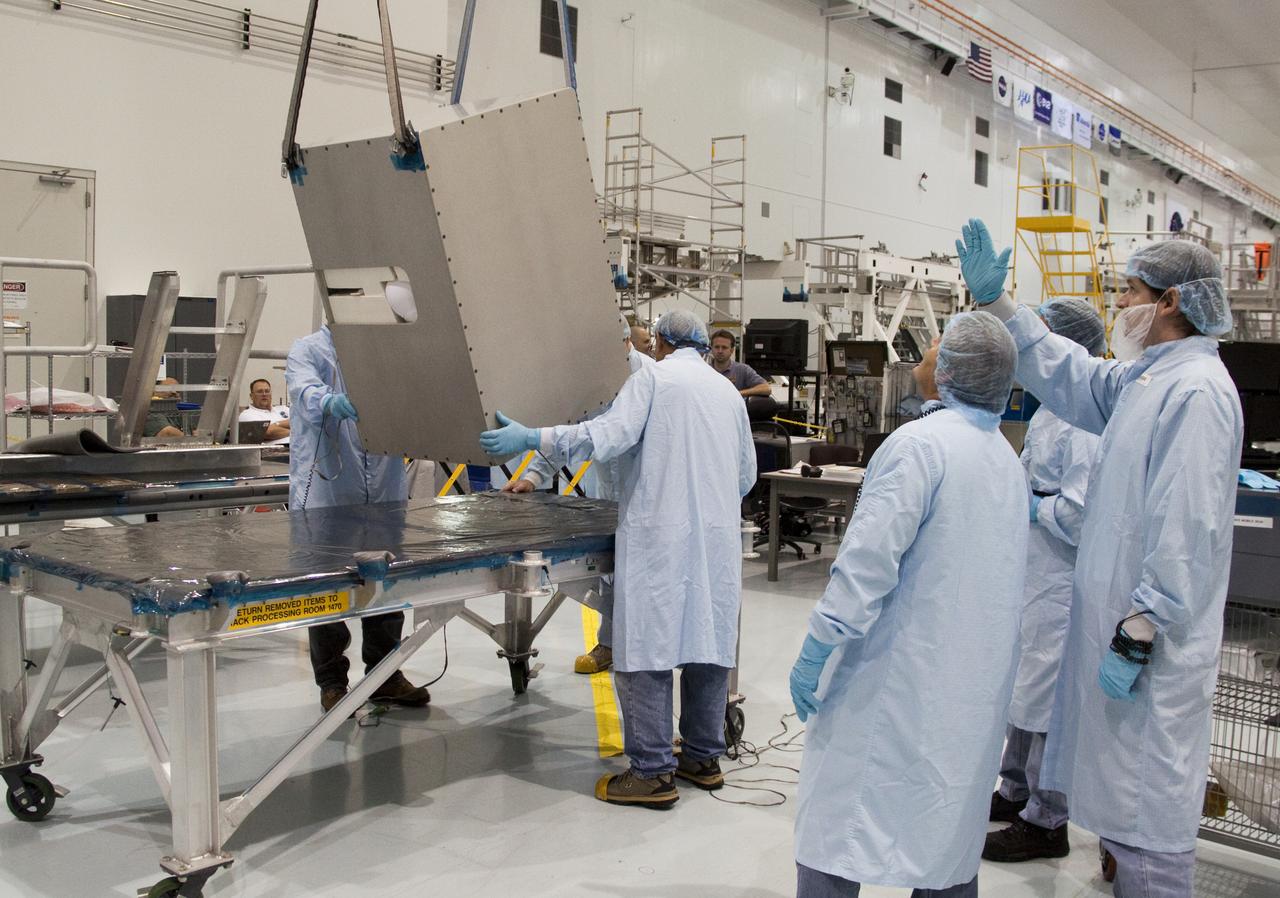
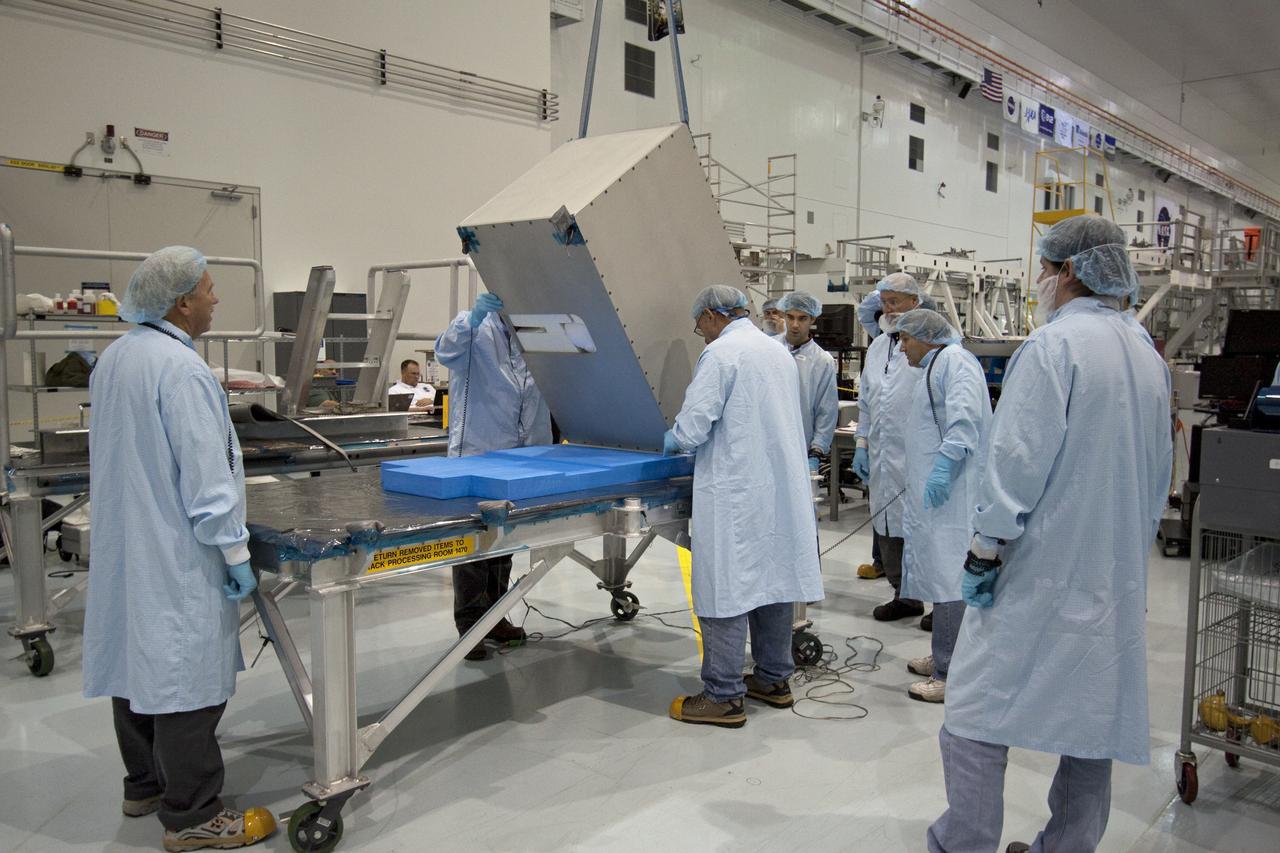
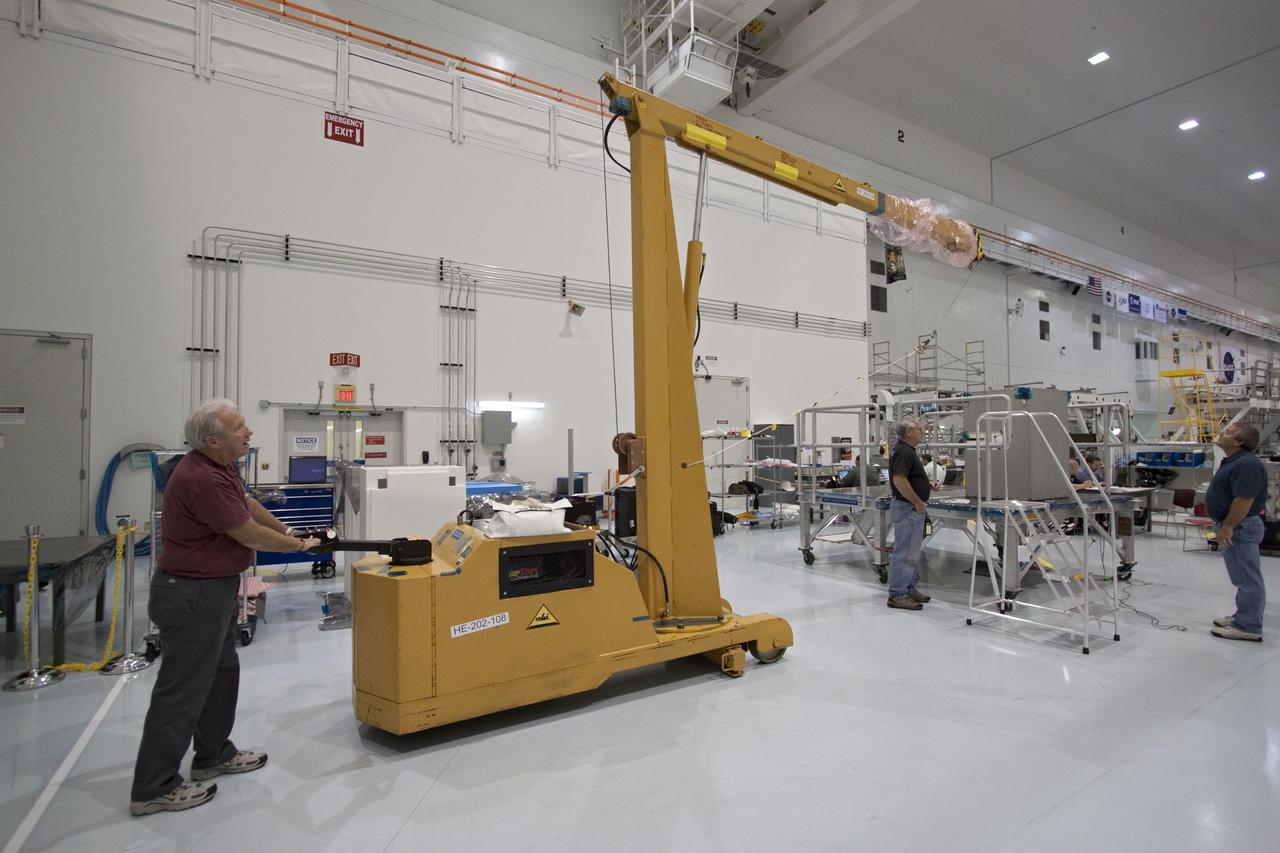
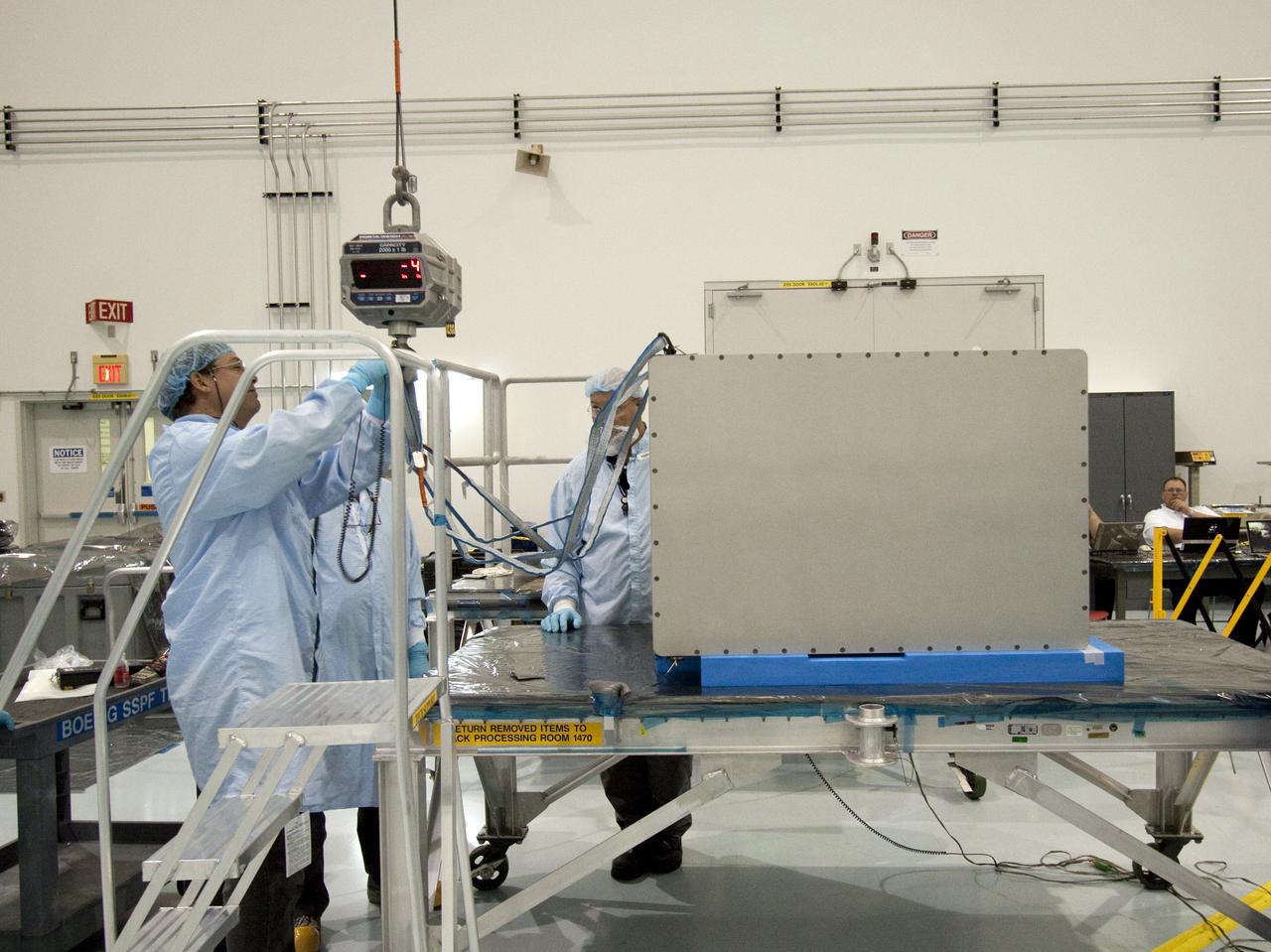
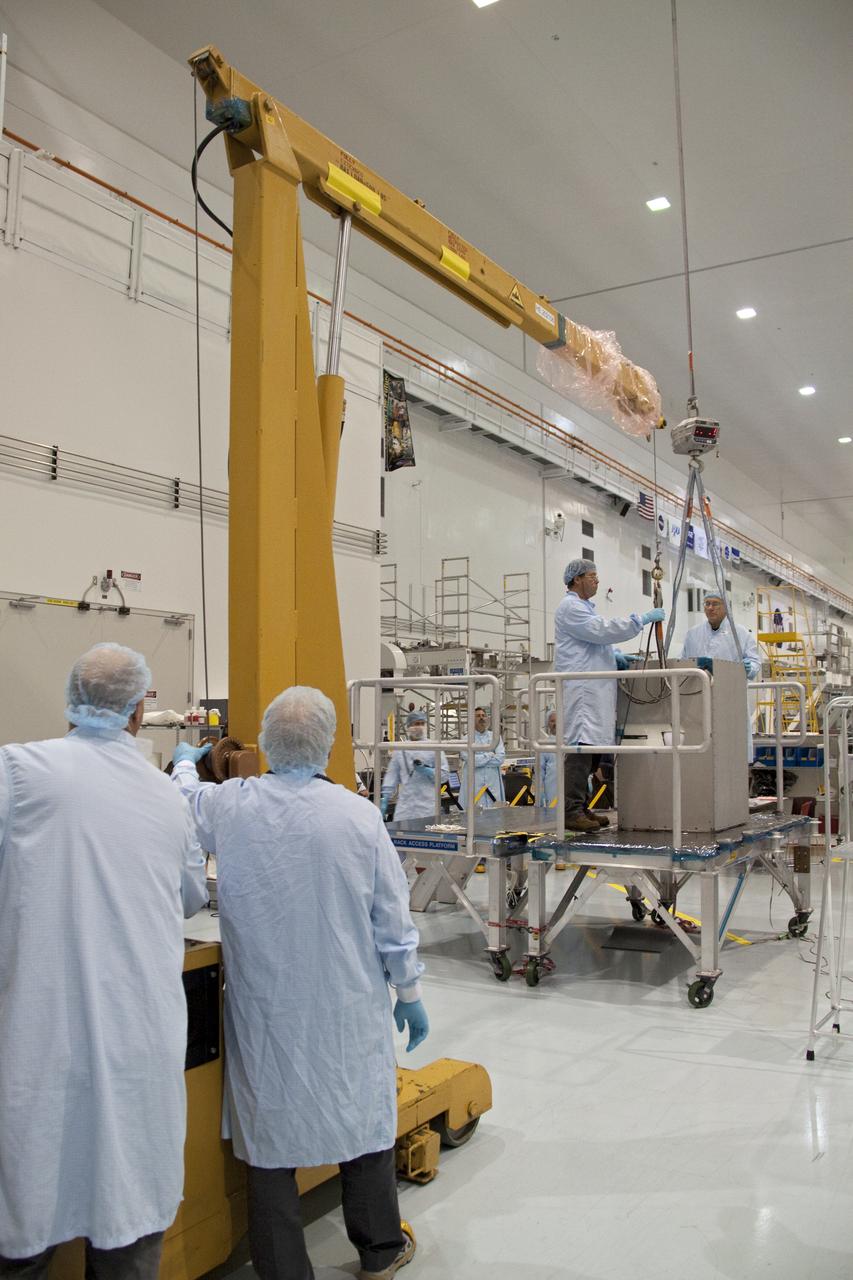
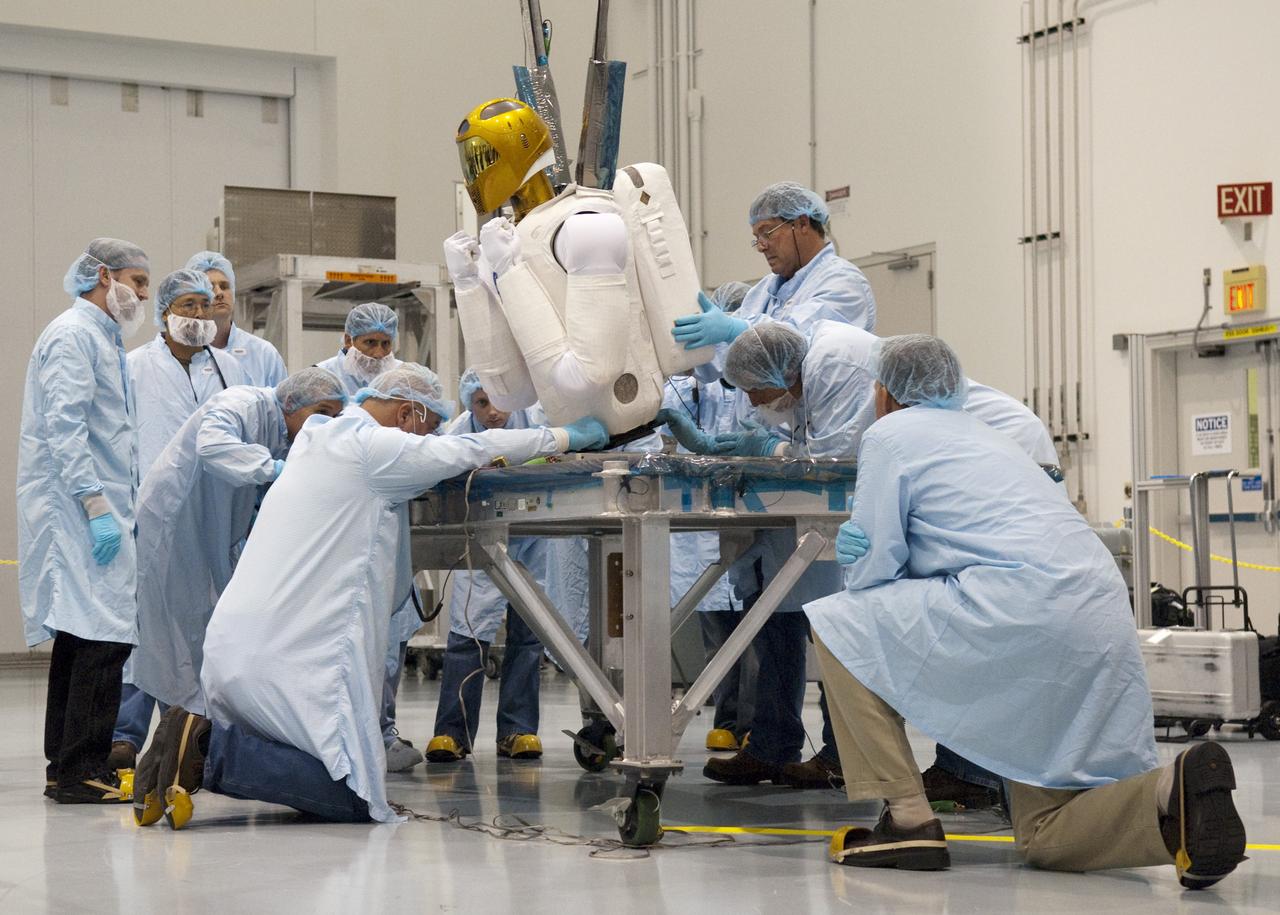
CAPE CANAVERAL, Fla. -- The dexterous humanoid astronaut helper, Robonaut 2, or R2, is ready to be moved to a horizontal position in the Space Station Processing Facility at NASA's Kennedy Space Center in Florida. Packed inside a launch box called SLEEPR, or Structural Launch Enclosure to Effectively Protect Robonaut, R2 will be placed in the Permanent Multipurpose Module, or PMM, in the same launch orientation as space shuttle Discovery's STS-133 crew members -- facing toward the nose of the shuttle with the back taking all the weight. Although R2 will initially only participate in operational tests, upgrades could eventually allow the robot to realize its true purpose -- helping spacewalking astronauts with tasks outside the International Space Station. STS-133 is targeted to launch Nov. 1. Photo credit: NASA/Jack Pfaller
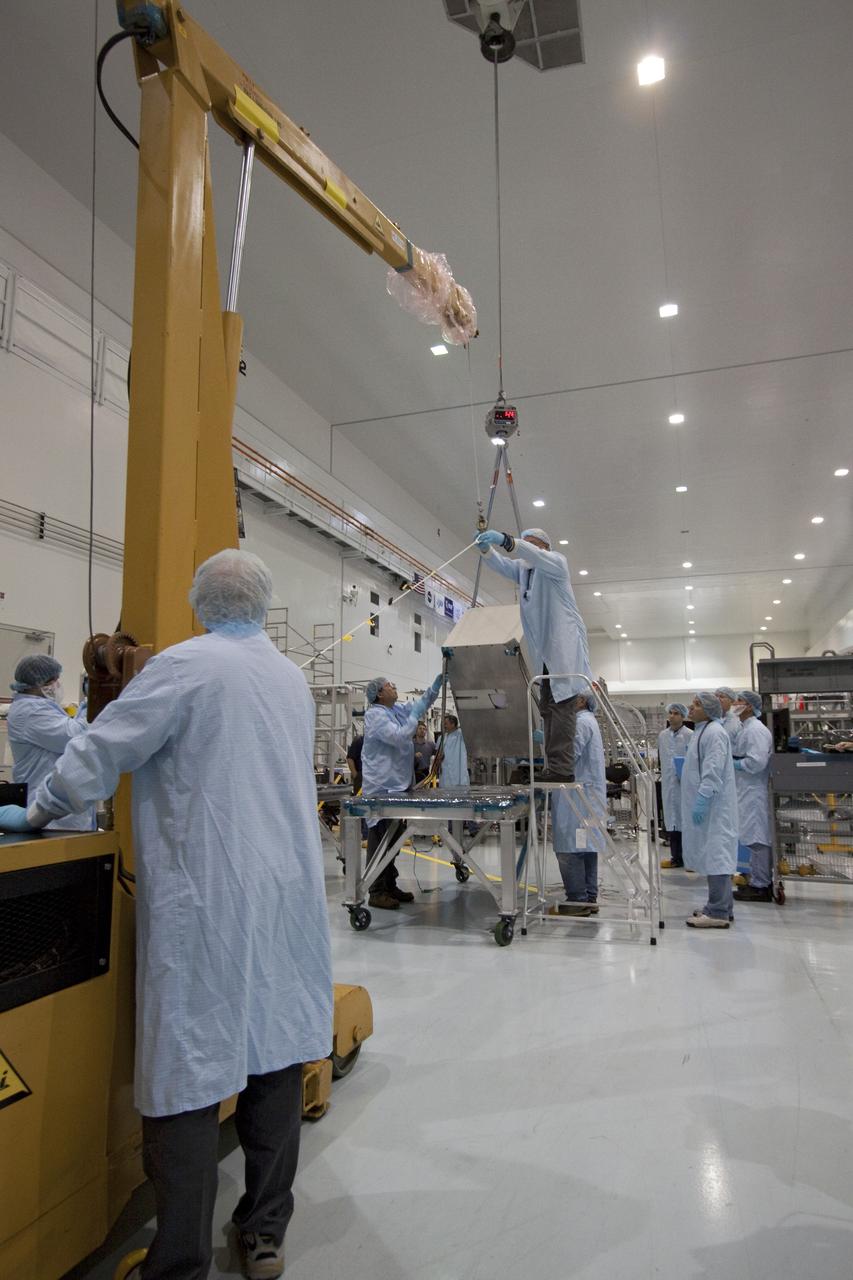
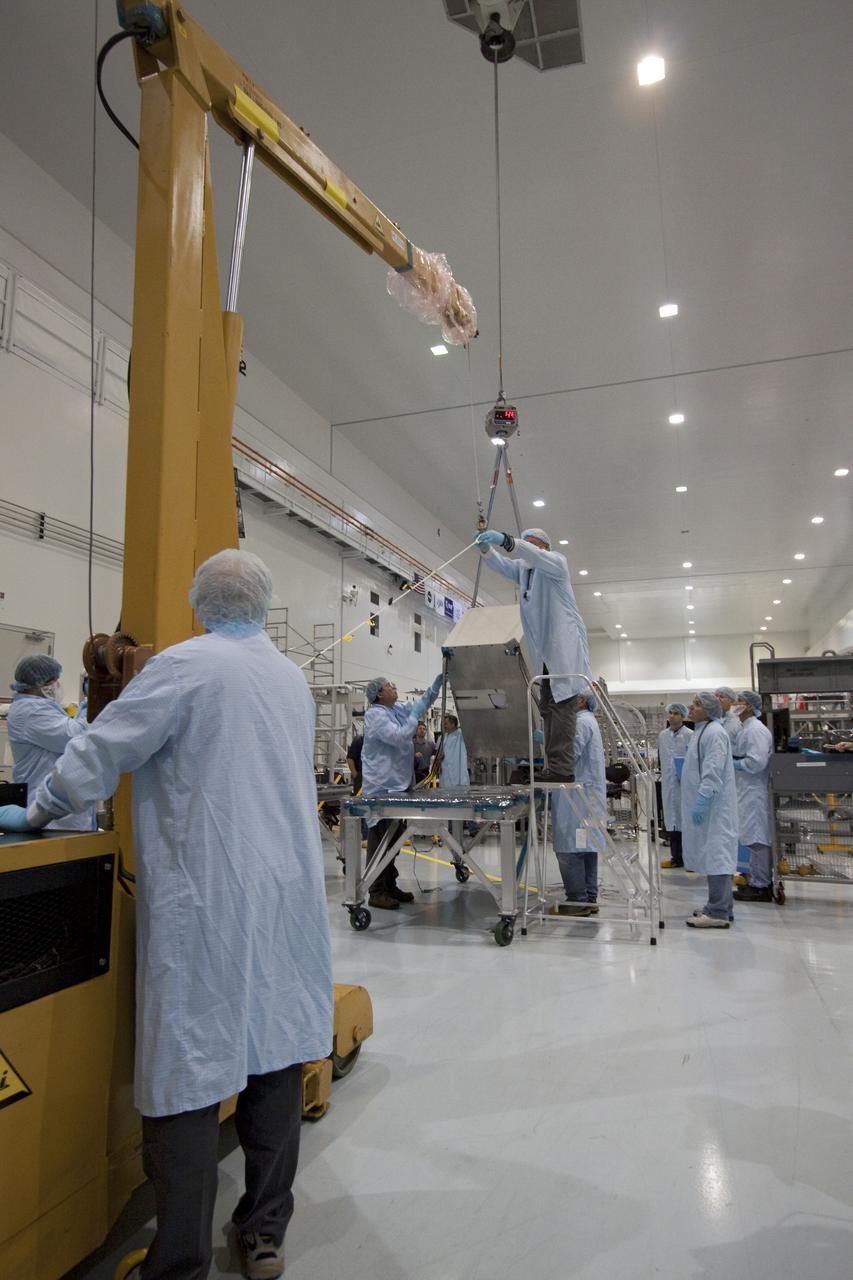
CAPE CANAVERAL, Fla. -- The dexterous humanoid astronaut helper, Robonaut 2, or R2, is moved to a horizontal position in the Space Station Processing Facility at NASA's Kennedy Space Center in Florida. Packed inside a launch box called SLEEPR, or Structural Launch Enclosure to Effectively Protect Robonaut, R2 will be placed in the Permanent Multipurpose Module, or PMM, in the same launch orientation as space shuttle Discovery's STS-133 crew members -- facing toward the nose of the shuttle with the back taking all the weight. Although R2 will initially only participate in operational tests, upgrades could eventually allow the robot to realize its true purpose -- helping spacewalking astronauts with tasks outside the International Space Station. STS-133 is targeted to launch Nov. 1. Photo credit: NASA/Jack Pfaller
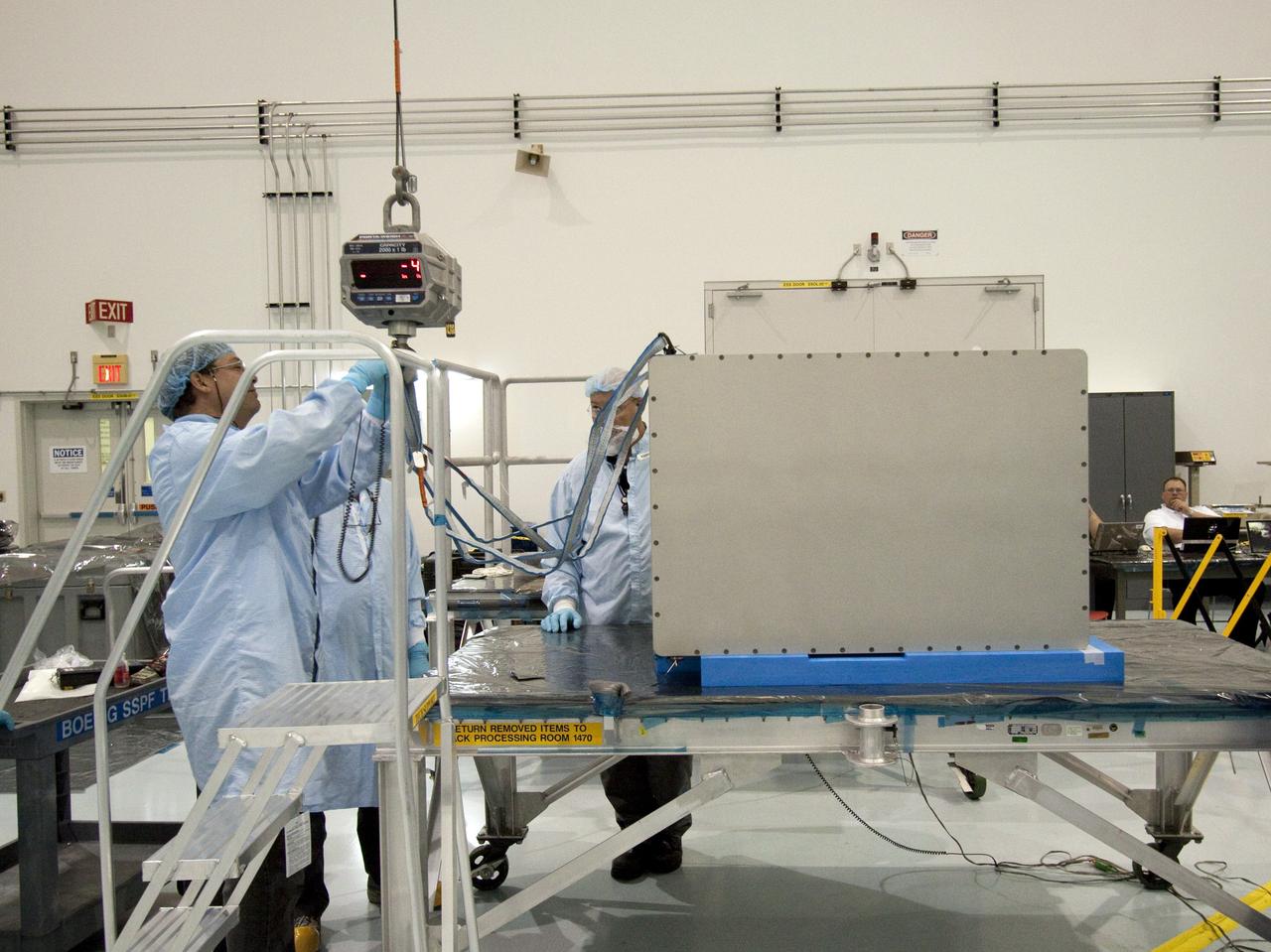
CAPE CANAVERAL, Fla. -- The dexterous humanoid astronaut helper, Robonaut 2, or R2, is moved to a horizontal position in the Space Station Processing Facility at NASA's Kennedy Space Center in Florida. Packed inside a launch box called SLEEPR, or Structural Launch Enclosure to Effectively Protect Robonaut, R2 will be placed in the Permanent Multipurpose Module, or PMM, in the same launch orientation as space shuttle Discovery's STS-133 crew members -- facing toward the nose of the shuttle with the back taking all the weight. Although R2 will initially only participate in operational tests, upgrades could eventually allow the robot to realize its true purpose -- helping spacewalking astronauts with tasks outside the International Space Station. STS-133 is targeted to launch Nov. 1. Photo credit: NASA/Jack Pfaller
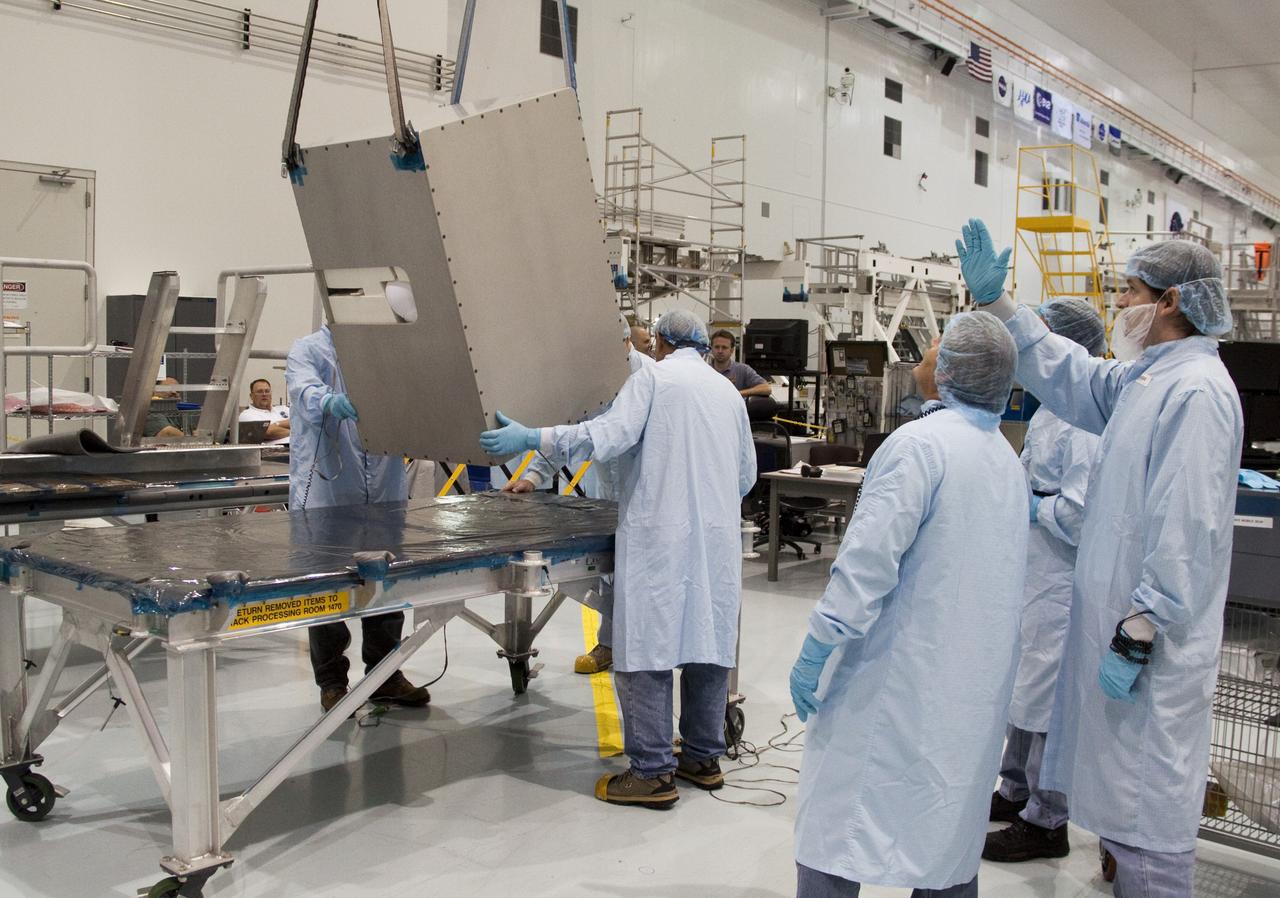
CAPE CANAVERAL, Fla. -- The dexterous humanoid astronaut helper, Robonaut 2, or R2, is moved to a horizontal position in the Space Station Processing Facility at NASA's Kennedy Space Center in Florida. Packed inside a launch box called SLEEPR, or Structural Launch Enclosure to Effectively Protect Robonaut, R2 will be placed in the Permanent Multipurpose Module, or PMM, in the same launch orientation as space shuttle Discovery's STS-133 crew members -- facing toward the nose of the shuttle with the back taking all the weight. Although R2 will initially only participate in operational tests, upgrades could eventually allow the robot to realize its true purpose -- helping spacewalking astronauts with tasks outside the International Space Station. STS-133 is targeted to launch Nov. 1. Photo credit: NASA/Jack Pfaller
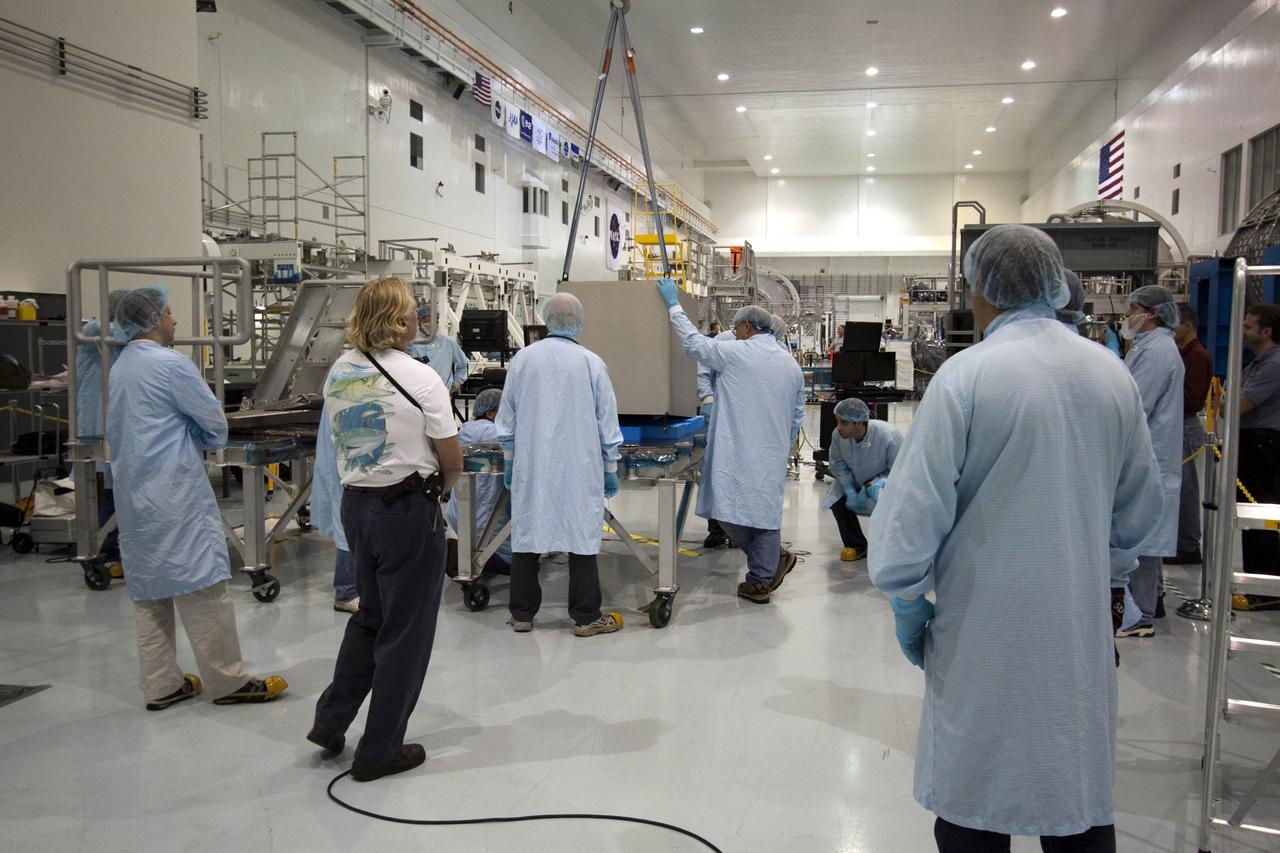
CAPE CANAVERAL, Fla. -- The dexterous humanoid astronaut helper, Robonaut 2, or R2, is moved to a horizontal position in the Space Station Processing Facility at NASA's Kennedy Space Center in Florida. Packed inside a launch box called SLEEPR, or Structural Launch Enclosure to Effectively Protect Robonaut, R2 will be placed in the Permanent Multipurpose Module, or PMM, in the same launch orientation as space shuttle Discovery's STS-133 crew members -- facing toward the nose of the shuttle with the back taking all the weight. Although R2 will initially only participate in operational tests, upgrades could eventually allow the robot to realize its true purpose -- helping spacewalking astronauts with tasks outside the International Space Station. STS-133 is targeted to launch Nov. 1. Photo credit: NASA/Jack Pfaller
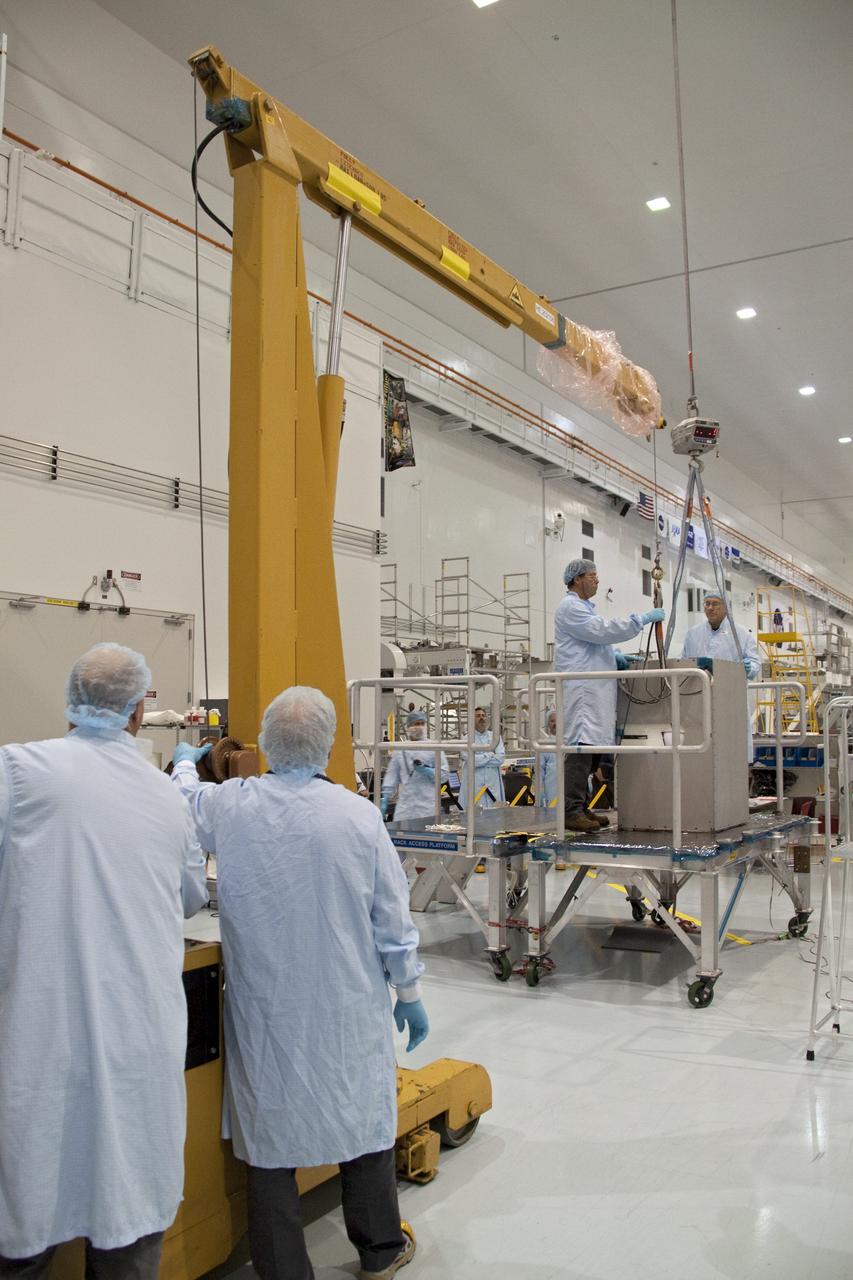
CAPE CANAVERAL, Fla. -- The dexterous humanoid astronaut helper, Robonaut 2, or R2, begins is move to a horizontal position in the Space Station Processing Facility at NASA's Kennedy Space Center in Florida. Packed inside a launch box called SLEEPR, or Structural Launch Enclosure to Effectively Protect Robonaut, R2 will be placed in the Permanent Multipurpose Module, or PMM, in the same launch orientation as space shuttle Discovery's STS-133 crew members -- facing toward the nose of the shuttle with the back taking all the weight. Although R2 will initially only participate in operational tests, upgrades could eventually allow the robot to realize its true purpose -- helping spacewalking astronauts with tasks outside the International Space Station. STS-133 is targeted to launch Nov. 1. Photo credit: NASA/Jack Pfaller
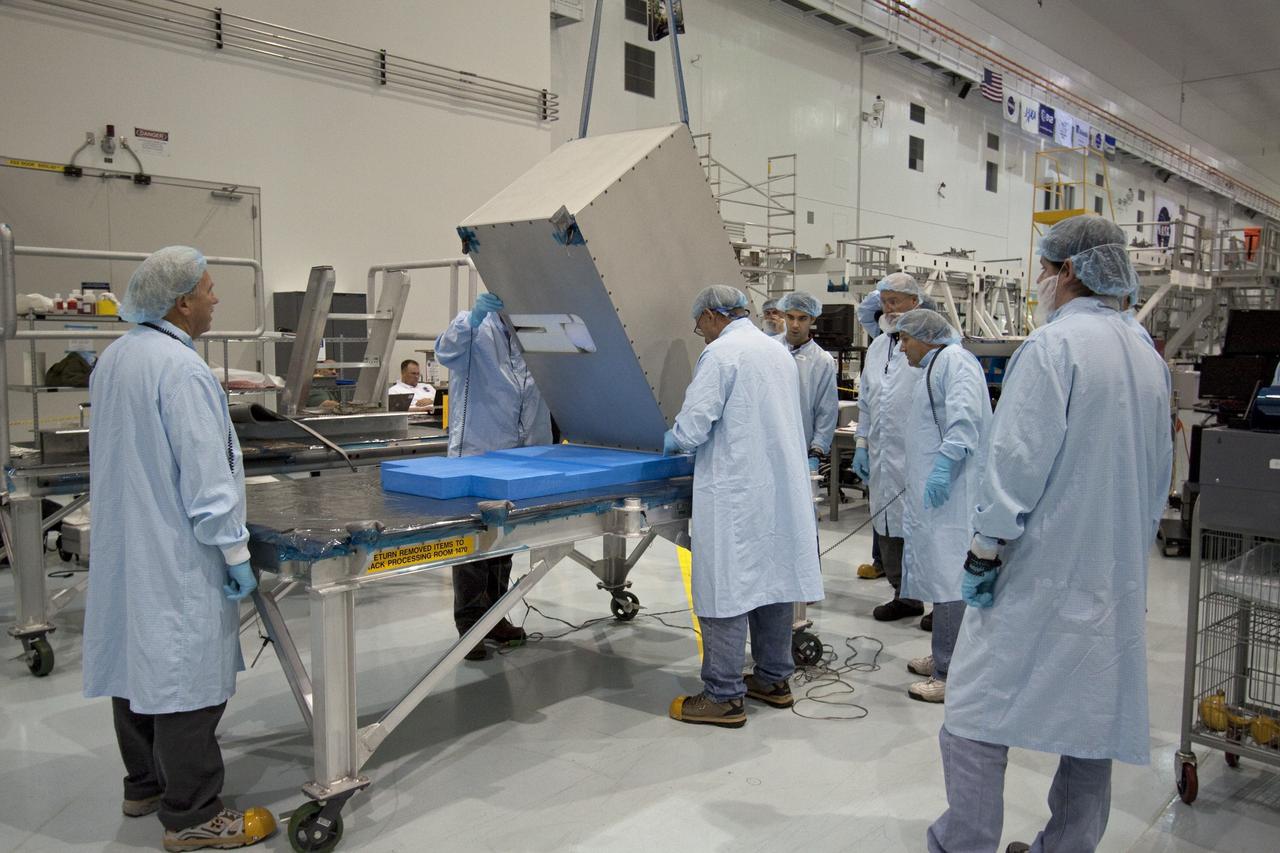
CAPE CANAVERAL, Fla. -- The dexterous humanoid astronaut helper, Robonaut 2, or R2, is moved to a horizontal position in the Space Station Processing Facility at NASA's Kennedy Space Center in Florida. Packed inside a launch box called SLEEPR, or Structural Launch Enclosure to Effectively Protect Robonaut, R2 will be placed in the Permanent Multipurpose Module, or PMM, in the same launch orientation as space shuttle Discovery's STS-133 crew members -- facing toward the nose of the shuttle with the back taking all the weight. Although R2 will initially only participate in operational tests, upgrades could eventually allow the robot to realize its true purpose -- helping spacewalking astronauts with tasks outside the International Space Station. STS-133 is targeted to launch Nov. 1. Photo credit: NASA/Jack Pfaller
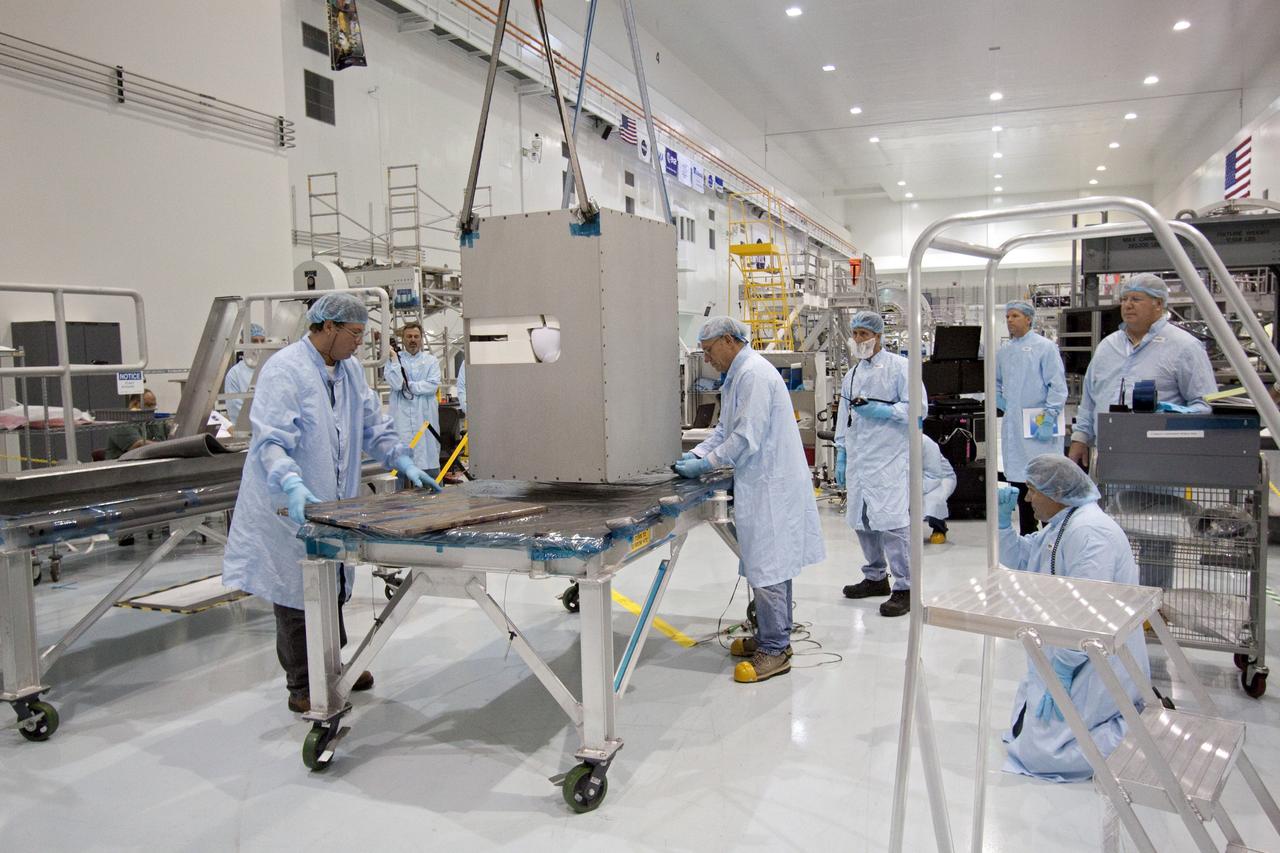
CAPE CANAVERAL, Fla. -- The dexterous humanoid astronaut helper, Robonaut 2, or R2, begins is move to a horizontal position in the Space Station Processing Facility at NASA's Kennedy Space Center in Florida. Packed inside a launch box called SLEEPR, or Structural Launch Enclosure to Effectively Protect Robonaut, R2 will be placed in the Permanent Multipurpose Module, or PMM, in the same launch orientation as space shuttle Discovery's STS-133 crew members -- facing toward the nose of the shuttle with the back taking all the weight. Although R2 will initially only participate in operational tests, upgrades could eventually allow the robot to realize its true purpose -- helping spacewalking astronauts with tasks outside the International Space Station. STS-133 is targeted to launch Nov. 1. Photo credit: NASA/Jack Pfaller
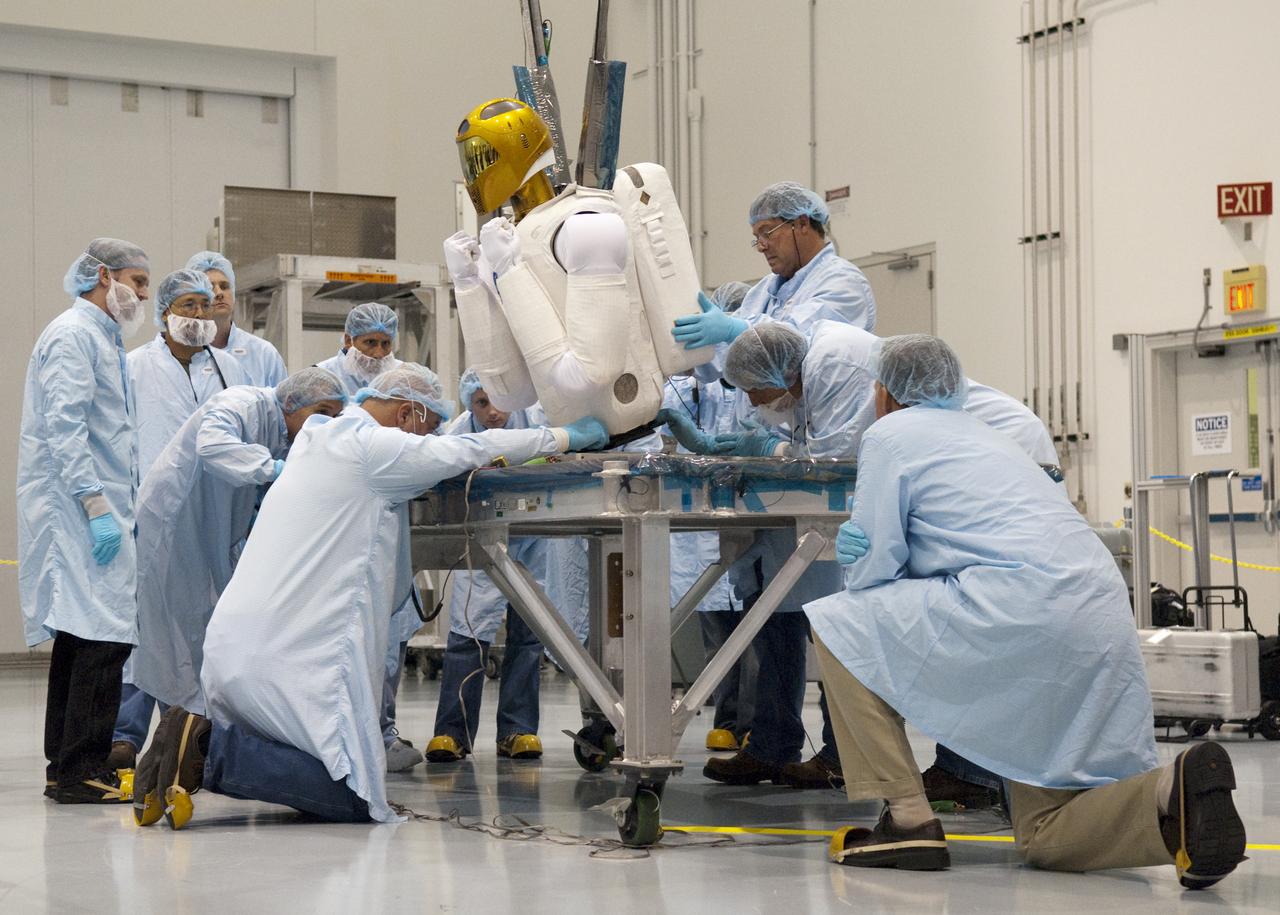
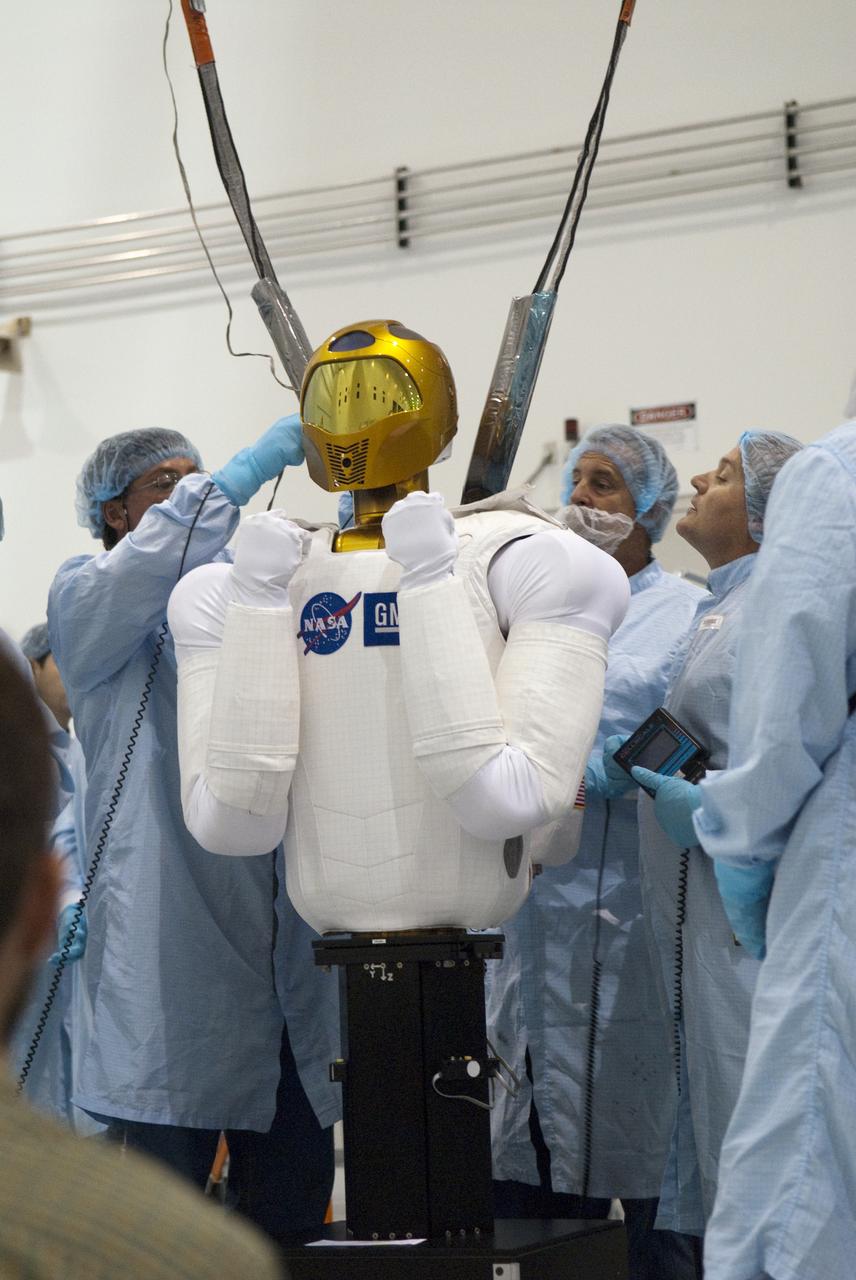
CAPE CANAVERAL, Fla. -- In the Space Station Processing Facility at NASA's Kennedy Space Center in Florida, the dexterous humanoid astronaut helper, Robonaut 2, or R2, is secured to a base plate, which is part of its launch box called SLEEPR, or Structural Launch Enclosure to Effectively Protect Robonaut. R2 will fly to the International Space Station aboard space shuttle Discovery on the STS-133 mission. Although it will initially only participate in operational tests, upgrades could eventually allow the robot to realize its true purpose -- helping spacewalking astronauts with tasks outside the space station. Photo credit: NASA/Frankie Martin
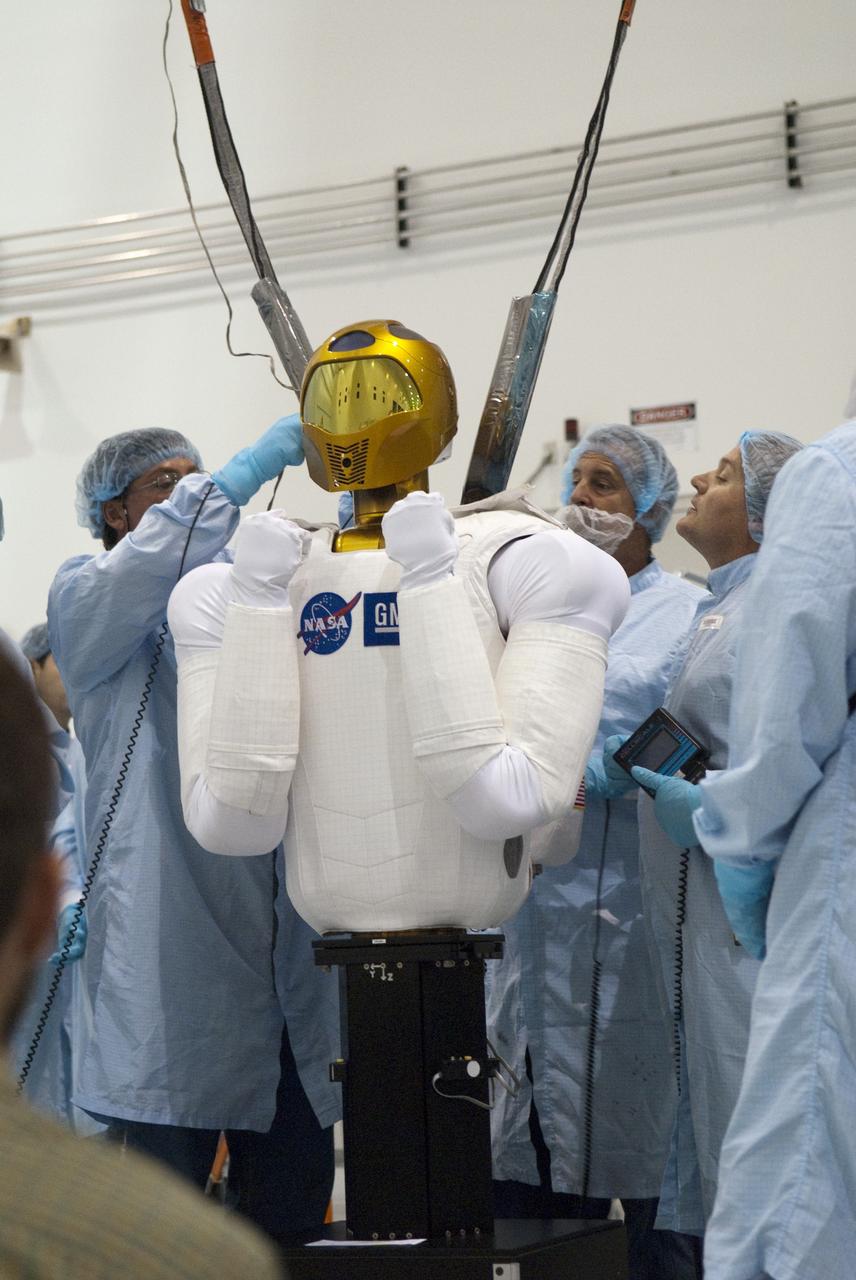
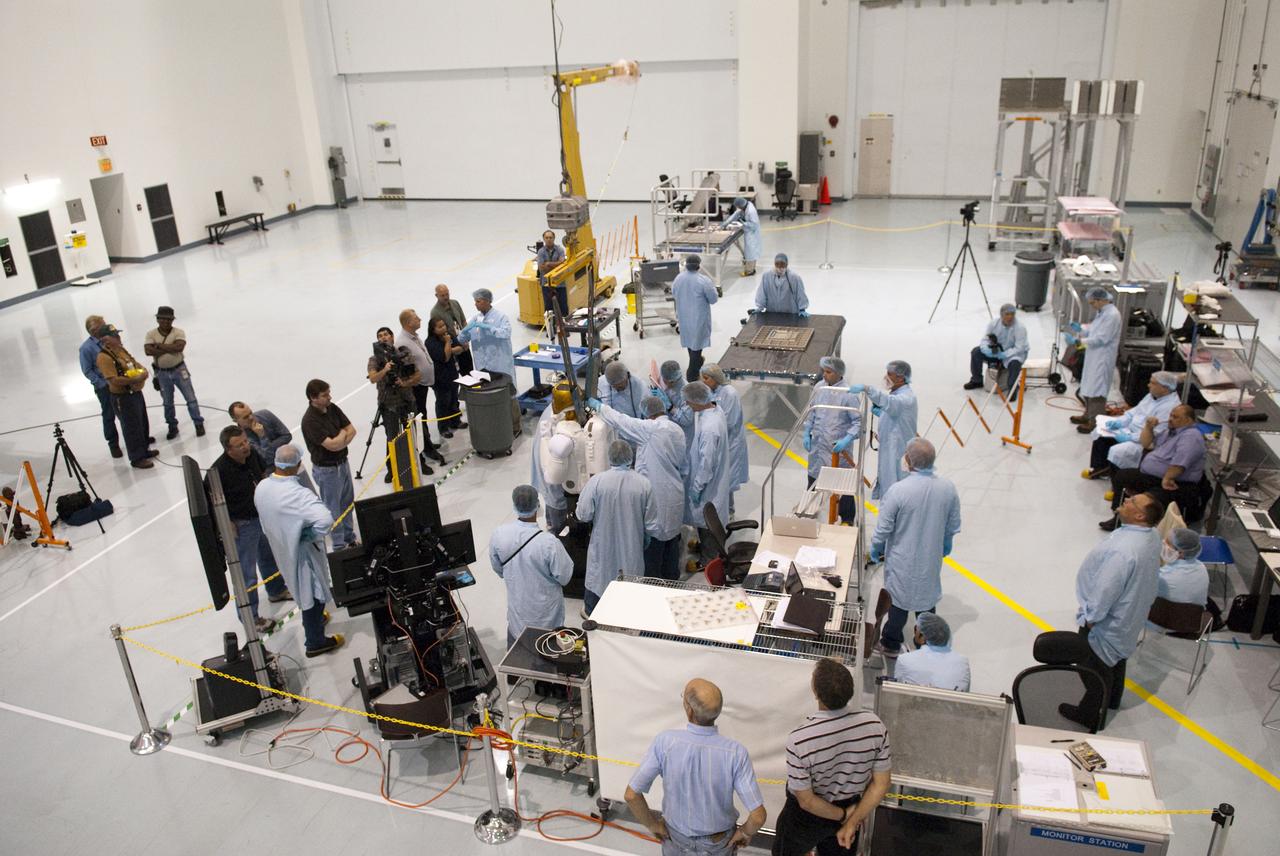
CAPE CANAVERAL, Fla. -- In the Space Station Processing Facility at NASA's Kennedy Space Center in Florida, the dexterous humanoid astronaut helper, Robonaut 2, or R2, is prepared for its lift and installation in a launch box called SLEEPR, or Structural Launch Enclosure to Effectively Protect Robonaut. R2 will fly to the International Space Station aboard space shuttle Discovery on the STS-133 mission. Although it will initially only participate in operational tests, upgrades could eventually allow the robot to realize its true purpose -- helping spacewalking astronauts with tasks outside the space station. Photo credit: NASA/Frankie Martin
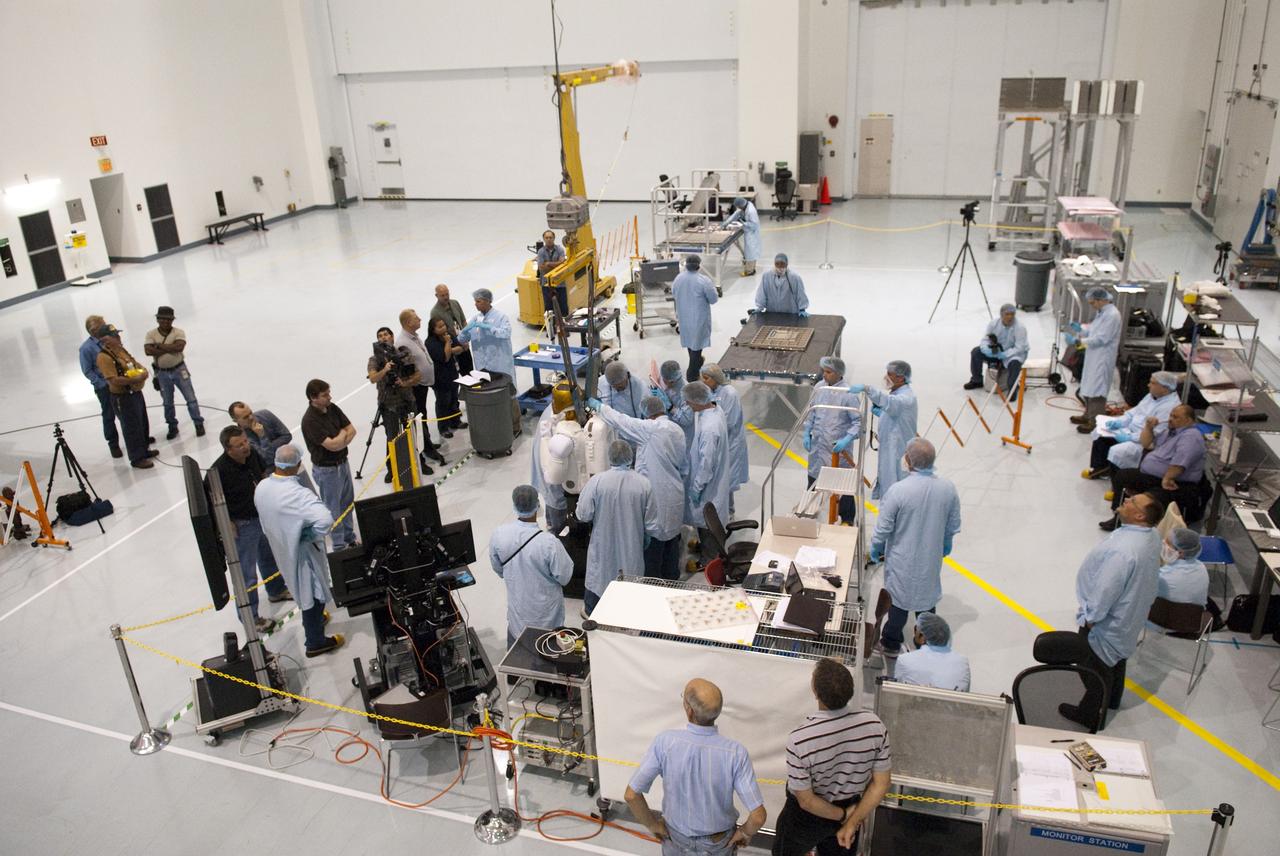
CAPE CANAVERAL, Fla. -- In the Space Station Processing Facility at NASA's Kennedy Space Center in Florida, the dexterous humanoid astronaut helper, Robonaut 2, or R2, is prepared for its lift and installation in a launch box called SLEEPR, or Structural Launch Enclosure to Effectively Protect Robonaut. R2 will fly to the International Space Station aboard space shuttle Discovery on the STS-133 mission. Although it will initially only participate in operational tests, upgrades could eventually allow the robot to realize its true purpose -- helping spacewalking astronauts with tasks outside the space station. Photo credit: NASA/Frankie Martin
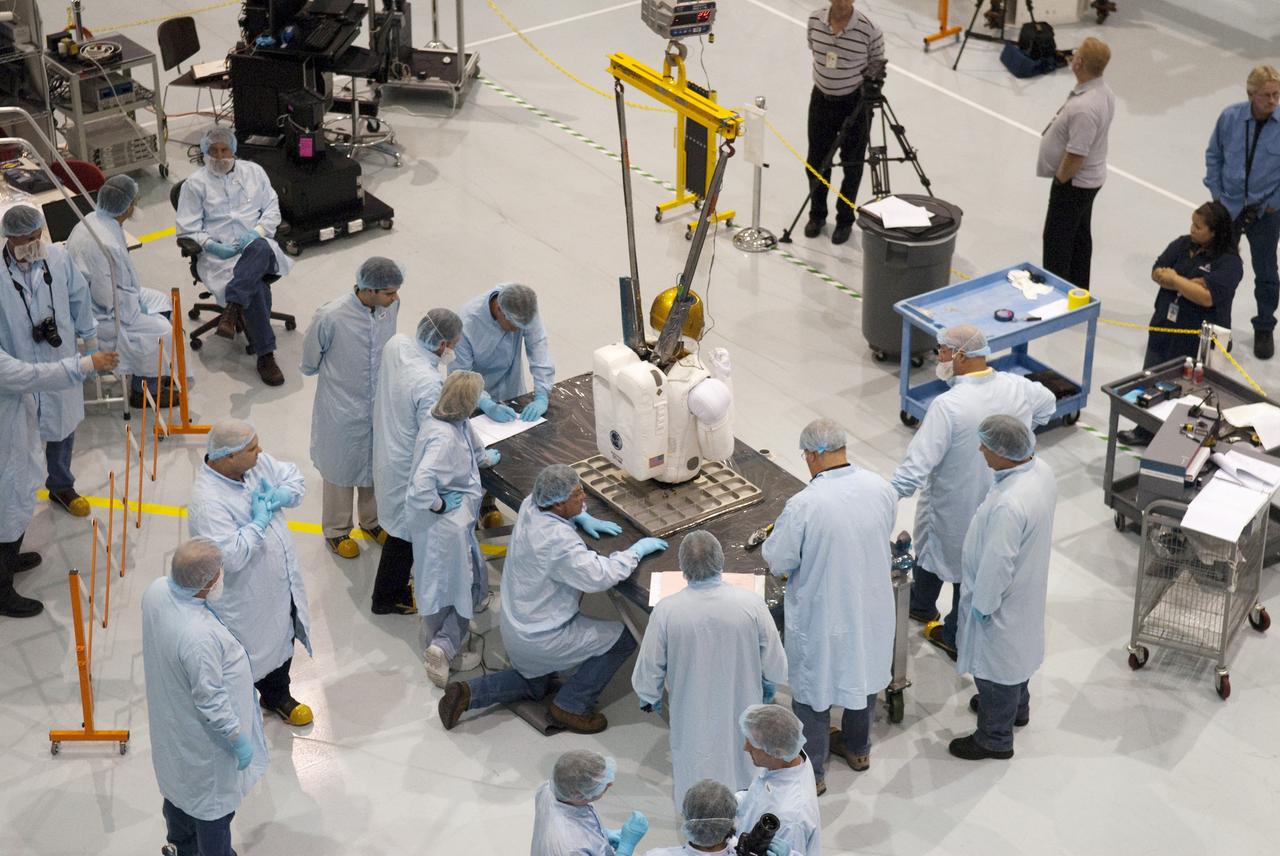
CAPE CANAVERAL, Fla. -- In the Space Station Processing Facility at NASA's Kennedy Space Center in Florida, the dexterous humanoid astronaut helper, Robonaut 2, or R2, is lowered to a base plate, which is part of its launch box called SLEEPR, or Structural Launch Enclosure to Effectively Protect Robonaut. R2 will fly to the International Space Station aboard space shuttle Discovery on the STS-133 mission. Although it will initially only participate in operational tests, upgrades could eventually allow the robot to realize its true purpose -- helping spacewalking astronauts with tasks outside the space station. Photo credit: NASA/Frankie Martin
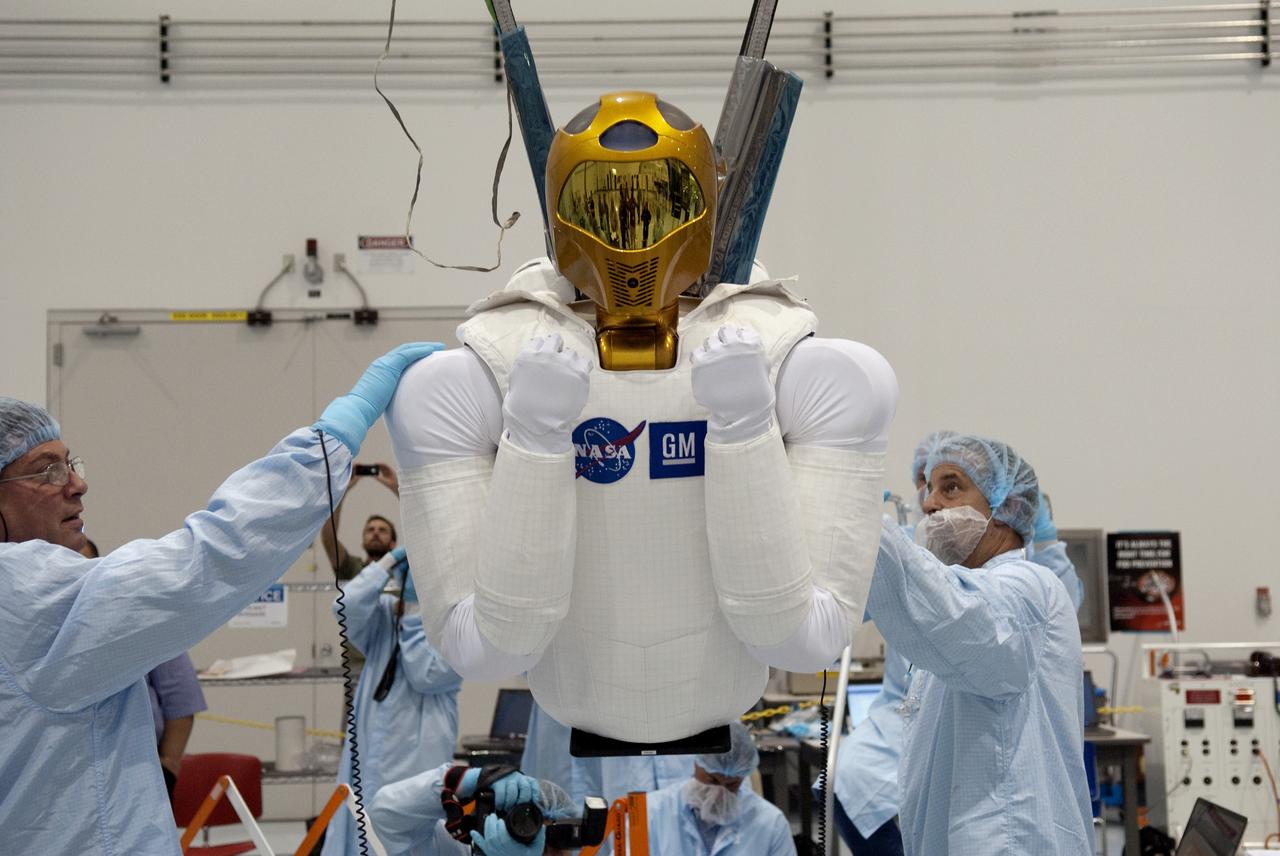
CAPE CANAVERAL, Fla. -- In the Space Station Processing Facility at NASA's Kennedy Space Center in Florida, the dexterous humanoid astronaut helper, Robonaut 2, or R2, is lifted for its installation in a launch box called SLEEPR, or Structural Launch Enclosure to Effectively Protect Robonaut. R2 will fly to the International Space Station aboard space shuttle Discovery on the STS-133 mission. Although it will initially only participate in operational tests, upgrades could eventually allow the robot to realize its true purpose -- helping spacewalking astronauts with tasks outside the space station. Photo credit: NASA/Frankie Martin
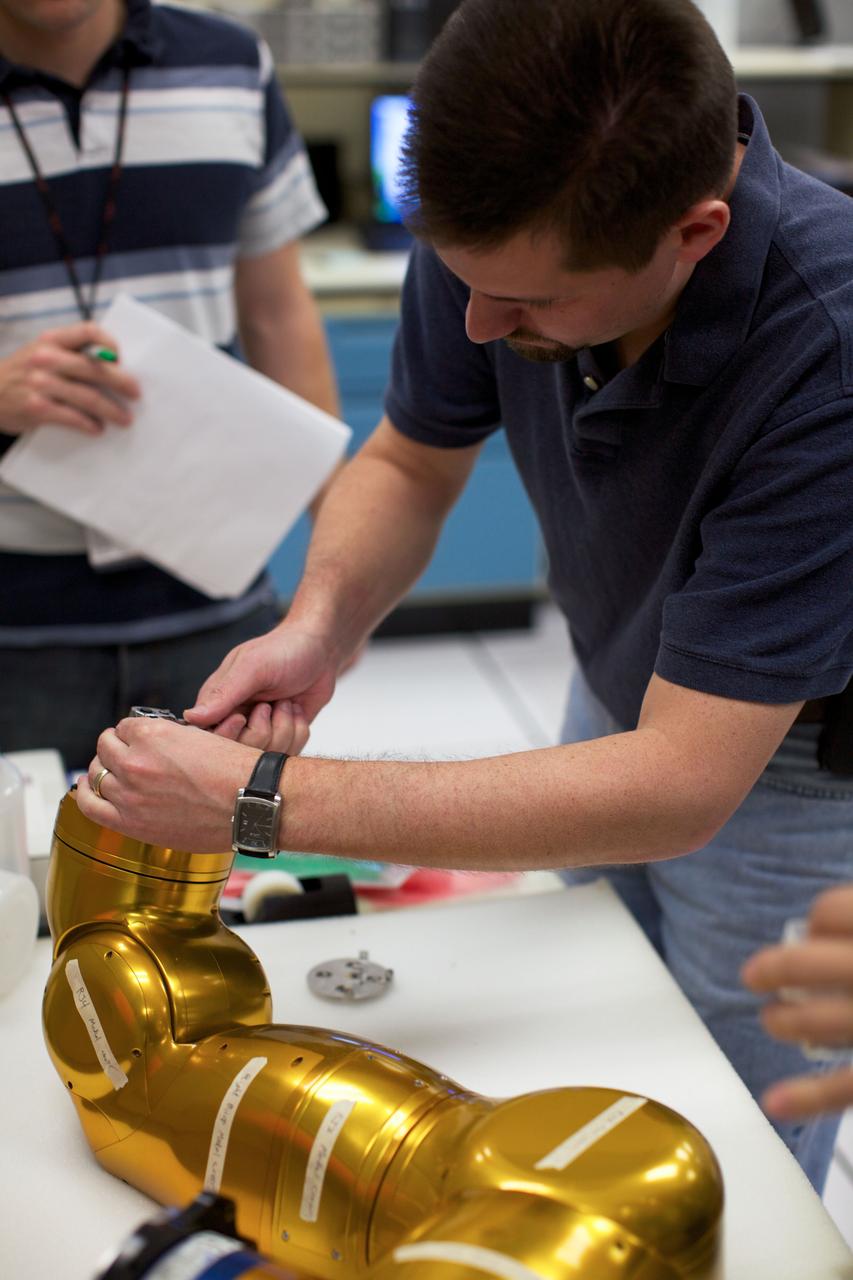
JSC2010-E-090923 (15 March 2010) --- One of Robonaut 2?s arms is disassembled to prepare the robot for electronics upgrades. Because R2 was designed as a prototype, some changes were necessary to ready it for life on the International Space Station. R2 is scheduled to launch into space aboard Discovery on the STS-133 mission. Photo credit: NASA or National Aeronautics and Space Administration

JSC2010-E-090927 (1 June 2010) --- Engineers at NASA?s Johnson Space Center test software upgrades on Robonaut 2. Because R2 was designed as a prototype, some changes were necessary to ready it for life on the International Space Station. R2 is scheduled to launch into space aboard Discovery on the STS-133 mission. Photo credit: NASA or National Aeronautics and Space Administration
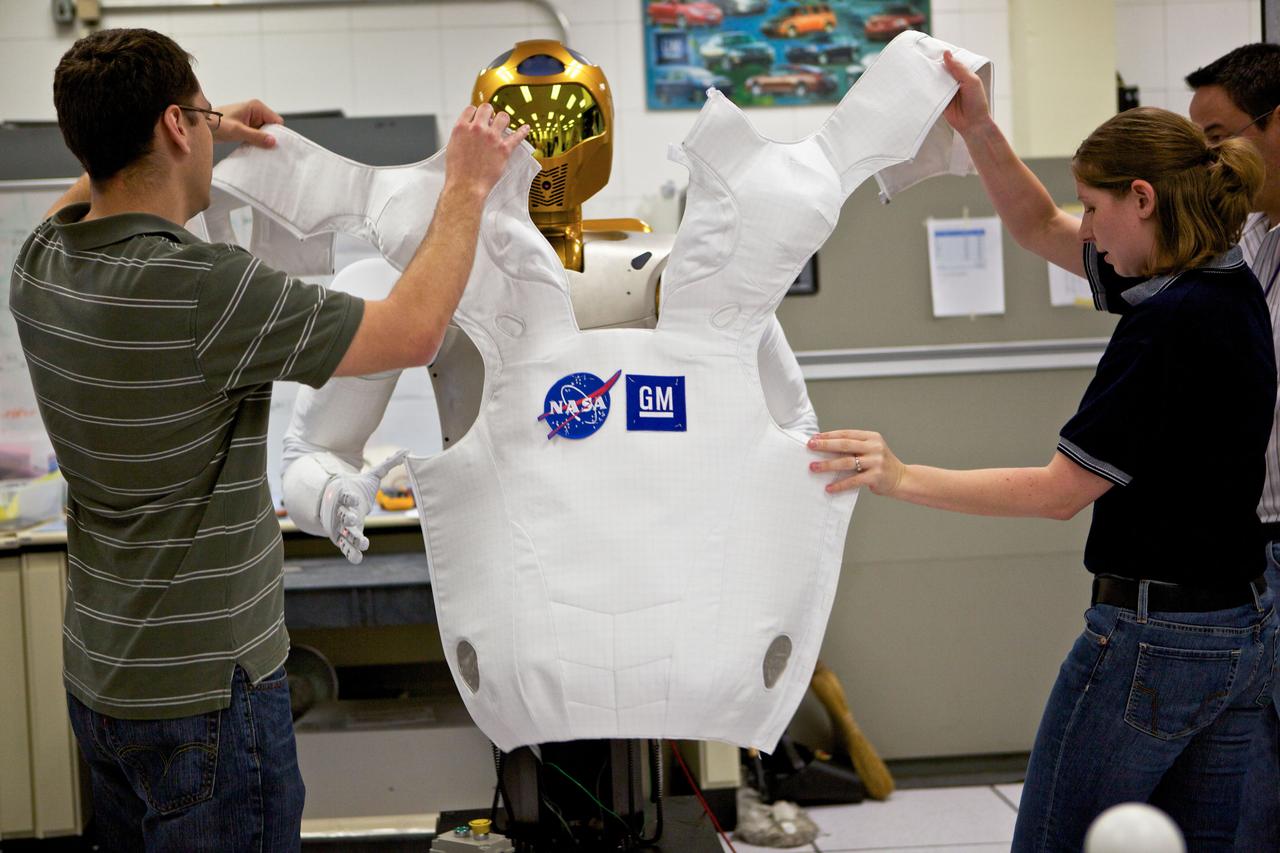
JSC2010-E-090928 (1 June 2010) --- Engineer Court Edmondson and soft goods designer Heather Bibby help Robonaut 2 try on its new flight suit. The materials in R2?s ?skin? were upgraded in preparation for the robot?s journey to the International Space Station due to the station?s stringent flammability requirements. R2 is scheduled to launch on board space shuttle Discovery as part of the STS-133 mission. Photo credit: NASA or National Aeronautics and Space Administration
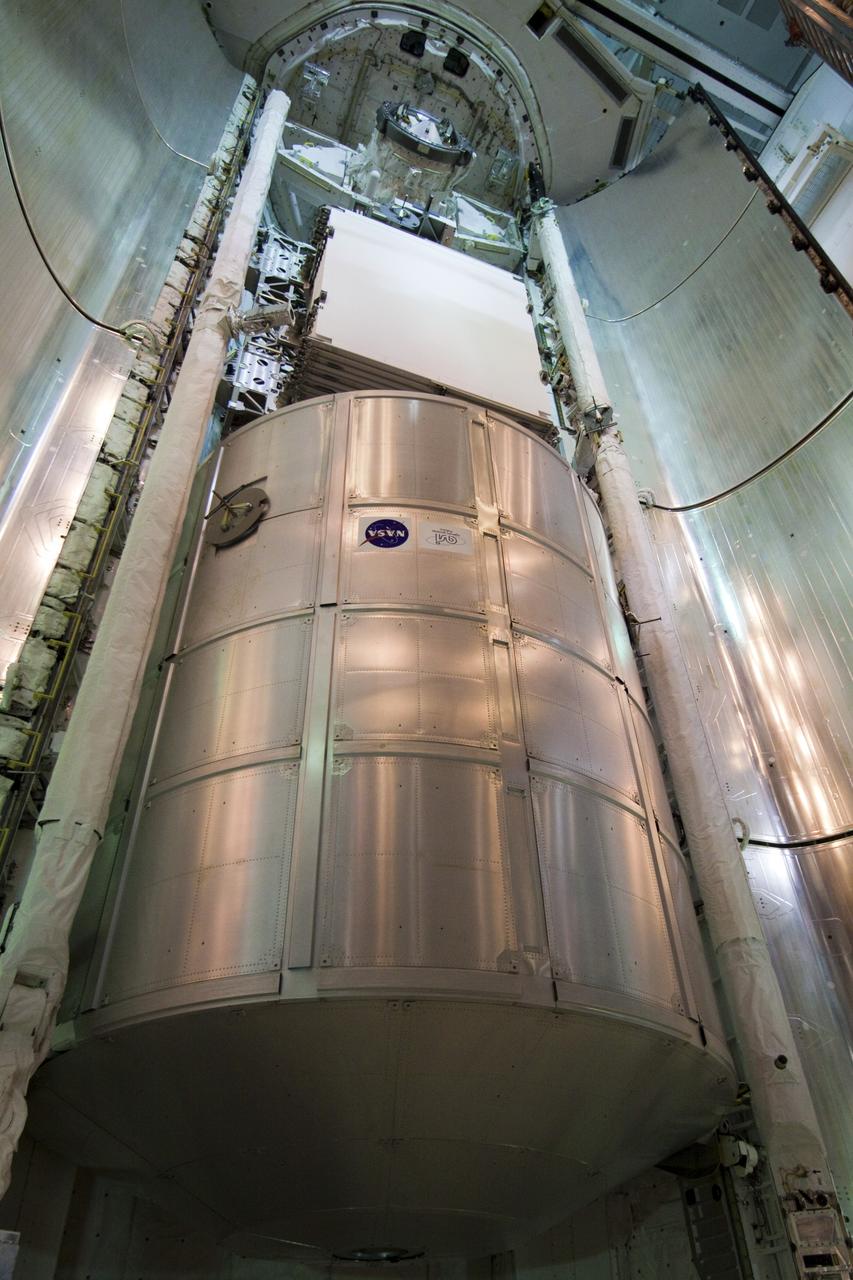
CAPE CANAVERAL, Fla. -- On Launch Pad 39A at NASA's Kennedy Space Center in Florida, the clamshell doors of space shuttle Discovery's payload bay are ready to be closed in preparation for the STS-133 launch to the International Space Station. Targeted to launch Nov. 1, STS-133 will carry the Permanent Multipurpose Module (PMM) packed with supplies and critical spare parts, as well as Robonaut 2 (R2) to the station. Photo credit: NASA/Jack Pfaller