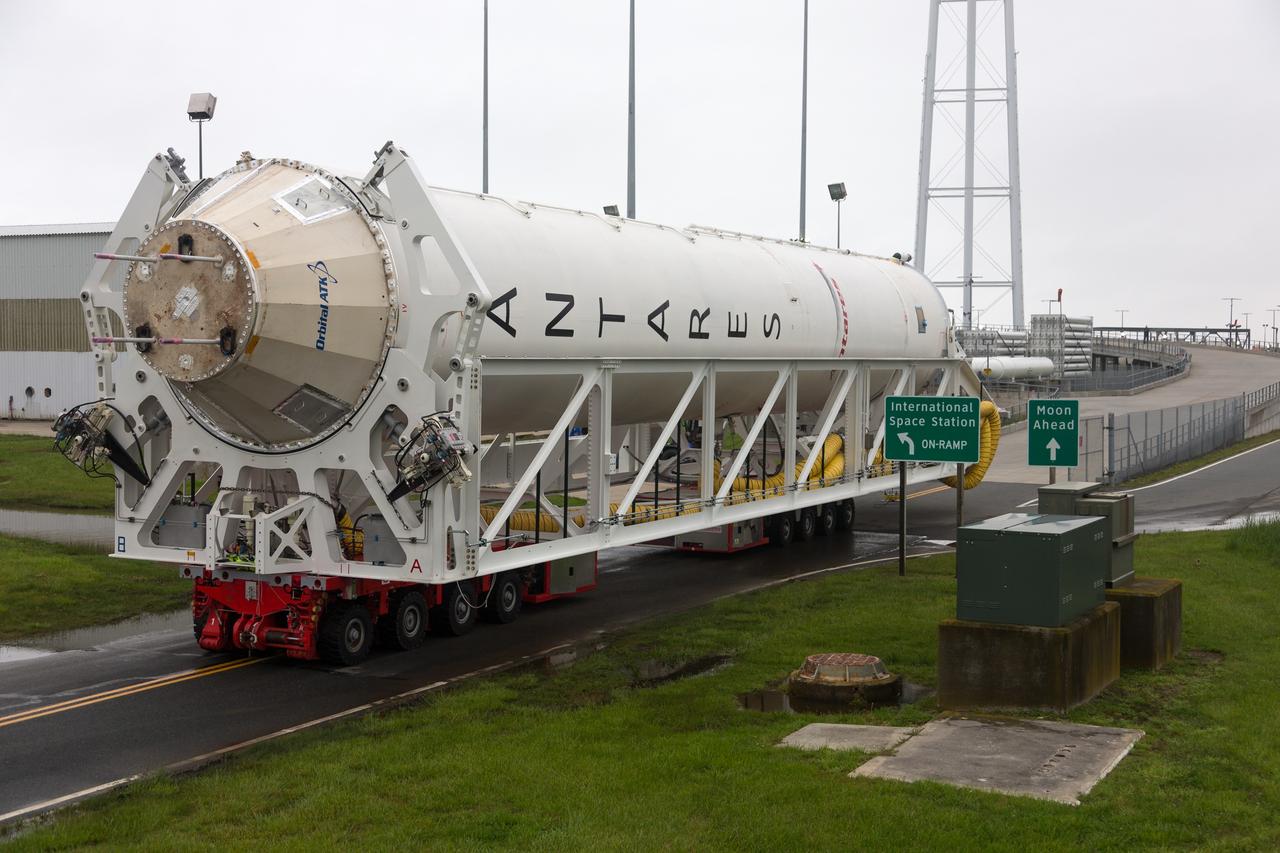
Orbital ATK’s Antares first stage with the new engines is rolled from NASA Wallops Flight Facility’s Horizontal Integration Facility to Virginia Space’s Mid-Atlantic Regional Spaceport Pad-0A on May 12, 2016, in preparation for the upcoming stage test in the next few weeks. The team will continue to work meticulously as they begin final integration and check outs on the pad and several readiness reviews prior to the test. The window for the stage test will be over multiple days to ensure technical and weather conditions are acceptable. Credit: NASA's Wallops Flight Facility/Allison Stancil <b><a href="http://www.nasa.gov/audience/formedia/features/MP_Photo_Guidelines.html" rel="nofollow">NASA image use policy.</a></b> <b><a href="http://www.nasa.gov/centers/goddard/home/index.html" rel="nofollow">NASA Goddard Space Flight Center</a></b> enables NASA’s mission through four scientific endeavors: Earth Science, Heliophysics, Solar System Exploration, and Astrophysics. Goddard plays a leading role in NASA’s accomplishments by contributing compelling scientific knowledge to advance the Agency’s mission. <b>Follow us on <a href="http://twitter.com/NASAGoddardPix" rel="nofollow">Twitter</a></b> <b>Like us on <a href="http://www.facebook.com/pages/Greenbelt-MD/NASA-Goddard/395013845897?ref=tsd" rel="nofollow">Facebook</a></b> <b>Find us on <a href="http://instagrid.me/nasagoddard/?vm=grid" rel="nofollow">Instagram</a></b>

One step closer to its maiden voyage, the Space Shuttle Orbiter Endeavour rolls out of the Vehicle Assembly Building, headed to Launch Pad 39B. Launched on May 7th 1992, the STS-49 mission was the first U.S. orbital flight to feature 4 extravehicular activities (EVAs), and the first flight to involve 3 crew members working simultaneously outside of the spacecraft. The primary objective was the capture and redeployment of the INTELSAT VI (F-3) which was stranded in an unusable orbit since its launch aboard the Titan rocket in March 1990.
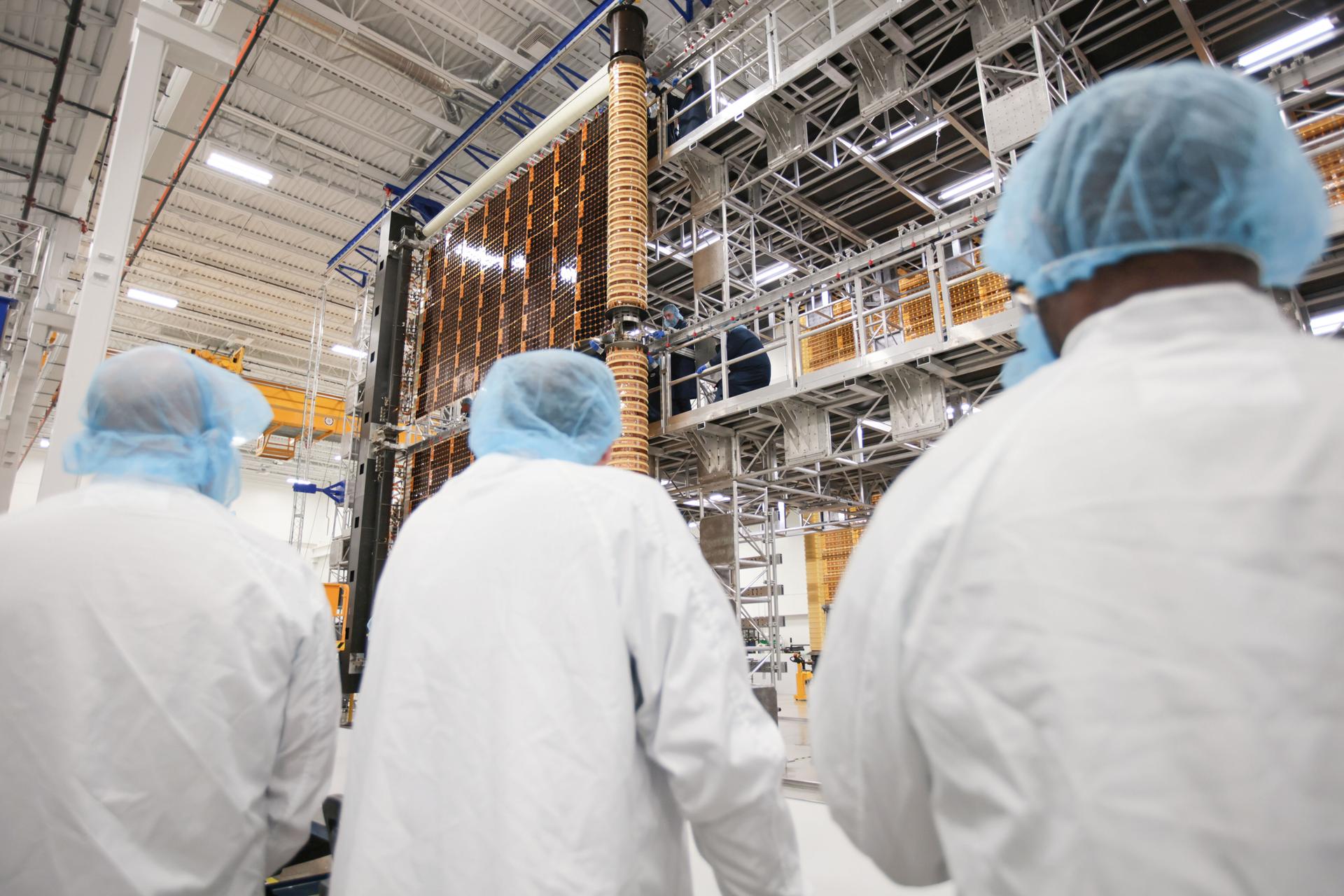
NASA and industry team members observe a Roll-Out Solar Array (ROSA) wing for Gateway as it deploys inside Redwire’s high-bay facility in Goleta, California, during a test on June 30, 2025. The image shows the solar array partially extended as technicians monitor the process from the facility floor and elevated work platforms. Credit: Lanteris Space Systems
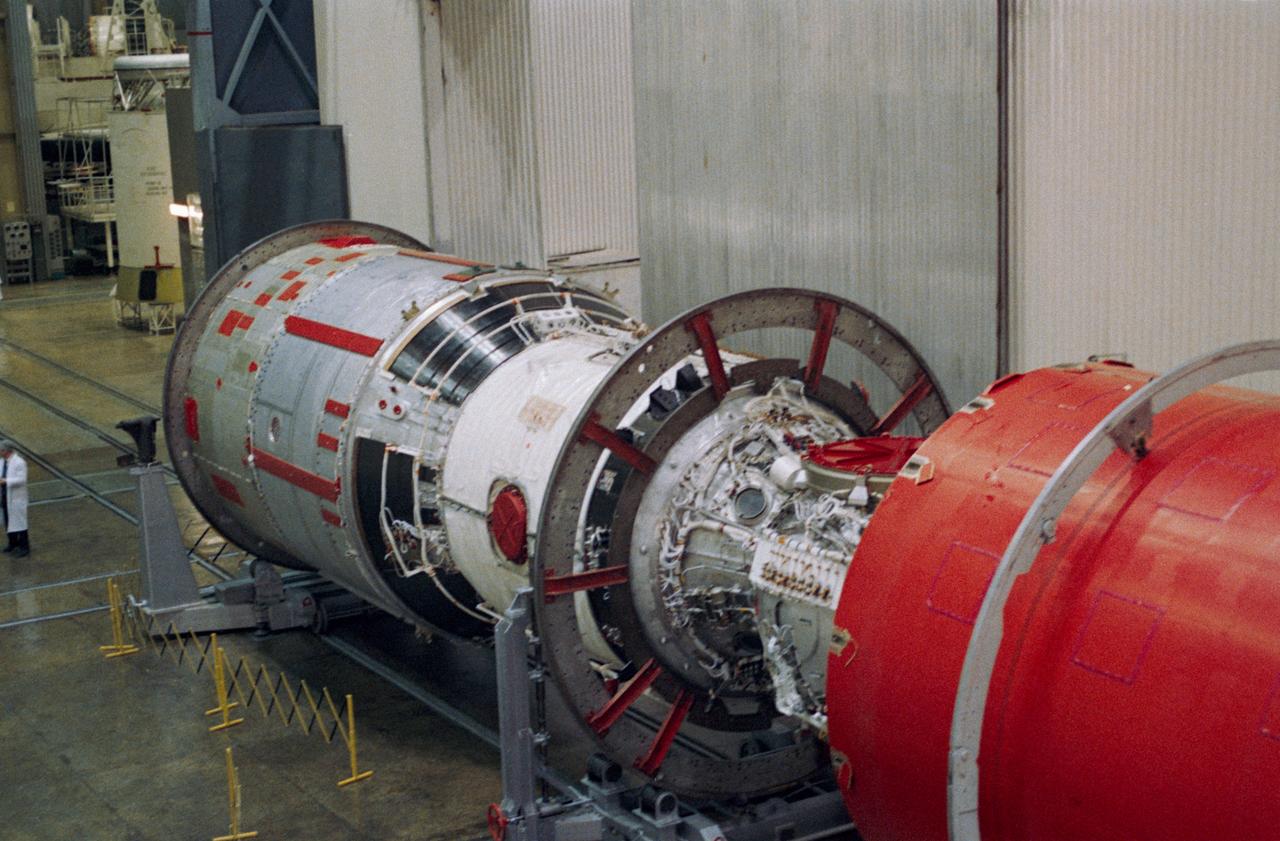
S99-05653 (April 1999) --- ISS service module roll-out. --- A three-quarter, forward view of the International Space Station (ISS) Service Module (SM) during roll-out at RSC-Energia in Moscow, Russia.
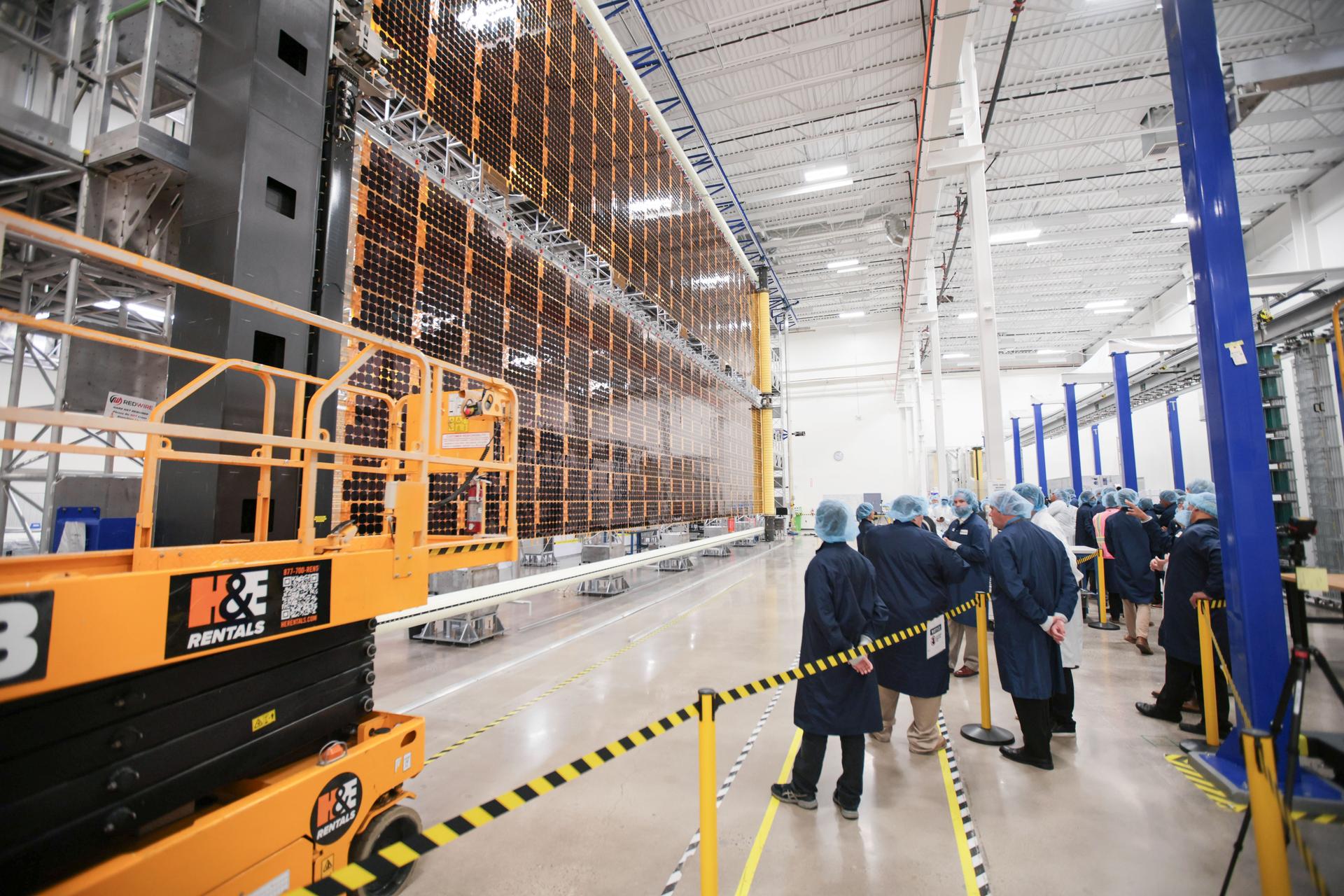
A Roll-Out Solar Array (ROSA) wing for Gateway stands fully deployed inside Redwire’s high-bay facility in Goleta, California, following a successful deployment test on June 30, 2025. The image shows the extended solar array structure as NASA’s Gateway Program leadership and representatives from industry and international partners observe the test from the facility floor. Credit: NASA
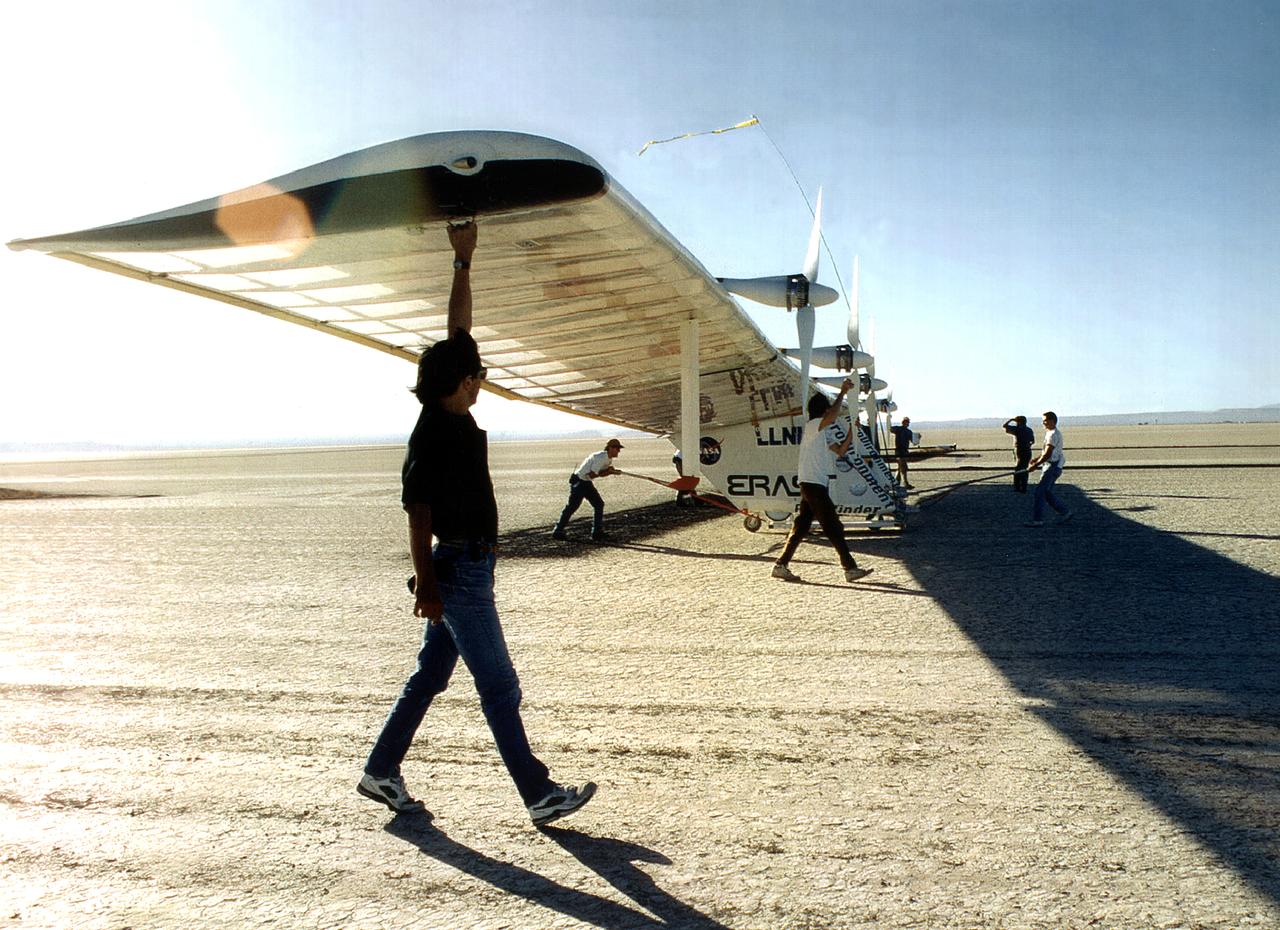
The Pathfinder research aircraft's wing structure is clearly defined in this photo as personnel from AeroVironment rolled it out onto the lakebed at NASA's Dryden Flight Research Center, Edwards, California, for another test flight.
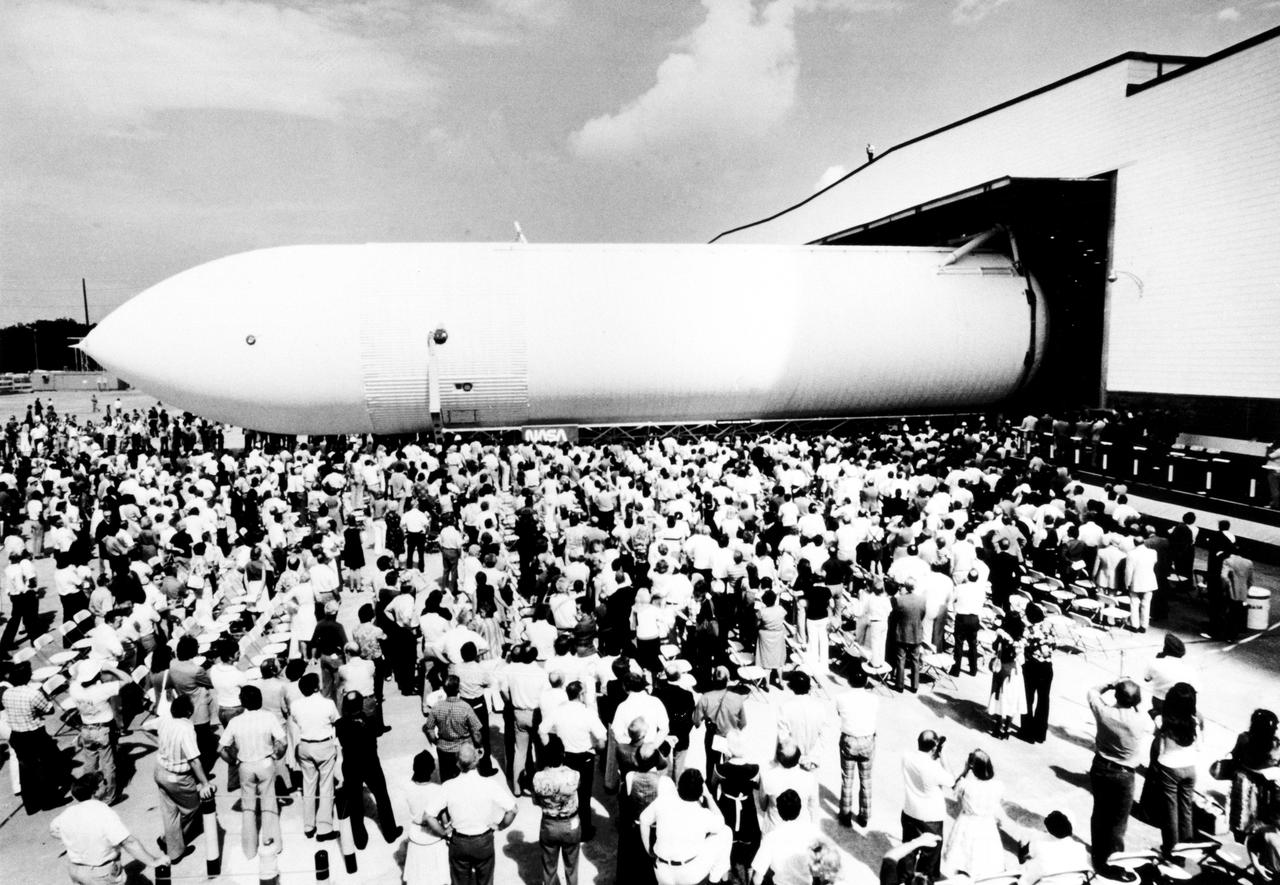
The first Space Shuttle External Tank, the Main Propulsion Test Article (MPTA), rolls off the assembly line September 9, 1977 at the Michoud Assembly Facility in New Orleans. The MPTA was then transported to the National Space Technology Laboratories in southern Mississippi where it was used in the first static firing of the three main engines. Marshall Space Flight Center had management responsibility for Space Shuttle propulsion elements, including the External Tank. Martin Marietta was the prime contractor who designed and assembled the tanks at Michoud.
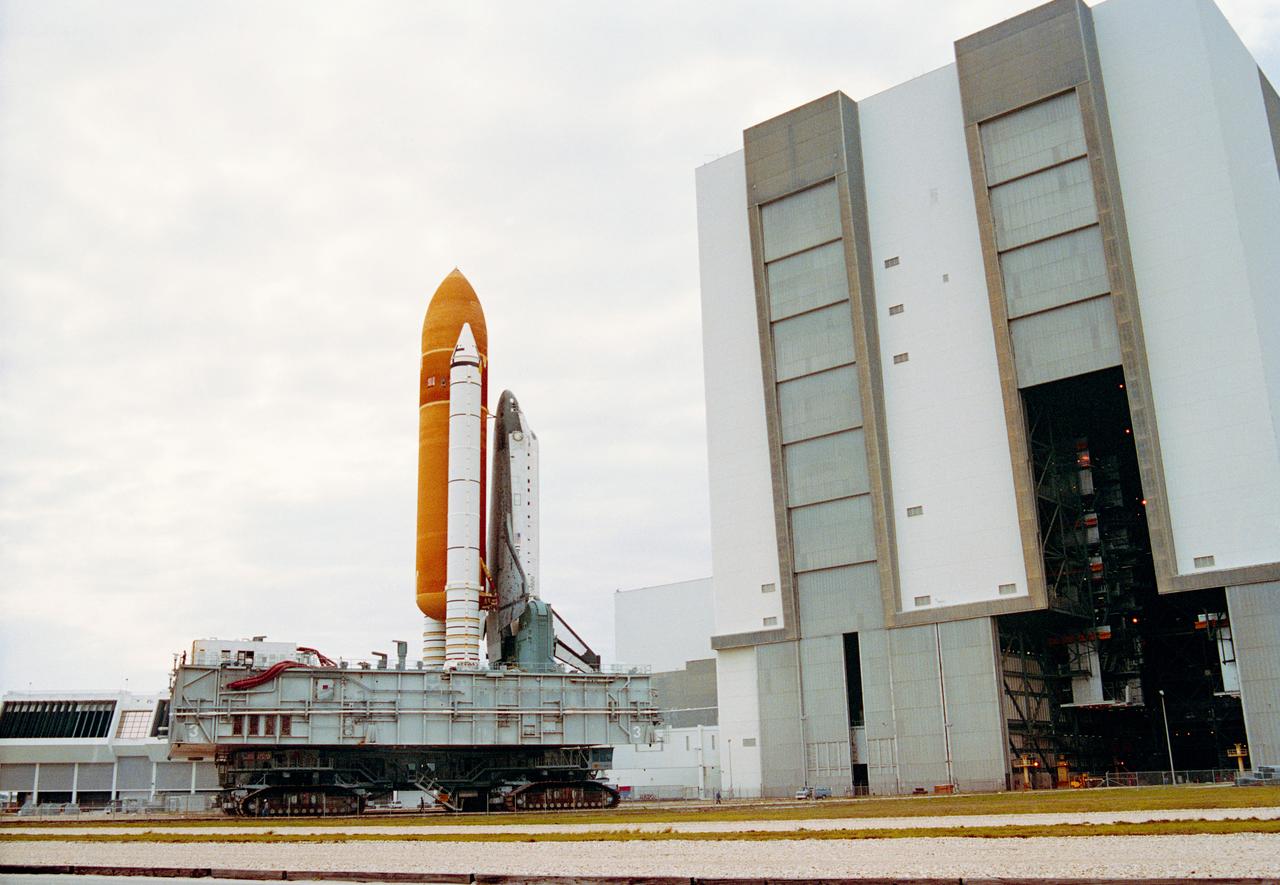
S93-29846 (2 Feb 1993) --- The orbiter Columbia is rolled out of the Vehicle Assembly Building (VAB). Having completed its assembly with the external tank and solid rocket boosters, the Space Shuttle will be rolled out to Launch Pad 39A, where it is targeted for liftoff on Space Shuttle Mission STS-55 in late February.
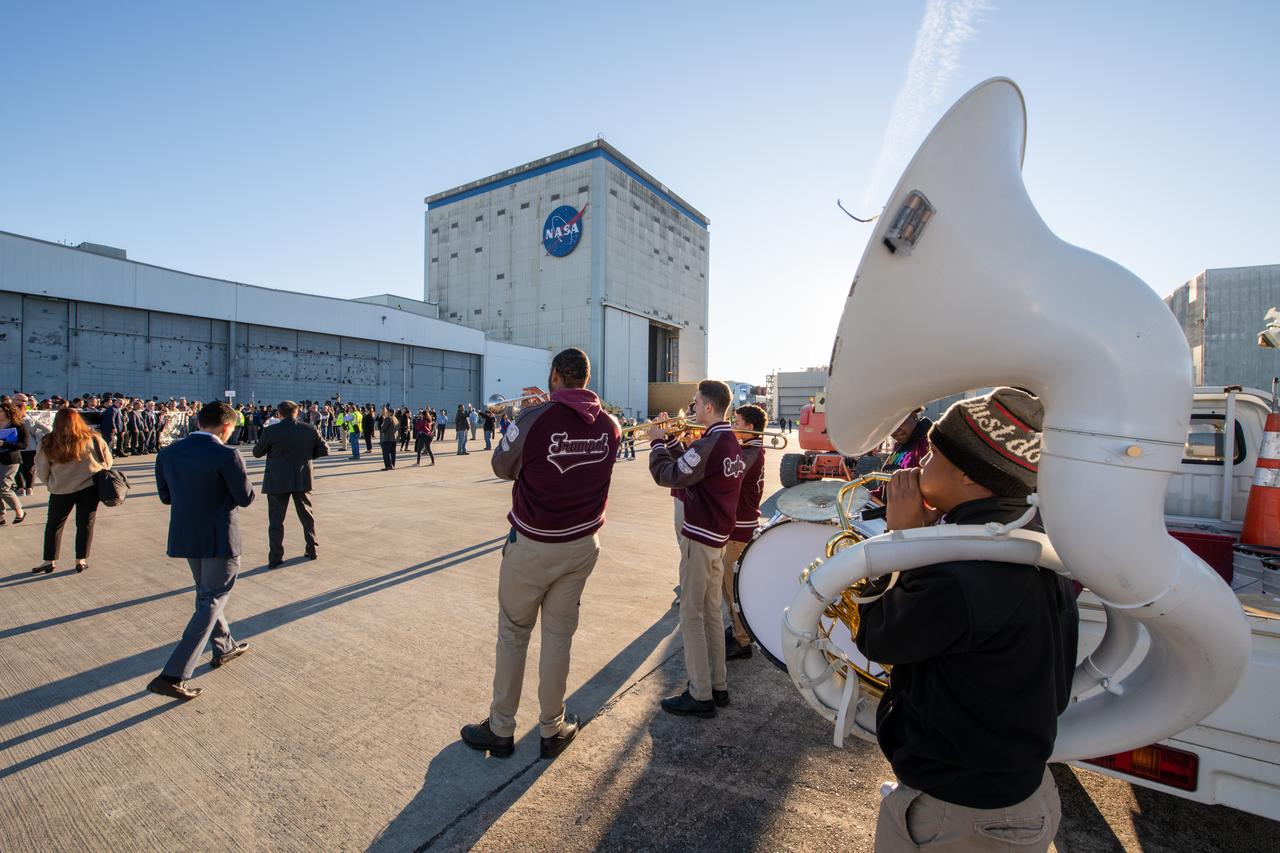
These images/video show how teams rolled out, or moved, the completed core stage for NASA’s Space Launch System rocket from NASA’s Michoud Assembly Facility in New Orleans. Crews moved the flight hardware for the first Artemis mission to NASA’s Pegasus barge on Jan. 8 in preparation for the core stage Green Run test series at NASA’s Stennis Space Center near Bay St. Louis, Mississippi. Pegasus, which was modified to ferry SLS rocket hardware, will transport the core stage from Michoud to Stennis for the comprehensive core stage Green Run test series. Once at Stennis, the Artemis rocket stage will be loaded into the B-2 Test Stand for the core stage Green Run test series. The comprehensive test campaign will progressively bring the entire core stage, including its avionics and engines, to life for the first time to verify the stage is fit for flight ahead of the launch of Artemis I. Assembly and integration of the core stage and its four RS-25 engines has been a collaborative, multistep process for NASA and its partners Boeing, the core stage lead contractor, and Aerojet Rocketdyne, the RS-25 engines lead contractor. Together with four RS-25 engines, the rocket’s massive 212-foot-tall core stage — the largest stage NASA has ever built — and its twin solid rocket boosters will produce 8.8 million pounds of thrust to send NASA’s Orion spacecraft, astronauts and supplies beyond Earth’s orbit to the Moon and, ultimately, Mars. Offering more payload mass, volume capability and energy to speed missions through space, the SLS rocket, along with NASA’s Gateway in lunar orbit and Orion, is part of NASA’s backbone for deep space exploration and the Artemis lunar program.
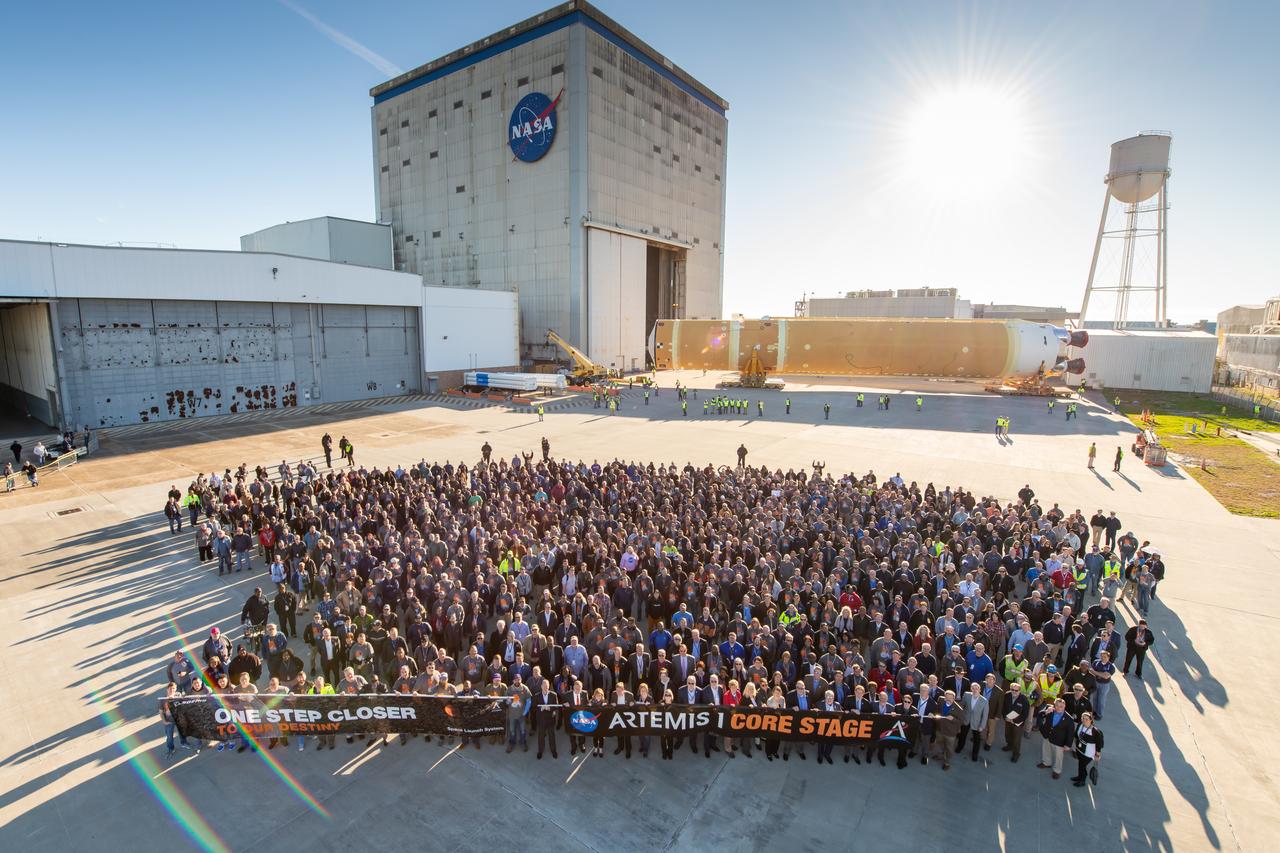
These images/video show how teams rolled out, or moved, the completed core stage for NASA’s Space Launch System rocket from NASA’s Michoud Assembly Facility in New Orleans. Crews moved the flight hardware for the first Artemis mission to NASA’s Pegasus barge on Jan. 8 in preparation for the core stage Green Run test series at NASA’s Stennis Space Center near Bay St. Louis, Mississippi. Pegasus, which was modified to ferry SLS rocket hardware, will transport the core stage from Michoud to Stennis for the comprehensive core stage Green Run test series. Once at Stennis, the Artemis rocket stage will be loaded into the B-2 Test Stand for the core stage Green Run test series. The comprehensive test campaign will progressively bring the entire core stage, including its avionics and engines, to life for the first time to verify the stage is fit for flight ahead of the launch of Artemis I. Assembly and integration of the core stage and its four RS-25 engines has been a collaborative, multistep process for NASA and its partners Boeing, the core stage lead contractor, and Aerojet Rocketdyne, the RS-25 engines lead contractor. Together with four RS-25 engines, the rocket’s massive 212-foot-tall core stage — the largest stage NASA has ever built — and its twin solid rocket boosters will produce 8.8 million pounds of thrust to send NASA’s Orion spacecraft, astronauts and supplies beyond Earth’s orbit to the Moon and, ultimately, Mars. Offering more payload mass, volume capability and energy to speed missions through space, the SLS rocket, along with NASA’s Gateway in lunar orbit and Orion, is part of NASA’s backbone for deep space exploration and the Artemis lunar program.
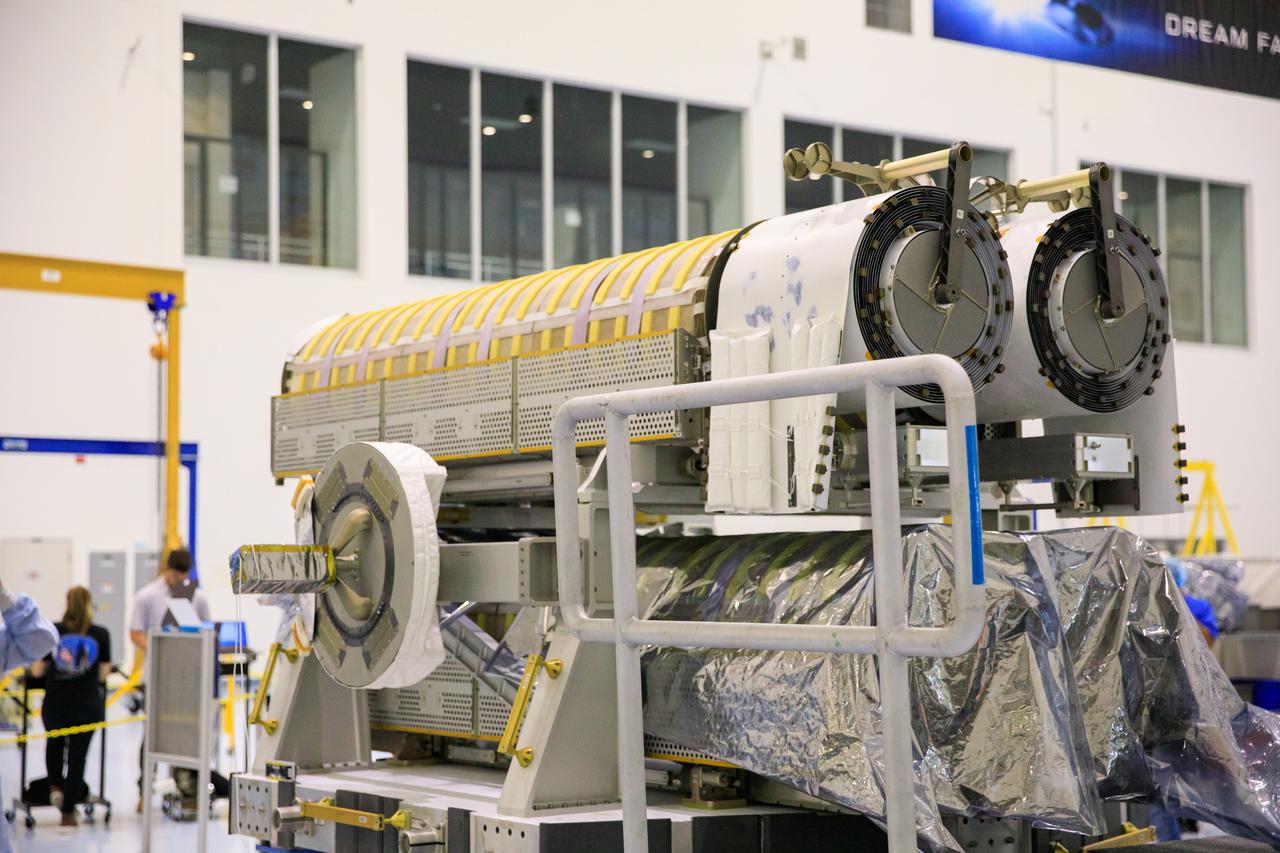
Inside the Space Station Processing Facility high bay at NASA's Kennedy Space Center in Florida, a set of International Space Station Roll Out Solar Arrays (iROSA) have been secured onto a platform on March 23, 2023. They are being prepared for delivery to the space station aboard SpaceX’s Dragon cargo carrier on the company’s 28th commercial resupply services (CRS-28) mission to the space station. iROSA is a new type of solar panel that rolls open in space and is more compact than current rigid panel designs.
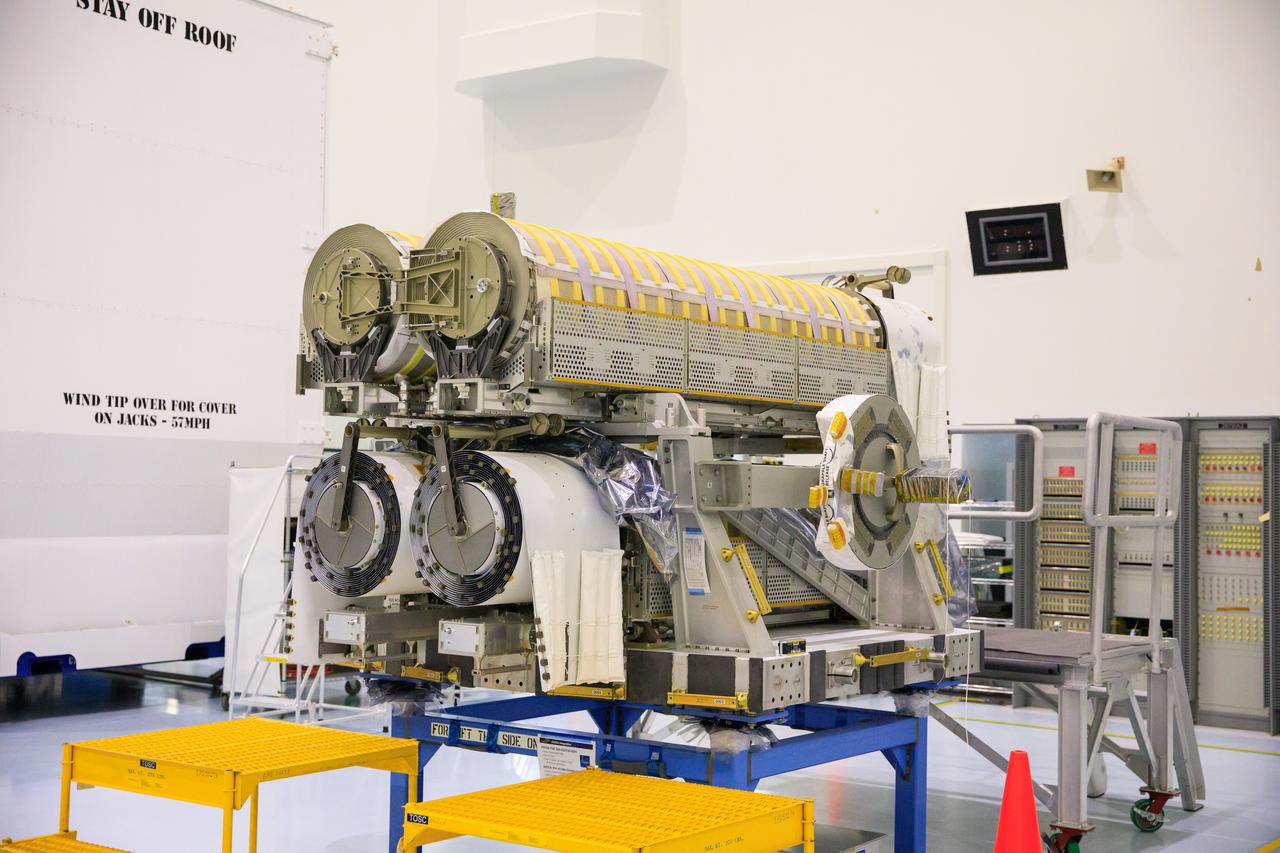
Inside the Space Station Processing Facility high bay at NASA's Kennedy Space Center in Florida, a set of International Space Station Roll Out Solar Arrays (iROSA) have been secured onto a platform on March 23, 2023. They are being prepared for delivery to the space station aboard SpaceX’s Dragon cargo carrier on the company’s 28th commercial resupply services (CRS-28) mission to the space station. iROSA is a new type of solar panel that rolls open in space and is more compact than current rigid panel designs.
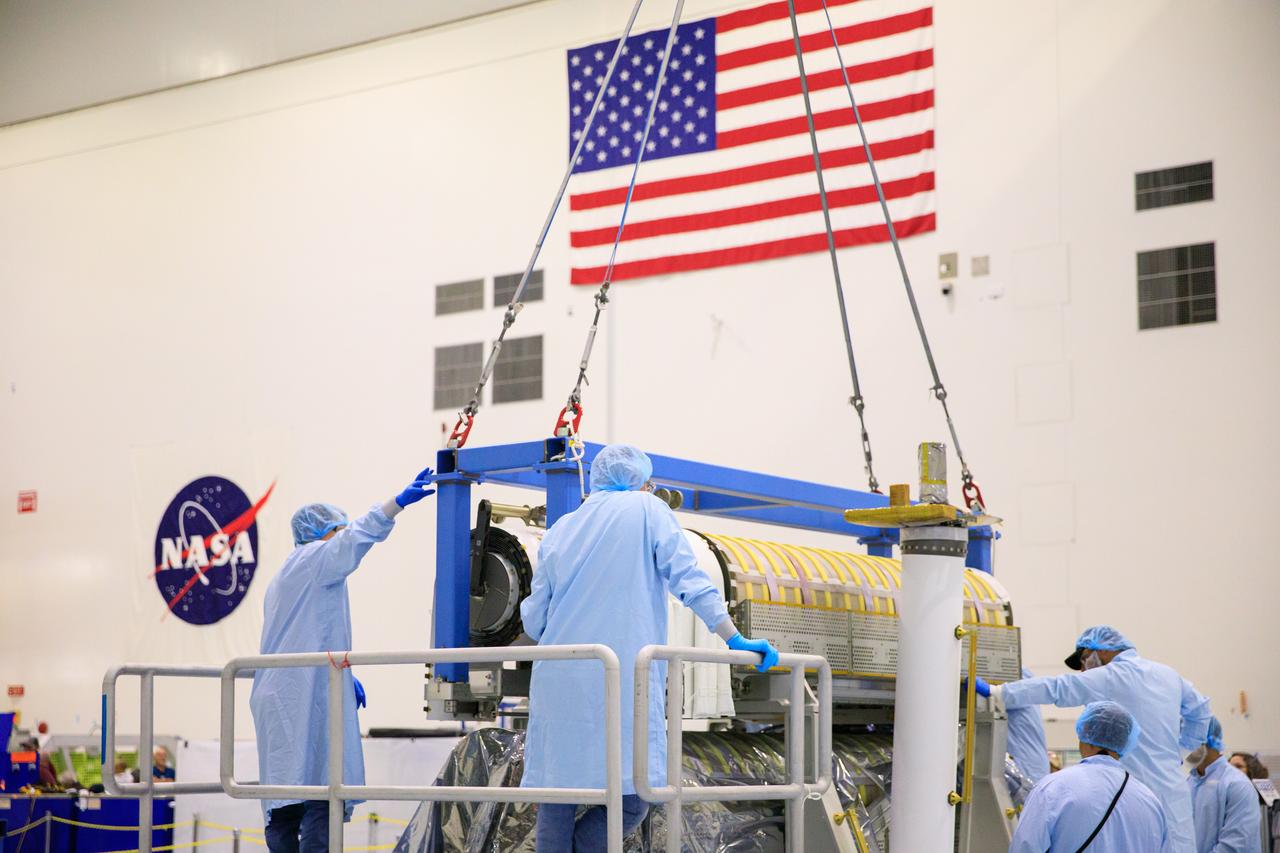
Inside the Space Station Processing Facility high bay at NASA's Kennedy Space Center in Florida, technicians assist as a crane is used to lower a set of International Space Station Roll Out Solar Arrays (iROSA) onto a platform on March 23, 2023. They are being prepared for delivery to the space station aboard SpaceX’s Dragon cargo carrier on the company’s 28th commercial resupply services (CRS-28) mission to the space station. iROSA is a new type of solar panel that rolls open in space and is more compact than current rigid panel designs.

Inside the Space Station Processing Facility high bay at NASA's Kennedy Space Center in Florida, technicians assist as a crane is used to lift and stack the third set of two International Space Station Roll Out Solar Arrays (iROSA) onto a platform on March 23, 2023. They are being prepared for delivery to the space station aboard SpaceX’s Dragon cargo carrier on the company’s 28th commercial resupply services (CRS-28) mission to the space station. iROSA is a new type of solar panel that rolls open in space and is more compact than current rigid panel designs.
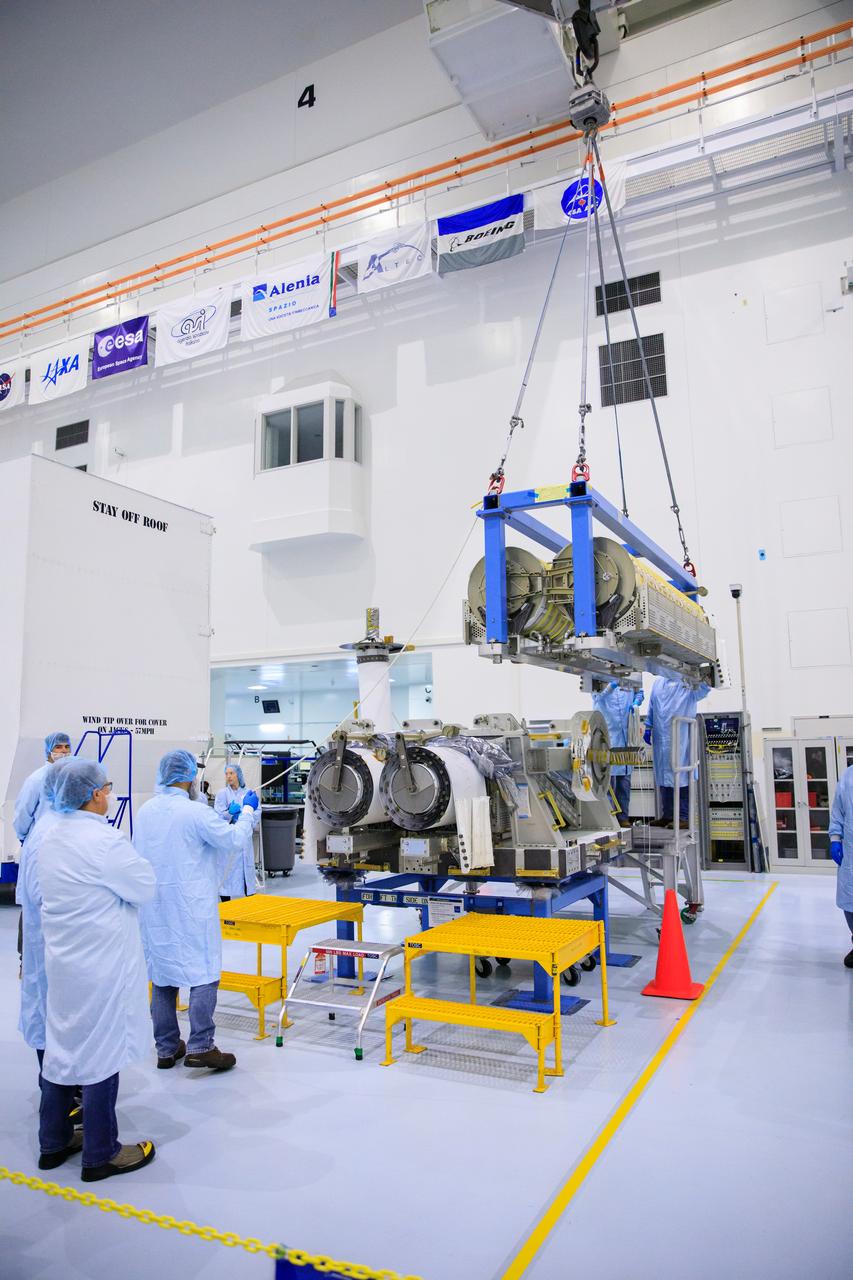
Inside the Space Station Processing Facility high bay at NASA's Kennedy Space Center in Florida, technicians monitor the progress as a crane is used to lift and stack the third set of two International Space Station Roll Out Solar Arrays (iROSA) onto a platform on March 23, 2023. They are being prepared for delivery to the space station aboard SpaceX’s Dragon cargo carrier on the company’s 28th commercial resupply services (CRS-28) mission to the space station. iROSA is a new type of solar panel that rolls open in space and is more compact than current rigid panel designs.
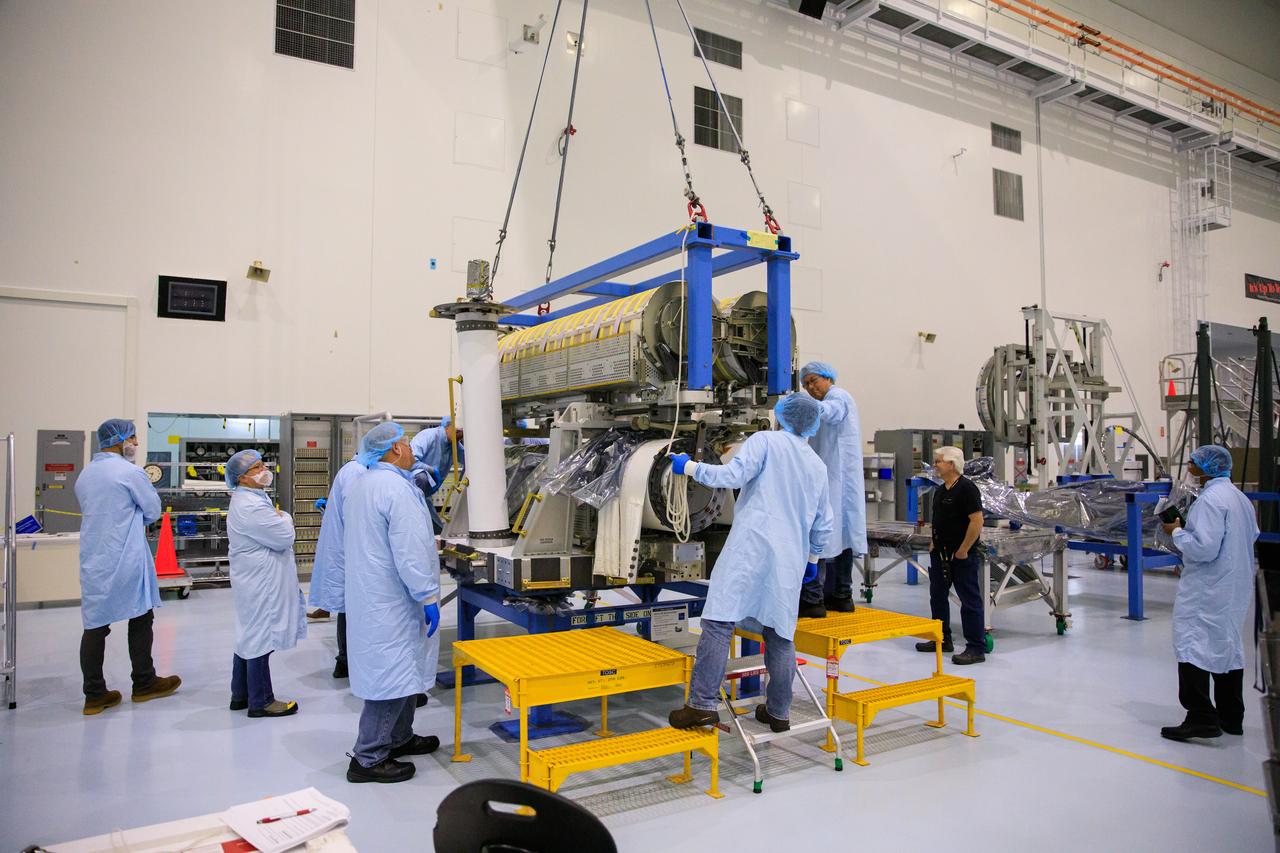
Inside the Space Station Processing Facility high bay at NASA's Kennedy Space Center in Florida, technicians assist as a crane is used to lower a set of International Space Station Roll Out Solar Arrays (iROSA) onto a platform on March 23, 2023. They are being prepared for delivery to the space station aboard SpaceX’s Dragon cargo carrier on the company’s 28th commercial resupply services (CRS-28) mission to the space station. iROSA is a new type of solar panel that rolls open in space and is more compact than current rigid panel designs.
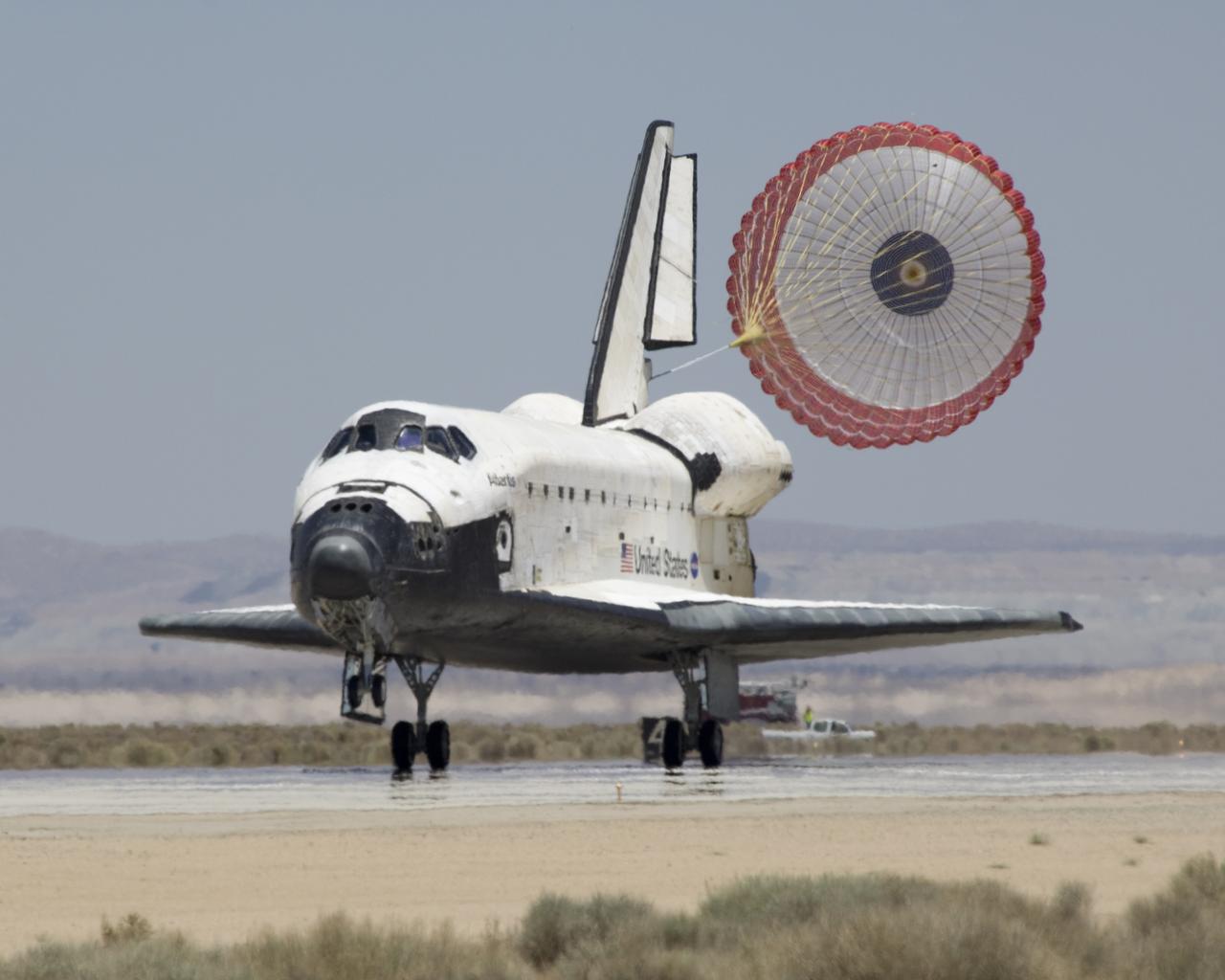
The Space Shuttle Atlantis' drag chute deploys as it rolls out on Runway 22 at Edwards AFB at the conclusion of its 13-day STS-117 mission to the ISS.

iss074e0403068 (March 18, 2026) -- A view peering down a pair of the International Space Station's roll-out solar arrays, photographed during a spacewalk conducted on March 18, 2026 to build and install a modification kit ahead of future solar array installation on the 2A power channel of the space station. Credit: NASA/Jessica Meir
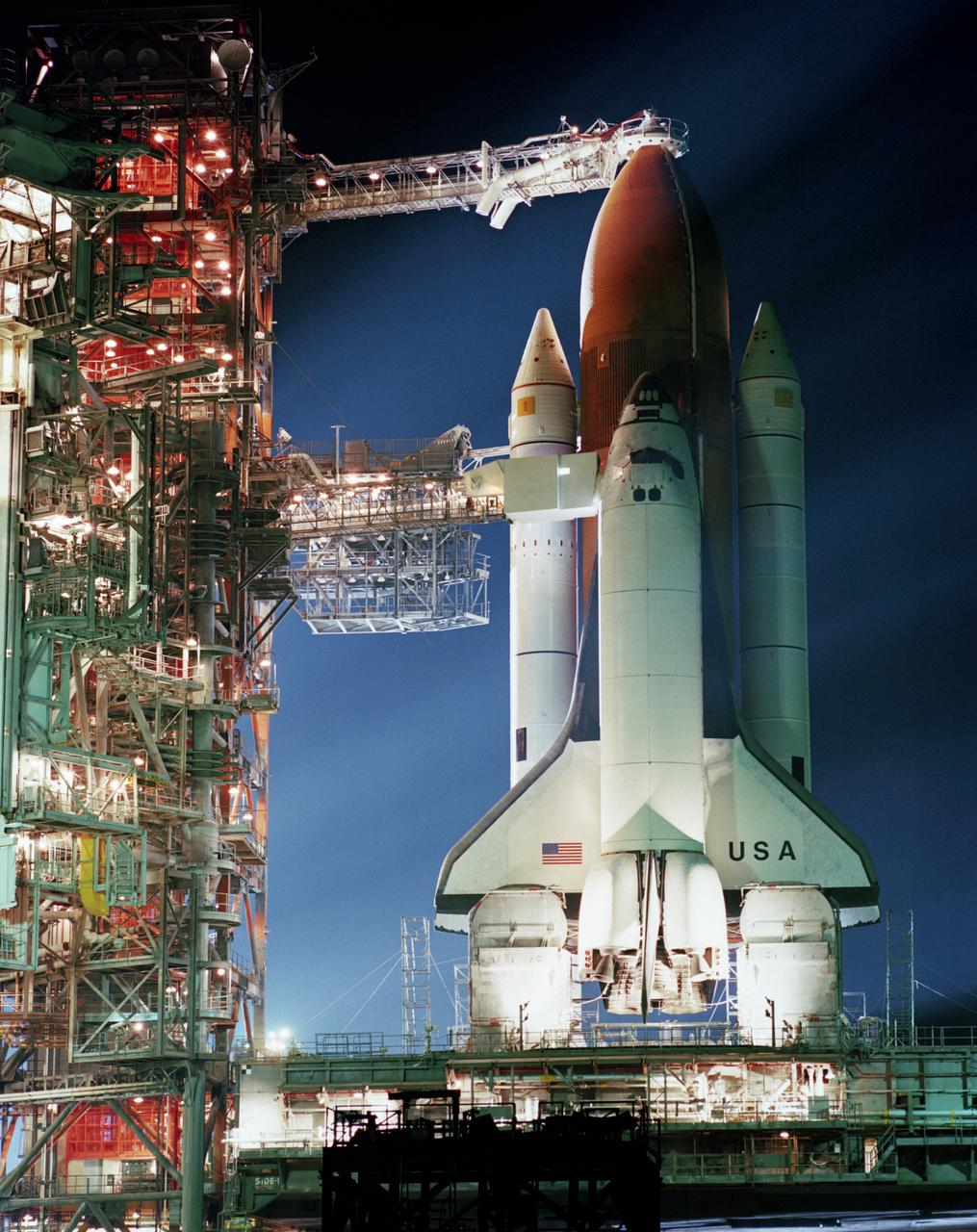
S86-41692 (October 1982) --- Space shuttle orbiter Columbia on pad 39A at the Kennedy Space Center (KSC) where it is being prepared for launch on Nov. 11. Photo credit: NASA
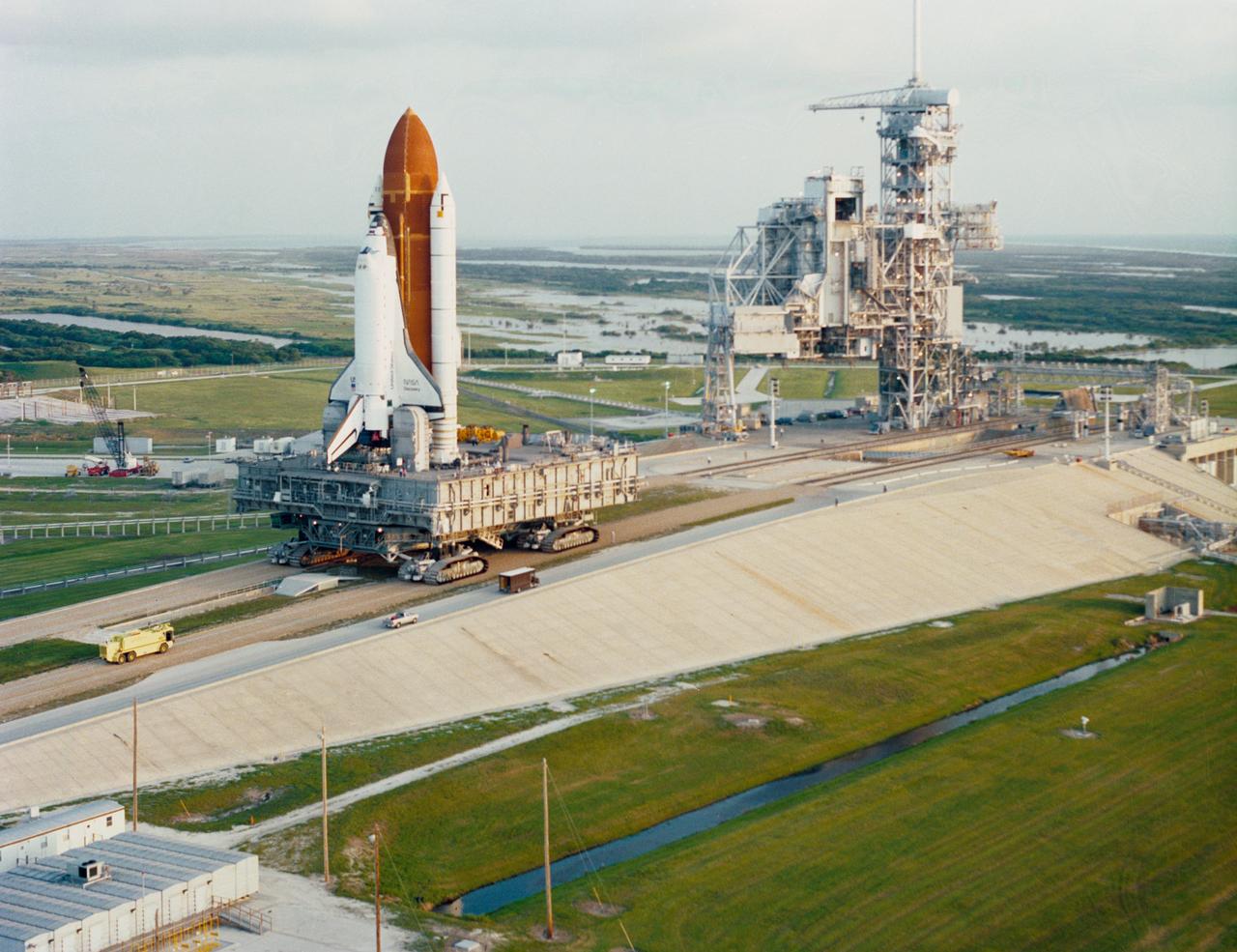
STS-26 Discovery, Orbiter Vehicle (OV) 103, rolls out to Kennedy Space Center (KSC) launch complex (LC) pad 39B on top of the crawler transporter. OV-103 nears LC pad 39B after a six-hour journey from the vehicle assembly building (VAB). When locked onto the nearby rotating service structure (RSS), work will continue to ready the vehicle for the STS-26 launch later in the summer.
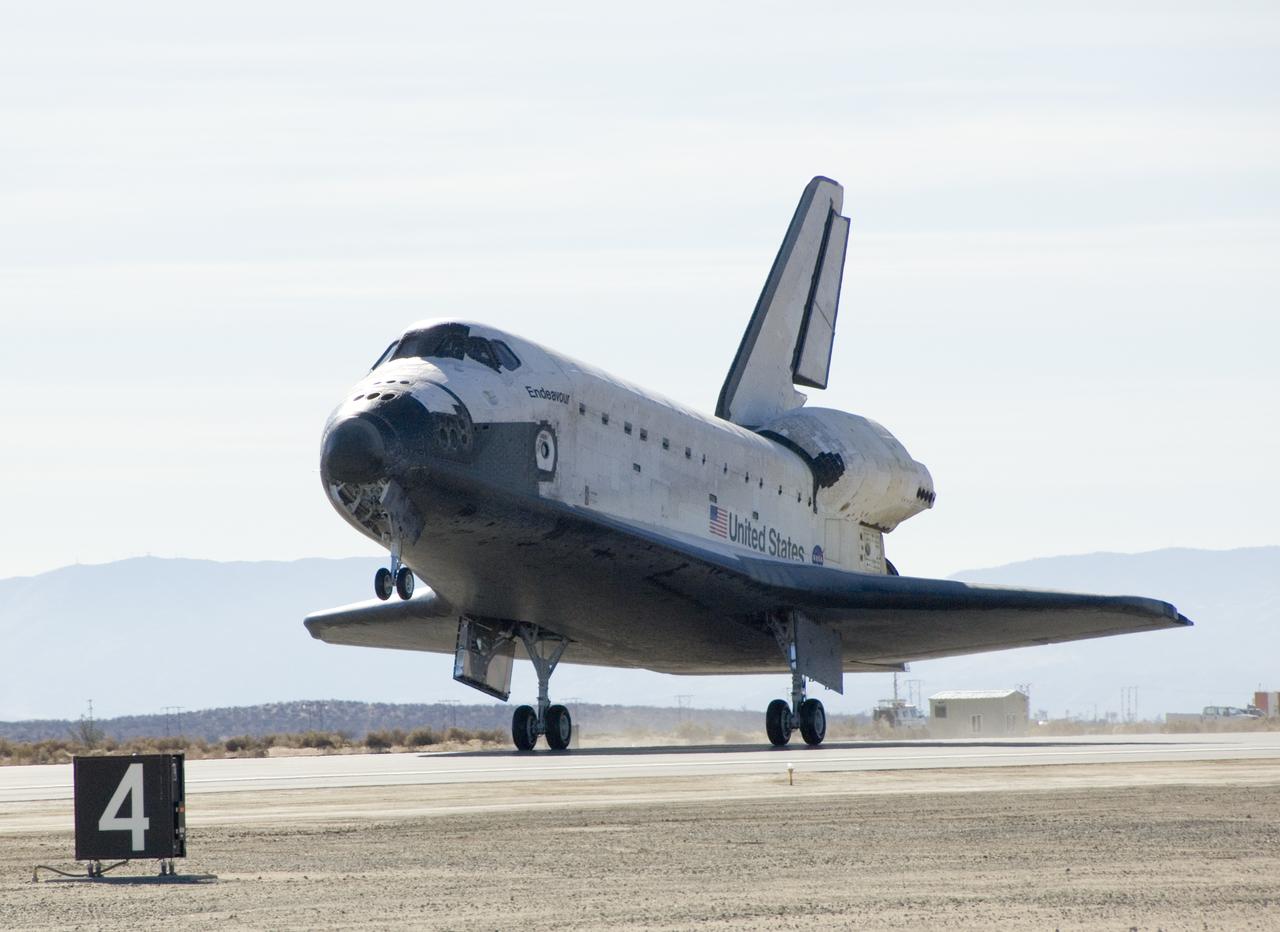
Space Shuttle Endeavour rolls out on runway 04-L at Edwards Air Force Base moments after touchdown, ending mission STS-126 to the International Space Station.
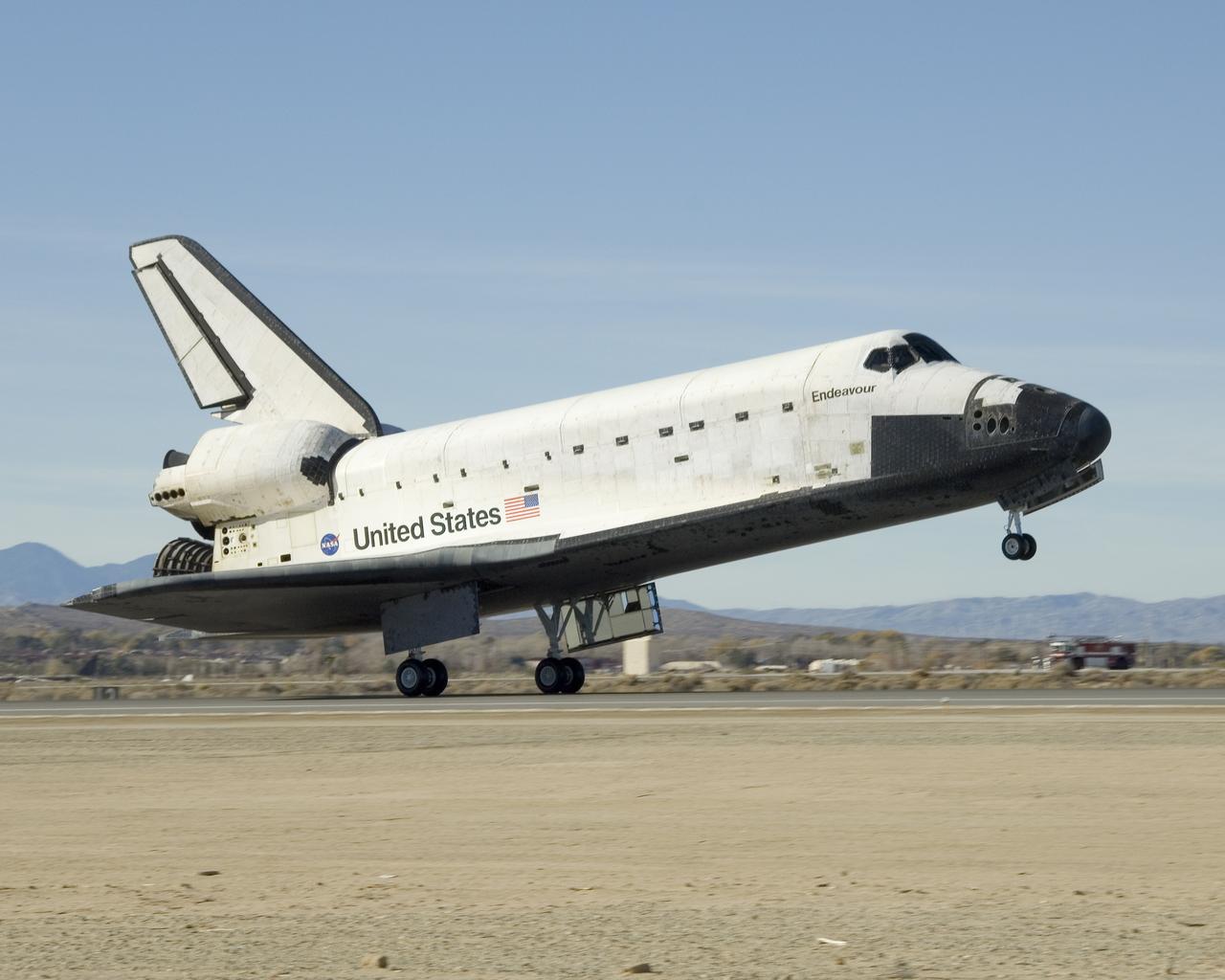
Space Shuttle Endeavour rolls out after landing on runway 04-L at Edwards Air Force Base, ending mission STS-126 to the International Space Station Nov. 30, 2008.
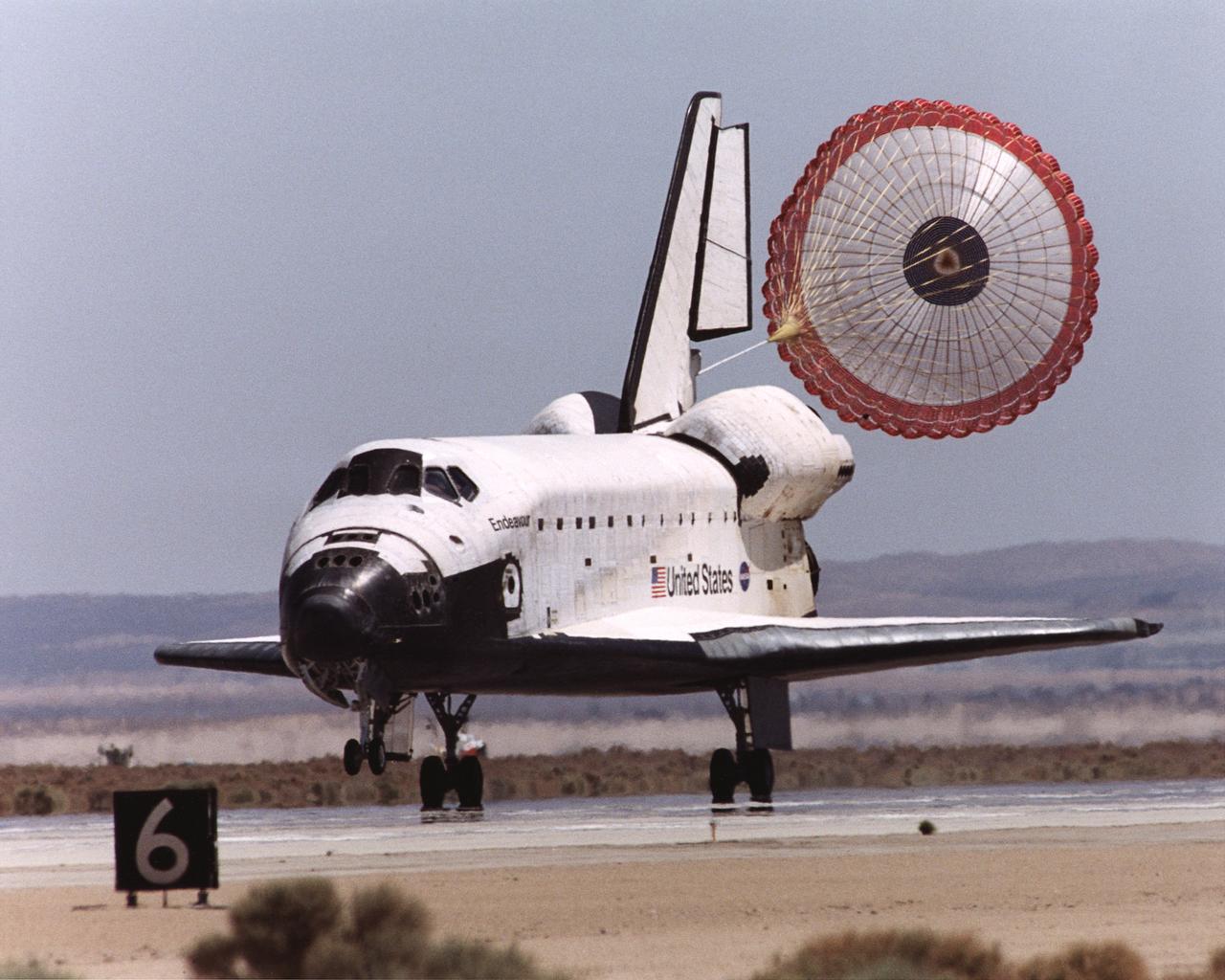
The Space Shuttle Endeavour's drag chute deploys to slow the orbiter as it rolls out on Runway 22 at Edwards Air Force Base at the conclusion of its 14-day STS-111 mission to the International Space Station.

The Space Shuttle Endeavour's drag chute deploys to slow the orbiter as it rolls out on Runway 22 at Edwards Air Force Base at the conclusion of its 14-day STS-111 mission to the International Space Station.
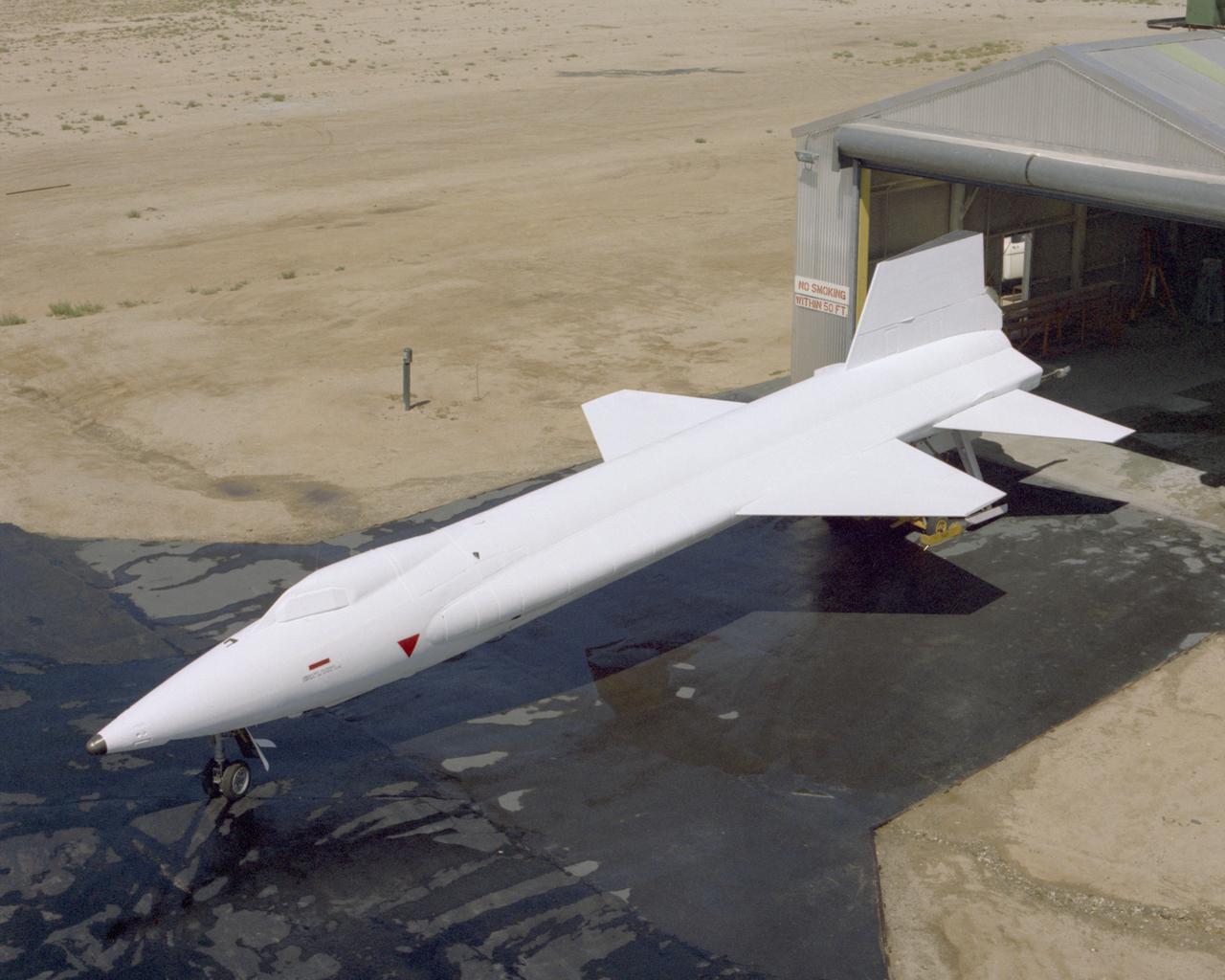
X-15A-2 is rolled out of the paint shop after having the full scale ablative applied. In June 1967, the X-15A-2 rocket-powered research aircraft received a full-scale ablative coating to protect the craft from the high temperatures associated with hypersonic flight (above Mach 5). This pink eraser-like substance, applied to the X-15A-2 aircraft (56-6671), was then covered with a white sealant coat before flight. This coating would help the #2 aircraft reach the record speed of 4,520 mph (Mach 6.7).
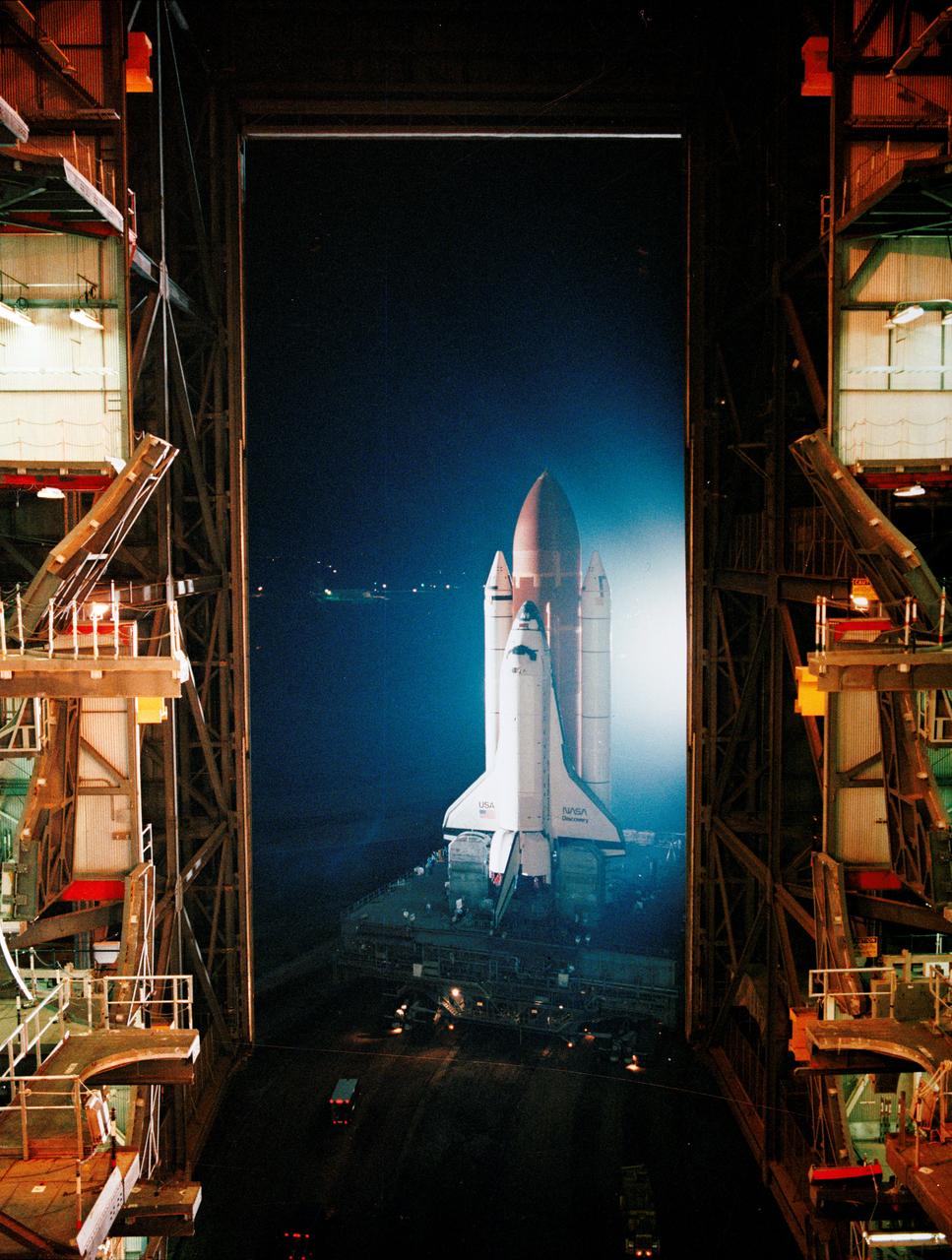
STS-26 Discovery, Orbiter Vehicle (OV) 103, mated with the external tank (ET) and solid rocket boosters (SRBs), is framed by Kennedy Space Center's (KSC's) vehicle assembly building (VAB) doorway as it rolled out. This high angle view shows OV-103 atop the mobile launch pad and crawler transporter as it begins its slow exit from VAB en route to launch complex (LC) pad 39B. The move began shortly after midnight on the nation's 212th birthday. Ceremonies marking the event were held later during daylight hours.
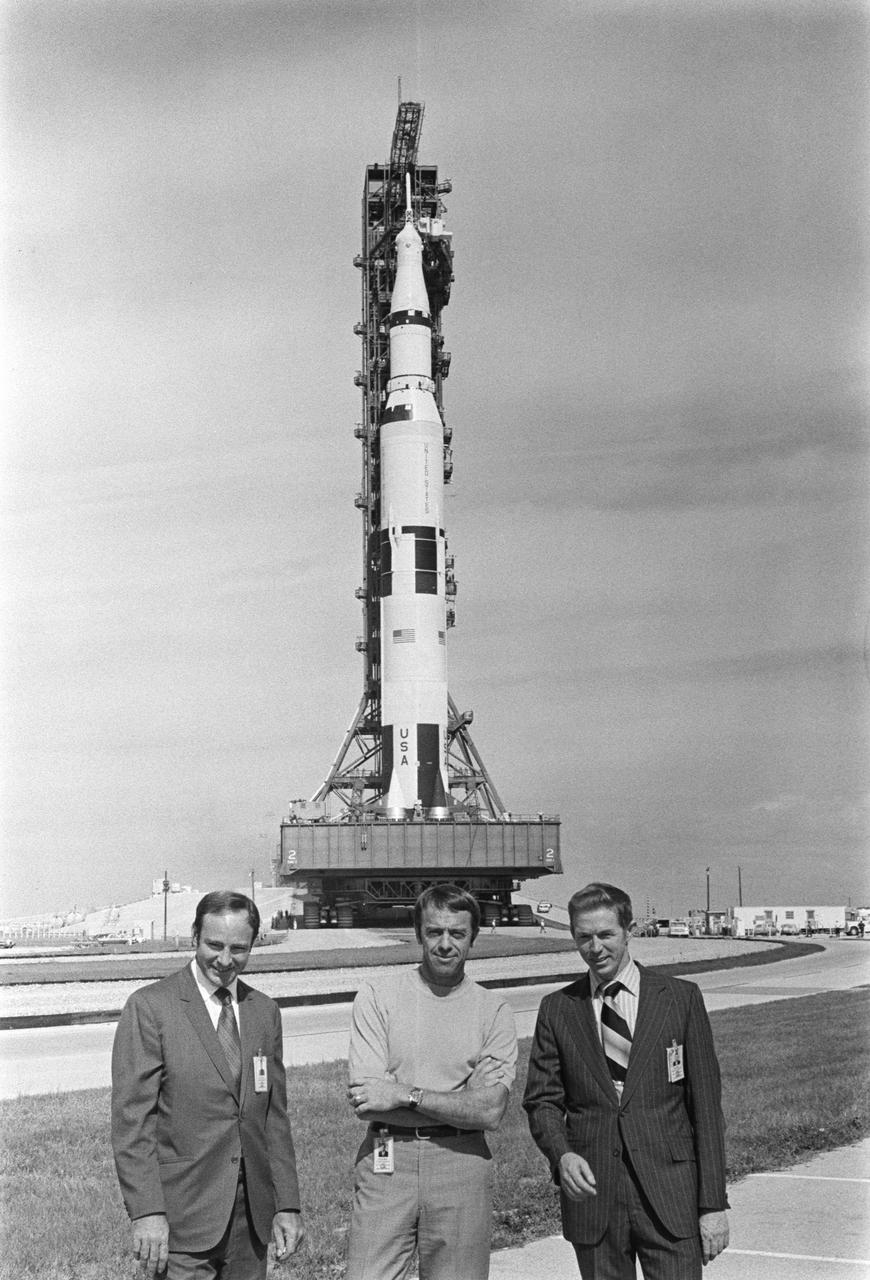
S70-55689 (9 Nov. 1970) --- The Apollo 14 (Spacecraft 110/Lunar Module 8/Saturn 509) space vehicle arrives at Pad A, Launch Complex 39, during the Apollo 14 roll out from the Kennedy Space Center's Vehicle Assembly Building. The Saturn V stack and its mobile launch tower atop a huge crawler-transporter. The three members of the Apollo 14 prime crew are in the foreground. They are (left to right) astronauts Edgar D. Mitchell, lunar module pilot; Alan B. Shepard Jr., commander; and Stuart A. Roosa, command module pilot.
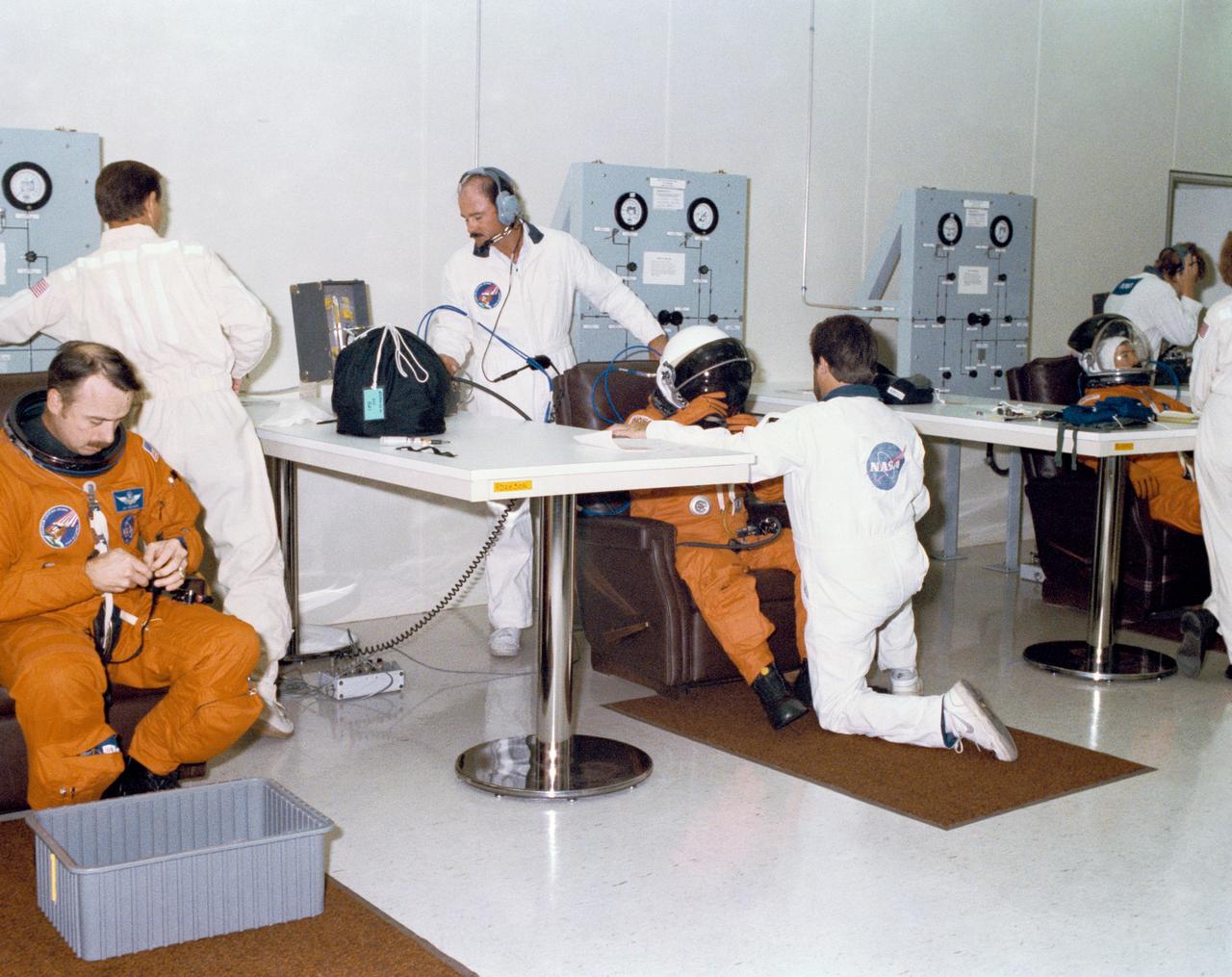
S89-41091 (18 July 1989) --- During the Terminal Countdown Demonstration Test (TCDT), STS-28 crew members are assisted with suiting up in the Operations and Checkout Building prior to departing for pad 39-B. STS-28 and the Space Shuttle Columbia are scheduled to be launched in early August on a Department of Defense dedicated mission. The crew for STS-28 are Commander Brewster H. Shaw; Pilot Richard N. Richards; and Mission Specialists Mark N. Brown, James C. Adamson, and David C. Leestma.
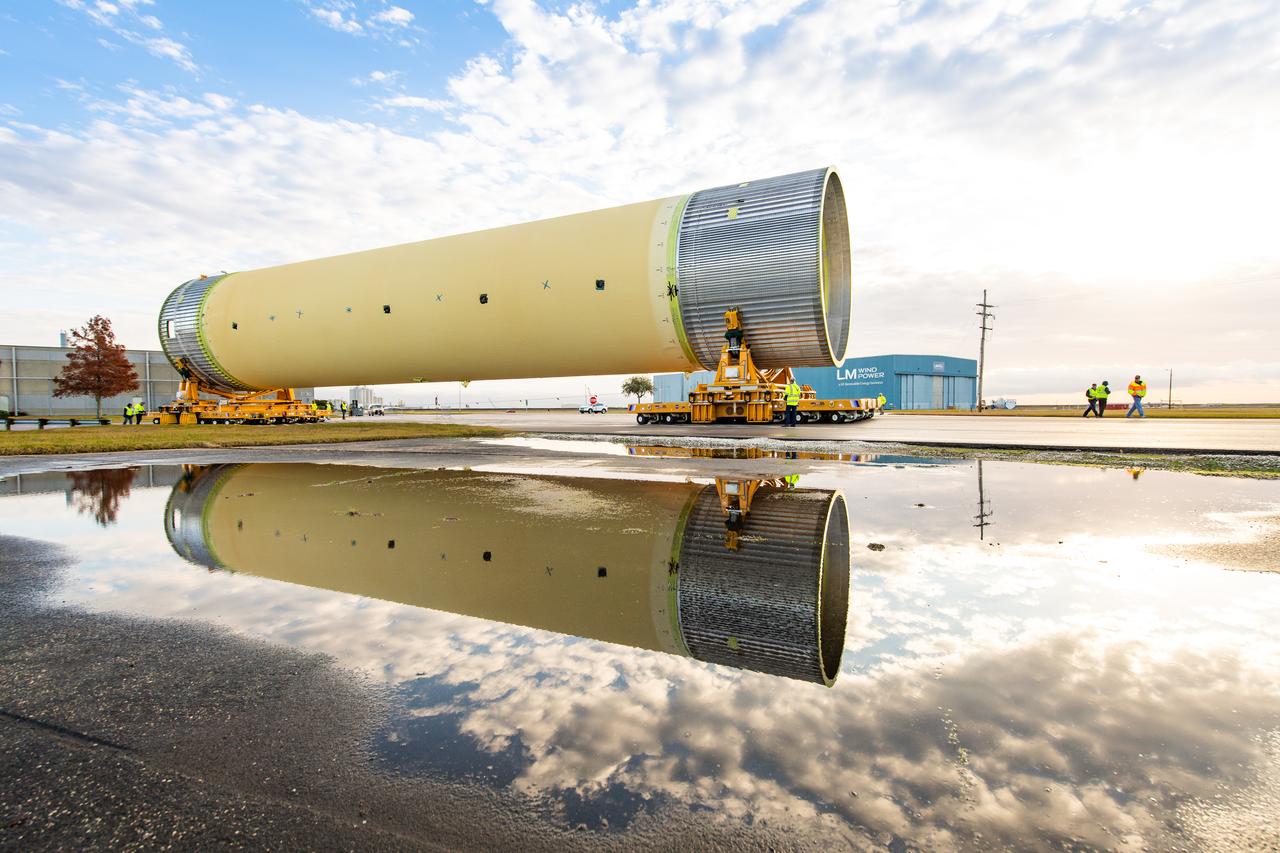
SLS Liquid Hydrogen Tank Test Article Moved at NASA’s Michoud Assembly Facility
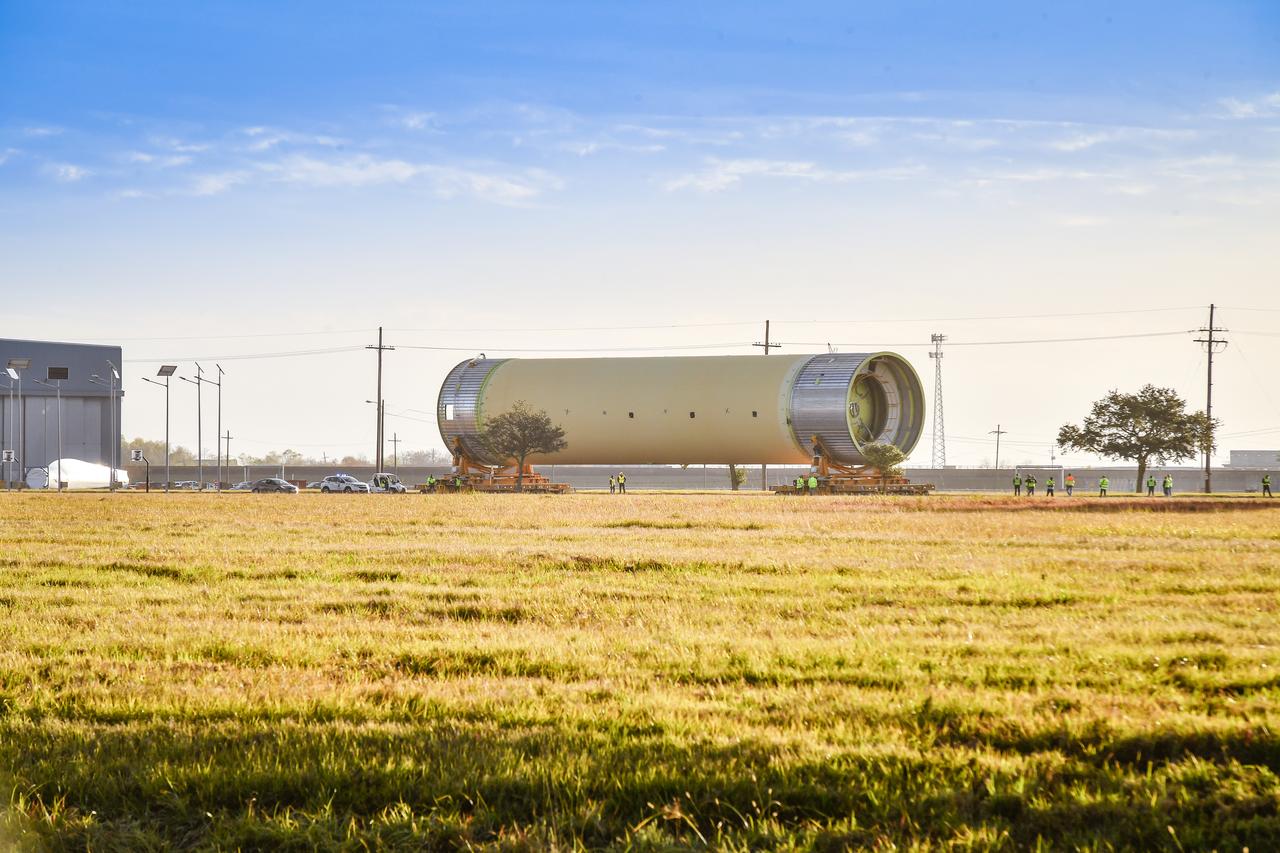
SLS Liquid Hydrogen Tank Test Article Moved at NASA’s Michoud Assembly Facility
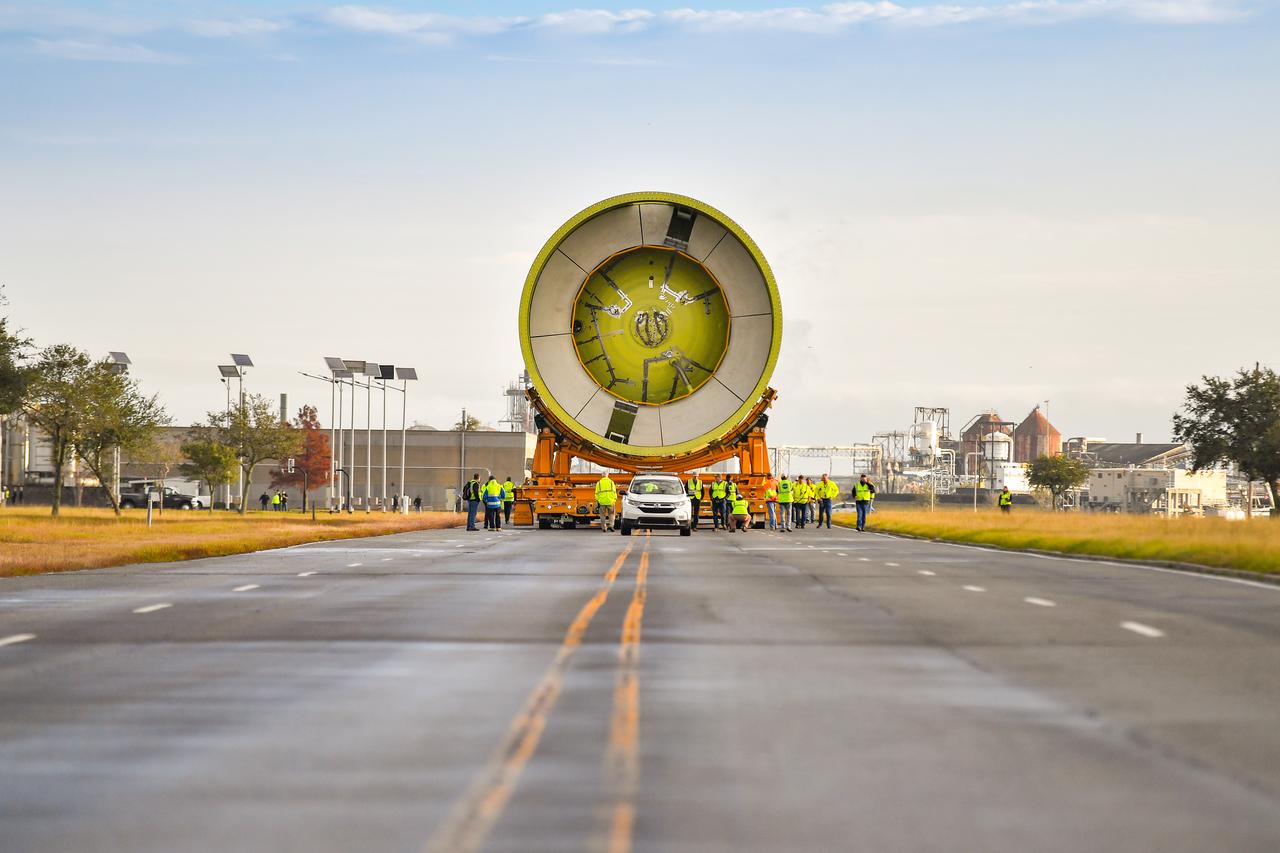
SLS Liquid Hydrogen Tank Test Article Moved at NASA’s Michoud Assembly Facility
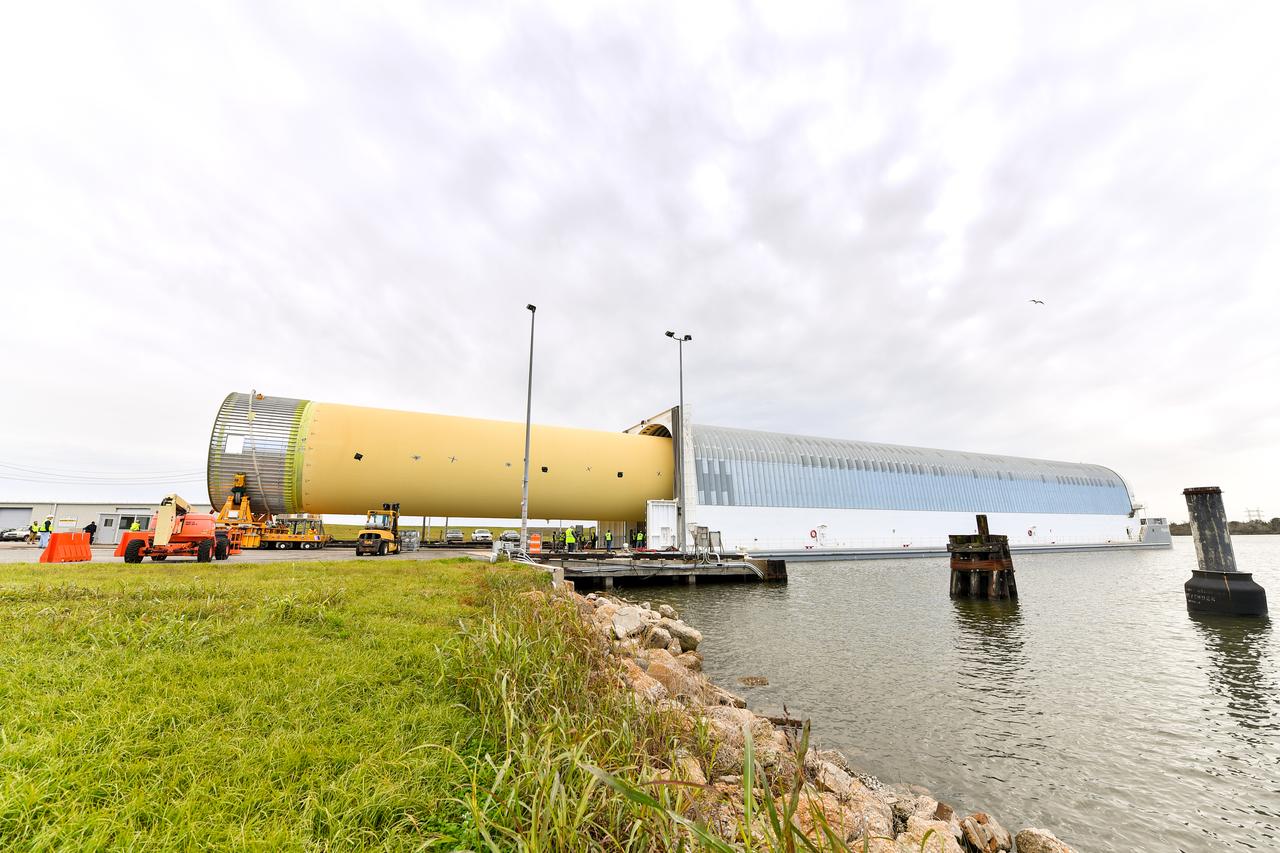
SLS Liquid Hydrogen Tank Test Article Moved at NASA’s Michoud Assembly Facility
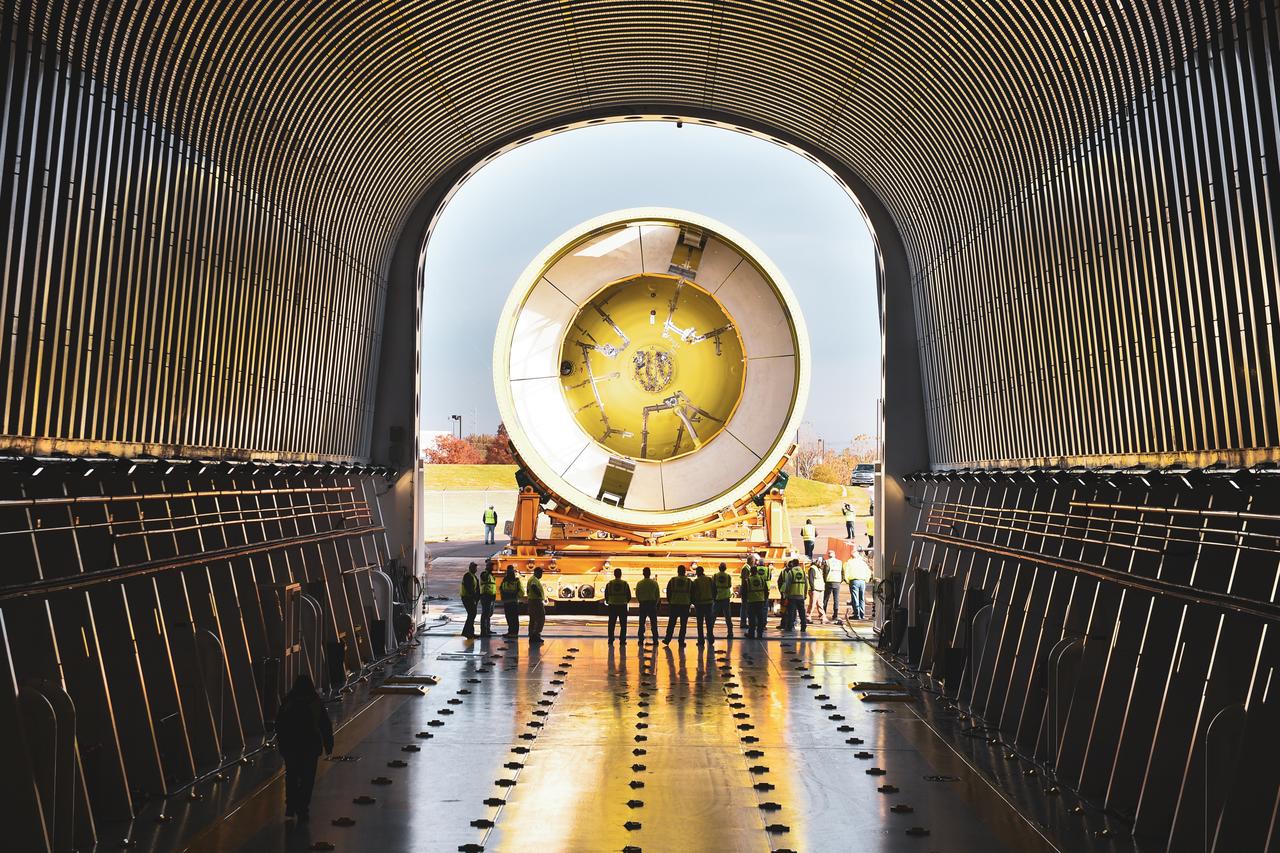
SLS Liquid Hydrogen Tank Test Article Moved at NASA’s Michoud Assembly Facility
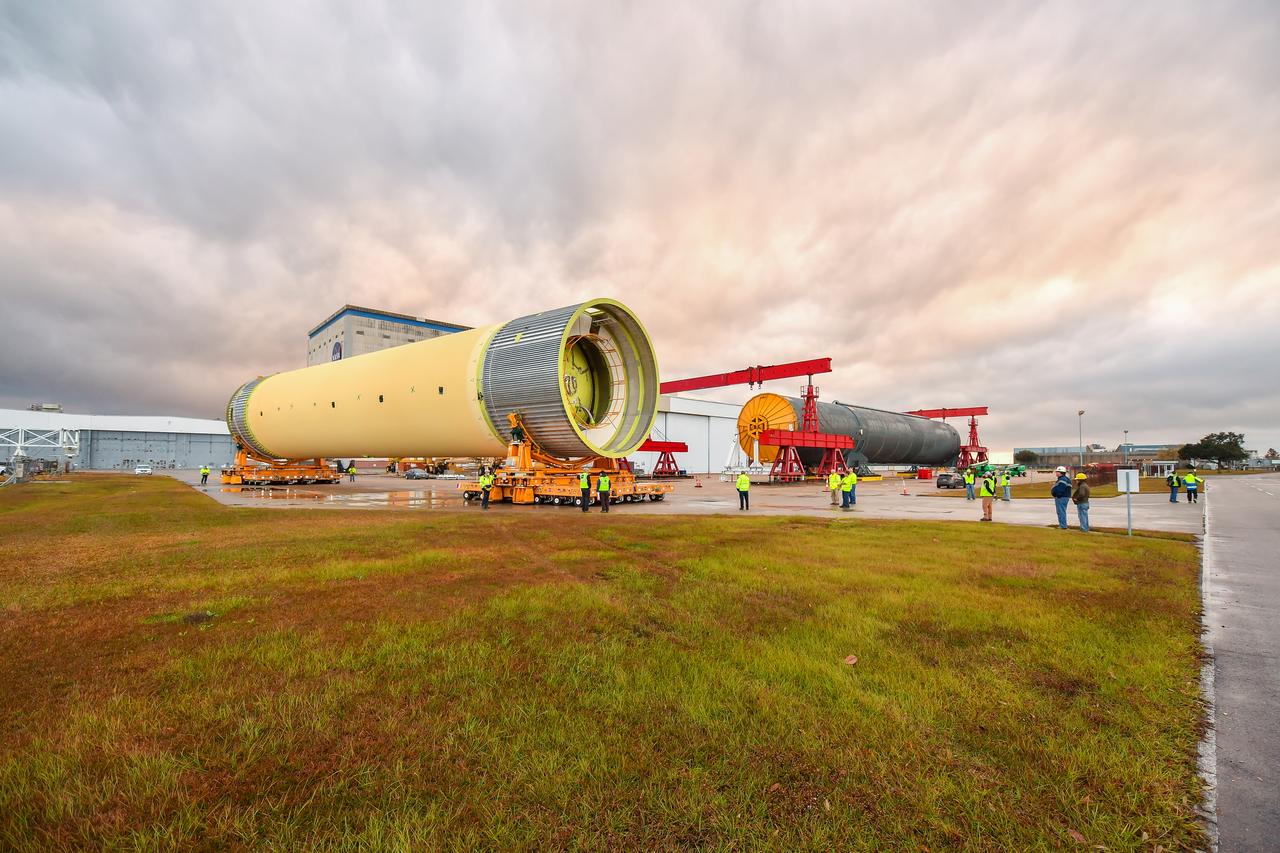
SLS Liquid Hydrogen Tank Test Article Moved at NASA’s Michoud Assembly Facility
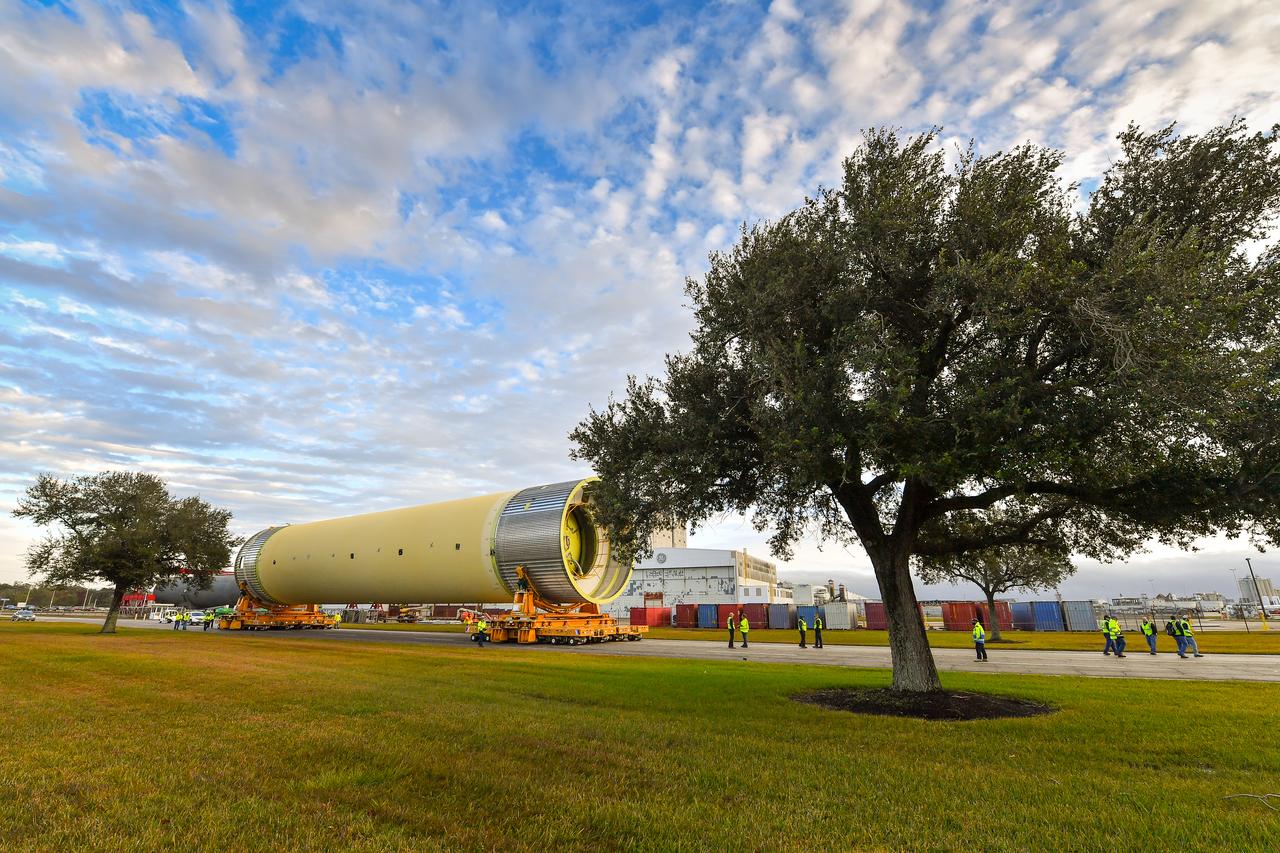
SLS Liquid Hydrogen Tank Test Article Moved at NASA’s Michoud Assembly Facility
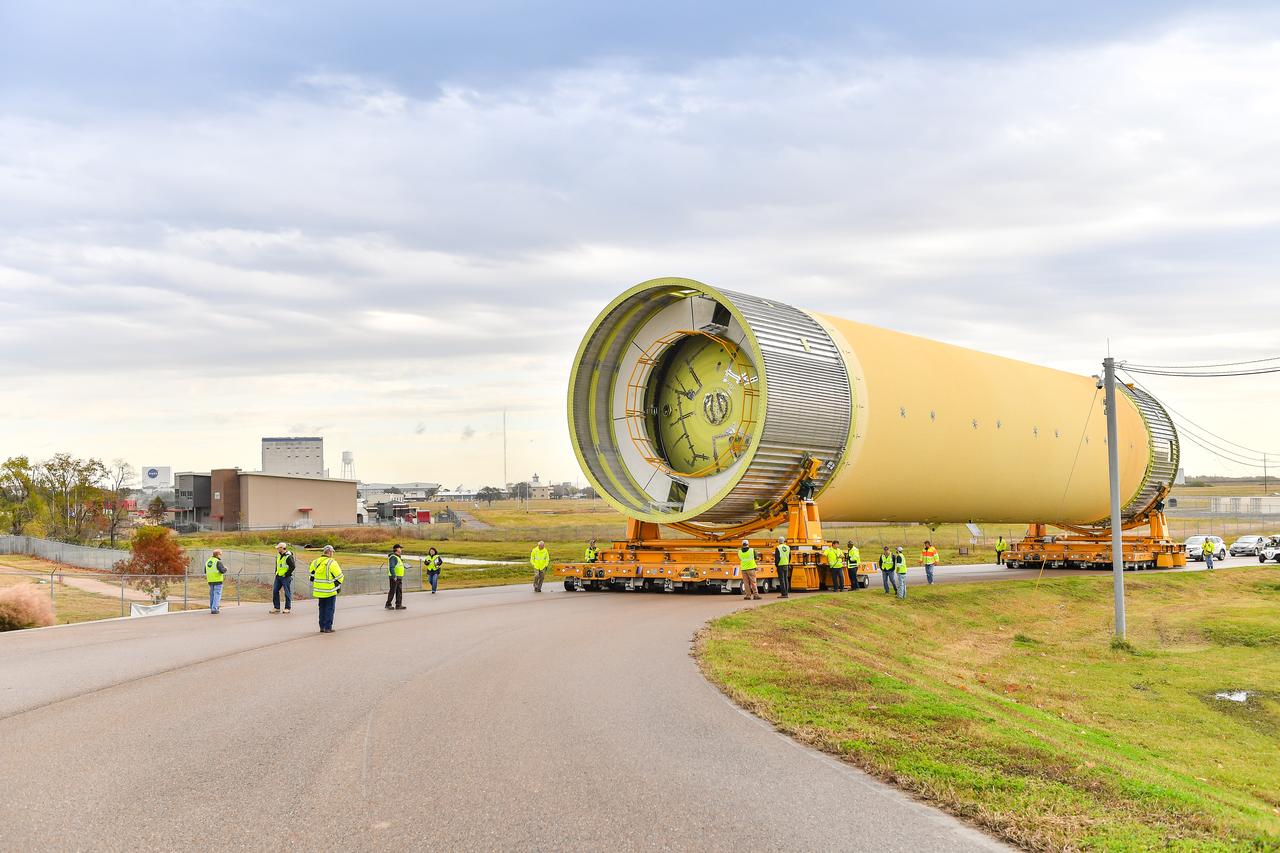
SLS Liquid Hydrogen Tank Test Article Moved at NASA’s Michoud Assembly Facility
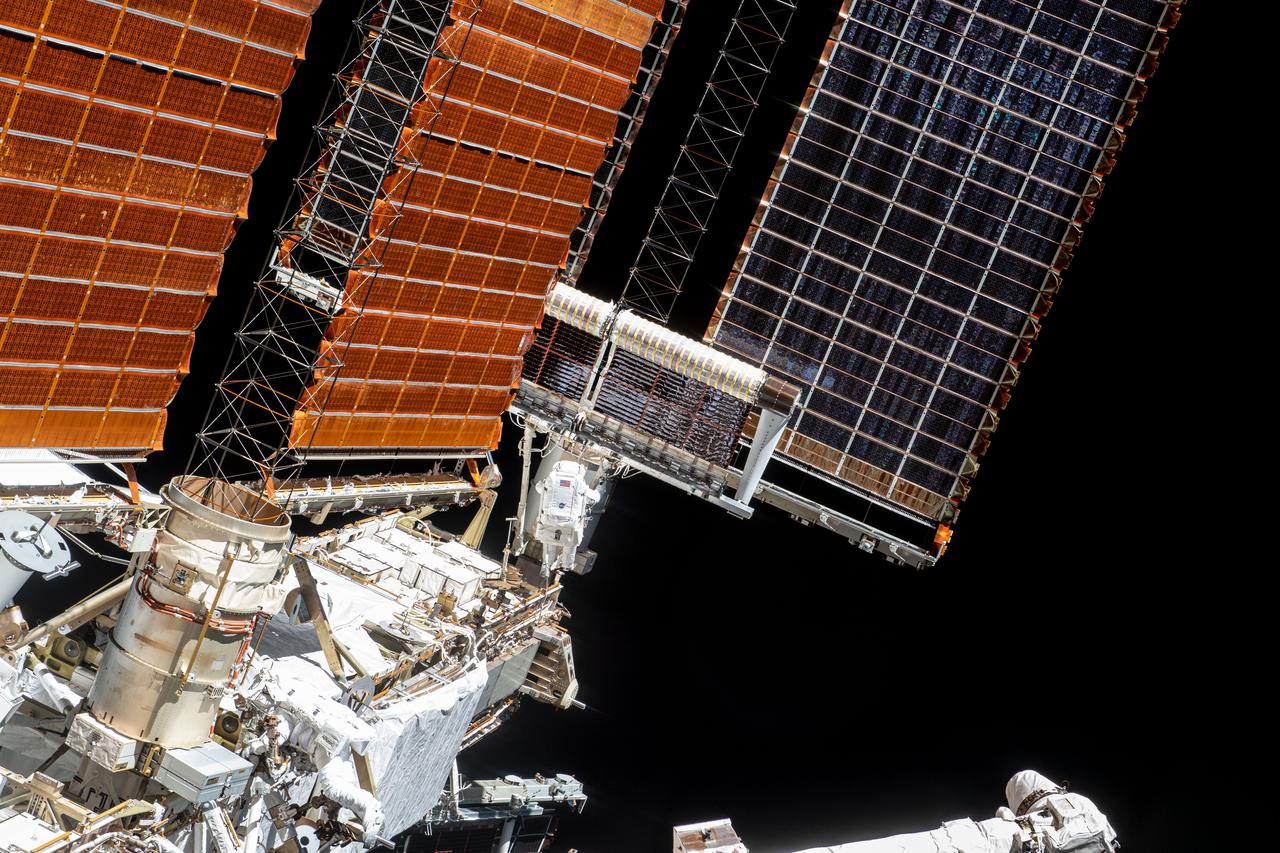
iss065e145092 (June 25, 2021) --- Spacewalker Thomas Pesquet of ESA (European Space Agency) is pictured at the base of the second roll out solar array as it began to roll out on the International Space Station's Port-6 truss structure
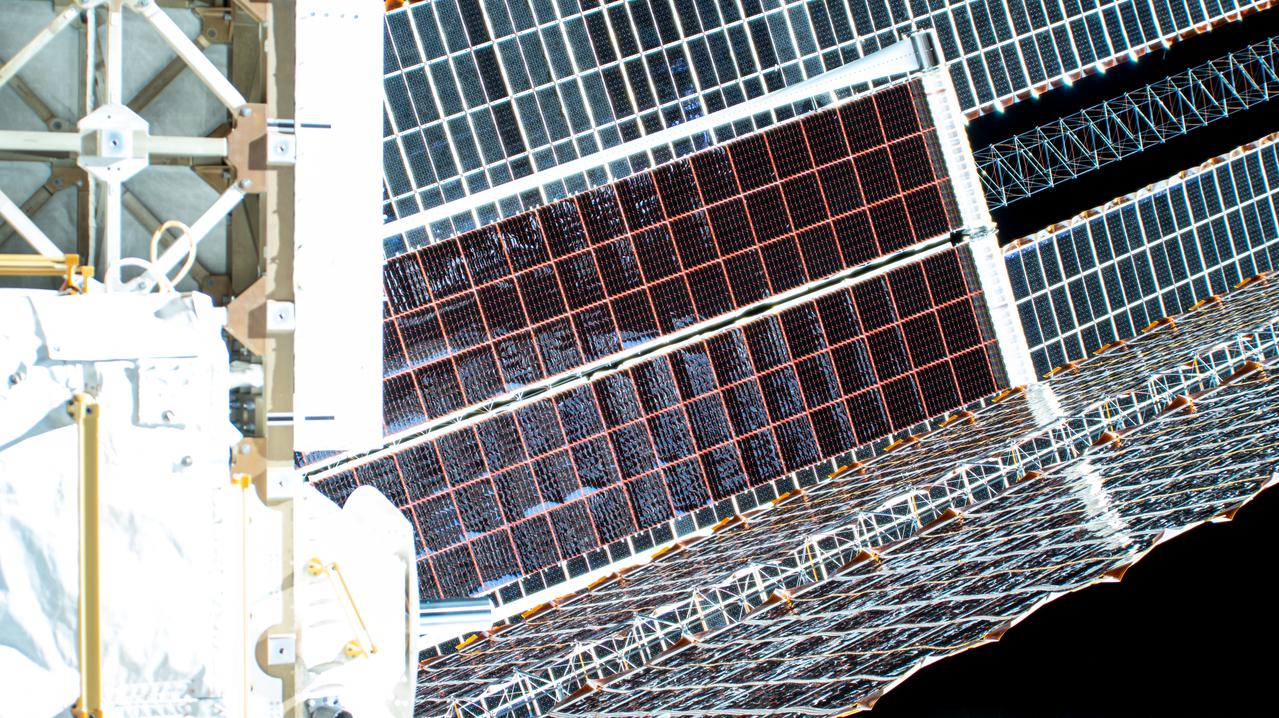
iss065e144542 (June 25, 2021) --- The second ISS Roll-Out Solar Array (iROSA) is pictured after completing its roll out on the International Space Station's Port-6 truss structure.

Roll out Solar Array
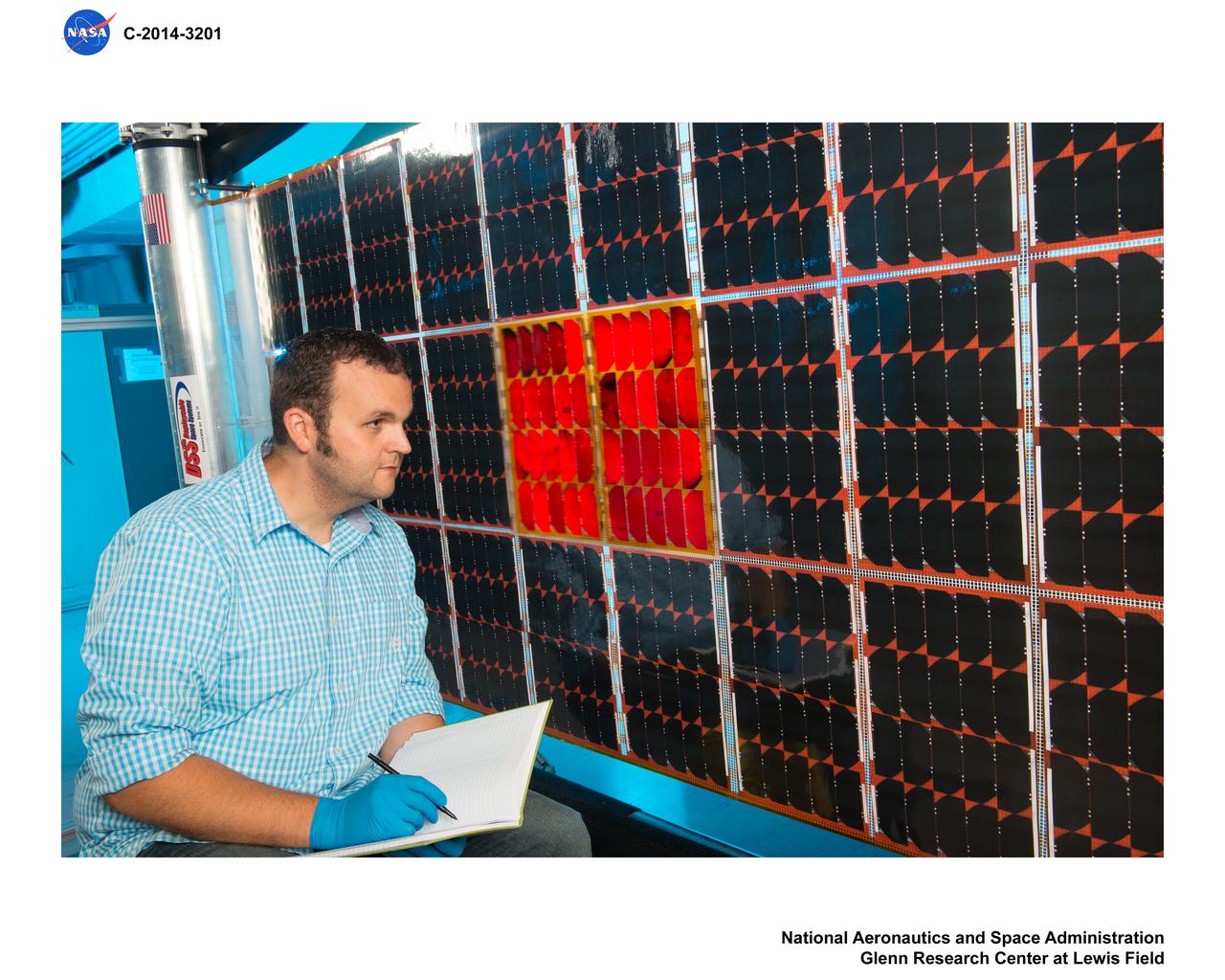
Roll out Solar Array
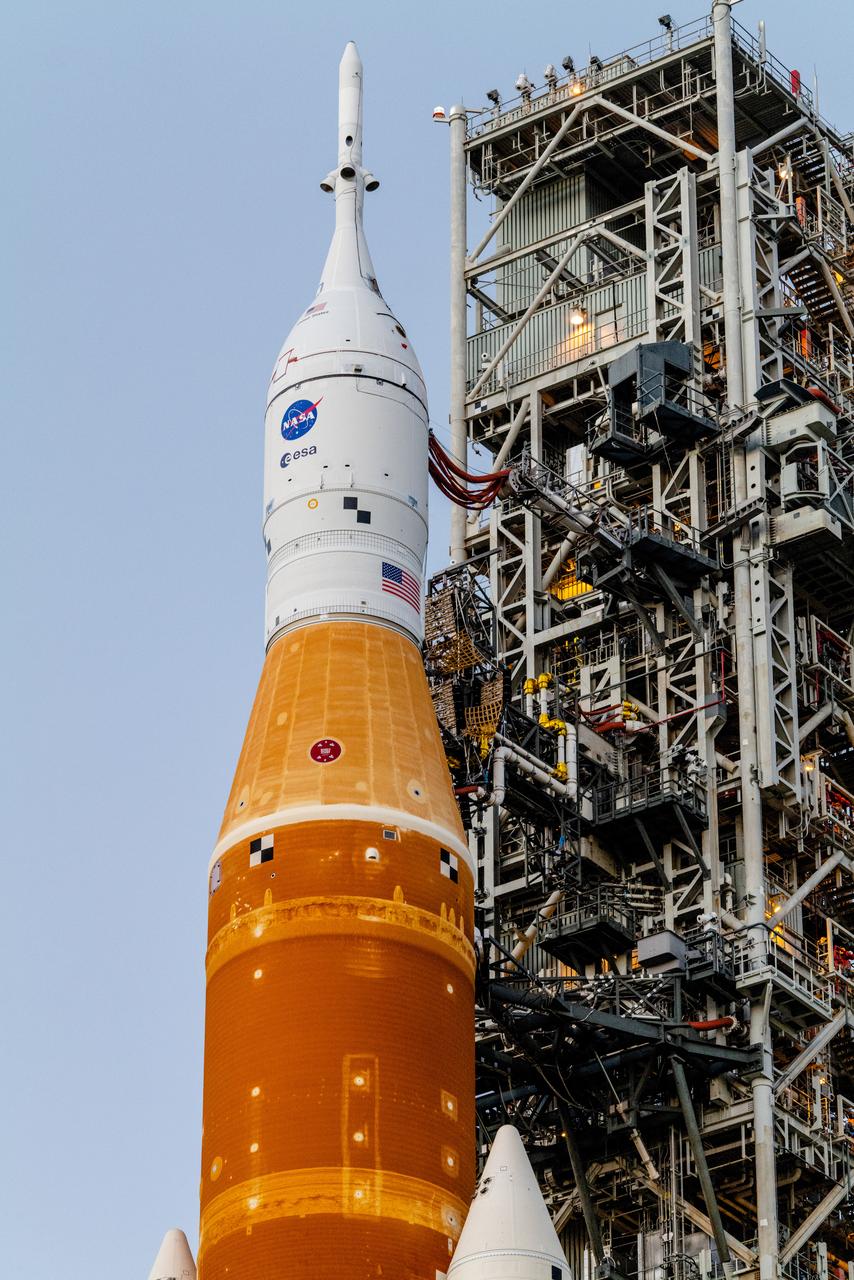
The Artemis I vehicle, with the Orion spacecraft atop, rolls for wet dress rehearsal from the Vehicle Assembly Building at NASA’s Kennedy Space Center on March 17, 2022. At the pad, the vehicle will undergo checkouts and teams will practice countdown to ensure the stack is ready for launch.
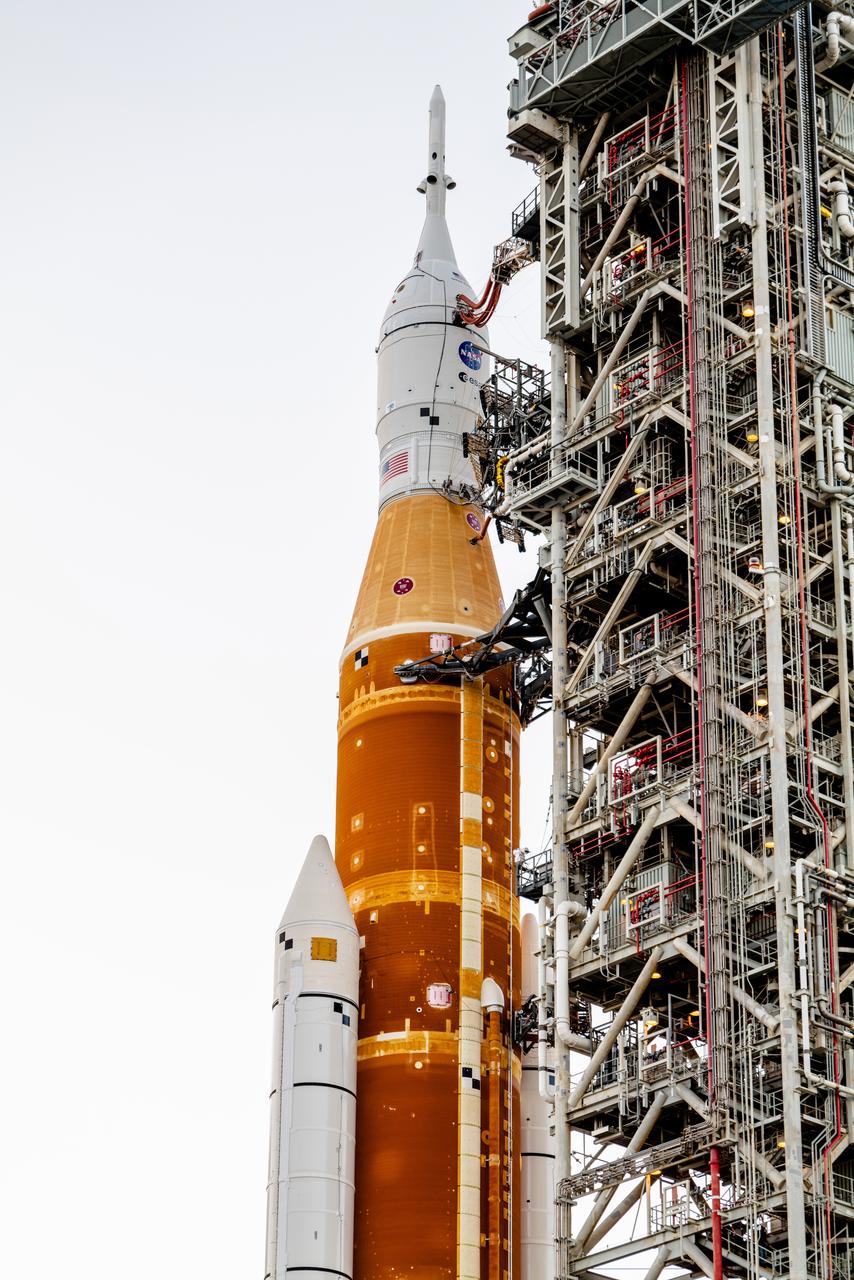
The Artemis I vehicle, with the Orion spacecraft atop, rolls for wet dress rehearsal from the Vehicle Assembly Building at NASA’s Kennedy Space Center on March 17, 2022. At the pad, the vehicle will undergo checkouts and teams will practice countdown to ensure the stack is ready for launch.
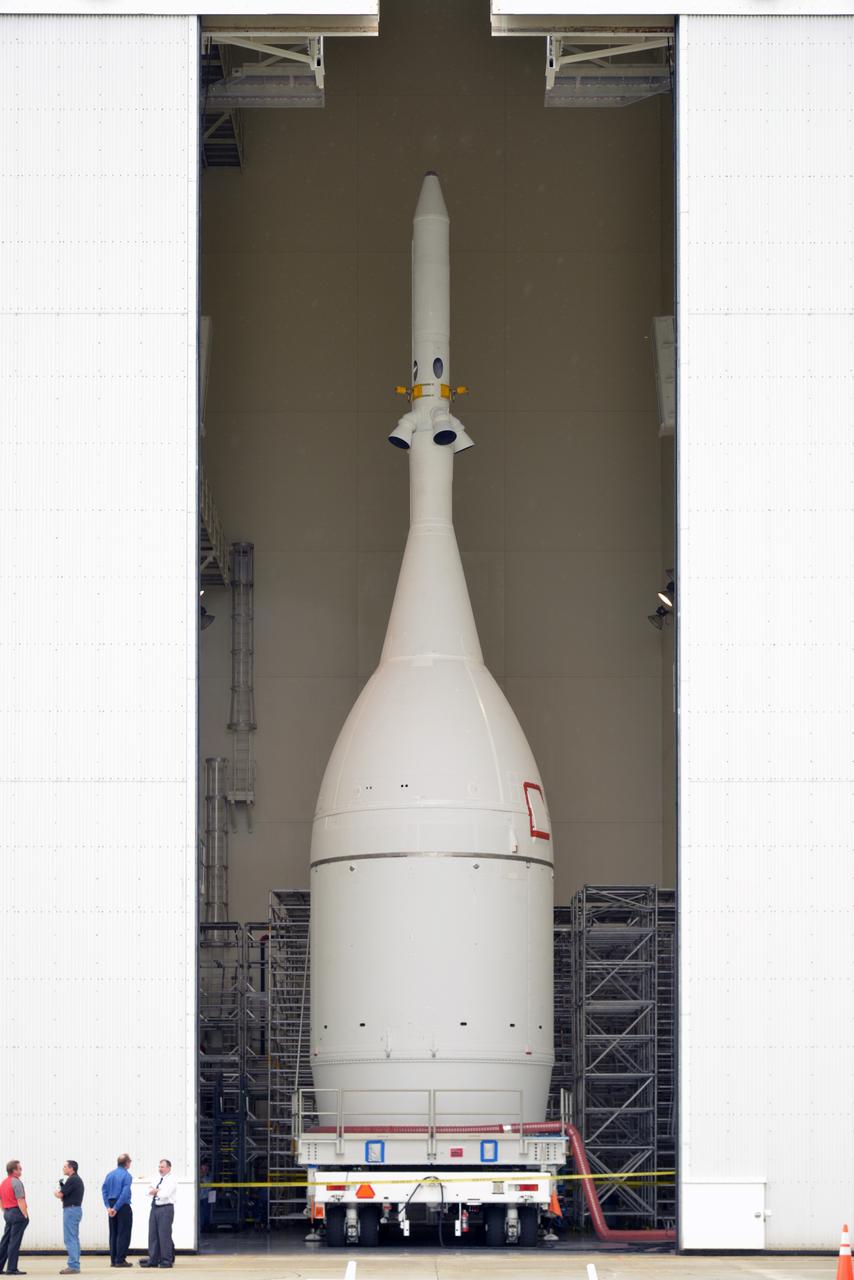
The Orion for Exploration Flight Test-1 (EFT-1) is stacked and ready to roll to the pad in the Launch Abort System Facility (LASF) at Kennedy Space Center on Nov. 10, 2014. The Orion stack, consisting of the launch abort system, the crew module, and the service module measures over 80 feet tall. Part of Batch image transfer from Flickr.
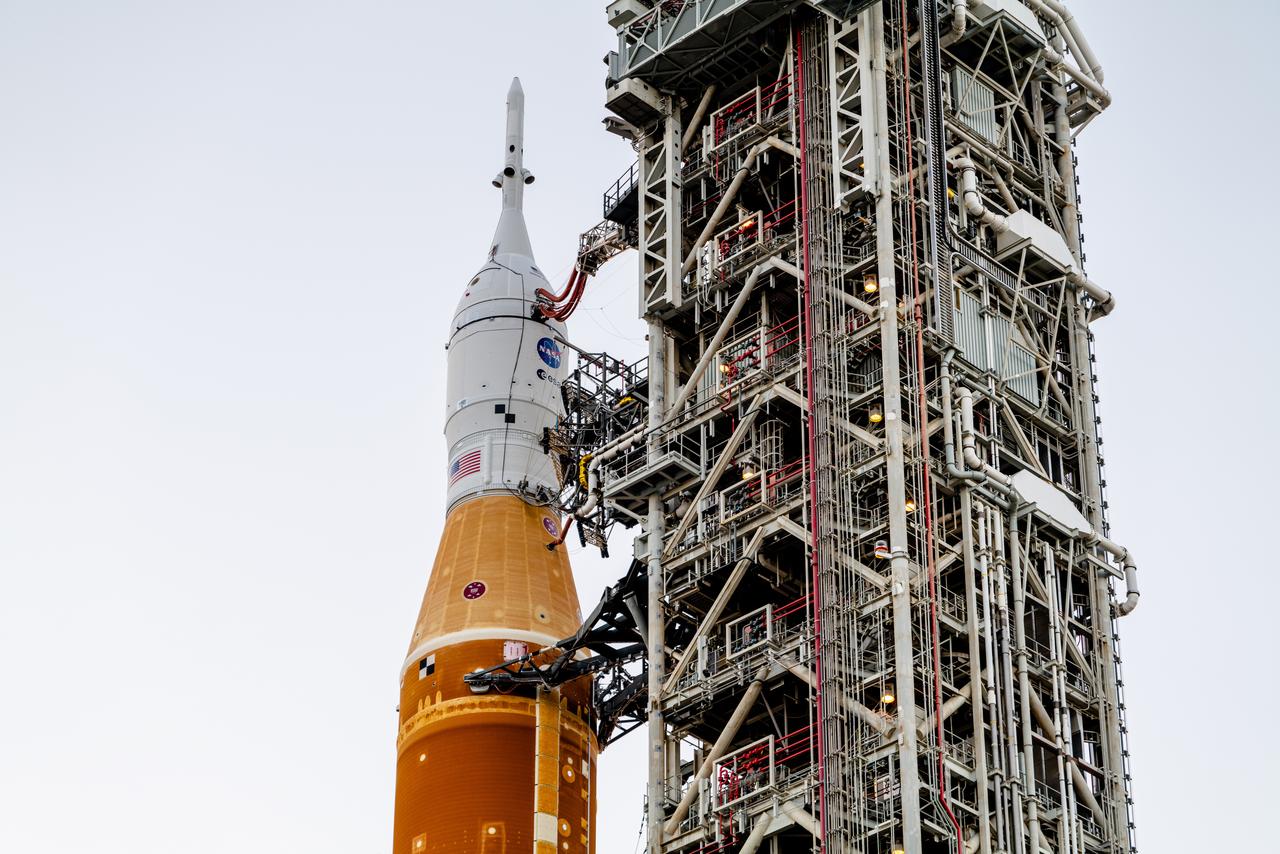
The Artemis I vehicle, with the Orion spacecraft atop, rolls for wet dress rehearsal from the Vehicle Assembly Building at NASA’s Kennedy Space Center on March 17, 2022. At the pad, the vehicle will undergo checkouts and teams will practice countdown to ensure the stack is ready for launch.
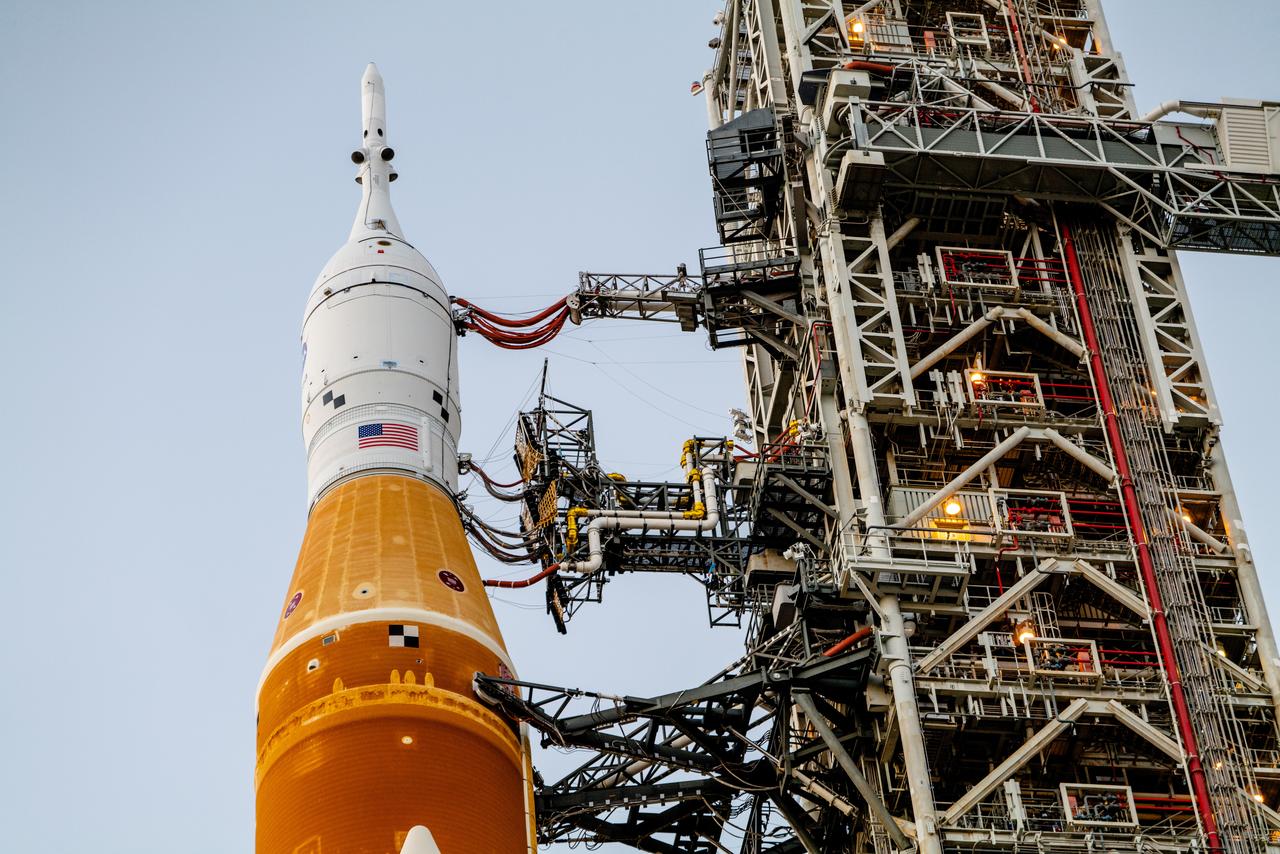
The Artemis I vehicle, with the Orion spacecraft atop, rolls for wet dress rehearsal from the Vehicle Assembly Building at NASA’s Kennedy Space Center on March 17, 2022. At the pad, the vehicle will undergo checkouts and teams will practice countdown to ensure the stack is ready for launch.
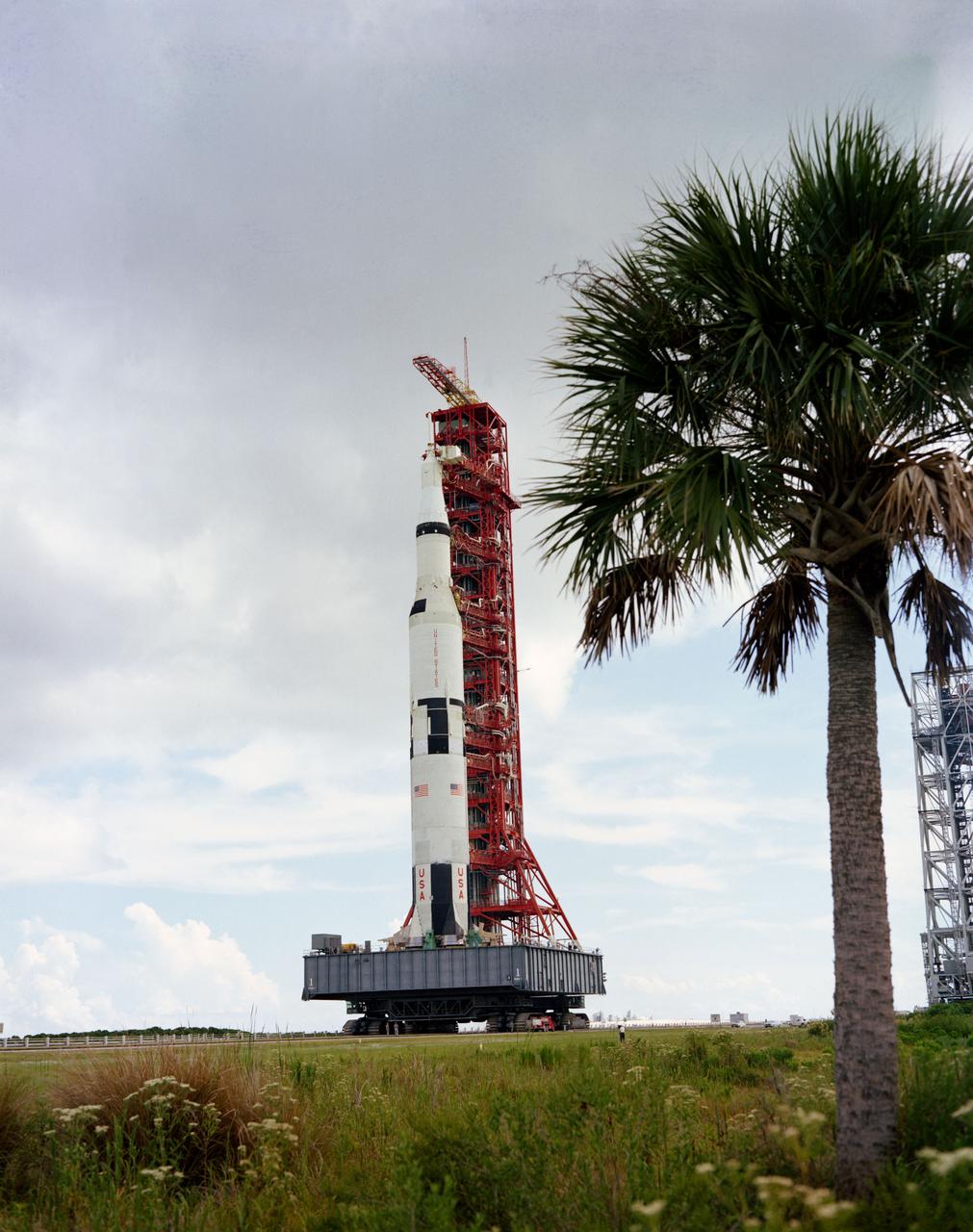
S67-43595 (26 Aug. 1967) --- The Apollo 4 (Spacecraft 017/Saturn 501) stack and its mobile launch tower atop a crawler-transporter moving from the Vehicle Assembly Building toward Pad A, Launch Complex 39.
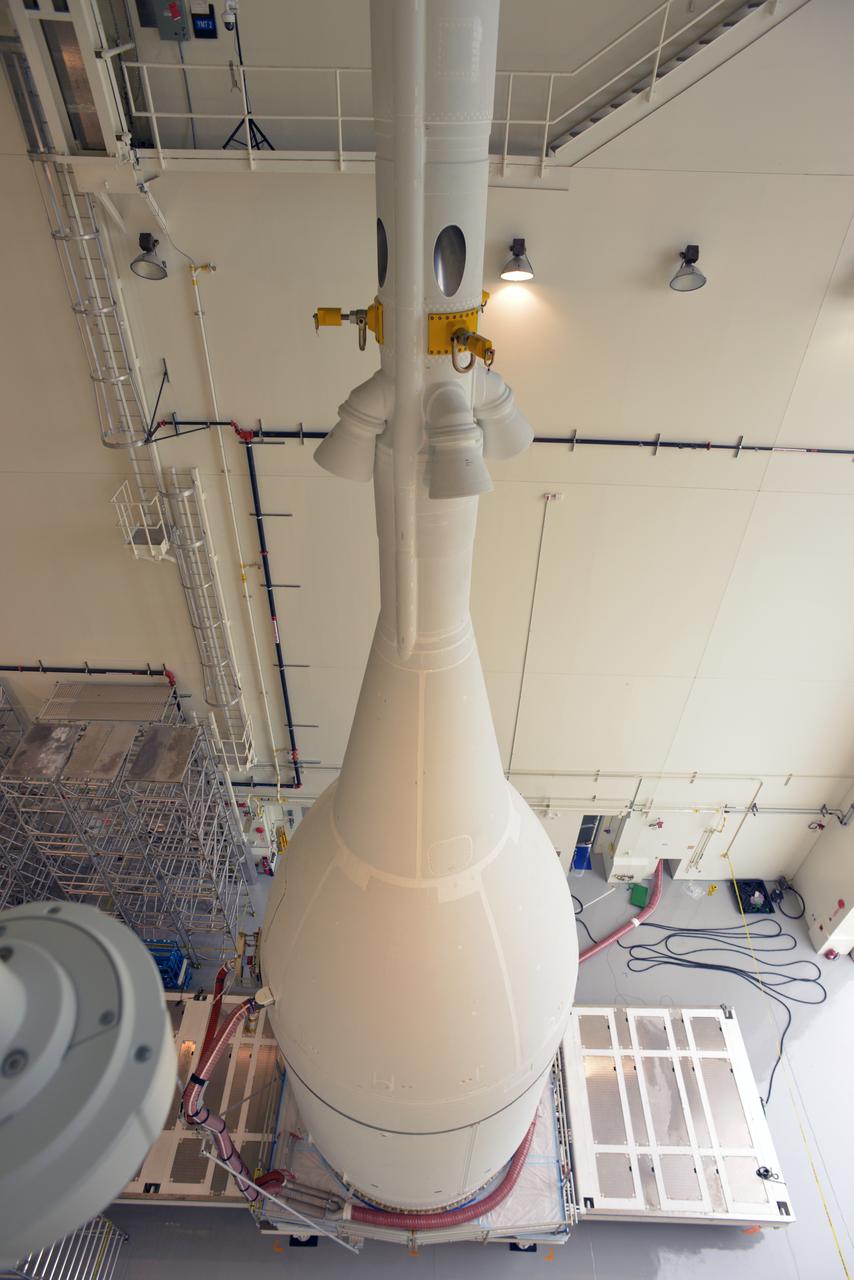
The Orion for Exploration Flight Test-1 (EFT-1) is stacked and ready to roll to the pad in the Launch Abort System Facility (LASF) at Kennedy Space Center on Nov. 10, 2014. The Orion stack, consisting of the launch abort system, the crew module, and the service module measures over 80 feet tall. Part of Batch image transfer from Flickr.
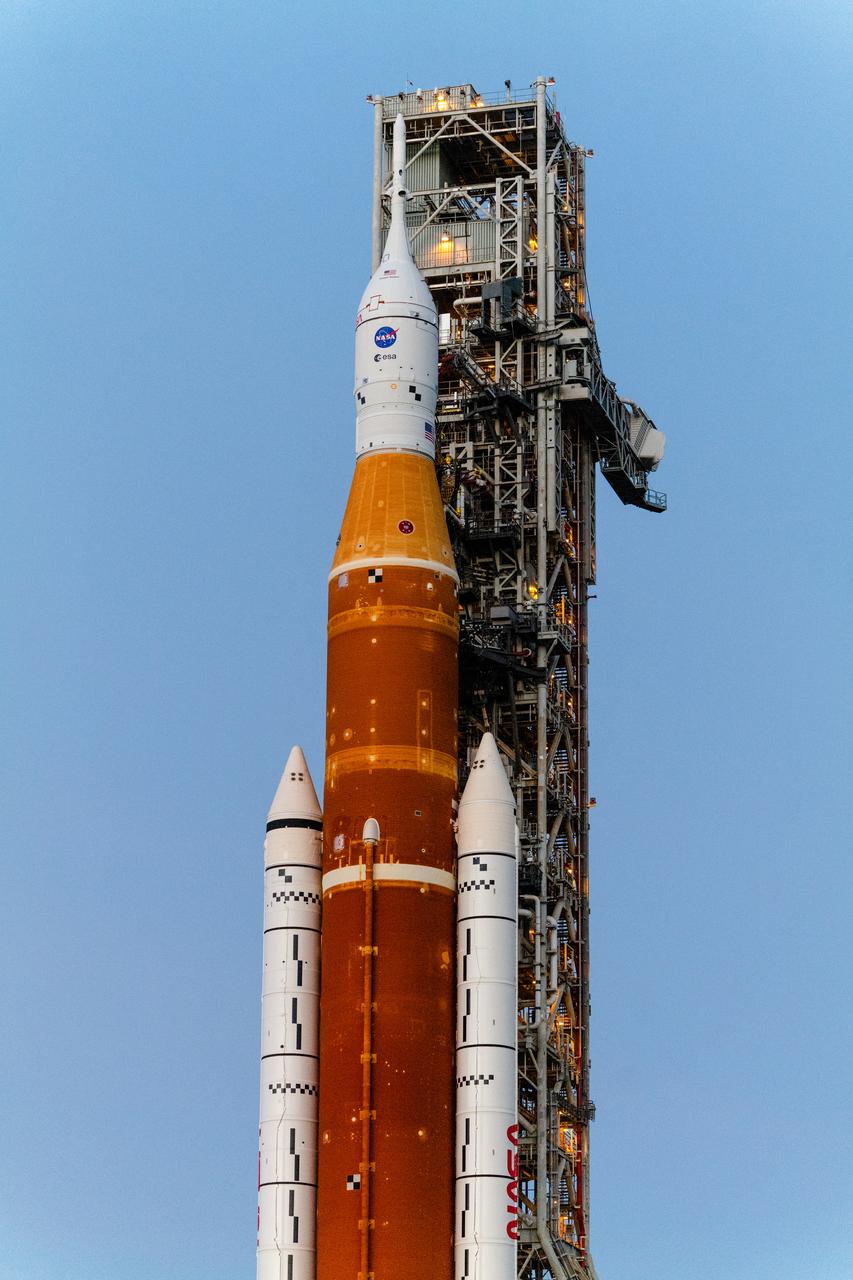
The Artemis I vehicle, with the Orion spacecraft atop, rolls for wet dress rehearsal from the Vehicle Assembly Building at NASA’s Kennedy Space Center on March 17, 2022. At the pad, the vehicle will undergo checkouts and teams will practice countdown to ensure the stack is ready for launch.
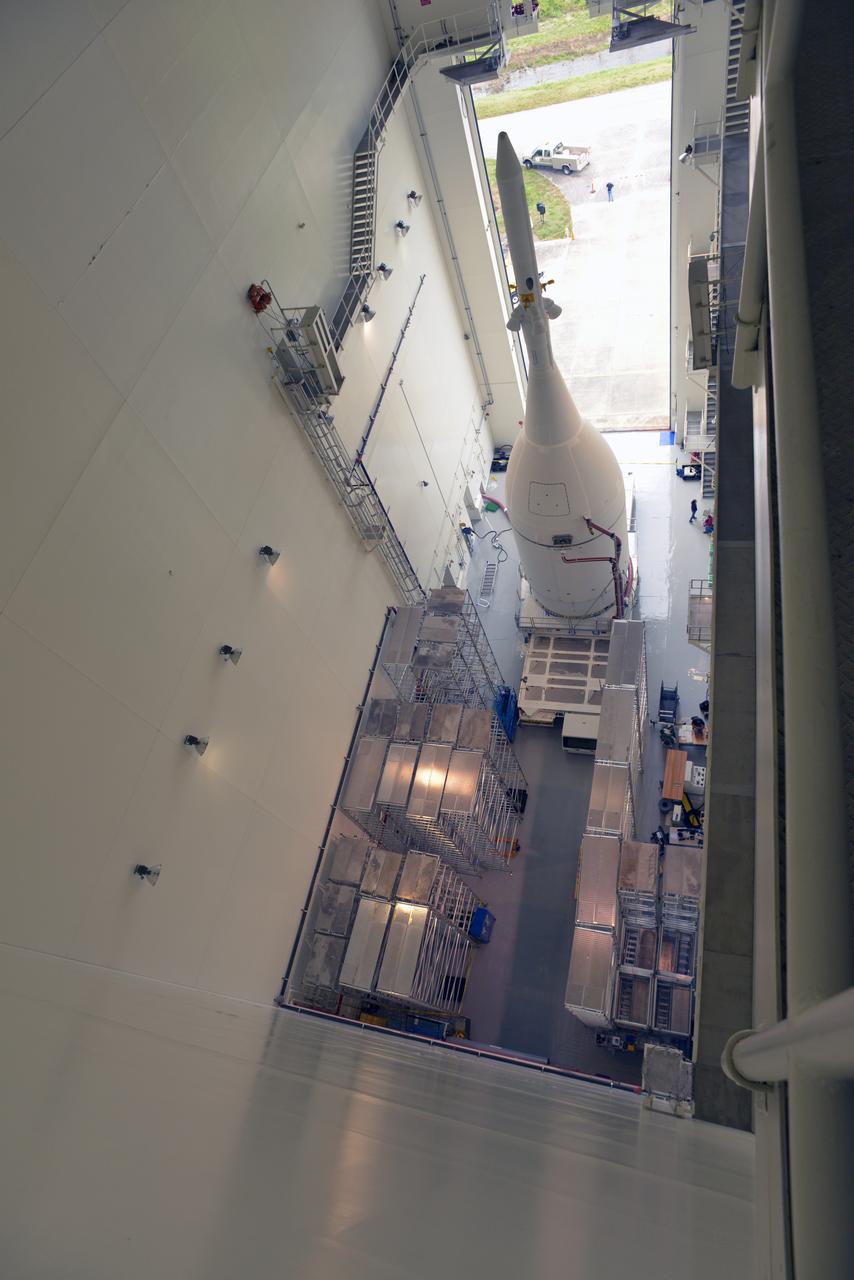
The Orion for Exploration Flight Test-1 (EFT-1) is stacked and ready to roll to the pad in the Launch Abort System Facility (LASF) at Kennedy Space Center on Nov. 10, 2014. The Orion stack, consisting of the launch abort system, the crew module, and the service module measures over 80 feet tall. Part of Batch image transfer from Flickr.
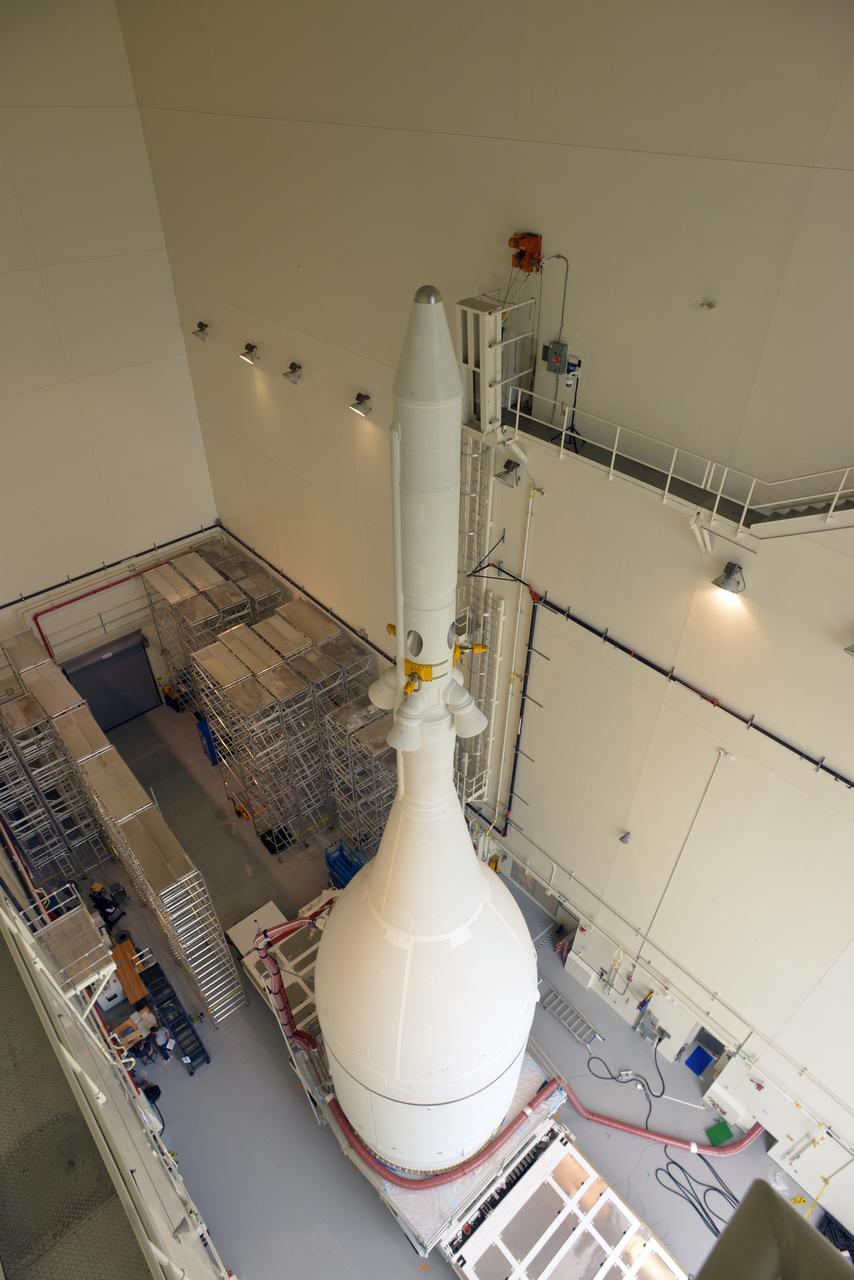
The Orion for Exploration Flight Test-1 (EFT-1) is stacked and ready to roll to the pad in the Launch Abort System Facility (LASF) at Kennedy Space Center on Nov. 10, 2014. The Orion stack, consisting of the launch abort system, the crew module, and the service module measures over 80 feet tall. Part of Batch image transfer from Flickr.

The Artemis I vehicle, with the Orion spacecraft atop, rolls for wet dress rehearsal from the Vehicle Assembly Building at NASA’s Kennedy Space Center on March 17, 2022. At the pad, the vehicle will undergo checkouts and teams will practice countdown to ensure the stack is ready for launch.
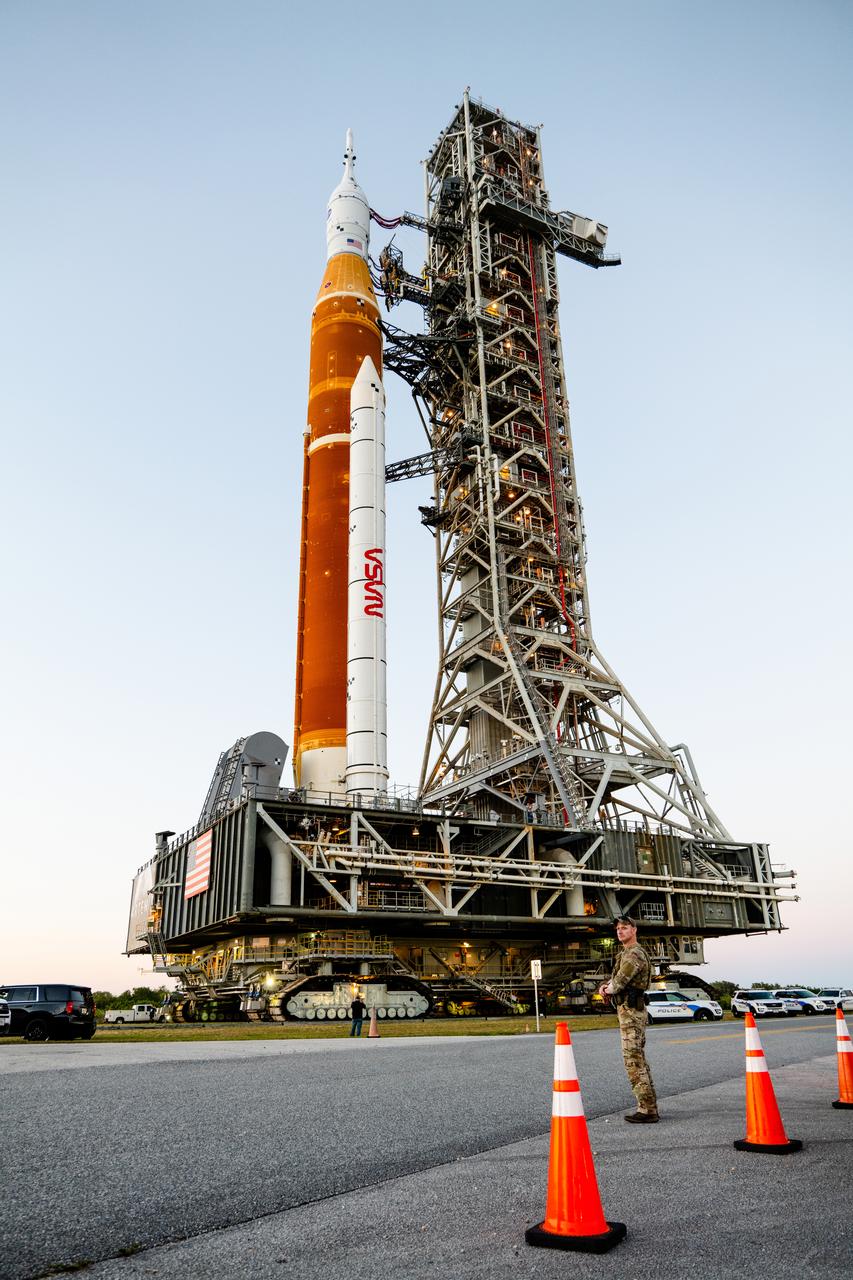
The Artemis I vehicle, with the Orion spacecraft atop, rolls for wet dress rehearsal from the Vehicle Assembly Building at NASA’s Kennedy Space Center on March 17, 2022. At the pad, the vehicle will undergo checkouts and teams will practice countdown to ensure the stack is ready for launch.
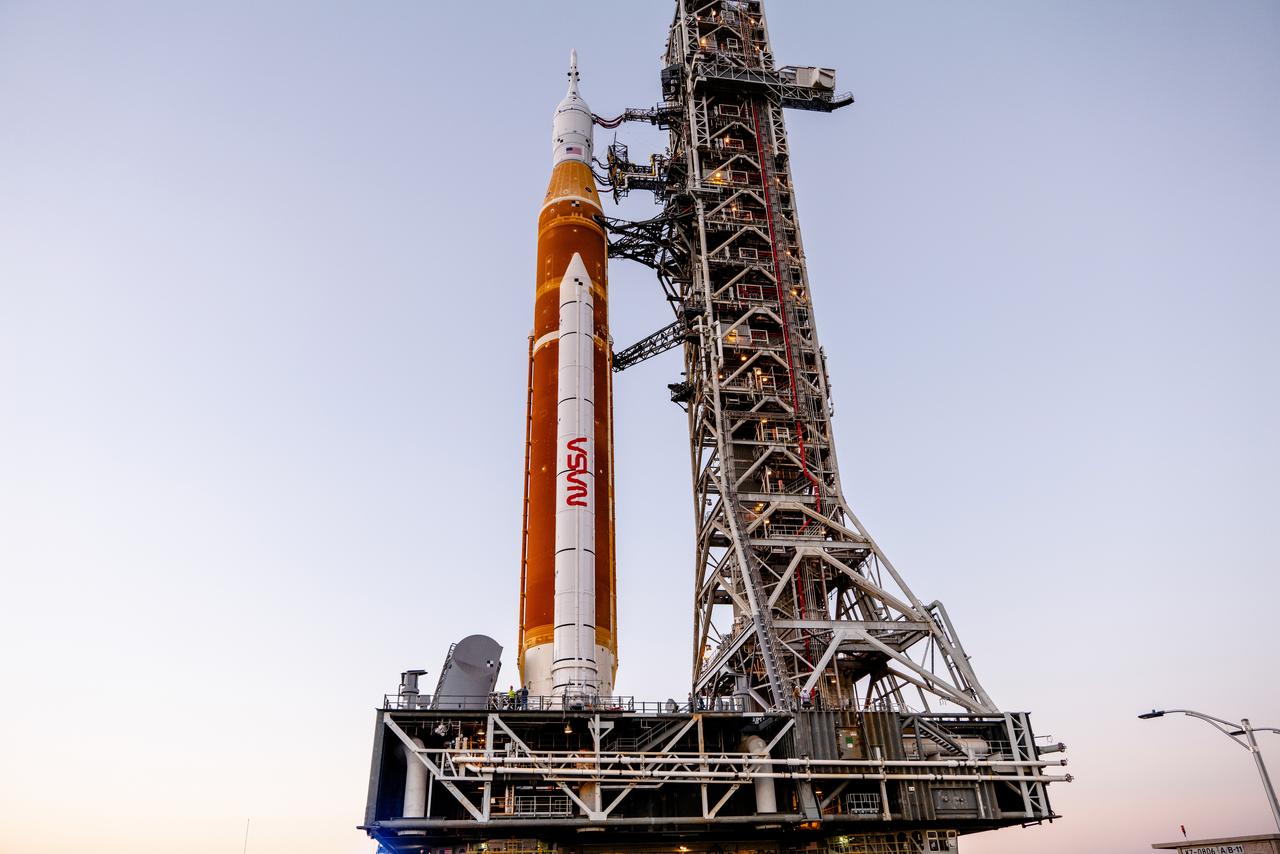
The Artemis I vehicle, with the Orion spacecraft atop, rolls for wet dress rehearsal from the Vehicle Assembly Building at NASA’s Kennedy Space Center on March 17, 2022. At the pad, the vehicle will undergo checkouts and teams will practice countdown to ensure the stack is ready for launch.
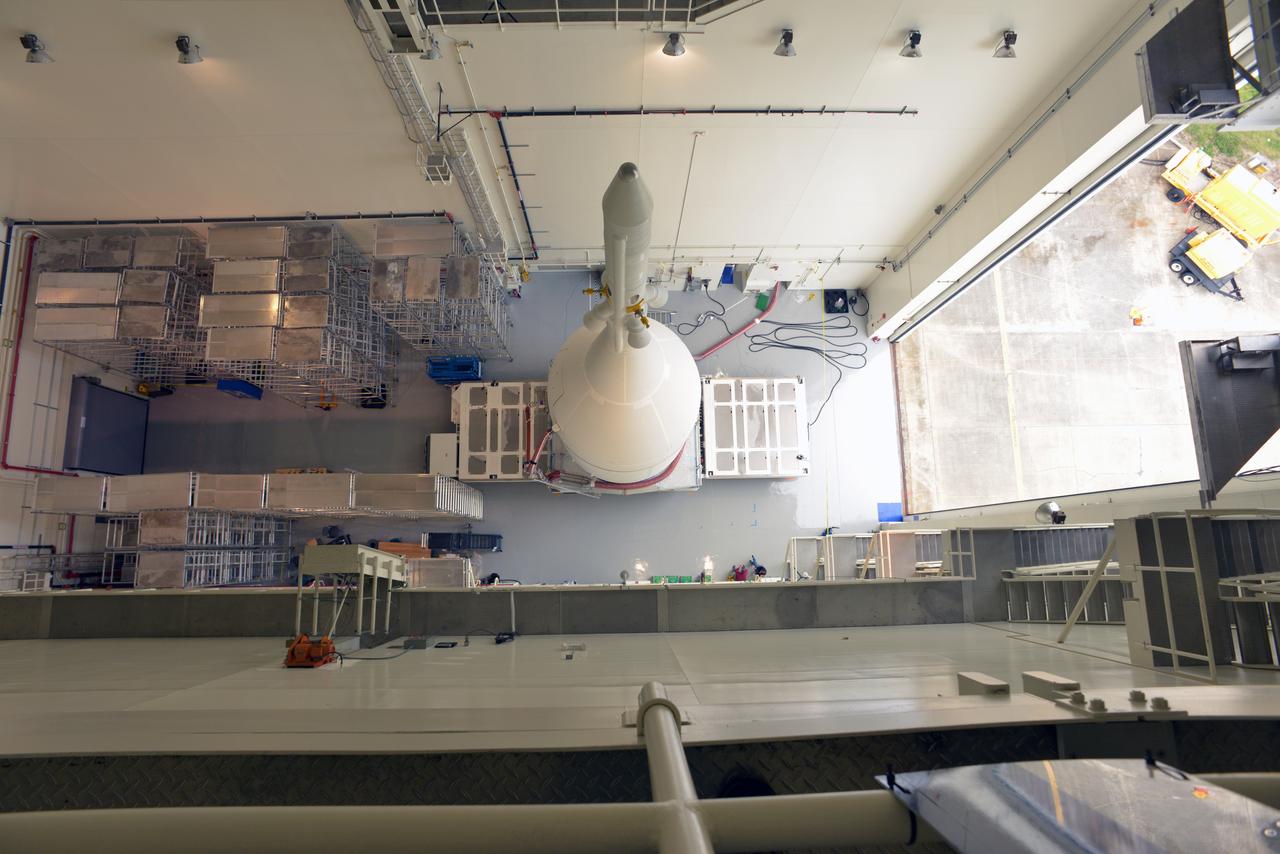
The Orion for Exploration Flight Test-1 (EFT-1) is stacked and ready to roll to the pad in the Launch Abort System Facility (LASF) at Kennedy Space Center on Nov. 10, 2014. The Orion stack, consisting of the launch abort system, the crew module, and the service module measures over 80 feet tall. Part of Batch image transfer from Flickr.
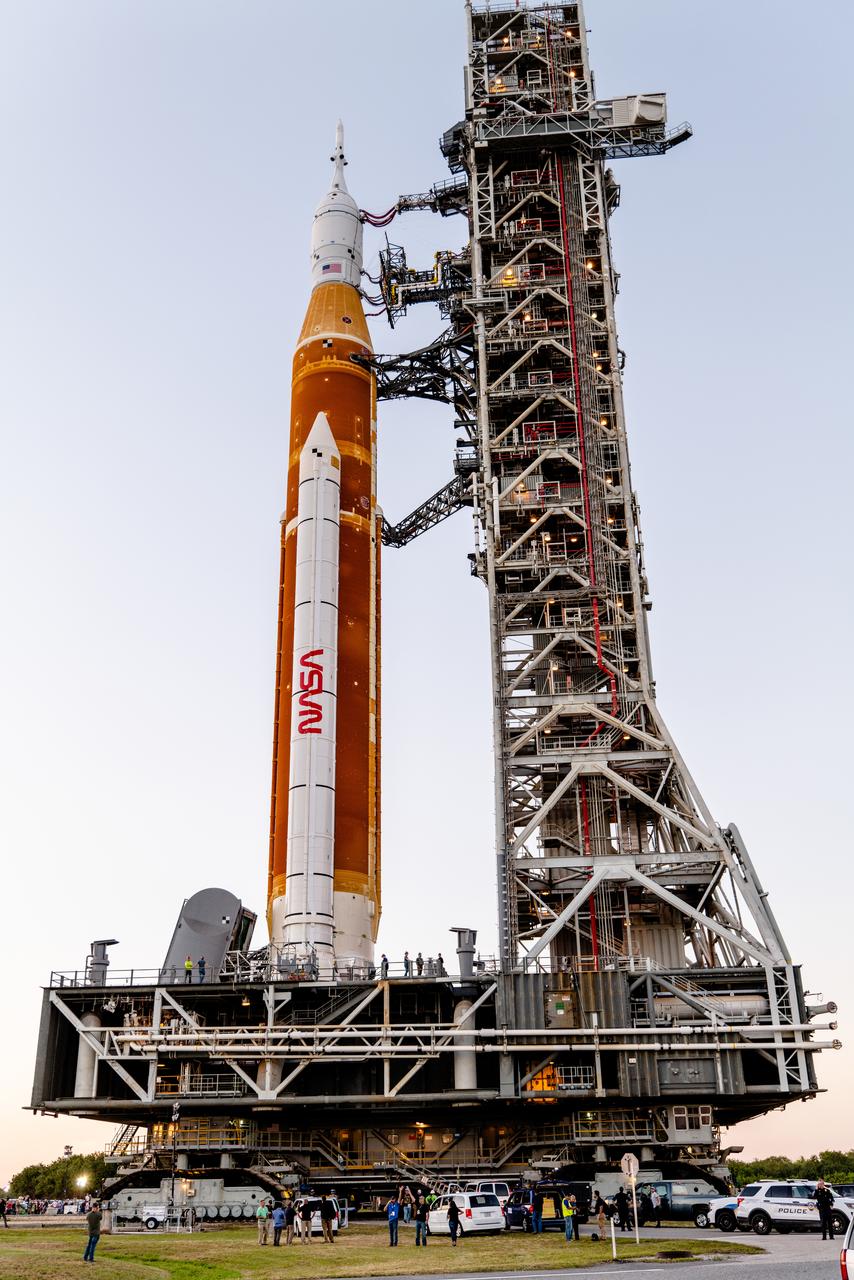
The Artemis I vehicle, with the Orion spacecraft atop, rolls for wet dress rehearsal from the Vehicle Assembly Building at NASA’s Kennedy Space Center on March 17, 2022. At the pad, the vehicle will undergo checkouts and teams will practice countdown to ensure the stack is ready for launch.
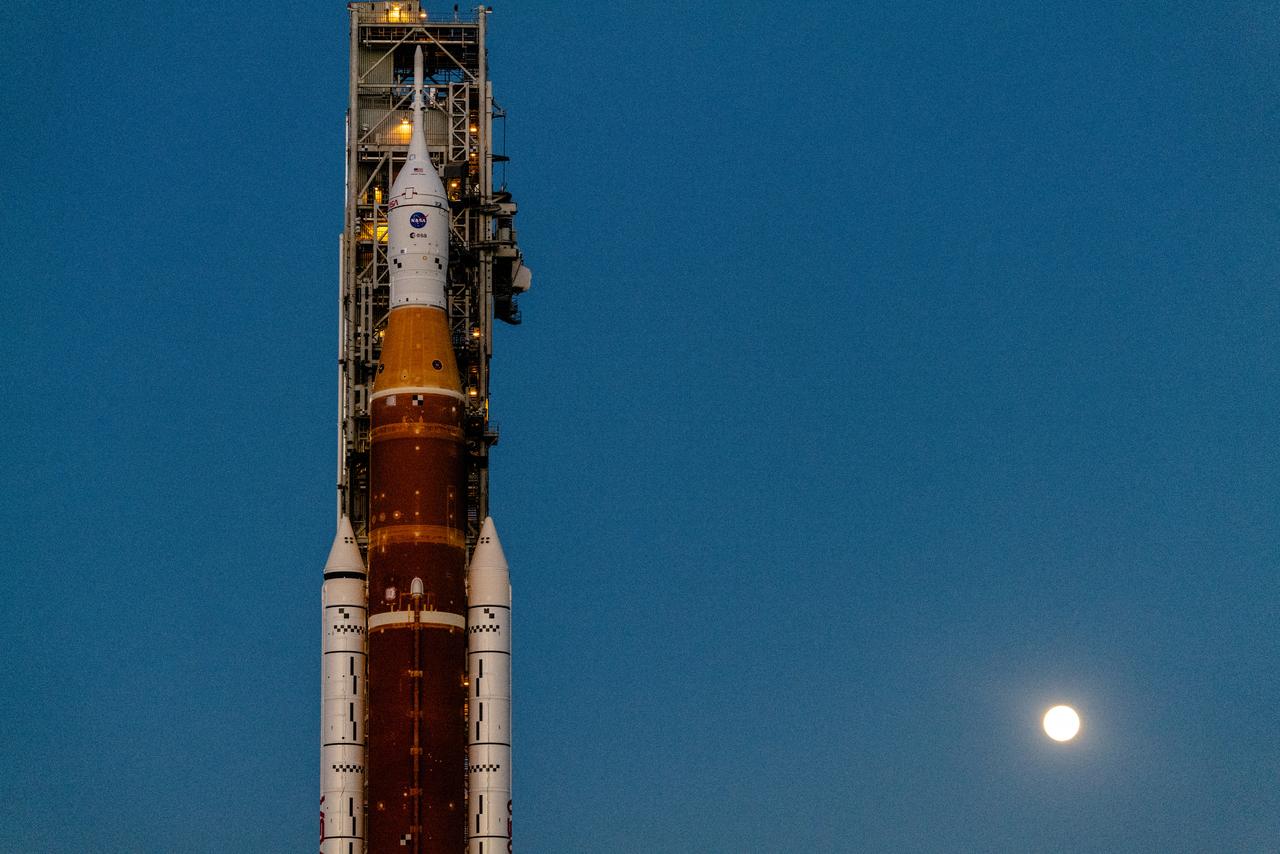
The Artemis I vehicle, with the Orion spacecraft atop, rolls for wet dress rehearsal from the Vehicle Assembly Building at NASA’s Kennedy Space Center on March 17, 2022. At the pad, the vehicle will undergo checkouts and teams will practice countdown to ensure the stack is ready for launch.
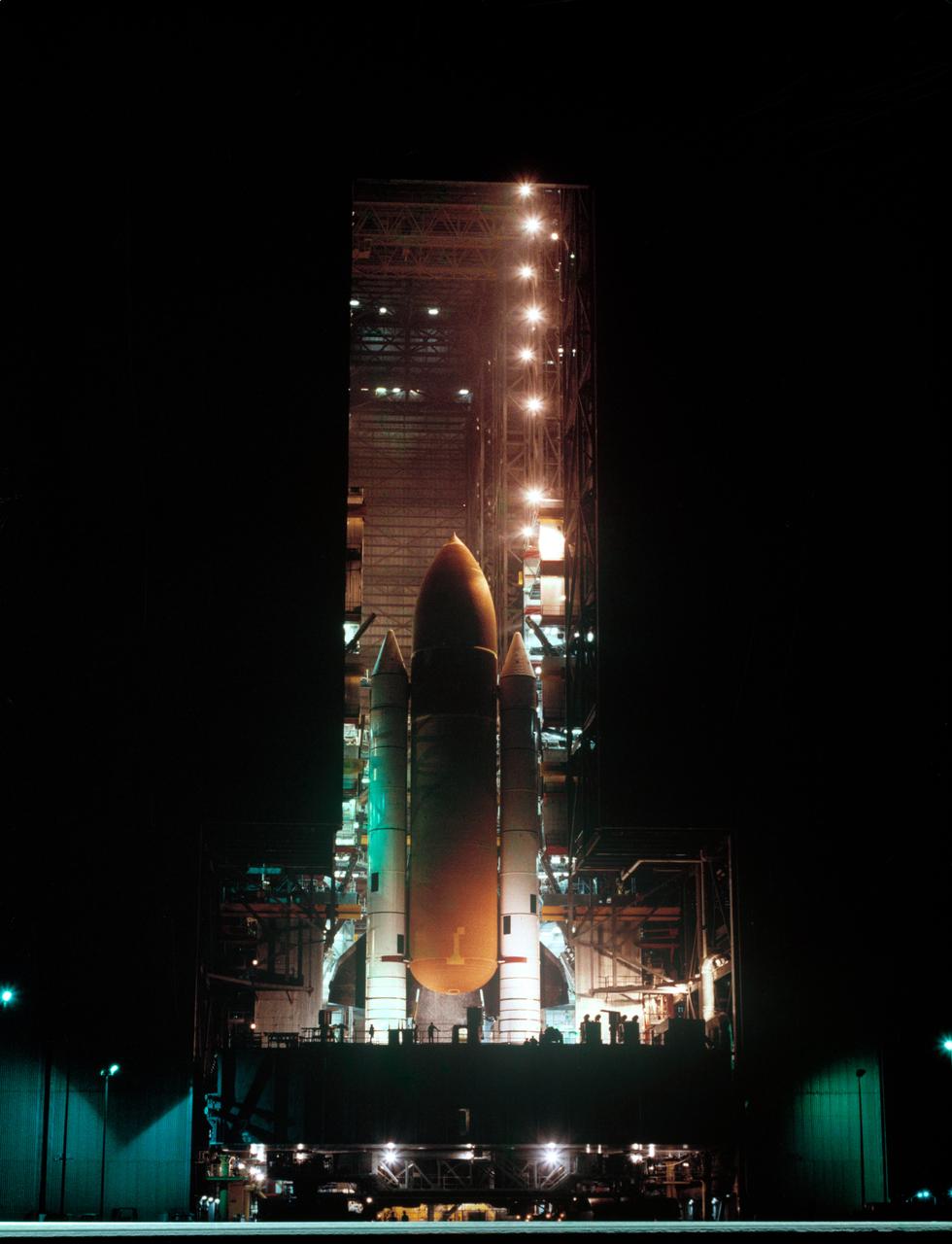
S83-39238 (1 Aug. 1983) --- The giant cluster of spaceflight hardware for NASA's eighth Space Transportation System (STS) mission begins its slow move to the launch pad at launch complex 39 at NASA's Kennedy Space Center (KSC). Following its mating to the two solid rocket boosters (SRB) and the external fuel tank (ET) in the huge vehicle assembly building (VAB), the space shuttle Challenger is slowly moved to the launch pad atop the mobile launch platform. Photo credit: NASA
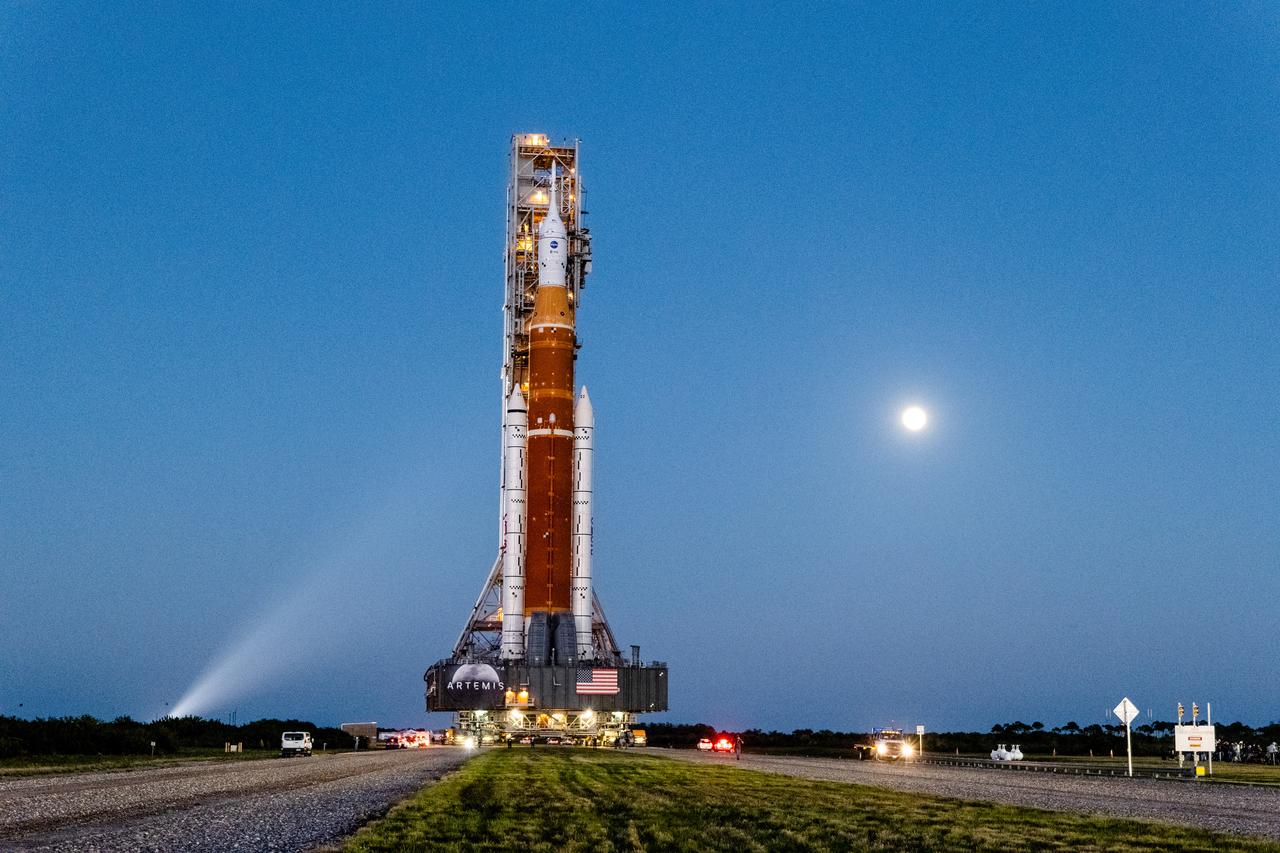
The Artemis I vehicle rolls for wet dress rehearsal from the Vehicle Assembly Building at NASA’s Kennedy Space Center on March 17, 2022. At the pad, the vehicle will undergo checkouts and teams will practice countdown to ensure the stack is ready for launch.
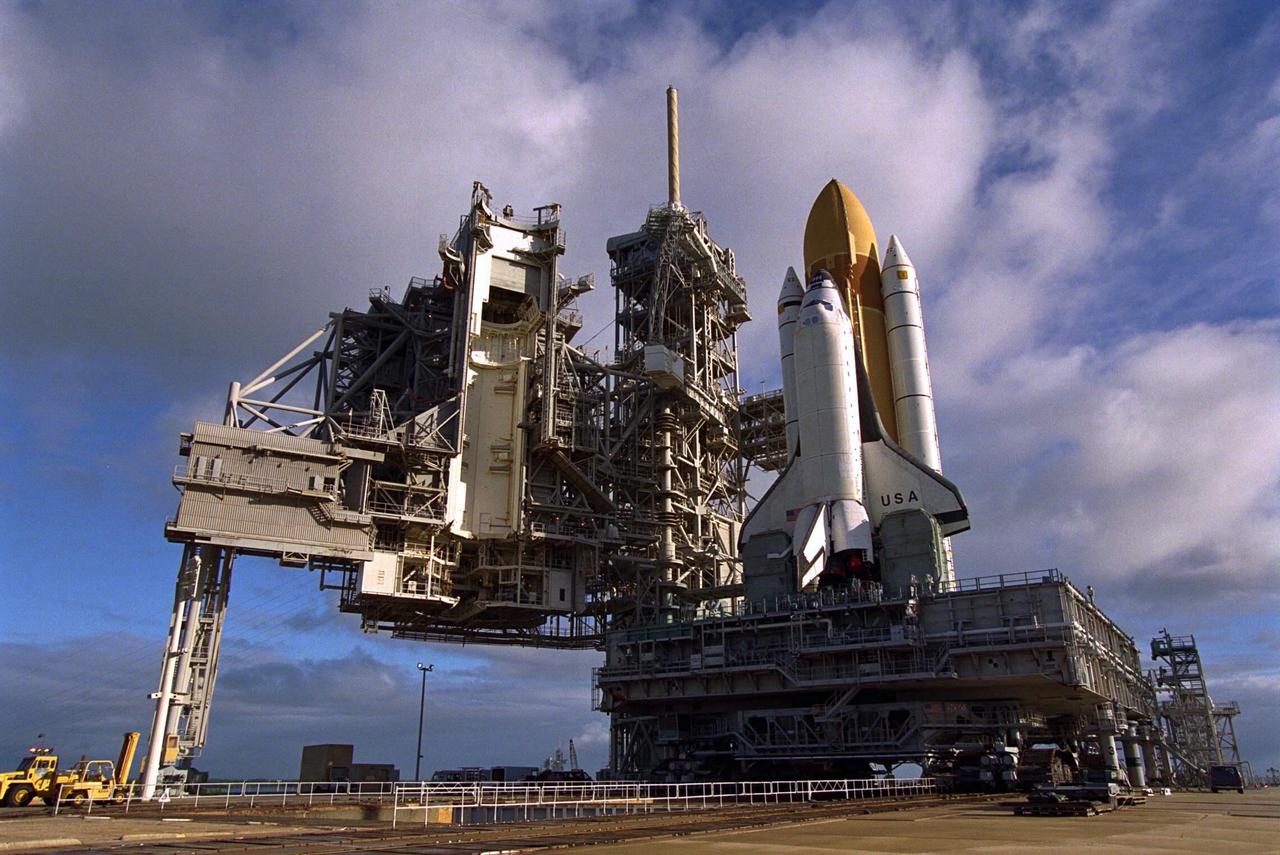
KENNEDY SPACE CENTER, Fla. -- Columbia rolls out
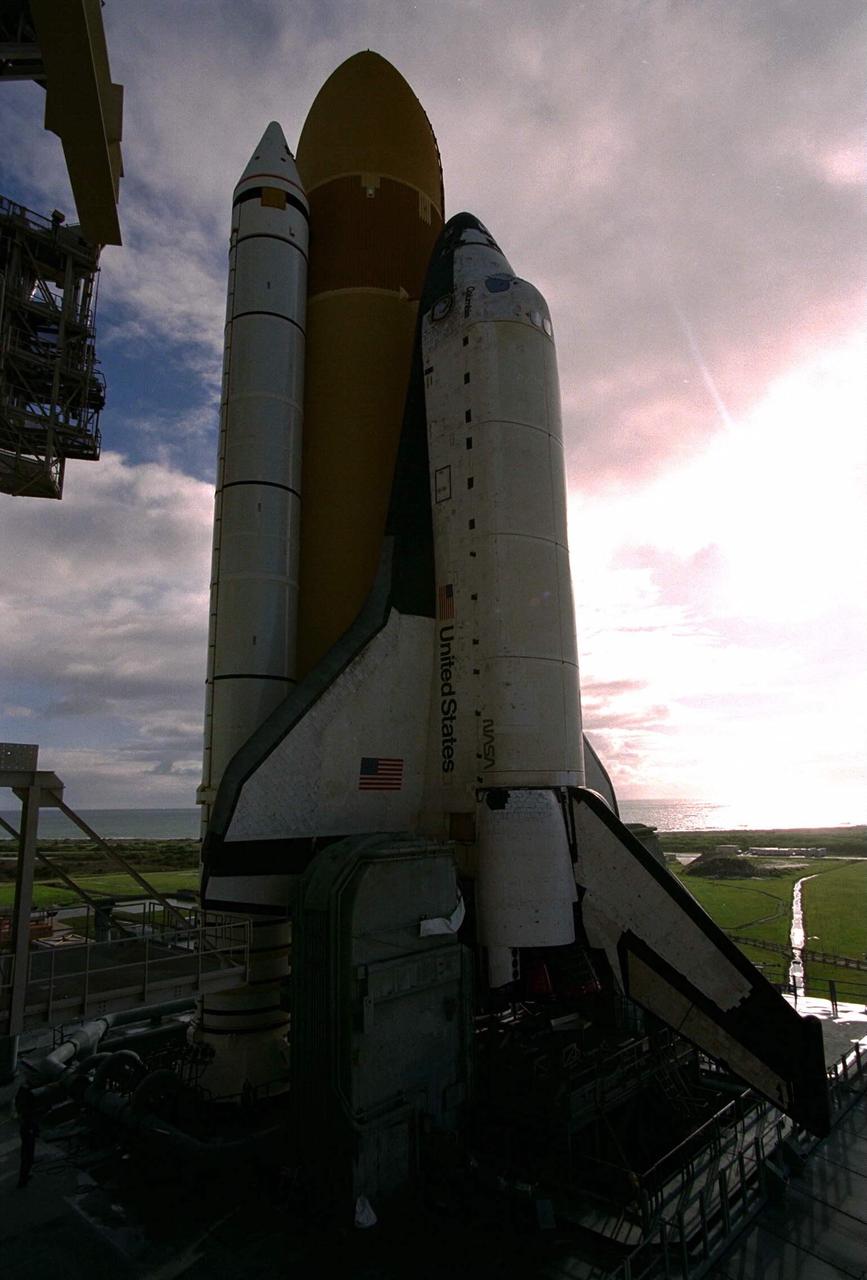
KENNEDY SPACE CENTER, Fla. -- Columbia rolls out
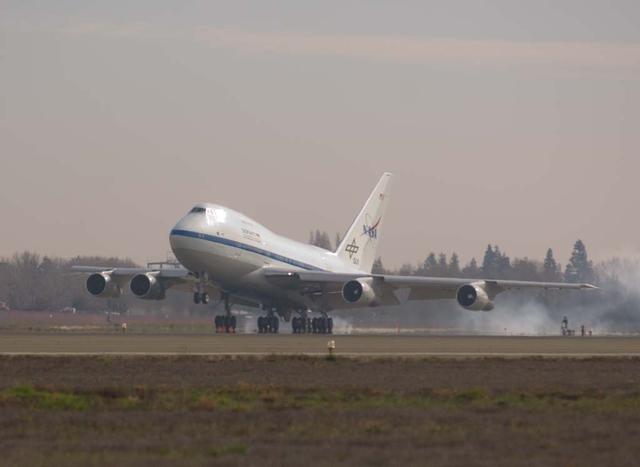
SOFIA visit to Ames: landing and roll out
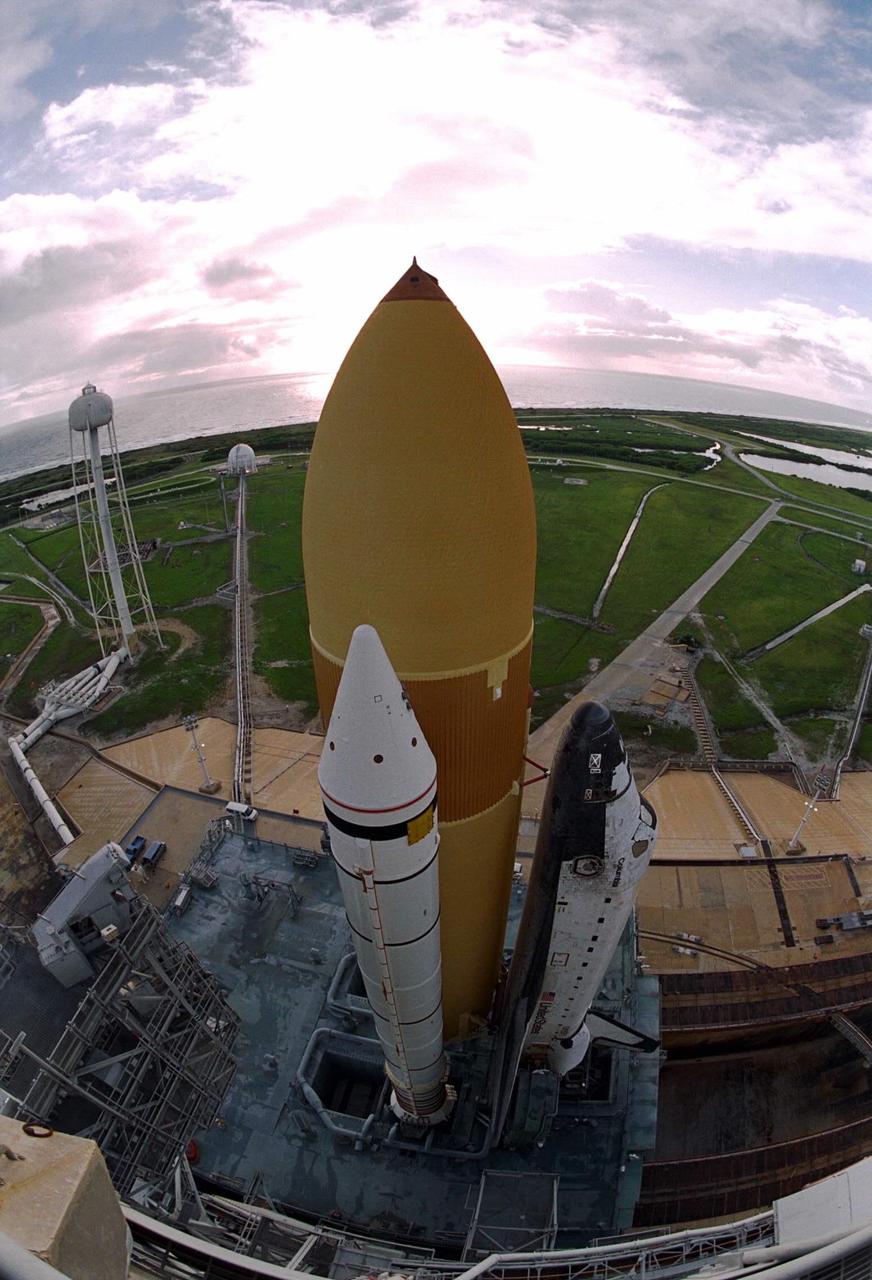
KENNEDY SPACE CENTER, Fla. -- Columbia rolls out
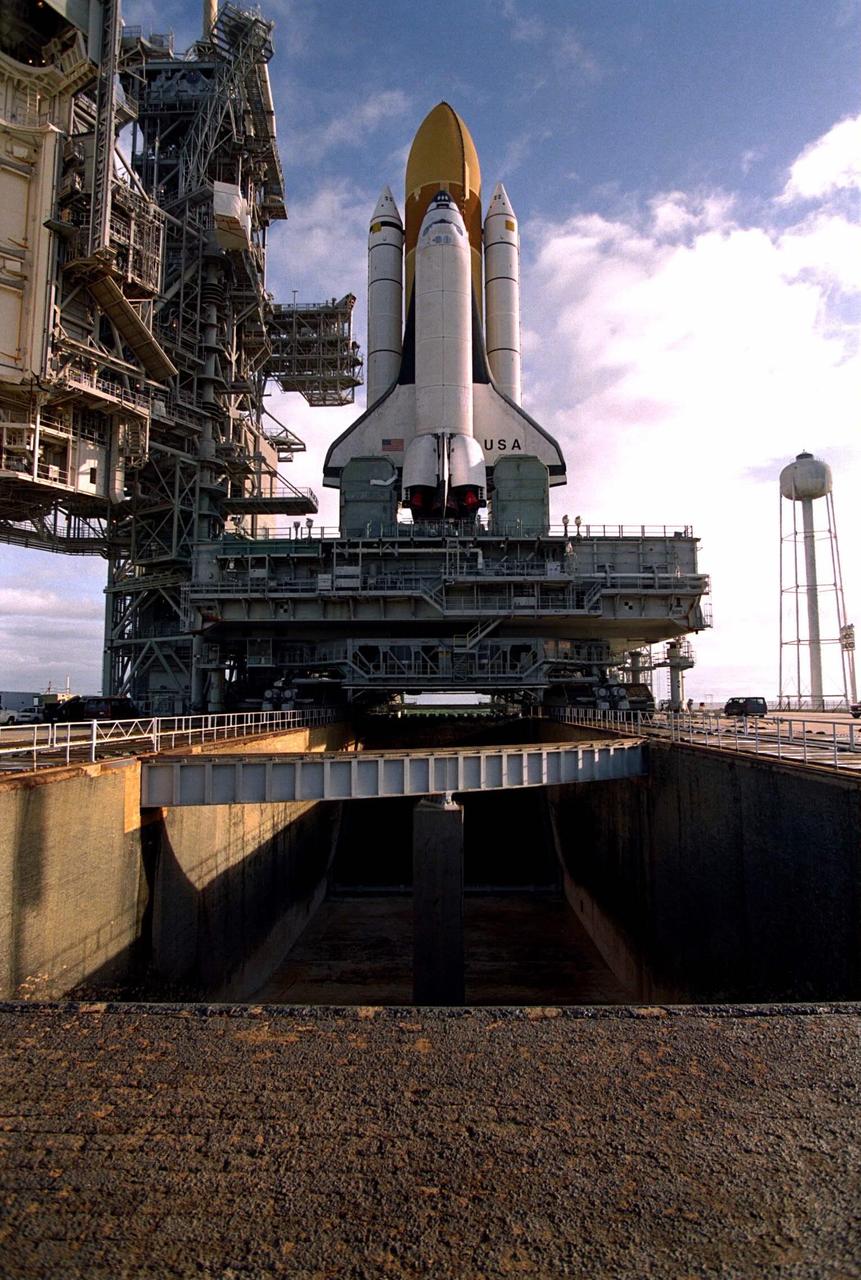
KENNEDY SPACE CENTER, Fla. -- Columbia rolls out
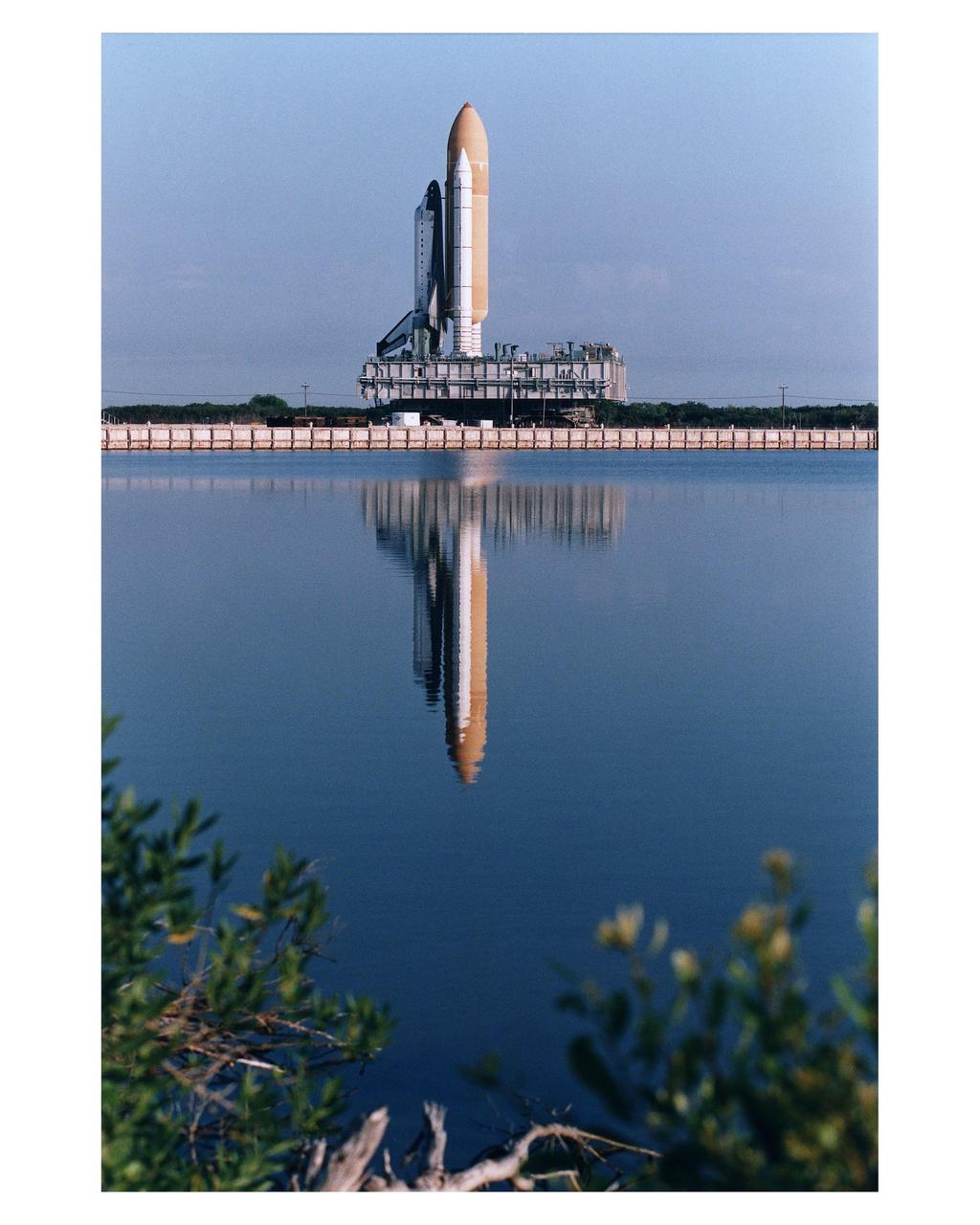
KENNEDY SPACE CENTER, Fla. -- Columbia rolls out
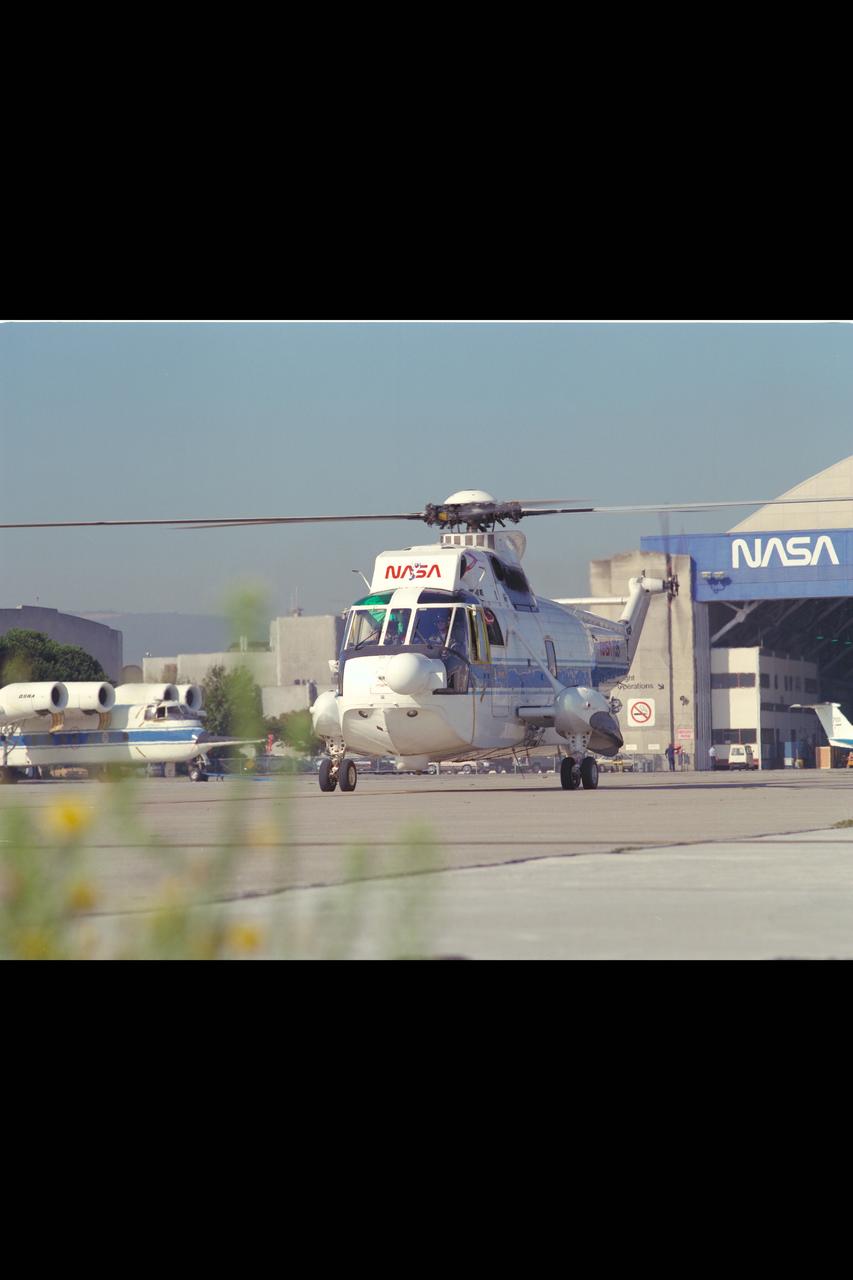
SH-3G (NASA-735) Helicopter on roll out from Ames ramp
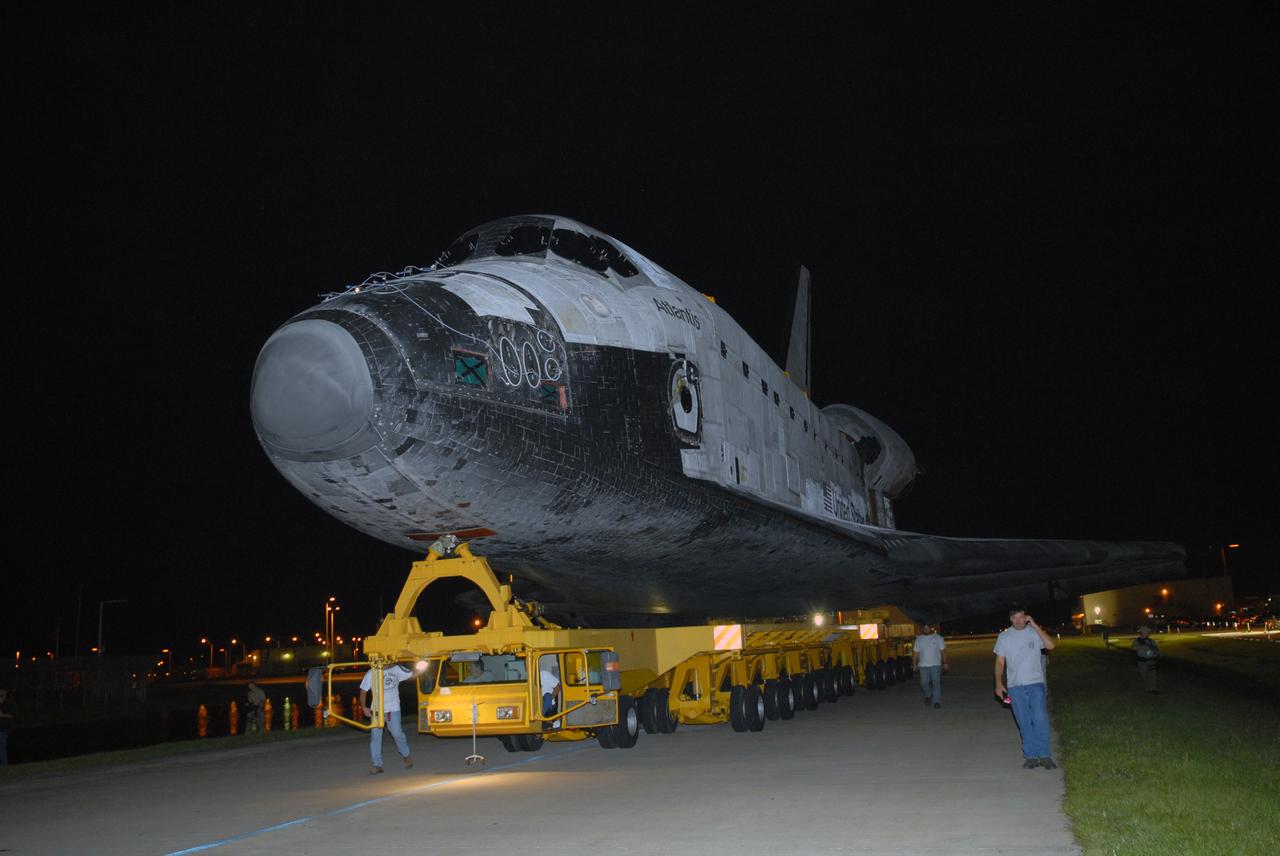
CAPE CANAVERAL, Fla. – After rolling out of the Orbiter Processing Facility bay 1 at NASA's Kennedy Space Center, space shuttle Atlantis rolls to the Vehicle Assembly Building. In the VAB, Atlantis will be attached to its external fuel tank and twin solid rocket boosters. After additional preparations are made, the shuttle will be rolled out to Launch Pad 39A to prepare for launch on the STS-125 mission targeted for Oct. 8. Photo credit: NASA/Jack Pfaller
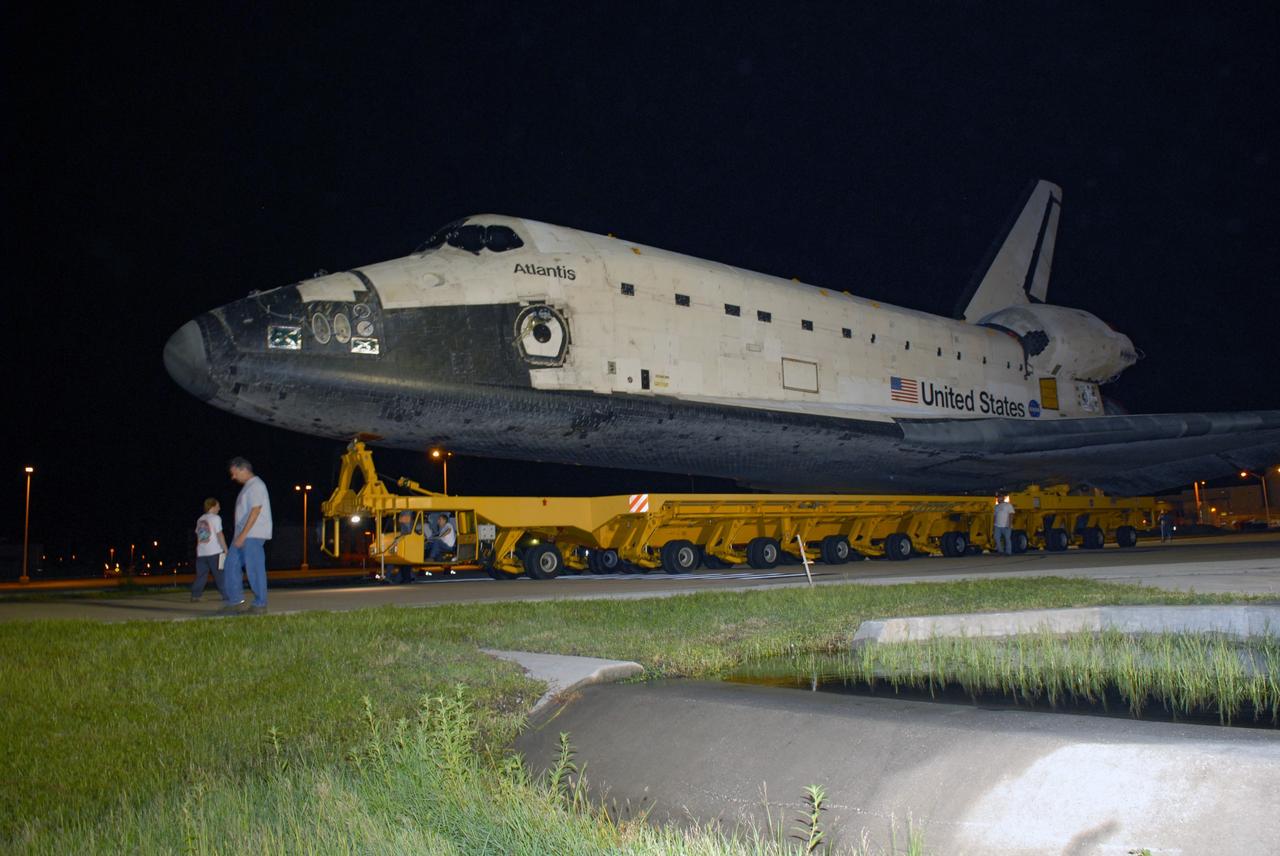
CAPE CANAVERAL, Fla. – After rolling out of the Orbiter Processing Facility bay 1 at NASA's Kennedy Space Center, space shuttle Atlantis rolls to the Vehicle Assembly Building. In the VAB, Atlantis will be attached to its external fuel tank and twin solid rocket boosters. After additional preparations are made, the shuttle will be rolled out to Launch Pad 39A to prepare for launch on the STS-125 mission targeted for Oct. 8. Photo credit: NASA/Jack Pfaller
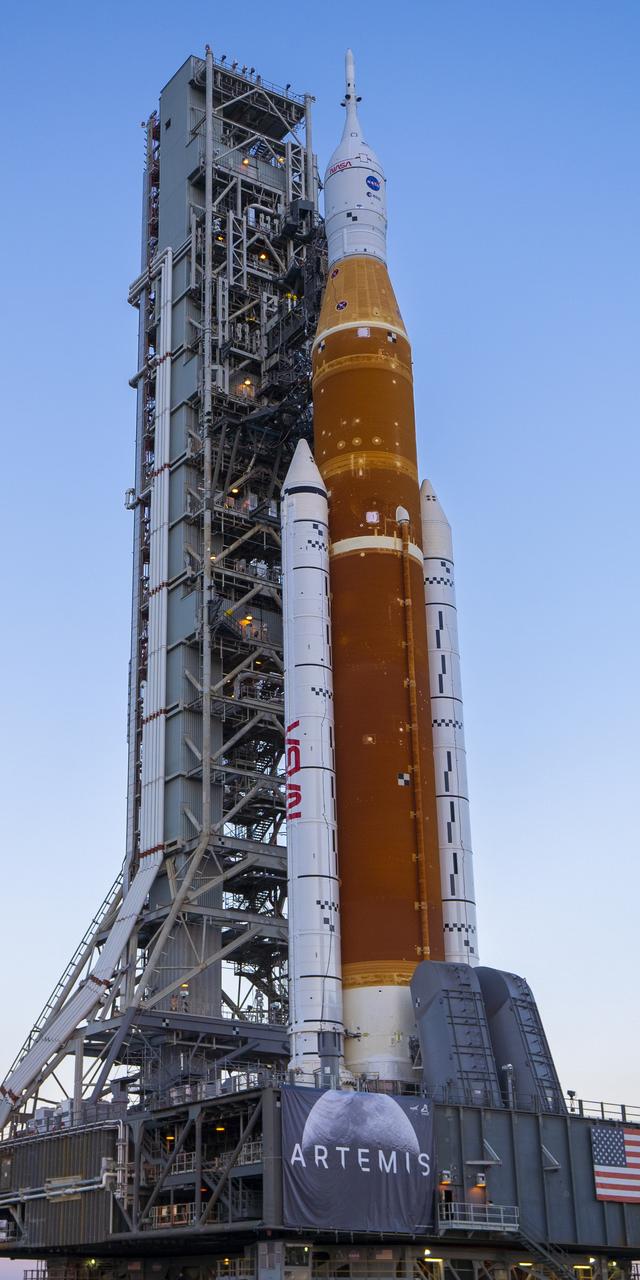
Space Launch System (SLS) rocket and Orion Spacecraft rollout at Kennedy Space Center
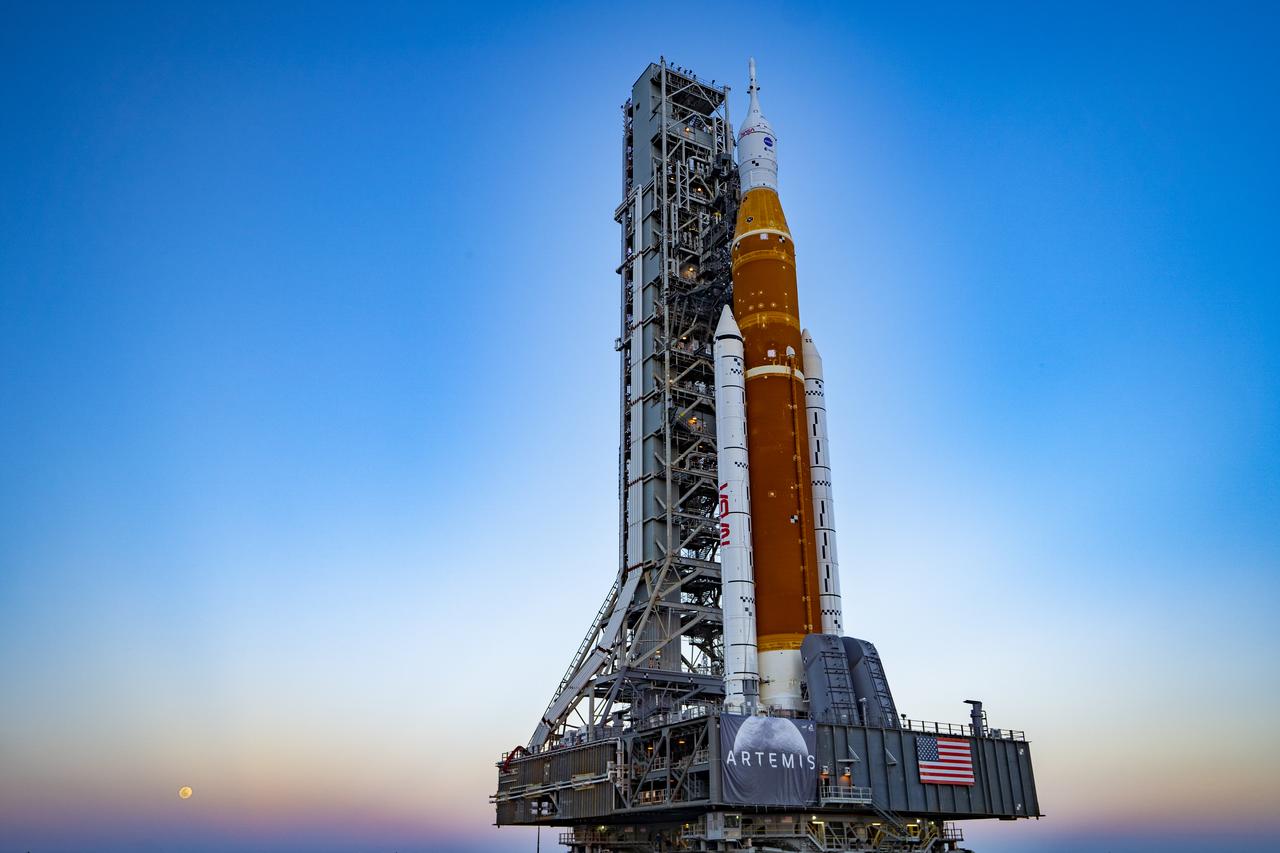
Space Launch System (SLS) rocket and Orion Spacecraft rollout at Kennedy Space Center
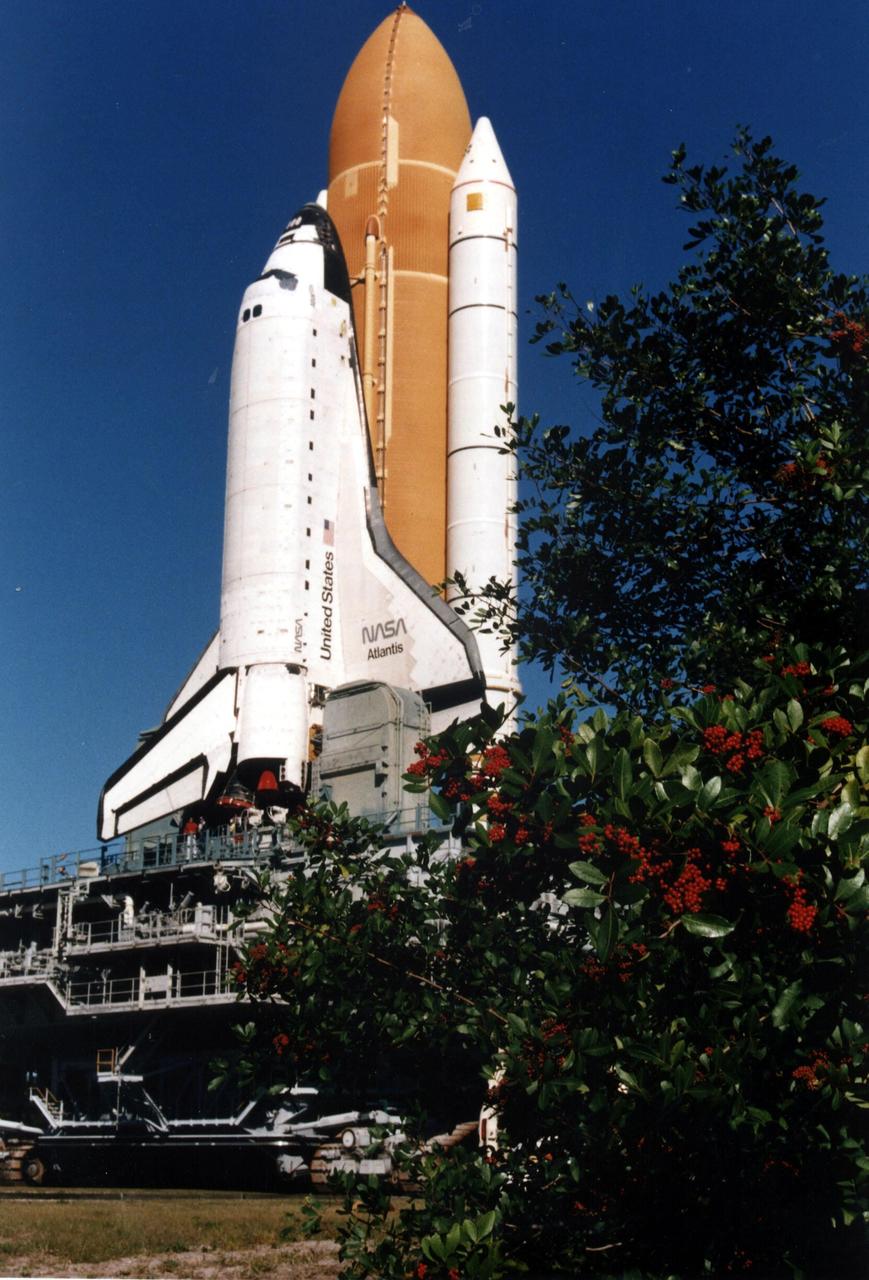
KENNEDY SPACE CENTER, FLA. -- Atlantis rolls out to Pad 39B for mission STS-81

KENNEDY SPACE CENTER, FLA. -- Atlantis rolls out to Pad 39B for mission STS-81
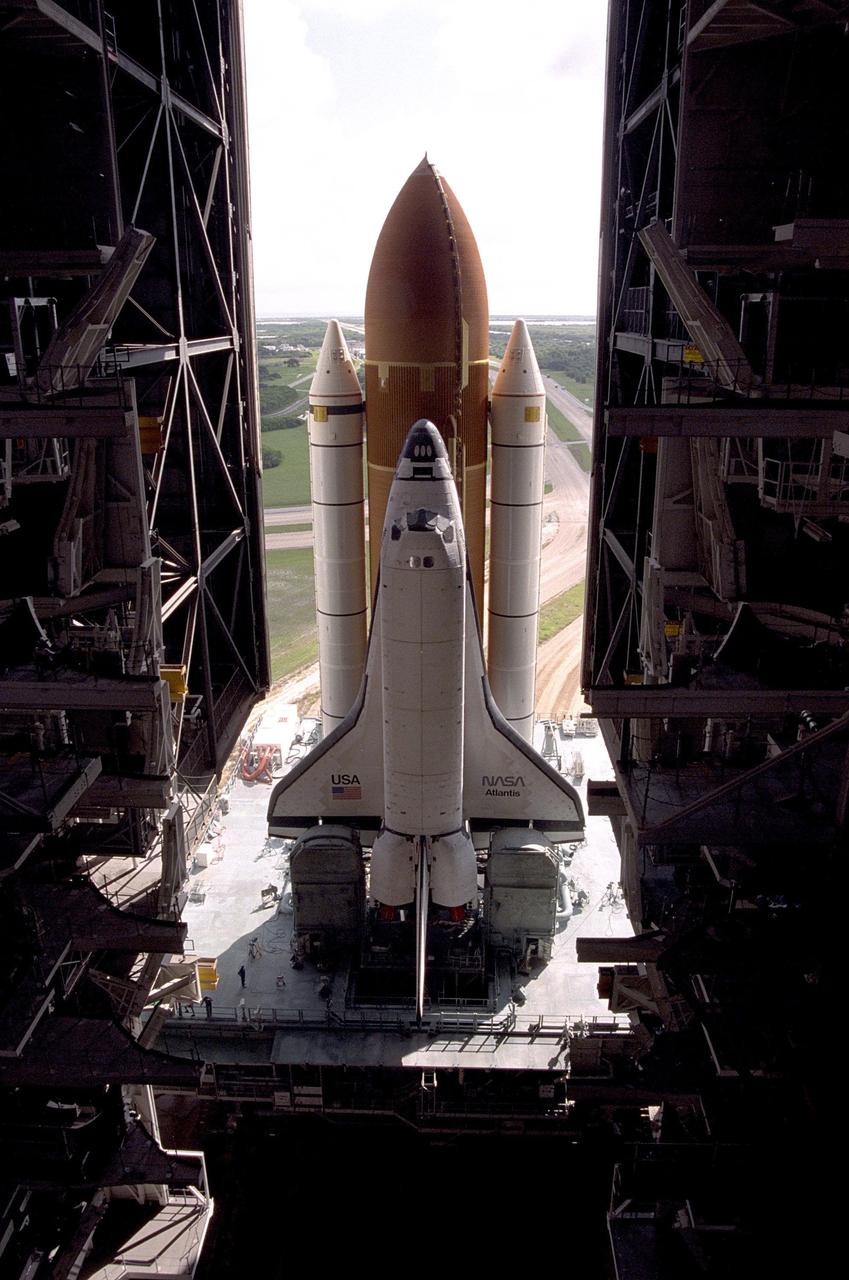
KENNEDY SPACE CENTER, FLA. -- Atlantis rolls out to pad 39A for the second time, following threat from Hurricane Fran
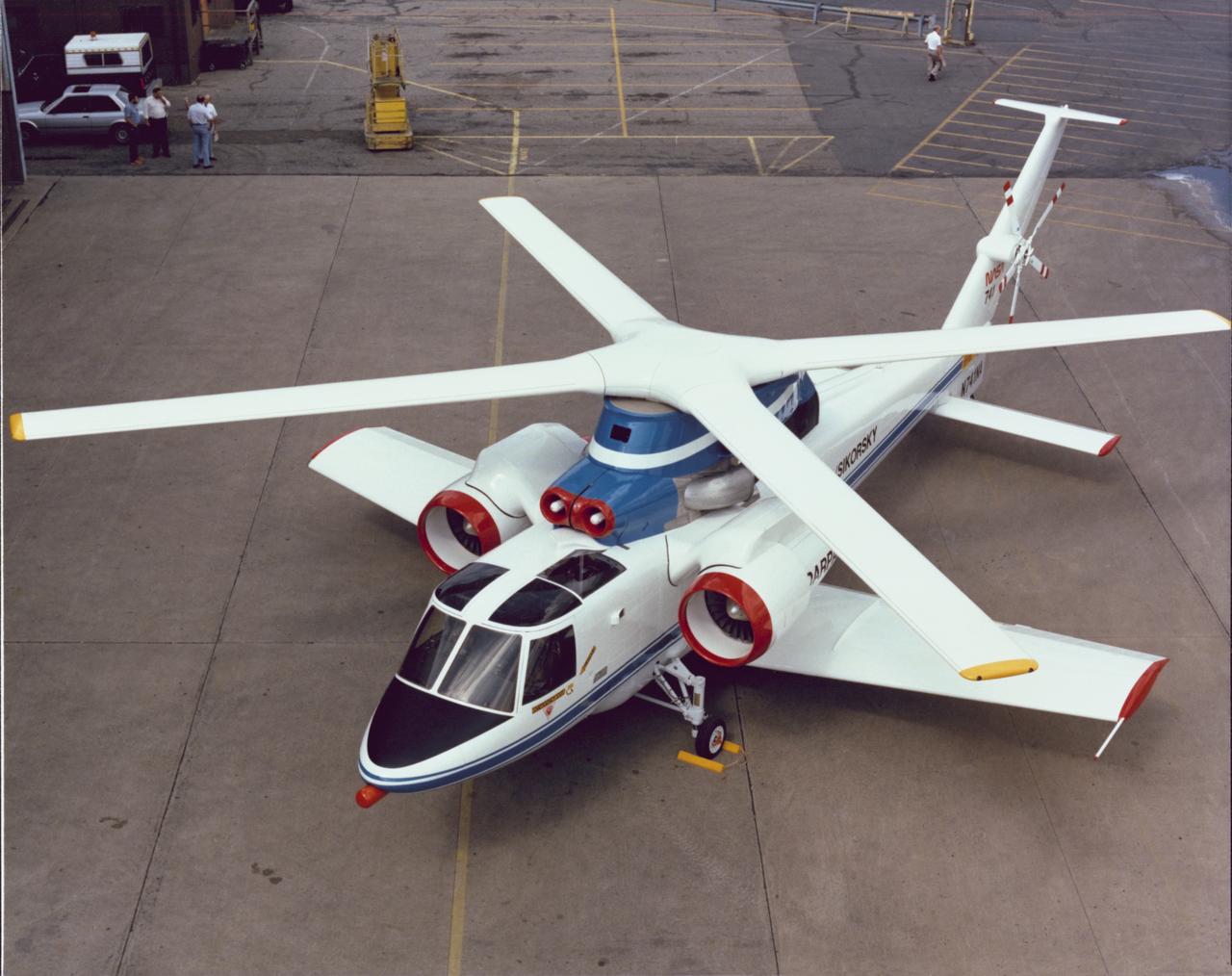
Photo credit to Sikorsky X-Wing (NASA-741) roll-out at Sikorsky Helicopter Co.
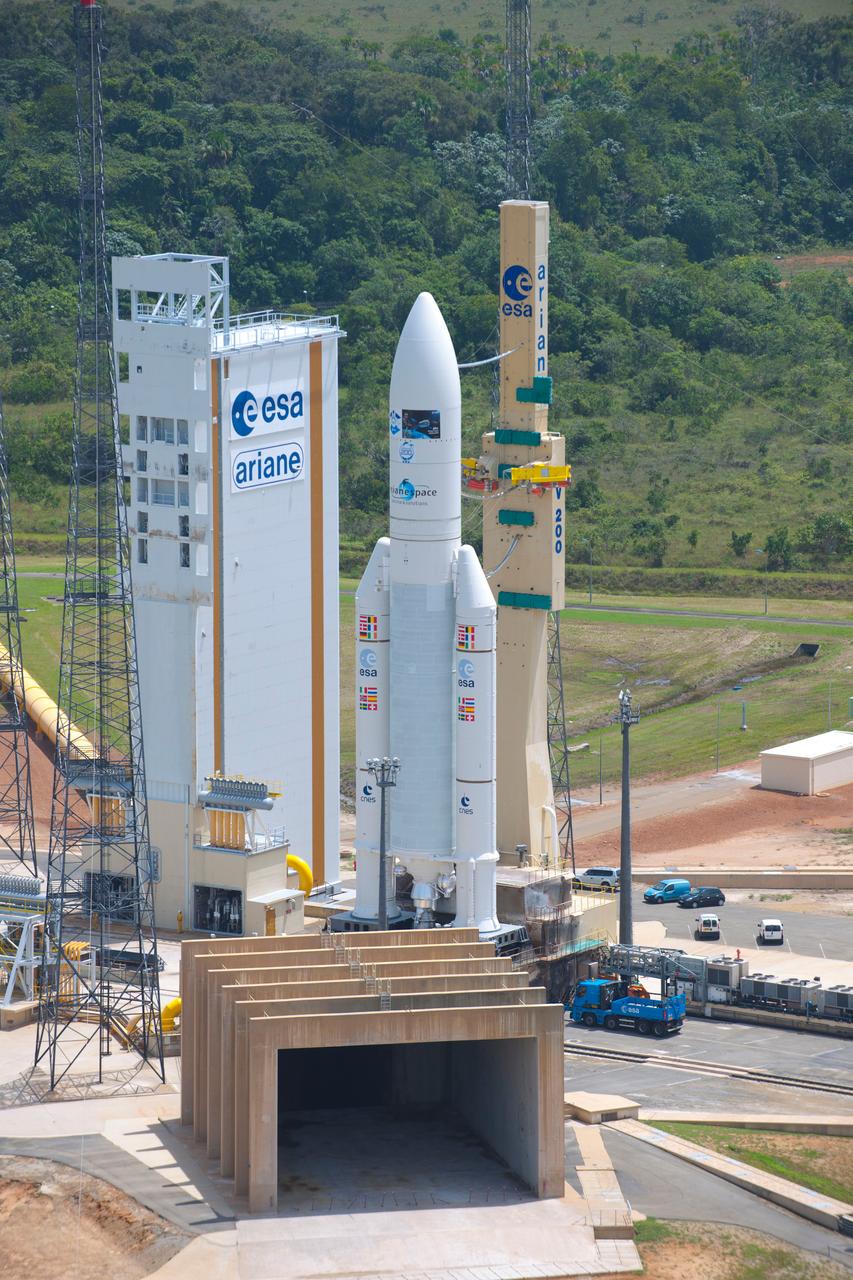
Date: 2-14-2011 Subject: Roll Out BAF to ZL 3 Photographer: Stephane Corvaja (ESA)
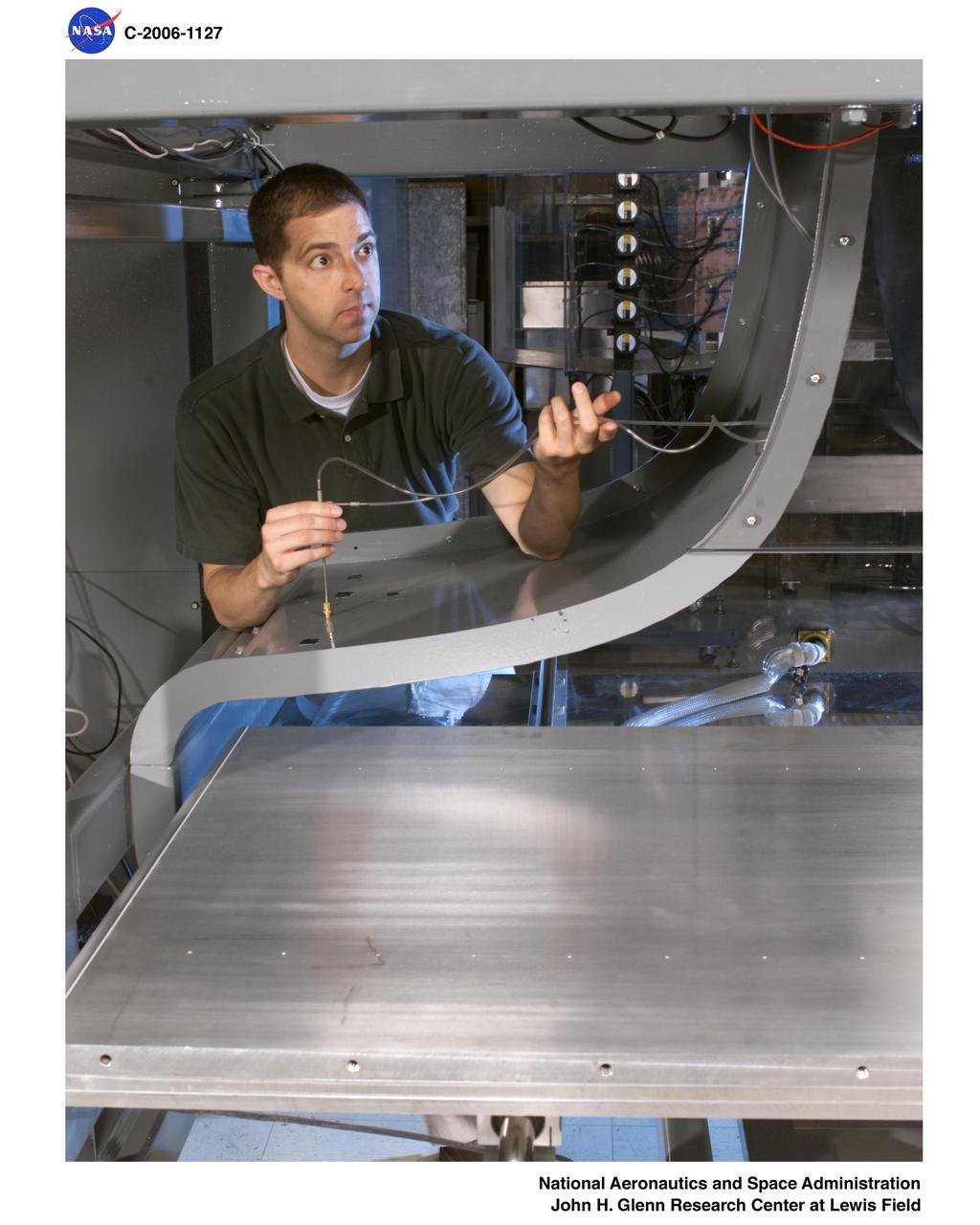
Icing Physics Flow Lab at Case Western Reserve University. Test bed in rolled out position with researcher making adjustments
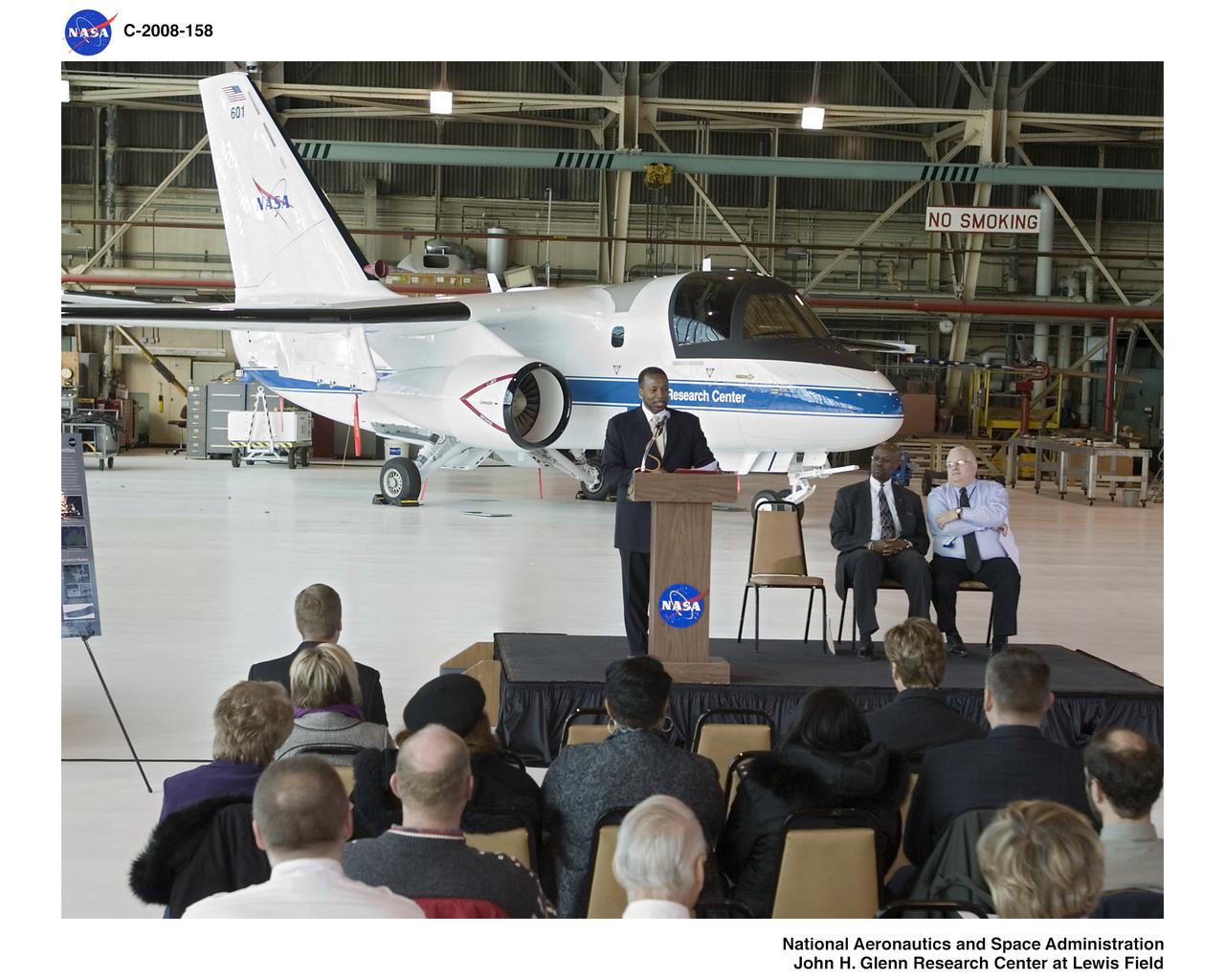
Roll out ceremony of NASA Glenn's newest research aircraft, the S-3B Viking
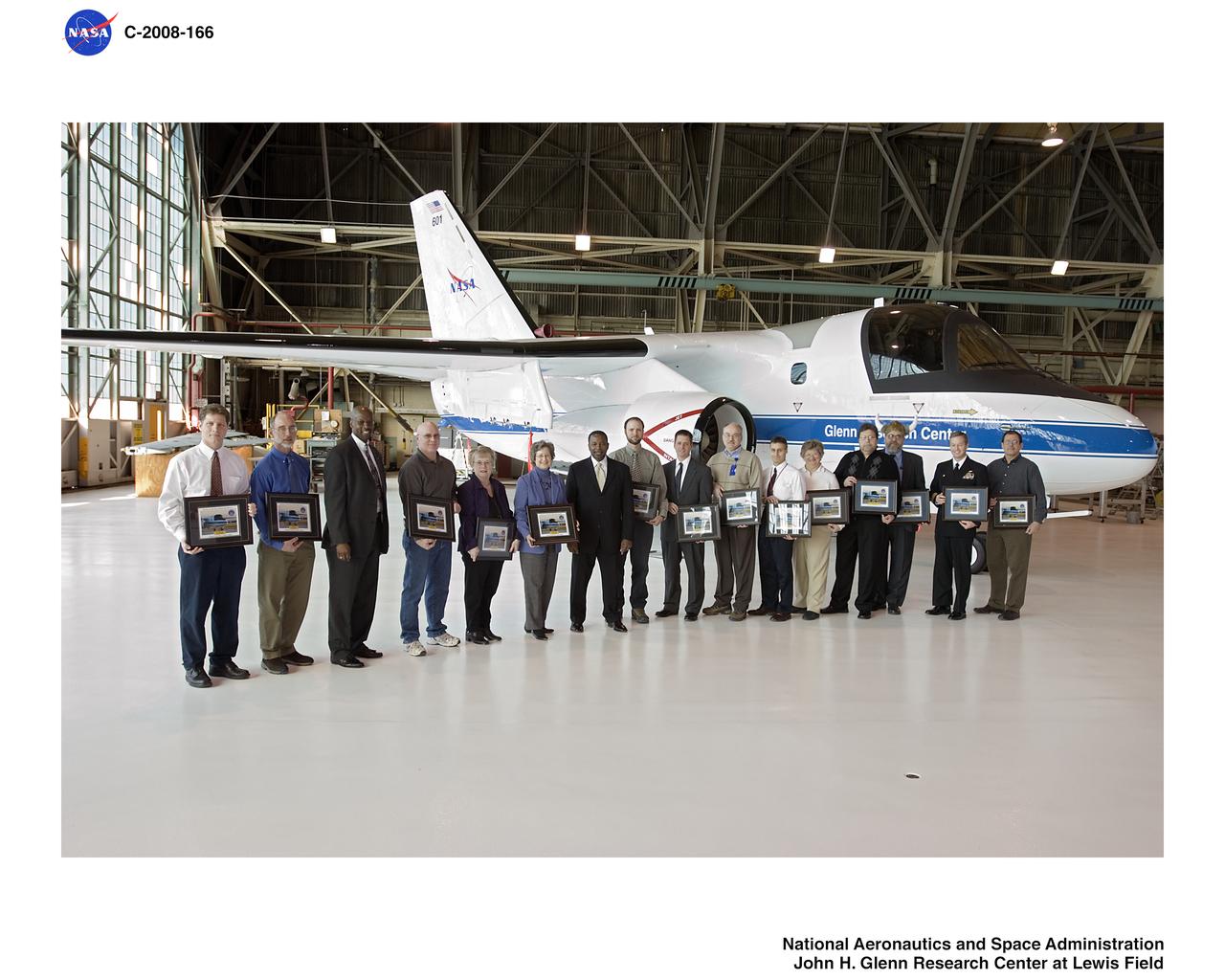
Roll out ceremony of NASA Glenn's newest research aircraft, the S-3B Viking
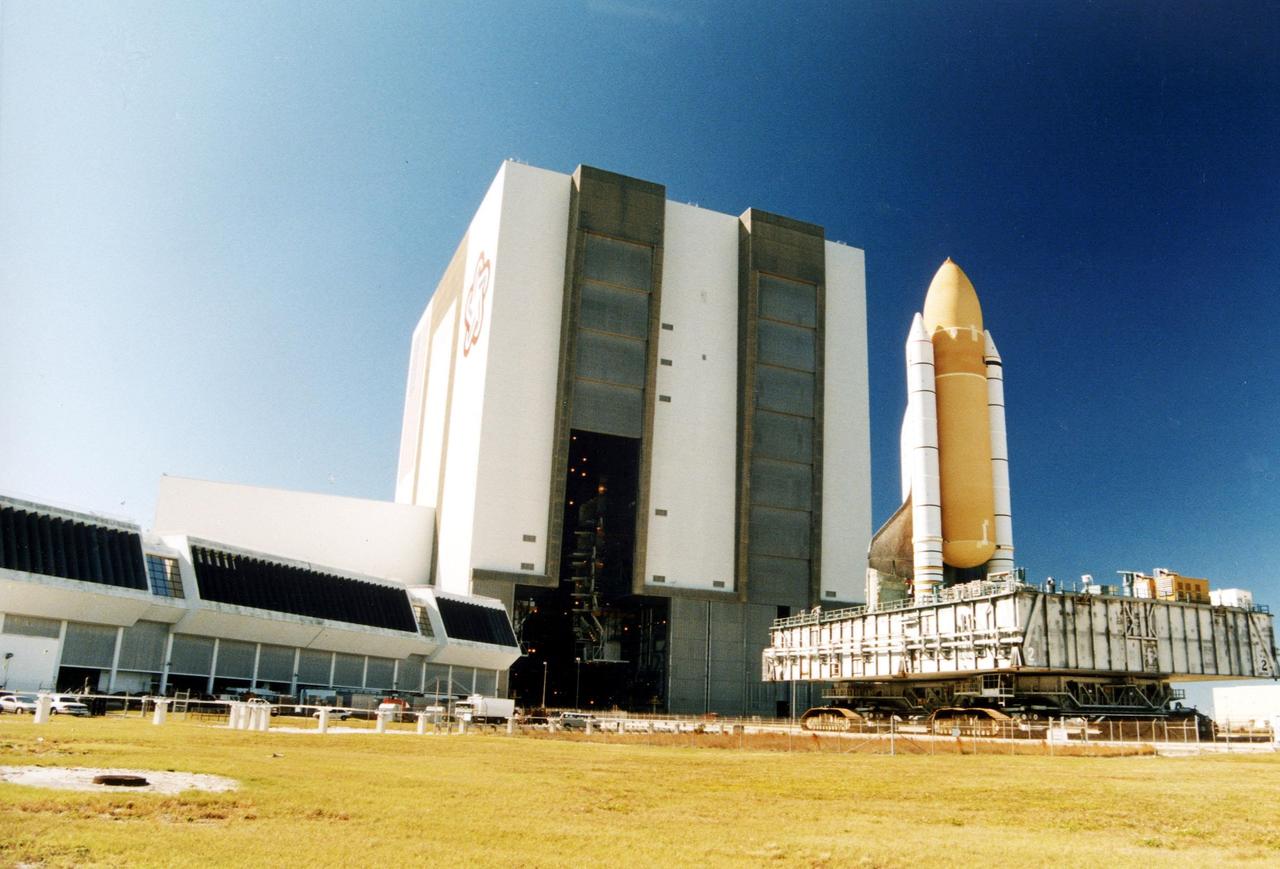
KENNEDY SPACE CENTER, FLA. -- Atlantis rolls out to Pad 39B for mission STS-81
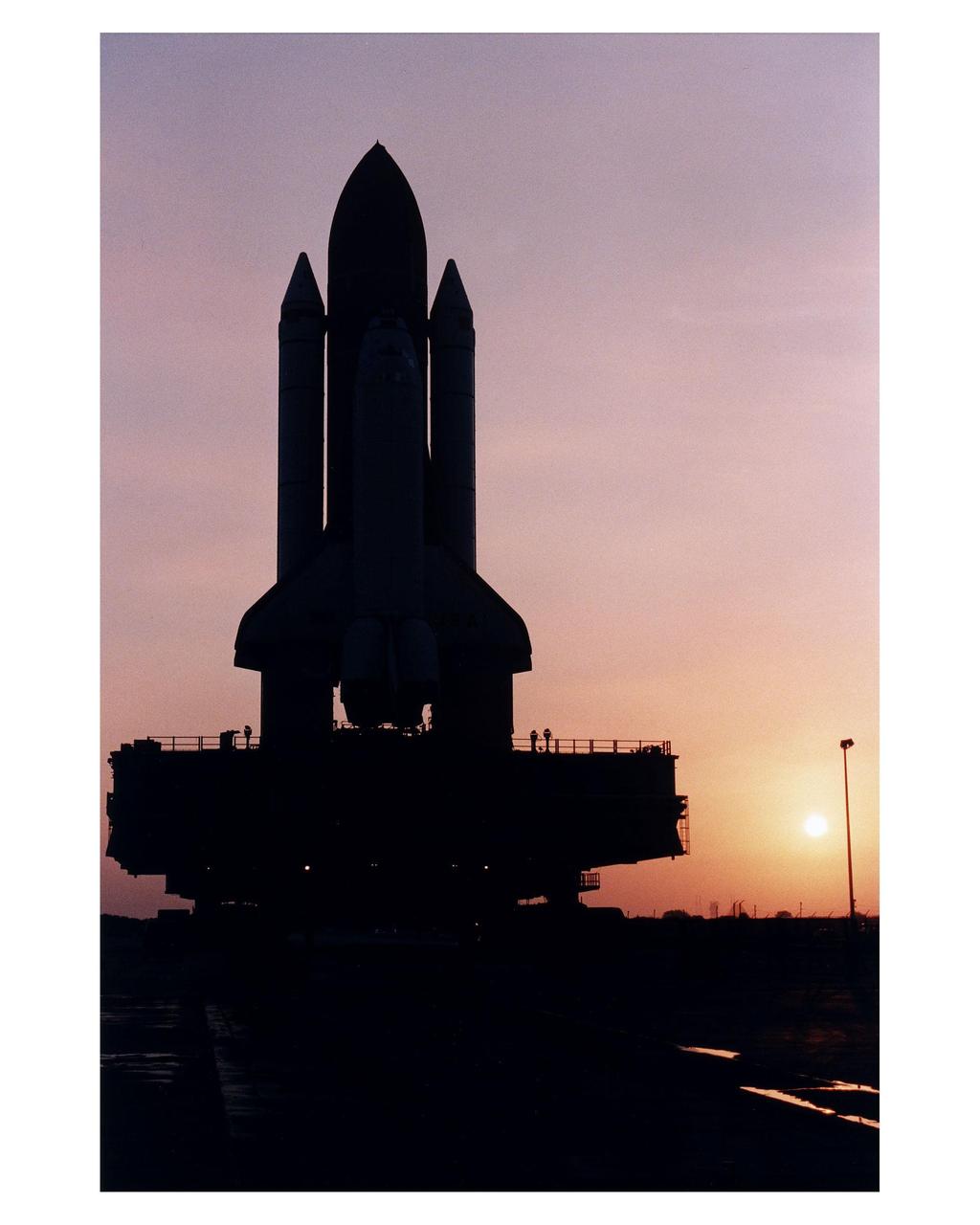
<a href="http://www-pao.ksc.nasa.gov/kscpao/release/1997/41-97.htm">Columbia rolls out!</a
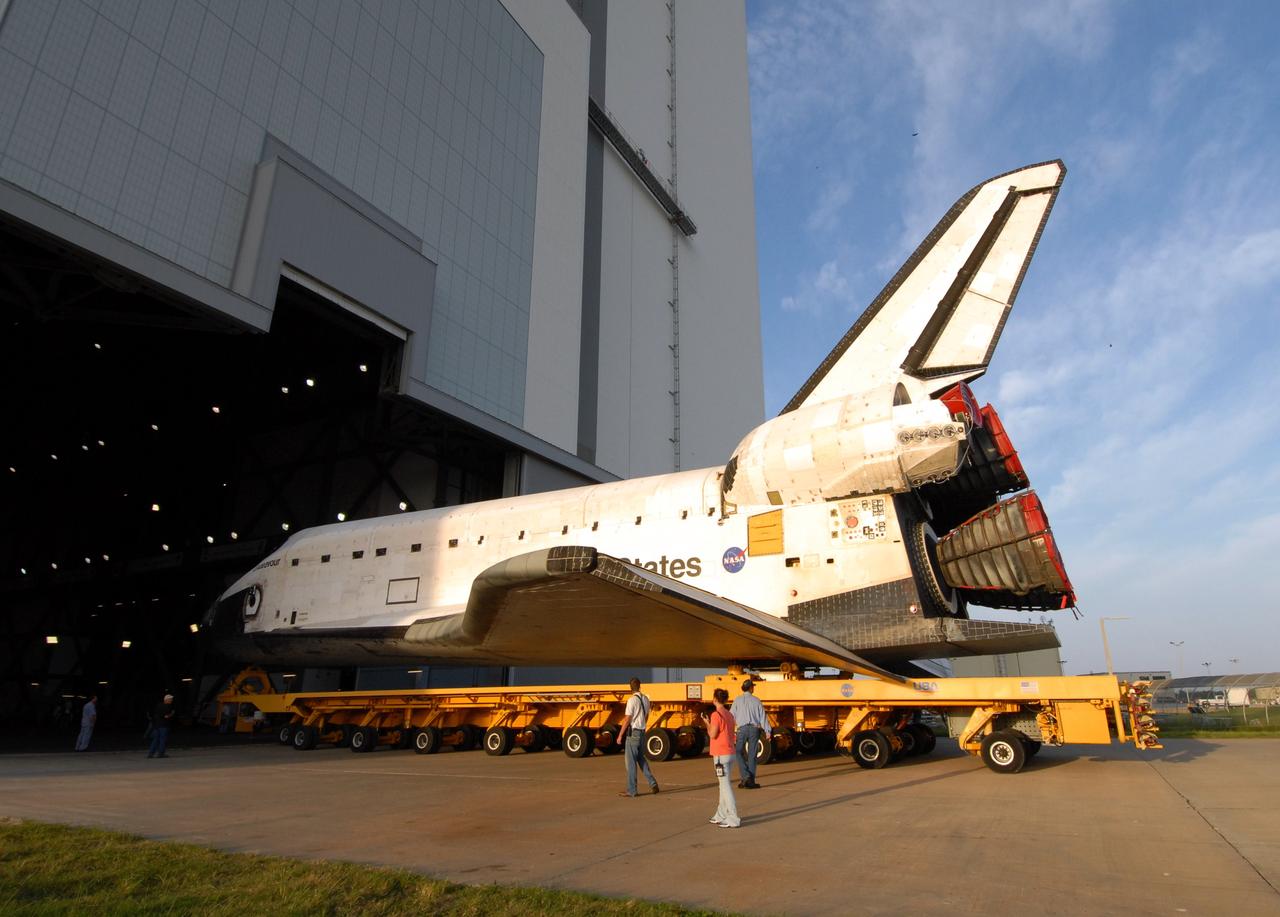
CAPE CANAVERAL, Fla. – After rolling out of Orbiter Processing Facility 2, space shuttle Endeavour rolls through the open doors of the Vehicle Assembly Building at NASA's Kennedy Space Center. In the VAB, Endeavour will be attached to its external fuel tank and twin solid rocket boosters. After additional preparations are made, the shuttle will be rolled out to Launch Pad 39B. Endeavour is the backup shuttle, if needed for rescue, for space shuttle Atlantis’ STS-125 mission to NASA’s Hubble Space Telescope targeted for October. Photo credit: NASA/Troy Cryder
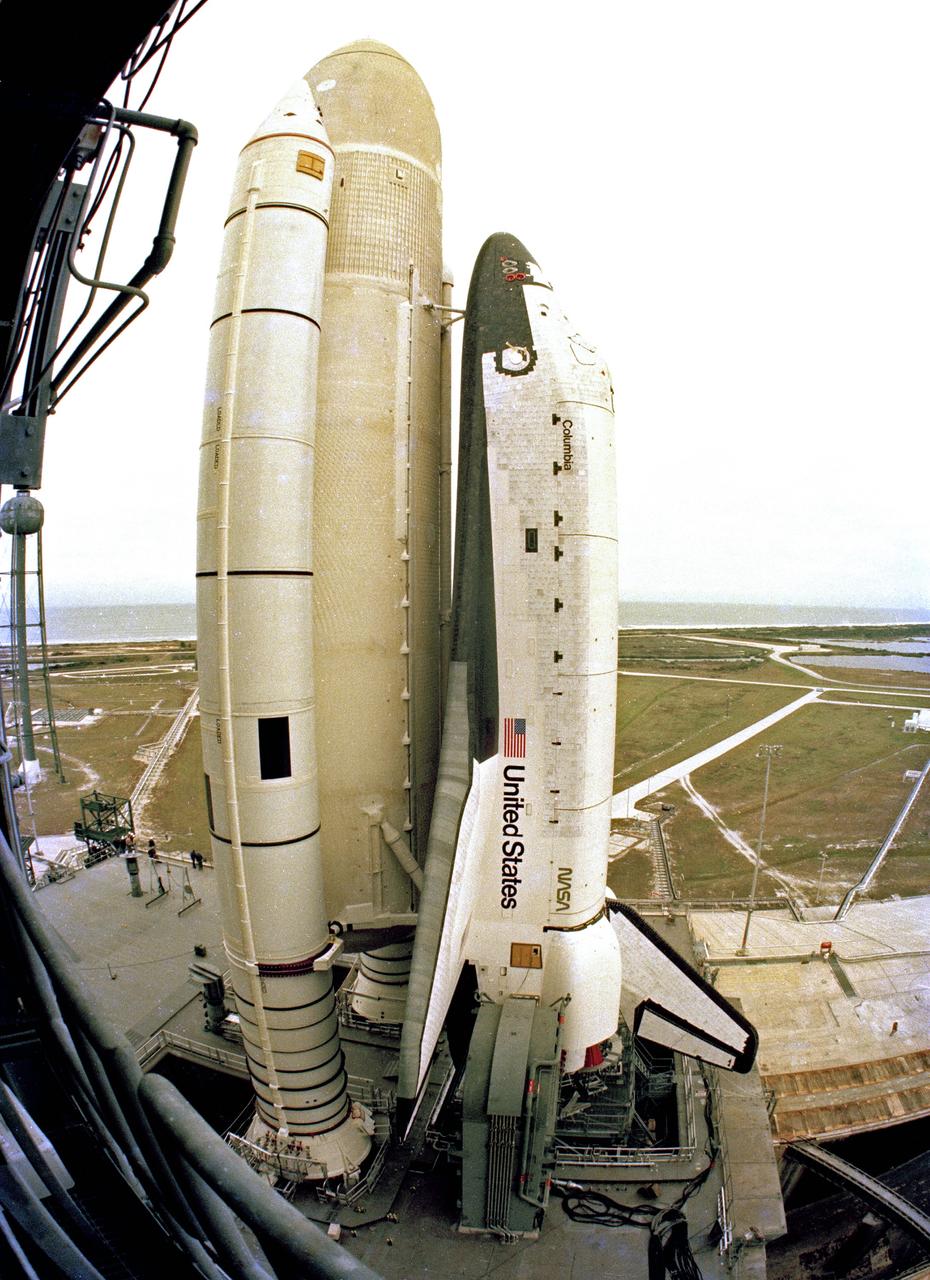
CAPE CANAVERAL, Fla. – STS-1, orbiter Columbia, sits at Launch Complex 39A after being rolled out of the VAB. Photo credit: NASA
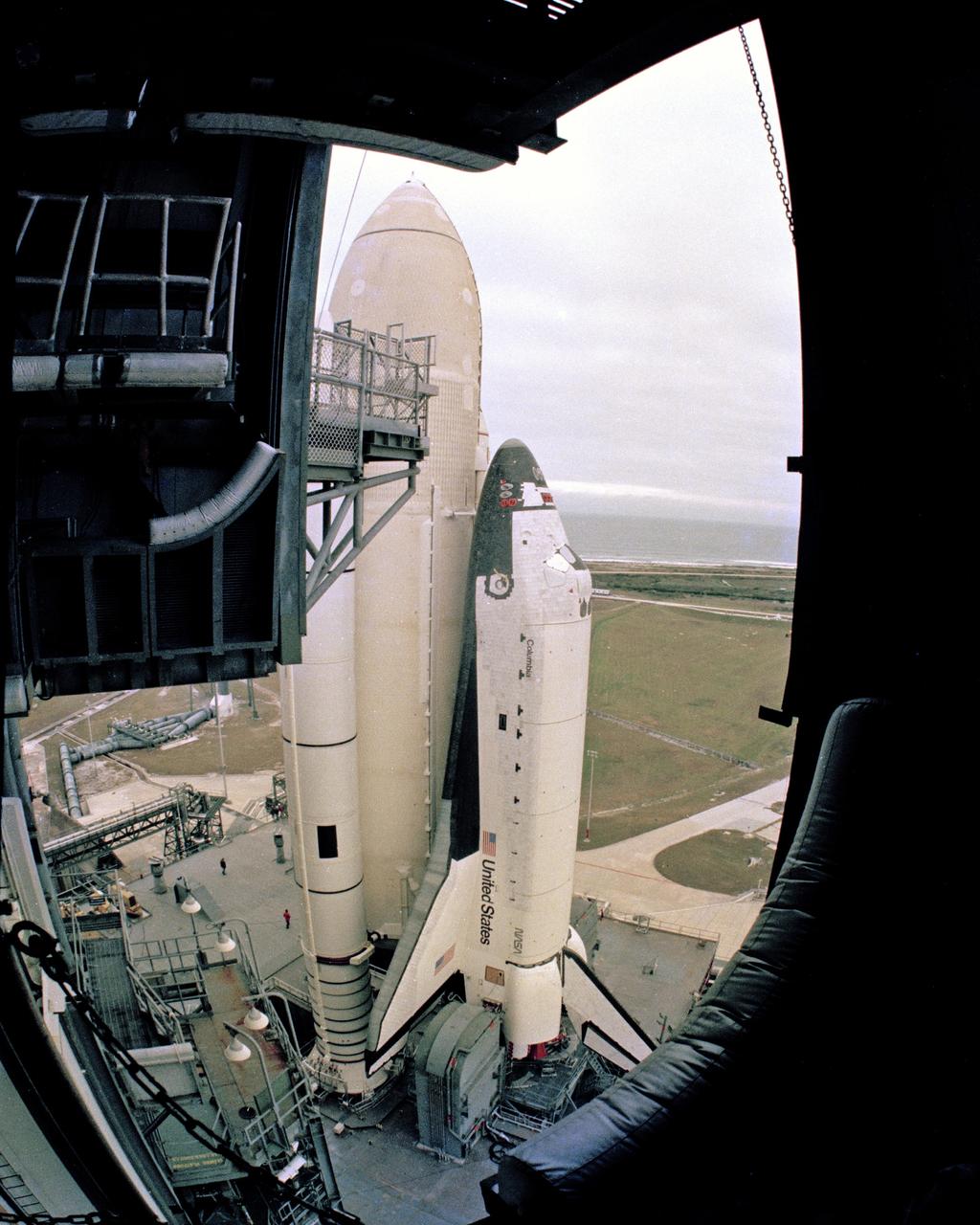
CAPE CANAVERAL, Fla. – The STS-1, orbiter Columbia, arrives at Launch Complex 39A after being rolled out of the VAB. Photo credit: NASA
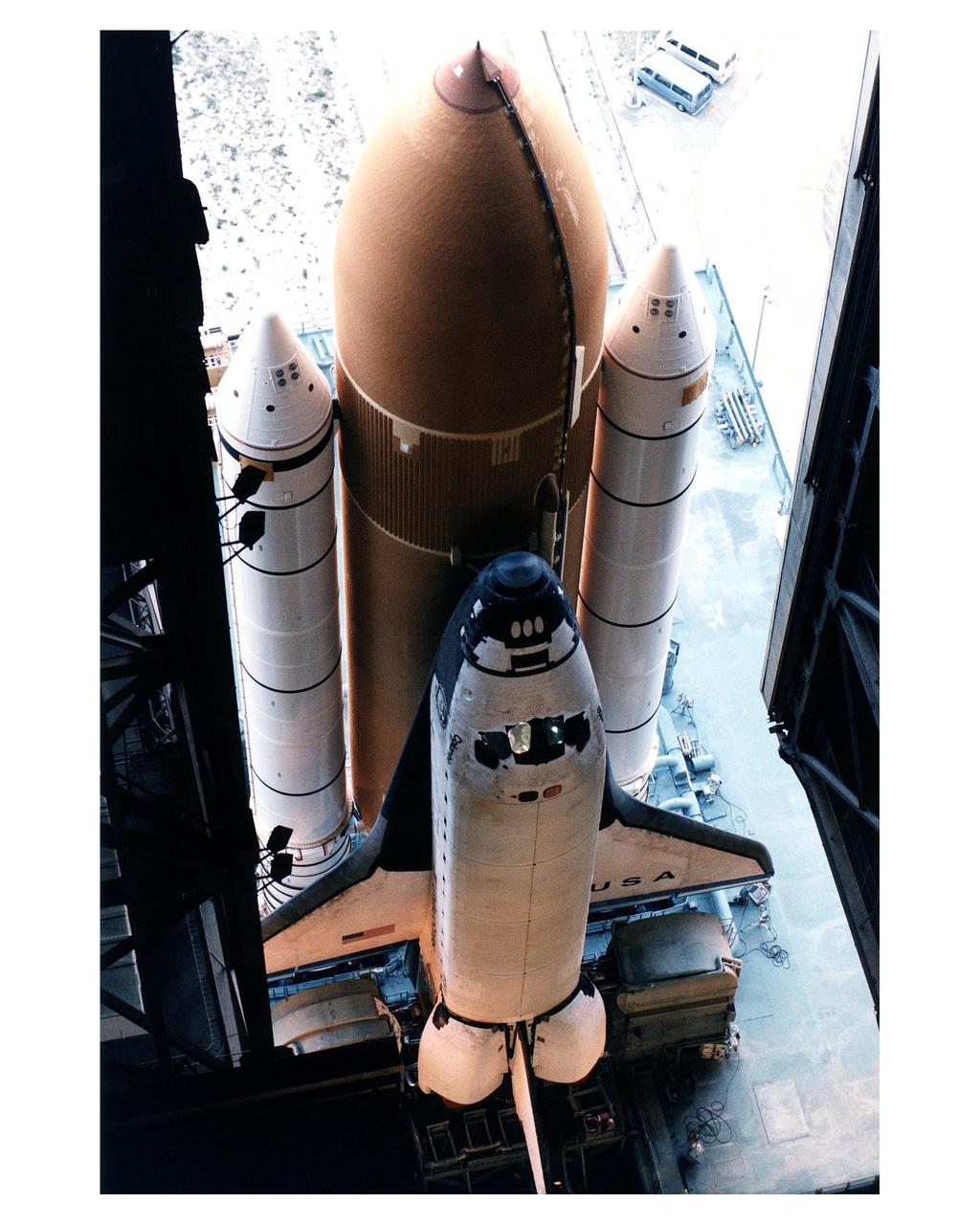
KENNEDY SPACE CENTER, Fla. -- <a href="http://www-pao.ksc.nasa.gov/kscpao/release/1997/41-97.htm">Columbia rolls out!</a

CAPE CANAVERAL, Fla. – After rolling out of the Orbiter Processing Facility bay 1 at NASA's Kennedy Space Center, space shuttle Atlantis begins the short transfer to the Vehicle Assembly Building. In the VAB, Atlantis will be attached to its external fuel tank and twin solid rocket boosters. After additional preparations are made, the shuttle will be rolled out to Launch Pad 39A to prepare for launch on the STS-125 mission targeted for Oct. 8. Photo credit: NASA/Jack Pfaller
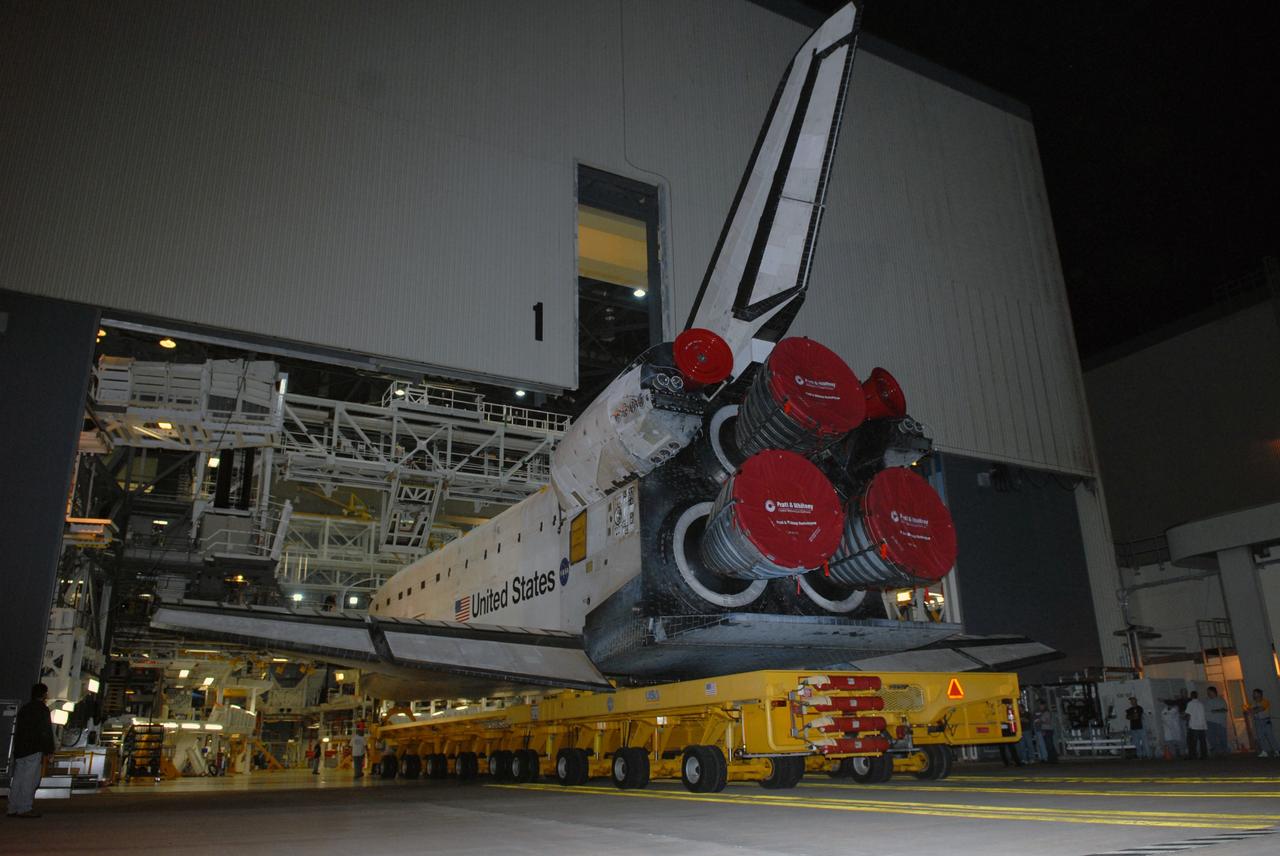
CAPE CANAVERAL, Fla. – Space shuttle Atlantis rolls out of the Orbiter Processing Facility bay 1 at NASA's Kennedy Space Center for transfer to the Vehicle Assembly Building. In the VAB, Atlantis will be attached to its external fuel tank and twin solid rocket boosters. After additional preparations are made, the shuttle will be rolled out to Launch Pad 39A to prepare for launch on the STS-125 mission targeted for Oct. 8. Photo credit: NASA/Jack Pfaller

CAPE CANAVERAL, Fla. – Space shuttle Atlantis rolls out of the Orbiter Processing Facility bay 1 at NASA's Kennedy Space Center for transfer to the Vehicle Assembly Building. In the VAB, Atlantis will be attached to its external fuel tank and twin solid rocket boosters. After additional preparations are made, the shuttle will be rolled out to Launch Pad 39A to prepare for launch on the STS-125 mission targeted for Oct. 8. Photo credit: NASA/Jack Pfaller
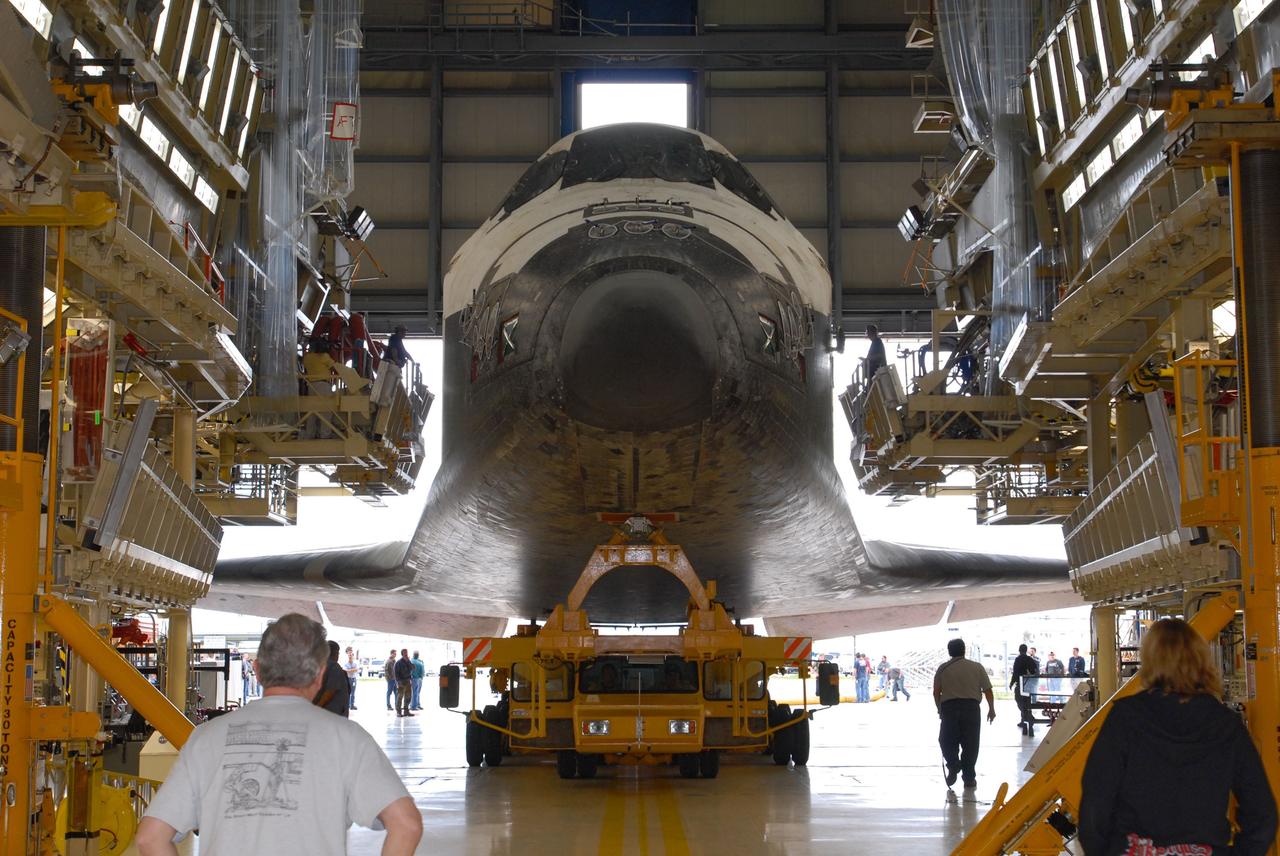
CAPE CANAVERAL, Fla. -- Space shuttle Discovery rolls out of Orbiter Processing Facility 3 at NASA's Kennedy Space Center in Florida to head to the Vehicle Assembly Building at NASA's Kennedy Space Center. First motion was at 2:30 p.m. EST. In the VAB, Discovery will be attached to its external fuel tank and twin solid rocket boosters. After additional preparations are made, the shuttle will be rolled out to Launch Pad 39A for a targeted launch to the International Space Station on Feb. 12. Photo credit: NASA/Jim Grossmann
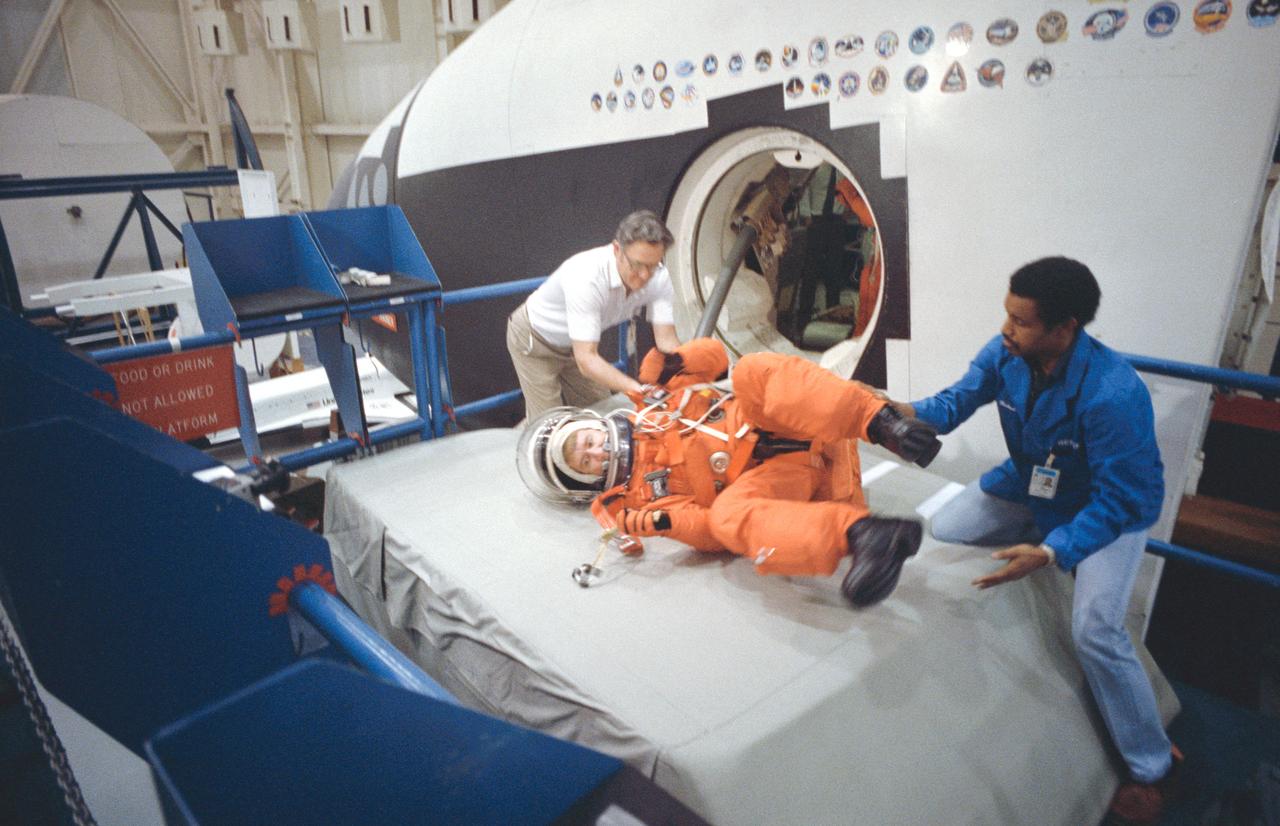
STS-38 Pilot Frank L. Culbertson, wearing launch and entry suit (LES) and launch and entry helmet (LEH), rolls through the side hatch of the crew compartment trainer (CCT) located in JSC's Mockup and Integration Laboratory (MAIL) Bldg 9A. Assisted by technicians, Culbertson practices emergency egress through the side hatch using the crew escape system (CES) pole which extends out the side hatch. The inflated safety cushion breaks Culbertson's fall as he rolls out of the side hatch.
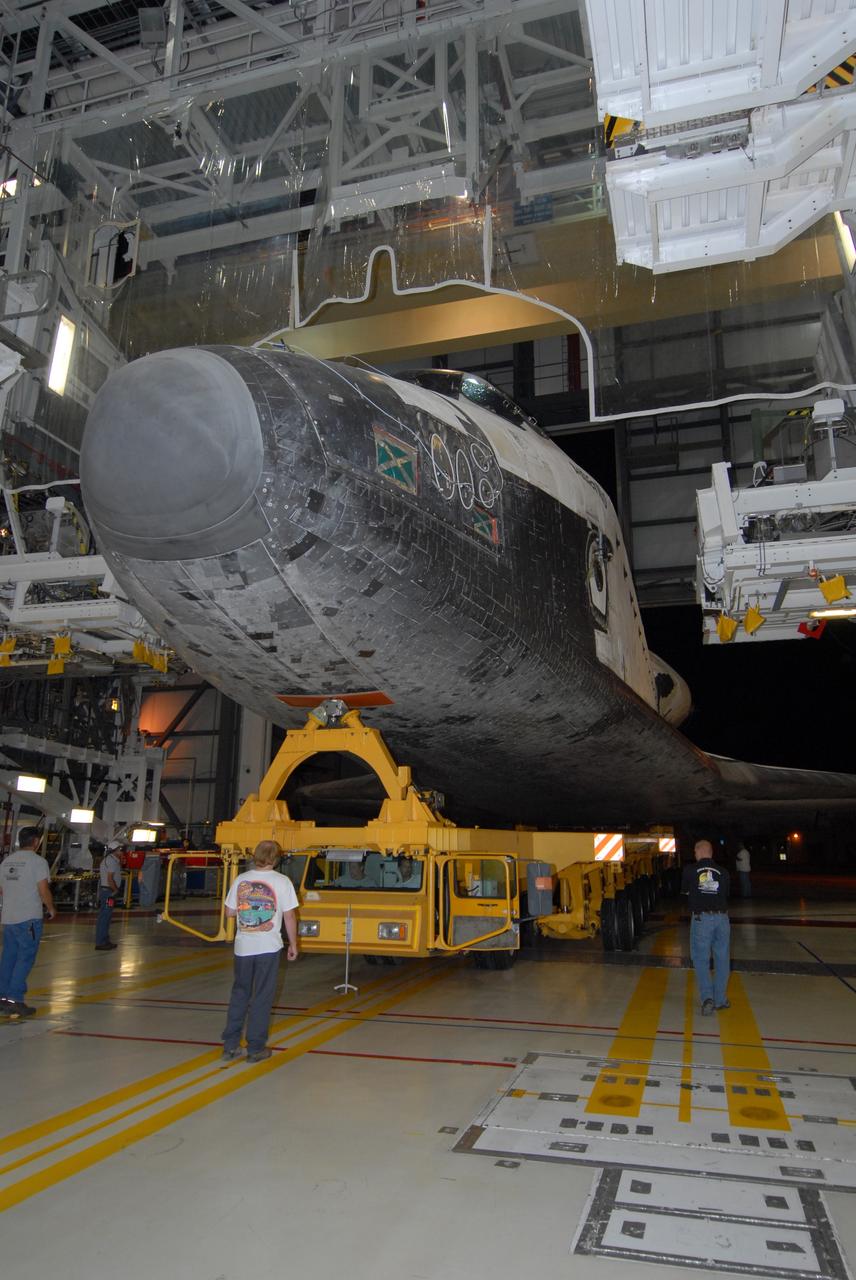
CAPE CANAVERAL, Fla. – Space shuttle Atlantis is ready to roll out of the Orbiter Processing Facility bay 1 at NASA's Kennedy Space Center for transfer to the Vehicle Assembly Building. In the VAB, Atlantis will be attached to its external fuel tank and twin solid rocket boosters. After additional preparations are made, the shuttle will be rolled out to Launch Pad 39A to prepare for launch on the STS-125 mission targeted for Oct. 8. Photo credit: NASA/Jack Pfaller
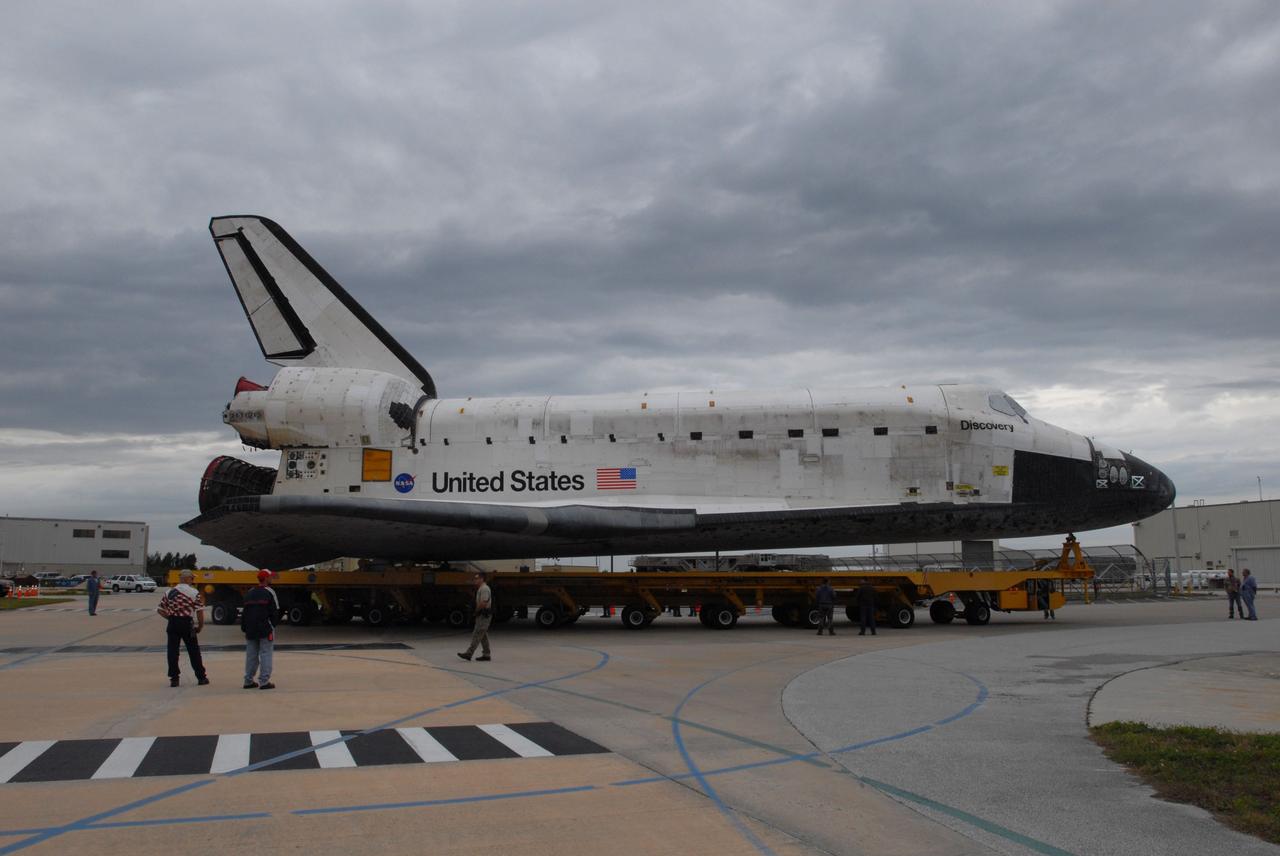
CAPE CANAVERAL, Fla. -- After rolling out of Orbiter Processing Facility 3 at NASA's Kennedy Space Center in Florida, space shuttle Discovery turns toward the Vehicle Assembly Building. First motion was at 2:30 p.m. EST. In the VAB, Discovery will be attached to its external fuel tank and twin solid rocket boosters. After additional preparations are made, the shuttle will be rolled out to Launch Pad 39A for a targeted launch to the International Space Station on Feb. 12. Photo credit: NASA/Jim Grossmann
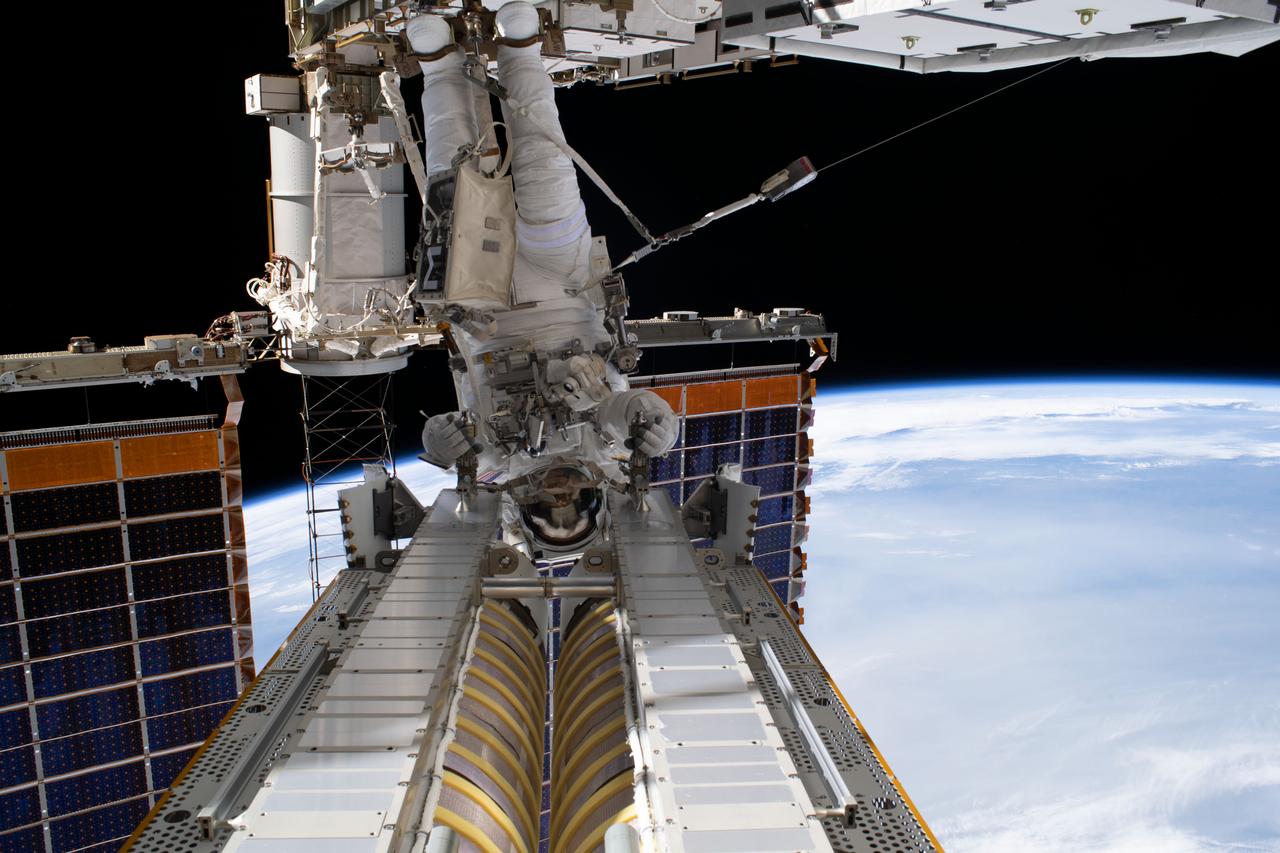
iss069e020618 (June 15, 2023) --- NASA astronaut Stephen Bowen is pictured during a spacewalk to install and deploy a roll-out solar array on the International Space Station. Bowen is attached to the Canadarm2 robotic arm during the removal of the roll-out solar array from a pallet before maneuvering it to the installation point on the Starboard-6 truss structure.
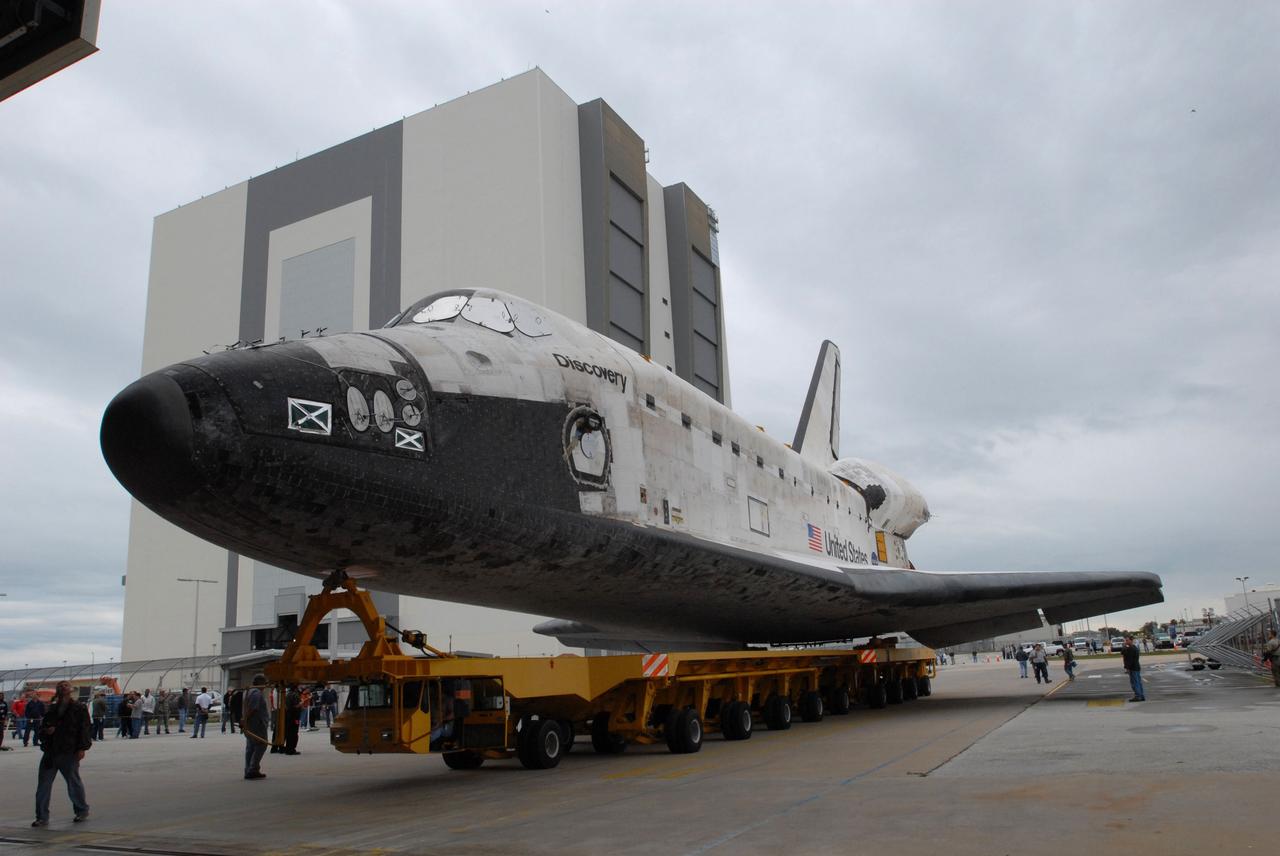
CAPE CANAVERAL, Fla. -- Space shuttle Discovery rolls out of Orbiter Processing Facility 3 at NASA's Kennedy Space Center in Florida to head to the Vehicle Assembly Building (in the background). First motion was at 2:30 p.m. EST. In the VAB, Discovery will be attached to its external fuel tank and twin solid rocket boosters. After additional preparations are made, the shuttle will be rolled out to Launch Pad 39A for a targeted launch to the International Space Station on Feb. 12. Photo credit: NASA/Jim Grossmann
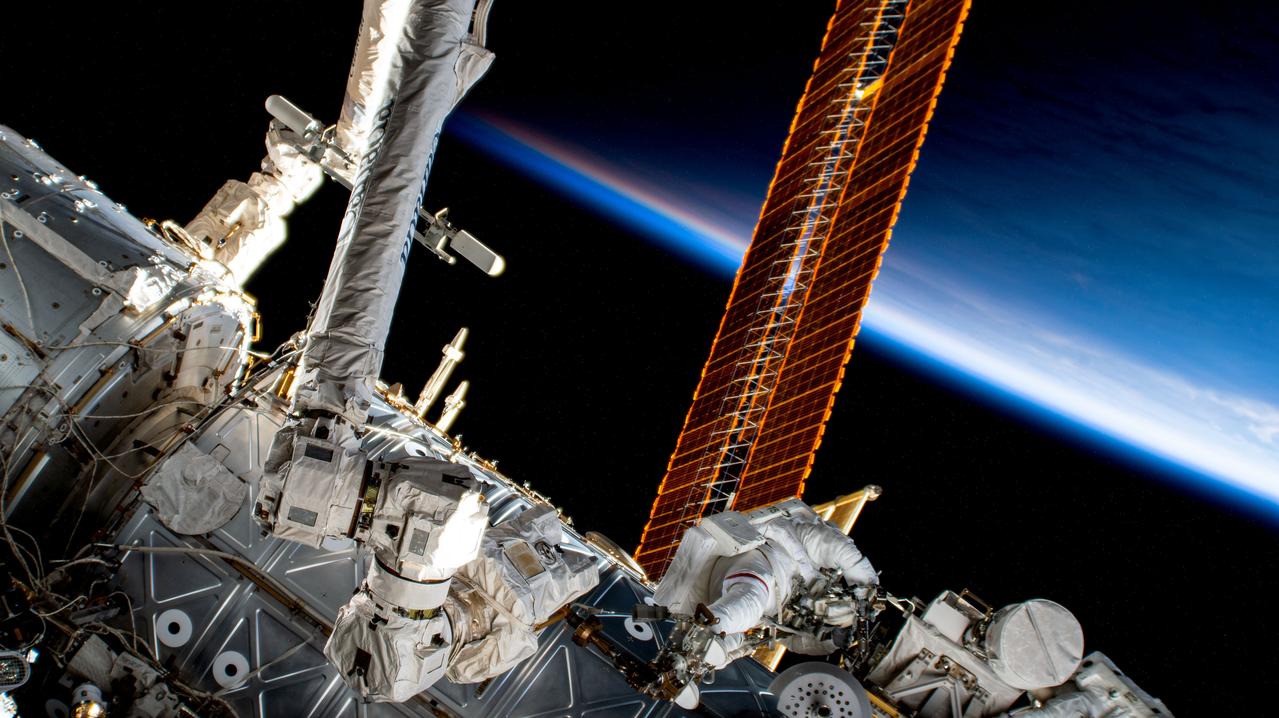
iss069e005732 (April 28, 2023) --- NASA astronaut and Expedition 69 Flight Engineer Stephen Bowen is pictured in his Extravehicular Mobility Unit, or spacesuit, outside the International Space Station during his eighth career spacewalk. He and UAE (United Arab Emirates) astronaut Sultan Alneyadi (out of frame) would spend seven hours and one minute in the vacuum of space routing cables and installing insulation readying the orbital outpost for its next set of roll-out solar arrays due to be installed after their delivery on the next SpaceX Dragon cargo mission.
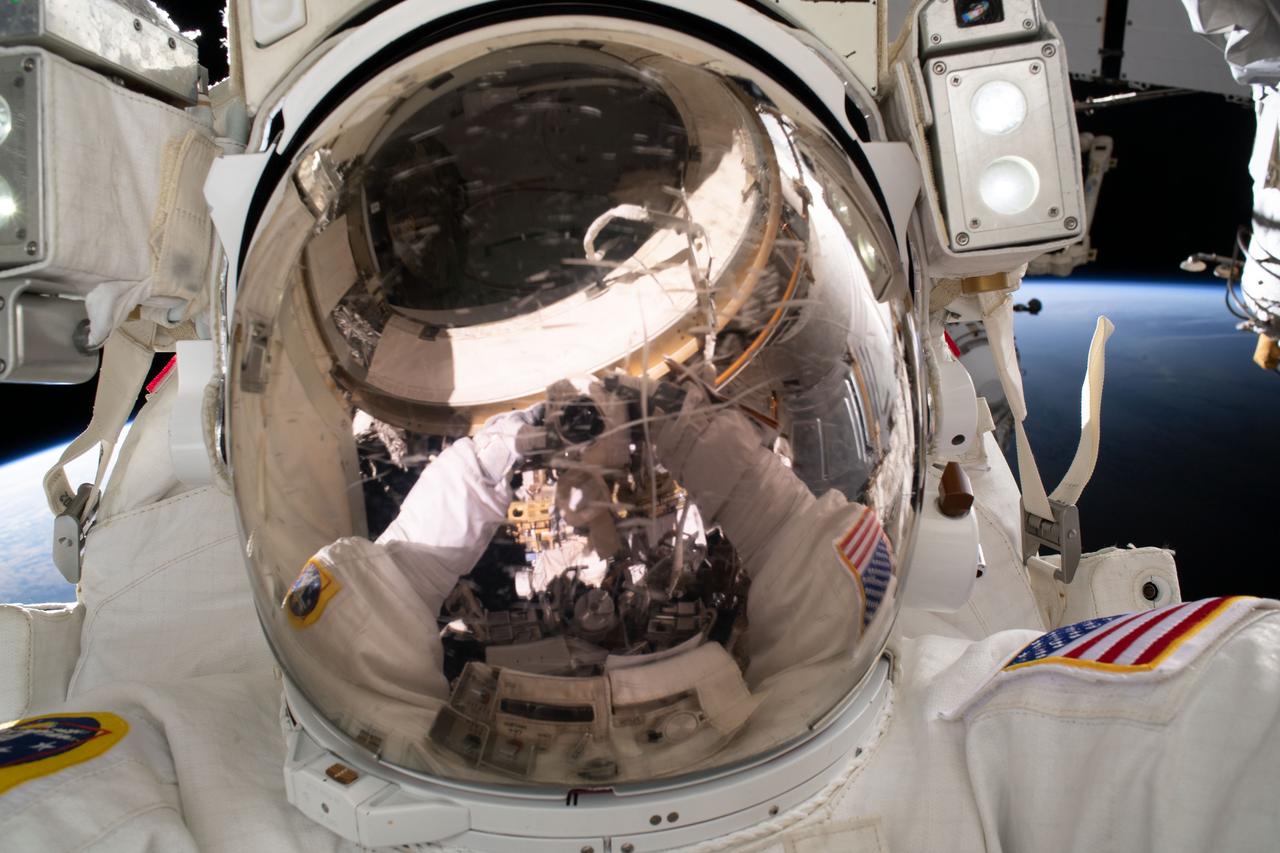
iss069e020708 (June 15, 2023) --- NASA astronaut and Expedition 68 Flight Engineer Woody Hoburg points the camera toward himself and takes an out-of-this-world "space-selfie" during a five-hour and 35-minute spacewalk to install a roll-out solar array on the International Space Station's truss structure.
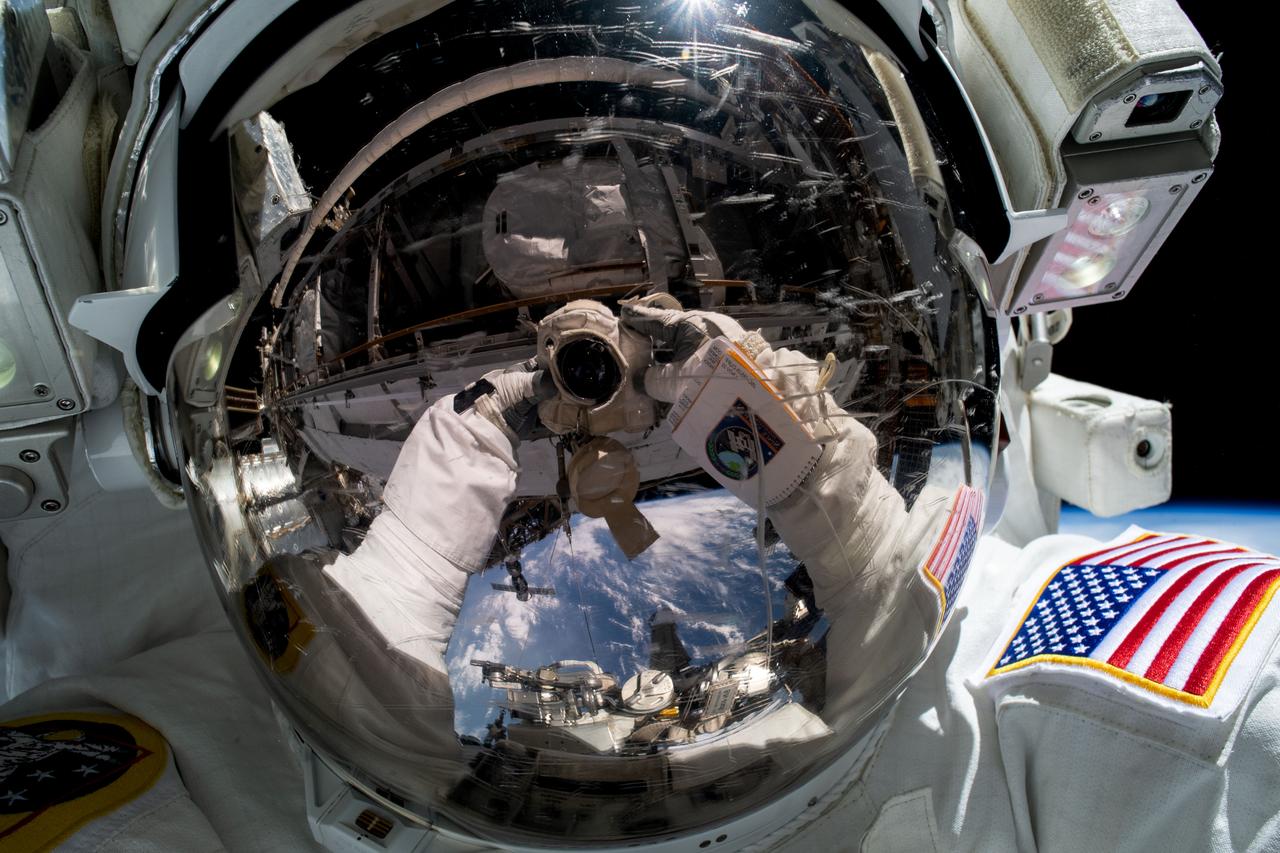
iss069e018575 (June 9, 2023) --- NASA astronaut and Expedition 68 Flight Engineer Woody Hoburg points the camera toward himself and takes an out-of-this-world "space-selfie" during a six-hour and three-minute spacewalk to install a roll-out solar array on the International Space Station's truss structure.
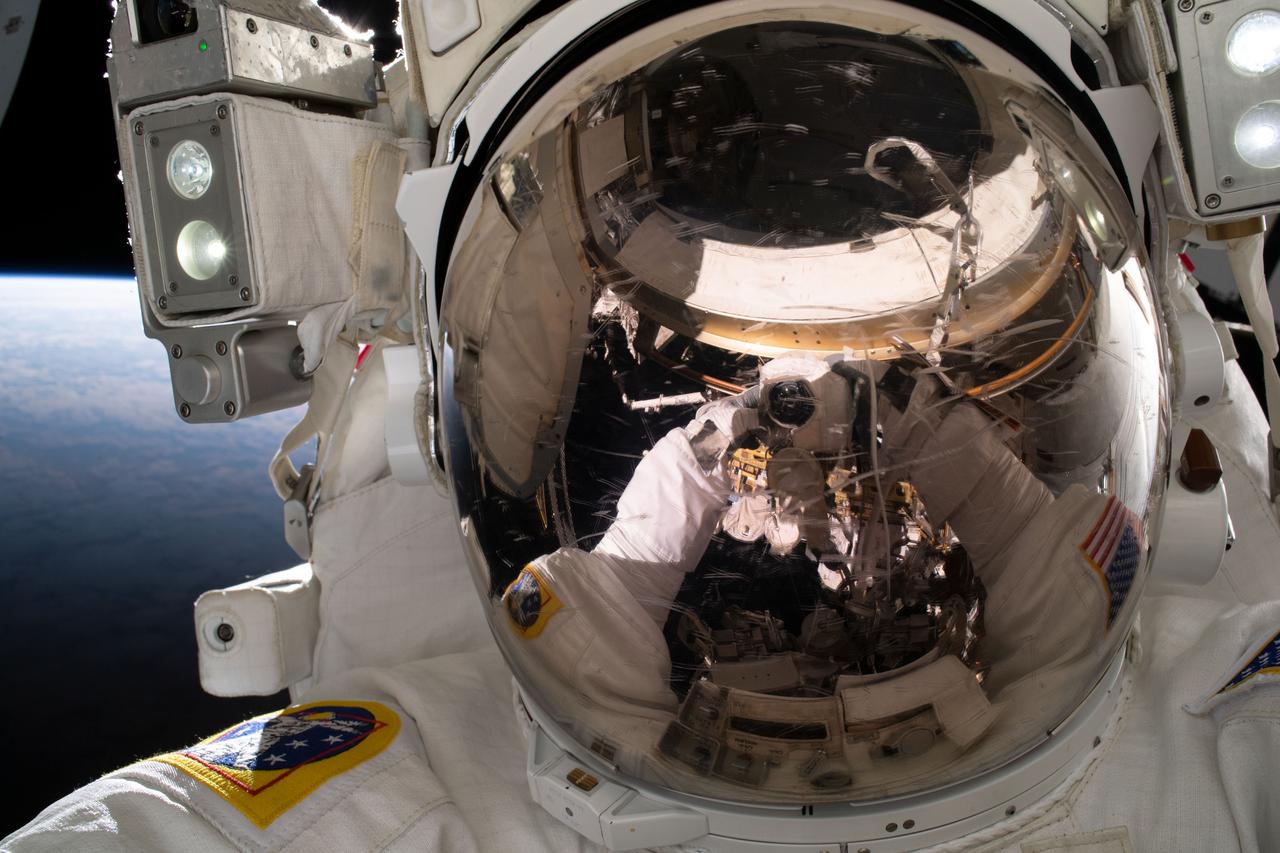
iss069e020706 (June 15, 2023) --- NASA astronaut and Expedition 68 Flight Engineer Woody Hoburg points the camera toward himself and takes an out-of-this-world "space-selfie" during a five-hour and 35-minute spacewalk to install a roll-out solar array on the International Space Station's truss structure.
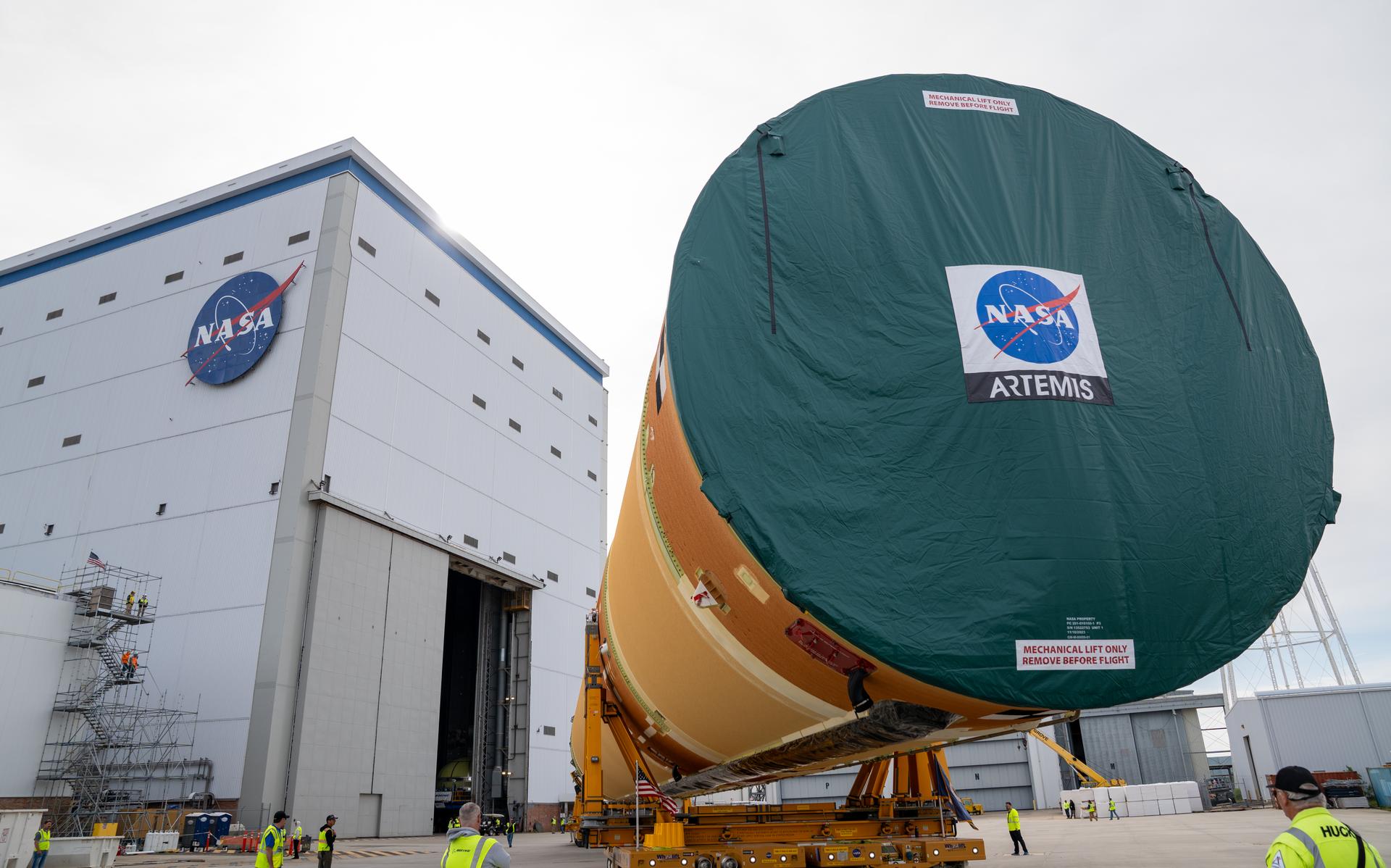
NASA moved the core stage, or the largest section, of the SLS (Space Launch System) rocket that will launch the crewed Artemis III mission in 2027 from the agency’s Michoud Assembly Facility to the agency’s Pegasus barge in New Orleans on April 20. The barge will ferry the top four-fifths – the section containing the liquid hydrogen tank, liquid oxygen tank, intertank, and forward skirt – of the SLS core stage to NASA’s Kennedy Space Center in Florida to complete outfitting and vertical integration. Teams with NASA and Boeing, the SLS core stage lead contractor, used specialized transporters to guide the top four-fifths from the NASA rocket factory to Pegasus. Prior to the move, technicians added an engine section transportation simulator to the rocket stage for shipment to the Space Coast. Next year’s Artemis III mission will launch astronauts to Earth’s orbit aboard the Orion spacecraft on top of SLS to test rendezvous and docking capabilities between Orion and commercial spacecraft needed to land Artemis IV astronauts on the Moon in 2028. NASA’s SLS is the only rocket capable of sending Orion, astronauts, and supplies to the Moon in a single launch. Photo Credit: (NASA/Brandon Hancock)
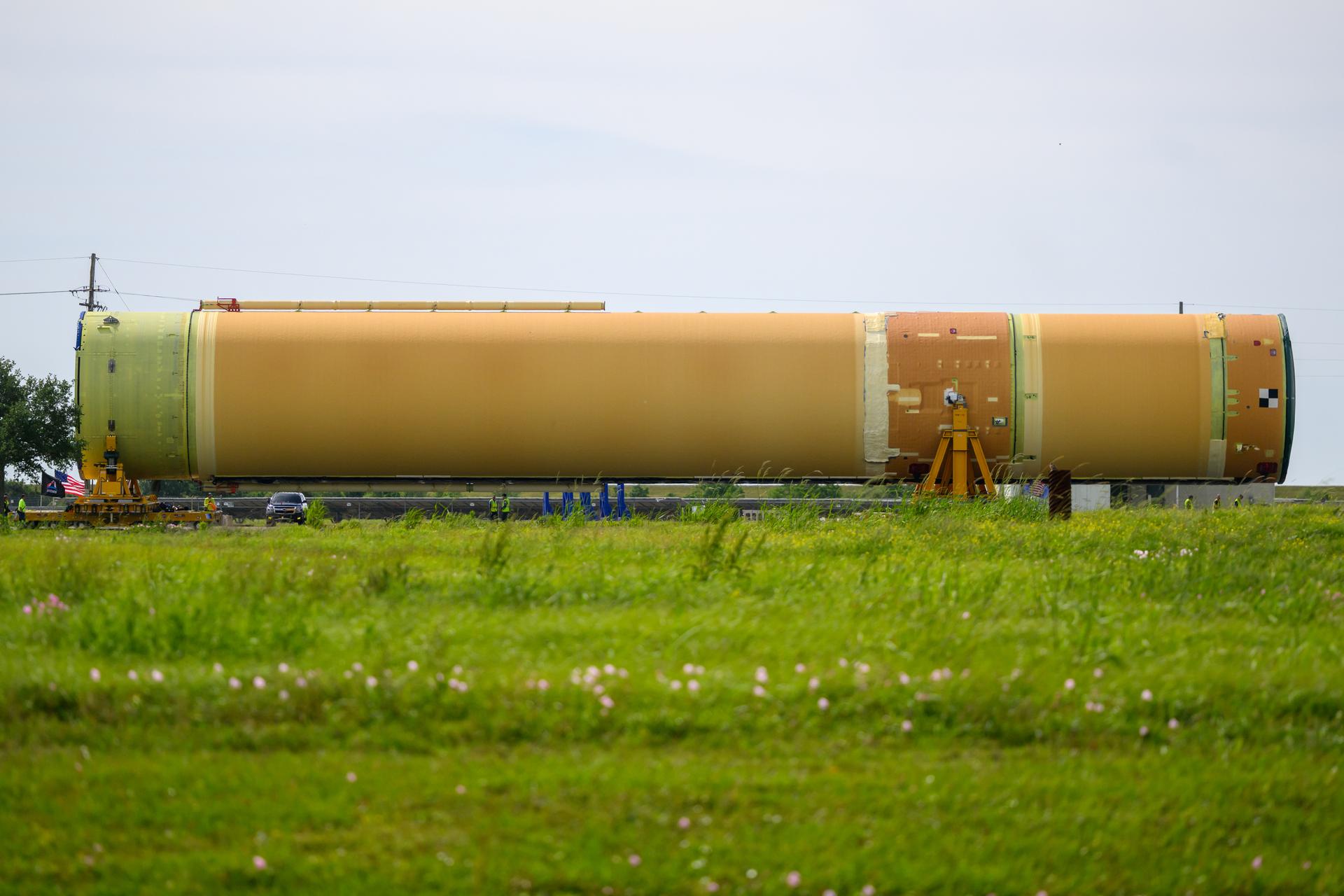
NASA moved the core stage, or the largest section, of the SLS (Space Launch System) rocket that will launch the crewed Artemis III mission in 2027 from the agency’s Michoud Assembly Facility to the agency’s Pegasus barge in New Orleans on April 20. The barge will ferry the top four-fifths – the section containing the liquid hydrogen tank, liquid oxygen tank, intertank, and forward skirt – of the SLS core stage to NASA’s Kennedy Space Center in Florida to complete outfitting and vertical integration. Teams with NASA and Boeing, the SLS core stage lead contractor, used specialized transporters to guide the top four-fifths from the NASA rocket factory to Pegasus. Prior to the move, technicians added an engine section transportation simulator to the rocket stage for shipment to the Space Coast. Next year’s Artemis III mission will launch astronauts to Earth’s orbit aboard the Orion spacecraft on top of SLS to test rendezvous and docking capabilities between Orion and commercial spacecraft needed to land Artemis IV astronauts on the Moon in 2028. NASA’s SLS is the only rocket capable of sending Orion, astronauts, and supplies to the Moon in a single launch.
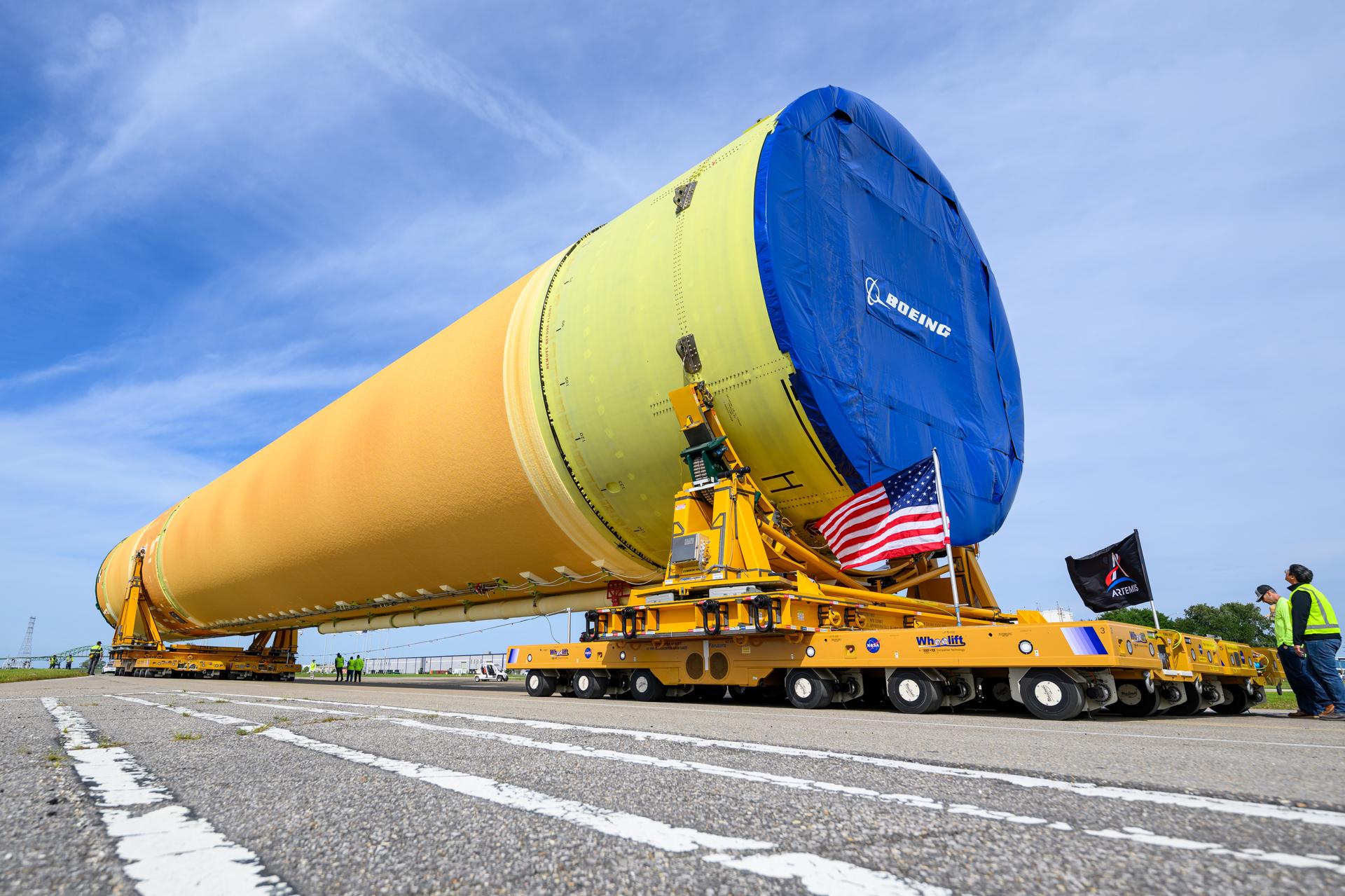
NASA moved the core stage, or the largest section, of the SLS (Space Launch System) rocket that will launch the crewed Artemis III mission in 2027 from the agency’s Michoud Assembly Facility to the agency’s Pegasus barge in New Orleans on April 20. The barge will ferry the top four-fifths – the section containing the liquid hydrogen tank, liquid oxygen tank, intertank, and forward skirt – of the SLS core stage to NASA’s Kennedy Space Center in Florida to complete outfitting and vertical integration. Teams with NASA and Boeing, the SLS core stage lead contractor, used specialized transporters to guide the top four-fifths from the NASA rocket factory to Pegasus. Prior to the move, technicians added an engine section transportation simulator to the rocket stage for shipment to the Space Coast. Next year’s Artemis III mission will launch astronauts to Earth’s orbit aboard the Orion spacecraft on top of SLS to test rendezvous and docking capabilities between Orion and commercial spacecraft needed to land Artemis IV astronauts on the Moon in 2028. NASA’s SLS is the only rocket capable of sending Orion, astronauts, and supplies to the Moon in a single launch. Photo Credit: NASA/Eric Bordelon
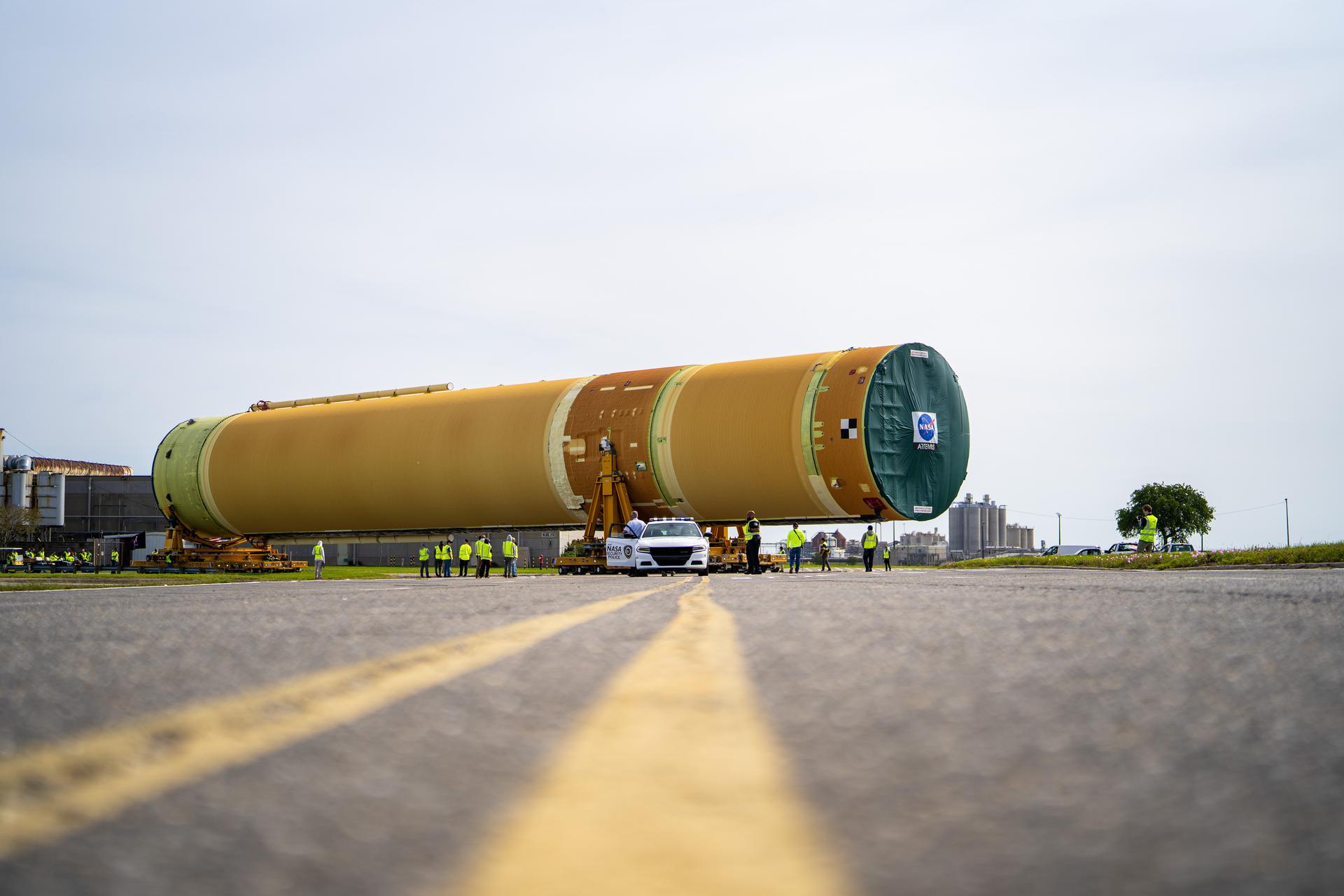
NASA moved the core stage, or the largest section, of the SLS (Space Launch System) rocket that will launch the crewed Artemis III mission in 2027 from the agency’s Michoud Assembly Facility to the agency’s Pegasus barge in New Orleans on April 20. The barge will ferry the top four-fifths – the section containing the liquid hydrogen tank, liquid oxygen tank, intertank, and forward skirt – of the SLS core stage to NASA’s Kennedy Space Center in Florida to complete outfitting and vertical integration. Teams with NASA and Boeing, the SLS core stage lead contractor, used specialized transporters to guide the top four-fifths from the NASA rocket factory to Pegasus. Prior to the move, technicians added an engine section transportation simulator to the rocket stage for shipment to the Space Coast. Next year’s Artemis III mission will launch astronauts to Earth’s orbit aboard the Orion spacecraft on top of SLS to test rendezvous and docking capabilities between Orion and commercial spacecraft needed to land Artemis IV astronauts on the Moon in 2028. NASA’s SLS is the only rocket capable of sending Orion, astronauts, and supplies to the Moon in a single launch.