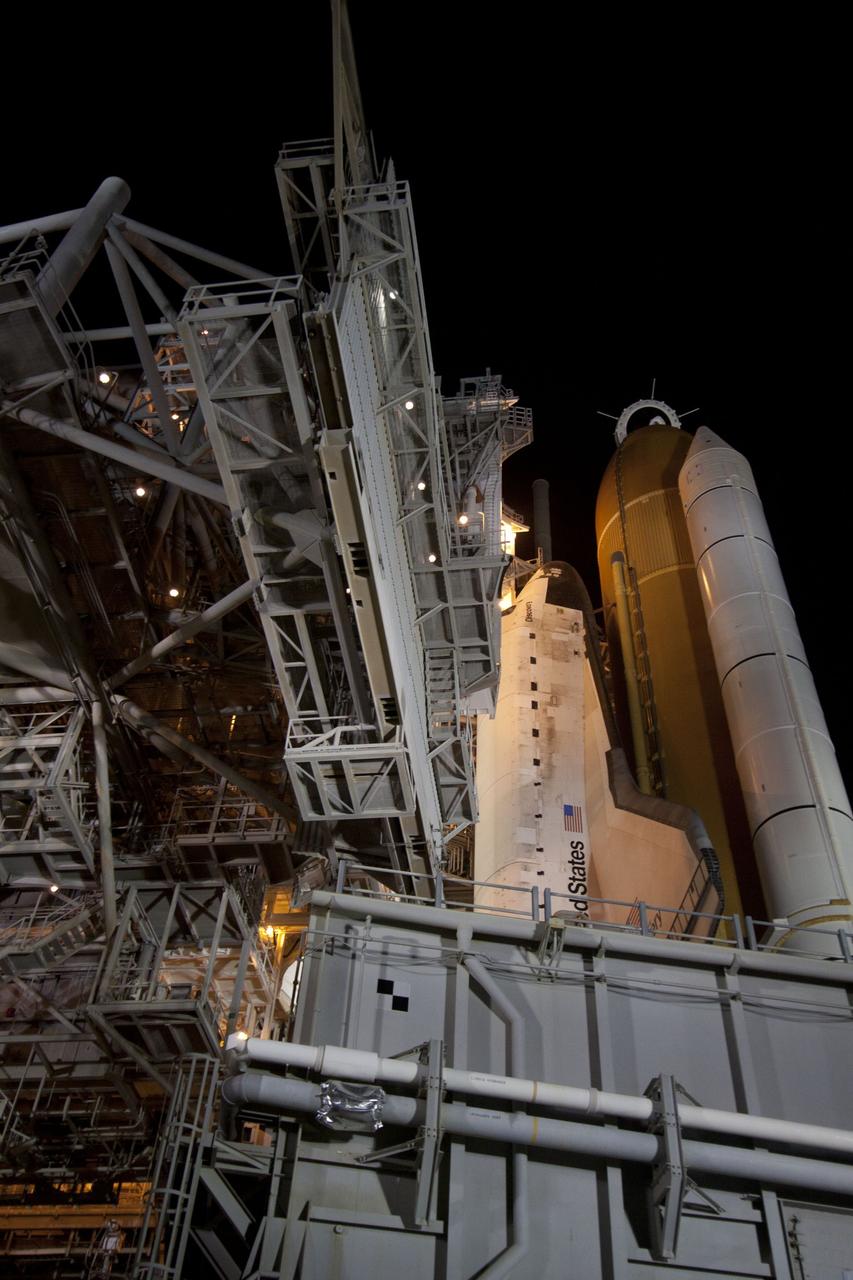
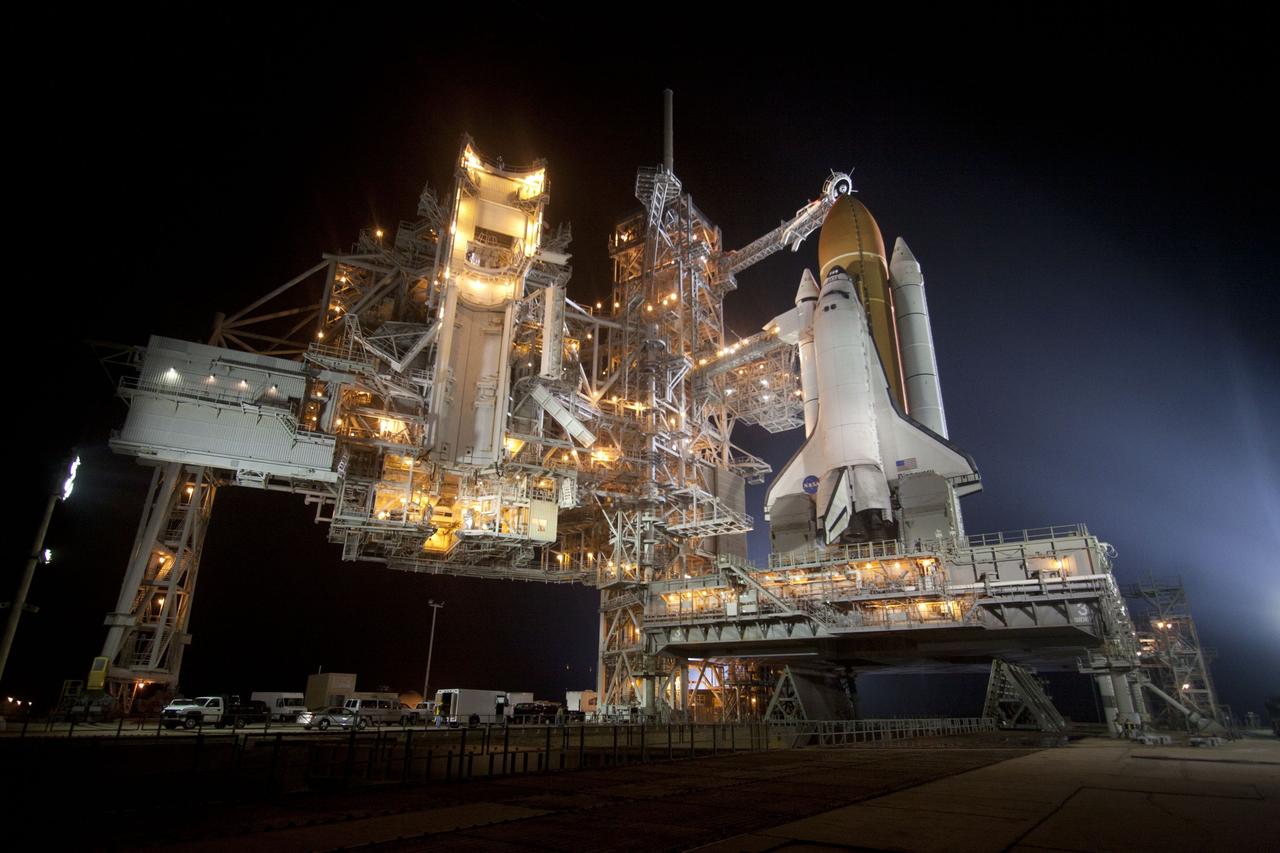
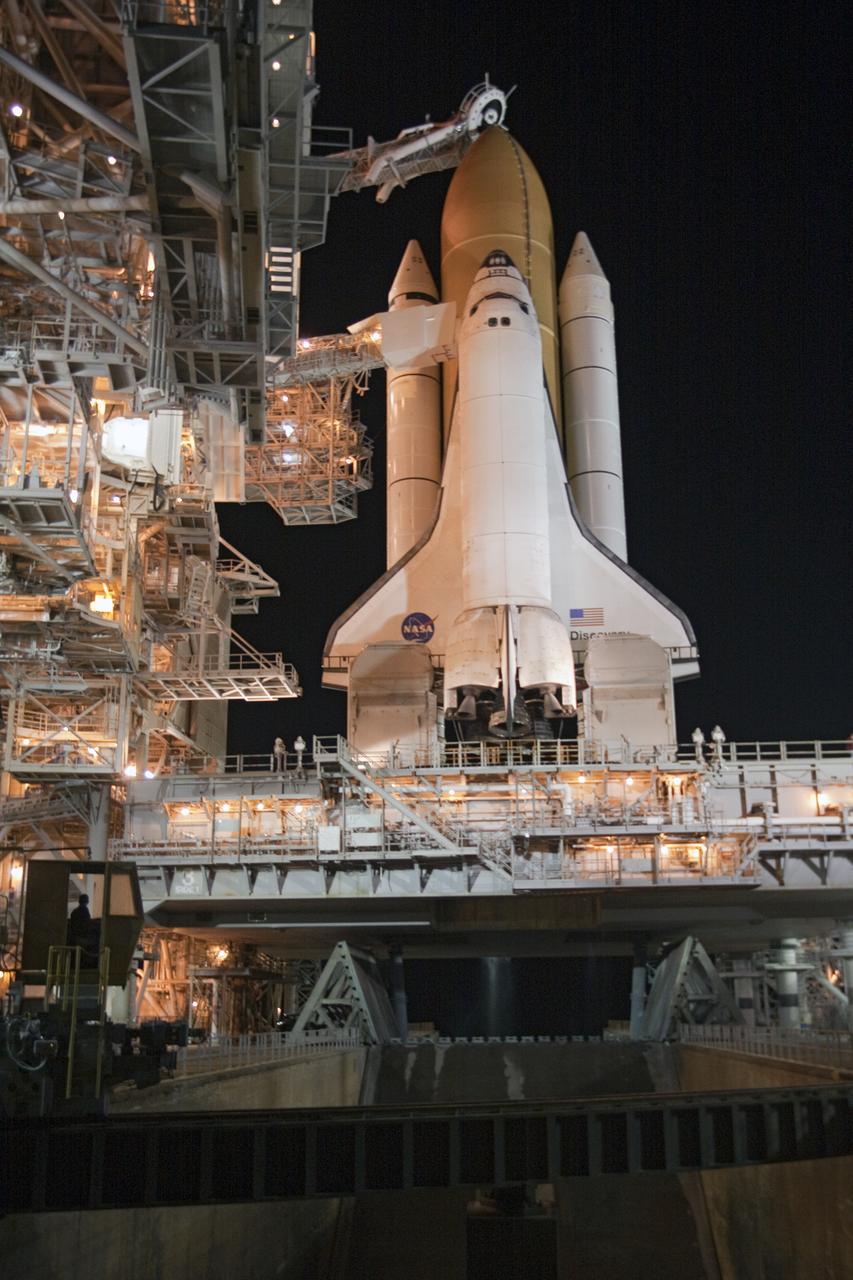
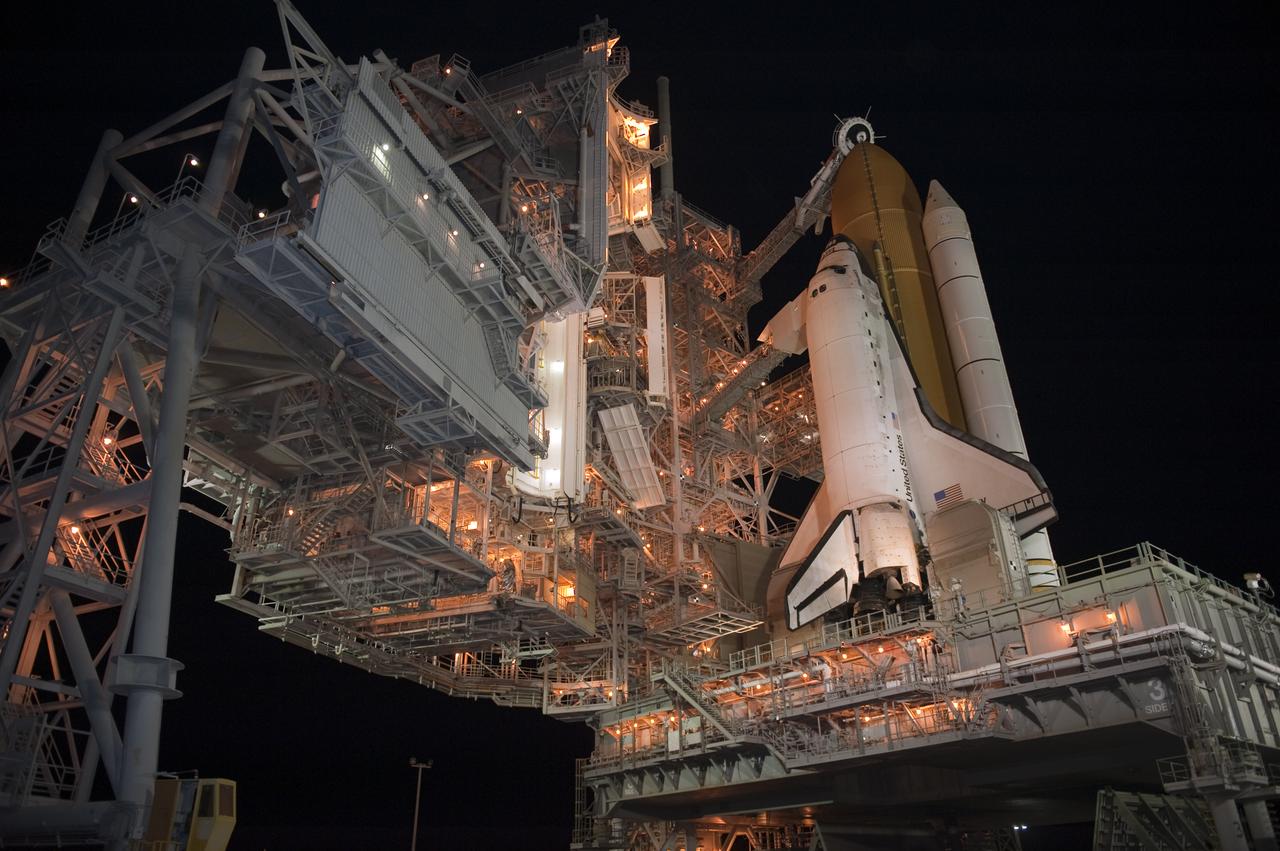
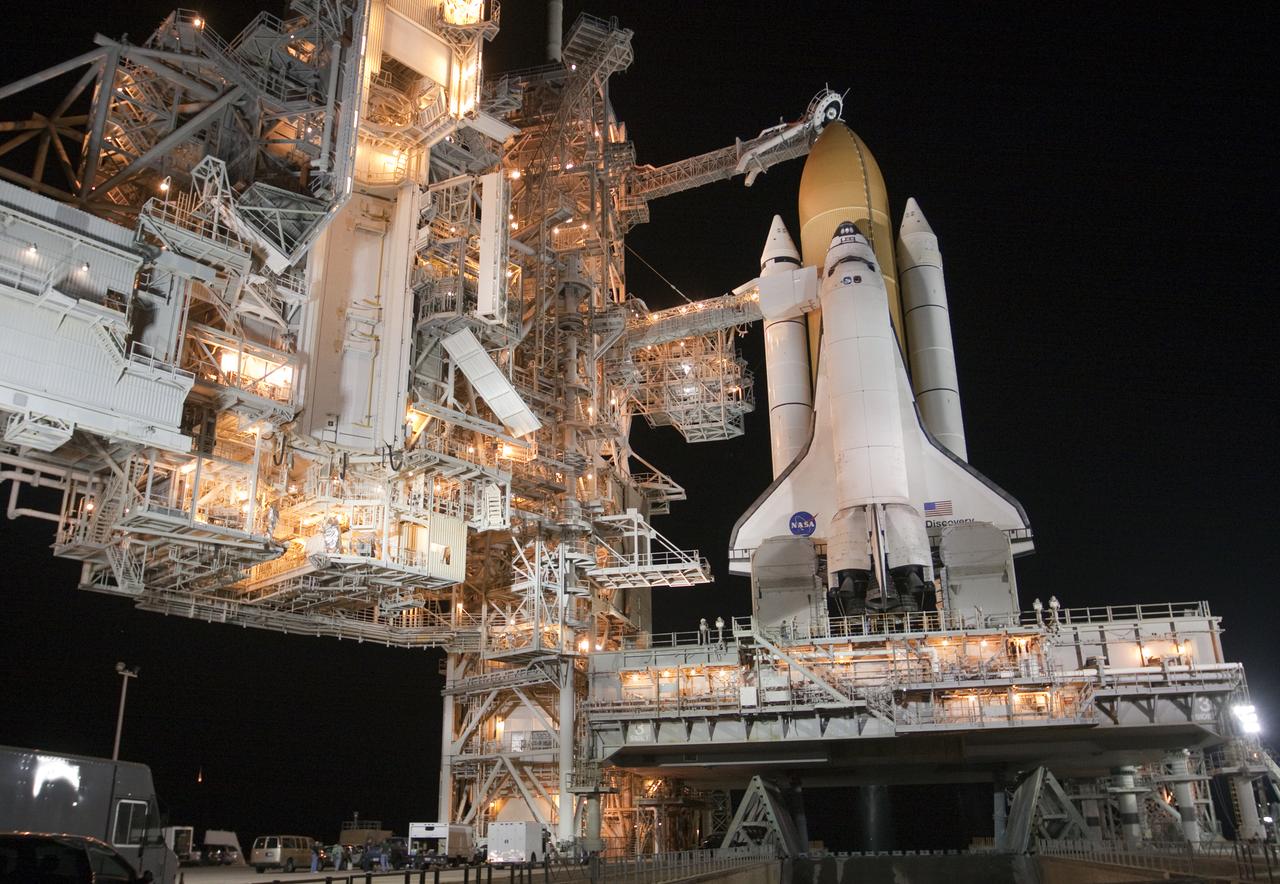
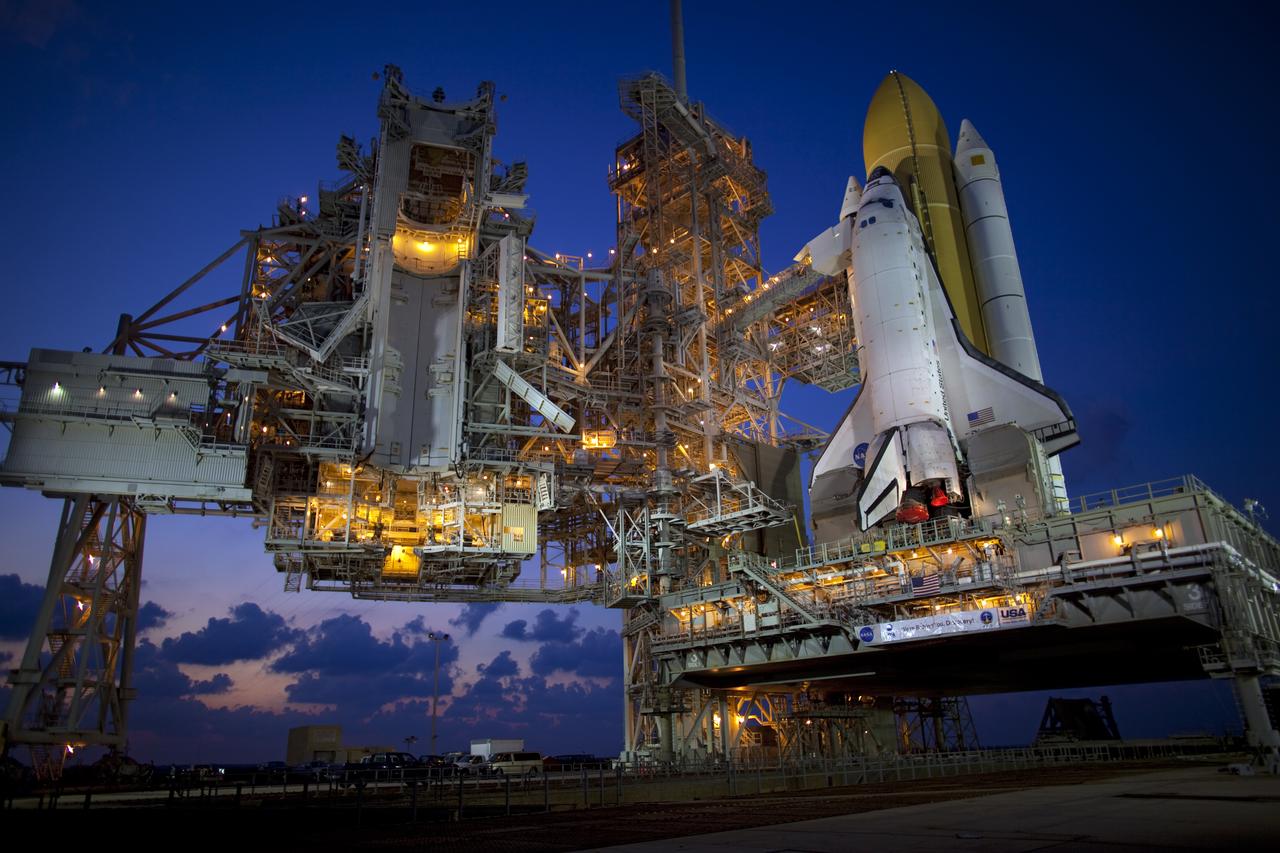
CAPE CANAVERAL, Fla. -- At NASA's Kennedy Space Center in Florida, the rotating service structure on Launch Pad 39A begins to move away from space shuttle Discovery, which is illuminated by bright xenon lights. The structure provides weather protection and access to the shuttle while it awaits lift off on the pad. RSS "rollback," as it's called, began at 8:02 p.m. EST on Feb. 23 and wrapped up at 8:37 p.m. Scheduled to lift off Feb. 24 at 4:50 p.m. EST, Discovery and its six-member crew will deliver the Permanent Multipurpose Module, packed with supplies and critical spare parts, as well as Robonaut 2, the dexterous humanoid astronaut helper, to the International Space Station. Discovery, which will fly its 39th mission, is scheduled to be retired following STS-133. This will be the 133rd Space Shuttle Program mission and the 35th shuttle voyage to the space station. For more information on the STS-133 mission, visit www.nasa.gov/mission_pages/shuttle/shuttlemissions/sts133/. Photo credit: NASA/Jack Pfaller
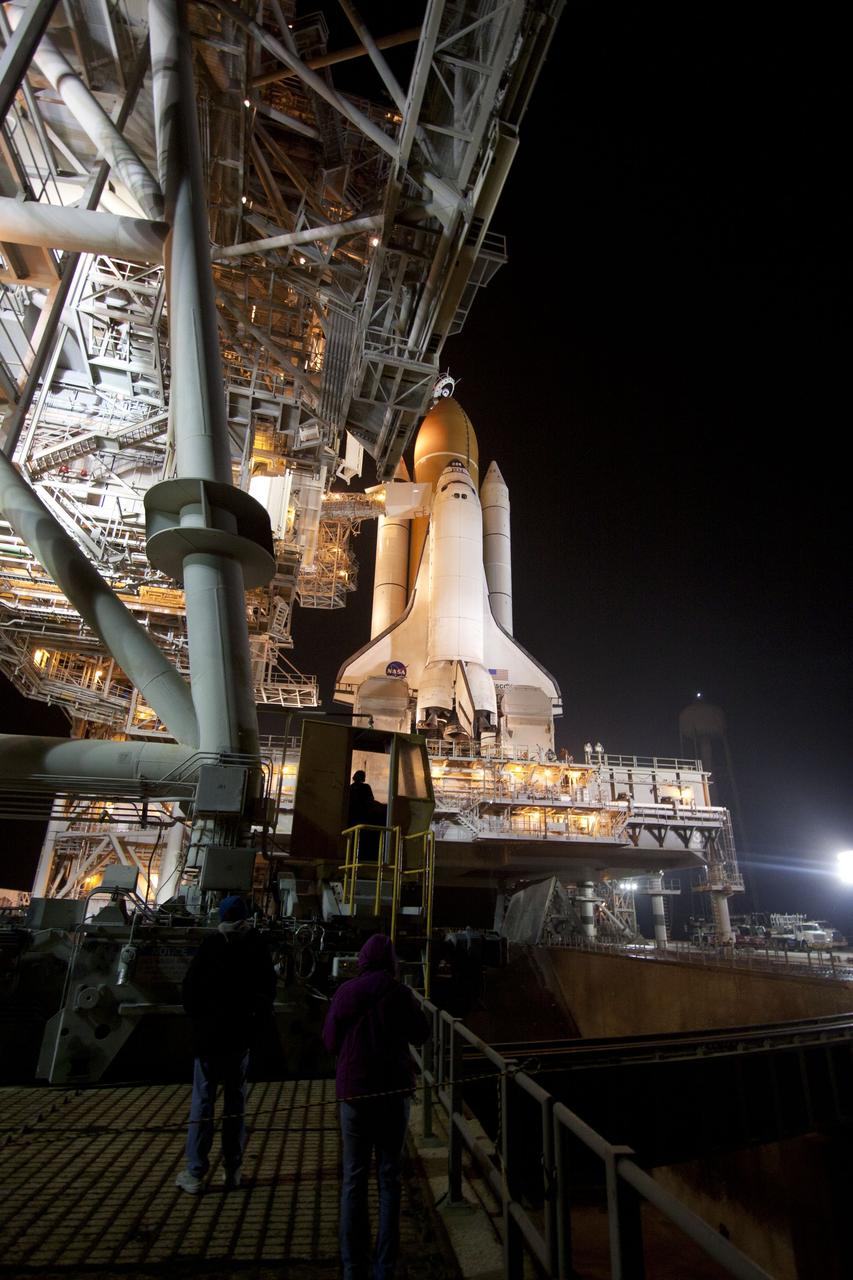
CAPE CANAVERAL, Fla. -- At NASA's Kennedy Space Center in Florida, the rotating service structure on Launch Pad 39A begins to move away from space shuttle Discovery, which is illuminated by bright xenon lights. The structure provides weather protection and access to the shuttle while it awaits lift off on the pad. RSS "rollback," as it's called, began at 8:02 p.m. EST on Feb. 23 and wrapped up at 8:37 p.m. Scheduled to lift off Feb. 24 at 4:50 p.m. EST, Discovery and its six-member crew will deliver the Permanent Multipurpose Module, packed with supplies and critical spare parts, as well as Robonaut 2, the dexterous humanoid astronaut helper, to the International Space Station. Discovery, which will fly its 39th mission, is scheduled to be retired following STS-133. This will be the 133rd Space Shuttle Program mission and the 35th shuttle voyage to the space station. For more information on the STS-133 mission, visit www.nasa.gov/mission_pages/shuttle/shuttlemissions/sts133/. Photo credit: NASA/Jack Pfaller
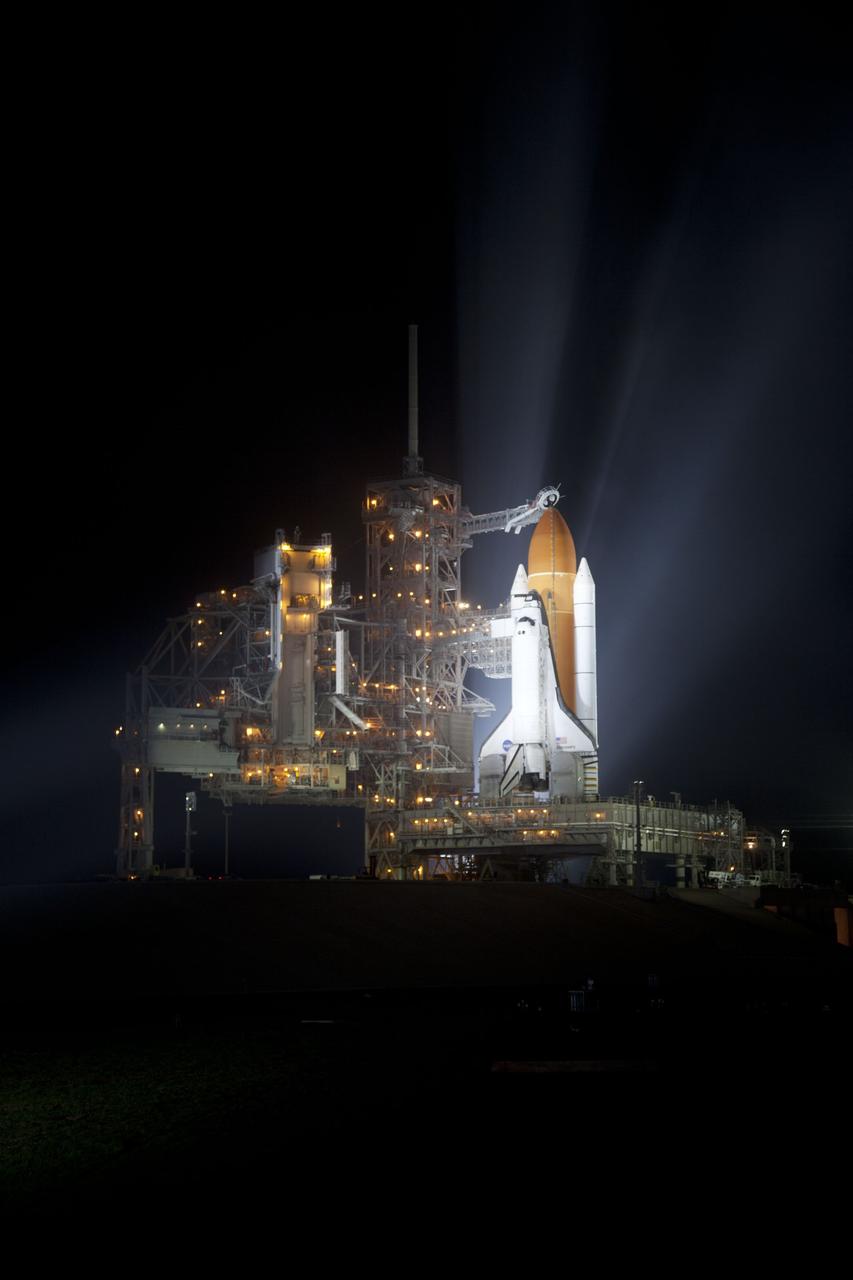
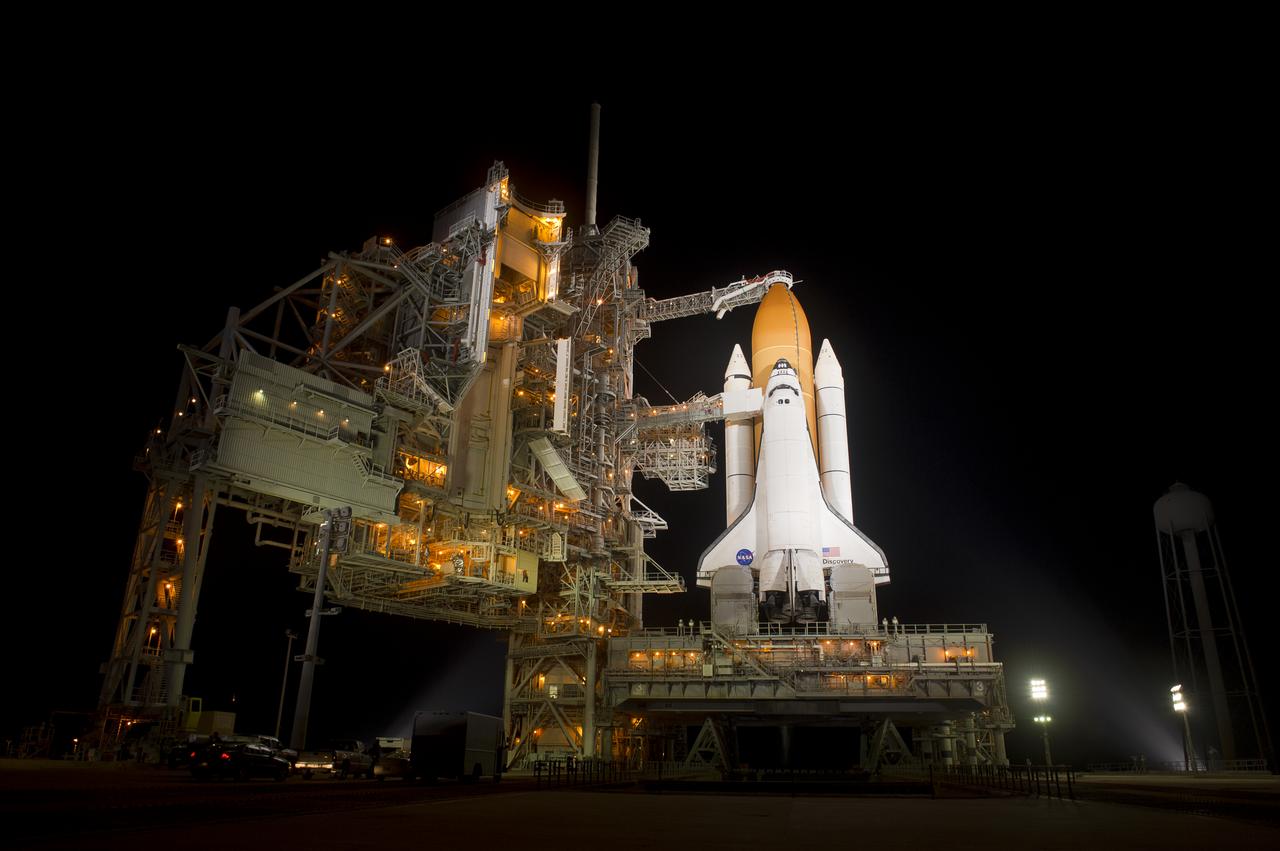
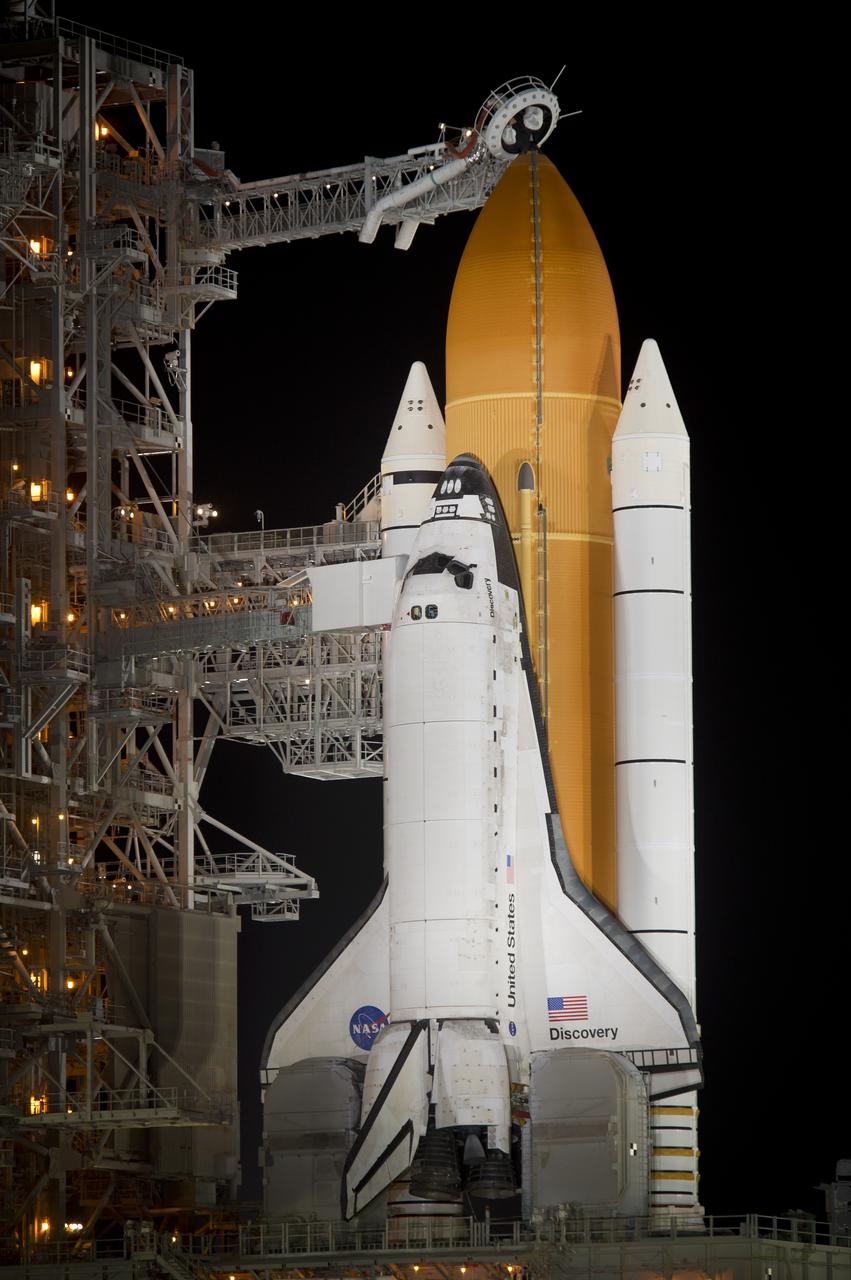
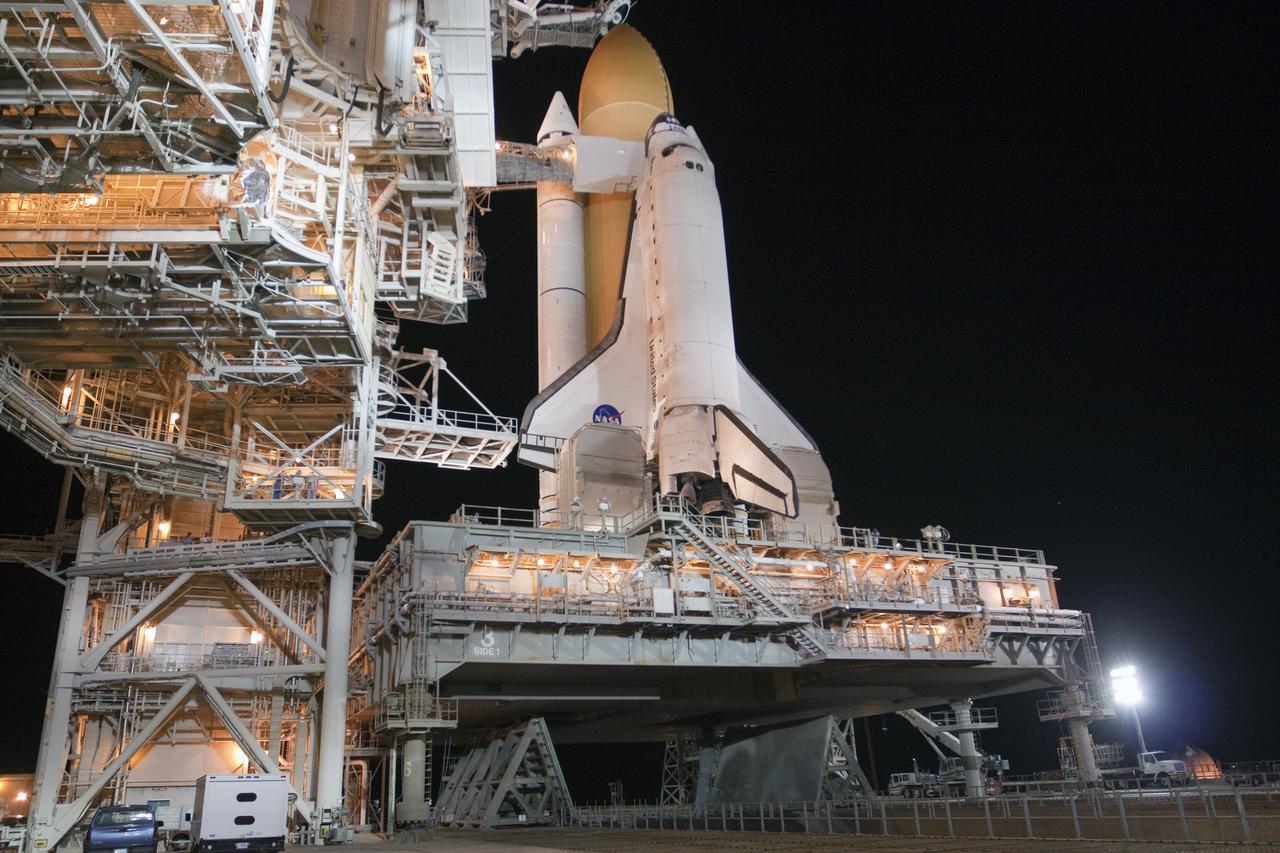
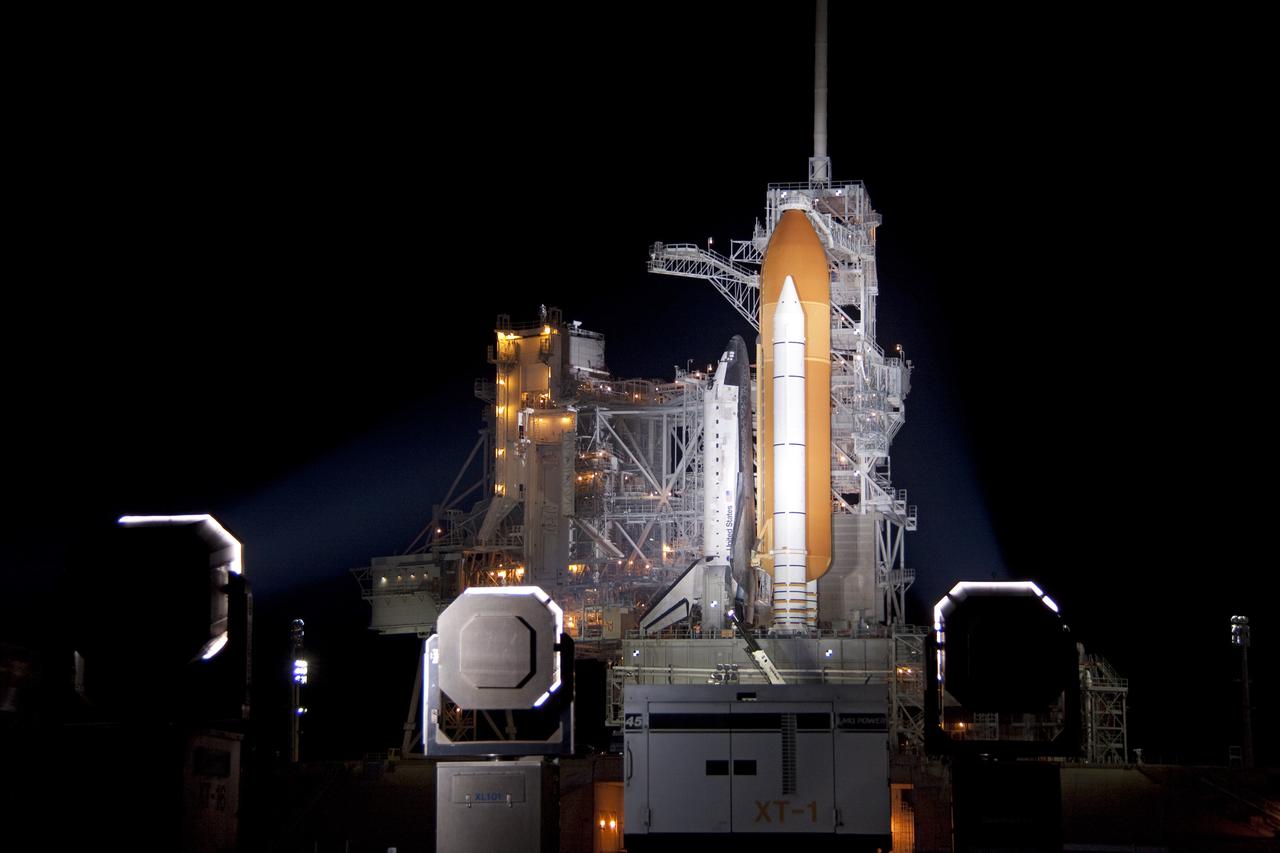
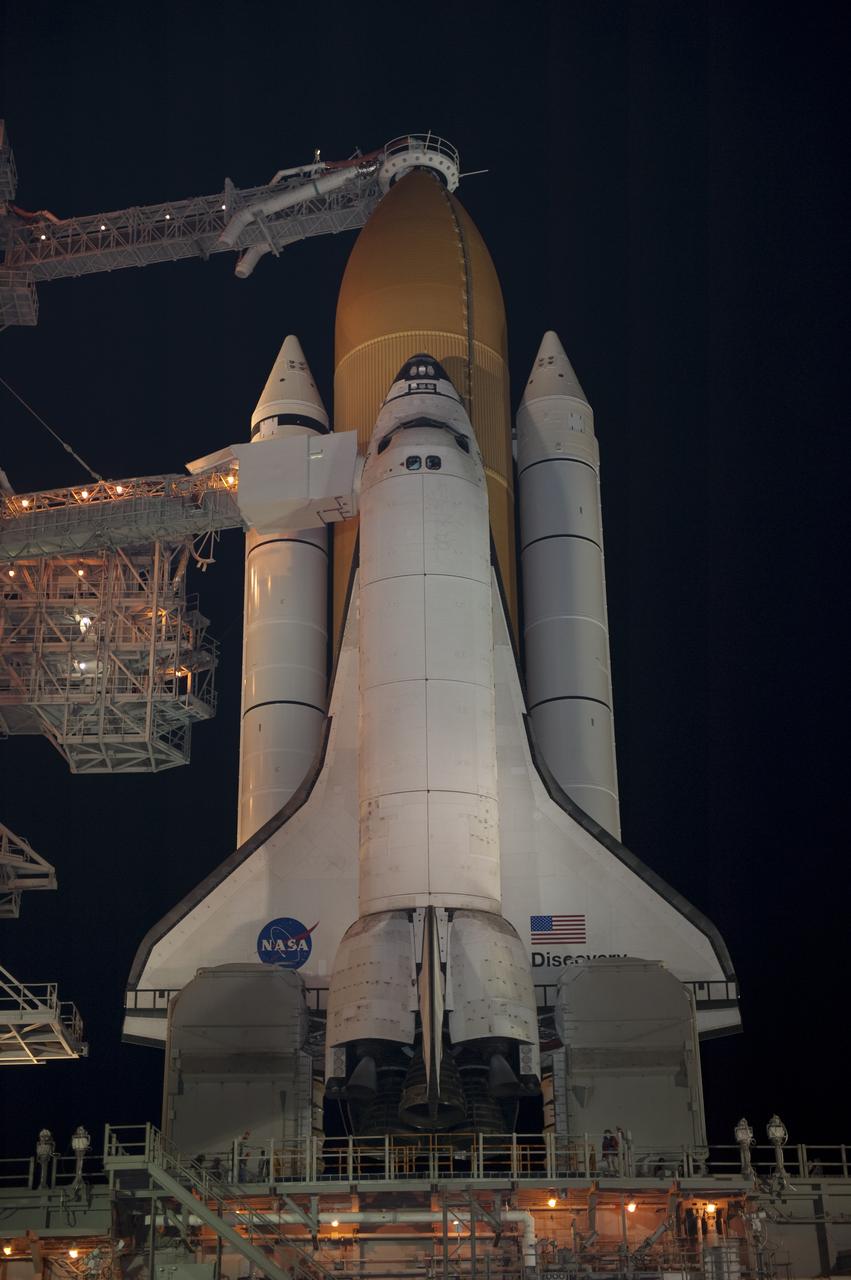
CAPE CANAVERAL, Fla. -- At NASA's Kennedy Space Center in Florida, space shuttle Discovery is illuminated by bright xenon lights on Launch Pad 39A after the rotating service structure was moved away. The structure provides weather protection and access to the shuttle while it awaits lift off on the pad. RSS "rollback," as it's called, began at 8:02 p.m. EST on Feb. 23 and wrapped up at 8:37 p.m. Scheduled to lift off Feb. 24 at 4:50 p.m. EST, Discovery and its six-member crew will deliver the Permanent Multipurpose Module, packed with supplies and critical spare parts, as well as Robonaut 2, the dexterous humanoid astronaut helper, to the International Space Station. Discovery, which will fly its 39th mission, is scheduled to be retired following STS-133. This will be the 133rd Space Shuttle Program mission and the 35th shuttle voyage to the space station. For more information on the STS-133 mission, visit www.nasa.gov/mission_pages/shuttle/shuttlemissions/sts133/. Photo credit: NASA/Frankie Martin
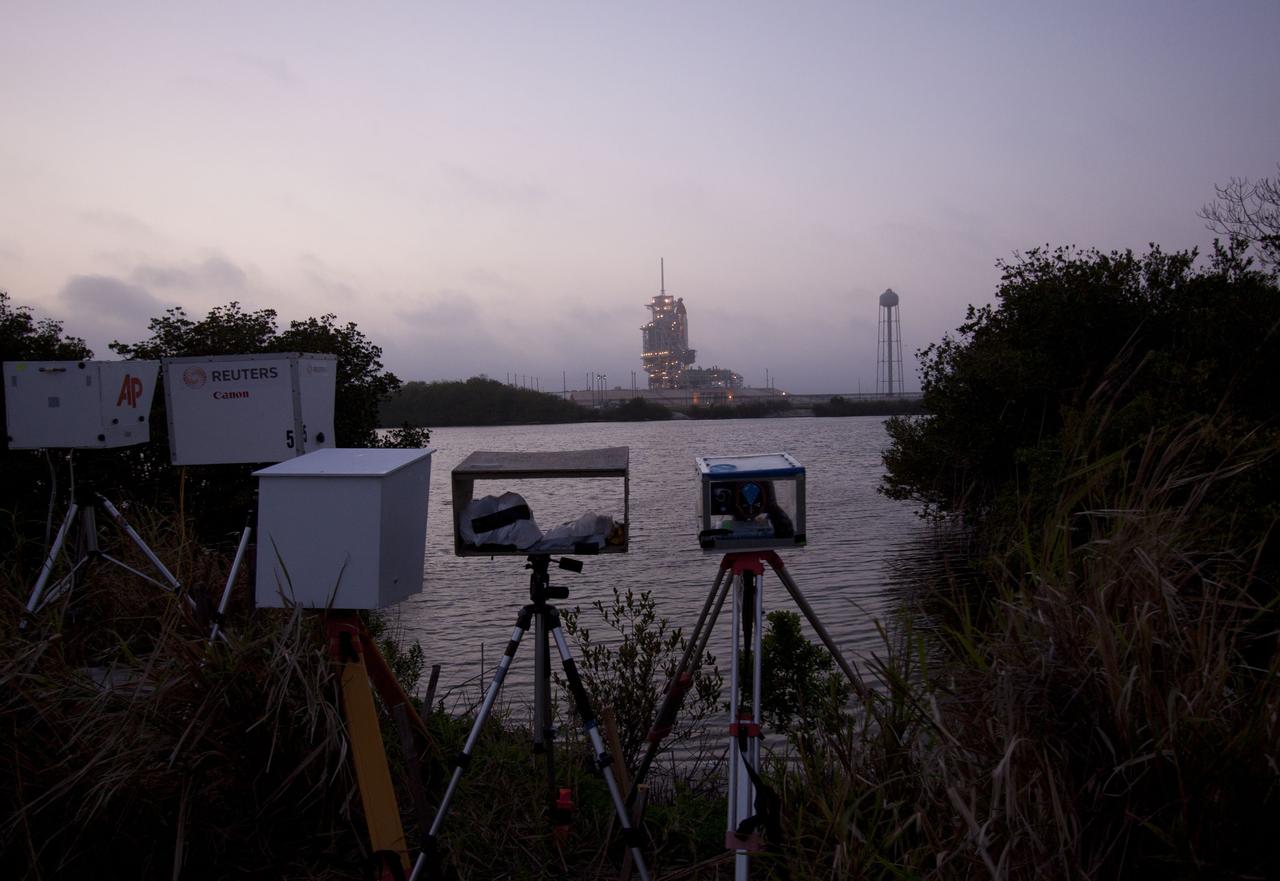
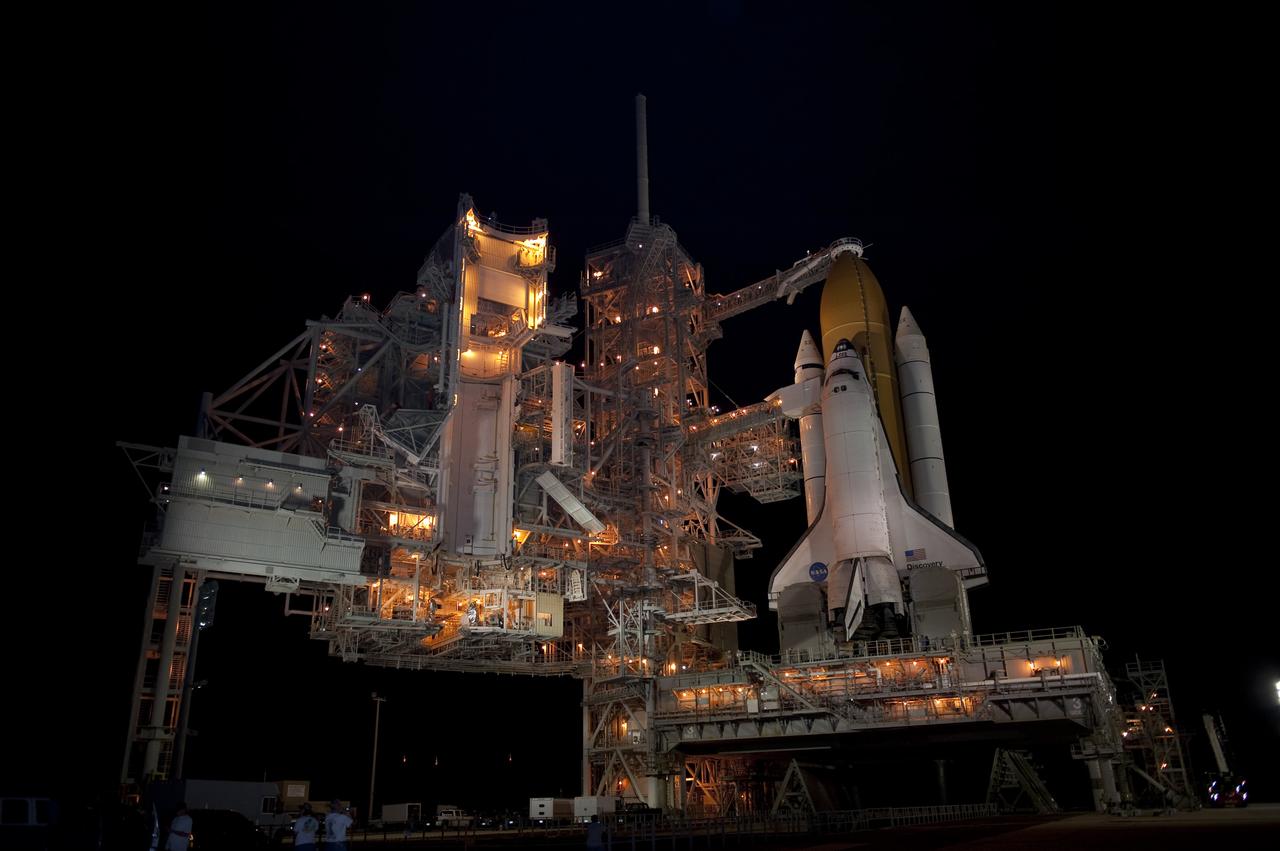
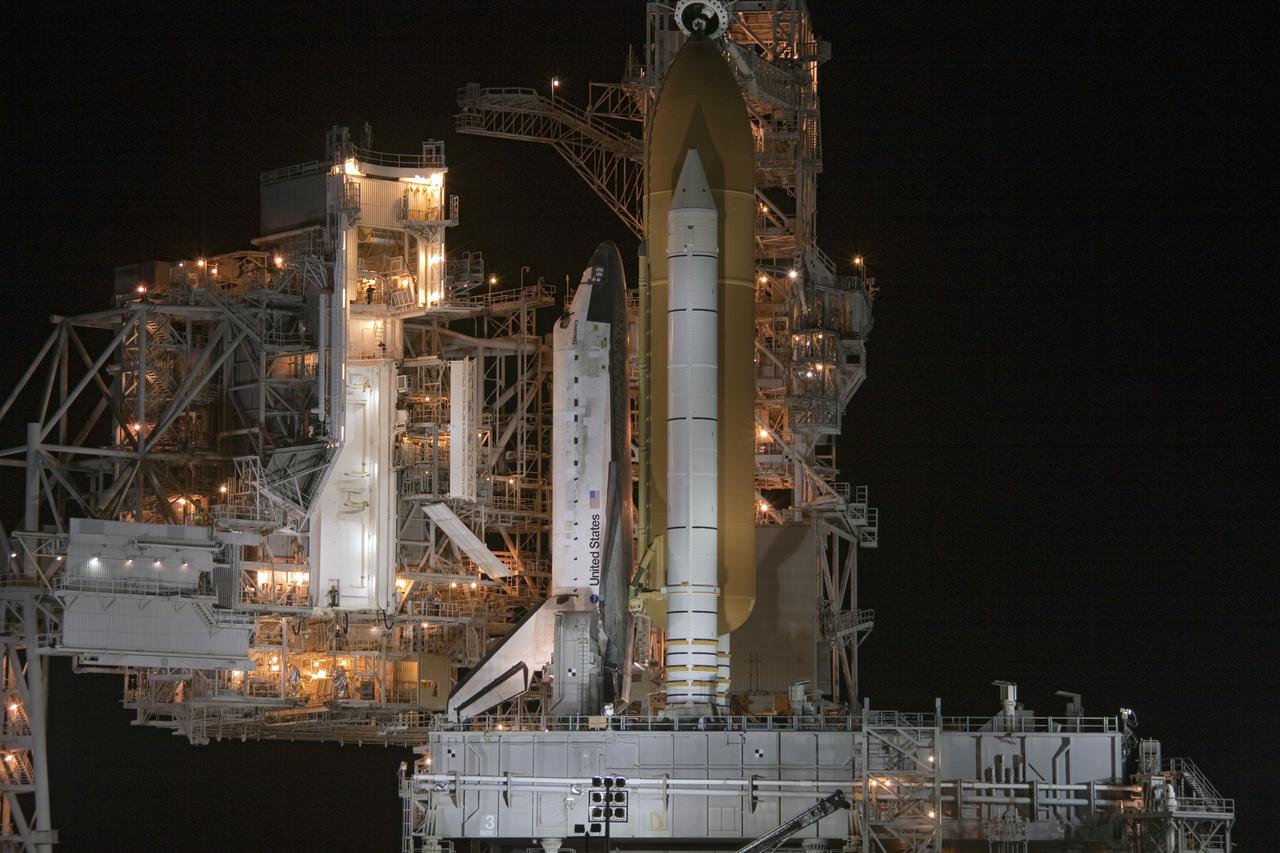
CAPE CANAVERAL, Fla. -- At NASA's Kennedy Space Center in Florida, the rotating service structure on Launch Pad 39A begins to move away from space shuttle Discovery. The structure provides weather protection and access to the shuttle while it awaits lift off on the pad. RSS "rollback," as it's called, began at 8:02 p.m. EST on Feb. 23 and wrapped up at 8:37 p.m. From here, cameras will catch the shuttle lift off amidst the space center's pristine wildlife refuge. Scheduled to lift off Feb. 24 at 4:50 p.m. EST, Discovery and its six-member crew will deliver the Permanent Multipurpose Module, packed with supplies and critical spare parts, as well as Robonaut 2, the dexterous humanoid astronaut helper, to the International Space Station. Discovery, which will fly its 39th mission, is scheduled to be retired following STS-133. This will be the 133rd Space Shuttle Program mission and the 35th shuttle voyage to the space station. For more information on the STS-133 mission, visit www.nasa.gov/mission_pages/shuttle/shuttlemissions/sts133/. Photo credit: NASA/Jack Pfaller
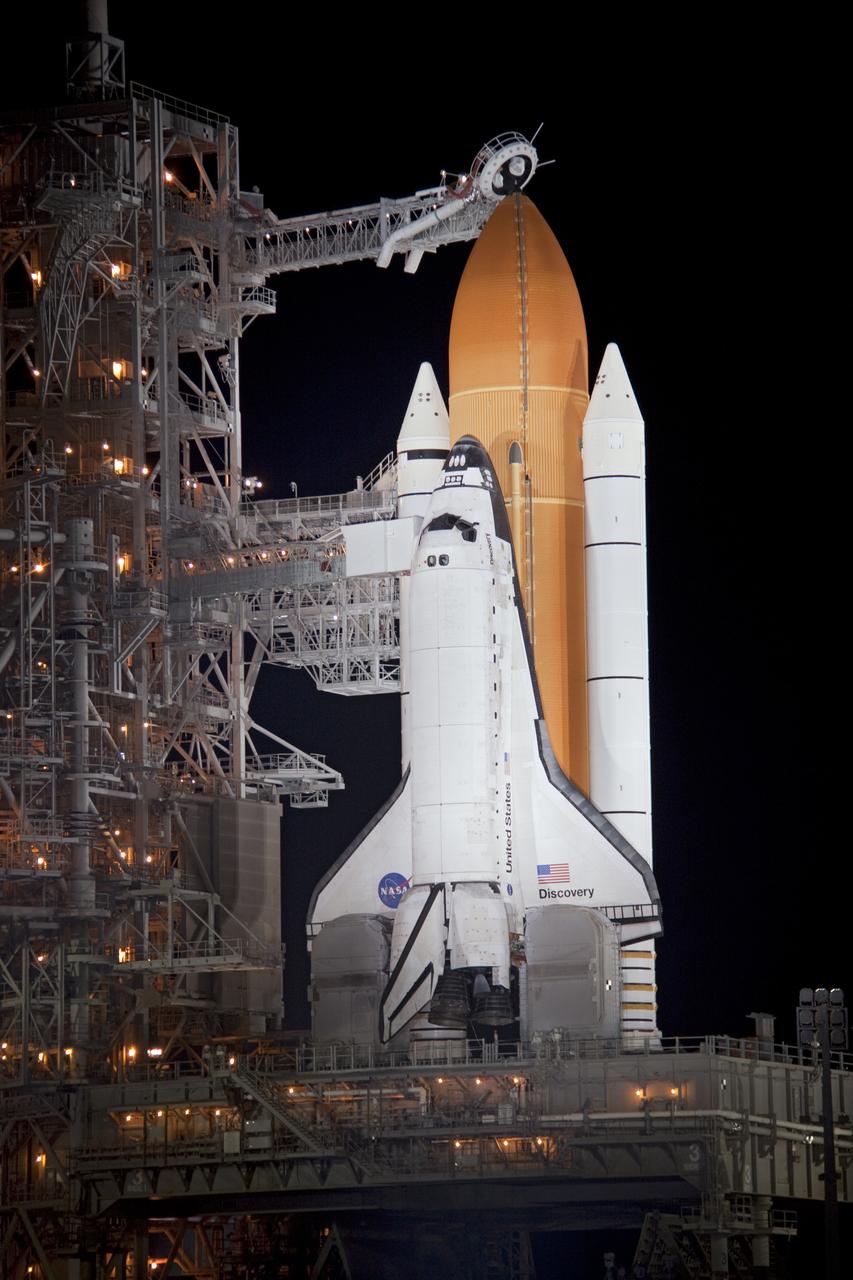
CAPE CANAVERAL, Fla. -- At NASA's Kennedy Space Center in Florida, space shuttle Discovery is illuminated by bright xenon lights on Launch Pad 39A after the rotating service structure was moved away. The structure provides weather protection and access to the shuttle while it awaits lift off on the pad. RSS "rollback," as it's called, began at 8:02 p.m. EST on Feb. 23 and wrapped up at 8:37 p.m. Scheduled to lift off Feb. 24 at 4:50 p.m. EST, Discovery and its six-member crew will deliver the Permanent Multipurpose Module, packed with supplies and critical spare parts, as well as Robonaut 2, the dexterous humanoid astronaut helper, to the International Space Station. Discovery, which will fly its 39th mission, is scheduled to be retired following STS-133. This will be the 133rd Space Shuttle Program mission and the 35th shuttle voyage to the space station. For more information on the STS-133 mission, visit www.nasa.gov/mission_pages/shuttle/shuttlemissions/sts133/. Photo credit: NASA/Jack Pfaller
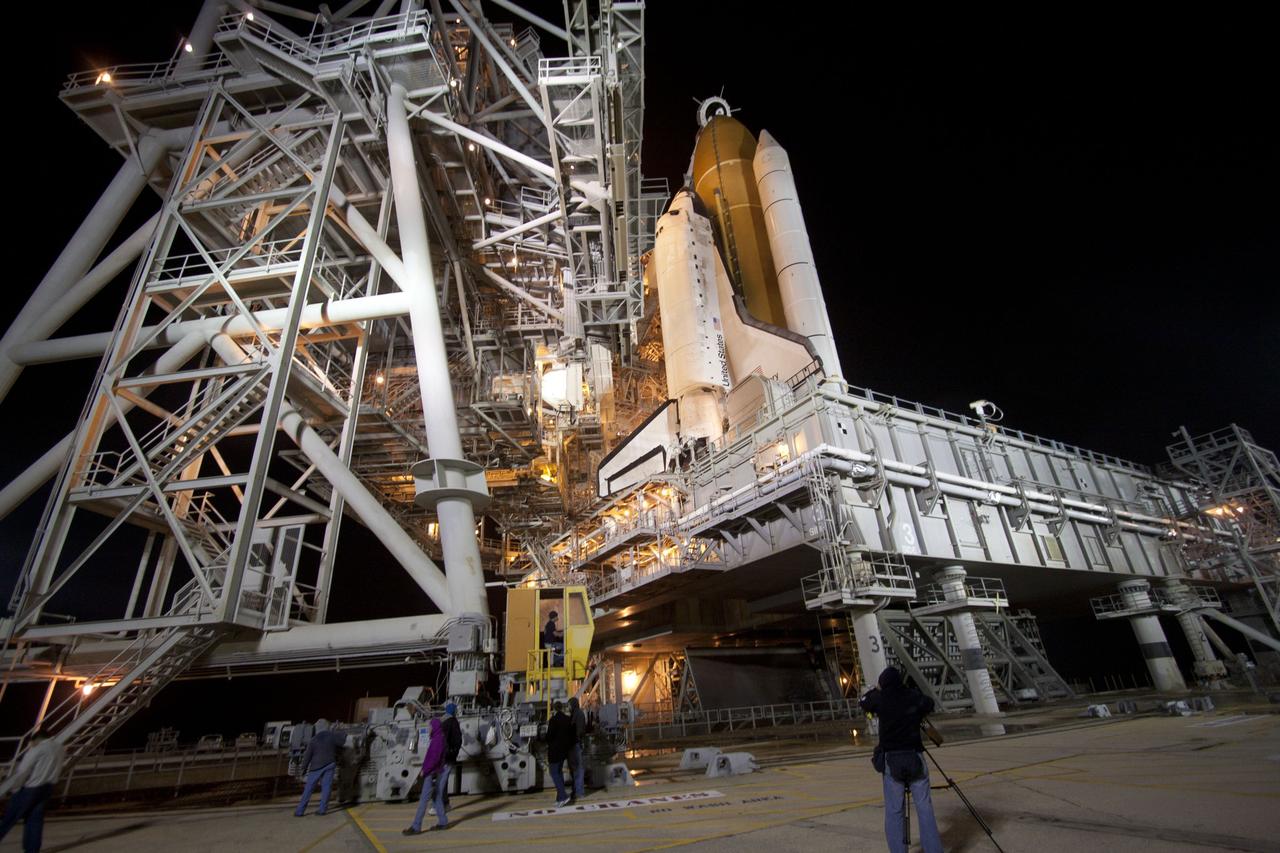
CAPE CANAVERAL, Fla. -- At NASA's Kennedy Space Center in Florida, the rotating service structure on Launch Pad 39A begins to move away from space shuttle Discovery, which is illuminated by bright xenon lights. The structure provides weather protection and access to the shuttle while it awaits lift off on the pad. RSS "rollback," as it's called, began at 8:02 p.m. EST on Feb. 23 and wrapped up at 8:37 p.m. Scheduled to lift off Feb. 24 at 4:50 p.m. EST, Discovery and its six-member crew will deliver the Permanent Multipurpose Module, packed with supplies and critical spare parts, as well as Robonaut 2, the dexterous humanoid astronaut helper, to the International Space Station. Discovery, which will fly its 39th mission, is scheduled to be retired following STS-133. This will be the 133rd Space Shuttle Program mission and the 35th shuttle voyage to the space station. For more information on the STS-133 mission, visit www.nasa.gov/mission_pages/shuttle/shuttlemissions/sts133/. Photo credit: NASA/Jack Pfaller
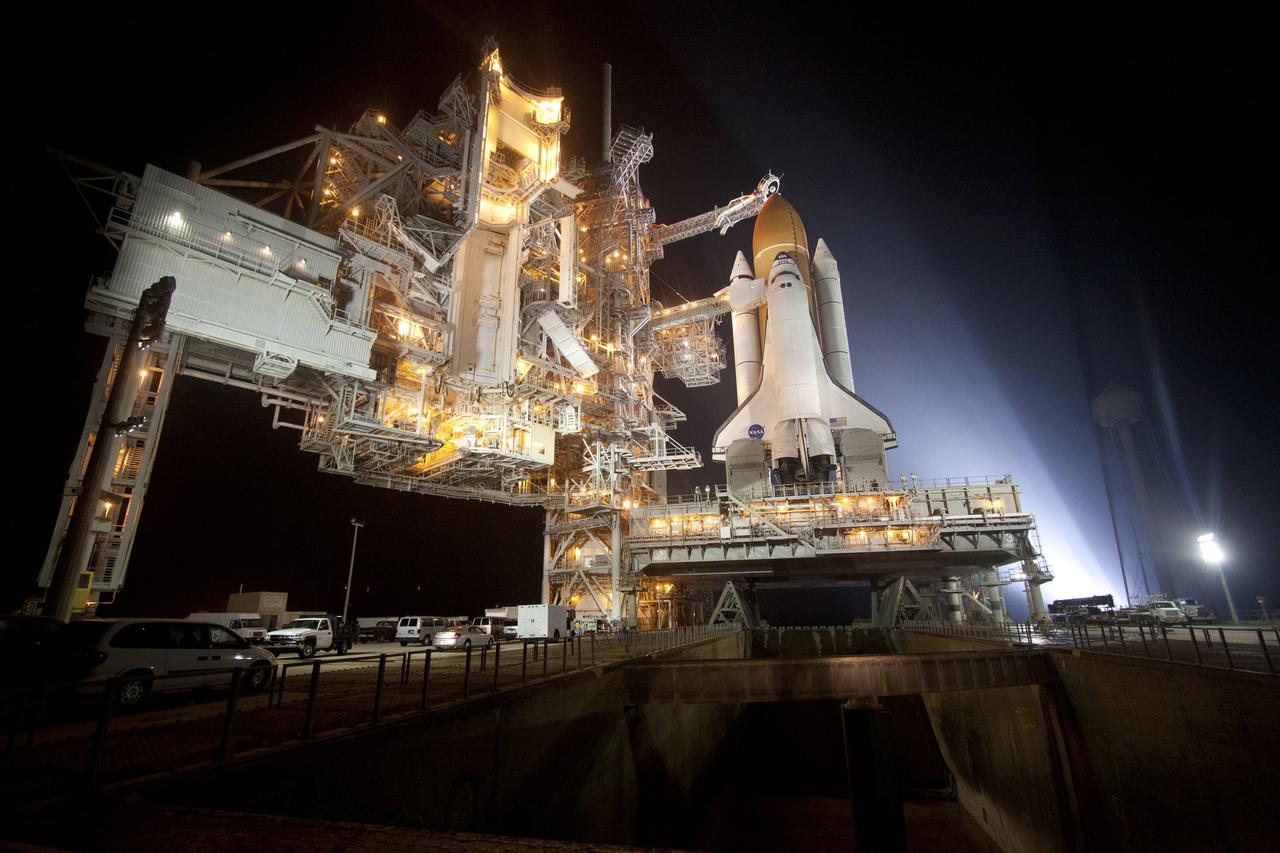
CAPE CANAVERAL, Fla. -- At NASA's Kennedy Space Center in Florida, space shuttle Discovery is illuminated by bright xenon lights on Launch Pad 39A after the rotating service structure was moved away. The structure provides weather protection and access to the shuttle while it awaits lift off on the pad. RSS "rollback," as it's called, began at 8:02 p.m. EST on Feb. 23 and wrapped up at 8:37 p.m. Scheduled to lift off Feb. 24 at 4:50 p.m. EST, Discovery and its six-member crew will deliver the Permanent Multipurpose Module, packed with supplies and critical spare parts, as well as Robonaut 2, the dexterous humanoid astronaut helper, to the International Space Station. Discovery, which will fly its 39th mission, is scheduled to be retired following STS-133. This will be the 133rd Space Shuttle Program mission and the 35th shuttle voyage to the space station. For more information on the STS-133 mission, visit www.nasa.gov/mission_pages/shuttle/shuttlemissions/sts133/. Photo credit: NASA/Jack Pfaller
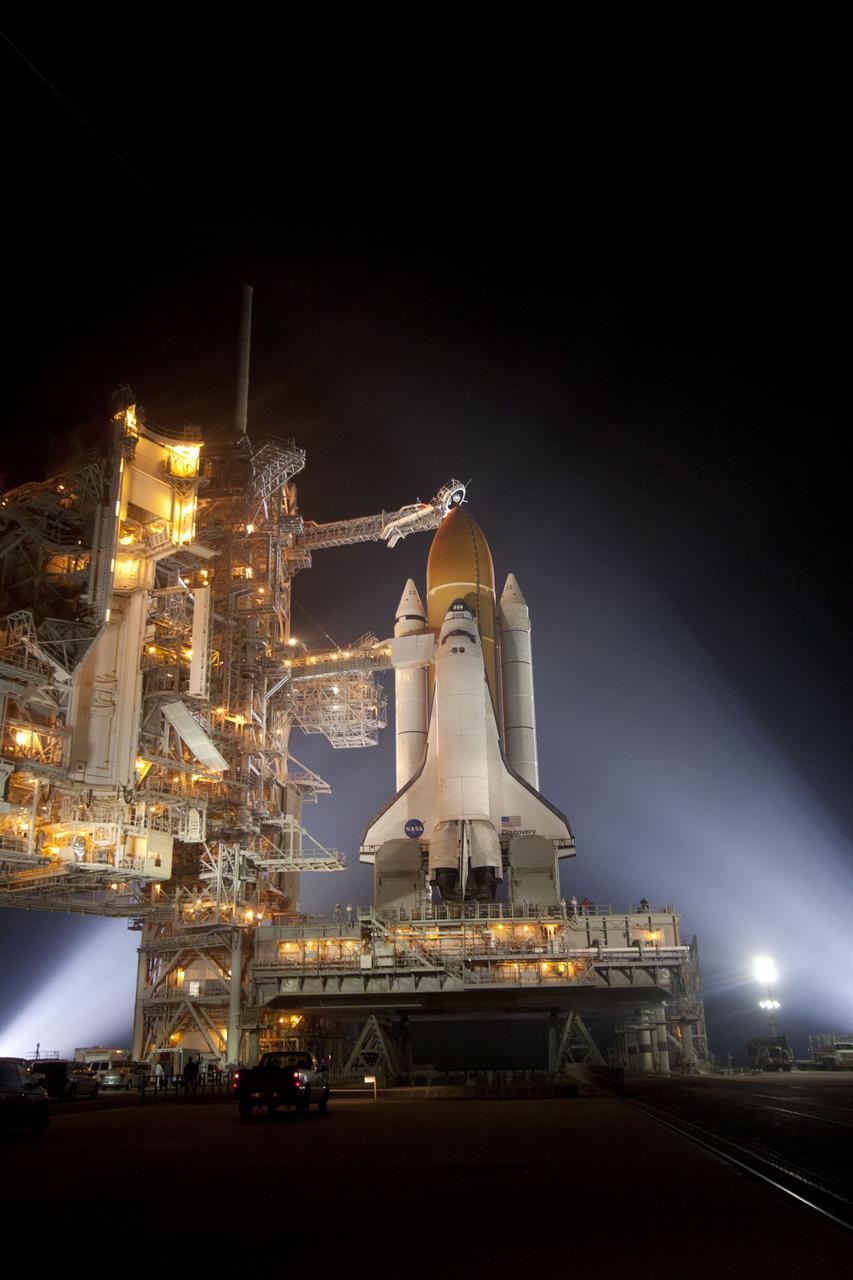
CAPE CANAVERAL, Fla. -- At NASA's Kennedy Space Center in Florida, space shuttle Discovery is illuminated by bright xenon lights on Launch Pad 39A after the rotating service structure was moved away. The structure provides weather protection and access to the shuttle while it awaits lift off on the pad. RSS "rollback," as it's called, began at 8:02 p.m. EST on Feb. 23 and wrapped up at 8:37 p.m. Scheduled to lift off Feb. 24 at 4:50 p.m. EST, Discovery and its six-member crew will deliver the Permanent Multipurpose Module, packed with supplies and critical spare parts, as well as Robonaut 2, the dexterous humanoid astronaut helper, to the International Space Station. Discovery, which will fly its 39th mission, is scheduled to be retired following STS-133. This will be the 133rd Space Shuttle Program mission and the 35th shuttle voyage to the space station. For more information on the STS-133 mission, visit www.nasa.gov/mission_pages/shuttle/shuttlemissions/sts133/. Photo credit: NASA/Jack Pfaller
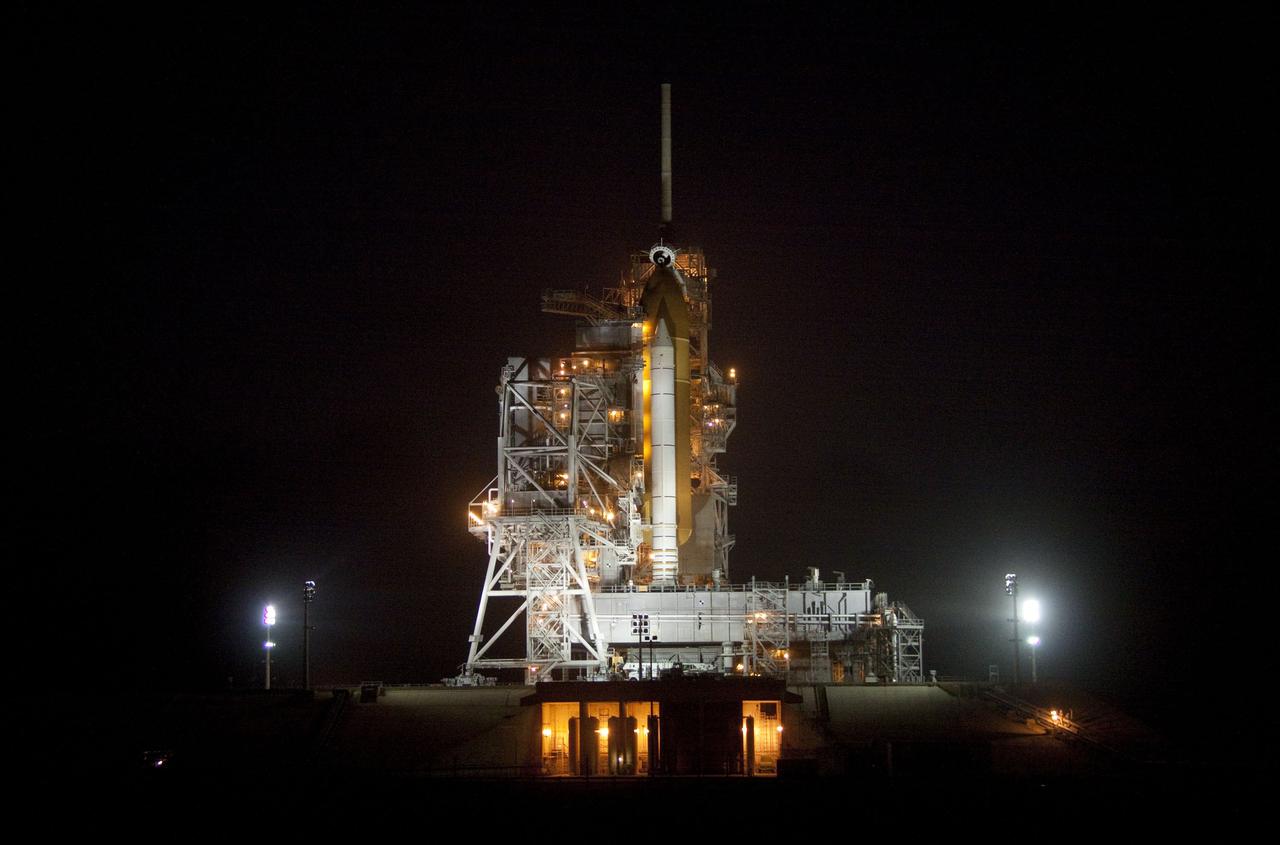
CAPE CANAVERAL, Fla. -- At NASA's Kennedy Space Center in Florida, the rotating service structure on Launch Pad 39A begins to move away from space shuttle Discovery, which is illuminated by bright xenon lights. The structure provides weather protection and access to the shuttle while it awaits lift off on the pad. RSS "rollback," as it's called, began at 8:02 p.m. EST on Feb. 23 and wrapped up at 8:37 p.m. Scheduled to lift off Feb. 24 at 4:50 p.m. EST, Discovery and its six-member crew will deliver the Permanent Multipurpose Module, packed with supplies and critical spare parts, as well as Robonaut 2, the dexterous humanoid astronaut helper, to the International Space Station. Discovery, which will fly its 39th mission, is scheduled to be retired following STS-133. This will be the 133rd Space Shuttle Program mission and the 35th shuttle voyage to the space station. For more information on the STS-133 mission, visit www.nasa.gov/mission_pages/shuttle/shuttlemissions/sts133/. Photo credit: NASA/Jack Pfaller
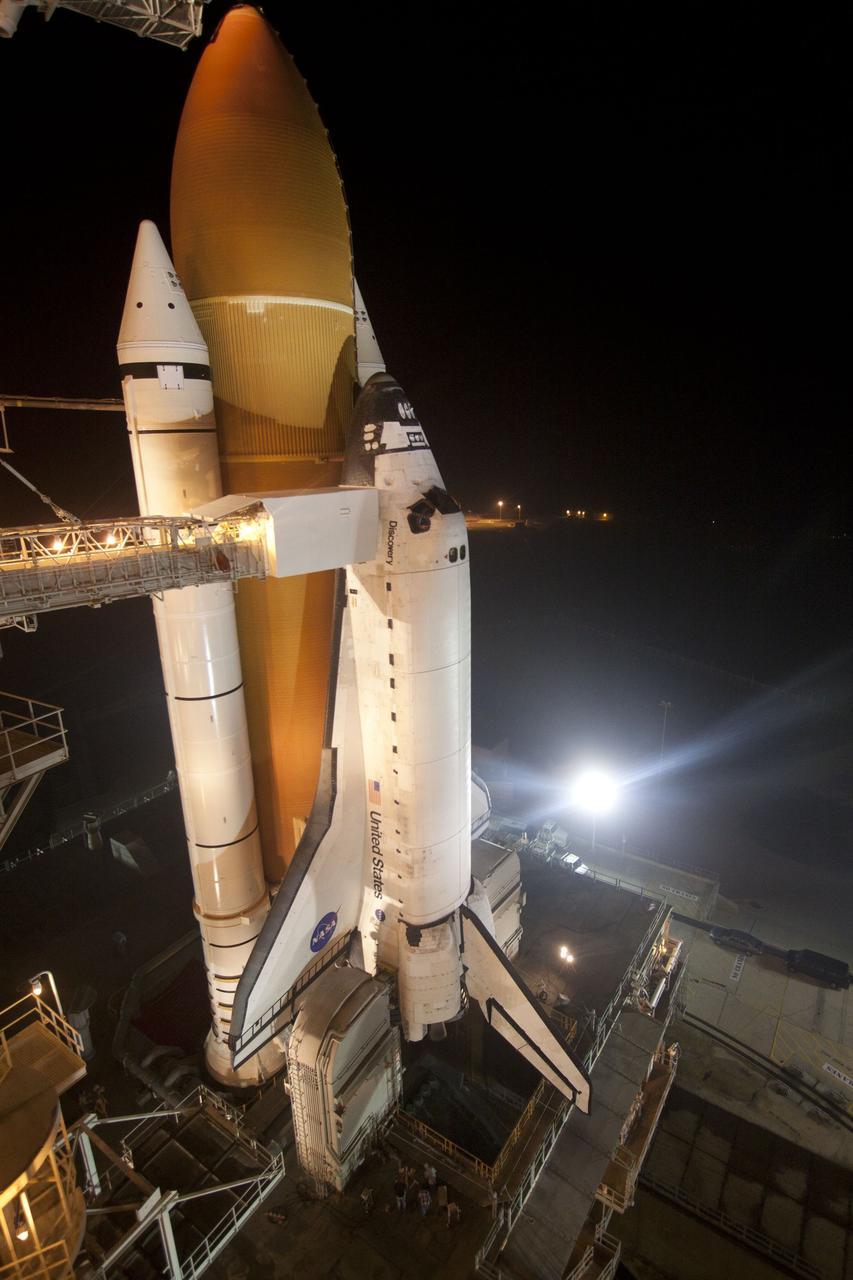
CAPE CANAVERAL, Fla. -- At NASA's Kennedy Space Center in Florida, space shuttle Discovery is illuminated by bright xenon lights on Launch Pad 39A after the rotating service structure was moved away. The structure provides weather protection and access to the shuttle while it awaits lift off on the pad. RSS "rollback," as it's called, began at 8:02 p.m. EST on Feb. 23 and wrapped up at 8:37 p.m. Scheduled to lift off Feb. 24 at 4:50 p.m. EST, Discovery and its six-member crew will deliver the Permanent Multipurpose Module, packed with supplies and critical spare parts, as well as Robonaut 2, the dexterous humanoid astronaut helper, to the International Space Station. Discovery, which will fly its 39th mission, is scheduled to be retired following STS-133. This will be the 133rd Space Shuttle Program mission and the 35th shuttle voyage to the space station. For more information on the STS-133 mission, visit www.nasa.gov/mission_pages/shuttle/shuttlemissions/sts133/. Photo credit: NASA/Jack Pfaller
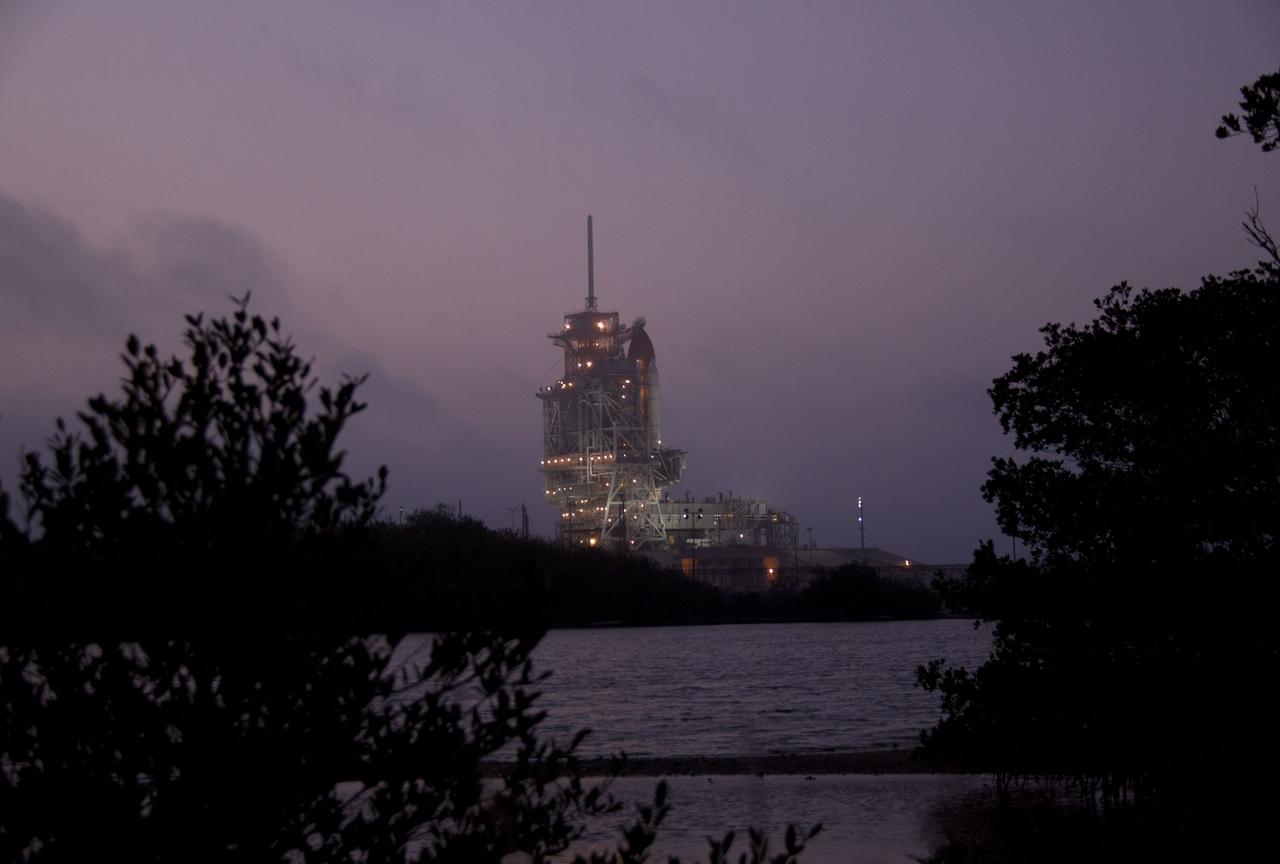
CAPE CANAVERAL, Fla. -- At NASA's Kennedy Space Center in Florida, the rotating service structure on Launch Pad 39A begins to move away from space shuttle Discovery. The structure provides weather protection and access to the shuttle while it awaits lift off on the pad. RSS "rollback," as it's called, began at 8:02 p.m. EST on Feb. 23 and wrapped up at 8:37 p.m. From here, cameras will catch the shuttle lift off amidst the space center's pristine wildlife refuge. Scheduled to lift off Feb. 24 at 4:50 p.m. EST, Discovery and its six-member crew will deliver the Permanent Multipurpose Module, packed with supplies and critical spare parts, as well as Robonaut 2, the dexterous humanoid astronaut helper, to the International Space Station. Discovery, which will fly its 39th mission, is scheduled to be retired following STS-133. This will be the 133rd Space Shuttle Program mission and the 35th shuttle voyage to the space station. For more information on the STS-133 mission, visit www.nasa.gov/mission_pages/shuttle/shuttlemissions/sts133/. Photo credit: NASA/Jack Pfaller
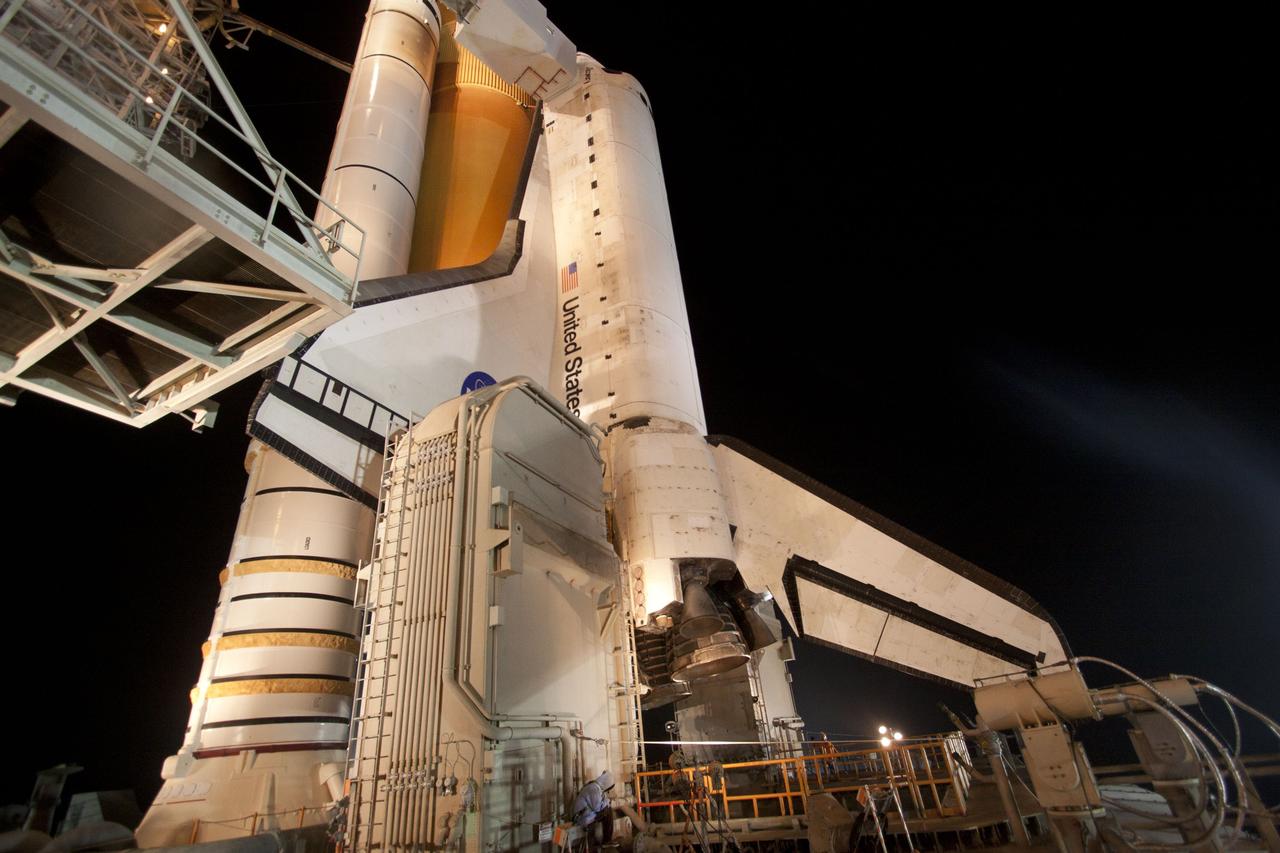
CAPE CANAVERAL, Fla. -- At NASA's Kennedy Space Center in Florida, the rotating service structure on Launch Pad 39A begins to move away from space shuttle Discovery, which is illuminated by bright xenon lights. The structure provides weather protection and access to the shuttle while it awaits lift off on the pad. RSS "rollback," as it's called, began at 8:02 p.m. EST on Feb. 23 and wrapped up at 8:37 p.m. Scheduled to lift off Feb. 24 at 4:50 p.m. EST, Discovery and its six-member crew will deliver the Permanent Multipurpose Module, packed with supplies and critical spare parts, as well as Robonaut 2, the dexterous humanoid astronaut helper, to the International Space Station. Discovery, which will fly its 39th mission, is scheduled to be retired following STS-133. This will be the 133rd Space Shuttle Program mission and the 35th shuttle voyage to the space station. For more information on the STS-133 mission, visit www.nasa.gov/mission_pages/shuttle/shuttlemissions/sts133/. Photo credit: NASA/Jack Pfaller
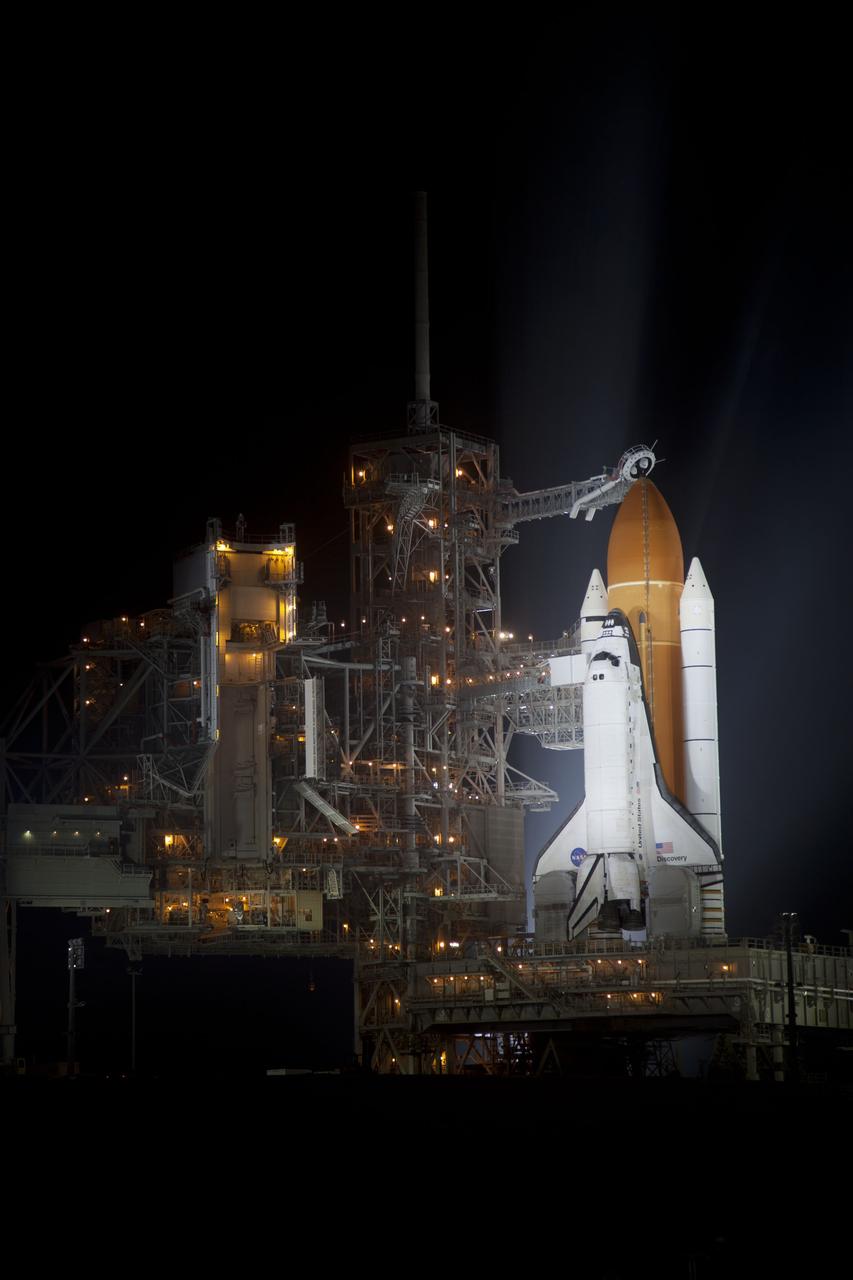
CAPE CANAVERAL, Fla. -- At NASA's Kennedy Space Center in Florida, space shuttle Discovery is illuminated by bright xenon lights on Launch Pad 39A after the rotating service structure was moved away. The structure provides weather protection and access to the shuttle while it awaits lift off on the pad. RSS "rollback," as it's called, began at 8:02 p.m. EST on Feb. 23 and wrapped up at 8:37 p.m. Scheduled to lift off Feb. 24 at 4:50 p.m. EST, Discovery and its six-member crew will deliver the Permanent Multipurpose Module, packed with supplies and critical spare parts, as well as Robonaut 2, the dexterous humanoid astronaut helper, to the International Space Station. Discovery, which will fly its 39th mission, is scheduled to be retired following STS-133. This will be the 133rd Space Shuttle Program mission and the 35th shuttle voyage to the space station. For more information on the STS-133 mission, visit www.nasa.gov/mission_pages/shuttle/shuttlemissions/sts133/. Photo credit: NASA/Frankie Martin
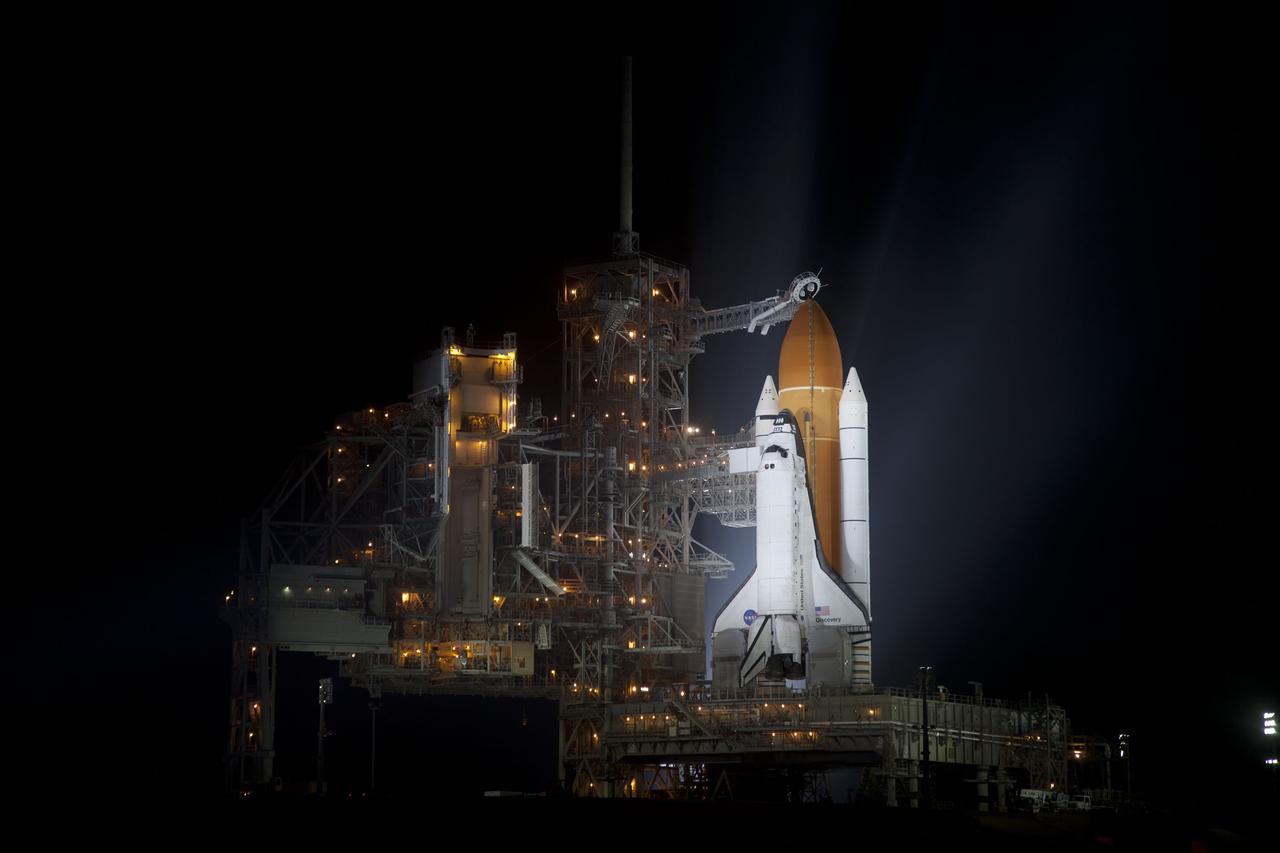
CAPE CANAVERAL, Fla. -- At NASA's Kennedy Space Center in Florida, space shuttle Discovery is illuminated by bright xenon lights on Launch Pad 39A after the rotating service structure was moved away. The structure provides weather protection and access to the shuttle while it awaits lift off on the pad. RSS "rollback," as it's called, began at 8:02 p.m. EST on Feb. 23 and wrapped up at 8:37 p.m. Scheduled to lift off Feb. 24 at 4:50 p.m. EST, Discovery and its six-member crew will deliver the Permanent Multipurpose Module, packed with supplies and critical spare parts, as well as Robonaut 2, the dexterous humanoid astronaut helper, to the International Space Station. Discovery, which will fly its 39th mission, is scheduled to be retired following STS-133. This will be the 133rd Space Shuttle Program mission and the 35th shuttle voyage to the space station. For more information on the STS-133 mission, visit www.nasa.gov/mission_pages/shuttle/shuttlemissions/sts133/. Photo credit: NASA/Frankie Martin
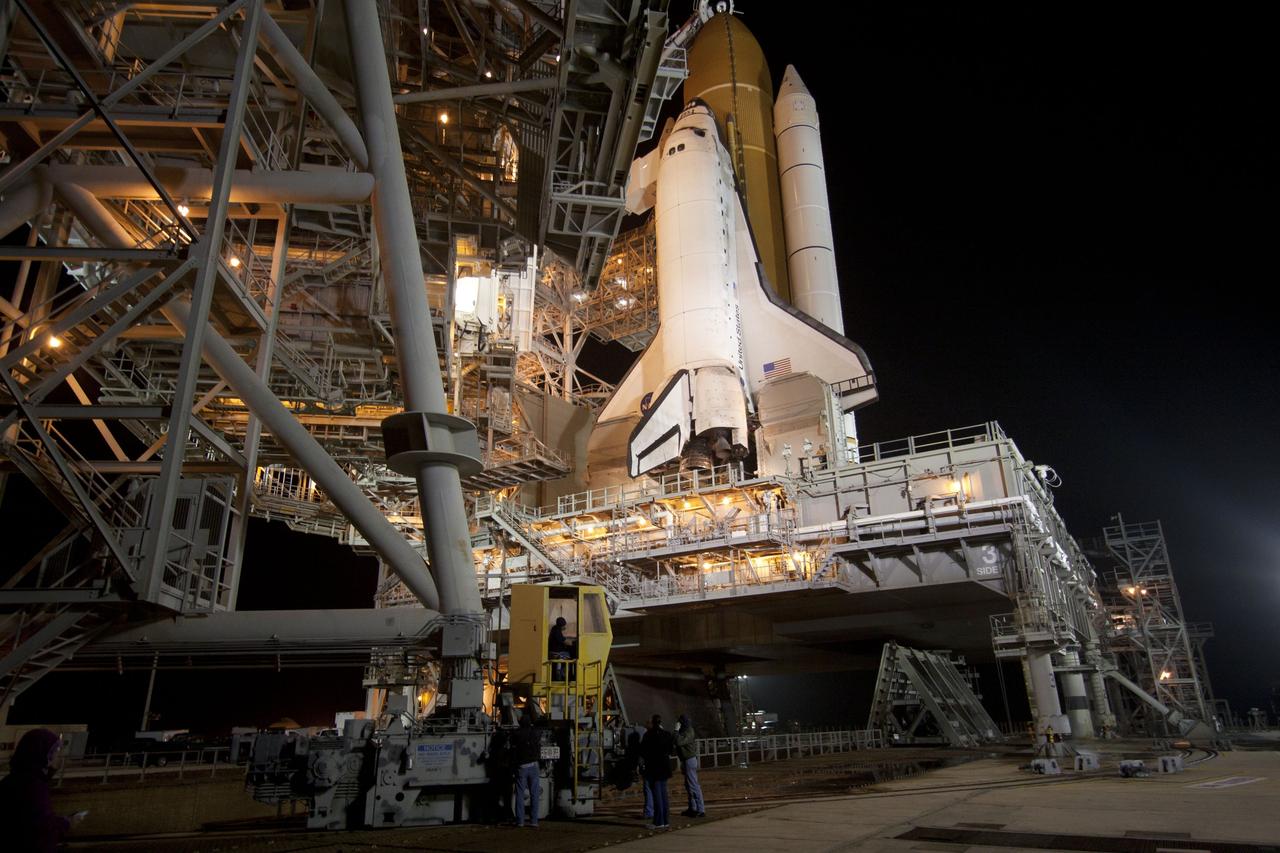
CAPE CANAVERAL, Fla. -- At NASA's Kennedy Space Center in Florida, the rotating service structure on Launch Pad 39A begins to move away from space shuttle Discovery, which is illuminated by bright xenon lights. The structure provides weather protection and access to the shuttle while it awaits lift off on the pad. RSS "rollback," as it's called, began at 8:02 p.m. EST on Feb. 23 and wrapped up at 8:37 p.m. Scheduled to lift off Feb. 24 at 4:50 p.m. EST, Discovery and its six-member crew will deliver the Permanent Multipurpose Module, packed with supplies and critical spare parts, as well as Robonaut 2, the dexterous humanoid astronaut helper, to the International Space Station. Discovery, which will fly its 39th mission, is scheduled to be retired following STS-133. This will be the 133rd Space Shuttle Program mission and the 35th shuttle voyage to the space station. For more information on the STS-133 mission, visit www.nasa.gov/mission_pages/shuttle/shuttlemissions/sts133/. Photo credit: NASA/Jack Pfaller
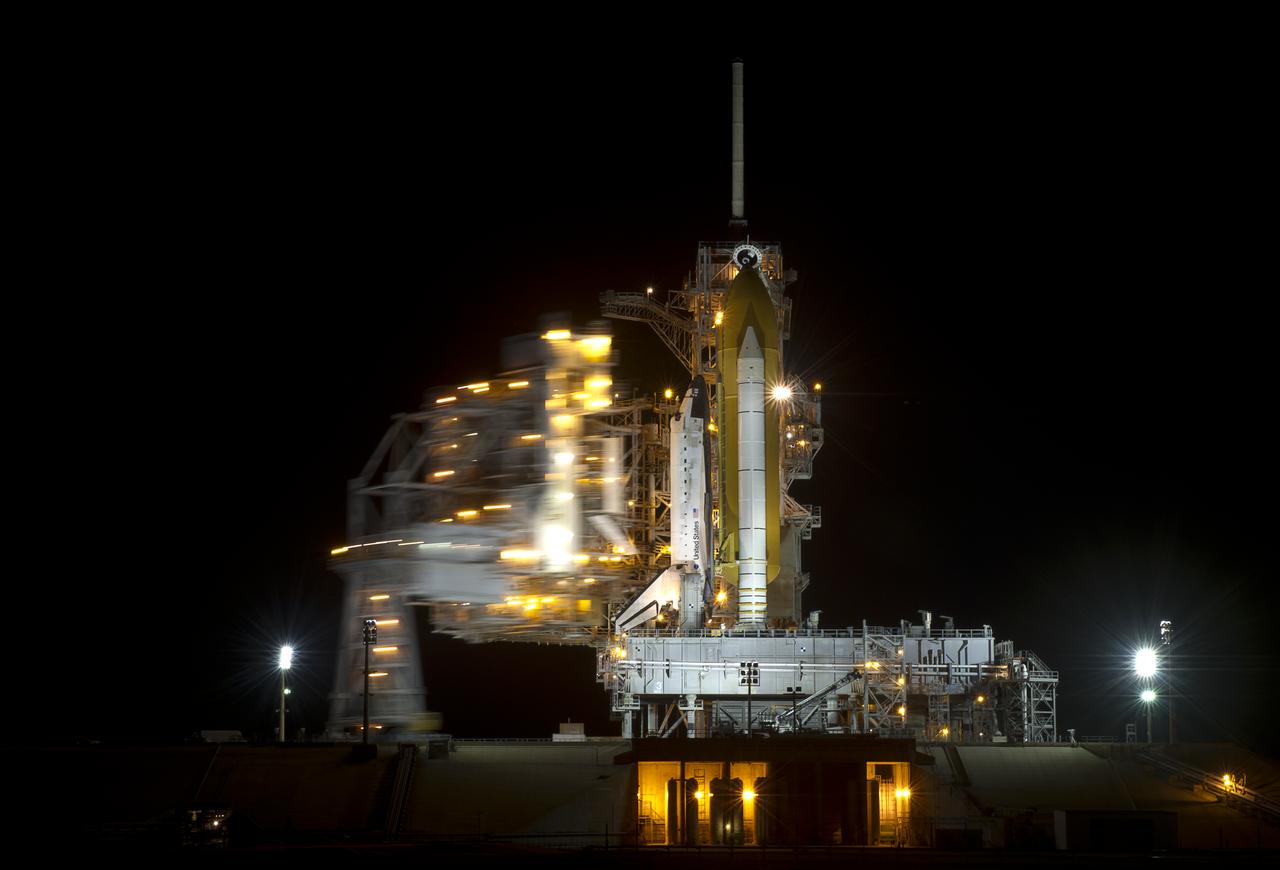
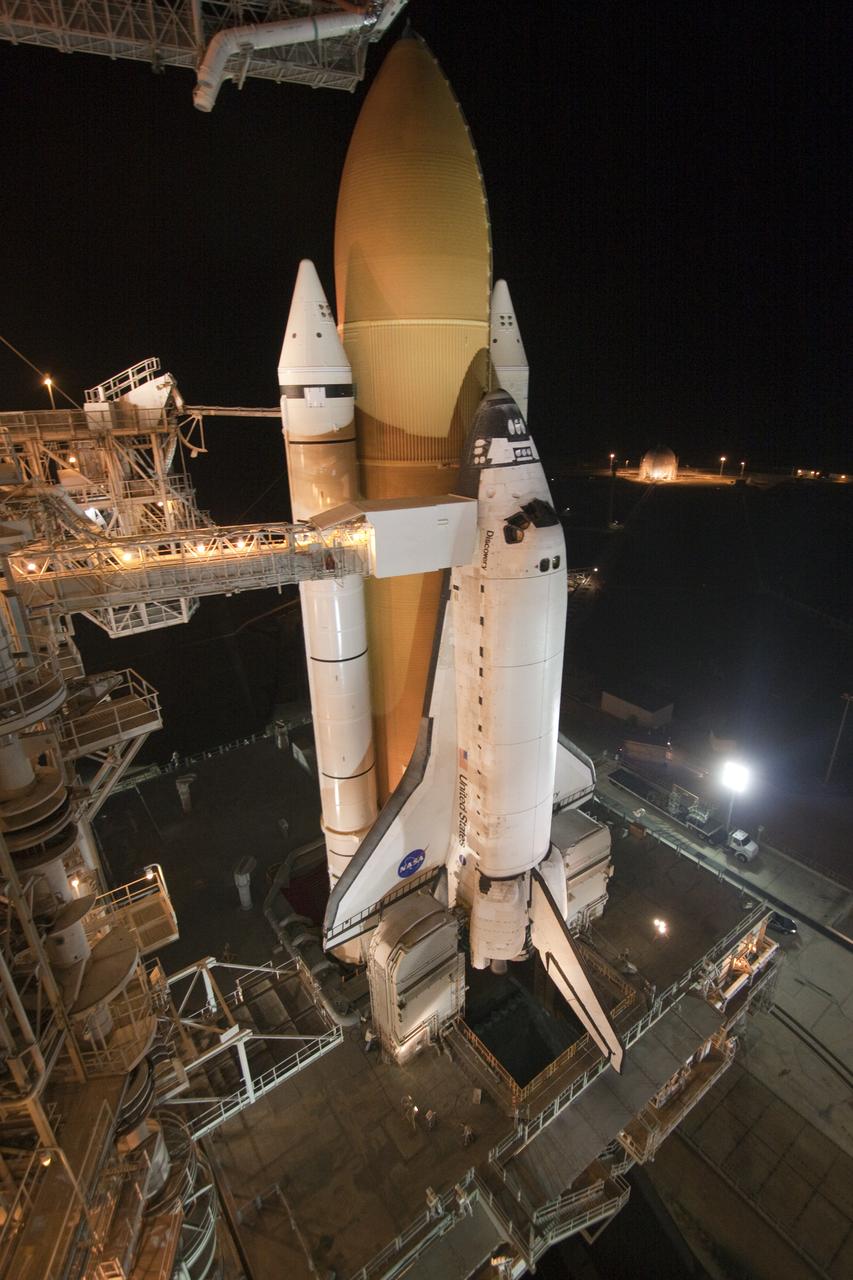
The space shuttle Discovery is seen on launch Pad 39a as the Rotating Service Structure (RSS) is rolled back on Wednesday, Nov. 3, 2010 at the NASA Kennedy Space Center in Cape Canaveral, Fla. During space shuttle Discovery's final spaceflight, the STS-133 crew members will take important spare parts to the International Space Station along with the Express Logistics Carrier-4. Photo Credit: (NASA/Bill Ingalls)
The space shuttle Discovery is seen on launch Pad 39a after the Rotating Service Structure (RSS) is rolled back on Wednesday, Nov. 3, 2010 at the NASA Kennedy Space Center in Cape Canaveral, Fla. During space shuttle Discovery's final spaceflight, the STS-133 crew members will take important spare parts to the International Space Station along with the Express Logistics Carrier-4. Photo Credit: (NASA/Bill Ingalls)
The space shuttle Discovery is seen on launch Pad 39a after the Rotating Service Structure (RSS) is rolled back on Wednesday, Nov. 3, 2010 at the NASA Kennedy Space Center in Cape Canaveral, Fla. During space shuttle Discovery's final spaceflight, the STS-133 crew members will take important spare parts to the International Space Station along with the Express Logistics Carrier-4. Photo Credit: (NASA/Bill Ingalls)
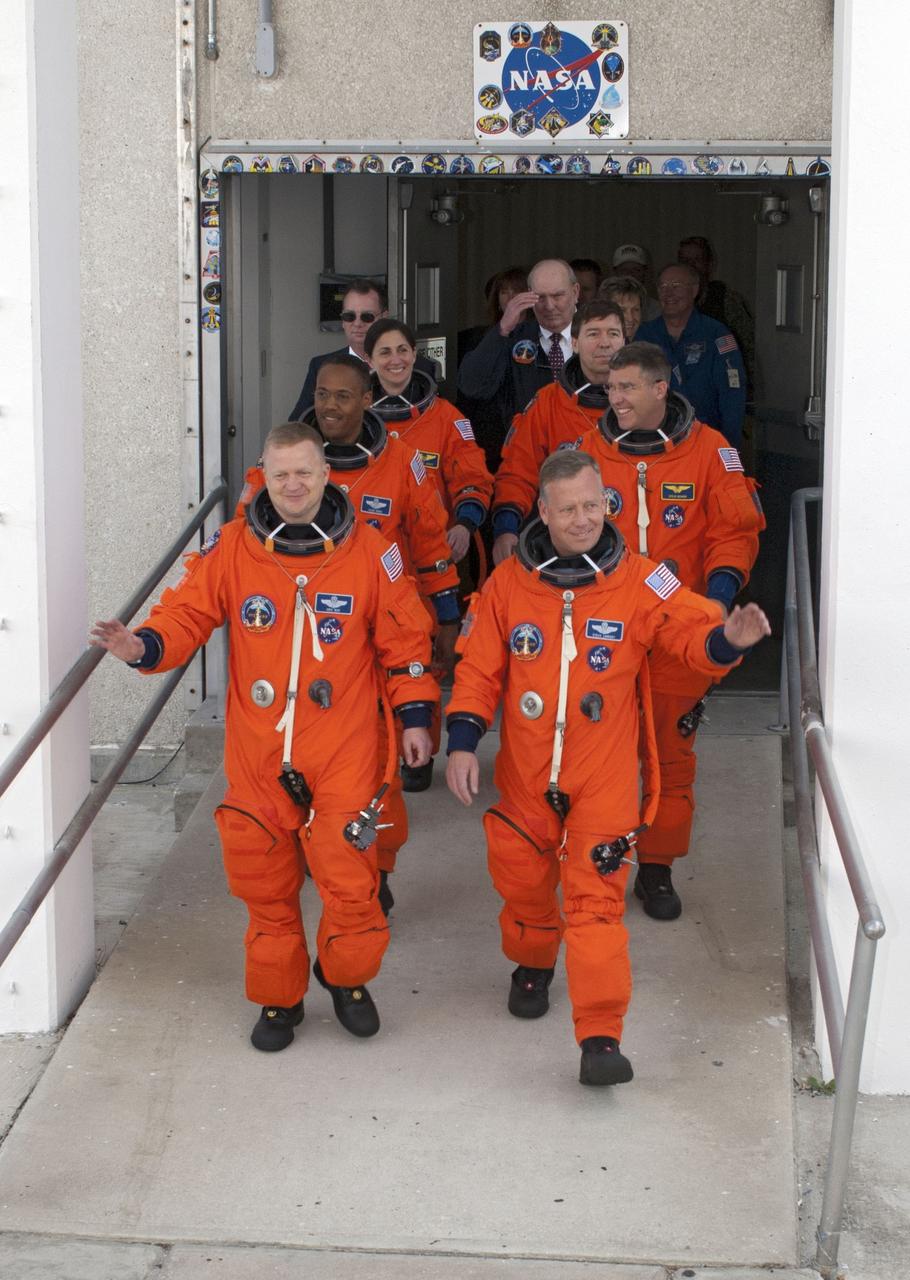
CAPE CANAVERAL, Fla. -- At NASA's Kennedy Space Center in Florida, space shuttle Discovery's STS-133 astronauts, dressed in their orange launch-and-entry suits, wave to news media representatives and other spectators as they walk out of the Operations and Checkout Building towards the Astrovan, which will transport them to Launch Pad 39A. From back row left, are Mission Specialists Nicole Stott, Michael Barratt, middle row left, Mission Specialists Alvin Drew and Steve Bowen; front row left, Pilot Eric Boe; and Commander Steve Lindsey. Discovery and its six-member crew will deliver the Permanent Multipurpose Module, packed with supplies and critical spare parts, as well as Robonaut 2, the dexterous humanoid astronaut helper, to the International Space Station. Discovery, which will fly its 39th mission, is scheduled to be retired following STS-133. This will be the 133rd Space Shuttle Program mission and the 35th shuttle voyage to the space station. For more information on the STS-133 mission, visit www.nasa.gov/mission_pages/shuttle/shuttlemissions/sts133/. Photo credit: NASA/Kim Shiflett
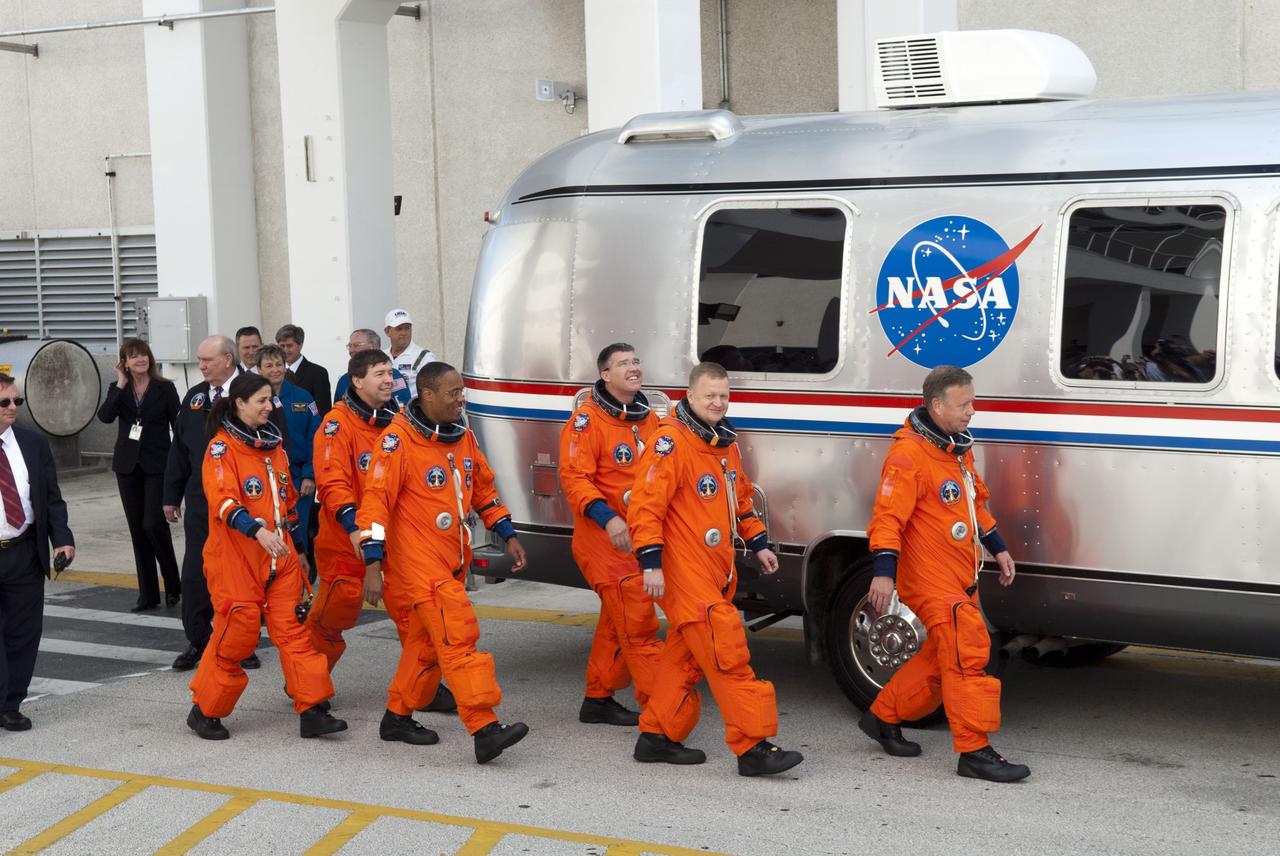
CAPE CANAVERAL, Fla. -- At the Operations and Checkout Building at NASA's Kennedy Space Center in Florida, space shuttle Discovery's STS-133 astronauts, dressed in their orange launch-and-entry suits, make their way to the Astrovan which will transport them to Launch Pad 39A. From left are Mission Specialists Nicole Stott, Michael Barratt, Alvin Drew and Steve Bowen; Pilot Eric Boe; and Commander Steve Lindsey. Discovery and its six-member crew will deliver the Permanent Multipurpose Module, packed with supplies and critical spare parts, as well as Robonaut 2, the dexterous humanoid astronaut helper, to the International Space Station. Discovery, which will fly its 39th mission, is scheduled to be retired following STS-133. This will be the 133rd Space Shuttle Program mission and the 35th shuttle voyage to the space station. For more information on the STS-133 mission, visit www.nasa.gov/mission_pages/shuttle/shuttlemissions/sts133/. Photo credit: NASA/Jim Grossmann
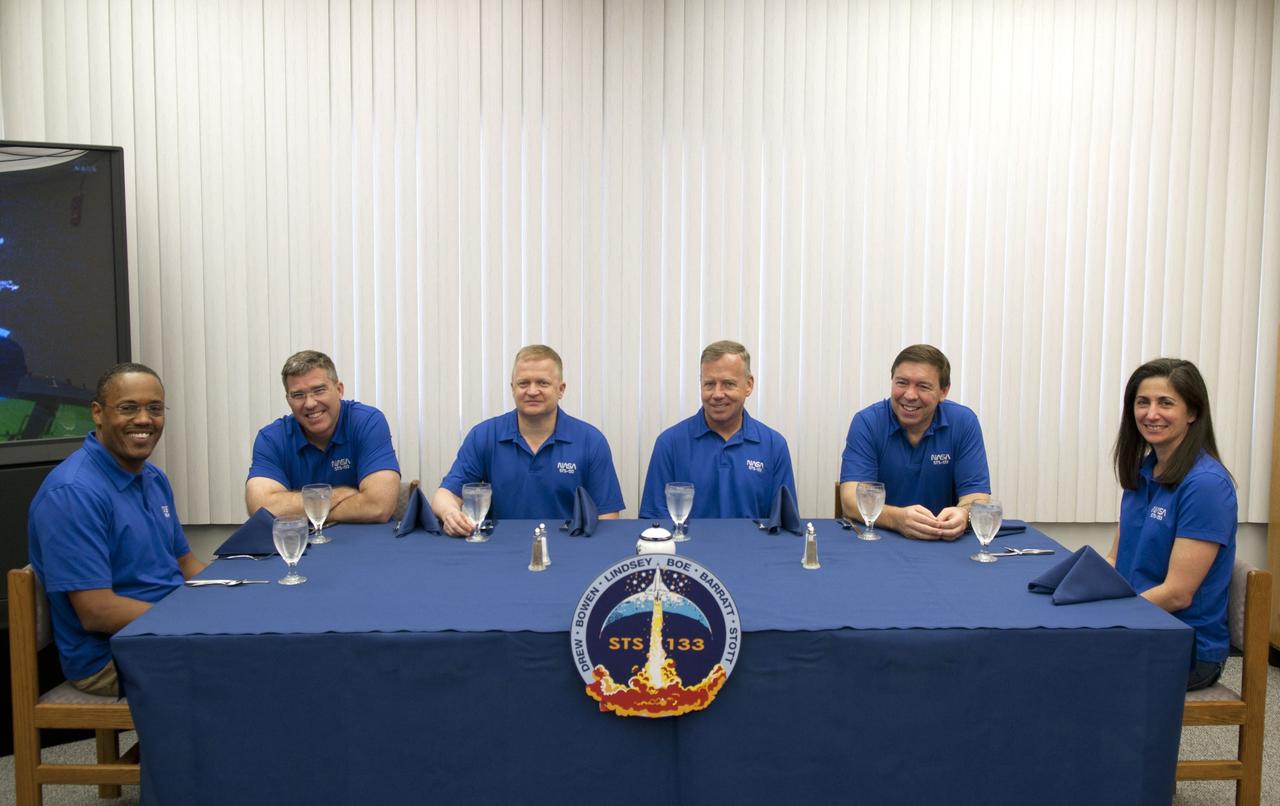
CAPE CANAVERAL, Fla. -- Space shuttle Discovery's six STS-133 astronauts sit down to eat breakfast together in their Astronaut Crew Quarters located in NASA Kennedy Space Center's Operations and Checkout Building (O&C). From left, are Mission Specialists Alvin Drew and Steve Bowen, Pilot Eric Boe, Commander Steve Lindsey, and Mission Specialists Michael Barratt and Nicole Stott. The crew woke up at about 7 a.m. to begin final preparations before their scheduled launch at 4:50 p.m. EST on Feb. 24. Discovery and its six-member crew will deliver the Permanent Multipurpose Module, packed with supplies and critical spare parts, as well as Robonaut 2, the dexterous humanoid astronaut helper, to the International Space Station. Discovery, which will fly its 39th mission, is scheduled to be retired following STS-133. This will be the 133rd Space Shuttle Program mission and the 35th shuttle voyage to the space station. For more information on the STS-133 mission, visit www.nasa.gov/mission_pages/shuttle/shuttlemissions/sts133/. Photo credit: NASA/Jim Grossmann
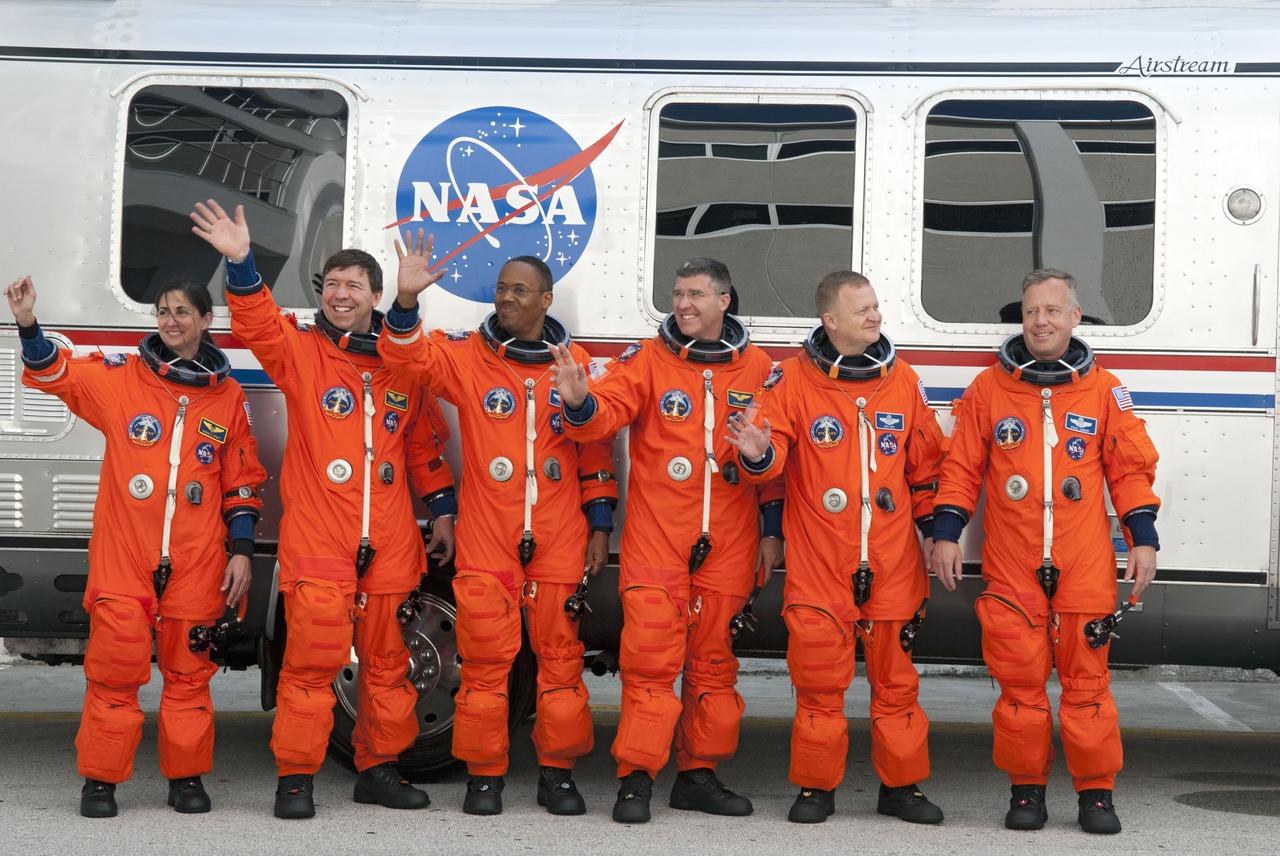
CAPE CANAVERAL, Fla. -- At the Operations and Checkout Building at NASA's Kennedy Space Center in Florida, space shuttle Discovery's STS-133 astronauts, dressed in their orange launch-and-entry suits, pause for a group portrait in front of the Astrovan which will transport them to Launch Pad 39A. From left are Mission Specialists Nicole Stott, Michael Barratt, Alvin Drew and Steve Bowen; Pilot Eric Boe; and Commander Steve Lindsey. Discovery and its six-member crew will deliver the Permanent Multipurpose Module, packed with supplies and critical spare parts, as well as Robonaut 2, the dexterous humanoid astronaut helper, to the International Space Station. Discovery, which will fly its 39th mission, is scheduled to be retired following STS-133. This will be the 133rd Space Shuttle Program mission and the 35th shuttle voyage to the space station. For more information on the STS-133 mission, visit www.nasa.gov/mission_pages/shuttle/shuttlemissions/sts133/. Photo credit: NASA/Jim Grossmann
STS-133 LAUNCH L-1 RSS ROLLBACK
STS-133 LAUNCH L-1 RSS ROLLBACK
STS-133 LAUNCH L-1 RSS ROLLBACK
STS-133 LAUNCH L-1 RSS ROLLBACK
STS-133 LAUNCH L-1 RSS ROLLBACK
STS-133 LAUNCH L-1 RSS ROLLBACK
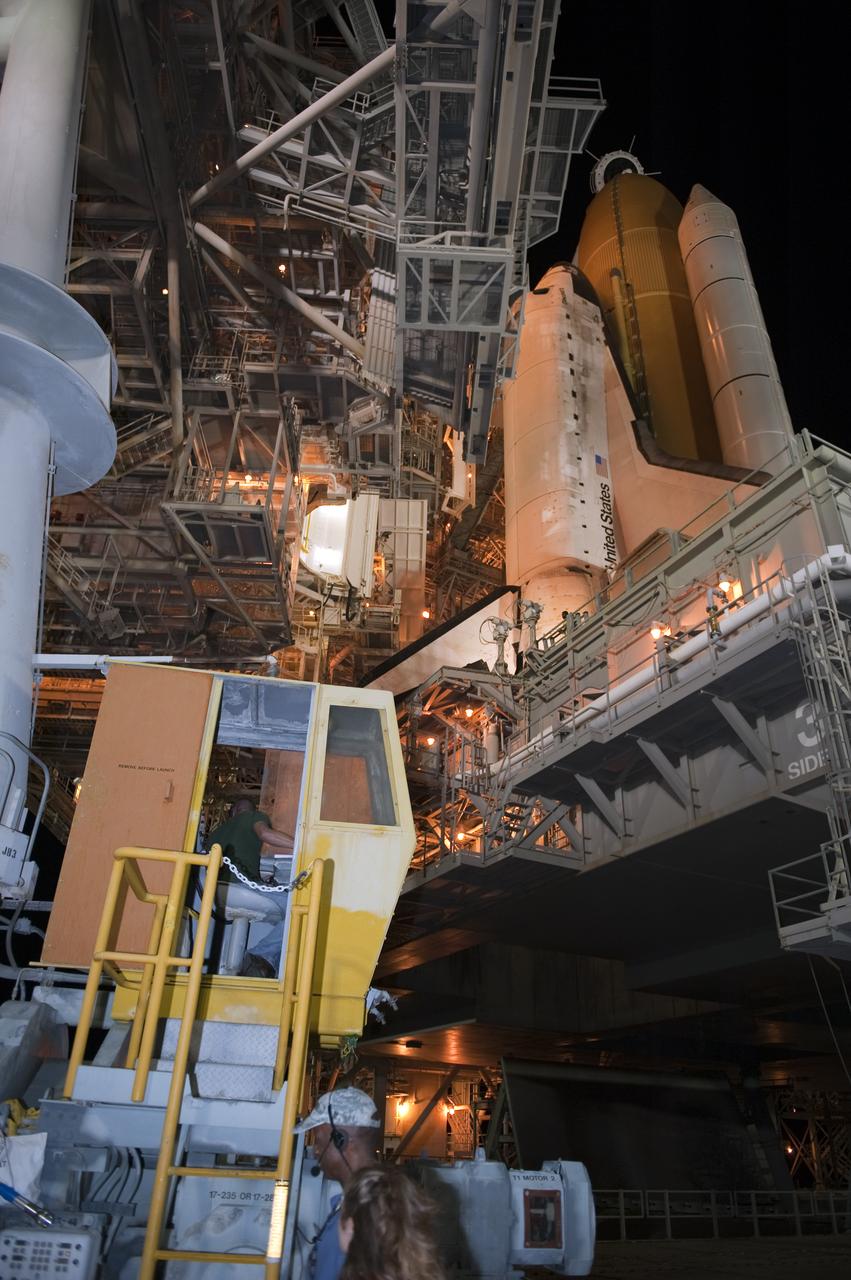
STS-133 LAUNCH L-1 RSS ROLLBACK
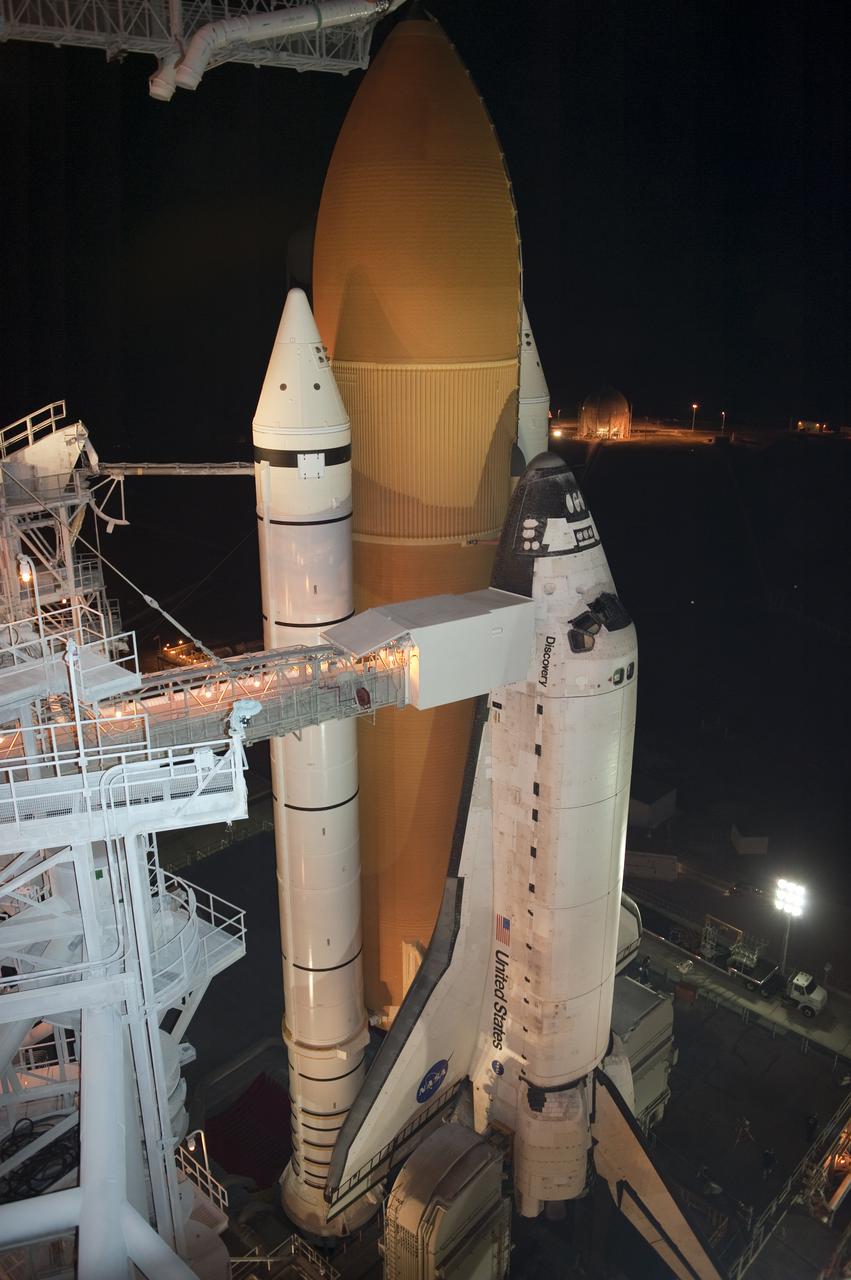
STS-133 LAUNCH L-1 RSS ROLLBACK
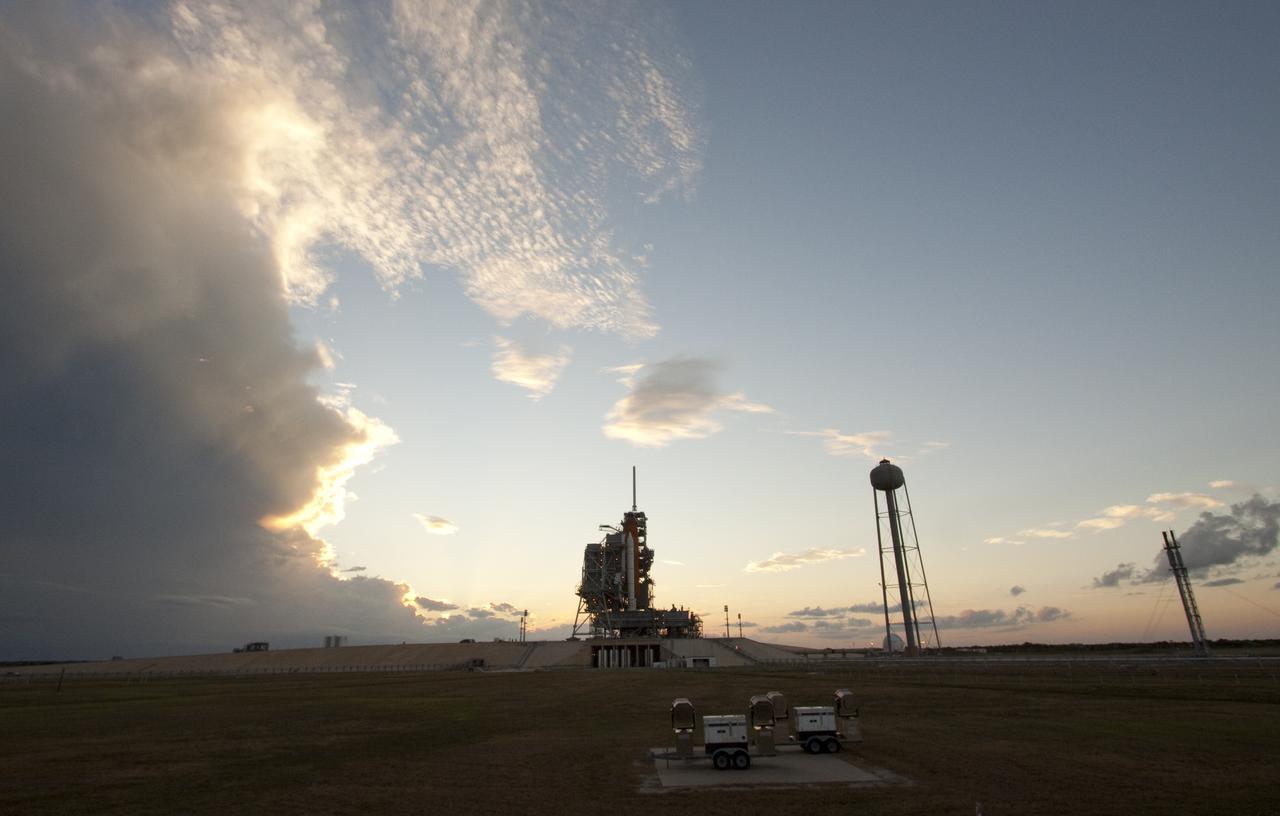
STS-133 LAUNCH L-1 RSS ROLLBACK
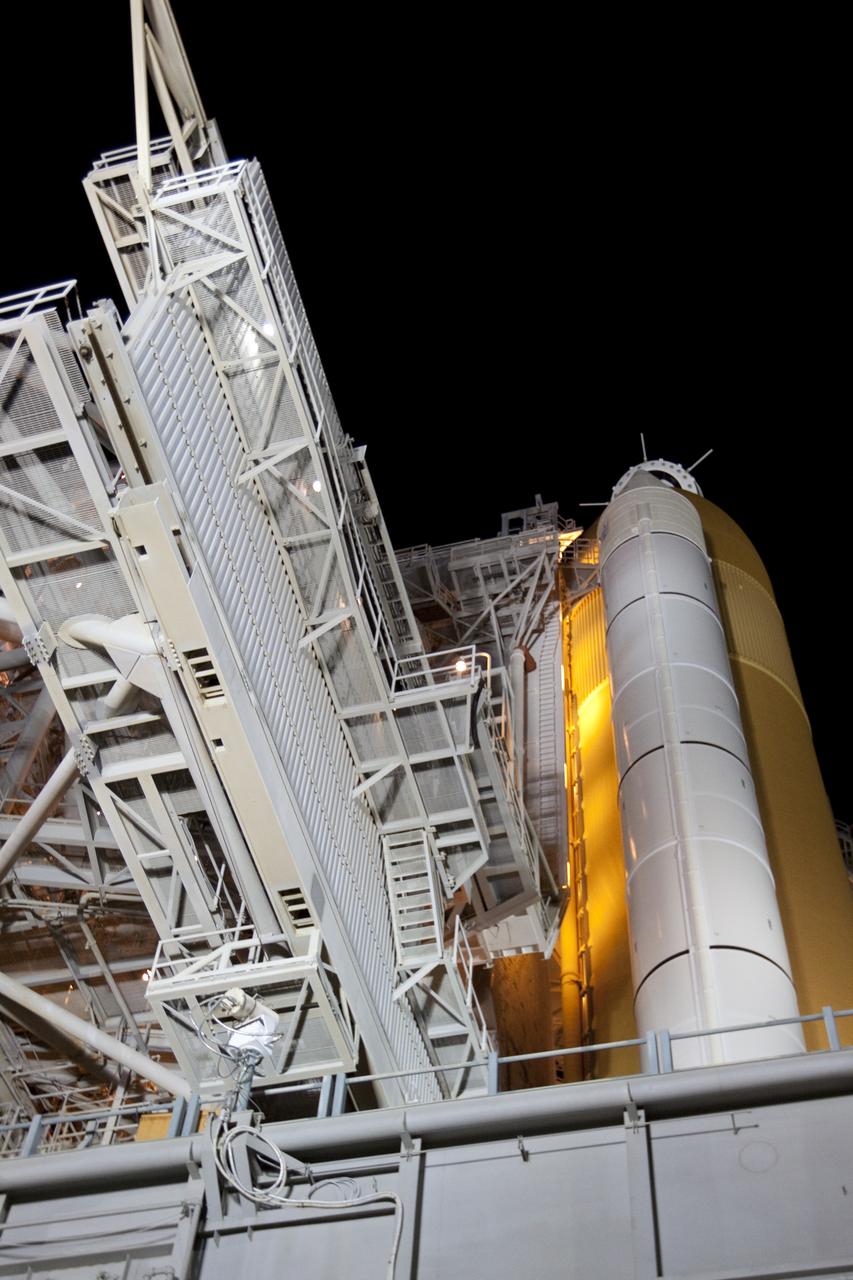
STS-133 LAUNCH L-1 RSS ROLLBACK
STS-133 LAUNCH L-1 RSS ROLLBACK
STS-133 LAUNCH L-1 RSS ROLLBACK
STS-133 LAUNCH L-1 RSS ROLLBACK
STS-133 LAUNCH L-1 RSS ROLLBACK
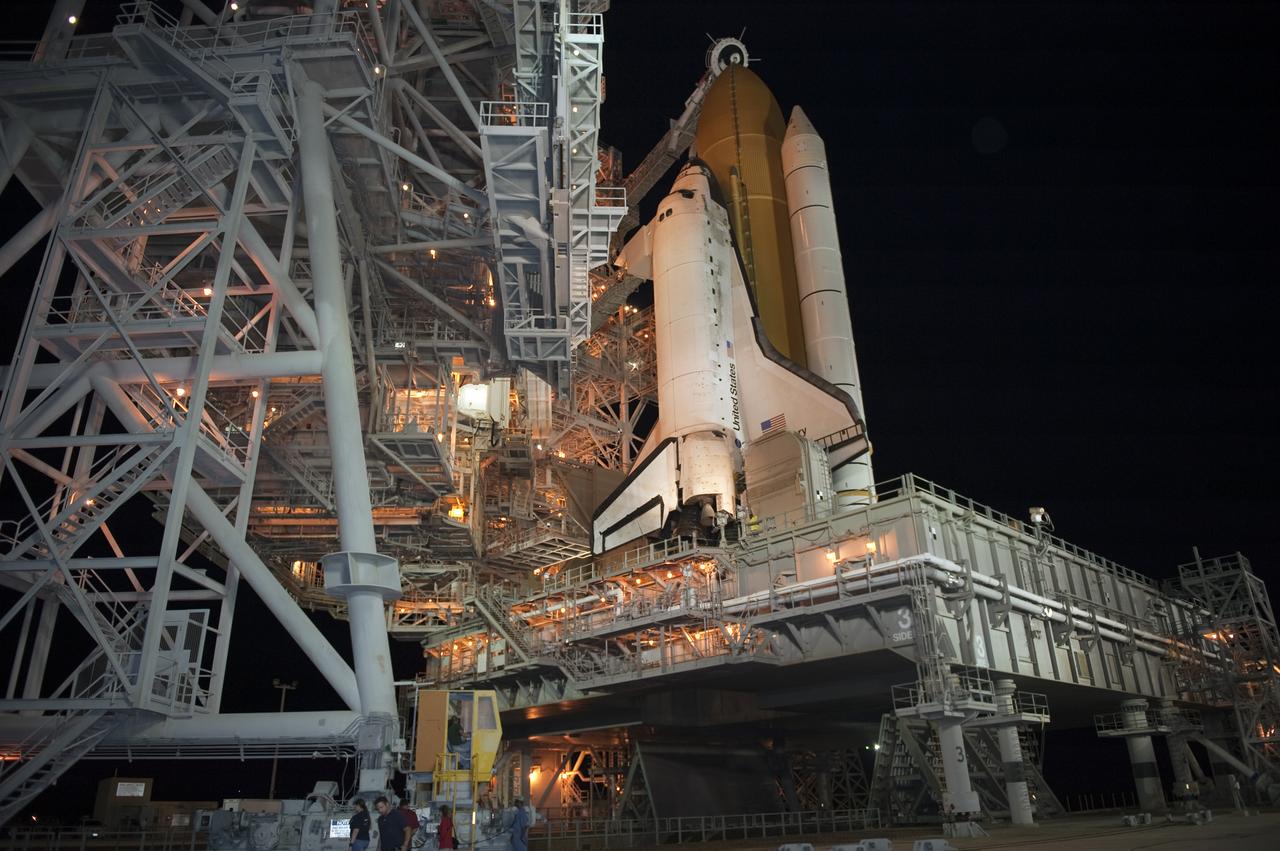
STS-133 LAUNCH L-1 RSS ROLLBACK
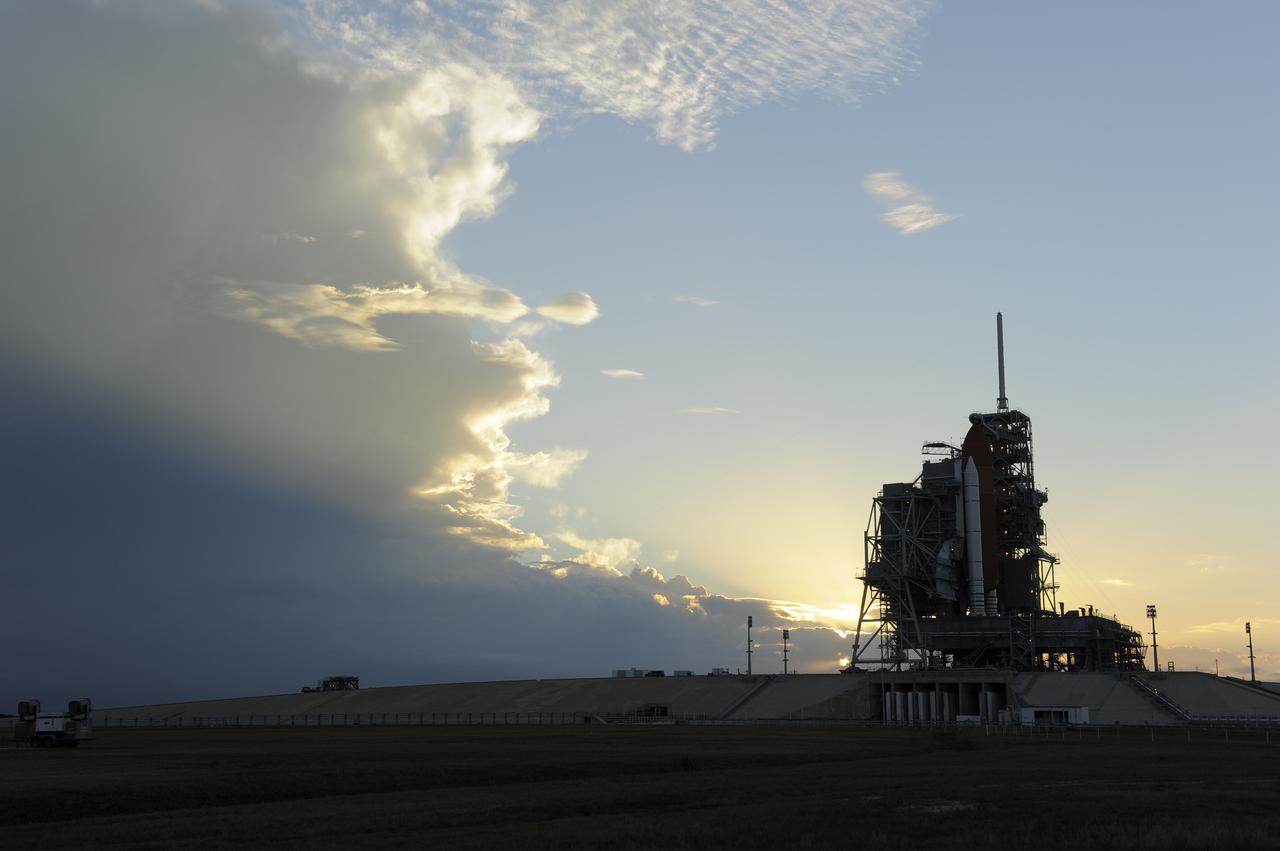
STS-133 DISCOVERY - WEATHER FRONT - PRE RSS ROLLBACK
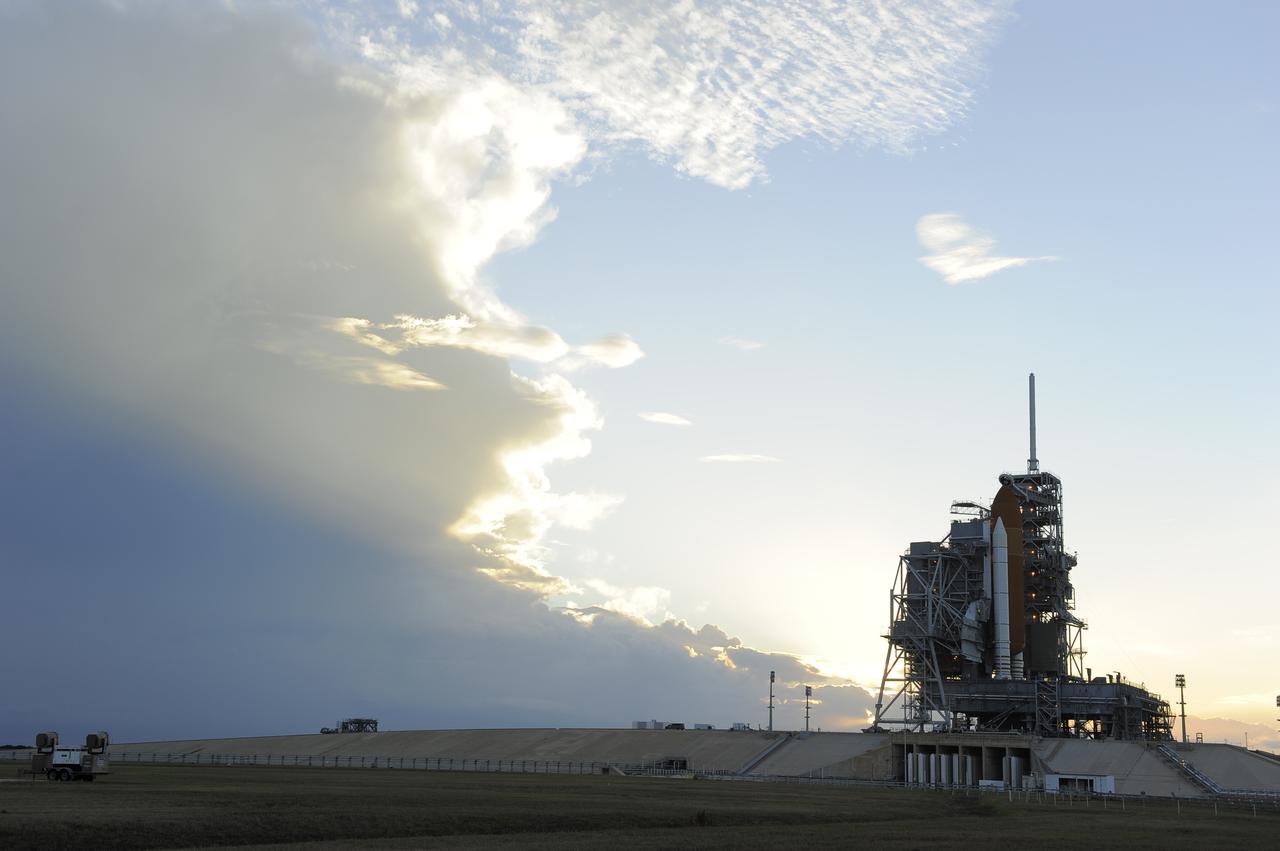
STS-133 DISCOVERY - WEATHER FRONT - PRE RSS ROLLBACK
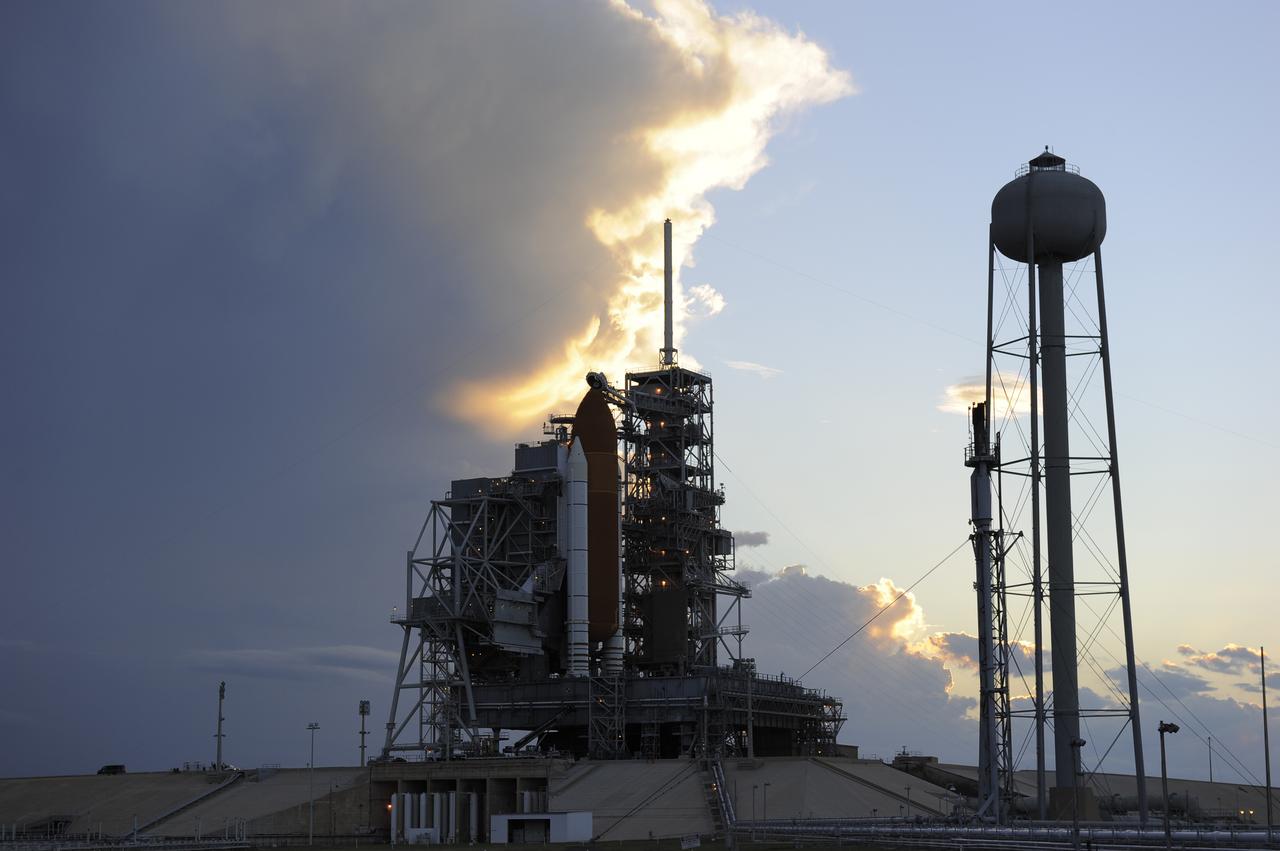
STS-133 DISCOVERY - WEATHER FRONT - PRE RSS ROLLBACK
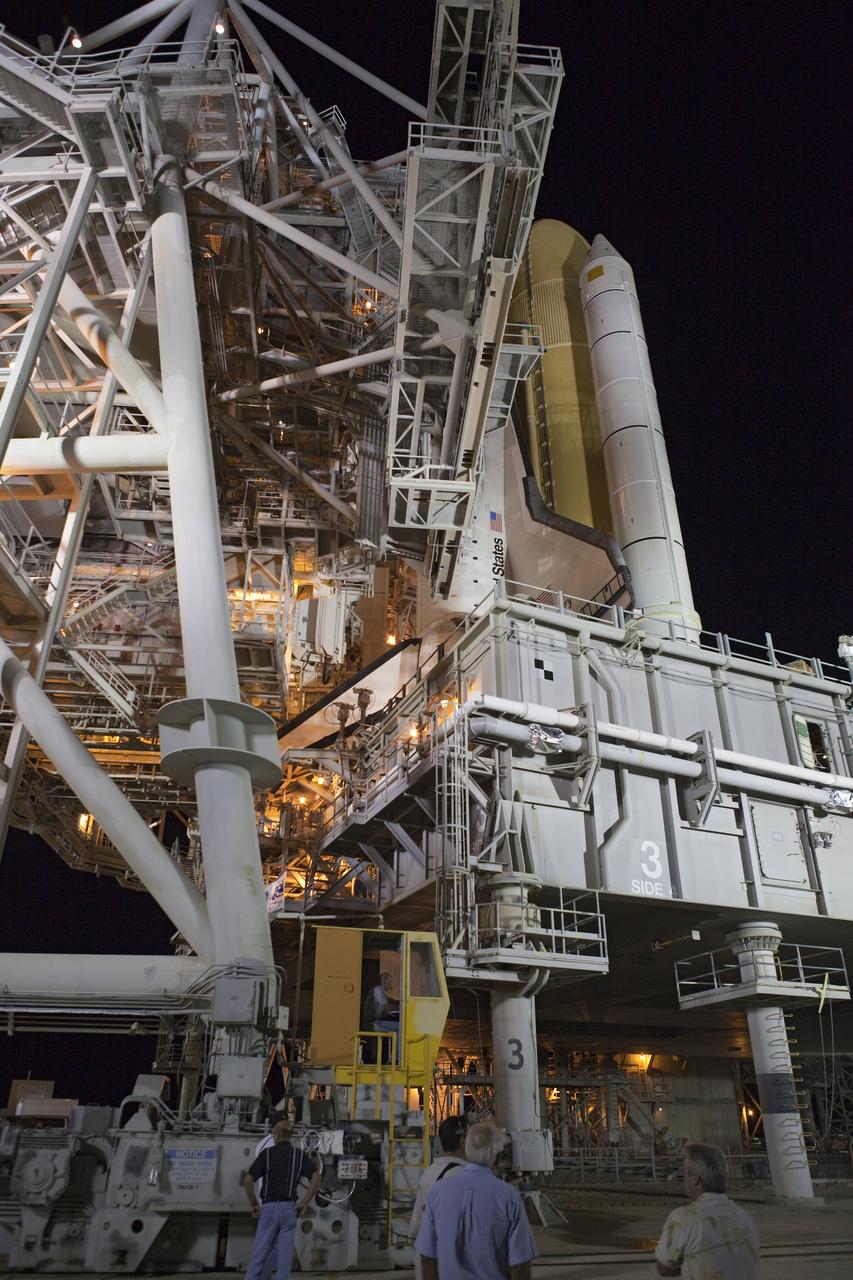
STS-133 DISCOVERY - RSS CLOSURE AFTER ROLLOUT & EMPLOYEE PHOTO OPPORTUNITY
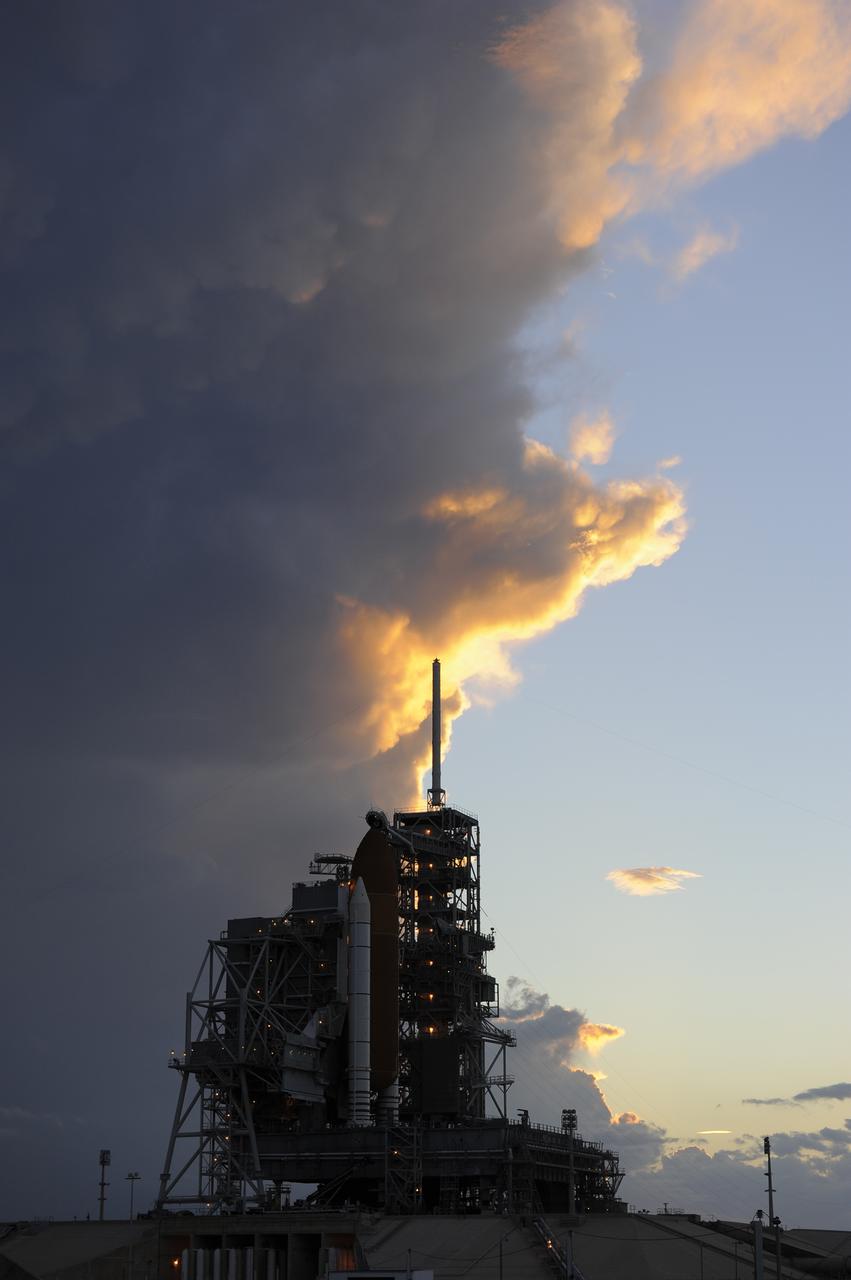
STS-133 DISCOVERY - WEATHER FRONT - PRE RSS ROLLBACK
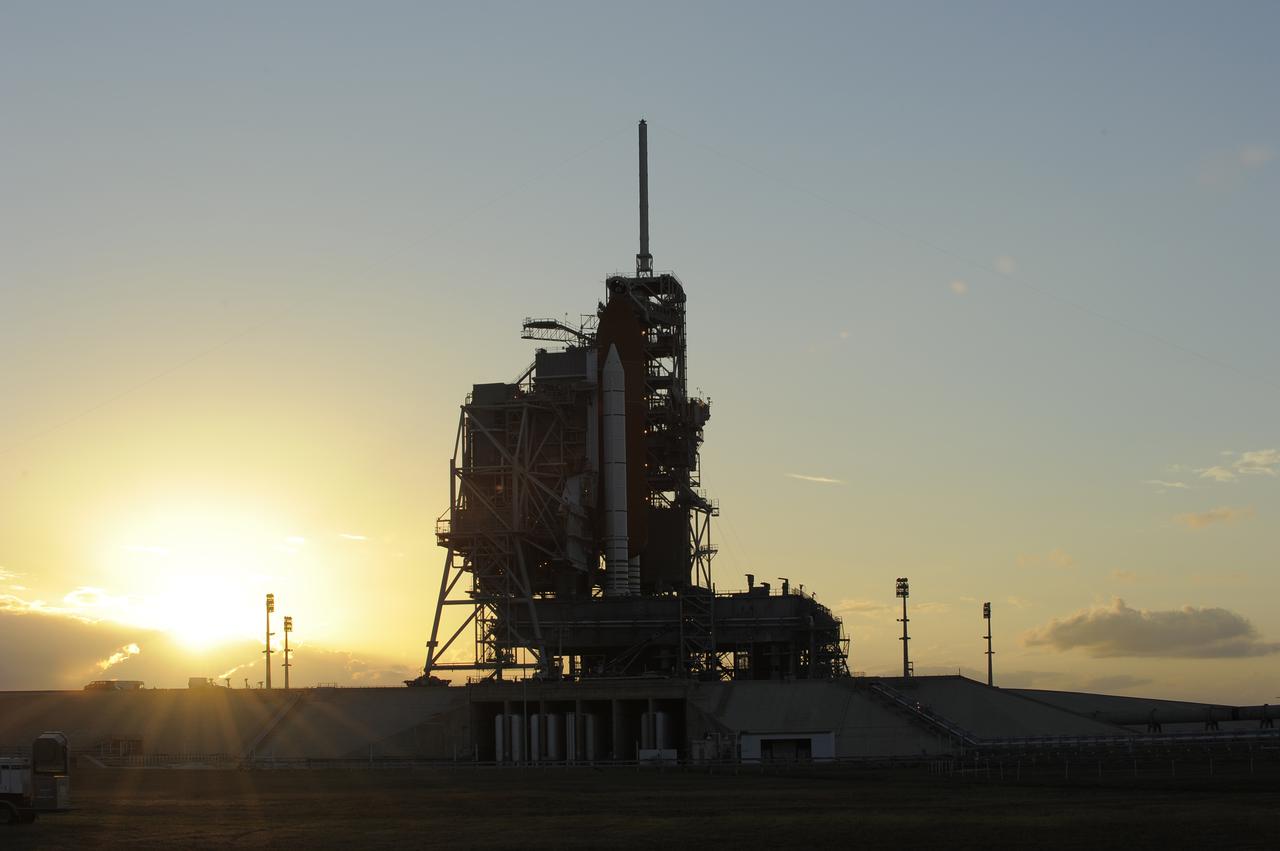
STS-133 DISCOVERY - WEATHER FRONT - PRE RSS ROLLBACK
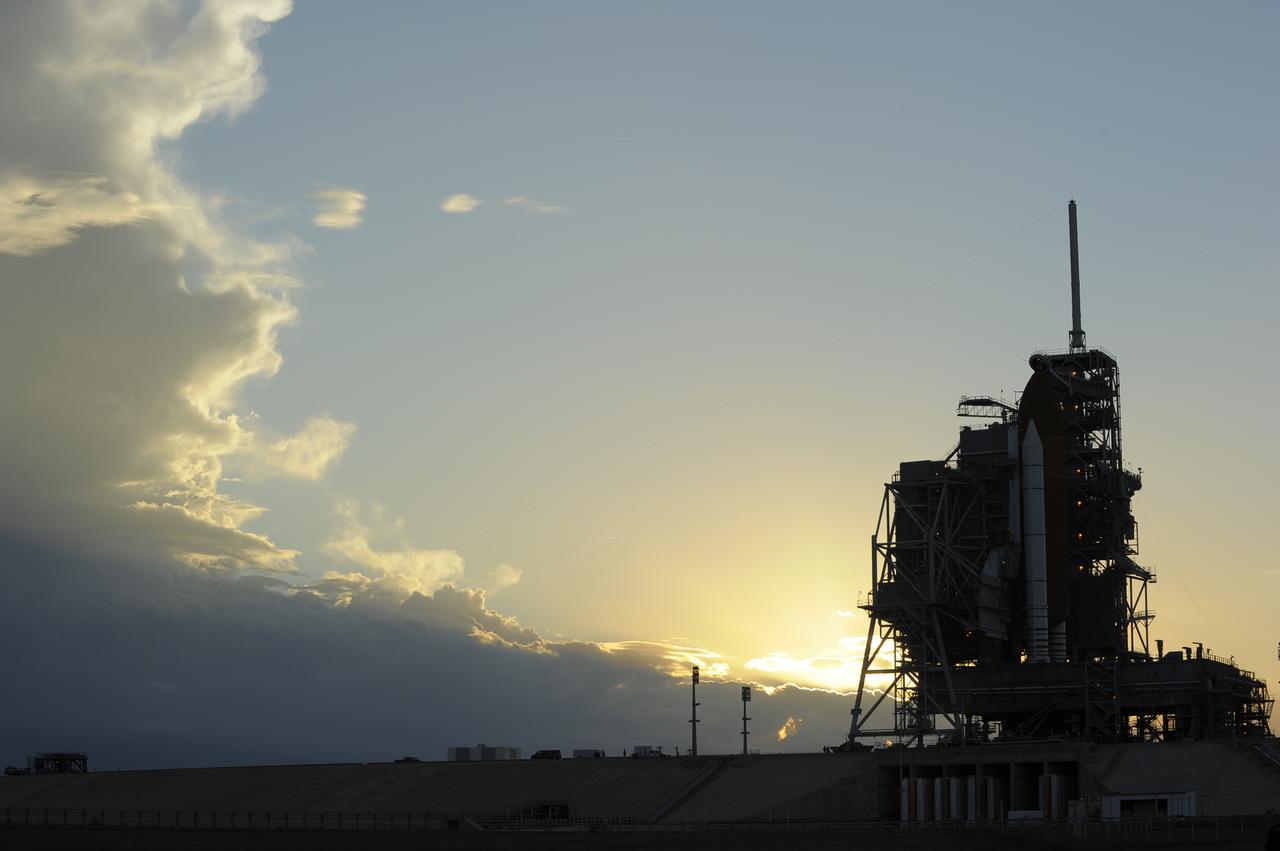
STS-133 DISCOVERY - WEATHER FRONT - PRE RSS ROLLBACK
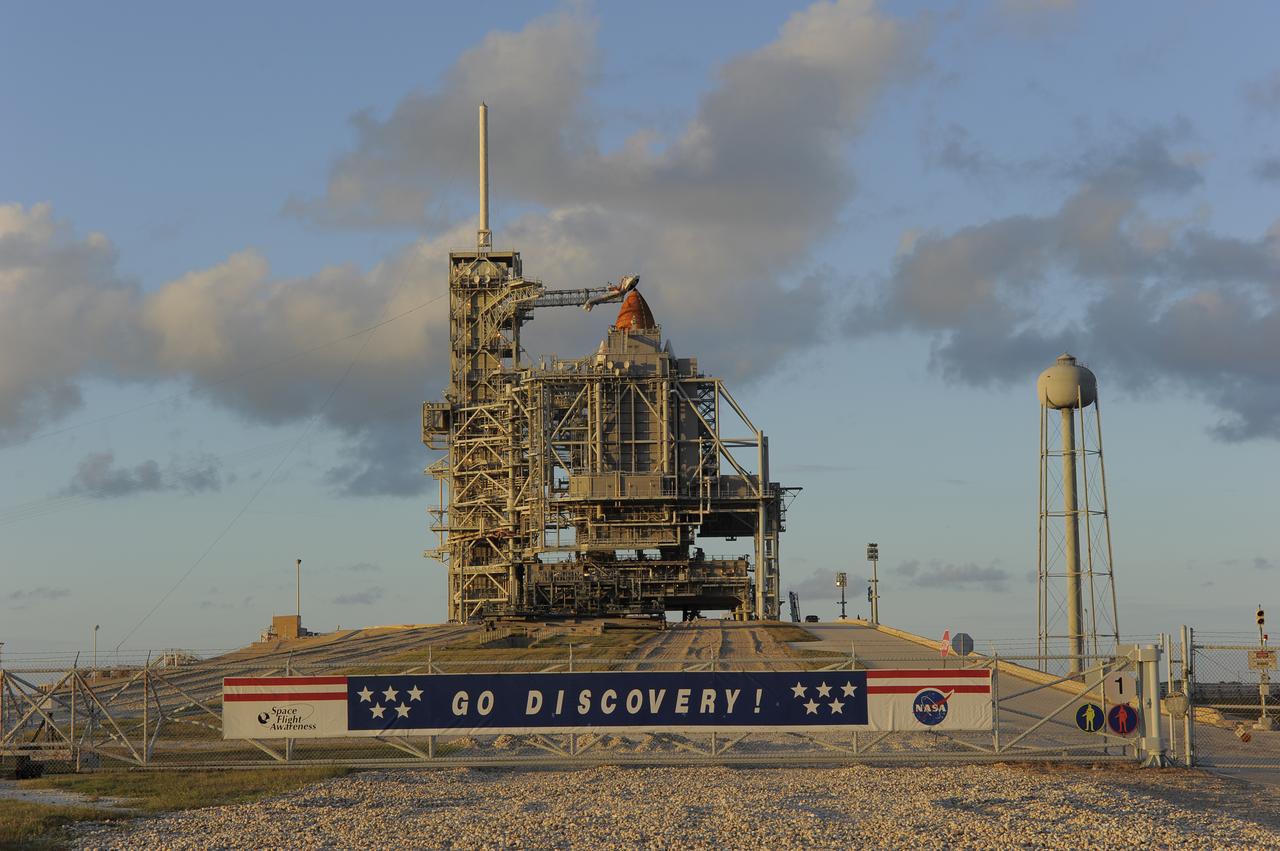
STS-133 DISCOVERY - WEATHER FRONT - PRE RSS ROLLBACK
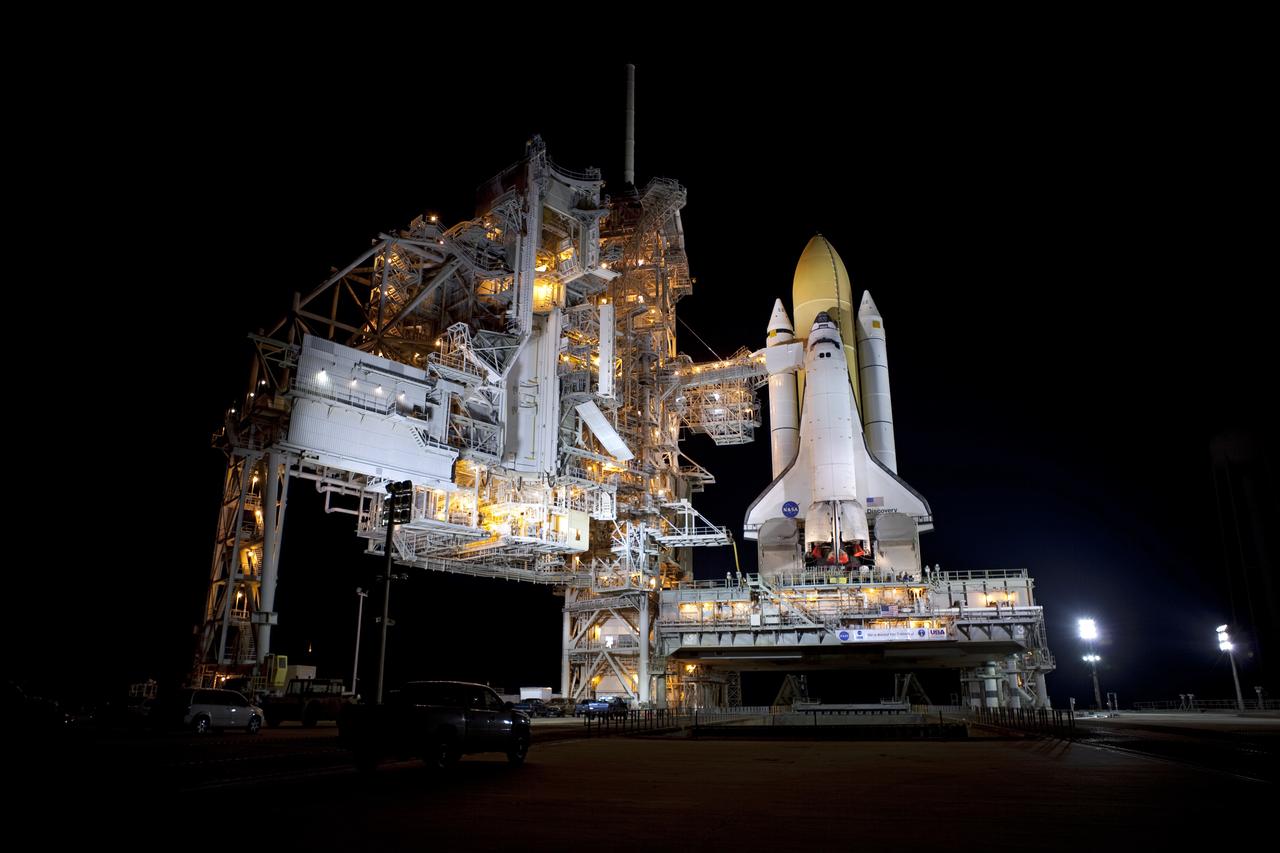
STS-133 DISCOVERY - RSS CLOSURE AFTER ROLLOUT & EMPLOYEE PHOTO OPPORTUNITY
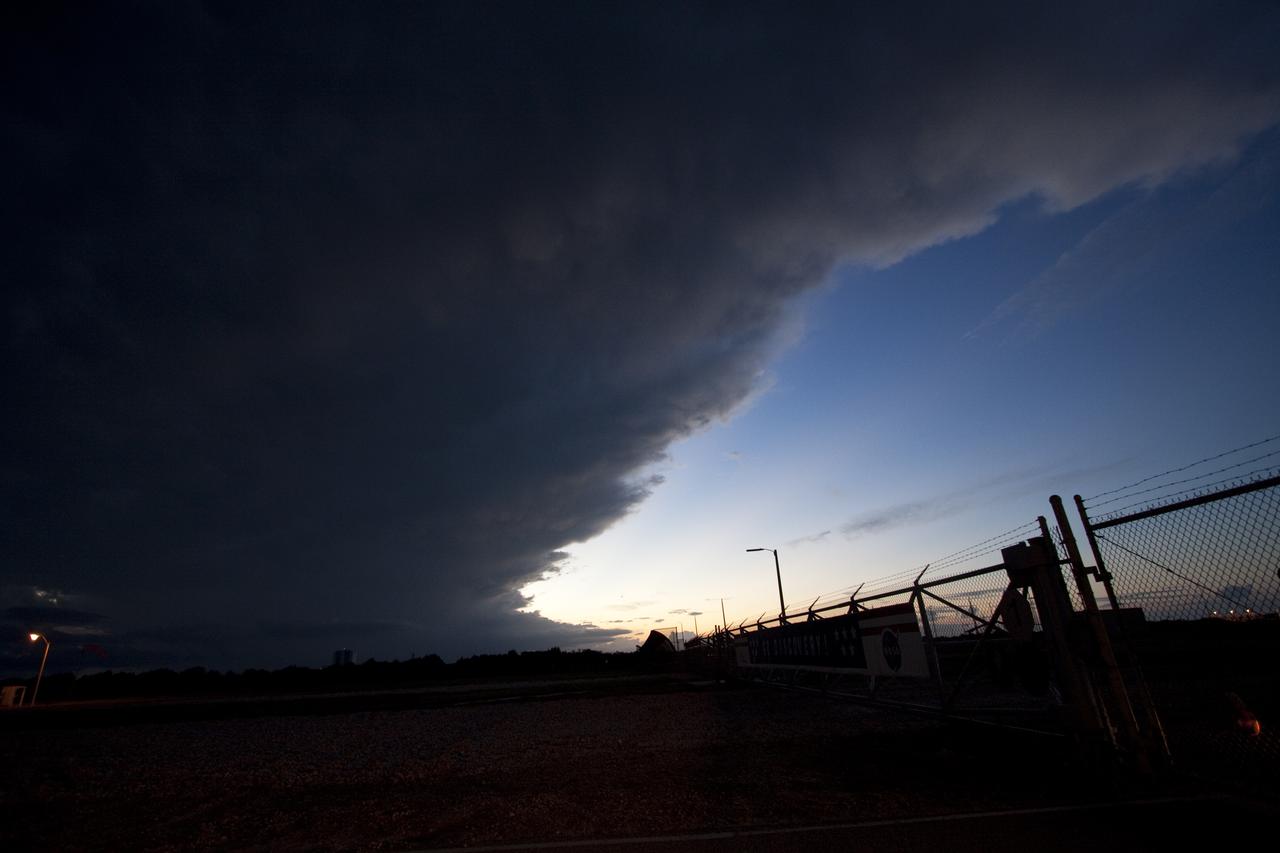
STS-133 DISCOVERY - WEATHER FRONT - PRE RSS ROLLBACK
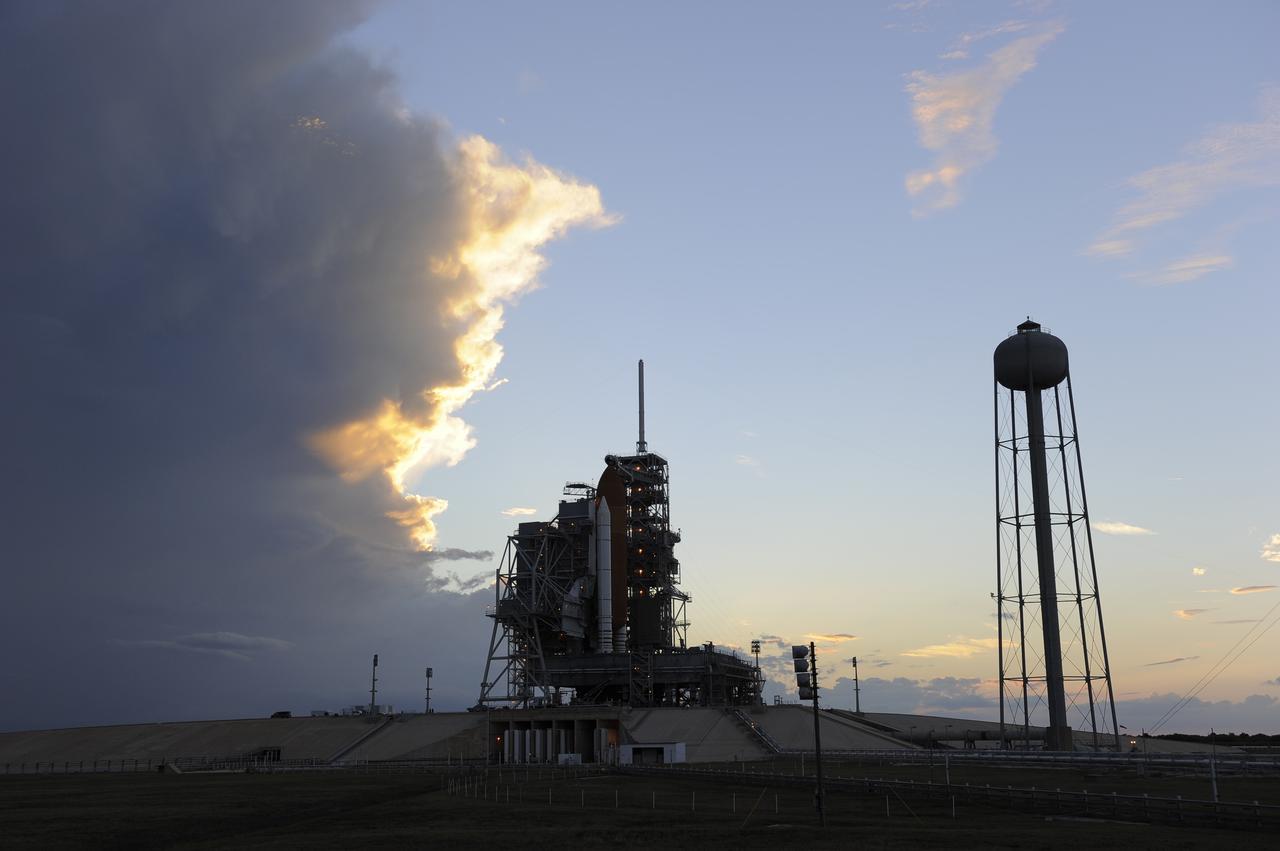
STS-133 DISCOVERY - WEATHER FRONT - PRE RSS ROLLBACK
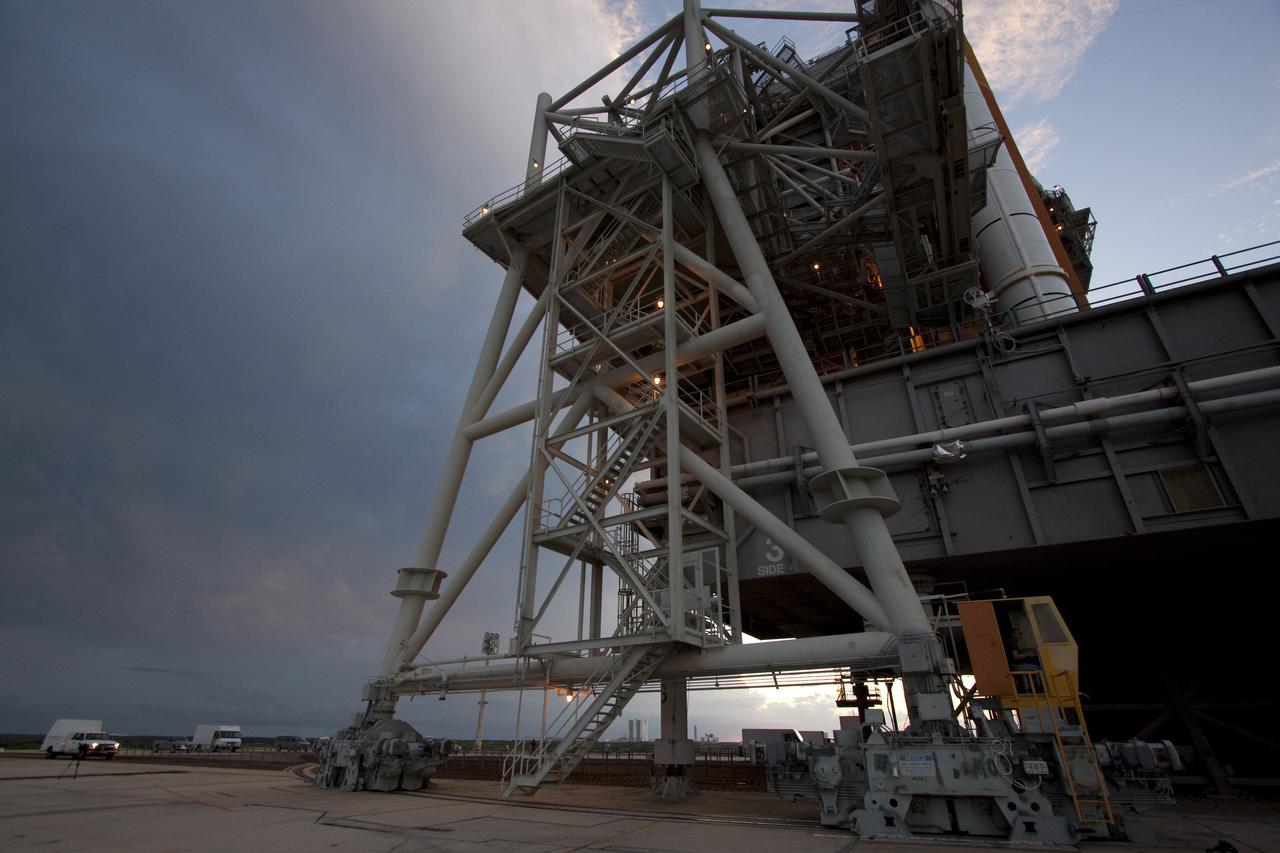
STS-133 DISCOVERY - WEATHER FRONT - PRE RSS ROLLBACK
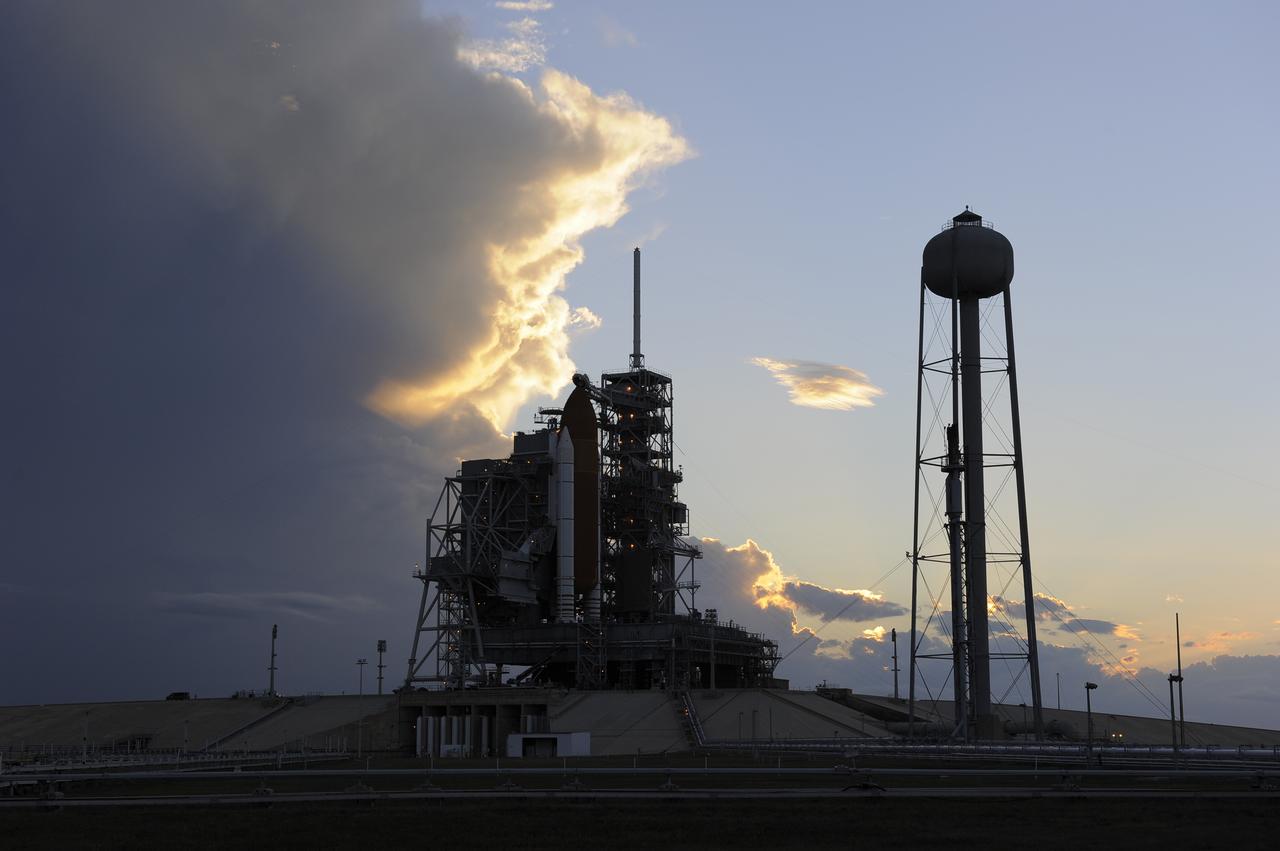
STS-133 DISCOVERY - WEATHER FRONT - PRE RSS ROLLBACK
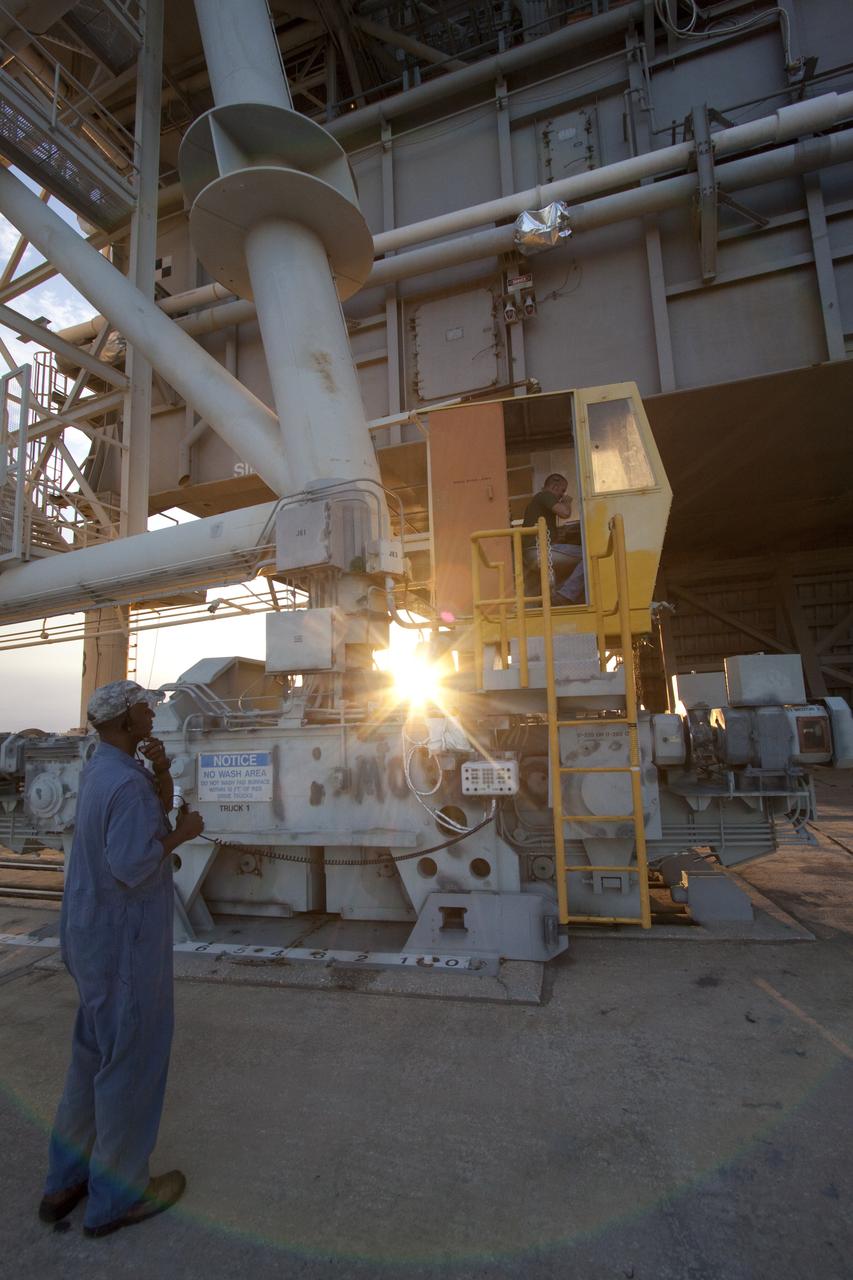
STS-133 DISCOVERY - WEATHER FRONT - PRE RSS ROLLBACK

STS-133 DISCOVERY - RSS CLOSURE AFTER ROLLOUT & EMPLOYEE PHOTO OPPORTUNITY
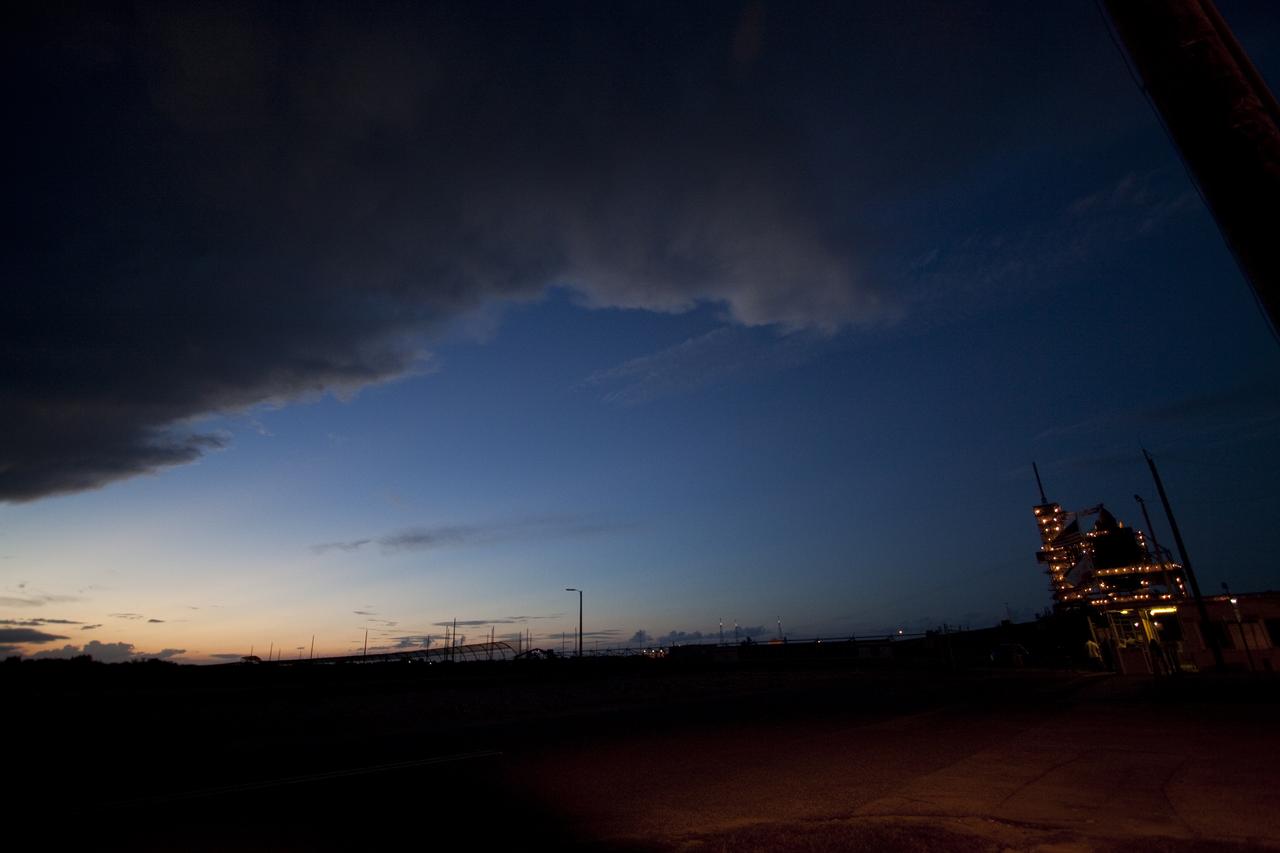
STS-133 DISCOVERY - WEATHER FRONT - PRE RSS ROLLBACK
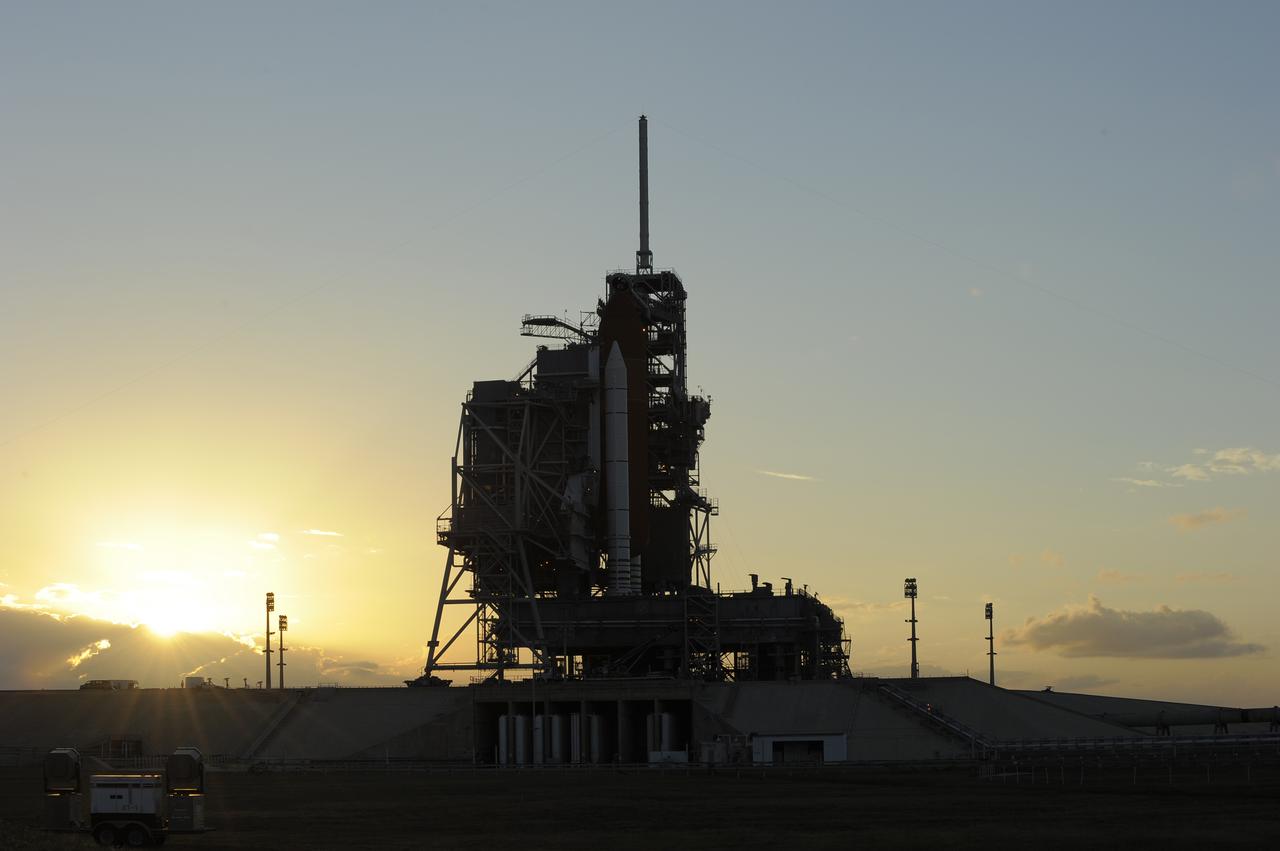
STS-133 DISCOVERY - WEATHER FRONT - PRE RSS ROLLBACK
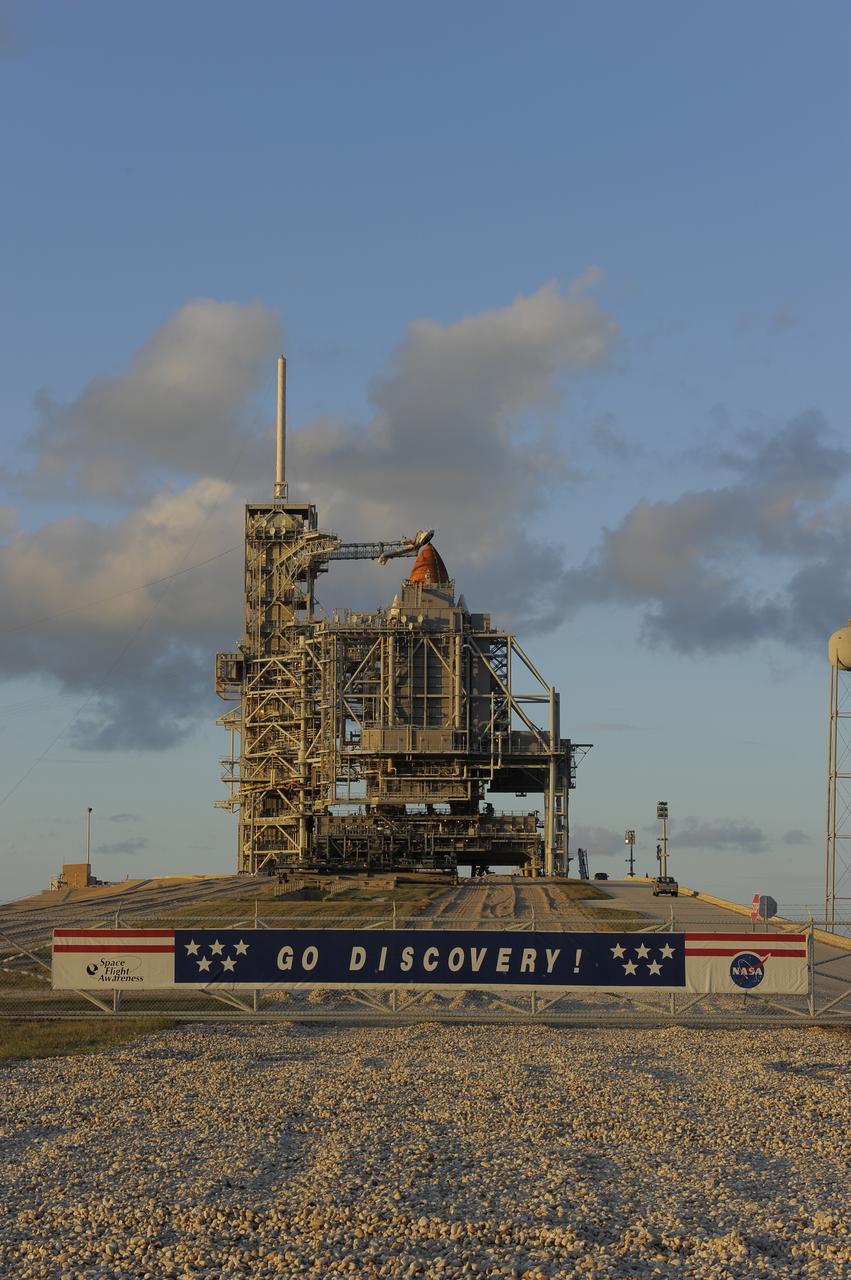
STS-133 DISCOVERY - WEATHER FRONT - PRE RSS ROLLBACK
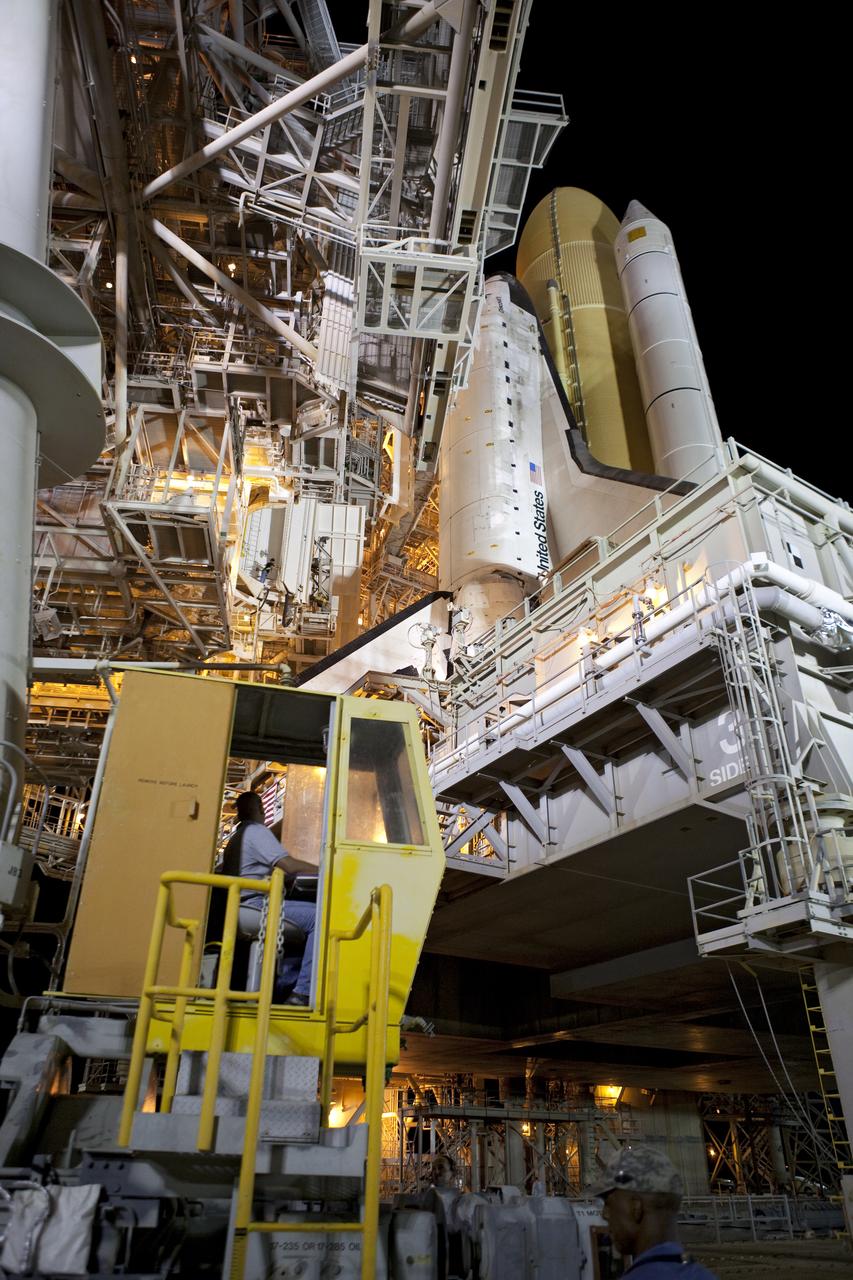
STS-133 DISCOVERY - RSS CLOSURE AFTER ROLLOUT & EMPLOYEE PHOTO OPPORTUNITY
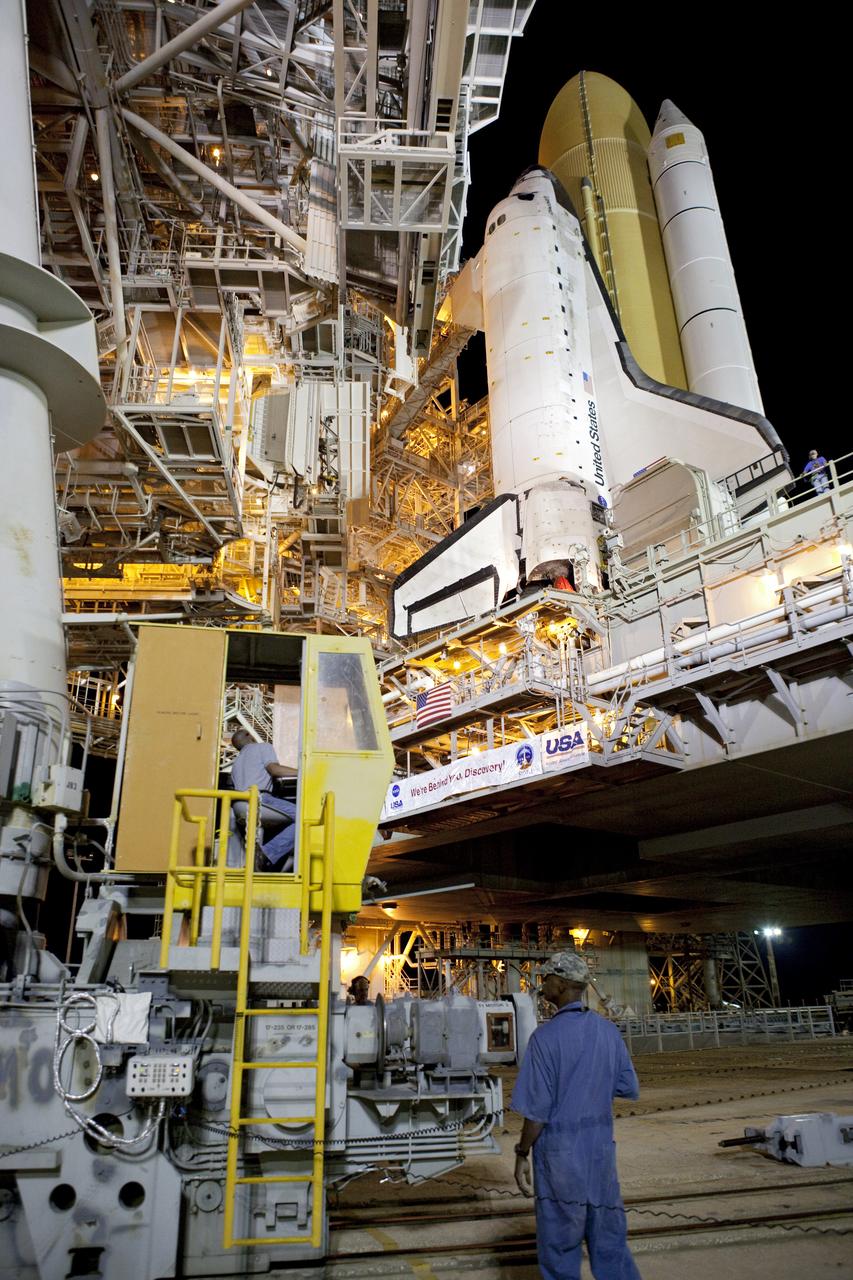
STS-133 DISCOVERY - RSS CLOSURE AFTER ROLLOUT & EMPLOYEE PHOTO OPPORTUNITY
STS-133 DISCOVERY - WEATHER FRONT - PRE RSS ROLLBACK
STS-133 DISCOVERY - RSS CLOSURE AFTER ROLLOUT & EMPLOYEE PHOTO OPPORTUNITY
STS-133 DISCOVERY - WEATHER FRONT - PRE RSS ROLLBACK
STS-133 DISCOVERY - RSS CLOSURE AFTER ROLLOUT & EMPLOYEE PHOTO OPPORTUNITY
STS-133 DISCOVERY - WEATHER FRONT - PRE RSS ROLLBACK
STS-133 DISCOVERY - WEATHER FRONT - PRE RSS ROLLBACK
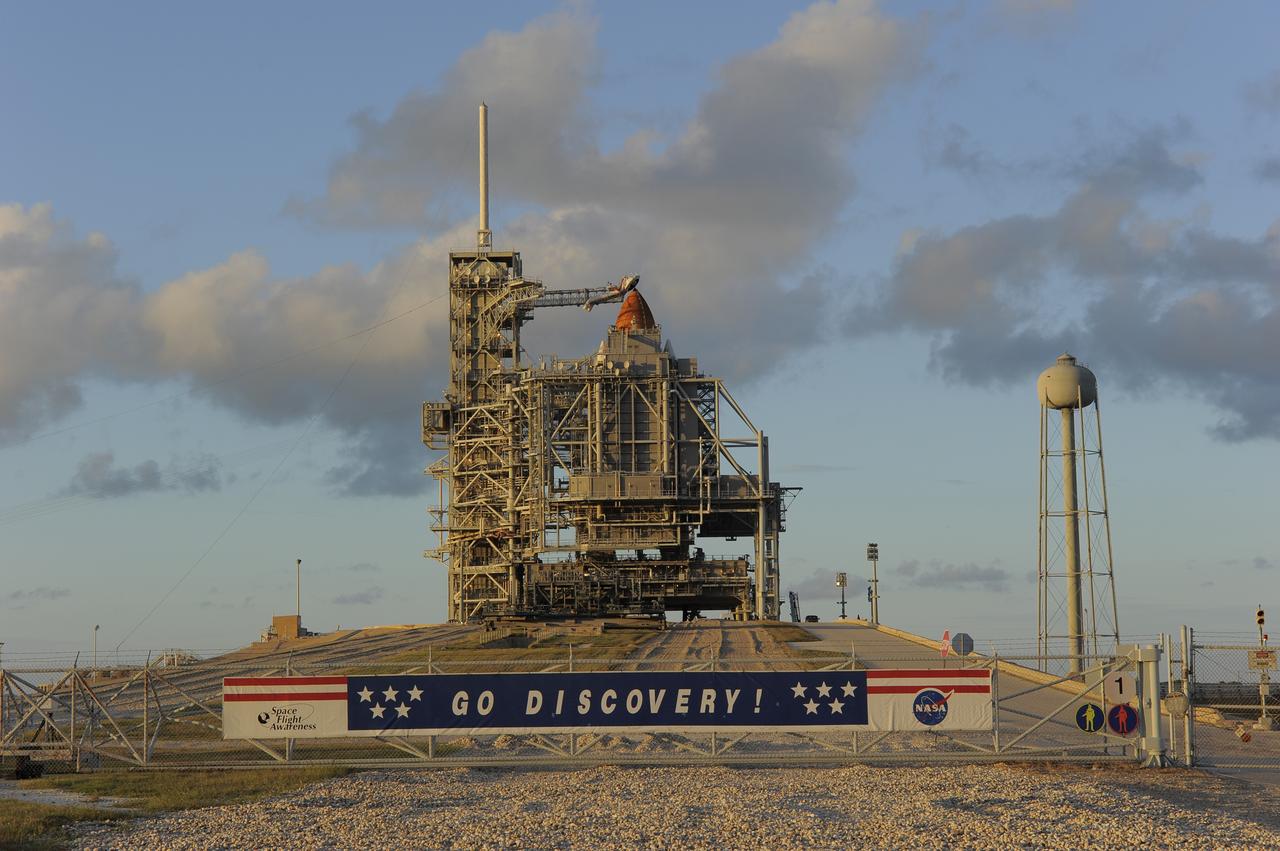
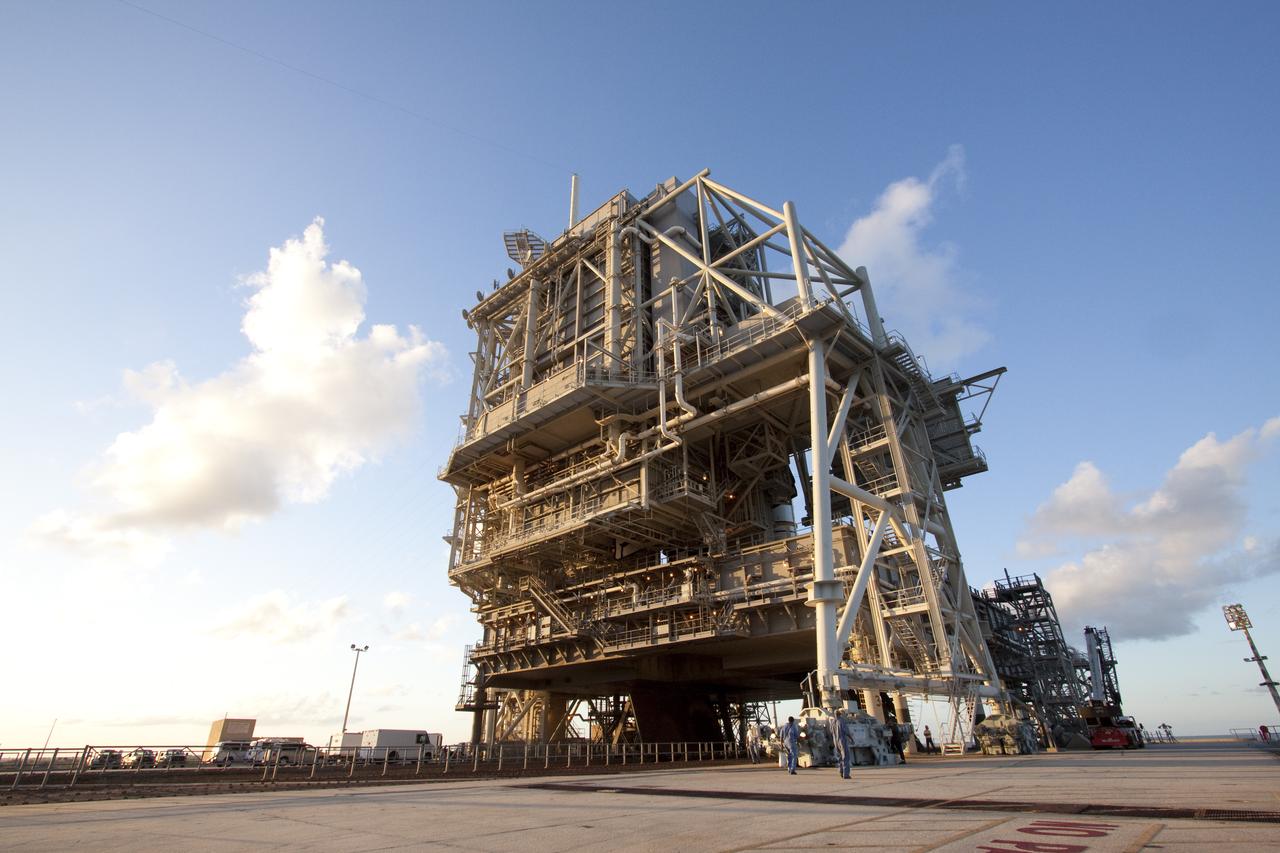
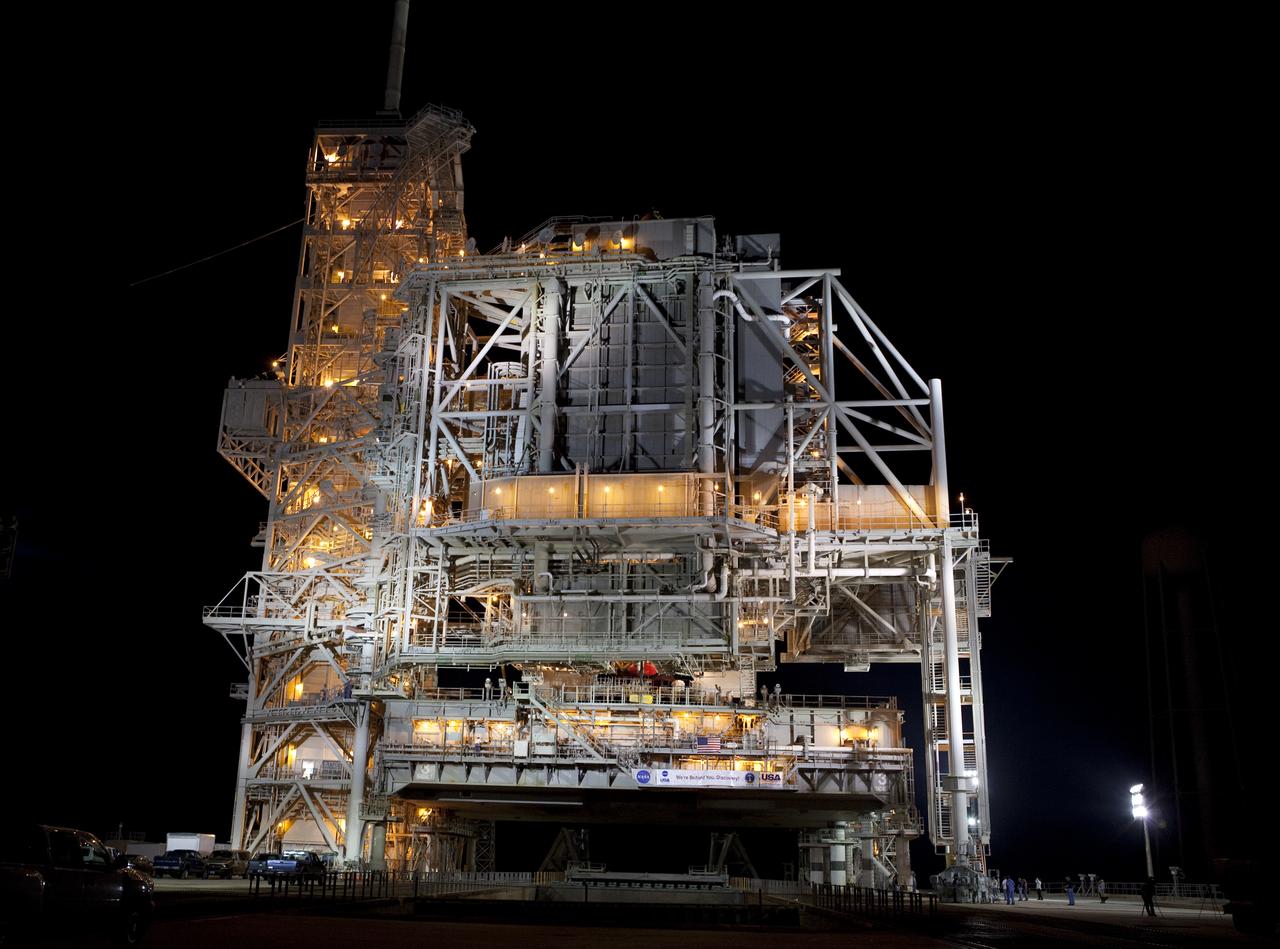
CAPE CANAVERAL, Fla. -- Before the sun sets on Launch Pad 39A at NASA's Kennedy Space Center in Florida, space shuttle Discovery is concealed by the pad's rotating service structure. The structure provides weather protection and access to the shuttle. RSS "rollback," as it's called, is a significant milestone in the launch countdown. Launch of Discovery on the STS-133 mission to the International Space Station is set for 3:29 p.m. on Nov. 4. During the 11-day mission, Discovery and its six crew members will deliver the Permanent Multipurpose Module, packed with supplies and critical spare parts, as well as Robonaut 2, to the orbiting laboratory. Discovery, which will fly its 39th mission, is scheduled to be retired following STS-133. This will be the 133rd Space Shuttle Program mission and the 35th shuttle voyage to the space station. For more information on STS-133, visit www.nasa.gov/mission_pages/shuttle/shuttlemissions/sts133/. Photo credit: NASA/Kim Shiflett
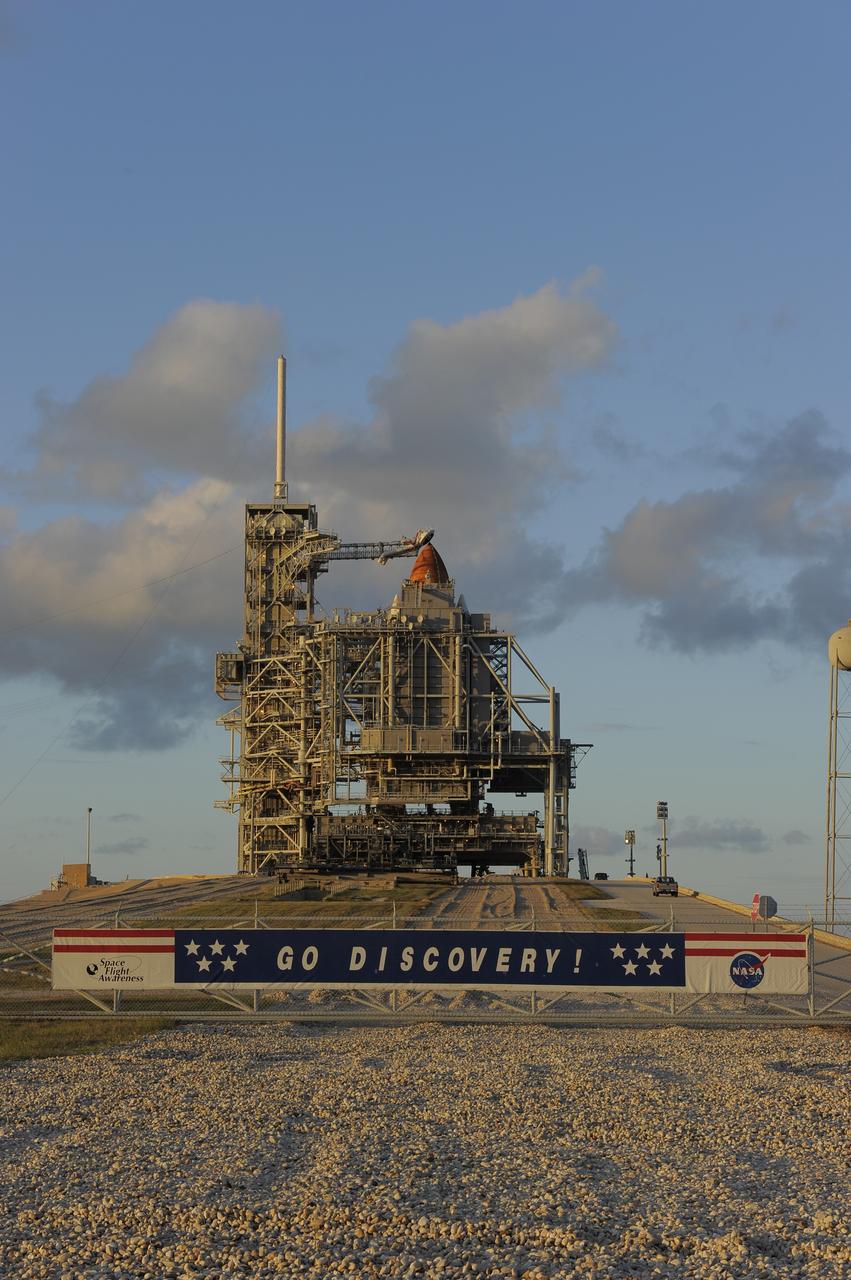
CAPE CANAVERAL, Fla. -- Before the sun sets on Launch Pad 39A at NASA's Kennedy Space Center in Florida, space shuttle Discovery is concealed by the pad's rotating service structure. The structure provides weather protection and access to the shuttle. RSS "rollback," as it's called, is a significant milestone in the launch countdown. Launch of Discovery on the STS-133 mission to the International Space Station is set for 3:29 p.m. on Nov. 4. During the 11-day mission, Discovery and its six crew members will deliver the Permanent Multipurpose Module, packed with supplies and critical spare parts, as well as Robonaut 2, to the orbiting laboratory. Discovery, which will fly its 39th mission, is scheduled to be retired following STS-133. This will be the 133rd Space Shuttle Program mission and the 35th shuttle voyage to the space station. For more information on STS-133, visit www.nasa.gov/mission_pages/shuttle/shuttlemissions/sts133/. Photo credit: NASA/Kim Shiflett
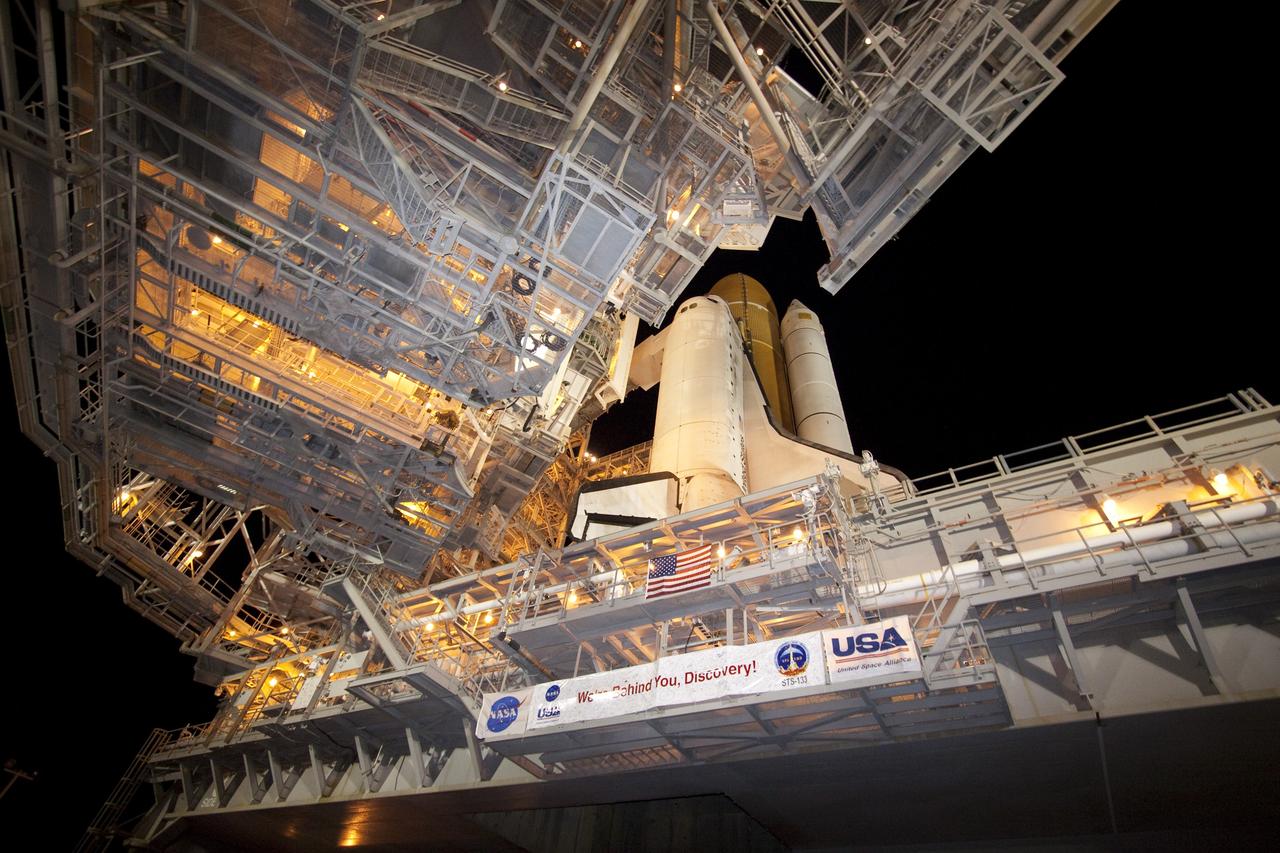
CAPE CANAVERAL, Fla. -- The rotating service structure (RSS), which provides weather protection and access to the shuttle, moves into place around space shuttle Discovery on Launch Pad 39A at NASA's Kennedy Space Center in Florida. This comes after Discovery, attached to its external fuel tank, twin solid rocket boosters and mobile launcher platform, rolled out to the pad from the Vehicle Assembly Building during the overnight hours. Rollout to the pad is a significant shuttle processing milestone for the upcoming STS-133 mission, and comes after a thorough check and modifications to the shuttle's external fuel tank. Targeted to liftoff Feb. 24, Discovery will take the Permanent Multipurpose Module (PMM) packed with supplies and critical spare parts, as well as Robonaut 2 (R2) to the International Space Station. For more information on STS-133, visit www.nasa.gov/mission_pages/shuttle/shuttlemissions/sts133/. Photo credit: NASA/Jack Pfaller
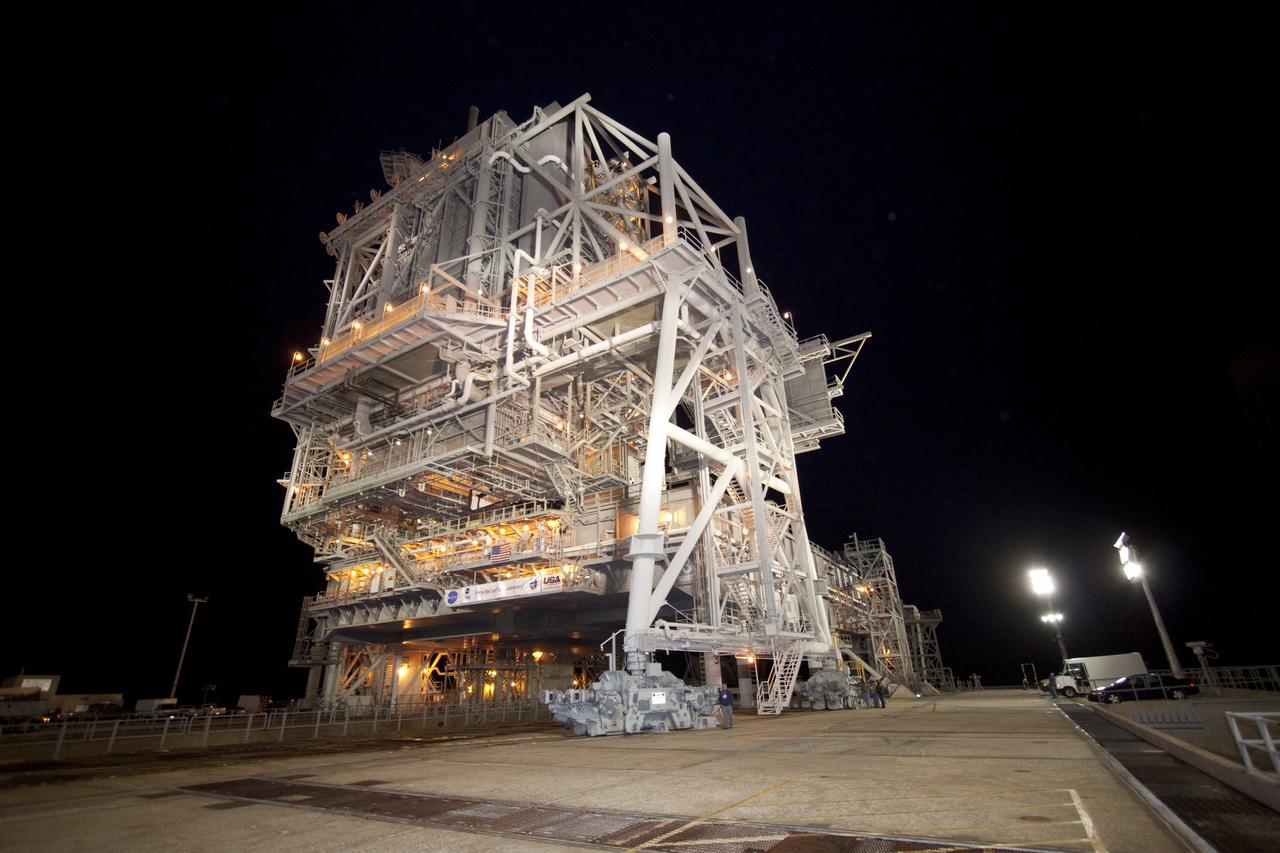
CAPE CANAVERAL, Fla. -- The rotating service structure (RSS), which provides weather protection and access to the shuttle, surrounds space shuttle Discovery on Launch Pad 39A at NASA's Kennedy Space Center in Florida. This comes after Discovery, attached to its external fuel tank, twin solid rocket boosters and mobile launcher platform, rolled out to the pad from the Vehicle Assembly Building during the overnight hours. Rollout to the pad is a significant shuttle processing milestone for the upcoming STS-133 mission, and comes after a thorough check and modifications to the shuttle's external fuel tank. Targeted to liftoff Feb. 24, Discovery will take the Permanent Multipurpose Module (PMM) packed with supplies and critical spare parts, as well as Robonaut 2 (R2) to the International Space Station. For more information on STS-133, visit www.nasa.gov/mission_pages/shuttle/shuttlemissions/sts133/. Photo credit: NASA/Jack Pfaller
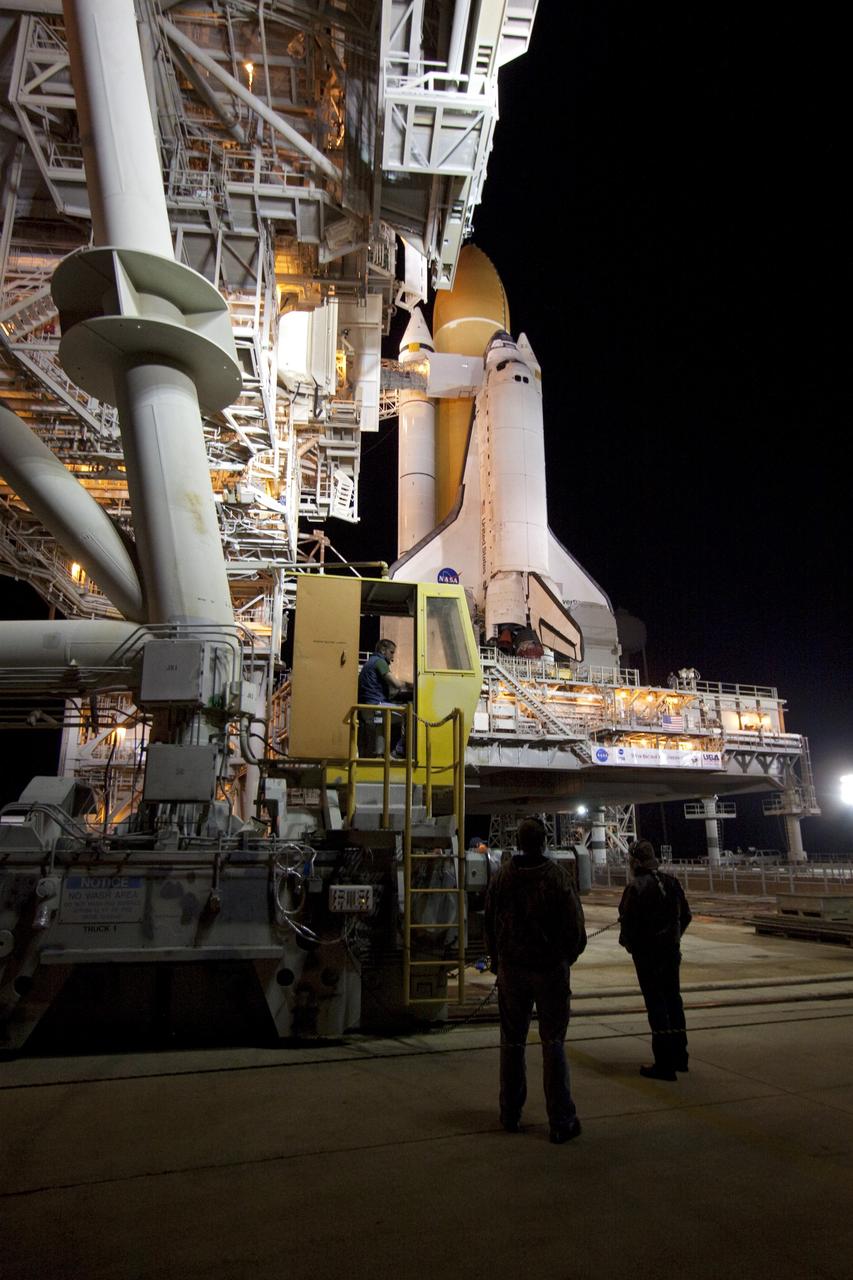
CAPE CANAVERAL, Fla. -- The rotating service structure (RSS), which provides weather protection and access to the shuttle, begins to move into place around space shuttle Discovery on Launch Pad 39A at NASA's Kennedy Space Center in Florida. This comes after Discovery, attached to its external fuel tank, twin solid rocket boosters and mobile launcher platform, rolled out to the pad from the Vehicle Assembly Building during the overnight hours. Rollout to the pad is a significant shuttle processing milestone for the upcoming STS-133 mission, and comes after a thorough check and modifications to the shuttle's external fuel tank. Targeted to liftoff Feb. 24, Discovery will take the Permanent Multipurpose Module (PMM) packed with supplies and critical spare parts, as well as Robonaut 2 (R2) to the International Space Station. For more information on STS-133, visit www.nasa.gov/mission_pages/shuttle/shuttlemissions/sts133/. Photo credit: NASA/Jack Pfaller
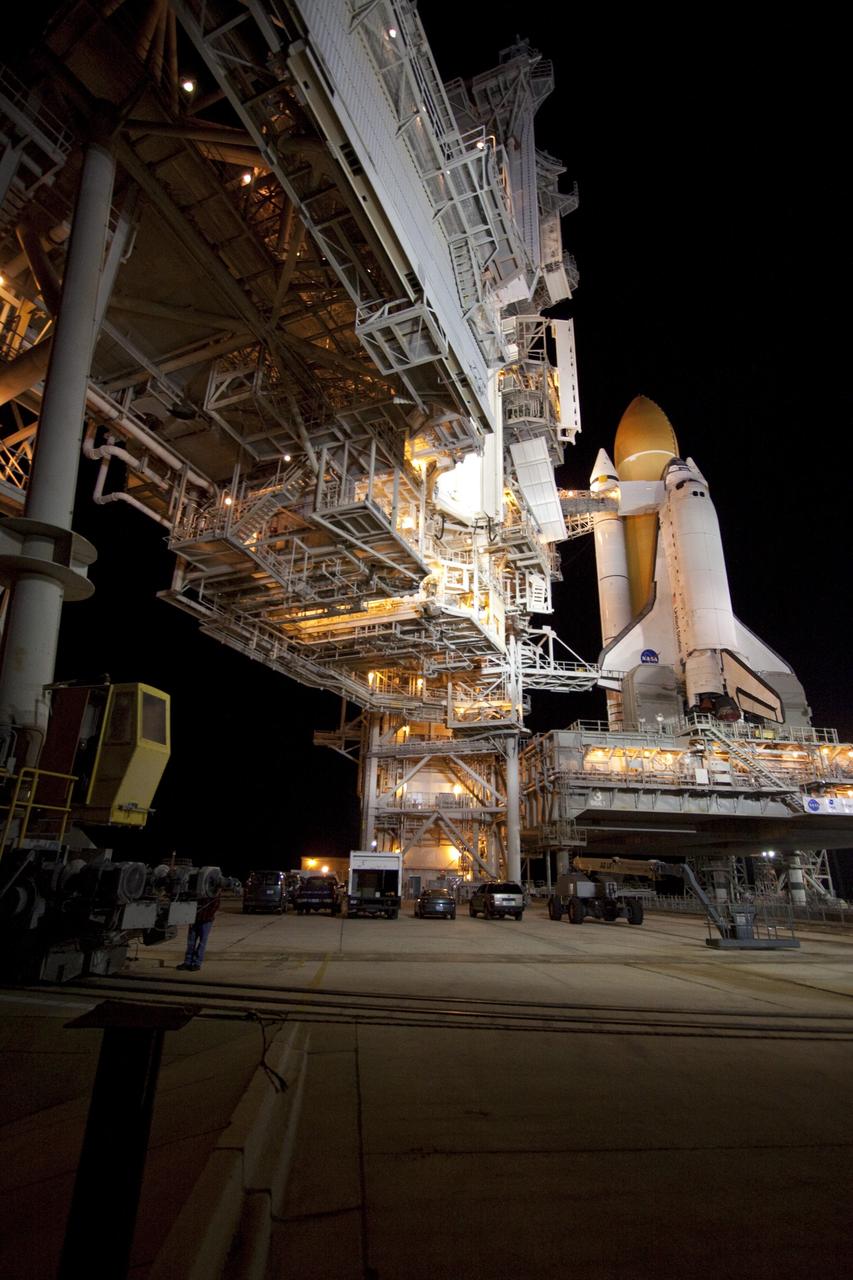
CAPE CANAVERAL, Fla. -- The rotating service structure (RSS), which provides weather protection and access to the shuttle, begins to move into place around space shuttle Discovery on Launch Pad 39A at NASA's Kennedy Space Center in Florida. This comes after Discovery, attached to its external fuel tank, twin solid rocket boosters and mobile launcher platform, rolled out to the pad from the Vehicle Assembly Building during the overnight hours. Rollout to the pad is a significant shuttle processing milestone for the upcoming STS-133 mission, and comes after a thorough check and modifications to the shuttle's external fuel tank. Targeted to liftoff Feb. 24, Discovery will take the Permanent Multipurpose Module (PMM) packed with supplies and critical spare parts, as well as Robonaut 2 (R2) to the International Space Station. For more information on STS-133, visit www.nasa.gov/mission_pages/shuttle/shuttlemissions/sts133/. Photo credit: NASA/Jack Pfaller

CAPE CANAVERAL, Fla. -- The rotating service structure (RSS), which provides weather protection and access to the shuttle, moves into place around space shuttle Discovery on Launch Pad 39A at NASA's Kennedy Space Center in Florida. This comes after Discovery, attached to its external fuel tank, twin solid rocket boosters and mobile launcher platform, rolled out to the pad from the Vehicle Assembly Building during the overnight hours. Rollout to the pad is a significant shuttle processing milestone for the upcoming STS-133 mission, and comes after a thorough check and modifications to the shuttle's external fuel tank. Targeted to liftoff Feb. 24, Discovery will take the Permanent Multipurpose Module (PMM) packed with supplies and critical spare parts, as well as Robonaut 2 (R2) to the International Space Station. For more information on STS-133, visit www.nasa.gov/mission_pages/shuttle/shuttlemissions/sts133/. Photo credit: NASA/Jack Pfaller
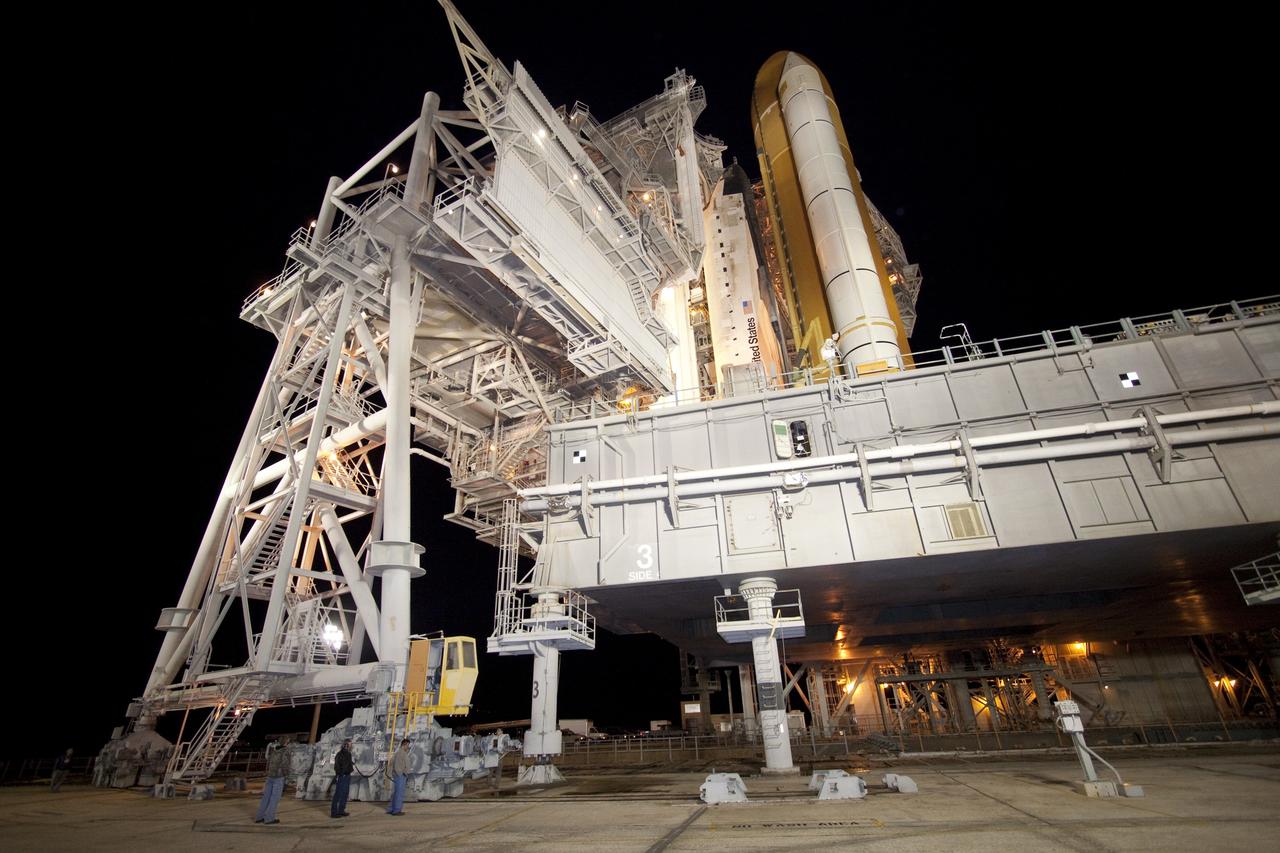
CAPE CANAVERAL, Fla. -- The rotating service structure (RSS), which provides weather protection and access to the shuttle, moves into place around space shuttle Discovery on Launch Pad 39A at NASA's Kennedy Space Center in Florida. This comes after Discovery, attached to its external fuel tank, twin solid rocket boosters and mobile launcher platform, rolled out to the pad from the Vehicle Assembly Building during the overnight hours. Rollout to the pad is a significant shuttle processing milestone for the upcoming STS-133 mission, and comes after a thorough check and modifications to the shuttle's external fuel tank. Targeted to liftoff Feb. 24, Discovery will take the Permanent Multipurpose Module (PMM) packed with supplies and critical spare parts, as well as Robonaut 2 (R2) to the International Space Station. For more information on STS-133, visit www.nasa.gov/mission_pages/shuttle/shuttlemissions/sts133/. Photo credit: NASA/Jack Pfaller
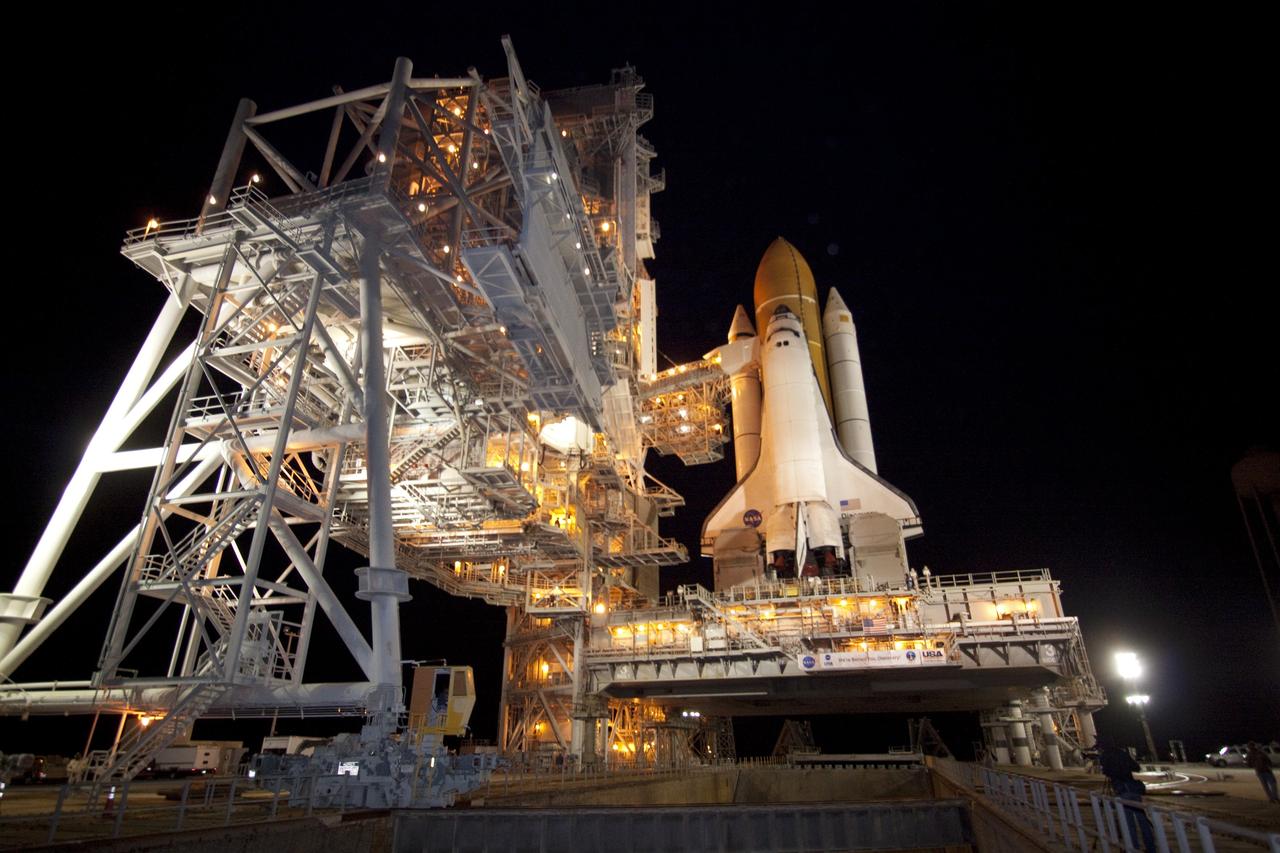
CAPE CANAVERAL, Fla. -- The rotating service structure (RSS), which provides weather protection and access to the shuttle, begins to move into place around space shuttle Discovery on Launch Pad 39A at NASA's Kennedy Space Center in Florida. This comes after Discovery, attached to its external fuel tank, twin solid rocket boosters and mobile launcher platform, rolled out to the pad from the Vehicle Assembly Building during the overnight hours. Rollout to the pad is a significant shuttle processing milestone for the upcoming STS-133 mission, and comes after a thorough check and modifications to the shuttle's external fuel tank. Targeted to liftoff Feb. 24, Discovery will take the Permanent Multipurpose Module (PMM) packed with supplies and critical spare parts, as well as Robonaut 2 (R2) to the International Space Station. For more information on STS-133, visit www.nasa.gov/mission_pages/shuttle/shuttlemissions/sts133/. Photo credit: NASA/Jack Pfaller
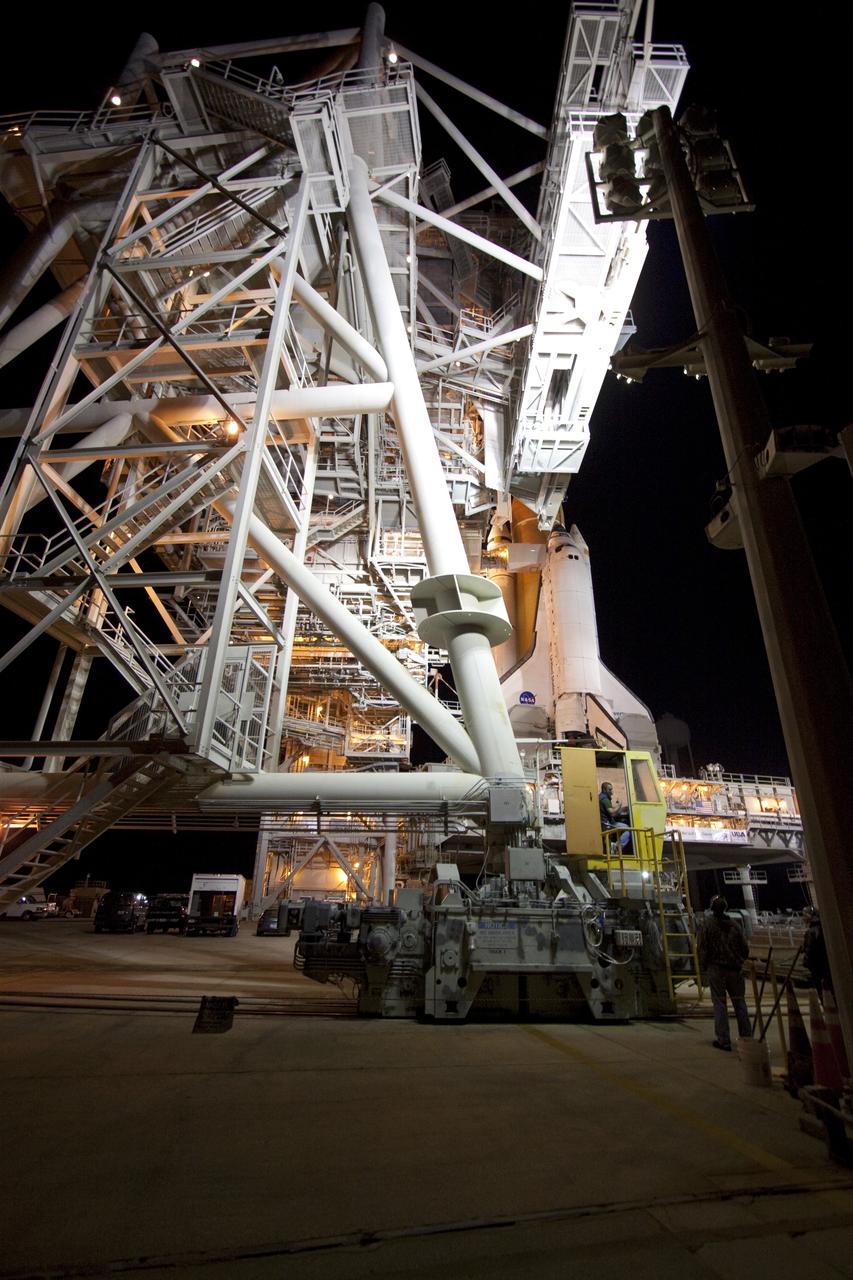
CAPE CANAVERAL, Fla. -- The rotating service structure (RSS), which provides weather protection and access to the shuttle, begins to move into place around space shuttle Discovery on Launch Pad 39A at NASA's Kennedy Space Center in Florida. This comes after Discovery, attached to its external fuel tank, twin solid rocket boosters and mobile launcher platform, rolled out to the pad from the Vehicle Assembly Building during the overnight hours. Rollout to the pad is a significant shuttle processing milestone for the upcoming STS-133 mission, and comes after a thorough check and modifications to the shuttle's external fuel tank. Targeted to liftoff Feb. 24, Discovery will take the Permanent Multipurpose Module (PMM) packed with supplies and critical spare parts, as well as Robonaut 2 (R2) to the International Space Station. For more information on STS-133, visit www.nasa.gov/mission_pages/shuttle/shuttlemissions/sts133/. Photo credit: NASA/Jack Pfaller
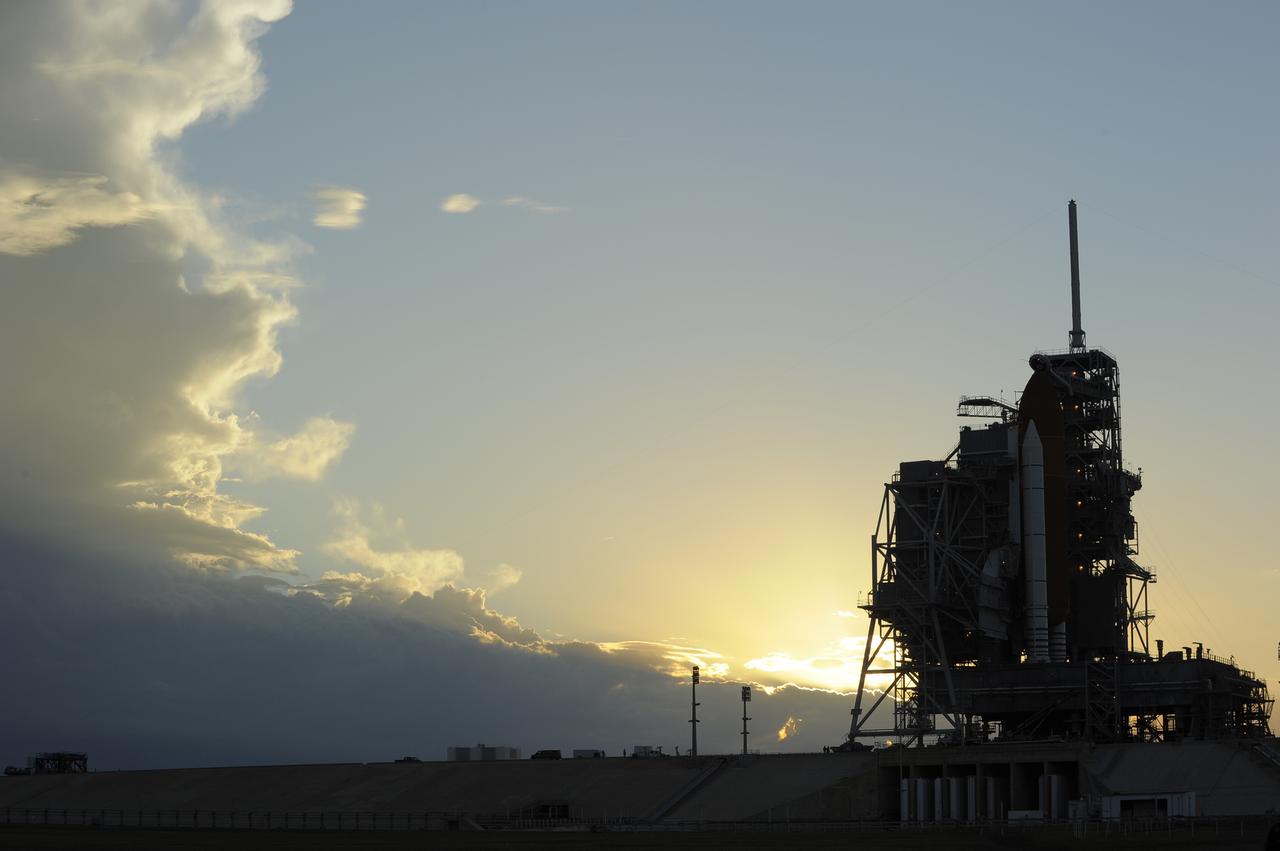
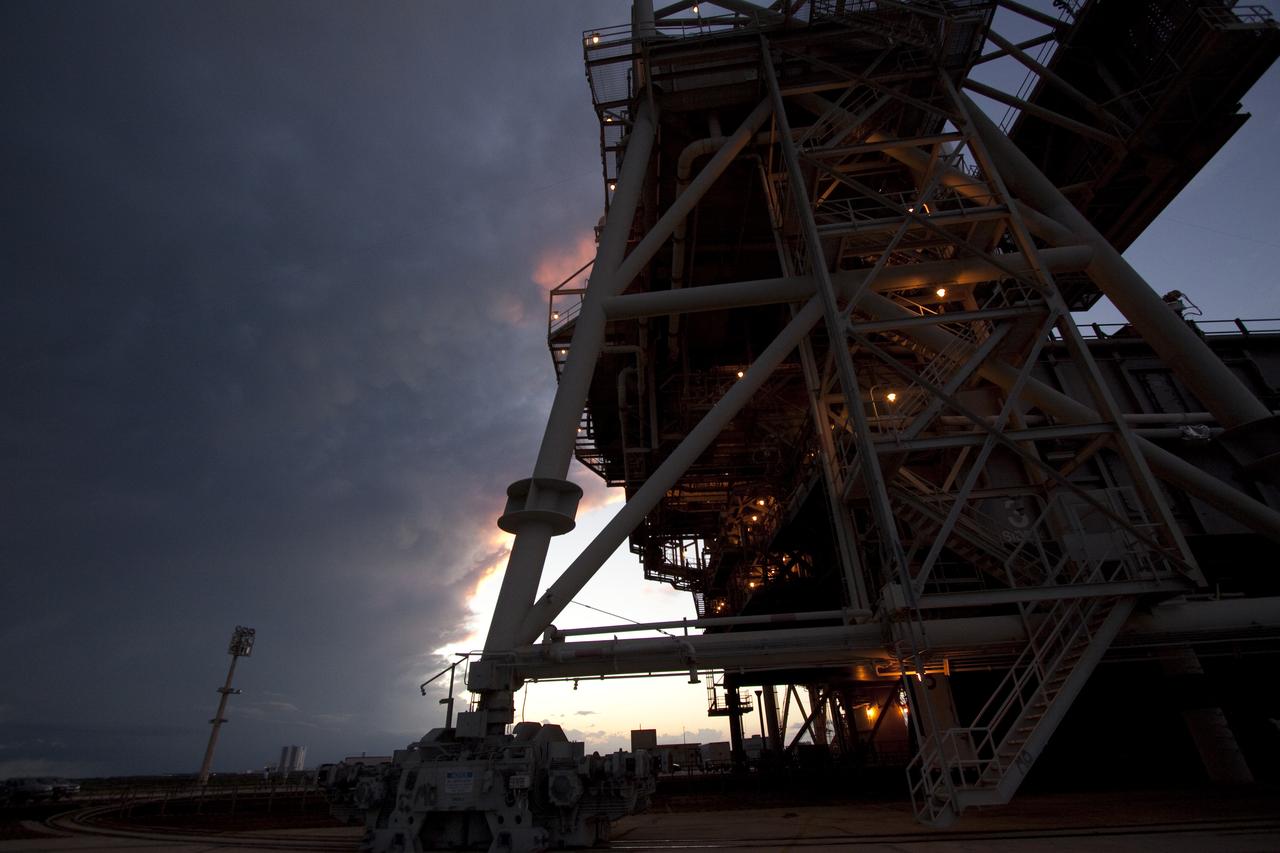
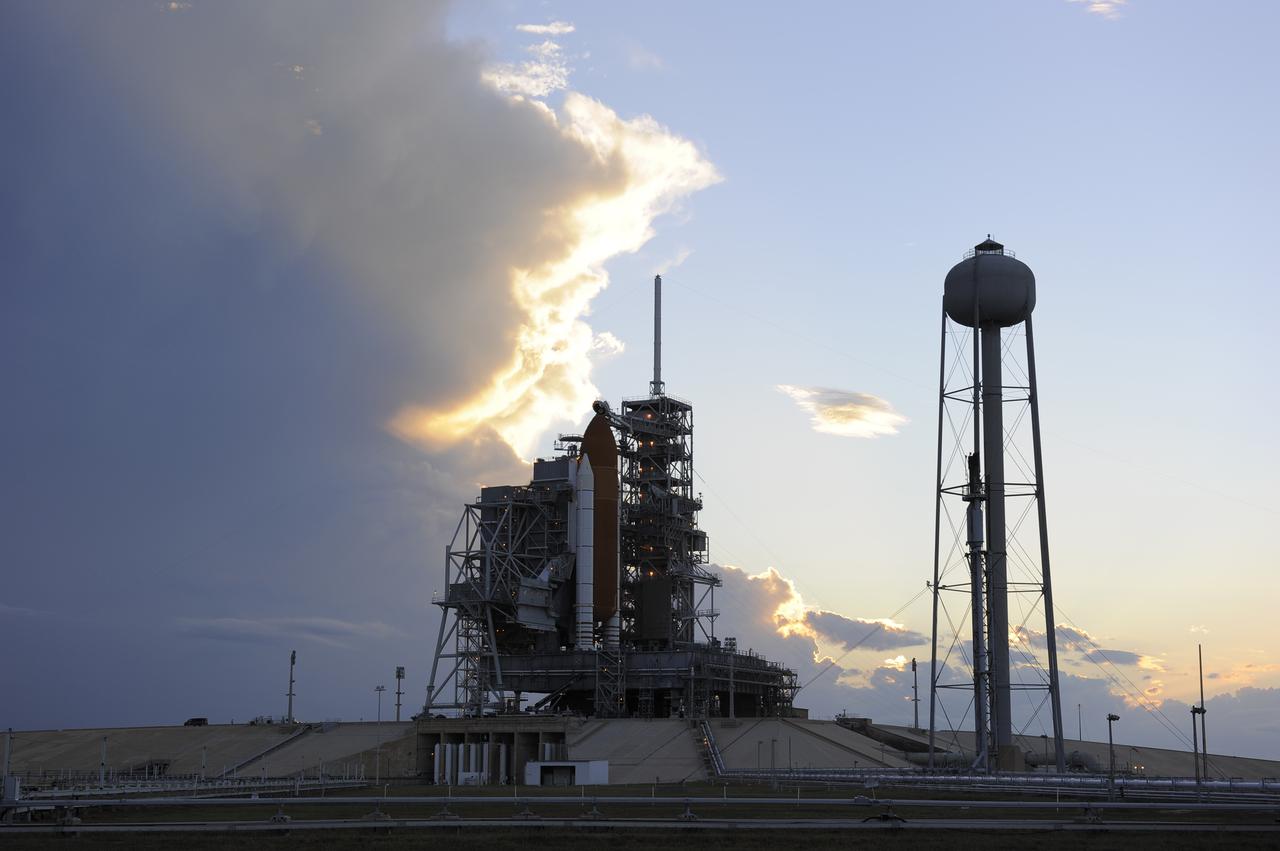
CAPE CANAVERAL, Fla. -- Storm clouds begin to move in over Launch Pad 39A at NASA's Kennedy Space Center in Florida, postponing the retraction of the pad's rotating service structure, which would reveal space shuttle Discovery. The structure provides weather protection and access to the shuttle while it awaits lift off on the pad. RSS "rollback," as it's called, will begin again after the lightning-producing clouds pass. Launch of Discovery on the STS-133 mission to the International Space Station is set for 3:29 p.m. on Nov. 4. During the 11-day mission, Discovery and its six crew members will deliver the Permanent Multipurpose Module, packed with supplies and critical spare parts, as well as Robonaut 2, to the orbiting laboratory. Discovery, which will fly its 39th mission, is scheduled to be retired following STS-133. This will be the 133rd Space Shuttle Program mission and the 35th shuttle voyage to the space station. For more information on STS-133, visit www.nasa.gov/mission_pages/shuttle/shuttlemissions/sts133/. Photo credit: NASA/Kim Shiflett
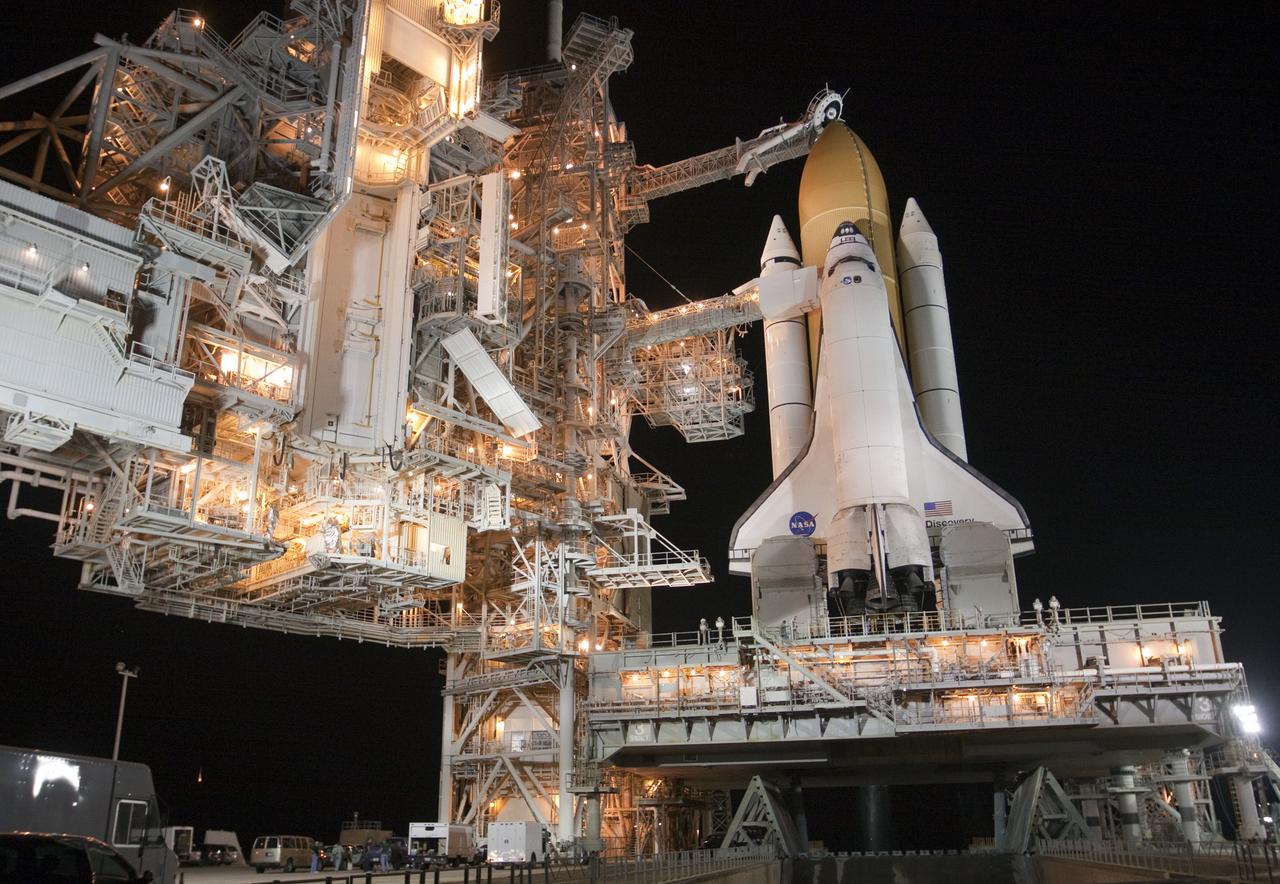
CAPE CANAVERAL, Fla. -- At NASA's Kennedy Space Center in Florida, space shuttle Discovery is visible on Launch Pad 39A following the retraction of the rotating service structure. The structure provides weather protection and access to the shuttle while it awaits lift off on the pad. RSS "rollback," as it's called, was delayed for a few hours to allow a lightning-producing storm cloud to pass. Launch of Discovery on the STS-133 mission to the International Space Station is set for 3:29 p.m. on Nov. 4. During the 11-day mission, Discovery and its six crew members will deliver the Permanent Multipurpose Module, packed with supplies and critical spare parts, as well as Robonaut 2, to the orbiting laboratory. Discovery, which will fly its 39th mission, is scheduled to be retired following STS-133. This will be the 133rd Space Shuttle Program mission and the 35th shuttle voyage to the space station. For more information on STS-133, visit www.nasa.gov/mission_pages/shuttle/shuttlemissions/sts133/. Photo credit: NASA/Jack Pfaller
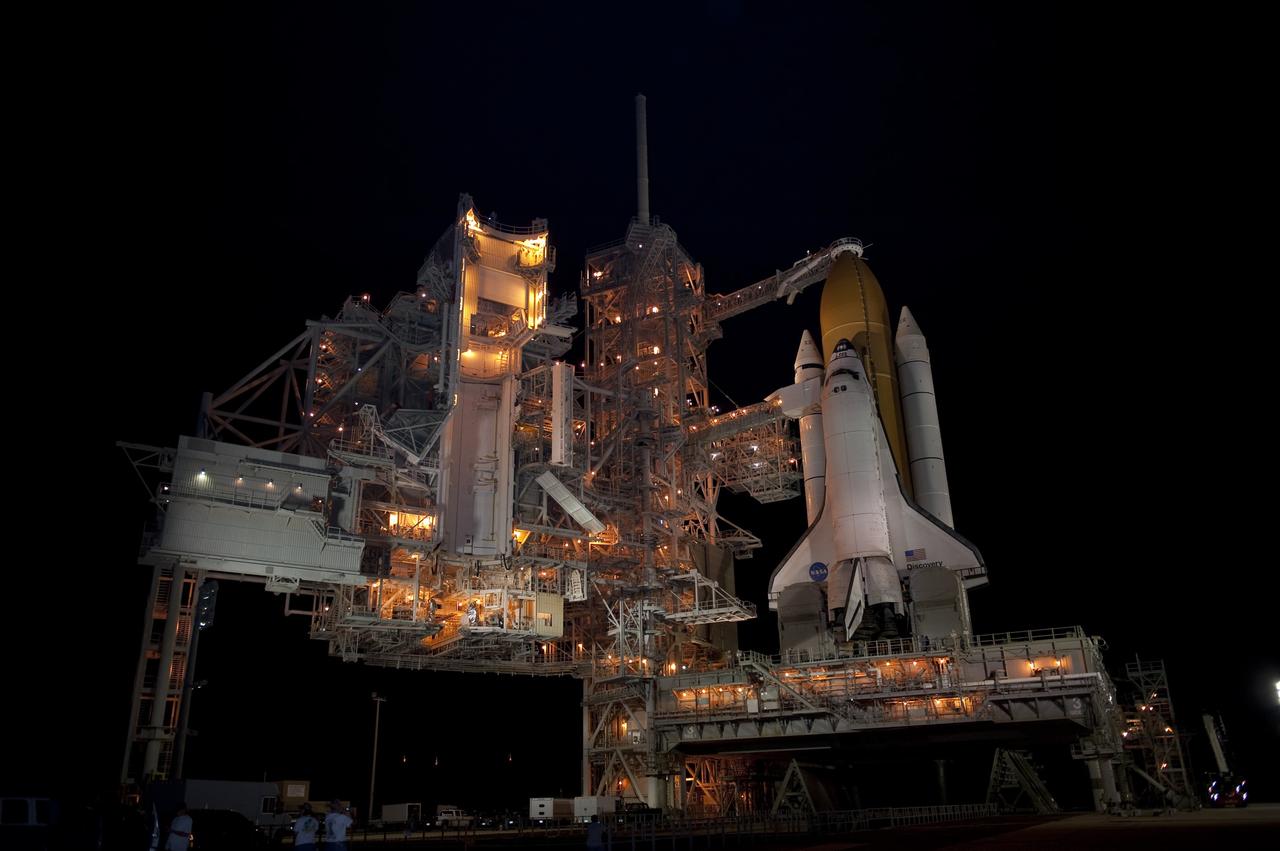
CAPE CANAVERAL, Fla. -- At NASA's Kennedy Space Center in Florida, space shuttle Discovery is visible on Launch Pad 39A following the retraction of the rotating service structure. The structure provides weather protection and access to the shuttle while it awaits lift off on the pad. RSS "rollback," as it's called, was delayed for a few hours to allow a lightning-producing storm cloud to pass. Launch of Discovery on the STS-133 mission to the International Space Station is set for 3:29 p.m. on Nov. 4. During the 11-day mission, Discovery and its six crew members will deliver the Permanent Multipurpose Module, packed with supplies and critical spare parts, as well as Robonaut 2, to the orbiting laboratory. Discovery, which will fly its 39th mission, is scheduled to be retired following STS-133. This will be the 133rd Space Shuttle Program mission and the 35th shuttle voyage to the space station. For more information on STS-133, visit www.nasa.gov/mission_pages/shuttle/shuttlemissions/sts133/. Photo credit: NASA/Kim Shiflett
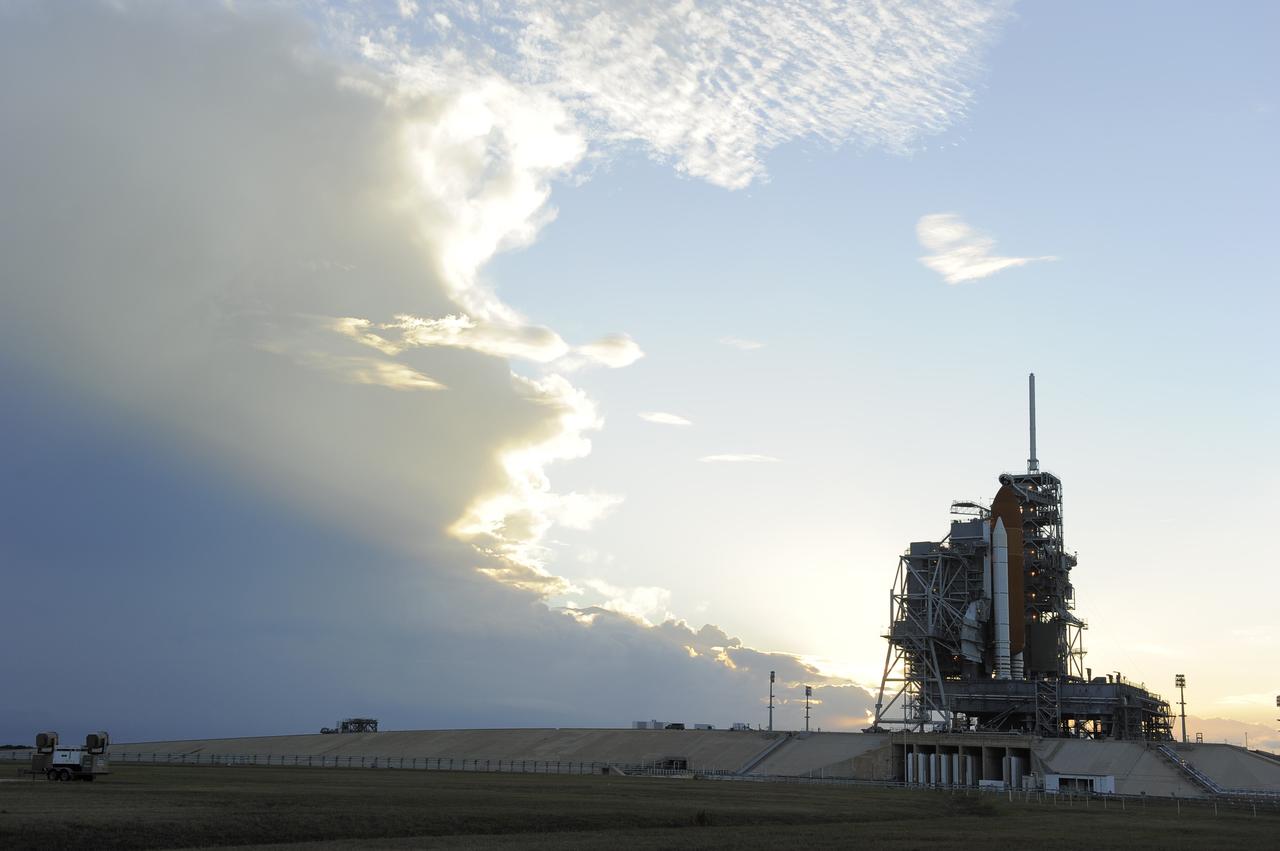
CAPE CANAVERAL, Fla. -- Storm clouds move in over Launch Pad 39A at NASA's Kennedy Space Center in Florida, postponing the retraction of the pad's rotating service structure, which would reveal space shuttle Discovery. The structure provides weather protection and access to the shuttle while it awaits lift off on the pad. RSS "rollback," as it's called, will begin again after the lightning-producing clouds pass. Launch of Discovery on the STS-133 mission to the International Space Station is set for 3:29 p.m. on Nov. 4. During the 11-day mission, Discovery and its six crew members will deliver the Permanent Multipurpose Module, packed with supplies and critical spare parts, as well as Robonaut 2, to the orbiting laboratory. Discovery, which will fly its 39th mission, is scheduled to be retired following STS-133. This will be the 133rd Space Shuttle Program mission and the 35th shuttle voyage to the space station. For more information on STS-133, visit www.nasa.gov/mission_pages/shuttle/shuttlemissions/sts133/. Photo credit: NASA/Kim Shiflett
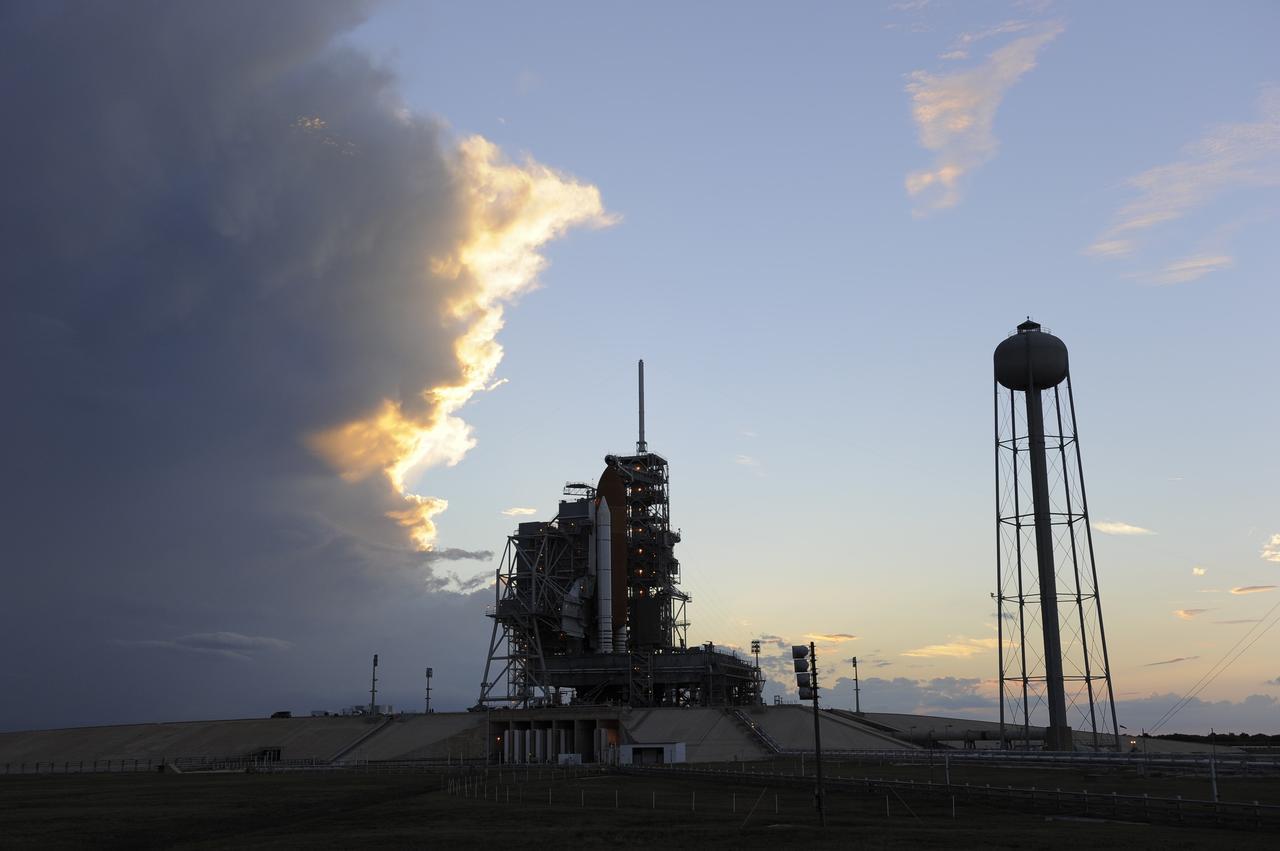
CAPE CANAVERAL, Fla. -- Storm clouds move over Launch Pad 39A at NASA's Kennedy Space Center in Florida, postponing the retraction of the pad's rotating service structure, which would reveal space shuttle Discovery. The structure provides weather protection and access to the shuttle while it awaits lift off on the pad. RSS "rollback," as it's called, will begin again after the lightning-producing clouds pass. Launch of Discovery on the STS-133 mission to the International Space Station is set for 3:29 p.m. on Nov. 4. During the 11-day mission, Discovery and its six crew members will deliver the Permanent Multipurpose Module, packed with supplies and critical spare parts, as well as Robonaut 2, to the orbiting laboratory. Discovery, which will fly its 39th mission, is scheduled to be retired following STS-133. This will be the 133rd Space Shuttle Program mission and the 35th shuttle voyage to the space station. For more information on STS-133, visit www.nasa.gov/mission_pages/shuttle/shuttlemissions/sts133/. Photo credit: NASA/Kim Shiflett
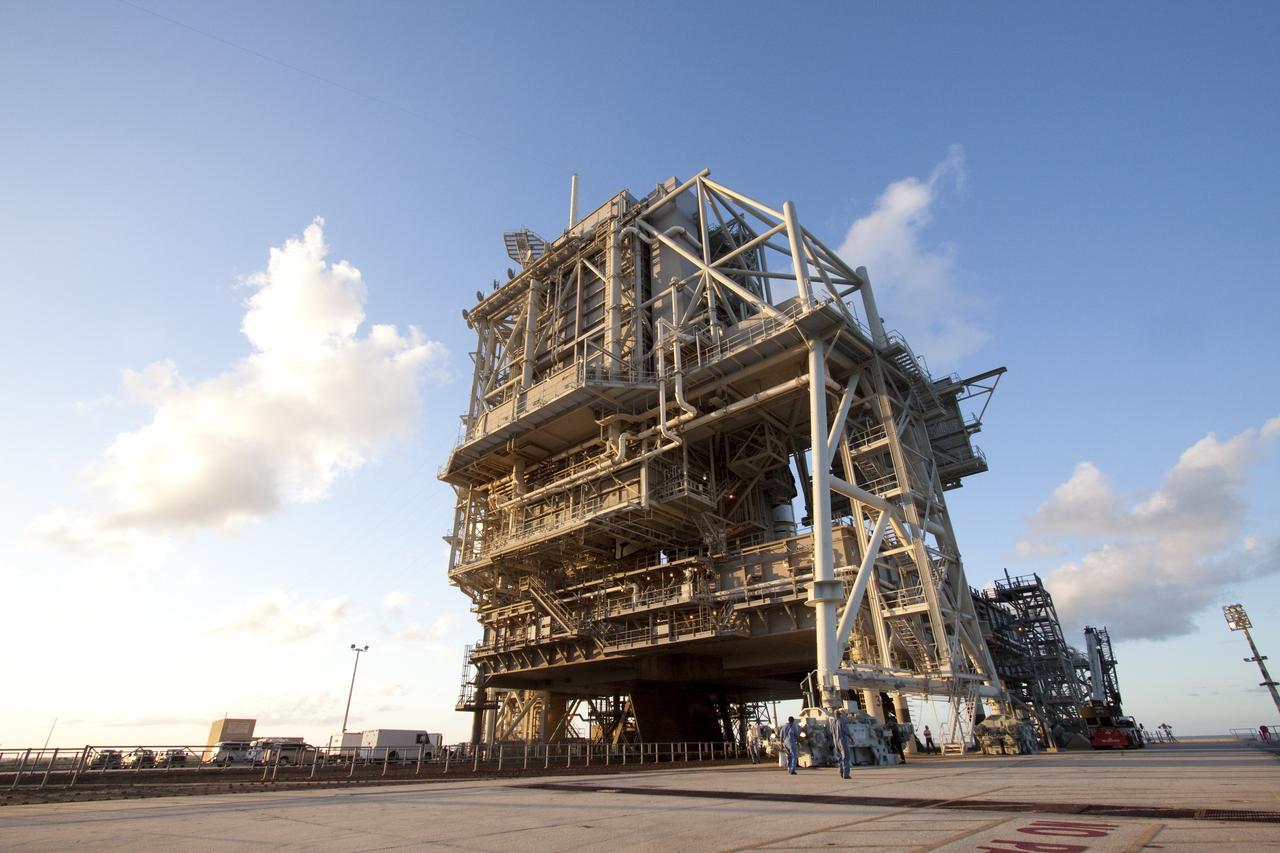
CAPE CANAVERAL, Fla. -- Before the sun sets on Launch Pad 39A at NASA's Kennedy Space Center in Florida, space shuttle Discovery is concealed by the pad's rotating service structure. Retraction of the structure, which provides weather protection and access to the shuttle, is scheduled to occur tonight. RSS "rollback," as it's called, is a significant milestone in the launch countdown. Launch of Discovery on the STS-133 mission to the International Space Station is set for 3:29 p.m. on Nov. 4. During the 11-day mission, Discovery and its six crew members will deliver the Permanent Multipurpose Module, packed with supplies and critical spare parts, as well as Robonaut 2, to the orbiting laboratory. Discovery, which will fly its 39th mission, is scheduled to be retired following STS-133. This will be the 133rd Space Shuttle Program mission and the 35th shuttle voyage to the space station. For more information on STS-133, visit www.nasa.gov/mission_pages/shuttle/shuttlemissions/sts133/. Photo credit: NASA/Jack Pfaller
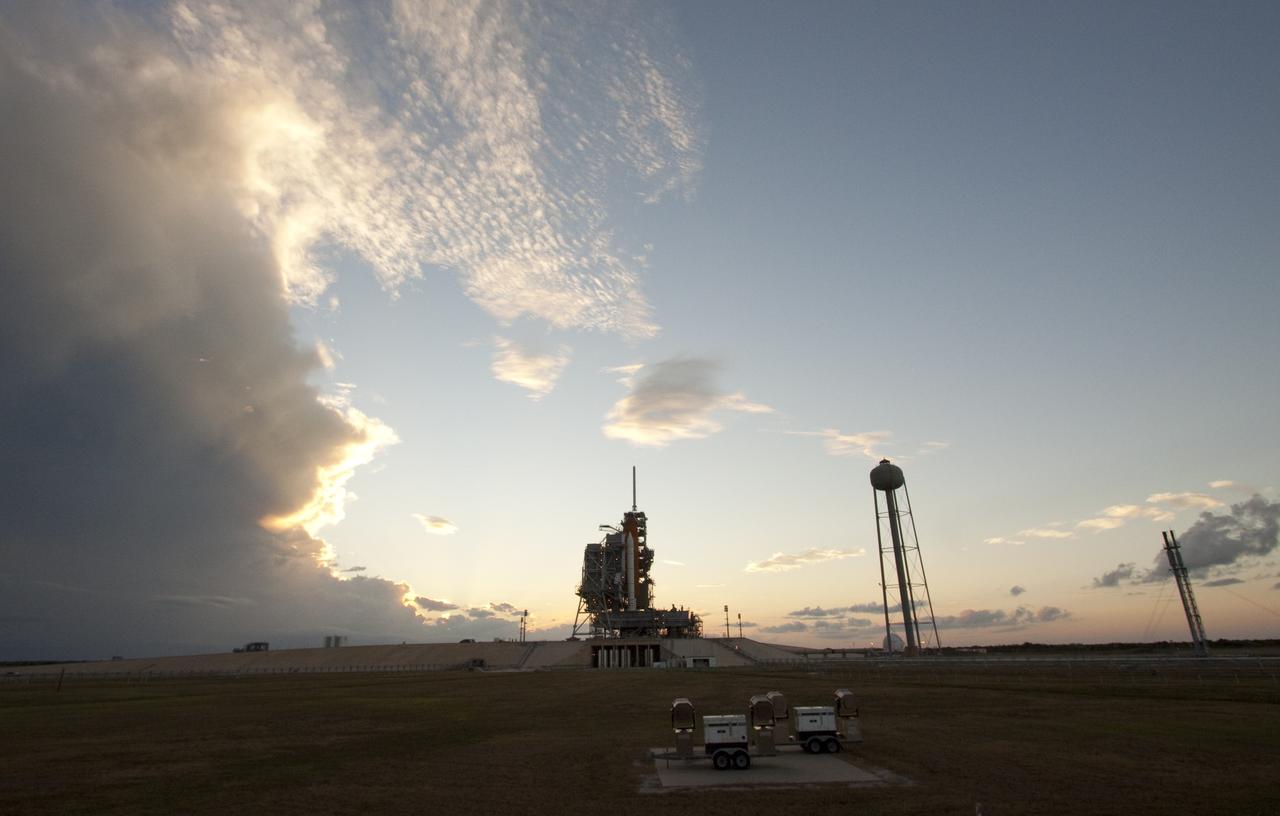
CAPE CANAVERAL, Fla. -- A lightning-producing storm cloud moves in over NASA's Kennedy Space Center in Florida as the rotating service structure on Launch Pad 39A is scheduled to be moved away from space shuttle Discovery. The structure provides weather protection and access to the shuttle. RSS "rollback," as it's called, was delayed for a few hours to allow that cloud to pass. Launch of Discovery on the STS-133 mission to the International Space Station is set for 3:29 p.m. on Nov. 4. During the 11-day mission, Discovery and its six crew members will deliver the Permanent Multipurpose Module, packed with supplies and critical spare parts, as well as Robonaut 2, to the orbiting laboratory. Discovery, which will fly its 39th mission, is scheduled to be retired following STS-133. This will be the 133rd Space Shuttle Program mission and the 35th shuttle voyage to the space station. For more information on STS-133, visit www.nasa.gov/mission_pages/shuttle/shuttlemissions/sts133/. Photo credit: NASA/Troy Cryder
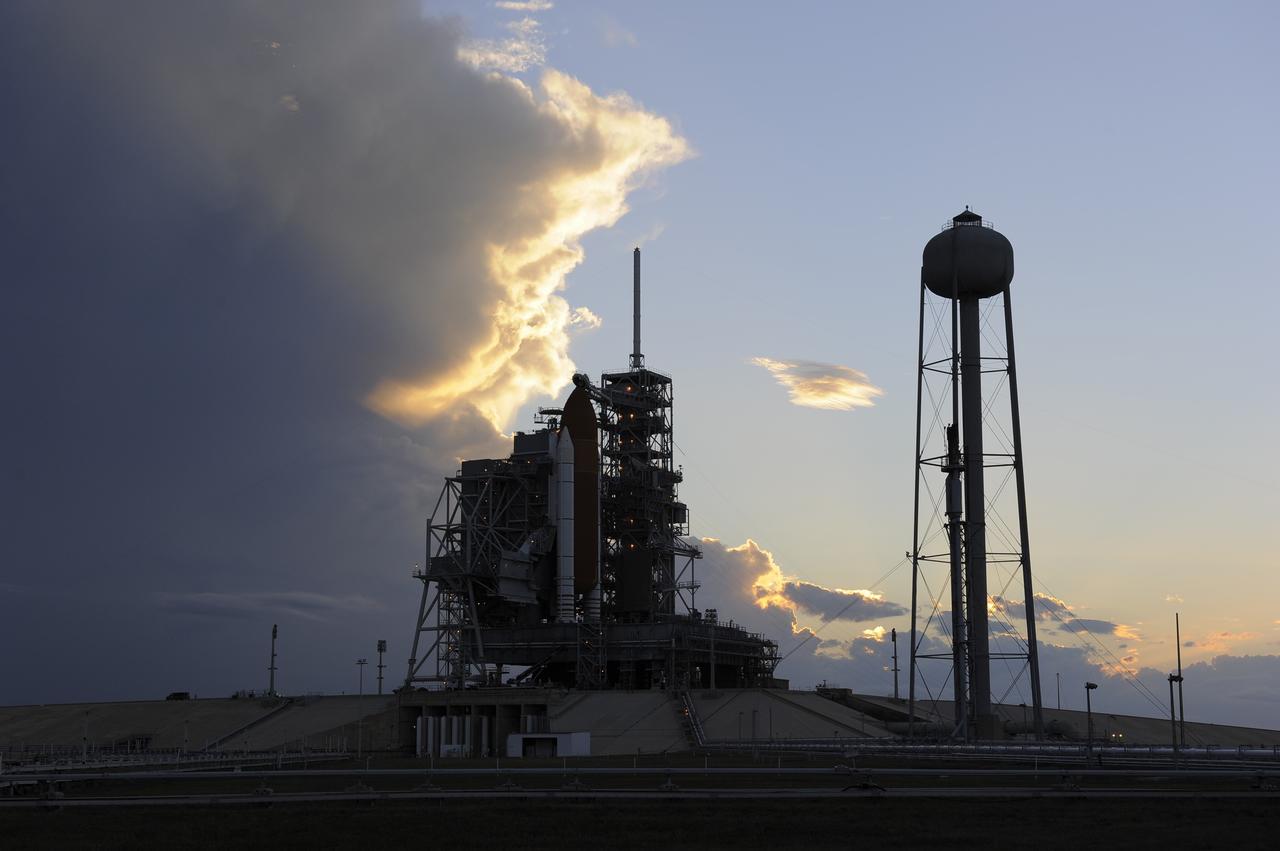
CAPE CANAVERAL, Fla. -- Storm clouds move over Launch Pad 39A at NASA's Kennedy Space Center in Florida, postponing the retraction of the pad's rotating service structure, which would reveal space shuttle Discovery. The structure provides weather protection and access to the shuttle while it awaits lift off on the pad. RSS "rollback," as it's called, will begin again after the lightning-producing clouds pass. Launch of Discovery on the STS-133 mission to the International Space Station is set for 3:29 p.m. on Nov. 4. During the 11-day mission, Discovery and its six crew members will deliver the Permanent Multipurpose Module, packed with supplies and critical spare parts, as well as Robonaut 2, to the orbiting laboratory. Discovery, which will fly its 39th mission, is scheduled to be retired following STS-133. This will be the 133rd Space Shuttle Program mission and the 35th shuttle voyage to the space station. For more information on STS-133, visit www.nasa.gov/mission_pages/shuttle/shuttlemissions/sts133/. Photo credit: NASA/Kim Shiflett
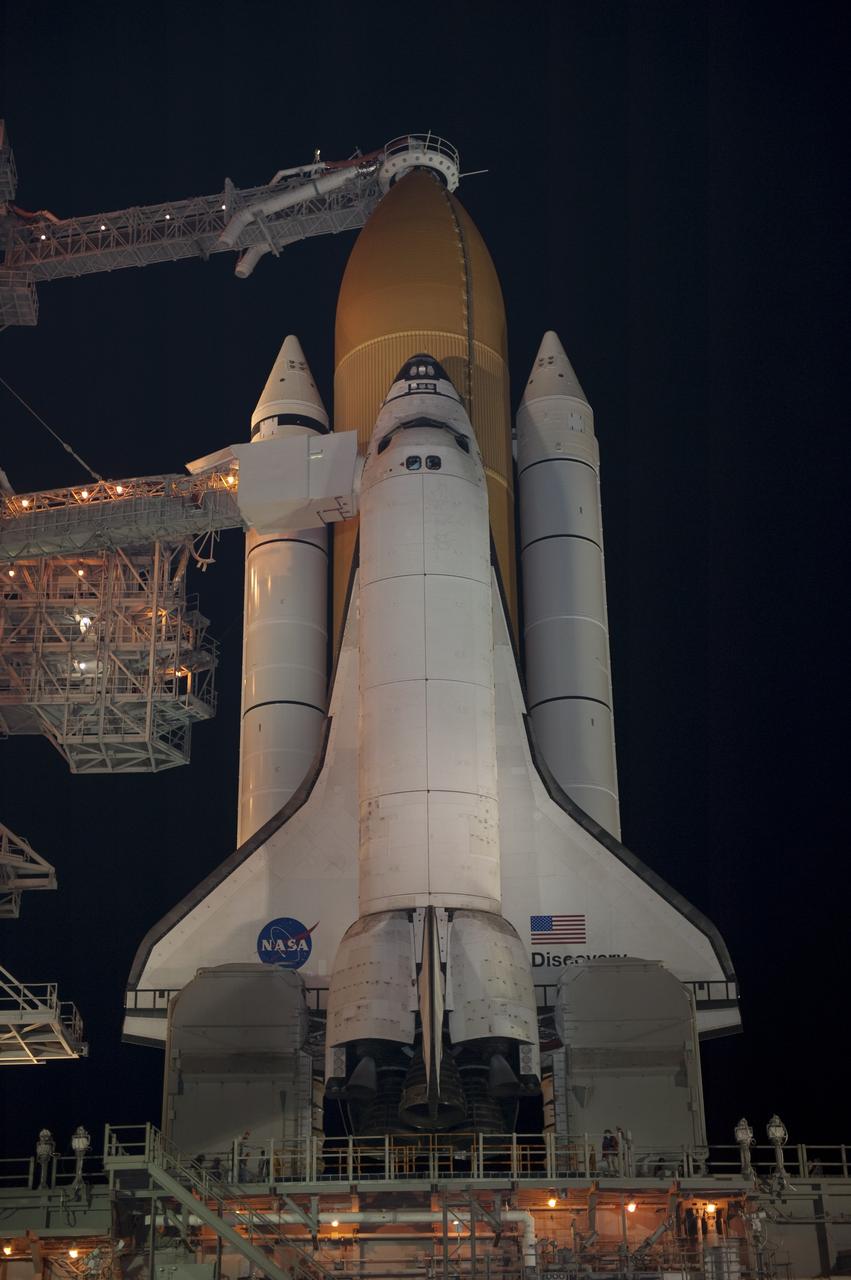
CAPE CANAVERAL, Fla. -- At NASA's Kennedy Space Center in Florida, space shuttle Discovery is visible on Launch Pad 39A following the retraction of the rotating service structure. The structure provides weather protection and access to the shuttle while it awaits lift off on the pad. RSS "rollback," as it's called, was delayed for a few hours to allow a lightning-producing storm cloud to pass. Launch of Discovery on the STS-133 mission to the International Space Station is set for 3:29 p.m. on Nov. 4. During the 11-day mission, Discovery and its six crew members will deliver the Permanent Multipurpose Module, packed with supplies and critical spare parts, as well as Robonaut 2, to the orbiting laboratory. Discovery, which will fly its 39th mission, is scheduled to be retired following STS-133. This will be the 133rd Space Shuttle Program mission and the 35th shuttle voyage to the space station. For more information on STS-133, visit www.nasa.gov/mission_pages/shuttle/shuttlemissions/sts133/. Photo credit: NASA/Kim Shiflett
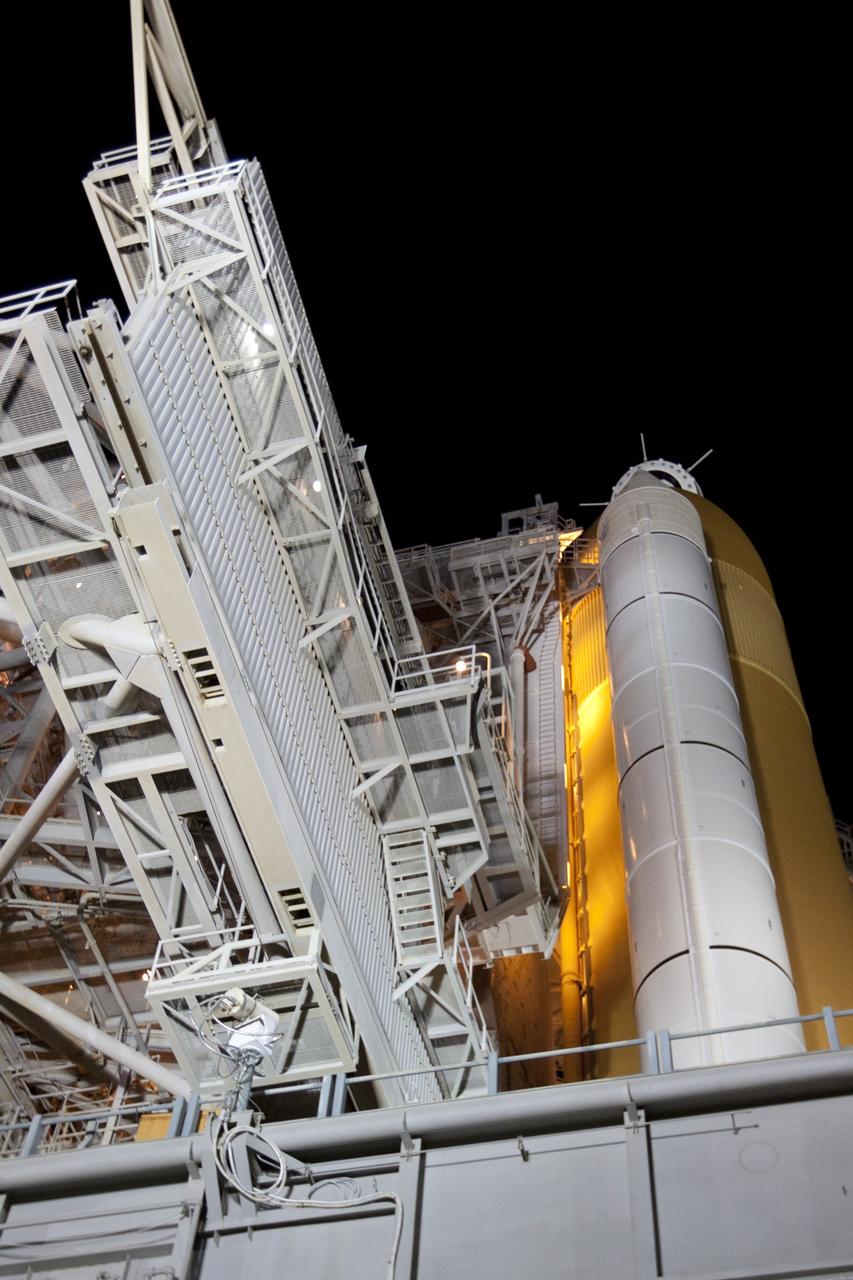
CAPE CANAVERAL, Fla. -- At NASA's Kennedy Space Center in Florida, the rotating service structure on Launch Pad 39A moves away from space shuttle Discovery. The structure provides weather protection and access to the shuttle while it awaits lift off on the pad. RSS "rollback," as it's called, was delayed for a few hours to allow a lightning-producing storm cloud to pass. Launch of Discovery on the STS-133 mission to the International Space Station is set for 3:29 p.m. on Nov. 4. During the 11-day mission, Discovery and its six crew members will deliver the Permanent Multipurpose Module, packed with supplies and critical spare parts, as well as Robonaut 2, to the orbiting laboratory. Discovery, which will fly its 39th mission, is scheduled to be retired following STS-133. This will be the 133rd Space Shuttle Program mission and the 35th shuttle voyage to the space station. For more information on STS-133, visit www.nasa.gov/mission_pages/shuttle/shuttlemissions/sts133/. Photo credit: NASA/Jack Pfaller
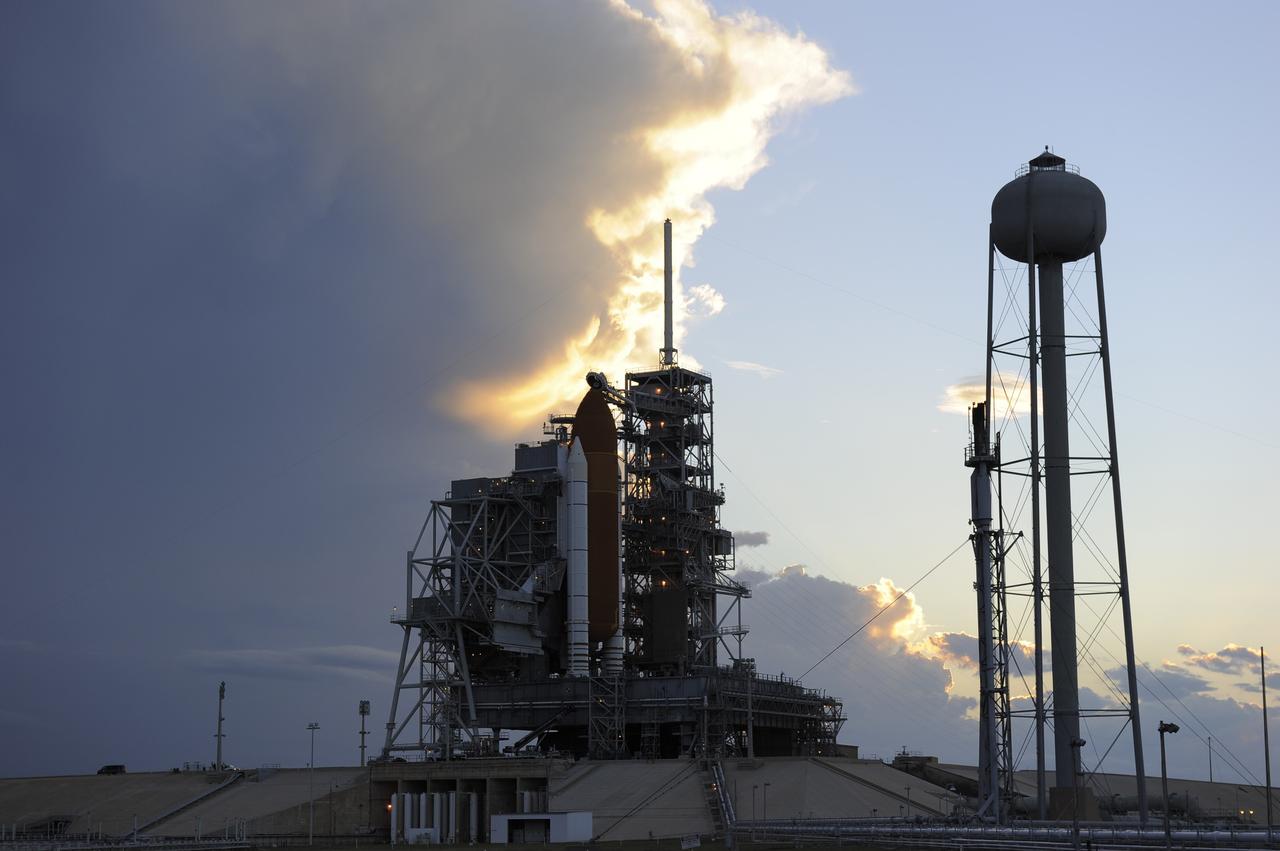
CAPE CANAVERAL, Fla. -- Storm clouds move over Launch Pad 39A at NASA's Kennedy Space Center in Florida, postponing the retraction of the pad's rotating service structure, which would reveal space shuttle Discovery. The structure provides weather protection and access to the shuttle while it awaits lift off on the pad. RSS "rollback," as it's called, will begin again after the lightning-producing clouds pass. Launch of Discovery on the STS-133 mission to the International Space Station is set for 3:29 p.m. on Nov. 4. During the 11-day mission, Discovery and its six crew members will deliver the Permanent Multipurpose Module, packed with supplies and critical spare parts, as well as Robonaut 2, to the orbiting laboratory. Discovery, which will fly its 39th mission, is scheduled to be retired following STS-133. This will be the 133rd Space Shuttle Program mission and the 35th shuttle voyage to the space station. For more information on STS-133, visit www.nasa.gov/mission_pages/shuttle/shuttlemissions/sts133/. Photo credit: NASA/Kim Shiflett
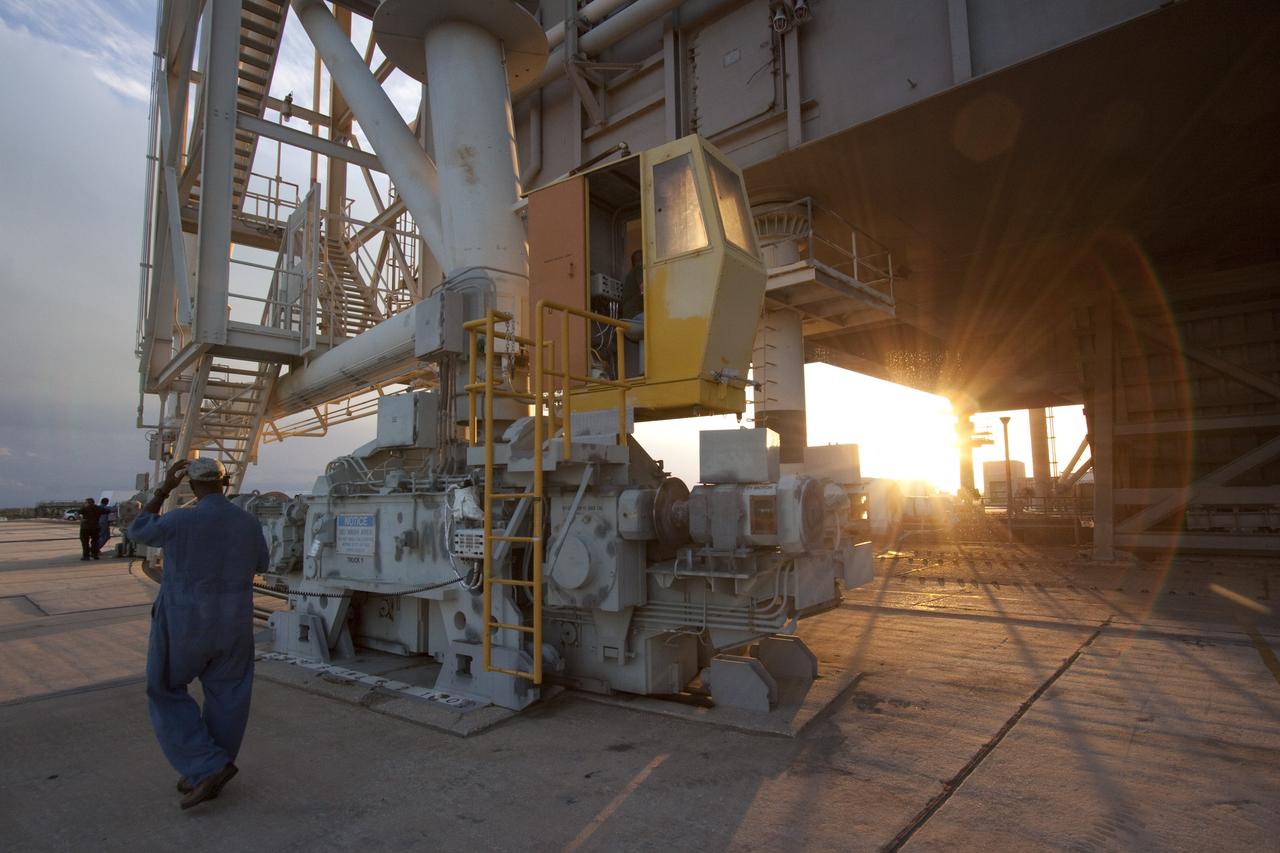
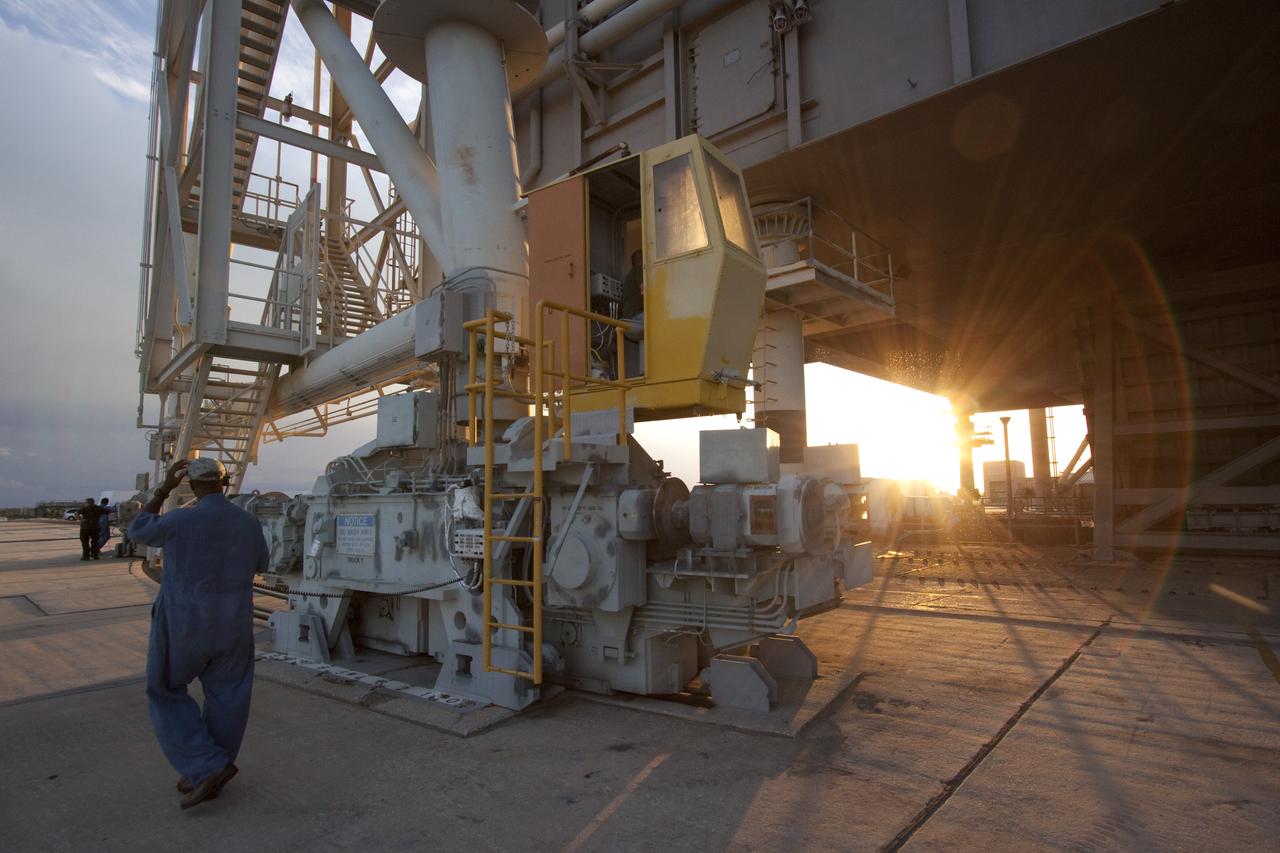
CAPE CANAVERAL, Fla. -- On Launch Pad 39A, technicians prepare to move the pad's rotating service structure away from space shuttle Discovery as the sun sets over NASA's Kennedy Space Center in Florida. The structure provides weather protection and access to the shuttle while it awaits lift off on the pad. RSS "rollback," as it's called, is a significant milestone in the launch countdown. Launch of Discovery on the STS-133 mission to the International Space Station is set for 3:29 p.m. on Nov. 4. During the 11-day mission, Discovery and its six crew members will deliver the Permanent Multipurpose Module, packed with supplies and critical spare parts, as well as Robonaut 2, to the orbiting laboratory. Discovery, which will fly its 39th mission, is scheduled to be retired following STS-133. This will be the 133rd Space Shuttle Program mission and the 35th shuttle voyage to the space station. For more information on STS-133, visit www.nasa.gov/mission_pages/shuttle/shuttlemissions/sts133/. Photo credit: NASA/Jack Pfaller
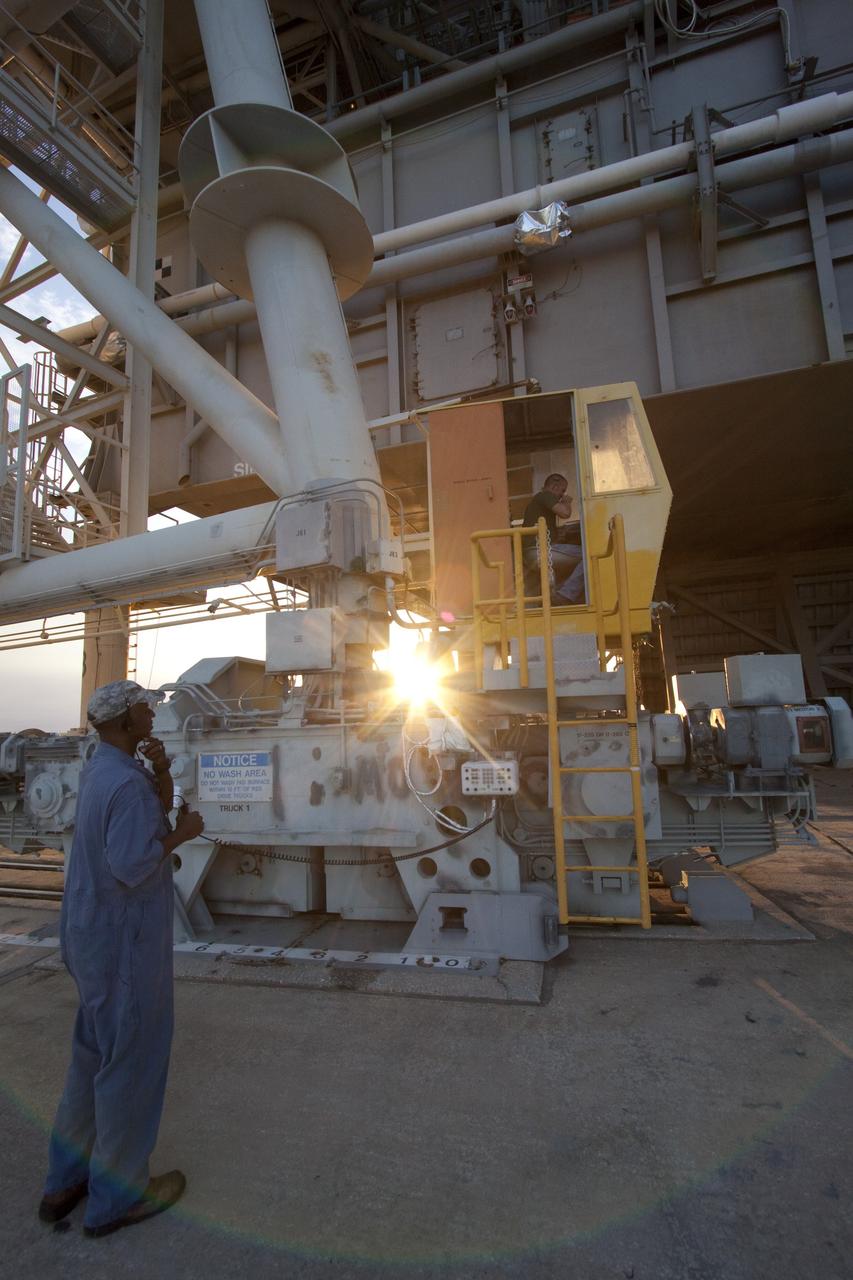
CAPE CANAVERAL, Fla. -- On Launch Pad 39A, technicians prepare to move the pad's rotating service structure away from space shuttle Discovery as the sun sets over NASA's Kennedy Space Center in Florida. The structure provides weather protection and access to the shuttle while it awaits lift off on the pad. RSS "rollback," as it's called, is a significant milestone in the launch countdown. Launch of Discovery on the STS-133 mission to the International Space Station is set for 3:29 p.m. on Nov. 4. During the 11-day mission, Discovery and its six crew members will deliver the Permanent Multipurpose Module, packed with supplies and critical spare parts, as well as Robonaut 2, to the orbiting laboratory. Discovery, which will fly its 39th mission, is scheduled to be retired following STS-133. This will be the 133rd Space Shuttle Program mission and the 35th shuttle voyage to the space station. For more information on STS-133, visit www.nasa.gov/mission_pages/shuttle/shuttlemissions/sts133/. Photo credit: NASA/Jack Pfaller
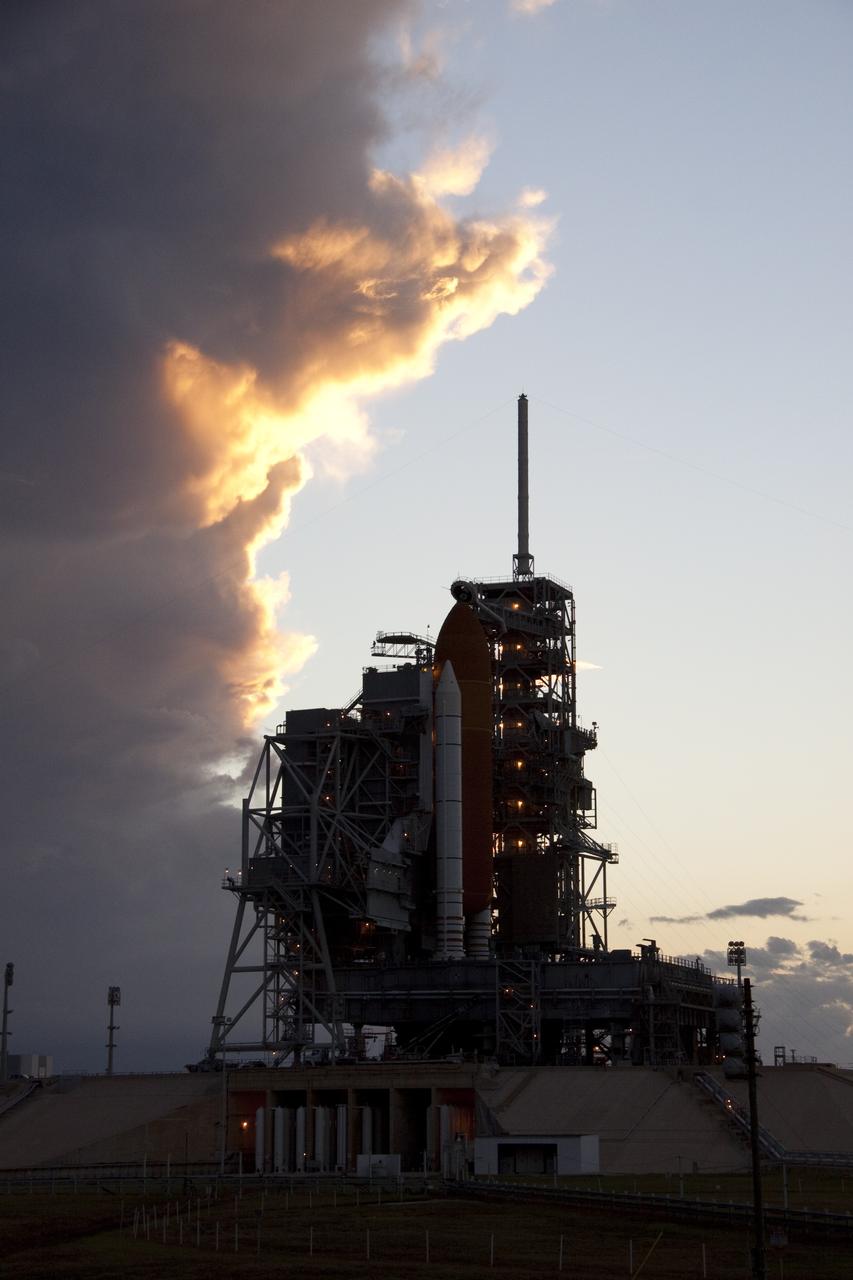
CAPE CANAVERAL, Fla. -- A lightning-producing storm cloud moves in over NASA's Kennedy Space Center in Florida as the rotating service structure on Launch Pad 39A is scheduled to be moved away from space shuttle Discovery. The structure provides weather protection and access to the shuttle. RSS "rollback," as it's called, was delayed for a few hours to allow that cloud to pass. Launch of Discovery on the STS-133 mission to the International Space Station is set for 3:29 p.m. on Nov. 4. During the 11-day mission, Discovery and its six crew members will deliver the Permanent Multipurpose Module, packed with supplies and critical spare parts, as well as Robonaut 2, to the orbiting laboratory. Discovery, which will fly its 39th mission, is scheduled to be retired following STS-133. This will be the 133rd Space Shuttle Program mission and the 35th shuttle voyage to the space station. For more information on STS-133, visit www.nasa.gov/mission_pages/shuttle/shuttlemissions/sts133/. Photo credit: NASA/Troy Cryder
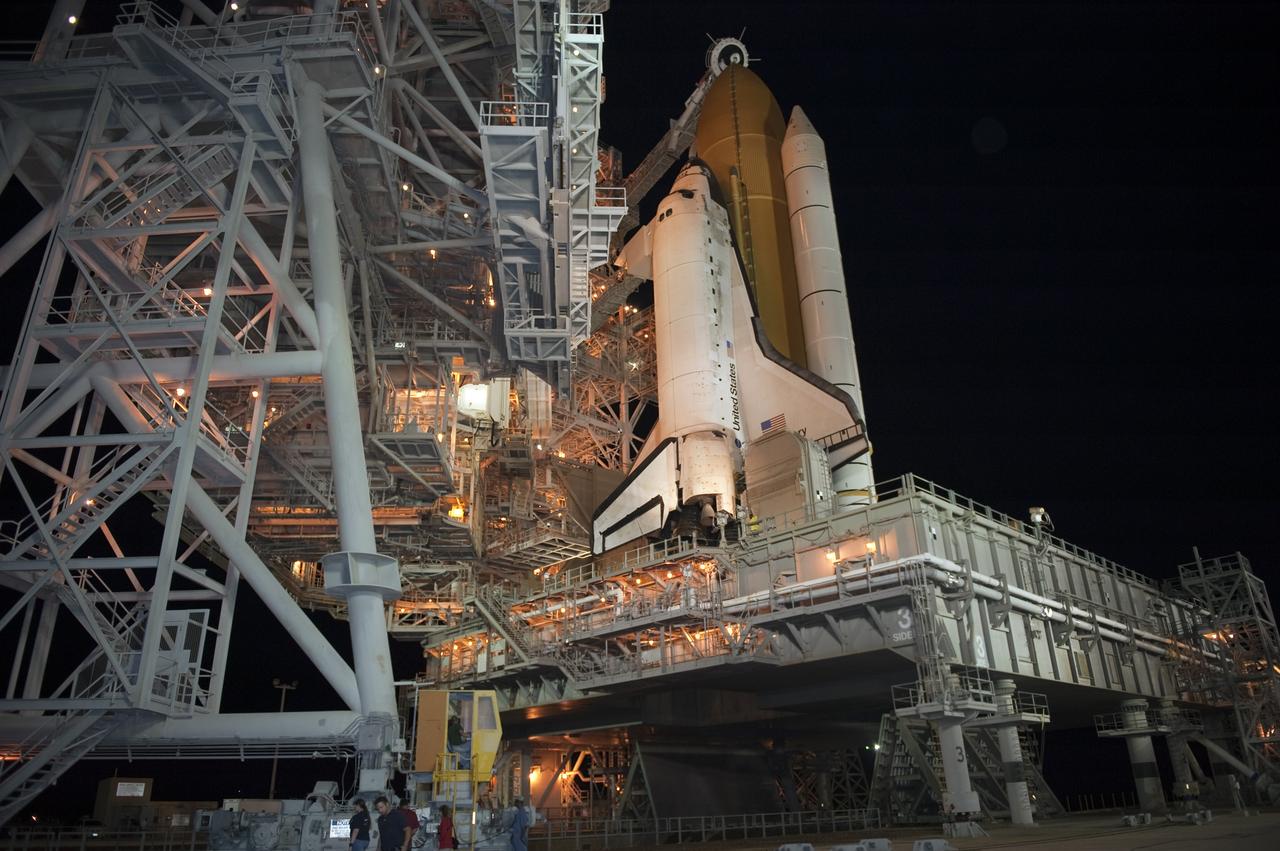
CAPE CANAVERAL, Fla. -- At NASA's Kennedy Space Center in Florida, the rotating service structure on Launch Pad 39A moves away from space shuttle Discovery. The structure provides weather protection and access to the shuttle while it awaits lift off on the pad. RSS "rollback," as it's called, was delayed for a few hours to allow a lightning-producing storm cloud to pass. Launch of Discovery on the STS-133 mission to the International Space Station is set for 3:29 p.m. on Nov. 4. During the 11-day mission, Discovery and its six crew members will deliver the Permanent Multipurpose Module, packed with supplies and critical spare parts, as well as Robonaut 2, to the orbiting laboratory. Discovery, which will fly its 39th mission, is scheduled to be retired following STS-133. This will be the 133rd Space Shuttle Program mission and the 35th shuttle voyage to the space station. For more information on STS-133, visit www.nasa.gov/mission_pages/shuttle/shuttlemissions/sts133/. Photo credit: NASA/Kim Shiflett
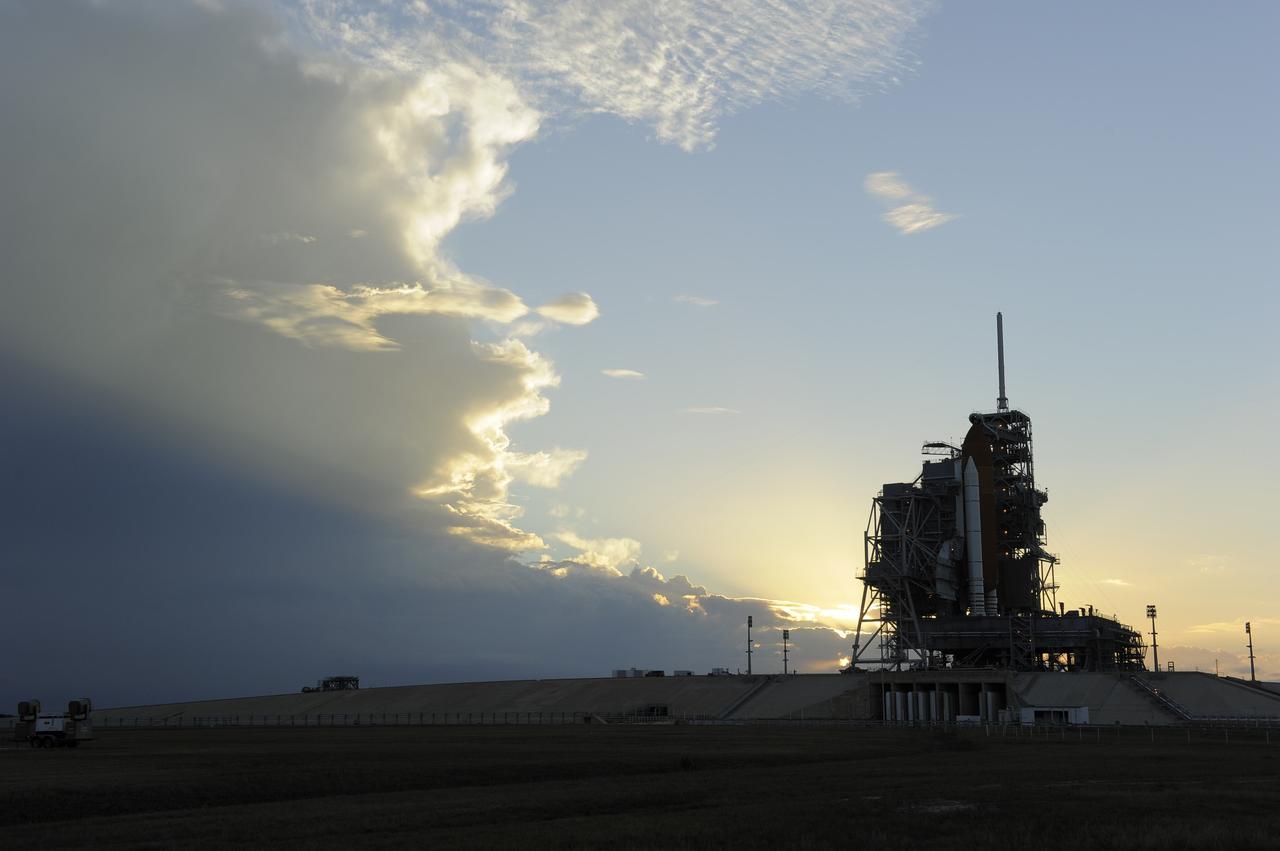
CAPE CANAVERAL, Fla. -- Storm clouds move in over Launch Pad 39A at NASA's Kennedy Space Center in Florida, postponing the retraction of the pad's rotating service structure, which would reveal space shuttle Discovery. The structure provides weather protection and access to the shuttle while it awaits lift off on the pad. RSS "rollback," as it's called, will begin again after the lightning-producing clouds pass. Launch of Discovery on the STS-133 mission to the International Space Station is set for 3:29 p.m. on Nov. 4. During the 11-day mission, Discovery and its six crew members will deliver the Permanent Multipurpose Module, packed with supplies and critical spare parts, as well as Robonaut 2, to the orbiting laboratory. Discovery, which will fly its 39th mission, is scheduled to be retired following STS-133. This will be the 133rd Space Shuttle Program mission and the 35th shuttle voyage to the space station. For more information on STS-133, visit www.nasa.gov/mission_pages/shuttle/shuttlemissions/sts133/. Photo credit: NASA/Kim Shiflett
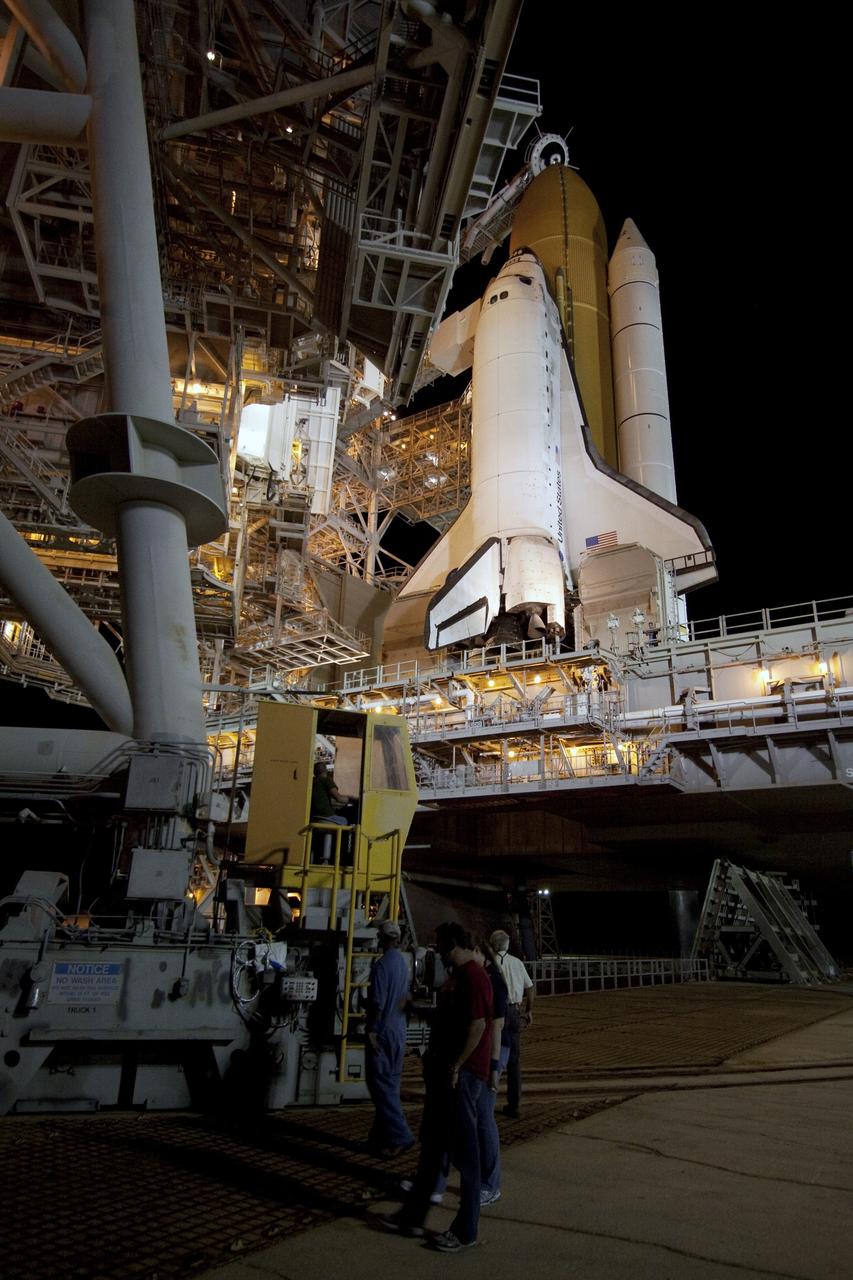
CAPE CANAVERAL, Fla. -- At NASA's Kennedy Space Center in Florida, the rotating service structure on Launch Pad 39A moves away from space shuttle Discovery. The structure provides weather protection and access to the shuttle while it awaits lift off on the pad. RSS "rollback," as it's called, was delayed for a few hours to allow a lightning-producing storm cloud to pass. Launch of Discovery on the STS-133 mission to the International Space Station is set for 3:29 p.m. on Nov. 4. During the 11-day mission, Discovery and its six crew members will deliver the Permanent Multipurpose Module, packed with supplies and critical spare parts, as well as Robonaut 2, to the orbiting laboratory. Discovery, which will fly its 39th mission, is scheduled to be retired following STS-133. This will be the 133rd Space Shuttle Program mission and the 35th shuttle voyage to the space station. For more information on STS-133, visit www.nasa.gov/mission_pages/shuttle/shuttlemissions/sts133/. Photo credit: NASA/Jack Pfaller
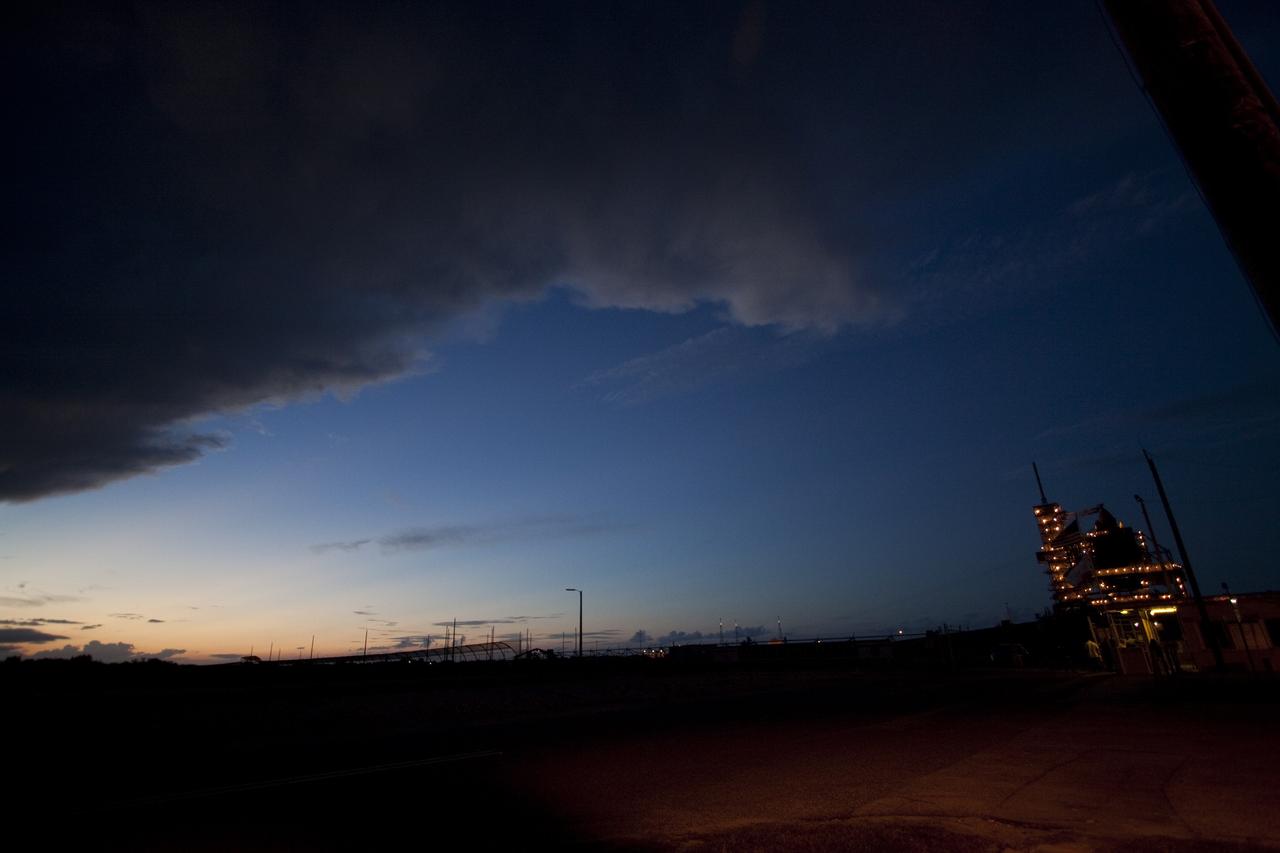
CAPE CANAVERAL, Fla. -- Storm clouds move over Launch Pad 39A at NASA's Kennedy Space Center in Florida, postponing the movement of the pad's rotating service structure away from space shuttle Discovery. The structure provides weather protection and access to the shuttle while it awaits lift off on the pad. RSS "rollback," as it's called, will begin again after the lightning-producing clouds pass. Launch of Discovery on the STS-133 mission to the International Space Station is set for 3:29 p.m. on Nov. 4. During the 11-day mission, Discovery and its six crew members will deliver the Permanent Multipurpose Module, packed with supplies and critical spare parts, as well as Robonaut 2, to the orbiting laboratory. Discovery, which will fly its 39th mission, is scheduled to be retired following STS-133. This will be the 133rd Space Shuttle Program mission and the 35th shuttle voyage to the space station. For more information on STS-133, visit www.nasa.gov/mission_pages/shuttle/shuttlemissions/sts133/. Photo credit: NASA/Jack Pfaller
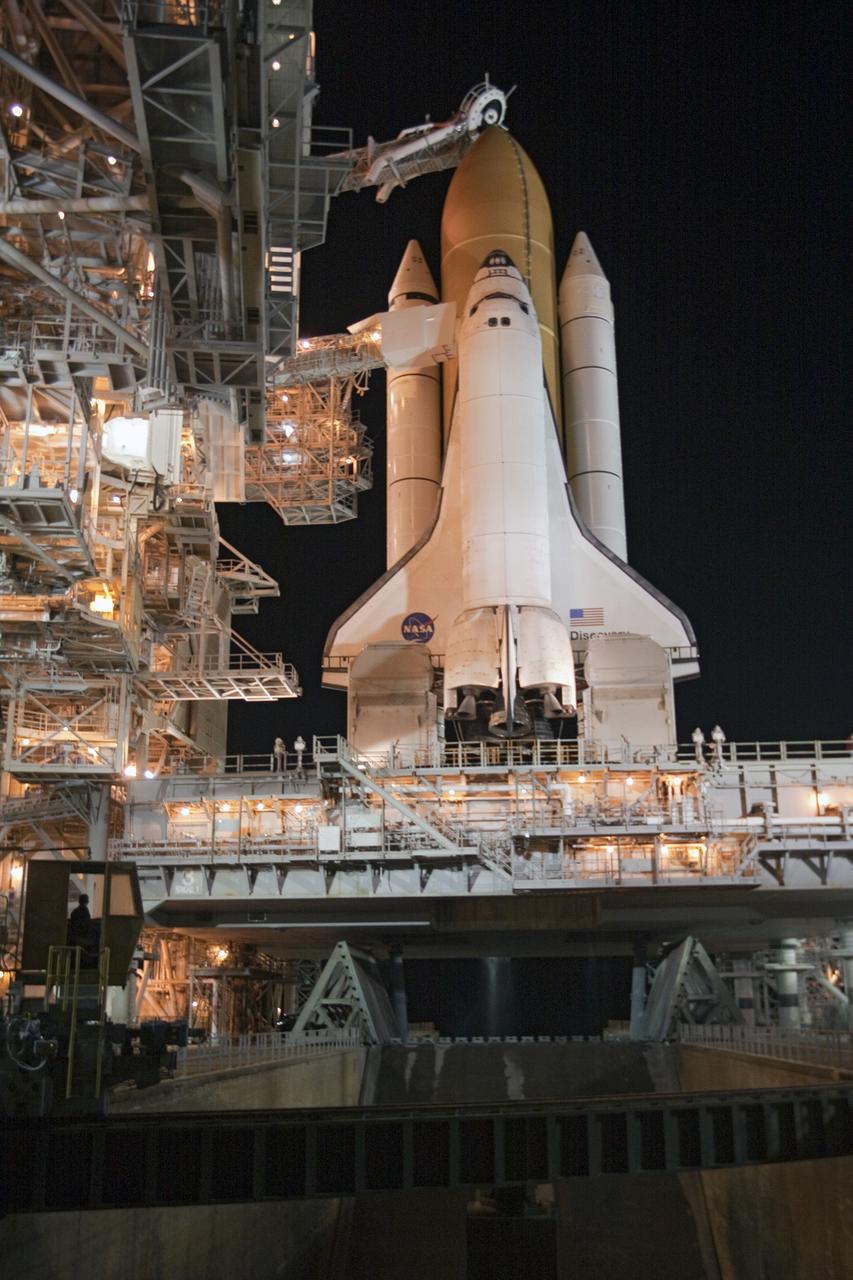
CAPE CANAVERAL, Fla. -- At NASA's Kennedy Space Center in Florida, the rotating service structure on Launch Pad 39A moves away from space shuttle Discovery. The structure provides weather protection and access to the shuttle while it awaits lift off on the pad. RSS "rollback," as it's called, was delayed for a few hours to allow a lightning-producing storm cloud to pass. Launch of Discovery on the STS-133 mission to the International Space Station is set for 3:29 p.m. on Nov. 4. During the 11-day mission, Discovery and its six crew members will deliver the Permanent Multipurpose Module, packed with supplies and critical spare parts, as well as Robonaut 2, to the orbiting laboratory. Discovery, which will fly its 39th mission, is scheduled to be retired following STS-133. This will be the 133rd Space Shuttle Program mission and the 35th shuttle voyage to the space station. For more information on STS-133, visit www.nasa.gov/mission_pages/shuttle/shuttlemissions/sts133/. Photo credit: NASA/Jack Pfaller
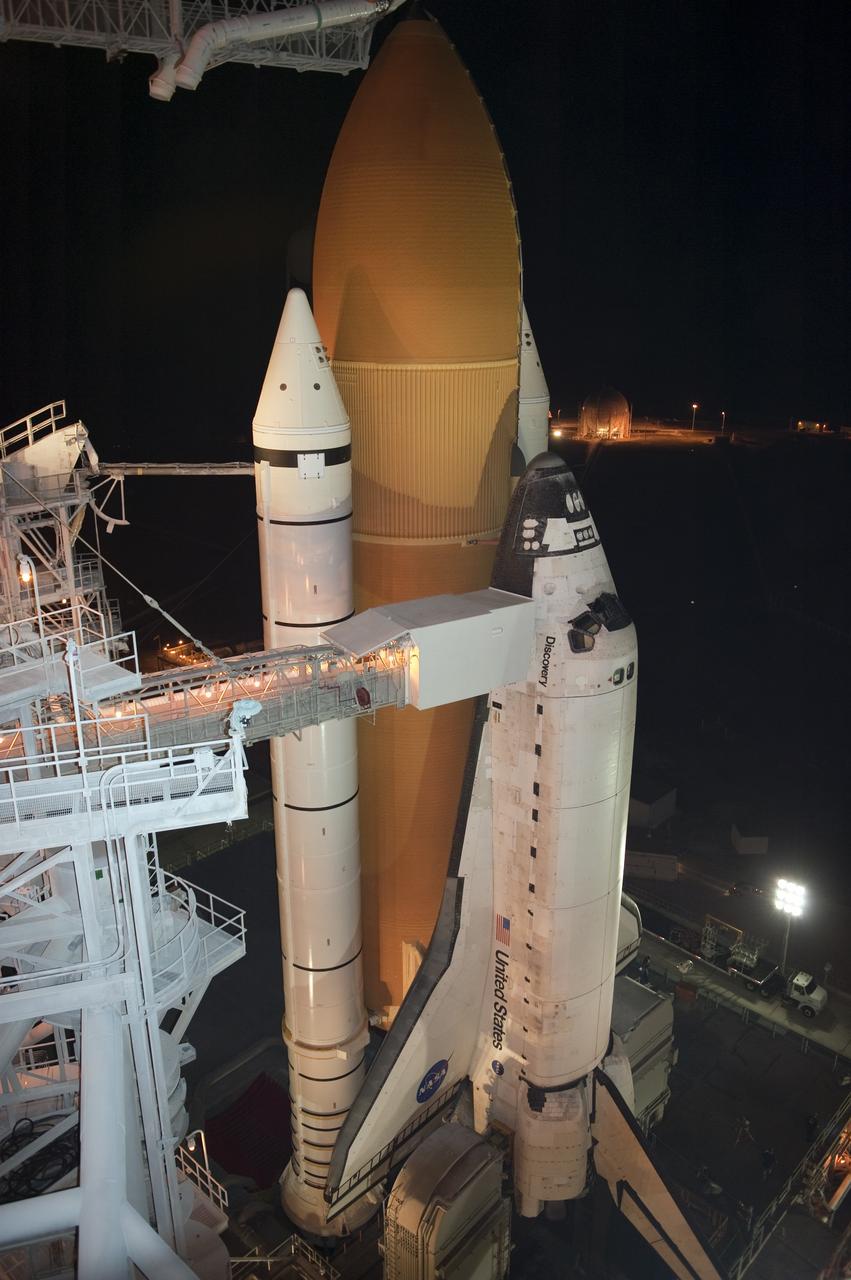
CAPE CANAVERAL, Fla. -- At NASA's Kennedy Space Center in Florida, space shuttle Discovery is visible on Launch Pad 39A following the retraction of the rotating service structure. The structure provides weather protection and access to the shuttle while it awaits lift off on the pad. RSS "rollback," as it's called, was delayed for a few hours to allow a lightning-producing storm cloud to pass. Launch of Discovery on the STS-133 mission to the International Space Station is set for 3:29 p.m. on Nov. 4. During the 11-day mission, Discovery and its six crew members will deliver the Permanent Multipurpose Module, packed with supplies and critical spare parts, as well as Robonaut 2, to the orbiting laboratory. Discovery, which will fly its 39th mission, is scheduled to be retired following STS-133. This will be the 133rd Space Shuttle Program mission and the 35th shuttle voyage to the space station. For more information on STS-133, visit www.nasa.gov/mission_pages/shuttle/shuttlemissions/sts133/. Photo credit: NASA/Kim Shiflett
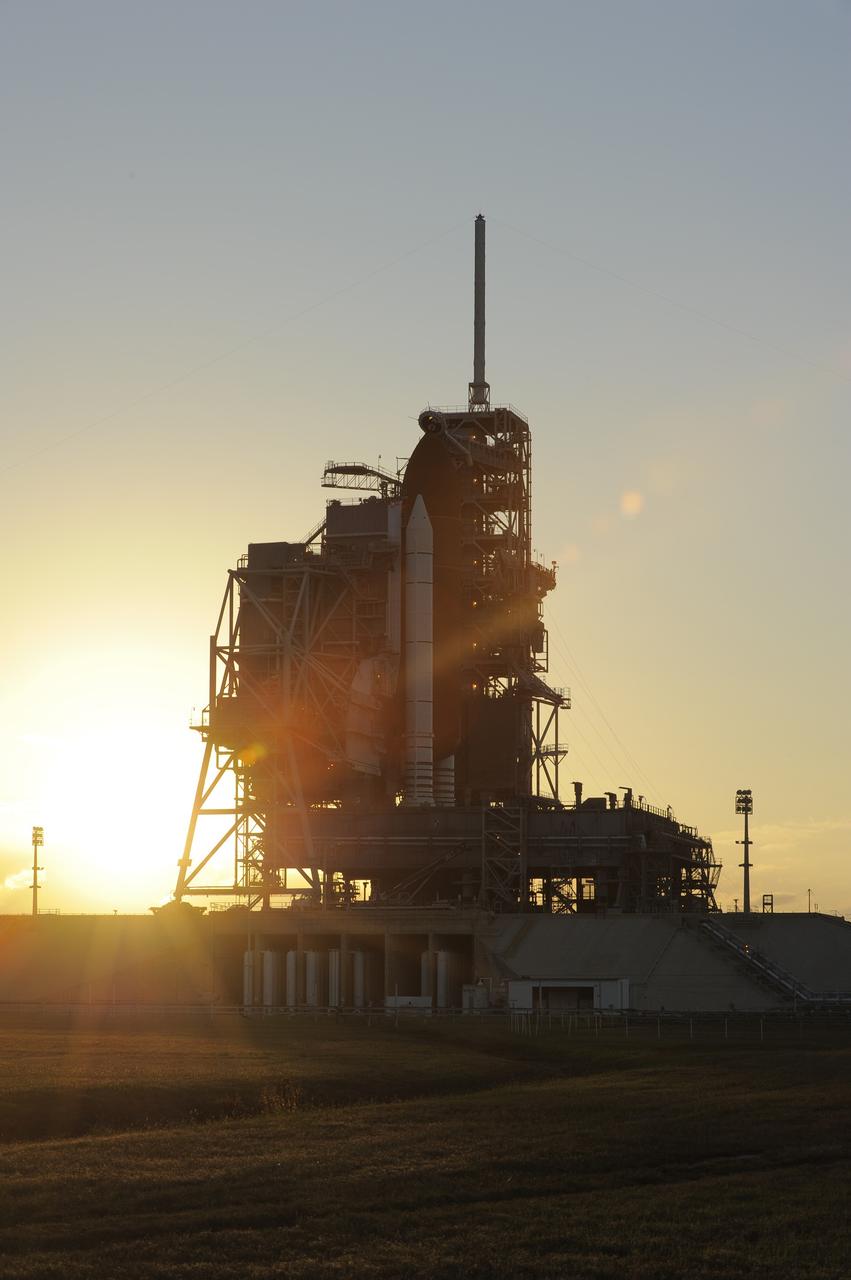
CAPE CANAVERAL, Fla. -- On Launch Pad 39A, preparations are under way to move the pad's rotating service structure away from space shuttle Discovery as the sun sets over NASA's Kennedy Space Center in Florida. The structure provides weather protection and access to the shuttle while it awaits lift off on the pad. RSS "rollback," as it's called, is a significant milestone in the launch countdown. Launch of Discovery on the STS-133 mission to the International Space Station is set for 3:29 p.m. on Nov. 4. During the 11-day mission, Discovery and its six crew members will deliver the Permanent Multipurpose Module, packed with supplies and critical spare parts, as well as Robonaut 2, to the orbiting laboratory. Discovery, which will fly its 39th mission, is scheduled to be retired following STS-133. This will be the 133rd Space Shuttle Program mission and the 35th shuttle voyage to the space station. For more information on STS-133, visit www.nasa.gov/mission_pages/shuttle/shuttlemissions/sts133/. Photo credit: NASA/Kim Shiflett
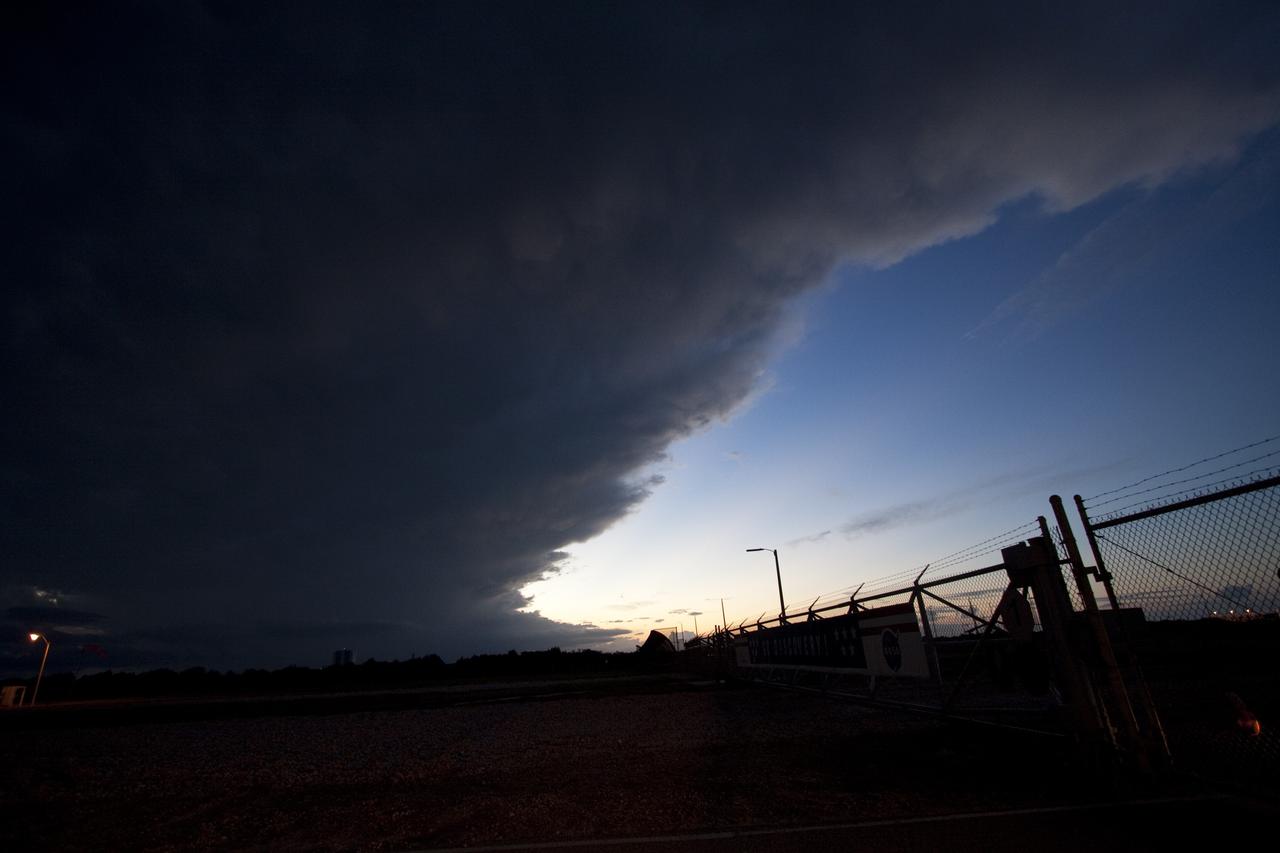
CAPE CANAVERAL, Fla. -- Storm clouds move over Launch Pad 39A at NASA's Kennedy Space Center in Florida, postponing the movement of the pad's rotating service structure away from space shuttle Discovery. The structure provides weather protection and access to the shuttle while it awaits lift off on the pad. RSS "rollback," as it's called, will begin again after the lightning-producing clouds pass. Launch of Discovery on the STS-133 mission to the International Space Station is set for 3:29 p.m. on Nov. 4. During the 11-day mission, Discovery and its six crew members will deliver the Permanent Multipurpose Module, packed with supplies and critical spare parts, as well as Robonaut 2, to the orbiting laboratory. Discovery, which will fly its 39th mission, is scheduled to be retired following STS-133. This will be the 133rd Space Shuttle Program mission and the 35th shuttle voyage to the space station. For more information on STS-133, visit www.nasa.gov/mission_pages/shuttle/shuttlemissions/sts133/. Photo credit: NASA/Jack Pfaller
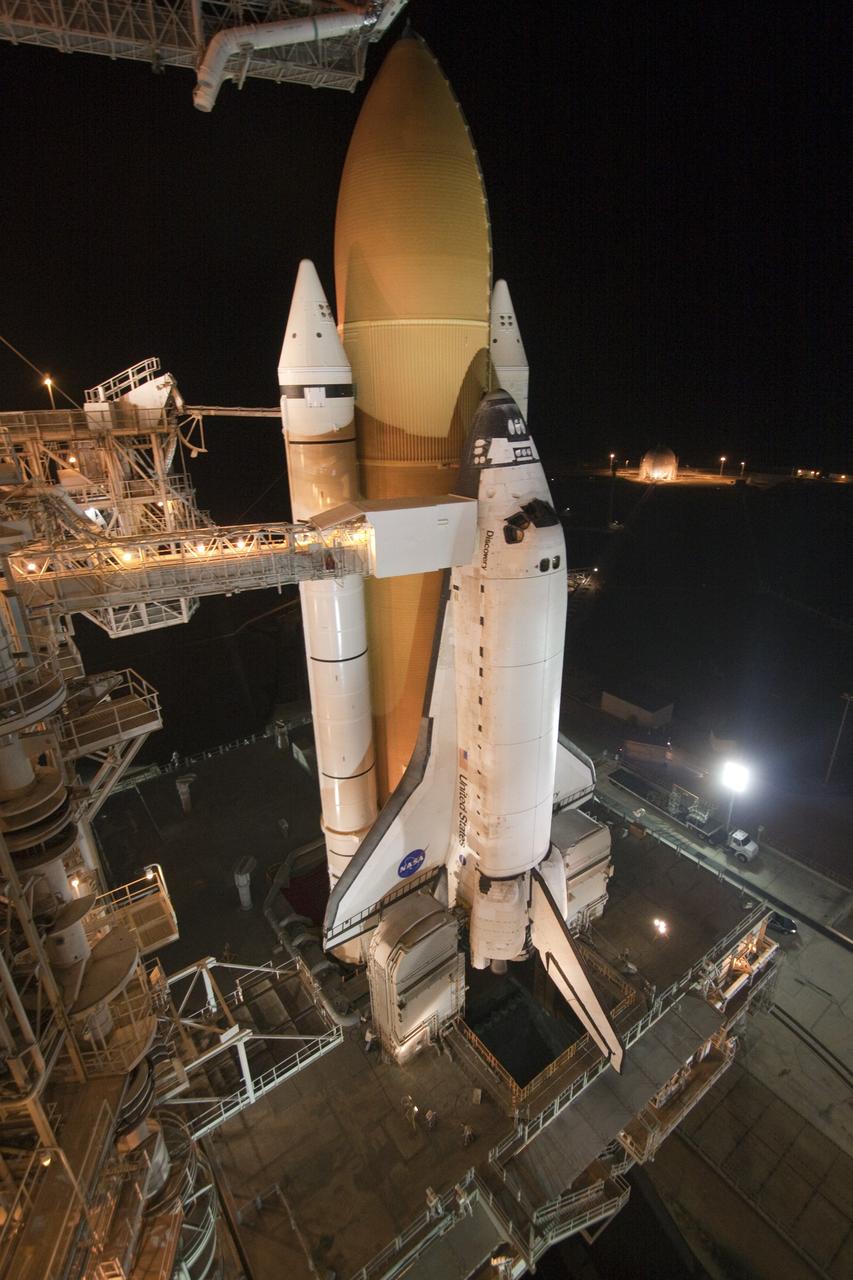
CAPE CANAVERAL, Fla. -- At NASA's Kennedy Space Center in Florida, space shuttle Discovery is visible on Launch Pad 39A following the retraction of the rotating service structure. The structure provides weather protection and access to the shuttle while it awaits lift off on the pad. RSS "rollback," as it's called, was delayed for a few hours to allow a lightning-producing storm cloud to pass. Launch of Discovery on the STS-133 mission to the International Space Station is set for 3:29 p.m. on Nov. 4. During the 11-day mission, Discovery and its six crew members will deliver the Permanent Multipurpose Module, packed with supplies and critical spare parts, as well as Robonaut 2, to the orbiting laboratory. Discovery, which will fly its 39th mission, is scheduled to be retired following STS-133. This will be the 133rd Space Shuttle Program mission and the 35th shuttle voyage to the space station. For more information on STS-133, visit www.nasa.gov/mission_pages/shuttle/shuttlemissions/sts133/. Photo credit: NASA/Jack Pfaller
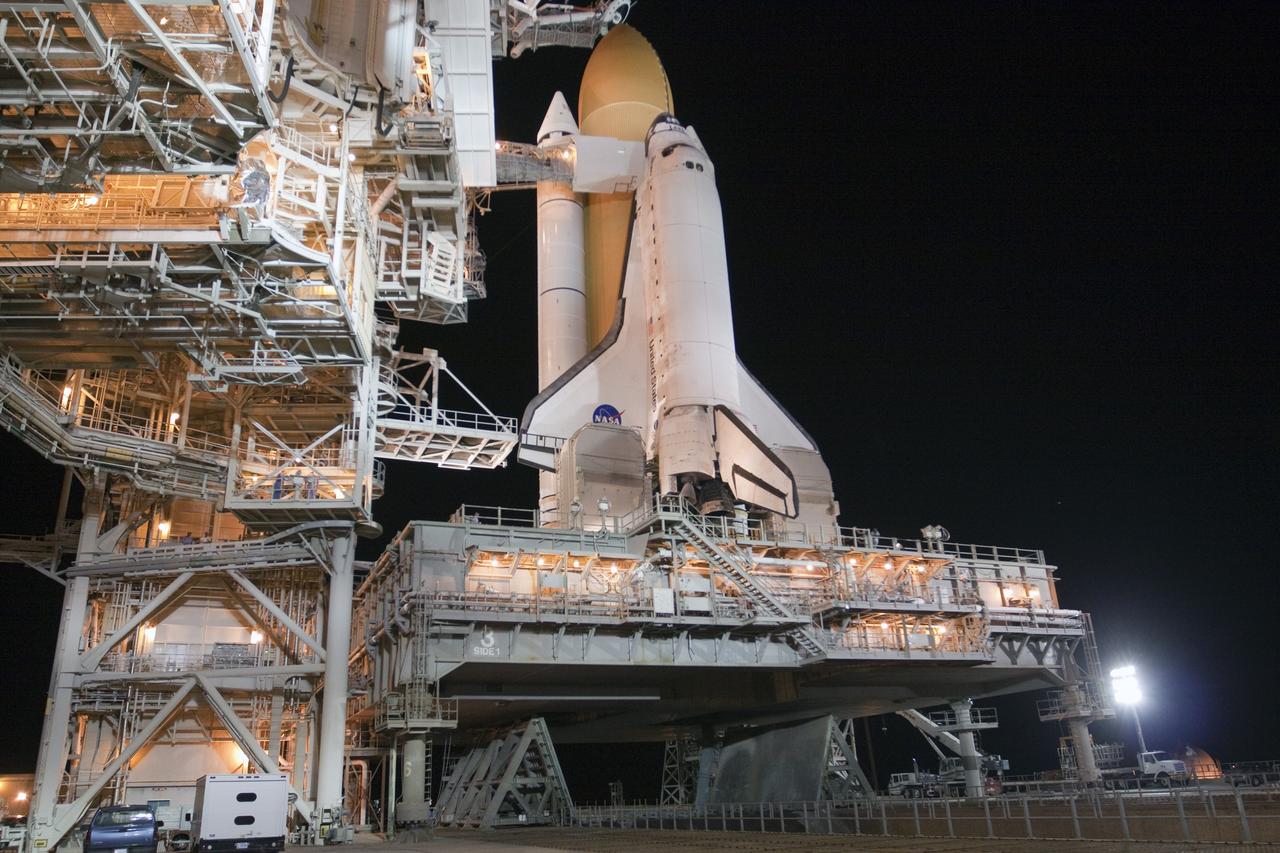
CAPE CANAVERAL, Fla. -- At NASA's Kennedy Space Center in Florida, the rotating service structure on Launch Pad 39A moves away from space shuttle Discovery. The structure provides weather protection and access to the shuttle while it awaits lift off on the pad. RSS "rollback," as it's called, was delayed for a few hours to allow a lightning-producing storm cloud to pass. Launch of Discovery on the STS-133 mission to the International Space Station is set for 3:29 p.m. on Nov. 4. During the 11-day mission, Discovery and its six crew members will deliver the Permanent Multipurpose Module, packed with supplies and critical spare parts, as well as Robonaut 2, to the orbiting laboratory. Discovery, which will fly its 39th mission, is scheduled to be retired following STS-133. This will be the 133rd Space Shuttle Program mission and the 35th shuttle voyage to the space station. For more information on STS-133, visit www.nasa.gov/mission_pages/shuttle/shuttlemissions/sts133/. Photo credit: NASA/Jack Pfaller
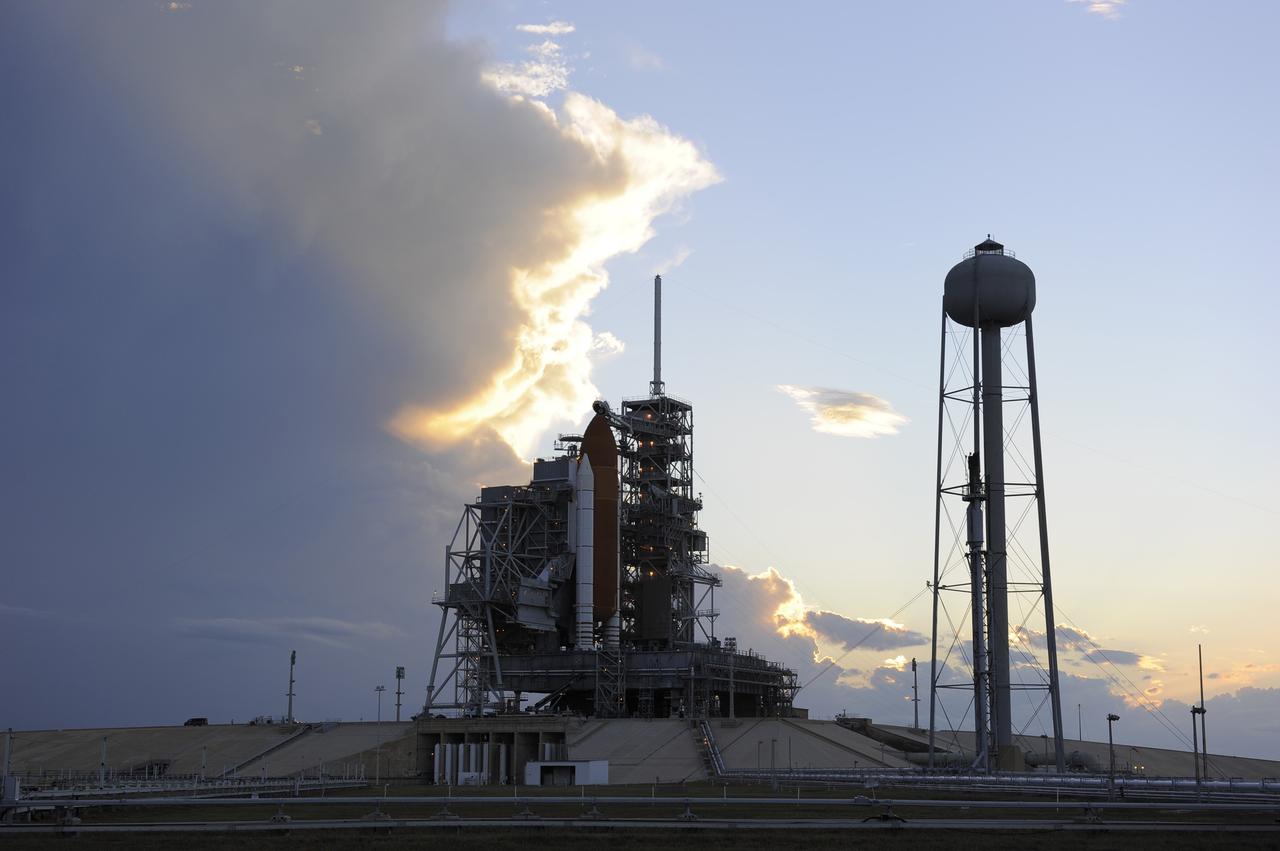
CAPE CANAVERAL, Fla. -- Storm clouds move over Launch Pad 39A at NASA's Kennedy Space Center in Florida, postponing the retraction of the pad's rotating service structure, which would reveal space shuttle Discovery. The structure provides weather protection and access to the shuttle while it awaits lift off on the pad. RSS "rollback," as it's called, will begin again after the lightning-producing clouds pass. Launch of Discovery on the STS-133 mission to the International Space Station is set for 3:29 p.m. on Nov. 4. During the 11-day mission, Discovery and its six crew members will deliver the Permanent Multipurpose Module, packed with supplies and critical spare parts, as well as Robonaut 2, to the orbiting laboratory. Discovery, which will fly its 39th mission, is scheduled to be retired following STS-133. This will be the 133rd Space Shuttle Program mission and the 35th shuttle voyage to the space station. For more information on STS-133, visit www.nasa.gov/mission_pages/shuttle/shuttlemissions/sts133/. Photo credit: NASA/Kim Shiflett
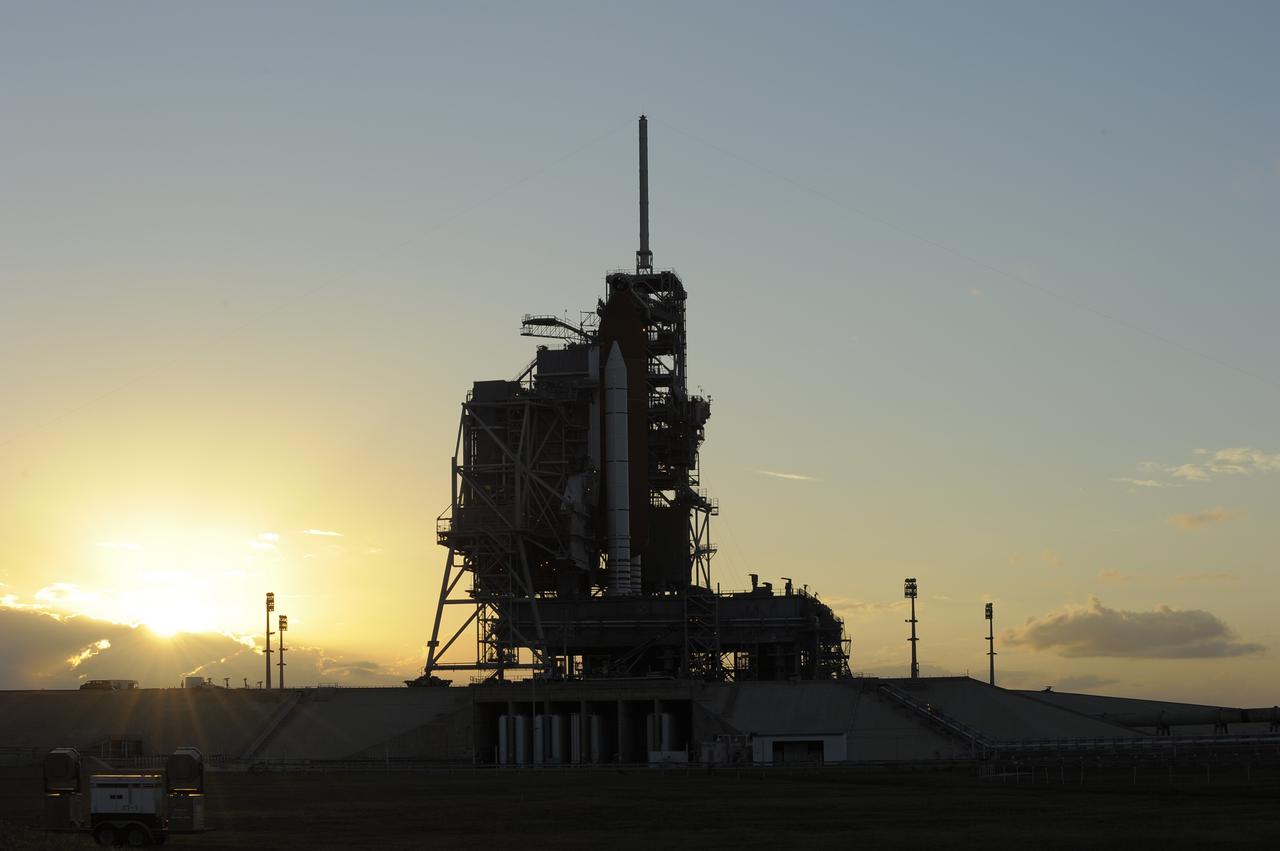
CAPE CANAVERAL, Fla. -- On Launch Pad 39A, preparations are under way to move the pad's rotating service structure away from space shuttle Discovery as the sun sets over NASA's Kennedy Space Center in Florida. The structure provides weather protection and access to the shuttle while it awaits lift off on the pad. RSS "rollback," as it's called, is a significant milestone in the launch countdown. Launch of Discovery on the STS-133 mission to the International Space Station is set for 3:29 p.m. on Nov. 4. During the 11-day mission, Discovery and its six crew members will deliver the Permanent Multipurpose Module, packed with supplies and critical spare parts, as well as Robonaut 2, to the orbiting laboratory. Discovery, which will fly its 39th mission, is scheduled to be retired following STS-133. This will be the 133rd Space Shuttle Program mission and the 35th shuttle voyage to the space station. For more information on STS-133, visit www.nasa.gov/mission_pages/shuttle/shuttlemissions/sts133/. Photo credit: NASA/Kim Shiflett
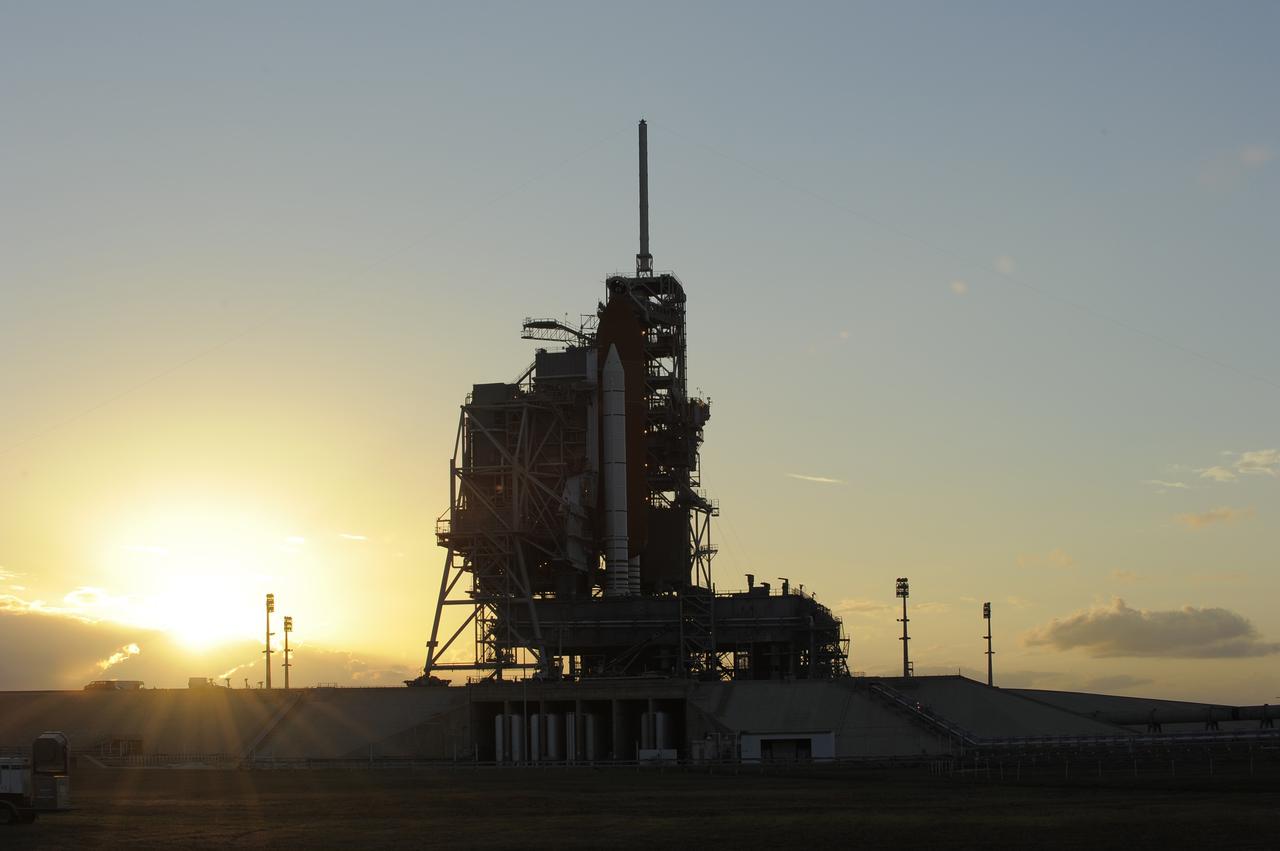
CAPE CANAVERAL, Fla. -- On Launch Pad 39A, preparations are under way to move the pad's rotating service structure away from space shuttle Discovery as the sun sets over NASA's Kennedy Space Center in Florida. The structure provides weather protection and access to the shuttle while it awaits lift off on the pad. RSS "rollback," as it's called, is a significant milestone in the launch countdown. Launch of Discovery on the STS-133 mission to the International Space Station is set for 3:29 p.m. on Nov. 4. During the 11-day mission, Discovery and its six crew members will deliver the Permanent Multipurpose Module, packed with supplies and critical spare parts, as well as Robonaut 2, to the orbiting laboratory. Discovery, which will fly its 39th mission, is scheduled to be retired following STS-133. This will be the 133rd Space Shuttle Program mission and the 35th shuttle voyage to the space station. For more information on STS-133, visit www.nasa.gov/mission_pages/shuttle/shuttlemissions/sts133/. Photo credit: NASA/Kim Shiflett