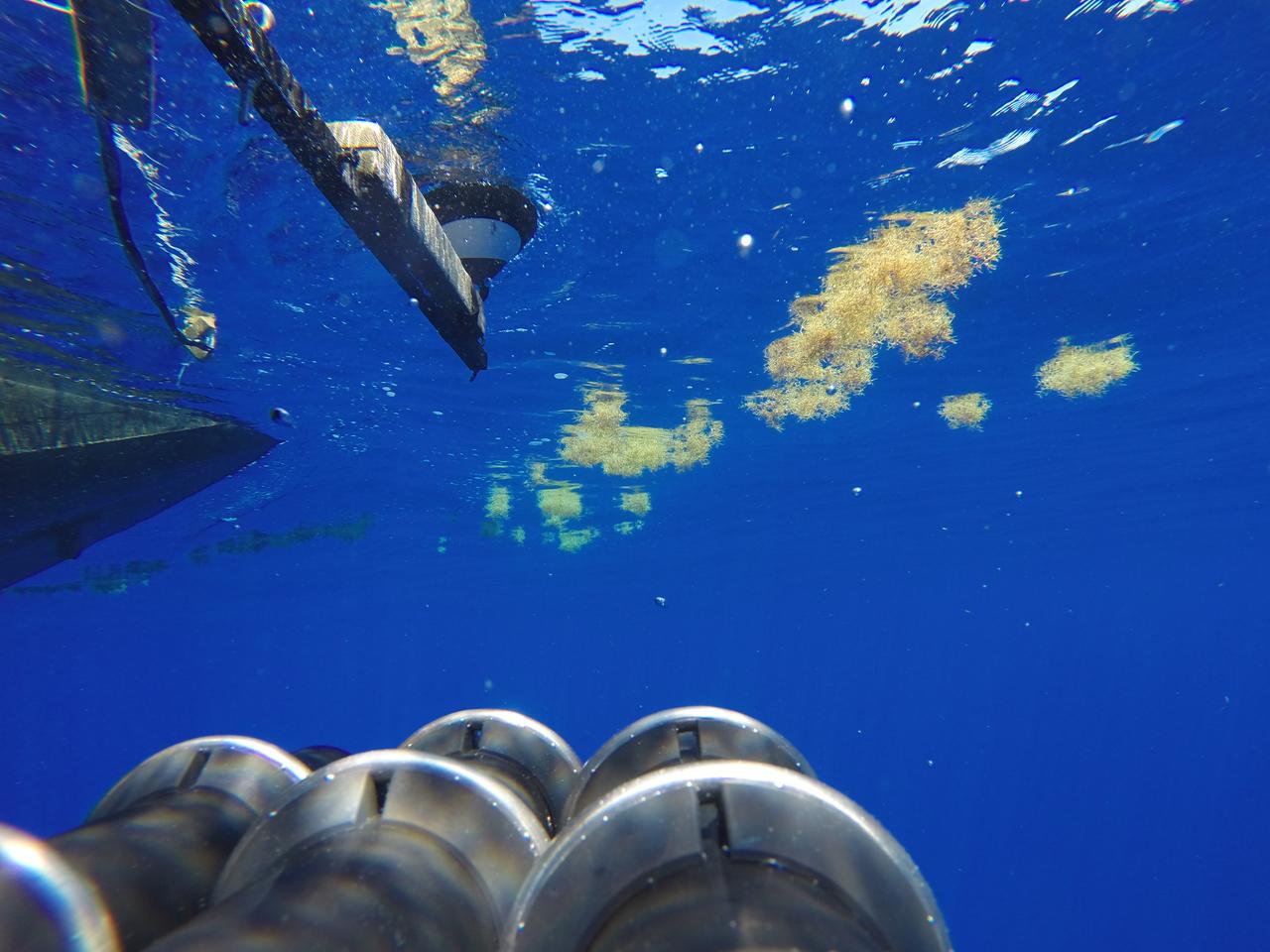
Seaweed and Light A type of seaweed called Sargassum, common in the Sargasso Sea, floats by an instrument deployed here on July 26, 2014, as part of NASA's SABOR experiment. Scientists from the City College of New York use the data to study the way light becomes polarized in various conditions both above and below the surface of the ocean. NASA's Ship-Aircraft Bio-Optical Research (SABOR) experiment is a coordinated ship and aircraft observation campaign off the Atlantic coast of the United States, an effort to advance space-based capabilities for monitoring microscopic plants that form the base of the marine food chain. Read more: <a href="http://1.usa.gov/WWRVzj" rel="nofollow">1.usa.gov/WWRVzj</a> Credit: NASA/SABOR/Wayne Slade, Sequoia Scientific .<b><a href="http://www.nasa.gov/audience/formedia/features/MP_Photo_Guidelines.html" rel="nofollow">NASA image use policy.</a></b> <b><a href="http://www.nasa.gov/centers/goddard/home/index.html" rel="nofollow">NASA Goddard Space Flight Center</a></b> enables NASA’s mission through four scientific endeavors: Earth Science, Heliophysics, Solar System Exploration, and Astrophysics. Goddard plays a leading role in NASA’s accomplishments by contributing compelling scientific knowledge to advance the Agency’s mission. <b>Follow us on <a href="http://twitter.com/NASAGoddardPix" rel="nofollow">Twitter</a></b> <b>Like us on <a href="http://www.facebook.com/pages/Greenbelt-MD/NASA-Goddard/395013845897?ref=tsd" rel="nofollow">Facebook</a></b> <b>Find us on <a href="http://instagram.com/nasagoddard?vm=grid" rel="nofollow">Instagram</a></b>
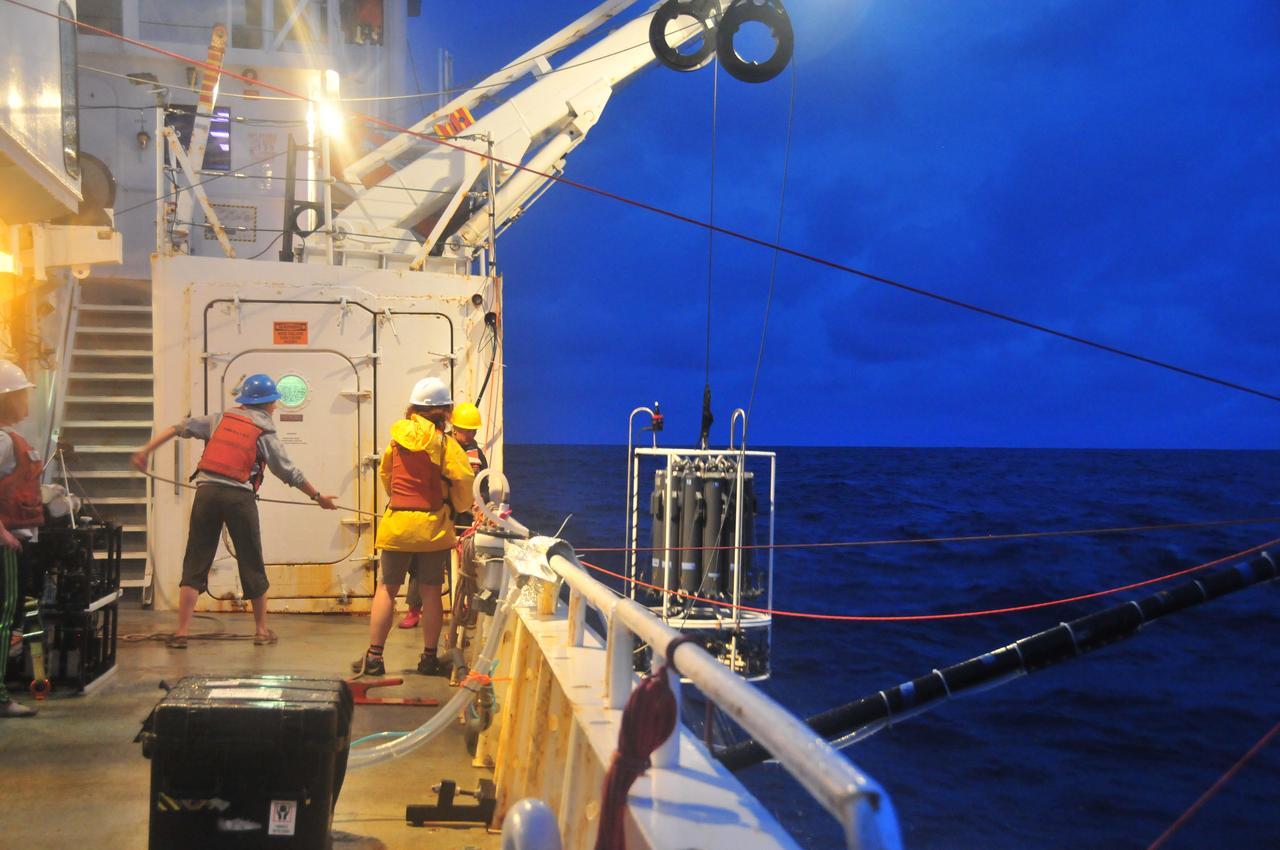
Instruments Overboard On July 26, 2014, scientists worked past dusk to prepare and deploy the optical instruments and ocean water sensors during NASA's SABOR experiment. NASA's Ship-Aircraft Bio-Optical Research (SABOR) experiment is a coordinated ship and aircraft observation campaign off the Atlantic coast of the United States, an effort to advance space-based capabilities for monitoring microscopic plants that form the base of the marine food chain. Read more: <a href="http://1.usa.gov/WWRVzj" rel="nofollow">1.usa.gov/WWRVzj</a> Credit: NASA/SABOR/Wayne Slade, Sequoia Scientific . <b><a href="http://www.nasa.gov/audience/formedia/features/MP_Photo_Guidelines.html" rel="nofollow">NASA image use policy.</a></b> <b><a href="http://www.nasa.gov/centers/goddard/home/index.html" rel="nofollow">NASA Goddard Space Flight Center</a></b> enables NASA’s mission through four scientific endeavors: Earth Science, Heliophysics, Solar System Exploration, and Astrophysics. Goddard plays a leading role in NASA’s accomplishments by contributing compelling scientific knowledge to advance the Agency’s mission. <b>Follow us on <a href="http://twitter.com/NASAGoddardPix" rel="nofollow">Twitter</a></b> <b>Like us on <a href="http://www.facebook.com/pages/Greenbelt-MD/NASA-Goddard/395013845897?ref=tsd" rel="nofollow">Facebook</a></b> <b>Find us on <a href="http://instagram.com/nasagoddard?vm=grid" rel="nofollow">Instagram</a></b>
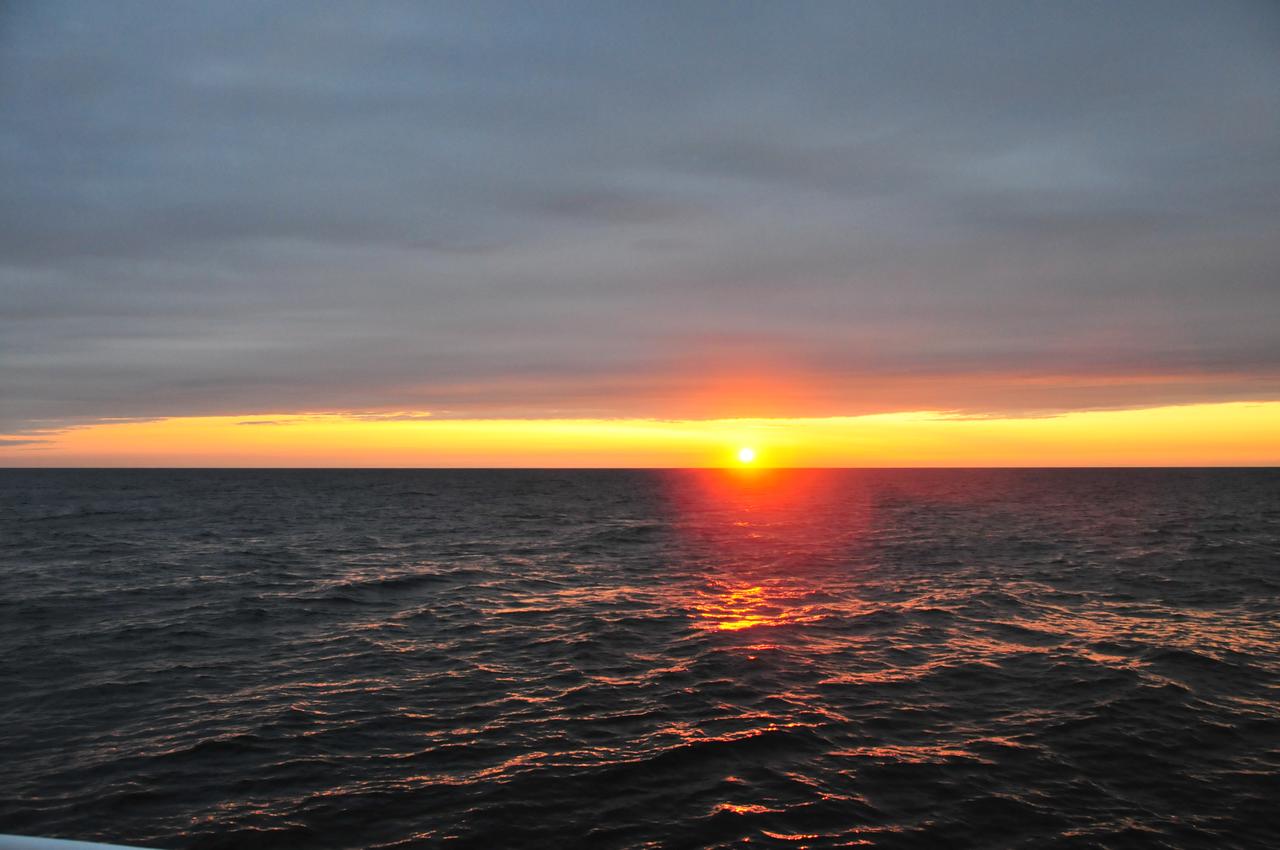
Sunset Over the Gulf of Maine On July 20, 2013, scientists at sea with NASA's SABOR experiment witnessed a spectacular sunset over the Gulf of Maine. NASA's Ship-Aircraft Bio-Optical Research (SABOR) experiment is a coordinated ship and aircraft observation campaign off the Atlantic coast of the United States, an effort to advance space-based capabilities for monitoring microscopic plants that form the base of the marine food chain. Read more: <a href="http://1.usa.gov/WWRVzj" rel="nofollow">1.usa.gov/WWRVzj</a> Credit: NASA/SABOR/Wayne Slade, Sequoia Scientific .<b><a href="http://www.nasa.gov/audience/formedia/features/MP_Photo_Guidelines.html" rel="nofollow">NASA image use policy.</a></b> <b><a href="http://www.nasa.gov/centers/goddard/home/index.html" rel="nofollow">NASA Goddard Space Flight Center</a></b> enables NASA’s mission through four scientific endeavors: Earth Science, Heliophysics, Solar System Exploration, and Astrophysics. Goddard plays a leading role in NASA’s accomplishments by contributing compelling scientific knowledge to advance the Agency’s mission. <b>Follow us on <a href="http://twitter.com/NASAGoddardPix" rel="nofollow">Twitter</a></b> <b>Like us on <a href="http://www.facebook.com/pages/Greenbelt-MD/NASA-Goddard/395013845897?ref=tsd" rel="nofollow">Facebook</a></b> <b>Find us on <a href="http://instagram.com/nasagoddard?vm=grid" rel="nofollow">Instagram</a></b>
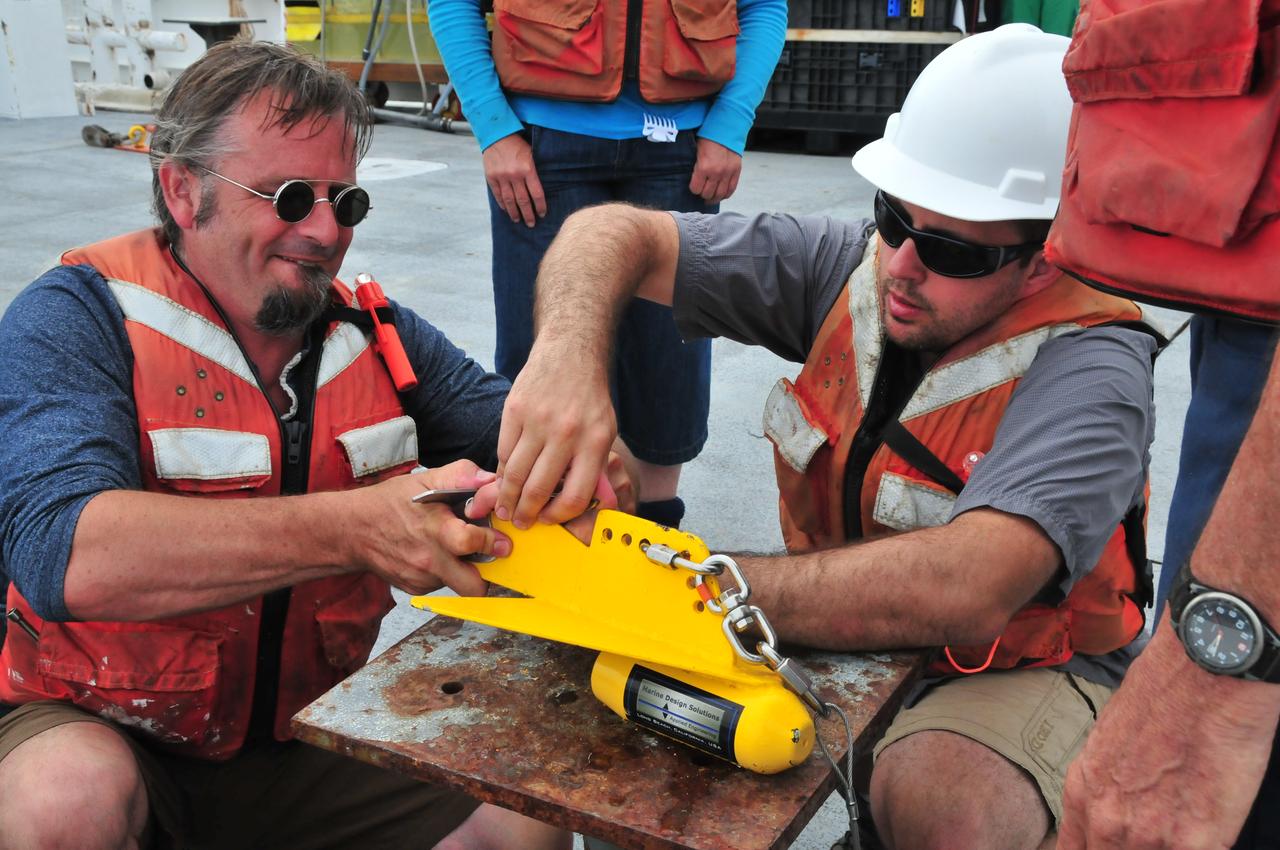
Fixing the "Fish" On July 19, 2014, Wayne Slade of Sequoia Scientific, and Allen Milligan of Oregon State University, made adjustments to the "fish" that researchers used to hold seawater collected from a depth of about 3 meters (10 feet) while the ship was underway. NASA's Ship-Aircraft Bio-Optical Research (SABOR) experiment is a coordinated ship and aircraft observation campaign off the Atlantic coast of the United States, an effort to advance space-based capabilities for monitoring microscopic plants that form the base of the marine food chain. Read more: <a href="http://1.usa.gov/WWRVzj" rel="nofollow">1.usa.gov/WWRVzj</a> Credit: NASA/SABOR/Wayne Slade, Sequoia Scientific .<b><a href="http://www.nasa.gov/audience/formedia/features/MP_Photo_Guidelines.html" rel="nofollow">NASA image use policy.</a></b> <b><a href="http://www.nasa.gov/centers/goddard/home/index.html" rel="nofollow">NASA Goddard Space Flight Center</a></b> enables NASA’s mission through four scientific endeavors: Earth Science, Heliophysics, Solar System Exploration, and Astrophysics. Goddard plays a leading role in NASA’s accomplishments by contributing compelling scientific knowledge to advance the Agency’s mission. <b>Follow us on <a href="http://twitter.com/NASAGoddardPix" rel="nofollow">Twitter</a></b> <b>Like us on <a href="http://www.facebook.com/pages/Greenbelt-MD/NASA-Goddard/395013845897?ref=tsd" rel="nofollow">Facebook</a></b> <b>Find us on <a href="http://instagram.com/nasagoddard?vm=grid" rel="nofollow">Instagram</a></b>
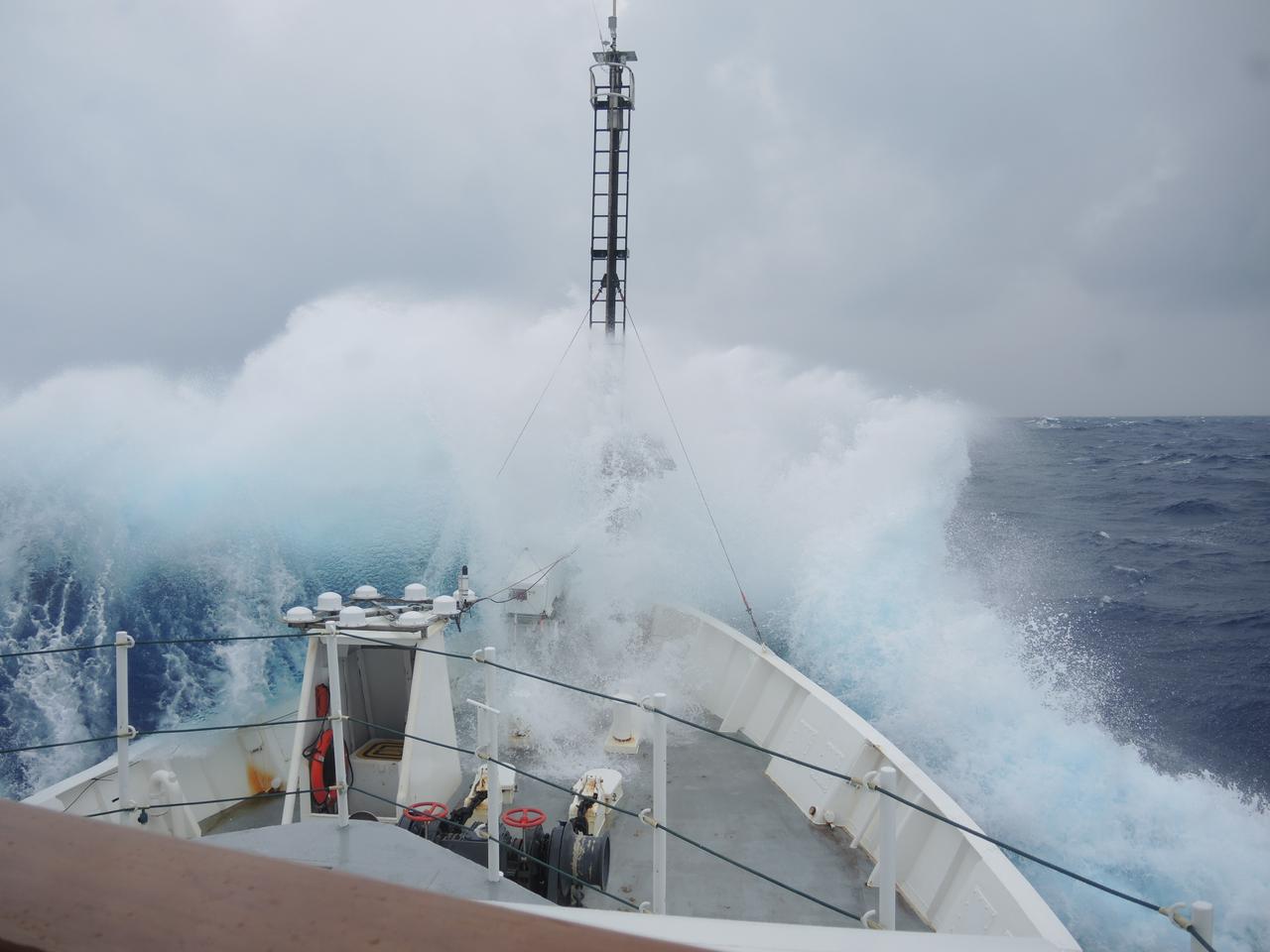
Storm in the Sargasso Sea Scientist aboard the R/V Endeavor in the Sargasso Sea put their research on hold on July 28, 2014, as a storm system brought high waves crashing onto the deck. NASA's Ship-Aircraft Bio-Optical Research (SABOR) experiment is a coordinated ship and aircraft observation campaign off the Atlantic coast of the United States, an effort to advance space-based capabilities for monitoring microscopic plants that form the base of the marine food chain. Read more: <a href="http://1.usa.gov/WWRVzj" rel="nofollow">1.usa.gov/WWRVzj</a> Credit: NASA/SABOR/Chris Armanetti, University of Rhode Island .<b><a href="http://www.nasa.gov/audience/formedia/features/MP_Photo_Guidelines.html" rel="nofollow">NASA image use policy.</a></b> <b><a href="http://www.nasa.gov/centers/goddard/home/index.html" rel="nofollow">NASA Goddard Space Flight Center</a></b> enables NASA’s mission through four scientific endeavors: Earth Science, Heliophysics, Solar System Exploration, and Astrophysics. Goddard plays a leading role in NASA’s accomplishments by contributing compelling scientific knowledge to advance the Agency’s mission. <b>Follow us on <a href="http://twitter.com/NASAGoddardPix" rel="nofollow">Twitter</a></b> <b>Like us on <a href="http://www.facebook.com/pages/Greenbelt-MD/NASA-Goddard/395013845897?ref=tsd" rel="nofollow">Facebook</a></b> <b>Find us on <a href="http://instagram.com/nasagoddard?vm=grid" rel="nofollow">Instagram</a></b>
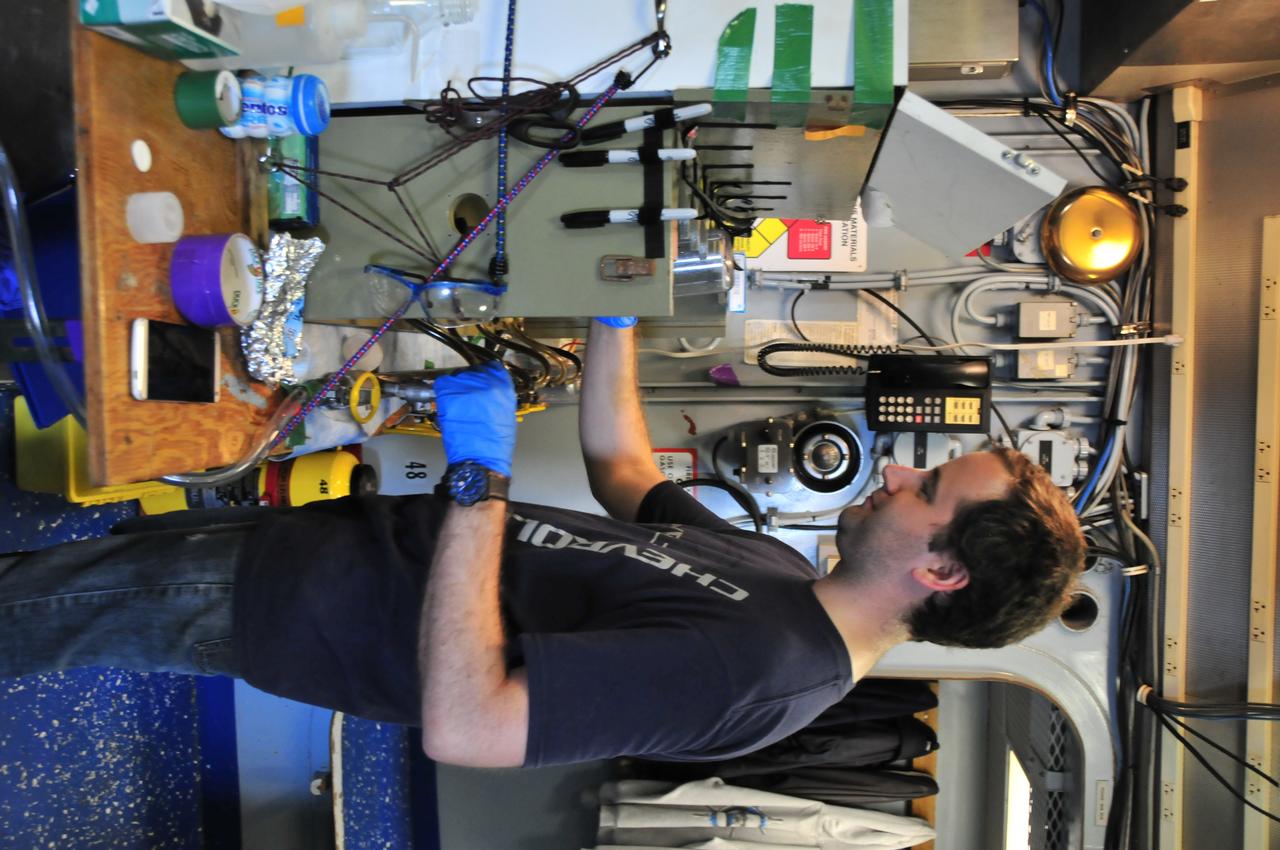
What's in the Water? Robert Foster, of the City College of New York, filters seawater on July 23, 2414, for chlorophyll analysis in a lab on the R/V Endeavor. NASA's Ship-Aircraft Bio-Optical Research (SABOR) experiment is a coordinated ship and aircraft observation campaign off the Atlantic coast of the United States, an effort to advance space-based capabilities for monitoring microscopic plants that form the base of the marine food chain. Read more: <a href="http://1.usa.gov/WWRVzj" rel="nofollow">1.usa.gov/WWRVzj</a> Credit: NASA/SABOR/Wayne Slade, Sequoia Scientific..<b><a href="http://www.nasa.gov/audience/formedia/features/MP_Photo_Guidelines.html" rel="nofollow">NASA image use policy.</a></b> <b><a href="http://www.nasa.gov/centers/goddard/home/index.html" rel="nofollow">NASA Goddard Space Flight Center</a></b> enables NASA’s mission through four scientific endeavors: Earth Science, Heliophysics, Solar System Exploration, and Astrophysics. Goddard plays a leading role in NASA’s accomplishments by contributing compelling scientific knowledge to advance the Agency’s mission. <b>Follow us on <a href="http://twitter.com/NASAGoddardPix" rel="nofollow">Twitter</a></b> <b>Like us on <a href="http://www.facebook.com/pages/Greenbelt-MD/NASA-Goddard/395013845897?ref=tsd" rel="nofollow">Facebook</a></b> <b>Find us on <a href="http://instagram.com/nasagoddard?vm=grid" rel="nofollow">Instagram</a></b>
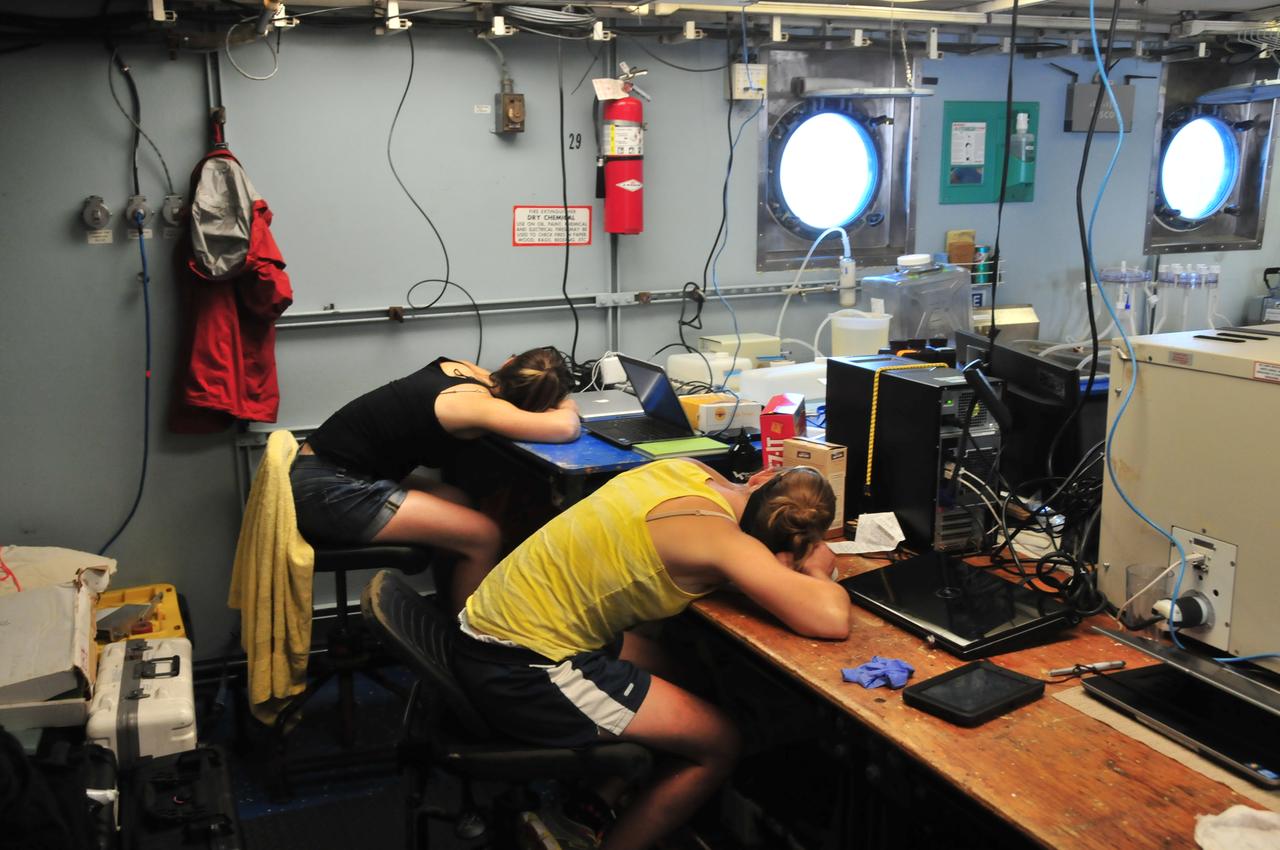
Catnap at Sea Ali Chase of the University of Maine, and Courtney Kearney of the Naval Research Laboratory, caught a quick nap on July 24, 2014, while between successive stops at sea to make measurements from the R/V Endeavor. NASA's Ship-Aircraft Bio-Optical Research (SABOR) experiment is a coordinated ship and aircraft observation campaign off the Atlantic coast of the United States, an effort to advance space-based capabilities for monitoring microscopic plants that form the base of the marine food chain. Read more: <a href="http://1.usa.gov/WWRVzj" rel="nofollow">1.usa.gov/WWRVzj</a> Credit: NASA/SABOR/Wayne Slade, Sequoia Scientific..<b><a href="http://www.nasa.gov/audience/formedia/features/MP_Photo_Guidelines.html" rel="nofollow">NASA image use policy.</a></b> <b><a href="http://www.nasa.gov/centers/goddard/home/index.html" rel="nofollow">NASA Goddard Space Flight Center</a></b> enables NASA’s mission through four scientific endeavors: Earth Science, Heliophysics, Solar System Exploration, and Astrophysics. Goddard plays a leading role in NASA’s accomplishments by contributing compelling scientific knowledge to advance the Agency’s mission. <b>Follow us on <a href="http://twitter.com/NASAGoddardPix" rel="nofollow">Twitter</a></b> <b>Like us on <a href="http://www.facebook.com/pages/Greenbelt-MD/NASA-Goddard/395013845897?ref=tsd" rel="nofollow">Facebook</a></b> <b>Find us on <a href="http://instagram.com/nasagoddard?vm=grid" rel="nofollow">Instagram</a></b>