Danny McKnight, a U.S. Army retired colonel, speaks to Kennedy Space Center employees inside the Florida spaceport’s Operations Support Building II on March 3, 2020, during the center’s annual Safety and Health Days. Taking place March 2 through March 6, Safety and Health Days provides Kennedy employees with a variety of presentations to attend – all of which focus on how to maintain a safe and healthy workforce. McKnight’s presentation included information on the commitment and leadership required to be successful when operating in difficult conditions.
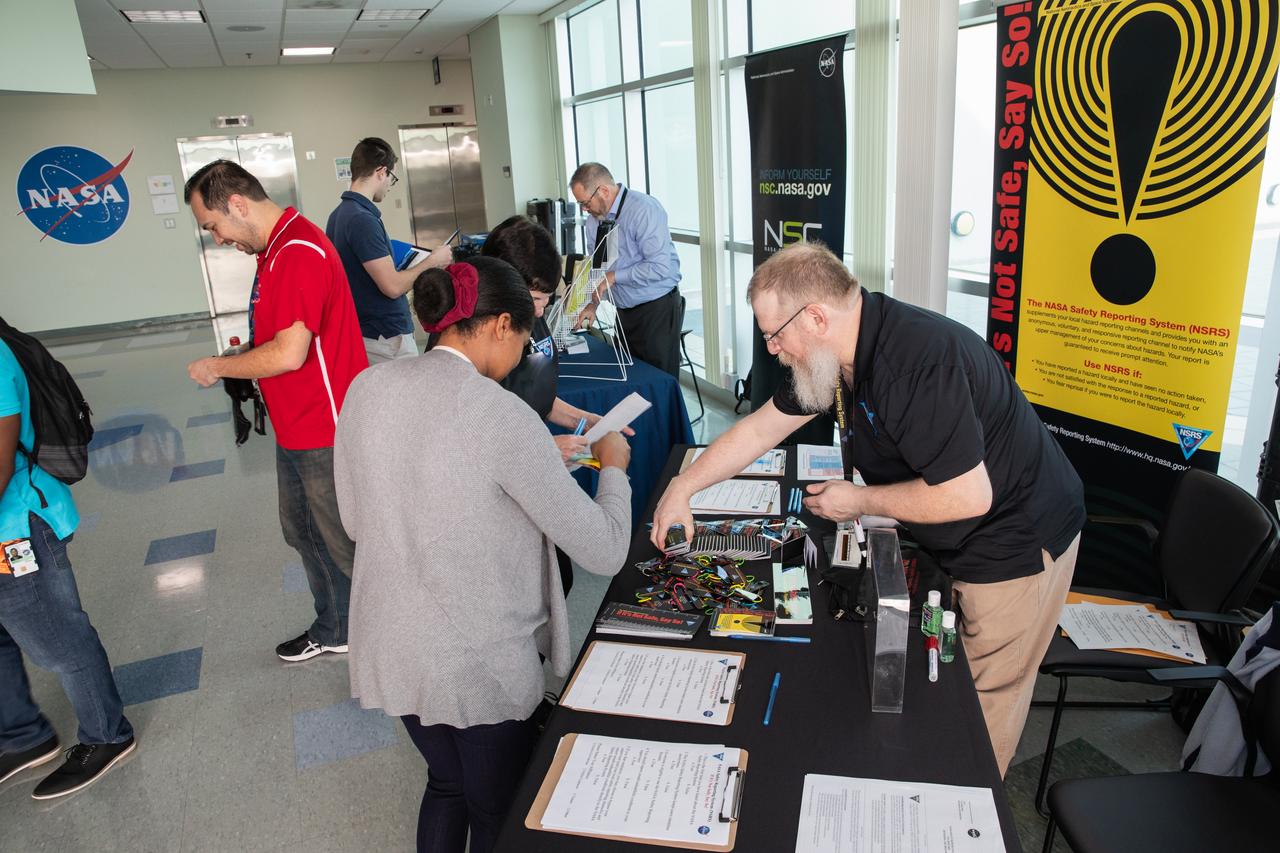
NASA Kennedy Space Center employees learn more about safety from informational tables set up inside the Florida spaceport’s Operations Support Building II on March 3, 2020, during the center’s annual Safety and Health Days. Taking place March 2 through March 6, Safety and Health Days provides Kennedy employees with a variety of presentations to attend – all of which focus on how to maintain a safe and healthy workforce.
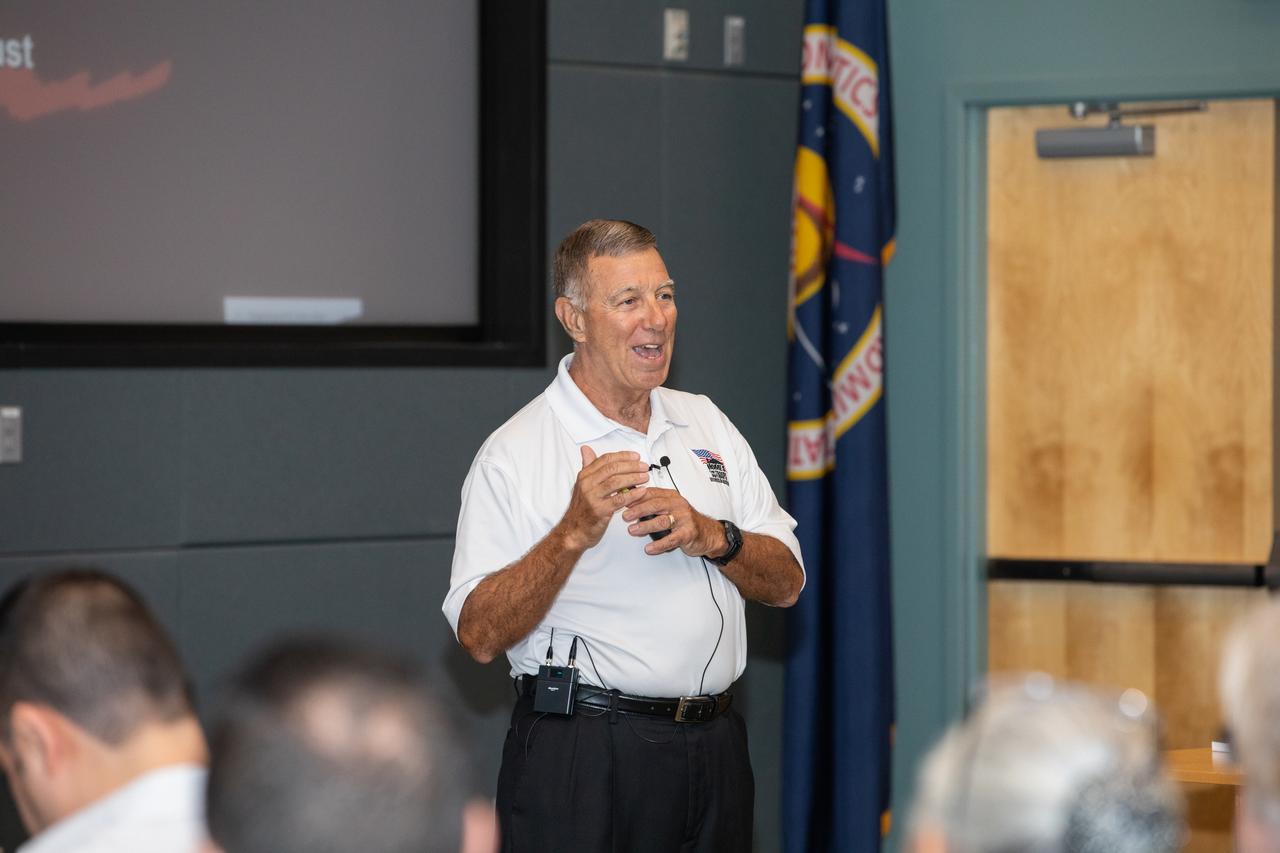
Danny McKnight, a U.S. Army retired colonel, speaks to Kennedy Space Center employees inside the Florida spaceport’s Operations Support Building II on March 3, 2020, during the center’s annual Safety and Health Days. Taking place March 2 through March 6, Safety and Health Days provides Kennedy employees with a variety of presentations to attend – all of which focus on how to maintain a safe and healthy workforce. McKnight’s presentation included information on the commitment and leadership required to be successful when operating in difficult conditions.
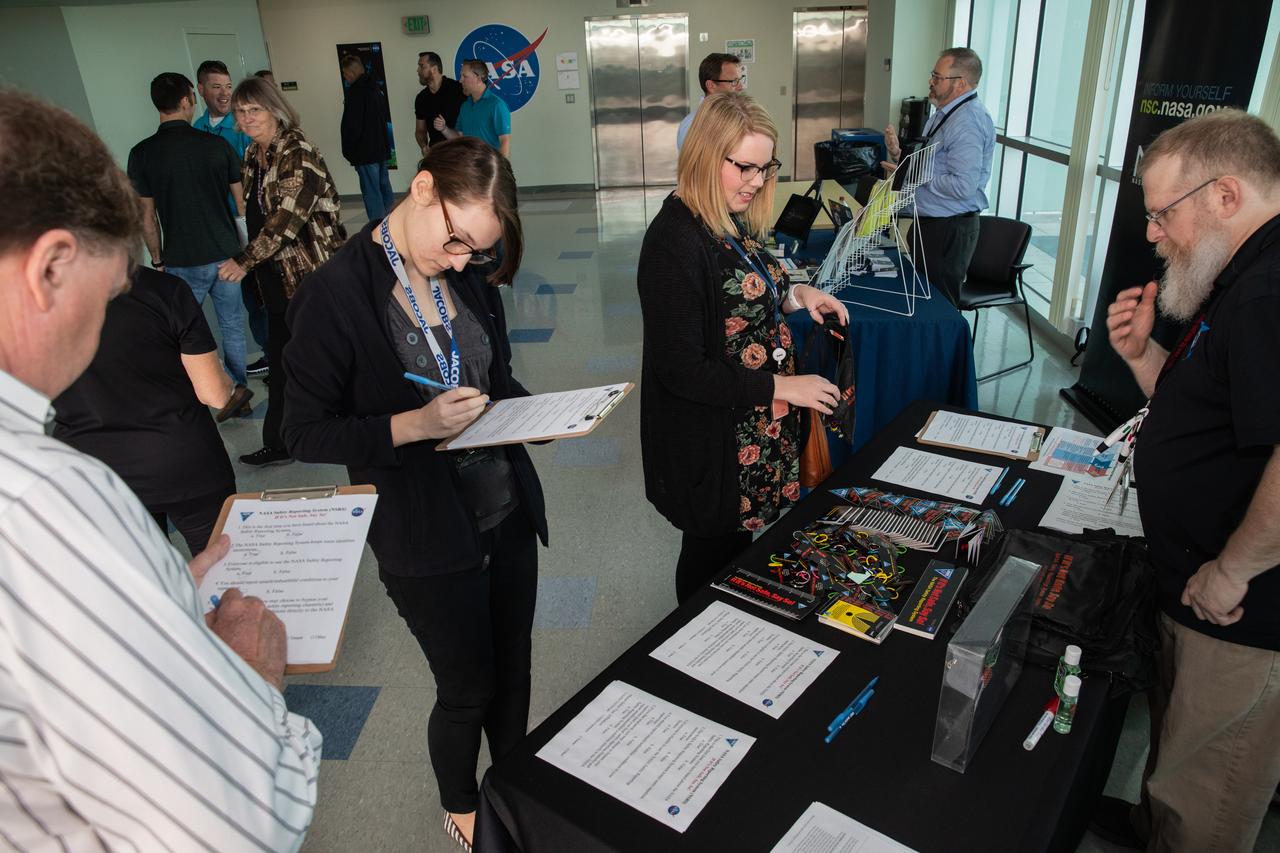
NASA Kennedy Space Center employees learn more about safety from informational tables set up inside the Florida spaceport’s Operations Support Building II on March 3, 2020, during the center’s annual Safety and Health Days. Taking place March 2 through March 6, Safety and Health Days provides Kennedy employees with a variety of presentations to attend – all of which focus on how to maintain a safe and healthy workforce.
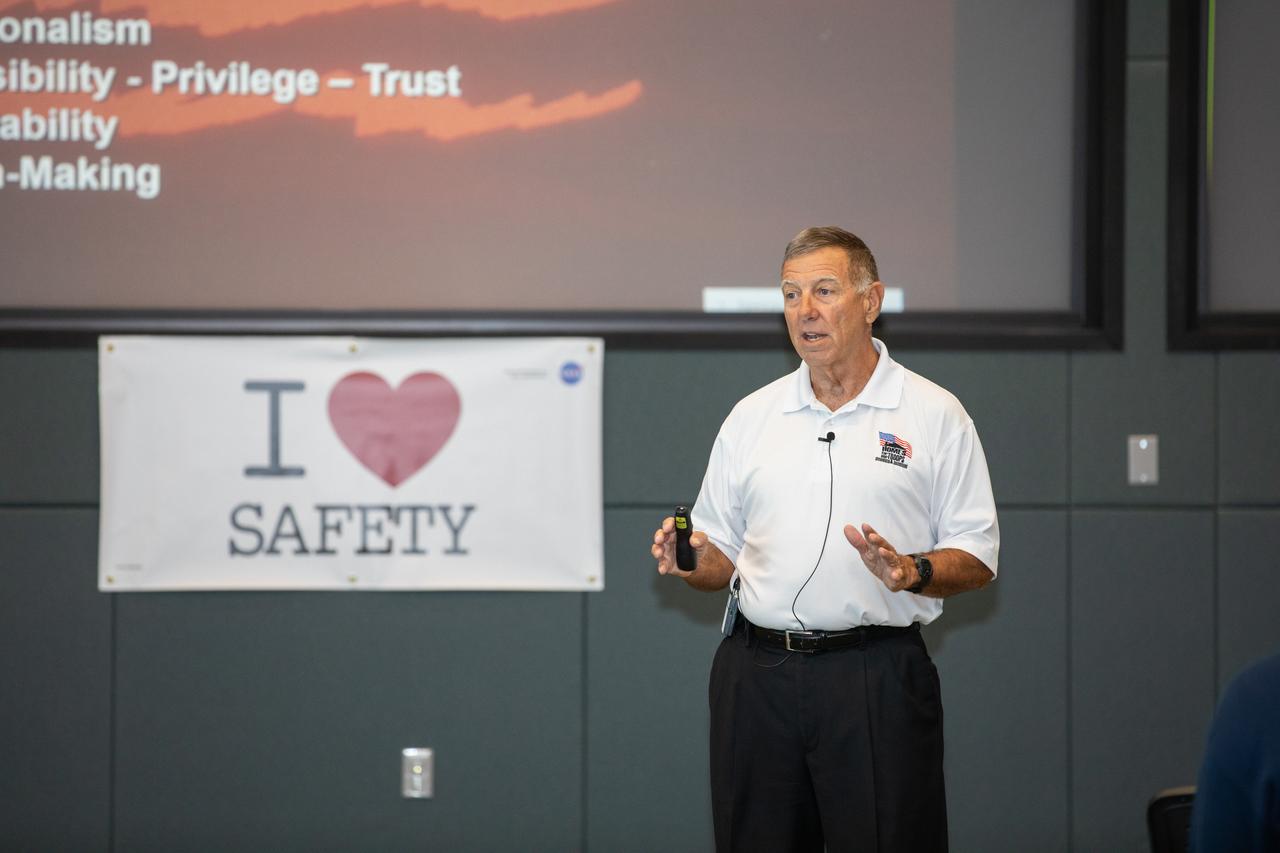
Danny McKnight, a U.S. Army retired colonel, presents information on what it takes to be a leader when operating in difficult conditions inside NASA Kennedy Space Center’s Operations Support Building II on March 3, 2020, during the center’s annual Safety and Health Days. Taking place March 2 through March 6, Safety and Health Days provides Kennedy employees with a variety of presentations to attend – all of which focus on how to maintain a safe and healthy workforce.
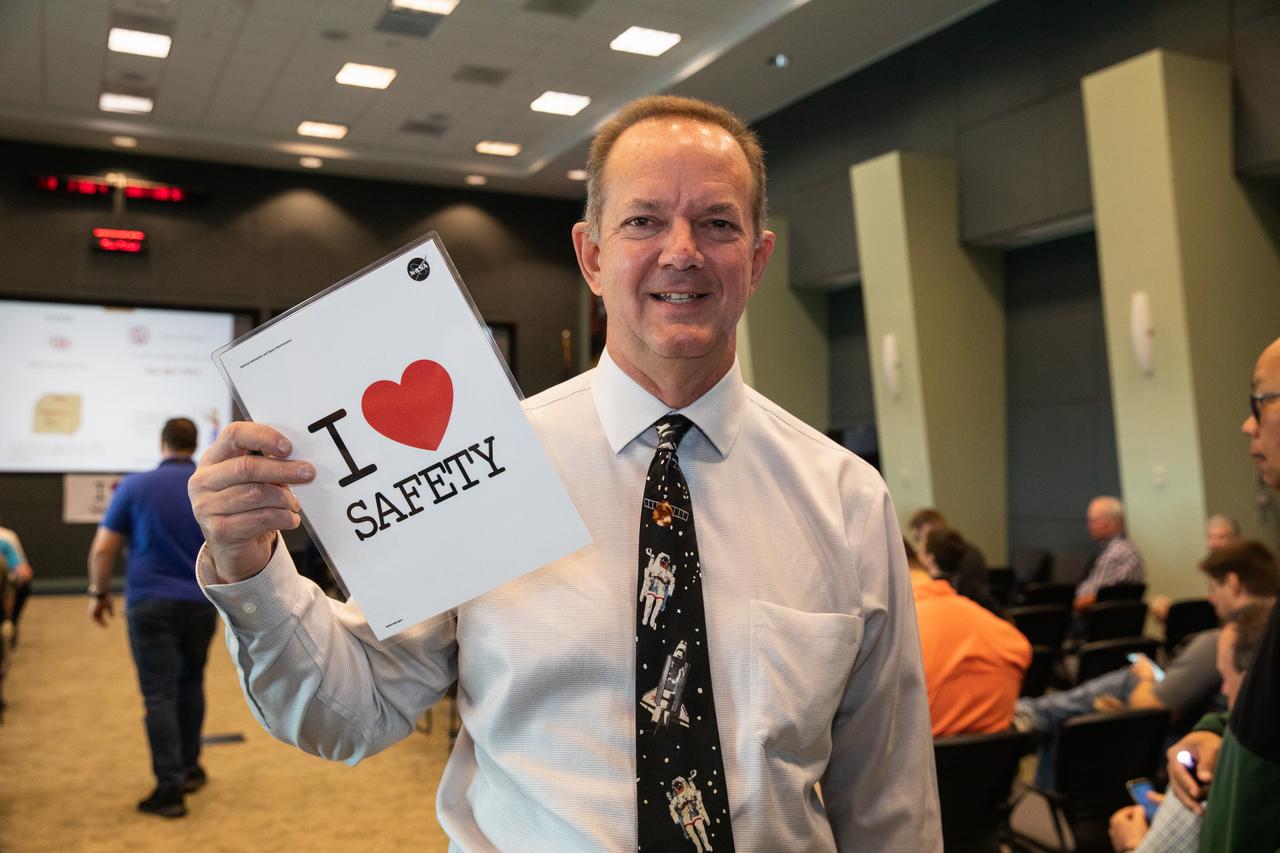
Tom Engler, director of Center Planning and Development at NASA’s Kennedy Space Center in Florida, poses with the Safety and Mission Assurance “I Love Safety” poster during the center’s annual Safety and Health Days on March 3, 2020. Taking place March 2 through March 6, Safety and Health Days provides Kennedy employees with a variety of presentations to attend – all of which focus on how to maintain a safe and healthy workforce.
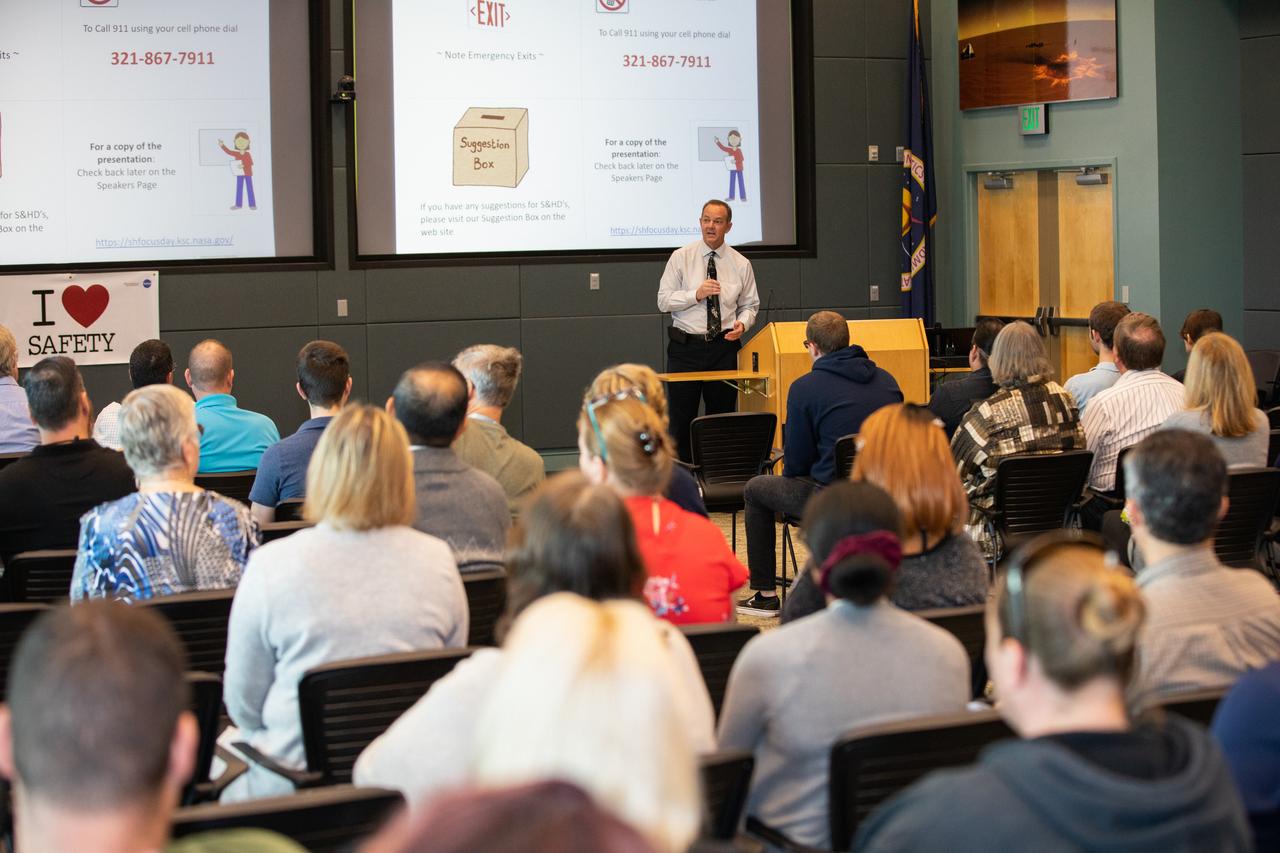
Tom Engler, director of Center Planning and Development at NASA’s Kennedy Space Center in Florida, addresses Kennedy employees inside the Operations Support Building II on March 3, 2020, during the center’s annual Safety and Health Days. Taking place March 2 through March 6, Safety and Health Days provides Kennedy employees with a variety of presentations to attend – all of which focus on how to maintain a safe and healthy workforce.
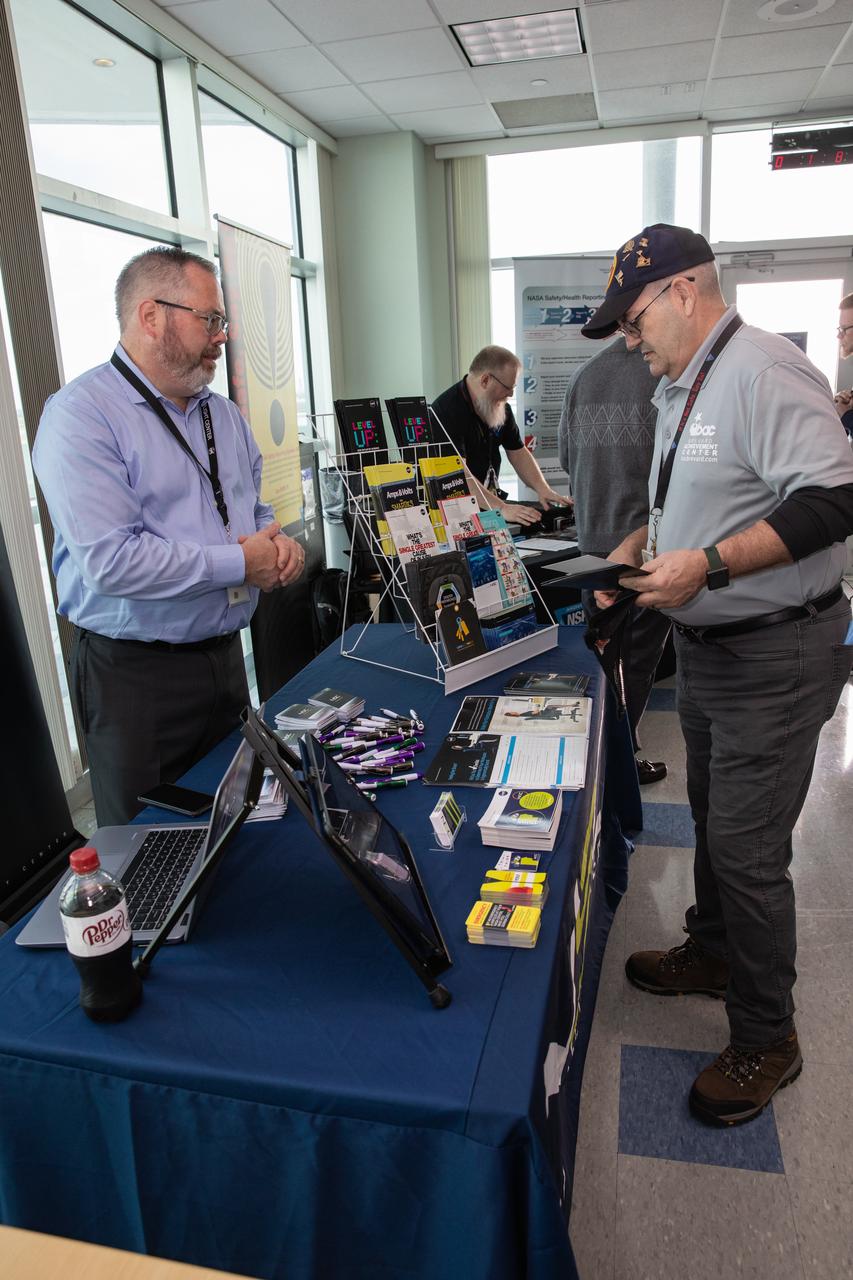
NASA Kennedy Space Center employees learn more about safety from informational tables set up inside the Florida spaceport’s Operations Support Building II on March 3, 2020, during the center’s annual Safety and Health Days. Taking place March 2 through March 6, Safety and Health Days provides Kennedy employees with a variety of presentations to attend – all of which focus on how to maintain a safe and healthy workforce.
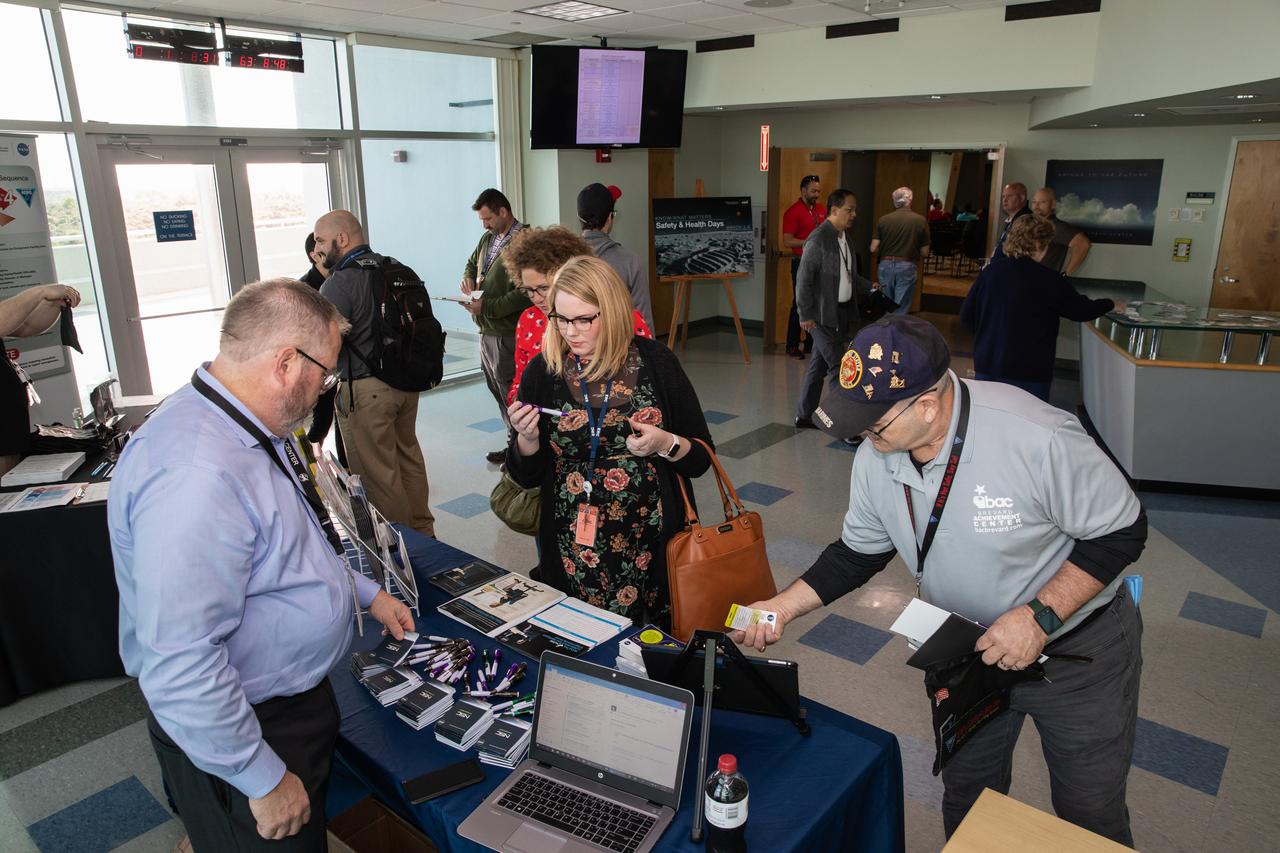
NASA Kennedy Space Center employees learn more about safety from informational tables set up inside the Florida spaceport’s Operations Support Building II on March 3, 2020, during the center’s annual Safety and Health Days. Taking place March 2 through March 6, Safety and Health Days provides Kennedy employees with a variety of presentations to attend – all of which focus on how to maintain a safe and healthy workforce.
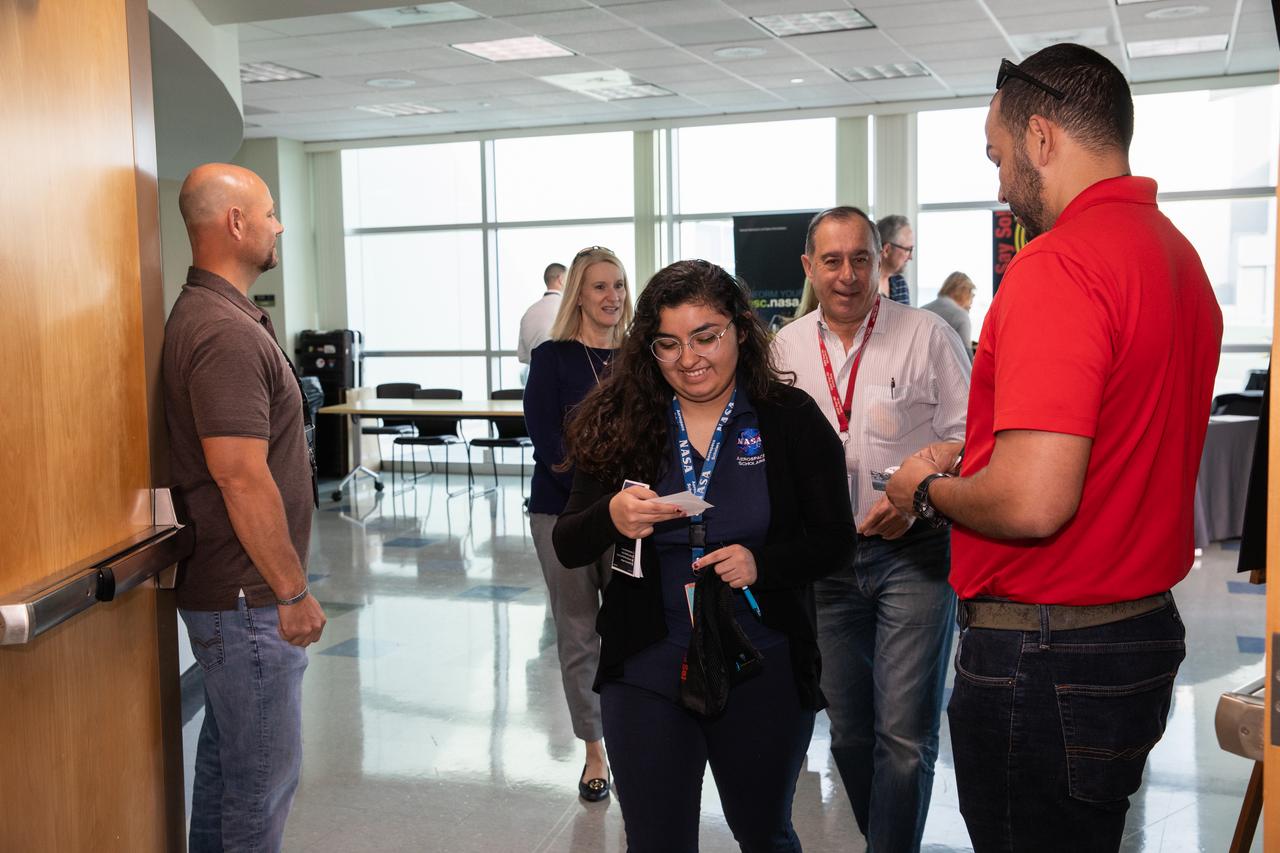
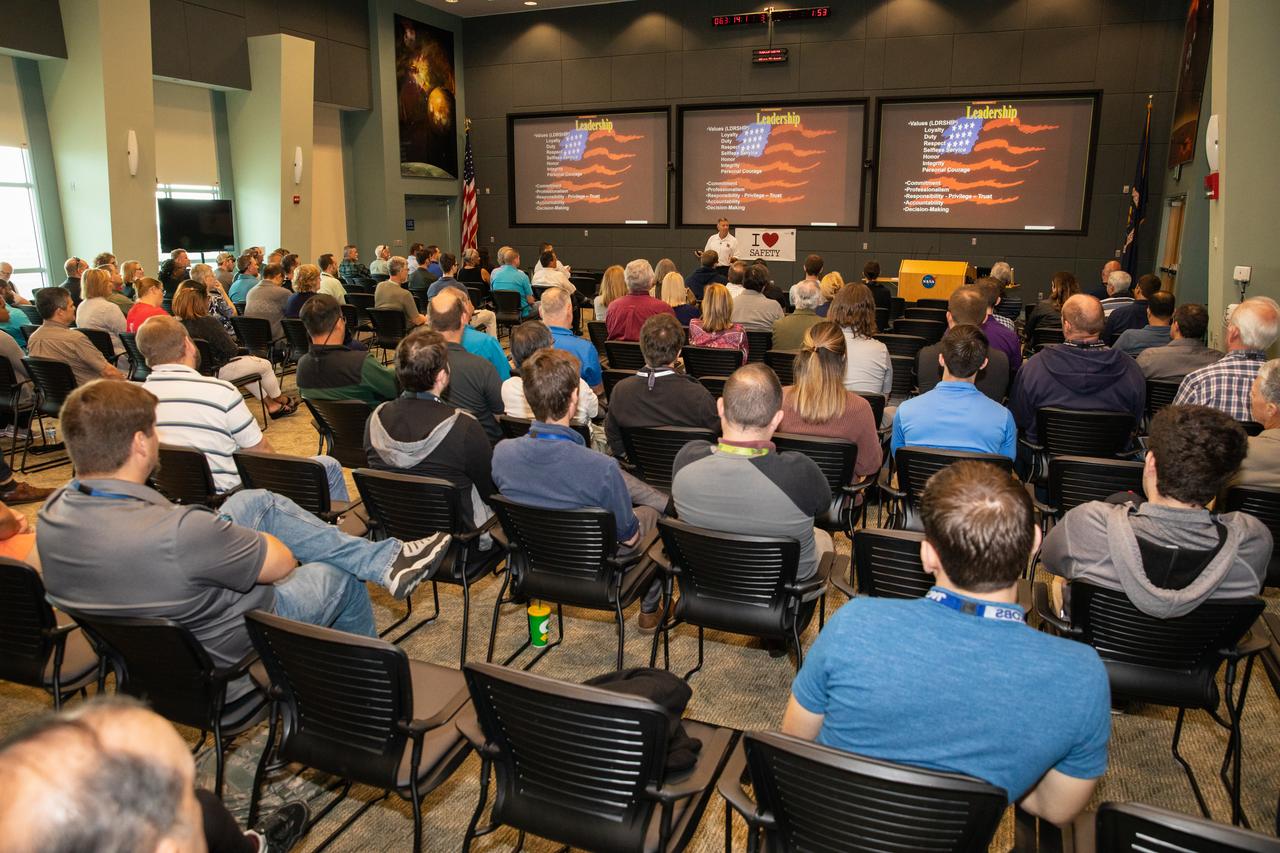
On March 3, 2020, NASA Kennedy Space Center employees attend a presentation in the Florida spaceport’s Operations Support Building II during the center’s annual Safety and Health Days. Taking place March 2 through March 6, Safety and Health Days provides Kennedy employees with a variety of presentations to attend – all of which focus on how to maintain a safe and healthy workforce.
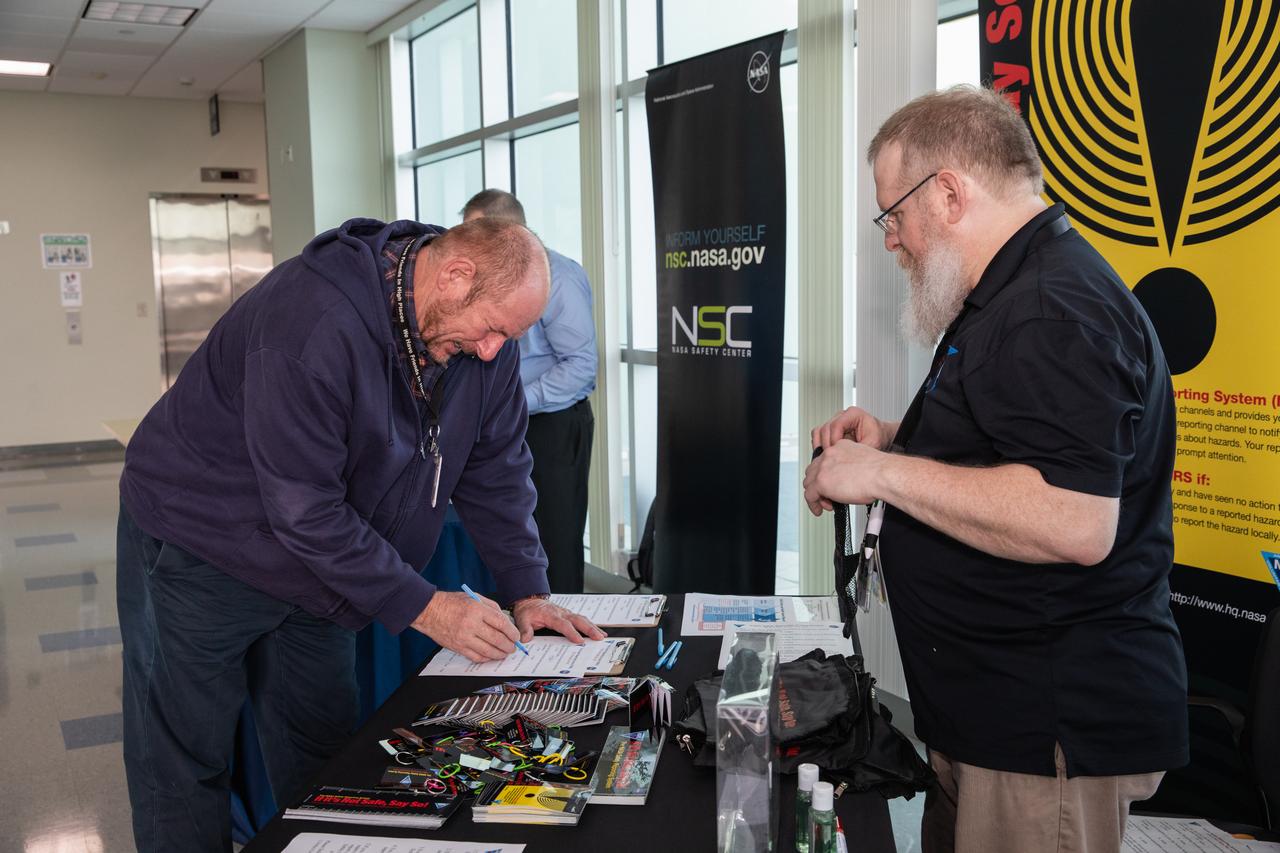
A NASA Kennedy Space Center employee learns more about safety from informational tables set up inside the Florida spaceport’s Operations Support Building II on March 3, 2020, during the center’s annual Safety and Health Days. Taking place March 2 through March 6, Safety and Health Days provides Kennedy employees with a variety of presentations to attend – all of which focus on how to maintain a safe and healthy workforce.
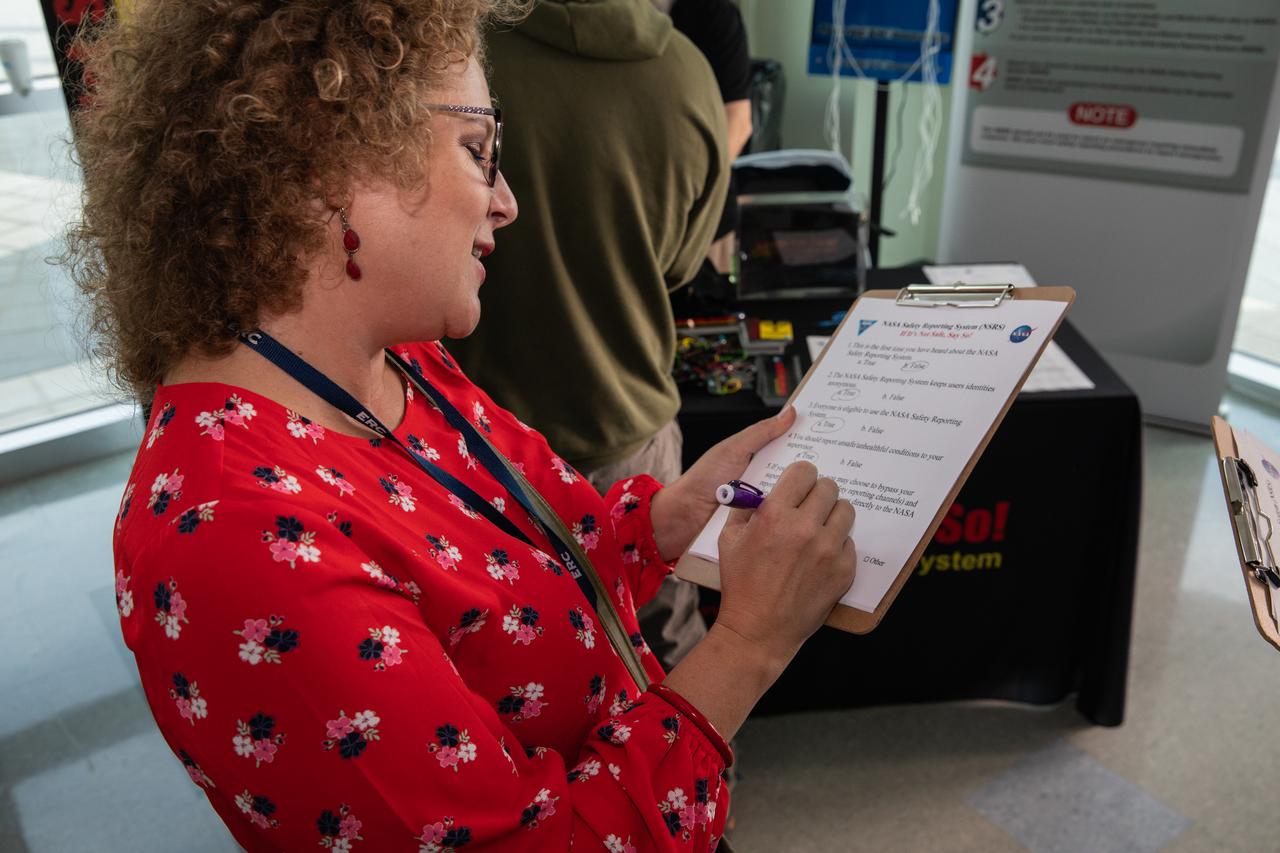
A Kennedy Space Center employee fills out a NASA Safety Reporting System questionnaire inside the Florida spaceport’s Operations Support Building II on March 3, 2020, during the center’s annual Safety and Health Days. Taking place March 2 through March 6, Safety and Health Days provides Kennedy employees with a variety of presentations to attend – all of which focus on how to maintain a safe and healthy workforce.
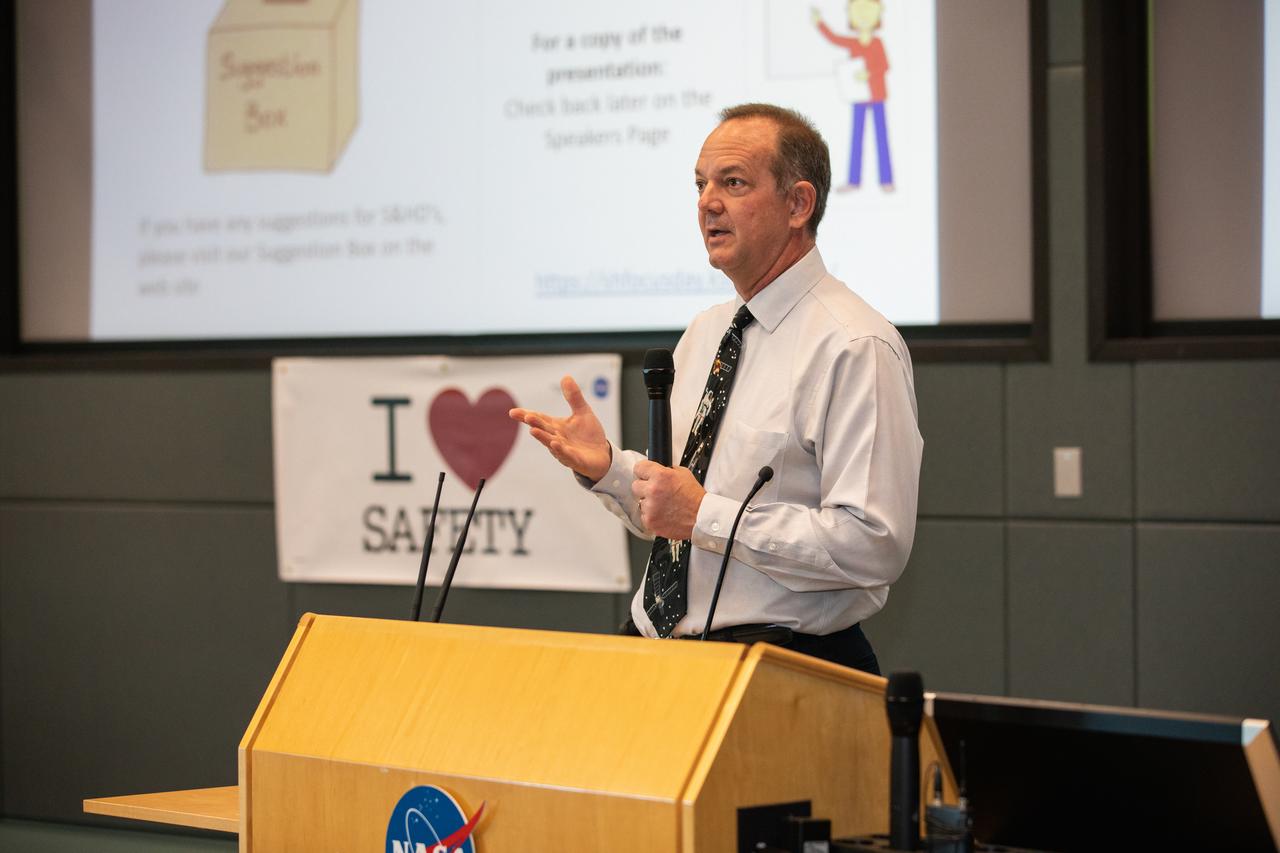
Tom Engler, director of Center Planning and Development at NASA’s Kennedy Space Center in Florida, addresses Kennedy employees inside the Operations Support Building II on March 3, 2020, during the center’s annual Safety and Health Days. Taking place March 2 through March 6, Safety and Health Days provides Kennedy employees with a variety of presentations to attend – all of which focus on how to maintain a safe and healthy workforce.
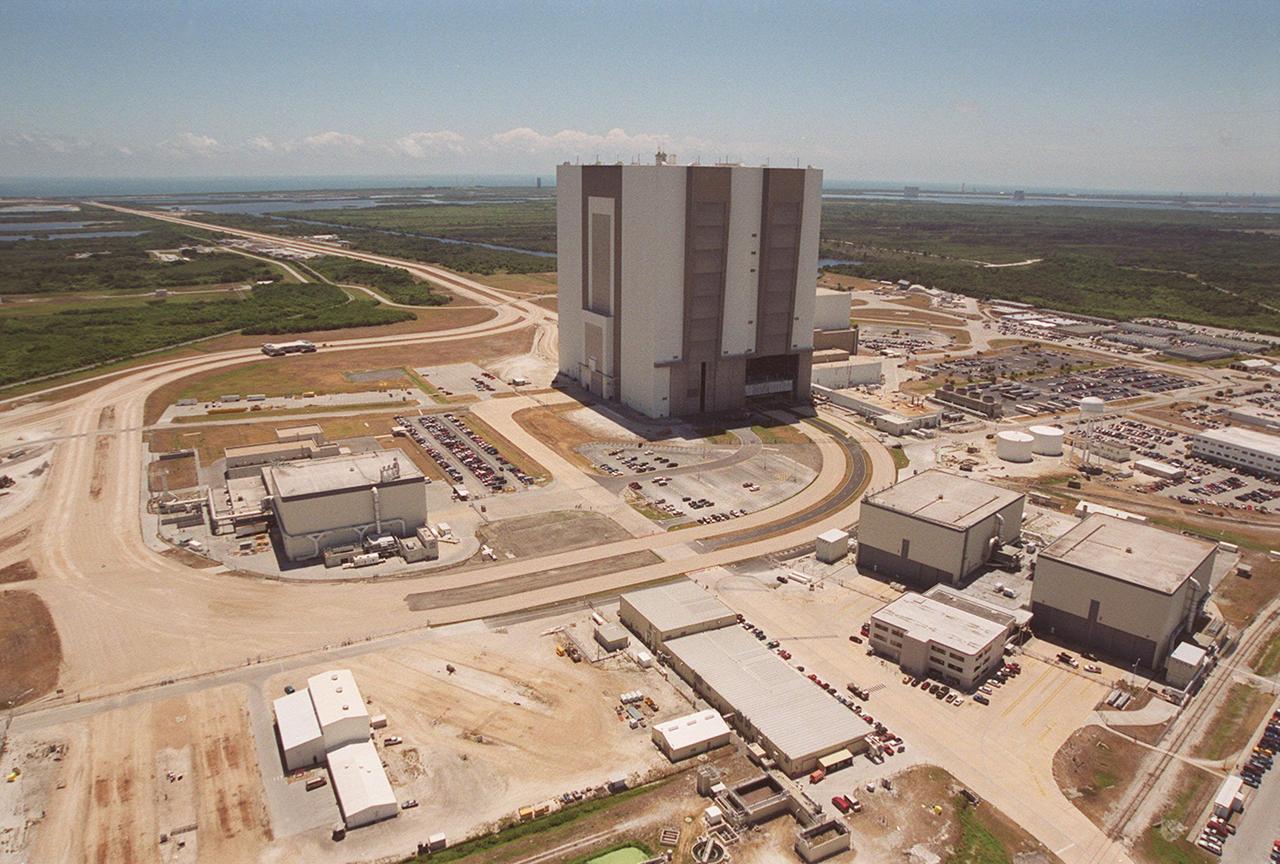
This aerial photo captures many of the facilities involved in Space Shuttle processing. At center is the Vehicle Assembly Building (VAB). The curved road is the newly restored crawlerway leading into the VAB high bay 2. The road restoration and high bay 2 are part of KSC's Safe Haven project, enabling the storage of orbiters during severe weather. The road circles around the Orbiter Processing Facility 3 (OPF-3) at left. OPF1 and OPF-2 are on the right below the curving road. East of the VAB, the crawlerway also extends from high bays 1 and 3 to the two Shuttle launch pads.
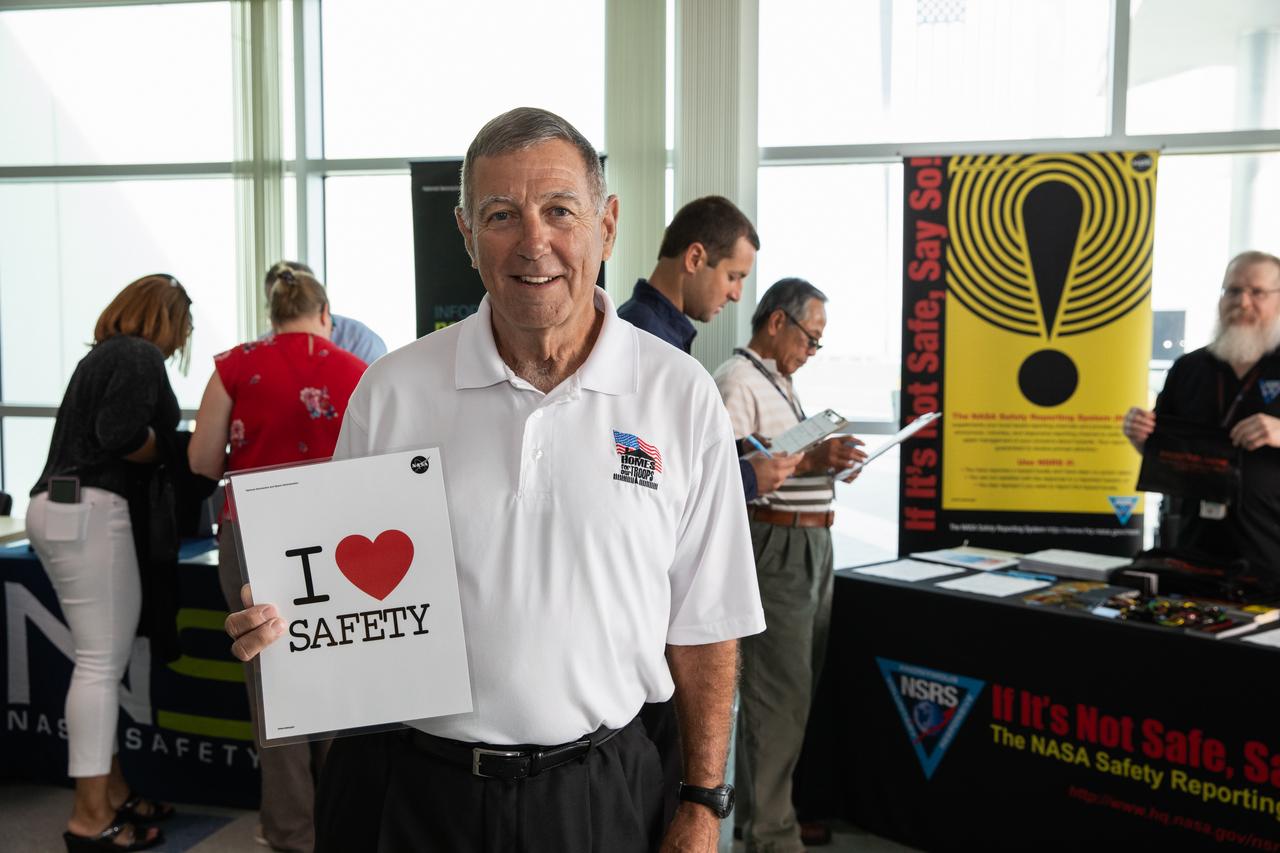
Danny McKnight, a U.S. Army retired colonel one of the guest speakers during NASA Kennedy Space Center’s annual Safety and Health Days, poses with the Safety and Mission Assurance “I Love Safety” poster inside the Operations Support Building II on March 3, 2020, prior to his presentation. Taking place March 2 through March 6, Safety and Health Days provides Kennedy employees with a variety of presentations to attend – all of which focus on how to maintain a safe and healthy workforce. McKnight’s presentation included information on the commitment and leadership required to be successful when operating in difficult conditions.
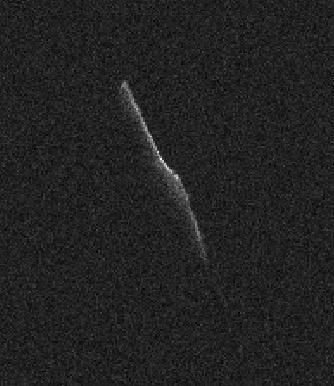
The elongated asteroid in this radar image, named 2003 SD220, will safely fly past Earth on Thursday, Dec. 24, 2015, at a distance of 6.8 million miles (11 million kilometers). The image was taken on Dec. 22 by scientists using NASA's 230-foot (70-meter) Deep Space Network antenna at Goldstone, California, when the asteroid was approaching its flyby distance. This asteroid is at least 3,600 feet (1,100 meters) long. In 2018, it will safely pass Earth at a distance of 1.8 million miles (2.8 million kilometers). http://photojournal.jpl.nasa.gov/catalog/PIA20280
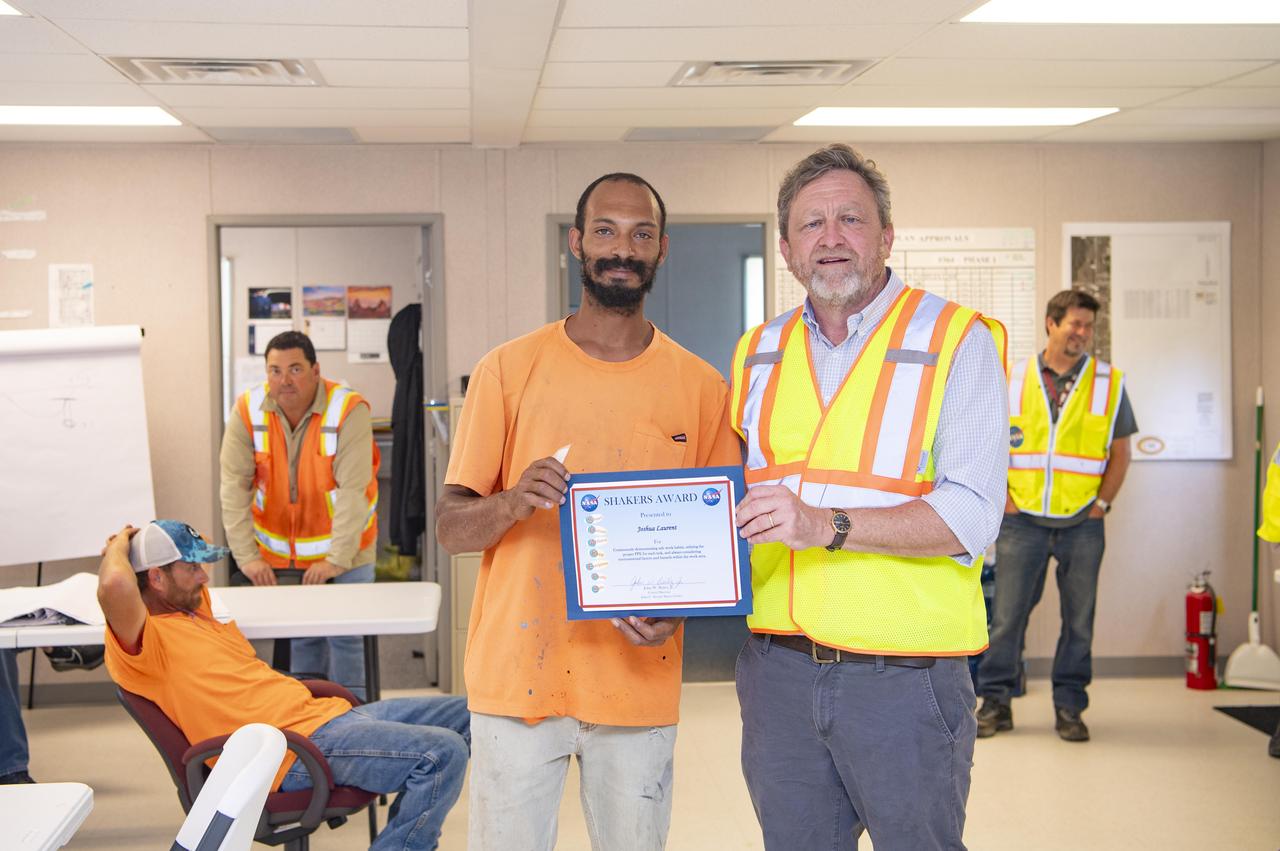
Joshua Laurent, an employee with Civil Works Contracting, is presented a NASA SHAKERS (Smart Human Actions Keep Everyone Really Safe) Award from NASA Stennis Associate Director Rodney McKellip on May 8. Laurent, left, received the award for continuously demonstrating safe work habits, utilizing the proper personal protective equipment for each task, and always considering environmental factors and hazards within the work area while working on the NASA Stennis potable water system. NASA’s constant attention to safety, one of the agency’s five core values, is the cornerstone for mission success.
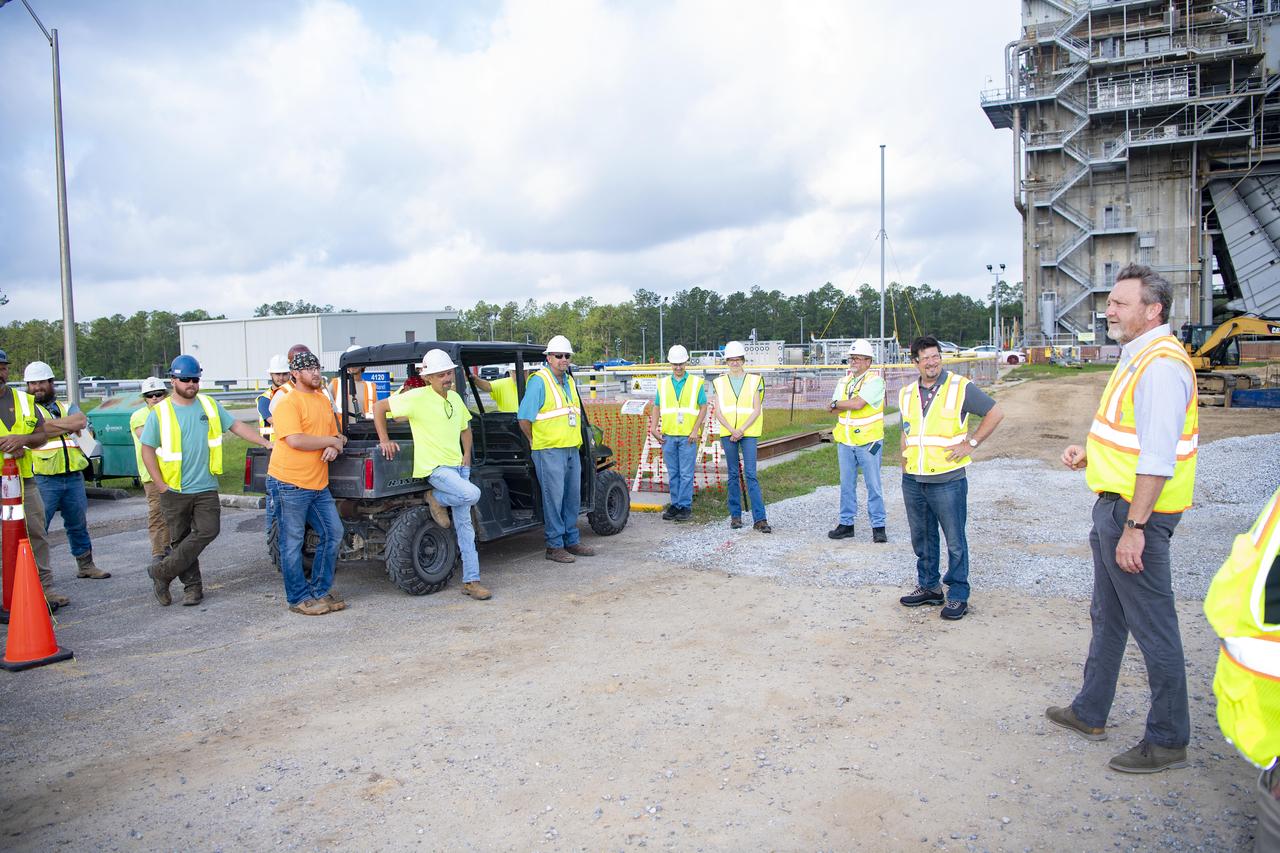
Rodney McKellip, associate director of NASA’s Stennis Space Center, and Gary Benton, director of the NASA Stennis Safety and Mission Assurance Directorate, are shown, from right to left, with employees working on the High Pressure Industrial Water Facility project near the Fred Haise Test Stand. The NASA Stennis leaders visited work sites on May 8 to recognize employees with NASA SHAKERS (Smart Human Actions Keep Everyone Really Safe) Awards for conducting work in a safe manner. NASA’s constant attention to safety, one of the agency’s five core values, is the cornerstone for mission success.
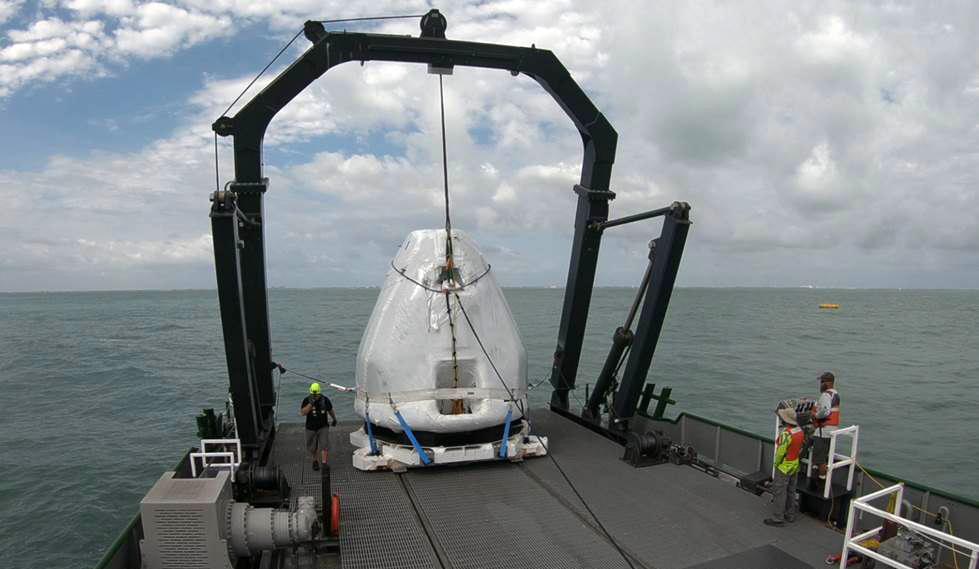
On February 28, SpaceX completed a demonstration of their ability to recover the crew and capsule after a nominal water splashdown. This marks an important recovery milestone and joint test. The timeline requirement from splashdown to crew egress onboard the ship is one hour, and the recovery team demonstrated that they can accomplish this operation under worst-case conditions in under 45 minutes. Further improvements are planned to shorten the recovery time even more as the team works to build a process that is safe, repeatable, and efficient.
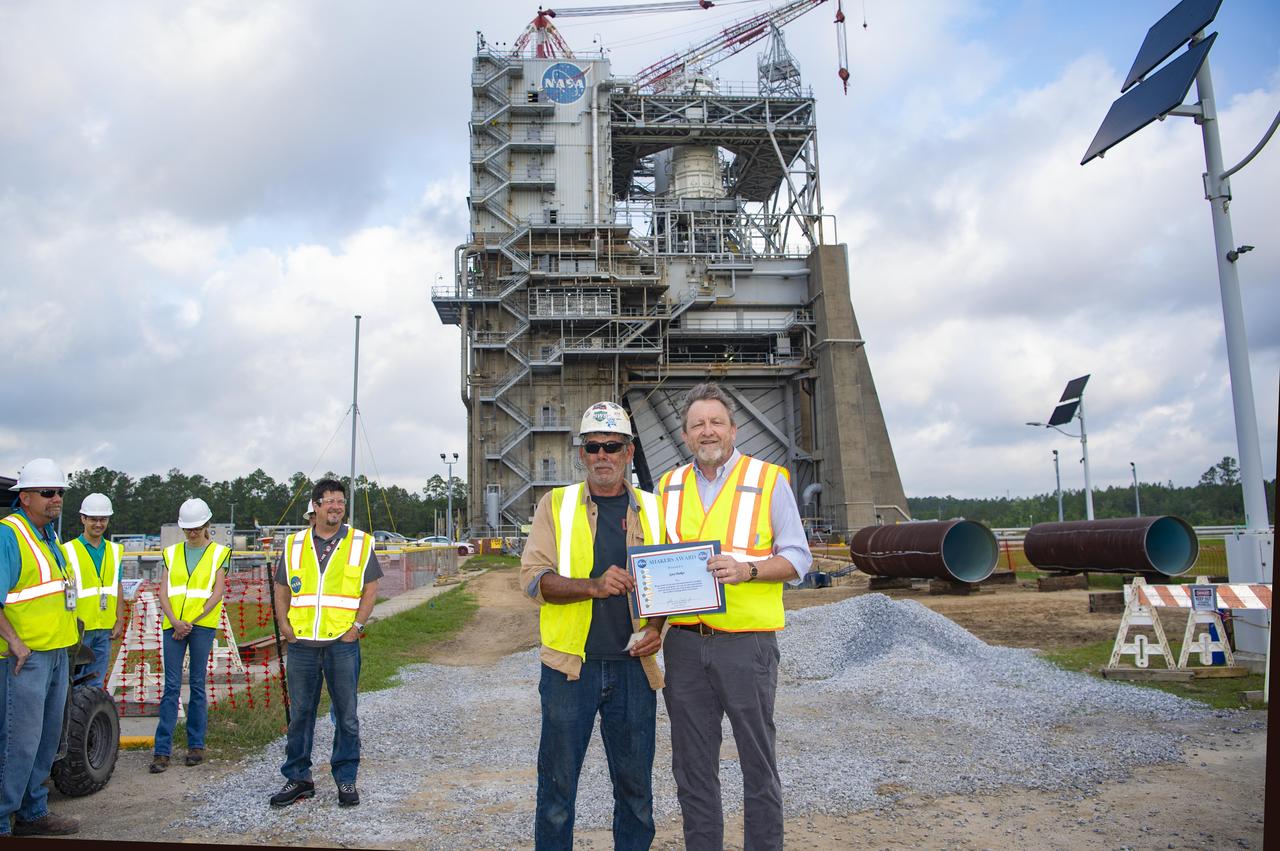
: Gary Parker, an employee with Healtheon, Inc., is presented a NASA SHAKERS (Smart Human Actions Keep Everyone Really Safe) Award from NASA Stennis Associate Director Rodney McKellip on May 8. Parker, left, received the award for leadership and dedication to safety of the crew working to upgrade an essential test complex water system at NASA Stennis. As one of the crew leaders, Parker ensured all took the safest approach for each task, even as the scale of the project increased. NASA’s constant attention to safety, one of the agency’s five core values, is the cornerstone for mission success.
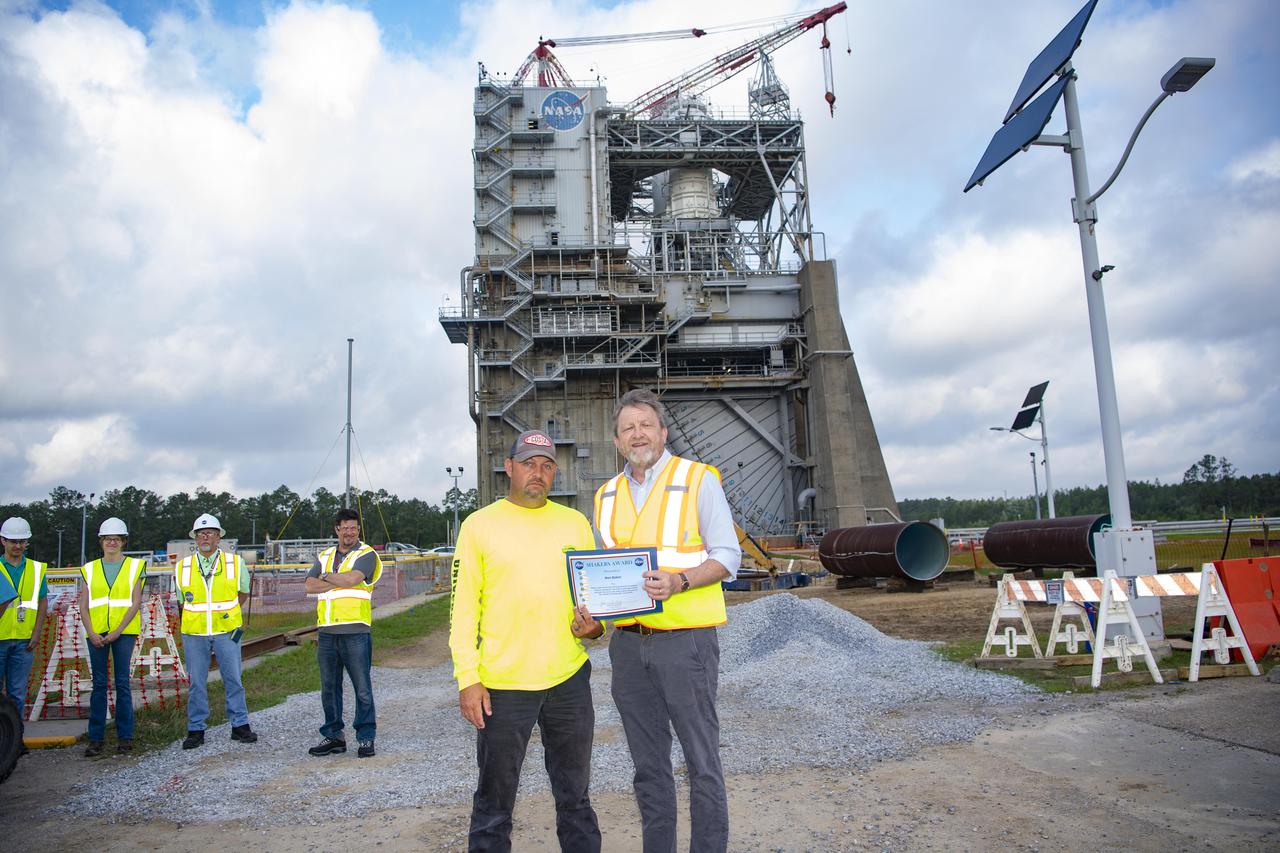
Matt Roberts, an employee with Healtheon, Inc., is presented a NASA SHAKERS (Smart Human Actions Keep Everyone Really Safe) Award from NASA Stennis Associate Director Rodney McKellip on May 8. Roberts, left, received the award for leadership and dedication to safety of the crew working to upgrade an essential test complex water system at NASA Stennis. As one of the crew leaders, Roberts ensured all took the safest approach for each task, even as the scale of the project increased. NASA’s constant attention to safety, one of the agency’s five core values, is the cornerstone for mission success.
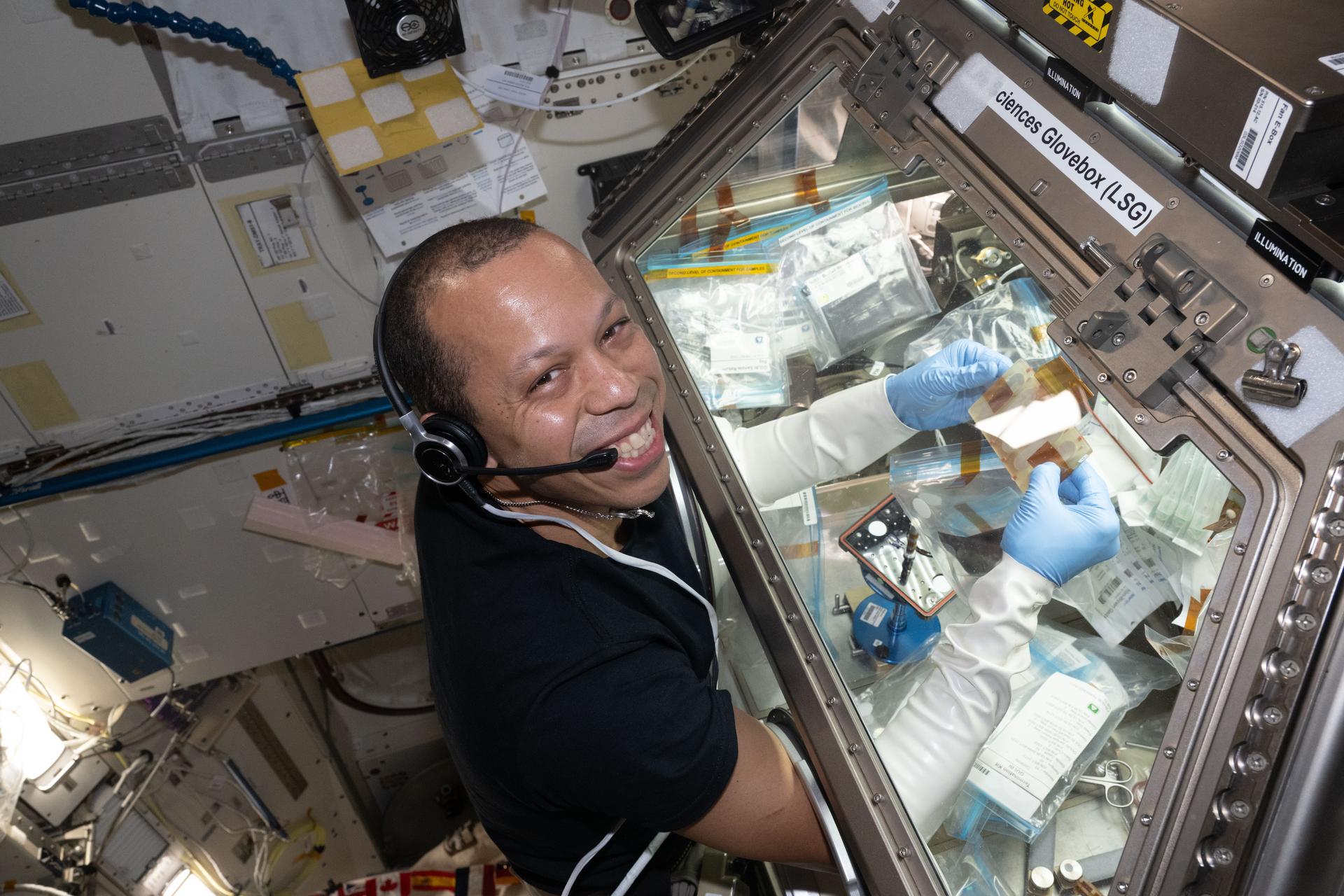
iss074e0149044 (Jan. 19, 2026) --- NASA astronaut and Expedition 74 Flight Engineer Chris Williams safely processes samples of a bacterial pathogen inside the Kibo laboratory module’s Life Science Glovebox. Williams was exploring a way to prevent the formation of biofilms, or a layer of microorganisms, anywhere water is found on a spacecraft where they pose human health risks and can damage equipment. The microbe samples are housed inside a specialized cell culture chamber, called a BioCell, and exposed to different levels of ultraviolet light to learn how to inhibit microbial growth and reduce reliance on chemical disinfectants.
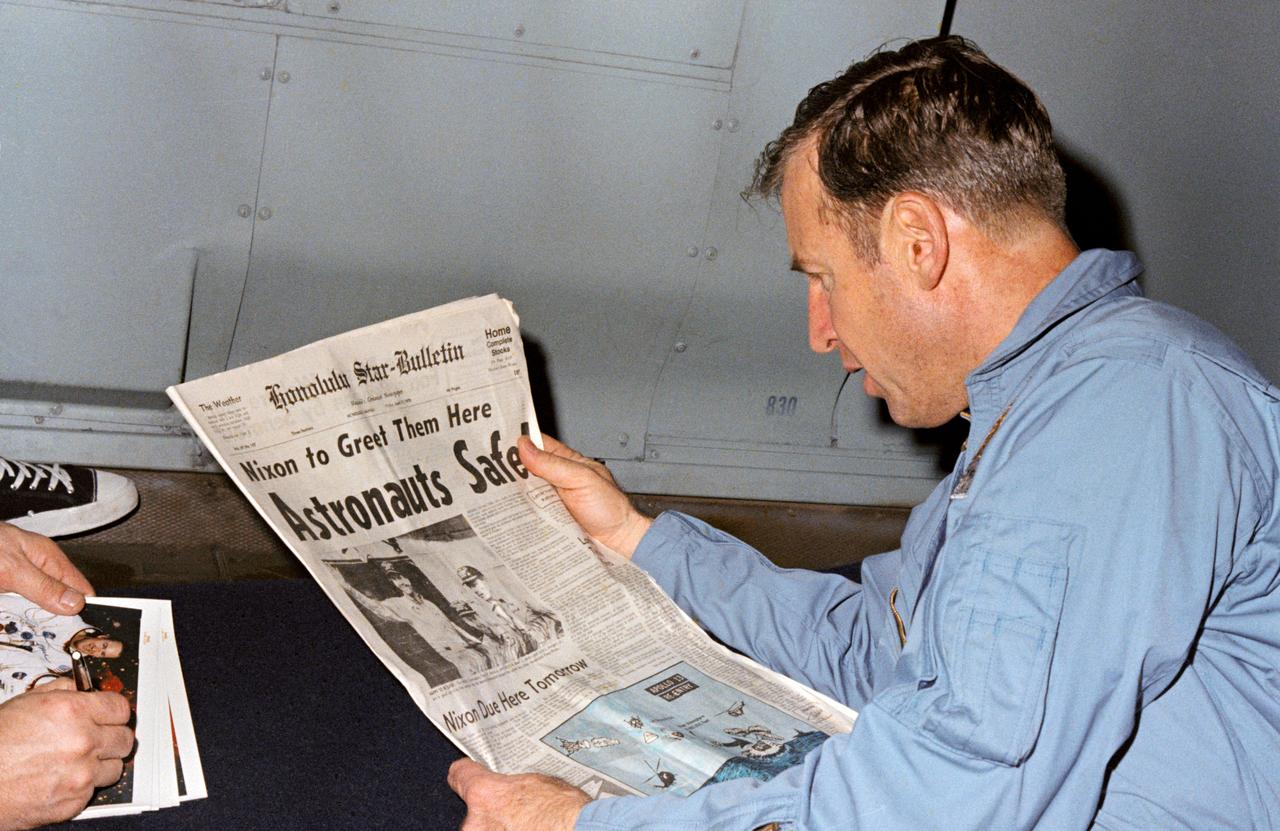
S70-15501 (17 April 1970) --- Astronaut James A. Lovell Jr., Apollo 13 mission commander, reads a newspaper account of the safe recovery of the problem plagued mission. Lovell is on board the USS Iwo Jima, prime recovery ship for Apollo 13, which was on a course headed for Pago Pago. From Pago Pago the astronauts flew to Hickam Air Force Base, Hawaii, where they were presented the Presidential Medal of Freedom by President Richard M. Nixon. Other Apollo 13 crew members were astronauts John L. Swigert Jr., command module pilot, and Fred W. Haise Jr., lunar module pilot.
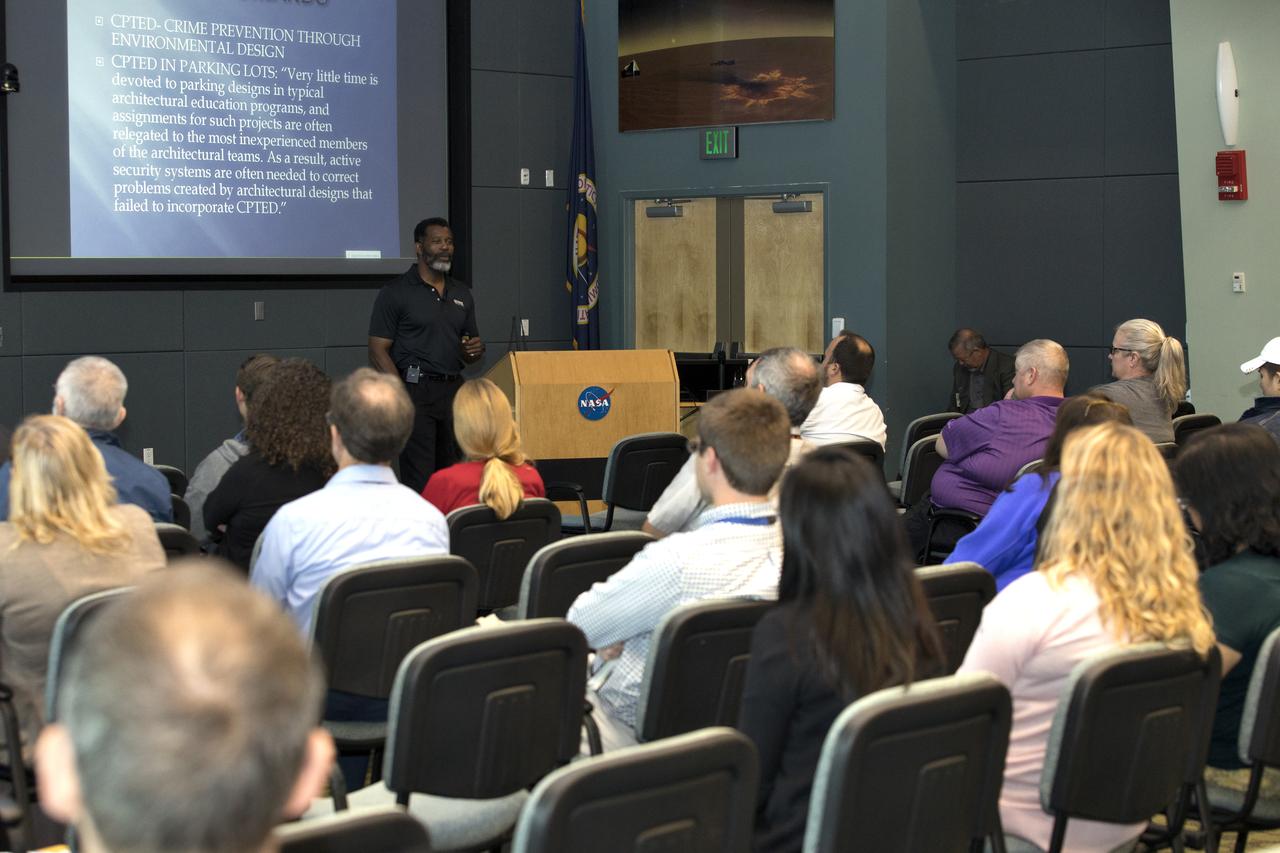
Derwin Bradley, a veteran police officer and former soldier, speaks to Kennedy Space Center employees at the center’s Operations Support Building II on the topic of personal safety and awareness. The presentation was held March 27, 2019, as part of the Florida spaceport’s Safety and Health Days. During the presentation, Bradley also demonstrated basic self-defense tactics.
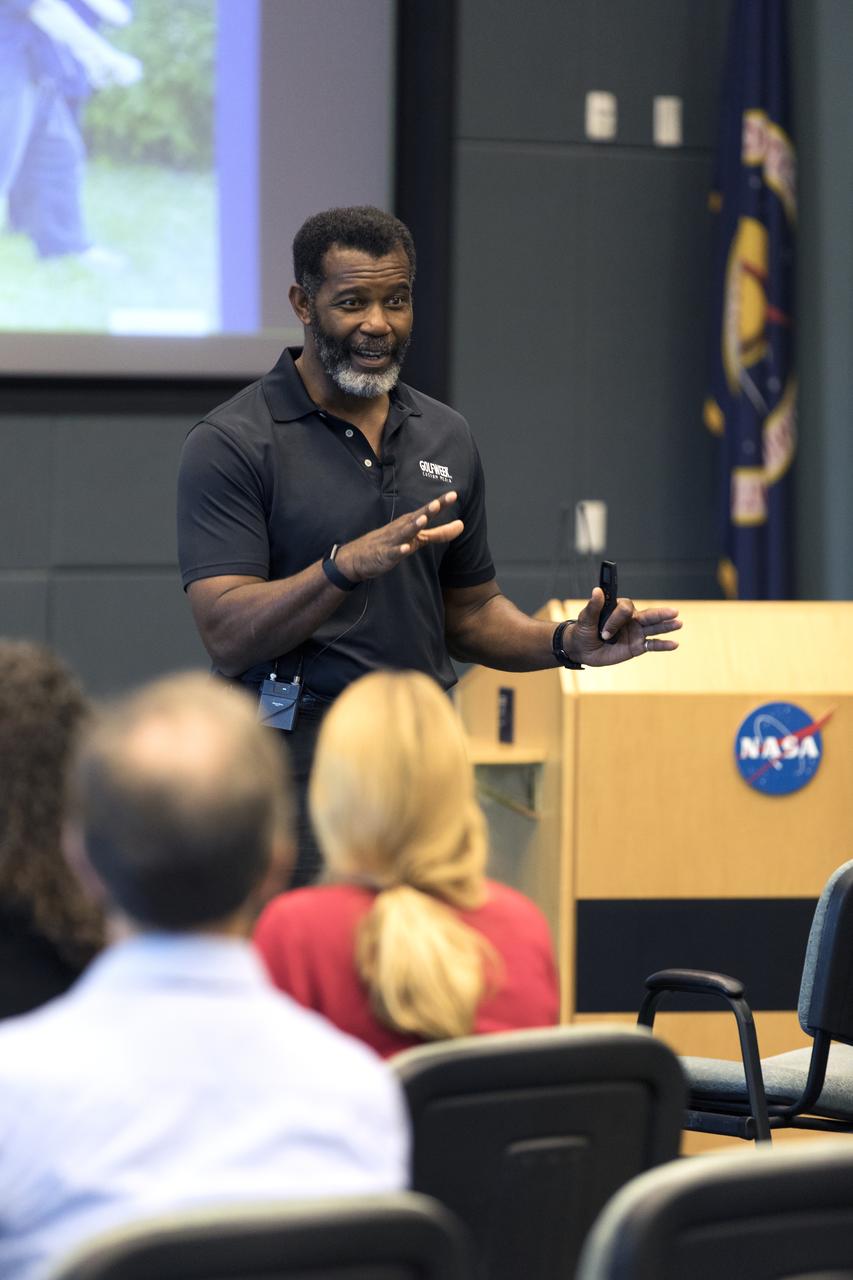
Derwin Bradley, a veteran police officer and former soldier, speaks to Kennedy Space Center employees at the center’s Operations Support Building II on the topic of personal safety and awareness. The presentation was held March 27, 2019, as part of the Florida spaceport’s Safety and Health Days. During the presentation, Bradley also demonstrated basic self-defense tactics.
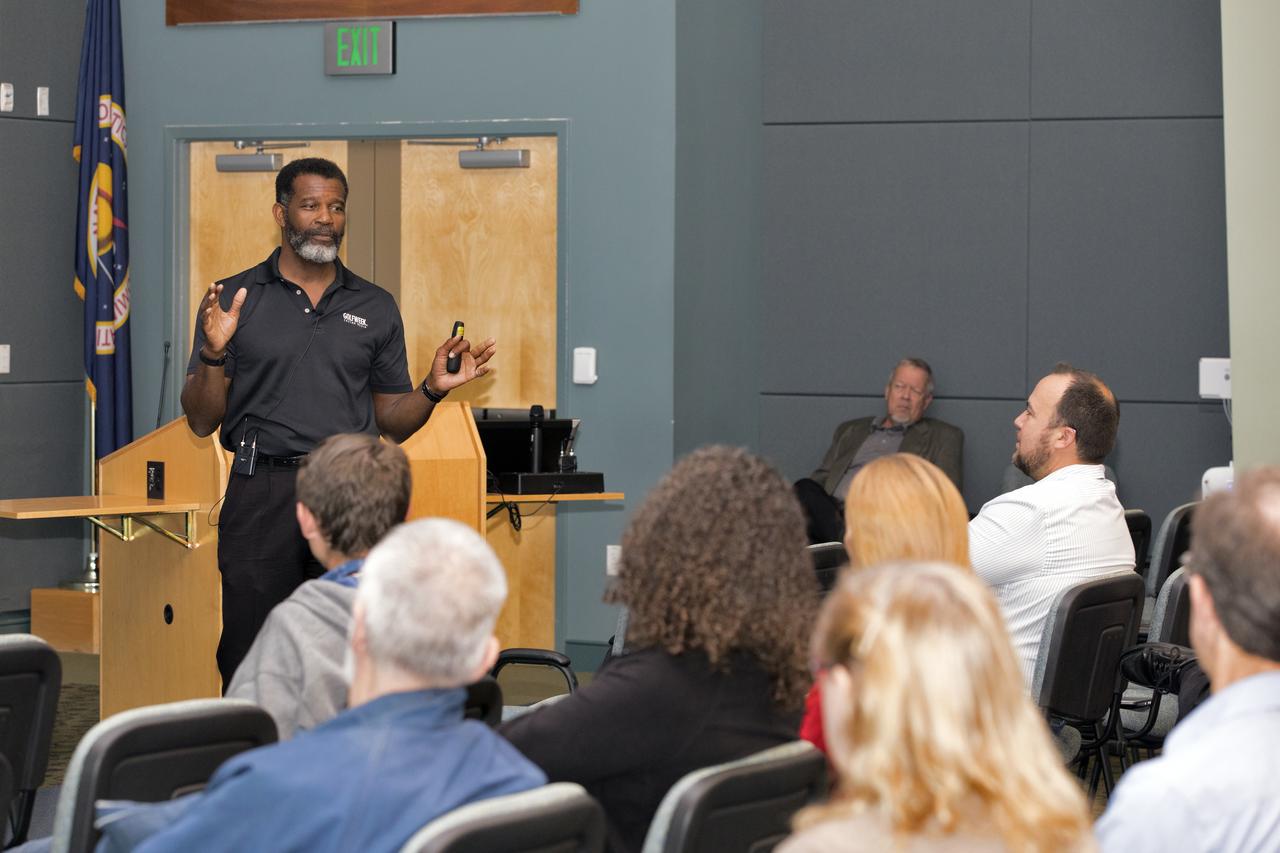
Derwin Bradley, a veteran police officer and former soldier, speaks to Kennedy Space Center employees at the center’s Operations Support Building II on the topic of personal safety and awareness. The presentation was held March 27, 2019, as part of the Florida spaceport’s Safety and Health Days. During the presentation, Bradley also demonstrated basic self-defense tactics.
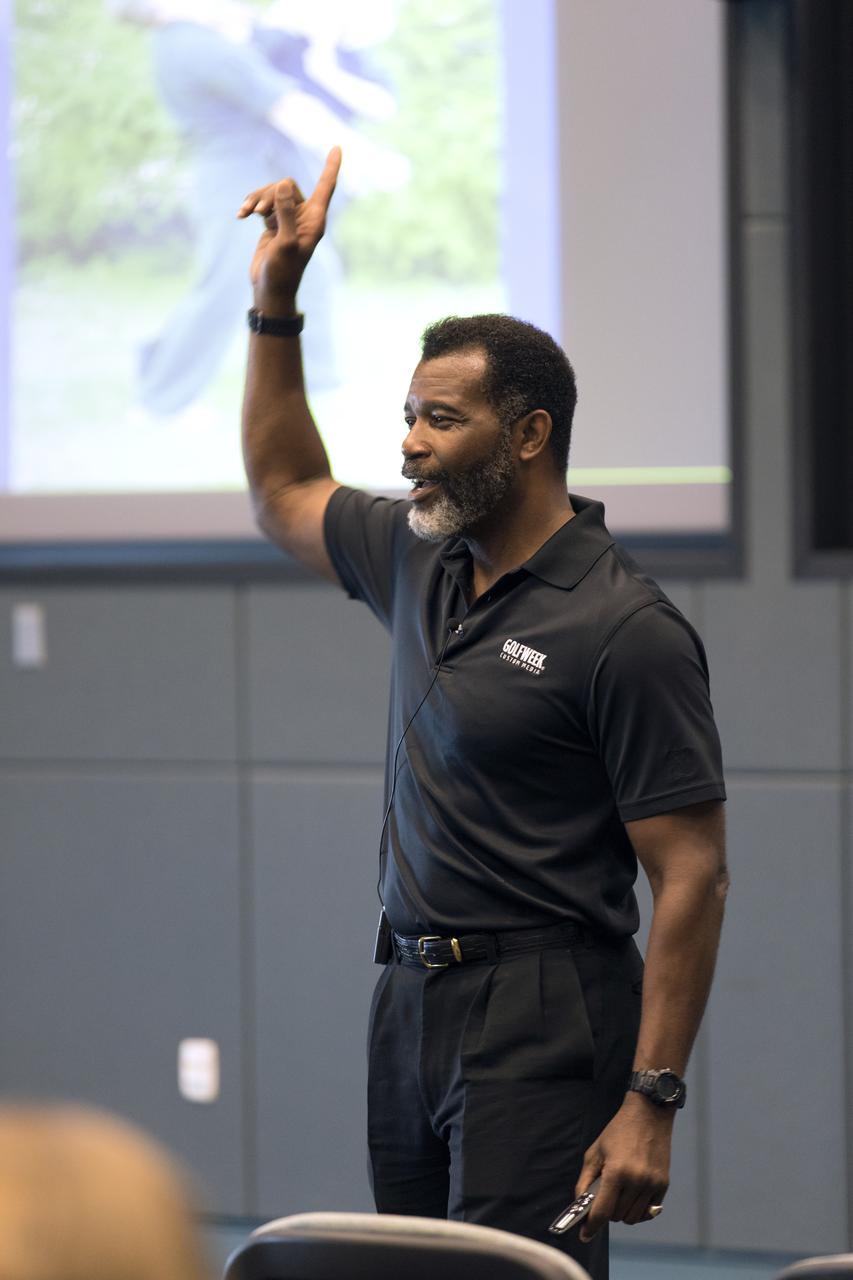
Derwin Bradley, a veteran police officer and former soldier, speaks to Kennedy Space Center employees at the center’s Operations Support Building II on the topic of personal safety and awareness. The presentation was held March 27, 2019, as part of the Florida spaceport’s Safety and Health Days. During the presentation, Bradley also demonstrated basic self-defense tactics.
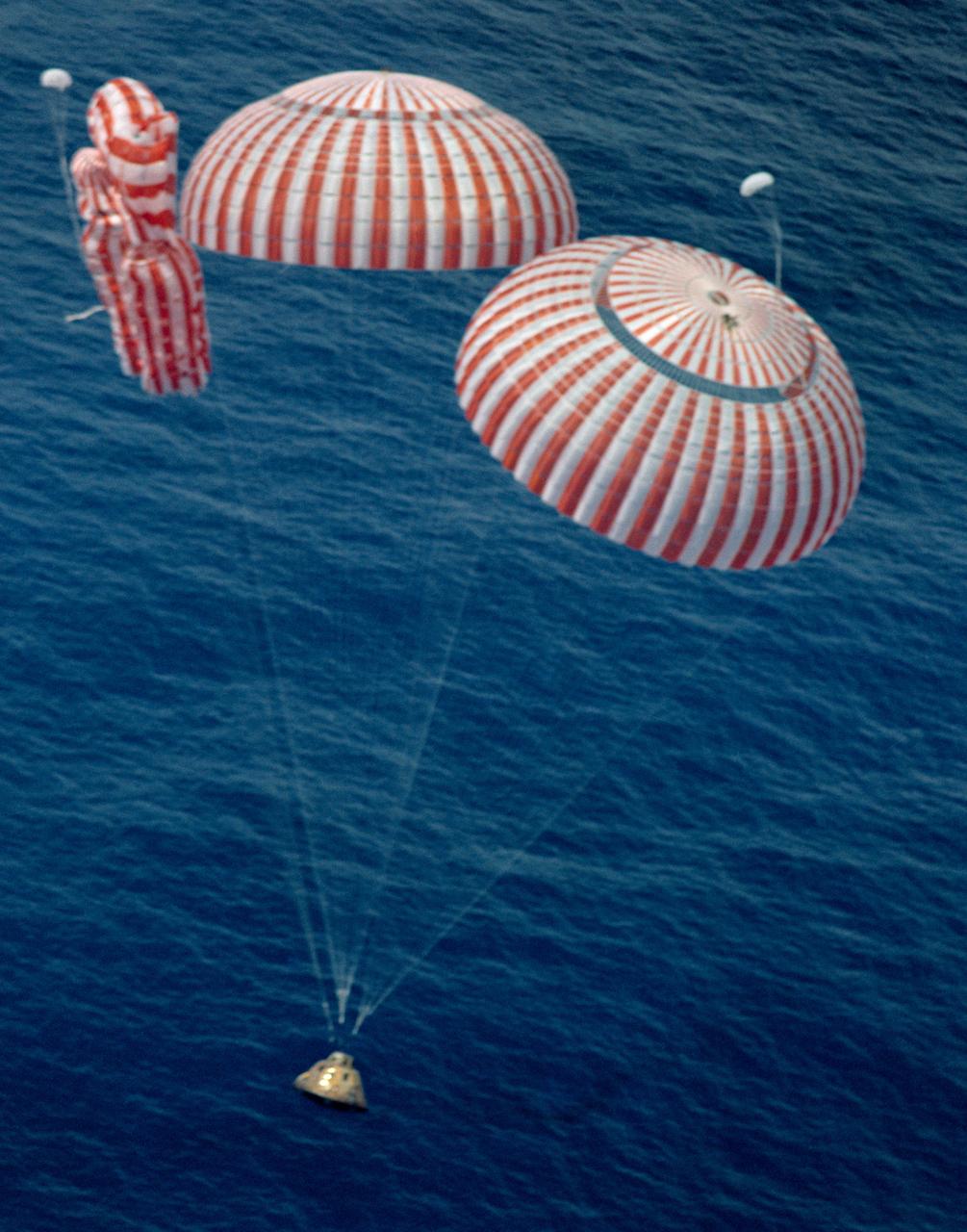
S71-41999 (7 Aug. 1971) --- The Apollo 15 Command Module (CM), with astronauts David R. Scott, commander; Alfred M. Worden, command module pilot; and James B. Irwin, lunar module pilot, aboard, nears a safe touchdown in the mid-Pacific Ocean to conclude a highly successful lunar landing mission. Although causing no harm to the crewmen, one of the three main parachutes failed to function properly. The splashdown occurred at 3:45:53 p.m. (CDT), Aug. 7, 1971, some 330 miles north of Honolulu, Hawaii. The three astronauts were picked up by helicopter and flown to the prime recovery ship USS Okinawa, which was only 6 1/2 miles away.
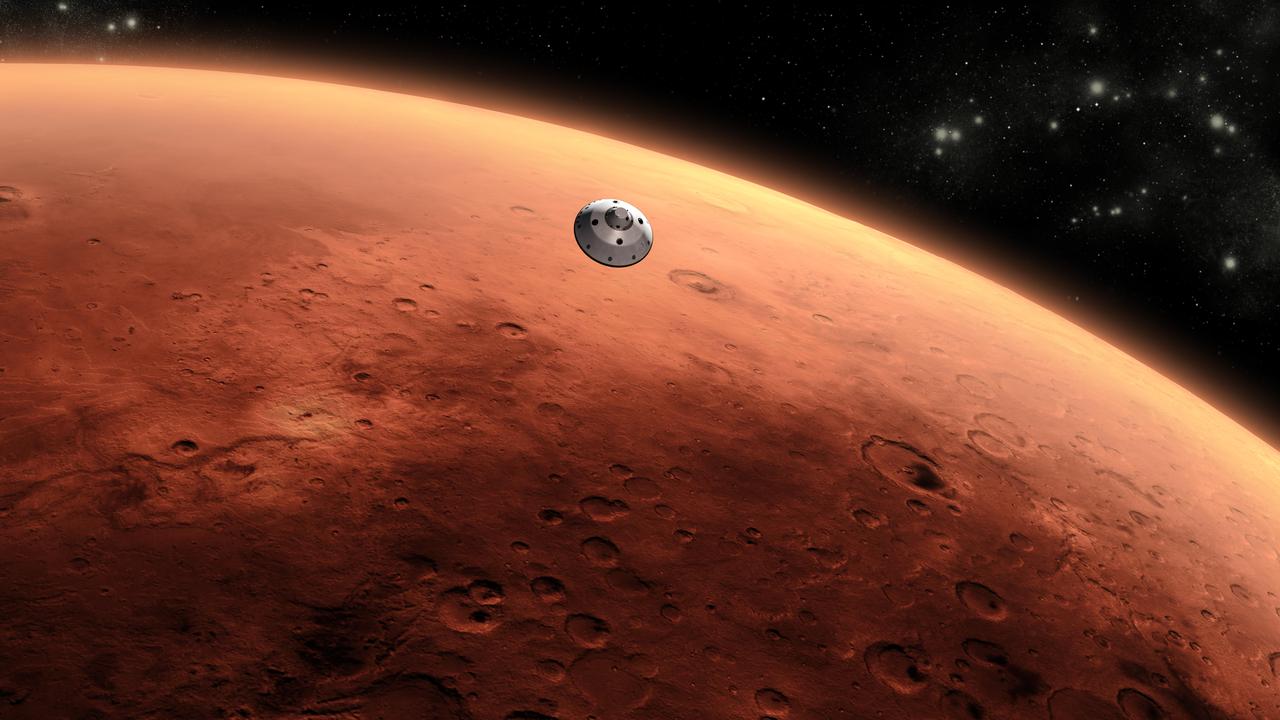
This is an artist concept of NASA Mars Science Laboratory spacecraft approaching Mars. The Curiosity rover is safely tucked inside the spacecraft aeroshell.
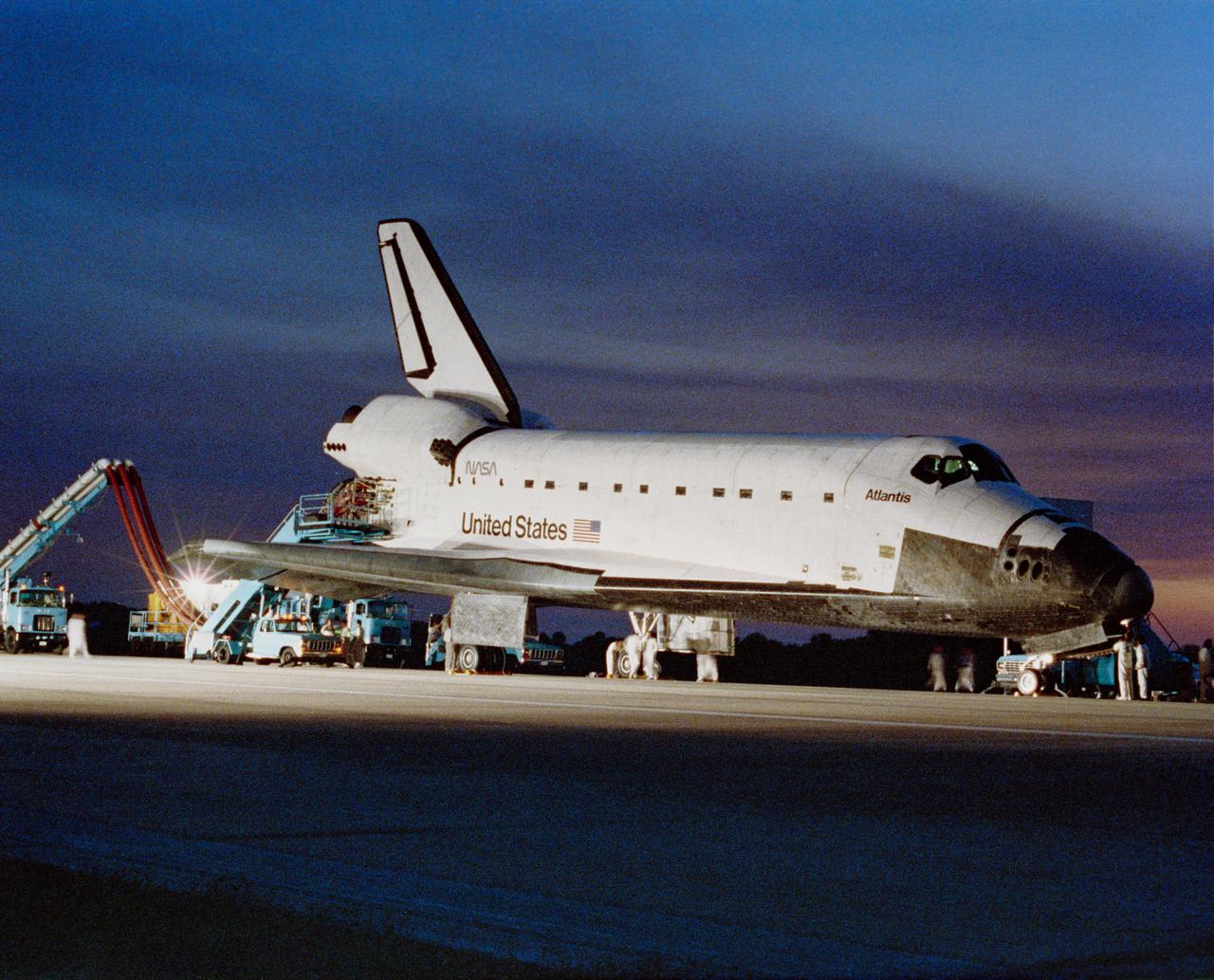
Spotlights illuminate Atlantis, Orbiter Vehicle (OV) 104, during safing operations at the Kennedy Space Center's (KSC's) Shuttle Landing Facility (SLF). OV-104 parked on runway 33 is serviced by KSC ground crews. STS-38, a Department of Defense (DOD)-devoted mission, came to an end (with complete wheel stop) at 4:43:37 pm (Eastern Standard Time (EST)).
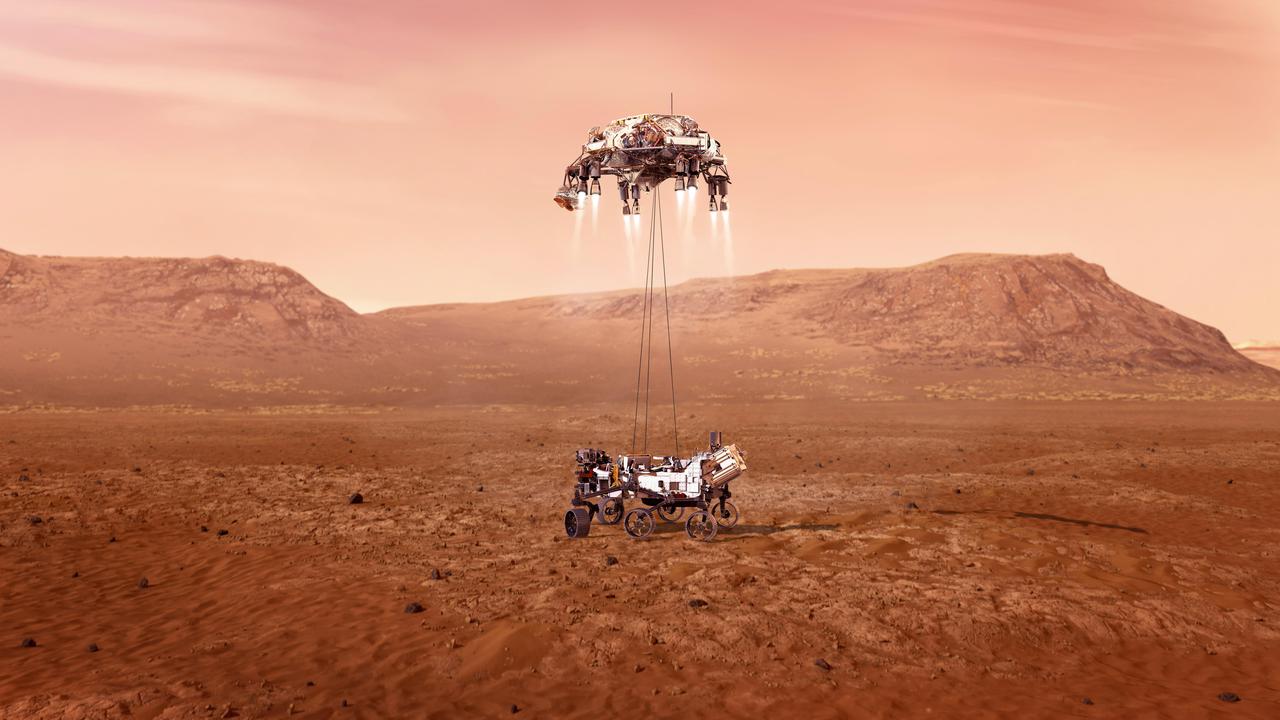
An illustration of NASA's Perseverance rover landing safely on Mars. Hundreds of critical events must execute perfectly and exactly on time for the rover to land safely on Feb. 18, 2021. Entry, Descent, and Landing, or "EDL," begins when the spacecraft reaches the top of the Martian atmosphere, travelling nearly 12,500 mph (20,000 kph). EDL ends about seven minutes after atmospheric entry, with Perseverance stationary on the Martian surface. At about 6,900 feet (2,100 meters) above the surface, the rover separates from the backshell, and fires up the descent stage engines. As the descent stage levels out and slows to its final descent speed of about 1.7 mph (2.7 kph), it initiates the "skycrane" maneuver. About 12 seconds before touchdown, roughly 66 feet (20 meters) above the surface, the descent stage lowers the rover on a set of cables about 21 feet (6.4 meters) long. The rover unstows its mobility system, locking its legs and wheels into landing position. As soon as the rover senses that its wheels have touched the ground, it cuts the cables connecting it to the descent stage. This frees the descent stage to fly off to make its own uncontrolled landing on the surface, a safe distance away from Perseverance. https://photojournal.jpl.nasa.gov/catalog/PIA24319
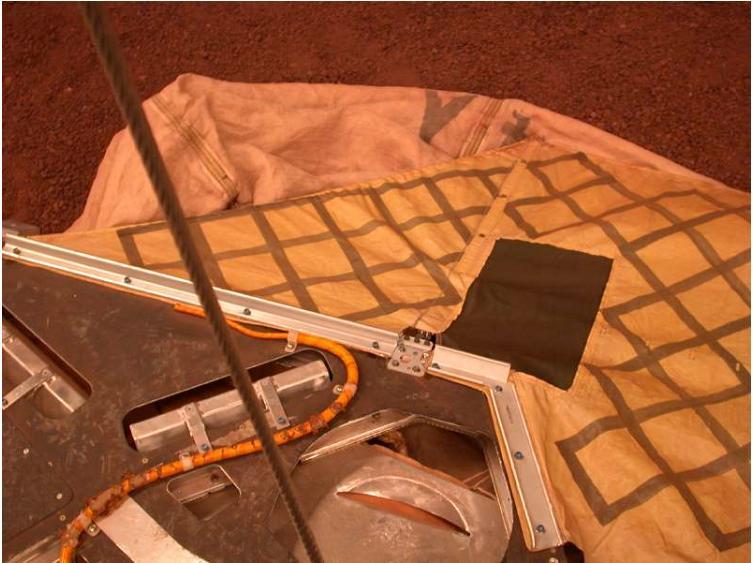
This image shows the airbags in deflated position at the JPL In-Situ Instrument Laboratory, where engineers tested the airbags to ensure a safe landing on Mars.
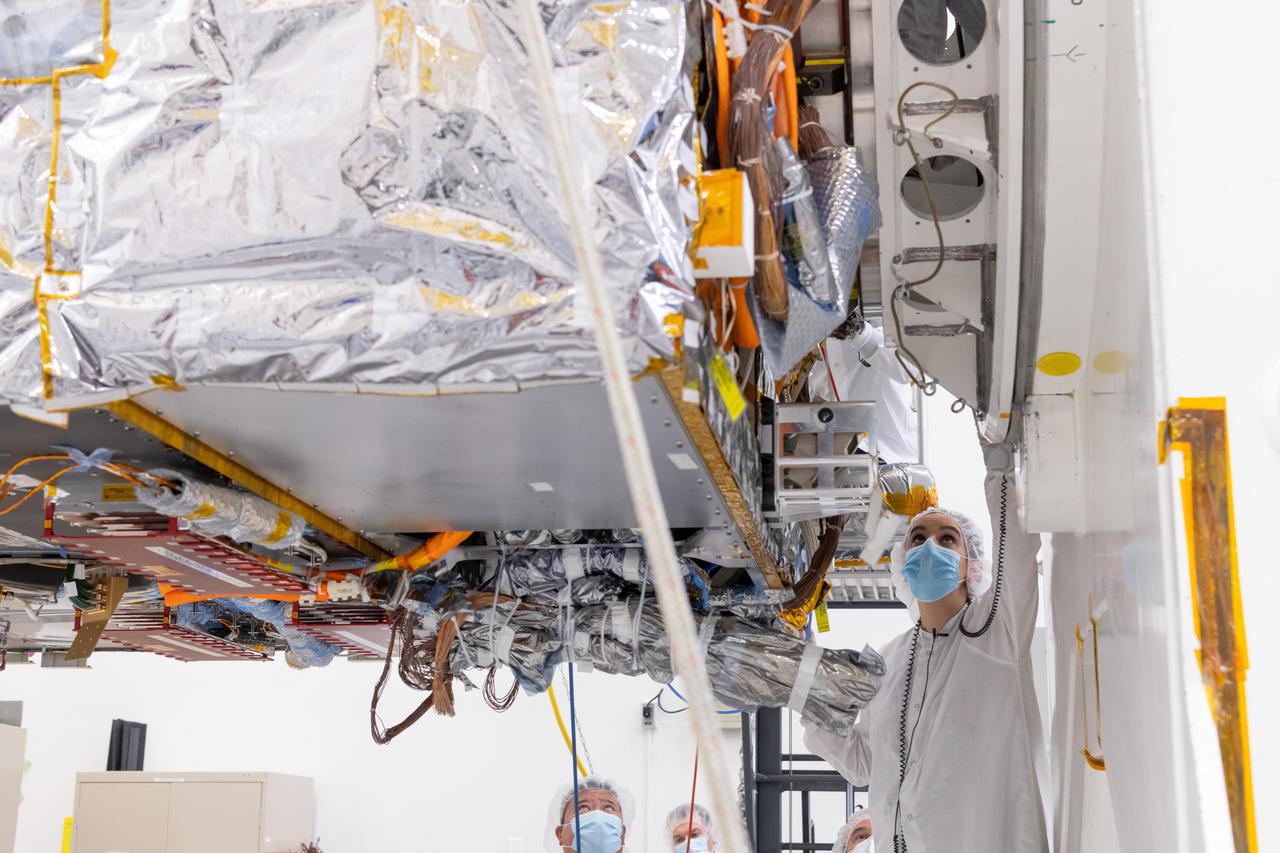
The Solar Electric Propulsion (SEP) Chassis of NASA's Psyche spacecraft is mounted onto a rotation fixture in High Bay 1 of the Spacecraft Assembly Facility at NASA's Jet Propulsion Laboratory in Southern California. This photo was taken March 28, 2021, just after the chassis — a major component of the Psyche spacecraft — was delivered to JPL by Maxar Technologies. Maxar's team in Palo Alto, California, designed and built the chassis, which includes all the primary and secondary structure and the hardware components needed for the high-power electrical system, the propulsion system, the thermal system, guidance and navigation sensors and actuators, and the high-gain antenna. The phase known as assembly test, and launch operations (ATLO) for Psyche is now underway at JPL. In this photo, ATLO Mechanical Lead Michelle Colizzi of JPL oversees the docking of the chassis to the dolly. Over the next year additional hardware will be added to the spacecraft including the command and data handling system, a power distribution assembly, the X-band telecommunications hardware suite, three science instruments (two imagers, two magnetometers, and a Gamma Ray Neutron Spectrometer), and a deep space optical communications technology demonstrator. The spacecraft will finish assembly and then undergo rigorous checkout and testing, before it's shipped to NASA's Kennedy Space Center in Cape Canaveral, Florida, for an August 2022 launch to the main asteroid belt. Psyche will arrive at the metal-rich asteroid of the same name in 2026, orbiting for 21 months to investigate its composition. Scientists think that Psyche is made up of mostly iron and nickel — similar to Earth's core. Exploring the asteroid could give valuable insight into how our own planet and others formed. https://photojournal.jpl.nasa.gov/catalog/PIA24476
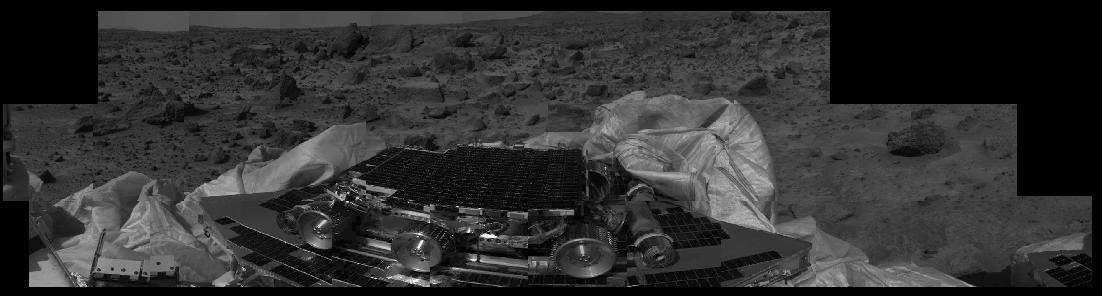
This image shows that the Mars Pathfinder airbags have been successfully retracted, allowing safe deployment of the rover ramps. The Sojourner rover, still in its deployed position, is at center image, and rocks are visible in the background. Mars Pathfinder landed successfully on the surface of Mars today at 10:07 a.m. PDT. http://photojournal.jpl.nasa.gov/catalog/PIA00617
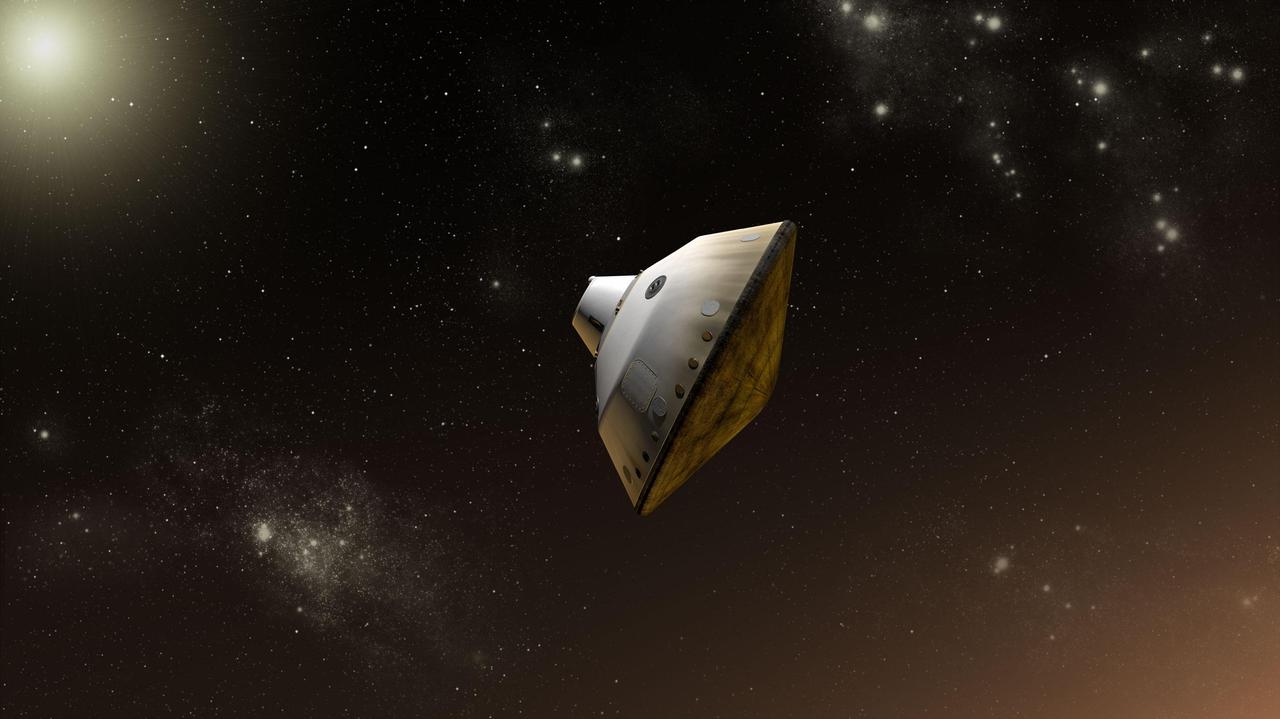
This is an artist concept of NASA Mars Science Laboratory aeroshell capsule as it enters the Martian atmosphere. The Curiosity rover and the spacecraft descent stage are safely tucked inside the aeroshell at this point.
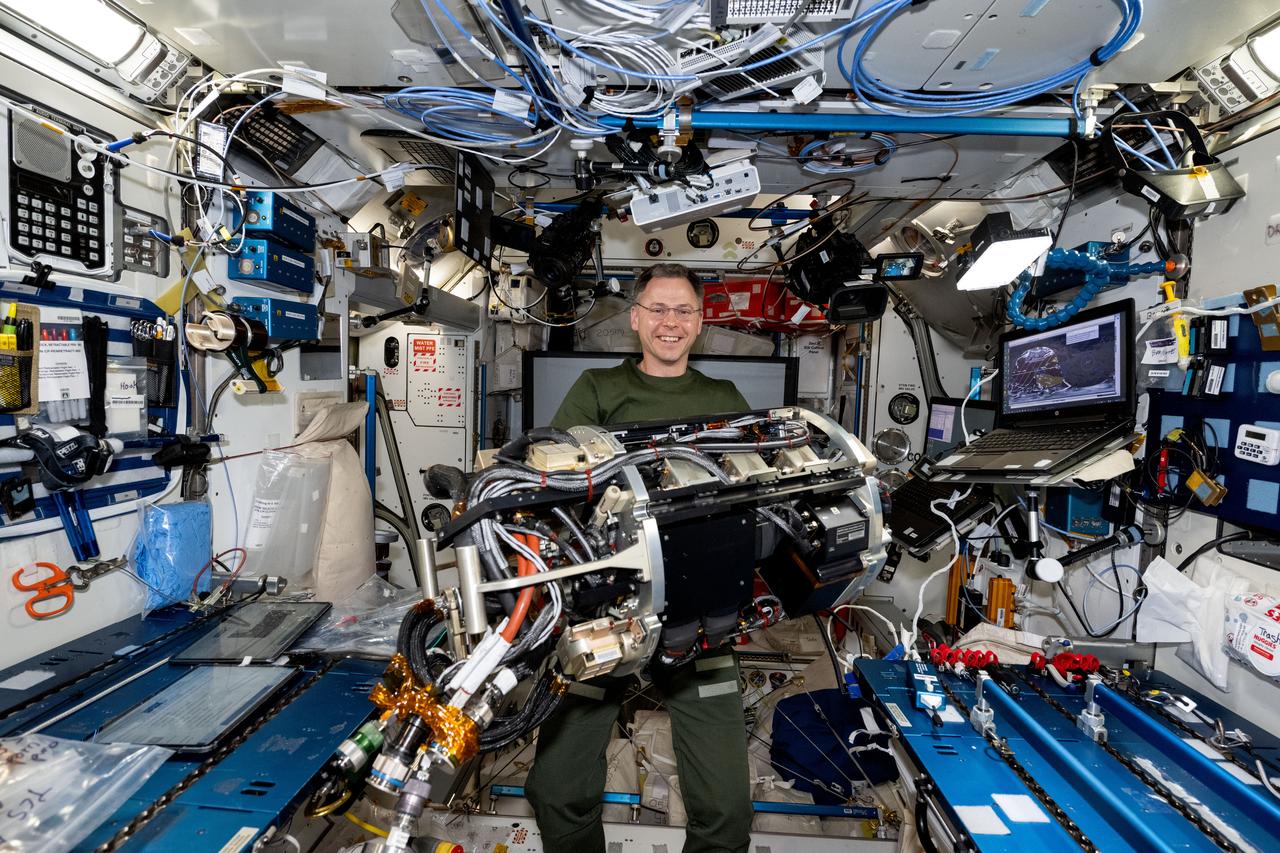
iss072e519705 (Jan. 23, 2025) --- NASA astronaut and Expedition 72 Flight Engineer Nick Hague handles research hardware that is part of the Combustion Integrated Rack that enables safe fuel and flame research aboard the International Space Station.
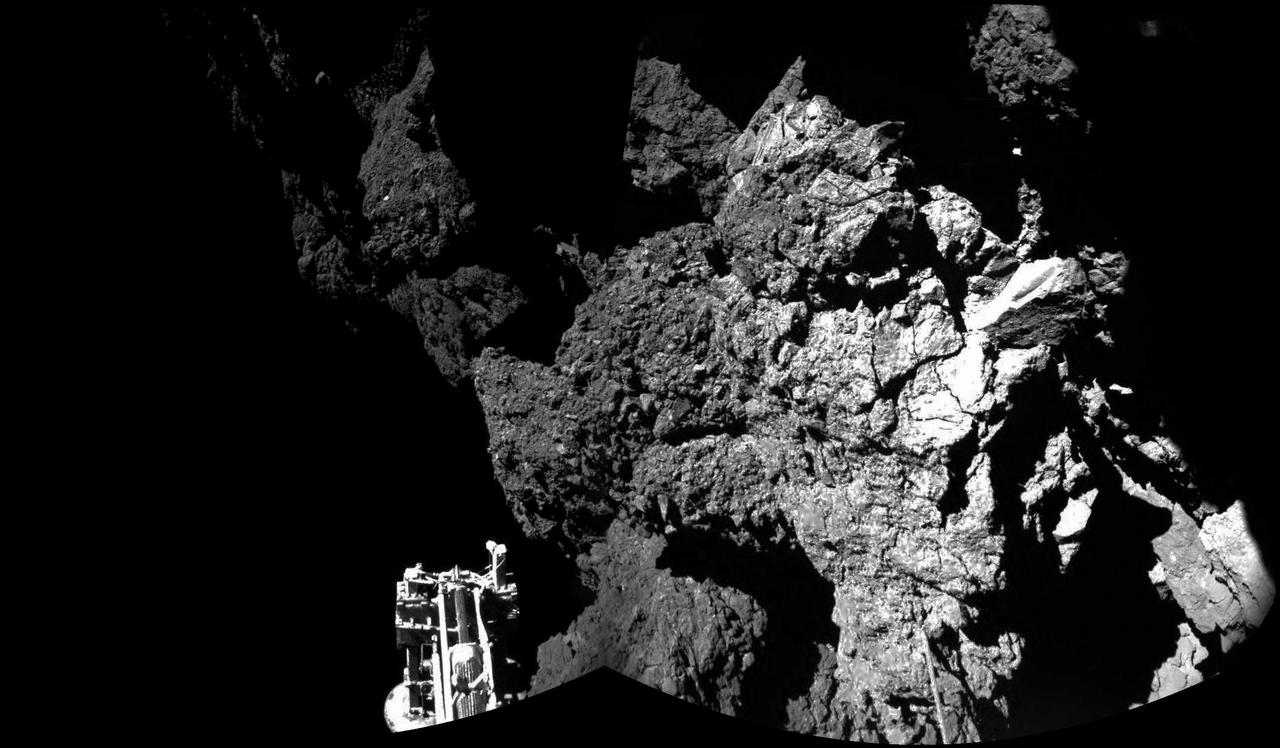
The Philae lander of the European Space Agency Rosetta mission is safely on the surface of Comet 67P/Churyumov-Gerasimenko, as these first two images from the lander CIVA camera confirm. One of the lander three feet can be seen in the foreground.

This set of images from the La Sagra Sky Survey, operated by the Astronomical Observatory of Mallorca in Spain, shows the passage of asteroid 2012 DA14 shortly after its closest, and safe, approach to Earth.

Portrait for the #showusyourspecs campaign to promote safety while viewing of the 2024 total eclipse. Photograph was shot on December 20, 2023, indoors to simulate an eclipse. Photo Credit: (NASA/Sara Lowthian-Hanna)
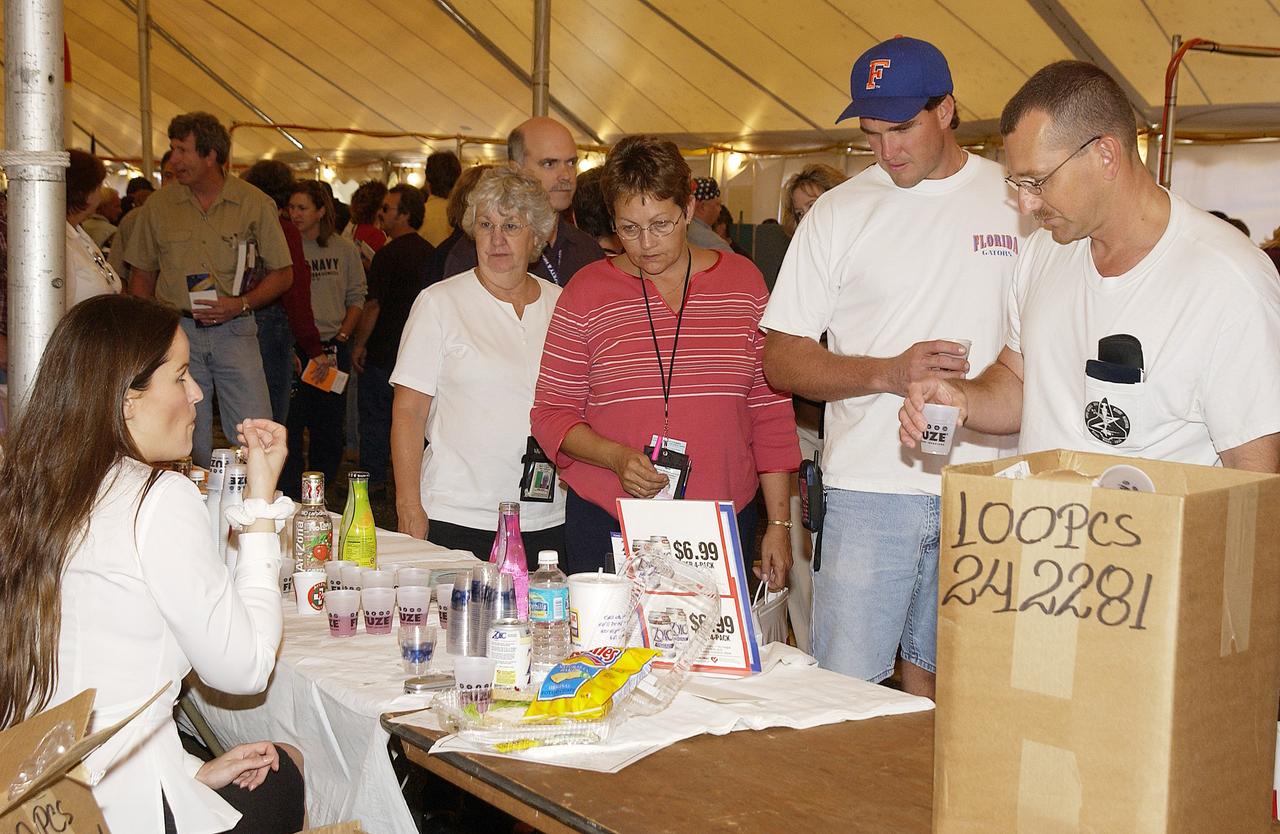
KENNEDY SPACE CENTER, FLA. - One of many vendors displaying their products during the Spaceport Super Safety and Health Day at KSC and Cape Canaveral Air Force Station, Florida Power and Light draws a crowd during a demonstration. The annual KSC event is dedicated to reinforcing safe and healthful behaviors in the workforce.
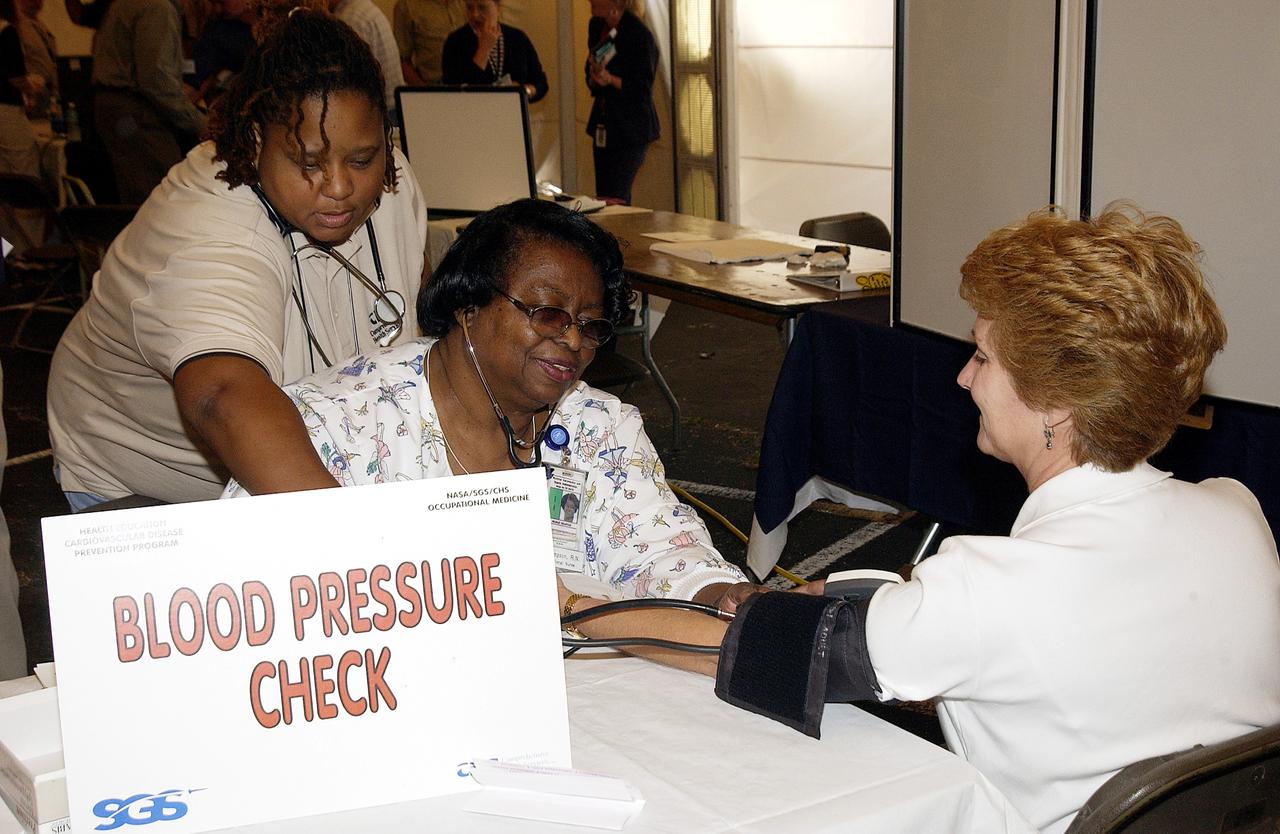
KENNEDY SPACE CENTER, FLA. - An employee gets a blood pressure check from one of the participating organizations in Spaceport Super Safety and Health Day at KSC and Cape Canaveral Air Force Station. Many vendors and Center organizations displayed and demonstrated their products during the annual event dedicated to reinforcing safe and healthful behaviors in the workforce.
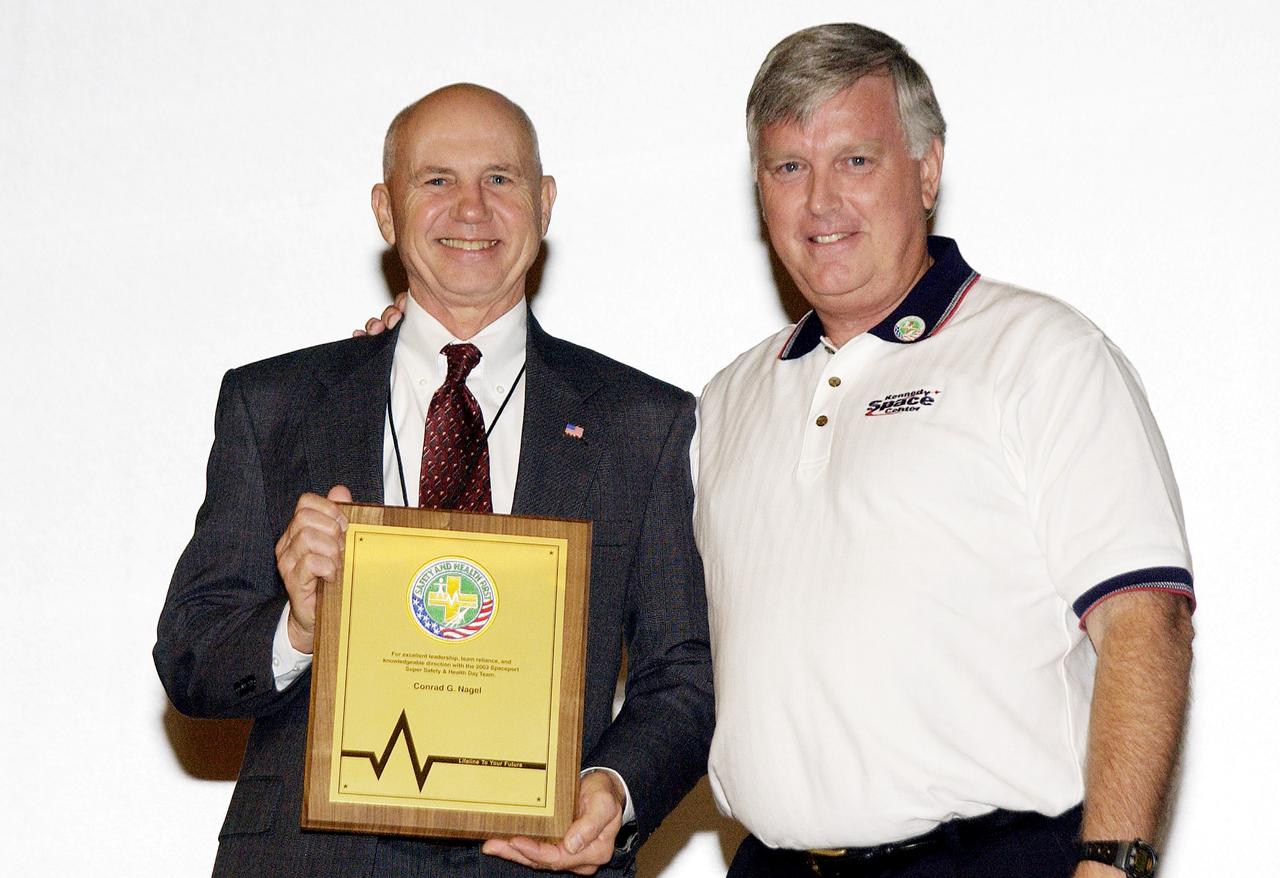
KENNEDY SPACE CENTER, FLA. - Center Director Jim Kennedy (right) presents a plaque to Conrad Nagel who organized the Spaceport Super Safety and Health Day at KSC, an annual event dedicated to reinforcing safe and healthful behaviors in the workforce. Nagel is chief of the Shuttle Project Office, Shuttle Processing.
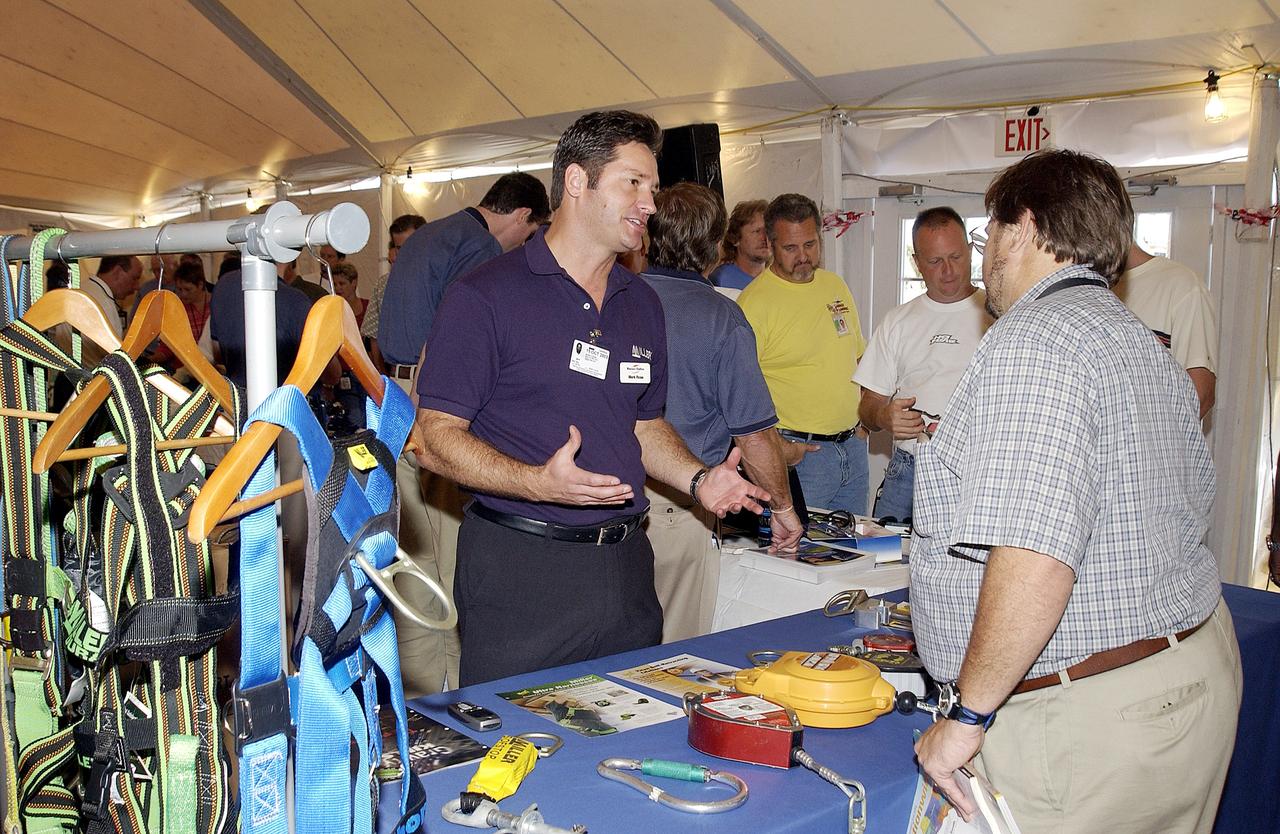
KENNEDY SPACE CENTER, FLA. - Employees file around table displays under a tent near the Vehicle Assembly Building. Many vendors displayed their products during the Spaceport Super Safety and Health Day at KSC, an annual event dedicated to reinforcing safe and healthful behaviors in the workforce.
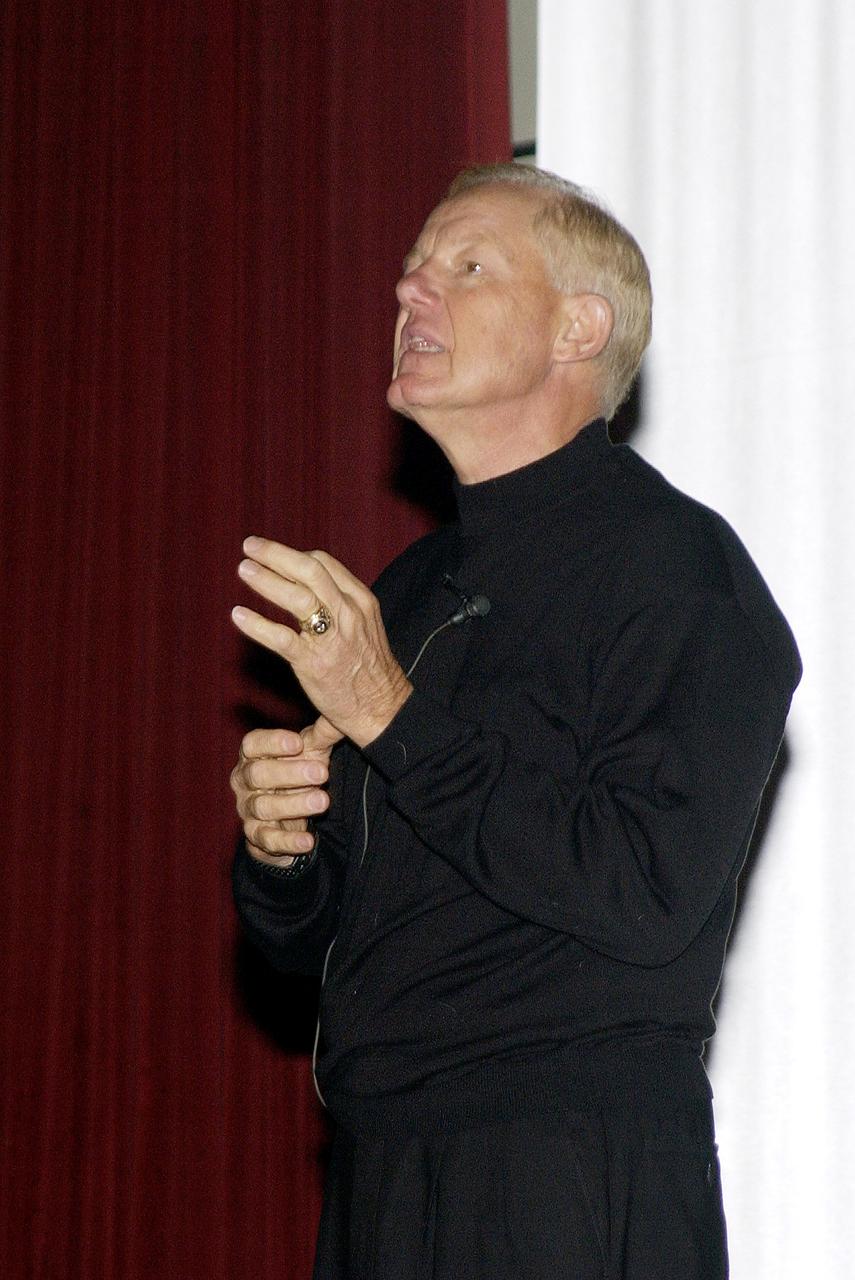
KENNEDY SPACE CENTER, FLA. - Capt. Charles Plumb (USNR retired) dramatically describes some of his six years as a prisoner of war in Vietnam. Plumb was keynote speaker for the kickoff of Spaceport Super Safety and Health Day at KSC, an annual event dedicated to reinforcing safe and healthful behaviors in the workforce.
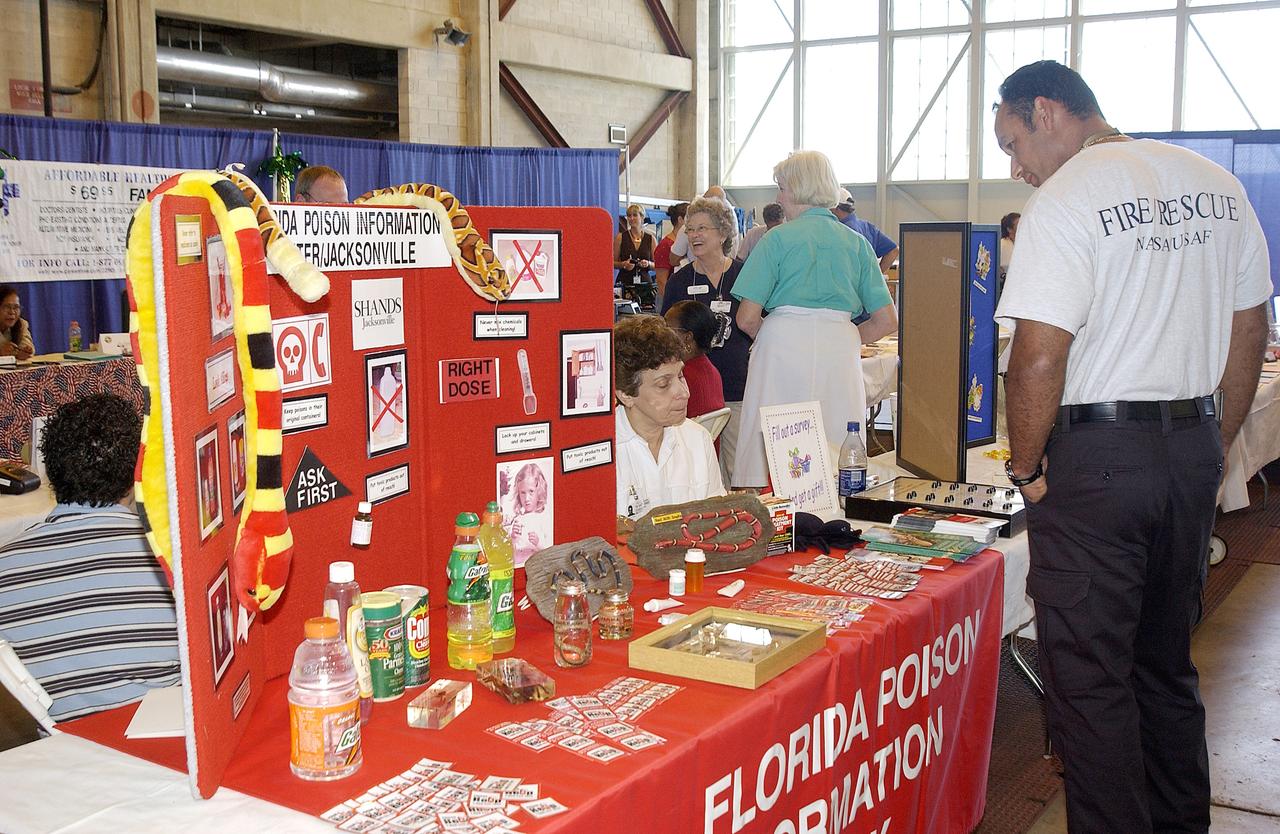
KENNEDY SPACE CENTER, FLA. - Many vendors and organizations displayed their products during the Spaceport Super Safety and Health Day at KSC and Cape Canaveral Air Force Station, an annual event dedicated to reinforcing safe and healthful behaviors in the workforce. This scene is at Hangar S, CCAFS.
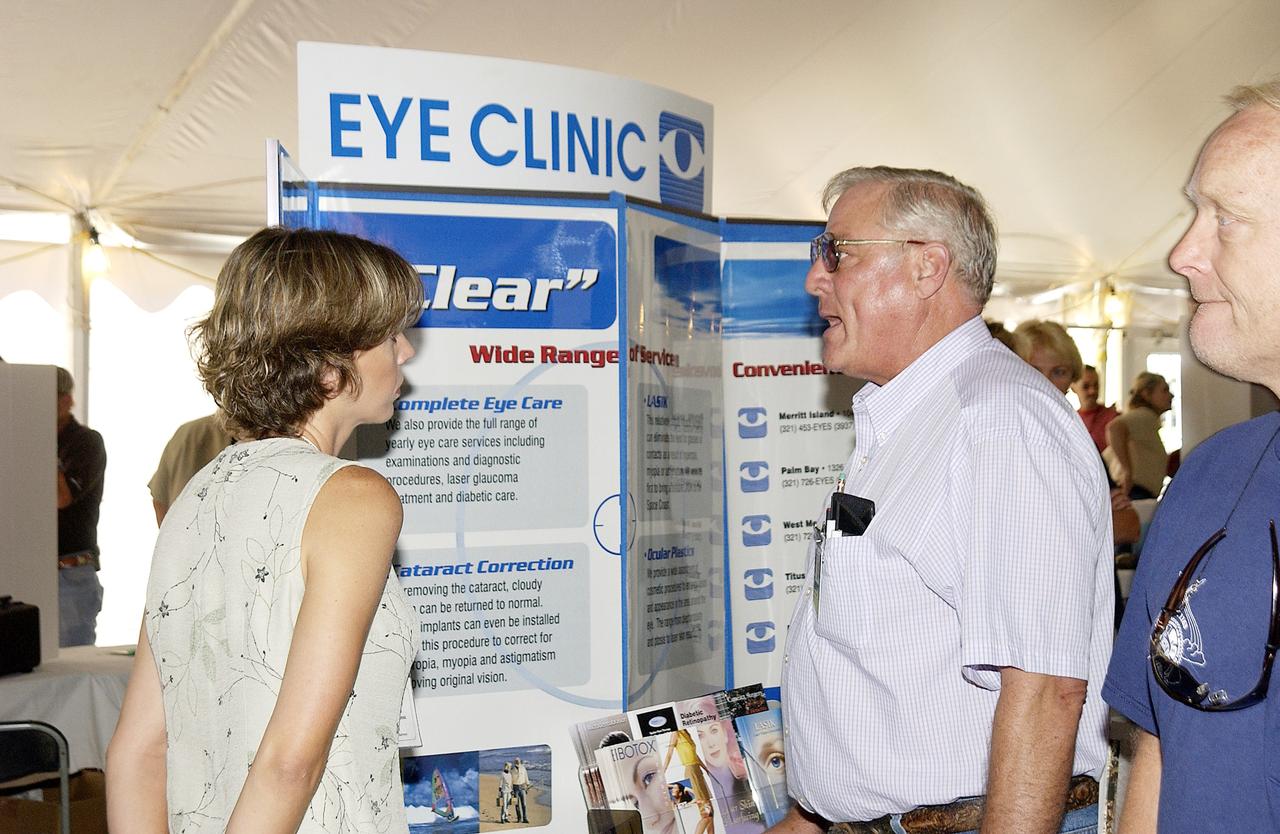
KENNEDY SPACE CENTER, FLA. - Employees file around table displays under a tent near the Operations and Checkout Building. Many vendors and organizations displayed their products during the Spaceport Super Safety and Health Day at KSC and Cape Canaveral Air Force Station, an annual event dedicated to reinforcing safe and healthful behaviors in the workforce.
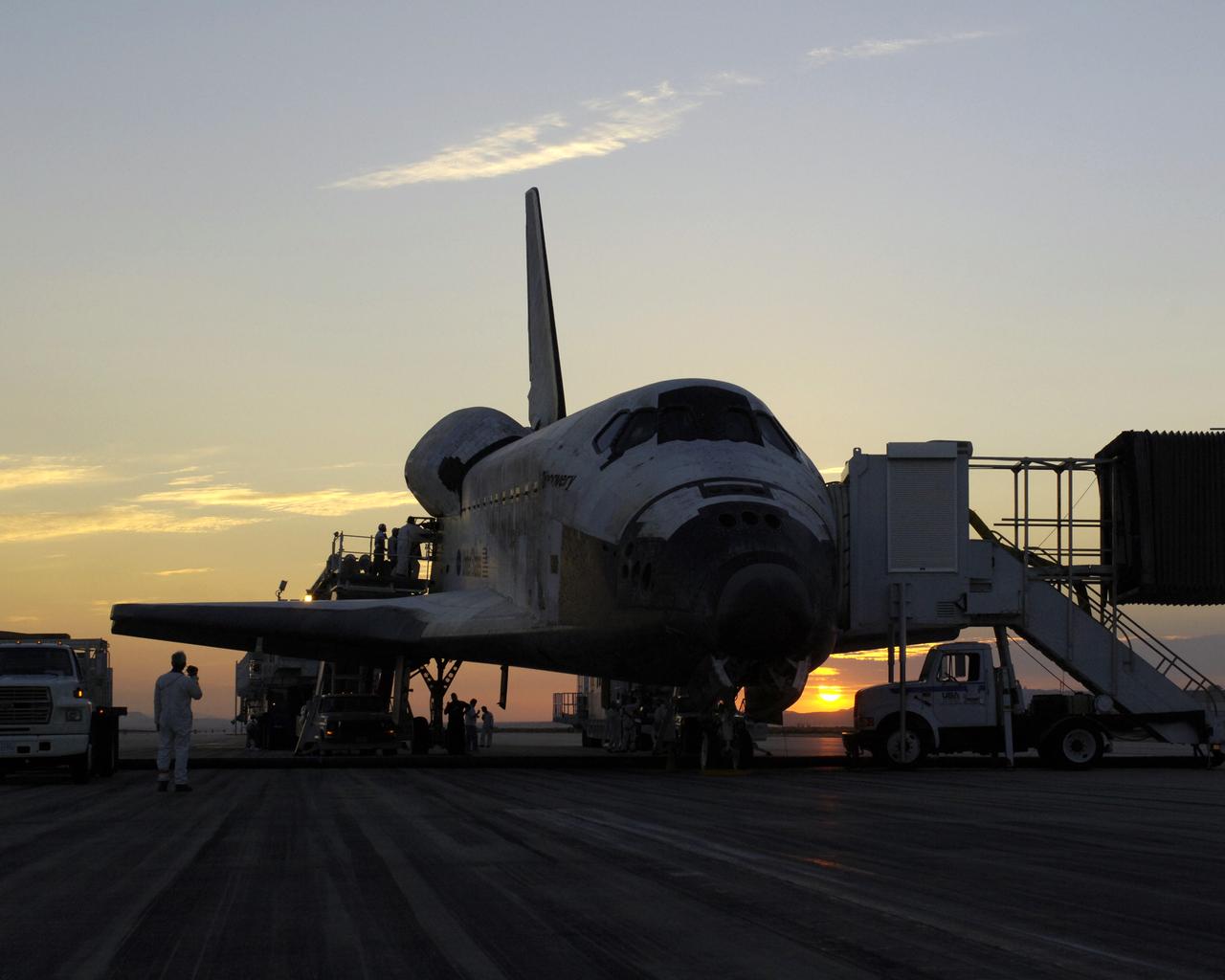
The sun rises on the Space Shuttle Discovery as it rests on the runway at Edwards Air Force Base, California, after a safe landing August 9, 2005 to complete the STS-114 mission. Space Shuttle Discovery landed safely at NASA's Dryden Flight Research Center at Edwards Air Force Base in California at 5:11:22 a.m. PDT this morning, following the very successful 14-day STS-114 return to flight mission. During their two weeks in space, Commander Eileen Collins and her six crewmates tested out new safety procedures and delivered supplies and equipment the International Space Station. Discovery spent two weeks in space, where the crew demonstrated new methods to inspect and repair the Shuttle in orbit. The crew also delivered supplies, outfitted and performed maintenance on the International Space Station. A number of these tasks were conducted during three spacewalks. In an unprecedented event, spacewalkers were called upon to remove protruding gap fillers from the heat shield on Discovery's underbelly. In other spacewalk activities, astronauts installed an external platform onto the Station's Quest Airlock and replaced one of the orbital outpost's Control Moment Gyroscopes. Inside the Station, the STS-114 crew conducted joint operations with the Expedition 11 crew. They unloaded fresh supplies from the Shuttle and the Raffaello Multi-Purpose Logistics Module. Before Discovery undocked, the crews filled Raffeallo with unneeded items and returned to Shuttle payload bay. Discovery launched on July 26 and spent almost 14 days on orbit.
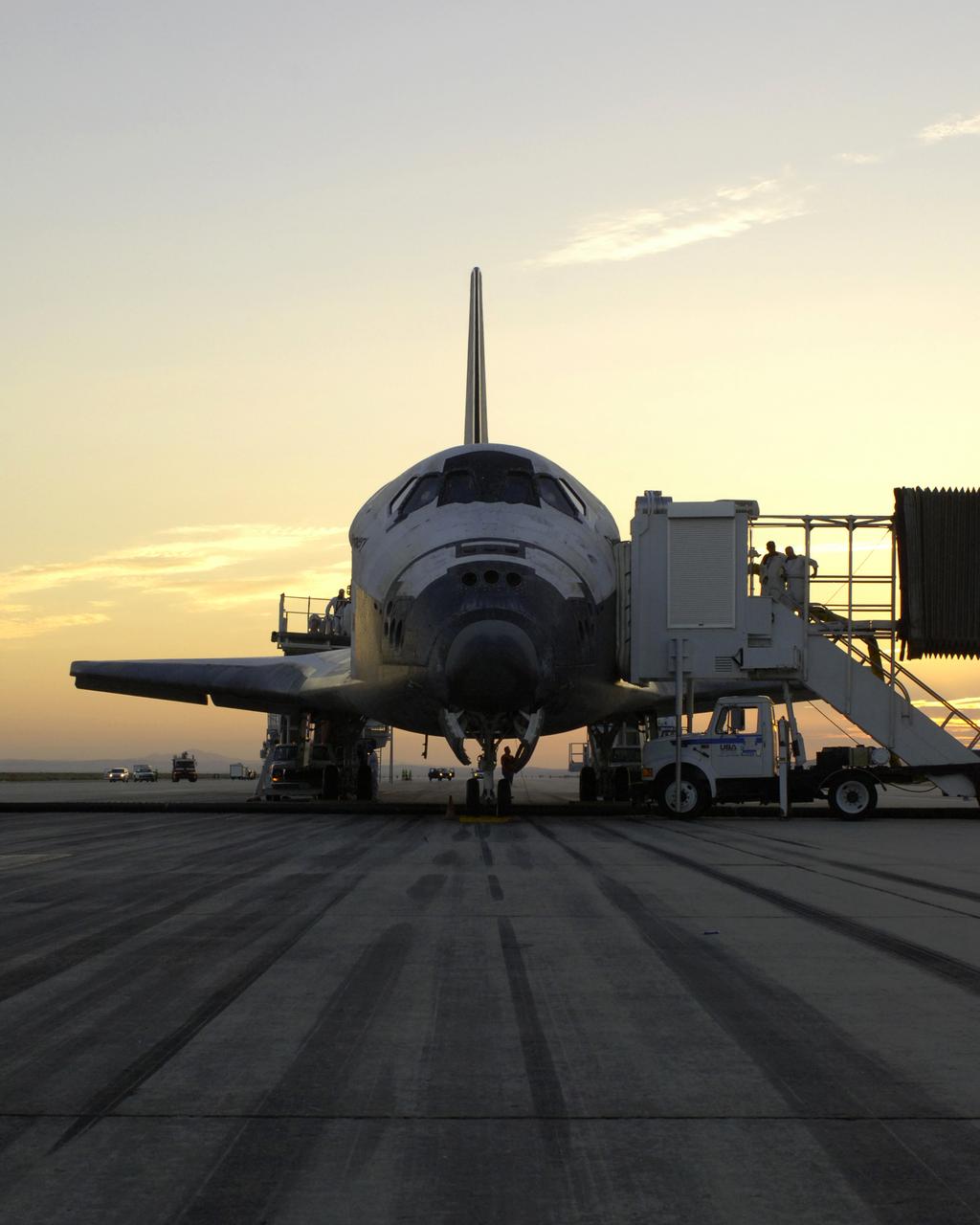
The sun rises on the Space Shuttle Discovery as it rests on the runway at Edwards Air Force Base, California, after a safe landing August 9, 2005 to complete the STS-114 mission. Space Shuttle Discovery landed safely at NASA's Dryden Flight Research Center at Edwards Air Force Base in California at 5:11:22 a.m. PDT this morning, following the very successful 14-day STS-114 return to flight mission. During their two weeks in space, Commander Eileen Collins and her six crewmates tested out new safety procedures and delivered supplies and equipment the International Space Station. Discovery spent two weeks in space, where the crew demonstrated new methods to inspect and repair the Shuttle in orbit. The crew also delivered supplies, outfitted and performed maintenance on the International Space Station. A number of these tasks were conducted during three spacewalks. In an unprecedented event, spacewalkers were called upon to remove protruding gap fillers from the heat shield on Discovery's underbelly. In other spacewalk activities, astronauts installed an external platform onto the Station's Quest Airlock and replaced one of the orbital outpost's Control Moment Gyroscopes. Inside the Station, the STS-114 crew conducted joint operations with the Expedition 11 crew. They unloaded fresh supplies from the Shuttle and the Raffaello Multi-Purpose Logistics Module. Before Discovery undocked, the crews filled Raffeallo with unneeded items and returned to Shuttle payload bay. Discovery launched on July 26 and spent almost 14 days on orbit.
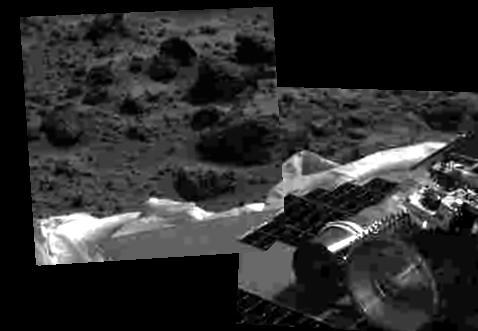
This image shows that the Mars Pathfinder airbags have been successfully retracted, allowing safe deployment of the rover ramps. The Sojourner rover is at lower right, and rocks are visible in the background. Mars Pathfinder landed successfully on the surface of Mars today at 10:07 a.m. PDT. http://photojournal.jpl.nasa.gov/catalog/PIA00618

NASA's Perseverance rover was able to use its new Terrain-Relative Navigation technology to avoid hazards and find a safe place to land in Jezero Crater on Mars. In this graphic, the blue areas are considered safe zones and red are considered more dangerous. Perseverance's landing spot is marked with a green dot. A version with an arrow makes the landing site easier to see. A key objective for Perseverance's mission on Mars is astrobiology, including the search for signs of ancient microbial life. The rover will characterize the planet's geology and past climate, pave the way for human exploration of the Red Planet, and be the first mission to collect and cache Martian rock and regolith (broken rock and dust). Subsequent NASA missions, in cooperation with ESA (European Space Agency), would send spacecraft to Mars to collect these sealed samples from the surface and return them to Earth for in-depth analysis. The Mars 2020 mission is part of a larger program that includes missions to the Moon as a way to prepare for human exploration of the Red Planet. https://photojournal.jpl.nasa.gov/catalog/PIA23970

Event: Horizontal Stabilator Install The Low Boom Flight Demonstrator manufacturing team installed the horizontal stabilizers to the aircraft. These are used along with the flight control computers to keep the airplane flying safely and providing the pitch control so that the pilot can fly the missions envisioned for the X-59
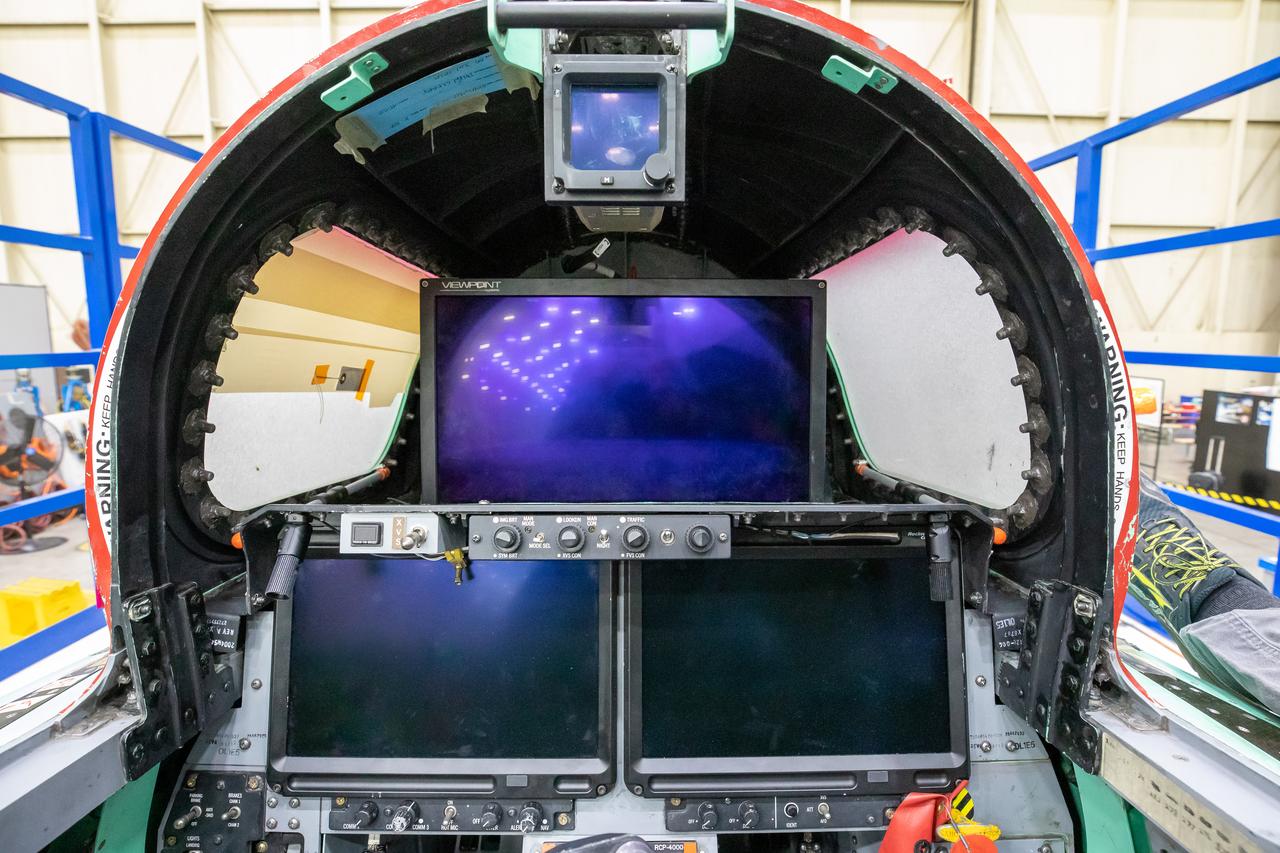
This image shows the forward view of the X-59’s cockpit with the canopy open. The aircraft will not have a forward-facing window and will use an eXternal Vision System (XVS) made up of a high definition 4K monitor (located in the center) and two monitors below to help the pilots safely fly through the skies.
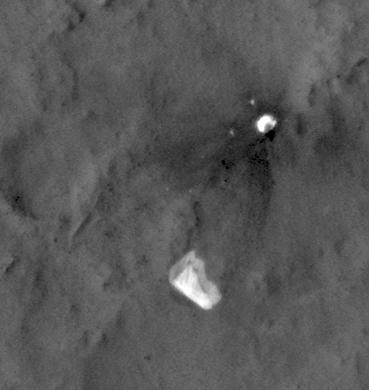
This image from NASA Mars Reconnaissance Orbiter shows wind-caused changes in the parachute of NASA Mars Science Laboratory spacecraft as the chute lay on the Martian ground during months after its use in safe landing of the Curiosity rover.

Event: Horizontal Stabilator Install The Low Boom Flight Demonstrator manufacturing team installed the horizontal stabilizers to the aircraft. These are used along with the flight control computers to keep the airplane flying safely and providing the pitch control so that the pilot can fly the missions envisioned for the X-59.
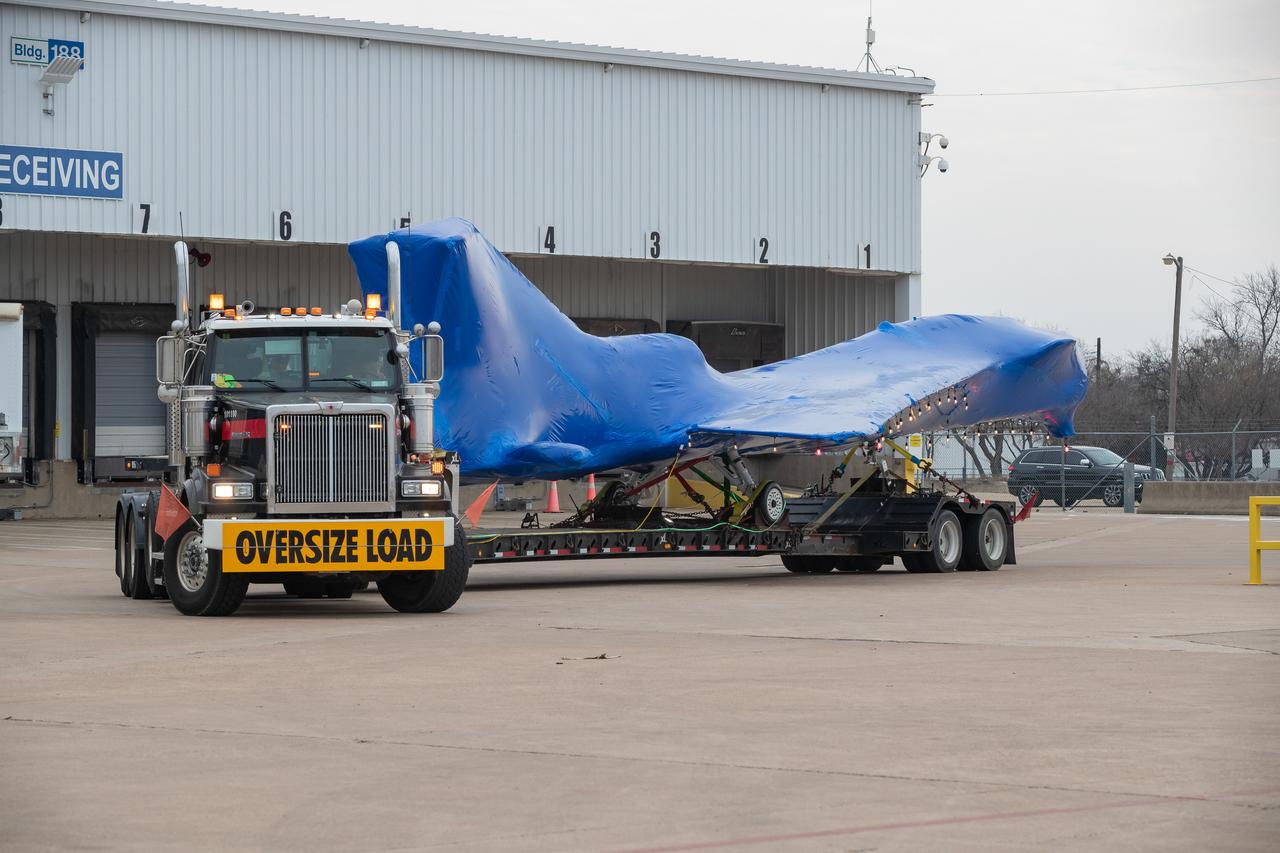
The X-59 arrives in Fort Worth, Texas from Palmdale, California, ready to undergo some important structural and fuel tests at the Lockheed Martin facility. The bright blue wrap around the X-plane is a precautionary measure to keep the exterior of the X-59 safe as it traveled through multiple states on its way to Texas.

Event: Horizontal Stabilator Install The Low Boom Flight Demonstrator manufacturing team installed the horizontal stabilizers to the aircraft. These are used along with the flight control computers to keep the airplane flying safely and providing the pitch control so that the pilot can fly the missions envisioned for the X-59.
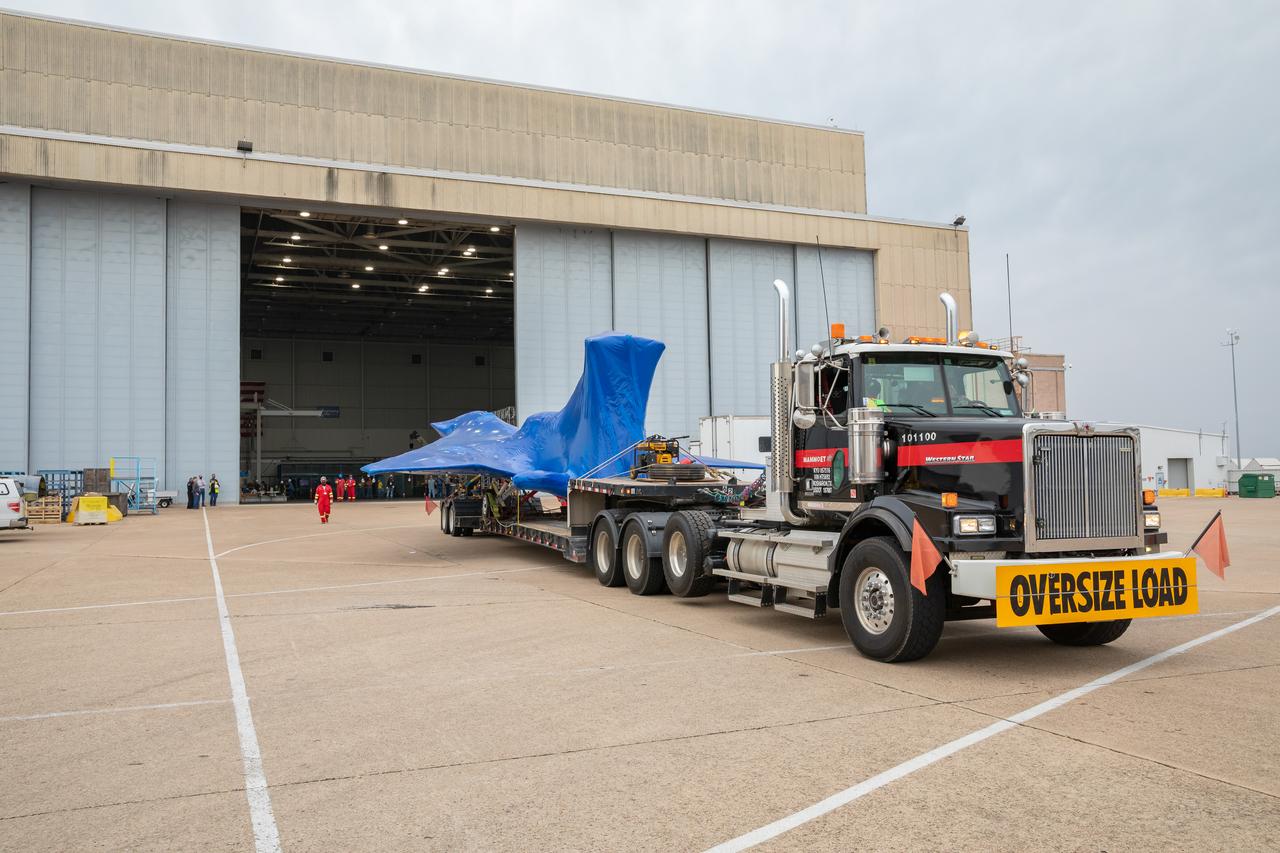
The X-59 arrives in Fort Worth, Texas from Palmdale, California, ready to undergo some important structural and fuel tests at the Lockheed Martin facility. The bright blue wrap around the X-plane is a precautionary measure to keep the exterior of the X-59 safe as it traveled through multiple states on its way to Texas.

Event: Horizontal Stabilator Install The Low Boom Flight Demonstrator manufacturing team installed the horizontal stabilizers to the aircraft. These are used along with the flight control computers to keep the airplane flying safely and providing the pitch control so that the pilot can fly the missions envisioned for the X-59.

This frame from a movie shows the asteroid 2012 DA14 flying safely by Earth, as seen by the Gingin Observatory in Australia around the time of its closest approach, 11:24:42 a.m. PST 2:24:42 p. The animation is available in the Planetary Photojournal.
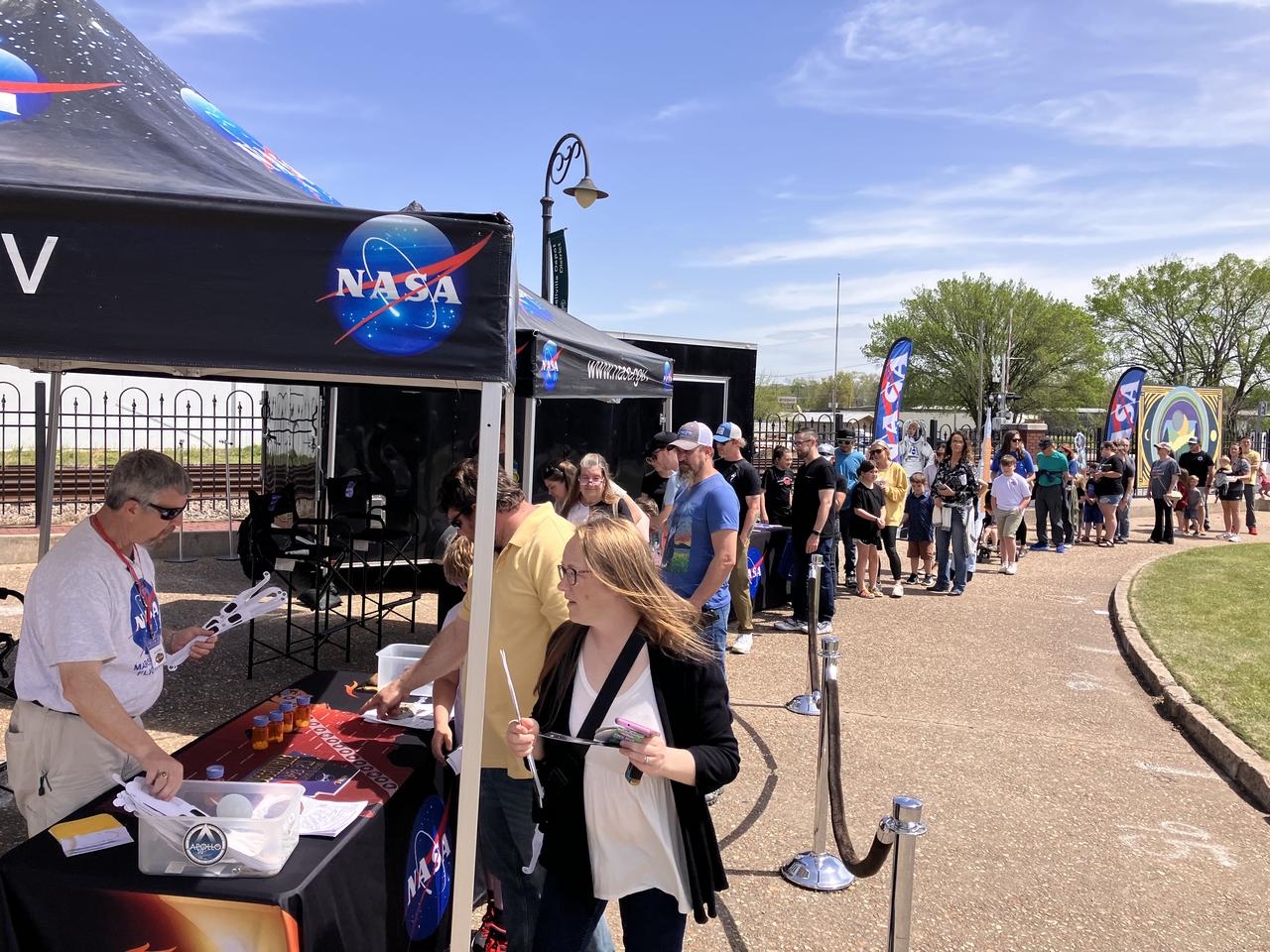
NASA gives out solar eclipse glasses for people to safely view the eclipse on April 8 in Russellville, Arkansas.
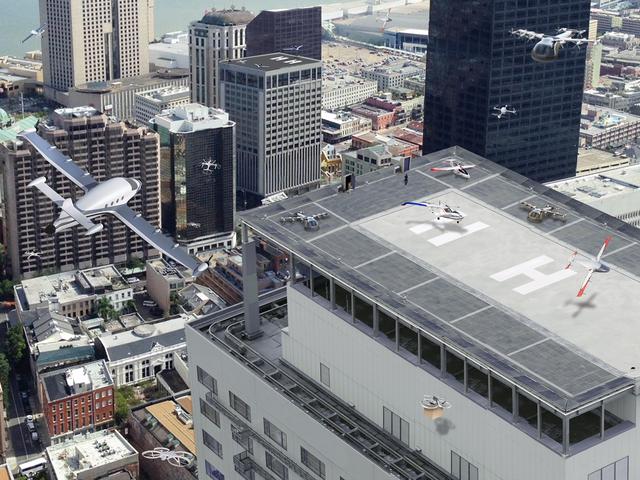
Urban air mobility means a safe and efficient system for vehicles, piloted or not, to move passengers and cargo within a city.
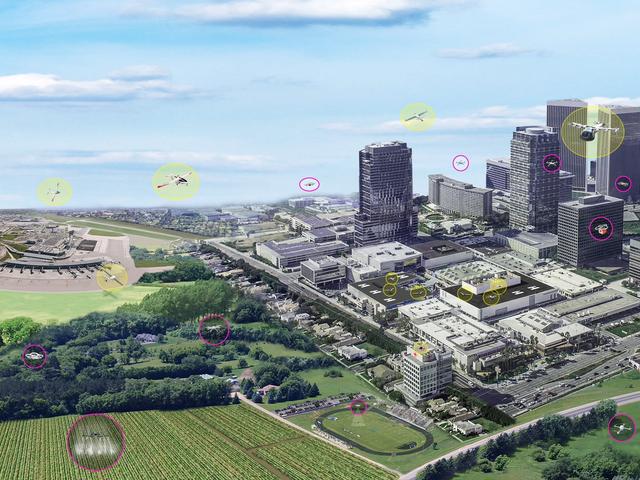
The concept of urban air mobility involves multiple aircraft safely operating within a city. (Yellow circles are vehicles with passengers; pink circles are vehicles without passengers.)
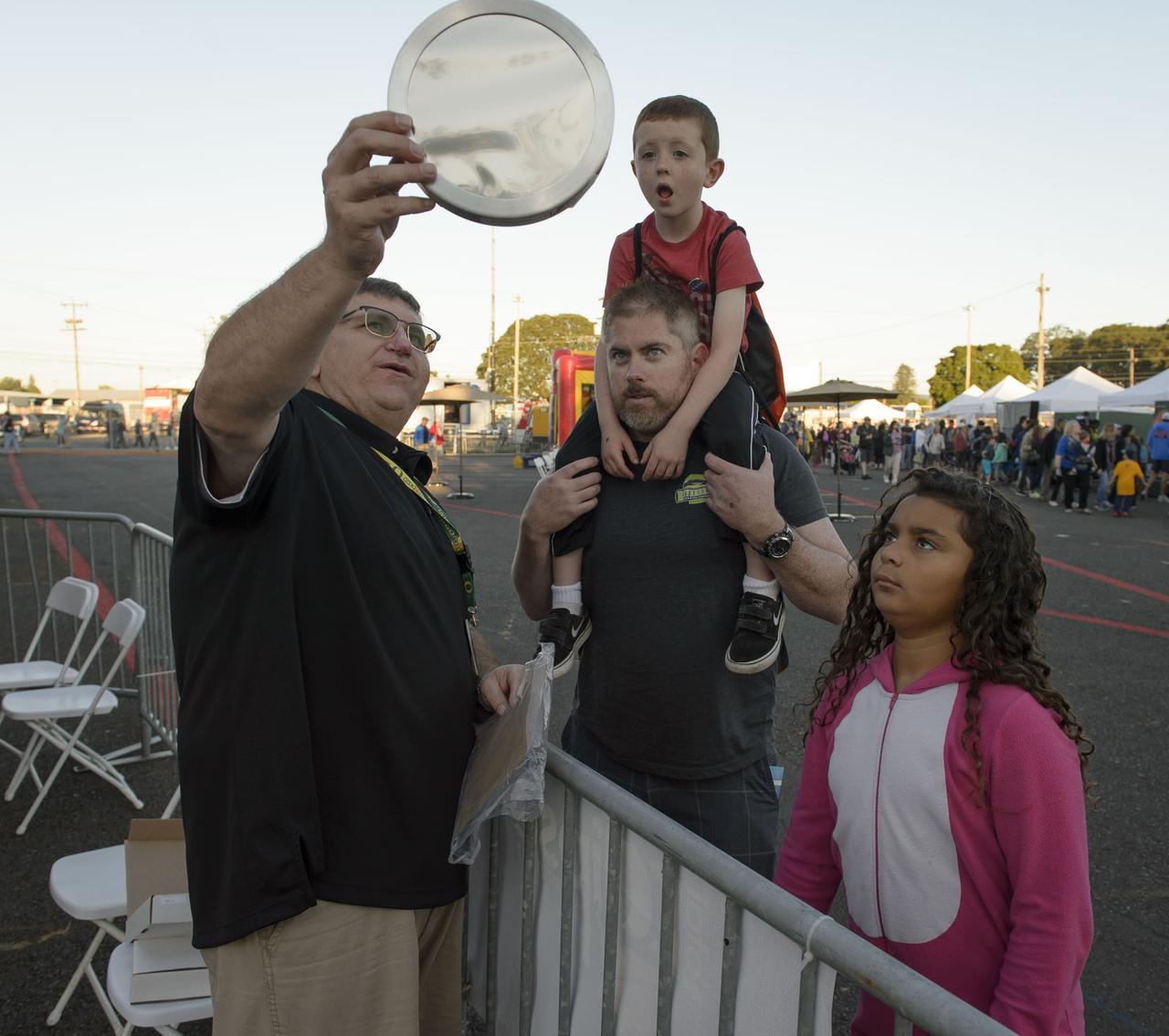
Bill Moede, Howard Video Productions, of the NASA Ames Video group explains how the filter that will be used on the camera to safely photograph the sun during the eclipse.
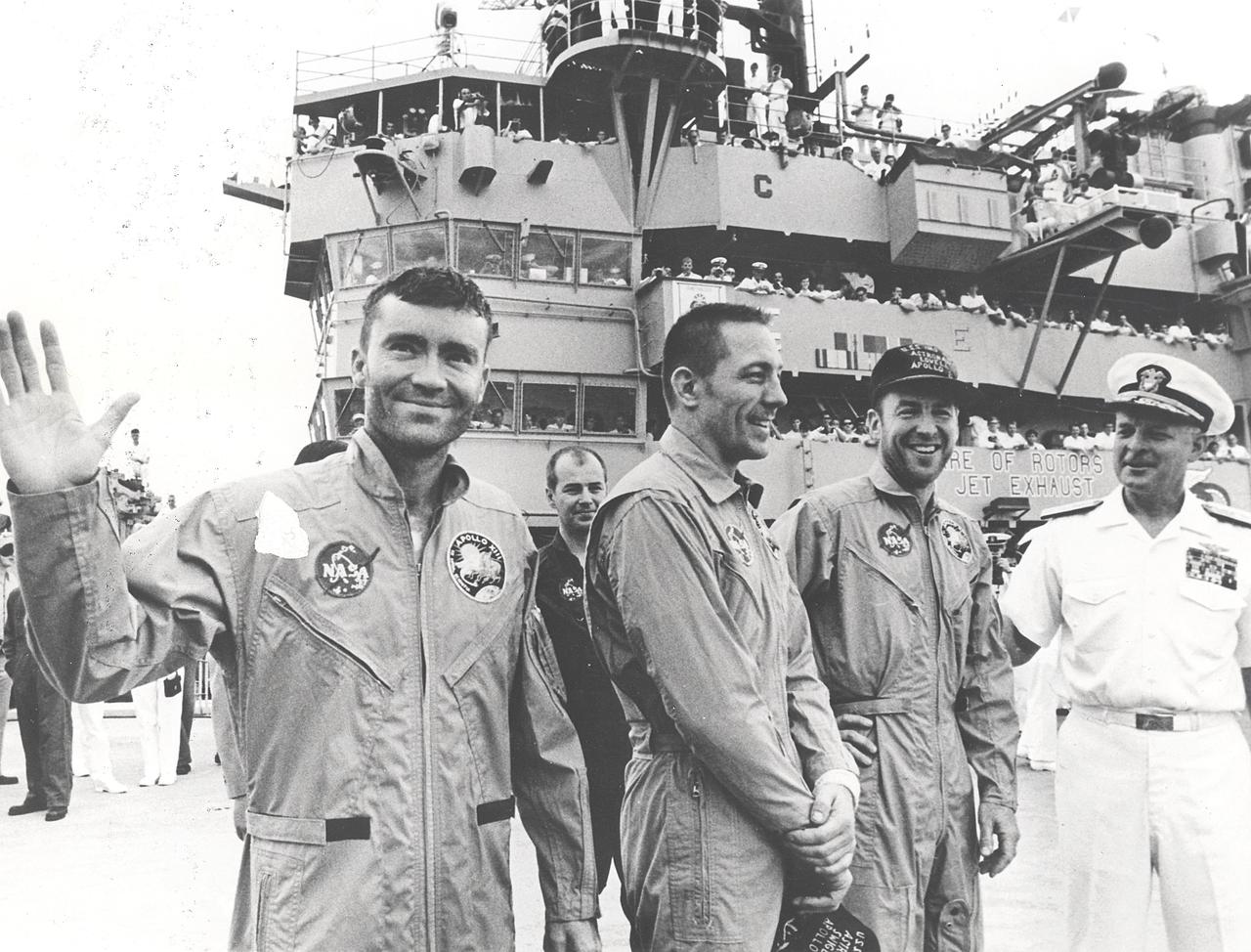
This photograph shows Apollo 13 astronauts Fred Haise, John Swigert, and James Lovell aboard the recovery ship, USS Iwo Jima after safely touching down in the Pacific Ocean at the end of their ill-fated mission. The mission was aborted after 56 hours of flight, 205,000 miles from Earth, when an oxygen tank in the service module exploded. The command module, Odyssey, brought the three astronauts back home safely.
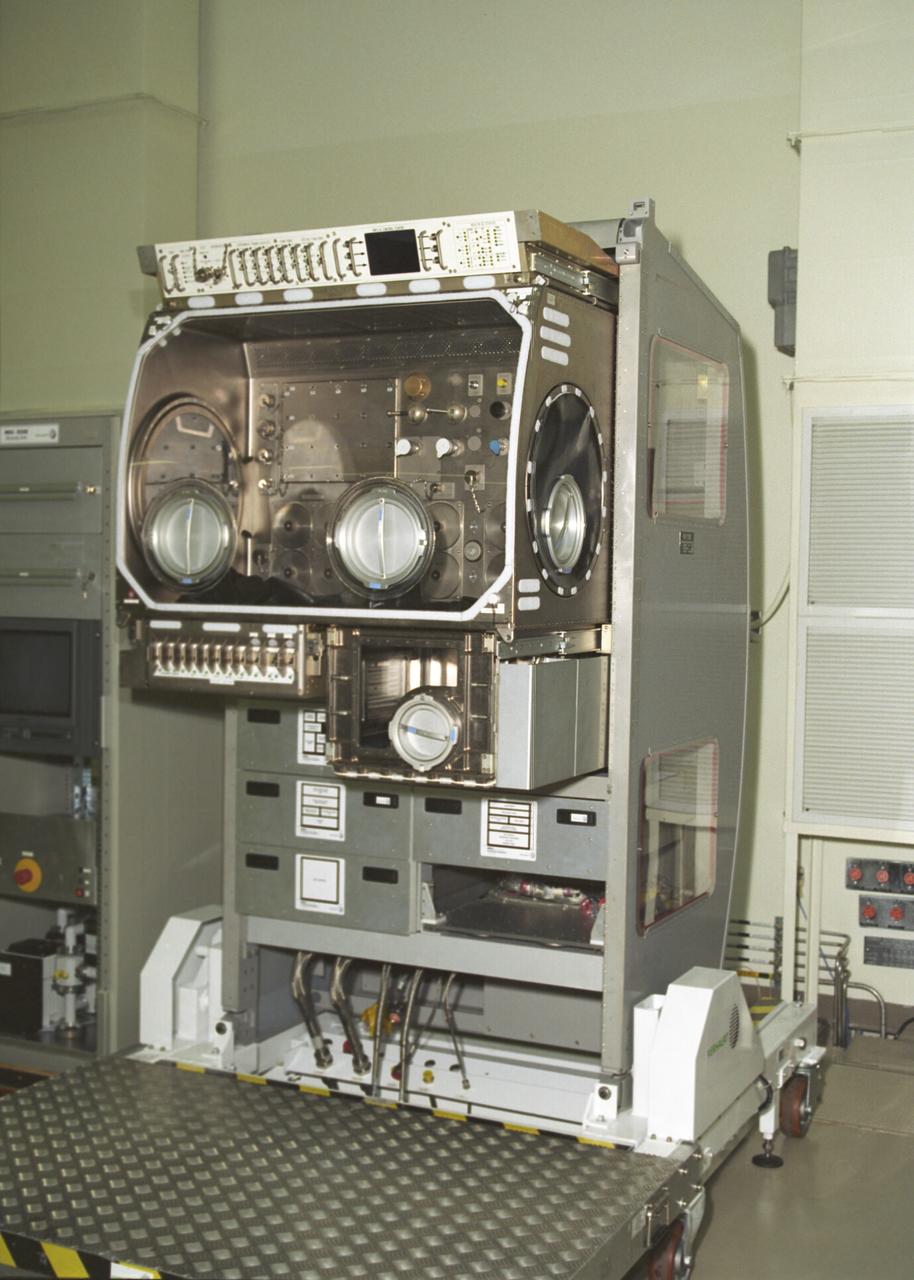
The Microgravity Science Glovebox Ground Unit, delivered to the Marshall Space Flight Center on August 30, 2002, will be used at Marshall's Microgravity Development Laboratory to test experiment hardware before it is installed in the flight glovebox aboard the International Space Station (ISS) U.S. Laboratory Module, Destiny. The glovebox is a sealed container with built in gloves on its sides and fronts that enables astronauts to work safely with experiments that involve fluids, flames, particles, and fumes that need to be safely contained.

KENNEDY SPACE CENTER, FLA. - John H. Young is the commander for the STS-1 mission of the Space Shuttle Orbiter Columbia. The STS-1 mission, known as a shuttle systems test flight, will seek to demonstrate safe launch into orbit and safe return of the orbiter and crew and verify the combined performance of the entire shuttle vehicle -- orbiter, solid rocket boosters and external tank. STS-1 will be launched from Pad A at the Kennedy Space Center's Launch Complex 39 no earlier than March 1981.
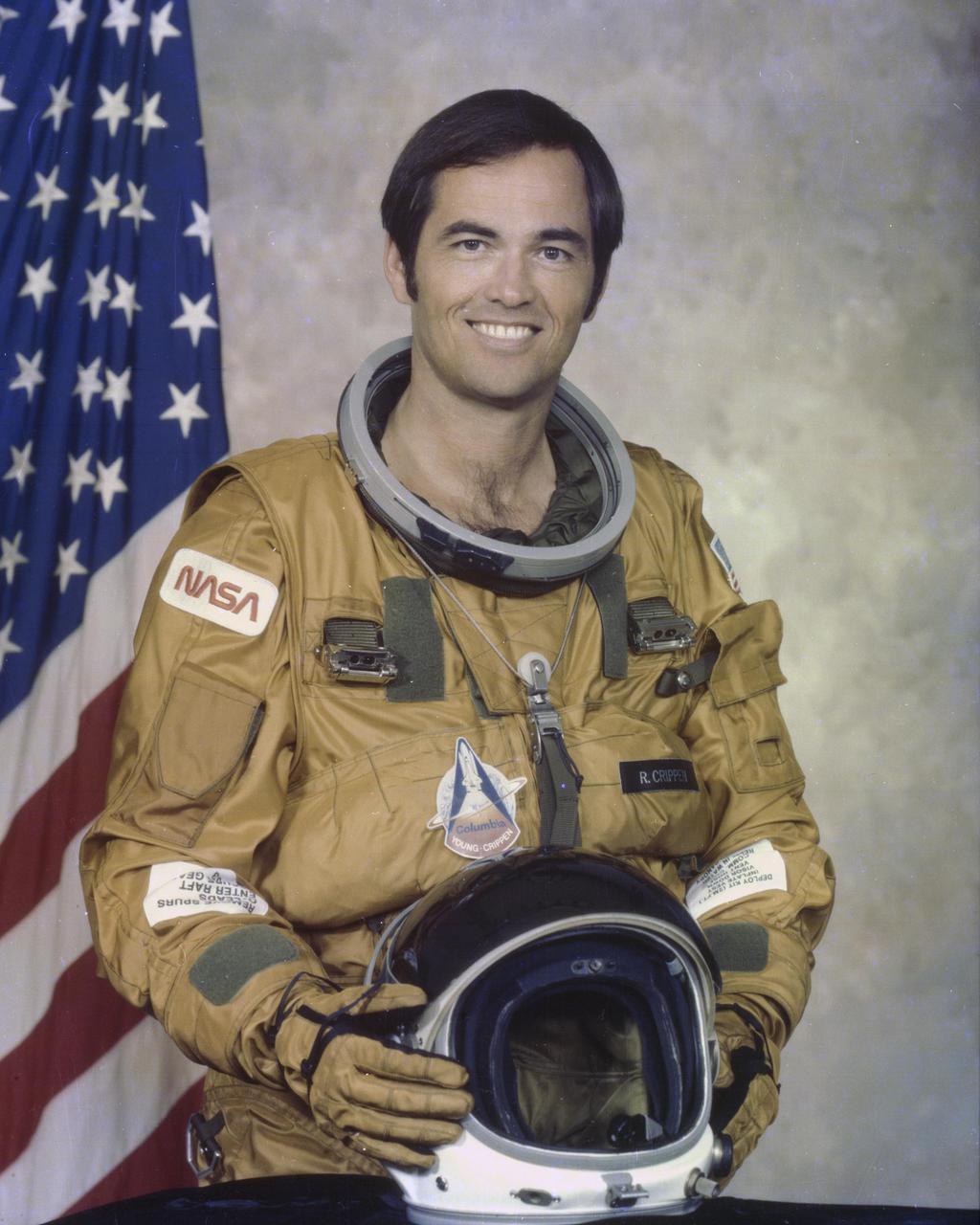
KENNEDY SPACE CENTER, FLA. - Robert L. Crippen, Pilot for the STS-1 mission of the Space Shuttle Orbiter Columbia. The STS-1 mission, known as a shuttle systems test flight, will seek to demonstrate safe launch into orbit and safe return of the orbiter and crew and verify the combined performance of the entire shuttle vehicle -- orbiter, solid rocket boosters and external tank. STS-1 will be launched from Pad A at the Kennedy Space Center's Launch Complex 39 no earlier than March 1981.
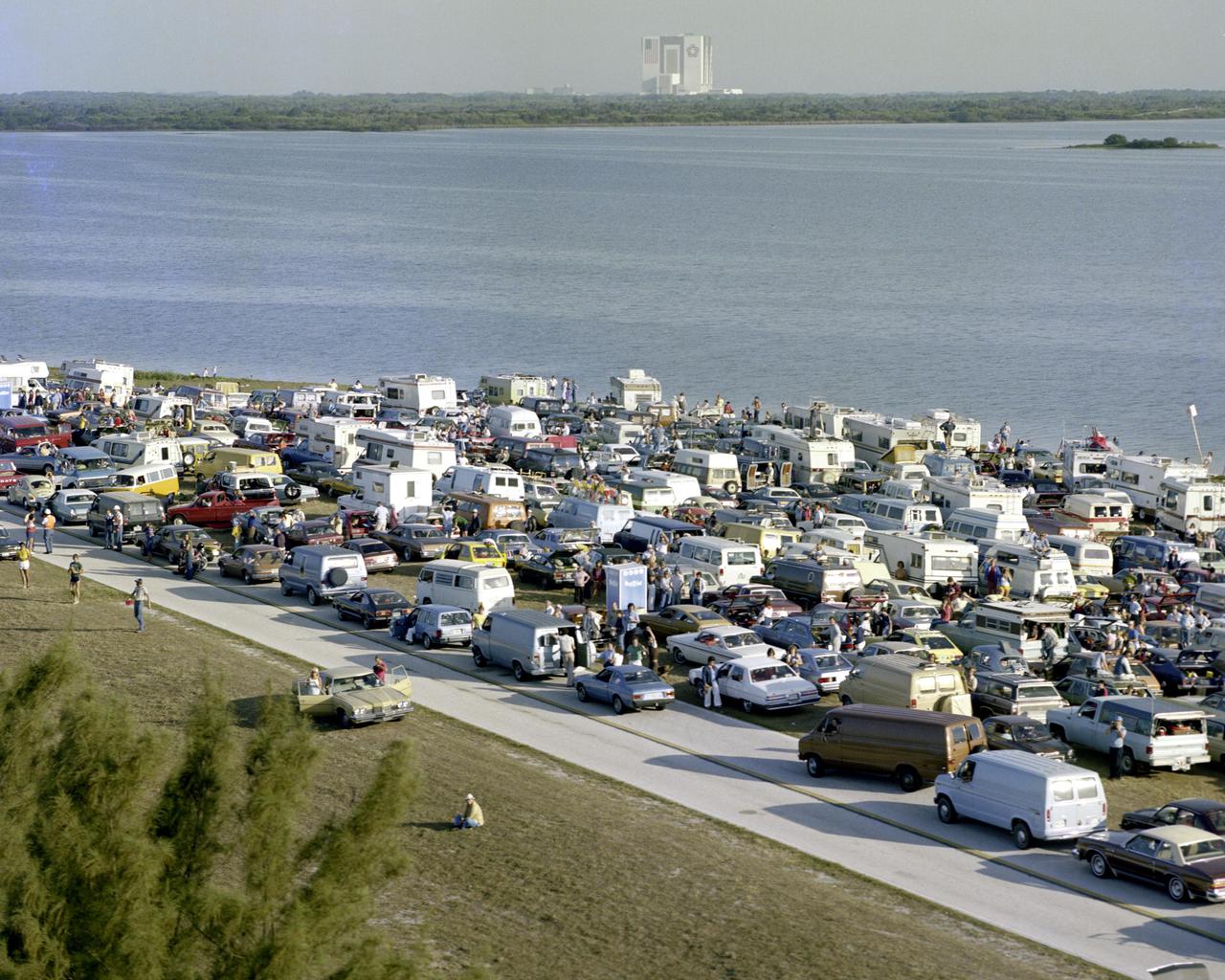
KENNEDY SPACE CENTER, FLA. - Thousands of Space Center guests line the NASA Causeway awaiting the first launch of the Space Shuttle. The Vehicle Assembly Building where the orbiter is mated to the solid rocket boosters and the external tank, is visible in the distance. The STS-1 mission, known as a shuttle systems test flight, will seek to demonstrate safe launch into orbit and safe return of the orbiter and crew and verify the combined performance of the entire shuttle vehicle -- orbiter, solid rocket boosters and external tank.

Engineers at NASA's Jet Propulsion Laboratory dropped this prototype to learn how a future Sample Return Lander could safely touch down on Mars. The lander would be part of the Mars Sample Return campaign. NASA's Mars Sample Return will revolutionize our understanding of Mars by returning scientifically-selected samples for study using the most sophisticated instruments around the world. The mission will fulfill a solar system exploration goal, a high priority since 1980 and the last two National Academy of Sciences Planetary Decadal Surveys. This strategic partnership of NASA and ESA (European Space Agency) will be the first mission to return samples from another planet, including the first launch and return from the surface of another planet. These samples collected by Perseverance during its exploration of an ancient river-delta are thought to be the best opportunity to reveal the early evolution of Mars, including the potential for life. Movie available at https://photojournal.jpl.nasa.gov/catalog/PIA24766
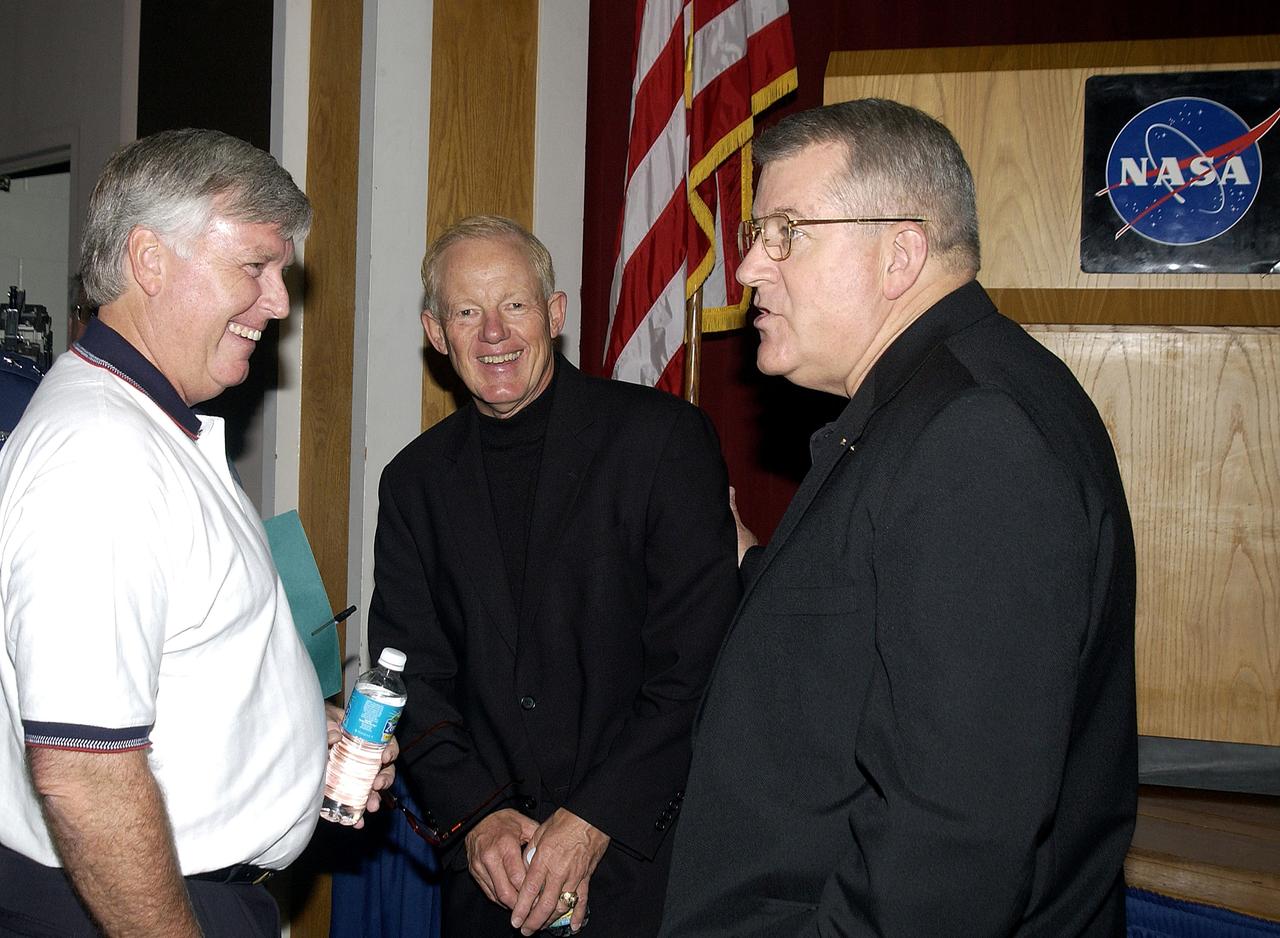
KENNEDY SPACE CENTER, FLA. - Before the start of the kickoff presentation for Spaceport Super Safety and Health Day, Center Director Jim Kennedy (left) chats with guest speaker Capt. Charles Plumb (USNR retired) and United Space Alliance Vice President and Deputy Program Manager, Florida Operations, Bill Pickavance. Spaceport Super Safety and Health Day is an annual event at KSC and Cape Canaveral Air Force Station dedicated to reinforcing safe and healthful behaviors in the workforce. Safety Awards were also given to individuals and groups.
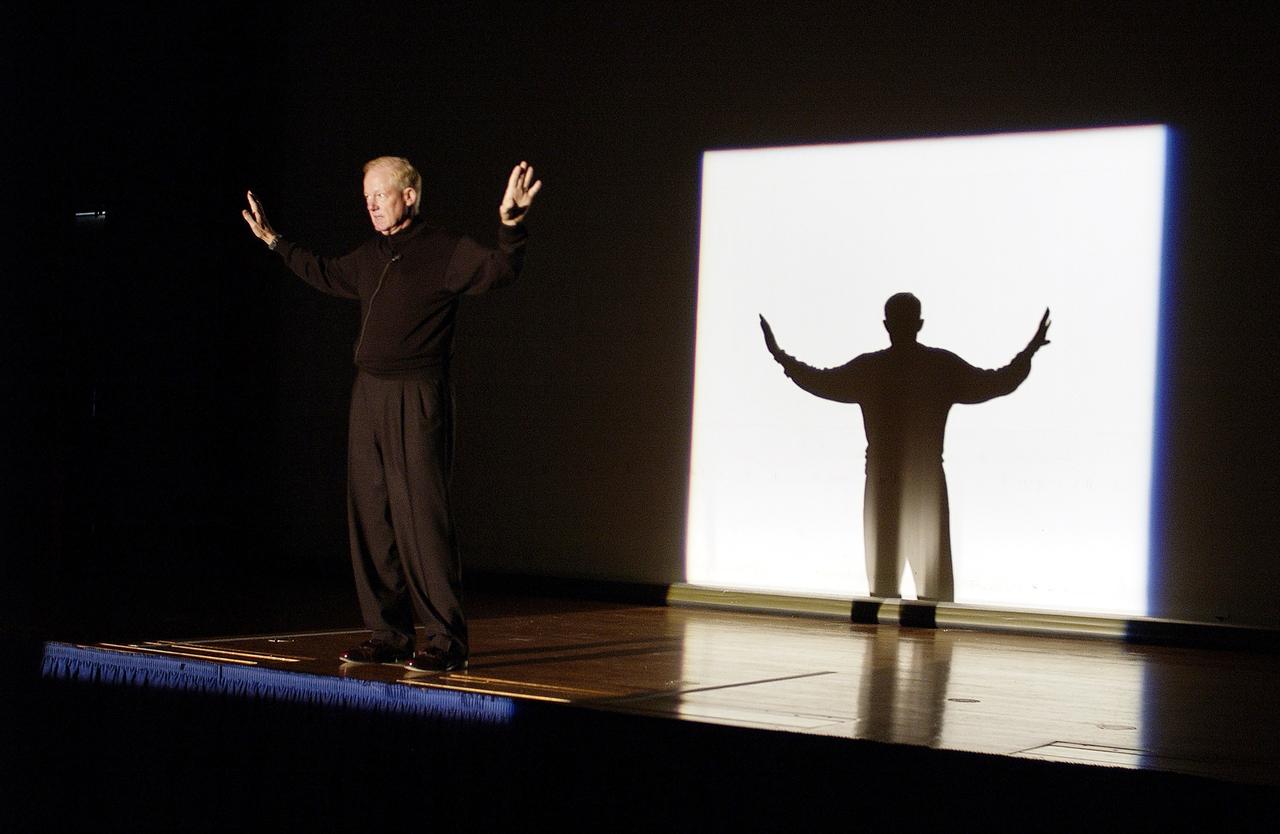
KENNEDY SPACE CENTER, FLA. - Capt. Charles Plumb (USNR retired) begins his dramatic presentation of his six years as a prisoner of war in Vietnam. The block of light on the stage represented the size of the cell he was confined in. Plumb was keynote speaker for the kickoff of Spaceport Super Safety and Health Day at KSC, an annual event dedicated to reinforcing safe and healthful behaviors in the workforce.
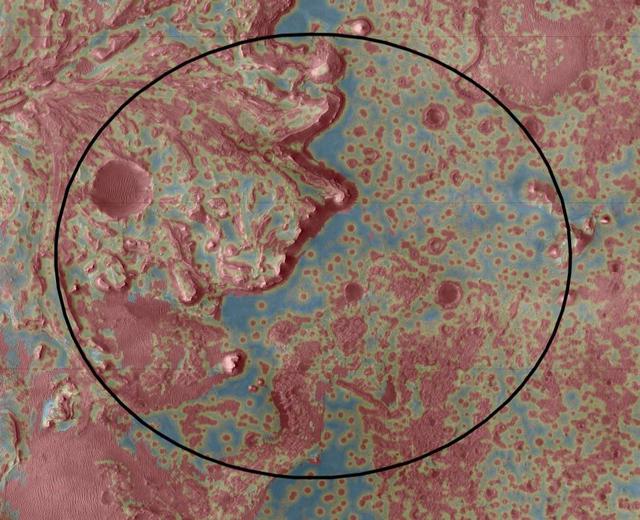
The Mars 2020 Perseverance rover will rely on data depicted in this Hazard Map to help guide it to a safe landing. Landing hazards are depicted in red; safer areas are colored blue and green. To select the best location to touch down while avoiding damage to the rover, the spacecraft's Terrain-Relative Navigation system will take images of the terrain below as Perseverance descends through the atmosphere. Computers aboard the rover will then compare these images with its onboard map — the best ever created for a space mission — and adjust course as needed. Terrain-Relative Navigation has enabled the mission to select Jezero Crater as its landing site. Scientists believe an ancient river flowed into a lake there and deposited sediments in a fan shape known as a delta. Such an environment was likely to have preserved signs of any life that gained a foothold billions of years ago. But while the region has high astrobiological potential, it is also very hazardous, with dunes, cliffs and boulder-strewn areas that pose a huge challenge for landing. https://photojournal.jpl.nasa.gov/catalog/PIA24167
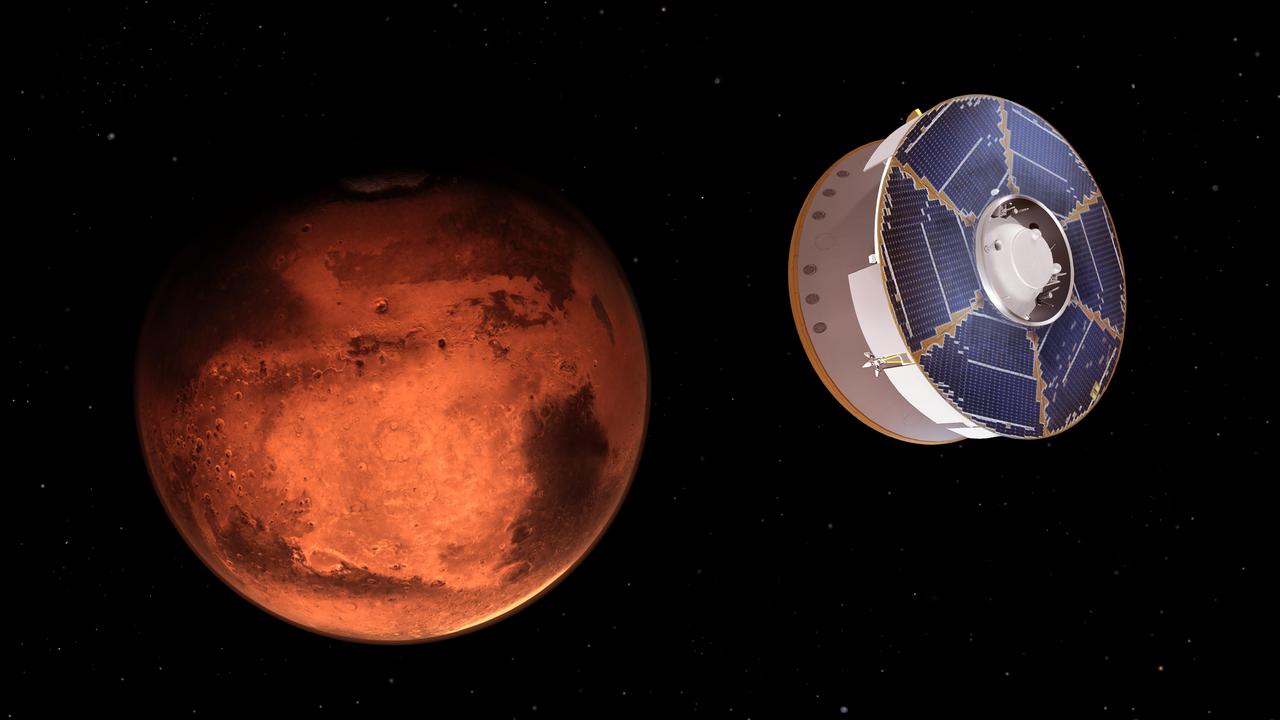
This illustration shows NASA's Mars 2020 spacecraft carrying the Perseverance rover as it approaches Mars. Hundreds of critical events must execute perfectly and exactly on time for the rover to land on Mars safely on Feb. 18, 2021. Solar panels powering the spacecraft are visible on the cruise state at the top. The cruise stage is attached to the aeroshell, which encloses the rover and descent stage. Entry, Descent, and Landing, or "EDL," begins when the aeroshell reaches the top of the Martian atmosphere, traveling nearly 12,500 mph (20,000 kph). It ends about seven minutes later, with Perseverance stationary on the Martian surface. https://photojournal.jpl.nasa.gov/catalog/PIA24311
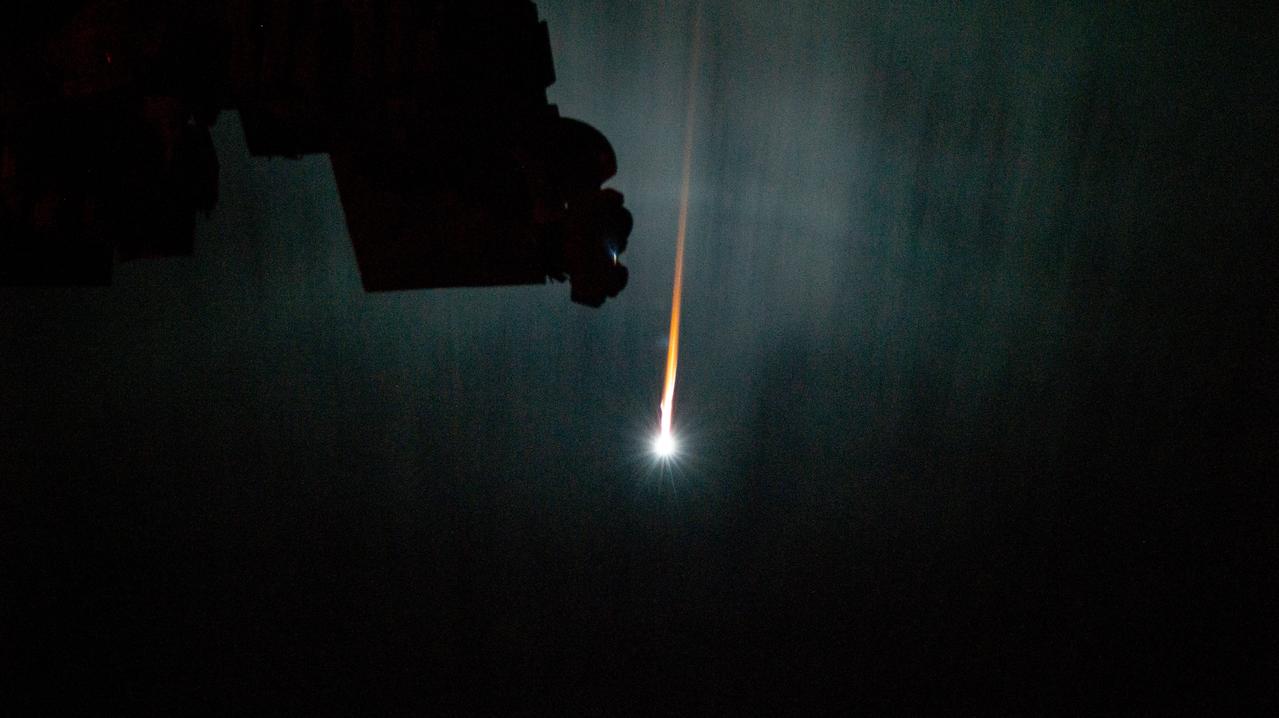
iss067e102149 (June 1, 2022) --- The ISS Progress 79 resupply ship from Roscosmos leaves a plasma trail as it reenters Earth's atmosphere for a fiery, but safe demise above the Pacific Ocean.
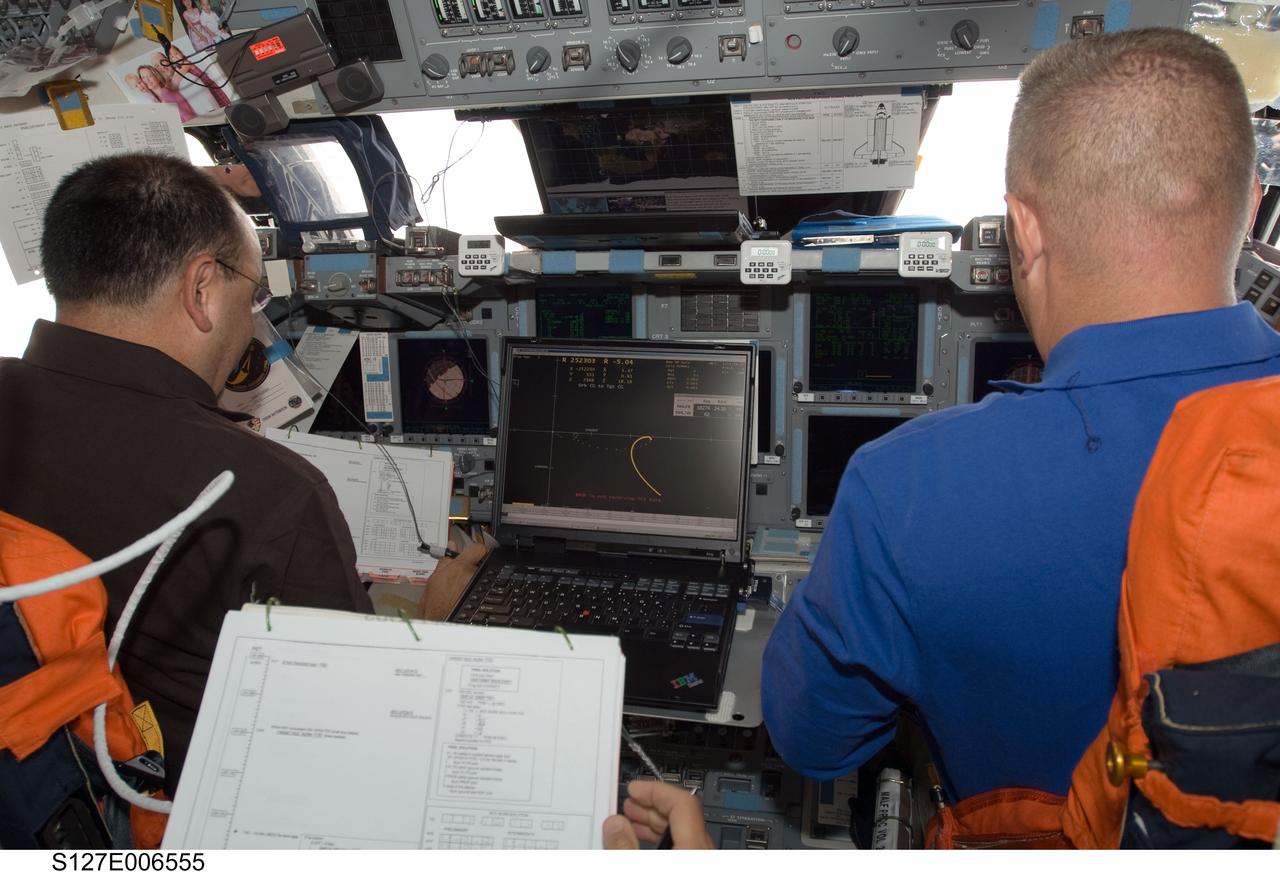
S127-E-006555 (17 July 2009) --- Astronauts Mark Polansky (left) and Doug Hurley, at the commander and pilot stations, respectively, do their part to safely dock the Space Shuttle Endeavour with the International Space Station.
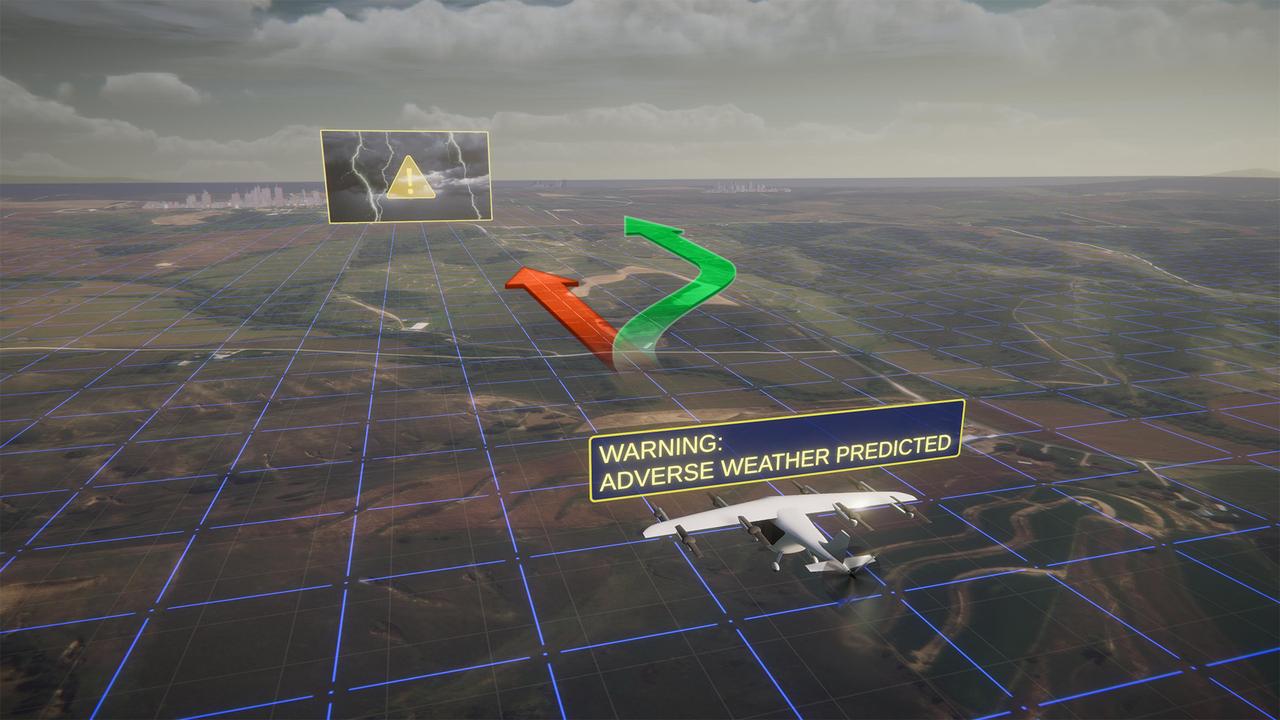
NASA's Advanced Air Mobility mission is helping to ensure this new class of aircraft that industry is developing is safe to operate. This concept art represents how the addition of automated technologies on the aircraft like hazard avoidance could help.
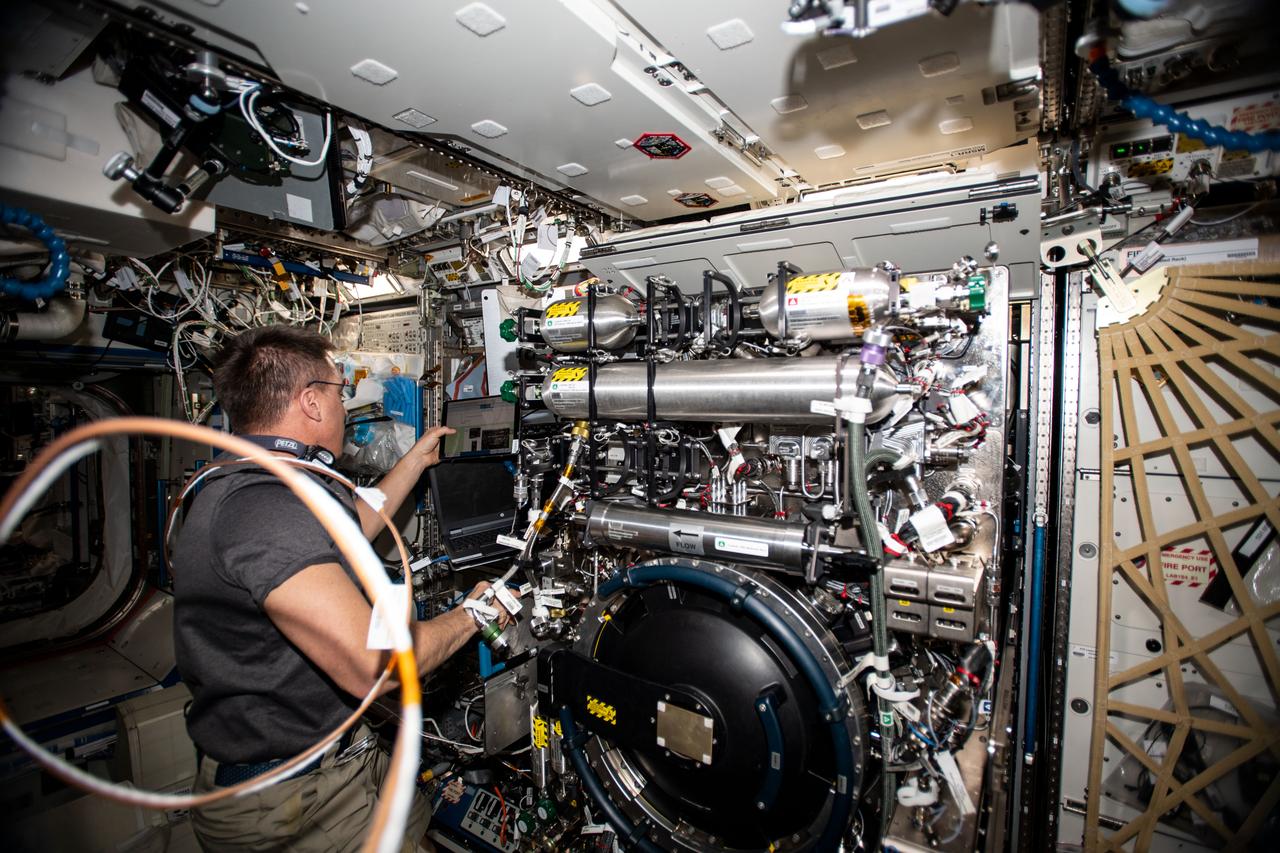
iss063e002825 (April 23, 2020) --- NASA astronaut and Expedition 63 Commander Chris Cassidy works on the Combustion Integrated Rack replacing components in the research device that enables safe fuel, flame and soot studies in microgravity.
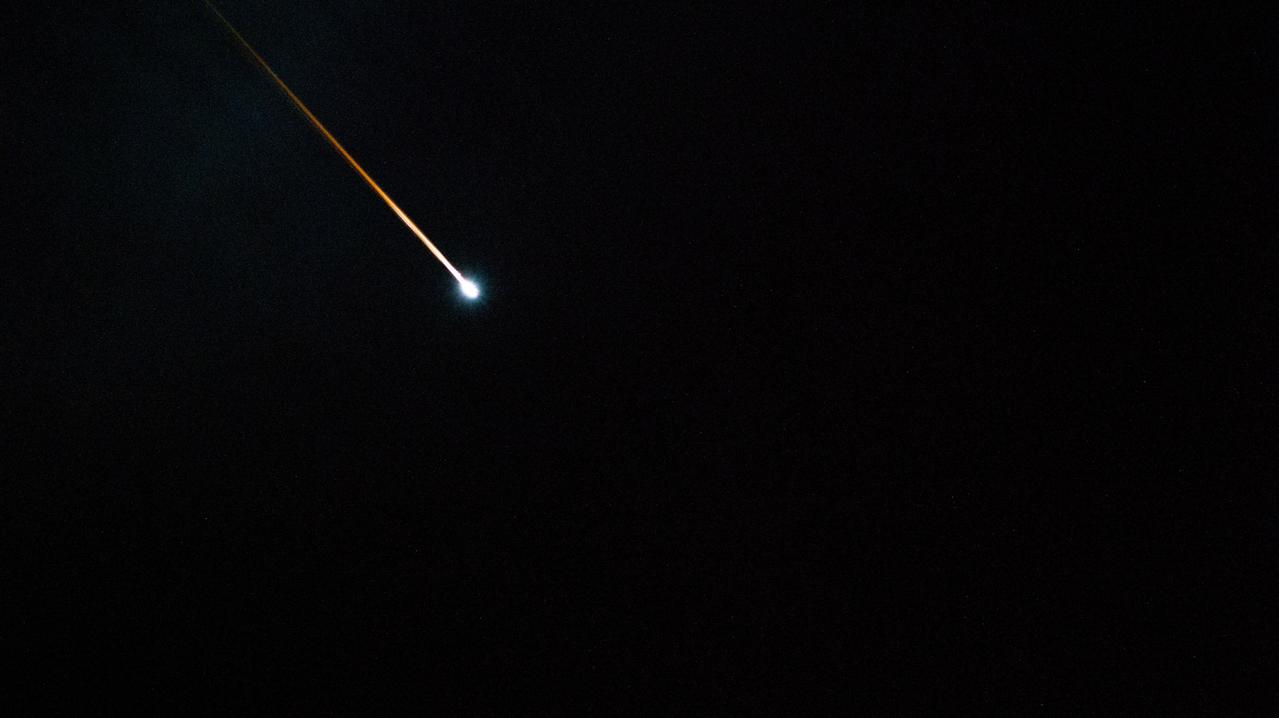
iss067e102151 (June 1, 2022) --- The ISS Progress 79 resupply ship from Roscosmos leaves a plasma trail as it reenters Earth's atmosphere for a fiery, but safe demise above the Pacific Ocean.
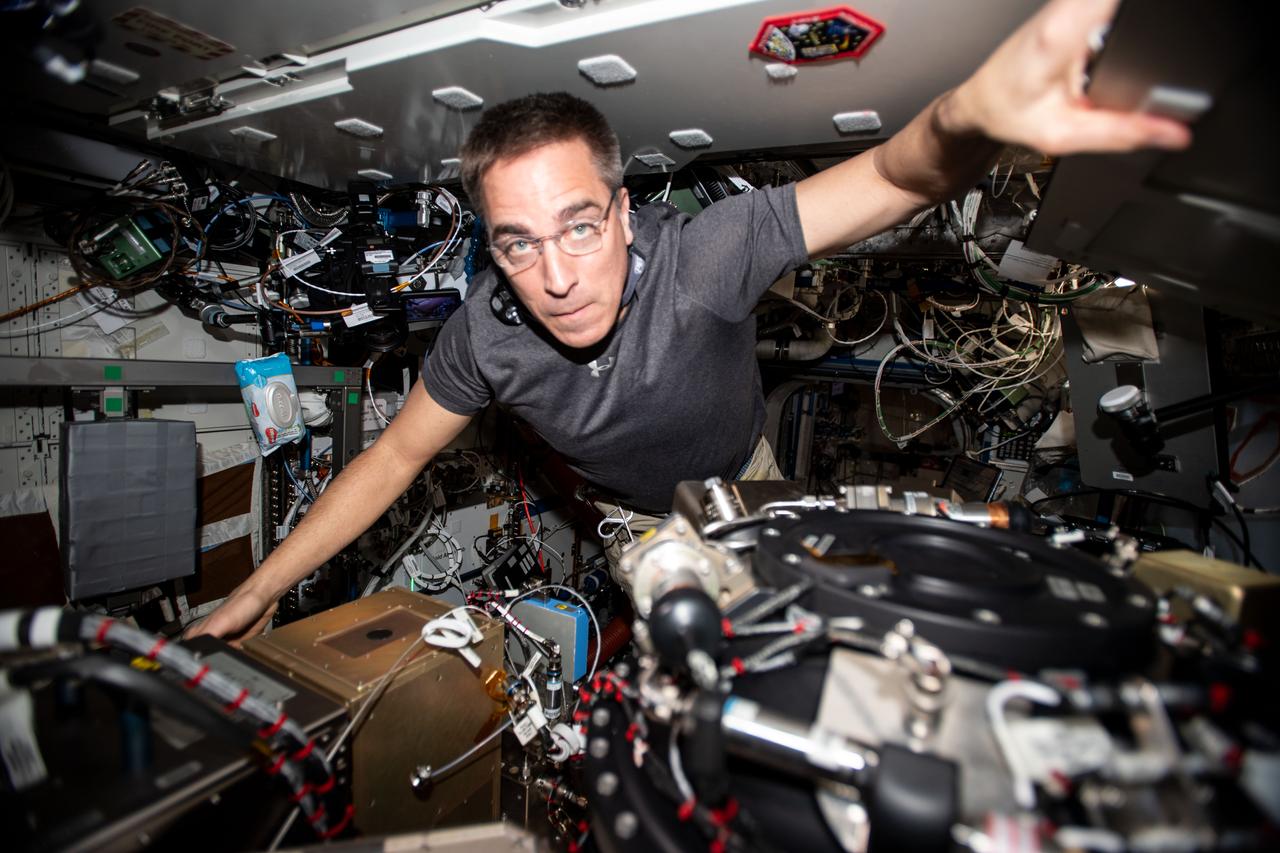
iss063e002821 (April 23, 2020) --- NASA astronaut and Expedition 63 Commander Chris Cassidy performs maintenance on the Combustion Integrated Rack, a research device that enables safe fuel, flame and soot studies in microgravity.
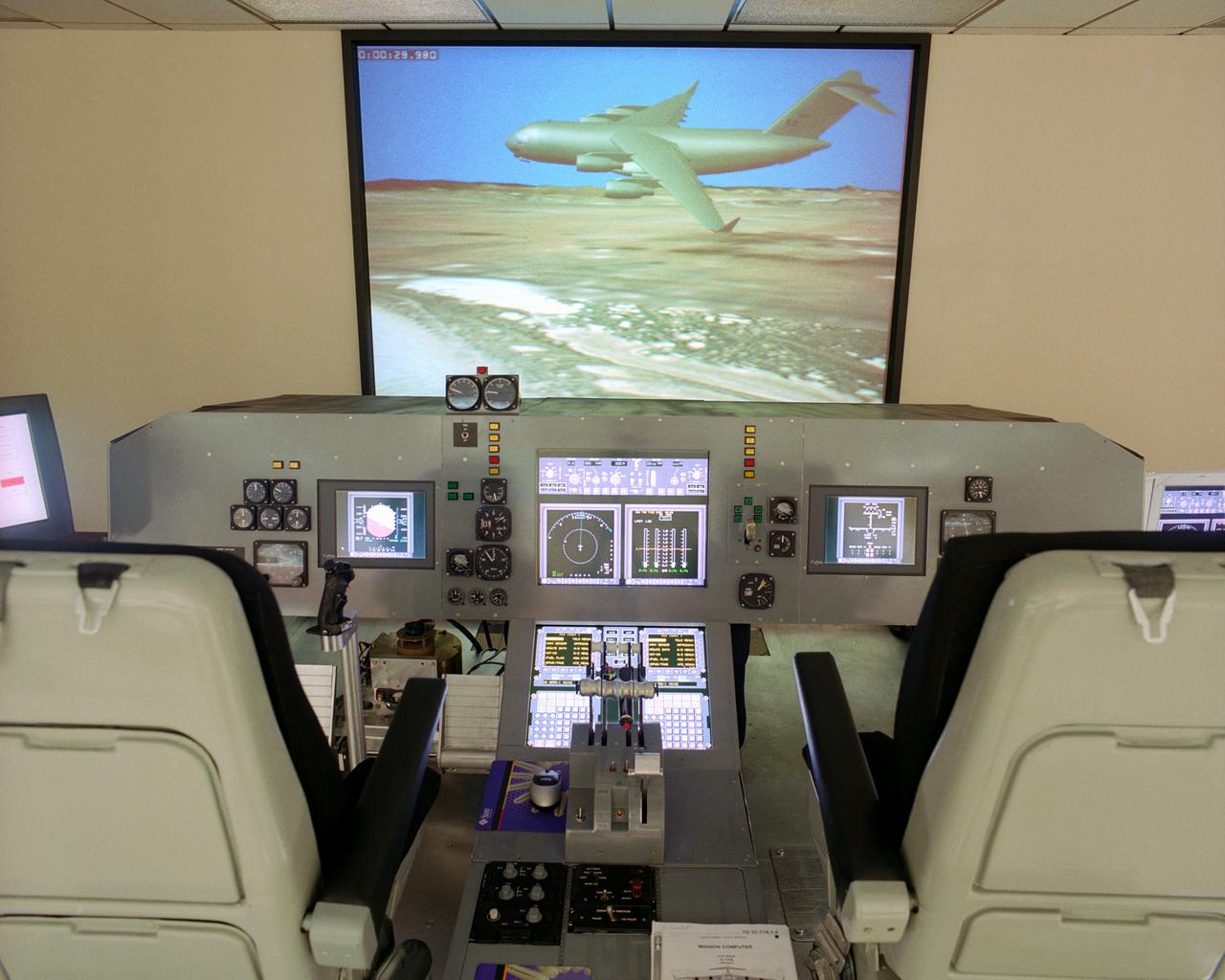
The C-17 simulator at NASA's Dryden Flight Research Center, Edwards, California. Simulators offer a safe and economical alternative to actual flights to gather data, as well as being excellent facilities for pilot practice and training.
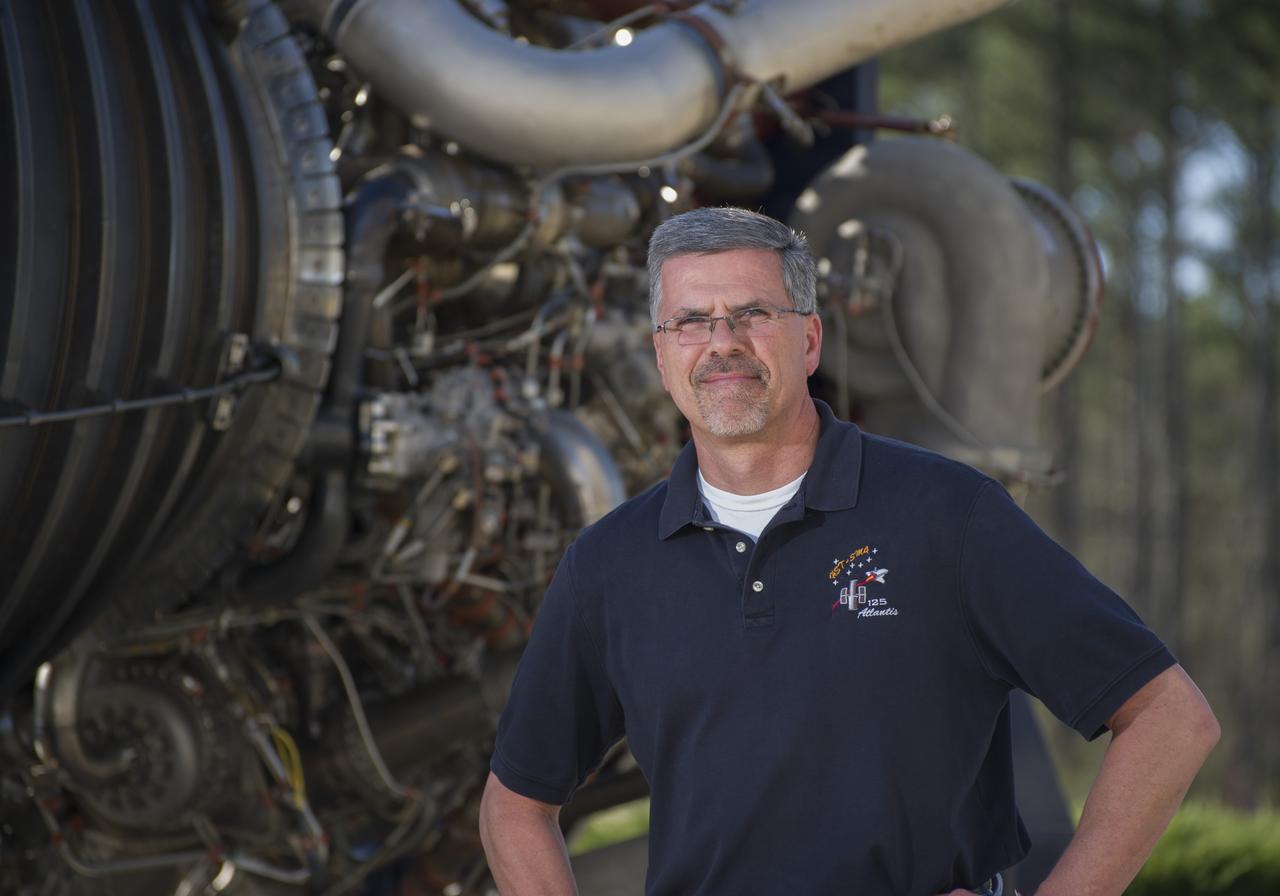
CHIEF ENGINEER OF THE LAUNCH VEHICLE FOR NASA'S COMMERCIAL CREW PROGRAM, DAN DORNEY GUIDES THE TEAM EVALUATING THE VEHICLES CREATED BY INDUSTRY PARTNERS AND ENSURES THE ROCKETS MEET THE REQUIREMENTS TO SAFELY CARRY ASTRONAUTS TO THE INTERNATIONAL SPACE STATION.
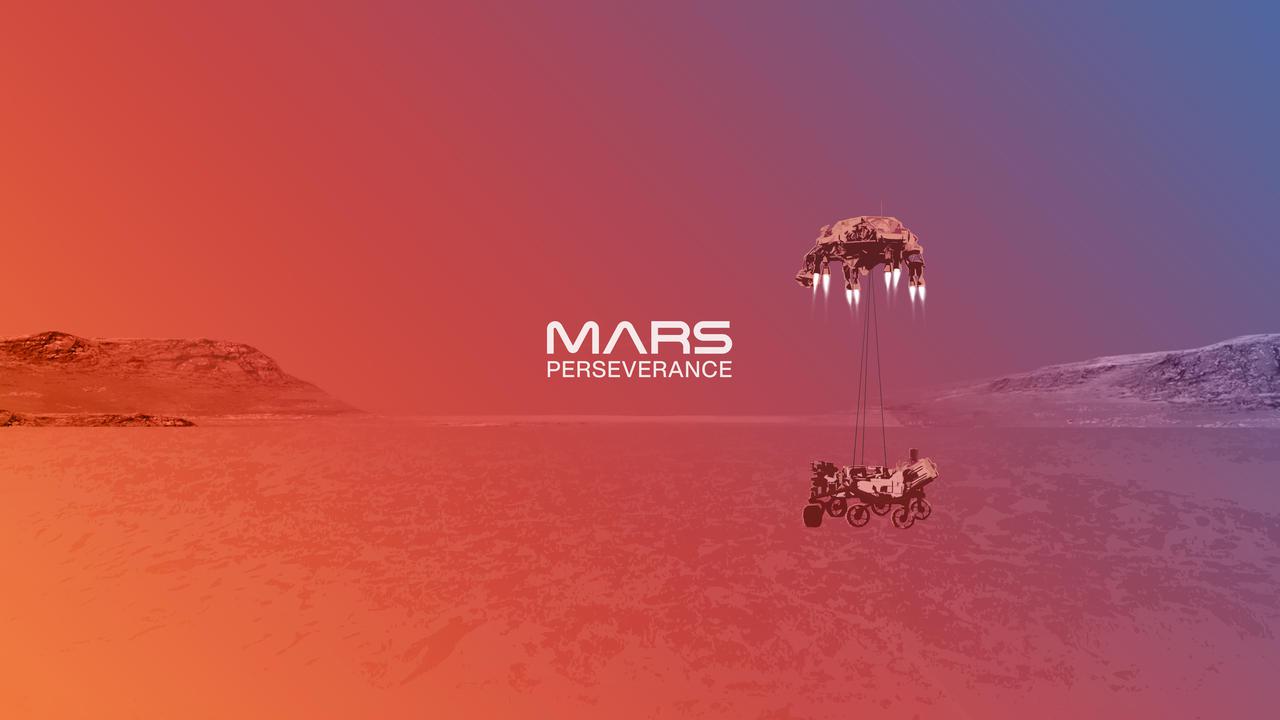
An illustration of NASA's Perseverance rover landing on Mars. Hundreds of critical events must execute perfectly and exactly on time for the rover to land safely on Feb. 18, 2021. https://photojournal.jpl.nasa.gov/catalog/PIA24345
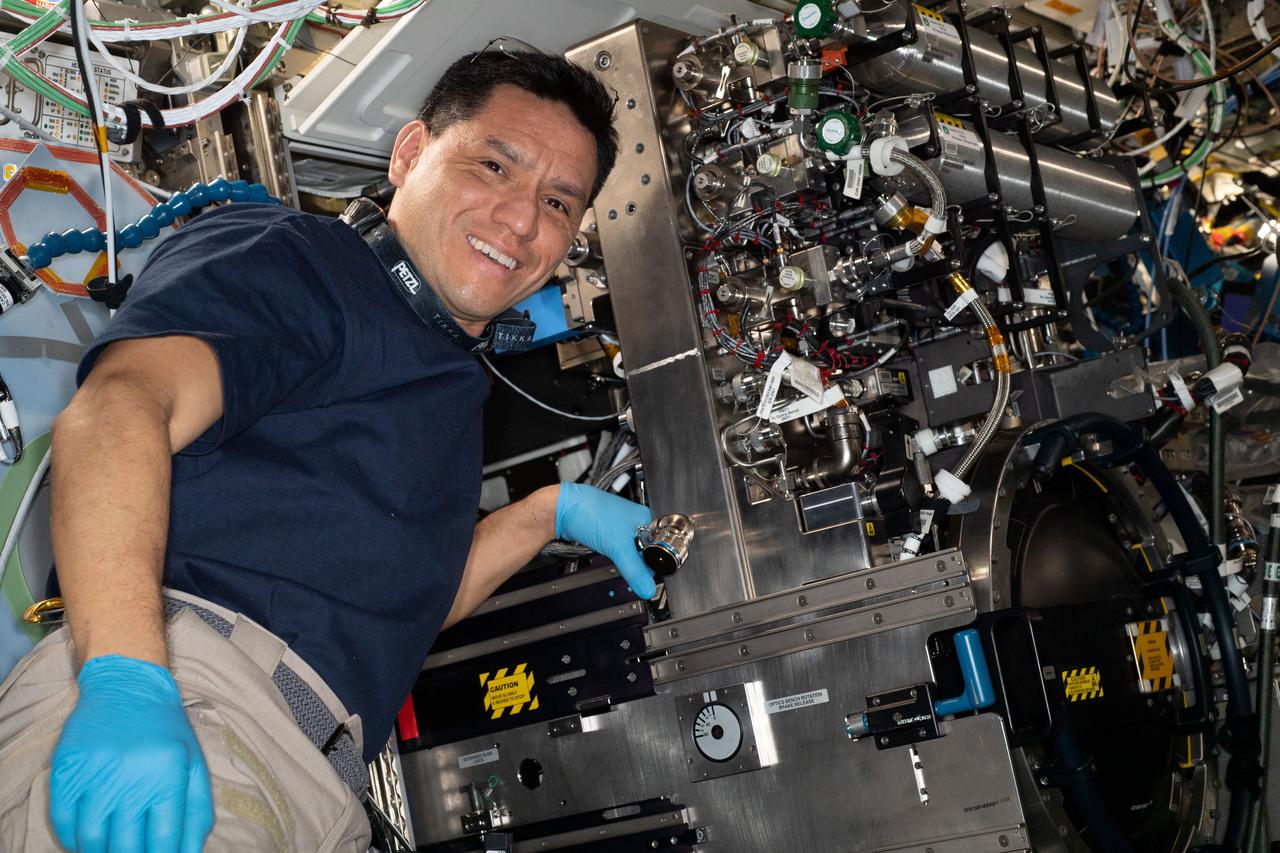
iss068e027723 (Dec. 7, 2022) --- NASA astronaut and Expedition 68 Flight Engineer Frank Rubio replaces components inside the Combustion Integrated Rack, a research facility that enables safe observations of flame, fuel, and soot phenomena in microgravity.

An illustration of NASA's Perseverance rover landing on Mars. Hundreds of critical events must execute perfectly and exactly on time for the rover to land safely on Feb. 18, 2021. https://photojournal.jpl.nasa.gov/catalog/PIA24342
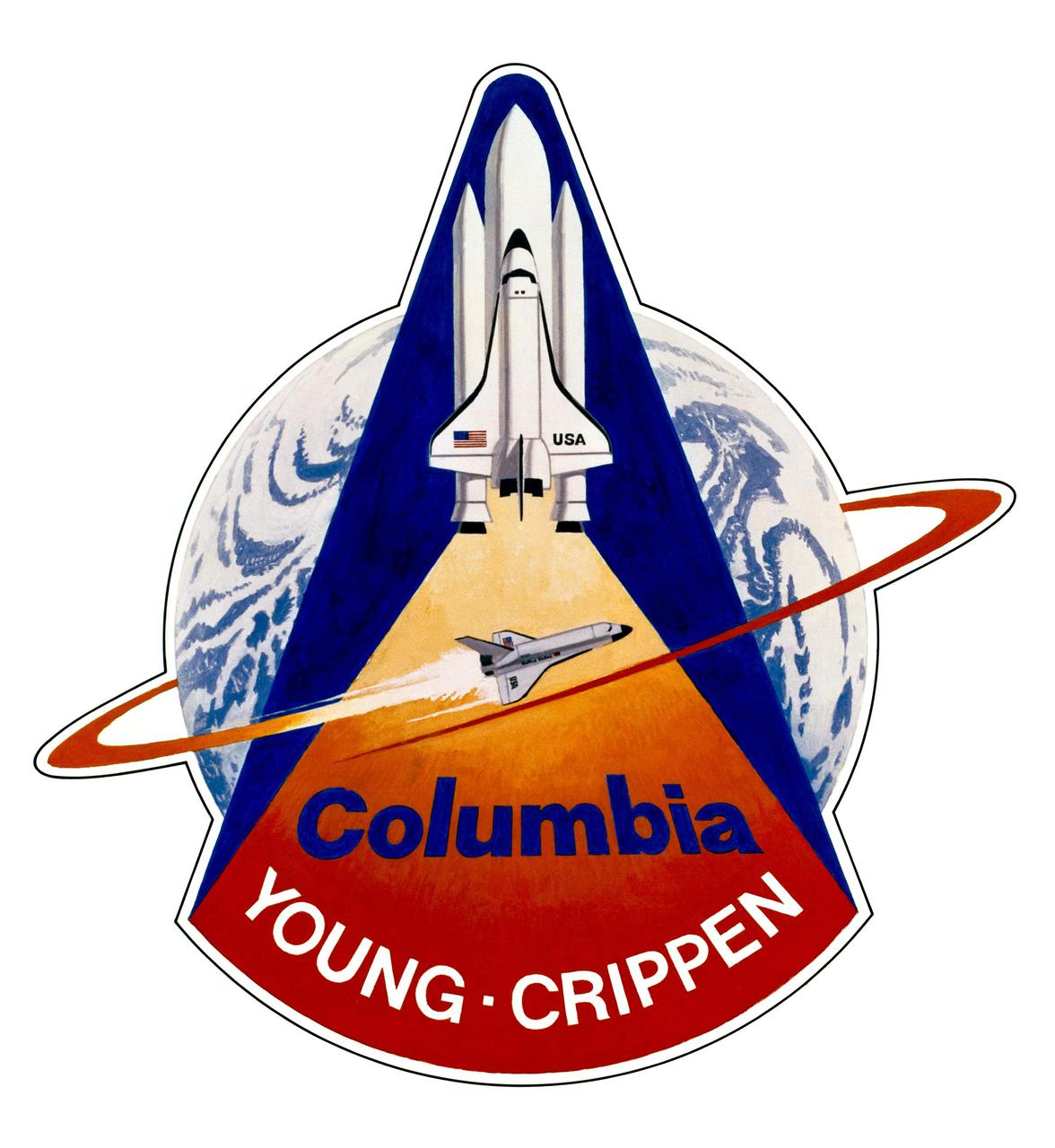
KENNEDY SPACE CENTER, FLA. - This is the official insignia for the first Space Shuttle orbital flight test (STS-1). Crew of the OV-102 Columbia on STS-1 will be astronauts John W. Young, commander, and Robert L. Crippen, pilot. The artwork was done by artist Robert McCall. The STS-1 mission, known as a shuttle systems test flight, will seek to demonstrate safe launch into orbit and safe return of the orbiter and crew and verify the combined performance of the entire shuttle vehicle -- orbiter, solid rocket boosters and external tank. STS-1 will be launched from Pad A at the Kennedy Space Center's Launch Complex 39 no earlier than March 1981.
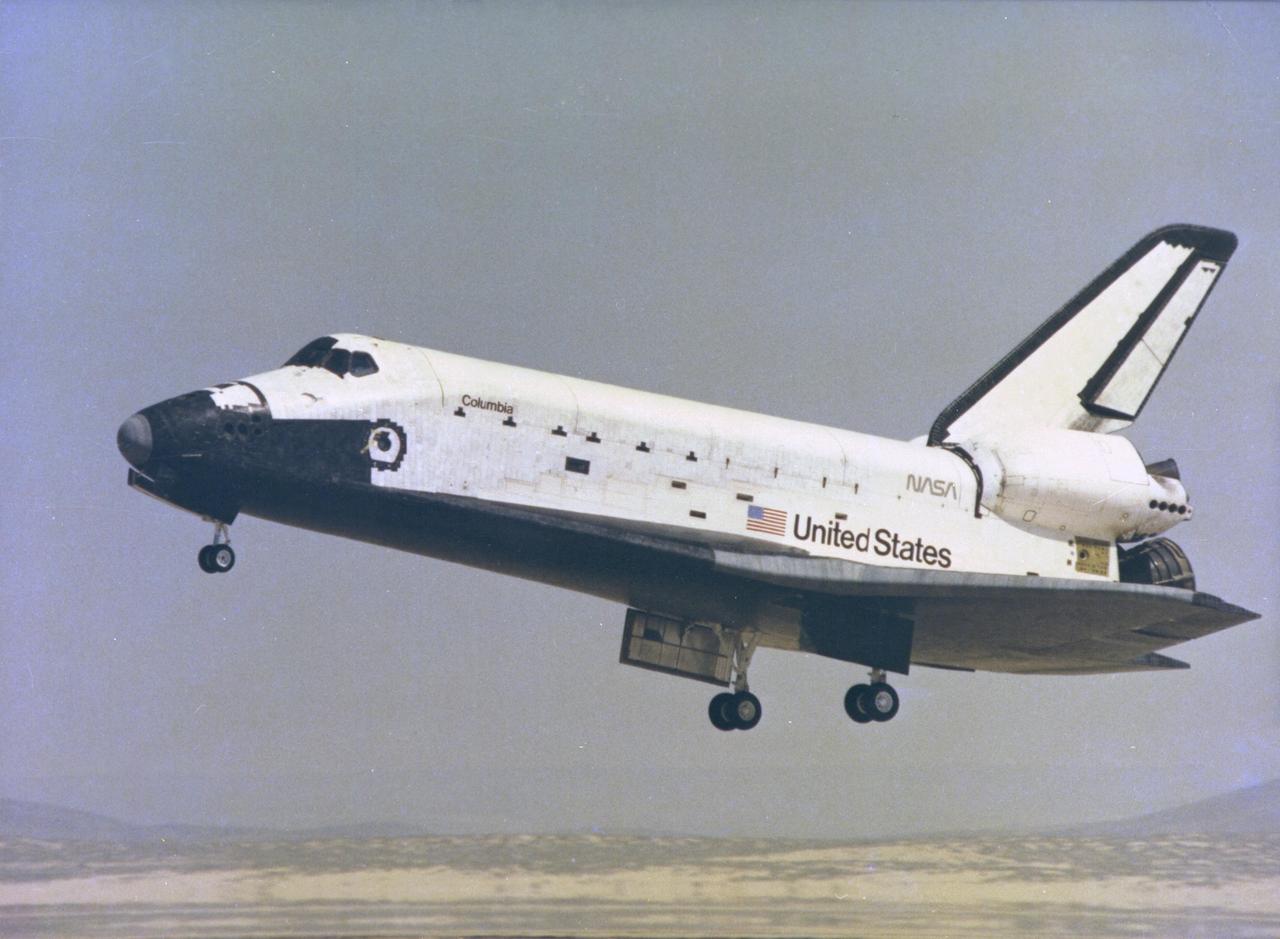
DRYDEN FLIGHT RESEARCH CENTER, CALIF. - Orbiter Columbia "flares out" for a landing at Rogers dry lake Runway 23, successfully completing the historic first flight for the Space Shuttle. Astronauts John Young, Commander, and Robert Crippen, Pilot, crewed the spacecraft for the first full test of the Space Transportation System. STS-1, known as a shuttle systems test flight, seeks to demonstrate safe launch into orbit and safe return of the orbiter and crew and verify the combined performance of the entire shuttle vehicle -- orbiter, solid rocket boosters and external tank.
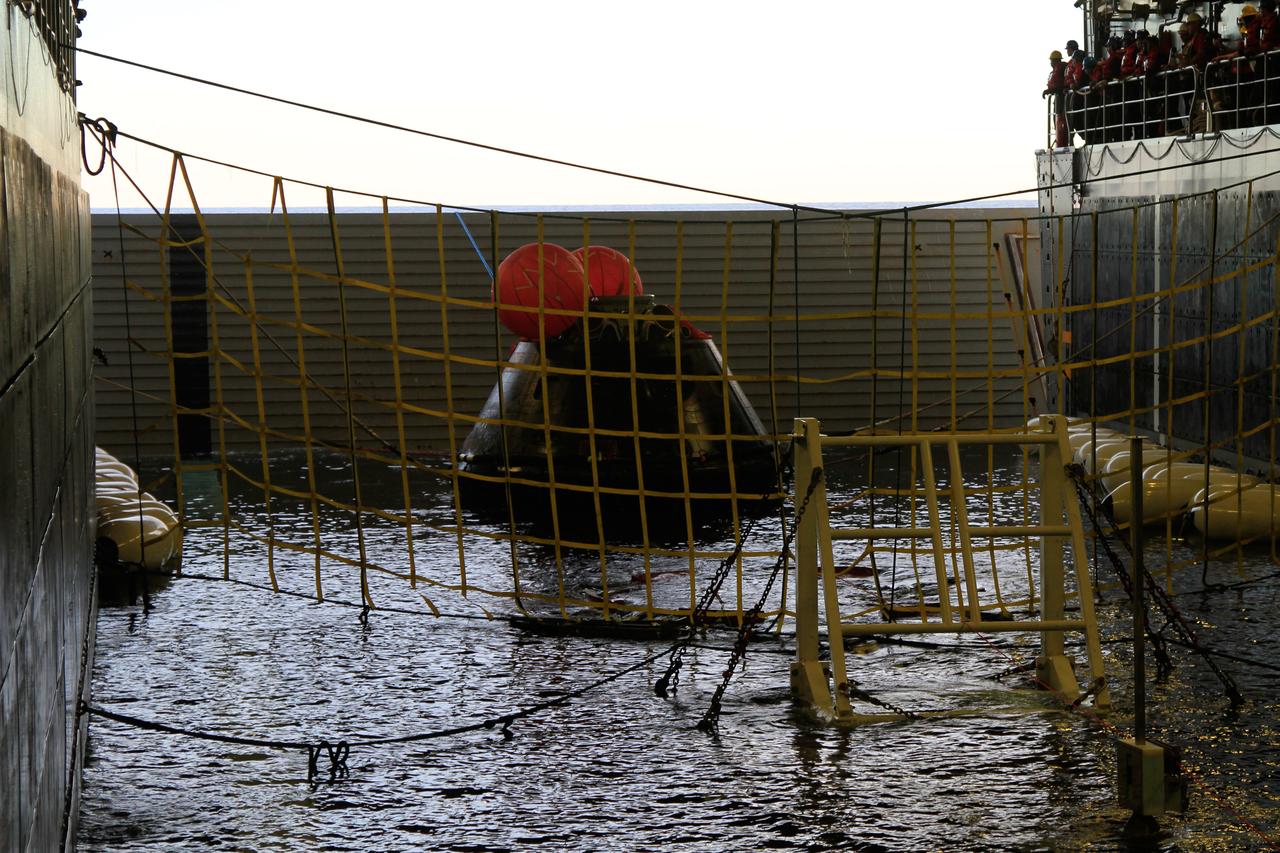
NASA’s Orion spacecraft is pulled safely into the well deck of the U.S. Navy’s USS Anchorage, following its splashdown in the Pacific Ocean. Orion launched into space on a two-orbit, 4.5-test flight at 7:05 am EST on Dec. 5, and returned safely to Earth, where a combined team from NASA, the Navy and Orion prime contractor Lockheed Martin retrieved it for return to shore. Over the next several days, the team will perform an initial check out of Orion while the Anchorage transports the spacecraft back to shore. It is expected to be off loaded at Naval Base San Diego on Monday. Part of Batch image transfer from Flickr.
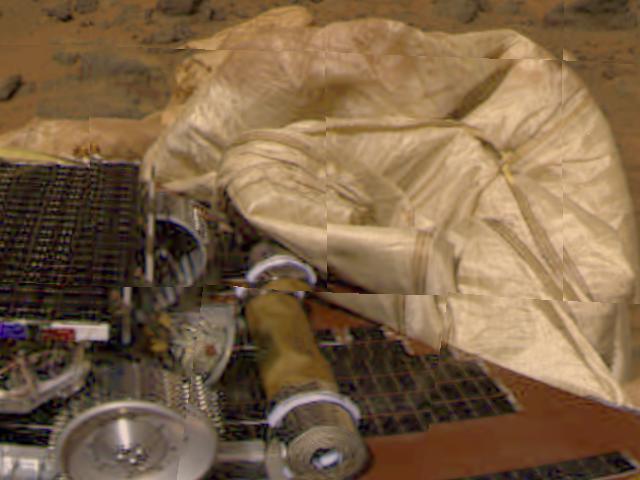
This image from the Imager for Mars Pathfinder (IMP) camera shows the rear part of the Sojourner rover, the rolled-up rear ramp, and portions of the partially deflated airbags. The Alpha Proton X-ray Spectrometer instrument is protruding from the rear (right side) of the rover. The airbags behind the rover are presently blocking the ramp from being safely unfurled. The ramps are a pair of deployable metal reels that will provide a track for the rover as it slowly rolls off the lander, and onto the surface of Mars, once Pathfinder scientists determine it is safe to do so. http://photojournal.jpl.nasa.gov/catalog/PIA00614
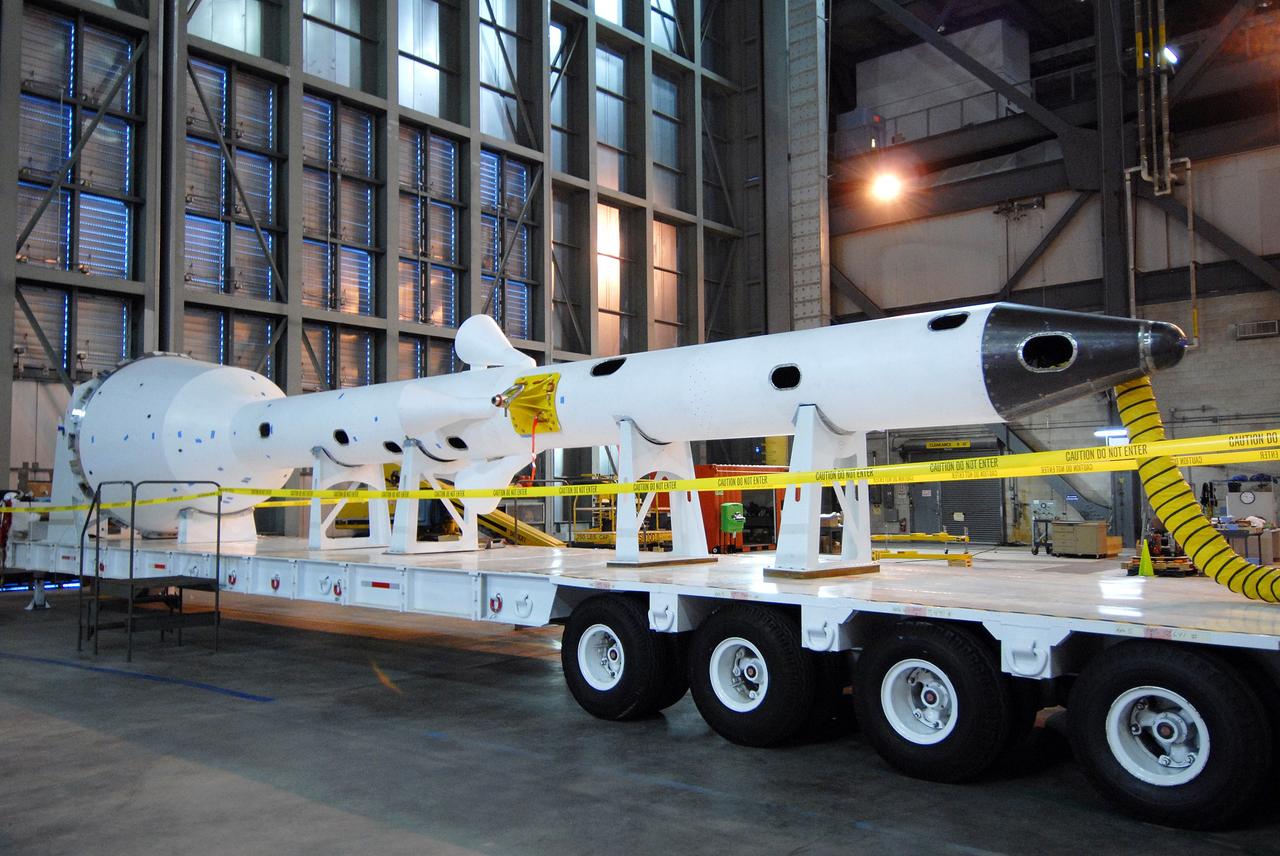
CAPE CANAVERAL, Fla. – The Ares I-X launch abort system that will form the tip of the Ares rocket arrives in the Vehicle Assembly Building at NASA's Kennedy Space Center in Florida. The launch abort system will provide safe evacuation if a launch vehicle failure occurs. Ares I-X is the test vehicle for the Ares I, which is part of the Constellation Program to return men to the moon and beyond. Ares I is the essential core of a safe, reliable, cost-effective space transportation system that eventually will carry crewed missions back to the moon, on to Mars and out into the solar system. Ares I-X is targeted for launch in July 2009. Photo credit: NASA/Jack Pfaller

KENNEDY SPACE CENTER, FLA. -- For the first time in Space Shuttle history, a fully stacked Shuttle - Atlantis - moves into high bay 2, on the west side of the Vehicle Assembly Building (VAB). The VAB and nearby rock-paved crawlerway have recently undergone major modifications to provide Shuttle fliglht hardware more storage space and protection - "Safe Haven" - from hurricanes or tropical storms. Atlantis begain moving out of VAB high bay 1 on the east side at 2:59 a.m. EDT. After the successful "Safe Haven" fit check, Shuttle Atlantis is scheduled to roll out to Launch Pad 39B in preparation for the STS-106 launch on Sept. 8.
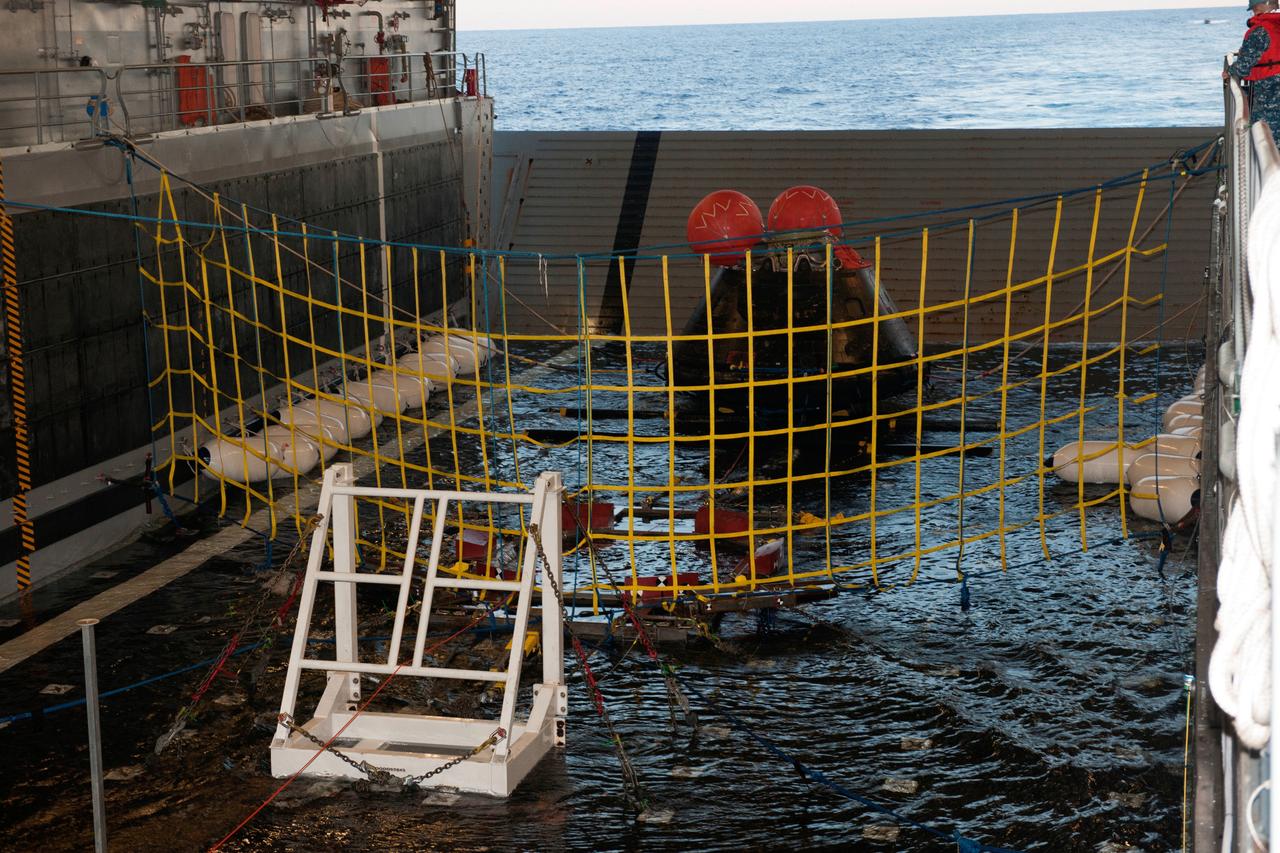
NASA’s Orion spacecraft is pulled safely into the well deck of the U.S. Navy’s USS Anchorage, following its splashdown in the Pacific Ocean. Orion launched into space on a two-orbit, 4.5-test flight at 7:05 am EST on Dec. 5, and returned safely to Earth, where a combined team from NASA, the Navy and Orion prime contractor Lockheed Martin retrieved it for return to shore. It's now being transported back to shore on board the Anchorage. It is expected to be off loaded at Naval Base San Diego on Monday. Part of Batch image transfer from Flickr.
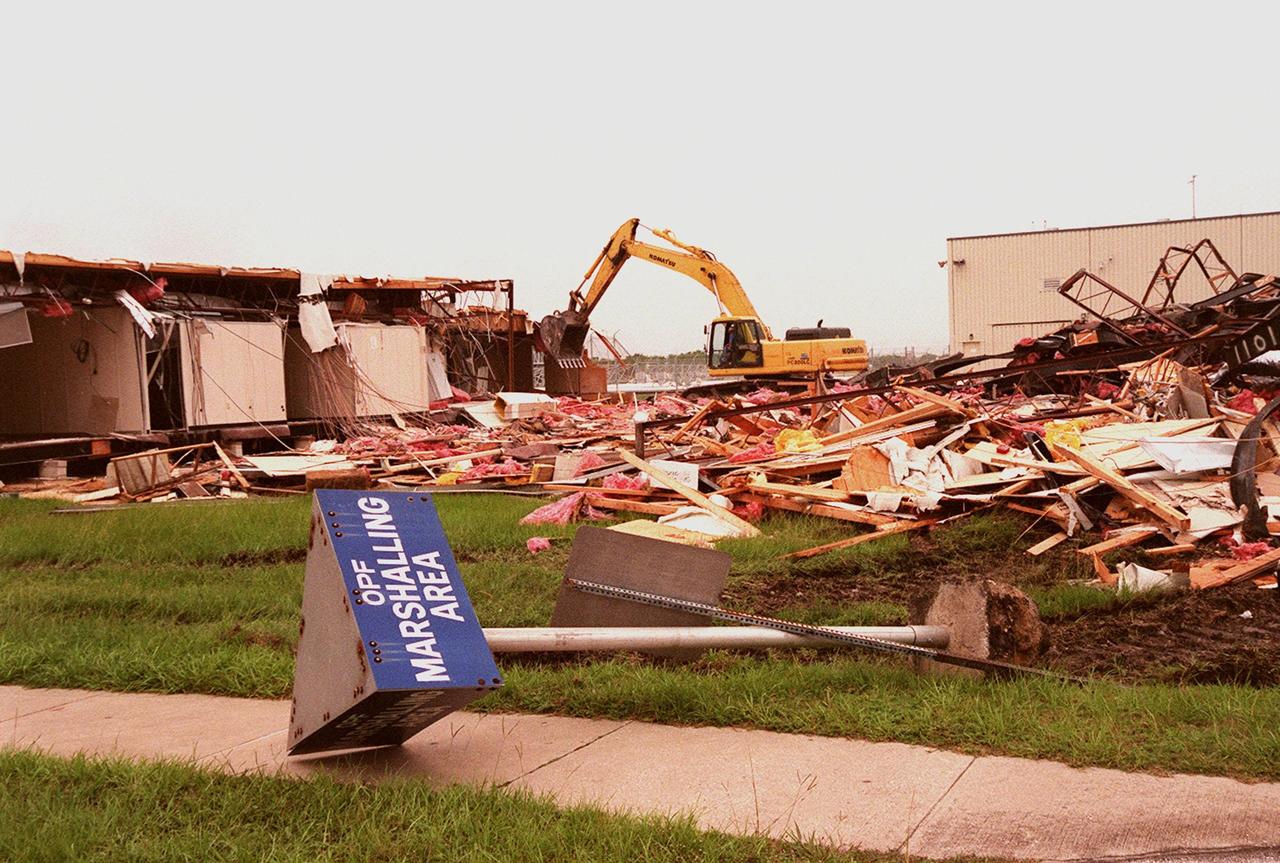
The walls of the Butler Building at Kennedy Space Center come tumbling down, with the help of the crane in the background. The building, which is near the Orbiter Processing Facility, is being demolished in order to extend the crawlerway leading to the high bay of the Vehicle Assembly Building (VAB), part of KSC's Safe Haven project. The goal of Safe Haven is to strengthen readiness for Florida's hurricane season by expanding the VAB's storage capacity. Construction includes outfitting the VAB with a third stacking area, in high bay 2, that will allow NASA to preassemble stacks and still have room in the VAB to pull a Shuttle back from the pad into the safety of the VAB if severe weather threatens. The VAB can withstand winds up to 125 mph
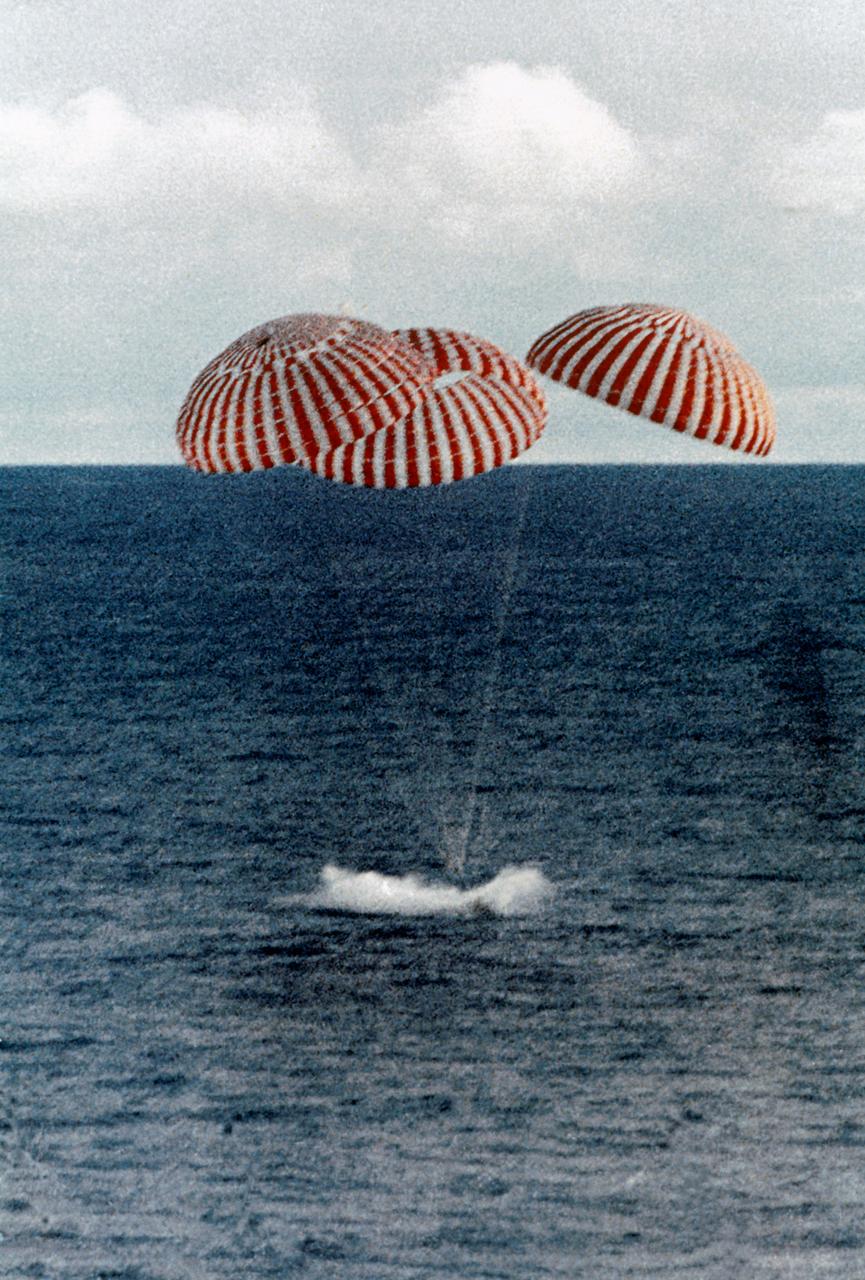
S70-35638 (17 April 1970) --- A perilous space mission comes to a smooth ending with the safe splashdown of the Apollo 13 Command Module (CM) in the South Pacific, only four miles from the prime recovery ship. The spacecraft with astronauts James A. Lovell Jr., John L. Swigert Jr., and Fred W. Haise Jr. aboard, splashed down at 12:07:44 p.m. (CST) April 17, 1970, to conclude safely the problem-plagued flight. The crewmen were transported by helicopter from the immediate recovery area to the USS Iwo Jima, prime recovery vessel.
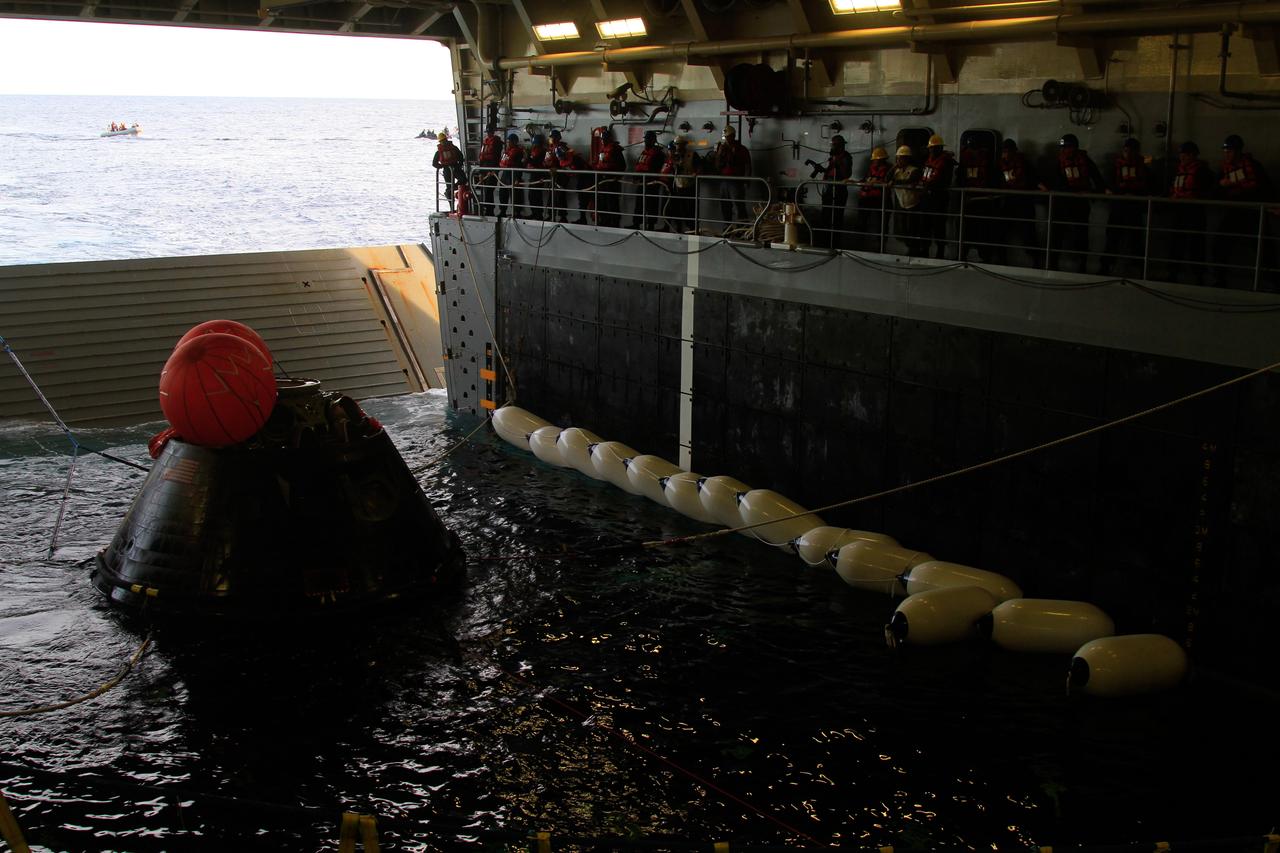
NASA’s Orion spacecraft is pulled safely into the well deck of the U.S. Navy’s USS Anchorage, following its splashdown in the Pacific Ocean. Orion launched into space on a two-orbit, 4.5-test flight at 7:05 am EST on Dec. 5, and returned safely to Earth, where a combined team from NASA, the Navy and Orion prime contractor Lockheed Martin retrieved it for return to shore. Over the next several days, the team will perform an initial check out of Orion while the Anchorage transports the spacecraft back to shore. It is expected to be off loaded at Naval Base San Diego on Monday. Part of Batch image transfer from Flickr.
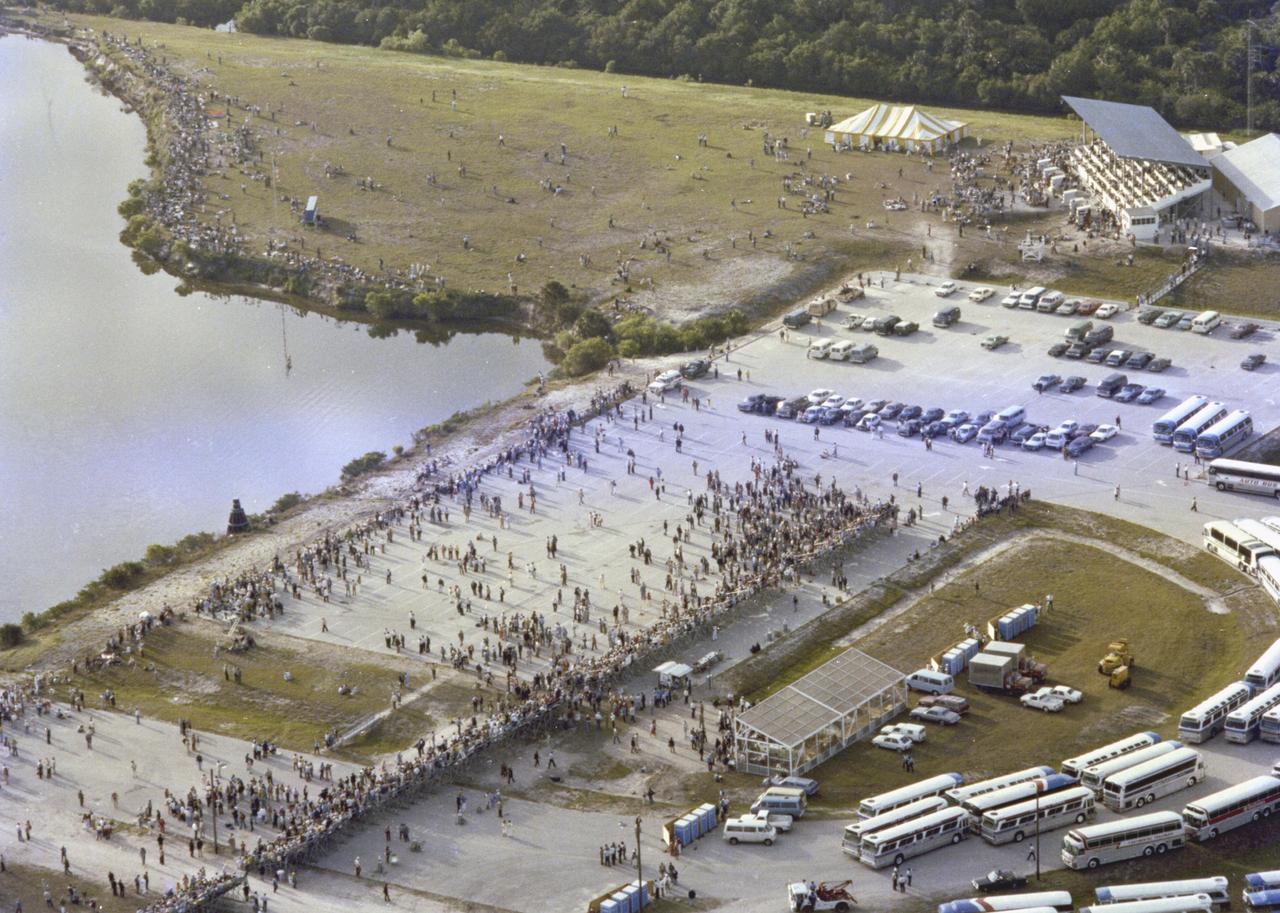
KENNEDY SPACE CENTER, FLA. - Viewed from the top of the Vehicle Assembly Building, crowds wait in vain for the launch of the maiden flight of the Space Shuttle, “scrubbed” on April 10. Visible at center is the “V.I.P.” site, with waiting buses parked at lower right. Above are the NASA Complex 39 Press Site and viewing stands, and major news media facilities. The STS-1 mission, known as a shuttle systems test flight, will seek to demonstrate safe launch into orbit and safe return of the orbiter and crew and verify the combined performance of the entire shuttle vehicle -- orbiter, solid rocket boosters and external tank.
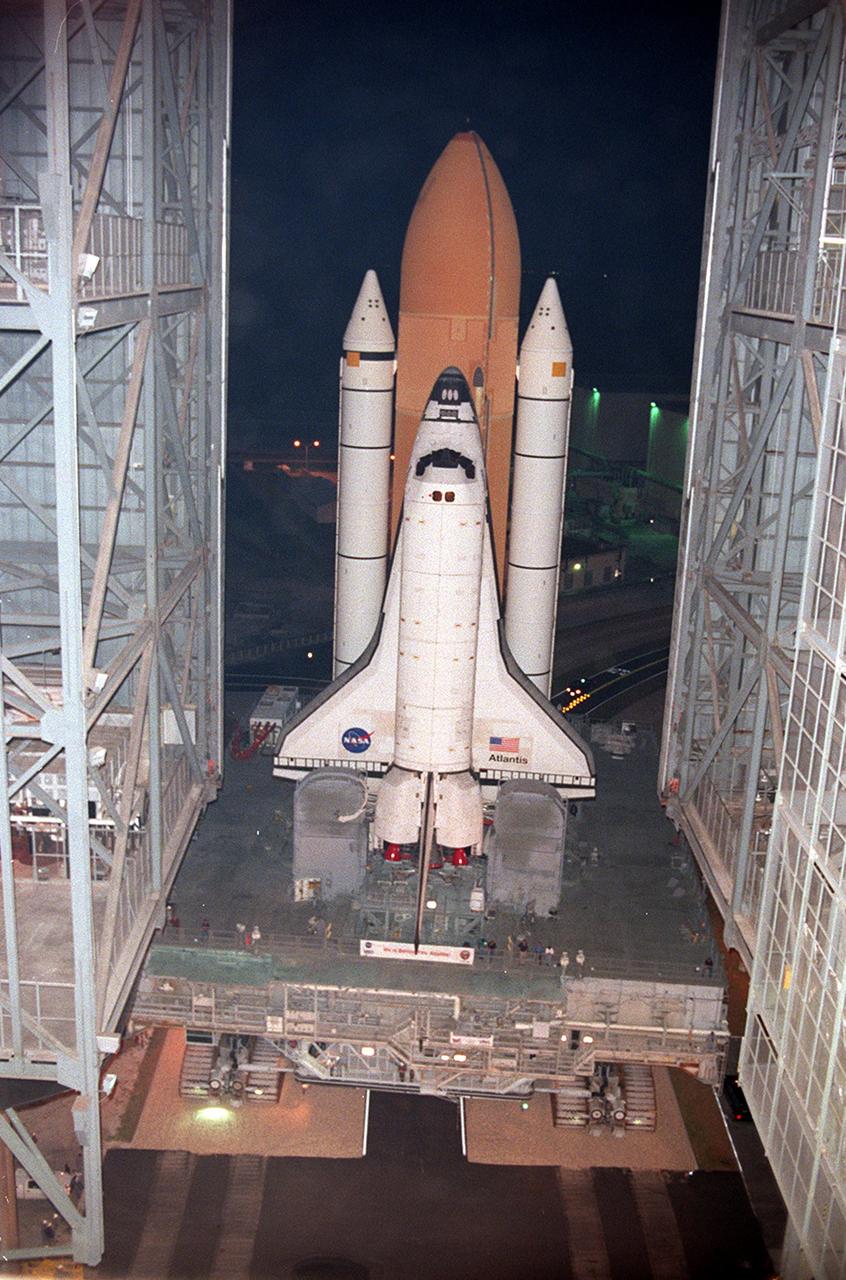
KENNEDY SPACE CENTER, FLA. -- For the first time in Space Shuttle history, a fully stacked Shuttle - Atlantis - moves into high bay 2, on the west side of the Vehicle Assembly Building (VAB). The VAB and nearby rock-paved crawlerway have recently undergone major modifications to provide Shuttle fliglht hardware more storage space and protection - "Safe Haven" - from hurricanes or tropical storms. Atlantis begain moving out of VAB high bay 1 on the east side at 2:59 a.m. EDT. After the successful "Safe Haven" fit check, Shuttle Atlantis is scheduled to roll out to Launch Pad 39B in preparation for the STS-106 launch on Sept. 8.
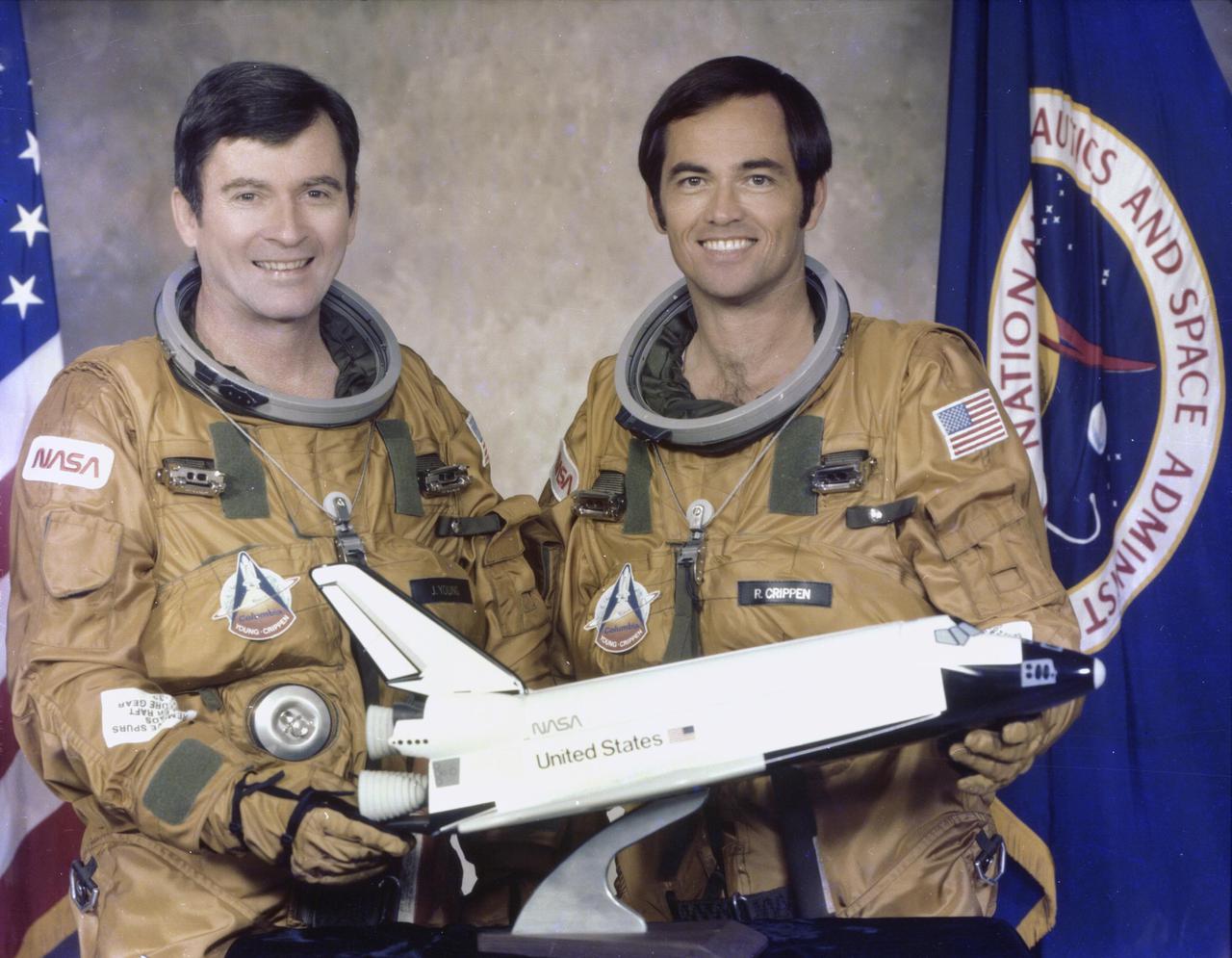
JOHNSON SPACE CENTER, HOUSTON, TX. - STS-1 Official Crew Portrait - Astronauts John W. Young, left, Crew Commander, and Robert L. Crippen, Pilot. The STS-1 mission, known as a shuttle systems test flight, will seek to demonstrate safe launch into orbit and safe return of the orbiter and crew and verify the combined performance of the entire shuttle vehicle -- orbiter, solid rocket boosters and external tank. STS-1 will be launched from Pad A at the Kennedy Space Center's Launch Complex 39 no earlier than March 1981.
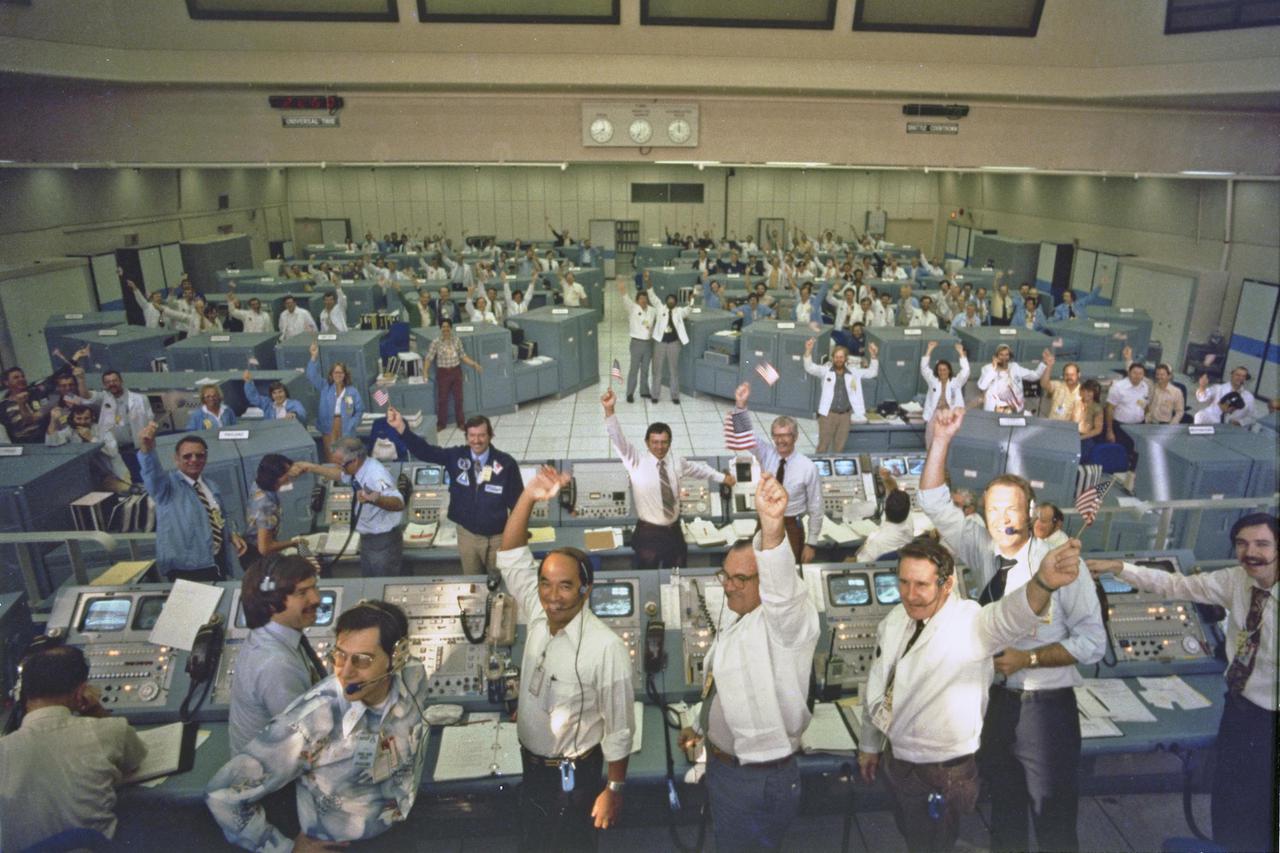
KENNEDY SPACE CENTER, FLA. - The STS-1 Space Shuttle Team celebrates a successful liftoff of Columbia form Launch Pad 39A a few seconds past 7 a.m. The orbital mission is scheduled to last for 54 hours, ending with an unpowered landing at Edwards Air Force Base in California. The STS-1 mission, known as a shuttle systems test flight, will seek to demonstrate safe launch into orbit and safe return of the orbiter and crew and verify the combined performance of the entire shuttle vehicle -- orbiter, solid rocket boosters and external tank.
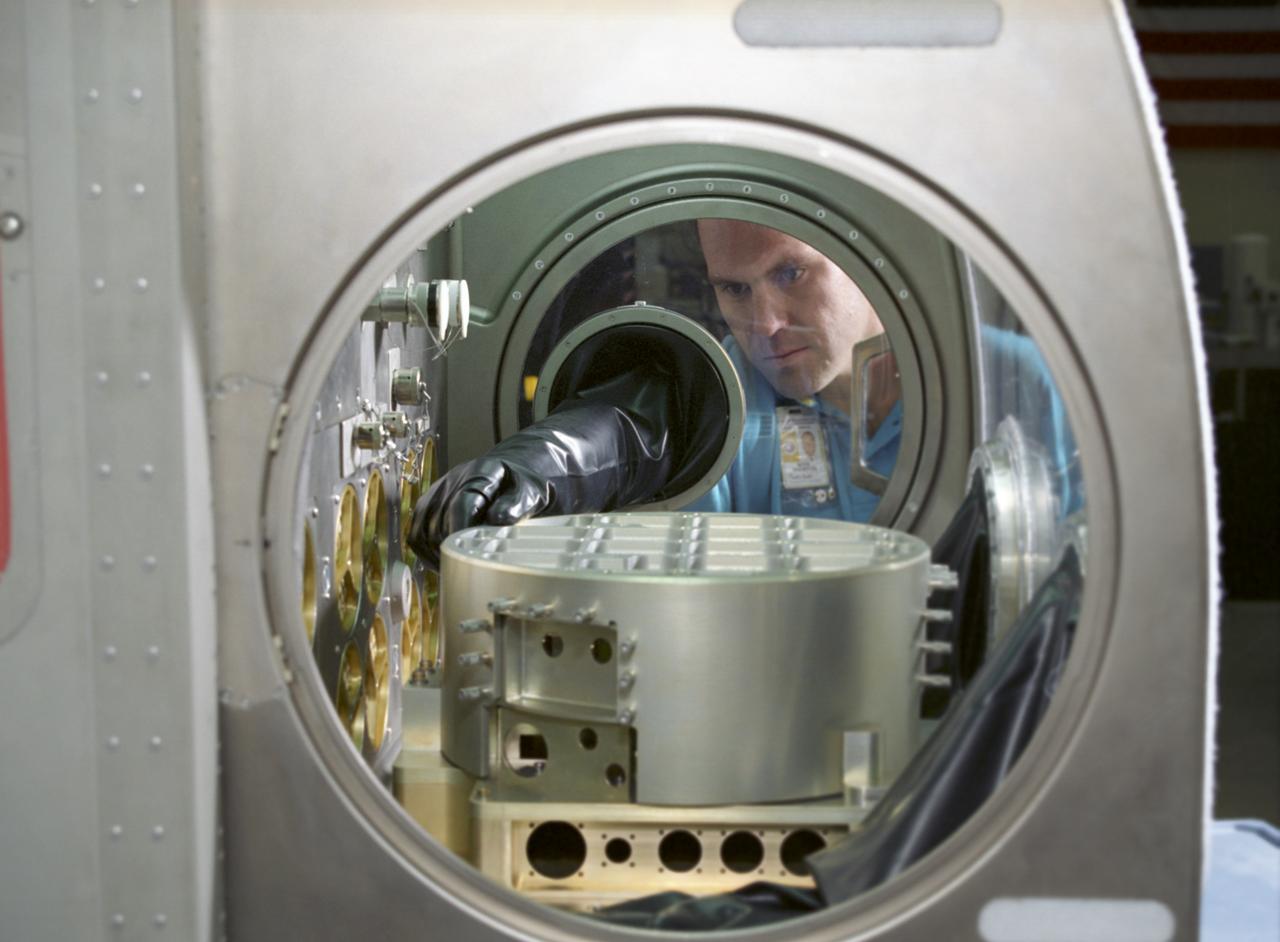
This excellent shot of Marshall Space Flight Center's (MSFC's) Mark Whorton, testing experiment hardware in the Microgravity Science Glovebox Ground Unit delivered to MSFC on August 30, 2002, reveals a close look at the components inside of the Glovebox. The unit is being used at Marshall's Microgravity Development Laboratory to test experiment hardware before it is installed in the flight Glovebox aboard the International Space Station (ISS) U.S. Laboratory Module, Destiny. The glovebox is a sealed container with built in gloves on its sides and fronts that enables astronauts to work safely with experiments that involve fluids, flames, particles, and fumes that need to be safely contained.
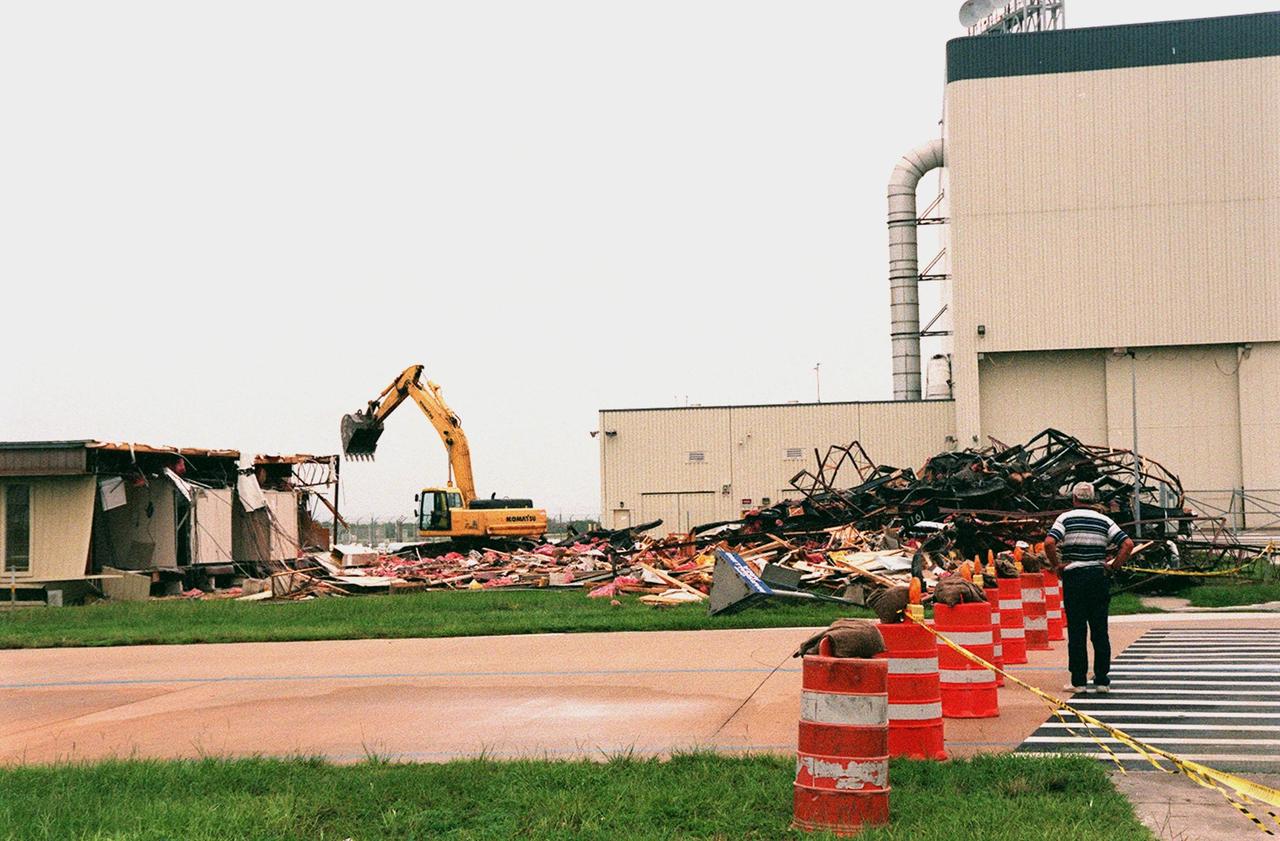
The Butler Building at Kennedy Space Center is nearly demolished, with the help of the crane in the background. The building, which is near the Orbiter Processing Facility (right), is being demolished in order to extend the crawlerway leading to the high bay of the Vehicle Assembly Building (VAB), part of KSC's Safe Haven project. The goal of Safe Haven is to strengthen readiness for Florida's hurricane season by expanding the VAB's storage capacity. Construction includes outfitting the VAB with a third stacking area, in high bay 2, that will allow NASA to preassemble stacks and still have room in the VAB to pull a Shuttle back from the pad into the safety of the VAB if severe weather threatens. The VAB can withstand winds up to 125 mph