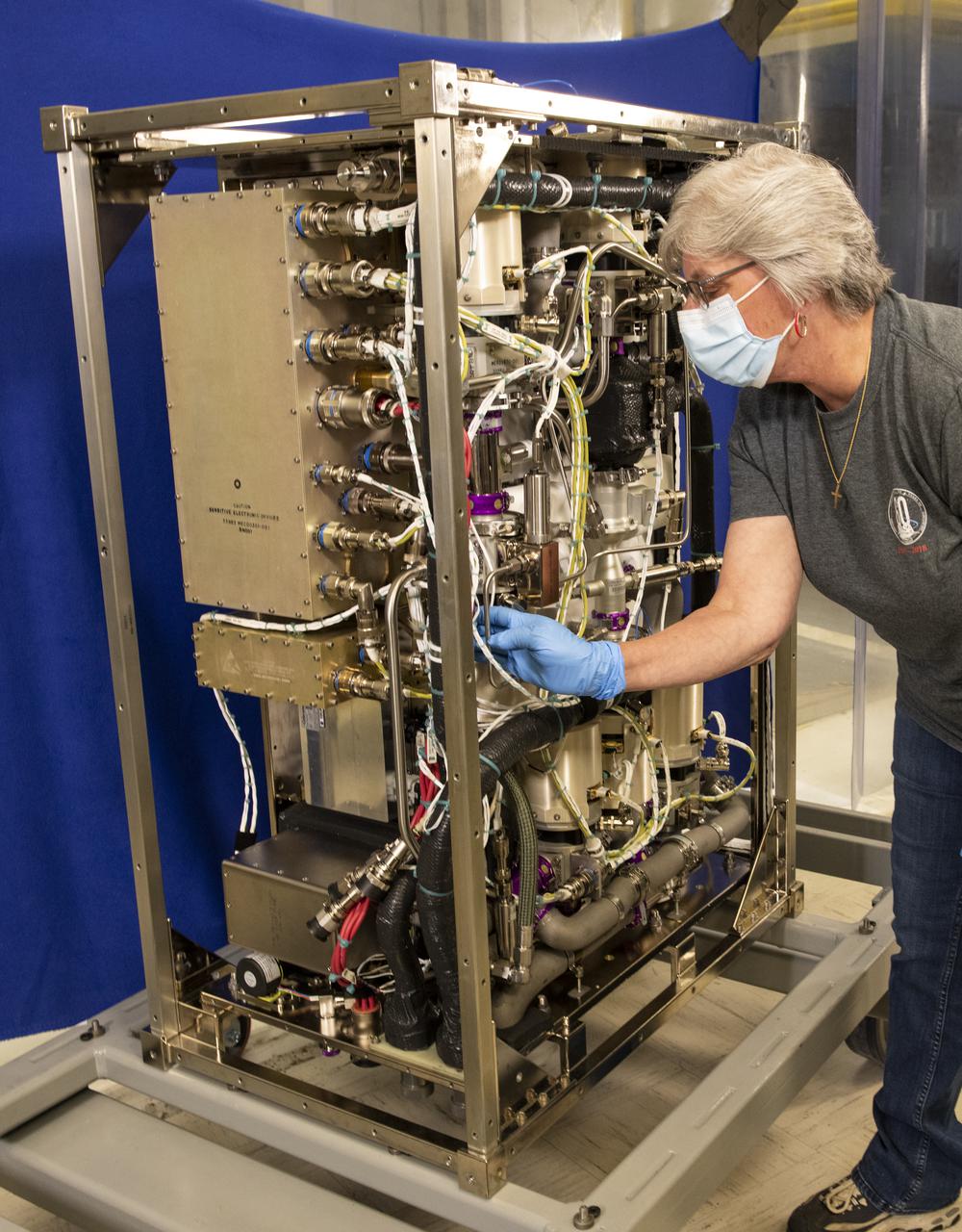
The flight demonstration unit of the next-generation 4-bed CO2 Scrubber (4BCO2) is targeted for launch aboard NG16 NET August 1, 2021. Once aboard the space station, this u nit will be mounted in a basic express rack. This four-bed technology is a mainstay for metabolic CO2 removal and crew life support. The new 4-Bed Carbon Dioxide Scrubber, developed, built, and tested at NASA’s Marshall Space Flight Center in Huntsville, Alabama, is checked out by Kathi Lange, a Bastion Technologies contractor supporting the quality assurance group in Marshall’s Safety and Mission Assurance Directorate, prior to its shipment to NASA’s Wallops Flight Facility in Wallops Island, Virginia.
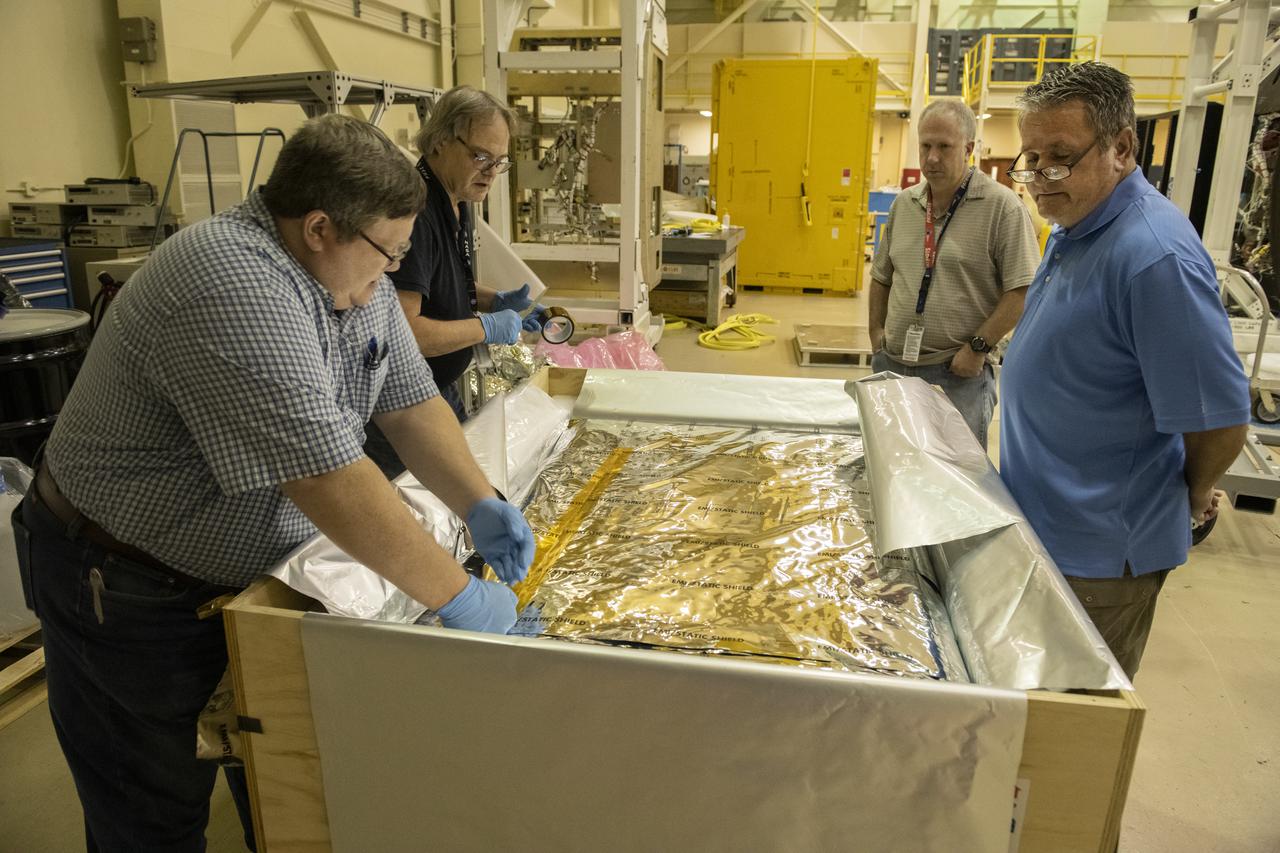
The 4-bed Carbon Dioxide Scrubber, new Environmental Control and Life Support Systems technology developed, built, tested, and integrated at NASA's Marshall Space Flight Center to be launched to the International Space Station, is readied for shipment to NASA's Wallops Flight Facility in Wallops Island, Virginia. The hardware will fly to space Aug. 1 via the Cygnus NG-16 commercial spacecraft, and will be tested aboard the space station for one year.

KENNEDY SPACE CENTER, FLA. -- Clyde Parrish, a NASA/KSC engineer, explains how the fertilizer scrubber control panel (center) works to turn nitrogen tetroxide vapor into fertilizer, potassium hydroxide. Parrish developed the system, which uses a "scrubber," to capture nitrogen tetroxide vapor that develops as a by-product when it is transferred from ground storage tanks into the Shuttle storage tanks. Nitrogen tetroxide is used as the oxidizer for the hypergolic propellant in the Shuttle's on-orbit reaction control system. The scrubber then uses hydrogen peroxide to produce nitric acid, which, after adding potassium hydroxide, converts to potassium nitrate. The resulting fertilizer will be used on the orange groves that KSC leases to outside companies
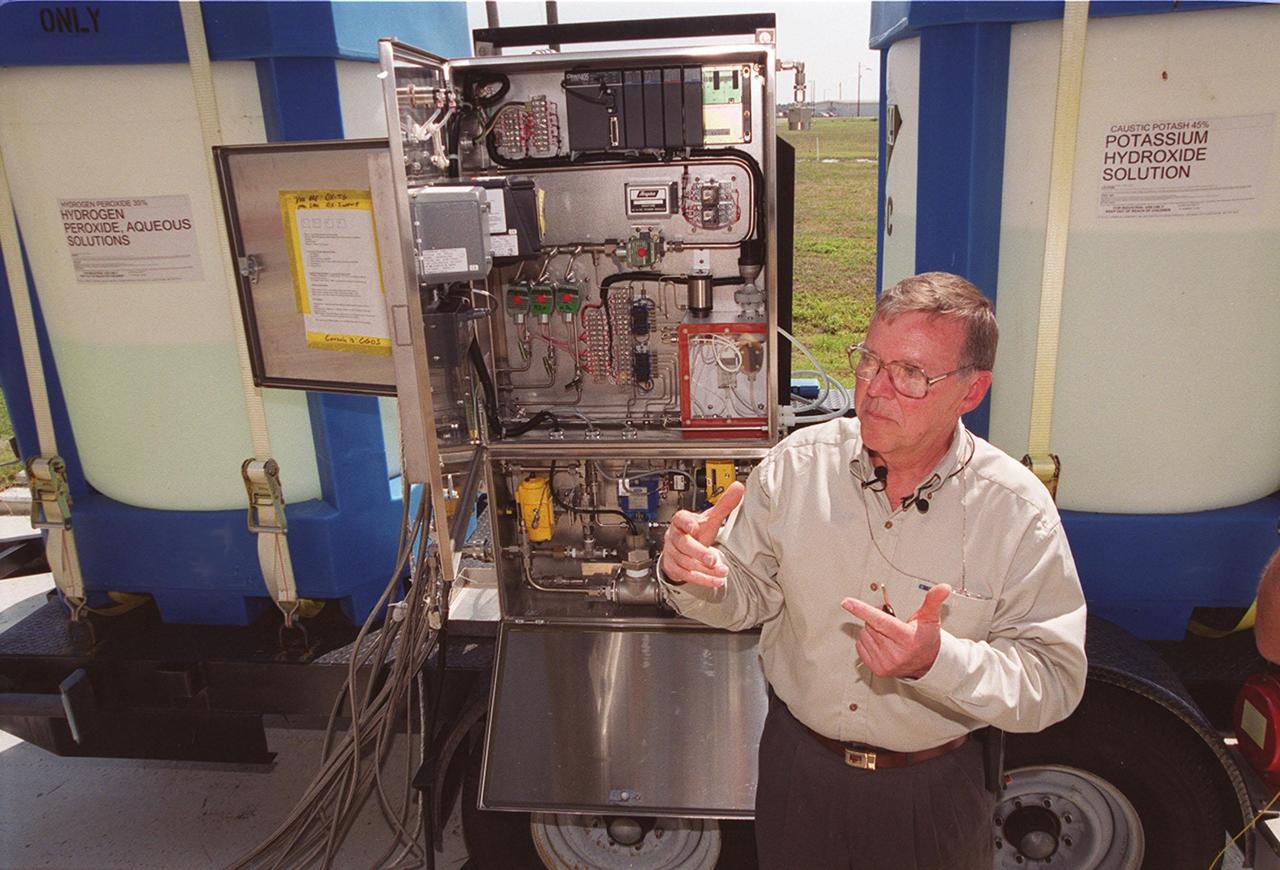
KENNEDY SPACE CENTER, FLA. -- Clyde Parrish, a NASA/KSC engineer, explains how the fertilizer scrubber control panel (center) works to turn nitrogen tetroxide vapor into fertilizer, potassium hydroxide. Parrish developed the system, which uses a "scrubber," to capture nitrogen tetroxide vapor that develops as a by-product when it is transferred from ground storage tanks into the Shuttle storage tanks. Nitrogen tetroxide is used as the oxidizer for the hypergolic propellant in the Shuttle's on-orbit reaction control system. The scrubber then uses hydrogen peroxide to produce nitric acid, which, after adding potassium hydroxide, converts to potassium nitrate. The resulting fertilizer will be used on the orange groves that KSC leases to outside companies
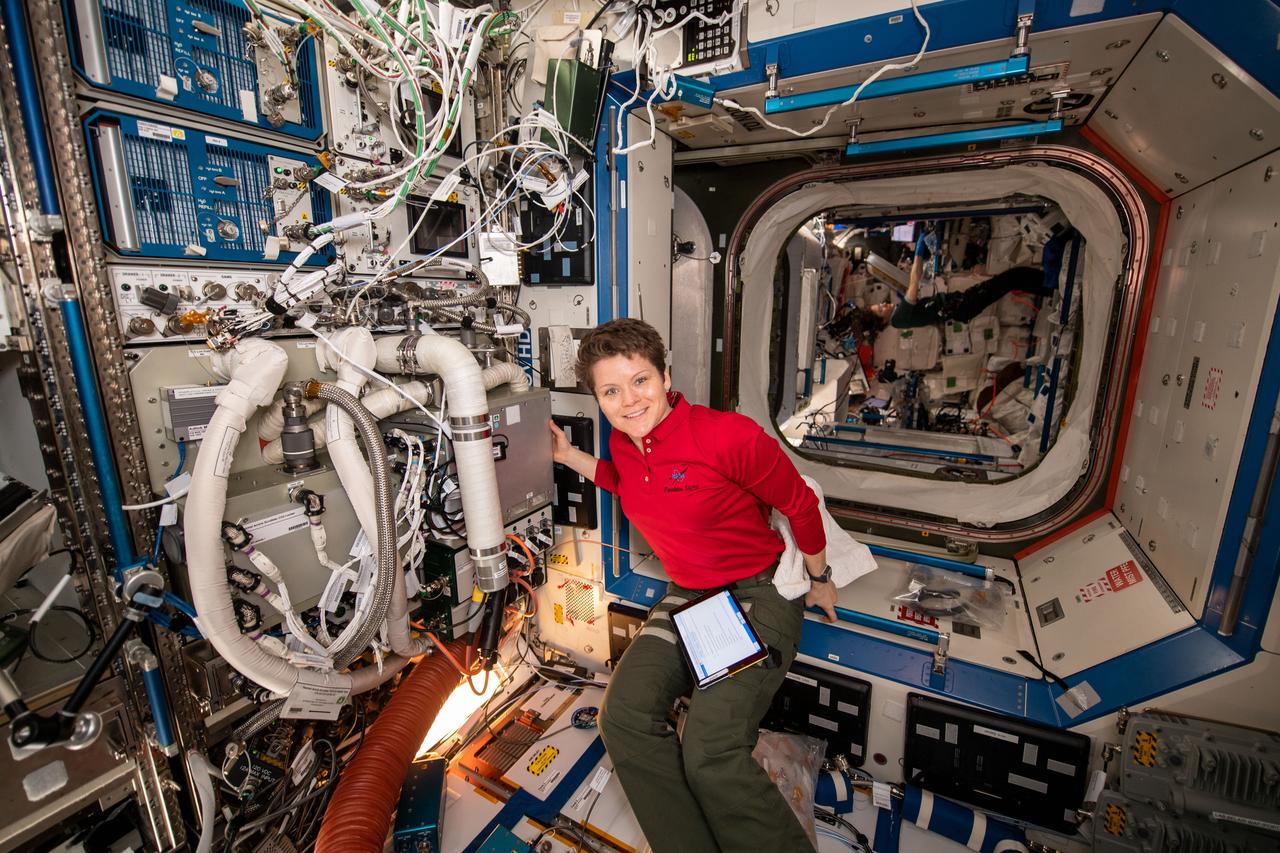
iss059e035660 (4/25/2019) --- NASA astronaut Anne McClain is photographed in the Destiny module onboard the International Space Station (ISS) during the installation of the Thermal Amine Scrubber. The Thermal Amine Scrubber tests a method to remove carbon dioxide (CO2) from air aboard the International Space Station, using actively heated and cooled amine beds.
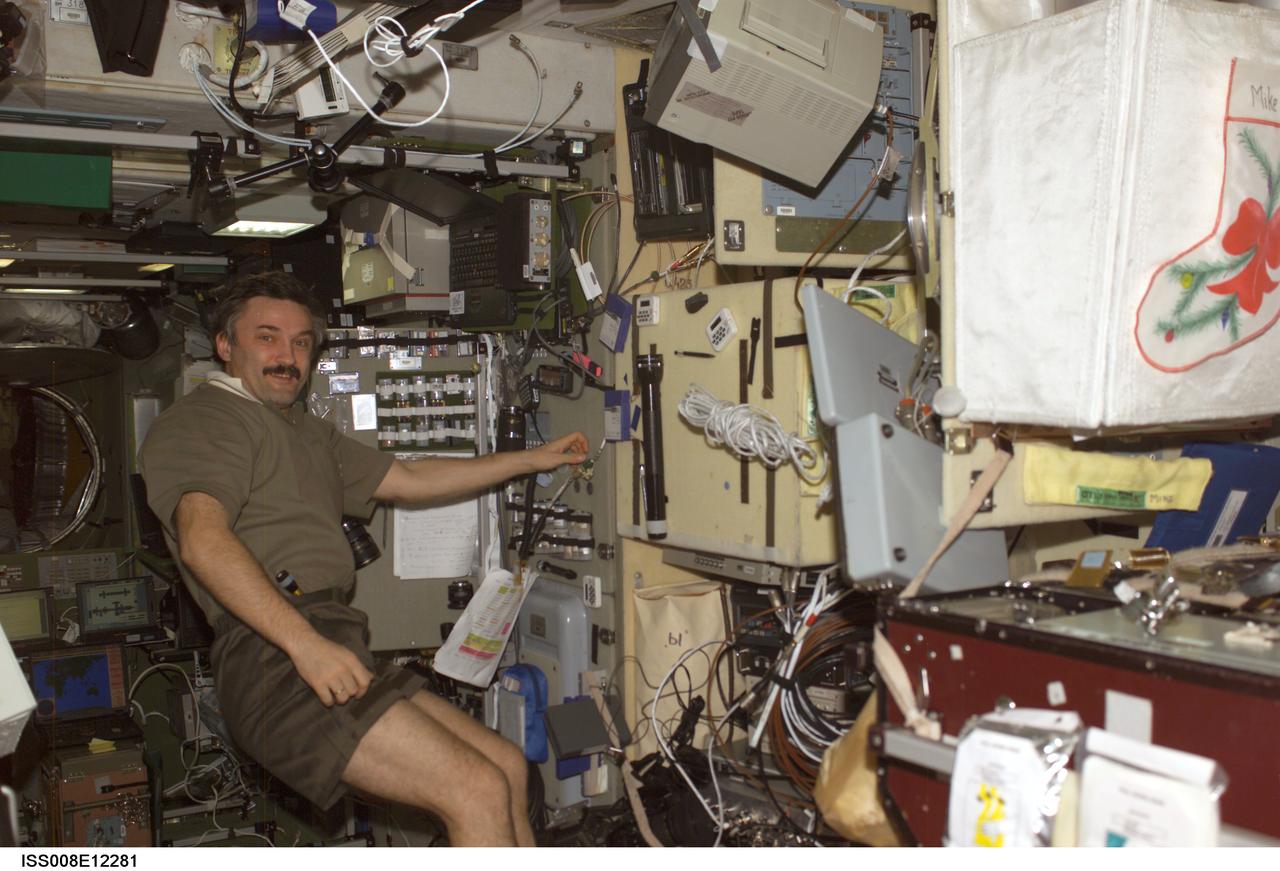
ISS008-E-12281 (9 January 2004) --- Cosmonaut Alexander Y. Kaleri, Expedition 8 flight engineer, works at the Vozdukh CO2 scrubber in the Zvezda Service Module on the International Space Station (ISS). Kaleri represents Rosaviakosmos.
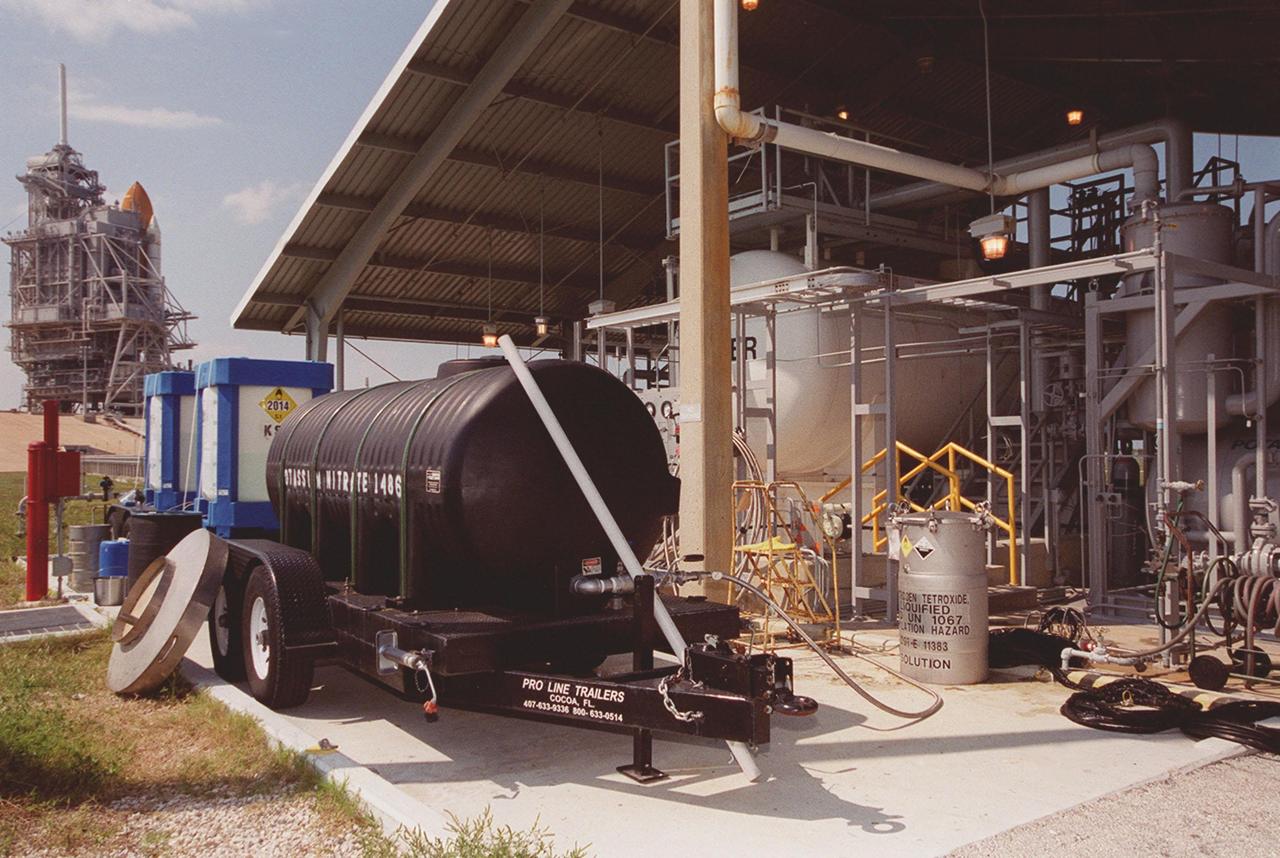
KENNEDY SPACE CENTER, FLA. -- A recently installed fertilizer-producing system sits near Launch Pad 39A (upper left background). Using a "scrubber," the system captures nitrogen tetroxide vapor that develops as a by-product when it is transferred from ground storage tanks into the Shuttle storage tanks. Nitrogen tetroxide is used as the oxidizer for the hypergolic propellant in the Shuttle's on-orbit reaction control system. The scrubber then uses hydrogen peroxide to produce nitric acid, which, after adding potassium hydroxide, converts to potassium nitrate, a commercial fertilizer. The black tanker at left is collecting the potassium nitrate, which will be used on the orange groves that KSC leases to outside companies
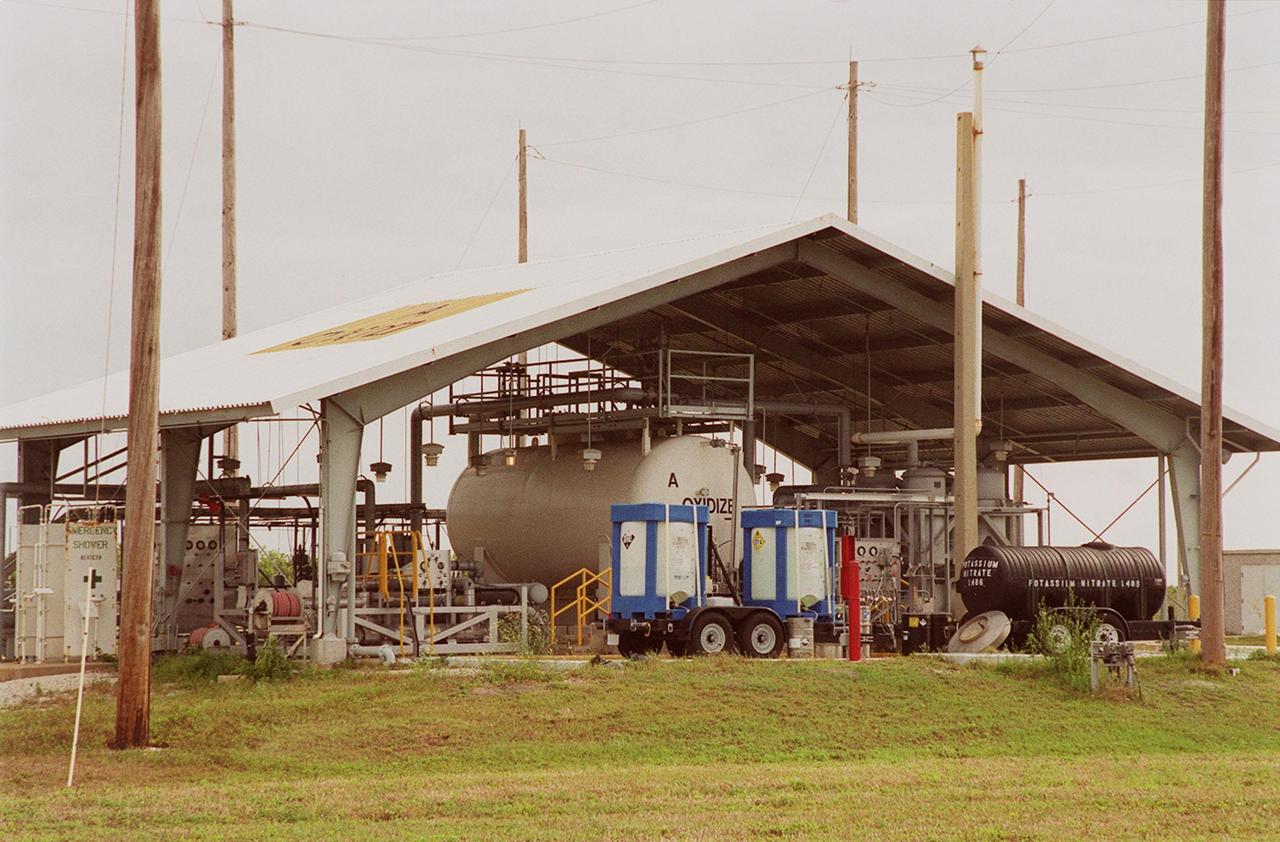
A recently installed fertilizer-producing system sits near Launch Pad 39A. Using a "scrubber," the system captures nitrogen tetroxide vapor that develops as a by-product when it is transferred from ground storage tanks into the Shuttle storage tanks. Nitrogen tetroxide is used as the oxidizer for the hypergolic propellant in the Shuttle's on-orbit reaction control system. The scrubber then uses hydrogen peroxide to produce nitric acid, which, after adding potassium hydroxide, converts to potassium nitrate, a commercial fertilizer. Plans call for the resulting fertilizer to be used on the orange groves that KSC leases to outside companies
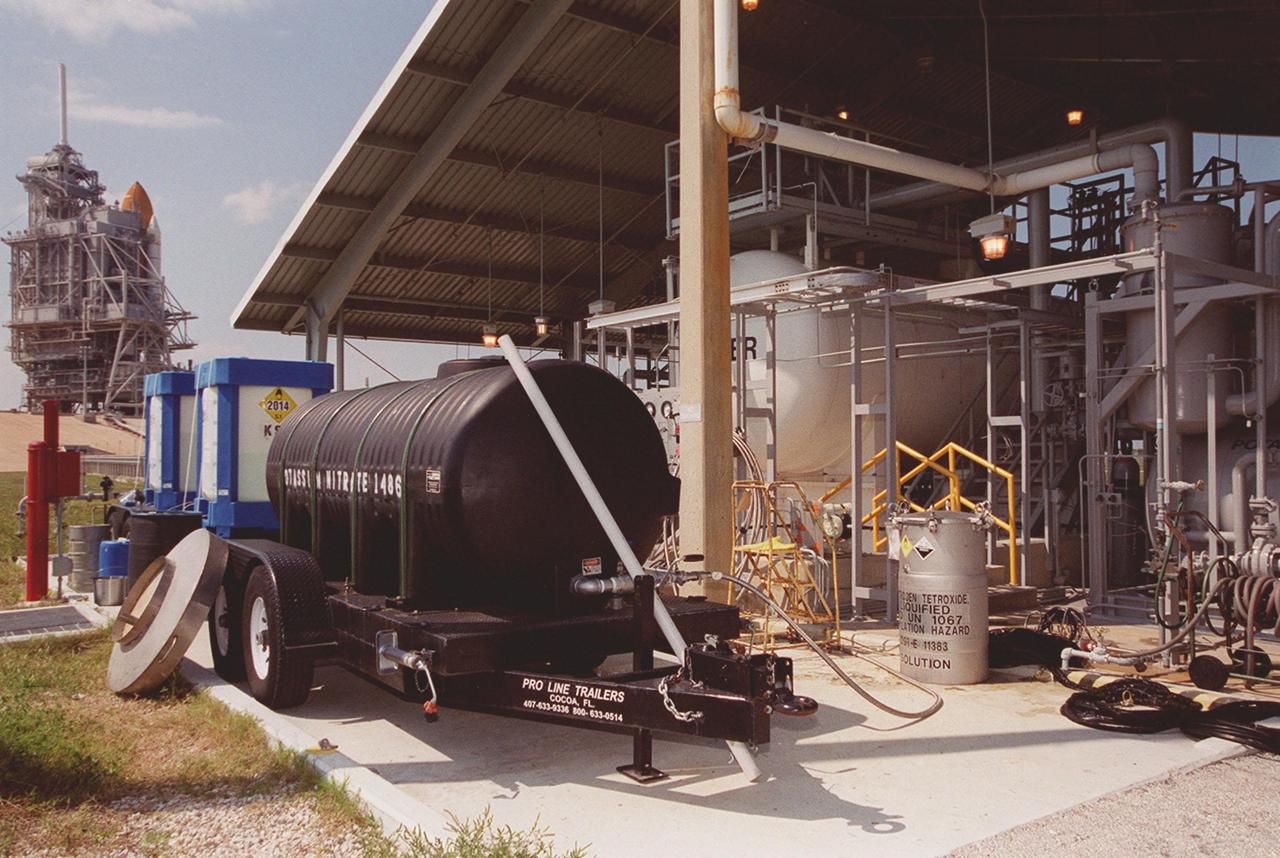
KENNEDY SPACE CENTER, FLA. -- A recently installed fertilizer-producing system sits near Launch Pad 39A (upper left background). Using a "scrubber," the system captures nitrogen tetroxide vapor that develops as a by-product when it is transferred from ground storage tanks into the Shuttle storage tanks. Nitrogen tetroxide is used as the oxidizer for the hypergolic propellant in the Shuttle's on-orbit reaction control system. The scrubber then uses hydrogen peroxide to produce nitric acid, which, after adding potassium hydroxide, converts to potassium nitrate, a commercial fertilizer. The black tanker at left is collecting the potassium nitrate, which will be used on the orange groves that KSC leases to outside companies
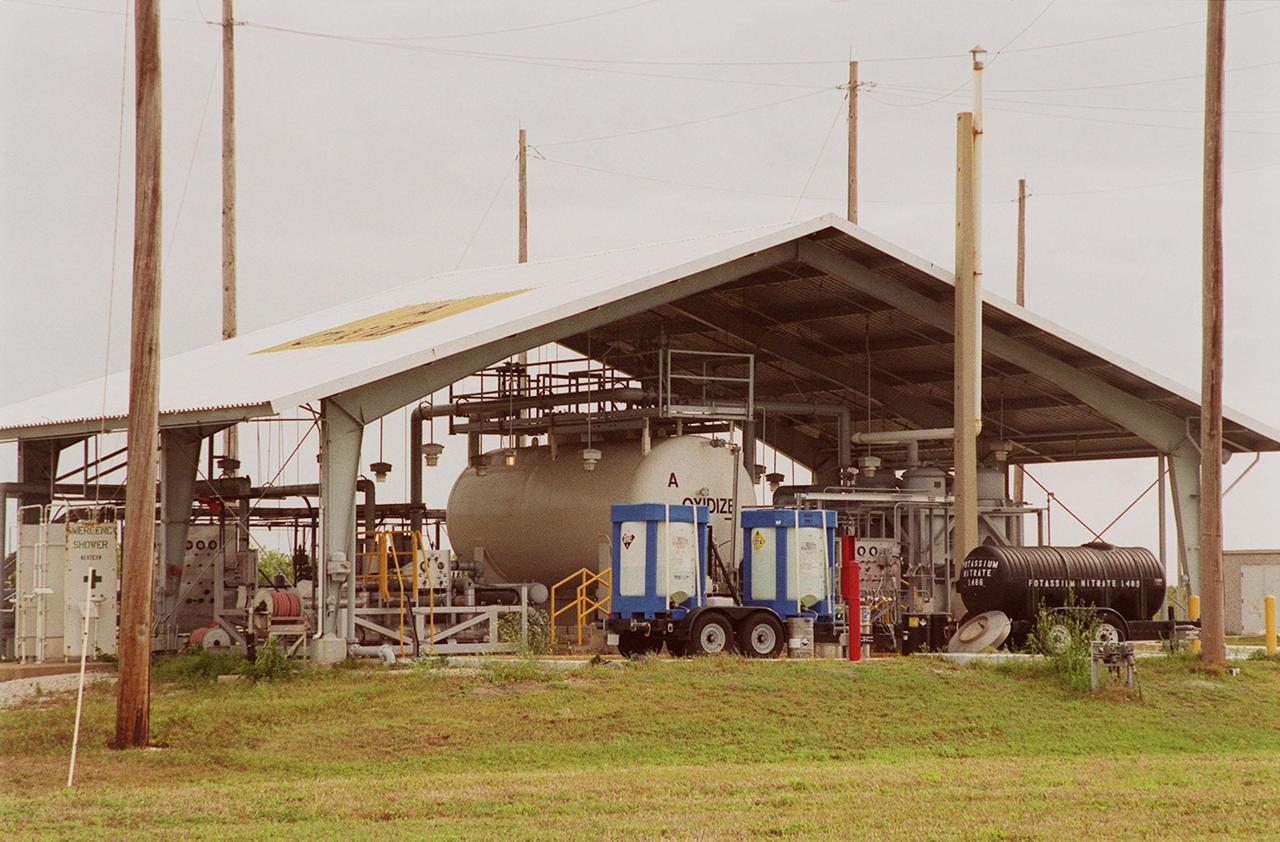
A recently installed fertilizer-producing system sits near Launch Pad 39A. Using a "scrubber," the system captures nitrogen tetroxide vapor that develops as a by-product when it is transferred from ground storage tanks into the Shuttle storage tanks. Nitrogen tetroxide is used as the oxidizer for the hypergolic propellant in the Shuttle's on-orbit reaction control system. The scrubber then uses hydrogen peroxide to produce nitric acid, which, after adding potassium hydroxide, converts to potassium nitrate, a commercial fertilizer. Plans call for the resulting fertilizer to be used on the orange groves that KSC leases to outside companies
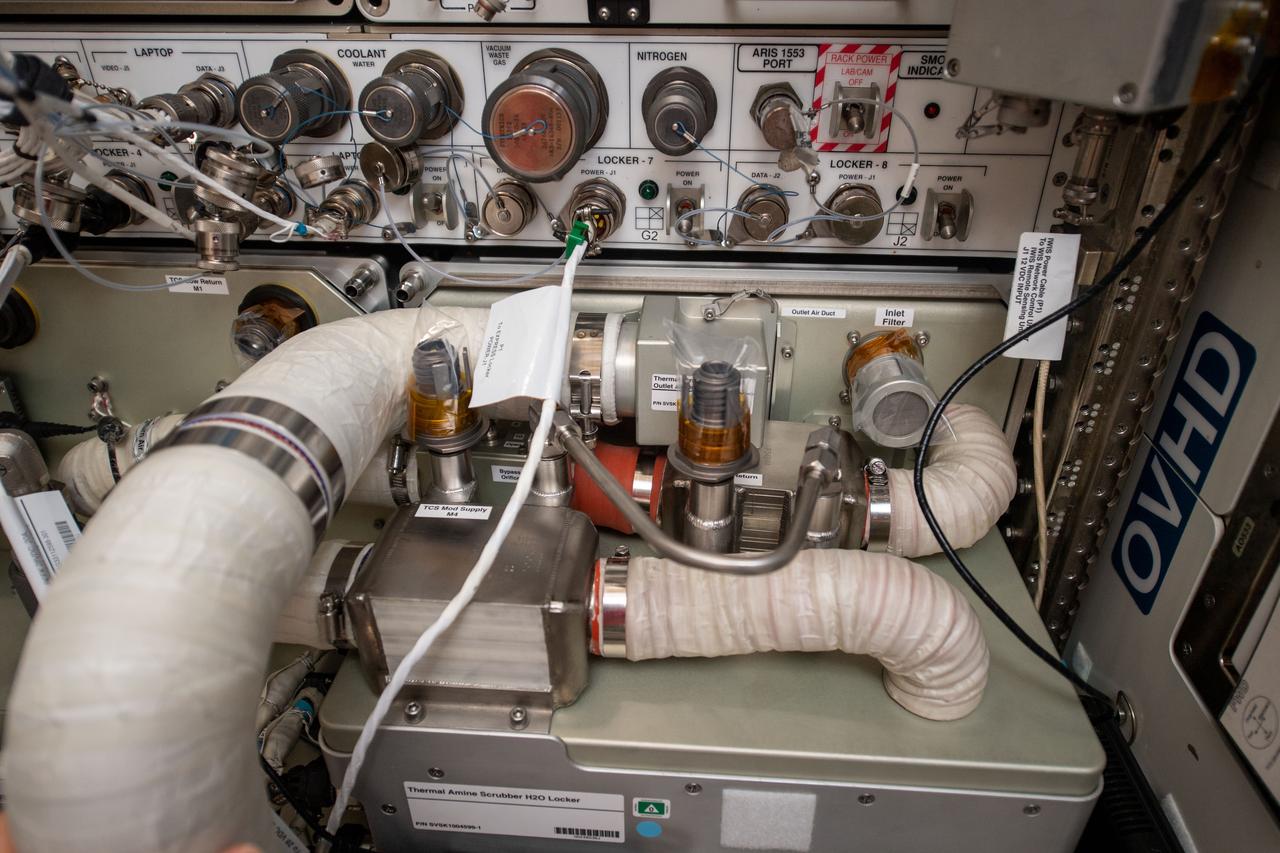
iss059e035608 (4/25/2019) --- Photo documentation of the Thermal Amine scrubber system installation in Destiny module onboard the International Space Station (ISS). The Thermal Amine System tests a method to remove carbon dioxide (CO2) from air aboard the ISS, using actively heated and cooled amine beds.
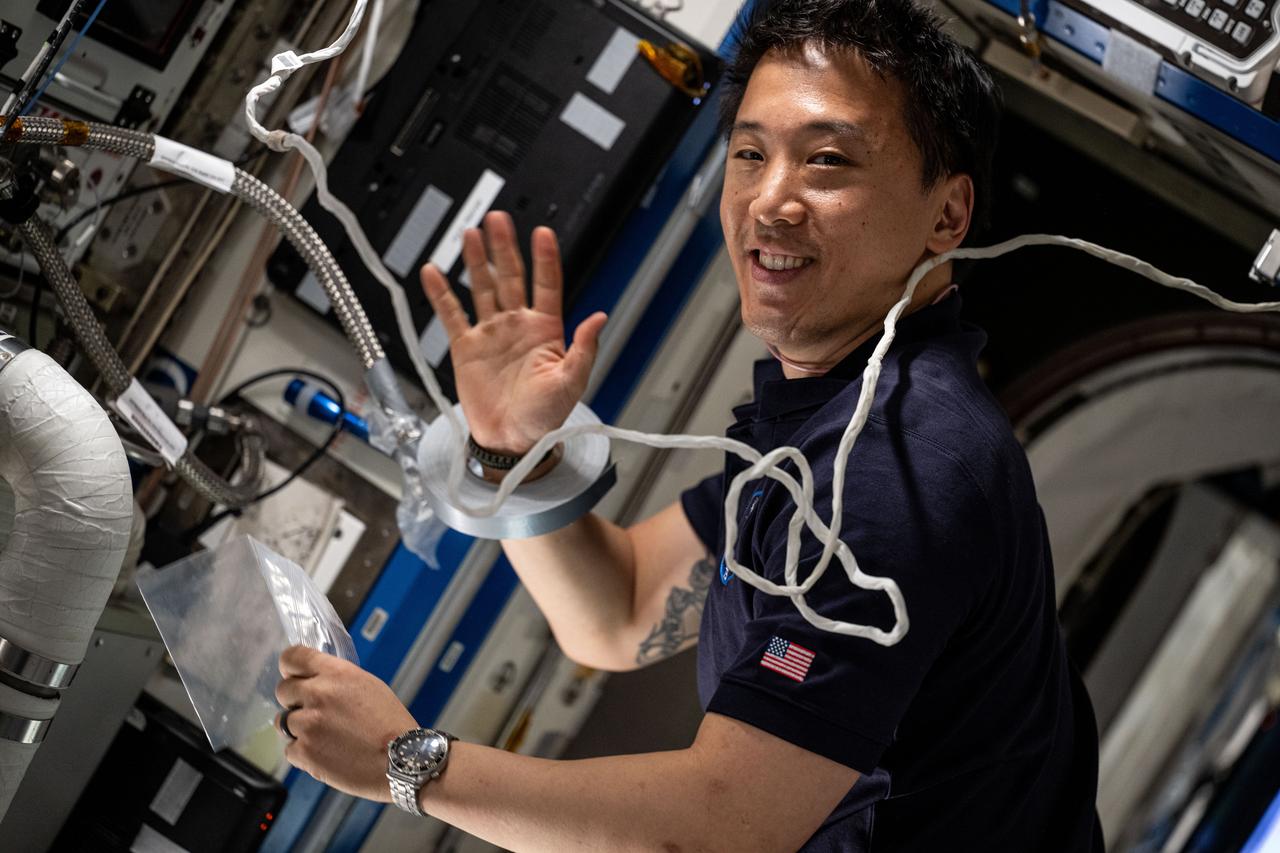
iss073e0118580 (May 27, 2025) --- NASA astronaut and Expedition 73 Flight Engineer Jonny Kim services an experimental carbon dioxide removal device aboard the International Space Station. Also called the Thermal Amine Scrubber, the advanced life support mechanism is testing a new method that removes carbon dioxide from the station’s atmosphere and recovers water for oxygen generation.
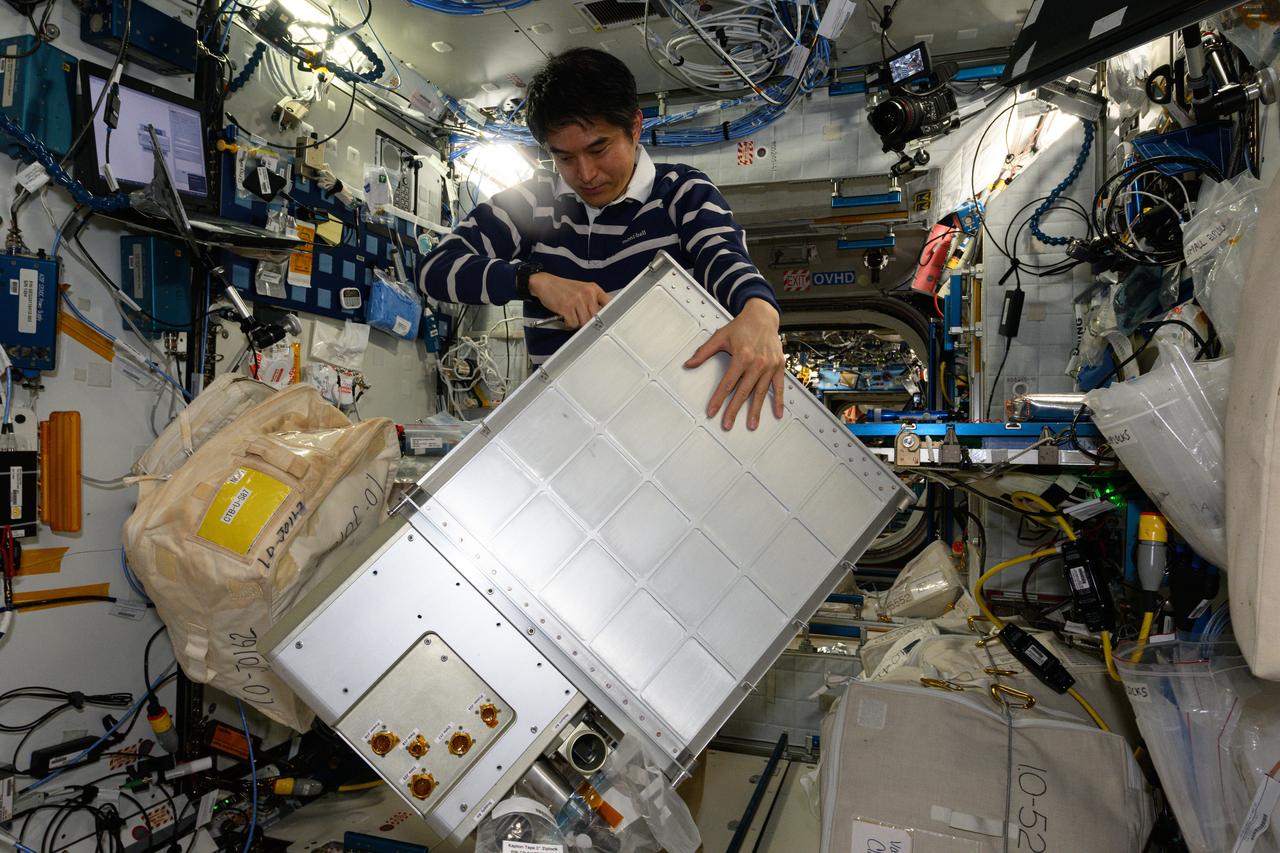
iss073e0118813 (May 28, 2025) --- JAXA (Japan Aerospace Exploration Agency) astronaut and Expedition 73 Commander Takuya Onishi replaces components on an experimental carbon dioxide removal device aboard the International Space Station. Also called the Thermal Amine Scrubber, the advanced life support mechanism is testing a new method that removes carbon dioxide from the station’s atmosphere and recovers water for oxygen generation.
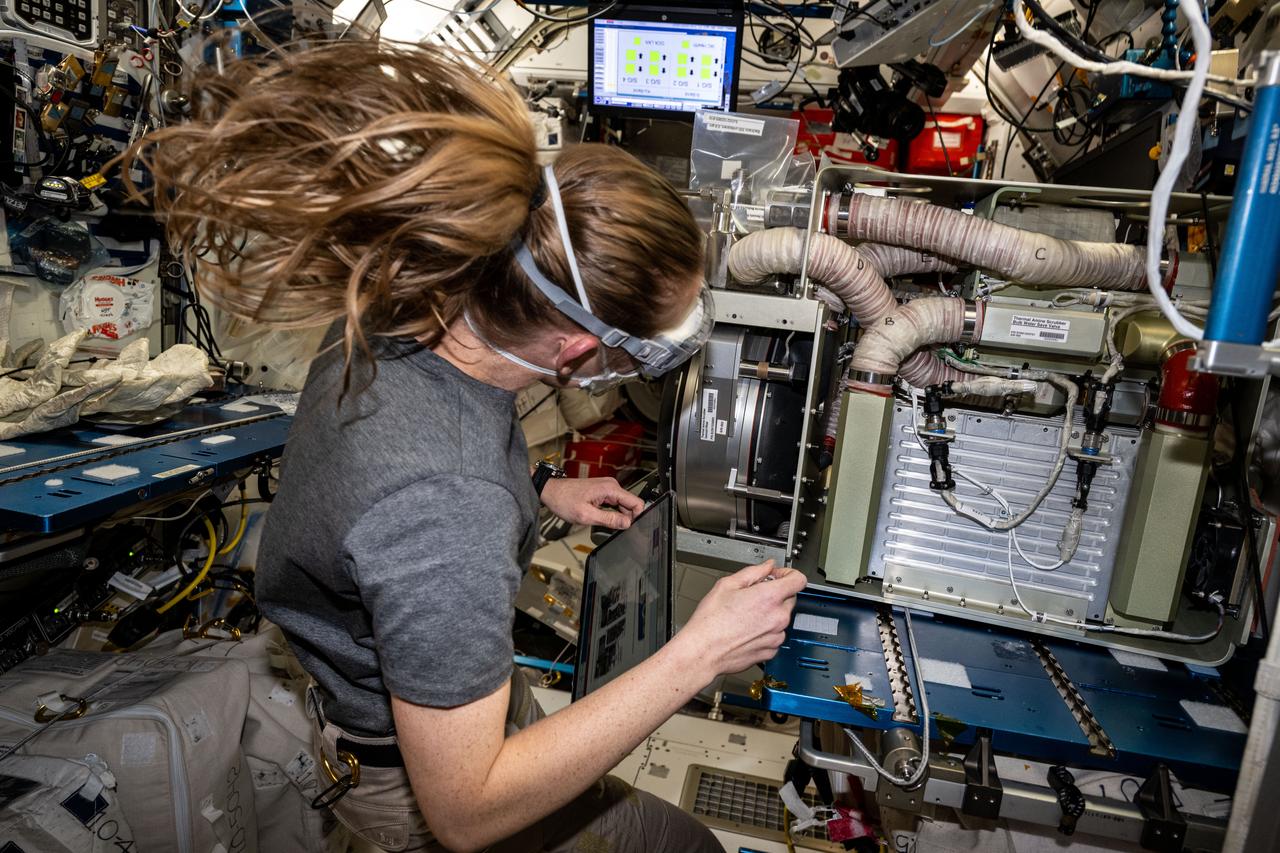
iss073e0078896 (May 27, 2025) --- NASA astronaut and Expedition 73 Flight Engineer Nichole Ayers replaces components on an experimental carbon dioxide removal device. Also called the Thermal Amine Scrubber, the advanced life support mechanism is testing a new method that removes carbon dioxide from the station’s atmosphere and recovers water for oxygen generation.

iss073e0078897 (May 27, 2025) --- NASA astronaut and Expedition 73 Flight Engineer Nichole Ayers replaces components on an experimental carbon dioxide removal device. Also called the Thermal Amine Scrubber, the advanced life support mechanism is testing a new method that removes carbon dioxide from the station’s atmosphere and recovers water for oxygen generation.
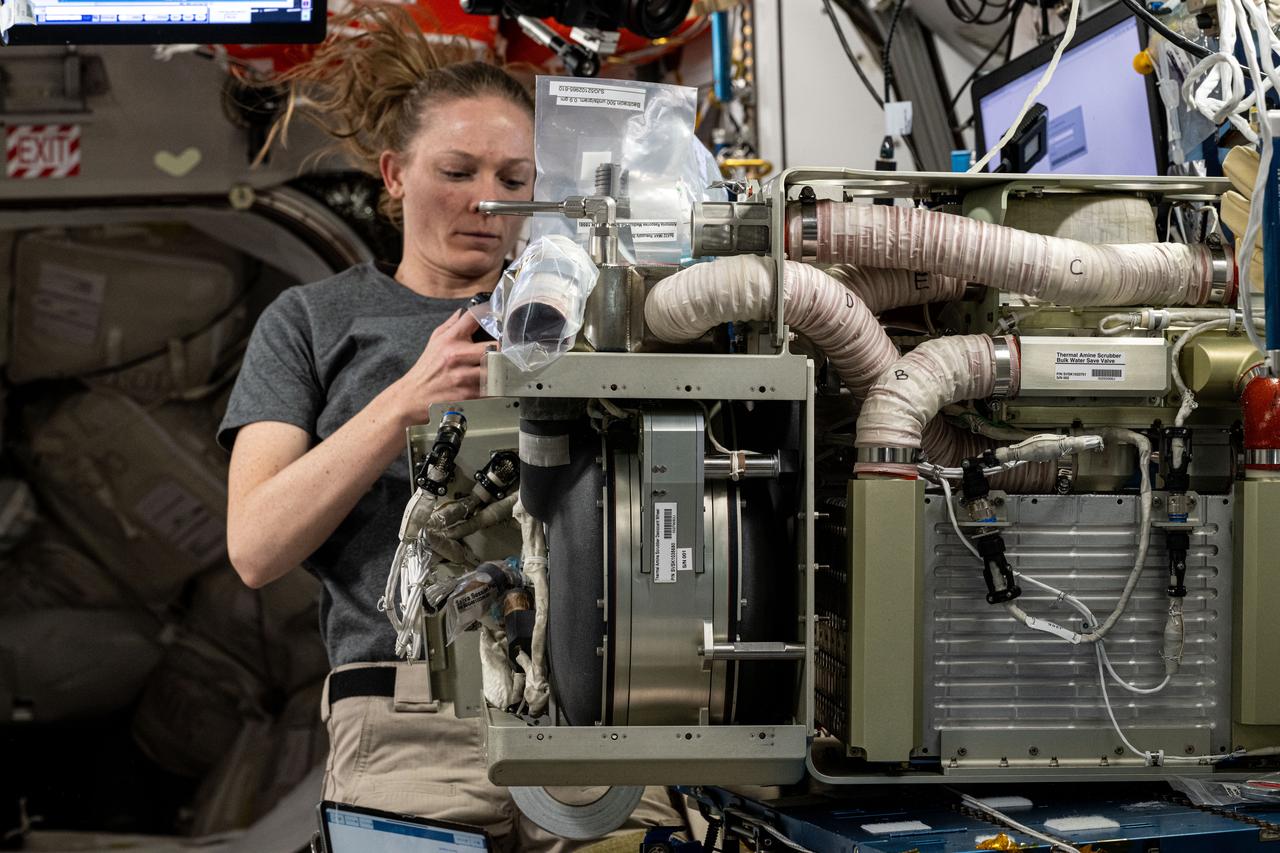
iss073e0118580 (May 27, 2025) --- NASA astronaut and Expedition 73 Flight Engineer Nichole Ayers replaces components on an experimental carbon dioxide removal device aboard the International Space Station. Also called the Thermal Amine Scrubber, the advanced life support mechanism is testing a new method that removes carbon dioxide from the station’s atmosphere and recovers water for oxygen generation.
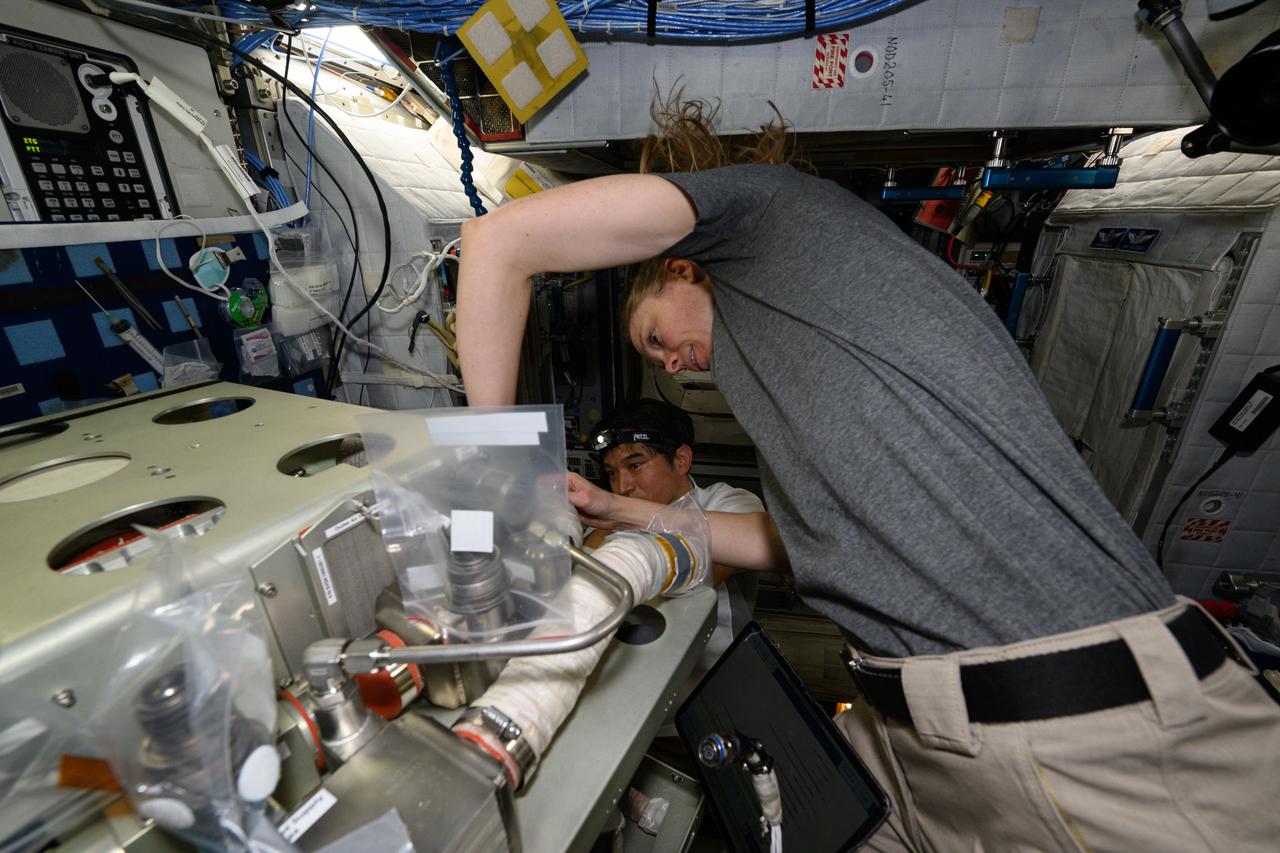
iss073e0118793 (May 27, 2025) --- Astronauts Takuya Onishi of JAXA (Japan Aerospace Exploration Agency) and Nichole Ayers of NASA, Expedition 73 Commander and Flight Engineer respectively, replace components on an experimental carbon dioxide removal device aboard the International Space Station. Also called the Thermal Amine Scrubber, the advanced life support mechanism is testing a new method that removes carbon dioxide from the station’s atmosphere and recovers water for oxygen generation.
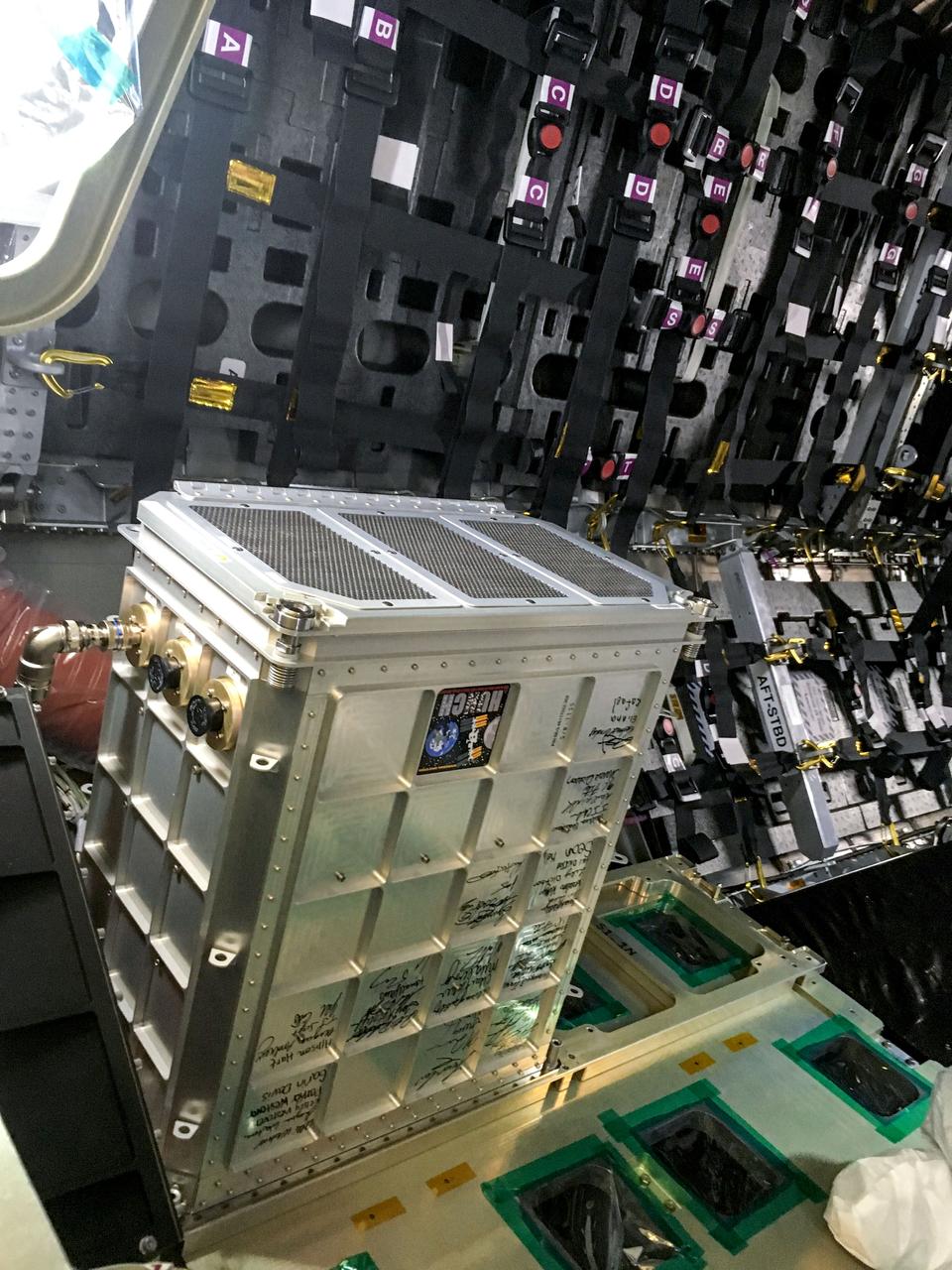
jsc2023e046376 (12/12/2019) --- The Far-Field Diagnostic (FFD) hardware for Spacecraft Fire Experiment-VI (Saffire-VI) is pictured aboard Cygnus before launch. This package contains the Smoke Eater and CO scrubbers, a prototype Combustion Product Monitor to be used on Orion, particulate sensors, and sensors for CO, CO2, and oxygen gases. The containers for the FFD were fabricated by HUNCH (High school students United with NASA to Create Hardware). Their signatures are shown on the side of the FFD. The Saffire series helps researchers to understand realistic fire spread scenarios on spacecraft and generate advanced protective equipment.
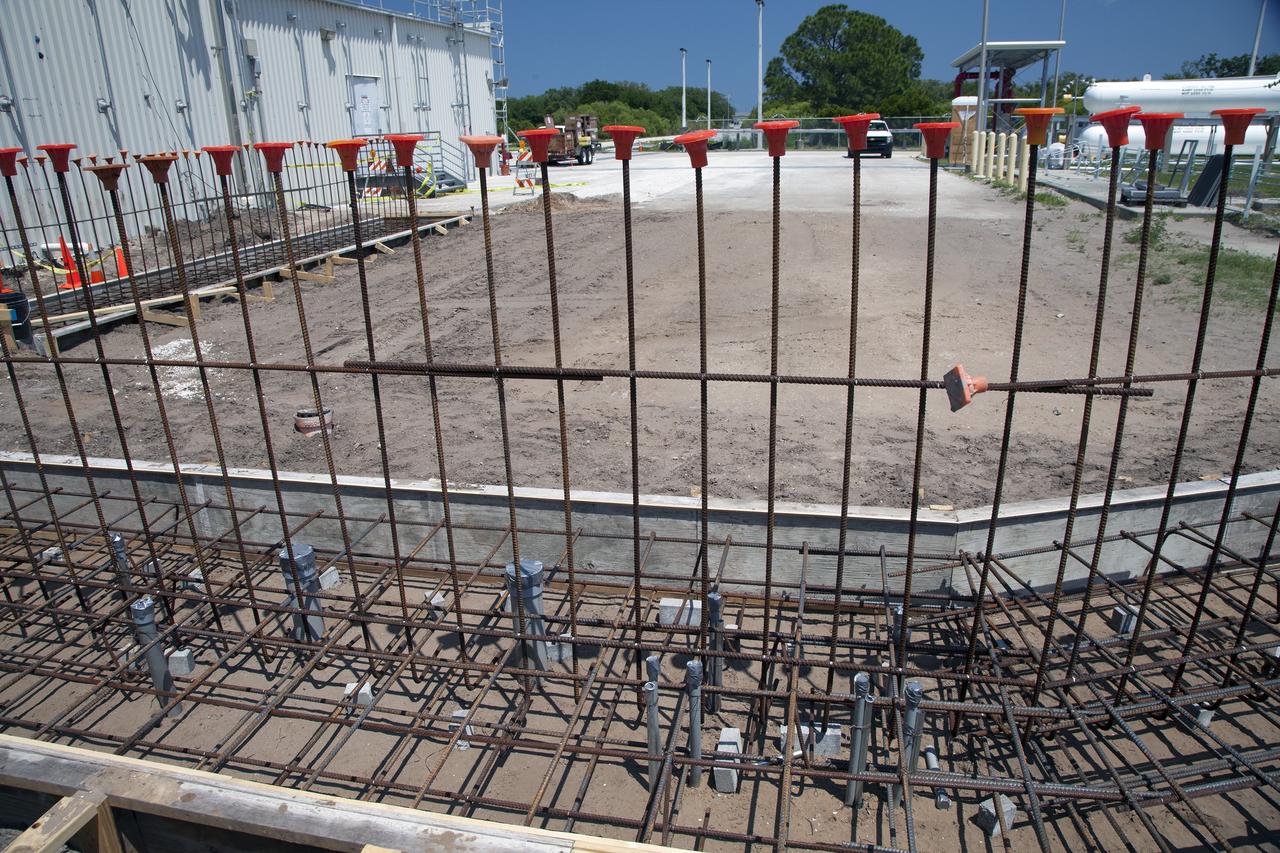
CAPE CANAVERAL, Fla. – Modifications continue on the Multi-Payload Processing Facility, or MPPF, at NASA's Kennedy Space Center in Florida. Construction workers have laid rebar and conduits have been placed for the hypergol scrubber containment wall. Kennedy's Center Operations Directorate is overseeing upgrades to the MPPF for the Ground Systems Development and Operations Program. The extensive upgrades and modernizations will support processing of Orion spacecraft for NASA's exploration missions. The 19,647-square-foot building, originally constructed in 1995, primarily will be used for Orion hypergolic fueling, ammonia servicing and high-pressure gas servicing and checkout before being transported to the Vehicle Assembly Building for integration with the Space Launch System. Photo credit: NASA/Daniel Casper
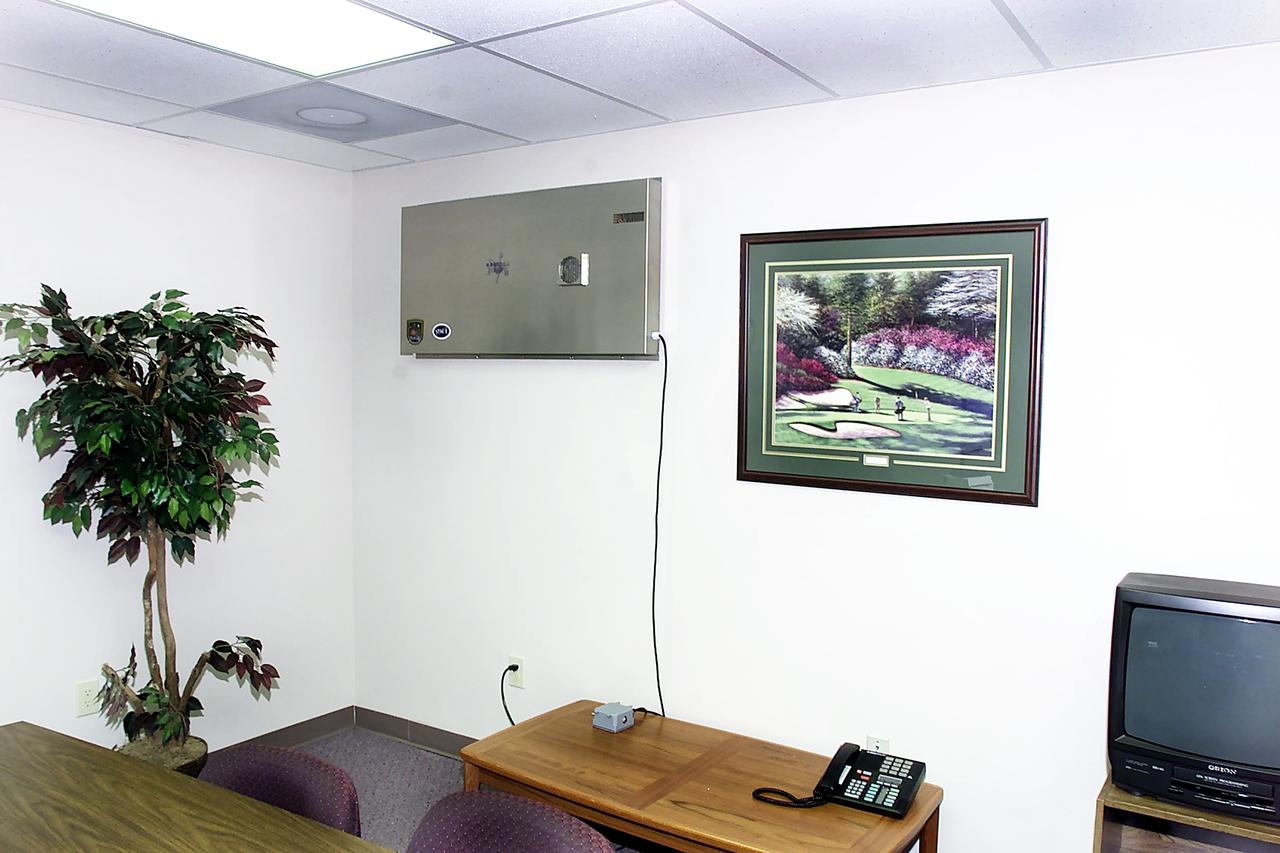
AiroCide Ti02, an anthrax-killing air scrubber manufactured by KES Science and Technology Inc., in Kernesaw, Georgia, looks like a square metal box when it is installed on an office wall. Its fans draw in airborne spores and airflow forces them through a maze of tubes. Inside, hydroxyl radicals (OH-) attack and kill pathogens. Most remaining spores are destroyed by high-energy ultraviolet photons. Building miniature greenhouses for experiments on the International Space Station (ISS) has led to the invention of this device that annihilates anthrax-a bacteria that can be deadly when inhaled. The research enabling the invention started at the University of Wisconsin (Madison) Center for Space Automation and Robotics (WCSAR), one of 17 NASA Commercial Space Centers. A special coating technology used in the anthrax-killing invention is also being used inside WCSAR-built plant growth units on the ISS. This commercial research is managed by the Space Product Development Program at the Marshall Space Flight Center.
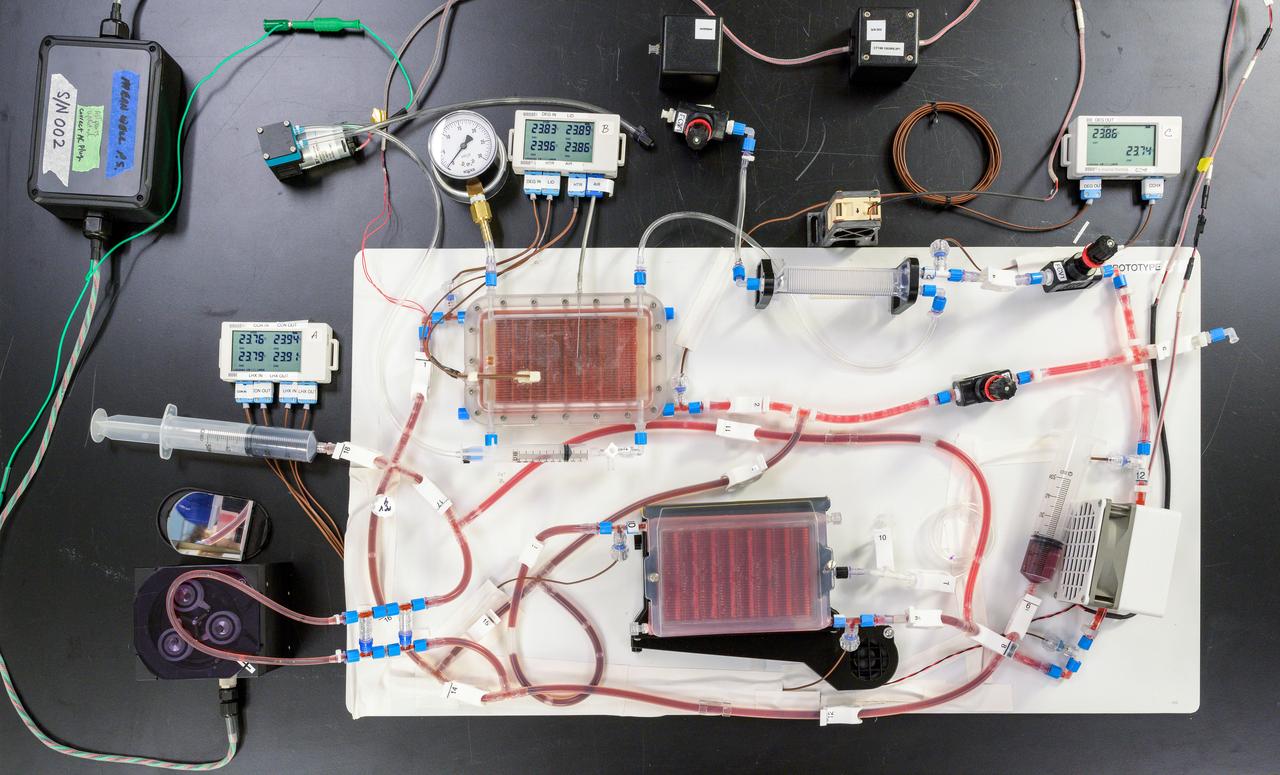
jsc2023e010170 (1/30/2023) --- Overall view of the CapiSorb Visible System prototype with sorbent simulant liquid in N240 room 133B. The CapiSorb Visible System will be launched on SpaceX CRS-27 in March 2023 to the International Space Station to demonstrate a liquid sorbent-based system that leverages the advantages of liquid control through capillary action to remove carbon dioxide from crewed atmospheres...The CapiSorb Visible System, shown here preflight, is used to study visco-capillary control and passive transport of liquid while simulating a fluid loop representative of a liquid carbon dioxide sorbent scrubber. The CapiSorb Visible System investigation demonstrates a liquid control using capillary forces, over a range of properties that are characteristic of liquids which absorb carbon dioxide. Image courtesy of NASA's Ames Research Center.

This is a photo of a technician at KES Science and Technology Inc., in Kernesaw, Georgia, assembling the AiroCide Ti02, an anthrax-killing device about the size of a small coffee table. The anthrax-killing air scrubber, AiroCide Ti02, is a tabletop-size metal box that bolts to office ceilings or walls. Its fans draw in airborne spores and airflow forces them through a maze of tubes. Inside, hydroxyl radicals (OH-) attack and kill pathogens. Most remaining spores are destroyed by high-energy ultraviolet photons. Building miniature greenhouses for experiments on the International Space Station has led to the invention of this device that annihilates anthrax, a bacteria that can be deadly when inhaled. The research enabling the invention started at the University of Wisconsin's (Madison) Center for Space Automation and Robotics (WCSAR), one of 17 NASA Commercial Space Centers. A special coating technology used in this anthrax-killing invention is also being used inside WCSAR-built plant growth units on the International Space Station. This commercial research is managed by the Space Product Development Program at the Marshall Space Flight Center.
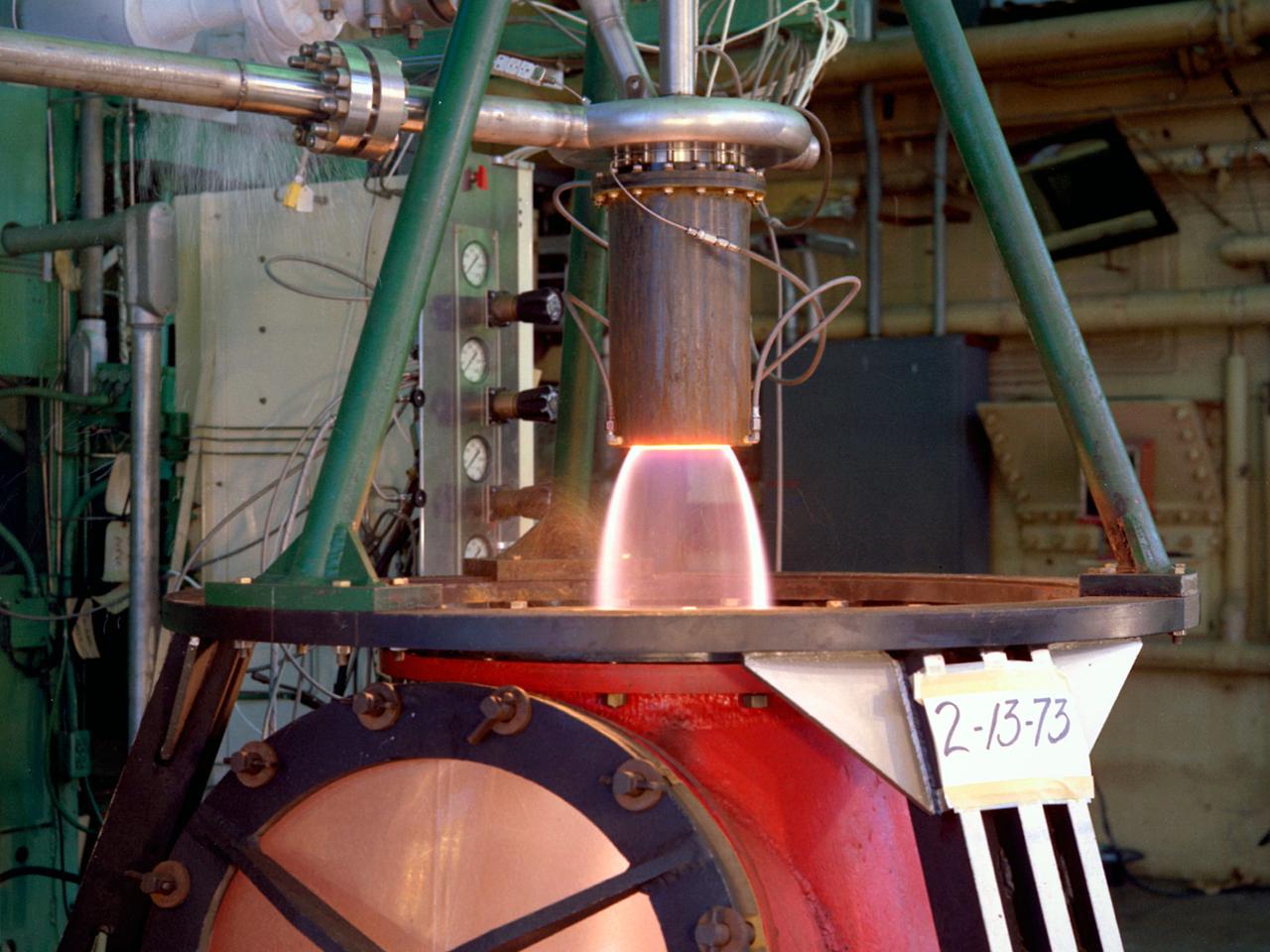
The thrust stand in the Rocket Engine Test Facility at the National Aeronautics and Space Administration (NASA) Lewis Research Center in Cleveland, Ohio. The Rocket Engine Test Facility was constructed in the mid-1950s to expand upon the smaller test cells built a decade before at the Rocket Laboratory. The $2.5-million Rocket Engine Test Facility could test larger hydrogen-fluorine and hydrogen-oxygen rocket thrust chambers with thrust levels up to 20,000 pounds. Test Stand A, seen in this photograph, was designed to fire vertically mounted rocket engines downward. The exhaust passed through an exhaust gas scrubber and muffler before being vented into the atmosphere. Lewis researchers in the early 1970s used the Rocket Engine Test Facility to perform basic research that could be utilized by designers of the Space Shuttle Main Engines. A new electronic ignition system and timer were installed at the facility for these tests. Lewis researchers demonstrated the benefits of ceramic thermal coatings for the engine’s thrust chamber and determined the optimal composite material for the coatings. They compared the thermal-coated thrust chamber to traditional unlined high-temperature thrust chambers. There were more than 17,000 different configurations tested on this stand between 1973 and 1976. The Rocket Engine Test Facility was later designated a National Historic Landmark for its role in the development of liquid hydrogen as a propellant.