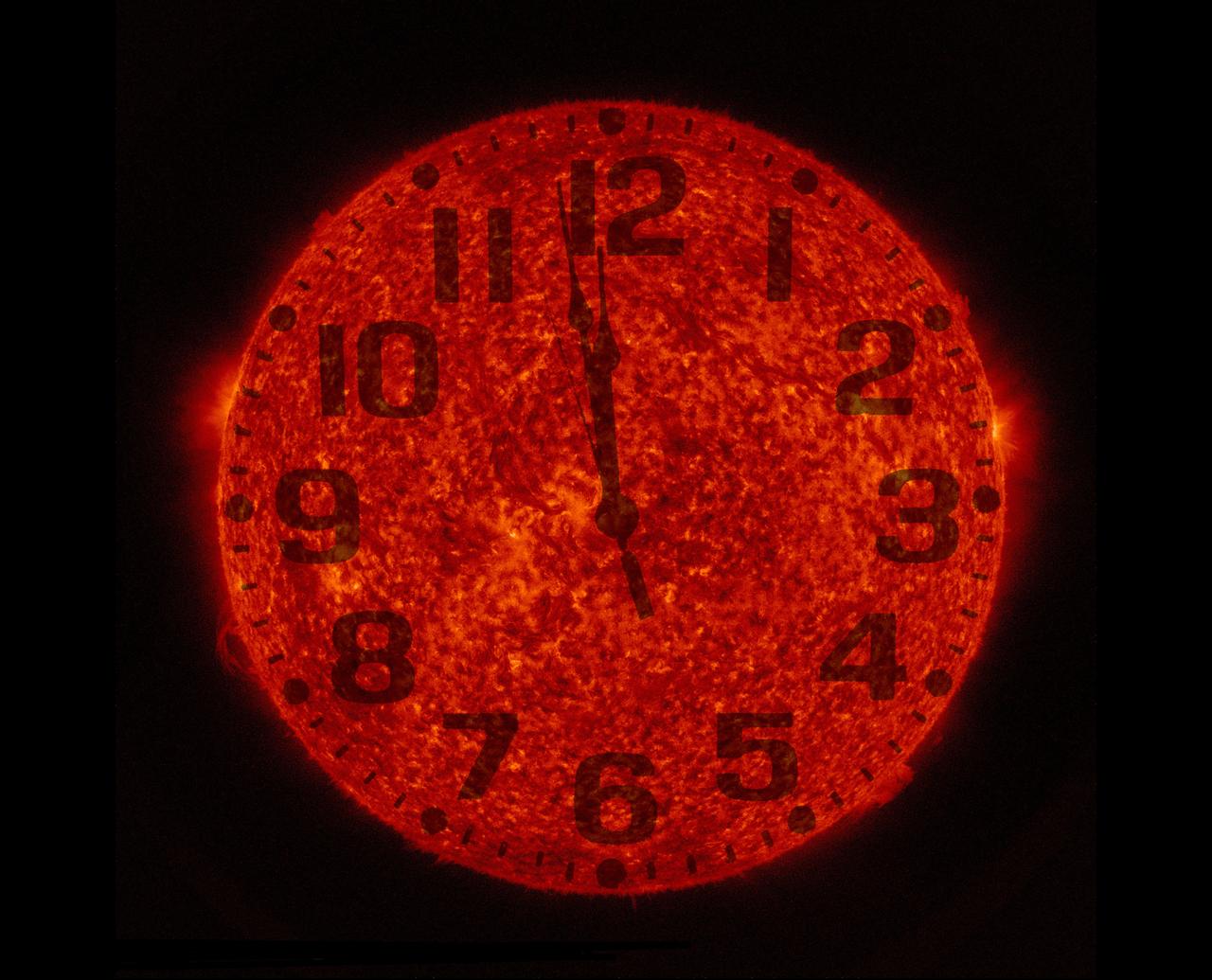
On Dec. 31, 2016, official clocks around the world will add a leap second just before midnight Coordinated Universal Time — which corresponds to 6:59:59 p.m. EST. NASA missions will also have to make the switch, including the Solar Dynamics Observatory, or SDO, which watches the sun 24/7. Clocks do this to keep in sync with Earth's rotation, which gradually slows down over time. When the dinosaurs roamed Earth, for example, our globe took only 23 hours to make a complete rotation. In space, millisecond accuracy is crucial to understanding how satellites orbit. "SDO moves about 1.9 miles every second," said Dean Pesnell, the project scientist for SDO at NASA's Goddard Space Flight Center in Greenbelt, Maryland. "So does every other object in orbit near SDO. We all have to use the same time to make sure our collision avoidance programs are accurate. So we all add a leap second to the end of 2016, delaying 2017 by one second." The leap second is also key to making sure that SDO is in sync with the Coordinated Universal Time, or UTC, used to label each of its images. SDO has a clock that counts the number of seconds since the beginning of the mission. To convert that count to UTC requires knowing just how many leap seconds have been added to Earth-bound clocks since the mission started. When the spacecraft wants to provide a time in UTC, it calls a software module that takes into consideration both the mission's second count and the number of leap seconds — and then returns a time in UTC.
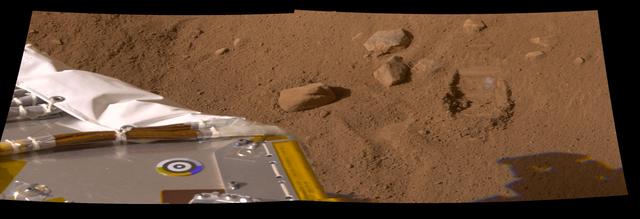
Second Dig and Dump Test
Second Largest Moon
Shining a Second Light
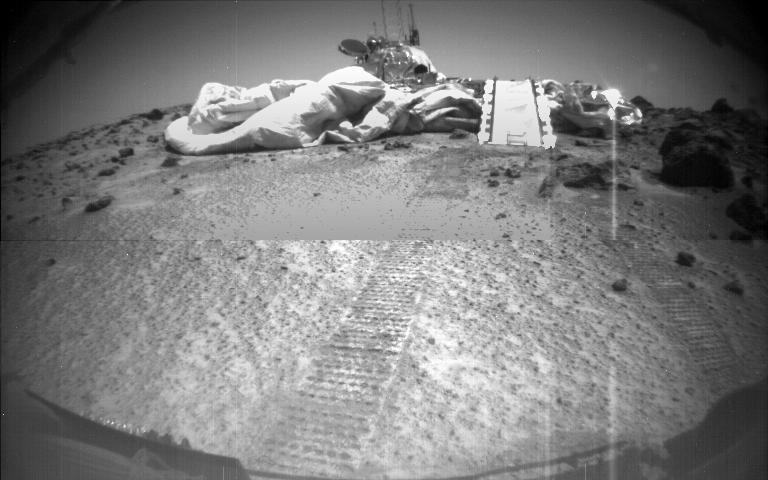
The Second Rover Image
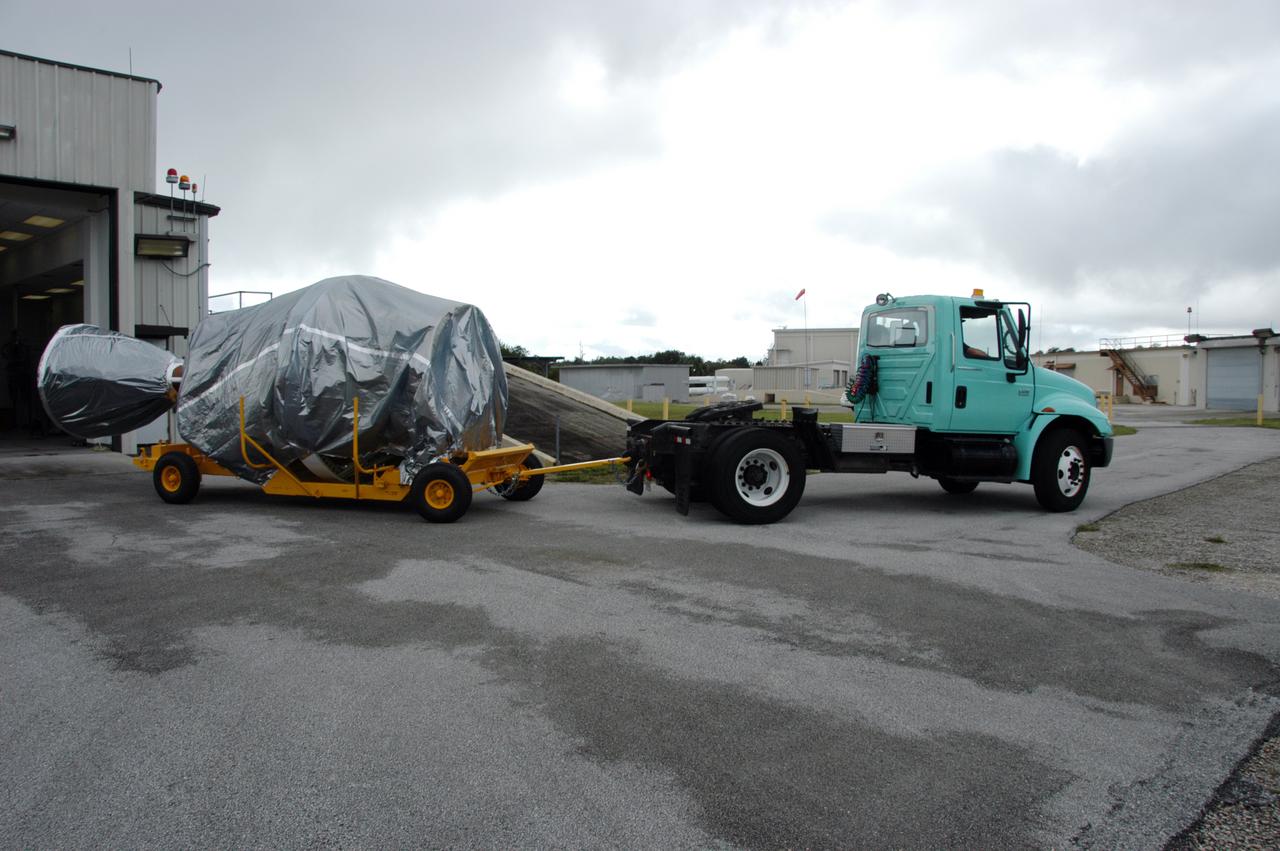
The covered Delta II second stage arrives at a checkout hangar on Cape Canaveral Air Force Station in Florida in preparation for transfer to Pad 17-B. At the pad, it will be lifted into the mobile service tower and mated with the first stage already in place. The Delta II is the launch vehicle for the THEMIS spacecraft. THEMIS consists of five identical probes, the largest number of scientific satellites ever launched into orbit aboard a single rocket. This unique constellation of satellites will resolve the tantalizing mystery of what causes the spectacular sudden brightening of the aurora borealis and aurora australis - the fiery skies over the Earth's northern and southern polar regions. THEMIS is scheduled to launch Feb. 15 from Cape Canaveral Air Force Station.
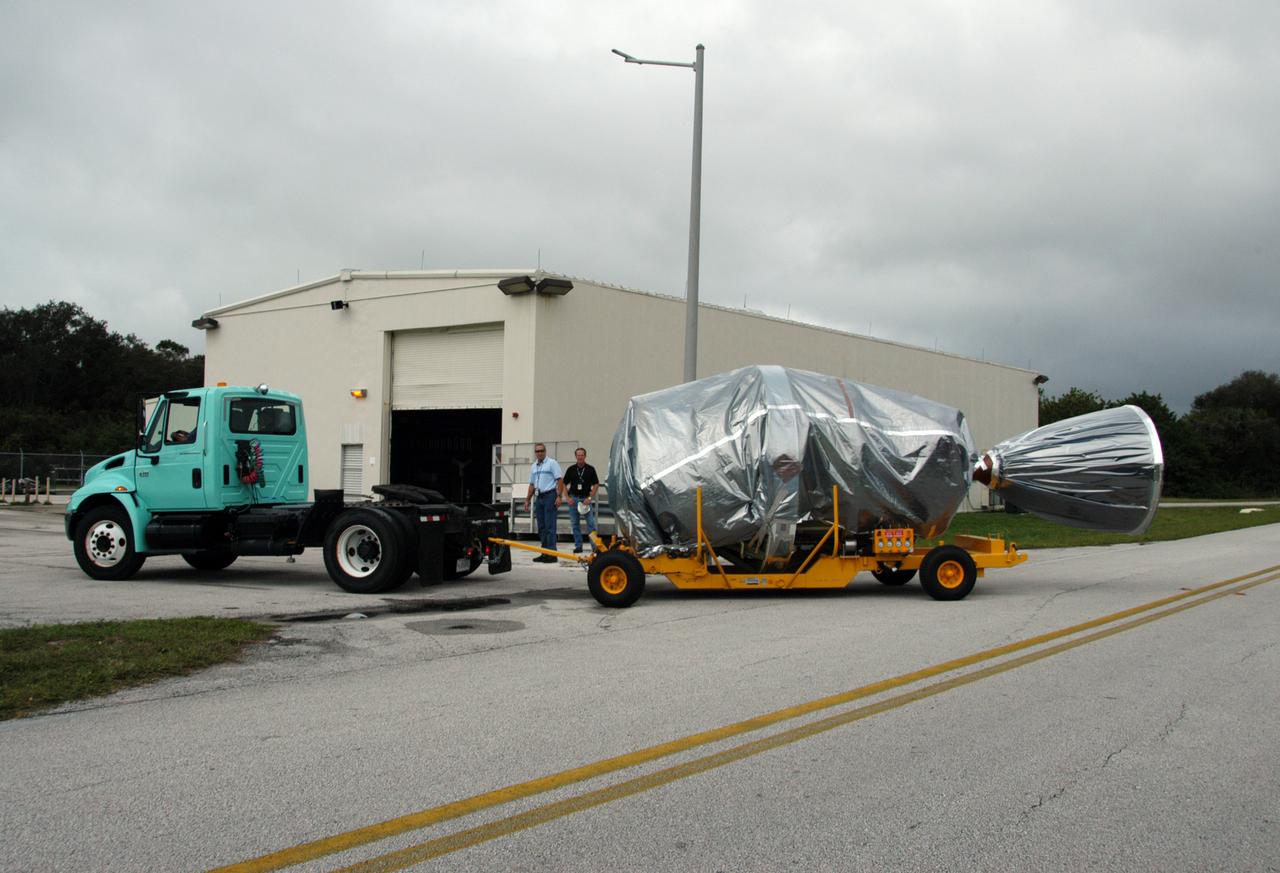
The covered Delta II second stage arrives at a checkout hangar on Cape Canaveral Air Force Station in Florida in preparation for transfer to Pad 17-B. At the pad, it will be lifted into the mobile service tower and mated with the first stage already in place. The Delta II is the launch vehicle for the THEMIS spacecraft. THEMIS consists of five identical probes, the largest number of scientific satellites ever launched into orbit aboard a single rocket. This unique constellation of satellites will resolve the tantalizing mystery of what causes the spectacular sudden brightening of the aurora borealis and aurora australis - the fiery skies over the Earth's northern and southern polar regions. THEMIS is scheduled to launch Feb. 15 from Cape Canaveral Air Force Station.
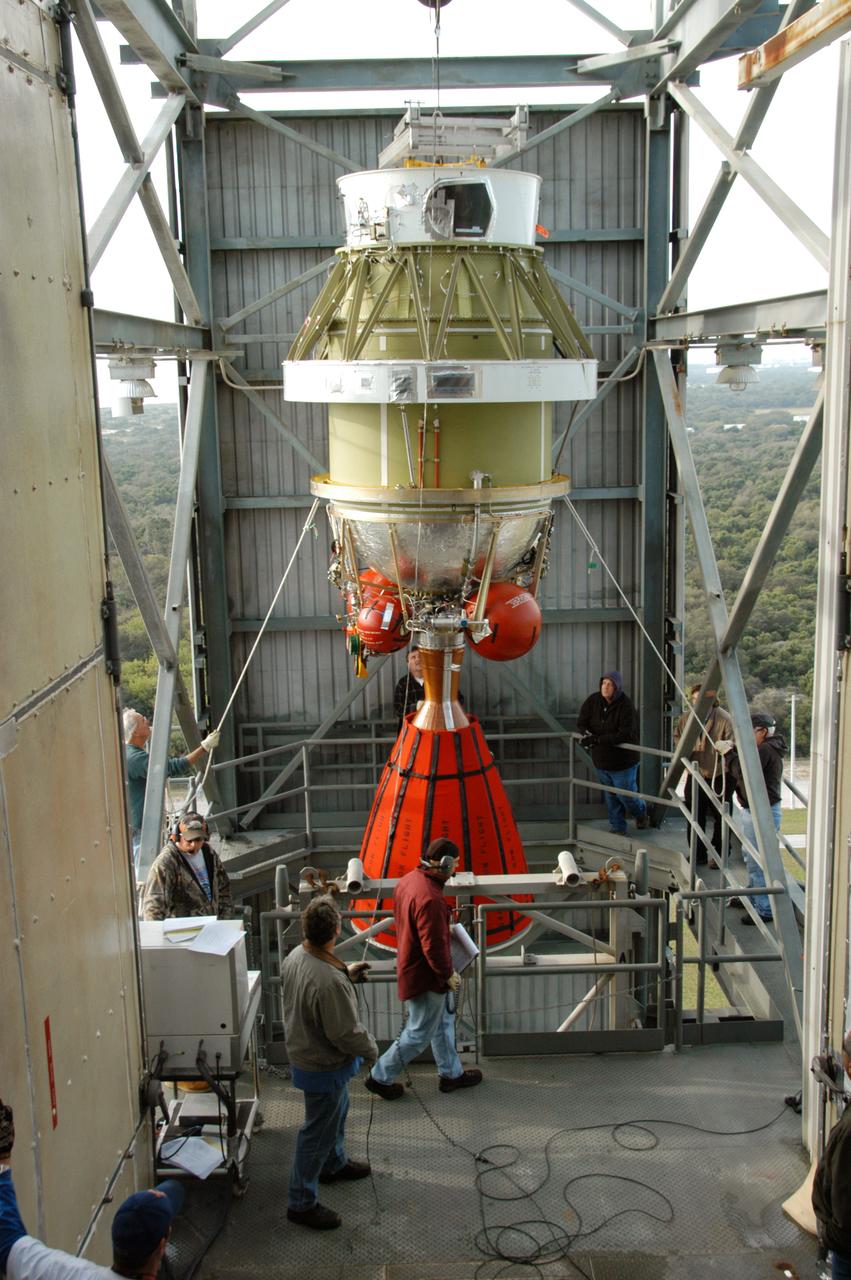
On Pad 17-B at Cape Canaveral Air Force Station, the Delta II second stage arrives at level 9 of the tower. The second stage will be moved inside and mated with the first stage already in place. The Delta II is the launch vehicle for the THEMIS spacecraft THEMIS consists of five identical probes, the largest number of scientific satellites ever launched into orbit aboard a single rocket. This unique constellation of satellites will resolve the tantalizing mystery of what causes the spectacular sudden brightening of the aurora borealis and aurora australis - the fiery skies over the Earth's northern and southern polar regions. THEMIS is scheduled to launch Feb. 15 from Cape Canaveral Air Force Station.
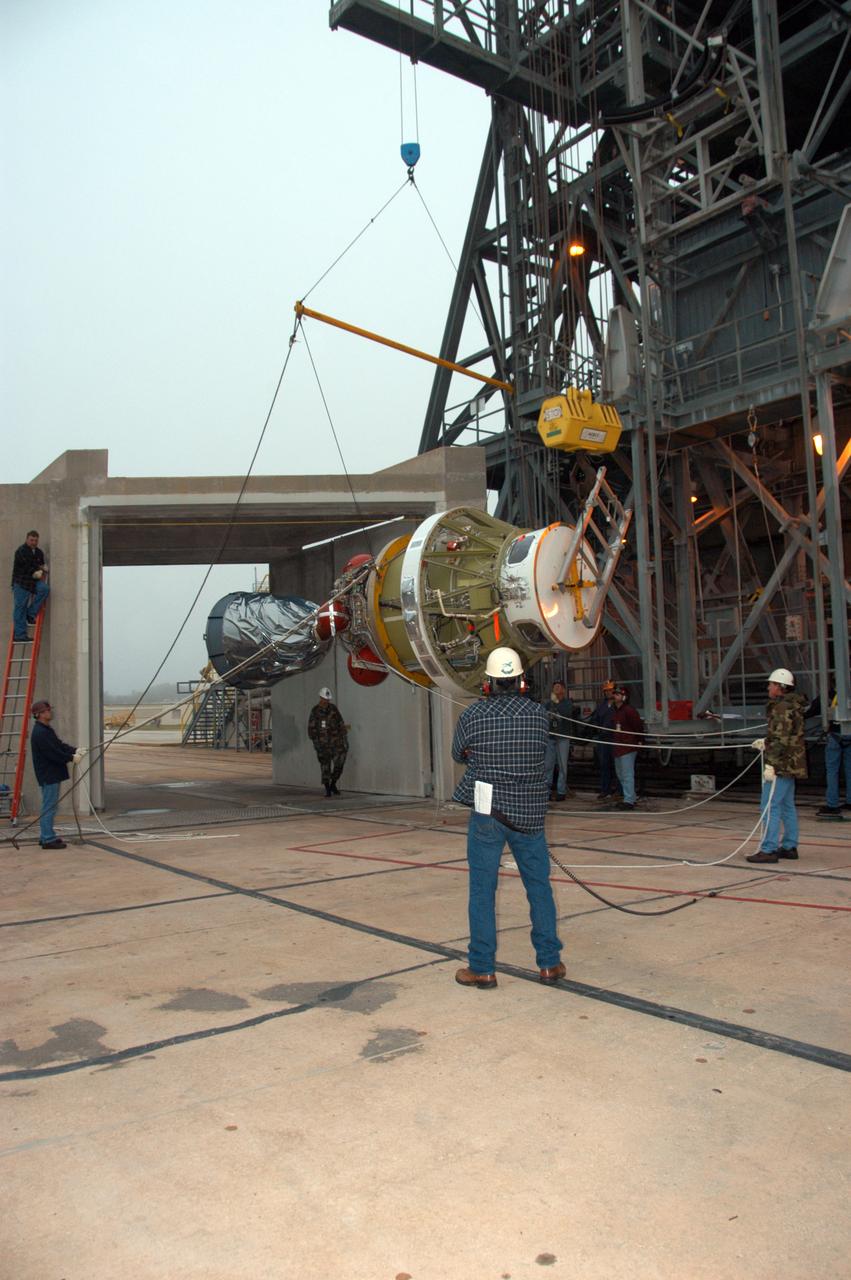
On Pad 17-B at Cape Canaveral Air Force Station, workers stand by while an overhead crane lifts the Delta II second stage to a vertical position. The second stage will be lifted into the mobile service tower and mated with the first stage already in place. The Delta II is the launch vehicle for the THEMIS spacecraft. THEMIS consists of five identical probes, the largest number of scientific satellites ever launched into orbit aboard a single rocket. This unique constellation of satellites will resolve the tantalizing mystery of what causes the spectacular sudden brightening of the aurora borealis and aurora australis - the fiery skies over the Earth's northern and southern polar regions. THEMIS is scheduled to launch Feb. 15 from Cape Canaveral Air Force Station.
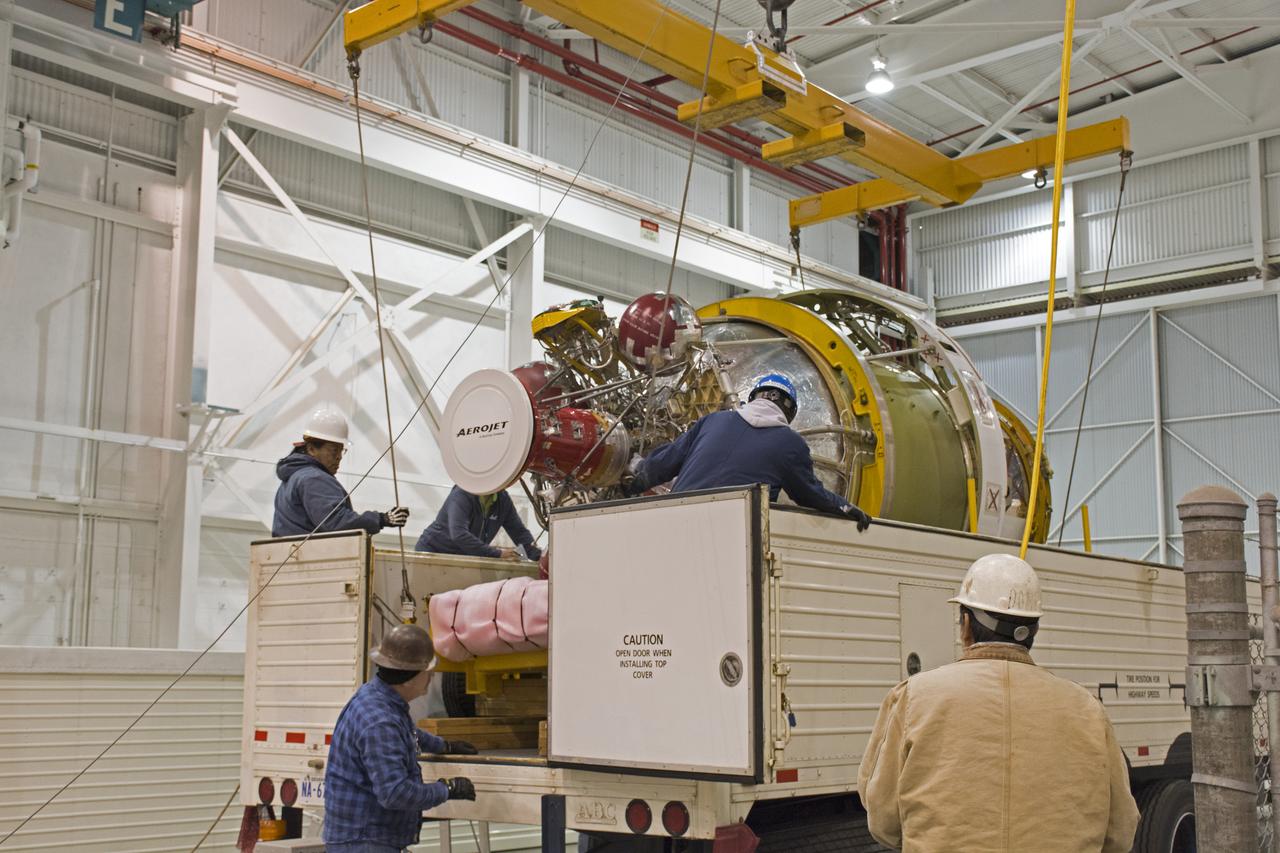
The United Launch Alliance Delta II second stage arrived at NASA's Building 1555 at Vandenberg Air Force Base in California. Technicians assist as a crane lifts the second stage up from the base of its shipping container. It will be prepared for transport to the horizontal processing facility at Space Launch Complex-2. NASA's Ice, Cloud and land Elevation Satellite-2 (ICESat-2) will launch later this year on the final Delta II rocket. ICESat-2 will measure the height of a changing Earth, one laser pulse at a time, 10,000 laser pulses a second. The satellite will carry a single instrument, the Advanced Topographic Laser Altimeter System. ICESat-2 will help scientists investigate why, and how much our planet's frozen and icy areas, called the cryosphere, is changing in a warming climate.
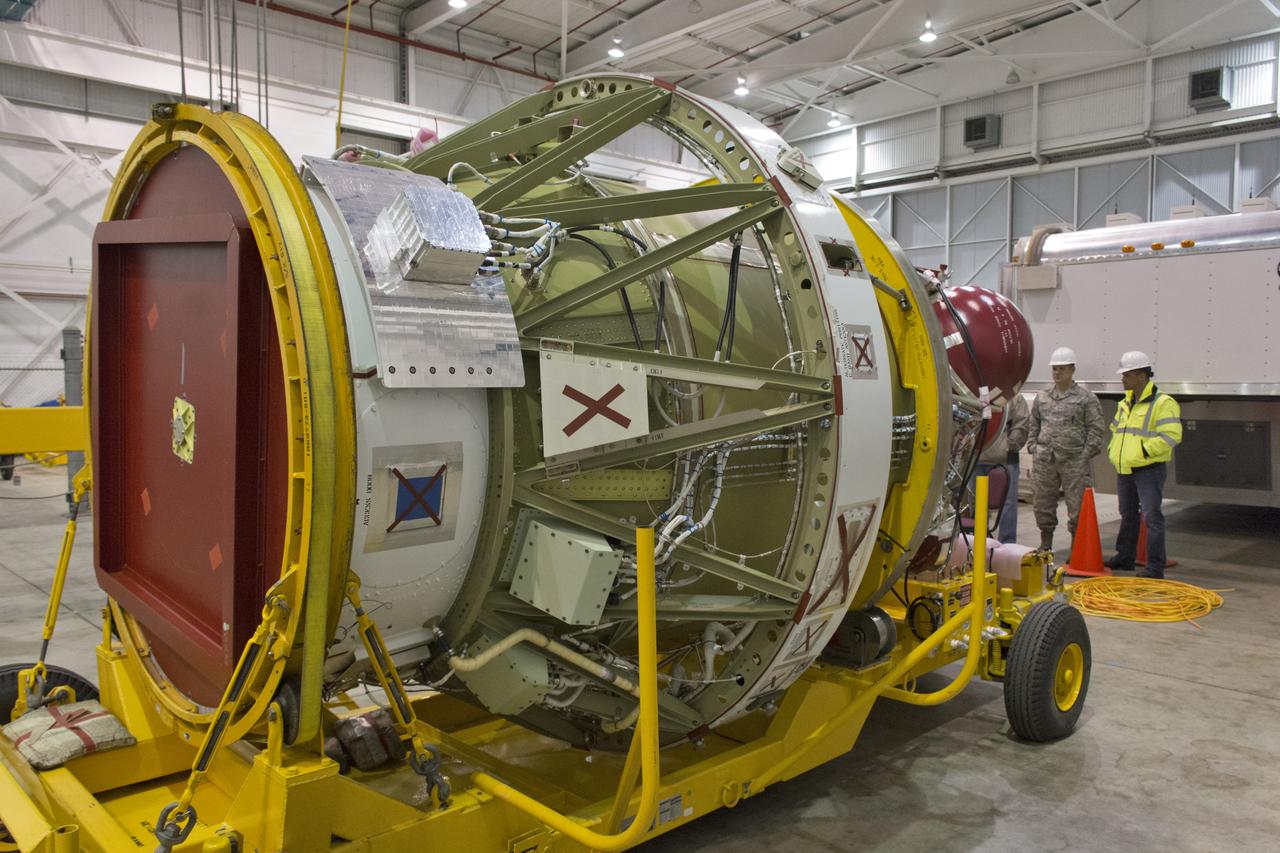
Inside NASA's Building 1555 at Vandenberg Air Force Base in California, the United Launch Alliance Delta II second stage is secured on the base of a transporter. The second stage will be moved to the horizontal processing facility at Space Launch Complex-2. NASA's Ice, Cloud and land Elevation Satellite-2 (ICESat-2) will launch later this year on the final Delta II rocket. ICESat-2 will measure the height of a changing Earth, one laser pulse at a time, 10,000 laser pulses a second. The satellite will carry a single instrument, the Advanced Topographic Laser Altimeter System. ICESat-2 will help scientists investigate why, and how much our planet's frozen and icy areas, called the cryosphere, is changing in a warming climate
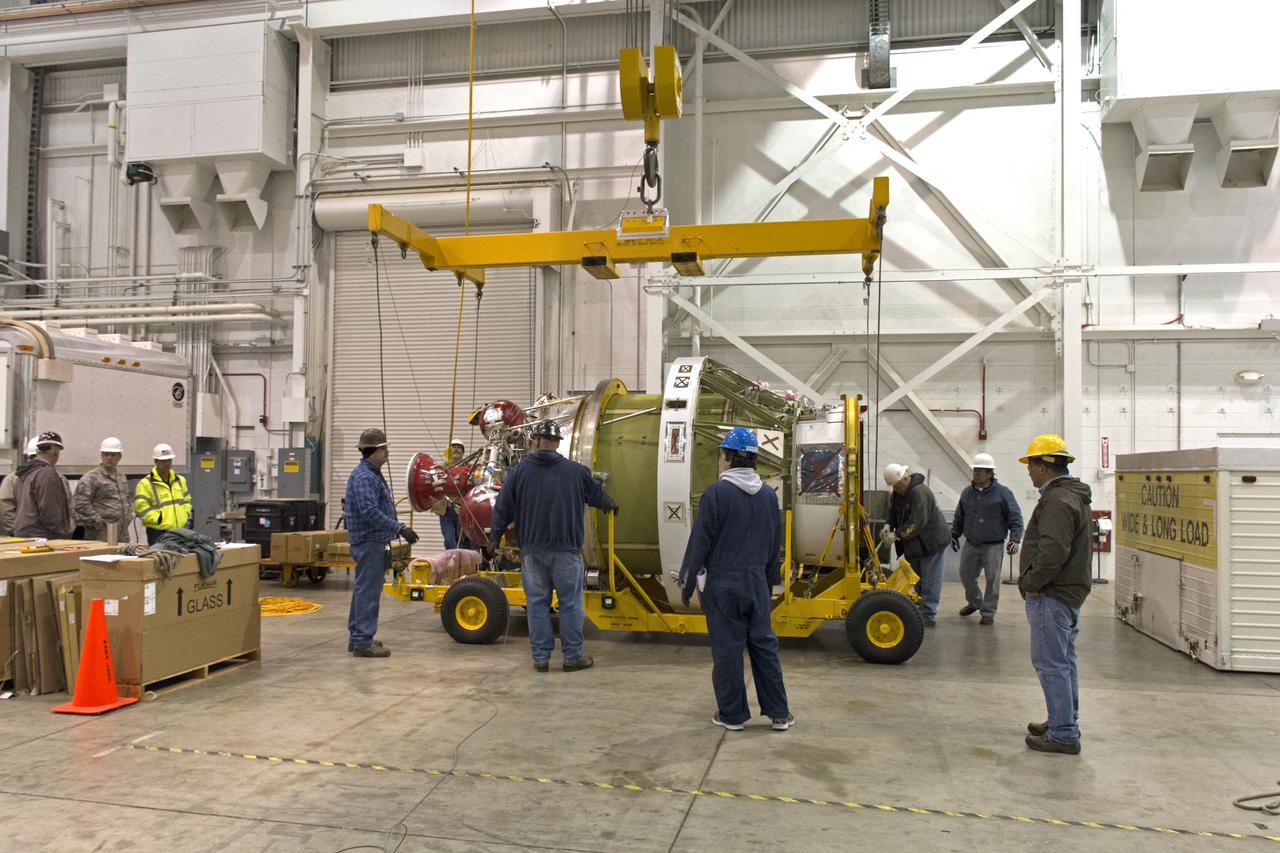
Inside NASA's Building 1555 at Vandenberg Air Force Base in California, the United Launch Alliance Delta II second stage was lifted out of its shipping container and a crane is being used to lower it onto the base of a transporter. The second stage will be moved to the horizontal processing facility at Space Launch Complex-2. NASA's Ice, Cloud and land Elevation Satellite-2 (ICESat-2) will launch later this year on the final Delta II rocket. ICESat-2 will measure the height of a changing Earth, one laser pulse at a time, 10,000 laser pulses a second. The satellite will carry a single instrument, the Advanced Topographic Laser Altimeter System. ICESat-2 will help scientists investigate why, and how much our planet's frozen and icy areas, called the cryosphere, is changing in a warming climate.
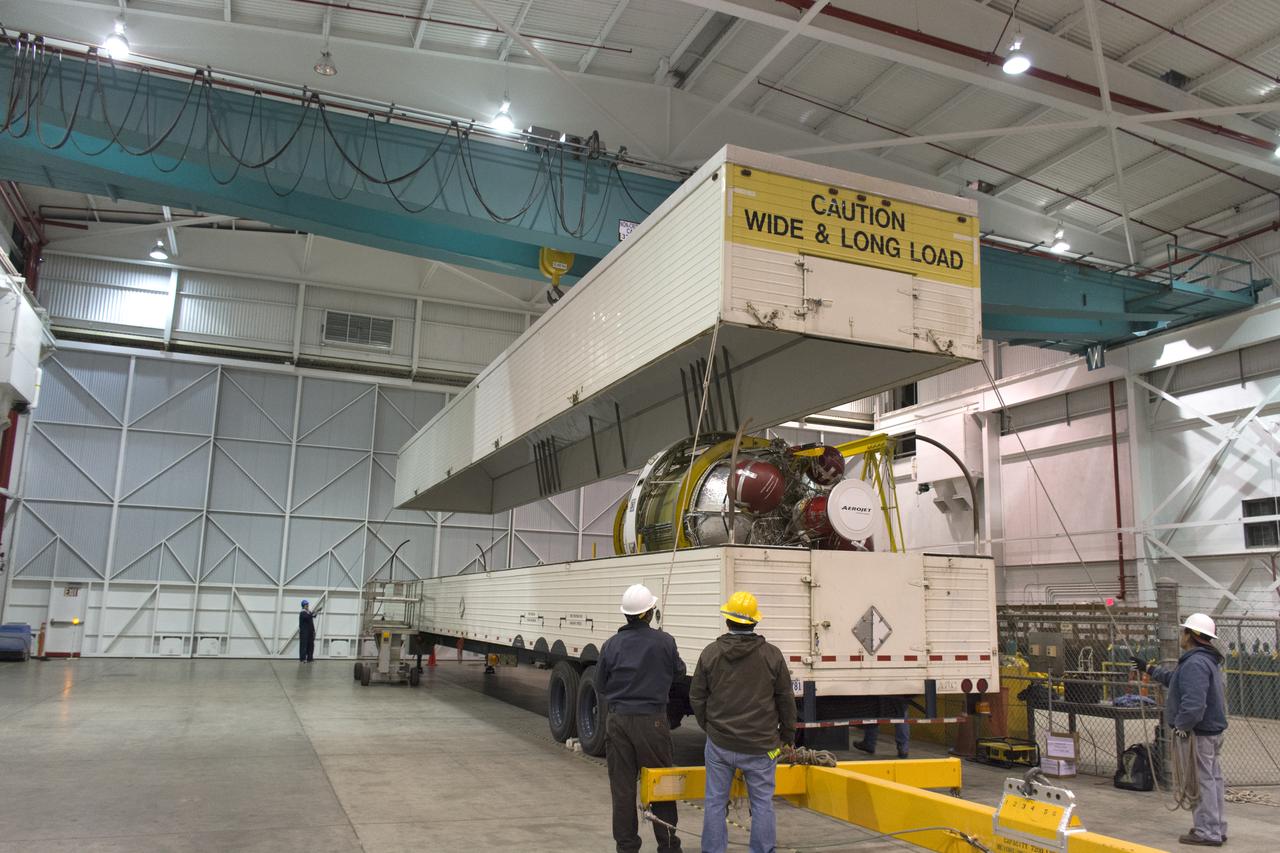
The United Launch Alliance Delta II second stage arrived at NASA's Building 1555 at Vandenberg Air Force Base in California. Technicians assist as a crane lifts the top of the shipping container up from the second stage so it can be offloaded and prepared for transport to the horizontal processing facility at Space Launch Complex-2. NASA's Ice, Cloud and land Elevation Satellite-2 (ICESat-2) will launch later this year on the final Delta II rocket. ICESat-2 will measure the height of a changing Earth, one laser pulse at a time, 10,000 laser pulses a second. The satellite will carry a single instrument, the Advanced Topographic Laser Altimeter System. ICESat-2 will help scientists investigate why, and how much our planet's frozen and icy areas, called the cryosphere, is changing in a warming climate.
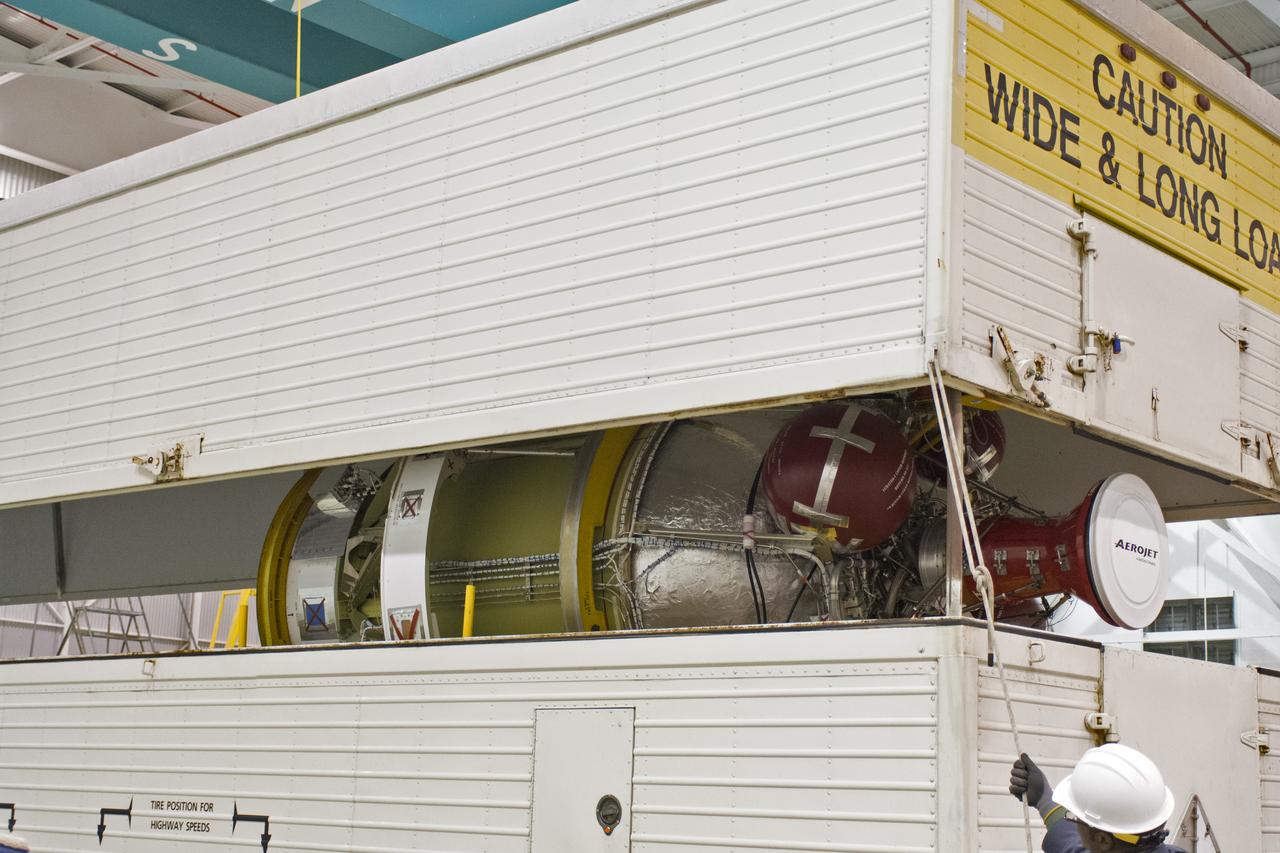
The United Launch Alliance Delta II second stage arrived at NASA's Building 1555 at Vandenberg Air Force Base in California. Technicians assist as a crane lifts the top of the shipping container up from the second stage so it can be offloaded and prepared for transport to the horizontal processing facility at Space Launch Complex-2. NASA's Ice, Cloud and land Elevation Satellite-2 (ICESat-2) will launch later this year on the final Delta II rocket. ICESat-2 will measure the height of a changing Earth, one laser pulse at a time, 10,000 laser pulses a second. The satellite will carry a single instrument, the Advanced Topographic Laser Altimeter System. ICESat-2 will help scientists investigate why, and how much our planet's frozen and icy areas, called the cryosphere, is changing in a warming climate.
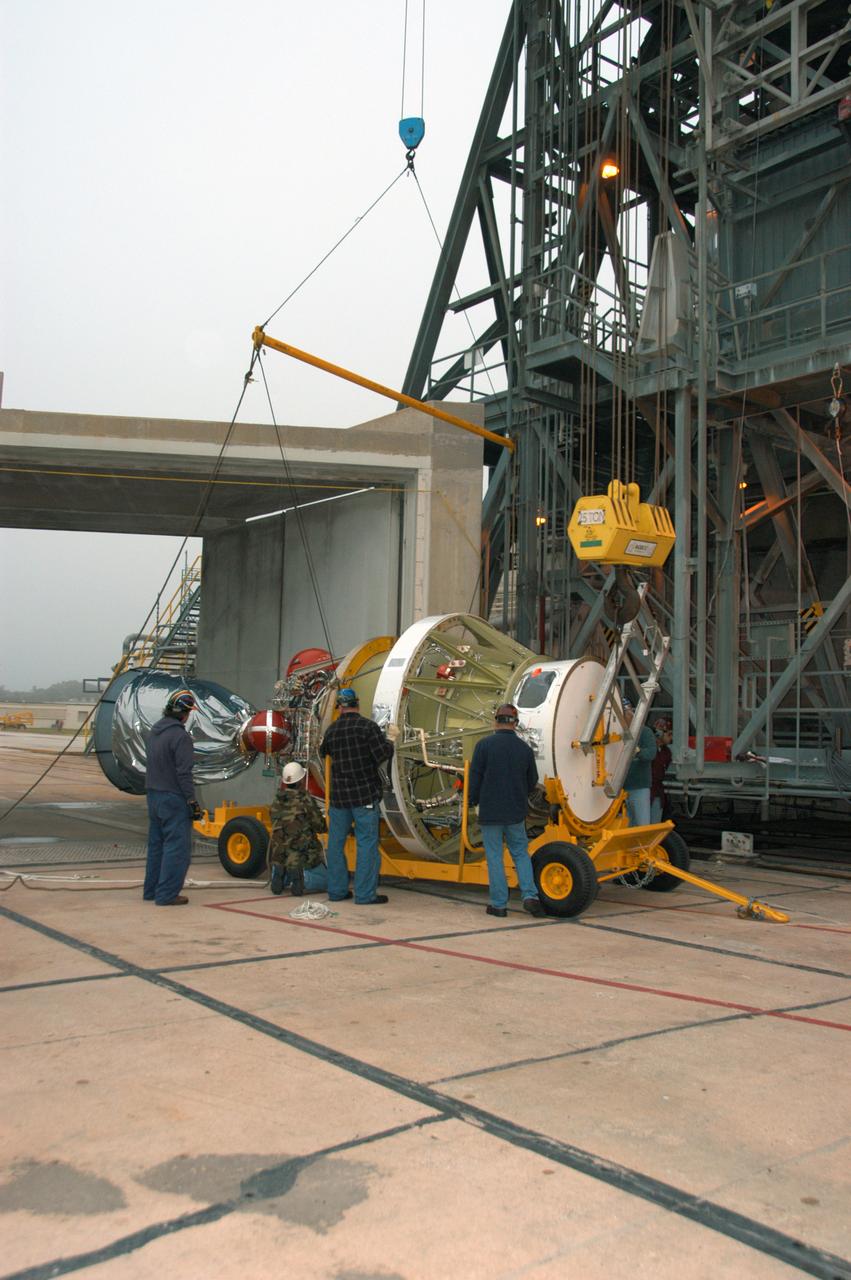
On Pad 17-B at Cape Canaveral Air Force Station, workers attach an overhead crane to the Delta II second stage in order to raise it to vertical. It will be lifted into the mobile service tower and mated with the first stage already in place. The Delta II is the launch vehicle for the THEMIS spacecraft. THEMIS consists of five identical probes, the largest number of scientific satellites ever launched into orbit aboard a single rocket. This unique constellation of satellites will resolve the tantalizing mystery of what causes the spectacular sudden brightening of the aurora borealis and aurora australis - the fiery skies over the Earth's northern and southern polar regions. THEMIS is scheduled to launch Feb. 15 from Cape Canaveral Air Force Station.
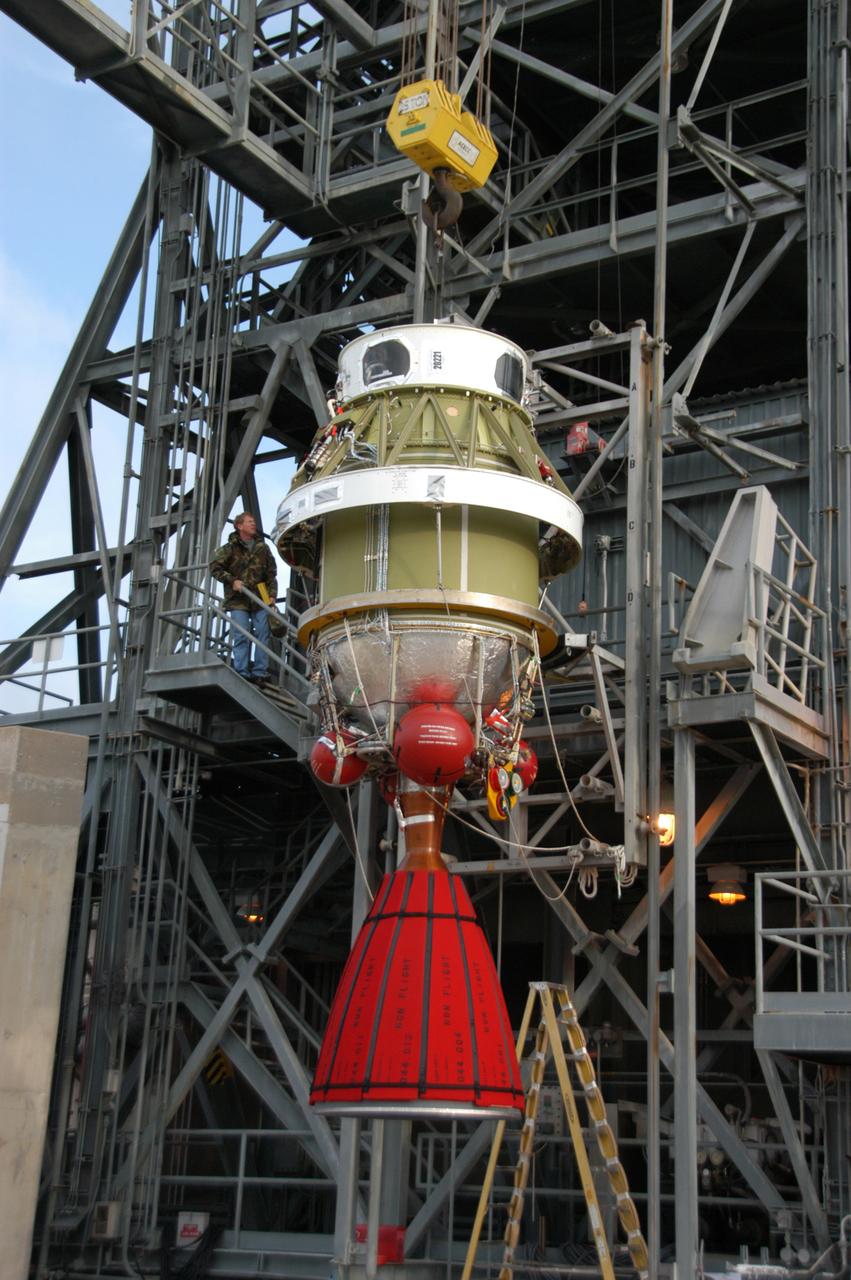
On Pad 17-B at Cape Canaveral Air Force Station, the Delta II second stage is being lifted alongside the mobile service tower. Once inside, it will be mated with the first stage already in place. The Delta II is the launch vehicle for the THEMIS spacecraft. THEMIS consists of five identical probes, the largest number of scientific satellites ever launched into orbit aboard a single rocket. This unique constellation of satellites will resolve the tantalizing mystery of what causes the spectacular sudden brightening of the aurora borealis and aurora australis - the fiery skies over the Earth's northern and southern polar regions. THEMIS is scheduled to launch Feb. 15 from Cape Canaveral Air Force Station.
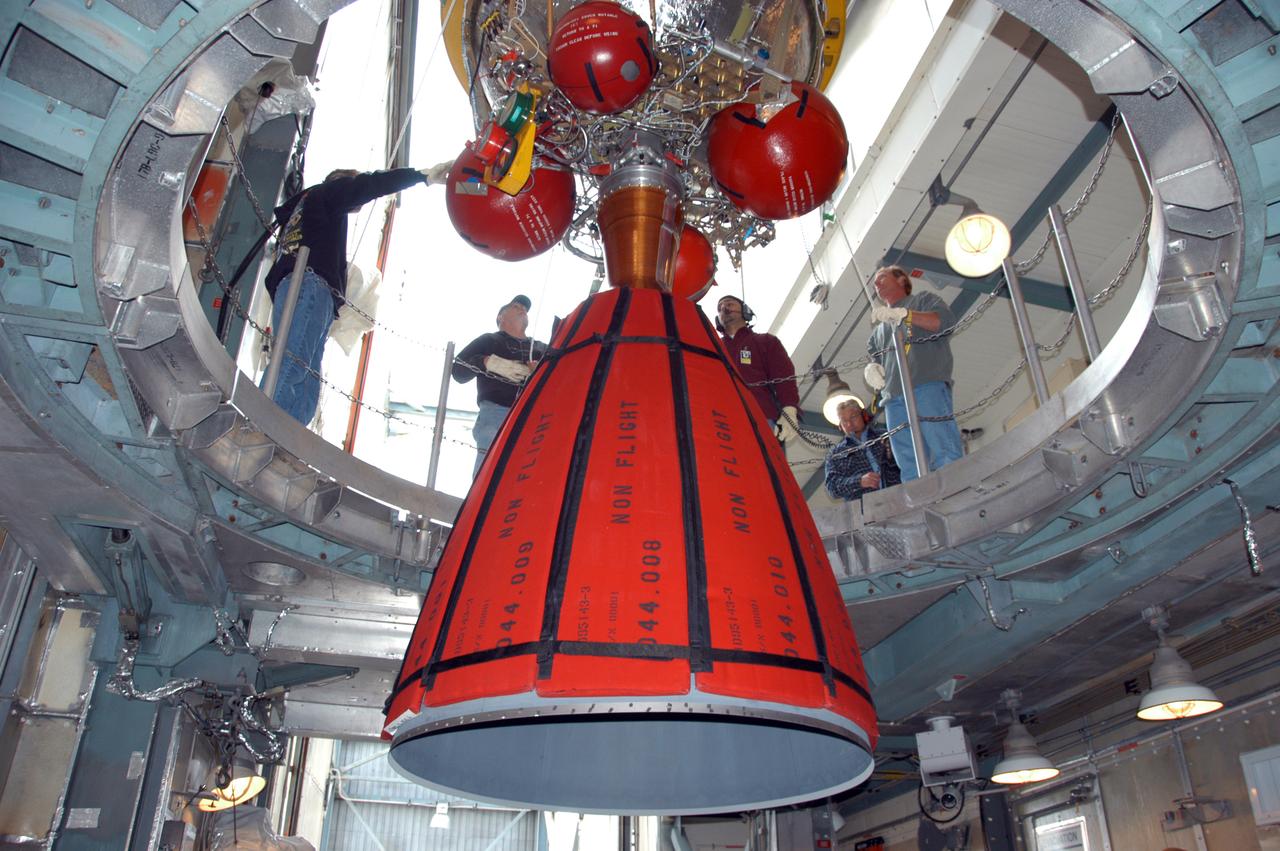
On Pad 17-B at Cape Canaveral Air Force Station, the Delta II second stage is being lowered toward the Delta II first stage, already in place inside the mobile service tower. The Delta II is the launch vehicle for the THEMIS spacecraft. THEMIS consists of five identical probes, the largest number of scientific satellites ever launched into orbit aboard a single rocket. This unique constellation of satellites will resolve the tantalizing mystery of what causes the spectacular sudden brightening of the aurora borealis and aurora australis - the fiery skies over the Earth's northern and southern polar regions. THEMIS is scheduled to launch Feb. 15 from Cape Canaveral Air Force Station.
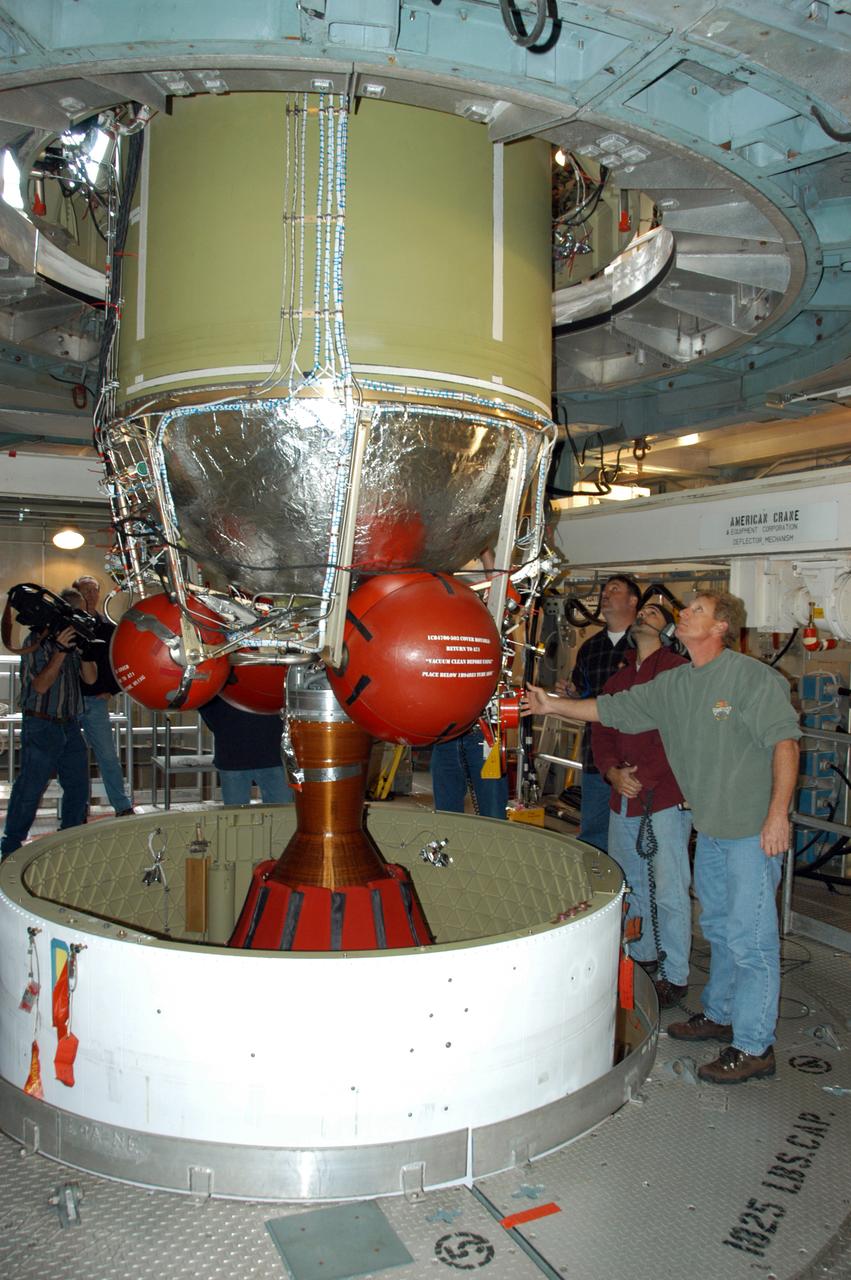
On Pad 17-B at Cape Canaveral Air Force Station, the Delta II second stage is being lowered toward the Delta II first stage, already in place inside the mobile service tower. The Delta II is the launch vehicle for the THEMIS spacecraft. THEMIS consists of five identical probes, the largest number of scientific satellites ever launched into orbit aboard a single rocket. This unique constellation of satellites will resolve the tantalizing mystery of what causes the spectacular sudden brightening of the aurora borealis and aurora australis - the fiery skies over the Earth's northern and southern polar regions. THEMIS is scheduled to launch Feb. 15 from Cape Canaveral Air Force Station.
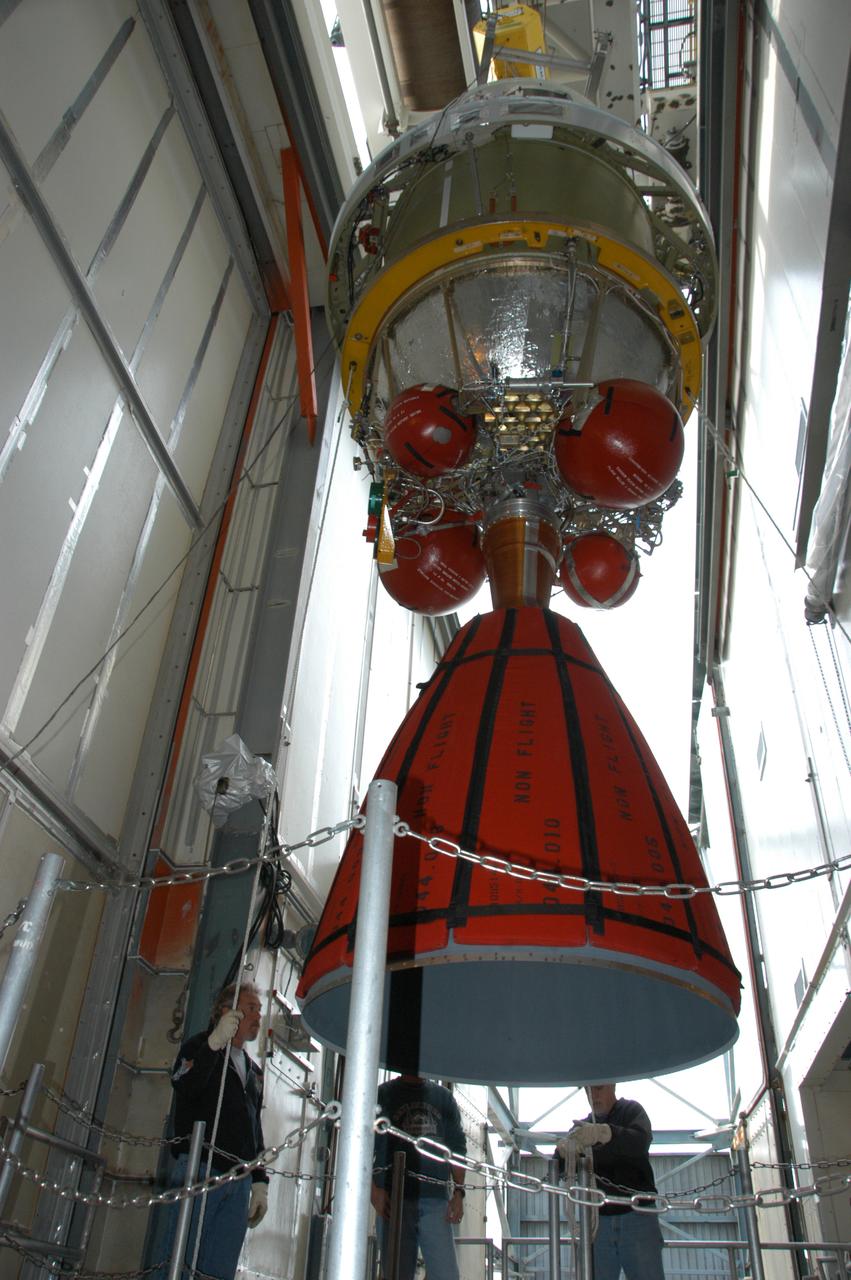
On Pad 17-B at Cape Canaveral Air Force Station, the Delta II second stage is moved inside level 9 of the tower. It will be mated with the first stage already in place. The Delta II is the launch vehicle for the THEMIS spacecraft. THEMIS consists of five identical probes, the largest number of scientific satellites ever launched into orbit aboard a single rocket. This unique constellation of satellites will resolve the tantalizing mystery of what causes the spectacular sudden brightening of the aurora borealis and aurora australis - the fiery skies over the Earth's northern and southern polar regions. THEMIS is scheduled to launch Feb. 15 from Cape Canaveral Air Force Station.
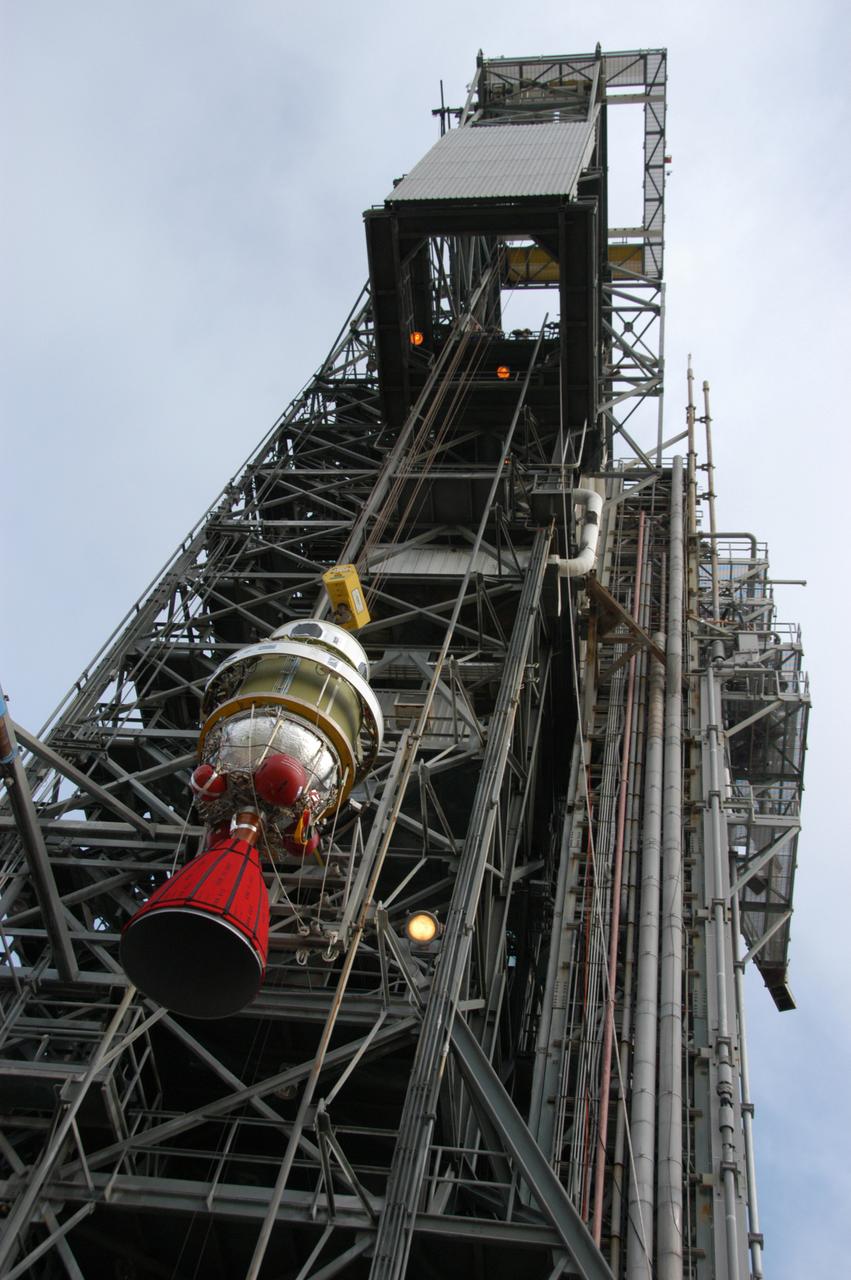
On Pad 17-B at Cape Canaveral Air Force Station, the Delta II second stage is being lifted alongside the mobile service tower. Once inside, it will be mated with the first stage already in place. The Delta II is the launch vehicle for the THEMIS spacecraft. THEMIS consists of five identical probes, the largest number of scientific satellites ever launched into orbit aboard a single rocket. This unique constellation of satellites will resolve the tantalizing mystery of what causes the spectacular sudden brightening of the aurora borealis and aurora australis - the fiery skies over the Earth's northern and southern polar regions. THEMIS is scheduled to launch Feb. 15 from Cape Canaveral Air Force Station.
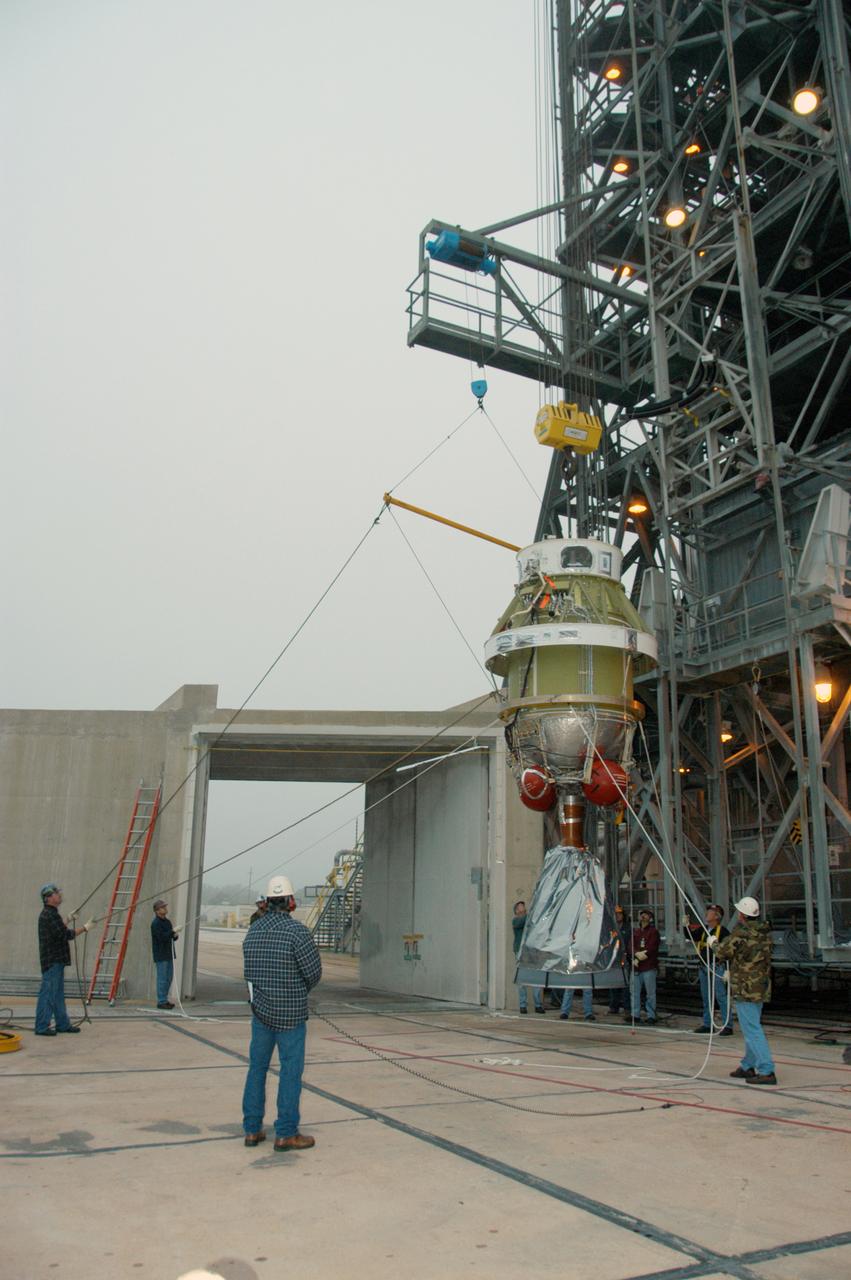
On Pad 17-B at Cape Canaveral Air Force Station, the Delta II second stage is lifted toward the mobile service tower. Once inside, it will be mated with the first stage already in place. The Delta II is the launch vehicle for the THEMIS spacecraft. THEMIS consists of five identical probes, the largest number of scientific satellites ever launched into orbit aboard a single rocket. This unique constellation of satellites will resolve the tantalizing mystery of what causes the spectacular sudden brightening of the aurora borealis and aurora australis - the fiery skies over the Earth's northern and southern polar regions. THEMIS is scheduled to launch Feb. 15 from Cape Canaveral Air Force Station.

The United Launch Alliance Delta II second stage emerges from NASA's Building 1555 at Vandenberg Air Force Base in California. It will be transported to the horizontal processing facility at Space Launch Complex-2. NASA's Ice, Cloud and land Elevation Satellite-2 (ICESat-2) will launch later this year on the final Delta II rocket. ICESat-2 will measure the height of a changing Earth, one laser pulse at a time, 10,000 laser pulses a second. The satellite will carry a single instrument, the Advanced Topographic Laser Altimeter System. ICESat-2 will help scientists investigate why, and how much our planet's frozen and icy areas, called the cryosphere, is changing in a warming climate.

The United Launch Alliance Delta II second stage has arrived at the horizontal processing facility at Space Launch Complex-2 at Vandenberg Air Force Base in California. NASA's Ice, Cloud and land Elevation Satellite-2 (ICESat-2) will launch later this year on the final Delta II rocket. ICESat-2 will measure the height of a changing Earth, one laser pulse at a time, 10,000 laser pulses a second. The satellite will carry a single instrument, the Advanced Topographic Laser Altimeter System. ICESat-2 will help scientists investigate why, and how much our planet's frozen and icy areas, called the cryosphere, is changing in a warming climate.
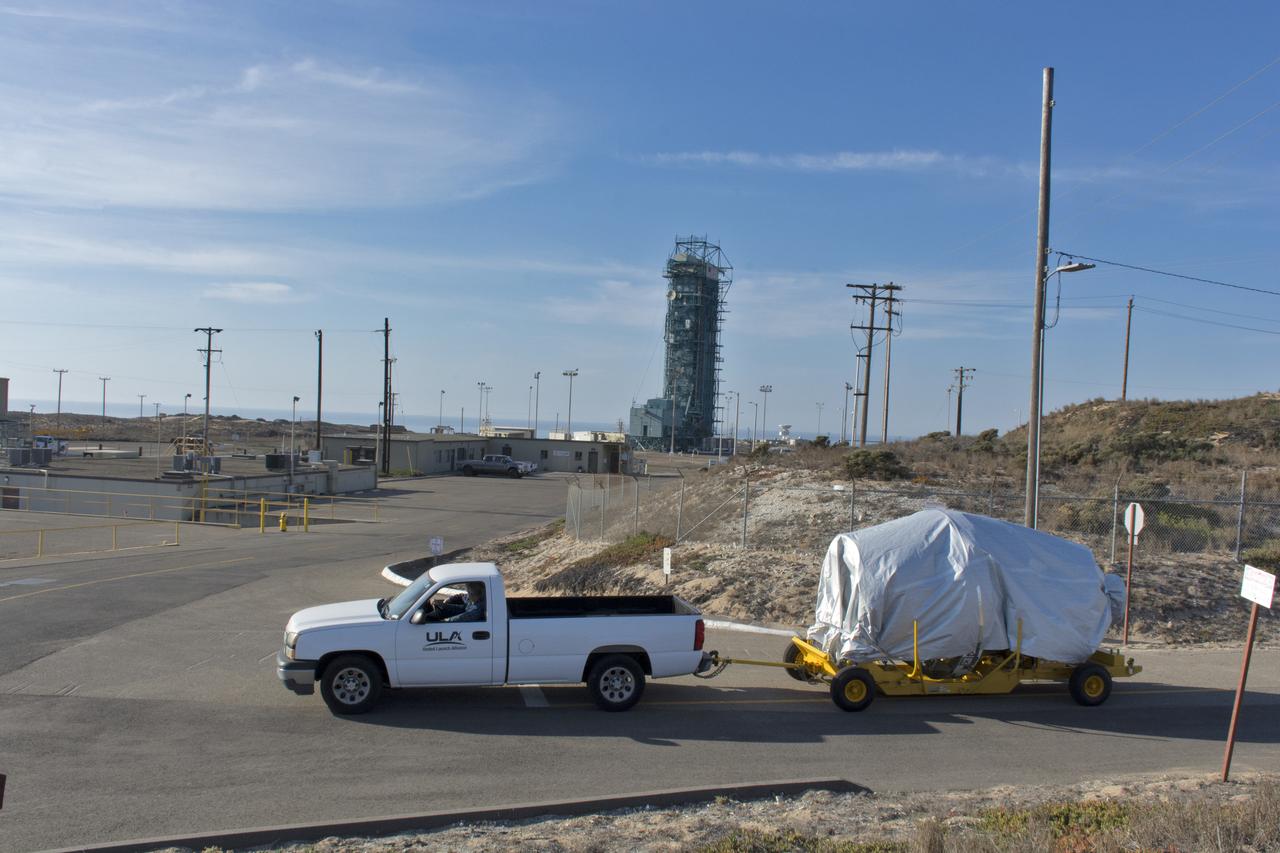
The United Launch Alliance Delta II second stage is being transported to Space Launch Complex-2 at Vandenberg Air Force Base in California. NASA's Ice, Cloud and land Elevation Satellite-2 (ICESat-2) will launch later this year on the final Delta II rocket. ICESat-2 will measure the height of a changing Earth, one laser pulse at a time, 10,000 laser pulses a second. The satellite will carry a single instrument, the Advanced Topographic Laser Altimeter System. ICESat-2 will help scientists investigate why, and how much our planet's frozen and icy areas, called the cryosphere, is changing in a warming climate.
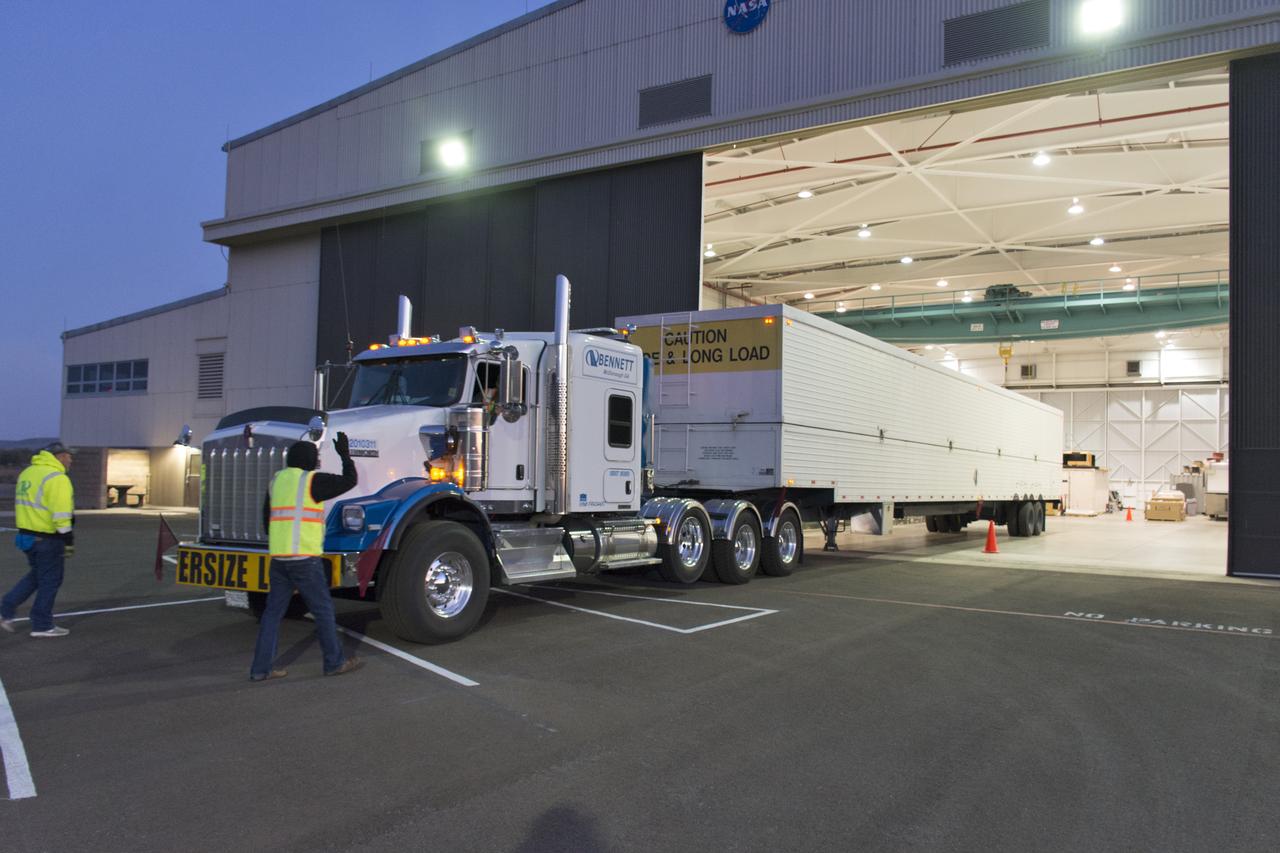
The United Launch Alliance Delta II second stage arrives at NASA's Building 1555 at Vandenberg Air Force Base in California. It will be offloaded and prepared for transport to the horizontal processing facility at Space Launch Complex-2. NASA's Ice, Cloud and land Elevation Satellite-2 (ICESat-2) will launch later this year on the final Delta II rocket. ICESat-2 will measure the height of a changing Earth, one laser pulse at a time, 10,000 laser pulses a second. The satellite will carry a single instrument, the Advanced Topographic Laser Altimeter System. ICESat-2 will help scientists investigate why, and how much our planet's frozen and icy areas, called the cryosphere, is changing in a warming climate.
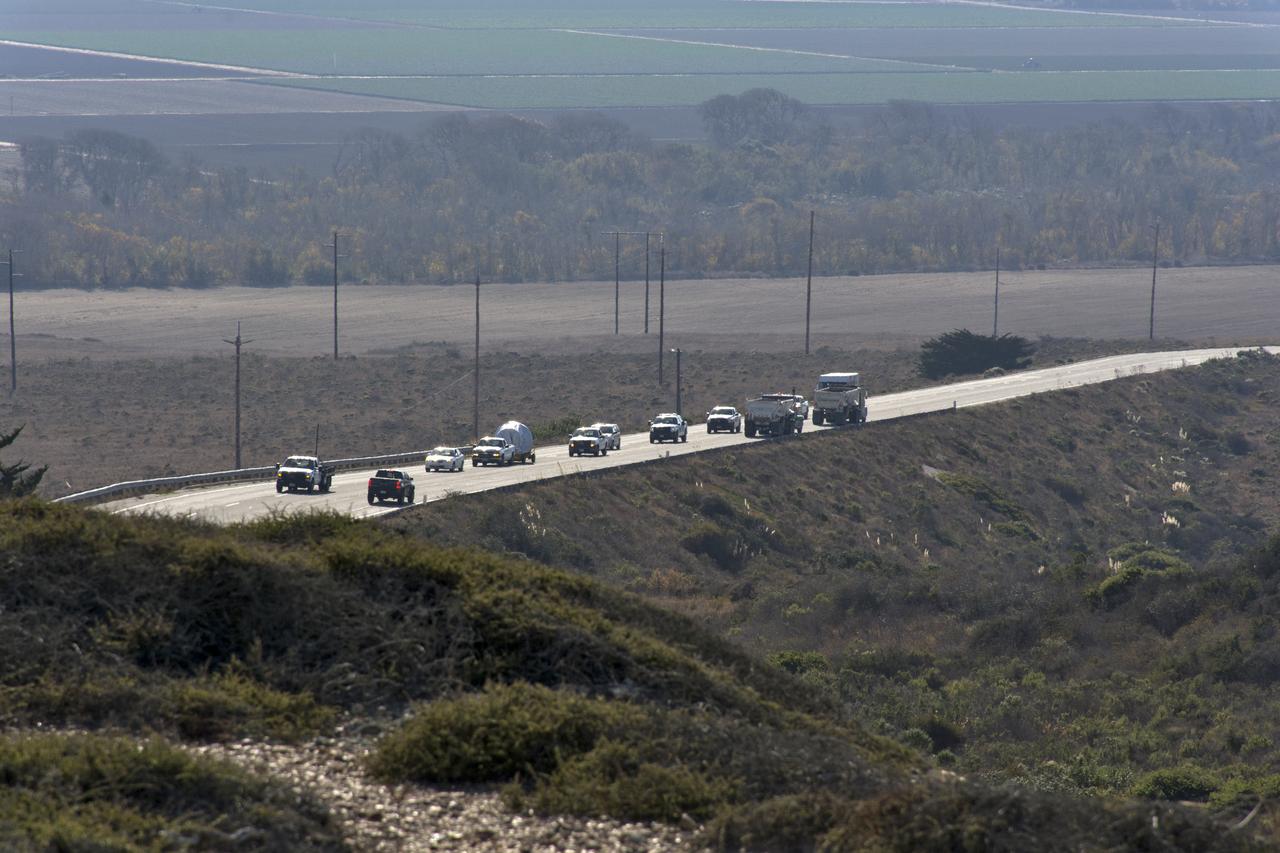
A convoy of vehicles accompanies the United Launch Alliance Delta II second stage on its way to the horizontal processing facility at Space Launch Complex-2 at Vandenberg Air Force Base in California. NASA's Ice, Cloud and land Elevation Satellite-2 (ICESat-2) will launch later this year on the final Delta II rocket. ICESat-2 will measure the height of a changing Earth, one laser pulse at a time, 10,000 laser pulses a second. The satellite will carry a single instrument, the Advanced Topographic Laser Altimeter System. ICESat-2 will help scientists investigate why, and how much our planet's frozen and icy areas, called the cryosphere, is changing in a warming climate.
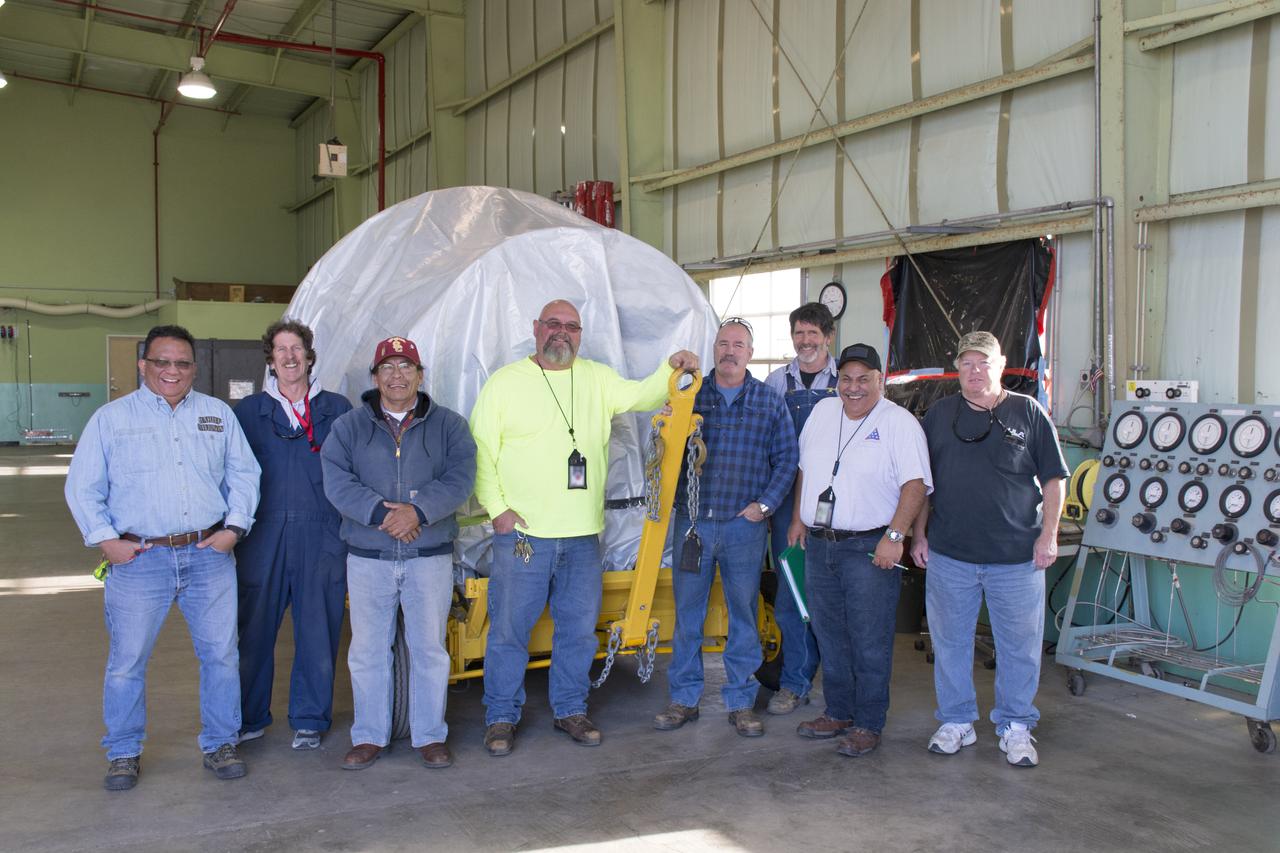
Workers stand with the Delta II second stage inside the horizontal processing facility at Space Launch Complex-2 at Vandenberg Air Force Base in California. NASA's Ice, Cloud and land Elevation Satellite-2 (ICESat-2) will launch later this year on the final Delta II rocket. ICESat-2 will measure the height of a changing Earth, one laser pulse at a time, 10,000 laser pulses a second. The satellite will carry a single instrument, the Advanced Topographic Laser Altimeter System. ICESat-2 will help scientists investigate why, and how much our planet's frozen and icy areas, called the cryosphere, is changing in a warming climate.
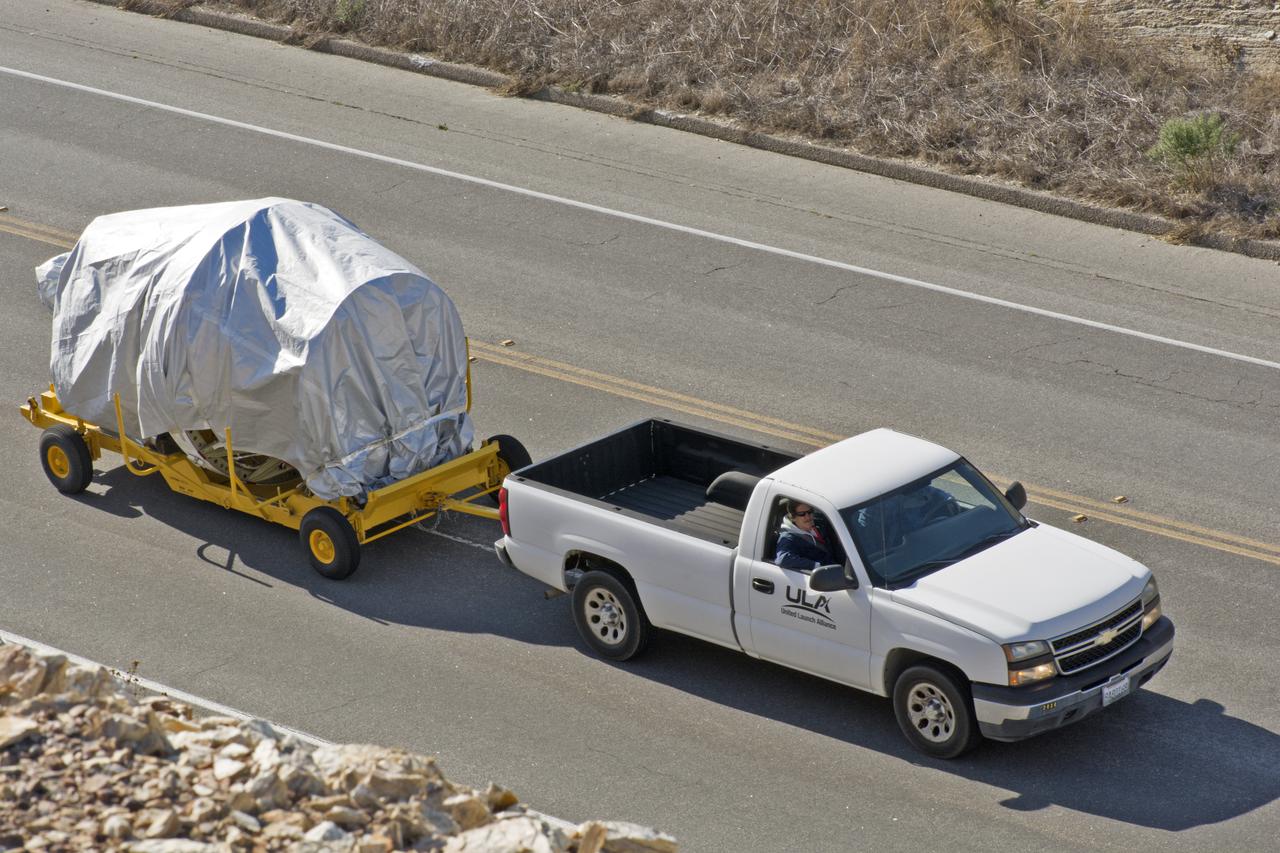
The United Launch Alliance Delta II second stage is being transported to Space Launch Complex-2 at Vandenberg Air Force Base in California. NASA's Ice, Cloud and land Elevation Satellite-2 (ICESat-2) will launch later this year on the final Delta II rocket. ICESat-2 will measure the height of a changing Earth, one laser pulse at a time, 10,000 laser pulses a second. The satellite will carry a single instrument, the Advanced Topographic Laser Altimeter System. ICESat-2 will help scientists investigate why, and how much our planet's frozen and icy areas, called the cryosphere, is changing in a warming climate.
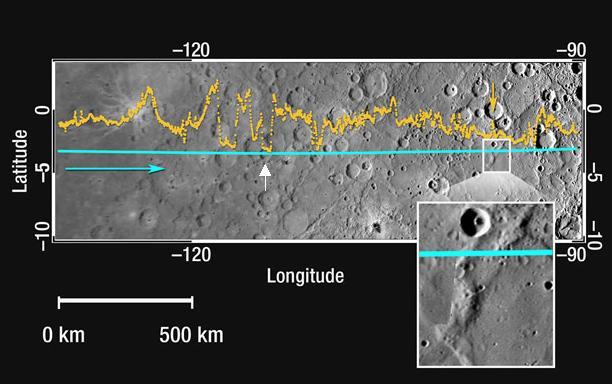
Mercury Topography from the Second Flyby
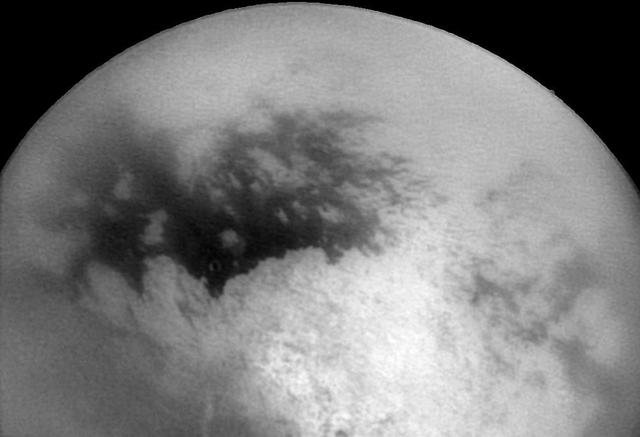
Second Titan Targeted Flyby #1

Second Titan Targeted Flyby #2

Second Titan Targeted Flyby #3
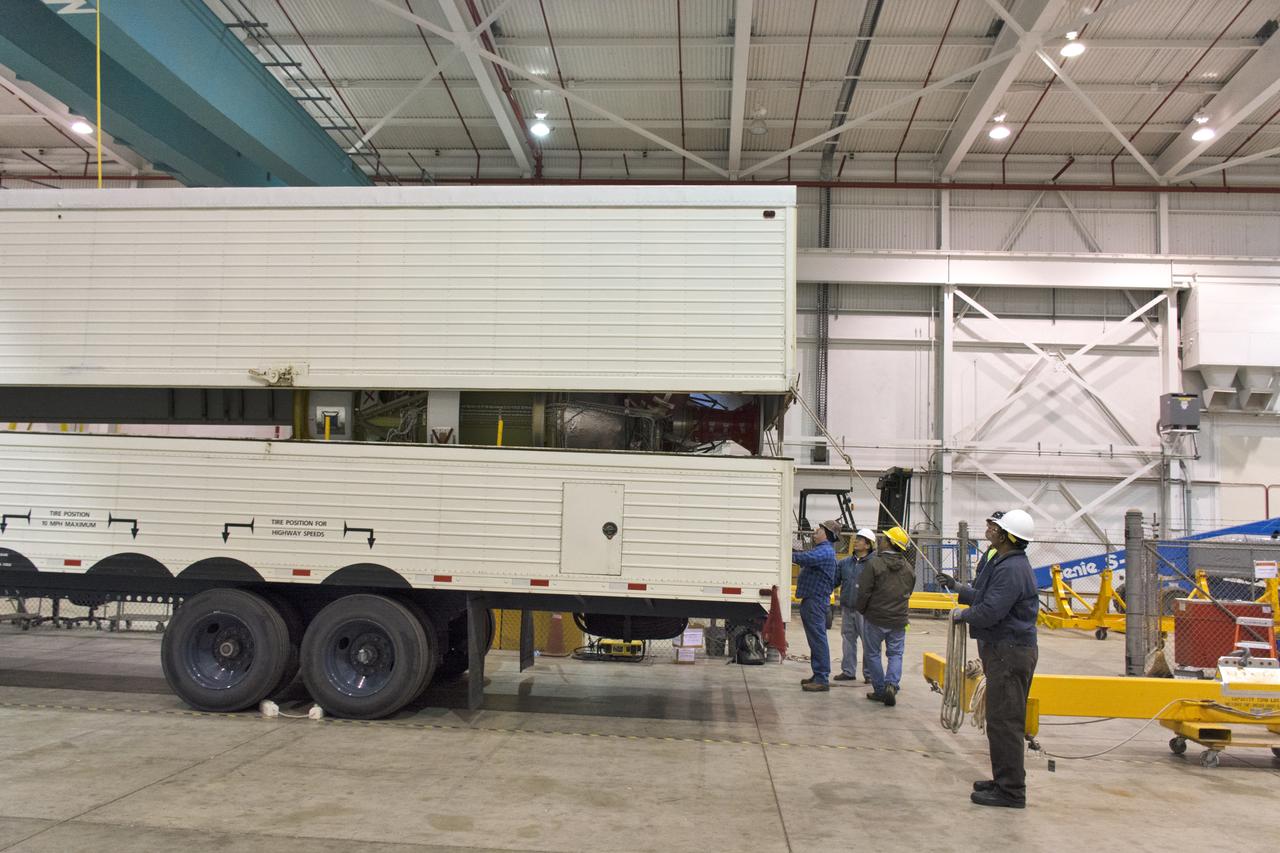
The United Launch Alliance Delta II second stage arrived at NASA's Building 1555 at Vandenberg Air Force Base in California. Technicians are assisting in offloading it and preparing it for transport to the horizontal processing facility at Space Launch Complex-2. NASA's Ice, Cloud and land Elevation Satellite-2 (ICESat-2) will launch later this year on the final Delta II rocket. ICESat-2 will measure the height of a changing Earth, one laser pulse at a time, 10,000 laser pulses a second. The satellite will carry a single instrument, the Advanced Topographic Laser Altimeter System. ICESat-2 will help scientists investigate why, and how much our planet's frozen and icy areas, called the cryosphere, is changing in a warming climate.
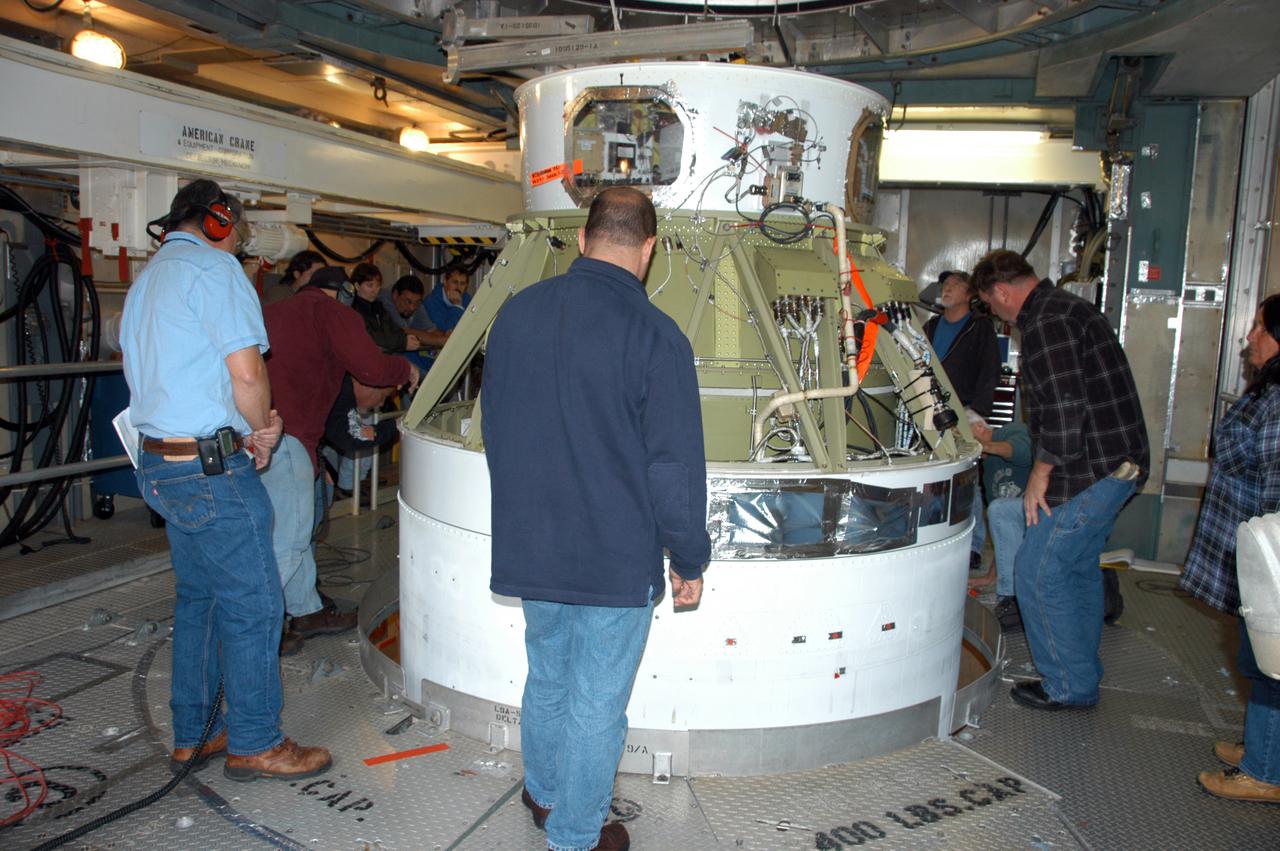
Inside the mobile service tower on Pad 17-B at Cape Canaveral Air Force Station, the Delta II second stage is mated with the first stage. The Delta II is the launch vehicle for the THEMIS spacecraft. THEMIS consists of five identical probes, the largest number of scientific satellites ever launched into orbit aboard a single rocket. This unique constellation of satellites will resolve the tantalizing mystery of what causes the spectacular sudden brightening of the aurora borealis and aurora australis - the fiery skies over the Earth's northern and southern polar regions. THEMIS is scheduled to launch Feb. 15 from Cape Canaveral Air Force Station.
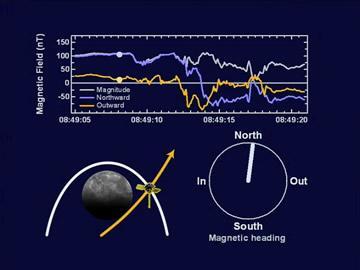
A Movie of Magnetometer Measurements from the Second Mercury Flyby

New Names for a Second Set of Craters on Mercury
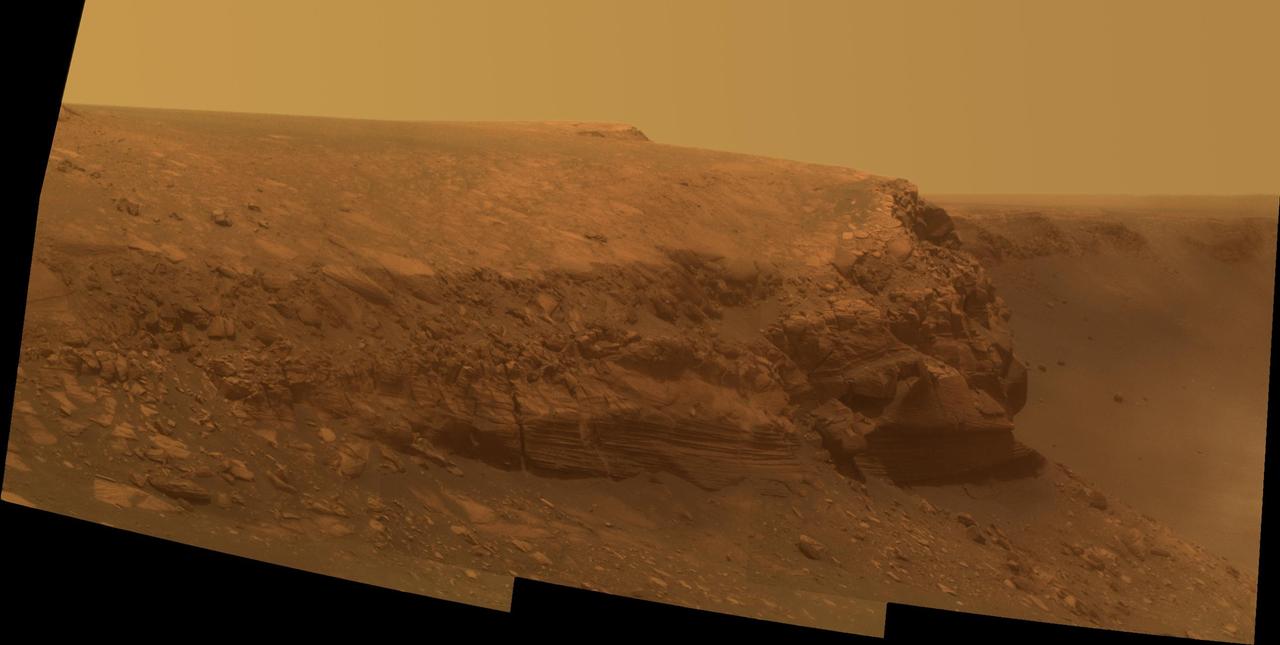
Opportunity Second Martian Birthday at Cape Verde
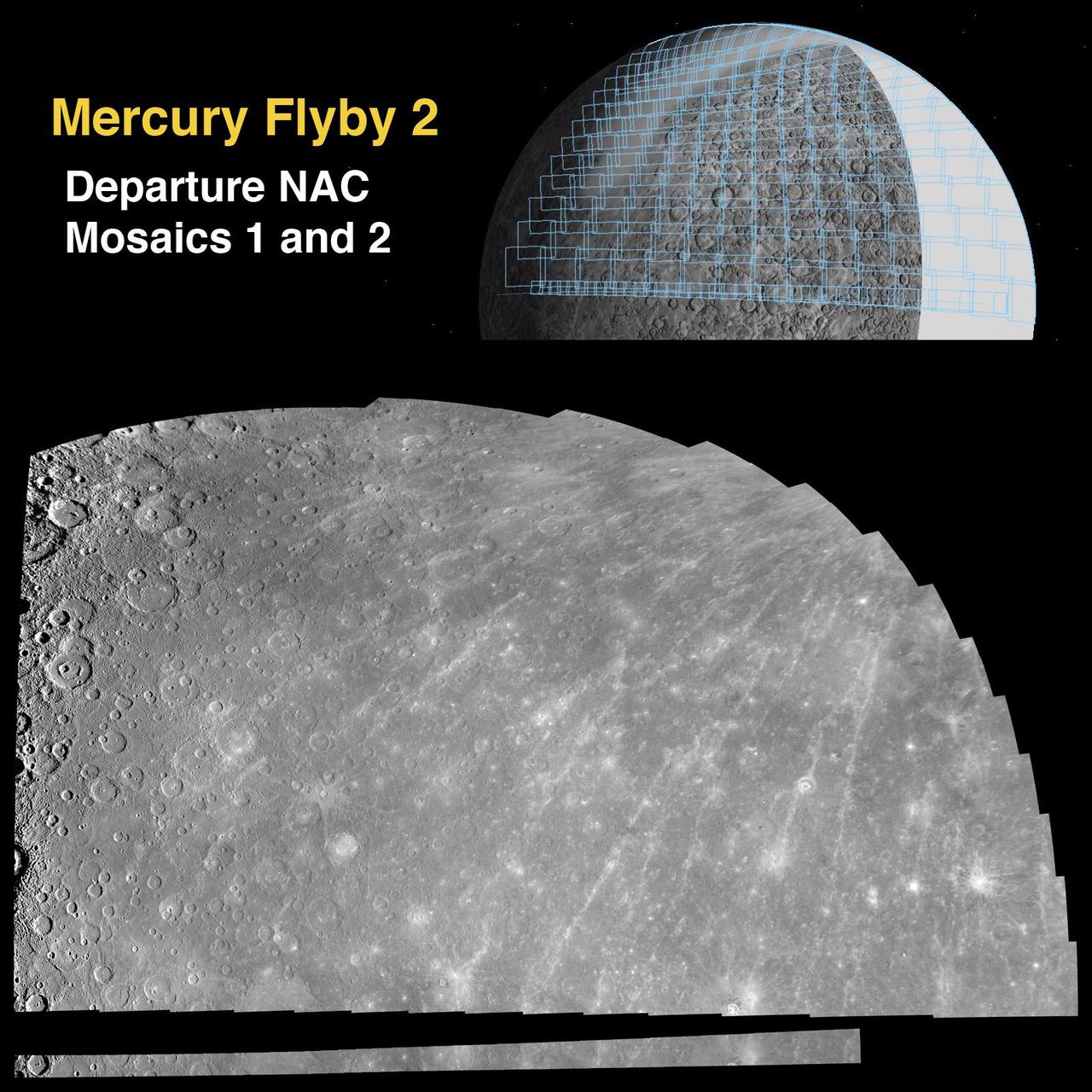
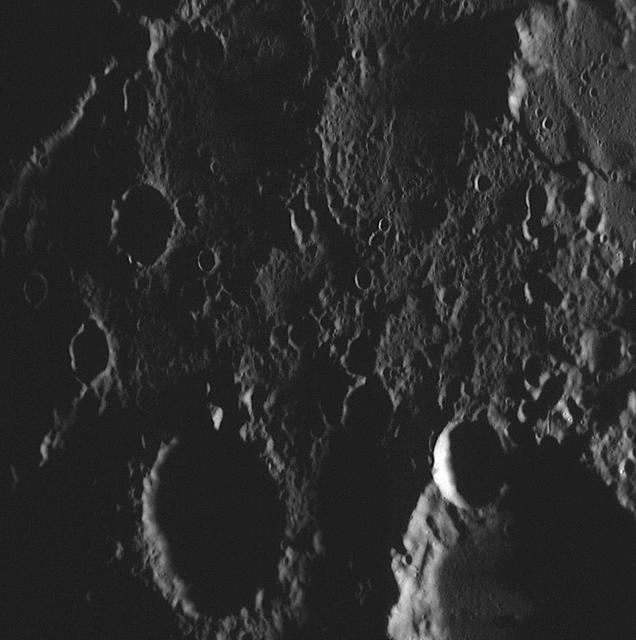
Departure Mosaics from the Second Mercury Flyby
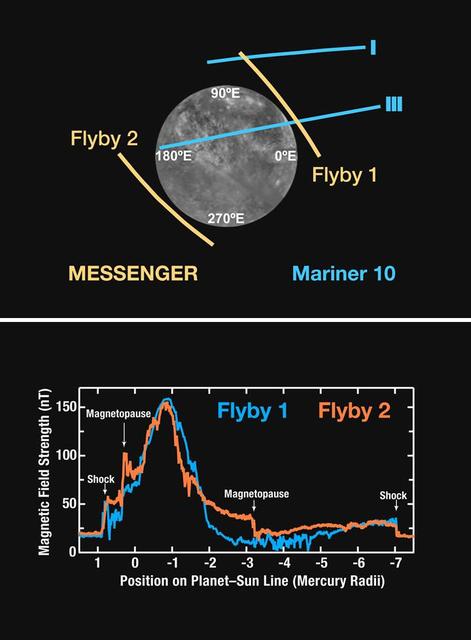
Magnetometer Results from MESSENGER Second Mercury Encounter
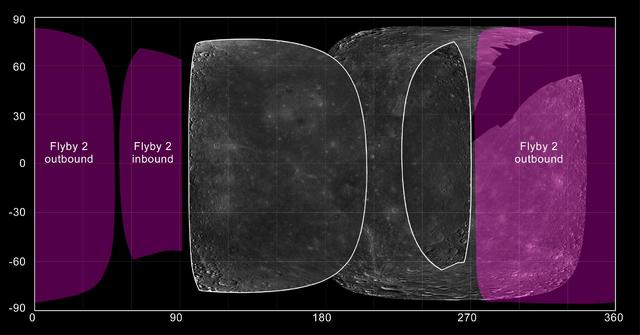
Imaging Plans for MESSENGER Second Mercury Flyby

This photo shows the second RS-25 engine attached to the core stage for NASA’s Space Launch System rocket for the agency’s Artemis I mission to the Moon. Engineers and technicians at NASA’s Michoud Assembly Facility in New Orleans structurally mated the second of four engines to the stage on Oct. 30 and are currently integrating the propulsion and electrical systems within the structure to complete the installation. Integration of the RS-25 engines to the recently completed core stage structure is a collaborative, multistep process for NASA and its partners Boeing, the core stage lead contractor, and Aerojet Rocketdyne, the RS-25 engines lead contractor. The four RS-25 engines for Artemis I are modified heritage flight hardware from the Space Shuttle Program, ensuring high performance and reliability to power NASA’s next generation lunar missions. Each engine also has a special identification number, and NASA keeps a history of which engines are used on each mission. The second engine, Engine 2045, has flown on several shuttle missions, including the mission that returned NASA astronaut John Glenn to space in 1998 as well as the first and only shuttle launch to occur on Independence Day in 2006. Offering more payload mass, volume capability and energy to speed missions through space, the SLS rocket, along with NASA’s Gateway in lunar orbit and Orion, is part of NASA’s backbone for deep space exploration and the Artemis lunar program. No other rocket is capable of carrying astronauts in Orion around the Moon in a single mission.

This photo shows the second RS-25 engine attached to the core stage for NASA’s Space Launch System rocket for the agency’s Artemis I mission to the Moon. Engineers and technicians at NASA’s Michoud Assembly Facility in New Orleans structurally mated the second of four engines to the stage on Oct. 30 and are currently integrating the propulsion and electrical systems within the structure to complete the installation. Integration of the RS-25 engines to the recently completed core stage structure is a collaborative, multistep process for NASA and its partners Boeing, the core stage lead contractor, and Aerojet Rocketdyne, the RS-25 engines lead contractor. The four RS-25 engines for Artemis I are modified heritage flight hardware from the Space Shuttle Program, ensuring high performance and reliability to power NASA’s next generation lunar missions. Each engine also has a special identification number, and NASA keeps a history of which engines are used on each mission. The second engine, Engine 2045, has flown on several shuttle missions, including the mission that returned NASA astronaut John Glenn to space in 1998 as well as the first and only shuttle launch to occur on Independence Day in 2006. Offering more payload mass, volume capability and energy to speed missions through space, the SLS rocket, along with NASA’s Gateway in lunar orbit and Orion, is part of NASA’s backbone for deep space exploration and the Artemis lunar program. No other rocket is capable of carrying astronauts in Orion around the Moon in a single mission.
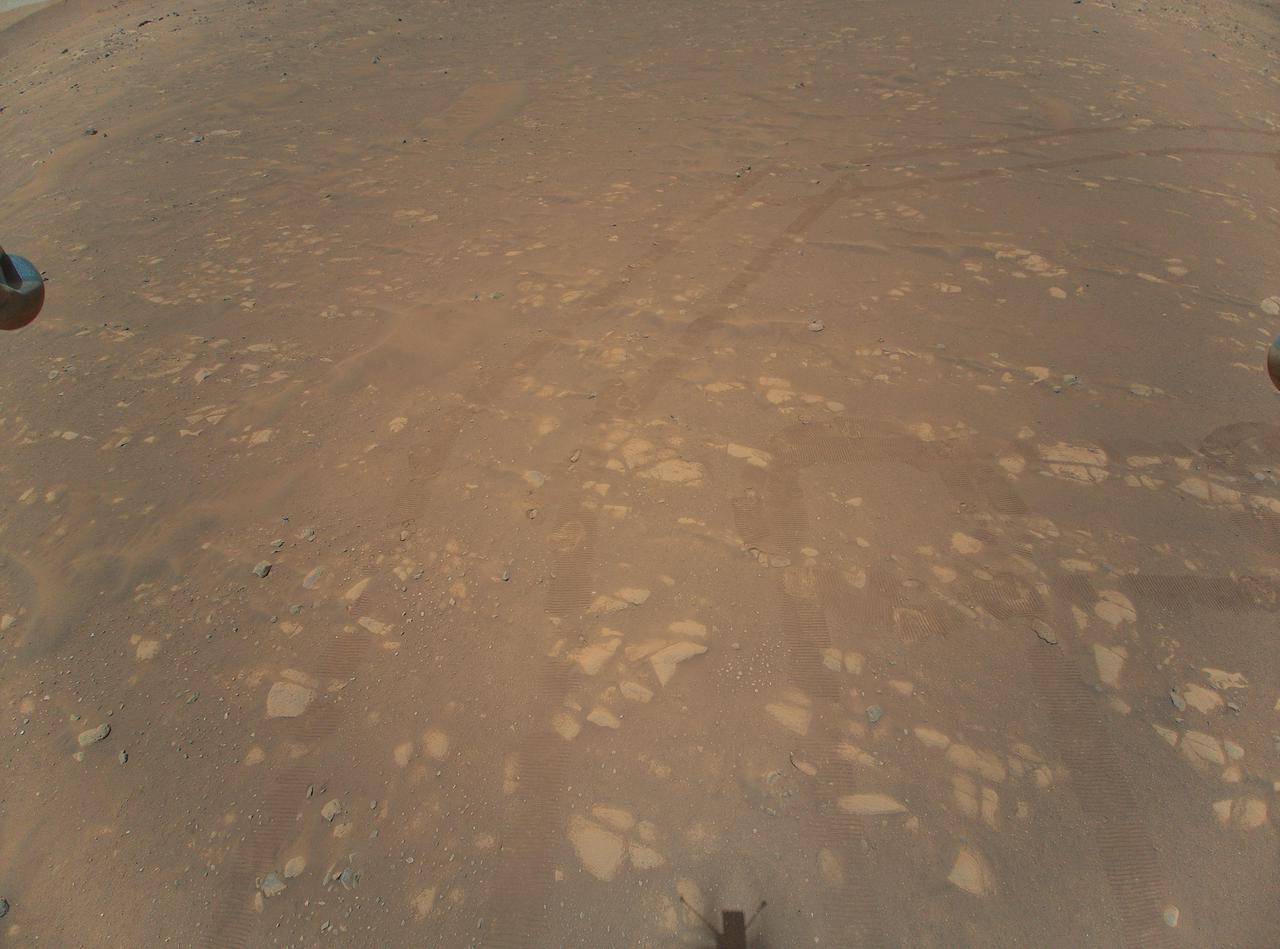
This is the second color image taken by NASA's Ingenuity helicopter. It was snapped on the helicopter's second flight, on April 22, 2021, from an altitude of about 17 feet (5.2 meters). Tracks made by NASA's Perseverance Mars rover can be seen as well. https://photojournal.jpl.nasa.gov/catalog/PIA24500
The Highest-resolution Image from MESSENGER Second Mercury Flyby
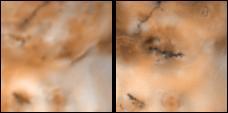
Changes on Io around Volund between Voyager 1 and Galileo Second Orbit
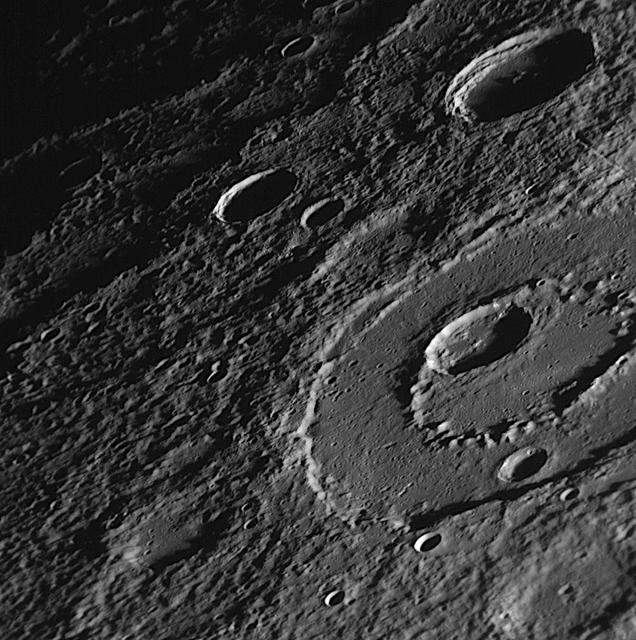
Peak-Ring Basin Close-Up from the Second Mercury Flyby

After journeying a bit more than an hour across the Solar System, bright sunlight reflects off the gleaming icy cliffs in the wispy terrain of Dione and is captured by NASA Cassini spacecraft cameras several light seconds later
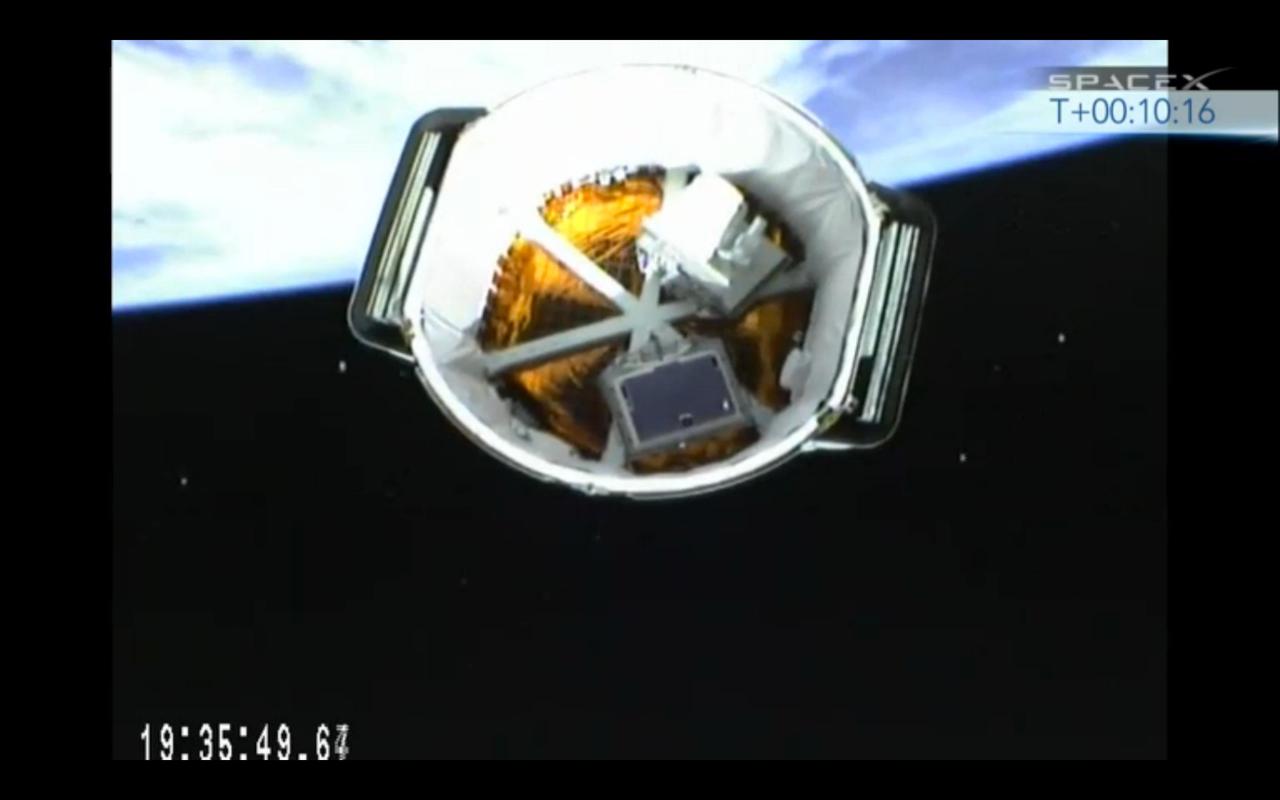
NASA Optical PAyload for Lasercomm Science OPALS is seen in the SpaceX Dragon trunk following second stage separation of the SpaceX Falcon 9 rocket on April 18, 2014.
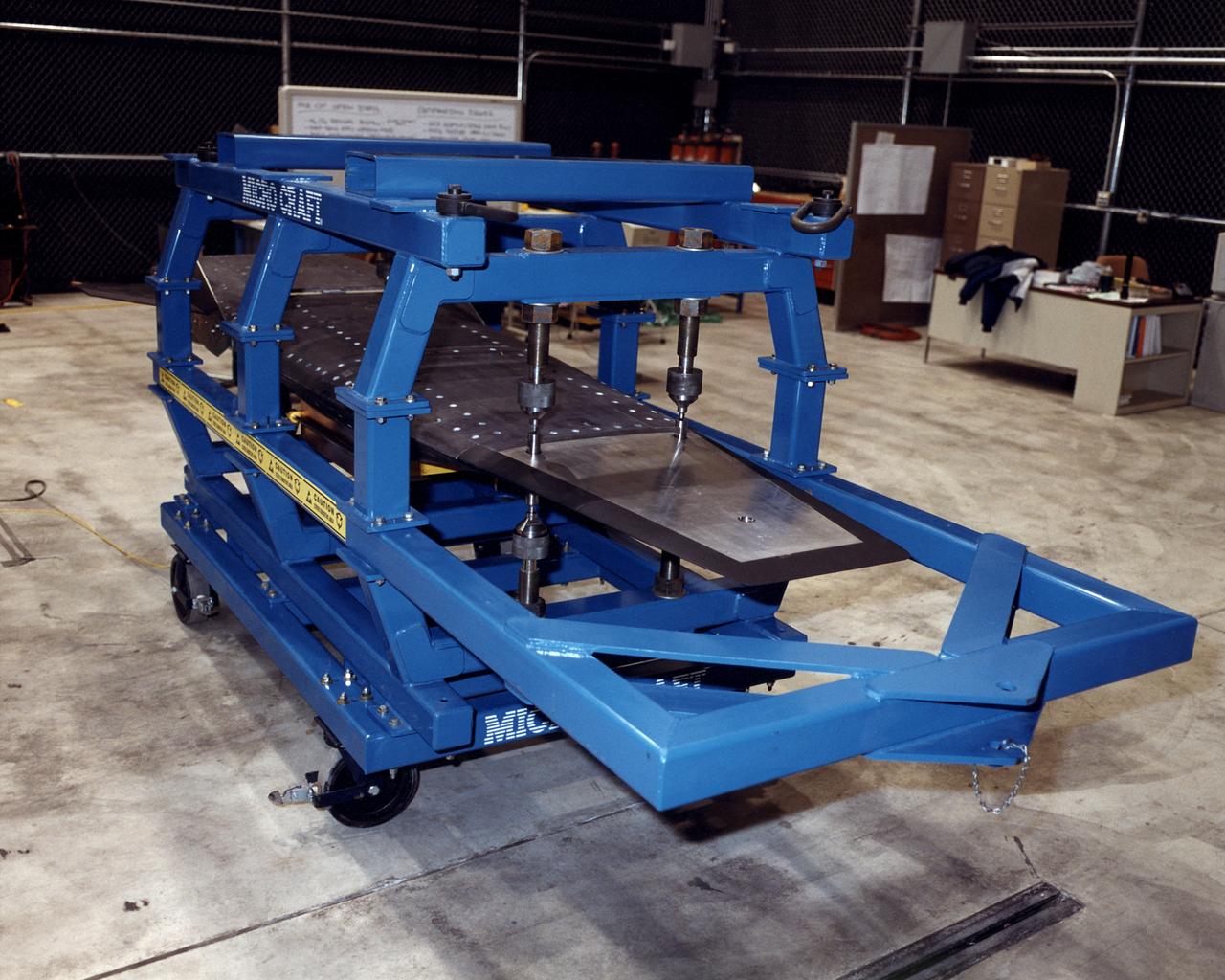
The second of three X-43A hypersonic research aircraft, shown here in its protective shipping jig, arrived at NASA's Dryden Flight Research Center, Edwards, California, on January 31, 2001. The arrival of the second X-43A from its manufacturer, MicroCraft, Inc., of Tullahoma, Tenn., followed by only a few days the mating of the first X-43A and its specially-designed adapter to the first stage of a modified Pegasus® booster rocket. The booster, built by Orbital Sciences Corp., Dulles, Va., will accelerate the 12-foot-long, unpiloted research aircraft to a predetermined altitude and speed after the X-43A/booster "stack" is air-launched from NASA's venerable NB-52 mothership. The X-43A will then separate from the rocket and fly a pre-programmed trajectory, conducting aerodynamic and propulsion experiments until it impacts into the Pacific Ocean. Three research flights are planned, two at Mach 7 and one at Mach 10 (seven and 10 times the speed of sound respectively) with the first tentatively scheduled for early summer, 2001. The X-43A is powered by a revolutionary supersonic-combustion ramjet ("scramjet") engine, and will use the underbody of the aircraft to form critical elements of the engine. The forebody shape helps compress the intake airflow, while the aft section acts as a nozzle to direct thrust. The X-43A flights will be the first actual flight tests of an aircraft powered by an air-breathing scramjet engine.
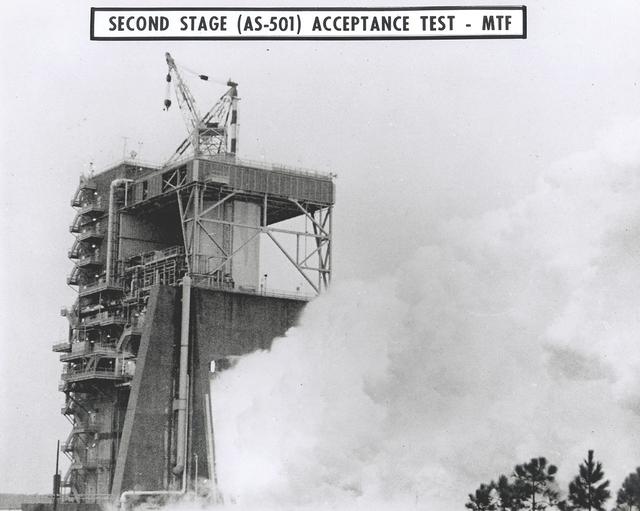
This photograph shows a test firing of a Saturn V second stage (S-II) on the S-IC test stand at the Propulsion Test Facility near New Orleans, Louisiana. This second stage component was used in the unmarned test flight of Apollo 4.

NASA Administrator Charles Bolden issued the following statement regarding NASA's selection by the Partnership for Public Service as the Best Place to Work in Government: "NASA’s selection as the Best Place to Work in Government for the second year in a row is a testament to the excellence of our workforce and their determination to maintain America’s leadership in space exploration." We are also pleased to announce that NASA Goddard was ranked 13th best agency subcomponent. Read more: <a href="http://1.usa.gov/1cTQHIC" rel="nofollow">1.usa.gov/1cTQHIC</a> <b><a href="http://www.nasa.gov/audience/formedia/features/MP_Photo_Guidelines.html" rel="nofollow">NASA image use policy.</a></b> <b><a href="http://www.nasa.gov/centers/goddard/home/index.html" rel="nofollow">NASA Goddard Space Flight Center</a></b> enables NASA’s mission through four scientific endeavors: Earth Science, Heliophysics, Solar System Exploration, and Astrophysics. Goddard plays a leading role in NASA’s accomplishments by contributing compelling scientific knowledge to advance the Agency’s mission. <b>Follow us on <a href="http://twitter.com/NASA_GoddardPix" rel="nofollow">Twitter</a></b> <b>Like us on <a href="http://www.facebook.com/pages/Greenbelt-MD/NASA-Goddard/395013845897?ref=tsd" rel="nofollow">Facebook</a></b> <b>Find us on <a href="http://instagram.com/nasagoddard?vm=grid" rel="nofollow">Instagram</a></b>
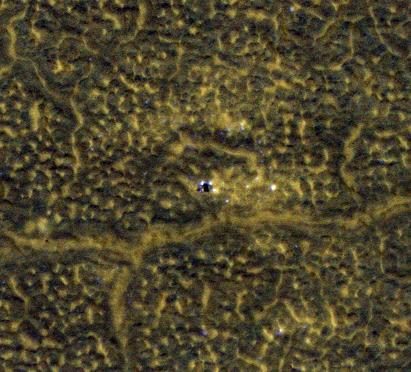
This image, taken Jan. 26, 2012, shows NASA no-longer-active Phoenix Mars Lander spacecraft after its second Martian arctic winter.
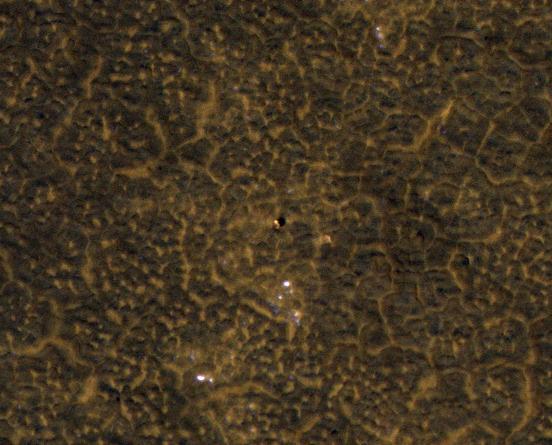
This image, taken Jan. 26, 2012, shows the back shell of NASA Phoenix Mars Lander spacecraft after its second Martian arctic winter.
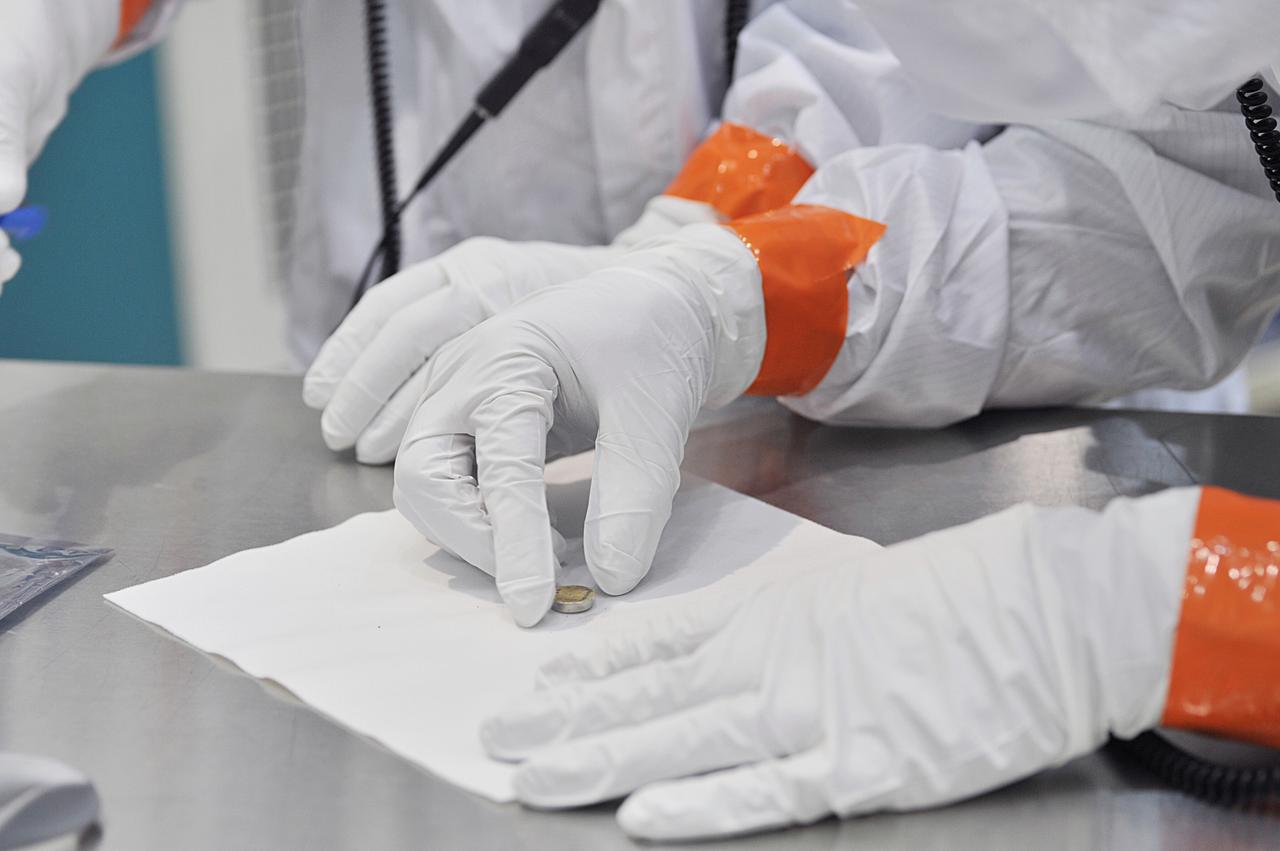
Second dime-size microchip carrying 1.6 million names gets processed for installation onto the InSight lander. Technicians at Lockheed Martin Space in Littleton, Colorado installed a microchip with 1.6 million names submitted by the public to ride along with NASA's InSight mission to Mars. The chip was installed on Jan. 23, 2018. This joins another microchip that was previously installed that included 800,000 names for a grand total of 2.4 million names going to Mars as early as May 5, 2018. The microchip including names from the NASA InSight mission's "Send Your Name to Mars" campaign was affixed to the spacecraft with a special glue. https://photojournal.jpl.nasa.gov/catalog/PIA22237
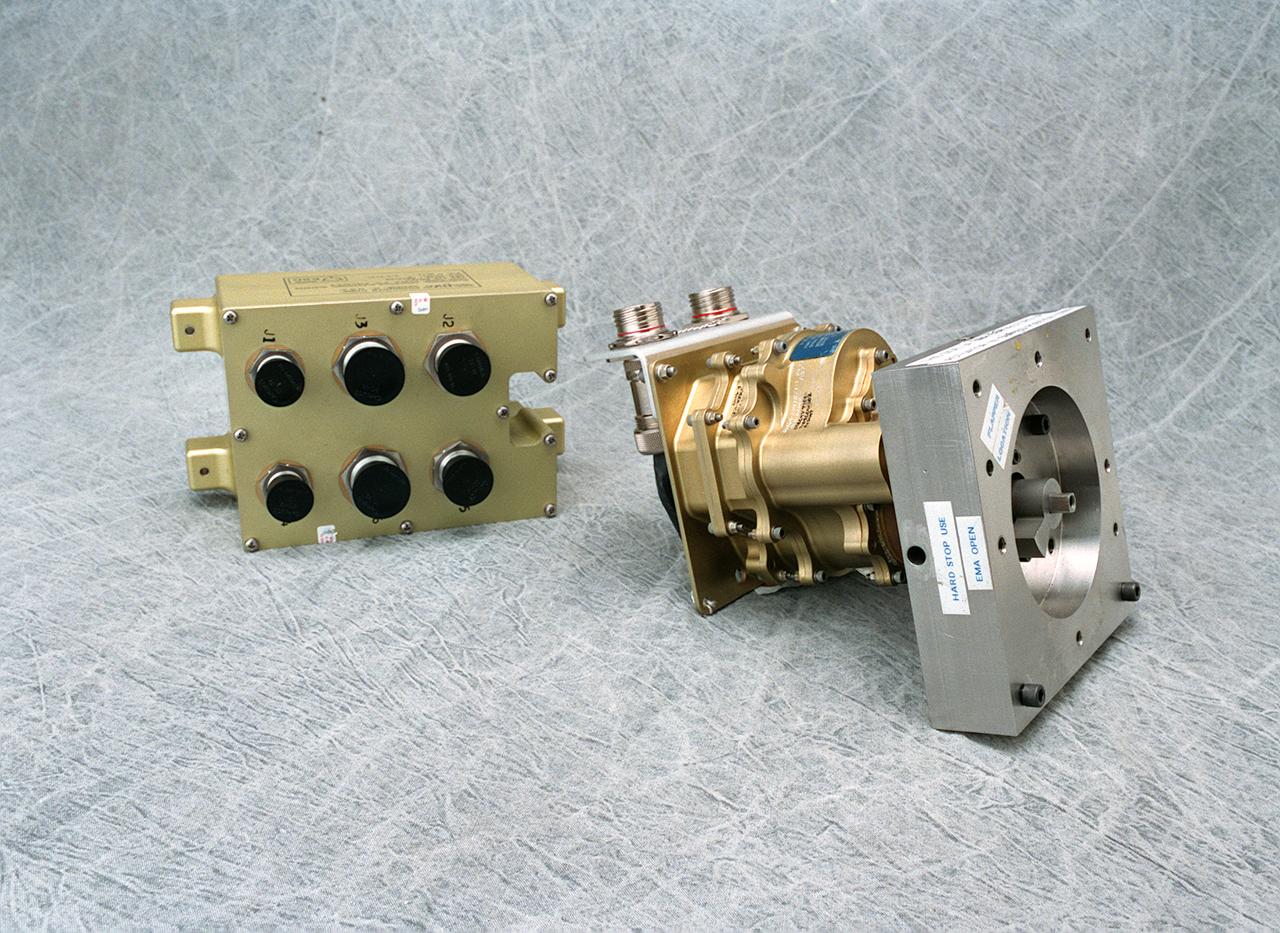
The electro-mechanical actuator, a new electronics technology, is an electronic system that provides the force needed to move valves that control the flow of propellant to the engine. It is proving to be advantageous for the main propulsion system plarned for a second generation reusable launch vehicle. Hydraulic actuators have been used successfully in rocket propulsion systems. However, they can leak when high pressure is exerted on such a fluid-filled hydraulic system. Also, hydraulic systems require significant maintenance and support equipment. The electro-mechanical actuator is proving to be low maintenance and the system weighs less than a hydraulic system. The electronic controller is a separate unit powering the actuator. Each actuator has its own control box. If a problem is detected, it can be replaced by simply removing one defective unit. The hydraulic systems must sustain significant hydraulic pressures in a rocket engine regardless of demand. The electro-mechanical actuator utilizes power only when needed. A goal of the Second Generation Reusable Launch Vehicle Program is to substantially improve safety and reliability while reducing the high cost of space travel. The electro-mechanical actuator was developed by the Propulsion Projects Office of the Second Generation Reusable Launch Vehicle Program at the Marshall Space Flight Center.

CAPE CANAVERAL, Fla. – Inside the Delta Operations Center near Space Launch Complex 37 on Cape Canaveral Air Force Station in Florida, the second stage for the United Launch Alliance Delta IV Heavy for Exploration Flight Test-1, or EFT-1, is lifted high by crane for the move to a test cell. At the Horizontal Integration Facility, all three booster stages will be processed and checked out before being moved to the nearby launch pad and hoisted into position. During the EFT-1 mission, Orion will travel farther into space than any human spacecraft has gone in more than 40 years. The data gathered during the flight will influence design decisions, validate existing computer models and innovative new approaches to space systems development, as well as reduce overall mission risks and costs for later Orion flights. Liftoff of Orion on EFT-1 is planned for fall 2014. Photo credit: NASA/Frankie Martin
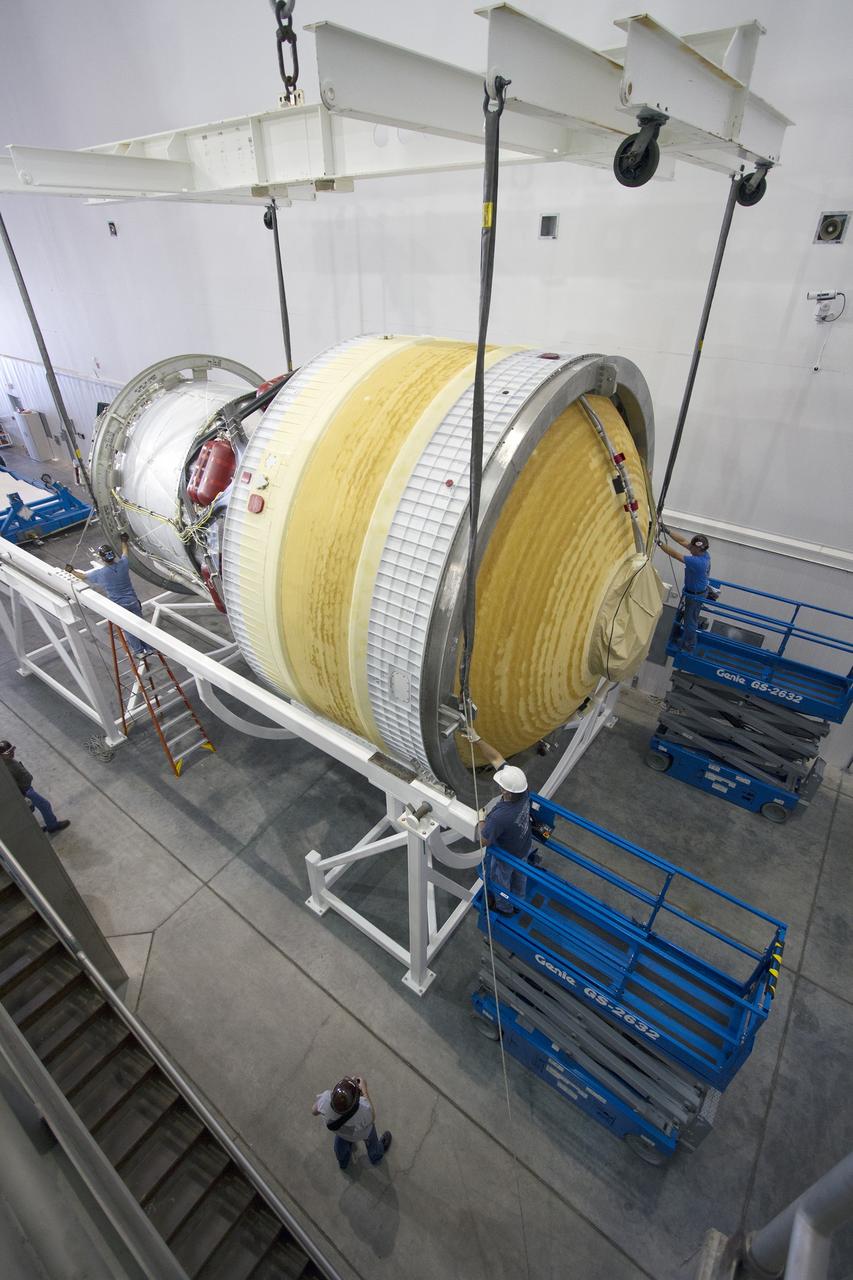
CAPE CANAVERAL, Fla. – Inside the Delta Operations Center near Space Launch Complex 37 on Cape Canaveral Air Force Station in Florida, the second stage for the United Launch Alliance Delta IV Heavy for Exploration Flight Test-1, or EFT-1, is lowered by crane into a cradle for the move to a test cell. At the Horizontal Integration Facility, all three booster stages will be processed and checked out before being moved to the nearby launch pad and hoisted into position. During the EFT-1 mission, Orion will travel farther into space than any human spacecraft has gone in more than 40 years. The data gathered during the flight will influence design decisions, validate existing computer models and innovative new approaches to space systems development, as well as reduce overall mission risks and costs for later Orion flights. Liftoff of Orion on EFT-1 is planned for fall 2014. Photo credit: NASA/Frankie Martin
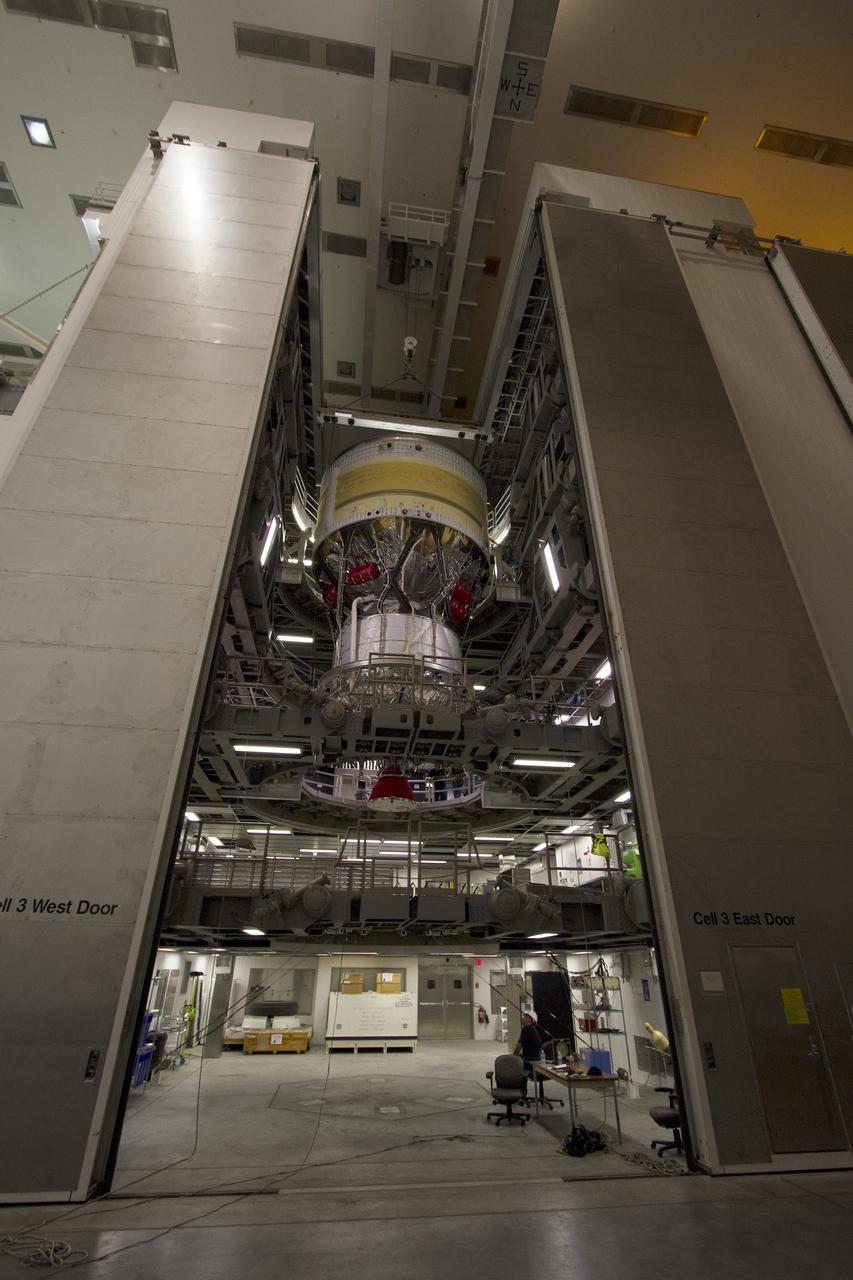
CAPE CANAVERAL, Fla. – Inside the Delta Operations Center near Space Launch Complex 37 on Cape Canaveral Air Force Station in Florida, the second stage for the United Launch Alliance Delta IV Heavy for Exploration Flight Test-1, or EFT-1, is lifted high by crane into a test cell. At the Horizontal Integration Facility, all three booster stages will be processed and checked out before being moved to the nearby launch pad and hoisted into position. During the EFT-1 mission, Orion will travel farther into space than any human spacecraft has gone in more than 40 years. The data gathered during the flight will influence design decisions, validate existing computer models and innovative new approaches to space systems development, as well as reduce overall mission risks and costs for later Orion flights. Liftoff of Orion on EFT-1 is planned for fall 2014. Photo credit: NASA/Frankie Martin
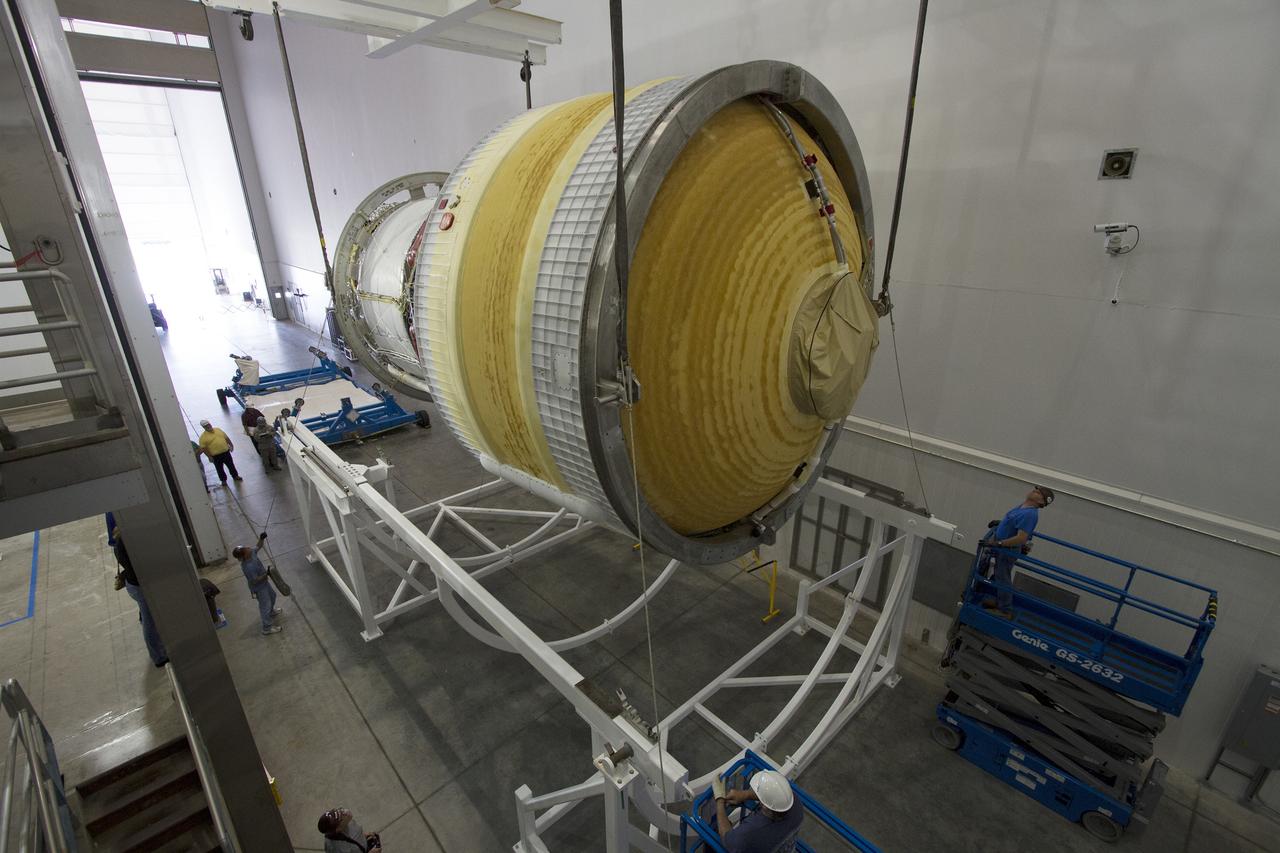
CAPE CANAVERAL, Fla. – Inside the Delta Operations Center near Space Launch Complex 37 on Cape Canaveral Air Force Station in Florida, the second stage for the United Launch Alliance Delta IV Heavy for Exploration Flight Test-1, or EFT-1, is lowered by crane into a cradle for the move to a test cell. At the Horizontal Integration Facility, all three booster stages will be processed and checked out before being moved to the nearby launch pad and hoisted into position. During the EFT-1 mission, Orion will travel farther into space than any human spacecraft has gone in more than 40 years. The data gathered during the flight will influence design decisions, validate existing computer models and innovative new approaches to space systems development, as well as reduce overall mission risks and costs for later Orion flights. Liftoff of Orion on EFT-1 is planned for fall 2014. Photo credit: NASA/Frankie Martin
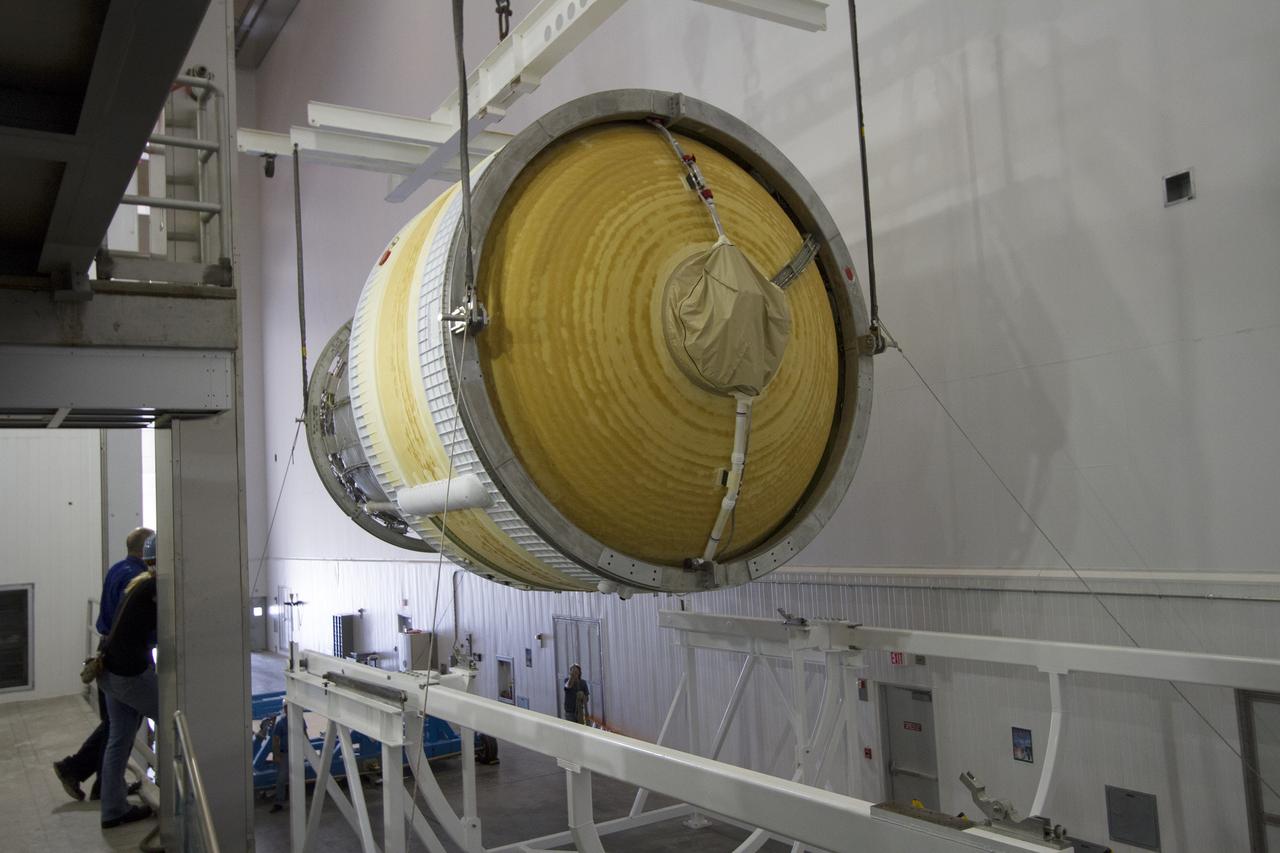
CAPE CANAVERAL, Fla. – Inside the Delta Operations Center near Space Launch Complex 37 on Cape Canaveral Air Force Station in Florida, the second stage for the United Launch Alliance Delta IV Heavy for Exploration Flight Test-1, or EFT-1, is lowered by crane into a cradle for the move to a test cell. At the Horizontal Integration Facility, all three booster stages will be processed and checked out before being moved to the nearby launch pad and hoisted into position. During the EFT-1 mission, Orion will travel farther into space than any human spacecraft has gone in more than 40 years. The data gathered during the flight will influence design decisions, validate existing computer models and innovative new approaches to space systems development, as well as reduce overall mission risks and costs for later Orion flights. Liftoff of Orion on EFT-1 is planned for fall 2014. Photo credit: NASA/Frankie Martin
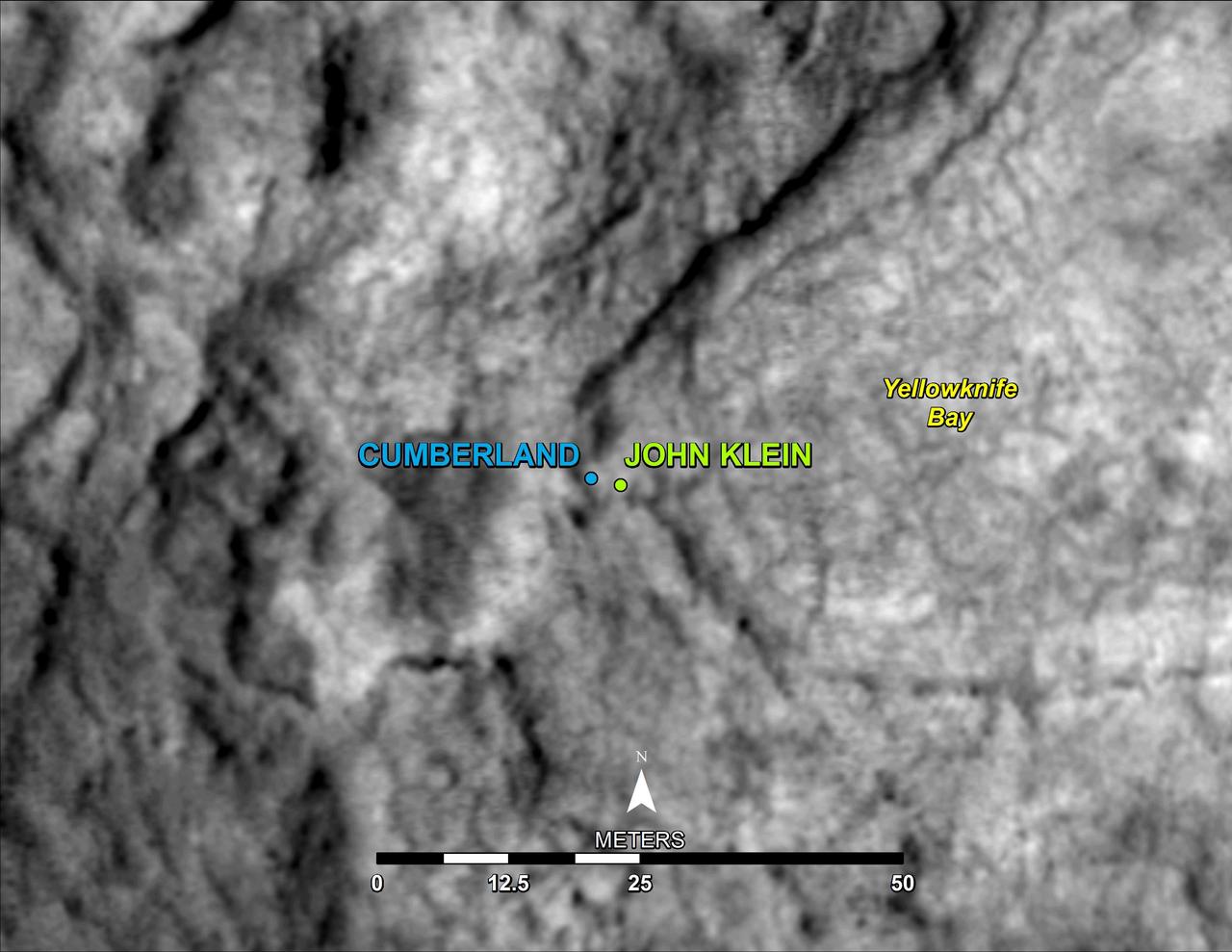
This map shows the location of Cumberland, the second rock-drilling target for NASA Mars rover Curiosity, in relation to the rover first drilling target, John Klein, within the southwestern lobe of a shallow depression called Yellowknife Bay.
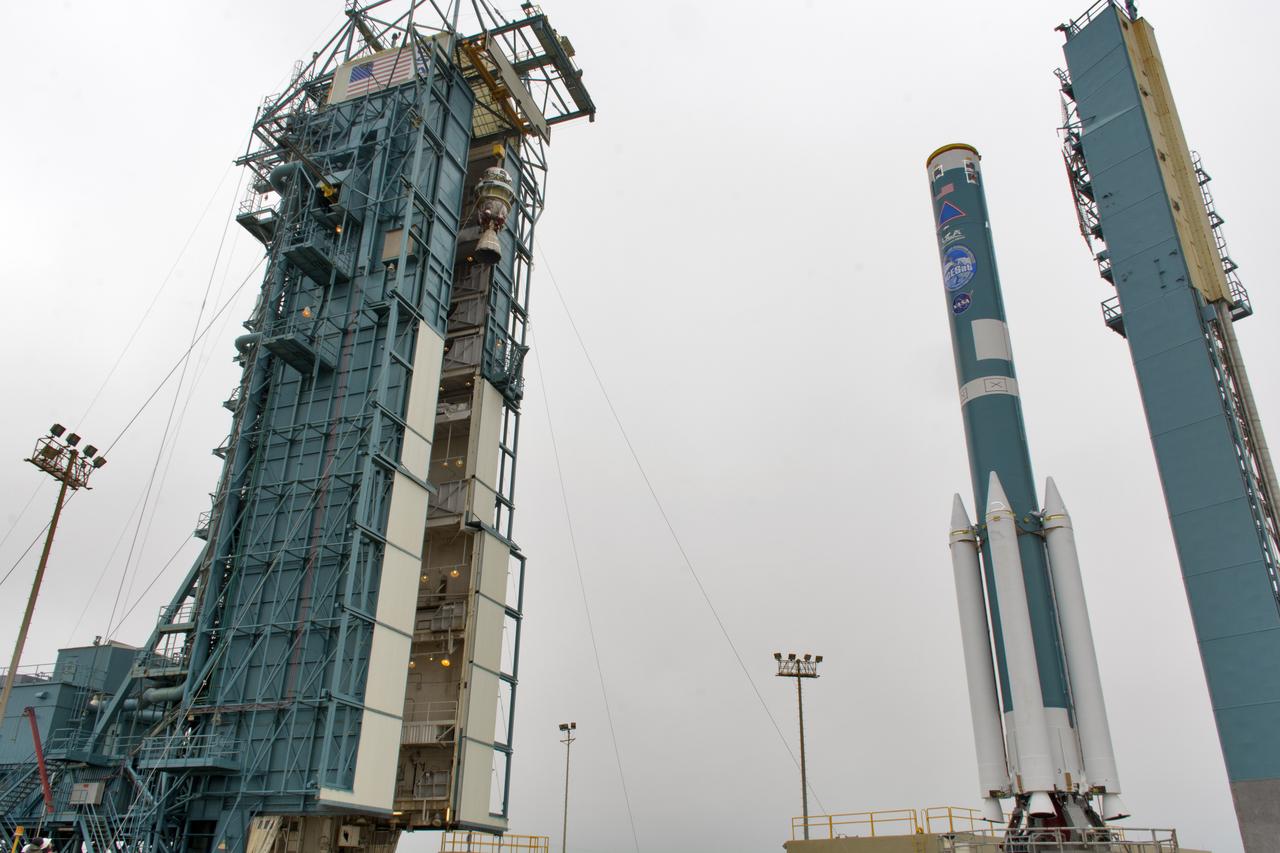
The second stage of the United Launch Alliance Delta II rocket is lifted high up at the Vertical Integration Facility, at left, at Space Launch Complex 2 on June 21, 2018, at Vandenberg Air Force Base in California. The second stage will be attached to the top of the booster, or first stage of the rocket, which is being moved out of the Mobile Service Tower, at right. NASA's Ice, Cloud and land Elevation Satellite-2 (ICESat-2) will launch on the final Delta II rocket. ICESat-2 will measure the height of a changing Earth, one laser pulse at a time, 10,000 laser pulses a second. The satellite will carry a single instrument, the Advanced Topographic Laser Altimeter System. ICESat-2 will help scientists investigate why, and how much our planet's frozen and icy areas, called the cryosphere, is changing in a warming climate.
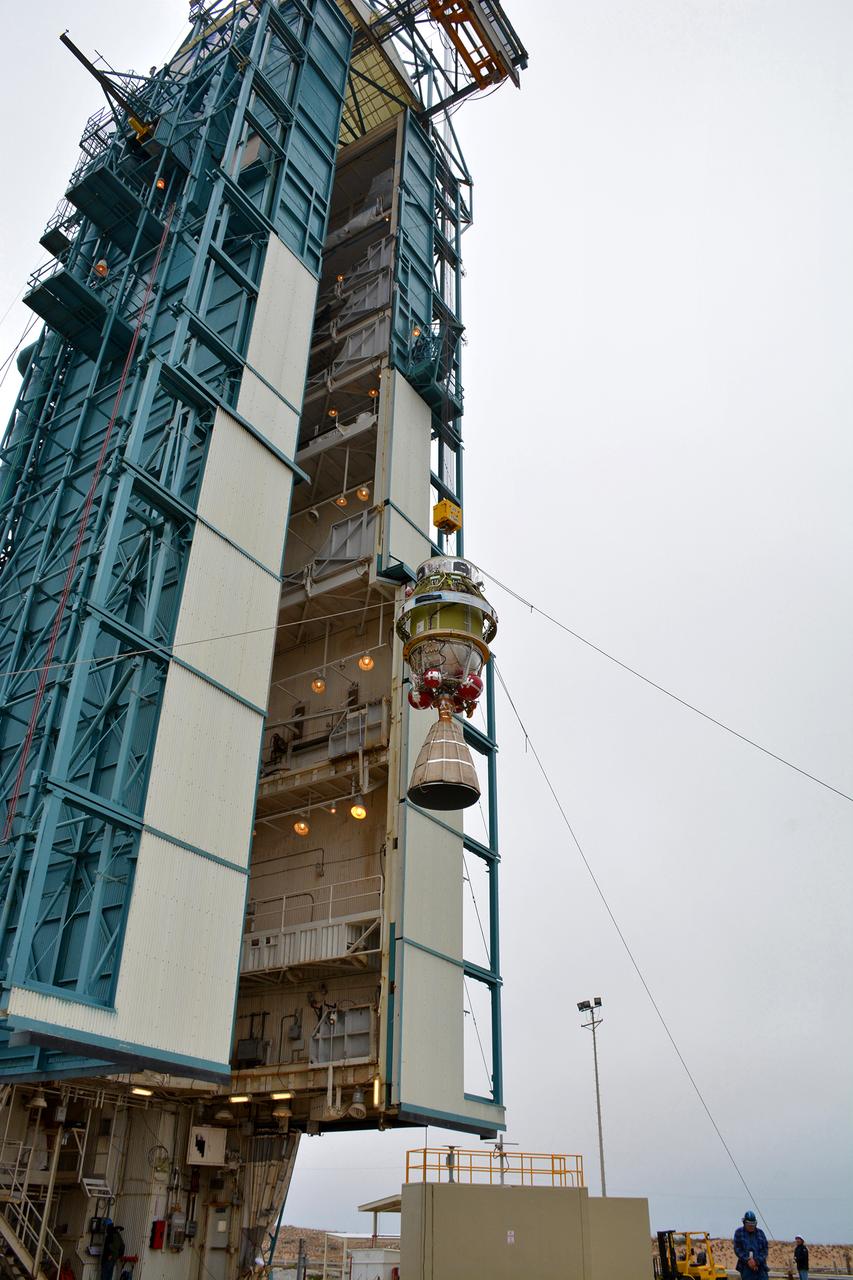
The United Launch Alliance Delta II second stage is lifted high up at the Vertical Integration Facility at Space Launch Complex 2 on June 12, 2018, at Vandenberg Air Force Base in California. The second stage will be attached to the top of the booster, or first stage of the rocket. NASA's Ice, Cloud and land Elevation Satellite-2 (ICESat-2) will launch on the final Delta II rocket. ICESat-2 will measure the height of a changing Earth, one laser pulse at a time, 10,000 laser pulses a second. The satellite will carry a single instrument, the Advanced Topographic Laser Altimeter System. ICESat-2 will help scientists investigate why, and how much our planet's frozen and icy areas, called the cryosphere, is changing in a warming climate.
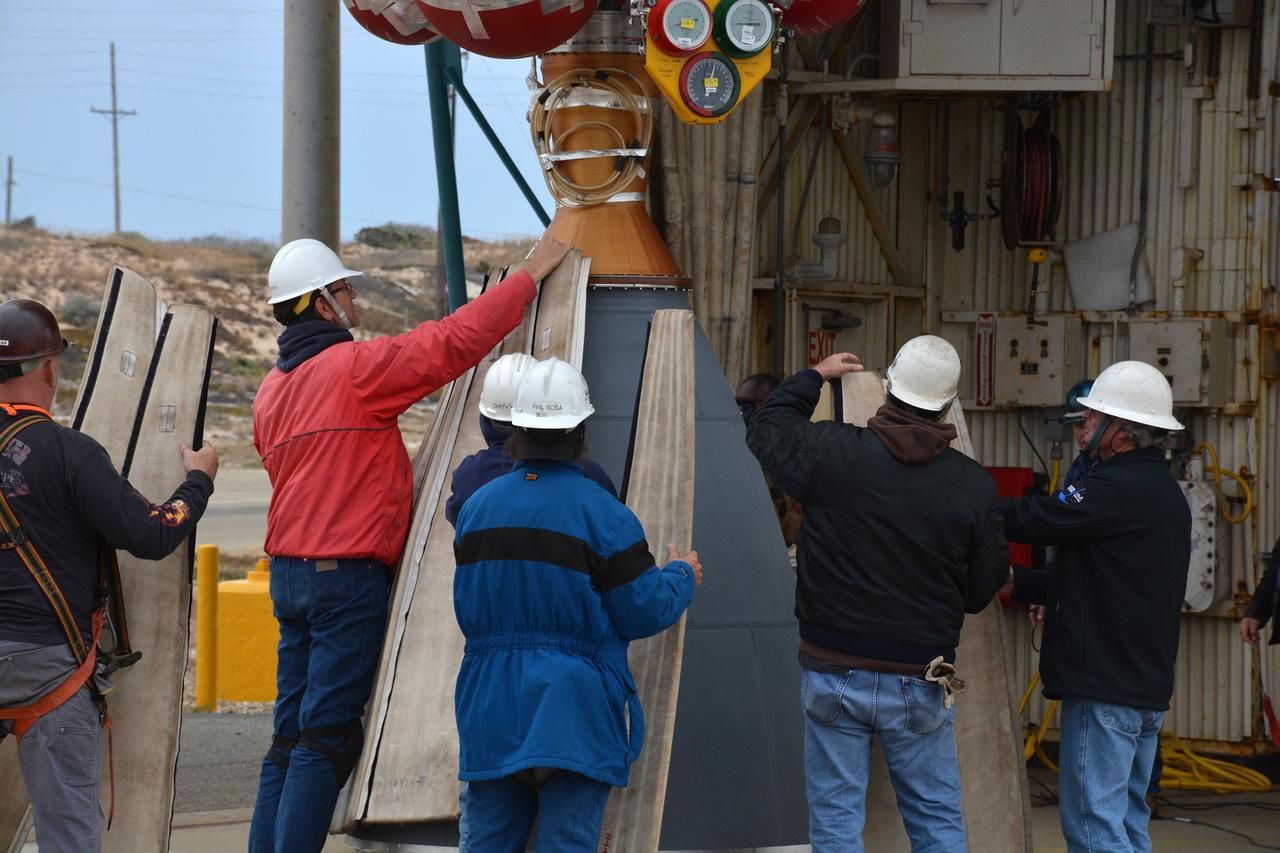
United Launch Alliance workers prepare the first stage of the Delta II second stage to be lifted up in the Vertical Processing Facility at Space Launch Complex 2 on June 21, 2018, at Vandenberg Air Force Base in California. The second stage will be attached to the top of the booster, or first stage, of the rocket. NASA's Ice, Cloud and land Elevation Satellite-2 (ICESat-2) will launch on the final Delta II rocket. ICESat-2 will measure the height of a changing Earth, one laser pulse at a time, 10,000 laser pulses a second. The satellite will carry a single instrument, the Advanced Topographic Laser Altimeter System. ICESat-2 will help scientists investigate why, and how much our planet's frozen and icy areas, called the cryosphere, is changing in a warming climate.
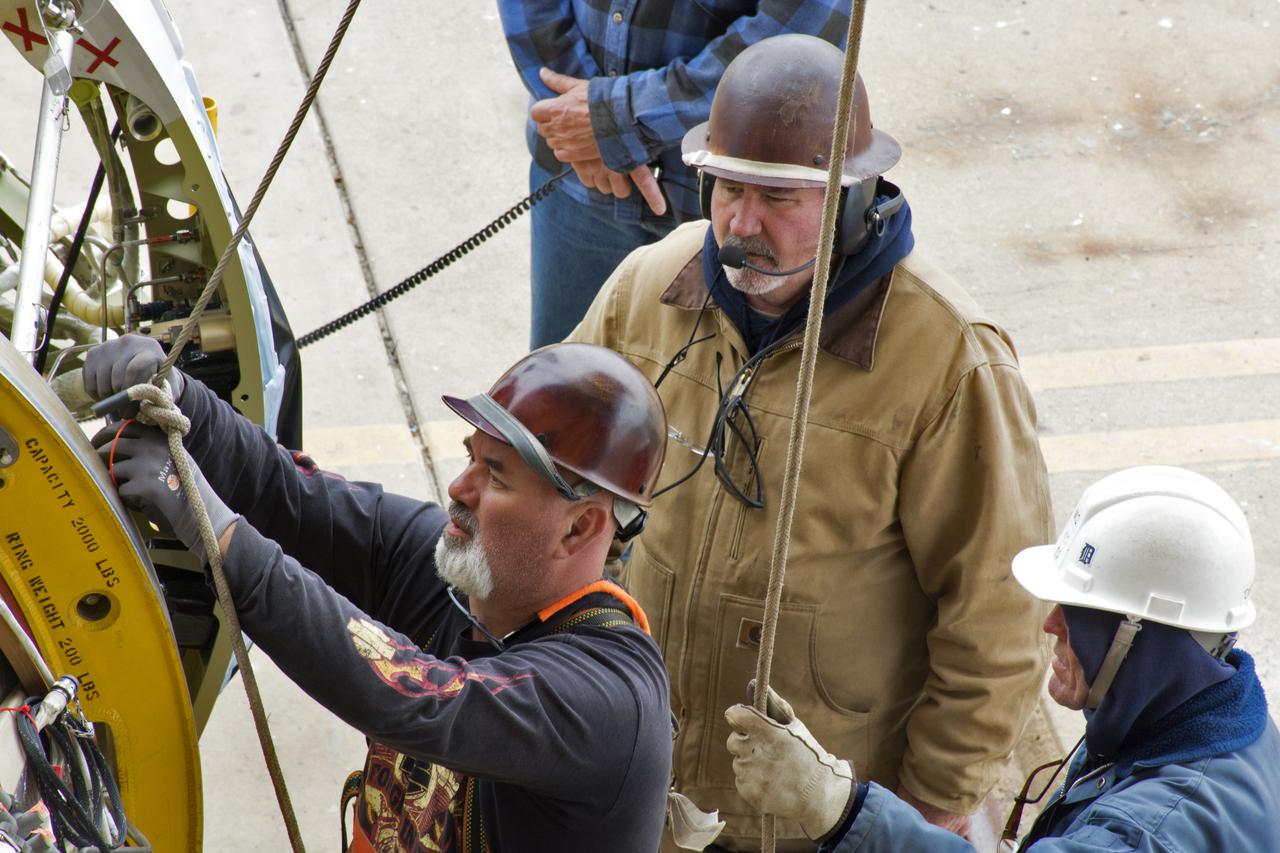
United Launch Alliance workers prepare the first stage of the Delta II second stage to be lifted up in the Vertical Processing Facility at Space Launch Complex 2 on June 21, 2018, at Vandenberg Air Force Base in California. The second stage will be attached to the top of the booster, or first stage, of the rocket. NASA's Ice, Cloud and land Elevation Satellite-2 (ICESat-2) will launch on the final Delta II rocket. ICESat-2 will measure the height of a changing Earth, one laser pulse at a time, 10,000 laser pulses a second. The satellite will carry a single instrument, the Advanced Topographic Laser Altimeter System. ICESat-2 will help scientists investigate why, and how much our planet's frozen and icy areas, called the cryosphere, is changing in a warming climate.
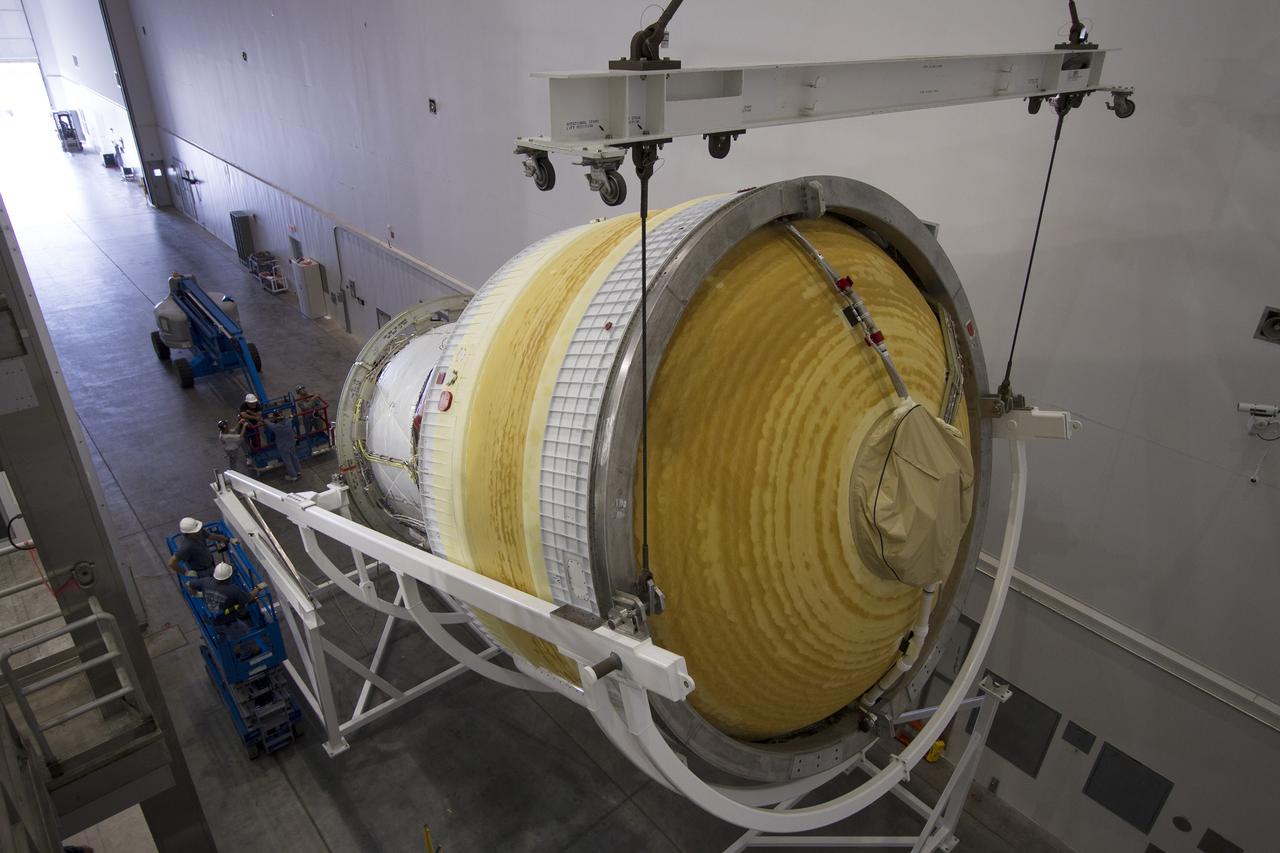
CAPE CANAVERAL, Fla. – Inside the Delta Operations Center near Space Launch Complex 37 on Cape Canaveral Air Force Station in Florida, the second stage for the United Launch Alliance Delta IV Heavy for Exploration Flight Test-1, or EFT-1, is being lifted by crane in its cradle for the move to a test cell. At the Horizontal Integration Facility, all three booster stages will be processed and checked out before being moved to the nearby launch pad and hoisted into position. During the EFT-1 mission, Orion will travel farther into space than any human spacecraft has gone in more than 40 years. The data gathered during the flight will influence design decisions, validate existing computer models and innovative new approaches to space systems development, as well as reduce overall mission risks and costs for later Orion flights. Liftoff of Orion on EFT-1 is planned for fall 2014. Photo credit: NASA/Frankie Martin
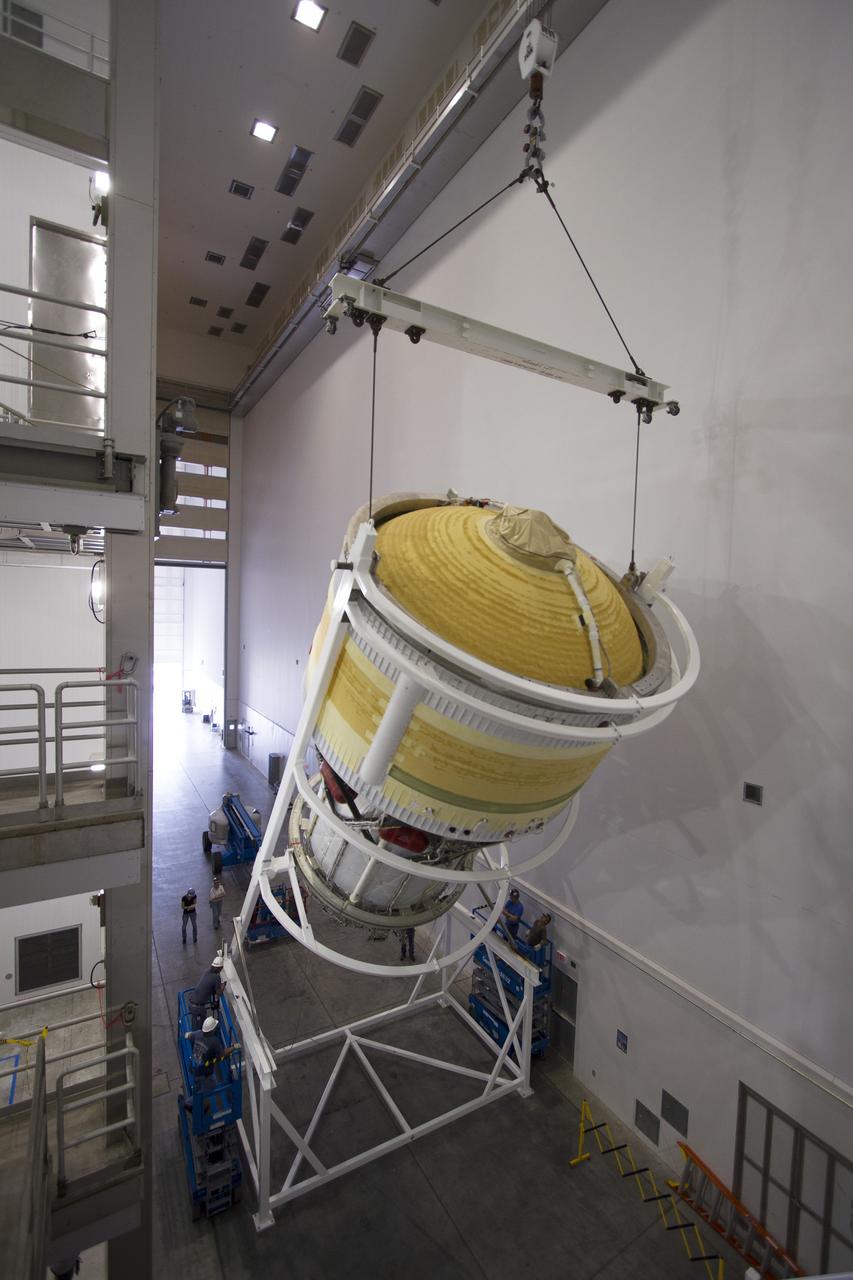
CAPE CANAVERAL, Fla. – Inside the Delta Operations Center near Space Launch Complex 37 on Cape Canaveral Air Force Station in Florida, the second stage for the United Launch Alliance Delta IV Heavy for Exploration Flight Test-1, or EFT-1, is being lifted by crane in its cradle for the move to a test cell. At the Horizontal Integration Facility, all three booster stages will be processed and checked out before being moved to the nearby launch pad and hoisted into position. During the EFT-1 mission, Orion will travel farther into space than any human spacecraft has gone in more than 40 years. The data gathered during the flight will influence design decisions, validate existing computer models and innovative new approaches to space systems development, as well as reduce overall mission risks and costs for later Orion flights. Liftoff of Orion on EFT-1 is planned for fall 2014. Photo credit: NASA/Frankie Martin
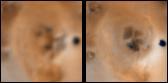
Changes on Io between Voyager 1 and Galileo Second Orbit Around an Unnamed Vent North of Prometheus
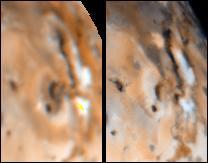
Changes on Io around Maui and Amirani between Voyager 1 and Galileo Second Orbit
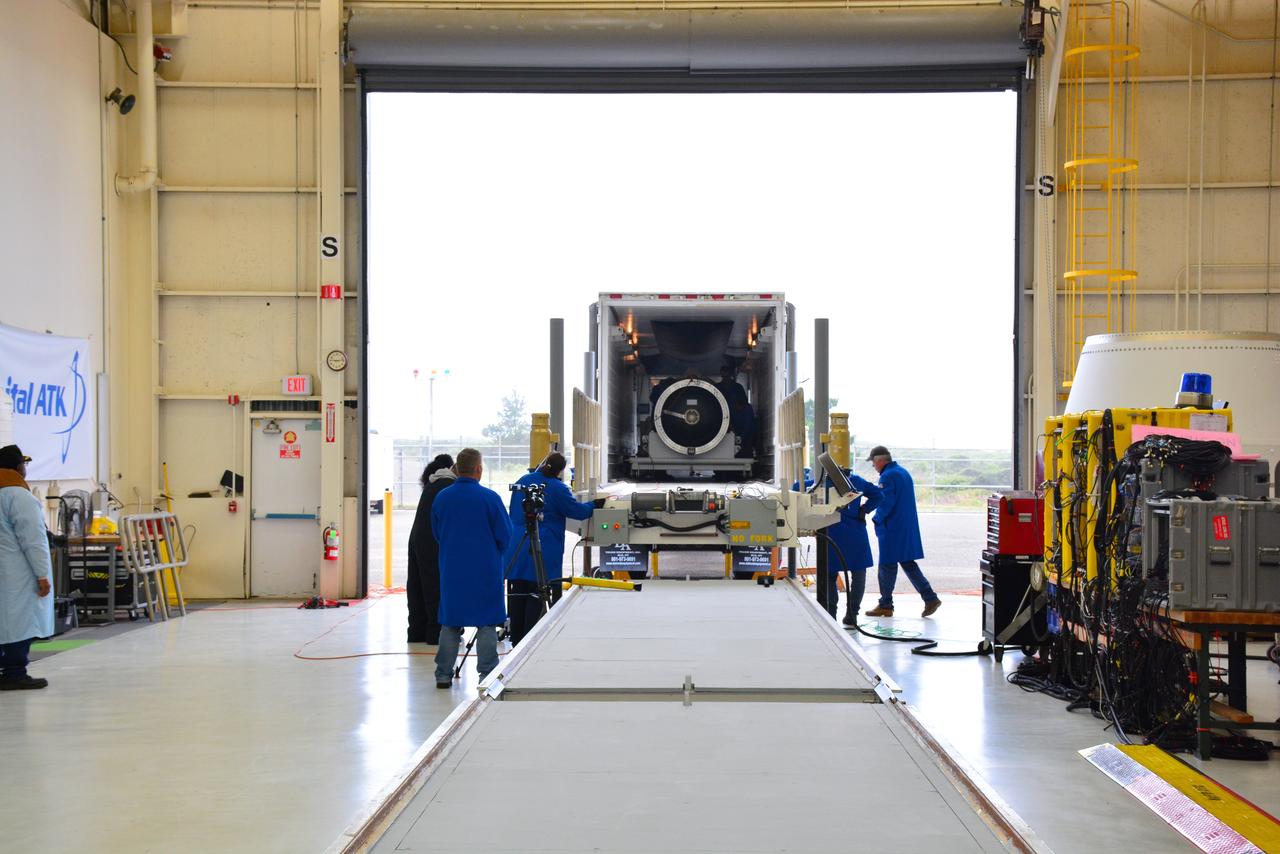
Workers prepare to offload the second and third stages of the Orbital ATK Pegasus XL rocket from a transport vehicle at Building 1555 at Vandenberg Air Force Base in California. The rocket is being prepared for NASA's Ionospheric Connection Explorer, or ICON, mission. ICON will launch from the Kwajalein Atoll aboard the Pegasus XL on Dec. 8, 2017. ICON will study the frontier of space - the dynamic zone high in Earth's atmosphere where terrestrial weather from below meets space weather above. The explorer will help determine the physics of Earth's space environment and pave the way for mitigating its effects on our technology, communications systems and society.
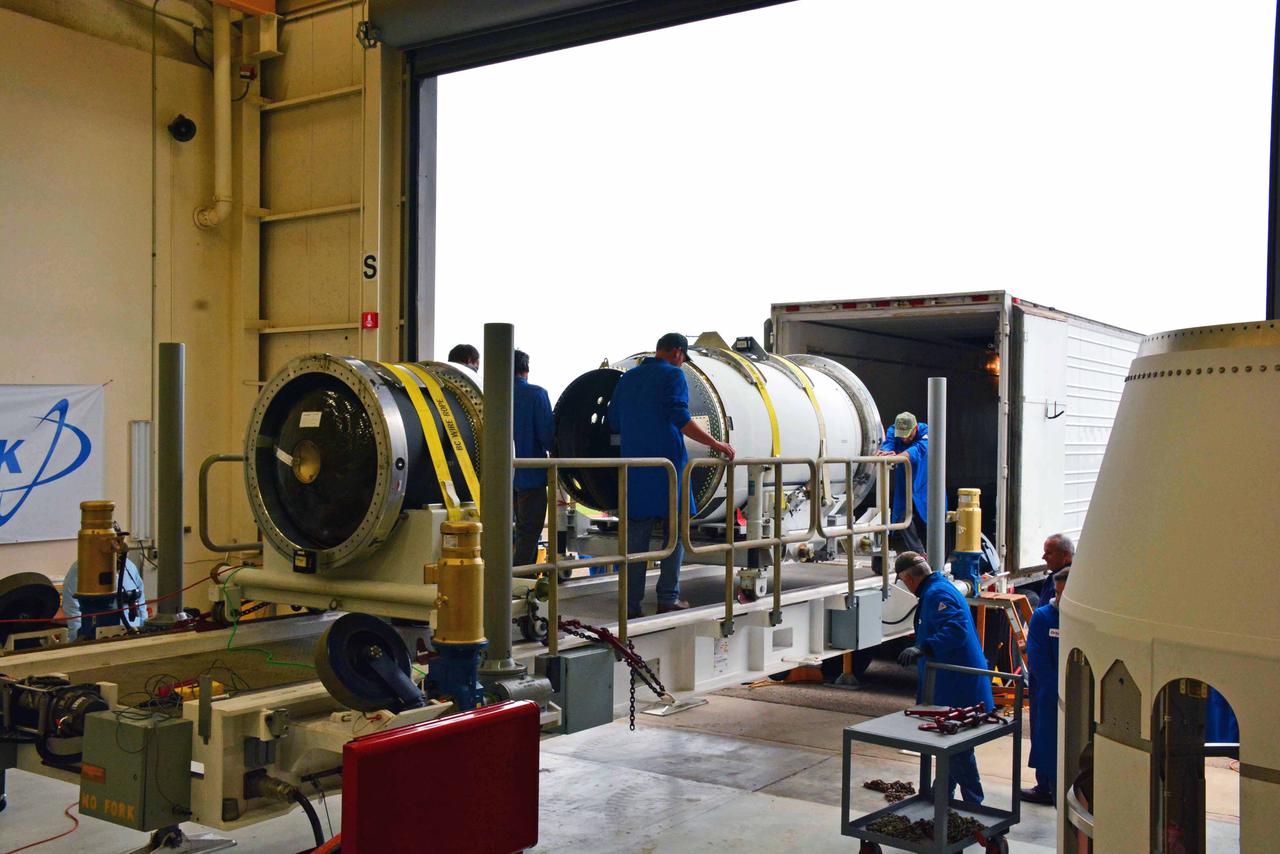
The second and third stages of the Orbital ATK Pegasus XL rocket are offloaded from a transport vehicle at Building 1555 at Vandenberg Air Force Base in California. The rocket is being prepared for NASA's Ionospheric Connection Explorer, or ICON, mission. ICON will launch from the Kwajalein Atoll aboard the Pegasus XL on Dec. 8, 2017. ICON will study the frontier of space - the dynamic zone high in Earth's atmosphere where terrestrial weather from below meets space weather above. The explorer will help determine the physics of Earth's space environment and pave the way for mitigating its effects on our technology, communications systems and society.
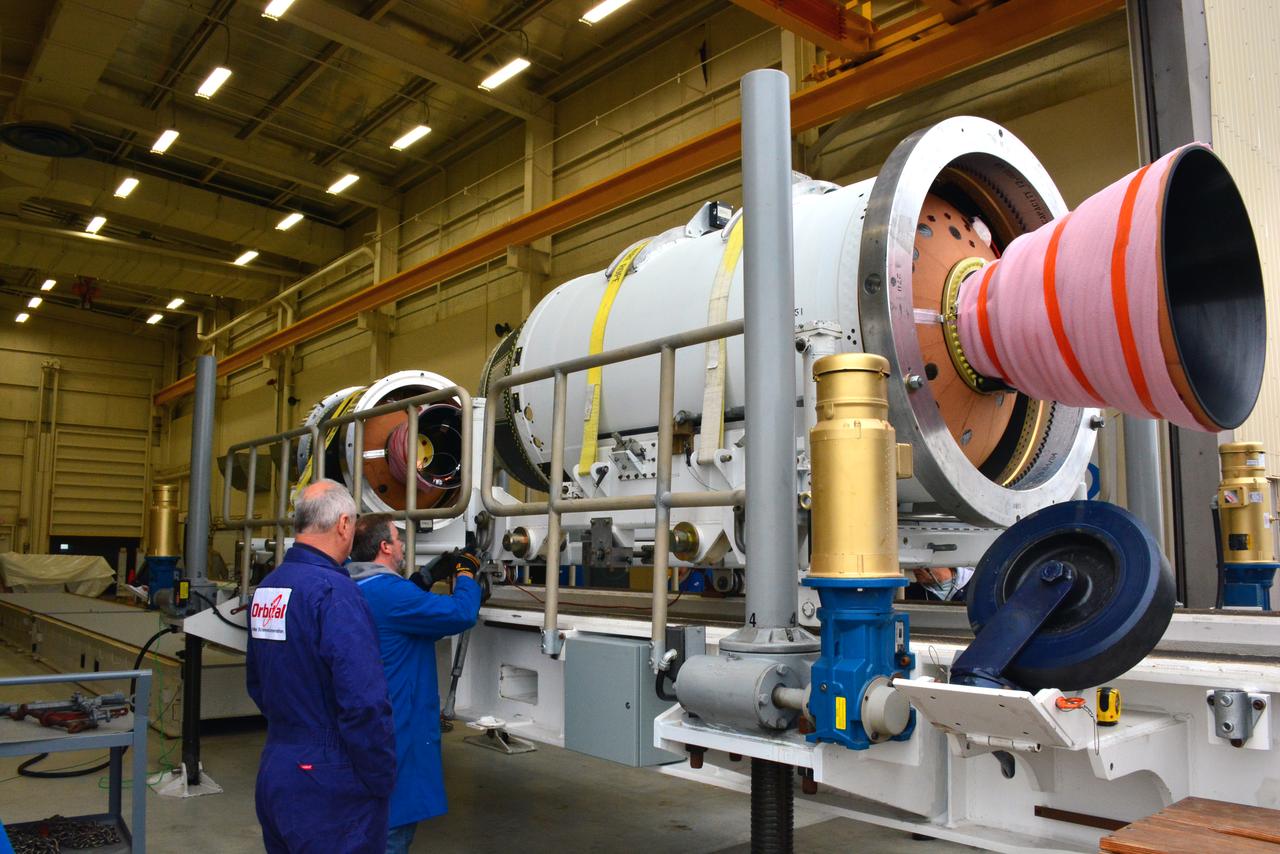
The second and third stages of the Orbital ATK Pegasus XL rocket are offloaded from a transport vehicle at Building 1555 at Vandenberg Air Force Base in California. The rocket is being prepared for NASA's Ionospheric Connection Explorer, or ICON, mission. ICON will launch from the Kwajalein Atoll aboard the Pegasus XL on Dec. 8, 2017. ICON will study the frontier of space - the dynamic zone high in Earth's atmosphere where terrestrial weather from below meets space weather above. The explorer will help determine the physics of Earth's space environment and pave the way for mitigating its effects on our technology, communications systems and society.
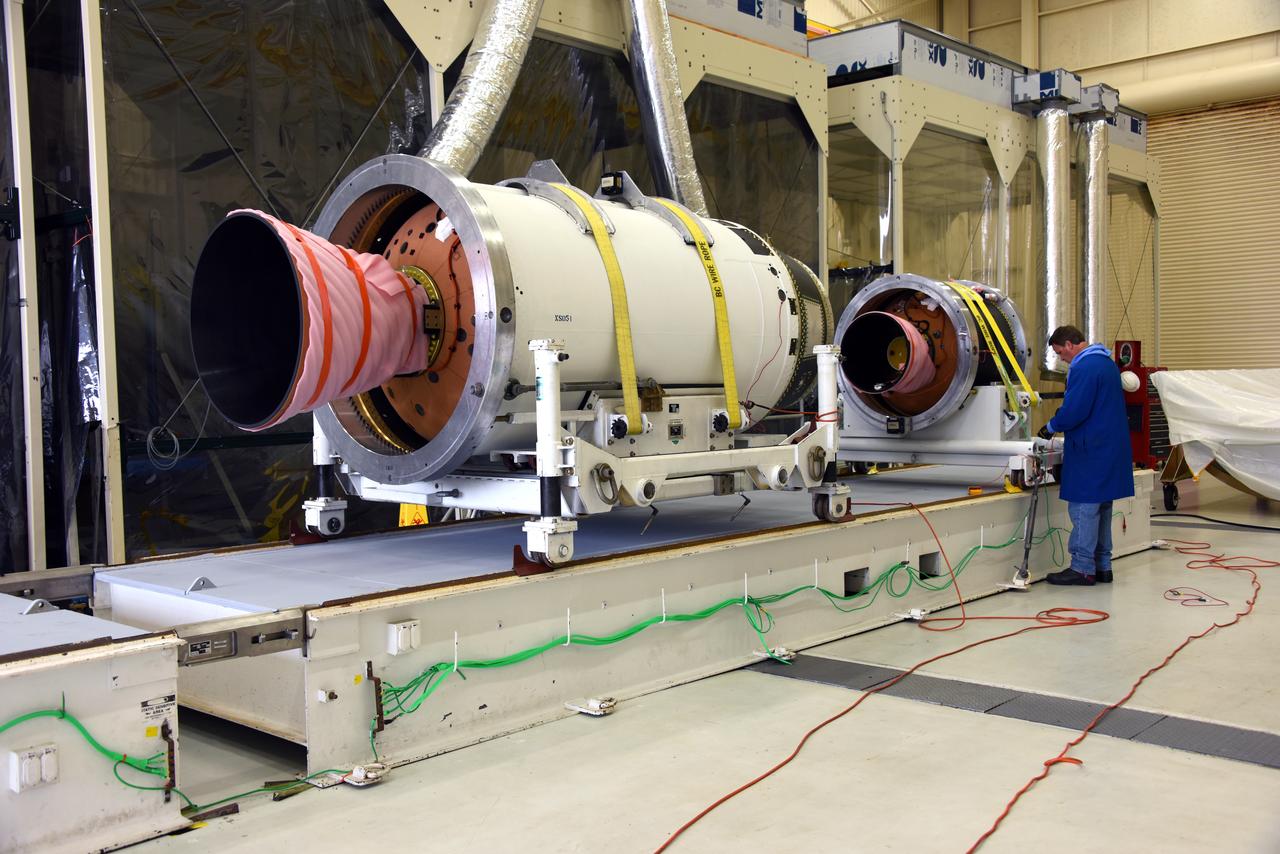
The second and third stages of the Orbital ATK Pegasus XL rocket are offloaded from a transport vehicle at Building 1555 at Vandenberg Air Force Base in California. The rocket is being prepared for NASA's Ionospheric Connection Explorer, or ICON, mission. ICON will launch from the Kwajalein Atoll aboard the Pegasus XL on Dec. 8, 2017. ICON will study the frontier of space - the dynamic zone high in Earth's atmosphere where terrestrial weather from below meets space weather above. The explorer will help determine the physics of Earth's space environment and pave the way for mitigating its effects on our technology, communications systems and society.
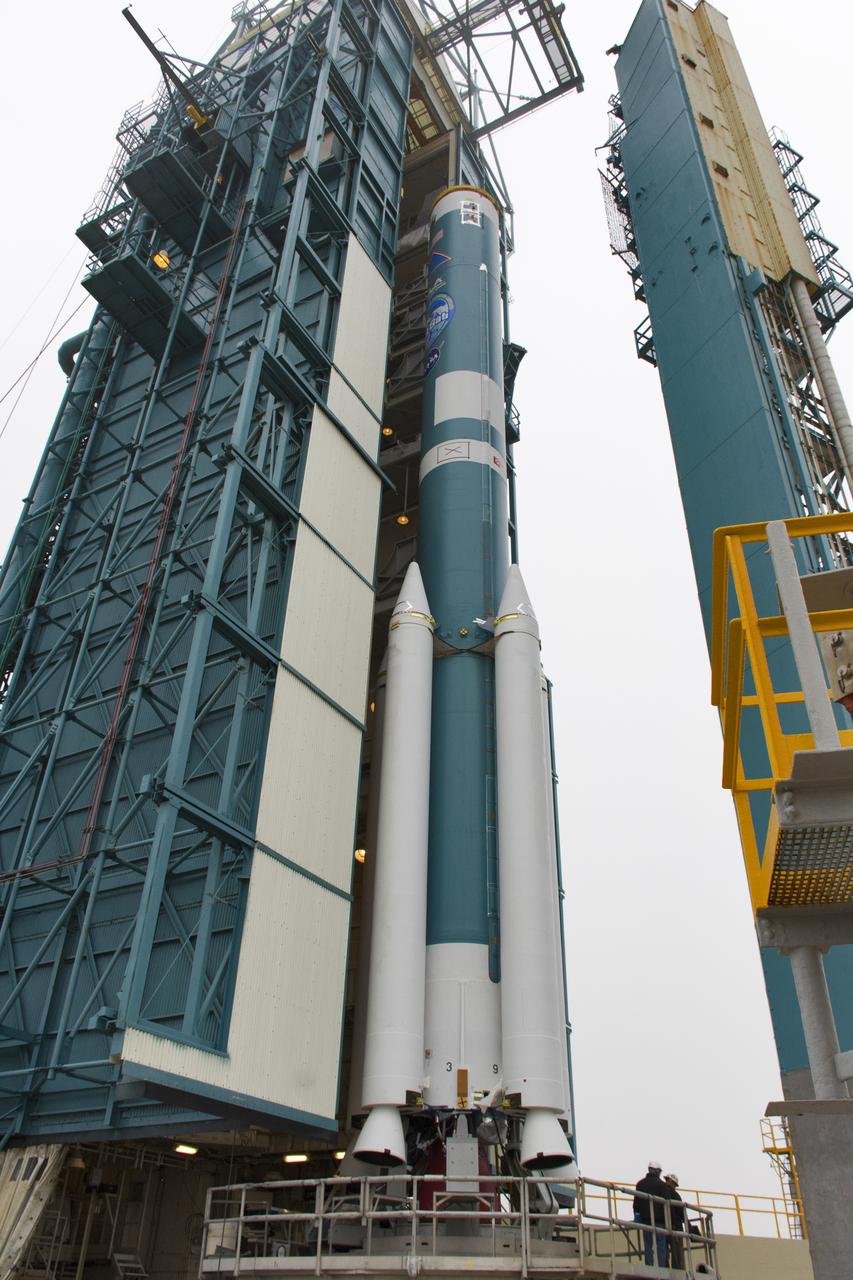
The United Launch Alliance Delta II booster, or first stage, with the interstage attached on top is moved out of the Vertical Integration Facility (VIF) at Space Launch Complex 2 on June 21, 2018, at Vandenberg Air Force Base in California. The second stage will be lifted up at the VIF. NASA's Ice, Cloud and land Elevation Satellite-2 (ICESat-2) will launch on the final Delta II rocket. ICESat-2 will measure the height of a changing Earth, one laser pulse at a time, 10,000 laser pulses a second. The satellite will carry a single instrument, the Advanced Topographic Laser Altimeter System. ICESat-2 will help scientists investigate why, and how much our planet's frozen and icy areas, called the cryosphere, is changing in a warming climate.

STS109-E-5389 (5 March 2002) --- Astronaut James H. Newman, mission specialist, returns to a stowage area in the cargo bay of the Space Shuttle Columbia during the STS-109 mission's second day of extravehicular activity (EVA). Astronauts Newman and Michael J. Massimino worked to replace the second set of solar arrays on the Hubble Space Telescope (HST). The image was recorded with a digital still camera.
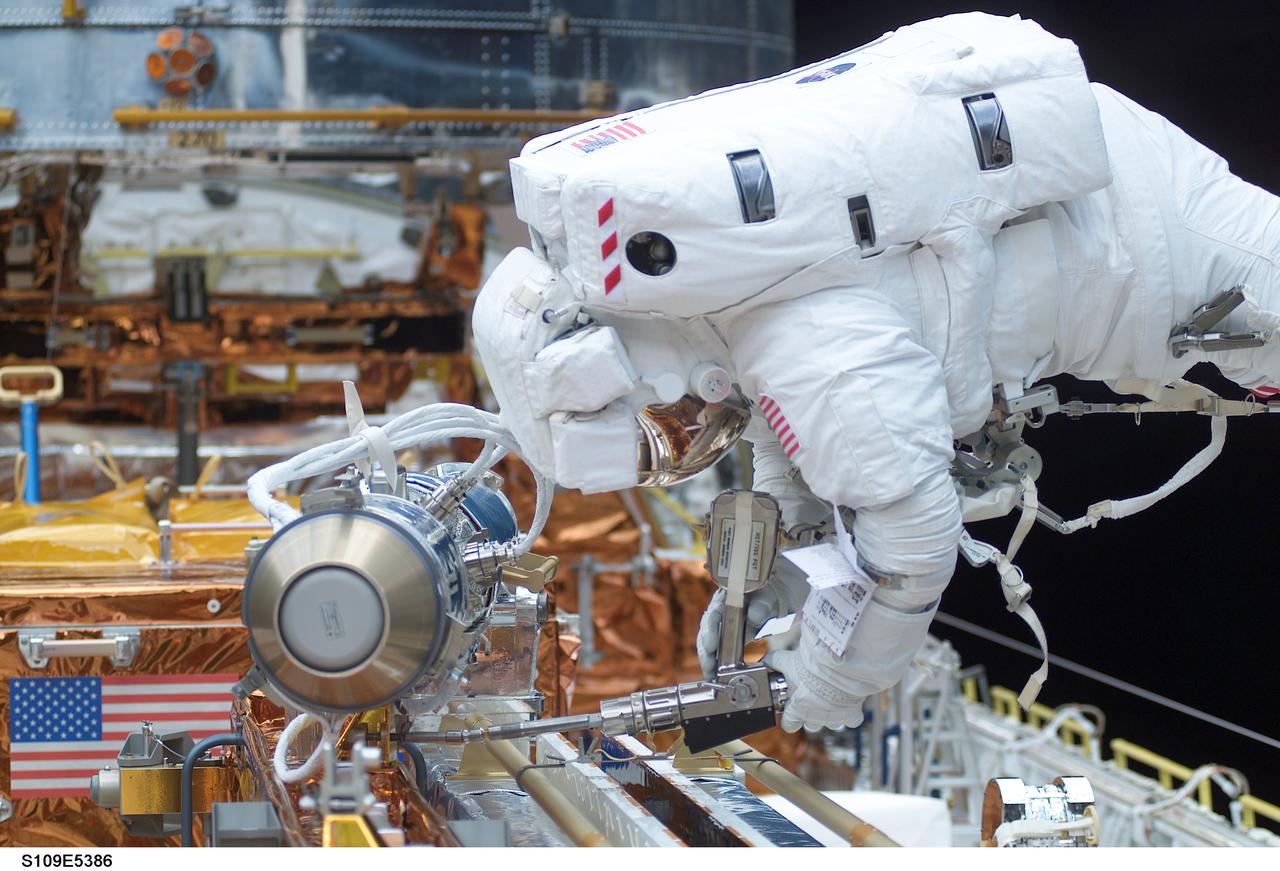
STS109-E-5386 (5 March 2002) --- Astronaut Michael J. Massimino, mission specialist, checks a tool in the cargo bay of the Space Shuttle Columbia during the STS-109 mission's second day of extravehicular activity (EVA). Astronauts Massimino and James H. Newman worked to replace the second set of solar arrays on the Hubble Space Telescope (HST). The image was recorded with a digital still camera.
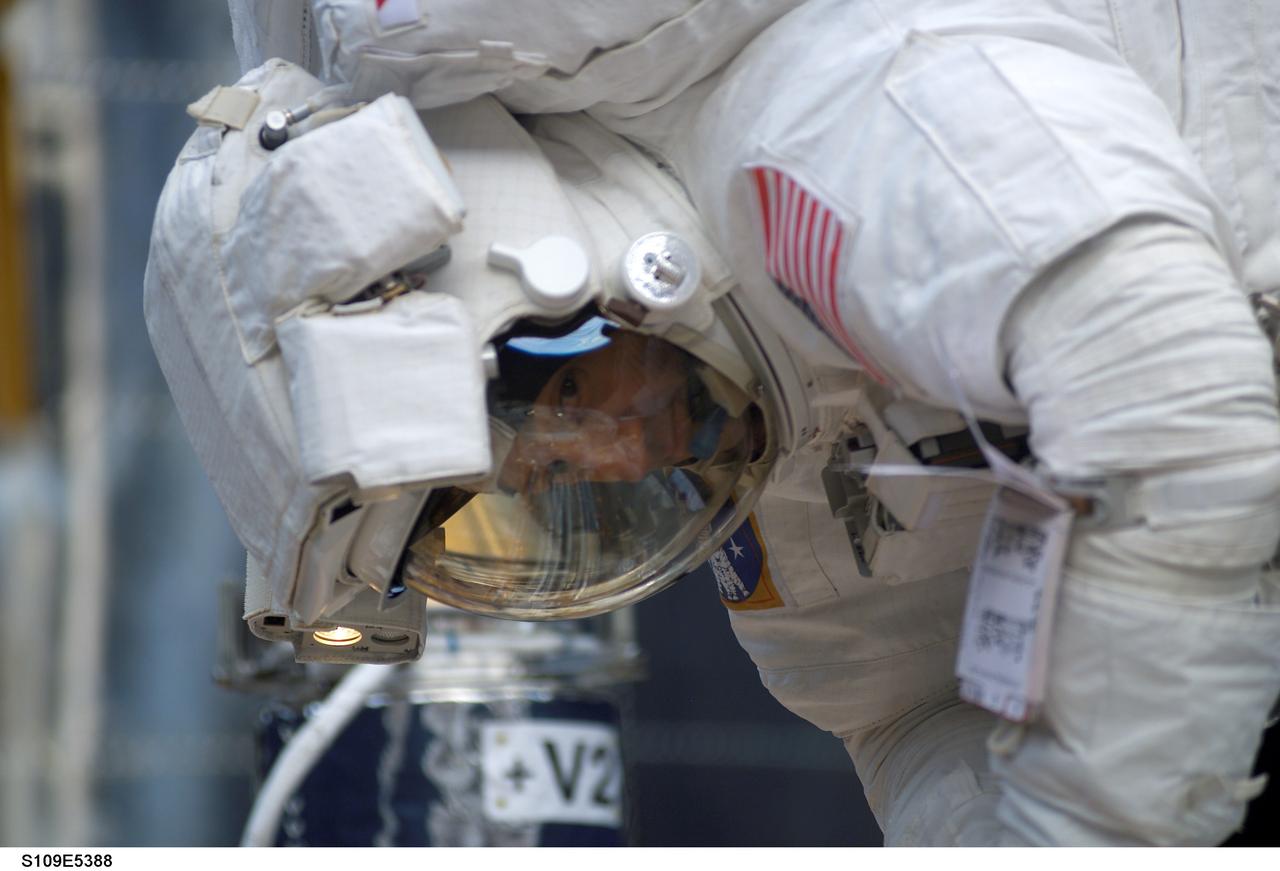
STS109-E-5388 (5 March 2002) --- Astronaut Michael J. Massimino, mission specialist, checks a tool in the cargo bay of the Space Shuttle Columbia during the STS-109 mission's second day of extravehicular activity (EVA). Astronauts Massimino and James H. Newman worked to replace the second set of solar arrays on the Hubble Space Telescope (HST). The image was recorded with a digital still camera.
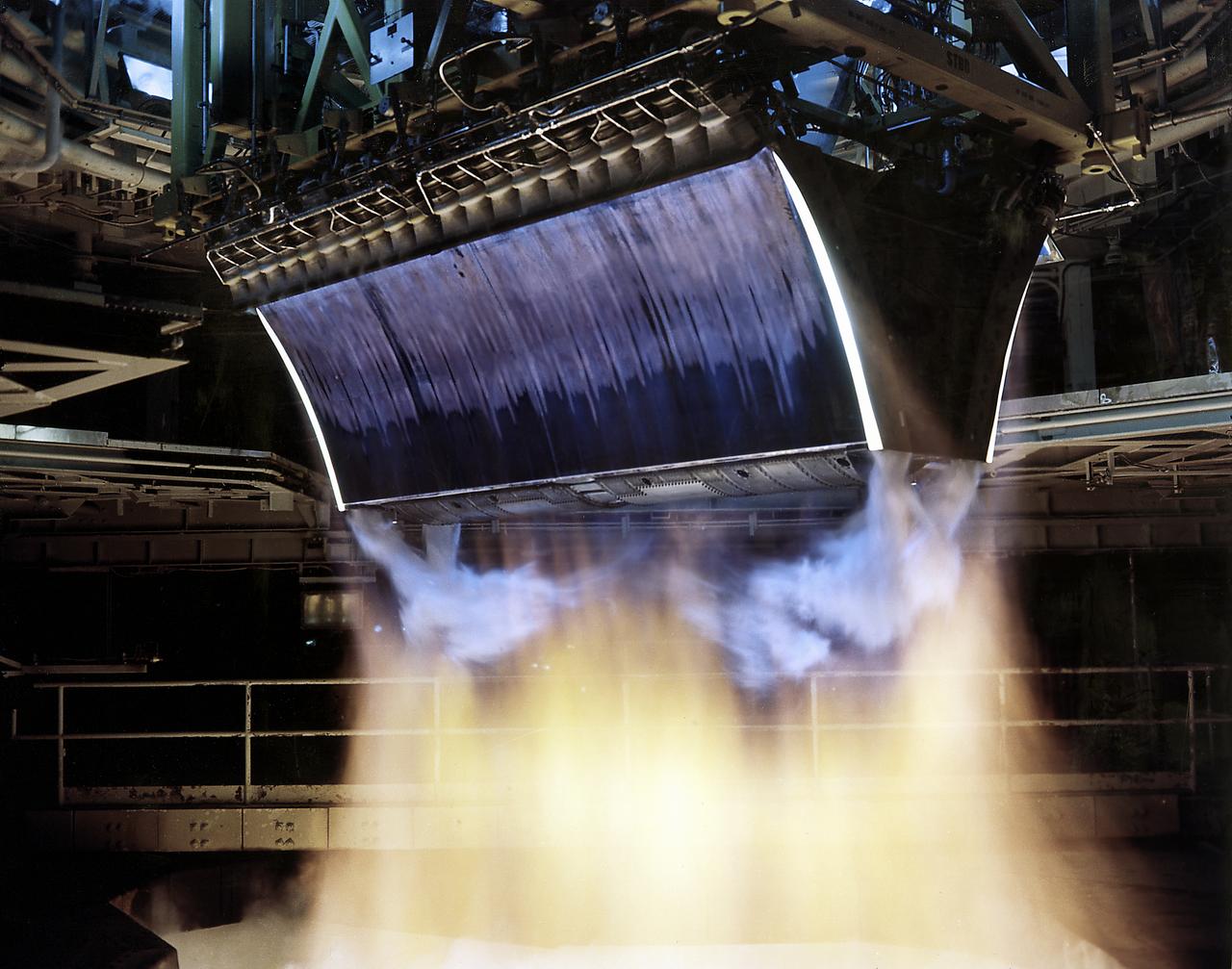
The test of twin Linear Aerospike XRS-2200 engines, originally built for the X-33 program, was performed on August 6, 2001 at NASA's Sternis Space Center, Mississippi. The engines were fired for the planned 90 seconds and reached a planned maximum power of 85 percent. NASA's Second Generation Reusable Launch Vehicle Program , also known as the Space Launch Initiative (SLI), is making advances in propulsion technology with this third and final successful engine hot fire, designed to test electro-mechanical actuators. Information learned from this hot fire test series about new electro-mechanical actuator technology, which controls the flow of propellants in rocket engines, could provide key advancements for the propulsion systems for future spacecraft. The Second Generation Reusable Launch Vehicle Program, led by NASA's Marshall Space Flight Center in Huntsville, Alabama, is a technology development program designed to increase safety and reliability while reducing costs for space travel. The X-33 program was cancelled in March 2001.
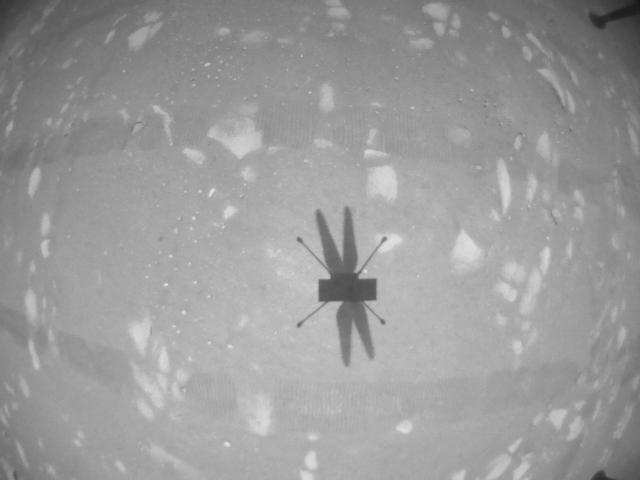
The downward-looking navigation camera aboard NASA's Ingenuity Mars Helicopter took this image of the rotorcraft's shadow on the surface of Jezero Crater during helicopter's second experimental test flight on April 22, 2021. The helicopter's navigation camera autonomously tracks the ground during flight. The Ingenuity Mars Helicopter was built by JPL, which also manages this technology demonstration project for NASA Headquarters. It is supported by NASA's Science Mission Directorate, Aeronautics Research Mission Directorate, and Space Technology Mission Directorate. NASA's Ames Research Center and Langley Research Center provided significant flight performance analysis and technical assistance during Ingenuity's development. A key objective for Perseverance's mission on Mars is astrobiology, including the search for signs of ancient microbial life. The rover will characterize the planet's geology and past climate, pave the way for human exploration of the Red Planet, and be the first mission to collect and cache Martian rock and regolith (broken rock and dust). Subsequent NASA missions, in cooperation with ESA (European Space Agency), would send spacecraft to Mars to collect these sealed samples from the surface and return them to Earth for in-depth analysis. The Mars 2020 Perseverance mission is part of NASA's Moon to Mars exploration approach, which includes Artemis missions to the Moon that will help prepare for human exploration of the Red Planet. https://photojournal.jpl.nasa.gov/catalog/PIA24592
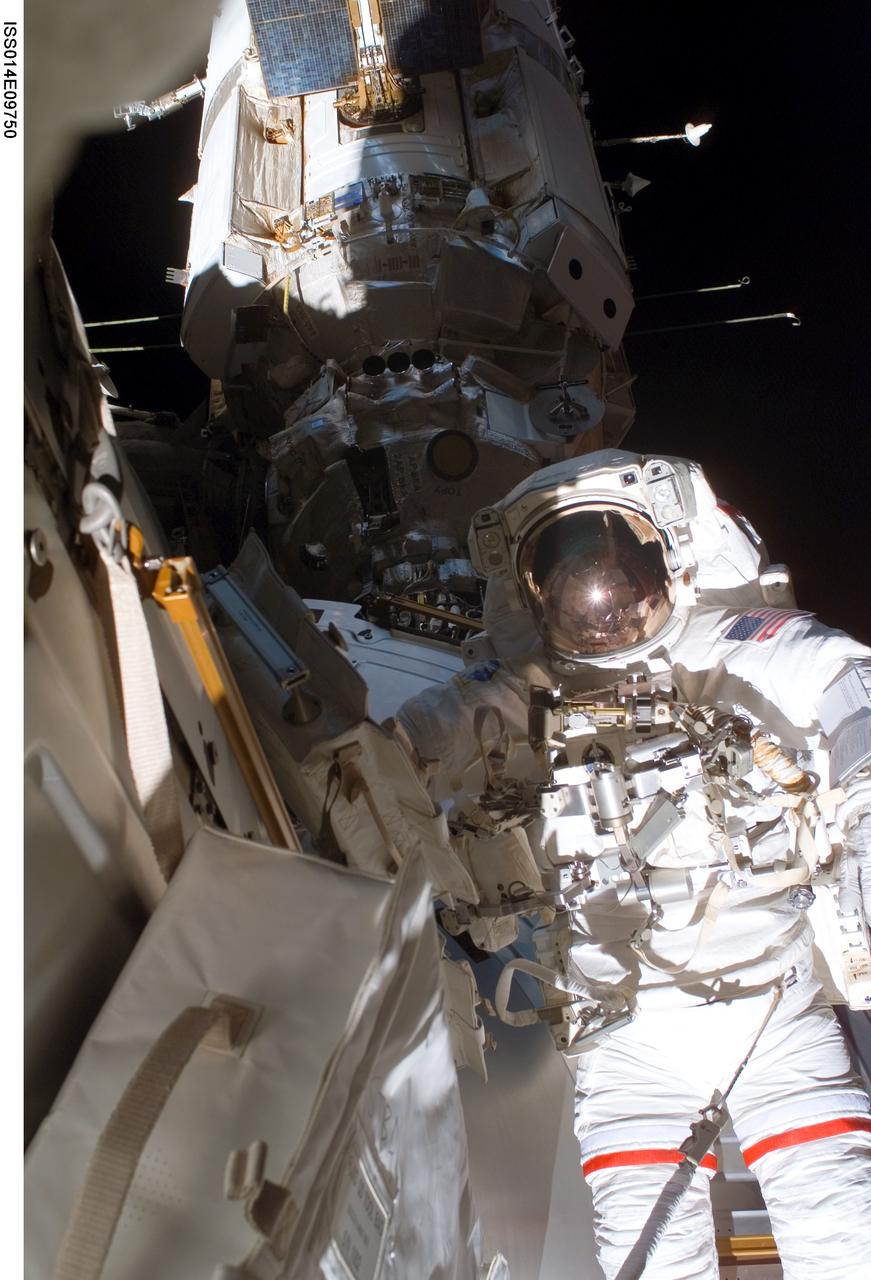
ISS014-E-09750 (14 Dec. 2006) --- Astronaut Robert L. Curbeam, Jr., STS-116 mission specialist, participates in the mission's second of three planned sessions of extravehicular activity (EVA) as construction resumes on the International Space Station. European Space Agency (ESA) astronaut Christer Fuglesang (out of frame), mission specialist, also participated in the spacewalk.
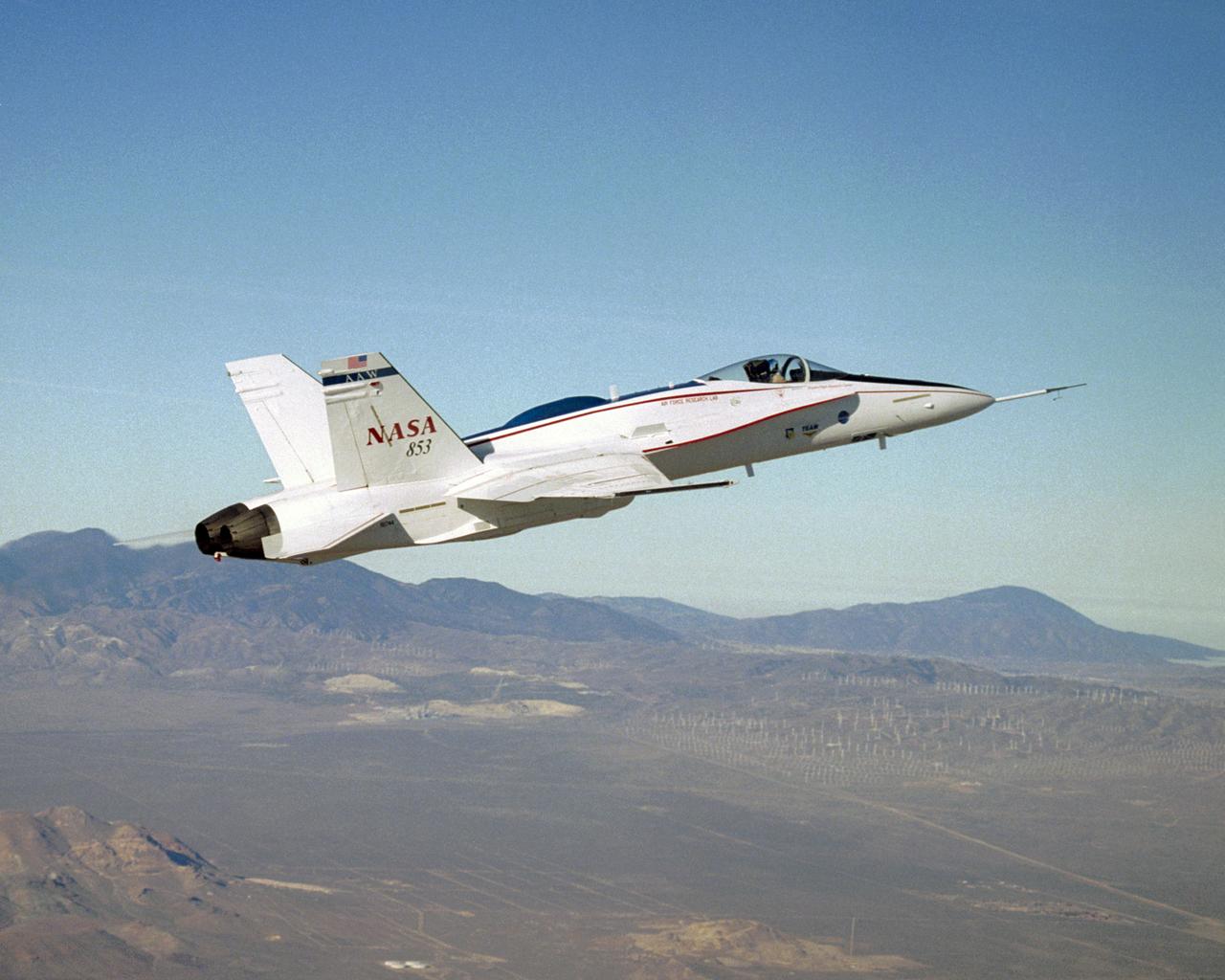
NASA's Active Aeroelastic Wing F/A-18 resumed flight tests in the second phase of the program at the Dryden Flight Research Center in early December 2004.
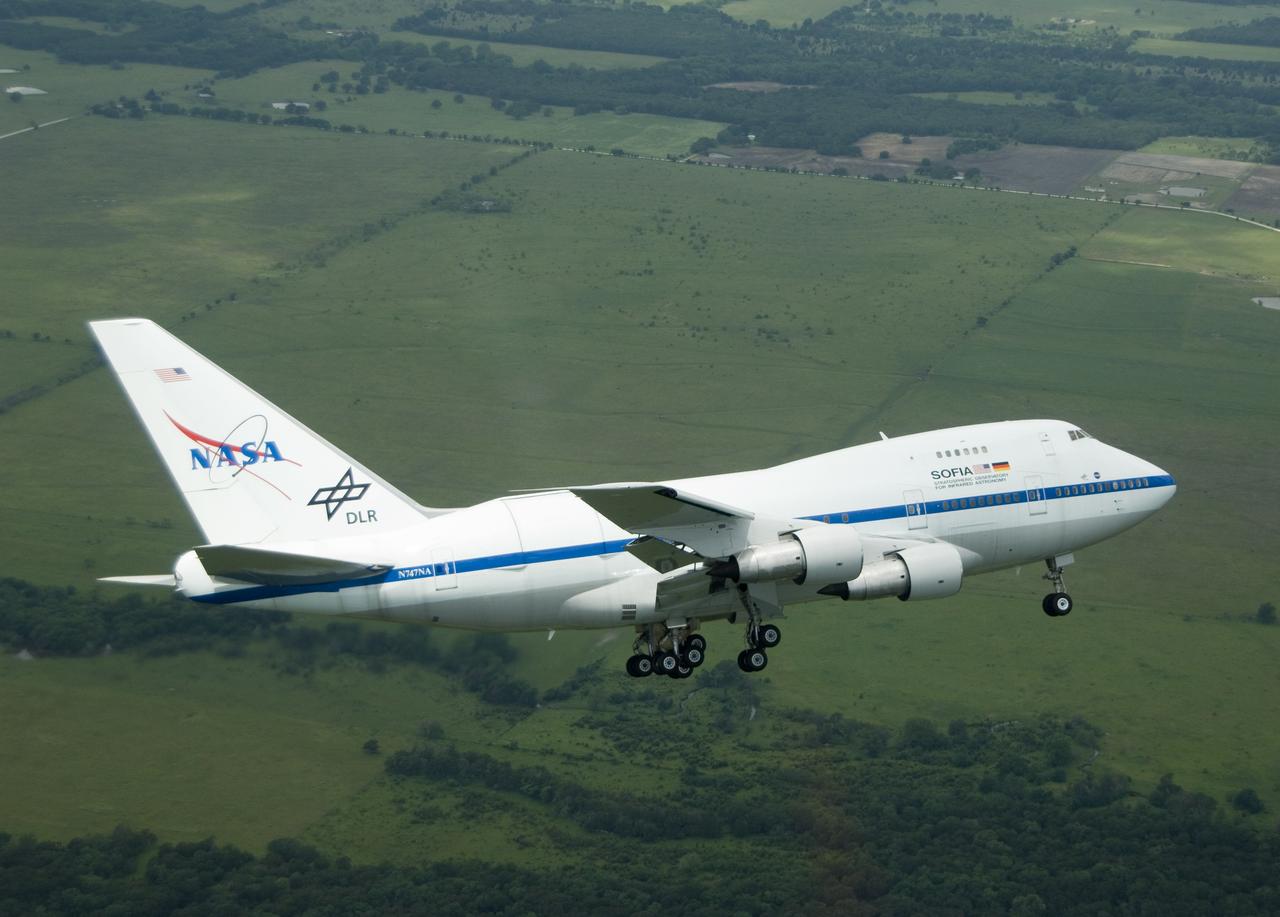
NASA's highly modified Boeing 747SP SOFIA observatory banks low over the Texas countryside as it heads for landing at Waco to conclude its second check flight.

NASA's Stratospheric Observatory for Infrared Astronomy is silhouetted against the sky as it soars on its second check flight near Waco, Texas on May 10, 2007.
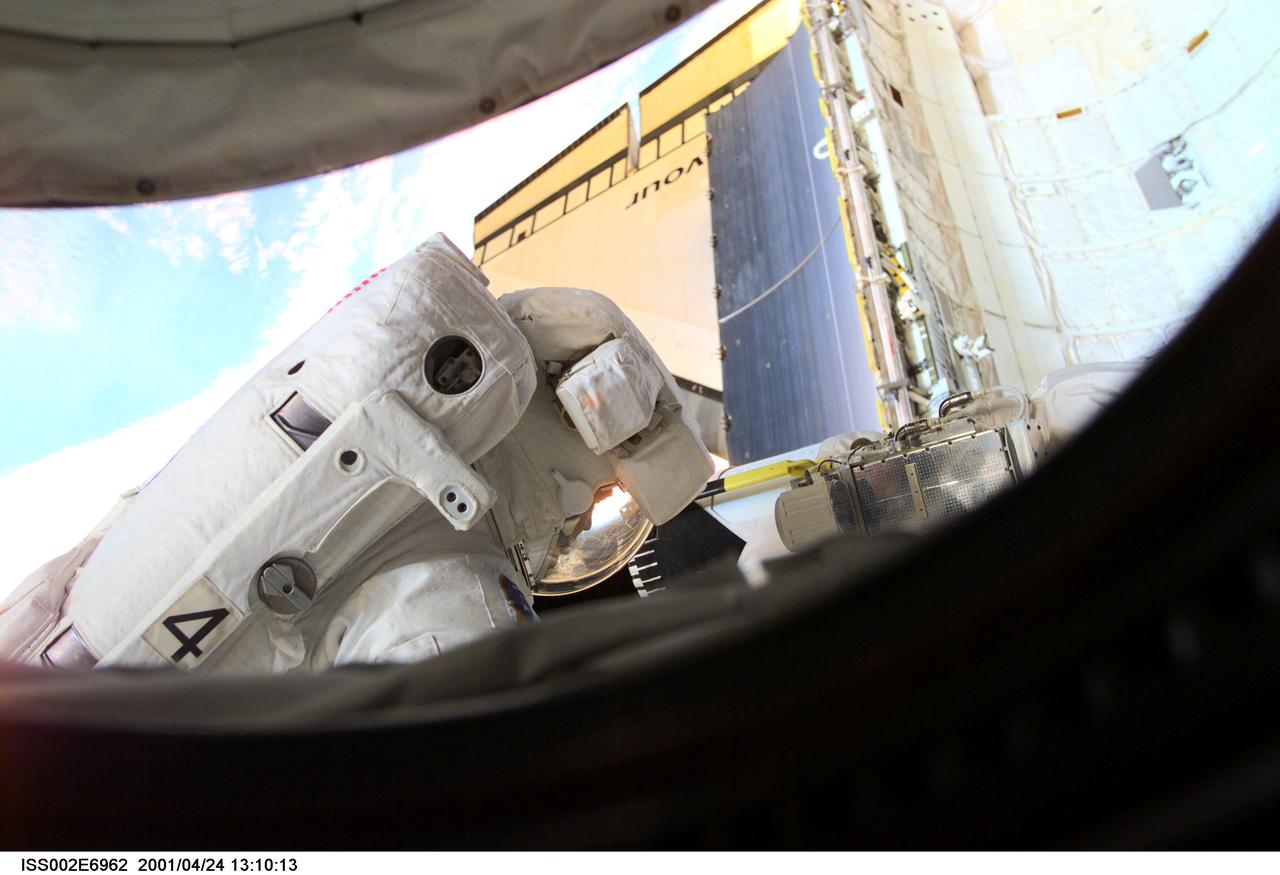
ISS002-E-6962 (24 April 2001) --- Astronaut Scott E. Parazynski, STS-100 mission specialist, performs a task during the second space walk (EVA-2). A digital still camera on the International Space Station (ISS) was used to record this image.
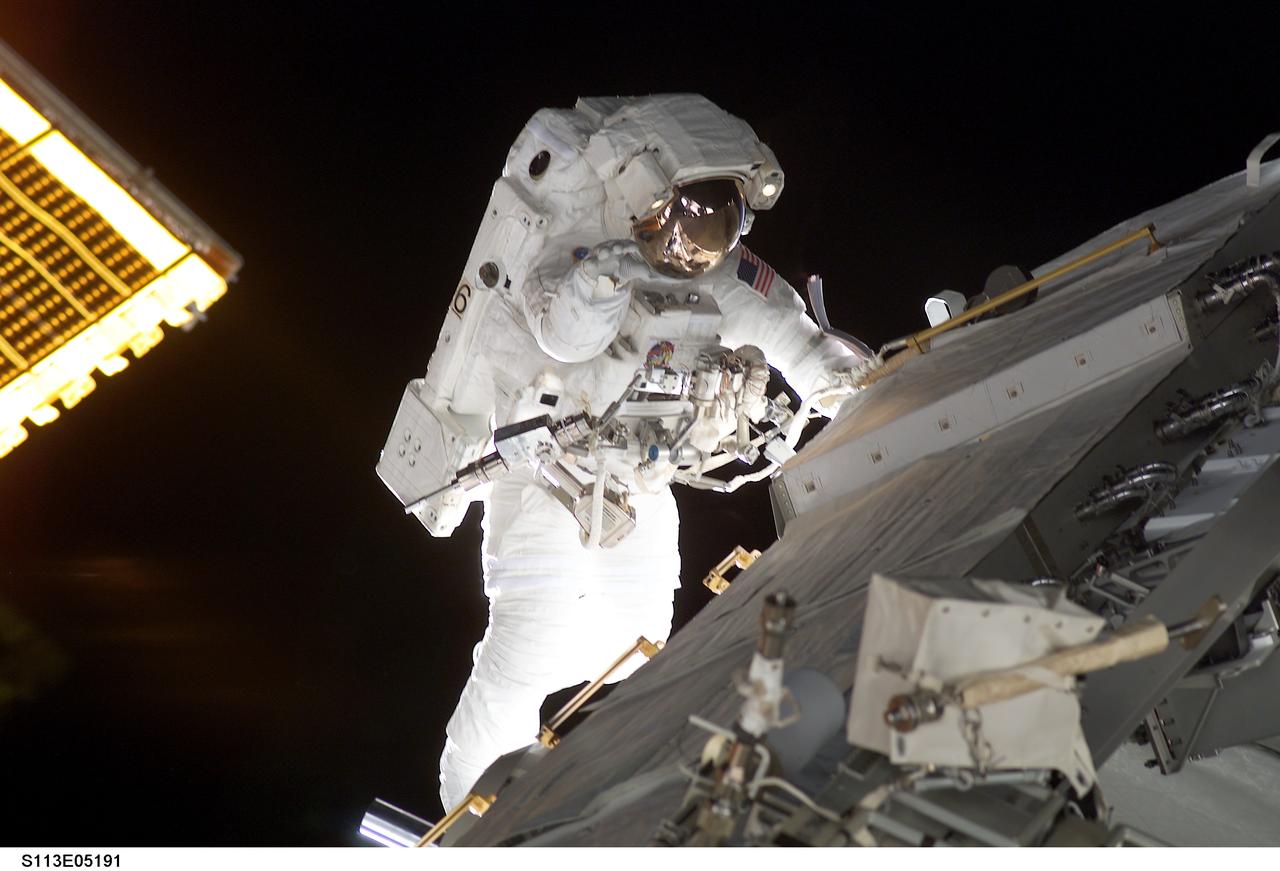
STS113-E-05191 (28 November 2002) --- Astronaut John B. Herrington, STS-113 mission specialist, participates the mission’s second scheduled session of extravehicular activity (EVA). The spacewalk lasted 6 hours, 10 minutes.
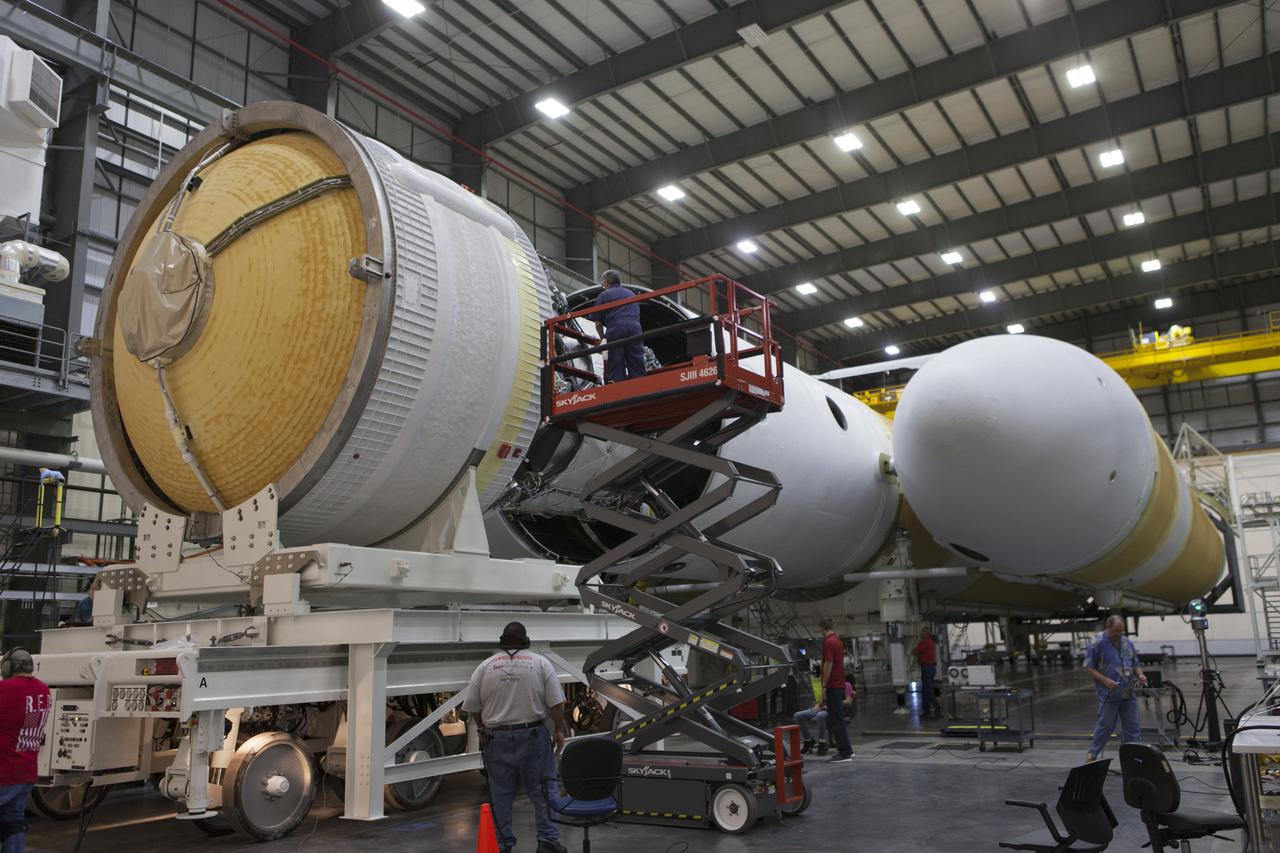
The second stage of a United Launch Alliance Delta IV Heavy is being mated to the common booster core inside the Horizontal Integration Facility near Space Launch Complex 37 at Cape Canaveral Air Force Station in Florida. The Delta IV Heavy will launch NASA's upcoming Parker Solar Probe mission in July 2018. The mission will perform the closest-ever observations of a star when it travels through the Sun's atmosphere, called the corona. The probe will rely on measurements and imaging to revolutionize our understanding of the corona and the Sun-Earth connection.
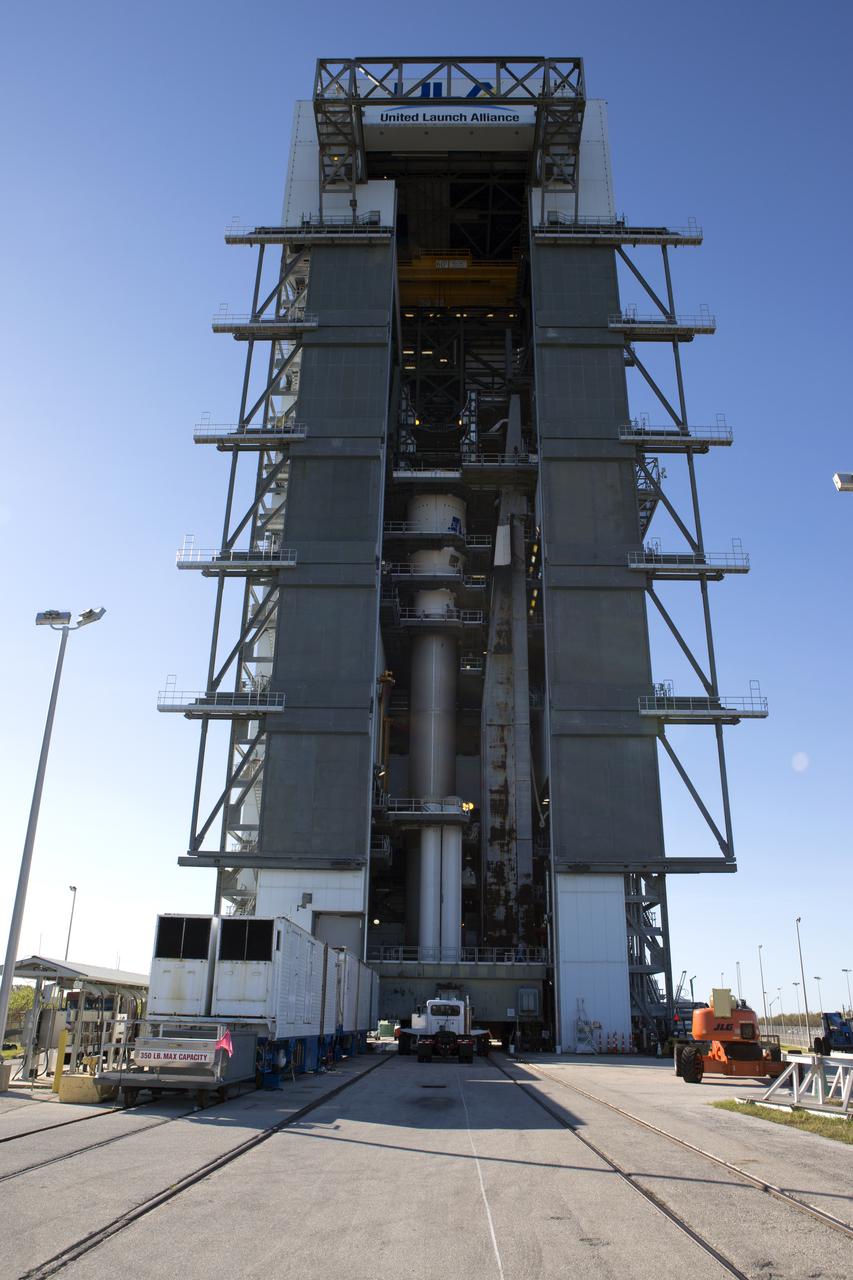
Operations are underway to stack the United Launch Alliance Atlas V Centaur second stage onto the first stage in the Vertical Integration Facility at Space Launch Complex 41 at Cape Canaveral Air Force Station in Florida. The Geostationary Operational Environmental Satellite (GOES-R) will launch aboard the Atlas V rocket in November. GOES-R is the first satellite in a series of next-generation NOAA GOES Satellites.
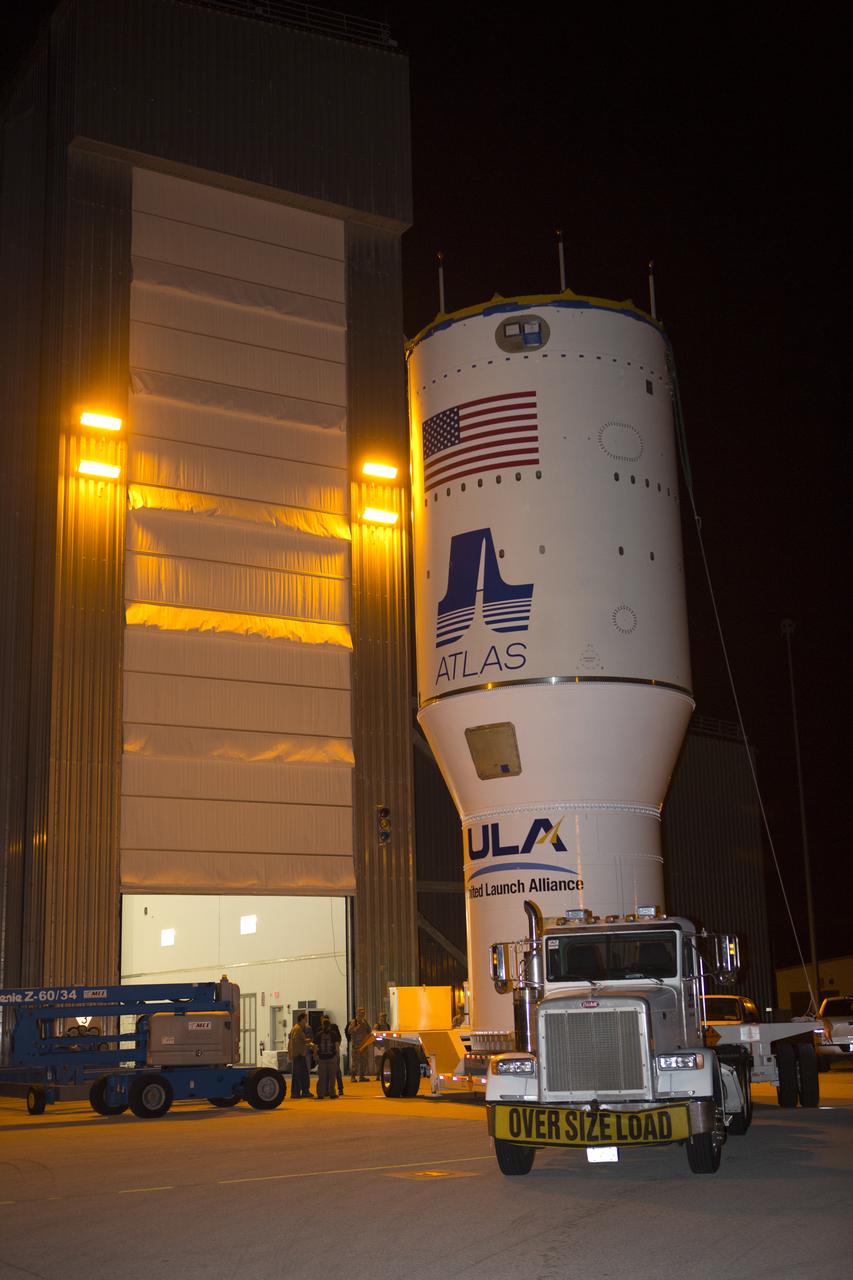
The United Launch Alliance Atlas V Centaur second stage departs the Launch Vehicle Integration Facility aboard a transport trailer for delivery to the Vertical Integration Facility at Space Launch Complex 41 at Cape Canaveral Air Force Station in Florida. The Geostationary Operational Environmental Satellite (GOES-R) will launch aboard the Atlas V rocket in November. GOES-R is the first satellite in a series of next-generation NOAA GOES Satellites.
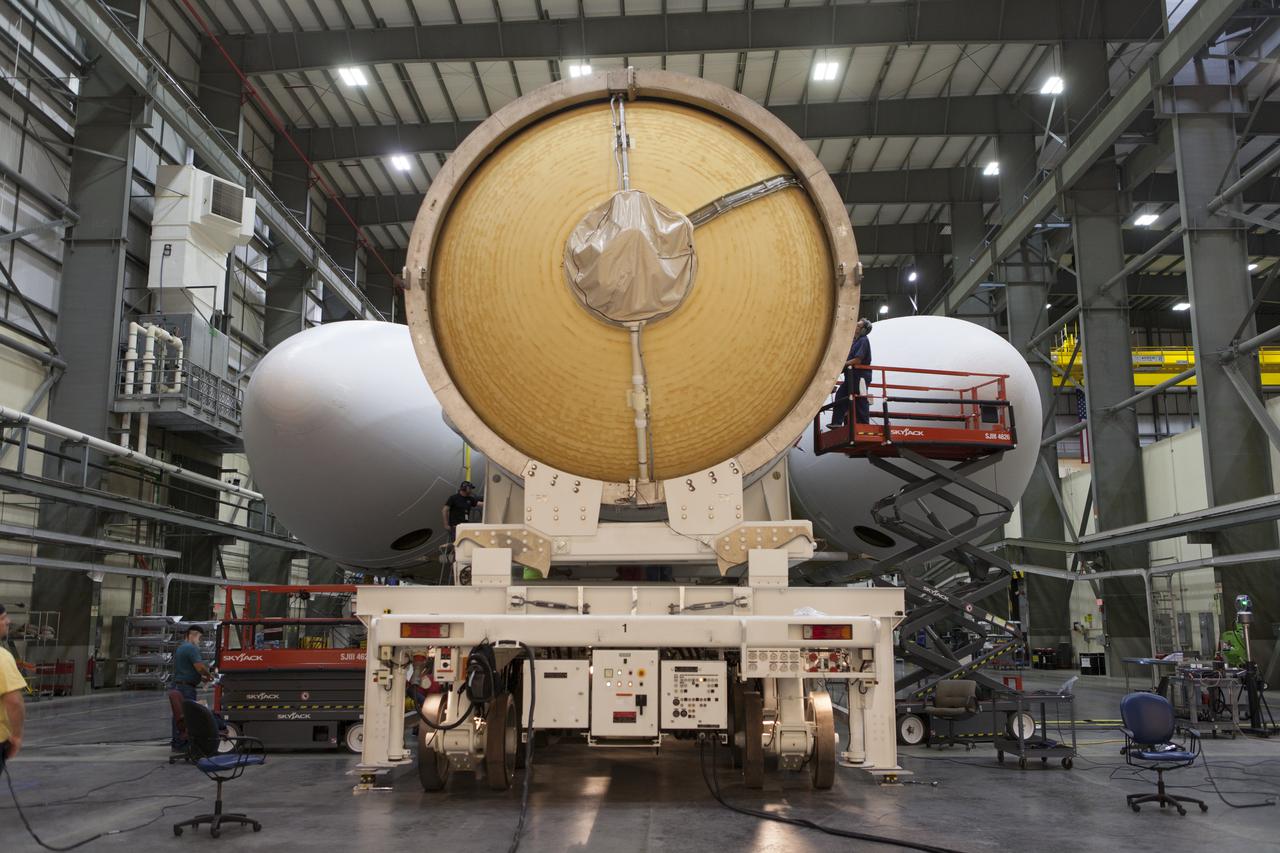
The second stage of a United Launch Alliance Delta IV Heavy is mated to the common booster core inside the Horizontal Integration Facility near Space Launch Complex 37 at Cape Canaveral Air Force Station in Florida. The Delta IV Heavy will launch NASA's upcoming Parker Solar Probe mission in July 2018. The mission will perform the closest-ever observations of a star when it travels through the Sun's atmosphere, called the corona. The probe will rely on measurements and imaging to revolutionize our understanding of the corona and the Sun-Earth connection.
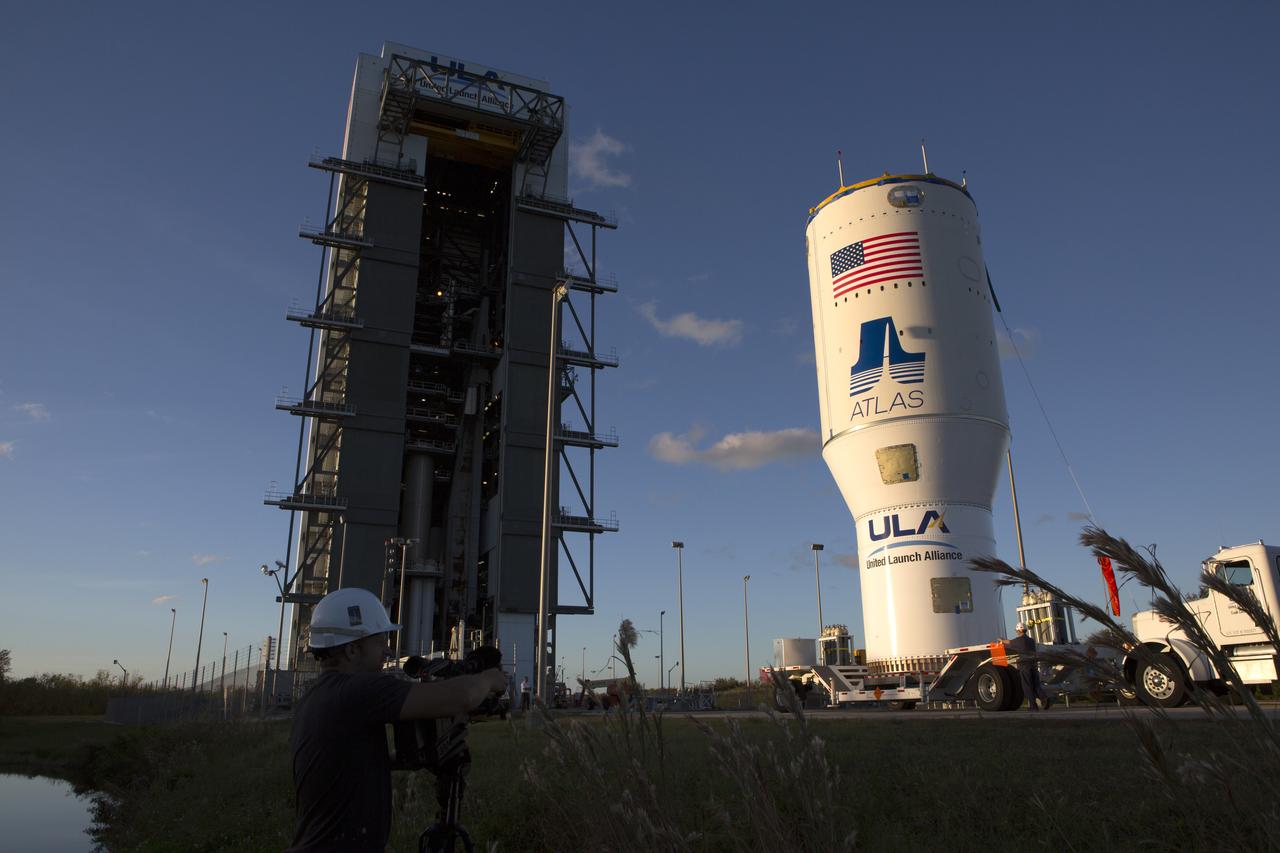
The United Launch Alliance Atlas V Centaur second stage arrives at the Vertical Integration Facility at Space Launch Complex 41 at Cape Canaveral Air Force Station in Florida. The Geostationary Operational Environmental Satellite (GOES-R) will launch aboard the Atlas V rocket in November. GOES-R is the first satellite in a series of next-generation NOAA GOES Satellites.
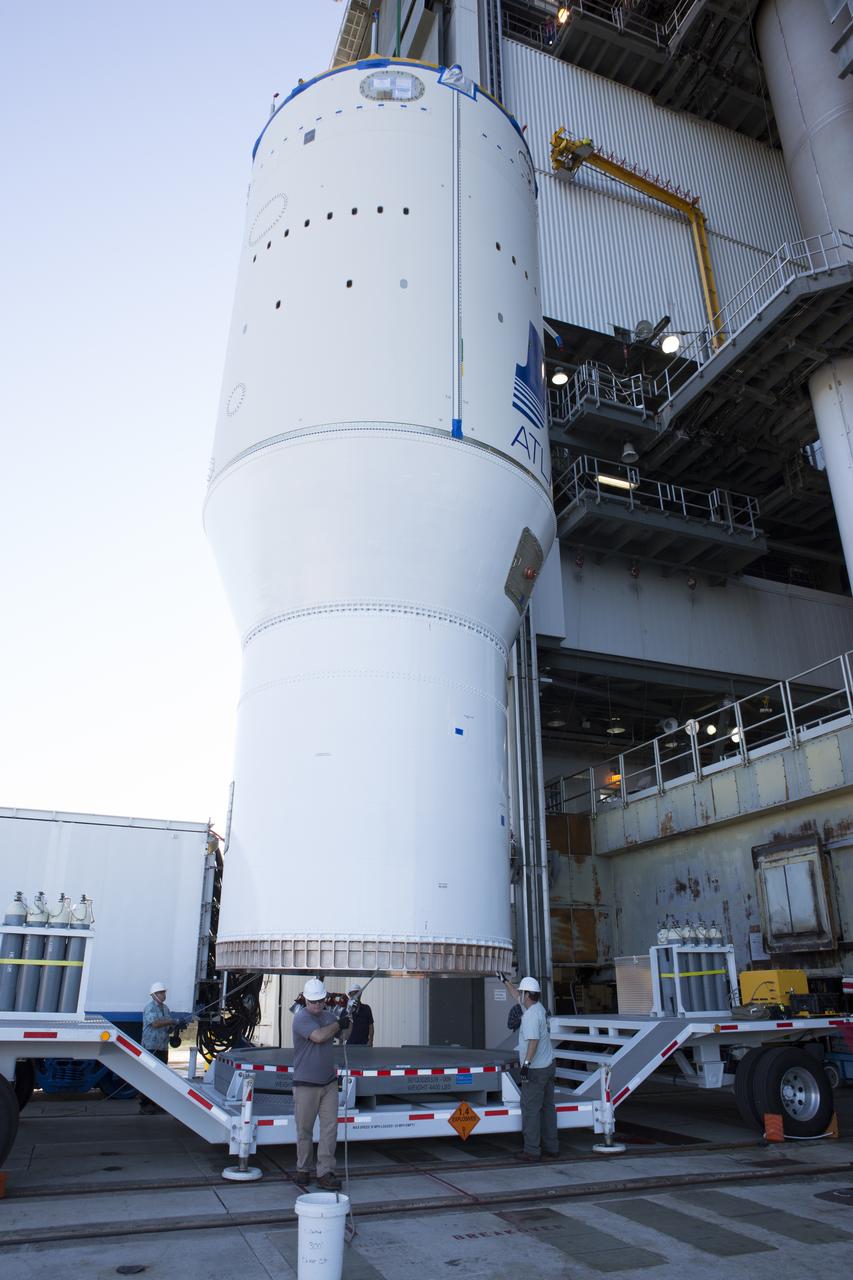
United Launch Alliance team members assist as operation begin to lift the Atlas V Centaur second stage into the Vertical Integration Facility at Space Launch Complex 41 at Cape Canaveral Air Force Station in Florida. The Geostationary Operational Environmental Satellite (GOES-R) will launch aboard the Atlas V rocket in November. GOES-R is the first satellite in a series of next-generation NOAA GOES Satellites.
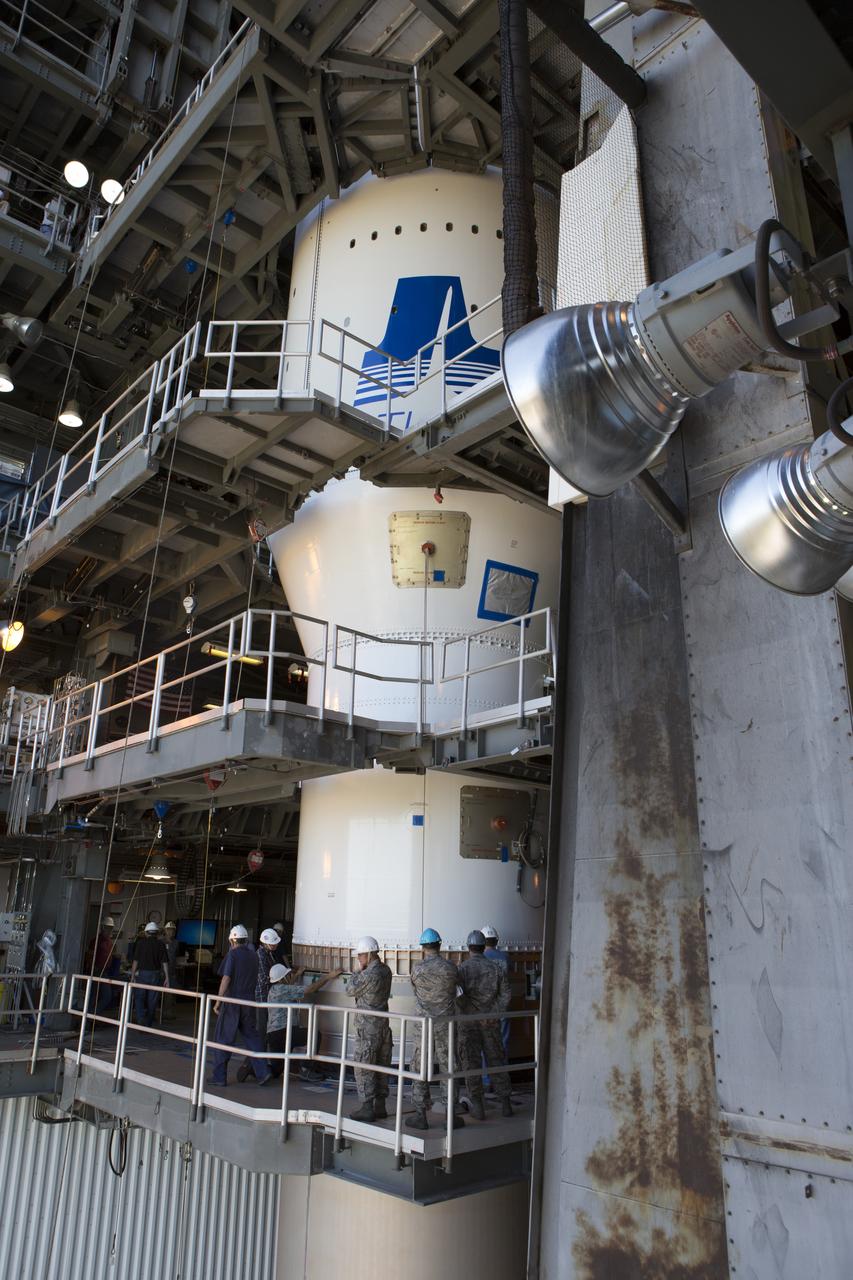
Operations are underway to stack the United Launch Alliance Atlas V Centaur second stage onto the first stage in the Vertical Integration Facility at Space Launch Complex 41 at Cape Canaveral Air Force Station in Florida. The Geostationary Operational Environmental Satellite (GOES-R) will launch aboard the Atlas V rocket in November. GOES-R is the first satellite in a series of next-generation NOAA GOES Satellites.
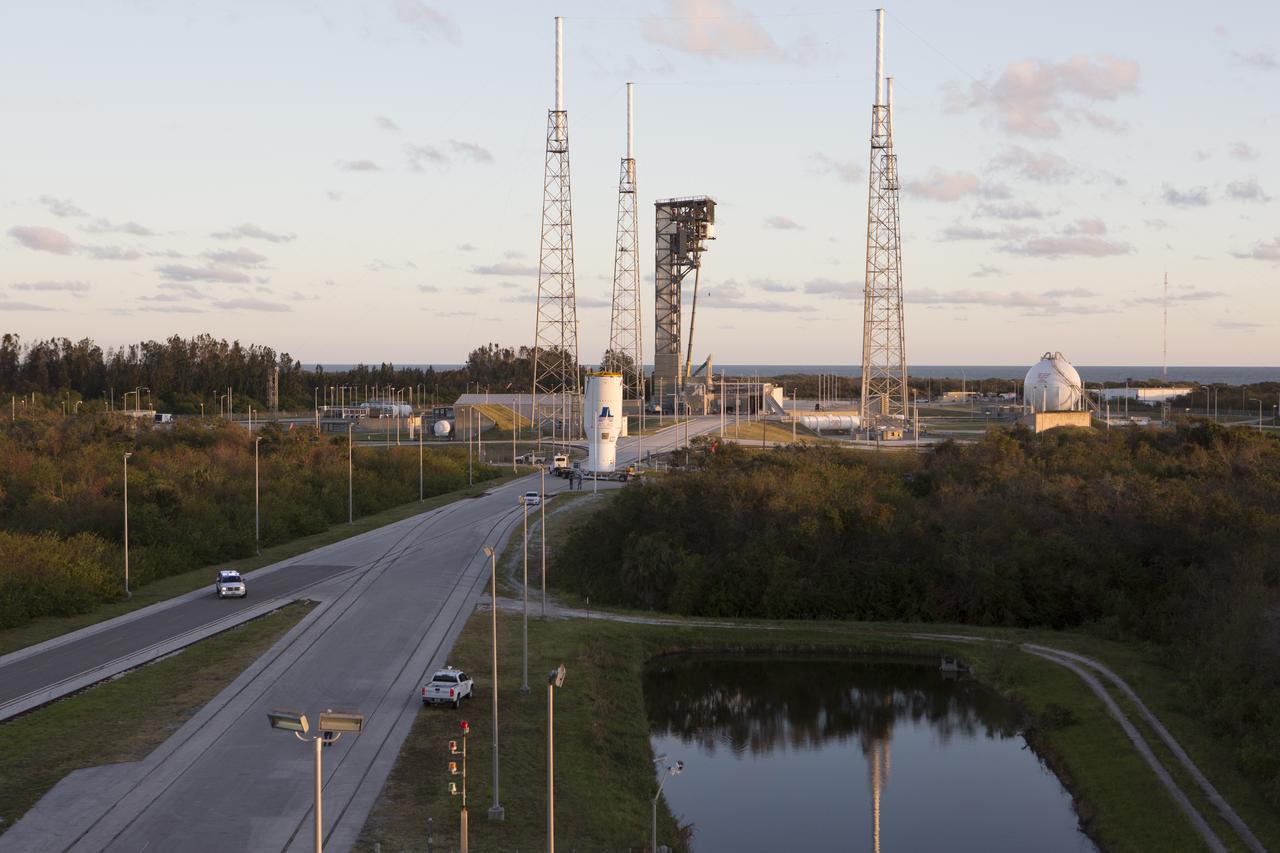
The United Launch Alliance Atlas V Centaur second stage is on its way to the Vertical Integration Facility at Space Launch Complex 41 at Cape Canaveral Air Force Station in Florida. The Geostationary Operational Environmental Satellite (GOES-R) will launch aboard the Atlas V rocket in November. GOES-R is the first satellite in a series of next-generation NOAA GOES Satellites.
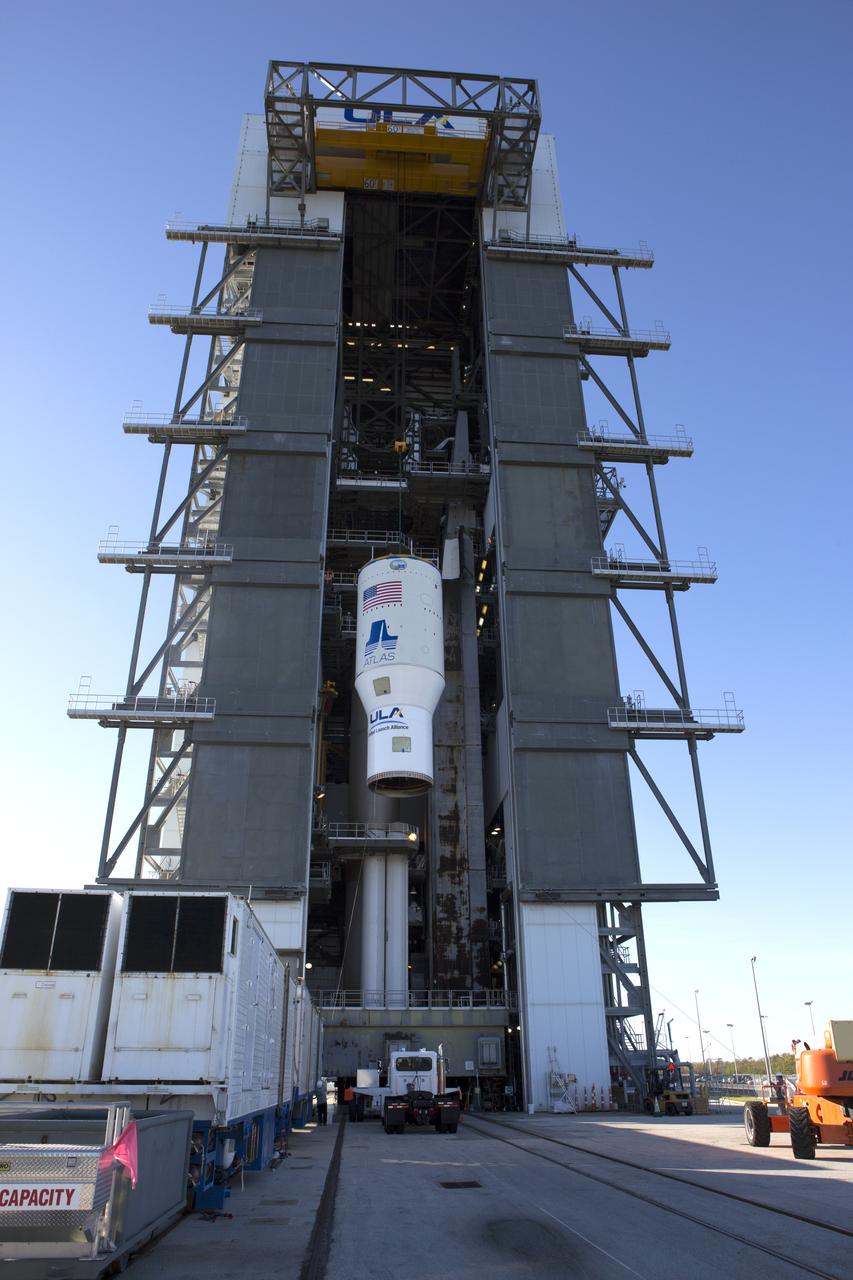
The United Launch Alliance Atlas V Centaur second stage is lifted up by crane for transfer into Vertical Integration Facility at Space Launch Complex 41 at Cape Canaveral Air Force Station in Florida. The Geostationary Operational Environmental Satellite (GOES-R) will launch aboard the Atlas V rocket in November. GOES-R is the first satellite in a series of next-generation NOAA GOES Satellites.
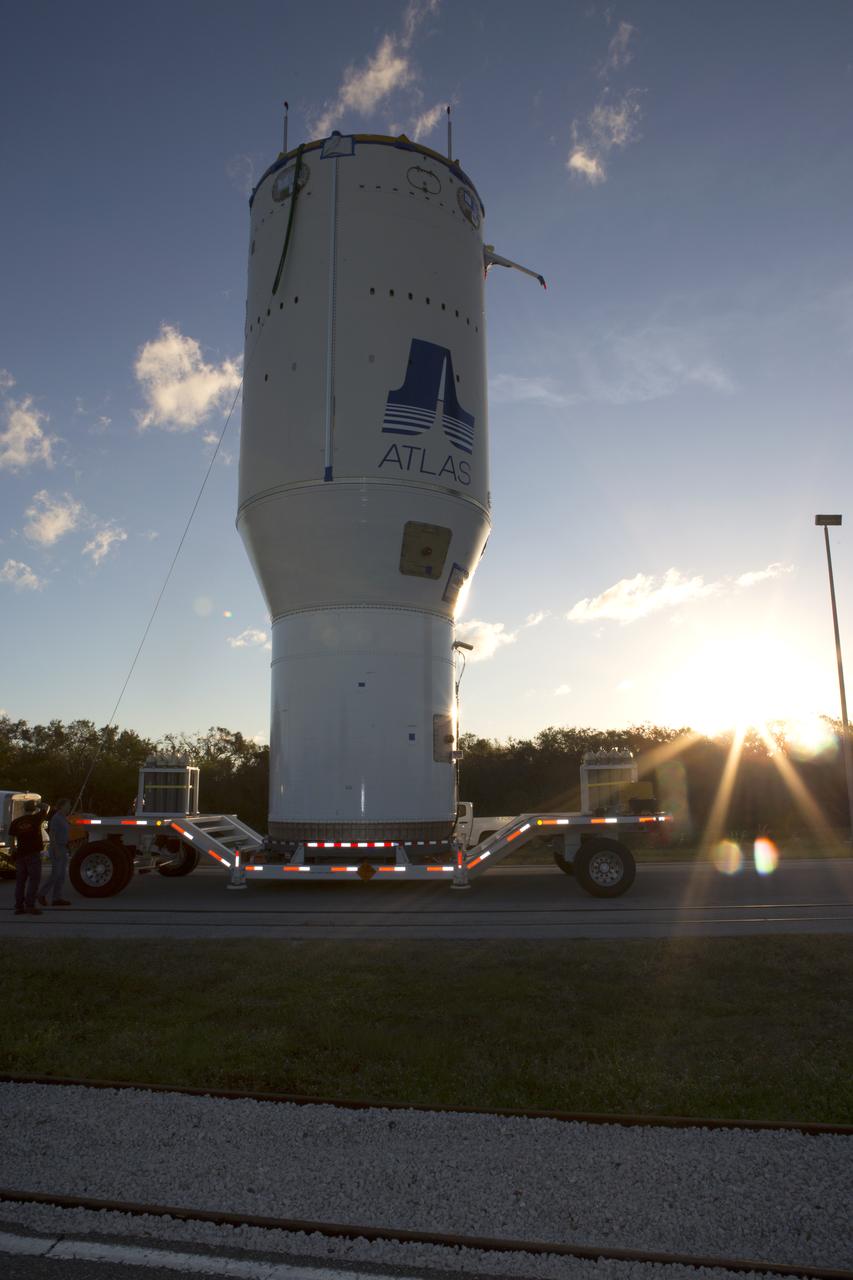
The United Launch Alliance Atlas V Centaur second stage is on a transport trailer for delivery to the Vertical Integration Facility at Space Launch Complex 41 at Cape Canaveral Air Force Station in Florida. The Geostationary Operational Environmental Satellite (GOES-R) will launch aboard the Atlas V rocket in November. GOES-R is the first satellite in a series of next-generation NOAA GOES Satellites.
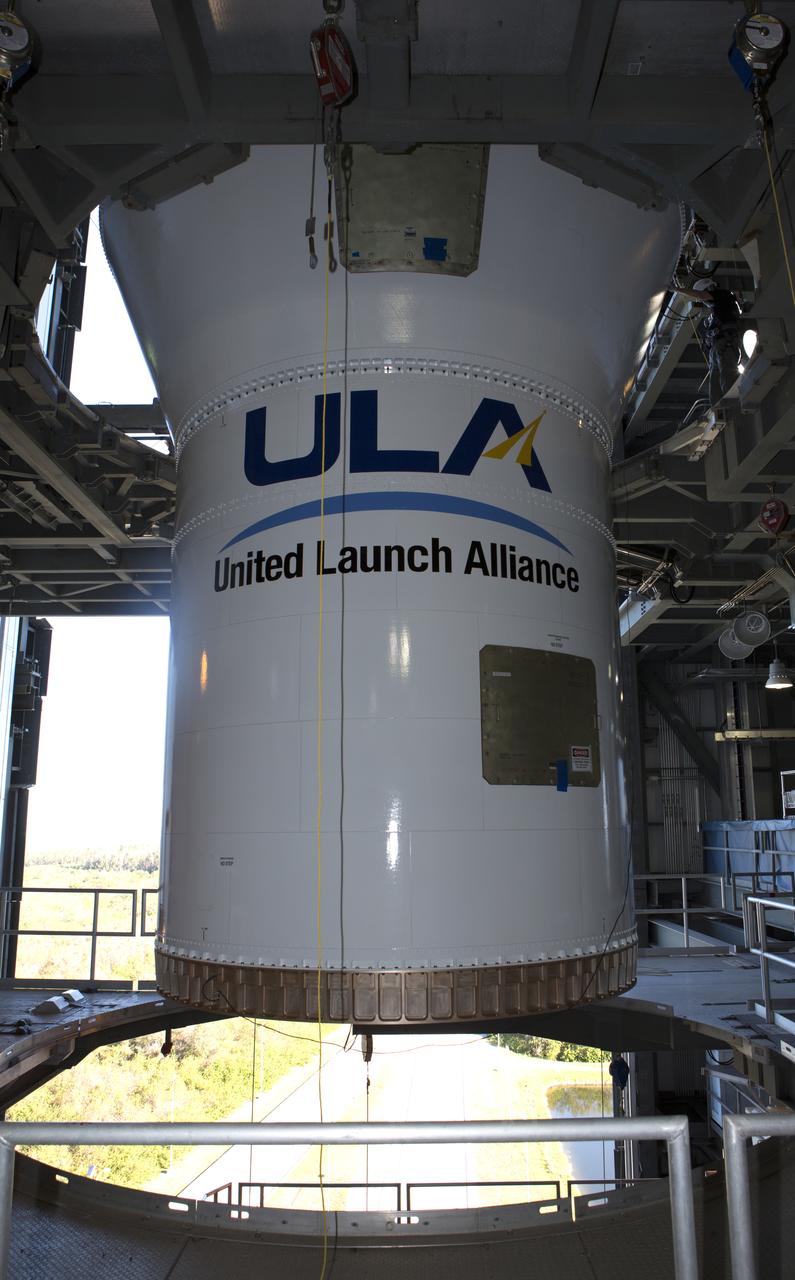
The United Launch Alliance Atlas V Centaur second stage has been lifted up and transferred into the Vertical Integration Facility at Space Launch Complex 41 at Cape Canaveral Air Force Station in Florida. The Geostationary Operational Environmental Satellite (GOES-R) will launch aboard the Atlas V rocket in November. GOES-R is the first satellite in a series of next-generation NOAA GOES Satellites.
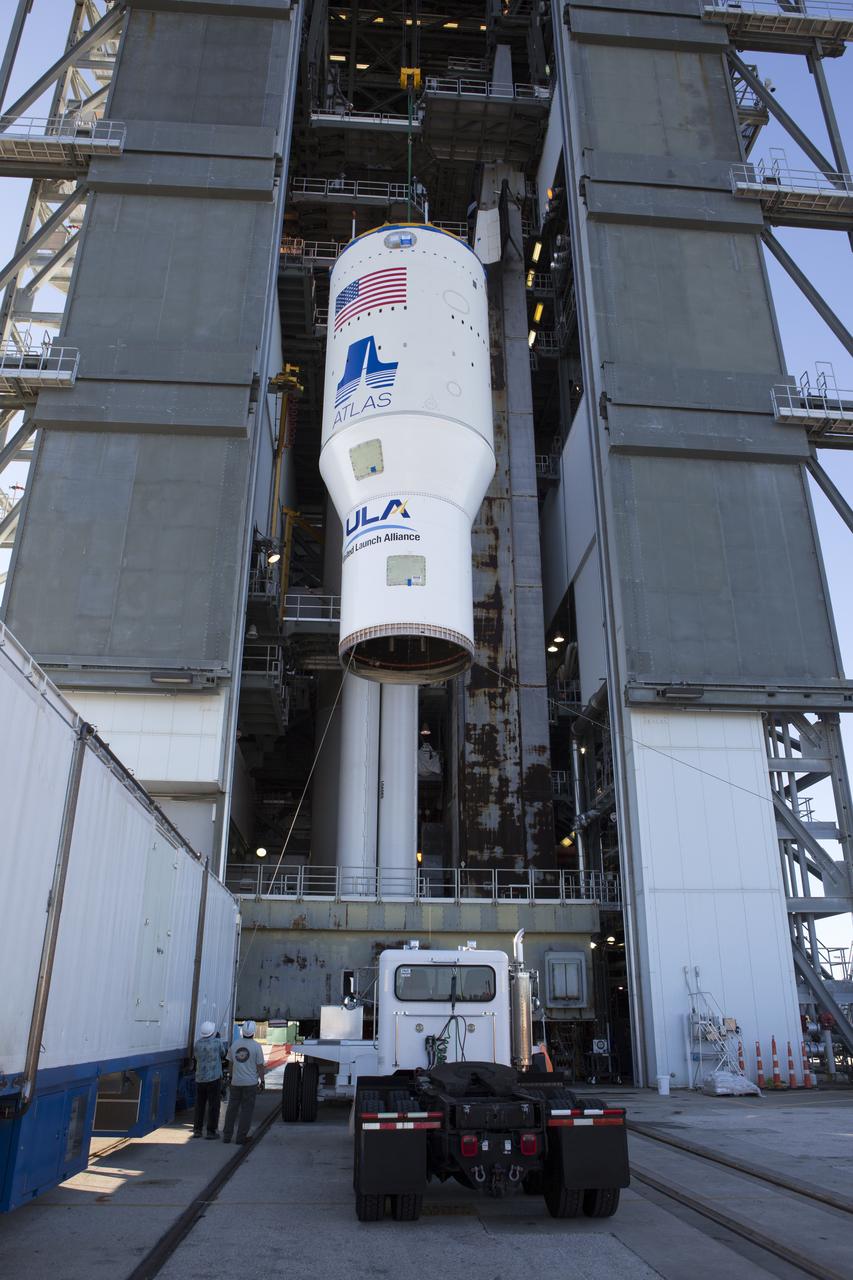
The United Launch Alliance Atlas V Centaur second stage is lifted up for transfer into the Vertical Integration Facility at Space Launch Complex 41 at Cape Canaveral Air Force Station in Florida. The Geostationary Operational Environmental Satellite (GOES-R) will launch aboard the Atlas V rocket in November. GOES-R is the first satellite in a series of next-generation NOAA GOES Satellites.
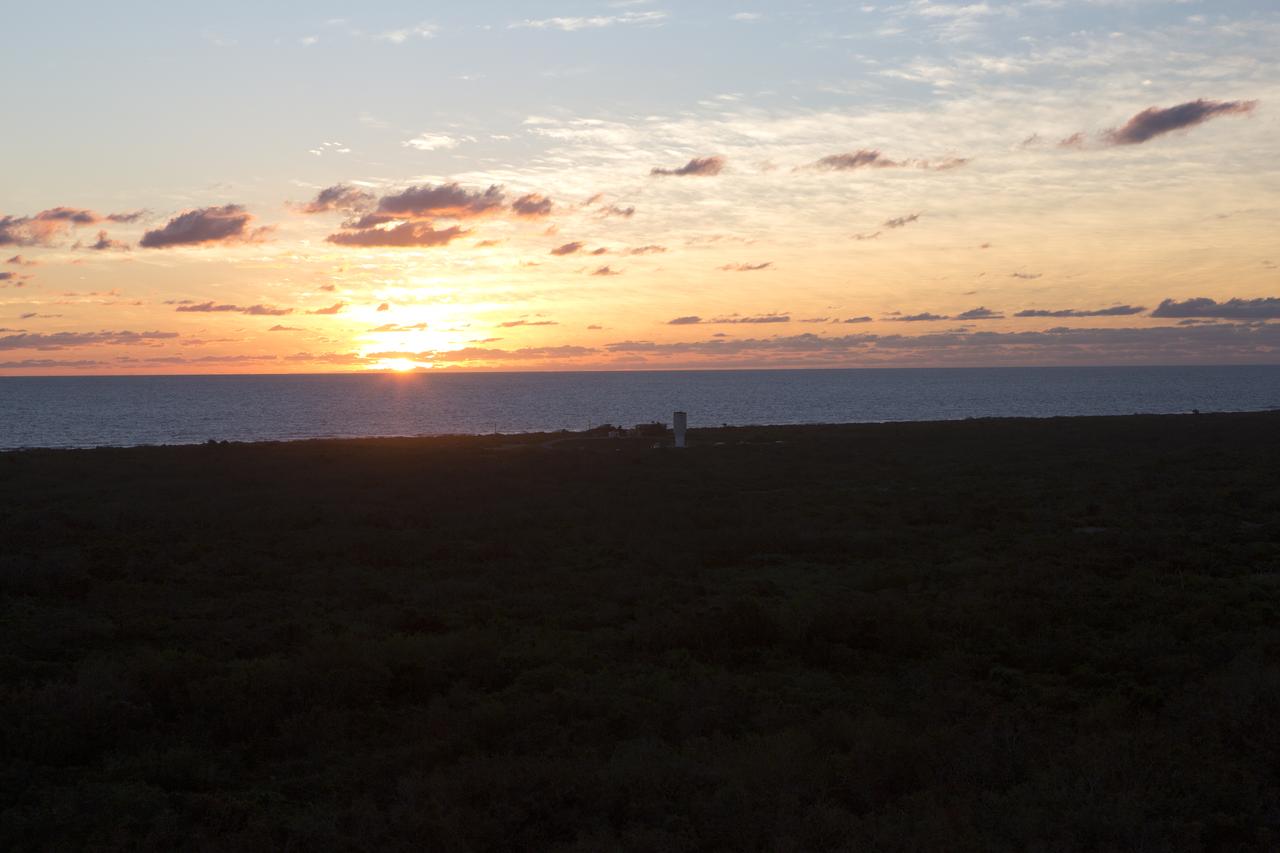
A colorful sunrise fills the early morning sky as the United Launch Alliance Atlas V Centaur second stage is transported along the beach road to the Vertical Integration Facility at Space Launch Complex 41 at Cape Canaveral Air Force Station in Florida. The Geostationary Operational Environmental Satellite (GOES-R) will launch aboard the Atlas V rocket in November. GOES-R is the first satellite in a series of next-generation NOAA GOES Satellites.
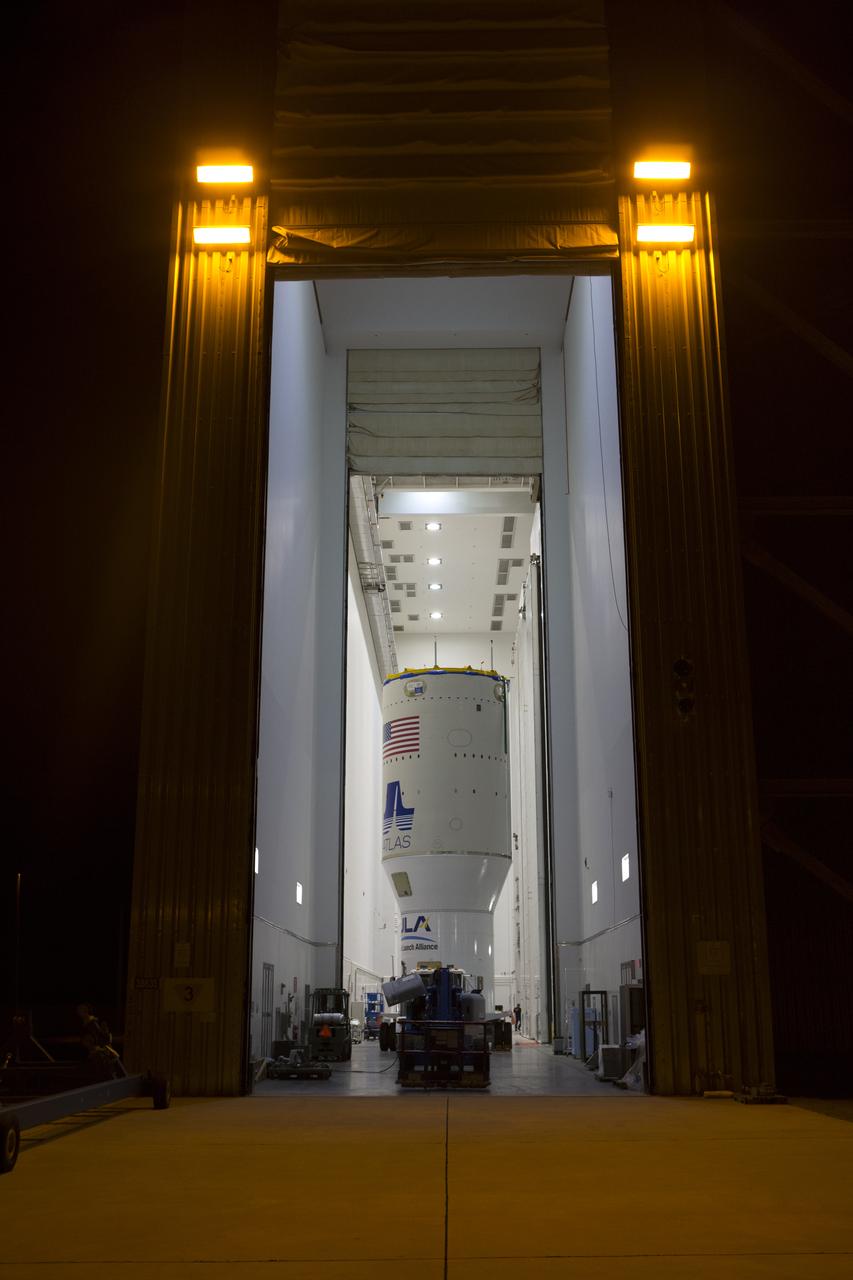
The United Launch Alliance Atlas V Centaur second stage emerges from the Launch Vehicle Integration Facility aboard a transport trailer for delivery to the Vertical Integration Facility at Space Launch Complex 41 at Cape Canaveral Air Force Station in Florida. The Geostationary Operational Environmental Satellite (GOES-R) will launch aboard the Atlas V rocket in November. GOES-R is the first satellite in a series of next-generation NOAA GOES Satellites.
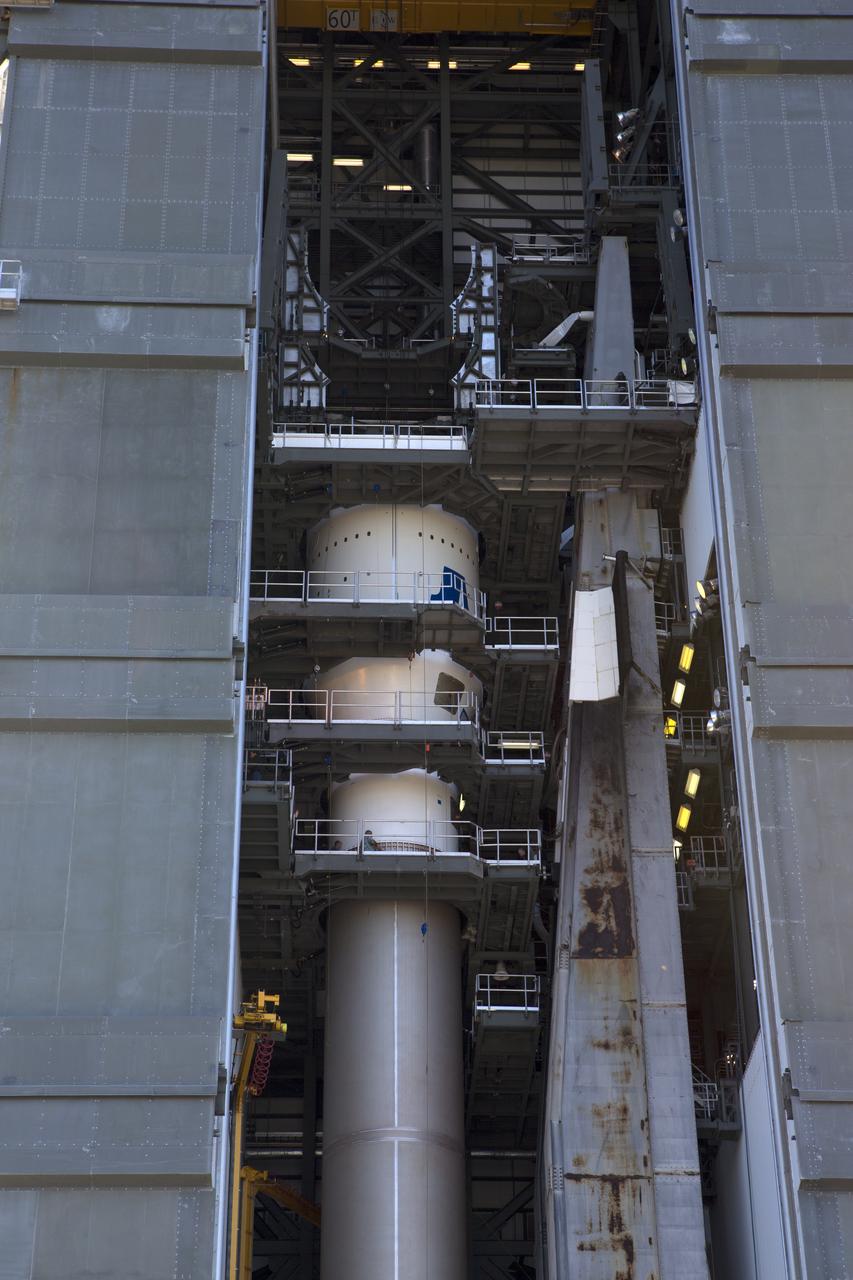
The United Launch Alliance Atlas V Centaur second stage has been mated to the first stage in the Vertical Integration Facility at Space Launch Complex 41 at Cape Canaveral Air Force Station in Florida. The Geostationary Operational Environmental Satellite (GOES-R) will launch aboard the Atlas V rocket in November. GOES-R is the first satellite in a series of next-generation NOAA GOES Satellites.