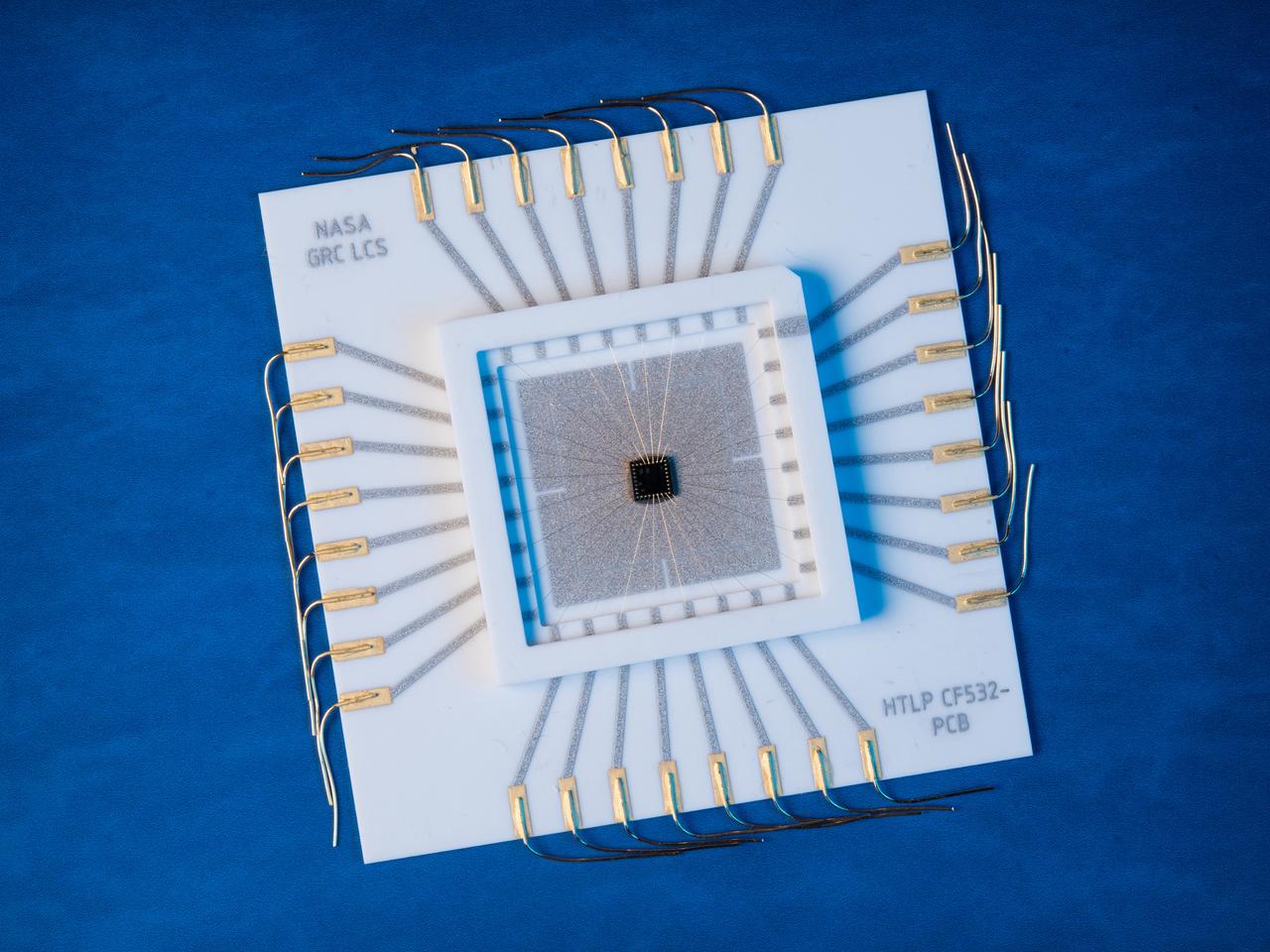
A multilevel interconnect silicon carbide integrated circuit chip with co-fired ceramic package and circuit board recently developed at the NASA GRC Smart Sensors and Electronics Systems Branch for high temperature applications. High temperature silicon carbide electronics and compatible packaging technologies are elements of instrumentation for aerospace engine control and long term inner-solar planet explorations.
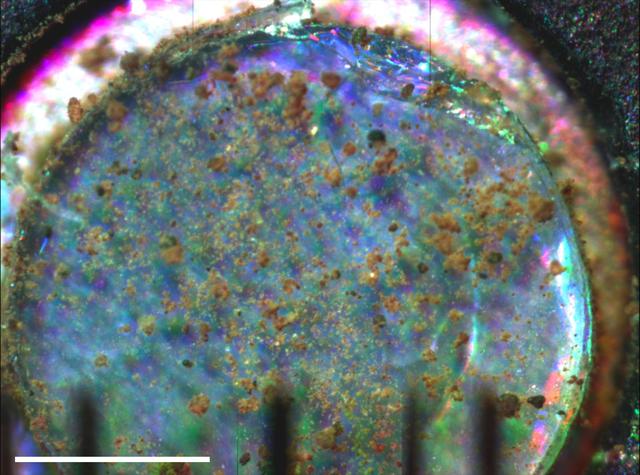
Microscopic Image of Martian Surface Material on a Silicone Substrate
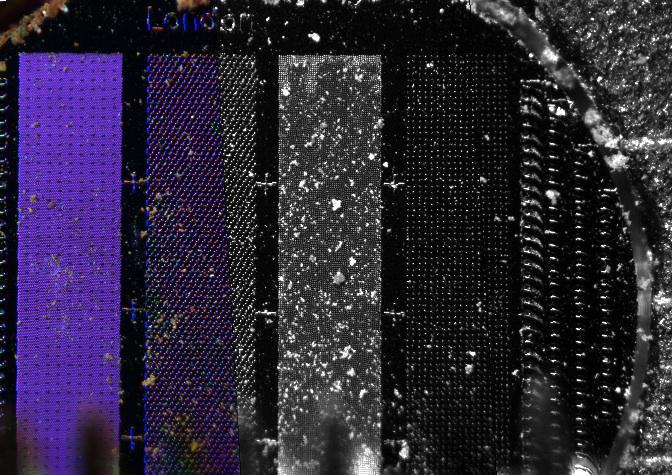
Microscopic View of Soil on a Micromachined Silicone Substrate
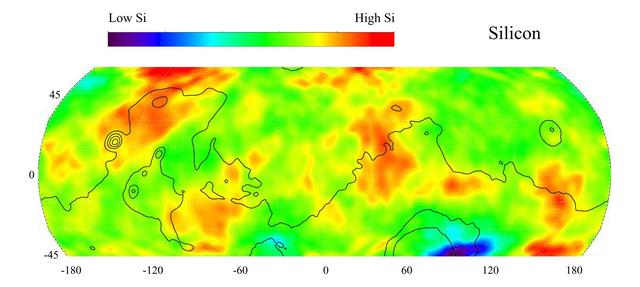
This gamma ray spectrometer map of the mid-latitude region of Mars is based on gamma-rays from the element silicon. Silicon is one of the most abundant elements on the surface of both Mars and Earth (second only to oxygen). The most extensive region of highest silicon content, shown in red, is located in the high latitudes north of Tharsis (centered near 45 degrees latitude, -120 degrees longitude). The area of lowest silicon content, shown in blue, lies just to the east of the Hellas Basin (-45 degrees latitude, 90 degrees longitude). Contours of constant surface elevation are also shown. The long continuous contour line running from east to west marks the approximate separation of the younger lowlands in the north from the older highlands in the south. http://photojournal.jpl.nasa.gov/catalog/PIA04256
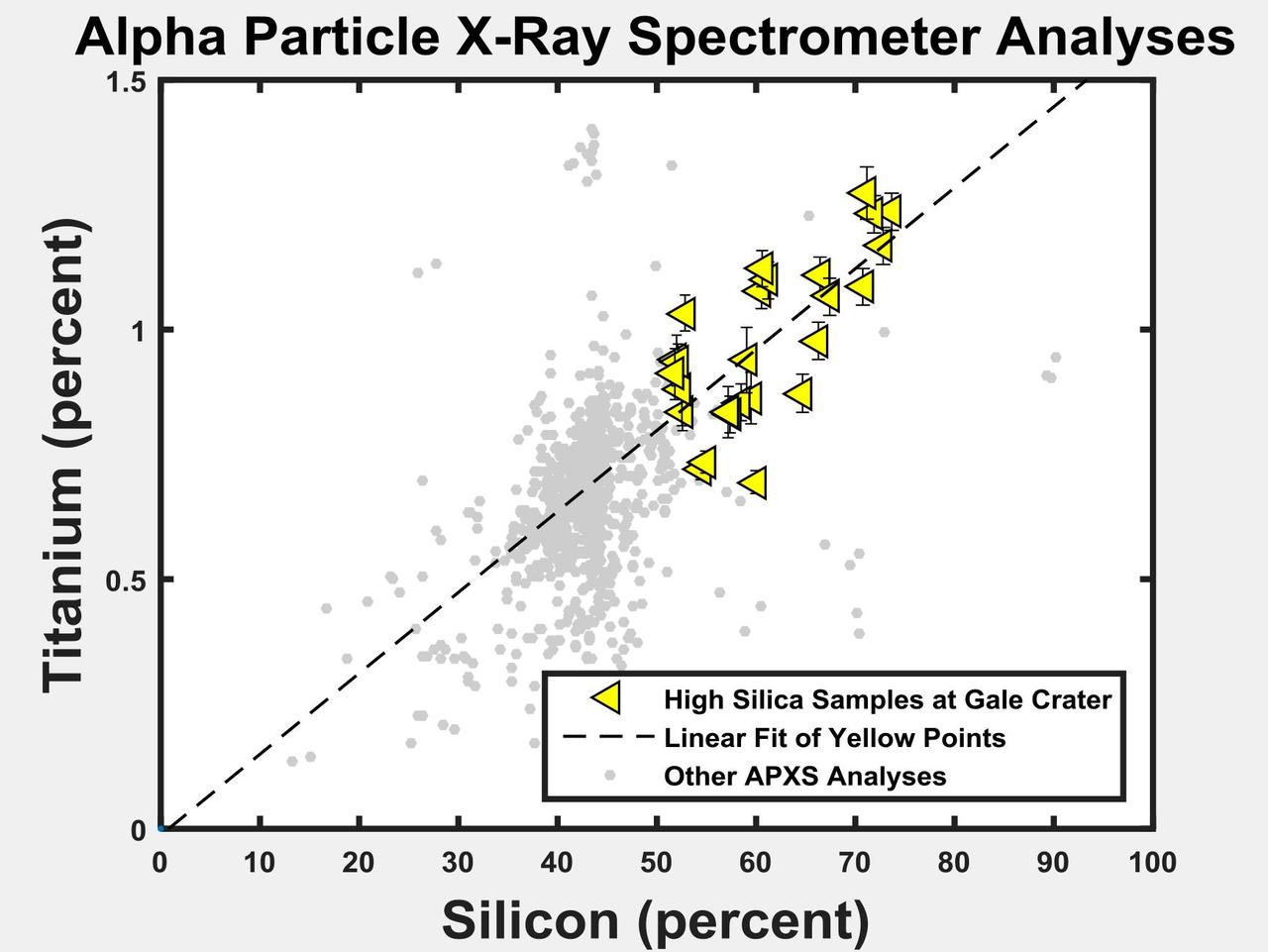
The yellow triangles on this graph indicate concentrations of the elements titanium and silicon in selected rock targets with high silica content analyzed by the Alpha Particle X-ray Spectrometer (APXS) instrument on NASA's Curiosity rover in Mars' Gale Crater. The pattern shows a correlation between enriched silicon content and enriched titanium content. Titanium is difficult to mobilize in weathering environments, and this correlation suggests that both titanium and silicon remain as the residue of acidic weathering. Ongoing research aims to distinguish between that possible explanation for silicon enrichment and an alternative of mobilized silicon being added to the site (see PIA20275). As a general comparison with these selected high-silica targets in Gale Crater, the gray dots in the graph show the range of titanium and silicon concentrations in all Martian targets analyzed by APXS instruments on three Mars rovers at three different areas of Mars. http://photojournal.jpl.nasa.gov/catalog/PIA20274
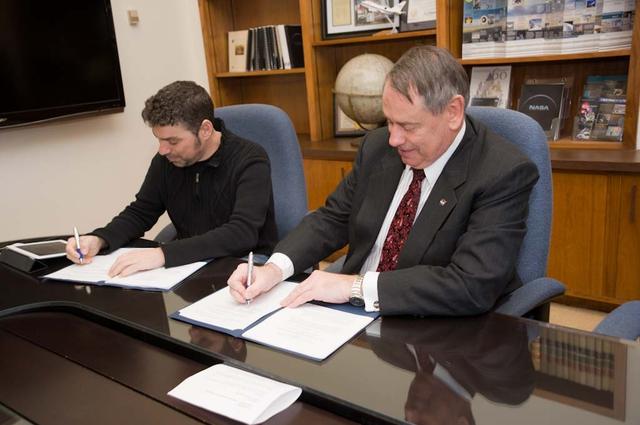
Silicon Valley technology Festival Paco Rafageles, left and Dr Pete Worden, Director Ames Research Center, right sign documents.
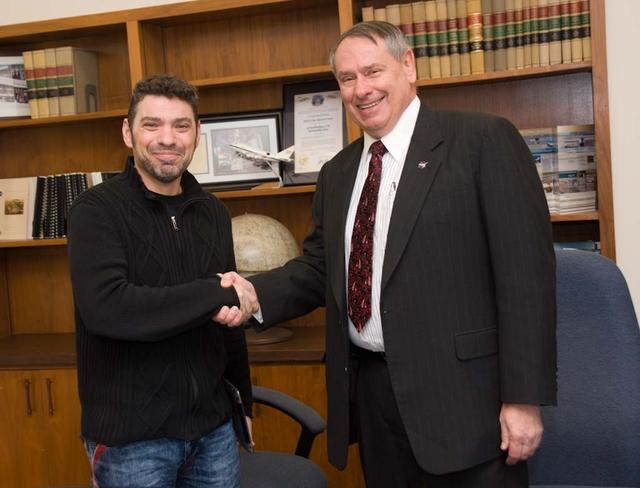
Silicon Valley technology Festival Paco Rafageles, left and Dr Pete Worden, Director Ames Research Center, right sign documents seal it with a hand shake.
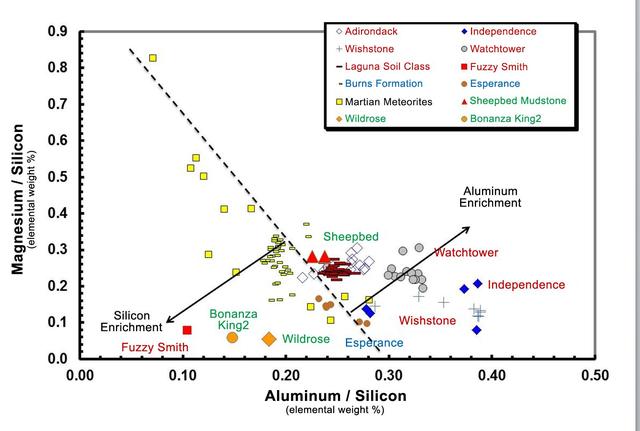
Data from the Alpha Particle X-ray Spectrometer APXS instrument on NASA Mars rover Curiosity show an unusual enrichment of silicon in the rocks dubbed Wildrose and Bonanza King, relative to other rocks studied at Gale Crater on Mars.
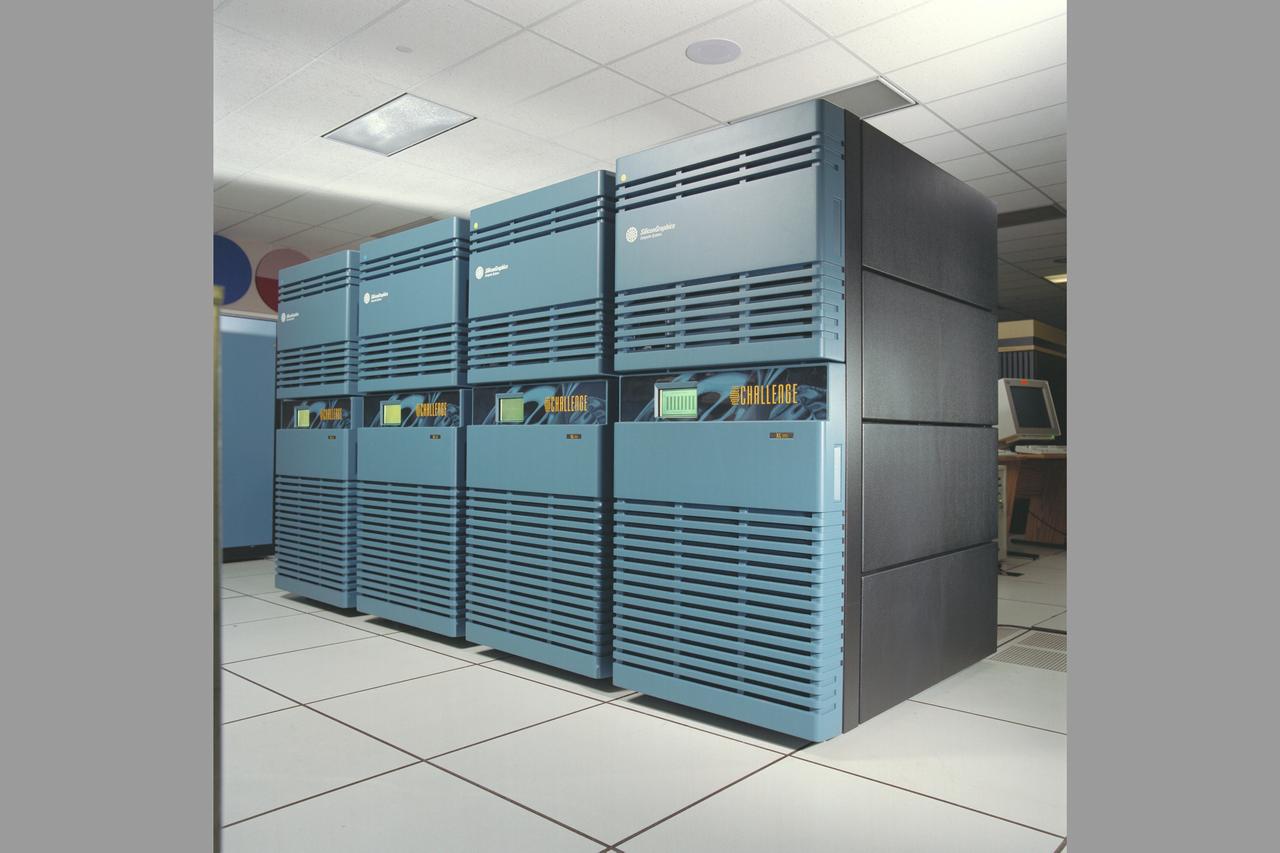
N-258 NAS (Numerical Aerodynamic Simulation) Computers - Silicon Graphics Power Challenge
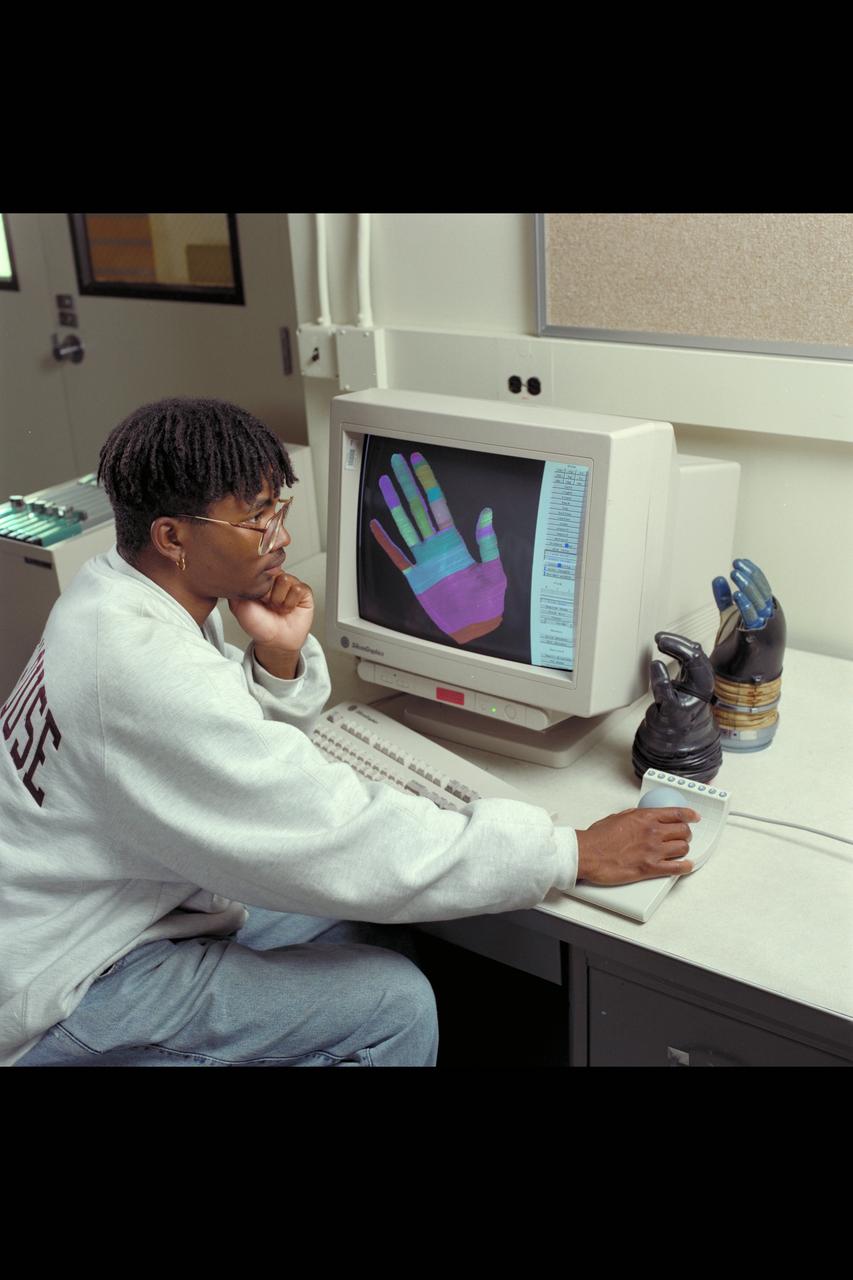
Ames Life Sciences Experiments: Cedi Snowden at Silicon Graphics with AX-5 spacesuit glove
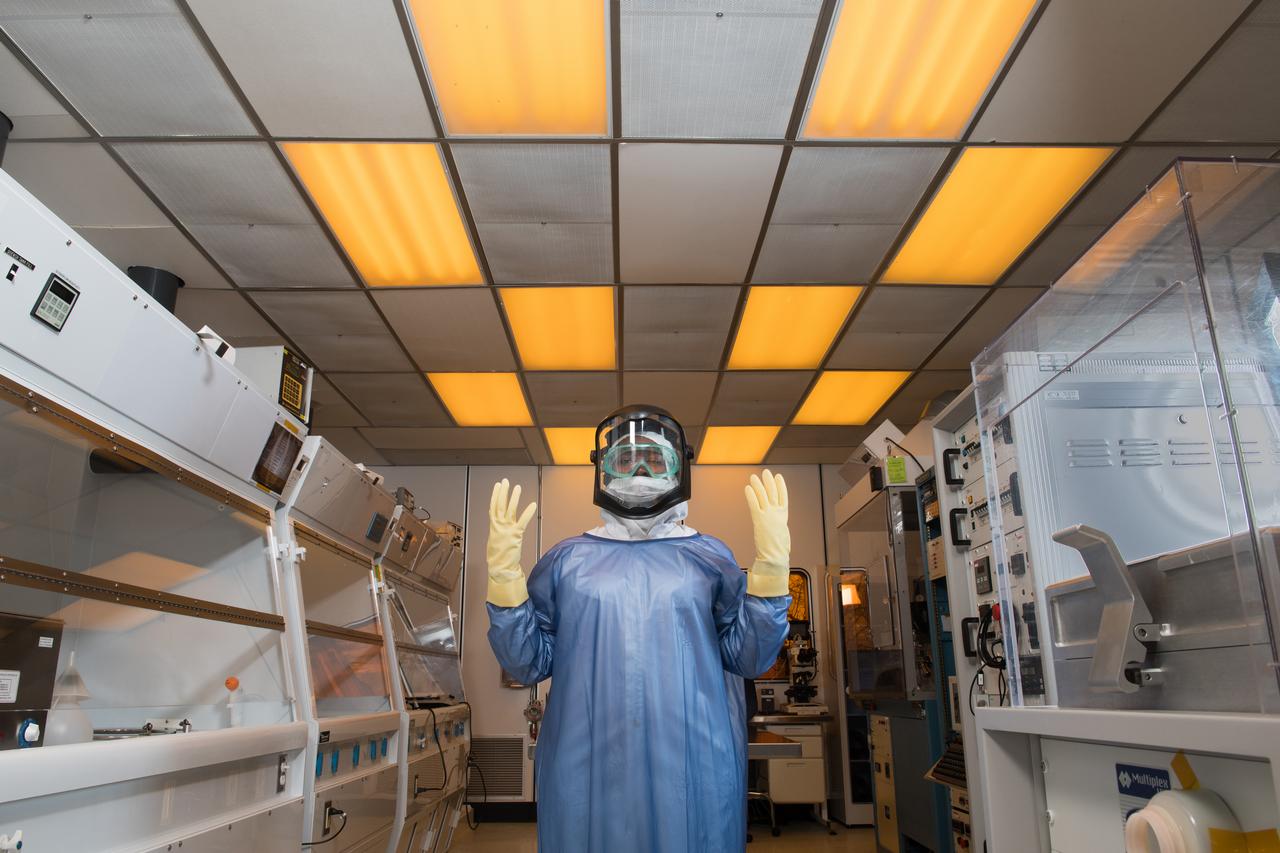
Laboratory Researcher suits up for work in a research clean room. Personal Protective Equipment, PPE, Portait Series
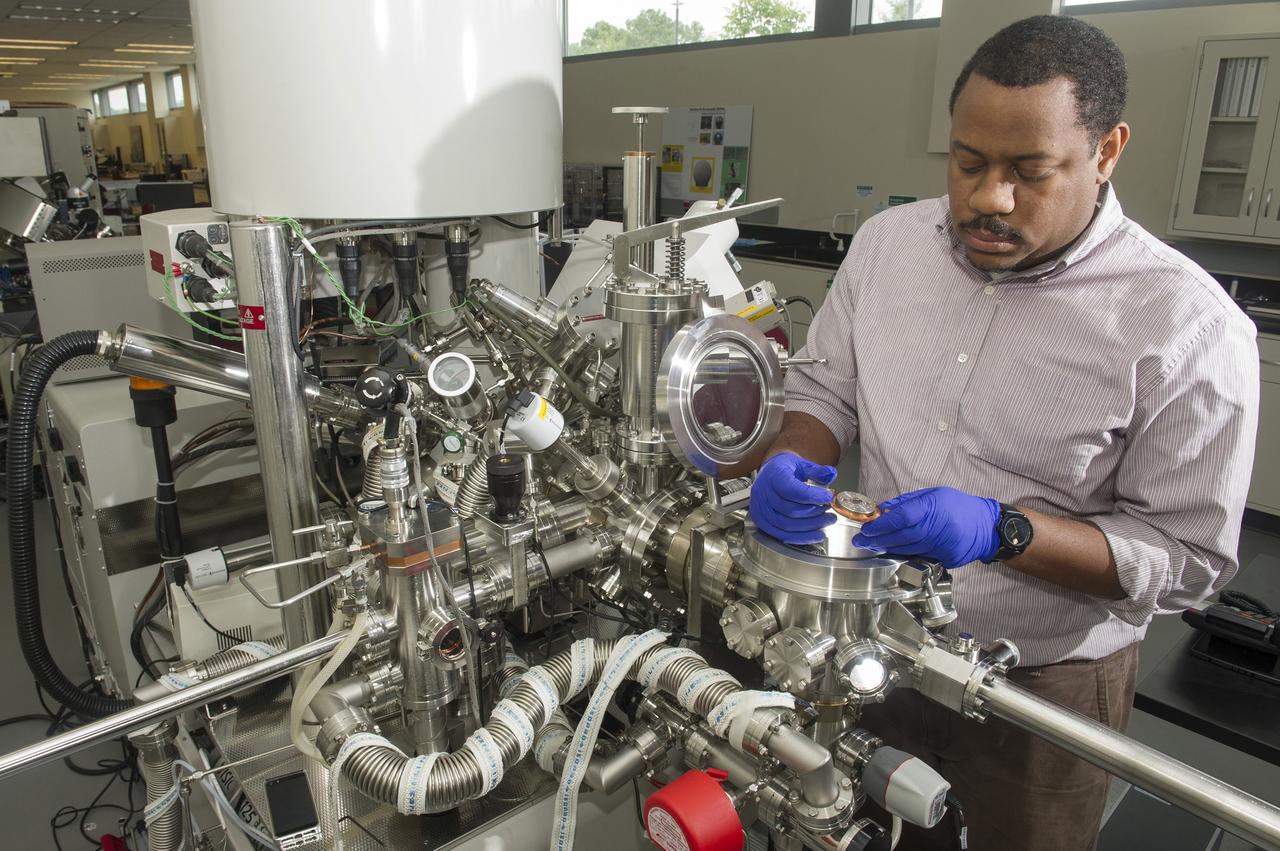
ARTHUR BROWN (AST, AEROSPACE METALLIC MATERIALS) LOADS A CERAMIC COATED SILICON WAFER INTO A KRATOS (ELECTRON SPECTROSCOPY FOR CHEMICAL ANALYSIS) TO PERFORM X-RAY PHOTOELECTRON SPECTROSCOPY (XPS). XPS IS A TECHNIQUE THAT ANALYZES THE SURFACE CHEMISTRY OF A SAMPLE BY IRRADIATING IT WITH X-RAYS AND MEASURING THE NUMBER AND KINETIC ENERGY OF ELECTRON THAT ESCAPE.
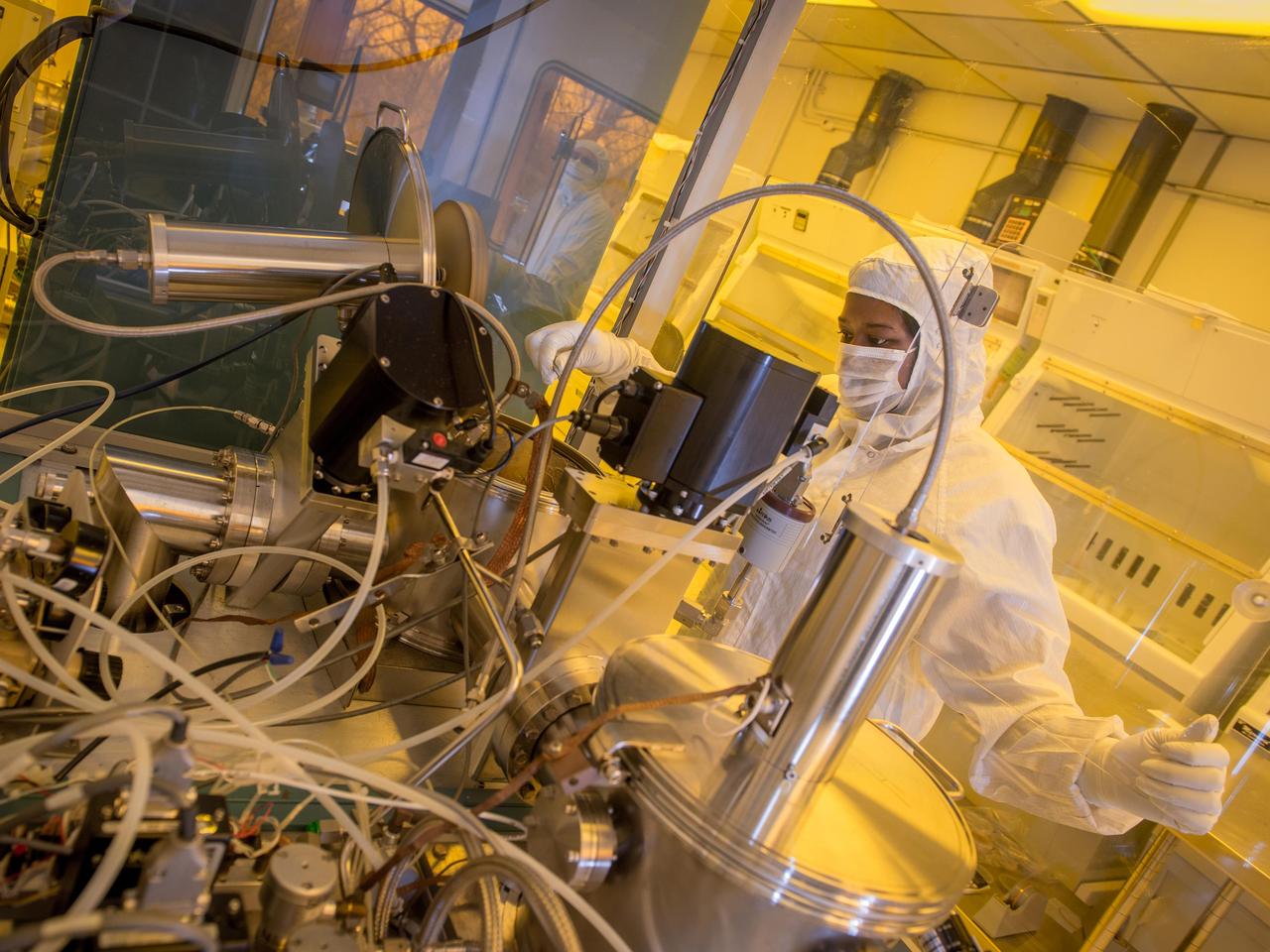
NASA Glenn technician Ariana Miller prepares an ultrahigh vacuum chamber used to test the materials used in silicon carbide based sensors and electronics that can operate at extremely high temperatures (500 degrees Celsius and higher) for applications such as sensor systems for aircraft engines and Venus exploration.
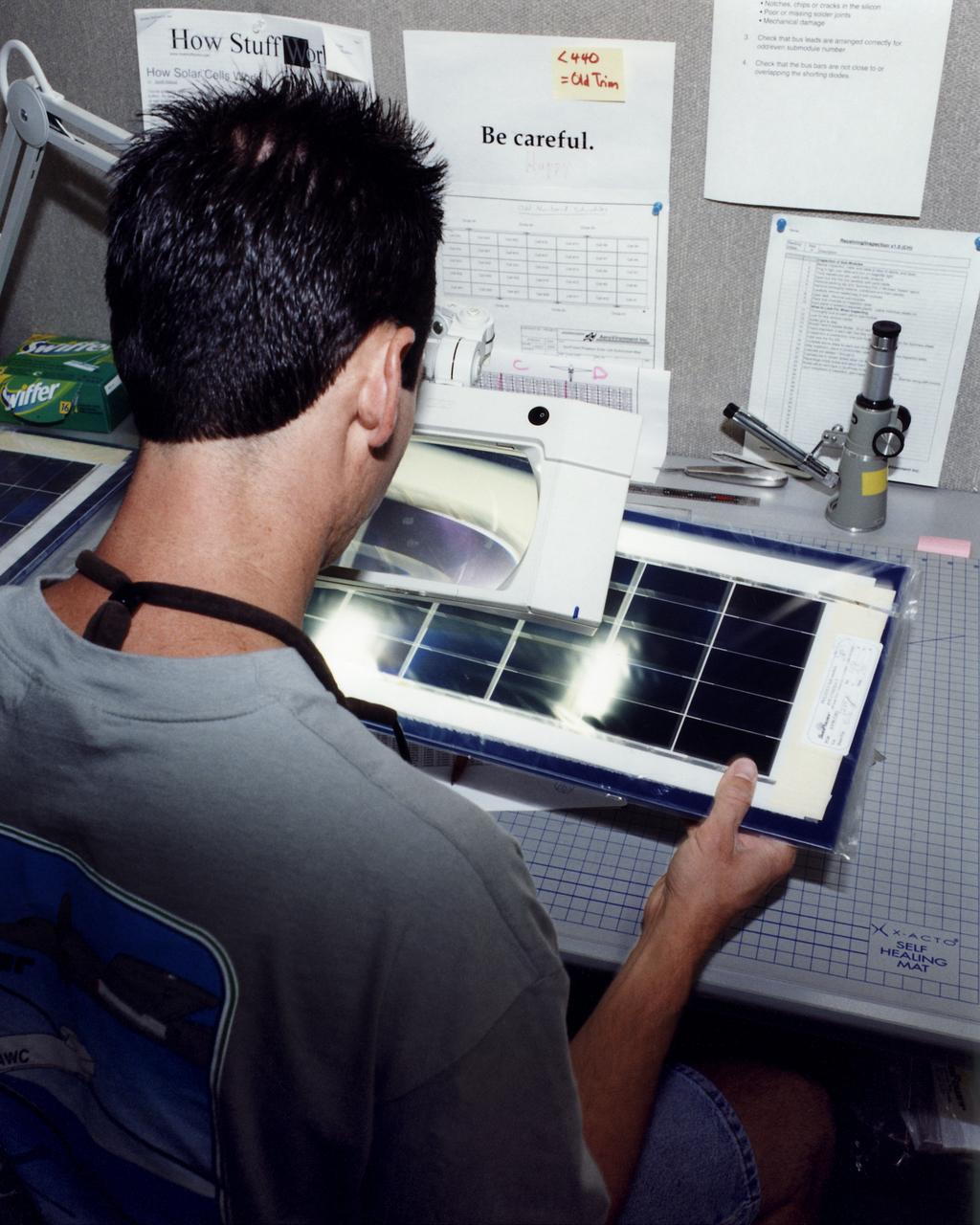
An engineer at AeroVironment's Design Development Center in Simi Valley, California, closely inspects a set of silicon solar cells for potential defects. The cells, fabricated by SunPower, Inc., of Sunnyvale, California, are among 64,000 solar cells which have been installed on the Helios Prototype solar-powered aircraft to provide power to its 14 electric motors and operating systems.
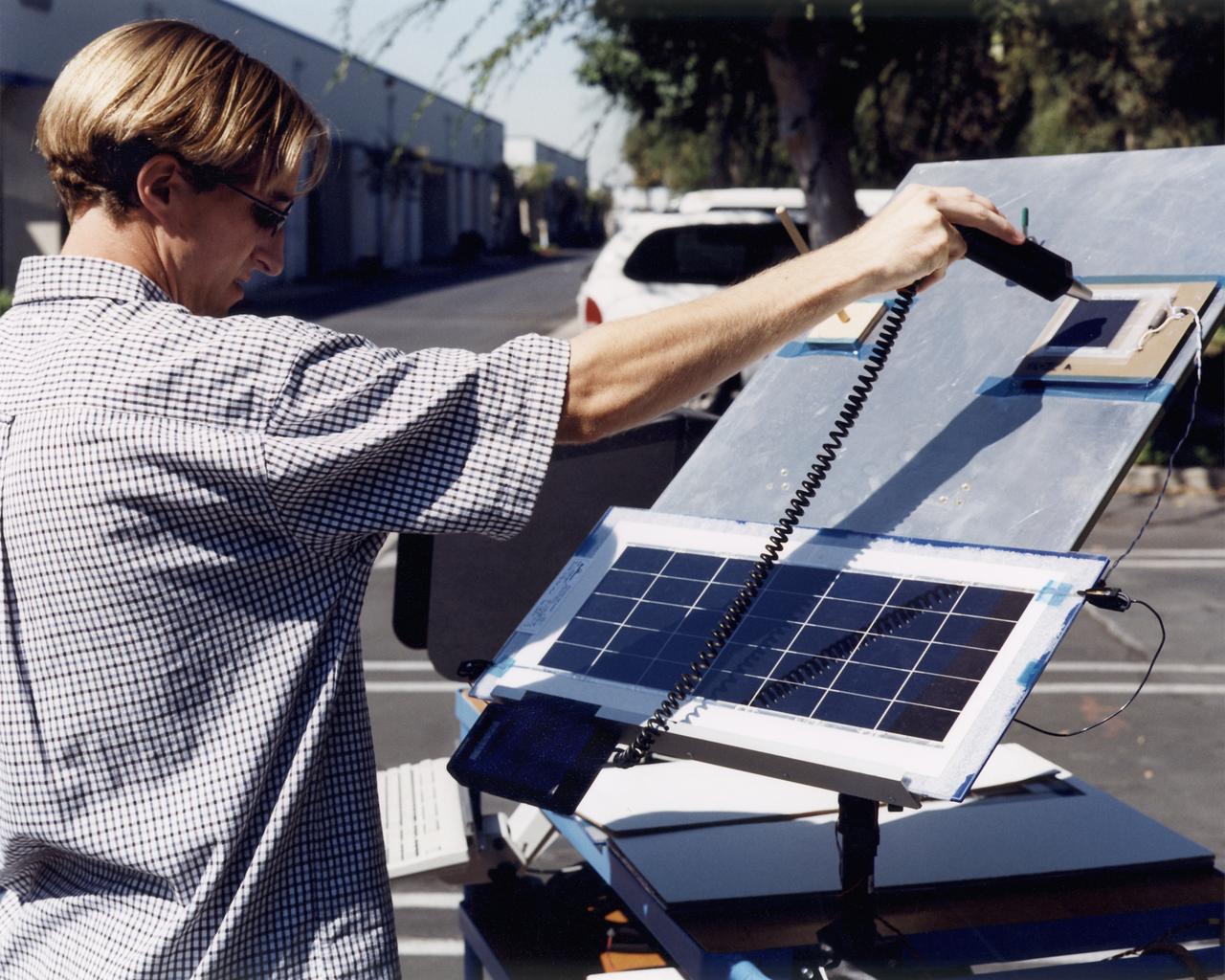
A technician at AeroVironment's Design Development Center in Simi Valley, California, checks a panel of silicon solar cells for conductivity and voltage. The bi-facial cells, fabricated by SunPower, Inc., of Sunnyvale, California, are among 64,000 solar cells which have been installed on the Helios Prototype solar-powered aircraft to provide power to its 14 electric motors and operating systems.
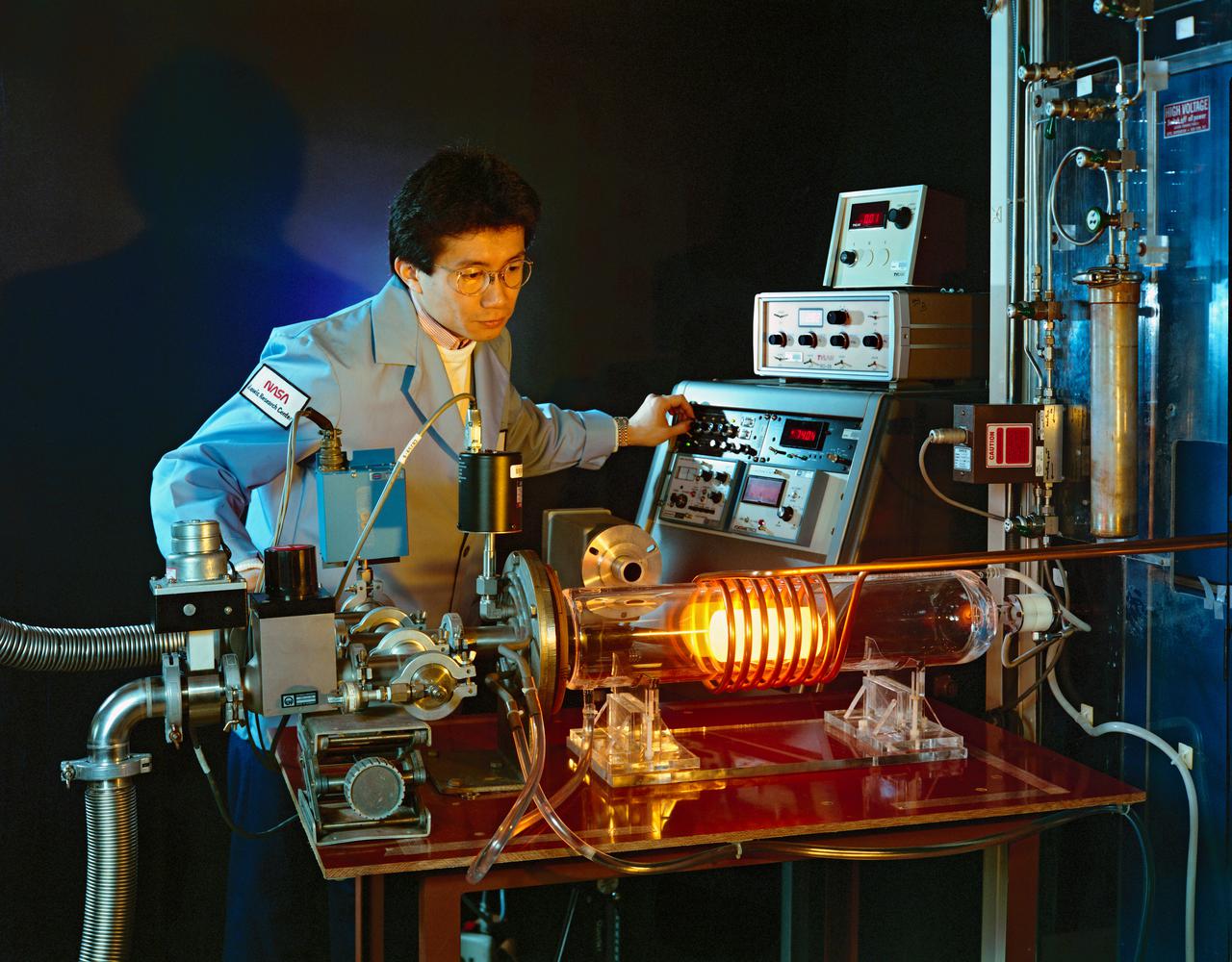
Shigehiro Nishino -- Visiting faculty fellow Dr. Shigehiro Nishino introduced the Lewis team to a unique chemical vapor deposition (CVD) strategy to grow silicon carbide crystals on silicon wafers.
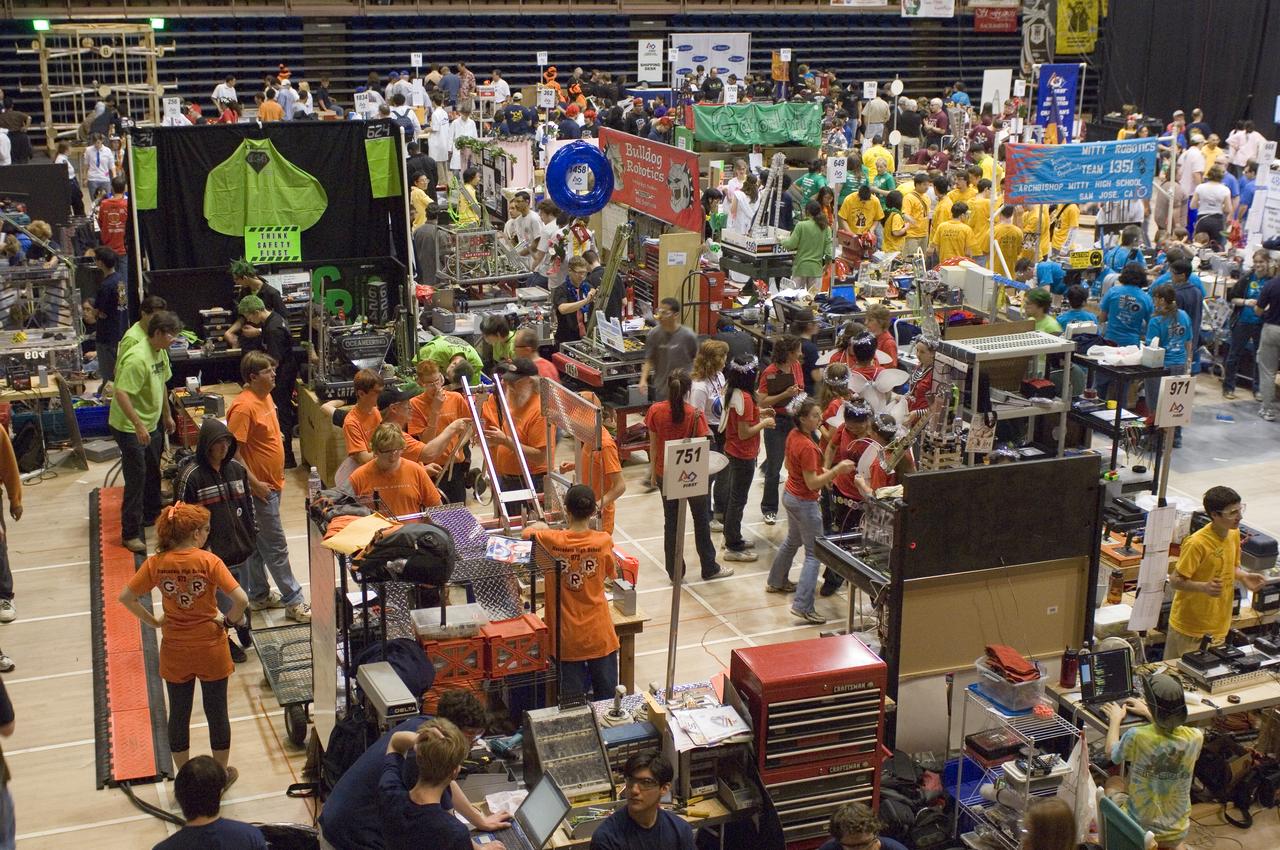
Silicon Valley FIRST Regional Robotics competition:
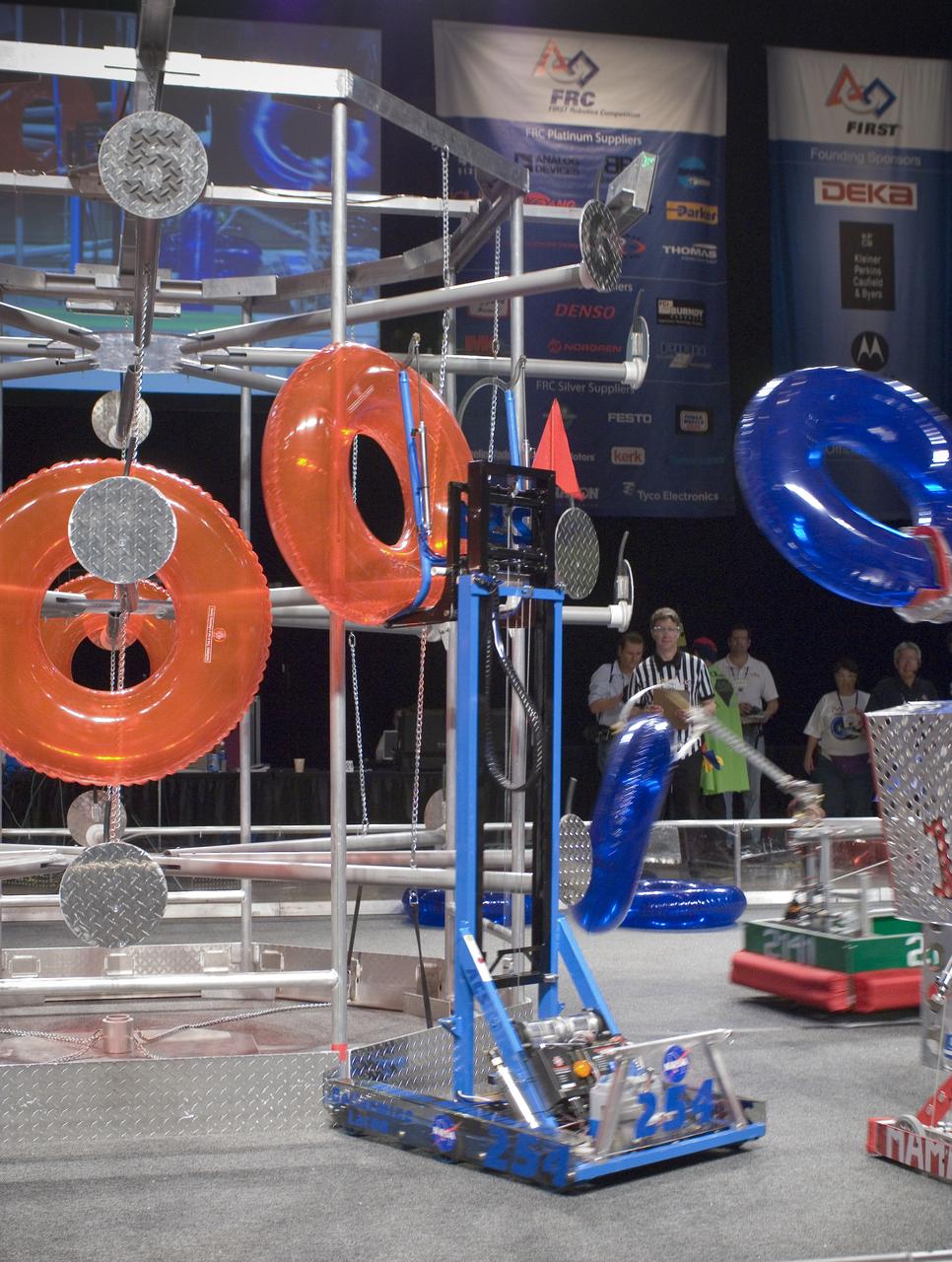
Silicon Valley FIRST Regional Robotics competition:
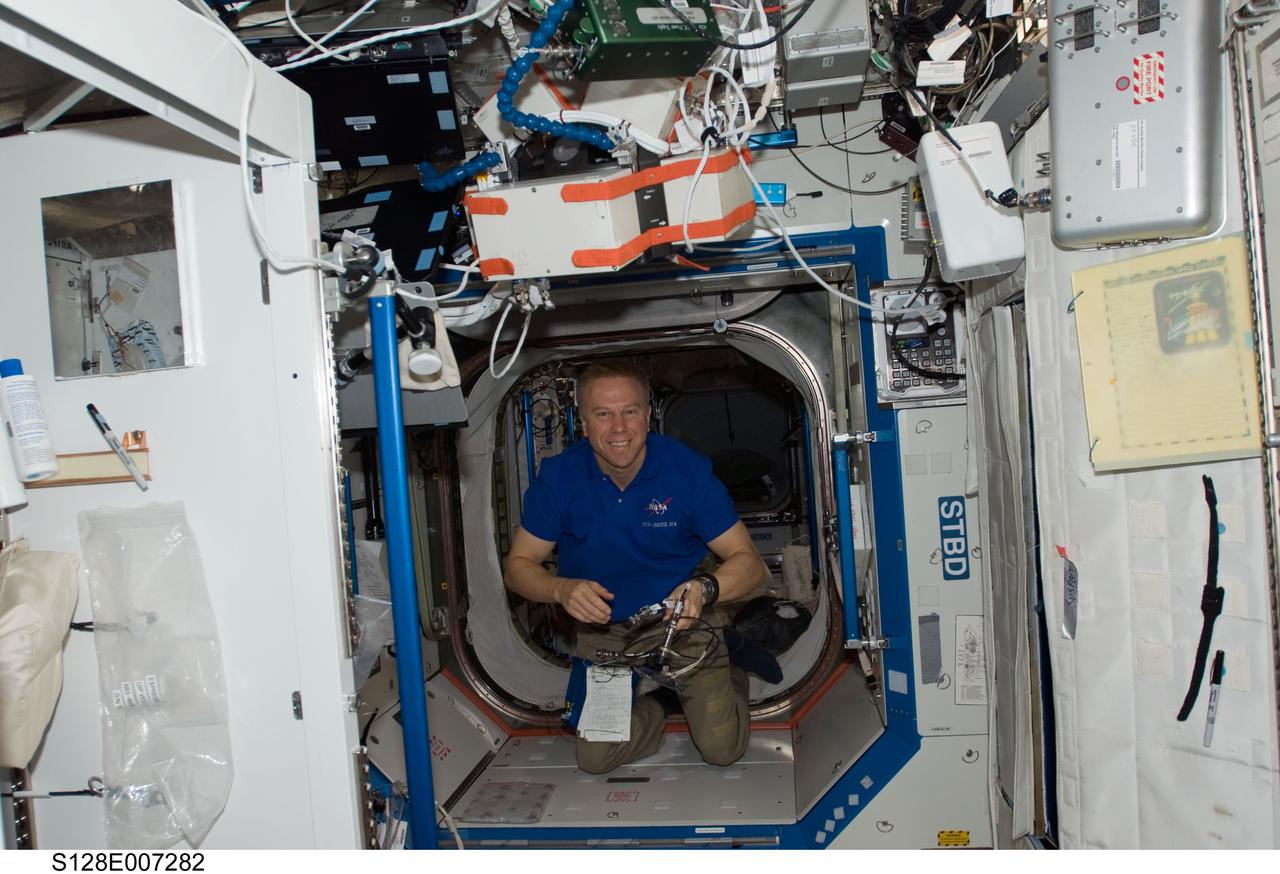
S128-E-007282 (4 Sept. 2009) --- Onboard the International Space Station since July, astronaut Tim Kopra is pictured on the orbital outpost a little less than a week before his scheduled return to Earth. Earlier this week, Kopra changed roles from Expedition 20 flight engineer to STS-128 mission specialist. Kopra came up to the station with the STS-127 crew and participated in a spacewalk on July 18. He will return to Earth aboard the Discovery on a scheduled Sept. 10 landing.
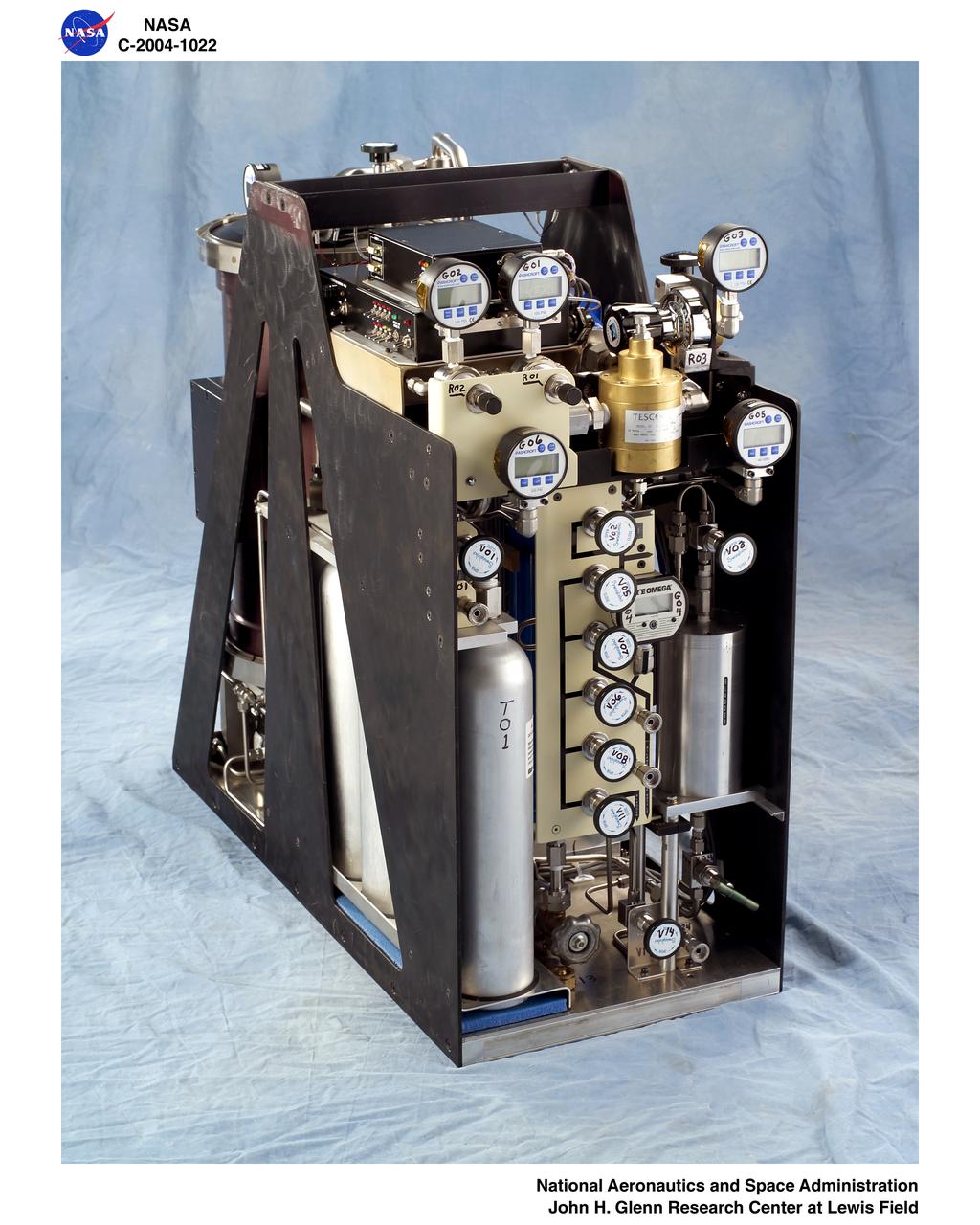
CP-SiCS Constant Pressure - Silicon Carbide Combustion Synthesis
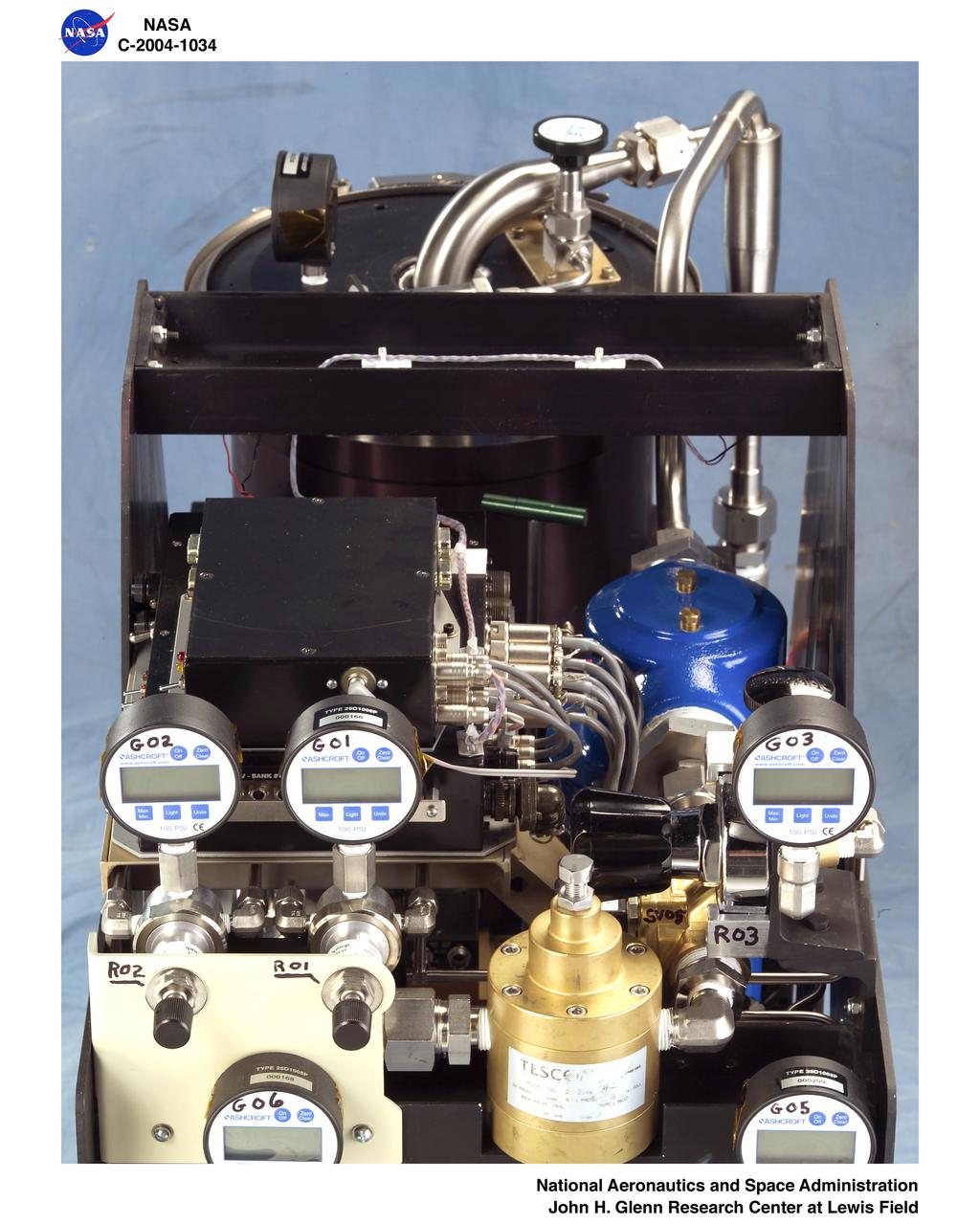
CP-SiCS Constant Pressure - Silicon Carbide Combustion Synthesis
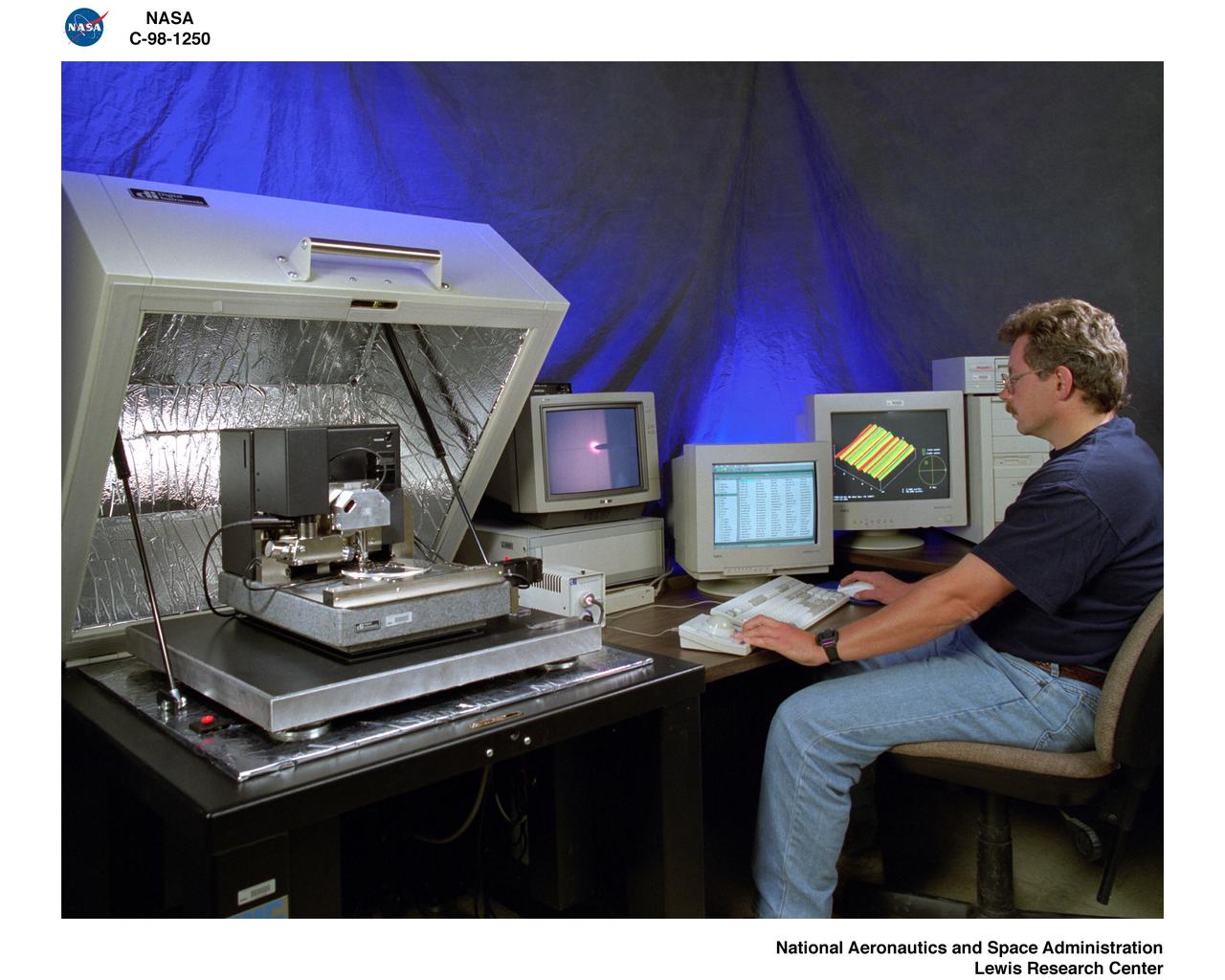
SILICON CARBIDE GROWTH FACILITY - CLEAN ROOM FACILITY AND SURFACE ANALYTICAL LABS
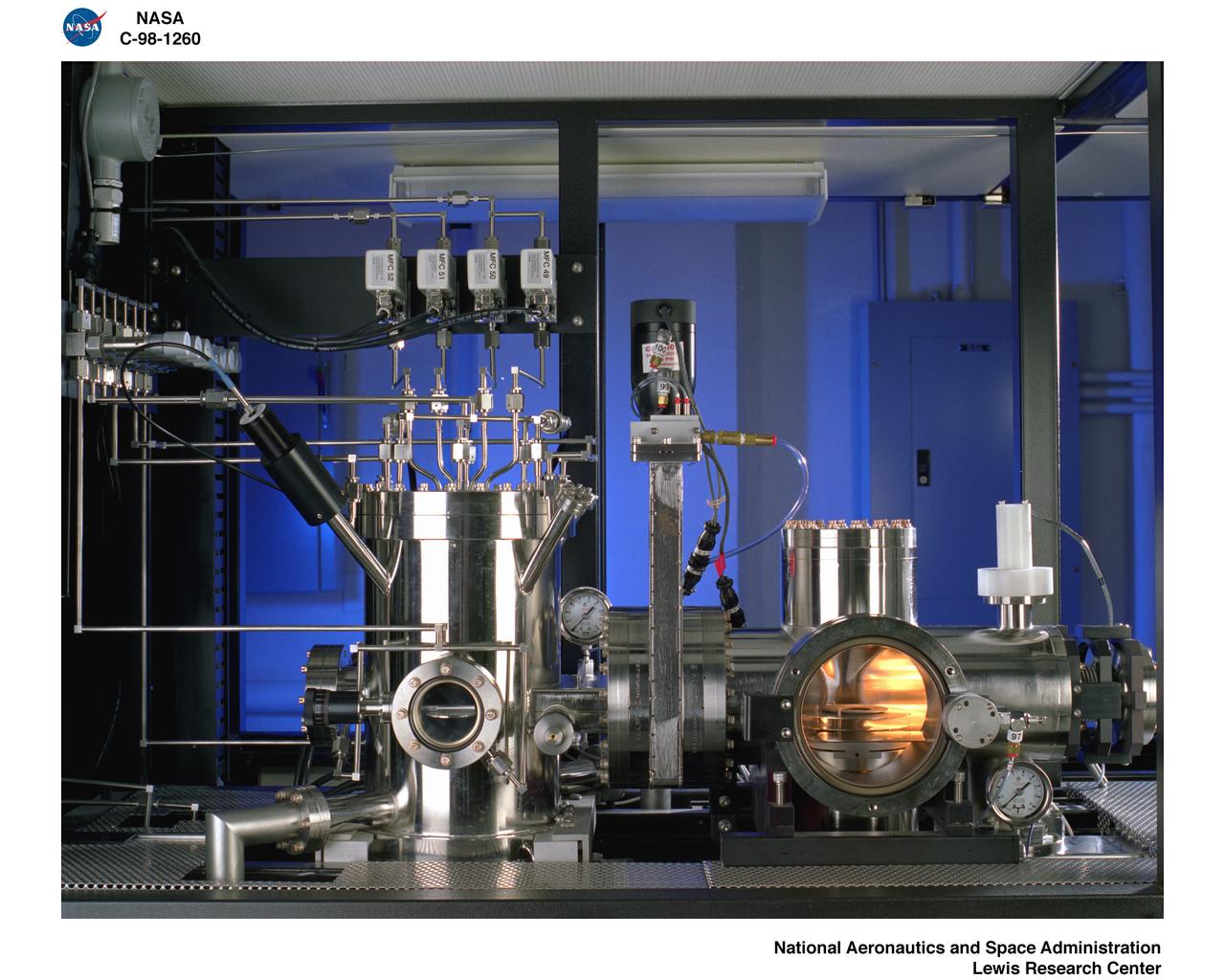
SILICON CARBIDE GROWTH FACILITY - CLEAN ROOM FACILITY AND SURFACE ANALYTICAL LABS
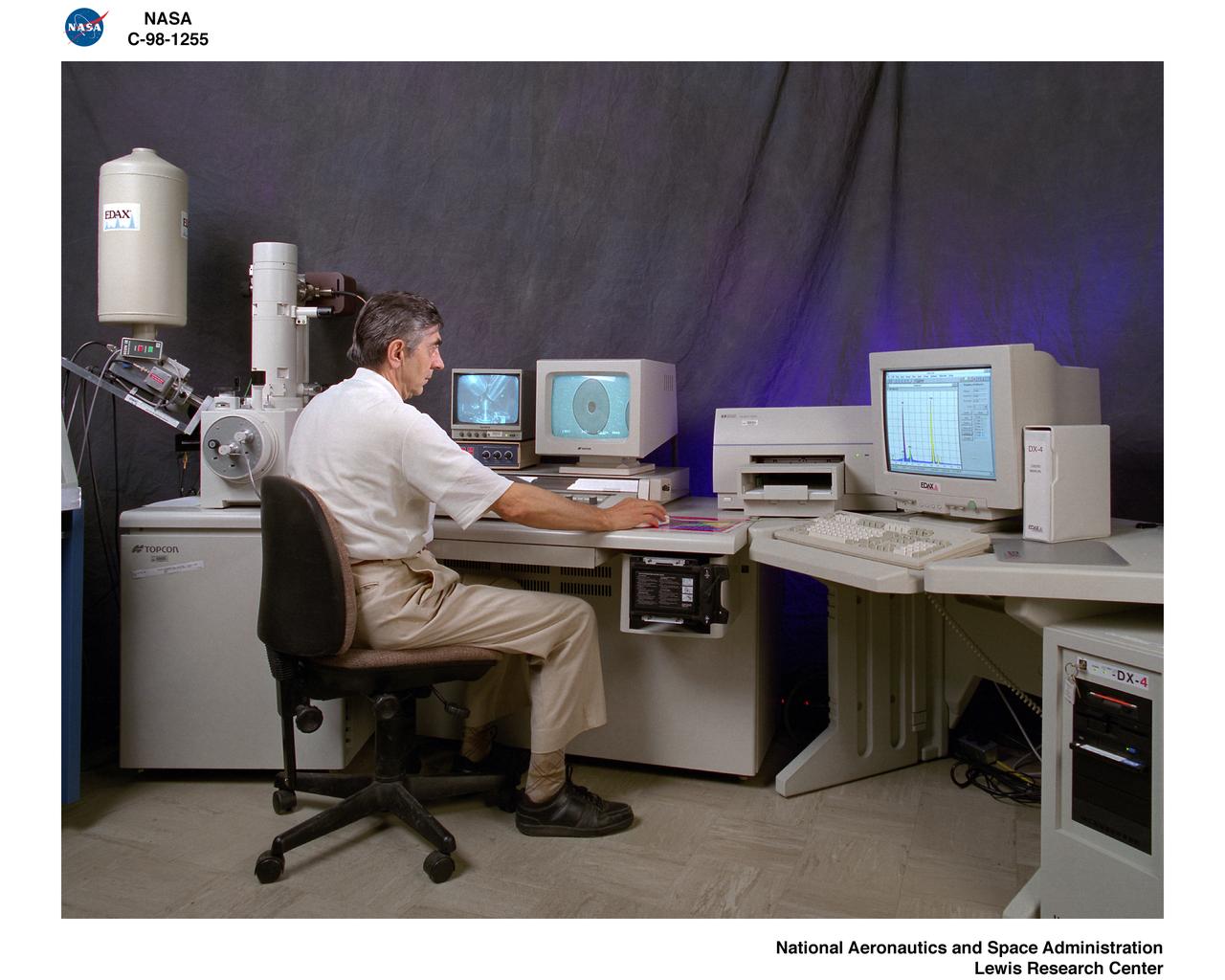
SILICON CARBIDE GROWTH FACILITY - CLEAN ROOM FACILITY AND SURFACE ANALYTICAL LABS
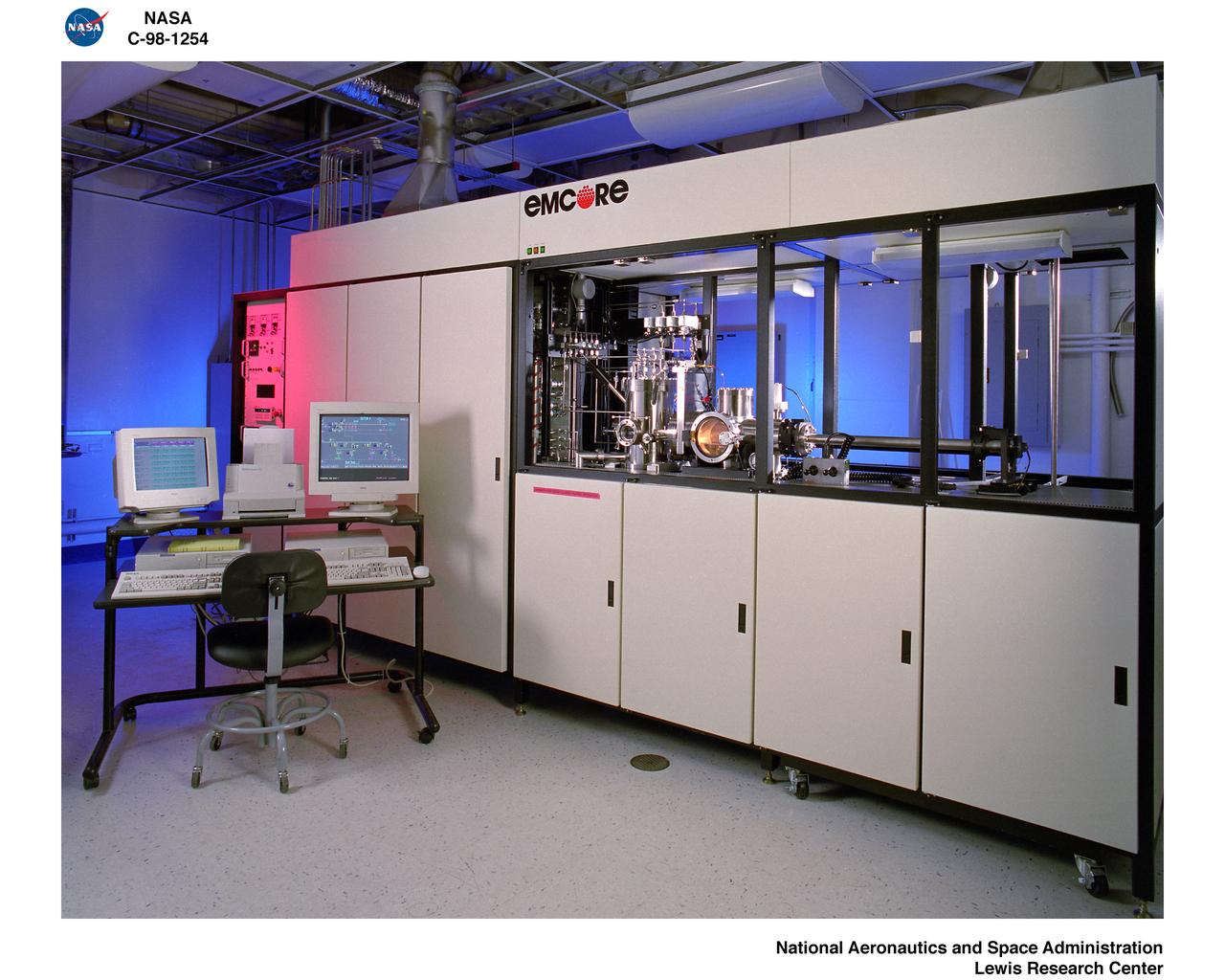
SILICON CARBIDE GROWTH FACILITY - CLEAN ROOM FACILITY AND SURFACE ANALYTICAL LABS
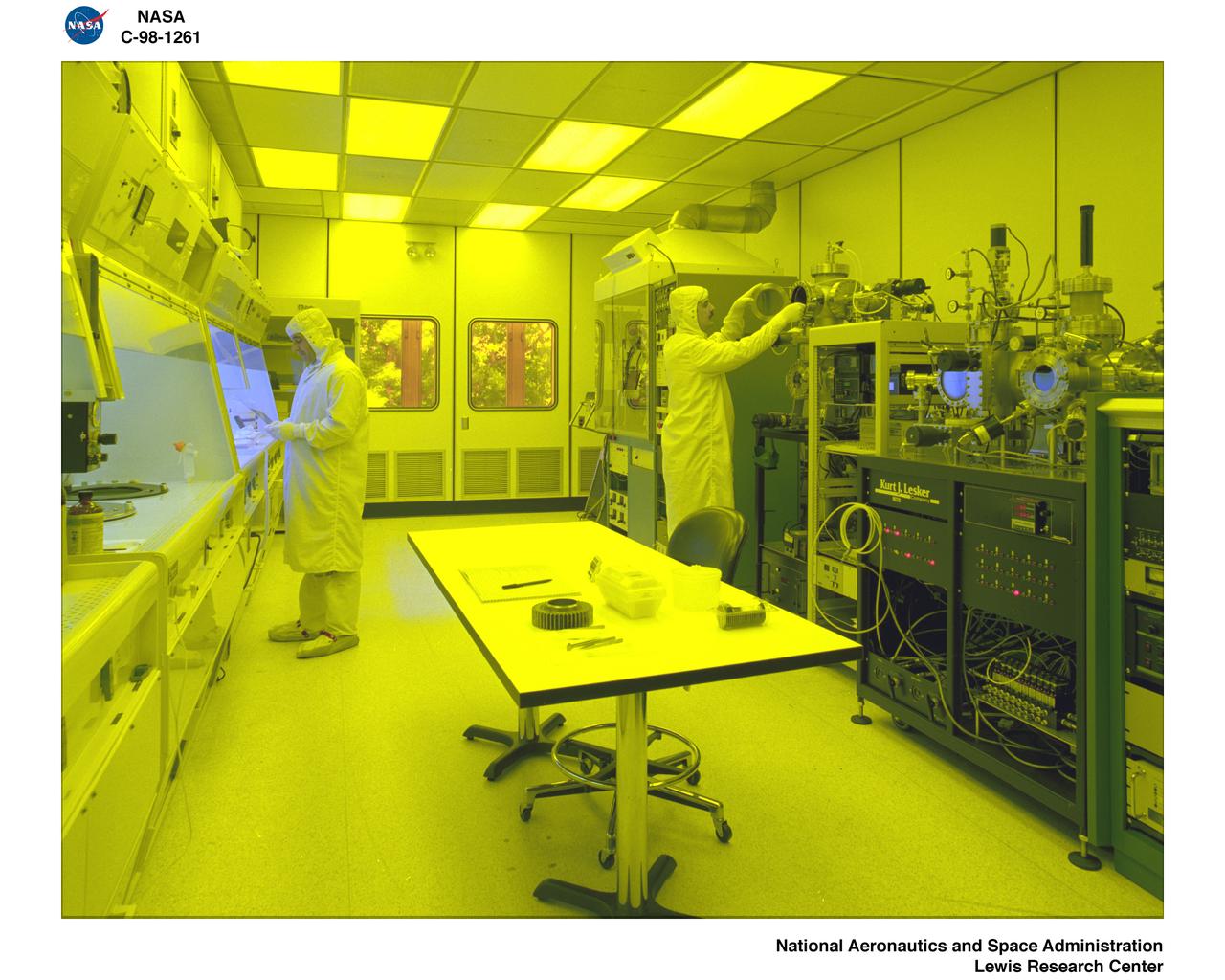
SILICON CARBIDE GROWTH FACILITY - CLEAN ROOM FACILITY AND SURFACE ANALYTICAL LABS

SILICON CARBIDE GROWTH FACILITY - CLEAN ROOM FACILITY AND SURFACE ANALYTICAL LABS
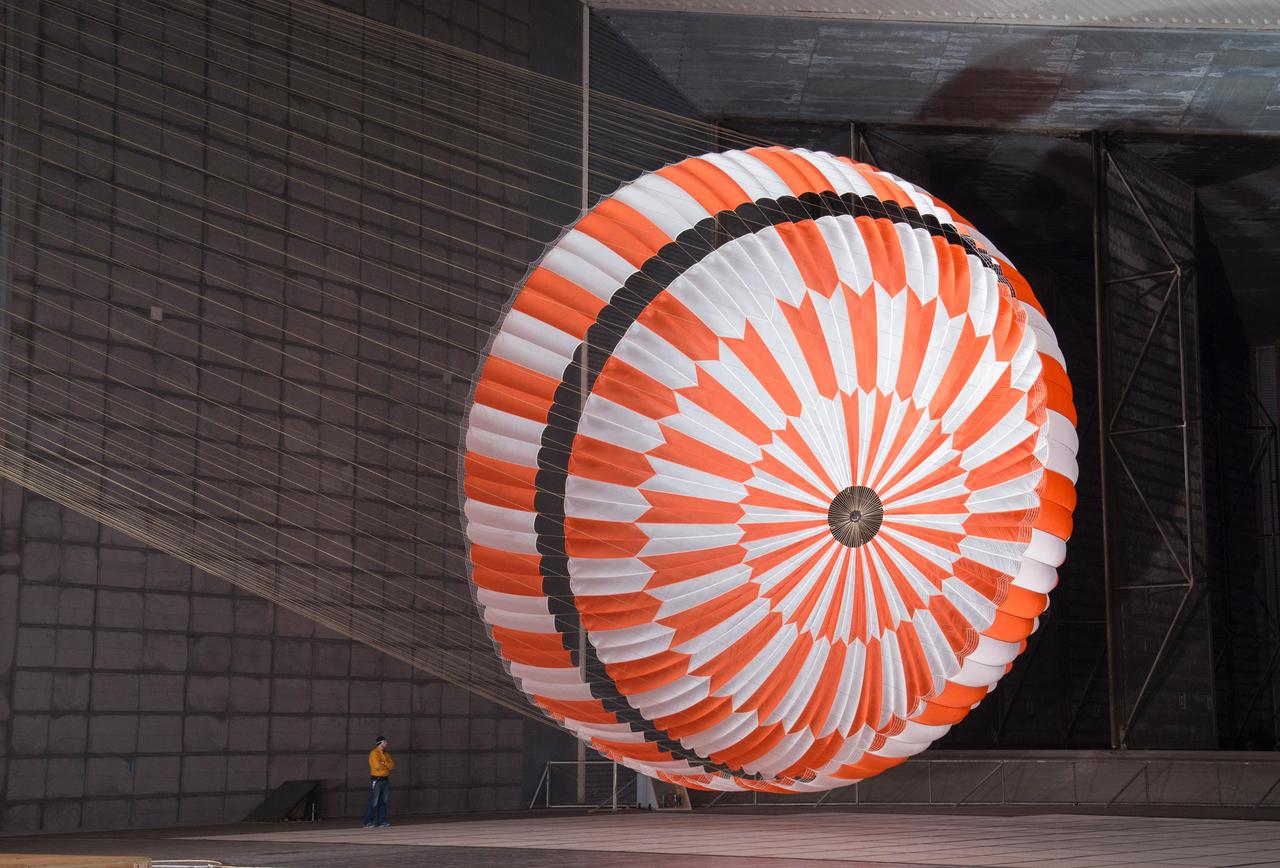
In this June 2017 photo, the supersonic parachute design that will land NASA's Perseverance rover on Mars on Feb. 18, 2021, undergoes testing in a wind tunnel at NASA's Ames Research Center in California's Silicon Valley. https://photojournal.jpl.nasa.gov/catalog/PIA23916
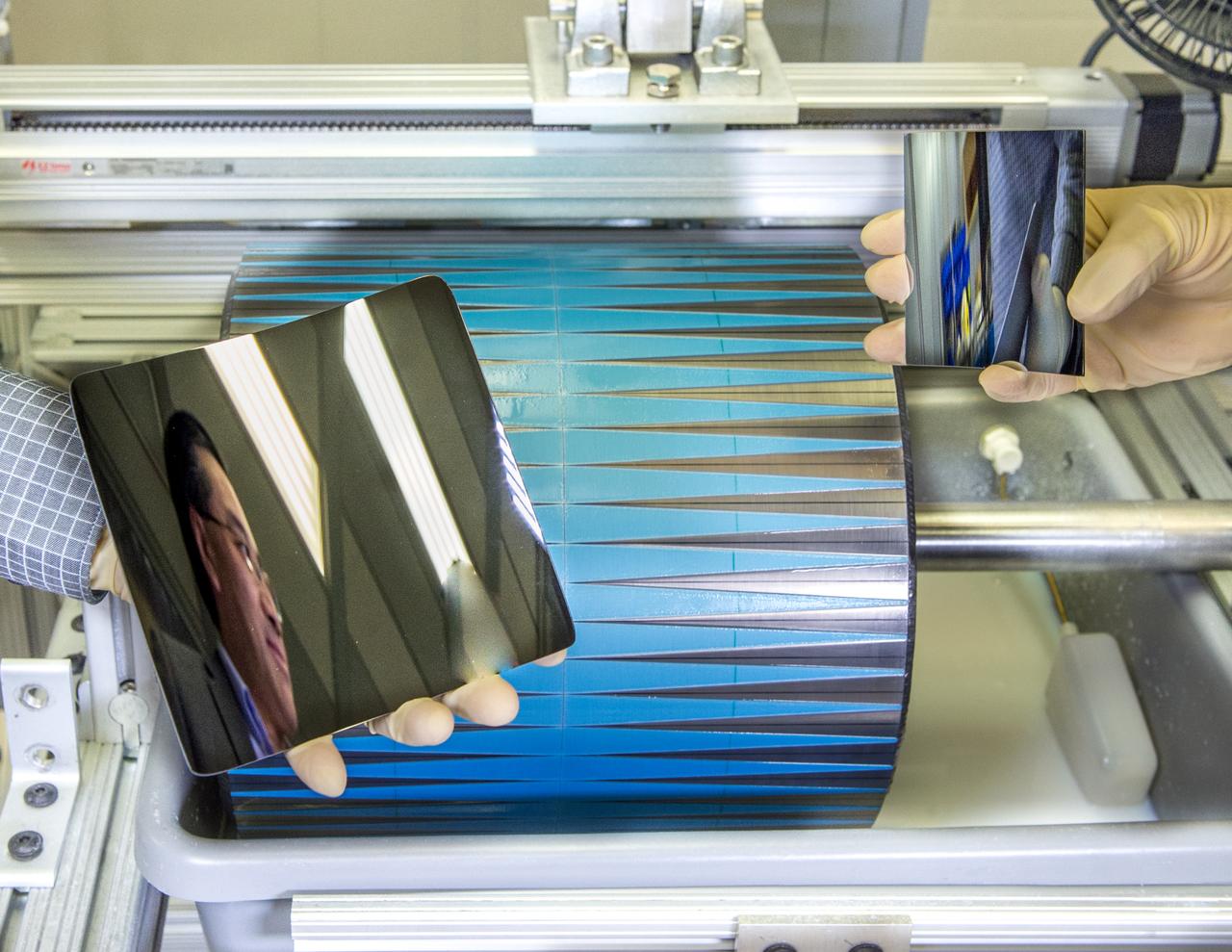
Cutting Edge Magazine.Will Zhang.Vince Bly.Raul Rivera developing single crystal silicon mirrors
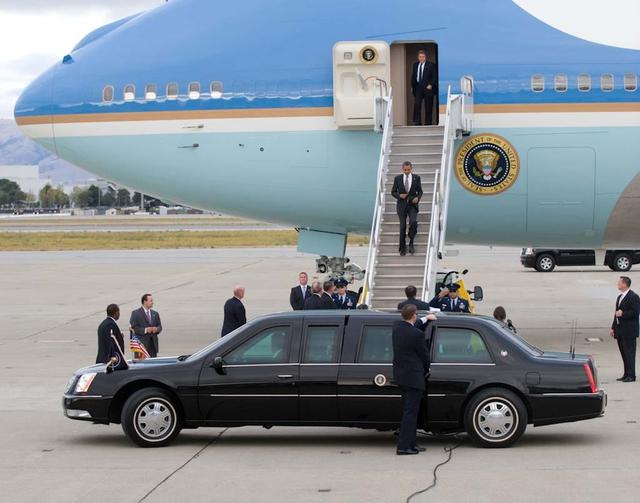
President Barack Obama lands at Moffett Field for fundraising stops in Silicon Valley. President Obama deplanes.
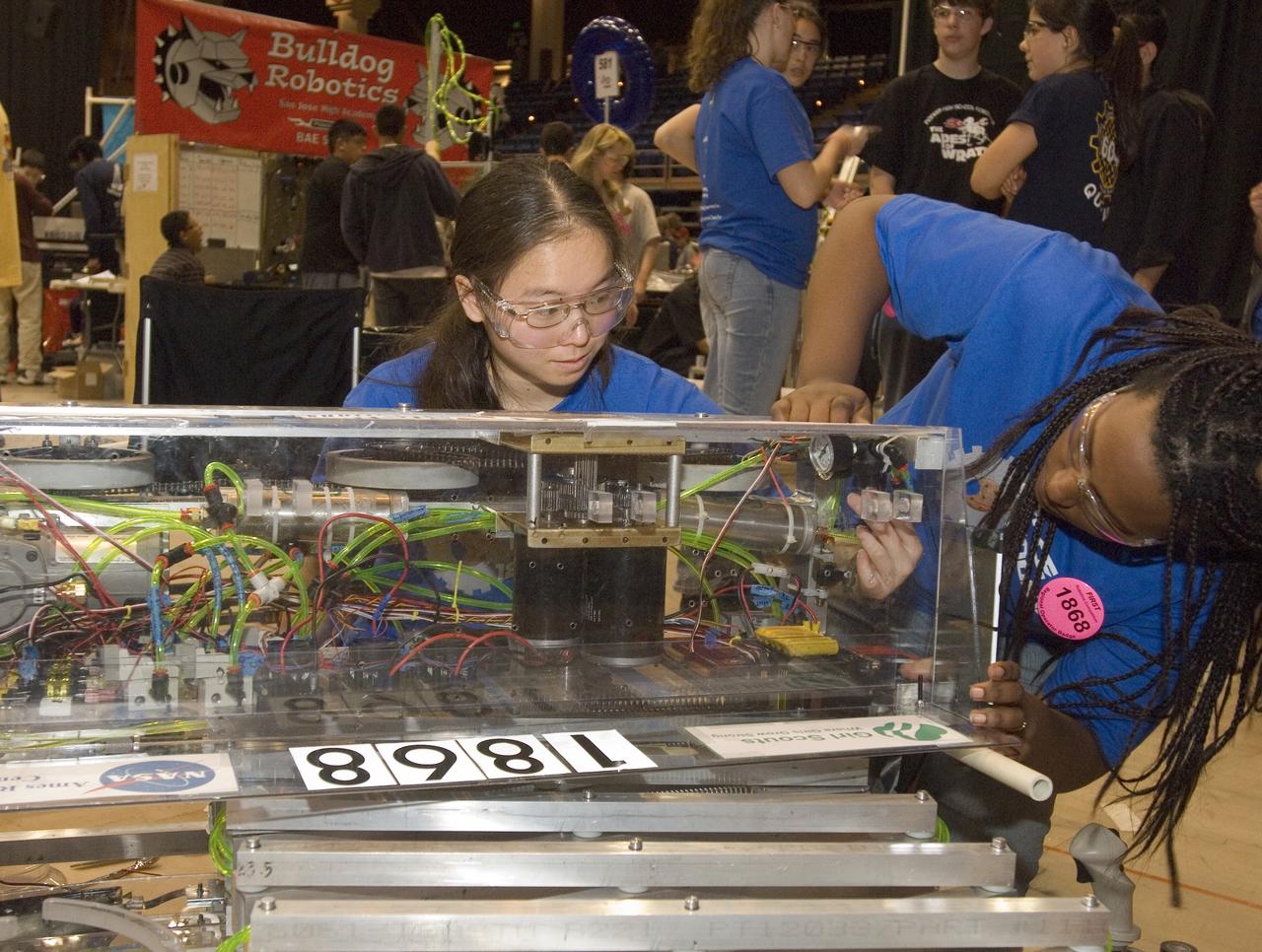
Silicon Valley FIRST Regional Robotics competition: NASA Ames Research Center & Girl Scouts, Moffett Field, California (CA)
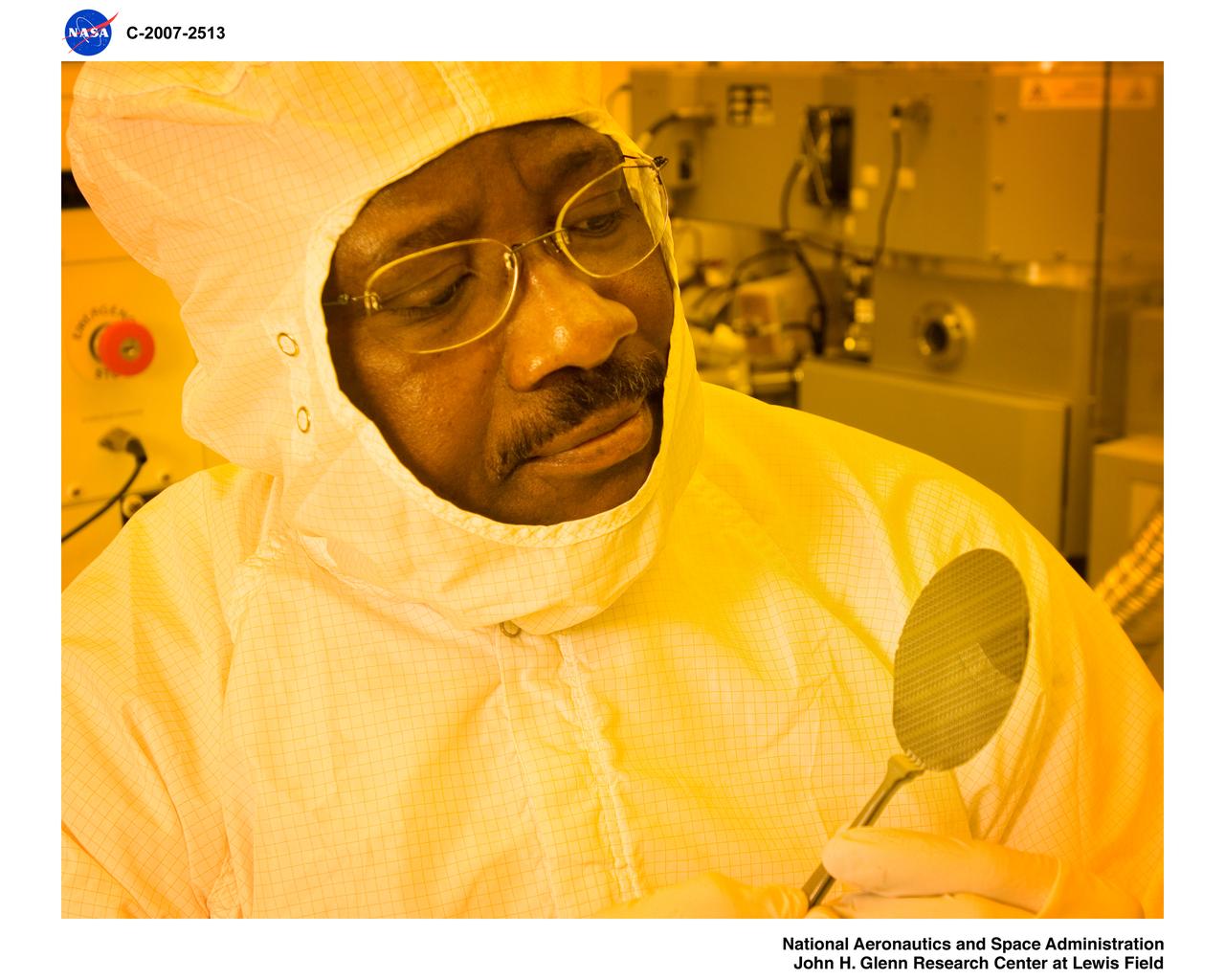
Fully Packaged Silicon Carbide Piezoresistive Pressure Transducer that measures pressures at temperature as high as 600 degrees Celsius
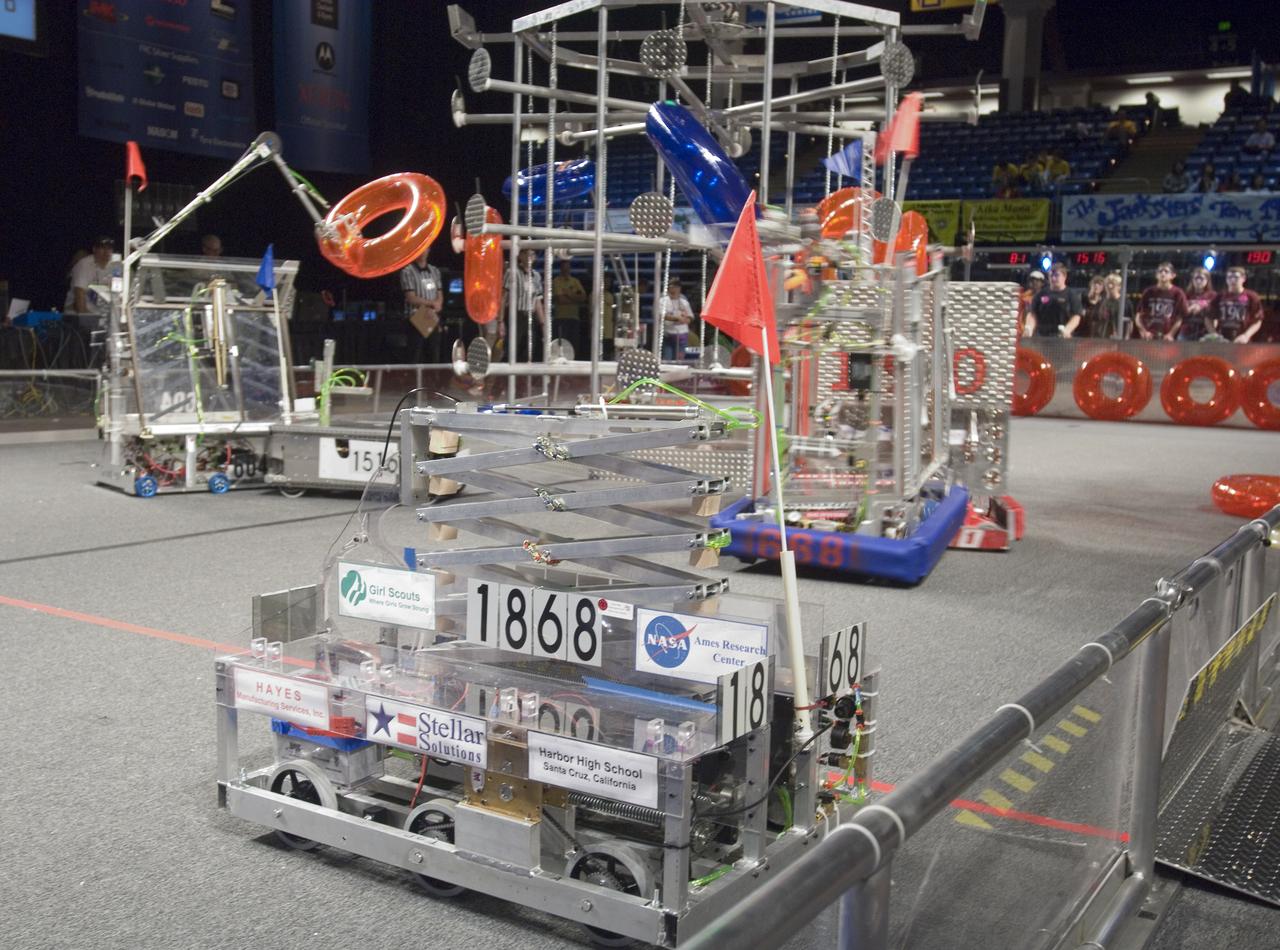
Silicon Valley FIRST Regional Robotics competition: Battle on! teams 1516 Grizzles, 1868 Space Cookies, 668 The Apes of Wrath
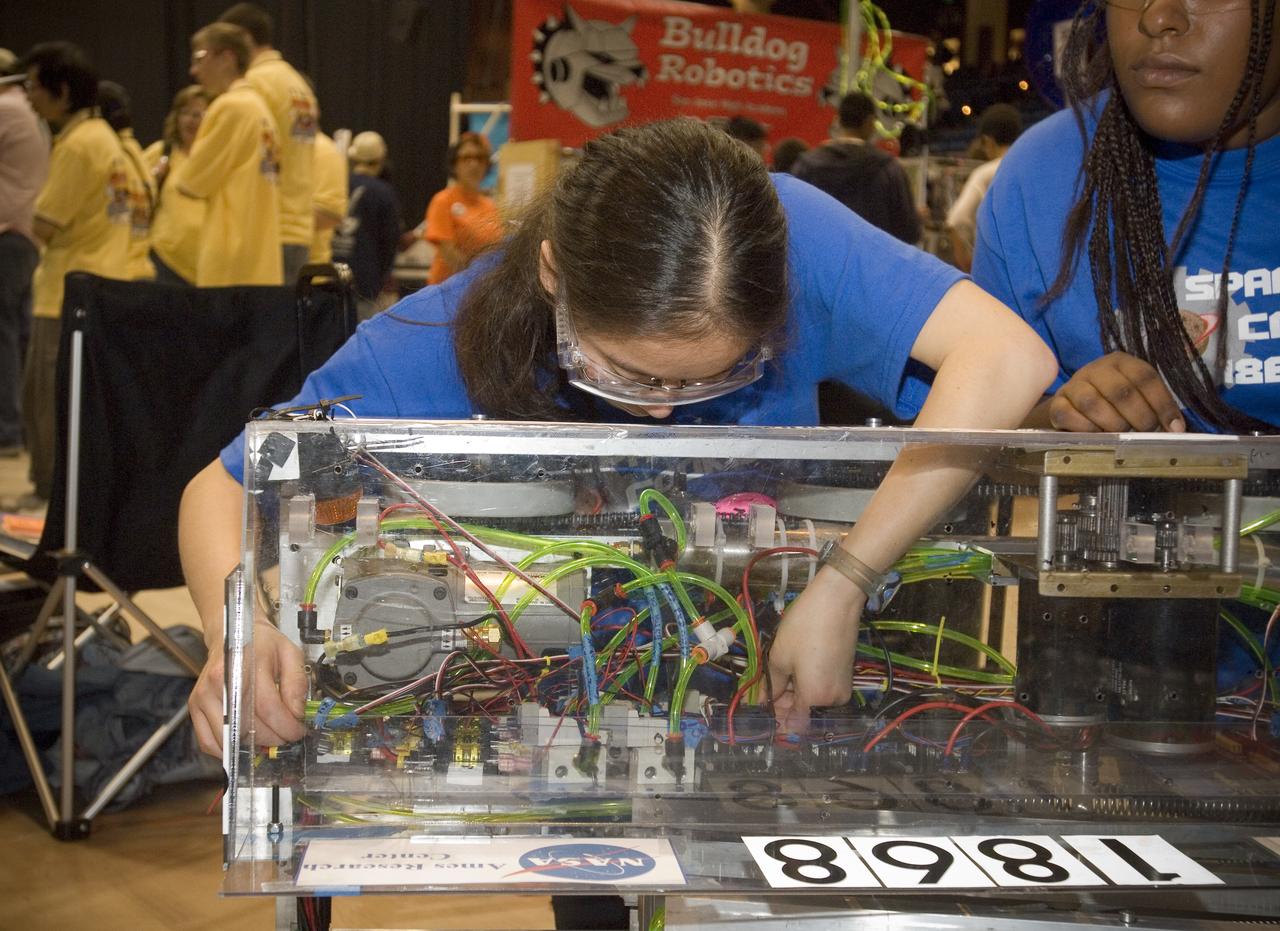
Silicon Valley FIRST Regional Robotics competition: NASA Ames Research Center & Girl Scouts, Moffett Field, California (CA)
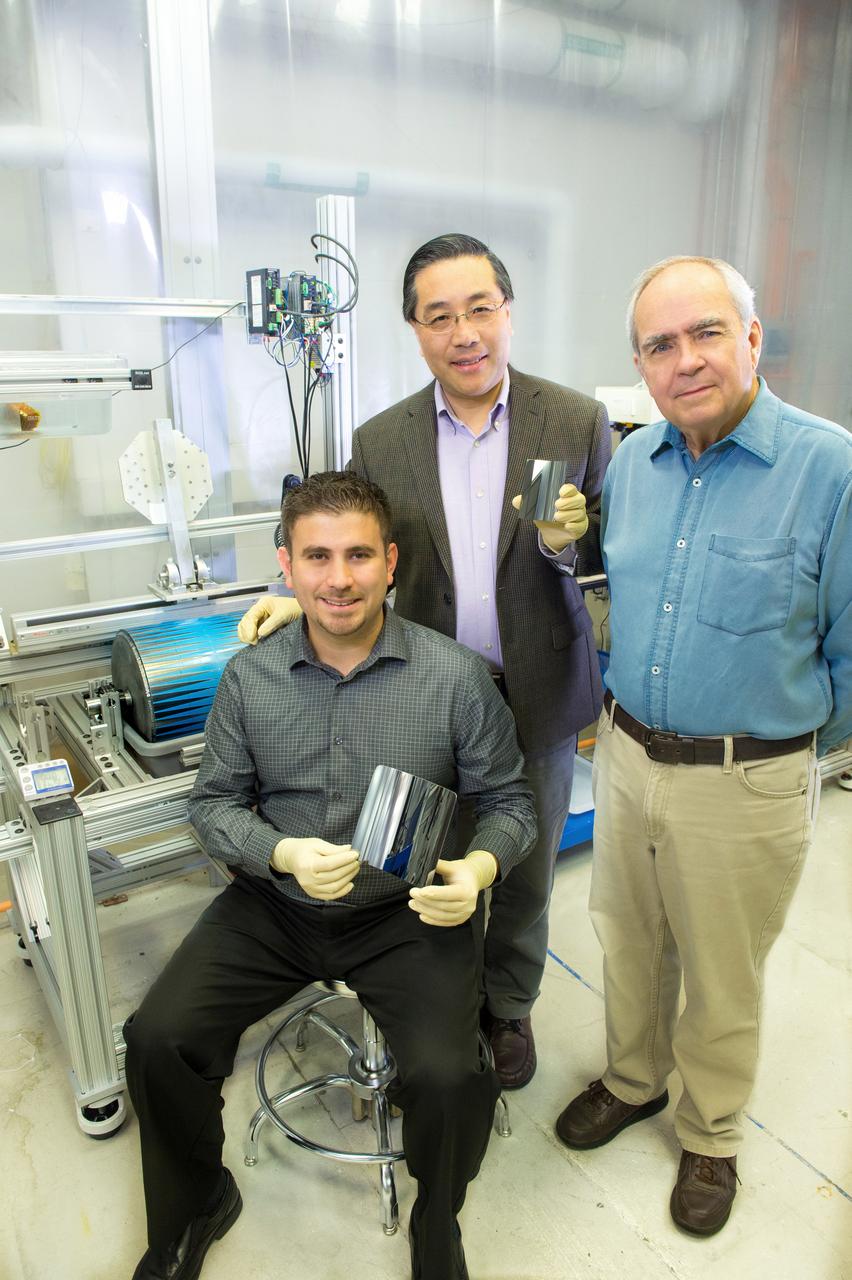
Cutting Edge Magazine.Will Zhang.Vince Bly.Raul Rivera developing single crystal silicon mirrors
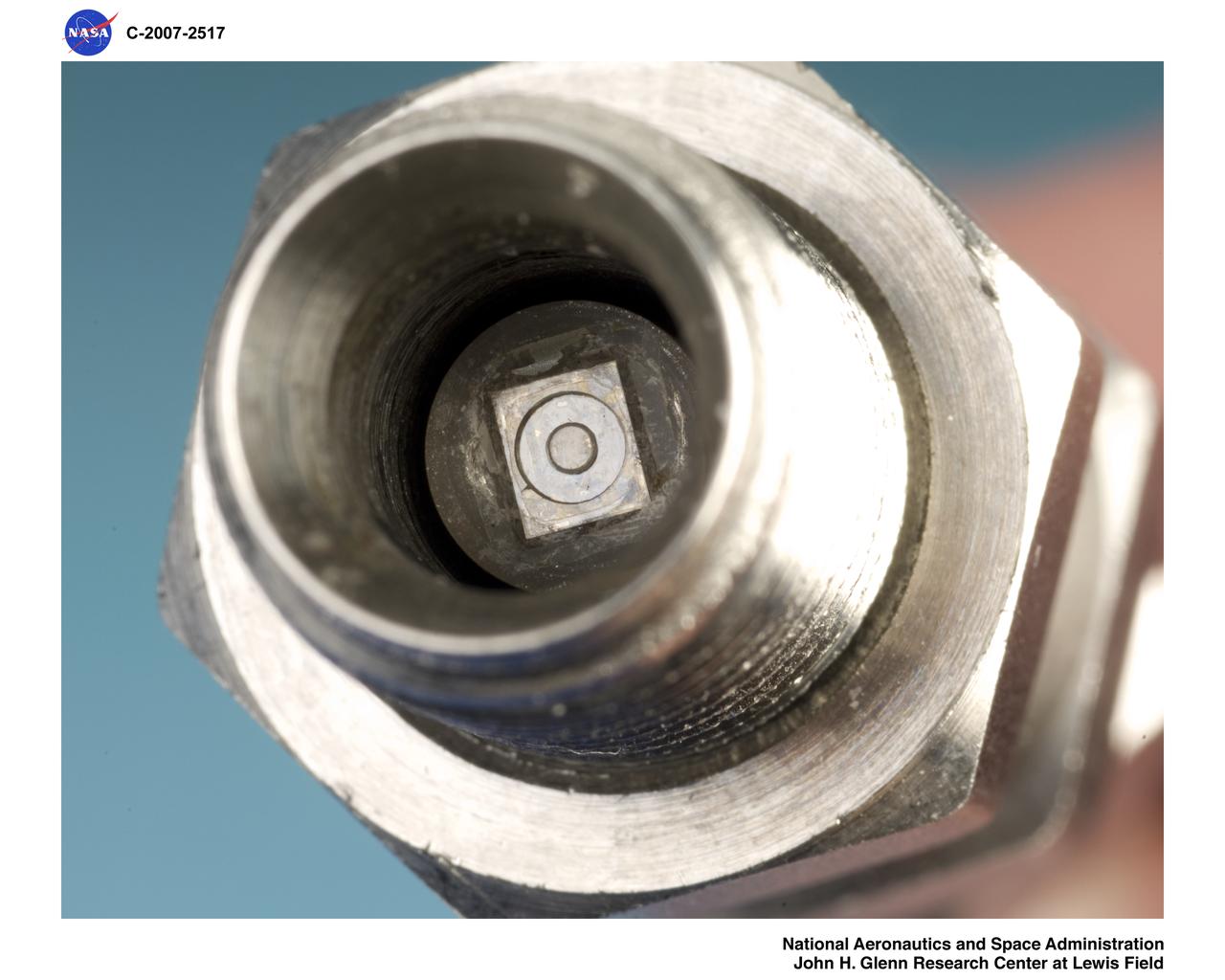
Fully Packaged Silicon Carbide Piezoresistive Pressure Transducer that measures pressures at temperature as high as 600 degrees Celsius
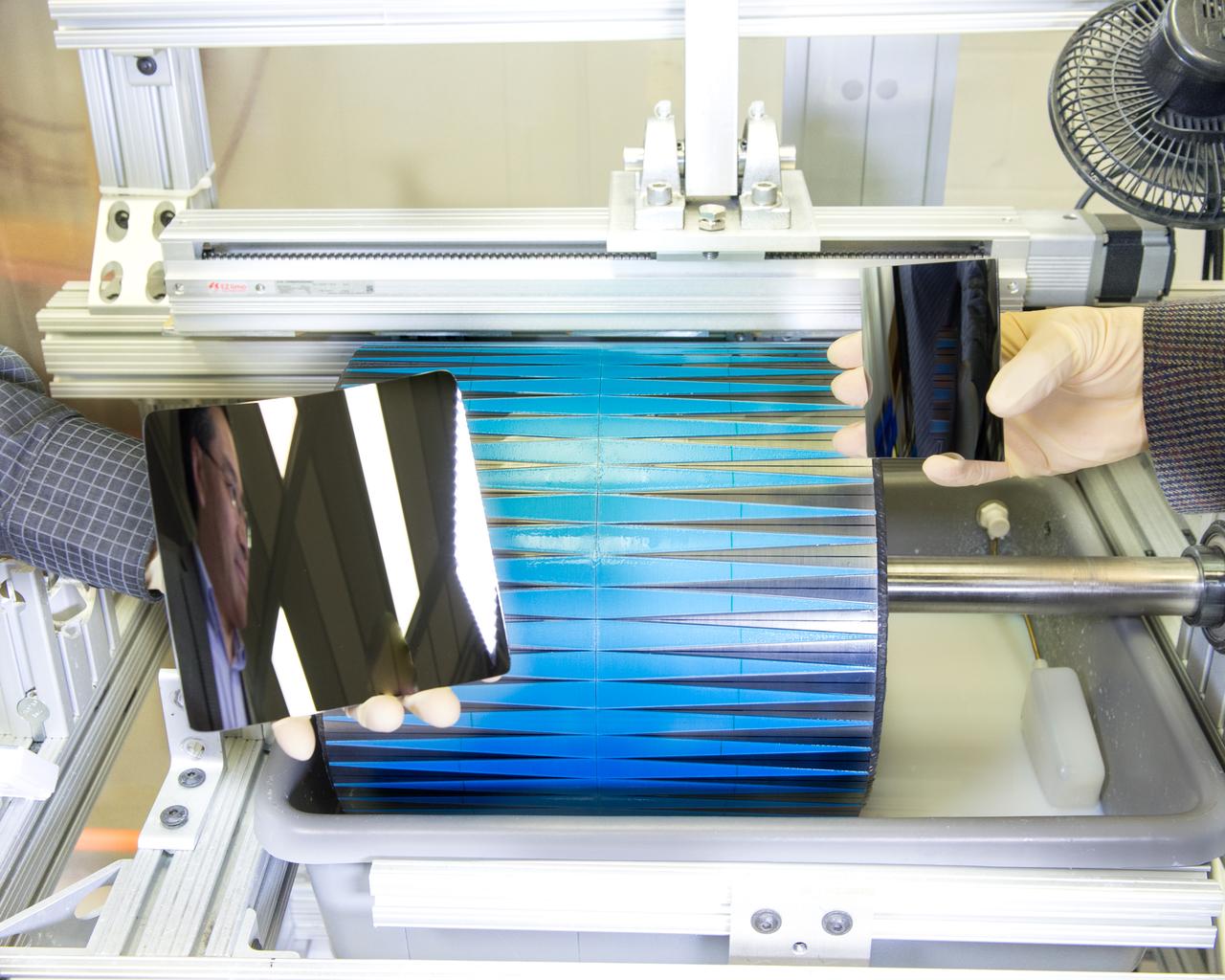
Cutting Edge Magazine.Will Zhang.Vince Bly.Raul Rivera developing single crystal silicon mirrors

Silicon Valley FIRST Regional Robotics competition: Mark Leon, Ames Robotics Alliance Project Lead
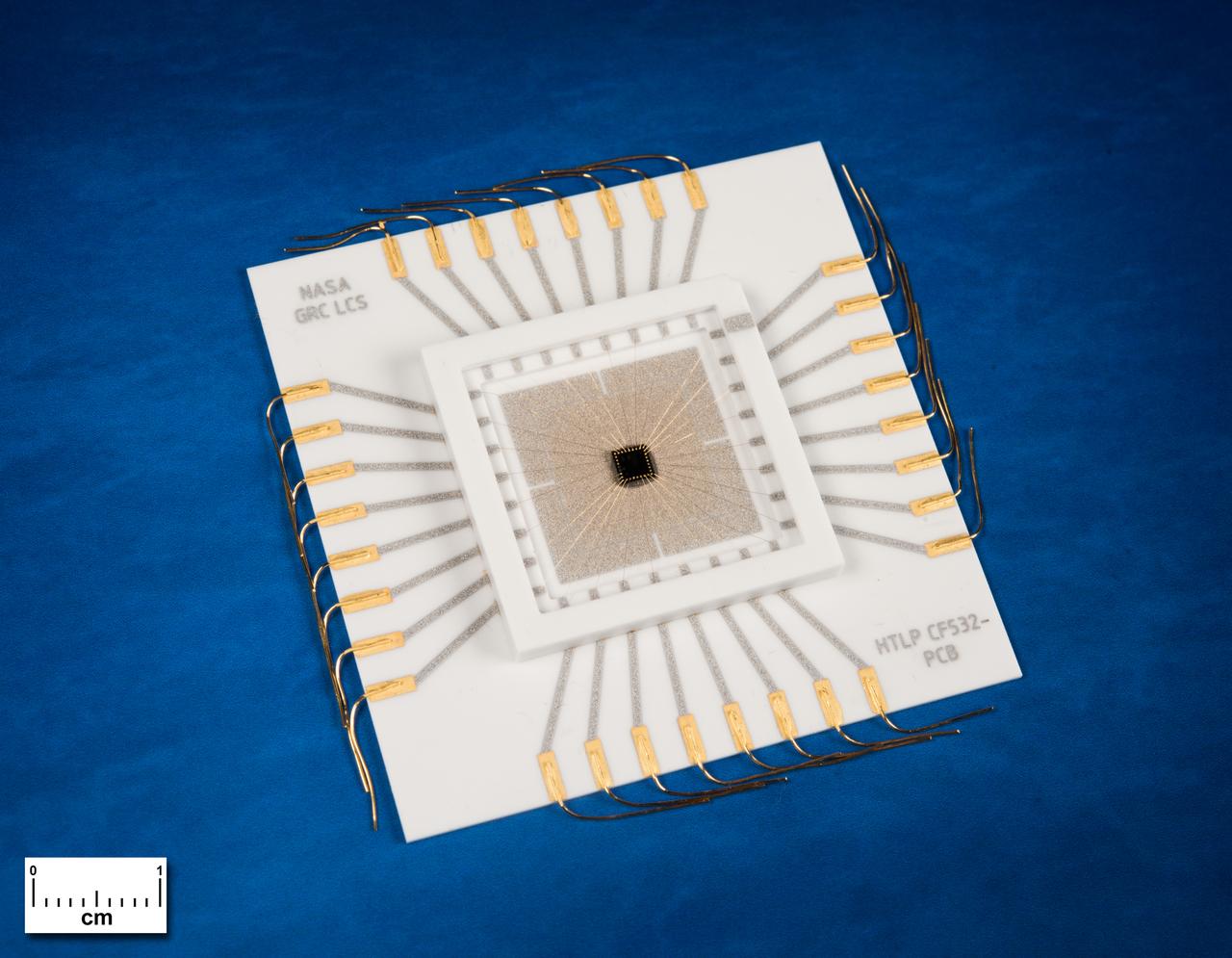
Silicon Carbide, SiC wafer v8.1 OpAmp Chip in Co-fired Alumina Package for High-temperature Application
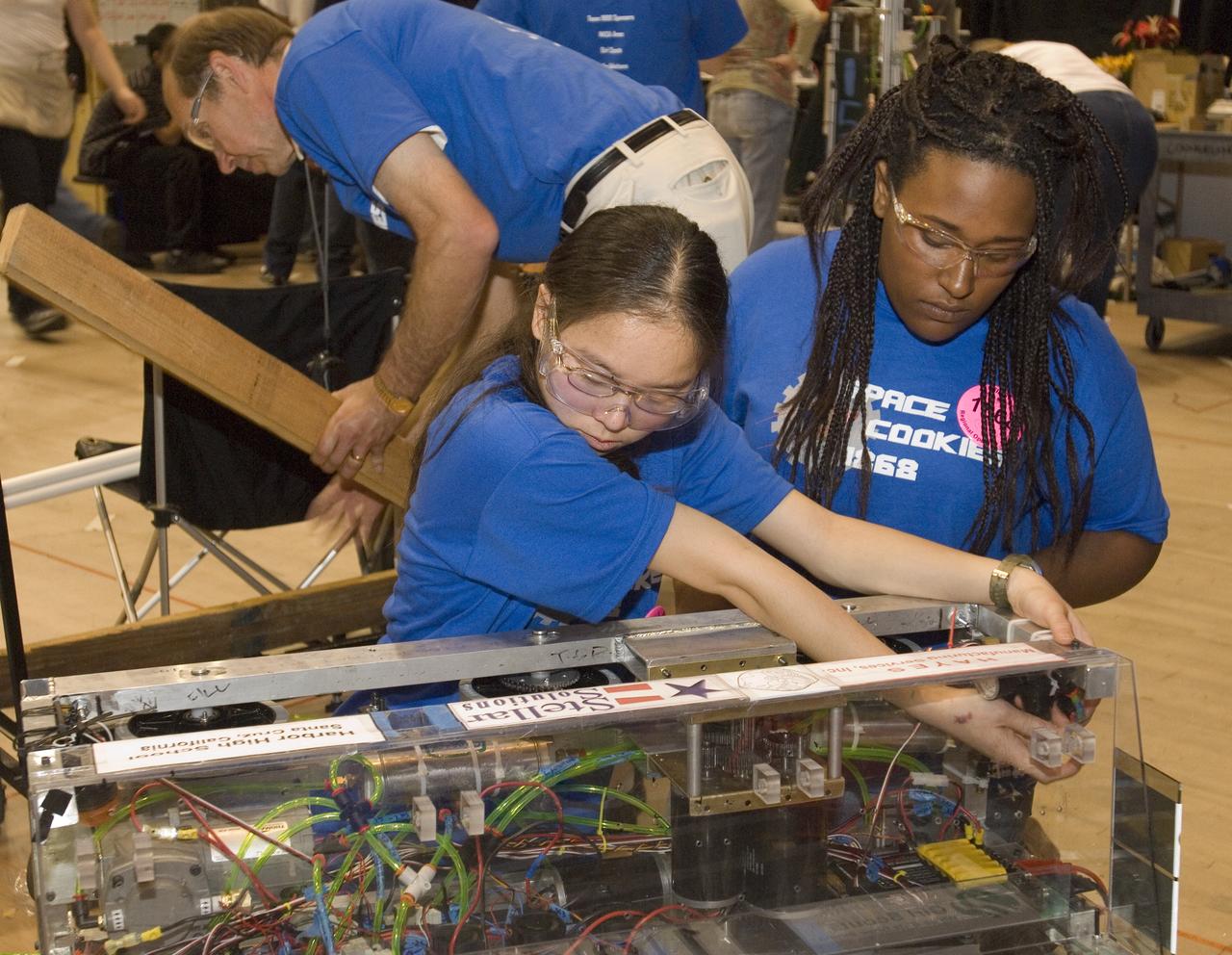
Silicon Valley FIRST Regional Robotics competition: NASA Ames Research Center & Girl Scouts, Moffett Field, California (CA)
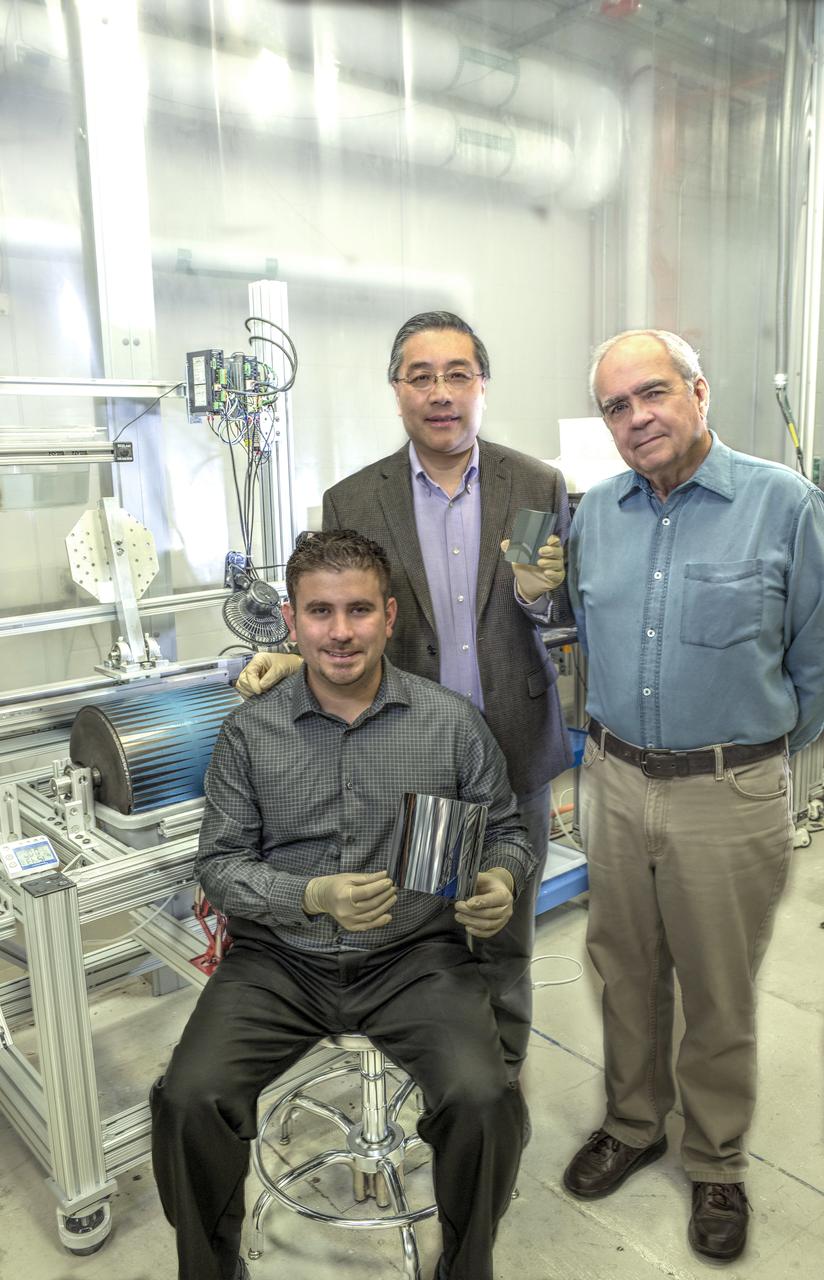
Cutting Edge Magazine.Will Zhang.Vince Bly.Raul Rivera developing single crystal silicon mirrors
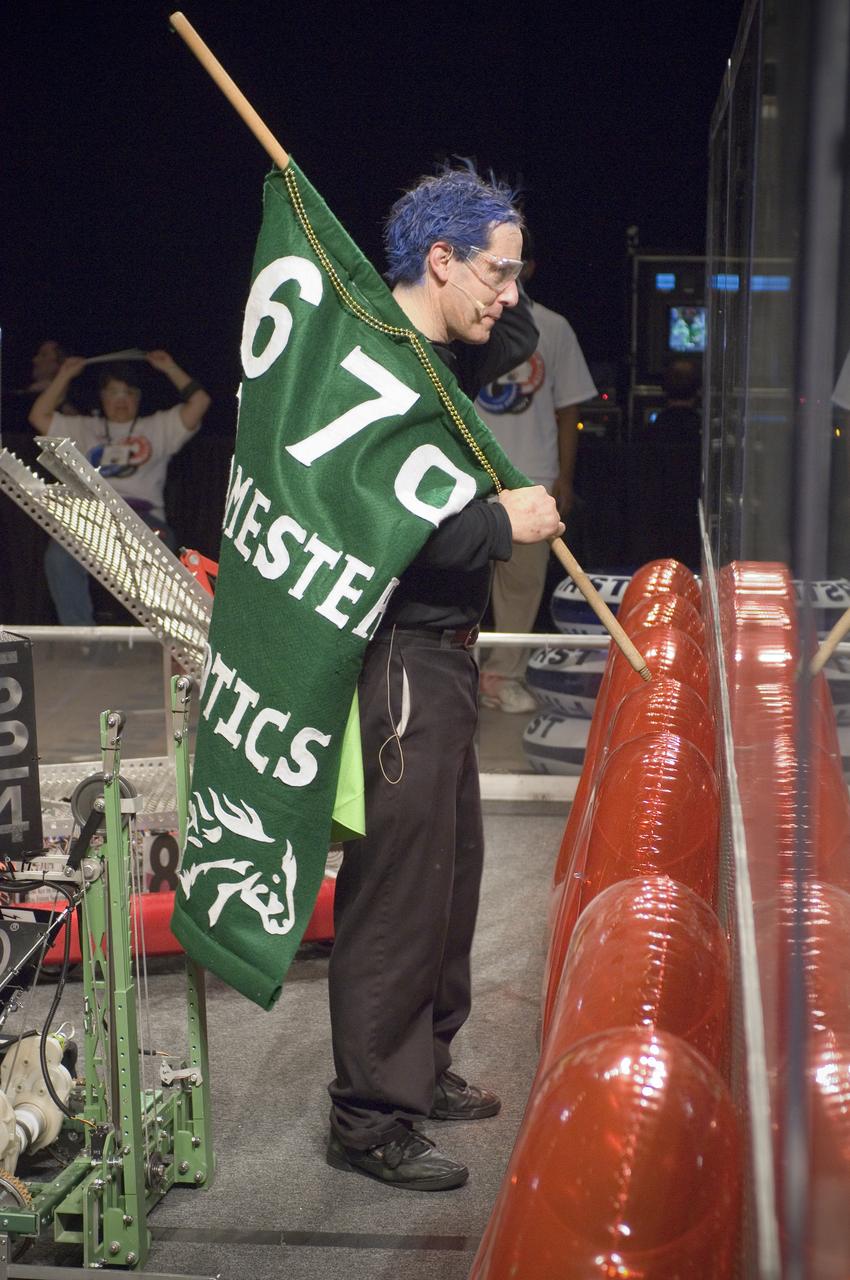
Silicon Valley FIRST Regional Robotics competition: Mark Leon, Ames Robotics Alliance Project Lead
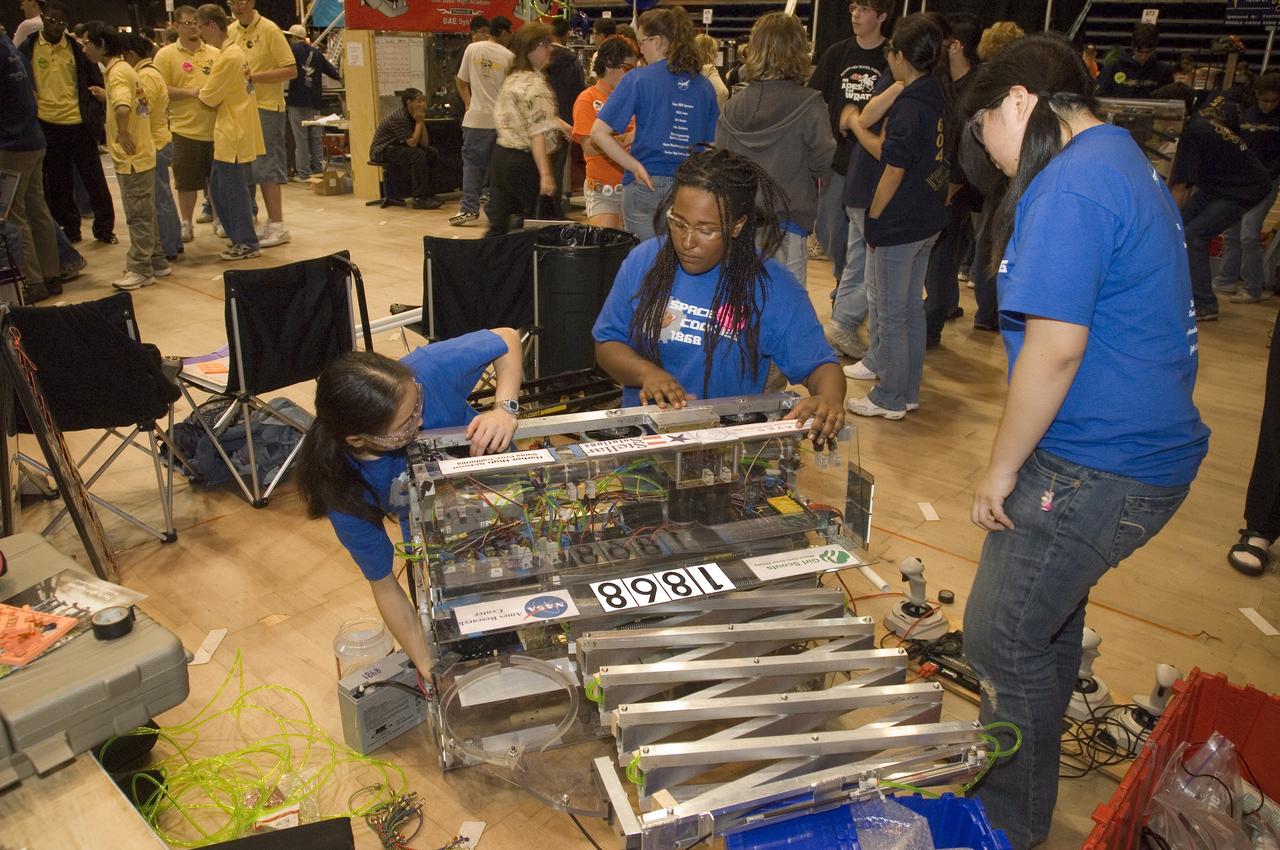
Silicon Valley FIRST Regional Robotics competition: NASA Ames Research Center & Girl Scouts, Moffett Field, California (CA)
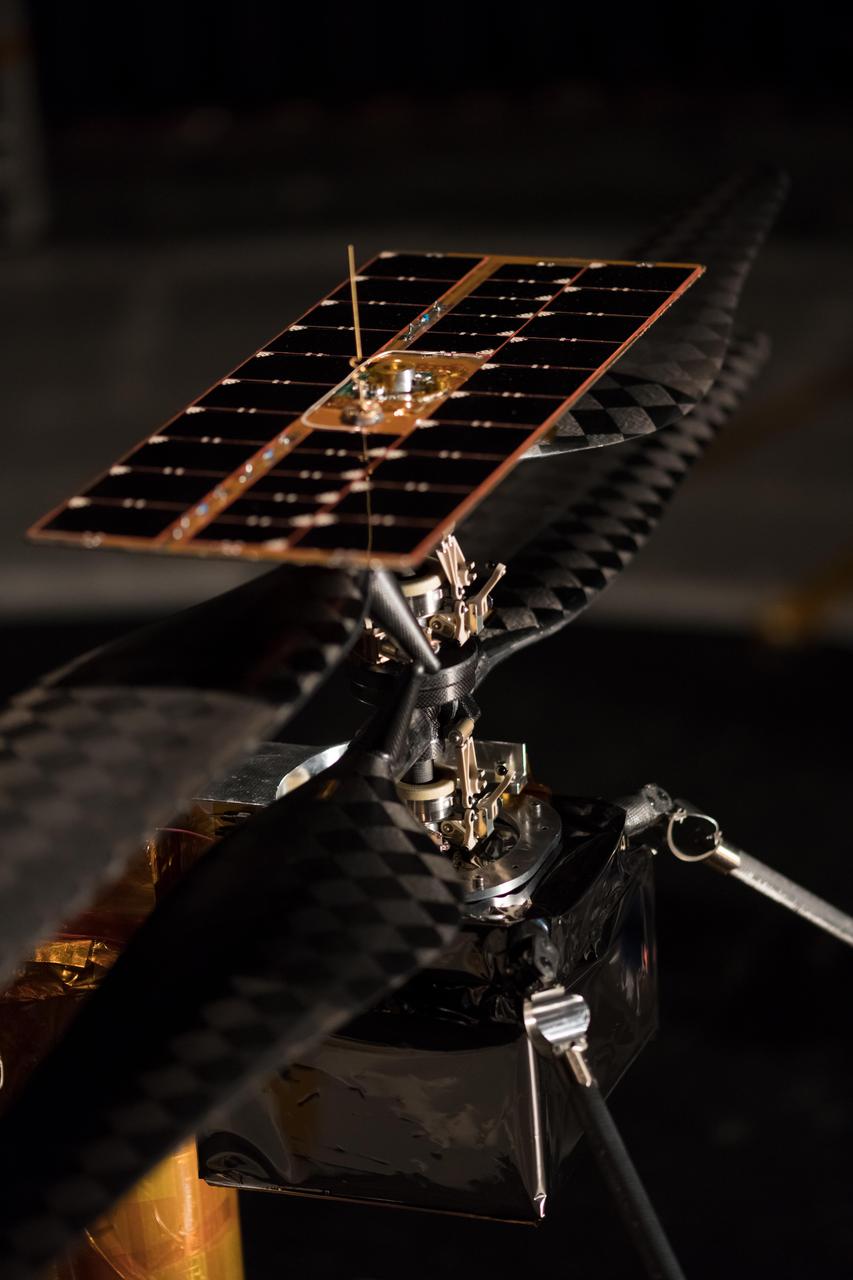
More than 1,500 individual pieces of carbon fiber, flight-grade aluminum, silicon, copper, foil and foam go into a Mars Helicopter. This image of the Flight Model (the actual vehicle going to the Red Planet), was taken on Feb. 1, 2019 when the helicopter was inside the Space Simulator, a 25-foot (7.62 meter) wide vacuum chamber at NASA's Jet Propulsion Laboratory in Pasadena, California. https://photojournal.jpl.nasa.gov/catalog/PIA23158
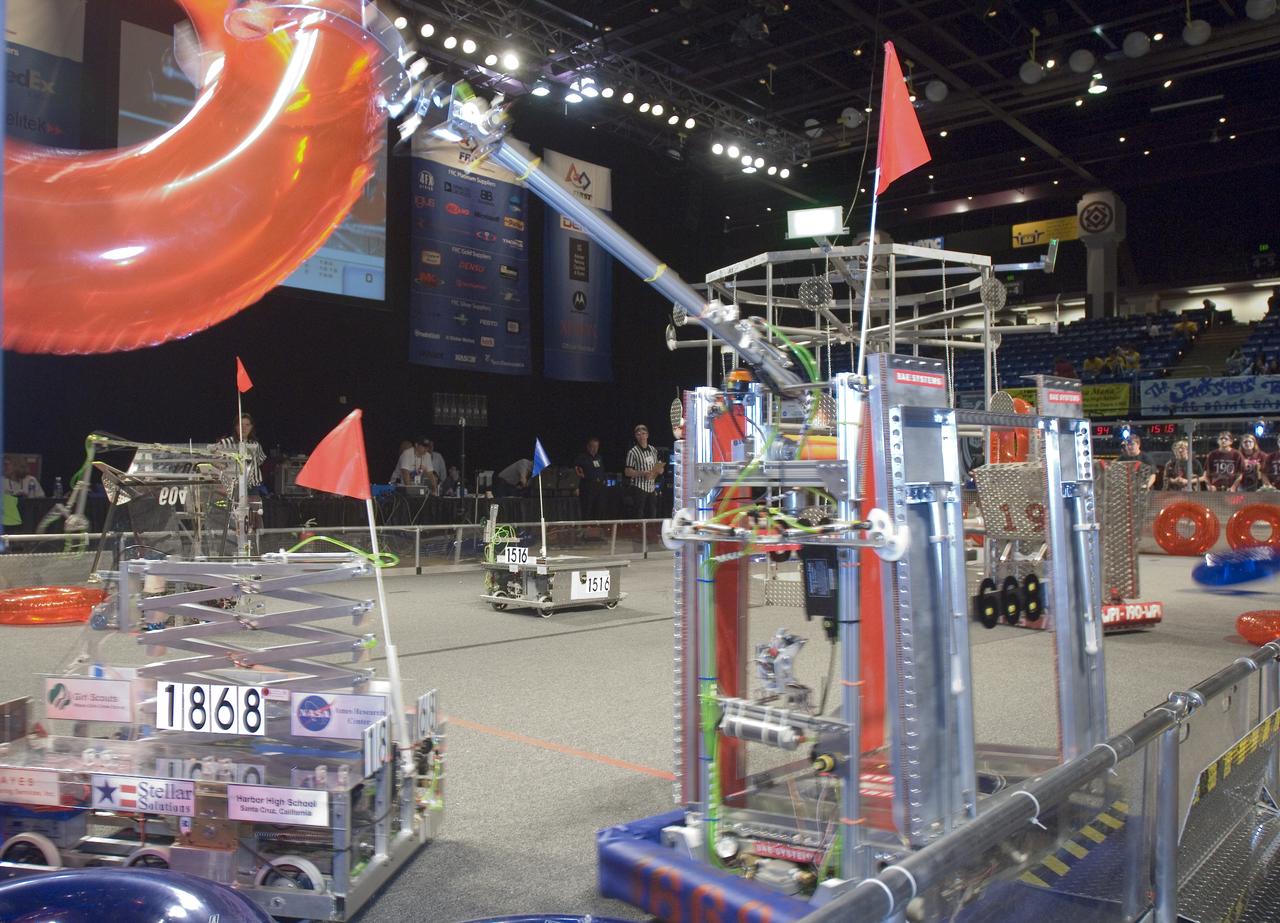
Silicon Valley FIRST Regional Robotics competition: Space Cookies - Battle on! teams 1516 Grizzles, 1868 Space Cookies, 668 The Apes of Wrath

Silicon Valley FIRST Regional Robotics competition: Space Cookies - Team 1868 - NASA Ames Research Center & Girl Scouts, Moffett Field, California (CA)
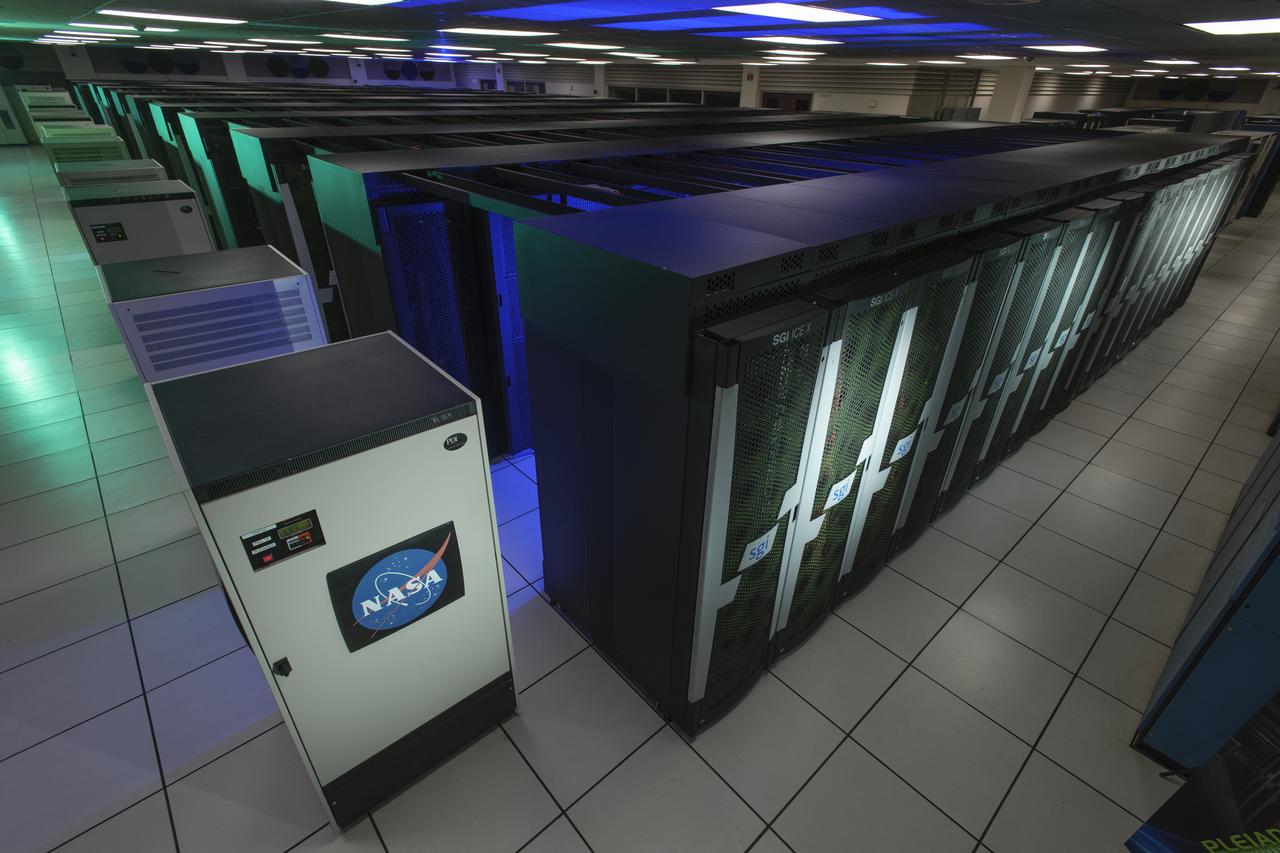
Supercomputer Pleiades as installed in the Spectra Logic room 131 of NASA Ames Numerical Aerodynamic Simulation (NAS) Facility N-258 located in Silicon Valley, CA.
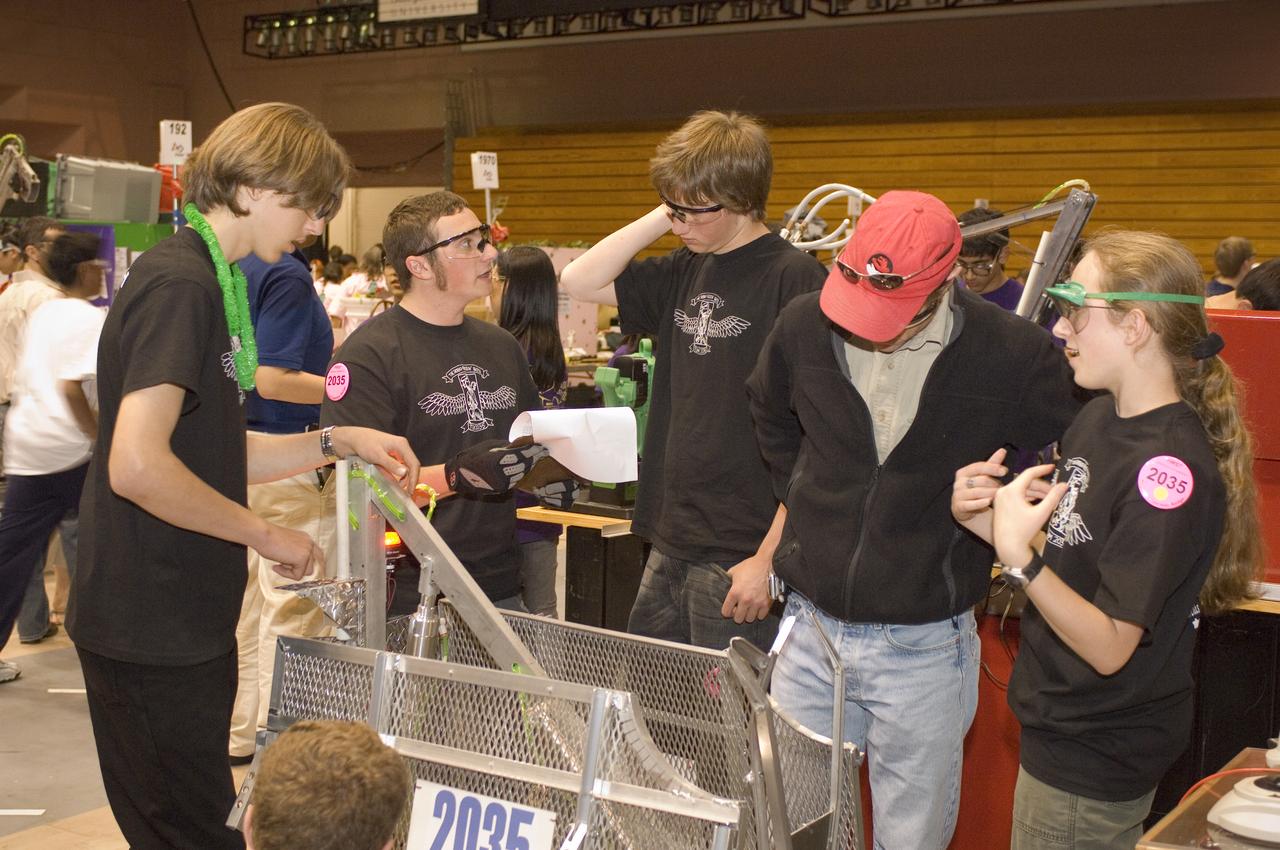
Silicon Valley FIRST Regional Robotics competition: ' Rockin' Bots -Team 2035 - NASA & Carmel High School, Carmel, California (CA) 9
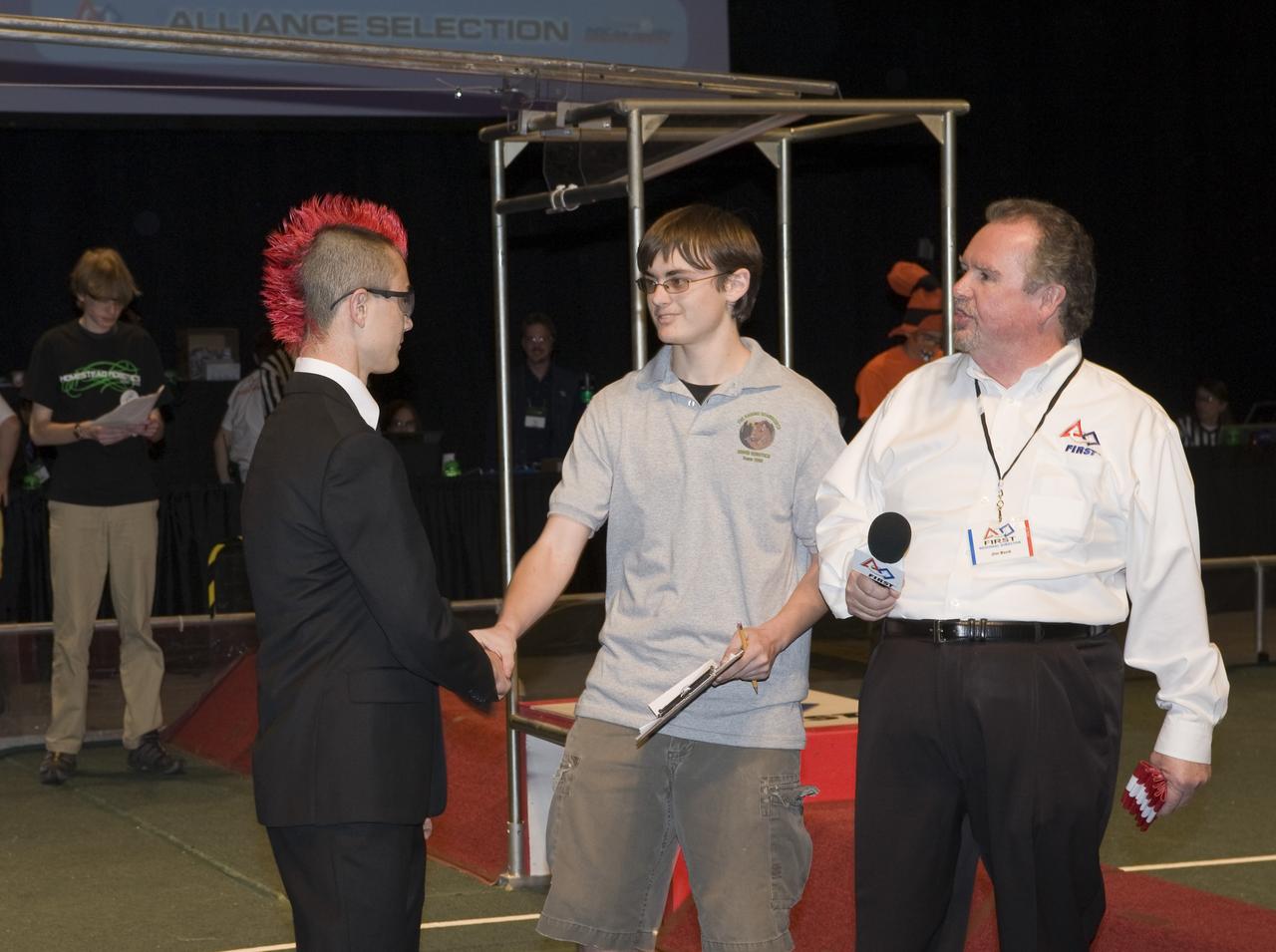
For Inspiration and Recognition of Science and Technology; FIRST Robotics Competition 2010 Silicon Valley Regional held at San Jose State University, San Jose, California
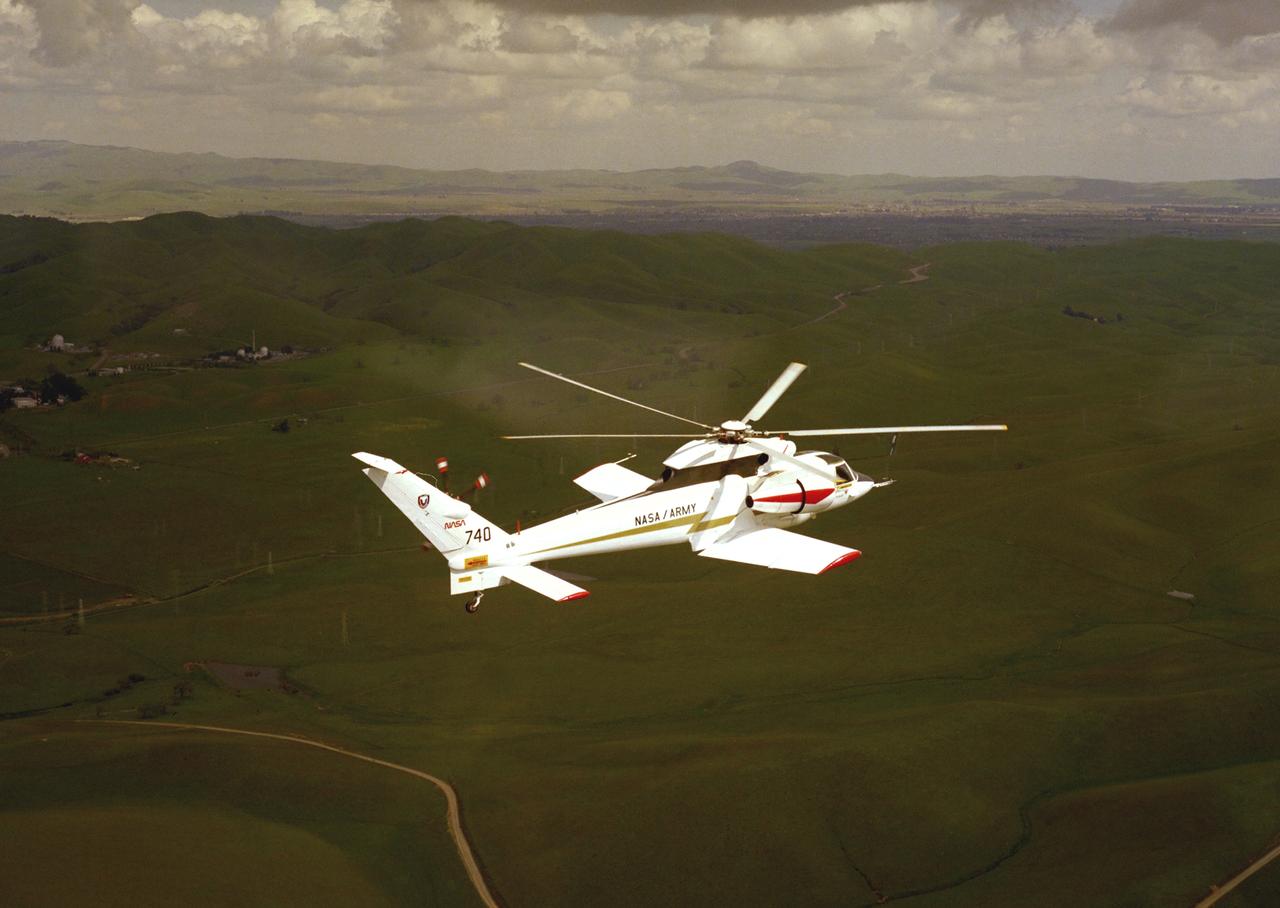
NASA Ames Sikorsky Rotor Systems Research Aircraft (RSRA) NASA-740 in flight out of Ames over east foothill of the Silicon Valley, CA
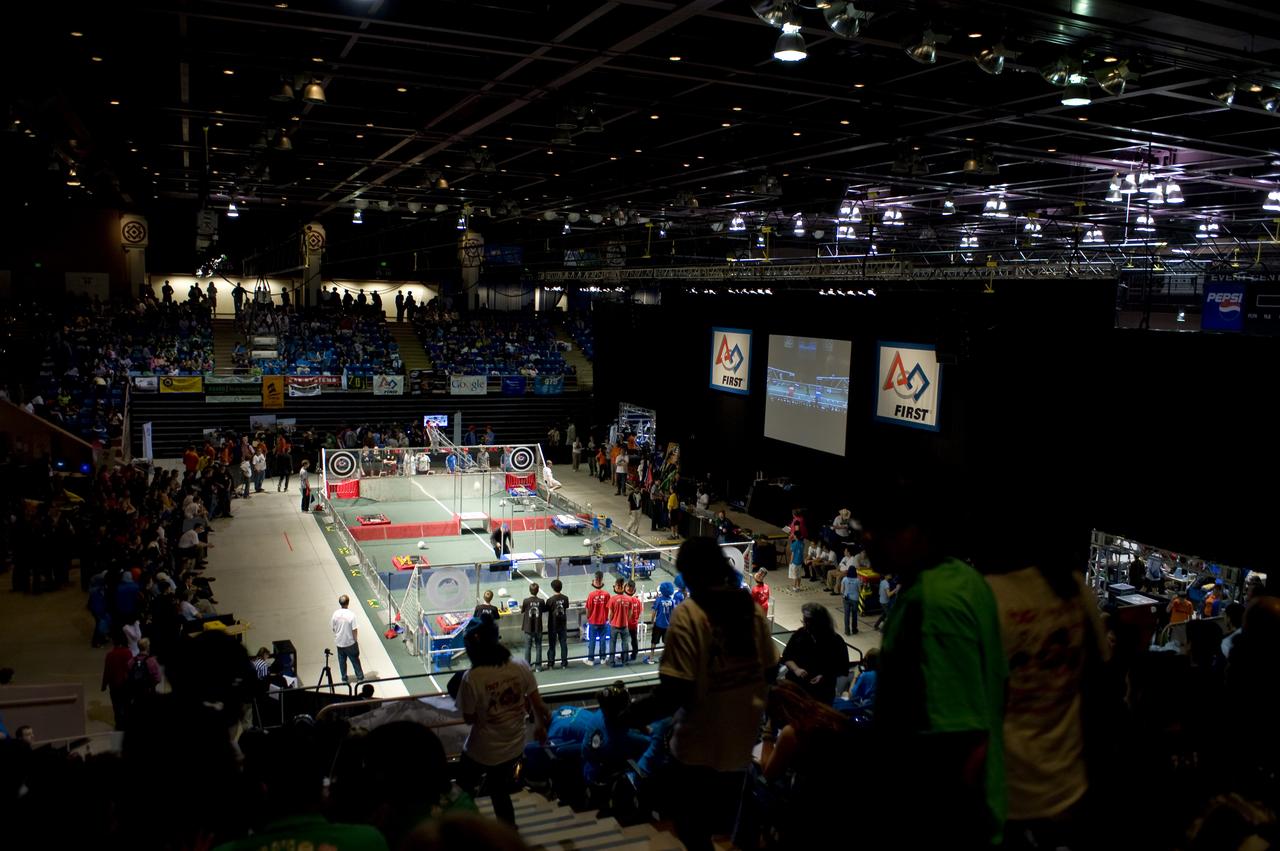
For Inspiration and Recognition of Science and Technology; FIRST Robotics Competition 2010 Silicon Valley Regional held at San Jose State University, San Jose, California
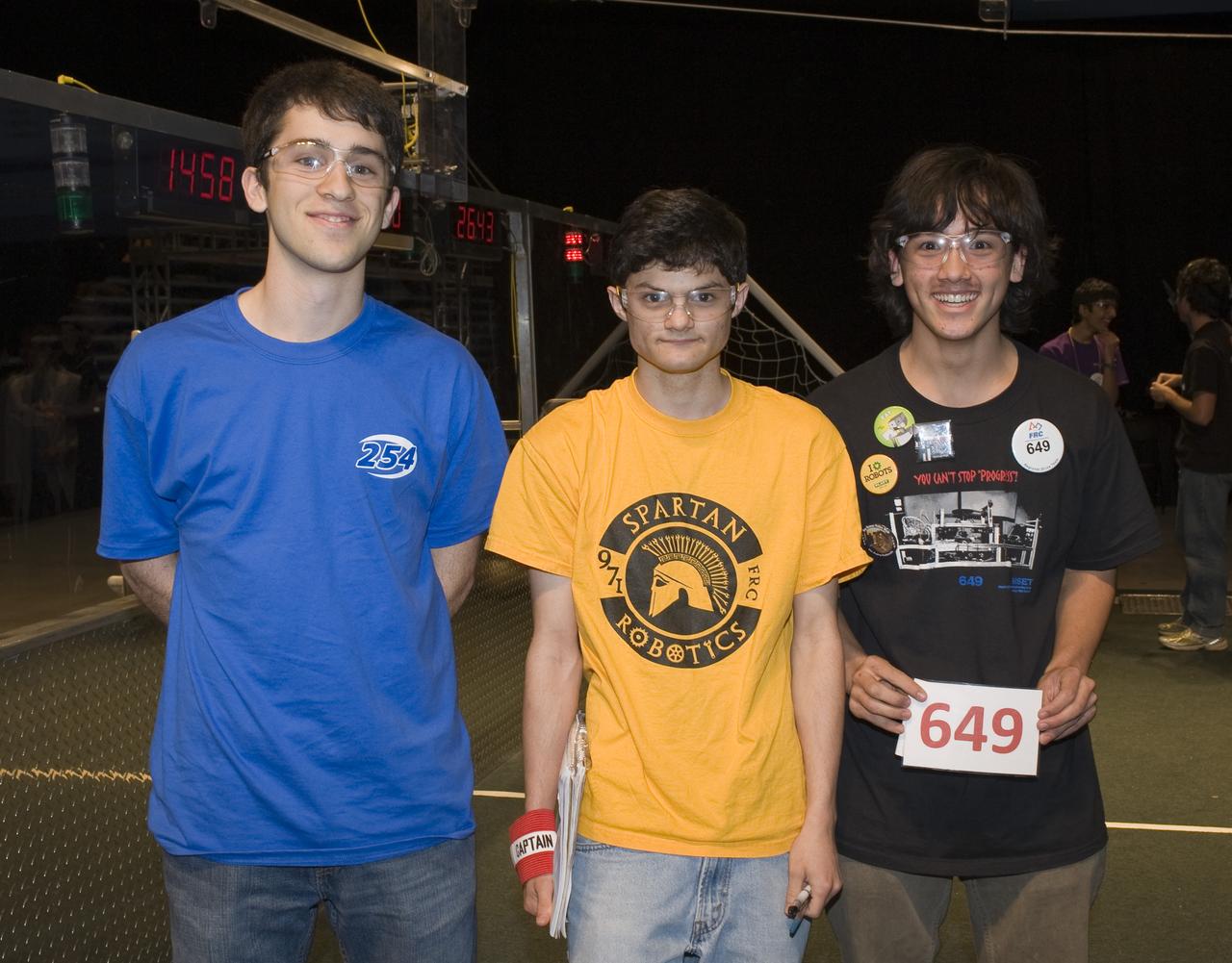
For Inspiration and Recognition of Science and Technology; FIRST Robotics Competition 2010 Silicon Valley Regional held at San Jose State University, San Jose, California (NASA Ames/Mike Dininny sponsored) Cheesy Poofs, Bellarmine College Preparatory, CA Robot name Gizmo Team 254, Spartan Robotics Mountain View H.S. Team 971 and MSET, Saratoga H.S. Team 649. Three teams placed first in the Silicon Valley regional.
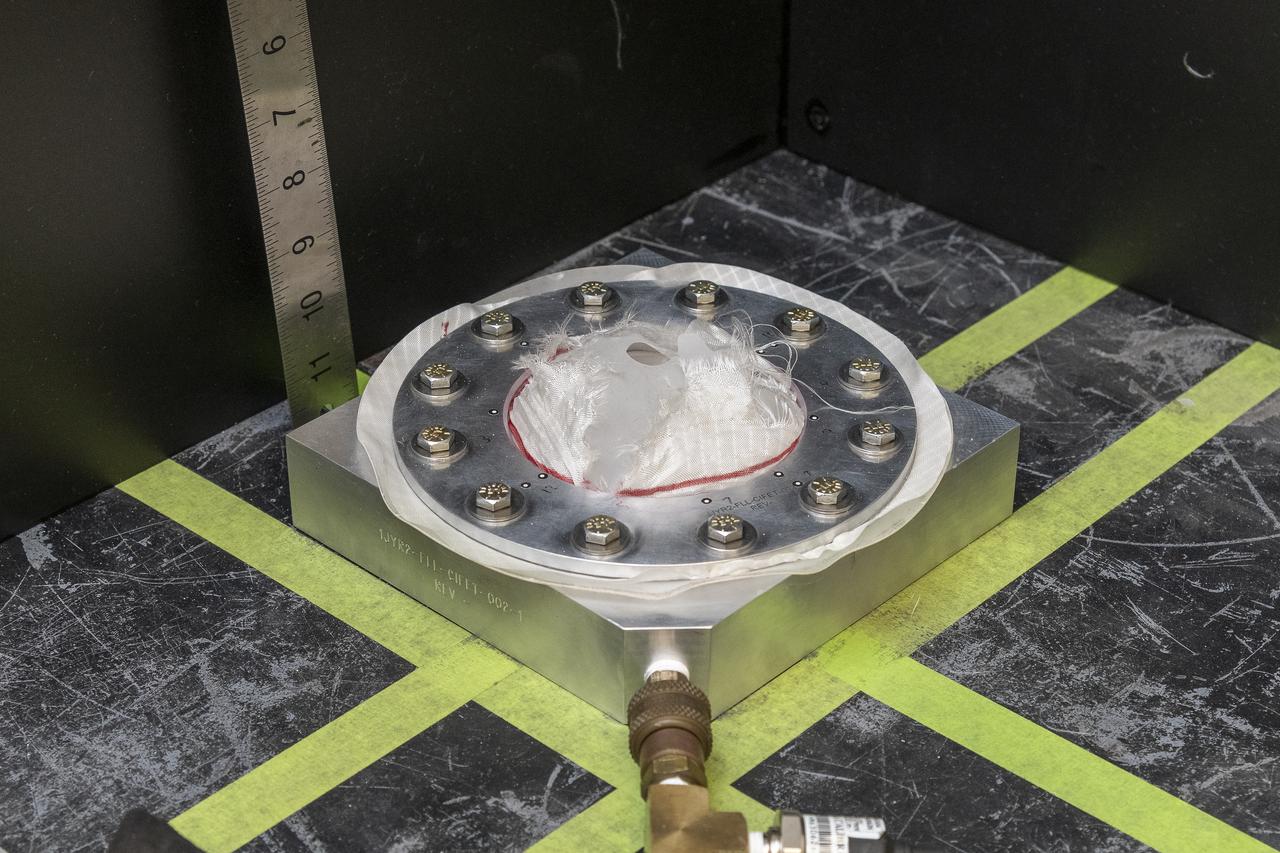
Pressure is applied to a test fixture with a nylon fabric sample until it fails at NASA’s Armstrong Flight Research Center in Edwards, California. The fabric in the test fixture forms a bubble when pressure is applied to the silicone bladder underneath. In this frame, the silicone bladder is visible underneath the torn fabric after it was inflated to failure. A similar test can be performed with a sensor on the fabric to verify the sensor will work when stretched in three dimensions.
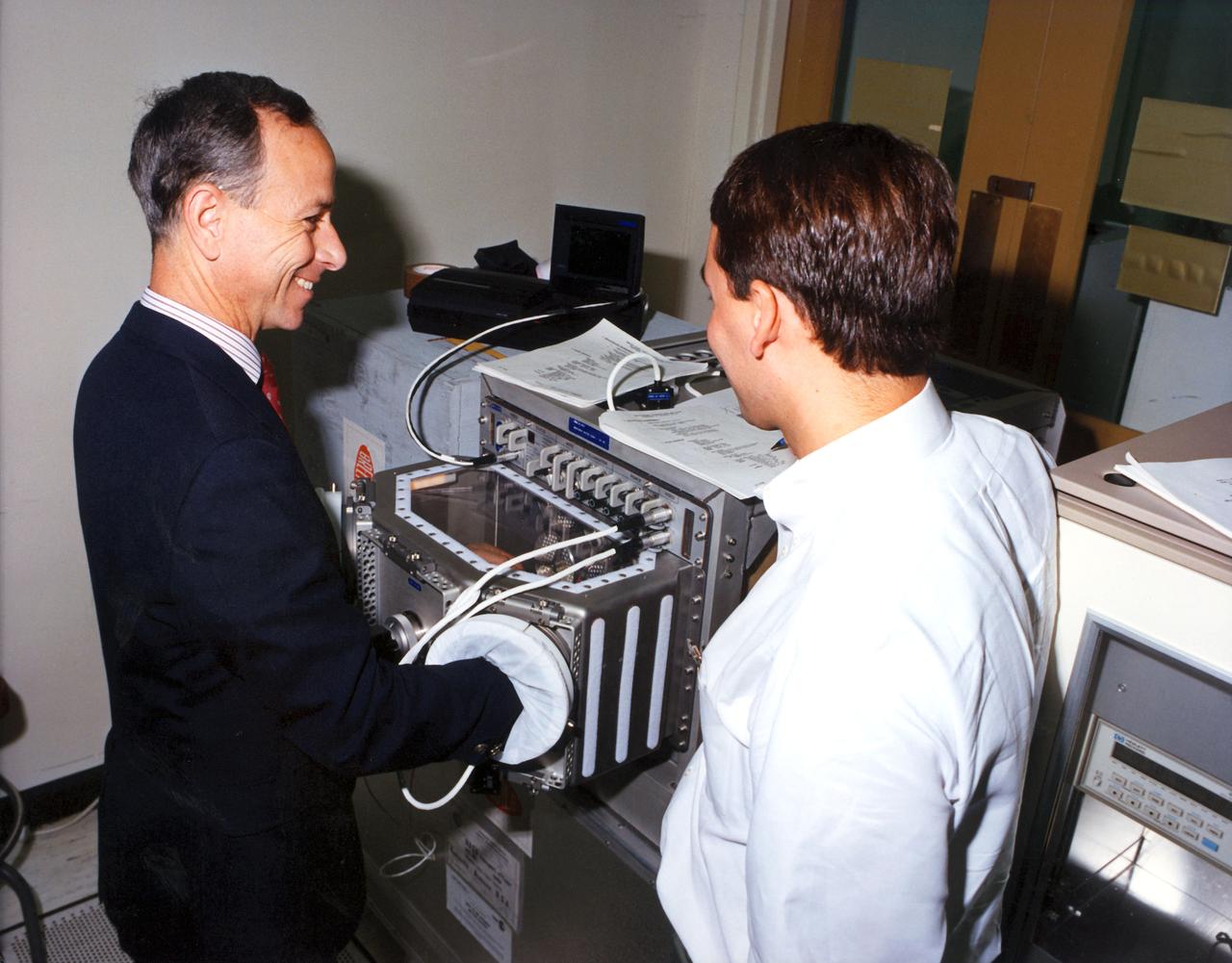
Oscillatory Thermocapillary Flow Experiment (OTFE); by using silicone oil for a study on the characteristics of themocapillary flow during the onset of oscillations with particular attention to parameters; the experiment will use submerged heaters to provide a constant temperature source in open cylindrical containers to cause thermocapillary flows. Thermocouples located in the heaters, the container walls, and the fluid will monitor the temperatures in the apparatus. Tracer particles will be added to the silicone oil sample to allow observation of the flow.
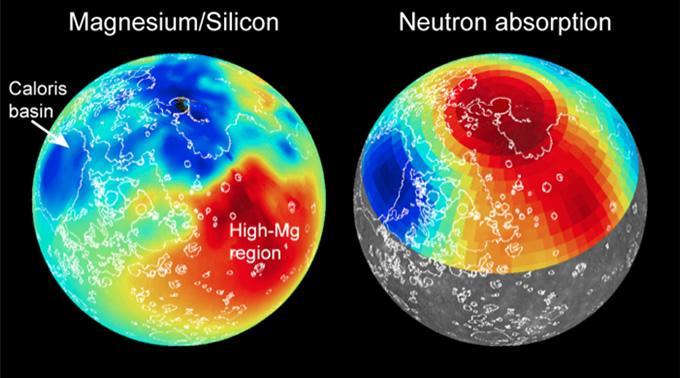
Maps of magnesium/silicon (left) and thermal neutron absorption (right) across Mercury's surface (red indicates high values, blue low) are shown. These maps, together with maps of other elemental abundances, reveal the presence of distinct geochemical terranes. Volcanic smooth plains deposits are outlined in white. Read the mission news story to learn more! http://photojournal.jpl.nasa.gov/catalog/PIA19242
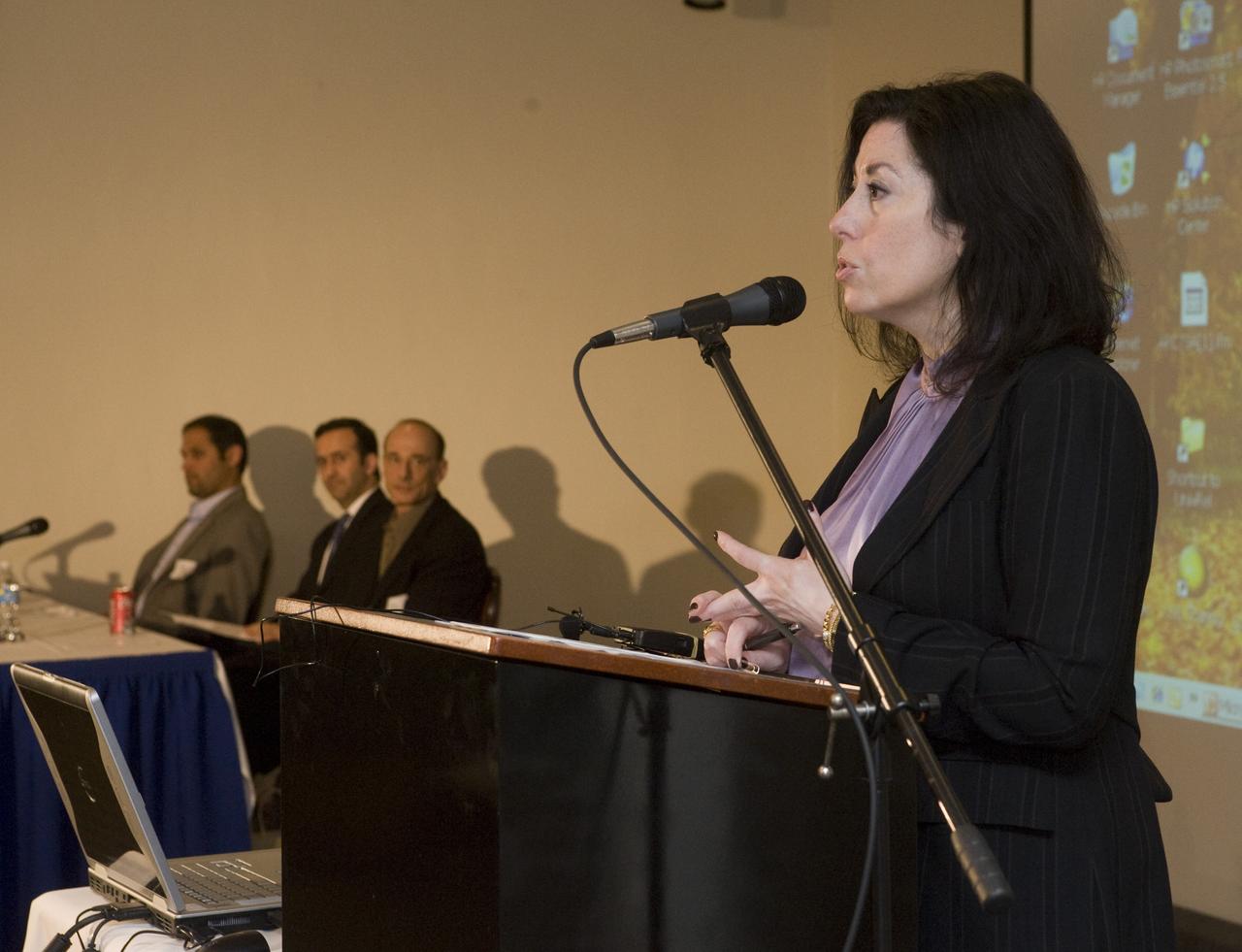
UCSC Silicon Valley Center presents a Panel Discussion 'Can Renewable Energy Save the World' Mary Trigiani, Consultant, The Jack Baskin School of Engineering, UCSC - Moderator

iss071e003216 (April 9, 2024) --- The San Francisco Bay Area, home to California's Silicon Valley, is pictured from the International Space Station as it orbited 260 miles above The Golden State.

For Inspiration and Recognition of Science and Technology; FIRST Robotics Competition 2010 Silicon Valley Regional held at San Jose State University, San Jose, California quick field adjustment to 971

Interior view of the Supercomputer Pleiades as installed in the Spectra Logic room 131 of NASA Ames Numerical Aerodynamic Simulation (NAS) Facility N-258 located in Silicon Valley, CA.

For Inspiration and Recognition of Science and Technology; FIRST Robotics Competition 2010 Silicon Valley Regional held at San Jose State University, San Jose, California Presentation Invasion, Science Academy & Presentation H.S., CA Team 2135

Silicon Valley FIRST Regional Robotics competition: Arctic Ice Bears - Team 1544 - NASA/USKH British Petroteum/CIRI Foundation & Bartlett HS. Anchorage, Alaska (AK)
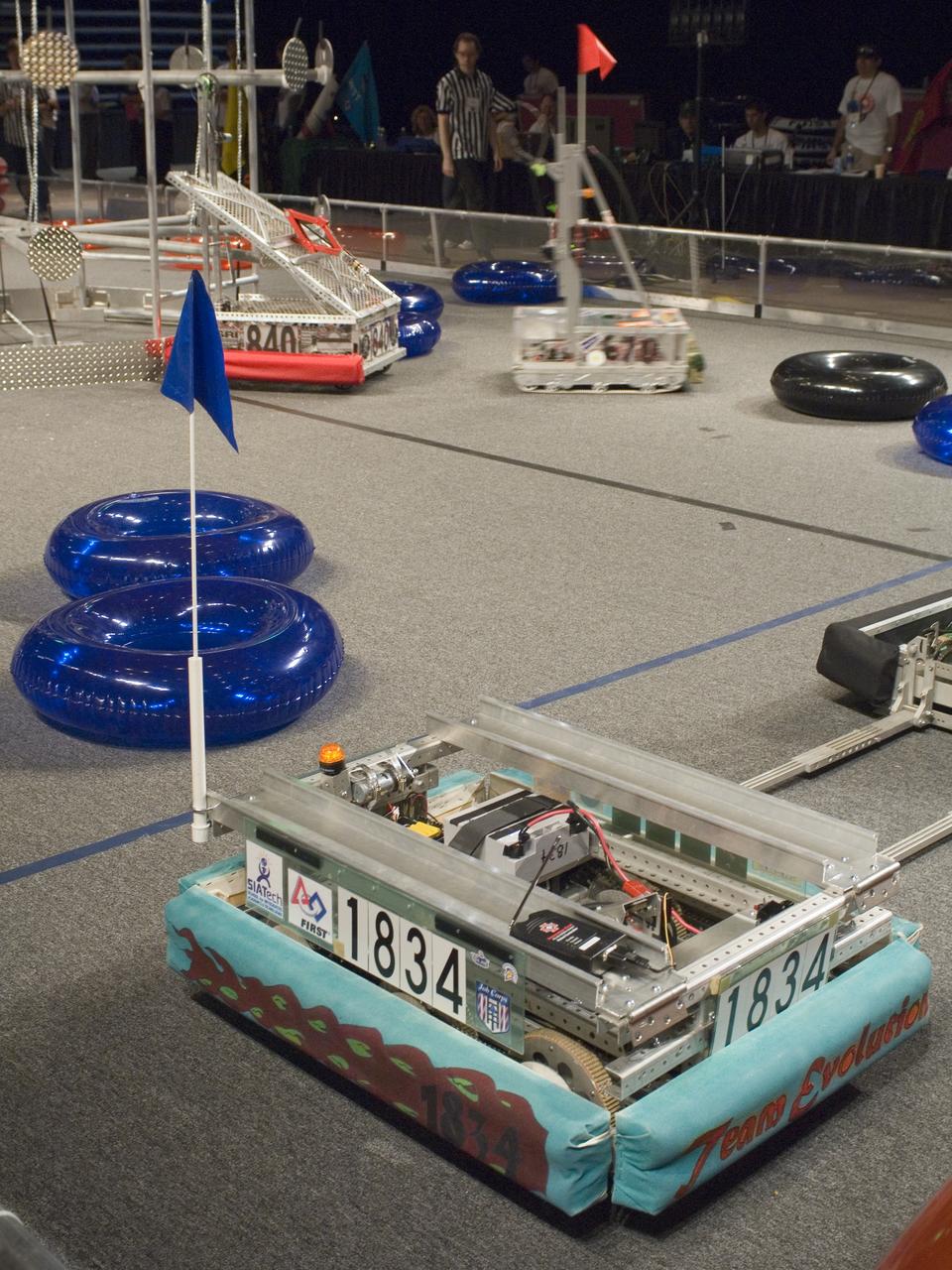
Silicon Valley FIRST Regional Robotics competition: Evolution Team 1834 - NASA/Google/NASA Robotics Education FIRST Spnsorship program/San Jose Job Corps/MetroED & SIA Tech, San Jose, California (CA)
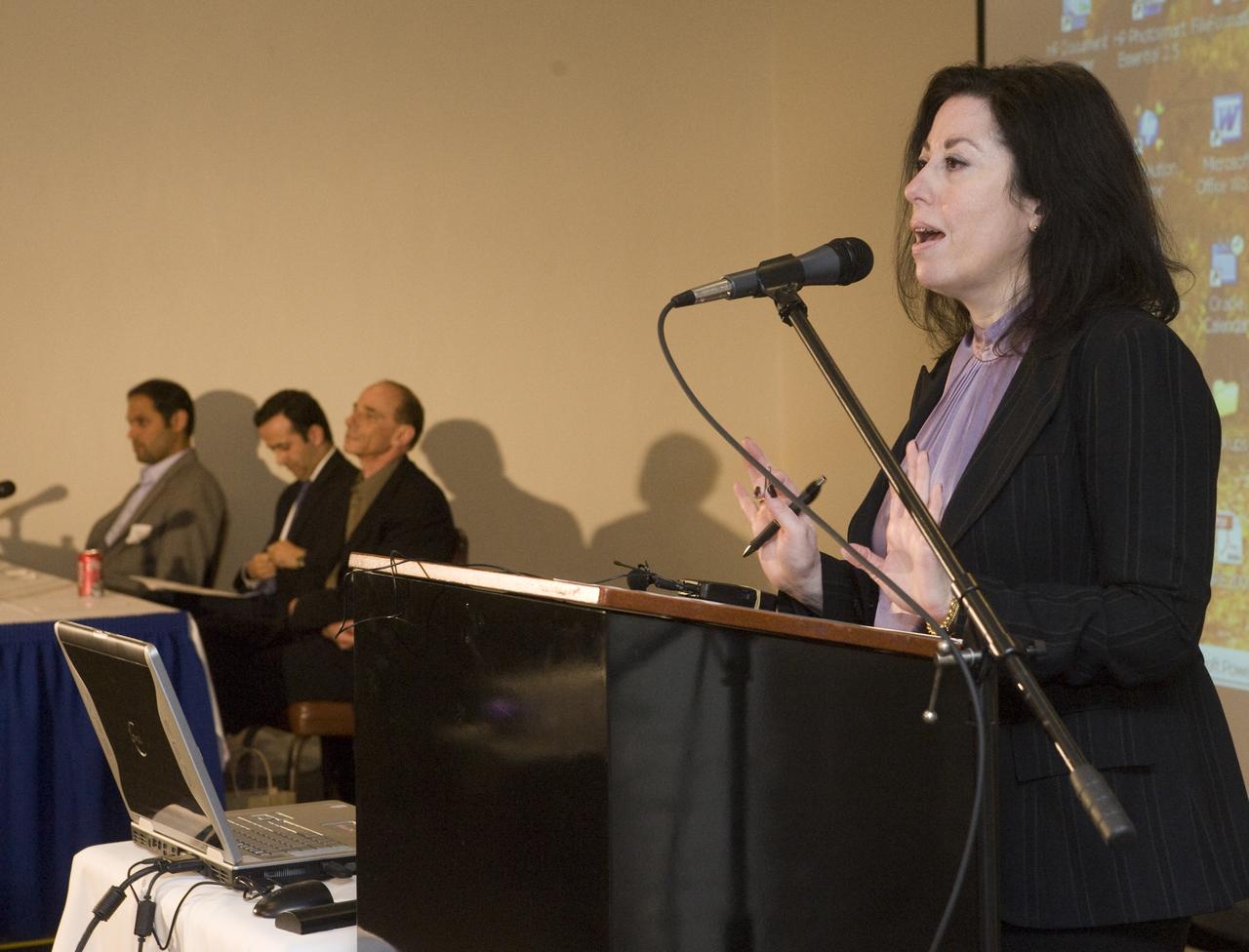
UCSC Silicon Valley Center presents a Panel Discussion 'Can Renewable Energy Save the World' Mary Trigiani, Consultant, The Jack Baskin School of Engineering, UCSC - Moderator

For Inspiration and Recognition of Science and Technology; FIRST Robotics Competition 2010 Silicon Valley Regional held at San Jose State University, San Jose, California for teams 115, 2854 and 668 the drive is on
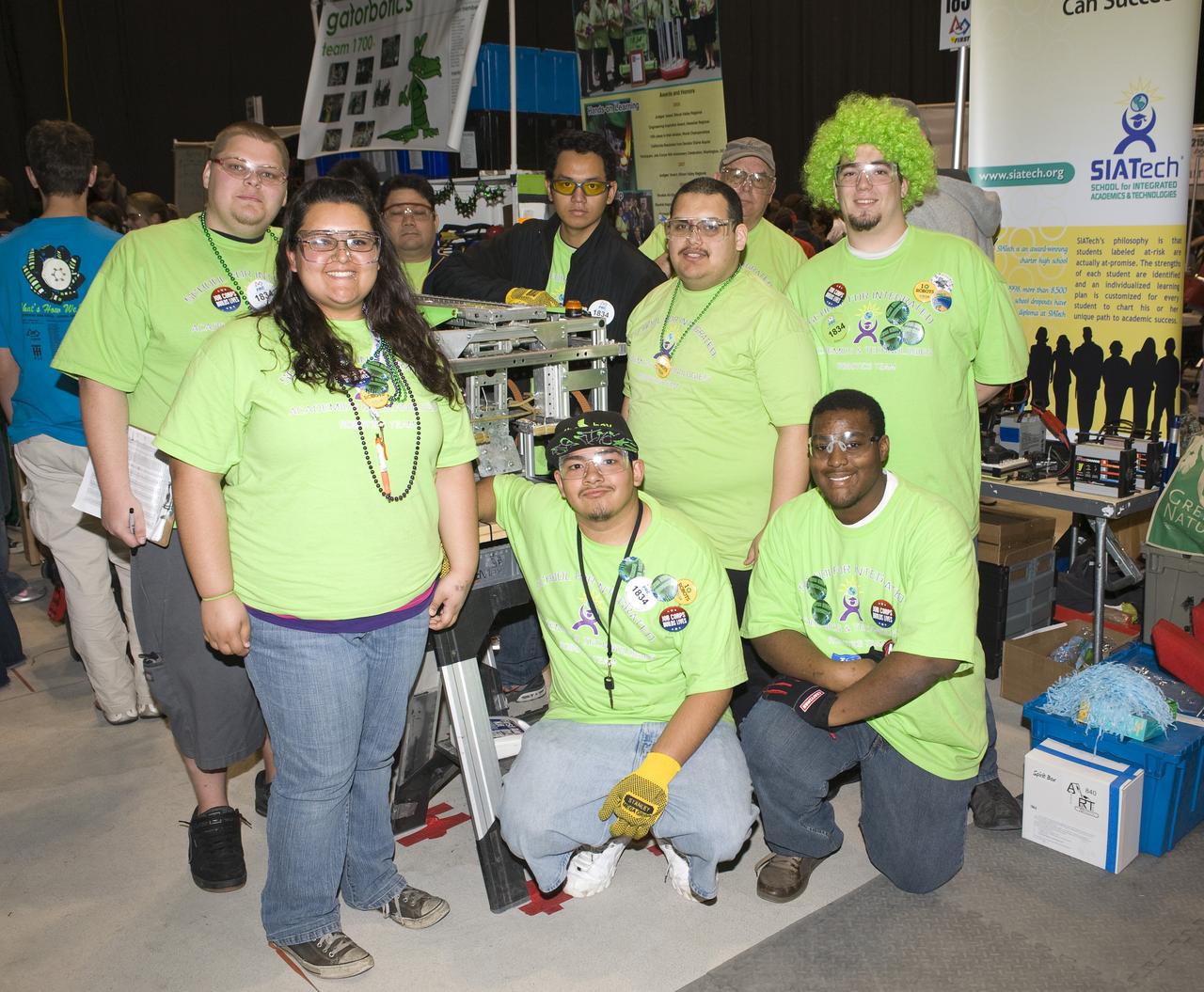
For Inspiration and Recognition of Science and Technology; FIRST Robotics Competition 2010 Silicon Valley Regional held at San Jose State University, San Jose, California Evolution, School for Intergrated Academics and Technology Team 1834

Silicon Valley FIRST Regional Robotics competition: Arctic Ice Bears - Team 1544 - NASA/USKH British Petroteum/CIRI Foundation & Bartlett HS. Anchorage, Alaska (AK)

For Inspiration and Recognition of Science and Technology; FIRST Robotics Competition 2010 Silicon Valley Regional held at San Jose State University, San Jose, California The Funky Monkeys, Lynbrook H.S. CA Team 846
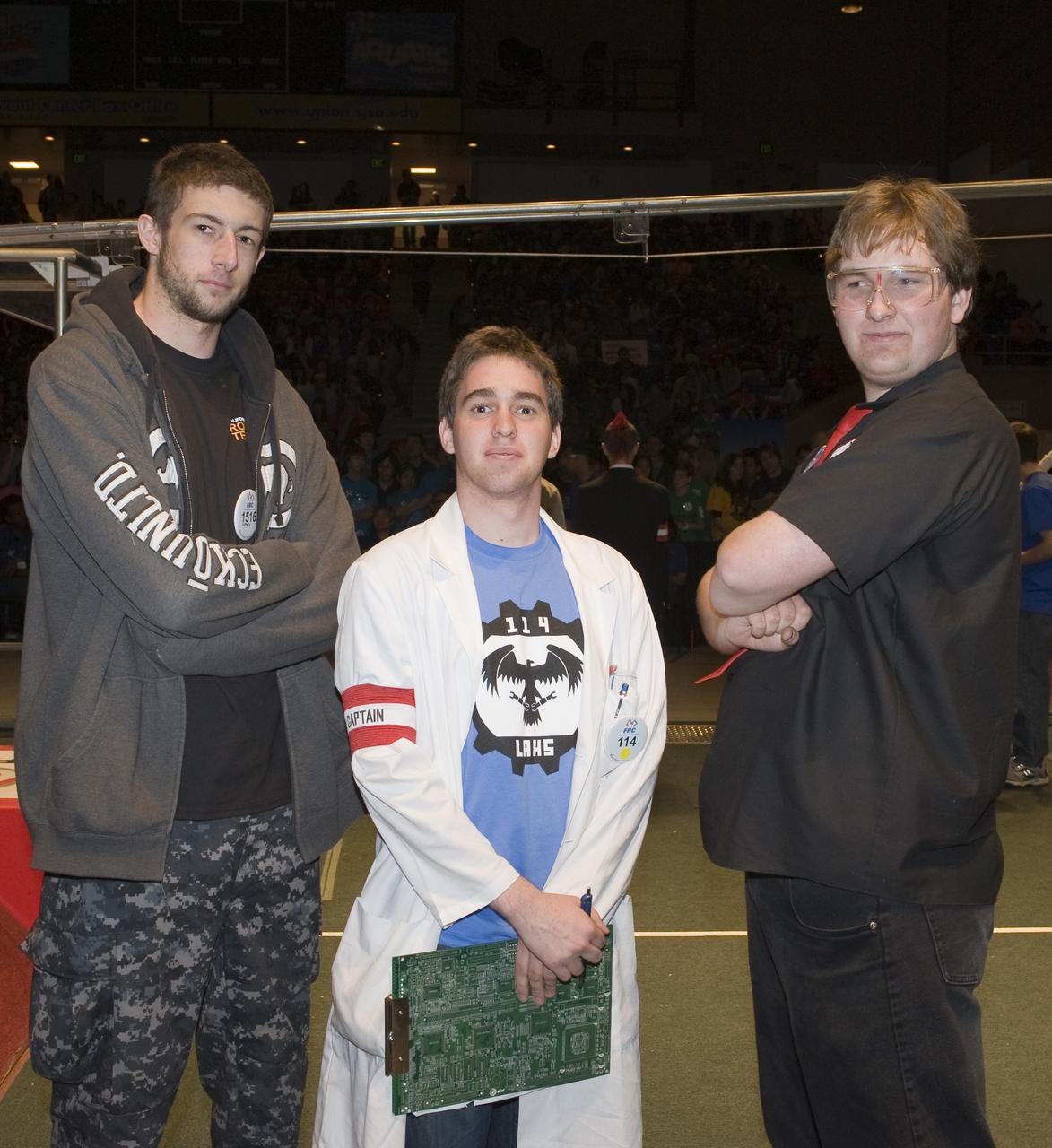
For Inspiration and Recognition of Science and Technology; FIRST Robotics Competition 2010 Silicon Valley Regional held at San Jose State University, San Jose, California teams 1516, 114 and ___
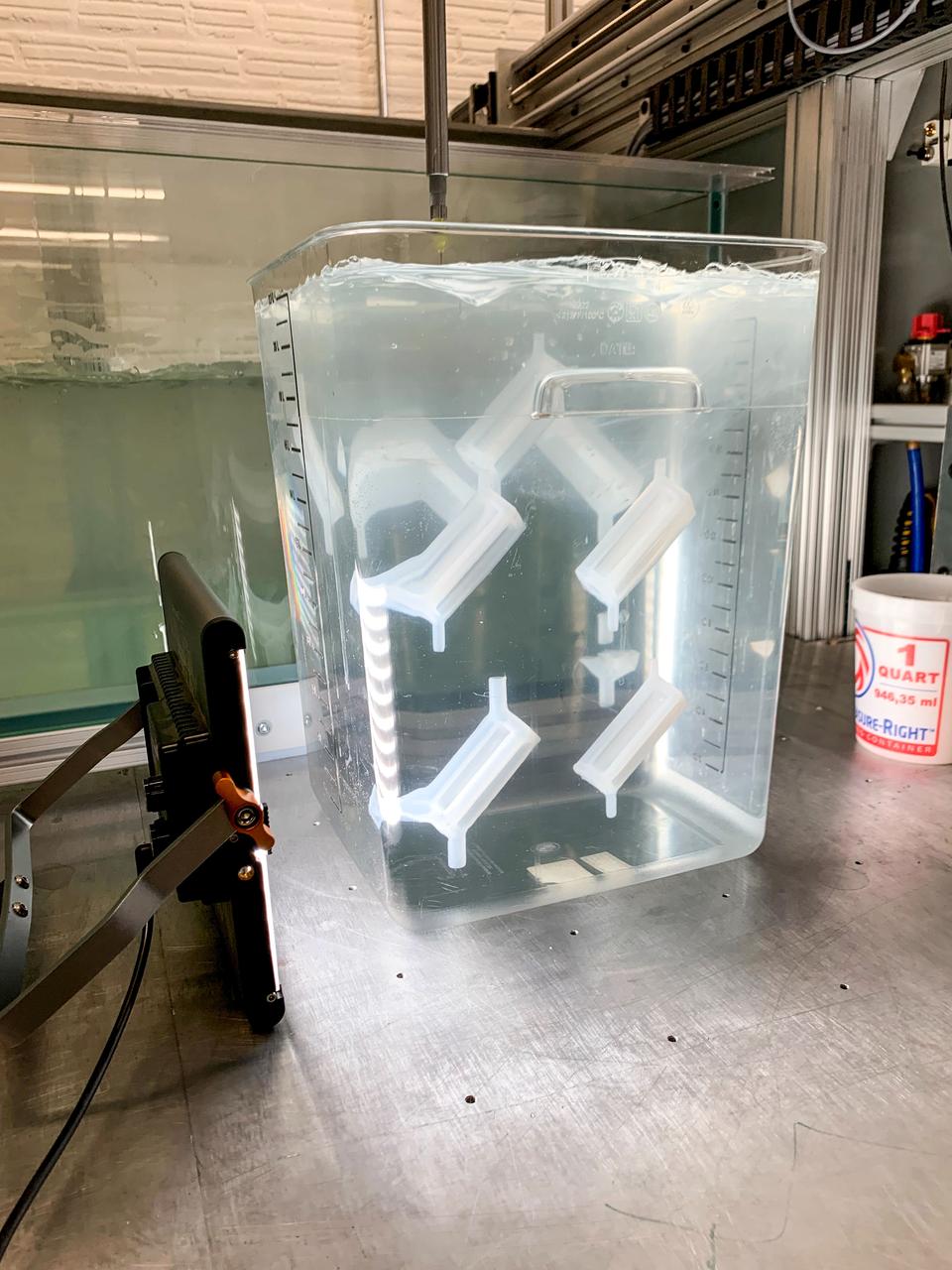
jsc2022e083569 (10/18/2022) --- Preparation of the silicone skins that will contain and shape the liquid extrusion process during the MIT Space Exploration Initiative Extrusion experiment in orbit. Image and sample production courtesy of Rapid Liquid Printing.
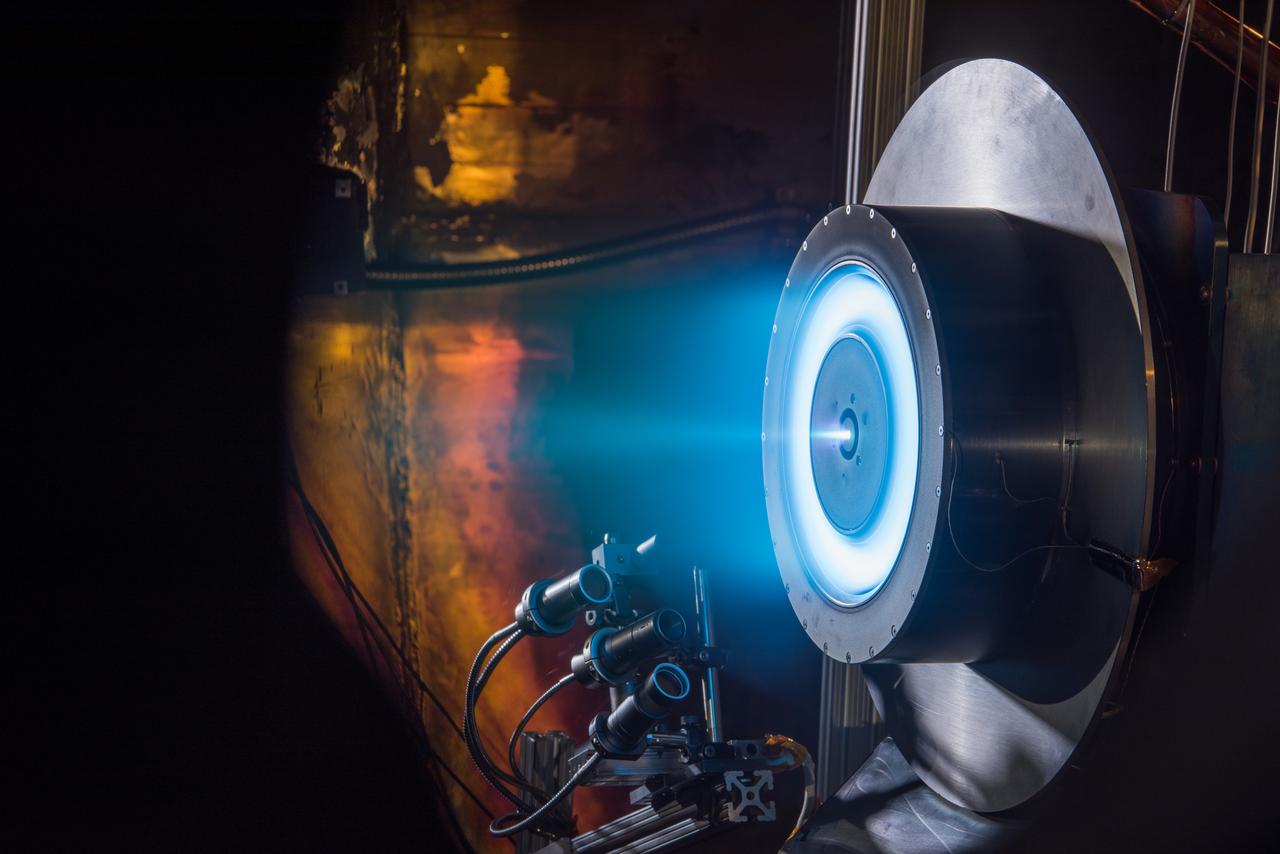
Hall Effect Rocket with Magnetic Shielding Technology Development Unit 1 with Large Radiator working in conjunction with High Power 300 volt Silicon Carbide Power Processing Unit
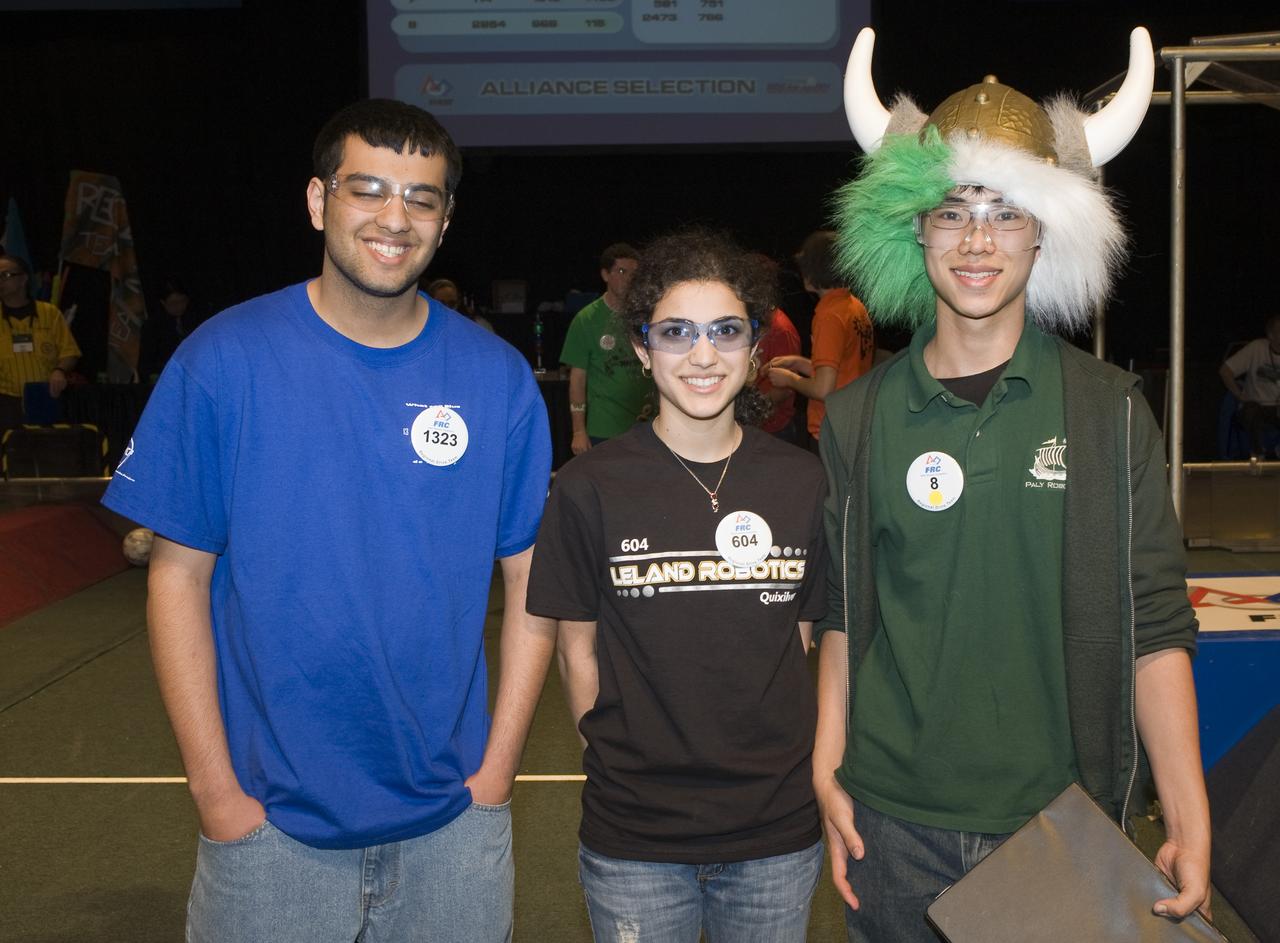
For Inspiration and Recognition of Science and Technology; FIRST Robotics Competition 2010 Silicon Valley Regional held at San Jose State University, San Jose, California Teams 1323, 604 & 8
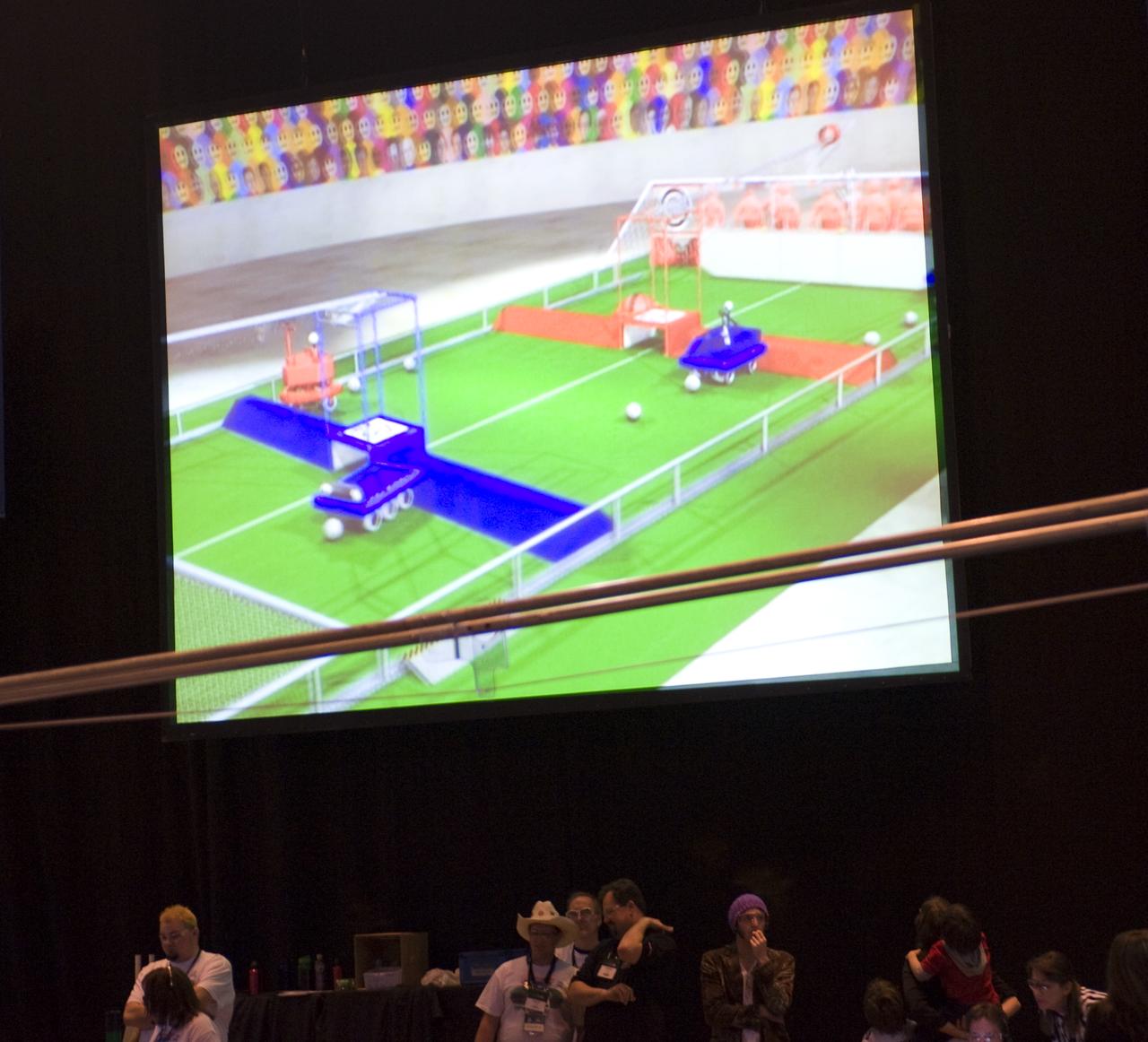
For Inspiration and Recognition of Science and Technology; FIRST Robotics Competition 2010 Silicon Valley Regional held at San Jose State University, San Jose, California the playing field

For Inspiration and Recognition of Science and Technology; FIRST Robotics Competition 2010 Silicon Valley Regional held at San Jose State University, San Jose, California The Janksters, Notre Dame H.S, CA Team 1967
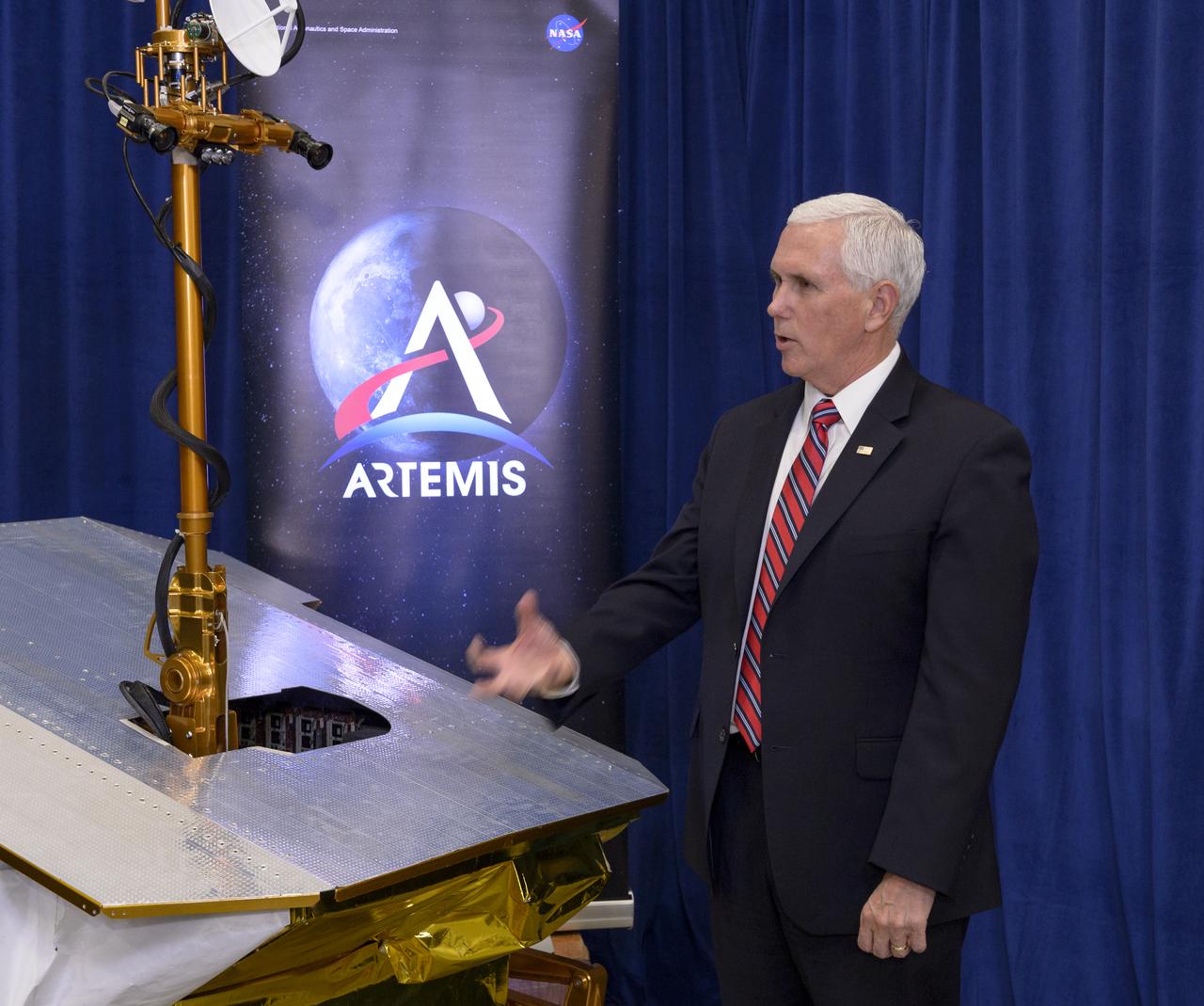
Vice President Mike Pence examines the Volatiles Investigating Polar Exploration Rover, or VIPER engineering test unit during his vist to NASA Ames Research Center, in California’s Silicon Valley.

For Inspiration and Recognition of Science and Technology; FIRST Robotics Competition 2010 Silicon Valley Regional held at San Jose State University, San Jose, California Teams 256 and 254 shake on it
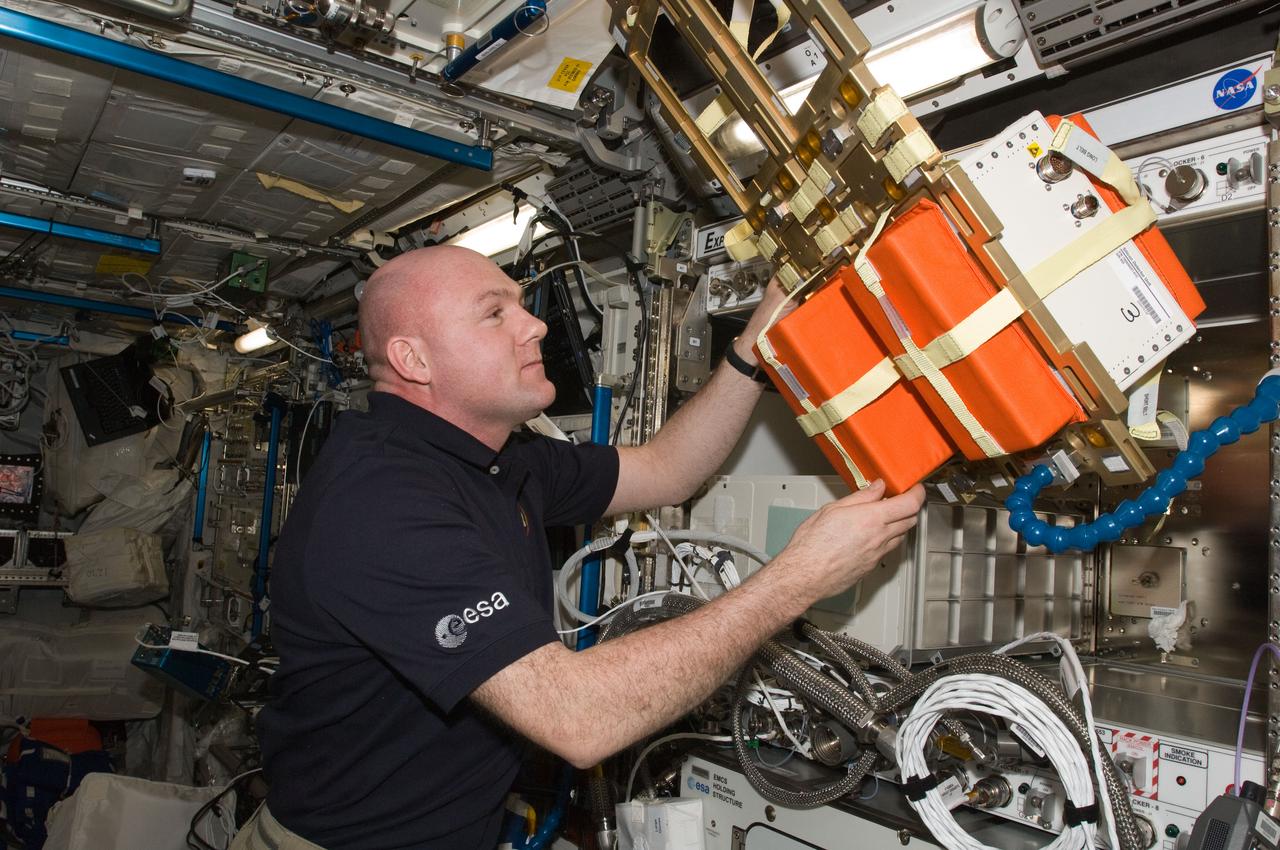
ISS031-E-096064 (8 June 2012) --- European Space Agency astronaut Andre Kuipers, Expedition 31 flight engineer, works with the silicon detector unit in the Columbus laboratory of the International Space Station.
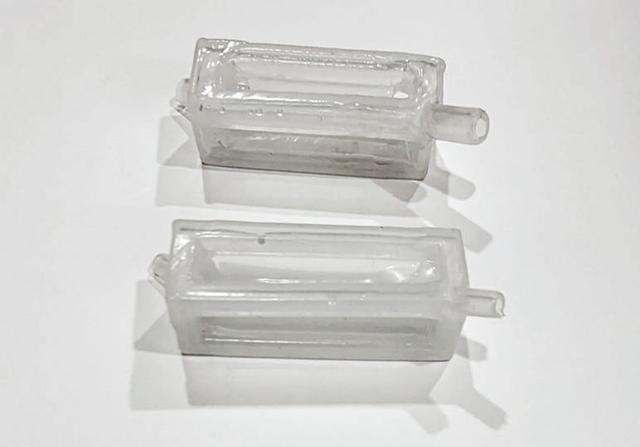
jsc2022e083568 (11/2/2022) --- An example of the silicone skins that will contain and shape the liquid extrusion process during the MIT Space Exploration Initiative Extrusion experiment in orbit. Image and sample production courtesy of Rapid Liquid Printing.
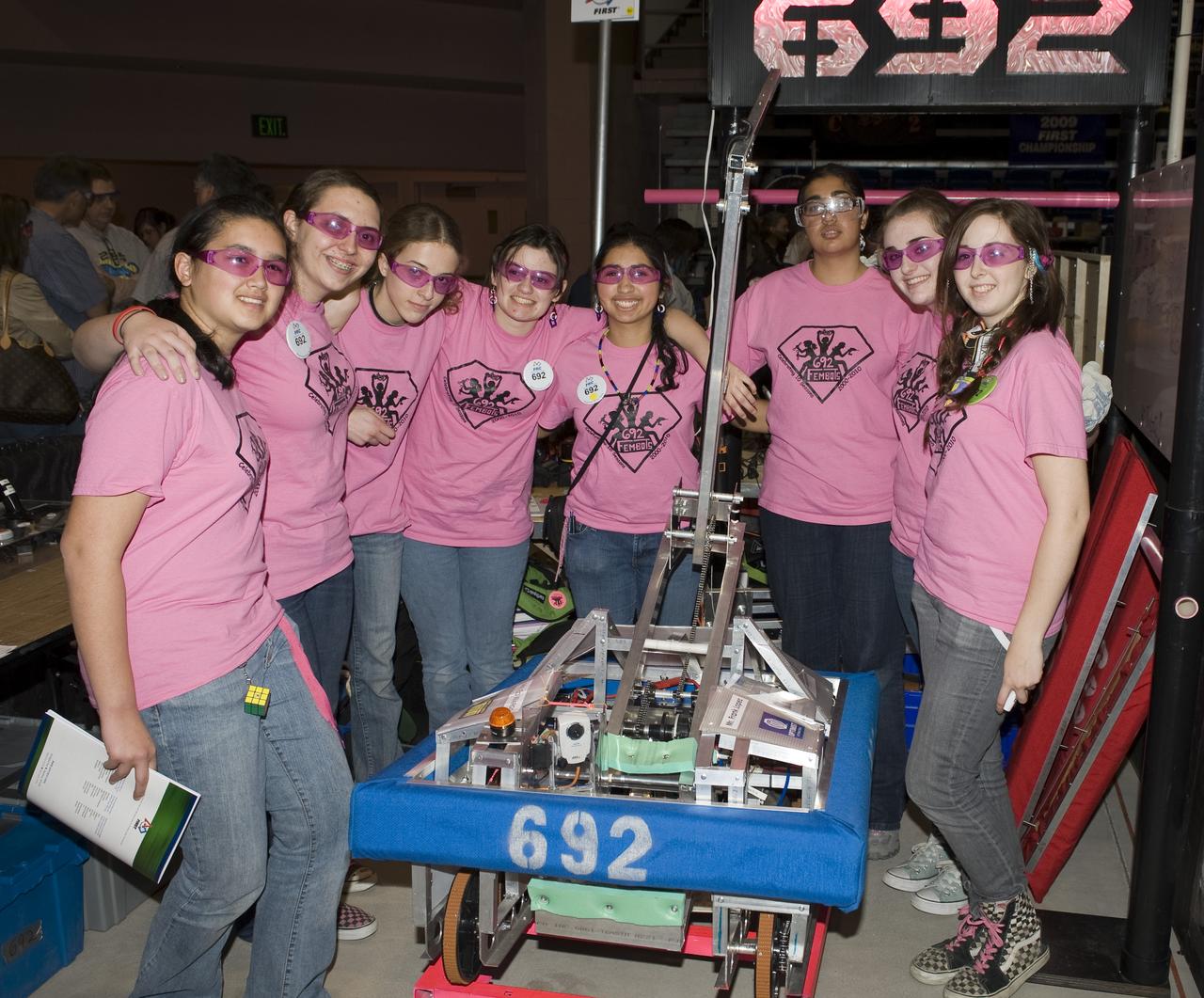
For Inspiration and Recognition of Science and Technology; FIRST Robotics Competition 2010 Silicon Valley Regional held at San Jose State University, San Jose, California The Fembots, ST. Francis H.S., CA Team 692
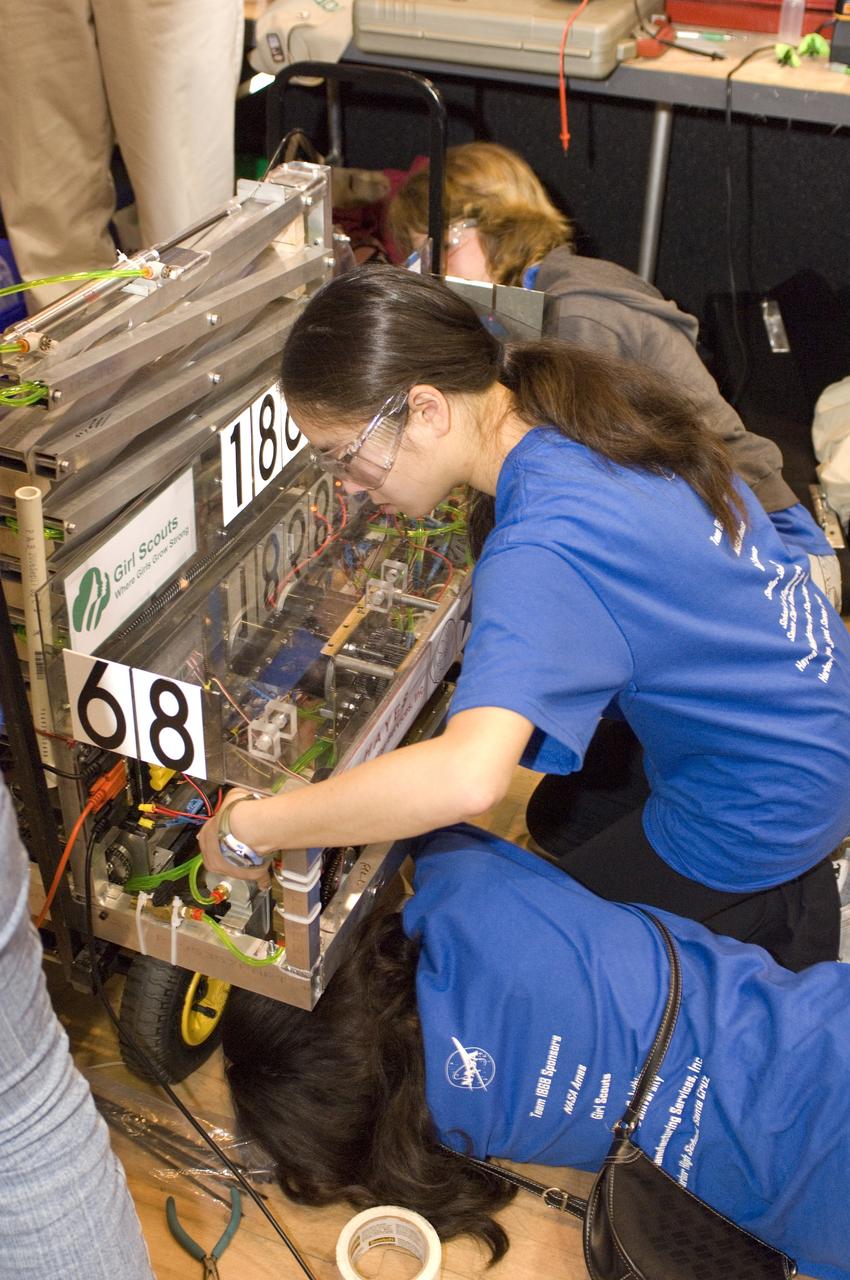
Silicon Valley FIRST Regional Robotics competition: Cheesy Poofs - Team 254 - NASA Ames Research Center & Bellarmine College Prep, San Jose, California (C)
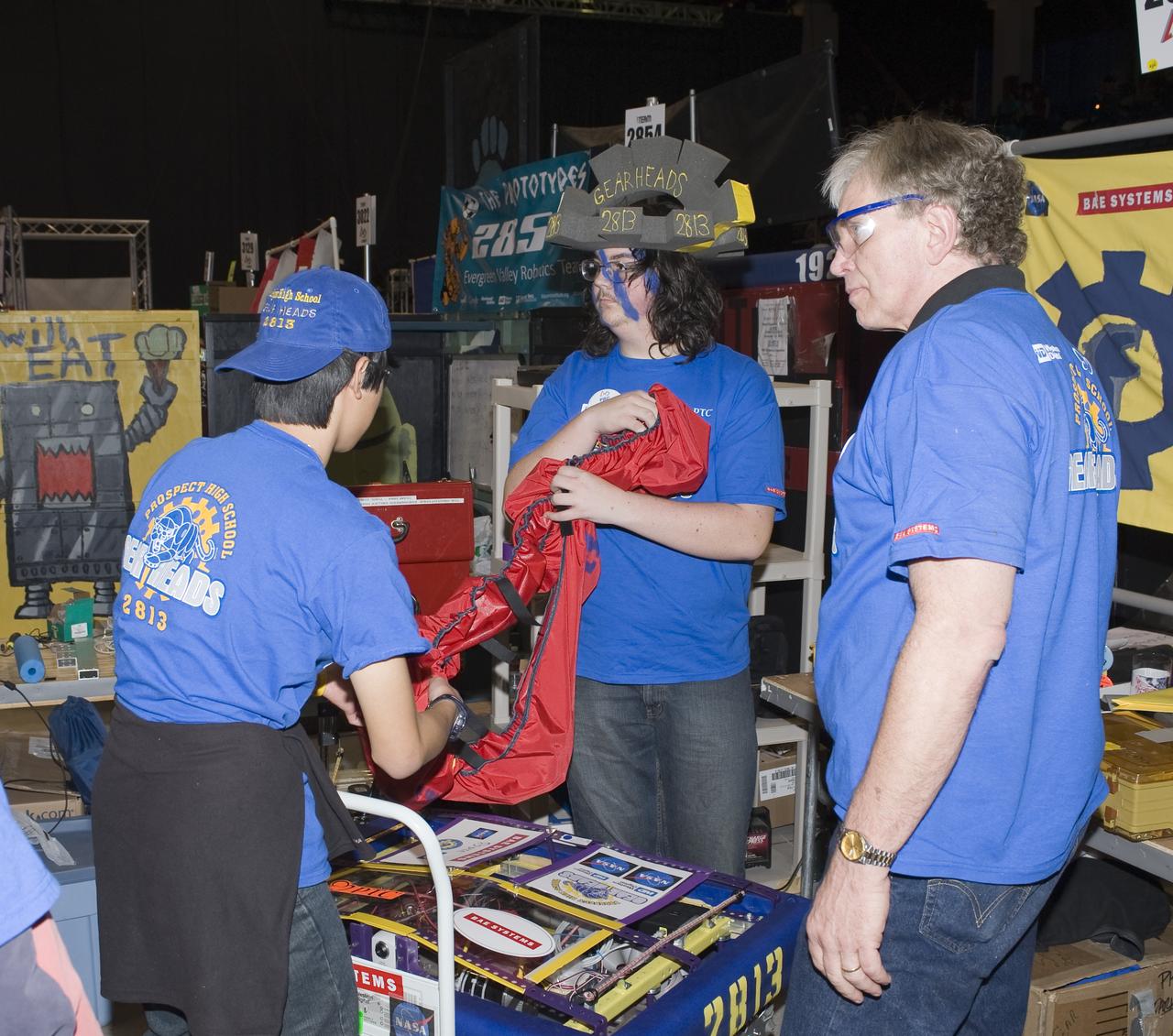
For Inspiration and Recognition of Science and Technology; FIRST Robotics Competition 2010 Silicon Valley Regional held at San Jose State University, San Jose, California Gearheads, Prospect H.S. CA Team 2813
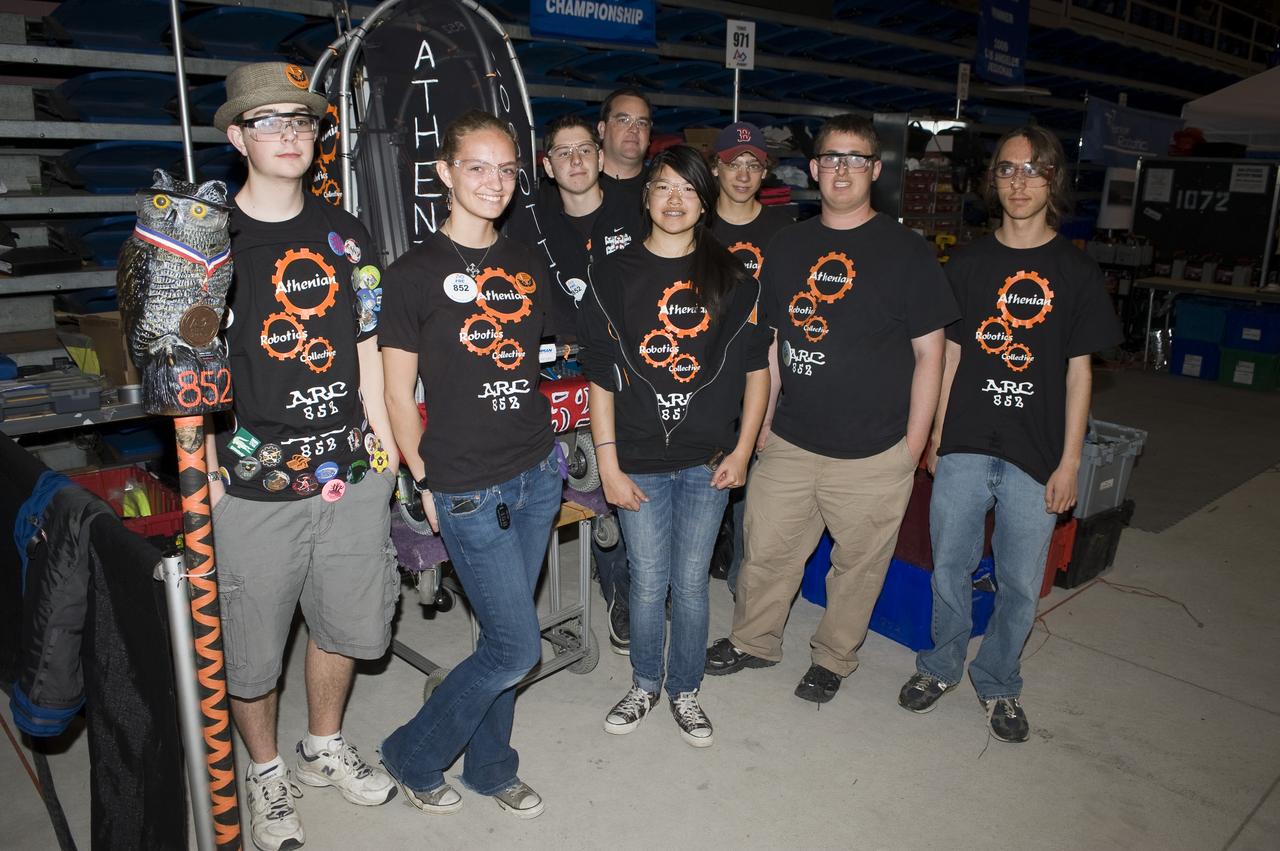
For Inspiration and Recognition of Science and Technology; FIRST Robotics Competition 2010 Silicon Valley Regional held at San Jose State University, San Jose, California The Athenian Robotics Collective, CA Team 852

For Inspiration and Recognition of Science and Technology; FIRST Robotics Competition 2010 Silicon Valley Regional held at San Jose State University, San Jose, California Gatorbotics, Castilleja School, CA Team 1700
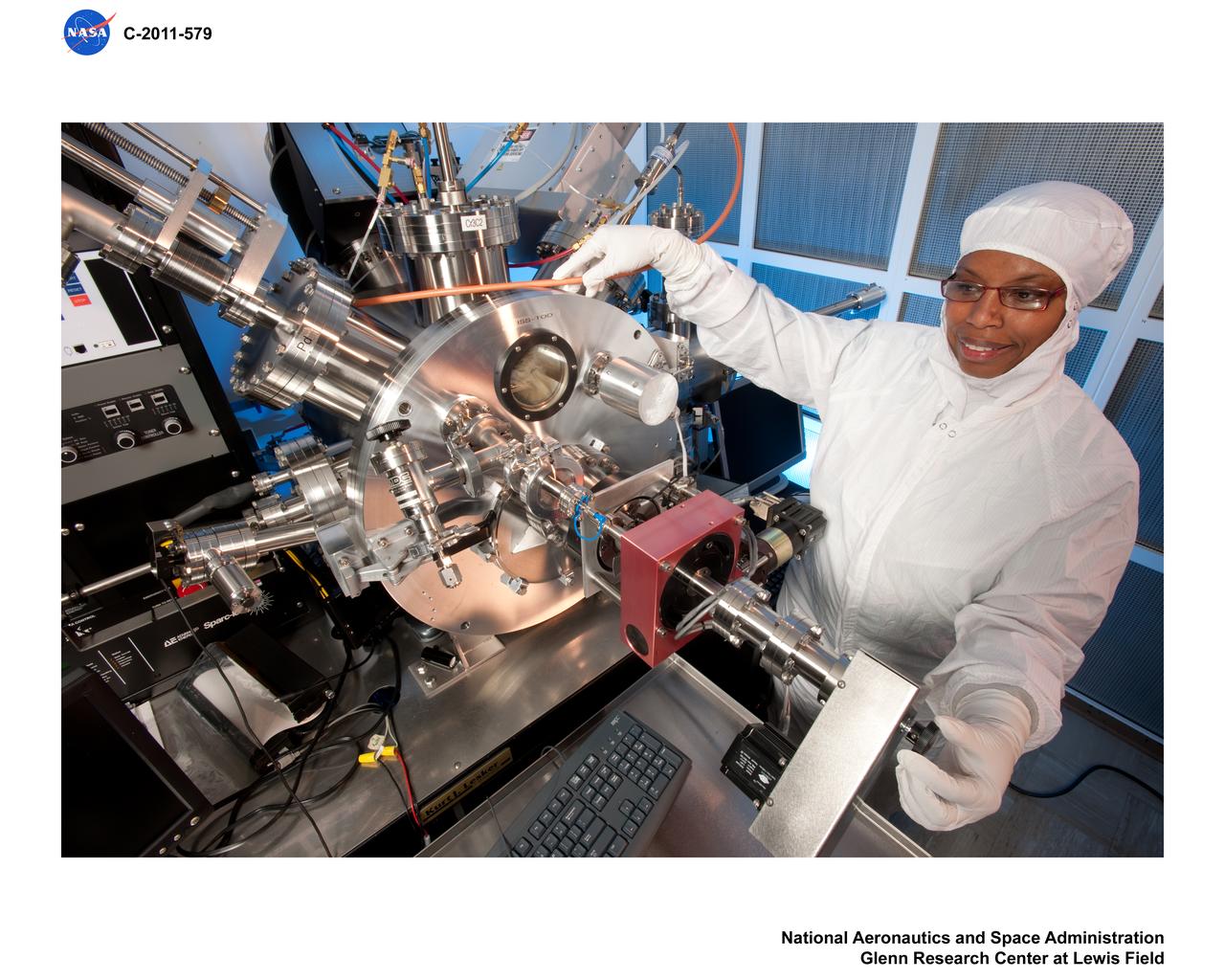
Photos for Web Feature by Victoria (Tori) Woods; Micro-Electro Mechanical Systems (MEMS) using vacuum technology; fabricating High Temperature Electronics for Harsh Environments using silicon carbide substrates
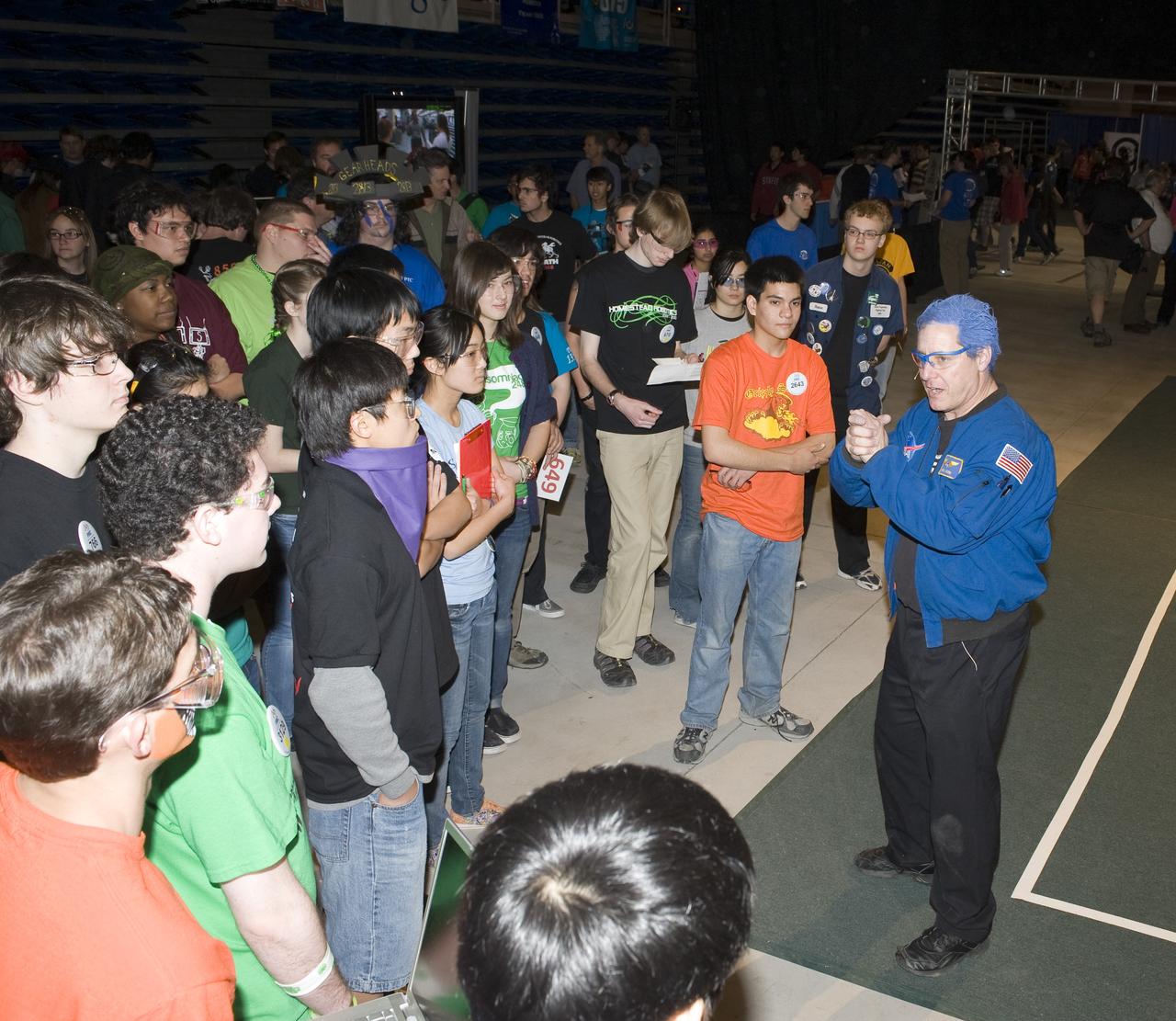
For Inspiration and Recognition of Science and Technology; FIRST Robotics Competition 2010 Silicon Valley Regional held at San Jose State University, San Jose, California Mark Leon, Ames Robotic Alliance fires up the contestants
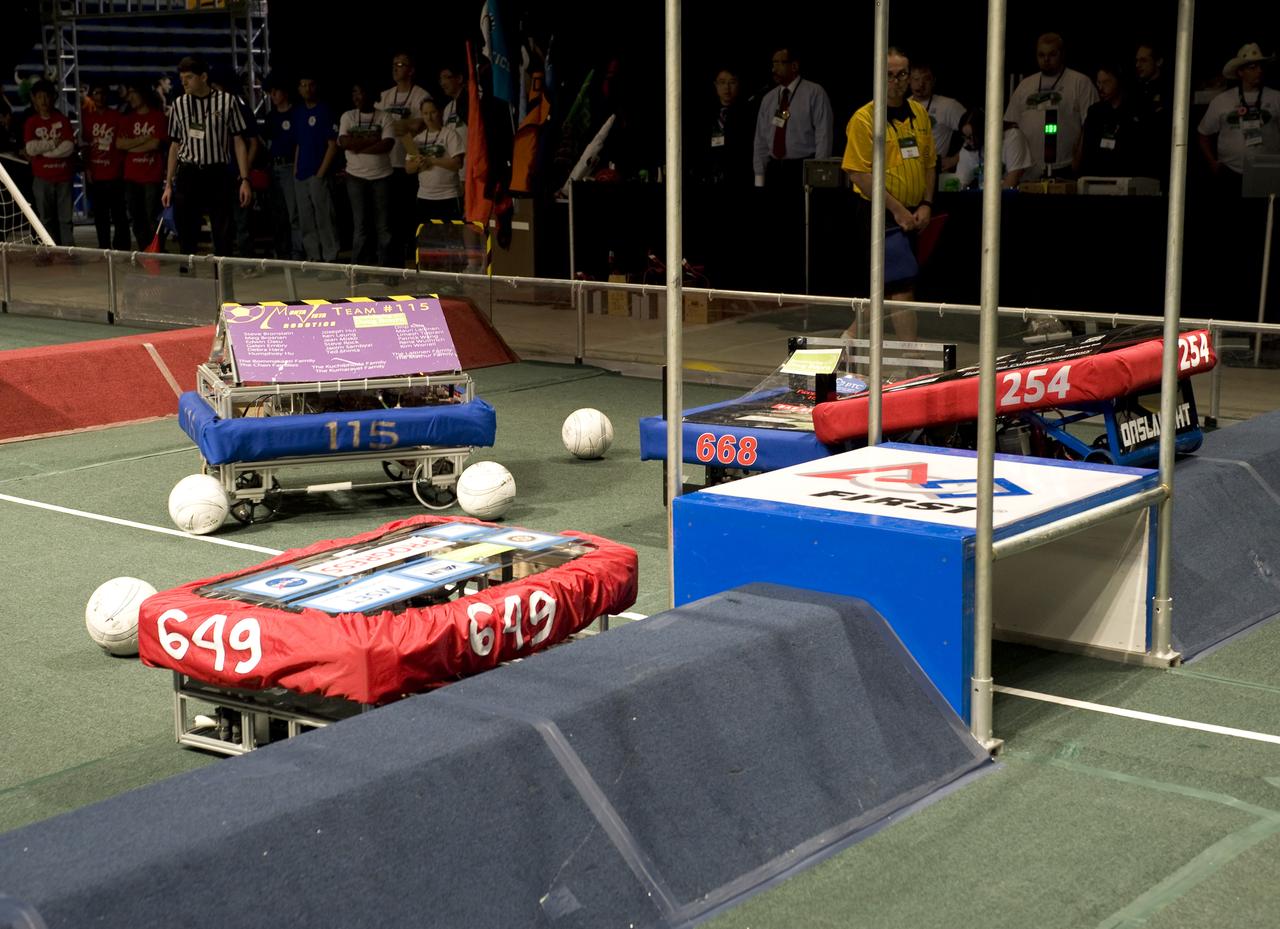
For Inspiration and Recognition of Science and Technology; FIRST Robotics Competition 2010 Silicon Valley Regional held at San Jose State University, San Jose, California team 115, 668,254 and 649 do battle during a match
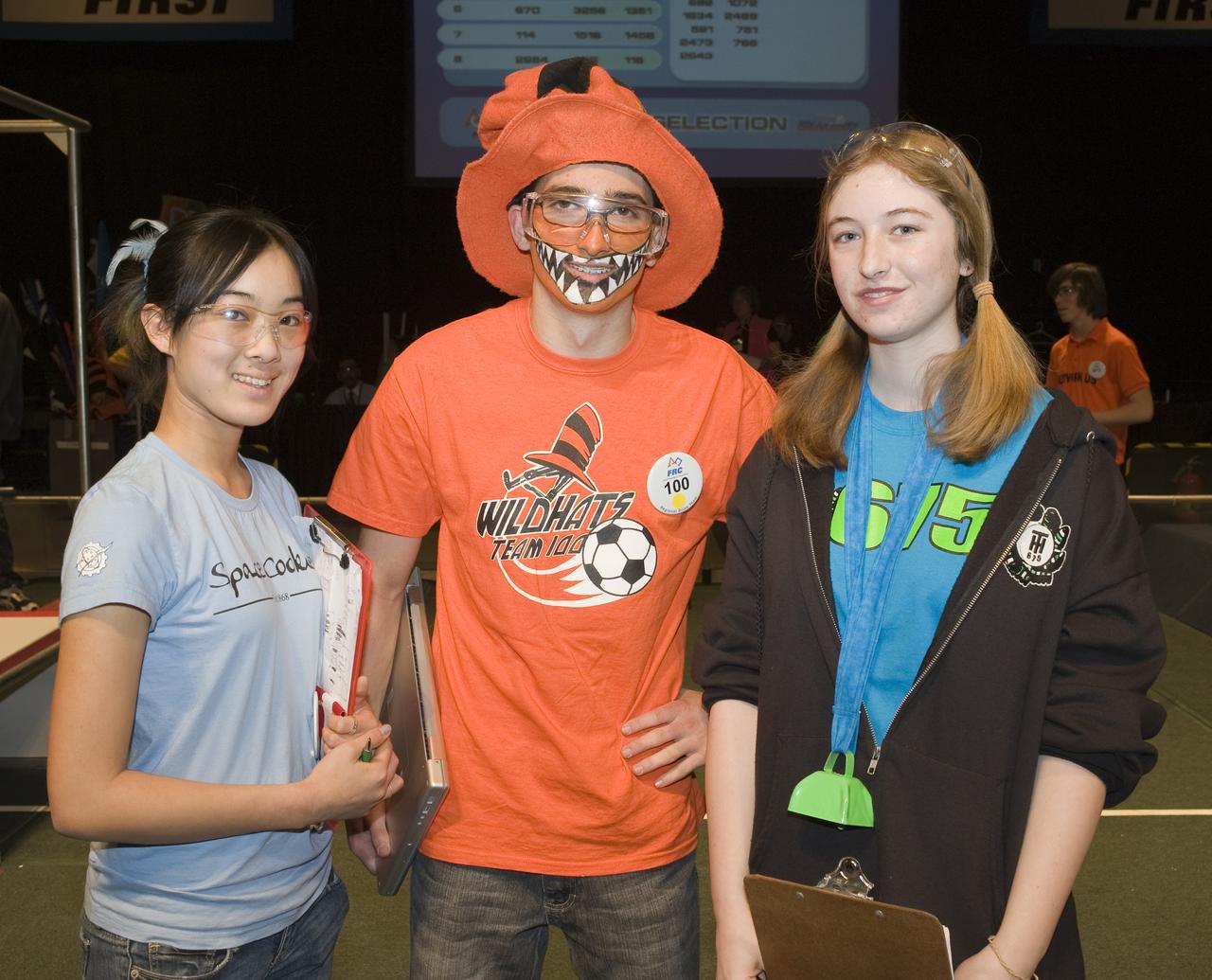
For Inspiration and Recognition of Science and Technology; FIRST Robotics Competition 2010 Silicon Valley Regional held at San Jose State University, San Jose, California team 1868, 100, and 675

For Inspiration and Recognition of Science and Technology; FIRST Robotics Competition 2010 Silicon Valley Regional held at San Jose State University, San Jose, California Rams, Willow Glen H.S. CA Team 256
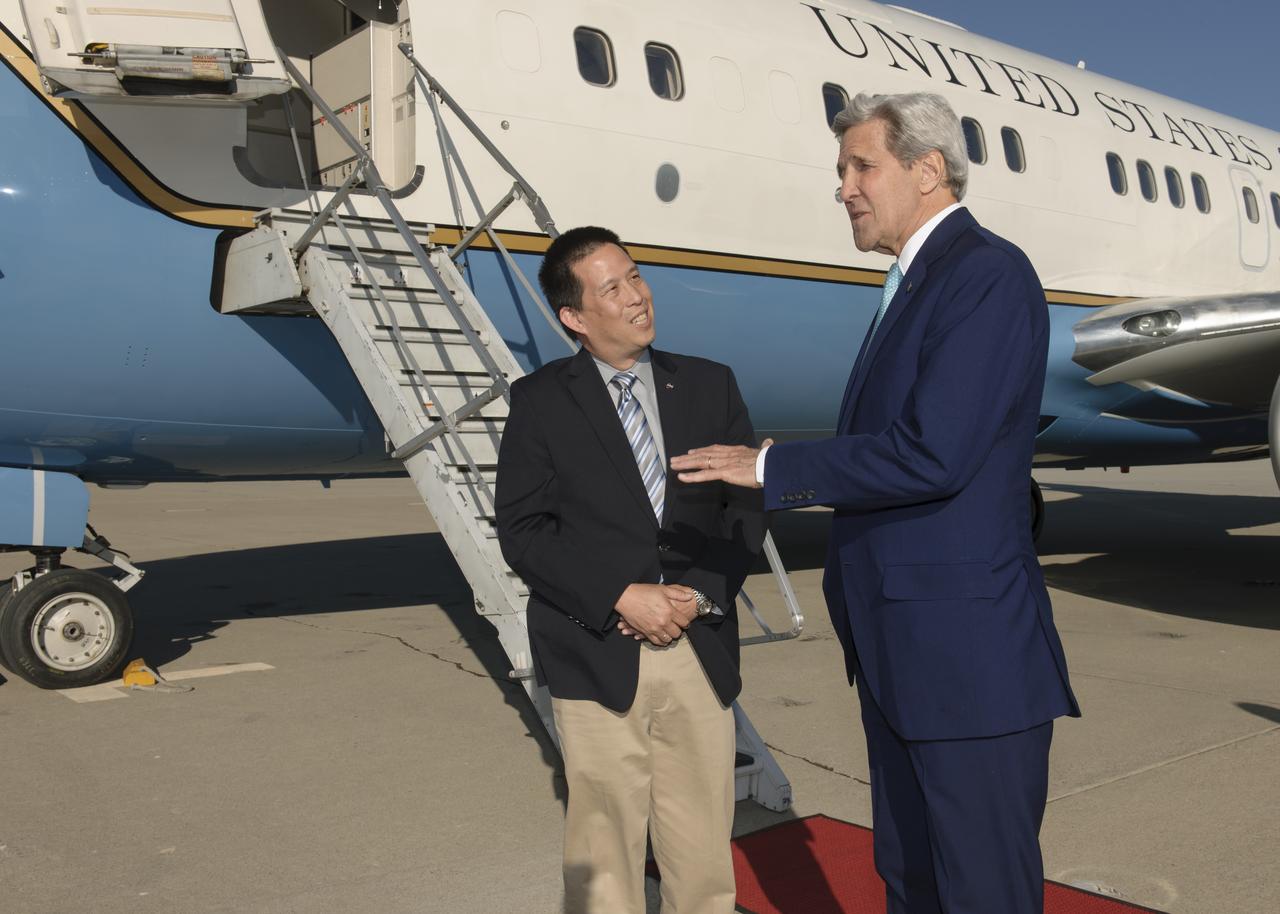
Ames Center Director Eugene Tu greeted Secretary of State John Kerry as he arrived at Moffett Field. Secretary Kerry was in Silicon Valley for events around the 2016 Global Entrepreneurship Summit.
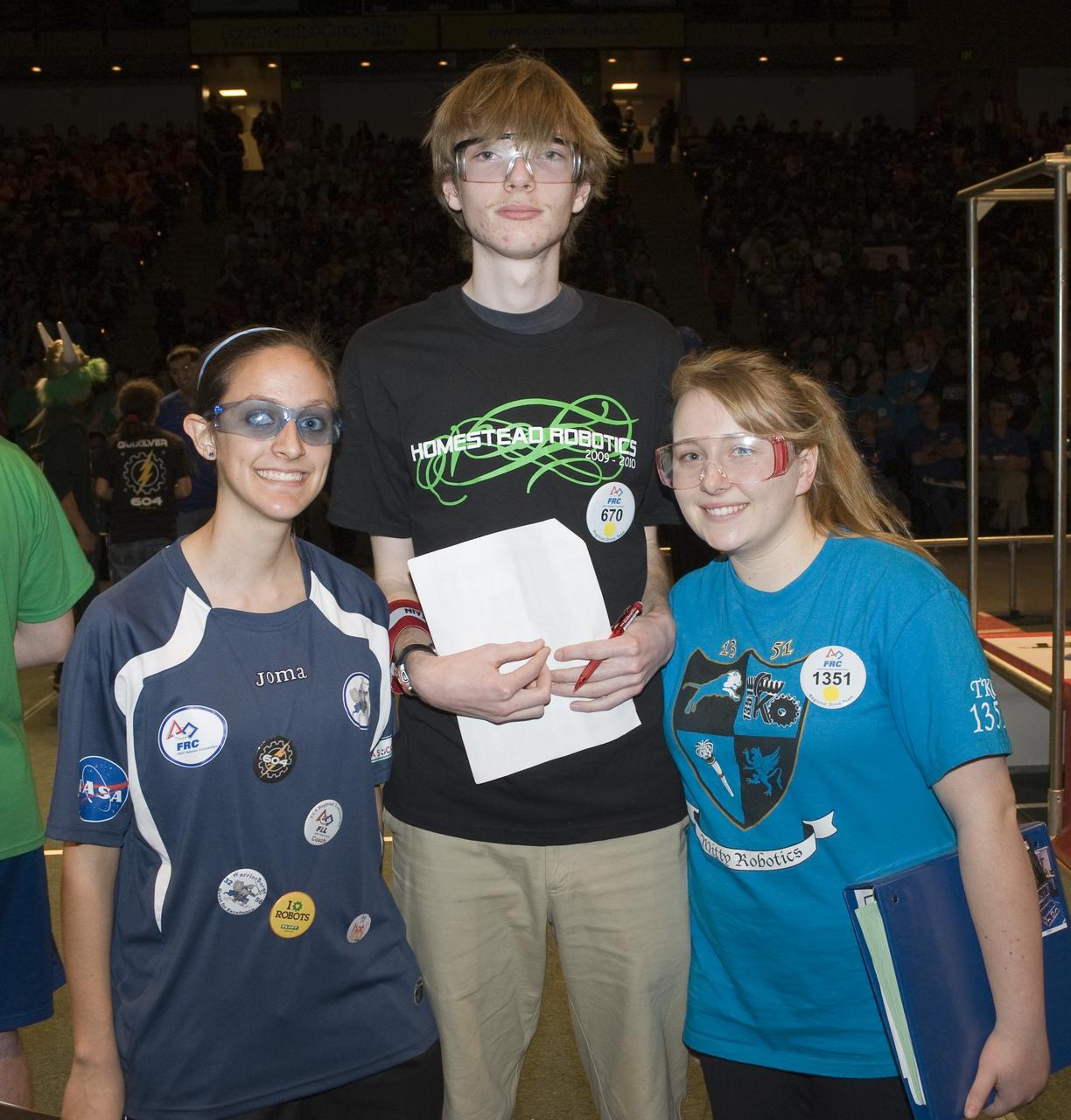
For Inspiration and Recognition of Science and Technology; FIRST Robotics Competition 2010 Silicon Valley Regional held at San Jose State University, San Jose, California teams 604,670, 1351
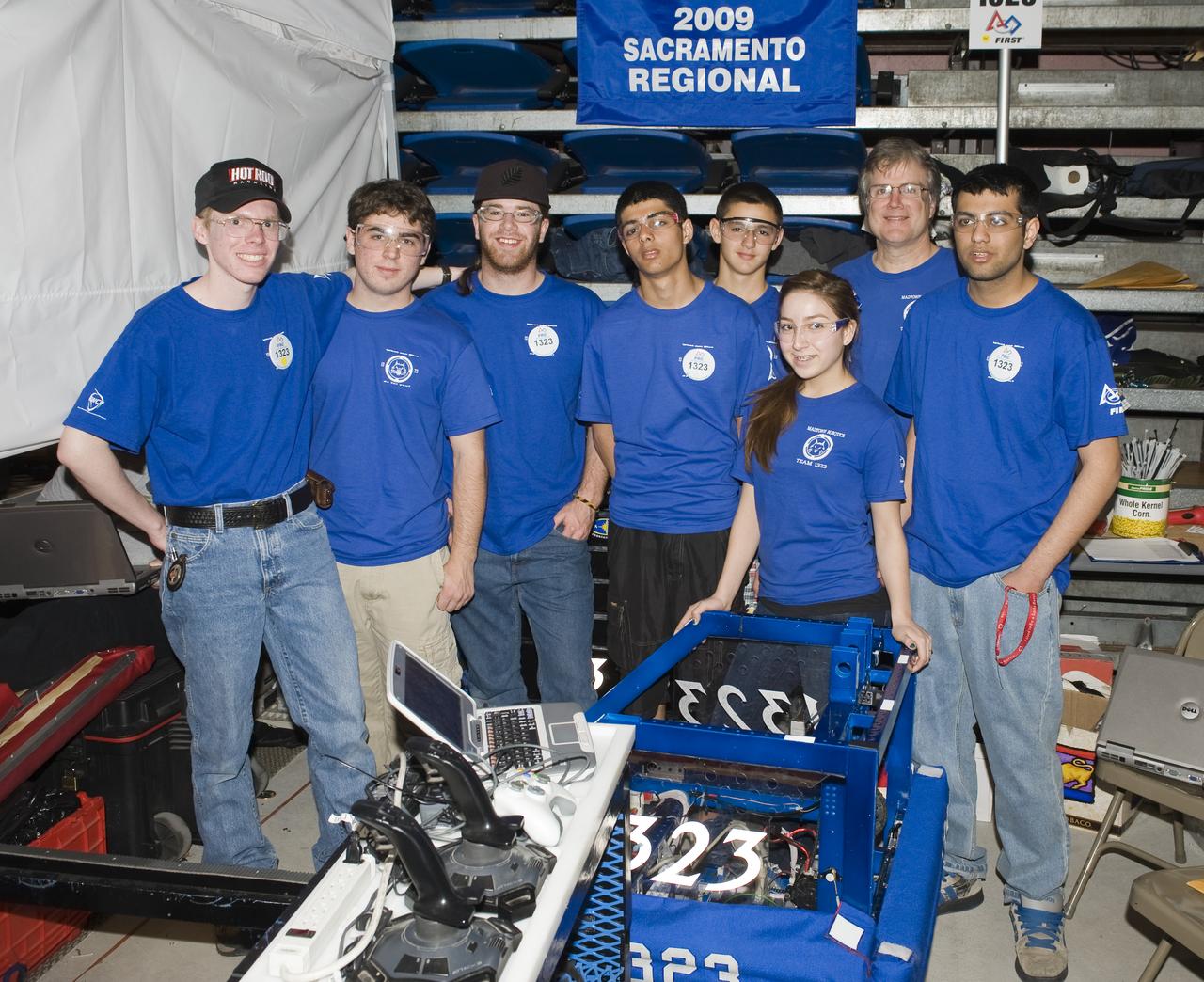
For Inspiration and Recognition of Science and Technology; FIRST Robotics Competition 2010 Silicon Valley Regional held at San Jose State University, San Jose, California MadTown Robotics, Madera H.F., CA Team 1323

For Inspiration and Recognition of Science and Technology; FIRST Robotics Competition 2010 Silicon Valley Regional held at San Jose State University, San Jose, California Robo Vikes, Vanden H.S. Team 701
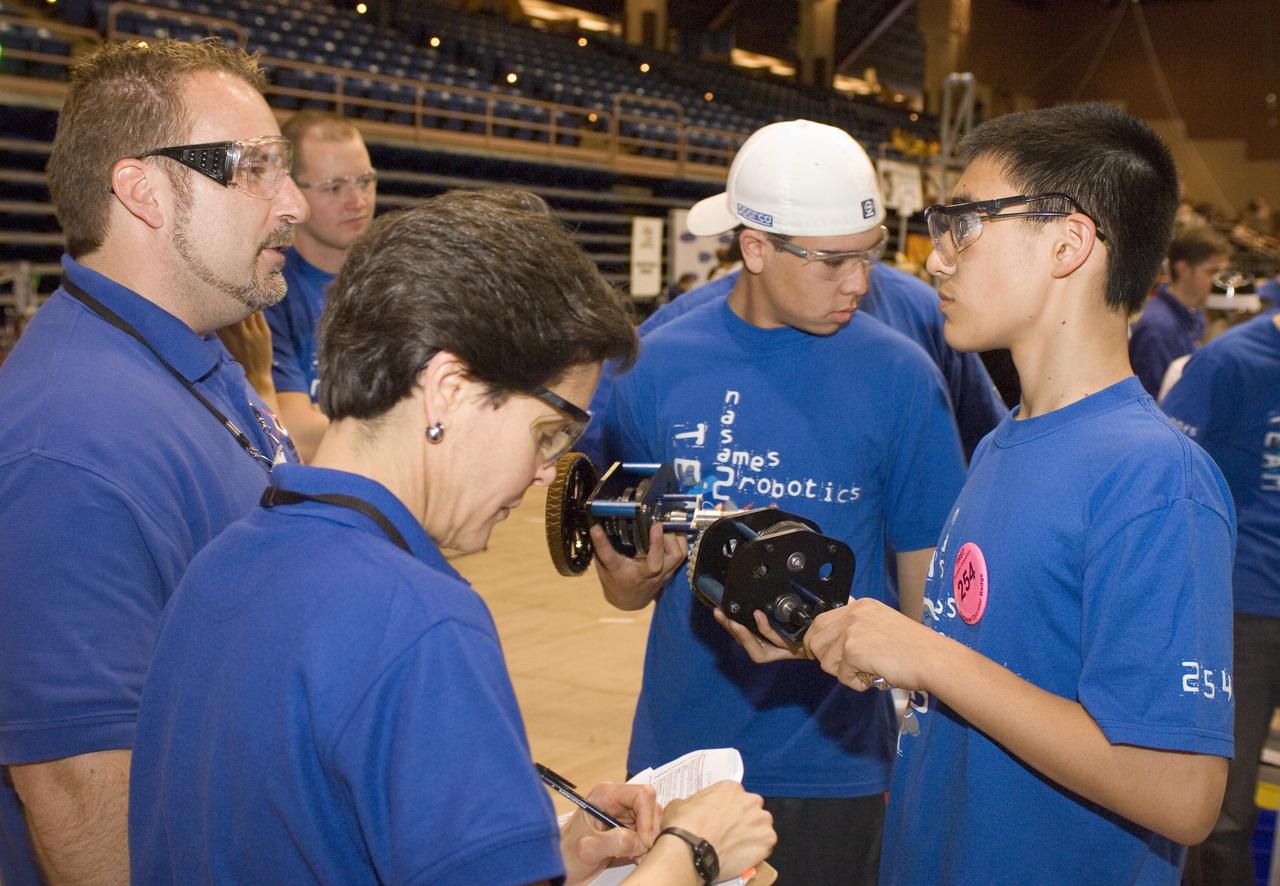
Silicon Valley FIRST Regional Robotics competition: Cheesy Poofs - Team 254 - NASA Ames Research Center & Bellarmine College Prep, San Jose, California (C)
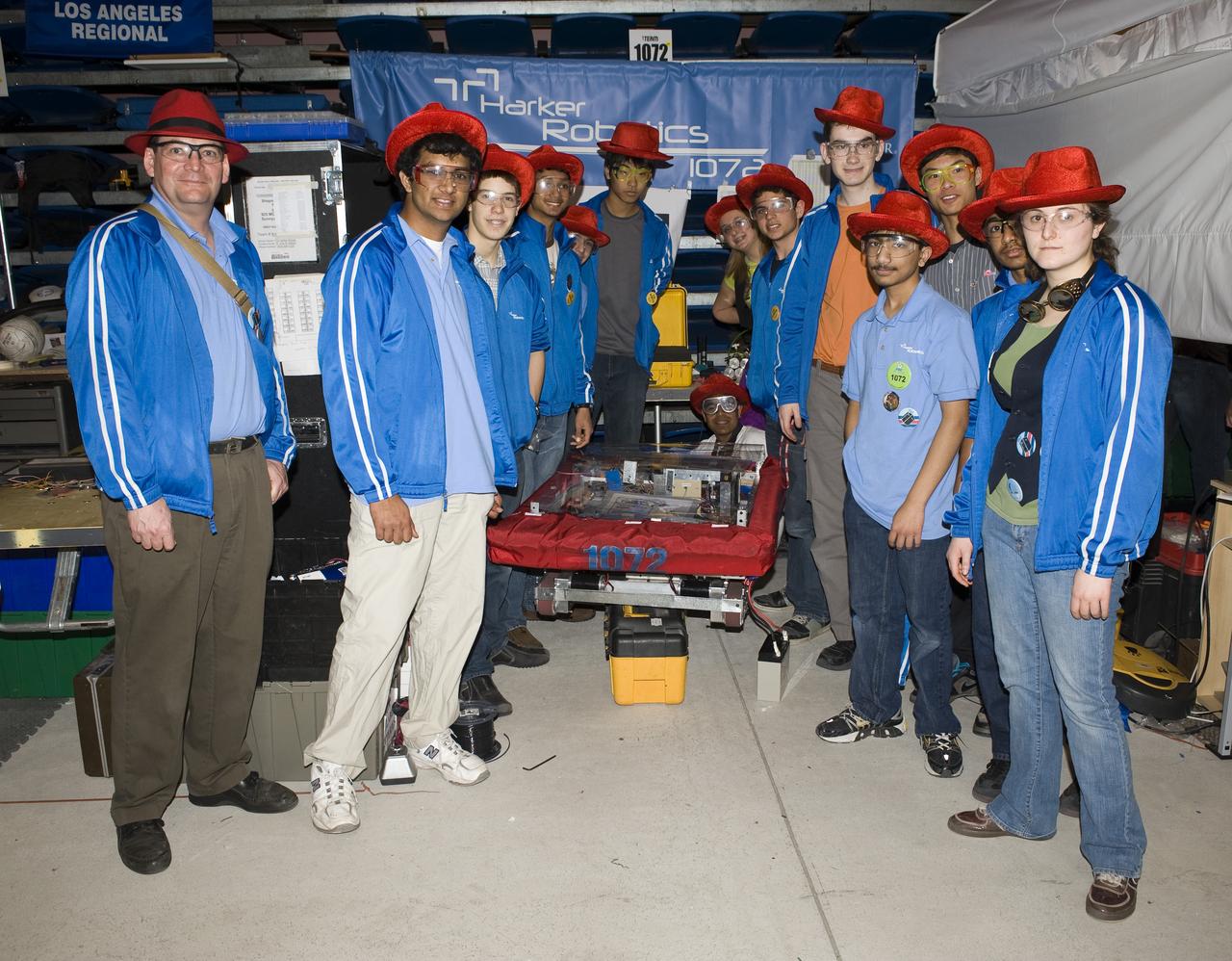
For Inspiration and Recognition of Science and Technology; FIRST Robotics Competition 2010 Silicon Valley Regional held at San Jose State University, San Jose, California Harker Robotics, The Harker School, CA Team 1072
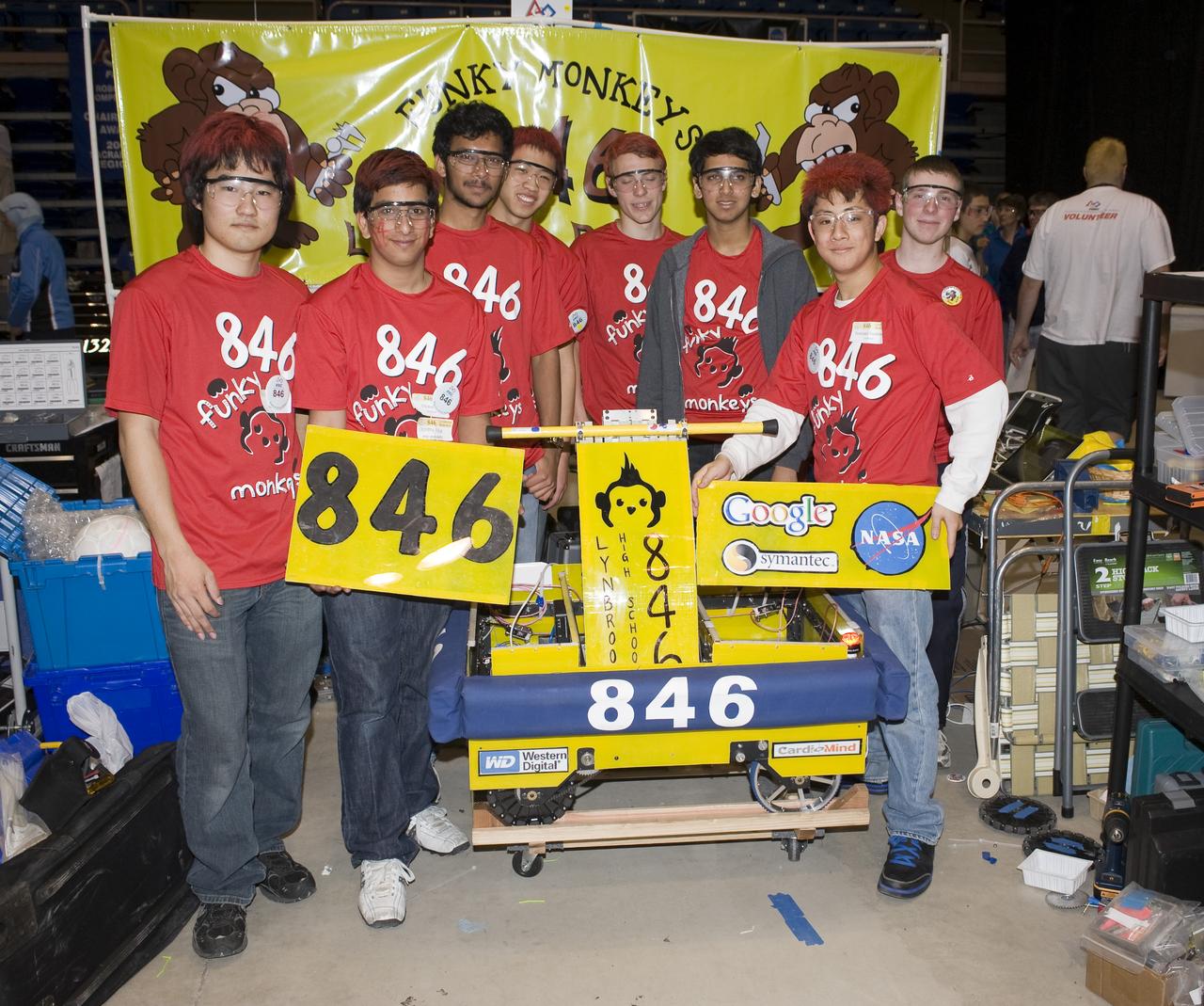
For Inspiration and Recognition of Science and Technology; FIRST Robotics Competition 2010 Silicon Valley Regional held at San Jose State University, San Jose, California The Funky Monkeys, Lynbrook H.S., CA Team 846
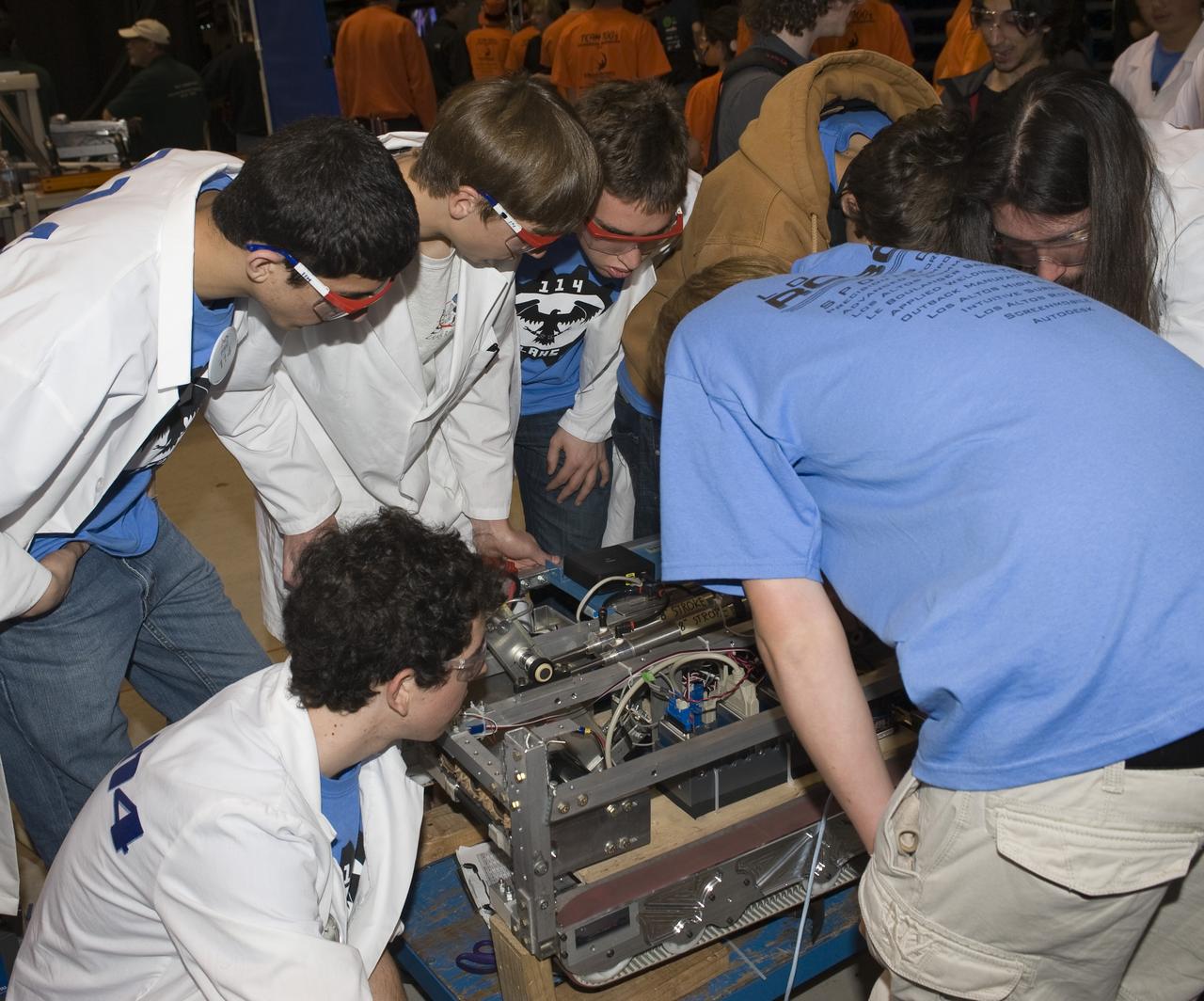
For Inspiration and Recognition of Science and Technology; FIRST Robotics Competition 2010 Silicon Valley Regional held at San Jose State University, San Jose, California Eagle Strike, Los Altos H.S., CA Team 114

For Inspiration and Recognition of Science and Technology; FIRST Robotics Competition 2010 Silicon Valley Regional held at San Jose State University, San Jose, California team 649and 192

For Inspiration and Recognition of Science and Technology; FIRST Robotics Competition 2010 Silicon Valley Regional held at San Jose State University, San Jose, California The Prototypes, Evergreen Valley h.S.,CA Team 2854
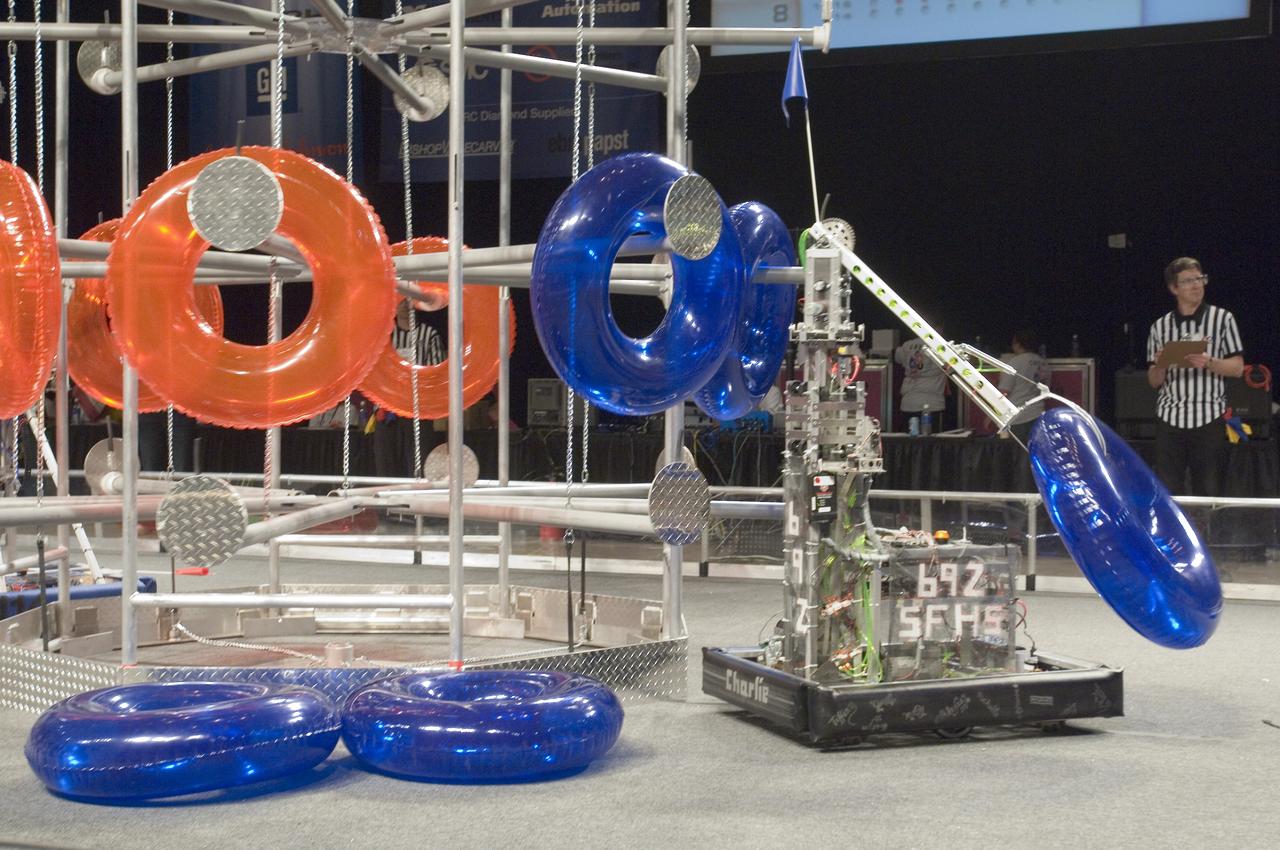
Silicon Valley FIRST Regional Robotics competition: The Fembots Team 692 - CyboSoft/PASCO Scientific/The Stewart Family/MR Pickles & St Francis High School, Sacramento, California (CA) on the floor doing battle
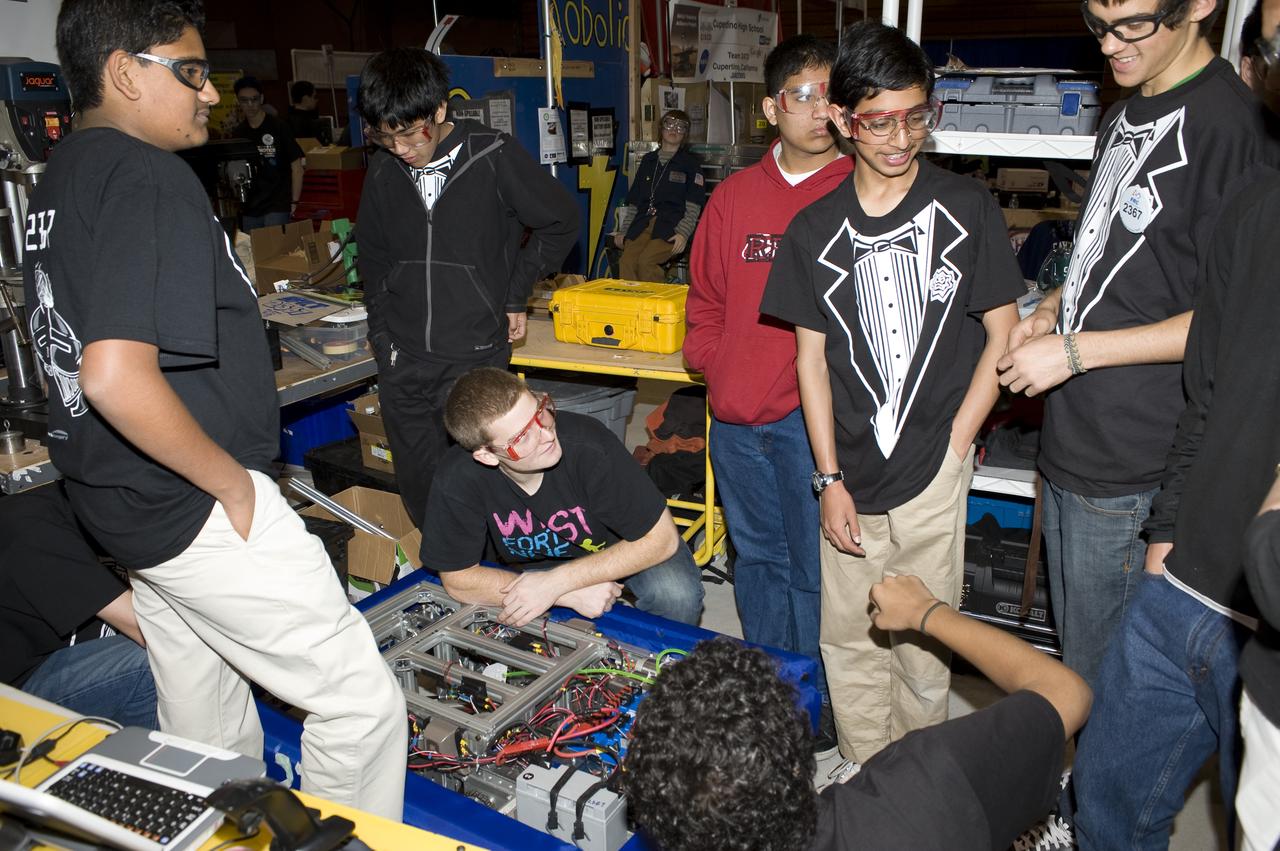
For Inspiration and Recognition of Science and Technology; FIRST Robotics Competition 2010 Silicon Valley Regional held at San Jose State University, San Jose, California Lancer Robotics, Saint Francis H.S., CA Team 2367
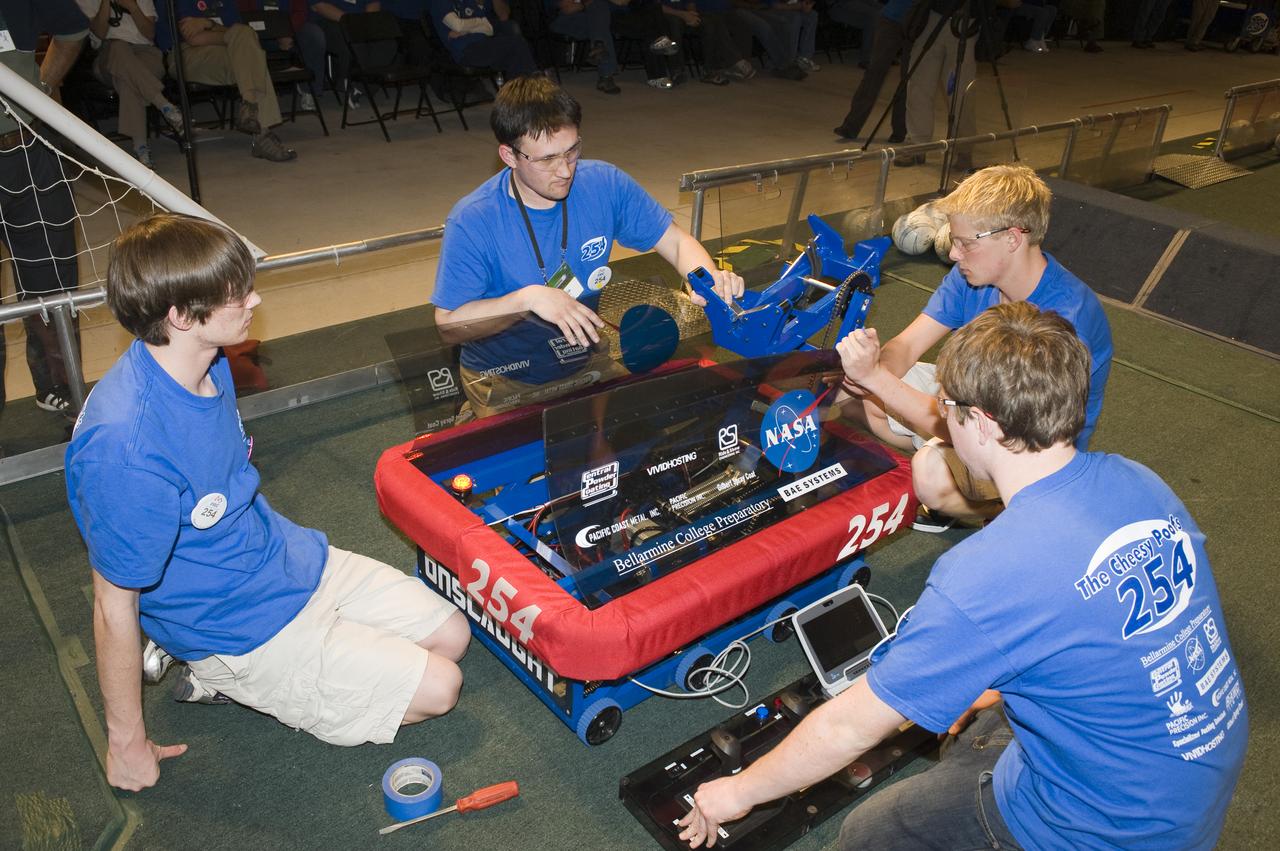
For Inspiration and Recognition of Science and Technology; FIRST Robotics Competition 2010 Silicon Valley Regional held at San Jose State University, San Jose, California Cheesy Poofs Team 254 on the floor making adjustments.