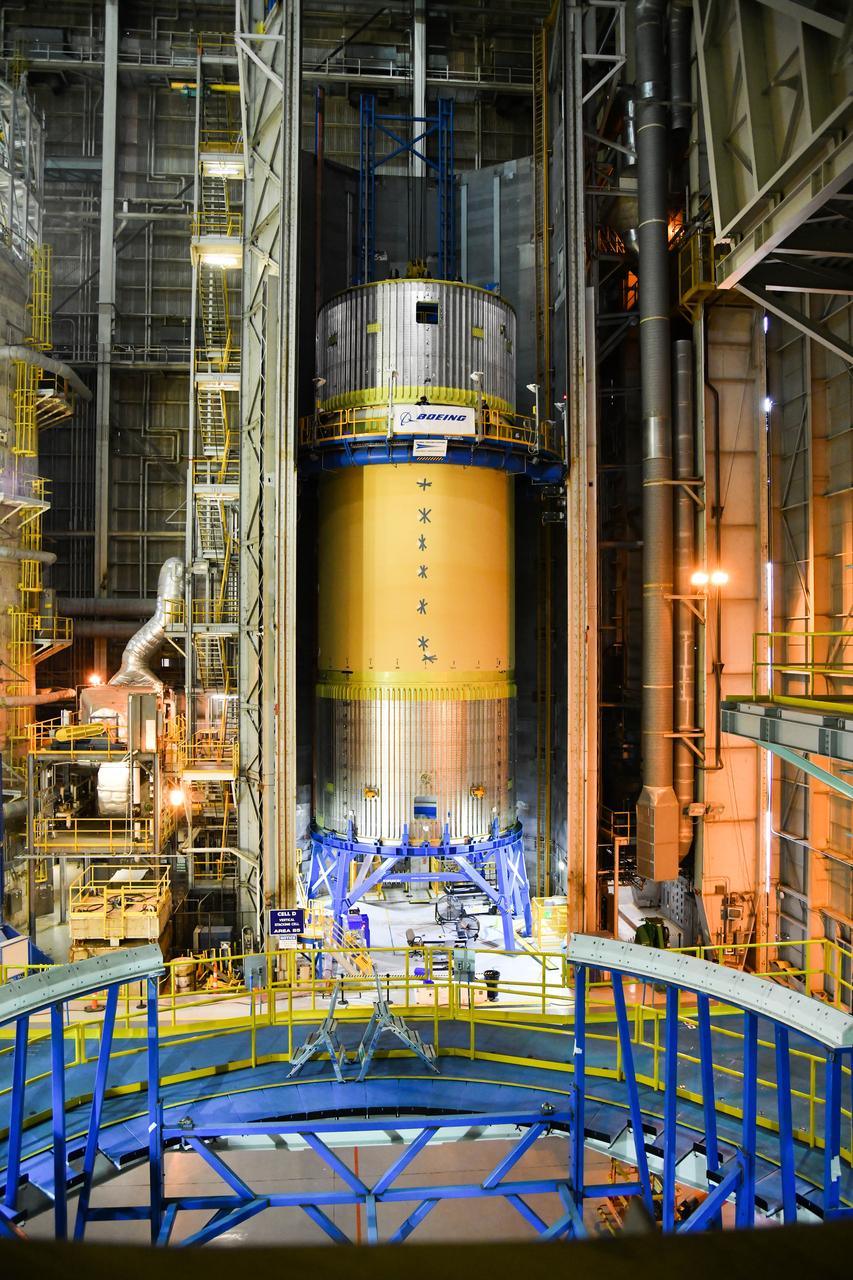
Fwd Sim into Cell D
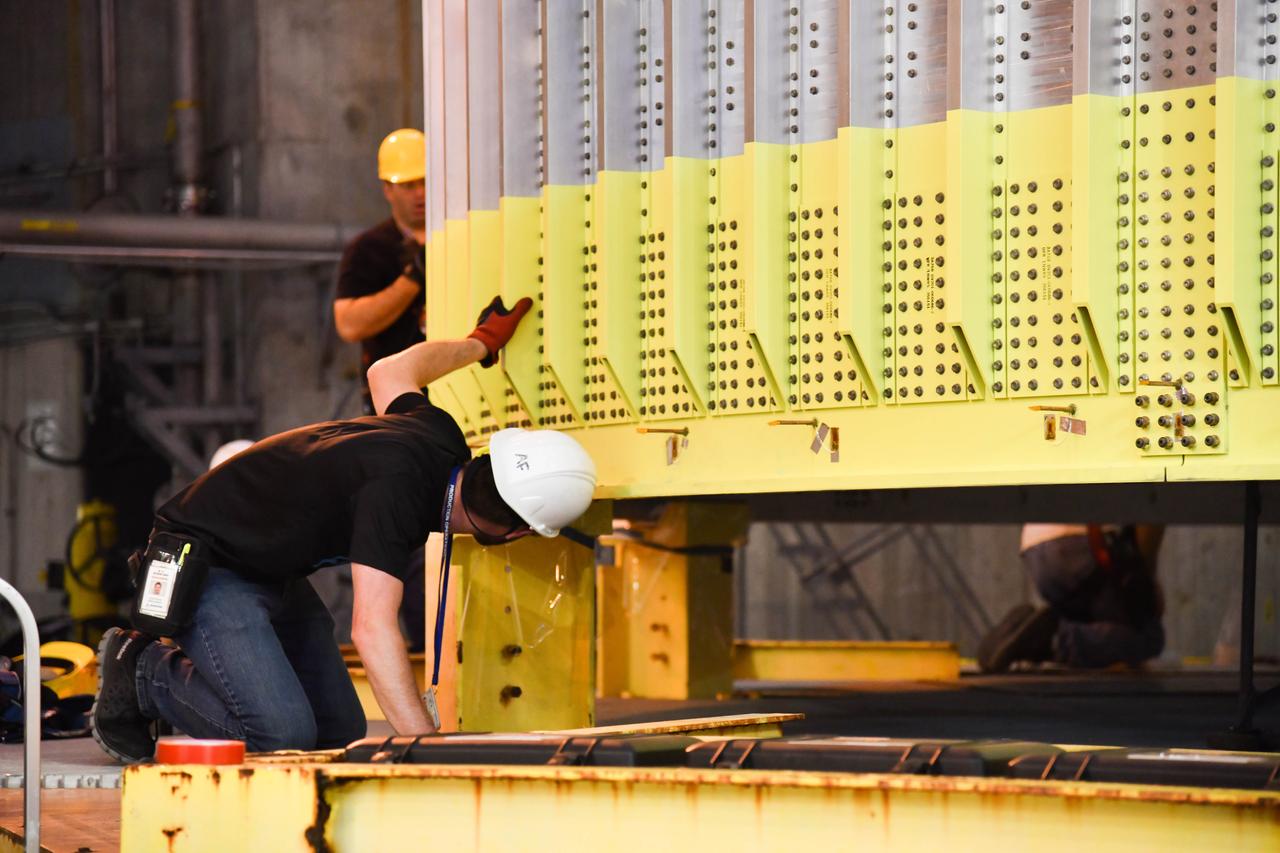
Fwd Sim into Cell D
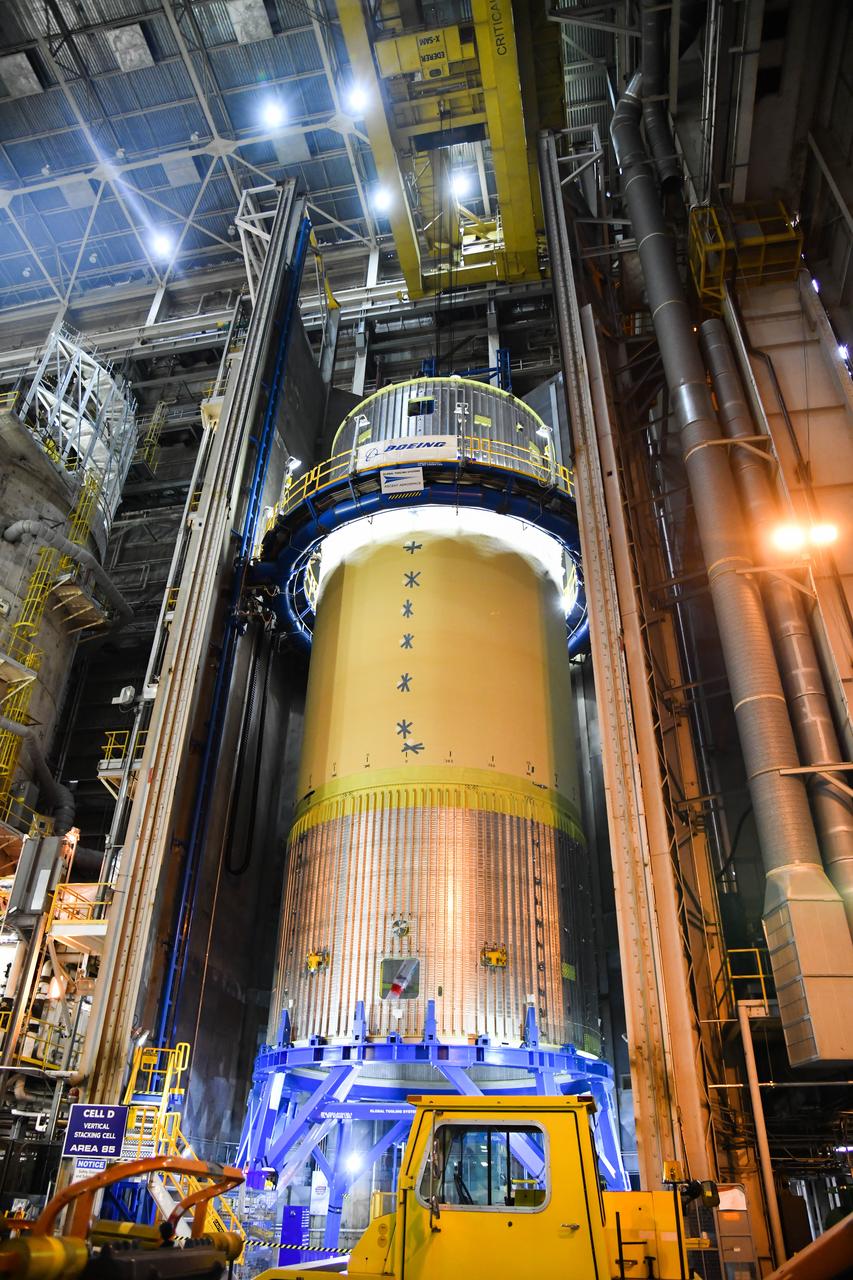
Fwd Sim into Cell D
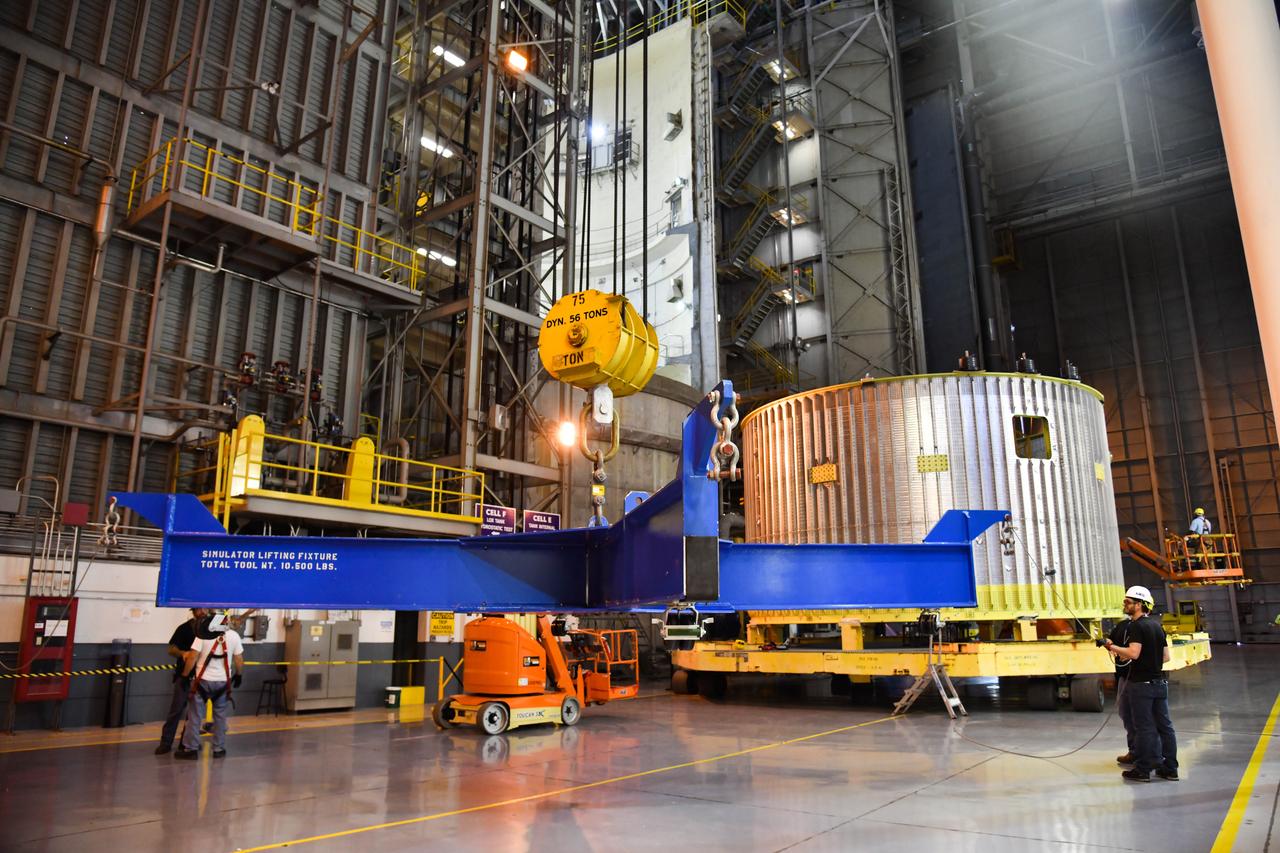
Fwd Sim into Cell D
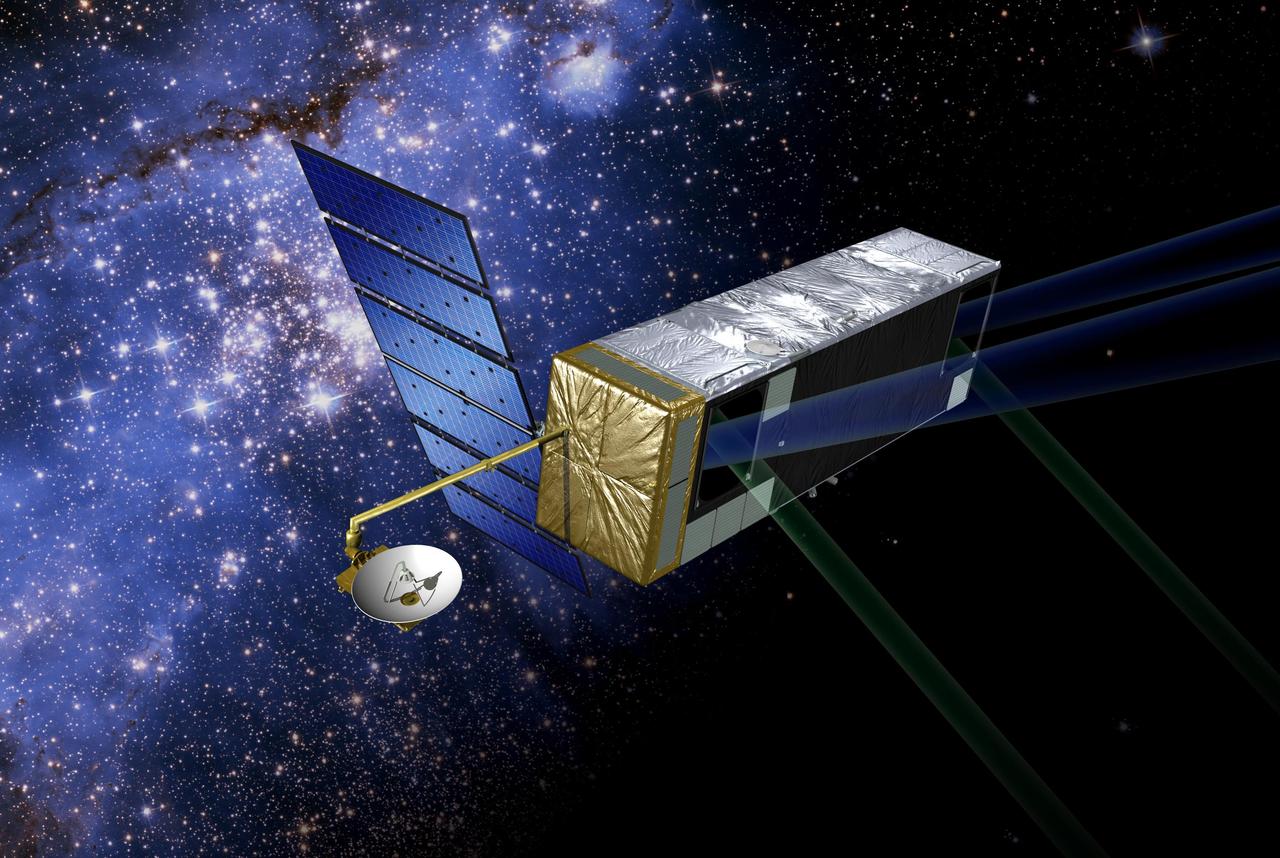
Artist's concept of the current mission configuration. SIM PlanetQuest (formerly called Space Interferometry Mission), currently under development, will determine the positions and distances of stars several hundred times more accurately than any previous program. This accuracy will allow SIM to determine the distances to stars throughout the galaxy and to probe nearby stars for Earth-sized planets. SIM will open a window to a new world of discoveries. http://photojournal.jpl.nasa.gov/catalog/PIA04248

“The day after the Columbia tragedy I knew exactly what I wanted to do with my life. I go to my physics class and tell a friend, ‘I want to go work for NASA.’ My physics teacher walks by and overhears the conversation. She starts the class and says ‘I want to go around the classroom and hear about what everybody wants to do with their life.’ She gets to me. I was super excited. ‘I’m going to work for NASA, I’m going to be an engineer, I’m going to make sure everybody flies safe.’ And she bursts out laughing. And everyone else starts laughing. I’m like, ‘what is the joke?’ And she says to me, ‘If you ever get the opportunity to work for NASA, you make sure you come take me out to lunch.’ And that ended up being the joke of the day at my entire high school. “I think we have a very long way to go. I think that there are not enough educational resources. There are not enough pipeline opportunities. I come from a single-parent family. We weren’t rich. We lived in a New Jersey suburb in a very small town where the idea of a girl going to NASA — it just seemed impossible. I think that we have long way to go to reach out to some of those smaller, under-serving communities where individuals may not have the resources. Where teachers can’t even motivate kids to do something big because they don’t even believe it themselves. I do believe there are strides happening — but I don’t think we’re there yet.” — Brittani Sims, Flight Systems Engineer, Kennedy Space Center Interviewer: NASA / Thalia Patrinos
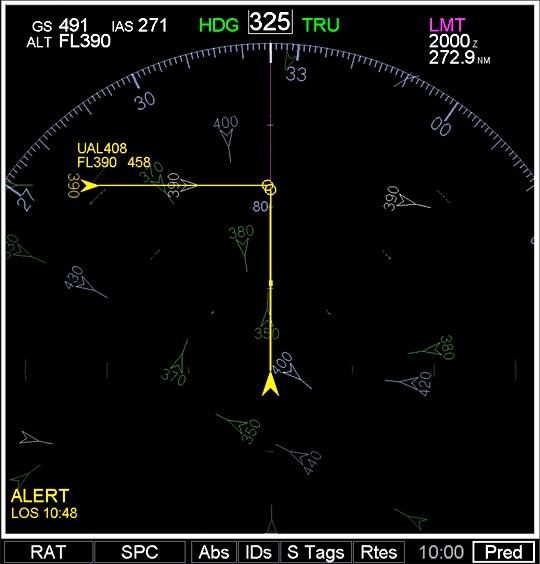
Sim Ops 2002 R&D report images; Distributed air-ground (DAG) demonstration study 2002; screen capture of Advanced Concepts Flight Simulator (ACFS) Cockpit Display of Traffic Information (CDTI
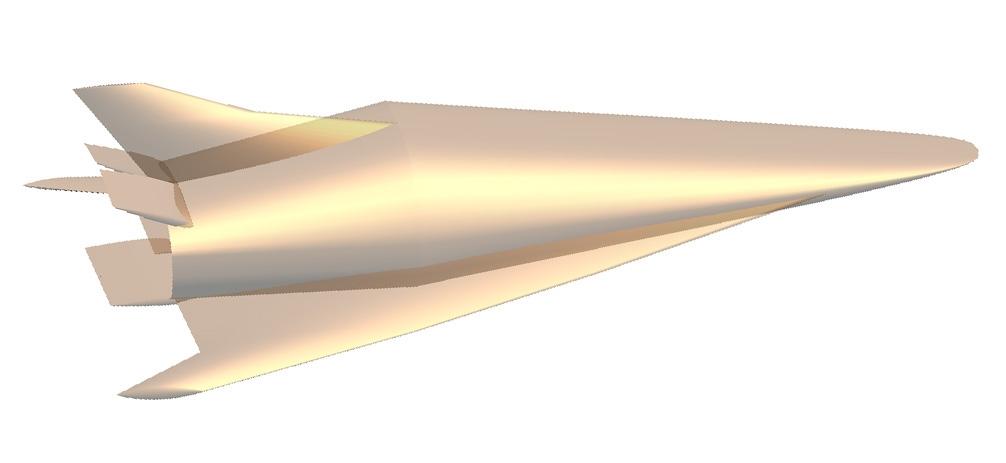
Sim Ops 2002 R&D report images; SHARP (Slender Hypersonic Aerodynamic Research Probe) CTV Crew Transfer Vehicle) CGI image created by V Hawke & C Tang (Eloret Corp)
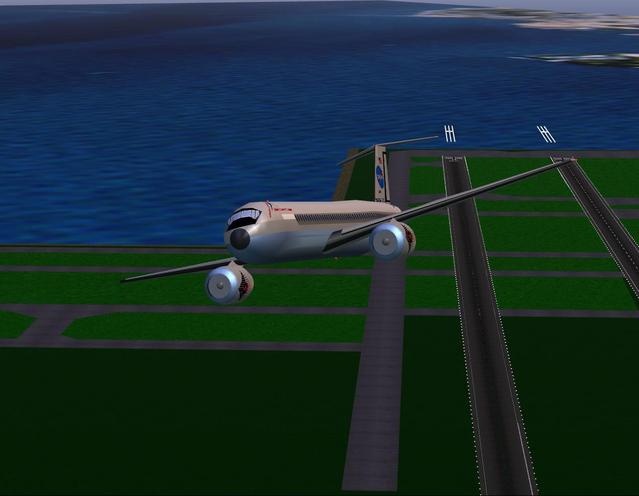
Sim Ops 2002 R&D report images; Integrated Vehicle Modeling Environment Development (IVME) ESGI image created by Ken Lindsay (NASA Neuroengineering Lab); CVSRF second study

KOSTA VARNAVAS/ES33, AND Dr. HERB SIMS/ES63, TESTING THE PULSAR , (PROGRAMMABLE ULTRA LOWPOWER SYSTEM ADAPTABLE RADIO), IN THE SOFTWARE DEFINED RADIO LAB, NSSTC
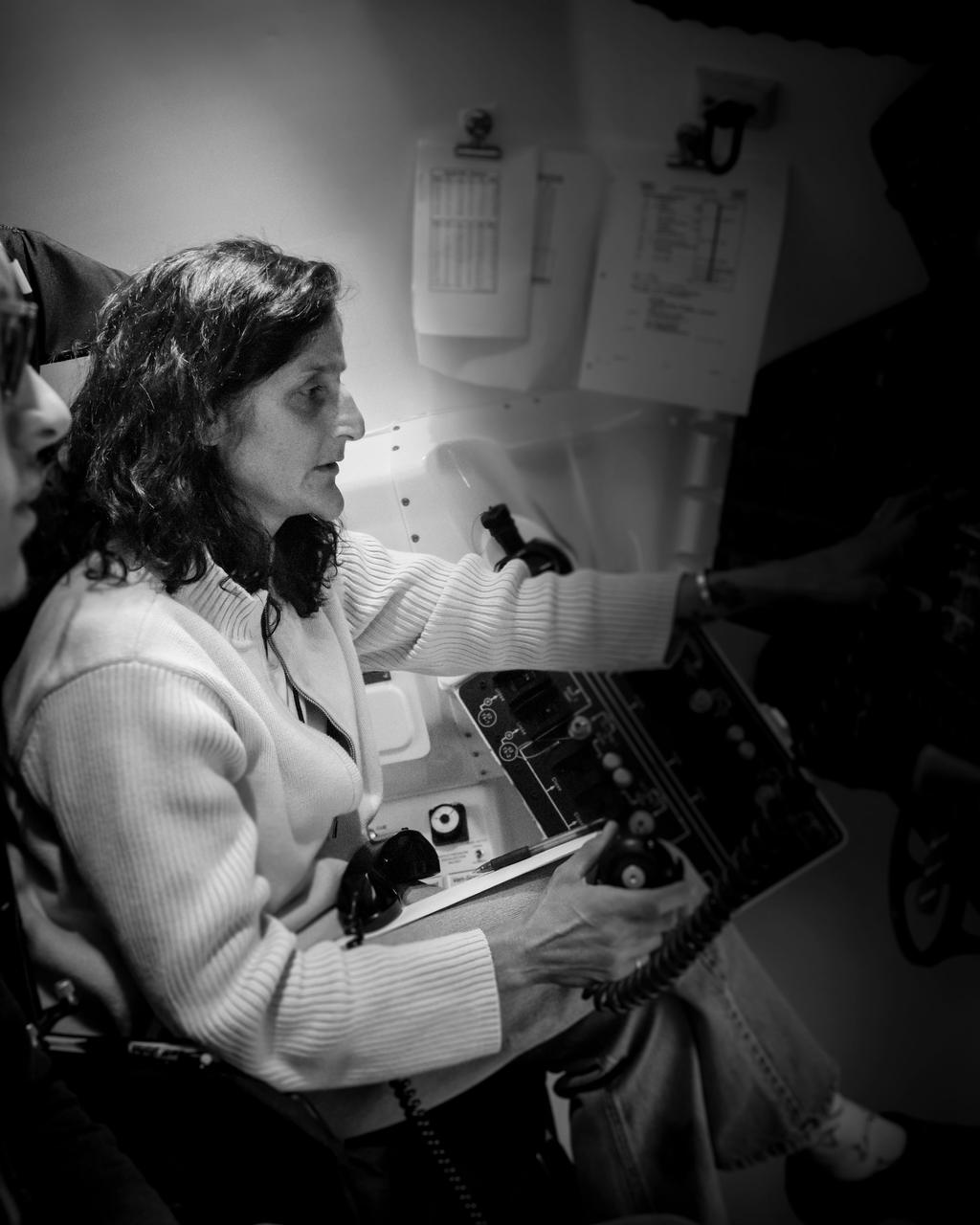
Boeing CST-100 MOST CFT Ascent Sim for Eric Boe, Suni Williams and Barry "Butch" Wilmore.

KOSTA VARNAVAS/ES33, AND Dr. HERB SIMS/ES63, TESTING THE PULSAR , (PROGRAMMABLE ULTRA LOWPOWER SYSTEM ADAPTABLE RADIO), IN THE SOFTWARE DEFINED RADIO LAB, NSSTC

KOSTA VARNAVAS/ES33, AND Dr. HERB SIMS/ES63, TESTING THE PULSAR , (PROGRAMMABLE ULTRA LOWPOWER SYSTEM ADAPTABLE RADIO), IN THE SOFTWARE DEFINED RADIO LAB, NSSTC

Inside the Launch Control Center’s Firing Room 1 at NASA’s Kennedy Space Center in Florida, members of the Artemis I launch team rehearse the procedures for fueling the Space Launch System (SLS) rocket with super cold propellants, or cryogenics, on Aug. 18, 2020. During the cryogenic simulation, potential problem scenarios were introduced to test the tools, processes, and procedures necessary for fueling the rocket. Artemis I will be the first integrated test flight of SLS and the Orion spacecraft – the system that will ultimately land the first woman and the next man on the Moon by 2024.

Artemis I Launch Director Charlie Blackwell-Thompson stands at her console inside the Launch Control Center’s Firing Room 1 at NASA’s Kennedy Space Center in Florida during a simulation rehearsing propellant loading on Aug. 18, 2020. The simulation involved members of the launch team practicing the procedures for loading the Space Launch System (SLS) rocket with cryogenics, or super cold propellants. During the exercise, potential problem scenarios were introduced to test the tools, processes, and procedures necessary for fueling the rocket. Artemis I will be the first integrated test flight of SLS and the Orion spacecraft – the system that will ultimately land the first woman and the next man on the Moon by 2024.

Inside the Launch Control Center’s Firing Room 1 at NASA’s Kennedy Space Center in Florida, members of the Artemis I launch team rehearse the procedures for fueling the Space Launch System (SLS) rocket with super cold propellants, or cryogenics, on Aug. 18, 2020. During the cryogenic simulation, potential problem scenarios were introduced to test the tools, processes, and procedures necessary for fueling the rocket. Artemis I will be the first integrated test flight of SLS and the Orion spacecraft – the system that will ultimately land the first woman and the next man on the Moon by 2024.

Artemis I Launch Director Charlie Blackwell-Thompson stands at her console inside the Launch Control Center’s Firing Room 1 at NASA’s Kennedy Space Center in Florida during a simulation rehearsing propellant loading on Aug. 18, 2020. The simulation involved members of the launch team practicing the procedures for loading the Space Launch System (SLS) rocket with cryogenics, or super cold propellants. During the exercise, potential problem scenarios were introduced to test the tools, processes, and procedures necessary for fueling the rocket. Artemis I will be the first integrated test flight of SLS and the Orion spacecraft – the system that will ultimately land the first woman and the next man on the Moon by 2024.

Inside the Launch Control Center’s Firing Room 1 at NASA’s Kennedy Space Center in Florida, members of the Artemis I launch team rehearse the procedures for fueling the Space Launch System (SLS) rocket with super cold propellants, or cryogenics, on Aug. 18, 2020. During the cryogenic simulation, potential problem scenarios were introduced to test the tools, processes, and procedures necessary for fueling the rocket. Artemis I will be the first integrated test flight of SLS and the Orion spacecraft – the system that will ultimately land the first woman and the next man on the Moon by 2024.

Inside the Launch Control Center’s Firing Room 1 at NASA’s Kennedy Space Center in Florida, members of the Artemis I launch team rehearse the procedures for fueling the Space Launch System (SLS) rocket with super cold propellants, or cryogenics, on Aug. 18, 2020. During the cryogenic simulation, potential problem scenarios were introduced to test the tools, processes, and procedures necessary for fueling the rocket. Artemis I will be the first integrated test flight of SLS and the Orion spacecraft – the system that will ultimately land the first woman and the next man on the Moon by 2024.

Inside the Launch Control Center’s Firing Room 1 at NASA’s Kennedy Space Center in Florida, members of the Artemis I launch team rehearse the procedures for fueling the Space Launch System (SLS) rocket with super cold propellants, or cryogenics, on Aug. 18, 2020. During the cryogenic simulation, potential problem scenarios were introduced to test the tools, processes, and procedures necessary for fueling the rocket. Artemis I will be the first integrated test flight of SLS and the Orion spacecraft – the system that will ultimately land the first woman and the next man on the Moon by 2024.

Kepler Project Team member Mike Sims
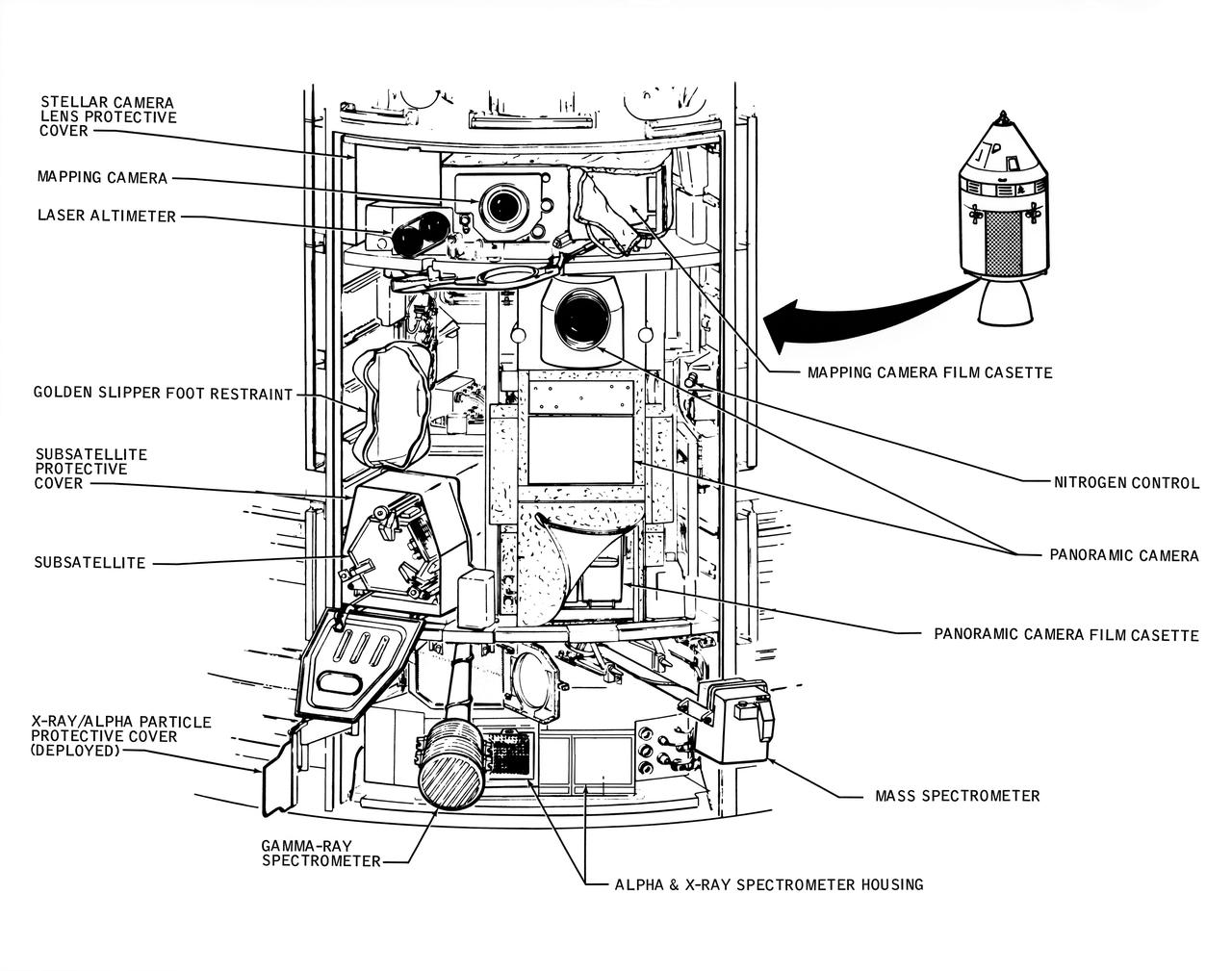
A line drawing illustrating the layout of the Scietific Instrument Module (SIM) of the Apollo 16 Service Module. Shown here is the location in the SIM bay of the equipment for each orbital experiment. Arrows point to various components of the SIM bay. The sensors for the gamma ray spectrometer and the mas spectrometer both extend outward on a boom about 25 feet when the instruments are in use. The subsatellite is launched while the Service Module is in orbit around the moon. The film cassettes must be retrieved prior to Command Module/Service Module separation.
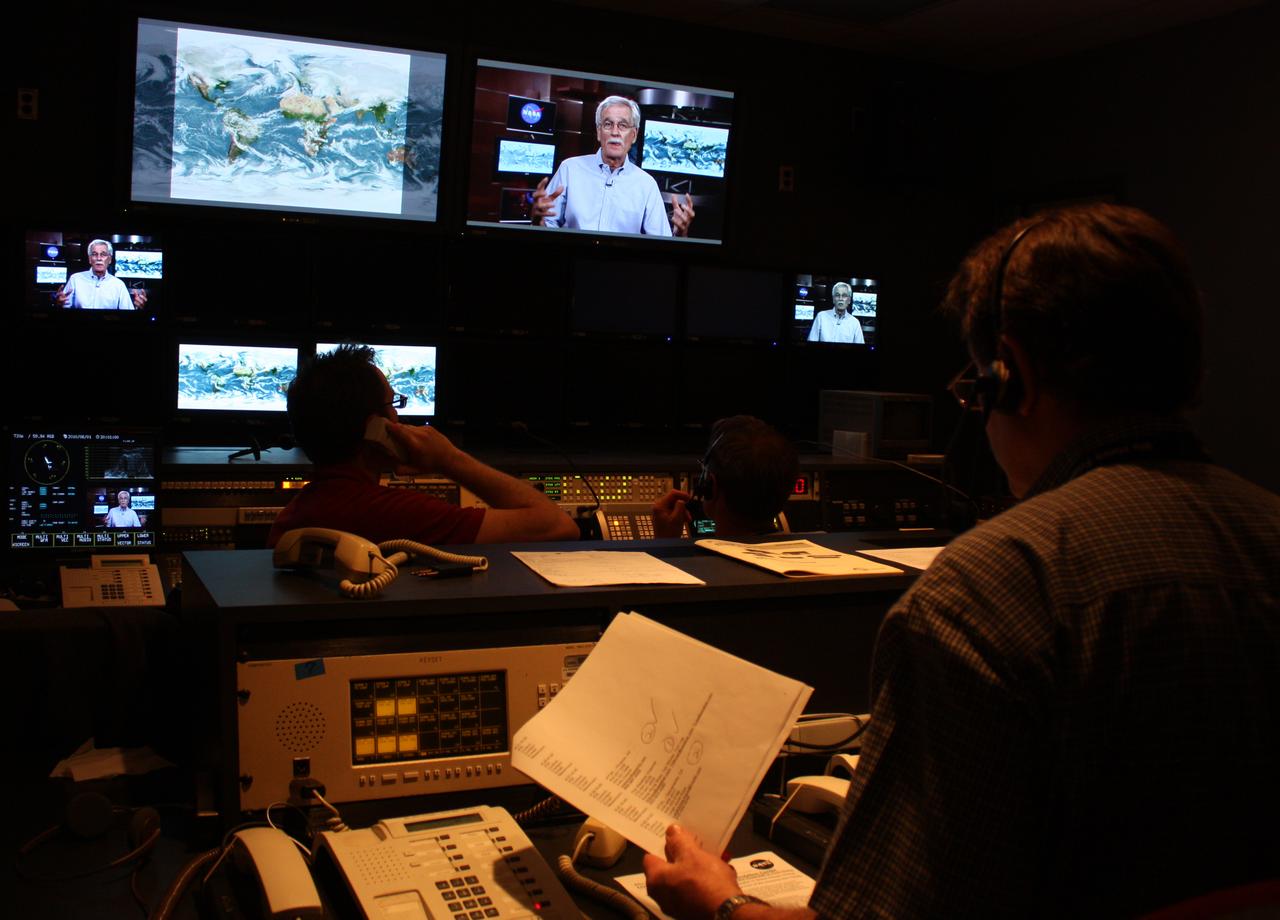
Senior Earth Scientist Dr. Compton Tucker talks about the new climate siumulation facility. <a href="http://www.nasa.gov/topics/earth/features/climate-sim-center.html" rel="nofollow">www.nasa.gov/topics/earth/features/climate-sim-center.html</a> Credit: NASA/Goddard Space Flight Center
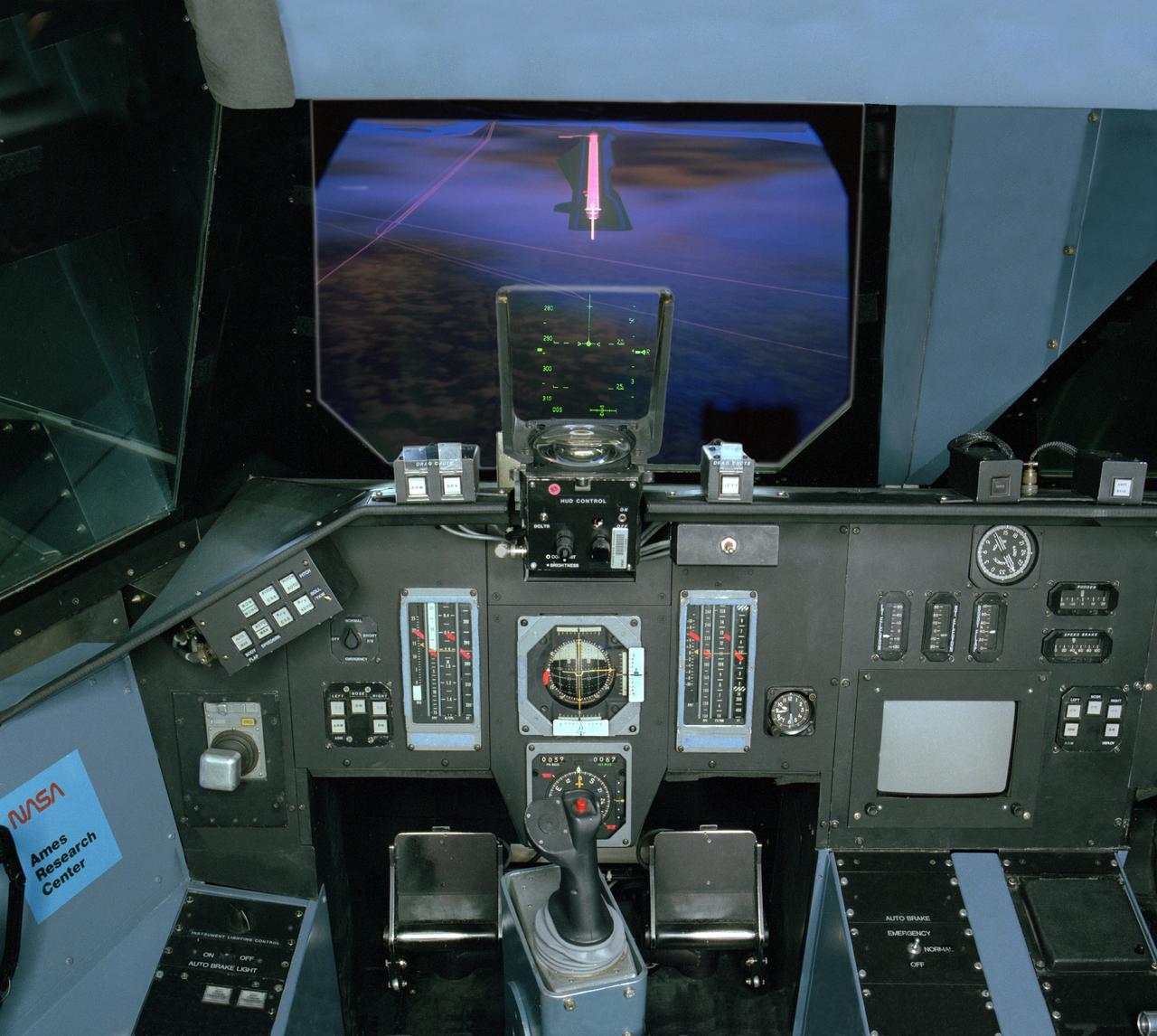
NASA Ames VMS (Vertical Motion simulator) S-cab Space Shuttle sim with out the window views 'night landing'
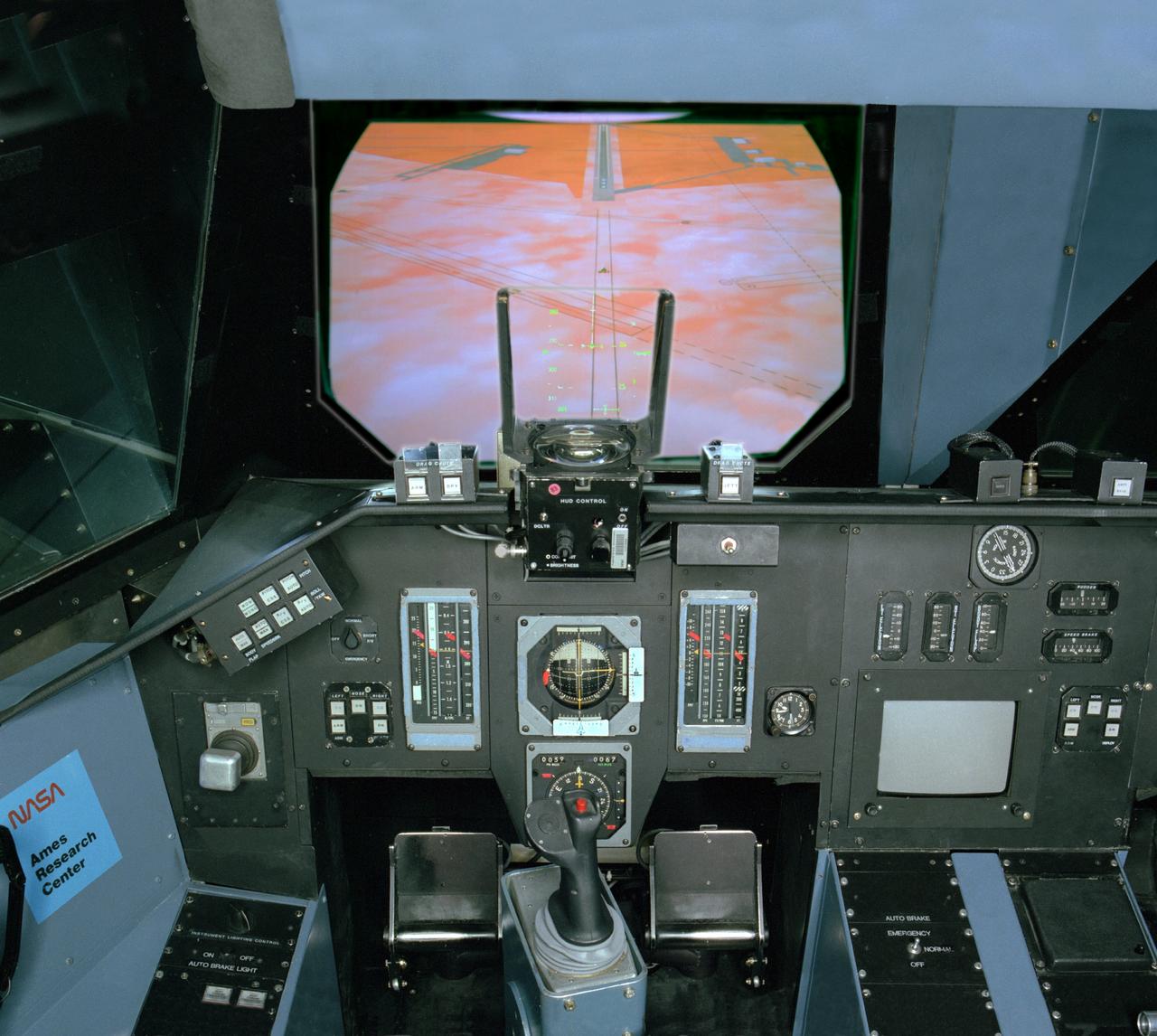
NASA Ames VMS (Vertical Motion simulator) S-cab Space Shuttle sim with out the window views 'DFRC landing'
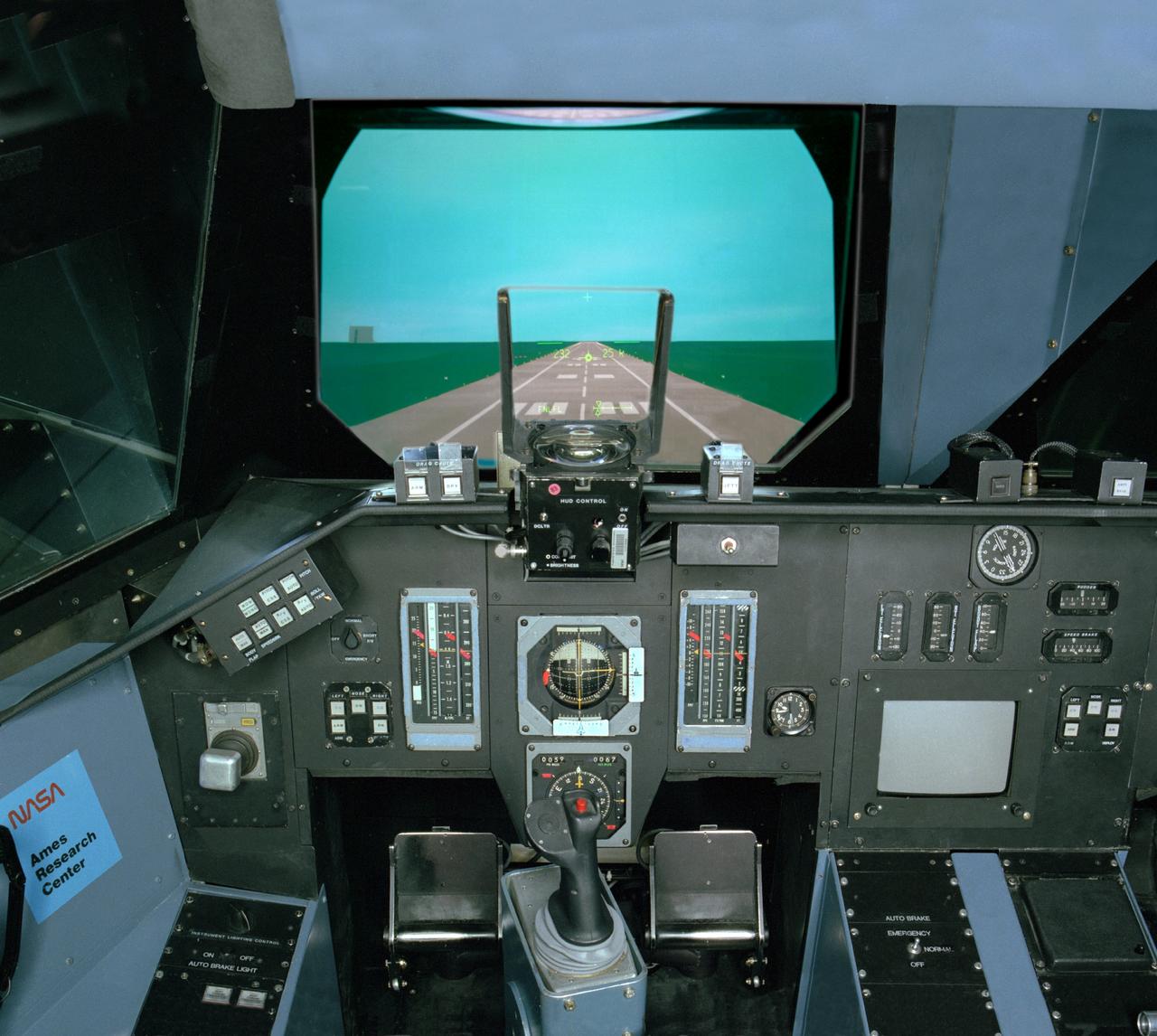
VMS S-cab Space Shuttle sim with out the window views 'KSC landing'
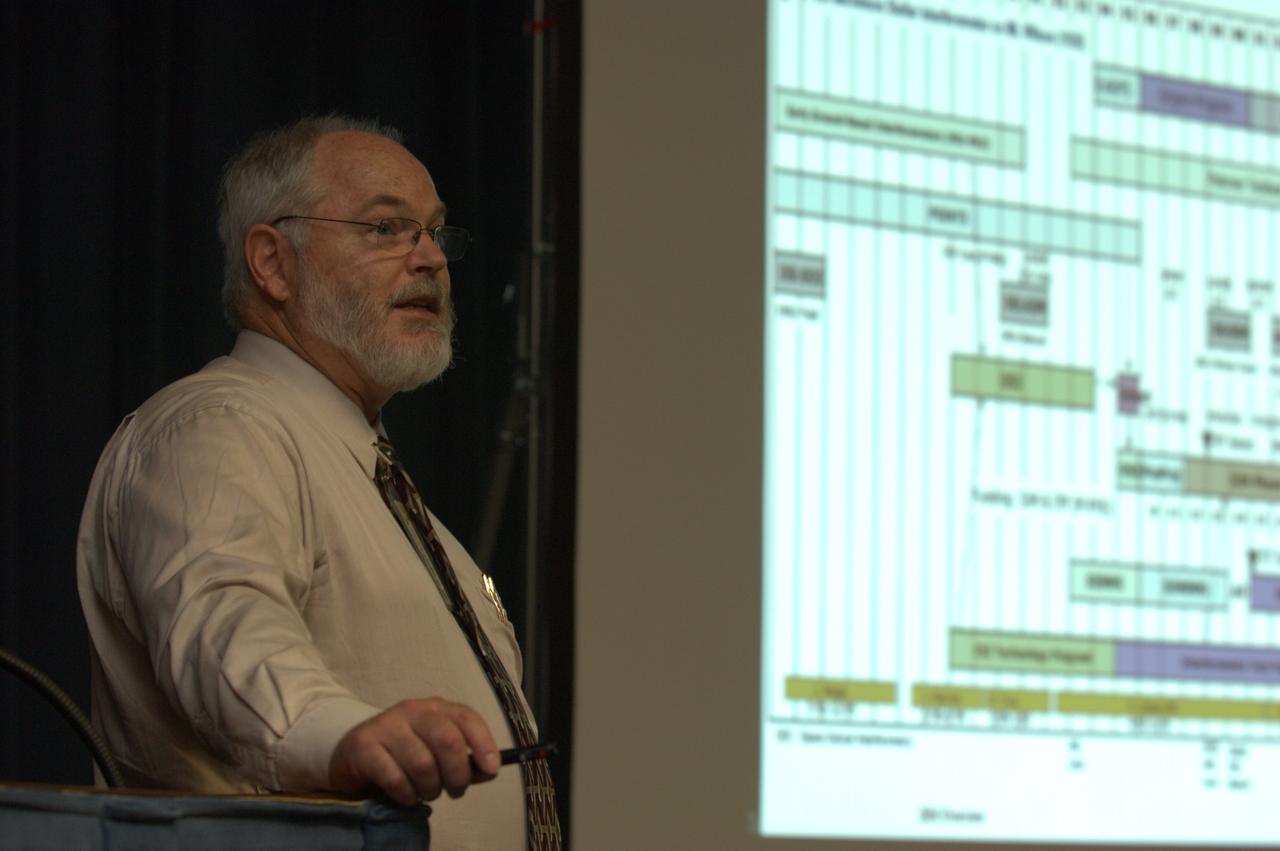
James Marr, NASA JPL presents a Director's Colloquium to Ames staff on 'The SIM-lite Mission Concept: Detecting Earth-like Planets around Nearby Stars'
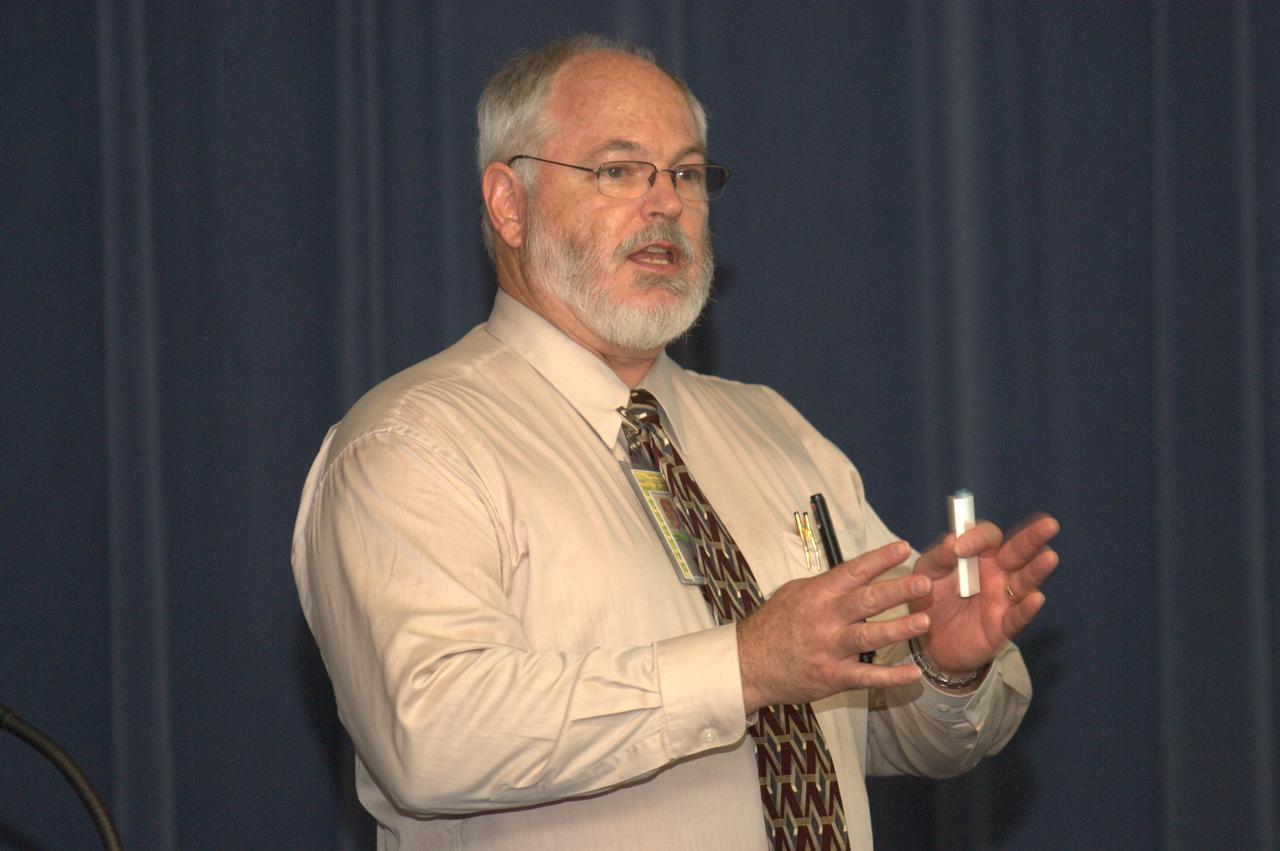
James Marr, NASA JPL presents a Director's Colloquium to Ames staff on 'The SIM-lite Mission Concept: Detecting Earth-like Planets around Nearby Stars'
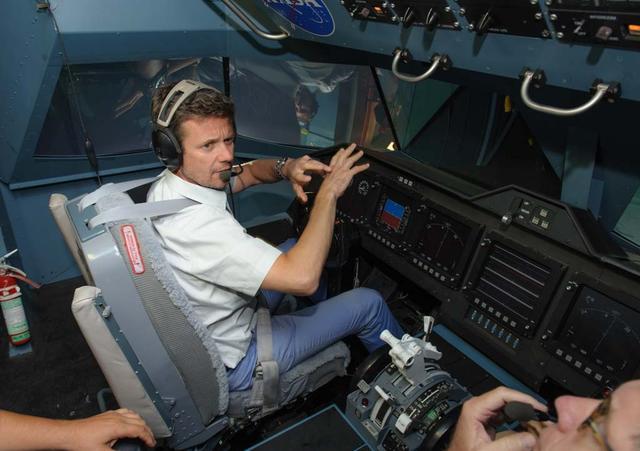
HRH Prince Frederik of Denmark visit and tour of NASA Ames Research Center. shown here at the Vertical Motion Simulator in the cockpit flying a sim.
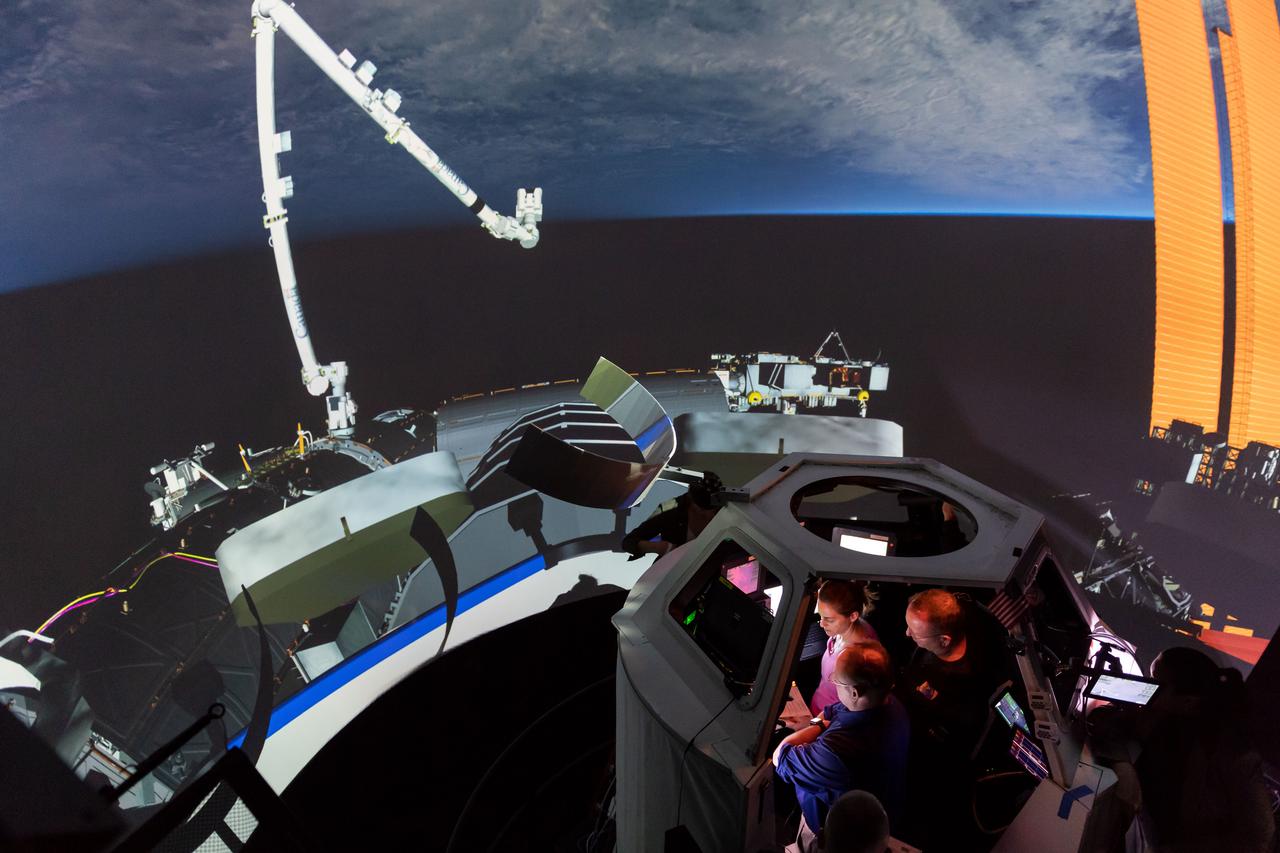
Commercial Crew Program astronauts Mike Fincke, Nicole Mann and Barry "Butch" Wilmore in Free Flyer Track & Capture Sim training in SES Alpha Cupola.
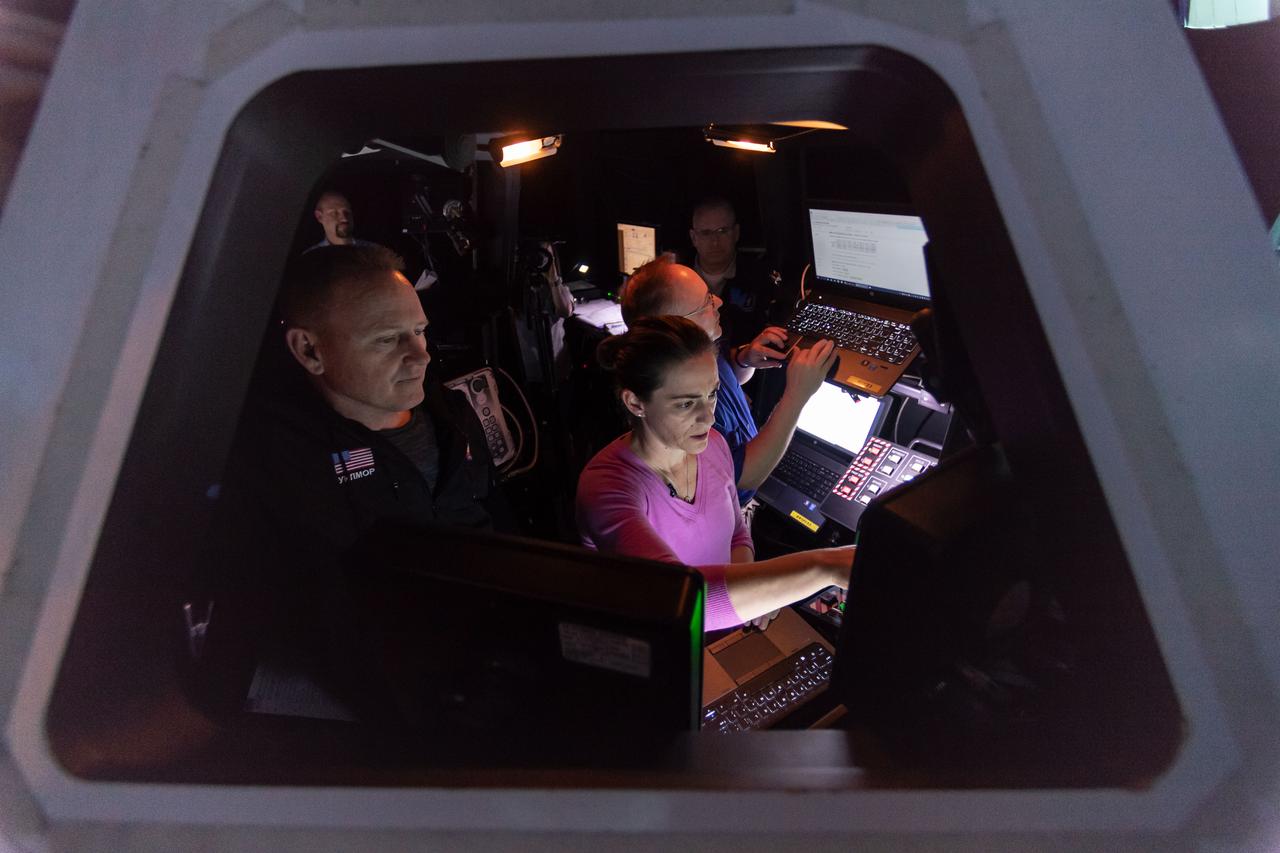
Commercial Crew Program astronauts Mike Fincke, Nicole Mann and Barry "Butch" Wilmore in Free Flyer Track & Capture Sim training in SES Alpha Cupola.
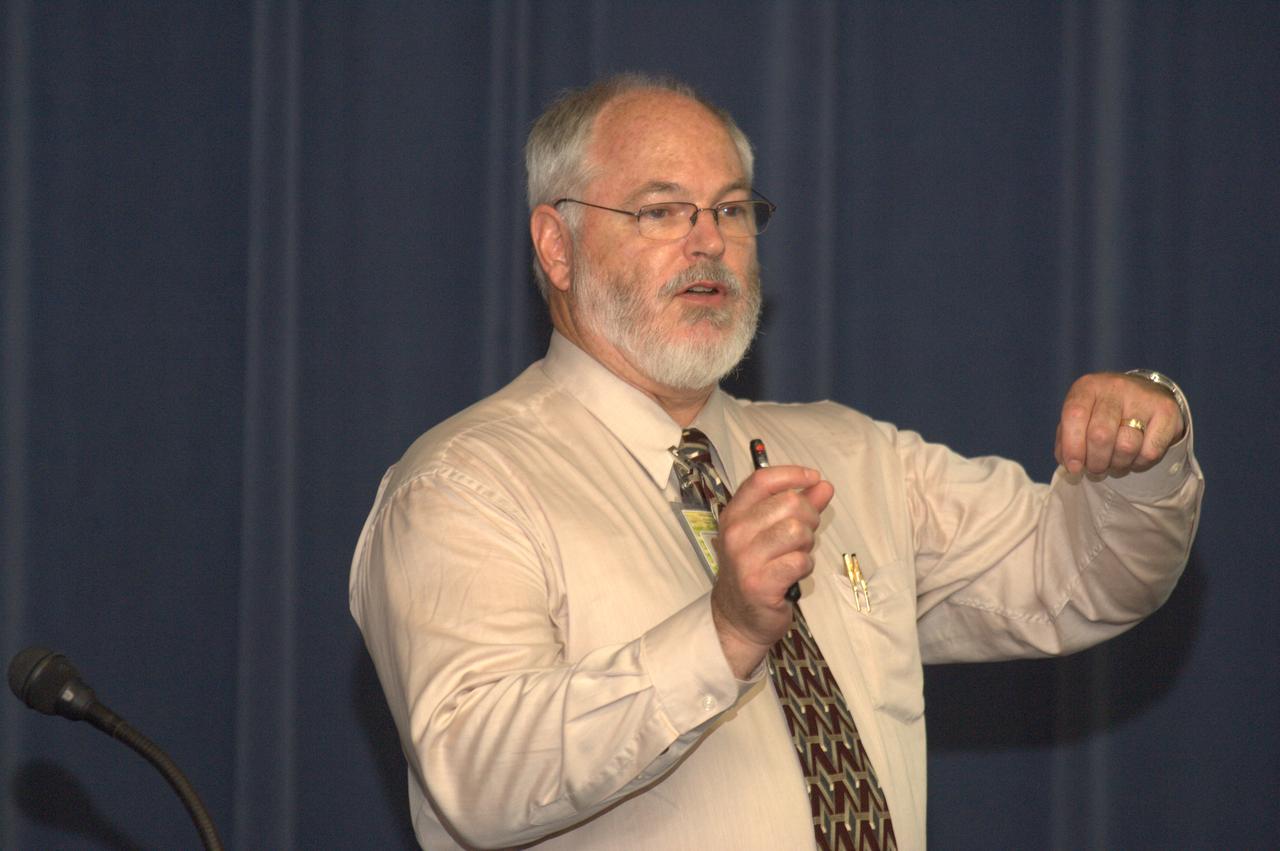
James Marr, NASA JPL presents a Director's Colloquium to Ames staff on 'The SIM-lite Mission Concept: Detecting Earth-like Planets around Nearby Stars'
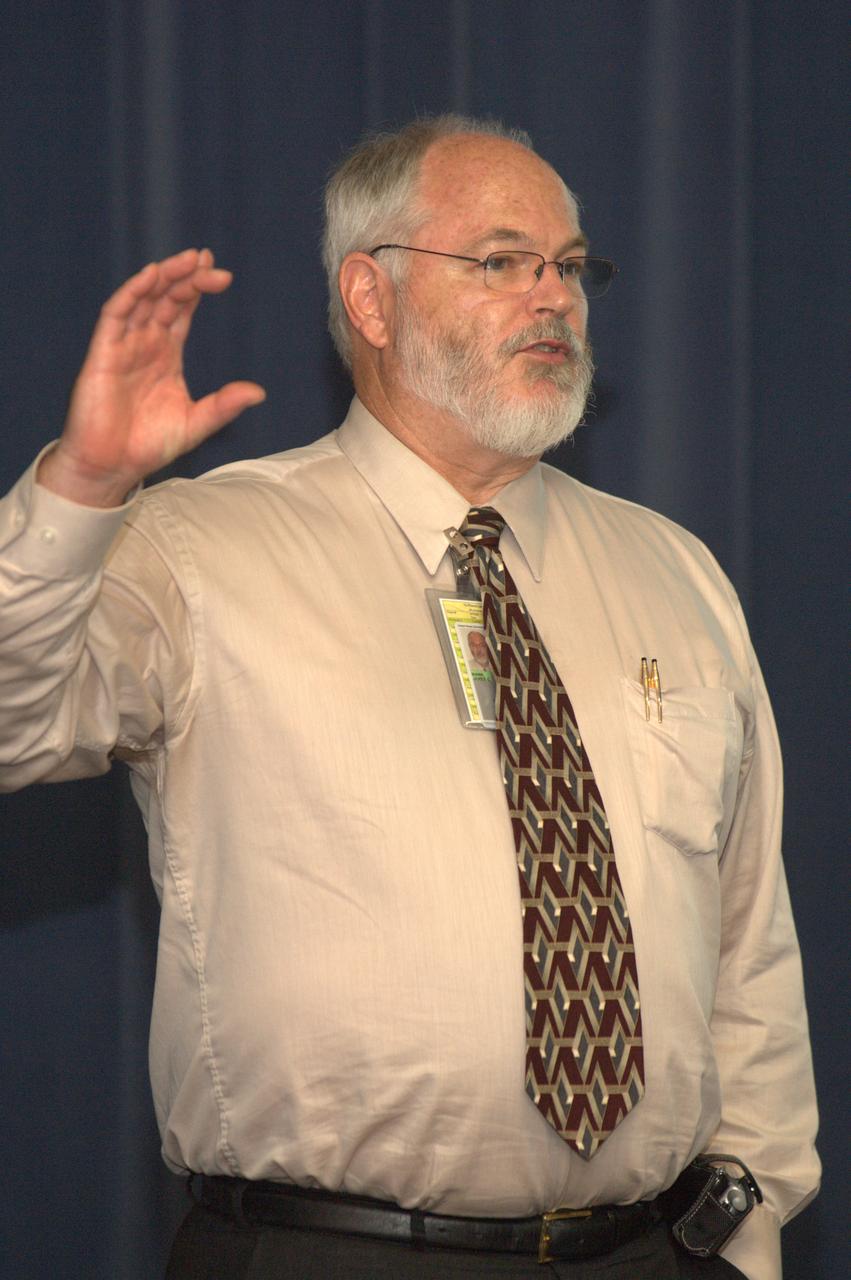
James Marr, NASA JPL presents a Director's Colloquium to Ames staff on 'The SIM-lite Mission Concept: Detecting Earth-like Planets around Nearby Stars'
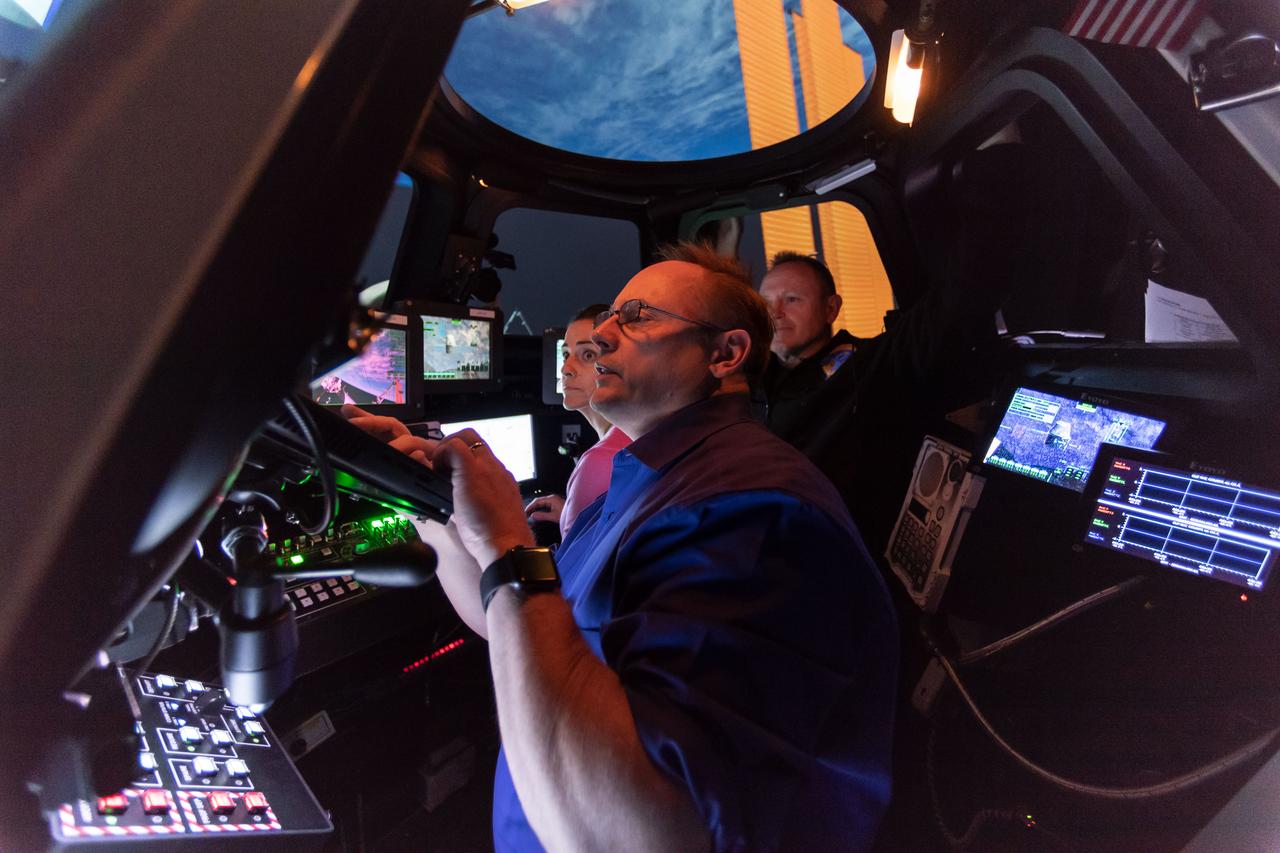
Commercial Crew Program astronauts Mike Fincke, Nicole Mann and Barry "Butch" Wilmore in Free Flyer Track & Capture Sim training in SES Alpha Cupola.
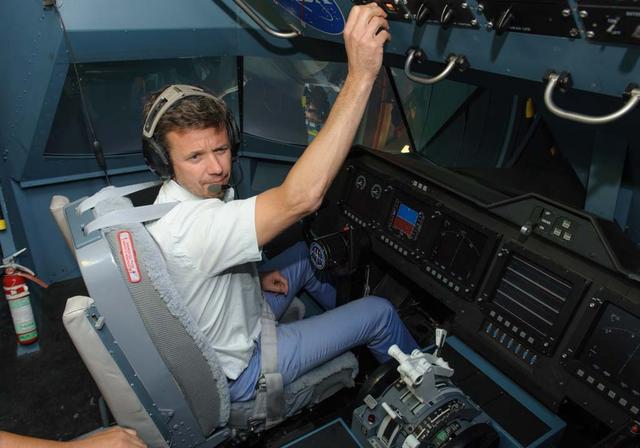
HRH Prince Frederik of Denmark visit and tour of NASA Ames Research Center. shown here at the Vertical Motion Simulator in the cockpit flying a sim.
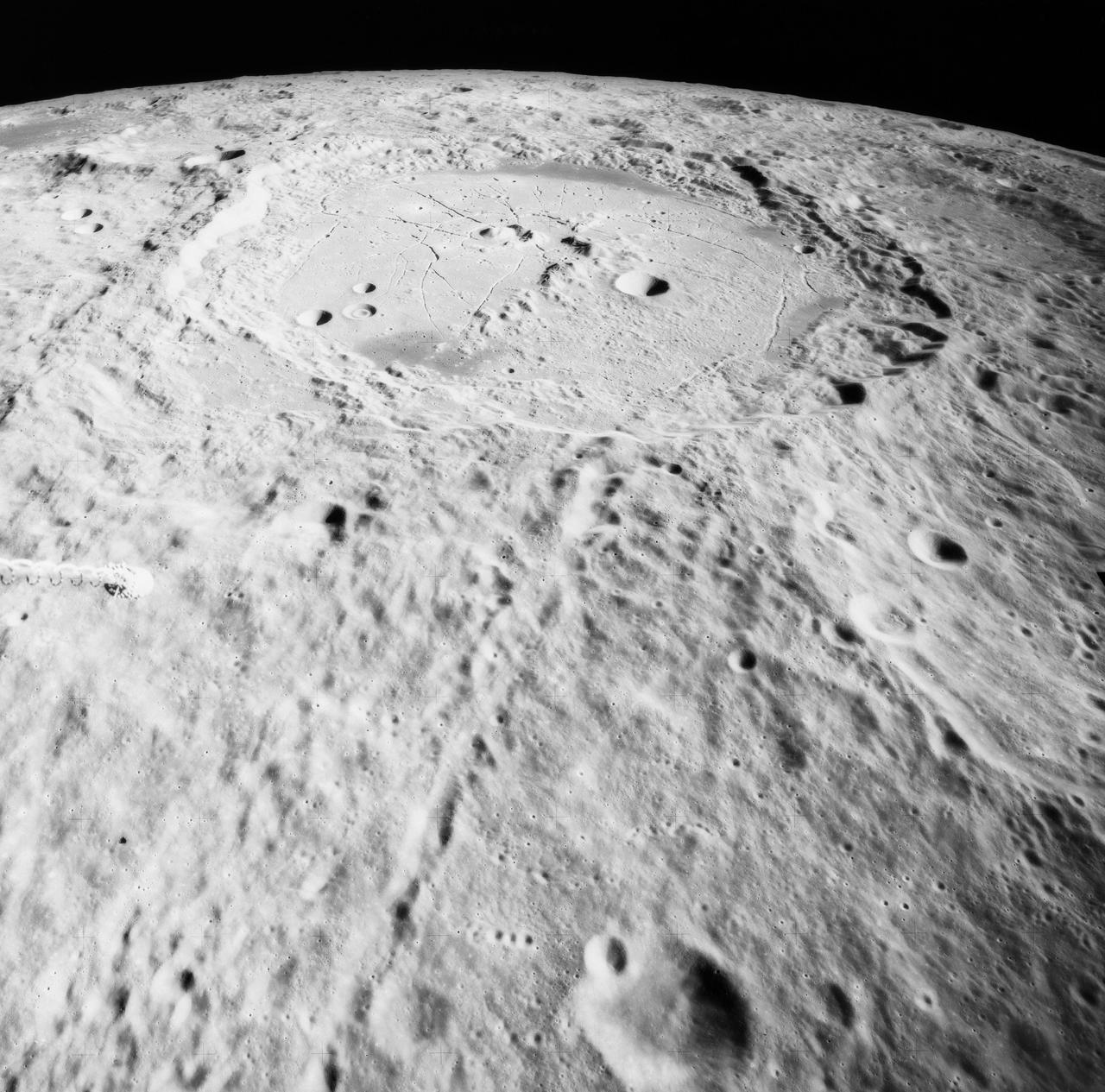
S71-44668 (31 July-2 Aug. 1971) --- An oblique view of the crater Humboldt, as photographed by the Fairchild metric camera in the Scientific Instrument Module (SIM) bay of the Apollo 15 Command and Service Modules (CSM) in lunar orbit. This view is looking southerly. Humboldt, which is 200 kilometers (124 statute miles) in diameter, is located at 81 degrees east longitude and 27 degrees south latitude. The three-inch mapping camera was one of eight lunar orbital science experiments located in the SIM bay.
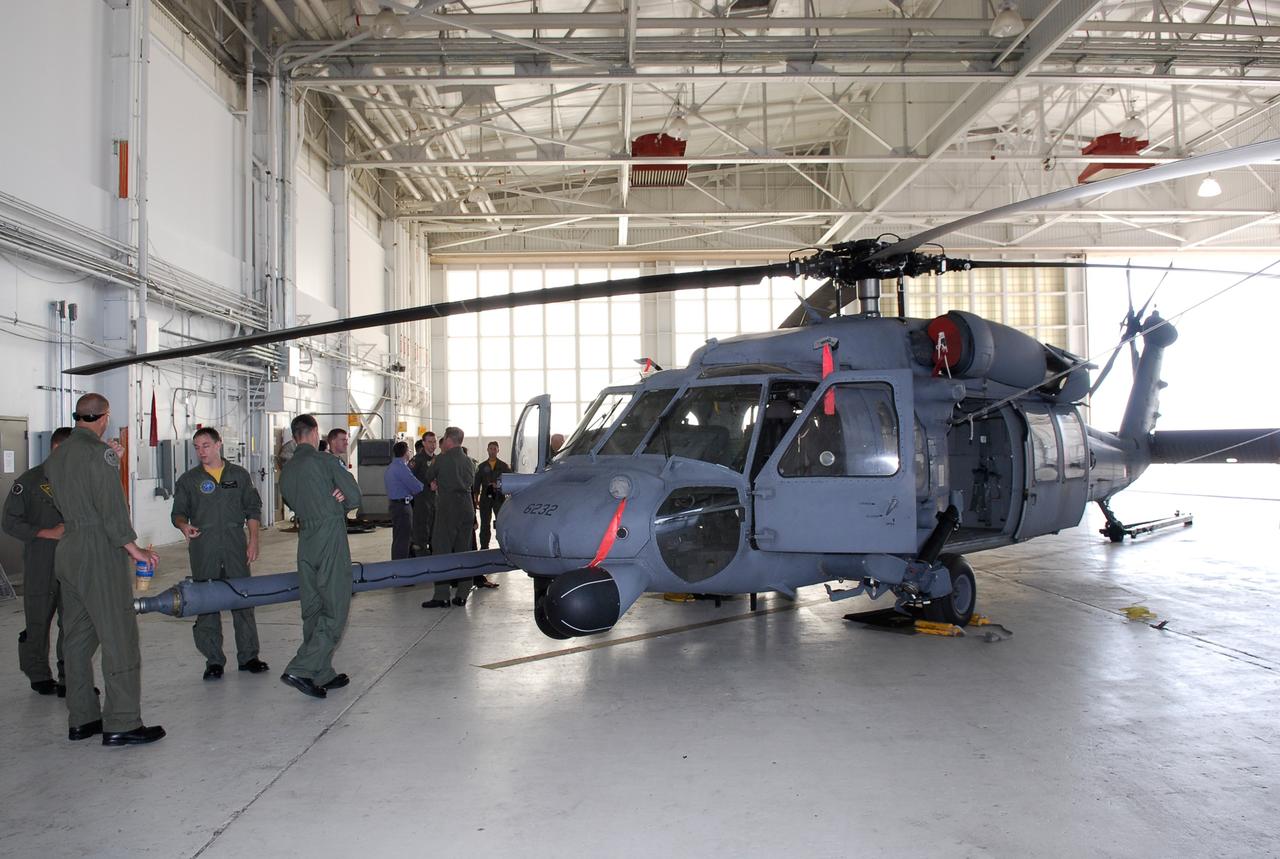
CAPE CANAVERAL, Fla. -- Participants in the Mode VIII exercise being conducted at Patrick Air Force Base, Fla., are introduced to the equipment they will be working with. In the foreground is an HH-60 helicopter. In support of, and with logistical support from, NASA, USSTRATCOM is hosting a major exercise involving Department of Defense, Department of Homeland Security, search and rescue (SAR) forces, including the 45th Space Wing at Patrick Air Force Base, which support space shuttle astronaut bailout contingency operations, known as Mode VIII. This exercise tests SAR capabilities to locate, recover and provide medical treatment for astronauts following a space shuttle launch phase open-ocean bailout. Participants include members of the U.S. Navy, U.S. Coast Guard, U.S. Air Force, and NASA's Kennedy Space Center and Johnson Space Center. This will be the 15th Mode VIII exercise conducted in the past 20 years. Photo credit: NASA/Kim Shiflett
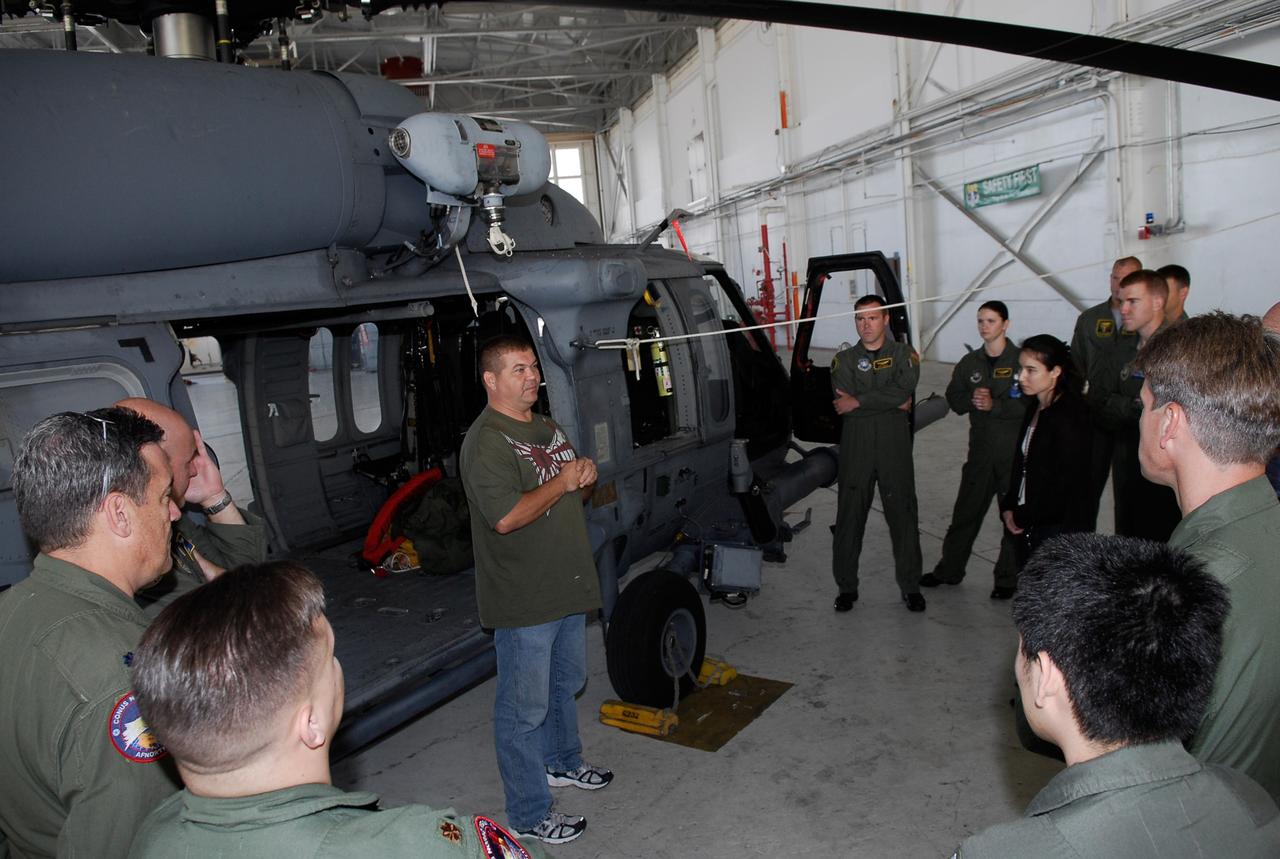
CAPE CANAVERAL, Fla. -- Participants in the Mode VIII exercise being conducted at Patrick Air Force Base, Fla., get instruction about the rescue equipment they will be working with. In support of, and with logistical support from, NASA, USSTRATCOM is hosting a major exercise involving Department of Defense, Department of Homeland Security, search and rescue (SAR) forces, including the 45th Space Wing at Patrick Air Force Base, which support space shuttle astronaut bailout contingency operations, known as Mode VIII. This exercise tests SAR capabilities to locate, recover and provide medical treatment for astronauts following a space shuttle launch phase open-ocean bailout. Participants include members of the U.S. Navy, U.S. Coast Guard, U.S. Air Force, and NASA's Kennedy Space Center and Johnson Space Center. This will be the 15th Mode VIII exercise conducted in the past 20 years. Photo credit: NASA/Kim Shiflett
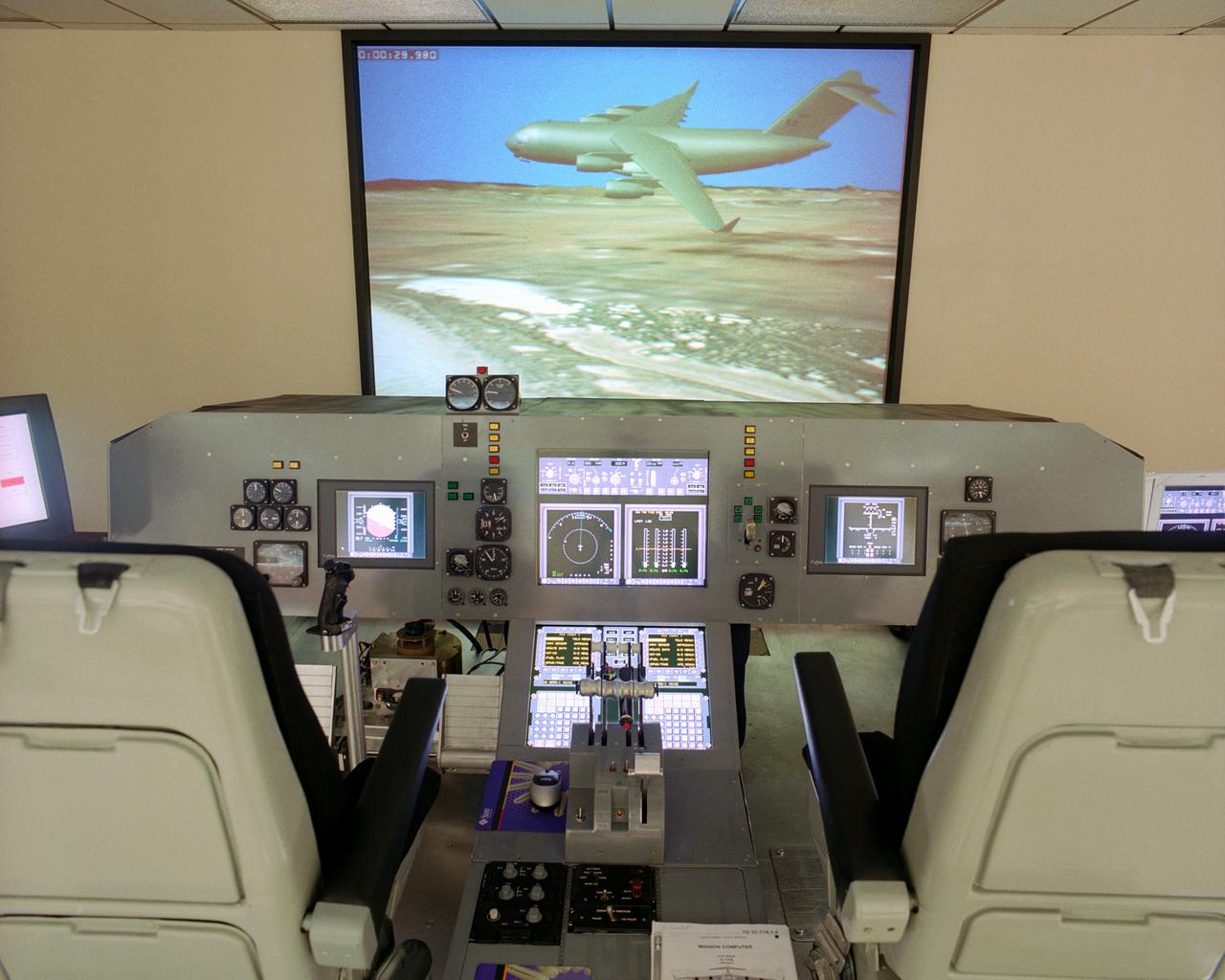
The C-17 simulator at NASA's Dryden Flight Research Center, Edwards, California. Simulators offer a safe and economical alternative to actual flights to gather data, as well as being excellent facilities for pilot practice and training.
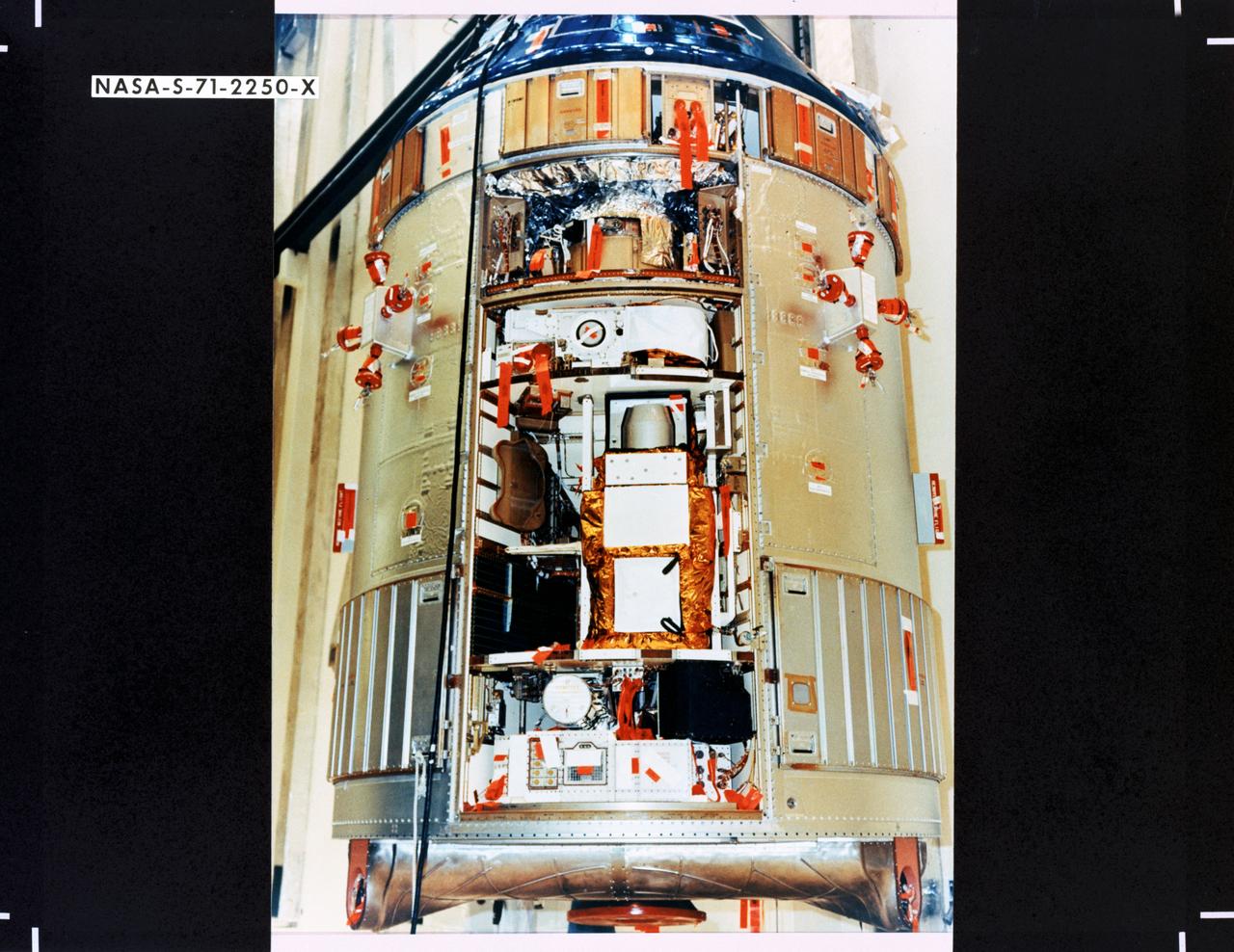
S71-2250X (June 1971) --- A close-up view of the Scientific Instrument Module (SIM) to be flown for the first time on the Apollo 15 lunar landing mission. Mounted in a previously vacant sector of the Apollo Service Module (SM), the SIM carries specialized cameras and instrumentation for gathering lunar orbit scientific data. SIM equipment includes a laser altimeter for accurate measurement of height above the lunar surface; a large-format panoramic camera for mapping, correlated with a metric camera and the laser altimeter for surface mapping; a gamma ray spectrometer on a 25-feet extendible boom; a mass spectrometer on a 21-feet extendible boom; X-ray and alpha particle spectrometers; and a subsatellite which will be injected into lunar orbit carrying a particle and magnetometer, and the S-Band transponder.
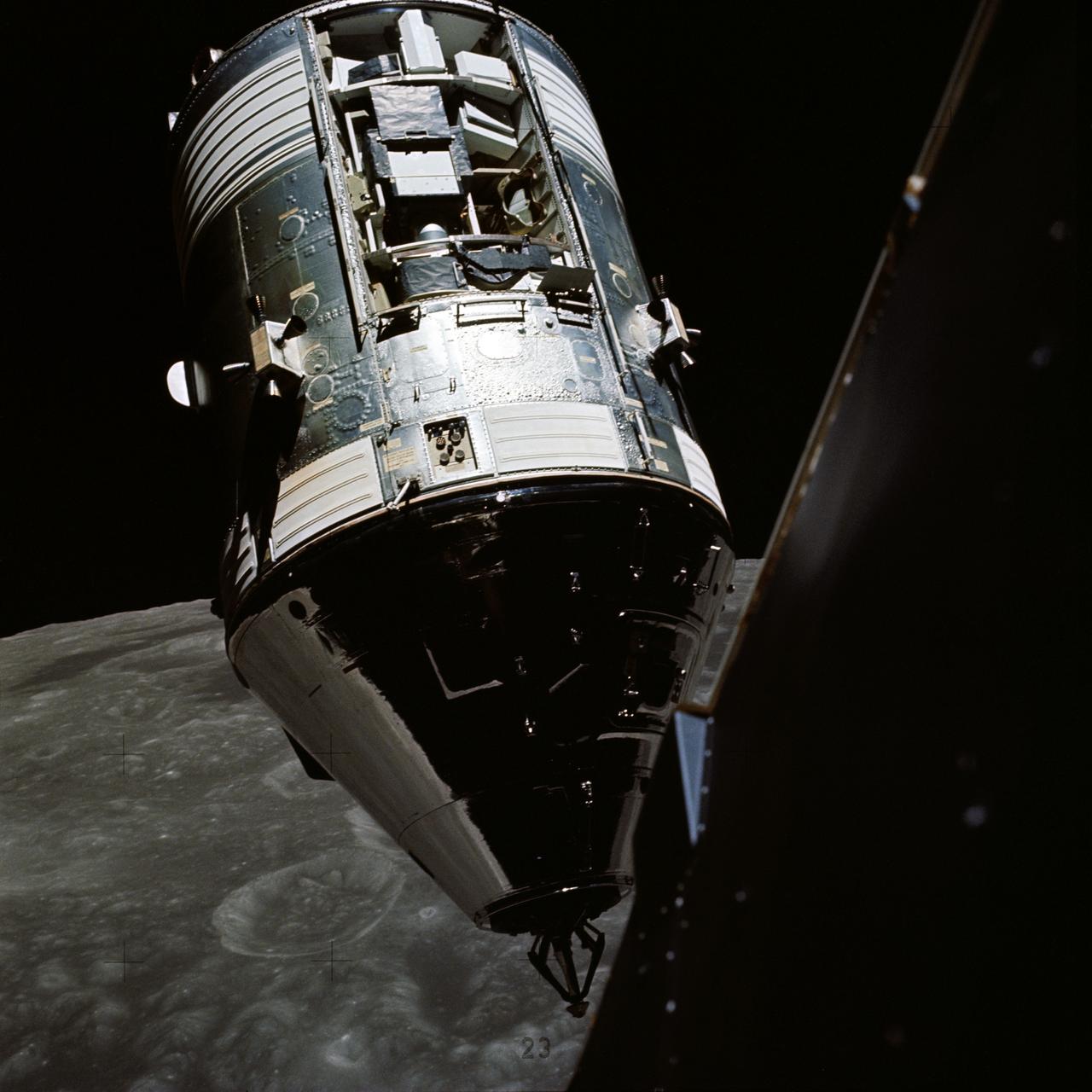
AS17-145-22254 (14 Dec. 1972) --- An excellent view of the Apollo 17 Command and Service Modules (CSM) photographed from the Lunar Module (LM) "Challenger" during rendezvous and docking maneuvers in lunar orbit. The LM ascent stage, with astronauts Eugene A. Cernan and Harrison H. Schmitt aboard, had just returned from the Taurus-Littrow landing site on the lunar surface. Astronaut Ronald E. Evans remained with the CSM in lunar orbit. Note the exposed Scientific Instrument Module (SIM) Bay in Sector 1 of the Service Module (SM). Three experiments are carried in the SIM bay: S-209 lunar sounder, S-171 infrared scanning spectrometer, and the S-169 far-ultraviolet spectrometer. Also mounted in the SIM bay are the panoramic camera, mapping camera and laser altimeter used in service module photographic tasks. A portion of the LM is on the right.
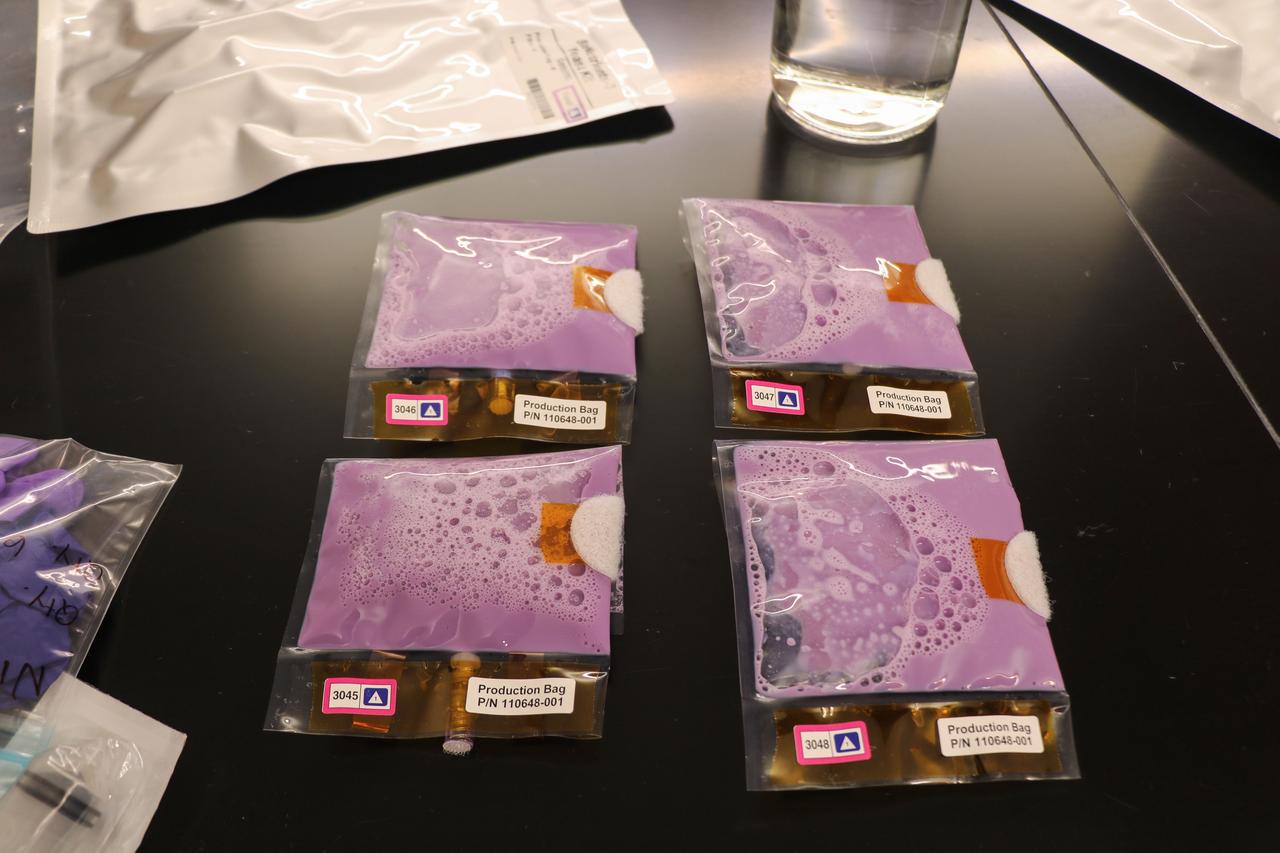
Four BioNutrients-3 yogurt bags, following completion of hydration but before incubation. Note the purple color indicating that the samples have not yet been incubated. o Photo Credit: Kevin Sims (NASA Ames)

Four BioNutrients-3 yogurt bags, following completion of incubation. Note the pink color showing that the yogurt has formed and lowered the pH. Photo Credit: Kevin Sims (NASA Ames)
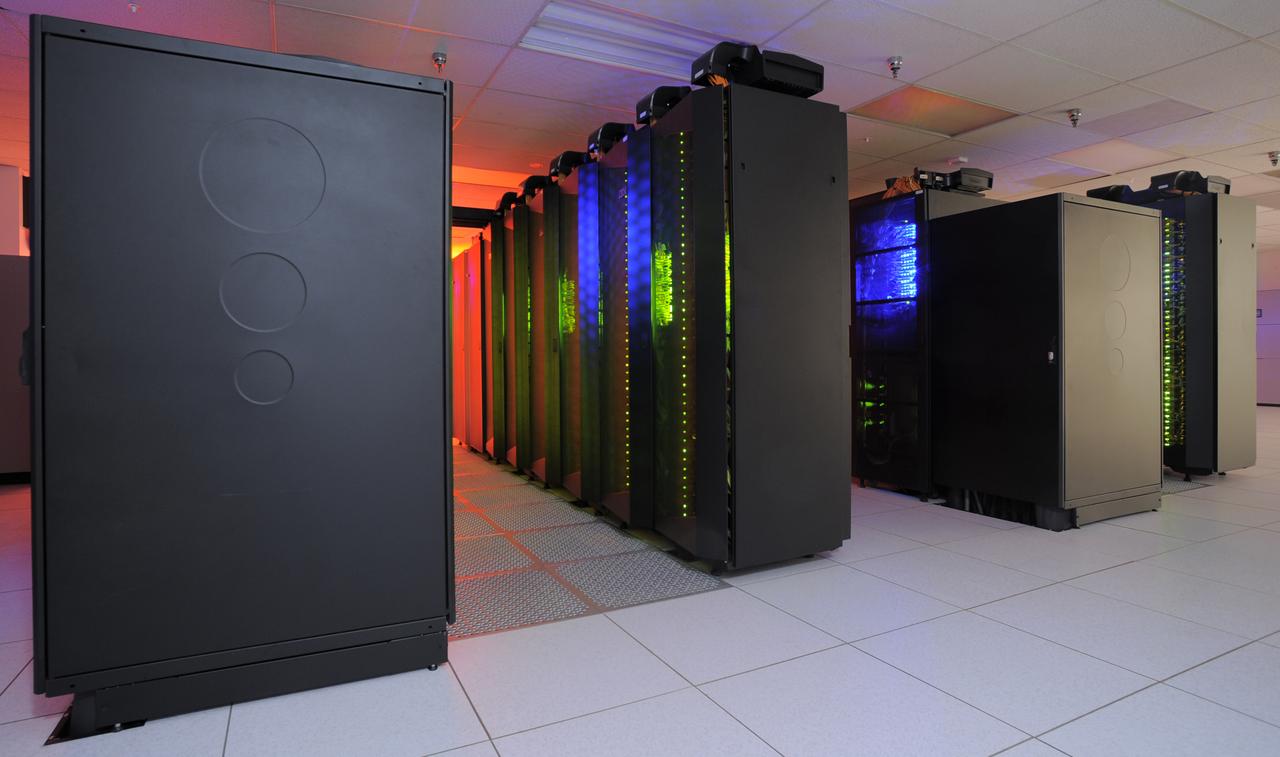
The heart of the NASA Center for Climate Simulation (NCCS) is the “Discover” supercomputer. In 2009, NCCS added more than 8,000 computer processors to Discover, for a total of nearly 15,000 processors. Credit: NASA/Pat Izzo To learn more about NCCS go to: <a href="http://www.nasa.gov/topics/earth/features/climate-sim-center.html" rel="nofollow">www.nasa.gov/topics/earth/features/climate-sim-center.html</a> NASA Goddard Space Flight Center is home to the nation's largest organization of combined scientists, engineers and technologists that build spacecraft, instruments and new technology to study the Earth, the sun, our solar system, and the universe.
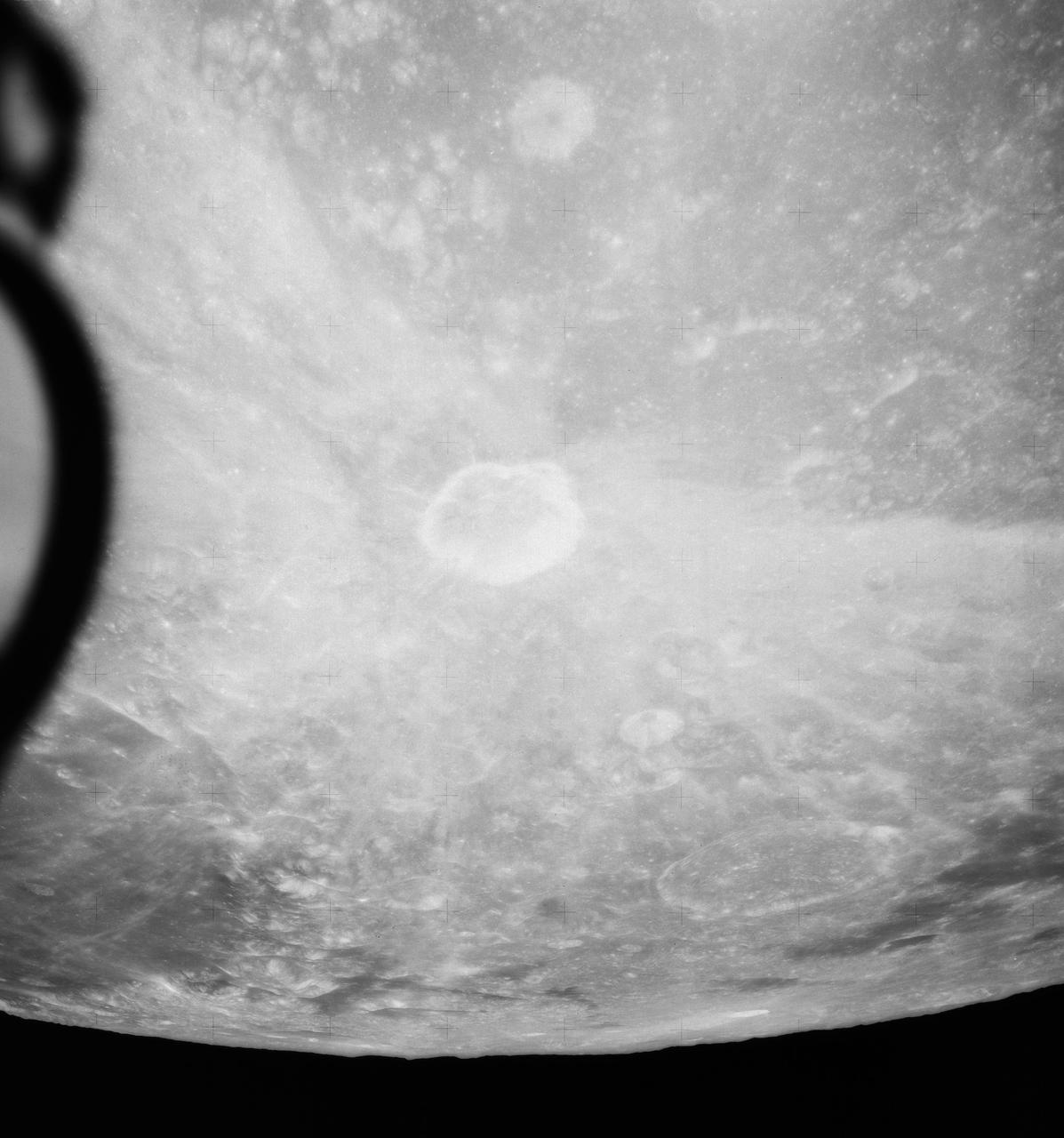
S71-44669 (31 July-2 Aug. 1971) --- An oblique view of the rayed crater Proclus on the lunar nearside, as photographed by the Fairchild metric camera in the SIM bay of the Apollo 15 Command and Service Modules (CSM) in lunar orbit. This view is looking north. The Sea of Crisis is at upper right. Proclus, which is 28 kilometers (16.58 statute miles) in diameter, is located at 47 degrees east longitude and 16 degrees north latitude. The Marsh of Sleep is at lower left. A small portion of the Sea of Tranquility can be seen at upper left. The crater Macrobius is located at upper left. The three-inch mapping camera was one of eight lunar orbital science experiments mounted in the SIM bay.
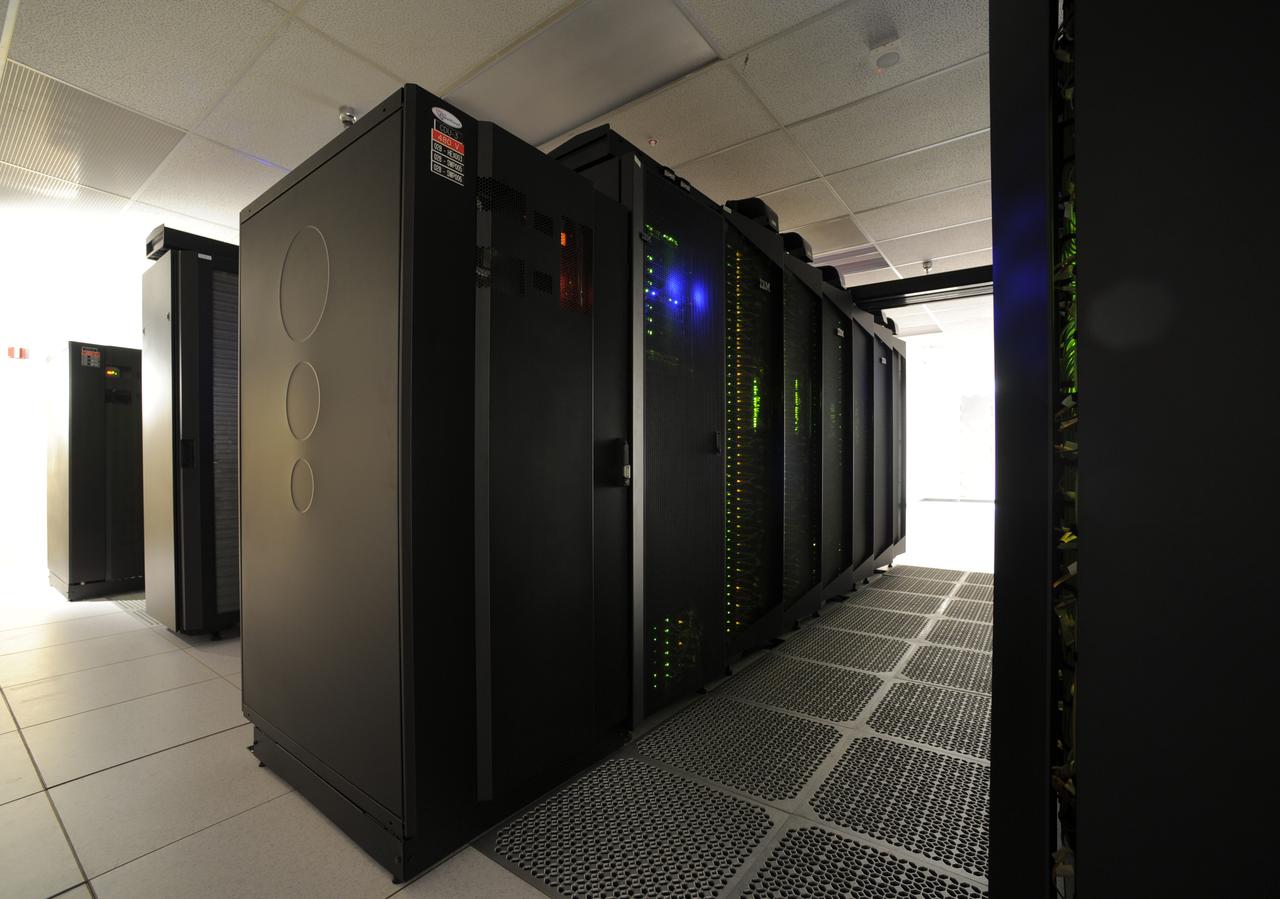
This close-up view highlights one row—approximately 2,000 computer processors—of the “Discover” supercomputer at the NASA Center for Climate Simulation (NCCS). Discover has a total of nearly 15,000 processors. Credit: NASA/Pat Izzo To learn more about NCCS go to: <a href="http://www.nasa.gov/topics/earth/features/climate-sim-center.html" rel="nofollow">www.nasa.gov/topics/earth/features/climate-sim-center.html</a> NASA Goddard Space Flight Center is home to the nation's largest organization of combined scientists, engineers and technologists that build spacecraft, instruments and new technology to study the Earth, the sun, our solar system, and the universe.
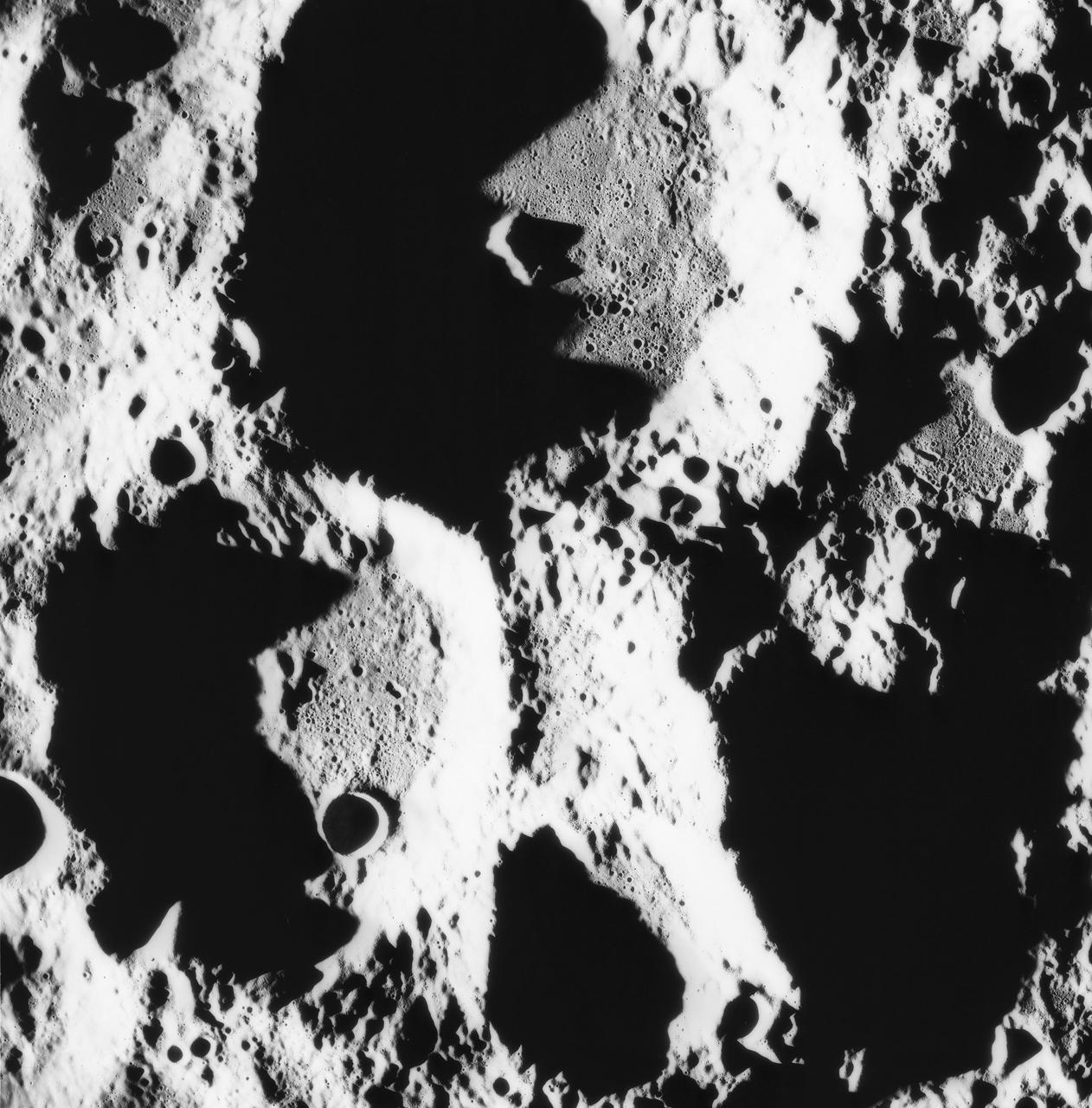
S71-44672 (30 July 1971) --- A near vertical view of the crater Paracelsus (formerly called I.A.U. Crater 365) on the lunar farside, as photographed by the Fairchild metric camera in the Scientific Instrumentation Module (SIM) bay of the Apollo 15 Command and Service Modules (CSM) in lunar orbit. Note mountain peak in center of Paracelsus. The coordinates of the center of Paracelsus are 163 degrees east longitude and 23 degrees south latitude. The second largest crater in the picture is identified as number 364 by the I.A.U. North will be at the top of the picture if held with Paracelsus at top center. The three-inch mapping camera was one of eight lunar orbital science experiments mounted in the SIM bay.
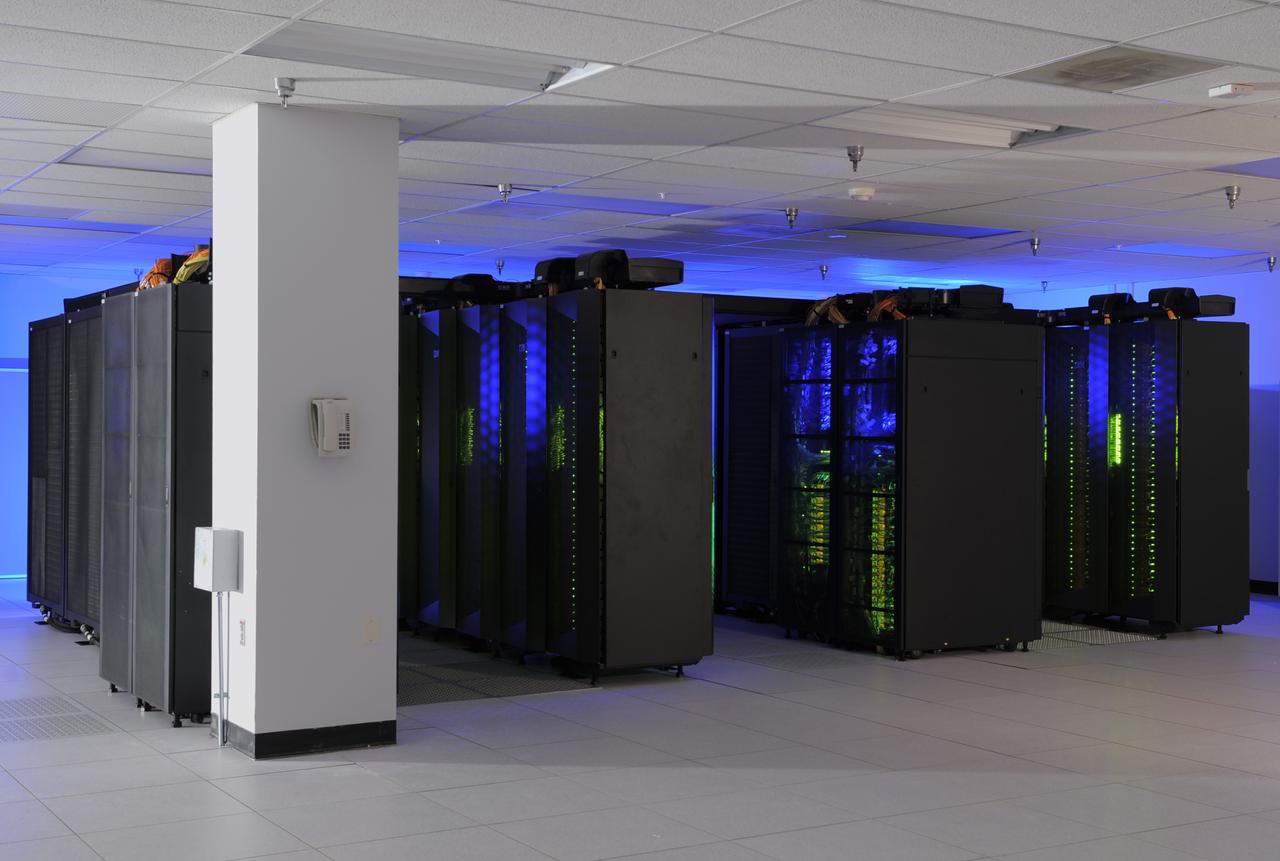
The heart of the NASA Center for Climate Simulation (NCCS) is the “Discover” supercomputer. In 2009, NCCS added more than 8,000 computer processors to Discover, for a total of nearly 15,000 processors. Credit: NASA/Pat Izzo To learn more about NCCS go to: <a href="http://www.nasa.gov/topics/earth/features/climate-sim-center.html" rel="nofollow">www.nasa.gov/topics/earth/features/climate-sim-center.html</a> NASA Goddard Space Flight Center is home to the nation's largest organization of combined scientists, engineers and technologists that build spacecraft, instruments and new technology to study the Earth, the sun, our solar system, and the universe.
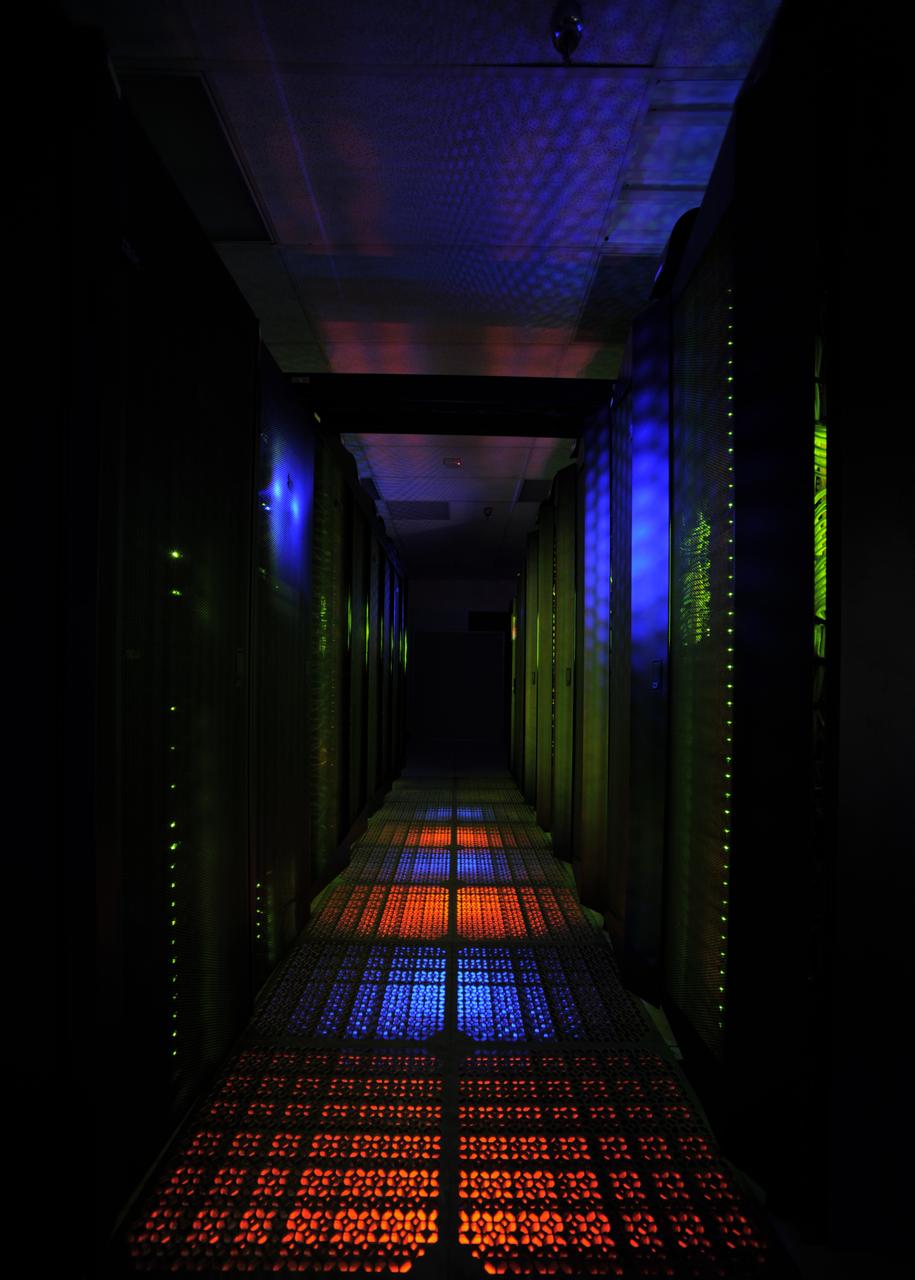
Two rows of the “Discover” supercomputer at the NASA Center for Climate Simulation (NCCS) contain more than 4,000 computer processors. Discover has a total of nearly 15,000 processors. Credit: NASA/Pat Izzo To learn more about NCCS go to: <a href="http://www.nasa.gov/topics/earth/features/climate-sim-center.html" rel="nofollow">www.nasa.gov/topics/earth/features/climate-sim-center.html</a> NASA Goddard Space Flight Center is home to the nation's largest organization of combined scientists, engineers and technologists that build spacecraft, instruments and new technology to study the Earth, the sun, our solar system, and the universe.
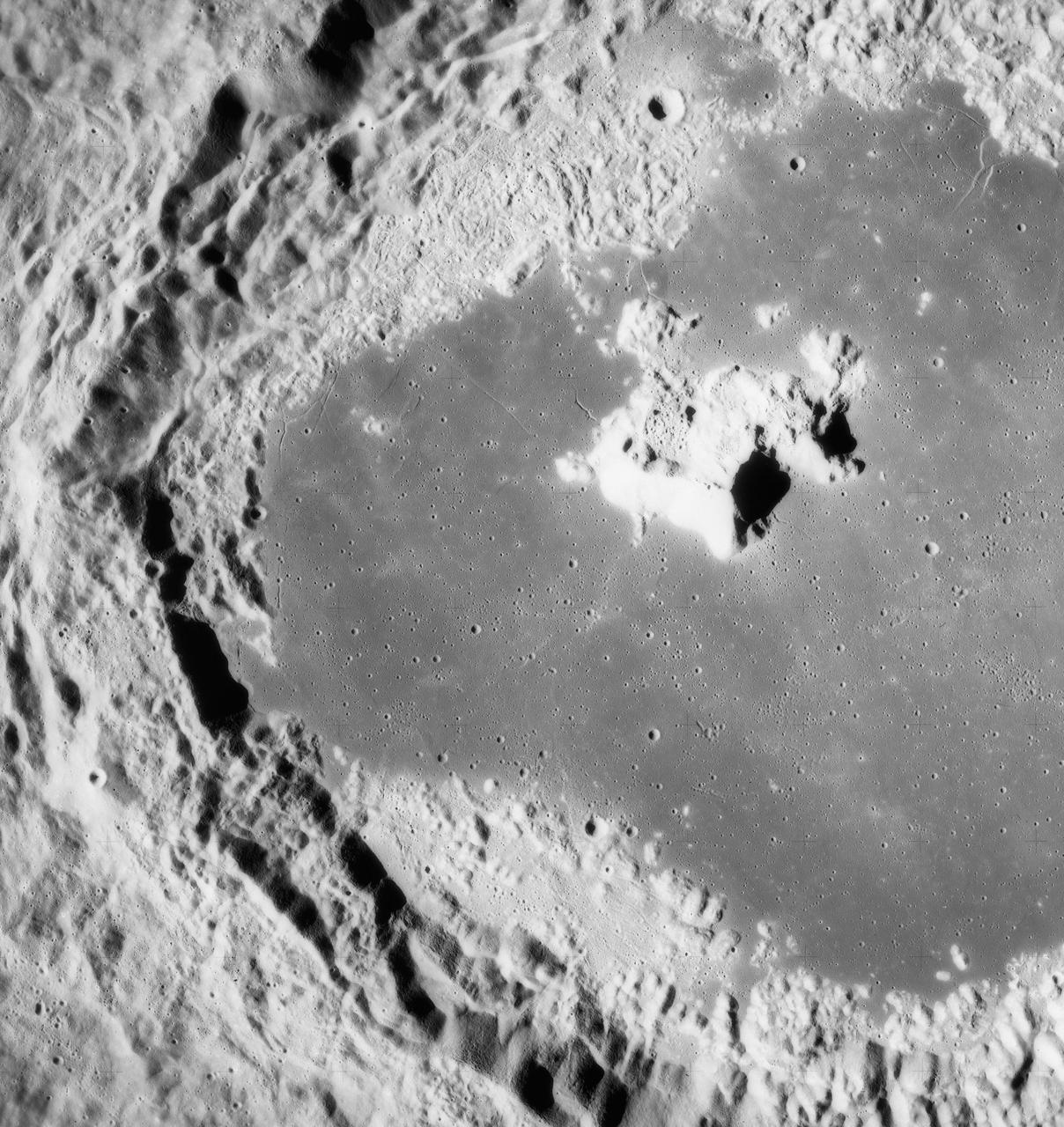
S71-44670 (31 July 1971) --- A near vertical view of the crater Tsiolkovsky on the lunar farside, as photographed by the Fairchild metric camera in the Scientific Instrument Module (SIM) bay of the Apollo 15 Command and Service Modules (CSM) in lunar orbit. This view is looking northerly. The coordinates of the crater's central peaks are 128 degrees east longitude and 20 degrees south latitude. The mare area measured from east to west is approximately 145 kilometers (90 statute miles) across. The three-inch mapping camera was one of eight lunar orbital science experiments mounted in the SIM bay.
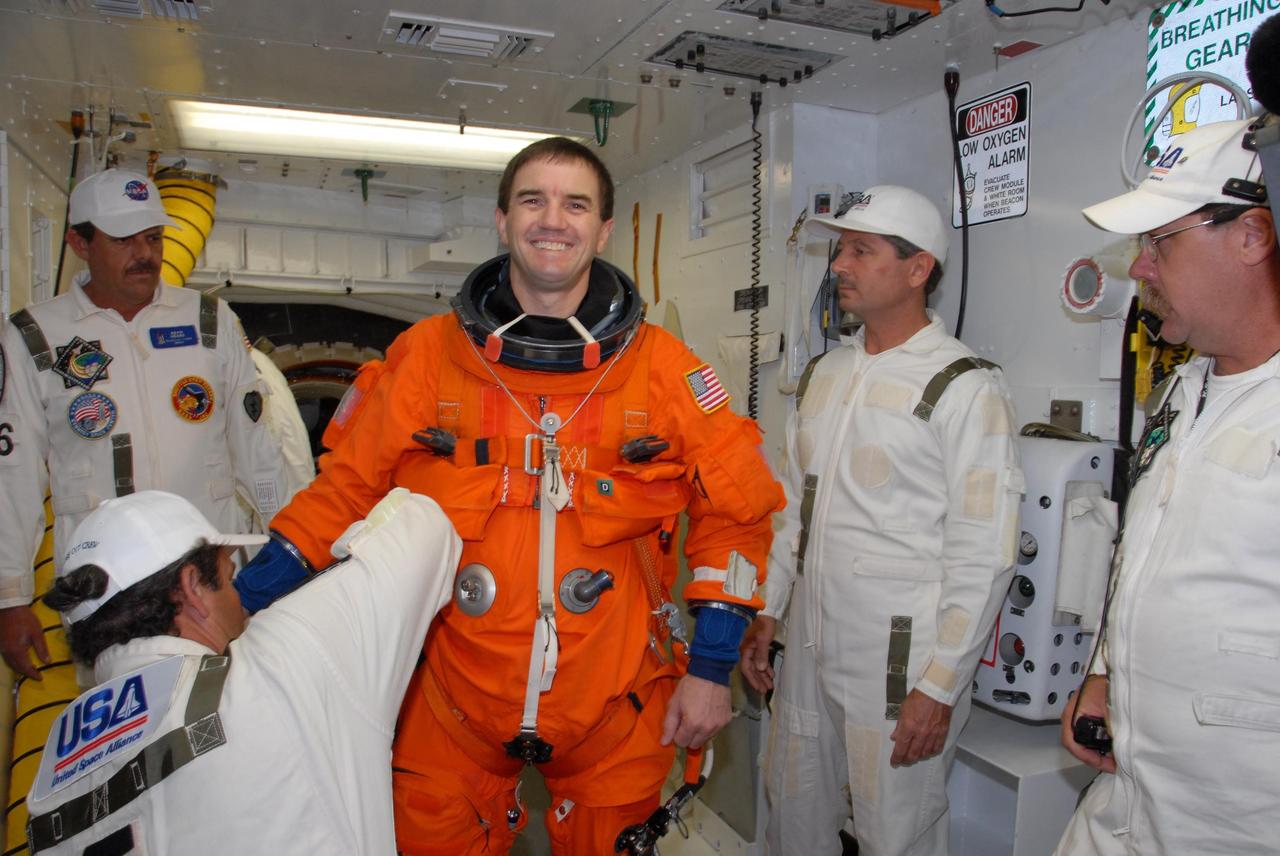
KENNEDY SPACE CENTER, FLA. -- In the White Room on Launch Pad 39A, suit technicians help space shuttle Atlantis STS-122 Mission Specialist Rex Walheim with his flight and entry suit before his entry onto Atlantis' flight deck, through the hatch behind him. The exercise is part of terminal countdown demonstration test, or TCDT, activities at NASA's Kennedy Space Center. The TCDT is a dress rehearsal for launch and also provides astronauts and ground crews with equipment familiarization and emergency egress training. On mission STS-122, Atlantis will deliver the Columbus module to the International Space Station. The European Space Agency's largest single contribution to the station, Columbus is a multifunctional, pressurized laboratory that will be permanently attached to U.S. Node 2, called Harmony. The laboratory will expand the research facilities aboard the station, providing crew members and scientists from around the world the ability to conduct a variety of experiments in the physical, materials and life sciences. Atlantis' launch is targeted for Dec. 6. Photo credit: NASA/George Shelton
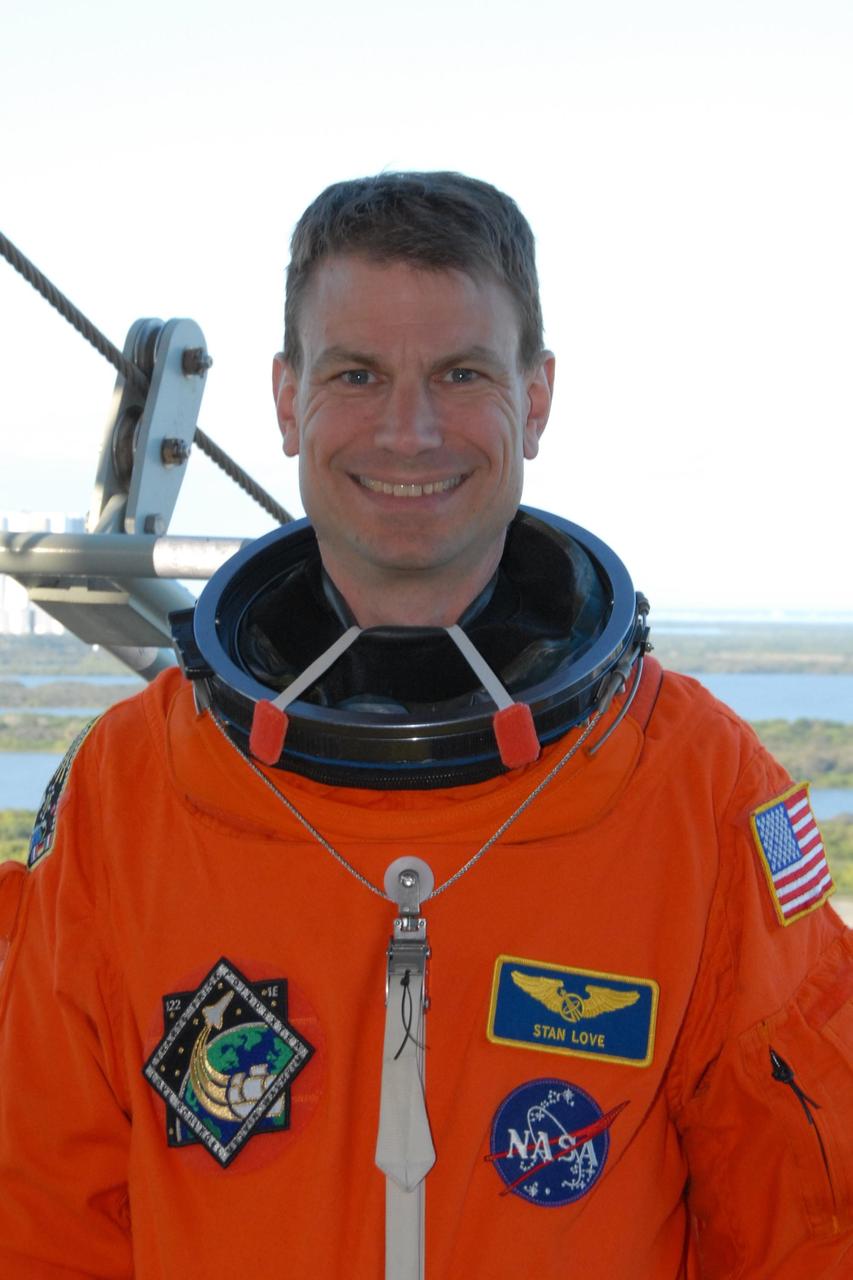
KENNEDY SPACE CENTER, FLA. -- Space shuttle Atlantis STS-122 Mission Specialist Stanley Love arrives at Launch Pad 39A, dressed in his launch and entry suit, to participate in a simulated launch countdown aboard Atlantis. The exercise is part of terminal countdown demonstration test, or TCDT, activities at NASA's Kennedy Space Center. The TCDT is a dress rehearsal for launch and also provides astronauts and ground crews with equipment familiarization and emergency egress training. On mission STS-122, Atlantis will deliver the Columbus module to the International Space Station. The European Space Agency's largest single contribution to the station, Columbus is a multifunctional, pressurized laboratory that will be permanently attached to U.S. Node 2, called Harmony. The laboratory will expand the research facilities aboard the station, providing crew members and scientists from around the world the ability to conduct a variety of experiments in the physical, materials and life sciences. Atlantis' launch is targeted for Dec. 6. Photo credit: NASA/George Shelton
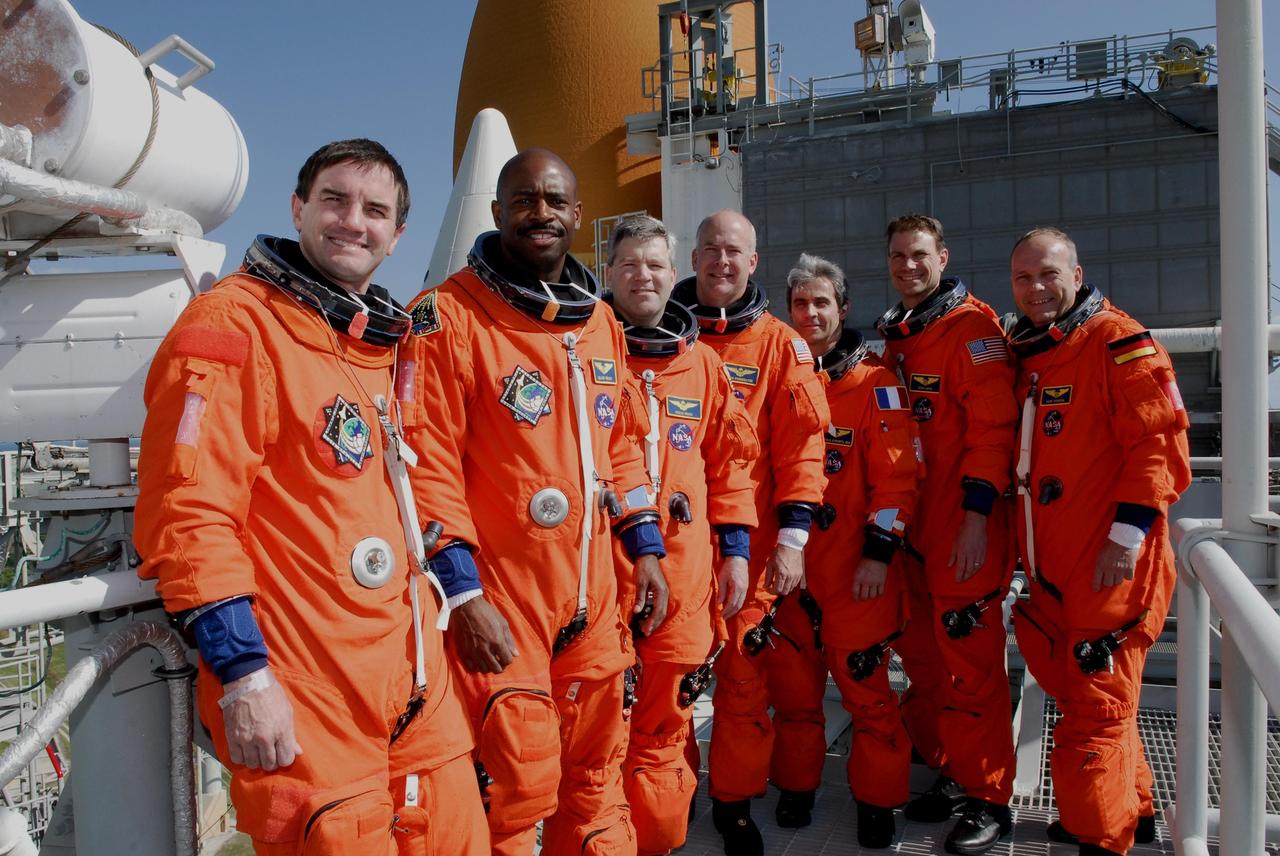
KENNEDY SPACE CENTER, FLA. -- Members of space shuttle Atlantis' STS-122 crew pose for a group portrait in front of Atlantis' external tank following a simulated launch countdown at Launch Pad 39A. From left are Mission Specialists Rex Walheim and Leland Melvin; Commander Steve Frick; Pilot Alan Poindexter; and Mission Specialists Leopold Eyharts, Stanley Love and Hans Schlegel. Schlegel and Eyharts are with the European Space Agency. Eyharts will remain on the International Space Station as a flight engineer for Expedition 16 following the STS-122 mission. The exercise is part of terminal countdown demonstration test, or TCDT, activities at NASA's Kennedy Space Center. The TCDT is a dress rehearsal for launch and also provides astronauts and ground crews with equipment familiarization and emergency egress training. On mission STS-122, Atlantis will deliver the Columbus module to the International Space Station. The European Space Agency's largest single contribution to the station, Columbus is a multifunctional, pressurized laboratory that will be permanently attached to U.S. Node 2, called Harmony. The laboratory will expand the research facilities aboard the station, providing crew members and scientists from around the world the ability to conduct a variety of experiments in the physical, materials and life sciences. Atlantis' launch is targeted for Dec. 6. Photo credit: NASA/Kim Shiflett
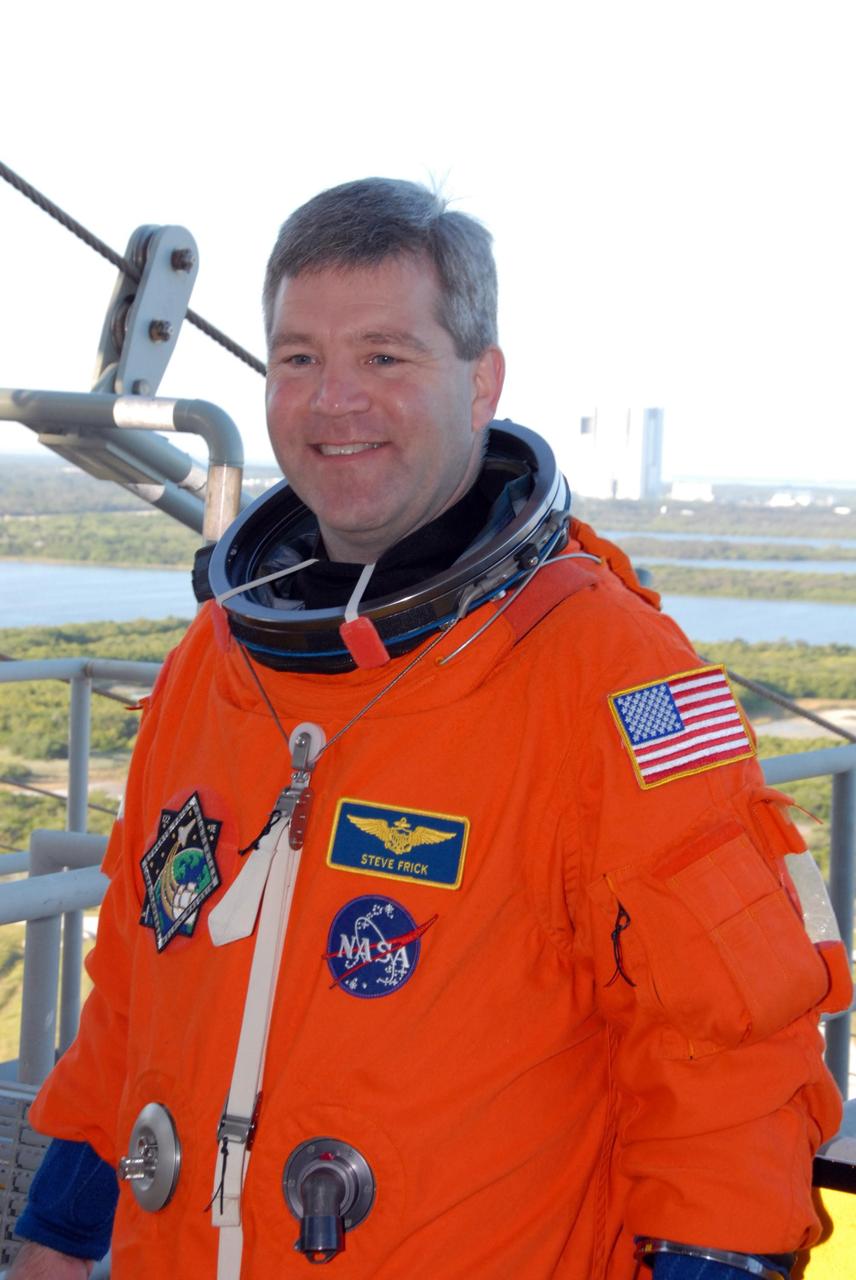
KENNEDY SPACE CENTER, FLA. -- Space shuttle Atlantis STS-122 Commander Steve Frick arrives at Launch Pad 39A, dressed in his launch and entry suit, to participate in a simulated launch countdown aboard Atlantis. The exercise is part of terminal countdown demonstration test, or TCDT, activities at NASA's Kennedy Space Center. The TCDT is a dress rehearsal for launch and also provides astronauts and ground crews with equipment familiarization and emergency egress training. On mission STS-122, Atlantis will deliver the Columbus module to the International Space Station. The European Space Agency's largest single contribution to the station, Columbus is a multifunctional, pressurized laboratory that will be permanently attached to U.S. Node 2, called Harmony. The laboratory will expand the research facilities aboard the station, providing crew members and scientists from around the world the ability to conduct a variety of experiments in the physical, materials and life sciences. Atlantis' launch is targeted for Dec. 6. Photo credit: NASA/George Shelton
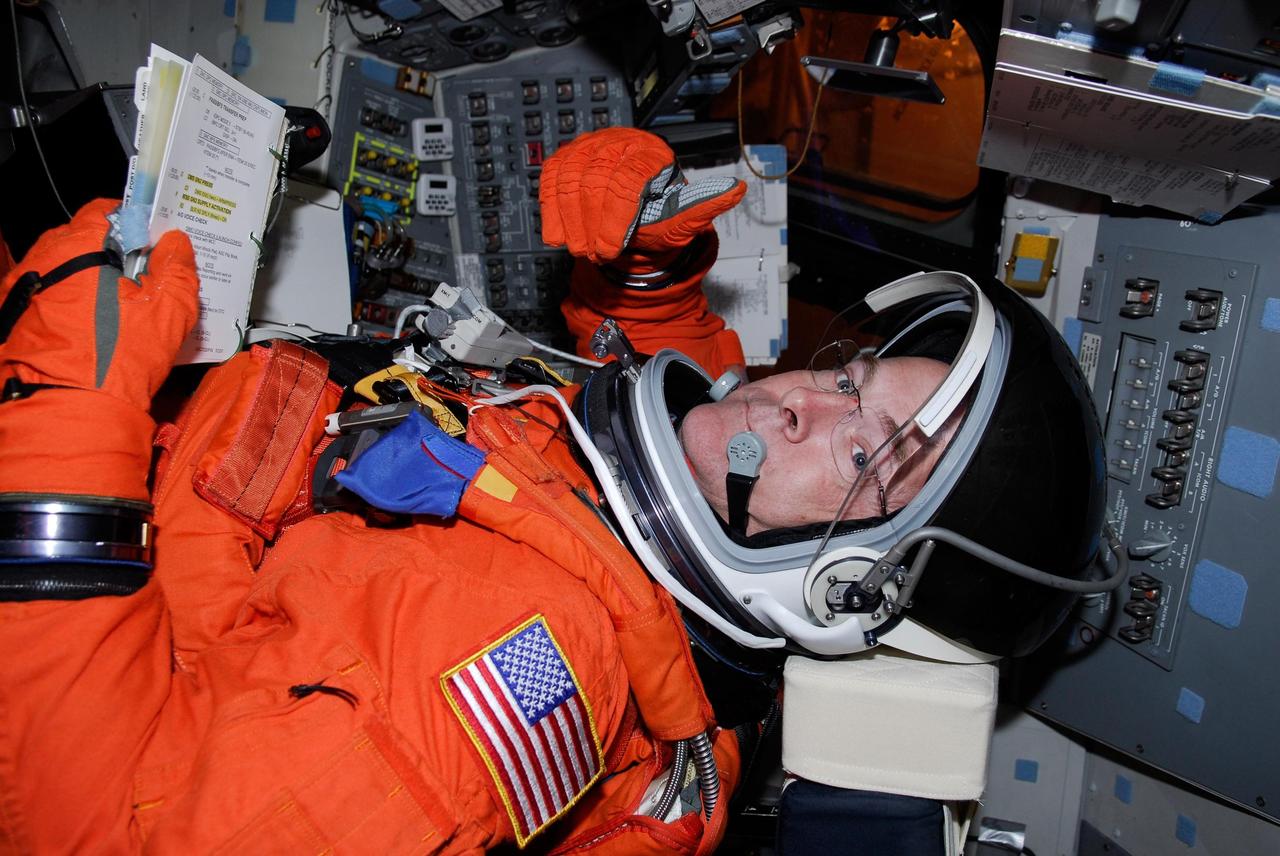
KENNEDY SPACE CENTER, FLA. -- Space shuttle Atlantis STS-122 Pilot Alan Poindexter, strapped in his seat in Atlantis' cockpit, signals that he is ready to proceed with the simulated launch countdown. The exercise is part of terminal countdown demonstration test, or TCDT, activities at NASA's Kennedy Space Center. The TCDT is a dress rehearsal for launch and also provides astronauts and ground crews with equipment familiarization and emergency egress training. On mission STS-122, Atlantis will deliver the Columbus module to the International Space Station. The European Space Agency's largest single contribution to the station, Columbus is a multifunctional, pressurized laboratory that will be permanently attached to U.S. Node 2, called Harmony. The laboratory will expand the research facilities aboard the station, providing crew members and scientists from around the world the ability to conduct a variety of experiments in the physical, materials and life sciences. Atlantis' launch is targeted for Dec. 6. Photo credit: NASA/Kim Shiflett

KENNEDY SPACE CENTER, FLA. -- Space shuttle Atlantis STS-122 Mission Specialist Leland Melvin, strapped in his seat on Atlantis' fight deck, signals that he is ready to proceed with the simulated launch countdown. The exercise is part of terminal countdown demonstration test, or TCDT, activities at NASA's Kennedy Space Center. The TCDT is a dress rehearsal for launch and also provides astronauts and ground crews with equipment familiarization and emergency egress training. On mission STS-122, Atlantis will deliver the Columbus module to the International Space Station. The European Space Agency's largest single contribution to the station, Columbus is a multifunctional, pressurized laboratory that will be permanently attached to U.S. Node 2, called Harmony. The laboratory will expand the research facilities aboard the station, providing crew members and scientists from around the world the ability to conduct a variety of experiments in the physical, materials and life sciences. Atlantis' launch is targeted for Dec. 6. Photo credit: NASA/Kim Shiflett
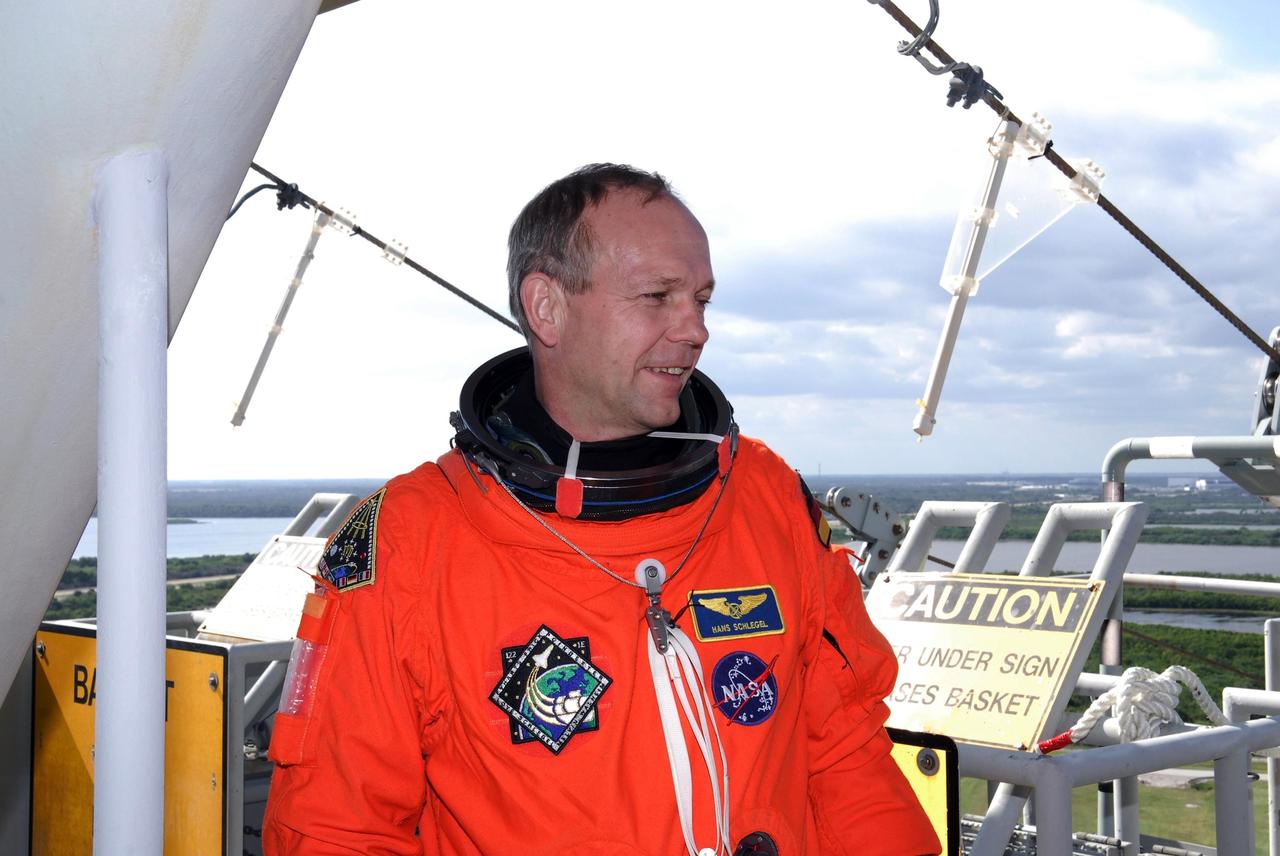
KENNEDY SPACE CENTER, FLA. -- Space shuttle Atlantis STS-122 Mission Specialist Hans Schlegel relaxes for a moment following a simulated launch countdown at Launch Pad 39A. The exercise is part of terminal countdown demonstration test, or TCDT, activities at NASA's Kennedy Space Center. The TCDT is a dress rehearsal for launch and also provides astronauts and ground crews with equipment familiarization and emergency egress training. On mission STS-122, Atlantis will deliver the Columbus module to the International Space Station. The European Space Agency's largest single contribution to the station, Columbus is a multifunctional, pressurized laboratory that will be permanently attached to U.S. Node 2, called Harmony. The laboratory will expand the research facilities aboard the station, providing crew members and scientists from around the world the ability to conduct a variety of experiments in the physical, materials and life sciences. Atlantis' launch is targeted for Dec. 6. Photo credit: NASA/Kim Shiflett
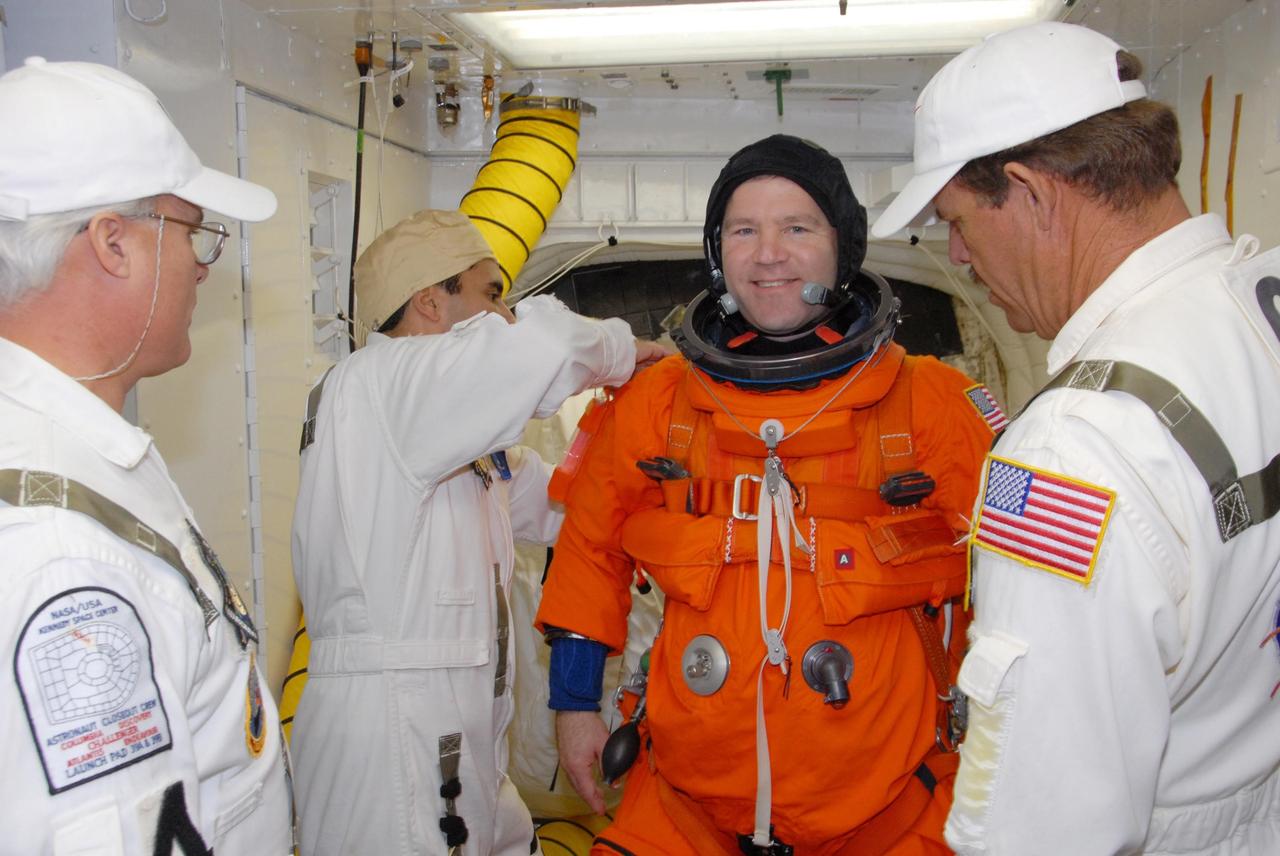
KENNEDY SPACE CENTER, FLA. -- In the White Room on Launch Pad 39A, suit technicians put the finishing touches on the flight and entry suit of space shuttle Atlantis STS-122 Commander Steve Frick for his entry into Atlantis' cockpit, through the hatch behind him. The exercise is part of terminal countdown demonstration test, or TCDT, activities at NASA's Kennedy Space Center. The TCDT is a dress rehearsal for launch and also provides astronauts and ground crews with equipment familiarization and emergency egress training. On mission STS-122, Atlantis will deliver the Columbus module to the International Space Station. The European Space Agency's largest single contribution to the station, Columbus is a multifunctional, pressurized laboratory that will be permanently attached to U.S. Node 2, called Harmony. The laboratory will expand the research facilities aboard the station, providing crew members and scientists from around the world the ability to conduct a variety of experiments in the physical, materials and life sciences. Atlantis' launch is targeted for Dec. 6. Photo credit: NASA/George Shelton
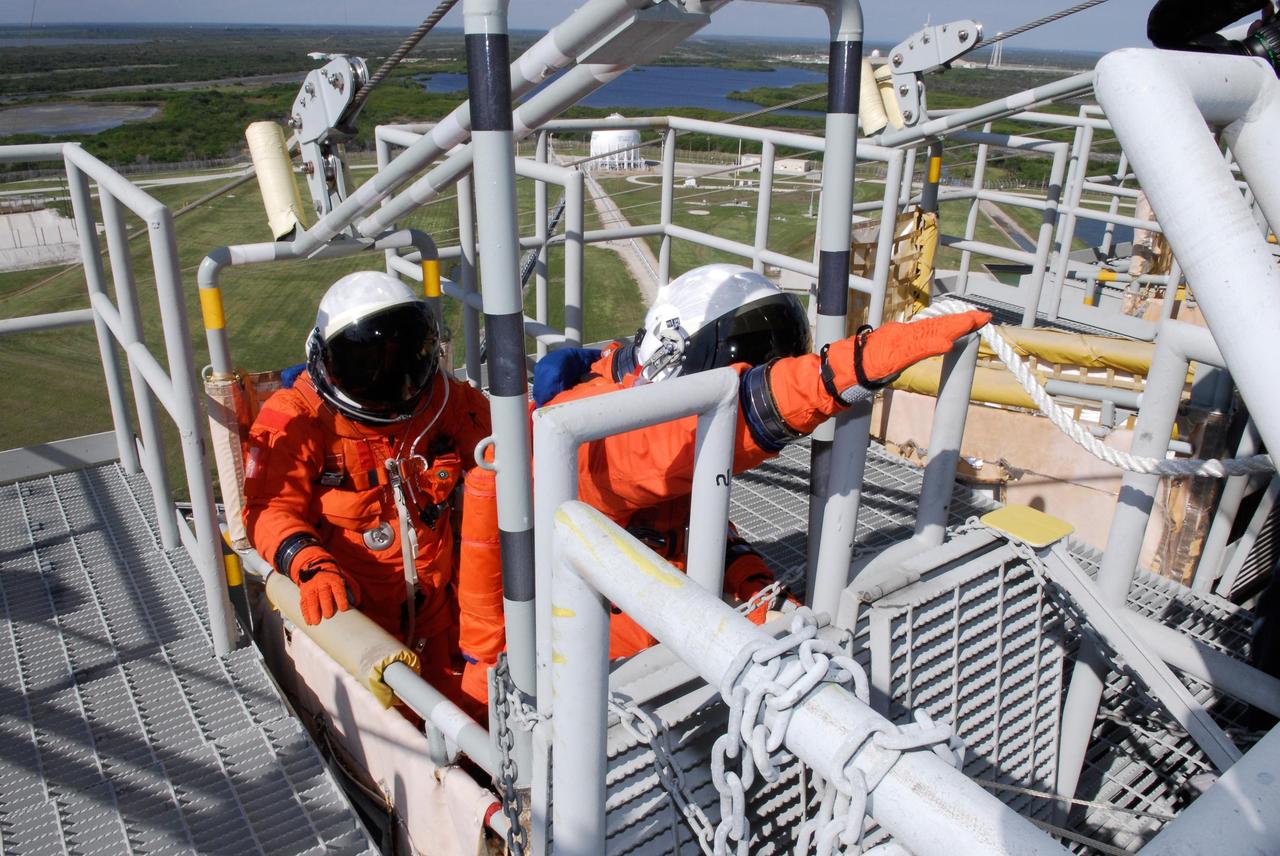
KENNEDY SPACE CENTER, FLA. -- Members of space shuttle Atlantis' STS-122 crew practice emergency exit procedures in a slidewire basket at Launch Pad 39A following a simulated launch countdown. The exercise is part of terminal countdown demonstration test, or TCDT, activities at NASA's Kennedy Space Center. The TCDT is a dress rehearsal for launch and also provides astronauts and ground crews with equipment familiarization and emergency egress training. On mission STS-122, Atlantis will deliver the Columbus module to the International Space Station. The European Space Agency's largest single contribution to the station, Columbus is a multifunctional, pressurized laboratory that will be permanently attached to U.S. Node 2, called Harmony. The laboratory will expand the research facilities aboard the station, providing crew members and scientists from around the world the ability to conduct a variety of experiments in the physical, materials and life sciences. Atlantis' launch is targeted for Dec. 6. Photo credit: NASA/Kim Shiflett
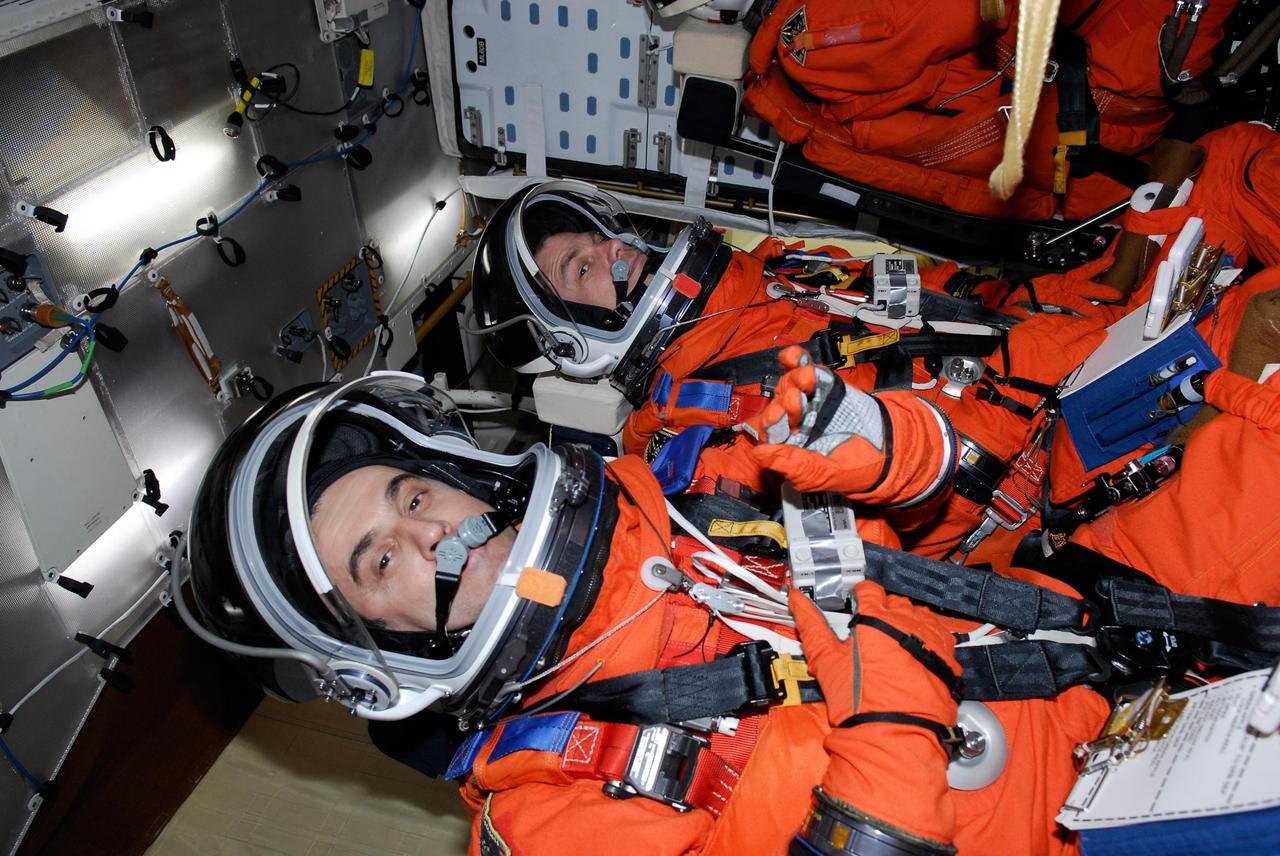
KENNEDY SPACE CENTER, FLA. -- Space shuttle Atlantis STS-122 Mission Specialists Leopold Eyharts, left, and Stanley Love are strapped into their seats on Atlantis' fight deck during a simulated launch countdown. Eyharts is with the European Space Agency and will remain on the International Space Station as a flight engineer for Expedition 16 following the STS-122 mission. The exercise is part of terminal countdown demonstration test, or TCDT, activities at NASA's Kennedy Space Center. The TCDT is a dress rehearsal for launch and also provides astronauts and ground crews with equipment familiarization and emergency egress training. On mission STS-122, Atlantis will deliver the Columbus module to the International Space Station. The European Space Agency's largest single contribution to the station, Columbus is a multifunctional, pressurized laboratory that will be permanently attached to U.S. Node 2, called Harmony. The laboratory will expand the research facilities aboard the station, providing crew members and scientists from around the world the ability to conduct a variety of experiments in the physical, materials and life sciences. Atlantis' launch is targeted for Dec. 6. Photo credit: NASA/Kim Shiflett
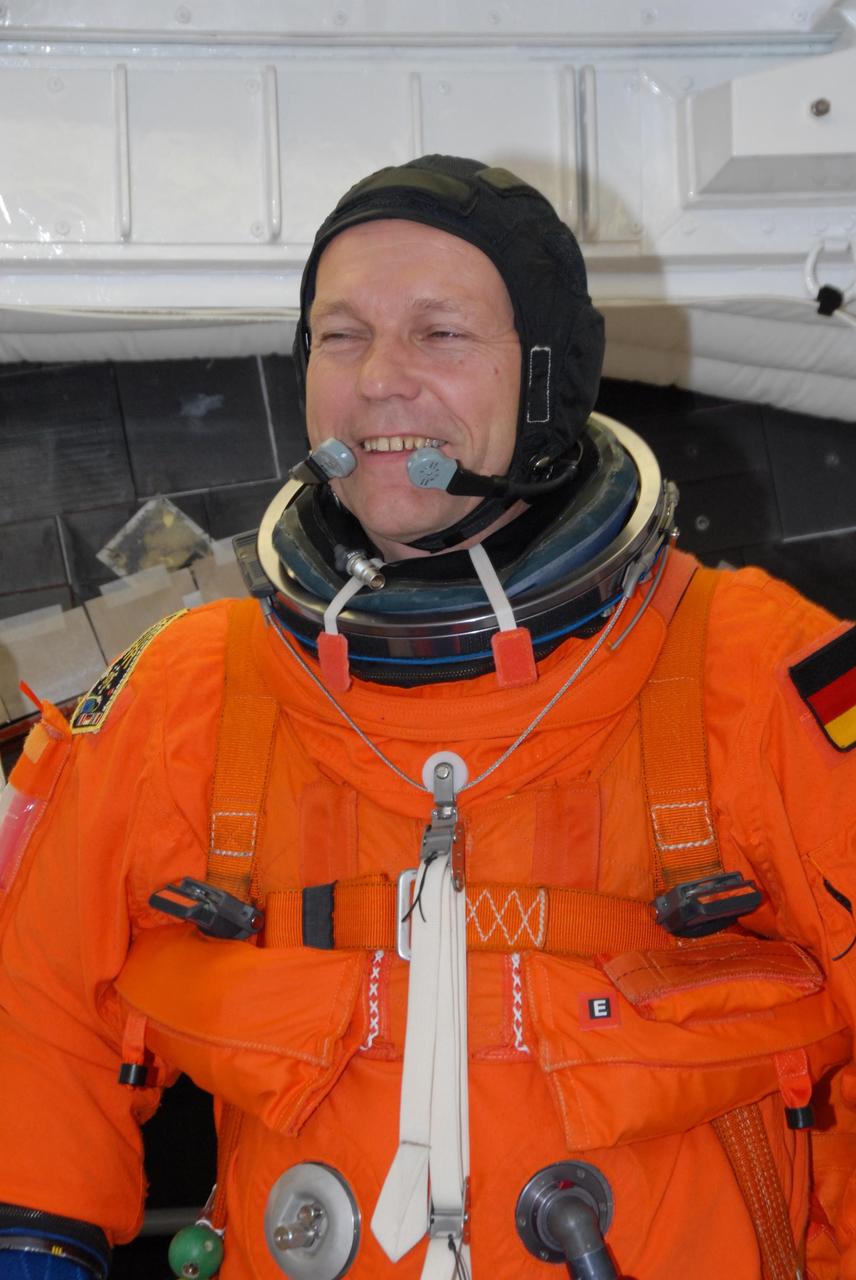
KENNEDY SPACE CENTER, FLA. -- In the White Room on Launch Pad 39A, space shuttle Atlantis STS-122 Mission Specialist Hans Schlegel prepares for his entry onto Atlantis' flight deck. Schlegel is with the European Space Agency. The exercise is part of terminal countdown demonstration test, or TCDT, activities at NASA's Kennedy Space Center. The TCDT is a dress rehearsal for launch and also provides astronauts and ground crews with equipment familiarization and emergency egress training. On mission STS-122, Atlantis will deliver the Columbus module to the International Space Station. The European Space Agency's largest single contribution to the station, Columbus is a multifunctional, pressurized laboratory that will be permanently attached to U.S. Node 2, called Harmony. The laboratory will expand the research facilities aboard the station, providing crew members and scientists from around the world the ability to conduct a variety of experiments in the physical, materials and life sciences. Atlantis' launch is targeted for Dec. 6. Photo credit: NASA/George Shelton
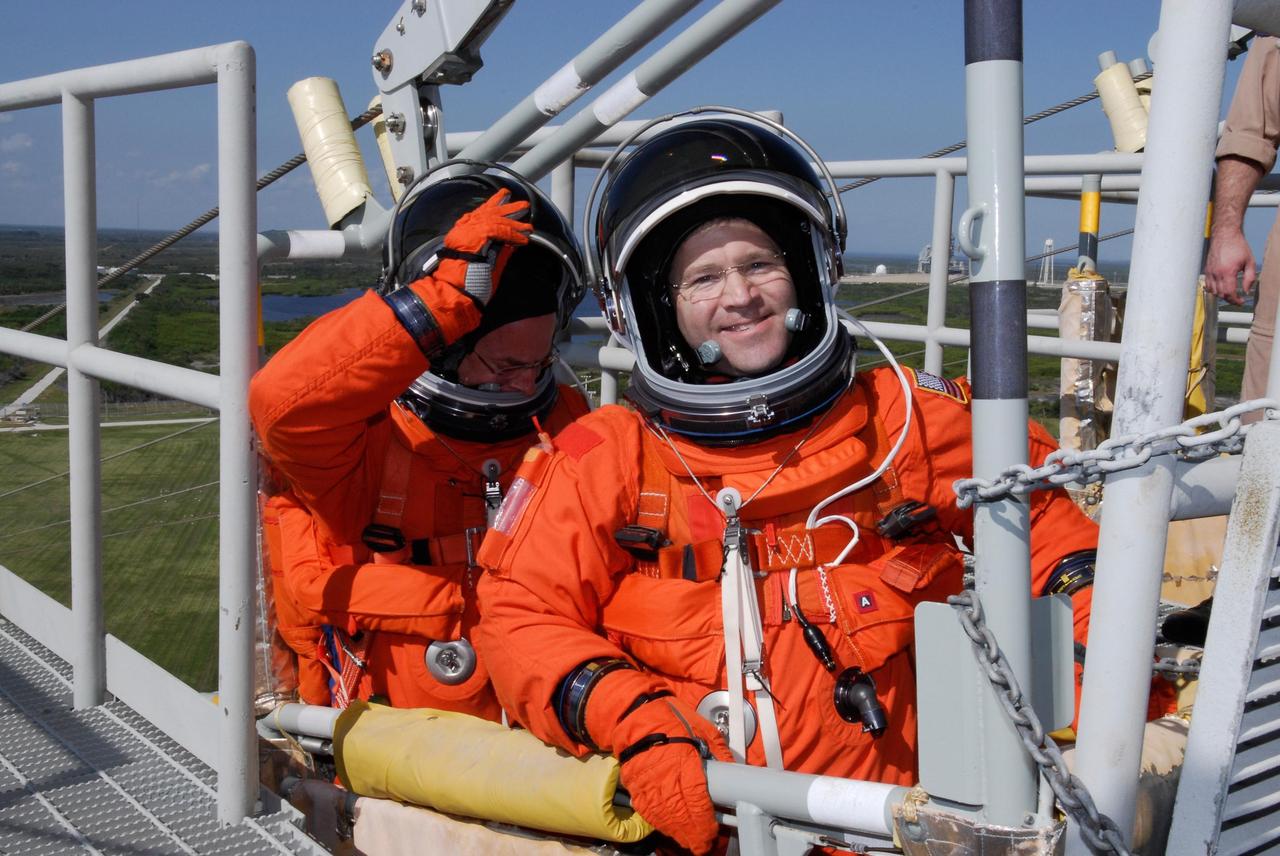
KENNEDY SPACE CENTER, FLA. -- Space shuttle Atlantis STS-122 Pilot Alan Poindexter, left, and Commander Steve Frick practice emergency exit procedures in a slidewire basket at Launch Pad 39A following a simulated launch countdown. The exercise is part of terminal countdown demonstration test, or TCDT, activities at NASA's Kennedy Space Center. The TCDT is a dress rehearsal for launch and also provides astronauts and ground crews with equipment familiarization and emergency egress training. On mission STS-122, Atlantis will deliver the Columbus module to the International Space Station. The European Space Agency's largest single contribution to the station, Columbus is a multifunctional, pressurized laboratory that will be permanently attached to U.S. Node 2, called Harmony. The laboratory will expand the research facilities aboard the station, providing crew members and scientists from around the world the ability to conduct a variety of experiments in the physical, materials and life sciences. Atlantis' launch is targeted for Dec. 6. Photo credit: NASA/Kim Shiflett
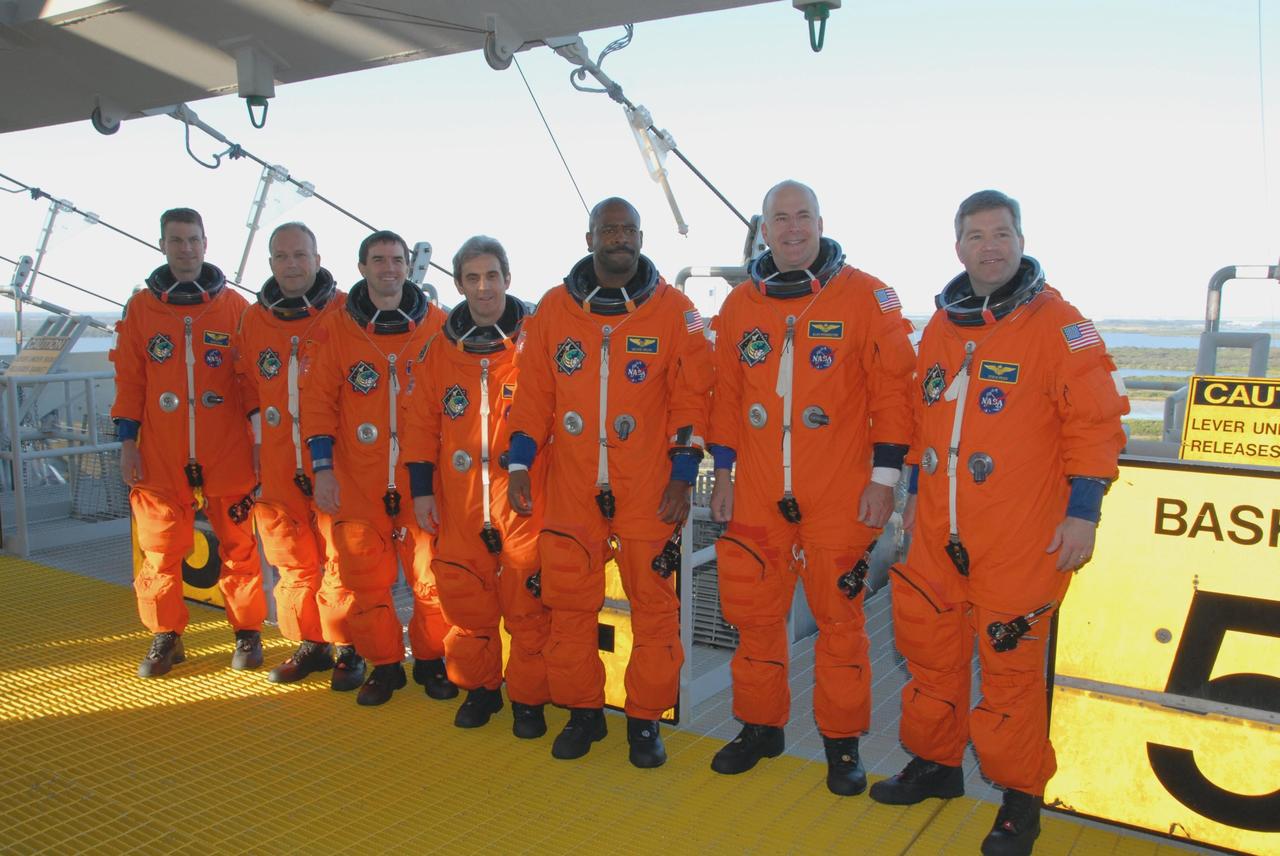
KENNEDY SPACE CENTER, FLA. -- The space shuttle Atlantis STS-122 crew arrives at Launch Pad 39A, dressed in launch and entry suits, to participate in a simulated launch countdown aboard Atlantis. From left are Mission Specialists Stanley Love, Hans Schlegel, Rex Walheim, Leopold Eyharts and Leland Melvin; Pilot Alan Poindexter; and Commander Steve Frick. Schlegel and Eyharts are with the European Space Agency. Eyharts will remain on the International Space Station as a flight engineer for Expedition 16 following the STS-122 mission. The exercise is part of terminal countdown demonstration test, or TCDT, activities at NASA's Kennedy Space Center. The TCDT is a dress rehearsal for launch and also provides astronauts and ground crews with equipment familiarization and emergency egress training. On mission STS-122, Atlantis will deliver the Columbus module to the International Space Station. The European Space Agency's largest single contribution to the station, Columbus is a multifunctional, pressurized laboratory that will be permanently attached to U.S. Node 2, called Harmony. The laboratory will expand the research facilities aboard the station, providing crew members and scientists from around the world the ability to conduct a variety of experiments in the physical, materials and life sciences. Atlantis' launch is targeted for Dec. 6. Photo credit: NASA/George Shelton
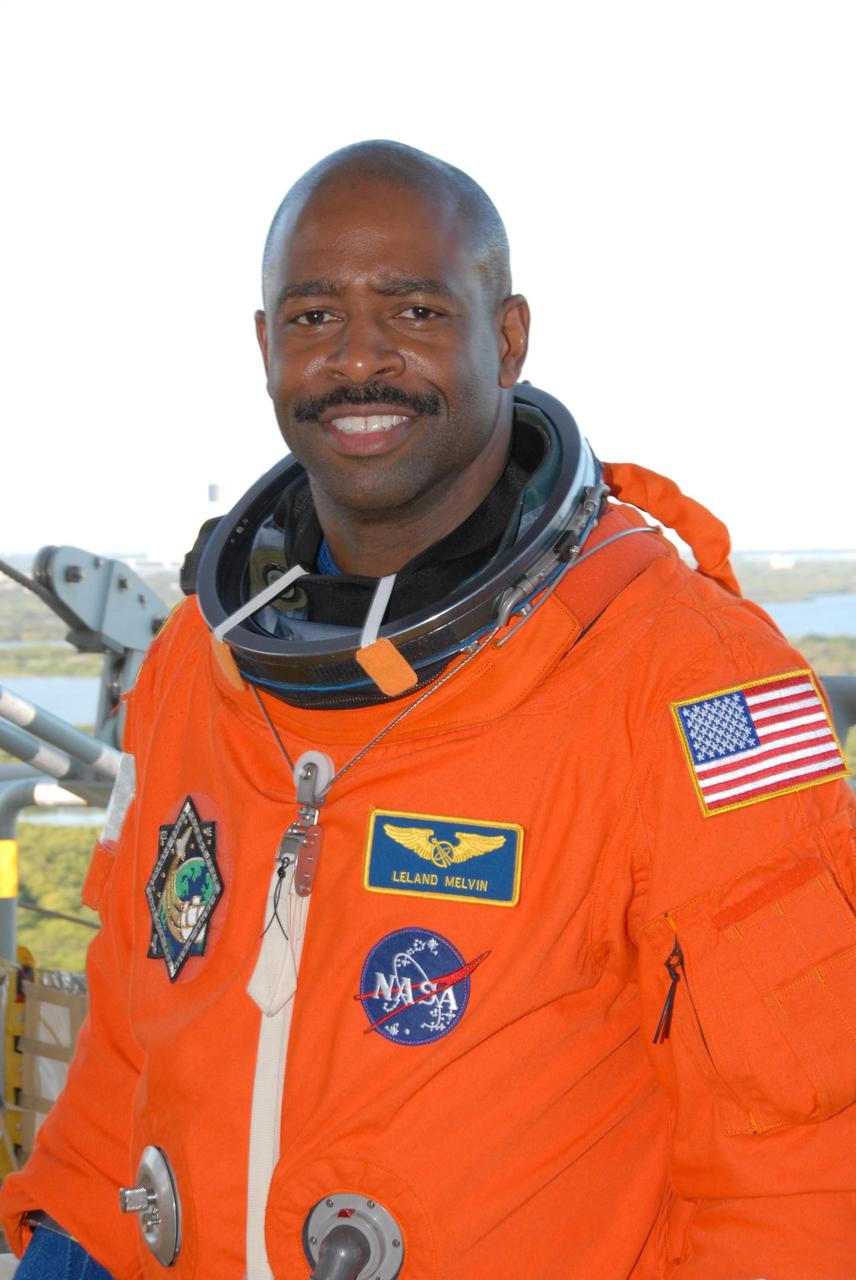
KENNEDY SPACE CENTER, FLA. -- Space shuttle Atlantis STS-122 Mission Specialist Leland Melvin arrives at Launch Pad 39A, dressed in his launch and entry suit, to participate in a simulated launch countdown aboard Atlantis. The exercise is part of terminal countdown demonstration test, or TCDT, activities at NASA's Kennedy Space Center. The TCDT is a dress rehearsal for launch and also provides astronauts and ground crews with equipment familiarization and emergency egress training. On mission STS-122, Atlantis will deliver the Columbus module to the International Space Station. The European Space Agency's largest single contribution to the station, Columbus is a multifunctional, pressurized laboratory that will be permanently attached to U.S. Node 2, called Harmony. The laboratory will expand the research facilities aboard the station, providing crew members and scientists from around the world the ability to conduct a variety of experiments in the physical, materials and life sciences. Atlantis' launch is targeted for Dec. 6. Photo credit: NASA/George Shelton
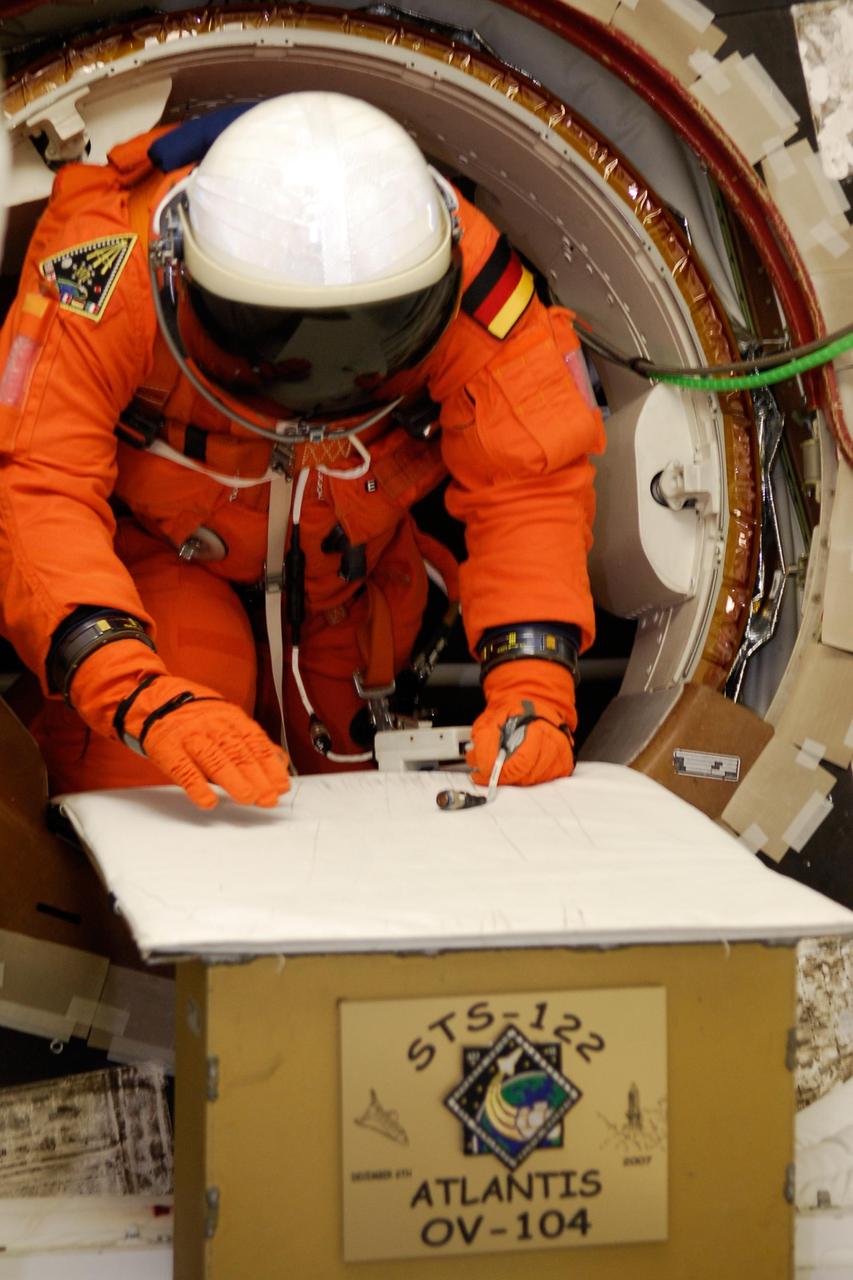
KENNEDY SPACE CENTER, FLA. -- Space shuttle Atlantis STS-122 Mission Specialist Hans Schlegel exits Atlantis' fight deck following a simulated launch countdown at Launch Pad 39A. Schlegel is with the European Space Agency. The exercise is part of terminal countdown demonstration test, or TCDT, activities at NASA's Kennedy Space Center. The TCDT is a dress rehearsal for launch and also provides astronauts and ground crews with equipment familiarization and emergency egress training. On mission STS-122, Atlantis will deliver the Columbus module to the International Space Station. The European Space Agency's largest single contribution to the station, Columbus is a multifunctional, pressurized laboratory that will be permanently attached to U.S. Node 2, called Harmony. The laboratory will expand the research facilities aboard the station, providing crew members and scientists from around the world the ability to conduct a variety of experiments in the physical, materials and life sciences. Atlantis' launch is targeted for Dec. 6. Photo credit: NASA/Kim Shiflett
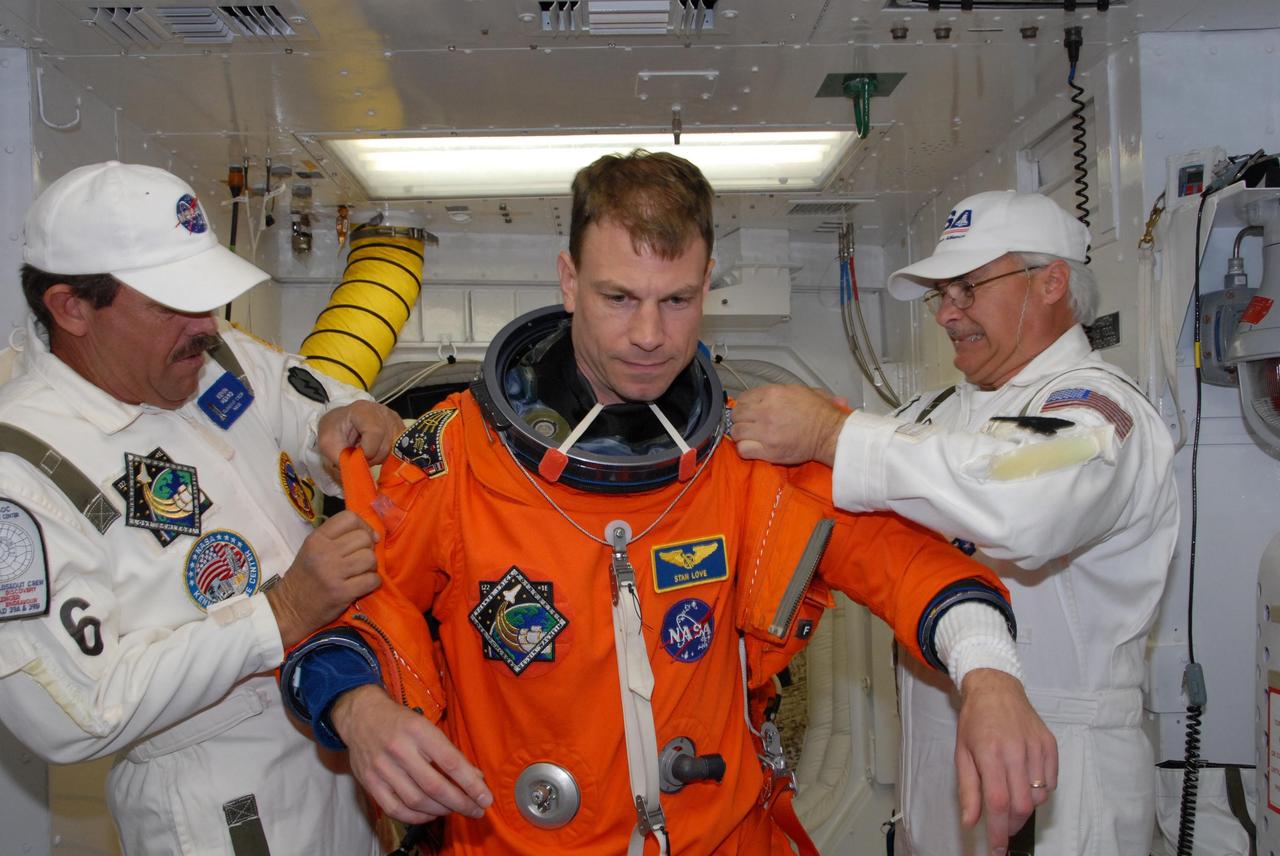
KENNEDY SPACE CENTER, FLA. -- In the White Room on Launch Pad 39A, suit technicians help space shuttle Atlantis STS-122 Mission Specialist Stanley Love with his flight and entry suit before his entry onto Atlantis' flight deck, through the hatch behind him. The exercise is part of terminal countdown demonstration test, or TCDT, activities at NASA's Kennedy Space Center. The TCDT is a dress rehearsal for launch and also provides astronauts and ground crews with equipment familiarization and emergency egress training. On mission STS-122, Atlantis will deliver the Columbus module to the International Space Station. The European Space Agency's largest single contribution to the station, Columbus is a multifunctional, pressurized laboratory that will be permanently attached to U.S. Node 2, called Harmony. The laboratory will expand the research facilities aboard the station, providing crew members and scientists from around the world the ability to conduct a variety of experiments in the physical, materials and life sciences. Atlantis' launch is targeted for Dec. 6. Photo credit: NASA/George Shelton
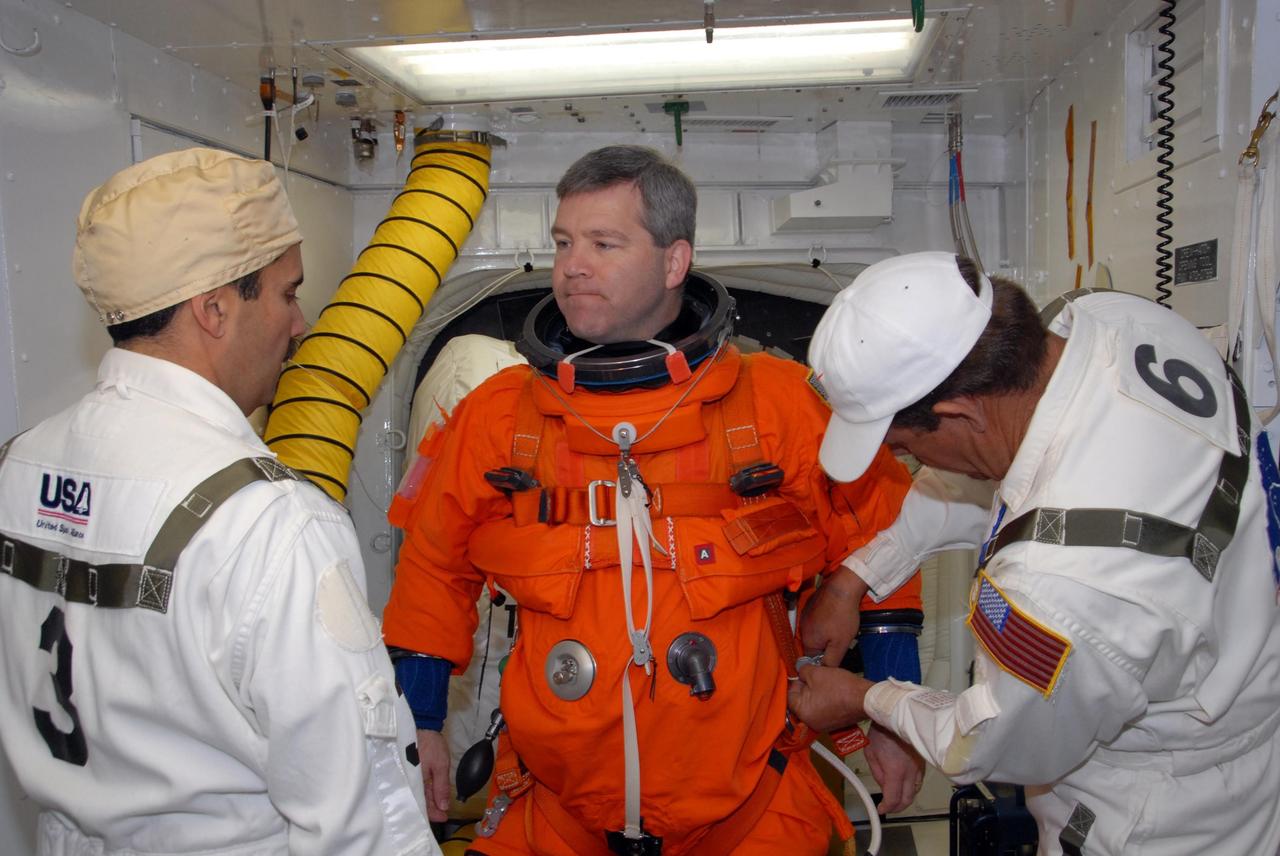
KENNEDY SPACE CENTER, FLA. -- In the White Room on Launch Pad 39A, suit technicians prepare space shuttle Atlantis STS-122 Commander Steve Frick for entry into Atlantis' cockpit, through the hatch behind him. The exercise is part of terminal countdown demonstration test, or TCDT, activities at NASA's Kennedy Space Center. The TCDT is a dress rehearsal for launch and also provides astronauts and ground crews with equipment familiarization and emergency egress training. On mission STS-122, Atlantis will deliver the Columbus module to the International Space Station. The European Space Agency's largest single contribution to the station, Columbus is a multifunctional, pressurized laboratory that will be permanently attached to U.S. Node 2, called Harmony. The laboratory will expand the research facilities aboard the station, providing crew members and scientists from around the world the ability to conduct a variety of experiments in the physical, materials and life sciences. Atlantis' launch is targeted for Dec. 6. Photo credit: NASA/George Shelton
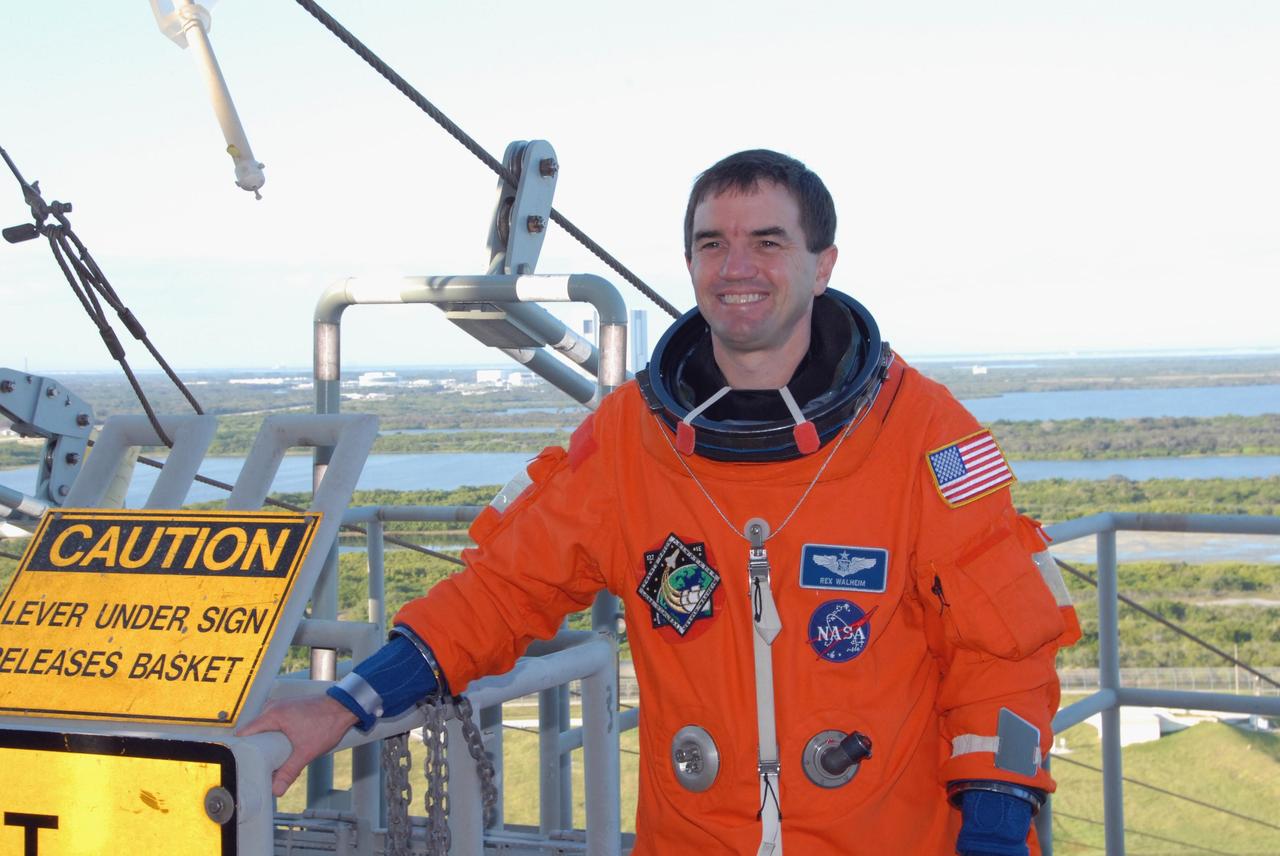
KENNEDY SPACE CENTER, FLA. -- Space shuttle Atlantis STS-122 Mission Specialist Rex Walheim arrives at Launch Pad 39A, dressed in his launch and entry suit, to participate in a simulated launch countdown aboard Atlantis. The exercise is part of terminal countdown demonstration test, or TCDT, activities at NASA's Kennedy Space Center. The TCDT is a dress rehearsal for launch and also provides astronauts and ground crews with equipment familiarization and emergency egress training. On mission STS-122, Atlantis will deliver the Columbus module to the International Space Station. The European Space Agency's largest single contribution to the station, Columbus is a multifunctional, pressurized laboratory that will be permanently attached to U.S. Node 2, called Harmony. The laboratory will expand the research facilities aboard the station, providing crew members and scientists from around the world the ability to conduct a variety of experiments in the physical, materials and life sciences. Atlantis' launch is targeted for Dec. 6. Photo credit: NASA/George Shelton
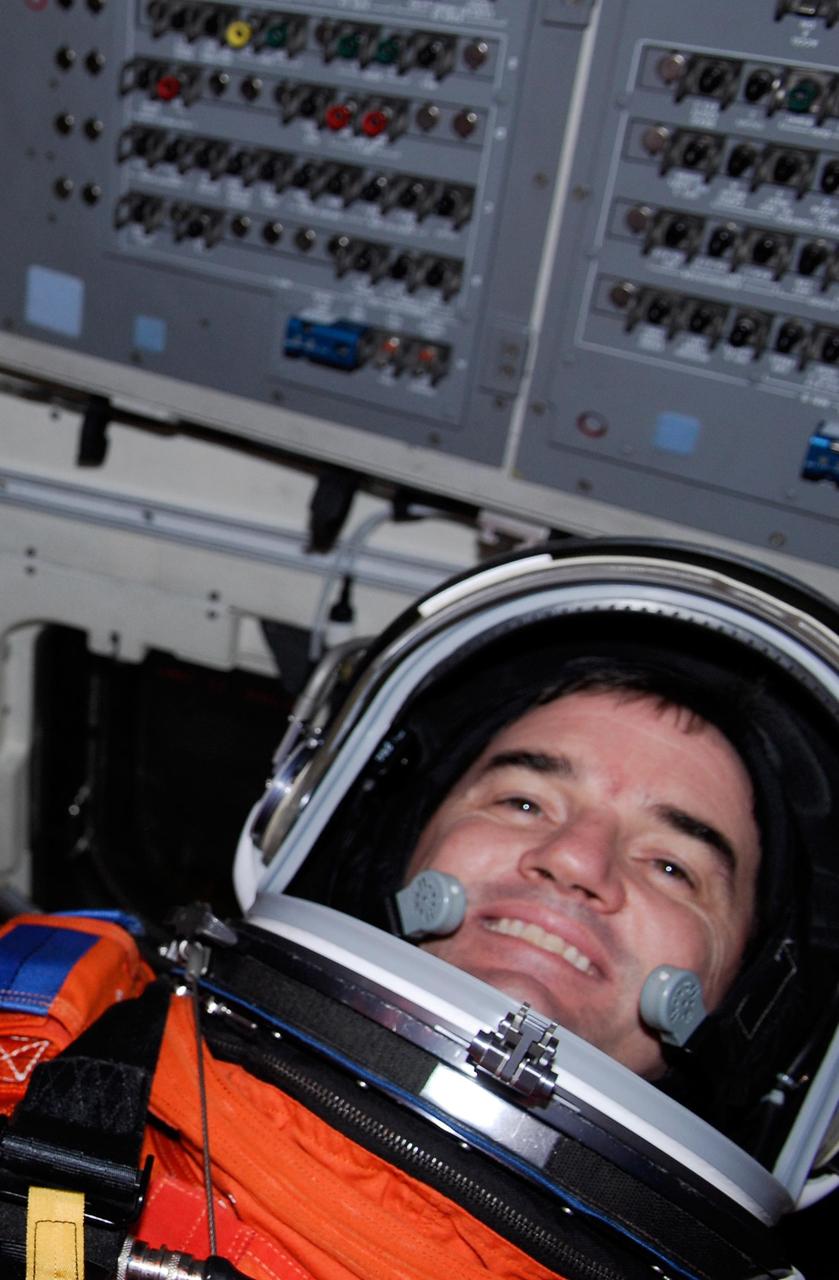
KENNEDY SPACE CENTER, FLA. -- Space shuttle Atlantis STS-122 Mission Specialist Rex Walheim is strapped into his seat on Atlantis' fight deck during a simulated launch countdown. The exercise is part of terminal countdown demonstration test, or TCDT, activities at NASA's Kennedy Space Center. The TCDT is a dress rehearsal for launch and also provides astronauts and ground crews with equipment familiarization and emergency egress training. On mission STS-122, Atlantis will deliver the Columbus module to the International Space Station. The European Space Agency's largest single contribution to the station, Columbus is a multifunctional, pressurized laboratory that will be permanently attached to U.S. Node 2, called Harmony. The laboratory will expand the research facilities aboard the station, providing crew members and scientists from around the world the ability to conduct a variety of experiments in the physical, materials and life sciences. Atlantis' launch is targeted for Dec. 6. Photo credit: NASA/Kim Shiflett
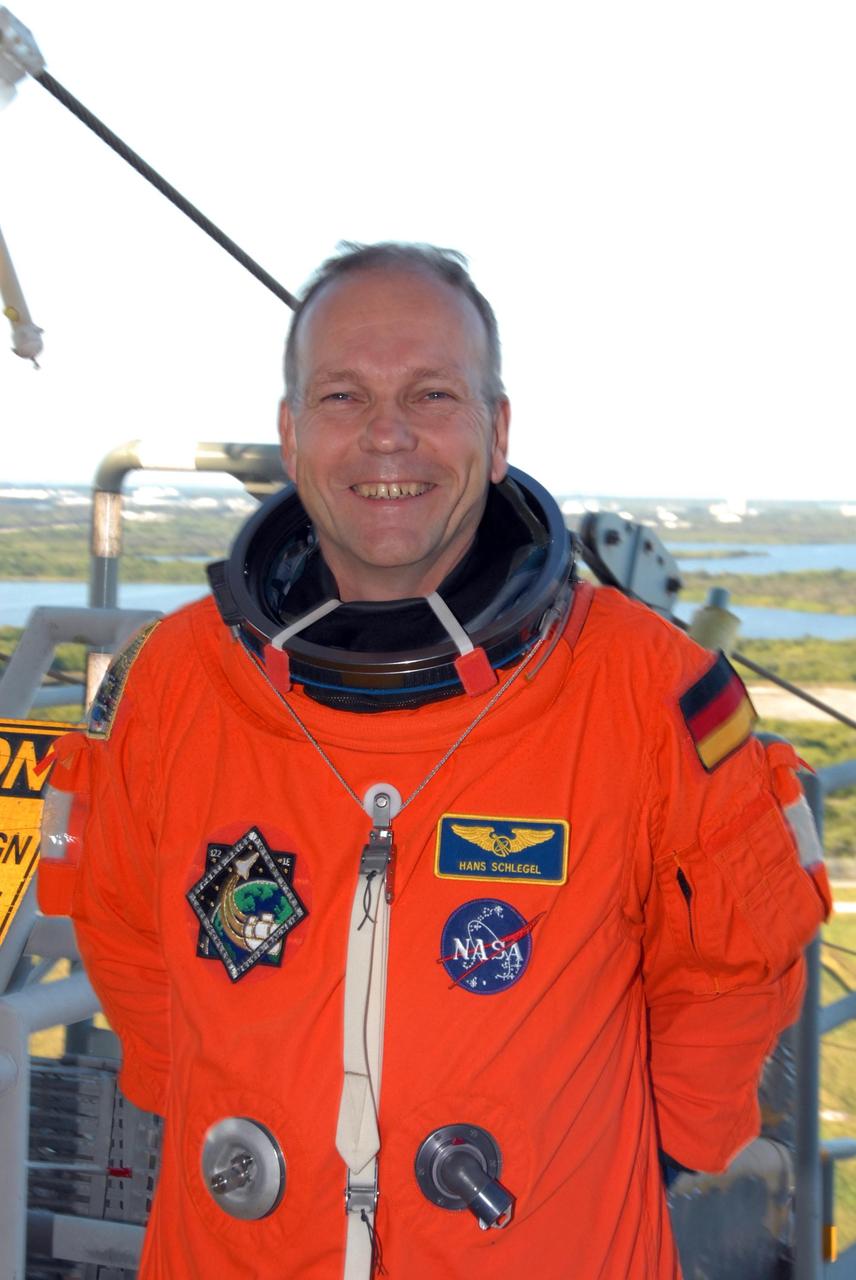
KENNEDY SPACE CENTER, FLA. -- Space shuttle Atlantis STS-122 Mission Specialist Hans Schlegel arrives at Launch Pad 39A, dressed in his launch and entry suit, to participate in a simulated launch countdown aboard Atlantis. Schlegel is with the European Space Agency. The exercise is part of terminal countdown demonstration test, or TCDT, activities at NASA's Kennedy Space Center. The TCDT is a dress rehearsal for launch and also provides astronauts and ground crews with equipment familiarization and emergency egress training. On mission STS-122, Atlantis will deliver the Columbus module to the International Space Station. The European Space Agency's largest single contribution to the station, Columbus is a multifunctional, pressurized laboratory that will be permanently attached to U.S. Node 2, called Harmony. The laboratory will expand the research facilities aboard the station, providing crew members and scientists from around the world the ability to conduct a variety of experiments in the physical, materials and life sciences. Atlantis' launch is targeted for Dec. 6. Photo credit: NASA/George Shelton
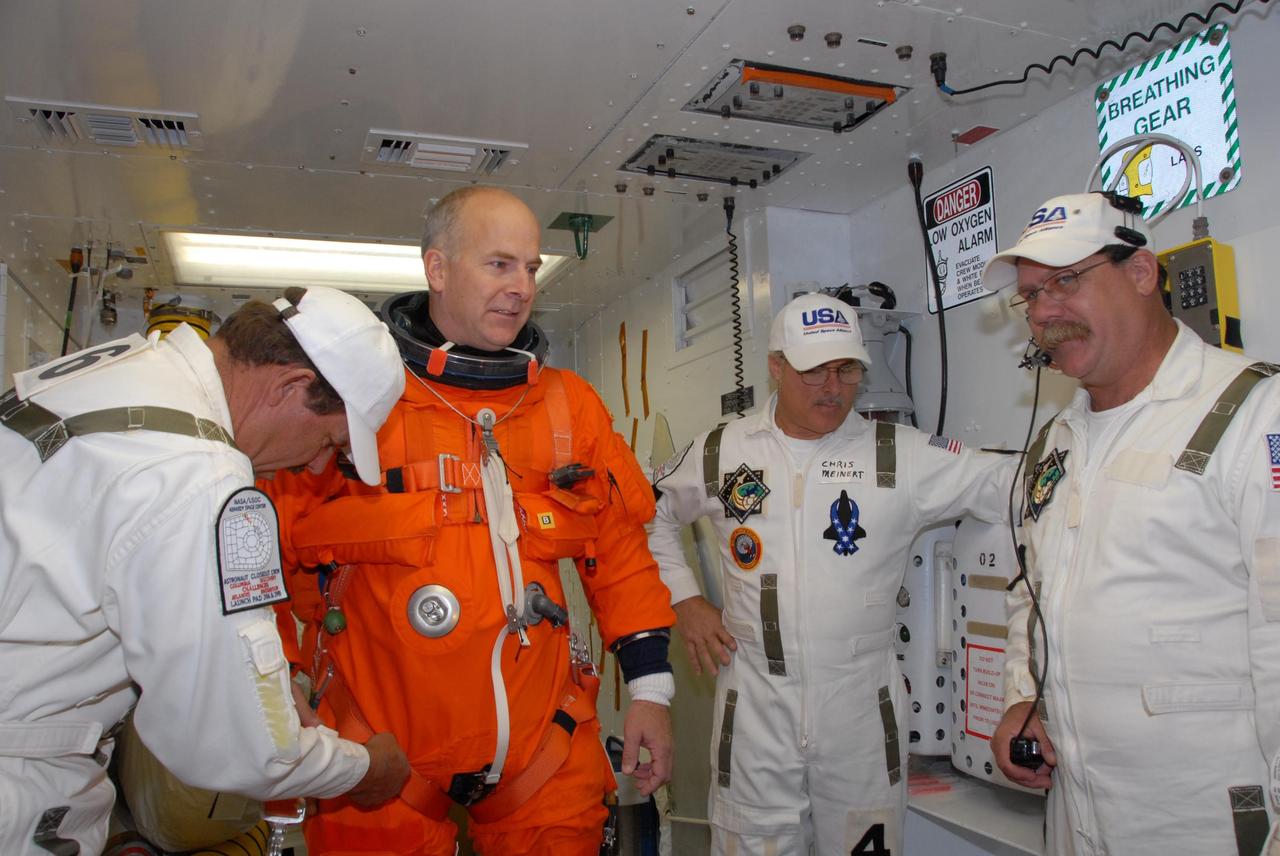
KENNEDY SPACE CENTER, FLA. -- In the White Room on Launch Pad 39A, suit technicians put the finishing touches on the flight and entry suit of space shuttle Atlantis STS-122 Pilot Alan Poindexter for his entry into Atlantis' cockpit. The exercise is part of terminal countdown demonstration test, or TCDT, activities at NASA's Kennedy Space Center. The TCDT is a dress rehearsal for launch and also provides astronauts and ground crews with equipment familiarization and emergency egress training. On mission STS-122, Atlantis will deliver the Columbus module to the International Space Station. The European Space Agency's largest single contribution to the station, Columbus is a multifunctional, pressurized laboratory that will be permanently attached to U.S. Node 2, called Harmony. The laboratory will expand the research facilities aboard the station, providing crew members and scientists from around the world the ability to conduct a variety of experiments in the physical, materials and life sciences. Atlantis' launch is targeted for Dec. 6. Photo credit: NASA/George Shelton
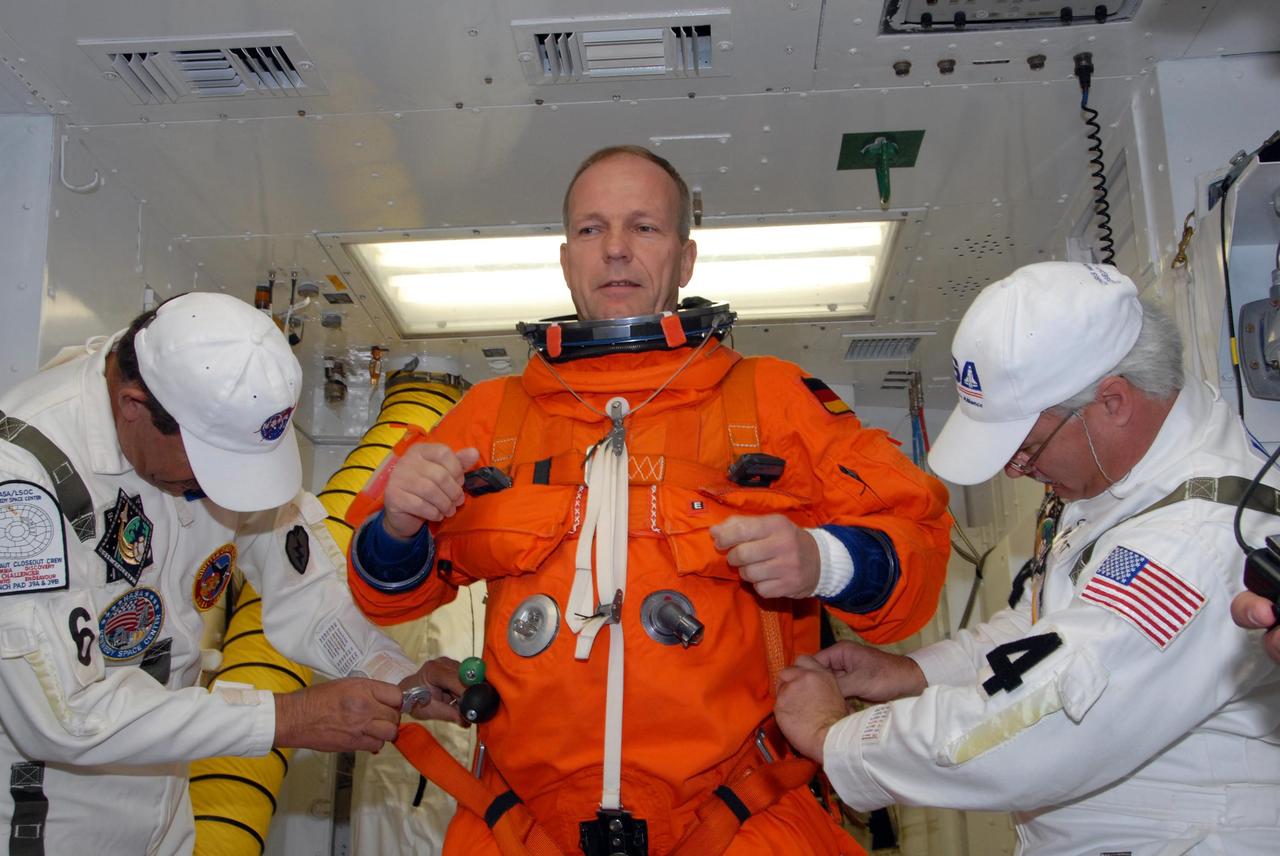
KENNEDY SPACE CENTER, FLA. -- In the White Room on Launch Pad 39A, suit technicians help space shuttle Atlantis STS-122 Mission Specialist Hans Schlegel with his flight and entry suit before his entry onto Atlantis' flight deck. Schlegel is with the European Space Agency. The exercise is part of terminal countdown demonstration test, or TCDT, activities at NASA's Kennedy Space Center. The TCDT is a dress rehearsal for launch and also provides astronauts and ground crews with equipment familiarization and emergency egress training. On mission STS-122, Atlantis will deliver the Columbus module to the International Space Station. The European Space Agency's largest single contribution to the station, Columbus is a multifunctional, pressurized laboratory that will be permanently attached to U.S. Node 2, called Harmony. The laboratory will expand the research facilities aboard the station, providing crew members and scientists from around the world the ability to conduct a variety of experiments in the physical, materials and life sciences. Atlantis' launch is targeted for Dec. 6. Photo credit: NASA/George Shelton
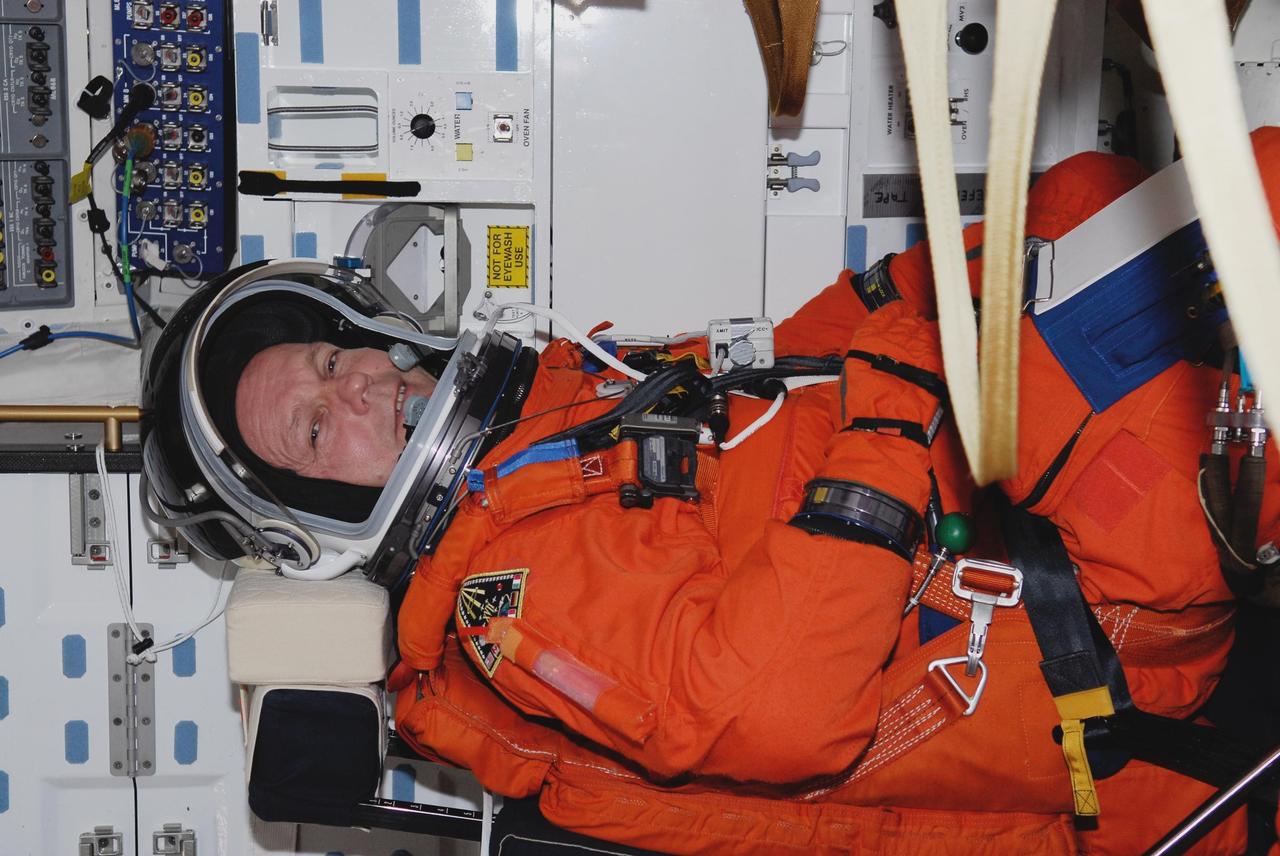
KENNEDY SPACE CENTER, FLA. -- Space shuttle Atlantis STS-122 Mission Specialist Hans Schlegel is strapped into his seat on Atlantis' fight deck during a simulated launch countdown. Schlegel is with the European Space Agency. The exercise is part of terminal countdown demonstration test, or TCDT, activities at NASA's Kennedy Space Center. The TCDT is a dress rehearsal for launch and also provides astronauts and ground crews with equipment familiarization and emergency egress training. On mission STS-122, Atlantis will deliver the Columbus module to the International Space Station. The European Space Agency's largest single contribution to the station, Columbus is a multifunctional, pressurized laboratory that will be permanently attached to U.S. Node 2, called Harmony. The laboratory will expand the research facilities aboard the station, providing crew members and scientists from around the world the ability to conduct a variety of experiments in the physical, materials and life sciences. Atlantis' launch is targeted for Dec. 6. Photo credit: NASA/Kim Shiflett
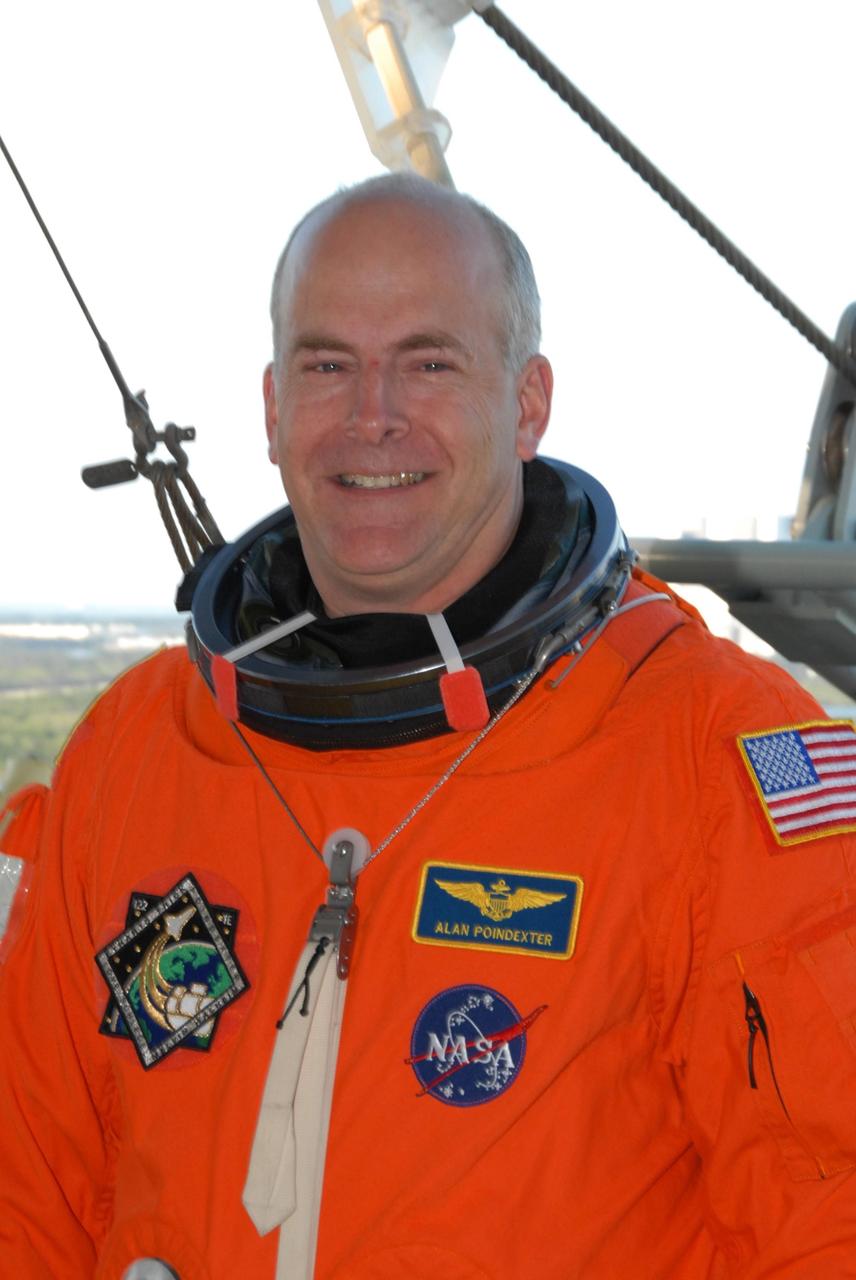
KENNEDY SPACE CENTER, FLA. -- Space shuttle Atlantis STS-122 Pilot Alan Poindexter arrives at Launch Pad 39A, dressed in his launch and entry suit, to participate in a simulated launch countdown aboard Atlantis. The exercise is part of terminal countdown demonstration test, or TCDT, activities at NASA's Kennedy Space Center. The TCDT is a dress rehearsal for launch and also provides astronauts and ground crews with equipment familiarization and emergency egress training. On mission STS-122, Atlantis will deliver the Columbus module to the International Space Station. The European Space Agency's largest single contribution to the station, Columbus is a multifunctional, pressurized laboratory that will be permanently attached to U.S. Node 2, called Harmony. The laboratory will expand the research facilities aboard the station, providing crew members and scientists from around the world the ability to conduct a variety of experiments in the physical, materials and life sciences. Atlantis' launch is targeted for Dec. 6. Photo credit: NASA/George Shelton
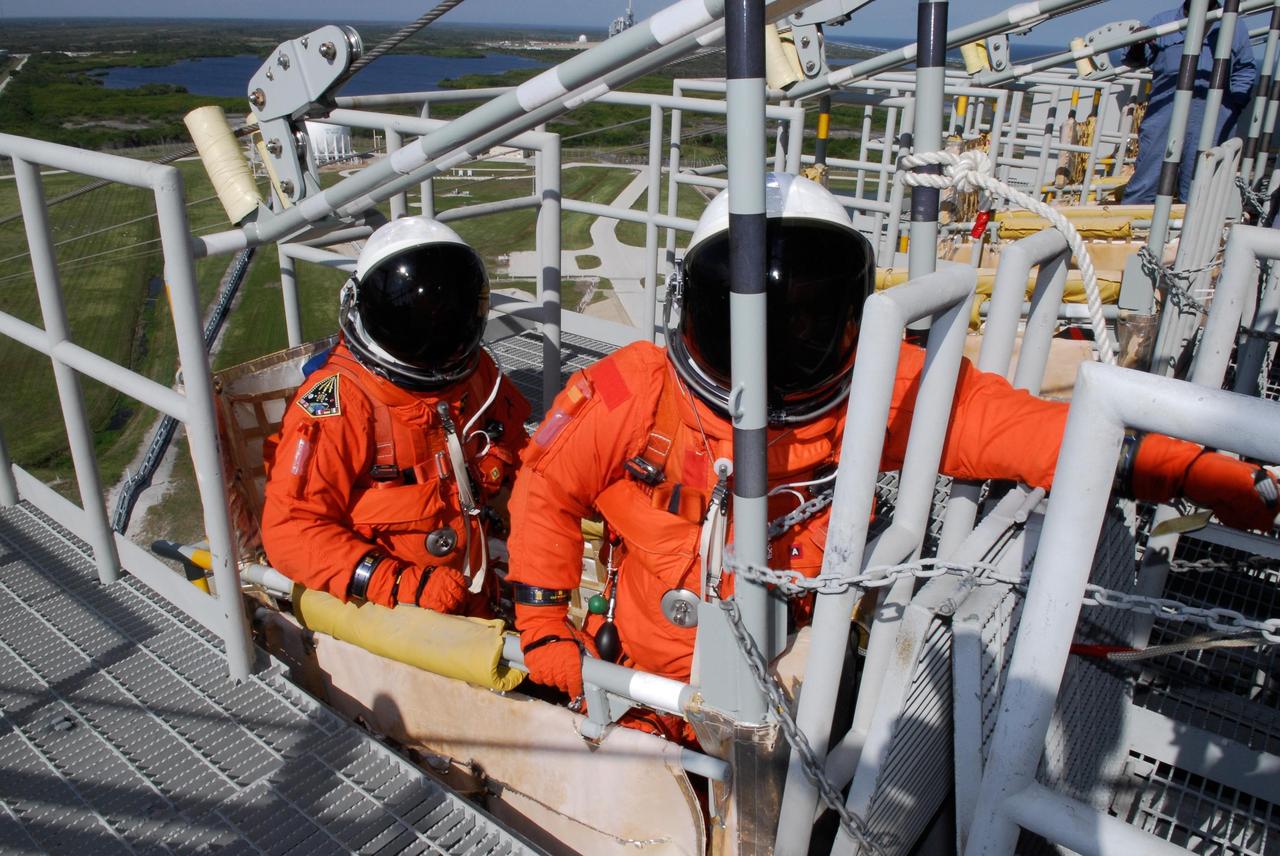
KENNEDY SPACE CENTER, FLA. -- Members of space shuttle Atlantis' STS-122 crew practice emergency exit procedures in a slidewire basket at Launch Pad 39A following a simulated launch countdown. The exercise is part of terminal countdown demonstration test, or TCDT, activities at NASA's Kennedy Space Center. The TCDT is a dress rehearsal for launch and also provides astronauts and ground crews with equipment familiarization and emergency egress training. On mission STS-122, Atlantis will deliver the Columbus module to the International Space Station. The European Space Agency's largest single contribution to the station, Columbus is a multifunctional, pressurized laboratory that will be permanently attached to U.S. Node 2, called Harmony. The laboratory will expand the research facilities aboard the station, providing crew members and scientists from around the world the ability to conduct a variety of experiments in the physical, materials and life sciences. Atlantis' launch is targeted for Dec. 6. Photo credit: NASA/Kim Shiflett
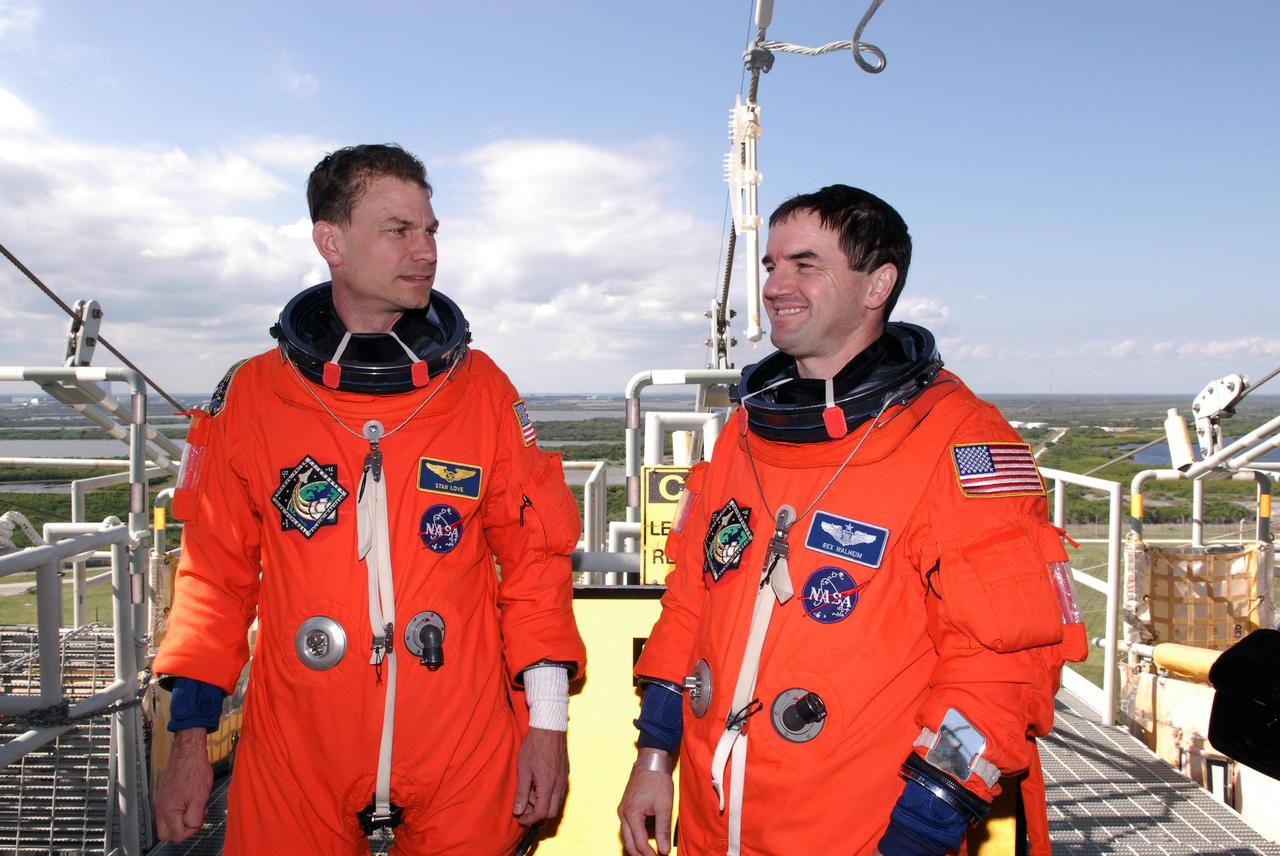
KENNEDY SPACE CENTER, FLA. -- Space shuttle Atlantis STS-122 Mission Specialists Stanley Love, left, and Rex Walheim relax for a moment following a simulated launch countdown at Launch Pad 39A. The exercise is part of terminal countdown demonstration test, or TCDT, activities at NASA's Kennedy Space Center. The TCDT is a dress rehearsal for launch and also provides astronauts and ground crews with equipment familiarization and emergency egress training. On mission STS-122, Atlantis will deliver the Columbus module to the International Space Station. The European Space Agency's largest single contribution to the station, Columbus is a multifunctional, pressurized laboratory that will be permanently attached to U.S. Node 2, called Harmony. The laboratory will expand the research facilities aboard the station, providing crew members and scientists from around the world the ability to conduct a variety of experiments in the physical, materials and life sciences. Atlantis' launch is targeted for Dec. 6. Photo credit: NASA/Kim Shiflett

KENNEDY SPACE CENTER, FLA. -- In the White Room on Launch Pad 39A, suit technicians help space shuttle Atlantis STS-122 Mission Specialist Leopold Eyharts with his flight and entry suit before his entry onto Atlantis' flight deck, through the hatch behind him. Eyharts is with the European Space Agency and will remain on the International Space Station as a flight engineer for Expedition 16 following the STS-122 mission. The exercise is part of terminal countdown demonstration test, or TCDT, activities at NASA's Kennedy Space Center. The TCDT is a dress rehearsal for launch and also provides astronauts and ground crews with equipment familiarization and emergency egress training. On mission STS-122, Atlantis will deliver the Columbus module to the International Space Station. The European Space Agency's largest single contribution to the station, Columbus is a multifunctional, pressurized laboratory that will be permanently attached to U.S. Node 2, called Harmony. The laboratory will expand the research facilities aboard the station, providing crew members and scientists from around the world the ability to conduct a variety of experiments in the physical, materials and life sciences. Atlantis' launch is targeted for Dec. 6. Photo credit: NASA/George Shelton
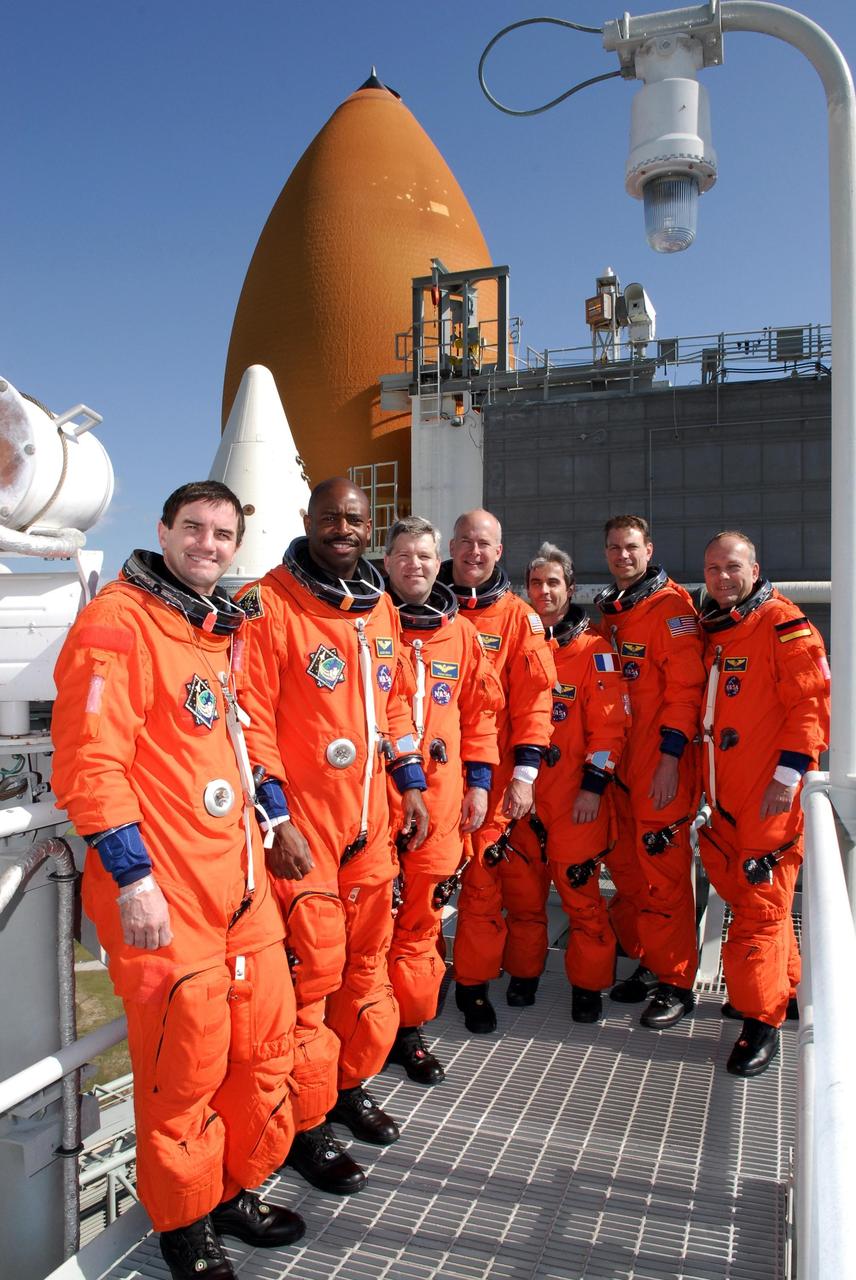
KENNEDY SPACE CENTER, FLA. -- Members of space shuttle Atlantis' STS-122 crew pose for a group portrait with the tip of Atlantis' external tank in the background following a simulated launch countdown at Launch Pad 39A. From left are Mission Specialists Rex Walheim and Leland Melvin; Commander Steve Frick; Pilot Alan Poindexter; and Mission Specialists Leopold Eyharts, Stanley Love and Hans Schlegel. Schlegel and Eyharts are with the European Space Agency. Eyharts will remain on the International Space Station as a flight engineer for Expedition 16 following the STS-122 mission. The exercise is part of terminal countdown demonstration test, or TCDT, activities at NASA's Kennedy Space Center. The TCDT is a dress rehearsal for launch and also provides astronauts and ground crews with equipment familiarization and emergency egress training. On mission STS-122, Atlantis will deliver the Columbus module to the International Space Station. The European Space Agency's largest single contribution to the station, Columbus is a multifunctional, pressurized laboratory that will be permanently attached to U.S. Node 2, called Harmony. The laboratory will expand the research facilities aboard the station, providing crew members and scientists from around the world the ability to conduct a variety of experiments in the physical, materials and life sciences. Atlantis' launch is targeted for Dec. 6. Photo credit: NASA/Kim Shiflett
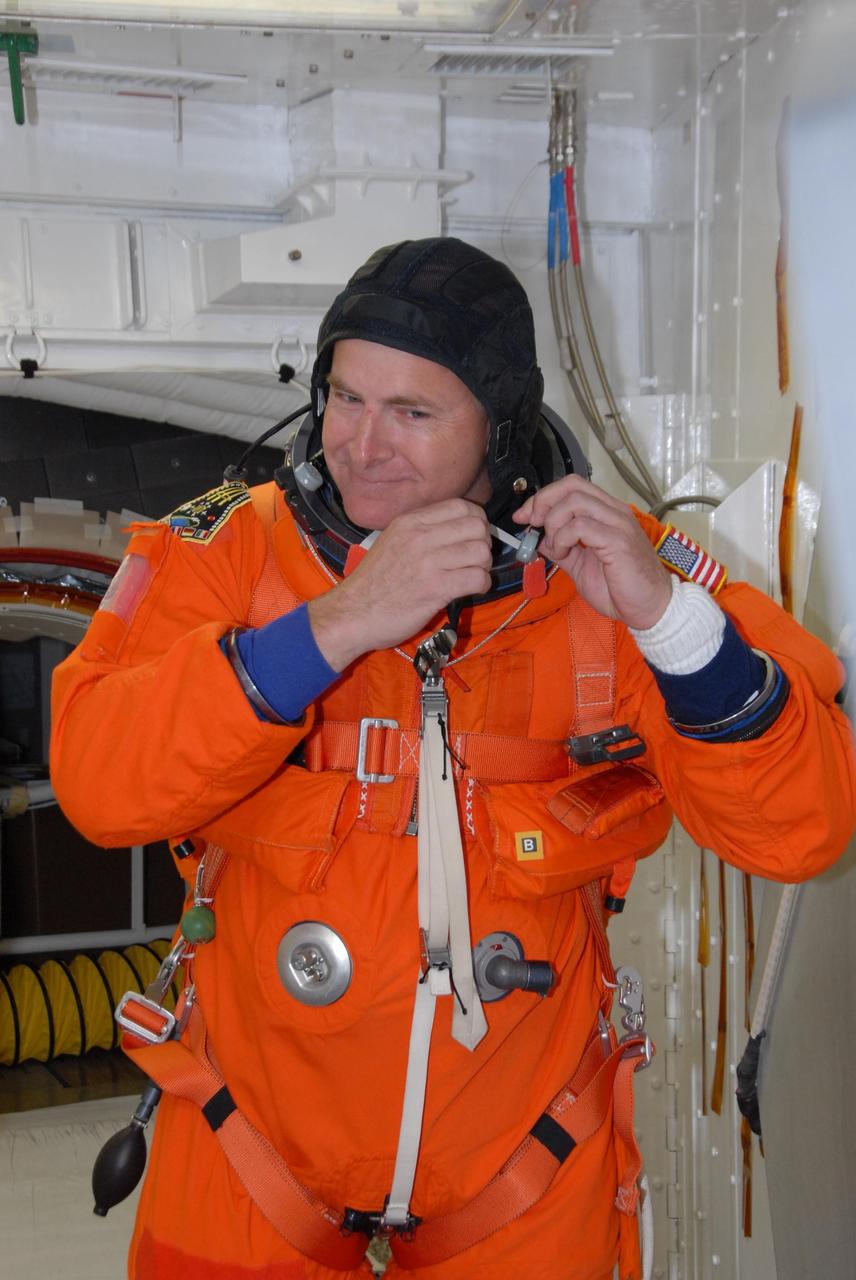
KENNEDY SPACE CENTER, FLA. -- In the White Room on Launch Pad 39A, space shuttle Atlantis STS-122 Pilot Alan Poindexter suits up for his entry into Atlantis' cockpit, through the hatch behind him. The exercise is part of terminal countdown demonstration test, or TCDT, activities at NASA's Kennedy Space Center. The TCDT is a dress rehearsal for launch and also provides astronauts and ground crews with equipment familiarization and emergency egress training. On mission STS-122, Atlantis will deliver the Columbus module to the International Space Station. The European Space Agency's largest single contribution to the station, Columbus is a multifunctional, pressurized laboratory that will be permanently attached to U.S. Node 2, called Harmony. The laboratory will expand the research facilities aboard the station, providing crew members and scientists from around the world the ability to conduct a variety of experiments in the physical, materials and life sciences. Atlantis' launch is targeted for Dec. 6. Photo credit: NASA/George Shelton
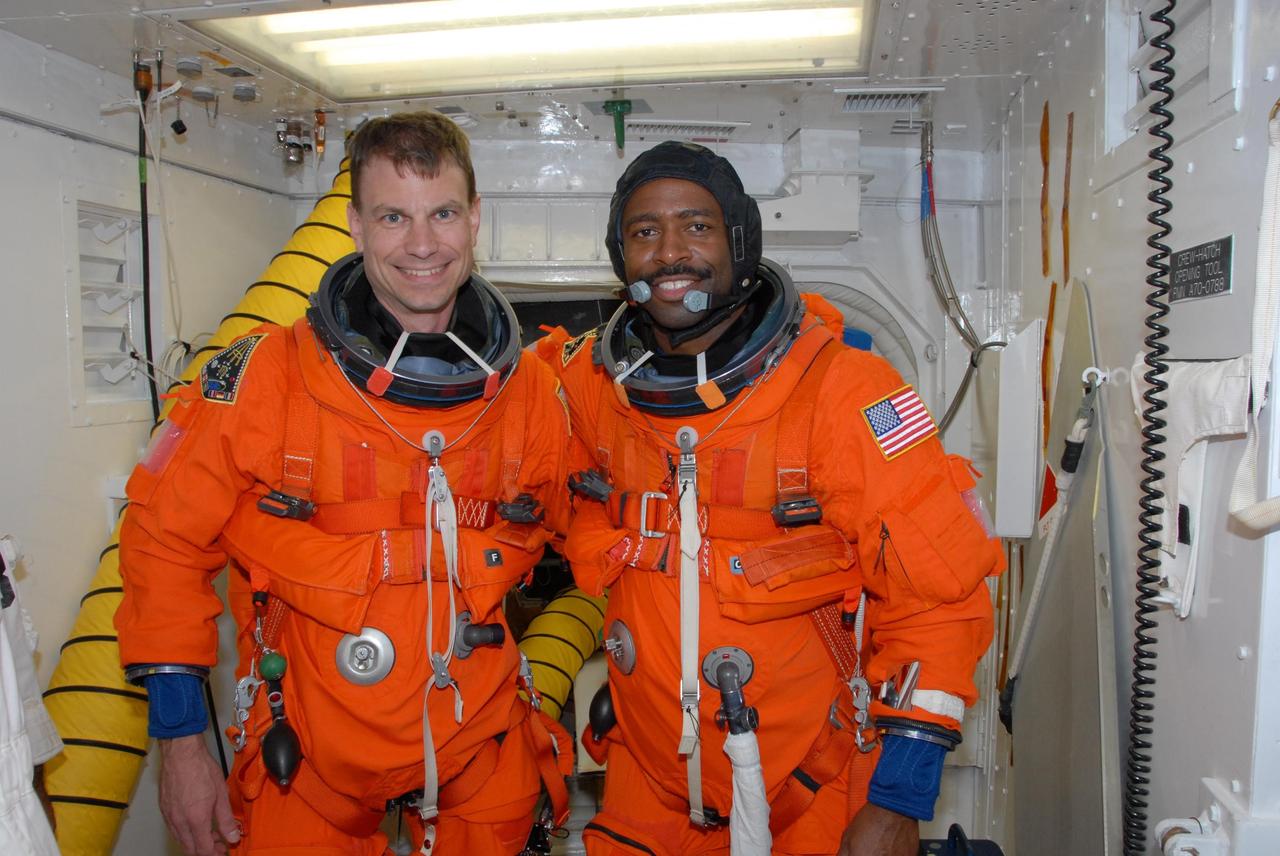
KENNEDY SPACE CENTER, FLA. -- In the White Room on Launch Pad 39A, space shuttle Atlantis STS-122 Mission Specialists Stanley Love and Leland Melvin take time out for a photo during their preparations for entry onto Atlantis' flight deck. The exercise is part of terminal countdown demonstration test, or TCDT, activities at NASA's Kennedy Space Center. The TCDT is a dress rehearsal for launch and also provides astronauts and ground crews with equipment familiarization and emergency egress training. On mission STS-122, Atlantis will deliver the Columbus module to the International Space Station. The European Space Agency's largest single contribution to the station, Columbus is a multifunctional, pressurized laboratory that will be permanently attached to U.S. Node 2, called Harmony. The laboratory will expand the research facilities aboard the station, providing crew members and scientists from around the world the ability to conduct a variety of experiments in the physical, materials and life sciences. Atlantis' launch is targeted for Dec. 6. Photo credit: NASA/George Shelton
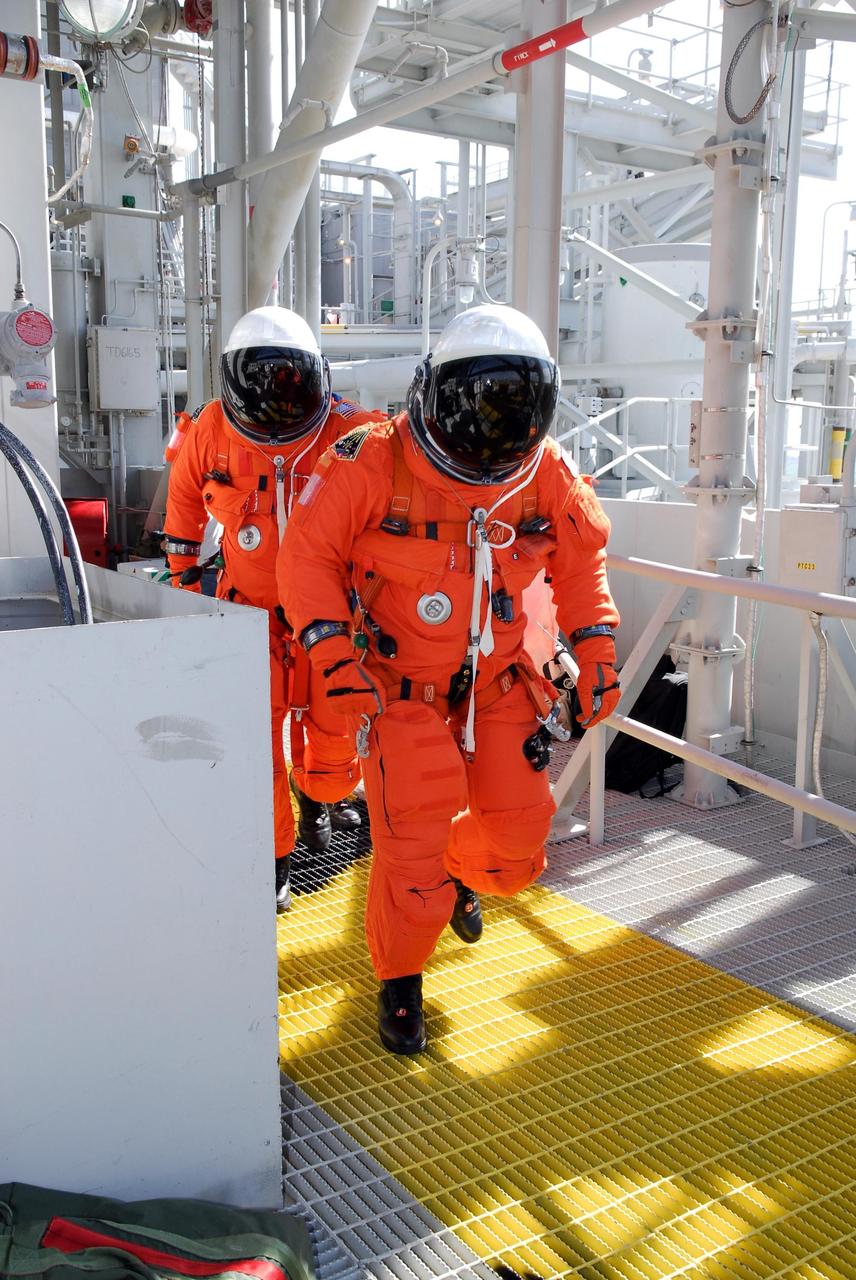
KENNEDY SPACE CENTER, FLA. -- Members of space shuttle Atlantis' STS-122 crew exit Atlantis' fight deck following a simulated launch countdown at Launch Pad 39A. The exercise is part of terminal countdown demonstration test, or TCDT, activities at NASA's Kennedy Space Center. The TCDT is a dress rehearsal for launch and also provides astronauts and ground crews with equipment familiarization and emergency egress training. On mission STS-122, Atlantis will deliver the Columbus module to the International Space Station. The European Space Agency's largest single contribution to the station, Columbus is a multifunctional, pressurized laboratory that will be permanently attached to U.S. Node 2, called Harmony. The laboratory will expand the research facilities aboard the station, providing crew members and scientists from around the world the ability to conduct a variety of experiments in the physical, materials and life sciences. Atlantis' launch is targeted for Dec. 6. Photo credit: NASA/Kim Shiflett
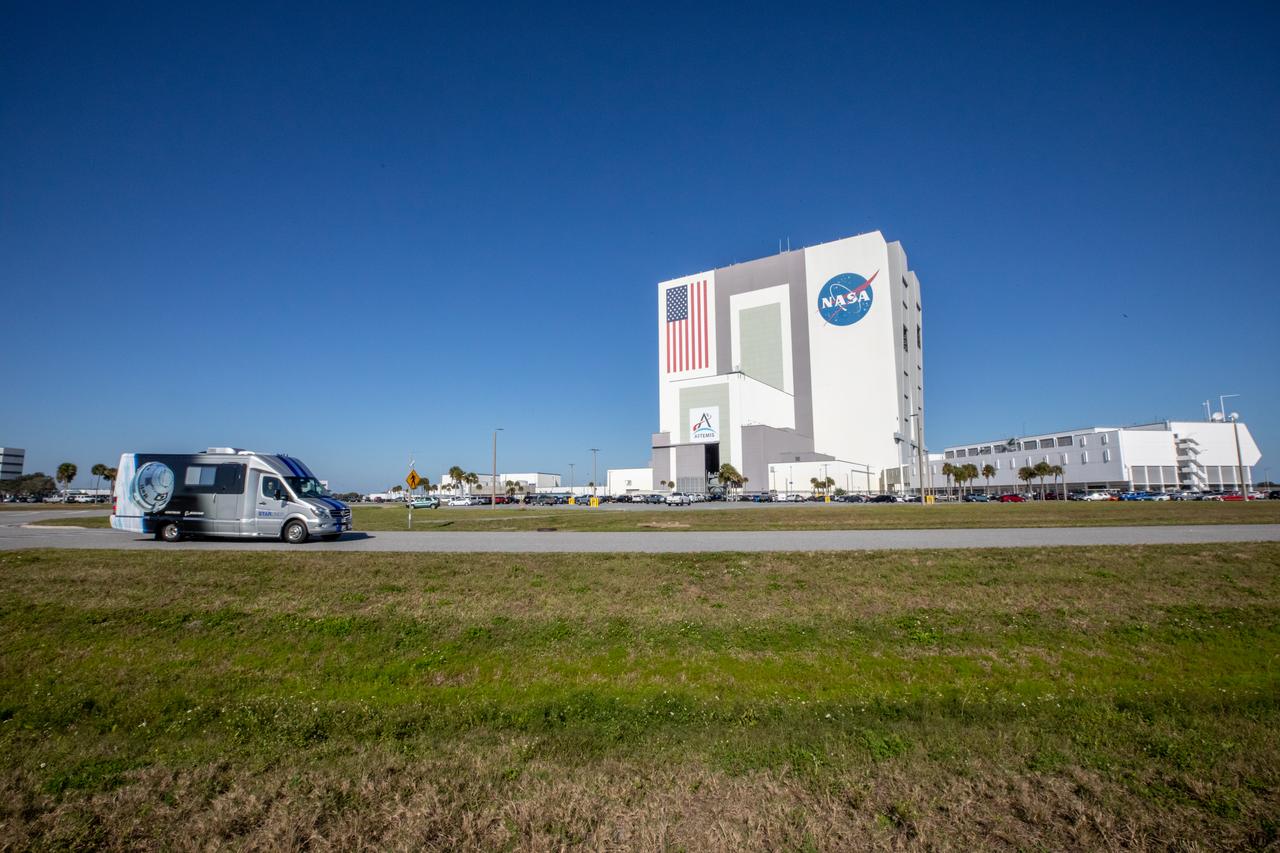
A crew transportation vehicle carrying NASA astronauts Suni Williams and Barry “Butch” Wilmore drives past the iconic Vehicle Assembly Building at the agency’s Kennedy Space Center in Florida on Wednesday, Jan. 31, 2024, as part of an integrated crew exercise simulation for NASA’s Boeing Crew Flight Test (CFT). The integrated exercise involved participation from the flight crew, NASA, Boeing, and United Launch Alliance (ULA), and allowed teams to rehearse prelaunch operations beginning roughly four hours before a targeted liftoff. CFT will be the first flight with astronauts to the International Space Station for Boeing’s Starliner spacecraft as part of NASA’s Commercial Crew Program. Starliner is scheduled to launch atop ULA’s Atlas V rocket no earlier than mid-April 2024.
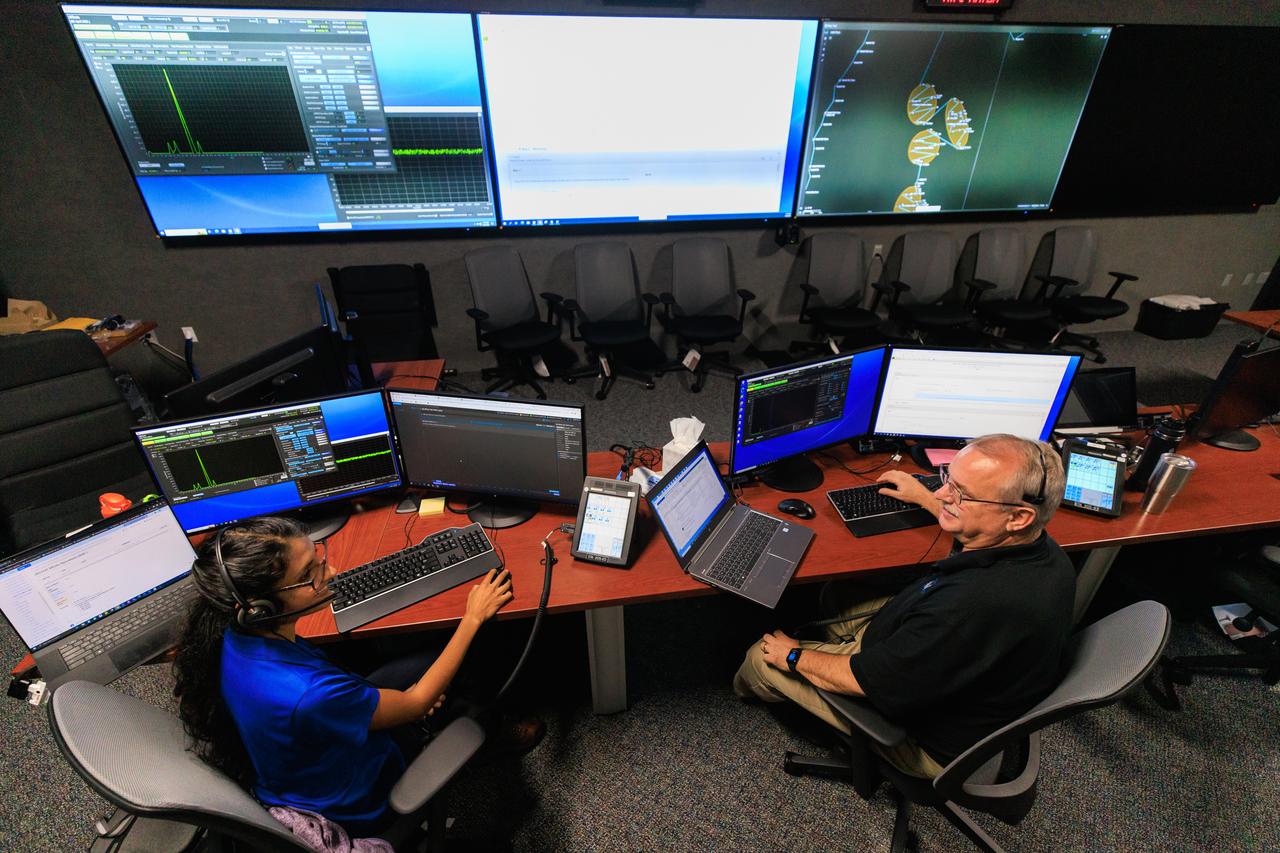
Pri Johnson (left), Mass Spectrometer Observing Lunar Operations (MSOLO) systems engineer, and Jim Kania, MSOLO software engineering lead, participate in simulation training at NASA’s Kennedy Space Center in Florida on May 25, 2023, in preparation for the agency’s Volatile Investigating Polar Exploration Rover (VIPER) mission. The purpose of the training was to get the integrated VIPER team – a mix of engineers from Kennedy and NASA’s Ames Research Center in California – accustomed to operating together during phases of the mission where the rover will be driving. MSOLO is a modified commercial off-the-shelf mass spectrometer that will help the agency analyze the chemical makeup of landing sites on the Moon and study water on the lunar surface. MSOLO, as part of VIPER, is scheduled to launch on a SpaceX Falcon Heavy rocket through NASA’s Commercial Lunar Payload Delivery Service (CLPS) initiative in late 2024, landing at the Moon’s South Pole aboard Astrobotic’s Griffin lander. Through Artemis missions, CLPS deliveries will be used to perform science experiments, test technologies, and demonstrate capabilities to help NASA explore the Moon and prepare for human deep space exploration missions.
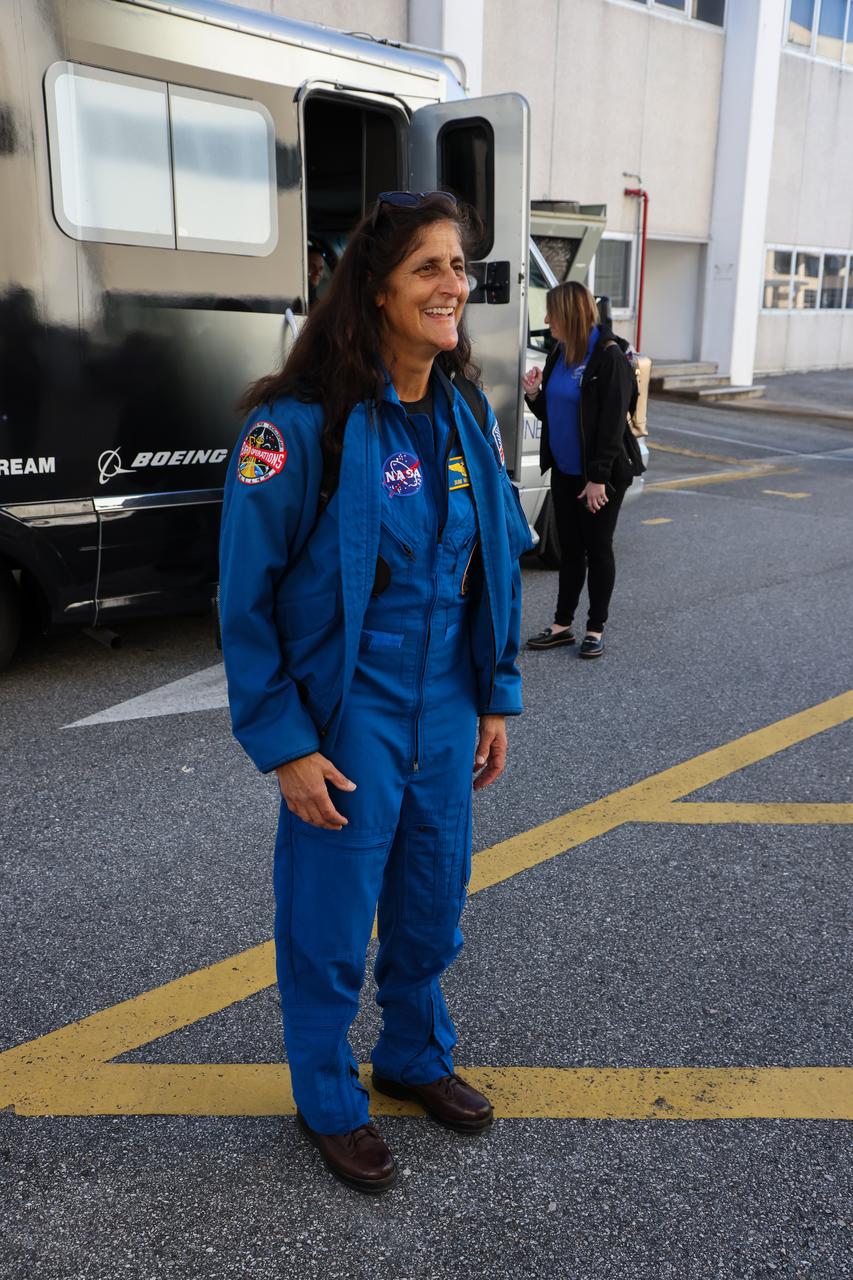
NASA astronaut Suni Williams emerges from the Neil Armstrong Operations and Checkout Building at the agency’s Kennedy Space Center in Florida on Wednesday, Jan. 31, 2024, as part of an integrated crew exercise simulation for NASA’s Boeing Crew Flight Test (CFT). Williams and fellow crew member Barry “Butch” Wilmore, along with NASA, Boeing, and United Launch Alliance (ULA), participated in the integrated exercise, which allowed teams to rehearse prelaunch operations beginning roughly four hours before a targeted liftoff. CFT will be the first flight with astronauts to the International Space Station for Boeing’s Starliner spacecraft as part of NASA’s Commercial Crew Program. Starliner is scheduled to launch atop ULA’s Atlas V rocket no earlier than mid-April 2024.
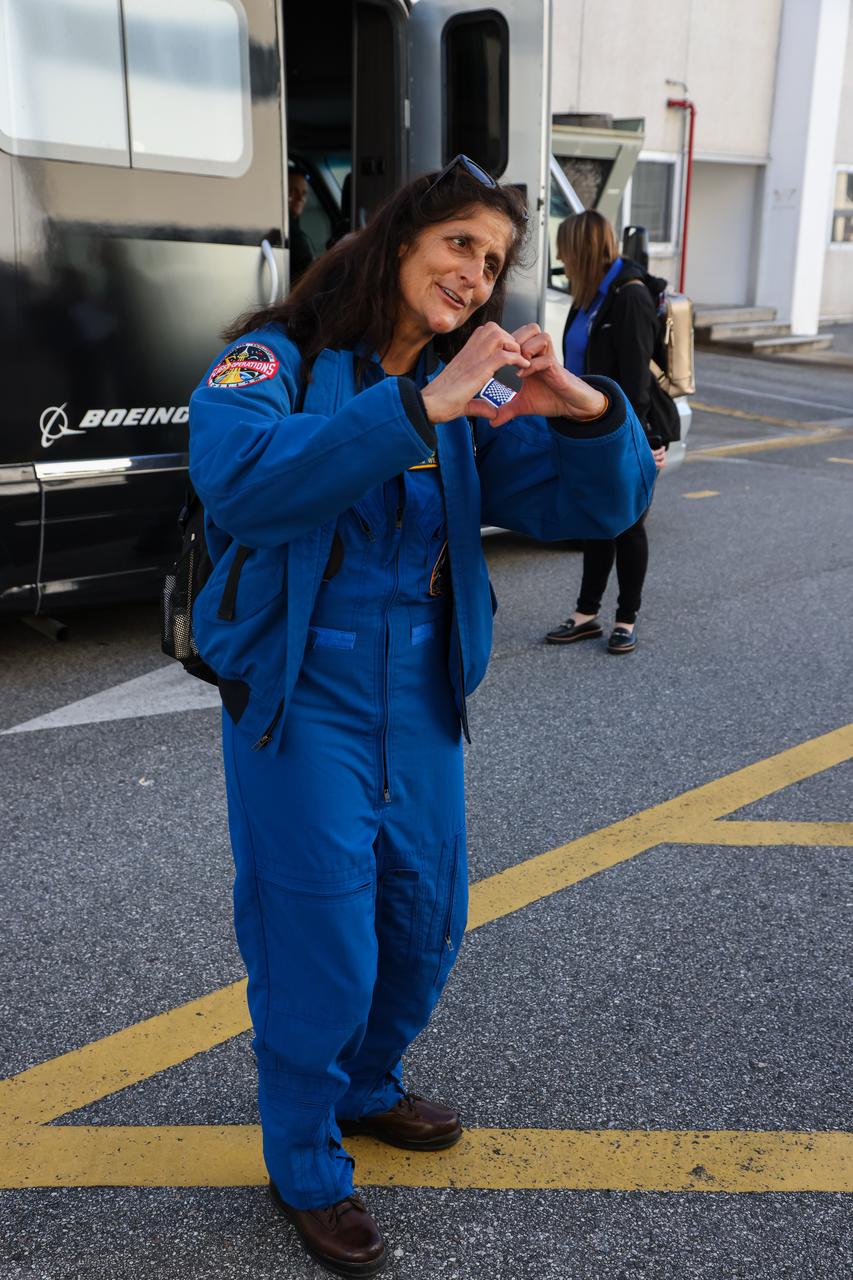
NASA astronaut Suni Williams emerges from the Neil Armstrong Operations and Checkout Building at the agency’s Kennedy Space Center in Florida on Wednesday, Jan. 31, 2024, as part of an integrated crew exercise simulation for NASA’s Boeing Crew Flight Test (CFT). Williams and fellow crew member Barry “Butch” Wilmore, along with NASA, Boeing, and United Launch Alliance (ULA), participated in the integrated exercise, which allowed teams to rehearse prelaunch operations beginning roughly four hours before a targeted liftoff. CFT will be the first flight with astronauts to the International Space Station for Boeing’s Starliner spacecraft as part of NASA’s Commercial Crew Program. Starliner is scheduled to launch atop ULA’s Atlas V rocket no earlier than mid-April 2024.
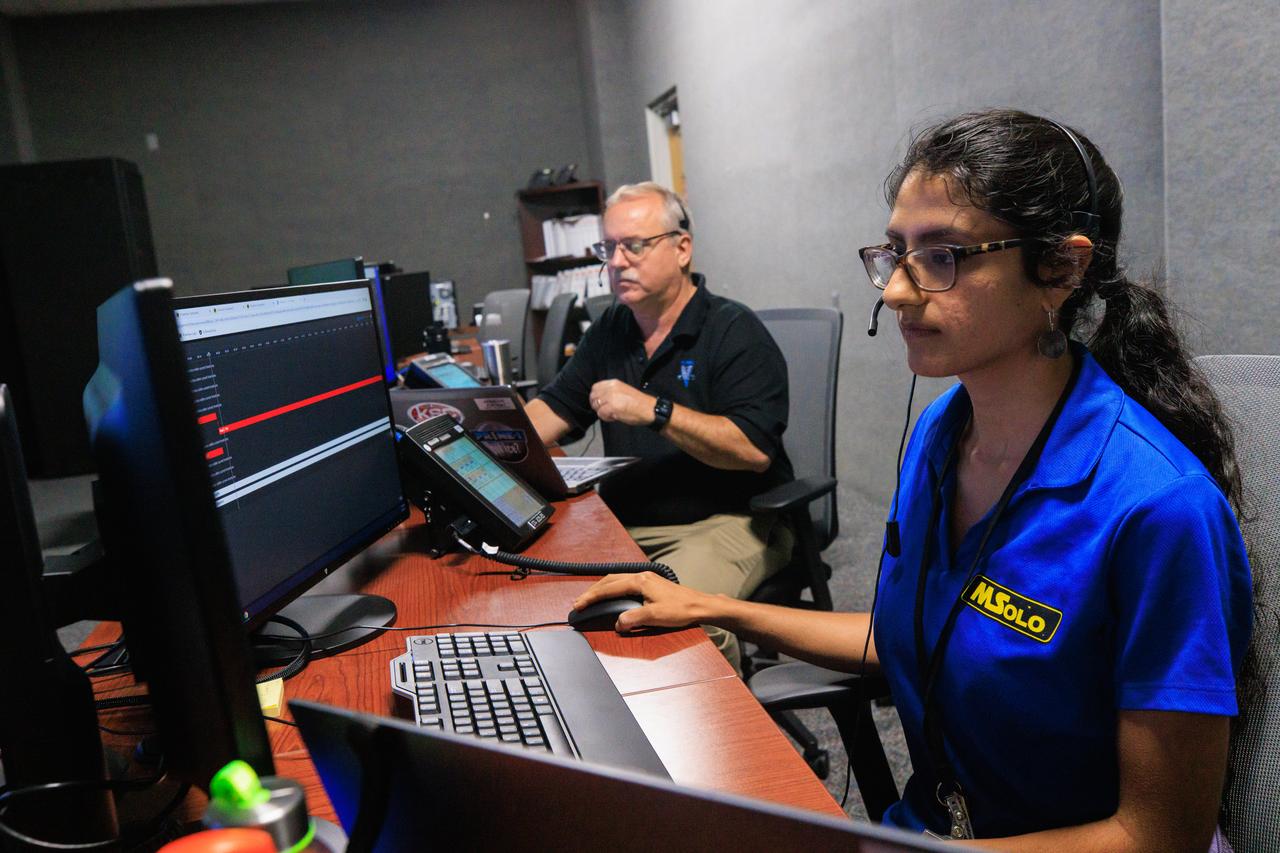
Jim Kania (left), Mass Spectrometer Observing Lunar Operations (MSOLO) software engineering lead, and Pri Johnson, MSOLO systems engineer, participate in simulation training at NASA’s Kennedy Space Center in Florida on May 25, 2023, in preparation for the agency’s Volatile Investigating Polar Exploration Rover (VIPER) mission. The purpose of the training was to get the integrated VIPER team – a mix of engineers from Kennedy and NASA’s Ames Research Center in California – accustomed to operating together during phases of the mission where the rover will be driving. MSOLO is a modified commercial off-the-shelf mass spectrometer that will help the agency analyze the chemical makeup of landing sites on the Moon and study water on the lunar surface. MSOLO, as part of VIPER, is scheduled to launch on a SpaceX Falcon Heavy rocket through NASA’s Commercial Lunar Payload Delivery Service (CLPS) initiative in late 2024, landing at the Moon’s South Pole aboard Astrobotic’s Griffin lander. Through Artemis missions, CLPS deliveries will be used to perform science experiments, test technologies, and demonstrate capabilities to help NASA explore the Moon and prepare for human deep space exploration missions.
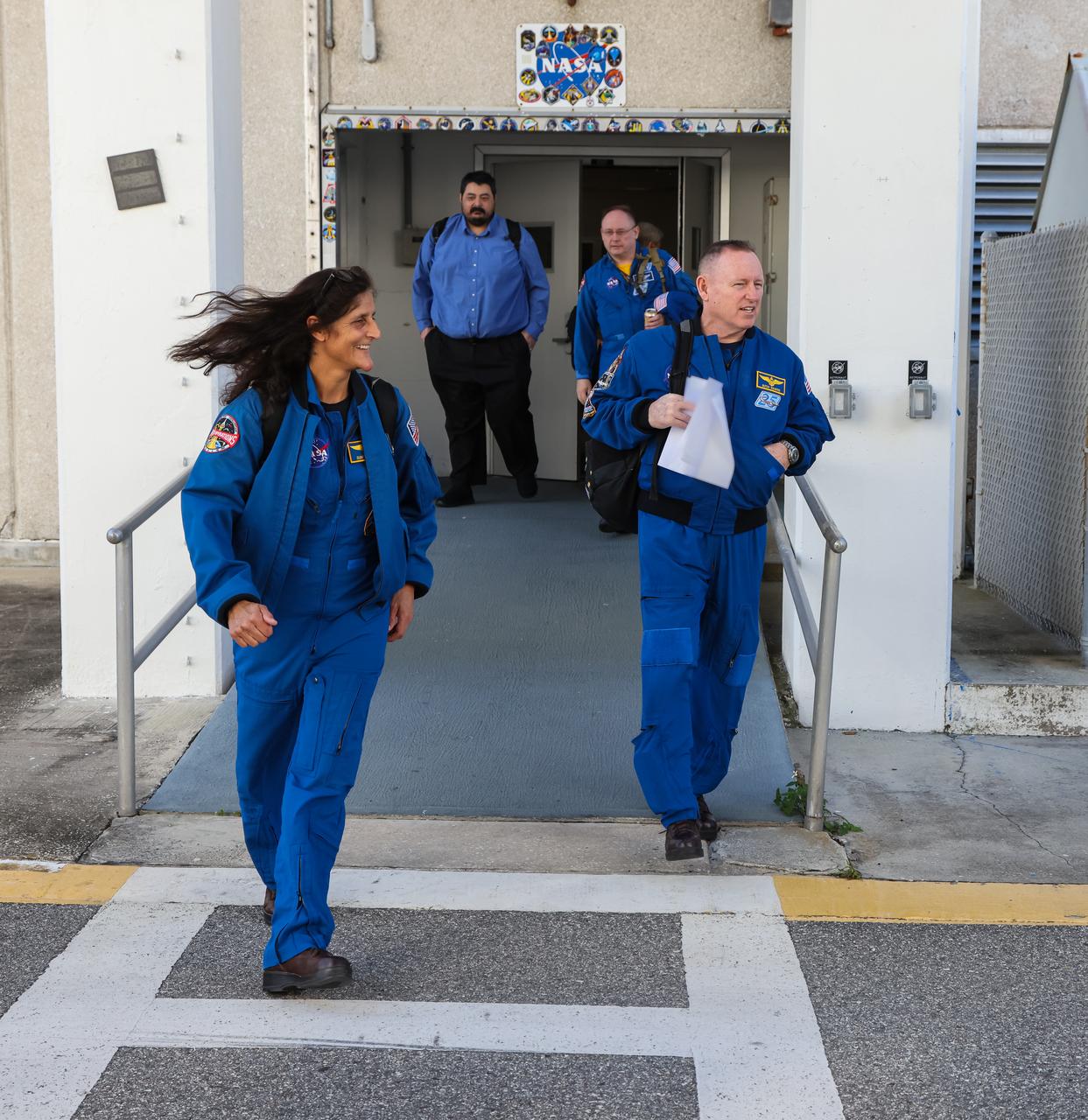
NASA astronauts Suni Williams and Barry “Butch” Wilmore emerge from the Neil Armstrong Operations and Checkout Building at the agency’s Kennedy Space Center in Florida on Wednesday, Jan. 31, 2024, as part of an integrated crew exercise simulation for NASA’s Boeing Crew Flight Test (CFT). The integrated exercise involved participation from the flight crew, NASA, Boeing, and United Launch Alliance (ULA), and allowed teams to rehearse prelaunch operations beginning roughly four hours before a targeted liftoff. CFT will be the first flight with astronauts to the International Space Station for Boeing’s Starliner spacecraft as part of NASA’s Commercial Crew Program. Starliner is scheduled to launch atop ULA’s Atlas V rocket no earlier than mid-April 2024.
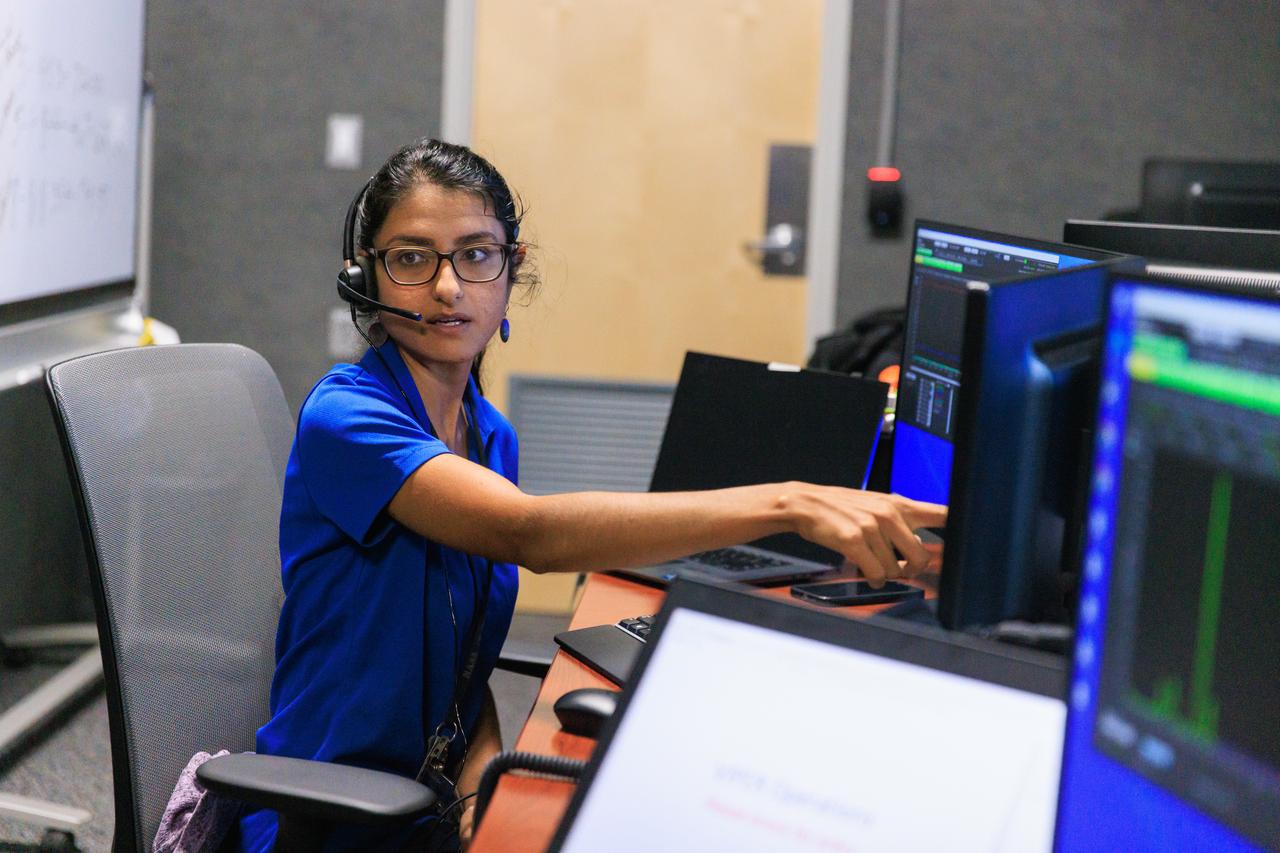
Mass Spectrometer Observing Lunar Operations (MSOLO) Systems Engineer Pri Johnson participates in simulation training at NASA’s Kennedy Space Center in Florida on May 25, 2023, in preparation for the agency’s Volatile Investigating Polar Exploration Rover (VIPER) mission. The purpose of the training was to get the integrated VIPER team – a mix of engineers from Kennedy and NASA’s Ames Research Center in California – accustomed to operating together during phases of the mission where the rover will be driving. MSOLO is a modified commercial off-the-shelf mass spectrometer that will help the agency analyze the chemical makeup of landing sites on the Moon and study water on the lunar surface. MSOLO, as part of VIPER, is scheduled to launch on a SpaceX Falcon Heavy rocket through NASA’s Commercial Lunar Payload Delivery Service (CLPS) initiative in late 2024, landing at the Moon’s South Pole aboard Astrobotic’s Griffin lander. Through Artemis missions, CLPS deliveries will be used to perform science experiments, test technologies, and demonstrate capabilities to help NASA explore the Moon and prepare for human deep space exploration missions.
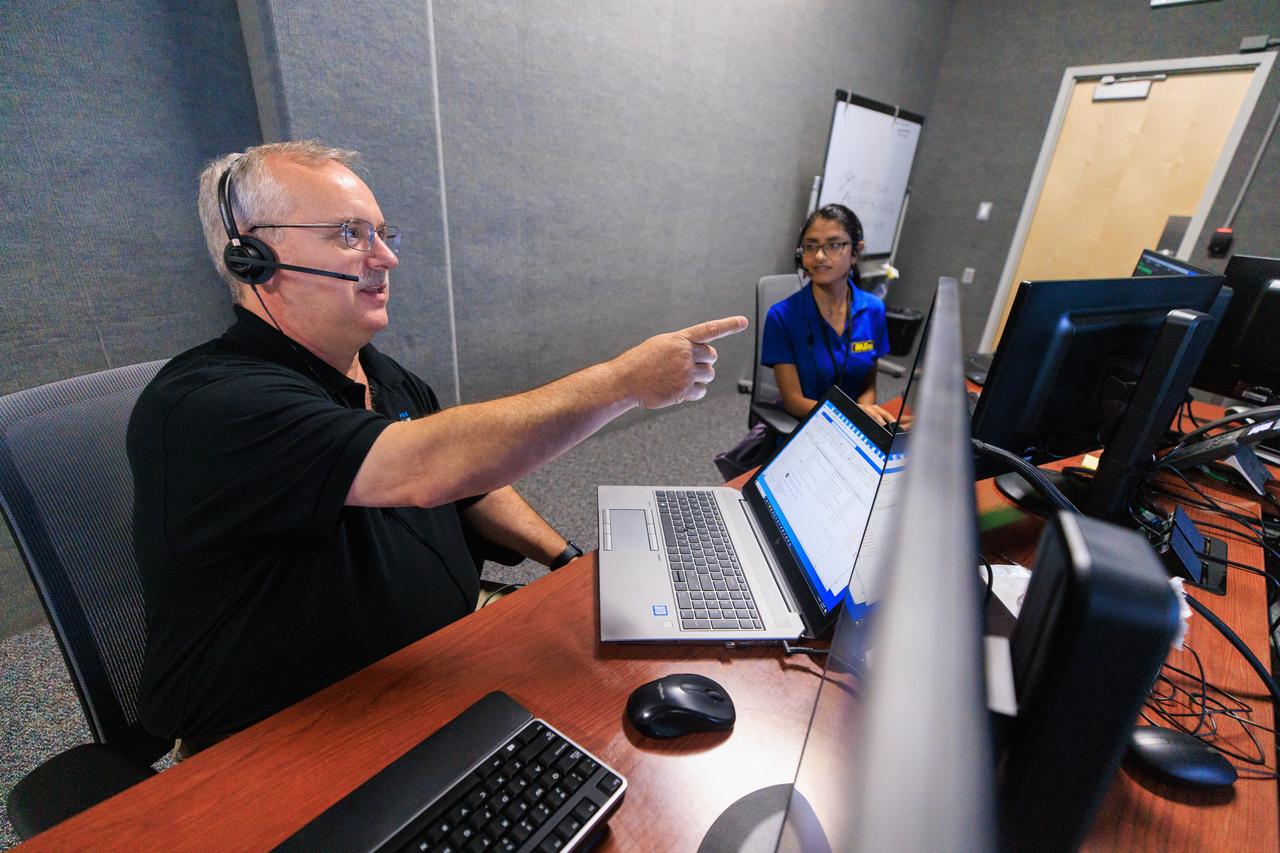
Jim Kania (left), Mass Spectrometer Observing Lunar Operations (MSOLO) software engineering lead, and Pri Johnson, MSOLO systems engineer, participate in simulation training at NASA’s Kennedy Space Center in Florida on May 25, 2023, in preparation for the agency’s Volatile Investigating Polar Exploration Rover (VIPER) mission. The purpose of the training was to get the integrated VIPER team – a mix of engineers from Kennedy and NASA’s Ames Research Center in California – accustomed to operating together during phases of the mission where the rover will be driving. MSOLO is a modified commercial off-the-shelf mass spectrometer that will help the agency analyze the chemical makeup of landing sites on the Moon and study water on the lunar surface. MSOLO, as part of VIPER, is scheduled to launch on a SpaceX Falcon Heavy rocket through NASA’s Commercial Lunar Payload Delivery Service (CLPS) initiative in late 2024, landing at the Moon’s South Pole aboard Astrobotic’s Griffin lander. Through Artemis missions, CLPS deliveries will be used to perform science experiments, test technologies, and demonstrate capabilities to help NASA explore the Moon and prepare for human deep space exploration missions.
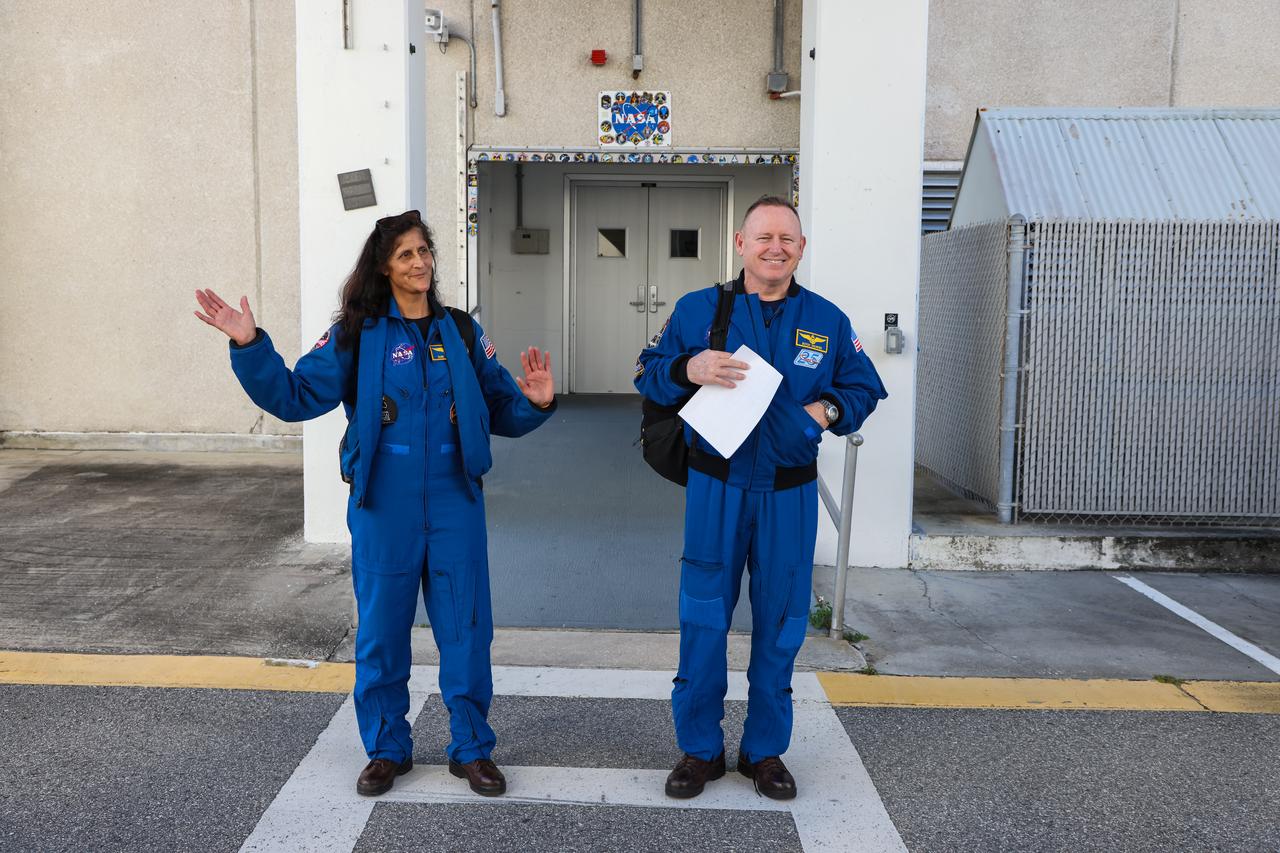
NASA astronauts Suni Williams and Barry “Butch” Wilmore emerge from the Neil Armstrong Operations and Checkout Building at the agency’s Kennedy Space Center in Florida on Wednesday, Jan. 31, 2024, as part of an integrated crew exercise simulation for NASA’s Boeing Crew Flight Test (CFT). The integrated exercise involved participation from the flight crew, NASA, Boeing, and United Launch Alliance (ULA), and allowed teams to rehearse prelaunch operations beginning roughly four hours before a targeted liftoff. CFT will be the first flight with astronauts to the International Space Station for Boeing’s Starliner spacecraft as part of NASA’s Commercial Crew Program. Starliner is scheduled to launch atop ULA’s Atlas V rocket no earlier than mid-April 2024.
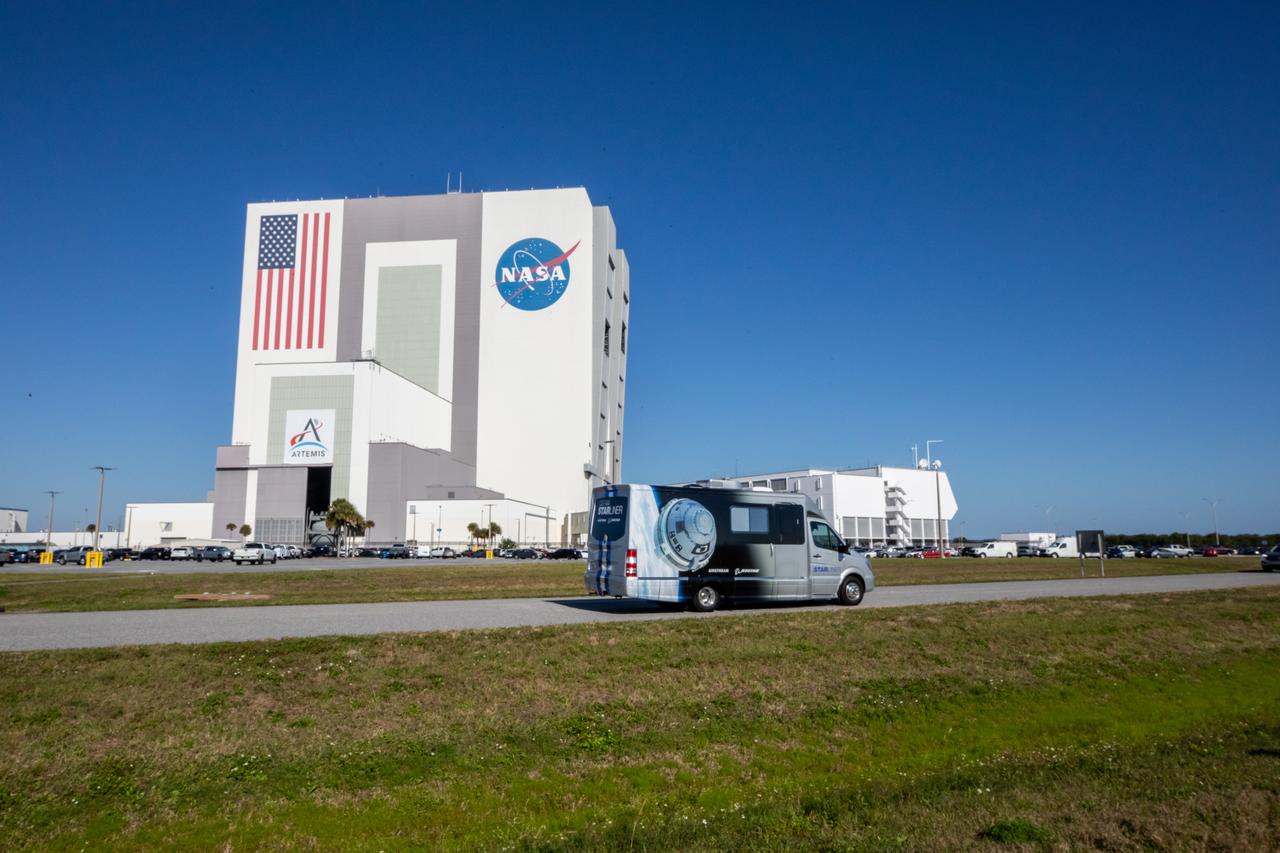
A crew transportation vehicle carrying NASA astronauts Suni Williams and Barry “Butch” Wilmore drives past the iconic Vehicle Assembly Building at the agency’s Kennedy Space Center in Florida on Wednesday, Jan. 31, 2024, as part of an integrated crew exercise simulation for NASA’s Boeing Crew Flight Test (CFT). The integrated exercise involved participation from the flight crew, NASA, Boeing, and United Launch Alliance (ULA), and allowed teams to rehearse prelaunch operations beginning roughly four hours before a targeted liftoff. CFT will be the first flight with astronauts to the International Space Station for Boeing’s Starliner spacecraft as part of NASA’s Commercial Crew Program. Starliner is scheduled to launch atop ULA’s Atlas V rocket no earlier than mid-April 2024.
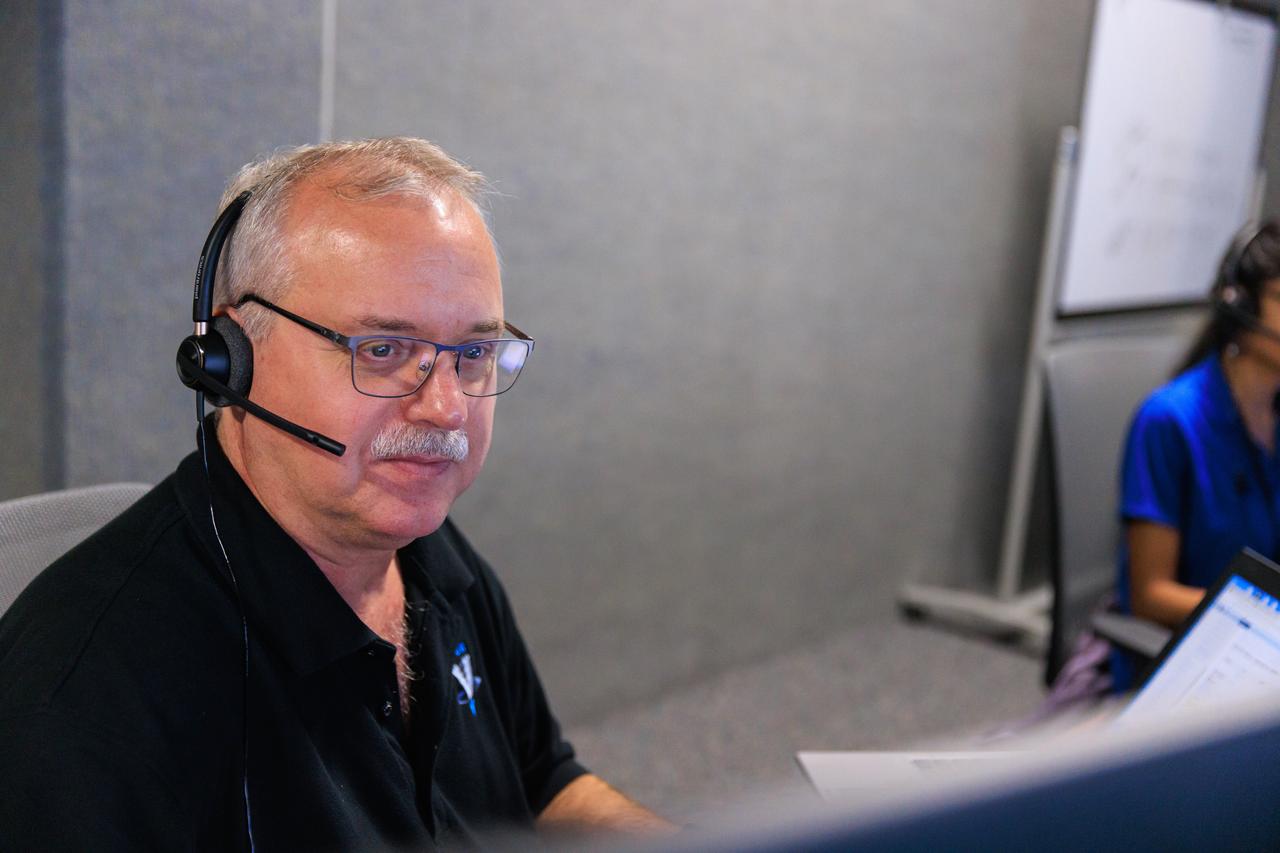
Mass Spectrometer Observing Lunar Operations (MSOLO) Software Engineering Lead Jim Kania participates in simulation training at NASA’s Kennedy Space Center in Florida on May 25, 2023, in preparation for the agency’s Volatile Investigating Polar Exploration Rover (VIPER) mission. The purpose of the training was to get the integrated VIPER team – a mix of engineers from Kennedy and NASA’s Ames Research Center in California – accustomed to operating together during phases of the mission where the rover will be driving. MSOLO is a modified commercial off-the-shelf mass spectrometer that will help the agency analyze the chemical makeup of landing sites on the Moon and study water on the lunar surface. MSOLO, as part of VIPER, is scheduled to launch on a SpaceX Falcon Heavy rocket through NASA’s Commercial Lunar Payload Delivery Service (CLPS) initiative in late 2024, landing at the Moon’s South Pole aboard Astrobotic’s Griffin lander. Through Artemis missions, CLPS deliveries will be used to perform science experiments, test technologies, and demonstrate capabilities to help NASA explore the Moon and prepare for human deep space exploration missions.
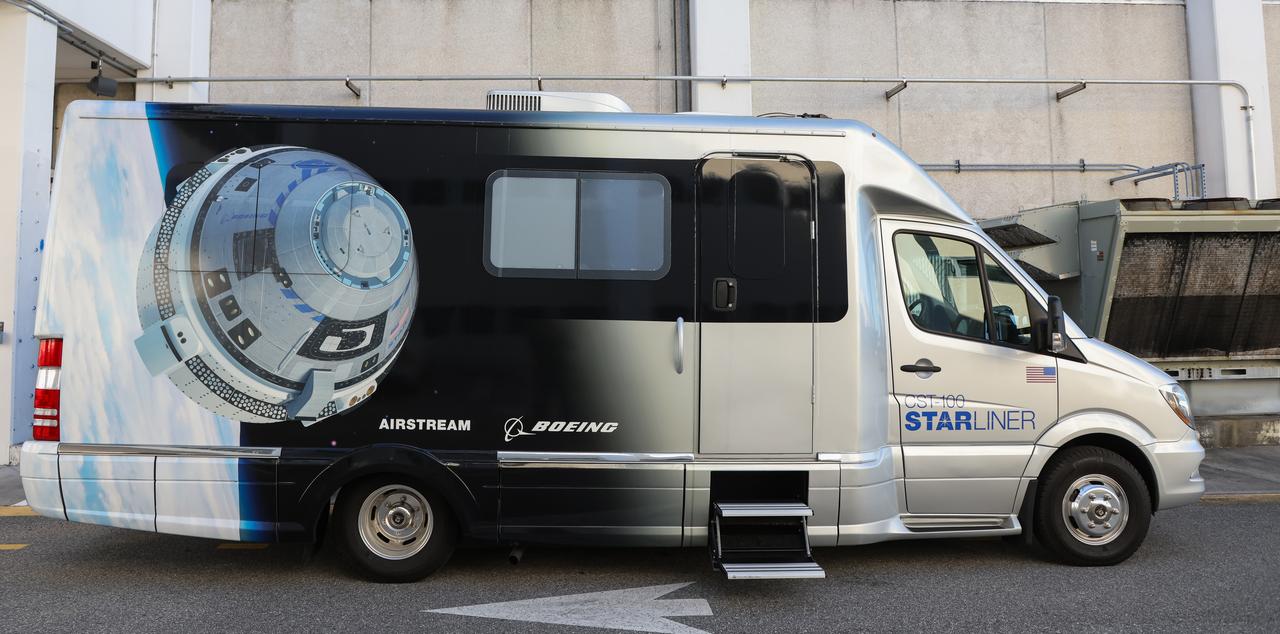
A crew transportation vehicle outside the Neil Armstrong Operations and Checkout Building at the agency’s Kennedy Space Center in Florida waits to carry NASA astronauts Suni Williams and Barry “Butch” Wilmore as part of an integrated crew exercise simulation for NASA’s Boeing Crew Flight Test (CFT) on Wednesday, Jan. 31, 2024. The integrated exercise involved participation from the flight crew, NASA, Boeing, and United Launch Alliance (ULA), and allowed teams to rehearse prelaunch operations beginning roughly four hours before a targeted liftoff. CFT will be the first flight with astronauts to the International Space Station for Boeing’s Starliner spacecraft as part of NASA’s Commercial Crew Program. Starliner is scheduled to launch atop ULA’s Atlas V rocket no earlier than mid-April 2024.
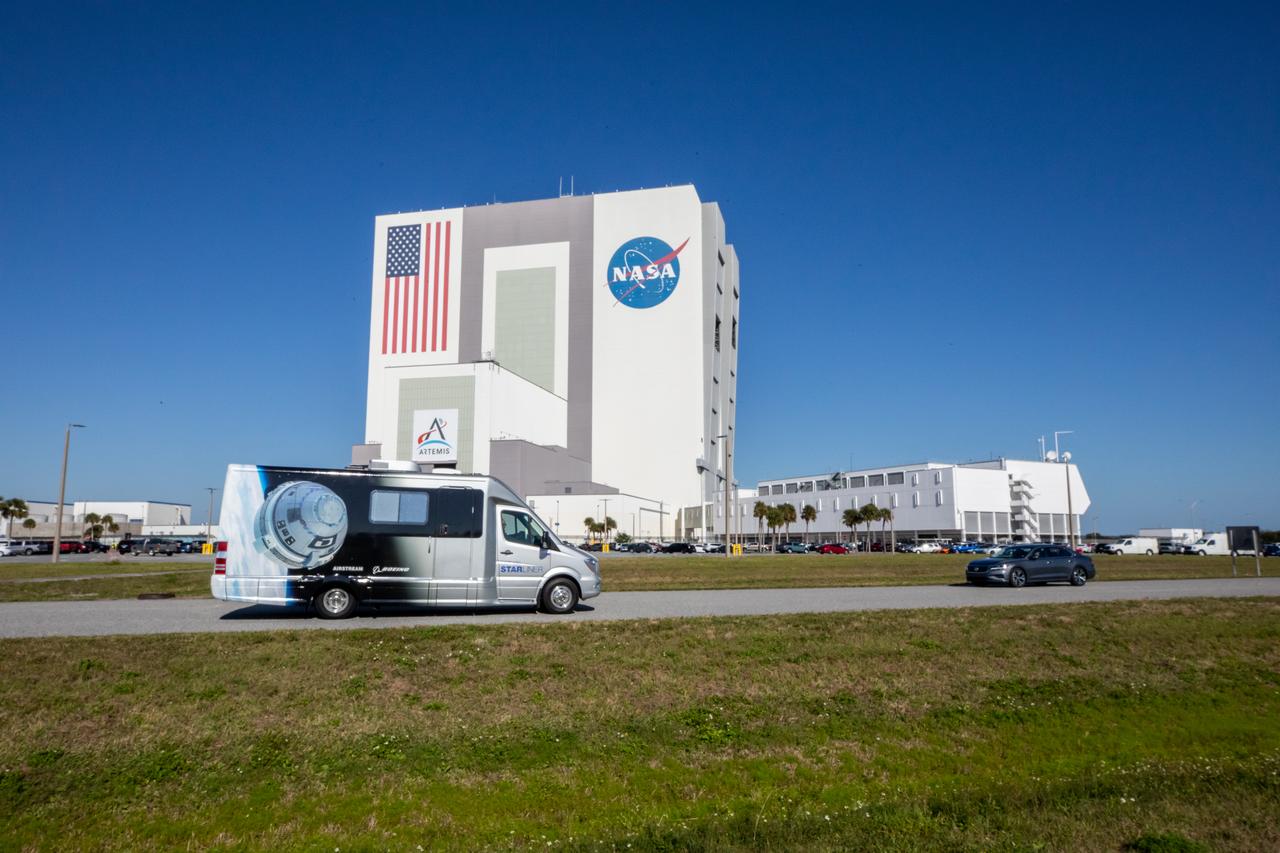
A crew transportation vehicle carrying NASA astronauts Suni Williams and Barry “Butch” Wilmore drives past the iconic Vehicle Assembly Building at the agency’s Kennedy Space Center in Florida on Wednesday, Jan. 31, 2024, as part of an integrated crew exercise simulation for NASA’s Boeing Crew Flight Test (CFT). The integrated exercise involved participation from the flight crew, NASA, Boeing, and United Launch Alliance (ULA), and allowed teams to rehearse prelaunch operations beginning roughly four hours before a targeted liftoff. CFT will be the first flight with astronauts to the International Space Station for Boeing’s Starliner spacecraft as part of NASA’s Commercial Crew Program. Starliner is scheduled to launch atop ULA’s Atlas V rocket no earlier than mid-April 2024.
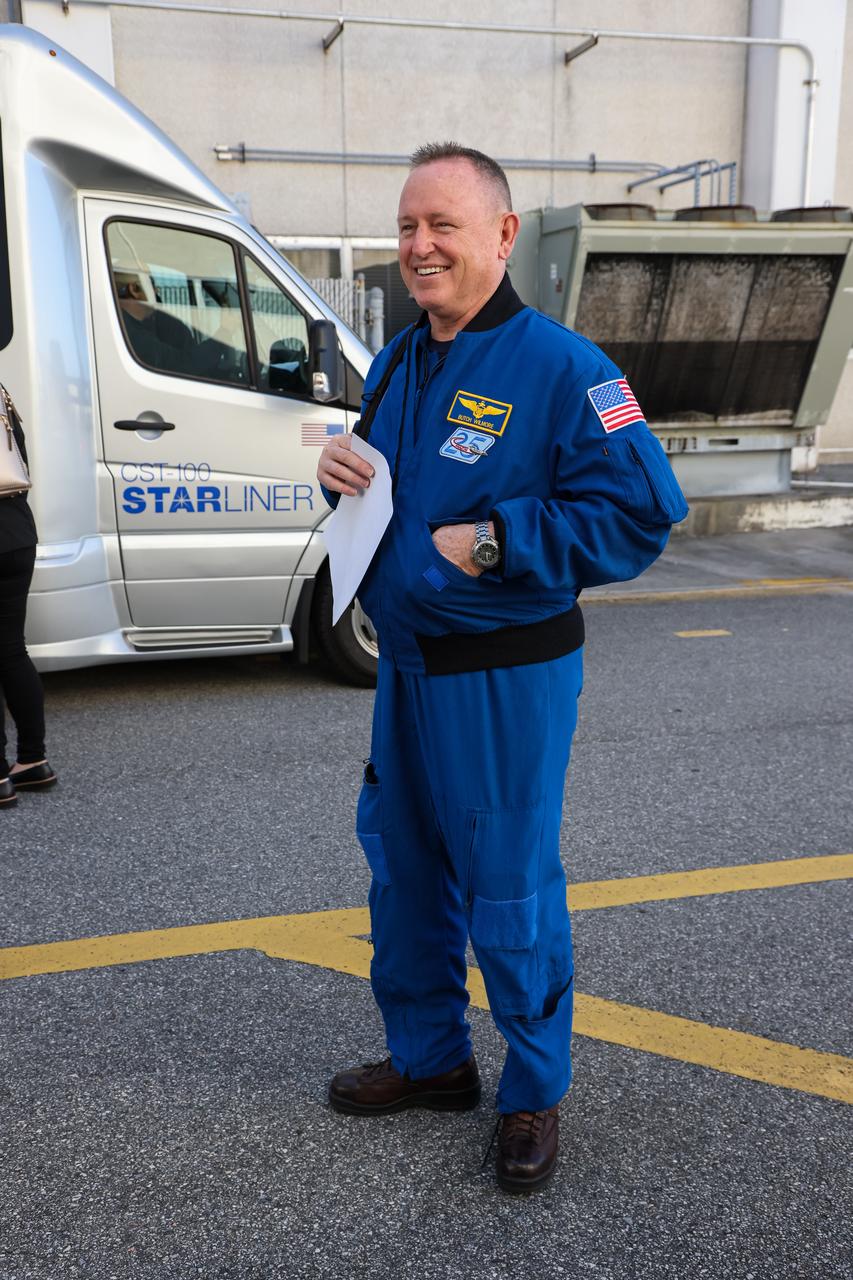
NASA astronaut Barry “Butch” Wilmore emerges from the Neil Armstrong Operations and Checkout Building and prepares to enter a crew transportation vehicle at the agency’s Kennedy Space Center in Florida on Wednesday, Jan. 31, 2024, as part of an integrated crew exercise simulation for NASA’s Boeing Crew Flight Test (CFT). Wilmore and fellow crew member Suni Williams, along with NASA, Boeing, and United Launch Alliance (ULA), participated in the integrated exercise, which allowed teams to rehearse prelaunch operations beginning roughly four hours before a targeted liftoff. CFT will be the first flight with astronauts to the International Space Station for Boeing’s Starliner spacecraft as part of NASA’s Commercial Crew Program. Starliner is scheduled to launch atop ULA’s Atlas V rocket no earlier than mid-April 2024.
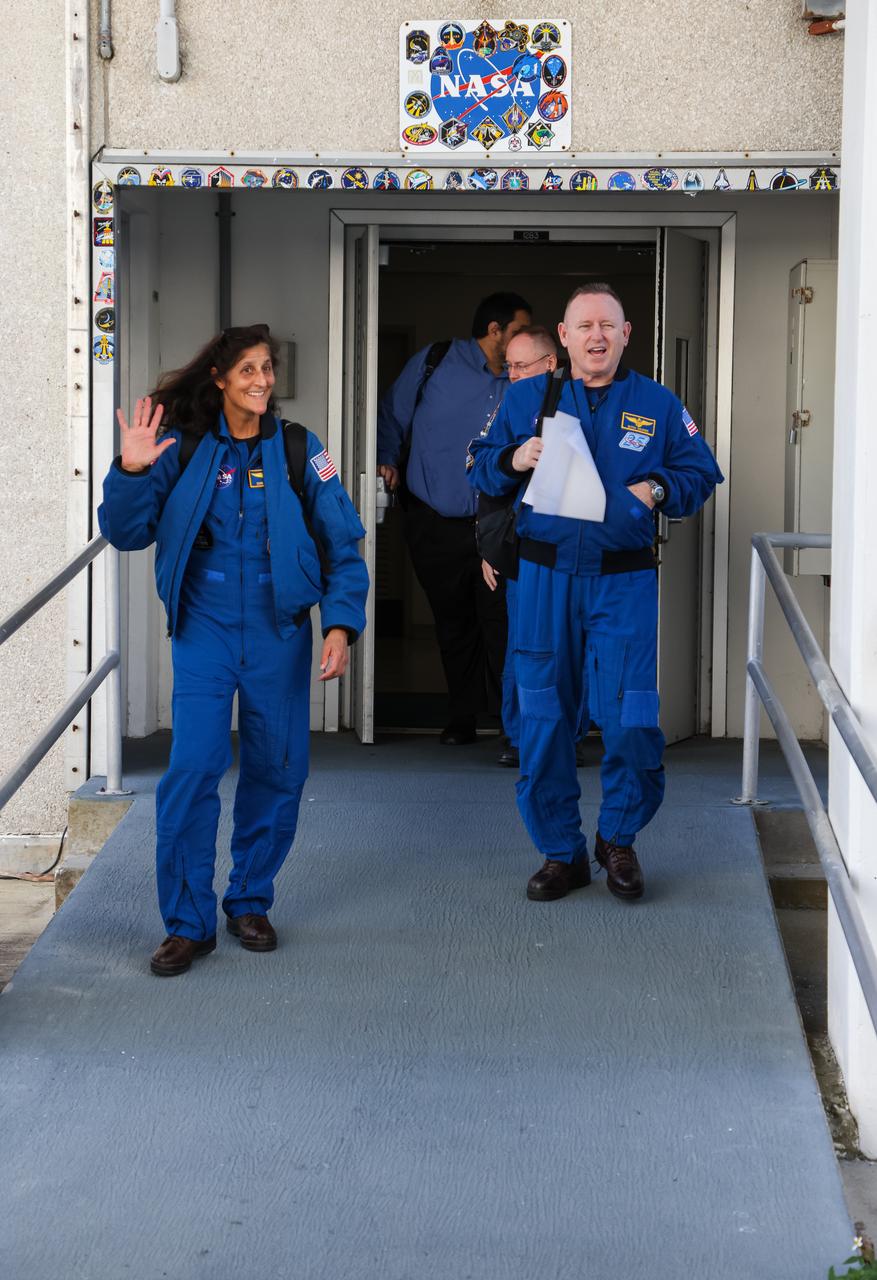
NASA astronauts Suni Williams and Barry “Butch” Wilmore emerge from the Neil Armstrong Operations and Checkout Building at the agency’s Kennedy Space Center in Florida on Wednesday, Jan. 31, 2024, as part of an integrated crew exercise simulation for NASA’s Boeing Crew Flight Test (CFT). The integrated exercise involved participation from the flight crew, NASA, Boeing, and United Launch Alliance (ULA), and allowed teams to rehearse prelaunch operations beginning roughly four hours before a targeted liftoff. CFT will be the first flight with astronauts to the International Space Station for Boeing’s Starliner spacecraft as part of NASA’s Commercial Crew Program. Starliner is scheduled to launch atop ULA’s Atlas V rocket no earlier than mid-April 2024.

NASA astronauts Suni Williams and Barry “Butch” Wilmore prepare to enter a crew transportation vehicle in front of the Neil Armstrong Operations and Checkout Building at the agency’s Kennedy Space Center in Florida on Wednesday, Jan. 31, 2024, as part of an integrated crew exercise simulation for NASA’s Boeing Crew Flight Test (CFT). The integrated exercise involved participation from the flight crew, NASA, Boeing, and United Launch Alliance (ULA), and allowed teams to rehearse prelaunch operations beginning roughly four hours before a targeted liftoff. CFT will be the first flight with astronauts to the International Space Station for Boeing’s Starliner spacecraft as part of NASA’s Commercial Crew Program. Starliner is scheduled to launch atop ULA’s Atlas V rocket no earlier than mid-April 2024.
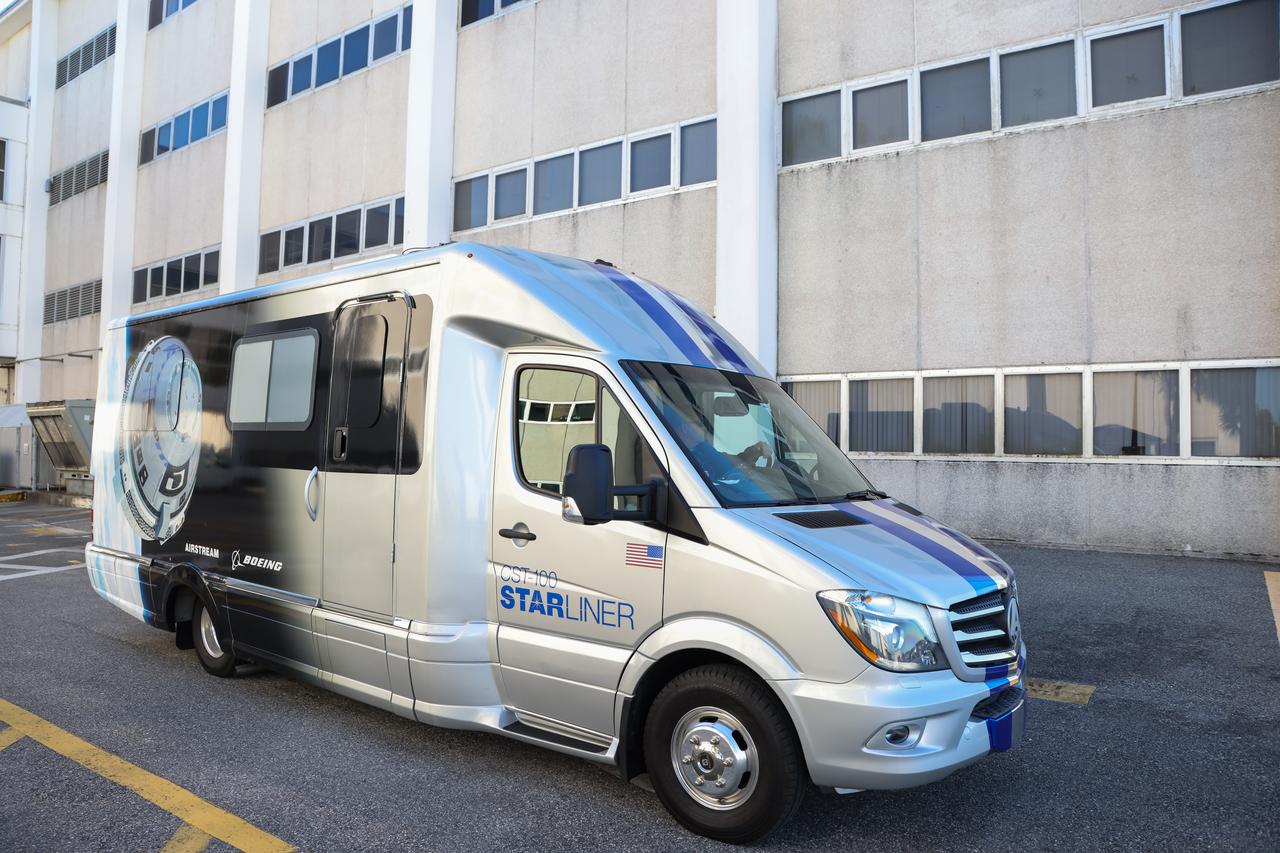
A crew transportation vehicle carrying NASA astronauts Suni Williams and Barry “Butch” Wilmore drives past the Neil Armstrong Operations and Checkout Building at the agency’s Kennedy Space Center in Florida on Wednesday, Jan. 31, 2024, as part of an integrated crew exercise simulation for NASA’s Boeing Crew Flight Test (CFT). The integrated exercise involved participation from the flight crew, NASA, Boeing, and United Launch Alliance (ULA), and allowed teams to rehearse prelaunch operations beginning roughly four hours before a targeted liftoff. CFT will be the first flight with astronauts to the International Space Station for Boeing’s Starliner spacecraft as part of NASA’s Commercial Crew Program. Starliner is scheduled to launch atop ULA’s Atlas V rocket no earlier than mid-April 2024.
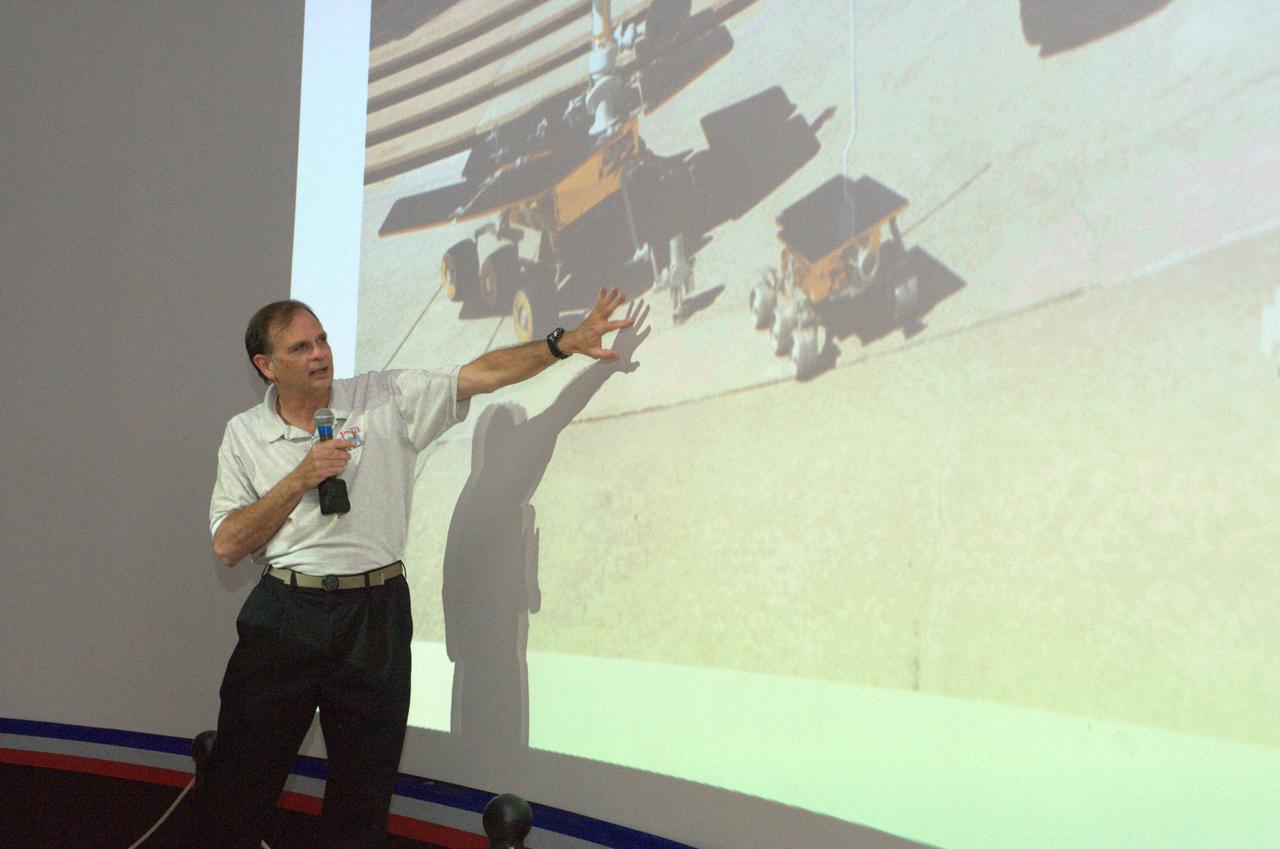
Tech Talk on Extreme Rovers: Unveiling the latest findings of Robotic Exploration of Extreme Environments shown in the Immersve Theater NASA Ames Exploration Center Bldg 943A Michael Sims, NASA Ames gives a presentation on 'Operating Rovers on Mars'
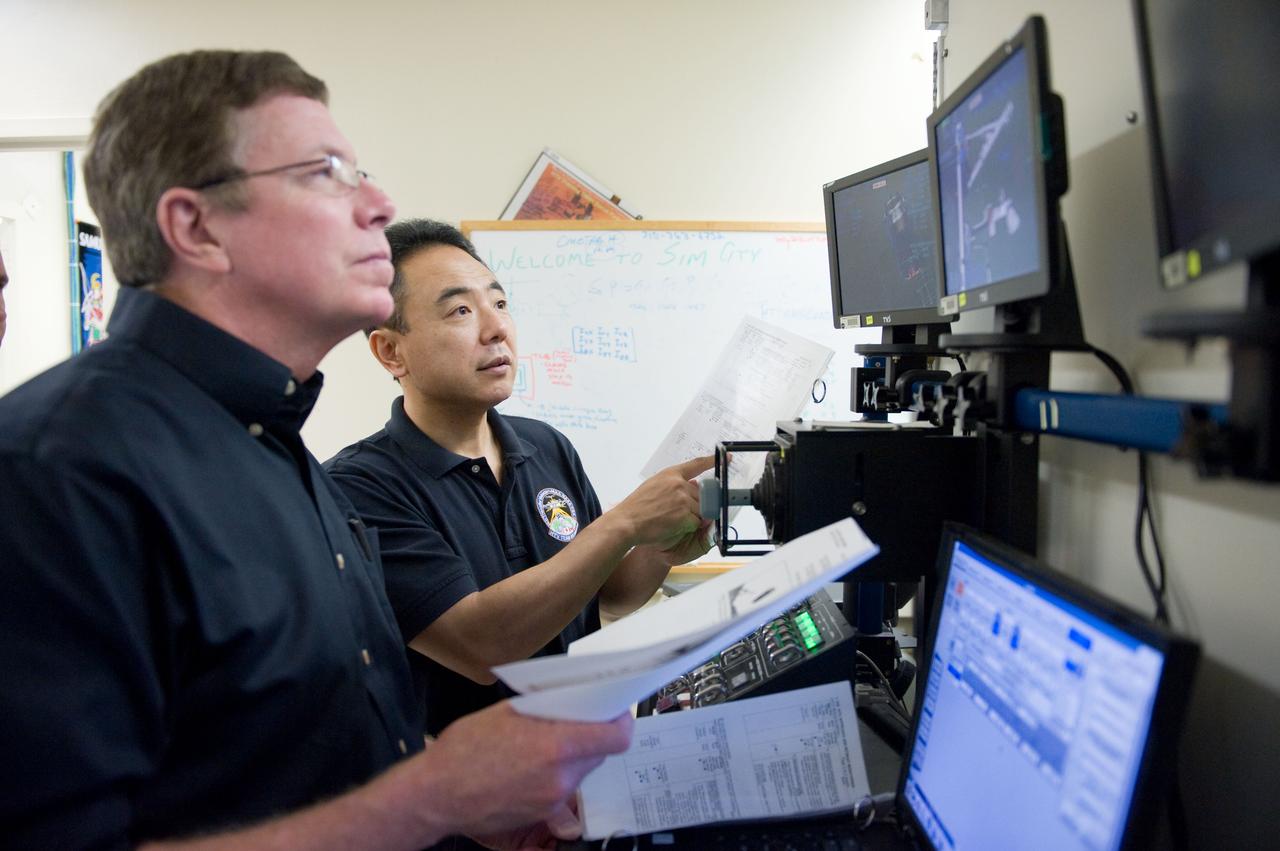
Expedition 28 JAXA Astronaut Satoshi Furukawa and Astronaut Mike Fossum during FF RNDZ ADV 4 training. Training includes HTV rendezvous operation. Photo Date: September 15, 2010. Location: Building 30 - SIM City. Photographer: Robert Markowitz.